window.__IS_SSR__=true
window.__INITIAL_STATE__={
"attachmentsReducer": {
"audio_0": {
"type": "attachments",
"id": "audio_0",
"imgSizes": {
"kqedFullSize": {
"file": "https://ww2.kqed.org/news/wp-content/themes/KQED-unified/img/audio_bgs/background0.jpg"
}
}
},
"audio_1": {
"type": "attachments",
"id": "audio_1",
"imgSizes": {
"kqedFullSize": {
"file": "https://ww2.kqed.org/news/wp-content/themes/KQED-unified/img/audio_bgs/background1.jpg"
}
}
},
"audio_2": {
"type": "attachments",
"id": "audio_2",
"imgSizes": {
"kqedFullSize": {
"file": "https://ww2.kqed.org/news/wp-content/themes/KQED-unified/img/audio_bgs/background2.jpg"
}
}
},
"audio_3": {
"type": "attachments",
"id": "audio_3",
"imgSizes": {
"kqedFullSize": {
"file": "https://ww2.kqed.org/news/wp-content/themes/KQED-unified/img/audio_bgs/background3.jpg"
}
}
},
"audio_4": {
"type": "attachments",
"id": "audio_4",
"imgSizes": {
"kqedFullSize": {
"file": "https://ww2.kqed.org/news/wp-content/themes/KQED-unified/img/audio_bgs/background4.jpg"
}
}
},
"placeholder": {
"type": "attachments",
"id": "placeholder",
"imgSizes": {
"thumbnail": {
"file": "https://cdn.kqed.org/wp-content/uploads/2024/12/KQED-Default-Image-816638274-2000x1333-1-160x107.jpg",
"width": 160,
"height": 107,
"mimeType": "image/jpeg"
},
"medium": {
"file": "https://cdn.kqed.org/wp-content/uploads/2024/12/KQED-Default-Image-816638274-2000x1333-1-800x533.jpg",
"width": 800,
"height": 533,
"mimeType": "image/jpeg"
},
"medium_large": {
"file": "https://cdn.kqed.org/wp-content/uploads/2024/12/KQED-Default-Image-816638274-2000x1333-1-768x512.jpg",
"width": 768,
"height": 512,
"mimeType": "image/jpeg"
},
"large": {
"file": "https://cdn.kqed.org/wp-content/uploads/2024/12/KQED-Default-Image-816638274-2000x1333-1-1020x680.jpg",
"width": 1020,
"height": 680,
"mimeType": "image/jpeg"
},
"1536x1536": {
"file": "https://cdn.kqed.org/wp-content/uploads/2024/12/KQED-Default-Image-816638274-2000x1333-1-1536x1024.jpg",
"width": 1536,
"height": 1024,
"mimeType": "image/jpeg"
},
"fd-lrg": {
"file": "https://cdn.kqed.org/wp-content/uploads/2024/12/KQED-Default-Image-816638274-2000x1333-1-1536x1024.jpg",
"width": 1536,
"height": 1024,
"mimeType": "image/jpeg"
},
"fd-med": {
"file": "https://cdn.kqed.org/wp-content/uploads/2024/12/KQED-Default-Image-816638274-2000x1333-1-1020x680.jpg",
"width": 1020,
"height": 680,
"mimeType": "image/jpeg"
},
"fd-sm": {
"file": "https://cdn.kqed.org/wp-content/uploads/2024/12/KQED-Default-Image-816638274-2000x1333-1-800x533.jpg",
"width": 800,
"height": 533,
"mimeType": "image/jpeg"
},
"post-thumbnail": {
"file": "https://cdn.kqed.org/wp-content/uploads/2024/12/KQED-Default-Image-816638274-2000x1333-1-672x372.jpg",
"width": 672,
"height": 372,
"mimeType": "image/jpeg"
},
"twentyfourteen-full-width": {
"file": "https://cdn.kqed.org/wp-content/uploads/2024/12/KQED-Default-Image-816638274-2000x1333-1-1038x576.jpg",
"width": 1038,
"height": 576,
"mimeType": "image/jpeg"
},
"xxsmall": {
"file": "https://cdn.kqed.org/wp-content/uploads/2024/12/KQED-Default-Image-816638274-2000x1333-1-160x107.jpg",
"width": 160,
"height": 107,
"mimeType": "image/jpeg"
},
"xsmall": {
"file": "https://cdn.kqed.org/wp-content/uploads/2024/12/KQED-Default-Image-816638274-2000x1333-1-672x372.jpg",
"width": 672,
"height": 372,
"mimeType": "image/jpeg"
},
"small": {
"file": "https://cdn.kqed.org/wp-content/uploads/2024/12/KQED-Default-Image-816638274-2000x1333-1-672x372.jpg",
"width": 672,
"height": 372,
"mimeType": "image/jpeg"
},
"xlarge": {
"file": "https://cdn.kqed.org/wp-content/uploads/2024/12/KQED-Default-Image-816638274-2000x1333-1-1020x680.jpg",
"width": 1020,
"height": 680,
"mimeType": "image/jpeg"
},
"full-width": {
"file": "https://cdn.kqed.org/wp-content/uploads/2024/12/KQED-Default-Image-816638274-2000x1333-1-1920x1280.jpg",
"width": 1920,
"height": 1280,
"mimeType": "image/jpeg"
},
"guest-author-32": {
"file": "https://cdn.kqed.org/wp-content/uploads/2025/01/KQED-Default-Image-816638274-1333x1333-1-160x160.jpg",
"width": 32,
"height": 32,
"mimeType": "image/jpeg"
},
"guest-author-50": {
"file": "https://cdn.kqed.org/wp-content/uploads/2025/01/KQED-Default-Image-816638274-1333x1333-1-160x160.jpg",
"width": 50,
"height": 50,
"mimeType": "image/jpeg"
},
"guest-author-64": {
"file": "https://cdn.kqed.org/wp-content/uploads/2025/01/KQED-Default-Image-816638274-1333x1333-1-160x160.jpg",
"width": 64,
"height": 64,
"mimeType": "image/jpeg"
},
"guest-author-96": {
"file": "https://cdn.kqed.org/wp-content/uploads/2025/01/KQED-Default-Image-816638274-1333x1333-1-160x160.jpg",
"width": 96,
"height": 96,
"mimeType": "image/jpeg"
},
"guest-author-128": {
"file": "https://cdn.kqed.org/wp-content/uploads/2025/01/KQED-Default-Image-816638274-1333x1333-1-160x160.jpg",
"width": 128,
"height": 128,
"mimeType": "image/jpeg"
},
"detail": {
"file": "https://cdn.kqed.org/wp-content/uploads/2025/01/KQED-Default-Image-816638274-1333x1333-1-160x160.jpg",
"width": 160,
"height": 160,
"mimeType": "image/jpeg"
},
"kqedFullSize": {
"file": "https://cdn.kqed.org/wp-content/uploads/2024/12/KQED-Default-Image-816638274-2000x1333-1.jpg",
"width": 2000,
"height": 1333
}
}
},
"news_10924037": {
"type": "attachments",
"id": "news_10924037",
"meta": {
"index": "attachments_1716263798",
"site": "news",
"id": "10924037",
"found": true
},
"parent": 10922780,
"imgSizes": {
"twentyfourteen-full-width": {
"file": "https://ww2.kqed.org/app/uploads/sites/10/2016/04/ShelterCastBoxes-1038x576.jpg",
"width": 1038,
"mimeType": "image/jpeg",
"height": 576
},
"thumbnail": {
"file": "https://ww2.kqed.org/app/uploads/sites/10/2016/04/ShelterCastBoxes-400x240.jpg",
"width": 400,
"mimeType": "image/jpeg",
"height": 240
},
"fd-sm": {
"file": "https://ww2.kqed.org/app/uploads/sites/10/2016/04/ShelterCastBoxes-960x575.jpg",
"width": 960,
"mimeType": "image/jpeg",
"height": 575
},
"post-thumbnail": {
"file": "https://ww2.kqed.org/app/uploads/sites/10/2016/04/ShelterCastBoxes-672x372.jpg",
"width": 672,
"mimeType": "image/jpeg",
"height": 372
},
"kqedFullSize": {
"file": "https://ww2.kqed.org/app/uploads/sites/10/2016/04/ShelterCastBoxes.jpg",
"width": 1920,
"height": 1150
},
"large": {
"file": "https://ww2.kqed.org/app/uploads/sites/10/2016/04/ShelterCastBoxes-1920x1150.jpg",
"width": 1920,
"mimeType": "image/jpeg",
"height": 1150
},
"guest-author-96": {
"file": "https://ww2.kqed.org/app/uploads/sites/10/2016/04/ShelterCastBoxes-96x96.jpg",
"width": 96,
"mimeType": "image/jpeg",
"height": 96
},
"medium": {
"file": "https://ww2.kqed.org/app/uploads/sites/10/2016/04/ShelterCastBoxes-800x479.jpg",
"width": 800,
"mimeType": "image/jpeg",
"height": 479
},
"guest-author-64": {
"file": "https://ww2.kqed.org/app/uploads/sites/10/2016/04/ShelterCastBoxes-64x64.jpg",
"width": 64,
"mimeType": "image/jpeg",
"height": 64
},
"guest-author-32": {
"file": "https://ww2.kqed.org/app/uploads/sites/10/2016/04/ShelterCastBoxes-32x32.jpg",
"width": 32,
"mimeType": "image/jpeg",
"height": 32
},
"jmtc-small-thumb": {
"file": "https://ww2.kqed.org/app/uploads/sites/10/2016/04/ShelterCastBoxes-280x150.jpg",
"width": 280,
"mimeType": "image/jpeg",
"height": 150
},
"fd-lrg": {
"file": "https://ww2.kqed.org/app/uploads/sites/10/2016/04/ShelterCastBoxes-1920x1150.jpg",
"width": 1920,
"mimeType": "image/jpeg",
"height": 1150
},
"fd-med": {
"file": "https://ww2.kqed.org/app/uploads/sites/10/2016/04/ShelterCastBoxes-1180x707.jpg",
"width": 1180,
"mimeType": "image/jpeg",
"height": 707
},
"detail": {
"file": "https://ww2.kqed.org/app/uploads/sites/10/2016/04/ShelterCastBoxes-75x75.jpg",
"width": 75,
"mimeType": "image/jpeg",
"height": 75
},
"guest-author-128": {
"file": "https://ww2.kqed.org/app/uploads/sites/10/2016/04/ShelterCastBoxes-128x128.jpg",
"width": 128,
"mimeType": "image/jpeg",
"height": 128
}
},
"publishDate": 1460152362,
"modified": 1460152402,
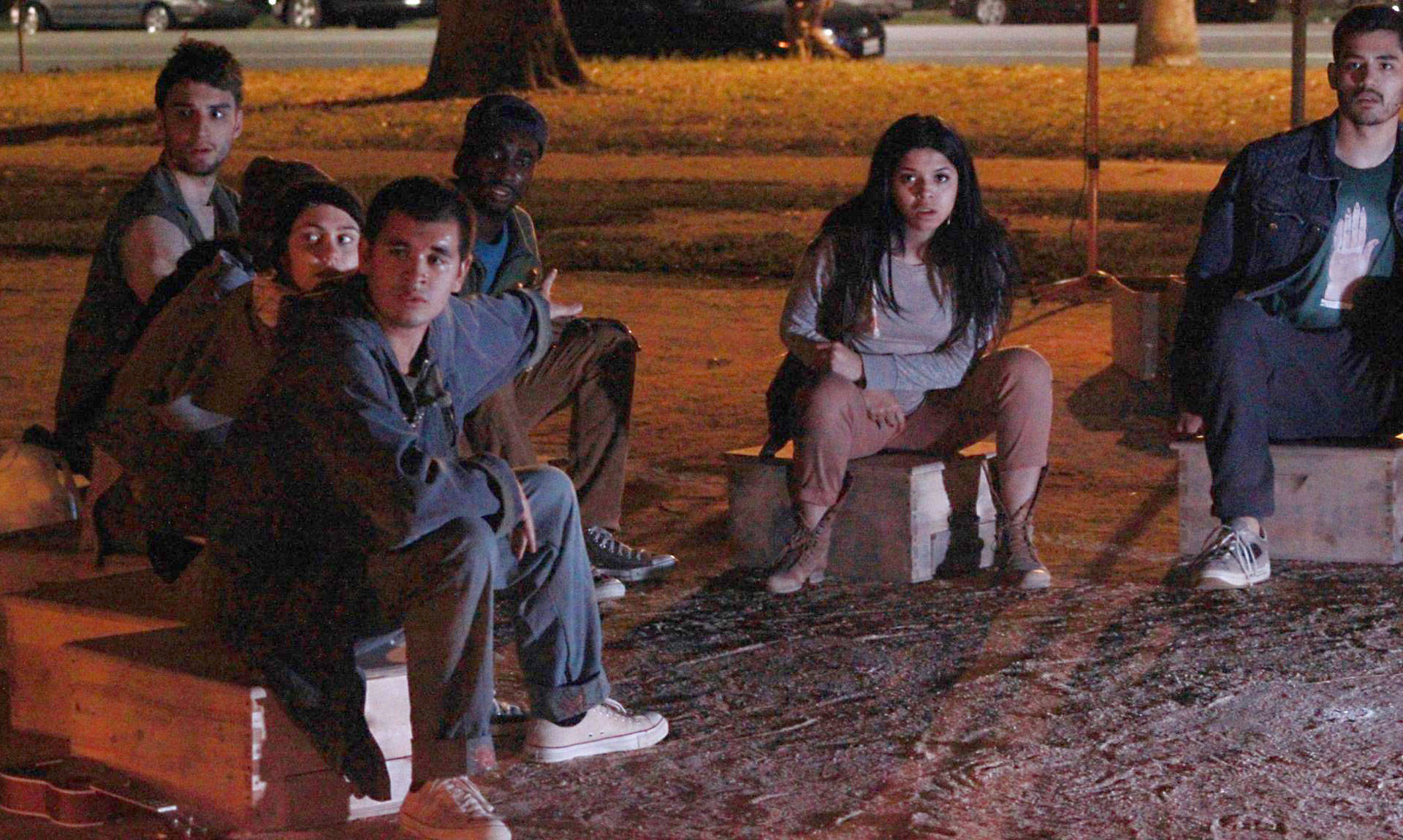
"caption": "Actors from the California Institute of the Arts rehearse for the play ‘Shelter’ at L.A. Lincoln Park.",
"description": "Actors from the California Institute of the Arts rehearse for the play ‘Shelter’ at L.A. Lincoln Park.",
"title": "ShelterCastBoxes",
"credit": "Steven Cuevas/KQED",
"status": "inherit",
"isLoading": false,
"fetchFailed": false
},
"arts_11470006": {
"type": "attachments",
"id": "arts_11470006",
"meta": {
"index": "attachments_1716263798",
"site": "arts",
"id": "11470006",
"found": true
},
"parent": 11469884,
"imgSizes": {
"twentyfourteen-full-width": {
"file": "https://ww2.kqed.org/app/uploads/sites/2/2016/04/Press_3_large-2-e1459964694777-1038x576.jpg",
"width": 1038,
"mimeType": "image/jpeg",
"height": 576
},
"thumbnail": {
"file": "https://ww2.kqed.org/app/uploads/sites/2/2016/04/Press_3_large-2-e1459964694777-400x225.jpg",
"width": 400,
"mimeType": "image/jpeg",
"height": 225
},
"fd-sm": {
"file": "https://ww2.kqed.org/app/uploads/sites/2/2016/04/Press_3_large-2-e1459964694777-960x540.jpg",
"width": 960,
"mimeType": "image/jpeg",
"height": 540
},
"post-thumbnail": {
"file": "https://ww2.kqed.org/app/uploads/sites/2/2016/04/Press_3_large-2-e1459964694777-672x372.jpg",
"width": 672,
"mimeType": "image/jpeg",
"height": 372
},
"kqedFullSize": {
"file": "https://ww2.kqed.org/app/uploads/sites/2/2016/04/Press_3_large-2-e1459964694777.jpg",
"width": 5425,
"height": 3051
},
"large": {
"file": "https://ww2.kqed.org/app/uploads/sites/2/2016/04/Press_3_large-2-e1459964694777-1180x664.jpg",
"width": 1180,
"mimeType": "image/jpeg",
"height": 664
},
"guest-author-96": {
"file": "https://ww2.kqed.org/app/uploads/sites/2/2016/04/Press_3_large-2-e1459964694777-96x96.jpg",
"width": 96,
"mimeType": "image/jpeg",
"height": 96
},
"medium": {
"file": "https://ww2.kqed.org/app/uploads/sites/2/2016/04/Press_3_large-2-e1459964694777-800x450.jpg",
"width": 800,
"mimeType": "image/jpeg",
"height": 450
},
"guest-author-64": {
"file": "https://ww2.kqed.org/app/uploads/sites/2/2016/04/Press_3_large-2-e1459964694777-64x64.jpg",
"width": 64,
"mimeType": "image/jpeg",
"height": 64
},
"guest-author-32": {
"file": "https://ww2.kqed.org/app/uploads/sites/2/2016/04/Press_3_large-2-e1459964694777-32x32.jpg",
"width": 32,
"mimeType": "image/jpeg",
"height": 32
},
"fd-lrg": {
"file": "https://ww2.kqed.org/app/uploads/sites/2/2016/04/Press_3_large-2-e1459964694777-1920x1080.jpg",
"width": 1920,
"mimeType": "image/jpeg",
"height": 1080
},
"fd-med": {
"file": "https://ww2.kqed.org/app/uploads/sites/2/2016/04/Press_3_large-2-e1459964694777-1180x664.jpg",
"width": 1180,
"mimeType": "image/jpeg",
"height": 664
},
"detail": {
"file": "https://ww2.kqed.org/app/uploads/sites/2/2016/04/Press_3_large-2-e1459964694777-75x75.jpg",
"width": 75,
"mimeType": "image/jpeg",
"height": 75
},
"medium_large": {
"file": "https://ww2.kqed.org/app/uploads/sites/2/2016/04/Press_3_large-2-e1459964694777-768x432.jpg",
"width": 768,
"mimeType": "image/jpeg",
"height": 432
},
"guest-author-128": {
"file": "https://ww2.kqed.org/app/uploads/sites/2/2016/04/Press_3_large-2-e1459964694777-128x128.jpg",
"width": 128,
"mimeType": "image/jpeg",
"height": 128
}
},
"publishDate": 1459964267,
"modified": 1459964379,
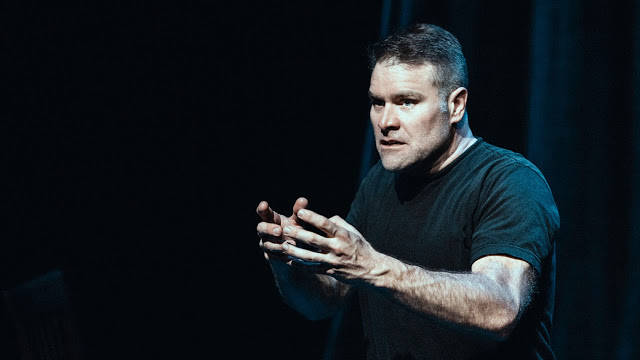
"caption": "Danny Scheie as Weston Ludlow Londonderry in Peter Sinn Nachtrieb's 'A House Tour' at Z Space.",
"description": null,
"title": "Press_3_large-2",
"credit": null,
"status": "inherit",
"isLoading": false,
"fetchFailed": false
},
"arts_11448180": {
"type": "attachments",
"id": "arts_11448180",
"meta": {
"index": "attachments_1716263798",
"site": "arts",
"id": "11448180",
"found": true
},
"parent": 11447815,
"imgSizes": {
"twentyfourteen-full-width": {
"file": "https://ww2.kqed.org/app/uploads/sites/2/2016/04/DSC1855-e1459803404723-1038x576.jpg",
"width": 1038,
"mimeType": "image/jpeg",
"height": 576
},
"thumbnail": {
"file": "https://ww2.kqed.org/app/uploads/sites/2/2016/04/DSC1855-e1459803404723-400x225.jpg",
"width": 400,
"mimeType": "image/jpeg",
"height": 225
},
"fd-sm": {
"file": "https://ww2.kqed.org/app/uploads/sites/2/2016/04/DSC1855-e1459803404723-960x540.jpg",
"width": 960,
"mimeType": "image/jpeg",
"height": 540
},
"post-thumbnail": {
"file": "https://ww2.kqed.org/app/uploads/sites/2/2016/04/DSC1855-e1459803404723-672x372.jpg",
"width": 672,
"mimeType": "image/jpeg",
"height": 372
},
"kqedFullSize": {
"file": "https://ww2.kqed.org/app/uploads/sites/2/2016/04/DSC1855-e1459803404723.jpg",
"width": 5759,
"height": 3239
},
"large": {
"file": "https://ww2.kqed.org/app/uploads/sites/2/2016/04/DSC1855-e1459803404723-1180x664.jpg",
"width": 1180,
"mimeType": "image/jpeg",
"height": 664
},
"guest-author-96": {
"file": "https://ww2.kqed.org/app/uploads/sites/2/2016/04/DSC1855-e1459803404723-96x96.jpg",
"width": 96,
"mimeType": "image/jpeg",
"height": 96
},
"medium": {
"file": "https://ww2.kqed.org/app/uploads/sites/2/2016/04/DSC1855-e1459803404723-800x450.jpg",
"width": 800,
"mimeType": "image/jpeg",
"height": 450
},
"guest-author-64": {
"file": "https://ww2.kqed.org/app/uploads/sites/2/2016/04/DSC1855-e1459803404723-64x64.jpg",
"width": 64,
"mimeType": "image/jpeg",
"height": 64
},
"guest-author-32": {
"file": "https://ww2.kqed.org/app/uploads/sites/2/2016/04/DSC1855-e1459803404723-32x32.jpg",
"width": 32,
"mimeType": "image/jpeg",
"height": 32
},
"fd-lrg": {
"file": "https://ww2.kqed.org/app/uploads/sites/2/2016/04/DSC1855-e1459803404723-1920x1080.jpg",
"width": 1920,
"mimeType": "image/jpeg",
"height": 1080
},
"fd-med": {
"file": "https://ww2.kqed.org/app/uploads/sites/2/2016/04/DSC1855-e1459803404723-1180x664.jpg",
"width": 1180,
"mimeType": "image/jpeg",
"height": 664
},
"detail": {
"file": "https://ww2.kqed.org/app/uploads/sites/2/2016/04/DSC1855-e1459803404723-75x75.jpg",
"width": 75,
"mimeType": "image/jpeg",
"height": 75
},
"medium_large": {
"file": "https://ww2.kqed.org/app/uploads/sites/2/2016/04/DSC1855-e1459803404723-768x432.jpg",
"width": 768,
"mimeType": "image/jpeg",
"height": 432
},
"guest-author-128": {
"file": "https://ww2.kqed.org/app/uploads/sites/2/2016/04/DSC1855-e1459803404723-128x128.jpg",
"width": 128,
"mimeType": "image/jpeg",
"height": 128
}
},
"publishDate": 1459300486,
"modified": 1459300617,
"caption": "Saskia Lane (L) and Julian Crouch (r) with one of the creations in 'Birdheart'\n",
"description": "Saskia Lane (L) and Julian Crouch (r) with one of the creations in 'Birdheart'",
"title": "BIRDHEART - Duke Theater",
"credit": "Photo: Jill Steinberg",
"status": "inherit",
"isLoading": false,
"fetchFailed": false
},
"arts_11450920": {
"type": "attachments",
"id": "arts_11450920",
"meta": {
"index": "attachments_1716263798",
"site": "arts",
"id": "11450920",
"found": true
},
"parent": 11450918,
"imgSizes": {
"twentyfourteen-full-width": {
"file": "https://ww2.kqed.org/app/uploads/sites/2/2016/04/HommageAnaSokolovic3_credit-Donat_pourlaSMCQ-e1459386814885-1038x576.jpg",
"width": 1038,
"mimeType": "image/jpeg",
"height": 576
},
"thumbnail": {
"file": "https://ww2.kqed.org/app/uploads/sites/2/2016/04/HommageAnaSokolovic3_credit-Donat_pourlaSMCQ-e1459386814885-400x244.jpg",
"width": 400,
"mimeType": "image/jpeg",
"height": 244
},
"fd-sm": {
"file": "https://ww2.kqed.org/app/uploads/sites/2/2016/04/HommageAnaSokolovic3_credit-Donat_pourlaSMCQ-e1459386814885-960x585.jpg",
"width": 960,
"mimeType": "image/jpeg",
"height": 585
},
"post-thumbnail": {
"file": "https://ww2.kqed.org/app/uploads/sites/2/2016/04/HommageAnaSokolovic3_credit-Donat_pourlaSMCQ-e1459386814885-672x372.jpg",
"width": 672,
"mimeType": "image/jpeg",
"height": 372
},
"kqedFullSize": {
"file": "https://ww2.kqed.org/app/uploads/sites/2/2016/04/HommageAnaSokolovic3_credit-Donat_pourlaSMCQ-e1459386814885.jpg",
"width": 5616,
"height": 3425
},
"large": {
"file": "https://ww2.kqed.org/app/uploads/sites/2/2016/04/HommageAnaSokolovic3_credit-Donat_pourlaSMCQ-e1459386814885-1180x720.jpg",
"width": 1180,
"mimeType": "image/jpeg",
"height": 720
},
"guest-author-96": {
"file": "https://ww2.kqed.org/app/uploads/sites/2/2016/04/HommageAnaSokolovic3_credit-Donat_pourlaSMCQ-e1459386814885-96x96.jpg",
"width": 96,
"mimeType": "image/jpeg",
"height": 96
},
"medium": {
"file": "https://ww2.kqed.org/app/uploads/sites/2/2016/04/HommageAnaSokolovic3_credit-Donat_pourlaSMCQ-e1459386814885-800x488.jpg",
"width": 800,
"mimeType": "image/jpeg",
"height": 488
},
"guest-author-64": {
"file": "https://ww2.kqed.org/app/uploads/sites/2/2016/04/HommageAnaSokolovic3_credit-Donat_pourlaSMCQ-e1459386814885-64x64.jpg",
"width": 64,
"mimeType": "image/jpeg",
"height": 64
},
"guest-author-32": {
"file": "https://ww2.kqed.org/app/uploads/sites/2/2016/04/HommageAnaSokolovic3_credit-Donat_pourlaSMCQ-e1459386814885-32x32.jpg",
"width": 32,
"mimeType": "image/jpeg",
"height": 32
},
"fd-lrg": {
"file": "https://ww2.kqed.org/app/uploads/sites/2/2016/04/HommageAnaSokolovic3_credit-Donat_pourlaSMCQ-e1459386814885-1920x1171.jpg",
"width": 1920,
"mimeType": "image/jpeg",
"height": 1171
},
"fd-med": {
"file": "https://ww2.kqed.org/app/uploads/sites/2/2016/04/HommageAnaSokolovic3_credit-Donat_pourlaSMCQ-e1459386814885-1180x720.jpg",
"width": 1180,
"mimeType": "image/jpeg",
"height": 720
},
"detail": {
"file": "https://ww2.kqed.org/app/uploads/sites/2/2016/04/HommageAnaSokolovic3_credit-Donat_pourlaSMCQ-e1459386814885-75x75.jpg",
"width": 75,
"mimeType": "image/jpeg",
"height": 75
},
"medium_large": {
"file": "https://ww2.kqed.org/app/uploads/sites/2/2016/04/HommageAnaSokolovic3_credit-Donat_pourlaSMCQ-e1459386814885-768x468.jpg",
"width": 768,
"mimeType": "image/jpeg",
"height": 468
},
"guest-author-128": {
"file": "https://ww2.kqed.org/app/uploads/sites/2/2016/04/HommageAnaSokolovic3_credit-Donat_pourlaSMCQ-e1459386814885-128x128.jpg",
"width": 128,
"mimeType": "image/jpeg",
"height": 128
}
},
"publishDate": 1459382767,
"modified": 1459382805,
"caption": "Composer Ana Sokolović, the creator of 'Svadba-Wedding' ",
"description": "Composer Ana Sokolović, the creator of 'Svadba-Wedding' ",
"title": "HommageAnaSokolovic3_credit-Donat_pourlaSMCQ",
"credit": "Photo: Donat/SMCQ",
"status": "inherit",
"isLoading": false,
"fetchFailed": false
},
"stateofhealth_164616": {
"type": "attachments",
"id": "stateofhealth_164616",
"meta": {
"index": "attachments_1716263798",
"site": "stateofhealth",
"id": "164616",
"found": true
},
"parent": 0,
"imgSizes": {
"twentyfourteen-full-width": {
"file": "https://ww2.kqed.org/app/uploads/sites/27/2016/03/RS18861_IMG_9436-qut-1038x576.jpg",
"width": 1038,
"mimeType": "image/jpeg",
"height": 576
},
"thumbnail": {
"file": "https://ww2.kqed.org/app/uploads/sites/27/2016/03/RS18861_IMG_9436-qut-400x267.jpg",
"width": 400,
"mimeType": "image/jpeg",
"height": 267
},
"fd-sm": {
"file": "https://ww2.kqed.org/app/uploads/sites/27/2016/03/RS18861_IMG_9436-qut-960x640.jpg",
"width": 960,
"mimeType": "image/jpeg",
"height": 640
},
"post-thumbnail": {
"file": "https://ww2.kqed.org/app/uploads/sites/27/2016/03/RS18861_IMG_9436-qut-672x372.jpg",
"width": 672,
"mimeType": "image/jpeg",
"height": 372
},
"kqedFullSize": {
"file": "https://ww2.kqed.org/app/uploads/sites/27/2016/03/RS18861_IMG_9436-qut.jpg",
"width": 1920,
"height": 1280
},
"large": {
"file": "https://ww2.kqed.org/app/uploads/sites/27/2016/03/RS18861_IMG_9436-qut-1440x960.jpg",
"width": 1440,
"mimeType": "image/jpeg",
"height": 960
},
"guest-author-96": {
"file": "https://ww2.kqed.org/app/uploads/sites/27/2016/03/RS18861_IMG_9436-qut-96x96.jpg",
"width": 96,
"mimeType": "image/jpeg",
"height": 96
},
"medium": {
"file": "https://ww2.kqed.org/app/uploads/sites/27/2016/03/RS18861_IMG_9436-qut-800x533.jpg",
"width": 800,
"mimeType": "image/jpeg",
"height": 533
},
"guest-author-64": {
"file": "https://ww2.kqed.org/app/uploads/sites/27/2016/03/RS18861_IMG_9436-qut-64x64.jpg",
"width": 64,
"mimeType": "image/jpeg",
"height": 64
},
"guest-author-32": {
"file": "https://ww2.kqed.org/app/uploads/sites/27/2016/03/RS18861_IMG_9436-qut-32x32.jpg",
"width": 32,
"mimeType": "image/jpeg",
"height": 32
},
"jmtc-small-thumb": {
"file": "https://ww2.kqed.org/app/uploads/sites/27/2016/03/RS18861_IMG_9436-qut-280x150.jpg",
"width": 280,
"mimeType": "image/jpeg",
"height": 150
},
"fd-lrg": {
"file": "https://ww2.kqed.org/app/uploads/sites/27/2016/03/RS18861_IMG_9436-qut-1920x1280.jpg",
"width": 1920,
"mimeType": "image/jpeg",
"height": 1280
},
"fd-med": {
"file": "https://ww2.kqed.org/app/uploads/sites/27/2016/03/RS18861_IMG_9436-qut-1180x787.jpg",
"width": 1180,
"mimeType": "image/jpeg",
"height": 787
},
"detail": {
"file": "https://ww2.kqed.org/app/uploads/sites/27/2016/03/RS18861_IMG_9436-qut-75x75.jpg",
"width": 75,
"mimeType": "image/jpeg",
"height": 75
},
"medium_large": {
"file": "https://ww2.kqed.org/app/uploads/sites/27/2016/03/RS18861_IMG_9436-qut-768x512.jpg",
"width": 768,
"mimeType": "image/jpeg",
"height": 512
},
"guest-author-128": {
"file": "https://ww2.kqed.org/app/uploads/sites/27/2016/03/RS18861_IMG_9436-qut-128x128.jpg",
"width": 128,
"mimeType": "image/jpeg",
"height": 128
}
},
"publishDate": 1458973792,
"modified": 1459468906,
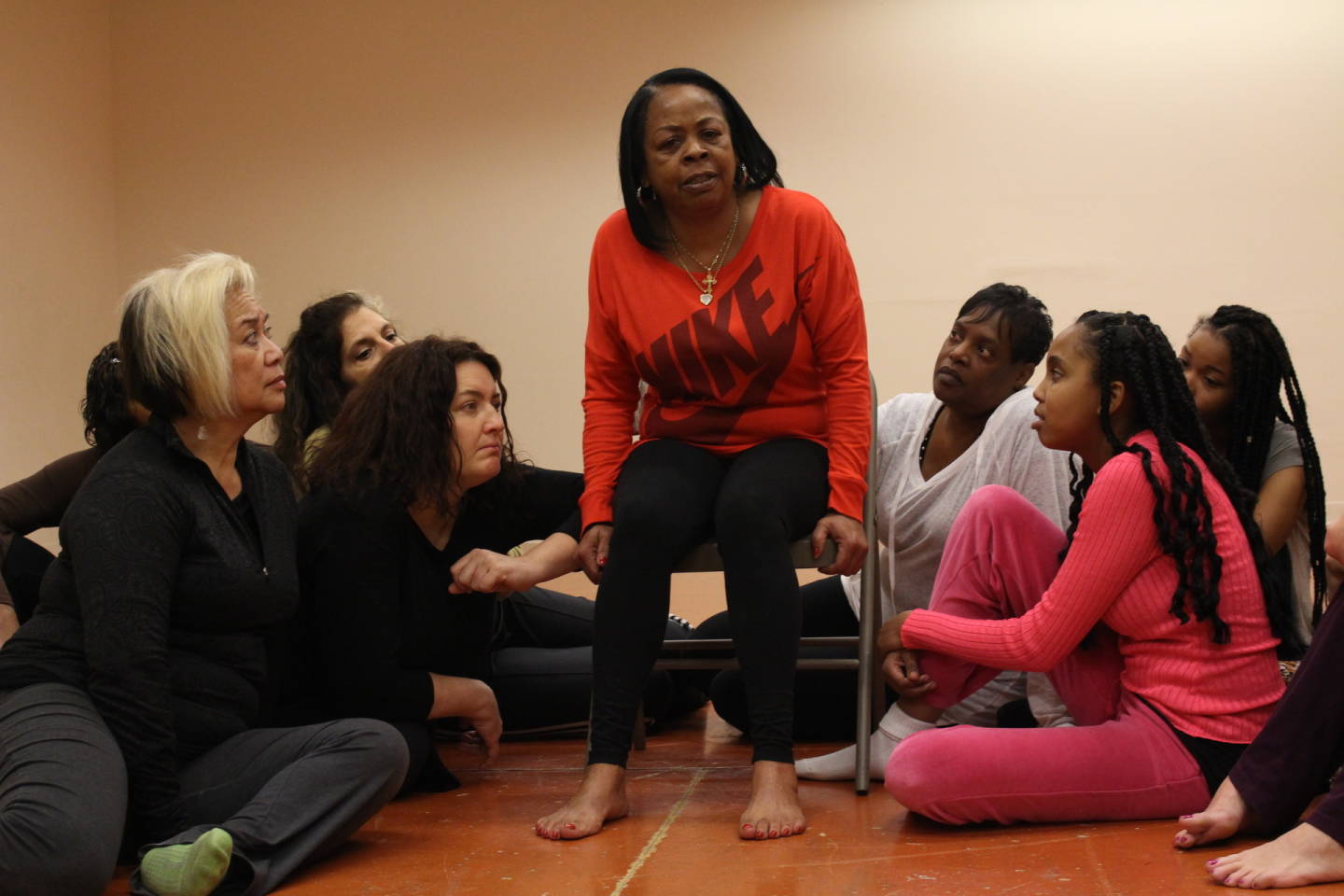
"caption": "Cassandra Steptoe, 59, rehearses for a performance with fellow actresses at The Medea Project in San Francisco. Steptoe wrote an autobiographical monologue about being HIV positive.",
"description": "Cassandra Steptoe, 59, rehearses for a performance with fellow actresses at The Medea Project in San Francisco. Steptoe wrote an autobiographical monologue about being HIV positive.",
"title": "RS18861_IMG_9436-qut",
"credit": "Farida Jhabvala Romero/KQED",
"status": "inherit",
"isLoading": false,
"fetchFailed": false
},
"arts_11447685": {
"type": "attachments",
"id": "arts_11447685",
"meta": {
"index": "attachments_1716263798",
"site": "arts",
"id": "11447685",
"found": true
},
"parent": 11443179,
"imgSizes": {
"twentyfourteen-full-width": {
"file": "https://ww2.kqed.org/app/uploads/sites/2/2016/03/SeedLanguage-1920x1080-1038x576.jpg",
"width": 1038,
"mimeType": "image/jpeg",
"height": 576
},
"thumbnail": {
"file": "https://ww2.kqed.org/app/uploads/sites/2/2016/03/SeedLanguage-1920x1080-400x225.jpg",
"width": 400,
"mimeType": "image/jpeg",
"height": 225
},
"fd-sm": {
"file": "https://ww2.kqed.org/app/uploads/sites/2/2016/03/SeedLanguage-1920x1080-960x540.jpg",
"width": 960,
"mimeType": "image/jpeg",
"height": 540
},
"post-thumbnail": {
"file": "https://ww2.kqed.org/app/uploads/sites/2/2016/03/SeedLanguage-1920x1080-672x372.jpg",
"width": 672,
"mimeType": "image/jpeg",
"height": 372
},
"kqedFullSize": {
"file": "https://ww2.kqed.org/app/uploads/sites/2/2016/03/SeedLanguage-1920x1080.jpg",
"width": 4288,
"height": 2412
},
"large": {
"file": "https://ww2.kqed.org/app/uploads/sites/2/2016/03/SeedLanguage-1920x1080-1180x664.jpg",
"width": 1180,
"mimeType": "image/jpeg",
"height": 664
},
"guest-author-96": {
"file": "https://ww2.kqed.org/app/uploads/sites/2/2016/03/SeedLanguage-1920x1080-96x96.jpg",
"width": 96,
"mimeType": "image/jpeg",
"height": 96
},
"medium": {
"file": "https://ww2.kqed.org/app/uploads/sites/2/2016/03/SeedLanguage-1920x1080-800x450.jpg",
"width": 800,
"mimeType": "image/jpeg",
"height": 450
},
"guest-author-64": {
"file": "https://ww2.kqed.org/app/uploads/sites/2/2016/03/SeedLanguage-1920x1080-64x64.jpg",
"width": 64,
"mimeType": "image/jpeg",
"height": 64
},
"guest-author-32": {
"file": "https://ww2.kqed.org/app/uploads/sites/2/2016/03/SeedLanguage-1920x1080-32x32.jpg",
"width": 32,
"mimeType": "image/jpeg",
"height": 32
},
"fd-lrg": {
"file": "https://ww2.kqed.org/app/uploads/sites/2/2016/03/SeedLanguage-1920x1080-1920x1080.jpg",
"width": 1920,
"mimeType": "image/jpeg",
"height": 1080
},
"fd-med": {
"file": "https://ww2.kqed.org/app/uploads/sites/2/2016/03/SeedLanguage-1920x1080-1180x664.jpg",
"width": 1180,
"mimeType": "image/jpeg",
"height": 664
},
"detail": {
"file": "https://ww2.kqed.org/app/uploads/sites/2/2016/03/SeedLanguage-1920x1080-75x75.jpg",
"width": 75,
"mimeType": "image/jpeg",
"height": 75
},
"medium_large": {
"file": "https://ww2.kqed.org/app/uploads/sites/2/2016/03/SeedLanguage-1920x1080-768x432.jpg",
"width": 768,
"mimeType": "image/jpeg",
"height": 432
},
"guest-author-128": {
"file": "https://ww2.kqed.org/app/uploads/sites/2/2016/03/SeedLanguage-1920x1080-128x128.jpg",
"width": 128,
"mimeType": "image/jpeg",
"height": 128
}
},
"publishDate": 1459285394,
"modified": 1459380205,
"caption": "A scene from 'Seed Language: A New Identity'",
"description": "A scene from 'Seed Language: A New Identity'",
"title": "SeedLanguage-1920x1080",
"credit": "Photo: Lauren Stevenson",
"status": "inherit",
"isLoading": false,
"fetchFailed": false
},
"arts_11453177": {
"type": "attachments",
"id": "arts_11453177",
"meta": {
"index": "attachments_1716263798",
"site": "arts",
"id": "11453177",
"found": true
},
"parent": 11453049,
"imgSizes": {
"thumbnail": {
"file": "https://ww2.kqed.org/app/uploads/sites/2/2016/03/Hamilton-RuckusCROP-400x225.jpg",
"width": 400,
"mimeType": "image/jpeg",
"height": 225
},
"post-thumbnail": {
"file": "https://ww2.kqed.org/app/uploads/sites/2/2016/03/Hamilton-RuckusCROP-672x372.jpg",
"width": 672,
"mimeType": "image/jpeg",
"height": 372
},
"kqedFullSize": {
"file": "https://ww2.kqed.org/app/uploads/sites/2/2016/03/Hamilton-RuckusCROP.jpg",
"width": 886,
"height": 498
},
"guest-author-96": {
"file": "https://ww2.kqed.org/app/uploads/sites/2/2016/03/Hamilton-RuckusCROP-96x96.jpg",
"width": 96,
"mimeType": "image/jpeg",
"height": 96
},
"medium": {
"file": "https://ww2.kqed.org/app/uploads/sites/2/2016/03/Hamilton-RuckusCROP-800x450.jpg",
"width": 800,
"mimeType": "image/jpeg",
"height": 450
},
"guest-author-64": {
"file": "https://ww2.kqed.org/app/uploads/sites/2/2016/03/Hamilton-RuckusCROP-64x64.jpg",
"width": 64,
"mimeType": "image/jpeg",
"height": 64
},
"detail": {
"file": "https://ww2.kqed.org/app/uploads/sites/2/2016/03/Hamilton-RuckusCROP-75x75.jpg",
"width": 75,
"mimeType": "image/jpeg",
"height": 75
},
"guest-author-32": {
"file": "https://ww2.kqed.org/app/uploads/sites/2/2016/03/Hamilton-RuckusCROP-32x32.jpg",
"width": 32,
"mimeType": "image/jpeg",
"height": 32
},
"medium_large": {
"file": "https://ww2.kqed.org/app/uploads/sites/2/2016/03/Hamilton-RuckusCROP-768x432.jpg",
"width": 768,
"mimeType": "image/jpeg",
"height": 432
},
"guest-author-128": {
"file": "https://ww2.kqed.org/app/uploads/sites/2/2016/03/Hamilton-RuckusCROP-128x128.jpg",
"width": 128,
"mimeType": "image/jpeg",
"height": 128
}
},
"publishDate": 1459448791,
"modified": 1459448836,
"caption": "Music director Alex Lacamoire and Actor, composer Lin-Manuel Miranda celebrate on stage during 'Hamilton' GRAMMY performance",
"description": "Music director Alex Lacamoire and Actor, composer Lin-Manuel Miranda celebrate on stage during 'Hamilton' GRAMMY performance",
"title": "The 58th GRAMMY Awards - \"Hamilton\" GRAMMY Performance",
"credit": "Photo: Theo Wargo/Getty Images",
"status": "inherit",
"isLoading": false,
"fetchFailed": false
},
"arts_11447426": {
"type": "attachments",
"id": "arts_11447426",
"meta": {
"index": "attachments_1716263798",
"site": "arts",
"id": "11447426",
"found": true
},
"parent": 11447424,
"imgSizes": {
"thumbnail": {
"file": "https://ww2.kqed.org/app/uploads/sites/2/2016/03/MG_7244-Edit-e1459277830214-400x225.jpg",
"width": 400,
"mimeType": "image/jpeg",
"height": 225
},
"post-thumbnail": {
"file": "https://ww2.kqed.org/app/uploads/sites/2/2016/03/MG_7244-Edit-640x372.jpg",
"width": 640,
"mimeType": "image/jpeg",
"height": 372
},
"kqedFullSize": {
"file": "https://ww2.kqed.org/app/uploads/sites/2/2016/03/MG_7244-Edit-e1459277830214.jpg",
"width": 640,
"height": 360
},
"guest-author-96": {
"file": "https://ww2.kqed.org/app/uploads/sites/2/2016/03/MG_7244-Edit-e1459277830214-96x96.jpg",
"width": 96,
"mimeType": "image/jpeg",
"height": 96
},
"guest-author-64": {
"file": "https://ww2.kqed.org/app/uploads/sites/2/2016/03/MG_7244-Edit-e1459277830214-64x64.jpg",
"width": 64,
"mimeType": "image/jpeg",
"height": 64
},
"detail": {
"file": "https://ww2.kqed.org/app/uploads/sites/2/2016/03/MG_7244-Edit-e1459277830214-75x75.jpg",
"width": 75,
"mimeType": "image/jpeg",
"height": 75
},
"guest-author-32": {
"file": "https://ww2.kqed.org/app/uploads/sites/2/2016/03/MG_7244-Edit-e1459277830214-32x32.jpg",
"width": 32,
"mimeType": "image/jpeg",
"height": 32
},
"guest-author-128": {
"file": "https://ww2.kqed.org/app/uploads/sites/2/2016/03/MG_7244-Edit-e1459277830214-128x128.jpg",
"width": 128,
"mimeType": "image/jpeg",
"height": 128
}
},
"publishDate": 1459277601,
"modified": 1459277704,
"caption": "Kevin Rolston (Brenn) starts to feel the beast within in 'Deal with the Dragon.' Photo: Kenny Yun.",
"description": null,
"title": "_MG_7244-Edit",
"credit": null,
"status": "inherit",
"isLoading": false,
"fetchFailed": false
},
"arts_11431423": {
"type": "attachments",
"id": "arts_11431423",
"meta": {
"index": "attachments_1716263798",
"site": "arts",
"id": "11431423",
"found": true
},
"parent": 11431310,
"imgSizes": {
"thumbnail": {
"file": "https://ww2.kqed.org/app/uploads/sites/2/2016/03/realistic_joneses_03_web-e1458777139884-400x225.jpg",
"width": 400,
"mimeType": "image/jpeg",
"height": 225
},
"post-thumbnail": {
"file": "https://ww2.kqed.org/app/uploads/sites/2/2016/03/realistic_joneses_03_web-600x372.jpg",
"width": 600,
"mimeType": "image/jpeg",
"height": 372
},
"kqedFullSize": {
"file": "https://ww2.kqed.org/app/uploads/sites/2/2016/03/realistic_joneses_03_web-e1458777139884.jpg",
"width": 600,
"height": 337
},
"guest-author-96": {
"file": "https://ww2.kqed.org/app/uploads/sites/2/2016/03/realistic_joneses_03_web-e1458777139884-96x96.jpg",
"width": 96,
"mimeType": "image/jpeg",
"height": 96
},
"guest-author-64": {
"file": "https://ww2.kqed.org/app/uploads/sites/2/2016/03/realistic_joneses_03_web-e1458777139884-64x64.jpg",
"width": 64,
"mimeType": "image/jpeg",
"height": 64
},
"detail": {
"file": "https://ww2.kqed.org/app/uploads/sites/2/2016/03/realistic_joneses_03_web-e1458777139884-75x75.jpg",
"width": 75,
"mimeType": "image/jpeg",
"height": 75
},
"guest-author-32": {
"file": "https://ww2.kqed.org/app/uploads/sites/2/2016/03/realistic_joneses_03_web-e1458777139884-32x32.jpg",
"width": 32,
"mimeType": "image/jpeg",
"height": 32
},
"guest-author-128": {
"file": "https://ww2.kqed.org/app/uploads/sites/2/2016/03/realistic_joneses_03_web-e1458777139884-128x128.jpg",
"width": 128,
"mimeType": "image/jpeg",
"height": 128
}
},
"publishDate": 1458776903,
"modified": 1458777253,
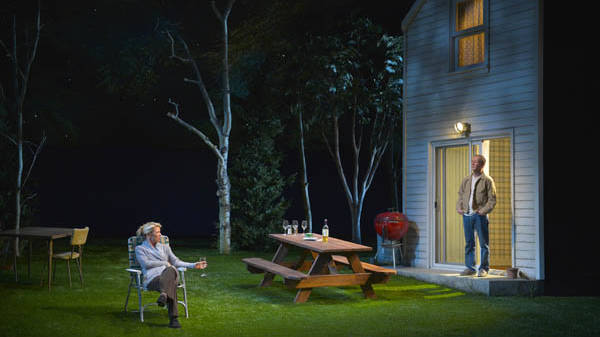
"caption": "Jennifer Jones (Rebecca Watson) and Bob Jones (Rod Gnapp) enjoy the splendor of the suburbs in Will Eno’s 'The Realistic Joneses.' Photo: Kevin Berne.",
"description": null,
"title": "The Realistic Joneses",
"credit": null,
"status": "inherit",
"isLoading": false,
"fetchFailed": false
},
"arts_11168447": {
"type": "attachments",
"id": "arts_11168447",
"meta": {
"index": "attachments_1716263798",
"site": "arts",
"id": "11168447",
"found": true
},
"parent": 11168444,
"imgSizes": {
"thumbnail": {
"file": "https://ww2.kqed.org/app/uploads/sites/2/2015/12/UCTheatre.MAIN_-400x203.jpg",
"width": 400,
"mimeType": "image/jpeg",
"height": 203
},
"post-thumbnail": {
"file": "https://ww2.kqed.org/app/uploads/sites/2/2015/12/UCTheatre.MAIN_-672x372.jpg",
"width": 672,
"mimeType": "image/jpeg",
"height": 372
},
"kqedFullSize": {
"file": "https://ww2.kqed.org/app/uploads/sites/2/2015/12/UCTheatre.MAIN_.jpg",
"width": 800,
"height": 405
},
"guest-author-96": {
"file": "https://ww2.kqed.org/app/uploads/sites/2/2015/12/UCTheatre.MAIN_-96x96.jpg",
"width": 96,
"mimeType": "image/jpeg",
"height": 96
},
"medium": {
"file": "https://ww2.kqed.org/app/uploads/sites/2/2015/12/UCTheatre.MAIN_-800x405.jpg",
"width": 800,
"mimeType": "image/jpeg",
"height": 405
},
"guest-author-64": {
"file": "https://ww2.kqed.org/app/uploads/sites/2/2015/12/UCTheatre.MAIN_-64x64.jpg",
"width": 64,
"mimeType": "image/jpeg",
"height": 64
},
"detail": {
"file": "https://ww2.kqed.org/app/uploads/sites/2/2015/12/UCTheatre.MAIN_-75x75.jpg",
"width": 75,
"mimeType": "image/jpeg",
"height": 75
},
"guest-author-32": {
"file": "https://ww2.kqed.org/app/uploads/sites/2/2015/12/UCTheatre.MAIN_-32x32.jpg",
"width": 32,
"mimeType": "image/jpeg",
"height": 32
},
"medium_large": {
"file": "https://ww2.kqed.org/app/uploads/sites/2/2015/12/UCTheatre.MAIN_-768x389.jpg",
"width": 768,
"mimeType": "image/jpeg",
"height": 389
},
"guest-author-128": {
"file": "https://ww2.kqed.org/app/uploads/sites/2/2015/12/UCTheatre.MAIN_-128x128.jpg",
"width": 128,
"mimeType": "image/jpeg",
"height": 128
}
},
"publishDate": 1450299345,
"modified": 1458585089,
"caption": "A rendering of the new UC Theatre Taube Family Music Hall.",
"description": "A rendering of the new UC Theatre Taube Family Music Hall.",
"title": "UCTheatre.MAIN",
"credit": "Image: Robert Becker/UC Theatre",
"status": "inherit",
"isLoading": false,
"fetchFailed": false
},
"arts_11428067": {
"type": "attachments",
"id": "arts_11428067",
"meta": {
"index": "attachments_1716263798",
"site": "arts",
"id": "11428067",
"found": true
},
"parent": 11426947,
"imgSizes": {
"twentyfourteen-full-width": {
"file": "https://ww2.kqed.org/app/uploads/sites/2/2016/03/New-new-c-e1458671758590-1038x576.jpg",
"width": 1038,
"mimeType": "image/jpeg",
"height": 576
},
"thumbnail": {
"file": "https://ww2.kqed.org/app/uploads/sites/2/2016/03/New-new-c-e1458671758590-400x241.jpg",
"width": 400,
"mimeType": "image/jpeg",
"height": 241
},
"fd-sm": {
"file": "https://ww2.kqed.org/app/uploads/sites/2/2016/03/New-new-c-e1458671758590-960x578.jpg",
"width": 960,
"mimeType": "image/jpeg",
"height": 578
},
"post-thumbnail": {
"file": "https://ww2.kqed.org/app/uploads/sites/2/2016/03/New-new-c-e1458671758590-672x372.jpg",
"width": 672,
"mimeType": "image/jpeg",
"height": 372
},
"kqedFullSize": {
"file": "https://ww2.kqed.org/app/uploads/sites/2/2016/03/New-new-c-e1458671758590.jpg",
"width": 2189,
"height": 1318
},
"large": {
"file": "https://ww2.kqed.org/app/uploads/sites/2/2016/03/New-new-c-e1458671758590-1180x710.jpg",
"width": 1180,
"mimeType": "image/jpeg",
"height": 710
},
"guest-author-96": {
"file": "https://ww2.kqed.org/app/uploads/sites/2/2016/03/New-new-c-e1458671758590-96x96.jpg",
"width": 96,
"mimeType": "image/jpeg",
"height": 96
},
"medium": {
"file": "https://ww2.kqed.org/app/uploads/sites/2/2016/03/New-new-c-e1458671758590-800x482.jpg",
"width": 800,
"mimeType": "image/jpeg",
"height": 482
},
"guest-author-64": {
"file": "https://ww2.kqed.org/app/uploads/sites/2/2016/03/New-new-c-e1458671758590-64x64.jpg",
"width": 64,
"mimeType": "image/jpeg",
"height": 64
},
"guest-author-32": {
"file": "https://ww2.kqed.org/app/uploads/sites/2/2016/03/New-new-c-e1458671758590-32x32.jpg",
"width": 32,
"mimeType": "image/jpeg",
"height": 32
},
"fd-lrg": {
"file": "https://ww2.kqed.org/app/uploads/sites/2/2016/03/New-new-c-e1458671758590-1920x1156.jpg",
"width": 1920,
"mimeType": "image/jpeg",
"height": 1156
},
"fd-med": {
"file": "https://ww2.kqed.org/app/uploads/sites/2/2016/03/New-new-c-e1458671758590-1180x710.jpg",
"width": 1180,
"mimeType": "image/jpeg",
"height": 710
},
"detail": {
"file": "https://ww2.kqed.org/app/uploads/sites/2/2016/03/New-new-c-e1458671758590-75x75.jpg",
"width": 75,
"mimeType": "image/jpeg",
"height": 75
},
"medium_large": {
"file": "https://ww2.kqed.org/app/uploads/sites/2/2016/03/New-new-c-e1458671758590-768x462.jpg",
"width": 768,
"mimeType": "image/jpeg",
"height": 462
},
"guest-author-128": {
"file": "https://ww2.kqed.org/app/uploads/sites/2/2016/03/New-new-c-e1458671758590-128x128.jpg",
"width": 128,
"mimeType": "image/jpeg",
"height": 128
}
},
"publishDate": 1458670266,
"modified": 1458690390,
"caption": "A scene from SF Playhouse's 'Colossol' where the young men revel in the joy of physical perfection. (L-R) Ed Berkeley, Brian Conway, Cameron Matthews, Thomas Gorrebeeck (Mike), Xander Ritchey, Brandon Hsieh. Photo: Jessica Palopoli.",
"description": null,
"title": "New, new c",
"credit": null,
"status": "inherit",
"isLoading": false,
"fetchFailed": false
},
"arts_11416358": {
"type": "attachments",
"id": "arts_11416358",
"meta": {
"index": "attachments_1716263798",
"site": "arts",
"id": "11416358",
"found": true
},
"parent": 11416241,
"imgSizes": {
"twentyfourteen-full-width": {
"file": "https://ww2.kqed.org/app/uploads/sites/2/2016/03/goldengate_edit-1038x576.jpg",
"width": 1038,
"mimeType": "image/jpeg",
"height": 576
},
"thumbnail": {
"file": "https://ww2.kqed.org/app/uploads/sites/2/2016/03/goldengate_edit-400x225.jpg",
"width": 400,
"mimeType": "image/jpeg",
"height": 225
},
"fd-sm": {
"file": "https://ww2.kqed.org/app/uploads/sites/2/2016/03/goldengate_edit-960x540.jpg",
"width": 960,
"mimeType": "image/jpeg",
"height": 540
},
"post-thumbnail": {
"file": "https://ww2.kqed.org/app/uploads/sites/2/2016/03/goldengate_edit-672x372.jpg",
"width": 672,
"mimeType": "image/jpeg",
"height": 372
},
"kqedFullSize": {
"file": "https://ww2.kqed.org/app/uploads/sites/2/2016/03/goldengate_edit.jpg",
"width": 1440,
"height": 810
},
"large": {
"file": "https://ww2.kqed.org/app/uploads/sites/2/2016/03/goldengate_edit-1180x664.jpg",
"width": 1180,
"mimeType": "image/jpeg",
"height": 664
},
"guest-author-96": {
"file": "https://ww2.kqed.org/app/uploads/sites/2/2016/03/goldengate_edit-96x96.jpg",
"width": 96,
"mimeType": "image/jpeg",
"height": 96
},
"medium": {
"file": "https://ww2.kqed.org/app/uploads/sites/2/2016/03/goldengate_edit-800x450.jpg",
"width": 800,
"mimeType": "image/jpeg",
"height": 450
},
"guest-author-64": {
"file": "https://ww2.kqed.org/app/uploads/sites/2/2016/03/goldengate_edit-64x64.jpg",
"width": 64,
"mimeType": "image/jpeg",
"height": 64
},
"guest-author-32": {
"file": "https://ww2.kqed.org/app/uploads/sites/2/2016/03/goldengate_edit-32x32.jpg",
"width": 32,
"mimeType": "image/jpeg",
"height": 32
},
"fd-med": {
"file": "https://ww2.kqed.org/app/uploads/sites/2/2016/03/goldengate_edit-1180x664.jpg",
"width": 1180,
"mimeType": "image/jpeg",
"height": 664
},
"detail": {
"file": "https://ww2.kqed.org/app/uploads/sites/2/2016/03/goldengate_edit-75x75.jpg",
"width": 75,
"mimeType": "image/jpeg",
"height": 75
},
"medium_large": {
"file": "https://ww2.kqed.org/app/uploads/sites/2/2016/03/goldengate_edit-768x432.jpg",
"width": 768,
"mimeType": "image/jpeg",
"height": 432
},
"guest-author-128": {
"file": "https://ww2.kqed.org/app/uploads/sites/2/2016/03/goldengate_edit-128x128.jpg",
"width": 128,
"mimeType": "image/jpeg",
"height": 128
}
},
"publishDate": 1458289627,
"modified": 1458289688,
"caption": "(L to R) Ford Lee and Earlena Somera-Ramsey remember the past. Photo: Lisa Strong",
"description": null,
"title": "goldengate_edit",
"credit": null,
"status": "inherit",
"isLoading": false,
"fetchFailed": false
}
},
"audioPlayerReducer": {
"postId": "stream_live",
"isPaused": true,
"isPlaying": false,
"pfsActive": false,
"pledgeModalIsOpen": true,
"playerDrawerIsOpen": false,
"liveAudioPlayStartedAt": 0,
"liveAudioPlayContext": ""
},
"authorsReducer": {
"byline_arts_11453049": {
"type": "authors",
"id": "byline_arts_11453049",
"meta": {
"override": true
},
"slug": "byline_arts_11453049",
"name": "Mark Kennedy, Associated Press",
"isLoading": false
},
"cmusiker": {
"type": "authors",
"id": "32",
"meta": {
"index": "authors_1716337520",
"id": "32",
"found": true
},
"name": "Cy Musiker",
"firstName": "Cy",
"lastName": "Musiker",
"slug": "cmusiker",
"email": "cmusiker@kqed.org",
"display_author_email": false,
"staff_mastheads": [],
"title": "KQED Contributor",
"bio": "Cy Musiker is a former co-host of The Do List and a former reporter covering the arts for KQED News and The California Report. He loves live performance, especially great theater, jazz, roots music, anything by Mahler. Cy has an MJ from UC Berkeley's School of Journalism, and got his BA from Hampshire College. His work has been recognized by the Society for Professional Journalists with their Sigma Delta Chi Award for Public Service in Journalism. When he can, Cy likes to swim in Tomales Bay, run with his dog in the East Bay Hills, and hike the Sierra.",
"avatar": "https://secure.gravatar.com/avatar/05eaba5c5696ce8f062e4ea2df428a43?s=600&d=blank&r=g",
"twitter": null,
"facebook": null,
"instagram": null,
"linkedin": null,
"sites": [
{
"site": "arts",
"roles": [
"Contributor",
"subscriber"
]
},
{
"site": "news",
"roles": [
"author"
]
},
{
"site": "bayareabites",
"roles": [
"contributor"
]
}
],
"headData": {
"title": "Cy Musiker | KQED",
"description": "KQED Contributor",
"ogImgSrc": "https://secure.gravatar.com/avatar/05eaba5c5696ce8f062e4ea2df428a43?s=600&d=blank&r=g",
"twImgSrc": "https://secure.gravatar.com/avatar/05eaba5c5696ce8f062e4ea2df428a43?s=600&d=blank&r=g"
},
"isLoading": false,
"link": "/author/cmusiker"
},
"scuevas": {
"type": "authors",
"id": "2600",
"meta": {
"index": "authors_1716337520",
"id": "2600",
"found": true
},
"name": "Steven Cuevas",
"firstName": "Steven",
"lastName": "Cuevas",
"slug": "scuevas",
"email": "scuevas@kqed.org",
"display_author_email": false,
"staff_mastheads": [],
"title": "KQED Contributor",
"bio": "Steven is a former Los Angeles bureau chief for The California Report.\r\n\r\nHe reports on an array of issues across the Southland, from immigration and regional politics to religion, the performing arts and pop culture.\r\n\r\nPrior to joining KQED in 2012, Steven covered Inland southern California for KPCC in Pasadena. He also helped establish the first newsroom at \u003ca href=\"http://kut.org/\">KUT\u003c/a> in Austin, Texas where he was a general assignment reporter.\r\n\r\nSteven has received numerous awards for his reporting including an RTNDA Edward R. Murrow Award for investigative reporting in addition to awards from the LA Press Club, the Associated Press and the Society for Professional Journalists.\r\n\r\nSteven grew up in and around San Francisco and now lives in Pasadena just a short jog from the foot of the San Gabriel Mountains.",
"avatar": "https://secure.gravatar.com/avatar/2d253580794f8e026100fae05cfabbbd4889b4fe15146146cacb82a01974c538?s=600&d=blank&r=g",
"twitter": null,
"bluesky": null,
"facebook": null,
"instagram": null,
"linkedin": null,
"sites": [
{
"site": "news",
"roles": [
"subscriber"
]
}
],
"headData": {
"title": "Steven Cuevas | KQED",
"description": "KQED Contributor",
"ogImgSrc": "https://secure.gravatar.com/avatar/2d253580794f8e026100fae05cfabbbd4889b4fe15146146cacb82a01974c538?s=600&d=blank&r=g",
"twImgSrc": "https://secure.gravatar.com/avatar/2d253580794f8e026100fae05cfabbbd4889b4fe15146146cacb82a01974c538?s=600&d=blank&r=g"
},
"isLoading": false,
"link": "/author/scuevas"
},
"lakshmi": {
"type": "authors",
"id": "3245",
"meta": {
"index": "authors_1716337520",
"id": "3245",
"found": true
},
"name": "Lakshmi Sarah",
"firstName": "Lakshmi",
"lastName": "Sarah",
"slug": "lakshmi",
"email": "lakisarah@gmail.com",
"display_author_email": false,
"staff_mastheads": [],
"title": null,
"bio": "Born and raised in California, Lakshmi is an educator and journalist with a focus on South Asia, gender, race and the arts. Over the past few years, she has worked with newspapers, radio and magazines from Botswana to Los Angeles. She has written and produced for various audiences, including Mic, Global Voices, Al Jazeera Online, AJ+ and KQED Arts. Lakshmi is a graduate of Pitzer College where she studied Global Communications and Studio Arts.",
"avatar": "https://secure.gravatar.com/avatar/30f520a9238d29ba9187c2a405e0f85d?s=600&d=blank&r=g",
"twitter": "lakitalki",
"facebook": null,
"instagram": null,
"linkedin": null,
"sites": [
{
"site": "arts",
"roles": [
"editor"
]
},
{
"site": "pop",
"roles": [
"contributor"
]
},
{
"site": "science",
"roles": [
"editor"
]
}
],
"headData": {
"title": "Lakshmi Sarah | KQED",
"description": null,
"ogImgSrc": "https://secure.gravatar.com/avatar/30f520a9238d29ba9187c2a405e0f85d?s=600&d=blank&r=g",
"twImgSrc": "https://secure.gravatar.com/avatar/30f520a9238d29ba9187c2a405e0f85d?s=600&d=blank&r=g"
},
"isLoading": false,
"link": "/author/lakshmi"
},
"cveltman": {
"type": "authors",
"id": "8608",
"meta": {
"index": "authors_1716337520",
"id": "8608",
"found": true
},
"name": "Chloe Veltman",
"firstName": "Chloe",
"lastName": "Veltman",
"slug": "cveltman",
"email": "cveltman@kqed.org",
"display_author_email": true,
"staff_mastheads": [],
"title": "Arts and Culture Reporter",
"bio": "Chloe Veltman is a former arts and culture reporter for KQED. Prior to joining the organization, she launched and led the arts bureau at Colorado Public Radio, served as the Bay Area's culture columnist for the New York Times, and was the founder, host and executive producer of VoiceBox, a national award-winning weekly podcast/radio show and live events series all about the human voice. Chloe is the recipient of numerous prizes, grants and fellowships including a Webby Award for her work on interactive storytelling, both the John S Knight Journalism Fellowship and Humanities Center Fellowship at Stanford University, the Sundance Arts Writing Fellowship and a Library of Congress Research Fellowship. She is the author of the book \"On Acting\" and has appeared as a guest lecturer at Yale University and the San Francisco Conservatory of Music among other institutions. She holds a BA in english literature from King's College, Cambridge, and a Masters in Dramaturgy from the Central School of Speech and Drama/Harvard Institute for Advanced Theater Training.\r\n\u003ca href=\"https://www.chloeveltman.com\">www.chloeveltman.com\u003c/a>",
"avatar": "https://secure.gravatar.com/avatar/55403394b00a1ddab683952c2eb2cf85?s=600&d=blank&r=g",
"twitter": "chloeveltman",
"facebook": null,
"instagram": null,
"linkedin": null,
"sites": [
{
"site": "arts",
"roles": []
},
{
"site": "news",
"roles": [
"author"
]
},
{
"site": "pop",
"roles": [
"editor"
]
},
{
"site": "science",
"roles": []
}
],
"headData": {
"title": "Chloe Veltman | KQED",
"description": "Arts and Culture Reporter",
"ogImgSrc": "https://secure.gravatar.com/avatar/55403394b00a1ddab683952c2eb2cf85?s=600&d=blank&r=g",
"twImgSrc": "https://secure.gravatar.com/avatar/55403394b00a1ddab683952c2eb2cf85?s=600&d=blank&r=g"
},
"isLoading": false,
"link": "/author/cveltman"
},
"fjhabvala": {
"type": "authors",
"id": "8659",
"meta": {
"index": "authors_1716337520",
"id": "8659",
"found": true
},
"name": "Farida Jhabvala Romero",
"firstName": "Farida",
"lastName": "Jhabvala Romero",
"slug": "fjhabvala",
"email": "fjhabvala@kqed.org",
"display_author_email": true,
"staff_mastheads": [
"news"
],
"title": "KQED Contributor",
"bio": "Farida Jhabvala Romero is a Labor Correspondent for KQED. She previously covered immigration. Farida was \u003ca href=\"https://www.ccnma.org/2022-most-influential-latina-journalists\">named\u003c/a> one of the 10 Most Influential Latina Journalists in California in 2022 by the California Chicano News Media Association. Her work has won awards from the Society of Professional Journalists (Northern California), as well as a national and regional Edward M. Murrow Award for the collaborative reporting projects “Dangerous Air” and “Graying California.” Before joining KQED, Farida worked as a producer at Radio Bilingüe, a national public radio network. Farida earned her master’s degree in journalism from Stanford University.",
"avatar": "https://secure.gravatar.com/avatar/f9f022d4e2609741874222a1e9d41f48fea74011aa7c615eef91d9a50c944ebe?s=600&d=blank&r=g",
"twitter": "FaridaJhabvala",
"bluesky": null,
"facebook": null,
"instagram": null,
"linkedin": "https://www.linkedin.com/in/faridajhabvala/",
"sites": [
{
"site": "news",
"roles": [
"editor"
]
},
{
"site": "stateofhealth",
"roles": [
"author"
]
},
{
"site": "liveblog",
"roles": [
"author"
]
}
],
"headData": {
"title": "Farida Jhabvala Romero | KQED",
"description": "KQED Contributor",
"ogImgSrc": "https://secure.gravatar.com/avatar/f9f022d4e2609741874222a1e9d41f48fea74011aa7c615eef91d9a50c944ebe?s=600&d=blank&r=g",
"twImgSrc": "https://secure.gravatar.com/avatar/f9f022d4e2609741874222a1e9d41f48fea74011aa7c615eef91d9a50c944ebe?s=600&d=blank&r=g"
},
"isLoading": false,
"link": "/author/fjhabvala"
},
"jwilkins": {
"type": "authors",
"id": "8668",
"meta": {
"index": "authors_1716337520",
"id": "8668",
"found": true
},
"name": "John Wilkins",
"firstName": "John",
"lastName": "Wilkins",
"slug": "jwilkins",
"email": "Johnrwilkins@aol.com",
"display_author_email": false,
"staff_mastheads": [],
"title": null,
"bio": "John Wilkins is the theater critic for KQED Arts. He was the Artistic Director of Last Planet Theatre for ten years and teaches in the Writing and Literature program at CCA. Follow him on Twitter @johnrwilkins2",
"avatar": "https://secure.gravatar.com/avatar/7798fcc8a10bee0e04387b724b492df7?s=600&d=blank&r=g",
"twitter": null,
"facebook": null,
"instagram": null,
"linkedin": null,
"sites": [
{
"site": "arts",
"roles": [
"subscriber"
]
}
],
"headData": {
"title": "John Wilkins | KQED",
"description": null,
"ogImgSrc": "https://secure.gravatar.com/avatar/7798fcc8a10bee0e04387b724b492df7?s=600&d=blank&r=g",
"twImgSrc": "https://secure.gravatar.com/avatar/7798fcc8a10bee0e04387b724b492df7?s=600&d=blank&r=g"
},
"isLoading": false,
"link": "/author/jwilkins"
}
},
"pagesReducer": {
"arts_category_theater": {
"type": "terms",
"id": "arts_967",
"meta": {
"index": "terms_1716263798",
"site": "arts",
"id": "967",
"score": 12.286945
},
"featImg": null,
"name": "Theater",
"description": null,
"taxonomy": "category",
"headData": {
"twImgId": null,
"twTitle": null,
"ogTitle": null,
"ogImgId": null,
"twDescription": null,
"description": null,
"title": "Theater Archives | KQED Arts",
"ogDescription": null
},
"ttid": 985,
"slug": "theater",
"isLoading": false,
"title": "Theater",
"pageMeta": {
"site": "arts",
"WpPageTemplate": "page-topic-editorial",
"currentPage": 60
},
"blocks": [
{
"blockName": "kqed/post-list",
"attrs": {
"layout": "cardArticle2",
"query": "posts/arts?category=theater",
"seeMore": false,
"paginated": true,
"page": 60
}
},
{
"blockName": "kqed/ad"
}
]
}
},
"pfsSessionReducer": {},
"postsReducer": {
"stream_live": {
"type": "live",
"id": "stream_live",
"audioUrl": "https://streams.kqed.org/kqedradio",
"title": "Live Stream",
"excerpt": "Live Stream information currently unavailable.",
"link": "/radio",
"featImg": "",
"label": {
"name": "KQED Live",
"link": "/"
}
},
"stream_kqedNewscast": {
"type": "posts",
"id": "stream_kqedNewscast",
"audioUrl": "https://www.kqed.org/.stream/anon/radio/RDnews/newscast.mp3?_=1",
"title": "KQED Newscast",
"featImg": "",
"label": {
"name": "88.5 FM",
"link": "/"
}
},
"news_10922780": {
"type": "posts",
"id": "news_10922780",
"meta": {
"index": "posts_1716263798",
"site": "news",
"id": "10922780",
"score": null,
"sort": [
1460271915000
]
},
"parent": 0,
"labelTerm": {
"site": "news",
"term": 72
},
"blocks": [],
"publishDate": 1460271915,
"format": "image",
"disqusTitle": "L.A. Stage Drama Journeys to the Heart of Child Immigrant Crisis",
"title": "L.A. Stage Drama Journeys to the Heart of Child Immigrant Crisis",
"headTitle": "The California Report | KQED News",
"content": "\u003cp>Sunrise is just starting to peak through the palm trees at Lincoln Park in East L.A. as a flatbed truck hauling a sky-blue shipping container pulls up at the edge of a dirt volleyball court. At 20 feet across and 8 feet tall, it’s the main set piece and stage for a play produced by the California Institute of the Arts called \"\u003ca href=\"http://centerfornewperformance.org/project/shelter/\">Shelter\u003c/a>.\"\u003c/p>\n\u003cp>“In a lot of ways, that shipping container is kind of an abstraction of a railroad car. But it's also this metaphor of a box where people are trapped, a box where people are kept and corralled, so it functions on a variety of levels,” says producer Mark Valdez.\u003c/p>\n\u003cp>[soundcloud url=\"https://api.soundcloud.com/tracks/258066894\" params=\"color=ff5500&auto_play=false&hide_related=false&show_comments=true&show_user=true&show_reposts=false\" width=\"100%\" height=\"166\" iframe=\"true\" /]\u003c/p>\n\u003cp>The play, produced by the California Institute of the Arts, revolves around a band of teenage migrants as they make the journey north to the U.S. without parents or adult guardians.\u003c/p>\n\u003cp>“And it follows their journeys, from leaving their home countries, traveling through Mexico on ‘La Bestia’, the beast, which is what they call the train that crosses through the entirety of Mexico,” explains Valdez.\u003c/p>\n\u003cp>[ad fullwidth]\u003c/p>\n\u003cp>At an evening dress rehearsal earlier this week, young actors from CalArts run through the action under the watchful eye of veteran Mexico City-based stage director Martin Acosta.\u003c/p>\n\u003cfigure id=\"attachment_10924033\" class=\"wp-caption aligncenter\" style=\"max-width: 800px\">\u003cimg src=\"http://ww2.kqed.org/news/wp-content/uploads/sites/10/2016/04/ShelterDirector-800x520.jpg\" alt=\""Shelter" director Martin Acosta talks to actors before a recent rehearsal at L.A.'s Lincoln Park.\" width=\"800\" height=\"520\" class=\"size-medium wp-image-10924033\" srcset=\"https://ww2.kqed.org/app/uploads/sites/10/2016/04/ShelterDirector-800x520.jpg 800w, https://ww2.kqed.org/app/uploads/sites/10/2016/04/ShelterDirector-400x260.jpg 400w, https://ww2.kqed.org/app/uploads/sites/10/2016/04/ShelterDirector.jpg 1920w, https://ww2.kqed.org/app/uploads/sites/10/2016/04/ShelterDirector-1180x768.jpg 1180w, https://ww2.kqed.org/app/uploads/sites/10/2016/04/ShelterDirector-960x625.jpg 960w\" sizes=\"(max-width: 800px) 100vw, 800px\">\u003cfigcaption class=\"wp-caption-text\">\"Shelter\" director Martin Acosta talks to actors before a recent rehearsal at L.A.'s Lincoln Park. \u003ccite>(Steven Cuevas/KQED)\u003c/cite>\u003c/figcaption>\u003c/figure>\n\u003cp>“It’s actually my first experience outside, outdoors. I am learning,” laughs Acosta.\u003c/p>\n\u003cp>It’s a physical performance. Actors roll and tumble across the dust. They dance, sing, kick a soccer ball around and perch themselves atop that makeshift 8-foot train car.\u003c/p>\n\u003cp>“Actually, there is a train,” says Acosta, as a freighter rumbles along the Union Pacific rail line that runs by Lincoln Park’s southern tip. “It probably (will) come during the performance. I think it’s great.”\u003c/p>\n\u003cp>\"Shelter\" is being presented with no barriers between “the stage” and the day-day-day life of this largely Latino East L.A. neighborhood.\u003c/p>\n\u003cfigure id=\"attachment_10924043\" class=\"wp-caption alignright\" style=\"max-width: 800px\">\u003cimg class=\"wp-image-10924043 size-medium\" src=\"http://ww2.kqed.org/news/wp-content/uploads/sites/10/2016/04/ShelterSoccerBall-800x510.jpg\" alt=\"Actors rehearse for the play "Shelter" at L.A.'s Lincoln Park. \" width=\"800\" height=\"510\" srcset=\"https://ww2.kqed.org/app/uploads/sites/10/2016/04/ShelterSoccerBall-800x510.jpg 800w, https://ww2.kqed.org/app/uploads/sites/10/2016/04/ShelterSoccerBall-400x255.jpg 400w, https://ww2.kqed.org/app/uploads/sites/10/2016/04/ShelterSoccerBall.jpg 1920w, https://ww2.kqed.org/app/uploads/sites/10/2016/04/ShelterSoccerBall-1180x752.jpg 1180w, https://ww2.kqed.org/app/uploads/sites/10/2016/04/ShelterSoccerBall-960x612.jpg 960w\" sizes=\"(max-width: 800px) 100vw, 800px\">\u003cfigcaption class=\"wp-caption-text\">Actors rehearse for the play 'Shelter' at L.A.'s Lincoln Park. \u003ccite>(Steven Cuevas/KQED)\u003c/cite>\u003c/figcaption>\u003c/figure>\n\u003cp>No tickets are required for the free performances. People can stay and watch the whole thing. Or just watch a few scenes as they pass through the park. During rehearsal, children on bicycles, joggers and dog walkers watch the drama unfold.\u003c/p>\n\u003cp>\"Shelter’s\" story is rooted in the mass migration of tens of thousands of young people who have crossed or tried crossing into the U.S. illegally over the last few years. The number of unaccompanied minors apprehended by U.S. authorities spiked in 2014, though thousands still risk the journey.\u003c/p>\n\u003cp>“In a way, they are looking for more than the American dream. They are looking for their families. And during the travel they are invisible because it's getting dangerous for them,” says Acosta\u003c/p>\n\u003cp>\"Shelter\" walks a fine line between drama and politics. In one scene three teenage girls confide their fears to one another while curled up on cots in a temporary federal holding facility.\u003c/p>\n\u003cp>\u003c!-- iframe plugin v.4.3 wordpress.org/plugins/iframe/ -->\u003cbr>\n\u003ciframe width=\"800\" height=\"315\" src=\"http://www.hulu.com/embed.html?eid=g3jn8cyf0ynrvlt34nphka\" frameborder=\"0\" scrolling=\"no\" class=\"iframe-class\">\u003c/iframe>\u003c/p>\n\u003cp>“Has anyone, you know, hurt you?” asks one girl.\u003c/p>\n\u003cp>“No, not here, we’re safe here,” says another.\u003c/p>\n\u003cp>“How do you know that?” wonders another.\u003c/p>\n\u003cp>In another scene the same actors adopt the voices and actual words of real-life pundits, politicians and activists.\u003c/p>\n\u003cp>“This crisis is Obama-made,” exclaims one.\u003c/p>\n\u003cp>“They have heard from all their friends and relatives that if they get to the U.S. all will be taken care of,” says another.\u003c/p>\n\u003cp>“We call that section, people circling the crisis from above,” says \"Shelter\" playwright \u003ca href=\"http://www.marissachibas.com/bio.html\">Marissa Chibas\u003c/a>\u003cstrong>.\u003c/strong>\u003c/p>\n\u003cp>“There's no question that we are wanting to let these kids' voices be heard and their personal stories to be revealed. And those are the stories that we’re not hearing enough of,” says Chibas. “About just how dangerous it is back home for some of these kids.”\u003c/p>\n\u003cfigure id=\"attachment_10924110\" class=\"wp-caption aligncenter\" style=\"max-width: 800px\">\u003cimg class=\"wp-image-10924110 size-medium\" src=\"http://ww2.kqed.org/news/wp-content/uploads/sites/10/2016/04/ShelterWhiteShirt-800x505.jpg\" alt=\"Actors rehearse for "Shelter" at L.A.'s Lincoln Park. \" width=\"800\" height=\"505\" srcset=\"https://ww2.kqed.org/app/uploads/sites/10/2016/04/ShelterWhiteShirt-800x505.jpg 800w, https://ww2.kqed.org/app/uploads/sites/10/2016/04/ShelterWhiteShirt-400x252.jpg 400w, https://ww2.kqed.org/app/uploads/sites/10/2016/04/ShelterWhiteShirt.jpg 1920w, https://ww2.kqed.org/app/uploads/sites/10/2016/04/ShelterWhiteShirt-1180x744.jpg 1180w, https://ww2.kqed.org/app/uploads/sites/10/2016/04/ShelterWhiteShirt-960x606.jpg 960w\" sizes=\"(max-width: 800px) 100vw, 800px\">\u003cfigcaption class=\"wp-caption-text\">Actors rehearse for 'Shelter' at L.A.'s Lincoln Park. \u003ccite>(Steven Cuevas/KQED)\u003c/cite>\u003c/figcaption>\u003c/figure>\n\u003cp>Chibas met and interviewed several young immigrants while writing the script. Many were fleeing poverty or murderous organized gangs. All are still living in the U.S., their immigration cases pending in federal court. Some of them also had a chance to meet and speak with the actors and check out a preview of \"Shelter.\"\u003c/p>\n\u003cp>“I don't think I've ever been more nervous for anything in my life than the night they were watching,” laughs Chibas. “But they recognized themselves and one of the young woman said: 'I feel represented.' And I felt like, OK, we’ve done our job.”\u003c/p>\n\u003cp>\u003c/p>\n\u003cp>After its run of performances at L.A.’s Lincoln Park wraps up next weekend, producers hope to take the play on the road to other cities across the U.S.\u003c/p>\n\n",
"disqusIdentifier": "10922780 http://ww2.kqed.org/news/?p=10922780",
"disqusUrl": "https://ww2.kqed.org/news/2016/04/10/l-a-stage-drama-journeys-to-the-heart-of-child-immigrant-crisis/",
"stats": {
"hasVideo": false,
"hasChartOrMap": false,
"hasAudio": false,
"hasPolis": false,
"wordCount": 880,
"hasGoogleForm": false,
"hasGallery": false,
"hasHearkenModule": false,
"iframeSrcs": [],
"paragraphCount": 28
},
"modified": 1460167742,
"excerpt": "'We are wanting to let these kids' voices be heard and their personal stories to be revealed. And those are the stories that we’re not hearing enough of,' says the playwright.",
"headData": {
"twImgId": "",
"twTitle": "",
"ogTitle": "",
"ogImgId": "",
"twDescription": "",
"description": "'We are wanting to let these kids' voices be heard and their personal stories to be revealed. And those are the stories that we’re not hearing enough of,' says the playwright.",
"title": "L.A. Stage Drama Journeys to the Heart of Child Immigrant Crisis | KQED",
"ogDescription": "",
"schema": {
"@context": "https://schema.org",
"@type": "NewsArticle",
"headline": "L.A. Stage Drama Journeys to the Heart of Child Immigrant Crisis",
"datePublished": "2016-04-10T00:05:15-07:00",
"dateModified": "2016-04-08T19:09:02-07:00",
"image": "https://cdn.kqed.org/wp-content/uploads/2020/02/KQED-OG-Image@1x.png",
"isAccessibleForFree": "True",
"publisher": {
"@type": "NewsMediaOrganization",
"@id": "https://www.kqed.org/#organization",
"name": "KQED",
"logo": "https://cdn.kqed.org/wp-content/uploads/2020/02/KQED-OG-Image@1x.png",
"url": "https://www.kqed.org",
"sameAs": [
"https://www.facebook.com/KQED",
"https://twitter.com/KQED",
"https://www.instagram.com/kqed/",
"https://www.tiktok.com/@kqedofficial",
"https://www.linkedin.com/company/kqed",
"https://www.youtube.com/channel/UCeC0IOo7i1P_61zVUWbJ4nw"
]
}
}
},
"guestAuthors": [],
"slug": "l-a-stage-drama-journeys-to-the-heart-of-child-immigrant-crisis",
"status": "publish",
"path": "/news/10922780/l-a-stage-drama-journeys-to-the-heart-of-child-immigrant-crisis",
"audioTrackLength": null,
"parsedContent": [
{
"type": "contentString",
"content": "\u003cdiv class=\"post-body\">\u003cp>\u003cp>Sunrise is just starting to peak through the palm trees at Lincoln Park in East L.A. as a flatbed truck hauling a sky-blue shipping container pulls up at the edge of a dirt volleyball court. At 20 feet across and 8 feet tall, it’s the main set piece and stage for a play produced by the California Institute of the Arts called \"\u003ca href=\"http://centerfornewperformance.org/project/shelter/\">Shelter\u003c/a>.\"\u003c/p>\n\u003cp>“In a lot of ways, that shipping container is kind of an abstraction of a railroad car. But it's also this metaphor of a box where people are trapped, a box where people are kept and corralled, so it functions on a variety of levels,” says producer Mark Valdez.\u003c/p>\n\u003cp>\u003c/p>\u003cp>\u003cdiv class='utils-parseShortcode-shortcodes-__shortcodes__shortcodeWrapper'>\n \u003ciframe width='100%' height='166'\n scrolling='no' frameborder='no'\n src='https://w.soundcloud.com/player/?url=https://api.soundcloud.com/tracks/258066894&visual=true&color=ff5500&auto_play=false&hide_related=false&show_comments=true&show_user=true&show_reposts=false'\n title='https://api.soundcloud.com/tracks/258066894'>\n \u003c/iframe>\n \u003c/div>\u003c/p>\u003cp>\u003c/p>\n\u003cp>The play, produced by the California Institute of the Arts, revolves around a band of teenage migrants as they make the journey north to the U.S. without parents or adult guardians.\u003c/p>\n\u003cp>“And it follows their journeys, from leaving their home countries, traveling through Mexico on ‘La Bestia’, the beast, which is what they call the train that crosses through the entirety of Mexico,” explains Valdez.\u003c/p>\n\u003cp>\u003c/p>\u003c/div>",
"attributes": {
"named": {},
"numeric": []
}
},
{
"type": "component",
"content": "",
"name": "ad",
"attributes": {
"named": {
"label": "fullwidth"
},
"numeric": [
"fullwidth"
]
}
},
{
"type": "contentString",
"content": "\u003cdiv class=\"post-body\">\u003cp>\u003c/p>\n\u003cp>At an evening dress rehearsal earlier this week, young actors from CalArts run through the action under the watchful eye of veteran Mexico City-based stage director Martin Acosta.\u003c/p>\n\u003cfigure id=\"attachment_10924033\" class=\"wp-caption aligncenter\" style=\"max-width: 800px\">\u003cimg src=\"http://ww2.kqed.org/news/wp-content/uploads/sites/10/2016/04/ShelterDirector-800x520.jpg\" alt=\""Shelter" director Martin Acosta talks to actors before a recent rehearsal at L.A.'s Lincoln Park.\" width=\"800\" height=\"520\" class=\"size-medium wp-image-10924033\" srcset=\"https://ww2.kqed.org/app/uploads/sites/10/2016/04/ShelterDirector-800x520.jpg 800w, https://ww2.kqed.org/app/uploads/sites/10/2016/04/ShelterDirector-400x260.jpg 400w, https://ww2.kqed.org/app/uploads/sites/10/2016/04/ShelterDirector.jpg 1920w, https://ww2.kqed.org/app/uploads/sites/10/2016/04/ShelterDirector-1180x768.jpg 1180w, https://ww2.kqed.org/app/uploads/sites/10/2016/04/ShelterDirector-960x625.jpg 960w\" sizes=\"(max-width: 800px) 100vw, 800px\">\u003cfigcaption class=\"wp-caption-text\">\"Shelter\" director Martin Acosta talks to actors before a recent rehearsal at L.A.'s Lincoln Park. \u003ccite>(Steven Cuevas/KQED)\u003c/cite>\u003c/figcaption>\u003c/figure>\n\u003cp>“It’s actually my first experience outside, outdoors. I am learning,” laughs Acosta.\u003c/p>\n\u003cp>It’s a physical performance. Actors roll and tumble across the dust. They dance, sing, kick a soccer ball around and perch themselves atop that makeshift 8-foot train car.\u003c/p>\n\u003cp>“Actually, there is a train,” says Acosta, as a freighter rumbles along the Union Pacific rail line that runs by Lincoln Park’s southern tip. “It probably (will) come during the performance. I think it’s great.”\u003c/p>\n\u003cp>\"Shelter\" is being presented with no barriers between “the stage” and the day-day-day life of this largely Latino East L.A. neighborhood.\u003c/p>\n\u003cfigure id=\"attachment_10924043\" class=\"wp-caption alignright\" style=\"max-width: 800px\">\u003cimg class=\"wp-image-10924043 size-medium\" src=\"http://ww2.kqed.org/news/wp-content/uploads/sites/10/2016/04/ShelterSoccerBall-800x510.jpg\" alt=\"Actors rehearse for the play "Shelter" at L.A.'s Lincoln Park. \" width=\"800\" height=\"510\" srcset=\"https://ww2.kqed.org/app/uploads/sites/10/2016/04/ShelterSoccerBall-800x510.jpg 800w, https://ww2.kqed.org/app/uploads/sites/10/2016/04/ShelterSoccerBall-400x255.jpg 400w, https://ww2.kqed.org/app/uploads/sites/10/2016/04/ShelterSoccerBall.jpg 1920w, https://ww2.kqed.org/app/uploads/sites/10/2016/04/ShelterSoccerBall-1180x752.jpg 1180w, https://ww2.kqed.org/app/uploads/sites/10/2016/04/ShelterSoccerBall-960x612.jpg 960w\" sizes=\"(max-width: 800px) 100vw, 800px\">\u003cfigcaption class=\"wp-caption-text\">Actors rehearse for the play 'Shelter' at L.A.'s Lincoln Park. \u003ccite>(Steven Cuevas/KQED)\u003c/cite>\u003c/figcaption>\u003c/figure>\n\u003cp>No tickets are required for the free performances. People can stay and watch the whole thing. Or just watch a few scenes as they pass through the park. During rehearsal, children on bicycles, joggers and dog walkers watch the drama unfold.\u003c/p>\n\u003cp>\"Shelter’s\" story is rooted in the mass migration of tens of thousands of young people who have crossed or tried crossing into the U.S. illegally over the last few years. The number of unaccompanied minors apprehended by U.S. authorities spiked in 2014, though thousands still risk the journey.\u003c/p>\n\u003cp>“In a way, they are looking for more than the American dream. They are looking for their families. And during the travel they are invisible because it's getting dangerous for them,” says Acosta\u003c/p>\n\u003cp>\"Shelter\" walks a fine line between drama and politics. In one scene three teenage girls confide their fears to one another while curled up on cots in a temporary federal holding facility.\u003c/p>\n\u003cp>\u003c!-- iframe plugin v.4.3 wordpress.org/plugins/iframe/ -->\u003cbr>\n\u003ciframe width=\"800\" height=\"315\" src=\"http://www.hulu.com/embed.html?eid=g3jn8cyf0ynrvlt34nphka\" frameborder=\"0\" scrolling=\"no\" class=\"iframe-class\">\u003c/iframe>\u003c/p>\n\u003cp>“Has anyone, you know, hurt you?” asks one girl.\u003c/p>\n\u003cp>“No, not here, we’re safe here,” says another.\u003c/p>\n\u003cp>“How do you know that?” wonders another.\u003c/p>\n\u003cp>In another scene the same actors adopt the voices and actual words of real-life pundits, politicians and activists.\u003c/p>\n\u003cp>“This crisis is Obama-made,” exclaims one.\u003c/p>\n\u003cp>“They have heard from all their friends and relatives that if they get to the U.S. all will be taken care of,” says another.\u003c/p>\n\u003cp>“We call that section, people circling the crisis from above,” says \"Shelter\" playwright \u003ca href=\"http://www.marissachibas.com/bio.html\">Marissa Chibas\u003c/a>\u003cstrong>.\u003c/strong>\u003c/p>\n\u003cp>“There's no question that we are wanting to let these kids' voices be heard and their personal stories to be revealed. And those are the stories that we’re not hearing enough of,” says Chibas. “About just how dangerous it is back home for some of these kids.”\u003c/p>\n\u003cfigure id=\"attachment_10924110\" class=\"wp-caption aligncenter\" style=\"max-width: 800px\">\u003cimg class=\"wp-image-10924110 size-medium\" src=\"http://ww2.kqed.org/news/wp-content/uploads/sites/10/2016/04/ShelterWhiteShirt-800x505.jpg\" alt=\"Actors rehearse for "Shelter" at L.A.'s Lincoln Park. \" width=\"800\" height=\"505\" srcset=\"https://ww2.kqed.org/app/uploads/sites/10/2016/04/ShelterWhiteShirt-800x505.jpg 800w, https://ww2.kqed.org/app/uploads/sites/10/2016/04/ShelterWhiteShirt-400x252.jpg 400w, https://ww2.kqed.org/app/uploads/sites/10/2016/04/ShelterWhiteShirt.jpg 1920w, https://ww2.kqed.org/app/uploads/sites/10/2016/04/ShelterWhiteShirt-1180x744.jpg 1180w, https://ww2.kqed.org/app/uploads/sites/10/2016/04/ShelterWhiteShirt-960x606.jpg 960w\" sizes=\"(max-width: 800px) 100vw, 800px\">\u003cfigcaption class=\"wp-caption-text\">Actors rehearse for 'Shelter' at L.A.'s Lincoln Park. \u003ccite>(Steven Cuevas/KQED)\u003c/cite>\u003c/figcaption>\u003c/figure>\n\u003cp>Chibas met and interviewed several young immigrants while writing the script. Many were fleeing poverty or murderous organized gangs. All are still living in the U.S., their immigration cases pending in federal court. Some of them also had a chance to meet and speak with the actors and check out a preview of \"Shelter.\"\u003c/p>\n\u003cp>“I don't think I've ever been more nervous for anything in my life than the night they were watching,” laughs Chibas. “But they recognized themselves and one of the young woman said: 'I feel represented.' And I felt like, OK, we’ve done our job.”\u003c/p>\n\u003cp>\u003c/p>\n\u003cp>After its run of performances at L.A.’s Lincoln Park wraps up next weekend, producers hope to take the play on the road to other cities across the U.S.\u003c/p>\n\n\u003c/div>\u003c/p>",
"attributes": {
"named": {},
"numeric": []
}
}
],
"link": "/news/10922780/l-a-stage-drama-journeys-to-the-heart-of-child-immigrant-crisis",
"authors": [
"2600"
],
"programs": [
"news_72"
],
"categories": [
"news_223",
"news_1169",
"news_8"
],
"tags": [
"news_6904",
"news_17286",
"news_17041"
],
"featImg": "news_10924037",
"label": "news_72"
},
"arts_11469884": {
"type": "posts",
"id": "arts_11469884",
"meta": {
"index": "posts_1716263798",
"site": "arts",
"id": "11469884",
"score": null,
"sort": [
1459987220000
]
},
"guestAuthors": [],
"slug": "why-z-spaces-a-house-tour-is-not-like-touring-winchester-mystery-house-or-hearst-castle",
"title": "Why Z Space's 'A House Tour' is Not like Touring Other Famous Stately Homes",
"publishDate": 1459987220,
"format": "standard",
"headTitle": "Why Z Space’s ‘A House Tour’ is Not like Touring Other Famous Stately Homes | KQED",
"labelTerm": {
"term": 140,
"site": "arts"
},
"content": "\u003cp>Peter Sinn Nachtrieb has done something rather amazing with his new play, \u003cem>\u003ca href=\"http://zspace.org/new-work/house-tour\" target=\"_blank\" rel=\"noopener\">A House Tour of the Infamous Porter Family Mansion with Tour Guide Weston Ludlow Londonderry\u003c/a>\u003c/em>, at Z Space. The dramatist has taken the docent-led house tours you find at famous stately homes and their ilk and lovingly recreated their most irritating and hollow qualities. By doing so, Nachtrieb has turned what might at best be considered a degraded and unrecognized form of theater into something chttps://kqed-wingspan.silkroad.com/ws/Login.aspx?ReturnUrl=%2fws#lose to a potent and moving piece of art.\u003c/p>\n\u003cp>This alchemical stunt begins right in the Z space lobby, which has been decked out to resemble the starting point of the tackiest of historical house tours. There’s the endlessly looping informational video, as portentous as it is delightfully nonsensical: “Billions of years ago, Mother Nature forged the Planet Earth and this land we stand on.” There are the mannequins in period costumes, posed to suggest a drama and animation that they can’t come close to realizing. And most prominently, there is our docent and guide, Weston Ludlow Londonderry. The character is brought to life in a sustained and amazing performance by veteran Bay Area actor Danny Scheie, for whom Nachtrieb wrote the play.\u003c/p>\n\u003cp>Nachtrieb expertly balances two unrelated narratives throughout. The first is the love story of Hubert and Clarissa Porter — this after all is the Porter Family Mansion tour. The second is that of Londonderry himself, the epitome of the know-it-all docent. Like all of his kind, Londonderry possesses an inflated sense of purpose and a maniacal belief in the importance of the lives he recounts to unenlightened tourists. Sadly, he knows the Porters better than he knows himself.\u003c/p>\n\u003cfigure id=\"attachment_11470012\" class=\"wp-caption alignnone\" style=\"max-width: 800px\">\u003cimg loading=\"lazy\" decoding=\"async\" class=\"wp-image-11470012 size-medium\" src=\"http://ww2.kqed.org/arts/wp-content/uploads/sites/2/2016/04/House_edit4-800x493.jpg\" alt=\"House_edit4\" width=\"800\" height=\"493\" srcset=\"https://cdn.kqed.org/wp-content/uploads/sites/2/2016/04/House_edit4-800x493.jpg 800w, https://cdn.kqed.org/wp-content/uploads/sites/2/2016/04/House_edit4-400x247.jpg 400w, https://cdn.kqed.org/wp-content/uploads/sites/2/2016/04/House_edit4-768x474.jpg 768w, https://cdn.kqed.org/wp-content/uploads/sites/2/2016/04/House_edit4-1180x728.jpg 1180w, https://cdn.kqed.org/wp-content/uploads/sites/2/2016/04/House_edit4-1920x1184.jpg 1920w, https://cdn.kqed.org/wp-content/uploads/sites/2/2016/04/House_edit4-960x592.jpg 960w\" sizes=\"(max-width: 800px) 100vw, 800px\">\u003cfigcaption class=\"wp-caption-text\">Weston Ludlow Londonderry (Danny Scheie) plays peek-a-boo with the audience in Peter Sinn Nachtrieb’s ‘A House Tour.’ Photo: Julie Schuchard.\u003c/figcaption>\u003c/figure>\n\u003cp>And that’s one of Nachtrieb’s better and most effecting jokes: what exactly is Londonderry’s level of awareness? Does he know that he’s a fool? That he’s explosively violent? That he’s gay? When he mentions his wife — “Don’t get me started on the wife that I have” — the audience erupts in joyful disbelief. That he’s only happy when he’s talking in the filthiest possible manner seems funny at first and then becomes an awful self-flagellation. And the beautiful complexity of it all is that Nachtrieb perfectly realizes these psychic fissures in the canned performance of “docent talk.” This is parody as a form of self-revelation.\u003c/p>\n\u003cp>Now in real life, docents are often inept performers; and the tours they lead, the graveyard of talentless drama majors. And that’s where \u003cem>A House Tour\u003c/em> gets most of its strange charge. Because Scheie is so electric and Nachtrieb’s writing so alert and ornate, the situation of the tour gathers a tension and depth that you never would have imagined. You start to understand the love story of Hubert and Clarissa as Londonderry does, and so his belief in the couple’s significance starts to seem both justified and a mystery worth solving.\u003c/p>\n\u003cp>[ad fullwidth]\u003c/p>\n\u003cp>What room will Londonderry lead us to next? Which will he skip? Why is he so obsessed with Hubert and Clarissa’s mammoth bathroom? Why do we have to eat cookies there? Most importantly, how will the space itself bend to his will? In Sean Riley’s amazing set that’s exactly what happens: rooms appear, reconfigure, and disappear in strange ways. It’s as if the house has come alive to Londonderry’s mania; the effect is hallucinatory and a triumph of writing and design.\u003c/p>\n\u003cp>Most environmental or immersive productions are clunky and visually dead. All that moving around tends to dissipate the narrative tension, and the lack of consistent sight lines doesn’t allow for complex and sustained images. Nachtrieb and Riley account for those limitations by accounting for everything. There’s almost no inconsequential shuffling from room to room. And there are scores of stunning images — a magical bar of butter, a mass of people rubbing their hands in a bathroom, a crowd marching for the pleasure of a German butler, the sky opening up to reveal one man’s quest for transcendence. At first these moments seem like happenstance, but happenstance doesn’t happen over and over again.\u003c/p>\n\u003cp>Nachtrieb is the resident playwright at Z Space and wrote \u003cem>A House Tour\u003c/em> specially for the distinct possibilities of that huge warehouse space. It’s a brilliantly conceived and executed stunt that burrows deep into the psyche of a sick man. The fact that it’s all so fun and delightful is, upon reflection, more than a little disturbing. I’m not sure that it ends as it should, or that Nachtrieb has realized the full complexity of what he’s set in motion. You exit the theater wanting that last bit of wild that neither play nor production seems quite ready to embrace.\u003c/p>\n\u003cp>And yet what we have is masterful. \u003cem>A House Tour\u003c/em> is a play that makes us want to take on the delusions of an angry fool and see even the nastiest of that fool’s desires as significant and worthy of respect. Let us all be kind to the house tour docents of the world — without them, no mystery would ever be solved.\u003c/p>\n\u003cp>\u003ciframe loading=\"lazy\" title=\"House Tour (Trailer for the upcoming play)\" width=\"640\" height=\"360\" src=\"https://www.youtube.com/embed/cJTngYUWuOk?feature=oembed\" frameborder=\"0\" allow=\"accelerometer; autoplay; clipboard-write; encrypted-media; gyroscope; picture-in-picture; web-share\" referrerpolicy=\"strict-origin-when-cross-origin\" allowfullscreen>\u003c/iframe>\u003c/p>\n\u003cp>\u003c/p>\n\u003cp>\u003cstrong>\u003cem>\u003ca href=\"http://zspace.org/new-work/house-tour\" target=\"_blank\" rel=\"noopener\">A House Tour of the Infamous Porter Family Mansion with Tour Guide Weston Ludlow Londonderry\u003c/a>\u003c/em> plays through Saturday, Apr. 23 at the Z Space in San Francisco. For tickets and information go to www.zspace.org.\u003c/strong>\u003c/p>\n\n",
"blocks": [],
"excerpt": "Peter Sinn Nachtrieb's new play will make you see docent-led tours in a completely different light",
"status": "publish",
"parent": 0,
"modified": 1726771035,
"stats": {
"hasAudio": false,
"hasVideo": true,
"hasChartOrMap": false,
"iframeSrcs": [],
"hasGoogleForm": false,
"hasGallery": false,
"hasHearkenModule": false,
"hasPolis": false,
"paragraphCount": 13,
"wordCount": 992
},
"headData": {
"title": "Why Z Space's 'A House Tour' is Not like Touring Other Famous Stately Homes | KQED",
"description": "Peter Sinn Nachtrieb's new play will make you see docent-led tours in a completely different light",
"ogTitle": "",
"ogDescription": "",
"ogImgId": "",
"twTitle": "",
"twDescription": "",
"twImgId": "",
"schema": {
"@context": "https://schema.org",
"@type": "Article",
"headline": "Why Z Space's 'A House Tour' is Not like Touring Other Famous Stately Homes",
"datePublished": "2016-04-06T17:00:20-07:00",
"dateModified": "2024-09-19T11:37:15-07:00",
"image": "https://cdn.kqed.org/wp-content/uploads/2020/02/KQED-OG-Image@1x.png"
}
},
"sticky": false,
"path": "/arts/11469884/why-z-spaces-a-house-tour-is-not-like-touring-winchester-mystery-house-or-hearst-castle",
"audioTrackLength": null,
"parsedContent": [
{
"type": "contentString",
"content": "\u003cdiv class=\"post-body\">\u003cp>\u003cp>Peter Sinn Nachtrieb has done something rather amazing with his new play, \u003cem>\u003ca href=\"http://zspace.org/new-work/house-tour\" target=\"_blank\" rel=\"noopener\">A House Tour of the Infamous Porter Family Mansion with Tour Guide Weston Ludlow Londonderry\u003c/a>\u003c/em>, at Z Space. The dramatist has taken the docent-led house tours you find at famous stately homes and their ilk and lovingly recreated their most irritating and hollow qualities. By doing so, Nachtrieb has turned what might at best be considered a degraded and unrecognized form of theater into something chttps://kqed-wingspan.silkroad.com/ws/Login.aspx?ReturnUrl=%2fws#lose to a potent and moving piece of art.\u003c/p>\n\u003cp>This alchemical stunt begins right in the Z space lobby, which has been decked out to resemble the starting point of the tackiest of historical house tours. There’s the endlessly looping informational video, as portentous as it is delightfully nonsensical: “Billions of years ago, Mother Nature forged the Planet Earth and this land we stand on.” There are the mannequins in period costumes, posed to suggest a drama and animation that they can’t come close to realizing. And most prominently, there is our docent and guide, Weston Ludlow Londonderry. The character is brought to life in a sustained and amazing performance by veteran Bay Area actor Danny Scheie, for whom Nachtrieb wrote the play.\u003c/p>\n\u003cp>Nachtrieb expertly balances two unrelated narratives throughout. The first is the love story of Hubert and Clarissa Porter — this after all is the Porter Family Mansion tour. The second is that of Londonderry himself, the epitome of the know-it-all docent. Like all of his kind, Londonderry possesses an inflated sense of purpose and a maniacal belief in the importance of the lives he recounts to unenlightened tourists. Sadly, he knows the Porters better than he knows himself.\u003c/p>\n\u003cfigure id=\"attachment_11470012\" class=\"wp-caption alignnone\" style=\"max-width: 800px\">\u003cimg loading=\"lazy\" decoding=\"async\" class=\"wp-image-11470012 size-medium\" src=\"http://ww2.kqed.org/arts/wp-content/uploads/sites/2/2016/04/House_edit4-800x493.jpg\" alt=\"House_edit4\" width=\"800\" height=\"493\" srcset=\"https://cdn.kqed.org/wp-content/uploads/sites/2/2016/04/House_edit4-800x493.jpg 800w, https://cdn.kqed.org/wp-content/uploads/sites/2/2016/04/House_edit4-400x247.jpg 400w, https://cdn.kqed.org/wp-content/uploads/sites/2/2016/04/House_edit4-768x474.jpg 768w, https://cdn.kqed.org/wp-content/uploads/sites/2/2016/04/House_edit4-1180x728.jpg 1180w, https://cdn.kqed.org/wp-content/uploads/sites/2/2016/04/House_edit4-1920x1184.jpg 1920w, https://cdn.kqed.org/wp-content/uploads/sites/2/2016/04/House_edit4-960x592.jpg 960w\" sizes=\"(max-width: 800px) 100vw, 800px\">\u003cfigcaption class=\"wp-caption-text\">Weston Ludlow Londonderry (Danny Scheie) plays peek-a-boo with the audience in Peter Sinn Nachtrieb’s ‘A House Tour.’ Photo: Julie Schuchard.\u003c/figcaption>\u003c/figure>\n\u003cp>And that’s one of Nachtrieb’s better and most effecting jokes: what exactly is Londonderry’s level of awareness? Does he know that he’s a fool? That he’s explosively violent? That he’s gay? When he mentions his wife — “Don’t get me started on the wife that I have” — the audience erupts in joyful disbelief. That he’s only happy when he’s talking in the filthiest possible manner seems funny at first and then becomes an awful self-flagellation. And the beautiful complexity of it all is that Nachtrieb perfectly realizes these psychic fissures in the canned performance of “docent talk.” This is parody as a form of self-revelation.\u003c/p>\n\u003cp>Now in real life, docents are often inept performers; and the tours they lead, the graveyard of talentless drama majors. And that’s where \u003cem>A House Tour\u003c/em> gets most of its strange charge. Because Scheie is so electric and Nachtrieb’s writing so alert and ornate, the situation of the tour gathers a tension and depth that you never would have imagined. You start to understand the love story of Hubert and Clarissa as Londonderry does, and so his belief in the couple’s significance starts to seem both justified and a mystery worth solving.\u003c/p>\n\u003cp>\u003c/p>\u003c/div>",
"attributes": {
"named": {},
"numeric": []
}
},
{
"type": "component",
"content": "",
"name": "ad",
"attributes": {
"named": {
"label": "fullwidth"
},
"numeric": [
"fullwidth"
]
}
},
{
"type": "contentString",
"content": "\u003cdiv class=\"post-body\">\u003cp>\u003c/p>\n\u003cp>What room will Londonderry lead us to next? Which will he skip? Why is he so obsessed with Hubert and Clarissa’s mammoth bathroom? Why do we have to eat cookies there? Most importantly, how will the space itself bend to his will? In Sean Riley’s amazing set that’s exactly what happens: rooms appear, reconfigure, and disappear in strange ways. It’s as if the house has come alive to Londonderry’s mania; the effect is hallucinatory and a triumph of writing and design.\u003c/p>\n\u003cp>Most environmental or immersive productions are clunky and visually dead. All that moving around tends to dissipate the narrative tension, and the lack of consistent sight lines doesn’t allow for complex and sustained images. Nachtrieb and Riley account for those limitations by accounting for everything. There’s almost no inconsequential shuffling from room to room. And there are scores of stunning images — a magical bar of butter, a mass of people rubbing their hands in a bathroom, a crowd marching for the pleasure of a German butler, the sky opening up to reveal one man’s quest for transcendence. At first these moments seem like happenstance, but happenstance doesn’t happen over and over again.\u003c/p>\n\u003cp>Nachtrieb is the resident playwright at Z Space and wrote \u003cem>A House Tour\u003c/em> specially for the distinct possibilities of that huge warehouse space. It’s a brilliantly conceived and executed stunt that burrows deep into the psyche of a sick man. The fact that it’s all so fun and delightful is, upon reflection, more than a little disturbing. I’m not sure that it ends as it should, or that Nachtrieb has realized the full complexity of what he’s set in motion. You exit the theater wanting that last bit of wild that neither play nor production seems quite ready to embrace.\u003c/p>\n\u003cp>And yet what we have is masterful. \u003cem>A House Tour\u003c/em> is a play that makes us want to take on the delusions of an angry fool and see even the nastiest of that fool’s desires as significant and worthy of respect. Let us all be kind to the house tour docents of the world — without them, no mystery would ever be solved.\u003c/p>\n\u003cp>\u003ciframe loading=\"lazy\" title=\"House Tour (Trailer for the upcoming play)\" width=\"640\" height=\"360\" src=\"https://www.youtube.com/embed/cJTngYUWuOk?feature=oembed\" frameborder=\"0\" allow=\"accelerometer; autoplay; clipboard-write; encrypted-media; gyroscope; picture-in-picture; web-share\" referrerpolicy=\"strict-origin-when-cross-origin\" allowfullscreen>\u003c/iframe>\u003c/p>\n\u003cp>\u003c/p>\n\u003cp>\u003cstrong>\u003cem>\u003ca href=\"http://zspace.org/new-work/house-tour\" target=\"_blank\" rel=\"noopener\">A House Tour of the Infamous Porter Family Mansion with Tour Guide Weston Ludlow Londonderry\u003c/a>\u003c/em> plays through Saturday, Apr. 23 at the Z Space in San Francisco. For tickets and information go to www.zspace.org.\u003c/strong>\u003c/p>\n\n\u003c/div>\u003c/p>",
"attributes": {
"named": {},
"numeric": []
}
}
],
"link": "/arts/11469884/why-z-spaces-a-house-tour-is-not-like-touring-winchester-mystery-house-or-hearst-castle",
"authors": [
"8668"
],
"programs": [
"arts_140"
],
"categories": [
"arts_967"
],
"tags": [
"arts_1118",
"arts_596",
"arts_769"
],
"featImg": "arts_11470006",
"label": "arts_140"
},
"arts_11447815": {
"type": "posts",
"id": "arts_11447815",
"meta": {
"index": "posts_1716263798",
"site": "arts",
"id": "11447815",
"score": null,
"sort": [
1459814456000
]
},
"guestAuthors": [],
"slug": "video-sneak-peak-at-jay-z-beyonce-collaborators-puppet-show-more",
"title": "VIDEO: Sneak Peek at Jay Z & Beyonce Collaborator's Puppet Show, More",
"publishDate": 1459814456,
"format": "standard",
"headTitle": "VIDEO: Sneak Peek at Jay Z & Beyonce Collaborator’s Puppet Show, More | KQED",
"labelTerm": {
"term": 140,
"site": "arts"
},
"content": "\u003cp>\u003cb>Now through Saturday, Apr. 23: \u003cem>\u003ca href=\"http://zspace.org/new-work/house-tour\" target=\"_blank\" rel=\"noopener\">A House Tour of the Infamous Porter Family Mansion with Tour Guide Ludlow Londonderry\u003c/a> at \u003c/em>\u003c/b>\u003cstrong>Z Space, San Francisco\u003c/strong>\u003cbr>\nThe world premiere of a surreal, interactive comedy by national award-winning San Francisco playwright Peter Sinn Nachtrieb inspired in part by tours of kitsch historic mansions like Hearst Castle and the Winchester Mystery House. Stars Danny Scheie in a role written specifically for the Bay Area veteran actor.\u003c/p>\n\u003cp>\u003cstrong>Also at Z Space, Wednesday, Apr. 6 – Tuesday, Apr. 12: \u003cem>\u003ca href=\"http://zspace.org/new-work/birdheart\" target=\"_blank\" rel=\"noopener\">Birdheart\u003c/a>\u003c/em>\u003c/strong>\u003cbr>\nMaster puppeteer Julian Crouch \u003cspan style=\"font-weight: 400\">(who did the \u003c/span>\u003cspan style=\"font-weight: 400\">Tony-nominated scenic design for \u003c/span>\u003ci>\u003cspan style=\"font-weight: 400\">Hedwig and the Angry Inch\u003c/span>\u003c/i>\u003cspan style=\"font-weight: 400\">)\u003c/span>\u003cspan style=\"font-weight: 400\"> and Lascivious Biddies rock band member, SF native, and Jay Z/Beyonce collaborator Saskia Lane join forces for a \u003c/span>\u003cspan style=\"font-weight: 400\">quirky table-top puppet show that weaves a beautiful story \u003c/span>\u003cspan style=\"font-weight: 400\">from ordinary things: crumpled brown paper, found objects, shadows and a mound of sand.\u003c/span>\u003c/p>\n\u003cp>https://www.youtube.com/watch?v=ESHFuipJsUM\u003c/p>\n\u003cp>\u003cb>Now through Sunday, Apr. 10: Capacitor presents \u003cem>\u003ca href=\"http://www.capacitor.org/when-we-were-small/\" target=\"_blank\" rel=\"noopener\">When We Were Small\u003c/a>\u003c/em>\u003c/b> \u003cstrong>at\u003c/strong> \u003cb>Fort Mason Center for Arts & Culture, San Francisco\u003cbr>\n\u003c/b>The Bay Area-based performing arts company presents a new show at the intersection of dance and circus arts looking at what it’s like to experience the world when you’re two years old.\u003c/p>\n\u003cp>\u003cb>Now through Saturday,\u003c/b>\u003cb> Dec. 31: History San Jose presents \u003cem>\u003ca href=\"http://historysanjose.org/wp/event/tattooed-tenacious-inked-women-in-californias-history-exhibit/\" target=\"_blank\" rel=\"noopener\">Tattooed & Tenacious: Inked Women in California’s History\u003c/a> \u003c/em>\u003c/b>\u003cb>at the Pasetta House, History Park, San Jose\u003cbr>\n\u003c/b>A quirky and fascinating exhibition of photos, art work and artifacts relating to the little-known culture of female tattoo wearers and artists in the Golden State.\u003c/p>\n\u003cp>[ad fullwidth]\u003c/p>\n\u003cp>\u003cstrong>Saturday, Apr. 9 and Sunday, Apr. 10: Early music supergroups from England — \u003ca href=\"http://calperformances.org/performances/2015-16/early-music/tallis-scholars.php\" target=\"_blank\" rel=\"noopener\">The Tallis Scholars\u003c/a> and \u003ca href=\"http://sfems.org/?page_id=7325\" target=\"_blank\" rel=\"noopener\">Stile Antico\u003c/a>, First Congregational Church, Berkeley\u003c/strong>\u003cbr>\nBinge out on Renaissance hits over a single weekend with a pair of concerts by two of the world’s foremost early music ensembles: Cal Performances presents the august British vocal ensemble The Tallis Scholars (Apr. 9) and the San Francisco Early Music Society hosts a visit from hip, young Stile Antico, also from England (Apr. 10).\u003c/p>\n\u003cp>\u003cstrong>Tuesday, Apr. 5: \u003c/strong>\u003cb>\u003ca href=\"http://www.sfartscommission.org/event/celebration-honoring-2016-mayors-art-award-recipient-armistead-maupin/\" target=\"_blank\" rel=\"noopener\">Armistead Maupin in conversation with Jewelle Gomez\u003c/a> at Herbst Theatre, San Francisco\u003cbr>\n\u003c/b>\u003cspan style=\"font-weight: 400\">The \u003ci>Tales of the City\u003c/i>\u003c/span>\u003cspan style=\"font-weight: 400\"> author appears in conversation with writer Jewelle Gomez to celebrate his receipt of the \u003c/span>\u003cspan style=\"font-weight: 400\">\u003ca href=\"http://www.sfartscommission.org/2016/02/mayor-lee-announces-armistead-maupin-as-recipient-of-2016-mayors-art-award/\">2016 Mayor’s Art Award\u003c/a>, \u003c/span>\u003cspan style=\"font-weight: 400\">San Francisco’s highest artistic prize. Maupin is the first author to win this accolade. The event is free.\u003c/span>\u003c/p>\n\u003cp>\u003c/p>\n\u003cp>\u003cb> \u003c/b>\u003c/p>\n\n",
"blocks": [],
"excerpt": "KQED Newsroom host Scott Shafer and senior arts editor Chloe Veltman look at upcoming cultural happenings around the Bay Area.",
"status": "publish",
"parent": 0,
"modified": 1726788106,
"stats": {
"hasAudio": false,
"hasVideo": true,
"hasChartOrMap": false,
"iframeSrcs": [],
"hasGoogleForm": false,
"hasGallery": false,
"hasHearkenModule": false,
"hasPolis": false,
"paragraphCount": 8,
"wordCount": 435
},
"headData": {
"title": "VIDEO: Sneak Peek at Jay Z & Beyonce Collaborator's Puppet Show, More | KQED",
"description": "KQED Newsroom host Scott Shafer and senior arts editor Chloe Veltman look at upcoming cultural happenings around the Bay Area.",
"ogTitle": "",
"ogDescription": "",
"ogImgId": "",
"twTitle": "",
"twDescription": "",
"twImgId": "",
"schema": {
"@context": "https://schema.org",
"@type": "Article",
"headline": "VIDEO: Sneak Peek at Jay Z & Beyonce Collaborator's Puppet Show, More",
"datePublished": "2016-04-04T17:00:56-07:00",
"dateModified": "2024-09-19T16:21:46-07:00",
"image": "https://cdn.kqed.org/wp-content/uploads/2020/02/KQED-OG-Image@1x.png"
}
},
"sticky": false,
"path": "/arts/11447815/video-sneak-peak-at-jay-z-beyonce-collaborators-puppet-show-more",
"audioTrackLength": null,
"parsedContent": [
{
"type": "contentString",
"content": "\u003cdiv class=\"post-body\">\u003cp>\u003cp>\u003cb>Now through Saturday, Apr. 23: \u003cem>\u003ca href=\"http://zspace.org/new-work/house-tour\" target=\"_blank\" rel=\"noopener\">A House Tour of the Infamous Porter Family Mansion with Tour Guide Ludlow Londonderry\u003c/a> at \u003c/em>\u003c/b>\u003cstrong>Z Space, San Francisco\u003c/strong>\u003cbr>\nThe world premiere of a surreal, interactive comedy by national award-winning San Francisco playwright Peter Sinn Nachtrieb inspired in part by tours of kitsch historic mansions like Hearst Castle and the Winchester Mystery House. Stars Danny Scheie in a role written specifically for the Bay Area veteran actor.\u003c/p>\n\u003cp>\u003cstrong>Also at Z Space, Wednesday, Apr. 6 – Tuesday, Apr. 12: \u003cem>\u003ca href=\"http://zspace.org/new-work/birdheart\" target=\"_blank\" rel=\"noopener\">Birdheart\u003c/a>\u003c/em>\u003c/strong>\u003cbr>\nMaster puppeteer Julian Crouch \u003cspan style=\"font-weight: 400\">(who did the \u003c/span>\u003cspan style=\"font-weight: 400\">Tony-nominated scenic design for \u003c/span>\u003ci>\u003cspan style=\"font-weight: 400\">Hedwig and the Angry Inch\u003c/span>\u003c/i>\u003cspan style=\"font-weight: 400\">)\u003c/span>\u003cspan style=\"font-weight: 400\"> and Lascivious Biddies rock band member, SF native, and Jay Z/Beyonce collaborator Saskia Lane join forces for a \u003c/span>\u003cspan style=\"font-weight: 400\">quirky table-top puppet show that weaves a beautiful story \u003c/span>\u003cspan style=\"font-weight: 400\">from ordinary things: crumpled brown paper, found objects, shadows and a mound of sand.\u003c/span>\u003c/p>\u003c/p>\u003cp>\u003cspan class='utils-parseShortcode-shortcodes-__youtubeShortcode__embedYoutube'>\n \u003cspan class='utils-parseShortcode-shortcodes-__youtubeShortcode__embedYoutubeInside'>\n \u003ciframe\n loading='lazy'\n class='utils-parseShortcode-shortcodes-__youtubeShortcode__youtubePlayer'\n type='text/html'\n src='//www.youtube.com/embed/ESHFuipJsUM'\n title='//www.youtube.com/embed/ESHFuipJsUM'\n allowfullscreen='true'\n style='border:0;'>\u003c/iframe>\n \u003c/span>\n \u003c/span>\u003c/p>\u003cp>\u003cp>\u003cb>Now through Sunday, Apr. 10: Capacitor presents \u003cem>\u003ca href=\"http://www.capacitor.org/when-we-were-small/\" target=\"_blank\" rel=\"noopener\">When We Were Small\u003c/a>\u003c/em>\u003c/b> \u003cstrong>at\u003c/strong> \u003cb>Fort Mason Center for Arts & Culture, San Francisco\u003cbr>\n\u003c/b>The Bay Area-based performing arts company presents a new show at the intersection of dance and circus arts looking at what it’s like to experience the world when you’re two years old.\u003c/p>\n\u003cp>\u003cb>Now through Saturday,\u003c/b>\u003cb> Dec. 31: History San Jose presents \u003cem>\u003ca href=\"http://historysanjose.org/wp/event/tattooed-tenacious-inked-women-in-californias-history-exhibit/\" target=\"_blank\" rel=\"noopener\">Tattooed & Tenacious: Inked Women in California’s History\u003c/a> \u003c/em>\u003c/b>\u003cb>at the Pasetta House, History Park, San Jose\u003cbr>\n\u003c/b>A quirky and fascinating exhibition of photos, art work and artifacts relating to the little-known culture of female tattoo wearers and artists in the Golden State.\u003c/p>\n\u003cp>\u003c/p>\u003c/div>",
"attributes": {
"named": {},
"numeric": []
}
},
{
"type": "component",
"content": "",
"name": "ad",
"attributes": {
"named": {
"label": "fullwidth"
},
"numeric": [
"fullwidth"
]
}
},
{
"type": "contentString",
"content": "\u003cdiv class=\"post-body\">\u003cp>\u003c/p>\n\u003cp>\u003cstrong>Saturday, Apr. 9 and Sunday, Apr. 10: Early music supergroups from England — \u003ca href=\"http://calperformances.org/performances/2015-16/early-music/tallis-scholars.php\" target=\"_blank\" rel=\"noopener\">The Tallis Scholars\u003c/a> and \u003ca href=\"http://sfems.org/?page_id=7325\" target=\"_blank\" rel=\"noopener\">Stile Antico\u003c/a>, First Congregational Church, Berkeley\u003c/strong>\u003cbr>\nBinge out on Renaissance hits over a single weekend with a pair of concerts by two of the world’s foremost early music ensembles: Cal Performances presents the august British vocal ensemble The Tallis Scholars (Apr. 9) and the San Francisco Early Music Society hosts a visit from hip, young Stile Antico, also from England (Apr. 10).\u003c/p>\n\u003cp>\u003cstrong>Tuesday, Apr. 5: \u003c/strong>\u003cb>\u003ca href=\"http://www.sfartscommission.org/event/celebration-honoring-2016-mayors-art-award-recipient-armistead-maupin/\" target=\"_blank\" rel=\"noopener\">Armistead Maupin in conversation with Jewelle Gomez\u003c/a> at Herbst Theatre, San Francisco\u003cbr>\n\u003c/b>\u003cspan style=\"font-weight: 400\">The \u003ci>Tales of the City\u003c/i>\u003c/span>\u003cspan style=\"font-weight: 400\"> author appears in conversation with writer Jewelle Gomez to celebrate his receipt of the \u003c/span>\u003cspan style=\"font-weight: 400\">\u003ca href=\"http://www.sfartscommission.org/2016/02/mayor-lee-announces-armistead-maupin-as-recipient-of-2016-mayors-art-award/\">2016 Mayor’s Art Award\u003c/a>, \u003c/span>\u003cspan style=\"font-weight: 400\">San Francisco’s highest artistic prize. Maupin is the first author to win this accolade. The event is free.\u003c/span>\u003c/p>\n\u003cp>\u003c/p>\n\u003cp>\u003cb> \u003c/b>\u003c/p>\n\n\u003c/div>\u003c/p>",
"attributes": {
"named": {},
"numeric": []
}
}
],
"link": "/arts/11447815/video-sneak-peak-at-jay-z-beyonce-collaborators-puppet-show-more",
"authors": [
"8608"
],
"programs": [
"arts_140"
],
"categories": [
"arts_73",
"arts_968",
"arts_966",
"arts_69",
"arts_75",
"arts_967",
"arts_70"
],
"tags": [
"arts_1118",
"arts_1006",
"arts_596"
],
"featImg": "arts_11448180",
"label": "arts_140"
},
"arts_11450918": {
"type": "posts",
"id": "arts_11450918",
"meta": {
"index": "posts_1716263798",
"site": "arts",
"id": "11450918",
"score": null,
"sort": [
1459537214000
]
},
"parent": 0,
"labelTerm": {
"site": "arts",
"term": 140
},
"blocks": [],
"publishDate": 1459537214,
"format": "standard",
"title": "SF Opera Invites Audiences to a Serbian Bachelorette Party",
"headTitle": "SF Opera Invites Audiences to a Serbian Bachelorette Party | KQED",
"content": "\u003cp>Bachelorette parties — the limos laden with drunken damsels whooping it up in wine country, the wet T-shirt competitions in Las Vegas bars — are by no means unique to the United States. Pre-nuptial traditions are a thing in almost every country in the world. People do it a little differently depending on where you go, though.\u003c/p>\n\u003cp>The Scots like to “tar and feather” a girl the night before her wedding, by slathering her with various sticky substances and feathers and then parading her around town. The Germans smash plates and kidnap the bride-to-be. Ladies get to drive around naked 24 hours before they tie the knot in Argentina. Meanwhile, women in central China invite their close female relatives over for a good cry.\u003c/p>\n\u003cp>And then there’s the soon-to-be-weds of Serbia, who, judging by a contemporary chamber opera by composer Ana Sokolovic, like nothing more than to get together and sing on a girl’s wedding night. Sokolovic’s \u003cem>\u003ca href=\"http://sfopera.com/sfoperalab/season-one/svadba-wedding/#!\" target=\"_blank\" rel=\"noopener\">Svadba-Wedding\u003c/a>\u003c/em>, created for six female performers singing without instrumental accompaniment looks at a group of young women as they convene to celebrate — and mourn — the impending espousal of one of their number.\u003c/p>\n\u003cp>The work is being produced as part of San Francisco Opera’s new \u003ca href=\"http://sfopera.com/sfoperalab/\" target=\"_blank\" rel=\"noopener\">SF Opera Lab\u003c/a> program from Saturday, Apr. 2 through Sunday, Apr. 10 under the direction of Michael Cavanagh, Dáirine Ní Mheadhra and John Hess, and stars Jacqueline Woodley as Milica, the lucky bachelorette.\u003c/p>\n\u003cp>\u003ciframe loading=\"lazy\" title=\"SF Opera Lab - What is Svadba?\" width=\"500\" height=\"281\" src=\"https://www.youtube.com/embed/IWb8-eyS_1s?feature=oembed\" frameborder=\"0\" allow=\"accelerometer; autoplay; clipboard-write; encrypted-media; gyroscope; picture-in-picture; web-share\" allowfullscreen>\u003c/iframe>\u003c/p>\n\u003cp>[ad fullwidth]\u003c/p>\n\u003cp>Sokolovic, a native of Serbia who currently lives in Montreal, composed the hour-long work as a way to explore the strong feelings that girlfriends share before they get saddled with husbands. “It’s an important emotional moment,” she says.\u003c/p>\n\u003cp>To that end, she’s composed energetic, irrepressible music inspired by Igor Stravinsky (the Russian composer’s \u003cem>Svadebka\u003c/em> is a ballet and orchestral concert work for percussion, pianists, chorus, and vocal soloists) as well as the close-crunchy harmonies of Balkan vocal music and the rhythms of jazz and pop.\u003c/p>\n\u003cp>\u003cem>Listen to music from the opera:\u003c/em>\u003c/p>\n\u003cp>[soundcloud url=”https://api.soundcloud.com/playlists/86866374″ params=”auto_play=false&hide_related=false&show_comments=true&show_user=true&show_reposts=false&visual=true” width=”100%” height=”450″ iframe=”true” /]\u003c/p>\n\u003cp>The production team is making sure that audience members who attend the show get to feel like they’re truly part of this Serbian hen night. They’re inviting people to stay on and celebrate with a DJ, champagne and wedding cake.\u003c/p>\n\u003cp>\u003cem>Watch a 2015 production of the opera from the Festival d’Aix en Provence in France:\u003c/em>\u003c/p>\n\u003cp>\u003ca href=\"http://concert.arte.tv/fr/svadba-dana-sokolovic-au-festival-daix-en-provence\">http://concert.arte.tv/fr/svadba-dana-sokolovic-au-festival-daix-en-provence\u003c/a>\u003c/p>\n\u003cp>\u003c/p>\n\u003cp>\u003cstrong>\u003cem>Svadba-Wedding\u003c/em> plays Saturday, Apr. 2 – Sunday, Apr. 10 at The War Memorial Opera House in San Francisco. Tickets and information \u003ca href=\"http://sfopera.com/sfoperalab/season-one/svadba-wedding/#!\" target=\"_blank\" rel=\"noopener\">here\u003c/a>. \u003c/strong>\u003c/p>\n\n",
"stats": {
"hasVideo": true,
"hasChartOrMap": false,
"hasAudio": false,
"hasPolis": false,
"wordCount": 504,
"hasGoogleForm": false,
"hasGallery": false,
"hasHearkenModule": false,
"iframeSrcs": [],
"paragraphCount": 14
},
"modified": 1705044699,
"excerpt": "Ana Sokolovic’s chamber opera 'Svadba-Wedding' follows a group of young women as they convene to celebrate -- and mourn -- a friend's impending nuptials.",
"headData": {
"twImgId": "",
"twTitle": "",
"ogTitle": "",
"ogImgId": "",
"twDescription": "",
"description": "Ana Sokolovic’s chamber opera 'Svadba-Wedding' follows a group of young women as they convene to celebrate -- and mourn -- a friend's impending nuptials.",
"title": "SF Opera Invites Audiences to a Serbian Bachelorette Party | KQED",
"ogDescription": "",
"schema": {
"@context": "https://schema.org",
"@type": "Article",
"headline": "SF Opera Invites Audiences to a Serbian Bachelorette Party",
"datePublished": "2016-04-01T12:00:14-07:00",
"dateModified": "2024-01-11T23:31:39-08:00",
"image": "https://cdn.kqed.org/wp-content/uploads/2020/02/KQED-OG-Image@1x.png"
}
},
"guestAuthors": [],
"slug": "sf-opera-invites-audiences-to-a-serbian-bachelorette-party",
"status": "publish",
"sticky": false,
"path": "/arts/11450918/sf-opera-invites-audiences-to-a-serbian-bachelorette-party",
"audioTrackLength": null,
"parsedContent": [
{
"type": "contentString",
"content": "\u003cdiv class=\"post-body\">\u003cp>\u003cp>Bachelorette parties — the limos laden with drunken damsels whooping it up in wine country, the wet T-shirt competitions in Las Vegas bars — are by no means unique to the United States. Pre-nuptial traditions are a thing in almost every country in the world. People do it a little differently depending on where you go, though.\u003c/p>\n\u003cp>The Scots like to “tar and feather” a girl the night before her wedding, by slathering her with various sticky substances and feathers and then parading her around town. The Germans smash plates and kidnap the bride-to-be. Ladies get to drive around naked 24 hours before they tie the knot in Argentina. Meanwhile, women in central China invite their close female relatives over for a good cry.\u003c/p>\n\u003cp>And then there’s the soon-to-be-weds of Serbia, who, judging by a contemporary chamber opera by composer Ana Sokolovic, like nothing more than to get together and sing on a girl’s wedding night. Sokolovic’s \u003cem>\u003ca href=\"http://sfopera.com/sfoperalab/season-one/svadba-wedding/#!\" target=\"_blank\" rel=\"noopener\">Svadba-Wedding\u003c/a>\u003c/em>, created for six female performers singing without instrumental accompaniment looks at a group of young women as they convene to celebrate — and mourn — the impending espousal of one of their number.\u003c/p>\n\u003cp>The work is being produced as part of San Francisco Opera’s new \u003ca href=\"http://sfopera.com/sfoperalab/\" target=\"_blank\" rel=\"noopener\">SF Opera Lab\u003c/a> program from Saturday, Apr. 2 through Sunday, Apr. 10 under the direction of Michael Cavanagh, Dáirine Ní Mheadhra and John Hess, and stars Jacqueline Woodley as Milica, the lucky bachelorette.\u003c/p>\n\u003cp>\u003ciframe loading=\"lazy\" title=\"SF Opera Lab - What is Svadba?\" width=\"500\" height=\"281\" src=\"https://www.youtube.com/embed/IWb8-eyS_1s?feature=oembed\" frameborder=\"0\" allow=\"accelerometer; autoplay; clipboard-write; encrypted-media; gyroscope; picture-in-picture; web-share\" allowfullscreen>\u003c/iframe>\u003c/p>\n\u003cp>\u003c/p>\u003c/div>",
"attributes": {
"named": {},
"numeric": []
}
},
{
"type": "component",
"content": "",
"name": "ad",
"attributes": {
"named": {
"label": "fullwidth"
},
"numeric": [
"fullwidth"
]
}
},
{
"type": "contentString",
"content": "\u003cdiv class=\"post-body\">\u003cp>\u003c/p>\n\u003cp>Sokolovic, a native of Serbia who currently lives in Montreal, composed the hour-long work as a way to explore the strong feelings that girlfriends share before they get saddled with husbands. “It’s an important emotional moment,” she says.\u003c/p>\n\u003cp>To that end, she’s composed energetic, irrepressible music inspired by Igor Stravinsky (the Russian composer’s \u003cem>Svadebka\u003c/em> is a ballet and orchestral concert work for percussion, pianists, chorus, and vocal soloists) as well as the close-crunchy harmonies of Balkan vocal music and the rhythms of jazz and pop.\u003c/p>\n\u003cp>\u003cem>Listen to music from the opera:\u003c/em>\u003c/p>\n\u003cp>\u003c/p>\u003cp>\u003cdiv class='utils-parseShortcode-shortcodes-__shortcodes__shortcodeWrapper'>\n \u003ciframe width='”100%”' height='”450″'\n scrolling='no' frameborder='no'\n src='https://w.soundcloud.com/player/?url=”https://api.soundcloud.com/playlists/86866374″&visual=true&”auto_play=false&hide_related=false&show_comments=true&show_user=true&show_reposts=false&visual=true”'\n title='”https://api.soundcloud.com/playlists/86866374″'>\n \u003c/iframe>\n \u003c/div>\u003c/p>\u003cp>\u003c/p>\n\u003cp>The production team is making sure that audience members who attend the show get to feel like they’re truly part of this Serbian hen night. They’re inviting people to stay on and celebrate with a DJ, champagne and wedding cake.\u003c/p>\n\u003cp>\u003cem>Watch a 2015 production of the opera from the Festival d’Aix en Provence in France:\u003c/em>\u003c/p>\n\u003cp>\u003ca href=\"http://concert.arte.tv/fr/svadba-dana-sokolovic-au-festival-daix-en-provence\">http://concert.arte.tv/fr/svadba-dana-sokolovic-au-festival-daix-en-provence\u003c/a>\u003c/p>\n\u003cp>\u003c/p>\n\u003cp>\u003cstrong>\u003cem>Svadba-Wedding\u003c/em> plays Saturday, Apr. 2 – Sunday, Apr. 10 at The War Memorial Opera House in San Francisco. Tickets and information \u003ca href=\"http://sfopera.com/sfoperalab/season-one/svadba-wedding/#!\" target=\"_blank\" rel=\"noopener\">here\u003c/a>. \u003c/strong>\u003c/p>\n\n\u003c/div>\u003c/p>",
"attributes": {
"named": {},
"numeric": []
}
}
],
"link": "/arts/11450918/sf-opera-invites-audiences-to-a-serbian-bachelorette-party",
"authors": [
"8608"
],
"programs": [
"arts_140"
],
"categories": [
"arts_69",
"arts_235",
"arts_967"
],
"tags": [
"arts_1119",
"arts_1118",
"arts_596"
],
"featImg": "arts_11450920",
"label": "arts_140"
},
"stateofhealth_166815": {
"type": "posts",
"id": "stateofhealth_166815",
"meta": {
"index": "posts_1716263798",
"site": "stateofhealth",
"id": "166815",
"score": null,
"sort": [
1459532331000
]
},
"parent": 0,
"labelTerm": {
"site": "stateofhealth",
"term": 2363
},
"blocks": [],
"publishDate": 1459532331,
"format": "standard",
"disqusTitle": "How Theater Helps This HIV-Positive Grandmother Transform Lives",
"title": "How Theater Helps This HIV-Positive Grandmother Transform Lives",
"headTitle": "Vital Signs | State of Health | KQED News",
"content": "\u003cp>For decades, Cassandra Steptoe felt like she couldn’t talk about her HIV diagnosis with anyone.\u003c/p>\n\u003cp>\"I couldn't forgive myself for getting HIV,\" says Steptoe, who spent much of her early adult life in and out of jail for shoplifting and burglaries linked to her IV drug use. \"But someone told me a long time ago, if you are looking for a reason to feel shame, you can always find it. I learned to look for something else: forgiveness.\"\u003c/p>\n\u003cp>For Steptoe, now 59 and a grandmother, it wasn't until her 40s -- after decades of struggling with addiction -- that she finally completed a rehab program and committed to ongoing HIV treatment.\u003c/p>\n\u003cp>Today she talks openly about that experience onstage, as part of a theater project aimed at inspiring others. The quote about learning to forgive herself is part of an autobiographical monologue Steptoe wrote and performs in a San Francisco theater production of \u003ca href=\"https://www.facebook.com/MedeaProject/\" target=\"_blank\">The Medea Project: Theater for Incarcerated Women/HIV Circle\u003c/a>.\u003c/p>\n\u003cp>It was Steptoe's physician, \u003ca href=\"http://whp.ucsf.edu/about/team-members/edward-machtinger-m-d\">Dr. Edward Machtinger\u003c/a>, who first told her about the project. Established by playwright and director \u003ca href=\"http://www.culturalodyssey.org/v2/aboutus/rhodessa_bio.html\" target=\"_blank\">Rhodessa Jones\u003c/a> in 2008 as an extension of an improvisational production that draws on and explores the \u003ca href=\"http://www.npr.org/templates/story/story.php?storyId=15146105\" target=\"_blank\">experiences of jailed women\u003c/a>, the \"HIV Circle\" focuses on the experiences of women living with the AIDS virus.\u003c/p>\n\u003cp>[ad fullwidth]\u003c/p>\n\u003cp>The therapeutic aspect of the performance workshop is called \u003ca href=\"http://rtc.umn.edu/docs/pep_facguide.pdf\" target=\"_blank\">peer empowerment\u003c/a>, explains Machtinger, an internist and director of the Women's HIV Program at the University of California, San Francisco. The strength and healing Steptoe and others have gained from processing and sharing their stories this way is profound, he says — and can serve as a model for helping other patients deal with psychological trauma.\u003c/p>\n\u003cfigure id=\"attachment_164615\" class=\"wp-caption aligncenter\" style=\"max-width: 1920px\">\u003cimg class=\"size-full wp-image-164615\" src=\"http://ww2.kqed.org/stateofhealth/wp-content/uploads/sites/27/2016/03/RS18863_IMG_9455-qut.jpg\" alt=\"Cassandra Steptoe at the apartment she shares with her 8-year-old granddaughter in San Francisco. She credits The Medea Project with helping her improve her overall well-being.\" width=\"1920\" height=\"1280\" srcset=\"https://ww2.kqed.org/app/uploads/sites/27/2016/03/RS18863_IMG_9455-qut.jpg 1920w, https://ww2.kqed.org/app/uploads/sites/27/2016/03/RS18863_IMG_9455-qut-400x267.jpg 400w, https://ww2.kqed.org/app/uploads/sites/27/2016/03/RS18863_IMG_9455-qut-800x533.jpg 800w, https://ww2.kqed.org/app/uploads/sites/27/2016/03/RS18863_IMG_9455-qut-768x512.jpg 768w, https://ww2.kqed.org/app/uploads/sites/27/2016/03/RS18863_IMG_9455-qut-1440x960.jpg 1440w, https://ww2.kqed.org/app/uploads/sites/27/2016/03/RS18863_IMG_9455-qut-1180x787.jpg 1180w, https://ww2.kqed.org/app/uploads/sites/27/2016/03/RS18863_IMG_9455-qut-960x640.jpg 960w\" sizes=\"(max-width: 1920px) 100vw, 1920px\">\u003cfigcaption class=\"wp-caption-text\">Cassandra Steptoe at the apartment she shares with her 8-year-old granddaughter in San Francisco. She credits The Medea Project with helping her improve her overall well-being. \u003ccite>(Farida Jhabvala Romero / KQED)\u003c/cite>\u003c/figcaption>\u003c/figure>\n\u003cp>\u003cstrong>Medications 'Not Enough'\u003c/strong>\u003c/p>\n\u003cp>With the theater group, Steptoe began writing about her experiences and sharing them with a small group of women, some of whom had gone through similar struggles of addiction and histories of incarceration. The process of uncovering her past and making sense of her experiences in a cathartic, supportive environment helped Steptoe end her feelings of isolation.\u003c/p>\n\u003cp>\"Having these women that really love you and support you ... it feels good to have some real friends, 'cause I never had that before,\" Steptoe says. \"We're all sharing something together 'cause we all get something out of everybody's story.\"\u003c/p>\n\u003cp>The potential of peer empowerment is not just anecdotal. Machtinger has \u003ca href=\"http://www.sciencedirect.com/science/article/pii/S1055329014000971\" target=\"_blank\">studied\u003c/a> the Medea Project's life-saving impact on his patients.\u003c/p>\n\u003cp>[soundcloud url=\"https://api.soundcloud.com/tracks/256844757\" params=\"color=ff5500&auto_play=false&hide_related=false&show_comments=true&show_user=true&show_reposts=false\" width=\"100%\" height=\"166\" iframe=\"true\" /]\u003c/p>\n\u003cp>Machtinger says the patients in the Medea Project followed by his research team went through an extraordinary transformation. Many who had barely disclosed their HIV status to anyone when they began, became activists and leaders in their communities, helping to destigmatize HIV while pursuing personal goals and leading productive lives.\u003c/p>\n\u003cp>\"For them to develop what they described as \"sisterhood\" was the most important and most profound type of healing that I ever witnessed,\" Machtinger says.\u003c/p>\n\u003cp>He began seeking alternative methods to help his patients after increasingly noticing that a large proportion were successfully receiving antiretroviral treatment, but still dying from reasons that had \"nothing to do with HIV,\" such as murder, suicide or drug overdose.\u003c/p>\n\u003cp>\"They could have their HIV under control, (but) their lives were not getting better,\" Machtinger says. \"That was because their core issue -- a life of trauma and the impacts of depression, isolation and shame -- wasn’t being effectively addressed. And to us, that's not acceptable.\"\u003c/p>\n\u003cp>Machtinger's experience is reverberating beyond the Medea Project. He says witnessing and studying the impact of peer empowerment has helped inform a broader role. He is part of an advisory group helping to develop new guidelines for trauma-informed primary care for the federal Substance Abuse and Mental Health Services Administration.\u003c/p>\n\u003cp>The new guidelines will likely include a substantial focus on interventions with peer empowerment as one ingredient to help people with severe trauma heal, says Machtinger.\u003c/p>\n\u003cp>\"The core elements of the Medea Project are really lessons for other interventions to help people overcome trauma and other stigmatizing situations and conditions,\" says Machtinger, adding that childhood and adult trauma have been linked to a variety of illnesses, such as hepatitis C, heart disease and diabetes.\u003c/p>\n\u003cp>He expects the new guidelines for primary care clinics and other health providers to be finalized and published later this year.\u003c/p>\n\u003cp>\u003cstrong>Trauma at the Root of HIV Diagnosis\u003c/strong>\u003c/p>\n\u003cp>Steptoe now realizes she was infected with HIV through unprotected sex and sharing needles. She used to be addicted to heroin and cocaine. During a decades-long period of her life, she was in and out of the criminal justice system. She worked as a prostitute and survived abusive relationships -- getting beat up so badly one time that she spent three months recovering at a hospital, she said.\u003c/p>\n\u003cp>Steptoe says experiencing sexual abuse repeatedly as a child and teen led her on the path that eventually resulted in HIV infection.\u003c/p>\n\u003cp>\"Sexual abuse came from family,\" she says. \"And I guess I was kind of covering all that up by choosing the drugs. It kind of took me out there into the street, looking for love in the wrong places because I didn't have it at home. I started shooting drugs and that led into prostitution and to prison.\"\u003c/p>\n\u003cp>\u003ca href=\"http://ww2.kqed.org/stateofhealth/2012/03/20/trauma-fuels-hiv-epidemic-among-women/http://ww2.kqed.org/stateofhealth/2012/03/20/trauma-fuels-hiv-epidemic-among-women/\">Recent studies\u003c/a> show that HIV-positive women suffer disproportionately from high rates of trauma and post-traumatic stress disorder. The high rates of trauma also lead to increased risk of further spreading HIV, according to researchers.\u003c/p>\n\u003cp>\u003cstrong>Transforming Her Life\u003c/strong>\u003c/p>\n\u003cp>Now Steptoe is busy and full of energy. She takes antiretroviral medication religiously every morning, eats a healthy diet and works out by taking Zumba fitness classes at her gym.\u003c/p>\n\u003cp>Steptoe, a mother of three and grandmother of nine has also taken full custody of her 8-year-old granddaughter, who frequently accompanies her to rehearsals.\u003c/p>\n\u003cp>\"She teaches me how to love, and she gives me patience,\" says Steptoe, who also cares for other kids in her Mission apartment building.\u003c/p>\n\u003cp>Rhodessa Jones, the Medea Project's dynamic and energetic director, says Steptoe has flourished since she joined the organization, becoming a leader and inspiration to other women.\u003c/p>\n\u003cp>\"She’s so powerful, positive and forceful. She gets it,\" says Jones, who founded Medea more than 23 years ago. \"Theater has really been expressive therapy for her. It gives her a space to speak her truth.\"\u003c/p>\n\u003cfigure id=\"attachment_164614\" class=\"wp-caption aligncenter\" style=\"max-width: 1920px\">\u003cimg class=\"size-full wp-image-164614\" src=\"http://ww2.kqed.org/stateofhealth/wp-content/uploads/sites/27/2016/03/RS18862_IMG_9445-qut.jpg\" alt='Performers at The Medea Project rehearse in San Francisco. Founder and director Rhodessa Jones, uses Greek, Roman and African mythology to introduce \"the universality of all of our stories.\"' width=\"1920\" height=\"1280\" srcset=\"https://ww2.kqed.org/app/uploads/sites/27/2016/03/RS18862_IMG_9445-qut.jpg 1920w, https://ww2.kqed.org/app/uploads/sites/27/2016/03/RS18862_IMG_9445-qut-400x267.jpg 400w, https://ww2.kqed.org/app/uploads/sites/27/2016/03/RS18862_IMG_9445-qut-800x533.jpg 800w, https://ww2.kqed.org/app/uploads/sites/27/2016/03/RS18862_IMG_9445-qut-768x512.jpg 768w, https://ww2.kqed.org/app/uploads/sites/27/2016/03/RS18862_IMG_9445-qut-1440x960.jpg 1440w, https://ww2.kqed.org/app/uploads/sites/27/2016/03/RS18862_IMG_9445-qut-1180x787.jpg 1180w, https://ww2.kqed.org/app/uploads/sites/27/2016/03/RS18862_IMG_9445-qut-960x640.jpg 960w\" sizes=\"(max-width: 1920px) 100vw, 1920px\">\u003cfigcaption class=\"wp-caption-text\">Performers at The Medea Project rehearse in San Francisco. Founder and director Rhodessa Jones, uses Greek, Roman and African mythology to introduce \"the universality of all of our stories.\" \u003ccite>(Farida Jhabvala Romero/KQED)\u003c/cite>\u003c/figcaption>\u003c/figure>\n\u003cp>The Medea Project uses Greek, Roman and African mythology to introduce \"the universality of all of our stories,\" says Jones, who asked Steptoe to imagine going back in time to age 14 and write the lessons she would give herself. The result was Steptoe's piece \"Younger Self.\"\u003c/p>\n\u003cp>Steptoe wrote the piece, performed in January in San Francisco, about the moment in 1987 when she first found out she was HIV-positive. She was serving time in jail and received a health checkup.\u003c/p>\n\u003cp>\"My world crashed. I didn't have no education of what I had, I didn't have no support,\" says Steptoe, adding that she considered her condition \"a death sentence\" at the time. \"I had to relive that again by writing this because I needed to heal.\"\u003c/p>\n\u003cp>\u003cstrong>'HIV is a Health Condition, Not a Crime'\u003c/strong>\u003c/p>\n\u003cp>After receiving the diagnosis, she remembers crying at night with a pillow over her head so others wouldn't hear.\u003c/p>\n\u003cp>Steptoe then kept her HIV status a secret for many years.\u003c/p>\n\u003cp>But, years later, the key for her to find and use her voice was becoming a part of The Medea Project, she says. The main motivation for telling her story? She wants to give hope to others, and help them feel they are not alone.\u003c/p>\n\u003cp>\"Now I can tell the world that HIV is just a health condition, not a crime,\" says Steptoe, who doesn't hesitate to share her story as a lead actress for Medea in front of audiences of hundreds of people.\u003c/p>\n\u003cp>[ad floatright]\u003c/p>\n\u003cp>\"I don't have shame around it no more,” Steptoe says. “I let my grandkids know that even if you go the wrong way, you can still turn your life around.\"\u003c/p>\n\n",
"disqusIdentifier": "166815 http://ww2.kqed.org/stateofhealth/?p=166815",
"disqusUrl": "https://ww2.kqed.org/stateofhealth/2016/04/01/how-theater-helped-hiv-positive-grandmother-health-medea-project/",
"stats": {
"hasVideo": false,
"hasChartOrMap": false,
"hasAudio": false,
"hasPolis": false,
"wordCount": 1455,
"hasGoogleForm": false,
"hasGallery": false,
"hasHearkenModule": false,
"iframeSrcs": [],
"paragraphCount": 41
},
"modified": 1461177250,
"excerpt": "Cassandra Steptoe is one of many women living with HIV whose lives have been changed working with The Medea Project.",
"headData": {
"twImgId": "",
"twTitle": "",
"ogTitle": "",
"ogImgId": "",
"twDescription": "",
"description": "Cassandra Steptoe is one of many women living with HIV whose lives have been changed working with The Medea Project.",
"title": "How Theater Helps This HIV-Positive Grandmother Transform Lives | KQED",
"ogDescription": "",
"schema": {
"@context": "https://schema.org",
"@type": "Article",
"headline": "How Theater Helps This HIV-Positive Grandmother Transform Lives",
"datePublished": "2016-04-01T10:38:51-07:00",
"dateModified": "2016-04-20T11:34:10-07:00",
"image": "https://cdn.kqed.org/wp-content/uploads/2020/02/KQED-OG-Image@1x.png"
}
},
"guestAuthors": [],
"slug": "how-theater-helped-hiv-positive-grandmother-health-medea-project",
"status": "publish",
"path": "/stateofhealth/166815/how-theater-helped-hiv-positive-grandmother-health-medea-project",
"audioTrackLength": null,
"parsedContent": [
{
"type": "contentString",
"content": "\u003cdiv class=\"post-body\">\u003cp>\u003cp>For decades, Cassandra Steptoe felt like she couldn’t talk about her HIV diagnosis with anyone.\u003c/p>\n\u003cp>\"I couldn't forgive myself for getting HIV,\" says Steptoe, who spent much of her early adult life in and out of jail for shoplifting and burglaries linked to her IV drug use. \"But someone told me a long time ago, if you are looking for a reason to feel shame, you can always find it. I learned to look for something else: forgiveness.\"\u003c/p>\n\u003cp>For Steptoe, now 59 and a grandmother, it wasn't until her 40s -- after decades of struggling with addiction -- that she finally completed a rehab program and committed to ongoing HIV treatment.\u003c/p>\n\u003cp>Today she talks openly about that experience onstage, as part of a theater project aimed at inspiring others. The quote about learning to forgive herself is part of an autobiographical monologue Steptoe wrote and performs in a San Francisco theater production of \u003ca href=\"https://www.facebook.com/MedeaProject/\" target=\"_blank\">The Medea Project: Theater for Incarcerated Women/HIV Circle\u003c/a>.\u003c/p>\n\u003cp>It was Steptoe's physician, \u003ca href=\"http://whp.ucsf.edu/about/team-members/edward-machtinger-m-d\">Dr. Edward Machtinger\u003c/a>, who first told her about the project. Established by playwright and director \u003ca href=\"http://www.culturalodyssey.org/v2/aboutus/rhodessa_bio.html\" target=\"_blank\">Rhodessa Jones\u003c/a> in 2008 as an extension of an improvisational production that draws on and explores the \u003ca href=\"http://www.npr.org/templates/story/story.php?storyId=15146105\" target=\"_blank\">experiences of jailed women\u003c/a>, the \"HIV Circle\" focuses on the experiences of women living with the AIDS virus.\u003c/p>\n\u003cp>\u003c/p>\u003c/div>",
"attributes": {
"named": {},
"numeric": []
}
},
{
"type": "component",
"content": "",
"name": "ad",
"attributes": {
"named": {
"label": "fullwidth"
},
"numeric": [
"fullwidth"
]
}
},
{
"type": "contentString",
"content": "\u003cdiv class=\"post-body\">\u003cp>\u003c/p>\n\u003cp>The therapeutic aspect of the performance workshop is called \u003ca href=\"http://rtc.umn.edu/docs/pep_facguide.pdf\" target=\"_blank\">peer empowerment\u003c/a>, explains Machtinger, an internist and director of the Women's HIV Program at the University of California, San Francisco. The strength and healing Steptoe and others have gained from processing and sharing their stories this way is profound, he says — and can serve as a model for helping other patients deal with psychological trauma.\u003c/p>\n\u003cfigure id=\"attachment_164615\" class=\"wp-caption aligncenter\" style=\"max-width: 1920px\">\u003cimg class=\"size-full wp-image-164615\" src=\"http://ww2.kqed.org/stateofhealth/wp-content/uploads/sites/27/2016/03/RS18863_IMG_9455-qut.jpg\" alt=\"Cassandra Steptoe at the apartment she shares with her 8-year-old granddaughter in San Francisco. She credits The Medea Project with helping her improve her overall well-being.\" width=\"1920\" height=\"1280\" srcset=\"https://ww2.kqed.org/app/uploads/sites/27/2016/03/RS18863_IMG_9455-qut.jpg 1920w, https://ww2.kqed.org/app/uploads/sites/27/2016/03/RS18863_IMG_9455-qut-400x267.jpg 400w, https://ww2.kqed.org/app/uploads/sites/27/2016/03/RS18863_IMG_9455-qut-800x533.jpg 800w, https://ww2.kqed.org/app/uploads/sites/27/2016/03/RS18863_IMG_9455-qut-768x512.jpg 768w, https://ww2.kqed.org/app/uploads/sites/27/2016/03/RS18863_IMG_9455-qut-1440x960.jpg 1440w, https://ww2.kqed.org/app/uploads/sites/27/2016/03/RS18863_IMG_9455-qut-1180x787.jpg 1180w, https://ww2.kqed.org/app/uploads/sites/27/2016/03/RS18863_IMG_9455-qut-960x640.jpg 960w\" sizes=\"(max-width: 1920px) 100vw, 1920px\">\u003cfigcaption class=\"wp-caption-text\">Cassandra Steptoe at the apartment she shares with her 8-year-old granddaughter in San Francisco. She credits The Medea Project with helping her improve her overall well-being. \u003ccite>(Farida Jhabvala Romero / KQED)\u003c/cite>\u003c/figcaption>\u003c/figure>\n\u003cp>\u003cstrong>Medications 'Not Enough'\u003c/strong>\u003c/p>\n\u003cp>With the theater group, Steptoe began writing about her experiences and sharing them with a small group of women, some of whom had gone through similar struggles of addiction and histories of incarceration. The process of uncovering her past and making sense of her experiences in a cathartic, supportive environment helped Steptoe end her feelings of isolation.\u003c/p>\n\u003cp>\"Having these women that really love you and support you ... it feels good to have some real friends, 'cause I never had that before,\" Steptoe says. \"We're all sharing something together 'cause we all get something out of everybody's story.\"\u003c/p>\n\u003cp>The potential of peer empowerment is not just anecdotal. Machtinger has \u003ca href=\"http://www.sciencedirect.com/science/article/pii/S1055329014000971\" target=\"_blank\">studied\u003c/a> the Medea Project's life-saving impact on his patients.\u003c/p>\n\u003cp>\u003c/p>\u003cp>\u003cdiv class='utils-parseShortcode-shortcodes-__shortcodes__shortcodeWrapper'>\n \u003ciframe width='100%' height='166'\n scrolling='no' frameborder='no'\n src='https://w.soundcloud.com/player/?url=https://api.soundcloud.com/tracks/256844757&visual=true&color=ff5500&auto_play=false&hide_related=false&show_comments=true&show_user=true&show_reposts=false'\n title='https://api.soundcloud.com/tracks/256844757'>\n \u003c/iframe>\n \u003c/div>\u003c/p>\u003cp>\u003c/p>\n\u003cp>Machtinger says the patients in the Medea Project followed by his research team went through an extraordinary transformation. Many who had barely disclosed their HIV status to anyone when they began, became activists and leaders in their communities, helping to destigmatize HIV while pursuing personal goals and leading productive lives.\u003c/p>\n\u003cp>\"For them to develop what they described as \"sisterhood\" was the most important and most profound type of healing that I ever witnessed,\" Machtinger says.\u003c/p>\n\u003cp>He began seeking alternative methods to help his patients after increasingly noticing that a large proportion were successfully receiving antiretroviral treatment, but still dying from reasons that had \"nothing to do with HIV,\" such as murder, suicide or drug overdose.\u003c/p>\n\u003cp>\"They could have their HIV under control, (but) their lives were not getting better,\" Machtinger says. \"That was because their core issue -- a life of trauma and the impacts of depression, isolation and shame -- wasn’t being effectively addressed. And to us, that's not acceptable.\"\u003c/p>\n\u003cp>Machtinger's experience is reverberating beyond the Medea Project. He says witnessing and studying the impact of peer empowerment has helped inform a broader role. He is part of an advisory group helping to develop new guidelines for trauma-informed primary care for the federal Substance Abuse and Mental Health Services Administration.\u003c/p>\n\u003cp>The new guidelines will likely include a substantial focus on interventions with peer empowerment as one ingredient to help people with severe trauma heal, says Machtinger.\u003c/p>\n\u003cp>\"The core elements of the Medea Project are really lessons for other interventions to help people overcome trauma and other stigmatizing situations and conditions,\" says Machtinger, adding that childhood and adult trauma have been linked to a variety of illnesses, such as hepatitis C, heart disease and diabetes.\u003c/p>\n\u003cp>He expects the new guidelines for primary care clinics and other health providers to be finalized and published later this year.\u003c/p>\n\u003cp>\u003cstrong>Trauma at the Root of HIV Diagnosis\u003c/strong>\u003c/p>\n\u003cp>Steptoe now realizes she was infected with HIV through unprotected sex and sharing needles. She used to be addicted to heroin and cocaine. During a decades-long period of her life, she was in and out of the criminal justice system. She worked as a prostitute and survived abusive relationships -- getting beat up so badly one time that she spent three months recovering at a hospital, she said.\u003c/p>\n\u003cp>Steptoe says experiencing sexual abuse repeatedly as a child and teen led her on the path that eventually resulted in HIV infection.\u003c/p>\n\u003cp>\"Sexual abuse came from family,\" she says. \"And I guess I was kind of covering all that up by choosing the drugs. It kind of took me out there into the street, looking for love in the wrong places because I didn't have it at home. I started shooting drugs and that led into prostitution and to prison.\"\u003c/p>\n\u003cp>\u003ca href=\"http://ww2.kqed.org/stateofhealth/2012/03/20/trauma-fuels-hiv-epidemic-among-women/http://ww2.kqed.org/stateofhealth/2012/03/20/trauma-fuels-hiv-epidemic-among-women/\">Recent studies\u003c/a> show that HIV-positive women suffer disproportionately from high rates of trauma and post-traumatic stress disorder. The high rates of trauma also lead to increased risk of further spreading HIV, according to researchers.\u003c/p>\n\u003cp>\u003cstrong>Transforming Her Life\u003c/strong>\u003c/p>\n\u003cp>Now Steptoe is busy and full of energy. She takes antiretroviral medication religiously every morning, eats a healthy diet and works out by taking Zumba fitness classes at her gym.\u003c/p>\n\u003cp>Steptoe, a mother of three and grandmother of nine has also taken full custody of her 8-year-old granddaughter, who frequently accompanies her to rehearsals.\u003c/p>\n\u003cp>\"She teaches me how to love, and she gives me patience,\" says Steptoe, who also cares for other kids in her Mission apartment building.\u003c/p>\n\u003cp>Rhodessa Jones, the Medea Project's dynamic and energetic director, says Steptoe has flourished since she joined the organization, becoming a leader and inspiration to other women.\u003c/p>\n\u003cp>\"She’s so powerful, positive and forceful. She gets it,\" says Jones, who founded Medea more than 23 years ago. \"Theater has really been expressive therapy for her. It gives her a space to speak her truth.\"\u003c/p>\n\u003cfigure id=\"attachment_164614\" class=\"wp-caption aligncenter\" style=\"max-width: 1920px\">\u003cimg class=\"size-full wp-image-164614\" src=\"http://ww2.kqed.org/stateofhealth/wp-content/uploads/sites/27/2016/03/RS18862_IMG_9445-qut.jpg\" alt='Performers at The Medea Project rehearse in San Francisco. Founder and director Rhodessa Jones, uses Greek, Roman and African mythology to introduce \"the universality of all of our stories.\"' width=\"1920\" height=\"1280\" srcset=\"https://ww2.kqed.org/app/uploads/sites/27/2016/03/RS18862_IMG_9445-qut.jpg 1920w, https://ww2.kqed.org/app/uploads/sites/27/2016/03/RS18862_IMG_9445-qut-400x267.jpg 400w, https://ww2.kqed.org/app/uploads/sites/27/2016/03/RS18862_IMG_9445-qut-800x533.jpg 800w, https://ww2.kqed.org/app/uploads/sites/27/2016/03/RS18862_IMG_9445-qut-768x512.jpg 768w, https://ww2.kqed.org/app/uploads/sites/27/2016/03/RS18862_IMG_9445-qut-1440x960.jpg 1440w, https://ww2.kqed.org/app/uploads/sites/27/2016/03/RS18862_IMG_9445-qut-1180x787.jpg 1180w, https://ww2.kqed.org/app/uploads/sites/27/2016/03/RS18862_IMG_9445-qut-960x640.jpg 960w\" sizes=\"(max-width: 1920px) 100vw, 1920px\">\u003cfigcaption class=\"wp-caption-text\">Performers at The Medea Project rehearse in San Francisco. Founder and director Rhodessa Jones, uses Greek, Roman and African mythology to introduce \"the universality of all of our stories.\" \u003ccite>(Farida Jhabvala Romero/KQED)\u003c/cite>\u003c/figcaption>\u003c/figure>\n\u003cp>The Medea Project uses Greek, Roman and African mythology to introduce \"the universality of all of our stories,\" says Jones, who asked Steptoe to imagine going back in time to age 14 and write the lessons she would give herself. The result was Steptoe's piece \"Younger Self.\"\u003c/p>\n\u003cp>Steptoe wrote the piece, performed in January in San Francisco, about the moment in 1987 when she first found out she was HIV-positive. She was serving time in jail and received a health checkup.\u003c/p>\n\u003cp>\"My world crashed. I didn't have no education of what I had, I didn't have no support,\" says Steptoe, adding that she considered her condition \"a death sentence\" at the time. \"I had to relive that again by writing this because I needed to heal.\"\u003c/p>\n\u003cp>\u003cstrong>'HIV is a Health Condition, Not a Crime'\u003c/strong>\u003c/p>\n\u003cp>After receiving the diagnosis, she remembers crying at night with a pillow over her head so others wouldn't hear.\u003c/p>\n\u003cp>Steptoe then kept her HIV status a secret for many years.\u003c/p>\n\u003cp>But, years later, the key for her to find and use her voice was becoming a part of The Medea Project, she says. The main motivation for telling her story? She wants to give hope to others, and help them feel they are not alone.\u003c/p>\n\u003cp>\"Now I can tell the world that HIV is just a health condition, not a crime,\" says Steptoe, who doesn't hesitate to share her story as a lead actress for Medea in front of audiences of hundreds of people.\u003c/p>\n\u003cp>\u003c/p>\u003c/div>",
"attributes": {
"named": {},
"numeric": []
}
},
{
"type": "component",
"content": "",
"name": "ad",
"attributes": {
"named": {
"label": "floatright"
},
"numeric": [
"floatright"
]
}
},
{
"type": "contentString",
"content": "\u003cdiv class=\"post-body\">\u003cp>\u003c/p>\n\u003cp>\"I don't have shame around it no more,” Steptoe says. “I let my grandkids know that even if you go the wrong way, you can still turn your life around.\"\u003c/p>\n\n\u003c/div>\u003c/p>",
"attributes": {
"named": {},
"numeric": []
}
}
],
"link": "/stateofhealth/166815/how-theater-helped-hiv-positive-grandmother-health-medea-project",
"authors": [
"8659"
],
"series": [
"stateofhealth_2363"
],
"categories": [
"stateofhealth_11",
"stateofhealth_13"
],
"tags": [
"stateofhealth_2598",
"stateofhealth_313",
"stateofhealth_68",
"stateofhealth_2519"
],
"featImg": "stateofhealth_164616",
"label": "stateofhealth_2363"
},
"arts_11443179": {
"type": "posts",
"id": "arts_11443179",
"meta": {
"index": "posts_1716263798",
"site": "arts",
"id": "11443179",
"score": null,
"sort": [
1459461654000
]
},
"guestAuthors": [],
"slug": "students-reimagine-black-lives-matter-and-black-panther-icons",
"title": "Students Reimagine Black Lives Matter & Black Panther Icons",
"publishDate": 1459461654,
"format": "standard",
"headTitle": "Students Reimagine Black Lives Matter & Black Panther Icons | KQED",
"labelTerm": {
"site": "arts"
},
"content": "\u003cp>Bay Area teens Jessica Hairston and Camille Schmitt have been learning a lot about identity lately, through experiences like watching Black Lives Matter co-founder, Alicia Garza, on Youtube videos and meeting former Black Panther Ericka Huggins in person.\u003c/p>\n\u003cp>https://www.youtube.com/watch?v=aCIY3beL_Es\u003c/p>\n\u003cp>The video watching and in-person meetings have been part of the intensive study over the past few months, as they prepare to participate alongside around 40 other young people in an unusual show about violence and race.\u003c/p>\n\u003cp>Under the artistic direction of Sarah Crowell and Rashidi Omari of the Oakland-based youth arts organization, \u003ca href=\"http://www.destinyarts.org/\" target=\"_blank\" rel=\"noopener\">Destiny Arts Center\u003c/a>, in collaboration with Nicole Klaymoon of \u003ca href=\"http://embodimentproject.org\" target=\"_blank\" rel=\"noopener\">Embodiment Project\u003c/a>, a hip hop dance theater company based in the Bay Area, \u003cem>Seed Language: A New Identity\u003c/em> is a documentary theater production. It features 10 interviews with Bay Area artists, activists and elders and aims to explore violence against people of color.\u003c/p>\n\u003cp>“One main theme is Black Lives Matter, but in the grand scheme of things, it’s about race and addressing the day to day issues,” says Hairston, 17, who embodies Garza, in the production. “The fact that we’re doing a show is healing,” Hairston says. “Being able to talk about the things that scare me is healing.”\u003c/p>\n\u003cp>[ad fullwidth]\u003c/p>\n\u003cp>\u003cstrong>A transformative experience\u003c/strong>\u003c/p>\n\u003cp>For many of the participants involved in the show, transformation has been part of the process since the beginning. “What we are interested in is true transformation,” says Sarah Crowell, artistic director at Destiny Arts.\u003c/p>\n\u003cfigure id=\"attachment_11447556\" class=\"wp-caption alignnone\" style=\"max-width: 800px\">\u003cimg loading=\"lazy\" decoding=\"async\" class=\"size-medium wp-image-11447556\" src=\"http://ww2.kqed.org/arts/wp-content/uploads/sites/2/2016/03/SeedLanguage-6-800x531.jpg\" alt=\"Seed Language: A New Identity has been two-years in the making and combines dance, song and documentary theatre.\" width=\"800\" height=\"531\" srcset=\"https://cdn.kqed.org/wp-content/uploads/sites/2/2016/03/SeedLanguage-6-800x531.jpg 800w, https://cdn.kqed.org/wp-content/uploads/sites/2/2016/03/SeedLanguage-6-400x266.jpg 400w, https://cdn.kqed.org/wp-content/uploads/sites/2/2016/03/SeedLanguage-6-768x510.jpg 768w, https://cdn.kqed.org/wp-content/uploads/sites/2/2016/03/SeedLanguage-6-1180x784.jpg 1180w, https://cdn.kqed.org/wp-content/uploads/sites/2/2016/03/SeedLanguage-6-1920x1275.jpg 1920w, https://cdn.kqed.org/wp-content/uploads/sites/2/2016/03/SeedLanguage-6-960x638.jpg 960w\" sizes=\"(max-width: 800px) 100vw, 800px\">\u003cfigcaption class=\"wp-caption-text\">‘Seed Language: A New Identity’ has been two years in the making and combines dance, song and documentary theater. \u003ccite>(Photo: Lauren Stevenson)\u003c/cite>\u003c/figcaption>\u003c/figure>\n\u003cp>After studying Garza on Youtube, Hairston spoke with the activist’s friends to learn more about her subject. “They helped me see the mannerisms I don’t always spot on my own,” Hairston says. “She smiles when she talks.”\u003c/p>\n\u003cfigure id=\"attachment_11447557\" class=\"wp-caption alignnone\" style=\"max-width: 800px\">\u003cimg loading=\"lazy\" decoding=\"async\" class=\"wp-image-11447557 size-medium\" src=\"http://ww2.kqed.org/arts/wp-content/uploads/sites/2/2016/03/SeedLanguage-9-800x531.jpg\" alt=\"SeedLanguage-9\" width=\"800\" height=\"531\" srcset=\"https://cdn.kqed.org/wp-content/uploads/sites/2/2016/03/SeedLanguage-9-800x531.jpg 800w, https://cdn.kqed.org/wp-content/uploads/sites/2/2016/03/SeedLanguage-9-400x266.jpg 400w, https://cdn.kqed.org/wp-content/uploads/sites/2/2016/03/SeedLanguage-9-768x510.jpg 768w, https://cdn.kqed.org/wp-content/uploads/sites/2/2016/03/SeedLanguage-9-1180x784.jpg 1180w, https://cdn.kqed.org/wp-content/uploads/sites/2/2016/03/SeedLanguage-9-1920x1275.jpg 1920w, https://cdn.kqed.org/wp-content/uploads/sites/2/2016/03/SeedLanguage-9-960x638.jpg 960w\" sizes=\"(max-width: 800px) 100vw, 800px\">\u003cfigcaption class=\"wp-caption-text\">A scene from ‘Seed Language’ \u003ccite>(Photo: Lauren Stevenson)\u003c/cite>\u003c/figcaption>\u003c/figure>\n\u003cp>Schmitt, who plays Huggins, was able to meet with the Black Panther Party member in person several times. Schmitt asked Huggins directly about a monologue she is performing in the show. “If I hadn’t had that conversation, the audience wouldn’t vibe,” Schmitt says. “You know, when you read paper, you can’t feel it as much as you can when you see the person who is talking.”\u003c/p>\n\u003cfigure id=\"attachment_11447558\" class=\"wp-caption alignnone\" style=\"max-width: 800px\">\u003cimg loading=\"lazy\" decoding=\"async\" class=\"wp-image-11447558 size-medium\" src=\"http://ww2.kqed.org/arts/wp-content/uploads/sites/2/2016/03/SeedLanguage-11-800x531.jpg\" alt=\"SeedLanguage-11\" width=\"800\" height=\"531\" srcset=\"https://cdn.kqed.org/wp-content/uploads/sites/2/2016/03/SeedLanguage-11-800x531.jpg 800w, https://cdn.kqed.org/wp-content/uploads/sites/2/2016/03/SeedLanguage-11-400x266.jpg 400w, https://cdn.kqed.org/wp-content/uploads/sites/2/2016/03/SeedLanguage-11-768x510.jpg 768w, https://cdn.kqed.org/wp-content/uploads/sites/2/2016/03/SeedLanguage-11-1180x784.jpg 1180w, https://cdn.kqed.org/wp-content/uploads/sites/2/2016/03/SeedLanguage-11-1920x1275.jpg 1920w, https://cdn.kqed.org/wp-content/uploads/sites/2/2016/03/SeedLanguage-11-960x638.jpg 960w\" sizes=\"(max-width: 800px) 100vw, 800px\">\u003cfigcaption class=\"wp-caption-text\">A scene from ‘Seed Language’ \u003ccite>(Photo: Lauren Stevenson)\u003c/cite>\u003c/figcaption>\u003c/figure>\n\u003cp>Schmitt hopes \u003cem>Seed Language\u003c/em> will be hard-hitting. “The truth that we are speaking in the show is going to make people uncomfortable,” she says. “The truth and the uncomfortableness creates change.”\u003c/p>\n\u003cp>\u003c/p>\n\u003cp>\u003cstrong>\u003cem>\u003ca href=\"http://www.destinyarts.org/pages/press-release-seed-language/\" target=\"_blank\" rel=\"noopener\">Seed Language: A New Identity\u003c/a>\u003c/em> plays Friday, Mar. 25 – Sunday, Apr. 3 at Laney College, Oakland. There will also be a special performance on Saturday, Apr. 16 in collaboration with the American Conservatory Theater in San Francisco. Click \u003ca href=\"http://seedlanguage.brownpapertickets.com/\" target=\"_blank\" rel=\"noopener\">here \u003c/a>for more information. \u003c/strong>\u003c/p>\n\n",
"blocks": [],
"excerpt": "Culture Cue chats with two East Bay teenagers about their roles in 'Seed Language,' a new show about race and violence",
"status": "publish",
"parent": 0,
"modified": 1726704862,
"stats": {
"hasAudio": false,
"hasVideo": true,
"hasChartOrMap": false,
"iframeSrcs": [],
"hasGoogleForm": false,
"hasGallery": false,
"hasHearkenModule": false,
"hasPolis": false,
"paragraphCount": 12,
"wordCount": 526
},
"headData": {
"title": "Students Reimagine Black Lives Matter & Black Panther Icons | KQED",
"description": "Culture Cue chats with two East Bay teenagers about their roles in 'Seed Language,' a new show about race and violence",
"ogTitle": "",
"ogDescription": "",
"ogImgId": "",
"twTitle": "",
"twDescription": "",
"twImgId": "",
"schema": {
"@context": "https://schema.org",
"@type": "Article",
"headline": "Students Reimagine Black Lives Matter & Black Panther Icons",
"datePublished": "2016-03-31T15:00:54-07:00",
"dateModified": "2024-09-18T17:14:22-07:00",
"image": "https://cdn.kqed.org/wp-content/uploads/2020/02/KQED-OG-Image@1x.png"
}
},
"sticky": false,
"path": "/arts/11443179/students-reimagine-black-lives-matter-and-black-panther-icons",
"audioTrackLength": null,
"parsedContent": [
{
"type": "contentString",
"content": "\u003cdiv class=\"post-body\">\u003cp>\u003cp>Bay Area teens Jessica Hairston and Camille Schmitt have been learning a lot about identity lately, through experiences like watching Black Lives Matter co-founder, Alicia Garza, on Youtube videos and meeting former Black Panther Ericka Huggins in person.\u003c/p>\u003c/p>\u003cp>\u003cspan class='utils-parseShortcode-shortcodes-__youtubeShortcode__embedYoutube'>\n \u003cspan class='utils-parseShortcode-shortcodes-__youtubeShortcode__embedYoutubeInside'>\n \u003ciframe\n loading='lazy'\n class='utils-parseShortcode-shortcodes-__youtubeShortcode__youtubePlayer'\n type='text/html'\n src='//www.youtube.com/embed/aCIY3beL_Es'\n title='//www.youtube.com/embed/aCIY3beL_Es'\n allowfullscreen='true'\n style='border:0;'>\u003c/iframe>\n \u003c/span>\n \u003c/span>\u003c/p>\u003cp>\u003cp>The video watching and in-person meetings have been part of the intensive study over the past few months, as they prepare to participate alongside around 40 other young people in an unusual show about violence and race.\u003c/p>\n\u003cp>Under the artistic direction of Sarah Crowell and Rashidi Omari of the Oakland-based youth arts organization, \u003ca href=\"http://www.destinyarts.org/\" target=\"_blank\" rel=\"noopener\">Destiny Arts Center\u003c/a>, in collaboration with Nicole Klaymoon of \u003ca href=\"http://embodimentproject.org\" target=\"_blank\" rel=\"noopener\">Embodiment Project\u003c/a>, a hip hop dance theater company based in the Bay Area, \u003cem>Seed Language: A New Identity\u003c/em> is a documentary theater production. It features 10 interviews with Bay Area artists, activists and elders and aims to explore violence against people of color.\u003c/p>\n\u003cp>“One main theme is Black Lives Matter, but in the grand scheme of things, it’s about race and addressing the day to day issues,” says Hairston, 17, who embodies Garza, in the production. “The fact that we’re doing a show is healing,” Hairston says. “Being able to talk about the things that scare me is healing.”\u003c/p>\n\u003cp>\u003c/p>\u003c/div>",
"attributes": {
"named": {},
"numeric": []
}
},
{
"type": "component",
"content": "",
"name": "ad",
"attributes": {
"named": {
"label": "fullwidth"
},
"numeric": [
"fullwidth"
]
}
},
{
"type": "contentString",
"content": "\u003cdiv class=\"post-body\">\u003cp>\u003c/p>\n\u003cp>\u003cstrong>A transformative experience\u003c/strong>\u003c/p>\n\u003cp>For many of the participants involved in the show, transformation has been part of the process since the beginning. “What we are interested in is true transformation,” says Sarah Crowell, artistic director at Destiny Arts.\u003c/p>\n\u003cfigure id=\"attachment_11447556\" class=\"wp-caption alignnone\" style=\"max-width: 800px\">\u003cimg loading=\"lazy\" decoding=\"async\" class=\"size-medium wp-image-11447556\" src=\"http://ww2.kqed.org/arts/wp-content/uploads/sites/2/2016/03/SeedLanguage-6-800x531.jpg\" alt=\"Seed Language: A New Identity has been two-years in the making and combines dance, song and documentary theatre.\" width=\"800\" height=\"531\" srcset=\"https://cdn.kqed.org/wp-content/uploads/sites/2/2016/03/SeedLanguage-6-800x531.jpg 800w, https://cdn.kqed.org/wp-content/uploads/sites/2/2016/03/SeedLanguage-6-400x266.jpg 400w, https://cdn.kqed.org/wp-content/uploads/sites/2/2016/03/SeedLanguage-6-768x510.jpg 768w, https://cdn.kqed.org/wp-content/uploads/sites/2/2016/03/SeedLanguage-6-1180x784.jpg 1180w, https://cdn.kqed.org/wp-content/uploads/sites/2/2016/03/SeedLanguage-6-1920x1275.jpg 1920w, https://cdn.kqed.org/wp-content/uploads/sites/2/2016/03/SeedLanguage-6-960x638.jpg 960w\" sizes=\"(max-width: 800px) 100vw, 800px\">\u003cfigcaption class=\"wp-caption-text\">‘Seed Language: A New Identity’ has been two years in the making and combines dance, song and documentary theater. \u003ccite>(Photo: Lauren Stevenson)\u003c/cite>\u003c/figcaption>\u003c/figure>\n\u003cp>After studying Garza on Youtube, Hairston spoke with the activist’s friends to learn more about her subject. “They helped me see the mannerisms I don’t always spot on my own,” Hairston says. “She smiles when she talks.”\u003c/p>\n\u003cfigure id=\"attachment_11447557\" class=\"wp-caption alignnone\" style=\"max-width: 800px\">\u003cimg loading=\"lazy\" decoding=\"async\" class=\"wp-image-11447557 size-medium\" src=\"http://ww2.kqed.org/arts/wp-content/uploads/sites/2/2016/03/SeedLanguage-9-800x531.jpg\" alt=\"SeedLanguage-9\" width=\"800\" height=\"531\" srcset=\"https://cdn.kqed.org/wp-content/uploads/sites/2/2016/03/SeedLanguage-9-800x531.jpg 800w, https://cdn.kqed.org/wp-content/uploads/sites/2/2016/03/SeedLanguage-9-400x266.jpg 400w, https://cdn.kqed.org/wp-content/uploads/sites/2/2016/03/SeedLanguage-9-768x510.jpg 768w, https://cdn.kqed.org/wp-content/uploads/sites/2/2016/03/SeedLanguage-9-1180x784.jpg 1180w, https://cdn.kqed.org/wp-content/uploads/sites/2/2016/03/SeedLanguage-9-1920x1275.jpg 1920w, https://cdn.kqed.org/wp-content/uploads/sites/2/2016/03/SeedLanguage-9-960x638.jpg 960w\" sizes=\"(max-width: 800px) 100vw, 800px\">\u003cfigcaption class=\"wp-caption-text\">A scene from ‘Seed Language’ \u003ccite>(Photo: Lauren Stevenson)\u003c/cite>\u003c/figcaption>\u003c/figure>\n\u003cp>Schmitt, who plays Huggins, was able to meet with the Black Panther Party member in person several times. Schmitt asked Huggins directly about a monologue she is performing in the show. “If I hadn’t had that conversation, the audience wouldn’t vibe,” Schmitt says. “You know, when you read paper, you can’t feel it as much as you can when you see the person who is talking.”\u003c/p>\n\u003cfigure id=\"attachment_11447558\" class=\"wp-caption alignnone\" style=\"max-width: 800px\">\u003cimg loading=\"lazy\" decoding=\"async\" class=\"wp-image-11447558 size-medium\" src=\"http://ww2.kqed.org/arts/wp-content/uploads/sites/2/2016/03/SeedLanguage-11-800x531.jpg\" alt=\"SeedLanguage-11\" width=\"800\" height=\"531\" srcset=\"https://cdn.kqed.org/wp-content/uploads/sites/2/2016/03/SeedLanguage-11-800x531.jpg 800w, https://cdn.kqed.org/wp-content/uploads/sites/2/2016/03/SeedLanguage-11-400x266.jpg 400w, https://cdn.kqed.org/wp-content/uploads/sites/2/2016/03/SeedLanguage-11-768x510.jpg 768w, https://cdn.kqed.org/wp-content/uploads/sites/2/2016/03/SeedLanguage-11-1180x784.jpg 1180w, https://cdn.kqed.org/wp-content/uploads/sites/2/2016/03/SeedLanguage-11-1920x1275.jpg 1920w, https://cdn.kqed.org/wp-content/uploads/sites/2/2016/03/SeedLanguage-11-960x638.jpg 960w\" sizes=\"(max-width: 800px) 100vw, 800px\">\u003cfigcaption class=\"wp-caption-text\">A scene from ‘Seed Language’ \u003ccite>(Photo: Lauren Stevenson)\u003c/cite>\u003c/figcaption>\u003c/figure>\n\u003cp>Schmitt hopes \u003cem>Seed Language\u003c/em> will be hard-hitting. “The truth that we are speaking in the show is going to make people uncomfortable,” she says. “The truth and the uncomfortableness creates change.”\u003c/p>\n\u003cp>\u003c/p>\n\u003cp>\u003cstrong>\u003cem>\u003ca href=\"http://www.destinyarts.org/pages/press-release-seed-language/\" target=\"_blank\" rel=\"noopener\">Seed Language: A New Identity\u003c/a>\u003c/em> plays Friday, Mar. 25 – Sunday, Apr. 3 at Laney College, Oakland. There will also be a special performance on Saturday, Apr. 16 in collaboration with the American Conservatory Theater in San Francisco. Click \u003ca href=\"http://seedlanguage.brownpapertickets.com/\" target=\"_blank\" rel=\"noopener\">here \u003c/a>for more information. \u003c/strong>\u003c/p>\n\n\u003c/div>\u003c/p>",
"attributes": {
"named": {},
"numeric": []
}
}
],
"link": "/arts/11443179/students-reimagine-black-lives-matter-and-black-panther-icons",
"authors": [
"3245"
],
"categories": [
"arts_967"
],
"tags": [
"arts_1119",
"arts_1118",
"arts_596",
"arts_925"
],
"featImg": "arts_11447685",
"label": "arts"
},
"arts_11453049": {
"type": "posts",
"id": "arts_11453049",
"meta": {
"index": "posts_1716263798",
"site": "arts",
"id": "11453049",
"score": null,
"sort": [
1459448842000
]
},
"guestAuthors": [],
"slug": "open-casting-call-for-hamilton-causes-a-little-ruckus",
"title": "Open Casting Call for 'Hamilton' Causes a Little Ruckus",
"publishDate": 1459448842,
"format": "standard",
"headTitle": "Open Casting Call for ‘Hamilton’ Causes a Little Ruckus | KQED",
"labelTerm": {
"site": "arts"
},
"content": "\u003cp>The Broadway smash \u003cem>Hamilton,\u003c/em> which has been cheered for reclaiming the nation’s founding story by a multicultural cast, has oddly come under fire for specifically seeking “nonwhite men and women” for upcoming roles in future versions.\u003c/p>\n\u003cp>That went too far for the Actors’ Equity Association union, which said Wednesday that the show’s language was not official or in compliance with their rules.\u003c/p>\n\u003cp>The show responded by saying it regretted the confusion and will amend the notice to add that “we welcome people of all ethnicities to audition.”\u003c/p>\n\u003cp>No such outcry was heard when the show was first being mounted, which called specifically for nonwhite actors to play the likes of Alexander Hamilton, George Washington, Aaron Burr, Thomas Jefferson and Eliza Hamilton. Only King George III was supposed to be filled by a white man.\u003cbr>\n\u003cem>\u003cbr>\nHamilton\u003c/em> producers said such a stance adheres to the accepted practice that certain characteristics in certain roles constitute a legal and “bona fide occupational qualification.” Other shows also cast with ethnicity in mind.\u003c/p>\n\u003cp>Since it opened off-Broadway last year, the show has been celebrated for putting minorities at the center of America’s birth. The show’s African-American, Asian and Latino actors have been cheered by President Barak Obama, British actress Helen Mirren and many others.\u003c/p>\n\u003cp>[ad fullwidth]\u003c/p>\n\u003cp>The latest snag occurred when the show posted on its website a call for “nonwhite men and women, ages 20s to 30s, for Broadway and upcoming tours.” Equity, which usually reviews casting notices, said it had not in this case.\u003c/p>\n\u003cp>“Our audition rules are created to provide the broadest access possible for our members to be seen for roles,” the union said.\u003c/p>\n\u003cp>The show is by Lin-Manuel Miranda, who wrote the show’s book, music and lyrics, and stars in the title role. It stresses the orphan, immigrant roots of Hamilton and has a terrifically varied score, ranging from pop ballads to gospel to sexy R&B. A Chicago production will open this fall and a national tour will travel to San Francisco and then Los Angeles in 2017.\u003c/p>\n\u003cp>“\u003cem>Hamilton\u003c/em> depicts the birth of our nation in a singular way,” producer Jeffrey Seller said in a statement. “We will continue to cast the show with the same multicultural diversity that we have employed thus far.”\u003c/p>\n\u003cp>___\u003c/p>\n\u003cp>\u003c/p>\n\u003cp>Copyright 2016 The Associated Press. All rights reserved. \u003c/p>\n\n",
"blocks": [],
"excerpt": "The hit Broadway musical comes under fire for seeking \"nonwhite men and women\" for upcoming roles and versions. ",
"status": "publish",
"parent": 0,
"modified": 1726710053,
"stats": {
"hasAudio": false,
"hasVideo": false,
"hasChartOrMap": false,
"iframeSrcs": [],
"hasGoogleForm": false,
"hasGallery": false,
"hasHearkenModule": false,
"hasPolis": false,
"paragraphCount": 13,
"wordCount": 412
},
"headData": {
"title": "Open Casting Call for 'Hamilton' Causes a Little Ruckus | KQED",
"description": "The hit Broadway musical comes under fire for seeking "nonwhite men and women" for upcoming roles and versions. ",
"ogTitle": "",
"ogDescription": "",
"ogImgId": "",
"twTitle": "",
"twDescription": "",
"twImgId": "",
"schema": {
"@context": "https://schema.org",
"@type": "Article",
"headline": "Open Casting Call for 'Hamilton' Causes a Little Ruckus",
"datePublished": "2016-03-31T11:27:22-07:00",
"dateModified": "2024-09-18T18:40:53-07:00",
"image": "https://cdn.kqed.org/wp-content/uploads/2020/02/KQED-OG-Image@1x.png"
}
},
"sticky": false,
"nprByline": "Mark Kennedy, Associated Press",
"path": "/arts/11453049/open-casting-call-for-hamilton-causes-a-little-ruckus",
"audioTrackLength": null,
"parsedContent": [
{
"type": "contentString",
"content": "\u003cdiv class=\"post-body\">\u003cp>\u003cp>The Broadway smash \u003cem>Hamilton,\u003c/em> which has been cheered for reclaiming the nation’s founding story by a multicultural cast, has oddly come under fire for specifically seeking “nonwhite men and women” for upcoming roles in future versions.\u003c/p>\n\u003cp>That went too far for the Actors’ Equity Association union, which said Wednesday that the show’s language was not official or in compliance with their rules.\u003c/p>\n\u003cp>The show responded by saying it regretted the confusion and will amend the notice to add that “we welcome people of all ethnicities to audition.”\u003c/p>\n\u003cp>No such outcry was heard when the show was first being mounted, which called specifically for nonwhite actors to play the likes of Alexander Hamilton, George Washington, Aaron Burr, Thomas Jefferson and Eliza Hamilton. Only King George III was supposed to be filled by a white man.\u003cbr>\n\u003cem>\u003cbr>\nHamilton\u003c/em> producers said such a stance adheres to the accepted practice that certain characteristics in certain roles constitute a legal and “bona fide occupational qualification.” Other shows also cast with ethnicity in mind.\u003c/p>\n\u003cp>Since it opened off-Broadway last year, the show has been celebrated for putting minorities at the center of America’s birth. The show’s African-American, Asian and Latino actors have been cheered by President Barak Obama, British actress Helen Mirren and many others.\u003c/p>\n\u003cp>\u003c/p>\u003c/div>",
"attributes": {
"named": {},
"numeric": []
}
},
{
"type": "component",
"content": "",
"name": "ad",
"attributes": {
"named": {
"label": "fullwidth"
},
"numeric": [
"fullwidth"
]
}
},
{
"type": "contentString",
"content": "\u003cdiv class=\"post-body\">\u003cp>\u003c/p>\n\u003cp>The latest snag occurred when the show posted on its website a call for “nonwhite men and women, ages 20s to 30s, for Broadway and upcoming tours.” Equity, which usually reviews casting notices, said it had not in this case.\u003c/p>\n\u003cp>“Our audition rules are created to provide the broadest access possible for our members to be seen for roles,” the union said.\u003c/p>\n\u003cp>The show is by Lin-Manuel Miranda, who wrote the show’s book, music and lyrics, and stars in the title role. It stresses the orphan, immigrant roots of Hamilton and has a terrifically varied score, ranging from pop ballads to gospel to sexy R&B. A Chicago production will open this fall and a national tour will travel to San Francisco and then Los Angeles in 2017.\u003c/p>\n\u003cp>“\u003cem>Hamilton\u003c/em> depicts the birth of our nation in a singular way,” producer Jeffrey Seller said in a statement. “We will continue to cast the show with the same multicultural diversity that we have employed thus far.”\u003c/p>\n\u003cp>___\u003c/p>\n\u003cp>\u003c/p>\n\u003cp>Copyright 2016 The Associated Press. All rights reserved. \u003c/p>\n\n\u003c/div>\u003c/p>",
"attributes": {
"named": {},
"numeric": []
}
}
],
"link": "/arts/11453049/open-casting-call-for-hamilton-causes-a-little-ruckus",
"authors": [
"byline_arts_11453049"
],
"categories": [
"arts_235",
"arts_967"
],
"tags": [
"arts_1254",
"arts_746",
"arts_596"
],
"featImg": "arts_11453177",
"label": "arts"
},
"arts_11447424": {
"type": "posts",
"id": "arts_11447424",
"meta": {
"index": "posts_1716263798",
"site": "arts",
"id": "11447424",
"score": null,
"sort": [
1459382425000
]
},
"parent": 0,
"labelTerm": {
"site": "arts",
"term": 140
},
"blocks": [],
"publishDate": 1459382425,
"format": "standard",
"title": "'Deal with the Dragon' is Sly, Shocking and Won't Let You Go",
"headTitle": "‘Deal with the Dragon’ is Sly, Shocking and Won’t Let You Go | KQED",
"content": "\u003cp>\u003cem>\u003cstrong>Note\u003c/strong>: This review is of the 2016 production of ‘Deal With the Dragon.’ For info about the 2022 production at the Magic Theatre, \u003ca href=\"https://www.magictheatre.org/season/deal-with-the-dragon\" rel=\"noopener noreferrer\" target=\"_blank\">see here\u003c/a>. \u003c/em>\u003c/p>\n\u003cp>Kevin Rolston’s one-man show, \u003cem>Deal with the Dragon\u003c/em>, doesn’t start big. It just kind of unfurls in front of you. There are no explanations or big scenes, and nothing that lets you easily gauge the scope and ambition of this strange, satisfying tale of emotional and spiritual ineptitude.\u003c/p>\n\u003cp>The play begins with art criticism of the most debased kind, as Brenn (Rolston), suave and of Germanic origin, finishes writing a Yelp review of one of those museum extravaganzas that tours the world — \u003cem>Treasures of the Louvre\u003c/em>. Rolston’s acting and M. Graham Smith’s direction are almost non-committal at this point. There’s a whiff of parody, of euro-aesthetes who find America both delightful and repulsive. Yet right from the start, you can sense the show resisting what it sets up. As if it were necessary for us to feel the caricature and reject it at the same time.\u003c/p>\n\u003cp>We soon find out that Brenn is also another recognizable type: the artist’s caretaker. He is the financial and emotional support for Hunter (Rolston again), a needy painter struggling to finish his masterwork and one of two finalists for a prestigious museum show. Brenn feeds Hunter fresh doughnuts, threatens his threatening bill collectors, and genuflects before his talent.\u003c/p>\n\u003cp>He’s the unsung hero of another man’s ambition, a rather common trope in the tortured artist genre. Robert Altman’s \u003cem>Vincent and Theo \u003c/em>might be the best examples of the idiom and John Logan’s preposterous take on Rothko, \u003cem>Red\u003c/em>, the worst. There are scores of other dramas that follow these lines and Rolston knows that. And he knows that we know, and even as he gives us that story in full bloom, it turns out to be far from the story that we’re going to get.\u003c/p>\n\u003cp>[ad fullwidth]\u003c/p>\n\u003cp>So instead of a drama of heroic creation, the play goes back in time — way back to 1574 — to explain whom Brenn is and to suggest that Hunter might have a more serious problem than a lack of artistic inspiration. You don’t have to be very alert to guess that Hunter’s soul is in peril, and that Brenn’s devil-may-care attitude might tend towards the Devil. What’s funny — for us, if not Hunter — is that Rolston jettisons one set of clichés, the tortured artist, to plunge us headlong into another: the Satanic pact.\u003c/p>\n\u003cp>Yet again, on all levels of the production — writing, acting, and directing — there’s a sly underplaying of these well-worn tales. Clichés demand a follow-though that \u003cem>Deal with the Dragon\u003c/em> wisely undermines, and so even though we know these stories, we have no idea where Rolston is going with them. The play remains disquietingly up in the air, much like the baobab tree — also commonly known as the devil tree — that hangs above the stage.\u003c/p>\n\u003cfigure id=\"attachment_11447429\" class=\"wp-caption alignnone\" style=\"max-width: 720px\">\u003cimg loading=\"lazy\" decoding=\"async\" class=\"wp-image-11447429 size-full\" src=\"http://ww2.kqed.org/arts/wp-content/uploads/sites/2/2016/03/MG_7424-Edit-Edit.jpg\" alt=\"_MG_7424-Edit-Edit\" width=\"720\" height=\"482\" srcset=\"https://cdn.kqed.org/wp-content/uploads/sites/2/2016/03/MG_7424-Edit-Edit.jpg 720w, https://cdn.kqed.org/wp-content/uploads/sites/2/2016/03/MG_7424-Edit-Edit-400x268.jpg 400w\" sizes=\"(max-width: 720px) 100vw, 720px\">\u003cfigcaption class=\"wp-caption-text\">Kevin Rolston (Gandy) breaks down in an AA meeting. Photo: Kenny Yun.\u003c/figcaption>\u003c/figure>\n\u003cp>That is until we meet Hunter’s competition for the museum show — Gandy Schwartz (again Rolston). He’s the last minute substitute speaker for an AA meeting. The only problem is that he’s not much of an alcoholic and more of narcotics man. Or as Gandy bluntly assesses the situation, “the real speaker flaked . . . so fucking deal!” What follows is an amazing tour de force of writing and acting — a comic and shocking scene of surprising, raw despair.\u003c/p>\n\u003cp>For a play that has daintily teetered between soap opera and fairy tale, \u003cem>Deal with the Dragon\u003c/em> suddenly snaps into the real world. We aren’t just watching anymore, but are instead part of the architecture of the scene, passive participants in the grand drama of an AA confessional. And yet we haven’t lost the rest of the play either. Everything that Gandy speaks of is a reflection of everything that we have seen before.\u003c/p>\n\u003cp>And so it turns out that nothing is really ever a cliché, even a man who seems to embody every single stereotype of a strung out, hostile queen. Rolston’s portrayal of Gandy is breathtaking and his AA rant is as good a 12 minutes as you are likely to get in a play this season. How Rolston works this all out is for your enjoyment. Although, rest assured, the tale of Brenn, Hunter, and Gandy twists and turns all the way to the end.\u003c/p>\n\u003cp>\u003ciframe loading=\"lazy\" title=\"DEAL WITH THE DRAGON trailer\" src=\"https://player.vimeo.com/video/155574872?dnt=1&app_id=122963\" width=\"500\" height=\"281\" frameborder=\"0\" allow=\"autoplay; fullscreen; picture-in-picture\">\u003c/iframe>\u003c/p>\n\u003cp>\u003cstrong>\u003cem>Deal with the Dragon\u003c/em> plays through Saturday, Apr. 16 at ACT’s Costume Shop in San Francisco. For tickets and information go to dealwiththedragon.com.\u003c/strong>\u003c/p>\n\u003cp>\u003c/p>\n\u003cp> \u003c/p>\n\n",
"stats": {
"hasVideo": true,
"hasChartOrMap": false,
"hasAudio": false,
"hasPolis": false,
"wordCount": 840,
"hasGoogleForm": false,
"hasGallery": false,
"hasHearkenModule": false,
"iframeSrcs": [],
"paragraphCount": 14
},
"modified": 1705044726,
"excerpt": "Kevin Rolston’s astounding solo show teeters provocatively between soap opera and fairy tale",
"headData": {
"twImgId": "",
"twTitle": "",
"ogTitle": "",
"ogImgId": "",
"twDescription": "",
"description": "Kevin Rolston’s astounding solo show teeters provocatively between soap opera and fairy tale",
"title": "'Deal with the Dragon' is Sly, Shocking and Won't Let You Go | KQED",
"ogDescription": "",
"schema": {
"@context": "https://schema.org",
"@type": "Article",
"headline": "'Deal with the Dragon' is Sly, Shocking and Won't Let You Go",
"datePublished": "2016-03-30T17:00:25-07:00",
"dateModified": "2024-01-11T23:32:06-08:00",
"image": "https://cdn.kqed.org/wp-content/uploads/2020/02/KQED-OG-Image@1x.png"
}
},
"guestAuthors": [],
"slug": "deal-with-the-dragon-is-sly-shocking-and-wont-let-you-go",
"status": "publish",
"templateType": "standard",
"excludeFromSiteSearch": "Include",
"featuredImageType": "standard",
"sticky": false,
"path": "/arts/11447424/deal-with-the-dragon-is-sly-shocking-and-wont-let-you-go",
"audioTrackLength": null,
"parsedContent": [
{
"type": "contentString",
"content": "\u003cdiv class=\"post-body\">\u003cp>\u003cp>\u003cem>\u003cstrong>Note\u003c/strong>: This review is of the 2016 production of ‘Deal With the Dragon.’ For info about the 2022 production at the Magic Theatre, \u003ca href=\"https://www.magictheatre.org/season/deal-with-the-dragon\" rel=\"noopener noreferrer\" target=\"_blank\">see here\u003c/a>. \u003c/em>\u003c/p>\n\u003cp>Kevin Rolston’s one-man show, \u003cem>Deal with the Dragon\u003c/em>, doesn’t start big. It just kind of unfurls in front of you. There are no explanations or big scenes, and nothing that lets you easily gauge the scope and ambition of this strange, satisfying tale of emotional and spiritual ineptitude.\u003c/p>\n\u003cp>The play begins with art criticism of the most debased kind, as Brenn (Rolston), suave and of Germanic origin, finishes writing a Yelp review of one of those museum extravaganzas that tours the world — \u003cem>Treasures of the Louvre\u003c/em>. Rolston’s acting and M. Graham Smith’s direction are almost non-committal at this point. There’s a whiff of parody, of euro-aesthetes who find America both delightful and repulsive. Yet right from the start, you can sense the show resisting what it sets up. As if it were necessary for us to feel the caricature and reject it at the same time.\u003c/p>\n\u003cp>We soon find out that Brenn is also another recognizable type: the artist’s caretaker. He is the financial and emotional support for Hunter (Rolston again), a needy painter struggling to finish his masterwork and one of two finalists for a prestigious museum show. Brenn feeds Hunter fresh doughnuts, threatens his threatening bill collectors, and genuflects before his talent.\u003c/p>\n\u003cp>He’s the unsung hero of another man’s ambition, a rather common trope in the tortured artist genre. Robert Altman’s \u003cem>Vincent and Theo \u003c/em>might be the best examples of the idiom and John Logan’s preposterous take on Rothko, \u003cem>Red\u003c/em>, the worst. There are scores of other dramas that follow these lines and Rolston knows that. And he knows that we know, and even as he gives us that story in full bloom, it turns out to be far from the story that we’re going to get.\u003c/p>\n\u003cp>\u003c/p>\u003c/div>",
"attributes": {
"named": {},
"numeric": []
}
},
{
"type": "component",
"content": "",
"name": "ad",
"attributes": {
"named": {
"label": "fullwidth"
},
"numeric": [
"fullwidth"
]
}
},
{
"type": "contentString",
"content": "\u003cdiv class=\"post-body\">\u003cp>\u003c/p>\n\u003cp>So instead of a drama of heroic creation, the play goes back in time — way back to 1574 — to explain whom Brenn is and to suggest that Hunter might have a more serious problem than a lack of artistic inspiration. You don’t have to be very alert to guess that Hunter’s soul is in peril, and that Brenn’s devil-may-care attitude might tend towards the Devil. What’s funny — for us, if not Hunter — is that Rolston jettisons one set of clichés, the tortured artist, to plunge us headlong into another: the Satanic pact.\u003c/p>\n\u003cp>Yet again, on all levels of the production — writing, acting, and directing — there’s a sly underplaying of these well-worn tales. Clichés demand a follow-though that \u003cem>Deal with the Dragon\u003c/em> wisely undermines, and so even though we know these stories, we have no idea where Rolston is going with them. The play remains disquietingly up in the air, much like the baobab tree — also commonly known as the devil tree — that hangs above the stage.\u003c/p>\n\u003cfigure id=\"attachment_11447429\" class=\"wp-caption alignnone\" style=\"max-width: 720px\">\u003cimg loading=\"lazy\" decoding=\"async\" class=\"wp-image-11447429 size-full\" src=\"http://ww2.kqed.org/arts/wp-content/uploads/sites/2/2016/03/MG_7424-Edit-Edit.jpg\" alt=\"_MG_7424-Edit-Edit\" width=\"720\" height=\"482\" srcset=\"https://cdn.kqed.org/wp-content/uploads/sites/2/2016/03/MG_7424-Edit-Edit.jpg 720w, https://cdn.kqed.org/wp-content/uploads/sites/2/2016/03/MG_7424-Edit-Edit-400x268.jpg 400w\" sizes=\"(max-width: 720px) 100vw, 720px\">\u003cfigcaption class=\"wp-caption-text\">Kevin Rolston (Gandy) breaks down in an AA meeting. Photo: Kenny Yun.\u003c/figcaption>\u003c/figure>\n\u003cp>That is until we meet Hunter’s competition for the museum show — Gandy Schwartz (again Rolston). He’s the last minute substitute speaker for an AA meeting. The only problem is that he’s not much of an alcoholic and more of narcotics man. Or as Gandy bluntly assesses the situation, “the real speaker flaked . . . so fucking deal!” What follows is an amazing tour de force of writing and acting — a comic and shocking scene of surprising, raw despair.\u003c/p>\n\u003cp>For a play that has daintily teetered between soap opera and fairy tale, \u003cem>Deal with the Dragon\u003c/em> suddenly snaps into the real world. We aren’t just watching anymore, but are instead part of the architecture of the scene, passive participants in the grand drama of an AA confessional. And yet we haven’t lost the rest of the play either. Everything that Gandy speaks of is a reflection of everything that we have seen before.\u003c/p>\n\u003cp>And so it turns out that nothing is really ever a cliché, even a man who seems to embody every single stereotype of a strung out, hostile queen. Rolston’s portrayal of Gandy is breathtaking and his AA rant is as good a 12 minutes as you are likely to get in a play this season. How Rolston works this all out is for your enjoyment. Although, rest assured, the tale of Brenn, Hunter, and Gandy twists and turns all the way to the end.\u003c/p>\n\u003cp>\u003ciframe loading=\"lazy\" title=\"DEAL WITH THE DRAGON trailer\" src=\"https://player.vimeo.com/video/155574872?dnt=1&app_id=122963\" width=\"500\" height=\"281\" frameborder=\"0\" allow=\"autoplay; fullscreen; picture-in-picture\">\u003c/iframe>\u003c/p>\n\u003cp>\u003cstrong>\u003cem>Deal with the Dragon\u003c/em> plays through Saturday, Apr. 16 at ACT’s Costume Shop in San Francisco. For tickets and information go to dealwiththedragon.com.\u003c/strong>\u003c/p>\n\u003cp>\u003c/p>\n\u003cp> \u003c/p>\n\n\u003c/div>\u003c/p>",
"attributes": {
"named": {},
"numeric": []
}
}
],
"link": "/arts/11447424/deal-with-the-dragon-is-sly-shocking-and-wont-let-you-go",
"authors": [
"8668"
],
"programs": [
"arts_140"
],
"categories": [
"arts_967"
],
"tags": [
"arts_1119",
"arts_1118",
"arts_596"
],
"featImg": "arts_11447426",
"label": "arts_140"
},
"arts_11431310": {
"type": "posts",
"id": "arts_11431310",
"meta": {
"index": "posts_1716263798",
"site": "arts",
"id": "11431310",
"score": null,
"sort": [
1458918048000
]
},
"parent": 0,
"labelTerm": {
"site": "arts",
"term": 140
},
"blocks": [],
"publishDate": 1458918048,
"format": "standard",
"title": "ACT's 'The Realistic Joneses' is Realistic, but not Realistic Enough",
"headTitle": "ACT’s ‘The Realistic Joneses’ is Realistic, but not Realistic Enough | KQED",
"content": "\u003cp>Andrew Boyce’s set for the American Conservatory Theater’s (ACT) production of Will Eno’s \u003cem>\u003ca href=\"http://www.act-sf.org/home/box_office/1516_season/the_realistic_joneses.html\" target=\"_blank\" rel=\"noopener\">The Realistic Joneses\u003c/a>\u003c/em> will make you yearn for suburbia — the quiet of the nights, the way a backyard can seem to be a forest in the dark. It conveys an appreciation for living in the moment that captures the best aspects of Eno’s play and work.\u003c/p>\n\u003cp>Eno has ascended from cult appreciation to major star in recent years. The dramatist has a deft touch with dialogue and possesses what critics and audiences often describe as a quirky sensibility. A light haze of absurdist humor hangs over all Eno’s plays, no matter how serious the subject matter. \u003cem>Tragedy: A Tragedy\u003c/em> is about the end of the world; \u003cem>The Flu Season\u003c/em>, insanity and suicide; \u003cem>The Open House\u003c/em>, the gradual disappearance of a family. And \u003cem>The Realistic Joneses\u003c/em> is about dying. Slowly.\u003c/p>\n\u003cp>You certainly feel the grandeur of Eno’s designs and aspirations in this drama. His characters’ concerns are everyday ones, but his viewpoint is cosmic. And that tension is what makes his work fascinating, if also somewhat unrealized and jerry-rigged.\u003c/p>\n\u003cp>\u003cem>The Realistic Joneses\u003c/em> begins in the dark and under the stars where we find a middle-aged couple, Bob and Jennifer Jones, sitting outdoors on their back patio, talking about nothing in particular. Then the Joneses’ trash cans tip over and the play tenses. They think it might be a skunk or raccoon, but we know better: it’s the neighbors, who also go by the name of Jones. Only these Joneses — John and Pony — are younger and a bit loopier. “We’re Joneses, too,” Pony enthusiastically exclaims in actress Allison Jean White’s hippy-chick twang.\u003c/p>\n\u003cfigure id=\"attachment_11431425\" class=\"wp-caption alignnone\" style=\"max-width: 600px\">\u003cimg loading=\"lazy\" decoding=\"async\" class=\"size-full wp-image-11431425\" src=\"http://ww2.kqed.org/arts/wp-content/uploads/sites/2/2016/03/realistic_joneses_01_web-1.jpg\" alt=\"(L to R) John Jones (James Wagner) and his wife Pony (Allison Jean White) meet their new neighbors Jennifer Jones (Rebecca Watson) and her husband Bob Jones (Rod Gnapp) in Will Eno’s The Realistic Joneses playing at A.C.T.’s Geary Theater through April 3, 2016. Photo by Kevin Berne.\" width=\"600\" height=\"399\" srcset=\"https://cdn.kqed.org/wp-content/uploads/sites/2/2016/03/realistic_joneses_01_web-1.jpg 600w, https://cdn.kqed.org/wp-content/uploads/sites/2/2016/03/realistic_joneses_01_web-1-400x266.jpg 400w\" sizes=\"(max-width: 600px) 100vw, 600px\">\u003cfigcaption class=\"wp-caption-text\">A meeting of Joneses: (L to R) John Jones (James Wagner) and his wife Pony (Allison Jean White) meet their new neighbors Jennifer Jones (Rebecca Watson) and her husband Bob Jones (Rod Gnapp). Photo: Kevin Berne.\u003c/figcaption>\u003c/figure>\n\u003cp>What follows is a lovely scene of two couples with little in common besides a name, trying, to the best of their abilities, to make small talk. And because they don’t know each other, they’re forced into a disarming intimacy. John and Pony Jones both have to pee and their forays into the older Joneses’ bathrooms have the feel of a subtle and unnecessary violation. Eno is tricky in how he manages entrances and exits, and so the brief absence of one set of Joneses can trigger another a confession from the other. This is how we find out that Bob is sick with a degenerative disease.\u003c/p>\n\u003cp>[ad fullwidth]\u003c/p>\n\u003cp>\u003cem>The Realistic Joneses\u003c/em> begins in a world of human concerns. All the Joneses want is to live as if they will live forever, to know that the next day will come as the one before it. And yet in various ways they all know that disaster is looming and that the world is closing in on them. It is a truly striking and promising first scene.\u003c/p>\n\u003cp>But for all of Eno’s gifts, he can’t see his way past this smart set-up. His vision is aligned with the universe — massive, mathematical, symmetrical, a never-ending parade of births and deaths. That’s fine; Sophocles felt the same way. But it feels as if his characters have adopted his beliefs, that they are a product of Eno’s philosophical system, rather than having and acting on their own sense of the world. In fact, in \u003cem>The Realistic Joneses\u003c/em> there is no sense of the world other than Eno’s machinations: we are stuck in a pattern, like the stars above us, and the play loses the force of any kind of conflict, anguish, and emotional development.\u003c/p>\n\u003cp>You can feel the problem in the very architecture of the play. It is not just Bob Jones who is dying, but the younger John Jones, too. And in the play’s only true irony, John is in a much more advanced stage of “Harriman Leavey Syndrome” — a made-up disease whose most pronounced symptom (when coupled with the right medicine) is a quirky sense of humor and a delightful loss of social propriety. These, rather aptly, are also the most recognizable qualities of Eno’s work. It’s as if he’s unconsciously created a disease that describes what’s wrong with his plays.\u003c/p>\n\u003cp>For most of the play, John makes little sense. And the same thing happens to Bob at the end, when he’s reached John’s stage of stand up comic dementia. I know he’s strung out on drugs, but I haven’t seen one drug ever make anyone that delightful. You can always see through the cracks, and they do not lead to an ordered universe. Eno does make gestures towards real pain. But the dominant mode here is one of deft, light entertainment. It feels like a cheat of what we know of the world and of the consequences Eno has set up but refused to embrace.\u003c/p>\n\u003cfigure id=\"attachment_11431555\" class=\"wp-caption alignnone\" style=\"max-width: 600px\">\u003cimg loading=\"lazy\" decoding=\"async\" class=\"size-full wp-image-11431555\" src=\"http://ww2.kqed.org/arts/wp-content/uploads/sites/2/2016/03/realistic_joneses_04_web.jpg\" alt=\"Jennifer Jones (Rebecca Watson) and Bob Jones (Rod Gnapp) try to have a conversation about Bob’s deteriorating health in Will Eno’s The Realistic Joneses playing at A.C.T.’s Geary Theater through April 3, 2016. Photo by Kevin Berne.\" width=\"600\" height=\"400\" srcset=\"https://cdn.kqed.org/wp-content/uploads/sites/2/2016/03/realistic_joneses_04_web.jpg 600w, https://cdn.kqed.org/wp-content/uploads/sites/2/2016/03/realistic_joneses_04_web-400x267.jpg 400w\" sizes=\"(max-width: 600px) 100vw, 600px\">\u003cfigcaption class=\"wp-caption-text\">Jennifer Jones (Rebecca Watson) and Bob Jones (Rod Gnapp) wish for a return to everyday troubles. Photo: Kevin Berne.\u003c/figcaption>\u003c/figure>\n\u003cp>There have been a lot of slow deaths in the theater — from 19th century stalwarts such as Dumas, fils’ \u003cem>The Lady of the Camellias\u003c/em> and Puccini’s \u003cem>La Bohème\u003c/em> to scores of 20th century meditations on cancer and AIDS. They run the generic gamut, from melodrama to lacerating satires. But none of them reduce the sickness itself to breezy, comic shtick. Rather, there’s a belief in the singularity of the soul and the body that holds it. We might be nothing more than a series of repetitions, one Jones after another, as Eno suggests. But each of us is particular and we struggle in our own particular ways. To deny the universe — the indifferent stars above us — is much more thrilling than the wry commentary and smart jokes of Eno’s incomplete realism.\u003c/p>\n\u003cp>\u003cstrong>\u003cem>The Realistic Jones\u003c/em> plays through Sunday, Apr. 3 at ACT’s Geary Theater in San Francisco. For tickets and information, please go to http://www.act-sf.org.\u003c/strong>\u003c/p>\n\u003cp> \u003c/p>\n\u003cp> \u003c/p>\n\u003cp> \u003c/p>\n\u003cp> \u003c/p>\n\u003cp>[ad floatright]\u003c/p>\n\u003cp> \u003c/p>\n\n",
"stats": {
"hasVideo": false,
"hasChartOrMap": false,
"hasAudio": false,
"hasPolis": false,
"wordCount": 1096,
"hasGoogleForm": false,
"hasGallery": false,
"hasHearkenModule": false,
"iframeSrcs": [],
"paragraphCount": 13
},
"modified": 1705044764,
"excerpt": "Will Eno's new drama about four people who all share the same last name features wry commentary and smart jokes but somehow feels incomplete.",
"headData": {
"twImgId": "",
"twTitle": "",
"ogTitle": "",
"ogImgId": "",
"twDescription": "",
"description": "Will Eno's new drama about four people who all share the same last name features wry commentary and smart jokes but somehow feels incomplete.",
"title": "ACT's 'The Realistic Joneses' is Realistic, but not Realistic Enough | KQED",
"ogDescription": "",
"schema": {
"@context": "https://schema.org",
"@type": "Article",
"headline": "ACT's 'The Realistic Joneses' is Realistic, but not Realistic Enough",
"datePublished": "2016-03-25T08:00:48-07:00",
"dateModified": "2024-01-11T23:32:44-08:00",
"image": "https://cdn.kqed.org/wp-content/uploads/2020/02/KQED-OG-Image@1x.png"
}
},
"guestAuthors": [],
"slug": "acts-the-realistic-joneses-is-realistic-but-not-realistic-enough",
"status": "publish",
"sticky": false,
"path": "/arts/11431310/acts-the-realistic-joneses-is-realistic-but-not-realistic-enough",
"audioTrackLength": null,
"parsedContent": [
{
"type": "contentString",
"content": "\u003cdiv class=\"post-body\">\u003cp>\u003cp>Andrew Boyce’s set for the American Conservatory Theater’s (ACT) production of Will Eno’s \u003cem>\u003ca href=\"http://www.act-sf.org/home/box_office/1516_season/the_realistic_joneses.html\" target=\"_blank\" rel=\"noopener\">The Realistic Joneses\u003c/a>\u003c/em> will make you yearn for suburbia — the quiet of the nights, the way a backyard can seem to be a forest in the dark. It conveys an appreciation for living in the moment that captures the best aspects of Eno’s play and work.\u003c/p>\n\u003cp>Eno has ascended from cult appreciation to major star in recent years. The dramatist has a deft touch with dialogue and possesses what critics and audiences often describe as a quirky sensibility. A light haze of absurdist humor hangs over all Eno’s plays, no matter how serious the subject matter. \u003cem>Tragedy: A Tragedy\u003c/em> is about the end of the world; \u003cem>The Flu Season\u003c/em>, insanity and suicide; \u003cem>The Open House\u003c/em>, the gradual disappearance of a family. And \u003cem>The Realistic Joneses\u003c/em> is about dying. Slowly.\u003c/p>\n\u003cp>You certainly feel the grandeur of Eno’s designs and aspirations in this drama. His characters’ concerns are everyday ones, but his viewpoint is cosmic. And that tension is what makes his work fascinating, if also somewhat unrealized and jerry-rigged.\u003c/p>\n\u003cp>\u003cem>The Realistic Joneses\u003c/em> begins in the dark and under the stars where we find a middle-aged couple, Bob and Jennifer Jones, sitting outdoors on their back patio, talking about nothing in particular. Then the Joneses’ trash cans tip over and the play tenses. They think it might be a skunk or raccoon, but we know better: it’s the neighbors, who also go by the name of Jones. Only these Joneses — John and Pony — are younger and a bit loopier. “We’re Joneses, too,” Pony enthusiastically exclaims in actress Allison Jean White’s hippy-chick twang.\u003c/p>\n\u003cfigure id=\"attachment_11431425\" class=\"wp-caption alignnone\" style=\"max-width: 600px\">\u003cimg loading=\"lazy\" decoding=\"async\" class=\"size-full wp-image-11431425\" src=\"http://ww2.kqed.org/arts/wp-content/uploads/sites/2/2016/03/realistic_joneses_01_web-1.jpg\" alt=\"(L to R) John Jones (James Wagner) and his wife Pony (Allison Jean White) meet their new neighbors Jennifer Jones (Rebecca Watson) and her husband Bob Jones (Rod Gnapp) in Will Eno’s The Realistic Joneses playing at A.C.T.’s Geary Theater through April 3, 2016. Photo by Kevin Berne.\" width=\"600\" height=\"399\" srcset=\"https://cdn.kqed.org/wp-content/uploads/sites/2/2016/03/realistic_joneses_01_web-1.jpg 600w, https://cdn.kqed.org/wp-content/uploads/sites/2/2016/03/realistic_joneses_01_web-1-400x266.jpg 400w\" sizes=\"(max-width: 600px) 100vw, 600px\">\u003cfigcaption class=\"wp-caption-text\">A meeting of Joneses: (L to R) John Jones (James Wagner) and his wife Pony (Allison Jean White) meet their new neighbors Jennifer Jones (Rebecca Watson) and her husband Bob Jones (Rod Gnapp). Photo: Kevin Berne.\u003c/figcaption>\u003c/figure>\n\u003cp>What follows is a lovely scene of two couples with little in common besides a name, trying, to the best of their abilities, to make small talk. And because they don’t know each other, they’re forced into a disarming intimacy. John and Pony Jones both have to pee and their forays into the older Joneses’ bathrooms have the feel of a subtle and unnecessary violation. Eno is tricky in how he manages entrances and exits, and so the brief absence of one set of Joneses can trigger another a confession from the other. This is how we find out that Bob is sick with a degenerative disease.\u003c/p>\n\u003cp>\u003c/p>\u003c/div>",
"attributes": {
"named": {},
"numeric": []
}
},
{
"type": "component",
"content": "",
"name": "ad",
"attributes": {
"named": {
"label": "fullwidth"
},
"numeric": [
"fullwidth"
]
}
},
{
"type": "contentString",
"content": "\u003cdiv class=\"post-body\">\u003cp>\u003c/p>\n\u003cp>\u003cem>The Realistic Joneses\u003c/em> begins in a world of human concerns. All the Joneses want is to live as if they will live forever, to know that the next day will come as the one before it. And yet in various ways they all know that disaster is looming and that the world is closing in on them. It is a truly striking and promising first scene.\u003c/p>\n\u003cp>But for all of Eno’s gifts, he can’t see his way past this smart set-up. His vision is aligned with the universe — massive, mathematical, symmetrical, a never-ending parade of births and deaths. That’s fine; Sophocles felt the same way. But it feels as if his characters have adopted his beliefs, that they are a product of Eno’s philosophical system, rather than having and acting on their own sense of the world. In fact, in \u003cem>The Realistic Joneses\u003c/em> there is no sense of the world other than Eno’s machinations: we are stuck in a pattern, like the stars above us, and the play loses the force of any kind of conflict, anguish, and emotional development.\u003c/p>\n\u003cp>You can feel the problem in the very architecture of the play. It is not just Bob Jones who is dying, but the younger John Jones, too. And in the play’s only true irony, John is in a much more advanced stage of “Harriman Leavey Syndrome” — a made-up disease whose most pronounced symptom (when coupled with the right medicine) is a quirky sense of humor and a delightful loss of social propriety. These, rather aptly, are also the most recognizable qualities of Eno’s work. It’s as if he’s unconsciously created a disease that describes what’s wrong with his plays.\u003c/p>\n\u003cp>For most of the play, John makes little sense. And the same thing happens to Bob at the end, when he’s reached John’s stage of stand up comic dementia. I know he’s strung out on drugs, but I haven’t seen one drug ever make anyone that delightful. You can always see through the cracks, and they do not lead to an ordered universe. Eno does make gestures towards real pain. But the dominant mode here is one of deft, light entertainment. It feels like a cheat of what we know of the world and of the consequences Eno has set up but refused to embrace.\u003c/p>\n\u003cfigure id=\"attachment_11431555\" class=\"wp-caption alignnone\" style=\"max-width: 600px\">\u003cimg loading=\"lazy\" decoding=\"async\" class=\"size-full wp-image-11431555\" src=\"http://ww2.kqed.org/arts/wp-content/uploads/sites/2/2016/03/realistic_joneses_04_web.jpg\" alt=\"Jennifer Jones (Rebecca Watson) and Bob Jones (Rod Gnapp) try to have a conversation about Bob’s deteriorating health in Will Eno’s The Realistic Joneses playing at A.C.T.’s Geary Theater through April 3, 2016. Photo by Kevin Berne.\" width=\"600\" height=\"400\" srcset=\"https://cdn.kqed.org/wp-content/uploads/sites/2/2016/03/realistic_joneses_04_web.jpg 600w, https://cdn.kqed.org/wp-content/uploads/sites/2/2016/03/realistic_joneses_04_web-400x267.jpg 400w\" sizes=\"(max-width: 600px) 100vw, 600px\">\u003cfigcaption class=\"wp-caption-text\">Jennifer Jones (Rebecca Watson) and Bob Jones (Rod Gnapp) wish for a return to everyday troubles. Photo: Kevin Berne.\u003c/figcaption>\u003c/figure>\n\u003cp>There have been a lot of slow deaths in the theater — from 19th century stalwarts such as Dumas, fils’ \u003cem>The Lady of the Camellias\u003c/em> and Puccini’s \u003cem>La Bohème\u003c/em> to scores of 20th century meditations on cancer and AIDS. They run the generic gamut, from melodrama to lacerating satires. But none of them reduce the sickness itself to breezy, comic shtick. Rather, there’s a belief in the singularity of the soul and the body that holds it. We might be nothing more than a series of repetitions, one Jones after another, as Eno suggests. But each of us is particular and we struggle in our own particular ways. To deny the universe — the indifferent stars above us — is much more thrilling than the wry commentary and smart jokes of Eno’s incomplete realism.\u003c/p>\n\u003cp>\u003cstrong>\u003cem>The Realistic Jones\u003c/em> plays through Sunday, Apr. 3 at ACT’s Geary Theater in San Francisco. For tickets and information, please go to http://www.act-sf.org.\u003c/strong>\u003c/p>\n\u003cp> \u003c/p>\n\u003cp> \u003c/p>\n\u003cp> \u003c/p>\n\u003cp> \u003c/p>\n\u003cp>\u003c/p>\u003c/div>",
"attributes": {
"named": {},
"numeric": []
}
},
{
"type": "component",
"content": "",
"name": "ad",
"attributes": {
"named": {
"label": "floatright"
},
"numeric": [
"floatright"
]
}
},
{
"type": "contentString",
"content": "\u003cdiv class=\"post-body\">\u003cp>\u003c/p>\n\u003cp> \u003c/p>\n\n\u003c/div>\u003c/p>",
"attributes": {
"named": {},
"numeric": []
}
}
],
"link": "/arts/11431310/acts-the-realistic-joneses-is-realistic-but-not-realistic-enough",
"authors": [
"8668"
],
"programs": [
"arts_140"
],
"categories": [
"arts_967"
],
"tags": [
"arts_1118",
"arts_596",
"arts_769"
],
"featImg": "arts_11431423",
"label": "arts_140"
},
"arts_11433590": {
"type": "posts",
"id": "arts_11433590",
"meta": {
"index": "posts_1716263798",
"site": "arts",
"id": "11433590",
"score": null,
"sort": [
1458867614000
]
},
"guestAuthors": [],
"slug": "cy-and-davids-picks-a-new-music-hall-a-singer-songwriter-in-a-music-box-and-an-emo-revival",
"title": "Cy and David's Picks: A New Music Hall, a Singer-Songwriter in a Music Box, and an Emo Revival",
"publishDate": 1458867614,
"format": "standard",
"headTitle": "Cy and David’s Picks: A New Music Hall, a Singer-Songwriter in a Music Box, and an Emo Revival | KQED",
"labelTerm": {
"term": 140,
"site": "arts"
},
"content": "\u003caside class=\"aligncenter\">\n\u003ch4>KQED’s Cy Musiker and David Wiegand share their picks for great events around the Bay Area this week.\u003c/h4>\n\u003cp>http://www.kqed.org/.stream/anon/radio/thedolist/2016/03/TDL20160325.mp3\u003c/p>\n\u003c/aside>\n\u003cp> \u003c/p>\n\u003cfigure id=\"attachment_11433821\" class=\"wp-caption aligncenter\" style=\"max-width: 800px\">\u003cimg loading=\"lazy\" decoding=\"async\" class=\"size-medium wp-image-11433821\" src=\"http://ww2.kqed.org/arts/wp-content/uploads/sites/2/2016/03/008-800x495.jpg\" alt=\"UC Theatre President David Mayeri\" width=\"800\" height=\"495\" srcset=\"https://cdn.kqed.org/wp-content/uploads/sites/2/2016/03/008-800x495.jpg 800w, https://cdn.kqed.org/wp-content/uploads/sites/2/2016/03/008-400x247.jpg 400w, https://cdn.kqed.org/wp-content/uploads/sites/2/2016/03/008-768x475.jpg 768w, https://cdn.kqed.org/wp-content/uploads/sites/2/2016/03/008-1180x730.jpg 1180w, https://cdn.kqed.org/wp-content/uploads/sites/2/2016/03/008-1920x1188.jpg 1920w, https://cdn.kqed.org/wp-content/uploads/sites/2/2016/03/008-960x594.jpg 960w\" sizes=\"(max-width: 800px) 100vw, 800px\">\u003cfigcaption class=\"wp-caption-text\">UC Theatre President David Mayeri \u003ccite>(Photo: Cy Musiker/KQED)\u003c/cite>\u003c/figcaption>\u003c/figure>\n\u003cp>\u003cstrong>March: 26: \u003c/strong>The great New Orleans bandleader \u003ca href=\"http://www.theuctheatre.org/event/1049945-trombone-shorty-orleans-berkeley/\" target=\"_blank\" rel=\"noopener\">Trombone Shorty \u003c/a>plays Berkeley’s \u003ca href=\"http://www.theuctheatre.org/\" target=\"_blank\" rel=\"noopener\">UC Theatre \u003c/a>Saturday night, but the real story here is the venue. The UC Theatre, a movie house built in 1917, has been closed for 14 years, but now it’s been reborn as a non-profit music venue under the leadership of \u003ca href=\"http://ww2.kqed.org/arts/2016/03/21/in-downtown-berkeley-a-grand-rebirth-for-the-uc-theatre/\" target=\"_blank\" rel=\"noopener\">David Mayeri,\u003c/a> the former COO of the now defunct \u003ca href=\"https://en.wikipedia.org/wiki/Bill_Graham_(promoter)\" target=\"_blank\" rel=\"noopener\">Bill Graham Presents\u003c/a>. Mayeri says he’s committed to bringing top national bands to the UC — thereby saving East Bay residents a trip to the Fillmore and other clubs in SF — and offer plenty of community events, including the \u003ca href=\"http://www.theuctheatre.org/event/1059179-bmg-community-event-berkeley-berkeley/\" target=\"_blank\" rel=\"noopener\">Berkeley High School School Jazz Band on June 3\u003c/a>. Upcoming shows include a Dark Star Orchestra residency \u003ca href=\"http://www.theuctheatre.org/event/1027921-dark-star-orchestra-berkeley/\" target=\"_blank\" rel=\"noopener\">April 7-9\u003c/a>, Los Lobos on \u003ca href=\"http://www.theuctheatre.org/event/1033461-los-lobos-berkeley/\" target=\"_blank\" rel=\"noopener\">May 13\u003c/a>, and Joe Jackson on \u003ca href=\"http://www.theuctheatre.org/event/1124359-joe-jackson-berkeley/\" target=\"_blank\" rel=\"noopener\">June 22\u003c/a>.\u003c/p>\n\u003cfigure id=\"attachment_11433823\" class=\"wp-caption aligncenter\" style=\"max-width: 800px\">\u003cimg loading=\"lazy\" decoding=\"async\" class=\"size-medium wp-image-11433823\" src=\"http://ww2.kqed.org/arts/wp-content/uploads/sites/2/2016/03/Colette-Uncensored-800x534.jpg\" alt=\"Lorri Holt as Colette in the show 'Colette Uncensored'\" width=\"800\" height=\"534\" srcset=\"https://cdn.kqed.org/wp-content/uploads/sites/2/2016/03/Colette-Uncensored-800x534.jpg 800w, https://cdn.kqed.org/wp-content/uploads/sites/2/2016/03/Colette-Uncensored-400x267.jpg 400w, https://cdn.kqed.org/wp-content/uploads/sites/2/2016/03/Colette-Uncensored-768x513.jpg 768w, https://cdn.kqed.org/wp-content/uploads/sites/2/2016/03/Colette-Uncensored-1180x787.jpg 1180w, https://cdn.kqed.org/wp-content/uploads/sites/2/2016/03/Colette-Uncensored-1920x1281.jpg 1920w, https://cdn.kqed.org/wp-content/uploads/sites/2/2016/03/Colette-Uncensored-960x641.jpg 960w\" sizes=\"(max-width: 800px) 100vw, 800px\">\u003cfigcaption class=\"wp-caption-text\">Lorri Holt as Colette in the show ‘Colette Uncensored’ \u003ccite>(Photo: David Allen)\u003c/cite>\u003c/figcaption>\u003c/figure>\n\u003cp>\u003cstrong>March 31-May 14:\u003c/strong> Colette, born Sidonie-Gabrielle Colette, is known for her work in vaudeville, her many affairs with men and women, and the feminism that imbued the heroines of her novels. She’s best known for the short story “Gigi,” which inspired the Broadway play (starring Audrey Hepburn, who Colette picked herself), and the Hollywood musical. Now Bay Area actress Lorri Holt (wonderful in Masha and Vanya and Sonia and Spike last year at Berkeley Rep) and Zack Rogow have researched and written \u003cem>\u003ca href=\"http://themarsh.org/colette_uncensored/lorri-holt/\" target=\"_blank\" rel=\"noopener\">Colette Uncensored\u003c/a>\u003c/em>, a bioplay about Colette, including excerpts from a newly published collection of her writings. David Ford directs, which makes us even more eager to see it. Details are \u003ca href=\"http://themarsh.org/colette_uncensored/lorri-holt/\" target=\"_blank\" rel=\"noopener\">here.\u003c/a>\u003c/p>\n\u003cp>https://www.youtube.com/watch?v=t5x-ImlFUiE\u003c/p>\n\u003cp>\u003cstrong>March 25:\u003c/strong> Rachel Efron writes emotionally charged songs that live at the intersection of jazz and pop. “For me, it’s always been that intersection between words and melody, which is I feel where I live. On her new EP \u003cem>Angel No More,\u003c/em> she sounds kind of angry on the title song: “It’s you who knocked me down/Now I’m crawling falling all the way home/I’m your angel no more.” But Efron said in an interview that she’s not so much angry, just more human: “It’s about a person who’s been living as an idealized version of herself, and when she can’t sustain that anymore, everyone grieves it.” At her gig at the \u003ca href=\"http://redpoppyarthouse.org/\" target=\"_blank\" rel=\"noopener\">Red Poppy Art House\u003c/a>, Efron says she’ll play with bassist \u003ca href=\"http://www.aarongermain.com/\" target=\"_blank\" rel=\"noopener\">Aaron Germain\u003c/a>, as filmmaker Mirissa Neff somehow turns the club into a music box. Details \u003ca href=\"http://redpoppyarthouse.org/event/rachel-efron/\" target=\"_blank\" rel=\"noopener\">here.\u003c/a>\u003c/p>\n\u003cfigure id=\"attachment_11433825\" class=\"wp-caption aligncenter\" style=\"max-width: 547px\">\u003cimg loading=\"lazy\" decoding=\"async\" class=\"size-medium wp-image-11433825\" src=\"http://ww2.kqed.org/arts/wp-content/uploads/sites/2/2016/03/Stephen-French-547x600.jpg\" alt=\"A stereograph by Stephen French from 1967\" width=\"547\" height=\"600\" srcset=\"https://cdn.kqed.org/wp-content/uploads/sites/2/2016/03/Stephen-French-547x600.jpg 547w, https://cdn.kqed.org/wp-content/uploads/sites/2/2016/03/Stephen-French-400x439.jpg 400w, https://cdn.kqed.org/wp-content/uploads/sites/2/2016/03/Stephen-French-768x842.jpg 768w, https://cdn.kqed.org/wp-content/uploads/sites/2/2016/03/Stephen-French-960x1053.jpg 960w, https://cdn.kqed.org/wp-content/uploads/sites/2/2016/03/Stephen-French.jpg 1000w\" sizes=\"(max-width: 547px) 100vw, 547px\">\u003cfigcaption class=\"wp-caption-text\">A stereograph by Stephen French from 1967 \u003ccite>(Photo:Douglas Sandberg/San Jose Museum of Art)\u003c/cite>\u003c/figcaption>\u003c/figure>\n\u003cp>\u003cstrong>Continuing through Sept. 18:\u003c/strong> Here’s a way to learn about an important piece of local art history: The San Jose Museum of Art is celebrating artists who began working in the South Bay in the 60’s, after they were recruited by what was then San Jose State College, now San Jose State University. The exhibit features work from the permanent collection of artists like Geoffrey Bowman, Rupert Garcia, Erin Goodwin-Guerrero, and others who also helped found the museum. Find details \u003ca href=\"http://sjmusart.org/exhibition/artists-residence-san-joses-20th-century-vanguard\" target=\"_blank\" rel=\"noopener\">here on \u003cem>Artists in Residence: San Jose’s 20th-Century Vanguard.\u003c/em> \u003c/a>\u003c/p>\n\u003cp>[ad fullwidth]\u003c/p>\n\u003cp>https://www.youtube.com/watch?v=v37BnyHefnY\u003c/p>\n\u003cp>\u003cstrong>March 26:\u003c/strong> Bring your dog, your blanket and a warm coat to this show. \u003ca href=\"http://proxysf.net/blog/?item=7167\" target=\"_blank\" rel=\"noopener\">Proxy\u003c/a> is an almost year-round, free (Cheap Thrill!), outdoor movie series at the intersection of Octavia and Hayes streets in San Francisco. The spring season opens Saturday night with Laurie Anderson’s film \u003cem>Heart of a Dog.\u003c/em> The screening will also be a place for those in need of pooches, as the San Francisco Animal Care and Control will be offering dogs for adoption from 5-7pm. Details \u003ca href=\"http://proxysf.net/events/?item=7175\" target=\"_blank\" rel=\"noopener\">here\u003c/a>\u003c/p>\n\u003cp>https://www.youtube.com/watch?v=GJF5Wa5qizE&list=PLHh4DG6GTyTrvYNNEAe9QbuATWb67L1Tv\u003c/p>\n\u003cp>\u003c/p>\n\u003cp>\u003cstrong>March 31: \u003c/strong>The band\u003ca href=\"http://intoitoverit.com/\" target=\"_blank\" rel=\"noopener\"> Into It Over it \u003c/a>is supposed to be really one man — Evan Weiss — but his third album, \u003cem>Standards,\u003c/em> feels very like a collaboration. Weiss and drummer Josh Sparks holed up in a Vermont cabin for months writing the songs, and the drum work is a dense and wonderful battery for these smart songs. Then they came to San Francisco to work with \u003ca href=\"http://www.tinytelephone.com/\" target=\"_blank\" rel=\"noopener\">John Vanderslice at his Tiny Telephone Studios\u003c/a>. \u003ca href=\"http://www.socialhallsf.com/events/detail/306063\" target=\"_blank\" rel=\"noopener\">Weiss and Sparks play the Social Hall in San Francisco on Thursday\u003c/a> along with The World is a Beautiful Place & I am No Longer Afraid to Die. Could be a magic night.\u003c/p>\n\n",
"blocks": [],
"excerpt": "The Do List's Cy Musiker and David Wiegand share their picks for great Bay Area events March 25-31.",
"status": "publish",
"parent": 0,
"modified": 1726788125,
"stats": {
"hasAudio": true,
"hasVideo": true,
"hasChartOrMap": false,
"iframeSrcs": [],
"hasGoogleForm": false,
"hasGallery": false,
"hasHearkenModule": false,
"hasPolis": false,
"paragraphCount": 8,
"wordCount": 840
},
"headData": {
"title": "Cy and David's Picks: A New Music Hall, a Singer-Songwriter in a Music Box, and an Emo Revival | KQED",
"description": "The Do List's Cy Musiker and David Wiegand share their picks for great Bay Area events March 25-31.",
"ogTitle": "",
"ogDescription": "",
"ogImgId": "",
"twTitle": "",
"twDescription": "",
"twImgId": "",
"schema": {
"@context": "https://schema.org",
"@type": "Article",
"headline": "Cy and David's Picks: A New Music Hall, a Singer-Songwriter in a Music Box, and an Emo Revival",
"datePublished": "2016-03-24T18:00:14-07:00",
"dateModified": "2024-09-19T16:22:05-07:00",
"image": "https://cdn.kqed.org/wp-content/uploads/2020/02/KQED-OG-Image@1x.png"
}
},
"sticky": false,
"path": "/arts/11433590/cy-and-davids-picks-a-new-music-hall-a-singer-songwriter-in-a-music-box-and-an-emo-revival",
"audioUrl": "http://www.kqed.org/.stream/anon/radio/thedolist/2016/03/TDL20160325.mp3",
"audioDuration": null,
"audioTrackLength": null,
"parsedContent": [
{
"type": "contentString",
"content": "\u003cdiv class=\"post-body\">\u003cp>\u003caside class=\"aligncenter\">\n\u003ch4>KQED’s Cy Musiker and David Wiegand share their picks for great events around the Bay Area this week.\u003c/h4>\u003c/p>\u003c/div>",
"attributes": {
"named": {},
"numeric": []
}
},
{
"type": "component",
"content": "",
"name": "audioLink",
"attributes": {
"named": {
"src": "http://www.kqed.org/.stream/anon/radio/thedolist/2016/03/TDL20160325.mp3"
},
"numeric": []
}
},
{
"type": "contentString",
"content": "\u003cdiv class=\"post-body\">\u003cp>\u003c/aside>\n\u003cp> \u003c/p>\n\u003cfigure id=\"attachment_11433821\" class=\"wp-caption aligncenter\" style=\"max-width: 800px\">\u003cimg loading=\"lazy\" decoding=\"async\" class=\"size-medium wp-image-11433821\" src=\"http://ww2.kqed.org/arts/wp-content/uploads/sites/2/2016/03/008-800x495.jpg\" alt=\"UC Theatre President David Mayeri\" width=\"800\" height=\"495\" srcset=\"https://cdn.kqed.org/wp-content/uploads/sites/2/2016/03/008-800x495.jpg 800w, https://cdn.kqed.org/wp-content/uploads/sites/2/2016/03/008-400x247.jpg 400w, https://cdn.kqed.org/wp-content/uploads/sites/2/2016/03/008-768x475.jpg 768w, https://cdn.kqed.org/wp-content/uploads/sites/2/2016/03/008-1180x730.jpg 1180w, https://cdn.kqed.org/wp-content/uploads/sites/2/2016/03/008-1920x1188.jpg 1920w, https://cdn.kqed.org/wp-content/uploads/sites/2/2016/03/008-960x594.jpg 960w\" sizes=\"(max-width: 800px) 100vw, 800px\">\u003cfigcaption class=\"wp-caption-text\">UC Theatre President David Mayeri \u003ccite>(Photo: Cy Musiker/KQED)\u003c/cite>\u003c/figcaption>\u003c/figure>\n\u003cp>\u003cstrong>March: 26: \u003c/strong>The great New Orleans bandleader \u003ca href=\"http://www.theuctheatre.org/event/1049945-trombone-shorty-orleans-berkeley/\" target=\"_blank\" rel=\"noopener\">Trombone Shorty \u003c/a>plays Berkeley’s \u003ca href=\"http://www.theuctheatre.org/\" target=\"_blank\" rel=\"noopener\">UC Theatre \u003c/a>Saturday night, but the real story here is the venue. The UC Theatre, a movie house built in 1917, has been closed for 14 years, but now it’s been reborn as a non-profit music venue under the leadership of \u003ca href=\"http://ww2.kqed.org/arts/2016/03/21/in-downtown-berkeley-a-grand-rebirth-for-the-uc-theatre/\" target=\"_blank\" rel=\"noopener\">David Mayeri,\u003c/a> the former COO of the now defunct \u003ca href=\"https://en.wikipedia.org/wiki/Bill_Graham_(promoter)\" target=\"_blank\" rel=\"noopener\">Bill Graham Presents\u003c/a>. Mayeri says he’s committed to bringing top national bands to the UC — thereby saving East Bay residents a trip to the Fillmore and other clubs in SF — and offer plenty of community events, including the \u003ca href=\"http://www.theuctheatre.org/event/1059179-bmg-community-event-berkeley-berkeley/\" target=\"_blank\" rel=\"noopener\">Berkeley High School School Jazz Band on June 3\u003c/a>. Upcoming shows include a Dark Star Orchestra residency \u003ca href=\"http://www.theuctheatre.org/event/1027921-dark-star-orchestra-berkeley/\" target=\"_blank\" rel=\"noopener\">April 7-9\u003c/a>, Los Lobos on \u003ca href=\"http://www.theuctheatre.org/event/1033461-los-lobos-berkeley/\" target=\"_blank\" rel=\"noopener\">May 13\u003c/a>, and Joe Jackson on \u003ca href=\"http://www.theuctheatre.org/event/1124359-joe-jackson-berkeley/\" target=\"_blank\" rel=\"noopener\">June 22\u003c/a>.\u003c/p>\n\u003cfigure id=\"attachment_11433823\" class=\"wp-caption aligncenter\" style=\"max-width: 800px\">\u003cimg loading=\"lazy\" decoding=\"async\" class=\"size-medium wp-image-11433823\" src=\"http://ww2.kqed.org/arts/wp-content/uploads/sites/2/2016/03/Colette-Uncensored-800x534.jpg\" alt=\"Lorri Holt as Colette in the show 'Colette Uncensored'\" width=\"800\" height=\"534\" srcset=\"https://cdn.kqed.org/wp-content/uploads/sites/2/2016/03/Colette-Uncensored-800x534.jpg 800w, https://cdn.kqed.org/wp-content/uploads/sites/2/2016/03/Colette-Uncensored-400x267.jpg 400w, https://cdn.kqed.org/wp-content/uploads/sites/2/2016/03/Colette-Uncensored-768x513.jpg 768w, https://cdn.kqed.org/wp-content/uploads/sites/2/2016/03/Colette-Uncensored-1180x787.jpg 1180w, https://cdn.kqed.org/wp-content/uploads/sites/2/2016/03/Colette-Uncensored-1920x1281.jpg 1920w, https://cdn.kqed.org/wp-content/uploads/sites/2/2016/03/Colette-Uncensored-960x641.jpg 960w\" sizes=\"(max-width: 800px) 100vw, 800px\">\u003cfigcaption class=\"wp-caption-text\">Lorri Holt as Colette in the show ‘Colette Uncensored’ \u003ccite>(Photo: David Allen)\u003c/cite>\u003c/figcaption>\u003c/figure>\n\u003cp>\u003cstrong>March 31-May 14:\u003c/strong> Colette, born Sidonie-Gabrielle Colette, is known for her work in vaudeville, her many affairs with men and women, and the feminism that imbued the heroines of her novels. She’s best known for the short story “Gigi,” which inspired the Broadway play (starring Audrey Hepburn, who Colette picked herself), and the Hollywood musical. Now Bay Area actress Lorri Holt (wonderful in Masha and Vanya and Sonia and Spike last year at Berkeley Rep) and Zack Rogow have researched and written \u003cem>\u003ca href=\"http://themarsh.org/colette_uncensored/lorri-holt/\" target=\"_blank\" rel=\"noopener\">Colette Uncensored\u003c/a>\u003c/em>, a bioplay about Colette, including excerpts from a newly published collection of her writings. David Ford directs, which makes us even more eager to see it. Details are \u003ca href=\"http://themarsh.org/colette_uncensored/lorri-holt/\" target=\"_blank\" rel=\"noopener\">here.\u003c/a>\u003c/p>\u003c/p>\u003cp>\u003cspan class='utils-parseShortcode-shortcodes-__youtubeShortcode__embedYoutube'>\n \u003cspan class='utils-parseShortcode-shortcodes-__youtubeShortcode__embedYoutubeInside'>\n \u003ciframe\n loading='lazy'\n class='utils-parseShortcode-shortcodes-__youtubeShortcode__youtubePlayer'\n type='text/html'\n src='//www.youtube.com/embed/t5x-ImlFUiE'\n title='//www.youtube.com/embed/t5x-ImlFUiE'\n allowfullscreen='true'\n style='border:0;'>\u003c/iframe>\n \u003c/span>\n \u003c/span>\u003c/p>\u003cp>\u003cp>\u003cstrong>March 25:\u003c/strong> Rachel Efron writes emotionally charged songs that live at the intersection of jazz and pop. “For me, it’s always been that intersection between words and melody, which is I feel where I live. On her new EP \u003cem>Angel No More,\u003c/em> she sounds kind of angry on the title song: “It’s you who knocked me down/Now I’m crawling falling all the way home/I’m your angel no more.” But Efron said in an interview that she’s not so much angry, just more human: “It’s about a person who’s been living as an idealized version of herself, and when she can’t sustain that anymore, everyone grieves it.” At her gig at the \u003ca href=\"http://redpoppyarthouse.org/\" target=\"_blank\" rel=\"noopener\">Red Poppy Art House\u003c/a>, Efron says she’ll play with bassist \u003ca href=\"http://www.aarongermain.com/\" target=\"_blank\" rel=\"noopener\">Aaron Germain\u003c/a>, as filmmaker Mirissa Neff somehow turns the club into a music box. Details \u003ca href=\"http://redpoppyarthouse.org/event/rachel-efron/\" target=\"_blank\" rel=\"noopener\">here.\u003c/a>\u003c/p>\n\u003cfigure id=\"attachment_11433825\" class=\"wp-caption aligncenter\" style=\"max-width: 547px\">\u003cimg loading=\"lazy\" decoding=\"async\" class=\"size-medium wp-image-11433825\" src=\"http://ww2.kqed.org/arts/wp-content/uploads/sites/2/2016/03/Stephen-French-547x600.jpg\" alt=\"A stereograph by Stephen French from 1967\" width=\"547\" height=\"600\" srcset=\"https://cdn.kqed.org/wp-content/uploads/sites/2/2016/03/Stephen-French-547x600.jpg 547w, https://cdn.kqed.org/wp-content/uploads/sites/2/2016/03/Stephen-French-400x439.jpg 400w, https://cdn.kqed.org/wp-content/uploads/sites/2/2016/03/Stephen-French-768x842.jpg 768w, https://cdn.kqed.org/wp-content/uploads/sites/2/2016/03/Stephen-French-960x1053.jpg 960w, https://cdn.kqed.org/wp-content/uploads/sites/2/2016/03/Stephen-French.jpg 1000w\" sizes=\"(max-width: 547px) 100vw, 547px\">\u003cfigcaption class=\"wp-caption-text\">A stereograph by Stephen French from 1967 \u003ccite>(Photo:Douglas Sandberg/San Jose Museum of Art)\u003c/cite>\u003c/figcaption>\u003c/figure>\n\u003cp>\u003cstrong>Continuing through Sept. 18:\u003c/strong> Here’s a way to learn about an important piece of local art history: The San Jose Museum of Art is celebrating artists who began working in the South Bay in the 60’s, after they were recruited by what was then San Jose State College, now San Jose State University. The exhibit features work from the permanent collection of artists like Geoffrey Bowman, Rupert Garcia, Erin Goodwin-Guerrero, and others who also helped found the museum. Find details \u003ca href=\"http://sjmusart.org/exhibition/artists-residence-san-joses-20th-century-vanguard\" target=\"_blank\" rel=\"noopener\">here on \u003cem>Artists in Residence: San Jose’s 20th-Century Vanguard.\u003c/em> \u003c/a>\u003c/p>\n\u003cp>\u003c/p>\u003c/div>",
"attributes": {
"named": {},
"numeric": []
}
},
{
"type": "component",
"content": "",
"name": "ad",
"attributes": {
"named": {
"label": "fullwidth"
},
"numeric": [
"fullwidth"
]
}
},
{
"type": "contentString",
"content": "\u003cdiv class=\"post-body\">\u003cp>\u003c/p>\u003c/p>\u003cp>\u003cspan class='utils-parseShortcode-shortcodes-__youtubeShortcode__embedYoutube'>\n \u003cspan class='utils-parseShortcode-shortcodes-__youtubeShortcode__embedYoutubeInside'>\n \u003ciframe\n loading='lazy'\n class='utils-parseShortcode-shortcodes-__youtubeShortcode__youtubePlayer'\n type='text/html'\n src='//www.youtube.com/embed/v37BnyHefnY'\n title='//www.youtube.com/embed/v37BnyHefnY'\n allowfullscreen='true'\n style='border:0;'>\u003c/iframe>\n \u003c/span>\n \u003c/span>\u003c/p>\u003cp>\u003cp>\u003cstrong>March 26:\u003c/strong> Bring your dog, your blanket and a warm coat to this show. \u003ca href=\"http://proxysf.net/blog/?item=7167\" target=\"_blank\" rel=\"noopener\">Proxy\u003c/a> is an almost year-round, free (Cheap Thrill!), outdoor movie series at the intersection of Octavia and Hayes streets in San Francisco. The spring season opens Saturday night with Laurie Anderson’s film \u003cem>Heart of a Dog.\u003c/em> The screening will also be a place for those in need of pooches, as the San Francisco Animal Care and Control will be offering dogs for adoption from 5-7pm. Details \u003ca href=\"http://proxysf.net/events/?item=7175\" target=\"_blank\" rel=\"noopener\">here\u003c/a>\u003c/p>\u003c/p>\u003cp>\u003cspan class='utils-parseShortcode-shortcodes-__youtubeShortcode__embedYoutube'>\n \u003cspan class='utils-parseShortcode-shortcodes-__youtubeShortcode__embedYoutubeInside'>\n \u003ciframe\n loading='lazy'\n class='utils-parseShortcode-shortcodes-__youtubeShortcode__youtubePlayer'\n type='text/html'\n src='//www.youtube.com/embed/GJF5Wa5qizE'\n title='//www.youtube.com/embed/GJF5Wa5qizE'\n allowfullscreen='true'\n style='border:0;'>\u003c/iframe>\n \u003c/span>\n \u003c/span>\u003c/p>\u003cp>\u003cp>\u003c/p>\n\u003cp>\u003cstrong>March 31: \u003c/strong>The band\u003ca href=\"http://intoitoverit.com/\" target=\"_blank\" rel=\"noopener\"> Into It Over it \u003c/a>is supposed to be really one man — Evan Weiss — but his third album, \u003cem>Standards,\u003c/em> feels very like a collaboration. Weiss and drummer Josh Sparks holed up in a Vermont cabin for months writing the songs, and the drum work is a dense and wonderful battery for these smart songs. Then they came to San Francisco to work with \u003ca href=\"http://www.tinytelephone.com/\" target=\"_blank\" rel=\"noopener\">John Vanderslice at his Tiny Telephone Studios\u003c/a>. \u003ca href=\"http://www.socialhallsf.com/events/detail/306063\" target=\"_blank\" rel=\"noopener\">Weiss and Sparks play the Social Hall in San Francisco on Thursday\u003c/a> along with The World is a Beautiful Place & I am No Longer Afraid to Die. Could be a magic night.\u003c/p>\n\n\u003c/div>\u003c/p>",
"attributes": {
"named": {},
"numeric": []
}
}
],
"link": "/arts/11433590/cy-and-davids-picks-a-new-music-hall-a-singer-songwriter-in-a-music-box-and-an-emo-revival",
"authors": [
"32"
],
"programs": [
"arts_140"
],
"categories": [
"arts_1",
"arts_74",
"arts_69",
"arts_967",
"arts_70"
],
"tags": [
"arts_1119",
"arts_1118",
"arts_596",
"arts_626"
],
"featImg": "arts_11168447",
"label": "arts_140"
},
"arts_11426947": {
"type": "posts",
"id": "arts_11426947",
"meta": {
"index": "posts_1716263798",
"site": "arts",
"id": "11426947",
"score": null,
"sort": [
1458777628000
]
},
"parent": 0,
"labelTerm": {
"site": "arts",
"term": 140
},
"blocks": [],
"publishDate": 1458777628,
"format": "standard",
"title": "SF Playhouse's Winning Football Drama 'Colossal' Scores a Touchdown",
"headTitle": "SF Playhouse’s Winning Football Drama ‘Colossal’ Scores a Touchdown | KQED",
"content": "\u003cp>SF Playhouse’s production of Andrew Hinderaker’s \u003ca href=\"http://sfplayhouse.org/sfph/2015-2016-season/colossal/\" target=\"_blank\" rel=\"noopener\">\u003cem>Colossal\u003c/em> \u003c/a>takes the sports melodrama into aesthetic and philosophical territory that one never would have imagined possible. And like most truly innovative art, you forgive its weaknesses and embrace its strengths. When the soul is right, every sin is minor.\u003c/p>\n\u003cp>\u003cem>Colossal\u003c/em> is a stew of melodramatic clichés — Oedipal conflict, devastating injury, concerned therapist, gay romance (secret, tortured, and ecstatic), drum lines, militaristic coach, homoerotic locker room, homophobic teammates, and modern dance as spiritual practice. None of it should work, and yet like Greek tragedy — of which this play is a peculiarly American variant — Hinderaker spins the hackneyed tropes in a way that makes the well-worn seem new again.\u003c/p>\n\u003cfigure id=\"attachment_11428187\" class=\"wp-caption alignnone\" style=\"max-width: 800px\">\u003cimg loading=\"lazy\" decoding=\"async\" class=\"wp-image-11428187 size-medium\" src=\"http://ww2.kqed.org/arts/wp-content/uploads/sites/2/2016/03/theawfulscene-800x533.jpg\" alt=\"theawfulscene\" width=\"800\" height=\"533\" srcset=\"https://cdn.kqed.org/wp-content/uploads/sites/2/2016/03/theawfulscene-800x533.jpg 800w, https://cdn.kqed.org/wp-content/uploads/sites/2/2016/03/theawfulscene-400x267.jpg 400w, https://cdn.kqed.org/wp-content/uploads/sites/2/2016/03/theawfulscene-768x512.jpg 768w, https://cdn.kqed.org/wp-content/uploads/sites/2/2016/03/theawfulscene-1180x787.jpg 1180w, https://cdn.kqed.org/wp-content/uploads/sites/2/2016/03/theawfulscene-1920x1280.jpg 1920w, https://cdn.kqed.org/wp-content/uploads/sites/2/2016/03/theawfulscene-960x640.jpg 960w\" sizes=\"(max-width: 800px) 100vw, 800px\">\u003cfigcaption class=\"wp-caption-text\">Dave Maier (Coach) comforts Mike (Thomas Gorrebeeck). Photo: Jessica Palopoli.\u003c/figcaption>\u003c/figure>\n\u003cp>The story is simple: Mike — talented, gay, and performing in his father’s modern dance troupe, becomes a first class Division 1 Football player. He’s bona fide NFL material. Mike loves football, especially for the bravado, the camaraderie, and the sheer brutality of taking a hit. When he suffers a spinal chord injury in his senior year, his world falls apart. Hinderaker gives us two Mikes, played by two actors: the injured one of the present (Jason Stojanovski), and the brash athlete he once was (Thomas Gorrebeeck). When Mike and Mike go at it the effect is electric, and the acting between Stojanovski and Gorrebeeck is savage.\u003c/p>\n\u003cp>It is this formal invention that makes \u003cem>Colossal\u003c/em> soar. Hinderaker, with a great deal of help from Jon Tracy’s sharp direction, creates a context from which melodrama can slip into myth. As we enter the theater, a drum line pounds away in war-like preparation for what we’re about to see and a scoreboard counts down to curtain time. A black scrim at the back of the stage creates a sense of endless depth as the drama unfolds, making the action appear to take place both in time and out of it. Also, the actors are plausible athletes, so watching them work out feels as if you just happened by a practice, instead of going to the theater.\u003c/p>\n\u003cp>It’s a pleasure to see a piece of theater so acutely aware of the dynamics of perception. Too many playwrights take the relationship between play and audience for granted. Hinderaker establishes a context for everything that happens and so even the most pedestrian scenes take on a mythic importance. A weight training challenge has the aura of a boisterous game among the gods. Sex isn’t desire, but instead a tempting of fate. A father’s disapproval comes in the form of a dream ballet, performed as a halftime show in the middle of the play and the ballgame.\u003c/p>\n\u003cp>[ad fullwidth]\u003c/p>\n\u003cp>Even at the beginning of the show, Hinderaker unmoors us in a world of stark and extreme stakes. As a rather realistic football play (“play” in the sense of a football game, as opposed to “play” in the sense of theater) unfolds before us in a kind of stop-motion ballet, the wheelchair-bound Mike slips between the actors, carefully observing each moment. It’s the most simple and common of maneuvers, a running back getting tackled. Mike clicks a remote and the players freeze in a mosaic of chaos, bodies seemingly flying in the air. Beautifully executed by stunt choreographer Dave Maier, the scene is both realistic and a fever dream. You marvel at the actors’ abilities to fast-forward, rewind, and pause their bodies.\u003c/p>\n\u003cp>By seeing what Mike sees, and presumably feeling what he feels, we begin the process of understanding the spectacle in front of us. Before we’ve had a chance to even register our feelings, we are in a deeply empathetic relationship with Mike as both our guide and the lost soul we want to heal. But we’re also entering the psychic landscape of football: \u003cem>Colossal\u003c/em> is never really a critique of that sport’s many brutalities, but rather an investigation into what it means to have lived in a state of glory.\u003c/p>\n\u003cp>SF Playhouse is the one of the few theaters in the Bay Area that has a mission that actually shows up on stage. Artistic director Bill English’s commitment to empathy as a guiding philosophical and aesthetic force is both admirable and sort of ridiculous. Why would you need to promote empathy when no one is actually against it? And yet by living that mission, fascinating things happen. SF Playhouse doesn’t just ask us to identify with a maimed hero, but also moves us to understand that his maiming is the result of a brutal and amazing culture. And it is the even-handedness of that insight — one of empathy’s traits — that makes this play and production so thrilling.\u003c/p>\n\u003cp>\u003ciframe loading=\"lazy\" title=\"Colossal at San Francisco Playhouse\" width=\"500\" height=\"281\" src=\"https://www.youtube.com/embed/c85NCK7D-Lg?feature=oembed\" frameborder=\"0\" allow=\"accelerometer; autoplay; clipboard-write; encrypted-media; gyroscope; picture-in-picture; web-share\" allowfullscreen>\u003c/iframe>\u003c/p>\n\u003cp>\u003c/p>\n\u003cp>\u003cstrong>\u003cem>Colossal\u003c/em> runs through Saturday, Apr. 30 at SF Playhouse in San Francisco. For tickets and information go to www.sfplayhouse.org.\u003c/strong>\u003c/p>\n\n",
"stats": {
"hasVideo": true,
"hasChartOrMap": false,
"hasAudio": false,
"hasPolis": false,
"wordCount": 878,
"hasGoogleForm": false,
"hasGallery": false,
"hasHearkenModule": false,
"iframeSrcs": [],
"paragraphCount": 12
},
"modified": 1705044777,
"excerpt": "Playwright Andrew Hinderaker takes the sports melodrama into aesthetic and philosophical territory that one never would have imagined possible. ",
"headData": {
"twImgId": "",
"twTitle": "",
"ogTitle": "",
"ogImgId": "",
"twDescription": "",
"description": "Playwright Andrew Hinderaker takes the sports melodrama into aesthetic and philosophical territory that one never would have imagined possible. ",
"title": "SF Playhouse's Winning Football Drama 'Colossal' Scores a Touchdown | KQED",
"ogDescription": "",
"schema": {
"@context": "https://schema.org",
"@type": "Article",
"headline": "SF Playhouse's Winning Football Drama 'Colossal' Scores a Touchdown",
"datePublished": "2016-03-23T17:00:28-07:00",
"dateModified": "2024-01-11T23:32:57-08:00",
"image": "https://cdn.kqed.org/wp-content/uploads/2020/02/KQED-OG-Image@1x.png"
}
},
"guestAuthors": [],
"slug": "sf-playhouses-winning-football-drama-colossal-scores-a-touchdown",
"status": "publish",
"sticky": false,
"path": "/arts/11426947/sf-playhouses-winning-football-drama-colossal-scores-a-touchdown",
"audioTrackLength": null,
"parsedContent": [
{
"type": "contentString",
"content": "\u003cdiv class=\"post-body\">\u003cp>\u003cp>SF Playhouse’s production of Andrew Hinderaker’s \u003ca href=\"http://sfplayhouse.org/sfph/2015-2016-season/colossal/\" target=\"_blank\" rel=\"noopener\">\u003cem>Colossal\u003c/em> \u003c/a>takes the sports melodrama into aesthetic and philosophical territory that one never would have imagined possible. And like most truly innovative art, you forgive its weaknesses and embrace its strengths. When the soul is right, every sin is minor.\u003c/p>\n\u003cp>\u003cem>Colossal\u003c/em> is a stew of melodramatic clichés — Oedipal conflict, devastating injury, concerned therapist, gay romance (secret, tortured, and ecstatic), drum lines, militaristic coach, homoerotic locker room, homophobic teammates, and modern dance as spiritual practice. None of it should work, and yet like Greek tragedy — of which this play is a peculiarly American variant — Hinderaker spins the hackneyed tropes in a way that makes the well-worn seem new again.\u003c/p>\n\u003cfigure id=\"attachment_11428187\" class=\"wp-caption alignnone\" style=\"max-width: 800px\">\u003cimg loading=\"lazy\" decoding=\"async\" class=\"wp-image-11428187 size-medium\" src=\"http://ww2.kqed.org/arts/wp-content/uploads/sites/2/2016/03/theawfulscene-800x533.jpg\" alt=\"theawfulscene\" width=\"800\" height=\"533\" srcset=\"https://cdn.kqed.org/wp-content/uploads/sites/2/2016/03/theawfulscene-800x533.jpg 800w, https://cdn.kqed.org/wp-content/uploads/sites/2/2016/03/theawfulscene-400x267.jpg 400w, https://cdn.kqed.org/wp-content/uploads/sites/2/2016/03/theawfulscene-768x512.jpg 768w, https://cdn.kqed.org/wp-content/uploads/sites/2/2016/03/theawfulscene-1180x787.jpg 1180w, https://cdn.kqed.org/wp-content/uploads/sites/2/2016/03/theawfulscene-1920x1280.jpg 1920w, https://cdn.kqed.org/wp-content/uploads/sites/2/2016/03/theawfulscene-960x640.jpg 960w\" sizes=\"(max-width: 800px) 100vw, 800px\">\u003cfigcaption class=\"wp-caption-text\">Dave Maier (Coach) comforts Mike (Thomas Gorrebeeck). Photo: Jessica Palopoli.\u003c/figcaption>\u003c/figure>\n\u003cp>The story is simple: Mike — talented, gay, and performing in his father’s modern dance troupe, becomes a first class Division 1 Football player. He’s bona fide NFL material. Mike loves football, especially for the bravado, the camaraderie, and the sheer brutality of taking a hit. When he suffers a spinal chord injury in his senior year, his world falls apart. Hinderaker gives us two Mikes, played by two actors: the injured one of the present (Jason Stojanovski), and the brash athlete he once was (Thomas Gorrebeeck). When Mike and Mike go at it the effect is electric, and the acting between Stojanovski and Gorrebeeck is savage.\u003c/p>\n\u003cp>It is this formal invention that makes \u003cem>Colossal\u003c/em> soar. Hinderaker, with a great deal of help from Jon Tracy’s sharp direction, creates a context from which melodrama can slip into myth. As we enter the theater, a drum line pounds away in war-like preparation for what we’re about to see and a scoreboard counts down to curtain time. A black scrim at the back of the stage creates a sense of endless depth as the drama unfolds, making the action appear to take place both in time and out of it. Also, the actors are plausible athletes, so watching them work out feels as if you just happened by a practice, instead of going to the theater.\u003c/p>\n\u003cp>It’s a pleasure to see a piece of theater so acutely aware of the dynamics of perception. Too many playwrights take the relationship between play and audience for granted. Hinderaker establishes a context for everything that happens and so even the most pedestrian scenes take on a mythic importance. A weight training challenge has the aura of a boisterous game among the gods. Sex isn’t desire, but instead a tempting of fate. A father’s disapproval comes in the form of a dream ballet, performed as a halftime show in the middle of the play and the ballgame.\u003c/p>\n\u003cp>\u003c/p>\u003c/div>",
"attributes": {
"named": {},
"numeric": []
}
},
{
"type": "component",
"content": "",
"name": "ad",
"attributes": {
"named": {
"label": "fullwidth"
},
"numeric": [
"fullwidth"
]
}
},
{
"type": "contentString",
"content": "\u003cdiv class=\"post-body\">\u003cp>\u003c/p>\n\u003cp>Even at the beginning of the show, Hinderaker unmoors us in a world of stark and extreme stakes. As a rather realistic football play (“play” in the sense of a football game, as opposed to “play” in the sense of theater) unfolds before us in a kind of stop-motion ballet, the wheelchair-bound Mike slips between the actors, carefully observing each moment. It’s the most simple and common of maneuvers, a running back getting tackled. Mike clicks a remote and the players freeze in a mosaic of chaos, bodies seemingly flying in the air. Beautifully executed by stunt choreographer Dave Maier, the scene is both realistic and a fever dream. You marvel at the actors’ abilities to fast-forward, rewind, and pause their bodies.\u003c/p>\n\u003cp>By seeing what Mike sees, and presumably feeling what he feels, we begin the process of understanding the spectacle in front of us. Before we’ve had a chance to even register our feelings, we are in a deeply empathetic relationship with Mike as both our guide and the lost soul we want to heal. But we’re also entering the psychic landscape of football: \u003cem>Colossal\u003c/em> is never really a critique of that sport’s many brutalities, but rather an investigation into what it means to have lived in a state of glory.\u003c/p>\n\u003cp>SF Playhouse is the one of the few theaters in the Bay Area that has a mission that actually shows up on stage. Artistic director Bill English’s commitment to empathy as a guiding philosophical and aesthetic force is both admirable and sort of ridiculous. Why would you need to promote empathy when no one is actually against it? And yet by living that mission, fascinating things happen. SF Playhouse doesn’t just ask us to identify with a maimed hero, but also moves us to understand that his maiming is the result of a brutal and amazing culture. And it is the even-handedness of that insight — one of empathy’s traits — that makes this play and production so thrilling.\u003c/p>\n\u003cp>\u003ciframe loading=\"lazy\" title=\"Colossal at San Francisco Playhouse\" width=\"500\" height=\"281\" src=\"https://www.youtube.com/embed/c85NCK7D-Lg?feature=oembed\" frameborder=\"0\" allow=\"accelerometer; autoplay; clipboard-write; encrypted-media; gyroscope; picture-in-picture; web-share\" allowfullscreen>\u003c/iframe>\u003c/p>\n\u003cp>\u003c/p>\n\u003cp>\u003cstrong>\u003cem>Colossal\u003c/em> runs through Saturday, Apr. 30 at SF Playhouse in San Francisco. For tickets and information go to www.sfplayhouse.org.\u003c/strong>\u003c/p>\n\n\u003c/div>\u003c/p>",
"attributes": {
"named": {},
"numeric": []
}
}
],
"link": "/arts/11426947/sf-playhouses-winning-football-drama-colossal-scores-a-touchdown",
"authors": [
"8668"
],
"programs": [
"arts_140"
],
"categories": [
"arts_967"
],
"tags": [
"arts_1118",
"arts_596",
"arts_769"
],
"featImg": "arts_11428067",
"label": "arts_140"
},
"arts_11416241": {
"type": "posts",
"id": "arts_11416241",
"meta": {
"index": "posts_1716263798",
"site": "arts",
"id": "11416241",
"score": null,
"sort": [
1458342014000
]
},
"guestAuthors": [],
"slug": "golden-gate-explores-chinese-immigrant-experience-in-bay-area",
"title": "'Golden Gate' Explores Chinese Immigrant Experience in Bay Area",
"publishDate": 1458342014,
"format": "standard",
"headTitle": "‘Golden Gate’ Explores Chinese Immigrant Experience in Bay Area | KQED",
"labelTerm": {
"term": 140,
"site": "arts"
},
"content": "\u003cp>As I was listening to Chris Rock take it to the nervous white liberals of Hollywood at this year’s Oscars, my mind drifted for a moment. I wondered if I could remember the last time an Asian actor was nominated for an Academy Award? At the time I could only come up with Haing S. Ngor, who won for \u003cem>The Killing Fields\u003c/em> in 1984, although there have been a few others. It seemed strange that this type of cultural exclusion hasn’t become a hotter political issue, given how deeply rooted Asian culture — and especially Chinese culture — is in California.\u003c/p>\n\u003cp>Chinese Whispers is a company dedicated to keeping alive the rich and subtly dramatic history of Chinese immigrants, and in so doing, underscores the importance of the debate around cultural exclusion. On Thursday, I had the pleasure of attending the final dress rehearsal of the company’s latest production, \u003cem>\u003ca href=\"http://chinese-whispers.org/golden-gate/\" target=\"_blank\" rel=\"noopener\">Golden Gate\u003c/a>\u003c/em>, a multi-media ethnographic theater piece that opens Friday, Mar. 18 at San Francisco’s Fort Mason Center and runs through the weekend.\u003c/p>\n\u003cp>Director Rene Yung has gathered an impressive amount of material here, primarily from formal interviews and storytelling workshops held at the Chinatown YMCA in San Francisco. She’s taken that research and woven it into a work that slips back and forth in time, attempting to capture what it must have felt like for Chinese immigrants living in the Bay Area.\u003c/p>\n\u003cp>\u003ciframe loading=\"lazy\" title=\"Support Chinese Whispers: Golden Gate Theater Production!\" width=\"640\" height=\"360\" src=\"https://www.youtube.com/embed/qyp1IbPw1A8?feature=oembed\" frameborder=\"0\" allow=\"accelerometer; autoplay; clipboard-write; encrypted-media; gyroscope; picture-in-picture; web-share\" referrerpolicy=\"strict-origin-when-cross-origin\" allowfullscreen>\u003c/iframe>\u003c/p>\n\u003cp>Performed by a company of nine storytellers, ranging in age from 32 to 84, we hear what feels like hundreds of private histories coming to life before us. They aren’t big stories, but rather the day-to-day lives of ordinary people. The characters struggle against harsh economic conditions and racist politics—most obviously the Chinese Exclusion Act of 1882 that attempted to cut off Chinese immigration in the U.S. and wasn’t repealed until 1943. But the emphasis is on how these particular people and their communities just went on about their lives.\u003c/p>\n\u003cp>[ad fullwidth]\u003c/p>\n\u003cp>The performers aren’t professional actors and it shows. They often struggle to find a rhythm and presence on stage. Yet there’s a moment towards the end of the first act when you see what Yung is after and how powerful it could be. All the performers gather in a cluster of chairs center stage. There’s a construction light off to the side whose harsh glare seems to work in opposition to the soft green scrim behind the company. And then they just talk and listen to each other. There are many much more experienced actors who should listen as intently and well as the cast does here.\u003c/p>\n\u003cp>The production features stories about a wide variety of topics: family businesses that thrive and disappear; what it feels like to be a child growing up in Locke, a rural Chinese community just outside of Stockton, and San Francisco’s Chinatown; the importance of the fishing industry and how dead the Bay seems now both as a source of food and industry. The show also takes a humorous glance at how some immigrant families probably engaged in a few illicit enterprises, and the hope, among their descendants, that they weren’t so bad. For that one stretch, \u003cem>Golden Gate\u003c/em> is riveting.\u003c/p>\n\u003cp>I wish that the whole piece could have the same energy. But Yung hasn’t yet found a consistent aesthetic to give voice to the many fascinating and beautiful stories she has uncovered. Maybe the show will find surer ground over the course of its short run this weekend or in subsequent productions. It’s a worthy project, just not one that’s realized its potential.\u003c/p>\n\u003cp>\u003cstrong>\u003cem>Golden Gate\u003c/em> plays March 18-20 at the South Side Theater (Fort Mason Center) in San Francisco. For tickets and information go to www.chinese-whispers.org.\u003c/strong>\u003c/p>\n\u003cp>\u003c/p>\n\u003cp> \u003c/p>\n\n",
"blocks": [],
"excerpt": "Chinese Whispers' new multimedia performance work slips back and forth in time, attempting to capture what it must have been like for resettled families",
"status": "publish",
"parent": 0,
"modified": 1726771054,
"stats": {
"hasAudio": false,
"hasVideo": true,
"hasChartOrMap": false,
"iframeSrcs": [],
"hasGoogleForm": false,
"hasGallery": false,
"hasHearkenModule": false,
"hasPolis": false,
"paragraphCount": 11,
"wordCount": 676
},
"headData": {
"title": "'Golden Gate' Explores Chinese Immigrant Experience in Bay Area | KQED",
"description": "Chinese Whispers' new multimedia performance work slips back and forth in time, attempting to capture what it must have been like for resettled families",
"ogTitle": "",
"ogDescription": "",
"ogImgId": "",
"twTitle": "",
"twDescription": "",
"twImgId": "",
"schema": {
"@context": "https://schema.org",
"@type": "Article",
"headline": "'Golden Gate' Explores Chinese Immigrant Experience in Bay Area",
"datePublished": "2016-03-18T16:00:14-07:00",
"dateModified": "2024-09-19T11:37:34-07:00",
"image": "https://cdn.kqed.org/wp-content/uploads/2020/02/KQED-OG-Image@1x.png"
}
},
"sticky": false,
"path": "/arts/11416241/golden-gate-explores-chinese-immigrant-experience-in-bay-area",
"audioTrackLength": null,
"parsedContent": [
{
"type": "contentString",
"content": "\u003cdiv class=\"post-body\">\u003cp>\u003cp>As I was listening to Chris Rock take it to the nervous white liberals of Hollywood at this year’s Oscars, my mind drifted for a moment. I wondered if I could remember the last time an Asian actor was nominated for an Academy Award? At the time I could only come up with Haing S. Ngor, who won for \u003cem>The Killing Fields\u003c/em> in 1984, although there have been a few others. It seemed strange that this type of cultural exclusion hasn’t become a hotter political issue, given how deeply rooted Asian culture — and especially Chinese culture — is in California.\u003c/p>\n\u003cp>Chinese Whispers is a company dedicated to keeping alive the rich and subtly dramatic history of Chinese immigrants, and in so doing, underscores the importance of the debate around cultural exclusion. On Thursday, I had the pleasure of attending the final dress rehearsal of the company’s latest production, \u003cem>\u003ca href=\"http://chinese-whispers.org/golden-gate/\" target=\"_blank\" rel=\"noopener\">Golden Gate\u003c/a>\u003c/em>, a multi-media ethnographic theater piece that opens Friday, Mar. 18 at San Francisco’s Fort Mason Center and runs through the weekend.\u003c/p>\n\u003cp>Director Rene Yung has gathered an impressive amount of material here, primarily from formal interviews and storytelling workshops held at the Chinatown YMCA in San Francisco. She’s taken that research and woven it into a work that slips back and forth in time, attempting to capture what it must have felt like for Chinese immigrants living in the Bay Area.\u003c/p>\n\u003cp>\u003ciframe loading=\"lazy\" title=\"Support Chinese Whispers: Golden Gate Theater Production!\" width=\"640\" height=\"360\" src=\"https://www.youtube.com/embed/qyp1IbPw1A8?feature=oembed\" frameborder=\"0\" allow=\"accelerometer; autoplay; clipboard-write; encrypted-media; gyroscope; picture-in-picture; web-share\" referrerpolicy=\"strict-origin-when-cross-origin\" allowfullscreen>\u003c/iframe>\u003c/p>\n\u003cp>Performed by a company of nine storytellers, ranging in age from 32 to 84, we hear what feels like hundreds of private histories coming to life before us. They aren’t big stories, but rather the day-to-day lives of ordinary people. The characters struggle against harsh economic conditions and racist politics—most obviously the Chinese Exclusion Act of 1882 that attempted to cut off Chinese immigration in the U.S. and wasn’t repealed until 1943. But the emphasis is on how these particular people and their communities just went on about their lives.\u003c/p>\n\u003cp>\u003c/p>\u003c/div>",
"attributes": {
"named": {},
"numeric": []
}
},
{
"type": "component",
"content": "",
"name": "ad",
"attributes": {
"named": {
"label": "fullwidth"
},
"numeric": [
"fullwidth"
]
}
},
{
"type": "contentString",
"content": "\u003cdiv class=\"post-body\">\u003cp>\u003c/p>\n\u003cp>The performers aren’t professional actors and it shows. They often struggle to find a rhythm and presence on stage. Yet there’s a moment towards the end of the first act when you see what Yung is after and how powerful it could be. All the performers gather in a cluster of chairs center stage. There’s a construction light off to the side whose harsh glare seems to work in opposition to the soft green scrim behind the company. And then they just talk and listen to each other. There are many much more experienced actors who should listen as intently and well as the cast does here.\u003c/p>\n\u003cp>The production features stories about a wide variety of topics: family businesses that thrive and disappear; what it feels like to be a child growing up in Locke, a rural Chinese community just outside of Stockton, and San Francisco’s Chinatown; the importance of the fishing industry and how dead the Bay seems now both as a source of food and industry. The show also takes a humorous glance at how some immigrant families probably engaged in a few illicit enterprises, and the hope, among their descendants, that they weren’t so bad. For that one stretch, \u003cem>Golden Gate\u003c/em> is riveting.\u003c/p>\n\u003cp>I wish that the whole piece could have the same energy. But Yung hasn’t yet found a consistent aesthetic to give voice to the many fascinating and beautiful stories she has uncovered. Maybe the show will find surer ground over the course of its short run this weekend or in subsequent productions. It’s a worthy project, just not one that’s realized its potential.\u003c/p>\n\u003cp>\u003cstrong>\u003cem>Golden Gate\u003c/em> plays March 18-20 at the South Side Theater (Fort Mason Center) in San Francisco. For tickets and information go to www.chinese-whispers.org.\u003c/strong>\u003c/p>\n\u003cp>\u003c/p>\n\u003cp> \u003c/p>\n\n\u003c/div>\u003c/p>",
"attributes": {
"named": {},
"numeric": []
}
}
],
"link": "/arts/11416241/golden-gate-explores-chinese-immigrant-experience-in-bay-area",
"authors": [
"8668"
],
"programs": [
"arts_140"
],
"categories": [
"arts_967"
],
"tags": [
"arts_1118",
"arts_596",
"arts_769"
],
"featImg": "arts_11416358",
"label": "arts_140"
}
},
"podcastsReducer": {
"isFetching": false,
"fetchFailed": false,
"hasFetched": false,
"podcasts": {}
},
"radioProgramsReducer": {
"isFetching": false,
"fetchFailed": false,
"hasFetched": false,
"radioPrograms": {}
},
"radioSearchSegmentsReducer": {},
"programsReducer": {
"all-things-considered": {
"id": "all-things-considered",
"title": "All Things Considered",
"info": "Every weekday, \u003cem>All Things Considered\u003c/em> hosts Robert Siegel, Audie Cornish, Ari Shapiro, and Kelly McEvers present the program's trademark mix of news, interviews, commentaries, reviews, and offbeat features. Michel Martin hosts on the weekends.",
"airtime": "MON-FRI 1pm-2pm, 4:30pm-6:30pm\u003cbr />SAT-SUN 5pm-6pm",
"imageSrc": "https://cdn.kqed.org/wp-content/uploads/2024/04/All-Things-Considered-Podcast-Tile-360x360-1.jpg",
"officialWebsiteLink": "https://www.npr.org/programs/all-things-considered/",
"meta": {
"site": "news",
"source": "npr"
},
"link": "/radio/program/all-things-considered"
},
"american-suburb-podcast": {
"id": "american-suburb-podcast",
"title": "American Suburb: The Podcast",
"tagline": "The flip side of gentrification, told through one town",
"info": "Gentrification is changing cities across America, forcing people from neighborhoods they have long called home. Call them the displaced. Now those priced out of the Bay Area are looking for a better life in an unlikely place. American Suburb follows this migration to one California town along the Delta, 45 miles from San Francisco. But is this once sleepy suburb ready for them?",
"imageSrc": "https://cdn.kqed.org/wp-content/uploads/2024/04/American-Suburb-Podcast-Tile-703x703-1.jpg",
"officialWebsiteLink": "/news/series/american-suburb-podcast",
"meta": {
"site": "news",
"source": "kqed",
"order": 19
},
"link": "/news/series/american-suburb-podcast/",
"subscribe": {
"npr": "https://rpb3r.app.goo.gl/RBrW",
"apple": "https://itunes.apple.com/WebObjects/MZStore.woa/wa/viewPodcast?mt=2&id=1287748328",
"tuneIn": "https://tunein.com/radio/American-Suburb-p1086805/",
"rss": "https://ww2.kqed.org/news/series/american-suburb-podcast/feed/podcast",
"google": "https://podcasts.google.com/feed/aHR0cHM6Ly9mZWVkcy5tZWdhcGhvbmUuZm0vS1FJTkMzMDExODgxNjA5"
}
},
"baycurious": {
"id": "baycurious",
"title": "Bay Curious",
"tagline": "Exploring the Bay Area, one question at a time",
"info": "KQED’s new podcast, Bay Curious, gets to the bottom of the mysteries — both profound and peculiar — that give the Bay Area its unique identity. And we’ll do it with your help! You ask the questions. You decide what Bay Curious investigates. And you join us on the journey to find the answers.",
"imageSrc": "https://cdn.kqed.org/wp-content/uploads/2024/04/Bay-Curious-Podcast-Tile-703x703-1.jpg",
"imageAlt": "KQED Bay Curious",
"officialWebsiteLink": "/news/series/baycurious",
"meta": {
"site": "news",
"source": "kqed",
"order": 3
},
"link": "/podcasts/baycurious",
"subscribe": {
"apple": "https://podcasts.apple.com/us/podcast/bay-curious/id1172473406",
"npr": "https://www.npr.org/podcasts/500557090/bay-curious",
"rss": "https://ww2.kqed.org/news/category/bay-curious-podcast/feed/podcast",
"amazon": "https://music.amazon.com/podcasts/9a90d476-aa04-455d-9a4c-0871ed6216d4/bay-curious",
"stitcher": "https://www.stitcher.com/podcast/kqed/bay-curious",
"spotify": "https://open.spotify.com/show/6O76IdmhixfijmhTZLIJ8k"
}
},
"bbc-world-service": {
"id": "bbc-world-service",
"title": "BBC World Service",
"info": "The day's top stories from BBC News compiled twice daily in the week, once at weekends.",
"airtime": "MON-FRI 9pm-10pm, TUE-FRI 1am-2am",
"imageSrc": "https://cdn.kqed.org/wp-content/uploads/2024/04/BBC-World-Service-Podcast-Tile-360x360-1.jpg",
"officialWebsiteLink": "https://www.bbc.co.uk/sounds/play/live:bbc_world_service",
"meta": {
"site": "news",
"source": "BBC World Service"
},
"link": "/radio/program/bbc-world-service",
"subscribe": {
"apple": "https://itunes.apple.com/us/podcast/global-news-podcast/id135067274?mt=2",
"tuneIn": "https://tunein.com/radio/BBC-World-Service-p455581/",
"rss": "https://podcasts.files.bbci.co.uk/p02nq0gn.rss"
}
},
"californiareport": {
"id": "californiareport",
"title": "The California Report",
"tagline": "California, day by day",
"info": "KQED’s statewide radio news program providing daily coverage of issues, trends and public policy decisions.",
"imageSrc": "https://cdn.kqed.org/wp-content/uploads/2024/04/The-California-Report-Podcast-Tile-703x703-1.jpg",
"imageAlt": "KQED The California Report",
"officialWebsiteLink": "/californiareport",
"meta": {
"site": "news",
"source": "kqed",
"order": 8
},
"link": "/californiareport",
"subscribe": {
"apple": "https://podcasts.apple.com/us/podcast/kqeds-the-california-report/id79681292",
"amazon": "https://music.amazon.com/podcasts/26099305-72af-4542-9dde-ac1807fe36d5/kqed-s-the-california-report",
"npr": "https://www.npr.org/podcasts/432285393/the-california-report",
"stitcher": "https://www.stitcher.com/podcast/kqedfm-kqeds-the-california-report-podcast-8838",
"rss": "https://ww2.kqed.org/news/tag/tcram/feed/podcast"
}
},
"californiareportmagazine": {
"id": "californiareportmagazine",
"title": "The California Report Magazine",
"tagline": "Your state, your stories",
"info": "Every week, The California Report Magazine takes you on a road trip for the ears: to visit the places and meet the people who make California unique. The in-depth storytelling podcast from the California Report.",
"airtime": "FRI 4:30pm-5pm, 6:30pm-7pm, 11pm-11:30pm",
"imageSrc": "https://cdn.kqed.org/wp-content/uploads/2024/04/The-California-Report-Magazine-Podcast-Tile-703x703-1.jpg",
"imageAlt": "KQED The California Report Magazine",
"officialWebsiteLink": "/californiareportmagazine",
"meta": {
"site": "news",
"source": "kqed",
"order": 10
},
"link": "/californiareportmagazine",
"subscribe": {
"apple": "https://podcasts.apple.com/us/podcast/the-california-report-magazine/id1314750545",
"google": "https://podcasts.google.com/feed/aHR0cHM6Ly9mZWVkcy5tZWdhcGhvbmUuZm0vS1FJTkM3NjkwNjk1OTAz",
"npr": "https://www.npr.org/podcasts/564733126/the-california-report-magazine",
"stitcher": "https://www.stitcher.com/podcast/kqed/the-california-report-magazine",
"rss": "https://ww2.kqed.org/news/tag/tcrmag/feed/podcast"
}
},
"city-arts": {
"id": "city-arts",
"title": "City Arts & Lectures",
"info": "A one-hour radio program to hear celebrated writers, artists and thinkers address contemporary ideas and values, often discussing the creative process. Please note: tapes or transcripts are not available",
"imageSrc": "https://ww2.kqed.org/radio/wp-content/uploads/sites/50/2018/05/cityartsandlecture-300x300.jpg",
"officialWebsiteLink": "https://www.cityarts.net/",
"airtime": "SUN 1pm-2pm, TUE 10pm, WED 1am",
"meta": {
"site": "news",
"source": "City Arts & Lectures"
},
"link": "https://www.cityarts.net",
"subscribe": {
"tuneIn": "https://tunein.com/radio/City-Arts-and-Lectures-p692/",
"rss": "https://www.cityarts.net/feed/"
}
},
"closealltabs": {
"id": "closealltabs",
"title": "Close All Tabs",
"tagline": "Your irreverent guide to the trends redefining our world",
"info": "Close All Tabs breaks down how digital culture shapes our world through thoughtful insights and irreverent humor.",
"imageSrc": "https://cdn.kqed.org/wp-content/uploads/2025/02/CAT_2_Tile-scaled.jpg",
"imageAlt": "KQED Close All Tabs",
"officialWebsiteLink": "/podcasts/closealltabs",
"meta": {
"site": "news",
"source": "kqed",
"order": 1
},
"link": "/podcasts/closealltabs",
"subscribe": {
"apple": "https://podcasts.apple.com/us/podcast/close-all-tabs/id214663465",
"rss": "https://feeds.megaphone.fm/KQINC6993880386",
"amazon": "https://music.amazon.com/podcasts/92d9d4ac-67a3-4eed-b10a-fb45d45b1ef2/close-all-tabs",
"spotify": "https://open.spotify.com/show/6LAJFHnGK1pYXYzv6SIol6?si=deb0cae19813417c"
}
},
"code-switch-life-kit": {
"id": "code-switch-life-kit",
"title": "Code Switch / Life Kit",
"info": "\u003cem>Code Switch\u003c/em>, which listeners will hear in the first part of the hour, has fearless and much-needed conversations about race. Hosted by journalists of color, the show tackles the subject of race head-on, exploring how it impacts every part of society — from politics and pop culture to history, sports and more.\u003cbr />\u003cbr />\u003cem>Life Kit\u003c/em>, which will be in the second part of the hour, guides you through spaces and feelings no one prepares you for — from finances to mental health, from workplace microaggressions to imposter syndrome, from relationships to parenting. The show features experts with real world experience and shares their knowledge. Because everyone needs a little help being human.\u003cbr />\u003cbr />\u003ca href=\"https://www.npr.org/podcasts/510312/codeswitch\">\u003cem>Code Switch\u003c/em> offical site and podcast\u003c/a>\u003cbr />\u003ca href=\"https://www.npr.org/lifekit\">\u003cem>Life Kit\u003c/em> offical site and podcast\u003c/a>\u003cbr />",
"airtime": "SUN 9pm-10pm",
"imageSrc": "https://cdn.kqed.org/wp-content/uploads/2024/04/Code-Switch-Life-Kit-Podcast-Tile-360x360-1.jpg",
"meta": {
"site": "radio",
"source": "npr"
},
"link": "/radio/program/code-switch-life-kit",
"subscribe": {
"apple": "https://podcasts.apple.com/podcast/1112190608?mt=2&at=11l79Y&ct=nprdirectory",
"google": "https://podcasts.google.com/feed/aHR0cHM6Ly93d3cubnByLm9yZy9yc3MvcG9kY2FzdC5waHA_aWQ9NTEwMzEy",
"spotify": "https://open.spotify.com/show/3bExJ9JQpkwNhoHvaIIuyV",
"rss": "https://feeds.npr.org/510312/podcast.xml"
}
},
"commonwealth-club": {
"id": "commonwealth-club",
"title": "Commonwealth Club of California Podcast",
"info": "The Commonwealth Club of California is the nation's oldest and largest public affairs forum. As a non-partisan forum, The Club brings to the public airwaves diverse viewpoints on important topics. The Club's weekly radio broadcast - the oldest in the U.S., dating back to 1924 - is carried across the nation on public radio stations and is now podcasting. Our website archive features audio of our recent programs, as well as selected speeches from our long and distinguished history. This podcast feed is usually updated twice a week and is always un-edited.",
"airtime": "THU 10pm, FRI 1am",
"imageSrc": "https://cdn.kqed.org/wp-content/uploads/2024/04/Commonwealth-Club-Podcast-Tile-360x360-1.jpg",
"officialWebsiteLink": "https://www.commonwealthclub.org/podcasts",
"meta": {
"site": "news",
"source": "Commonwealth Club of California"
},
"link": "/radio/program/commonwealth-club",
"subscribe": {
"apple": "https://itunes.apple.com/us/podcast/commonwealth-club-of-california-podcast/id976334034?mt=2",
"google": "https://podcasts.google.com/feed/aHR0cDovL3d3dy5jb21tb253ZWFsdGhjbHViLm9yZy9hdWRpby9wb2RjYXN0L3dlZWtseS54bWw",
"tuneIn": "https://tunein.com/radio/Commonwealth-Club-of-California-p1060/"
}
},
"forum": {
"id": "forum",
"title": "Forum",
"tagline": "The conversation starts here",
"info": "KQED’s live call-in program discussing local, state, national and international issues, as well as in-depth interviews.",
"airtime": "MON-FRI 9am-11am, 10pm-11pm",
"imageSrc": "https://cdn.kqed.org/wp-content/uploads/2024/04/Forum-Podcast-Tile-703x703-1.jpg",
"imageAlt": "KQED Forum with Mina Kim and Alexis Madrigal",
"officialWebsiteLink": "/forum",
"meta": {
"site": "news",
"source": "kqed",
"order": 9
},
"link": "/forum",
"subscribe": {
"apple": "https://podcasts.apple.com/us/podcast/kqeds-forum/id73329719",
"google": "https://podcasts.google.com/feed/aHR0cHM6Ly9mZWVkcy5tZWdhcGhvbmUuZm0vS1FJTkM5NTU3MzgxNjMz",
"npr": "https://www.npr.org/podcasts/432307980/forum",
"stitcher": "https://www.stitcher.com/podcast/kqedfm-kqeds-forum-podcast",
"rss": "https://feeds.megaphone.fm/KQINC9557381633"
}
},
"freakonomics-radio": {
"id": "freakonomics-radio",
"title": "Freakonomics Radio",
"info": "Freakonomics Radio is a one-hour award-winning podcast and public-radio project hosted by Stephen Dubner, with co-author Steve Levitt as a regular guest. It is produced in partnership with WNYC.",
"imageSrc": "https://ww2.kqed.org/news/wp-content/uploads/sites/10/2018/05/freakonomicsRadio.png",
"officialWebsiteLink": "http://freakonomics.com/",
"airtime": "SUN 1am-2am, SAT 3pm-4pm",
"meta": {
"site": "radio",
"source": "WNYC"
},
"link": "/radio/program/freakonomics-radio",
"subscribe": {
"npr": "https://rpb3r.app.goo.gl/4s8b",
"apple": "https://itunes.apple.com/us/podcast/freakonomics-radio/id354668519",
"tuneIn": "https://tunein.com/podcasts/WNYC-Podcasts/Freakonomics-Radio-p272293/",
"rss": "https://feeds.feedburner.com/freakonomicsradio"
}
},
"fresh-air": {
"id": "fresh-air",
"title": "Fresh Air",
"info": "Hosted by Terry Gross, \u003cem>Fresh Air from WHYY\u003c/em> is the Peabody Award-winning weekday magazine of contemporary arts and issues. One of public radio's most popular programs, Fresh Air features intimate conversations with today's biggest luminaries.",
"airtime": "MON-FRI 7pm-8pm",
"imageSrc": "https://cdn.kqed.org/wp-content/uploads/2024/04/Fresh-Air-Podcast-Tile-360x360-1.jpg",
"officialWebsiteLink": "https://www.npr.org/programs/fresh-air/",
"meta": {
"site": "radio",
"source": "npr"
},
"link": "/radio/program/fresh-air",
"subscribe": {
"npr": "https://rpb3r.app.goo.gl/4s8b",
"apple": "https://itunes.apple.com/WebObjects/MZStore.woa/wa/viewPodcast?s=143441&mt=2&id=214089682&at=11l79Y&ct=nprdirectory",
"tuneIn": "https://tunein.com/radio/Fresh-Air-p17/",
"rss": "https://feeds.npr.org/381444908/podcast.xml"
}
},
"here-and-now": {
"id": "here-and-now",
"title": "Here & Now",
"info": "A live production of NPR and WBUR Boston, in collaboration with stations across the country, Here & Now reflects the fluid world of news as it's happening in the middle of the day, with timely, in-depth news, interviews and conversation. Hosted by Robin Young, Jeremy Hobson and Tonya Mosley.",
"airtime": "MON-THU 11am-12pm",
"imageSrc": "https://cdn.kqed.org/wp-content/uploads/2024/04/Here-And-Now-Podcast-Tile-360x360-1.jpg",
"officialWebsiteLink": "http://www.wbur.org/hereandnow",
"meta": {
"site": "news",
"source": "npr"
},
"link": "/radio/program/here-and-now",
"subsdcribe": {
"apple": "https://itunes.apple.com/WebObjects/MZStore.woa/wa/viewPodcast?mt=2&id=426698661",
"tuneIn": "https://tunein.com/radio/Here--Now-p211/",
"rss": "https://feeds.npr.org/510051/podcast.xml"
}
},
"hidden-brain": {
"id": "hidden-brain",
"title": "Hidden Brain",
"info": "Shankar Vedantam uses science and storytelling to reveal the unconscious patterns that drive human behavior, shape our choices and direct our relationships.",
"imageSrc": "https://ww2.kqed.org/radio/wp-content/uploads/sites/50/2018/05/hiddenbrain.jpg",
"officialWebsiteLink": "https://www.npr.org/series/423302056/hidden-brain",
"airtime": "SUN 7pm-8pm",
"meta": {
"site": "news",
"source": "NPR"
},
"link": "/radio/program/hidden-brain",
"subscribe": {
"apple": "https://itunes.apple.com/us/podcast/hidden-brain/id1028908750?mt=2",
"tuneIn": "https://tunein.com/podcasts/Science-Podcasts/Hidden-Brain-p787503/",
"rss": "https://feeds.npr.org/510308/podcast.xml"
}
},
"how-i-built-this": {
"id": "how-i-built-this",
"title": "How I Built This with Guy Raz",
"info": "Guy Raz dives into the stories behind some of the world's best known companies. How I Built This weaves a narrative journey about innovators, entrepreneurs and idealists—and the movements they built.",
"imageSrc": "https://ww2.kqed.org/news/wp-content/uploads/sites/10/2018/05/howIBuiltThis.png",
"officialWebsiteLink": "https://www.npr.org/podcasts/510313/how-i-built-this",
"airtime": "SUN 7:30pm-8pm",
"meta": {
"site": "news",
"source": "npr"
},
"link": "/radio/program/how-i-built-this",
"subscribe": {
"npr": "https://rpb3r.app.goo.gl/3zxy",
"apple": "https://itunes.apple.com/us/podcast/how-i-built-this-with-guy-raz/id1150510297?mt=2",
"tuneIn": "https://tunein.com/podcasts/Arts--Culture-Podcasts/How-I-Built-This-p910896/",
"rss": "https://feeds.npr.org/510313/podcast.xml"
}
},
"hyphenacion": {
"id": "hyphenacion",
"title": "Hyphenación",
"tagline": "Where conversation and cultura meet",
"info": "What kind of no sabo word is Hyphenación? For us, it’s about living within a hyphenation. Like being a third-gen Mexican-American from the Texas border now living that Bay Area Chicano life. Like Xorje! Each week we bring together a couple of hyphenated Latinos to talk all about personal life choices: family, careers, relationships, belonging … everything is on the table. ",
"imageSrc": "https://cdn.kqed.org/wp-content/uploads/2025/03/Hyphenacion_FinalAssets_PodcastTile.png",
"imageAlt": "KQED Hyphenación",
"officialWebsiteLink": "/podcasts/hyphenacion",
"meta": {
"site": "news",
"source": "kqed",
"order": 15
},
"link": "/podcasts/hyphenacion",
"subscribe": {
"apple": "https://podcasts.apple.com/us/podcast/hyphenaci%C3%B3n/id1191591838",
"spotify": "https://open.spotify.com/show/2p3Fifq96nw9BPcmFdIq0o?si=39209f7b25774f38",
"youtube": "https://www.youtube.com/c/kqedarts",
"amazon": "https://music.amazon.com/podcasts/6c3dd23c-93fb-4aab-97ba-1725fa6315f1/hyphenaci%C3%B3n",
"rss": "https://feeds.megaphone.fm/KQINC2275451163"
}
},
"jerrybrown": {
"id": "jerrybrown",
"title": "The Political Mind of Jerry Brown",
"tagline": "Lessons from a lifetime in politics",
"info": "The Political Mind of Jerry Brown brings listeners the wisdom of the former Governor, Mayor, and presidential candidate. Scott Shafer interviewed Brown for more than 40 hours, covering the former governor's life and half-century in the political game – and Brown has some lessons he'd like to share. ",
"imageSrc": "https://cdn.kqed.org/wp-content/uploads/2024/04/The-Political-Mind-of-Jerry-Brown-Podcast-Tile-703x703-1.jpg",
"imageAlt": "KQED The Political Mind of Jerry Brown",
"officialWebsiteLink": "/podcasts/jerrybrown",
"meta": {
"site": "news",
"source": "kqed",
"order": 18
},
"link": "/podcasts/jerrybrown",
"subscribe": {
"npr": "https://www.npr.org/podcasts/790253322/the-political-mind-of-jerry-brown",
"apple": "https://itunes.apple.com/us/podcast/id1492194549",
"rss": "https://ww2.kqed.org/news/series/jerrybrown/feed/podcast/",
"tuneIn": "http://tun.in/pjGcK",
"stitcher": "https://www.stitcher.com/podcast/kqed/the-political-mind-of-jerry-brown",
"spotify": "https://open.spotify.com/show/54C1dmuyFyKMFttY6X2j6r?si=K8SgRCoISNK6ZbjpXrX5-w",
"amazon": "https://music.amazon.com/podcasts/44420f75-3b0e-4301-ab3b-16da6b09e543/the-political-mind-of-jerry-brown"
}
},
"latino-usa": {
"id": "latino-usa",
"title": "Latino USA",
"airtime": "MON 1am-2am, SUN 6pm-7pm",
"info": "Latino USA, the radio journal of news and culture, is the only national, English-language radio program produced from a Latino perspective.",
"imageSrc": "https://ww2.kqed.org/radio/wp-content/uploads/sites/50/2018/04/latinoUsa.jpg",
"officialWebsiteLink": "http://latinousa.org/",
"meta": {
"site": "news",
"source": "npr"
},
"link": "/radio/program/latino-usa",
"subscribe": {
"npr": "https://rpb3r.app.goo.gl/xtTd",
"apple": "https://itunes.apple.com/WebObjects/MZStore.woa/wa/viewPodcast?s=143441&mt=2&id=79681317&at=11l79Y&ct=nprdirectory",
"tuneIn": "https://tunein.com/radio/Latino-USA-p621/",
"rss": "https://feeds.npr.org/510016/podcast.xml"
}
},
"marketplace": {
"id": "marketplace",
"title": "Marketplace",
"info": "Our flagship program, helmed by Kai Ryssdal, examines what the day in money delivered, through stories, conversations, newsworthy numbers and more. Updated Monday through Friday at about 3:30 p.m. PT.",
"airtime": "MON-FRI 4pm-4:30pm, MON-WED 6:30pm-7pm",
"imageSrc": "https://cdn.kqed.org/wp-content/uploads/2024/04/Marketplace-Podcast-Tile-360x360-1.jpg",
"officialWebsiteLink": "https://www.marketplace.org/",
"meta": {
"site": "news",
"source": "American Public Media"
},
"link": "/radio/program/marketplace",
"subscribe": {
"apple": "https://itunes.apple.com/WebObjects/MZStore.woa/wa/viewPodcast?s=143441&mt=2&id=201853034&at=11l79Y&ct=nprdirectory",
"tuneIn": "https://tunein.com/radio/APM-Marketplace-p88/",
"rss": "https://feeds.publicradio.org/public_feeds/marketplace-pm/rss/rss"
}
},
"masters-of-scale": {
"id": "masters-of-scale",
"title": "Masters of Scale",
"info": "Masters of Scale is an original podcast in which LinkedIn co-founder and Greylock Partner Reid Hoffman sets out to describe and prove theories that explain how great entrepreneurs take their companies from zero to a gazillion in ingenious fashion.",
"airtime": "Every other Wednesday June 12 through October 16 at 8pm (repeats Thursdays at 2am)",
"imageSrc": "https://cdn.kqed.org/wp-content/uploads/2024/04/Masters-of-Scale-Podcast-Tile-360x360-1.jpg",
"officialWebsiteLink": "https://mastersofscale.com/",
"meta": {
"site": "radio",
"source": "WaitWhat"
},
"link": "/radio/program/masters-of-scale",
"subscribe": {
"apple": "http://mastersofscale.app.link/",
"rss": "https://rss.art19.com/masters-of-scale"
}
},
"mindshift": {
"id": "mindshift",
"title": "MindShift",
"tagline": "A podcast about the future of learning and how we raise our kids",
"info": "The MindShift podcast explores the innovations in education that are shaping how kids learn. Hosts Ki Sung and Katrina Schwartz introduce listeners to educators, researchers, parents and students who are developing effective ways to improve how kids learn. We cover topics like how fed-up administrators are developing surprising tactics to deal with classroom disruptions; how listening to podcasts are helping kids develop reading skills; the consequences of overparenting; and why interdisciplinary learning can engage students on all ends of the traditional achievement spectrum. This podcast is part of the MindShift education site, a division of KQED News. KQED is an NPR/PBS member station based in San Francisco. You can also visit the MindShift website for episodes and supplemental blog posts or tweet us \u003ca href=\"https://twitter.com/MindShiftKQED\">@MindShiftKQED\u003c/a> or visit us at \u003ca href=\"/mindshift\">MindShift.KQED.org\u003c/a>",
"imageSrc": "https://cdn.kqed.org/wp-content/uploads/2024/04/Mindshift-Podcast-Tile-703x703-1.jpg",
"imageAlt": "KQED MindShift: How We Will Learn",
"officialWebsiteLink": "/mindshift/",
"meta": {
"site": "news",
"source": "kqed",
"order": 12
},
"link": "/podcasts/mindshift",
"subscribe": {
"apple": "https://podcasts.apple.com/us/podcast/mindshift-podcast/id1078765985",
"google": "https://podcasts.google.com/feed/aHR0cHM6Ly9mZWVkcy5tZWdhcGhvbmUuZm0vS1FJTkM1NzY0NjAwNDI5",
"npr": "https://www.npr.org/podcasts/464615685/mind-shift-podcast",
"stitcher": "https://www.stitcher.com/podcast/kqed/stories-teachers-share",
"spotify": "https://open.spotify.com/show/0MxSpNYZKNprFLCl7eEtyx"
}
},
"morning-edition": {
"id": "morning-edition",
"title": "Morning Edition",
"info": "\u003cem>Morning Edition\u003c/em> takes listeners around the country and the world with multi-faceted stories and commentaries every weekday. Hosts Steve Inskeep, David Greene and Rachel Martin bring you the latest breaking news and features to prepare you for the day.",
"airtime": "MON-FRI 3am-9am",
"imageSrc": "https://cdn.kqed.org/wp-content/uploads/2024/04/Morning-Edition-Podcast-Tile-360x360-1.jpg",
"officialWebsiteLink": "https://www.npr.org/programs/morning-edition/",
"meta": {
"site": "news",
"source": "npr"
},
"link": "/radio/program/morning-edition"
},
"onourwatch": {
"id": "onourwatch",
"title": "On Our Watch",
"tagline": "Deeply-reported investigative journalism",
"info": "For decades, the process for how police police themselves has been inconsistent – if not opaque. In some states, like California, these proceedings were completely hidden. After a new police transparency law unsealed scores of internal affairs files, our reporters set out to examine these cases and the shadow world of police discipline. On Our Watch brings listeners into the rooms where officers are questioned and witnesses are interrogated to find out who this system is really protecting. Is it the officers, or the public they've sworn to serve?",
"imageSrc": "https://cdn.kqed.org/wp-content/uploads/2024/04/On-Our-Watch-Podcast-Tile-703x703-1.jpg",
"imageAlt": "On Our Watch from NPR and KQED",
"officialWebsiteLink": "/podcasts/onourwatch",
"meta": {
"site": "news",
"source": "kqed",
"order": 11
},
"link": "/podcasts/onourwatch",
"subscribe": {
"apple": "https://podcasts.apple.com/podcast/id1567098962",
"google": "https://podcasts.google.com/feed/aHR0cHM6Ly9mZWVkcy5ucHIub3JnLzUxMDM2MC9wb2RjYXN0LnhtbD9zYz1nb29nbGVwb2RjYXN0cw",
"npr": "https://rpb3r.app.goo.gl/onourwatch",
"spotify": "https://open.spotify.com/show/0OLWoyizopu6tY1XiuX70x",
"tuneIn": "https://tunein.com/radio/On-Our-Watch-p1436229/",
"stitcher": "https://www.stitcher.com/show/on-our-watch",
"rss": "https://feeds.npr.org/510360/podcast.xml"
}
},
"on-the-media": {
"id": "on-the-media",
"title": "On The Media",
"info": "Our weekly podcast explores how the media 'sausage' is made, casts an incisive eye on fluctuations in the marketplace of ideas, and examines threats to the freedom of information and expression in America and abroad. For one hour a week, the show tries to lift the veil from the process of \"making media,\" especially news media, because it's through that lens that we see the world and the world sees us",
"airtime": "SUN 2pm-3pm, MON 12am-1am",
"imageSrc": "https://ww2.kqed.org/radio/wp-content/uploads/sites/50/2018/04/onTheMedia.png",
"officialWebsiteLink": "https://www.wnycstudios.org/shows/otm",
"meta": {
"site": "news",
"source": "wnyc"
},
"link": "/radio/program/on-the-media",
"subscribe": {
"apple": "https://itunes.apple.com/us/podcast/on-the-media/id73330715?mt=2",
"tuneIn": "https://tunein.com/radio/On-the-Media-p69/",
"rss": "http://feeds.wnyc.org/onthemedia"
}
},
"pbs-newshour": {
"id": "pbs-newshour",
"title": "PBS NewsHour",
"info": "Analysis, background reports and updates from the PBS NewsHour putting today's news in context.",
"airtime": "MON-FRI 3pm-4pm",
"imageSrc": "https://cdn.kqed.org/wp-content/uploads/2024/04/PBS-News-Hour-Podcast-Tile-360x360-1.jpg",
"officialWebsiteLink": "https://www.pbs.org/newshour/",
"meta": {
"site": "news",
"source": "pbs"
},
"link": "/radio/program/pbs-newshour",
"subscribe": {
"apple": "https://itunes.apple.com/us/podcast/pbs-newshour-full-show/id394432287?mt=2",
"tuneIn": "https://tunein.com/radio/PBS-NewsHour---Full-Show-p425698/",
"rss": "https://www.pbs.org/newshour/feeds/rss/podcasts/show"
}
},
"perspectives": {
"id": "perspectives",
"title": "Perspectives",
"tagline": "KQED's series of daily listener commentaries since 1991",
"info": "KQED's series of daily listener commentaries since 1991.",
"imageSrc": "https://cdn.kqed.org/wp-content/uploads/2025/01/Perspectives_Tile_Final.jpg",
"imageAlt": "KQED Perspectives",
"officialWebsiteLink": "/perspectives/",
"meta": {
"site": "radio",
"source": "kqed",
"order": 14
},
"link": "/perspectives",
"subscribe": {
"apple": "https://podcasts.apple.com/us/podcast/id73801135",
"npr": "https://www.npr.org/podcasts/432309616/perspectives",
"rss": "https://ww2.kqed.org/perspectives/category/perspectives/feed/",
"google": "https://podcasts.google.com/feed/aHR0cHM6Ly93dzIua3FlZC5vcmcvcGVyc3BlY3RpdmVzL2NhdGVnb3J5L3BlcnNwZWN0aXZlcy9mZWVkLw"
}
},
"planet-money": {
"id": "planet-money",
"title": "Planet Money",
"info": "The economy explained. Imagine you could call up a friend and say, Meet me at the bar and tell me what's going on with the economy. Now imagine that's actually a fun evening.",
"airtime": "SUN 3pm-4pm",
"imageSrc": "https://ww2.kqed.org/radio/wp-content/uploads/sites/50/2018/04/planetmoney.jpg",
"officialWebsiteLink": "https://www.npr.org/sections/money/",
"meta": {
"site": "news",
"source": "npr"
},
"link": "/radio/program/planet-money",
"subscribe": {
"npr": "https://rpb3r.app.goo.gl/M4f5",
"apple": "https://itunes.apple.com/us/podcast/planet-money/id290783428?mt=2",
"tuneIn": "https://tunein.com/podcasts/Business--Economics-Podcasts/Planet-Money-p164680/",
"rss": "https://feeds.npr.org/510289/podcast.xml"
}
},
"politicalbreakdown": {
"id": "politicalbreakdown",
"title": "Political Breakdown",
"tagline": "Politics from a personal perspective",
"info": "Political Breakdown is a new series that explores the political intersection of California and the nation. Each week hosts Scott Shafer and Marisa Lagos are joined with a new special guest to unpack politics -- with personality — and offer an insider’s glimpse at how politics happens.",
"airtime": "THU 6:30pm-7pm",
"imageSrc": "https://cdn.kqed.org/wp-content/uploads/2024/04/Political-Breakdown-2024-Podcast-Tile-703x703-1.jpg",
"imageAlt": "KQED Political Breakdown",
"officialWebsiteLink": "/podcasts/politicalbreakdown",
"meta": {
"site": "radio",
"source": "kqed",
"order": 5
},
"link": "/podcasts/politicalbreakdown",
"subscribe": {
"apple": "https://podcasts.apple.com/us/podcast/political-breakdown/id1327641087",
"amazon": "https://music.amazon.com/podcasts/e0c2d153-ad36-4c8d-901d-f1da6a724824/political-breakdown",
"npr": "https://www.npr.org/podcasts/572155894/political-breakdown",
"stitcher": "https://www.stitcher.com/podcast/kqed/political-breakdown",
"spotify": "https://open.spotify.com/show/07RVyIjIdk2WDuVehvBMoN",
"rss": "https://ww2.kqed.org/news/tag/political-breakdown/feed/podcast"
}
},
"possible": {
"id": "possible",
"title": "Possible",
"info": "Possible is hosted by entrepreneur Reid Hoffman and writer Aria Finger. Together in Possible, Hoffman and Finger lead enlightening discussions about building a brighter collective future. The show features interviews with visionary guests like Trevor Noah, Sam Altman and Janette Sadik-Khan. Possible paints an optimistic portrait of the world we can create through science, policy, business, art and our shared humanity. It asks: What if everything goes right for once? How can we get there? Each episode also includes a short fiction story generated by advanced AI GPT-4, serving as a thought-provoking springboard to speculate how humanity could leverage technology for good.",
"airtime": "SUN 2pm",
"imageSrc": "https://cdn.kqed.org/wp-content/uploads/2024/04/Possible-Podcast-Tile-360x360-1.jpg",
"officialWebsiteLink": "https://www.possible.fm/",
"meta": {
"site": "news",
"source": "Possible"
},
"link": "/radio/program/possible",
"subscribe": {
"apple": "https://podcasts.apple.com/us/podcast/possible/id1677184070",
"spotify": "https://open.spotify.com/show/730YpdUSNlMyPQwNnyjp4k"
}
},
"pri-the-world": {
"id": "pri-the-world",
"title": "PRI's The World: Latest Edition",
"info": "Each weekday, host Marco Werman and his team of producers bring you the world's most interesting stories in an hour of radio that reminds us just how small our planet really is.",
"airtime": "MON-FRI 2pm-3pm",
"imageSrc": "https://cdn.kqed.org/wp-content/uploads/2024/04/The-World-Podcast-Tile-360x360-1.jpg",
"officialWebsiteLink": "https://www.pri.org/programs/the-world",
"meta": {
"site": "news",
"source": "PRI"
},
"link": "/radio/program/pri-the-world",
"subscribe": {
"apple": "https://itunes.apple.com/us/podcast/pris-the-world-latest-edition/id278196007?mt=2",
"tuneIn": "https://tunein.com/podcasts/News--Politics-Podcasts/PRIs-The-World-p24/",
"rss": "http://feeds.feedburner.com/pri/theworld"
}
},
"radiolab": {
"id": "radiolab",
"title": "Radiolab",
"info": "A two-time Peabody Award-winner, Radiolab is an investigation told through sounds and stories, and centered around one big idea. In the Radiolab world, information sounds like music and science and culture collide. Hosted by Jad Abumrad and Robert Krulwich, the show is designed for listeners who demand skepticism, but appreciate wonder. WNYC Studios is the producer of other leading podcasts including Freakonomics Radio, Death, Sex & Money, On the Media and many more.",
"airtime": "SUN 12am-1am, SAT 2pm-3pm",
"imageSrc": "https://ww2.kqed.org/radio/wp-content/uploads/sites/50/2018/04/radiolab1400.png",
"officialWebsiteLink": "https://www.wnycstudios.org/shows/radiolab/",
"meta": {
"site": "science",
"source": "WNYC"
},
"link": "/radio/program/radiolab",
"subscribe": {
"apple": "https://itunes.apple.com/us/podcast/radiolab/id152249110?mt=2",
"tuneIn": "https://tunein.com/radio/RadioLab-p68032/",
"rss": "https://feeds.wnyc.org/radiolab"
}
},
"reveal": {
"id": "reveal",
"title": "Reveal",
"info": "Created by The Center for Investigative Reporting and PRX, Reveal is public radios first one-hour weekly radio show and podcast dedicated to investigative reporting. Credible, fact based and without a partisan agenda, Reveal combines the power and artistry of driveway moment storytelling with data-rich reporting on critically important issues. The result is stories that inform and inspire, arming our listeners with information to right injustices, hold the powerful accountable and improve lives.Reveal is hosted by Al Letson and showcases the award-winning work of CIR and newsrooms large and small across the nation. In a radio and podcast market crowded with choices, Reveal focuses on important and often surprising stories that illuminate the world for our listeners.",
"airtime": "SAT 4pm-5pm",
"imageSrc": "https://ww2.kqed.org/radio/wp-content/uploads/sites/50/2018/04/reveal300px.png",
"officialWebsiteLink": "https://www.revealnews.org/episodes/",
"meta": {
"site": "news",
"source": "npr"
},
"link": "/radio/program/reveal",
"subscribe": {
"apple": "https://itunes.apple.com/us/podcast/reveal/id886009669",
"tuneIn": "https://tunein.com/radio/Reveal-p679597/",
"rss": "http://feeds.revealradio.org/revealpodcast"
}
},
"rightnowish": {
"id": "rightnowish",
"title": "Rightnowish",
"tagline": "Art is where you find it",
"info": "Rightnowish digs into life in the Bay Area right now… ish. Journalist Pendarvis Harshaw takes us to galleries painted on the sides of liquor stores in West Oakland. We'll dance in warehouses in the Bayview, make smoothies with kids in South Berkeley, and listen to classical music in a 1984 Cutlass Supreme in Richmond. Every week, Pen talks to movers and shakers about how the Bay Area shapes what they create, and how they shape the place we call home.",
"imageSrc": "https://cdn.kqed.org/wp-content/uploads/2024/04/Rightnowish-Podcast-Tile-500x500-1.jpg",
"imageAlt": "KQED Rightnowish with Pendarvis Harshaw",
"officialWebsiteLink": "/podcasts/rightnowish",
"meta": {
"site": "arts",
"source": "kqed",
"order": 16
},
"link": "/podcasts/rightnowish",
"subscribe": {
"npr": "https://www.npr.org/podcasts/721590300/rightnowish",
"rss": "https://ww2.kqed.org/arts/programs/rightnowish/feed/podcast",
"apple": "https://podcasts.apple.com/us/podcast/rightnowish/id1482187648",
"stitcher": "https://www.stitcher.com/podcast/kqed/rightnowish",
"google": "https://podcasts.google.com/feed/aHR0cHM6Ly9mZWVkcy5tZWdhcGhvbmUuZm0vS1FJTkMxMjU5MTY3NDc4",
"spotify": "https://open.spotify.com/show/7kEJuafTzTVan7B78ttz1I"
}
},
"science-friday": {
"id": "science-friday",
"title": "Science Friday",
"info": "Science Friday is a weekly science talk show, broadcast live over public radio stations nationwide. Each week, the show focuses on science topics that are in the news and tries to bring an educated, balanced discussion to bear on the scientific issues at hand. Panels of expert guests join host Ira Flatow, a veteran science journalist, to discuss science and to take questions from listeners during the call-in portion of the program.",
"airtime": "FRI 11am-1pm",
"imageSrc": "https://cdn.kqed.org/wp-content/uploads/2024/04/Science-Friday-Podcast-Tile-360x360-1.jpg",
"officialWebsiteLink": "https://www.wnycstudios.org/shows/science-friday",
"meta": {
"site": "news",
"source": "npr"
},
"link": "/radio/program/science-friday",
"subscribe": {
"apple": "https://itunes.apple.com/WebObjects/MZStore.woa/wa/viewPodcast?s=143441&mt=2&id=73329284&at=11l79Y&ct=nprdirectory",
"tuneIn": "https://tunein.com/radio/Science-Friday-p394/",
"rss": "http://feeds.wnyc.org/science-friday"
}
},
"snap-judgment": {
"id": "snap-judgment",
"title": "Snap Judgment",
"tagline": "Real stories with killer beats",
"info": "The Snap Judgment radio show and podcast mixes real stories with killer beats to produce cinematic, dramatic radio. Snap's musical brand of storytelling dares listeners to see the world through the eyes of another. This is storytelling... with a BEAT!! Snap first aired on public radio stations nationwide in July 2010. Today, Snap Judgment airs on over 450 public radio stations and is brought to the airwaves by KQED & PRX.",
"airtime": "SAT 1pm-2pm, 9pm-10pm",
"imageSrc": "https://cdn.kqed.org/wp-content/uploads/2024/05/Snap-Judgment-Podcast-Tile-703x703-1.jpg",
"imageAlt": "KQED Snap Judgment",
"officialWebsiteLink": "https://snapjudgment.org",
"meta": {
"site": "arts",
"source": "kqed",
"order": 4
},
"link": "https://snapjudgment.org",
"subscribe": {
"apple": "https://podcasts.apple.com/us/podcast/snap-judgment/id283657561",
"npr": "https://www.npr.org/podcasts/449018144/snap-judgment",
"stitcher": "https://www.pandora.com/podcast/snap-judgment/PC:241?source=stitcher-sunset",
"spotify": "https://open.spotify.com/show/3Cct7ZWmxHNAtLgBTqjC5v",
"rss": "https://snap.feed.snapjudgment.org/"
}
},
"soldout": {
"id": "soldout",
"title": "SOLD OUT: Rethinking Housing in America",
"tagline": "A new future for housing",
"info": "Sold Out: Rethinking Housing in America",
"imageSrc": "https://cdn.kqed.org/wp-content/uploads/2024/04/Sold-Out-Podcast-Tile-703x703-1.jpg",
"imageAlt": "KQED Sold Out: Rethinking Housing in America",
"officialWebsiteLink": "/podcasts/soldout",
"meta": {
"site": "news",
"source": "kqed",
"order": 13
},
"link": "/podcasts/soldout",
"subscribe": {
"npr": "https://www.npr.org/podcasts/911586047/s-o-l-d-o-u-t-a-new-future-for-housing",
"apple": "https://podcasts.apple.com/us/podcast/introducing-sold-out-rethinking-housing-in-america/id1531354937",
"rss": "https://feeds.megaphone.fm/soldout",
"spotify": "https://open.spotify.com/show/38dTBSk2ISFoPiyYNoKn1X",
"stitcher": "https://www.stitcher.com/podcast/kqed/sold-out-rethinking-housing-in-america",
"tunein": "https://tunein.com/radio/SOLD-OUT-Rethinking-Housing-in-America-p1365871/"
}
},
"spooked": {
"id": "spooked",
"title": "Spooked",
"tagline": "True-life supernatural stories",
"info": "",
"imageSrc": "https://cdn.kqed.org/wp-content/uploads/2024/10/Spooked-Podcast-Tile-703x703-1.jpg",
"imageAlt": "KQED Spooked",
"officialWebsiteLink": "https://spookedpodcast.org/",
"meta": {
"site": "news",
"source": "kqed",
"order": 7
},
"link": "https://spookedpodcast.org/",
"subscribe": {
"apple": "https://podcasts.apple.com/us/podcast/spooked/id1279361017",
"npr": "https://www.npr.org/podcasts/549547848/snap-judgment-presents-spooked",
"spotify": "https://open.spotify.com/show/76571Rfl3m7PLJQZKQIGCT",
"rss": "https://feeds.simplecast.com/TBotaapn"
}
},
"tech-nation": {
"id": "tech-nation",
"title": "Tech Nation Radio Podcast",
"info": "Tech Nation is a weekly public radio program, hosted by Dr. Moira Gunn. Founded in 1993, it has grown from a simple interview show to a multi-faceted production, featuring conversations with noted technology and science leaders, and a weekly science and technology-related commentary.",
"airtime": "FRI 10pm",
"imageSrc": "https://cdn.kqed.org/wp-content/uploads/2024/04/Tech-Nation-Radio-Podcast-Tile-360x360-1.jpg",
"officialWebsiteLink": "http://technation.podomatic.com/",
"meta": {
"site": "science",
"source": "Tech Nation Media"
},
"link": "/radio/program/tech-nation",
"subscribe": {
"rss": "https://technation.podomatic.com/rss2.xml"
}
},
"ted-radio-hour": {
"id": "ted-radio-hour",
"title": "TED Radio Hour",
"info": "The TED Radio Hour is a journey through fascinating ideas, astonishing inventions, fresh approaches to old problems, and new ways to think and create.",
"airtime": "SUN 3pm-4pm, SAT 10pm-11pm",
"imageSrc": "https://ww2.kqed.org/radio/wp-content/uploads/sites/50/2018/04/tedRadioHour.jpg",
"officialWebsiteLink": "https://www.npr.org/programs/ted-radio-hour/?showDate=2018-06-22",
"meta": {
"site": "news",
"source": "npr"
},
"link": "/radio/program/ted-radio-hour",
"subscribe": {
"npr": "https://rpb3r.app.goo.gl/8vsS",
"apple": "https://itunes.apple.com/WebObjects/MZStore.woa/wa/viewPodcast?s=143441&mt=2&id=523121474&at=11l79Y&ct=nprdirectory",
"tuneIn": "https://tunein.com/radio/TED-Radio-Hour-p418021/",
"rss": "https://feeds.npr.org/510298/podcast.xml"
}
},
"thebay": {
"id": "thebay",
"title": "The Bay",
"tagline": "Local news to keep you rooted",
"info": "Host Devin Katayama walks you through the biggest story of the day with reporters and newsmakers.",
"imageSrc": "https://cdn.kqed.org/wp-content/uploads/2024/04/The-Bay-Podcast-Tile-703x703-1.jpg",
"imageAlt": "KQED The Bay",
"officialWebsiteLink": "/podcasts/thebay",
"meta": {
"site": "radio",
"source": "kqed",
"order": 2
},
"link": "/podcasts/thebay",
"subscribe": {
"apple": "https://podcasts.apple.com/us/podcast/the-bay/id1350043452",
"amazon": "https://music.amazon.com/podcasts/d800ea4c-7a2c-42f2-b861-edaf78a5db0b/the-bay",
"npr": "https://www.npr.org/podcasts/586725995/the-bay",
"stitcher": "https://www.stitcher.com/podcast/kqed/the-bay",
"spotify": "https://open.spotify.com/show/4BIKBKIujizLHlIlBNaAqQ",
"rss": "https://feeds.megaphone.fm/KQINC8259786327"
}
},
"thelatest": {
"id": "thelatest",
"title": "The Latest",
"tagline": "Trusted local news in real time",
"info": "",
"imageSrc": "https://cdn.kqed.org/wp-content/uploads/2025/05/The-Latest-2025-Podcast-Tile-703x703-1.jpg",
"imageAlt": "KQED The Latest",
"officialWebsiteLink": "/thelatest",
"meta": {
"site": "news",
"source": "kqed",
"order": 6
},
"link": "/thelatest",
"subscribe": {
"apple": "https://podcasts.apple.com/us/podcast/the-latest-from-kqed/id1197721799",
"npr": "https://www.npr.org/podcasts/1257949365/the-latest-from-k-q-e-d",
"spotify": "https://open.spotify.com/show/5KIIXMgM9GTi5AepwOYvIZ?si=bd3053fec7244dba",
"rss": "https://feeds.megaphone.fm/KQINC9137121918"
}
},
"theleap": {
"id": "theleap",
"title": "The Leap",
"tagline": "What if you closed your eyes, and jumped?",
"info": "Stories about people making dramatic, risky changes, told by award-winning public radio reporter Judy Campbell.",
"imageSrc": "https://cdn.kqed.org/wp-content/uploads/2024/04/The-Leap-Podcast-Tile-703x703-1.jpg",
"imageAlt": "KQED The Leap",
"officialWebsiteLink": "/podcasts/theleap",
"meta": {
"site": "news",
"source": "kqed",
"order": 17
},
"link": "/podcasts/theleap",
"subscribe": {
"apple": "https://podcasts.apple.com/us/podcast/the-leap/id1046668171",
"npr": "https://www.npr.org/podcasts/447248267/the-leap",
"stitcher": "https://www.stitcher.com/podcast/kqed/the-leap",
"spotify": "https://open.spotify.com/show/3sSlVHHzU0ytLwuGs1SD1U",
"rss": "https://ww2.kqed.org/news/programs/the-leap/feed/podcast"
}
},
"the-moth-radio-hour": {
"id": "the-moth-radio-hour",
"title": "The Moth Radio Hour",
"info": "Since its launch in 1997, The Moth has presented thousands of true stories, told live and without notes, to standing-room-only crowds worldwide. Moth storytellers stand alone, under a spotlight, with only a microphone and a roomful of strangers. The storyteller and the audience embark on a high-wire act of shared experience which is both terrifying and exhilarating. Since 2008, The Moth podcast has featured many of our favorite stories told live on Moth stages around the country. For information on all of our programs and live events, visit themoth.org.",
"airtime": "SAT 8pm-9pm and SUN 11am-12pm",
"imageSrc": "https://ww2.kqed.org/radio/wp-content/uploads/sites/50/2018/04/theMoth.jpg",
"officialWebsiteLink": "https://themoth.org/",
"meta": {
"site": "arts",
"source": "prx"
},
"link": "/radio/program/the-moth-radio-hour",
"subscribe": {
"apple": "https://itunes.apple.com/us/podcast/the-moth-podcast/id275699983?mt=2",
"tuneIn": "https://tunein.com/radio/The-Moth-p273888/",
"rss": "http://feeds.themoth.org/themothpodcast"
}
},
"the-new-yorker-radio-hour": {
"id": "the-new-yorker-radio-hour",
"title": "The New Yorker Radio Hour",
"info": "The New Yorker Radio Hour is a weekly program presented by the magazine's editor, David Remnick, and produced by WNYC Studios and The New Yorker. Each episode features a diverse mix of interviews, profiles, storytelling, and an occasional burst of humor inspired by the magazine, and shaped by its writers, artists, and editors. This isn't a radio version of a magazine, but something all its own, reflecting the rich possibilities of audio storytelling and conversation. Theme music for the show was composed and performed by Merrill Garbus of tUnE-YArDs.",
"airtime": "SAT 10am-11am",
"imageSrc": "https://cdn.kqed.org/wp-content/uploads/2024/04/The-New-Yorker-Podcast-Tile-360x360-1.jpg",
"officialWebsiteLink": "https://www.wnycstudios.org/shows/tnyradiohour",
"meta": {
"site": "arts",
"source": "WNYC"
},
"link": "/radio/program/the-new-yorker-radio-hour",
"subscribe": {
"apple": "https://itunes.apple.com/us/podcast/id1050430296",
"tuneIn": "https://tunein.com/podcasts/WNYC-Podcasts/New-Yorker-Radio-Hour-p803804/",
"rss": "https://feeds.feedburner.com/newyorkerradiohour"
}
},
"the-sam-sanders-show": {
"id": "the-sam-sanders-show",
"title": "The Sam Sanders Show",
"info": "One of public radio's most dynamic voices, Sam Sanders helped launch The NPR Politics Podcast and hosted NPR's hit show It's Been A Minute. Now, the award-winning host returns with something brand new, The Sam Sanders Show. Every week, Sam Sanders and friends dig into the culture that shapes our lives: what's driving the biggest trends, how artists really think, and even the memes you can't stop scrolling past. Sam is beloved for his way of unpacking the world and bringing you up close to fresh currents and engaging conversations. The Sam Sanders Show is smart, funny and always a good time.",
"airtime": "FRI 12-1pm AND SAT 11am-12pm",
"imageSrc": "https://cdn.kqed.org/wp-content/uploads/2025/11/The-Sam-Sanders-Show-Podcast-Tile-400x400-1.jpg",
"officialWebsiteLink": "https://www.kcrw.com/shows/the-sam-sanders-show/latest",
"meta": {
"site": "arts",
"source": "KCRW"
},
"link": "https://www.kcrw.com/shows/the-sam-sanders-show/latest",
"subscribe": {
"rss": "https://feed.cdnstream1.com/zjb/feed/download/ac/28/59/ac28594c-e1d0-4231-8728-61865cdc80e8.xml"
}
},
"the-splendid-table": {
"id": "the-splendid-table",
"title": "The Splendid Table",
"info": "\u003cem>The Splendid Table\u003c/em> hosts our nation's conversations about cooking, sustainability and food culture.",
"imageSrc": "https://cdn.kqed.org/wp-content/uploads/2024/04/The-Splendid-Table-Podcast-Tile-360x360-1.jpg",
"officialWebsiteLink": "https://www.splendidtable.org/",
"airtime": "SUN 10-11 pm",
"meta": {
"site": "radio",
"source": "npr"
},
"link": "/radio/program/the-splendid-table"
},
"this-american-life": {
"id": "this-american-life",
"title": "This American Life",
"info": "This American Life is a weekly public radio show, heard by 2.2 million people on more than 500 stations. Another 2.5 million people download the weekly podcast. It is hosted by Ira Glass, produced in collaboration with Chicago Public Media, delivered to stations by PRX The Public Radio Exchange, and has won all of the major broadcasting awards.",
"airtime": "SAT 12pm-1pm, 7pm-8pm",
"imageSrc": "https://ww2.kqed.org/radio/wp-content/uploads/sites/50/2018/04/thisAmericanLife.png",
"officialWebsiteLink": "https://www.thisamericanlife.org/",
"meta": {
"site": "news",
"source": "wbez"
},
"link": "/radio/program/this-american-life",
"subscribe": {
"apple": "https://itunes.apple.com/WebObjects/MZStore.woa/wa/viewPodcast?s=143441&mt=2&id=201671138&at=11l79Y&ct=nprdirectory",
"rss": "https://www.thisamericanlife.org/podcast/rss.xml"
}
},
"tinydeskradio": {
"id": "tinydeskradio",
"title": "Tiny Desk Radio",
"info": "We're bringing the best of Tiny Desk to the airwaves, only on public radio.",
"airtime": "SUN 8pm and SAT 9pm",
"imageSrc": "https://cdn.kqed.org/wp-content/uploads/2025/04/300x300-For-Member-Station-Logo-Tiny-Desk-Radio-@2x.png",
"officialWebsiteLink": "https://www.npr.org/series/g-s1-52030/tiny-desk-radio",
"meta": {
"site": "news",
"source": "npr"
},
"link": "/radio/program/tinydeskradio",
"subscribe": {
"rss": "https://feeds.npr.org/g-s1-52030/rss.xml"
}
},
"wait-wait-dont-tell-me": {
"id": "wait-wait-dont-tell-me",
"title": "Wait Wait... Don't Tell Me!",
"info": "Peter Sagal and Bill Kurtis host the weekly NPR News quiz show alongside some of the best and brightest news and entertainment personalities.",
"airtime": "SUN 10am-11am, SAT 11am-12pm, SAT 6pm-7pm",
"imageSrc": "https://cdn.kqed.org/wp-content/uploads/2024/04/Wait-Wait-Podcast-Tile-300x300-1.jpg",
"officialWebsiteLink": "https://www.npr.org/programs/wait-wait-dont-tell-me/",
"meta": {
"site": "news",
"source": "npr"
},
"link": "/radio/program/wait-wait-dont-tell-me",
"subscribe": {
"npr": "https://rpb3r.app.goo.gl/Xogv",
"apple": "https://itunes.apple.com/WebObjects/MZStore.woa/wa/viewPodcast?s=143441&mt=2&id=121493804&at=11l79Y&ct=nprdirectory",
"tuneIn": "https://tunein.com/radio/Wait-Wait-Dont-Tell-Me-p46/",
"rss": "https://feeds.npr.org/344098539/podcast.xml"
}
},
"weekend-edition-saturday": {
"id": "weekend-edition-saturday",
"title": "Weekend Edition Saturday",
"info": "Weekend Edition Saturday wraps up the week's news and offers a mix of analysis and features on a wide range of topics, including arts, sports, entertainment, and human interest stories. The two-hour program is hosted by NPR's Peabody Award-winning Scott Simon.",
"airtime": "SAT 5am-10am",
"imageSrc": "https://cdn.kqed.org/wp-content/uploads/2024/04/Weekend-Edition-Podcast-Tile-360x360-1.jpg",
"officialWebsiteLink": "https://www.npr.org/programs/weekend-edition-saturday/",
"meta": {
"site": "news",
"source": "npr"
},
"link": "/radio/program/weekend-edition-saturday"
},
"weekend-edition-sunday": {
"id": "weekend-edition-sunday",
"title": "Weekend Edition Sunday",
"info": "Weekend Edition Sunday features interviews with newsmakers, artists, scientists, politicians, musicians, writers, theologians and historians. The program has covered news events from Nelson Mandela's 1990 release from a South African prison to the capture of Saddam Hussein.",
"airtime": "SUN 5am-10am",
"imageSrc": "https://cdn.kqed.org/wp-content/uploads/2024/04/Weekend-Edition-Podcast-Tile-360x360-1.jpg",
"officialWebsiteLink": "https://www.npr.org/programs/weekend-edition-sunday/",
"meta": {
"site": "news",
"source": "npr"
},
"link": "/radio/program/weekend-edition-sunday"
}
},
"racesReducer": {},
"racesGenElectionReducer": {},
"racesGenElection2026Reducer": {},
"racesGenElection2026PresidentialReducer": {},
"radioSchedulesReducer": {},
"listsReducer": {
"posts/arts?category=theater": {
"isFetching": false,
"latestQuery": {
"from": 708,
"size": 12
},
"vitalsOnly": false,
"totalRequested": 12,
"isLoading": false,
"isLoadingMore": true,
"total": {
"value": 983,
"relation": "eq"
},
"items": [
"news_10922780",
"arts_11469884",
"arts_11447815",
"arts_11450918",
"stateofhealth_166815",
"arts_11443179",
"arts_11453049",
"arts_11447424",
"arts_11431310",
"arts_11433590",
"arts_11426947",
"arts_11416241"
],
"complete": true
}
},
"recallGuideReducer": {
"intros": {},
"policy": {},
"candidates": {}
},
"savedArticleReducer": {
"articles": [],
"status": {}
},
"newslettersReducer": {
"isFetching": false,
"fetchFailed": false,
"hasFetched": false,
"newsletters": {},
"isSubscribing": false,
"isUnsubscribing": false,
"subscribedNewsletters": {}
},
"termsReducer": {
"about": {
"name": "About",
"type": "terms",
"id": "about",
"slug": "about",
"link": "/about",
"taxonomy": "site"
},
"arts": {
"name": "Arts & Culture",
"grouping": [
"arts",
"pop",
"trulyca"
],
"description": "KQED Arts provides daily in-depth coverage of the Bay Area's music, art, film, performing arts, literature and arts news, as well as cultural commentary and criticism.",
"type": "terms",
"id": "arts",
"slug": "arts",
"link": "/arts",
"taxonomy": "site"
},
"artschool": {
"name": "Art School",
"parent": "arts",
"type": "terms",
"id": "artschool",
"slug": "artschool",
"link": "/artschool",
"taxonomy": "site"
},
"bayareabites": {
"name": "KQED food",
"grouping": [
"food",
"bayareabites",
"checkplease"
],
"parent": "food",
"type": "terms",
"id": "bayareabites",
"slug": "bayareabites",
"link": "/food",
"taxonomy": "site"
},
"bayareahiphop": {
"name": "Bay Area Hiphop",
"type": "terms",
"id": "bayareahiphop",
"slug": "bayareahiphop",
"link": "/bayareahiphop",
"taxonomy": "site"
},
"campaign21": {
"name": "Campaign 21",
"type": "terms",
"id": "campaign21",
"slug": "campaign21",
"link": "/campaign21",
"taxonomy": "site"
},
"careers": {
"name": "Careers",
"type": "terms",
"id": "careers",
"slug": "careers",
"link": "/careers",
"taxonomy": "site"
},
"checkplease": {
"name": "KQED food",
"grouping": [
"food",
"bayareabites",
"checkplease"
],
"parent": "food",
"type": "terms",
"id": "checkplease",
"slug": "checkplease",
"link": "/food",
"taxonomy": "site"
},
"education": {
"name": "Education",
"grouping": [
"education"
],
"type": "terms",
"id": "education",
"slug": "education",
"link": "/education",
"taxonomy": "site"
},
"elections": {
"name": "Elections",
"type": "terms",
"id": "elections",
"slug": "elections",
"link": "/elections",
"taxonomy": "site"
},
"events": {
"name": "Events",
"type": "terms",
"id": "events",
"slug": "events",
"link": "/events",
"taxonomy": "site"
},
"event": {
"name": "Event",
"alias": "events",
"type": "terms",
"id": "event",
"slug": "event",
"link": "/event",
"taxonomy": "site"
},
"filmschoolshorts": {
"name": "Film School Shorts",
"type": "terms",
"id": "filmschoolshorts",
"slug": "filmschoolshorts",
"link": "/filmschoolshorts",
"taxonomy": "site"
},
"food": {
"name": "KQED food",
"grouping": [
"food",
"bayareabites",
"checkplease"
],
"type": "terms",
"id": "food",
"slug": "food",
"link": "/food",
"taxonomy": "site"
},
"forum": {
"name": "Forum",
"relatedContentQuery": "posts/forum?",
"parent": "news",
"type": "terms",
"id": "forum",
"slug": "forum",
"link": "/forum",
"taxonomy": "site"
},
"futureofyou": {
"name": "Future of You",
"grouping": [
"science",
"futureofyou"
],
"parent": "science",
"type": "terms",
"id": "futureofyou",
"slug": "futureofyou",
"link": "/futureofyou",
"taxonomy": "site"
},
"jpepinheart": {
"name": "KQED food",
"relatedContentQuery": "posts/food,bayareabites,checkplease",
"parent": "food",
"type": "terms",
"id": "jpepinheart",
"slug": "jpepinheart",
"link": "/food",
"taxonomy": "site"
},
"liveblog": {
"name": "Live Blog",
"type": "terms",
"id": "liveblog",
"slug": "liveblog",
"link": "/liveblog",
"taxonomy": "site"
},
"livetv": {
"name": "Live TV",
"parent": "tv",
"type": "terms",
"id": "livetv",
"slug": "livetv",
"link": "/livetv",
"taxonomy": "site"
},
"lowdown": {
"name": "The Lowdown",
"relatedContentQuery": "posts/lowdown?",
"parent": "news",
"type": "terms",
"id": "lowdown",
"slug": "lowdown",
"link": "/lowdown",
"taxonomy": "site"
},
"mindshift": {
"name": "Mindshift",
"parent": "news",
"description": "MindShift explores the future of education by highlighting the innovative – and sometimes counterintuitive – ways educators and parents are helping all children succeed.",
"type": "terms",
"id": "mindshift",
"slug": "mindshift",
"link": "/mindshift",
"taxonomy": "site"
},
"news": {
"name": "News",
"grouping": [
"news",
"forum"
],
"type": "terms",
"id": "news",
"slug": "news",
"link": "/news",
"taxonomy": "site"
},
"newsletters": {
"name": "newsletters",
"type": "terms",
"id": "newsletters",
"slug": "newsletters",
"link": "/newsletters",
"taxonomy": "site"
},
"perspectives": {
"name": "Perspectives",
"parent": "radio",
"type": "terms",
"id": "perspectives",
"slug": "perspectives",
"link": "/perspectives",
"taxonomy": "site"
},
"podcasts": {
"name": "Podcasts",
"type": "terms",
"id": "podcasts",
"slug": "podcasts",
"link": "/podcasts",
"taxonomy": "site"
},
"pop": {
"name": "Pop",
"parent": "arts",
"type": "terms",
"id": "pop",
"slug": "pop",
"link": "/pop",
"taxonomy": "site"
},
"pressroom": {
"name": "Pressroom",
"type": "terms",
"id": "pressroom",
"slug": "pressroom",
"link": "/pressroom",
"taxonomy": "site"
},
"quest": {
"name": "Quest",
"parent": "science",
"type": "terms",
"id": "quest",
"slug": "quest",
"link": "/quest",
"taxonomy": "site"
},
"radio": {
"name": "Radio",
"grouping": [
"forum",
"perspectives"
],
"description": "Listen to KQED Public Radio – home of Forum and The California Report – on 88.5 FM in San Francisco, 89.3 FM in Sacramento, 88.3 FM in Santa Rosa and 88.1 FM in Martinez.",
"type": "terms",
"id": "radio",
"slug": "radio",
"link": "/radio",
"taxonomy": "site"
},
"root": {
"name": "KQED",
"image": "https://ww2.kqed.org/app/uploads/2020/02/KQED-OG-Image@1x.png",
"imageWidth": 1200,
"imageHeight": 630,
"headData": {
"title": "KQED | News, Radio, Podcasts, TV | Public Media for Northern California",
"description": "KQED provides public radio, television, and independent reporting on issues that matter to the Bay Area. We’re the NPR and PBS member station for Northern California."
},
"type": "terms",
"id": "root",
"slug": "root",
"link": "/root",
"taxonomy": "site"
},
"science": {
"name": "Science",
"grouping": [
"science",
"futureofyou"
],
"description": "KQED Science brings you award-winning science and environment coverage from the Bay Area and beyond.",
"type": "terms",
"id": "science",
"slug": "science",
"link": "/science",
"taxonomy": "site"
},
"stateofhealth": {
"name": "State of Health",
"parent": "science",
"type": "terms",
"id": "stateofhealth",
"slug": "stateofhealth",
"link": "/stateofhealth",
"taxonomy": "site"
},
"support": {
"name": "Support",
"type": "terms",
"id": "support",
"slug": "support",
"link": "/support",
"taxonomy": "site"
},
"thedolist": {
"name": "The Do List",
"parent": "arts",
"type": "terms",
"id": "thedolist",
"slug": "thedolist",
"link": "/thedolist",
"taxonomy": "site"
},
"trulyca": {
"name": "Truly CA",
"grouping": [
"arts",
"pop",
"trulyca"
],
"parent": "arts",
"type": "terms",
"id": "trulyca",
"slug": "trulyca",
"link": "/trulyca",
"taxonomy": "site"
},
"tv": {
"name": "TV",
"type": "terms",
"id": "tv",
"slug": "tv",
"link": "/tv",
"taxonomy": "site"
},
"voterguide": {
"name": "Voter Guide",
"parent": "elections",
"alias": "elections",
"type": "terms",
"id": "voterguide",
"slug": "voterguide",
"link": "/voterguide",
"taxonomy": "site"
},
"guiaelectoral": {
"name": "Guia Electoral",
"parent": "elections",
"alias": "elections",
"type": "terms",
"id": "guiaelectoral",
"slug": "guiaelectoral",
"link": "/guiaelectoral",
"taxonomy": "site"
},
"arts_category_theater": {
"isLoading": true
},
"arts_967": {
"type": "terms",
"id": "arts_967",
"meta": {
"index": "terms_1716263798",
"site": "arts",
"id": "967",
"found": true
},
"relationships": {},
"featImg": null,
"name": "Theater",
"description": null,
"taxonomy": "category",
"headData": {
"twImgId": null,
"twTitle": null,
"ogTitle": null,
"ogImgId": null,
"twDescription": null,
"description": null,
"title": "Theater Archives | KQED Arts",
"ogDescription": null
},
"ttid": 985,
"slug": "theater",
"isLoading": false,
"link": "/arts/category/theater"
},
"news_72": {
"type": "terms",
"id": "news_72",
"meta": {
"index": "terms_1716263798",
"site": "news",
"id": "72",
"found": true
},
"relationships": {},
"featImg": "https://ww2.kqed.org/app/uploads/sites/10/2014/10/TCR-2-Logo-Web-Banners-03.png",
"name": "The California Report",
"description": null,
"taxonomy": "program",
"headData": {
"twImgId": null,
"twTitle": null,
"ogTitle": null,
"ogImgId": null,
"twDescription": null,
"description": null,
"title": "The California Report Archives | KQED News",
"ogDescription": null
},
"ttid": 6969,
"slug": "the-california-report",
"isLoading": false,
"link": "/news/program/the-california-report"
},
"news_223": {
"type": "terms",
"id": "news_223",
"meta": {
"index": "terms_1716263798",
"site": "news",
"id": "223",
"found": true
},
"relationships": {},
"featImg": null,
"name": "Arts and Culture",
"description": null,
"taxonomy": "category",
"headData": {
"twImgId": null,
"twTitle": null,
"ogTitle": null,
"ogImgId": null,
"twDescription": null,
"description": null,
"title": "Arts and Culture Archives | KQED News",
"ogDescription": null
},
"ttid": 231,
"slug": "arts-and-culture",
"isLoading": false,
"link": "/news/category/arts-and-culture"
},
"news_1169": {
"type": "terms",
"id": "news_1169",
"meta": {
"index": "terms_1716263798",
"site": "news",
"id": "1169",
"found": true
},
"relationships": {},
"featImg": null,
"name": "Immigration",
"description": null,
"taxonomy": "category",
"headData": {
"twImgId": null,
"twTitle": null,
"ogTitle": null,
"ogImgId": null,
"twDescription": null,
"description": null,
"title": "Immigration Archives | KQED News",
"ogDescription": null
},
"ttid": 1180,
"slug": "immigration",
"isLoading": false,
"link": "/news/category/immigration"
},
"news_8": {
"type": "terms",
"id": "news_8",
"meta": {
"index": "terms_1716263798",
"site": "news",
"id": "8",
"found": true
},
"relationships": {},
"featImg": null,
"name": "News",
"description": null,
"taxonomy": "category",
"headData": {
"twImgId": null,
"twTitle": null,
"ogTitle": null,
"ogImgId": null,
"twDescription": null,
"description": null,
"title": "News Archives | KQED News",
"ogDescription": null
},
"ttid": 8,
"slug": "news",
"isLoading": false,
"link": "/news/category/news"
},
"news_6904": {
"type": "terms",
"id": "news_6904",
"meta": {
"index": "terms_1716263798",
"site": "news",
"id": "6904",
"found": true
},
"relationships": {},
"featImg": null,
"name": "immigrant children",
"description": null,
"taxonomy": "tag",
"headData": {
"twImgId": null,
"twTitle": null,
"ogTitle": null,
"ogImgId": null,
"twDescription": null,
"description": null,
"title": "immigrant children Archives | KQED News",
"ogDescription": null
},
"ttid": 6928,
"slug": "immigrant-children",
"isLoading": false,
"link": "/news/tag/immigrant-children"
},
"news_17286": {
"type": "terms",
"id": "news_17286",
"meta": {
"index": "terms_1716263798",
"site": "news",
"id": "17286",
"found": true
},
"relationships": {},
"featImg": null,
"name": "tcr",
"description": null,
"taxonomy": "tag",
"headData": {
"twImgId": null,
"twTitle": null,
"ogTitle": null,
"ogImgId": null,
"twDescription": null,
"description": null,
"title": "tcr Archives | KQED News",
"ogDescription": null
},
"ttid": 17318,
"slug": "tcr",
"isLoading": false,
"link": "/news/tag/tcr"
},
"news_17041": {
"type": "terms",
"id": "news_17041",
"meta": {
"index": "terms_1716263798",
"site": "news",
"id": "17041",
"found": true
},
"relationships": {},
"featImg": null,
"name": "the-california-report-featured",
"description": null,
"taxonomy": "tag",
"headData": {
"twImgId": null,
"twTitle": null,
"ogTitle": null,
"ogImgId": null,
"twDescription": null,
"description": null,
"title": "the-california-report-featured Archives | KQED News",
"ogDescription": null
},
"ttid": 17067,
"slug": "the-california-report-featured",
"isLoading": false,
"link": "/news/tag/the-california-report-featured"
},
"arts_140": {
"type": "terms",
"id": "arts_140",
"meta": {
"index": "terms_1716263798",
"site": "arts",
"id": "140",
"found": true
},
"relationships": {},
"name": "The Do List",
"slug": "the-do-list",
"taxonomy": "program",
"description": null,
"featImg": "https://cdn.kqed.org/wp-content/uploads/sites/2/2015/11/The-Do-LIst-logo-2014-horizontal-015.png",
"headData": {
"title": "The Do List Archives | KQED Arts",
"description": null,
"ogTitle": null,
"ogDescription": null,
"ogImgId": null,
"twTitle": null,
"twDescription": null,
"twImgId": null
},
"ttid": 141,
"isLoading": false,
"link": "/arts/program/the-do-list"
},
"arts_1118": {
"type": "terms",
"id": "arts_1118",
"meta": {
"index": "terms_1716263798",
"site": "arts",
"id": "1118",
"found": true
},
"relationships": {},
"featImg": null,
"name": "featured",
"description": null,
"taxonomy": "tag",
"headData": {
"twImgId": null,
"twTitle": null,
"ogTitle": null,
"ogImgId": null,
"twDescription": null,
"description": null,
"title": "featured Archives | KQED Arts",
"ogDescription": null
},
"ttid": 1135,
"slug": "featured",
"isLoading": false,
"link": "/arts/tag/featured"
},
"arts_596": {
"type": "terms",
"id": "arts_596",
"meta": {
"index": "terms_1716263798",
"site": "arts",
"id": "596",
"found": true
},
"relationships": {},
"featImg": null,
"name": "ntv",
"description": null,
"taxonomy": "tag",
"headData": {
"twImgId": null,
"twTitle": null,
"ogTitle": null,
"ogImgId": null,
"twDescription": null,
"description": null,
"title": "ntv Archives | KQED Arts",
"ogDescription": null
},
"ttid": 602,
"slug": "ntv",
"isLoading": false,
"link": "/arts/tag/ntv"
},
"arts_769": {
"type": "terms",
"id": "arts_769",
"meta": {
"index": "terms_1716263798",
"site": "arts",
"id": "769",
"found": true
},
"relationships": {},
"featImg": null,
"name": "review",
"description": null,
"taxonomy": "tag",
"headData": {
"twImgId": null,
"twTitle": null,
"ogTitle": null,
"ogImgId": null,
"twDescription": null,
"description": null,
"title": "review Archives | KQED Arts",
"ogDescription": null
},
"ttid": 787,
"slug": "review",
"isLoading": false,
"link": "/arts/tag/review"
},
"arts_73": {
"type": "terms",
"id": "arts_73",
"meta": {
"index": "terms_1716263798",
"site": "arts",
"id": "73",
"found": true
},
"relationships": {},
"featImg": null,
"name": "Books",
"description": null,
"taxonomy": "category",
"headData": {
"twImgId": null,
"twTitle": null,
"ogTitle": null,
"ogImgId": null,
"twDescription": null,
"description": null,
"title": "Books Archives | KQED Arts",
"ogDescription": null
},
"ttid": 74,
"slug": "literature",
"isLoading": false,
"link": "/arts/category/literature"
},
"arts_968": {
"type": "terms",
"id": "arts_968",
"meta": {
"index": "terms_1716263798",
"site": "arts",
"id": "968",
"found": true
},
"relationships": {},
"featImg": null,
"name": "Comedy",
"description": null,
"taxonomy": "category",
"headData": {
"twImgId": null,
"twTitle": null,
"ogTitle": null,
"ogImgId": null,
"twDescription": null,
"description": null,
"title": "Comedy Archives | KQED Arts",
"ogDescription": null
},
"ttid": 986,
"slug": "comedy",
"isLoading": false,
"link": "/arts/category/comedy"
},
"arts_966": {
"type": "terms",
"id": "arts_966",
"meta": {
"index": "terms_1716263798",
"site": "arts",
"id": "966",
"found": true
},
"relationships": {},
"featImg": null,
"name": "Dance",
"description": null,
"taxonomy": "category",
"headData": {
"twImgId": null,
"twTitle": null,
"ogTitle": null,
"ogImgId": null,
"twDescription": null,
"description": null,
"title": "Dance Archives | KQED Arts",
"ogDescription": null
},
"ttid": 984,
"slug": "dance",
"isLoading": false,
"link": "/arts/category/dance"
},
"arts_69": {
"type": "terms",
"id": "arts_69",
"meta": {
"index": "terms_1716263798",
"site": "arts",
"id": "69",
"found": true
},
"relationships": {},
"featImg": null,
"name": "Music",
"description": null,
"taxonomy": "category",
"headData": {
"twImgId": null,
"twTitle": null,
"ogTitle": null,
"ogImgId": null,
"twDescription": null,
"description": null,
"title": "Music Archives | KQED Arts",
"ogDescription": null
},
"ttid": 70,
"slug": "music",
"isLoading": false,
"link": "/arts/category/music"
},
"arts_75": {
"type": "terms",
"id": "arts_75",
"meta": {
"index": "terms_1716263798",
"site": "arts",
"id": "75",
"found": true
},
"relationships": {},
"featImg": null,
"name": "Pop Culture",
"description": null,
"taxonomy": "category",
"headData": {
"twImgId": null,
"twTitle": null,
"ogTitle": null,
"ogImgId": null,
"twDescription": null,
"description": null,
"title": "Pop Culture Archives | KQED Arts",
"ogDescription": null
},
"ttid": 76,
"slug": "popculture",
"isLoading": false,
"link": "/arts/category/popculture"
},
"arts_70": {
"type": "terms",
"id": "arts_70",
"meta": {
"index": "terms_1716263798",
"site": "arts",
"id": "70",
"found": true
},
"relationships": {},
"featImg": null,
"name": "Visual Arts",
"description": null,
"taxonomy": "category",
"headData": {
"twImgId": null,
"twTitle": null,
"ogTitle": null,
"ogImgId": null,
"twDescription": null,
"description": null,
"title": "Visual Arts Archives | KQED Arts",
"ogDescription": null
},
"ttid": 71,
"slug": "visualarts",
"isLoading": false,
"link": "/arts/category/visualarts"
},
"arts_1006": {
"type": "terms",
"id": "arts_1006",
"meta": {
"index": "terms_1716263798",
"site": "arts",
"id": "1006",
"found": true
},
"relationships": {},
"featImg": null,
"name": "guide",
"description": null,
"taxonomy": "tag",
"headData": {
"twImgId": null,
"twTitle": null,
"ogTitle": null,
"ogImgId": null,
"twDescription": null,
"description": null,
"title": "guide Archives | KQED Arts",
"ogDescription": null
},
"ttid": 1023,
"slug": "guide",
"isLoading": false,
"link": "/arts/tag/guide"
},
"arts_235": {
"type": "terms",
"id": "arts_235",
"meta": {
"index": "terms_1716263798",
"site": "arts",
"id": "235",
"found": true
},
"relationships": {},
"featImg": null,
"name": "News",
"description": null,
"taxonomy": "category",
"headData": {
"twImgId": null,
"twTitle": null,
"ogTitle": null,
"ogImgId": null,
"twDescription": null,
"description": null,
"title": "News Archives | KQED Arts",
"ogDescription": null
},
"ttid": 236,
"slug": "news",
"isLoading": false,
"link": "/arts/category/news"
},
"arts_1119": {
"type": "terms",
"id": "arts_1119",
"meta": {
"index": "terms_1716263798",
"site": "arts",
"id": "1119",
"found": true
},
"relationships": {},
"featImg": null,
"name": "feature",
"description": null,
"taxonomy": "tag",
"headData": {
"twImgId": null,
"twTitle": null,
"ogTitle": null,
"ogImgId": null,
"twDescription": null,
"description": null,
"title": "feature Archives | KQED Arts",
"ogDescription": null
},
"ttid": 1136,
"slug": "feature",
"isLoading": false,
"link": "/arts/tag/feature"
},
"stateofhealth_2363": {
"type": "terms",
"id": "stateofhealth_2363",
"meta": {
"index": "terms_1716263798",
"site": "stateofhealth",
"id": "2363",
"found": true
},
"relationships": {},
"featImg": null,
"name": "Vital Signs",
"description": "What does health look like for you, your family, and your neighborhood? Share your story about what your community needs to be healthy.\r\n\r\nIf you would like to learn more, please contact KQED's \u003ca href=\"mailto:fjhabvala@kqed.org\" target=\"_blank\">Farida Jhabvala Romero.\u003c/a>",
"taxonomy": "series",
"headData": {
"twImgId": null,
"twTitle": null,
"ogTitle": null,
"ogImgId": null,
"twDescription": null,
"description": "What does health look like for you, your family, and your neighborhood? Share your story about what your community needs to be healthy. If you would like to learn more, please contact KQED's Farida Jhabvala Romero.",
"title": "Vital Signs Archives | KQED Arts",
"ogDescription": null
},
"ttid": 722,
"slug": "vital-signs",
"isLoading": false,
"link": "/stateofhealth/series/vital-signs"
},
"stateofhealth_11": {
"type": "terms",
"id": "stateofhealth_11",
"meta": {
"index": "terms_1716263798",
"site": "stateofhealth",
"id": "11",
"found": true
},
"relationships": {},
"featImg": null,
"name": "Community Health",
"description": "\r\n\r\nFrom rural California to urban neighborhoods, where you live affects your health",
"taxonomy": "category",
"headData": {
"twImgId": null,
"twTitle": null,
"ogTitle": null,
"ogImgId": null,
"twDescription": null,
"description": "From rural California to urban neighborhoods, where you live affects your health",
"title": "Community Health Archives | KQED Arts",
"ogDescription": null
},
"ttid": 11,
"slug": "place-matters",
"isLoading": false,
"link": "/stateofhealth/category/place-matters"
},
"stateofhealth_13": {
"type": "terms",
"id": "stateofhealth_13",
"meta": {
"index": "terms_1716263798",
"site": "stateofhealth",
"id": "13",
"found": true
},
"relationships": {},
"featImg": null,
"name": "Tests & Treatments",
"description": "Information and new research about advances in discovering and treating diseases and conditions.",
"taxonomy": "category",
"headData": {
"twImgId": null,
"twTitle": null,
"ogTitle": null,
"ogImgId": null,
"twDescription": null,
"description": "Information and new research about advances in discovering and treating diseases and conditions.",
"title": "Tests & Treatments Archives | KQED Arts",
"ogDescription": null
},
"ttid": 13,
"slug": "tests-treatments",
"isLoading": false,
"link": "/stateofhealth/category/tests-treatments"
},
"stateofhealth_2598": {
"type": "terms",
"id": "stateofhealth_2598",
"meta": {
"index": "terms_1716263798",
"site": "stateofhealth",
"id": "2598",
"found": true
},
"relationships": {},
"featImg": null,
"name": "Arts",
"description": null,
"taxonomy": "tag",
"headData": {
"twImgId": null,
"twTitle": null,
"ogTitle": null,
"ogImgId": null,
"twDescription": null,
"description": null,
"title": "Arts Archives | KQED Arts",
"ogDescription": null
},
"ttid": 2607,
"slug": "arts",
"isLoading": false,
"link": "/stateofhealth/tag/arts"
},
"stateofhealth_313": {
"type": "terms",
"id": "stateofhealth_313",
"meta": {
"index": "terms_1716263798",
"site": "stateofhealth",
"id": "313",
"found": true
},
"relationships": {},
"featImg": null,
"name": "HIV/AIDS",
"description": null,
"taxonomy": "tag",
"headData": {
"twImgId": null,
"twTitle": null,
"ogTitle": null,
"ogImgId": null,
"twDescription": null,
"description": null,
"title": "HIV/AIDS Archives | KQED Arts",
"ogDescription": null
},
"ttid": 314,
"slug": "hivaids",
"isLoading": false,
"link": "/stateofhealth/tag/hivaids"
},
"stateofhealth_68": {
"type": "terms",
"id": "stateofhealth_68",
"meta": {
"index": "terms_1716263798",
"site": "stateofhealth",
"id": "68",
"found": true
},
"relationships": {},
"featImg": null,
"name": "Mental Health",
"description": null,
"taxonomy": "tag",
"headData": {
"twImgId": null,
"twTitle": null,
"ogTitle": null,
"ogImgId": null,
"twDescription": null,
"description": null,
"title": "Mental Health Archives | KQED Arts",
"ogDescription": null
},
"ttid": 68,
"slug": "mental-health",
"isLoading": false,
"link": "/stateofhealth/tag/mental-health"
},
"stateofhealth_2519": {
"type": "terms",
"id": "stateofhealth_2519",
"meta": {
"index": "terms_1716263798",
"site": "stateofhealth",
"id": "2519",
"found": true
},
"relationships": {},
"featImg": null,
"name": "News",
"description": null,
"taxonomy": "tag",
"headData": {
"twImgId": null,
"twTitle": null,
"ogTitle": null,
"ogImgId": null,
"twDescription": null,
"description": null,
"title": "News Archives | KQED Arts",
"ogDescription": null
},
"ttid": 2528,
"slug": "news",
"isLoading": false,
"link": "/stateofhealth/tag/news"
},
"arts_925": {
"type": "terms",
"id": "arts_925",
"meta": {
"index": "terms_1716263798",
"site": "arts",
"id": "925",
"found": true
},
"relationships": {},
"featImg": null,
"name": "pop",
"description": null,
"taxonomy": "tag",
"headData": {
"twImgId": null,
"twTitle": null,
"ogTitle": null,
"ogImgId": null,
"twDescription": null,
"description": null,
"title": "pop Archives | KQED Arts",
"ogDescription": null
},
"ttid": 943,
"slug": "pop",
"isLoading": false,
"link": "/arts/tag/pop"
},
"arts_1254": {
"type": "terms",
"id": "arts_1254",
"meta": {
"index": "terms_1716263798",
"site": "arts",
"id": "1254",
"found": true
},
"relationships": {},
"featImg": null,
"name": "exclude",
"description": null,
"taxonomy": "tag",
"headData": {
"twImgId": null,
"twTitle": null,
"ogTitle": null,
"ogImgId": null,
"twDescription": null,
"description": null,
"title": "exclude Archives | KQED Arts",
"ogDescription": null
},
"ttid": 1266,
"slug": "exclude",
"isLoading": false,
"link": "/arts/tag/exclude"
},
"arts_746": {
"type": "terms",
"id": "arts_746",
"meta": {
"index": "terms_1716263798",
"site": "arts",
"id": "746",
"found": true
},
"relationships": {},
"featImg": null,
"name": "news",
"description": null,
"taxonomy": "tag",
"headData": {
"twImgId": null,
"twTitle": null,
"ogTitle": null,
"ogImgId": null,
"twDescription": null,
"description": null,
"title": "news Archives | KQED Arts",
"ogDescription": null
},
"ttid": 764,
"slug": "news-2",
"isLoading": false,
"link": "/arts/tag/news-2"
},
"arts_1": {
"type": "terms",
"id": "arts_1",
"meta": {
"index": "terms_1716263798",
"site": "arts",
"id": "1",
"found": true
},
"relationships": {},
"featImg": null,
"name": "Arts",
"description": null,
"taxonomy": "category",
"headData": {
"twImgId": null,
"twTitle": null,
"ogTitle": null,
"ogImgId": null,
"twDescription": null,
"description": null,
"title": "Arts Archives | KQED Arts",
"ogDescription": null
},
"ttid": 1,
"slug": "arts",
"isLoading": false,
"link": "/arts/category/arts"
},
"arts_74": {
"type": "terms",
"id": "arts_74",
"meta": {
"index": "terms_1716263798",
"site": "arts",
"id": "74",
"found": true
},
"relationships": {},
"featImg": null,
"name": "Movies",
"description": null,
"taxonomy": "category",
"headData": {
"twImgId": null,
"twTitle": null,
"ogTitle": null,
"ogImgId": null,
"twDescription": null,
"description": null,
"title": "Movies Archives | KQED Arts",
"ogDescription": null
},
"ttid": 75,
"slug": "movies",
"isLoading": false,
"link": "/arts/category/movies"
},
"arts_626": {
"type": "terms",
"id": "arts_626",
"meta": {
"index": "terms_1716263798",
"site": "arts",
"id": "626",
"found": true
},
"relationships": {},
"featImg": null,
"name": "the-do-list-featured",
"description": null,
"taxonomy": "tag",
"headData": {
"twImgId": null,
"twTitle": null,
"ogTitle": null,
"ogImgId": null,
"twDescription": null,
"description": null,
"title": "the-do-list-featured Archives | KQED Arts",
"ogDescription": null
},
"ttid": 634,
"slug": "the-do-list-featured",
"isLoading": false,
"link": "/arts/tag/the-do-list-featured"
}
},
"userPermissionsReducer": {
"wpLoggedIn": false
},
"eventsReducer": {},
"fssReducer": {},
"tvDailyScheduleReducer": {},
"tvWeeklyScheduleReducer": {},
"tvPrimetimeScheduleReducer": {},
"tvMonthlyScheduleReducer": {},
"userAccountReducer": {
"user": {
"email": null,
"emailStatus": "EMAIL_UNVALIDATED",
"loggedStatus": "LOGGED_OUT",
"loggingChecked": false,
"articles": [],
"firstName": null,
"lastName": null,
"phoneNumber": null,
"fetchingMembership": false,
"membershipError": false,
"memberships": [
{
"id": null,
"startDate": null,
"firstName": null,
"lastName": null,
"familyNumber": null,
"memberNumber": null,
"memberSince": null,
"expirationDate": null,
"pfsEligible": false,
"isSustaining": false,
"membershipLevel": "Prospect",
"membershipStatus": "Non Member",
"lastGiftDate": null,
"renewalDate": null,
"lastDonationAmount": null
}
]
},
"authModal": {
"isOpen": false,
"view": "LANDING_VIEW"
},
"error": null
},
"youthMediaReducer": {},
"checkPleaseReducer": {
"filterData": {
"region": {
"key": "Restaurant Region",
"filters": [
"Any Region"
]
},
"cuisine": {
"key": "Restaurant Cuisine",
"filters": [
"Any Cuisine"
]
}
},
"restaurantDataById": {},
"restaurantIdsSorted": [],
"error": null
},
"userAgentReducer": {
"userAgent": "Mozilla/5.0 AppleWebKit/537.36 (KHTML, like Gecko; compatible; ClaudeBot/1.0; +claudebot@anthropic.com)",
"isBot": true
},
"requestOutcomesReducer": {
"notFound": []
}
}