window.__IS_SSR__=true
window.__INITIAL_STATE__={
"attachmentsReducer": {
"audio_0": {
"type": "attachments",
"id": "audio_0",
"imgSizes": {
"kqedFullSize": {
"file": "https://ww2.kqed.org/news/wp-content/themes/KQED-unified/img/audio_bgs/background0.jpg"
}
}
},
"audio_1": {
"type": "attachments",
"id": "audio_1",
"imgSizes": {
"kqedFullSize": {
"file": "https://ww2.kqed.org/news/wp-content/themes/KQED-unified/img/audio_bgs/background1.jpg"
}
}
},
"audio_2": {
"type": "attachments",
"id": "audio_2",
"imgSizes": {
"kqedFullSize": {
"file": "https://ww2.kqed.org/news/wp-content/themes/KQED-unified/img/audio_bgs/background2.jpg"
}
}
},
"audio_3": {
"type": "attachments",
"id": "audio_3",
"imgSizes": {
"kqedFullSize": {
"file": "https://ww2.kqed.org/news/wp-content/themes/KQED-unified/img/audio_bgs/background3.jpg"
}
}
},
"audio_4": {
"type": "attachments",
"id": "audio_4",
"imgSizes": {
"kqedFullSize": {
"file": "https://ww2.kqed.org/news/wp-content/themes/KQED-unified/img/audio_bgs/background4.jpg"
}
}
},
"placeholder": {
"type": "attachments",
"id": "placeholder",
"imgSizes": {
"thumbnail": {
"file": "https://cdn.kqed.org/wp-content/uploads/2024/12/KQED-Default-Image-816638274-2000x1333-1-160x107.jpg",
"width": 160,
"height": 107,
"mimeType": "image/jpeg"
},
"medium": {
"file": "https://cdn.kqed.org/wp-content/uploads/2024/12/KQED-Default-Image-816638274-2000x1333-1-800x533.jpg",
"width": 800,
"height": 533,
"mimeType": "image/jpeg"
},
"medium_large": {
"file": "https://cdn.kqed.org/wp-content/uploads/2024/12/KQED-Default-Image-816638274-2000x1333-1-768x512.jpg",
"width": 768,
"height": 512,
"mimeType": "image/jpeg"
},
"large": {
"file": "https://cdn.kqed.org/wp-content/uploads/2024/12/KQED-Default-Image-816638274-2000x1333-1-1020x680.jpg",
"width": 1020,
"height": 680,
"mimeType": "image/jpeg"
},
"1536x1536": {
"file": "https://cdn.kqed.org/wp-content/uploads/2024/12/KQED-Default-Image-816638274-2000x1333-1-1536x1024.jpg",
"width": 1536,
"height": 1024,
"mimeType": "image/jpeg"
},
"fd-lrg": {
"file": "https://cdn.kqed.org/wp-content/uploads/2024/12/KQED-Default-Image-816638274-2000x1333-1-1536x1024.jpg",
"width": 1536,
"height": 1024,
"mimeType": "image/jpeg"
},
"fd-med": {
"file": "https://cdn.kqed.org/wp-content/uploads/2024/12/KQED-Default-Image-816638274-2000x1333-1-1020x680.jpg",
"width": 1020,
"height": 680,
"mimeType": "image/jpeg"
},
"fd-sm": {
"file": "https://cdn.kqed.org/wp-content/uploads/2024/12/KQED-Default-Image-816638274-2000x1333-1-800x533.jpg",
"width": 800,
"height": 533,
"mimeType": "image/jpeg"
},
"post-thumbnail": {
"file": "https://cdn.kqed.org/wp-content/uploads/2024/12/KQED-Default-Image-816638274-2000x1333-1-672x372.jpg",
"width": 672,
"height": 372,
"mimeType": "image/jpeg"
},
"twentyfourteen-full-width": {
"file": "https://cdn.kqed.org/wp-content/uploads/2024/12/KQED-Default-Image-816638274-2000x1333-1-1038x576.jpg",
"width": 1038,
"height": 576,
"mimeType": "image/jpeg"
},
"xxsmall": {
"file": "https://cdn.kqed.org/wp-content/uploads/2024/12/KQED-Default-Image-816638274-2000x1333-1-160x107.jpg",
"width": 160,
"height": 107,
"mimeType": "image/jpeg"
},
"xsmall": {
"file": "https://cdn.kqed.org/wp-content/uploads/2024/12/KQED-Default-Image-816638274-2000x1333-1-672x372.jpg",
"width": 672,
"height": 372,
"mimeType": "image/jpeg"
},
"small": {
"file": "https://cdn.kqed.org/wp-content/uploads/2024/12/KQED-Default-Image-816638274-2000x1333-1-672x372.jpg",
"width": 672,
"height": 372,
"mimeType": "image/jpeg"
},
"xlarge": {
"file": "https://cdn.kqed.org/wp-content/uploads/2024/12/KQED-Default-Image-816638274-2000x1333-1-1020x680.jpg",
"width": 1020,
"height": 680,
"mimeType": "image/jpeg"
},
"full-width": {
"file": "https://cdn.kqed.org/wp-content/uploads/2024/12/KQED-Default-Image-816638274-2000x1333-1-1920x1280.jpg",
"width": 1920,
"height": 1280,
"mimeType": "image/jpeg"
},
"guest-author-32": {
"file": "https://cdn.kqed.org/wp-content/uploads/2025/01/KQED-Default-Image-816638274-1333x1333-1-160x160.jpg",
"width": 32,
"height": 32,
"mimeType": "image/jpeg"
},
"guest-author-50": {
"file": "https://cdn.kqed.org/wp-content/uploads/2025/01/KQED-Default-Image-816638274-1333x1333-1-160x160.jpg",
"width": 50,
"height": 50,
"mimeType": "image/jpeg"
},
"guest-author-64": {
"file": "https://cdn.kqed.org/wp-content/uploads/2025/01/KQED-Default-Image-816638274-1333x1333-1-160x160.jpg",
"width": 64,
"height": 64,
"mimeType": "image/jpeg"
},
"guest-author-96": {
"file": "https://cdn.kqed.org/wp-content/uploads/2025/01/KQED-Default-Image-816638274-1333x1333-1-160x160.jpg",
"width": 96,
"height": 96,
"mimeType": "image/jpeg"
},
"guest-author-128": {
"file": "https://cdn.kqed.org/wp-content/uploads/2025/01/KQED-Default-Image-816638274-1333x1333-1-160x160.jpg",
"width": 128,
"height": 128,
"mimeType": "image/jpeg"
},
"detail": {
"file": "https://cdn.kqed.org/wp-content/uploads/2025/01/KQED-Default-Image-816638274-1333x1333-1-160x160.jpg",
"width": 160,
"height": 160,
"mimeType": "image/jpeg"
},
"kqedFullSize": {
"file": "https://cdn.kqed.org/wp-content/uploads/2024/12/KQED-Default-Image-816638274-2000x1333-1.jpg",
"width": 2000,
"height": 1333
}
}
},
"arts_11868288": {
"type": "attachments",
"id": "arts_11868288",
"meta": {
"index": "attachments_1716263798",
"site": "arts",
"id": "11868288",
"found": true
},
"parent": 11868109,
"imgSizes": {
"thumbnail": {
"file": "https://ww2.kqed.org/app/uploads/sites/2/2016/07/It-Cant-Happen-Here-Image-from-National-Archives-e1469743573151-400x225.jpg",
"width": 400,
"mimeType": "image/jpeg",
"height": 225
},
"post-thumbnail": {
"file": "https://ww2.kqed.org/app/uploads/sites/2/2016/07/It-Cant-Happen-Here-Image-from-National-Archives-e1469743573151-672x372.jpg",
"width": 672,
"mimeType": "image/jpeg",
"height": 372
},
"kqedFullSize": {
"file": "https://ww2.kqed.org/app/uploads/sites/2/2016/07/It-Cant-Happen-Here-Image-from-National-Archives-e1469743573151.jpg",
"width": 678,
"height": 381
},
"guest-author-50": {
"file": "https://ww2.kqed.org/app/uploads/sites/2/2016/07/It-Cant-Happen-Here-Image-from-National-Archives-e1469743573151-50x50.jpg",
"width": 50,
"mimeType": "image/jpeg",
"height": 50
},
"guest-author-96": {
"file": "https://ww2.kqed.org/app/uploads/sites/2/2016/07/It-Cant-Happen-Here-Image-from-National-Archives-e1469743573151-96x96.jpg",
"width": 96,
"mimeType": "image/jpeg",
"height": 96
},
"guest-author-64": {
"file": "https://ww2.kqed.org/app/uploads/sites/2/2016/07/It-Cant-Happen-Here-Image-from-National-Archives-e1469743573151-64x64.jpg",
"width": 64,
"mimeType": "image/jpeg",
"height": 64
},
"detail": {
"file": "https://ww2.kqed.org/app/uploads/sites/2/2016/07/It-Cant-Happen-Here-Image-from-National-Archives-e1469743573151-150x150.jpg",
"width": 150,
"mimeType": "image/jpeg",
"height": 150
},
"guest-author-32": {
"file": "https://ww2.kqed.org/app/uploads/sites/2/2016/07/It-Cant-Happen-Here-Image-from-National-Archives-e1469743573151-32x32.jpg",
"width": 32,
"mimeType": "image/jpeg",
"height": 32
},
"guest-author-128": {
"file": "https://ww2.kqed.org/app/uploads/sites/2/2016/07/It-Cant-Happen-Here-Image-from-National-Archives-e1469743573151-128x128.jpg",
"width": 128,
"mimeType": "image/jpeg",
"height": 128
}
},
"publishDate": 1469739250,
"modified": 1469739327,
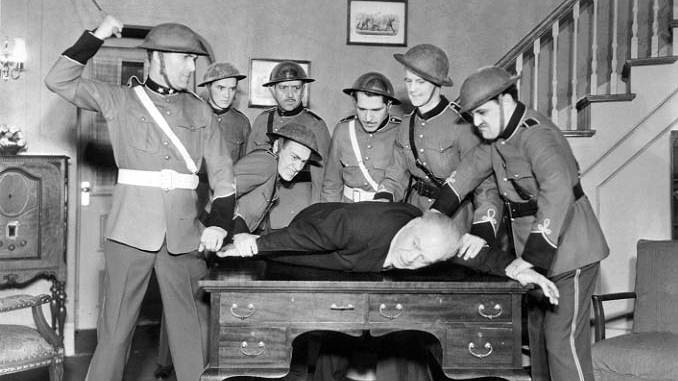
"caption": "A scene from a Federal Theater Project production of 'It Can't Happen Here'",
"description": "A scene from a Federal Theater Project production of 'It Can't Happen Here'",
"title": "A scene from a Federal Theater Project production of 'It Can't Happen Here'",
"credit": "Photo: Courtesy of The National Archives",
"status": "inherit",
"isLoading": false,
"fetchFailed": false
},
"arts_11858210": {
"type": "attachments",
"id": "arts_11858210",
"meta": {
"index": "attachments_1716263798",
"site": "arts",
"id": "11858210",
"found": true
},
"parent": 11858055,
"imgSizes": {
"twentyfourteen-full-width": {
"file": "https://ww2.kqed.org/app/uploads/sites/2/2016/07/Hurt-Village-3-e1469519651803-1038x576.jpg",
"width": 1038,
"mimeType": "image/jpeg",
"height": 576
},
"thumbnail": {
"file": "https://ww2.kqed.org/app/uploads/sites/2/2016/07/Hurt-Village-3-e1469519651803-400x225.jpg",
"width": 400,
"mimeType": "image/jpeg",
"height": 225
},
"fd-sm": {
"file": "https://ww2.kqed.org/app/uploads/sites/2/2016/07/Hurt-Village-3-e1469519651803-960x540.jpg",
"width": 960,
"mimeType": "image/jpeg",
"height": 540
},
"post-thumbnail": {
"file": "https://ww2.kqed.org/app/uploads/sites/2/2016/07/Hurt-Village-3-e1469519651803-672x372.jpg",
"width": 672,
"mimeType": "image/jpeg",
"height": 372
},
"kqedFullSize": {
"file": "https://ww2.kqed.org/app/uploads/sites/2/2016/07/Hurt-Village-3-e1469519651803.jpg",
"width": 5184,
"height": 2916
},
"large": {
"file": "https://ww2.kqed.org/app/uploads/sites/2/2016/07/Hurt-Village-3-e1469519651803-1180x664.jpg",
"width": 1180,
"mimeType": "image/jpeg",
"height": 664
},
"guest-author-50": {
"file": "https://ww2.kqed.org/app/uploads/sites/2/2016/07/Hurt-Village-3-e1469519651803-50x50.jpg",
"width": 50,
"mimeType": "image/jpeg",
"height": 50
},
"guest-author-96": {
"file": "https://ww2.kqed.org/app/uploads/sites/2/2016/07/Hurt-Village-3-e1469519651803-96x96.jpg",
"width": 96,
"mimeType": "image/jpeg",
"height": 96
},
"medium": {
"file": "https://ww2.kqed.org/app/uploads/sites/2/2016/07/Hurt-Village-3-e1469519651803-800x450.jpg",
"width": 800,
"mimeType": "image/jpeg",
"height": 450
},
"guest-author-64": {
"file": "https://ww2.kqed.org/app/uploads/sites/2/2016/07/Hurt-Village-3-e1469519651803-64x64.jpg",
"width": 64,
"mimeType": "image/jpeg",
"height": 64
},
"guest-author-32": {
"file": "https://ww2.kqed.org/app/uploads/sites/2/2016/07/Hurt-Village-3-e1469519651803-32x32.jpg",
"width": 32,
"mimeType": "image/jpeg",
"height": 32
},
"fd-lrg": {
"file": "https://ww2.kqed.org/app/uploads/sites/2/2016/07/Hurt-Village-3-e1469519651803-1920x1080.jpg",
"width": 1920,
"mimeType": "image/jpeg",
"height": 1080
},
"fd-med": {
"file": "https://ww2.kqed.org/app/uploads/sites/2/2016/07/Hurt-Village-3-e1469519651803-1180x664.jpg",
"width": 1180,
"mimeType": "image/jpeg",
"height": 664
},
"detail": {
"file": "https://ww2.kqed.org/app/uploads/sites/2/2016/07/Hurt-Village-3-e1469519651803-150x150.jpg",
"width": 150,
"mimeType": "image/jpeg",
"height": 150
},
"medium_large": {
"file": "https://ww2.kqed.org/app/uploads/sites/2/2016/07/Hurt-Village-3-e1469519651803-768x432.jpg",
"width": 768,
"mimeType": "image/jpeg",
"height": 432
},
"guest-author-128": {
"file": "https://ww2.kqed.org/app/uploads/sites/2/2016/07/Hurt-Village-3-e1469519651803-128x128.jpg",
"width": 128,
"mimeType": "image/jpeg",
"height": 128
}
},
"publishDate": 1469519389,
"modified": 1469519562,
"caption": "Crank (Jasmine Hughes) shocked yet again with what life has to offer in Ubuntu Theater Project's 'Hurt Village.'",
"description": "Crank (Jasmine Hughes) shocked yet again with what life has to offer in Ubuntu Theater Project's 'Hurt Village.'",
"title": "Hurt Village 3",
"credit": "Photo: Colin Blattel",
"status": "inherit",
"isLoading": false,
"fetchFailed": false
},
"arts_11856387": {
"type": "attachments",
"id": "arts_11856387",
"meta": {
"index": "attachments_1716263798",
"site": "arts",
"id": "11856387",
"found": true
},
"parent": 11856247,
"imgSizes": {
"twentyfourteen-full-width": {
"file": "https://ww2.kqed.org/app/uploads/sites/2/2016/07/Marni-Nixon-1038x576.jpg",
"width": 1038,
"mimeType": "image/jpeg",
"height": 576
},
"thumbnail": {
"file": "https://ww2.kqed.org/app/uploads/sites/2/2016/07/Marni-Nixon-400x225.jpg",
"width": 400,
"mimeType": "image/jpeg",
"height": 225
},
"fd-sm": {
"file": "https://ww2.kqed.org/app/uploads/sites/2/2016/07/Marni-Nixon-960x540.jpg",
"width": 960,
"mimeType": "image/jpeg",
"height": 540
},
"post-thumbnail": {
"file": "https://ww2.kqed.org/app/uploads/sites/2/2016/07/Marni-Nixon-672x372.jpg",
"width": 672,
"mimeType": "image/jpeg",
"height": 372
},
"kqedFullSize": {
"file": "https://ww2.kqed.org/app/uploads/sites/2/2016/07/Marni-Nixon.jpg",
"width": 1916,
"height": 1078
},
"large": {
"file": "https://ww2.kqed.org/app/uploads/sites/2/2016/07/Marni-Nixon-1180x664.jpg",
"width": 1180,
"mimeType": "image/jpeg",
"height": 664
},
"guest-author-50": {
"file": "https://ww2.kqed.org/app/uploads/sites/2/2016/07/Marni-Nixon-50x50.jpg",
"width": 50,
"mimeType": "image/jpeg",
"height": 50
},
"guest-author-96": {
"file": "https://ww2.kqed.org/app/uploads/sites/2/2016/07/Marni-Nixon-96x96.jpg",
"width": 96,
"mimeType": "image/jpeg",
"height": 96
},
"medium": {
"file": "https://ww2.kqed.org/app/uploads/sites/2/2016/07/Marni-Nixon-800x450.jpg",
"width": 800,
"mimeType": "image/jpeg",
"height": 450
},
"guest-author-64": {
"file": "https://ww2.kqed.org/app/uploads/sites/2/2016/07/Marni-Nixon-64x64.jpg",
"width": 64,
"mimeType": "image/jpeg",
"height": 64
},
"guest-author-32": {
"file": "https://ww2.kqed.org/app/uploads/sites/2/2016/07/Marni-Nixon-32x32.jpg",
"width": 32,
"mimeType": "image/jpeg",
"height": 32
},
"fd-med": {
"file": "https://ww2.kqed.org/app/uploads/sites/2/2016/07/Marni-Nixon-1180x664.jpg",
"width": 1180,
"mimeType": "image/jpeg",
"height": 664
},
"detail": {
"file": "https://ww2.kqed.org/app/uploads/sites/2/2016/07/Marni-Nixon-150x150.jpg",
"width": 150,
"mimeType": "image/jpeg",
"height": 150
},
"medium_large": {
"file": "https://ww2.kqed.org/app/uploads/sites/2/2016/07/Marni-Nixon-768x432.jpg",
"width": 768,
"mimeType": "image/jpeg",
"height": 432
},
"guest-author-128": {
"file": "https://ww2.kqed.org/app/uploads/sites/2/2016/07/Marni-Nixon-128x128.jpg",
"width": 128,
"mimeType": "image/jpeg",
"height": 128
}
},
"publishDate": 1469474979,
"modified": 1469475069,
"caption": "Marni Nixon attends The Academy & MoMI hosts special archival screening of 'The Sound of Music' at Museum of the Moving Image on May 2, 2015 in New York City. ",
"description": "Marni Nixon attends The Academy & MoMI hosts special archival screening of 'The Sound of Music' at Museum of the Moving Image on May 2, 2015 in New York City. ",
"title": "The Academy & MoMI To Host Special Archival Screenings Of \"The Sound of Music\"",
"credit": "Photo: Rob Kim/Getty Images for Academy of Motion Picture Arts and Sciences",
"status": "inherit",
"isLoading": false,
"fetchFailed": false
},
"arts_11837983": {
"type": "attachments",
"id": "arts_11837983",
"meta": {
"index": "attachments_1716263798",
"site": "arts",
"id": "11837983",
"found": true
},
"parent": 11837832,
"imgSizes": {
"twentyfourteen-full-width": {
"file": "https://ww2.kqed.org/app/uploads/sites/2/2016/07/6percentDOKIDOKI-900x576.jpg",
"width": 900,
"mimeType": "image/jpeg",
"height": 576
},
"thumbnail": {
"file": "https://ww2.kqed.org/app/uploads/sites/2/2016/07/6percentDOKIDOKI-e1469051679993-400x248.jpg",
"width": 400,
"mimeType": "image/jpeg",
"height": 248
},
"post-thumbnail": {
"file": "https://ww2.kqed.org/app/uploads/sites/2/2016/07/6percentDOKIDOKI-e1469051679993-672x372.jpg",
"width": 672,
"mimeType": "image/jpeg",
"height": 372
},
"kqedFullSize": {
"file": "https://ww2.kqed.org/app/uploads/sites/2/2016/07/6percentDOKIDOKI-e1469051679993.jpg",
"width": 900,
"height": 558
},
"guest-author-50": {
"file": "https://ww2.kqed.org/app/uploads/sites/2/2016/07/6percentDOKIDOKI-e1469051679993-50x50.jpg",
"width": 50,
"mimeType": "image/jpeg",
"height": 50
},
"guest-author-96": {
"file": "https://ww2.kqed.org/app/uploads/sites/2/2016/07/6percentDOKIDOKI-e1469051679993-96x96.jpg",
"width": 96,
"mimeType": "image/jpeg",
"height": 96
},
"medium": {
"file": "https://ww2.kqed.org/app/uploads/sites/2/2016/07/6percentDOKIDOKI-e1469051679993-800x496.jpg",
"width": 800,
"mimeType": "image/jpeg",
"height": 496
},
"guest-author-64": {
"file": "https://ww2.kqed.org/app/uploads/sites/2/2016/07/6percentDOKIDOKI-e1469051679993-64x64.jpg",
"width": 64,
"mimeType": "image/jpeg",
"height": 64
},
"detail": {
"file": "https://ww2.kqed.org/app/uploads/sites/2/2016/07/6percentDOKIDOKI-e1469051679993-150x150.jpg",
"width": 150,
"mimeType": "image/jpeg",
"height": 150
},
"guest-author-32": {
"file": "https://ww2.kqed.org/app/uploads/sites/2/2016/07/6percentDOKIDOKI-e1469051679993-32x32.jpg",
"width": 32,
"mimeType": "image/jpeg",
"height": 32
},
"medium_large": {
"file": "https://ww2.kqed.org/app/uploads/sites/2/2016/07/6percentDOKIDOKI-e1469051679993-768x476.jpg",
"width": 768,
"mimeType": "image/jpeg",
"height": 476
},
"guest-author-128": {
"file": "https://ww2.kqed.org/app/uploads/sites/2/2016/07/6percentDOKIDOKI-e1469051679993-128x128.jpg",
"width": 128,
"mimeType": "image/jpeg",
"height": 128
}
},
"publishDate": 1469050955,
"modified": 1469051038,
"caption": "J-Pop Summit comes to San Francisco's Fort Mason Center",
"description": "J-Pop Summit comes to San Francisco's Fort Mason Center",
"title": "J-Pop Summit comes to San Francisco's Fort Mason Center",
"credit": "Photo: Courtesy of J-Pop",
"status": "inherit",
"isLoading": false,
"fetchFailed": false
},
"arts_11832285": {
"type": "attachments",
"id": "arts_11832285",
"meta": {
"index": "attachments_1716263798",
"site": "arts",
"id": "11832285",
"found": true
},
"parent": 11832139,
"imgSizes": {
"twentyfourteen-full-width": {
"file": "https://ww2.kqed.org/app/uploads/sites/2/2016/07/Politcal42_LH3-e1468923551409-1038x576.jpg",
"width": 1038,
"mimeType": "image/jpeg",
"height": 576
},
"thumbnail": {
"file": "https://ww2.kqed.org/app/uploads/sites/2/2016/07/Politcal42_LH3-e1468923551409-400x226.jpg",
"width": 400,
"mimeType": "image/jpeg",
"height": 226
},
"fd-sm": {
"file": "https://ww2.kqed.org/app/uploads/sites/2/2016/07/Politcal42_LH3-e1468923551409-960x541.jpg",
"width": 960,
"mimeType": "image/jpeg",
"height": 541
},
"post-thumbnail": {
"file": "https://ww2.kqed.org/app/uploads/sites/2/2016/07/Politcal42_LH3-e1468923551409-672x372.jpg",
"width": 672,
"mimeType": "image/jpeg",
"height": 372
},
"kqedFullSize": {
"file": "https://ww2.kqed.org/app/uploads/sites/2/2016/07/Politcal42_LH3-e1468923551409.jpg",
"width": 2992,
"height": 1687
},
"large": {
"file": "https://ww2.kqed.org/app/uploads/sites/2/2016/07/Politcal42_LH3-e1468923551409-1180x665.jpg",
"width": 1180,
"mimeType": "image/jpeg",
"height": 665
},
"guest-author-50": {
"file": "https://ww2.kqed.org/app/uploads/sites/2/2016/07/Politcal42_LH3-e1468923551409-50x50.jpg",
"width": 50,
"mimeType": "image/jpeg",
"height": 50
},
"guest-author-96": {
"file": "https://ww2.kqed.org/app/uploads/sites/2/2016/07/Politcal42_LH3-e1468923551409-96x96.jpg",
"width": 96,
"mimeType": "image/jpeg",
"height": 96
},
"medium": {
"file": "https://ww2.kqed.org/app/uploads/sites/2/2016/07/Politcal42_LH3-e1468923551409-800x451.jpg",
"width": 800,
"mimeType": "image/jpeg",
"height": 451
},
"guest-author-64": {
"file": "https://ww2.kqed.org/app/uploads/sites/2/2016/07/Politcal42_LH3-e1468923551409-64x64.jpg",
"width": 64,
"mimeType": "image/jpeg",
"height": 64
},
"guest-author-32": {
"file": "https://ww2.kqed.org/app/uploads/sites/2/2016/07/Politcal42_LH3-e1468923551409-32x32.jpg",
"width": 32,
"mimeType": "image/jpeg",
"height": 32
},
"fd-lrg": {
"file": "https://ww2.kqed.org/app/uploads/sites/2/2016/07/Politcal42_LH3-e1468923551409-1920x1083.jpg",
"width": 1920,
"mimeType": "image/jpeg",
"height": 1083
},
"fd-med": {
"file": "https://ww2.kqed.org/app/uploads/sites/2/2016/07/Politcal42_LH3-e1468923551409-1180x665.jpg",
"width": 1180,
"mimeType": "image/jpeg",
"height": 665
},
"detail": {
"file": "https://ww2.kqed.org/app/uploads/sites/2/2016/07/Politcal42_LH3-e1468923551409-150x150.jpg",
"width": 150,
"mimeType": "image/jpeg",
"height": 150
},
"medium_large": {
"file": "https://ww2.kqed.org/app/uploads/sites/2/2016/07/Politcal42_LH3-e1468923551409-768x433.jpg",
"width": 768,
"mimeType": "image/jpeg",
"height": 433
},
"guest-author-128": {
"file": "https://ww2.kqed.org/app/uploads/sites/2/2016/07/Politcal42_LH3-e1468923551409-128x128.jpg",
"width": 128,
"mimeType": "image/jpeg",
"height": 128
}
},
"publishDate": 1468923311,
"modified": 1468923401,
"caption": "John Leguizamo makes an unexpected political point in 'Latin History for Morons' at the Berkeley Rep.",
"description": "John Leguizamo makes an unexpected political point in 'Latin History for Morons' at the Berkeley Rep.",
"title": "Politcal4,2_LH3",
"credit": "Photo: Kevin Berne",
"status": "inherit",
"isLoading": false,
"fetchFailed": false
},
"forum_2010101855746": {
"type": "attachments",
"id": "forum_2010101855746",
"meta": {
"index": "attachments_1716263798",
"site": "forum",
"id": "2010101855746",
"found": true
},
"parent": 2010101855736,
"imgSizes": {
"twentyfourteen-full-width": {
"file": "https://ww2.kqed.org/app/uploads/sites/43/2016/07/the-box-photo-carla-hernandez-ramirez-cropped-1038x576.jpg",
"width": 1038,
"mimeType": "image/jpeg",
"height": 576
},
"thumbnail": {
"file": "https://ww2.kqed.org/app/uploads/sites/43/2016/07/the-box-photo-carla-hernandez-ramirez-cropped-400x225.jpg",
"width": 400,
"mimeType": "image/jpeg",
"height": 225
},
"fd-sm": {
"file": "https://ww2.kqed.org/app/uploads/sites/43/2016/07/the-box-photo-carla-hernandez-ramirez-cropped-960x540.jpg",
"width": 960,
"mimeType": "image/jpeg",
"height": 540
},
"post-thumbnail": {
"file": "https://ww2.kqed.org/app/uploads/sites/43/2016/07/the-box-photo-carla-hernandez-ramirez-cropped-672x372.jpg",
"width": 672,
"mimeType": "image/jpeg",
"height": 372
},
"kqedFullSize": {
"file": "https://ww2.kqed.org/app/uploads/sites/43/2016/07/the-box-photo-carla-hernandez-ramirez-cropped.jpg",
"width": 1920,
"height": 1080
},
"large": {
"file": "https://ww2.kqed.org/app/uploads/sites/43/2016/07/the-box-photo-carla-hernandez-ramirez-cropped-1180x664.jpg",
"width": 1180,
"mimeType": "image/jpeg",
"height": 664
},
"guest-author-50": {
"file": "https://ww2.kqed.org/app/uploads/sites/43/2016/07/the-box-photo-carla-hernandez-ramirez-cropped-50x50.jpg",
"width": 50,
"mimeType": "image/jpeg",
"height": 50
},
"guest-author-96": {
"file": "https://ww2.kqed.org/app/uploads/sites/43/2016/07/the-box-photo-carla-hernandez-ramirez-cropped-96x96.jpg",
"width": 96,
"mimeType": "image/jpeg",
"height": 96
},
"medium": {
"file": "https://ww2.kqed.org/app/uploads/sites/43/2016/07/the-box-photo-carla-hernandez-ramirez-cropped-800x450.jpg",
"width": 800,
"mimeType": "image/jpeg",
"height": 450
},
"guest-author-64": {
"file": "https://ww2.kqed.org/app/uploads/sites/43/2016/07/the-box-photo-carla-hernandez-ramirez-cropped-64x64.jpg",
"width": 64,
"mimeType": "image/jpeg",
"height": 64
},
"guest-author-32": {
"file": "https://ww2.kqed.org/app/uploads/sites/43/2016/07/the-box-photo-carla-hernandez-ramirez-cropped-32x32.jpg",
"width": 32,
"mimeType": "image/jpeg",
"height": 32
},
"fd-lrg": {
"file": "https://ww2.kqed.org/app/uploads/sites/43/2016/07/the-box-photo-carla-hernandez-ramirez-cropped-1920x1080.jpg",
"width": 1920,
"mimeType": "image/jpeg",
"height": 1080
},
"fd-med": {
"file": "https://ww2.kqed.org/app/uploads/sites/43/2016/07/the-box-photo-carla-hernandez-ramirez-cropped-1180x664.jpg",
"width": 1180,
"mimeType": "image/jpeg",
"height": 664
},
"detail": {
"file": "https://ww2.kqed.org/app/uploads/sites/43/2016/07/the-box-photo-carla-hernandez-ramirez-cropped-150x150.jpg",
"width": 150,
"mimeType": "image/jpeg",
"height": 150
},
"medium_large": {
"file": "https://ww2.kqed.org/app/uploads/sites/43/2016/07/the-box-photo-carla-hernandez-ramirez-cropped-768x432.jpg",
"width": 768,
"mimeType": "image/jpeg",
"height": 432
},
"guest-author-128": {
"file": "https://ww2.kqed.org/app/uploads/sites/43/2016/07/the-box-photo-carla-hernandez-ramirez-cropped-128x128.jpg",
"width": 128,
"mimeType": "image/jpeg",
"height": 128
}
},
"publishDate": 1468622543,
"modified": 1468622654,
"caption": "The cast of 'The Box.'",
"description": "The cast of 'The Box,' top row from left: Steven Anthony Jones, J Jha; bottom row from left: Clive Worsley and Carlos Aguirre.",
"title": "the box photo carla hernandez ramirez cropped",
"credit": "Photo: Carla Hernández Ramírez",
"status": "inherit",
"isLoading": false,
"fetchFailed": false
},
"arts_11815679": {
"type": "attachments",
"id": "arts_11815679",
"meta": {
"index": "attachments_1716263798",
"site": "arts",
"id": "11815679",
"found": true
},
"parent": 11815651,
"imgSizes": {
"twentyfourteen-full-width": {
"file": "https://ww2.kqed.org/app/uploads/sites/2/2016/07/ARTS_BAYVIEWSTORIES_FINAL.00_02_19_10.Still002-1038x576.jpg",
"width": 1038,
"mimeType": "image/jpeg",
"height": 576
},
"thumbnail": {
"file": "https://ww2.kqed.org/app/uploads/sites/2/2016/07/ARTS_BAYVIEWSTORIES_FINAL.00_02_19_10.Still002-400x225.jpg",
"width": 400,
"mimeType": "image/jpeg",
"height": 225
},
"fd-sm": {
"file": "https://ww2.kqed.org/app/uploads/sites/2/2016/07/ARTS_BAYVIEWSTORIES_FINAL.00_02_19_10.Still002-960x540.jpg",
"width": 960,
"mimeType": "image/jpeg",
"height": 540
},
"post-thumbnail": {
"file": "https://ww2.kqed.org/app/uploads/sites/2/2016/07/ARTS_BAYVIEWSTORIES_FINAL.00_02_19_10.Still002-672x372.jpg",
"width": 672,
"mimeType": "image/jpeg",
"height": 372
},
"kqedFullSize": {
"file": "https://ww2.kqed.org/app/uploads/sites/2/2016/07/ARTS_BAYVIEWSTORIES_FINAL.00_02_19_10.Still002.jpg",
"width": 1920,
"height": 1080
},
"large": {
"file": "https://ww2.kqed.org/app/uploads/sites/2/2016/07/ARTS_BAYVIEWSTORIES_FINAL.00_02_19_10.Still002-1180x664.jpg",
"width": 1180,
"mimeType": "image/jpeg",
"height": 664
},
"guest-author-50": {
"file": "https://ww2.kqed.org/app/uploads/sites/2/2016/07/ARTS_BAYVIEWSTORIES_FINAL.00_02_19_10.Still002-50x50.jpg",
"width": 50,
"mimeType": "image/jpeg",
"height": 50
},
"guest-author-96": {
"file": "https://ww2.kqed.org/app/uploads/sites/2/2016/07/ARTS_BAYVIEWSTORIES_FINAL.00_02_19_10.Still002-96x96.jpg",
"width": 96,
"mimeType": "image/jpeg",
"height": 96
},
"medium": {
"file": "https://ww2.kqed.org/app/uploads/sites/2/2016/07/ARTS_BAYVIEWSTORIES_FINAL.00_02_19_10.Still002-800x450.jpg",
"width": 800,
"mimeType": "image/jpeg",
"height": 450
},
"guest-author-64": {
"file": "https://ww2.kqed.org/app/uploads/sites/2/2016/07/ARTS_BAYVIEWSTORIES_FINAL.00_02_19_10.Still002-64x64.jpg",
"width": 64,
"mimeType": "image/jpeg",
"height": 64
},
"guest-author-32": {
"file": "https://ww2.kqed.org/app/uploads/sites/2/2016/07/ARTS_BAYVIEWSTORIES_FINAL.00_02_19_10.Still002-32x32.jpg",
"width": 32,
"mimeType": "image/jpeg",
"height": 32
},
"fd-lrg": {
"file": "https://ww2.kqed.org/app/uploads/sites/2/2016/07/ARTS_BAYVIEWSTORIES_FINAL.00_02_19_10.Still002-1920x1080.jpg",
"width": 1920,
"mimeType": "image/jpeg",
"height": 1080
},
"fd-med": {
"file": "https://ww2.kqed.org/app/uploads/sites/2/2016/07/ARTS_BAYVIEWSTORIES_FINAL.00_02_19_10.Still002-1180x664.jpg",
"width": 1180,
"mimeType": "image/jpeg",
"height": 664
},
"detail": {
"file": "https://ww2.kqed.org/app/uploads/sites/2/2016/07/ARTS_BAYVIEWSTORIES_FINAL.00_02_19_10.Still002-150x150.jpg",
"width": 150,
"mimeType": "image/jpeg",
"height": 150
},
"medium_large": {
"file": "https://ww2.kqed.org/app/uploads/sites/2/2016/07/ARTS_BAYVIEWSTORIES_FINAL.00_02_19_10.Still002-768x432.jpg",
"width": 768,
"mimeType": "image/jpeg",
"height": 432
},
"guest-author-128": {
"file": "https://ww2.kqed.org/app/uploads/sites/2/2016/07/ARTS_BAYVIEWSTORIES_FINAL.00_02_19_10.Still002-128x128.jpg",
"width": 128,
"mimeType": "image/jpeg",
"height": 128
}
},
"publishDate": 1468541643,
"modified": 1468541757,
"caption": null,
"description": "Crack, Rumble, Fly: Bayview Stories Project",
"title": "ARTS_BAYVIEWSTORIES_FINAL.00_02_19_10.Still002",
"credit": null,
"status": "inherit",
"isLoading": false,
"fetchFailed": false
},
"arts_11815206": {
"type": "attachments",
"id": "arts_11815206",
"meta": {
"index": "attachments_1716263798",
"site": "arts",
"id": "11815206",
"found": true
},
"parent": 11814984,
"imgSizes": {
"twentyfourteen-full-width": {
"file": "https://ww2.kqed.org/app/uploads/sites/2/2016/07/Ruscha_Standard-Station-Proof-1038x576.jpg",
"width": 1038,
"mimeType": "image/jpeg",
"height": 576
},
"thumbnail": {
"file": "https://ww2.kqed.org/app/uploads/sites/2/2016/07/Ruscha_Standard-Station-Proof-400x257.jpg",
"width": 400,
"mimeType": "image/jpeg",
"height": 257
},
"fd-sm": {
"file": "https://ww2.kqed.org/app/uploads/sites/2/2016/07/Ruscha_Standard-Station-Proof-960x617.jpg",
"width": 960,
"mimeType": "image/jpeg",
"height": 617
},
"post-thumbnail": {
"file": "https://ww2.kqed.org/app/uploads/sites/2/2016/07/Ruscha_Standard-Station-Proof-672x372.jpg",
"width": 672,
"mimeType": "image/jpeg",
"height": 372
},
"kqedFullSize": {
"file": "https://ww2.kqed.org/app/uploads/sites/2/2016/07/Ruscha_Standard-Station-Proof.jpg",
"width": 1412,
"height": 908
},
"large": {
"file": "https://ww2.kqed.org/app/uploads/sites/2/2016/07/Ruscha_Standard-Station-Proof-1180x759.jpg",
"width": 1180,
"mimeType": "image/jpeg",
"height": 759
},
"guest-author-50": {
"file": "https://ww2.kqed.org/app/uploads/sites/2/2016/07/Ruscha_Standard-Station-Proof-50x50.jpg",
"width": 50,
"mimeType": "image/jpeg",
"height": 50
},
"guest-author-96": {
"file": "https://ww2.kqed.org/app/uploads/sites/2/2016/07/Ruscha_Standard-Station-Proof-96x96.jpg",
"width": 96,
"mimeType": "image/jpeg",
"height": 96
},
"medium": {
"file": "https://ww2.kqed.org/app/uploads/sites/2/2016/07/Ruscha_Standard-Station-Proof-800x514.jpg",
"width": 800,
"mimeType": "image/jpeg",
"height": 514
},
"guest-author-64": {
"file": "https://ww2.kqed.org/app/uploads/sites/2/2016/07/Ruscha_Standard-Station-Proof-64x64.jpg",
"width": 64,
"mimeType": "image/jpeg",
"height": 64
},
"guest-author-32": {
"file": "https://ww2.kqed.org/app/uploads/sites/2/2016/07/Ruscha_Standard-Station-Proof-32x32.jpg",
"width": 32,
"mimeType": "image/jpeg",
"height": 32
},
"fd-med": {
"file": "https://ww2.kqed.org/app/uploads/sites/2/2016/07/Ruscha_Standard-Station-Proof-1180x759.jpg",
"width": 1180,
"mimeType": "image/jpeg",
"height": 759
},
"detail": {
"file": "https://ww2.kqed.org/app/uploads/sites/2/2016/07/Ruscha_Standard-Station-Proof-150x150.jpg",
"width": 150,
"mimeType": "image/jpeg",
"height": 150
},
"medium_large": {
"file": "https://ww2.kqed.org/app/uploads/sites/2/2016/07/Ruscha_Standard-Station-Proof-768x494.jpg",
"width": 768,
"mimeType": "image/jpeg",
"height": 494
},
"guest-author-128": {
"file": "https://ww2.kqed.org/app/uploads/sites/2/2016/07/Ruscha_Standard-Station-Proof-128x128.jpg",
"width": 128,
"mimeType": "image/jpeg",
"height": 128
}
},
"publishDate": 1468529377,
"modified": 1468529492,
"caption": "'Standard Station' by LA artist Ed Ruscha. Part of the show at the de Young Museum",
"description": "'Standard Station' by LA artist Ed Ruscha",
"title": "'Standard Station' by LA artist Ed Ruscha",
"credit": "Photo: Courtesy of FAMSF",
"status": "inherit",
"isLoading": false,
"fetchFailed": false
},
"arts_11811815": {
"type": "attachments",
"id": "arts_11811815",
"meta": {
"index": "attachments_1716263798",
"site": "arts",
"id": "11811815",
"found": true
},
"parent": 11811594,
"imgSizes": {
"twentyfourteen-full-width": {
"file": "https://ww2.kqed.org/app/uploads/sites/2/2016/07/TheBox-e1468450022520-1038x576.jpg",
"width": 1038,
"mimeType": "image/jpeg",
"height": 576
},
"thumbnail": {
"file": "https://ww2.kqed.org/app/uploads/sites/2/2016/07/TheBox-e1468450022520-400x224.jpg",
"width": 400,
"mimeType": "image/jpeg",
"height": 224
},
"fd-sm": {
"file": "https://ww2.kqed.org/app/uploads/sites/2/2016/07/TheBox-e1468450022520-960x537.jpg",
"width": 960,
"mimeType": "image/jpeg",
"height": 537
},
"post-thumbnail": {
"file": "https://ww2.kqed.org/app/uploads/sites/2/2016/07/TheBox-e1468450022520-672x372.jpg",
"width": 672,
"mimeType": "image/jpeg",
"height": 372
},
"kqedFullSize": {
"file": "https://ww2.kqed.org/app/uploads/sites/2/2016/07/TheBox-e1468450022520.jpg",
"width": 1800,
"height": 1007
},
"large": {
"file": "https://ww2.kqed.org/app/uploads/sites/2/2016/07/TheBox-e1468450022520-1180x660.jpg",
"width": 1180,
"mimeType": "image/jpeg",
"height": 660
},
"guest-author-50": {
"file": "https://ww2.kqed.org/app/uploads/sites/2/2016/07/TheBox-e1468450022520-50x50.jpg",
"width": 50,
"mimeType": "image/jpeg",
"height": 50
},
"guest-author-96": {
"file": "https://ww2.kqed.org/app/uploads/sites/2/2016/07/TheBox-e1468450022520-96x96.jpg",
"width": 96,
"mimeType": "image/jpeg",
"height": 96
},
"medium": {
"file": "https://ww2.kqed.org/app/uploads/sites/2/2016/07/TheBox-e1468450022520-800x448.jpg",
"width": 800,
"mimeType": "image/jpeg",
"height": 448
},
"guest-author-64": {
"file": "https://ww2.kqed.org/app/uploads/sites/2/2016/07/TheBox-e1468450022520-64x64.jpg",
"width": 64,
"mimeType": "image/jpeg",
"height": 64
},
"guest-author-32": {
"file": "https://ww2.kqed.org/app/uploads/sites/2/2016/07/TheBox-e1468450022520-32x32.jpg",
"width": 32,
"mimeType": "image/jpeg",
"height": 32
},
"fd-med": {
"file": "https://ww2.kqed.org/app/uploads/sites/2/2016/07/TheBox-e1468450022520-1180x660.jpg",
"width": 1180,
"mimeType": "image/jpeg",
"height": 660
},
"detail": {
"file": "https://ww2.kqed.org/app/uploads/sites/2/2016/07/TheBox-e1468450022520-150x150.jpg",
"width": 150,
"mimeType": "image/jpeg",
"height": 150
},
"medium_large": {
"file": "https://ww2.kqed.org/app/uploads/sites/2/2016/07/TheBox-e1468450022520-768x430.jpg",
"width": 768,
"mimeType": "image/jpeg",
"height": 430
},
"guest-author-128": {
"file": "https://ww2.kqed.org/app/uploads/sites/2/2016/07/TheBox-e1468450022520-128x128.jpg",
"width": 128,
"mimeType": "image/jpeg",
"height": 128
}
},
"publishDate": 1468449571,
"modified": 1468450121,
"caption": "The kind Victor Santiago (Carlos Aguirre) starts to lose his bearings in 'The Box' at Z Space.",
"description": "The kind Victor Santiago (Carlos Aguirre) starts to lose his bearings in 'The Box' at Z Space.",
"title": "TheBox",
"credit": "Photo: Carla Hernández Ramírez",
"status": "inherit",
"isLoading": false,
"fetchFailed": false
},
"arts_11811822": {
"type": "attachments",
"id": "arts_11811822",
"meta": {
"index": "attachments_1716263798",
"site": "arts",
"id": "11811822",
"found": true
},
"parent": 11811572,
"imgSizes": {
"twentyfourteen-full-width": {
"file": "https://ww2.kqed.org/app/uploads/sites/2/2016/07/Daveed-Diggs-1038x576.jpg",
"width": 1038,
"mimeType": "image/jpeg",
"height": 576
},
"thumbnail": {
"file": "https://ww2.kqed.org/app/uploads/sites/2/2016/07/Daveed-Diggs-400x225.jpg",
"width": 400,
"mimeType": "image/jpeg",
"height": 225
},
"fd-sm": {
"file": "https://ww2.kqed.org/app/uploads/sites/2/2016/07/Daveed-Diggs-960x540.jpg",
"width": 960,
"mimeType": "image/jpeg",
"height": 540
},
"post-thumbnail": {
"file": "https://ww2.kqed.org/app/uploads/sites/2/2016/07/Daveed-Diggs-672x372.jpg",
"width": 672,
"mimeType": "image/jpeg",
"height": 372
},
"kqedFullSize": {
"file": "https://ww2.kqed.org/app/uploads/sites/2/2016/07/Daveed-Diggs.jpg",
"width": 1269,
"height": 714
},
"large": {
"file": "https://ww2.kqed.org/app/uploads/sites/2/2016/07/Daveed-Diggs-1180x664.jpg",
"width": 1180,
"mimeType": "image/jpeg",
"height": 664
},
"guest-author-50": {
"file": "https://ww2.kqed.org/app/uploads/sites/2/2016/07/Daveed-Diggs-50x50.jpg",
"width": 50,
"mimeType": "image/jpeg",
"height": 50
},
"guest-author-96": {
"file": "https://ww2.kqed.org/app/uploads/sites/2/2016/07/Daveed-Diggs-96x96.jpg",
"width": 96,
"mimeType": "image/jpeg",
"height": 96
},
"medium": {
"file": "https://ww2.kqed.org/app/uploads/sites/2/2016/07/Daveed-Diggs-800x450.jpg",
"width": 800,
"mimeType": "image/jpeg",
"height": 450
},
"guest-author-64": {
"file": "https://ww2.kqed.org/app/uploads/sites/2/2016/07/Daveed-Diggs-64x64.jpg",
"width": 64,
"mimeType": "image/jpeg",
"height": 64
},
"guest-author-32": {
"file": "https://ww2.kqed.org/app/uploads/sites/2/2016/07/Daveed-Diggs-32x32.jpg",
"width": 32,
"mimeType": "image/jpeg",
"height": 32
},
"fd-med": {
"file": "https://ww2.kqed.org/app/uploads/sites/2/2016/07/Daveed-Diggs-1180x664.jpg",
"width": 1180,
"mimeType": "image/jpeg",
"height": 664
},
"detail": {
"file": "https://ww2.kqed.org/app/uploads/sites/2/2016/07/Daveed-Diggs-150x150.jpg",
"width": 150,
"mimeType": "image/jpeg",
"height": 150
},
"medium_large": {
"file": "https://ww2.kqed.org/app/uploads/sites/2/2016/07/Daveed-Diggs-768x432.jpg",
"width": 768,
"mimeType": "image/jpeg",
"height": 432
},
"guest-author-128": {
"file": "https://ww2.kqed.org/app/uploads/sites/2/2016/07/Daveed-Diggs-128x128.jpg",
"width": 128,
"mimeType": "image/jpeg",
"height": 128
}
},
"publishDate": 1468450567,
"modified": 1468450866,
"caption": "Daveed Diggs of 'Hamilton' performs onstage during the 70th Annual Tony Awards ",
"description": "Daveed Diggs of 'Hamilton' performs onstage during the 70th Annual Tony Awards ",
"title": "2016 Tony Awards - Show",
"credit": "Photo: Theo Wargo/Getty Images for Tony Awards Productions",
"status": "inherit",
"isLoading": false,
"fetchFailed": false
},
"forum_2010101855675": {
"type": "attachments",
"id": "forum_2010101855675",
"meta": {
"index": "attachments_1716263798",
"site": "forum",
"id": "2010101855675",
"found": true
},
"parent": 2010101855674,
"imgSizes": {
"twentyfourteen-full-width": {
"file": "https://ww2.kqed.org/app/uploads/sites/43/2016/07/leguizamo-cropped-1038x576.jpg",
"width": 1038,
"mimeType": "image/jpeg",
"height": 576
},
"thumbnail": {
"file": "https://ww2.kqed.org/app/uploads/sites/43/2016/07/leguizamo-cropped-400x225.jpg",
"width": 400,
"mimeType": "image/jpeg",
"height": 225
},
"fd-sm": {
"file": "https://ww2.kqed.org/app/uploads/sites/43/2016/07/leguizamo-cropped-960x540.jpg",
"width": 960,
"mimeType": "image/jpeg",
"height": 540
},
"post-thumbnail": {
"file": "https://ww2.kqed.org/app/uploads/sites/43/2016/07/leguizamo-cropped-672x372.jpg",
"width": 672,
"mimeType": "image/jpeg",
"height": 372
},
"kqedFullSize": {
"file": "https://ww2.kqed.org/app/uploads/sites/43/2016/07/leguizamo-cropped-e1468436417980.jpg",
"width": 1920,
"height": 1080
},
"large": {
"file": "https://ww2.kqed.org/app/uploads/sites/43/2016/07/leguizamo-cropped-1180x664.jpg",
"width": 1180,
"mimeType": "image/jpeg",
"height": 664
},
"guest-author-50": {
"file": "https://ww2.kqed.org/app/uploads/sites/43/2016/07/leguizamo-cropped-50x50.jpg",
"width": 50,
"mimeType": "image/jpeg",
"height": 50
},
"guest-author-96": {
"file": "https://ww2.kqed.org/app/uploads/sites/43/2016/07/leguizamo-cropped-96x96.jpg",
"width": 96,
"mimeType": "image/jpeg",
"height": 96
},
"medium": {
"file": "https://ww2.kqed.org/app/uploads/sites/43/2016/07/leguizamo-cropped-800x450.jpg",
"width": 800,
"mimeType": "image/jpeg",
"height": 450
},
"guest-author-64": {
"file": "https://ww2.kqed.org/app/uploads/sites/43/2016/07/leguizamo-cropped-64x64.jpg",
"width": 64,
"mimeType": "image/jpeg",
"height": 64
},
"guest-author-32": {
"file": "https://ww2.kqed.org/app/uploads/sites/43/2016/07/leguizamo-cropped-32x32.jpg",
"width": 32,
"mimeType": "image/jpeg",
"height": 32
},
"fd-lrg": {
"file": "https://ww2.kqed.org/app/uploads/sites/43/2016/07/leguizamo-cropped-1920x1080.jpg",
"width": 1920,
"mimeType": "image/jpeg",
"height": 1080
},
"fd-med": {
"file": "https://ww2.kqed.org/app/uploads/sites/43/2016/07/leguizamo-cropped-1180x664.jpg",
"width": 1180,
"mimeType": "image/jpeg",
"height": 664
},
"detail": {
"file": "https://ww2.kqed.org/app/uploads/sites/43/2016/07/leguizamo-cropped-150x150.jpg",
"width": 150,
"mimeType": "image/jpeg",
"height": 150
},
"medium_large": {
"file": "https://ww2.kqed.org/app/uploads/sites/43/2016/07/leguizamo-cropped-768x432.jpg",
"width": 768,
"mimeType": "image/jpeg",
"height": 432
},
"guest-author-128": {
"file": "https://ww2.kqed.org/app/uploads/sites/43/2016/07/leguizamo-cropped-128x128.jpg",
"width": 128,
"mimeType": "image/jpeg",
"height": 128
}
},
"publishDate": 1468366635,
"modified": 1468436430,
"caption": null,
"description": "John Leguizamo stands in front of a chalkboard.",
"title": "leguizamo cropped",
"credit": "Photo: Berkeley Repertory Theatre",
"status": "inherit",
"isLoading": false,
"fetchFailed": false
},
"news_11010434": {
"type": "attachments",
"id": "news_11010434",
"meta": {
"index": "attachments_1716263798",
"site": "news",
"id": "11010434",
"found": true
},
"parent": 11003815,
"imgSizes": {
"twentyfourteen-full-width": {
"file": "https://ww2.kqed.org/app/uploads/sites/10/2016/07/The-Box_Featured-Image-1038x576.jpg",
"width": 1038,
"mimeType": "image/jpeg",
"height": 576
},
"thumbnail": {
"file": "https://ww2.kqed.org/app/uploads/sites/10/2016/07/The-Box_Featured-Image-400x267.jpg",
"width": 400,
"mimeType": "image/jpeg",
"height": 267
},
"fd-sm": {
"file": "https://ww2.kqed.org/app/uploads/sites/10/2016/07/The-Box_Featured-Image-960x640.jpg",
"width": 960,
"mimeType": "image/jpeg",
"height": 640
},
"post-thumbnail": {
"file": "https://ww2.kqed.org/app/uploads/sites/10/2016/07/The-Box_Featured-Image-672x372.jpg",
"width": 672,
"mimeType": "image/jpeg",
"height": 372
},
"kqedFullSize": {
"file": "https://ww2.kqed.org/app/uploads/sites/10/2016/07/The-Box_Featured-Image.jpg",
"width": 1800,
"height": 1200
},
"guest-author-50": {
"file": "https://ww2.kqed.org/app/uploads/sites/10/2016/07/The-Box_Featured-Image-50x50.jpg",
"width": 50,
"mimeType": "image/jpeg",
"height": 50
},
"guest-author-96": {
"file": "https://ww2.kqed.org/app/uploads/sites/10/2016/07/The-Box_Featured-Image-96x96.jpg",
"width": 96,
"mimeType": "image/jpeg",
"height": 96
},
"medium": {
"file": "https://ww2.kqed.org/app/uploads/sites/10/2016/07/The-Box_Featured-Image-800x533.jpg",
"width": 800,
"mimeType": "image/jpeg",
"height": 533
},
"guest-author-64": {
"file": "https://ww2.kqed.org/app/uploads/sites/10/2016/07/The-Box_Featured-Image-64x64.jpg",
"width": 64,
"mimeType": "image/jpeg",
"height": 64
},
"guest-author-32": {
"file": "https://ww2.kqed.org/app/uploads/sites/10/2016/07/The-Box_Featured-Image-32x32.jpg",
"width": 32,
"mimeType": "image/jpeg",
"height": 32
},
"jmtc-small-thumb": {
"file": "https://ww2.kqed.org/app/uploads/sites/10/2016/07/The-Box_Featured-Image-280x150.jpg",
"width": 280,
"mimeType": "image/jpeg",
"height": 150
},
"fd-med": {
"file": "https://ww2.kqed.org/app/uploads/sites/10/2016/07/The-Box_Featured-Image-1180x787.jpg",
"width": 1180,
"mimeType": "image/jpeg",
"height": 787
},
"detail": {
"file": "https://ww2.kqed.org/app/uploads/sites/10/2016/07/The-Box_Featured-Image-150x150.jpg",
"width": 150,
"mimeType": "image/jpeg",
"height": 150
},
"guest-author-128": {
"file": "https://ww2.kqed.org/app/uploads/sites/10/2016/07/The-Box_Featured-Image-128x128.jpg",
"width": 128,
"mimeType": "image/jpeg",
"height": 128
}
},
"publishDate": 1467748688,
"modified": 1467762529,
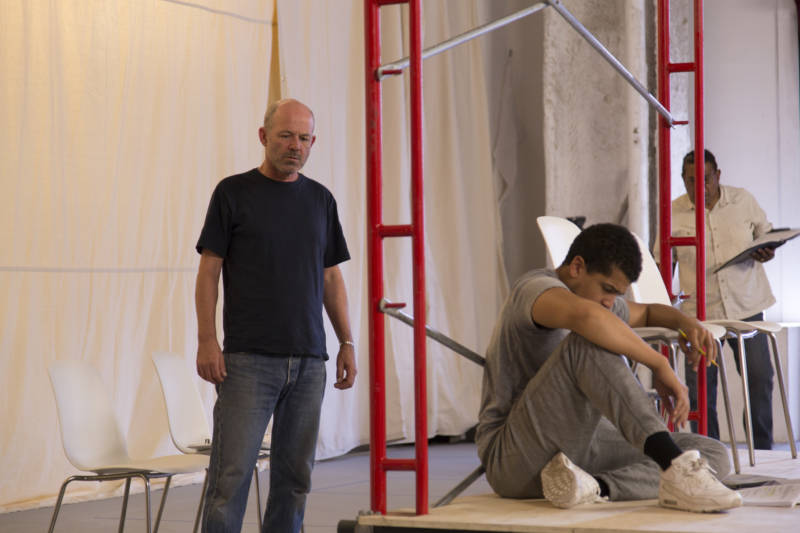
"caption": "Clive Worsley and Chris Herbie Holland rehearse a scene from 'The Box.'",
"description": null,
"title": "The Box_Featured Image",
"credit": "Carla Hernández Ramírez",
"status": "inherit",
"isLoading": false,
"fetchFailed": false
}
},
"audioPlayerReducer": {
"postId": "stream_live",
"isPaused": true,
"isPlaying": false,
"pfsActive": false,
"pledgeModalIsOpen": true,
"playerDrawerIsOpen": false,
"liveAudioPlayStartedAt": 0,
"liveAudioPlayContext": ""
},
"authorsReducer": {
"byline_arts_11856247": {
"type": "authors",
"id": "byline_arts_11856247",
"meta": {
"override": true
},
"slug": "byline_arts_11856247",
"name": "Mark Kennedy, Associated Press",
"isLoading": false
},
"byline_arts_11811572": {
"type": "authors",
"id": "byline_arts_11811572",
"meta": {
"override": true
},
"slug": "byline_arts_11811572",
"name": "Mark Kennedy, Associated Press",
"isLoading": false
},
"byline_news_11003815": {
"type": "authors",
"id": "byline_news_11003815",
"meta": {
"override": true
},
"slug": "byline_news_11003815",
"name": "Reese Erlich",
"isLoading": false
},
"cmusiker": {
"type": "authors",
"id": "32",
"meta": {
"index": "authors_1716337520",
"id": "32",
"found": true
},
"name": "Cy Musiker",
"firstName": "Cy",
"lastName": "Musiker",
"slug": "cmusiker",
"email": "cmusiker@kqed.org",
"display_author_email": false,
"staff_mastheads": [],
"title": "KQED Contributor",
"bio": "Cy Musiker is a former co-host of The Do List and a former reporter covering the arts for KQED News and The California Report. He loves live performance, especially great theater, jazz, roots music, anything by Mahler. Cy has an MJ from UC Berkeley's School of Journalism, and got his BA from Hampshire College. His work has been recognized by the Society for Professional Journalists with their Sigma Delta Chi Award for Public Service in Journalism. When he can, Cy likes to swim in Tomales Bay, run with his dog in the East Bay Hills, and hike the Sierra.",
"avatar": "https://secure.gravatar.com/avatar/05eaba5c5696ce8f062e4ea2df428a43?s=600&d=blank&r=g",
"twitter": null,
"facebook": null,
"instagram": null,
"linkedin": null,
"sites": [
{
"site": "arts",
"roles": [
"Contributor",
"subscriber"
]
},
{
"site": "news",
"roles": [
"author"
]
},
{
"site": "bayareabites",
"roles": [
"contributor"
]
}
],
"headData": {
"title": "Cy Musiker | KQED",
"description": "KQED Contributor",
"ogImgSrc": "https://secure.gravatar.com/avatar/05eaba5c5696ce8f062e4ea2df428a43?s=600&d=blank&r=g",
"twImgSrc": "https://secure.gravatar.com/avatar/05eaba5c5696ce8f062e4ea2df428a43?s=600&d=blank&r=g"
},
"isLoading": false,
"link": "/author/cmusiker"
},
"jwilkins": {
"type": "authors",
"id": "8668",
"meta": {
"index": "authors_1716337520",
"id": "8668",
"found": true
},
"name": "John Wilkins",
"firstName": "John",
"lastName": "Wilkins",
"slug": "jwilkins",
"email": "Johnrwilkins@aol.com",
"display_author_email": false,
"staff_mastheads": [],
"title": null,
"bio": "John Wilkins is the theater critic for KQED Arts. He was the Artistic Director of Last Planet Theatre for ten years and teaches in the Writing and Literature program at CCA. Follow him on Twitter @johnrwilkins2",
"avatar": "https://secure.gravatar.com/avatar/7798fcc8a10bee0e04387b724b492df7?s=600&d=blank&r=g",
"twitter": null,
"facebook": null,
"instagram": null,
"linkedin": null,
"sites": [
{
"site": "arts",
"roles": [
"subscriber"
]
}
],
"headData": {
"title": "John Wilkins | KQED",
"description": null,
"ogImgSrc": "https://secure.gravatar.com/avatar/7798fcc8a10bee0e04387b724b492df7?s=600&d=blank&r=g",
"twImgSrc": "https://secure.gravatar.com/avatar/7798fcc8a10bee0e04387b724b492df7?s=600&d=blank&r=g"
},
"isLoading": false,
"link": "/author/jwilkins"
},
"cescobar": {
"type": "authors",
"id": "11241",
"meta": {
"index": "authors_1716337520",
"id": "11241",
"found": true
},
"name": "Claudia Escobar",
"firstName": "Claudia",
"lastName": "Escobar",
"slug": "cescobar",
"email": "cescobar@kqed.org",
"display_author_email": false,
"staff_mastheads": [],
"title": "KQED Contributor",
"bio": "Tropical latin visual story teller extraordinaire! bread maker apprentice.",
"avatar": "https://secure.gravatar.com/avatar/39af590a0e19126bafbf121ec9d891a77a3d680061d7cc03d720efe706992707?s=600&d=blank&r=g",
"twitter": null,
"bluesky": null,
"facebook": null,
"instagram": null,
"linkedin": null,
"sites": [
{
"site": "arts",
"roles": [
"subscriber"
]
},
{
"site": "news",
"roles": [
"author"
]
}
],
"headData": {
"title": "Claudia Escobar | KQED",
"description": "KQED Contributor",
"ogImgSrc": "https://secure.gravatar.com/avatar/39af590a0e19126bafbf121ec9d891a77a3d680061d7cc03d720efe706992707?s=600&d=blank&r=g",
"twImgSrc": "https://secure.gravatar.com/avatar/39af590a0e19126bafbf121ec9d891a77a3d680061d7cc03d720efe706992707?s=600&d=blank&r=g"
},
"isLoading": false,
"link": "/author/cescobar"
},
"mkrasny": {
"type": "authors",
"id": "11247",
"meta": {
"index": "authors_1716337520",
"id": "11247",
"found": true
},
"name": "Michael Krasny",
"firstName": "Michael",
"lastName": "Krasny",
"slug": "mkrasny",
"email": "mkrasny@kqed.org",
"display_author_email": false,
"staff_mastheads": [],
"title": "KQED Contributor",
"bio": "Michael Krasny was the former host of the program, Forum. He was with ABC in both radio and television and migrated to public broadcasting in 1993. He was a Professor of English at San Francisco State University and also taught at Stanford, the University of San Francisco and the University of California, as well as in the Fulbright International Institutes. A veteran interviewer for the nationally broadcast City Arts and Lectures, he is the author of a number of books, including “Off Mike: A Memoir of Talk Radio and Literary Life” (Stanford University Press) “Spiritual Envy” (New World); “Sound Ideas” (with M.E. Sokolik/ McGraw-Hill); “Let There Be Laughter” (Harper-Collins) as well as the twenty-four lecture series in DVD, audio and book, “Short Story Masterpieces” (The Teaching Company). He has interviewed many of the world’s leading political, cultural, literary, science and technology figures, as well as major figures from the world of entertainment. He is the recipient of many awards and honors including the S.Y. Agnon Medal for Intellectual Achievement; The Eugene Block Award for Human Rights Journalism; the James Madison Freedom of Information Award; the Excellence in Journalism Award from the National Lesbian and Gay Journalists Association; Career Achievement Award from the Society of Professional Journalists and an award from the Radio and Television News Directors Association. He holds a B.A. (cum laude) and M.A. from Ohio University and a PhD from the University of Wisconsin.",
"avatar": "https://secure.gravatar.com/avatar/243c9ef51f3b90a42850d3a766d24865?s=600&d=blank&r=g",
"twitter": null,
"facebook": null,
"instagram": null,
"linkedin": null,
"sites": [
{
"site": "forum",
"roles": [
"subscriber"
]
}
],
"headData": {
"title": "Michael Krasny | KQED",
"description": "KQED Contributor",
"ogImgSrc": "https://secure.gravatar.com/avatar/243c9ef51f3b90a42850d3a766d24865?s=600&d=blank&r=g",
"twImgSrc": "https://secure.gravatar.com/avatar/243c9ef51f3b90a42850d3a766d24865?s=600&d=blank&r=g"
},
"isLoading": false,
"link": "/author/mkrasny"
}
},
"pagesReducer": {
"arts_category_theater": {
"type": "terms",
"id": "arts_967",
"meta": {
"index": "terms_1716263798",
"site": "arts",
"id": "967",
"score": 12.286945
},
"featImg": null,
"name": "Theater",
"description": null,
"taxonomy": "category",
"headData": {
"twImgId": null,
"twTitle": null,
"ogTitle": null,
"ogImgId": null,
"twDescription": null,
"description": null,
"title": "Theater Archives | KQED Arts",
"ogDescription": null
},
"ttid": 985,
"slug": "theater",
"isLoading": false,
"title": "Theater",
"pageMeta": {
"site": "arts",
"WpPageTemplate": "page-topic-editorial",
"currentPage": 55
},
"blocks": [
{
"blockName": "kqed/post-list",
"attrs": {
"layout": "cardArticle2",
"query": "posts/arts?category=theater",
"seeMore": false,
"paginated": true,
"page": 55
}
},
{
"blockName": "kqed/ad"
}
]
}
},
"pfsSessionReducer": {},
"postsReducer": {
"stream_live": {
"type": "live",
"id": "stream_live",
"audioUrl": "https://streams.kqed.org/kqedradio",
"title": "Live Stream",
"excerpt": "Live Stream information currently unavailable.",
"link": "/radio",
"featImg": "",
"label": {
"name": "KQED Live",
"link": "/"
}
},
"stream_kqedNewscast": {
"type": "posts",
"id": "stream_kqedNewscast",
"audioUrl": "https://www.kqed.org/.stream/anon/radio/RDnews/newscast.mp3?_=1",
"title": "KQED Newscast",
"featImg": "",
"label": {
"name": "88.5 FM",
"link": "/"
}
},
"arts_11868109": {
"type": "posts",
"id": "arts_11868109",
"meta": {
"index": "posts_1716263798",
"site": "arts",
"id": "11868109",
"score": null,
"sort": [
1469743472000
]
},
"parent": 0,
"labelTerm": {
"site": "arts"
},
"blocks": [],
"publishDate": 1469743472,
"format": "standard",
"title": "Politics Takes Center Stage at Bay Area Theaters",
"headTitle": "Politics Takes Center Stage at Bay Area Theaters | KQED",
"content": "\u003cp>[soundcloud url=”https://api.soundcloud.com/tracks/275966310″ params=”color=ff5500&auto_play=false&hide_related=false&show_comments=true&show_user=true&show_reposts=false” width=”100%” height=”166″ iframe=”true” /]\u003c/p>\n\u003cp>It’s no coincidence that a number of plays on Bay Area stages this summer and fall are featuring the same character, one with a strong resemblance to a certain Republican presidential nominee. The most explicit is Dan Hoyle’s one man show \u003cem>The Real Americans,\u003c/em> which he is performing \u003ca href=\"https://themarsh.org/dan_hoyle/dan-hoyle-2/\" target=\"_blank\" rel=\"noopener\"> at the Marsh in San Francisco\u003c/a>.\u003c/p>\n\u003cp>“Donald Trump, he gonna be president,” says Hoyle in the role of Roy, an African-American, with his t-shirt pulled up and a pack of cigarettes rolled in a sleeve. “I like a president that’s bold. That has some balls. I mean Obama. He was a good president. But they didn’t let him do nothing. They gave him the keys to the city and he locked up the doors.”\u003c/p>\n\u003cfigure id=\"attachment_11832278\" class=\"wp-caption aligncenter\" style=\"max-width: 800px\">\u003cimg loading=\"lazy\" decoding=\"async\" class=\"size-medium wp-image-11832278\" src=\"http://ww2.kqed.org/arts/wp-content/uploads/sites/2/2016/07/The-Real-Americans-1_PatrickWeishampel-e1468921724463-800x448.jpg\" alt=\"Dan Hoyle finds himself in 'The Real Americans' at The Marsh.\" width=\"800\" height=\"448\" srcset=\"https://cdn.kqed.org/wp-content/uploads/sites/2/2016/07/The-Real-Americans-1_PatrickWeishampel-e1468921724463-800x448.jpg 800w, https://cdn.kqed.org/wp-content/uploads/sites/2/2016/07/The-Real-Americans-1_PatrickWeishampel-e1468921724463-400x224.jpg 400w, https://cdn.kqed.org/wp-content/uploads/sites/2/2016/07/The-Real-Americans-1_PatrickWeishampel-e1468921724463-768x430.jpg 768w, https://cdn.kqed.org/wp-content/uploads/sites/2/2016/07/The-Real-Americans-1_PatrickWeishampel-e1468921724463-1180x661.jpg 1180w, https://cdn.kqed.org/wp-content/uploads/sites/2/2016/07/The-Real-Americans-1_PatrickWeishampel-e1468921724463-1920x1075.jpg 1920w, https://cdn.kqed.org/wp-content/uploads/sites/2/2016/07/The-Real-Americans-1_PatrickWeishampel-e1468921724463-960x538.jpg 960w\" sizes=\"(max-width: 800px) 100vw, 800px\">\u003cfigcaption class=\"wp-caption-text\">Dan Hoyle finds himself in ‘The Real Americans’ at The Marsh. \u003ccite>(Photo: Patrick Weishampel)\u003c/cite>\u003c/figcaption>\u003c/figure>\n\u003cp>Hoyle plays a dozen or so characters, based on interviews he did driving around the country during the recession, in 2008, and again last spring.\u003c/p>\n\u003cp>“If anything,” he said, “the desperation is greater. Especially for working class folks if they lost their jobs. And people’s sense of disenfranchisement makes them think things that probably aren’t all based in fact.”\u003c/p>\n\u003cp>[ad fullwidth]\u003c/p>\n\u003cp>In other words, many of his interviewees, mirroring the national mood, were passionate about Republican nominee Donald Trump or former Vermont Senator Bernie Sanders. Democratic nominee, Hillary Clinton, not so much. And that goes for the characters he portrays from the Bay Area as well.\u003c/p>\n\u003cp>“One of my Lyft customers was telling me that she was going to vote for Bernie,” says Hoyle in the role of a gig economy underachiever. “But now she’ll vote for Trump because he understands her anger.”\u003c/p>\n\u003cp>The Bay Area has long supported political theater. “We believe in the public square,” \u003ca href=\"http://www.theatrebayarea.org/\" target=\"_blank\" rel=\"noopener\">Theater Bay Area Executive Director Brad Ericson\u003c/a> says, “we believe that our voices can make a difference.”\u003c/p>\n\u003cp>It’s often hard for theater companies to respond quickly to current events, as plays can take years to develop. But Ericson, who’s worked in the Bay Area theater scene since the early 1980s, can’t remember a time when so many shows focused on an upcoming election.\u003c/p>\n\u003cp>“We’re seeing a real flurry of political theater,” Ericson says, “just because the stakes seem to be so high. This is such a bizarre political season.”\u003c/p>\n\u003cp>\u003cstrong>The First American Play\u003c/strong>\u003c/p>\n\u003cp>Still, American Theater has often been a forum for both partisan politics and debates about race and class.\u003c/p>\n\u003cp>“The very \u003ca href=\"https://padavisblog.wordpress.com/2013/08/27/today-in-theatre-history-american-theatres-first-really-bad-review-august-27-1665/\" target=\"_blank\" rel=\"noopener\">first known play was called \u003cem>Ye Bare and Ye Cubb\u003c/em>\u003c/a>, which was a political tract about why colonists should not have to pay taxes,” says \u003ca href=\"https://www.usfca.edu/faculty/christine-young\" target=\"_blank\" rel=\"noopener\">Christine Young\u003c/a>, an assistant professor and chair of the performing arts and social justice program at the University of San Francisco.\u003c/p>\n\u003cfigure id=\"attachment_11868272\" class=\"wp-caption aligncenter\" style=\"max-width: 800px\">\u003cimg loading=\"lazy\" decoding=\"async\" class=\"size-medium wp-image-11868272\" src=\"http://ww2.kqed.org/arts/wp-content/uploads/sites/2/2016/07/Uncle-Toms-Cabin-3-800x531.jpeg\" alt=\"A poster for a stage version of "Uncle Tom's Cabin' \" width=\"800\" height=\"531\" srcset=\"https://cdn.kqed.org/wp-content/uploads/sites/2/2016/07/Uncle-Toms-Cabin-3-800x531.jpeg 800w, https://cdn.kqed.org/wp-content/uploads/sites/2/2016/07/Uncle-Toms-Cabin-3-400x266.jpeg 400w, https://cdn.kqed.org/wp-content/uploads/sites/2/2016/07/Uncle-Toms-Cabin-3-768x510.jpeg 768w, https://cdn.kqed.org/wp-content/uploads/sites/2/2016/07/Uncle-Toms-Cabin-3-1180x784.jpeg 1180w, https://cdn.kqed.org/wp-content/uploads/sites/2/2016/07/Uncle-Toms-Cabin-3-960x638.jpeg 960w, https://cdn.kqed.org/wp-content/uploads/sites/2/2016/07/Uncle-Toms-Cabin-3.jpeg 1280w\" sizes=\"(max-width: 800px) 100vw, 800px\">\u003cfigcaption class=\"wp-caption-text\">A poster for a stage version of “Uncle Tom’s Cabin’ \u003ccite>(Photo: Lithograph courtesy of the Library of Congress)\u003c/cite>\u003c/figcaption>\u003c/figure>\n\u003cp>That was 1655. Scholars say millions of people saw theatrical versions of the anti-slavery novel \u003cem>Uncle Tom’s Cabin\u003c/em>. And in the 1930s, the Federal Theater project produced plays supporting Roosevelt’s New Deal.\u003c/p>\n\u003cp>“There were plays that opened in cities all across the country,” Young says, “and thousands if not millions of people saw the same plays.”\u003c/p>\n\u003cp>\u003cstrong>Can It Happen Here?\u003c/strong>\u003c/p>\n\u003cp>The prime example was \u003ca href=\"http://www.salon.com/2015/09/29/it_really_can_happen_here_the_novel_that_foreshadowed_donald_trumps_authoritarian_appeal/\" target=\"_blank\" rel=\"noopener\">\u003cem>It Can’t Happen Here\u003c/em>\u003c/a>, based on Sinclair Lewis’ novel, in which the populist senator Buzz Windrip wins the presidency with an “America First” campaign, then imposes a fascist state. The Federal Theater Project opened the show in 21 theaters across the country in 1936, with the Depression gripping America, and Hitler and Mussolini on the rise in Europe. And the novel is getting a fresh look in September from the Berkeley Repertory Theater.\u003c/p>\n\u003cp>https://www.youtube.com/watch?v=-c7CPvoMKnU\u003c/p>\n\u003cp>A group of actors and members of the stage crew gathered recently for a first ever reading of the script, with dialogue that could be the transcription of a modern political talk show about the candidacy of Donald Trump.\u003c/p>\n\u003cp>“Philip,” a woman says of Buzz Windrip, “the man’s a racist and a misogynist.”\u003c/p>\n\u003cp>“Yes, Lorinda,” the character Philip answers, “he’s said some terrible and inflammatory things, but why do you think so many people support him. And it’s not because they’re all stupid and blind. People want a voice.”\u003c/p>\n\u003cfigure id=\"attachment_11868290\" class=\"wp-caption aligncenter\" style=\"max-width: 450px\">\u003cimg loading=\"lazy\" decoding=\"async\" class=\"size-full wp-image-11868290\" src=\"http://ww2.kqed.org/arts/wp-content/uploads/sites/2/2016/07/Tony-Taccone-co-playwright-for-It-Cant-Happen-Here-an-adaptation-of-the-Sinclair-Lewis-novel.jpg\" alt=\"Tony Taccone co-playwright for 'It Can't Happen Here,' an adaptation of the Sinclair Lewis novel\" width=\"450\" height=\"300\">\u003cfigcaption class=\"wp-caption-text\">Tony Taccone co-playwright for ‘It Can’t Happen Here,’ an adaptation of the Sinclair Lewis novel \u003ccite>(Photo: kevinberne.com/Berkeley Repertory Theater)\u003c/cite>\u003c/figcaption>\u003c/figure>\n\u003cp>Bennett Cohen wrote this new adaptation of Lewis’ book with Berkeley Rep’s Artistic Director Tony Taccone. “It was just so clear,” Taccone says, “that the book was screaming to be done.\u003c/p>\n\u003cp>“The similarities between Buzz Windrip and Donald Trump are astonishing,” Taccone says. “In the sense that what Trump has done, like the character in the book, he’s taken this unadorned self, and put it out there, as something that’s more “real” than any politician. And there’s a significant portion of the population that buys it.”\u003c/p>\n\u003cp>Beyond that mirroring, Taccone says \u003cem>It Can’t Happen Here\u003c/em> fits well with Berkeley Rep’s mission.\u003c/p>\n\u003cp>“It’s critical for a theater to be in dialogue with its community about what’s going on” Taccone says, “and between climate change and terrorism, we’re embedded in a very, very fearful time in the history of the world.”\u003c/p>\n\u003cp>\u003cstrong>The People Want a Voice\u003c/strong>\u003c/p>\n\u003cp>That ideal of community engagement matters a lot for most theater companies, but few are so clear in their politics as The San Francisco Mime Troupe.\u003c/p>\n\u003cp>“Theater is a hammer with which you shape the world,” says the Mime Troupe’s Resident Playwright Michael Gene Sullivan. “All theater is political in my opinion.”\u003c/p>\n\u003cfigure id=\"attachment_11868291\" class=\"wp-caption aligncenter\" style=\"max-width: 800px\">\u003cimg loading=\"lazy\" decoding=\"async\" class=\"wp-image-11868291 size-medium\" src=\"http://ww2.kqed.org/arts/wp-content/uploads/sites/2/2016/07/An-orange-haired-character-resembling-Donald-Trump-is-in-the-San-Francisco-Mime-Troupes-new-show-Schooled-e1469740066964-800x523.jpg\" alt=\"An orange haired character resembling Donald Trump is in the San Francisco Mime Troupe's new show 'Schooled'\" width=\"800\" height=\"523\" srcset=\"https://cdn.kqed.org/wp-content/uploads/sites/2/2016/07/An-orange-haired-character-resembling-Donald-Trump-is-in-the-San-Francisco-Mime-Troupes-new-show-Schooled-e1469740066964-800x523.jpg 800w, https://cdn.kqed.org/wp-content/uploads/sites/2/2016/07/An-orange-haired-character-resembling-Donald-Trump-is-in-the-San-Francisco-Mime-Troupes-new-show-Schooled-e1469740066964-400x262.jpg 400w, https://cdn.kqed.org/wp-content/uploads/sites/2/2016/07/An-orange-haired-character-resembling-Donald-Trump-is-in-the-San-Francisco-Mime-Troupes-new-show-Schooled-e1469740066964-768x502.jpg 768w, https://cdn.kqed.org/wp-content/uploads/sites/2/2016/07/An-orange-haired-character-resembling-Donald-Trump-is-in-the-San-Francisco-Mime-Troupes-new-show-Schooled-e1469740066964-1180x772.jpg 1180w, https://cdn.kqed.org/wp-content/uploads/sites/2/2016/07/An-orange-haired-character-resembling-Donald-Trump-is-in-the-San-Francisco-Mime-Troupes-new-show-Schooled-e1469740066964-960x628.jpg 960w, https://cdn.kqed.org/wp-content/uploads/sites/2/2016/07/An-orange-haired-character-resembling-Donald-Trump-is-in-the-San-Francisco-Mime-Troupes-new-show-Schooled-e1469740066964.jpg 1584w\" sizes=\"(max-width: 800px) 100vw, 800px\">\u003cfigcaption class=\"wp-caption-text\">An orange haired character resembling Donald Trump is in the San Francisco Mime Troupe’s new show ‘Schooled’ \u003ccite>(Photo: Mike@mikemelnyk.com/San Francisco Mime Troupe)\u003c/cite>\u003c/figcaption>\u003c/figure>\n\u003cp>This year’s Mime Troupe show, \u003cem>Schooled\u003c/em>, features an orange0haired candidate running for the school board against a moderate (think Hillary Clinton) and a leftie (think Bernie Sanders).\u003c/p>\n\u003cp>The Mime Troupe makes explicitly \u003ca href=\"https://en.wikipedia.org/wiki/Agitprop\" target=\"_blank\" rel=\"noopener\">agitprop theater\u003c/a>, Sullivan says, which is meant to whip up the audience and get them to join a cause.\u003c/p>\n\u003cp>“If the audience leaves the theater basically the same people when they entered,” Sullivan says, “the show failed. Because your job is to change them.”\u003c/p>\n\u003cp>But most theater artists say they aspire to a more modest ambition, to inspire a sense of compassion and connection to people who may hold very different views.\u003c/p>\n\u003cp>“The long game for me is all about empathy,” Dan Hoyle says. “And you might not agree with the people on stage, but if you try to understand the world thru their eyes, I think that’s transformational in the long term.”\u003c/p>\n\u003cp>[ad floatright]\u003c/p>\n\u003cp>So a political play may succeed simply if the audience is talking about the play, arguing about the issues, and caring about their fellow human beings as they leave the theater.\u003c/p>\n\n",
"stats": {
"hasVideo": true,
"hasChartOrMap": false,
"hasAudio": false,
"hasPolis": false,
"wordCount": 1313,
"hasGoogleForm": false,
"hasGallery": false,
"hasHearkenModule": false,
"iframeSrcs": [],
"paragraphCount": 35
},
"modified": 1705033469,
"excerpt": "Republican nominee Donald Trump is a recurring character on Bay Area stages this summer and fall.",
"headData": {
"twImgId": "",
"twTitle": "",
"ogTitle": "",
"ogImgId": "",
"twDescription": "",
"description": "Republican nominee Donald Trump is a recurring character on Bay Area stages this summer and fall.",
"title": "Politics Takes Center Stage at Bay Area Theaters | KQED",
"ogDescription": "",
"schema": {
"@context": "https://schema.org",
"@type": "Article",
"headline": "Politics Takes Center Stage at Bay Area Theaters",
"datePublished": "2016-07-28T15:04:32-07:00",
"dateModified": "2024-01-11T20:24:29-08:00",
"image": "https://cdn.kqed.org/wp-content/uploads/2020/02/KQED-OG-Image@1x.png"
}
},
"guestAuthors": [],
"slug": "politics-takes-center-stage-at-bay-area-theaters",
"status": "publish",
"sticky": false,
"path": "/arts/11868109/politics-takes-center-stage-at-bay-area-theaters",
"audioTrackLength": null,
"parsedContent": [
{
"type": "contentString",
"content": "\u003cdiv class=\"post-body\">\u003cp>\u003cp>\u003c/p>\u003cp>\u003cdiv class='utils-parseShortcode-shortcodes-__shortcodes__shortcodeWrapper'>\n \u003ciframe width='”100%”' height='”166″'\n scrolling='no' frameborder='no'\n src='https://w.soundcloud.com/player/?url=”https://api.soundcloud.com/tracks/275966310″&visual=true&”color=ff5500&auto_play=false&hide_related=false&show_comments=true&show_user=true&show_reposts=false”'\n title='”https://api.soundcloud.com/tracks/275966310″'>\n \u003c/iframe>\n \u003c/div>\u003c/p>\u003cp>\u003c/p>\n\u003cp>It’s no coincidence that a number of plays on Bay Area stages this summer and fall are featuring the same character, one with a strong resemblance to a certain Republican presidential nominee. The most explicit is Dan Hoyle’s one man show \u003cem>The Real Americans,\u003c/em> which he is performing \u003ca href=\"https://themarsh.org/dan_hoyle/dan-hoyle-2/\" target=\"_blank\" rel=\"noopener\"> at the Marsh in San Francisco\u003c/a>.\u003c/p>\n\u003cp>“Donald Trump, he gonna be president,” says Hoyle in the role of Roy, an African-American, with his t-shirt pulled up and a pack of cigarettes rolled in a sleeve. “I like a president that’s bold. That has some balls. I mean Obama. He was a good president. But they didn’t let him do nothing. They gave him the keys to the city and he locked up the doors.”\u003c/p>\n\u003cfigure id=\"attachment_11832278\" class=\"wp-caption aligncenter\" style=\"max-width: 800px\">\u003cimg loading=\"lazy\" decoding=\"async\" class=\"size-medium wp-image-11832278\" src=\"http://ww2.kqed.org/arts/wp-content/uploads/sites/2/2016/07/The-Real-Americans-1_PatrickWeishampel-e1468921724463-800x448.jpg\" alt=\"Dan Hoyle finds himself in 'The Real Americans' at The Marsh.\" width=\"800\" height=\"448\" srcset=\"https://cdn.kqed.org/wp-content/uploads/sites/2/2016/07/The-Real-Americans-1_PatrickWeishampel-e1468921724463-800x448.jpg 800w, https://cdn.kqed.org/wp-content/uploads/sites/2/2016/07/The-Real-Americans-1_PatrickWeishampel-e1468921724463-400x224.jpg 400w, https://cdn.kqed.org/wp-content/uploads/sites/2/2016/07/The-Real-Americans-1_PatrickWeishampel-e1468921724463-768x430.jpg 768w, https://cdn.kqed.org/wp-content/uploads/sites/2/2016/07/The-Real-Americans-1_PatrickWeishampel-e1468921724463-1180x661.jpg 1180w, https://cdn.kqed.org/wp-content/uploads/sites/2/2016/07/The-Real-Americans-1_PatrickWeishampel-e1468921724463-1920x1075.jpg 1920w, https://cdn.kqed.org/wp-content/uploads/sites/2/2016/07/The-Real-Americans-1_PatrickWeishampel-e1468921724463-960x538.jpg 960w\" sizes=\"(max-width: 800px) 100vw, 800px\">\u003cfigcaption class=\"wp-caption-text\">Dan Hoyle finds himself in ‘The Real Americans’ at The Marsh. \u003ccite>(Photo: Patrick Weishampel)\u003c/cite>\u003c/figcaption>\u003c/figure>\n\u003cp>Hoyle plays a dozen or so characters, based on interviews he did driving around the country during the recession, in 2008, and again last spring.\u003c/p>\n\u003cp>“If anything,” he said, “the desperation is greater. Especially for working class folks if they lost their jobs. And people’s sense of disenfranchisement makes them think things that probably aren’t all based in fact.”\u003c/p>\n\u003cp>\u003c/p>\u003c/div>",
"attributes": {
"named": {},
"numeric": []
}
},
{
"type": "component",
"content": "",
"name": "ad",
"attributes": {
"named": {
"label": "fullwidth"
},
"numeric": [
"fullwidth"
]
}
},
{
"type": "contentString",
"content": "\u003cdiv class=\"post-body\">\u003cp>\u003c/p>\n\u003cp>In other words, many of his interviewees, mirroring the national mood, were passionate about Republican nominee Donald Trump or former Vermont Senator Bernie Sanders. Democratic nominee, Hillary Clinton, not so much. And that goes for the characters he portrays from the Bay Area as well.\u003c/p>\n\u003cp>“One of my Lyft customers was telling me that she was going to vote for Bernie,” says Hoyle in the role of a gig economy underachiever. “But now she’ll vote for Trump because he understands her anger.”\u003c/p>\n\u003cp>The Bay Area has long supported political theater. “We believe in the public square,” \u003ca href=\"http://www.theatrebayarea.org/\" target=\"_blank\" rel=\"noopener\">Theater Bay Area Executive Director Brad Ericson\u003c/a> says, “we believe that our voices can make a difference.”\u003c/p>\n\u003cp>It’s often hard for theater companies to respond quickly to current events, as plays can take years to develop. But Ericson, who’s worked in the Bay Area theater scene since the early 1980s, can’t remember a time when so many shows focused on an upcoming election.\u003c/p>\n\u003cp>“We’re seeing a real flurry of political theater,” Ericson says, “just because the stakes seem to be so high. This is such a bizarre political season.”\u003c/p>\n\u003cp>\u003cstrong>The First American Play\u003c/strong>\u003c/p>\n\u003cp>Still, American Theater has often been a forum for both partisan politics and debates about race and class.\u003c/p>\n\u003cp>“The very \u003ca href=\"https://padavisblog.wordpress.com/2013/08/27/today-in-theatre-history-american-theatres-first-really-bad-review-august-27-1665/\" target=\"_blank\" rel=\"noopener\">first known play was called \u003cem>Ye Bare and Ye Cubb\u003c/em>\u003c/a>, which was a political tract about why colonists should not have to pay taxes,” says \u003ca href=\"https://www.usfca.edu/faculty/christine-young\" target=\"_blank\" rel=\"noopener\">Christine Young\u003c/a>, an assistant professor and chair of the performing arts and social justice program at the University of San Francisco.\u003c/p>\n\u003cfigure id=\"attachment_11868272\" class=\"wp-caption aligncenter\" style=\"max-width: 800px\">\u003cimg loading=\"lazy\" decoding=\"async\" class=\"size-medium wp-image-11868272\" src=\"http://ww2.kqed.org/arts/wp-content/uploads/sites/2/2016/07/Uncle-Toms-Cabin-3-800x531.jpeg\" alt=\"A poster for a stage version of "Uncle Tom's Cabin' \" width=\"800\" height=\"531\" srcset=\"https://cdn.kqed.org/wp-content/uploads/sites/2/2016/07/Uncle-Toms-Cabin-3-800x531.jpeg 800w, https://cdn.kqed.org/wp-content/uploads/sites/2/2016/07/Uncle-Toms-Cabin-3-400x266.jpeg 400w, https://cdn.kqed.org/wp-content/uploads/sites/2/2016/07/Uncle-Toms-Cabin-3-768x510.jpeg 768w, https://cdn.kqed.org/wp-content/uploads/sites/2/2016/07/Uncle-Toms-Cabin-3-1180x784.jpeg 1180w, https://cdn.kqed.org/wp-content/uploads/sites/2/2016/07/Uncle-Toms-Cabin-3-960x638.jpeg 960w, https://cdn.kqed.org/wp-content/uploads/sites/2/2016/07/Uncle-Toms-Cabin-3.jpeg 1280w\" sizes=\"(max-width: 800px) 100vw, 800px\">\u003cfigcaption class=\"wp-caption-text\">A poster for a stage version of “Uncle Tom’s Cabin’ \u003ccite>(Photo: Lithograph courtesy of the Library of Congress)\u003c/cite>\u003c/figcaption>\u003c/figure>\n\u003cp>That was 1655. Scholars say millions of people saw theatrical versions of the anti-slavery novel \u003cem>Uncle Tom’s Cabin\u003c/em>. And in the 1930s, the Federal Theater project produced plays supporting Roosevelt’s New Deal.\u003c/p>\n\u003cp>“There were plays that opened in cities all across the country,” Young says, “and thousands if not millions of people saw the same plays.”\u003c/p>\n\u003cp>\u003cstrong>Can It Happen Here?\u003c/strong>\u003c/p>\n\u003cp>The prime example was \u003ca href=\"http://www.salon.com/2015/09/29/it_really_can_happen_here_the_novel_that_foreshadowed_donald_trumps_authoritarian_appeal/\" target=\"_blank\" rel=\"noopener\">\u003cem>It Can’t Happen Here\u003c/em>\u003c/a>, based on Sinclair Lewis’ novel, in which the populist senator Buzz Windrip wins the presidency with an “America First” campaign, then imposes a fascist state. The Federal Theater Project opened the show in 21 theaters across the country in 1936, with the Depression gripping America, and Hitler and Mussolini on the rise in Europe. And the novel is getting a fresh look in September from the Berkeley Repertory Theater.\u003c/p>\u003c/p>\u003cp>\u003cspan class='utils-parseShortcode-shortcodes-__youtubeShortcode__embedYoutube'>\n \u003cspan class='utils-parseShortcode-shortcodes-__youtubeShortcode__embedYoutubeInside'>\n \u003ciframe\n loading='lazy'\n class='utils-parseShortcode-shortcodes-__youtubeShortcode__youtubePlayer'\n type='text/html'\n src='//www.youtube.com/embed/-c7CPvoMKnU'\n title='//www.youtube.com/embed/-c7CPvoMKnU'\n allowfullscreen='true'\n style='border:0;'>\u003c/iframe>\n \u003c/span>\n \u003c/span>\u003c/p>\u003cp>\u003cp>A group of actors and members of the stage crew gathered recently for a first ever reading of the script, with dialogue that could be the transcription of a modern political talk show about the candidacy of Donald Trump.\u003c/p>\n\u003cp>“Philip,” a woman says of Buzz Windrip, “the man’s a racist and a misogynist.”\u003c/p>\n\u003cp>“Yes, Lorinda,” the character Philip answers, “he’s said some terrible and inflammatory things, but why do you think so many people support him. And it’s not because they’re all stupid and blind. People want a voice.”\u003c/p>\n\u003cfigure id=\"attachment_11868290\" class=\"wp-caption aligncenter\" style=\"max-width: 450px\">\u003cimg loading=\"lazy\" decoding=\"async\" class=\"size-full wp-image-11868290\" src=\"http://ww2.kqed.org/arts/wp-content/uploads/sites/2/2016/07/Tony-Taccone-co-playwright-for-It-Cant-Happen-Here-an-adaptation-of-the-Sinclair-Lewis-novel.jpg\" alt=\"Tony Taccone co-playwright for 'It Can't Happen Here,' an adaptation of the Sinclair Lewis novel\" width=\"450\" height=\"300\">\u003cfigcaption class=\"wp-caption-text\">Tony Taccone co-playwright for ‘It Can’t Happen Here,’ an adaptation of the Sinclair Lewis novel \u003ccite>(Photo: kevinberne.com/Berkeley Repertory Theater)\u003c/cite>\u003c/figcaption>\u003c/figure>\n\u003cp>Bennett Cohen wrote this new adaptation of Lewis’ book with Berkeley Rep’s Artistic Director Tony Taccone. “It was just so clear,” Taccone says, “that the book was screaming to be done.\u003c/p>\n\u003cp>“The similarities between Buzz Windrip and Donald Trump are astonishing,” Taccone says. “In the sense that what Trump has done, like the character in the book, he’s taken this unadorned self, and put it out there, as something that’s more “real” than any politician. And there’s a significant portion of the population that buys it.”\u003c/p>\n\u003cp>Beyond that mirroring, Taccone says \u003cem>It Can’t Happen Here\u003c/em> fits well with Berkeley Rep’s mission.\u003c/p>\n\u003cp>“It’s critical for a theater to be in dialogue with its community about what’s going on” Taccone says, “and between climate change and terrorism, we’re embedded in a very, very fearful time in the history of the world.”\u003c/p>\n\u003cp>\u003cstrong>The People Want a Voice\u003c/strong>\u003c/p>\n\u003cp>That ideal of community engagement matters a lot for most theater companies, but few are so clear in their politics as The San Francisco Mime Troupe.\u003c/p>\n\u003cp>“Theater is a hammer with which you shape the world,” says the Mime Troupe’s Resident Playwright Michael Gene Sullivan. “All theater is political in my opinion.”\u003c/p>\n\u003cfigure id=\"attachment_11868291\" class=\"wp-caption aligncenter\" style=\"max-width: 800px\">\u003cimg loading=\"lazy\" decoding=\"async\" class=\"wp-image-11868291 size-medium\" src=\"http://ww2.kqed.org/arts/wp-content/uploads/sites/2/2016/07/An-orange-haired-character-resembling-Donald-Trump-is-in-the-San-Francisco-Mime-Troupes-new-show-Schooled-e1469740066964-800x523.jpg\" alt=\"An orange haired character resembling Donald Trump is in the San Francisco Mime Troupe's new show 'Schooled'\" width=\"800\" height=\"523\" srcset=\"https://cdn.kqed.org/wp-content/uploads/sites/2/2016/07/An-orange-haired-character-resembling-Donald-Trump-is-in-the-San-Francisco-Mime-Troupes-new-show-Schooled-e1469740066964-800x523.jpg 800w, https://cdn.kqed.org/wp-content/uploads/sites/2/2016/07/An-orange-haired-character-resembling-Donald-Trump-is-in-the-San-Francisco-Mime-Troupes-new-show-Schooled-e1469740066964-400x262.jpg 400w, https://cdn.kqed.org/wp-content/uploads/sites/2/2016/07/An-orange-haired-character-resembling-Donald-Trump-is-in-the-San-Francisco-Mime-Troupes-new-show-Schooled-e1469740066964-768x502.jpg 768w, https://cdn.kqed.org/wp-content/uploads/sites/2/2016/07/An-orange-haired-character-resembling-Donald-Trump-is-in-the-San-Francisco-Mime-Troupes-new-show-Schooled-e1469740066964-1180x772.jpg 1180w, https://cdn.kqed.org/wp-content/uploads/sites/2/2016/07/An-orange-haired-character-resembling-Donald-Trump-is-in-the-San-Francisco-Mime-Troupes-new-show-Schooled-e1469740066964-960x628.jpg 960w, https://cdn.kqed.org/wp-content/uploads/sites/2/2016/07/An-orange-haired-character-resembling-Donald-Trump-is-in-the-San-Francisco-Mime-Troupes-new-show-Schooled-e1469740066964.jpg 1584w\" sizes=\"(max-width: 800px) 100vw, 800px\">\u003cfigcaption class=\"wp-caption-text\">An orange haired character resembling Donald Trump is in the San Francisco Mime Troupe’s new show ‘Schooled’ \u003ccite>(Photo: Mike@mikemelnyk.com/San Francisco Mime Troupe)\u003c/cite>\u003c/figcaption>\u003c/figure>\n\u003cp>This year’s Mime Troupe show, \u003cem>Schooled\u003c/em>, features an orange0haired candidate running for the school board against a moderate (think Hillary Clinton) and a leftie (think Bernie Sanders).\u003c/p>\n\u003cp>The Mime Troupe makes explicitly \u003ca href=\"https://en.wikipedia.org/wiki/Agitprop\" target=\"_blank\" rel=\"noopener\">agitprop theater\u003c/a>, Sullivan says, which is meant to whip up the audience and get them to join a cause.\u003c/p>\n\u003cp>“If the audience leaves the theater basically the same people when they entered,” Sullivan says, “the show failed. Because your job is to change them.”\u003c/p>\n\u003cp>But most theater artists say they aspire to a more modest ambition, to inspire a sense of compassion and connection to people who may hold very different views.\u003c/p>\n\u003cp>“The long game for me is all about empathy,” Dan Hoyle says. “And you might not agree with the people on stage, but if you try to understand the world thru their eyes, I think that’s transformational in the long term.”\u003c/p>\n\u003cp>\u003c/p>\u003c/div>",
"attributes": {
"named": {},
"numeric": []
}
},
{
"type": "component",
"content": "",
"name": "ad",
"attributes": {
"named": {
"label": "floatright"
},
"numeric": [
"floatright"
]
}
},
{
"type": "contentString",
"content": "\u003cdiv class=\"post-body\">\u003cp>\u003c/p>\n\u003cp>So a political play may succeed simply if the audience is talking about the play, arguing about the issues, and caring about their fellow human beings as they leave the theater.\u003c/p>\n\n\u003c/div>\u003c/p>",
"attributes": {
"named": {},
"numeric": []
}
}
],
"link": "/arts/11868109/politics-takes-center-stage-at-bay-area-theaters",
"authors": [
"32"
],
"categories": [
"arts_73",
"arts_235",
"arts_967"
],
"tags": [
"arts_1037",
"arts_1118",
"arts_596"
],
"featImg": "arts_11868288",
"label": "arts"
},
"arts_11858055": {
"type": "posts",
"id": "arts_11858055",
"meta": {
"index": "posts_1716263798",
"site": "arts",
"id": "11858055",
"score": null,
"sort": [
1469653236000
]
},
"guestAuthors": [],
"slug": "ubuntus-hurt-village-is-set-in-memphis-but-is-really-about-oakland",
"title": "Ubuntu's 'Hurt Village' is Set in Memphis, but is Really About Oakland",
"publishDate": 1469653236,
"format": "standard",
"headTitle": "Ubuntu’s ‘Hurt Village’ is Set in Memphis, but is Really About Oakland | KQED",
"labelTerm": {
"term": 140,
"site": "arts"
},
"content": "\u003cp>Katori Hall’s \u003ca href=\"http://www.ubuntutheaterproject.com/\" target=\"_blank\" rel=\"noopener\">\u003cem>Hurt Village\u003c/em>\u003c/a>—in a wild, take-it-to-the limit Ubuntu Theater Project production staged at a crumbling, old Baptist church in Oakland — litters the stage with false prophets. You want to warn the play’s 13-year-old, rap-obsessed heroine, Cookie, to run. But the question is to where. Every possibility in front of her is poisoned with the devil’s truth: knowledge and power, but at the cost of one’s soul.\u003c/p>\n\u003cp>Hall’s vision is relentless and harrowing. Cookie’s home, the Memphis housing project “Hurt Village,” is more of a state of mind than an actual place. That it is scheduled to be demolished and all the residents relocated — as actually happened to the real Hurt Village over the course of three years starting in 2000 — only adds to its mythic allure. Here, on the cusp of radical social change, anything can happen, and the brilliant Cookie feels it all.\u003c/p>\n\u003cp>The play is rich in incident and character. There’s the matriarch Big Mama, Cookie’s great-grandmother, a toxic mix of goodness and fatalism; there’s Cookie’s mother, Crank, a recovered crack-addict, desperate to go to cosmetology school so that she can set up her own salon; and then there’s Cookie’s father, Buggy, a returning Iraq war veteran, who’s kind and gentle and elusive. And that’s just the beginning of the village, whose population includes a drug dealing Fed-Ex driver, a feminist stripper, and a drug kingpin with a penchant for philosophical asides and casual sadism.\u003c/p>\n\u003cp>So it’s appropriate that the play opens with Cookie taking on the role of village troubadour, the all-seeing artist — “I spin ghetto tales that’ll make you weep,” she declares in a bracing entrance that matches the bravado of the slickest rappers.\u003cstrong> \u003c/strong>It’s clear that Cookie’s rhyme is provisional, that she’s testing it out, and that it’s not a finished product. The effect is stunning, though — a complex but plain depiction of a child with real artistic instincts, but, not as yet an artist, and, most importantly, not even close to possessing a full adult consciousness. Cookie’s tales exceed her understanding.\u003c/p>\n\u003cfigure id=\"attachment_11858213\" class=\"wp-caption aligncenter\" style=\"max-width: 800px\">\u003cimg loading=\"lazy\" decoding=\"async\" class=\"size-medium wp-image-11858213\" src=\"http://ww2.kqed.org/arts/wp-content/uploads/sites/2/2016/07/HurtVillage1-e1469520799374-800x457.jpg\" alt=\"Cookie (Chaz Shermil) tries to understand the chaos around her in Unbuntu Theater Project's 'Hurt Village.'\" width=\"800\" height=\"457\" srcset=\"https://cdn.kqed.org/wp-content/uploads/sites/2/2016/07/HurtVillage1-e1469520799374-800x457.jpg 800w, https://cdn.kqed.org/wp-content/uploads/sites/2/2016/07/HurtVillage1-e1469520799374-400x229.jpg 400w, https://cdn.kqed.org/wp-content/uploads/sites/2/2016/07/HurtVillage1-e1469520799374-768x439.jpg 768w, https://cdn.kqed.org/wp-content/uploads/sites/2/2016/07/HurtVillage1-e1469520799374-1180x675.jpg 1180w, https://cdn.kqed.org/wp-content/uploads/sites/2/2016/07/HurtVillage1-e1469520799374-1920x1098.jpg 1920w, https://cdn.kqed.org/wp-content/uploads/sites/2/2016/07/HurtVillage1-e1469520799374-960x549.jpg 960w\" sizes=\"(max-width: 800px) 100vw, 800px\">\u003cfigcaption class=\"wp-caption-text\">Cookie (Chaz Shermil) tries to understand the chaos around her in Unbuntu Theater Project’s ‘Hurt Village.’ \u003ccite>(Photo: Colin Blattel)\u003c/cite>\u003c/figcaption>\u003c/figure>\n\u003cp>Chaz Shermil is astounding as Cookie and it’s her ability to play these in-between, transitional states that gives the young actress’s performance an uncanny realism. I have no idea whether Shermil is an uncommonly poised teenager or an adult with uncommon abilities. Whatever the case, she manages to convey incompleteness in riveting detail. It’s not just great acting, but a realization of the play’s deepest concerns.\u003c/p>\n\u003cp>[ad fullwidth]\u003c/p>\n\u003cp>In one of the best scenes of the evening, two neighborhood boys play the dozens and Cookie jumps in and blows them away. It’s not that they’re bad, it’s that she’s just that good: sharp, intelligent, and whippet quick. Everyone can feel it. From her family and her mother’s married lover, to the local drug king pin and the boys she humiliates. In a world of brutal sexual exchange, Cookie is an object of fascination because of her mind. And the question becomes not only what will become of her, but also how do you write about her? Where does she belong in a play like \u003cem>Hurt Village\u003c/em>?\u003c/p>\n\u003cp>The playwright has clearly devoured the western literary canon and its merging with African-American experience. The drama possesses touches of the melodrama of Lorraine Hansberry’s \u003cem>Raisin in the Sun,\u003c/em> the brutal social realism of Richard Wright, James Baldwin’s belief in the exceptional, and the crazed revenge fantasies of early 1970’s Blaxploitation films. And yet there’s something distant in Hall’s approach, as if she sees the limits of storytelling even as she’s telling the story.\u003c/p>\n\u003cp>And this is what makes \u003cem>Hurt Village\u003c/em> so strange and affecting: Cookie, the star of the show, is almost unrepresentable. And for large parts of the play, the character drifts on the periphery, an afterthought to the real drama. In almost successive scenes, both Cookie’s great-grandmother and mother get on their knees and beg. She barely understands how close her father is to going back to war; only this time the battlefield is right outside her door. Lives implode around her, a neighborhood teen dies, and yet none of this registers with her in quite the way we might think.\u003c/p>\n\u003cfigure id=\"attachment_11859572\" class=\"wp-caption aligncenter\" style=\"max-width: 800px\">\u003cimg loading=\"lazy\" decoding=\"async\" class=\"size-medium wp-image-11859572\" src=\"http://ww2.kqed.org/arts/wp-content/uploads/sites/2/2016/07/Hurt-Village-last-e1469553631565-800x450.jpg\" alt=\"(L to R) Cookie (Chaz Shermil) watches as her mother Crank (Jasmine Hughes) and great-grandmother Big Mama (Kimba Daniels) implode in Ubunta Theater Projects' 'Hurt Village.'\" width=\"800\" height=\"450\" srcset=\"https://cdn.kqed.org/wp-content/uploads/sites/2/2016/07/Hurt-Village-last-e1469553631565-800x450.jpg 800w, https://cdn.kqed.org/wp-content/uploads/sites/2/2016/07/Hurt-Village-last-e1469553631565-400x225.jpg 400w, https://cdn.kqed.org/wp-content/uploads/sites/2/2016/07/Hurt-Village-last-e1469553631565-768x432.jpg 768w, https://cdn.kqed.org/wp-content/uploads/sites/2/2016/07/Hurt-Village-last-e1469553631565-1180x664.jpg 1180w, https://cdn.kqed.org/wp-content/uploads/sites/2/2016/07/Hurt-Village-last-e1469553631565-1920x1080.jpg 1920w, https://cdn.kqed.org/wp-content/uploads/sites/2/2016/07/Hurt-Village-last-e1469553631565-960x540.jpg 960w\" sizes=\"(max-width: 800px) 100vw, 800px\">\u003cfigcaption class=\"wp-caption-text\">(L to R) Cookie (Chaz Shermil) watches as her mother Crank (Jasmine Hughes) and great-grandmother Big Mama (Kimba Daniels) implode in Ubunta Theater Projects’ ‘Hurt Village.’ \u003ccite>(Photo: Colin Blattel)\u003c/cite>\u003c/figcaption>\u003c/figure>\n\u003cp>Cookie is free of the trap of history and conventions. Everything is new to her. So she watches, while others preach. We know that everyone in her village is playing a well-worn role, but she doesn’t. So almost everything that’s said to her she treats with extreme consideration. Cookie listens, always trying to jibe what she’s told with what she knows. One might say that this character is continually moving from belief to disenchantment.\u003c/p>\n\u003cp>The Ubuntu production under Nataki Garret’s direction catches the central mystery of Cookie and casts a spell that’s hard to shake. You sit in the beautiful loft of the elegant, rundown Grace Temple Church and you look up to the sky and feel the world’s embrace. And then you watch what happens in this play and that embrace is fractured. Like Cookie, we, too, become disenchanted. No story can account for such vicious, social failures, especially when the prophets of the village, good and bad, are all false.\u003c/p>\n\u003cp>This is the last production of Ubuntu’s “Season of Displacement,” and it takes place in a Baptist church in one of the few corners of Oakland not quite yet touched by gentrification. We’re watching a show about Memphis and the destruction of a community where many, many people suffered. In Oakland, many, many people are suffering today. “These project walls will crumble to the ground, and the tears and bloodshed will soon be forgotten,” Cookie tells us at the end of the play. Has she become a prophet or a realist? Hall hesitates to answer. But if we listen carefully enough, we can certainly hear the screams.\u003c/p>\n\u003cp>[ad floatright]\u003c/p>\n\u003cp>\u003cstrong>\u003cem>Hurt Village\u003c/em> plays through Sunday, Jul. 31 at the Grace Temple Church in Oakland. For tickets and information please click \u003ca href=\"http://ubuntutheaterproject.com\">here\u003c/a>.\u003c/strong>\u003c/p>\n\n",
"blocks": [],
"excerpt": "Katori Hall’s drama -- in a wild, take-it-to-the limit Ubuntu Theater Project production -- preciently examines a community in transition",
"status": "publish",
"parent": 0,
"modified": 1726700705,
"stats": {
"hasAudio": false,
"hasVideo": false,
"hasChartOrMap": false,
"iframeSrcs": [],
"hasGoogleForm": false,
"hasGallery": false,
"hasHearkenModule": false,
"hasPolis": false,
"paragraphCount": 14,
"wordCount": 1194
},
"headData": {
"title": "Ubuntu's 'Hurt Village' is Set in Memphis, but is Really About Oakland | KQED",
"description": "Katori Hall’s drama -- in a wild, take-it-to-the limit Ubuntu Theater Project production -- preciently examines a community in transition",
"ogTitle": "",
"ogDescription": "",
"ogImgId": "",
"twTitle": "",
"twDescription": "",
"twImgId": "",
"schema": {
"@context": "https://schema.org",
"@type": "Article",
"headline": "Ubuntu's 'Hurt Village' is Set in Memphis, but is Really About Oakland",
"datePublished": "2016-07-27T14:00:36-07:00",
"dateModified": "2024-09-18T16:05:05-07:00",
"image": "https://cdn.kqed.org/wp-content/uploads/2020/02/KQED-OG-Image@1x.png"
}
},
"sticky": false,
"path": "/arts/11858055/ubuntus-hurt-village-is-set-in-memphis-but-is-really-about-oakland",
"audioTrackLength": null,
"parsedContent": [
{
"type": "contentString",
"content": "\u003cdiv class=\"post-body\">\u003cp>\u003cp>Katori Hall’s \u003ca href=\"http://www.ubuntutheaterproject.com/\" target=\"_blank\" rel=\"noopener\">\u003cem>Hurt Village\u003c/em>\u003c/a>—in a wild, take-it-to-the limit Ubuntu Theater Project production staged at a crumbling, old Baptist church in Oakland — litters the stage with false prophets. You want to warn the play’s 13-year-old, rap-obsessed heroine, Cookie, to run. But the question is to where. Every possibility in front of her is poisoned with the devil’s truth: knowledge and power, but at the cost of one’s soul.\u003c/p>\n\u003cp>Hall’s vision is relentless and harrowing. Cookie’s home, the Memphis housing project “Hurt Village,” is more of a state of mind than an actual place. That it is scheduled to be demolished and all the residents relocated — as actually happened to the real Hurt Village over the course of three years starting in 2000 — only adds to its mythic allure. Here, on the cusp of radical social change, anything can happen, and the brilliant Cookie feels it all.\u003c/p>\n\u003cp>The play is rich in incident and character. There’s the matriarch Big Mama, Cookie’s great-grandmother, a toxic mix of goodness and fatalism; there’s Cookie’s mother, Crank, a recovered crack-addict, desperate to go to cosmetology school so that she can set up her own salon; and then there’s Cookie’s father, Buggy, a returning Iraq war veteran, who’s kind and gentle and elusive. And that’s just the beginning of the village, whose population includes a drug dealing Fed-Ex driver, a feminist stripper, and a drug kingpin with a penchant for philosophical asides and casual sadism.\u003c/p>\n\u003cp>So it’s appropriate that the play opens with Cookie taking on the role of village troubadour, the all-seeing artist — “I spin ghetto tales that’ll make you weep,” she declares in a bracing entrance that matches the bravado of the slickest rappers.\u003cstrong> \u003c/strong>It’s clear that Cookie’s rhyme is provisional, that she’s testing it out, and that it’s not a finished product. The effect is stunning, though — a complex but plain depiction of a child with real artistic instincts, but, not as yet an artist, and, most importantly, not even close to possessing a full adult consciousness. Cookie’s tales exceed her understanding.\u003c/p>\n\u003cfigure id=\"attachment_11858213\" class=\"wp-caption aligncenter\" style=\"max-width: 800px\">\u003cimg loading=\"lazy\" decoding=\"async\" class=\"size-medium wp-image-11858213\" src=\"http://ww2.kqed.org/arts/wp-content/uploads/sites/2/2016/07/HurtVillage1-e1469520799374-800x457.jpg\" alt=\"Cookie (Chaz Shermil) tries to understand the chaos around her in Unbuntu Theater Project's 'Hurt Village.'\" width=\"800\" height=\"457\" srcset=\"https://cdn.kqed.org/wp-content/uploads/sites/2/2016/07/HurtVillage1-e1469520799374-800x457.jpg 800w, https://cdn.kqed.org/wp-content/uploads/sites/2/2016/07/HurtVillage1-e1469520799374-400x229.jpg 400w, https://cdn.kqed.org/wp-content/uploads/sites/2/2016/07/HurtVillage1-e1469520799374-768x439.jpg 768w, https://cdn.kqed.org/wp-content/uploads/sites/2/2016/07/HurtVillage1-e1469520799374-1180x675.jpg 1180w, https://cdn.kqed.org/wp-content/uploads/sites/2/2016/07/HurtVillage1-e1469520799374-1920x1098.jpg 1920w, https://cdn.kqed.org/wp-content/uploads/sites/2/2016/07/HurtVillage1-e1469520799374-960x549.jpg 960w\" sizes=\"(max-width: 800px) 100vw, 800px\">\u003cfigcaption class=\"wp-caption-text\">Cookie (Chaz Shermil) tries to understand the chaos around her in Unbuntu Theater Project’s ‘Hurt Village.’ \u003ccite>(Photo: Colin Blattel)\u003c/cite>\u003c/figcaption>\u003c/figure>\n\u003cp>Chaz Shermil is astounding as Cookie and it’s her ability to play these in-between, transitional states that gives the young actress’s performance an uncanny realism. I have no idea whether Shermil is an uncommonly poised teenager or an adult with uncommon abilities. Whatever the case, she manages to convey incompleteness in riveting detail. It’s not just great acting, but a realization of the play’s deepest concerns.\u003c/p>\n\u003cp>\u003c/p>\u003c/div>",
"attributes": {
"named": {},
"numeric": []
}
},
{
"type": "component",
"content": "",
"name": "ad",
"attributes": {
"named": {
"label": "fullwidth"
},
"numeric": [
"fullwidth"
]
}
},
{
"type": "contentString",
"content": "\u003cdiv class=\"post-body\">\u003cp>\u003c/p>\n\u003cp>In one of the best scenes of the evening, two neighborhood boys play the dozens and Cookie jumps in and blows them away. It’s not that they’re bad, it’s that she’s just that good: sharp, intelligent, and whippet quick. Everyone can feel it. From her family and her mother’s married lover, to the local drug king pin and the boys she humiliates. In a world of brutal sexual exchange, Cookie is an object of fascination because of her mind. And the question becomes not only what will become of her, but also how do you write about her? Where does she belong in a play like \u003cem>Hurt Village\u003c/em>?\u003c/p>\n\u003cp>The playwright has clearly devoured the western literary canon and its merging with African-American experience. The drama possesses touches of the melodrama of Lorraine Hansberry’s \u003cem>Raisin in the Sun,\u003c/em> the brutal social realism of Richard Wright, James Baldwin’s belief in the exceptional, and the crazed revenge fantasies of early 1970’s Blaxploitation films. And yet there’s something distant in Hall’s approach, as if she sees the limits of storytelling even as she’s telling the story.\u003c/p>\n\u003cp>And this is what makes \u003cem>Hurt Village\u003c/em> so strange and affecting: Cookie, the star of the show, is almost unrepresentable. And for large parts of the play, the character drifts on the periphery, an afterthought to the real drama. In almost successive scenes, both Cookie’s great-grandmother and mother get on their knees and beg. She barely understands how close her father is to going back to war; only this time the battlefield is right outside her door. Lives implode around her, a neighborhood teen dies, and yet none of this registers with her in quite the way we might think.\u003c/p>\n\u003cfigure id=\"attachment_11859572\" class=\"wp-caption aligncenter\" style=\"max-width: 800px\">\u003cimg loading=\"lazy\" decoding=\"async\" class=\"size-medium wp-image-11859572\" src=\"http://ww2.kqed.org/arts/wp-content/uploads/sites/2/2016/07/Hurt-Village-last-e1469553631565-800x450.jpg\" alt=\"(L to R) Cookie (Chaz Shermil) watches as her mother Crank (Jasmine Hughes) and great-grandmother Big Mama (Kimba Daniels) implode in Ubunta Theater Projects' 'Hurt Village.'\" width=\"800\" height=\"450\" srcset=\"https://cdn.kqed.org/wp-content/uploads/sites/2/2016/07/Hurt-Village-last-e1469553631565-800x450.jpg 800w, https://cdn.kqed.org/wp-content/uploads/sites/2/2016/07/Hurt-Village-last-e1469553631565-400x225.jpg 400w, https://cdn.kqed.org/wp-content/uploads/sites/2/2016/07/Hurt-Village-last-e1469553631565-768x432.jpg 768w, https://cdn.kqed.org/wp-content/uploads/sites/2/2016/07/Hurt-Village-last-e1469553631565-1180x664.jpg 1180w, https://cdn.kqed.org/wp-content/uploads/sites/2/2016/07/Hurt-Village-last-e1469553631565-1920x1080.jpg 1920w, https://cdn.kqed.org/wp-content/uploads/sites/2/2016/07/Hurt-Village-last-e1469553631565-960x540.jpg 960w\" sizes=\"(max-width: 800px) 100vw, 800px\">\u003cfigcaption class=\"wp-caption-text\">(L to R) Cookie (Chaz Shermil) watches as her mother Crank (Jasmine Hughes) and great-grandmother Big Mama (Kimba Daniels) implode in Ubunta Theater Projects’ ‘Hurt Village.’ \u003ccite>(Photo: Colin Blattel)\u003c/cite>\u003c/figcaption>\u003c/figure>\n\u003cp>Cookie is free of the trap of history and conventions. Everything is new to her. So she watches, while others preach. We know that everyone in her village is playing a well-worn role, but she doesn’t. So almost everything that’s said to her she treats with extreme consideration. Cookie listens, always trying to jibe what she’s told with what she knows. One might say that this character is continually moving from belief to disenchantment.\u003c/p>\n\u003cp>The Ubuntu production under Nataki Garret’s direction catches the central mystery of Cookie and casts a spell that’s hard to shake. You sit in the beautiful loft of the elegant, rundown Grace Temple Church and you look up to the sky and feel the world’s embrace. And then you watch what happens in this play and that embrace is fractured. Like Cookie, we, too, become disenchanted. No story can account for such vicious, social failures, especially when the prophets of the village, good and bad, are all false.\u003c/p>\n\u003cp>This is the last production of Ubuntu’s “Season of Displacement,” and it takes place in a Baptist church in one of the few corners of Oakland not quite yet touched by gentrification. We’re watching a show about Memphis and the destruction of a community where many, many people suffered. In Oakland, many, many people are suffering today. “These project walls will crumble to the ground, and the tears and bloodshed will soon be forgotten,” Cookie tells us at the end of the play. Has she become a prophet or a realist? Hall hesitates to answer. But if we listen carefully enough, we can certainly hear the screams.\u003c/p>\n\u003cp>\u003c/p>\u003c/div>",
"attributes": {
"named": {},
"numeric": []
}
},
{
"type": "component",
"content": "",
"name": "ad",
"attributes": {
"named": {
"label": "floatright"
},
"numeric": [
"floatright"
]
}
},
{
"type": "contentString",
"content": "\u003cdiv class=\"post-body\">\u003cp>\u003c/p>\n\u003cp>\u003cstrong>\u003cem>Hurt Village\u003c/em> plays through Sunday, Jul. 31 at the Grace Temple Church in Oakland. For tickets and information please click \u003ca href=\"http://ubuntutheaterproject.com\">here\u003c/a>.\u003c/strong>\u003c/p>\n\n\u003c/div>\u003c/p>",
"attributes": {
"named": {},
"numeric": []
}
}
],
"link": "/arts/11858055/ubuntus-hurt-village-is-set-in-memphis-but-is-really-about-oakland",
"authors": [
"8668"
],
"programs": [
"arts_140"
],
"categories": [
"arts_235",
"arts_967"
],
"tags": [
"arts_1118",
"arts_596",
"arts_769"
],
"featImg": "arts_11858210",
"label": "arts_140"
},
"arts_11856247": {
"type": "posts",
"id": "arts_11856247",
"meta": {
"index": "posts_1716263798",
"site": "arts",
"id": "11856247",
"score": null,
"sort": [
1469475389000
]
},
"guestAuthors": [],
"slug": "marni-nixon-voice-of-classic-movie-songs-has-died-at-86",
"title": "Marni Nixon, Voice of Classic Movie Songs, Has Died at 86",
"publishDate": 1469475389,
"format": "standard",
"headTitle": "Marni Nixon, Voice of Classic Movie Songs, Has Died at 86 | KQED",
"labelTerm": {
"site": "arts"
},
"content": "\u003cp>Hollywood voice double Marni Nixon, whose singing was heard in place of the leading actresses in such classic movie musicals as \u003cem>West Side Story\u003c/em>, \u003cem>The King and I\u003c/em> and \u003cem>My Fair Lady\u003c/em>, has died. She was 86.\u003c/p>\n\u003cp>Michael Kirsten, senior vice president of Nixon’s talent agency, Harden-Curtis Associates, said she died Sunday of cancer in New York. “She passed away peacefully with her family at her side,” he said.\u003c/p>\n\u003cp>Nixon, who was initially uncredited for her work, early on resented the dubbing work but later came to terms with it. “I realized now that this was something that would outlive me. Something that would last,” she wrote in her 2006 memoir, \u003cem>I Could Have Sung All Night\u003c/em>.\u003c/p>\n\u003cp>In the heyday of the Hollywood musical, studios often paid big money for film rights to hit Broadway shows, then cast them with popular non-singing actors and actresses.\u003c/p>\n\u003cp>Such was the case with the 1956 hit \u003cem>The King and I\u003c/em>, in which filmmakers dubbed Deborah Kerr’s voice with Nixon’s.\u003c/p>\n\u003cp>[ad fullwidth]\u003c/p>\n\u003cp>“I was brought in and had to follow along with her, getting her diction and acting style,” Nixon recalled in 2004. “She in turn would study how I looked when I hit the high notes.”\u003c/p>\n\u003cp>Nixon did the same for Natalie Wood in 1961’s \u003cem>West Side Story\u003c/em> and Audrey Hepburn in 1964’s \u003cem>My Fair Lady\u003c/em>, which had starred Julie Andrews onstage. Earlier, she added a few notes to Marilyn Monroe’s \u003cem>Diamonds Are a Girl’s Best Friend\u003c/em>, from \u003cem>Gentlemen Prefer Blondes\u003c/em>.\u003c/p>\n\u003cp>She went uncredited in the films and on their soundtrack albums and was warned by the filmmakers that if she ever let it be known that she was doing the singing, “they would run me out of town.”\u003c/p>\n\u003cp>Word began to leak out, however, and Kerr herself blew Nixon’s cover when she praised her work on \u003cem>The King and I\u003c/em>. By the late 1960s, The Hollywood Reporter was joking that “they found out who was doing (talking horse) Mr. Ed’s voice on the television show; it was Marni Nixon’s horse.”\u003c/p>\n\u003cp>Nixon also appeared before the cameras in 1965, in a small role as a nun in \u003cem>The Sound of Music\u003c/em>, and provided the singing voice of Grandmother Fa in the 1998 animated film \u003cem>Mulan\u003c/em>.\u003c/p>\n\u003cp>As the era of big, traditional movie musicals dried up, though, so did Nixon’s film career. But she kept busy with other work, including starring in her own children’s TV show, singing opera, soloing with symphony orchestras, appearing in a road tour of \u003cem>Cabaret\u003c/em> and teaching at the California Institute of the Arts.\u003c/p>\n\u003cp>In her later years, she was also popular at nostalgia festivals, where she told audiences, “I allowed all these actresses to dub their bodies to my voice.”\u003c/p>\n\u003cp>She had landed her role in \u003cem>West Side Story\u003c/em> after Wood’s voice proved inadequate for the challenging Leonard Bernstein score. She prepared for it by studying Wood singing the role of Maria before the cameras — and had to then face the exacting task of getting her singing to match Wood’s on-screen lip movements.\u003c/p>\n\u003cp>Hepburn, who had memorably sung “Moon River” in \u003cem>Breakfast at Tiffany’s\u003c/em>, had campaigned to do her own singing as Eliza Doolittle in \u003cem>My Fair Lady\u003c/em>.\u003c/p>\n\u003cp>She was able to handle the film’s early cockney-accented songs like “Wouldn’t It Be Loverly,” but Nixon — again carefully matching Hepburn’s vocal style — had to be called in for such soaring melodies as “I Could Have Danced All Night.”\u003c/p>\n\u003cp>Both Wood and Hepburn, Nixon wrote, worked hard to learn the songs, and their singing was recorded in hopes that Nixon’s voice would be needed only to fill in on difficult passages. But that was not to be.\u003c/p>\n\u003cp>“I heard later that Natalie Wood was very upset and felt betrayed by the powers that be,” Nixon wrote. As for Hepburn, “determined as she was, her vocals were not used.”\u003c/p>\n\u003cp>Nixon recalled that after getting no royalties from the big-selling \u003cem>The King and I\u003c/em> soundtrack album, she and her manager fought for better treatment for \u003cem>West Side Story\u003c/em>.\u003c/p>\n\u003cp>After some haggling, she wrote, Bernstein made the “incredibly generous gesture” of giving up a sliver of his royalty share. It amounted to a major payday for her, given the album’s huge sales.\u003c/p>\n\u003cp>She recalled she also had a small credit as “soprano soloist” — but no royalty — on the soundtrack recording of Kerr’s 1957 \u003cem>An Affair to Remember\u003c/em>. The film isn’t a musical, but Kerr’s character is a nightclub singer.\u003c/p>\n\u003cp>Nixon was born Margaret Nixon McEathron in 1930 in Altadena, Calif. The nickname Marni came from the first letters of her first and middle names.\u003c/p>\n\u003cp>She took up the violin as a child and later studied voice. Her first dubbing job was for young Margaret O’Brien in the 1949 film \u003cem>The Secret Garden\u003c/em>.\u003c/p>\n\u003cp>Onstage, she made her Broadway debut in 1954 in \u003cem>The Girl in Pink Tights\u003c/em>, and was in the 2001 revival of \u003cem>Follies\u003c/em> and the 2003 revival of \u003cem>Nine\u003c/em>. She toured with \u003cem>My Fair Lady\u003c/em> in 2007.\u003c/p>\n\u003cp>Nixon was married to film composer-conductor Ernest Gold, Oscar winner for \u003cem>Exodus\u003c/em>, from 1950 to 1969. A second marriage, to Dr. Lajos Fenster, in 1971 also ended in divorce. Nixon married flutist Albert Block in 1983.\u003c/p>\n\u003cp>Her son, Andrew Gold, was a rock musician who arranged music for Linda Ronstadt and had a top 10 hit in 1977 with “Lonely Boy.” He died in 2011. She also had two daughters with her first husband, Martha and Melani.\u003c/p>\n\u003cp>___\u003c/p>\n\u003cp>Biographical material in this story was written by The Associated Press’ late Hollywood correspondent Bob Thomas.\u003c/p>\n\u003cp>\u003c/p>\n\u003cp>Copyright 2016 The Associated Press. All rights reserved. \u003c/p>\n\n",
"blocks": [],
"excerpt": "Nixon was initially uncredited for her work on movies like 'The King and I' and 'West Side Story.'",
"status": "publish",
"parent": 0,
"modified": 1726709321,
"stats": {
"hasAudio": false,
"hasVideo": false,
"hasChartOrMap": false,
"iframeSrcs": [],
"hasGoogleForm": false,
"hasGallery": false,
"hasHearkenModule": false,
"hasPolis": false,
"paragraphCount": 30,
"wordCount": 1017
},
"headData": {
"title": "Marni Nixon, Voice of Classic Movie Songs, Has Died at 86 | KQED",
"description": "Nixon was initially uncredited for her work on movies like 'The King and I' and 'West Side Story.'",
"ogTitle": "",
"ogDescription": "",
"ogImgId": "",
"twTitle": "",
"twDescription": "",
"twImgId": "",
"schema": {
"@context": "https://schema.org",
"@type": "Article",
"headline": "Marni Nixon, Voice of Classic Movie Songs, Has Died at 86",
"datePublished": "2016-07-25T12:36:29-07:00",
"dateModified": "2024-09-18T18:28:41-07:00",
"image": "https://cdn.kqed.org/wp-content/uploads/2020/02/KQED-OG-Image@1x.png"
}
},
"sticky": false,
"nprByline": "Mark Kennedy, Associated Press",
"path": "/arts/11856247/marni-nixon-voice-of-classic-movie-songs-has-died-at-86",
"audioTrackLength": null,
"parsedContent": [
{
"type": "contentString",
"content": "\u003cdiv class=\"post-body\">\u003cp>\u003cp>Hollywood voice double Marni Nixon, whose singing was heard in place of the leading actresses in such classic movie musicals as \u003cem>West Side Story\u003c/em>, \u003cem>The King and I\u003c/em> and \u003cem>My Fair Lady\u003c/em>, has died. She was 86.\u003c/p>\n\u003cp>Michael Kirsten, senior vice president of Nixon’s talent agency, Harden-Curtis Associates, said she died Sunday of cancer in New York. “She passed away peacefully with her family at her side,” he said.\u003c/p>\n\u003cp>Nixon, who was initially uncredited for her work, early on resented the dubbing work but later came to terms with it. “I realized now that this was something that would outlive me. Something that would last,” she wrote in her 2006 memoir, \u003cem>I Could Have Sung All Night\u003c/em>.\u003c/p>\n\u003cp>In the heyday of the Hollywood musical, studios often paid big money for film rights to hit Broadway shows, then cast them with popular non-singing actors and actresses.\u003c/p>\n\u003cp>Such was the case with the 1956 hit \u003cem>The King and I\u003c/em>, in which filmmakers dubbed Deborah Kerr’s voice with Nixon’s.\u003c/p>\n\u003cp>\u003c/p>\u003c/div>",
"attributes": {
"named": {},
"numeric": []
}
},
{
"type": "component",
"content": "",
"name": "ad",
"attributes": {
"named": {
"label": "fullwidth"
},
"numeric": [
"fullwidth"
]
}
},
{
"type": "contentString",
"content": "\u003cdiv class=\"post-body\">\u003cp>\u003c/p>\n\u003cp>“I was brought in and had to follow along with her, getting her diction and acting style,” Nixon recalled in 2004. “She in turn would study how I looked when I hit the high notes.”\u003c/p>\n\u003cp>Nixon did the same for Natalie Wood in 1961’s \u003cem>West Side Story\u003c/em> and Audrey Hepburn in 1964’s \u003cem>My Fair Lady\u003c/em>, which had starred Julie Andrews onstage. Earlier, she added a few notes to Marilyn Monroe’s \u003cem>Diamonds Are a Girl’s Best Friend\u003c/em>, from \u003cem>Gentlemen Prefer Blondes\u003c/em>.\u003c/p>\n\u003cp>She went uncredited in the films and on their soundtrack albums and was warned by the filmmakers that if she ever let it be known that she was doing the singing, “they would run me out of town.”\u003c/p>\n\u003cp>Word began to leak out, however, and Kerr herself blew Nixon’s cover when she praised her work on \u003cem>The King and I\u003c/em>. By the late 1960s, The Hollywood Reporter was joking that “they found out who was doing (talking horse) Mr. Ed’s voice on the television show; it was Marni Nixon’s horse.”\u003c/p>\n\u003cp>Nixon also appeared before the cameras in 1965, in a small role as a nun in \u003cem>The Sound of Music\u003c/em>, and provided the singing voice of Grandmother Fa in the 1998 animated film \u003cem>Mulan\u003c/em>.\u003c/p>\n\u003cp>As the era of big, traditional movie musicals dried up, though, so did Nixon’s film career. But she kept busy with other work, including starring in her own children’s TV show, singing opera, soloing with symphony orchestras, appearing in a road tour of \u003cem>Cabaret\u003c/em> and teaching at the California Institute of the Arts.\u003c/p>\n\u003cp>In her later years, she was also popular at nostalgia festivals, where she told audiences, “I allowed all these actresses to dub their bodies to my voice.”\u003c/p>\n\u003cp>She had landed her role in \u003cem>West Side Story\u003c/em> after Wood’s voice proved inadequate for the challenging Leonard Bernstein score. She prepared for it by studying Wood singing the role of Maria before the cameras — and had to then face the exacting task of getting her singing to match Wood’s on-screen lip movements.\u003c/p>\n\u003cp>Hepburn, who had memorably sung “Moon River” in \u003cem>Breakfast at Tiffany’s\u003c/em>, had campaigned to do her own singing as Eliza Doolittle in \u003cem>My Fair Lady\u003c/em>.\u003c/p>\n\u003cp>She was able to handle the film’s early cockney-accented songs like “Wouldn’t It Be Loverly,” but Nixon — again carefully matching Hepburn’s vocal style — had to be called in for such soaring melodies as “I Could Have Danced All Night.”\u003c/p>\n\u003cp>Both Wood and Hepburn, Nixon wrote, worked hard to learn the songs, and their singing was recorded in hopes that Nixon’s voice would be needed only to fill in on difficult passages. But that was not to be.\u003c/p>\n\u003cp>“I heard later that Natalie Wood was very upset and felt betrayed by the powers that be,” Nixon wrote. As for Hepburn, “determined as she was, her vocals were not used.”\u003c/p>\n\u003cp>Nixon recalled that after getting no royalties from the big-selling \u003cem>The King and I\u003c/em> soundtrack album, she and her manager fought for better treatment for \u003cem>West Side Story\u003c/em>.\u003c/p>\n\u003cp>After some haggling, she wrote, Bernstein made the “incredibly generous gesture” of giving up a sliver of his royalty share. It amounted to a major payday for her, given the album’s huge sales.\u003c/p>\n\u003cp>She recalled she also had a small credit as “soprano soloist” — but no royalty — on the soundtrack recording of Kerr’s 1957 \u003cem>An Affair to Remember\u003c/em>. The film isn’t a musical, but Kerr’s character is a nightclub singer.\u003c/p>\n\u003cp>Nixon was born Margaret Nixon McEathron in 1930 in Altadena, Calif. The nickname Marni came from the first letters of her first and middle names.\u003c/p>\n\u003cp>She took up the violin as a child and later studied voice. Her first dubbing job was for young Margaret O’Brien in the 1949 film \u003cem>The Secret Garden\u003c/em>.\u003c/p>\n\u003cp>Onstage, she made her Broadway debut in 1954 in \u003cem>The Girl in Pink Tights\u003c/em>, and was in the 2001 revival of \u003cem>Follies\u003c/em> and the 2003 revival of \u003cem>Nine\u003c/em>. She toured with \u003cem>My Fair Lady\u003c/em> in 2007.\u003c/p>\n\u003cp>Nixon was married to film composer-conductor Ernest Gold, Oscar winner for \u003cem>Exodus\u003c/em>, from 1950 to 1969. A second marriage, to Dr. Lajos Fenster, in 1971 also ended in divorce. Nixon married flutist Albert Block in 1983.\u003c/p>\n\u003cp>Her son, Andrew Gold, was a rock musician who arranged music for Linda Ronstadt and had a top 10 hit in 1977 with “Lonely Boy.” He died in 2011. She also had two daughters with her first husband, Martha and Melani.\u003c/p>\n\u003cp>___\u003c/p>\n\u003cp>Biographical material in this story was written by The Associated Press’ late Hollywood correspondent Bob Thomas.\u003c/p>\n\u003cp>\u003c/p>\n\u003cp>Copyright 2016 The Associated Press. All rights reserved. \u003c/p>\n\n\u003c/div>\u003c/p>",
"attributes": {
"named": {},
"numeric": []
}
}
],
"link": "/arts/11856247/marni-nixon-voice-of-classic-movie-songs-has-died-at-86",
"authors": [
"byline_arts_11856247"
],
"categories": [
"arts_74",
"arts_69",
"arts_235",
"arts_967"
],
"tags": [
"arts_596",
"arts_1091",
"arts_1427"
],
"featImg": "arts_11856387",
"label": "arts"
},
"arts_11837832": {
"type": "posts",
"id": "arts_11837832",
"meta": {
"index": "posts_1716263798",
"site": "arts",
"id": "11837832",
"score": null,
"sort": [
1469145658000
]
},
"guestAuthors": [],
"slug": "cy-davids-picks",
"title": "Cy and David's Picks: The Russians are Coming, Speaking to Angels, and Pottermania",
"publishDate": 1469145658,
"format": "standard",
"headTitle": "Cy and David’s Picks: The Russians are Coming, Speaking to Angels, and Pottermania | KQED",
"labelTerm": {
"term": 140,
"site": "arts"
},
"content": "\u003caside class=\"aligncenter\">\n\u003ch4>KQED’s Cy Musiker and David Wiegand share their picks for great events around the Bay Area this week.\u003c/h4>\n\u003cp>http://www.kqed.org/.stream/anon/radio/thedolist/2016/07/TDL20160722.mp3\u003cbr>\n\u003c/p>\u003c/aside>\n\u003cp>https://www.youtube.com/watch?v=vDIPDVw7tTU\u003c/p>\n\u003cp>\u003cstrong>July 22, Aug. 12 & 13\u003c/strong>: Though she’s not as big as the fictional Harry Potter, \u003ca href=\"http://gracepotter.com/\" target=\"_blank\" rel=\"noopener\">Grace Potter \u003c/a> deserves some of the same mania the boy wizard gets for the way she and her band the Nocturnals have made roots-rock both polished and loose enough to be commercial as well as really good. She’s touring now with some of her old band mates, behind \u003cem>Midnight\u003c/em>, her new solo album made with help from producer Eric Valentine. She says she wants her new work to show “growth and change and experimentation.” But it’s her musicianship (watch her play guitar and piano in the video above), and her graceful-yet-powerful voice that makes it all work. Potter is doing a trio of Northern California and Nevada shows at some pretty slick venues: Look for details for her concert at Somo Village \u003ca href=\"http://www.somoconcerts.com/upcoming\" target=\"_blank\" rel=\"noopener\">here\u003c/a>, at the Crystal Bay Club \u003ca href=\"http://devildogshows.com/fri-aug-12th-2016-grace-potter-w-tba-after-party-w-the-nightowls-in-the-crystal-bay-club-casino-crown-room-on-sale-june-10th/\" target=\"_blank\" rel=\"noopener\">here\u003c/a>, and at Mountain Winery \u003ca href=\"http://www.axs.com/events/309139/grace-potter-tickets?skin=mountainwinery\" target=\"_blank\" rel=\"noopener\">here\u003c/a>.\u003c/p>\n\u003cp>https://www.youtube.com/watch?v=3XfvILESXX4\u003c/p>\n\u003cp>\u003cstrong>July 28-31\u003c/strong>: \u003cem>Speak Angels\u003c/em> is a brand new evening-length dance work by \u003ca href=\"http://garrettmoulton.org/\" target=\"_blank\" rel=\"noopener\">Janice Garrett and Charles Moulton\u003c/a> that features 24 dancers, and a troupe of musicians and singers. In past shows, Garrett and Moulton have proved they know how to shape wonderful stories out of these big productions. \u003cem>Speak Angels\u003c/em>, they say, is a dance on the way “sudden, unforeseen moments of illumination” provide guidance and support at key moments of our lives. Details are \u003ca href=\"https://www.ybca.org/whats-on/speak-angels\" target=\"_blank\" rel=\"noopener\">here\u003c/a>.\u003c/p>\n\u003cp>https://www.youtube.com/watch?v=hAH7JImhmBw\u003c/p>\n\u003cp>[ad fullwidth]\u003c/p>\n\u003cp>\u003cstrong>Continuing through Aug. 6\u003c/strong>: \u003ca href=\"http://www.musicatmenlo.org/\" target=\"_blank\" rel=\"noopener\">Music at Menlo\u003c/a> is a Bay Area treasure and a reminder that some of the best Classical and modern music is written not for orchestra, but for small ensembles. This year, co-Founders and artistic directors Wu Han (piano) and David Finckel (cello) are presenting a feast of Russian composers from Rachmaninoff and Mussorgski to Shostakovich and Prokofiev with performances by the \u003ca href=\"http://calidorestringquartet.com/\" target=\"_blank\" rel=\"noopener\">Calidore String Quartet\u003c/a>, Matthew Lipman, Alexander Sitkovetsky, Gloria Chien and more, plus master classes. Best of all, the concerts are in small rooms perfect for the intimacy of chamber music. Details \u003ca href=\"http://www.musicatmenlo.org/calendar/\" target=\"_blank\" rel=\"noopener\">here.\u003c/a>\u003c/p>\n\u003cp>https://www.youtube.com/watch?v=rjz8vVH6xVU\u003c/p>\n\u003cp>\u003cstrong>Aug. 26-27\u003c/strong>: Woodsist is a little festival in the Redwoods with a big lineup and now in its 7th year on the Big Sur coast. It’s a celebration of psych folk and indie with Jonathan Richman, Steve Gunn, White Fence, Jessica Pratt, Michael Hurley, Kevin Morby, Cian Nugent, Little Wings, and more in a setting that can’t be beat. Details \u003ca href=\"http://www.woodsist.com/catalog/available/woodsist-festival-2016-big-sur-2/\" target=\"_blank\" rel=\"noopener\">here\u003c/a>.\u003c/p>\n\u003cfigure id=\"attachment_11841606\" class=\"wp-caption aligncenter\" style=\"max-width: 800px\">\u003cimg loading=\"lazy\" decoding=\"async\" class=\"wp-image-11841606 size-medium\" src=\"http://ww2.kqed.org/arts/wp-content/uploads/sites/2/2016/07/The-Gathering-by-Arje-Shaw-features-left-to-right-Kahlil-Leneus-Tracy-Camp-Edward-Nattenberg-and-Arje-Shaw-800x475.jpg\" alt=\"'The Gathering' by Arje Shaw features left to right- Kahlil Leneus, Tracy Camp, Edward Nattenberg, and Arje Shaw\" width=\"800\" height=\"475\" srcset=\"https://cdn.kqed.org/wp-content/uploads/sites/2/2016/07/The-Gathering-by-Arje-Shaw-features-left-to-right-Kahlil-Leneus-Tracy-Camp-Edward-Nattenberg-and-Arje-Shaw-800x475.jpg 800w, https://cdn.kqed.org/wp-content/uploads/sites/2/2016/07/The-Gathering-by-Arje-Shaw-features-left-to-right-Kahlil-Leneus-Tracy-Camp-Edward-Nattenberg-and-Arje-Shaw-400x237.jpg 400w, https://cdn.kqed.org/wp-content/uploads/sites/2/2016/07/The-Gathering-by-Arje-Shaw-features-left-to-right-Kahlil-Leneus-Tracy-Camp-Edward-Nattenberg-and-Arje-Shaw-768x456.jpg 768w, https://cdn.kqed.org/wp-content/uploads/sites/2/2016/07/The-Gathering-by-Arje-Shaw-features-left-to-right-Kahlil-Leneus-Tracy-Camp-Edward-Nattenberg-and-Arje-Shaw-1180x700.jpg 1180w, https://cdn.kqed.org/wp-content/uploads/sites/2/2016/07/The-Gathering-by-Arje-Shaw-features-left-to-right-Kahlil-Leneus-Tracy-Camp-Edward-Nattenberg-and-Arje-Shaw-1920x1139.jpg 1920w, https://cdn.kqed.org/wp-content/uploads/sites/2/2016/07/The-Gathering-by-Arje-Shaw-features-left-to-right-Kahlil-Leneus-Tracy-Camp-Edward-Nattenberg-and-Arje-Shaw-960x569.jpg 960w\" sizes=\"(max-width: 800px) 100vw, 800px\">\u003cfigcaption class=\"wp-caption-text\">‘The Gathering’ by Arje Shaw features left to right- Kahlil Leneus, Tracy Camp, Edward Nattenberg, and Arje Shaw \u003ccite>(Photo: David Allen Studio/Live Oak Theater)\u003c/cite>\u003c/figcaption>\u003c/figure>\n\u003cp>\u003cstrong>July 22-Aug. 20\u003c/strong>: \u003ca href=\"http://www.liveoaktheater.org/\" target=\"_blank\" rel=\"noopener\">Berkeley’s Live Oak Theater\u003c/a> is reviving \u003cem>The Gathering\u003c/em> by Arje Shaw, a show about an American family wrestling with the legacy of the Holocaust. Dad is a speechwriter for President Reagan in 1985, just as the Gipper is about to visit Bitberg Cemetery, where SS soldiers are buried. Grandpa is a holocaust survivor who insists his son stop this travesty of history. And between them is the grandson, who the grandfather drags off to Germany in protest. The prolific and terrific \u003ca href=\"http://www.mercurynews.com/entertainment/ci_29618942/theater-profile-invincible-joy-carlin\" target=\"_blank\" rel=\"noopener\">Joy Carlin\u003c/a> directs and in a very-Berkeley update, the Jewish family is bi-racial. Shaw himself plays the grandpa, and actor Kahlil Leneus plays the grandson, a role originated by a young Jesse Eisenberg in 1999. Details \u003ca href=\"http://www.liveoaktheater.org/event/c9ab7dee2e6d9eeef1422cfe4d447de5\" target=\"_blank\" rel=\"noopener\">here\u003c/a>.\u003c/p>\n\u003cfigure id=\"attachment_11841768\" class=\"wp-caption aligncenter\" style=\"max-width: 800px\">\u003cimg loading=\"lazy\" decoding=\"async\" class=\"size-medium wp-image-11841768\" src=\"http://ww2.kqed.org/arts/wp-content/uploads/sites/2/2016/07/Margo-Hall-and-Aldo-Billingslea-star-in-Fences-at-California-Shakespeare-Theater-800x533.jpg\" alt=\"Margo Hall and Aldo Billingslea star in Fences at California Shakespeare Theater\" width=\"800\" height=\"533\" srcset=\"https://cdn.kqed.org/wp-content/uploads/sites/2/2016/07/Margo-Hall-and-Aldo-Billingslea-star-in-Fences-at-California-Shakespeare-Theater-800x533.jpg 800w, https://cdn.kqed.org/wp-content/uploads/sites/2/2016/07/Margo-Hall-and-Aldo-Billingslea-star-in-Fences-at-California-Shakespeare-Theater-400x266.jpg 400w, https://cdn.kqed.org/wp-content/uploads/sites/2/2016/07/Margo-Hall-and-Aldo-Billingslea-star-in-Fences-at-California-Shakespeare-Theater-768x511.jpg 768w, https://cdn.kqed.org/wp-content/uploads/sites/2/2016/07/Margo-Hall-and-Aldo-Billingslea-star-in-Fences-at-California-Shakespeare-Theater-1180x786.jpg 1180w, https://cdn.kqed.org/wp-content/uploads/sites/2/2016/07/Margo-Hall-and-Aldo-Billingslea-star-in-Fences-at-California-Shakespeare-Theater-1920x1278.jpg 1920w, https://cdn.kqed.org/wp-content/uploads/sites/2/2016/07/Margo-Hall-and-Aldo-Billingslea-star-in-Fences-at-California-Shakespeare-Theater-960x639.jpg 960w\" sizes=\"(max-width: 800px) 100vw, 800px\">\u003cfigcaption class=\"wp-caption-text\">Margo Hall and Aldo Billingslea star in Fences at California Shakespeare Theater \u003ccite>(Photo: Kevin Berne/California Shakespeare Theater)\u003c/cite>\u003c/figcaption>\u003c/figure>\n\u003cp>\u003cstrong>Through July 31\u003c/strong>: You have one more week to catch one of the best plays of the year, August Wilson’s \u003cem>Fences\u003c/em> at Cal Shakes. Aldo Billingslea and Margo Hall lead a terrific cast in this show, directed by Raelle Myrick-Hodges, about a garbage truck driver and his family in Pittsburgh (PA) in the 1950’s. Details \u003ca href=\"http://www.calshakes.org/v4/ourplays/2016/2016_fences.html\" target=\"_blank\" rel=\"noopener\">here\u003c/a>.\u003c/p>\n\u003cp>https://www.youtube.com/watch?v=g_gPdGgbrNg\u003c/p>\n\u003cp>\u003c/p>\n\u003cp>\u003cstrong>July 22 – July 24\u003c/strong>: The J-Pop Summit is a balanced diet of Japanese popular culture, celebrating the country’s music (including Wednesday Campanella, who’s in the video above), anime, manga, Japanese film, plus a Sake tasting, a ramen noodle summit, fashion and cosplay show, and this year will include the festival’s first ever drag contest. The festival outgrew its old home in S.F.’s Japantown, and now is at Fort Mason. Mika Anami is one of the organizers. “It’s a totally different culture,” she told me, “even though there’s a lot that we see in common. So we want to intrigue people enough that one day they eventually decide they want to go visit Japan.” Hope they’re paying for the ticket. Details \u003ca href=\"http://www.j-pop.com/\" target=\"_blank\" rel=\"noopener\">here.\u003c/a>\u003c/p>\n\n",
"blocks": [],
"excerpt": "Cy Musiker and David Wiegand's guide to the best arts and entertainment this week in Northern California.",
"status": "publish",
"parent": 0,
"modified": 1726787531,
"stats": {
"hasAudio": true,
"hasVideo": true,
"hasChartOrMap": false,
"iframeSrcs": [],
"hasGoogleForm": false,
"hasGallery": false,
"hasHearkenModule": false,
"hasPolis": false,
"paragraphCount": 9,
"wordCount": 861
},
"headData": {
"title": "Cy and David's Picks: The Russians are Coming, Speaking to Angels, and Pottermania | KQED",
"description": "Cy Musiker and David Wiegand's guide to the best arts and entertainment this week in Northern California.",
"ogTitle": "",
"ogDescription": "",
"ogImgId": "",
"twTitle": "",
"twDescription": "",
"twImgId": "",
"schema": {
"@context": "https://schema.org",
"@type": "Article",
"headline": "Cy and David's Picks: The Russians are Coming, Speaking to Angels, and Pottermania",
"datePublished": "2016-07-21T17:00:58-07:00",
"dateModified": "2024-09-19T16:12:11-07:00",
"image": "https://cdn.kqed.org/wp-content/uploads/2020/02/KQED-OG-Image@1x.png"
}
},
"sticky": false,
"path": "/arts/11837832/cy-davids-picks",
"audioUrl": "http://www.kqed.org/.stream/anon/radio/thedolist/2016/07/TDL20160722.mp3",
"audioDuration": null,
"audioTrackLength": null,
"parsedContent": [
{
"type": "contentString",
"content": "\u003cdiv class=\"post-body\">\u003cp>\u003caside class=\"aligncenter\">\n\u003ch4>KQED’s Cy Musiker and David Wiegand share their picks for great events around the Bay Area this week.\u003c/h4>\n\u003cp>http://www.kqed.org/.stream/anon/radio/thedolist/2016/07/TDL20160722.mp3\u003cbr>\n\u003c/p>\u003c/aside>\u003c/p>\u003cp>\u003cspan class='utils-parseShortcode-shortcodes-__youtubeShortcode__embedYoutube'>\n \u003cspan class='utils-parseShortcode-shortcodes-__youtubeShortcode__embedYoutubeInside'>\n \u003ciframe\n loading='lazy'\n class='utils-parseShortcode-shortcodes-__youtubeShortcode__youtubePlayer'\n type='text/html'\n src='//www.youtube.com/embed/vDIPDVw7tTU'\n title='//www.youtube.com/embed/vDIPDVw7tTU'\n allowfullscreen='true'\n style='border:0;'>\u003c/iframe>\n \u003c/span>\n \u003c/span>\u003c/p>\u003cp>\u003cp>\u003cstrong>July 22, Aug. 12 & 13\u003c/strong>: Though she’s not as big as the fictional Harry Potter, \u003ca href=\"http://gracepotter.com/\" target=\"_blank\" rel=\"noopener\">Grace Potter \u003c/a> deserves some of the same mania the boy wizard gets for the way she and her band the Nocturnals have made roots-rock both polished and loose enough to be commercial as well as really good. She’s touring now with some of her old band mates, behind \u003cem>Midnight\u003c/em>, her new solo album made with help from producer Eric Valentine. She says she wants her new work to show “growth and change and experimentation.” But it’s her musicianship (watch her play guitar and piano in the video above), and her graceful-yet-powerful voice that makes it all work. Potter is doing a trio of Northern California and Nevada shows at some pretty slick venues: Look for details for her concert at Somo Village \u003ca href=\"http://www.somoconcerts.com/upcoming\" target=\"_blank\" rel=\"noopener\">here\u003c/a>, at the Crystal Bay Club \u003ca href=\"http://devildogshows.com/fri-aug-12th-2016-grace-potter-w-tba-after-party-w-the-nightowls-in-the-crystal-bay-club-casino-crown-room-on-sale-june-10th/\" target=\"_blank\" rel=\"noopener\">here\u003c/a>, and at Mountain Winery \u003ca href=\"http://www.axs.com/events/309139/grace-potter-tickets?skin=mountainwinery\" target=\"_blank\" rel=\"noopener\">here\u003c/a>.\u003c/p>\u003c/p>\u003cp>\u003cspan class='utils-parseShortcode-shortcodes-__youtubeShortcode__embedYoutube'>\n \u003cspan class='utils-parseShortcode-shortcodes-__youtubeShortcode__embedYoutubeInside'>\n \u003ciframe\n loading='lazy'\n class='utils-parseShortcode-shortcodes-__youtubeShortcode__youtubePlayer'\n type='text/html'\n src='//www.youtube.com/embed/3XfvILESXX4'\n title='//www.youtube.com/embed/3XfvILESXX4'\n allowfullscreen='true'\n style='border:0;'>\u003c/iframe>\n \u003c/span>\n \u003c/span>\u003c/p>\u003cp>\u003cp>\u003cstrong>July 28-31\u003c/strong>: \u003cem>Speak Angels\u003c/em> is a brand new evening-length dance work by \u003ca href=\"http://garrettmoulton.org/\" target=\"_blank\" rel=\"noopener\">Janice Garrett and Charles Moulton\u003c/a> that features 24 dancers, and a troupe of musicians and singers. In past shows, Garrett and Moulton have proved they know how to shape wonderful stories out of these big productions. \u003cem>Speak Angels\u003c/em>, they say, is a dance on the way “sudden, unforeseen moments of illumination” provide guidance and support at key moments of our lives. Details are \u003ca href=\"https://www.ybca.org/whats-on/speak-angels\" target=\"_blank\" rel=\"noopener\">here\u003c/a>.\u003c/p>\u003c/p>\u003cp>\u003cspan class='utils-parseShortcode-shortcodes-__youtubeShortcode__embedYoutube'>\n \u003cspan class='utils-parseShortcode-shortcodes-__youtubeShortcode__embedYoutubeInside'>\n \u003ciframe\n loading='lazy'\n class='utils-parseShortcode-shortcodes-__youtubeShortcode__youtubePlayer'\n type='text/html'\n src='//www.youtube.com/embed/hAH7JImhmBw'\n title='//www.youtube.com/embed/hAH7JImhmBw'\n allowfullscreen='true'\n style='border:0;'>\u003c/iframe>\n \u003c/span>\n \u003c/span>\u003c/p>\u003cp>\u003cp>\u003c/p>\u003c/div>",
"attributes": {
"named": {},
"numeric": []
}
},
{
"type": "component",
"content": "",
"name": "ad",
"attributes": {
"named": {
"label": "fullwidth"
},
"numeric": [
"fullwidth"
]
}
},
{
"type": "contentString",
"content": "\u003cdiv class=\"post-body\">\u003cp>\u003c/p>\n\u003cp>\u003cstrong>Continuing through Aug. 6\u003c/strong>: \u003ca href=\"http://www.musicatmenlo.org/\" target=\"_blank\" rel=\"noopener\">Music at Menlo\u003c/a> is a Bay Area treasure and a reminder that some of the best Classical and modern music is written not for orchestra, but for small ensembles. This year, co-Founders and artistic directors Wu Han (piano) and David Finckel (cello) are presenting a feast of Russian composers from Rachmaninoff and Mussorgski to Shostakovich and Prokofiev with performances by the \u003ca href=\"http://calidorestringquartet.com/\" target=\"_blank\" rel=\"noopener\">Calidore String Quartet\u003c/a>, Matthew Lipman, Alexander Sitkovetsky, Gloria Chien and more, plus master classes. Best of all, the concerts are in small rooms perfect for the intimacy of chamber music. Details \u003ca href=\"http://www.musicatmenlo.org/calendar/\" target=\"_blank\" rel=\"noopener\">here.\u003c/a>\u003c/p>\u003c/p>\u003cp>\u003cspan class='utils-parseShortcode-shortcodes-__youtubeShortcode__embedYoutube'>\n \u003cspan class='utils-parseShortcode-shortcodes-__youtubeShortcode__embedYoutubeInside'>\n \u003ciframe\n loading='lazy'\n class='utils-parseShortcode-shortcodes-__youtubeShortcode__youtubePlayer'\n type='text/html'\n src='//www.youtube.com/embed/rjz8vVH6xVU'\n title='//www.youtube.com/embed/rjz8vVH6xVU'\n allowfullscreen='true'\n style='border:0;'>\u003c/iframe>\n \u003c/span>\n \u003c/span>\u003c/p>\u003cp>\u003cp>\u003cstrong>Aug. 26-27\u003c/strong>: Woodsist is a little festival in the Redwoods with a big lineup and now in its 7th year on the Big Sur coast. It’s a celebration of psych folk and indie with Jonathan Richman, Steve Gunn, White Fence, Jessica Pratt, Michael Hurley, Kevin Morby, Cian Nugent, Little Wings, and more in a setting that can’t be beat. Details \u003ca href=\"http://www.woodsist.com/catalog/available/woodsist-festival-2016-big-sur-2/\" target=\"_blank\" rel=\"noopener\">here\u003c/a>.\u003c/p>\n\u003cfigure id=\"attachment_11841606\" class=\"wp-caption aligncenter\" style=\"max-width: 800px\">\u003cimg loading=\"lazy\" decoding=\"async\" class=\"wp-image-11841606 size-medium\" src=\"http://ww2.kqed.org/arts/wp-content/uploads/sites/2/2016/07/The-Gathering-by-Arje-Shaw-features-left-to-right-Kahlil-Leneus-Tracy-Camp-Edward-Nattenberg-and-Arje-Shaw-800x475.jpg\" alt=\"'The Gathering' by Arje Shaw features left to right- Kahlil Leneus, Tracy Camp, Edward Nattenberg, and Arje Shaw\" width=\"800\" height=\"475\" srcset=\"https://cdn.kqed.org/wp-content/uploads/sites/2/2016/07/The-Gathering-by-Arje-Shaw-features-left-to-right-Kahlil-Leneus-Tracy-Camp-Edward-Nattenberg-and-Arje-Shaw-800x475.jpg 800w, https://cdn.kqed.org/wp-content/uploads/sites/2/2016/07/The-Gathering-by-Arje-Shaw-features-left-to-right-Kahlil-Leneus-Tracy-Camp-Edward-Nattenberg-and-Arje-Shaw-400x237.jpg 400w, https://cdn.kqed.org/wp-content/uploads/sites/2/2016/07/The-Gathering-by-Arje-Shaw-features-left-to-right-Kahlil-Leneus-Tracy-Camp-Edward-Nattenberg-and-Arje-Shaw-768x456.jpg 768w, https://cdn.kqed.org/wp-content/uploads/sites/2/2016/07/The-Gathering-by-Arje-Shaw-features-left-to-right-Kahlil-Leneus-Tracy-Camp-Edward-Nattenberg-and-Arje-Shaw-1180x700.jpg 1180w, https://cdn.kqed.org/wp-content/uploads/sites/2/2016/07/The-Gathering-by-Arje-Shaw-features-left-to-right-Kahlil-Leneus-Tracy-Camp-Edward-Nattenberg-and-Arje-Shaw-1920x1139.jpg 1920w, https://cdn.kqed.org/wp-content/uploads/sites/2/2016/07/The-Gathering-by-Arje-Shaw-features-left-to-right-Kahlil-Leneus-Tracy-Camp-Edward-Nattenberg-and-Arje-Shaw-960x569.jpg 960w\" sizes=\"(max-width: 800px) 100vw, 800px\">\u003cfigcaption class=\"wp-caption-text\">‘The Gathering’ by Arje Shaw features left to right- Kahlil Leneus, Tracy Camp, Edward Nattenberg, and Arje Shaw \u003ccite>(Photo: David Allen Studio/Live Oak Theater)\u003c/cite>\u003c/figcaption>\u003c/figure>\n\u003cp>\u003cstrong>July 22-Aug. 20\u003c/strong>: \u003ca href=\"http://www.liveoaktheater.org/\" target=\"_blank\" rel=\"noopener\">Berkeley’s Live Oak Theater\u003c/a> is reviving \u003cem>The Gathering\u003c/em> by Arje Shaw, a show about an American family wrestling with the legacy of the Holocaust. Dad is a speechwriter for President Reagan in 1985, just as the Gipper is about to visit Bitberg Cemetery, where SS soldiers are buried. Grandpa is a holocaust survivor who insists his son stop this travesty of history. And between them is the grandson, who the grandfather drags off to Germany in protest. The prolific and terrific \u003ca href=\"http://www.mercurynews.com/entertainment/ci_29618942/theater-profile-invincible-joy-carlin\" target=\"_blank\" rel=\"noopener\">Joy Carlin\u003c/a> directs and in a very-Berkeley update, the Jewish family is bi-racial. Shaw himself plays the grandpa, and actor Kahlil Leneus plays the grandson, a role originated by a young Jesse Eisenberg in 1999. Details \u003ca href=\"http://www.liveoaktheater.org/event/c9ab7dee2e6d9eeef1422cfe4d447de5\" target=\"_blank\" rel=\"noopener\">here\u003c/a>.\u003c/p>\n\u003cfigure id=\"attachment_11841768\" class=\"wp-caption aligncenter\" style=\"max-width: 800px\">\u003cimg loading=\"lazy\" decoding=\"async\" class=\"size-medium wp-image-11841768\" src=\"http://ww2.kqed.org/arts/wp-content/uploads/sites/2/2016/07/Margo-Hall-and-Aldo-Billingslea-star-in-Fences-at-California-Shakespeare-Theater-800x533.jpg\" alt=\"Margo Hall and Aldo Billingslea star in Fences at California Shakespeare Theater\" width=\"800\" height=\"533\" srcset=\"https://cdn.kqed.org/wp-content/uploads/sites/2/2016/07/Margo-Hall-and-Aldo-Billingslea-star-in-Fences-at-California-Shakespeare-Theater-800x533.jpg 800w, https://cdn.kqed.org/wp-content/uploads/sites/2/2016/07/Margo-Hall-and-Aldo-Billingslea-star-in-Fences-at-California-Shakespeare-Theater-400x266.jpg 400w, https://cdn.kqed.org/wp-content/uploads/sites/2/2016/07/Margo-Hall-and-Aldo-Billingslea-star-in-Fences-at-California-Shakespeare-Theater-768x511.jpg 768w, https://cdn.kqed.org/wp-content/uploads/sites/2/2016/07/Margo-Hall-and-Aldo-Billingslea-star-in-Fences-at-California-Shakespeare-Theater-1180x786.jpg 1180w, https://cdn.kqed.org/wp-content/uploads/sites/2/2016/07/Margo-Hall-and-Aldo-Billingslea-star-in-Fences-at-California-Shakespeare-Theater-1920x1278.jpg 1920w, https://cdn.kqed.org/wp-content/uploads/sites/2/2016/07/Margo-Hall-and-Aldo-Billingslea-star-in-Fences-at-California-Shakespeare-Theater-960x639.jpg 960w\" sizes=\"(max-width: 800px) 100vw, 800px\">\u003cfigcaption class=\"wp-caption-text\">Margo Hall and Aldo Billingslea star in Fences at California Shakespeare Theater \u003ccite>(Photo: Kevin Berne/California Shakespeare Theater)\u003c/cite>\u003c/figcaption>\u003c/figure>\n\u003cp>\u003cstrong>Through July 31\u003c/strong>: You have one more week to catch one of the best plays of the year, August Wilson’s \u003cem>Fences\u003c/em> at Cal Shakes. Aldo Billingslea and Margo Hall lead a terrific cast in this show, directed by Raelle Myrick-Hodges, about a garbage truck driver and his family in Pittsburgh (PA) in the 1950’s. Details \u003ca href=\"http://www.calshakes.org/v4/ourplays/2016/2016_fences.html\" target=\"_blank\" rel=\"noopener\">here\u003c/a>.\u003c/p>\u003c/p>\u003cp>\u003cspan class='utils-parseShortcode-shortcodes-__youtubeShortcode__embedYoutube'>\n \u003cspan class='utils-parseShortcode-shortcodes-__youtubeShortcode__embedYoutubeInside'>\n \u003ciframe\n loading='lazy'\n class='utils-parseShortcode-shortcodes-__youtubeShortcode__youtubePlayer'\n type='text/html'\n src='//www.youtube.com/embed/g_gPdGgbrNg'\n title='//www.youtube.com/embed/g_gPdGgbrNg'\n allowfullscreen='true'\n style='border:0;'>\u003c/iframe>\n \u003c/span>\n \u003c/span>\u003c/p>\u003cp>\u003cp>\u003c/p>\n\u003cp>\u003cstrong>July 22 – July 24\u003c/strong>: The J-Pop Summit is a balanced diet of Japanese popular culture, celebrating the country’s music (including Wednesday Campanella, who’s in the video above), anime, manga, Japanese film, plus a Sake tasting, a ramen noodle summit, fashion and cosplay show, and this year will include the festival’s first ever drag contest. The festival outgrew its old home in S.F.’s Japantown, and now is at Fort Mason. Mika Anami is one of the organizers. “It’s a totally different culture,” she told me, “even though there’s a lot that we see in common. So we want to intrigue people enough that one day they eventually decide they want to go visit Japan.” Hope they’re paying for the ticket. Details \u003ca href=\"http://www.j-pop.com/\" target=\"_blank\" rel=\"noopener\">here.\u003c/a>\u003c/p>\n\n\u003c/div>\u003c/p>",
"attributes": {
"named": {},
"numeric": []
}
}
],
"link": "/arts/11837832/cy-davids-picks",
"authors": [
"32"
],
"programs": [
"arts_140"
],
"categories": [
"arts_966",
"arts_76",
"arts_69",
"arts_235",
"arts_75",
"arts_967",
"arts_70"
],
"tags": [
"arts_1118",
"arts_596",
"arts_626"
],
"featImg": "arts_11837983",
"label": "arts_140"
},
"arts_11832139": {
"type": "posts",
"id": "arts_11832139",
"meta": {
"index": "posts_1716263798",
"site": "arts",
"id": "11832139",
"score": null,
"sort": [
1468972805000
]
},
"parent": 0,
"labelTerm": {
"site": "arts",
"term": 140
},
"blocks": [],
"publishDate": 1468972805,
"format": "standard",
"title": "5 Political Shows that'll Get You Thinking this Election Season",
"headTitle": "5 Political Shows that’ll Get You Thinking this Election Season | KQED",
"content": "\u003cp>You could argue that there’s no such thing as political theater, that all theater is political, or that politics is politics and art is art. Yet playwrights, directors, and performers return again and again to political themes and topics in their work — sometimes for didactic purposes, sometimes to challenge specific instances of corruption, and sometimes with the great hope that what they say will help to change the direction of the country.\u003c/p>\n\u003cp>It might be naïve for an art form that lacks the reach of television, music, or the movies to think in such grandiose terms. There are moments, though, when a work for the stage consciously transforms the debate, as was the case for \u003cem>The Normal Heart\u003c/em> and \u003cem>Angels in America\u003c/em> during the AIDs crisis, and is the case today for \u003cem>Hamilton\u003c/em> — a musical that palpably demonstrates the power of live theater to upend our country’s perceptions of race and the founding fathers.\u003c/p>\n\u003cp>Those same impulses are at work right now on Bay Area stages, which are bursting with attempts to be political. In this conflicted and fraught election year, we should applaud all our theater artists who take on such a quixotic quest, even when they go down in flames. There is hope and intelligence in failure, too.\u003c/p>\n\u003cp style=\"text-align: left\">\u003cstrong>The San Francisco Mime Troupe’s\u003cem> Schooled\u003c/em> \u003c/strong>\u003c/p>\n\u003cfigure id=\"attachment_11832283\" class=\"wp-caption aligncenter\" style=\"max-width: 800px\">\u003cimg loading=\"lazy\" decoding=\"async\" class=\"size-medium wp-image-11832283\" src=\"http://ww2.kqed.org/arts/wp-content/uploads/sites/2/2016/07/Political5_SFMimeTroupe-e1468923131160-800x453.jpg\" alt=\"(L to R) Lisa Hori-Garcia Fredersen J. Babbit (Lisa Hori-Garcia) and Titianna (Keiko Shimosato Carreiro) have an argument in 'Schooled.'\" width=\"800\" height=\"453\" srcset=\"https://cdn.kqed.org/wp-content/uploads/sites/2/2016/07/Political5_SFMimeTroupe-e1468923131160-800x453.jpg 800w, https://cdn.kqed.org/wp-content/uploads/sites/2/2016/07/Political5_SFMimeTroupe-e1468923131160-400x227.jpg 400w, https://cdn.kqed.org/wp-content/uploads/sites/2/2016/07/Political5_SFMimeTroupe-e1468923131160-768x435.jpg 768w, https://cdn.kqed.org/wp-content/uploads/sites/2/2016/07/Political5_SFMimeTroupe-e1468923131160-1180x668.jpg 1180w, https://cdn.kqed.org/wp-content/uploads/sites/2/2016/07/Political5_SFMimeTroupe-e1468923131160-960x544.jpg 960w, https://cdn.kqed.org/wp-content/uploads/sites/2/2016/07/Political5_SFMimeTroupe-e1468923131160.jpg 1596w\" sizes=\"(max-width: 800px) 100vw, 800px\">\u003cfigcaption class=\"wp-caption-text\">(L to R) Fredersen J. Babbit (Lisa Hori-Garcia) and Titianna (Keiko Shimosato Carreiro) have an argument in ‘Schooled.’ \u003ccite>(Photo: Mike Melnyk)\u003c/cite>\u003c/figcaption>\u003c/figure>\n\u003cp>Watching \u003cem>Schooled\u003c/em>, the San Francisco Mime Troupe’s latest attempt at political satire, made me think that they should just stop. Trudging through its 57th year of free political theater in Bay Area parks, the company feels caught in a vicious cycle of delivering the same product over and over again.\u003c/p>\n\u003cp>[ad fullwidth]\u003c/p>\n\u003cp>We get the warmed over 70’s funk before the show, the easy villains (a Donald Trump figure who wants to take over the school board), and the feisty heroes and heroines who fight against corporate forces and sinister conspiracies (an African-American video game nerd and a long-time history teacher). The formula is so lazy that it feels like a right-wing plot to demoralize the left.\u003c/p>\n\u003cp>And yet there’s an audience for it. Every summer they come out and cheer. An old school teacher standing next to me kept on whispering that he wanted to believe. “This is the stuff I would like to believe in, stuff like this,” he said. I’m not making fun of him; the fact that we come year after year speaks of a deep civic engagement on the part of Mime Troupe audiences. The problem is that the Mime Troupe has been holding that engagement in trust without paying it back. They should try a real play next summer.\u003c/p>\n\u003cp>\u003cem>‘Schooled’ plays in Bay Area Parks through Monday, Sep. 5. For information and tickets click \u003ca href=\"http://www.sfmt.org/index.php\">here\u003c/a>.\u003c/em>\u003c/p>\n\u003cp style=\"text-align: left\">\u003cstrong>3Girls Theater Company’s\u003c/strong>\u003cem>\u003cstrong> Low Hanging Fruit\u003c/strong>\u003c/em>\u003c/p>\n\u003cfigure id=\"attachment_11832281\" class=\"wp-caption aligncenter\" style=\"max-width: 800px\">\u003cimg loading=\"lazy\" decoding=\"async\" class=\"size-medium wp-image-11832281\" src=\"http://ww2.kqed.org/arts/wp-content/uploads/sites/2/2016/07/Political1_Low_Hanging_Fruit_269-HeatherGordon_Cat-Brooks_Livia-Demarchi-e1468922707479-800x449.jpg\" alt=\"(L to R) Cory (Heather Gordon), Cat Brooks (Yolanda), and Livia Demarchi (Maya) hash some problems out in 'Low Hanging Fruit' at Z Below.\" width=\"800\" height=\"449\" srcset=\"https://cdn.kqed.org/wp-content/uploads/sites/2/2016/07/Political1_Low_Hanging_Fruit_269-HeatherGordon_Cat-Brooks_Livia-Demarchi-e1468922707479-800x449.jpg 800w, https://cdn.kqed.org/wp-content/uploads/sites/2/2016/07/Political1_Low_Hanging_Fruit_269-HeatherGordon_Cat-Brooks_Livia-Demarchi-e1468922707479-400x225.jpg 400w, https://cdn.kqed.org/wp-content/uploads/sites/2/2016/07/Political1_Low_Hanging_Fruit_269-HeatherGordon_Cat-Brooks_Livia-Demarchi-e1468922707479-768x431.jpg 768w, https://cdn.kqed.org/wp-content/uploads/sites/2/2016/07/Political1_Low_Hanging_Fruit_269-HeatherGordon_Cat-Brooks_Livia-Demarchi-e1468922707479-1180x663.jpg 1180w, https://cdn.kqed.org/wp-content/uploads/sites/2/2016/07/Political1_Low_Hanging_Fruit_269-HeatherGordon_Cat-Brooks_Livia-Demarchi-e1468922707479-1920x1078.jpg 1920w, https://cdn.kqed.org/wp-content/uploads/sites/2/2016/07/Political1_Low_Hanging_Fruit_269-HeatherGordon_Cat-Brooks_Livia-Demarchi-e1468922707479-960x539.jpg 960w\" sizes=\"(max-width: 800px) 100vw, 800px\">\u003cfigcaption class=\"wp-caption-text\">(L to R) Cory (Heather Gordon), Cat Brooks (Yolanda), and Livia Demarchi (Maya) hash some problems out in ‘Low Hanging Fruit’ at Z Below. \u003ccite>(Photo: Mario Parnell)\u003c/cite>\u003c/figcaption>\u003c/figure>\n\u003cp>Robin Bradford’s \u003cem>Low Hanging Fruit\u003c/em> takes the domestic family drama and twists it inside out. Rather than blood relations, the relations here are forged by a series of social ties. And those ties have deep, political resonance: four homeless women, all Iraq war veterans, live in a barracks-like encampment on the streets.\u003c/p>\n\u003cp>The enemy is all around: the police, petty criminals, and, worst of all, a seductive and mean pimp who knows just when to attack. When one of the women brings a 14 year-old girl into the camp, it’s an act of kindness and a break in protocol. Bradford’s set-up is striking, a living room without a house that’s both a symbol of and actual war zone.\u003c/p>\n\u003cp>Bradford’s ability to represent everyday life as an adjunct of political forces is exemplary and the 3Girls Theater Company production is well-acted and paced. But with no real philosophical beliefs — a general sense of humanity doesn’t count — the dramatist succumbs to melodrama and mawkish poetry. I feel that we should have had so much more here.\u003c/p>\n\u003cp>\u003cem>‘Low Hanging Fruit’\u003c/em> \u003cem>plays at Z Below in San Francisco through Saturday, Jul. 30. For information and tickets click \u003ca href=\"http://www.zspace.org/low-hang\">here\u003c/a>.\u003c/em>\u003c/p>\n\u003cp style=\"text-align: left\">\u003cstrong>John Leguizamo’s \u003cem>Latin History for Morons\u003c/em> \u003c/strong>\u003c/p>\n\u003cfigure id=\"attachment_11832280\" class=\"wp-caption aligncenter\" style=\"max-width: 800px\">\u003cimg loading=\"lazy\" decoding=\"async\" class=\"size-medium wp-image-11832280\" src=\"http://ww2.kqed.org/arts/wp-content/uploads/sites/2/2016/07/Political4_LH2-e1468922204758-800x451.jpg\" alt=\"John Leguizamo gives a lecture, of sorts, in 'Latin History for Morons' at the Berkeley Rep.\" width=\"800\" height=\"451\" srcset=\"https://cdn.kqed.org/wp-content/uploads/sites/2/2016/07/Political4_LH2-e1468922204758-800x451.jpg 800w, https://cdn.kqed.org/wp-content/uploads/sites/2/2016/07/Political4_LH2-e1468922204758-400x226.jpg 400w, https://cdn.kqed.org/wp-content/uploads/sites/2/2016/07/Political4_LH2-e1468922204758-768x433.jpg 768w, https://cdn.kqed.org/wp-content/uploads/sites/2/2016/07/Political4_LH2-e1468922204758-1180x665.jpg 1180w, https://cdn.kqed.org/wp-content/uploads/sites/2/2016/07/Political4_LH2-e1468922204758-1920x1083.jpg 1920w, https://cdn.kqed.org/wp-content/uploads/sites/2/2016/07/Political4_LH2-e1468922204758-960x541.jpg 960w\" sizes=\"(max-width: 800px) 100vw, 800px\">\u003cfigcaption class=\"wp-caption-text\">John Leguizamo gives a lecture, of sorts, in ‘Latin History for Morons’ at the Berkeley Rep. \u003ccite>(Photo: Kevin Berne)\u003c/cite>\u003c/figcaption>\u003c/figure>\n\u003cp>John Leguizamo’s \u003cem>Latin History for Morons\u003c/em> at the Berkeley Repertory Theatre is stuck somewhere between play and nightclub act. The pairing shouldn’t work, except that Leguizamo is an alluring performer and has managed, maybe by mistake, to come up with one stunning political insight.\u003c/p>\n\u003cp>The show is ostensibly about Leguizamo’s attempt to help his 13-year-old son with a school project. They must find an actual Latin hero, which for Leguizamo father and son proves harder than one might imagine.\u003c/p>\n\u003cp>What’s arresting is the way \u003cem>Morons\u003c/em> brings the comedy club to the theater. And where the play doesn’t hold up, the raucous politically-incorrect jokes save the day. They land fast and hard and keep the Berkeley Rep audience off guard. We don’t have time to think or imagine what’s coming next, and that works to the piece’s benefit.\u003c/p>\n\u003cp>In a stunning reversal of homework and audience expectations, Leguizamo’s son decides that there are no Latin heroes, only Latin losers, and that the losers make history. And in rousing fashion, he declares he’s proud of all the Latin losers before him, including his father, and looks forward to joining them all some day in the pantheon of Latin failure. I keep on thinking about that idea and it just keeps on getting richer and richer.\u003c/p>\n\u003cp>\u003cem>‘Latin History for Morons’ plays at the Berkeley Repertory Theatre through Sunday, Aug. 14. For information and tickets click \u003ca href=\"http://www.berkeleyrep.org/index.asp\">here\u003c/a>.\u003c/em>\u003c/p>\n\u003cp style=\"text-align: left\">\u003cstrong>Dan Hoyle’s \u003cem>The Real Americans\u003c/em> \u003c/strong>\u003c/p>\n\u003cfigure id=\"attachment_11832278\" class=\"wp-caption aligncenter\" style=\"max-width: 800px\">\u003cimg loading=\"lazy\" decoding=\"async\" class=\"size-medium wp-image-11832278\" src=\"http://ww2.kqed.org/arts/wp-content/uploads/sites/2/2016/07/The-Real-Americans-1_PatrickWeishampel-e1468921724463-800x448.jpg\" alt=\"Dan Hoyle finds himself in 'The Real Americans' at The Marsh.\" width=\"800\" height=\"448\" srcset=\"https://cdn.kqed.org/wp-content/uploads/sites/2/2016/07/The-Real-Americans-1_PatrickWeishampel-e1468921724463-800x448.jpg 800w, https://cdn.kqed.org/wp-content/uploads/sites/2/2016/07/The-Real-Americans-1_PatrickWeishampel-e1468921724463-400x224.jpg 400w, https://cdn.kqed.org/wp-content/uploads/sites/2/2016/07/The-Real-Americans-1_PatrickWeishampel-e1468921724463-768x430.jpg 768w, https://cdn.kqed.org/wp-content/uploads/sites/2/2016/07/The-Real-Americans-1_PatrickWeishampel-e1468921724463-1180x661.jpg 1180w, https://cdn.kqed.org/wp-content/uploads/sites/2/2016/07/The-Real-Americans-1_PatrickWeishampel-e1468921724463-1920x1075.jpg 1920w, https://cdn.kqed.org/wp-content/uploads/sites/2/2016/07/The-Real-Americans-1_PatrickWeishampel-e1468921724463-960x538.jpg 960w\" sizes=\"(max-width: 800px) 100vw, 800px\">\u003cfigcaption class=\"wp-caption-text\">Dan Hoyle finds himself in ‘The Real Americans’ at The Marsh. \u003ccite>(Photo: Patrick Weishampel)\u003c/cite>\u003c/figcaption>\u003c/figure>\n\u003cp>Dan Hoyle isn’t the star that Leguizamo is, but he’s his equal as a performer — a deft mimic with a touch that is as devastating as it is light. In \u003cem>The Real Americans\u003c/em>, Hoyle decides to leave the bubble of Bay Area liberalism to discover the “Real America,” or at least the America that is politically and socially at odds with his own sheltered Bay Area upbringing. It’s a funny journey that takes the writer-performer to a number of cities throughout the South. He meets people, talks to them, and sometimes reports back to his friends, who seem to spend all their time in the most precious of the Bay Area’s many precious restaurants.\u003c/p>\n\u003cp>It’s a fun show, but ultimately a dead end, both politically and aesthetically. Hoyle is the one person Hoyle doesn’t mimic. And after a bit you feel as if \u003cem>The Real Americans\u003c/em> isn’t about real Americans, but rather Hoyle’s belief that he’s more reasonable, smarter, and deeper than every American he meets. It’s the type of Hollywood narcissism that Leguizamo sidesteps, and then you realize that mimicry is the last talent our political theater needs right now. Unthinking contempt should be left to the politicians.\u003c/p>\n\u003cp>\u003cem>‘The Real Americans’\u003c/em> plays \u003cem>at The Marsh in San Francisco through Saturday, Aug. 27. For tickets and information click \u003ca href=\"http://themarsh.org/dan_hoyle/dan-hoyle-2/\">here\u003c/a>.\u003c/em>\u003c/p>\n\u003cp>\u003cstrong>TheatreWorks’ \u003cem>Confederates\u003c/em>\u003c/strong>\u003c/p>\n\u003cfigure id=\"attachment_11832276\" class=\"wp-caption aligncenter\" style=\"max-width: 800px\">\u003cimg loading=\"lazy\" decoding=\"async\" class=\"size-medium wp-image-11832276\" src=\"http://ww2.kqed.org/arts/wp-content/uploads/sites/2/2016/07/Political2_Confederates_Prod16_Kevin-Berne-e1468921378299-800x451.jpg\" alt=\"Maddie (Jessica Lynn Carroll) shows Will a shocking bit of new in 'Confederates' at TheatreWorks.\" width=\"800\" height=\"451\" srcset=\"https://cdn.kqed.org/wp-content/uploads/sites/2/2016/07/Political2_Confederates_Prod16_Kevin-Berne-e1468921378299-800x451.jpg 800w, https://cdn.kqed.org/wp-content/uploads/sites/2/2016/07/Political2_Confederates_Prod16_Kevin-Berne-e1468921378299-400x226.jpg 400w, https://cdn.kqed.org/wp-content/uploads/sites/2/2016/07/Political2_Confederates_Prod16_Kevin-Berne-e1468921378299-768x433.jpg 768w, https://cdn.kqed.org/wp-content/uploads/sites/2/2016/07/Political2_Confederates_Prod16_Kevin-Berne-e1468921378299-1180x665.jpg 1180w, https://cdn.kqed.org/wp-content/uploads/sites/2/2016/07/Political2_Confederates_Prod16_Kevin-Berne-e1468921378299-1920x1083.jpg 1920w, https://cdn.kqed.org/wp-content/uploads/sites/2/2016/07/Political2_Confederates_Prod16_Kevin-Berne-e1468921378299-960x541.jpg 960w\" sizes=\"(max-width: 800px) 100vw, 800px\">\u003cfigcaption class=\"wp-caption-text\">Maddie (Jessica Lynn Carroll) shows Will a shocking bit of news in ‘Confederates’ at TheatreWorks. \u003ccite>(Photo: Kevin Berne)\u003c/cite>\u003c/figcaption>\u003c/figure>\n\u003cp>There’s no contempt in Suzanne Bradbeer’s \u003cem>Confederates\u003c/em> at TheatreWorks in Palo Alto. It’s one of those well-intentioned dramas that earnestly tell us what’s wrong with the system, which in this case is political journalism’s gradual embrace of the TMZ style. It’s slow to start, but Bradbeer’s play is much better than it ever should be.\u003c/p>\n\u003cp>Everything is jerry-rigged here: from the flaky presidential candidate’s “art major” daughter caught in the throes of making young adult mistakes, to the amoral, tough as nails, female reporter, to the ambitious, young, male journalist who falls into a story tailor-made to advance his career.\u003c/p>\n\u003cp>I didn’t believe any of it and yet when these three characters start arguing for their lives, reputations, and careers, I listened. They’re all cardboard creations, but the arguments are anything but. And it tells us something about the aesthetics of politics: the fights in \u003cem>Confederates\u003c/em> actually make these caricatures seem real, human, and alive.\u003c/p>\n\u003cp>\u003cem>‘Confederates’ plays at TheatreWorks in Palo Alto through Sunday, Aug. 7. For tickets and information click \u003ca href=\"http://my.theatreworks.org/single/PSDetail.aspx?psn=3351\">here\u003c/a>.\u003c/em>\u003c/p>\n\u003cp>[ad floatright]\u003c/p>\n\u003cp> \u003c/p>\n\n",
"stats": {
"hasVideo": false,
"hasChartOrMap": false,
"hasAudio": false,
"hasPolis": false,
"wordCount": 1566,
"hasGoogleForm": false,
"hasGallery": false,
"hasHearkenModule": false,
"iframeSrcs": [],
"paragraphCount": 26
},
"modified": 1705033558,
"excerpt": "From John Leguizamo's solo show at Berkeley Rep to TheatreWorks' latest drama, KQED Arts' theater critic John Wilkins takes the temperature of Bay Area political theater in the run up to November 8.",
"headData": {
"twImgId": "",
"twTitle": "",
"ogTitle": "",
"ogImgId": "",
"twDescription": "",
"description": "From John Leguizamo's solo show at Berkeley Rep to TheatreWorks' latest drama, KQED Arts' theater critic John Wilkins takes the temperature of Bay Area political theater in the run up to November 8.",
"title": "5 Political Shows that'll Get You Thinking this Election Season | KQED",
"ogDescription": "",
"schema": {
"@context": "https://schema.org",
"@type": "Article",
"headline": "5 Political Shows that'll Get You Thinking this Election Season",
"datePublished": "2016-07-19T17:00:05-07:00",
"dateModified": "2024-01-11T20:25:58-08:00",
"image": "https://cdn.kqed.org/wp-content/uploads/2020/02/KQED-OG-Image@1x.png"
}
},
"guestAuthors": [],
"slug": "5-political-shows-thatll-get-you-thinking-this-election-season",
"status": "publish",
"sticky": false,
"path": "/arts/11832139/5-political-shows-thatll-get-you-thinking-this-election-season",
"audioTrackLength": null,
"parsedContent": [
{
"type": "contentString",
"content": "\u003cdiv class=\"post-body\">\u003cp>\u003cp>You could argue that there’s no such thing as political theater, that all theater is political, or that politics is politics and art is art. Yet playwrights, directors, and performers return again and again to political themes and topics in their work — sometimes for didactic purposes, sometimes to challenge specific instances of corruption, and sometimes with the great hope that what they say will help to change the direction of the country.\u003c/p>\n\u003cp>It might be naïve for an art form that lacks the reach of television, music, or the movies to think in such grandiose terms. There are moments, though, when a work for the stage consciously transforms the debate, as was the case for \u003cem>The Normal Heart\u003c/em> and \u003cem>Angels in America\u003c/em> during the AIDs crisis, and is the case today for \u003cem>Hamilton\u003c/em> — a musical that palpably demonstrates the power of live theater to upend our country’s perceptions of race and the founding fathers.\u003c/p>\n\u003cp>Those same impulses are at work right now on Bay Area stages, which are bursting with attempts to be political. In this conflicted and fraught election year, we should applaud all our theater artists who take on such a quixotic quest, even when they go down in flames. There is hope and intelligence in failure, too.\u003c/p>\n\u003cp style=\"text-align: left\">\u003cstrong>The San Francisco Mime Troupe’s\u003cem> Schooled\u003c/em> \u003c/strong>\u003c/p>\n\u003cfigure id=\"attachment_11832283\" class=\"wp-caption aligncenter\" style=\"max-width: 800px\">\u003cimg loading=\"lazy\" decoding=\"async\" class=\"size-medium wp-image-11832283\" src=\"http://ww2.kqed.org/arts/wp-content/uploads/sites/2/2016/07/Political5_SFMimeTroupe-e1468923131160-800x453.jpg\" alt=\"(L to R) Lisa Hori-Garcia Fredersen J. Babbit (Lisa Hori-Garcia) and Titianna (Keiko Shimosato Carreiro) have an argument in 'Schooled.'\" width=\"800\" height=\"453\" srcset=\"https://cdn.kqed.org/wp-content/uploads/sites/2/2016/07/Political5_SFMimeTroupe-e1468923131160-800x453.jpg 800w, https://cdn.kqed.org/wp-content/uploads/sites/2/2016/07/Political5_SFMimeTroupe-e1468923131160-400x227.jpg 400w, https://cdn.kqed.org/wp-content/uploads/sites/2/2016/07/Political5_SFMimeTroupe-e1468923131160-768x435.jpg 768w, https://cdn.kqed.org/wp-content/uploads/sites/2/2016/07/Political5_SFMimeTroupe-e1468923131160-1180x668.jpg 1180w, https://cdn.kqed.org/wp-content/uploads/sites/2/2016/07/Political5_SFMimeTroupe-e1468923131160-960x544.jpg 960w, https://cdn.kqed.org/wp-content/uploads/sites/2/2016/07/Political5_SFMimeTroupe-e1468923131160.jpg 1596w\" sizes=\"(max-width: 800px) 100vw, 800px\">\u003cfigcaption class=\"wp-caption-text\">(L to R) Fredersen J. Babbit (Lisa Hori-Garcia) and Titianna (Keiko Shimosato Carreiro) have an argument in ‘Schooled.’ \u003ccite>(Photo: Mike Melnyk)\u003c/cite>\u003c/figcaption>\u003c/figure>\n\u003cp>Watching \u003cem>Schooled\u003c/em>, the San Francisco Mime Troupe’s latest attempt at political satire, made me think that they should just stop. Trudging through its 57th year of free political theater in Bay Area parks, the company feels caught in a vicious cycle of delivering the same product over and over again.\u003c/p>\n\u003cp>\u003c/p>\u003c/div>",
"attributes": {
"named": {},
"numeric": []
}
},
{
"type": "component",
"content": "",
"name": "ad",
"attributes": {
"named": {
"label": "fullwidth"
},
"numeric": [
"fullwidth"
]
}
},
{
"type": "contentString",
"content": "\u003cdiv class=\"post-body\">\u003cp>\u003c/p>\n\u003cp>We get the warmed over 70’s funk before the show, the easy villains (a Donald Trump figure who wants to take over the school board), and the feisty heroes and heroines who fight against corporate forces and sinister conspiracies (an African-American video game nerd and a long-time history teacher). The formula is so lazy that it feels like a right-wing plot to demoralize the left.\u003c/p>\n\u003cp>And yet there’s an audience for it. Every summer they come out and cheer. An old school teacher standing next to me kept on whispering that he wanted to believe. “This is the stuff I would like to believe in, stuff like this,” he said. I’m not making fun of him; the fact that we come year after year speaks of a deep civic engagement on the part of Mime Troupe audiences. The problem is that the Mime Troupe has been holding that engagement in trust without paying it back. They should try a real play next summer.\u003c/p>\n\u003cp>\u003cem>‘Schooled’ plays in Bay Area Parks through Monday, Sep. 5. For information and tickets click \u003ca href=\"http://www.sfmt.org/index.php\">here\u003c/a>.\u003c/em>\u003c/p>\n\u003cp style=\"text-align: left\">\u003cstrong>3Girls Theater Company’s\u003c/strong>\u003cem>\u003cstrong> Low Hanging Fruit\u003c/strong>\u003c/em>\u003c/p>\n\u003cfigure id=\"attachment_11832281\" class=\"wp-caption aligncenter\" style=\"max-width: 800px\">\u003cimg loading=\"lazy\" decoding=\"async\" class=\"size-medium wp-image-11832281\" src=\"http://ww2.kqed.org/arts/wp-content/uploads/sites/2/2016/07/Political1_Low_Hanging_Fruit_269-HeatherGordon_Cat-Brooks_Livia-Demarchi-e1468922707479-800x449.jpg\" alt=\"(L to R) Cory (Heather Gordon), Cat Brooks (Yolanda), and Livia Demarchi (Maya) hash some problems out in 'Low Hanging Fruit' at Z Below.\" width=\"800\" height=\"449\" srcset=\"https://cdn.kqed.org/wp-content/uploads/sites/2/2016/07/Political1_Low_Hanging_Fruit_269-HeatherGordon_Cat-Brooks_Livia-Demarchi-e1468922707479-800x449.jpg 800w, https://cdn.kqed.org/wp-content/uploads/sites/2/2016/07/Political1_Low_Hanging_Fruit_269-HeatherGordon_Cat-Brooks_Livia-Demarchi-e1468922707479-400x225.jpg 400w, https://cdn.kqed.org/wp-content/uploads/sites/2/2016/07/Political1_Low_Hanging_Fruit_269-HeatherGordon_Cat-Brooks_Livia-Demarchi-e1468922707479-768x431.jpg 768w, https://cdn.kqed.org/wp-content/uploads/sites/2/2016/07/Political1_Low_Hanging_Fruit_269-HeatherGordon_Cat-Brooks_Livia-Demarchi-e1468922707479-1180x663.jpg 1180w, https://cdn.kqed.org/wp-content/uploads/sites/2/2016/07/Political1_Low_Hanging_Fruit_269-HeatherGordon_Cat-Brooks_Livia-Demarchi-e1468922707479-1920x1078.jpg 1920w, https://cdn.kqed.org/wp-content/uploads/sites/2/2016/07/Political1_Low_Hanging_Fruit_269-HeatherGordon_Cat-Brooks_Livia-Demarchi-e1468922707479-960x539.jpg 960w\" sizes=\"(max-width: 800px) 100vw, 800px\">\u003cfigcaption class=\"wp-caption-text\">(L to R) Cory (Heather Gordon), Cat Brooks (Yolanda), and Livia Demarchi (Maya) hash some problems out in ‘Low Hanging Fruit’ at Z Below. \u003ccite>(Photo: Mario Parnell)\u003c/cite>\u003c/figcaption>\u003c/figure>\n\u003cp>Robin Bradford’s \u003cem>Low Hanging Fruit\u003c/em> takes the domestic family drama and twists it inside out. Rather than blood relations, the relations here are forged by a series of social ties. And those ties have deep, political resonance: four homeless women, all Iraq war veterans, live in a barracks-like encampment on the streets.\u003c/p>\n\u003cp>The enemy is all around: the police, petty criminals, and, worst of all, a seductive and mean pimp who knows just when to attack. When one of the women brings a 14 year-old girl into the camp, it’s an act of kindness and a break in protocol. Bradford’s set-up is striking, a living room without a house that’s both a symbol of and actual war zone.\u003c/p>\n\u003cp>Bradford’s ability to represent everyday life as an adjunct of political forces is exemplary and the 3Girls Theater Company production is well-acted and paced. But with no real philosophical beliefs — a general sense of humanity doesn’t count — the dramatist succumbs to melodrama and mawkish poetry. I feel that we should have had so much more here.\u003c/p>\n\u003cp>\u003cem>‘Low Hanging Fruit’\u003c/em> \u003cem>plays at Z Below in San Francisco through Saturday, Jul. 30. For information and tickets click \u003ca href=\"http://www.zspace.org/low-hang\">here\u003c/a>.\u003c/em>\u003c/p>\n\u003cp style=\"text-align: left\">\u003cstrong>John Leguizamo’s \u003cem>Latin History for Morons\u003c/em> \u003c/strong>\u003c/p>\n\u003cfigure id=\"attachment_11832280\" class=\"wp-caption aligncenter\" style=\"max-width: 800px\">\u003cimg loading=\"lazy\" decoding=\"async\" class=\"size-medium wp-image-11832280\" src=\"http://ww2.kqed.org/arts/wp-content/uploads/sites/2/2016/07/Political4_LH2-e1468922204758-800x451.jpg\" alt=\"John Leguizamo gives a lecture, of sorts, in 'Latin History for Morons' at the Berkeley Rep.\" width=\"800\" height=\"451\" srcset=\"https://cdn.kqed.org/wp-content/uploads/sites/2/2016/07/Political4_LH2-e1468922204758-800x451.jpg 800w, https://cdn.kqed.org/wp-content/uploads/sites/2/2016/07/Political4_LH2-e1468922204758-400x226.jpg 400w, https://cdn.kqed.org/wp-content/uploads/sites/2/2016/07/Political4_LH2-e1468922204758-768x433.jpg 768w, https://cdn.kqed.org/wp-content/uploads/sites/2/2016/07/Political4_LH2-e1468922204758-1180x665.jpg 1180w, https://cdn.kqed.org/wp-content/uploads/sites/2/2016/07/Political4_LH2-e1468922204758-1920x1083.jpg 1920w, https://cdn.kqed.org/wp-content/uploads/sites/2/2016/07/Political4_LH2-e1468922204758-960x541.jpg 960w\" sizes=\"(max-width: 800px) 100vw, 800px\">\u003cfigcaption class=\"wp-caption-text\">John Leguizamo gives a lecture, of sorts, in ‘Latin History for Morons’ at the Berkeley Rep. \u003ccite>(Photo: Kevin Berne)\u003c/cite>\u003c/figcaption>\u003c/figure>\n\u003cp>John Leguizamo’s \u003cem>Latin History for Morons\u003c/em> at the Berkeley Repertory Theatre is stuck somewhere between play and nightclub act. The pairing shouldn’t work, except that Leguizamo is an alluring performer and has managed, maybe by mistake, to come up with one stunning political insight.\u003c/p>\n\u003cp>The show is ostensibly about Leguizamo’s attempt to help his 13-year-old son with a school project. They must find an actual Latin hero, which for Leguizamo father and son proves harder than one might imagine.\u003c/p>\n\u003cp>What’s arresting is the way \u003cem>Morons\u003c/em> brings the comedy club to the theater. And where the play doesn’t hold up, the raucous politically-incorrect jokes save the day. They land fast and hard and keep the Berkeley Rep audience off guard. We don’t have time to think or imagine what’s coming next, and that works to the piece’s benefit.\u003c/p>\n\u003cp>In a stunning reversal of homework and audience expectations, Leguizamo’s son decides that there are no Latin heroes, only Latin losers, and that the losers make history. And in rousing fashion, he declares he’s proud of all the Latin losers before him, including his father, and looks forward to joining them all some day in the pantheon of Latin failure. I keep on thinking about that idea and it just keeps on getting richer and richer.\u003c/p>\n\u003cp>\u003cem>‘Latin History for Morons’ plays at the Berkeley Repertory Theatre through Sunday, Aug. 14. For information and tickets click \u003ca href=\"http://www.berkeleyrep.org/index.asp\">here\u003c/a>.\u003c/em>\u003c/p>\n\u003cp style=\"text-align: left\">\u003cstrong>Dan Hoyle’s \u003cem>The Real Americans\u003c/em> \u003c/strong>\u003c/p>\n\u003cfigure id=\"attachment_11832278\" class=\"wp-caption aligncenter\" style=\"max-width: 800px\">\u003cimg loading=\"lazy\" decoding=\"async\" class=\"size-medium wp-image-11832278\" src=\"http://ww2.kqed.org/arts/wp-content/uploads/sites/2/2016/07/The-Real-Americans-1_PatrickWeishampel-e1468921724463-800x448.jpg\" alt=\"Dan Hoyle finds himself in 'The Real Americans' at The Marsh.\" width=\"800\" height=\"448\" srcset=\"https://cdn.kqed.org/wp-content/uploads/sites/2/2016/07/The-Real-Americans-1_PatrickWeishampel-e1468921724463-800x448.jpg 800w, https://cdn.kqed.org/wp-content/uploads/sites/2/2016/07/The-Real-Americans-1_PatrickWeishampel-e1468921724463-400x224.jpg 400w, https://cdn.kqed.org/wp-content/uploads/sites/2/2016/07/The-Real-Americans-1_PatrickWeishampel-e1468921724463-768x430.jpg 768w, https://cdn.kqed.org/wp-content/uploads/sites/2/2016/07/The-Real-Americans-1_PatrickWeishampel-e1468921724463-1180x661.jpg 1180w, https://cdn.kqed.org/wp-content/uploads/sites/2/2016/07/The-Real-Americans-1_PatrickWeishampel-e1468921724463-1920x1075.jpg 1920w, https://cdn.kqed.org/wp-content/uploads/sites/2/2016/07/The-Real-Americans-1_PatrickWeishampel-e1468921724463-960x538.jpg 960w\" sizes=\"(max-width: 800px) 100vw, 800px\">\u003cfigcaption class=\"wp-caption-text\">Dan Hoyle finds himself in ‘The Real Americans’ at The Marsh. \u003ccite>(Photo: Patrick Weishampel)\u003c/cite>\u003c/figcaption>\u003c/figure>\n\u003cp>Dan Hoyle isn’t the star that Leguizamo is, but he’s his equal as a performer — a deft mimic with a touch that is as devastating as it is light. In \u003cem>The Real Americans\u003c/em>, Hoyle decides to leave the bubble of Bay Area liberalism to discover the “Real America,” or at least the America that is politically and socially at odds with his own sheltered Bay Area upbringing. It’s a funny journey that takes the writer-performer to a number of cities throughout the South. He meets people, talks to them, and sometimes reports back to his friends, who seem to spend all their time in the most precious of the Bay Area’s many precious restaurants.\u003c/p>\n\u003cp>It’s a fun show, but ultimately a dead end, both politically and aesthetically. Hoyle is the one person Hoyle doesn’t mimic. And after a bit you feel as if \u003cem>The Real Americans\u003c/em> isn’t about real Americans, but rather Hoyle’s belief that he’s more reasonable, smarter, and deeper than every American he meets. It’s the type of Hollywood narcissism that Leguizamo sidesteps, and then you realize that mimicry is the last talent our political theater needs right now. Unthinking contempt should be left to the politicians.\u003c/p>\n\u003cp>\u003cem>‘The Real Americans’\u003c/em> plays \u003cem>at The Marsh in San Francisco through Saturday, Aug. 27. For tickets and information click \u003ca href=\"http://themarsh.org/dan_hoyle/dan-hoyle-2/\">here\u003c/a>.\u003c/em>\u003c/p>\n\u003cp>\u003cstrong>TheatreWorks’ \u003cem>Confederates\u003c/em>\u003c/strong>\u003c/p>\n\u003cfigure id=\"attachment_11832276\" class=\"wp-caption aligncenter\" style=\"max-width: 800px\">\u003cimg loading=\"lazy\" decoding=\"async\" class=\"size-medium wp-image-11832276\" src=\"http://ww2.kqed.org/arts/wp-content/uploads/sites/2/2016/07/Political2_Confederates_Prod16_Kevin-Berne-e1468921378299-800x451.jpg\" alt=\"Maddie (Jessica Lynn Carroll) shows Will a shocking bit of new in 'Confederates' at TheatreWorks.\" width=\"800\" height=\"451\" srcset=\"https://cdn.kqed.org/wp-content/uploads/sites/2/2016/07/Political2_Confederates_Prod16_Kevin-Berne-e1468921378299-800x451.jpg 800w, https://cdn.kqed.org/wp-content/uploads/sites/2/2016/07/Political2_Confederates_Prod16_Kevin-Berne-e1468921378299-400x226.jpg 400w, https://cdn.kqed.org/wp-content/uploads/sites/2/2016/07/Political2_Confederates_Prod16_Kevin-Berne-e1468921378299-768x433.jpg 768w, https://cdn.kqed.org/wp-content/uploads/sites/2/2016/07/Political2_Confederates_Prod16_Kevin-Berne-e1468921378299-1180x665.jpg 1180w, https://cdn.kqed.org/wp-content/uploads/sites/2/2016/07/Political2_Confederates_Prod16_Kevin-Berne-e1468921378299-1920x1083.jpg 1920w, https://cdn.kqed.org/wp-content/uploads/sites/2/2016/07/Political2_Confederates_Prod16_Kevin-Berne-e1468921378299-960x541.jpg 960w\" sizes=\"(max-width: 800px) 100vw, 800px\">\u003cfigcaption class=\"wp-caption-text\">Maddie (Jessica Lynn Carroll) shows Will a shocking bit of news in ‘Confederates’ at TheatreWorks. \u003ccite>(Photo: Kevin Berne)\u003c/cite>\u003c/figcaption>\u003c/figure>\n\u003cp>There’s no contempt in Suzanne Bradbeer’s \u003cem>Confederates\u003c/em> at TheatreWorks in Palo Alto. It’s one of those well-intentioned dramas that earnestly tell us what’s wrong with the system, which in this case is political journalism’s gradual embrace of the TMZ style. It’s slow to start, but Bradbeer’s play is much better than it ever should be.\u003c/p>\n\u003cp>Everything is jerry-rigged here: from the flaky presidential candidate’s “art major” daughter caught in the throes of making young adult mistakes, to the amoral, tough as nails, female reporter, to the ambitious, young, male journalist who falls into a story tailor-made to advance his career.\u003c/p>\n\u003cp>I didn’t believe any of it and yet when these three characters start arguing for their lives, reputations, and careers, I listened. They’re all cardboard creations, but the arguments are anything but. And it tells us something about the aesthetics of politics: the fights in \u003cem>Confederates\u003c/em> actually make these caricatures seem real, human, and alive.\u003c/p>\n\u003cp>\u003cem>‘Confederates’ plays at TheatreWorks in Palo Alto through Sunday, Aug. 7. For tickets and information click \u003ca href=\"http://my.theatreworks.org/single/PSDetail.aspx?psn=3351\">here\u003c/a>.\u003c/em>\u003c/p>\n\u003cp>\u003c/p>\u003c/div>",
"attributes": {
"named": {},
"numeric": []
}
},
{
"type": "component",
"content": "",
"name": "ad",
"attributes": {
"named": {
"label": "floatright"
},
"numeric": [
"floatright"
]
}
},
{
"type": "contentString",
"content": "\u003cdiv class=\"post-body\">\u003cp>\u003c/p>\n\u003cp> \u003c/p>\n\n\u003c/div>\u003c/p>",
"attributes": {
"named": {},
"numeric": []
}
}
],
"link": "/arts/11832139/5-political-shows-thatll-get-you-thinking-this-election-season",
"authors": [
"8668"
],
"programs": [
"arts_140"
],
"categories": [
"arts_235",
"arts_967"
],
"tags": [
"arts_1118",
"arts_1006",
"arts_596"
],
"featImg": "arts_11832285",
"label": "arts_140"
},
"forum_2010101855736": {
"type": "posts",
"id": "forum_2010101855736",
"meta": {
"index": "posts_1716263798",
"site": "forum",
"id": "2010101855736",
"score": null,
"sort": [
1468863000000
]
},
"parent": 0,
"labelTerm": {
"site": "forum",
"term": 3
},
"blocks": [],
"publishDate": 1468622671,
"format": "audio",
"title": "Former Hostage Sarah Shourd Explores Effects of Solitary Confinement in 'The Box'",
"headTitle": "Former Hostage Sarah Shourd Explores Effects of Solitary Confinement in ‘The Box’ | KQED",
"content": "\u003cp>Sarah Shourd knows firsthand what it’s like to live in a prison cell. She spent 410 days in isolation in an Iranian prison, after she and two fellow Americans were detained while hiking along the Iranian border in 2009. Her play, “The Box,” looks at the impact of life inside four walls, and features firsthand perspectives from immigrants, children, and prisoners sentenced to life in jail. We discuss the play and the effects of solitary confinement.\u003cbr>\n\u003cstrong>\u003cbr>\nRelated Links:\u003c/strong>\u003c/p>\n\u003cp>\u003ca href=\"http://www.zspace.org/box\">More Information About the Play\u003c/a> (ZSpace.org)\u003c/p>\n\u003cp class=\"entry-title\">\u003ca href=\"https://ww2.kqed.org/news/2016/07/10/inside-the-box-new-play-explores-life-in-solitary\">Inside ‘The Box’: New Play Explores Life in Solitary\u003c/a> (KQED Arts)\u003c/p>\n\u003cp>[ad fullwidth]\u003c/p>\u003cp>\u003c/p>\n",
"stats": {
"hasVideo": false,
"hasChartOrMap": false,
"hasAudio": false,
"hasPolis": false,
"wordCount": 106,
"hasGoogleForm": false,
"hasGallery": false,
"hasHearkenModule": false,
"iframeSrcs": [],
"paragraphCount": 4
},
"modified": 1704435470,
"excerpt": "Sarah Shourd knows firsthand what it's like to live in a prison cell. She spent 410 days in isolation in an Iranian prison, after she and two fellow Americans were detained while hiking along the Iranian border in 2009. Her play, \"The Box,\" looks at the impact of life inside four walls, and features firsthand perspectives from immigrants, children, and prisoners sentenced to life in jail. We discuss the play and the effects of solitary confinement.",
"headData": {
"twImgId": "",
"twTitle": "",
"ogTitle": "",
"ogImgId": "",
"twDescription": "",
"description": "Sarah Shourd knows firsthand what it's like to live in a prison cell. She spent 410 days in isolation in an Iranian prison, after she and two fellow Americans were detained while hiking along the Iranian border in 2009. Her play, "The Box," looks at the impact of life inside four walls, and features firsthand perspectives from immigrants, children, and prisoners sentenced to life in jail. We discuss the play and the effects of solitary confinement.",
"title": "Former Hostage Sarah Shourd Explores Effects of Solitary Confinement in 'The Box' | KQED",
"ogDescription": "",
"schema": {
"@context": "https://schema.org",
"@type": "Article",
"headline": "Former Hostage Sarah Shourd Explores Effects of Solitary Confinement in 'The Box'",
"datePublished": "2016-07-15T15:44:31-07:00",
"dateModified": "2024-01-04T22:17:50-08:00",
"image": "https://cdn.kqed.org/wp-content/uploads/2020/02/KQED-OG-Image@1x.png"
}
},
"guestAuthors": [],
"slug": "former-hostage-sarah-shourd-explores-effects-of-solitary-confinement-in-the-box",
"status": "publish",
"audioUrl": "https://www.kqed.org/.stream/mp3splice/radio/forum/2016/07/Forum20160718bb.mp3",
"forumGuests": [
{
"name": "Sarah Shourd",
"bio": "playwright; author of \"The Box: A Play about Solitary Confinement\""
},
{
"name": "Carlos Aguirre",
"bio": "actor in \"The Box: A Play about Solitary Confinement\""
}
],
"airdate": 1468863000,
"sticky": false,
"path": "/forum/2010101855736/former-hostage-sarah-shourd-explores-effects-of-solitary-confinement-in-the-box",
"audioDuration": 1691000,
"audioTrackLength": null,
"parsedContent": [
{
"type": "contentString",
"content": "\u003cdiv class=\"post-body\">\u003cp>\u003cp>Sarah Shourd knows firsthand what it’s like to live in a prison cell. She spent 410 days in isolation in an Iranian prison, after she and two fellow Americans were detained while hiking along the Iranian border in 2009. Her play, “The Box,” looks at the impact of life inside four walls, and features firsthand perspectives from immigrants, children, and prisoners sentenced to life in jail. We discuss the play and the effects of solitary confinement.\u003cbr>\n\u003cstrong>\u003cbr>\nRelated Links:\u003c/strong>\u003c/p>\n\u003cp>\u003ca href=\"http://www.zspace.org/box\">More Information About the Play\u003c/a> (ZSpace.org)\u003c/p>\n\u003cp class=\"entry-title\">\u003ca href=\"https://ww2.kqed.org/news/2016/07/10/inside-the-box-new-play-explores-life-in-solitary\">Inside ‘The Box’: New Play Explores Life in Solitary\u003c/a> (KQED Arts)\u003c/p>\n\u003cp>\u003c/p>\u003c/div>",
"attributes": {
"named": {},
"numeric": []
}
},
{
"type": "component",
"content": "",
"name": "ad",
"attributes": {
"named": {
"label": "fullwidth"
},
"numeric": [
"fullwidth"
]
}
},
{
"type": "contentString",
"content": "\u003cdiv class=\"post-body\">\u003cp>\u003c/p>\u003cp>\u003c/p>\n\u003c/div>\u003c/p>",
"attributes": {
"named": {},
"numeric": []
}
}
],
"link": "/forum/2010101855736/former-hostage-sarah-shourd-explores-effects-of-solitary-confinement-in-the-box",
"authors": [
"11247"
],
"programs": [
"forum_3"
],
"categories": [
"forum_1623"
],
"tags": [
"forum_28"
],
"featImg": "forum_2010101855746",
"label": "forum_3"
},
"arts_11815651": {
"type": "posts",
"id": "arts_11815651",
"meta": {
"index": "posts_1716263798",
"site": "arts",
"id": "11815651",
"score": null,
"sort": [
1468609233000
]
},
"parent": 0,
"labelTerm": {
"site": "arts"
},
"blocks": [],
"publishDate": 1468609233,
"format": "video",
"title": "Bayview Residents Create a Play About Gentrification, Marginalization and Police Brutality",
"headTitle": "Bayview Residents Create a Play About Gentrification, Marginalization and Police Brutality | KQED",
"content": "\u003cp>Over a period of two years, the American Conservatory Theater (A.C.T.) worked with residents of San Francisco’s Bayview-Hunters Point neighborhood on gathering stories from the community to interweave into a new play written by \u003ca href=\"https://www.facebook.com/kqedarts/videos/1108780515861397/?pnref=story\" target=\"_blank\" rel=\"noopener\">Aleshea Harris\u003c/a> based on Sophocles’ tragedy, \u003ci>Oedipus the King\u003c/i>. The resulting production, \u003ci>Crack, Rumble, Fly: Bayview Stories Project\u003c/i>, featured actors from the community and was performed at different locations around the neighborhood in June.\u003c/p>\n\u003cp>The play brings to the theater questions about marginalization, police brutality and displacement — key issues for the residents of this part of San Francisco.\u003c/p>\n\u003cp>“We want to be able to tell the story because this is not only going on in the Bayview-Hunters Point or in the East Bay. It’s going on everywhere – Sarasota, Florida, Atlanta, New York,” says the production’s assistant director Whitney Mignon Reed. “This project for me is the antithesis of grief.”\u003c/p>\n\u003cp>A.C.T. created the production via its Stage Coach initiative — a program that aims to engage underserved communities in San Francisco through theater-based storytelling projects about their own lives and experiences.\u003c/p>\n\u003cp>[ad fullwidth]\u003c/p>\u003cp>\u003c/p>\n",
"stats": {
"hasVideo": false,
"hasChartOrMap": false,
"hasAudio": false,
"hasPolis": false,
"wordCount": 198,
"hasGoogleForm": false,
"hasGallery": false,
"hasHearkenModule": false,
"iframeSrcs": [],
"paragraphCount": 6
},
"modified": 1705033592,
"excerpt": "A community's take on ‘Oedipus’ shows residents’ resilience in the face of immense challenges.\r\n ",
"headData": {
"twImgId": "",
"twTitle": "",
"ogTitle": "",
"ogImgId": "",
"twDescription": "",
"description": "A community's take on ‘Oedipus’ shows residents’ resilience in the face of immense challenges.\r\n ",
"title": "Bayview Residents Create a Play About Gentrification, Marginalization and Police Brutality | KQED",
"ogDescription": "",
"schema": {
"@context": "https://schema.org",
"@type": "Article",
"headline": "Bayview Residents Create a Play About Gentrification, Marginalization and Police Brutality",
"datePublished": "2016-07-15T12:00:33-07:00",
"dateModified": "2024-01-11T20:26:32-08:00",
"image": "https://cdn.kqed.org/wp-content/uploads/2020/02/KQED-OG-Image@1x.png"
}
},
"guestAuthors": [],
"slug": "bayview-residents-create-a-play-about-gentrification-marginalization-and-police-brutality",
"status": "publish",
"videoEmbed": "https://www.youtube.com/watch?v=rSpVHWiuAmQ",
"sticky": false,
"path": "/arts/11815651/bayview-residents-create-a-play-about-gentrification-marginalization-and-police-brutality",
"audioTrackLength": null,
"parsedContent": [
{
"type": "contentString",
"content": "\u003cdiv class=\"post-body\">\u003cp>\u003cp>Over a period of two years, the American Conservatory Theater (A.C.T.) worked with residents of San Francisco’s Bayview-Hunters Point neighborhood on gathering stories from the community to interweave into a new play written by \u003ca href=\"https://www.facebook.com/kqedarts/videos/1108780515861397/?pnref=story\" target=\"_blank\" rel=\"noopener\">Aleshea Harris\u003c/a> based on Sophocles’ tragedy, \u003ci>Oedipus the King\u003c/i>. The resulting production, \u003ci>Crack, Rumble, Fly: Bayview Stories Project\u003c/i>, featured actors from the community and was performed at different locations around the neighborhood in June.\u003c/p>\n\u003cp>The play brings to the theater questions about marginalization, police brutality and displacement — key issues for the residents of this part of San Francisco.\u003c/p>\n\u003cp>“We want to be able to tell the story because this is not only going on in the Bayview-Hunters Point or in the East Bay. It’s going on everywhere – Sarasota, Florida, Atlanta, New York,” says the production’s assistant director Whitney Mignon Reed. “This project for me is the antithesis of grief.”\u003c/p>\n\u003cp>A.C.T. created the production via its Stage Coach initiative — a program that aims to engage underserved communities in San Francisco through theater-based storytelling projects about their own lives and experiences.\u003c/p>\n\u003cp>\u003c/p>\u003c/div>",
"attributes": {
"named": {},
"numeric": []
}
},
{
"type": "component",
"content": "",
"name": "ad",
"attributes": {
"named": {
"label": "fullwidth"
},
"numeric": [
"fullwidth"
]
}
},
{
"type": "contentString",
"content": "\u003cdiv class=\"post-body\">\u003cp>\u003c/p>\u003cp>\u003c/p>\n\u003c/div>\u003c/p>",
"attributes": {
"named": {},
"numeric": []
}
}
],
"link": "/arts/11815651/bayview-residents-create-a-play-about-gentrification-marginalization-and-police-brutality",
"authors": [
"11241"
],
"categories": [
"arts_235",
"arts_967"
],
"tags": [
"arts_1118",
"arts_596",
"arts_1007"
],
"featImg": "arts_11815679",
"label": "arts"
},
"arts_11814984": {
"type": "posts",
"id": "arts_11814984",
"meta": {
"index": "posts_1716263798",
"site": "arts",
"id": "11814984",
"score": null,
"sort": [
1468540808000
]
},
"guestAuthors": [],
"slug": "cy-and-davids-picks-an-artist-of-the-west-a-song-from-hades-and-a-play-about-the-confederate-flag",
"title": "Cy and David's Picks: An Artist of the West, A Song from Hades, and a Play about the Confederate Flag",
"publishDate": 1468540808,
"format": "standard",
"headTitle": "Cy and David’s Picks: An Artist of the West, A Song from Hades, and a Play about the Confederate Flag | KQED",
"labelTerm": {
"term": 140,
"site": "arts"
},
"content": "\u003caside class=\"aligncenter\">\n\u003ch4>KQED’s Cy Musiker and David Wiegand share their picks for great events around the Bay Area this week.\u003c/h4>\n\u003cp>[soundcloud url=”https://api.soundcloud.com/tracks/273728708″ params=”color=ff5500&inverse=false&auto_play=false&show_user=true” width=”100%” height=”20″ iframe=”true” /]\u003cbr>\n\u003c/p>\u003c/aside>\n\u003cp>https://www.youtube.com/watch?v=-ruktixvAUw\u003c/p>\n\u003cp>\u003cstrong>July 16\u003c/strong>: \u003ca href=\"http://www.parkermillsap.com/\" target=\"_blank\" rel=\"noopener\">Parker Milsap\u003c/a> sings about Hades’s (Greek god of the underworld) love for Persephone in the song “Hades Pleads” on his new album (and above). “I’m gonna take you to my house on the Styx, On a long black train going clackety-click.” Great lyrics from a guy who definitely knows his ancient texts. Milsap was a choir boy growing up in his parent’s Pentacostal church. You can hear the influence of Elvis and rockabilly (acoustic bass and fiddle) on his sound, but at just 23, you have to figure Milsap will just get better and better. Details for his show at Slim’s in SF are \u003ca href=\"http://www.slimspresents.com/event/parker-millsap-slims-w-travis-linville/\" target=\"_blank\" rel=\"noopener\">here\u003c/a>.\u003c/p>\n\u003cfigure id=\"attachment_11815207\" class=\"wp-caption aligncenter\" style=\"max-width: 800px\">\u003cimg loading=\"lazy\" decoding=\"async\" class=\"size-medium wp-image-11815207\" src=\"http://ww2.kqed.org/arts/wp-content/uploads/sites/2/2016/07/Hollywood-by-LA-Artist-Ed-Ruscha-800x313.jpg\" alt=\"Hollywood by LA Artist Ed Ruscha\" width=\"800\" height=\"313\" srcset=\"https://cdn.kqed.org/wp-content/uploads/sites/2/2016/07/Hollywood-by-LA-Artist-Ed-Ruscha-800x313.jpg 800w, https://cdn.kqed.org/wp-content/uploads/sites/2/2016/07/Hollywood-by-LA-Artist-Ed-Ruscha-400x157.jpg 400w, https://cdn.kqed.org/wp-content/uploads/sites/2/2016/07/Hollywood-by-LA-Artist-Ed-Ruscha-768x301.jpg 768w, https://cdn.kqed.org/wp-content/uploads/sites/2/2016/07/Hollywood-by-LA-Artist-Ed-Ruscha-1180x462.jpg 1180w, https://cdn.kqed.org/wp-content/uploads/sites/2/2016/07/Hollywood-by-LA-Artist-Ed-Ruscha.jpg 1920w, https://cdn.kqed.org/wp-content/uploads/sites/2/2016/07/Hollywood-by-LA-Artist-Ed-Ruscha-960x376.jpg 960w\" sizes=\"(max-width: 800px) 100vw, 800px\">\u003cfigcaption class=\"wp-caption-text\">Hollywood by LA Artist Ed Ruscha \u003ccite>(Photo: Courtesy of FAMSF)\u003c/cite>\u003c/figcaption>\u003c/figure>\n\u003cp>\u003cstrong>July 16 – Oct. 9\u003c/strong>: So many Californians, my in-laws included, heard California calling and discovered those wide open spaces along Route 66 in the mid-20th Century. Artist Ed Ruscha (roo-SHAY) was one of them, and his paintings, prints, and photos of auto repair shops, billboards, sunsets and roadways have plumbed the myths and realities of Los Angeles and the West ever since. \u003cem>Ed Ruscha and the Great American West\u003c/em> is one of the shows featuring Ruscha, 78, at the de Young Museum. Details \u003ca href=\"https://deyoung.famsf.org/exhibitions/ed-ruscha-and-great-american-west\" target=\"_blank\" rel=\"noopener\">here.\u003c/a>\u003c/p>\n\u003cfigure id=\"attachment_11815508\" class=\"wp-caption aligncenter\" style=\"max-width: 698px\">\u003cimg loading=\"lazy\" decoding=\"async\" class=\"size-medium wp-image-11815508\" src=\"http://ww2.kqed.org/arts/wp-content/uploads/sites/2/2016/07/Geary-Wilshire-by-Ed-Ruscha-at-Crown-Point-Press-698x600.jpg\" alt='\"Geary, Wilshire\" by Ed Ruscha at Crown Point Press' width=\"698\" height=\"600\" srcset=\"https://cdn.kqed.org/wp-content/uploads/sites/2/2016/07/Geary-Wilshire-by-Ed-Ruscha-at-Crown-Point-Press-698x600.jpg 698w, https://cdn.kqed.org/wp-content/uploads/sites/2/2016/07/Geary-Wilshire-by-Ed-Ruscha-at-Crown-Point-Press-400x344.jpg 400w, https://cdn.kqed.org/wp-content/uploads/sites/2/2016/07/Geary-Wilshire-by-Ed-Ruscha-at-Crown-Point-Press.jpg 700w\" sizes=\"(max-width: 698px) 100vw, 698px\">\u003cfigcaption class=\"wp-caption-text\">“Geary, Wilshire” by Ed Ruscha at Crown Point Press \u003ccite>(Photo: Courtesy of the artist and Crown Point Press)\u003c/cite>\u003c/figcaption>\u003c/figure>\n\u003cp>\u003cstrong>Now through Sept. 3:\u003c/strong> There’s another Ed Ruscha show, this one of prints he made in San Francisco at Crown Point Press. That’s a CHEAP THRILL! Admission is always free, even if the prints aren’t. Details \u003ca href=\"http://www.crownpoint.com/front-page\" target=\"_blank\" rel=\"noopener\">here\u003c/a>.\u003c/p>\n\u003cfigure id=\"attachment_11815361\" class=\"wp-caption aligncenter\" style=\"max-width: 626px\">\u003cimg loading=\"lazy\" decoding=\"async\" class=\"wp-image-11815361 size-full\" src=\"http://ww2.kqed.org/arts/wp-content/uploads/sites/2/2016/07/Eadweard-Muybridge-Photo-e1468535131940.jpg\" alt='\"85 Feet in Circumference. Mariposa Grove of Mammoth Trees, No. 51\" by Eadweard Muybridge, Wm. H Seward' width=\"626\" height=\"360\" srcset=\"https://cdn.kqed.org/wp-content/uploads/sites/2/2016/07/Eadweard-Muybridge-Photo-e1468535131940.jpg 626w, https://cdn.kqed.org/wp-content/uploads/sites/2/2016/07/Eadweard-Muybridge-Photo-e1468535131940-400x230.jpg 400w\" sizes=\"(max-width: 626px) 100vw, 626px\">\u003cfigcaption class=\"wp-caption-text\">“85 Feet in Circumference. Mariposa Grove of Mammoth Trees, No. 51” by Eadweard Muybridge, Wm. H Seward \u003ccite>(Photo: Courtesy of FAMSF)\u003c/cite>\u003c/figcaption>\u003c/figure>\n\u003cp>\u003cstrong>Now through Sept. 11\u003c/strong>: And Ruscha is in very good company with Western artists like Chiura Obata, Albert Bierstadt, Maynard Dixon, Ester Hernández, and more in \u003cem>Wild West: Plains to the Pacific\u003c/em> at the Palace of Fine Arts in San Francisco. Details on that show are \u003ca href=\"https://legionofhonor.famsf.org/\" target=\"_blank\" rel=\"noopener\">here.\u003c/a>\u003c/p>\n\u003cp>[ad fullwidth]\u003c/p>\n\u003cp>https://www.youtube.com/watch?v=0Zqp0OpzMAI\u003c/p>\n\u003cp>\u003cstrong>July 16 – 30\u003c/strong>: The Carmel Bach Festival combines a beautiful setting with gorgeous music and fresh approaches to the repertory from Artistic Director and Conductor Paul Goodwin. The festival’s mission is to study the deep influence of Bach on music of the past 300 or so years. For Goodwin, that means a production of Mozart’s \u003cem>Idemeneo\u003c/em>, \u003cem>Cloudburst,\u003c/em> Eric Whitacre’s 1992 composition for chorus, and so much more. Details \u003ca href=\"http://www.bachfestival.org/\" target=\"_blank\" rel=\"noopener\">here.\u003c/a>\u003c/p>\n\u003cfigure id=\"attachment_11815205\" class=\"wp-caption aligncenter\" style=\"max-width: 800px\">\u003cimg loading=\"lazy\" decoding=\"async\" class=\"wp-image-11815205 size-medium\" src=\"http://ww2.kqed.org/arts/wp-content/uploads/sites/2/2016/07/Confederates-at-Theatrworks-e1468533293228-800x470.jpg\" alt=\"Maddie (Jessica Lynn Carroll), a presidential candidate's daughter, reveals a secret to journalist Will (Richard Prioleau) in TheatreWorks' production of Confederates\" width=\"800\" height=\"470\" srcset=\"https://cdn.kqed.org/wp-content/uploads/sites/2/2016/07/Confederates-at-Theatrworks-e1468533293228-800x470.jpg 800w, https://cdn.kqed.org/wp-content/uploads/sites/2/2016/07/Confederates-at-Theatrworks-e1468533293228-400x235.jpg 400w, https://cdn.kqed.org/wp-content/uploads/sites/2/2016/07/Confederates-at-Theatrworks-e1468533293228-768x451.jpg 768w, https://cdn.kqed.org/wp-content/uploads/sites/2/2016/07/Confederates-at-Theatrworks-e1468533293228-1180x693.jpg 1180w, https://cdn.kqed.org/wp-content/uploads/sites/2/2016/07/Confederates-at-Theatrworks-e1468533293228-1920x1128.jpg 1920w, https://cdn.kqed.org/wp-content/uploads/sites/2/2016/07/Confederates-at-Theatrworks-e1468533293228-960x564.jpg 960w\" sizes=\"(max-width: 800px) 100vw, 800px\">\u003cfigcaption class=\"wp-caption-text\">Maddie (Jessica Lynn Carroll), a presidential candidate’s daughter, reveals a secret to journalist Will (Richard Prioleau) in TheatreWorks’ production of Confederates \u003ccite>(Photo: Kevin Berne/Theatreworks Silicon Valley)\u003c/cite>\u003c/figcaption>\u003c/figure>\n\u003cp>\u003cstrong>Now through Aug. 7\u003c/strong>: Theatreworks Silicon Valley in Palo Alto is opening a brand new play called \u003cem>Confederates\u003c/em>. A presidential candidate’s daughter shows a photo of herself wearing her father’s Confederate flag, and nothing else, to an African American reporter and things get very, very complicated. Playwright Suzanne Bradbeer and director Lisa Rothe (ROW-th-ee) developed this play through Theatreworks New Works Festival and in readings in New York. “I don’t think we’re trying to solve any problems,” director Rothe said, “but maybe make people think in a different way. And hopefully theater does that. Especially this year, when politics is looking like theater or reality television.” You can’t vote in November without seeing it. Details \u003ca href=\"http://www.theatreworks.org/shows/1617-season/confederates2016\" target=\"_blank\" rel=\"noopener\">here\u003c/a>.\u003c/p>\n\u003cp>https://www.youtube.com/watch?v=akuzUWiYTdk\u003c/p>\n\u003cp>\u003cstrong>July 20:\u003c/strong> \u003ca href=\"http://hollymiranda.com/\" target=\"_blank\" rel=\"noopener\">Holly Miranda \u003c/a>has a reputation for making any song sound sad, or more accurately, I think, sound soulful. Her new EP is a set of covers including songs by Drake, Morphine, Sparklehorse and others. She’s toured with Tegan and Sara, and was part of the band Jealous Girlfriends. I’d call her a musical explorer and I love following her. Details for her (CHEAP THRILL!) show at The Chapel are \u003ca href=\"http://www.thechapelsf.com/event/1216871-holly-miranda-san-francisco/\" target=\"_blank\" rel=\"noopener\">here.\u003c/a>\u003c/p>\n\u003cfigure id=\"attachment_11815527\" class=\"wp-caption aligncenter\" style=\"max-width: 800px\">\u003cimg loading=\"lazy\" decoding=\"async\" class=\"size-medium wp-image-11815527\" src=\"http://ww2.kqed.org/arts/wp-content/uploads/sites/2/2016/07/Welcome-to-Night-Vale-is-recording-a-live-podcast-at-The-Fox-in-Oakland-800x590.jpg\" alt=\"Welcome to Night Vale is recording a live podcast at The Fox in Oakland\" width=\"800\" height=\"590\" srcset=\"https://cdn.kqed.org/wp-content/uploads/sites/2/2016/07/Welcome-to-Night-Vale-is-recording-a-live-podcast-at-The-Fox-in-Oakland-800x590.jpg 800w, https://cdn.kqed.org/wp-content/uploads/sites/2/2016/07/Welcome-to-Night-Vale-is-recording-a-live-podcast-at-The-Fox-in-Oakland-400x295.jpg 400w, https://cdn.kqed.org/wp-content/uploads/sites/2/2016/07/Welcome-to-Night-Vale-is-recording-a-live-podcast-at-The-Fox-in-Oakland-768x567.jpg 768w, https://cdn.kqed.org/wp-content/uploads/sites/2/2016/07/Welcome-to-Night-Vale-is-recording-a-live-podcast-at-The-Fox-in-Oakland.jpg 900w\" sizes=\"(max-width: 800px) 100vw, 800px\">\u003cfigcaption class=\"wp-caption-text\">Welcome to Night Vale is recording a live podcast at The Fox in Oakland \u003ccite>(Photo: Courtesy of 'Welcome to Night Vale')\u003c/cite>\u003c/figcaption>\u003c/figure>\n\u003cp>\u003c/p>\n\u003cp>\u003cstrong>July 16\u003c/strong>: And we have a shout out for a performance of ghost stories from the spooky podcasters at \u003cem>Welcome to Night Vale\u003c/em>. Details for their show at the Fox in Oakland are \u003ca href=\"http://www.thefoxoakland.com/popartist.php?cID=5232&KeepThis=true&TB_iframe=true&height=600&width=475\" target=\"_blank\" rel=\"noopener\">here\u003c/a>.\u003c/p>\n\n",
"blocks": [],
"excerpt": "KQED's Cy Musiker and David Wiegand share their picks for great events around the Bay Area this week.",
"status": "publish",
"parent": 0,
"modified": 1726787543,
"stats": {
"hasAudio": false,
"hasVideo": true,
"hasChartOrMap": false,
"iframeSrcs": [],
"hasGoogleForm": false,
"hasGallery": false,
"hasHearkenModule": false,
"hasPolis": false,
"paragraphCount": 11,
"wordCount": 813
},
"headData": {
"title": "Cy and David's Picks: An Artist of the West, A Song from Hades, and a Play about the Confederate Flag | KQED",
"description": "KQED's Cy Musiker and David Wiegand share their picks for great events around the Bay Area this week.",
"ogTitle": "",
"ogDescription": "",
"ogImgId": "",
"twTitle": "",
"twDescription": "",
"twImgId": "",
"schema": {
"@context": "https://schema.org",
"@type": "Article",
"headline": "Cy and David's Picks: An Artist of the West, A Song from Hades, and a Play about the Confederate Flag",
"datePublished": "2016-07-14T17:00:08-07:00",
"dateModified": "2024-09-19T16:12:23-07:00",
"image": "https://cdn.kqed.org/wp-content/uploads/2020/02/KQED-OG-Image@1x.png"
}
},
"sticky": false,
"path": "/arts/11814984/cy-and-davids-picks-an-artist-of-the-west-a-song-from-hades-and-a-play-about-the-confederate-flag",
"audioTrackLength": null,
"parsedContent": [
{
"type": "contentString",
"content": "\u003cdiv class=\"post-body\">\u003cp>\u003caside class=\"aligncenter\">\n\u003ch4>KQED’s Cy Musiker and David Wiegand share their picks for great events around the Bay Area this week.\u003c/h4>\n\u003cp>\u003c/p>\u003cp>\u003cdiv class='utils-parseShortcode-shortcodes-__shortcodes__shortcodeWrapper'>\n \u003ciframe width='”100%”' height='”20″'\n scrolling='no' frameborder='no'\n src='https://w.soundcloud.com/player/?url=”https://api.soundcloud.com/tracks/273728708″&visual=true&”color=ff5500&inverse=false&auto_play=false&show_user=true”'\n title='”https://api.soundcloud.com/tracks/273728708″'>\n \u003c/iframe>\n \u003c/div>\u003c/p>\u003cp>\u003cbr>\n\u003c/p>\u003c/aside>\u003c/p>\u003cp>\u003cspan class='utils-parseShortcode-shortcodes-__youtubeShortcode__embedYoutube'>\n \u003cspan class='utils-parseShortcode-shortcodes-__youtubeShortcode__embedYoutubeInside'>\n \u003ciframe\n loading='lazy'\n class='utils-parseShortcode-shortcodes-__youtubeShortcode__youtubePlayer'\n type='text/html'\n src='//www.youtube.com/embed/-ruktixvAUw'\n title='//www.youtube.com/embed/-ruktixvAUw'\n allowfullscreen='true'\n style='border:0;'>\u003c/iframe>\n \u003c/span>\n \u003c/span>\u003c/p>\u003cp>\u003cp>\u003cstrong>July 16\u003c/strong>: \u003ca href=\"http://www.parkermillsap.com/\" target=\"_blank\" rel=\"noopener\">Parker Milsap\u003c/a> sings about Hades’s (Greek god of the underworld) love for Persephone in the song “Hades Pleads” on his new album (and above). “I’m gonna take you to my house on the Styx, On a long black train going clackety-click.” Great lyrics from a guy who definitely knows his ancient texts. Milsap was a choir boy growing up in his parent’s Pentacostal church. You can hear the influence of Elvis and rockabilly (acoustic bass and fiddle) on his sound, but at just 23, you have to figure Milsap will just get better and better. Details for his show at Slim’s in SF are \u003ca href=\"http://www.slimspresents.com/event/parker-millsap-slims-w-travis-linville/\" target=\"_blank\" rel=\"noopener\">here\u003c/a>.\u003c/p>\n\u003cfigure id=\"attachment_11815207\" class=\"wp-caption aligncenter\" style=\"max-width: 800px\">\u003cimg loading=\"lazy\" decoding=\"async\" class=\"size-medium wp-image-11815207\" src=\"http://ww2.kqed.org/arts/wp-content/uploads/sites/2/2016/07/Hollywood-by-LA-Artist-Ed-Ruscha-800x313.jpg\" alt=\"Hollywood by LA Artist Ed Ruscha\" width=\"800\" height=\"313\" srcset=\"https://cdn.kqed.org/wp-content/uploads/sites/2/2016/07/Hollywood-by-LA-Artist-Ed-Ruscha-800x313.jpg 800w, https://cdn.kqed.org/wp-content/uploads/sites/2/2016/07/Hollywood-by-LA-Artist-Ed-Ruscha-400x157.jpg 400w, https://cdn.kqed.org/wp-content/uploads/sites/2/2016/07/Hollywood-by-LA-Artist-Ed-Ruscha-768x301.jpg 768w, https://cdn.kqed.org/wp-content/uploads/sites/2/2016/07/Hollywood-by-LA-Artist-Ed-Ruscha-1180x462.jpg 1180w, https://cdn.kqed.org/wp-content/uploads/sites/2/2016/07/Hollywood-by-LA-Artist-Ed-Ruscha.jpg 1920w, https://cdn.kqed.org/wp-content/uploads/sites/2/2016/07/Hollywood-by-LA-Artist-Ed-Ruscha-960x376.jpg 960w\" sizes=\"(max-width: 800px) 100vw, 800px\">\u003cfigcaption class=\"wp-caption-text\">Hollywood by LA Artist Ed Ruscha \u003ccite>(Photo: Courtesy of FAMSF)\u003c/cite>\u003c/figcaption>\u003c/figure>\n\u003cp>\u003cstrong>July 16 – Oct. 9\u003c/strong>: So many Californians, my in-laws included, heard California calling and discovered those wide open spaces along Route 66 in the mid-20th Century. Artist Ed Ruscha (roo-SHAY) was one of them, and his paintings, prints, and photos of auto repair shops, billboards, sunsets and roadways have plumbed the myths and realities of Los Angeles and the West ever since. \u003cem>Ed Ruscha and the Great American West\u003c/em> is one of the shows featuring Ruscha, 78, at the de Young Museum. Details \u003ca href=\"https://deyoung.famsf.org/exhibitions/ed-ruscha-and-great-american-west\" target=\"_blank\" rel=\"noopener\">here.\u003c/a>\u003c/p>\n\u003cfigure id=\"attachment_11815508\" class=\"wp-caption aligncenter\" style=\"max-width: 698px\">\u003cimg loading=\"lazy\" decoding=\"async\" class=\"size-medium wp-image-11815508\" src=\"http://ww2.kqed.org/arts/wp-content/uploads/sites/2/2016/07/Geary-Wilshire-by-Ed-Ruscha-at-Crown-Point-Press-698x600.jpg\" alt='\"Geary, Wilshire\" by Ed Ruscha at Crown Point Press' width=\"698\" height=\"600\" srcset=\"https://cdn.kqed.org/wp-content/uploads/sites/2/2016/07/Geary-Wilshire-by-Ed-Ruscha-at-Crown-Point-Press-698x600.jpg 698w, https://cdn.kqed.org/wp-content/uploads/sites/2/2016/07/Geary-Wilshire-by-Ed-Ruscha-at-Crown-Point-Press-400x344.jpg 400w, https://cdn.kqed.org/wp-content/uploads/sites/2/2016/07/Geary-Wilshire-by-Ed-Ruscha-at-Crown-Point-Press.jpg 700w\" sizes=\"(max-width: 698px) 100vw, 698px\">\u003cfigcaption class=\"wp-caption-text\">“Geary, Wilshire” by Ed Ruscha at Crown Point Press \u003ccite>(Photo: Courtesy of the artist and Crown Point Press)\u003c/cite>\u003c/figcaption>\u003c/figure>\n\u003cp>\u003cstrong>Now through Sept. 3:\u003c/strong> There’s another Ed Ruscha show, this one of prints he made in San Francisco at Crown Point Press. That’s a CHEAP THRILL! Admission is always free, even if the prints aren’t. Details \u003ca href=\"http://www.crownpoint.com/front-page\" target=\"_blank\" rel=\"noopener\">here\u003c/a>.\u003c/p>\n\u003cfigure id=\"attachment_11815361\" class=\"wp-caption aligncenter\" style=\"max-width: 626px\">\u003cimg loading=\"lazy\" decoding=\"async\" class=\"wp-image-11815361 size-full\" src=\"http://ww2.kqed.org/arts/wp-content/uploads/sites/2/2016/07/Eadweard-Muybridge-Photo-e1468535131940.jpg\" alt='\"85 Feet in Circumference. Mariposa Grove of Mammoth Trees, No. 51\" by Eadweard Muybridge, Wm. H Seward' width=\"626\" height=\"360\" srcset=\"https://cdn.kqed.org/wp-content/uploads/sites/2/2016/07/Eadweard-Muybridge-Photo-e1468535131940.jpg 626w, https://cdn.kqed.org/wp-content/uploads/sites/2/2016/07/Eadweard-Muybridge-Photo-e1468535131940-400x230.jpg 400w\" sizes=\"(max-width: 626px) 100vw, 626px\">\u003cfigcaption class=\"wp-caption-text\">“85 Feet in Circumference. Mariposa Grove of Mammoth Trees, No. 51” by Eadweard Muybridge, Wm. H Seward \u003ccite>(Photo: Courtesy of FAMSF)\u003c/cite>\u003c/figcaption>\u003c/figure>\n\u003cp>\u003cstrong>Now through Sept. 11\u003c/strong>: And Ruscha is in very good company with Western artists like Chiura Obata, Albert Bierstadt, Maynard Dixon, Ester Hernández, and more in \u003cem>Wild West: Plains to the Pacific\u003c/em> at the Palace of Fine Arts in San Francisco. Details on that show are \u003ca href=\"https://legionofhonor.famsf.org/\" target=\"_blank\" rel=\"noopener\">here.\u003c/a>\u003c/p>\n\u003cp>\u003c/p>\u003c/div>",
"attributes": {
"named": {},
"numeric": []
}
},
{
"type": "component",
"content": "",
"name": "ad",
"attributes": {
"named": {
"label": "fullwidth"
},
"numeric": [
"fullwidth"
]
}
},
{
"type": "contentString",
"content": "\u003cdiv class=\"post-body\">\u003cp>\u003c/p>\u003c/p>\u003cp>\u003cspan class='utils-parseShortcode-shortcodes-__youtubeShortcode__embedYoutube'>\n \u003cspan class='utils-parseShortcode-shortcodes-__youtubeShortcode__embedYoutubeInside'>\n \u003ciframe\n loading='lazy'\n class='utils-parseShortcode-shortcodes-__youtubeShortcode__youtubePlayer'\n type='text/html'\n src='//www.youtube.com/embed/0Zqp0OpzMAI'\n title='//www.youtube.com/embed/0Zqp0OpzMAI'\n allowfullscreen='true'\n style='border:0;'>\u003c/iframe>\n \u003c/span>\n \u003c/span>\u003c/p>\u003cp>\u003cp>\u003cstrong>July 16 – 30\u003c/strong>: The Carmel Bach Festival combines a beautiful setting with gorgeous music and fresh approaches to the repertory from Artistic Director and Conductor Paul Goodwin. The festival’s mission is to study the deep influence of Bach on music of the past 300 or so years. For Goodwin, that means a production of Mozart’s \u003cem>Idemeneo\u003c/em>, \u003cem>Cloudburst,\u003c/em> Eric Whitacre’s 1992 composition for chorus, and so much more. Details \u003ca href=\"http://www.bachfestival.org/\" target=\"_blank\" rel=\"noopener\">here.\u003c/a>\u003c/p>\n\u003cfigure id=\"attachment_11815205\" class=\"wp-caption aligncenter\" style=\"max-width: 800px\">\u003cimg loading=\"lazy\" decoding=\"async\" class=\"wp-image-11815205 size-medium\" src=\"http://ww2.kqed.org/arts/wp-content/uploads/sites/2/2016/07/Confederates-at-Theatrworks-e1468533293228-800x470.jpg\" alt=\"Maddie (Jessica Lynn Carroll), a presidential candidate's daughter, reveals a secret to journalist Will (Richard Prioleau) in TheatreWorks' production of Confederates\" width=\"800\" height=\"470\" srcset=\"https://cdn.kqed.org/wp-content/uploads/sites/2/2016/07/Confederates-at-Theatrworks-e1468533293228-800x470.jpg 800w, https://cdn.kqed.org/wp-content/uploads/sites/2/2016/07/Confederates-at-Theatrworks-e1468533293228-400x235.jpg 400w, https://cdn.kqed.org/wp-content/uploads/sites/2/2016/07/Confederates-at-Theatrworks-e1468533293228-768x451.jpg 768w, https://cdn.kqed.org/wp-content/uploads/sites/2/2016/07/Confederates-at-Theatrworks-e1468533293228-1180x693.jpg 1180w, https://cdn.kqed.org/wp-content/uploads/sites/2/2016/07/Confederates-at-Theatrworks-e1468533293228-1920x1128.jpg 1920w, https://cdn.kqed.org/wp-content/uploads/sites/2/2016/07/Confederates-at-Theatrworks-e1468533293228-960x564.jpg 960w\" sizes=\"(max-width: 800px) 100vw, 800px\">\u003cfigcaption class=\"wp-caption-text\">Maddie (Jessica Lynn Carroll), a presidential candidate’s daughter, reveals a secret to journalist Will (Richard Prioleau) in TheatreWorks’ production of Confederates \u003ccite>(Photo: Kevin Berne/Theatreworks Silicon Valley)\u003c/cite>\u003c/figcaption>\u003c/figure>\n\u003cp>\u003cstrong>Now through Aug. 7\u003c/strong>: Theatreworks Silicon Valley in Palo Alto is opening a brand new play called \u003cem>Confederates\u003c/em>. A presidential candidate’s daughter shows a photo of herself wearing her father’s Confederate flag, and nothing else, to an African American reporter and things get very, very complicated. Playwright Suzanne Bradbeer and director Lisa Rothe (ROW-th-ee) developed this play through Theatreworks New Works Festival and in readings in New York. “I don’t think we’re trying to solve any problems,” director Rothe said, “but maybe make people think in a different way. And hopefully theater does that. Especially this year, when politics is looking like theater or reality television.” You can’t vote in November without seeing it. Details \u003ca href=\"http://www.theatreworks.org/shows/1617-season/confederates2016\" target=\"_blank\" rel=\"noopener\">here\u003c/a>.\u003c/p>\u003c/p>\u003cp>\u003cspan class='utils-parseShortcode-shortcodes-__youtubeShortcode__embedYoutube'>\n \u003cspan class='utils-parseShortcode-shortcodes-__youtubeShortcode__embedYoutubeInside'>\n \u003ciframe\n loading='lazy'\n class='utils-parseShortcode-shortcodes-__youtubeShortcode__youtubePlayer'\n type='text/html'\n src='//www.youtube.com/embed/akuzUWiYTdk'\n title='//www.youtube.com/embed/akuzUWiYTdk'\n allowfullscreen='true'\n style='border:0;'>\u003c/iframe>\n \u003c/span>\n \u003c/span>\u003c/p>\u003cp>\u003cp>\u003cstrong>July 20:\u003c/strong> \u003ca href=\"http://hollymiranda.com/\" target=\"_blank\" rel=\"noopener\">Holly Miranda \u003c/a>has a reputation for making any song sound sad, or more accurately, I think, sound soulful. Her new EP is a set of covers including songs by Drake, Morphine, Sparklehorse and others. She’s toured with Tegan and Sara, and was part of the band Jealous Girlfriends. I’d call her a musical explorer and I love following her. Details for her (CHEAP THRILL!) show at The Chapel are \u003ca href=\"http://www.thechapelsf.com/event/1216871-holly-miranda-san-francisco/\" target=\"_blank\" rel=\"noopener\">here.\u003c/a>\u003c/p>\n\u003cfigure id=\"attachment_11815527\" class=\"wp-caption aligncenter\" style=\"max-width: 800px\">\u003cimg loading=\"lazy\" decoding=\"async\" class=\"size-medium wp-image-11815527\" src=\"http://ww2.kqed.org/arts/wp-content/uploads/sites/2/2016/07/Welcome-to-Night-Vale-is-recording-a-live-podcast-at-The-Fox-in-Oakland-800x590.jpg\" alt=\"Welcome to Night Vale is recording a live podcast at The Fox in Oakland\" width=\"800\" height=\"590\" srcset=\"https://cdn.kqed.org/wp-content/uploads/sites/2/2016/07/Welcome-to-Night-Vale-is-recording-a-live-podcast-at-The-Fox-in-Oakland-800x590.jpg 800w, https://cdn.kqed.org/wp-content/uploads/sites/2/2016/07/Welcome-to-Night-Vale-is-recording-a-live-podcast-at-The-Fox-in-Oakland-400x295.jpg 400w, https://cdn.kqed.org/wp-content/uploads/sites/2/2016/07/Welcome-to-Night-Vale-is-recording-a-live-podcast-at-The-Fox-in-Oakland-768x567.jpg 768w, https://cdn.kqed.org/wp-content/uploads/sites/2/2016/07/Welcome-to-Night-Vale-is-recording-a-live-podcast-at-The-Fox-in-Oakland.jpg 900w\" sizes=\"(max-width: 800px) 100vw, 800px\">\u003cfigcaption class=\"wp-caption-text\">Welcome to Night Vale is recording a live podcast at The Fox in Oakland \u003ccite>(Photo: Courtesy of 'Welcome to Night Vale')\u003c/cite>\u003c/figcaption>\u003c/figure>\n\u003cp>\u003c/p>\n\u003cp>\u003cstrong>July 16\u003c/strong>: And we have a shout out for a performance of ghost stories from the spooky podcasters at \u003cem>Welcome to Night Vale\u003c/em>. Details for their show at the Fox in Oakland are \u003ca href=\"http://www.thefoxoakland.com/popartist.php?cID=5232&KeepThis=true&TB_iframe=true&height=600&width=475\" target=\"_blank\" rel=\"noopener\">here\u003c/a>.\u003c/p>\n\n\u003c/div>\u003c/p>",
"attributes": {
"named": {},
"numeric": []
}
}
],
"link": "/arts/11814984/cy-and-davids-picks-an-artist-of-the-west-a-song-from-hades-and-a-play-about-the-confederate-flag",
"authors": [
"32"
],
"programs": [
"arts_140"
],
"categories": [
"arts_69",
"arts_967",
"arts_70"
],
"tags": [
"arts_1119",
"arts_1118",
"arts_596",
"arts_626"
],
"featImg": "arts_11815206",
"label": "arts_140"
},
"arts_11811594": {
"type": "posts",
"id": "arts_11811594",
"meta": {
"index": "posts_1716263798",
"site": "arts",
"id": "11811594",
"score": null,
"sort": [
1468522849000
]
},
"guestAuthors": [],
"slug": "solitary-confinement-play-the-box-thinks-outside-the-box-for-a-bit",
"title": "Solitary Confinement Play 'The Box' Thinks Outside the Box...For a Bit",
"publishDate": 1468522849,
"format": "standard",
"headTitle": "Solitary Confinement Play ‘The Box’ Thinks Outside the Box…For a Bit | KQED",
"labelTerm": {
"term": 140,
"site": "arts"
},
"content": "\u003cp>Sarah Shourd’s \u003ca href=\"http://www.zspace.org/box\" target=\"_blank\" rel=\"noopener\">\u003cem>The Box\u003c/em>\u003c/a> is an unrelenting take on solitary confinement. The drama, currently playing at Z Space in San Francisco’s Mission District, is an odd mélange of theatrical styles: political exposé, prison melodrama, avant-garde sound poem, muckraking journalism, and, strangest of all, a mismatched buddy tale between a Black Panther, a Neo Nazi, and a gentle, artistic Latino inmate accused of murder.\u003c/p>\n\u003cp>It’s as if the play is locked in an aesthetic and political battle over how best to depict the brutalizing nature of incarceration. You can feel that Shourd, a journalist and political activist as well as a playwright, believes that the choices she makes matter, and that the consequences are great. In many ways, she is bringing the sensibility of the journalist to the theater, and with it a sense of urgency missing from many prison dramas.\u003c/p>\n\u003cp>Shourd is somewhat famous for accidentally crossing the Iranian border while hiking with two friends in Kurd-controlled Northern Iraq in 2009. Iranian guards captured the befuddled trio — shocked that they were in Iran — and all of sudden they found themselves accused of being CIA spies. Shourd spent 410 days in jail as a political prisoner, much of it in solitary confinement. So she knows what can happen to a mind under these conditions, and the play is powerful when it sticks to the experiential nature of minute-by-minute prison life.\u003c/p>\n\u003cp>When you walk into the cavernous auditorium at Z Space — having already heard the unsettling screams coming from the stage from the lobby — you’re confronted with a wall of stacked cells, three on top and three on the bottom. Strange, violent, and random industrial sounds pierce through the chorus of yelling inmates. Instead of a dead gray wall, the background is a kaleidoscope of distorted images and shapes. As with the worst nightmares, every once in a while a clear image will break through the generalized sense of dread.\u003c/p>\n\u003cp>Sean Riley’s set, Tom Ontiveros’s projections, and Jon Bernson’s sound are, as a unit, an aggressive, disorienting, and seemingly apt depiction of the psychic dislocation of solitary confinement. “Immersive” has replaced “cutting edge” as the go-to phrase of experimental theater, catnip for funders and the public alike. But here, without taking the audience on a field trip or changing the orientation of the stage, the designers have placed us in the vortex of what it must feel like to live in a cage, alone and untouched.\u003c/p>\n\u003cfigure id=\"attachment_11811821\" class=\"wp-caption alignnone\" style=\"max-width: 800px\">\u003cimg loading=\"lazy\" decoding=\"async\" class=\"wp-image-11811821 size-medium\" src=\"http://ww2.kqed.org/arts/wp-content/uploads/sites/2/2016/07/TheBox2-e1468450553449-800x448.jpg\" alt=\"(L to R and clockwise) Black Panther Ray De Vaul (Steven Anthony Jones), Pintu Nath (J Jha), Victor Santiago (Carlos Aguirre), and Jake Juchau (Clive Worsley) experience the tedium of solitary confinement in 'The Box' at Z Space.\" width=\"800\" height=\"448\" srcset=\"https://cdn.kqed.org/wp-content/uploads/sites/2/2016/07/TheBox2-e1468450553449-800x448.jpg 800w, https://cdn.kqed.org/wp-content/uploads/sites/2/2016/07/TheBox2-e1468450553449-400x224.jpg 400w, https://cdn.kqed.org/wp-content/uploads/sites/2/2016/07/TheBox2-e1468450553449-768x430.jpg 768w, https://cdn.kqed.org/wp-content/uploads/sites/2/2016/07/TheBox2-e1468450553449-1180x661.jpg 1180w, https://cdn.kqed.org/wp-content/uploads/sites/2/2016/07/TheBox2-e1468450553449-960x538.jpg 960w, https://cdn.kqed.org/wp-content/uploads/sites/2/2016/07/TheBox2-e1468450553449.jpg 1800w\" sizes=\"(max-width: 800px) 100vw, 800px\">\u003cfigcaption class=\"wp-caption-text\">(L to R and clockwise) Black Panther Ray De Vaul (Steven Anthony Jones), Pintu Nath (J Jha), Victor Santiago (Carlos Aguirre), and Jake Juchau (Clive Worsley) experience the tedium of solitary confinement in ‘The Box’ at Z Space. \u003ccite>(Photo: Carla Hernández Ramírez)\u003c/cite>\u003c/figcaption>\u003c/figure>\n\u003cp>The beginning of \u003cem>The Box\u003c/em> is blessedly free of explanation. There is no set up and no world-building — just the actions of prison life. One prisoner, Pintu Nath (in a crazed, committed performance by J Jha), seems caught in an unending psychic breakdown, compulsively cleaning his toilet with a toothbrush; another, Rocky Ashburry\u003cstrong>, \u003c/strong> screams his way onto the stage and hunches in his cell, more scared animal than human being; while a third, Carlos Aviles, is taunting and cruel, shouting obscene insults at whomever seems weakest in the moment. I could have watched that for hours.\u003c/p>\n\u003cp>[ad fullwidth]\u003c/p>\n\u003cp>But then the characters start to tell us about their lives in a series of soliloquies — “The cops regard us as wild animals;” “They put us here to break us down;” “There are no windows in the cells;” “Life here ain’t much,” — as if we couldn’t intuit that and so much more simply by watching. Shourd-the-dutiful-journalist undermines Shourd-the-dramatist with some truly mind-numbing clichés.\u003c/p>\n\u003cp>Yet, for most of the first act, Shourd lets the simplicity of everyday events dominate. We watch the prisoners make it through the day, play jokes, write, exercise, read — all sorts of things with no apparent narrative end. And in one of those beautiful paradoxes of the stage, the less we know, the more dramatic and terrifying the scenario becomes.\u003c/p>\n\u003cfigure id=\"attachment_11811827\" class=\"wp-caption alignnone\" style=\"max-width: 800px\">\u003cimg loading=\"lazy\" decoding=\"async\" class=\"size-medium wp-image-11811827\" src=\"http://ww2.kqed.org/arts/wp-content/uploads/sites/2/2016/07/TheBox3-e1468451009106-800x446.jpg\" alt=\"The stage goes blue around the distraught Victor Santiago (Carlos Aguirre) in 'The Box' at Z Space.\" width=\"800\" height=\"446\" srcset=\"https://cdn.kqed.org/wp-content/uploads/sites/2/2016/07/TheBox3-e1468451009106-800x446.jpg 800w, https://cdn.kqed.org/wp-content/uploads/sites/2/2016/07/TheBox3-e1468451009106-400x223.jpg 400w, https://cdn.kqed.org/wp-content/uploads/sites/2/2016/07/TheBox3-e1468451009106-768x428.jpg 768w, https://cdn.kqed.org/wp-content/uploads/sites/2/2016/07/TheBox3-e1468451009106-1180x658.jpg 1180w, https://cdn.kqed.org/wp-content/uploads/sites/2/2016/07/TheBox3-e1468451009106-960x535.jpg 960w, https://cdn.kqed.org/wp-content/uploads/sites/2/2016/07/TheBox3-e1468451009106.jpg 1800w\" sizes=\"(max-width: 800px) 100vw, 800px\">\u003cfigcaption class=\"wp-caption-text\">The stage goes blue around the distraught Victor Santiago (Carlos Aguirre) in ‘The Box’ at Z Space. \u003ccite>(Photo: Carla Hernández Ramírez)\u003c/cite>\u003c/figcaption>\u003c/figure>\n\u003cp>There are lapses here and there — needless backstories and more journalistic underscoring of the obvious. But mostly the show is about what it’s like to be alone, and how the prison system uses isolation as a form of torture. Watch that happen, and you start to feel a moral obligation to protect those we punish, even the most criminal of them. And it’s at the end of the first act, during the intermission, where \u003cem>The Box\u003c/em> is at its most radical and politically potent.\u003c/p>\n\u003cp>Without losing all of what she accomplishes in the first act, Shourd tames her vision of justice considerably. The second act focuses in on three prisoners — Black Panther Ray De Vaul, Neo-Nazi Jake Juchau, and the sensitive and self-defeating Victor Santiago — as they shed their racial and tribal allegiances to become hunger striking, prison activists. In rather unconvincing and melodramatic fashion, Ray and Jake learn to care and love each other.\u003c/p>\n\u003cp>I’ve nothing against love, or Neo Nazis going lefty-soft. But to hear Juchau say that he’s “grown a little” and that “our multiracial coalition is using peaceful resistance” is to be subjected to the worst kind of liberal fantasy — one that equates political change with personal growth. Shourd’s first act knows better. The personal is not political. We don’t need a mismatched buddy melodrama to understand injustice. In fact, it gets in our way.\u003c/p>\n\u003cp>Melodrama can be an effective political tool, but in the case of \u003cem>The Box\u003c/em> it dulls our senses. In a recent \u003ca href=\"http://ww2.kqed.org/news/2016/07/10/inside-the-box-new-play-explores-life-in-solitary\">feature\u003c/a> on the play from KQED’s \u003cem>The California Report\u003c/em>, Shourd’s good intentions are obvious. She wants to explain, to be fair and avoid stereotypes. These are some of the best qualities of mainstream journalism, as well as of decent people. Yet when you see those concerns on stage, especially in relation to the chaos of the first act, they almost feel corrupt, both aesthetically and politically.\u003c/p>\n\u003cfigure id=\"attachment_11811830\" class=\"wp-caption alignnone\" style=\"max-width: 800px\">\u003cimg loading=\"lazy\" decoding=\"async\" class=\"size-medium wp-image-11811830\" src=\"http://ww2.kqed.org/arts/wp-content/uploads/sites/2/2016/07/Thebox4-e1468451272716-800x446.jpg\" alt=\"Neo-Nazi Jake Juchau (Clive Worsley) starts off silent and unrepentant in 'The Box' at Z space.\" width=\"800\" height=\"446\" srcset=\"https://cdn.kqed.org/wp-content/uploads/sites/2/2016/07/Thebox4-e1468451272716-800x446.jpg 800w, https://cdn.kqed.org/wp-content/uploads/sites/2/2016/07/Thebox4-e1468451272716-400x223.jpg 400w, https://cdn.kqed.org/wp-content/uploads/sites/2/2016/07/Thebox4-e1468451272716-768x428.jpg 768w, https://cdn.kqed.org/wp-content/uploads/sites/2/2016/07/Thebox4-e1468451272716-1180x658.jpg 1180w, https://cdn.kqed.org/wp-content/uploads/sites/2/2016/07/Thebox4-e1468451272716-960x535.jpg 960w, https://cdn.kqed.org/wp-content/uploads/sites/2/2016/07/Thebox4-e1468451272716.jpg 1800w\" sizes=\"(max-width: 800px) 100vw, 800px\">\u003cfigcaption class=\"wp-caption-text\">Neo-Nazi Jake Juchau (Clive Worsley) starts off silent and unrepentant in ‘The Box’ at Z space. \u003ccite>(Photo: Carla Hernández Ramírez)\u003c/cite>\u003c/figcaption>\u003c/figure>\n\u003cp>We don’t need art that explains the obvious and insists that we all become good liberals. We need art that is brutal and unrelenting. Let the Nazi be a Nazi. Let the murderer remain unrepentant. That doesn’t mean they don’t deserve our humanity and sense of justice. Shourd’s first act makes that case, imperfectly, but with verve and real belief; her second erases her most radical insights in a wave of unbelievable good feeling.\u003c/p>\n\u003cp>[ad floatright]\u003c/p>\n\u003cp>\u003cstrong>\u003cem>The Box\u003c/em> plays through Saturday, Jul. 30 at Z Space in San Francisco. For tickets and information please click \u003ca href=\"http://www.zspace.org\">here\u003c/a>.\u003c/strong>\u003c/p>\n\n",
"blocks": [],
"excerpt": "Sarah's Shourd's passionate, dramatic exploration of life behind bars starts off engagingly, but eventually succumbs to melodrama and cliches ",
"status": "publish",
"parent": 0,
"modified": 1726770943,
"stats": {
"hasAudio": false,
"hasVideo": false,
"hasChartOrMap": false,
"iframeSrcs": [],
"hasGoogleForm": false,
"hasGallery": false,
"hasHearkenModule": false,
"hasPolis": false,
"paragraphCount": 16,
"wordCount": 1255
},
"headData": {
"title": "Solitary Confinement Play 'The Box' Thinks Outside the Box...For a Bit | KQED",
"description": "Sarah's Shourd's passionate, dramatic exploration of life behind bars starts off engagingly, but eventually succumbs to melodrama and cliches ",
"ogTitle": "",
"ogDescription": "",
"ogImgId": "",
"twTitle": "",
"twDescription": "",
"twImgId": "",
"schema": {
"@context": "https://schema.org",
"@type": "Article",
"headline": "Solitary Confinement Play 'The Box' Thinks Outside the Box...For a Bit",
"datePublished": "2016-07-14T12:00:49-07:00",
"dateModified": "2024-09-19T11:35:43-07:00",
"image": "https://cdn.kqed.org/wp-content/uploads/2020/02/KQED-OG-Image@1x.png"
}
},
"sticky": false,
"path": "/arts/11811594/solitary-confinement-play-the-box-thinks-outside-the-box-for-a-bit",
"audioTrackLength": null,
"parsedContent": [
{
"type": "contentString",
"content": "\u003cdiv class=\"post-body\">\u003cp>\u003cp>Sarah Shourd’s \u003ca href=\"http://www.zspace.org/box\" target=\"_blank\" rel=\"noopener\">\u003cem>The Box\u003c/em>\u003c/a> is an unrelenting take on solitary confinement. The drama, currently playing at Z Space in San Francisco’s Mission District, is an odd mélange of theatrical styles: political exposé, prison melodrama, avant-garde sound poem, muckraking journalism, and, strangest of all, a mismatched buddy tale between a Black Panther, a Neo Nazi, and a gentle, artistic Latino inmate accused of murder.\u003c/p>\n\u003cp>It’s as if the play is locked in an aesthetic and political battle over how best to depict the brutalizing nature of incarceration. You can feel that Shourd, a journalist and political activist as well as a playwright, believes that the choices she makes matter, and that the consequences are great. In many ways, she is bringing the sensibility of the journalist to the theater, and with it a sense of urgency missing from many prison dramas.\u003c/p>\n\u003cp>Shourd is somewhat famous for accidentally crossing the Iranian border while hiking with two friends in Kurd-controlled Northern Iraq in 2009. Iranian guards captured the befuddled trio — shocked that they were in Iran — and all of sudden they found themselves accused of being CIA spies. Shourd spent 410 days in jail as a political prisoner, much of it in solitary confinement. So she knows what can happen to a mind under these conditions, and the play is powerful when it sticks to the experiential nature of minute-by-minute prison life.\u003c/p>\n\u003cp>When you walk into the cavernous auditorium at Z Space — having already heard the unsettling screams coming from the stage from the lobby — you’re confronted with a wall of stacked cells, three on top and three on the bottom. Strange, violent, and random industrial sounds pierce through the chorus of yelling inmates. Instead of a dead gray wall, the background is a kaleidoscope of distorted images and shapes. As with the worst nightmares, every once in a while a clear image will break through the generalized sense of dread.\u003c/p>\n\u003cp>Sean Riley’s set, Tom Ontiveros’s projections, and Jon Bernson’s sound are, as a unit, an aggressive, disorienting, and seemingly apt depiction of the psychic dislocation of solitary confinement. “Immersive” has replaced “cutting edge” as the go-to phrase of experimental theater, catnip for funders and the public alike. But here, without taking the audience on a field trip or changing the orientation of the stage, the designers have placed us in the vortex of what it must feel like to live in a cage, alone and untouched.\u003c/p>\n\u003cfigure id=\"attachment_11811821\" class=\"wp-caption alignnone\" style=\"max-width: 800px\">\u003cimg loading=\"lazy\" decoding=\"async\" class=\"wp-image-11811821 size-medium\" src=\"http://ww2.kqed.org/arts/wp-content/uploads/sites/2/2016/07/TheBox2-e1468450553449-800x448.jpg\" alt=\"(L to R and clockwise) Black Panther Ray De Vaul (Steven Anthony Jones), Pintu Nath (J Jha), Victor Santiago (Carlos Aguirre), and Jake Juchau (Clive Worsley) experience the tedium of solitary confinement in 'The Box' at Z Space.\" width=\"800\" height=\"448\" srcset=\"https://cdn.kqed.org/wp-content/uploads/sites/2/2016/07/TheBox2-e1468450553449-800x448.jpg 800w, https://cdn.kqed.org/wp-content/uploads/sites/2/2016/07/TheBox2-e1468450553449-400x224.jpg 400w, https://cdn.kqed.org/wp-content/uploads/sites/2/2016/07/TheBox2-e1468450553449-768x430.jpg 768w, https://cdn.kqed.org/wp-content/uploads/sites/2/2016/07/TheBox2-e1468450553449-1180x661.jpg 1180w, https://cdn.kqed.org/wp-content/uploads/sites/2/2016/07/TheBox2-e1468450553449-960x538.jpg 960w, https://cdn.kqed.org/wp-content/uploads/sites/2/2016/07/TheBox2-e1468450553449.jpg 1800w\" sizes=\"(max-width: 800px) 100vw, 800px\">\u003cfigcaption class=\"wp-caption-text\">(L to R and clockwise) Black Panther Ray De Vaul (Steven Anthony Jones), Pintu Nath (J Jha), Victor Santiago (Carlos Aguirre), and Jake Juchau (Clive Worsley) experience the tedium of solitary confinement in ‘The Box’ at Z Space. \u003ccite>(Photo: Carla Hernández Ramírez)\u003c/cite>\u003c/figcaption>\u003c/figure>\n\u003cp>The beginning of \u003cem>The Box\u003c/em> is blessedly free of explanation. There is no set up and no world-building — just the actions of prison life. One prisoner, Pintu Nath (in a crazed, committed performance by J Jha), seems caught in an unending psychic breakdown, compulsively cleaning his toilet with a toothbrush; another, Rocky Ashburry\u003cstrong>, \u003c/strong> screams his way onto the stage and hunches in his cell, more scared animal than human being; while a third, Carlos Aviles, is taunting and cruel, shouting obscene insults at whomever seems weakest in the moment. I could have watched that for hours.\u003c/p>\n\u003cp>\u003c/p>\u003c/div>",
"attributes": {
"named": {},
"numeric": []
}
},
{
"type": "component",
"content": "",
"name": "ad",
"attributes": {
"named": {
"label": "fullwidth"
},
"numeric": [
"fullwidth"
]
}
},
{
"type": "contentString",
"content": "\u003cdiv class=\"post-body\">\u003cp>\u003c/p>\n\u003cp>But then the characters start to tell us about their lives in a series of soliloquies — “The cops regard us as wild animals;” “They put us here to break us down;” “There are no windows in the cells;” “Life here ain’t much,” — as if we couldn’t intuit that and so much more simply by watching. Shourd-the-dutiful-journalist undermines Shourd-the-dramatist with some truly mind-numbing clichés.\u003c/p>\n\u003cp>Yet, for most of the first act, Shourd lets the simplicity of everyday events dominate. We watch the prisoners make it through the day, play jokes, write, exercise, read — all sorts of things with no apparent narrative end. And in one of those beautiful paradoxes of the stage, the less we know, the more dramatic and terrifying the scenario becomes.\u003c/p>\n\u003cfigure id=\"attachment_11811827\" class=\"wp-caption alignnone\" style=\"max-width: 800px\">\u003cimg loading=\"lazy\" decoding=\"async\" class=\"size-medium wp-image-11811827\" src=\"http://ww2.kqed.org/arts/wp-content/uploads/sites/2/2016/07/TheBox3-e1468451009106-800x446.jpg\" alt=\"The stage goes blue around the distraught Victor Santiago (Carlos Aguirre) in 'The Box' at Z Space.\" width=\"800\" height=\"446\" srcset=\"https://cdn.kqed.org/wp-content/uploads/sites/2/2016/07/TheBox3-e1468451009106-800x446.jpg 800w, https://cdn.kqed.org/wp-content/uploads/sites/2/2016/07/TheBox3-e1468451009106-400x223.jpg 400w, https://cdn.kqed.org/wp-content/uploads/sites/2/2016/07/TheBox3-e1468451009106-768x428.jpg 768w, https://cdn.kqed.org/wp-content/uploads/sites/2/2016/07/TheBox3-e1468451009106-1180x658.jpg 1180w, https://cdn.kqed.org/wp-content/uploads/sites/2/2016/07/TheBox3-e1468451009106-960x535.jpg 960w, https://cdn.kqed.org/wp-content/uploads/sites/2/2016/07/TheBox3-e1468451009106.jpg 1800w\" sizes=\"(max-width: 800px) 100vw, 800px\">\u003cfigcaption class=\"wp-caption-text\">The stage goes blue around the distraught Victor Santiago (Carlos Aguirre) in ‘The Box’ at Z Space. \u003ccite>(Photo: Carla Hernández Ramírez)\u003c/cite>\u003c/figcaption>\u003c/figure>\n\u003cp>There are lapses here and there — needless backstories and more journalistic underscoring of the obvious. But mostly the show is about what it’s like to be alone, and how the prison system uses isolation as a form of torture. Watch that happen, and you start to feel a moral obligation to protect those we punish, even the most criminal of them. And it’s at the end of the first act, during the intermission, where \u003cem>The Box\u003c/em> is at its most radical and politically potent.\u003c/p>\n\u003cp>Without losing all of what she accomplishes in the first act, Shourd tames her vision of justice considerably. The second act focuses in on three prisoners — Black Panther Ray De Vaul, Neo-Nazi Jake Juchau, and the sensitive and self-defeating Victor Santiago — as they shed their racial and tribal allegiances to become hunger striking, prison activists. In rather unconvincing and melodramatic fashion, Ray and Jake learn to care and love each other.\u003c/p>\n\u003cp>I’ve nothing against love, or Neo Nazis going lefty-soft. But to hear Juchau say that he’s “grown a little” and that “our multiracial coalition is using peaceful resistance” is to be subjected to the worst kind of liberal fantasy — one that equates political change with personal growth. Shourd’s first act knows better. The personal is not political. We don’t need a mismatched buddy melodrama to understand injustice. In fact, it gets in our way.\u003c/p>\n\u003cp>Melodrama can be an effective political tool, but in the case of \u003cem>The Box\u003c/em> it dulls our senses. In a recent \u003ca href=\"http://ww2.kqed.org/news/2016/07/10/inside-the-box-new-play-explores-life-in-solitary\">feature\u003c/a> on the play from KQED’s \u003cem>The California Report\u003c/em>, Shourd’s good intentions are obvious. She wants to explain, to be fair and avoid stereotypes. These are some of the best qualities of mainstream journalism, as well as of decent people. Yet when you see those concerns on stage, especially in relation to the chaos of the first act, they almost feel corrupt, both aesthetically and politically.\u003c/p>\n\u003cfigure id=\"attachment_11811830\" class=\"wp-caption alignnone\" style=\"max-width: 800px\">\u003cimg loading=\"lazy\" decoding=\"async\" class=\"size-medium wp-image-11811830\" src=\"http://ww2.kqed.org/arts/wp-content/uploads/sites/2/2016/07/Thebox4-e1468451272716-800x446.jpg\" alt=\"Neo-Nazi Jake Juchau (Clive Worsley) starts off silent and unrepentant in 'The Box' at Z space.\" width=\"800\" height=\"446\" srcset=\"https://cdn.kqed.org/wp-content/uploads/sites/2/2016/07/Thebox4-e1468451272716-800x446.jpg 800w, https://cdn.kqed.org/wp-content/uploads/sites/2/2016/07/Thebox4-e1468451272716-400x223.jpg 400w, https://cdn.kqed.org/wp-content/uploads/sites/2/2016/07/Thebox4-e1468451272716-768x428.jpg 768w, https://cdn.kqed.org/wp-content/uploads/sites/2/2016/07/Thebox4-e1468451272716-1180x658.jpg 1180w, https://cdn.kqed.org/wp-content/uploads/sites/2/2016/07/Thebox4-e1468451272716-960x535.jpg 960w, https://cdn.kqed.org/wp-content/uploads/sites/2/2016/07/Thebox4-e1468451272716.jpg 1800w\" sizes=\"(max-width: 800px) 100vw, 800px\">\u003cfigcaption class=\"wp-caption-text\">Neo-Nazi Jake Juchau (Clive Worsley) starts off silent and unrepentant in ‘The Box’ at Z space. \u003ccite>(Photo: Carla Hernández Ramírez)\u003c/cite>\u003c/figcaption>\u003c/figure>\n\u003cp>We don’t need art that explains the obvious and insists that we all become good liberals. We need art that is brutal and unrelenting. Let the Nazi be a Nazi. Let the murderer remain unrepentant. That doesn’t mean they don’t deserve our humanity and sense of justice. Shourd’s first act makes that case, imperfectly, but with verve and real belief; her second erases her most radical insights in a wave of unbelievable good feeling.\u003c/p>\n\u003cp>\u003c/p>\u003c/div>",
"attributes": {
"named": {},
"numeric": []
}
},
{
"type": "component",
"content": "",
"name": "ad",
"attributes": {
"named": {
"label": "floatright"
},
"numeric": [
"floatright"
]
}
},
{
"type": "contentString",
"content": "\u003cdiv class=\"post-body\">\u003cp>\u003c/p>\n\u003cp>\u003cstrong>\u003cem>The Box\u003c/em> plays through Saturday, Jul. 30 at Z Space in San Francisco. For tickets and information please click \u003ca href=\"http://www.zspace.org\">here\u003c/a>.\u003c/strong>\u003c/p>\n\n\u003c/div>\u003c/p>",
"attributes": {
"named": {},
"numeric": []
}
}
],
"link": "/arts/11811594/solitary-confinement-play-the-box-thinks-outside-the-box-for-a-bit",
"authors": [
"8668"
],
"programs": [
"arts_140"
],
"categories": [
"arts_235",
"arts_967"
],
"tags": [
"arts_1118",
"arts_596",
"arts_769"
],
"featImg": "arts_11811815",
"label": "arts_140"
},
"arts_11811572": {
"type": "posts",
"id": "arts_11811572",
"meta": {
"index": "posts_1716263798",
"site": "arts",
"id": "11811572",
"score": null,
"sort": [
1468450946000
]
},
"guestAuthors": [],
"slug": "two-more-hamilton-principals-leave-chicago-cast-revealed",
"title": "Two More 'Hamilton' Principals Leave; Chicago Cast Revealed",
"publishDate": 1468450946,
"format": "standard",
"headTitle": "Two More ‘Hamilton’ Principals Leave; Chicago Cast Revealed | KQED",
"labelTerm": {
"site": "arts"
},
"content": "\u003cp>Two new Tony Award-winners from \u003cem>Hamilton\u003c/em> — Daveed Diggs and Renée Elise Goldsberry — will soon leave the Broadway company, while producers unveiled the new cast of the show’s upcoming Chicago production.\u003c/p>\n\u003cp>Diggs, who plays both the Marquis de Lafayette and Thomas Jefferson, will leave the Broadway show July 15, while Goldsberry, who plays Angelica Schuyler, will leave sometime this fall, her publicist confirmed. The duo will be joining the recently departed creator Lin-Manuel Miranda , Leslie Odom Jr. and Phillipa Soo out the \u003cem>Hamilton\u003c/em> door.\u003c/p>\n\u003cp>Meanwhile, Broadway veterans Miguel Cervantes, Karen Olivo and Alexander Gemignani were unveiled Wednesday as the next leaders of the cast in Chicago.\u003c/p>\n\u003cp>Cervantes, whose Broadway credits include \u003cem>If/Then\u003c/em> and \u003cem>American Idiot\u003c/em>, will play Alexander Hamilton this fall when the Chicago production opens. Olivo, who won a Tony playing of Anita in the 2009 Broadway revival of \u003cem>West Side Story\u003c/em>, will portray Angelica Schuyler. Gemignani, who has been in \u003cem>Violet\u003c/em>, Les Miserables” and “Sweeny Todd,” will play King George III in the Chicago production.\u003c/p>\n\u003cp>The rest of the cast there will include Ari Afsar as Eliza Hamilton, Chris Lee as Lafayette/Jefferson, Wallace Smith as Hercules Mulligan and James Madison, and Samantha Marie Ware as Peggy Schuyler and Maria Reynolds.\u003c/p>\n\u003cp>[ad fullwidth]\u003c/p>\n\u003cp>\u003cem>Hamilton\u003c/em>, which won 11 Tony Awards last month, has been praised by politicians and rap stars, influenced the debate over the nation’s currency and burst through the Broadway bubble like none other. On Tuesday, the show held a fundraiser for presumptive Democratic presidential nominee Hillary Clinton, with donors paying between $2,700 and $10,000 for a seat, and event chairs contributing $100,000 for a two-seat package and a wrap party.\u003c/p>\n\u003cp>In addition to the Chicago production, a touring production begins a 21-week run in San Francisco in 2017 before moving to Los Angeles. A London production is slated for 2017.\u003c/p>\n\u003cp>___\u003c/p>\n\u003cp>\u003c/p>\n\u003cp>Copyright 2016 The Associated Press. All rights reserved. \u003c/p>\n\n",
"blocks": [],
"excerpt": "Oakland native and Tony Award winner Daveed Diggs will be leaving the Broadway production on July 15",
"status": "publish",
"parent": 0,
"modified": 1726709376,
"stats": {
"hasAudio": false,
"hasVideo": false,
"hasChartOrMap": false,
"iframeSrcs": [],
"hasGoogleForm": false,
"hasGallery": false,
"hasHearkenModule": false,
"hasPolis": false,
"paragraphCount": 11,
"wordCount": 331
},
"headData": {
"title": "Two More 'Hamilton' Principals Leave; Chicago Cast Revealed | KQED",
"description": "Oakland native and Tony Award winner Daveed Diggs will be leaving the Broadway production on July 15",
"ogTitle": "",
"ogDescription": "",
"ogImgId": "",
"twTitle": "",
"twDescription": "",
"twImgId": "",
"schema": {
"@context": "https://schema.org",
"@type": "Article",
"headline": "Two More 'Hamilton' Principals Leave; Chicago Cast Revealed",
"datePublished": "2016-07-13T16:02:26-07:00",
"dateModified": "2024-09-18T18:29:36-07:00",
"image": "https://cdn.kqed.org/wp-content/uploads/2020/02/KQED-OG-Image@1x.png"
}
},
"sticky": false,
"nprByline": "Mark Kennedy, Associated Press",
"path": "/arts/11811572/two-more-hamilton-principals-leave-chicago-cast-revealed",
"audioTrackLength": null,
"parsedContent": [
{
"type": "contentString",
"content": "\u003cdiv class=\"post-body\">\u003cp>\u003cp>Two new Tony Award-winners from \u003cem>Hamilton\u003c/em> — Daveed Diggs and Renée Elise Goldsberry — will soon leave the Broadway company, while producers unveiled the new cast of the show’s upcoming Chicago production.\u003c/p>\n\u003cp>Diggs, who plays both the Marquis de Lafayette and Thomas Jefferson, will leave the Broadway show July 15, while Goldsberry, who plays Angelica Schuyler, will leave sometime this fall, her publicist confirmed. The duo will be joining the recently departed creator Lin-Manuel Miranda , Leslie Odom Jr. and Phillipa Soo out the \u003cem>Hamilton\u003c/em> door.\u003c/p>\n\u003cp>Meanwhile, Broadway veterans Miguel Cervantes, Karen Olivo and Alexander Gemignani were unveiled Wednesday as the next leaders of the cast in Chicago.\u003c/p>\n\u003cp>Cervantes, whose Broadway credits include \u003cem>If/Then\u003c/em> and \u003cem>American Idiot\u003c/em>, will play Alexander Hamilton this fall when the Chicago production opens. Olivo, who won a Tony playing of Anita in the 2009 Broadway revival of \u003cem>West Side Story\u003c/em>, will portray Angelica Schuyler. Gemignani, who has been in \u003cem>Violet\u003c/em>, Les Miserables” and “Sweeny Todd,” will play King George III in the Chicago production.\u003c/p>\n\u003cp>The rest of the cast there will include Ari Afsar as Eliza Hamilton, Chris Lee as Lafayette/Jefferson, Wallace Smith as Hercules Mulligan and James Madison, and Samantha Marie Ware as Peggy Schuyler and Maria Reynolds.\u003c/p>\n\u003cp>\u003c/p>\u003c/div>",
"attributes": {
"named": {},
"numeric": []
}
},
{
"type": "component",
"content": "",
"name": "ad",
"attributes": {
"named": {
"label": "fullwidth"
},
"numeric": [
"fullwidth"
]
}
},
{
"type": "contentString",
"content": "\u003cdiv class=\"post-body\">\u003cp>\u003c/p>\n\u003cp>\u003cem>Hamilton\u003c/em>, which won 11 Tony Awards last month, has been praised by politicians and rap stars, influenced the debate over the nation’s currency and burst through the Broadway bubble like none other. On Tuesday, the show held a fundraiser for presumptive Democratic presidential nominee Hillary Clinton, with donors paying between $2,700 and $10,000 for a seat, and event chairs contributing $100,000 for a two-seat package and a wrap party.\u003c/p>\n\u003cp>In addition to the Chicago production, a touring production begins a 21-week run in San Francisco in 2017 before moving to Los Angeles. A London production is slated for 2017.\u003c/p>\n\u003cp>___\u003c/p>\n\u003cp>\u003c/p>\n\u003cp>Copyright 2016 The Associated Press. All rights reserved. \u003c/p>\n\n\u003c/div>\u003c/p>",
"attributes": {
"named": {},
"numeric": []
}
}
],
"link": "/arts/11811572/two-more-hamilton-principals-leave-chicago-cast-revealed",
"authors": [
"byline_arts_11811572"
],
"categories": [
"arts_235",
"arts_967"
],
"tags": [
"arts_596",
"arts_1427"
],
"featImg": "arts_11811822",
"label": "arts"
},
"forum_2010101855674": {
"type": "posts",
"id": "forum_2010101855674",
"meta": {
"index": "posts_1716263798",
"site": "forum",
"id": "2010101855674",
"score": null,
"sort": [
1468429200000
]
},
"parent": 0,
"labelTerm": {
"site": "forum",
"term": 3
},
"blocks": [],
"publishDate": 1468366722,
"format": "audio",
"title": "John Leguizamo Brings 'Latin History for Morons' to Berkeley Rep",
"headTitle": "John Leguizamo Brings ‘Latin History for Morons’ to Berkeley Rep | KQED",
"content": "\u003cp>Actor, playwright and comedian John Leguizamo says his latest solo show, “Latin History for Morons,” was motivated by his son’s middle school history project. Currently playing at Berkeley Rep, the show chronicles a father’s attempts to teach his son about Latino heroes and history often overlooked in American narratives. We’ll talk with the actor about his varied career and the process of creating a solo show spanning 3,000 years.\u003c/p>\n\u003cp>\u003cstrong>More Information:\u003c/strong>\u003c/p>\n\u003cul>\n\u003cli>\u003ca href=\"http://www.berkeleyrep.org/season/1516/10462.asp\">BerkeleyRep.org\u003c/a>\u003c/li>\n\u003c/ul>\n\u003cp>\u003cstrong>Related Links:\u003c/strong>\u003c/p>\n\u003cul>\n\u003cli>\u003ca href=\"https://ww2.kqed.org/arts/2016/06/28/john-leguizamo-rewrites-history-with-new-solo-show/\">John Leguizamo Rewrites History with New Solo Show\u003c/a> (KQED Arts)\u003c/li>\n\u003c/ul>\n\u003cp>[ad fullwidth]\u003c/p>\u003cp>\u003c/p>\n",
"stats": {
"hasVideo": false,
"hasChartOrMap": false,
"hasAudio": false,
"hasPolis": false,
"wordCount": 97,
"hasGoogleForm": false,
"hasGallery": false,
"hasHearkenModule": false,
"iframeSrcs": [],
"paragraphCount": 5
},
"modified": 1704435505,
"excerpt": "Actor, playwright and comedian John Leguizamo says his latest solo show, \"Latin History for Morons,\" was motivated by his son's middle school history project. Currently playing at Berkeley Rep, the show chronicles a father's attempts to teach his son about Latino heroes and history often overlooked in American narratives. We'll talk with the actor about his varied career and the process of creating a solo show spanning 3,000 years.",
"headData": {
"twImgId": "",
"twTitle": "",
"ogTitle": "",
"ogImgId": "",
"twDescription": "",
"description": "Actor, playwright and comedian John Leguizamo says his latest solo show, "Latin History for Morons," was motivated by his son's middle school history project. Currently playing at Berkeley Rep, the show chronicles a father's attempts to teach his son about Latino heroes and history often overlooked in American narratives. We'll talk with the actor about his varied career and the process of creating a solo show spanning 3,000 years.",
"title": "John Leguizamo Brings 'Latin History for Morons' to Berkeley Rep | KQED",
"ogDescription": "",
"schema": {
"@context": "https://schema.org",
"@type": "Article",
"headline": "John Leguizamo Brings 'Latin History for Morons' to Berkeley Rep",
"datePublished": "2016-07-12T16:38:42-07:00",
"dateModified": "2024-01-04T22:18:25-08:00",
"image": "https://cdn.kqed.org/wp-content/uploads/2020/02/KQED-OG-Image@1x.png"
}
},
"guestAuthors": [],
"slug": "john-leguizamo-brings-latin-history-for-morons-to-berkeley-rep",
"status": "publish",
"audioUrl": "https://www.kqed.org/.stream/mp3splice/radio/forum/2016/07/Forum20160713b.mp3",
"forumGuests": [
{
"name": "John Leguizamo ",
"bio": "writer, actor and performer; his current one-man show is 'Latin History for Morons' runs through August 14th at Berkeley Repertory Theatre "
}
],
"airdate": 1468429200,
"sticky": false,
"path": "/forum/2010101855674/john-leguizamo-brings-latin-history-for-morons-to-berkeley-rep",
"audioDuration": 3100000,
"audioTrackLength": null,
"parsedContent": [
{
"type": "contentString",
"content": "\u003cdiv class=\"post-body\">\u003cp>\u003cp>Actor, playwright and comedian John Leguizamo says his latest solo show, “Latin History for Morons,” was motivated by his son’s middle school history project. Currently playing at Berkeley Rep, the show chronicles a father’s attempts to teach his son about Latino heroes and history often overlooked in American narratives. We’ll talk with the actor about his varied career and the process of creating a solo show spanning 3,000 years.\u003c/p>\n\u003cp>\u003cstrong>More Information:\u003c/strong>\u003c/p>\n\u003cul>\n\u003cli>\u003ca href=\"http://www.berkeleyrep.org/season/1516/10462.asp\">BerkeleyRep.org\u003c/a>\u003c/li>\n\u003c/ul>\n\u003cp>\u003cstrong>Related Links:\u003c/strong>\u003c/p>\n\u003cul>\n\u003cli>\u003ca href=\"https://ww2.kqed.org/arts/2016/06/28/john-leguizamo-rewrites-history-with-new-solo-show/\">John Leguizamo Rewrites History with New Solo Show\u003c/a> (KQED Arts)\u003c/li>\n\u003c/ul>\n\u003cp>\u003c/p>\u003c/div>",
"attributes": {
"named": {},
"numeric": []
}
},
{
"type": "component",
"content": "",
"name": "ad",
"attributes": {
"named": {
"label": "fullwidth"
},
"numeric": [
"fullwidth"
]
}
},
{
"type": "contentString",
"content": "\u003cdiv class=\"post-body\">\u003cp>\u003c/p>\u003cp>\u003c/p>\n\u003c/div>\u003c/p>",
"attributes": {
"named": {},
"numeric": []
}
}
],
"link": "/forum/2010101855674/john-leguizamo-brings-latin-history-for-morons-to-berkeley-rep",
"authors": [
"11247"
],
"programs": [
"forum_3"
],
"categories": [
"forum_1623"
],
"tags": [
"forum_28"
],
"featImg": "forum_2010101855675",
"label": "forum_3"
},
"news_11003815": {
"type": "posts",
"id": "news_11003815",
"meta": {
"index": "posts_1716263798",
"site": "news",
"id": "11003815",
"score": null,
"sort": [
1468137908000
]
},
"parent": 0,
"labelTerm": {
"site": "news",
"term": 72
},
"blocks": [],
"publishDate": 1468137908,
"format": "standard",
"disqusTitle": "Inside 'The Box': New Play Explores Life in Solitary",
"title": "Inside 'The Box': New Play Explores Life in Solitary",
"headTitle": "The California Report | KQED News",
"content": "\u003cp>In the play \u003ca href=\"http://www.sarahshourd.com/opening-the-box/\">\"The Box,\"\u003c/a> a prisoner offers a soliloquy on why inmates end up in solitary confinement.\u003c/p>\n\u003cp>\"We're the guys they don't know how to deal with. We comport ourselves with a little too much dignity. The guards hate that. They put us here to break us down. Guys come in acting tough, can't bear the pressure. Things get ugly, infractions pile up, which means more time in the hole.\"\u003c/p>\n\u003cp>[soundcloud url=\"https://api.soundcloud.com/tracks/272821108\" params=\"color=ff5500&auto_play=false&hide_related=false&show_comments=true&show_user=true&show_reposts=false\" width=\"100%\" height=\"166\" iframe=\"true\" /]\u003c/p>\n\u003cp>\"The Box,\" which opens in San Francisco July 8, starkly portrays the lives of inmates who have violent pasts but demand to be treated as human beings. The play is written by Sarah Shourd, one of the three hikers seized at the Iraq-Iran border and held in a Tehran prison. Shourd spent 410 days in solitary confinement. She was released from Iran in 2010, co-authored a book on her experiences and soon began work on the play.\u003c/p>\n\u003cp>Shourd spent several years researching the use of solitary in U.S. prisons, interviewing 75 prisoners, families and experts. She ultimately visited 12 prisoners in order to create the composite characters appearing in the play.\u003c/p>\n\u003cfigure id=\"attachment_11010436\" class=\"wp-caption aligncenter\" style=\"max-width: 1800px\">\u003cimg class=\"size-full wp-image-11010436\" src=\"http://ww2.kqed.org/news/wp-content/uploads/sites/10/2016/07/The-Box_cast.jpg\" alt=\"From left, bottom row: Gabby Battista, Steven Anthony Jones, Pankaj Jha, Valerie Weak, Manuel Fernandez and Sarah Shourd. Top row: Carlos Aguirre, Michael J. Asberry, Clive Worsley, and Chris Herbie Holland.\" width=\"1800\" height=\"1200\" srcset=\"https://ww2.kqed.org/app/uploads/sites/10/2016/07/The-Box_cast.jpg 1800w, https://ww2.kqed.org/app/uploads/sites/10/2016/07/The-Box_cast-400x267.jpg 400w, https://ww2.kqed.org/app/uploads/sites/10/2016/07/The-Box_cast-800x533.jpg 800w, https://ww2.kqed.org/app/uploads/sites/10/2016/07/The-Box_cast-1180x787.jpg 1180w, https://ww2.kqed.org/app/uploads/sites/10/2016/07/The-Box_cast-960x640.jpg 960w\" sizes=\"(max-width: 1800px) 100vw, 1800px\">\u003cfigcaption class=\"wp-caption-text\">From left, bottom row: Gabby Battista, Steven Anthony Jones, Pankaj Jha, Valerie Weak, Manuel Fernandez and Sarah Shourd.\u003cbr>Top row: Carlos Aguirre, Michael J. Asberry, Clive Worsley and Chris Herbie Holland. \u003ccite>(Carla Hernández Ramírez)\u003c/cite>\u003c/figcaption>\u003c/figure>\n\u003cp>Shourd says her imprisonment in Iran sank her into a deep depression. Many inmates in U.S. prisons have similar experiences\u003c/p>\n\u003cp>[ad fullwidth]\u003c/p>\n\u003cp>\"You have no privacy,\" said Shourd. \"So you're under complete surveillance. That is a very unnatural state that human beings are not wired for. You can't remember what your mother looks like, what an apple smells like.\"\u003c/p>\n\u003cp>While Shourd experienced life in solitary, she does come from a white, middle-income background. She faced a challenge to write authentically about working-class people of color. Hollywood and Broadway have two stereotypes about black inmates: the intimidating thug and the all-wise, Yoda-like character. It was tricky writing the part of a former Black Panther, she said.\u003c/p>\n\u003cp>[contextly_sidebar id=\"EIj4i7dywE18lv0fef8WbgYkRHIyYSfc\"]\u003c/p>\n\u003cp>\"There was a danger of him falling into stereotype or trope of the 'magical Negro,' \" she said. \"My blind spots, I think, were caught by others and pointed out to me.\"\u003c/p>\n\u003cp>Steven Anthony Jones, a veteran of San Francisco's American Conservatory Theater, portrays the former Black Panther. He was impressed by Shourd's playwriting debut.\u003c/p>\n\u003cp>\"I found the character to be very authentic in terms of his age and his race, the two things I would be most familiar with,\" said Jones.\u003c/p>\n\u003cfigure id=\"attachment_11010437\" class=\"wp-caption aligncenter\" style=\"max-width: 1800px\">\u003cimg class=\"size-full wp-image-11010437\" src=\"http://ww2.kqed.org/news/wp-content/uploads/sites/10/2016/07/The-Box_SA-Jones.jpg\" alt='Actor Steven Anthony Jones portrays a former Black Panther in the play \"The Box.\"' width=\"1800\" height=\"1200\" srcset=\"https://ww2.kqed.org/app/uploads/sites/10/2016/07/The-Box_SA-Jones.jpg 1800w, https://ww2.kqed.org/app/uploads/sites/10/2016/07/The-Box_SA-Jones-400x267.jpg 400w, https://ww2.kqed.org/app/uploads/sites/10/2016/07/The-Box_SA-Jones-800x533.jpg 800w, https://ww2.kqed.org/app/uploads/sites/10/2016/07/The-Box_SA-Jones-1180x787.jpg 1180w, https://ww2.kqed.org/app/uploads/sites/10/2016/07/The-Box_SA-Jones-960x640.jpg 960w\" sizes=\"(max-width: 1800px) 100vw, 1800px\">\u003cfigcaption class=\"wp-caption-text\">Actor Steven Anthony Jones portrays a former Black Panther in the play 'The Box.' \u003ccite>(Carla Hernández Ramírez)\u003c/cite>\u003c/figcaption>\u003c/figure>\n\u003cp>\"The Box\" uses soliloquies to explain conditions faced by black, white and Latino inmates. Guards and other prisoners enter the isolation pod, bringing new stories and dramatic tension.\u003c/p>\n\u003cp>Clive Worsley portrays Jake, a white supremacist who spent seven years in solitary for killing another inmate. He keeps himself isolated from the black and Latino inmates, but that changes when all the prisoners go on a statewide hunger strike as a protest against long-term solitary confinement.\u003c/p>\n\u003cp>His character \"hasn't been engaging socially,\" said Worsley.\u003c/p>\n\u003cp>After a prisoner dies in the cellblock, Worsley explained, \"that causes Jake to shift his position of isolation to one of cooperation and collaboration with these other men.\"\u003c/p>\n\u003cp>\"The Box\" doesn't romanticize the inmates or seek to justify the violent crimes that first landed them in prison.\u003c/p>\n\u003cp>\"The men in this play are not saints,\" said Shourd. \"They're flawed. They're sometimes hilarious, sometimes really disturbing and unsettling human beings.\"\u003c/p>\n\u003cfigure id=\"attachment_11010438\" class=\"wp-caption aligncenter\" style=\"max-width: 1800px\">\u003cimg class=\"wp-image-11010438 size-full\" src=\"http://ww2.kqed.org/news/wp-content/uploads/sites/10/2016/07/The-Box_trio.jpg\" alt='Actor Steven Anthony, Sarah Shourd and actor Clive Worsley at a rehearsal for \"The Box.\"' width=\"1800\" height=\"1200\" srcset=\"https://ww2.kqed.org/app/uploads/sites/10/2016/07/The-Box_trio.jpg 1800w, https://ww2.kqed.org/app/uploads/sites/10/2016/07/The-Box_trio-400x267.jpg 400w, https://ww2.kqed.org/app/uploads/sites/10/2016/07/The-Box_trio-800x533.jpg 800w, https://ww2.kqed.org/app/uploads/sites/10/2016/07/The-Box_trio-1180x787.jpg 1180w, https://ww2.kqed.org/app/uploads/sites/10/2016/07/The-Box_trio-960x640.jpg 960w\" sizes=\"(max-width: 1800px) 100vw, 1800px\">\u003cfigcaption class=\"wp-caption-text\">Actor Steven Anthony Jones, Sarah Shourd and actor Clive Worsley at a rehearsal for 'The Box.' \u003ccite>(Carla Hernández Ramírez)\u003c/cite>\u003c/figcaption>\u003c/figure>\n\u003cp>The playwright and actors hope \"The Box\" will make audiences think hard about the use of long-term solitary confinement.\u003c/p>\n\u003cp>\"It's easy to convince people that we shouldn't be putting innocent people in solitary confinement or prison,\" said Shourd. \"But what are we going to do with the reality that in order to end mass incarceration, we have to deal with a lot of really violent individuals?\"\u003c/p>\n\u003cp>\u003c/p>\n\u003cp>\"The Box\" plays at \u003ca href=\"http://zspace.org/guest-shows/the-box\" target=\"_blank\">San Francisco's Z Space\u003c/a> theater through the end of July.\u003c/p>\n\n",
"disqusIdentifier": "11003815 http://ww2.kqed.org/news/?p=11003815",
"disqusUrl": "https://ww2.kqed.org/news/2016/07/10/inside-the-box-new-play-explores-life-in-solitary/",
"stats": {
"hasVideo": false,
"hasChartOrMap": false,
"hasAudio": false,
"hasPolis": false,
"wordCount": 757,
"hasGoogleForm": false,
"hasGallery": false,
"hasHearkenModule": false,
"iframeSrcs": [],
"paragraphCount": 23
},
"modified": 1468540078,
"excerpt": "The play portrays the lives of inmates who have violent pasts but demand to be treated as human beings.",
"headData": {
"twImgId": "",
"twTitle": "",
"ogTitle": "",
"ogImgId": "",
"twDescription": "",
"description": "The play portrays the lives of inmates who have violent pasts but demand to be treated as human beings.",
"title": "Inside 'The Box': New Play Explores Life in Solitary | KQED",
"ogDescription": "",
"schema": {
"@context": "https://schema.org",
"@type": "NewsArticle",
"headline": "Inside 'The Box': New Play Explores Life in Solitary",
"datePublished": "2016-07-10T01:05:08-07:00",
"dateModified": "2016-07-14T16:47:58-07:00",
"image": "https://cdn.kqed.org/wp-content/uploads/2020/02/KQED-OG-Image@1x.png",
"isAccessibleForFree": "True",
"publisher": {
"@type": "NewsMediaOrganization",
"@id": "https://www.kqed.org/#organization",
"name": "KQED",
"logo": "https://cdn.kqed.org/wp-content/uploads/2020/02/KQED-OG-Image@1x.png",
"url": "https://www.kqed.org",
"sameAs": [
"https://www.facebook.com/KQED",
"https://twitter.com/KQED",
"https://www.instagram.com/kqed/",
"https://www.tiktok.com/@kqedofficial",
"https://www.linkedin.com/company/kqed",
"https://www.youtube.com/channel/UCeC0IOo7i1P_61zVUWbJ4nw"
]
}
}
},
"guestAuthors": [],
"slug": "inside-the-box-new-play-explores-life-in-solitary",
"status": "publish",
"nprByline": "Reese Erlich",
"path": "/news/11003815/inside-the-box-new-play-explores-life-in-solitary",
"audioTrackLength": null,
"parsedContent": [
{
"type": "contentString",
"content": "\u003cdiv class=\"post-body\">\u003cp>\u003cp>In the play \u003ca href=\"http://www.sarahshourd.com/opening-the-box/\">\"The Box,\"\u003c/a> a prisoner offers a soliloquy on why inmates end up in solitary confinement.\u003c/p>\n\u003cp>\"We're the guys they don't know how to deal with. We comport ourselves with a little too much dignity. The guards hate that. They put us here to break us down. Guys come in acting tough, can't bear the pressure. Things get ugly, infractions pile up, which means more time in the hole.\"\u003c/p>\n\u003cp>\u003c/p>\u003cp>\u003cdiv class='utils-parseShortcode-shortcodes-__shortcodes__shortcodeWrapper'>\n \u003ciframe width='100%' height='166'\n scrolling='no' frameborder='no'\n src='https://w.soundcloud.com/player/?url=https://api.soundcloud.com/tracks/272821108&visual=true&color=ff5500&auto_play=false&hide_related=false&show_comments=true&show_user=true&show_reposts=false'\n title='https://api.soundcloud.com/tracks/272821108'>\n \u003c/iframe>\n \u003c/div>\u003c/p>\u003cp>\u003c/p>\n\u003cp>\"The Box,\" which opens in San Francisco July 8, starkly portrays the lives of inmates who have violent pasts but demand to be treated as human beings. The play is written by Sarah Shourd, one of the three hikers seized at the Iraq-Iran border and held in a Tehran prison. Shourd spent 410 days in solitary confinement. She was released from Iran in 2010, co-authored a book on her experiences and soon began work on the play.\u003c/p>\n\u003cp>Shourd spent several years researching the use of solitary in U.S. prisons, interviewing 75 prisoners, families and experts. She ultimately visited 12 prisoners in order to create the composite characters appearing in the play.\u003c/p>\n\u003cfigure id=\"attachment_11010436\" class=\"wp-caption aligncenter\" style=\"max-width: 1800px\">\u003cimg class=\"size-full wp-image-11010436\" src=\"http://ww2.kqed.org/news/wp-content/uploads/sites/10/2016/07/The-Box_cast.jpg\" alt=\"From left, bottom row: Gabby Battista, Steven Anthony Jones, Pankaj Jha, Valerie Weak, Manuel Fernandez and Sarah Shourd. Top row: Carlos Aguirre, Michael J. Asberry, Clive Worsley, and Chris Herbie Holland.\" width=\"1800\" height=\"1200\" srcset=\"https://ww2.kqed.org/app/uploads/sites/10/2016/07/The-Box_cast.jpg 1800w, https://ww2.kqed.org/app/uploads/sites/10/2016/07/The-Box_cast-400x267.jpg 400w, https://ww2.kqed.org/app/uploads/sites/10/2016/07/The-Box_cast-800x533.jpg 800w, https://ww2.kqed.org/app/uploads/sites/10/2016/07/The-Box_cast-1180x787.jpg 1180w, https://ww2.kqed.org/app/uploads/sites/10/2016/07/The-Box_cast-960x640.jpg 960w\" sizes=\"(max-width: 1800px) 100vw, 1800px\">\u003cfigcaption class=\"wp-caption-text\">From left, bottom row: Gabby Battista, Steven Anthony Jones, Pankaj Jha, Valerie Weak, Manuel Fernandez and Sarah Shourd.\u003cbr>Top row: Carlos Aguirre, Michael J. Asberry, Clive Worsley and Chris Herbie Holland. \u003ccite>(Carla Hernández Ramírez)\u003c/cite>\u003c/figcaption>\u003c/figure>\n\u003cp>Shourd says her imprisonment in Iran sank her into a deep depression. Many inmates in U.S. prisons have similar experiences\u003c/p>\n\u003cp>\u003c/p>\u003c/div>",
"attributes": {
"named": {},
"numeric": []
}
},
{
"type": "component",
"content": "",
"name": "ad",
"attributes": {
"named": {
"label": "fullwidth"
},
"numeric": [
"fullwidth"
]
}
},
{
"type": "contentString",
"content": "\u003cdiv class=\"post-body\">\u003cp>\u003c/p>\n\u003cp>\"You have no privacy,\" said Shourd. \"So you're under complete surveillance. That is a very unnatural state that human beings are not wired for. You can't remember what your mother looks like, what an apple smells like.\"\u003c/p>\n\u003cp>While Shourd experienced life in solitary, she does come from a white, middle-income background. She faced a challenge to write authentically about working-class people of color. Hollywood and Broadway have two stereotypes about black inmates: the intimidating thug and the all-wise, Yoda-like character. It was tricky writing the part of a former Black Panther, she said.\u003c/p>\n\u003cp>\u003c/p>\u003cp>\u003c/p>\u003cp>\u003c/p>\n\u003cp>\"There was a danger of him falling into stereotype or trope of the 'magical Negro,' \" she said. \"My blind spots, I think, were caught by others and pointed out to me.\"\u003c/p>\n\u003cp>Steven Anthony Jones, a veteran of San Francisco's American Conservatory Theater, portrays the former Black Panther. He was impressed by Shourd's playwriting debut.\u003c/p>\n\u003cp>\"I found the character to be very authentic in terms of his age and his race, the two things I would be most familiar with,\" said Jones.\u003c/p>\n\u003cfigure id=\"attachment_11010437\" class=\"wp-caption aligncenter\" style=\"max-width: 1800px\">\u003cimg class=\"size-full wp-image-11010437\" src=\"http://ww2.kqed.org/news/wp-content/uploads/sites/10/2016/07/The-Box_SA-Jones.jpg\" alt='Actor Steven Anthony Jones portrays a former Black Panther in the play \"The Box.\"' width=\"1800\" height=\"1200\" srcset=\"https://ww2.kqed.org/app/uploads/sites/10/2016/07/The-Box_SA-Jones.jpg 1800w, https://ww2.kqed.org/app/uploads/sites/10/2016/07/The-Box_SA-Jones-400x267.jpg 400w, https://ww2.kqed.org/app/uploads/sites/10/2016/07/The-Box_SA-Jones-800x533.jpg 800w, https://ww2.kqed.org/app/uploads/sites/10/2016/07/The-Box_SA-Jones-1180x787.jpg 1180w, https://ww2.kqed.org/app/uploads/sites/10/2016/07/The-Box_SA-Jones-960x640.jpg 960w\" sizes=\"(max-width: 1800px) 100vw, 1800px\">\u003cfigcaption class=\"wp-caption-text\">Actor Steven Anthony Jones portrays a former Black Panther in the play 'The Box.' \u003ccite>(Carla Hernández Ramírez)\u003c/cite>\u003c/figcaption>\u003c/figure>\n\u003cp>\"The Box\" uses soliloquies to explain conditions faced by black, white and Latino inmates. Guards and other prisoners enter the isolation pod, bringing new stories and dramatic tension.\u003c/p>\n\u003cp>Clive Worsley portrays Jake, a white supremacist who spent seven years in solitary for killing another inmate. He keeps himself isolated from the black and Latino inmates, but that changes when all the prisoners go on a statewide hunger strike as a protest against long-term solitary confinement.\u003c/p>\n\u003cp>His character \"hasn't been engaging socially,\" said Worsley.\u003c/p>\n\u003cp>After a prisoner dies in the cellblock, Worsley explained, \"that causes Jake to shift his position of isolation to one of cooperation and collaboration with these other men.\"\u003c/p>\n\u003cp>\"The Box\" doesn't romanticize the inmates or seek to justify the violent crimes that first landed them in prison.\u003c/p>\n\u003cp>\"The men in this play are not saints,\" said Shourd. \"They're flawed. They're sometimes hilarious, sometimes really disturbing and unsettling human beings.\"\u003c/p>\n\u003cfigure id=\"attachment_11010438\" class=\"wp-caption aligncenter\" style=\"max-width: 1800px\">\u003cimg class=\"wp-image-11010438 size-full\" src=\"http://ww2.kqed.org/news/wp-content/uploads/sites/10/2016/07/The-Box_trio.jpg\" alt='Actor Steven Anthony, Sarah Shourd and actor Clive Worsley at a rehearsal for \"The Box.\"' width=\"1800\" height=\"1200\" srcset=\"https://ww2.kqed.org/app/uploads/sites/10/2016/07/The-Box_trio.jpg 1800w, https://ww2.kqed.org/app/uploads/sites/10/2016/07/The-Box_trio-400x267.jpg 400w, https://ww2.kqed.org/app/uploads/sites/10/2016/07/The-Box_trio-800x533.jpg 800w, https://ww2.kqed.org/app/uploads/sites/10/2016/07/The-Box_trio-1180x787.jpg 1180w, https://ww2.kqed.org/app/uploads/sites/10/2016/07/The-Box_trio-960x640.jpg 960w\" sizes=\"(max-width: 1800px) 100vw, 1800px\">\u003cfigcaption class=\"wp-caption-text\">Actor Steven Anthony Jones, Sarah Shourd and actor Clive Worsley at a rehearsal for 'The Box.' \u003ccite>(Carla Hernández Ramírez)\u003c/cite>\u003c/figcaption>\u003c/figure>\n\u003cp>The playwright and actors hope \"The Box\" will make audiences think hard about the use of long-term solitary confinement.\u003c/p>\n\u003cp>\"It's easy to convince people that we shouldn't be putting innocent people in solitary confinement or prison,\" said Shourd. \"But what are we going to do with the reality that in order to end mass incarceration, we have to deal with a lot of really violent individuals?\"\u003c/p>\n\u003cp>\u003c/p>\n\u003cp>\"The Box\" plays at \u003ca href=\"http://zspace.org/guest-shows/the-box\" target=\"_blank\">San Francisco's Z Space\u003c/a> theater through the end of July.\u003c/p>\n\n\u003c/div>\u003c/p>",
"attributes": {
"named": {},
"numeric": []
}
}
],
"link": "/news/11003815/inside-the-box-new-play-explores-life-in-solitary",
"authors": [
"byline_news_11003815"
],
"programs": [
"news_72"
],
"categories": [
"news_223",
"news_6188",
"news_8"
],
"tags": [
"news_19542",
"news_17286"
],
"featImg": "news_11010434",
"label": "news_72"
}
},
"podcastsReducer": {
"isFetching": false,
"fetchFailed": false,
"hasFetched": false,
"podcasts": {}
},
"radioProgramsReducer": {
"isFetching": false,
"fetchFailed": false,
"hasFetched": false,
"radioPrograms": {}
},
"radioSearchSegmentsReducer": {},
"programsReducer": {
"all-things-considered": {
"id": "all-things-considered",
"title": "All Things Considered",
"info": "Every weekday, \u003cem>All Things Considered\u003c/em> hosts Robert Siegel, Audie Cornish, Ari Shapiro, and Kelly McEvers present the program's trademark mix of news, interviews, commentaries, reviews, and offbeat features. Michel Martin hosts on the weekends.",
"airtime": "MON-FRI 1pm-2pm, 4:30pm-6:30pm\u003cbr />SAT-SUN 5pm-6pm",
"imageSrc": "https://cdn.kqed.org/wp-content/uploads/2024/04/All-Things-Considered-Podcast-Tile-360x360-1.jpg",
"officialWebsiteLink": "https://www.npr.org/programs/all-things-considered/",
"meta": {
"site": "news",
"source": "npr"
},
"link": "/radio/program/all-things-considered"
},
"american-suburb-podcast": {
"id": "american-suburb-podcast",
"title": "American Suburb: The Podcast",
"tagline": "The flip side of gentrification, told through one town",
"info": "Gentrification is changing cities across America, forcing people from neighborhoods they have long called home. Call them the displaced. Now those priced out of the Bay Area are looking for a better life in an unlikely place. American Suburb follows this migration to one California town along the Delta, 45 miles from San Francisco. But is this once sleepy suburb ready for them?",
"imageSrc": "https://cdn.kqed.org/wp-content/uploads/2024/04/American-Suburb-Podcast-Tile-703x703-1.jpg",
"officialWebsiteLink": "/news/series/american-suburb-podcast",
"meta": {
"site": "news",
"source": "kqed",
"order": 19
},
"link": "/news/series/american-suburb-podcast/",
"subscribe": {
"npr": "https://rpb3r.app.goo.gl/RBrW",
"apple": "https://itunes.apple.com/WebObjects/MZStore.woa/wa/viewPodcast?mt=2&id=1287748328",
"tuneIn": "https://tunein.com/radio/American-Suburb-p1086805/",
"rss": "https://ww2.kqed.org/news/series/american-suburb-podcast/feed/podcast",
"google": "https://podcasts.google.com/feed/aHR0cHM6Ly9mZWVkcy5tZWdhcGhvbmUuZm0vS1FJTkMzMDExODgxNjA5"
}
},
"baycurious": {
"id": "baycurious",
"title": "Bay Curious",
"tagline": "Exploring the Bay Area, one question at a time",
"info": "KQED’s new podcast, Bay Curious, gets to the bottom of the mysteries — both profound and peculiar — that give the Bay Area its unique identity. And we’ll do it with your help! You ask the questions. You decide what Bay Curious investigates. And you join us on the journey to find the answers.",
"imageSrc": "https://cdn.kqed.org/wp-content/uploads/2024/04/Bay-Curious-Podcast-Tile-703x703-1.jpg",
"imageAlt": "KQED Bay Curious",
"officialWebsiteLink": "/news/series/baycurious",
"meta": {
"site": "news",
"source": "kqed",
"order": 3
},
"link": "/podcasts/baycurious",
"subscribe": {
"apple": "https://podcasts.apple.com/us/podcast/bay-curious/id1172473406",
"npr": "https://www.npr.org/podcasts/500557090/bay-curious",
"rss": "https://ww2.kqed.org/news/category/bay-curious-podcast/feed/podcast",
"amazon": "https://music.amazon.com/podcasts/9a90d476-aa04-455d-9a4c-0871ed6216d4/bay-curious",
"stitcher": "https://www.stitcher.com/podcast/kqed/bay-curious",
"spotify": "https://open.spotify.com/show/6O76IdmhixfijmhTZLIJ8k"
}
},
"bbc-world-service": {
"id": "bbc-world-service",
"title": "BBC World Service",
"info": "The day's top stories from BBC News compiled twice daily in the week, once at weekends.",
"airtime": "MON-FRI 9pm-10pm, TUE-FRI 1am-2am",
"imageSrc": "https://cdn.kqed.org/wp-content/uploads/2024/04/BBC-World-Service-Podcast-Tile-360x360-1.jpg",
"officialWebsiteLink": "https://www.bbc.co.uk/sounds/play/live:bbc_world_service",
"meta": {
"site": "news",
"source": "BBC World Service"
},
"link": "/radio/program/bbc-world-service",
"subscribe": {
"apple": "https://itunes.apple.com/us/podcast/global-news-podcast/id135067274?mt=2",
"tuneIn": "https://tunein.com/radio/BBC-World-Service-p455581/",
"rss": "https://podcasts.files.bbci.co.uk/p02nq0gn.rss"
}
},
"californiareport": {
"id": "californiareport",
"title": "The California Report",
"tagline": "California, day by day",
"info": "KQED’s statewide radio news program providing daily coverage of issues, trends and public policy decisions.",
"imageSrc": "https://cdn.kqed.org/wp-content/uploads/2024/04/The-California-Report-Podcast-Tile-703x703-1.jpg",
"imageAlt": "KQED The California Report",
"officialWebsiteLink": "/californiareport",
"meta": {
"site": "news",
"source": "kqed",
"order": 8
},
"link": "/californiareport",
"subscribe": {
"apple": "https://podcasts.apple.com/us/podcast/kqeds-the-california-report/id79681292",
"amazon": "https://music.amazon.com/podcasts/26099305-72af-4542-9dde-ac1807fe36d5/kqed-s-the-california-report",
"npr": "https://www.npr.org/podcasts/432285393/the-california-report",
"stitcher": "https://www.stitcher.com/podcast/kqedfm-kqeds-the-california-report-podcast-8838",
"rss": "https://ww2.kqed.org/news/tag/tcram/feed/podcast"
}
},
"californiareportmagazine": {
"id": "californiareportmagazine",
"title": "The California Report Magazine",
"tagline": "Your state, your stories",
"info": "Every week, The California Report Magazine takes you on a road trip for the ears: to visit the places and meet the people who make California unique. The in-depth storytelling podcast from the California Report.",
"airtime": "FRI 4:30pm-5pm, 6:30pm-7pm, 11pm-11:30pm",
"imageSrc": "https://cdn.kqed.org/wp-content/uploads/2024/04/The-California-Report-Magazine-Podcast-Tile-703x703-1.jpg",
"imageAlt": "KQED The California Report Magazine",
"officialWebsiteLink": "/californiareportmagazine",
"meta": {
"site": "news",
"source": "kqed",
"order": 10
},
"link": "/californiareportmagazine",
"subscribe": {
"apple": "https://podcasts.apple.com/us/podcast/the-california-report-magazine/id1314750545",
"google": "https://podcasts.google.com/feed/aHR0cHM6Ly9mZWVkcy5tZWdhcGhvbmUuZm0vS1FJTkM3NjkwNjk1OTAz",
"npr": "https://www.npr.org/podcasts/564733126/the-california-report-magazine",
"stitcher": "https://www.stitcher.com/podcast/kqed/the-california-report-magazine",
"rss": "https://ww2.kqed.org/news/tag/tcrmag/feed/podcast"
}
},
"city-arts": {
"id": "city-arts",
"title": "City Arts & Lectures",
"info": "A one-hour radio program to hear celebrated writers, artists and thinkers address contemporary ideas and values, often discussing the creative process. Please note: tapes or transcripts are not available",
"imageSrc": "https://ww2.kqed.org/radio/wp-content/uploads/sites/50/2018/05/cityartsandlecture-300x300.jpg",
"officialWebsiteLink": "https://www.cityarts.net/",
"airtime": "SUN 1pm-2pm, TUE 10pm, WED 1am",
"meta": {
"site": "news",
"source": "City Arts & Lectures"
},
"link": "https://www.cityarts.net",
"subscribe": {
"tuneIn": "https://tunein.com/radio/City-Arts-and-Lectures-p692/",
"rss": "https://www.cityarts.net/feed/"
}
},
"closealltabs": {
"id": "closealltabs",
"title": "Close All Tabs",
"tagline": "Your irreverent guide to the trends redefining our world",
"info": "Close All Tabs breaks down how digital culture shapes our world through thoughtful insights and irreverent humor.",
"imageSrc": "https://cdn.kqed.org/wp-content/uploads/2025/02/CAT_2_Tile-scaled.jpg",
"imageAlt": "KQED Close All Tabs",
"officialWebsiteLink": "/podcasts/closealltabs",
"meta": {
"site": "news",
"source": "kqed",
"order": 1
},
"link": "/podcasts/closealltabs",
"subscribe": {
"apple": "https://podcasts.apple.com/us/podcast/close-all-tabs/id214663465",
"rss": "https://feeds.megaphone.fm/KQINC6993880386",
"amazon": "https://music.amazon.com/podcasts/92d9d4ac-67a3-4eed-b10a-fb45d45b1ef2/close-all-tabs",
"spotify": "https://open.spotify.com/show/6LAJFHnGK1pYXYzv6SIol6?si=deb0cae19813417c"
}
},
"code-switch-life-kit": {
"id": "code-switch-life-kit",
"title": "Code Switch / Life Kit",
"info": "\u003cem>Code Switch\u003c/em>, which listeners will hear in the first part of the hour, has fearless and much-needed conversations about race. Hosted by journalists of color, the show tackles the subject of race head-on, exploring how it impacts every part of society — from politics and pop culture to history, sports and more.\u003cbr />\u003cbr />\u003cem>Life Kit\u003c/em>, which will be in the second part of the hour, guides you through spaces and feelings no one prepares you for — from finances to mental health, from workplace microaggressions to imposter syndrome, from relationships to parenting. The show features experts with real world experience and shares their knowledge. Because everyone needs a little help being human.\u003cbr />\u003cbr />\u003ca href=\"https://www.npr.org/podcasts/510312/codeswitch\">\u003cem>Code Switch\u003c/em> offical site and podcast\u003c/a>\u003cbr />\u003ca href=\"https://www.npr.org/lifekit\">\u003cem>Life Kit\u003c/em> offical site and podcast\u003c/a>\u003cbr />",
"airtime": "SUN 9pm-10pm",
"imageSrc": "https://cdn.kqed.org/wp-content/uploads/2024/04/Code-Switch-Life-Kit-Podcast-Tile-360x360-1.jpg",
"meta": {
"site": "radio",
"source": "npr"
},
"link": "/radio/program/code-switch-life-kit",
"subscribe": {
"apple": "https://podcasts.apple.com/podcast/1112190608?mt=2&at=11l79Y&ct=nprdirectory",
"google": "https://podcasts.google.com/feed/aHR0cHM6Ly93d3cubnByLm9yZy9yc3MvcG9kY2FzdC5waHA_aWQ9NTEwMzEy",
"spotify": "https://open.spotify.com/show/3bExJ9JQpkwNhoHvaIIuyV",
"rss": "https://feeds.npr.org/510312/podcast.xml"
}
},
"commonwealth-club": {
"id": "commonwealth-club",
"title": "Commonwealth Club of California Podcast",
"info": "The Commonwealth Club of California is the nation's oldest and largest public affairs forum. As a non-partisan forum, The Club brings to the public airwaves diverse viewpoints on important topics. The Club's weekly radio broadcast - the oldest in the U.S., dating back to 1924 - is carried across the nation on public radio stations and is now podcasting. Our website archive features audio of our recent programs, as well as selected speeches from our long and distinguished history. This podcast feed is usually updated twice a week and is always un-edited.",
"airtime": "THU 10pm, FRI 1am",
"imageSrc": "https://cdn.kqed.org/wp-content/uploads/2024/04/Commonwealth-Club-Podcast-Tile-360x360-1.jpg",
"officialWebsiteLink": "https://www.commonwealthclub.org/podcasts",
"meta": {
"site": "news",
"source": "Commonwealth Club of California"
},
"link": "/radio/program/commonwealth-club",
"subscribe": {
"apple": "https://itunes.apple.com/us/podcast/commonwealth-club-of-california-podcast/id976334034?mt=2",
"google": "https://podcasts.google.com/feed/aHR0cDovL3d3dy5jb21tb253ZWFsdGhjbHViLm9yZy9hdWRpby9wb2RjYXN0L3dlZWtseS54bWw",
"tuneIn": "https://tunein.com/radio/Commonwealth-Club-of-California-p1060/"
}
},
"forum": {
"id": "forum",
"title": "Forum",
"tagline": "The conversation starts here",
"info": "KQED’s live call-in program discussing local, state, national and international issues, as well as in-depth interviews.",
"airtime": "MON-FRI 9am-11am, 10pm-11pm",
"imageSrc": "https://cdn.kqed.org/wp-content/uploads/2024/04/Forum-Podcast-Tile-703x703-1.jpg",
"imageAlt": "KQED Forum with Mina Kim and Alexis Madrigal",
"officialWebsiteLink": "/forum",
"meta": {
"site": "news",
"source": "kqed",
"order": 9
},
"link": "/forum",
"subscribe": {
"apple": "https://podcasts.apple.com/us/podcast/kqeds-forum/id73329719",
"google": "https://podcasts.google.com/feed/aHR0cHM6Ly9mZWVkcy5tZWdhcGhvbmUuZm0vS1FJTkM5NTU3MzgxNjMz",
"npr": "https://www.npr.org/podcasts/432307980/forum",
"stitcher": "https://www.stitcher.com/podcast/kqedfm-kqeds-forum-podcast",
"rss": "https://feeds.megaphone.fm/KQINC9557381633"
}
},
"freakonomics-radio": {
"id": "freakonomics-radio",
"title": "Freakonomics Radio",
"info": "Freakonomics Radio is a one-hour award-winning podcast and public-radio project hosted by Stephen Dubner, with co-author Steve Levitt as a regular guest. It is produced in partnership with WNYC.",
"imageSrc": "https://ww2.kqed.org/news/wp-content/uploads/sites/10/2018/05/freakonomicsRadio.png",
"officialWebsiteLink": "http://freakonomics.com/",
"airtime": "SUN 1am-2am, SAT 3pm-4pm",
"meta": {
"site": "radio",
"source": "WNYC"
},
"link": "/radio/program/freakonomics-radio",
"subscribe": {
"npr": "https://rpb3r.app.goo.gl/4s8b",
"apple": "https://itunes.apple.com/us/podcast/freakonomics-radio/id354668519",
"tuneIn": "https://tunein.com/podcasts/WNYC-Podcasts/Freakonomics-Radio-p272293/",
"rss": "https://feeds.feedburner.com/freakonomicsradio"
}
},
"fresh-air": {
"id": "fresh-air",
"title": "Fresh Air",
"info": "Hosted by Terry Gross, \u003cem>Fresh Air from WHYY\u003c/em> is the Peabody Award-winning weekday magazine of contemporary arts and issues. One of public radio's most popular programs, Fresh Air features intimate conversations with today's biggest luminaries.",
"airtime": "MON-FRI 7pm-8pm",
"imageSrc": "https://cdn.kqed.org/wp-content/uploads/2024/04/Fresh-Air-Podcast-Tile-360x360-1.jpg",
"officialWebsiteLink": "https://www.npr.org/programs/fresh-air/",
"meta": {
"site": "radio",
"source": "npr"
},
"link": "/radio/program/fresh-air",
"subscribe": {
"npr": "https://rpb3r.app.goo.gl/4s8b",
"apple": "https://itunes.apple.com/WebObjects/MZStore.woa/wa/viewPodcast?s=143441&mt=2&id=214089682&at=11l79Y&ct=nprdirectory",
"tuneIn": "https://tunein.com/radio/Fresh-Air-p17/",
"rss": "https://feeds.npr.org/381444908/podcast.xml"
}
},
"here-and-now": {
"id": "here-and-now",
"title": "Here & Now",
"info": "A live production of NPR and WBUR Boston, in collaboration with stations across the country, Here & Now reflects the fluid world of news as it's happening in the middle of the day, with timely, in-depth news, interviews and conversation. Hosted by Robin Young, Jeremy Hobson and Tonya Mosley.",
"airtime": "MON-THU 11am-12pm",
"imageSrc": "https://cdn.kqed.org/wp-content/uploads/2024/04/Here-And-Now-Podcast-Tile-360x360-1.jpg",
"officialWebsiteLink": "http://www.wbur.org/hereandnow",
"meta": {
"site": "news",
"source": "npr"
},
"link": "/radio/program/here-and-now",
"subsdcribe": {
"apple": "https://itunes.apple.com/WebObjects/MZStore.woa/wa/viewPodcast?mt=2&id=426698661",
"tuneIn": "https://tunein.com/radio/Here--Now-p211/",
"rss": "https://feeds.npr.org/510051/podcast.xml"
}
},
"hidden-brain": {
"id": "hidden-brain",
"title": "Hidden Brain",
"info": "Shankar Vedantam uses science and storytelling to reveal the unconscious patterns that drive human behavior, shape our choices and direct our relationships.",
"imageSrc": "https://ww2.kqed.org/radio/wp-content/uploads/sites/50/2018/05/hiddenbrain.jpg",
"officialWebsiteLink": "https://www.npr.org/series/423302056/hidden-brain",
"airtime": "SUN 7pm-8pm",
"meta": {
"site": "news",
"source": "NPR"
},
"link": "/radio/program/hidden-brain",
"subscribe": {
"apple": "https://itunes.apple.com/us/podcast/hidden-brain/id1028908750?mt=2",
"tuneIn": "https://tunein.com/podcasts/Science-Podcasts/Hidden-Brain-p787503/",
"rss": "https://feeds.npr.org/510308/podcast.xml"
}
},
"how-i-built-this": {
"id": "how-i-built-this",
"title": "How I Built This with Guy Raz",
"info": "Guy Raz dives into the stories behind some of the world's best known companies. How I Built This weaves a narrative journey about innovators, entrepreneurs and idealists—and the movements they built.",
"imageSrc": "https://ww2.kqed.org/news/wp-content/uploads/sites/10/2018/05/howIBuiltThis.png",
"officialWebsiteLink": "https://www.npr.org/podcasts/510313/how-i-built-this",
"airtime": "SUN 7:30pm-8pm",
"meta": {
"site": "news",
"source": "npr"
},
"link": "/radio/program/how-i-built-this",
"subscribe": {
"npr": "https://rpb3r.app.goo.gl/3zxy",
"apple": "https://itunes.apple.com/us/podcast/how-i-built-this-with-guy-raz/id1150510297?mt=2",
"tuneIn": "https://tunein.com/podcasts/Arts--Culture-Podcasts/How-I-Built-This-p910896/",
"rss": "https://feeds.npr.org/510313/podcast.xml"
}
},
"hyphenacion": {
"id": "hyphenacion",
"title": "Hyphenación",
"tagline": "Where conversation and cultura meet",
"info": "What kind of no sabo word is Hyphenación? For us, it’s about living within a hyphenation. Like being a third-gen Mexican-American from the Texas border now living that Bay Area Chicano life. Like Xorje! Each week we bring together a couple of hyphenated Latinos to talk all about personal life choices: family, careers, relationships, belonging … everything is on the table. ",
"imageSrc": "https://cdn.kqed.org/wp-content/uploads/2025/03/Hyphenacion_FinalAssets_PodcastTile.png",
"imageAlt": "KQED Hyphenación",
"officialWebsiteLink": "/podcasts/hyphenacion",
"meta": {
"site": "news",
"source": "kqed",
"order": 15
},
"link": "/podcasts/hyphenacion",
"subscribe": {
"apple": "https://podcasts.apple.com/us/podcast/hyphenaci%C3%B3n/id1191591838",
"spotify": "https://open.spotify.com/show/2p3Fifq96nw9BPcmFdIq0o?si=39209f7b25774f38",
"youtube": "https://www.youtube.com/c/kqedarts",
"amazon": "https://music.amazon.com/podcasts/6c3dd23c-93fb-4aab-97ba-1725fa6315f1/hyphenaci%C3%B3n",
"rss": "https://feeds.megaphone.fm/KQINC2275451163"
}
},
"jerrybrown": {
"id": "jerrybrown",
"title": "The Political Mind of Jerry Brown",
"tagline": "Lessons from a lifetime in politics",
"info": "The Political Mind of Jerry Brown brings listeners the wisdom of the former Governor, Mayor, and presidential candidate. Scott Shafer interviewed Brown for more than 40 hours, covering the former governor's life and half-century in the political game – and Brown has some lessons he'd like to share. ",
"imageSrc": "https://cdn.kqed.org/wp-content/uploads/2024/04/The-Political-Mind-of-Jerry-Brown-Podcast-Tile-703x703-1.jpg",
"imageAlt": "KQED The Political Mind of Jerry Brown",
"officialWebsiteLink": "/podcasts/jerrybrown",
"meta": {
"site": "news",
"source": "kqed",
"order": 18
},
"link": "/podcasts/jerrybrown",
"subscribe": {
"npr": "https://www.npr.org/podcasts/790253322/the-political-mind-of-jerry-brown",
"apple": "https://itunes.apple.com/us/podcast/id1492194549",
"rss": "https://ww2.kqed.org/news/series/jerrybrown/feed/podcast/",
"tuneIn": "http://tun.in/pjGcK",
"stitcher": "https://www.stitcher.com/podcast/kqed/the-political-mind-of-jerry-brown",
"spotify": "https://open.spotify.com/show/54C1dmuyFyKMFttY6X2j6r?si=K8SgRCoISNK6ZbjpXrX5-w",
"amazon": "https://music.amazon.com/podcasts/44420f75-3b0e-4301-ab3b-16da6b09e543/the-political-mind-of-jerry-brown"
}
},
"latino-usa": {
"id": "latino-usa",
"title": "Latino USA",
"airtime": "MON 1am-2am, SUN 6pm-7pm",
"info": "Latino USA, the radio journal of news and culture, is the only national, English-language radio program produced from a Latino perspective.",
"imageSrc": "https://ww2.kqed.org/radio/wp-content/uploads/sites/50/2018/04/latinoUsa.jpg",
"officialWebsiteLink": "http://latinousa.org/",
"meta": {
"site": "news",
"source": "npr"
},
"link": "/radio/program/latino-usa",
"subscribe": {
"npr": "https://rpb3r.app.goo.gl/xtTd",
"apple": "https://itunes.apple.com/WebObjects/MZStore.woa/wa/viewPodcast?s=143441&mt=2&id=79681317&at=11l79Y&ct=nprdirectory",
"tuneIn": "https://tunein.com/radio/Latino-USA-p621/",
"rss": "https://feeds.npr.org/510016/podcast.xml"
}
},
"marketplace": {
"id": "marketplace",
"title": "Marketplace",
"info": "Our flagship program, helmed by Kai Ryssdal, examines what the day in money delivered, through stories, conversations, newsworthy numbers and more. Updated Monday through Friday at about 3:30 p.m. PT.",
"airtime": "MON-FRI 4pm-4:30pm, MON-WED 6:30pm-7pm",
"imageSrc": "https://cdn.kqed.org/wp-content/uploads/2024/04/Marketplace-Podcast-Tile-360x360-1.jpg",
"officialWebsiteLink": "https://www.marketplace.org/",
"meta": {
"site": "news",
"source": "American Public Media"
},
"link": "/radio/program/marketplace",
"subscribe": {
"apple": "https://itunes.apple.com/WebObjects/MZStore.woa/wa/viewPodcast?s=143441&mt=2&id=201853034&at=11l79Y&ct=nprdirectory",
"tuneIn": "https://tunein.com/radio/APM-Marketplace-p88/",
"rss": "https://feeds.publicradio.org/public_feeds/marketplace-pm/rss/rss"
}
},
"masters-of-scale": {
"id": "masters-of-scale",
"title": "Masters of Scale",
"info": "Masters of Scale is an original podcast in which LinkedIn co-founder and Greylock Partner Reid Hoffman sets out to describe and prove theories that explain how great entrepreneurs take their companies from zero to a gazillion in ingenious fashion.",
"airtime": "Every other Wednesday June 12 through October 16 at 8pm (repeats Thursdays at 2am)",
"imageSrc": "https://cdn.kqed.org/wp-content/uploads/2024/04/Masters-of-Scale-Podcast-Tile-360x360-1.jpg",
"officialWebsiteLink": "https://mastersofscale.com/",
"meta": {
"site": "radio",
"source": "WaitWhat"
},
"link": "/radio/program/masters-of-scale",
"subscribe": {
"apple": "http://mastersofscale.app.link/",
"rss": "https://rss.art19.com/masters-of-scale"
}
},
"mindshift": {
"id": "mindshift",
"title": "MindShift",
"tagline": "A podcast about the future of learning and how we raise our kids",
"info": "The MindShift podcast explores the innovations in education that are shaping how kids learn. Hosts Ki Sung and Katrina Schwartz introduce listeners to educators, researchers, parents and students who are developing effective ways to improve how kids learn. We cover topics like how fed-up administrators are developing surprising tactics to deal with classroom disruptions; how listening to podcasts are helping kids develop reading skills; the consequences of overparenting; and why interdisciplinary learning can engage students on all ends of the traditional achievement spectrum. This podcast is part of the MindShift education site, a division of KQED News. KQED is an NPR/PBS member station based in San Francisco. You can also visit the MindShift website for episodes and supplemental blog posts or tweet us \u003ca href=\"https://twitter.com/MindShiftKQED\">@MindShiftKQED\u003c/a> or visit us at \u003ca href=\"/mindshift\">MindShift.KQED.org\u003c/a>",
"imageSrc": "https://cdn.kqed.org/wp-content/uploads/2024/04/Mindshift-Podcast-Tile-703x703-1.jpg",
"imageAlt": "KQED MindShift: How We Will Learn",
"officialWebsiteLink": "/mindshift/",
"meta": {
"site": "news",
"source": "kqed",
"order": 12
},
"link": "/podcasts/mindshift",
"subscribe": {
"apple": "https://podcasts.apple.com/us/podcast/mindshift-podcast/id1078765985",
"google": "https://podcasts.google.com/feed/aHR0cHM6Ly9mZWVkcy5tZWdhcGhvbmUuZm0vS1FJTkM1NzY0NjAwNDI5",
"npr": "https://www.npr.org/podcasts/464615685/mind-shift-podcast",
"stitcher": "https://www.stitcher.com/podcast/kqed/stories-teachers-share",
"spotify": "https://open.spotify.com/show/0MxSpNYZKNprFLCl7eEtyx"
}
},
"morning-edition": {
"id": "morning-edition",
"title": "Morning Edition",
"info": "\u003cem>Morning Edition\u003c/em> takes listeners around the country and the world with multi-faceted stories and commentaries every weekday. Hosts Steve Inskeep, David Greene and Rachel Martin bring you the latest breaking news and features to prepare you for the day.",
"airtime": "MON-FRI 3am-9am",
"imageSrc": "https://cdn.kqed.org/wp-content/uploads/2024/04/Morning-Edition-Podcast-Tile-360x360-1.jpg",
"officialWebsiteLink": "https://www.npr.org/programs/morning-edition/",
"meta": {
"site": "news",
"source": "npr"
},
"link": "/radio/program/morning-edition"
},
"onourwatch": {
"id": "onourwatch",
"title": "On Our Watch",
"tagline": "Deeply-reported investigative journalism",
"info": "For decades, the process for how police police themselves has been inconsistent – if not opaque. In some states, like California, these proceedings were completely hidden. After a new police transparency law unsealed scores of internal affairs files, our reporters set out to examine these cases and the shadow world of police discipline. On Our Watch brings listeners into the rooms where officers are questioned and witnesses are interrogated to find out who this system is really protecting. Is it the officers, or the public they've sworn to serve?",
"imageSrc": "https://cdn.kqed.org/wp-content/uploads/2024/04/On-Our-Watch-Podcast-Tile-703x703-1.jpg",
"imageAlt": "On Our Watch from NPR and KQED",
"officialWebsiteLink": "/podcasts/onourwatch",
"meta": {
"site": "news",
"source": "kqed",
"order": 11
},
"link": "/podcasts/onourwatch",
"subscribe": {
"apple": "https://podcasts.apple.com/podcast/id1567098962",
"google": "https://podcasts.google.com/feed/aHR0cHM6Ly9mZWVkcy5ucHIub3JnLzUxMDM2MC9wb2RjYXN0LnhtbD9zYz1nb29nbGVwb2RjYXN0cw",
"npr": "https://rpb3r.app.goo.gl/onourwatch",
"spotify": "https://open.spotify.com/show/0OLWoyizopu6tY1XiuX70x",
"tuneIn": "https://tunein.com/radio/On-Our-Watch-p1436229/",
"stitcher": "https://www.stitcher.com/show/on-our-watch",
"rss": "https://feeds.npr.org/510360/podcast.xml"
}
},
"on-the-media": {
"id": "on-the-media",
"title": "On The Media",
"info": "Our weekly podcast explores how the media 'sausage' is made, casts an incisive eye on fluctuations in the marketplace of ideas, and examines threats to the freedom of information and expression in America and abroad. For one hour a week, the show tries to lift the veil from the process of \"making media,\" especially news media, because it's through that lens that we see the world and the world sees us",
"airtime": "SUN 2pm-3pm, MON 12am-1am",
"imageSrc": "https://ww2.kqed.org/radio/wp-content/uploads/sites/50/2018/04/onTheMedia.png",
"officialWebsiteLink": "https://www.wnycstudios.org/shows/otm",
"meta": {
"site": "news",
"source": "wnyc"
},
"link": "/radio/program/on-the-media",
"subscribe": {
"apple": "https://itunes.apple.com/us/podcast/on-the-media/id73330715?mt=2",
"tuneIn": "https://tunein.com/radio/On-the-Media-p69/",
"rss": "http://feeds.wnyc.org/onthemedia"
}
},
"pbs-newshour": {
"id": "pbs-newshour",
"title": "PBS NewsHour",
"info": "Analysis, background reports and updates from the PBS NewsHour putting today's news in context.",
"airtime": "MON-FRI 3pm-4pm",
"imageSrc": "https://cdn.kqed.org/wp-content/uploads/2024/04/PBS-News-Hour-Podcast-Tile-360x360-1.jpg",
"officialWebsiteLink": "https://www.pbs.org/newshour/",
"meta": {
"site": "news",
"source": "pbs"
},
"link": "/radio/program/pbs-newshour",
"subscribe": {
"apple": "https://itunes.apple.com/us/podcast/pbs-newshour-full-show/id394432287?mt=2",
"tuneIn": "https://tunein.com/radio/PBS-NewsHour---Full-Show-p425698/",
"rss": "https://www.pbs.org/newshour/feeds/rss/podcasts/show"
}
},
"perspectives": {
"id": "perspectives",
"title": "Perspectives",
"tagline": "KQED's series of daily listener commentaries since 1991",
"info": "KQED's series of daily listener commentaries since 1991.",
"imageSrc": "https://cdn.kqed.org/wp-content/uploads/2025/01/Perspectives_Tile_Final.jpg",
"imageAlt": "KQED Perspectives",
"officialWebsiteLink": "/perspectives/",
"meta": {
"site": "radio",
"source": "kqed",
"order": 14
},
"link": "/perspectives",
"subscribe": {
"apple": "https://podcasts.apple.com/us/podcast/id73801135",
"npr": "https://www.npr.org/podcasts/432309616/perspectives",
"rss": "https://ww2.kqed.org/perspectives/category/perspectives/feed/",
"google": "https://podcasts.google.com/feed/aHR0cHM6Ly93dzIua3FlZC5vcmcvcGVyc3BlY3RpdmVzL2NhdGVnb3J5L3BlcnNwZWN0aXZlcy9mZWVkLw"
}
},
"planet-money": {
"id": "planet-money",
"title": "Planet Money",
"info": "The economy explained. Imagine you could call up a friend and say, Meet me at the bar and tell me what's going on with the economy. Now imagine that's actually a fun evening.",
"airtime": "SUN 3pm-4pm",
"imageSrc": "https://ww2.kqed.org/radio/wp-content/uploads/sites/50/2018/04/planetmoney.jpg",
"officialWebsiteLink": "https://www.npr.org/sections/money/",
"meta": {
"site": "news",
"source": "npr"
},
"link": "/radio/program/planet-money",
"subscribe": {
"npr": "https://rpb3r.app.goo.gl/M4f5",
"apple": "https://itunes.apple.com/us/podcast/planet-money/id290783428?mt=2",
"tuneIn": "https://tunein.com/podcasts/Business--Economics-Podcasts/Planet-Money-p164680/",
"rss": "https://feeds.npr.org/510289/podcast.xml"
}
},
"politicalbreakdown": {
"id": "politicalbreakdown",
"title": "Political Breakdown",
"tagline": "Politics from a personal perspective",
"info": "Political Breakdown is a new series that explores the political intersection of California and the nation. Each week hosts Scott Shafer and Marisa Lagos are joined with a new special guest to unpack politics -- with personality — and offer an insider’s glimpse at how politics happens.",
"airtime": "THU 6:30pm-7pm",
"imageSrc": "https://cdn.kqed.org/wp-content/uploads/2024/04/Political-Breakdown-2024-Podcast-Tile-703x703-1.jpg",
"imageAlt": "KQED Political Breakdown",
"officialWebsiteLink": "/podcasts/politicalbreakdown",
"meta": {
"site": "radio",
"source": "kqed",
"order": 5
},
"link": "/podcasts/politicalbreakdown",
"subscribe": {
"apple": "https://podcasts.apple.com/us/podcast/political-breakdown/id1327641087",
"amazon": "https://music.amazon.com/podcasts/e0c2d153-ad36-4c8d-901d-f1da6a724824/political-breakdown",
"npr": "https://www.npr.org/podcasts/572155894/political-breakdown",
"stitcher": "https://www.stitcher.com/podcast/kqed/political-breakdown",
"spotify": "https://open.spotify.com/show/07RVyIjIdk2WDuVehvBMoN",
"rss": "https://ww2.kqed.org/news/tag/political-breakdown/feed/podcast"
}
},
"possible": {
"id": "possible",
"title": "Possible",
"info": "Possible is hosted by entrepreneur Reid Hoffman and writer Aria Finger. Together in Possible, Hoffman and Finger lead enlightening discussions about building a brighter collective future. The show features interviews with visionary guests like Trevor Noah, Sam Altman and Janette Sadik-Khan. Possible paints an optimistic portrait of the world we can create through science, policy, business, art and our shared humanity. It asks: What if everything goes right for once? How can we get there? Each episode also includes a short fiction story generated by advanced AI GPT-4, serving as a thought-provoking springboard to speculate how humanity could leverage technology for good.",
"airtime": "SUN 2pm",
"imageSrc": "https://cdn.kqed.org/wp-content/uploads/2024/04/Possible-Podcast-Tile-360x360-1.jpg",
"officialWebsiteLink": "https://www.possible.fm/",
"meta": {
"site": "news",
"source": "Possible"
},
"link": "/radio/program/possible",
"subscribe": {
"apple": "https://podcasts.apple.com/us/podcast/possible/id1677184070",
"spotify": "https://open.spotify.com/show/730YpdUSNlMyPQwNnyjp4k"
}
},
"pri-the-world": {
"id": "pri-the-world",
"title": "PRI's The World: Latest Edition",
"info": "Each weekday, host Marco Werman and his team of producers bring you the world's most interesting stories in an hour of radio that reminds us just how small our planet really is.",
"airtime": "MON-FRI 2pm-3pm",
"imageSrc": "https://cdn.kqed.org/wp-content/uploads/2024/04/The-World-Podcast-Tile-360x360-1.jpg",
"officialWebsiteLink": "https://www.pri.org/programs/the-world",
"meta": {
"site": "news",
"source": "PRI"
},
"link": "/radio/program/pri-the-world",
"subscribe": {
"apple": "https://itunes.apple.com/us/podcast/pris-the-world-latest-edition/id278196007?mt=2",
"tuneIn": "https://tunein.com/podcasts/News--Politics-Podcasts/PRIs-The-World-p24/",
"rss": "http://feeds.feedburner.com/pri/theworld"
}
},
"radiolab": {
"id": "radiolab",
"title": "Radiolab",
"info": "A two-time Peabody Award-winner, Radiolab is an investigation told through sounds and stories, and centered around one big idea. In the Radiolab world, information sounds like music and science and culture collide. Hosted by Jad Abumrad and Robert Krulwich, the show is designed for listeners who demand skepticism, but appreciate wonder. WNYC Studios is the producer of other leading podcasts including Freakonomics Radio, Death, Sex & Money, On the Media and many more.",
"airtime": "SUN 12am-1am, SAT 2pm-3pm",
"imageSrc": "https://ww2.kqed.org/radio/wp-content/uploads/sites/50/2018/04/radiolab1400.png",
"officialWebsiteLink": "https://www.wnycstudios.org/shows/radiolab/",
"meta": {
"site": "science",
"source": "WNYC"
},
"link": "/radio/program/radiolab",
"subscribe": {
"apple": "https://itunes.apple.com/us/podcast/radiolab/id152249110?mt=2",
"tuneIn": "https://tunein.com/radio/RadioLab-p68032/",
"rss": "https://feeds.wnyc.org/radiolab"
}
},
"reveal": {
"id": "reveal",
"title": "Reveal",
"info": "Created by The Center for Investigative Reporting and PRX, Reveal is public radios first one-hour weekly radio show and podcast dedicated to investigative reporting. Credible, fact based and without a partisan agenda, Reveal combines the power and artistry of driveway moment storytelling with data-rich reporting on critically important issues. The result is stories that inform and inspire, arming our listeners with information to right injustices, hold the powerful accountable and improve lives.Reveal is hosted by Al Letson and showcases the award-winning work of CIR and newsrooms large and small across the nation. In a radio and podcast market crowded with choices, Reveal focuses on important and often surprising stories that illuminate the world for our listeners.",
"airtime": "SAT 4pm-5pm",
"imageSrc": "https://ww2.kqed.org/radio/wp-content/uploads/sites/50/2018/04/reveal300px.png",
"officialWebsiteLink": "https://www.revealnews.org/episodes/",
"meta": {
"site": "news",
"source": "npr"
},
"link": "/radio/program/reveal",
"subscribe": {
"apple": "https://itunes.apple.com/us/podcast/reveal/id886009669",
"tuneIn": "https://tunein.com/radio/Reveal-p679597/",
"rss": "http://feeds.revealradio.org/revealpodcast"
}
},
"rightnowish": {
"id": "rightnowish",
"title": "Rightnowish",
"tagline": "Art is where you find it",
"info": "Rightnowish digs into life in the Bay Area right now… ish. Journalist Pendarvis Harshaw takes us to galleries painted on the sides of liquor stores in West Oakland. We'll dance in warehouses in the Bayview, make smoothies with kids in South Berkeley, and listen to classical music in a 1984 Cutlass Supreme in Richmond. Every week, Pen talks to movers and shakers about how the Bay Area shapes what they create, and how they shape the place we call home.",
"imageSrc": "https://cdn.kqed.org/wp-content/uploads/2024/04/Rightnowish-Podcast-Tile-500x500-1.jpg",
"imageAlt": "KQED Rightnowish with Pendarvis Harshaw",
"officialWebsiteLink": "/podcasts/rightnowish",
"meta": {
"site": "arts",
"source": "kqed",
"order": 16
},
"link": "/podcasts/rightnowish",
"subscribe": {
"npr": "https://www.npr.org/podcasts/721590300/rightnowish",
"rss": "https://ww2.kqed.org/arts/programs/rightnowish/feed/podcast",
"apple": "https://podcasts.apple.com/us/podcast/rightnowish/id1482187648",
"stitcher": "https://www.stitcher.com/podcast/kqed/rightnowish",
"google": "https://podcasts.google.com/feed/aHR0cHM6Ly9mZWVkcy5tZWdhcGhvbmUuZm0vS1FJTkMxMjU5MTY3NDc4",
"spotify": "https://open.spotify.com/show/7kEJuafTzTVan7B78ttz1I"
}
},
"science-friday": {
"id": "science-friday",
"title": "Science Friday",
"info": "Science Friday is a weekly science talk show, broadcast live over public radio stations nationwide. Each week, the show focuses on science topics that are in the news and tries to bring an educated, balanced discussion to bear on the scientific issues at hand. Panels of expert guests join host Ira Flatow, a veteran science journalist, to discuss science and to take questions from listeners during the call-in portion of the program.",
"airtime": "FRI 11am-1pm",
"imageSrc": "https://cdn.kqed.org/wp-content/uploads/2024/04/Science-Friday-Podcast-Tile-360x360-1.jpg",
"officialWebsiteLink": "https://www.wnycstudios.org/shows/science-friday",
"meta": {
"site": "news",
"source": "npr"
},
"link": "/radio/program/science-friday",
"subscribe": {
"apple": "https://itunes.apple.com/WebObjects/MZStore.woa/wa/viewPodcast?s=143441&mt=2&id=73329284&at=11l79Y&ct=nprdirectory",
"tuneIn": "https://tunein.com/radio/Science-Friday-p394/",
"rss": "http://feeds.wnyc.org/science-friday"
}
},
"snap-judgment": {
"id": "snap-judgment",
"title": "Snap Judgment",
"tagline": "Real stories with killer beats",
"info": "The Snap Judgment radio show and podcast mixes real stories with killer beats to produce cinematic, dramatic radio. Snap's musical brand of storytelling dares listeners to see the world through the eyes of another. This is storytelling... with a BEAT!! Snap first aired on public radio stations nationwide in July 2010. Today, Snap Judgment airs on over 450 public radio stations and is brought to the airwaves by KQED & PRX.",
"airtime": "SAT 1pm-2pm, 9pm-10pm",
"imageSrc": "https://cdn.kqed.org/wp-content/uploads/2024/05/Snap-Judgment-Podcast-Tile-703x703-1.jpg",
"imageAlt": "KQED Snap Judgment",
"officialWebsiteLink": "https://snapjudgment.org",
"meta": {
"site": "arts",
"source": "kqed",
"order": 4
},
"link": "https://snapjudgment.org",
"subscribe": {
"apple": "https://podcasts.apple.com/us/podcast/snap-judgment/id283657561",
"npr": "https://www.npr.org/podcasts/449018144/snap-judgment",
"stitcher": "https://www.pandora.com/podcast/snap-judgment/PC:241?source=stitcher-sunset",
"spotify": "https://open.spotify.com/show/3Cct7ZWmxHNAtLgBTqjC5v",
"rss": "https://snap.feed.snapjudgment.org/"
}
},
"soldout": {
"id": "soldout",
"title": "SOLD OUT: Rethinking Housing in America",
"tagline": "A new future for housing",
"info": "Sold Out: Rethinking Housing in America",
"imageSrc": "https://cdn.kqed.org/wp-content/uploads/2024/04/Sold-Out-Podcast-Tile-703x703-1.jpg",
"imageAlt": "KQED Sold Out: Rethinking Housing in America",
"officialWebsiteLink": "/podcasts/soldout",
"meta": {
"site": "news",
"source": "kqed",
"order": 13
},
"link": "/podcasts/soldout",
"subscribe": {
"npr": "https://www.npr.org/podcasts/911586047/s-o-l-d-o-u-t-a-new-future-for-housing",
"apple": "https://podcasts.apple.com/us/podcast/introducing-sold-out-rethinking-housing-in-america/id1531354937",
"rss": "https://feeds.megaphone.fm/soldout",
"spotify": "https://open.spotify.com/show/38dTBSk2ISFoPiyYNoKn1X",
"stitcher": "https://www.stitcher.com/podcast/kqed/sold-out-rethinking-housing-in-america",
"tunein": "https://tunein.com/radio/SOLD-OUT-Rethinking-Housing-in-America-p1365871/"
}
},
"spooked": {
"id": "spooked",
"title": "Spooked",
"tagline": "True-life supernatural stories",
"info": "",
"imageSrc": "https://cdn.kqed.org/wp-content/uploads/2024/10/Spooked-Podcast-Tile-703x703-1.jpg",
"imageAlt": "KQED Spooked",
"officialWebsiteLink": "https://spookedpodcast.org/",
"meta": {
"site": "news",
"source": "kqed",
"order": 7
},
"link": "https://spookedpodcast.org/",
"subscribe": {
"apple": "https://podcasts.apple.com/us/podcast/spooked/id1279361017",
"npr": "https://www.npr.org/podcasts/549547848/snap-judgment-presents-spooked",
"spotify": "https://open.spotify.com/show/76571Rfl3m7PLJQZKQIGCT",
"rss": "https://feeds.simplecast.com/TBotaapn"
}
},
"tech-nation": {
"id": "tech-nation",
"title": "Tech Nation Radio Podcast",
"info": "Tech Nation is a weekly public radio program, hosted by Dr. Moira Gunn. Founded in 1993, it has grown from a simple interview show to a multi-faceted production, featuring conversations with noted technology and science leaders, and a weekly science and technology-related commentary.",
"airtime": "FRI 10pm",
"imageSrc": "https://cdn.kqed.org/wp-content/uploads/2024/04/Tech-Nation-Radio-Podcast-Tile-360x360-1.jpg",
"officialWebsiteLink": "http://technation.podomatic.com/",
"meta": {
"site": "science",
"source": "Tech Nation Media"
},
"link": "/radio/program/tech-nation",
"subscribe": {
"rss": "https://technation.podomatic.com/rss2.xml"
}
},
"ted-radio-hour": {
"id": "ted-radio-hour",
"title": "TED Radio Hour",
"info": "The TED Radio Hour is a journey through fascinating ideas, astonishing inventions, fresh approaches to old problems, and new ways to think and create.",
"airtime": "SUN 3pm-4pm, SAT 10pm-11pm",
"imageSrc": "https://ww2.kqed.org/radio/wp-content/uploads/sites/50/2018/04/tedRadioHour.jpg",
"officialWebsiteLink": "https://www.npr.org/programs/ted-radio-hour/?showDate=2018-06-22",
"meta": {
"site": "news",
"source": "npr"
},
"link": "/radio/program/ted-radio-hour",
"subscribe": {
"npr": "https://rpb3r.app.goo.gl/8vsS",
"apple": "https://itunes.apple.com/WebObjects/MZStore.woa/wa/viewPodcast?s=143441&mt=2&id=523121474&at=11l79Y&ct=nprdirectory",
"tuneIn": "https://tunein.com/radio/TED-Radio-Hour-p418021/",
"rss": "https://feeds.npr.org/510298/podcast.xml"
}
},
"thebay": {
"id": "thebay",
"title": "The Bay",
"tagline": "Local news to keep you rooted",
"info": "Host Devin Katayama walks you through the biggest story of the day with reporters and newsmakers.",
"imageSrc": "https://cdn.kqed.org/wp-content/uploads/2024/04/The-Bay-Podcast-Tile-703x703-1.jpg",
"imageAlt": "KQED The Bay",
"officialWebsiteLink": "/podcasts/thebay",
"meta": {
"site": "radio",
"source": "kqed",
"order": 2
},
"link": "/podcasts/thebay",
"subscribe": {
"apple": "https://podcasts.apple.com/us/podcast/the-bay/id1350043452",
"amazon": "https://music.amazon.com/podcasts/d800ea4c-7a2c-42f2-b861-edaf78a5db0b/the-bay",
"npr": "https://www.npr.org/podcasts/586725995/the-bay",
"stitcher": "https://www.stitcher.com/podcast/kqed/the-bay",
"spotify": "https://open.spotify.com/show/4BIKBKIujizLHlIlBNaAqQ",
"rss": "https://feeds.megaphone.fm/KQINC8259786327"
}
},
"thelatest": {
"id": "thelatest",
"title": "The Latest",
"tagline": "Trusted local news in real time",
"info": "",
"imageSrc": "https://cdn.kqed.org/wp-content/uploads/2025/05/The-Latest-2025-Podcast-Tile-703x703-1.jpg",
"imageAlt": "KQED The Latest",
"officialWebsiteLink": "/thelatest",
"meta": {
"site": "news",
"source": "kqed",
"order": 6
},
"link": "/thelatest",
"subscribe": {
"apple": "https://podcasts.apple.com/us/podcast/the-latest-from-kqed/id1197721799",
"npr": "https://www.npr.org/podcasts/1257949365/the-latest-from-k-q-e-d",
"spotify": "https://open.spotify.com/show/5KIIXMgM9GTi5AepwOYvIZ?si=bd3053fec7244dba",
"rss": "https://feeds.megaphone.fm/KQINC9137121918"
}
},
"theleap": {
"id": "theleap",
"title": "The Leap",
"tagline": "What if you closed your eyes, and jumped?",
"info": "Stories about people making dramatic, risky changes, told by award-winning public radio reporter Judy Campbell.",
"imageSrc": "https://cdn.kqed.org/wp-content/uploads/2024/04/The-Leap-Podcast-Tile-703x703-1.jpg",
"imageAlt": "KQED The Leap",
"officialWebsiteLink": "/podcasts/theleap",
"meta": {
"site": "news",
"source": "kqed",
"order": 17
},
"link": "/podcasts/theleap",
"subscribe": {
"apple": "https://podcasts.apple.com/us/podcast/the-leap/id1046668171",
"npr": "https://www.npr.org/podcasts/447248267/the-leap",
"stitcher": "https://www.stitcher.com/podcast/kqed/the-leap",
"spotify": "https://open.spotify.com/show/3sSlVHHzU0ytLwuGs1SD1U",
"rss": "https://ww2.kqed.org/news/programs/the-leap/feed/podcast"
}
},
"the-moth-radio-hour": {
"id": "the-moth-radio-hour",
"title": "The Moth Radio Hour",
"info": "Since its launch in 1997, The Moth has presented thousands of true stories, told live and without notes, to standing-room-only crowds worldwide. Moth storytellers stand alone, under a spotlight, with only a microphone and a roomful of strangers. The storyteller and the audience embark on a high-wire act of shared experience which is both terrifying and exhilarating. Since 2008, The Moth podcast has featured many of our favorite stories told live on Moth stages around the country. For information on all of our programs and live events, visit themoth.org.",
"airtime": "SAT 8pm-9pm and SUN 11am-12pm",
"imageSrc": "https://ww2.kqed.org/radio/wp-content/uploads/sites/50/2018/04/theMoth.jpg",
"officialWebsiteLink": "https://themoth.org/",
"meta": {
"site": "arts",
"source": "prx"
},
"link": "/radio/program/the-moth-radio-hour",
"subscribe": {
"apple": "https://itunes.apple.com/us/podcast/the-moth-podcast/id275699983?mt=2",
"tuneIn": "https://tunein.com/radio/The-Moth-p273888/",
"rss": "http://feeds.themoth.org/themothpodcast"
}
},
"the-new-yorker-radio-hour": {
"id": "the-new-yorker-radio-hour",
"title": "The New Yorker Radio Hour",
"info": "The New Yorker Radio Hour is a weekly program presented by the magazine's editor, David Remnick, and produced by WNYC Studios and The New Yorker. Each episode features a diverse mix of interviews, profiles, storytelling, and an occasional burst of humor inspired by the magazine, and shaped by its writers, artists, and editors. This isn't a radio version of a magazine, but something all its own, reflecting the rich possibilities of audio storytelling and conversation. Theme music for the show was composed and performed by Merrill Garbus of tUnE-YArDs.",
"airtime": "SAT 10am-11am",
"imageSrc": "https://cdn.kqed.org/wp-content/uploads/2024/04/The-New-Yorker-Podcast-Tile-360x360-1.jpg",
"officialWebsiteLink": "https://www.wnycstudios.org/shows/tnyradiohour",
"meta": {
"site": "arts",
"source": "WNYC"
},
"link": "/radio/program/the-new-yorker-radio-hour",
"subscribe": {
"apple": "https://itunes.apple.com/us/podcast/id1050430296",
"tuneIn": "https://tunein.com/podcasts/WNYC-Podcasts/New-Yorker-Radio-Hour-p803804/",
"rss": "https://feeds.feedburner.com/newyorkerradiohour"
}
},
"the-sam-sanders-show": {
"id": "the-sam-sanders-show",
"title": "The Sam Sanders Show",
"info": "One of public radio's most dynamic voices, Sam Sanders helped launch The NPR Politics Podcast and hosted NPR's hit show It's Been A Minute. Now, the award-winning host returns with something brand new, The Sam Sanders Show. Every week, Sam Sanders and friends dig into the culture that shapes our lives: what's driving the biggest trends, how artists really think, and even the memes you can't stop scrolling past. Sam is beloved for his way of unpacking the world and bringing you up close to fresh currents and engaging conversations. The Sam Sanders Show is smart, funny and always a good time.",
"airtime": "FRI 12-1pm AND SAT 11am-12pm",
"imageSrc": "https://cdn.kqed.org/wp-content/uploads/2025/11/The-Sam-Sanders-Show-Podcast-Tile-400x400-1.jpg",
"officialWebsiteLink": "https://www.kcrw.com/shows/the-sam-sanders-show/latest",
"meta": {
"site": "arts",
"source": "KCRW"
},
"link": "https://www.kcrw.com/shows/the-sam-sanders-show/latest",
"subscribe": {
"rss": "https://feed.cdnstream1.com/zjb/feed/download/ac/28/59/ac28594c-e1d0-4231-8728-61865cdc80e8.xml"
}
},
"the-splendid-table": {
"id": "the-splendid-table",
"title": "The Splendid Table",
"info": "\u003cem>The Splendid Table\u003c/em> hosts our nation's conversations about cooking, sustainability and food culture.",
"imageSrc": "https://cdn.kqed.org/wp-content/uploads/2024/04/The-Splendid-Table-Podcast-Tile-360x360-1.jpg",
"officialWebsiteLink": "https://www.splendidtable.org/",
"airtime": "SUN 10-11 pm",
"meta": {
"site": "radio",
"source": "npr"
},
"link": "/radio/program/the-splendid-table"
},
"this-american-life": {
"id": "this-american-life",
"title": "This American Life",
"info": "This American Life is a weekly public radio show, heard by 2.2 million people on more than 500 stations. Another 2.5 million people download the weekly podcast. It is hosted by Ira Glass, produced in collaboration with Chicago Public Media, delivered to stations by PRX The Public Radio Exchange, and has won all of the major broadcasting awards.",
"airtime": "SAT 12pm-1pm, 7pm-8pm",
"imageSrc": "https://ww2.kqed.org/radio/wp-content/uploads/sites/50/2018/04/thisAmericanLife.png",
"officialWebsiteLink": "https://www.thisamericanlife.org/",
"meta": {
"site": "news",
"source": "wbez"
},
"link": "/radio/program/this-american-life",
"subscribe": {
"apple": "https://itunes.apple.com/WebObjects/MZStore.woa/wa/viewPodcast?s=143441&mt=2&id=201671138&at=11l79Y&ct=nprdirectory",
"rss": "https://www.thisamericanlife.org/podcast/rss.xml"
}
},
"tinydeskradio": {
"id": "tinydeskradio",
"title": "Tiny Desk Radio",
"info": "We're bringing the best of Tiny Desk to the airwaves, only on public radio.",
"airtime": "SUN 8pm and SAT 9pm",
"imageSrc": "https://cdn.kqed.org/wp-content/uploads/2025/04/300x300-For-Member-Station-Logo-Tiny-Desk-Radio-@2x.png",
"officialWebsiteLink": "https://www.npr.org/series/g-s1-52030/tiny-desk-radio",
"meta": {
"site": "news",
"source": "npr"
},
"link": "/radio/program/tinydeskradio",
"subscribe": {
"rss": "https://feeds.npr.org/g-s1-52030/rss.xml"
}
},
"wait-wait-dont-tell-me": {
"id": "wait-wait-dont-tell-me",
"title": "Wait Wait... Don't Tell Me!",
"info": "Peter Sagal and Bill Kurtis host the weekly NPR News quiz show alongside some of the best and brightest news and entertainment personalities.",
"airtime": "SUN 10am-11am, SAT 11am-12pm, SAT 6pm-7pm",
"imageSrc": "https://cdn.kqed.org/wp-content/uploads/2024/04/Wait-Wait-Podcast-Tile-300x300-1.jpg",
"officialWebsiteLink": "https://www.npr.org/programs/wait-wait-dont-tell-me/",
"meta": {
"site": "news",
"source": "npr"
},
"link": "/radio/program/wait-wait-dont-tell-me",
"subscribe": {
"npr": "https://rpb3r.app.goo.gl/Xogv",
"apple": "https://itunes.apple.com/WebObjects/MZStore.woa/wa/viewPodcast?s=143441&mt=2&id=121493804&at=11l79Y&ct=nprdirectory",
"tuneIn": "https://tunein.com/radio/Wait-Wait-Dont-Tell-Me-p46/",
"rss": "https://feeds.npr.org/344098539/podcast.xml"
}
},
"weekend-edition-saturday": {
"id": "weekend-edition-saturday",
"title": "Weekend Edition Saturday",
"info": "Weekend Edition Saturday wraps up the week's news and offers a mix of analysis and features on a wide range of topics, including arts, sports, entertainment, and human interest stories. The two-hour program is hosted by NPR's Peabody Award-winning Scott Simon.",
"airtime": "SAT 5am-10am",
"imageSrc": "https://cdn.kqed.org/wp-content/uploads/2024/04/Weekend-Edition-Podcast-Tile-360x360-1.jpg",
"officialWebsiteLink": "https://www.npr.org/programs/weekend-edition-saturday/",
"meta": {
"site": "news",
"source": "npr"
},
"link": "/radio/program/weekend-edition-saturday"
},
"weekend-edition-sunday": {
"id": "weekend-edition-sunday",
"title": "Weekend Edition Sunday",
"info": "Weekend Edition Sunday features interviews with newsmakers, artists, scientists, politicians, musicians, writers, theologians and historians. The program has covered news events from Nelson Mandela's 1990 release from a South African prison to the capture of Saddam Hussein.",
"airtime": "SUN 5am-10am",
"imageSrc": "https://cdn.kqed.org/wp-content/uploads/2024/04/Weekend-Edition-Podcast-Tile-360x360-1.jpg",
"officialWebsiteLink": "https://www.npr.org/programs/weekend-edition-sunday/",
"meta": {
"site": "news",
"source": "npr"
},
"link": "/radio/program/weekend-edition-sunday"
}
},
"racesReducer": {},
"racesGenElectionReducer": {},
"racesGenElection2026Reducer": {},
"racesGenElection2026PresidentialReducer": {},
"radioSchedulesReducer": {},
"listsReducer": {
"posts/arts?category=theater": {
"isFetching": false,
"latestQuery": {
"from": 648,
"size": 12
},
"vitalsOnly": false,
"totalRequested": 12,
"isLoading": false,
"isLoadingMore": true,
"total": {
"value": 983,
"relation": "eq"
},
"items": [
"arts_11868109",
"arts_11858055",
"arts_11856247",
"arts_11837832",
"arts_11832139",
"forum_2010101855736",
"arts_11815651",
"arts_11814984",
"arts_11811594",
"arts_11811572",
"forum_2010101855674",
"news_11003815"
],
"complete": true
}
},
"recallGuideReducer": {
"intros": {},
"policy": {},
"candidates": {}
},
"savedArticleReducer": {
"articles": [],
"status": {}
},
"newslettersReducer": {
"isFetching": false,
"fetchFailed": false,
"hasFetched": false,
"newsletters": {},
"isSubscribing": false,
"isUnsubscribing": false,
"subscribedNewsletters": {}
},
"termsReducer": {
"about": {
"name": "About",
"type": "terms",
"id": "about",
"slug": "about",
"link": "/about",
"taxonomy": "site"
},
"arts": {
"name": "Arts & Culture",
"grouping": [
"arts",
"pop",
"trulyca"
],
"description": "KQED Arts provides daily in-depth coverage of the Bay Area's music, art, film, performing arts, literature and arts news, as well as cultural commentary and criticism.",
"type": "terms",
"id": "arts",
"slug": "arts",
"link": "/arts",
"taxonomy": "site"
},
"artschool": {
"name": "Art School",
"parent": "arts",
"type": "terms",
"id": "artschool",
"slug": "artschool",
"link": "/artschool",
"taxonomy": "site"
},
"bayareabites": {
"name": "KQED food",
"grouping": [
"food",
"bayareabites",
"checkplease"
],
"parent": "food",
"type": "terms",
"id": "bayareabites",
"slug": "bayareabites",
"link": "/food",
"taxonomy": "site"
},
"bayareahiphop": {
"name": "Bay Area Hiphop",
"type": "terms",
"id": "bayareahiphop",
"slug": "bayareahiphop",
"link": "/bayareahiphop",
"taxonomy": "site"
},
"campaign21": {
"name": "Campaign 21",
"type": "terms",
"id": "campaign21",
"slug": "campaign21",
"link": "/campaign21",
"taxonomy": "site"
},
"careers": {
"name": "Careers",
"type": "terms",
"id": "careers",
"slug": "careers",
"link": "/careers",
"taxonomy": "site"
},
"checkplease": {
"name": "KQED food",
"grouping": [
"food",
"bayareabites",
"checkplease"
],
"parent": "food",
"type": "terms",
"id": "checkplease",
"slug": "checkplease",
"link": "/food",
"taxonomy": "site"
},
"education": {
"name": "Education",
"grouping": [
"education"
],
"type": "terms",
"id": "education",
"slug": "education",
"link": "/education",
"taxonomy": "site"
},
"elections": {
"name": "Elections",
"type": "terms",
"id": "elections",
"slug": "elections",
"link": "/elections",
"taxonomy": "site"
},
"events": {
"name": "Events",
"type": "terms",
"id": "events",
"slug": "events",
"link": "/events",
"taxonomy": "site"
},
"event": {
"name": "Event",
"alias": "events",
"type": "terms",
"id": "event",
"slug": "event",
"link": "/event",
"taxonomy": "site"
},
"filmschoolshorts": {
"name": "Film School Shorts",
"type": "terms",
"id": "filmschoolshorts",
"slug": "filmschoolshorts",
"link": "/filmschoolshorts",
"taxonomy": "site"
},
"food": {
"name": "KQED food",
"grouping": [
"food",
"bayareabites",
"checkplease"
],
"type": "terms",
"id": "food",
"slug": "food",
"link": "/food",
"taxonomy": "site"
},
"forum": {
"name": "Forum",
"relatedContentQuery": "posts/forum?",
"parent": "news",
"type": "terms",
"id": "forum",
"slug": "forum",
"link": "/forum",
"taxonomy": "site"
},
"futureofyou": {
"name": "Future of You",
"grouping": [
"science",
"futureofyou"
],
"parent": "science",
"type": "terms",
"id": "futureofyou",
"slug": "futureofyou",
"link": "/futureofyou",
"taxonomy": "site"
},
"jpepinheart": {
"name": "KQED food",
"relatedContentQuery": "posts/food,bayareabites,checkplease",
"parent": "food",
"type": "terms",
"id": "jpepinheart",
"slug": "jpepinheart",
"link": "/food",
"taxonomy": "site"
},
"liveblog": {
"name": "Live Blog",
"type": "terms",
"id": "liveblog",
"slug": "liveblog",
"link": "/liveblog",
"taxonomy": "site"
},
"livetv": {
"name": "Live TV",
"parent": "tv",
"type": "terms",
"id": "livetv",
"slug": "livetv",
"link": "/livetv",
"taxonomy": "site"
},
"lowdown": {
"name": "The Lowdown",
"relatedContentQuery": "posts/lowdown?",
"parent": "news",
"type": "terms",
"id": "lowdown",
"slug": "lowdown",
"link": "/lowdown",
"taxonomy": "site"
},
"mindshift": {
"name": "Mindshift",
"parent": "news",
"description": "MindShift explores the future of education by highlighting the innovative – and sometimes counterintuitive – ways educators and parents are helping all children succeed.",
"type": "terms",
"id": "mindshift",
"slug": "mindshift",
"link": "/mindshift",
"taxonomy": "site"
},
"news": {
"name": "News",
"grouping": [
"news",
"forum"
],
"type": "terms",
"id": "news",
"slug": "news",
"link": "/news",
"taxonomy": "site"
},
"newsletters": {
"name": "newsletters",
"type": "terms",
"id": "newsletters",
"slug": "newsletters",
"link": "/newsletters",
"taxonomy": "site"
},
"perspectives": {
"name": "Perspectives",
"parent": "radio",
"type": "terms",
"id": "perspectives",
"slug": "perspectives",
"link": "/perspectives",
"taxonomy": "site"
},
"podcasts": {
"name": "Podcasts",
"type": "terms",
"id": "podcasts",
"slug": "podcasts",
"link": "/podcasts",
"taxonomy": "site"
},
"pop": {
"name": "Pop",
"parent": "arts",
"type": "terms",
"id": "pop",
"slug": "pop",
"link": "/pop",
"taxonomy": "site"
},
"pressroom": {
"name": "Pressroom",
"type": "terms",
"id": "pressroom",
"slug": "pressroom",
"link": "/pressroom",
"taxonomy": "site"
},
"quest": {
"name": "Quest",
"parent": "science",
"type": "terms",
"id": "quest",
"slug": "quest",
"link": "/quest",
"taxonomy": "site"
},
"radio": {
"name": "Radio",
"grouping": [
"forum",
"perspectives"
],
"description": "Listen to KQED Public Radio – home of Forum and The California Report – on 88.5 FM in San Francisco, 89.3 FM in Sacramento, 88.3 FM in Santa Rosa and 88.1 FM in Martinez.",
"type": "terms",
"id": "radio",
"slug": "radio",
"link": "/radio",
"taxonomy": "site"
},
"root": {
"name": "KQED",
"image": "https://ww2.kqed.org/app/uploads/2020/02/KQED-OG-Image@1x.png",
"imageWidth": 1200,
"imageHeight": 630,
"headData": {
"title": "KQED | News, Radio, Podcasts, TV | Public Media for Northern California",
"description": "KQED provides public radio, television, and independent reporting on issues that matter to the Bay Area. We’re the NPR and PBS member station for Northern California."
},
"type": "terms",
"id": "root",
"slug": "root",
"link": "/root",
"taxonomy": "site"
},
"science": {
"name": "Science",
"grouping": [
"science",
"futureofyou"
],
"description": "KQED Science brings you award-winning science and environment coverage from the Bay Area and beyond.",
"type": "terms",
"id": "science",
"slug": "science",
"link": "/science",
"taxonomy": "site"
},
"stateofhealth": {
"name": "State of Health",
"parent": "science",
"type": "terms",
"id": "stateofhealth",
"slug": "stateofhealth",
"link": "/stateofhealth",
"taxonomy": "site"
},
"support": {
"name": "Support",
"type": "terms",
"id": "support",
"slug": "support",
"link": "/support",
"taxonomy": "site"
},
"thedolist": {
"name": "The Do List",
"parent": "arts",
"type": "terms",
"id": "thedolist",
"slug": "thedolist",
"link": "/thedolist",
"taxonomy": "site"
},
"trulyca": {
"name": "Truly CA",
"grouping": [
"arts",
"pop",
"trulyca"
],
"parent": "arts",
"type": "terms",
"id": "trulyca",
"slug": "trulyca",
"link": "/trulyca",
"taxonomy": "site"
},
"tv": {
"name": "TV",
"type": "terms",
"id": "tv",
"slug": "tv",
"link": "/tv",
"taxonomy": "site"
},
"voterguide": {
"name": "Voter Guide",
"parent": "elections",
"alias": "elections",
"type": "terms",
"id": "voterguide",
"slug": "voterguide",
"link": "/voterguide",
"taxonomy": "site"
},
"guiaelectoral": {
"name": "Guia Electoral",
"parent": "elections",
"alias": "elections",
"type": "terms",
"id": "guiaelectoral",
"slug": "guiaelectoral",
"link": "/guiaelectoral",
"taxonomy": "site"
},
"arts_category_theater": {
"isLoading": true
},
"arts_967": {
"type": "terms",
"id": "arts_967",
"meta": {
"index": "terms_1716263798",
"site": "arts",
"id": "967",
"found": true
},
"relationships": {},
"featImg": null,
"name": "Theater",
"description": null,
"taxonomy": "category",
"headData": {
"twImgId": null,
"twTitle": null,
"ogTitle": null,
"ogImgId": null,
"twDescription": null,
"description": null,
"title": "Theater Archives | KQED Arts",
"ogDescription": null
},
"ttid": 985,
"slug": "theater",
"isLoading": false,
"link": "/arts/category/theater"
},
"arts_73": {
"type": "terms",
"id": "arts_73",
"meta": {
"index": "terms_1716263798",
"site": "arts",
"id": "73",
"found": true
},
"relationships": {},
"featImg": null,
"name": "Books",
"description": null,
"taxonomy": "category",
"headData": {
"twImgId": null,
"twTitle": null,
"ogTitle": null,
"ogImgId": null,
"twDescription": null,
"description": null,
"title": "Books Archives | KQED Arts",
"ogDescription": null
},
"ttid": 74,
"slug": "literature",
"isLoading": false,
"link": "/arts/category/literature"
},
"arts_235": {
"type": "terms",
"id": "arts_235",
"meta": {
"index": "terms_1716263798",
"site": "arts",
"id": "235",
"found": true
},
"relationships": {},
"featImg": null,
"name": "News",
"description": null,
"taxonomy": "category",
"headData": {
"twImgId": null,
"twTitle": null,
"ogTitle": null,
"ogImgId": null,
"twDescription": null,
"description": null,
"title": "News Archives | KQED Arts",
"ogDescription": null
},
"ttid": 236,
"slug": "news",
"isLoading": false,
"link": "/arts/category/news"
},
"arts_1037": {
"type": "terms",
"id": "arts_1037",
"meta": {
"index": "terms_1716263798",
"site": "arts",
"id": "1037",
"found": true
},
"relationships": {},
"featImg": null,
"name": "audio",
"description": null,
"taxonomy": "tag",
"headData": {
"twImgId": null,
"twTitle": null,
"ogTitle": null,
"ogImgId": null,
"twDescription": null,
"description": null,
"title": "audio Archives | KQED Arts",
"ogDescription": null
},
"ttid": 1054,
"slug": "audio",
"isLoading": false,
"link": "/arts/tag/audio"
},
"arts_1118": {
"type": "terms",
"id": "arts_1118",
"meta": {
"index": "terms_1716263798",
"site": "arts",
"id": "1118",
"found": true
},
"relationships": {},
"featImg": null,
"name": "featured",
"description": null,
"taxonomy": "tag",
"headData": {
"twImgId": null,
"twTitle": null,
"ogTitle": null,
"ogImgId": null,
"twDescription": null,
"description": null,
"title": "featured Archives | KQED Arts",
"ogDescription": null
},
"ttid": 1135,
"slug": "featured",
"isLoading": false,
"link": "/arts/tag/featured"
},
"arts_596": {
"type": "terms",
"id": "arts_596",
"meta": {
"index": "terms_1716263798",
"site": "arts",
"id": "596",
"found": true
},
"relationships": {},
"featImg": null,
"name": "ntv",
"description": null,
"taxonomy": "tag",
"headData": {
"twImgId": null,
"twTitle": null,
"ogTitle": null,
"ogImgId": null,
"twDescription": null,
"description": null,
"title": "ntv Archives | KQED Arts",
"ogDescription": null
},
"ttid": 602,
"slug": "ntv",
"isLoading": false,
"link": "/arts/tag/ntv"
},
"arts_140": {
"type": "terms",
"id": "arts_140",
"meta": {
"index": "terms_1716263798",
"site": "arts",
"id": "140",
"found": true
},
"relationships": {},
"name": "The Do List",
"slug": "the-do-list",
"taxonomy": "program",
"description": null,
"featImg": "https://cdn.kqed.org/wp-content/uploads/sites/2/2015/11/The-Do-LIst-logo-2014-horizontal-015.png",
"headData": {
"title": "The Do List Archives | KQED Arts",
"description": null,
"ogTitle": null,
"ogDescription": null,
"ogImgId": null,
"twTitle": null,
"twDescription": null,
"twImgId": null
},
"ttid": 141,
"isLoading": false,
"link": "/arts/program/the-do-list"
},
"arts_769": {
"type": "terms",
"id": "arts_769",
"meta": {
"index": "terms_1716263798",
"site": "arts",
"id": "769",
"found": true
},
"relationships": {},
"featImg": null,
"name": "review",
"description": null,
"taxonomy": "tag",
"headData": {
"twImgId": null,
"twTitle": null,
"ogTitle": null,
"ogImgId": null,
"twDescription": null,
"description": null,
"title": "review Archives | KQED Arts",
"ogDescription": null
},
"ttid": 787,
"slug": "review",
"isLoading": false,
"link": "/arts/tag/review"
},
"arts_74": {
"type": "terms",
"id": "arts_74",
"meta": {
"index": "terms_1716263798",
"site": "arts",
"id": "74",
"found": true
},
"relationships": {},
"featImg": null,
"name": "Movies",
"description": null,
"taxonomy": "category",
"headData": {
"twImgId": null,
"twTitle": null,
"ogTitle": null,
"ogImgId": null,
"twDescription": null,
"description": null,
"title": "Movies Archives | KQED Arts",
"ogDescription": null
},
"ttid": 75,
"slug": "movies",
"isLoading": false,
"link": "/arts/category/movies"
},
"arts_69": {
"type": "terms",
"id": "arts_69",
"meta": {
"index": "terms_1716263798",
"site": "arts",
"id": "69",
"found": true
},
"relationships": {},
"featImg": null,
"name": "Music",
"description": null,
"taxonomy": "category",
"headData": {
"twImgId": null,
"twTitle": null,
"ogTitle": null,
"ogImgId": null,
"twDescription": null,
"description": null,
"title": "Music Archives | KQED Arts",
"ogDescription": null
},
"ttid": 70,
"slug": "music",
"isLoading": false,
"link": "/arts/category/music"
},
"arts_1091": {
"type": "terms",
"id": "arts_1091",
"meta": {
"index": "terms_1716263798",
"site": "arts",
"id": "1091",
"found": true
},
"relationships": {},
"featImg": null,
"name": "obit",
"description": null,
"taxonomy": "tag",
"headData": {
"twImgId": null,
"twTitle": null,
"ogTitle": null,
"ogImgId": null,
"twDescription": null,
"description": null,
"title": "obit Archives | KQED Arts",
"ogDescription": null
},
"ttid": 1108,
"slug": "obit",
"isLoading": false,
"link": "/arts/tag/obit"
},
"arts_1427": {
"type": "terms",
"id": "arts_1427",
"meta": {
"index": "terms_1716263798",
"site": "arts",
"id": "1427",
"found": true
},
"relationships": {},
"featImg": null,
"name": "wire",
"description": null,
"taxonomy": "tag",
"headData": {
"twImgId": null,
"twTitle": null,
"ogTitle": null,
"ogImgId": null,
"twDescription": null,
"description": null,
"title": "wire Archives | KQED Arts",
"ogDescription": null
},
"ttid": 1439,
"slug": "wire",
"isLoading": false,
"link": "/arts/tag/wire"
},
"arts_966": {
"type": "terms",
"id": "arts_966",
"meta": {
"index": "terms_1716263798",
"site": "arts",
"id": "966",
"found": true
},
"relationships": {},
"featImg": null,
"name": "Dance",
"description": null,
"taxonomy": "category",
"headData": {
"twImgId": null,
"twTitle": null,
"ogTitle": null,
"ogImgId": null,
"twDescription": null,
"description": null,
"title": "Dance Archives | KQED Arts",
"ogDescription": null
},
"ttid": 984,
"slug": "dance",
"isLoading": false,
"link": "/arts/category/dance"
},
"arts_76": {
"type": "terms",
"id": "arts_76",
"meta": {
"index": "terms_1716263798",
"site": "arts",
"id": "76",
"found": true
},
"relationships": {},
"featImg": null,
"name": "Fashion/Design",
"description": null,
"taxonomy": "category",
"headData": {
"twImgId": null,
"twTitle": null,
"ogTitle": null,
"ogImgId": null,
"twDescription": null,
"description": null,
"title": "Fashion/Design Archives | KQED Arts",
"ogDescription": null
},
"ttid": 77,
"slug": "design",
"isLoading": false,
"link": "/arts/category/design"
},
"arts_75": {
"type": "terms",
"id": "arts_75",
"meta": {
"index": "terms_1716263798",
"site": "arts",
"id": "75",
"found": true
},
"relationships": {},
"featImg": null,
"name": "Pop Culture",
"description": null,
"taxonomy": "category",
"headData": {
"twImgId": null,
"twTitle": null,
"ogTitle": null,
"ogImgId": null,
"twDescription": null,
"description": null,
"title": "Pop Culture Archives | KQED Arts",
"ogDescription": null
},
"ttid": 76,
"slug": "popculture",
"isLoading": false,
"link": "/arts/category/popculture"
},
"arts_70": {
"type": "terms",
"id": "arts_70",
"meta": {
"index": "terms_1716263798",
"site": "arts",
"id": "70",
"found": true
},
"relationships": {},
"featImg": null,
"name": "Visual Arts",
"description": null,
"taxonomy": "category",
"headData": {
"twImgId": null,
"twTitle": null,
"ogTitle": null,
"ogImgId": null,
"twDescription": null,
"description": null,
"title": "Visual Arts Archives | KQED Arts",
"ogDescription": null
},
"ttid": 71,
"slug": "visualarts",
"isLoading": false,
"link": "/arts/category/visualarts"
},
"arts_626": {
"type": "terms",
"id": "arts_626",
"meta": {
"index": "terms_1716263798",
"site": "arts",
"id": "626",
"found": true
},
"relationships": {},
"featImg": null,
"name": "the-do-list-featured",
"description": null,
"taxonomy": "tag",
"headData": {
"twImgId": null,
"twTitle": null,
"ogTitle": null,
"ogImgId": null,
"twDescription": null,
"description": null,
"title": "the-do-list-featured Archives | KQED Arts",
"ogDescription": null
},
"ttid": 634,
"slug": "the-do-list-featured",
"isLoading": false,
"link": "/arts/tag/the-do-list-featured"
},
"arts_1006": {
"type": "terms",
"id": "arts_1006",
"meta": {
"index": "terms_1716263798",
"site": "arts",
"id": "1006",
"found": true
},
"relationships": {},
"featImg": null,
"name": "guide",
"description": null,
"taxonomy": "tag",
"headData": {
"twImgId": null,
"twTitle": null,
"ogTitle": null,
"ogImgId": null,
"twDescription": null,
"description": null,
"title": "guide Archives | KQED Arts",
"ogDescription": null
},
"ttid": 1023,
"slug": "guide",
"isLoading": false,
"link": "/arts/tag/guide"
},
"forum_3": {
"type": "terms",
"id": "forum_3",
"meta": {
"index": "terms_1716263798",
"site": "forum",
"id": "3",
"found": true
},
"relationships": {},
"name": "Forum",
"slug": "forum",
"taxonomy": "program",
"description": "\u003cem>Forum\u003c/em> finds the most interesting stories about where we live and who we are, and charts where our region and world are headed. Hosts Mina Kim and Alexis Madrigal invite communities in the Bay Area and California to engage in meaningful conversation in a two-hour live show that informs and challenges listeners with big ideas and different viewpoints.\r\n\r\nAt 9 a.m., Alexis gives the mic to the Bay Area, from San Rafael to San Jose, and at 10 a.m. with Mina, the perspective widens to all of California.Want to call/submit your comments during our live \u003cem>Forum\u003c/em> program Mon-Fri, 9am-11am? We'd love to hear from you! Please dial 866.SF.FORUM or \u003cstrong>(866) 733-6786\u003c/strong>, email \u003ca href=\"mailto:forum@kqed.org\" target=\"_blank\" rel=\"noreferrer noopener\">forum@kqed.org\u003c/a>, \u003ca href=\"https://twitter.com/search?q=%40kqedforum\" target=\"_blank\" rel=\"noreferrer noopener\">tweet\u003c/a>, or post on \u003ca href=\"https://www.facebook.com/KQEDForum/\" target=\"_blank\" rel=\"noreferrer noopener\">Facebook\u003c/a>.",
"featImg": null,
"headData": {
"title": "Forum - Forum",
"description": "Forum finds the most interesting stories about where we live and who we are, and charts where our region and world are headed. Hosts Mina Kim and Alexis Madrigal invite communities in the Bay Area and California to engage in meaningful conversation in a two-hour live show that informs and challenges listeners with big ideas and different viewpoints. At 9 a.m., Alexis gives the mic to the Bay Area, from San Rafael to San Jose, and at 10 a.m. with Mina, the perspective widens to all of California.Want to call/submit your comments during our live Forum program Mon-Fri, 9am-11am? We'd love to hear from you! Please dial 866.SF.FORUM or (866) 733-6786, email forum@kqed.org, tweet, or post on Facebook.",
"ogTitle": null,
"ogDescription": null,
"ogImgId": null,
"twTitle": null,
"twDescription": null,
"twImgId": null
},
"ttid": 3,
"isLoading": false,
"link": "/forum/program/forum"
},
"forum_1623": {
"type": "terms",
"id": "forum_1623",
"meta": {
"index": "terms_1716263798",
"site": "forum",
"id": "1623",
"found": true
},
"relationships": {},
"featImg": null,
"name": "Podcast",
"description": null,
"taxonomy": "category",
"headData": {
"twImgId": null,
"twTitle": null,
"ogTitle": null,
"ogImgId": null,
"twDescription": null,
"description": null,
"title": "Podcast Archives - KQED Forum",
"ogDescription": null
},
"ttid": 1623,
"slug": "podcast",
"isLoading": false,
"link": "/forum/category/podcast"
},
"forum_28": {
"type": "terms",
"id": "forum_28",
"meta": {
"index": "terms_1716263798",
"site": "forum",
"id": "28",
"found": true
},
"relationships": {},
"featImg": null,
"name": "Arts: Performance",
"description": null,
"taxonomy": "tag",
"headData": {
"twImgId": null,
"twTitle": null,
"ogTitle": null,
"ogImgId": null,
"twDescription": null,
"description": null,
"title": "Arts: Performance Archives | KQED Forum",
"ogDescription": null
},
"ttid": 28,
"slug": "arts-performance",
"isLoading": false,
"link": "/forum/tag/arts-performance"
},
"arts_1007": {
"type": "terms",
"id": "arts_1007",
"meta": {
"index": "terms_1716263798",
"site": "arts",
"id": "1007",
"found": true
},
"relationships": {},
"featImg": null,
"name": "video",
"description": null,
"taxonomy": "tag",
"headData": {
"twImgId": null,
"twTitle": null,
"ogTitle": null,
"ogImgId": null,
"twDescription": null,
"description": null,
"title": "video Archives | KQED Arts",
"ogDescription": null
},
"ttid": 1024,
"slug": "video",
"isLoading": false,
"link": "/arts/tag/video"
},
"arts_1119": {
"type": "terms",
"id": "arts_1119",
"meta": {
"index": "terms_1716263798",
"site": "arts",
"id": "1119",
"found": true
},
"relationships": {},
"featImg": null,
"name": "feature",
"description": null,
"taxonomy": "tag",
"headData": {
"twImgId": null,
"twTitle": null,
"ogTitle": null,
"ogImgId": null,
"twDescription": null,
"description": null,
"title": "feature Archives | KQED Arts",
"ogDescription": null
},
"ttid": 1136,
"slug": "feature",
"isLoading": false,
"link": "/arts/tag/feature"
},
"news_72": {
"type": "terms",
"id": "news_72",
"meta": {
"index": "terms_1716263798",
"site": "news",
"id": "72",
"found": true
},
"relationships": {},
"featImg": "https://ww2.kqed.org/app/uploads/sites/10/2014/10/TCR-2-Logo-Web-Banners-03.png",
"name": "The California Report",
"description": null,
"taxonomy": "program",
"headData": {
"twImgId": null,
"twTitle": null,
"ogTitle": null,
"ogImgId": null,
"twDescription": null,
"description": null,
"title": "The California Report Archives | KQED News",
"ogDescription": null
},
"ttid": 6969,
"slug": "the-california-report",
"isLoading": false,
"link": "/news/program/the-california-report"
},
"news_223": {
"type": "terms",
"id": "news_223",
"meta": {
"index": "terms_1716263798",
"site": "news",
"id": "223",
"found": true
},
"relationships": {},
"featImg": null,
"name": "Arts and Culture",
"description": null,
"taxonomy": "category",
"headData": {
"twImgId": null,
"twTitle": null,
"ogTitle": null,
"ogImgId": null,
"twDescription": null,
"description": null,
"title": "Arts and Culture Archives | KQED News",
"ogDescription": null
},
"ttid": 231,
"slug": "arts-and-culture",
"isLoading": false,
"link": "/news/category/arts-and-culture"
},
"news_6188": {
"type": "terms",
"id": "news_6188",
"meta": {
"index": "terms_1716263798",
"site": "news",
"id": "6188",
"found": true
},
"relationships": {},
"featImg": null,
"name": "Law and Justice",
"description": null,
"taxonomy": "category",
"headData": {
"twImgId": null,
"twTitle": null,
"ogTitle": null,
"ogImgId": null,
"twDescription": null,
"description": null,
"title": "Law and Justice Archives | KQED News",
"ogDescription": null
},
"ttid": 6212,
"slug": "law-and-justice",
"isLoading": false,
"link": "/news/category/law-and-justice"
},
"news_8": {
"type": "terms",
"id": "news_8",
"meta": {
"index": "terms_1716263798",
"site": "news",
"id": "8",
"found": true
},
"relationships": {},
"featImg": null,
"name": "News",
"description": null,
"taxonomy": "category",
"headData": {
"twImgId": null,
"twTitle": null,
"ogTitle": null,
"ogImgId": null,
"twDescription": null,
"description": null,
"title": "News Archives | KQED News",
"ogDescription": null
},
"ttid": 8,
"slug": "news",
"isLoading": false,
"link": "/news/category/news"
},
"news_19542": {
"type": "terms",
"id": "news_19542",
"meta": {
"index": "terms_1716263798",
"site": "news",
"id": "19542",
"found": true
},
"relationships": {},
"featImg": null,
"name": "featured",
"description": null,
"taxonomy": "tag",
"headData": {
"twImgId": null,
"twTitle": null,
"ogTitle": null,
"ogImgId": null,
"twDescription": null,
"description": null,
"title": "featured Archives | KQED News",
"ogDescription": null
},
"ttid": 19559,
"slug": "featured",
"isLoading": false,
"link": "/news/tag/featured"
},
"news_17286": {
"type": "terms",
"id": "news_17286",
"meta": {
"index": "terms_1716263798",
"site": "news",
"id": "17286",
"found": true
},
"relationships": {},
"featImg": null,
"name": "tcr",
"description": null,
"taxonomy": "tag",
"headData": {
"twImgId": null,
"twTitle": null,
"ogTitle": null,
"ogImgId": null,
"twDescription": null,
"description": null,
"title": "tcr Archives | KQED News",
"ogDescription": null
},
"ttid": 17318,
"slug": "tcr",
"isLoading": false,
"link": "/news/tag/tcr"
}
},
"userPermissionsReducer": {
"wpLoggedIn": false
},
"eventsReducer": {},
"fssReducer": {},
"tvDailyScheduleReducer": {},
"tvWeeklyScheduleReducer": {},
"tvPrimetimeScheduleReducer": {},
"tvMonthlyScheduleReducer": {},
"userAccountReducer": {
"user": {
"email": null,
"emailStatus": "EMAIL_UNVALIDATED",
"loggedStatus": "LOGGED_OUT",
"loggingChecked": false,
"articles": [],
"firstName": null,
"lastName": null,
"phoneNumber": null,
"fetchingMembership": false,
"membershipError": false,
"memberships": [
{
"id": null,
"startDate": null,
"firstName": null,
"lastName": null,
"familyNumber": null,
"memberNumber": null,
"memberSince": null,
"expirationDate": null,
"pfsEligible": false,
"isSustaining": false,
"membershipLevel": "Prospect",
"membershipStatus": "Non Member",
"lastGiftDate": null,
"renewalDate": null,
"lastDonationAmount": null
}
]
},
"authModal": {
"isOpen": false,
"view": "LANDING_VIEW"
},
"error": null
},
"youthMediaReducer": {},
"checkPleaseReducer": {
"filterData": {
"region": {
"key": "Restaurant Region",
"filters": [
"Any Region"
]
},
"cuisine": {
"key": "Restaurant Cuisine",
"filters": [
"Any Cuisine"
]
}
},
"restaurantDataById": {},
"restaurantIdsSorted": [],
"error": null
},
"userAgentReducer": {
"userAgent": "Mozilla/5.0 AppleWebKit/537.36 (KHTML, like Gecko; compatible; ClaudeBot/1.0; +claudebot@anthropic.com)",
"isBot": true
},
"requestOutcomesReducer": {
"notFound": []
}
}