window.__IS_SSR__=true
window.__INITIAL_STATE__={
"attachmentsReducer": {
"audio_0": {
"type": "attachments",
"id": "audio_0",
"imgSizes": {
"kqedFullSize": {
"file": "https://ww2.kqed.org/news/wp-content/themes/KQED-unified/img/audio_bgs/background0.jpg"
}
}
},
"audio_1": {
"type": "attachments",
"id": "audio_1",
"imgSizes": {
"kqedFullSize": {
"file": "https://ww2.kqed.org/news/wp-content/themes/KQED-unified/img/audio_bgs/background1.jpg"
}
}
},
"audio_2": {
"type": "attachments",
"id": "audio_2",
"imgSizes": {
"kqedFullSize": {
"file": "https://ww2.kqed.org/news/wp-content/themes/KQED-unified/img/audio_bgs/background2.jpg"
}
}
},
"audio_3": {
"type": "attachments",
"id": "audio_3",
"imgSizes": {
"kqedFullSize": {
"file": "https://ww2.kqed.org/news/wp-content/themes/KQED-unified/img/audio_bgs/background3.jpg"
}
}
},
"audio_4": {
"type": "attachments",
"id": "audio_4",
"imgSizes": {
"kqedFullSize": {
"file": "https://ww2.kqed.org/news/wp-content/themes/KQED-unified/img/audio_bgs/background4.jpg"
}
}
},
"placeholder": {
"type": "attachments",
"id": "placeholder",
"imgSizes": {
"thumbnail": {
"file": "https://cdn.kqed.org/wp-content/uploads/2024/12/KQED-Default-Image-816638274-2000x1333-1-160x107.jpg",
"width": 160,
"height": 107,
"mimeType": "image/jpeg"
},
"medium": {
"file": "https://cdn.kqed.org/wp-content/uploads/2024/12/KQED-Default-Image-816638274-2000x1333-1-800x533.jpg",
"width": 800,
"height": 533,
"mimeType": "image/jpeg"
},
"medium_large": {
"file": "https://cdn.kqed.org/wp-content/uploads/2024/12/KQED-Default-Image-816638274-2000x1333-1-768x512.jpg",
"width": 768,
"height": 512,
"mimeType": "image/jpeg"
},
"large": {
"file": "https://cdn.kqed.org/wp-content/uploads/2024/12/KQED-Default-Image-816638274-2000x1333-1-1020x680.jpg",
"width": 1020,
"height": 680,
"mimeType": "image/jpeg"
},
"1536x1536": {
"file": "https://cdn.kqed.org/wp-content/uploads/2024/12/KQED-Default-Image-816638274-2000x1333-1-1536x1024.jpg",
"width": 1536,
"height": 1024,
"mimeType": "image/jpeg"
},
"fd-lrg": {
"file": "https://cdn.kqed.org/wp-content/uploads/2024/12/KQED-Default-Image-816638274-2000x1333-1-1536x1024.jpg",
"width": 1536,
"height": 1024,
"mimeType": "image/jpeg"
},
"fd-med": {
"file": "https://cdn.kqed.org/wp-content/uploads/2024/12/KQED-Default-Image-816638274-2000x1333-1-1020x680.jpg",
"width": 1020,
"height": 680,
"mimeType": "image/jpeg"
},
"fd-sm": {
"file": "https://cdn.kqed.org/wp-content/uploads/2024/12/KQED-Default-Image-816638274-2000x1333-1-800x533.jpg",
"width": 800,
"height": 533,
"mimeType": "image/jpeg"
},
"post-thumbnail": {
"file": "https://cdn.kqed.org/wp-content/uploads/2024/12/KQED-Default-Image-816638274-2000x1333-1-672x372.jpg",
"width": 672,
"height": 372,
"mimeType": "image/jpeg"
},
"twentyfourteen-full-width": {
"file": "https://cdn.kqed.org/wp-content/uploads/2024/12/KQED-Default-Image-816638274-2000x1333-1-1038x576.jpg",
"width": 1038,
"height": 576,
"mimeType": "image/jpeg"
},
"xxsmall": {
"file": "https://cdn.kqed.org/wp-content/uploads/2024/12/KQED-Default-Image-816638274-2000x1333-1-160x107.jpg",
"width": 160,
"height": 107,
"mimeType": "image/jpeg"
},
"xsmall": {
"file": "https://cdn.kqed.org/wp-content/uploads/2024/12/KQED-Default-Image-816638274-2000x1333-1-672x372.jpg",
"width": 672,
"height": 372,
"mimeType": "image/jpeg"
},
"small": {
"file": "https://cdn.kqed.org/wp-content/uploads/2024/12/KQED-Default-Image-816638274-2000x1333-1-672x372.jpg",
"width": 672,
"height": 372,
"mimeType": "image/jpeg"
},
"xlarge": {
"file": "https://cdn.kqed.org/wp-content/uploads/2024/12/KQED-Default-Image-816638274-2000x1333-1-1020x680.jpg",
"width": 1020,
"height": 680,
"mimeType": "image/jpeg"
},
"full-width": {
"file": "https://cdn.kqed.org/wp-content/uploads/2024/12/KQED-Default-Image-816638274-2000x1333-1-1920x1280.jpg",
"width": 1920,
"height": 1280,
"mimeType": "image/jpeg"
},
"guest-author-32": {
"file": "https://cdn.kqed.org/wp-content/uploads/2025/01/KQED-Default-Image-816638274-1333x1333-1-160x160.jpg",
"width": 32,
"height": 32,
"mimeType": "image/jpeg"
},
"guest-author-50": {
"file": "https://cdn.kqed.org/wp-content/uploads/2025/01/KQED-Default-Image-816638274-1333x1333-1-160x160.jpg",
"width": 50,
"height": 50,
"mimeType": "image/jpeg"
},
"guest-author-64": {
"file": "https://cdn.kqed.org/wp-content/uploads/2025/01/KQED-Default-Image-816638274-1333x1333-1-160x160.jpg",
"width": 64,
"height": 64,
"mimeType": "image/jpeg"
},
"guest-author-96": {
"file": "https://cdn.kqed.org/wp-content/uploads/2025/01/KQED-Default-Image-816638274-1333x1333-1-160x160.jpg",
"width": 96,
"height": 96,
"mimeType": "image/jpeg"
},
"guest-author-128": {
"file": "https://cdn.kqed.org/wp-content/uploads/2025/01/KQED-Default-Image-816638274-1333x1333-1-160x160.jpg",
"width": 128,
"height": 128,
"mimeType": "image/jpeg"
},
"detail": {
"file": "https://cdn.kqed.org/wp-content/uploads/2025/01/KQED-Default-Image-816638274-1333x1333-1-160x160.jpg",
"width": 160,
"height": 160,
"mimeType": "image/jpeg"
},
"kqedFullSize": {
"file": "https://cdn.kqed.org/wp-content/uploads/2024/12/KQED-Default-Image-816638274-2000x1333-1.jpg",
"width": 2000,
"height": 1333
}
}
},
"arts_13811823": {
"type": "attachments",
"id": "arts_13811823",
"meta": {
"index": "attachments_1716263798",
"site": "arts",
"id": "13811823",
"found": true
},
"parent": 13811820,
"imgSizes": {
"small": {
"file": "https://ww2.kqed.org/app/uploads/sites/2/2017/10/farm-production-2637-1-1024x683-e1508223120396-520x293.jpg",
"width": 520,
"mimeType": "image/jpeg",
"height": 293
},
"twentyfourteen-full-width": {
"file": "https://ww2.kqed.org/app/uploads/sites/2/2017/10/farm-production-2637-1-1024x683-e1508223120396-1024x576.jpg",
"width": 1024,
"mimeType": "image/jpeg",
"height": 576
},
"thumbnail": {
"file": "https://ww2.kqed.org/app/uploads/sites/2/2017/10/farm-production-2637-1-1024x683-e1508223120396-160x90.jpg",
"width": 160,
"mimeType": "image/jpeg",
"height": 90
},
"fd-sm": {
"file": "https://ww2.kqed.org/app/uploads/sites/2/2017/10/farm-production-2637-1-1024x683-e1508223120396-960x540.jpg",
"width": 960,
"mimeType": "image/jpeg",
"height": 540
},
"post-thumbnail": {
"file": "https://ww2.kqed.org/app/uploads/sites/2/2017/10/farm-production-2637-1-1024x683-e1508223120396-672x372.jpg",
"width": 672,
"mimeType": "image/jpeg",
"height": 372
},
"xsmall": {
"file": "https://ww2.kqed.org/app/uploads/sites/2/2017/10/farm-production-2637-1-1024x683-e1508223120396-375x211.jpg",
"width": 375,
"mimeType": "image/jpeg",
"height": 211
},
"kqedFullSize": {
"file": "https://ww2.kqed.org/app/uploads/sites/2/2017/10/farm-production-2637-1-1024x683-e1508223120396.jpg",
"width": 1024,
"height": 576
},
"large": {
"file": "https://ww2.kqed.org/app/uploads/sites/2/2017/10/farm-production-2637-1-1024x683-e1508223120396-1020x574.jpg",
"width": 1020,
"mimeType": "image/jpeg",
"height": 574
},
"guest-author-50": {
"file": "https://ww2.kqed.org/app/uploads/sites/2/2017/10/farm-production-2637-1-1024x683-e1508223120396-50x50.jpg",
"width": 50,
"mimeType": "image/jpeg",
"height": 50
},
"guest-author-96": {
"file": "https://ww2.kqed.org/app/uploads/sites/2/2017/10/farm-production-2637-1-1024x683-e1508223120396-96x96.jpg",
"width": 96,
"mimeType": "image/jpeg",
"height": 96
},
"medium": {
"file": "https://ww2.kqed.org/app/uploads/sites/2/2017/10/farm-production-2637-1-1024x683-e1508223120396-800x450.jpg",
"width": 800,
"mimeType": "image/jpeg",
"height": 450
},
"guest-author-64": {
"file": "https://ww2.kqed.org/app/uploads/sites/2/2017/10/farm-production-2637-1-1024x683-e1508223120396-64x64.jpg",
"width": 64,
"mimeType": "image/jpeg",
"height": 64
},
"guest-author-32": {
"file": "https://ww2.kqed.org/app/uploads/sites/2/2017/10/farm-production-2637-1-1024x683-e1508223120396-32x32.jpg",
"width": 32,
"mimeType": "image/jpeg",
"height": 32
},
"detail": {
"file": "https://ww2.kqed.org/app/uploads/sites/2/2017/10/farm-production-2637-1-1024x683-e1508223120396-150x150.jpg",
"width": 150,
"mimeType": "image/jpeg",
"height": 150
},
"medium_large": {
"file": "https://ww2.kqed.org/app/uploads/sites/2/2017/10/farm-production-2637-1-1024x683-e1508223120396-768x432.jpg",
"width": 768,
"mimeType": "image/jpeg",
"height": 432
},
"guest-author-128": {
"file": "https://ww2.kqed.org/app/uploads/sites/2/2017/10/farm-production-2637-1-1024x683-e1508223120396-128x128.jpg",
"width": 128,
"mimeType": "image/jpeg",
"height": 128
},
"xxsmall": {
"file": "https://ww2.kqed.org/app/uploads/sites/2/2017/10/farm-production-2637-1-1024x683-e1508223120396-240x135.jpg",
"width": 240,
"mimeType": "image/jpeg",
"height": 135
}
},
"publishDate": 1508222848,
"modified": 1508224363,
"caption": "Moses (Dezi Solèy) delivers an ominous message to one of the animals in 'The Farm' by Jon Tracy.",
"description": "Moses (Dezi Solèy) delivers an ominous message to one of the animals in 'The Farm' by Jon Tracy.",
"title": "farm-production-2637-1-1024x683",
"credit": "Photo: Cheshire Isaacs",
"status": "inherit",
"isLoading": false,
"fetchFailed": false
},
"arts_13810891": {
"type": "attachments",
"id": "arts_13810891",
"meta": {
"index": "attachments_1716263798",
"site": "arts",
"id": "13810891",
"found": true
},
"parent": 13810887,
"imgSizes": {
"small": {
"file": "https://ww2.kqed.org/app/uploads/sites/2/2017/10/MTC_TandS_Phillips_Pacheco_HiRes-e1507533858258-520x292.jpg",
"width": 520,
"mimeType": "image/jpeg",
"height": 292
},
"twentyfourteen-full-width": {
"file": "https://ww2.kqed.org/app/uploads/sites/2/2017/10/MTC_TandS_Phillips_Pacheco_HiRes-e1507533858258-1038x576.jpg",
"width": 1038,
"mimeType": "image/jpeg",
"height": 576
},
"thumbnail": {
"file": "https://ww2.kqed.org/app/uploads/sites/2/2017/10/MTC_TandS_Phillips_Pacheco_HiRes-e1507533858258-160x90.jpg",
"width": 160,
"mimeType": "image/jpeg",
"height": 90
},
"fd-sm": {
"file": "https://ww2.kqed.org/app/uploads/sites/2/2017/10/MTC_TandS_Phillips_Pacheco_HiRes-e1507533858258-960x540.jpg",
"width": 960,
"mimeType": "image/jpeg",
"height": 540
},
"post-thumbnail": {
"file": "https://ww2.kqed.org/app/uploads/sites/2/2017/10/MTC_TandS_Phillips_Pacheco_HiRes-e1507533858258-672x372.jpg",
"width": 672,
"mimeType": "image/jpeg",
"height": 372
},
"xsmall": {
"file": "https://ww2.kqed.org/app/uploads/sites/2/2017/10/MTC_TandS_Phillips_Pacheco_HiRes-e1507533858258-375x211.jpg",
"width": 375,
"mimeType": "image/jpeg",
"height": 211
},
"kqedFullSize": {
"file": "https://ww2.kqed.org/app/uploads/sites/2/2017/10/MTC_TandS_Phillips_Pacheco_HiRes-e1507533858258.jpg",
"width": 3000,
"height": 1687
},
"large": {
"file": "https://ww2.kqed.org/app/uploads/sites/2/2017/10/MTC_TandS_Phillips_Pacheco_HiRes-e1507533858258-1020x574.jpg",
"width": 1020,
"mimeType": "image/jpeg",
"height": 574
},
"xlarge": {
"file": "https://ww2.kqed.org/app/uploads/sites/2/2017/10/MTC_TandS_Phillips_Pacheco_HiRes-e1507533858258-1180x664.jpg",
"width": 1180,
"mimeType": "image/jpeg",
"height": 664
},
"guest-author-50": {
"file": "https://ww2.kqed.org/app/uploads/sites/2/2017/10/MTC_TandS_Phillips_Pacheco_HiRes-e1507533858258-50x50.jpg",
"width": 50,
"mimeType": "image/jpeg",
"height": 50
},
"guest-author-96": {
"file": "https://ww2.kqed.org/app/uploads/sites/2/2017/10/MTC_TandS_Phillips_Pacheco_HiRes-e1507533858258-96x96.jpg",
"width": 96,
"mimeType": "image/jpeg",
"height": 96
},
"medium": {
"file": "https://ww2.kqed.org/app/uploads/sites/2/2017/10/MTC_TandS_Phillips_Pacheco_HiRes-e1507533858258-800x450.jpg",
"width": 800,
"mimeType": "image/jpeg",
"height": 450
},
"guest-author-64": {
"file": "https://ww2.kqed.org/app/uploads/sites/2/2017/10/MTC_TandS_Phillips_Pacheco_HiRes-e1507533858258-64x64.jpg",
"width": 64,
"mimeType": "image/jpeg",
"height": 64
},
"guest-author-32": {
"file": "https://ww2.kqed.org/app/uploads/sites/2/2017/10/MTC_TandS_Phillips_Pacheco_HiRes-e1507533858258-32x32.jpg",
"width": 32,
"mimeType": "image/jpeg",
"height": 32
},
"fd-lrg": {
"file": "https://ww2.kqed.org/app/uploads/sites/2/2017/10/MTC_TandS_Phillips_Pacheco_HiRes-e1507533858258-1920x1080.jpg",
"width": 1920,
"mimeType": "image/jpeg",
"height": 1080
},
"fd-med": {
"file": "https://ww2.kqed.org/app/uploads/sites/2/2017/10/MTC_TandS_Phillips_Pacheco_HiRes-e1507533858258-1180x664.jpg",
"width": 1180,
"mimeType": "image/jpeg",
"height": 664
},
"full-width": {
"file": "https://ww2.kqed.org/app/uploads/sites/2/2017/10/MTC_TandS_Phillips_Pacheco_HiRes-e1507533858258-1920x1080.jpg",
"width": 1920,
"mimeType": "image/jpeg",
"height": 1080
},
"detail": {
"file": "https://ww2.kqed.org/app/uploads/sites/2/2017/10/MTC_TandS_Phillips_Pacheco_HiRes-e1507533858258-150x150.jpg",
"width": 150,
"mimeType": "image/jpeg",
"height": 150
},
"medium_large": {
"file": "https://ww2.kqed.org/app/uploads/sites/2/2017/10/MTC_TandS_Phillips_Pacheco_HiRes-e1507533858258-768x432.jpg",
"width": 768,
"mimeType": "image/jpeg",
"height": 432
},
"guest-author-128": {
"file": "https://ww2.kqed.org/app/uploads/sites/2/2017/10/MTC_TandS_Phillips_Pacheco_HiRes-e1507533858258-128x128.jpg",
"width": 128,
"mimeType": "image/jpeg",
"height": 128
},
"xxsmall": {
"file": "https://ww2.kqed.org/app/uploads/sites/2/2017/10/MTC_TandS_Phillips_Pacheco_HiRes-e1507533858258-240x135.jpg",
"width": 240,
"mimeType": "image/jpeg",
"height": 135
}
},
"publishDate": 1507533591,
"modified": 1507533786,
"caption": "Thomas Jefferson (Mark Anderson Phillips) and Sally Hemings (Tara Pacheco) play music and more in 'Thomas and Sally' by Thomas Bradshaw.",
"description": "Thomas Jefferson (Mark Anderson Phillips) and Sally Hemings (Tara Pacheco) play music and more in 'Thomas and Sally' by Thomas Bradshaw.",
"title": "MTC_TandS_Phillips_Pacheco_HiRes",
"credit": "Photo: Kevin Berne",
"status": "inherit",
"isLoading": false,
"fetchFailed": false
},
"arts_13811364": {
"type": "attachments",
"id": "arts_13811364",
"meta": {
"index": "attachments_1716263798",
"site": "arts",
"id": "13811364",
"found": true
},
"parent": 13811328,
"imgSizes": {
"small": {
"file": "https://ww2.kqed.org/app/uploads/sites/2/2017/10/NaturesGift-520x293.jpg",
"width": 520,
"mimeType": "image/jpeg",
"height": 293
},
"twentyfourteen-full-width": {
"file": "https://ww2.kqed.org/app/uploads/sites/2/2017/10/NaturesGift-1038x576.jpg",
"width": 1038,
"mimeType": "image/jpeg",
"height": 576
},
"thumbnail": {
"file": "https://ww2.kqed.org/app/uploads/sites/2/2017/10/NaturesGift-160x90.jpg",
"width": 160,
"mimeType": "image/jpeg",
"height": 90
},
"fd-sm": {
"file": "https://ww2.kqed.org/app/uploads/sites/2/2017/10/NaturesGift-960x540.jpg",
"width": 960,
"mimeType": "image/jpeg",
"height": 540
},
"post-thumbnail": {
"file": "https://ww2.kqed.org/app/uploads/sites/2/2017/10/NaturesGift-672x372.jpg",
"width": 672,
"mimeType": "image/jpeg",
"height": 372
},
"xsmall": {
"file": "https://ww2.kqed.org/app/uploads/sites/2/2017/10/NaturesGift-375x211.jpg",
"width": 375,
"mimeType": "image/jpeg",
"height": 211
},
"kqedFullSize": {
"file": "https://ww2.kqed.org/app/uploads/sites/2/2017/10/NaturesGift.jpg",
"width": 1920,
"height": 1080
},
"large": {
"file": "https://ww2.kqed.org/app/uploads/sites/2/2017/10/NaturesGift-1020x574.jpg",
"width": 1020,
"mimeType": "image/jpeg",
"height": 574
},
"xlarge": {
"file": "https://ww2.kqed.org/app/uploads/sites/2/2017/10/NaturesGift-1180x664.jpg",
"width": 1180,
"mimeType": "image/jpeg",
"height": 664
},
"guest-author-50": {
"file": "https://ww2.kqed.org/app/uploads/sites/2/2017/10/NaturesGift-50x50.jpg",
"width": 50,
"mimeType": "image/jpeg",
"height": 50
},
"guest-author-96": {
"file": "https://ww2.kqed.org/app/uploads/sites/2/2017/10/NaturesGift-96x96.jpg",
"width": 96,
"mimeType": "image/jpeg",
"height": 96
},
"medium": {
"file": "https://ww2.kqed.org/app/uploads/sites/2/2017/10/NaturesGift-800x450.jpg",
"width": 800,
"mimeType": "image/jpeg",
"height": 450
},
"guest-author-64": {
"file": "https://ww2.kqed.org/app/uploads/sites/2/2017/10/NaturesGift-64x64.jpg",
"width": 64,
"mimeType": "image/jpeg",
"height": 64
},
"guest-author-32": {
"file": "https://ww2.kqed.org/app/uploads/sites/2/2017/10/NaturesGift-32x32.jpg",
"width": 32,
"mimeType": "image/jpeg",
"height": 32
},
"fd-lrg": {
"file": "https://ww2.kqed.org/app/uploads/sites/2/2017/10/NaturesGift-1920x1080.jpg",
"width": 1920,
"mimeType": "image/jpeg",
"height": 1080
},
"fd-med": {
"file": "https://ww2.kqed.org/app/uploads/sites/2/2017/10/NaturesGift-1180x664.jpg",
"width": 1180,
"mimeType": "image/jpeg",
"height": 664
},
"full-width": {
"file": "https://ww2.kqed.org/app/uploads/sites/2/2017/10/NaturesGift-1920x1080.jpg",
"width": 1920,
"mimeType": "image/jpeg",
"height": 1080
},
"detail": {
"file": "https://ww2.kqed.org/app/uploads/sites/2/2017/10/NaturesGift-150x150.jpg",
"width": 150,
"mimeType": "image/jpeg",
"height": 150
},
"medium_large": {
"file": "https://ww2.kqed.org/app/uploads/sites/2/2017/10/NaturesGift-768x432.jpg",
"width": 768,
"mimeType": "image/jpeg",
"height": 432
},
"guest-author-128": {
"file": "https://ww2.kqed.org/app/uploads/sites/2/2017/10/NaturesGift-128x128.jpg",
"width": 128,
"mimeType": "image/jpeg",
"height": 128
},
"xxsmall": {
"file": "https://ww2.kqed.org/app/uploads/sites/2/2017/10/NaturesGift-240x135.jpg",
"width": 240,
"mimeType": "image/jpeg",
"height": 135
}
},
"publishDate": 1507763500,
"modified": 1507763552,
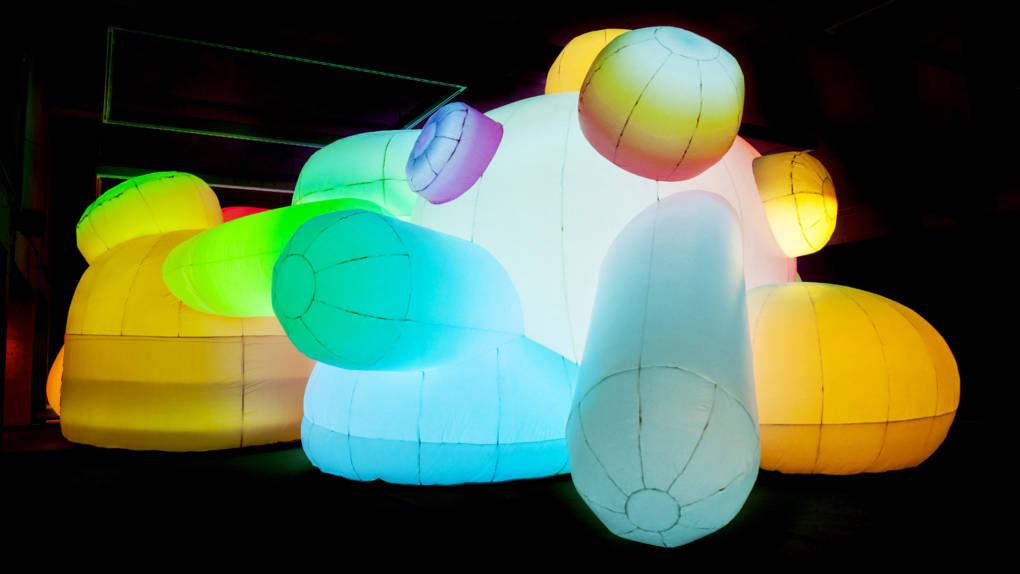
"caption": "FriendsWithYou, 'Nature's Gift,' 2017.",
"description": "FriendsWithYou, 'Nature's Gift,' 2017.",
"title": "NaturesGift",
"credit": "Courtesy of the Oakland Museum of California",
"status": "inherit",
"isLoading": false,
"fetchFailed": false
},
"arts_13811314": {
"type": "attachments",
"id": "arts_13811314",
"meta": {
"index": "attachments_1716263798",
"site": "arts",
"id": "13811314",
"found": true
},
"parent": 13811216,
"imgSizes": {
"small": {
"file": "https://ww2.kqed.org/app/uploads/sites/2/2017/10/SweetLand-Press-01-e1507754413531-520x293.jpg",
"width": 520,
"mimeType": "image/jpeg",
"height": 293
},
"twentyfourteen-full-width": {
"file": "https://ww2.kqed.org/app/uploads/sites/2/2017/10/SweetLand-Press-01-e1507754413531-1038x576.jpg",
"width": 1038,
"mimeType": "image/jpeg",
"height": 576
},
"thumbnail": {
"file": "https://ww2.kqed.org/app/uploads/sites/2/2017/10/SweetLand-Press-01-e1507754413531-160x90.jpg",
"width": 160,
"mimeType": "image/jpeg",
"height": 90
},
"fd-sm": {
"file": "https://ww2.kqed.org/app/uploads/sites/2/2017/10/SweetLand-Press-01-e1507754413531-960x541.jpg",
"width": 960,
"mimeType": "image/jpeg",
"height": 541
},
"post-thumbnail": {
"file": "https://ww2.kqed.org/app/uploads/sites/2/2017/10/SweetLand-Press-01-e1507754413531-672x372.jpg",
"width": 672,
"mimeType": "image/jpeg",
"height": 372
},
"xsmall": {
"file": "https://ww2.kqed.org/app/uploads/sites/2/2017/10/SweetLand-Press-01-e1507754413531-375x211.jpg",
"width": 375,
"mimeType": "image/jpeg",
"height": 211
},
"kqedFullSize": {
"file": "https://ww2.kqed.org/app/uploads/sites/2/2017/10/SweetLand-Press-01-e1507754413531.jpg",
"width": 3591,
"height": 2025
},
"large": {
"file": "https://ww2.kqed.org/app/uploads/sites/2/2017/10/SweetLand-Press-01-e1507754413531-1020x575.jpg",
"width": 1020,
"mimeType": "image/jpeg",
"height": 575
},
"xlarge": {
"file": "https://ww2.kqed.org/app/uploads/sites/2/2017/10/SweetLand-Press-01-e1507754413531-1180x665.jpg",
"width": 1180,
"mimeType": "image/jpeg",
"height": 665
},
"guest-author-50": {
"file": "https://ww2.kqed.org/app/uploads/sites/2/2017/10/SweetLand-Press-01-e1507754413531-50x50.jpg",
"width": 50,
"mimeType": "image/jpeg",
"height": 50
},
"guest-author-96": {
"file": "https://ww2.kqed.org/app/uploads/sites/2/2017/10/SweetLand-Press-01-e1507754413531-96x96.jpg",
"width": 96,
"mimeType": "image/jpeg",
"height": 96
},
"medium": {
"file": "https://ww2.kqed.org/app/uploads/sites/2/2017/10/SweetLand-Press-01-e1507754413531-800x451.jpg",
"width": 800,
"mimeType": "image/jpeg",
"height": 451
},
"guest-author-64": {
"file": "https://ww2.kqed.org/app/uploads/sites/2/2017/10/SweetLand-Press-01-e1507754413531-64x64.jpg",
"width": 64,
"mimeType": "image/jpeg",
"height": 64
},
"guest-author-32": {
"file": "https://ww2.kqed.org/app/uploads/sites/2/2017/10/SweetLand-Press-01-e1507754413531-32x32.jpg",
"width": 32,
"mimeType": "image/jpeg",
"height": 32
},
"fd-lrg": {
"file": "https://ww2.kqed.org/app/uploads/sites/2/2017/10/SweetLand-Press-01-e1507754413531-1920x1083.jpg",
"width": 1920,
"mimeType": "image/jpeg",
"height": 1083
},
"fd-med": {
"file": "https://ww2.kqed.org/app/uploads/sites/2/2017/10/SweetLand-Press-01-e1507754413531-1180x665.jpg",
"width": 1180,
"mimeType": "image/jpeg",
"height": 665
},
"full-width": {
"file": "https://ww2.kqed.org/app/uploads/sites/2/2017/10/SweetLand-Press-01-e1507754413531-1920x1083.jpg",
"width": 1920,
"mimeType": "image/jpeg",
"height": 1083
},
"detail": {
"file": "https://ww2.kqed.org/app/uploads/sites/2/2017/10/SweetLand-Press-01-e1507754413531-150x150.jpg",
"width": 150,
"mimeType": "image/jpeg",
"height": 150
},
"medium_large": {
"file": "https://ww2.kqed.org/app/uploads/sites/2/2017/10/SweetLand-Press-01-e1507754413531-768x433.jpg",
"width": 768,
"mimeType": "image/jpeg",
"height": 433
},
"guest-author-128": {
"file": "https://ww2.kqed.org/app/uploads/sites/2/2017/10/SweetLand-Press-01-e1507754413531-128x128.jpg",
"width": 128,
"mimeType": "image/jpeg",
"height": 128
},
"xxsmall": {
"file": "https://ww2.kqed.org/app/uploads/sites/2/2017/10/SweetLand-Press-01-e1507754413531-240x135.jpg",
"width": 240,
"mimeType": "image/jpeg",
"height": 135
}
},
"publishDate": 1507754270,
"modified": 1507762757,
"caption": "Actress Nora el Samahy cooks kibbeh, a traditional Syrian dish, while telling a story in the play 'My Sweet Land.'",
"description": "Actress Nora el Samahy cooks kibbeh, a traditional Syrian dish, while telling a story in the play 'My Sweet Land.'",
"title": "Actress Nora el Samahy cooks kibbeh, a traditional Syrian dish, while telling her story. in the play 'My Sweet Land'",
"credit": "Photo: David Allen Studio/Golden Thread",
"status": "inherit",
"isLoading": false,
"fetchFailed": false
},
"arts_13811198": {
"type": "attachments",
"id": "arts_13811198",
"meta": {
"index": "attachments_1716263798",
"site": "arts",
"id": "13811198",
"found": true
},
"parent": 13811197,
"imgSizes": {
"small": {
"file": "https://ww2.kqed.org/app/uploads/sites/2/2017/10/gettyimages-829739710_wide-ea1992ad93f90ddbc0a63f3e7d18a788c72ae3b1-520x293.jpg",
"width": 520,
"mimeType": "image/jpeg",
"height": 293
},
"twentyfourteen-full-width": {
"file": "https://ww2.kqed.org/app/uploads/sites/2/2017/10/gettyimages-829739710_wide-ea1992ad93f90ddbc0a63f3e7d18a788c72ae3b1-1038x576.jpg",
"width": 1038,
"mimeType": "image/jpeg",
"height": 576
},
"thumbnail": {
"file": "https://ww2.kqed.org/app/uploads/sites/2/2017/10/gettyimages-829739710_wide-ea1992ad93f90ddbc0a63f3e7d18a788c72ae3b1-160x90.jpg",
"width": 160,
"mimeType": "image/jpeg",
"height": 90
},
"fd-sm": {
"file": "https://ww2.kqed.org/app/uploads/sites/2/2017/10/gettyimages-829739710_wide-ea1992ad93f90ddbc0a63f3e7d18a788c72ae3b1-960x540.jpg",
"width": 960,
"mimeType": "image/jpeg",
"height": 540
},
"post-thumbnail": {
"file": "https://ww2.kqed.org/app/uploads/sites/2/2017/10/gettyimages-829739710_wide-ea1992ad93f90ddbc0a63f3e7d18a788c72ae3b1-672x372.jpg",
"width": 672,
"mimeType": "image/jpeg",
"height": 372
},
"xsmall": {
"file": "https://ww2.kqed.org/app/uploads/sites/2/2017/10/gettyimages-829739710_wide-ea1992ad93f90ddbc0a63f3e7d18a788c72ae3b1-375x211.jpg",
"width": 375,
"mimeType": "image/jpeg",
"height": 211
},
"kqedFullSize": {
"file": "https://ww2.kqed.org/app/uploads/sites/2/2017/10/gettyimages-829739710_wide-ea1992ad93f90ddbc0a63f3e7d18a788c72ae3b1.jpg",
"width": 3600,
"height": 2025
},
"large": {
"file": "https://ww2.kqed.org/app/uploads/sites/2/2017/10/gettyimages-829739710_wide-ea1992ad93f90ddbc0a63f3e7d18a788c72ae3b1-1020x574.jpg",
"width": 1020,
"mimeType": "image/jpeg",
"height": 574
},
"xlarge": {
"file": "https://ww2.kqed.org/app/uploads/sites/2/2017/10/gettyimages-829739710_wide-ea1992ad93f90ddbc0a63f3e7d18a788c72ae3b1-1180x664.jpg",
"width": 1180,
"mimeType": "image/jpeg",
"height": 664
},
"guest-author-50": {
"file": "https://ww2.kqed.org/app/uploads/sites/2/2017/10/gettyimages-829739710_wide-ea1992ad93f90ddbc0a63f3e7d18a788c72ae3b1-50x50.jpg",
"width": 50,
"mimeType": "image/jpeg",
"height": 50
},
"guest-author-96": {
"file": "https://ww2.kqed.org/app/uploads/sites/2/2017/10/gettyimages-829739710_wide-ea1992ad93f90ddbc0a63f3e7d18a788c72ae3b1-96x96.jpg",
"width": 96,
"mimeType": "image/jpeg",
"height": 96
},
"medium": {
"file": "https://ww2.kqed.org/app/uploads/sites/2/2017/10/gettyimages-829739710_wide-ea1992ad93f90ddbc0a63f3e7d18a788c72ae3b1-800x450.jpg",
"width": 800,
"mimeType": "image/jpeg",
"height": 450
},
"guest-author-64": {
"file": "https://ww2.kqed.org/app/uploads/sites/2/2017/10/gettyimages-829739710_wide-ea1992ad93f90ddbc0a63f3e7d18a788c72ae3b1-64x64.jpg",
"width": 64,
"mimeType": "image/jpeg",
"height": 64
},
"guest-author-32": {
"file": "https://ww2.kqed.org/app/uploads/sites/2/2017/10/gettyimages-829739710_wide-ea1992ad93f90ddbc0a63f3e7d18a788c72ae3b1-32x32.jpg",
"width": 32,
"mimeType": "image/jpeg",
"height": 32
},
"fd-lrg": {
"file": "https://ww2.kqed.org/app/uploads/sites/2/2017/10/gettyimages-829739710_wide-ea1992ad93f90ddbc0a63f3e7d18a788c72ae3b1-1920x1080.jpg",
"width": 1920,
"mimeType": "image/jpeg",
"height": 1080
},
"fd-med": {
"file": "https://ww2.kqed.org/app/uploads/sites/2/2017/10/gettyimages-829739710_wide-ea1992ad93f90ddbc0a63f3e7d18a788c72ae3b1-1180x664.jpg",
"width": 1180,
"mimeType": "image/jpeg",
"height": 664
},
"full-width": {
"file": "https://ww2.kqed.org/app/uploads/sites/2/2017/10/gettyimages-829739710_wide-ea1992ad93f90ddbc0a63f3e7d18a788c72ae3b1-1920x1080.jpg",
"width": 1920,
"mimeType": "image/jpeg",
"height": 1080
},
"detail": {
"file": "https://ww2.kqed.org/app/uploads/sites/2/2017/10/gettyimages-829739710_wide-ea1992ad93f90ddbc0a63f3e7d18a788c72ae3b1-150x150.jpg",
"width": 150,
"mimeType": "image/jpeg",
"height": 150
},
"medium_large": {
"file": "https://ww2.kqed.org/app/uploads/sites/2/2017/10/gettyimages-829739710_wide-ea1992ad93f90ddbc0a63f3e7d18a788c72ae3b1-768x432.jpg",
"width": 768,
"mimeType": "image/jpeg",
"height": 432
},
"guest-author-128": {
"file": "https://ww2.kqed.org/app/uploads/sites/2/2017/10/gettyimages-829739710_wide-ea1992ad93f90ddbc0a63f3e7d18a788c72ae3b1-128x128.jpg",
"width": 128,
"mimeType": "image/jpeg",
"height": 128
},
"xxsmall": {
"file": "https://ww2.kqed.org/app/uploads/sites/2/2017/10/gettyimages-829739710_wide-ea1992ad93f90ddbc0a63f3e7d18a788c72ae3b1-240x135.jpg",
"width": 240,
"mimeType": "image/jpeg",
"height": 135
}
},
"publishDate": 1507748062,
"modified": 1507748192,
"caption": "The Bruce Springsteen Marquee for Springsteen on Broadway, which sold out immediately and brought in impressive first-week receipts.",
"description": "The Bruce Springsteen Marquee for \u003cem>Springsteen on Broadway\u003c/em>, which sold out immediately and brought in impressive first-week receipts.",
"title": "The Bruce Springsteen Marquee for Springsteen on Broadway, which sold out immediately and brought in impressive first-week receipts.",
"credit": "Walter McBride/Getty Images",
"status": "inherit",
"isLoading": false,
"fetchFailed": false
},
"arts_13810098": {
"type": "attachments",
"id": "arts_13810098",
"meta": {
"index": "attachments_1716263798",
"site": "arts",
"id": "13810098",
"found": true
},
"parent": 13810092,
"imgSizes": {
"small": {
"file": "https://ww2.kqed.org/app/uploads/sites/2/2017/10/Blasted2-e1506928467189-520x300.jpg",
"width": 520,
"mimeType": "image/jpeg",
"height": 300
},
"twentyfourteen-full-width": {
"file": "https://ww2.kqed.org/app/uploads/sites/2/2017/10/Blasted2-e1506928467189-1024x576.jpg",
"width": 1024,
"mimeType": "image/jpeg",
"height": 576
},
"thumbnail": {
"file": "https://ww2.kqed.org/app/uploads/sites/2/2017/10/Blasted2-e1506928467189-160x92.jpg",
"width": 160,
"mimeType": "image/jpeg",
"height": 92
},
"fd-sm": {
"file": "https://ww2.kqed.org/app/uploads/sites/2/2017/10/Blasted2-e1506928467189-960x554.jpg",
"width": 960,
"mimeType": "image/jpeg",
"height": 554
},
"post-thumbnail": {
"file": "https://ww2.kqed.org/app/uploads/sites/2/2017/10/Blasted2-e1506928467189-672x372.jpg",
"width": 672,
"mimeType": "image/jpeg",
"height": 372
},
"xsmall": {
"file": "https://ww2.kqed.org/app/uploads/sites/2/2017/10/Blasted2-e1506928467189-375x216.jpg",
"width": 375,
"mimeType": "image/jpeg",
"height": 216
},
"kqedFullSize": {
"file": "https://ww2.kqed.org/app/uploads/sites/2/2017/10/Blasted2-e1506928467189.jpg",
"width": 1024,
"height": 591
},
"large": {
"file": "https://ww2.kqed.org/app/uploads/sites/2/2017/10/Blasted2-e1506928467189-1020x589.jpg",
"width": 1020,
"mimeType": "image/jpeg",
"height": 589
},
"guest-author-50": {
"file": "https://ww2.kqed.org/app/uploads/sites/2/2017/10/Blasted2-e1506928467189-50x50.jpg",
"width": 50,
"mimeType": "image/jpeg",
"height": 50
},
"guest-author-96": {
"file": "https://ww2.kqed.org/app/uploads/sites/2/2017/10/Blasted2-e1506928467189-96x96.jpg",
"width": 96,
"mimeType": "image/jpeg",
"height": 96
},
"medium": {
"file": "https://ww2.kqed.org/app/uploads/sites/2/2017/10/Blasted2-e1506928467189-800x462.jpg",
"width": 800,
"mimeType": "image/jpeg",
"height": 462
},
"guest-author-64": {
"file": "https://ww2.kqed.org/app/uploads/sites/2/2017/10/Blasted2-e1506928467189-64x64.jpg",
"width": 64,
"mimeType": "image/jpeg",
"height": 64
},
"guest-author-32": {
"file": "https://ww2.kqed.org/app/uploads/sites/2/2017/10/Blasted2-e1506928467189-32x32.jpg",
"width": 32,
"mimeType": "image/jpeg",
"height": 32
},
"detail": {
"file": "https://ww2.kqed.org/app/uploads/sites/2/2017/10/Blasted2-e1506928467189-150x150.jpg",
"width": 150,
"mimeType": "image/jpeg",
"height": 150
},
"medium_large": {
"file": "https://ww2.kqed.org/app/uploads/sites/2/2017/10/Blasted2-e1506928467189-768x443.jpg",
"width": 768,
"mimeType": "image/jpeg",
"height": 443
},
"guest-author-128": {
"file": "https://ww2.kqed.org/app/uploads/sites/2/2017/10/Blasted2-e1506928467189-128x128.jpg",
"width": 128,
"mimeType": "image/jpeg",
"height": 128
},
"xxsmall": {
"file": "https://ww2.kqed.org/app/uploads/sites/2/2017/10/Blasted2-e1506928467189-240x139.jpg",
"width": 240,
"mimeType": "image/jpeg",
"height": 139
}
},
"publishDate": 1506926017,
"modified": 1506960998,
"caption": "Ian (Robert Parsons) and Cate (Adrienne Walters) disconnect and connect in horrible ways in 'Blasted' by Sarah Kane.",
"description": "Ian (Robert Parsons) and Cate (Adrienne Walters) disconnect and connect in horrible ways in 'Blasted' by Sarah Kane.",
"title": "Blasted2",
"credit": "Photo: Cheshire Issacs",
"status": "inherit",
"isLoading": false,
"fetchFailed": false
},
"arts_13809408": {
"type": "attachments",
"id": "arts_13809408",
"meta": {
"index": "attachments_1716263798",
"site": "arts",
"id": "13809408",
"found": true
},
"parent": 13809404,
"imgSizes": {
"small": {
"file": "https://ww2.kqed.org/app/uploads/sites/2/2017/09/Aint-e1506331930850-520x292.jpg",
"width": 520,
"mimeType": "image/jpeg",
"height": 292
},
"twentyfourteen-full-width": {
"file": "https://ww2.kqed.org/app/uploads/sites/2/2017/09/Aint-e1506331930850-1038x576.jpg",
"width": 1038,
"mimeType": "image/jpeg",
"height": 576
},
"thumbnail": {
"file": "https://ww2.kqed.org/app/uploads/sites/2/2017/09/Aint-e1506331930850-160x90.jpg",
"width": 160,
"mimeType": "image/jpeg",
"height": 90
},
"fd-sm": {
"file": "https://ww2.kqed.org/app/uploads/sites/2/2017/09/Aint-e1506331930850-960x540.jpg",
"width": 960,
"mimeType": "image/jpeg",
"height": 540
},
"post-thumbnail": {
"file": "https://ww2.kqed.org/app/uploads/sites/2/2017/09/Aint-e1506331930850-672x372.jpg",
"width": 672,
"mimeType": "image/jpeg",
"height": 372
},
"xsmall": {
"file": "https://ww2.kqed.org/app/uploads/sites/2/2017/09/Aint-e1506331930850-375x211.jpg",
"width": 375,
"mimeType": "image/jpeg",
"height": 211
},
"kqedFullSize": {
"file": "https://ww2.kqed.org/app/uploads/sites/2/2017/09/Aint-e1506331930850.jpg",
"width": 3000,
"height": 1687
},
"large": {
"file": "https://ww2.kqed.org/app/uploads/sites/2/2017/09/Aint-e1506331930850-1020x574.jpg",
"width": 1020,
"mimeType": "image/jpeg",
"height": 574
},
"xlarge": {
"file": "https://ww2.kqed.org/app/uploads/sites/2/2017/09/Aint-e1506331930850-1180x664.jpg",
"width": 1180,
"mimeType": "image/jpeg",
"height": 664
},
"guest-author-50": {
"file": "https://ww2.kqed.org/app/uploads/sites/2/2017/09/Aint-e1506331930850-50x50.jpg",
"width": 50,
"mimeType": "image/jpeg",
"height": 50
},
"guest-author-96": {
"file": "https://ww2.kqed.org/app/uploads/sites/2/2017/09/Aint-e1506331930850-96x96.jpg",
"width": 96,
"mimeType": "image/jpeg",
"height": 96
},
"medium": {
"file": "https://ww2.kqed.org/app/uploads/sites/2/2017/09/Aint-e1506331930850-800x450.jpg",
"width": 800,
"mimeType": "image/jpeg",
"height": 450
},
"guest-author-64": {
"file": "https://ww2.kqed.org/app/uploads/sites/2/2017/09/Aint-e1506331930850-64x64.jpg",
"width": 64,
"mimeType": "image/jpeg",
"height": 64
},
"guest-author-32": {
"file": "https://ww2.kqed.org/app/uploads/sites/2/2017/09/Aint-e1506331930850-32x32.jpg",
"width": 32,
"mimeType": "image/jpeg",
"height": 32
},
"fd-lrg": {
"file": "https://ww2.kqed.org/app/uploads/sites/2/2017/09/Aint-e1506331930850-1920x1080.jpg",
"width": 1920,
"mimeType": "image/jpeg",
"height": 1080
},
"fd-med": {
"file": "https://ww2.kqed.org/app/uploads/sites/2/2017/09/Aint-e1506331930850-1180x664.jpg",
"width": 1180,
"mimeType": "image/jpeg",
"height": 664
},
"full-width": {
"file": "https://ww2.kqed.org/app/uploads/sites/2/2017/09/Aint-e1506331930850-1920x1080.jpg",
"width": 1920,
"mimeType": "image/jpeg",
"height": 1080
},
"detail": {
"file": "https://ww2.kqed.org/app/uploads/sites/2/2017/09/Aint-e1506331930850-150x150.jpg",
"width": 150,
"mimeType": "image/jpeg",
"height": 150
},
"medium_large": {
"file": "https://ww2.kqed.org/app/uploads/sites/2/2017/09/Aint-e1506331930850-768x432.jpg",
"width": 768,
"mimeType": "image/jpeg",
"height": 432
},
"guest-author-128": {
"file": "https://ww2.kqed.org/app/uploads/sites/2/2017/09/Aint-e1506331930850-128x128.jpg",
"width": 128,
"mimeType": "image/jpeg",
"height": 128
},
"xxsmall": {
"file": "https://ww2.kqed.org/app/uploads/sites/2/2017/09/Aint-e1506331930850-240x135.jpg",
"width": 240,
"mimeType": "image/jpeg",
"height": 135
}
},
"publishDate": 1506331817,
"modified": 1506355280,
"caption": "(L to R) Smokey Robinson (Christian Thompson), David Ruffin (Ephraim Sykes), Melvin Franklin (Jared Joseph), Otis Williams (Derrick Baskin), Eddie Kendricks (Jeremy Pope), and Paul Williams (James Harkness) practice \"My Girl\" in 'Ain't Too Proud' at the Berkeley Rep.",
"description": "(L to R) Smokey Robinson (Christian Thompson), David Ruffin (Ephraim Sykes), Melvin Franklin (Jared Joseph), Otis Williams (Derrick Baskin), Eddie Kendricks (Jeremy Pope), and Paul Williams (James Harkness) practice \"My Girl\" in 'Ain't Too Proud' at the Berkeley Rep.",
"title": "Aint",
"credit": "Photo: Kevin Berne",
"status": "inherit",
"isLoading": false,
"fetchFailed": false
},
"arts_13809936": {
"type": "attachments",
"id": "arts_13809936",
"meta": {
"index": "attachments_1716263798",
"site": "arts",
"id": "13809936",
"found": true
},
"parent": 13809520,
"imgSizes": {
"small": {
"file": "https://ww2.kqed.org/app/uploads/sites/2/2017/09/Honey.MAIN_-520x293.jpg",
"width": 520,
"mimeType": "image/jpeg",
"height": 293
},
"twentyfourteen-full-width": {
"file": "https://ww2.kqed.org/app/uploads/sites/2/2017/09/Honey.MAIN_-1038x576.jpg",
"width": 1038,
"mimeType": "image/jpeg",
"height": 576
},
"thumbnail": {
"file": "https://ww2.kqed.org/app/uploads/sites/2/2017/09/Honey.MAIN_-160x90.jpg",
"width": 160,
"mimeType": "image/jpeg",
"height": 90
},
"fd-sm": {
"file": "https://ww2.kqed.org/app/uploads/sites/2/2017/09/Honey.MAIN_-960x540.jpg",
"width": 960,
"mimeType": "image/jpeg",
"height": 540
},
"post-thumbnail": {
"file": "https://ww2.kqed.org/app/uploads/sites/2/2017/09/Honey.MAIN_-672x372.jpg",
"width": 672,
"mimeType": "image/jpeg",
"height": 372
},
"xsmall": {
"file": "https://ww2.kqed.org/app/uploads/sites/2/2017/09/Honey.MAIN_-375x211.jpg",
"width": 375,
"mimeType": "image/jpeg",
"height": 211
},
"kqedFullSize": {
"file": "https://ww2.kqed.org/app/uploads/sites/2/2017/09/Honey.MAIN_.jpg",
"width": 1920,
"height": 1080
},
"large": {
"file": "https://ww2.kqed.org/app/uploads/sites/2/2017/09/Honey.MAIN_-1020x574.jpg",
"width": 1020,
"mimeType": "image/jpeg",
"height": 574
},
"xlarge": {
"file": "https://ww2.kqed.org/app/uploads/sites/2/2017/09/Honey.MAIN_-1180x664.jpg",
"width": 1180,
"mimeType": "image/jpeg",
"height": 664
},
"guest-author-50": {
"file": "https://ww2.kqed.org/app/uploads/sites/2/2017/09/Honey.MAIN_-50x50.jpg",
"width": 50,
"mimeType": "image/jpeg",
"height": 50
},
"guest-author-96": {
"file": "https://ww2.kqed.org/app/uploads/sites/2/2017/09/Honey.MAIN_-96x96.jpg",
"width": 96,
"mimeType": "image/jpeg",
"height": 96
},
"medium": {
"file": "https://ww2.kqed.org/app/uploads/sites/2/2017/09/Honey.MAIN_-800x450.jpg",
"width": 800,
"mimeType": "image/jpeg",
"height": 450
},
"guest-author-64": {
"file": "https://ww2.kqed.org/app/uploads/sites/2/2017/09/Honey.MAIN_-64x64.jpg",
"width": 64,
"mimeType": "image/jpeg",
"height": 64
},
"guest-author-32": {
"file": "https://ww2.kqed.org/app/uploads/sites/2/2017/09/Honey.MAIN_-32x32.jpg",
"width": 32,
"mimeType": "image/jpeg",
"height": 32
},
"fd-lrg": {
"file": "https://ww2.kqed.org/app/uploads/sites/2/2017/09/Honey.MAIN_-1920x1080.jpg",
"width": 1920,
"mimeType": "image/jpeg",
"height": 1080
},
"fd-med": {
"file": "https://ww2.kqed.org/app/uploads/sites/2/2017/09/Honey.MAIN_-1180x664.jpg",
"width": 1180,
"mimeType": "image/jpeg",
"height": 664
},
"full-width": {
"file": "https://ww2.kqed.org/app/uploads/sites/2/2017/09/Honey.MAIN_-1920x1080.jpg",
"width": 1920,
"mimeType": "image/jpeg",
"height": 1080
},
"detail": {
"file": "https://ww2.kqed.org/app/uploads/sites/2/2017/09/Honey.MAIN_-150x150.jpg",
"width": 150,
"mimeType": "image/jpeg",
"height": 150
},
"medium_large": {
"file": "https://ww2.kqed.org/app/uploads/sites/2/2017/09/Honey.MAIN_-768x432.jpg",
"width": 768,
"mimeType": "image/jpeg",
"height": 432
},
"guest-author-128": {
"file": "https://ww2.kqed.org/app/uploads/sites/2/2017/09/Honey.MAIN_-128x128.jpg",
"width": 128,
"mimeType": "image/jpeg",
"height": 128
},
"xxsmall": {
"file": "https://ww2.kqed.org/app/uploads/sites/2/2017/09/Honey.MAIN_-240x135.jpg",
"width": 240,
"mimeType": "image/jpeg",
"height": 135
}
},
"publishDate": 1506630013,
"modified": 1506630054,
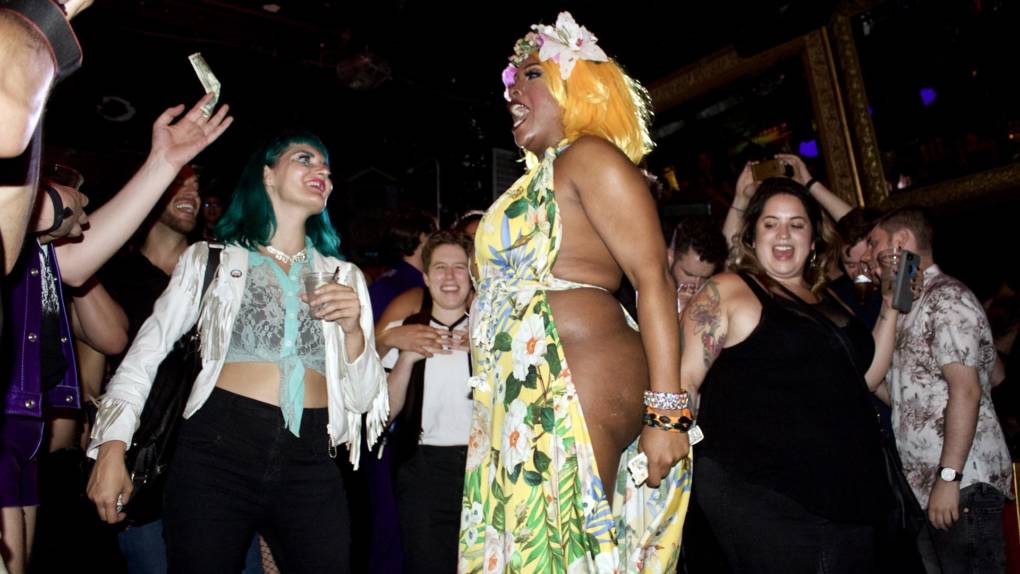
"caption": "Bionka Simone walks into the crowd while performing a lip-sync to 'What's Up' by the 4 Non Blondes on Sept. 22. ",
"description": "Bionka Simone walks into the crowd while performing a lip-sync to 'What's Up' by the 4 Non Blondes on Sept. 22. ",
"title": "Honey.MAIN",
"credit": "Audrey Garces/KQED",
"status": "inherit",
"isLoading": false,
"fetchFailed": false
},
"arts_13809770": {
"type": "attachments",
"id": "arts_13809770",
"meta": {
"index": "attachments_1716263798",
"site": "arts",
"id": "13809770",
"found": true
},
"parent": 13809763,
"imgSizes": {
"small": {
"file": "https://ww2.kqed.org/app/uploads/sites/2/2017/09/Elissa-Beth-Stebbins-as-Myrna-and-Myra-in-Cutting-Balls-production-of-The-Mineola-Twins.-Photos-by-Liz-Olson-2-e1506498172771-520x274.jpg",
"width": 520,
"mimeType": "image/jpeg",
"height": 274
},
"twentyfourteen-full-width": {
"file": "https://ww2.kqed.org/app/uploads/sites/2/2017/09/Elissa-Beth-Stebbins-as-Myrna-and-Myra-in-Cutting-Balls-production-of-The-Mineola-Twins.-Photos-by-Liz-Olson-2-e1506498172771-1038x576.jpg",
"width": 1038,
"mimeType": "image/jpeg",
"height": 576
},
"thumbnail": {
"file": "https://ww2.kqed.org/app/uploads/sites/2/2017/09/Elissa-Beth-Stebbins-as-Myrna-and-Myra-in-Cutting-Balls-production-of-The-Mineola-Twins.-Photos-by-Liz-Olson-2-e1506498172771-160x84.jpg",
"width": 160,
"mimeType": "image/jpeg",
"height": 84
},
"fd-sm": {
"file": "https://ww2.kqed.org/app/uploads/sites/2/2017/09/Elissa-Beth-Stebbins-as-Myrna-and-Myra-in-Cutting-Balls-production-of-The-Mineola-Twins.-Photos-by-Liz-Olson-2-e1506498172771-960x506.jpg",
"width": 960,
"mimeType": "image/jpeg",
"height": 506
},
"post-thumbnail": {
"file": "https://ww2.kqed.org/app/uploads/sites/2/2017/09/Elissa-Beth-Stebbins-as-Myrna-and-Myra-in-Cutting-Balls-production-of-The-Mineola-Twins.-Photos-by-Liz-Olson-2-e1506498172771-672x372.jpg",
"width": 672,
"mimeType": "image/jpeg",
"height": 372
},
"xsmall": {
"file": "https://ww2.kqed.org/app/uploads/sites/2/2017/09/Elissa-Beth-Stebbins-as-Myrna-and-Myra-in-Cutting-Balls-production-of-The-Mineola-Twins.-Photos-by-Liz-Olson-2-e1506498172771-375x198.jpg",
"width": 375,
"mimeType": "image/jpeg",
"height": 198
},
"kqedFullSize": {
"file": "https://ww2.kqed.org/app/uploads/sites/2/2017/09/Elissa-Beth-Stebbins-as-Myrna-and-Myra-in-Cutting-Balls-production-of-The-Mineola-Twins.-Photos-by-Liz-Olson-2-e1506498172771.jpg",
"width": 4723,
"height": 2491
},
"large": {
"file": "https://ww2.kqed.org/app/uploads/sites/2/2017/09/Elissa-Beth-Stebbins-as-Myrna-and-Myra-in-Cutting-Balls-production-of-The-Mineola-Twins.-Photos-by-Liz-Olson-2-e1506498172771-1020x538.jpg",
"width": 1020,
"mimeType": "image/jpeg",
"height": 538
},
"xlarge": {
"file": "https://ww2.kqed.org/app/uploads/sites/2/2017/09/Elissa-Beth-Stebbins-as-Myrna-and-Myra-in-Cutting-Balls-production-of-The-Mineola-Twins.-Photos-by-Liz-Olson-2-e1506498172771-1180x622.jpg",
"width": 1180,
"mimeType": "image/jpeg",
"height": 622
},
"guest-author-50": {
"file": "https://ww2.kqed.org/app/uploads/sites/2/2017/09/Elissa-Beth-Stebbins-as-Myrna-and-Myra-in-Cutting-Balls-production-of-The-Mineola-Twins.-Photos-by-Liz-Olson-2-e1506498172771-50x50.jpg",
"width": 50,
"mimeType": "image/jpeg",
"height": 50
},
"guest-author-96": {
"file": "https://ww2.kqed.org/app/uploads/sites/2/2017/09/Elissa-Beth-Stebbins-as-Myrna-and-Myra-in-Cutting-Balls-production-of-The-Mineola-Twins.-Photos-by-Liz-Olson-2-e1506498172771-96x96.jpg",
"width": 96,
"mimeType": "image/jpeg",
"height": 96
},
"medium": {
"file": "https://ww2.kqed.org/app/uploads/sites/2/2017/09/Elissa-Beth-Stebbins-as-Myrna-and-Myra-in-Cutting-Balls-production-of-The-Mineola-Twins.-Photos-by-Liz-Olson-2-e1506498172771-800x422.jpg",
"width": 800,
"mimeType": "image/jpeg",
"height": 422
},
"guest-author-64": {
"file": "https://ww2.kqed.org/app/uploads/sites/2/2017/09/Elissa-Beth-Stebbins-as-Myrna-and-Myra-in-Cutting-Balls-production-of-The-Mineola-Twins.-Photos-by-Liz-Olson-2-e1506498172771-64x64.jpg",
"width": 64,
"mimeType": "image/jpeg",
"height": 64
},
"guest-author-32": {
"file": "https://ww2.kqed.org/app/uploads/sites/2/2017/09/Elissa-Beth-Stebbins-as-Myrna-and-Myra-in-Cutting-Balls-production-of-The-Mineola-Twins.-Photos-by-Liz-Olson-2-e1506498172771-32x32.jpg",
"width": 32,
"mimeType": "image/jpeg",
"height": 32
},
"fd-lrg": {
"file": "https://ww2.kqed.org/app/uploads/sites/2/2017/09/Elissa-Beth-Stebbins-as-Myrna-and-Myra-in-Cutting-Balls-production-of-The-Mineola-Twins.-Photos-by-Liz-Olson-2-e1506498172771-1920x1013.jpg",
"width": 1920,
"mimeType": "image/jpeg",
"height": 1013
},
"fd-med": {
"file": "https://ww2.kqed.org/app/uploads/sites/2/2017/09/Elissa-Beth-Stebbins-as-Myrna-and-Myra-in-Cutting-Balls-production-of-The-Mineola-Twins.-Photos-by-Liz-Olson-2-e1506498172771-1180x622.jpg",
"width": 1180,
"mimeType": "image/jpeg",
"height": 622
},
"full-width": {
"file": "https://ww2.kqed.org/app/uploads/sites/2/2017/09/Elissa-Beth-Stebbins-as-Myrna-and-Myra-in-Cutting-Balls-production-of-The-Mineola-Twins.-Photos-by-Liz-Olson-2-e1506498172771-1920x1013.jpg",
"width": 1920,
"mimeType": "image/jpeg",
"height": 1013
},
"detail": {
"file": "https://ww2.kqed.org/app/uploads/sites/2/2017/09/Elissa-Beth-Stebbins-as-Myrna-and-Myra-in-Cutting-Balls-production-of-The-Mineola-Twins.-Photos-by-Liz-Olson-2-e1506498172771-150x150.jpg",
"width": 150,
"mimeType": "image/jpeg",
"height": 150
},
"medium_large": {
"file": "https://ww2.kqed.org/app/uploads/sites/2/2017/09/Elissa-Beth-Stebbins-as-Myrna-and-Myra-in-Cutting-Balls-production-of-The-Mineola-Twins.-Photos-by-Liz-Olson-2-e1506498172771-768x405.jpg",
"width": 768,
"mimeType": "image/jpeg",
"height": 405
},
"guest-author-128": {
"file": "https://ww2.kqed.org/app/uploads/sites/2/2017/09/Elissa-Beth-Stebbins-as-Myrna-and-Myra-in-Cutting-Balls-production-of-The-Mineola-Twins.-Photos-by-Liz-Olson-2-e1506498172771-128x128.jpg",
"width": 128,
"mimeType": "image/jpeg",
"height": 128
},
"xxsmall": {
"file": "https://ww2.kqed.org/app/uploads/sites/2/2017/09/Elissa-Beth-Stebbins-as-Myrna-and-Myra-in-Cutting-Balls-production-of-The-Mineola-Twins.-Photos-by-Liz-Olson-2-e1506498172771-240x127.jpg",
"width": 240,
"mimeType": "image/jpeg",
"height": 127
}
},
"publishDate": 1506497955,
"modified": 1506562452,
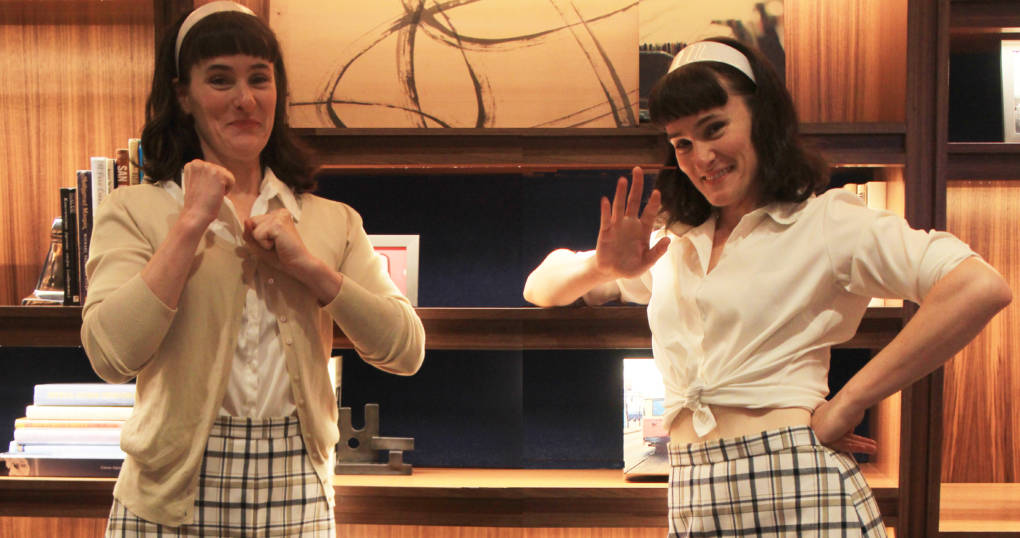
"caption": "Elissa Beth Stebbins as Myrna and Myra in Cutting Ball's production of 'The Mineola Twins.'",
"description": "Elissa Beth Stebbins as Myrna and Myra in Cutting Ball's production of 'The Mineola Twins.'",
"title": "Elissa Beth Stebbins as Myrna and Myra in Cutting Ball's production of 'The Mineola Twins'",
"credit": "Photo: Liz Olson/Cutting Ball",
"status": "inherit",
"isLoading": false,
"fetchFailed": false
},
"arts_13809942": {
"type": "attachments",
"id": "arts_13809942",
"meta": {
"index": "attachments_1716263798",
"site": "arts",
"id": "13809942",
"found": true
},
"parent": 13809763,
"imgSizes": {
"small": {
"file": "https://ww2.kqed.org/app/uploads/sites/2/2017/09/Mineola-Twins-painting-by-Jennifer-Berkowitz-e1506633107136-520x357.jpg",
"width": 520,
"mimeType": "image/jpeg",
"height": 357
},
"twentyfourteen-full-width": {
"file": "https://ww2.kqed.org/app/uploads/sites/2/2017/09/Mineola-Twins-painting-by-Jennifer-Berkowitz-e1506633107136-1038x576.jpg",
"width": 1038,
"mimeType": "image/jpeg",
"height": 576
},
"thumbnail": {
"file": "https://ww2.kqed.org/app/uploads/sites/2/2017/09/Mineola-Twins-painting-by-Jennifer-Berkowitz-e1506633107136-160x110.jpg",
"width": 160,
"mimeType": "image/jpeg",
"height": 110
},
"fd-sm": {
"file": "https://ww2.kqed.org/app/uploads/sites/2/2017/09/Mineola-Twins-painting-by-Jennifer-Berkowitz-e1506633107136-960x660.jpg",
"width": 960,
"mimeType": "image/jpeg",
"height": 660
},
"post-thumbnail": {
"file": "https://ww2.kqed.org/app/uploads/sites/2/2017/09/Mineola-Twins-painting-by-Jennifer-Berkowitz-e1506633107136-672x372.jpg",
"width": 672,
"mimeType": "image/jpeg",
"height": 372
},
"xsmall": {
"file": "https://ww2.kqed.org/app/uploads/sites/2/2017/09/Mineola-Twins-painting-by-Jennifer-Berkowitz-e1506633107136-375x258.jpg",
"width": 375,
"mimeType": "image/jpeg",
"height": 258
},
"kqedFullSize": {
"file": "https://ww2.kqed.org/app/uploads/sites/2/2017/09/Mineola-Twins-painting-by-Jennifer-Berkowitz-e1506633107136.jpg",
"width": 3336,
"height": 2293
},
"large": {
"file": "https://ww2.kqed.org/app/uploads/sites/2/2017/09/Mineola-Twins-painting-by-Jennifer-Berkowitz-e1506633107136-1020x701.jpg",
"width": 1020,
"mimeType": "image/jpeg",
"height": 701
},
"xlarge": {
"file": "https://ww2.kqed.org/app/uploads/sites/2/2017/09/Mineola-Twins-painting-by-Jennifer-Berkowitz-e1506633107136-1180x811.jpg",
"width": 1180,
"mimeType": "image/jpeg",
"height": 811
},
"guest-author-50": {
"file": "https://ww2.kqed.org/app/uploads/sites/2/2017/09/Mineola-Twins-painting-by-Jennifer-Berkowitz-e1506633107136-50x50.jpg",
"width": 50,
"mimeType": "image/jpeg",
"height": 50
},
"guest-author-96": {
"file": "https://ww2.kqed.org/app/uploads/sites/2/2017/09/Mineola-Twins-painting-by-Jennifer-Berkowitz-e1506633107136-96x96.jpg",
"width": 96,
"mimeType": "image/jpeg",
"height": 96
},
"medium": {
"file": "https://ww2.kqed.org/app/uploads/sites/2/2017/09/Mineola-Twins-painting-by-Jennifer-Berkowitz-e1506633107136-800x550.jpg",
"width": 800,
"mimeType": "image/jpeg",
"height": 550
},
"guest-author-64": {
"file": "https://ww2.kqed.org/app/uploads/sites/2/2017/09/Mineola-Twins-painting-by-Jennifer-Berkowitz-e1506633107136-64x64.jpg",
"width": 64,
"mimeType": "image/jpeg",
"height": 64
},
"guest-author-32": {
"file": "https://ww2.kqed.org/app/uploads/sites/2/2017/09/Mineola-Twins-painting-by-Jennifer-Berkowitz-e1506633107136-32x32.jpg",
"width": 32,
"mimeType": "image/jpeg",
"height": 32
},
"fd-lrg": {
"file": "https://ww2.kqed.org/app/uploads/sites/2/2017/09/Mineola-Twins-painting-by-Jennifer-Berkowitz-e1506633107136-1920x1320.jpg",
"width": 1920,
"mimeType": "image/jpeg",
"height": 1320
},
"fd-med": {
"file": "https://ww2.kqed.org/app/uploads/sites/2/2017/09/Mineola-Twins-painting-by-Jennifer-Berkowitz-e1506633107136-1180x811.jpg",
"width": 1180,
"mimeType": "image/jpeg",
"height": 811
},
"full-width": {
"file": "https://ww2.kqed.org/app/uploads/sites/2/2017/09/Mineola-Twins-painting-by-Jennifer-Berkowitz-e1506633107136-1920x1320.jpg",
"width": 1920,
"mimeType": "image/jpeg",
"height": 1320
},
"detail": {
"file": "https://ww2.kqed.org/app/uploads/sites/2/2017/09/Mineola-Twins-painting-by-Jennifer-Berkowitz-e1506633107136-150x150.jpg",
"width": 150,
"mimeType": "image/jpeg",
"height": 150
},
"medium_large": {
"file": "https://ww2.kqed.org/app/uploads/sites/2/2017/09/Mineola-Twins-painting-by-Jennifer-Berkowitz-e1506633107136-768x528.jpg",
"width": 768,
"mimeType": "image/jpeg",
"height": 528
},
"guest-author-128": {
"file": "https://ww2.kqed.org/app/uploads/sites/2/2017/09/Mineola-Twins-painting-by-Jennifer-Berkowitz-e1506633107136-128x128.jpg",
"width": 128,
"mimeType": "image/jpeg",
"height": 128
},
"xxsmall": {
"file": "https://ww2.kqed.org/app/uploads/sites/2/2017/09/Mineola-Twins-painting-by-Jennifer-Berkowitz-e1506633107136-240x165.jpg",
"width": 240,
"mimeType": "image/jpeg",
"height": 165
}
},
"publishDate": 1506632859,
"modified": 1506633239,
"caption": "The Mineola Twins is a play by Paula Vogel opening at Cutting Ball Theater",
"description": "The Mineola Twins is a play by Paula Vogel opening at Cutting Ball Theater",
"title": "The Mineola Twins is a play by Paula Vogel opening at Cutting Ball Theater",
"credit": "Photo: Illustration by Jennifer Berkowitz",
"status": "inherit",
"isLoading": false,
"fetchFailed": false
},
"arts_13809812": {
"type": "attachments",
"id": "arts_13809812",
"meta": {
"index": "attachments_1716263798",
"site": "arts",
"id": "13809812",
"found": true
},
"parent": 13809733,
"imgSizes": {
"small": {
"file": "https://ww2.kqed.org/app/uploads/sites/2/2017/09/CVP_Building99_ExteriorViewsAndDetails_I1C6968-520x293.jpg",
"width": 520,
"mimeType": "image/jpeg",
"height": 293
},
"twentyfourteen-full-width": {
"file": "https://ww2.kqed.org/app/uploads/sites/2/2017/09/CVP_Building99_ExteriorViewsAndDetails_I1C6968-1038x576.jpg",
"width": 1038,
"mimeType": "image/jpeg",
"height": 576
},
"thumbnail": {
"file": "https://ww2.kqed.org/app/uploads/sites/2/2017/09/CVP_Building99_ExteriorViewsAndDetails_I1C6968-160x90.jpg",
"width": 160,
"mimeType": "image/jpeg",
"height": 90
},
"fd-sm": {
"file": "https://ww2.kqed.org/app/uploads/sites/2/2017/09/CVP_Building99_ExteriorViewsAndDetails_I1C6968-960x540.jpg",
"width": 960,
"mimeType": "image/jpeg",
"height": 540
},
"post-thumbnail": {
"file": "https://ww2.kqed.org/app/uploads/sites/2/2017/09/CVP_Building99_ExteriorViewsAndDetails_I1C6968-672x372.jpg",
"width": 672,
"mimeType": "image/jpeg",
"height": 372
},
"xsmall": {
"file": "https://ww2.kqed.org/app/uploads/sites/2/2017/09/CVP_Building99_ExteriorViewsAndDetails_I1C6968-375x211.jpg",
"width": 375,
"mimeType": "image/jpeg",
"height": 211
},
"kqedFullSize": {
"file": "https://ww2.kqed.org/app/uploads/sites/2/2017/09/CVP_Building99_ExteriorViewsAndDetails_I1C6968.jpg",
"width": 1920,
"height": 1080
},
"large": {
"file": "https://ww2.kqed.org/app/uploads/sites/2/2017/09/CVP_Building99_ExteriorViewsAndDetails_I1C6968-1020x574.jpg",
"width": 1020,
"mimeType": "image/jpeg",
"height": 574
},
"xlarge": {
"file": "https://ww2.kqed.org/app/uploads/sites/2/2017/09/CVP_Building99_ExteriorViewsAndDetails_I1C6968-1180x664.jpg",
"width": 1180,
"mimeType": "image/jpeg",
"height": 664
},
"guest-author-50": {
"file": "https://ww2.kqed.org/app/uploads/sites/2/2017/09/CVP_Building99_ExteriorViewsAndDetails_I1C6968-50x50.jpg",
"width": 50,
"mimeType": "image/jpeg",
"height": 50
},
"guest-author-96": {
"file": "https://ww2.kqed.org/app/uploads/sites/2/2017/09/CVP_Building99_ExteriorViewsAndDetails_I1C6968-96x96.jpg",
"width": 96,
"mimeType": "image/jpeg",
"height": 96
},
"medium": {
"file": "https://ww2.kqed.org/app/uploads/sites/2/2017/09/CVP_Building99_ExteriorViewsAndDetails_I1C6968-800x450.jpg",
"width": 800,
"mimeType": "image/jpeg",
"height": 450
},
"guest-author-64": {
"file": "https://ww2.kqed.org/app/uploads/sites/2/2017/09/CVP_Building99_ExteriorViewsAndDetails_I1C6968-64x64.jpg",
"width": 64,
"mimeType": "image/jpeg",
"height": 64
},
"guest-author-32": {
"file": "https://ww2.kqed.org/app/uploads/sites/2/2017/09/CVP_Building99_ExteriorViewsAndDetails_I1C6968-32x32.jpg",
"width": 32,
"mimeType": "image/jpeg",
"height": 32
},
"fd-lrg": {
"file": "https://ww2.kqed.org/app/uploads/sites/2/2017/09/CVP_Building99_ExteriorViewsAndDetails_I1C6968-1920x1080.jpg",
"width": 1920,
"mimeType": "image/jpeg",
"height": 1080
},
"fd-med": {
"file": "https://ww2.kqed.org/app/uploads/sites/2/2017/09/CVP_Building99_ExteriorViewsAndDetails_I1C6968-1180x664.jpg",
"width": 1180,
"mimeType": "image/jpeg",
"height": 664
},
"full-width": {
"file": "https://ww2.kqed.org/app/uploads/sites/2/2017/09/CVP_Building99_ExteriorViewsAndDetails_I1C6968-1920x1080.jpg",
"width": 1920,
"mimeType": "image/jpeg",
"height": 1080
},
"detail": {
"file": "https://ww2.kqed.org/app/uploads/sites/2/2017/09/CVP_Building99_ExteriorViewsAndDetails_I1C6968-150x150.jpg",
"width": 150,
"mimeType": "image/jpeg",
"height": 150
},
"medium_large": {
"file": "https://ww2.kqed.org/app/uploads/sites/2/2017/09/CVP_Building99_ExteriorViewsAndDetails_I1C6968-768x432.jpg",
"width": 768,
"mimeType": "image/jpeg",
"height": 432
},
"guest-author-128": {
"file": "https://ww2.kqed.org/app/uploads/sites/2/2017/09/CVP_Building99_ExteriorViewsAndDetails_I1C6968-128x128.jpg",
"width": 128,
"mimeType": "image/jpeg",
"height": 128
},
"xxsmall": {
"file": "https://ww2.kqed.org/app/uploads/sites/2/2017/09/CVP_Building99_ExteriorViewsAndDetails_I1C6968-240x135.jpg",
"width": 240,
"mimeType": "image/jpeg",
"height": 135
}
},
"publishDate": 1506541700,
"modified": 1506543223,
"caption": "The Presidio Theatre, before renovations",
"description": "The Presidio Theatre, before renovations",
"title": "Building 99 Exterior Facing North",
"credit": "Courtesy of the Presidio Trust",
"status": "inherit",
"isLoading": false,
"fetchFailed": false
},
"arts_13809092": {
"type": "attachments",
"id": "arts_13809092",
"meta": {
"index": "attachments_1716263798",
"site": "arts",
"id": "13809092",
"found": true
},
"parent": 13809089,
"imgSizes": {
"small": {
"file": "https://ww2.kqed.org/app/uploads/sites/2/2017/09/Gustavo-Arellano-520x293.jpg",
"width": 520,
"mimeType": "image/jpeg",
"height": 293
},
"twentyfourteen-full-width": {
"file": "https://ww2.kqed.org/app/uploads/sites/2/2017/09/Gustavo-Arellano-1038x576.jpg",
"width": 1038,
"mimeType": "image/jpeg",
"height": 576
},
"thumbnail": {
"file": "https://ww2.kqed.org/app/uploads/sites/2/2017/09/Gustavo-Arellano-160x90.jpg",
"width": 160,
"mimeType": "image/jpeg",
"height": 90
},
"fd-sm": {
"file": "https://ww2.kqed.org/app/uploads/sites/2/2017/09/Gustavo-Arellano-960x540.jpg",
"width": 960,
"mimeType": "image/jpeg",
"height": 540
},
"post-thumbnail": {
"file": "https://ww2.kqed.org/app/uploads/sites/2/2017/09/Gustavo-Arellano-672x372.jpg",
"width": 672,
"mimeType": "image/jpeg",
"height": 372
},
"xsmall": {
"file": "https://ww2.kqed.org/app/uploads/sites/2/2017/09/Gustavo-Arellano-375x211.jpg",
"width": 375,
"mimeType": "image/jpeg",
"height": 211
},
"kqedFullSize": {
"file": "https://ww2.kqed.org/app/uploads/sites/2/2017/09/Gustavo-Arellano.jpg",
"width": 1200,
"height": 675
},
"large": {
"file": "https://ww2.kqed.org/app/uploads/sites/2/2017/09/Gustavo-Arellano-1020x574.jpg",
"width": 1020,
"mimeType": "image/jpeg",
"height": 574
},
"xlarge": {
"file": "https://ww2.kqed.org/app/uploads/sites/2/2017/09/Gustavo-Arellano-1180x664.jpg",
"width": 1180,
"mimeType": "image/jpeg",
"height": 664
},
"guest-author-50": {
"file": "https://ww2.kqed.org/app/uploads/sites/2/2017/09/Gustavo-Arellano-50x50.jpg",
"width": 50,
"mimeType": "image/jpeg",
"height": 50
},
"guest-author-96": {
"file": "https://ww2.kqed.org/app/uploads/sites/2/2017/09/Gustavo-Arellano-96x96.jpg",
"width": 96,
"mimeType": "image/jpeg",
"height": 96
},
"medium": {
"file": "https://ww2.kqed.org/app/uploads/sites/2/2017/09/Gustavo-Arellano-800x450.jpg",
"width": 800,
"mimeType": "image/jpeg",
"height": 450
},
"guest-author-64": {
"file": "https://ww2.kqed.org/app/uploads/sites/2/2017/09/Gustavo-Arellano-64x64.jpg",
"width": 64,
"mimeType": "image/jpeg",
"height": 64
},
"guest-author-32": {
"file": "https://ww2.kqed.org/app/uploads/sites/2/2017/09/Gustavo-Arellano-32x32.jpg",
"width": 32,
"mimeType": "image/jpeg",
"height": 32
},
"fd-med": {
"file": "https://ww2.kqed.org/app/uploads/sites/2/2017/09/Gustavo-Arellano-1180x664.jpg",
"width": 1180,
"mimeType": "image/jpeg",
"height": 664
},
"detail": {
"file": "https://ww2.kqed.org/app/uploads/sites/2/2017/09/Gustavo-Arellano-150x150.jpg",
"width": 150,
"mimeType": "image/jpeg",
"height": 150
},
"medium_large": {
"file": "https://ww2.kqed.org/app/uploads/sites/2/2017/09/Gustavo-Arellano-768x432.jpg",
"width": 768,
"mimeType": "image/jpeg",
"height": 432
},
"guest-author-128": {
"file": "https://ww2.kqed.org/app/uploads/sites/2/2017/09/Gustavo-Arellano-128x128.jpg",
"width": 128,
"mimeType": "image/jpeg",
"height": 128
},
"xxsmall": {
"file": "https://ww2.kqed.org/app/uploads/sites/2/2017/09/Gustavo-Arellano-240x135.jpg",
"width": 240,
"mimeType": "image/jpeg",
"height": 135
}
},
"publishDate": 1505947642,
"modified": 1505947671,
"caption": "Gustavo Arellano, author of 'Ask a Mexican.'",
"description": "Gustavo Arellano, author of 'Ask a Mexican.'",
"title": "Gustavo-Arellano",
"credit": "John Gilhooley",
"status": "inherit",
"isLoading": false,
"fetchFailed": false
}
},
"audioPlayerReducer": {
"postId": "stream_live",
"isPaused": true,
"isPlaying": false,
"pfsActive": false,
"pledgeModalIsOpen": true,
"playerDrawerIsOpen": false,
"liveAudioPlayStartedAt": 0,
"liveAudioPlayContext": ""
},
"authorsReducer": {
"byline_arts_13811197": {
"type": "authors",
"id": "byline_arts_13811197",
"meta": {
"override": true
},
"slug": "byline_arts_13811197",
"name": "Andrew Flanagan",
"isLoading": false
},
"cmusiker": {
"type": "authors",
"id": "32",
"meta": {
"index": "authors_1716337520",
"id": "32",
"found": true
},
"name": "Cy Musiker",
"firstName": "Cy",
"lastName": "Musiker",
"slug": "cmusiker",
"email": "cmusiker@kqed.org",
"display_author_email": false,
"staff_mastheads": [],
"title": "KQED Contributor",
"bio": "Cy Musiker is a former co-host of The Do List and a former reporter covering the arts for KQED News and The California Report. He loves live performance, especially great theater, jazz, roots music, anything by Mahler. Cy has an MJ from UC Berkeley's School of Journalism, and got his BA from Hampshire College. His work has been recognized by the Society for Professional Journalists with their Sigma Delta Chi Award for Public Service in Journalism. When he can, Cy likes to swim in Tomales Bay, run with his dog in the East Bay Hills, and hike the Sierra.",
"avatar": "https://secure.gravatar.com/avatar/05eaba5c5696ce8f062e4ea2df428a43?s=600&d=blank&r=g",
"twitter": null,
"facebook": null,
"instagram": null,
"linkedin": null,
"sites": [
{
"site": "arts",
"roles": [
"Contributor",
"subscriber"
]
},
{
"site": "news",
"roles": [
"author"
]
},
{
"site": "bayareabites",
"roles": [
"contributor"
]
}
],
"headData": {
"title": "Cy Musiker | KQED",
"description": "KQED Contributor",
"ogImgSrc": "https://secure.gravatar.com/avatar/05eaba5c5696ce8f062e4ea2df428a43?s=600&d=blank&r=g",
"twImgSrc": "https://secure.gravatar.com/avatar/05eaba5c5696ce8f062e4ea2df428a43?s=600&d=blank&r=g"
},
"isLoading": false,
"link": "/author/cmusiker"
},
"gmeline": {
"type": "authors",
"id": "185",
"meta": {
"index": "authors_1716337520",
"id": "185",
"found": true
},
"name": "Gabe Meline",
"firstName": "Gabe",
"lastName": "Meline",
"slug": "gmeline",
"email": "gmeline@kqed.org",
"display_author_email": true,
"staff_mastheads": [
"arts"
],
"title": "Senior Editor, KQED Arts & Culture",
"bio": "Gabe Meline entered journalism at age 15 making photocopied zines, and has since earned awards from the Edward R. Murrow Awards, the Society for Professional Journalists, the Online Journalism Awards, the Association of Alternative Newsweeklies and the California Newspaper Publishers Association. Prior to KQED, he was the editor of the \u003cem>North Bay Bohemian\u003c/em> and a touring musician. He lives with his wife and daughter in his hometown of Santa Rosa, CA.",
"avatar": "https://secure.gravatar.com/avatar/5bebe57be0d8bc2dd318934feb47299e2d2d10cba28d09d8d7afb389a2ce2bdd?s=600&d=blank&r=g",
"twitter": null,
"bluesky": null,
"facebook": null,
"instagram": null,
"linkedin": null,
"sites": [
{
"site": "",
"roles": [
"editor"
]
},
{
"site": "arts",
"roles": [
"administrator"
]
},
{
"site": "artschool",
"roles": [
"editor"
]
},
{
"site": "news",
"roles": [
"author"
]
},
{
"site": "pop",
"roles": [
"editor"
]
},
{
"site": "bayareabites",
"roles": [
"editor"
]
},
{
"site": "food",
"roles": [
"editor"
]
},
{
"site": "forum",
"roles": [
"administrator"
]
},
{
"site": "liveblog",
"roles": [
"editor"
]
},
{
"site": "hiphop",
"roles": [
"editor"
]
}
],
"headData": {
"title": "Gabe Meline | KQED",
"description": "Senior Editor, KQED Arts & Culture",
"ogImgSrc": "https://secure.gravatar.com/avatar/5bebe57be0d8bc2dd318934feb47299e2d2d10cba28d09d8d7afb389a2ce2bdd?s=600&d=blank&r=g",
"twImgSrc": "https://secure.gravatar.com/avatar/5bebe57be0d8bc2dd318934feb47299e2d2d10cba28d09d8d7afb389a2ce2bdd?s=600&d=blank&r=g"
},
"isLoading": false,
"link": "/author/gmeline"
},
"jwilkins": {
"type": "authors",
"id": "8668",
"meta": {
"index": "authors_1716337520",
"id": "8668",
"found": true
},
"name": "John Wilkins",
"firstName": "John",
"lastName": "Wilkins",
"slug": "jwilkins",
"email": "Johnrwilkins@aol.com",
"display_author_email": false,
"staff_mastheads": [],
"title": null,
"bio": "John Wilkins is the theater critic for KQED Arts. He was the Artistic Director of Last Planet Theatre for ten years and teaches in the Writing and Literature program at CCA. Follow him on Twitter @johnrwilkins2",
"avatar": "https://secure.gravatar.com/avatar/7798fcc8a10bee0e04387b724b492df7?s=600&d=blank&r=g",
"twitter": null,
"facebook": null,
"instagram": null,
"linkedin": null,
"sites": [
{
"site": "arts",
"roles": [
"subscriber"
]
}
],
"headData": {
"title": "John Wilkins | KQED",
"description": null,
"ogImgSrc": "https://secure.gravatar.com/avatar/7798fcc8a10bee0e04387b724b492df7?s=600&d=blank&r=g",
"twImgSrc": "https://secure.gravatar.com/avatar/7798fcc8a10bee0e04387b724b492df7?s=600&d=blank&r=g"
},
"isLoading": false,
"link": "/author/jwilkins"
},
"agarces": {
"type": "authors",
"id": "11367",
"meta": {
"index": "authors_1716337520",
"id": "11367",
"found": true
},
"name": "Audrey Garces",
"firstName": "Audrey",
"lastName": "Garces",
"slug": "agarces",
"email": "agarces@kqed.org",
"display_author_email": false,
"staff_mastheads": [
"news"
],
"title": "Digital Producer",
"bio": "Audrey is a former digital producer at KQED News. Previously, she was a KQED Raul Ramirez Diversity Fund intern where she developed stories that focused on highlighting diverse voices in journalism. Prior to her work at KQED, she worked as a news intern at the San Francisco Examiner. Audrey graduated from San Francisco State University with a B.A. in journalism and a minor in political science.",
"avatar": "https://secure.gravatar.com/avatar/5211bc2e6a809b9956da169e35ce63d5?s=600&d=blank&r=g",
"twitter": "audgar",
"facebook": null,
"instagram": null,
"linkedin": null,
"sites": [
{
"site": "arts",
"roles": []
},
{
"site": "news",
"roles": [
"subscriber"
]
},
{
"site": "science",
"roles": [
"editor"
]
},
{
"site": "forum",
"roles": [
"editor"
]
},
{
"site": "perspectives",
"roles": [
"administrator"
]
}
],
"headData": {
"title": "Audrey Garces | KQED",
"description": "Digital Producer",
"ogImgSrc": "https://secure.gravatar.com/avatar/5211bc2e6a809b9956da169e35ce63d5?s=600&d=blank&r=g",
"twImgSrc": "https://secure.gravatar.com/avatar/5211bc2e6a809b9956da169e35ce63d5?s=600&d=blank&r=g"
},
"isLoading": false,
"link": "/author/agarces"
},
"jbote": {
"type": "authors",
"id": "11371",
"meta": {
"index": "authors_1716337520",
"id": "11371",
"found": true
},
"name": "Joshua Bote",
"firstName": "Joshua",
"lastName": "Bote",
"slug": "jbote",
"email": "jbote@kqed.org",
"display_author_email": false,
"staff_mastheads": [],
"title": null,
"bio": "\u003cp class=\"p1\">Joshua Bote is an intern for KQED Arts. A senior at UC Berkeley, Joshua previously served as the Arts & Entertainment Editor at \u003ci>The Daily Californian\u003c/i>, UC Berkeley’s independently-run student newspaper. His work has been published in the \u003cem>East Bay Express.\u003c/em>\u003c/p>\r\n\u003cp class=\"p1\">He’s deeply enamored with Twitter culture, Carly Rae Jepsen, and love-oriented podcasts. He's also slowly learning to appreciate bad award shows. Follow him on Twitter \u003ca href=\"http://twitter.com/joshuaboat\">@joshuaboat\u003c/a>.\u003c/p>",
"avatar": "https://secure.gravatar.com/avatar/f060759cb27bc8b191022334ab99fc5a?s=600&d=blank&r=g",
"twitter": null,
"facebook": null,
"instagram": null,
"linkedin": null,
"sites": [
{
"site": "arts",
"roles": [
"author"
]
}
],
"headData": {
"title": "Joshua Bote | KQED",
"description": null,
"ogImgSrc": "https://secure.gravatar.com/avatar/f060759cb27bc8b191022334ab99fc5a?s=600&d=blank&r=g",
"twImgSrc": "https://secure.gravatar.com/avatar/f060759cb27bc8b191022334ab99fc5a?s=600&d=blank&r=g"
},
"isLoading": false,
"link": "/author/jbote"
}
},
"pagesReducer": {
"arts_category_theater": {
"type": "terms",
"id": "arts_967",
"meta": {
"index": "terms_1716263798",
"site": "arts",
"id": "967",
"score": 12.286901
},
"featImg": null,
"name": "Theater",
"description": null,
"taxonomy": "category",
"headData": {
"twImgId": null,
"twTitle": null,
"ogTitle": null,
"ogImgId": null,
"twDescription": null,
"description": null,
"title": "Theater Archives | KQED Arts",
"ogDescription": null
},
"ttid": 985,
"slug": "theater",
"isLoading": false,
"title": "Theater",
"pageMeta": {
"site": "arts",
"WpPageTemplate": "page-topic-editorial",
"currentPage": 40
},
"blocks": [
{
"blockName": "kqed/post-list",
"attrs": {
"layout": "cardArticle2",
"query": "posts/arts?category=theater",
"seeMore": false,
"paginated": true,
"page": 40
}
},
{
"blockName": "kqed/ad"
}
]
}
},
"pfsSessionReducer": {},
"postsReducer": {
"stream_live": {
"type": "live",
"id": "stream_live",
"audioUrl": "https://streams.kqed.org/kqedradio",
"title": "Live Stream",
"excerpt": "Live Stream information currently unavailable.",
"link": "/radio",
"featImg": "",
"label": {
"name": "KQED Live",
"link": "/"
}
},
"stream_kqedNewscast": {
"type": "posts",
"id": "stream_kqedNewscast",
"audioUrl": "https://www.kqed.org/.stream/anon/radio/RDnews/newscast.mp3?_=1",
"title": "KQED Newscast",
"featImg": "",
"label": {
"name": "88.5 FM",
"link": "/"
}
},
"arts_13811820": {
"type": "posts",
"id": "arts_13811820",
"meta": {
"index": "posts_1716263798",
"site": "arts",
"id": "13811820",
"score": null,
"sort": [
1508450403000
]
},
"parent": 0,
"labelTerm": {
"site": "arts"
},
"blocks": [],
"publishDate": 1508450403,
"format": "standard",
"title": "Hip-Hop 'Animal Farm' Grapples With Orwell's Vision of Political Decay",
"headTitle": "Hip-Hop ‘Animal Farm’ Grapples With Orwell’s Vision of Political Decay | KQED",
"content": "\u003cp>I guess you could say that \u003ca href=\"http://theatrefirst.com/the-farm/\" target=\"_blank\" rel=\"noopener\">TheatreFirst\u003c/a> chose the right George Orwell story for the moment, or at least the more fluid-thinking of Orwell’s two famous dystopian novels. Where \u003cem>1984\u003c/em> revels in a no-way-out aesthetic of brutal, totalitarian extremes, \u003cem>Animal Farm\u003c/em> is shiftier, more alive to the way power mutates, vanishes, and rumbles through a society. This makes it nice source material for our slippery times.\u003c/p>\n\u003cp>The outlines of Orwell’s anti-Stalinist fable are faithfully reassembled in Jon Tracy’s rap-inspired adaptation (titled \u003cem>The Farm\u003c/em> here) under Michael Torres and Elena Wright’s direction with choreography by Liz Tenuto. We follow the rise and triumph of an animal insurrection led by the wily and savage pig Napoleon, a cadre of intellectually savvy fellow swine, and a host of lesser farm animals. As with most revolutions, what happens after is of greater concern than the victories that propel it to power.\u003c/p>\n\u003cfigure id=\"attachment_13811826\" class=\"wp-caption aligncenter\" style=\"max-width: 800px\">\u003cimg loading=\"lazy\" decoding=\"async\" class=\"size-medium wp-image-13811826\" src=\"https://ww2.kqed.org/arts/wp-content/uploads/sites/2/2017/10/farm-production-2698-1-1024x683-e1508223777601-800x450.jpg\" alt=\"Napoleon (Tierra Allen), front left, leads the revolution in 'The Farm' by Jon Tracy.\" width=\"800\" height=\"450\" srcset=\"https://cdn.kqed.org/wp-content/uploads/sites/2/2017/10/farm-production-2698-1-1024x683-e1508223777601-800x450.jpg 800w, https://cdn.kqed.org/wp-content/uploads/sites/2/2017/10/farm-production-2698-1-1024x683-e1508223777601-160x90.jpg 160w, https://cdn.kqed.org/wp-content/uploads/sites/2/2017/10/farm-production-2698-1-1024x683-e1508223777601-768x432.jpg 768w, https://cdn.kqed.org/wp-content/uploads/sites/2/2017/10/farm-production-2698-1-1024x683-e1508223777601-1020x574.jpg 1020w, https://cdn.kqed.org/wp-content/uploads/sites/2/2017/10/farm-production-2698-1-1024x683-e1508223777601-960x540.jpg 960w, https://cdn.kqed.org/wp-content/uploads/sites/2/2017/10/farm-production-2698-1-1024x683-e1508223777601.jpg 1024w, https://cdn.kqed.org/wp-content/uploads/sites/2/2017/10/farm-production-2698-1-1024x683-e1508223777601-240x135.jpg 240w, https://cdn.kqed.org/wp-content/uploads/sites/2/2017/10/farm-production-2698-1-1024x683-e1508223777601-375x211.jpg 375w, https://cdn.kqed.org/wp-content/uploads/sites/2/2017/10/farm-production-2698-1-1024x683-e1508223777601-520x293.jpg 520w\" sizes=\"(max-width: 800px) 100vw, 800px\">\u003cfigcaption class=\"wp-caption-text\">Napoleon (Tierra Allen), front left, leads the revolution in ‘The Farm’ by Jon Tracy. \u003ccite>(Photo: Cheshire Isaacs)\u003c/cite>\u003c/figcaption>\u003c/figure>\n\u003cp>In many ways, the successes and failures of \u003cem>The Farm\u003c/em> point to larger issues of how artists imagine the political. You can’t fault the production’s design, acting, direction and writing for energy and engagement. What is missing, though, is focus, trust, and the ability to present a vision of the world that allows an audience to approach it on their owns terms and reach their own conclusions.\u003c/p>\n\u003cp>This is a production anxious to let us know that something important is taking place. To say that the pitch is high would be an understatement: the performers rap-sing, stomp, and pound their way through a story that would have benefited from a good deal more subtlety and careful development. Bertolt Brecht’s musicals are a clear model: Brecht never let the music overwhelm his jaundiced and sharp tales of systemic injustice. In works like \u003cem>The Threepenny Opera\u003c/em> and \u003cem>The Rise and Fall of the City of Mahagonny\u003c/em>,\u003cb> \u003c/b>we never lose the story and are always in a state of acute awareness.\u003c/p>\n\u003cp>Here, sensation rules, especially in the first act. Rap has become a kind of shorthand for revolutionary fervor, and seeing the cast of thirteen belt out Tracy’s verse to a pounding kettledrum seems enlivening and in line with a call to political consciousness. Unfortunately, much of it comes off as white noise.\u003c/p>\n\u003cfigure id=\"attachment_13811827\" class=\"wp-caption aligncenter\" style=\"max-width: 800px\">\u003cimg loading=\"lazy\" decoding=\"async\" class=\"size-medium wp-image-13811827\" src=\"https://ww2.kqed.org/arts/wp-content/uploads/sites/2/2017/10/farm-production-2681-1-1024x698-e1508224014164-800x450.jpg\" alt=\"The Animals sing and stomp for the revolution in 'The Farm' by Jon Tracy.\" width=\"800\" height=\"450\" srcset=\"https://cdn.kqed.org/wp-content/uploads/sites/2/2017/10/farm-production-2681-1-1024x698-e1508224014164-800x450.jpg 800w, https://cdn.kqed.org/wp-content/uploads/sites/2/2017/10/farm-production-2681-1-1024x698-e1508224014164-160x90.jpg 160w, https://cdn.kqed.org/wp-content/uploads/sites/2/2017/10/farm-production-2681-1-1024x698-e1508224014164-768x432.jpg 768w, https://cdn.kqed.org/wp-content/uploads/sites/2/2017/10/farm-production-2681-1-1024x698-e1508224014164-1020x574.jpg 1020w, https://cdn.kqed.org/wp-content/uploads/sites/2/2017/10/farm-production-2681-1-1024x698-e1508224014164-960x540.jpg 960w, https://cdn.kqed.org/wp-content/uploads/sites/2/2017/10/farm-production-2681-1-1024x698-e1508224014164.jpg 1024w, https://cdn.kqed.org/wp-content/uploads/sites/2/2017/10/farm-production-2681-1-1024x698-e1508224014164-240x135.jpg 240w, https://cdn.kqed.org/wp-content/uploads/sites/2/2017/10/farm-production-2681-1-1024x698-e1508224014164-375x211.jpg 375w, https://cdn.kqed.org/wp-content/uploads/sites/2/2017/10/farm-production-2681-1-1024x698-e1508224014164-520x293.jpg 520w\" sizes=\"(max-width: 800px) 100vw, 800px\">\u003cfigcaption class=\"wp-caption-text\">The Animals sing and stomp for the revolution in ‘The Farm’ by Jon Tracy. \u003ccite>(Photo: Cheshire Isaacs)\u003c/cite>\u003c/figcaption>\u003c/figure>\n\u003cp>The energy is astounding. But scene after scene of frenzied activity diminishes its impact. You start to feel as if you can anticipate not so much the story, but the method — pounding drums, gospel-tinged oohs, and group stomping. It’s not a particularly rich artistic palette and seems more focused on gaining audience approval than in investigating a political condition.\u003c/p>\n\u003cp>[ad fullwidth]\u003c/p>\n\u003cp>Although \u003cem>The Farm\u003c/em> is well-rehearsed and produced, it’s not until the second act, which explores the after-effects of the revolution, that the writing, acting, and overall production dynamics calm down enough to grapple with Orwell’s vision.\u003c/p>\n\u003cp>The simple demands of just telling and finishing a story force clearer artistic choices and a sharp shift in tone and tactics. So after the second act opens with another attempt at a show stomper or two, the play’s focus shifts to the difficulties the animals have in maintaining the revolutionary spirit and building a new society. All of a sudden, there are characters with distinct personal and political needs, and the acting rises to a sharper level because of it.\u003c/p>\n\u003cfigure id=\"attachment_13811829\" class=\"wp-caption aligncenter\" style=\"max-width: 800px\">\u003cimg loading=\"lazy\" decoding=\"async\" class=\"wp-image-13811829 size-medium\" src=\"https://ww2.kqed.org/arts/wp-content/uploads/sites/2/2017/10/farm-production-2601-1024x763-e1508224428715-800x450.jpg\" alt=\"Squealer (Marlon Richardson) practices the fine art of perverting revolutionary ideals for personal gain in 'The Farm' by Jon Tracy.\" width=\"800\" height=\"450\" srcset=\"https://cdn.kqed.org/wp-content/uploads/sites/2/2017/10/farm-production-2601-1024x763-e1508224428715-800x450.jpg 800w, https://cdn.kqed.org/wp-content/uploads/sites/2/2017/10/farm-production-2601-1024x763-e1508224428715-160x90.jpg 160w, https://cdn.kqed.org/wp-content/uploads/sites/2/2017/10/farm-production-2601-1024x763-e1508224428715-768x432.jpg 768w, https://cdn.kqed.org/wp-content/uploads/sites/2/2017/10/farm-production-2601-1024x763-e1508224428715-1020x574.jpg 1020w, https://cdn.kqed.org/wp-content/uploads/sites/2/2017/10/farm-production-2601-1024x763-e1508224428715-960x540.jpg 960w, https://cdn.kqed.org/wp-content/uploads/sites/2/2017/10/farm-production-2601-1024x763-e1508224428715.jpg 1024w, https://cdn.kqed.org/wp-content/uploads/sites/2/2017/10/farm-production-2601-1024x763-e1508224428715-240x135.jpg 240w, https://cdn.kqed.org/wp-content/uploads/sites/2/2017/10/farm-production-2601-1024x763-e1508224428715-375x211.jpg 375w, https://cdn.kqed.org/wp-content/uploads/sites/2/2017/10/farm-production-2601-1024x763-e1508224428715-520x293.jpg 520w\" sizes=\"(max-width: 800px) 100vw, 800px\">\u003cfigcaption class=\"wp-caption-text\">Squealer (Marlon Richardson) practices the fine art of perverting revolutionary ideals for personal gain in ‘The Farm’ by Jon Tracy. \u003ccite>(Photo: Cheshire Isaacs)\u003c/cite>\u003c/figcaption>\u003c/figure>\n\u003cp>Tierra Allen’s Napoleon is a terrifying mix of the sloppy and the ingenious; Demione Brown, as Boxer the horse, catches the suicidal nature of goodness and renunciation; Marlon Richardson’s pig Squealer reveals the steely machinations of the committed opportunist; and in his role as the donkey Benjamin, Dean Koya conveys the passive and limited nature of an alert intelligence. In those moments where the characters attempt to think and respond to the rapidly changing events around them, you get a sense of the spiritual nausea that the aftermath of revolutions often bring.\u003c/p>\n\u003cp>\u003cem>The Farm\u003c/em> ends up being a smart take on our present political situation: we’ve never had to confront so clearly the limitations of our leaders and their followers, in both parties and across all factions. But the show is only smart when Tracy and the directors risk boredom and stop trying to overwhelm us with sensational gestures. After the revolution, every false move will kill you.\u003c/p>\n\u003cp>\u003cimg loading=\"lazy\" decoding=\"async\" class=\"aligncenter size-medium wp-image-12127869\" src=\"https://ww2.kqed.org/arts/wp-content/uploads/sites/2/2016/09/Q.Logo_.Break_-800x78.jpg\" alt=\"\" width=\"800\" height=\"78\" srcset=\"https://cdn.kqed.org/wp-content/uploads/sites/2/2016/09/Q.Logo_.Break_.jpg 800w, https://cdn.kqed.org/wp-content/uploads/sites/2/2016/09/Q.Logo_.Break_-400x39.jpg 400w, https://cdn.kqed.org/wp-content/uploads/sites/2/2016/09/Q.Logo_.Break_-768x75.jpg 768w\" sizes=\"(max-width: 800px) 100vw, 800px\">\u003c/p>\n\u003cp>\u003cem>‘The Farm’ runs through Saturday, Nov. 11. For tickets and information \u003ca href=\"http://theatrefirst.com\">click here\u003c/a>.\u003c/em>\u003c/p>\n\u003cp>\u003c/p>\n\u003cp> \u003c/p>\n\n",
"stats": {
"hasVideo": false,
"hasChartOrMap": false,
"hasAudio": false,
"hasPolis": false,
"wordCount": 827,
"hasGoogleForm": false,
"hasGallery": false,
"hasHearkenModule": false,
"iframeSrcs": [],
"paragraphCount": 14
},
"modified": 1705029290,
"excerpt": "The outlines of George Orwell’s anti-Stalinist fable are faithfully reassembled in Jon Tracy’s rap-inspired adaption for TheatreFirst.",
"headData": {
"twImgId": "",
"twTitle": "",
"ogTitle": "",
"ogImgId": "",
"twDescription": "",
"description": "The outlines of George Orwell’s anti-Stalinist fable are faithfully reassembled in Jon Tracy’s rap-inspired adaption for TheatreFirst.",
"title": "Hip-Hop 'Animal Farm' Grapples With Orwell's Vision of Political Decay | KQED",
"ogDescription": "",
"schema": {
"@context": "https://schema.org",
"@type": "Article",
"headline": "Hip-Hop 'Animal Farm' Grapples With Orwell's Vision of Political Decay",
"datePublished": "2017-10-19T15:00:03-07:00",
"dateModified": "2024-01-11T19:14:50-08:00",
"image": "https://cdn.kqed.org/wp-content/uploads/2020/02/KQED-OG-Image@1x.png"
}
},
"guestAuthors": [],
"slug": "hip-hop-animal-farm-grapples-with-orwells-vision-of-political-decay",
"status": "publish",
"sticky": false,
"path": "/arts/13811820/hip-hop-animal-farm-grapples-with-orwells-vision-of-political-decay",
"audioTrackLength": null,
"parsedContent": [
{
"type": "contentString",
"content": "\u003cdiv class=\"post-body\">\u003cp>\u003cp>I guess you could say that \u003ca href=\"http://theatrefirst.com/the-farm/\" target=\"_blank\" rel=\"noopener\">TheatreFirst\u003c/a> chose the right George Orwell story for the moment, or at least the more fluid-thinking of Orwell’s two famous dystopian novels. Where \u003cem>1984\u003c/em> revels in a no-way-out aesthetic of brutal, totalitarian extremes, \u003cem>Animal Farm\u003c/em> is shiftier, more alive to the way power mutates, vanishes, and rumbles through a society. This makes it nice source material for our slippery times.\u003c/p>\n\u003cp>The outlines of Orwell’s anti-Stalinist fable are faithfully reassembled in Jon Tracy’s rap-inspired adaptation (titled \u003cem>The Farm\u003c/em> here) under Michael Torres and Elena Wright’s direction with choreography by Liz Tenuto. We follow the rise and triumph of an animal insurrection led by the wily and savage pig Napoleon, a cadre of intellectually savvy fellow swine, and a host of lesser farm animals. As with most revolutions, what happens after is of greater concern than the victories that propel it to power.\u003c/p>\n\u003cfigure id=\"attachment_13811826\" class=\"wp-caption aligncenter\" style=\"max-width: 800px\">\u003cimg loading=\"lazy\" decoding=\"async\" class=\"size-medium wp-image-13811826\" src=\"https://ww2.kqed.org/arts/wp-content/uploads/sites/2/2017/10/farm-production-2698-1-1024x683-e1508223777601-800x450.jpg\" alt=\"Napoleon (Tierra Allen), front left, leads the revolution in 'The Farm' by Jon Tracy.\" width=\"800\" height=\"450\" srcset=\"https://cdn.kqed.org/wp-content/uploads/sites/2/2017/10/farm-production-2698-1-1024x683-e1508223777601-800x450.jpg 800w, https://cdn.kqed.org/wp-content/uploads/sites/2/2017/10/farm-production-2698-1-1024x683-e1508223777601-160x90.jpg 160w, https://cdn.kqed.org/wp-content/uploads/sites/2/2017/10/farm-production-2698-1-1024x683-e1508223777601-768x432.jpg 768w, https://cdn.kqed.org/wp-content/uploads/sites/2/2017/10/farm-production-2698-1-1024x683-e1508223777601-1020x574.jpg 1020w, https://cdn.kqed.org/wp-content/uploads/sites/2/2017/10/farm-production-2698-1-1024x683-e1508223777601-960x540.jpg 960w, https://cdn.kqed.org/wp-content/uploads/sites/2/2017/10/farm-production-2698-1-1024x683-e1508223777601.jpg 1024w, https://cdn.kqed.org/wp-content/uploads/sites/2/2017/10/farm-production-2698-1-1024x683-e1508223777601-240x135.jpg 240w, https://cdn.kqed.org/wp-content/uploads/sites/2/2017/10/farm-production-2698-1-1024x683-e1508223777601-375x211.jpg 375w, https://cdn.kqed.org/wp-content/uploads/sites/2/2017/10/farm-production-2698-1-1024x683-e1508223777601-520x293.jpg 520w\" sizes=\"(max-width: 800px) 100vw, 800px\">\u003cfigcaption class=\"wp-caption-text\">Napoleon (Tierra Allen), front left, leads the revolution in ‘The Farm’ by Jon Tracy. \u003ccite>(Photo: Cheshire Isaacs)\u003c/cite>\u003c/figcaption>\u003c/figure>\n\u003cp>In many ways, the successes and failures of \u003cem>The Farm\u003c/em> point to larger issues of how artists imagine the political. You can’t fault the production’s design, acting, direction and writing for energy and engagement. What is missing, though, is focus, trust, and the ability to present a vision of the world that allows an audience to approach it on their owns terms and reach their own conclusions.\u003c/p>\n\u003cp>This is a production anxious to let us know that something important is taking place. To say that the pitch is high would be an understatement: the performers rap-sing, stomp, and pound their way through a story that would have benefited from a good deal more subtlety and careful development. Bertolt Brecht’s musicals are a clear model: Brecht never let the music overwhelm his jaundiced and sharp tales of systemic injustice. In works like \u003cem>The Threepenny Opera\u003c/em> and \u003cem>The Rise and Fall of the City of Mahagonny\u003c/em>,\u003cb> \u003c/b>we never lose the story and are always in a state of acute awareness.\u003c/p>\n\u003cp>Here, sensation rules, especially in the first act. Rap has become a kind of shorthand for revolutionary fervor, and seeing the cast of thirteen belt out Tracy’s verse to a pounding kettledrum seems enlivening and in line with a call to political consciousness. Unfortunately, much of it comes off as white noise.\u003c/p>\n\u003cfigure id=\"attachment_13811827\" class=\"wp-caption aligncenter\" style=\"max-width: 800px\">\u003cimg loading=\"lazy\" decoding=\"async\" class=\"size-medium wp-image-13811827\" src=\"https://ww2.kqed.org/arts/wp-content/uploads/sites/2/2017/10/farm-production-2681-1-1024x698-e1508224014164-800x450.jpg\" alt=\"The Animals sing and stomp for the revolution in 'The Farm' by Jon Tracy.\" width=\"800\" height=\"450\" srcset=\"https://cdn.kqed.org/wp-content/uploads/sites/2/2017/10/farm-production-2681-1-1024x698-e1508224014164-800x450.jpg 800w, https://cdn.kqed.org/wp-content/uploads/sites/2/2017/10/farm-production-2681-1-1024x698-e1508224014164-160x90.jpg 160w, https://cdn.kqed.org/wp-content/uploads/sites/2/2017/10/farm-production-2681-1-1024x698-e1508224014164-768x432.jpg 768w, https://cdn.kqed.org/wp-content/uploads/sites/2/2017/10/farm-production-2681-1-1024x698-e1508224014164-1020x574.jpg 1020w, https://cdn.kqed.org/wp-content/uploads/sites/2/2017/10/farm-production-2681-1-1024x698-e1508224014164-960x540.jpg 960w, https://cdn.kqed.org/wp-content/uploads/sites/2/2017/10/farm-production-2681-1-1024x698-e1508224014164.jpg 1024w, https://cdn.kqed.org/wp-content/uploads/sites/2/2017/10/farm-production-2681-1-1024x698-e1508224014164-240x135.jpg 240w, https://cdn.kqed.org/wp-content/uploads/sites/2/2017/10/farm-production-2681-1-1024x698-e1508224014164-375x211.jpg 375w, https://cdn.kqed.org/wp-content/uploads/sites/2/2017/10/farm-production-2681-1-1024x698-e1508224014164-520x293.jpg 520w\" sizes=\"(max-width: 800px) 100vw, 800px\">\u003cfigcaption class=\"wp-caption-text\">The Animals sing and stomp for the revolution in ‘The Farm’ by Jon Tracy. \u003ccite>(Photo: Cheshire Isaacs)\u003c/cite>\u003c/figcaption>\u003c/figure>\n\u003cp>The energy is astounding. But scene after scene of frenzied activity diminishes its impact. You start to feel as if you can anticipate not so much the story, but the method — pounding drums, gospel-tinged oohs, and group stomping. It’s not a particularly rich artistic palette and seems more focused on gaining audience approval than in investigating a political condition.\u003c/p>\n\u003cp>\u003c/p>\u003c/div>",
"attributes": {
"named": {},
"numeric": []
}
},
{
"type": "component",
"content": "",
"name": "ad",
"attributes": {
"named": {
"label": "fullwidth"
},
"numeric": [
"fullwidth"
]
}
},
{
"type": "contentString",
"content": "\u003cdiv class=\"post-body\">\u003cp>\u003c/p>\n\u003cp>Although \u003cem>The Farm\u003c/em> is well-rehearsed and produced, it’s not until the second act, which explores the after-effects of the revolution, that the writing, acting, and overall production dynamics calm down enough to grapple with Orwell’s vision.\u003c/p>\n\u003cp>The simple demands of just telling and finishing a story force clearer artistic choices and a sharp shift in tone and tactics. So after the second act opens with another attempt at a show stomper or two, the play’s focus shifts to the difficulties the animals have in maintaining the revolutionary spirit and building a new society. All of a sudden, there are characters with distinct personal and political needs, and the acting rises to a sharper level because of it.\u003c/p>\n\u003cfigure id=\"attachment_13811829\" class=\"wp-caption aligncenter\" style=\"max-width: 800px\">\u003cimg loading=\"lazy\" decoding=\"async\" class=\"wp-image-13811829 size-medium\" src=\"https://ww2.kqed.org/arts/wp-content/uploads/sites/2/2017/10/farm-production-2601-1024x763-e1508224428715-800x450.jpg\" alt=\"Squealer (Marlon Richardson) practices the fine art of perverting revolutionary ideals for personal gain in 'The Farm' by Jon Tracy.\" width=\"800\" height=\"450\" srcset=\"https://cdn.kqed.org/wp-content/uploads/sites/2/2017/10/farm-production-2601-1024x763-e1508224428715-800x450.jpg 800w, https://cdn.kqed.org/wp-content/uploads/sites/2/2017/10/farm-production-2601-1024x763-e1508224428715-160x90.jpg 160w, https://cdn.kqed.org/wp-content/uploads/sites/2/2017/10/farm-production-2601-1024x763-e1508224428715-768x432.jpg 768w, https://cdn.kqed.org/wp-content/uploads/sites/2/2017/10/farm-production-2601-1024x763-e1508224428715-1020x574.jpg 1020w, https://cdn.kqed.org/wp-content/uploads/sites/2/2017/10/farm-production-2601-1024x763-e1508224428715-960x540.jpg 960w, https://cdn.kqed.org/wp-content/uploads/sites/2/2017/10/farm-production-2601-1024x763-e1508224428715.jpg 1024w, https://cdn.kqed.org/wp-content/uploads/sites/2/2017/10/farm-production-2601-1024x763-e1508224428715-240x135.jpg 240w, https://cdn.kqed.org/wp-content/uploads/sites/2/2017/10/farm-production-2601-1024x763-e1508224428715-375x211.jpg 375w, https://cdn.kqed.org/wp-content/uploads/sites/2/2017/10/farm-production-2601-1024x763-e1508224428715-520x293.jpg 520w\" sizes=\"(max-width: 800px) 100vw, 800px\">\u003cfigcaption class=\"wp-caption-text\">Squealer (Marlon Richardson) practices the fine art of perverting revolutionary ideals for personal gain in ‘The Farm’ by Jon Tracy. \u003ccite>(Photo: Cheshire Isaacs)\u003c/cite>\u003c/figcaption>\u003c/figure>\n\u003cp>Tierra Allen’s Napoleon is a terrifying mix of the sloppy and the ingenious; Demione Brown, as Boxer the horse, catches the suicidal nature of goodness and renunciation; Marlon Richardson’s pig Squealer reveals the steely machinations of the committed opportunist; and in his role as the donkey Benjamin, Dean Koya conveys the passive and limited nature of an alert intelligence. In those moments where the characters attempt to think and respond to the rapidly changing events around them, you get a sense of the spiritual nausea that the aftermath of revolutions often bring.\u003c/p>\n\u003cp>\u003cem>The Farm\u003c/em> ends up being a smart take on our present political situation: we’ve never had to confront so clearly the limitations of our leaders and their followers, in both parties and across all factions. But the show is only smart when Tracy and the directors risk boredom and stop trying to overwhelm us with sensational gestures. After the revolution, every false move will kill you.\u003c/p>\n\u003cp>\u003cimg loading=\"lazy\" decoding=\"async\" class=\"aligncenter size-medium wp-image-12127869\" src=\"https://ww2.kqed.org/arts/wp-content/uploads/sites/2/2016/09/Q.Logo_.Break_-800x78.jpg\" alt=\"\" width=\"800\" height=\"78\" srcset=\"https://cdn.kqed.org/wp-content/uploads/sites/2/2016/09/Q.Logo_.Break_.jpg 800w, https://cdn.kqed.org/wp-content/uploads/sites/2/2016/09/Q.Logo_.Break_-400x39.jpg 400w, https://cdn.kqed.org/wp-content/uploads/sites/2/2016/09/Q.Logo_.Break_-768x75.jpg 768w\" sizes=\"(max-width: 800px) 100vw, 800px\">\u003c/p>\n\u003cp>\u003cem>‘The Farm’ runs through Saturday, Nov. 11. For tickets and information \u003ca href=\"http://theatrefirst.com\">click here\u003c/a>.\u003c/em>\u003c/p>\n\u003cp>\u003c/p>\n\u003cp> \u003c/p>\n\n\u003c/div>\u003c/p>",
"attributes": {
"named": {},
"numeric": []
}
}
],
"link": "/arts/13811820/hip-hop-animal-farm-grapples-with-orwells-vision-of-political-decay",
"authors": [
"8668"
],
"categories": [
"arts_235",
"arts_967"
],
"tags": [
"arts_1118",
"arts_596",
"arts_769",
"arts_1072"
],
"featImg": "arts_13811823",
"label": "arts"
},
"arts_13810887": {
"type": "posts",
"id": "arts_13810887",
"meta": {
"index": "posts_1716263798",
"site": "arts",
"id": "13810887",
"score": null,
"sort": [
1507820430000
]
},
"parent": 0,
"labelTerm": {
"site": "arts"
},
"blocks": [],
"publishDate": 1507820430,
"format": "standard",
"title": "A Marriage that Never Was Dreams Up New American Myths and Values",
"headTitle": "A Marriage that Never Was Dreams Up New American Myths and Values | KQED",
"content": "\u003cp>The astonishing, though still largely unknown, American playwright Thomas Bradshaw — whose \u003cem>\u003ca href=\"http://www.marintheatre.org/productions/thomas-and-sally\" target=\"_blank\" rel=\"noopener\">Thomas and Sally\u003c/a>\u003c/em> is receiving its world premiere in a terrific production at the Marin Theater Company — gets his kicks out of seeing the world as it is, unvarnished and raw.\u003c/p>\n\u003cp>One imagines in another life that Bradshaw might have been one of those gleeful animal scientists, the kind who seem all too happy to report that hamsters eat their young, penguins dig necrophilia, and dolphins are gang rapists. His oeuvre is a hall of shame of outré behavior rendered in a flat, comic style that resembles the unsettling veneer of late 20th-century daytime soaps.\u003c/p>\n\u003cp>\u003cem>Thomas and Sally\u003c/em> begins in a dorm room where two young women, apparently white, are arguing over dildo etiquette, a typical Bradshaw scene if there ever was one. Karen is writing a term paper on Thomas Jefferson, which sends Simone into a tizzy of delight, for she is a Hemings, an illegitimate descendant of our third president and Sally Hemings, his slave and longtime lover.\u003c/p>\n\u003cp>\u003ci>(Editor’s note: Many critics have recently \u003ca href=\"https://www.washingtonpost.com/outlook/sally-hemings-wasnt-thomas-jeffersons-mistress-she-was-his-property/2017/07/06/db5844d4-625d-11e7-8adc-fea80e32bf47_story.html?utm_term=.10c8174f08aa\" target=\"_blank\" rel=\"noopener\">called historical accounts that refer to Hemings as Jefferson’s “lover” or “mistress” into question\u003c/a> because, as his slave and, therefore, his property, it’s unclear whether she gave consent in their sexual relations.)\u003c/i>\u003c/p>\n\u003cfigure id=\"attachment_13810892\" class=\"wp-caption aligncenter\" style=\"max-width: 800px\">\u003cimg loading=\"lazy\" decoding=\"async\" class=\"size-medium wp-image-13810892\" src=\"https://ww2.kqed.org/arts/wp-content/uploads/sites/2/2017/10/MTC_TandS_Dershowitz_Hallett_HiRes-e1507534180817-800x450.jpg\" alt=\"(L to R) Simone (Ella Dershowitz) and her roommate Karen (Rosie Hallett) are sharp observers and sometimes antagonists on the importance of the Thomas Jefferson-Sally Hemings romance in 'Thomas and Sally' by Thomas Bradshaw.\" width=\"800\" height=\"450\" srcset=\"https://cdn.kqed.org/wp-content/uploads/sites/2/2017/10/MTC_TandS_Dershowitz_Hallett_HiRes-e1507534180817-800x450.jpg 800w, https://cdn.kqed.org/wp-content/uploads/sites/2/2017/10/MTC_TandS_Dershowitz_Hallett_HiRes-e1507534180817-160x90.jpg 160w, https://cdn.kqed.org/wp-content/uploads/sites/2/2017/10/MTC_TandS_Dershowitz_Hallett_HiRes-e1507534180817-768x432.jpg 768w, https://cdn.kqed.org/wp-content/uploads/sites/2/2017/10/MTC_TandS_Dershowitz_Hallett_HiRes-e1507534180817-1020x574.jpg 1020w, https://cdn.kqed.org/wp-content/uploads/sites/2/2017/10/MTC_TandS_Dershowitz_Hallett_HiRes-e1507534180817-1920x1080.jpg 1920w, https://cdn.kqed.org/wp-content/uploads/sites/2/2017/10/MTC_TandS_Dershowitz_Hallett_HiRes-e1507534180817-1180x664.jpg 1180w, https://cdn.kqed.org/wp-content/uploads/sites/2/2017/10/MTC_TandS_Dershowitz_Hallett_HiRes-e1507534180817-960x540.jpg 960w, https://cdn.kqed.org/wp-content/uploads/sites/2/2017/10/MTC_TandS_Dershowitz_Hallett_HiRes-e1507534180817-240x135.jpg 240w, https://cdn.kqed.org/wp-content/uploads/sites/2/2017/10/MTC_TandS_Dershowitz_Hallett_HiRes-e1507534180817-375x211.jpg 375w, https://cdn.kqed.org/wp-content/uploads/sites/2/2017/10/MTC_TandS_Dershowitz_Hallett_HiRes-e1507534180817-520x292.jpg 520w\" sizes=\"(max-width: 800px) 100vw, 800px\">\u003cfigcaption class=\"wp-caption-text\">(L to R) Simone (Ella Dershowitz) and her roommate Karen (Rosie Hallett) are sharp observers and sometimes antagonists over the importance of the Thomas Jefferson-Sally Hemings romance in ‘Thomas and Sally’ by Thomas Bradshaw. \u003ccite>(Photo: Kevin Berne)\u003c/cite>\u003c/figcaption>\u003c/figure>\n\u003cp>Karen responds that Simone isn’t or doesn’t look Black and there we have it, Bradshaw’s first puncture wound to American identity. Even as she shares a dildo with the result of our country’s original sin, or whatever you want to call the last 300 years of racial turmoil and mixing, Karen can’t quite believe what’s right in front of her eyes. Not only are we a nation built on kidnapped and enslaved Africans, but, more radically, an African-American nation right down to a young blond woman going to college in Vermont.\u003c/p>\n\u003cp>[ad fullwidth]\u003c/p>\n\u003cp>So with Simone as our trusty narrator and Karen in need of some hands-on research, the two lead us through a vaudeville history of the Jefferson and Hemings families, often taking on minor roles themselves for the sheer joy of it all. The tone is anarchic and full of wild theatrical invention, and yet all that nuttiness is balanced with a searing, social realism.\u003c/p>\n\u003cp>A slave owner refuses to sell a slave because he’s curious to see how a mixed-race child “would turn out.” Slaves beat other slaves for sadistic fun and practical power. Jefferson’s father-in-law gives him some deathbed advice — “those slaves are your wealth” — and the economically insecure abolitionist suddenly sees the freeing of Blacks as a moral necessity that must happen… later. The jokes are wry, but the moral and ethical stakes are vast.\u003c/p>\n\u003cfigure id=\"attachment_13810896\" class=\"wp-caption aligncenter\" style=\"max-width: 800px\">\u003cimg loading=\"lazy\" decoding=\"async\" class=\"size-medium wp-image-13810896\" src=\"https://ww2.kqed.org/arts/wp-content/uploads/sites/2/2017/10/MTC_TandS_Phillips_Matthews_HiRes-e1507534706409-800x450.jpg\" alt=\"Thomas Jefferson (Mark Anderson Phillips) takes a bath while Robert Hemings (Cameron Matthews) must listen to him muse about life and his feelings in 'Thomas and Sally' by Thomas Bradshaw.\" width=\"800\" height=\"450\" srcset=\"https://cdn.kqed.org/wp-content/uploads/sites/2/2017/10/MTC_TandS_Phillips_Matthews_HiRes-e1507534706409-800x450.jpg 800w, https://cdn.kqed.org/wp-content/uploads/sites/2/2017/10/MTC_TandS_Phillips_Matthews_HiRes-e1507534706409-160x90.jpg 160w, https://cdn.kqed.org/wp-content/uploads/sites/2/2017/10/MTC_TandS_Phillips_Matthews_HiRes-e1507534706409-768x432.jpg 768w, https://cdn.kqed.org/wp-content/uploads/sites/2/2017/10/MTC_TandS_Phillips_Matthews_HiRes-e1507534706409-1020x574.jpg 1020w, https://cdn.kqed.org/wp-content/uploads/sites/2/2017/10/MTC_TandS_Phillips_Matthews_HiRes-e1507534706409-1920x1080.jpg 1920w, https://cdn.kqed.org/wp-content/uploads/sites/2/2017/10/MTC_TandS_Phillips_Matthews_HiRes-e1507534706409-1180x664.jpg 1180w, https://cdn.kqed.org/wp-content/uploads/sites/2/2017/10/MTC_TandS_Phillips_Matthews_HiRes-e1507534706409-960x540.jpg 960w, https://cdn.kqed.org/wp-content/uploads/sites/2/2017/10/MTC_TandS_Phillips_Matthews_HiRes-e1507534706409-240x135.jpg 240w, https://cdn.kqed.org/wp-content/uploads/sites/2/2017/10/MTC_TandS_Phillips_Matthews_HiRes-e1507534706409-375x211.jpg 375w, https://cdn.kqed.org/wp-content/uploads/sites/2/2017/10/MTC_TandS_Phillips_Matthews_HiRes-e1507534706409-520x292.jpg 520w\" sizes=\"(max-width: 800px) 100vw, 800px\">\u003cfigcaption class=\"wp-caption-text\">Thomas Jefferson (Mark Anderson Phillips) takes a bath while Robert Hemings (Cameron Matthews) must listen to him muse about life and his feelings in ‘Thomas and Sally’ by Thomas Bradshaw. \u003ccite>(Photo: Kevin Berne)\u003c/cite>\u003c/figcaption>\u003c/figure>\n\u003cp>Part of the pleasure of \u003cem>Thomas and Sally\u003c/em> is that it’s long and divided into three acts, a rarity in contemporary American theater. And so the idea of resolution is delayed — and that’s crucial to Bradshaw’s game. We have room to roam and our sense of history starts to mutate towards reality, the way people really behave. Here is the world as it was and as it continues to be, ugly and kind of fun.\u003c/p>\n\u003cp>Bradshaw isn’t making an argument so much as throwing us into a thousand obvious possibilities. Reveling in the brutal facts of slavery and its astounding injustices, this truly daring playwright challenges us to recognize uncomfortable truths: that slave owners fell madly in love with their slaves and that some slaves were sexually attracted to their masters. \u003cem>Thomas and Sally\u003c/em> takes its time in letting those things happen, but has little patience for any naiveté about the ways of the world.\u003c/p>\n\u003cp>Bradshaw’s Jefferson is close to, if not criminal in his behavior. He’s a self-justifying prig who barely understands his own twisted desires, and yet he’s a beautiful person with a true sense of love. Played with great precision by Mark Anderson Phillips, we’re confronted with the full force of a man overwhelmed by a love that almost exists outside his imagination. In many ways his brilliance makes everything scuzzier than it should be.\u003c/p>\n\u003cfigure id=\"attachment_13810898\" class=\"wp-caption aligncenter\" style=\"max-width: 800px\">\u003cimg loading=\"lazy\" decoding=\"async\" class=\"size-medium wp-image-13810898\" src=\"https://ww2.kqed.org/arts/wp-content/uploads/sites/2/2017/10/MTC_TandS_Pacheco_HiRes-e1507535286506-800x453.jpg\" alt=\"Sally Hemings (Tara Pacheco) tries to imagine everything that is happening to her in 'Thomas and Sally' by Thomas Bradshaw.\" width=\"800\" height=\"453\" srcset=\"https://cdn.kqed.org/wp-content/uploads/sites/2/2017/10/MTC_TandS_Pacheco_HiRes-e1507535286506-800x453.jpg 800w, https://cdn.kqed.org/wp-content/uploads/sites/2/2017/10/MTC_TandS_Pacheco_HiRes-e1507535286506-160x91.jpg 160w, https://cdn.kqed.org/wp-content/uploads/sites/2/2017/10/MTC_TandS_Pacheco_HiRes-e1507535286506-768x435.jpg 768w, https://cdn.kqed.org/wp-content/uploads/sites/2/2017/10/MTC_TandS_Pacheco_HiRes-e1507535286506-1020x577.jpg 1020w, https://cdn.kqed.org/wp-content/uploads/sites/2/2017/10/MTC_TandS_Pacheco_HiRes-e1507535286506-1920x1087.jpg 1920w, https://cdn.kqed.org/wp-content/uploads/sites/2/2017/10/MTC_TandS_Pacheco_HiRes-e1507535286506-1180x668.jpg 1180w, https://cdn.kqed.org/wp-content/uploads/sites/2/2017/10/MTC_TandS_Pacheco_HiRes-e1507535286506-960x543.jpg 960w, https://cdn.kqed.org/wp-content/uploads/sites/2/2017/10/MTC_TandS_Pacheco_HiRes-e1507535286506-240x136.jpg 240w, https://cdn.kqed.org/wp-content/uploads/sites/2/2017/10/MTC_TandS_Pacheco_HiRes-e1507535286506-375x212.jpg 375w, https://cdn.kqed.org/wp-content/uploads/sites/2/2017/10/MTC_TandS_Pacheco_HiRes-e1507535286506-520x294.jpg 520w, https://cdn.kqed.org/wp-content/uploads/sites/2/2017/10/MTC_TandS_Pacheco_HiRes-e1507535286506.jpg 2000w\" sizes=\"(max-width: 800px) 100vw, 800px\">\u003cfigcaption class=\"wp-caption-text\">Sally Hemings (Tara Pacheco) tries to imagine everything that is happening to her in ‘Thomas and Sally’ by Thomas Bradshaw. \u003ccite>(Photo: Kevin Berne)\u003c/cite>\u003c/figcaption>\u003c/figure>\n\u003cp>And because of the play’s length, we have time to assess and reassess behavior, to feel the romance rise and ebb more than a few times. So we can truly follow Hemings’ slow awakening to the full horror and crazy possibilities that were opening up before her. She comes to Paris, barely 14, the maidservant to Jefferson’s daughter. And before long she’s having a passionate affair with the 44-year old founding father (not to mention then-ambassador to France and future president) who owns her, though crucially, maybe not in Europe.\u003c/p>\n\u003cp>It’s a disaster of feeling and Tara Pacheco’s Sally lets us feel it all. The actress never anticipates the moment, and so we never get ahead of ourselves with Hemings. We feel and think along with her, tentatively and with great apprehension. We watch her watch Jefferson and without losing our ethical qualms, start to see him in the way a very young, enslaved woman might. Here is true love and an escape to a better world, or maybe, terrifyingly, just the opposite.\u003c/p>\n\u003cp>When Jefferson unabashedly declares his love to Hemings, pay attention to the ring bearer of this marriage that never took place. For the hero of the play is neither Jefferson nor Hemings, but Simone and her absolute belief in their love. What she has been trying to tell her roommate is that in spite of all the ugliness, in spite of all the injustice, in spite of a thousand moral failures, she still feels and is the inheritor of Jefferson and Hemings’ great love.\u003c/p>\n\u003cfigure id=\"attachment_13810897\" class=\"wp-caption aligncenter\" style=\"max-width: 800px\">\u003cimg loading=\"lazy\" decoding=\"async\" class=\"size-medium wp-image-13810897\" src=\"https://ww2.kqed.org/arts/wp-content/uploads/sites/2/2017/10/MTC_TandS_Speignier_Dershowitz_Hallett_HiRes-e1507535126152-800x450.jpg\" alt=\"It is more than just history for Simone (Ella Dershowitz), as she observes Betty Hemings (Charlotte Speigner) with roommate Karen (Rosie Hallet) in 'Thomas and Sally' by Thomas Bradshaw.\" width=\"800\" height=\"450\" srcset=\"https://cdn.kqed.org/wp-content/uploads/sites/2/2017/10/MTC_TandS_Speignier_Dershowitz_Hallett_HiRes-e1507535126152-800x450.jpg 800w, https://cdn.kqed.org/wp-content/uploads/sites/2/2017/10/MTC_TandS_Speignier_Dershowitz_Hallett_HiRes-e1507535126152-160x90.jpg 160w, https://cdn.kqed.org/wp-content/uploads/sites/2/2017/10/MTC_TandS_Speignier_Dershowitz_Hallett_HiRes-e1507535126152-768x432.jpg 768w, https://cdn.kqed.org/wp-content/uploads/sites/2/2017/10/MTC_TandS_Speignier_Dershowitz_Hallett_HiRes-e1507535126152-1020x574.jpg 1020w, https://cdn.kqed.org/wp-content/uploads/sites/2/2017/10/MTC_TandS_Speignier_Dershowitz_Hallett_HiRes-e1507535126152-1920x1080.jpg 1920w, https://cdn.kqed.org/wp-content/uploads/sites/2/2017/10/MTC_TandS_Speignier_Dershowitz_Hallett_HiRes-e1507535126152-1180x664.jpg 1180w, https://cdn.kqed.org/wp-content/uploads/sites/2/2017/10/MTC_TandS_Speignier_Dershowitz_Hallett_HiRes-e1507535126152-960x540.jpg 960w, https://cdn.kqed.org/wp-content/uploads/sites/2/2017/10/MTC_TandS_Speignier_Dershowitz_Hallett_HiRes-e1507535126152-240x135.jpg 240w, https://cdn.kqed.org/wp-content/uploads/sites/2/2017/10/MTC_TandS_Speignier_Dershowitz_Hallett_HiRes-e1507535126152-375x211.jpg 375w, https://cdn.kqed.org/wp-content/uploads/sites/2/2017/10/MTC_TandS_Speignier_Dershowitz_Hallett_HiRes-e1507535126152-520x292.jpg 520w\" sizes=\"(max-width: 800px) 100vw, 800px\">\u003cfigcaption class=\"wp-caption-text\">It is more than just history for Simone (Ella Dershowitz), as she observes Betty Hemings (Charlotte Speigner) with roommate Karen (Rosie Hallet) in ‘Thomas and Sally’ by Thomas Bradshaw. \u003ccite>(Photo: Kevin Berne)\u003c/cite>\u003c/figcaption>\u003c/figure>\n\u003cp>Simone’s belief is nothing less than a hijacking of American identity, the jettisoning of one set of myths for the embrace of an entirely different set of values. It is a vision that realizes the worst in people and yet hopes for the best results, a taking on of the great American racial freak-out and declaring it our founding romance and a blessing to us all.\u003c/p>\n\u003cp>I’m not sure the opening night MTC crowd fully took in the scope of what they witnessed, because if they had they would have hoisted Bradshaw on their well-heeled shoulders and danced down the heart of Mill Valley.\u003c/p>\n\u003cp>\u003cimg loading=\"lazy\" decoding=\"async\" class=\"aligncenter size-full wp-image-12127869\" src=\"https://ww2.kqed.org/arts/wp-content/uploads/sites/2/2016/09/Q.Logo_.Break_.jpg\" alt=\"\" width=\"800\" height=\"78\" srcset=\"https://cdn.kqed.org/wp-content/uploads/sites/2/2016/09/Q.Logo_.Break_.jpg 800w, https://cdn.kqed.org/wp-content/uploads/sites/2/2016/09/Q.Logo_.Break_-400x39.jpg 400w, https://cdn.kqed.org/wp-content/uploads/sites/2/2016/09/Q.Logo_.Break_-768x75.jpg 768w\" sizes=\"(max-width: 800px) 100vw, 800px\">\u003c/p>\n\u003cp>[ad floatright]\u003c/p>\n\u003cp>\u003cem>‘Thomas and Sally’ runs through Sunday, Oct. 29. For tickets and information \u003ca href=\"http://www.marintheatre.org\">click here\u003c/a>.\u003c/em>\u003c/p>\n\n",
"stats": {
"hasVideo": false,
"hasChartOrMap": false,
"hasAudio": false,
"hasPolis": false,
"wordCount": 1261,
"hasGoogleForm": false,
"hasGallery": false,
"hasHearkenModule": false,
"iframeSrcs": [],
"paragraphCount": 19
},
"modified": 1705029352,
"excerpt": "At the Marin Theater Company, Thomas Bradshaw's 'Thomas and Sally' gets its kicks out of seeing the world as it is, unvarnished and raw.",
"headData": {
"twImgId": "",
"twTitle": "",
"ogTitle": "",
"ogImgId": "",
"twDescription": "",
"description": "At the Marin Theater Company, Thomas Bradshaw's 'Thomas and Sally' gets its kicks out of seeing the world as it is, unvarnished and raw.",
"title": "A Marriage that Never Was Dreams Up New American Myths and Values | KQED",
"ogDescription": "",
"schema": {
"@context": "https://schema.org",
"@type": "Article",
"headline": "A Marriage that Never Was Dreams Up New American Myths and Values",
"datePublished": "2017-10-12T08:00:30-07:00",
"dateModified": "2024-01-11T19:15:52-08:00",
"image": "https://cdn.kqed.org/wp-content/uploads/2020/02/KQED-OG-Image@1x.png"
}
},
"guestAuthors": [],
"slug": "thomas-and-sally-thomas-bradshaw-marin-theater-company",
"status": "publish",
"sticky": false,
"path": "/arts/13810887/thomas-and-sally-thomas-bradshaw-marin-theater-company",
"audioTrackLength": null,
"parsedContent": [
{
"type": "contentString",
"content": "\u003cdiv class=\"post-body\">\u003cp>\u003cp>The astonishing, though still largely unknown, American playwright Thomas Bradshaw — whose \u003cem>\u003ca href=\"http://www.marintheatre.org/productions/thomas-and-sally\" target=\"_blank\" rel=\"noopener\">Thomas and Sally\u003c/a>\u003c/em> is receiving its world premiere in a terrific production at the Marin Theater Company — gets his kicks out of seeing the world as it is, unvarnished and raw.\u003c/p>\n\u003cp>One imagines in another life that Bradshaw might have been one of those gleeful animal scientists, the kind who seem all too happy to report that hamsters eat their young, penguins dig necrophilia, and dolphins are gang rapists. His oeuvre is a hall of shame of outré behavior rendered in a flat, comic style that resembles the unsettling veneer of late 20th-century daytime soaps.\u003c/p>\n\u003cp>\u003cem>Thomas and Sally\u003c/em> begins in a dorm room where two young women, apparently white, are arguing over dildo etiquette, a typical Bradshaw scene if there ever was one. Karen is writing a term paper on Thomas Jefferson, which sends Simone into a tizzy of delight, for she is a Hemings, an illegitimate descendant of our third president and Sally Hemings, his slave and longtime lover.\u003c/p>\n\u003cp>\u003ci>(Editor’s note: Many critics have recently \u003ca href=\"https://www.washingtonpost.com/outlook/sally-hemings-wasnt-thomas-jeffersons-mistress-she-was-his-property/2017/07/06/db5844d4-625d-11e7-8adc-fea80e32bf47_story.html?utm_term=.10c8174f08aa\" target=\"_blank\" rel=\"noopener\">called historical accounts that refer to Hemings as Jefferson’s “lover” or “mistress” into question\u003c/a> because, as his slave and, therefore, his property, it’s unclear whether she gave consent in their sexual relations.)\u003c/i>\u003c/p>\n\u003cfigure id=\"attachment_13810892\" class=\"wp-caption aligncenter\" style=\"max-width: 800px\">\u003cimg loading=\"lazy\" decoding=\"async\" class=\"size-medium wp-image-13810892\" src=\"https://ww2.kqed.org/arts/wp-content/uploads/sites/2/2017/10/MTC_TandS_Dershowitz_Hallett_HiRes-e1507534180817-800x450.jpg\" alt=\"(L to R) Simone (Ella Dershowitz) and her roommate Karen (Rosie Hallett) are sharp observers and sometimes antagonists on the importance of the Thomas Jefferson-Sally Hemings romance in 'Thomas and Sally' by Thomas Bradshaw.\" width=\"800\" height=\"450\" srcset=\"https://cdn.kqed.org/wp-content/uploads/sites/2/2017/10/MTC_TandS_Dershowitz_Hallett_HiRes-e1507534180817-800x450.jpg 800w, https://cdn.kqed.org/wp-content/uploads/sites/2/2017/10/MTC_TandS_Dershowitz_Hallett_HiRes-e1507534180817-160x90.jpg 160w, https://cdn.kqed.org/wp-content/uploads/sites/2/2017/10/MTC_TandS_Dershowitz_Hallett_HiRes-e1507534180817-768x432.jpg 768w, https://cdn.kqed.org/wp-content/uploads/sites/2/2017/10/MTC_TandS_Dershowitz_Hallett_HiRes-e1507534180817-1020x574.jpg 1020w, https://cdn.kqed.org/wp-content/uploads/sites/2/2017/10/MTC_TandS_Dershowitz_Hallett_HiRes-e1507534180817-1920x1080.jpg 1920w, https://cdn.kqed.org/wp-content/uploads/sites/2/2017/10/MTC_TandS_Dershowitz_Hallett_HiRes-e1507534180817-1180x664.jpg 1180w, https://cdn.kqed.org/wp-content/uploads/sites/2/2017/10/MTC_TandS_Dershowitz_Hallett_HiRes-e1507534180817-960x540.jpg 960w, https://cdn.kqed.org/wp-content/uploads/sites/2/2017/10/MTC_TandS_Dershowitz_Hallett_HiRes-e1507534180817-240x135.jpg 240w, https://cdn.kqed.org/wp-content/uploads/sites/2/2017/10/MTC_TandS_Dershowitz_Hallett_HiRes-e1507534180817-375x211.jpg 375w, https://cdn.kqed.org/wp-content/uploads/sites/2/2017/10/MTC_TandS_Dershowitz_Hallett_HiRes-e1507534180817-520x292.jpg 520w\" sizes=\"(max-width: 800px) 100vw, 800px\">\u003cfigcaption class=\"wp-caption-text\">(L to R) Simone (Ella Dershowitz) and her roommate Karen (Rosie Hallett) are sharp observers and sometimes antagonists over the importance of the Thomas Jefferson-Sally Hemings romance in ‘Thomas and Sally’ by Thomas Bradshaw. \u003ccite>(Photo: Kevin Berne)\u003c/cite>\u003c/figcaption>\u003c/figure>\n\u003cp>Karen responds that Simone isn’t or doesn’t look Black and there we have it, Bradshaw’s first puncture wound to American identity. Even as she shares a dildo with the result of our country’s original sin, or whatever you want to call the last 300 years of racial turmoil and mixing, Karen can’t quite believe what’s right in front of her eyes. Not only are we a nation built on kidnapped and enslaved Africans, but, more radically, an African-American nation right down to a young blond woman going to college in Vermont.\u003c/p>\n\u003cp>\u003c/p>\u003c/div>",
"attributes": {
"named": {},
"numeric": []
}
},
{
"type": "component",
"content": "",
"name": "ad",
"attributes": {
"named": {
"label": "fullwidth"
},
"numeric": [
"fullwidth"
]
}
},
{
"type": "contentString",
"content": "\u003cdiv class=\"post-body\">\u003cp>\u003c/p>\n\u003cp>So with Simone as our trusty narrator and Karen in need of some hands-on research, the two lead us through a vaudeville history of the Jefferson and Hemings families, often taking on minor roles themselves for the sheer joy of it all. The tone is anarchic and full of wild theatrical invention, and yet all that nuttiness is balanced with a searing, social realism.\u003c/p>\n\u003cp>A slave owner refuses to sell a slave because he’s curious to see how a mixed-race child “would turn out.” Slaves beat other slaves for sadistic fun and practical power. Jefferson’s father-in-law gives him some deathbed advice — “those slaves are your wealth” — and the economically insecure abolitionist suddenly sees the freeing of Blacks as a moral necessity that must happen… later. The jokes are wry, but the moral and ethical stakes are vast.\u003c/p>\n\u003cfigure id=\"attachment_13810896\" class=\"wp-caption aligncenter\" style=\"max-width: 800px\">\u003cimg loading=\"lazy\" decoding=\"async\" class=\"size-medium wp-image-13810896\" src=\"https://ww2.kqed.org/arts/wp-content/uploads/sites/2/2017/10/MTC_TandS_Phillips_Matthews_HiRes-e1507534706409-800x450.jpg\" alt=\"Thomas Jefferson (Mark Anderson Phillips) takes a bath while Robert Hemings (Cameron Matthews) must listen to him muse about life and his feelings in 'Thomas and Sally' by Thomas Bradshaw.\" width=\"800\" height=\"450\" srcset=\"https://cdn.kqed.org/wp-content/uploads/sites/2/2017/10/MTC_TandS_Phillips_Matthews_HiRes-e1507534706409-800x450.jpg 800w, https://cdn.kqed.org/wp-content/uploads/sites/2/2017/10/MTC_TandS_Phillips_Matthews_HiRes-e1507534706409-160x90.jpg 160w, https://cdn.kqed.org/wp-content/uploads/sites/2/2017/10/MTC_TandS_Phillips_Matthews_HiRes-e1507534706409-768x432.jpg 768w, https://cdn.kqed.org/wp-content/uploads/sites/2/2017/10/MTC_TandS_Phillips_Matthews_HiRes-e1507534706409-1020x574.jpg 1020w, https://cdn.kqed.org/wp-content/uploads/sites/2/2017/10/MTC_TandS_Phillips_Matthews_HiRes-e1507534706409-1920x1080.jpg 1920w, https://cdn.kqed.org/wp-content/uploads/sites/2/2017/10/MTC_TandS_Phillips_Matthews_HiRes-e1507534706409-1180x664.jpg 1180w, https://cdn.kqed.org/wp-content/uploads/sites/2/2017/10/MTC_TandS_Phillips_Matthews_HiRes-e1507534706409-960x540.jpg 960w, https://cdn.kqed.org/wp-content/uploads/sites/2/2017/10/MTC_TandS_Phillips_Matthews_HiRes-e1507534706409-240x135.jpg 240w, https://cdn.kqed.org/wp-content/uploads/sites/2/2017/10/MTC_TandS_Phillips_Matthews_HiRes-e1507534706409-375x211.jpg 375w, https://cdn.kqed.org/wp-content/uploads/sites/2/2017/10/MTC_TandS_Phillips_Matthews_HiRes-e1507534706409-520x292.jpg 520w\" sizes=\"(max-width: 800px) 100vw, 800px\">\u003cfigcaption class=\"wp-caption-text\">Thomas Jefferson (Mark Anderson Phillips) takes a bath while Robert Hemings (Cameron Matthews) must listen to him muse about life and his feelings in ‘Thomas and Sally’ by Thomas Bradshaw. \u003ccite>(Photo: Kevin Berne)\u003c/cite>\u003c/figcaption>\u003c/figure>\n\u003cp>Part of the pleasure of \u003cem>Thomas and Sally\u003c/em> is that it’s long and divided into three acts, a rarity in contemporary American theater. And so the idea of resolution is delayed — and that’s crucial to Bradshaw’s game. We have room to roam and our sense of history starts to mutate towards reality, the way people really behave. Here is the world as it was and as it continues to be, ugly and kind of fun.\u003c/p>\n\u003cp>Bradshaw isn’t making an argument so much as throwing us into a thousand obvious possibilities. Reveling in the brutal facts of slavery and its astounding injustices, this truly daring playwright challenges us to recognize uncomfortable truths: that slave owners fell madly in love with their slaves and that some slaves were sexually attracted to their masters. \u003cem>Thomas and Sally\u003c/em> takes its time in letting those things happen, but has little patience for any naiveté about the ways of the world.\u003c/p>\n\u003cp>Bradshaw’s Jefferson is close to, if not criminal in his behavior. He’s a self-justifying prig who barely understands his own twisted desires, and yet he’s a beautiful person with a true sense of love. Played with great precision by Mark Anderson Phillips, we’re confronted with the full force of a man overwhelmed by a love that almost exists outside his imagination. In many ways his brilliance makes everything scuzzier than it should be.\u003c/p>\n\u003cfigure id=\"attachment_13810898\" class=\"wp-caption aligncenter\" style=\"max-width: 800px\">\u003cimg loading=\"lazy\" decoding=\"async\" class=\"size-medium wp-image-13810898\" src=\"https://ww2.kqed.org/arts/wp-content/uploads/sites/2/2017/10/MTC_TandS_Pacheco_HiRes-e1507535286506-800x453.jpg\" alt=\"Sally Hemings (Tara Pacheco) tries to imagine everything that is happening to her in 'Thomas and Sally' by Thomas Bradshaw.\" width=\"800\" height=\"453\" srcset=\"https://cdn.kqed.org/wp-content/uploads/sites/2/2017/10/MTC_TandS_Pacheco_HiRes-e1507535286506-800x453.jpg 800w, https://cdn.kqed.org/wp-content/uploads/sites/2/2017/10/MTC_TandS_Pacheco_HiRes-e1507535286506-160x91.jpg 160w, https://cdn.kqed.org/wp-content/uploads/sites/2/2017/10/MTC_TandS_Pacheco_HiRes-e1507535286506-768x435.jpg 768w, https://cdn.kqed.org/wp-content/uploads/sites/2/2017/10/MTC_TandS_Pacheco_HiRes-e1507535286506-1020x577.jpg 1020w, https://cdn.kqed.org/wp-content/uploads/sites/2/2017/10/MTC_TandS_Pacheco_HiRes-e1507535286506-1920x1087.jpg 1920w, https://cdn.kqed.org/wp-content/uploads/sites/2/2017/10/MTC_TandS_Pacheco_HiRes-e1507535286506-1180x668.jpg 1180w, https://cdn.kqed.org/wp-content/uploads/sites/2/2017/10/MTC_TandS_Pacheco_HiRes-e1507535286506-960x543.jpg 960w, https://cdn.kqed.org/wp-content/uploads/sites/2/2017/10/MTC_TandS_Pacheco_HiRes-e1507535286506-240x136.jpg 240w, https://cdn.kqed.org/wp-content/uploads/sites/2/2017/10/MTC_TandS_Pacheco_HiRes-e1507535286506-375x212.jpg 375w, https://cdn.kqed.org/wp-content/uploads/sites/2/2017/10/MTC_TandS_Pacheco_HiRes-e1507535286506-520x294.jpg 520w, https://cdn.kqed.org/wp-content/uploads/sites/2/2017/10/MTC_TandS_Pacheco_HiRes-e1507535286506.jpg 2000w\" sizes=\"(max-width: 800px) 100vw, 800px\">\u003cfigcaption class=\"wp-caption-text\">Sally Hemings (Tara Pacheco) tries to imagine everything that is happening to her in ‘Thomas and Sally’ by Thomas Bradshaw. \u003ccite>(Photo: Kevin Berne)\u003c/cite>\u003c/figcaption>\u003c/figure>\n\u003cp>And because of the play’s length, we have time to assess and reassess behavior, to feel the romance rise and ebb more than a few times. So we can truly follow Hemings’ slow awakening to the full horror and crazy possibilities that were opening up before her. She comes to Paris, barely 14, the maidservant to Jefferson’s daughter. And before long she’s having a passionate affair with the 44-year old founding father (not to mention then-ambassador to France and future president) who owns her, though crucially, maybe not in Europe.\u003c/p>\n\u003cp>It’s a disaster of feeling and Tara Pacheco’s Sally lets us feel it all. The actress never anticipates the moment, and so we never get ahead of ourselves with Hemings. We feel and think along with her, tentatively and with great apprehension. We watch her watch Jefferson and without losing our ethical qualms, start to see him in the way a very young, enslaved woman might. Here is true love and an escape to a better world, or maybe, terrifyingly, just the opposite.\u003c/p>\n\u003cp>When Jefferson unabashedly declares his love to Hemings, pay attention to the ring bearer of this marriage that never took place. For the hero of the play is neither Jefferson nor Hemings, but Simone and her absolute belief in their love. What she has been trying to tell her roommate is that in spite of all the ugliness, in spite of all the injustice, in spite of a thousand moral failures, she still feels and is the inheritor of Jefferson and Hemings’ great love.\u003c/p>\n\u003cfigure id=\"attachment_13810897\" class=\"wp-caption aligncenter\" style=\"max-width: 800px\">\u003cimg loading=\"lazy\" decoding=\"async\" class=\"size-medium wp-image-13810897\" src=\"https://ww2.kqed.org/arts/wp-content/uploads/sites/2/2017/10/MTC_TandS_Speignier_Dershowitz_Hallett_HiRes-e1507535126152-800x450.jpg\" alt=\"It is more than just history for Simone (Ella Dershowitz), as she observes Betty Hemings (Charlotte Speigner) with roommate Karen (Rosie Hallet) in 'Thomas and Sally' by Thomas Bradshaw.\" width=\"800\" height=\"450\" srcset=\"https://cdn.kqed.org/wp-content/uploads/sites/2/2017/10/MTC_TandS_Speignier_Dershowitz_Hallett_HiRes-e1507535126152-800x450.jpg 800w, https://cdn.kqed.org/wp-content/uploads/sites/2/2017/10/MTC_TandS_Speignier_Dershowitz_Hallett_HiRes-e1507535126152-160x90.jpg 160w, https://cdn.kqed.org/wp-content/uploads/sites/2/2017/10/MTC_TandS_Speignier_Dershowitz_Hallett_HiRes-e1507535126152-768x432.jpg 768w, https://cdn.kqed.org/wp-content/uploads/sites/2/2017/10/MTC_TandS_Speignier_Dershowitz_Hallett_HiRes-e1507535126152-1020x574.jpg 1020w, https://cdn.kqed.org/wp-content/uploads/sites/2/2017/10/MTC_TandS_Speignier_Dershowitz_Hallett_HiRes-e1507535126152-1920x1080.jpg 1920w, https://cdn.kqed.org/wp-content/uploads/sites/2/2017/10/MTC_TandS_Speignier_Dershowitz_Hallett_HiRes-e1507535126152-1180x664.jpg 1180w, https://cdn.kqed.org/wp-content/uploads/sites/2/2017/10/MTC_TandS_Speignier_Dershowitz_Hallett_HiRes-e1507535126152-960x540.jpg 960w, https://cdn.kqed.org/wp-content/uploads/sites/2/2017/10/MTC_TandS_Speignier_Dershowitz_Hallett_HiRes-e1507535126152-240x135.jpg 240w, https://cdn.kqed.org/wp-content/uploads/sites/2/2017/10/MTC_TandS_Speignier_Dershowitz_Hallett_HiRes-e1507535126152-375x211.jpg 375w, https://cdn.kqed.org/wp-content/uploads/sites/2/2017/10/MTC_TandS_Speignier_Dershowitz_Hallett_HiRes-e1507535126152-520x292.jpg 520w\" sizes=\"(max-width: 800px) 100vw, 800px\">\u003cfigcaption class=\"wp-caption-text\">It is more than just history for Simone (Ella Dershowitz), as she observes Betty Hemings (Charlotte Speigner) with roommate Karen (Rosie Hallet) in ‘Thomas and Sally’ by Thomas Bradshaw. \u003ccite>(Photo: Kevin Berne)\u003c/cite>\u003c/figcaption>\u003c/figure>\n\u003cp>Simone’s belief is nothing less than a hijacking of American identity, the jettisoning of one set of myths for the embrace of an entirely different set of values. It is a vision that realizes the worst in people and yet hopes for the best results, a taking on of the great American racial freak-out and declaring it our founding romance and a blessing to us all.\u003c/p>\n\u003cp>I’m not sure the opening night MTC crowd fully took in the scope of what they witnessed, because if they had they would have hoisted Bradshaw on their well-heeled shoulders and danced down the heart of Mill Valley.\u003c/p>\n\u003cp>\u003cimg loading=\"lazy\" decoding=\"async\" class=\"aligncenter size-full wp-image-12127869\" src=\"https://ww2.kqed.org/arts/wp-content/uploads/sites/2/2016/09/Q.Logo_.Break_.jpg\" alt=\"\" width=\"800\" height=\"78\" srcset=\"https://cdn.kqed.org/wp-content/uploads/sites/2/2016/09/Q.Logo_.Break_.jpg 800w, https://cdn.kqed.org/wp-content/uploads/sites/2/2016/09/Q.Logo_.Break_-400x39.jpg 400w, https://cdn.kqed.org/wp-content/uploads/sites/2/2016/09/Q.Logo_.Break_-768x75.jpg 768w\" sizes=\"(max-width: 800px) 100vw, 800px\">\u003c/p>\n\u003cp>\u003c/p>\u003c/div>",
"attributes": {
"named": {},
"numeric": []
}
},
{
"type": "component",
"content": "",
"name": "ad",
"attributes": {
"named": {
"label": "floatright"
},
"numeric": [
"floatright"
]
}
},
{
"type": "contentString",
"content": "\u003cdiv class=\"post-body\">\u003cp>\u003c/p>\n\u003cp>\u003cem>‘Thomas and Sally’ runs through Sunday, Oct. 29. For tickets and information \u003ca href=\"http://www.marintheatre.org\">click here\u003c/a>.\u003c/em>\u003c/p>\n\n\u003c/div>\u003c/p>",
"attributes": {
"named": {},
"numeric": []
}
}
],
"link": "/arts/13810887/thomas-and-sally-thomas-bradshaw-marin-theater-company",
"authors": [
"8668"
],
"categories": [
"arts_235",
"arts_967"
],
"tags": [
"arts_1118",
"arts_596",
"arts_769",
"arts_1072"
],
"featImg": "arts_13810891",
"label": "arts"
},
"arts_13811185": {
"type": "posts",
"id": "arts_13811185",
"meta": {
"index": "posts_1716263798",
"site": "arts",
"id": "13811185",
"score": null,
"sort": [
1507766747000
]
},
"guestAuthors": [],
"slug": "on-the-air-cy-and-kevins-do-list-picks-for-oct-13-2017",
"title": "On the Air: Cy and Kevin's Do List Picks for Oct. 13, 2017",
"publishDate": 1507766747,
"format": "audio",
"headTitle": "On the Air: Cy and Kevin’s Do List Picks for Oct. 13, 2017 | KQED",
"labelTerm": {
"site": "arts"
},
"content": "\u003cp>It’s a heartbreaking week for artists and venues in the North Bay, with the fires still raging in Sonoma, Napa and Mendocino. Electronic music pioneer \u003ca href=\"https://ww2.kqed.org/arts/2017/10/11/bernie-krauses-equipment-decades-of-musical-memorabilia-lost-in-fires/\" target=\"_blank\" rel=\"noopener\">Bernie Krause lost his home\u003c/a>, all his equipment and his two cats. The \u003ca href=\"https://www.facebook.com/pg/lutherburbankcenter/posts/?ref=page_internal\" target=\"_blank\" rel=\"noopener\">Luther Burbank Center in Santa Rosa suffered some damage\u003c/a>, and along with the \u003ca href=\"https://www.facebook.com/search/str/Green+music+Center/keywords_blended_featured_posts?esd=eyJlc2lkIjoiUzpfSTEzOTcwNzI4Mjc0ODk0ODpWSzo1MjQzNjc2MTEyMzEwNDgiLCJwc2lkIjp7IjEzOTcwNzI4Mjc0ODk0ODo1MjQzNjc2MTEyMzEwNDgiOiJVenBmU1RFek9UY3dOekk0TWpjME9EazBPRHBXU3pvMU1qUXpOamMyTVRFeU16RXdORGc9In0sImNyY3QiOiJ0ZXh0IiwiY3NpZCI6IjA2NjE0OTVlZmM1N2Q1NmJiY2VhY2YzYzg0YjA0ZWNiIn0%3D\" target=\"_blank\" rel=\"noopener\">Green Music Center\u003c/a> and other venues, remains closed indefinitely. Same for the di Rosa in Napa, the Napa Museum, and the Napa Valley Performing Arts Center. The \u003ca href=\"http://www.mystictheatre.com/\" target=\"_blank\" rel=\"noopener\">Mystic Theatre in Petaluma\u003c/a> opened its doors as a shelter, but resumes programming on Friday (Oct. 13).\u003c/p>\n\u003cp>The\u003ca href=\"https://www.facebook.com/pg/hopmonksebastopol/posts/?ref=page_internal\" target=\"_blank\" rel=\"noopener\"> Hop Monk Taverns\u003c/a> in Sonoma and Sebastopol are canceling weekend music shows, but owner Dean Biersch says they’re still hoping to do a Sunday show with John Doe of the band X at their Novato venue, depending on air quality. \u003ca href=\"https://www.facebook.com/winecountryspokenwordfestival/\" target=\"_blank\" rel=\"noopener\">The Inaugural Wine Country Spoken Word Festival\u003c/a> is offering a special rate of five dollars for tickets to their Ghost Stories event at \u003ca href=\"http://brewstersbeergarden.com/\" target=\"_blank\" rel=\"noopener\">Brewsters Beer Garden\u003c/a> in Petaluma (Oct. 13), and for their shows on Saturday (Oct. 14), with half the proceeds to be donated to fire victims and their families. Our thoughts are with you all you.\u003c/p>\n\u003cp>Meanwhile here’s our show, a refuge against stress, of joy through art, in the midst of tragedy, with my colleague, Interactive Producer Kevin Jones, as co-host.\u003c/p>\n\u003cp>\u003cstrong>Oct. 20-21:\u003c/strong> \u003ca href=\"https://ww2.kqed.org/arts/2017/10/11/soul-music-that-drifts-through-space/\" target=\"_blank\" rel=\"noopener\">Nick Hakim plays trippy soul music that seems to drift through space at a pair of gigs in San Francisco and Oakland.\u003c/a>\u003c/p>\n\u003cp>\u003cstrong>Oct. 12-22: \u003c/strong>\u003ca href=\"https://ww2.kqed.org/arts/2017/10/11/a-play-about-syrian-refugees-told-through-the-language-of-food/\" target=\"_blank\" rel=\"noopener\">The play \u003cem>My Sweet Land\u003c/em> presents its tale of Syrian refugees in home and community kitchens through the cooking of a batch of kibbeh.\u003c/a>\u003c/p>\n\u003cp>[ad fullwidth]\u003c/p>\n\u003cp>\u003cstrong>Oct. 14\u003c/strong>: \u003ca href=\"https://ww2.kqed.org/arts/2017/10/11/a-celebration-of-culture-that-unites-the-two-koreas/\" target=\"_blank\" rel=\"noopener\">Concerts and seminars at U.C. Santa Cruz and U.C. Berkeley present music from a united Korean culture from before the country divided.\u003c/a>\u003c/p>\n\u003cp>\u003cstrong>Oct. 7-Jan. 21, 2018\u003c/strong>: \u003ca href=\"https://ww2.kqed.org/arts/2017/10/11/an-inflatable-sculpture-designed-to-fight-existential-dread/\" target=\"_blank\" rel=\"noopener\">An inflatable sculpture at the Oakland Museum of California battles existential dread.\u003c/a>\u003c/p>\n\u003cp>\u003cstrong>Oct. 14:\u003c/strong> \u003ca href=\"https://ww2.kqed.org/arts/2017/10/11/fantastic-negrito-makes-music-about-our-times-and-troubles/\" target=\"_blank\" rel=\"noopener\">Fantastic Negrito makes music to inspire and unite.\u003c/a>\u003c/p>\n\u003cp>\u003cstrong>Oct. 18 & 19: \u003c/strong>MacArthur Fellow and writer Viet Thanh Nguyen (\u003cem>The Sympathizer\u003c/em>) speaks at \u003ca href=\"http://www.litart.org/viet-thanh-nguyen/\" target=\"_blank\" rel=\"noopener\">San Jose State Oct. 18 \u003c/a>and at \u003ca href=\"https://lwcal.scu.edu/index.php#!event_id/37896/view/event/date/20171019\" target=\"_blank\" rel=\"noopener\">Santa Clara University Oct. 19.\u003c/a>\u003c/p>\n\u003cp>\u003c/p>\n\u003cp>\u003cstrong>Oct 13, 14: \u003c/strong>\u003ca href=\"https://tickets.cafilm.org/websales/pages/info.aspx?evtinfo=316725~983c845f-a11a-4407-a254-d45cc3fdaab3&epguid=a1ad63af-e5ba-48a3-940d-9a52532417fb&\" target=\"_blank\" rel=\"noopener\">The documentary \u003cem>On the Sly: In Search of the Family Stone \u003c/em>plays at the Mill Valley Film Festival \u003c/a>\u003c/p>\n\n",
"blocks": [],
"excerpt": "The Do List's picks this week include joyful sculpture at OMCA, neo-soul artist Nick Hakim, Oakland's Fantastic Negrito and more.",
"status": "publish",
"parent": 0,
"modified": 1726782022,
"stats": {
"hasAudio": false,
"hasVideo": false,
"hasChartOrMap": false,
"iframeSrcs": [],
"hasGoogleForm": false,
"hasGallery": false,
"hasHearkenModule": false,
"hasPolis": false,
"paragraphCount": 12,
"wordCount": 391
},
"headData": {
"title": "On the Air: Cy and Kevin's Do List Picks for Oct. 13, 2017 | KQED",
"description": "The Do List's picks this week include joyful sculpture at OMCA, neo-soul artist Nick Hakim, Oakland's Fantastic Negrito and more.",
"ogTitle": "",
"ogDescription": "",
"ogImgId": "",
"twTitle": "",
"twDescription": "",
"twImgId": "",
"schema": {
"@context": "https://schema.org",
"@type": "Article",
"headline": "On the Air: Cy and Kevin's Do List Picks for Oct. 13, 2017",
"datePublished": "2017-10-11T17:05:47-07:00",
"dateModified": "2024-09-19T14:40:22-07:00",
"image": "https://cdn.kqed.org/wp-content/uploads/2020/02/KQED-OG-Image@1x.png"
}
},
"audioUrl": "https://www.kqed.org/.stream/anon/radio/thedolist/2017/10/TheDoListPodcastforOct132017.mp3",
"sticky": false,
"path": "/arts/13811185/on-the-air-cy-and-kevins-do-list-picks-for-oct-13-2017",
"audioTrackLength": null,
"parsedContent": [
{
"type": "contentString",
"content": "\u003cdiv class=\"post-body\">\u003cp>\u003cp>It’s a heartbreaking week for artists and venues in the North Bay, with the fires still raging in Sonoma, Napa and Mendocino. Electronic music pioneer \u003ca href=\"https://ww2.kqed.org/arts/2017/10/11/bernie-krauses-equipment-decades-of-musical-memorabilia-lost-in-fires/\" target=\"_blank\" rel=\"noopener\">Bernie Krause lost his home\u003c/a>, all his equipment and his two cats. The \u003ca href=\"https://www.facebook.com/pg/lutherburbankcenter/posts/?ref=page_internal\" target=\"_blank\" rel=\"noopener\">Luther Burbank Center in Santa Rosa suffered some damage\u003c/a>, and along with the \u003ca href=\"https://www.facebook.com/search/str/Green+music+Center/keywords_blended_featured_posts?esd=eyJlc2lkIjoiUzpfSTEzOTcwNzI4Mjc0ODk0ODpWSzo1MjQzNjc2MTEyMzEwNDgiLCJwc2lkIjp7IjEzOTcwNzI4Mjc0ODk0ODo1MjQzNjc2MTEyMzEwNDgiOiJVenBmU1RFek9UY3dOekk0TWpjME9EazBPRHBXU3pvMU1qUXpOamMyTVRFeU16RXdORGc9In0sImNyY3QiOiJ0ZXh0IiwiY3NpZCI6IjA2NjE0OTVlZmM1N2Q1NmJiY2VhY2YzYzg0YjA0ZWNiIn0%3D\" target=\"_blank\" rel=\"noopener\">Green Music Center\u003c/a> and other venues, remains closed indefinitely. Same for the di Rosa in Napa, the Napa Museum, and the Napa Valley Performing Arts Center. The \u003ca href=\"http://www.mystictheatre.com/\" target=\"_blank\" rel=\"noopener\">Mystic Theatre in Petaluma\u003c/a> opened its doors as a shelter, but resumes programming on Friday (Oct. 13).\u003c/p>\n\u003cp>The\u003ca href=\"https://www.facebook.com/pg/hopmonksebastopol/posts/?ref=page_internal\" target=\"_blank\" rel=\"noopener\"> Hop Monk Taverns\u003c/a> in Sonoma and Sebastopol are canceling weekend music shows, but owner Dean Biersch says they’re still hoping to do a Sunday show with John Doe of the band X at their Novato venue, depending on air quality. \u003ca href=\"https://www.facebook.com/winecountryspokenwordfestival/\" target=\"_blank\" rel=\"noopener\">The Inaugural Wine Country Spoken Word Festival\u003c/a> is offering a special rate of five dollars for tickets to their Ghost Stories event at \u003ca href=\"http://brewstersbeergarden.com/\" target=\"_blank\" rel=\"noopener\">Brewsters Beer Garden\u003c/a> in Petaluma (Oct. 13), and for their shows on Saturday (Oct. 14), with half the proceeds to be donated to fire victims and their families. Our thoughts are with you all you.\u003c/p>\n\u003cp>Meanwhile here’s our show, a refuge against stress, of joy through art, in the midst of tragedy, with my colleague, Interactive Producer Kevin Jones, as co-host.\u003c/p>\n\u003cp>\u003cstrong>Oct. 20-21:\u003c/strong> \u003ca href=\"https://ww2.kqed.org/arts/2017/10/11/soul-music-that-drifts-through-space/\" target=\"_blank\" rel=\"noopener\">Nick Hakim plays trippy soul music that seems to drift through space at a pair of gigs in San Francisco and Oakland.\u003c/a>\u003c/p>\n\u003cp>\u003cstrong>Oct. 12-22: \u003c/strong>\u003ca href=\"https://ww2.kqed.org/arts/2017/10/11/a-play-about-syrian-refugees-told-through-the-language-of-food/\" target=\"_blank\" rel=\"noopener\">The play \u003cem>My Sweet Land\u003c/em> presents its tale of Syrian refugees in home and community kitchens through the cooking of a batch of kibbeh.\u003c/a>\u003c/p>\n\u003cp>\u003c/p>\u003c/div>",
"attributes": {
"named": {},
"numeric": []
}
},
{
"type": "component",
"content": "",
"name": "ad",
"attributes": {
"named": {
"label": "fullwidth"
},
"numeric": [
"fullwidth"
]
}
},
{
"type": "contentString",
"content": "\u003cdiv class=\"post-body\">\u003cp>\u003c/p>\n\u003cp>\u003cstrong>Oct. 14\u003c/strong>: \u003ca href=\"https://ww2.kqed.org/arts/2017/10/11/a-celebration-of-culture-that-unites-the-two-koreas/\" target=\"_blank\" rel=\"noopener\">Concerts and seminars at U.C. Santa Cruz and U.C. Berkeley present music from a united Korean culture from before the country divided.\u003c/a>\u003c/p>\n\u003cp>\u003cstrong>Oct. 7-Jan. 21, 2018\u003c/strong>: \u003ca href=\"https://ww2.kqed.org/arts/2017/10/11/an-inflatable-sculpture-designed-to-fight-existential-dread/\" target=\"_blank\" rel=\"noopener\">An inflatable sculpture at the Oakland Museum of California battles existential dread.\u003c/a>\u003c/p>\n\u003cp>\u003cstrong>Oct. 14:\u003c/strong> \u003ca href=\"https://ww2.kqed.org/arts/2017/10/11/fantastic-negrito-makes-music-about-our-times-and-troubles/\" target=\"_blank\" rel=\"noopener\">Fantastic Negrito makes music to inspire and unite.\u003c/a>\u003c/p>\n\u003cp>\u003cstrong>Oct. 18 & 19: \u003c/strong>MacArthur Fellow and writer Viet Thanh Nguyen (\u003cem>The Sympathizer\u003c/em>) speaks at \u003ca href=\"http://www.litart.org/viet-thanh-nguyen/\" target=\"_blank\" rel=\"noopener\">San Jose State Oct. 18 \u003c/a>and at \u003ca href=\"https://lwcal.scu.edu/index.php#!event_id/37896/view/event/date/20171019\" target=\"_blank\" rel=\"noopener\">Santa Clara University Oct. 19.\u003c/a>\u003c/p>\n\u003cp>\u003c/p>\n\u003cp>\u003cstrong>Oct 13, 14: \u003c/strong>\u003ca href=\"https://tickets.cafilm.org/websales/pages/info.aspx?evtinfo=316725~983c845f-a11a-4407-a254-d45cc3fdaab3&epguid=a1ad63af-e5ba-48a3-940d-9a52532417fb&\" target=\"_blank\" rel=\"noopener\">The documentary \u003cem>On the Sly: In Search of the Family Stone \u003c/em>plays at the Mill Valley Film Festival \u003c/a>\u003c/p>\n\n\u003c/div>\u003c/p>",
"attributes": {
"named": {},
"numeric": []
}
}
],
"link": "/arts/13811185/on-the-air-cy-and-kevins-do-list-picks-for-oct-13-2017",
"authors": [
"32"
],
"categories": [
"arts_73",
"arts_74",
"arts_69",
"arts_235",
"arts_75",
"arts_967"
],
"tags": [
"arts_2435",
"arts_1588",
"arts_1118",
"arts_2750",
"arts_2520",
"arts_1006",
"arts_2352",
"arts_1988",
"arts_6387",
"arts_2763",
"arts_2753",
"arts_2743",
"arts_1143",
"arts_2755",
"arts_2752",
"arts_626",
"arts_1072",
"arts_2741",
"arts_2746",
"arts_2093"
],
"featImg": "arts_13811364",
"label": "arts"
},
"arts_13811216": {
"type": "posts",
"id": "arts_13811216",
"meta": {
"index": "posts_1716263798",
"site": "arts",
"id": "13811216",
"score": null,
"sort": [
1507766448000
]
},
"guestAuthors": [],
"slug": "a-play-about-syrian-refugees-told-through-the-language-of-food",
"title": "A Play about Syrian Refugees Told Through the Language of Food",
"publishDate": 1507766448,
"format": "standard",
"headTitle": "A Play about Syrian Refugees Told Through the Language of Food | KQED",
"labelTerm": {
"term": 140,
"site": "arts"
},
"content": "\u003cp>Golden Thread is a San Francisco theater company devoted to shows about the Middle East. Their new show is \u003cem>My Sweet Land\u003c/em>, by the Palestinian playwright Amir Nizar Zuabi, and based on interviews Zuabi did with Syrian refugees. Golden Thread is staging this one-woman show, starring Nora el Samahy, in Bay Area home and community kitchens as Zuabi intended. You can smell and hear the onions cooking as Samahy makes a batch of kibbe.\u003c/p>\n\u003cp>Director Torange Yeghiazarian of Golden Thread Productions says that food can have tears in it, and yet still sustain us. “Part of what we are doing by going to people’s homes and workplaces, is to say ‘You’re not alone. That we’re in this together, and we can hold each other and we can talk about it, and possibly somebody will find a solution, you know.”\u003c/p>\n\u003cp>Golden Thread productions presents Oh My Sweet Land in a series of home and community kitchens through Sunday, Oct. 22; \u003ca href=\"http://www.goldenthread.org/2017-season/oh-my-sweet-land/\" target=\"_blank\" rel=\"noopener\">details here.\u003c/a>\u003c/p>\n\u003cp>https://www.youtube.com/watch?v=uyo5z3X8U1A\u003c/p>\n\u003cp>[ad fullwidth]\u003c/p>\u003cp>\u003c/p>\n",
"blocks": [],
"excerpt": "A one-woman play, enacted in home and community kitchens, depicts Syrian refugee stories through the food they miss from home.",
"status": "publish",
"parent": 0,
"modified": 1726782028,
"stats": {
"hasAudio": false,
"hasVideo": true,
"hasChartOrMap": false,
"iframeSrcs": [],
"hasGoogleForm": false,
"hasGallery": false,
"hasHearkenModule": false,
"hasPolis": false,
"paragraphCount": 5,
"wordCount": 184
},
"headData": {
"title": "A Play about Syrian Refugees Told Through the Language of Food | KQED",
"description": "A one-woman play, enacted in home and community kitchens, depicts Syrian refugee stories through the food they miss from home.",
"ogTitle": "",
"ogDescription": "",
"ogImgId": "",
"twTitle": "",
"twDescription": "",
"twImgId": "",
"schema": {
"@context": "https://schema.org",
"@type": "Article",
"headline": "A Play about Syrian Refugees Told Through the Language of Food",
"datePublished": "2017-10-11T17:00:48-07:00",
"dateModified": "2024-09-19T14:40:28-07:00",
"image": "https://cdn.kqed.org/wp-content/uploads/2020/02/KQED-OG-Image@1x.png"
}
},
"sticky": false,
"path": "/arts/13811216/a-play-about-syrian-refugees-told-through-the-language-of-food",
"audioTrackLength": null,
"parsedContent": [
{
"type": "contentString",
"content": "\u003cdiv class=\"post-body\">\u003cp>\u003cp>Golden Thread is a San Francisco theater company devoted to shows about the Middle East. Their new show is \u003cem>My Sweet Land\u003c/em>, by the Palestinian playwright Amir Nizar Zuabi, and based on interviews Zuabi did with Syrian refugees. Golden Thread is staging this one-woman show, starring Nora el Samahy, in Bay Area home and community kitchens as Zuabi intended. You can smell and hear the onions cooking as Samahy makes a batch of kibbe.\u003c/p>\n\u003cp>Director Torange Yeghiazarian of Golden Thread Productions says that food can have tears in it, and yet still sustain us. “Part of what we are doing by going to people’s homes and workplaces, is to say ‘You’re not alone. That we’re in this together, and we can hold each other and we can talk about it, and possibly somebody will find a solution, you know.”\u003c/p>\n\u003cp>Golden Thread productions presents Oh My Sweet Land in a series of home and community kitchens through Sunday, Oct. 22; \u003ca href=\"http://www.goldenthread.org/2017-season/oh-my-sweet-land/\" target=\"_blank\" rel=\"noopener\">details here.\u003c/a>\u003c/p>\u003c/p>\u003cp>\u003cspan class='utils-parseShortcode-shortcodes-__youtubeShortcode__embedYoutube'>\n \u003cspan class='utils-parseShortcode-shortcodes-__youtubeShortcode__embedYoutubeInside'>\n \u003ciframe\n loading='lazy'\n class='utils-parseShortcode-shortcodes-__youtubeShortcode__youtubePlayer'\n type='text/html'\n src='//www.youtube.com/embed/uyo5z3X8U1A'\n title='//www.youtube.com/embed/uyo5z3X8U1A'\n allowfullscreen='true'\n style='border:0;'>\u003c/iframe>\n \u003c/span>\n \u003c/span>\u003c/p>\u003cp>\u003cp>\u003c/p>\u003c/div>",
"attributes": {
"named": {},
"numeric": []
}
},
{
"type": "component",
"content": "",
"name": "ad",
"attributes": {
"named": {
"label": "fullwidth"
},
"numeric": [
"fullwidth"
]
}
},
{
"type": "contentString",
"content": "\u003cdiv class=\"post-body\">\u003cp>\u003c/p>\u003cp>\u003c/p>\n\u003c/div>\u003c/p>",
"attributes": {
"named": {},
"numeric": []
}
}
],
"link": "/arts/13811216/a-play-about-syrian-refugees-told-through-the-language-of-food",
"authors": [
"32"
],
"programs": [
"arts_140"
],
"categories": [
"arts_1",
"arts_235",
"arts_967"
],
"tags": [
"arts_1118",
"arts_1006",
"arts_596",
"arts_5826",
"arts_626",
"arts_1072"
],
"featImg": "arts_13811314",
"label": "arts_140"
},
"arts_13811197": {
"type": "posts",
"id": "arts_13811197",
"meta": {
"index": "posts_1716263798",
"site": "arts",
"id": "13811197",
"score": null,
"sort": [
1507748226000
]
},
"parent": 0,
"labelTerm": {
"site": "arts",
"term": 137
},
"blocks": [],
"publishDate": 1507748226,
"format": "standard",
"title": "'Springsteen On Broadway' Makes a Tidy Sum Its First Week",
"headTitle": "‘Springsteen On Broadway’ Makes a Tidy Sum Its First Week | KQED",
"content": "\u003cp>The receipts from \u003ca href=\"http://www.npr.org/artists/14837922/bruce-springsteen\" target=\"_blank\" rel=\"noopener\">Bruce Springsteen\u003c/a>‘s \u003ca href=\"http://www.npr.org/sections/therecord/2017/08/09/533227031/bruce-springsteen-is-headed-to-broadway-for-an-intimate-series-of-performances\" target=\"_blank\" rel=\"noopener\">first week on Broadway\u003c/a> are in. The Boss, over five sold-out performances, grossed $2.33 million — or about $466,000 per night. The sum beat out every production other than \u003cem>Hamilton\u003c/em> (with $2.92 million in gross earnings) and \u003cem>Hello, Dolly!\u003c/em> (with $2.34 million in gross earnings), \u003ca href=\"https://www.broadwayleague.com/research/grosses-broadway-nyc/\" target=\"_blank\" rel=\"noopener\">according\u003c/a> to The Broadway League.\u003c/p>\n\u003cp>\u003cem>Springsteen On Broadway\u003c/em>, which sold out immediately, had its initial run at the Walter Kerr Theatre extended into February, for a total of 79 performances. (It was originally scheduled to end in November.) It “is probably the smallest venue I’ve played in the last 40 years,” Springsteen wrote in the initial announcement. “My show is just me, the guitar, the piano and the words and music.”\u003c/p>\n\u003cp>The show is an intimate, stripped-down tour through Springsteen’s work and history from a script he penned himself. Despite the bare-bones production — the show has no director — he enlisted two of Broadway’s best: the Tony Award-winning lighting designer Natasha Katz and sound designer Brian Ronan.\u003c/p>\n\u003cp>“It’s going to feel like a garage workshop basically, and I’m going to play my songs and tell my stories. So it wasn’t something that called for a whole lot more than that,” Springsteen \u003ca href=\"https://www.nytimes.com/2017/09/27/arts/music/bruce-springsteen-broadway.html\">told \u003cem>The New York Times\u003c/em>\u003c/a>. \u003c/p>\n\u003cdiv class=\"fullattribution\">Copyright 2017 NPR. To see more, visit http://www.npr.org/.\u003cimg decoding=\"async\" src=\"https://www.google-analytics.com/__utm.gif?utmac=UA-5828686-4&utmdt=%27Springsteen+On+Broadway%27+Makes+A+Tidy+Sum+Its+First+Week&utme=8(APIKey)9(MDAxOTAwOTE4MDEyMTkxMDAzNjczZDljZA004)\">\u003c/div>\n\u003cp>[ad fullwidth]\u003c/p>\u003cp>\u003c/p>\n",
"stats": {
"hasVideo": false,
"hasChartOrMap": false,
"hasAudio": false,
"hasPolis": false,
"wordCount": 248,
"hasGoogleForm": false,
"hasGallery": false,
"hasHearkenModule": false,
"iframeSrcs": [],
"paragraphCount": 6
},
"modified": 1705029369,
"excerpt": "The Boss, who announced his intimate run on Broadway in August, beat out nearly all productions other than 'Hamilton' and 'Hello, Dolly!'",
"headData": {
"twImgId": "",
"twTitle": "",
"ogTitle": "",
"ogImgId": "",
"twDescription": "",
"description": "The Boss, who announced his intimate run on Broadway in August, beat out nearly all productions other than 'Hamilton' and 'Hello, Dolly!'",
"title": "'Springsteen On Broadway' Makes a Tidy Sum Its First Week | KQED",
"ogDescription": "",
"schema": {
"@context": "https://schema.org",
"@type": "Article",
"headline": "'Springsteen On Broadway' Makes a Tidy Sum Its First Week",
"datePublished": "2017-10-11T11:57:06-07:00",
"dateModified": "2024-01-11T19:16:09-08:00",
"image": "https://cdn.kqed.org/wp-content/uploads/2020/02/KQED-OG-Image@1x.png"
}
},
"guestAuthors": [],
"slug": "springsteen-on-broadway-makes-a-tidy-sum-its-first-week",
"status": "publish",
"nprApiLink": "http://api.npr.org/query?id=557119696&apiKey=MDAxOTAwOTE4MDEyMTkxMDAzNjczZDljZA004",
"nprByline": "Andrew Flanagan",
"nprStoryDate": "Wed, 11 Oct 2017 12:18:00 -0400",
"nprLastModifiedDate": "Wed, 11 Oct 2017 12:18:25 -0400",
"sticky": false,
"nprHtmlLink": "http://www.npr.org/sections/therecord/2017/10/11/557119696/springsteen-on-broadway-makes-a-tidy-sum-its-first-week?ft=nprml&f=557119696",
"nprImageAgency": "Getty Images",
"nprImageCredit": "Walter McBride",
"nprStoryId": "557119696",
"nprRetrievedStory": "1",
"nprPubDate": "Wed, 11 Oct 2017 12:18:00 -0400",
"path": "/arts/13811197/springsteen-on-broadway-makes-a-tidy-sum-its-first-week",
"audioTrackLength": null,
"parsedContent": [
{
"type": "contentString",
"content": "\u003cdiv class=\"post-body\">\u003cp>\u003cp>The receipts from \u003ca href=\"http://www.npr.org/artists/14837922/bruce-springsteen\" target=\"_blank\" rel=\"noopener\">Bruce Springsteen\u003c/a>‘s \u003ca href=\"http://www.npr.org/sections/therecord/2017/08/09/533227031/bruce-springsteen-is-headed-to-broadway-for-an-intimate-series-of-performances\" target=\"_blank\" rel=\"noopener\">first week on Broadway\u003c/a> are in. The Boss, over five sold-out performances, grossed $2.33 million — or about $466,000 per night. The sum beat out every production other than \u003cem>Hamilton\u003c/em> (with $2.92 million in gross earnings) and \u003cem>Hello, Dolly!\u003c/em> (with $2.34 million in gross earnings), \u003ca href=\"https://www.broadwayleague.com/research/grosses-broadway-nyc/\" target=\"_blank\" rel=\"noopener\">according\u003c/a> to The Broadway League.\u003c/p>\n\u003cp>\u003cem>Springsteen On Broadway\u003c/em>, which sold out immediately, had its initial run at the Walter Kerr Theatre extended into February, for a total of 79 performances. (It was originally scheduled to end in November.) It “is probably the smallest venue I’ve played in the last 40 years,” Springsteen wrote in the initial announcement. “My show is just me, the guitar, the piano and the words and music.”\u003c/p>\n\u003cp>The show is an intimate, stripped-down tour through Springsteen’s work and history from a script he penned himself. Despite the bare-bones production — the show has no director — he enlisted two of Broadway’s best: the Tony Award-winning lighting designer Natasha Katz and sound designer Brian Ronan.\u003c/p>\n\u003cp>“It’s going to feel like a garage workshop basically, and I’m going to play my songs and tell my stories. So it wasn’t something that called for a whole lot more than that,” Springsteen \u003ca href=\"https://www.nytimes.com/2017/09/27/arts/music/bruce-springsteen-broadway.html\">told \u003cem>The New York Times\u003c/em>\u003c/a>. \u003c/p>\n\u003cdiv class=\"fullattribution\">Copyright 2017 NPR. To see more, visit http://www.npr.org/.\u003cimg decoding=\"async\" src=\"https://www.google-analytics.com/__utm.gif?utmac=UA-5828686-4&utmdt=%27Springsteen+On+Broadway%27+Makes+A+Tidy+Sum+Its+First+Week&utme=8(APIKey)9(MDAxOTAwOTE4MDEyMTkxMDAzNjczZDljZA004)\">\u003c/div>\n\u003cp>\u003c/p>\u003c/div>",
"attributes": {
"named": {},
"numeric": []
}
},
{
"type": "component",
"content": "",
"name": "ad",
"attributes": {
"named": {
"label": "fullwidth"
},
"numeric": [
"fullwidth"
]
}
},
{
"type": "contentString",
"content": "\u003cdiv class=\"post-body\">\u003cp>\u003c/p>\u003cp>\u003c/p>\n\u003c/div>\u003c/p>",
"attributes": {
"named": {},
"numeric": []
}
}
],
"link": "/arts/13811197/springsteen-on-broadway-makes-a-tidy-sum-its-first-week",
"authors": [
"byline_arts_13811197"
],
"categories": [
"arts_69",
"arts_235",
"arts_967"
],
"tags": [
"arts_1448",
"arts_596"
],
"affiliates": [
"arts_137"
],
"featImg": "arts_13811198",
"label": "arts_137"
},
"arts_13810092": {
"type": "posts",
"id": "arts_13810092",
"meta": {
"index": "posts_1716263798",
"site": "arts",
"id": "13810092",
"score": null,
"sort": [
1507230015000
]
},
"parent": 0,
"labelTerm": {
"site": "arts"
},
"blocks": [],
"publishDate": 1507230015,
"format": "standard",
"title": "Shotgun Players' 'Blasted' is a Complex Portrayal of Despair",
"headTitle": "Shotgun Players’ ‘Blasted’ is a Complex Portrayal of Despair | KQED",
"content": "\u003cp>The late British dramatist Sarah Kane’s infamous first play \u003cem>Blasted\u003c/em> begins under depressingly normal and rather crass circumstances.\u003c/p>\n\u003cp>Cate, a young woman, barely out of her teens, and Ian, a seasoned journalist barely in his fifties, enter an upscale hotel room for what looks like a tawdry good time. The pairing of his gun and her backpack might make us pause, but not enough to jar us from what we know of these types of liaisons.\u003c/p>\n\u003cp class=\"MsoNormal\">Kane shifts the focus from the mundane to the disconcerting almost immediately, as both Ian and Cate’s bodies appear to be in a state of permanent failure. He’s caught in some nether zone between coughing and vomiting, and her outbursts of stuttering feel closer to seizures than a speech defect. That she also occasionally falls into a narcoleptic trance is both terrifying — anything might happen while she’s unconscious — and a welcome respite for a mind in constant and overwhelming despair.\u003c/p>\n\u003cfigure id=\"attachment_13810138\" class=\"wp-caption aligncenter\" style=\"max-width: 800px\">\u003cimg loading=\"lazy\" decoding=\"async\" class=\"size-medium wp-image-13810138\" src=\"https://ww2.kqed.org/arts/wp-content/uploads/sites/2/2017/10/Blasted4-e1506961147598-800x466.jpg\" alt=\"(L to R) Ian (Robert Parsons), the bouquet of flowers, and Cate (Adrienne Walters) negotiate a deadly dance in 'Blasted' by Sarah Kane.\" width=\"800\" height=\"466\" srcset=\"https://cdn.kqed.org/wp-content/uploads/sites/2/2017/10/Blasted4-e1506961147598-800x466.jpg 800w, https://cdn.kqed.org/wp-content/uploads/sites/2/2017/10/Blasted4-e1506961147598-160x93.jpg 160w, https://cdn.kqed.org/wp-content/uploads/sites/2/2017/10/Blasted4-e1506961147598-768x447.jpg 768w, https://cdn.kqed.org/wp-content/uploads/sites/2/2017/10/Blasted4-e1506961147598-1020x594.jpg 1020w, https://cdn.kqed.org/wp-content/uploads/sites/2/2017/10/Blasted4-e1506961147598-960x559.jpg 960w, https://cdn.kqed.org/wp-content/uploads/sites/2/2017/10/Blasted4-e1506961147598-240x140.jpg 240w, https://cdn.kqed.org/wp-content/uploads/sites/2/2017/10/Blasted4-e1506961147598-375x218.jpg 375w, https://cdn.kqed.org/wp-content/uploads/sites/2/2017/10/Blasted4-e1506961147598-520x303.jpg 520w, https://cdn.kqed.org/wp-content/uploads/sites/2/2017/10/Blasted4-e1506961147598.jpg 1024w\" sizes=\"(max-width: 800px) 100vw, 800px\">\u003cfigcaption class=\"wp-caption-text\">(L to R) Ian (Robert Parsons), the bouquet of flowers, and Cate (Adrienne Walters) negotiate a deadly dance in ‘Blasted’ by Sarah Kane. \u003ccite>(Photo: Cheshire Issacs)\u003c/cite>\u003c/figcaption>\u003c/figure>\n\u003cp class=\"MsoNormal\">How these two people negotiate and what they expect from this brief encounter is caught in a tangle of memories — not only of their past (which as you might guess is fraught), but also the fragments of our cultural past as well. Kane fills the stage with signs of what romance once was, even in its most illicit incarnations. There is champagne, a shower, room service meals, and of course the bed. But the most potent and simplest image is a bouquet of flowers.\u003c/p>\n\u003cp class=\"MsoNormal\">They are a constant reminder of where we — and they — need to return, a kind of path to the resurrection of normal relations. Watch the way Robert Parsons as Ian in \u003ca href=\"https://shotgunplayers.org/Online/blasted\" target=\"_blank\" rel=\"noopener\">Shotgun Players’ brilliant production\u003c/a> manipulates this simple image and you’ll get a sense of why so many writers, directors, and actors are entranced with \u003ci>Blasted\u003c/i> and Kane’s subsequent work. Each transformation of the bouquet is a masterpiece of dramatic concision, as you never quite know what’s going to become of those flowers.\u003c/p>\n\u003cp>[ad fullwidth]\u003c/p>\n\u003cp class=\"MsoNormal\">To say that Kane takes the title of her play at its word is rather an understatement. Everything that follows Ian and Cate’s initial meeting is an attempt to give larger political meaning to their behavior and our understanding of it. One might say that nothing is as it seems, but perhaps, more accurately, everything turns out as it should. We just haven’t noticed what’s right in front of us yet, and this is a playwright who is going to make sure that happens, blast after blast after blast.\u003c/p>\n\u003cfigure id=\"attachment_13810099\" class=\"wp-caption aligncenter\" style=\"max-width: 800px\">\u003cimg loading=\"lazy\" decoding=\"async\" class=\"size-medium wp-image-13810099\" src=\"https://ww2.kqed.org/arts/wp-content/uploads/sites/2/2017/10/Blasted3-e1506928752540-800x455.jpg\" alt=\"A not so surprising entrance by a soldier (Joe Estlack) challenges Ian's sense of nihilist decorum in 'Blasted' by Sarah Kane.\" width=\"800\" height=\"455\" srcset=\"https://cdn.kqed.org/wp-content/uploads/sites/2/2017/10/Blasted3-e1506928752540-800x455.jpg 800w, https://cdn.kqed.org/wp-content/uploads/sites/2/2017/10/Blasted3-e1506928752540-160x91.jpg 160w, https://cdn.kqed.org/wp-content/uploads/sites/2/2017/10/Blasted3-e1506928752540-768x437.jpg 768w, https://cdn.kqed.org/wp-content/uploads/sites/2/2017/10/Blasted3-e1506928752540-240x137.jpg 240w, https://cdn.kqed.org/wp-content/uploads/sites/2/2017/10/Blasted3-e1506928752540-375x213.jpg 375w, https://cdn.kqed.org/wp-content/uploads/sites/2/2017/10/Blasted3-e1506928752540-520x296.jpg 520w, https://cdn.kqed.org/wp-content/uploads/sites/2/2017/10/Blasted3-e1506928752540.jpg 917w\" sizes=\"(max-width: 800px) 100vw, 800px\">\u003cfigcaption class=\"wp-caption-text\">A not so surprising entrance by a soldier (Joe Estlack) challenges Ian’s sense of nihilist decorum in ‘Blasted’ by Sarah Kane. \u003ccite>(Photo: Cheshire Issacs)\u003c/cite>\u003c/figcaption>\u003c/figure>\n\u003cp>The then-24-year-old dramatist, four years shy of her suicide, shows what happens when our metaphors turn real, when everything is permitted and there’s no need for imagination. It’s an idea Dostoyevsky twists to pieces in \u003ci>The Brothers Karamazov\u003c/i>. Only here, there’s no break with Christianity or any other spiritual system, just a dazzling embrace of a reckless and blinding abandon. Is it any surprise, as with Jericho, the walls come tumbling down?\u003c/p>\n\u003cp class=\"MsoNormal\">I won’t even begin to hint at what happens. You deserve the pleasure of seeing the Shotgun Players’ version on its own terms and under your own guidance — this is a theater for adult souls, so go and follow your own compass.\u003c/p>\n\u003cp class=\"MsoNormal\">But I will add this caveat: I ultimately find Kane’s vision rather clichéd. Thrillingly so, but still caught in a false humanism that is at the root of the very violence she so deplores. We should all share her outrage at injustice. But outrage has limited aesthetic and political value. There’s nowhere for the play to go but intensely felt sentimentality. And as we’re learning in 21st century America, sentiment and righteousness are shaky, dangerous guides to a more humane world.\u003c/p>\n\u003cp>\u003cimg loading=\"lazy\" decoding=\"async\" class=\"alignright size-medium wp-image-12127869\" src=\"https://ww2.kqed.org/arts/wp-content/uploads/sites/2/2016/09/Q.Logo_.Break_-800x78.jpg\" alt=\"\" width=\"800\" height=\"78\" srcset=\"https://cdn.kqed.org/wp-content/uploads/sites/2/2016/09/Q.Logo_.Break_.jpg 800w, https://cdn.kqed.org/wp-content/uploads/sites/2/2016/09/Q.Logo_.Break_-400x39.jpg 400w, https://cdn.kqed.org/wp-content/uploads/sites/2/2016/09/Q.Logo_.Break_-768x75.jpg 768w\" sizes=\"(max-width: 800px) 100vw, 800px\">\u003c/p>\n\u003cp>\u003c/p>\n\u003cp>\u003cem>Shotgun Players’ production of ‘Blasted’ runs through Sunday, Oct. 22, at the Ashby Stage in Berkeley. For tickets and information \u003ca href=\"https://shotgunplayers.org/online/blasted\">click here\u003c/a>.\u003c/em>\u003c/p>\n\n",
"stats": {
"hasVideo": false,
"hasChartOrMap": false,
"hasAudio": false,
"hasPolis": false,
"wordCount": 738,
"hasGoogleForm": false,
"hasGallery": false,
"hasHearkenModule": false,
"iframeSrcs": [],
"paragraphCount": 7
},
"modified": 1705029396,
"excerpt": "The late dramatist Sarah Kane shows what happens when our metaphors turn real, when everything is permitted, and there's no need for imagination.",
"headData": {
"twImgId": "",
"twTitle": "",
"ogTitle": "",
"ogImgId": "",
"twDescription": "",
"description": "The late dramatist Sarah Kane shows what happens when our metaphors turn real, when everything is permitted, and there's no need for imagination.",
"title": "Shotgun Players' 'Blasted' is a Complex Portrayal of Despair | KQED",
"ogDescription": "",
"schema": {
"@context": "https://schema.org",
"@type": "Article",
"headline": "Shotgun Players' 'Blasted' is a Complex Portrayal of Despair",
"datePublished": "2017-10-05T12:00:15-07:00",
"dateModified": "2024-01-11T19:16:36-08:00",
"image": "https://cdn.kqed.org/wp-content/uploads/2020/02/KQED-OG-Image@1x.png"
}
},
"guestAuthors": [],
"slug": "shotgun-players-blasted-is-a-complex-portrayal-of-despair",
"status": "publish",
"sticky": false,
"path": "/arts/13810092/shotgun-players-blasted-is-a-complex-portrayal-of-despair",
"audioTrackLength": null,
"parsedContent": [
{
"type": "contentString",
"content": "\u003cdiv class=\"post-body\">\u003cp>\u003cp>The late British dramatist Sarah Kane’s infamous first play \u003cem>Blasted\u003c/em> begins under depressingly normal and rather crass circumstances.\u003c/p>\n\u003cp>Cate, a young woman, barely out of her teens, and Ian, a seasoned journalist barely in his fifties, enter an upscale hotel room for what looks like a tawdry good time. The pairing of his gun and her backpack might make us pause, but not enough to jar us from what we know of these types of liaisons.\u003c/p>\n\u003cp class=\"MsoNormal\">Kane shifts the focus from the mundane to the disconcerting almost immediately, as both Ian and Cate’s bodies appear to be in a state of permanent failure. He’s caught in some nether zone between coughing and vomiting, and her outbursts of stuttering feel closer to seizures than a speech defect. That she also occasionally falls into a narcoleptic trance is both terrifying — anything might happen while she’s unconscious — and a welcome respite for a mind in constant and overwhelming despair.\u003c/p>\n\u003cfigure id=\"attachment_13810138\" class=\"wp-caption aligncenter\" style=\"max-width: 800px\">\u003cimg loading=\"lazy\" decoding=\"async\" class=\"size-medium wp-image-13810138\" src=\"https://ww2.kqed.org/arts/wp-content/uploads/sites/2/2017/10/Blasted4-e1506961147598-800x466.jpg\" alt=\"(L to R) Ian (Robert Parsons), the bouquet of flowers, and Cate (Adrienne Walters) negotiate a deadly dance in 'Blasted' by Sarah Kane.\" width=\"800\" height=\"466\" srcset=\"https://cdn.kqed.org/wp-content/uploads/sites/2/2017/10/Blasted4-e1506961147598-800x466.jpg 800w, https://cdn.kqed.org/wp-content/uploads/sites/2/2017/10/Blasted4-e1506961147598-160x93.jpg 160w, https://cdn.kqed.org/wp-content/uploads/sites/2/2017/10/Blasted4-e1506961147598-768x447.jpg 768w, https://cdn.kqed.org/wp-content/uploads/sites/2/2017/10/Blasted4-e1506961147598-1020x594.jpg 1020w, https://cdn.kqed.org/wp-content/uploads/sites/2/2017/10/Blasted4-e1506961147598-960x559.jpg 960w, https://cdn.kqed.org/wp-content/uploads/sites/2/2017/10/Blasted4-e1506961147598-240x140.jpg 240w, https://cdn.kqed.org/wp-content/uploads/sites/2/2017/10/Blasted4-e1506961147598-375x218.jpg 375w, https://cdn.kqed.org/wp-content/uploads/sites/2/2017/10/Blasted4-e1506961147598-520x303.jpg 520w, https://cdn.kqed.org/wp-content/uploads/sites/2/2017/10/Blasted4-e1506961147598.jpg 1024w\" sizes=\"(max-width: 800px) 100vw, 800px\">\u003cfigcaption class=\"wp-caption-text\">(L to R) Ian (Robert Parsons), the bouquet of flowers, and Cate (Adrienne Walters) negotiate a deadly dance in ‘Blasted’ by Sarah Kane. \u003ccite>(Photo: Cheshire Issacs)\u003c/cite>\u003c/figcaption>\u003c/figure>\n\u003cp class=\"MsoNormal\">How these two people negotiate and what they expect from this brief encounter is caught in a tangle of memories — not only of their past (which as you might guess is fraught), but also the fragments of our cultural past as well. Kane fills the stage with signs of what romance once was, even in its most illicit incarnations. There is champagne, a shower, room service meals, and of course the bed. But the most potent and simplest image is a bouquet of flowers.\u003c/p>\n\u003cp class=\"MsoNormal\">They are a constant reminder of where we — and they — need to return, a kind of path to the resurrection of normal relations. Watch the way Robert Parsons as Ian in \u003ca href=\"https://shotgunplayers.org/Online/blasted\" target=\"_blank\" rel=\"noopener\">Shotgun Players’ brilliant production\u003c/a> manipulates this simple image and you’ll get a sense of why so many writers, directors, and actors are entranced with \u003ci>Blasted\u003c/i> and Kane’s subsequent work. Each transformation of the bouquet is a masterpiece of dramatic concision, as you never quite know what’s going to become of those flowers.\u003c/p>\n\u003cp>\u003c/p>\u003c/div>",
"attributes": {
"named": {},
"numeric": []
}
},
{
"type": "component",
"content": "",
"name": "ad",
"attributes": {
"named": {
"label": "fullwidth"
},
"numeric": [
"fullwidth"
]
}
},
{
"type": "contentString",
"content": "\u003cdiv class=\"post-body\">\u003cp>\u003c/p>\n\u003cp class=\"MsoNormal\">To say that Kane takes the title of her play at its word is rather an understatement. Everything that follows Ian and Cate’s initial meeting is an attempt to give larger political meaning to their behavior and our understanding of it. One might say that nothing is as it seems, but perhaps, more accurately, everything turns out as it should. We just haven’t noticed what’s right in front of us yet, and this is a playwright who is going to make sure that happens, blast after blast after blast.\u003c/p>\n\u003cfigure id=\"attachment_13810099\" class=\"wp-caption aligncenter\" style=\"max-width: 800px\">\u003cimg loading=\"lazy\" decoding=\"async\" class=\"size-medium wp-image-13810099\" src=\"https://ww2.kqed.org/arts/wp-content/uploads/sites/2/2017/10/Blasted3-e1506928752540-800x455.jpg\" alt=\"A not so surprising entrance by a soldier (Joe Estlack) challenges Ian's sense of nihilist decorum in 'Blasted' by Sarah Kane.\" width=\"800\" height=\"455\" srcset=\"https://cdn.kqed.org/wp-content/uploads/sites/2/2017/10/Blasted3-e1506928752540-800x455.jpg 800w, https://cdn.kqed.org/wp-content/uploads/sites/2/2017/10/Blasted3-e1506928752540-160x91.jpg 160w, https://cdn.kqed.org/wp-content/uploads/sites/2/2017/10/Blasted3-e1506928752540-768x437.jpg 768w, https://cdn.kqed.org/wp-content/uploads/sites/2/2017/10/Blasted3-e1506928752540-240x137.jpg 240w, https://cdn.kqed.org/wp-content/uploads/sites/2/2017/10/Blasted3-e1506928752540-375x213.jpg 375w, https://cdn.kqed.org/wp-content/uploads/sites/2/2017/10/Blasted3-e1506928752540-520x296.jpg 520w, https://cdn.kqed.org/wp-content/uploads/sites/2/2017/10/Blasted3-e1506928752540.jpg 917w\" sizes=\"(max-width: 800px) 100vw, 800px\">\u003cfigcaption class=\"wp-caption-text\">A not so surprising entrance by a soldier (Joe Estlack) challenges Ian’s sense of nihilist decorum in ‘Blasted’ by Sarah Kane. \u003ccite>(Photo: Cheshire Issacs)\u003c/cite>\u003c/figcaption>\u003c/figure>\n\u003cp>The then-24-year-old dramatist, four years shy of her suicide, shows what happens when our metaphors turn real, when everything is permitted and there’s no need for imagination. It’s an idea Dostoyevsky twists to pieces in \u003ci>The Brothers Karamazov\u003c/i>. Only here, there’s no break with Christianity or any other spiritual system, just a dazzling embrace of a reckless and blinding abandon. Is it any surprise, as with Jericho, the walls come tumbling down?\u003c/p>\n\u003cp class=\"MsoNormal\">I won’t even begin to hint at what happens. You deserve the pleasure of seeing the Shotgun Players’ version on its own terms and under your own guidance — this is a theater for adult souls, so go and follow your own compass.\u003c/p>\n\u003cp class=\"MsoNormal\">But I will add this caveat: I ultimately find Kane’s vision rather clichéd. Thrillingly so, but still caught in a false humanism that is at the root of the very violence she so deplores. We should all share her outrage at injustice. But outrage has limited aesthetic and political value. There’s nowhere for the play to go but intensely felt sentimentality. And as we’re learning in 21st century America, sentiment and righteousness are shaky, dangerous guides to a more humane world.\u003c/p>\n\u003cp>\u003cimg loading=\"lazy\" decoding=\"async\" class=\"alignright size-medium wp-image-12127869\" src=\"https://ww2.kqed.org/arts/wp-content/uploads/sites/2/2016/09/Q.Logo_.Break_-800x78.jpg\" alt=\"\" width=\"800\" height=\"78\" srcset=\"https://cdn.kqed.org/wp-content/uploads/sites/2/2016/09/Q.Logo_.Break_.jpg 800w, https://cdn.kqed.org/wp-content/uploads/sites/2/2016/09/Q.Logo_.Break_-400x39.jpg 400w, https://cdn.kqed.org/wp-content/uploads/sites/2/2016/09/Q.Logo_.Break_-768x75.jpg 768w\" sizes=\"(max-width: 800px) 100vw, 800px\">\u003c/p>\n\u003cp>\u003c/p>\n\u003cp>\u003cem>Shotgun Players’ production of ‘Blasted’ runs through Sunday, Oct. 22, at the Ashby Stage in Berkeley. For tickets and information \u003ca href=\"https://shotgunplayers.org/online/blasted\">click here\u003c/a>.\u003c/em>\u003c/p>\n\n\u003c/div>\u003c/p>",
"attributes": {
"named": {},
"numeric": []
}
}
],
"link": "/arts/13810092/shotgun-players-blasted-is-a-complex-portrayal-of-despair",
"authors": [
"8668"
],
"categories": [
"arts_235",
"arts_967"
],
"tags": [
"arts_1118",
"arts_596",
"arts_769",
"arts_2360"
],
"featImg": "arts_13810098",
"label": "arts"
},
"arts_13809404": {
"type": "posts",
"id": "arts_13809404",
"meta": {
"index": "posts_1716263798",
"site": "arts",
"id": "13809404",
"score": null,
"sort": [
1506643201000
]
},
"parent": 0,
"labelTerm": {
"site": "arts"
},
"blocks": [],
"publishDate": 1506643201,
"format": "standard",
"title": "'Ain't Too Proud' Desecrates the Temptations at Berkeley Rep",
"headTitle": "‘Ain’t Too Proud’ Desecrates the Temptations at Berkeley Rep | KQED",
"content": "\u003cp>This isn’t so much a review as a lament. It concerns the Berkeley Repertory Theatre’s world premiere of \u003ca href=\"https://www.berkeleyrep.org/season/1718/12025.asp\" target=\"_blank\" rel=\"noopener\">\u003cem>Ain’t Too Proud – The Life and Times of the Temptations\u003c/em>\u003c/a>, or as people have been calling it, “The Temptations musical.”\u003c/p>\n\u003cp>As theater it’s awful, a desecration of the spirit and otherworldly talent that coursed through the legendary R&B group over its long history — qualities most notably embodied in singers David Ruffin and Eddie Kendricks, and songwriters Smokey Robinson and Norman Whitfield.\u003c/p>\n\u003cp>But it is as entertainment that the musical is most worrying. High on sensationalism and low in intelligence, the almost three-hour-long production doesn’t leave space for us to think, reflect, or feel in any way. Instead, we must submit to a vision of theater that would rather have an audience of trained seals than human beings interested in other human beings.\u003c/p>\n\u003cfigure id=\"attachment_13809409\" class=\"wp-caption aligncenter\" style=\"max-width: 800px\">\u003cimg loading=\"lazy\" decoding=\"async\" class=\"size-medium wp-image-13809409\" src=\"https://ww2.kqed.org/arts/wp-content/uploads/sites/2/2017/09/AP11-e1506332620304-800x451.jpg\" alt=\"Otis Williams (Derrick Baskin) explains and explains the many predicaments of being the sane Temptation.\" width=\"800\" height=\"451\" srcset=\"https://cdn.kqed.org/wp-content/uploads/sites/2/2017/09/AP11-e1506332620304-800x451.jpg 800w, https://cdn.kqed.org/wp-content/uploads/sites/2/2017/09/AP11-e1506332620304-160x90.jpg 160w, https://cdn.kqed.org/wp-content/uploads/sites/2/2017/09/AP11-e1506332620304-768x433.jpg 768w, https://cdn.kqed.org/wp-content/uploads/sites/2/2017/09/AP11-e1506332620304-1020x575.jpg 1020w, https://cdn.kqed.org/wp-content/uploads/sites/2/2017/09/AP11-e1506332620304-1920x1082.jpg 1920w, https://cdn.kqed.org/wp-content/uploads/sites/2/2017/09/AP11-e1506332620304-1180x665.jpg 1180w, https://cdn.kqed.org/wp-content/uploads/sites/2/2017/09/AP11-e1506332620304-960x541.jpg 960w, https://cdn.kqed.org/wp-content/uploads/sites/2/2017/09/AP11-e1506332620304-240x135.jpg 240w, https://cdn.kqed.org/wp-content/uploads/sites/2/2017/09/AP11-e1506332620304-375x211.jpg 375w, https://cdn.kqed.org/wp-content/uploads/sites/2/2017/09/AP11-e1506332620304-520x293.jpg 520w\" sizes=\"(max-width: 800px) 100vw, 800px\">\u003cfigcaption class=\"wp-caption-text\">Otis Williams (Derrick Baskin) explains and explains the many predicaments of being the sane, steady Temptation. \u003ccite>(Photo: Kevin Berne)\u003c/cite>\u003c/figcaption>\u003c/figure>\n\u003cp>The crux of the problem is how playwright Dominique Morisseau, and director Des McAnuff imagine other people. In many ways, there is only one character in the play, and that’s Otis Williams, the last surviving member of the original Temptations. Williams serves as our narrator for the evening. His book, \u003cem>The Temptations\u003c/em>, provides the basic blueprint for the script.\u003c/p>\n\u003cp>Everything we feel and understand in the show filters through Williams. He was the least talented of the Temptations, but blessed with a knack for moving projects along, whether assembling a group, keeping rehearsals going, or firing problematic members no matter how talented. You could say he’s a man with an iron-clad — though rather self-serving — thesis that he repeats to the point of insanity: The individual is always expendable and the group must be maintained at all costs.\u003c/p>\n\u003cp>[ad fullwidth]\u003c/p>\n\u003cp>It’s an appropriate philosophy for a minor-league talent, or as the Ruffin character rightfully puts it: “No one screams when Otis Williams takes the stage.” And right there is the germ of a tragedy: an ordinarily talented man shares the stage with astounding artists, and is simultaneously seduced by their genius and revolted by their unpredictability. He survives, but the talent doesn’t.\u003c/p>\n\u003cfigure id=\"attachment_13809412\" class=\"wp-caption aligncenter\" style=\"max-width: 800px\">\u003cimg loading=\"lazy\" decoding=\"async\" class=\"size-medium wp-image-13809412\" src=\"https://ww2.kqed.org/arts/wp-content/uploads/sites/2/2017/09/AP4-e1506333567710-800x458.jpg\" alt=\"Otis Williams (Derrick Baskin) seeks to control the legacy of all the Temptations.\" width=\"800\" height=\"458\" srcset=\"https://cdn.kqed.org/wp-content/uploads/sites/2/2017/09/AP4-e1506333567710-800x458.jpg 800w, https://cdn.kqed.org/wp-content/uploads/sites/2/2017/09/AP4-e1506333567710-160x92.jpg 160w, https://cdn.kqed.org/wp-content/uploads/sites/2/2017/09/AP4-e1506333567710-768x440.jpg 768w, https://cdn.kqed.org/wp-content/uploads/sites/2/2017/09/AP4-e1506333567710-1020x584.jpg 1020w, https://cdn.kqed.org/wp-content/uploads/sites/2/2017/09/AP4-e1506333567710-1920x1099.jpg 1920w, https://cdn.kqed.org/wp-content/uploads/sites/2/2017/09/AP4-e1506333567710-1180x675.jpg 1180w, https://cdn.kqed.org/wp-content/uploads/sites/2/2017/09/AP4-e1506333567710-960x549.jpg 960w, https://cdn.kqed.org/wp-content/uploads/sites/2/2017/09/AP4-e1506333567710-240x137.jpg 240w, https://cdn.kqed.org/wp-content/uploads/sites/2/2017/09/AP4-e1506333567710-375x215.jpg 375w, https://cdn.kqed.org/wp-content/uploads/sites/2/2017/09/AP4-e1506333567710-520x298.jpg 520w\" sizes=\"(max-width: 800px) 100vw, 800px\">\u003cfigcaption class=\"wp-caption-text\">Otis Williams (Derrick Baskin) seeks to control the legacy of all the Temptations. \u003ccite>(Photo: Kevin Berne)\u003c/cite>\u003c/figcaption>\u003c/figure>\n\u003cp>\u003cem>Ain’t Too Proud\u003c/em> should have been a crazed, searing, R&B \u003cem>Amadeus\u003c/em>. The material is rich and promising. Yet Morisseau, McAnuff, and the producers refuse to let it loose. Instead, they tie the story of the maniacal Williams and the Temptations’ music to the dead aesthetics of the biopic and the jukebox musical, not to mention the false uplift of showbiz success.\u003c/p>\n\u003cp>Every last moment of the group’s long history is noted, as if a play were nothing more than a particularly detailed Wikipedia entry. Each hit song is delivered with maximum effect, but with little of the subtle spirit so present in the original recordings. And the last lines (as I remember them) are something about the Temptations being the most successful R&B group in history, for which the audience dutifully cheered both nights I attended.\u003c/p>\n\u003cp>But the most grievous and telling sin is how the musical adopts Williams’ limited perspective and reduces the many talented and fascinating people around him to buffoonish, cartoon characters.\u003c/p>\n\u003cp>Motown founder Barry Gordy and singer Diana Ross, as well as Robinson, Ruffin and Kendricks, all come across as little more than children. In innumerable scenes, the creative team portrays these greats as simpletons, conniving hucksters, and angry fools.\u003c/p>\n\u003cfigure id=\"attachment_13809415\" class=\"wp-caption aligncenter\" style=\"max-width: 800px\">\u003cimg loading=\"lazy\" decoding=\"async\" class=\"size-medium wp-image-13809415\" src=\"https://ww2.kqed.org/arts/wp-content/uploads/sites/2/2017/09/AP5-e1506334327327-800x450.jpg\" alt=\"In 'Ain't Too Proud' Otis Williams (Derrick Baskin), Eddie Kendricks (Jeremy Pope), Melvin Frankling (Jared Joseph), David Ruffin (Ephraim Sykes), and Paul Williams (James Harkness) are real people who don't particularly come to life on stage.\" width=\"800\" height=\"450\" srcset=\"https://cdn.kqed.org/wp-content/uploads/sites/2/2017/09/AP5-e1506334327327-800x450.jpg 800w, https://cdn.kqed.org/wp-content/uploads/sites/2/2017/09/AP5-e1506334327327-160x90.jpg 160w, https://cdn.kqed.org/wp-content/uploads/sites/2/2017/09/AP5-e1506334327327-768x432.jpg 768w, https://cdn.kqed.org/wp-content/uploads/sites/2/2017/09/AP5-e1506334327327-1020x574.jpg 1020w, https://cdn.kqed.org/wp-content/uploads/sites/2/2017/09/AP5-e1506334327327-1920x1080.jpg 1920w, https://cdn.kqed.org/wp-content/uploads/sites/2/2017/09/AP5-e1506334327327-1180x664.jpg 1180w, https://cdn.kqed.org/wp-content/uploads/sites/2/2017/09/AP5-e1506334327327-960x540.jpg 960w, https://cdn.kqed.org/wp-content/uploads/sites/2/2017/09/AP5-e1506334327327-240x135.jpg 240w, https://cdn.kqed.org/wp-content/uploads/sites/2/2017/09/AP5-e1506334327327-375x211.jpg 375w, https://cdn.kqed.org/wp-content/uploads/sites/2/2017/09/AP5-e1506334327327-520x292.jpg 520w\" sizes=\"(max-width: 800px) 100vw, 800px\">\u003cfigcaption class=\"wp-caption-text\">In ‘Ain’t Too Proud’ Otis Williams (Derrick Baskin), Eddie Kendricks (Jeremy Pope), Melvin Franklin (Jared Joseph), David Ruffin (Ephraim Sykes), and Paul Williams (James Harkness) are real people who don’t particularly come to life on stage. \u003ccite>(Photo: Kevin Berne)\u003c/cite>\u003c/figcaption>\u003c/figure>\n\u003cp>What they’re never allowed to be is recognizably human. Even when the show expresses empathy and a sense of loss, the aesthetics are pure soap opera and eschew the bitter complexities of tragedy. When Martin Luther King Jr.’s assassination breezes by, you realize how terrified the musical’s creators are of letting the audience rest and stay in a moment. Why couldn’t the night of the assassination be the whole piece?\u003c/p>\n\u003cp>None of this is the fault of the exceptionally talented performers. They’re a wonder and should be applauded for everything they bring to the stage.\u003c/p>\n\u003cp>What we should lament is the sheer waste of time, energy, and talent, and the way the Temptations’ music has been hijacked for what is clearly a brazen attempt at a Broadway hit. This is the only way \u003cem>Ain’t Too Proud\u003c/em> makes sense — not as art, but as a money trap for Times Square tourists.\u003c/p>\n\u003cfigure id=\"attachment_13809417\" class=\"wp-caption aligncenter\" style=\"max-width: 800px\">\u003cimg loading=\"lazy\" decoding=\"async\" class=\"size-medium wp-image-13809417\" src=\"https://ww2.kqed.org/arts/wp-content/uploads/sites/2/2017/09/AP7-e1506334802433-800x450.jpg\" alt=\"The Temptations, (L to R) David Ruffin (Ephraim Sykes), Eddie Kendricks (Jeremy Pope) Paul Williams (James Harkness), Otis Williams (Derrick Baskin) and Melvin Franklin (Jared Joseph) were hitmakers who made art.\" width=\"800\" height=\"450\" srcset=\"https://cdn.kqed.org/wp-content/uploads/sites/2/2017/09/AP7-e1506334802433-800x450.jpg 800w, https://cdn.kqed.org/wp-content/uploads/sites/2/2017/09/AP7-e1506334802433-160x90.jpg 160w, https://cdn.kqed.org/wp-content/uploads/sites/2/2017/09/AP7-e1506334802433-768x432.jpg 768w, https://cdn.kqed.org/wp-content/uploads/sites/2/2017/09/AP7-e1506334802433-1020x574.jpg 1020w, https://cdn.kqed.org/wp-content/uploads/sites/2/2017/09/AP7-e1506334802433-1920x1080.jpg 1920w, https://cdn.kqed.org/wp-content/uploads/sites/2/2017/09/AP7-e1506334802433-1180x664.jpg 1180w, https://cdn.kqed.org/wp-content/uploads/sites/2/2017/09/AP7-e1506334802433-960x540.jpg 960w, https://cdn.kqed.org/wp-content/uploads/sites/2/2017/09/AP7-e1506334802433-240x135.jpg 240w, https://cdn.kqed.org/wp-content/uploads/sites/2/2017/09/AP7-e1506334802433-375x211.jpg 375w, https://cdn.kqed.org/wp-content/uploads/sites/2/2017/09/AP7-e1506334802433-520x293.jpg 520w\" sizes=\"(max-width: 800px) 100vw, 800px\">\u003cfigcaption class=\"wp-caption-text\">The Temptations, (L to R) David Ruffin (Ephraim Sykes), Eddie Kendricks (Jeremy Pope), Paul Williams (James Harkness), Otis Williams (Derrick Baskin), and Melvin Franklin (Jared Joseph) were hitmakers who also made art. \u003ccite>(Photo: Kevin Berne)\u003c/cite>\u003c/figcaption>\u003c/figure>\n\u003cp>Berkeley Rep has amazing theatrical resources. The institution’s stagecraft and technicians are exceptional. The talent and tools are all on display here, from the rotating sets, to the complex video projections, to the sound design worthy of a stadium concert.\u003c/p>\n\u003cp>But with \u003cem>Ain’t Too Proud\u003c/em>, it’s all in the service of the theatrical equivalent of baby food laced with sugar.\u003c/p>\n\u003cp>\u003cimg loading=\"lazy\" decoding=\"async\" class=\"aligncenter size-medium wp-image-12127869\" src=\"https://ww2.kqed.org/arts/wp-content/uploads/sites/2/2016/09/Q.Logo_.Break_-800x78.jpg\" alt=\"\" width=\"800\" height=\"78\" srcset=\"https://cdn.kqed.org/wp-content/uploads/sites/2/2016/09/Q.Logo_.Break_.jpg 800w, https://cdn.kqed.org/wp-content/uploads/sites/2/2016/09/Q.Logo_.Break_-400x39.jpg 400w, https://cdn.kqed.org/wp-content/uploads/sites/2/2016/09/Q.Logo_.Break_-768x75.jpg 768w\" sizes=\"(max-width: 800px) 100vw, 800px\">\u003c/p>\n\u003cp>\u003c/p>\n\u003cp>\u003cem>‘Ain’t Too Proud’ runs through Sunday, Nov. 5. For tickets and information, \u003ca href=\"https://www.berkeleyrep.org/index.asp\">click here\u003c/a>.\u003c/em>\u003c/p>\n\n",
"stats": {
"hasVideo": false,
"hasChartOrMap": false,
"hasAudio": false,
"hasPolis": false,
"wordCount": 966,
"hasGoogleForm": false,
"hasGallery": false,
"hasHearkenModule": false,
"iframeSrcs": [],
"paragraphCount": 19
},
"modified": 1705029442,
"excerpt": "Berkeley Repertory Theatre’s world premiere of the Temptations musical 'Ain’t Too Proud' is high on sensationalism and low in intelligence.",
"headData": {
"twImgId": "",
"twTitle": "",
"ogTitle": "",
"ogImgId": "",
"twDescription": "",
"description": "Berkeley Repertory Theatre’s world premiere of the Temptations musical 'Ain’t Too Proud' is high on sensationalism and low in intelligence.",
"title": "'Ain't Too Proud' Desecrates the Temptations at Berkeley Rep | KQED",
"ogDescription": "",
"schema": {
"@context": "https://schema.org",
"@type": "Article",
"headline": "'Ain't Too Proud' Desecrates the Temptations at Berkeley Rep",
"datePublished": "2017-09-28T17:00:01-07:00",
"dateModified": "2024-01-11T19:17:22-08:00",
"image": "https://cdn.kqed.org/wp-content/uploads/2020/02/KQED-OG-Image@1x.png"
}
},
"guestAuthors": [],
"slug": "aint-too-proud-desecrates-the-temptations-at-berkeley-rep",
"status": "publish",
"sticky": false,
"path": "/arts/13809404/aint-too-proud-desecrates-the-temptations-at-berkeley-rep",
"audioTrackLength": null,
"parsedContent": [
{
"type": "contentString",
"content": "\u003cdiv class=\"post-body\">\u003cp>\u003cp>This isn’t so much a review as a lament. It concerns the Berkeley Repertory Theatre’s world premiere of \u003ca href=\"https://www.berkeleyrep.org/season/1718/12025.asp\" target=\"_blank\" rel=\"noopener\">\u003cem>Ain’t Too Proud – The Life and Times of the Temptations\u003c/em>\u003c/a>, or as people have been calling it, “The Temptations musical.”\u003c/p>\n\u003cp>As theater it’s awful, a desecration of the spirit and otherworldly talent that coursed through the legendary R&B group over its long history — qualities most notably embodied in singers David Ruffin and Eddie Kendricks, and songwriters Smokey Robinson and Norman Whitfield.\u003c/p>\n\u003cp>But it is as entertainment that the musical is most worrying. High on sensationalism and low in intelligence, the almost three-hour-long production doesn’t leave space for us to think, reflect, or feel in any way. Instead, we must submit to a vision of theater that would rather have an audience of trained seals than human beings interested in other human beings.\u003c/p>\n\u003cfigure id=\"attachment_13809409\" class=\"wp-caption aligncenter\" style=\"max-width: 800px\">\u003cimg loading=\"lazy\" decoding=\"async\" class=\"size-medium wp-image-13809409\" src=\"https://ww2.kqed.org/arts/wp-content/uploads/sites/2/2017/09/AP11-e1506332620304-800x451.jpg\" alt=\"Otis Williams (Derrick Baskin) explains and explains the many predicaments of being the sane Temptation.\" width=\"800\" height=\"451\" srcset=\"https://cdn.kqed.org/wp-content/uploads/sites/2/2017/09/AP11-e1506332620304-800x451.jpg 800w, https://cdn.kqed.org/wp-content/uploads/sites/2/2017/09/AP11-e1506332620304-160x90.jpg 160w, https://cdn.kqed.org/wp-content/uploads/sites/2/2017/09/AP11-e1506332620304-768x433.jpg 768w, https://cdn.kqed.org/wp-content/uploads/sites/2/2017/09/AP11-e1506332620304-1020x575.jpg 1020w, https://cdn.kqed.org/wp-content/uploads/sites/2/2017/09/AP11-e1506332620304-1920x1082.jpg 1920w, https://cdn.kqed.org/wp-content/uploads/sites/2/2017/09/AP11-e1506332620304-1180x665.jpg 1180w, https://cdn.kqed.org/wp-content/uploads/sites/2/2017/09/AP11-e1506332620304-960x541.jpg 960w, https://cdn.kqed.org/wp-content/uploads/sites/2/2017/09/AP11-e1506332620304-240x135.jpg 240w, https://cdn.kqed.org/wp-content/uploads/sites/2/2017/09/AP11-e1506332620304-375x211.jpg 375w, https://cdn.kqed.org/wp-content/uploads/sites/2/2017/09/AP11-e1506332620304-520x293.jpg 520w\" sizes=\"(max-width: 800px) 100vw, 800px\">\u003cfigcaption class=\"wp-caption-text\">Otis Williams (Derrick Baskin) explains and explains the many predicaments of being the sane, steady Temptation. \u003ccite>(Photo: Kevin Berne)\u003c/cite>\u003c/figcaption>\u003c/figure>\n\u003cp>The crux of the problem is how playwright Dominique Morisseau, and director Des McAnuff imagine other people. In many ways, there is only one character in the play, and that’s Otis Williams, the last surviving member of the original Temptations. Williams serves as our narrator for the evening. His book, \u003cem>The Temptations\u003c/em>, provides the basic blueprint for the script.\u003c/p>\n\u003cp>Everything we feel and understand in the show filters through Williams. He was the least talented of the Temptations, but blessed with a knack for moving projects along, whether assembling a group, keeping rehearsals going, or firing problematic members no matter how talented. You could say he’s a man with an iron-clad — though rather self-serving — thesis that he repeats to the point of insanity: The individual is always expendable and the group must be maintained at all costs.\u003c/p>\n\u003cp>\u003c/p>\u003c/div>",
"attributes": {
"named": {},
"numeric": []
}
},
{
"type": "component",
"content": "",
"name": "ad",
"attributes": {
"named": {
"label": "fullwidth"
},
"numeric": [
"fullwidth"
]
}
},
{
"type": "contentString",
"content": "\u003cdiv class=\"post-body\">\u003cp>\u003c/p>\n\u003cp>It’s an appropriate philosophy for a minor-league talent, or as the Ruffin character rightfully puts it: “No one screams when Otis Williams takes the stage.” And right there is the germ of a tragedy: an ordinarily talented man shares the stage with astounding artists, and is simultaneously seduced by their genius and revolted by their unpredictability. He survives, but the talent doesn’t.\u003c/p>\n\u003cfigure id=\"attachment_13809412\" class=\"wp-caption aligncenter\" style=\"max-width: 800px\">\u003cimg loading=\"lazy\" decoding=\"async\" class=\"size-medium wp-image-13809412\" src=\"https://ww2.kqed.org/arts/wp-content/uploads/sites/2/2017/09/AP4-e1506333567710-800x458.jpg\" alt=\"Otis Williams (Derrick Baskin) seeks to control the legacy of all the Temptations.\" width=\"800\" height=\"458\" srcset=\"https://cdn.kqed.org/wp-content/uploads/sites/2/2017/09/AP4-e1506333567710-800x458.jpg 800w, https://cdn.kqed.org/wp-content/uploads/sites/2/2017/09/AP4-e1506333567710-160x92.jpg 160w, https://cdn.kqed.org/wp-content/uploads/sites/2/2017/09/AP4-e1506333567710-768x440.jpg 768w, https://cdn.kqed.org/wp-content/uploads/sites/2/2017/09/AP4-e1506333567710-1020x584.jpg 1020w, https://cdn.kqed.org/wp-content/uploads/sites/2/2017/09/AP4-e1506333567710-1920x1099.jpg 1920w, https://cdn.kqed.org/wp-content/uploads/sites/2/2017/09/AP4-e1506333567710-1180x675.jpg 1180w, https://cdn.kqed.org/wp-content/uploads/sites/2/2017/09/AP4-e1506333567710-960x549.jpg 960w, https://cdn.kqed.org/wp-content/uploads/sites/2/2017/09/AP4-e1506333567710-240x137.jpg 240w, https://cdn.kqed.org/wp-content/uploads/sites/2/2017/09/AP4-e1506333567710-375x215.jpg 375w, https://cdn.kqed.org/wp-content/uploads/sites/2/2017/09/AP4-e1506333567710-520x298.jpg 520w\" sizes=\"(max-width: 800px) 100vw, 800px\">\u003cfigcaption class=\"wp-caption-text\">Otis Williams (Derrick Baskin) seeks to control the legacy of all the Temptations. \u003ccite>(Photo: Kevin Berne)\u003c/cite>\u003c/figcaption>\u003c/figure>\n\u003cp>\u003cem>Ain’t Too Proud\u003c/em> should have been a crazed, searing, R&B \u003cem>Amadeus\u003c/em>. The material is rich and promising. Yet Morisseau, McAnuff, and the producers refuse to let it loose. Instead, they tie the story of the maniacal Williams and the Temptations’ music to the dead aesthetics of the biopic and the jukebox musical, not to mention the false uplift of showbiz success.\u003c/p>\n\u003cp>Every last moment of the group’s long history is noted, as if a play were nothing more than a particularly detailed Wikipedia entry. Each hit song is delivered with maximum effect, but with little of the subtle spirit so present in the original recordings. And the last lines (as I remember them) are something about the Temptations being the most successful R&B group in history, for which the audience dutifully cheered both nights I attended.\u003c/p>\n\u003cp>But the most grievous and telling sin is how the musical adopts Williams’ limited perspective and reduces the many talented and fascinating people around him to buffoonish, cartoon characters.\u003c/p>\n\u003cp>Motown founder Barry Gordy and singer Diana Ross, as well as Robinson, Ruffin and Kendricks, all come across as little more than children. In innumerable scenes, the creative team portrays these greats as simpletons, conniving hucksters, and angry fools.\u003c/p>\n\u003cfigure id=\"attachment_13809415\" class=\"wp-caption aligncenter\" style=\"max-width: 800px\">\u003cimg loading=\"lazy\" decoding=\"async\" class=\"size-medium wp-image-13809415\" src=\"https://ww2.kqed.org/arts/wp-content/uploads/sites/2/2017/09/AP5-e1506334327327-800x450.jpg\" alt=\"In 'Ain't Too Proud' Otis Williams (Derrick Baskin), Eddie Kendricks (Jeremy Pope), Melvin Frankling (Jared Joseph), David Ruffin (Ephraim Sykes), and Paul Williams (James Harkness) are real people who don't particularly come to life on stage.\" width=\"800\" height=\"450\" srcset=\"https://cdn.kqed.org/wp-content/uploads/sites/2/2017/09/AP5-e1506334327327-800x450.jpg 800w, https://cdn.kqed.org/wp-content/uploads/sites/2/2017/09/AP5-e1506334327327-160x90.jpg 160w, https://cdn.kqed.org/wp-content/uploads/sites/2/2017/09/AP5-e1506334327327-768x432.jpg 768w, https://cdn.kqed.org/wp-content/uploads/sites/2/2017/09/AP5-e1506334327327-1020x574.jpg 1020w, https://cdn.kqed.org/wp-content/uploads/sites/2/2017/09/AP5-e1506334327327-1920x1080.jpg 1920w, https://cdn.kqed.org/wp-content/uploads/sites/2/2017/09/AP5-e1506334327327-1180x664.jpg 1180w, https://cdn.kqed.org/wp-content/uploads/sites/2/2017/09/AP5-e1506334327327-960x540.jpg 960w, https://cdn.kqed.org/wp-content/uploads/sites/2/2017/09/AP5-e1506334327327-240x135.jpg 240w, https://cdn.kqed.org/wp-content/uploads/sites/2/2017/09/AP5-e1506334327327-375x211.jpg 375w, https://cdn.kqed.org/wp-content/uploads/sites/2/2017/09/AP5-e1506334327327-520x292.jpg 520w\" sizes=\"(max-width: 800px) 100vw, 800px\">\u003cfigcaption class=\"wp-caption-text\">In ‘Ain’t Too Proud’ Otis Williams (Derrick Baskin), Eddie Kendricks (Jeremy Pope), Melvin Franklin (Jared Joseph), David Ruffin (Ephraim Sykes), and Paul Williams (James Harkness) are real people who don’t particularly come to life on stage. \u003ccite>(Photo: Kevin Berne)\u003c/cite>\u003c/figcaption>\u003c/figure>\n\u003cp>What they’re never allowed to be is recognizably human. Even when the show expresses empathy and a sense of loss, the aesthetics are pure soap opera and eschew the bitter complexities of tragedy. When Martin Luther King Jr.’s assassination breezes by, you realize how terrified the musical’s creators are of letting the audience rest and stay in a moment. Why couldn’t the night of the assassination be the whole piece?\u003c/p>\n\u003cp>None of this is the fault of the exceptionally talented performers. They’re a wonder and should be applauded for everything they bring to the stage.\u003c/p>\n\u003cp>What we should lament is the sheer waste of time, energy, and talent, and the way the Temptations’ music has been hijacked for what is clearly a brazen attempt at a Broadway hit. This is the only way \u003cem>Ain’t Too Proud\u003c/em> makes sense — not as art, but as a money trap for Times Square tourists.\u003c/p>\n\u003cfigure id=\"attachment_13809417\" class=\"wp-caption aligncenter\" style=\"max-width: 800px\">\u003cimg loading=\"lazy\" decoding=\"async\" class=\"size-medium wp-image-13809417\" src=\"https://ww2.kqed.org/arts/wp-content/uploads/sites/2/2017/09/AP7-e1506334802433-800x450.jpg\" alt=\"The Temptations, (L to R) David Ruffin (Ephraim Sykes), Eddie Kendricks (Jeremy Pope) Paul Williams (James Harkness), Otis Williams (Derrick Baskin) and Melvin Franklin (Jared Joseph) were hitmakers who made art.\" width=\"800\" height=\"450\" srcset=\"https://cdn.kqed.org/wp-content/uploads/sites/2/2017/09/AP7-e1506334802433-800x450.jpg 800w, https://cdn.kqed.org/wp-content/uploads/sites/2/2017/09/AP7-e1506334802433-160x90.jpg 160w, https://cdn.kqed.org/wp-content/uploads/sites/2/2017/09/AP7-e1506334802433-768x432.jpg 768w, https://cdn.kqed.org/wp-content/uploads/sites/2/2017/09/AP7-e1506334802433-1020x574.jpg 1020w, https://cdn.kqed.org/wp-content/uploads/sites/2/2017/09/AP7-e1506334802433-1920x1080.jpg 1920w, https://cdn.kqed.org/wp-content/uploads/sites/2/2017/09/AP7-e1506334802433-1180x664.jpg 1180w, https://cdn.kqed.org/wp-content/uploads/sites/2/2017/09/AP7-e1506334802433-960x540.jpg 960w, https://cdn.kqed.org/wp-content/uploads/sites/2/2017/09/AP7-e1506334802433-240x135.jpg 240w, https://cdn.kqed.org/wp-content/uploads/sites/2/2017/09/AP7-e1506334802433-375x211.jpg 375w, https://cdn.kqed.org/wp-content/uploads/sites/2/2017/09/AP7-e1506334802433-520x293.jpg 520w\" sizes=\"(max-width: 800px) 100vw, 800px\">\u003cfigcaption class=\"wp-caption-text\">The Temptations, (L to R) David Ruffin (Ephraim Sykes), Eddie Kendricks (Jeremy Pope), Paul Williams (James Harkness), Otis Williams (Derrick Baskin), and Melvin Franklin (Jared Joseph) were hitmakers who also made art. \u003ccite>(Photo: Kevin Berne)\u003c/cite>\u003c/figcaption>\u003c/figure>\n\u003cp>Berkeley Rep has amazing theatrical resources. The institution’s stagecraft and technicians are exceptional. The talent and tools are all on display here, from the rotating sets, to the complex video projections, to the sound design worthy of a stadium concert.\u003c/p>\n\u003cp>But with \u003cem>Ain’t Too Proud\u003c/em>, it’s all in the service of the theatrical equivalent of baby food laced with sugar.\u003c/p>\n\u003cp>\u003cimg loading=\"lazy\" decoding=\"async\" class=\"aligncenter size-medium wp-image-12127869\" src=\"https://ww2.kqed.org/arts/wp-content/uploads/sites/2/2016/09/Q.Logo_.Break_-800x78.jpg\" alt=\"\" width=\"800\" height=\"78\" srcset=\"https://cdn.kqed.org/wp-content/uploads/sites/2/2016/09/Q.Logo_.Break_.jpg 800w, https://cdn.kqed.org/wp-content/uploads/sites/2/2016/09/Q.Logo_.Break_-400x39.jpg 400w, https://cdn.kqed.org/wp-content/uploads/sites/2/2016/09/Q.Logo_.Break_-768x75.jpg 768w\" sizes=\"(max-width: 800px) 100vw, 800px\">\u003c/p>\n\u003cp>\u003c/p>\n\u003cp>\u003cem>‘Ain’t Too Proud’ runs through Sunday, Nov. 5. For tickets and information, \u003ca href=\"https://www.berkeleyrep.org/index.asp\">click here\u003c/a>.\u003c/em>\u003c/p>\n\n\u003c/div>\u003c/p>",
"attributes": {
"named": {},
"numeric": []
}
}
],
"link": "/arts/13809404/aint-too-proud-desecrates-the-temptations-at-berkeley-rep",
"authors": [
"8668"
],
"categories": [
"arts_235",
"arts_967"
],
"tags": [
"arts_1237",
"arts_1118",
"arts_596",
"arts_769"
],
"featImg": "arts_13809408",
"label": "arts"
},
"arts_13809520": {
"type": "posts",
"id": "arts_13809520",
"meta": {
"index": "posts_1716263798",
"site": "arts",
"id": "13809520",
"score": null,
"sort": [
1506636045000
]
},
"guestAuthors": [],
"slug": "honey-mahogany-black-friday-stud-bar-san-francisco",
"title": "Honey Mahogany's Queer Black Variety Show for Everyone",
"publishDate": 1506636045,
"format": "image",
"headTitle": "Honey Mahogany’s Queer Black Variety Show for Everyone | KQED",
"labelTerm": {
"site": "arts"
},
"content": "\u003cp>In the back of The Stud bar, bodies covered in sweat crowd the stage. Beneath a glittering disco ball, to the boom of screams and applause, Honey Mahogany appears from behind the curtain to reveal a black leather dress and boots up to her knees, her third costume change of the night.\u003c/p>\n\u003cp>This is no ordinary Friday night in September — it’s the kickoff of Folsom Street Fair weekend, which for tonight’s crowd might as well be an official San Francisco holiday. As she switches roles from lip-syncing Beyoncé hits to hostess, Mahogany reminds partygoers of the method to the proverbial madness. “I want you all to know that Black Fridays is special not just because it is a black variety show,” she says, “but also because we give all the proceeds to the Transgender Cultural District!” \u003c/p>\n\u003cfigure id=\"attachment_13809527\" class=\"wp-caption aligncenter\" style=\"max-width: 800px\">\u003cimg loading=\"lazy\" decoding=\"async\" class=\"size-medium wp-image-13809527\" src=\"https://ww2.kqed.org/arts/wp-content/uploads/sites/2/2017/09/fullsizeoutput_15b3-800x533.jpeg\" alt=\"\" width=\"800\" height=\"533\" srcset=\"https://cdn.kqed.org/wp-content/uploads/sites/2/2017/09/fullsizeoutput_15b3-800x533.jpeg 800w, https://cdn.kqed.org/wp-content/uploads/sites/2/2017/09/fullsizeoutput_15b3-160x107.jpeg 160w, https://cdn.kqed.org/wp-content/uploads/sites/2/2017/09/fullsizeoutput_15b3-768x512.jpeg 768w, https://cdn.kqed.org/wp-content/uploads/sites/2/2017/09/fullsizeoutput_15b3-1020x680.jpeg 1020w, https://cdn.kqed.org/wp-content/uploads/sites/2/2017/09/fullsizeoutput_15b3-1920x1280.jpeg 1920w, https://cdn.kqed.org/wp-content/uploads/sites/2/2017/09/fullsizeoutput_15b3-1180x787.jpeg 1180w, https://cdn.kqed.org/wp-content/uploads/sites/2/2017/09/fullsizeoutput_15b3-960x640.jpeg 960w, https://cdn.kqed.org/wp-content/uploads/sites/2/2017/09/fullsizeoutput_15b3-240x160.jpeg 240w, https://cdn.kqed.org/wp-content/uploads/sites/2/2017/09/fullsizeoutput_15b3-375x250.jpeg 375w, https://cdn.kqed.org/wp-content/uploads/sites/2/2017/09/fullsizeoutput_15b3-520x347.jpeg 520w\" sizes=\"(max-width: 800px) 100vw, 800px\">\u003cfigcaption class=\"wp-caption-text\">Honey Mahogany sits at Mission Pie for an interview on Sept. 14. \u003ccite>(Audrey Garces/KQED)\u003c/cite>\u003c/figcaption>\u003c/figure>\n\u003cp>Talking with KQED, Mahogany says she created the monthly variety show as a space for queer and transgender people of color to perform. Since its debut in April of this year, it’s brought a mix of drag artists, burlesque dancers, musicians, spoken-word artists and comedians. Though the show draws a diverse crowd of attendees, Mahogany created it as an outlet for specifically black performers to be celebrated.\u003c/p>\n\u003cp>“It’s a show by black people, of black people, for everybody,” Mahogany says. “It’s also about welcoming non-black people into that space and being like ‘This is what we’re about, and this is who we are. Celebrate this with us.’”\u003c/p>\n\u003cfigure id=\"attachment_13809534\" class=\"wp-caption aligncenter\" style=\"max-width: 800px\">\u003cimg loading=\"lazy\" decoding=\"async\" class=\"size-medium wp-image-13809534\" src=\"https://ww2.kqed.org/arts/wp-content/uploads/sites/2/2017/09/fullsizeoutput_15c6-800x533.jpeg\" alt=\"\" width=\"800\" height=\"533\" srcset=\"https://cdn.kqed.org/wp-content/uploads/sites/2/2017/09/fullsizeoutput_15c6-800x533.jpeg 800w, https://cdn.kqed.org/wp-content/uploads/sites/2/2017/09/fullsizeoutput_15c6-160x107.jpeg 160w, https://cdn.kqed.org/wp-content/uploads/sites/2/2017/09/fullsizeoutput_15c6-768x512.jpeg 768w, https://cdn.kqed.org/wp-content/uploads/sites/2/2017/09/fullsizeoutput_15c6-1020x680.jpeg 1020w, https://cdn.kqed.org/wp-content/uploads/sites/2/2017/09/fullsizeoutput_15c6-1920x1280.jpeg 1920w, https://cdn.kqed.org/wp-content/uploads/sites/2/2017/09/fullsizeoutput_15c6-1180x787.jpeg 1180w, https://cdn.kqed.org/wp-content/uploads/sites/2/2017/09/fullsizeoutput_15c6-960x640.jpeg 960w, https://cdn.kqed.org/wp-content/uploads/sites/2/2017/09/fullsizeoutput_15c6-240x160.jpeg 240w, https://cdn.kqed.org/wp-content/uploads/sites/2/2017/09/fullsizeoutput_15c6-375x250.jpeg 375w, https://cdn.kqed.org/wp-content/uploads/sites/2/2017/09/fullsizeoutput_15c6-520x347.jpeg 520w\" sizes=\"(max-width: 800px) 100vw, 800px\">\u003cfigcaption class=\"wp-caption-text\">Militia Towers takes to the Black Fridays stage for the first time on Sept.22. \u003ccite>(Audrey Garces/KQED)\u003c/cite>\u003c/figcaption>\u003c/figure>\n\u003cp>“There’s still this weird 80’s-style diversity, where if you have at least one of something other than your standard white person, then you’re diverse,” says Alotta Boutté, a performer who brings a mix of cabaret and burlesque to Black Fridays. “Something like Black Fridays normalizes the actual reality that there are many of us out here trying to perform and bring our heart to people.”\u003c/p>\n\u003cp>[ad fullwidth]\u003c/p>\n\u003cp>Five years ago, Mahogany — fresh from her run as a contestant on \u003cem>RuPaul’s Drag Race\u003c/em> — began hosting \u003cem>Drag Race\u003c/em> viewing parties called “Mahogany Mondays.” Occasionally, she would host “Black Out” Mondays featuring all black performers, which morphed into what is now “Black Fridays,” every fourth Friday at The Stud.\u003c/p>\n\u003cfigure id=\"attachment_13809954\" class=\"wp-caption aligncenter\" style=\"max-width: 1920px\">\u003cimg loading=\"lazy\" decoding=\"async\" src=\"https://ww2.kqed.org/arts/wp-content/uploads/sites/2/2017/09/BlackFri.1.jpg\" alt=\"Bionka Simone enters the stage for Black Fridays on Sept. 22.\" width=\"1920\" height=\"1277\" class=\"size-full wp-image-13809954\" srcset=\"https://cdn.kqed.org/wp-content/uploads/sites/2/2017/09/BlackFri.1.jpg 1920w, https://cdn.kqed.org/wp-content/uploads/sites/2/2017/09/BlackFri.1-160x106.jpg 160w, https://cdn.kqed.org/wp-content/uploads/sites/2/2017/09/BlackFri.1-800x532.jpg 800w, https://cdn.kqed.org/wp-content/uploads/sites/2/2017/09/BlackFri.1-768x511.jpg 768w, https://cdn.kqed.org/wp-content/uploads/sites/2/2017/09/BlackFri.1-1020x678.jpg 1020w, https://cdn.kqed.org/wp-content/uploads/sites/2/2017/09/BlackFri.1-1180x785.jpg 1180w, https://cdn.kqed.org/wp-content/uploads/sites/2/2017/09/BlackFri.1-960x639.jpg 960w, https://cdn.kqed.org/wp-content/uploads/sites/2/2017/09/BlackFri.1-240x160.jpg 240w, https://cdn.kqed.org/wp-content/uploads/sites/2/2017/09/BlackFri.1-375x249.jpg 375w, https://cdn.kqed.org/wp-content/uploads/sites/2/2017/09/BlackFri.1-520x346.jpg 520w\" sizes=\"(max-width: 1920px) 100vw, 1920px\">\u003cfigcaption class=\"wp-caption-text\">Bionka Simone enters the stage for Black Fridays on Sept. 22. \u003ccite>(Audrey Garces/KQED)\u003c/cite>\u003c/figcaption>\u003c/figure>\n\u003cp>The Stud is an eclectic, 51-year-old gay bar that Mahogany \u003ca href=\"http://www.sfweekly.com/culture/feature-culture/how-the-stud-was-saved/\" rel=\"noopener\" target=\"_blank\">co-owns with 17 other people\u003c/a>. After its rent nearly tripled, The Stud was purchased by the collective a year ago to preserve the bar and its place in the community.\u003c/p>\n\u003cp>“The Stud has always been a very queer space and a place for artists, a place for people who didn’t necessarily identify with the more mainstream gay culture,” Mahogany says. The venue is unique in being not just a gay man’s space, but also a space for women, trans and gender nonconforming people, making it the ideal venue for Black Fridays, she adds.\u003c/p>\n\u003cp>“In San Francisco, we really live within this bubble of liberalism, but it’s almost like because we feel like we live in this bubble we feel like we are above racism and sexism,” Mahogany says. “Whether we realize it or not, we all feed into these oppressive systems. I just wanted to put the focus on that.”\u003c/p>\n\u003cfigure id=\"attachment_13809533\" class=\"wp-caption aligncenter\" style=\"max-width: 800px\">\u003cimg loading=\"lazy\" decoding=\"async\" class=\"size-medium wp-image-13809533\" src=\"https://ww2.kqed.org/arts/wp-content/uploads/sites/2/2017/09/fullsizeoutput_15e4-800x533.jpeg\" alt=\"\" width=\"800\" height=\"533\" srcset=\"https://cdn.kqed.org/wp-content/uploads/sites/2/2017/09/fullsizeoutput_15e4-800x533.jpeg 800w, https://cdn.kqed.org/wp-content/uploads/sites/2/2017/09/fullsizeoutput_15e4-160x107.jpeg 160w, https://cdn.kqed.org/wp-content/uploads/sites/2/2017/09/fullsizeoutput_15e4-768x512.jpeg 768w, https://cdn.kqed.org/wp-content/uploads/sites/2/2017/09/fullsizeoutput_15e4-1020x680.jpeg 1020w, https://cdn.kqed.org/wp-content/uploads/sites/2/2017/09/fullsizeoutput_15e4-1920x1280.jpeg 1920w, https://cdn.kqed.org/wp-content/uploads/sites/2/2017/09/fullsizeoutput_15e4-1180x787.jpeg 1180w, https://cdn.kqed.org/wp-content/uploads/sites/2/2017/09/fullsizeoutput_15e4-960x640.jpeg 960w, https://cdn.kqed.org/wp-content/uploads/sites/2/2017/09/fullsizeoutput_15e4-240x160.jpeg 240w, https://cdn.kqed.org/wp-content/uploads/sites/2/2017/09/fullsizeoutput_15e4-375x250.jpeg 375w, https://cdn.kqed.org/wp-content/uploads/sites/2/2017/09/fullsizeoutput_15e4-520x347.jpeg 520w\" sizes=\"(max-width: 800px) 100vw, 800px\">\u003cfigcaption class=\"wp-caption-text\">Honey Mahogany slips dollar bills into the pocket of her co-host, Lance Holman on Sept. 22. \u003ccite>(Audrey Garces/KQED)\u003c/cite>\u003c/figcaption>\u003c/figure>\n\u003cp>As a native San Franciscan growing up attending Catholic school, social service has long been a part of Mahogany’s life. She became involved in LGBTQ causes in college at USC and earned a Master’s in Social Work at UC Berkeley. Mahogany went to work as a social worker in the Bay Area with homeless youth and the LGBTQ community after graduating.\u003c/p>\n\u003cp>“My life has a lot of swinging back and forth between drag and social work, and somehow I always end up doing both,” Mahogany says. “I can never leave either one behind for very long.”\u003c/p>\n\u003cp>An activist in the neighborhood, Mahogany helped lead the fight to establish the Compton’s Transgender Cultural District in the Tenderloin, which is now slated to kickstart in October. Black Fridays have thus far raised roughly $3,000 for the effort.\u003c/p>\n\u003cfigure id=\"attachment_13809955\" class=\"wp-caption aligncenter\" style=\"max-width: 1920px\">\u003cimg loading=\"lazy\" decoding=\"async\" src=\"https://ww2.kqed.org/arts/wp-content/uploads/sites/2/2017/09/BlackFri.2.jpg\" alt=\"Sgt. Die Wies and an assistant perform at Black Fridays on Sept. 22.\" width=\"1920\" height=\"1280\" class=\"size-full wp-image-13809955\" srcset=\"https://cdn.kqed.org/wp-content/uploads/sites/2/2017/09/BlackFri.2.jpg 1920w, https://cdn.kqed.org/wp-content/uploads/sites/2/2017/09/BlackFri.2-160x107.jpg 160w, https://cdn.kqed.org/wp-content/uploads/sites/2/2017/09/BlackFri.2-800x533.jpg 800w, https://cdn.kqed.org/wp-content/uploads/sites/2/2017/09/BlackFri.2-768x512.jpg 768w, https://cdn.kqed.org/wp-content/uploads/sites/2/2017/09/BlackFri.2-1020x680.jpg 1020w, https://cdn.kqed.org/wp-content/uploads/sites/2/2017/09/BlackFri.2-1180x787.jpg 1180w, https://cdn.kqed.org/wp-content/uploads/sites/2/2017/09/BlackFri.2-960x640.jpg 960w, https://cdn.kqed.org/wp-content/uploads/sites/2/2017/09/BlackFri.2-240x160.jpg 240w, https://cdn.kqed.org/wp-content/uploads/sites/2/2017/09/BlackFri.2-375x250.jpg 375w, https://cdn.kqed.org/wp-content/uploads/sites/2/2017/09/BlackFri.2-520x347.jpg 520w\" sizes=\"(max-width: 1920px) 100vw, 1920px\">\u003cfigcaption class=\"wp-caption-text\">Sgt. Die Wies and an assistant perform at Black Fridays on Sept. 22. \u003ccite>(Audrey Garces/KQED)\u003c/cite>\u003c/figcaption>\u003c/figure>\n\u003cp>“Honey Mahogany is an absolute treasure to have in San Francisco, she sets the bar really high,” says Qween (Travis Santell Rowland), a drag queen and spoken-word artist who has performed at several Black Fridays. “I think that she provides a very nurturing environment, both backstage and when she presents us to go onstage.”\u003c/p>\n\u003cp>Bouteé agrees. “A bunch of us were talking about this backstage… when you’re in such a close, intimate setting with a bunch of other white performers, you don’t fully understand how much you withhold of yourself,” she says. “I really appreciate those moments when there’s more than one of us backstage and you can be a little bit more yourself.”\u003c/p>\n\u003cfigure id=\"attachment_13809531\" class=\"wp-caption aligncenter\" style=\"max-width: 800px\">\u003cimg loading=\"lazy\" decoding=\"async\" class=\"size-medium wp-image-13809531\" src=\"https://ww2.kqed.org/arts/wp-content/uploads/sites/2/2017/09/fullsizeoutput_1429-800x533.jpeg\" alt=\"\" width=\"800\" height=\"533\" srcset=\"https://cdn.kqed.org/wp-content/uploads/sites/2/2017/09/fullsizeoutput_1429-800x533.jpeg 800w, https://cdn.kqed.org/wp-content/uploads/sites/2/2017/09/fullsizeoutput_1429-160x107.jpeg 160w, https://cdn.kqed.org/wp-content/uploads/sites/2/2017/09/fullsizeoutput_1429-768x512.jpeg 768w, https://cdn.kqed.org/wp-content/uploads/sites/2/2017/09/fullsizeoutput_1429-1020x680.jpeg 1020w, https://cdn.kqed.org/wp-content/uploads/sites/2/2017/09/fullsizeoutput_1429-1920x1280.jpeg 1920w, https://cdn.kqed.org/wp-content/uploads/sites/2/2017/09/fullsizeoutput_1429-1180x787.jpeg 1180w, https://cdn.kqed.org/wp-content/uploads/sites/2/2017/09/fullsizeoutput_1429-960x640.jpeg 960w, https://cdn.kqed.org/wp-content/uploads/sites/2/2017/09/fullsizeoutput_1429-240x160.jpeg 240w, https://cdn.kqed.org/wp-content/uploads/sites/2/2017/09/fullsizeoutput_1429-375x250.jpeg 375w, https://cdn.kqed.org/wp-content/uploads/sites/2/2017/09/fullsizeoutput_1429-520x347.jpeg 520w\" sizes=\"(max-width: 800px) 100vw, 800px\">\u003cfigcaption class=\"wp-caption-text\">Alotta Boutté lip-syncs to Ike and Tina Turner’s “I’m Yours” on Sept. 22. \u003ccite>(Audrey Garces/KQED)\u003c/cite>\u003c/figcaption>\u003c/figure>\n\u003cp>With the audience hungry for more at The Stud, Mahogany draws back the curtain to announce Bouteé, her “drag daddy” and the final performer of the evening.\u003c/p>\n\u003cp>Dressed in a vibrant grape-colored skin tight dress, Boutté comes out gagged and wearing cuffs on her hands and feet. As the music to Ike and Tina Turner’s “I’m Yours” blares, dollars bills rain on her as an audience member releases her from the restraints and delivers a bill to Boutté’s mouth straight from between her teeth. Boutté shimmies across the stage and belts her lip-sync, exuding a magic that the audience grabs onto and eventually takes to the dance floor until the early hours of 4am.\u003c/p>\n\u003cp>A little bit more yourself, indeed.\u003c/p>\n\u003cp>\u003cimg loading=\"lazy\" decoding=\"async\" src=\"https://ww2.kqed.org/arts/wp-content/uploads/sites/2/2016/09/Q.Logo_.Break_.jpg\" alt=\"\" width=\"800\" height=\"78\" class=\"aligncenter size-full wp-image-12127869\" srcset=\"https://cdn.kqed.org/wp-content/uploads/sites/2/2016/09/Q.Logo_.Break_.jpg 800w, https://cdn.kqed.org/wp-content/uploads/sites/2/2016/09/Q.Logo_.Break_-400x39.jpg 400w, https://cdn.kqed.org/wp-content/uploads/sites/2/2016/09/Q.Logo_.Break_-768x75.jpg 768w\" sizes=\"(max-width: 800px) 100vw, 800px\">\u003c/p>\n\u003cp>[ad floatright]\u003c/p>\n\u003cp>\u003cem>For more on Honey Mahogany and Black Fridays, follow her \u003ca href=\"https://www.facebook.com/honeymahoganyofficialfanpage/\" rel=\"noopener\" target=\"_blank\">official fan page\u003c/a>.\u003c/em>\u003c/p>\n\n",
"blocks": [],
"excerpt": "The monthly series at The Stud is a party with a purpose.",
"status": "publish",
"parent": 0,
"modified": 1726782040,
"stats": {
"hasAudio": false,
"hasVideo": false,
"hasChartOrMap": false,
"iframeSrcs": [],
"hasGoogleForm": false,
"hasGallery": false,
"hasHearkenModule": false,
"hasPolis": false,
"paragraphCount": 21,
"wordCount": 1118
},
"headData": {
"title": "Honey Mahogany's Queer Black Variety Show for Everyone | KQED",
"description": "The monthly series at The Stud is a party with a purpose.",
"ogTitle": "",
"ogDescription": "",
"ogImgId": "",
"twTitle": "",
"twDescription": "",
"twImgId": "",
"schema": {
"@context": "https://schema.org",
"@type": "Article",
"headline": "Honey Mahogany's Queer Black Variety Show for Everyone",
"datePublished": "2017-09-28T15:00:45-07:00",
"dateModified": "2024-09-19T14:40:40-07:00",
"image": "https://cdn.kqed.org/wp-content/uploads/2020/02/KQED-OG-Image@1x.png"
}
},
"sticky": false,
"path": "/arts/13809520/honey-mahogany-black-friday-stud-bar-san-francisco",
"audioTrackLength": null,
"parsedContent": [
{
"type": "contentString",
"content": "\u003cdiv class=\"post-body\">\u003cp>\u003cp>In the back of The Stud bar, bodies covered in sweat crowd the stage. Beneath a glittering disco ball, to the boom of screams and applause, Honey Mahogany appears from behind the curtain to reveal a black leather dress and boots up to her knees, her third costume change of the night.\u003c/p>\n\u003cp>This is no ordinary Friday night in September — it’s the kickoff of Folsom Street Fair weekend, which for tonight’s crowd might as well be an official San Francisco holiday. As she switches roles from lip-syncing Beyoncé hits to hostess, Mahogany reminds partygoers of the method to the proverbial madness. “I want you all to know that Black Fridays is special not just because it is a black variety show,” she says, “but also because we give all the proceeds to the Transgender Cultural District!” \u003c/p>\n\u003cfigure id=\"attachment_13809527\" class=\"wp-caption aligncenter\" style=\"max-width: 800px\">\u003cimg loading=\"lazy\" decoding=\"async\" class=\"size-medium wp-image-13809527\" src=\"https://ww2.kqed.org/arts/wp-content/uploads/sites/2/2017/09/fullsizeoutput_15b3-800x533.jpeg\" alt=\"\" width=\"800\" height=\"533\" srcset=\"https://cdn.kqed.org/wp-content/uploads/sites/2/2017/09/fullsizeoutput_15b3-800x533.jpeg 800w, https://cdn.kqed.org/wp-content/uploads/sites/2/2017/09/fullsizeoutput_15b3-160x107.jpeg 160w, https://cdn.kqed.org/wp-content/uploads/sites/2/2017/09/fullsizeoutput_15b3-768x512.jpeg 768w, https://cdn.kqed.org/wp-content/uploads/sites/2/2017/09/fullsizeoutput_15b3-1020x680.jpeg 1020w, https://cdn.kqed.org/wp-content/uploads/sites/2/2017/09/fullsizeoutput_15b3-1920x1280.jpeg 1920w, https://cdn.kqed.org/wp-content/uploads/sites/2/2017/09/fullsizeoutput_15b3-1180x787.jpeg 1180w, https://cdn.kqed.org/wp-content/uploads/sites/2/2017/09/fullsizeoutput_15b3-960x640.jpeg 960w, https://cdn.kqed.org/wp-content/uploads/sites/2/2017/09/fullsizeoutput_15b3-240x160.jpeg 240w, https://cdn.kqed.org/wp-content/uploads/sites/2/2017/09/fullsizeoutput_15b3-375x250.jpeg 375w, https://cdn.kqed.org/wp-content/uploads/sites/2/2017/09/fullsizeoutput_15b3-520x347.jpeg 520w\" sizes=\"(max-width: 800px) 100vw, 800px\">\u003cfigcaption class=\"wp-caption-text\">Honey Mahogany sits at Mission Pie for an interview on Sept. 14. \u003ccite>(Audrey Garces/KQED)\u003c/cite>\u003c/figcaption>\u003c/figure>\n\u003cp>Talking with KQED, Mahogany says she created the monthly variety show as a space for queer and transgender people of color to perform. Since its debut in April of this year, it’s brought a mix of drag artists, burlesque dancers, musicians, spoken-word artists and comedians. Though the show draws a diverse crowd of attendees, Mahogany created it as an outlet for specifically black performers to be celebrated.\u003c/p>\n\u003cp>“It’s a show by black people, of black people, for everybody,” Mahogany says. “It’s also about welcoming non-black people into that space and being like ‘This is what we’re about, and this is who we are. Celebrate this with us.’”\u003c/p>\n\u003cfigure id=\"attachment_13809534\" class=\"wp-caption aligncenter\" style=\"max-width: 800px\">\u003cimg loading=\"lazy\" decoding=\"async\" class=\"size-medium wp-image-13809534\" src=\"https://ww2.kqed.org/arts/wp-content/uploads/sites/2/2017/09/fullsizeoutput_15c6-800x533.jpeg\" alt=\"\" width=\"800\" height=\"533\" srcset=\"https://cdn.kqed.org/wp-content/uploads/sites/2/2017/09/fullsizeoutput_15c6-800x533.jpeg 800w, https://cdn.kqed.org/wp-content/uploads/sites/2/2017/09/fullsizeoutput_15c6-160x107.jpeg 160w, https://cdn.kqed.org/wp-content/uploads/sites/2/2017/09/fullsizeoutput_15c6-768x512.jpeg 768w, https://cdn.kqed.org/wp-content/uploads/sites/2/2017/09/fullsizeoutput_15c6-1020x680.jpeg 1020w, https://cdn.kqed.org/wp-content/uploads/sites/2/2017/09/fullsizeoutput_15c6-1920x1280.jpeg 1920w, https://cdn.kqed.org/wp-content/uploads/sites/2/2017/09/fullsizeoutput_15c6-1180x787.jpeg 1180w, https://cdn.kqed.org/wp-content/uploads/sites/2/2017/09/fullsizeoutput_15c6-960x640.jpeg 960w, https://cdn.kqed.org/wp-content/uploads/sites/2/2017/09/fullsizeoutput_15c6-240x160.jpeg 240w, https://cdn.kqed.org/wp-content/uploads/sites/2/2017/09/fullsizeoutput_15c6-375x250.jpeg 375w, https://cdn.kqed.org/wp-content/uploads/sites/2/2017/09/fullsizeoutput_15c6-520x347.jpeg 520w\" sizes=\"(max-width: 800px) 100vw, 800px\">\u003cfigcaption class=\"wp-caption-text\">Militia Towers takes to the Black Fridays stage for the first time on Sept.22. \u003ccite>(Audrey Garces/KQED)\u003c/cite>\u003c/figcaption>\u003c/figure>\n\u003cp>“There’s still this weird 80’s-style diversity, where if you have at least one of something other than your standard white person, then you’re diverse,” says Alotta Boutté, a performer who brings a mix of cabaret and burlesque to Black Fridays. “Something like Black Fridays normalizes the actual reality that there are many of us out here trying to perform and bring our heart to people.”\u003c/p>\n\u003cp>\u003c/p>\u003c/div>",
"attributes": {
"named": {},
"numeric": []
}
},
{
"type": "component",
"content": "",
"name": "ad",
"attributes": {
"named": {
"label": "fullwidth"
},
"numeric": [
"fullwidth"
]
}
},
{
"type": "contentString",
"content": "\u003cdiv class=\"post-body\">\u003cp>\u003c/p>\n\u003cp>Five years ago, Mahogany — fresh from her run as a contestant on \u003cem>RuPaul’s Drag Race\u003c/em> — began hosting \u003cem>Drag Race\u003c/em> viewing parties called “Mahogany Mondays.” Occasionally, she would host “Black Out” Mondays featuring all black performers, which morphed into what is now “Black Fridays,” every fourth Friday at The Stud.\u003c/p>\n\u003cfigure id=\"attachment_13809954\" class=\"wp-caption aligncenter\" style=\"max-width: 1920px\">\u003cimg loading=\"lazy\" decoding=\"async\" src=\"https://ww2.kqed.org/arts/wp-content/uploads/sites/2/2017/09/BlackFri.1.jpg\" alt=\"Bionka Simone enters the stage for Black Fridays on Sept. 22.\" width=\"1920\" height=\"1277\" class=\"size-full wp-image-13809954\" srcset=\"https://cdn.kqed.org/wp-content/uploads/sites/2/2017/09/BlackFri.1.jpg 1920w, https://cdn.kqed.org/wp-content/uploads/sites/2/2017/09/BlackFri.1-160x106.jpg 160w, https://cdn.kqed.org/wp-content/uploads/sites/2/2017/09/BlackFri.1-800x532.jpg 800w, https://cdn.kqed.org/wp-content/uploads/sites/2/2017/09/BlackFri.1-768x511.jpg 768w, https://cdn.kqed.org/wp-content/uploads/sites/2/2017/09/BlackFri.1-1020x678.jpg 1020w, https://cdn.kqed.org/wp-content/uploads/sites/2/2017/09/BlackFri.1-1180x785.jpg 1180w, https://cdn.kqed.org/wp-content/uploads/sites/2/2017/09/BlackFri.1-960x639.jpg 960w, https://cdn.kqed.org/wp-content/uploads/sites/2/2017/09/BlackFri.1-240x160.jpg 240w, https://cdn.kqed.org/wp-content/uploads/sites/2/2017/09/BlackFri.1-375x249.jpg 375w, https://cdn.kqed.org/wp-content/uploads/sites/2/2017/09/BlackFri.1-520x346.jpg 520w\" sizes=\"(max-width: 1920px) 100vw, 1920px\">\u003cfigcaption class=\"wp-caption-text\">Bionka Simone enters the stage for Black Fridays on Sept. 22. \u003ccite>(Audrey Garces/KQED)\u003c/cite>\u003c/figcaption>\u003c/figure>\n\u003cp>The Stud is an eclectic, 51-year-old gay bar that Mahogany \u003ca href=\"http://www.sfweekly.com/culture/feature-culture/how-the-stud-was-saved/\" rel=\"noopener\" target=\"_blank\">co-owns with 17 other people\u003c/a>. After its rent nearly tripled, The Stud was purchased by the collective a year ago to preserve the bar and its place in the community.\u003c/p>\n\u003cp>“The Stud has always been a very queer space and a place for artists, a place for people who didn’t necessarily identify with the more mainstream gay culture,” Mahogany says. The venue is unique in being not just a gay man’s space, but also a space for women, trans and gender nonconforming people, making it the ideal venue for Black Fridays, she adds.\u003c/p>\n\u003cp>“In San Francisco, we really live within this bubble of liberalism, but it’s almost like because we feel like we live in this bubble we feel like we are above racism and sexism,” Mahogany says. “Whether we realize it or not, we all feed into these oppressive systems. I just wanted to put the focus on that.”\u003c/p>\n\u003cfigure id=\"attachment_13809533\" class=\"wp-caption aligncenter\" style=\"max-width: 800px\">\u003cimg loading=\"lazy\" decoding=\"async\" class=\"size-medium wp-image-13809533\" src=\"https://ww2.kqed.org/arts/wp-content/uploads/sites/2/2017/09/fullsizeoutput_15e4-800x533.jpeg\" alt=\"\" width=\"800\" height=\"533\" srcset=\"https://cdn.kqed.org/wp-content/uploads/sites/2/2017/09/fullsizeoutput_15e4-800x533.jpeg 800w, https://cdn.kqed.org/wp-content/uploads/sites/2/2017/09/fullsizeoutput_15e4-160x107.jpeg 160w, https://cdn.kqed.org/wp-content/uploads/sites/2/2017/09/fullsizeoutput_15e4-768x512.jpeg 768w, https://cdn.kqed.org/wp-content/uploads/sites/2/2017/09/fullsizeoutput_15e4-1020x680.jpeg 1020w, https://cdn.kqed.org/wp-content/uploads/sites/2/2017/09/fullsizeoutput_15e4-1920x1280.jpeg 1920w, https://cdn.kqed.org/wp-content/uploads/sites/2/2017/09/fullsizeoutput_15e4-1180x787.jpeg 1180w, https://cdn.kqed.org/wp-content/uploads/sites/2/2017/09/fullsizeoutput_15e4-960x640.jpeg 960w, https://cdn.kqed.org/wp-content/uploads/sites/2/2017/09/fullsizeoutput_15e4-240x160.jpeg 240w, https://cdn.kqed.org/wp-content/uploads/sites/2/2017/09/fullsizeoutput_15e4-375x250.jpeg 375w, https://cdn.kqed.org/wp-content/uploads/sites/2/2017/09/fullsizeoutput_15e4-520x347.jpeg 520w\" sizes=\"(max-width: 800px) 100vw, 800px\">\u003cfigcaption class=\"wp-caption-text\">Honey Mahogany slips dollar bills into the pocket of her co-host, Lance Holman on Sept. 22. \u003ccite>(Audrey Garces/KQED)\u003c/cite>\u003c/figcaption>\u003c/figure>\n\u003cp>As a native San Franciscan growing up attending Catholic school, social service has long been a part of Mahogany’s life. She became involved in LGBTQ causes in college at USC and earned a Master’s in Social Work at UC Berkeley. Mahogany went to work as a social worker in the Bay Area with homeless youth and the LGBTQ community after graduating.\u003c/p>\n\u003cp>“My life has a lot of swinging back and forth between drag and social work, and somehow I always end up doing both,” Mahogany says. “I can never leave either one behind for very long.”\u003c/p>\n\u003cp>An activist in the neighborhood, Mahogany helped lead the fight to establish the Compton’s Transgender Cultural District in the Tenderloin, which is now slated to kickstart in October. Black Fridays have thus far raised roughly $3,000 for the effort.\u003c/p>\n\u003cfigure id=\"attachment_13809955\" class=\"wp-caption aligncenter\" style=\"max-width: 1920px\">\u003cimg loading=\"lazy\" decoding=\"async\" src=\"https://ww2.kqed.org/arts/wp-content/uploads/sites/2/2017/09/BlackFri.2.jpg\" alt=\"Sgt. Die Wies and an assistant perform at Black Fridays on Sept. 22.\" width=\"1920\" height=\"1280\" class=\"size-full wp-image-13809955\" srcset=\"https://cdn.kqed.org/wp-content/uploads/sites/2/2017/09/BlackFri.2.jpg 1920w, https://cdn.kqed.org/wp-content/uploads/sites/2/2017/09/BlackFri.2-160x107.jpg 160w, https://cdn.kqed.org/wp-content/uploads/sites/2/2017/09/BlackFri.2-800x533.jpg 800w, https://cdn.kqed.org/wp-content/uploads/sites/2/2017/09/BlackFri.2-768x512.jpg 768w, https://cdn.kqed.org/wp-content/uploads/sites/2/2017/09/BlackFri.2-1020x680.jpg 1020w, https://cdn.kqed.org/wp-content/uploads/sites/2/2017/09/BlackFri.2-1180x787.jpg 1180w, https://cdn.kqed.org/wp-content/uploads/sites/2/2017/09/BlackFri.2-960x640.jpg 960w, https://cdn.kqed.org/wp-content/uploads/sites/2/2017/09/BlackFri.2-240x160.jpg 240w, https://cdn.kqed.org/wp-content/uploads/sites/2/2017/09/BlackFri.2-375x250.jpg 375w, https://cdn.kqed.org/wp-content/uploads/sites/2/2017/09/BlackFri.2-520x347.jpg 520w\" sizes=\"(max-width: 1920px) 100vw, 1920px\">\u003cfigcaption class=\"wp-caption-text\">Sgt. Die Wies and an assistant perform at Black Fridays on Sept. 22. \u003ccite>(Audrey Garces/KQED)\u003c/cite>\u003c/figcaption>\u003c/figure>\n\u003cp>“Honey Mahogany is an absolute treasure to have in San Francisco, she sets the bar really high,” says Qween (Travis Santell Rowland), a drag queen and spoken-word artist who has performed at several Black Fridays. “I think that she provides a very nurturing environment, both backstage and when she presents us to go onstage.”\u003c/p>\n\u003cp>Bouteé agrees. “A bunch of us were talking about this backstage… when you’re in such a close, intimate setting with a bunch of other white performers, you don’t fully understand how much you withhold of yourself,” she says. “I really appreciate those moments when there’s more than one of us backstage and you can be a little bit more yourself.”\u003c/p>\n\u003cfigure id=\"attachment_13809531\" class=\"wp-caption aligncenter\" style=\"max-width: 800px\">\u003cimg loading=\"lazy\" decoding=\"async\" class=\"size-medium wp-image-13809531\" src=\"https://ww2.kqed.org/arts/wp-content/uploads/sites/2/2017/09/fullsizeoutput_1429-800x533.jpeg\" alt=\"\" width=\"800\" height=\"533\" srcset=\"https://cdn.kqed.org/wp-content/uploads/sites/2/2017/09/fullsizeoutput_1429-800x533.jpeg 800w, https://cdn.kqed.org/wp-content/uploads/sites/2/2017/09/fullsizeoutput_1429-160x107.jpeg 160w, https://cdn.kqed.org/wp-content/uploads/sites/2/2017/09/fullsizeoutput_1429-768x512.jpeg 768w, https://cdn.kqed.org/wp-content/uploads/sites/2/2017/09/fullsizeoutput_1429-1020x680.jpeg 1020w, https://cdn.kqed.org/wp-content/uploads/sites/2/2017/09/fullsizeoutput_1429-1920x1280.jpeg 1920w, https://cdn.kqed.org/wp-content/uploads/sites/2/2017/09/fullsizeoutput_1429-1180x787.jpeg 1180w, https://cdn.kqed.org/wp-content/uploads/sites/2/2017/09/fullsizeoutput_1429-960x640.jpeg 960w, https://cdn.kqed.org/wp-content/uploads/sites/2/2017/09/fullsizeoutput_1429-240x160.jpeg 240w, https://cdn.kqed.org/wp-content/uploads/sites/2/2017/09/fullsizeoutput_1429-375x250.jpeg 375w, https://cdn.kqed.org/wp-content/uploads/sites/2/2017/09/fullsizeoutput_1429-520x347.jpeg 520w\" sizes=\"(max-width: 800px) 100vw, 800px\">\u003cfigcaption class=\"wp-caption-text\">Alotta Boutté lip-syncs to Ike and Tina Turner’s “I’m Yours” on Sept. 22. \u003ccite>(Audrey Garces/KQED)\u003c/cite>\u003c/figcaption>\u003c/figure>\n\u003cp>With the audience hungry for more at The Stud, Mahogany draws back the curtain to announce Bouteé, her “drag daddy” and the final performer of the evening.\u003c/p>\n\u003cp>Dressed in a vibrant grape-colored skin tight dress, Boutté comes out gagged and wearing cuffs on her hands and feet. As the music to Ike and Tina Turner’s “I’m Yours” blares, dollars bills rain on her as an audience member releases her from the restraints and delivers a bill to Boutté’s mouth straight from between her teeth. Boutté shimmies across the stage and belts her lip-sync, exuding a magic that the audience grabs onto and eventually takes to the dance floor until the early hours of 4am.\u003c/p>\n\u003cp>A little bit more yourself, indeed.\u003c/p>\n\u003cp>\u003cimg loading=\"lazy\" decoding=\"async\" src=\"https://ww2.kqed.org/arts/wp-content/uploads/sites/2/2016/09/Q.Logo_.Break_.jpg\" alt=\"\" width=\"800\" height=\"78\" class=\"aligncenter size-full wp-image-12127869\" srcset=\"https://cdn.kqed.org/wp-content/uploads/sites/2/2016/09/Q.Logo_.Break_.jpg 800w, https://cdn.kqed.org/wp-content/uploads/sites/2/2016/09/Q.Logo_.Break_-400x39.jpg 400w, https://cdn.kqed.org/wp-content/uploads/sites/2/2016/09/Q.Logo_.Break_-768x75.jpg 768w\" sizes=\"(max-width: 800px) 100vw, 800px\">\u003c/p>\n\u003cp>\u003c/p>\u003c/div>",
"attributes": {
"named": {},
"numeric": []
}
},
{
"type": "component",
"content": "",
"name": "ad",
"attributes": {
"named": {
"label": "floatright"
},
"numeric": [
"floatright"
]
}
},
{
"type": "contentString",
"content": "\u003cdiv class=\"post-body\">\u003cp>\u003c/p>\n\u003cp>\u003cem>For more on Honey Mahogany and Black Fridays, follow her \u003ca href=\"https://www.facebook.com/honeymahoganyofficialfanpage/\" rel=\"noopener\" target=\"_blank\">official fan page\u003c/a>.\u003c/em>\u003c/p>\n\n\u003c/div>\u003c/p>",
"attributes": {
"named": {},
"numeric": []
}
}
],
"link": "/arts/13809520/honey-mahogany-black-friday-stud-bar-san-francisco",
"authors": [
"11367"
],
"categories": [
"arts_76",
"arts_967"
],
"tags": [
"arts_1556",
"arts_1118",
"arts_3226",
"arts_596"
],
"featImg": "arts_13809936",
"label": "arts"
},
"arts_13809670": {
"type": "posts",
"id": "arts_13809670",
"meta": {
"index": "posts_1716263798",
"site": "arts",
"id": "13809670",
"score": null,
"sort": [
1506565276000
]
},
"parent": 0,
"labelTerm": {
"site": "arts",
"term": 140
},
"blocks": [],
"publishDate": 1506565276,
"format": "audio",
"title": "On the Air: Cy and Matias' Do List Picks for Sept. 29, 2017",
"headTitle": "On the Air: Cy and Matias’ Do List Picks for Sept. 29, 2017 | KQED",
"content": "\u003cp>The \u003ca href=\"https://ww2.kqed.org/arts/2017/09/21/on-the-air-gabe-and-suzies-do-list-picks-for-sept-22-2017/\" target=\"_blank\" rel=\"noopener\">cat is back\u003c/a>, but thanks to the mice (Suzie Racho and Gabe Meline) for \u003ca href=\"https://ww2.kqed.org/arts/2017/09/21/on-the-air-gabe-and-suzies-do-list-picks-for-sept-22-2017/\" target=\"_blank\" rel=\"noopener\">filling in last week\u003c/a>. Also thanks to \u003ca href=\"https://calperformances.org/\" target=\"_blank\" rel=\"noopener\">Cal Performances\u003c/a> Director Matias Tarnopolsky for joining me this week as co-host. Listen to the show (with all the podcast extras) above, and click on the links below for more details on the this week’s picks.\u003c/p>\n\u003cp>\u003cstrong>Sept. 28–Oct. 1:\u003c/strong> \u003ca href=\"https://wp.me/p4oi3Y-VWxi\" target=\"_blank\" rel=\"noopener\">Music Director Michael Tilson Thomas leads the San Francisco Symphony in Berlioz’s \u003cem>Symphonie Fantastique.\u003c/em>\u003c/a>\u003c/p>\n\u003cp>\u003cstrong>Oct. 5\u003c/strong>: \u003ca href=\"https://wp.me/p4oi3Y-VWxu\" target=\"_blank\" rel=\"noopener\">The Berkeley Symphony welcomes back Music Director Joana Carneiro for a concert featuring a world premiere by a talented young Australian composer.\u003c/a>\u003c/p>\n\u003cp>\u003cstrong>Sept. 28–Oct. 29: \u003c/strong>\u003ca href=\"https://wp.me/p4oi3Y-VWy7\" target=\"_blank\" rel=\"noopener\">The Cutting Ball Theater revives Paula Vogel’s \u003cem>The Mineola Twins, \u003c/em>a timely comedy about the rise of radical politics and feminism from the age of Eisenhower through the first Bush.\u003c/a>\u003c/p>\n\u003cp>\u003cstrong>Oct. 4–8:\u003c/strong> \u003ca href=\"https://wp.me/p4oi3Y-VWxJ\" target=\"_blank\" rel=\"noopener\">The Philharmonia Baroque Orchestra presents that rarest of classical hat tricks, a new piece for baroque orchestra, the U.S. premiere of Sally Beamish’s \u003cem>The Judas Passion\u003c/em>.\u003c/a>\u003c/p>\n\u003cp>[ad fullwidth]\u003c/p>\n\u003cp>\u003cstrong>Oct. 5: \u003c/strong>\u003ca href=\"https://wp.me/p4oi3Y-VWwX\" target=\"_blank\" rel=\"noopener\">Myra Melford is a relentlessly creative pianist and educator with a gig at the Red Poppy Art House.\u003c/a>\u003c/p>\n\u003cp>\u003cstrong>Oct. 4–8:\u003c/strong> \u003ca href=\"https://wp.me/p4oi3Y-VWy0\" target=\"_blank\" rel=\"noopener\">Renaissance troubadour Billy Bragg is on a book tour for \u003cem>Roots, Radicals and Rockers: How Skiffle Changed the World, \u003c/em>his tribute to the roots of British rock.\u003c/a>\u003c/p>\n\u003cp>\u003c/p>\n\u003cp>\u003cstrong>Oct. 9–11:\u003c/strong> \u003ca href=\"http://www.lw3.com/itinerary\" target=\"_blank\" rel=\"noopener\">Loudon Wainwright is another terrific singer-songwriter out with a book, this one a memoir about his philandering ways.\u003c/a>\u003c/p>\n\u003cfigure id=\"attachment_13809685\" class=\"wp-caption aligncenter\" style=\"max-width: 800px\">\u003cimg loading=\"lazy\" decoding=\"async\" class=\"size-medium wp-image-13809685\" src=\"https://ww2.kqed.org/arts/wp-content/uploads/sites/2/2017/09/IMG_6697-1-e1506463393558-800x451.jpg\" alt=\"The Do List team of Cy Musiker and Matias Tarnopolsky\" width=\"800\" height=\"451\" srcset=\"https://cdn.kqed.org/wp-content/uploads/sites/2/2017/09/IMG_6697-1-e1506463393558-800x451.jpg 800w, https://cdn.kqed.org/wp-content/uploads/sites/2/2017/09/IMG_6697-1-e1506463393558-160x90.jpg 160w, https://cdn.kqed.org/wp-content/uploads/sites/2/2017/09/IMG_6697-1-e1506463393558-768x433.jpg 768w, https://cdn.kqed.org/wp-content/uploads/sites/2/2017/09/IMG_6697-1-e1506463393558-1020x575.jpg 1020w, https://cdn.kqed.org/wp-content/uploads/sites/2/2017/09/IMG_6697-1-e1506463393558-1920x1082.jpg 1920w, https://cdn.kqed.org/wp-content/uploads/sites/2/2017/09/IMG_6697-1-e1506463393558-1180x665.jpg 1180w, https://cdn.kqed.org/wp-content/uploads/sites/2/2017/09/IMG_6697-1-e1506463393558-960x541.jpg 960w, https://cdn.kqed.org/wp-content/uploads/sites/2/2017/09/IMG_6697-1-e1506463393558-240x135.jpg 240w, https://cdn.kqed.org/wp-content/uploads/sites/2/2017/09/IMG_6697-1-e1506463393558-375x211.jpg 375w, https://cdn.kqed.org/wp-content/uploads/sites/2/2017/09/IMG_6697-1-e1506463393558-520x293.jpg 520w\" sizes=\"(max-width: 800px) 100vw, 800px\">\u003cfigcaption class=\"wp-caption-text\">The Do List team of Cy Musiker and Matias Tarnopolsky \u003ccite>(Photo: Chloe Veltman/KQED)\u003c/cite>\u003c/figcaption>\u003c/figure>\n\n",
"stats": {
"hasVideo": false,
"hasChartOrMap": false,
"hasAudio": false,
"hasPolis": false,
"wordCount": 271,
"hasGoogleForm": false,
"hasGallery": false,
"hasHearkenModule": false,
"iframeSrcs": [],
"paragraphCount": 10
},
"modified": 1705029449,
"excerpt": "The Do List's picks this week include Billy Bragg, Myra Melford, some twins on the feminist barricades, and more.",
"headData": {
"twImgId": "",
"twTitle": "",
"ogTitle": "",
"ogImgId": "",
"twDescription": "",
"description": "The Do List's picks this week include Billy Bragg, Myra Melford, some twins on the feminist barricades, and more.",
"title": "On the Air: Cy and Matias' Do List Picks for Sept. 29, 2017 | KQED",
"ogDescription": "",
"schema": {
"@context": "https://schema.org",
"@type": "Article",
"headline": "On the Air: Cy and Matias' Do List Picks for Sept. 29, 2017",
"datePublished": "2017-09-27T19:21:16-07:00",
"dateModified": "2024-01-11T19:17:29-08:00",
"image": "https://cdn.kqed.org/wp-content/uploads/2020/02/KQED-OG-Image@1x.png"
}
},
"guestAuthors": [],
"slug": "on-the-air-cy-and-matias-do-list-picks-for-sept-29-2017",
"status": "publish",
"audioUrl": "https://www.kqed.org/.stream/anon/radio//2017/09/TDLforPodcast92917.mp3",
"sticky": false,
"path": "/arts/13809670/on-the-air-cy-and-matias-do-list-picks-for-sept-29-2017",
"audioTrackLength": null,
"parsedContent": [
{
"type": "contentString",
"content": "\u003cdiv class=\"post-body\">\u003cp>\u003cp>The \u003ca href=\"https://ww2.kqed.org/arts/2017/09/21/on-the-air-gabe-and-suzies-do-list-picks-for-sept-22-2017/\" target=\"_blank\" rel=\"noopener\">cat is back\u003c/a>, but thanks to the mice (Suzie Racho and Gabe Meline) for \u003ca href=\"https://ww2.kqed.org/arts/2017/09/21/on-the-air-gabe-and-suzies-do-list-picks-for-sept-22-2017/\" target=\"_blank\" rel=\"noopener\">filling in last week\u003c/a>. Also thanks to \u003ca href=\"https://calperformances.org/\" target=\"_blank\" rel=\"noopener\">Cal Performances\u003c/a> Director Matias Tarnopolsky for joining me this week as co-host. Listen to the show (with all the podcast extras) above, and click on the links below for more details on the this week’s picks.\u003c/p>\n\u003cp>\u003cstrong>Sept. 28–Oct. 1:\u003c/strong> \u003ca href=\"https://wp.me/p4oi3Y-VWxi\" target=\"_blank\" rel=\"noopener\">Music Director Michael Tilson Thomas leads the San Francisco Symphony in Berlioz’s \u003cem>Symphonie Fantastique.\u003c/em>\u003c/a>\u003c/p>\n\u003cp>\u003cstrong>Oct. 5\u003c/strong>: \u003ca href=\"https://wp.me/p4oi3Y-VWxu\" target=\"_blank\" rel=\"noopener\">The Berkeley Symphony welcomes back Music Director Joana Carneiro for a concert featuring a world premiere by a talented young Australian composer.\u003c/a>\u003c/p>\n\u003cp>\u003cstrong>Sept. 28–Oct. 29: \u003c/strong>\u003ca href=\"https://wp.me/p4oi3Y-VWy7\" target=\"_blank\" rel=\"noopener\">The Cutting Ball Theater revives Paula Vogel’s \u003cem>The Mineola Twins, \u003c/em>a timely comedy about the rise of radical politics and feminism from the age of Eisenhower through the first Bush.\u003c/a>\u003c/p>\n\u003cp>\u003cstrong>Oct. 4–8:\u003c/strong> \u003ca href=\"https://wp.me/p4oi3Y-VWxJ\" target=\"_blank\" rel=\"noopener\">The Philharmonia Baroque Orchestra presents that rarest of classical hat tricks, a new piece for baroque orchestra, the U.S. premiere of Sally Beamish’s \u003cem>The Judas Passion\u003c/em>.\u003c/a>\u003c/p>\n\u003cp>\u003c/p>\u003c/div>",
"attributes": {
"named": {},
"numeric": []
}
},
{
"type": "component",
"content": "",
"name": "ad",
"attributes": {
"named": {
"label": "fullwidth"
},
"numeric": [
"fullwidth"
]
}
},
{
"type": "contentString",
"content": "\u003cdiv class=\"post-body\">\u003cp>\u003c/p>\n\u003cp>\u003cstrong>Oct. 5: \u003c/strong>\u003ca href=\"https://wp.me/p4oi3Y-VWwX\" target=\"_blank\" rel=\"noopener\">Myra Melford is a relentlessly creative pianist and educator with a gig at the Red Poppy Art House.\u003c/a>\u003c/p>\n\u003cp>\u003cstrong>Oct. 4–8:\u003c/strong> \u003ca href=\"https://wp.me/p4oi3Y-VWy0\" target=\"_blank\" rel=\"noopener\">Renaissance troubadour Billy Bragg is on a book tour for \u003cem>Roots, Radicals and Rockers: How Skiffle Changed the World, \u003c/em>his tribute to the roots of British rock.\u003c/a>\u003c/p>\n\u003cp>\u003c/p>\n\u003cp>\u003cstrong>Oct. 9–11:\u003c/strong> \u003ca href=\"http://www.lw3.com/itinerary\" target=\"_blank\" rel=\"noopener\">Loudon Wainwright is another terrific singer-songwriter out with a book, this one a memoir about his philandering ways.\u003c/a>\u003c/p>\n\u003cfigure id=\"attachment_13809685\" class=\"wp-caption aligncenter\" style=\"max-width: 800px\">\u003cimg loading=\"lazy\" decoding=\"async\" class=\"size-medium wp-image-13809685\" src=\"https://ww2.kqed.org/arts/wp-content/uploads/sites/2/2017/09/IMG_6697-1-e1506463393558-800x451.jpg\" alt=\"The Do List team of Cy Musiker and Matias Tarnopolsky\" width=\"800\" height=\"451\" srcset=\"https://cdn.kqed.org/wp-content/uploads/sites/2/2017/09/IMG_6697-1-e1506463393558-800x451.jpg 800w, https://cdn.kqed.org/wp-content/uploads/sites/2/2017/09/IMG_6697-1-e1506463393558-160x90.jpg 160w, https://cdn.kqed.org/wp-content/uploads/sites/2/2017/09/IMG_6697-1-e1506463393558-768x433.jpg 768w, https://cdn.kqed.org/wp-content/uploads/sites/2/2017/09/IMG_6697-1-e1506463393558-1020x575.jpg 1020w, https://cdn.kqed.org/wp-content/uploads/sites/2/2017/09/IMG_6697-1-e1506463393558-1920x1082.jpg 1920w, https://cdn.kqed.org/wp-content/uploads/sites/2/2017/09/IMG_6697-1-e1506463393558-1180x665.jpg 1180w, https://cdn.kqed.org/wp-content/uploads/sites/2/2017/09/IMG_6697-1-e1506463393558-960x541.jpg 960w, https://cdn.kqed.org/wp-content/uploads/sites/2/2017/09/IMG_6697-1-e1506463393558-240x135.jpg 240w, https://cdn.kqed.org/wp-content/uploads/sites/2/2017/09/IMG_6697-1-e1506463393558-375x211.jpg 375w, https://cdn.kqed.org/wp-content/uploads/sites/2/2017/09/IMG_6697-1-e1506463393558-520x293.jpg 520w\" sizes=\"(max-width: 800px) 100vw, 800px\">\u003cfigcaption class=\"wp-caption-text\">The Do List team of Cy Musiker and Matias Tarnopolsky \u003ccite>(Photo: Chloe Veltman/KQED)\u003c/cite>\u003c/figcaption>\u003c/figure>\n\n\u003c/div>\u003c/p>",
"attributes": {
"named": {},
"numeric": []
}
}
],
"link": "/arts/13809670/on-the-air-cy-and-matias-do-list-picks-for-sept-29-2017",
"authors": [
"32"
],
"programs": [
"arts_140"
],
"categories": [
"arts_69",
"arts_235",
"arts_967"
],
"tags": [
"arts_1414",
"arts_1118",
"arts_3649",
"arts_1006",
"arts_1420",
"arts_1677",
"arts_1366",
"arts_596",
"arts_2605",
"arts_626"
],
"featImg": "arts_13809770",
"label": "arts_140"
},
"arts_13809763": {
"type": "posts",
"id": "arts_13809763",
"meta": {
"index": "posts_1716263798",
"site": "arts",
"id": "13809763",
"score": null,
"sort": [
1506562620000
]
},
"parent": 0,
"labelTerm": {
"site": "arts",
"term": 140
},
"blocks": [],
"publishDate": 1506562620,
"format": "standard",
"title": "A Satire on the Women's Movement — and its Backlash",
"headTitle": "A Satire on the Women’s Movement — and its Backlash | KQED",
"content": "\u003cp>A lot of theater directors, we’re guessing, spent the period after Donald Trump’s election wondering how to address the state of the nation, gender politics, and how polarized we are in America. The Cutting Ball Theater explores those themes as it kicks off its fall season with a revival of Paula Vogel’s \u003cem>The Mineola Twins\u003c/em>, a satire on the rise of the women’s movement and the backlash against it, as seen through the eyes of twin sisters.\u003c/p>\n\u003cp>The play spans the years from Eisenhower to the first President Bush; the 1950s through the 1980s. Producing Associate Artistic Director Ariel Craft directs the play. “In this political landscape, we are struggling to find common ground with the people in our country,” she says in a Cutting Ball video. “And this show is especially important, because it speaks directly to that. Maybe it can provide us with some insightful tools for how we can move forward, and find common ground where common ground seems to not exist.” Now that’s a radical notion. \u003ca href=\"http://cuttingball.com/productions/the-mineola-twins/\" target=\"_blank\" rel=\"noopener\">Details here.\u003c/a>\u003c/p>\n\u003cp>https://vimeo.com/233056680\u003c/p>\n\u003cp>[ad fullwidth]\u003c/p>\u003cp>\u003c/p>\n",
"stats": {
"hasVideo": false,
"hasChartOrMap": false,
"hasAudio": false,
"hasPolis": false,
"wordCount": 192,
"hasGoogleForm": false,
"hasGallery": false,
"hasHearkenModule": false,
"iframeSrcs": [],
"paragraphCount": 4
},
"modified": 1705029451,
"excerpt": "Cutting Ball Theater revives Paula Vogel‘s play about the women‘s movement, seen through the eyes of twin sisters.",
"headData": {
"twImgId": "",
"twTitle": "",
"ogTitle": "",
"ogImgId": "",
"twDescription": "",
"description": "Cutting Ball Theater revives Paula Vogel‘s play about the women‘s movement, seen through the eyes of twin sisters.",
"title": "A Satire on the Women's Movement — and its Backlash | KQED",
"ogDescription": "",
"schema": {
"@context": "https://schema.org",
"@type": "Article",
"headline": "A Satire on the Women's Movement — and its Backlash",
"datePublished": "2017-09-27T18:37:00-07:00",
"dateModified": "2024-01-11T19:17:31-08:00",
"image": "https://cdn.kqed.org/wp-content/uploads/2020/02/KQED-OG-Image@1x.png"
}
},
"guestAuthors": [],
"slug": "cutting-ball-mineola-twins-exit-theater",
"status": "publish",
"sticky": false,
"path": "/arts/13809763/cutting-ball-mineola-twins-exit-theater",
"audioTrackLength": null,
"parsedContent": [
{
"type": "contentString",
"content": "\u003cdiv class=\"post-body\">\u003cp>\u003cp>A lot of theater directors, we’re guessing, spent the period after Donald Trump’s election wondering how to address the state of the nation, gender politics, and how polarized we are in America. The Cutting Ball Theater explores those themes as it kicks off its fall season with a revival of Paula Vogel’s \u003cem>The Mineola Twins\u003c/em>, a satire on the rise of the women’s movement and the backlash against it, as seen through the eyes of twin sisters.\u003c/p>\n\u003cp>The play spans the years from Eisenhower to the first President Bush; the 1950s through the 1980s. Producing Associate Artistic Director Ariel Craft directs the play. “In this political landscape, we are struggling to find common ground with the people in our country,” she says in a Cutting Ball video. “And this show is especially important, because it speaks directly to that. Maybe it can provide us with some insightful tools for how we can move forward, and find common ground where common ground seems to not exist.” Now that’s a radical notion. \u003ca href=\"http://cuttingball.com/productions/the-mineola-twins/\" target=\"_blank\" rel=\"noopener\">Details here.\u003c/a>\u003c/p>\u003c/p>\u003c/div>",
"attributes": {
"named": {},
"numeric": []
}
},
{
"type": "component",
"content": "",
"name": "vimeoLink",
"attributes": {
"named": {
"vimeoId": "233056680"
},
"numeric": []
}
},
{
"type": "contentString",
"content": "\u003cdiv class=\"post-body\">\u003cp>\u003cp>\u003c/p>\u003c/div>",
"attributes": {
"named": {},
"numeric": []
}
},
{
"type": "component",
"content": "",
"name": "ad",
"attributes": {
"named": {
"label": "fullwidth"
},
"numeric": [
"fullwidth"
]
}
},
{
"type": "contentString",
"content": "\u003cdiv class=\"post-body\">\u003cp>\u003c/p>\u003cp>\u003c/p>\n\u003c/div>\u003c/p>",
"attributes": {
"named": {},
"numeric": []
}
}
],
"link": "/arts/13809763/cutting-ball-mineola-twins-exit-theater",
"authors": [
"32"
],
"programs": [
"arts_140"
],
"categories": [
"arts_967"
],
"tags": [
"arts_1414",
"arts_1006",
"arts_596",
"arts_626"
],
"featImg": "arts_13809942",
"label": "arts_140"
},
"arts_13809733": {
"type": "posts",
"id": "arts_13809733",
"meta": {
"index": "posts_1716263798",
"site": "arts",
"id": "13809733",
"score": null,
"sort": [
1506544024000
]
},
"guestAuthors": [],
"slug": "after-years-of-disrepair-construction-begins-on-presidio-theatre",
"title": "After Years of Disrepair, Construction Begins on Presidio Theatre",
"publishDate": 1506544024,
"format": "standard",
"headTitle": "After Years of Disrepair, Construction Begins on Presidio Theatre | KQED",
"labelTerm": {
"site": "arts"
},
"content": "\u003cp>Twenty-three years after the lights dimmed for its final movie screening, the dormant Presidio Theatre is coming back to life as a state-of-the art multipurpose venue.\u003c/p>\n\u003cp>The Presidio Theatre officially broke ground on the renovation at a ceremony Wednesday morning, months after it was officially announced in June. The restoration will largely be funded by the Margaret E. Haas Fund.\u003c/p>\n\u003cp>The $30 million-revival of the theater, which will be one of the last buildings to be restored on the Presidio’s Main Post, will hearken back to the original Spanish neo-colonial architecture of the building when it was originally built in 1939.\u003c/p>\n\u003cp>“We’re excited to put one of our historic sites back into service,” said Joshua Bagley, the head of real estate development for the Presidio Trust.\u003c/p>\n\u003cp>Structural additions, like two new pavilions, a landscaped courtyard and below-grade space on the theater’s west side, will adhere closely to the building’s established design and visual aesthetic. Others are largely for reasons of accessibility, such as seating and restrooms that are compliant with Americans with Disabilities Act (ADA) regulations.\u003c/p>\n\u003cfigure id=\"attachment_13809813\" class=\"wp-caption aligncenter\" style=\"max-width: 800px\">\u003cimg loading=\"lazy\" decoding=\"async\" src=\"https://ww2.kqed.org/arts/wp-content/uploads/sites/2/2017/09/Theater-exterior-ca-1950-credit-GGNRA-PARC-800x450.jpg\" alt=\"Archival photo of the Presidio Theatre in 1950\" width=\"800\" height=\"450\" class=\"size-medium wp-image-13809813\" srcset=\"https://cdn.kqed.org/wp-content/uploads/sites/2/2017/09/Theater-exterior-ca-1950-credit-GGNRA-PARC-800x450.jpg 800w, https://cdn.kqed.org/wp-content/uploads/sites/2/2017/09/Theater-exterior-ca-1950-credit-GGNRA-PARC-160x90.jpg 160w, https://cdn.kqed.org/wp-content/uploads/sites/2/2017/09/Theater-exterior-ca-1950-credit-GGNRA-PARC-768x432.jpg 768w, https://cdn.kqed.org/wp-content/uploads/sites/2/2017/09/Theater-exterior-ca-1950-credit-GGNRA-PARC-1020x574.jpg 1020w, https://cdn.kqed.org/wp-content/uploads/sites/2/2017/09/Theater-exterior-ca-1950-credit-GGNRA-PARC.jpg 1920w, https://cdn.kqed.org/wp-content/uploads/sites/2/2017/09/Theater-exterior-ca-1950-credit-GGNRA-PARC-1180x664.jpg 1180w, https://cdn.kqed.org/wp-content/uploads/sites/2/2017/09/Theater-exterior-ca-1950-credit-GGNRA-PARC-960x540.jpg 960w, https://cdn.kqed.org/wp-content/uploads/sites/2/2017/09/Theater-exterior-ca-1950-credit-GGNRA-PARC-240x135.jpg 240w, https://cdn.kqed.org/wp-content/uploads/sites/2/2017/09/Theater-exterior-ca-1950-credit-GGNRA-PARC-375x211.jpg 375w, https://cdn.kqed.org/wp-content/uploads/sites/2/2017/09/Theater-exterior-ca-1950-credit-GGNRA-PARC-520x293.jpg 520w\" sizes=\"(max-width: 800px) 100vw, 800px\">\u003cfigcaption class=\"wp-caption-text\">Archival photo of the Presidio Theatre in 1950 \u003ccite>(Courtesy of the Presidio Trust)\u003c/cite>\u003c/figcaption>\u003c/figure>\n\u003cp>The theater’s expansions will also move it forward towards becoming a retreat for dancers, playwrights and other creatives who may otherwise be priced out of staging events in San Francisco.\u003c/p>\n\u003cp>[ad fullwidth]\u003c/p>\n\u003cp>A new nonprofit will be in charge of operating and funding the theater, which, according to a document issued by the Presidio Trust, will generate revenue “through a combination of facility rental fees, ticket sales and fundraising.”\u003c/p>\n\u003cp>In addition to the aesthetic enhancements, the Presidio Theatre’s stage will be expanded from a single-screen theater to a larger stage to accommodate full-scale productions. This stage expansion means less seating, but its affordability means a greater diversity of performing arts that the theater can host, according to Bagley.\u003c/p>\n\u003cp>\u003c/p>\n\u003cp>“[The Presidio Theatre] will be an affordable rental venue to have a variety of performing arts — theater, dance, musical performances, community events,” he said. “And we’ll still have the ability to hold film screenings.”\u003c/p>\n\n",
"blocks": [],
"excerpt": "The historic theater, which re-opens in 2019, will play host to creative events across mediums",
"status": "publish",
"parent": 0,
"modified": 1726707075,
"stats": {
"hasAudio": false,
"hasVideo": false,
"hasChartOrMap": false,
"iframeSrcs": [],
"hasGoogleForm": false,
"hasGallery": false,
"hasHearkenModule": false,
"hasPolis": false,
"paragraphCount": 11,
"wordCount": 372
},
"headData": {
"title": "After Years of Disrepair, Construction Begins on Presidio Theatre | KQED",
"description": "The historic theater, which re-opens in 2019, will play host to creative events across mediums",
"ogTitle": "",
"ogDescription": "",
"ogImgId": "",
"twTitle": "",
"twDescription": "",
"twImgId": "",
"schema": {
"@context": "https://schema.org",
"@type": "Article",
"headline": "After Years of Disrepair, Construction Begins on Presidio Theatre",
"datePublished": "2017-09-27T13:27:04-07:00",
"dateModified": "2024-09-18T17:51:15-07:00",
"image": "https://cdn.kqed.org/wp-content/uploads/2020/02/KQED-OG-Image@1x.png"
}
},
"sticky": false,
"path": "/arts/13809733/after-years-of-disrepair-construction-begins-on-presidio-theatre",
"audioTrackLength": null,
"parsedContent": [
{
"type": "contentString",
"content": "\u003cdiv class=\"post-body\">\u003cp>\u003cp>Twenty-three years after the lights dimmed for its final movie screening, the dormant Presidio Theatre is coming back to life as a state-of-the art multipurpose venue.\u003c/p>\n\u003cp>The Presidio Theatre officially broke ground on the renovation at a ceremony Wednesday morning, months after it was officially announced in June. The restoration will largely be funded by the Margaret E. Haas Fund.\u003c/p>\n\u003cp>The $30 million-revival of the theater, which will be one of the last buildings to be restored on the Presidio’s Main Post, will hearken back to the original Spanish neo-colonial architecture of the building when it was originally built in 1939.\u003c/p>\n\u003cp>“We’re excited to put one of our historic sites back into service,” said Joshua Bagley, the head of real estate development for the Presidio Trust.\u003c/p>\n\u003cp>Structural additions, like two new pavilions, a landscaped courtyard and below-grade space on the theater’s west side, will adhere closely to the building’s established design and visual aesthetic. Others are largely for reasons of accessibility, such as seating and restrooms that are compliant with Americans with Disabilities Act (ADA) regulations.\u003c/p>\n\u003cfigure id=\"attachment_13809813\" class=\"wp-caption aligncenter\" style=\"max-width: 800px\">\u003cimg loading=\"lazy\" decoding=\"async\" src=\"https://ww2.kqed.org/arts/wp-content/uploads/sites/2/2017/09/Theater-exterior-ca-1950-credit-GGNRA-PARC-800x450.jpg\" alt=\"Archival photo of the Presidio Theatre in 1950\" width=\"800\" height=\"450\" class=\"size-medium wp-image-13809813\" srcset=\"https://cdn.kqed.org/wp-content/uploads/sites/2/2017/09/Theater-exterior-ca-1950-credit-GGNRA-PARC-800x450.jpg 800w, https://cdn.kqed.org/wp-content/uploads/sites/2/2017/09/Theater-exterior-ca-1950-credit-GGNRA-PARC-160x90.jpg 160w, https://cdn.kqed.org/wp-content/uploads/sites/2/2017/09/Theater-exterior-ca-1950-credit-GGNRA-PARC-768x432.jpg 768w, https://cdn.kqed.org/wp-content/uploads/sites/2/2017/09/Theater-exterior-ca-1950-credit-GGNRA-PARC-1020x574.jpg 1020w, https://cdn.kqed.org/wp-content/uploads/sites/2/2017/09/Theater-exterior-ca-1950-credit-GGNRA-PARC.jpg 1920w, https://cdn.kqed.org/wp-content/uploads/sites/2/2017/09/Theater-exterior-ca-1950-credit-GGNRA-PARC-1180x664.jpg 1180w, https://cdn.kqed.org/wp-content/uploads/sites/2/2017/09/Theater-exterior-ca-1950-credit-GGNRA-PARC-960x540.jpg 960w, https://cdn.kqed.org/wp-content/uploads/sites/2/2017/09/Theater-exterior-ca-1950-credit-GGNRA-PARC-240x135.jpg 240w, https://cdn.kqed.org/wp-content/uploads/sites/2/2017/09/Theater-exterior-ca-1950-credit-GGNRA-PARC-375x211.jpg 375w, https://cdn.kqed.org/wp-content/uploads/sites/2/2017/09/Theater-exterior-ca-1950-credit-GGNRA-PARC-520x293.jpg 520w\" sizes=\"(max-width: 800px) 100vw, 800px\">\u003cfigcaption class=\"wp-caption-text\">Archival photo of the Presidio Theatre in 1950 \u003ccite>(Courtesy of the Presidio Trust)\u003c/cite>\u003c/figcaption>\u003c/figure>\n\u003cp>The theater’s expansions will also move it forward towards becoming a retreat for dancers, playwrights and other creatives who may otherwise be priced out of staging events in San Francisco.\u003c/p>\n\u003cp>\u003c/p>\u003c/div>",
"attributes": {
"named": {},
"numeric": []
}
},
{
"type": "component",
"content": "",
"name": "ad",
"attributes": {
"named": {
"label": "fullwidth"
},
"numeric": [
"fullwidth"
]
}
},
{
"type": "contentString",
"content": "\u003cdiv class=\"post-body\">\u003cp>\u003c/p>\n\u003cp>A new nonprofit will be in charge of operating and funding the theater, which, according to a document issued by the Presidio Trust, will generate revenue “through a combination of facility rental fees, ticket sales and fundraising.”\u003c/p>\n\u003cp>In addition to the aesthetic enhancements, the Presidio Theatre’s stage will be expanded from a single-screen theater to a larger stage to accommodate full-scale productions. This stage expansion means less seating, but its affordability means a greater diversity of performing arts that the theater can host, according to Bagley.\u003c/p>\n\u003cp>\u003c/p>\n\u003cp>“[The Presidio Theatre] will be an affordable rental venue to have a variety of performing arts — theater, dance, musical performances, community events,” he said. “And we’ll still have the ability to hold film screenings.”\u003c/p>\n\n\u003c/div>\u003c/p>",
"attributes": {
"named": {},
"numeric": []
}
}
],
"link": "/arts/13809733/after-years-of-disrepair-construction-begins-on-presidio-theatre",
"authors": [
"11371"
],
"categories": [
"arts_235",
"arts_967"
],
"tags": [
"arts_1448",
"arts_596"
],
"featImg": "arts_13809812",
"label": "arts"
},
"arts_13809089": {
"type": "posts",
"id": "arts_13809089",
"meta": {
"index": "posts_1716263798",
"site": "arts",
"id": "13809089",
"score": null,
"sort": [
1505948330000
]
},
"guestAuthors": [],
"slug": "turning-ask-a-mexican-into-a-play",
"title": "Turning '¡Ask a Mexican!' Into a Play",
"publishDate": 1505948330,
"format": "standard",
"headTitle": "Turning ‘¡Ask a Mexican!’ Into a Play | KQED",
"labelTerm": {
"term": 140,
"site": "arts"
},
"content": "\u003cp>Gustavo Arellano’s longtime column “\u003ca href=\"http://www.ocweekly.com/topic/ask-a-mexican-6568416\" target=\"_blank\" rel=\"noopener\">¡Ask a Mexican!\u003c/a>” originated in the \u003cem>O.C. Weekly\u003c/em>, but soon became syndicated around the country for its mix of humor, insight, and irreverence. (Recent entry: “Why Are Mexican Women So Jealous of Successful Mexican Women?”)\u003c/p>\n\u003cp>Now, Denver playwright Anthony Garcia is turning “¡Ask a Mexican!” into a play, launching a series of workshops around the country that kicks off \u003ca href=\"https://www.eventbrite.com/e/reading-of-ask-a-mexican-tickets-34700651583\" target=\"_blank\" rel=\"noopener\">on Sept. 22 at MACLA in San Jose\u003c/a>. Before readings in Albuquerque, Denver, and Pueblo, Colorado, Garcia brings his script-in-progress to South Bay audiences — and he’s hoping you’ll bring your input. Audience participation and response are all part of the show, which is a reasonable $5–$10. Garcia and Arellano host a Q&A afterward with the cast of the play, which includes Irene Burgos, Lorenzo Gonzalez, Andrea Rodriguez, David Terminal, and Daniel Valdez (who you may have seen in \u003cem>Zoot Suit\u003c/em> or \u003cem>La Bamba\u003c/em>). \u003ca href=\"https://www.eventbrite.com/e/reading-of-ask-a-mexican-tickets-34700651583\" target=\"_blank\" rel=\"noopener\">Details here\u003c/a>.\u003c/p>\n\u003cp>[ad fullwidth]\u003c/p>\u003cp>\u003c/p>\n",
"blocks": [],
"excerpt": "The popular, satirical syndicated column gets the theatrical treatment, with its first-ever staged reading held in San Jose.",
"status": "publish",
"parent": 0,
"modified": 1726782047,
"stats": {
"hasAudio": false,
"hasVideo": false,
"hasChartOrMap": false,
"iframeSrcs": [],
"hasGoogleForm": false,
"hasGallery": false,
"hasHearkenModule": false,
"hasPolis": false,
"paragraphCount": 4,
"wordCount": 172
},
"headData": {
"title": "Turning '¡Ask a Mexican!' Into a Play | KQED",
"description": "The popular, satirical syndicated column gets the theatrical treatment, with its first-ever staged reading held in San Jose.",
"ogTitle": "",
"ogDescription": "",
"ogImgId": "",
"twTitle": "",
"twDescription": "",
"twImgId": "",
"schema": {
"@context": "https://schema.org",
"@type": "Article",
"headline": "Turning '¡Ask a Mexican!' Into a Play",
"datePublished": "2017-09-20T15:58:50-07:00",
"dateModified": "2024-09-19T14:40:47-07:00",
"image": "https://cdn.kqed.org/wp-content/uploads/2020/02/KQED-OG-Image@1x.png"
}
},
"sticky": false,
"path": "/arts/13809089/turning-ask-a-mexican-into-a-play",
"audioTrackLength": null,
"parsedContent": [
{
"type": "contentString",
"content": "\u003cdiv class=\"post-body\">\u003cp>\u003cp>Gustavo Arellano’s longtime column “\u003ca href=\"http://www.ocweekly.com/topic/ask-a-mexican-6568416\" target=\"_blank\" rel=\"noopener\">¡Ask a Mexican!\u003c/a>” originated in the \u003cem>O.C. Weekly\u003c/em>, but soon became syndicated around the country for its mix of humor, insight, and irreverence. (Recent entry: “Why Are Mexican Women So Jealous of Successful Mexican Women?”)\u003c/p>\n\u003cp>Now, Denver playwright Anthony Garcia is turning “¡Ask a Mexican!” into a play, launching a series of workshops around the country that kicks off \u003ca href=\"https://www.eventbrite.com/e/reading-of-ask-a-mexican-tickets-34700651583\" target=\"_blank\" rel=\"noopener\">on Sept. 22 at MACLA in San Jose\u003c/a>. Before readings in Albuquerque, Denver, and Pueblo, Colorado, Garcia brings his script-in-progress to South Bay audiences — and he’s hoping you’ll bring your input. Audience participation and response are all part of the show, which is a reasonable $5–$10. Garcia and Arellano host a Q&A afterward with the cast of the play, which includes Irene Burgos, Lorenzo Gonzalez, Andrea Rodriguez, David Terminal, and Daniel Valdez (who you may have seen in \u003cem>Zoot Suit\u003c/em> or \u003cem>La Bamba\u003c/em>). \u003ca href=\"https://www.eventbrite.com/e/reading-of-ask-a-mexican-tickets-34700651583\" target=\"_blank\" rel=\"noopener\">Details here\u003c/a>.\u003c/p>\n\u003cp>\u003c/p>\u003c/div>",
"attributes": {
"named": {},
"numeric": []
}
},
{
"type": "component",
"content": "",
"name": "ad",
"attributes": {
"named": {
"label": "fullwidth"
},
"numeric": [
"fullwidth"
]
}
},
{
"type": "contentString",
"content": "\u003cdiv class=\"post-body\">\u003cp>\u003c/p>\u003cp>\u003c/p>\n\u003c/div>\u003c/p>",
"attributes": {
"named": {},
"numeric": []
}
}
],
"link": "/arts/13809089/turning-ask-a-mexican-into-a-play",
"authors": [
"185"
],
"programs": [
"arts_140"
],
"categories": [
"arts_967"
],
"tags": [
"arts_1297",
"arts_2500",
"arts_596",
"arts_1084",
"arts_626"
],
"featImg": "arts_13809092",
"label": "arts_140"
}
},
"podcastsReducer": {
"isFetching": false,
"fetchFailed": false,
"hasFetched": false,
"podcasts": {}
},
"radioProgramsReducer": {
"isFetching": false,
"fetchFailed": false,
"hasFetched": false,
"radioPrograms": {}
},
"radioSearchSegmentsReducer": {},
"programsReducer": {
"all-things-considered": {
"id": "all-things-considered",
"title": "All Things Considered",
"info": "Every weekday, \u003cem>All Things Considered\u003c/em> hosts Robert Siegel, Audie Cornish, Ari Shapiro, and Kelly McEvers present the program's trademark mix of news, interviews, commentaries, reviews, and offbeat features. Michel Martin hosts on the weekends.",
"airtime": "MON-FRI 1pm-2pm, 4:30pm-6:30pm\u003cbr />SAT-SUN 5pm-6pm",
"imageSrc": "https://cdn.kqed.org/wp-content/uploads/2024/04/All-Things-Considered-Podcast-Tile-360x360-1.jpg",
"officialWebsiteLink": "https://www.npr.org/programs/all-things-considered/",
"meta": {
"site": "news",
"source": "npr"
},
"link": "/radio/program/all-things-considered"
},
"american-suburb-podcast": {
"id": "american-suburb-podcast",
"title": "American Suburb: The Podcast",
"tagline": "The flip side of gentrification, told through one town",
"info": "Gentrification is changing cities across America, forcing people from neighborhoods they have long called home. Call them the displaced. Now those priced out of the Bay Area are looking for a better life in an unlikely place. American Suburb follows this migration to one California town along the Delta, 45 miles from San Francisco. But is this once sleepy suburb ready for them?",
"imageSrc": "https://cdn.kqed.org/wp-content/uploads/2024/04/American-Suburb-Podcast-Tile-703x703-1.jpg",
"officialWebsiteLink": "/news/series/american-suburb-podcast",
"meta": {
"site": "news",
"source": "kqed",
"order": 19
},
"link": "/news/series/american-suburb-podcast/",
"subscribe": {
"npr": "https://rpb3r.app.goo.gl/RBrW",
"apple": "https://itunes.apple.com/WebObjects/MZStore.woa/wa/viewPodcast?mt=2&id=1287748328",
"tuneIn": "https://tunein.com/radio/American-Suburb-p1086805/",
"rss": "https://ww2.kqed.org/news/series/american-suburb-podcast/feed/podcast",
"google": "https://podcasts.google.com/feed/aHR0cHM6Ly9mZWVkcy5tZWdhcGhvbmUuZm0vS1FJTkMzMDExODgxNjA5"
}
},
"baycurious": {
"id": "baycurious",
"title": "Bay Curious",
"tagline": "Exploring the Bay Area, one question at a time",
"info": "KQED’s new podcast, Bay Curious, gets to the bottom of the mysteries — both profound and peculiar — that give the Bay Area its unique identity. And we’ll do it with your help! You ask the questions. You decide what Bay Curious investigates. And you join us on the journey to find the answers.",
"imageSrc": "https://cdn.kqed.org/wp-content/uploads/2024/04/Bay-Curious-Podcast-Tile-703x703-1.jpg",
"imageAlt": "KQED Bay Curious",
"officialWebsiteLink": "/news/series/baycurious",
"meta": {
"site": "news",
"source": "kqed",
"order": 3
},
"link": "/podcasts/baycurious",
"subscribe": {
"apple": "https://podcasts.apple.com/us/podcast/bay-curious/id1172473406",
"npr": "https://www.npr.org/podcasts/500557090/bay-curious",
"rss": "https://ww2.kqed.org/news/category/bay-curious-podcast/feed/podcast",
"amazon": "https://music.amazon.com/podcasts/9a90d476-aa04-455d-9a4c-0871ed6216d4/bay-curious",
"stitcher": "https://www.stitcher.com/podcast/kqed/bay-curious",
"spotify": "https://open.spotify.com/show/6O76IdmhixfijmhTZLIJ8k"
}
},
"bbc-world-service": {
"id": "bbc-world-service",
"title": "BBC World Service",
"info": "The day's top stories from BBC News compiled twice daily in the week, once at weekends.",
"airtime": "MON-FRI 9pm-10pm, TUE-FRI 1am-2am",
"imageSrc": "https://cdn.kqed.org/wp-content/uploads/2024/04/BBC-World-Service-Podcast-Tile-360x360-1.jpg",
"officialWebsiteLink": "https://www.bbc.co.uk/sounds/play/live:bbc_world_service",
"meta": {
"site": "news",
"source": "BBC World Service"
},
"link": "/radio/program/bbc-world-service",
"subscribe": {
"apple": "https://itunes.apple.com/us/podcast/global-news-podcast/id135067274?mt=2",
"tuneIn": "https://tunein.com/radio/BBC-World-Service-p455581/",
"rss": "https://podcasts.files.bbci.co.uk/p02nq0gn.rss"
}
},
"californiareport": {
"id": "californiareport",
"title": "The California Report",
"tagline": "California, day by day",
"info": "KQED’s statewide radio news program providing daily coverage of issues, trends and public policy decisions.",
"imageSrc": "https://cdn.kqed.org/wp-content/uploads/2024/04/The-California-Report-Podcast-Tile-703x703-1.jpg",
"imageAlt": "KQED The California Report",
"officialWebsiteLink": "/californiareport",
"meta": {
"site": "news",
"source": "kqed",
"order": 8
},
"link": "/californiareport",
"subscribe": {
"apple": "https://podcasts.apple.com/us/podcast/kqeds-the-california-report/id79681292",
"amazon": "https://music.amazon.com/podcasts/26099305-72af-4542-9dde-ac1807fe36d5/kqed-s-the-california-report",
"npr": "https://www.npr.org/podcasts/432285393/the-california-report",
"stitcher": "https://www.stitcher.com/podcast/kqedfm-kqeds-the-california-report-podcast-8838",
"rss": "https://ww2.kqed.org/news/tag/tcram/feed/podcast"
}
},
"californiareportmagazine": {
"id": "californiareportmagazine",
"title": "The California Report Magazine",
"tagline": "Your state, your stories",
"info": "Every week, The California Report Magazine takes you on a road trip for the ears: to visit the places and meet the people who make California unique. The in-depth storytelling podcast from the California Report.",
"airtime": "FRI 4:30pm-5pm, 6:30pm-7pm, 11pm-11:30pm",
"imageSrc": "https://cdn.kqed.org/wp-content/uploads/2024/04/The-California-Report-Magazine-Podcast-Tile-703x703-1.jpg",
"imageAlt": "KQED The California Report Magazine",
"officialWebsiteLink": "/californiareportmagazine",
"meta": {
"site": "news",
"source": "kqed",
"order": 10
},
"link": "/californiareportmagazine",
"subscribe": {
"apple": "https://podcasts.apple.com/us/podcast/the-california-report-magazine/id1314750545",
"google": "https://podcasts.google.com/feed/aHR0cHM6Ly9mZWVkcy5tZWdhcGhvbmUuZm0vS1FJTkM3NjkwNjk1OTAz",
"npr": "https://www.npr.org/podcasts/564733126/the-california-report-magazine",
"stitcher": "https://www.stitcher.com/podcast/kqed/the-california-report-magazine",
"rss": "https://ww2.kqed.org/news/tag/tcrmag/feed/podcast"
}
},
"city-arts": {
"id": "city-arts",
"title": "City Arts & Lectures",
"info": "A one-hour radio program to hear celebrated writers, artists and thinkers address contemporary ideas and values, often discussing the creative process. Please note: tapes or transcripts are not available",
"imageSrc": "https://ww2.kqed.org/radio/wp-content/uploads/sites/50/2018/05/cityartsandlecture-300x300.jpg",
"officialWebsiteLink": "https://www.cityarts.net/",
"airtime": "SUN 1pm-2pm, TUE 10pm, WED 1am",
"meta": {
"site": "news",
"source": "City Arts & Lectures"
},
"link": "https://www.cityarts.net",
"subscribe": {
"tuneIn": "https://tunein.com/radio/City-Arts-and-Lectures-p692/",
"rss": "https://www.cityarts.net/feed/"
}
},
"closealltabs": {
"id": "closealltabs",
"title": "Close All Tabs",
"tagline": "Your irreverent guide to the trends redefining our world",
"info": "Close All Tabs breaks down how digital culture shapes our world through thoughtful insights and irreverent humor.",
"imageSrc": "https://cdn.kqed.org/wp-content/uploads/2025/02/CAT_2_Tile-scaled.jpg",
"imageAlt": "KQED Close All Tabs",
"officialWebsiteLink": "/podcasts/closealltabs",
"meta": {
"site": "news",
"source": "kqed",
"order": 1
},
"link": "/podcasts/closealltabs",
"subscribe": {
"apple": "https://podcasts.apple.com/us/podcast/close-all-tabs/id214663465",
"rss": "https://feeds.megaphone.fm/KQINC6993880386",
"amazon": "https://music.amazon.com/podcasts/92d9d4ac-67a3-4eed-b10a-fb45d45b1ef2/close-all-tabs",
"spotify": "https://open.spotify.com/show/6LAJFHnGK1pYXYzv6SIol6?si=deb0cae19813417c"
}
},
"code-switch-life-kit": {
"id": "code-switch-life-kit",
"title": "Code Switch / Life Kit",
"info": "\u003cem>Code Switch\u003c/em>, which listeners will hear in the first part of the hour, has fearless and much-needed conversations about race. Hosted by journalists of color, the show tackles the subject of race head-on, exploring how it impacts every part of society — from politics and pop culture to history, sports and more.\u003cbr />\u003cbr />\u003cem>Life Kit\u003c/em>, which will be in the second part of the hour, guides you through spaces and feelings no one prepares you for — from finances to mental health, from workplace microaggressions to imposter syndrome, from relationships to parenting. The show features experts with real world experience and shares their knowledge. Because everyone needs a little help being human.\u003cbr />\u003cbr />\u003ca href=\"https://www.npr.org/podcasts/510312/codeswitch\">\u003cem>Code Switch\u003c/em> offical site and podcast\u003c/a>\u003cbr />\u003ca href=\"https://www.npr.org/lifekit\">\u003cem>Life Kit\u003c/em> offical site and podcast\u003c/a>\u003cbr />",
"airtime": "SUN 9pm-10pm",
"imageSrc": "https://cdn.kqed.org/wp-content/uploads/2024/04/Code-Switch-Life-Kit-Podcast-Tile-360x360-1.jpg",
"meta": {
"site": "radio",
"source": "npr"
},
"link": "/radio/program/code-switch-life-kit",
"subscribe": {
"apple": "https://podcasts.apple.com/podcast/1112190608?mt=2&at=11l79Y&ct=nprdirectory",
"google": "https://podcasts.google.com/feed/aHR0cHM6Ly93d3cubnByLm9yZy9yc3MvcG9kY2FzdC5waHA_aWQ9NTEwMzEy",
"spotify": "https://open.spotify.com/show/3bExJ9JQpkwNhoHvaIIuyV",
"rss": "https://feeds.npr.org/510312/podcast.xml"
}
},
"commonwealth-club": {
"id": "commonwealth-club",
"title": "Commonwealth Club of California Podcast",
"info": "The Commonwealth Club of California is the nation's oldest and largest public affairs forum. As a non-partisan forum, The Club brings to the public airwaves diverse viewpoints on important topics. The Club's weekly radio broadcast - the oldest in the U.S., dating back to 1924 - is carried across the nation on public radio stations and is now podcasting. Our website archive features audio of our recent programs, as well as selected speeches from our long and distinguished history. This podcast feed is usually updated twice a week and is always un-edited.",
"airtime": "THU 10pm, FRI 1am",
"imageSrc": "https://cdn.kqed.org/wp-content/uploads/2024/04/Commonwealth-Club-Podcast-Tile-360x360-1.jpg",
"officialWebsiteLink": "https://www.commonwealthclub.org/podcasts",
"meta": {
"site": "news",
"source": "Commonwealth Club of California"
},
"link": "/radio/program/commonwealth-club",
"subscribe": {
"apple": "https://itunes.apple.com/us/podcast/commonwealth-club-of-california-podcast/id976334034?mt=2",
"google": "https://podcasts.google.com/feed/aHR0cDovL3d3dy5jb21tb253ZWFsdGhjbHViLm9yZy9hdWRpby9wb2RjYXN0L3dlZWtseS54bWw",
"tuneIn": "https://tunein.com/radio/Commonwealth-Club-of-California-p1060/"
}
},
"forum": {
"id": "forum",
"title": "Forum",
"tagline": "The conversation starts here",
"info": "KQED’s live call-in program discussing local, state, national and international issues, as well as in-depth interviews.",
"airtime": "MON-FRI 9am-11am, 10pm-11pm",
"imageSrc": "https://cdn.kqed.org/wp-content/uploads/2024/04/Forum-Podcast-Tile-703x703-1.jpg",
"imageAlt": "KQED Forum with Mina Kim and Alexis Madrigal",
"officialWebsiteLink": "/forum",
"meta": {
"site": "news",
"source": "kqed",
"order": 9
},
"link": "/forum",
"subscribe": {
"apple": "https://podcasts.apple.com/us/podcast/kqeds-forum/id73329719",
"google": "https://podcasts.google.com/feed/aHR0cHM6Ly9mZWVkcy5tZWdhcGhvbmUuZm0vS1FJTkM5NTU3MzgxNjMz",
"npr": "https://www.npr.org/podcasts/432307980/forum",
"stitcher": "https://www.stitcher.com/podcast/kqedfm-kqeds-forum-podcast",
"rss": "https://feeds.megaphone.fm/KQINC9557381633"
}
},
"freakonomics-radio": {
"id": "freakonomics-radio",
"title": "Freakonomics Radio",
"info": "Freakonomics Radio is a one-hour award-winning podcast and public-radio project hosted by Stephen Dubner, with co-author Steve Levitt as a regular guest. It is produced in partnership with WNYC.",
"imageSrc": "https://ww2.kqed.org/news/wp-content/uploads/sites/10/2018/05/freakonomicsRadio.png",
"officialWebsiteLink": "http://freakonomics.com/",
"airtime": "SUN 1am-2am, SAT 3pm-4pm",
"meta": {
"site": "radio",
"source": "WNYC"
},
"link": "/radio/program/freakonomics-radio",
"subscribe": {
"npr": "https://rpb3r.app.goo.gl/4s8b",
"apple": "https://itunes.apple.com/us/podcast/freakonomics-radio/id354668519",
"tuneIn": "https://tunein.com/podcasts/WNYC-Podcasts/Freakonomics-Radio-p272293/",
"rss": "https://feeds.feedburner.com/freakonomicsradio"
}
},
"fresh-air": {
"id": "fresh-air",
"title": "Fresh Air",
"info": "Hosted by Terry Gross, \u003cem>Fresh Air from WHYY\u003c/em> is the Peabody Award-winning weekday magazine of contemporary arts and issues. One of public radio's most popular programs, Fresh Air features intimate conversations with today's biggest luminaries.",
"airtime": "MON-FRI 7pm-8pm",
"imageSrc": "https://cdn.kqed.org/wp-content/uploads/2024/04/Fresh-Air-Podcast-Tile-360x360-1.jpg",
"officialWebsiteLink": "https://www.npr.org/programs/fresh-air/",
"meta": {
"site": "radio",
"source": "npr"
},
"link": "/radio/program/fresh-air",
"subscribe": {
"npr": "https://rpb3r.app.goo.gl/4s8b",
"apple": "https://itunes.apple.com/WebObjects/MZStore.woa/wa/viewPodcast?s=143441&mt=2&id=214089682&at=11l79Y&ct=nprdirectory",
"tuneIn": "https://tunein.com/radio/Fresh-Air-p17/",
"rss": "https://feeds.npr.org/381444908/podcast.xml"
}
},
"here-and-now": {
"id": "here-and-now",
"title": "Here & Now",
"info": "A live production of NPR and WBUR Boston, in collaboration with stations across the country, Here & Now reflects the fluid world of news as it's happening in the middle of the day, with timely, in-depth news, interviews and conversation. Hosted by Robin Young, Jeremy Hobson and Tonya Mosley.",
"airtime": "MON-THU 11am-12pm",
"imageSrc": "https://cdn.kqed.org/wp-content/uploads/2024/04/Here-And-Now-Podcast-Tile-360x360-1.jpg",
"officialWebsiteLink": "http://www.wbur.org/hereandnow",
"meta": {
"site": "news",
"source": "npr"
},
"link": "/radio/program/here-and-now",
"subsdcribe": {
"apple": "https://itunes.apple.com/WebObjects/MZStore.woa/wa/viewPodcast?mt=2&id=426698661",
"tuneIn": "https://tunein.com/radio/Here--Now-p211/",
"rss": "https://feeds.npr.org/510051/podcast.xml"
}
},
"hidden-brain": {
"id": "hidden-brain",
"title": "Hidden Brain",
"info": "Shankar Vedantam uses science and storytelling to reveal the unconscious patterns that drive human behavior, shape our choices and direct our relationships.",
"imageSrc": "https://ww2.kqed.org/radio/wp-content/uploads/sites/50/2018/05/hiddenbrain.jpg",
"officialWebsiteLink": "https://www.npr.org/series/423302056/hidden-brain",
"airtime": "SUN 7pm-8pm",
"meta": {
"site": "news",
"source": "NPR"
},
"link": "/radio/program/hidden-brain",
"subscribe": {
"apple": "https://itunes.apple.com/us/podcast/hidden-brain/id1028908750?mt=2",
"tuneIn": "https://tunein.com/podcasts/Science-Podcasts/Hidden-Brain-p787503/",
"rss": "https://feeds.npr.org/510308/podcast.xml"
}
},
"how-i-built-this": {
"id": "how-i-built-this",
"title": "How I Built This with Guy Raz",
"info": "Guy Raz dives into the stories behind some of the world's best known companies. How I Built This weaves a narrative journey about innovators, entrepreneurs and idealists—and the movements they built.",
"imageSrc": "https://ww2.kqed.org/news/wp-content/uploads/sites/10/2018/05/howIBuiltThis.png",
"officialWebsiteLink": "https://www.npr.org/podcasts/510313/how-i-built-this",
"airtime": "SUN 7:30pm-8pm",
"meta": {
"site": "news",
"source": "npr"
},
"link": "/radio/program/how-i-built-this",
"subscribe": {
"npr": "https://rpb3r.app.goo.gl/3zxy",
"apple": "https://itunes.apple.com/us/podcast/how-i-built-this-with-guy-raz/id1150510297?mt=2",
"tuneIn": "https://tunein.com/podcasts/Arts--Culture-Podcasts/How-I-Built-This-p910896/",
"rss": "https://feeds.npr.org/510313/podcast.xml"
}
},
"hyphenacion": {
"id": "hyphenacion",
"title": "Hyphenación",
"tagline": "Where conversation and cultura meet",
"info": "What kind of no sabo word is Hyphenación? For us, it’s about living within a hyphenation. Like being a third-gen Mexican-American from the Texas border now living that Bay Area Chicano life. Like Xorje! Each week we bring together a couple of hyphenated Latinos to talk all about personal life choices: family, careers, relationships, belonging … everything is on the table. ",
"imageSrc": "https://cdn.kqed.org/wp-content/uploads/2025/03/Hyphenacion_FinalAssets_PodcastTile.png",
"imageAlt": "KQED Hyphenación",
"officialWebsiteLink": "/podcasts/hyphenacion",
"meta": {
"site": "news",
"source": "kqed",
"order": 15
},
"link": "/podcasts/hyphenacion",
"subscribe": {
"apple": "https://podcasts.apple.com/us/podcast/hyphenaci%C3%B3n/id1191591838",
"spotify": "https://open.spotify.com/show/2p3Fifq96nw9BPcmFdIq0o?si=39209f7b25774f38",
"youtube": "https://www.youtube.com/c/kqedarts",
"amazon": "https://music.amazon.com/podcasts/6c3dd23c-93fb-4aab-97ba-1725fa6315f1/hyphenaci%C3%B3n",
"rss": "https://feeds.megaphone.fm/KQINC2275451163"
}
},
"jerrybrown": {
"id": "jerrybrown",
"title": "The Political Mind of Jerry Brown",
"tagline": "Lessons from a lifetime in politics",
"info": "The Political Mind of Jerry Brown brings listeners the wisdom of the former Governor, Mayor, and presidential candidate. Scott Shafer interviewed Brown for more than 40 hours, covering the former governor's life and half-century in the political game – and Brown has some lessons he'd like to share. ",
"imageSrc": "https://cdn.kqed.org/wp-content/uploads/2024/04/The-Political-Mind-of-Jerry-Brown-Podcast-Tile-703x703-1.jpg",
"imageAlt": "KQED The Political Mind of Jerry Brown",
"officialWebsiteLink": "/podcasts/jerrybrown",
"meta": {
"site": "news",
"source": "kqed",
"order": 18
},
"link": "/podcasts/jerrybrown",
"subscribe": {
"npr": "https://www.npr.org/podcasts/790253322/the-political-mind-of-jerry-brown",
"apple": "https://itunes.apple.com/us/podcast/id1492194549",
"rss": "https://ww2.kqed.org/news/series/jerrybrown/feed/podcast/",
"tuneIn": "http://tun.in/pjGcK",
"stitcher": "https://www.stitcher.com/podcast/kqed/the-political-mind-of-jerry-brown",
"spotify": "https://open.spotify.com/show/54C1dmuyFyKMFttY6X2j6r?si=K8SgRCoISNK6ZbjpXrX5-w",
"amazon": "https://music.amazon.com/podcasts/44420f75-3b0e-4301-ab3b-16da6b09e543/the-political-mind-of-jerry-brown"
}
},
"latino-usa": {
"id": "latino-usa",
"title": "Latino USA",
"airtime": "MON 1am-2am, SUN 6pm-7pm",
"info": "Latino USA, the radio journal of news and culture, is the only national, English-language radio program produced from a Latino perspective.",
"imageSrc": "https://ww2.kqed.org/radio/wp-content/uploads/sites/50/2018/04/latinoUsa.jpg",
"officialWebsiteLink": "http://latinousa.org/",
"meta": {
"site": "news",
"source": "npr"
},
"link": "/radio/program/latino-usa",
"subscribe": {
"npr": "https://rpb3r.app.goo.gl/xtTd",
"apple": "https://itunes.apple.com/WebObjects/MZStore.woa/wa/viewPodcast?s=143441&mt=2&id=79681317&at=11l79Y&ct=nprdirectory",
"tuneIn": "https://tunein.com/radio/Latino-USA-p621/",
"rss": "https://feeds.npr.org/510016/podcast.xml"
}
},
"marketplace": {
"id": "marketplace",
"title": "Marketplace",
"info": "Our flagship program, helmed by Kai Ryssdal, examines what the day in money delivered, through stories, conversations, newsworthy numbers and more. Updated Monday through Friday at about 3:30 p.m. PT.",
"airtime": "MON-FRI 4pm-4:30pm, MON-WED 6:30pm-7pm",
"imageSrc": "https://cdn.kqed.org/wp-content/uploads/2024/04/Marketplace-Podcast-Tile-360x360-1.jpg",
"officialWebsiteLink": "https://www.marketplace.org/",
"meta": {
"site": "news",
"source": "American Public Media"
},
"link": "/radio/program/marketplace",
"subscribe": {
"apple": "https://itunes.apple.com/WebObjects/MZStore.woa/wa/viewPodcast?s=143441&mt=2&id=201853034&at=11l79Y&ct=nprdirectory",
"tuneIn": "https://tunein.com/radio/APM-Marketplace-p88/",
"rss": "https://feeds.publicradio.org/public_feeds/marketplace-pm/rss/rss"
}
},
"masters-of-scale": {
"id": "masters-of-scale",
"title": "Masters of Scale",
"info": "Masters of Scale is an original podcast in which LinkedIn co-founder and Greylock Partner Reid Hoffman sets out to describe and prove theories that explain how great entrepreneurs take their companies from zero to a gazillion in ingenious fashion.",
"airtime": "Every other Wednesday June 12 through October 16 at 8pm (repeats Thursdays at 2am)",
"imageSrc": "https://cdn.kqed.org/wp-content/uploads/2024/04/Masters-of-Scale-Podcast-Tile-360x360-1.jpg",
"officialWebsiteLink": "https://mastersofscale.com/",
"meta": {
"site": "radio",
"source": "WaitWhat"
},
"link": "/radio/program/masters-of-scale",
"subscribe": {
"apple": "http://mastersofscale.app.link/",
"rss": "https://rss.art19.com/masters-of-scale"
}
},
"mindshift": {
"id": "mindshift",
"title": "MindShift",
"tagline": "A podcast about the future of learning and how we raise our kids",
"info": "The MindShift podcast explores the innovations in education that are shaping how kids learn. Hosts Ki Sung and Katrina Schwartz introduce listeners to educators, researchers, parents and students who are developing effective ways to improve how kids learn. We cover topics like how fed-up administrators are developing surprising tactics to deal with classroom disruptions; how listening to podcasts are helping kids develop reading skills; the consequences of overparenting; and why interdisciplinary learning can engage students on all ends of the traditional achievement spectrum. This podcast is part of the MindShift education site, a division of KQED News. KQED is an NPR/PBS member station based in San Francisco. You can also visit the MindShift website for episodes and supplemental blog posts or tweet us \u003ca href=\"https://twitter.com/MindShiftKQED\">@MindShiftKQED\u003c/a> or visit us at \u003ca href=\"/mindshift\">MindShift.KQED.org\u003c/a>",
"imageSrc": "https://cdn.kqed.org/wp-content/uploads/2024/04/Mindshift-Podcast-Tile-703x703-1.jpg",
"imageAlt": "KQED MindShift: How We Will Learn",
"officialWebsiteLink": "/mindshift/",
"meta": {
"site": "news",
"source": "kqed",
"order": 12
},
"link": "/podcasts/mindshift",
"subscribe": {
"apple": "https://podcasts.apple.com/us/podcast/mindshift-podcast/id1078765985",
"google": "https://podcasts.google.com/feed/aHR0cHM6Ly9mZWVkcy5tZWdhcGhvbmUuZm0vS1FJTkM1NzY0NjAwNDI5",
"npr": "https://www.npr.org/podcasts/464615685/mind-shift-podcast",
"stitcher": "https://www.stitcher.com/podcast/kqed/stories-teachers-share",
"spotify": "https://open.spotify.com/show/0MxSpNYZKNprFLCl7eEtyx"
}
},
"morning-edition": {
"id": "morning-edition",
"title": "Morning Edition",
"info": "\u003cem>Morning Edition\u003c/em> takes listeners around the country and the world with multi-faceted stories and commentaries every weekday. Hosts Steve Inskeep, David Greene and Rachel Martin bring you the latest breaking news and features to prepare you for the day.",
"airtime": "MON-FRI 3am-9am",
"imageSrc": "https://cdn.kqed.org/wp-content/uploads/2024/04/Morning-Edition-Podcast-Tile-360x360-1.jpg",
"officialWebsiteLink": "https://www.npr.org/programs/morning-edition/",
"meta": {
"site": "news",
"source": "npr"
},
"link": "/radio/program/morning-edition"
},
"onourwatch": {
"id": "onourwatch",
"title": "On Our Watch",
"tagline": "Deeply-reported investigative journalism",
"info": "For decades, the process for how police police themselves has been inconsistent – if not opaque. In some states, like California, these proceedings were completely hidden. After a new police transparency law unsealed scores of internal affairs files, our reporters set out to examine these cases and the shadow world of police discipline. On Our Watch brings listeners into the rooms where officers are questioned and witnesses are interrogated to find out who this system is really protecting. Is it the officers, or the public they've sworn to serve?",
"imageSrc": "https://cdn.kqed.org/wp-content/uploads/2024/04/On-Our-Watch-Podcast-Tile-703x703-1.jpg",
"imageAlt": "On Our Watch from NPR and KQED",
"officialWebsiteLink": "/podcasts/onourwatch",
"meta": {
"site": "news",
"source": "kqed",
"order": 11
},
"link": "/podcasts/onourwatch",
"subscribe": {
"apple": "https://podcasts.apple.com/podcast/id1567098962",
"google": "https://podcasts.google.com/feed/aHR0cHM6Ly9mZWVkcy5ucHIub3JnLzUxMDM2MC9wb2RjYXN0LnhtbD9zYz1nb29nbGVwb2RjYXN0cw",
"npr": "https://rpb3r.app.goo.gl/onourwatch",
"spotify": "https://open.spotify.com/show/0OLWoyizopu6tY1XiuX70x",
"tuneIn": "https://tunein.com/radio/On-Our-Watch-p1436229/",
"stitcher": "https://www.stitcher.com/show/on-our-watch",
"rss": "https://feeds.npr.org/510360/podcast.xml"
}
},
"on-the-media": {
"id": "on-the-media",
"title": "On The Media",
"info": "Our weekly podcast explores how the media 'sausage' is made, casts an incisive eye on fluctuations in the marketplace of ideas, and examines threats to the freedom of information and expression in America and abroad. For one hour a week, the show tries to lift the veil from the process of \"making media,\" especially news media, because it's through that lens that we see the world and the world sees us",
"airtime": "SUN 2pm-3pm, MON 12am-1am",
"imageSrc": "https://ww2.kqed.org/radio/wp-content/uploads/sites/50/2018/04/onTheMedia.png",
"officialWebsiteLink": "https://www.wnycstudios.org/shows/otm",
"meta": {
"site": "news",
"source": "wnyc"
},
"link": "/radio/program/on-the-media",
"subscribe": {
"apple": "https://itunes.apple.com/us/podcast/on-the-media/id73330715?mt=2",
"tuneIn": "https://tunein.com/radio/On-the-Media-p69/",
"rss": "http://feeds.wnyc.org/onthemedia"
}
},
"pbs-newshour": {
"id": "pbs-newshour",
"title": "PBS NewsHour",
"info": "Analysis, background reports and updates from the PBS NewsHour putting today's news in context.",
"airtime": "MON-FRI 3pm-4pm",
"imageSrc": "https://cdn.kqed.org/wp-content/uploads/2024/04/PBS-News-Hour-Podcast-Tile-360x360-1.jpg",
"officialWebsiteLink": "https://www.pbs.org/newshour/",
"meta": {
"site": "news",
"source": "pbs"
},
"link": "/radio/program/pbs-newshour",
"subscribe": {
"apple": "https://itunes.apple.com/us/podcast/pbs-newshour-full-show/id394432287?mt=2",
"tuneIn": "https://tunein.com/radio/PBS-NewsHour---Full-Show-p425698/",
"rss": "https://www.pbs.org/newshour/feeds/rss/podcasts/show"
}
},
"perspectives": {
"id": "perspectives",
"title": "Perspectives",
"tagline": "KQED's series of daily listener commentaries since 1991",
"info": "KQED's series of daily listener commentaries since 1991.",
"imageSrc": "https://cdn.kqed.org/wp-content/uploads/2025/01/Perspectives_Tile_Final.jpg",
"imageAlt": "KQED Perspectives",
"officialWebsiteLink": "/perspectives/",
"meta": {
"site": "radio",
"source": "kqed",
"order": 14
},
"link": "/perspectives",
"subscribe": {
"apple": "https://podcasts.apple.com/us/podcast/id73801135",
"npr": "https://www.npr.org/podcasts/432309616/perspectives",
"rss": "https://ww2.kqed.org/perspectives/category/perspectives/feed/",
"google": "https://podcasts.google.com/feed/aHR0cHM6Ly93dzIua3FlZC5vcmcvcGVyc3BlY3RpdmVzL2NhdGVnb3J5L3BlcnNwZWN0aXZlcy9mZWVkLw"
}
},
"planet-money": {
"id": "planet-money",
"title": "Planet Money",
"info": "The economy explained. Imagine you could call up a friend and say, Meet me at the bar and tell me what's going on with the economy. Now imagine that's actually a fun evening.",
"airtime": "SUN 3pm-4pm",
"imageSrc": "https://ww2.kqed.org/radio/wp-content/uploads/sites/50/2018/04/planetmoney.jpg",
"officialWebsiteLink": "https://www.npr.org/sections/money/",
"meta": {
"site": "news",
"source": "npr"
},
"link": "/radio/program/planet-money",
"subscribe": {
"npr": "https://rpb3r.app.goo.gl/M4f5",
"apple": "https://itunes.apple.com/us/podcast/planet-money/id290783428?mt=2",
"tuneIn": "https://tunein.com/podcasts/Business--Economics-Podcasts/Planet-Money-p164680/",
"rss": "https://feeds.npr.org/510289/podcast.xml"
}
},
"politicalbreakdown": {
"id": "politicalbreakdown",
"title": "Political Breakdown",
"tagline": "Politics from a personal perspective",
"info": "Political Breakdown is a new series that explores the political intersection of California and the nation. Each week hosts Scott Shafer and Marisa Lagos are joined with a new special guest to unpack politics -- with personality — and offer an insider’s glimpse at how politics happens.",
"airtime": "THU 6:30pm-7pm",
"imageSrc": "https://cdn.kqed.org/wp-content/uploads/2024/04/Political-Breakdown-2024-Podcast-Tile-703x703-1.jpg",
"imageAlt": "KQED Political Breakdown",
"officialWebsiteLink": "/podcasts/politicalbreakdown",
"meta": {
"site": "radio",
"source": "kqed",
"order": 5
},
"link": "/podcasts/politicalbreakdown",
"subscribe": {
"apple": "https://podcasts.apple.com/us/podcast/political-breakdown/id1327641087",
"amazon": "https://music.amazon.com/podcasts/e0c2d153-ad36-4c8d-901d-f1da6a724824/political-breakdown",
"npr": "https://www.npr.org/podcasts/572155894/political-breakdown",
"stitcher": "https://www.stitcher.com/podcast/kqed/political-breakdown",
"spotify": "https://open.spotify.com/show/07RVyIjIdk2WDuVehvBMoN",
"rss": "https://ww2.kqed.org/news/tag/political-breakdown/feed/podcast"
}
},
"possible": {
"id": "possible",
"title": "Possible",
"info": "Possible is hosted by entrepreneur Reid Hoffman and writer Aria Finger. Together in Possible, Hoffman and Finger lead enlightening discussions about building a brighter collective future. The show features interviews with visionary guests like Trevor Noah, Sam Altman and Janette Sadik-Khan. Possible paints an optimistic portrait of the world we can create through science, policy, business, art and our shared humanity. It asks: What if everything goes right for once? How can we get there? Each episode also includes a short fiction story generated by advanced AI GPT-4, serving as a thought-provoking springboard to speculate how humanity could leverage technology for good.",
"airtime": "SUN 2pm",
"imageSrc": "https://cdn.kqed.org/wp-content/uploads/2024/04/Possible-Podcast-Tile-360x360-1.jpg",
"officialWebsiteLink": "https://www.possible.fm/",
"meta": {
"site": "news",
"source": "Possible"
},
"link": "/radio/program/possible",
"subscribe": {
"apple": "https://podcasts.apple.com/us/podcast/possible/id1677184070",
"spotify": "https://open.spotify.com/show/730YpdUSNlMyPQwNnyjp4k"
}
},
"pri-the-world": {
"id": "pri-the-world",
"title": "PRI's The World: Latest Edition",
"info": "Each weekday, host Marco Werman and his team of producers bring you the world's most interesting stories in an hour of radio that reminds us just how small our planet really is.",
"airtime": "MON-FRI 2pm-3pm",
"imageSrc": "https://cdn.kqed.org/wp-content/uploads/2024/04/The-World-Podcast-Tile-360x360-1.jpg",
"officialWebsiteLink": "https://www.pri.org/programs/the-world",
"meta": {
"site": "news",
"source": "PRI"
},
"link": "/radio/program/pri-the-world",
"subscribe": {
"apple": "https://itunes.apple.com/us/podcast/pris-the-world-latest-edition/id278196007?mt=2",
"tuneIn": "https://tunein.com/podcasts/News--Politics-Podcasts/PRIs-The-World-p24/",
"rss": "http://feeds.feedburner.com/pri/theworld"
}
},
"radiolab": {
"id": "radiolab",
"title": "Radiolab",
"info": "A two-time Peabody Award-winner, Radiolab is an investigation told through sounds and stories, and centered around one big idea. In the Radiolab world, information sounds like music and science and culture collide. Hosted by Jad Abumrad and Robert Krulwich, the show is designed for listeners who demand skepticism, but appreciate wonder. WNYC Studios is the producer of other leading podcasts including Freakonomics Radio, Death, Sex & Money, On the Media and many more.",
"airtime": "SUN 12am-1am, SAT 2pm-3pm",
"imageSrc": "https://ww2.kqed.org/radio/wp-content/uploads/sites/50/2018/04/radiolab1400.png",
"officialWebsiteLink": "https://www.wnycstudios.org/shows/radiolab/",
"meta": {
"site": "science",
"source": "WNYC"
},
"link": "/radio/program/radiolab",
"subscribe": {
"apple": "https://itunes.apple.com/us/podcast/radiolab/id152249110?mt=2",
"tuneIn": "https://tunein.com/radio/RadioLab-p68032/",
"rss": "https://feeds.wnyc.org/radiolab"
}
},
"reveal": {
"id": "reveal",
"title": "Reveal",
"info": "Created by The Center for Investigative Reporting and PRX, Reveal is public radios first one-hour weekly radio show and podcast dedicated to investigative reporting. Credible, fact based and without a partisan agenda, Reveal combines the power and artistry of driveway moment storytelling with data-rich reporting on critically important issues. The result is stories that inform and inspire, arming our listeners with information to right injustices, hold the powerful accountable and improve lives.Reveal is hosted by Al Letson and showcases the award-winning work of CIR and newsrooms large and small across the nation. In a radio and podcast market crowded with choices, Reveal focuses on important and often surprising stories that illuminate the world for our listeners.",
"airtime": "SAT 4pm-5pm",
"imageSrc": "https://ww2.kqed.org/radio/wp-content/uploads/sites/50/2018/04/reveal300px.png",
"officialWebsiteLink": "https://www.revealnews.org/episodes/",
"meta": {
"site": "news",
"source": "npr"
},
"link": "/radio/program/reveal",
"subscribe": {
"apple": "https://itunes.apple.com/us/podcast/reveal/id886009669",
"tuneIn": "https://tunein.com/radio/Reveal-p679597/",
"rss": "http://feeds.revealradio.org/revealpodcast"
}
},
"rightnowish": {
"id": "rightnowish",
"title": "Rightnowish",
"tagline": "Art is where you find it",
"info": "Rightnowish digs into life in the Bay Area right now… ish. Journalist Pendarvis Harshaw takes us to galleries painted on the sides of liquor stores in West Oakland. We'll dance in warehouses in the Bayview, make smoothies with kids in South Berkeley, and listen to classical music in a 1984 Cutlass Supreme in Richmond. Every week, Pen talks to movers and shakers about how the Bay Area shapes what they create, and how they shape the place we call home.",
"imageSrc": "https://cdn.kqed.org/wp-content/uploads/2024/04/Rightnowish-Podcast-Tile-500x500-1.jpg",
"imageAlt": "KQED Rightnowish with Pendarvis Harshaw",
"officialWebsiteLink": "/podcasts/rightnowish",
"meta": {
"site": "arts",
"source": "kqed",
"order": 16
},
"link": "/podcasts/rightnowish",
"subscribe": {
"npr": "https://www.npr.org/podcasts/721590300/rightnowish",
"rss": "https://ww2.kqed.org/arts/programs/rightnowish/feed/podcast",
"apple": "https://podcasts.apple.com/us/podcast/rightnowish/id1482187648",
"stitcher": "https://www.stitcher.com/podcast/kqed/rightnowish",
"google": "https://podcasts.google.com/feed/aHR0cHM6Ly9mZWVkcy5tZWdhcGhvbmUuZm0vS1FJTkMxMjU5MTY3NDc4",
"spotify": "https://open.spotify.com/show/7kEJuafTzTVan7B78ttz1I"
}
},
"science-friday": {
"id": "science-friday",
"title": "Science Friday",
"info": "Science Friday is a weekly science talk show, broadcast live over public radio stations nationwide. Each week, the show focuses on science topics that are in the news and tries to bring an educated, balanced discussion to bear on the scientific issues at hand. Panels of expert guests join host Ira Flatow, a veteran science journalist, to discuss science and to take questions from listeners during the call-in portion of the program.",
"airtime": "FRI 11am-1pm",
"imageSrc": "https://cdn.kqed.org/wp-content/uploads/2024/04/Science-Friday-Podcast-Tile-360x360-1.jpg",
"officialWebsiteLink": "https://www.wnycstudios.org/shows/science-friday",
"meta": {
"site": "news",
"source": "npr"
},
"link": "/radio/program/science-friday",
"subscribe": {
"apple": "https://itunes.apple.com/WebObjects/MZStore.woa/wa/viewPodcast?s=143441&mt=2&id=73329284&at=11l79Y&ct=nprdirectory",
"tuneIn": "https://tunein.com/radio/Science-Friday-p394/",
"rss": "http://feeds.wnyc.org/science-friday"
}
},
"snap-judgment": {
"id": "snap-judgment",
"title": "Snap Judgment",
"tagline": "Real stories with killer beats",
"info": "The Snap Judgment radio show and podcast mixes real stories with killer beats to produce cinematic, dramatic radio. Snap's musical brand of storytelling dares listeners to see the world through the eyes of another. This is storytelling... with a BEAT!! Snap first aired on public radio stations nationwide in July 2010. Today, Snap Judgment airs on over 450 public radio stations and is brought to the airwaves by KQED & PRX.",
"airtime": "SAT 1pm-2pm, 9pm-10pm",
"imageSrc": "https://cdn.kqed.org/wp-content/uploads/2024/05/Snap-Judgment-Podcast-Tile-703x703-1.jpg",
"imageAlt": "KQED Snap Judgment",
"officialWebsiteLink": "https://snapjudgment.org",
"meta": {
"site": "arts",
"source": "kqed",
"order": 4
},
"link": "https://snapjudgment.org",
"subscribe": {
"apple": "https://podcasts.apple.com/us/podcast/snap-judgment/id283657561",
"npr": "https://www.npr.org/podcasts/449018144/snap-judgment",
"stitcher": "https://www.pandora.com/podcast/snap-judgment/PC:241?source=stitcher-sunset",
"spotify": "https://open.spotify.com/show/3Cct7ZWmxHNAtLgBTqjC5v",
"rss": "https://snap.feed.snapjudgment.org/"
}
},
"soldout": {
"id": "soldout",
"title": "SOLD OUT: Rethinking Housing in America",
"tagline": "A new future for housing",
"info": "Sold Out: Rethinking Housing in America",
"imageSrc": "https://cdn.kqed.org/wp-content/uploads/2024/04/Sold-Out-Podcast-Tile-703x703-1.jpg",
"imageAlt": "KQED Sold Out: Rethinking Housing in America",
"officialWebsiteLink": "/podcasts/soldout",
"meta": {
"site": "news",
"source": "kqed",
"order": 13
},
"link": "/podcasts/soldout",
"subscribe": {
"npr": "https://www.npr.org/podcasts/911586047/s-o-l-d-o-u-t-a-new-future-for-housing",
"apple": "https://podcasts.apple.com/us/podcast/introducing-sold-out-rethinking-housing-in-america/id1531354937",
"rss": "https://feeds.megaphone.fm/soldout",
"spotify": "https://open.spotify.com/show/38dTBSk2ISFoPiyYNoKn1X",
"stitcher": "https://www.stitcher.com/podcast/kqed/sold-out-rethinking-housing-in-america",
"tunein": "https://tunein.com/radio/SOLD-OUT-Rethinking-Housing-in-America-p1365871/"
}
},
"spooked": {
"id": "spooked",
"title": "Spooked",
"tagline": "True-life supernatural stories",
"info": "",
"imageSrc": "https://cdn.kqed.org/wp-content/uploads/2024/10/Spooked-Podcast-Tile-703x703-1.jpg",
"imageAlt": "KQED Spooked",
"officialWebsiteLink": "https://spookedpodcast.org/",
"meta": {
"site": "news",
"source": "kqed",
"order": 7
},
"link": "https://spookedpodcast.org/",
"subscribe": {
"apple": "https://podcasts.apple.com/us/podcast/spooked/id1279361017",
"npr": "https://www.npr.org/podcasts/549547848/snap-judgment-presents-spooked",
"spotify": "https://open.spotify.com/show/76571Rfl3m7PLJQZKQIGCT",
"rss": "https://feeds.simplecast.com/TBotaapn"
}
},
"tech-nation": {
"id": "tech-nation",
"title": "Tech Nation Radio Podcast",
"info": "Tech Nation is a weekly public radio program, hosted by Dr. Moira Gunn. Founded in 1993, it has grown from a simple interview show to a multi-faceted production, featuring conversations with noted technology and science leaders, and a weekly science and technology-related commentary.",
"airtime": "FRI 10pm",
"imageSrc": "https://cdn.kqed.org/wp-content/uploads/2024/04/Tech-Nation-Radio-Podcast-Tile-360x360-1.jpg",
"officialWebsiteLink": "http://technation.podomatic.com/",
"meta": {
"site": "science",
"source": "Tech Nation Media"
},
"link": "/radio/program/tech-nation",
"subscribe": {
"rss": "https://technation.podomatic.com/rss2.xml"
}
},
"ted-radio-hour": {
"id": "ted-radio-hour",
"title": "TED Radio Hour",
"info": "The TED Radio Hour is a journey through fascinating ideas, astonishing inventions, fresh approaches to old problems, and new ways to think and create.",
"airtime": "SUN 3pm-4pm, SAT 10pm-11pm",
"imageSrc": "https://ww2.kqed.org/radio/wp-content/uploads/sites/50/2018/04/tedRadioHour.jpg",
"officialWebsiteLink": "https://www.npr.org/programs/ted-radio-hour/?showDate=2018-06-22",
"meta": {
"site": "news",
"source": "npr"
},
"link": "/radio/program/ted-radio-hour",
"subscribe": {
"npr": "https://rpb3r.app.goo.gl/8vsS",
"apple": "https://itunes.apple.com/WebObjects/MZStore.woa/wa/viewPodcast?s=143441&mt=2&id=523121474&at=11l79Y&ct=nprdirectory",
"tuneIn": "https://tunein.com/radio/TED-Radio-Hour-p418021/",
"rss": "https://feeds.npr.org/510298/podcast.xml"
}
},
"thebay": {
"id": "thebay",
"title": "The Bay",
"tagline": "Local news to keep you rooted",
"info": "Host Devin Katayama walks you through the biggest story of the day with reporters and newsmakers.",
"imageSrc": "https://cdn.kqed.org/wp-content/uploads/2024/04/The-Bay-Podcast-Tile-703x703-1.jpg",
"imageAlt": "KQED The Bay",
"officialWebsiteLink": "/podcasts/thebay",
"meta": {
"site": "radio",
"source": "kqed",
"order": 2
},
"link": "/podcasts/thebay",
"subscribe": {
"apple": "https://podcasts.apple.com/us/podcast/the-bay/id1350043452",
"amazon": "https://music.amazon.com/podcasts/d800ea4c-7a2c-42f2-b861-edaf78a5db0b/the-bay",
"npr": "https://www.npr.org/podcasts/586725995/the-bay",
"stitcher": "https://www.stitcher.com/podcast/kqed/the-bay",
"spotify": "https://open.spotify.com/show/4BIKBKIujizLHlIlBNaAqQ",
"rss": "https://feeds.megaphone.fm/KQINC8259786327"
}
},
"thelatest": {
"id": "thelatest",
"title": "The Latest",
"tagline": "Trusted local news in real time",
"info": "",
"imageSrc": "https://cdn.kqed.org/wp-content/uploads/2025/05/The-Latest-2025-Podcast-Tile-703x703-1.jpg",
"imageAlt": "KQED The Latest",
"officialWebsiteLink": "/thelatest",
"meta": {
"site": "news",
"source": "kqed",
"order": 6
},
"link": "/thelatest",
"subscribe": {
"apple": "https://podcasts.apple.com/us/podcast/the-latest-from-kqed/id1197721799",
"npr": "https://www.npr.org/podcasts/1257949365/the-latest-from-k-q-e-d",
"spotify": "https://open.spotify.com/show/5KIIXMgM9GTi5AepwOYvIZ?si=bd3053fec7244dba",
"rss": "https://feeds.megaphone.fm/KQINC9137121918"
}
},
"theleap": {
"id": "theleap",
"title": "The Leap",
"tagline": "What if you closed your eyes, and jumped?",
"info": "Stories about people making dramatic, risky changes, told by award-winning public radio reporter Judy Campbell.",
"imageSrc": "https://cdn.kqed.org/wp-content/uploads/2024/04/The-Leap-Podcast-Tile-703x703-1.jpg",
"imageAlt": "KQED The Leap",
"officialWebsiteLink": "/podcasts/theleap",
"meta": {
"site": "news",
"source": "kqed",
"order": 17
},
"link": "/podcasts/theleap",
"subscribe": {
"apple": "https://podcasts.apple.com/us/podcast/the-leap/id1046668171",
"npr": "https://www.npr.org/podcasts/447248267/the-leap",
"stitcher": "https://www.stitcher.com/podcast/kqed/the-leap",
"spotify": "https://open.spotify.com/show/3sSlVHHzU0ytLwuGs1SD1U",
"rss": "https://ww2.kqed.org/news/programs/the-leap/feed/podcast"
}
},
"the-moth-radio-hour": {
"id": "the-moth-radio-hour",
"title": "The Moth Radio Hour",
"info": "Since its launch in 1997, The Moth has presented thousands of true stories, told live and without notes, to standing-room-only crowds worldwide. Moth storytellers stand alone, under a spotlight, with only a microphone and a roomful of strangers. The storyteller and the audience embark on a high-wire act of shared experience which is both terrifying and exhilarating. Since 2008, The Moth podcast has featured many of our favorite stories told live on Moth stages around the country. For information on all of our programs and live events, visit themoth.org.",
"airtime": "SAT 8pm-9pm and SUN 11am-12pm",
"imageSrc": "https://ww2.kqed.org/radio/wp-content/uploads/sites/50/2018/04/theMoth.jpg",
"officialWebsiteLink": "https://themoth.org/",
"meta": {
"site": "arts",
"source": "prx"
},
"link": "/radio/program/the-moth-radio-hour",
"subscribe": {
"apple": "https://itunes.apple.com/us/podcast/the-moth-podcast/id275699983?mt=2",
"tuneIn": "https://tunein.com/radio/The-Moth-p273888/",
"rss": "http://feeds.themoth.org/themothpodcast"
}
},
"the-new-yorker-radio-hour": {
"id": "the-new-yorker-radio-hour",
"title": "The New Yorker Radio Hour",
"info": "The New Yorker Radio Hour is a weekly program presented by the magazine's editor, David Remnick, and produced by WNYC Studios and The New Yorker. Each episode features a diverse mix of interviews, profiles, storytelling, and an occasional burst of humor inspired by the magazine, and shaped by its writers, artists, and editors. This isn't a radio version of a magazine, but something all its own, reflecting the rich possibilities of audio storytelling and conversation. Theme music for the show was composed and performed by Merrill Garbus of tUnE-YArDs.",
"airtime": "SAT 10am-11am",
"imageSrc": "https://cdn.kqed.org/wp-content/uploads/2024/04/The-New-Yorker-Podcast-Tile-360x360-1.jpg",
"officialWebsiteLink": "https://www.wnycstudios.org/shows/tnyradiohour",
"meta": {
"site": "arts",
"source": "WNYC"
},
"link": "/radio/program/the-new-yorker-radio-hour",
"subscribe": {
"apple": "https://itunes.apple.com/us/podcast/id1050430296",
"tuneIn": "https://tunein.com/podcasts/WNYC-Podcasts/New-Yorker-Radio-Hour-p803804/",
"rss": "https://feeds.feedburner.com/newyorkerradiohour"
}
},
"the-sam-sanders-show": {
"id": "the-sam-sanders-show",
"title": "The Sam Sanders Show",
"info": "One of public radio's most dynamic voices, Sam Sanders helped launch The NPR Politics Podcast and hosted NPR's hit show It's Been A Minute. Now, the award-winning host returns with something brand new, The Sam Sanders Show. Every week, Sam Sanders and friends dig into the culture that shapes our lives: what's driving the biggest trends, how artists really think, and even the memes you can't stop scrolling past. Sam is beloved for his way of unpacking the world and bringing you up close to fresh currents and engaging conversations. The Sam Sanders Show is smart, funny and always a good time.",
"airtime": "FRI 12-1pm AND SAT 11am-12pm",
"imageSrc": "https://cdn.kqed.org/wp-content/uploads/2025/11/The-Sam-Sanders-Show-Podcast-Tile-400x400-1.jpg",
"officialWebsiteLink": "https://www.kcrw.com/shows/the-sam-sanders-show/latest",
"meta": {
"site": "arts",
"source": "KCRW"
},
"link": "https://www.kcrw.com/shows/the-sam-sanders-show/latest",
"subscribe": {
"rss": "https://feed.cdnstream1.com/zjb/feed/download/ac/28/59/ac28594c-e1d0-4231-8728-61865cdc80e8.xml"
}
},
"the-splendid-table": {
"id": "the-splendid-table",
"title": "The Splendid Table",
"info": "\u003cem>The Splendid Table\u003c/em> hosts our nation's conversations about cooking, sustainability and food culture.",
"imageSrc": "https://cdn.kqed.org/wp-content/uploads/2024/04/The-Splendid-Table-Podcast-Tile-360x360-1.jpg",
"officialWebsiteLink": "https://www.splendidtable.org/",
"airtime": "SUN 10-11 pm",
"meta": {
"site": "radio",
"source": "npr"
},
"link": "/radio/program/the-splendid-table"
},
"this-american-life": {
"id": "this-american-life",
"title": "This American Life",
"info": "This American Life is a weekly public radio show, heard by 2.2 million people on more than 500 stations. Another 2.5 million people download the weekly podcast. It is hosted by Ira Glass, produced in collaboration with Chicago Public Media, delivered to stations by PRX The Public Radio Exchange, and has won all of the major broadcasting awards.",
"airtime": "SAT 12pm-1pm, 7pm-8pm",
"imageSrc": "https://ww2.kqed.org/radio/wp-content/uploads/sites/50/2018/04/thisAmericanLife.png",
"officialWebsiteLink": "https://www.thisamericanlife.org/",
"meta": {
"site": "news",
"source": "wbez"
},
"link": "/radio/program/this-american-life",
"subscribe": {
"apple": "https://itunes.apple.com/WebObjects/MZStore.woa/wa/viewPodcast?s=143441&mt=2&id=201671138&at=11l79Y&ct=nprdirectory",
"rss": "https://www.thisamericanlife.org/podcast/rss.xml"
}
},
"tinydeskradio": {
"id": "tinydeskradio",
"title": "Tiny Desk Radio",
"info": "We're bringing the best of Tiny Desk to the airwaves, only on public radio.",
"airtime": "SUN 8pm and SAT 9pm",
"imageSrc": "https://cdn.kqed.org/wp-content/uploads/2025/04/300x300-For-Member-Station-Logo-Tiny-Desk-Radio-@2x.png",
"officialWebsiteLink": "https://www.npr.org/series/g-s1-52030/tiny-desk-radio",
"meta": {
"site": "news",
"source": "npr"
},
"link": "/radio/program/tinydeskradio",
"subscribe": {
"rss": "https://feeds.npr.org/g-s1-52030/rss.xml"
}
},
"wait-wait-dont-tell-me": {
"id": "wait-wait-dont-tell-me",
"title": "Wait Wait... Don't Tell Me!",
"info": "Peter Sagal and Bill Kurtis host the weekly NPR News quiz show alongside some of the best and brightest news and entertainment personalities.",
"airtime": "SUN 10am-11am, SAT 11am-12pm, SAT 6pm-7pm",
"imageSrc": "https://cdn.kqed.org/wp-content/uploads/2024/04/Wait-Wait-Podcast-Tile-300x300-1.jpg",
"officialWebsiteLink": "https://www.npr.org/programs/wait-wait-dont-tell-me/",
"meta": {
"site": "news",
"source": "npr"
},
"link": "/radio/program/wait-wait-dont-tell-me",
"subscribe": {
"npr": "https://rpb3r.app.goo.gl/Xogv",
"apple": "https://itunes.apple.com/WebObjects/MZStore.woa/wa/viewPodcast?s=143441&mt=2&id=121493804&at=11l79Y&ct=nprdirectory",
"tuneIn": "https://tunein.com/radio/Wait-Wait-Dont-Tell-Me-p46/",
"rss": "https://feeds.npr.org/344098539/podcast.xml"
}
},
"weekend-edition-saturday": {
"id": "weekend-edition-saturday",
"title": "Weekend Edition Saturday",
"info": "Weekend Edition Saturday wraps up the week's news and offers a mix of analysis and features on a wide range of topics, including arts, sports, entertainment, and human interest stories. The two-hour program is hosted by NPR's Peabody Award-winning Scott Simon.",
"airtime": "SAT 5am-10am",
"imageSrc": "https://cdn.kqed.org/wp-content/uploads/2024/04/Weekend-Edition-Podcast-Tile-360x360-1.jpg",
"officialWebsiteLink": "https://www.npr.org/programs/weekend-edition-saturday/",
"meta": {
"site": "news",
"source": "npr"
},
"link": "/radio/program/weekend-edition-saturday"
},
"weekend-edition-sunday": {
"id": "weekend-edition-sunday",
"title": "Weekend Edition Sunday",
"info": "Weekend Edition Sunday features interviews with newsmakers, artists, scientists, politicians, musicians, writers, theologians and historians. The program has covered news events from Nelson Mandela's 1990 release from a South African prison to the capture of Saddam Hussein.",
"airtime": "SUN 5am-10am",
"imageSrc": "https://cdn.kqed.org/wp-content/uploads/2024/04/Weekend-Edition-Podcast-Tile-360x360-1.jpg",
"officialWebsiteLink": "https://www.npr.org/programs/weekend-edition-sunday/",
"meta": {
"site": "news",
"source": "npr"
},
"link": "/radio/program/weekend-edition-sunday"
}
},
"racesReducer": {},
"racesGenElectionReducer": {},
"racesGenElection2026Reducer": {},
"racesGenElection2026PresidentialReducer": {},
"radioSchedulesReducer": {},
"listsReducer": {
"posts/arts?category=theater": {
"isFetching": false,
"latestQuery": {
"from": 468,
"size": 12
},
"vitalsOnly": false,
"totalRequested": 12,
"isLoading": false,
"isLoadingMore": true,
"total": {
"value": 983,
"relation": "eq"
},
"items": [
"arts_13811820",
"arts_13810887",
"arts_13811185",
"arts_13811216",
"arts_13811197",
"arts_13810092",
"arts_13809404",
"arts_13809520",
"arts_13809670",
"arts_13809763",
"arts_13809733",
"arts_13809089"
],
"complete": true
}
},
"recallGuideReducer": {
"intros": {},
"policy": {},
"candidates": {}
},
"savedArticleReducer": {
"articles": [],
"status": {}
},
"newslettersReducer": {
"isFetching": false,
"fetchFailed": false,
"hasFetched": false,
"newsletters": {},
"isSubscribing": false,
"isUnsubscribing": false,
"subscribedNewsletters": {}
},
"termsReducer": {
"about": {
"name": "About",
"type": "terms",
"id": "about",
"slug": "about",
"link": "/about",
"taxonomy": "site"
},
"arts": {
"name": "Arts & Culture",
"grouping": [
"arts",
"pop",
"trulyca"
],
"description": "KQED Arts provides daily in-depth coverage of the Bay Area's music, art, film, performing arts, literature and arts news, as well as cultural commentary and criticism.",
"type": "terms",
"id": "arts",
"slug": "arts",
"link": "/arts",
"taxonomy": "site"
},
"artschool": {
"name": "Art School",
"parent": "arts",
"type": "terms",
"id": "artschool",
"slug": "artschool",
"link": "/artschool",
"taxonomy": "site"
},
"bayareabites": {
"name": "KQED food",
"grouping": [
"food",
"bayareabites",
"checkplease"
],
"parent": "food",
"type": "terms",
"id": "bayareabites",
"slug": "bayareabites",
"link": "/food",
"taxonomy": "site"
},
"bayareahiphop": {
"name": "Bay Area Hiphop",
"type": "terms",
"id": "bayareahiphop",
"slug": "bayareahiphop",
"link": "/bayareahiphop",
"taxonomy": "site"
},
"campaign21": {
"name": "Campaign 21",
"type": "terms",
"id": "campaign21",
"slug": "campaign21",
"link": "/campaign21",
"taxonomy": "site"
},
"careers": {
"name": "Careers",
"type": "terms",
"id": "careers",
"slug": "careers",
"link": "/careers",
"taxonomy": "site"
},
"checkplease": {
"name": "KQED food",
"grouping": [
"food",
"bayareabites",
"checkplease"
],
"parent": "food",
"type": "terms",
"id": "checkplease",
"slug": "checkplease",
"link": "/food",
"taxonomy": "site"
},
"education": {
"name": "Education",
"grouping": [
"education"
],
"type": "terms",
"id": "education",
"slug": "education",
"link": "/education",
"taxonomy": "site"
},
"elections": {
"name": "Elections",
"type": "terms",
"id": "elections",
"slug": "elections",
"link": "/elections",
"taxonomy": "site"
},
"events": {
"name": "Events",
"type": "terms",
"id": "events",
"slug": "events",
"link": "/events",
"taxonomy": "site"
},
"event": {
"name": "Event",
"alias": "events",
"type": "terms",
"id": "event",
"slug": "event",
"link": "/event",
"taxonomy": "site"
},
"filmschoolshorts": {
"name": "Film School Shorts",
"type": "terms",
"id": "filmschoolshorts",
"slug": "filmschoolshorts",
"link": "/filmschoolshorts",
"taxonomy": "site"
},
"food": {
"name": "KQED food",
"grouping": [
"food",
"bayareabites",
"checkplease"
],
"type": "terms",
"id": "food",
"slug": "food",
"link": "/food",
"taxonomy": "site"
},
"forum": {
"name": "Forum",
"relatedContentQuery": "posts/forum?",
"parent": "news",
"type": "terms",
"id": "forum",
"slug": "forum",
"link": "/forum",
"taxonomy": "site"
},
"futureofyou": {
"name": "Future of You",
"grouping": [
"science",
"futureofyou"
],
"parent": "science",
"type": "terms",
"id": "futureofyou",
"slug": "futureofyou",
"link": "/futureofyou",
"taxonomy": "site"
},
"jpepinheart": {
"name": "KQED food",
"relatedContentQuery": "posts/food,bayareabites,checkplease",
"parent": "food",
"type": "terms",
"id": "jpepinheart",
"slug": "jpepinheart",
"link": "/food",
"taxonomy": "site"
},
"liveblog": {
"name": "Live Blog",
"type": "terms",
"id": "liveblog",
"slug": "liveblog",
"link": "/liveblog",
"taxonomy": "site"
},
"livetv": {
"name": "Live TV",
"parent": "tv",
"type": "terms",
"id": "livetv",
"slug": "livetv",
"link": "/livetv",
"taxonomy": "site"
},
"lowdown": {
"name": "The Lowdown",
"relatedContentQuery": "posts/lowdown?",
"parent": "news",
"type": "terms",
"id": "lowdown",
"slug": "lowdown",
"link": "/lowdown",
"taxonomy": "site"
},
"mindshift": {
"name": "Mindshift",
"parent": "news",
"description": "MindShift explores the future of education by highlighting the innovative – and sometimes counterintuitive – ways educators and parents are helping all children succeed.",
"type": "terms",
"id": "mindshift",
"slug": "mindshift",
"link": "/mindshift",
"taxonomy": "site"
},
"news": {
"name": "News",
"grouping": [
"news",
"forum"
],
"type": "terms",
"id": "news",
"slug": "news",
"link": "/news",
"taxonomy": "site"
},
"newsletters": {
"name": "newsletters",
"type": "terms",
"id": "newsletters",
"slug": "newsletters",
"link": "/newsletters",
"taxonomy": "site"
},
"perspectives": {
"name": "Perspectives",
"parent": "radio",
"type": "terms",
"id": "perspectives",
"slug": "perspectives",
"link": "/perspectives",
"taxonomy": "site"
},
"podcasts": {
"name": "Podcasts",
"type": "terms",
"id": "podcasts",
"slug": "podcasts",
"link": "/podcasts",
"taxonomy": "site"
},
"pop": {
"name": "Pop",
"parent": "arts",
"type": "terms",
"id": "pop",
"slug": "pop",
"link": "/pop",
"taxonomy": "site"
},
"pressroom": {
"name": "Pressroom",
"type": "terms",
"id": "pressroom",
"slug": "pressroom",
"link": "/pressroom",
"taxonomy": "site"
},
"quest": {
"name": "Quest",
"parent": "science",
"type": "terms",
"id": "quest",
"slug": "quest",
"link": "/quest",
"taxonomy": "site"
},
"radio": {
"name": "Radio",
"grouping": [
"forum",
"perspectives"
],
"description": "Listen to KQED Public Radio – home of Forum and The California Report – on 88.5 FM in San Francisco, 89.3 FM in Sacramento, 88.3 FM in Santa Rosa and 88.1 FM in Martinez.",
"type": "terms",
"id": "radio",
"slug": "radio",
"link": "/radio",
"taxonomy": "site"
},
"root": {
"name": "KQED",
"image": "https://ww2.kqed.org/app/uploads/2020/02/KQED-OG-Image@1x.png",
"imageWidth": 1200,
"imageHeight": 630,
"headData": {
"title": "KQED | News, Radio, Podcasts, TV | Public Media for Northern California",
"description": "KQED provides public radio, television, and independent reporting on issues that matter to the Bay Area. We’re the NPR and PBS member station for Northern California."
},
"type": "terms",
"id": "root",
"slug": "root",
"link": "/root",
"taxonomy": "site"
},
"science": {
"name": "Science",
"grouping": [
"science",
"futureofyou"
],
"description": "KQED Science brings you award-winning science and environment coverage from the Bay Area and beyond.",
"type": "terms",
"id": "science",
"slug": "science",
"link": "/science",
"taxonomy": "site"
},
"stateofhealth": {
"name": "State of Health",
"parent": "science",
"type": "terms",
"id": "stateofhealth",
"slug": "stateofhealth",
"link": "/stateofhealth",
"taxonomy": "site"
},
"support": {
"name": "Support",
"type": "terms",
"id": "support",
"slug": "support",
"link": "/support",
"taxonomy": "site"
},
"thedolist": {
"name": "The Do List",
"parent": "arts",
"type": "terms",
"id": "thedolist",
"slug": "thedolist",
"link": "/thedolist",
"taxonomy": "site"
},
"trulyca": {
"name": "Truly CA",
"grouping": [
"arts",
"pop",
"trulyca"
],
"parent": "arts",
"type": "terms",
"id": "trulyca",
"slug": "trulyca",
"link": "/trulyca",
"taxonomy": "site"
},
"tv": {
"name": "TV",
"type": "terms",
"id": "tv",
"slug": "tv",
"link": "/tv",
"taxonomy": "site"
},
"voterguide": {
"name": "Voter Guide",
"parent": "elections",
"alias": "elections",
"type": "terms",
"id": "voterguide",
"slug": "voterguide",
"link": "/voterguide",
"taxonomy": "site"
},
"guiaelectoral": {
"name": "Guia Electoral",
"parent": "elections",
"alias": "elections",
"type": "terms",
"id": "guiaelectoral",
"slug": "guiaelectoral",
"link": "/guiaelectoral",
"taxonomy": "site"
},
"arts_category_theater": {
"isLoading": true
},
"arts_967": {
"type": "terms",
"id": "arts_967",
"meta": {
"index": "terms_1716263798",
"site": "arts",
"id": "967",
"found": true
},
"relationships": {},
"featImg": null,
"name": "Theater",
"description": null,
"taxonomy": "category",
"headData": {
"twImgId": null,
"twTitle": null,
"ogTitle": null,
"ogImgId": null,
"twDescription": null,
"description": null,
"title": "Theater Archives | KQED Arts",
"ogDescription": null
},
"ttid": 985,
"slug": "theater",
"isLoading": false,
"link": "/arts/category/theater"
},
"arts_235": {
"type": "terms",
"id": "arts_235",
"meta": {
"index": "terms_1716263798",
"site": "arts",
"id": "235",
"found": true
},
"relationships": {},
"featImg": null,
"name": "News",
"description": null,
"taxonomy": "category",
"headData": {
"twImgId": null,
"twTitle": null,
"ogTitle": null,
"ogImgId": null,
"twDescription": null,
"description": null,
"title": "News Archives | KQED Arts",
"ogDescription": null
},
"ttid": 236,
"slug": "news",
"isLoading": false,
"link": "/arts/category/news"
},
"arts_1118": {
"type": "terms",
"id": "arts_1118",
"meta": {
"index": "terms_1716263798",
"site": "arts",
"id": "1118",
"found": true
},
"relationships": {},
"featImg": null,
"name": "featured",
"description": null,
"taxonomy": "tag",
"headData": {
"twImgId": null,
"twTitle": null,
"ogTitle": null,
"ogImgId": null,
"twDescription": null,
"description": null,
"title": "featured Archives | KQED Arts",
"ogDescription": null
},
"ttid": 1135,
"slug": "featured",
"isLoading": false,
"link": "/arts/tag/featured"
},
"arts_596": {
"type": "terms",
"id": "arts_596",
"meta": {
"index": "terms_1716263798",
"site": "arts",
"id": "596",
"found": true
},
"relationships": {},
"featImg": null,
"name": "ntv",
"description": null,
"taxonomy": "tag",
"headData": {
"twImgId": null,
"twTitle": null,
"ogTitle": null,
"ogImgId": null,
"twDescription": null,
"description": null,
"title": "ntv Archives | KQED Arts",
"ogDescription": null
},
"ttid": 602,
"slug": "ntv",
"isLoading": false,
"link": "/arts/tag/ntv"
},
"arts_769": {
"type": "terms",
"id": "arts_769",
"meta": {
"index": "terms_1716263798",
"site": "arts",
"id": "769",
"found": true
},
"relationships": {},
"featImg": null,
"name": "review",
"description": null,
"taxonomy": "tag",
"headData": {
"twImgId": null,
"twTitle": null,
"ogTitle": null,
"ogImgId": null,
"twDescription": null,
"description": null,
"title": "review Archives | KQED Arts",
"ogDescription": null
},
"ttid": 787,
"slug": "review",
"isLoading": false,
"link": "/arts/tag/review"
},
"arts_1072": {
"type": "terms",
"id": "arts_1072",
"meta": {
"index": "terms_1716263798",
"site": "arts",
"id": "1072",
"found": true
},
"relationships": {},
"featImg": null,
"name": "theater",
"description": null,
"taxonomy": "tag",
"headData": {
"twImgId": null,
"twTitle": null,
"ogTitle": null,
"ogImgId": null,
"twDescription": null,
"description": null,
"title": "theater Archives | KQED Arts",
"ogDescription": null
},
"ttid": 1089,
"slug": "theater",
"isLoading": false,
"link": "/arts/tag/theater"
},
"arts_73": {
"type": "terms",
"id": "arts_73",
"meta": {
"index": "terms_1716263798",
"site": "arts",
"id": "73",
"found": true
},
"relationships": {},
"featImg": null,
"name": "Books",
"description": null,
"taxonomy": "category",
"headData": {
"twImgId": null,
"twTitle": null,
"ogTitle": null,
"ogImgId": null,
"twDescription": null,
"description": null,
"title": "Books Archives | KQED Arts",
"ogDescription": null
},
"ttid": 74,
"slug": "literature",
"isLoading": false,
"link": "/arts/category/literature"
},
"arts_74": {
"type": "terms",
"id": "arts_74",
"meta": {
"index": "terms_1716263798",
"site": "arts",
"id": "74",
"found": true
},
"relationships": {},
"featImg": null,
"name": "Movies",
"description": null,
"taxonomy": "category",
"headData": {
"twImgId": null,
"twTitle": null,
"ogTitle": null,
"ogImgId": null,
"twDescription": null,
"description": null,
"title": "Movies Archives | KQED Arts",
"ogDescription": null
},
"ttid": 75,
"slug": "movies",
"isLoading": false,
"link": "/arts/category/movies"
},
"arts_69": {
"type": "terms",
"id": "arts_69",
"meta": {
"index": "terms_1716263798",
"site": "arts",
"id": "69",
"found": true
},
"relationships": {},
"featImg": null,
"name": "Music",
"description": null,
"taxonomy": "category",
"headData": {
"twImgId": null,
"twTitle": null,
"ogTitle": null,
"ogImgId": null,
"twDescription": null,
"description": null,
"title": "Music Archives | KQED Arts",
"ogDescription": null
},
"ttid": 70,
"slug": "music",
"isLoading": false,
"link": "/arts/category/music"
},
"arts_75": {
"type": "terms",
"id": "arts_75",
"meta": {
"index": "terms_1716263798",
"site": "arts",
"id": "75",
"found": true
},
"relationships": {},
"featImg": null,
"name": "Pop Culture",
"description": null,
"taxonomy": "category",
"headData": {
"twImgId": null,
"twTitle": null,
"ogTitle": null,
"ogImgId": null,
"twDescription": null,
"description": null,
"title": "Pop Culture Archives | KQED Arts",
"ogDescription": null
},
"ttid": 76,
"slug": "popculture",
"isLoading": false,
"link": "/arts/category/popculture"
},
"arts_2435": {
"type": "terms",
"id": "arts_2435",
"meta": {
"index": "terms_1716263798",
"site": "arts",
"id": "2435",
"found": true
},
"relationships": {},
"featImg": null,
"name": "Cal Performances",
"description": null,
"taxonomy": "tag",
"headData": {
"twImgId": null,
"twTitle": null,
"ogTitle": null,
"ogImgId": null,
"twDescription": null,
"description": null,
"title": "Cal Performances Archives | KQED Arts",
"ogDescription": null
},
"ttid": 2447,
"slug": "cal-performances",
"isLoading": false,
"link": "/arts/tag/cal-performances"
},
"arts_1588": {
"type": "terms",
"id": "arts_1588",
"meta": {
"index": "terms_1716263798",
"site": "arts",
"id": "1588",
"found": true
},
"relationships": {},
"name": "Fantastic Negrito",
"slug": "fantastic-negrito",
"taxonomy": "tag",
"description": null,
"featImg": null,
"headData": {
"title": "Fantastic Negrito | KQED Arts",
"description": null,
"ogTitle": null,
"ogDescription": null,
"ogImgId": null,
"twTitle": null,
"twDescription": null,
"twImgId": null
},
"ttid": 1600,
"isLoading": false,
"link": "/arts/tag/fantastic-negrito"
},
"arts_2750": {
"type": "terms",
"id": "arts_2750",
"meta": {
"index": "terms_1716263798",
"site": "arts",
"id": "2750",
"found": true
},
"relationships": {},
"featImg": null,
"name": "FriendsWithYou",
"description": null,
"taxonomy": "tag",
"headData": {
"twImgId": null,
"twTitle": null,
"ogTitle": null,
"ogImgId": null,
"twDescription": null,
"description": null,
"title": "FriendsWithYou Archives | KQED Arts",
"ogDescription": null
},
"ttid": 2762,
"slug": "friendswithyou",
"isLoading": false,
"link": "/arts/tag/friendswithyou"
},
"arts_2520": {
"type": "terms",
"id": "arts_2520",
"meta": {
"index": "terms_1716263798",
"site": "arts",
"id": "2520",
"found": true
},
"relationships": {},
"featImg": null,
"name": "green music center",
"description": null,
"taxonomy": "tag",
"headData": {
"twImgId": null,
"twTitle": null,
"ogTitle": null,
"ogImgId": null,
"twDescription": null,
"description": null,
"title": "green music center Archives | KQED Arts",
"ogDescription": null
},
"ttid": 2532,
"slug": "green-music-center",
"isLoading": false,
"link": "/arts/tag/green-music-center"
},
"arts_1006": {
"type": "terms",
"id": "arts_1006",
"meta": {
"index": "terms_1716263798",
"site": "arts",
"id": "1006",
"found": true
},
"relationships": {},
"featImg": null,
"name": "guide",
"description": null,
"taxonomy": "tag",
"headData": {
"twImgId": null,
"twTitle": null,
"ogTitle": null,
"ogImgId": null,
"twDescription": null,
"description": null,
"title": "guide Archives | KQED Arts",
"ogDescription": null
},
"ttid": 1023,
"slug": "guide",
"isLoading": false,
"link": "/arts/tag/guide"
},
"arts_2352": {
"type": "terms",
"id": "arts_2352",
"meta": {
"index": "terms_1716263798",
"site": "arts",
"id": "2352",
"found": true
},
"relationships": {},
"featImg": null,
"name": "Korean National Gugak Center",
"description": null,
"taxonomy": "tag",
"headData": {
"twImgId": null,
"twTitle": null,
"ogTitle": null,
"ogImgId": null,
"twDescription": null,
"description": null,
"title": "Korean National Gugak Center Archives | KQED Arts",
"ogDescription": null
},
"ttid": 2364,
"slug": "korean-national-gugak-center",
"isLoading": false,
"link": "/arts/tag/korean-national-gugak-center"
},
"arts_1988": {
"type": "terms",
"id": "arts_1988",
"meta": {
"index": "terms_1716263798",
"site": "arts",
"id": "1988",
"found": true
},
"relationships": {},
"featImg": null,
"name": "Luther Burbank Center",
"description": null,
"taxonomy": "tag",
"headData": {
"twImgId": null,
"twTitle": null,
"ogTitle": null,
"ogImgId": null,
"twDescription": null,
"description": null,
"title": "Luther Burbank Center Archives | KQED Arts",
"ogDescription": null
},
"ttid": 2000,
"slug": "luther-burbank-center",
"isLoading": false,
"link": "/arts/tag/luther-burbank-center"
},
"arts_6387": {
"type": "terms",
"id": "arts_6387",
"meta": {
"index": "terms_1716263798",
"site": "arts",
"id": "6387",
"found": true
},
"relationships": {},
"featImg": null,
"name": "music venues",
"description": null,
"taxonomy": "tag",
"headData": {
"twImgId": null,
"twTitle": null,
"ogTitle": null,
"ogImgId": null,
"twDescription": null,
"description": null,
"title": "music venues Archives | KQED Arts",
"ogDescription": null
},
"ttid": 6399,
"slug": "music-venues",
"isLoading": false,
"link": "/arts/tag/music-venues"
},
"arts_2763": {
"type": "terms",
"id": "arts_2763",
"meta": {
"index": "terms_1716263798",
"site": "arts",
"id": "2763",
"found": true
},
"relationships": {},
"featImg": null,
"name": "Mystic Theatre",
"description": null,
"taxonomy": "tag",
"headData": {
"twImgId": null,
"twTitle": null,
"ogTitle": null,
"ogImgId": null,
"twDescription": null,
"description": null,
"title": "Mystic Theatre Archives | KQED Arts",
"ogDescription": null
},
"ttid": 2775,
"slug": "mystic-theatre",
"isLoading": false,
"link": "/arts/tag/mystic-theatre"
},
"arts_2753": {
"type": "terms",
"id": "arts_2753",
"meta": {
"index": "terms_1716263798",
"site": "arts",
"id": "2753",
"found": true
},
"relationships": {},
"featImg": null,
"name": "Nature's Gift",
"description": null,
"taxonomy": "tag",
"headData": {
"twImgId": null,
"twTitle": null,
"ogTitle": null,
"ogImgId": null,
"twDescription": null,
"description": null,
"title": "Nature's Gift Archives | KQED Arts",
"ogDescription": null
},
"ttid": 2765,
"slug": "natures-gift",
"isLoading": false,
"link": "/arts/tag/natures-gift"
},
"arts_2743": {
"type": "terms",
"id": "arts_2743",
"meta": {
"index": "terms_1716263798",
"site": "arts",
"id": "2743",
"found": true
},
"relationships": {},
"featImg": null,
"name": "Nora el Samahy",
"description": null,
"taxonomy": "tag",
"headData": {
"twImgId": null,
"twTitle": null,
"ogTitle": null,
"ogImgId": null,
"twDescription": null,
"description": null,
"title": "Nora el Samahy Archives | KQED Arts",
"ogDescription": null
},
"ttid": 2755,
"slug": "nora-el-samahy",
"isLoading": false,
"link": "/arts/tag/nora-el-samahy"
},
"arts_1143": {
"type": "terms",
"id": "arts_1143",
"meta": {
"index": "terms_1716263798",
"site": "arts",
"id": "1143",
"found": true
},
"relationships": {},
"featImg": null,
"name": "Oakland",
"description": null,
"taxonomy": "tag",
"headData": {
"twImgId": null,
"twTitle": null,
"ogTitle": null,
"ogImgId": null,
"twDescription": null,
"description": null,
"title": "Oakland Archives | KQED Arts",
"ogDescription": null
},
"ttid": 692,
"slug": "oakland",
"isLoading": false,
"link": "/arts/tag/oakland"
},
"arts_2755": {
"type": "terms",
"id": "arts_2755",
"meta": {
"index": "terms_1716263798",
"site": "arts",
"id": "2755",
"found": true
},
"relationships": {},
"featImg": null,
"name": "Oakland Museum of California",
"description": null,
"taxonomy": "tag",
"headData": {
"twImgId": null,
"twTitle": null,
"ogTitle": null,
"ogImgId": null,
"twDescription": null,
"description": null,
"title": "Oakland Museum of California Archives | KQED Arts",
"ogDescription": null
},
"ttid": 2767,
"slug": "oakland-museum-of-california",
"isLoading": false,
"link": "/arts/tag/oakland-museum-of-california"
},
"arts_2752": {
"type": "terms",
"id": "arts_2752",
"meta": {
"index": "terms_1716263798",
"site": "arts",
"id": "2752",
"found": true
},
"relationships": {},
"featImg": null,
"name": "Samuel Borkson",
"description": null,
"taxonomy": "tag",
"headData": {
"twImgId": null,
"twTitle": null,
"ogTitle": null,
"ogImgId": null,
"twDescription": null,
"description": null,
"title": "Samuel Borkson Archives | KQED Arts",
"ogDescription": null
},
"ttid": 2764,
"slug": "samuel-borkson",
"isLoading": false,
"link": "/arts/tag/samuel-borkson"
},
"arts_626": {
"type": "terms",
"id": "arts_626",
"meta": {
"index": "terms_1716263798",
"site": "arts",
"id": "626",
"found": true
},
"relationships": {},
"featImg": null,
"name": "the-do-list-featured",
"description": null,
"taxonomy": "tag",
"headData": {
"twImgId": null,
"twTitle": null,
"ogTitle": null,
"ogImgId": null,
"twDescription": null,
"description": null,
"title": "the-do-list-featured Archives | KQED Arts",
"ogDescription": null
},
"ttid": 634,
"slug": "the-do-list-featured",
"isLoading": false,
"link": "/arts/tag/the-do-list-featured"
},
"arts_2741": {
"type": "terms",
"id": "arts_2741",
"meta": {
"index": "terms_1716263798",
"site": "arts",
"id": "2741",
"found": true
},
"relationships": {},
"featImg": null,
"name": "Torange Yeghiazarian",
"description": null,
"taxonomy": "tag",
"headData": {
"twImgId": null,
"twTitle": null,
"ogTitle": null,
"ogImgId": null,
"twDescription": null,
"description": null,
"title": "Torange Yeghiazarian Archives | KQED Arts",
"ogDescription": null
},
"ttid": 2753,
"slug": "torange-yeghiazarian",
"isLoading": false,
"link": "/arts/tag/torange-yeghiazarian"
},
"arts_2746": {
"type": "terms",
"id": "arts_2746",
"meta": {
"index": "terms_1716263798",
"site": "arts",
"id": "2746",
"found": true
},
"relationships": {},
"featImg": null,
"name": "U.C. Berkeley",
"description": null,
"taxonomy": "tag",
"headData": {
"twImgId": null,
"twTitle": null,
"ogTitle": null,
"ogImgId": null,
"twDescription": null,
"description": null,
"title": "U.C. Berkeley Archives | KQED Arts",
"ogDescription": null
},
"ttid": 2758,
"slug": "u-c-berkeley",
"isLoading": false,
"link": "/arts/tag/u-c-berkeley"
},
"arts_2093": {
"type": "terms",
"id": "arts_2093",
"meta": {
"index": "terms_1716263798",
"site": "arts",
"id": "2093",
"found": true
},
"relationships": {},
"featImg": null,
"name": "uc theatre",
"description": null,
"taxonomy": "tag",
"headData": {
"twImgId": null,
"twTitle": null,
"ogTitle": null,
"ogImgId": null,
"twDescription": null,
"description": null,
"title": "uc theatre Archives | KQED Arts",
"ogDescription": null
},
"ttid": 2105,
"slug": "uc-theatre",
"isLoading": false,
"link": "/arts/tag/uc-theatre"
},
"arts_140": {
"type": "terms",
"id": "arts_140",
"meta": {
"index": "terms_1716263798",
"site": "arts",
"id": "140",
"found": true
},
"relationships": {},
"name": "The Do List",
"slug": "the-do-list",
"taxonomy": "program",
"description": null,
"featImg": "https://cdn.kqed.org/wp-content/uploads/sites/2/2015/11/The-Do-LIst-logo-2014-horizontal-015.png",
"headData": {
"title": "The Do List Archives | KQED Arts",
"description": null,
"ogTitle": null,
"ogDescription": null,
"ogImgId": null,
"twTitle": null,
"twDescription": null,
"twImgId": null
},
"ttid": 141,
"isLoading": false,
"link": "/arts/program/the-do-list"
},
"arts_1": {
"type": "terms",
"id": "arts_1",
"meta": {
"index": "terms_1716263798",
"site": "arts",
"id": "1",
"found": true
},
"relationships": {},
"featImg": null,
"name": "Arts",
"description": null,
"taxonomy": "category",
"headData": {
"twImgId": null,
"twTitle": null,
"ogTitle": null,
"ogImgId": null,
"twDescription": null,
"description": null,
"title": "Arts Archives | KQED Arts",
"ogDescription": null
},
"ttid": 1,
"slug": "arts",
"isLoading": false,
"link": "/arts/category/arts"
},
"arts_5826": {
"type": "terms",
"id": "arts_5826",
"meta": {
"index": "terms_1716263798",
"site": "arts",
"id": "5826",
"found": true
},
"relationships": {},
"featImg": null,
"name": "politics",
"description": null,
"taxonomy": "tag",
"headData": {
"twImgId": null,
"twTitle": null,
"ogTitle": null,
"ogImgId": null,
"twDescription": null,
"description": null,
"title": "politics Archives | KQED Arts",
"ogDescription": null
},
"ttid": 5838,
"slug": "politics",
"isLoading": false,
"link": "/arts/tag/politics"
},
"arts_1448": {
"type": "terms",
"id": "arts_1448",
"meta": {
"index": "terms_1716263798",
"site": "arts",
"id": "1448",
"found": true
},
"relationships": {},
"featImg": null,
"name": "art wire",
"description": null,
"taxonomy": "tag",
"headData": {
"twImgId": null,
"twTitle": null,
"ogTitle": null,
"ogImgId": null,
"twDescription": null,
"description": null,
"title": "art wire Archives | KQED Arts",
"ogDescription": null
},
"ttid": 1460,
"slug": "art-wire",
"isLoading": false,
"link": "/arts/tag/art-wire"
},
"arts_137": {
"type": "terms",
"id": "arts_137",
"meta": {
"index": "terms_1716263798",
"site": "arts",
"id": "137",
"found": true
},
"relationships": {},
"featImg": "https://ww2.kqed.org/app/uploads/sites/2/2014/04/logo-npr-lg1.png",
"name": "NPR",
"description": null,
"taxonomy": "affiliate",
"headData": {
"twImgId": null,
"twTitle": null,
"ogTitle": null,
"ogImgId": null,
"twDescription": null,
"description": null,
"title": "NPR Archives | KQED Arts",
"ogDescription": null
},
"ttid": 138,
"slug": "npr",
"isLoading": false,
"link": "/arts/affiliate/npr"
},
"arts_2360": {
"type": "terms",
"id": "arts_2360",
"meta": {
"index": "terms_1716263798",
"site": "arts",
"id": "2360",
"found": true
},
"relationships": {},
"featImg": null,
"name": "Shotgun Players",
"description": null,
"taxonomy": "tag",
"headData": {
"twImgId": null,
"twTitle": null,
"socialTitle": "Experience Raw & Daring Theatre: Shotgun Players, Berkeley's Gem",
"ogTitle": null,
"ogImgId": null,
"twDescription": null,
"description": "Dive into the electrifying world of Shotgun Players, Berkeley's acclaimed theatre company. Discover immersive productions & intimate experiences.",
"metaRobotsNoIndex": "index",
"title": "Experience Raw & Daring Theatre: Shotgun Players, Berkeley's Gem",
"ogDescription": null
},
"ttid": 2372,
"slug": "shotgun-players",
"isLoading": false,
"link": "/arts/tag/shotgun-players"
},
"arts_1237": {
"type": "terms",
"id": "arts_1237",
"meta": {
"index": "terms_1716263798",
"site": "arts",
"id": "1237",
"found": true
},
"relationships": {},
"featImg": null,
"name": "Berkeley Rep",
"description": null,
"taxonomy": "tag",
"headData": {
"twImgId": null,
"twTitle": null,
"ogTitle": null,
"ogImgId": null,
"twDescription": null,
"description": null,
"title": "Berkeley Rep Archives | KQED Arts",
"ogDescription": null
},
"ttid": 1249,
"slug": "berkeley-rep",
"isLoading": false,
"link": "/arts/tag/berkeley-rep"
},
"arts_76": {
"type": "terms",
"id": "arts_76",
"meta": {
"index": "terms_1716263798",
"site": "arts",
"id": "76",
"found": true
},
"relationships": {},
"featImg": null,
"name": "Fashion/Design",
"description": null,
"taxonomy": "category",
"headData": {
"twImgId": null,
"twTitle": null,
"ogTitle": null,
"ogImgId": null,
"twDescription": null,
"description": null,
"title": "Fashion/Design Archives | KQED Arts",
"ogDescription": null
},
"ttid": 77,
"slug": "design",
"isLoading": false,
"link": "/arts/category/design"
},
"arts_1556": {
"type": "terms",
"id": "arts_1556",
"meta": {
"index": "terms_1716263798",
"site": "arts",
"id": "1556",
"found": true
},
"relationships": {},
"featImg": null,
"name": "drag",
"description": null,
"taxonomy": "tag",
"headData": {
"twImgId": null,
"twTitle": null,
"ogTitle": null,
"ogImgId": null,
"twDescription": null,
"description": null,
"title": "drag Archives | KQED Arts",
"ogDescription": null
},
"ttid": 1568,
"slug": "drag",
"isLoading": false,
"link": "/arts/tag/drag"
},
"arts_3226": {
"type": "terms",
"id": "arts_3226",
"meta": {
"index": "terms_1716263798",
"site": "arts",
"id": "3226",
"found": true
},
"relationships": {},
"name": "LGBTQ+",
"slug": "lgbtq",
"taxonomy": "tag",
"description": null,
"featImg": null,
"headData": {
"title": "LGBTQ+ | KQED Arts",
"description": null,
"ogTitle": null,
"ogDescription": null,
"ogImgId": null,
"twTitle": null,
"twDescription": null,
"twImgId": null
},
"ttid": 3238,
"isLoading": false,
"link": "/arts/tag/lgbtq"
},
"arts_1414": {
"type": "terms",
"id": "arts_1414",
"meta": {
"index": "terms_1716263798",
"site": "arts",
"id": "1414",
"found": true
},
"relationships": {},
"featImg": null,
"name": "Cutting Ball Theater",
"description": null,
"taxonomy": "tag",
"headData": {
"twImgId": null,
"twTitle": null,
"ogTitle": null,
"ogImgId": null,
"twDescription": null,
"description": null,
"title": "Cutting Ball Theater Archives | KQED Arts",
"ogDescription": null
},
"ttid": 1426,
"slug": "cutting-ball-theater",
"isLoading": false,
"link": "/arts/tag/cutting-ball-theater"
},
"arts_3649": {
"type": "terms",
"id": "arts_3649",
"meta": {
"index": "terms_1716263798",
"site": "arts",
"id": "3649",
"found": true
},
"relationships": {},
"featImg": null,
"name": "galleries",
"description": null,
"taxonomy": "tag",
"headData": {
"twImgId": null,
"twTitle": null,
"ogTitle": null,
"ogImgId": null,
"twDescription": null,
"description": null,
"title": "galleries Archives | KQED Arts",
"ogDescription": null
},
"ttid": 3661,
"slug": "galleries",
"isLoading": false,
"link": "/arts/tag/galleries"
},
"arts_1420": {
"type": "terms",
"id": "arts_1420",
"meta": {
"index": "terms_1716263798",
"site": "arts",
"id": "1420",
"found": true
},
"relationships": {},
"featImg": null,
"name": "jazz",
"description": null,
"taxonomy": "tag",
"headData": {
"twImgId": null,
"twTitle": null,
"ogTitle": null,
"ogImgId": null,
"twDescription": null,
"description": null,
"title": "jazz Archives | KQED Arts",
"ogDescription": null
},
"ttid": 1432,
"slug": "jazz",
"isLoading": false,
"link": "/arts/tag/jazz"
},
"arts_1677": {
"type": "terms",
"id": "arts_1677",
"meta": {
"index": "terms_1716263798",
"site": "arts",
"id": "1677",
"found": true
},
"relationships": {},
"featImg": null,
"name": "john adams",
"description": null,
"taxonomy": "tag",
"headData": {
"twImgId": null,
"twTitle": null,
"ogTitle": null,
"ogImgId": null,
"twDescription": null,
"description": null,
"title": "john adams Archives | KQED Arts",
"ogDescription": null
},
"ttid": 1689,
"slug": "john-adams",
"isLoading": false,
"link": "/arts/tag/john-adams"
},
"arts_1366": {
"type": "terms",
"id": "arts_1366",
"meta": {
"index": "terms_1716263798",
"site": "arts",
"id": "1366",
"found": true
},
"relationships": {},
"featImg": null,
"name": "Michael Tilson Thomas",
"description": null,
"taxonomy": "tag",
"headData": {
"twImgId": null,
"twTitle": null,
"ogTitle": null,
"ogImgId": null,
"twDescription": null,
"description": null,
"title": "Michael Tilson Thomas Archives | KQED Arts",
"ogDescription": null
},
"ttid": 1378,
"slug": "michael-tilson-thomas",
"isLoading": false,
"link": "/arts/tag/michael-tilson-thomas"
},
"arts_2605": {
"type": "terms",
"id": "arts_2605",
"meta": {
"index": "terms_1716263798",
"site": "arts",
"id": "2605",
"found": true
},
"relationships": {},
"featImg": null,
"name": "Phiharmonia Baroque Orchestra",
"description": null,
"taxonomy": "tag",
"headData": {
"twImgId": null,
"twTitle": null,
"ogTitle": null,
"ogImgId": null,
"twDescription": null,
"description": null,
"title": "Phiharmonia Baroque Orchestra Archives | KQED Arts",
"ogDescription": null
},
"ttid": 2617,
"slug": "phiharmonia-baroque-orchestra",
"isLoading": false,
"link": "/arts/tag/phiharmonia-baroque-orchestra"
},
"arts_1297": {
"type": "terms",
"id": "arts_1297",
"meta": {
"index": "terms_1716263798",
"site": "arts",
"id": "1297",
"found": true
},
"relationships": {},
"featImg": null,
"name": "food",
"description": null,
"taxonomy": "tag",
"headData": {
"twImgId": null,
"twTitle": null,
"ogTitle": null,
"ogImgId": null,
"twDescription": null,
"description": null,
"title": "food Archives | KQED Arts",
"ogDescription": null
},
"ttid": 1309,
"slug": "food",
"isLoading": false,
"link": "/arts/tag/food"
},
"arts_2500": {
"type": "terms",
"id": "arts_2500",
"meta": {
"index": "terms_1716263798",
"site": "arts",
"id": "2500",
"found": true
},
"relationships": {},
"featImg": null,
"name": "macla",
"description": null,
"taxonomy": "tag",
"headData": {
"twImgId": null,
"twTitle": null,
"ogTitle": null,
"ogImgId": null,
"twDescription": null,
"description": null,
"title": "macla Archives | KQED Arts",
"ogDescription": null
},
"ttid": 2512,
"slug": "macla",
"isLoading": false,
"link": "/arts/tag/macla"
},
"arts_1084": {
"type": "terms",
"id": "arts_1084",
"meta": {
"index": "terms_1716263798",
"site": "arts",
"id": "1084",
"found": true
},
"relationships": {},
"featImg": null,
"name": "San Jose",
"description": null,
"taxonomy": "tag",
"headData": {
"twImgId": null,
"twTitle": null,
"ogTitle": null,
"ogImgId": null,
"twDescription": null,
"description": null,
"title": "San Jose Archives | KQED Arts",
"ogDescription": null
},
"ttid": 1101,
"slug": "san-jose",
"isLoading": false,
"link": "/arts/tag/san-jose"
}
},
"userPermissionsReducer": {
"wpLoggedIn": false
},
"eventsReducer": {},
"fssReducer": {},
"tvDailyScheduleReducer": {},
"tvWeeklyScheduleReducer": {},
"tvPrimetimeScheduleReducer": {},
"tvMonthlyScheduleReducer": {},
"userAccountReducer": {
"user": {
"email": null,
"emailStatus": "EMAIL_UNVALIDATED",
"loggedStatus": "LOGGED_OUT",
"loggingChecked": false,
"articles": [],
"firstName": null,
"lastName": null,
"phoneNumber": null,
"fetchingMembership": false,
"membershipError": false,
"memberships": [
{
"id": null,
"startDate": null,
"firstName": null,
"lastName": null,
"familyNumber": null,
"memberNumber": null,
"memberSince": null,
"expirationDate": null,
"pfsEligible": false,
"isSustaining": false,
"membershipLevel": "Prospect",
"membershipStatus": "Non Member",
"lastGiftDate": null,
"renewalDate": null,
"lastDonationAmount": null
}
]
},
"authModal": {
"isOpen": false,
"view": "LANDING_VIEW"
},
"error": null
},
"youthMediaReducer": {},
"checkPleaseReducer": {
"filterData": {
"region": {
"key": "Restaurant Region",
"filters": [
"Any Region"
]
},
"cuisine": {
"key": "Restaurant Cuisine",
"filters": [
"Any Cuisine"
]
}
},
"restaurantDataById": {},
"restaurantIdsSorted": [],
"error": null
},
"userAgentReducer": {
"userAgent": "Mozilla/5.0 AppleWebKit/537.36 (KHTML, like Gecko; compatible; ClaudeBot/1.0; +claudebot@anthropic.com)",
"isBot": true
},
"requestOutcomesReducer": {
"notFound": []
}
}