window.__IS_SSR__=true
window.__INITIAL_STATE__={
"attachmentsReducer": {
"audio_0": {
"type": "attachments",
"id": "audio_0",
"imgSizes": {
"kqedFullSize": {
"file": "https://ww2.kqed.org/news/wp-content/themes/KQED-unified/img/audio_bgs/background0.jpg"
}
}
},
"audio_1": {
"type": "attachments",
"id": "audio_1",
"imgSizes": {
"kqedFullSize": {
"file": "https://ww2.kqed.org/news/wp-content/themes/KQED-unified/img/audio_bgs/background1.jpg"
}
}
},
"audio_2": {
"type": "attachments",
"id": "audio_2",
"imgSizes": {
"kqedFullSize": {
"file": "https://ww2.kqed.org/news/wp-content/themes/KQED-unified/img/audio_bgs/background2.jpg"
}
}
},
"audio_3": {
"type": "attachments",
"id": "audio_3",
"imgSizes": {
"kqedFullSize": {
"file": "https://ww2.kqed.org/news/wp-content/themes/KQED-unified/img/audio_bgs/background3.jpg"
}
}
},
"audio_4": {
"type": "attachments",
"id": "audio_4",
"imgSizes": {
"kqedFullSize": {
"file": "https://ww2.kqed.org/news/wp-content/themes/KQED-unified/img/audio_bgs/background4.jpg"
}
}
},
"placeholder": {
"type": "attachments",
"id": "placeholder",
"imgSizes": {
"thumbnail": {
"file": "https://cdn.kqed.org/wp-content/uploads/2024/12/KQED-Default-Image-816638274-2000x1333-1-160x107.jpg",
"width": 160,
"height": 107,
"mimeType": "image/jpeg"
},
"medium": {
"file": "https://cdn.kqed.org/wp-content/uploads/2024/12/KQED-Default-Image-816638274-2000x1333-1-800x533.jpg",
"width": 800,
"height": 533,
"mimeType": "image/jpeg"
},
"medium_large": {
"file": "https://cdn.kqed.org/wp-content/uploads/2024/12/KQED-Default-Image-816638274-2000x1333-1-768x512.jpg",
"width": 768,
"height": 512,
"mimeType": "image/jpeg"
},
"large": {
"file": "https://cdn.kqed.org/wp-content/uploads/2024/12/KQED-Default-Image-816638274-2000x1333-1-1020x680.jpg",
"width": 1020,
"height": 680,
"mimeType": "image/jpeg"
},
"1536x1536": {
"file": "https://cdn.kqed.org/wp-content/uploads/2024/12/KQED-Default-Image-816638274-2000x1333-1-1536x1024.jpg",
"width": 1536,
"height": 1024,
"mimeType": "image/jpeg"
},
"fd-lrg": {
"file": "https://cdn.kqed.org/wp-content/uploads/2024/12/KQED-Default-Image-816638274-2000x1333-1-1536x1024.jpg",
"width": 1536,
"height": 1024,
"mimeType": "image/jpeg"
},
"fd-med": {
"file": "https://cdn.kqed.org/wp-content/uploads/2024/12/KQED-Default-Image-816638274-2000x1333-1-1020x680.jpg",
"width": 1020,
"height": 680,
"mimeType": "image/jpeg"
},
"fd-sm": {
"file": "https://cdn.kqed.org/wp-content/uploads/2024/12/KQED-Default-Image-816638274-2000x1333-1-800x533.jpg",
"width": 800,
"height": 533,
"mimeType": "image/jpeg"
},
"post-thumbnail": {
"file": "https://cdn.kqed.org/wp-content/uploads/2024/12/KQED-Default-Image-816638274-2000x1333-1-672x372.jpg",
"width": 672,
"height": 372,
"mimeType": "image/jpeg"
},
"twentyfourteen-full-width": {
"file": "https://cdn.kqed.org/wp-content/uploads/2024/12/KQED-Default-Image-816638274-2000x1333-1-1038x576.jpg",
"width": 1038,
"height": 576,
"mimeType": "image/jpeg"
},
"xxsmall": {
"file": "https://cdn.kqed.org/wp-content/uploads/2024/12/KQED-Default-Image-816638274-2000x1333-1-160x107.jpg",
"width": 160,
"height": 107,
"mimeType": "image/jpeg"
},
"xsmall": {
"file": "https://cdn.kqed.org/wp-content/uploads/2024/12/KQED-Default-Image-816638274-2000x1333-1-672x372.jpg",
"width": 672,
"height": 372,
"mimeType": "image/jpeg"
},
"small": {
"file": "https://cdn.kqed.org/wp-content/uploads/2024/12/KQED-Default-Image-816638274-2000x1333-1-672x372.jpg",
"width": 672,
"height": 372,
"mimeType": "image/jpeg"
},
"xlarge": {
"file": "https://cdn.kqed.org/wp-content/uploads/2024/12/KQED-Default-Image-816638274-2000x1333-1-1020x680.jpg",
"width": 1020,
"height": 680,
"mimeType": "image/jpeg"
},
"full-width": {
"file": "https://cdn.kqed.org/wp-content/uploads/2024/12/KQED-Default-Image-816638274-2000x1333-1-1920x1280.jpg",
"width": 1920,
"height": 1280,
"mimeType": "image/jpeg"
},
"guest-author-32": {
"file": "https://cdn.kqed.org/wp-content/uploads/2025/01/KQED-Default-Image-816638274-1333x1333-1-160x160.jpg",
"width": 32,
"height": 32,
"mimeType": "image/jpeg"
},
"guest-author-50": {
"file": "https://cdn.kqed.org/wp-content/uploads/2025/01/KQED-Default-Image-816638274-1333x1333-1-160x160.jpg",
"width": 50,
"height": 50,
"mimeType": "image/jpeg"
},
"guest-author-64": {
"file": "https://cdn.kqed.org/wp-content/uploads/2025/01/KQED-Default-Image-816638274-1333x1333-1-160x160.jpg",
"width": 64,
"height": 64,
"mimeType": "image/jpeg"
},
"guest-author-96": {
"file": "https://cdn.kqed.org/wp-content/uploads/2025/01/KQED-Default-Image-816638274-1333x1333-1-160x160.jpg",
"width": 96,
"height": 96,
"mimeType": "image/jpeg"
},
"guest-author-128": {
"file": "https://cdn.kqed.org/wp-content/uploads/2025/01/KQED-Default-Image-816638274-1333x1333-1-160x160.jpg",
"width": 128,
"height": 128,
"mimeType": "image/jpeg"
},
"detail": {
"file": "https://cdn.kqed.org/wp-content/uploads/2025/01/KQED-Default-Image-816638274-1333x1333-1-160x160.jpg",
"width": 160,
"height": 160,
"mimeType": "image/jpeg"
},
"kqedFullSize": {
"file": "https://cdn.kqed.org/wp-content/uploads/2024/12/KQED-Default-Image-816638274-2000x1333-1.jpg",
"width": 2000,
"height": 1333
}
}
},
"arts_13837149": {
"type": "attachments",
"id": "arts_13837149",
"meta": {
"index": "attachments_1716263798",
"site": "arts",
"id": "13837149",
"found": true
},
"parent": 13837148,
"imgSizes": {
"small": {
"file": "https://ww2.kqed.org/app/uploads/sites/2/2018/07/RS31792_HTT_KevinBerne11-qut-520x347.jpg",
"width": 520,
"mimeType": "image/jpeg",
"height": 347
},
"twentyfourteen-full-width": {
"file": "https://ww2.kqed.org/app/uploads/sites/2/2018/07/RS31792_HTT_KevinBerne11-qut-1038x576.jpg",
"width": 1038,
"mimeType": "image/jpeg",
"height": 576
},
"thumbnail": {
"file": "https://ww2.kqed.org/app/uploads/sites/2/2018/07/RS31792_HTT_KevinBerne11-qut-160x107.jpg",
"width": 160,
"mimeType": "image/jpeg",
"height": 107
},
"fd-sm": {
"file": "https://ww2.kqed.org/app/uploads/sites/2/2018/07/RS31792_HTT_KevinBerne11-qut-960x641.jpg",
"width": 960,
"mimeType": "image/jpeg",
"height": 641
},
"post-thumbnail": {
"file": "https://ww2.kqed.org/app/uploads/sites/2/2018/07/RS31792_HTT_KevinBerne11-qut-672x372.jpg",
"width": 672,
"mimeType": "image/jpeg",
"height": 372
},
"xsmall": {
"file": "https://ww2.kqed.org/app/uploads/sites/2/2018/07/RS31792_HTT_KevinBerne11-qut-375x250.jpg",
"width": 375,
"mimeType": "image/jpeg",
"height": 250
},
"kqedFullSize": {
"file": "https://ww2.kqed.org/app/uploads/sites/2/2018/07/RS31792_HTT_KevinBerne11-qut.jpg",
"width": 1920,
"height": 1282
},
"large": {
"file": "https://ww2.kqed.org/app/uploads/sites/2/2018/07/RS31792_HTT_KevinBerne11-qut-1020x681.jpg",
"width": 1020,
"mimeType": "image/jpeg",
"height": 681
},
"xlarge": {
"file": "https://ww2.kqed.org/app/uploads/sites/2/2018/07/RS31792_HTT_KevinBerne11-qut-1180x788.jpg",
"width": 1180,
"mimeType": "image/jpeg",
"height": 788
},
"complete_open_graph": {
"file": "https://ww2.kqed.org/app/uploads/sites/2/2018/07/RS31792_HTT_KevinBerne11-qut-1200x801.jpg",
"width": 1200,
"mimeType": "image/jpeg",
"height": 801
},
"guest-author-50": {
"file": "https://ww2.kqed.org/app/uploads/sites/2/2018/07/RS31792_HTT_KevinBerne11-qut-50x50.jpg",
"width": 50,
"mimeType": "image/jpeg",
"height": 50
},
"guest-author-96": {
"file": "https://ww2.kqed.org/app/uploads/sites/2/2018/07/RS31792_HTT_KevinBerne11-qut-96x96.jpg",
"width": 96,
"mimeType": "image/jpeg",
"height": 96
},
"medium": {
"file": "https://ww2.kqed.org/app/uploads/sites/2/2018/07/RS31792_HTT_KevinBerne11-qut-800x534.jpg",
"width": 800,
"mimeType": "image/jpeg",
"height": 534
},
"guest-author-64": {
"file": "https://ww2.kqed.org/app/uploads/sites/2/2018/07/RS31792_HTT_KevinBerne11-qut-64x64.jpg",
"width": 64,
"mimeType": "image/jpeg",
"height": 64
},
"guest-author-32": {
"file": "https://ww2.kqed.org/app/uploads/sites/2/2018/07/RS31792_HTT_KevinBerne11-qut-32x32.jpg",
"width": 32,
"mimeType": "image/jpeg",
"height": 32
},
"fd-lrg": {
"file": "https://ww2.kqed.org/app/uploads/sites/2/2018/07/RS31792_HTT_KevinBerne11-qut-1920x1282.jpg",
"width": 1920,
"mimeType": "image/jpeg",
"height": 1282
},
"fd-med": {
"file": "https://ww2.kqed.org/app/uploads/sites/2/2018/07/RS31792_HTT_KevinBerne11-qut-1180x788.jpg",
"width": 1180,
"mimeType": "image/jpeg",
"height": 788
},
"full-width": {
"file": "https://ww2.kqed.org/app/uploads/sites/2/2018/07/RS31792_HTT_KevinBerne11-qut-1920x1282.jpg",
"width": 1920,
"mimeType": "image/jpeg",
"height": 1282
},
"detail": {
"file": "https://ww2.kqed.org/app/uploads/sites/2/2018/07/RS31792_HTT_KevinBerne11-qut-150x150.jpg",
"width": 150,
"mimeType": "image/jpeg",
"height": 150
},
"medium_large": {
"file": "https://ww2.kqed.org/app/uploads/sites/2/2018/07/RS31792_HTT_KevinBerne11-qut-768x513.jpg",
"width": 768,
"mimeType": "image/jpeg",
"height": 513
},
"guest-author-128": {
"file": "https://ww2.kqed.org/app/uploads/sites/2/2018/07/RS31792_HTT_KevinBerne11-qut-128x128.jpg",
"width": 128,
"mimeType": "image/jpeg",
"height": 128
},
"xxsmall": {
"file": "https://ww2.kqed.org/app/uploads/sites/2/2018/07/RS31792_HTT_KevinBerne11-qut-240x160.jpg",
"width": 240,
"mimeType": "image/jpeg",
"height": 160
}
},
"publishDate": 1531532026,
"modified": 1531532093,
"caption": "Joel de la Fuente stars in TheatreWorks Silicon Valley's 2018/2019 season opener, the Bay Area premiere of Jeanne Sakata's \"Hold These Truths.\"",
"description": "Joel de la Fuente stars in TheatreWorks Silicon Valley's 2018/2019 season opener, the Bay Area premiere of Jeanne Sakata's \"Hold These Truths.\"",
"title": "RS31792_HTT_KevinBerne11-qut",
"credit": "Photo: Courtesy of Kevin Berne",
"status": "inherit",
"isLoading": false,
"fetchFailed": false
},
"arts_13837084": {
"type": "attachments",
"id": "arts_13837084",
"meta": {
"index": "attachments_1716263798",
"site": "arts",
"id": "13837084",
"found": true
},
"parent": 13837037,
"imgSizes": {
"small": {
"file": "https://ww2.kqed.org/app/uploads/sites/2/2018/07/WorldCup.MAIN_-520x325.jpg",
"width": 520,
"mimeType": "image/jpeg",
"height": 325
},
"thumbnail": {
"file": "https://ww2.kqed.org/app/uploads/sites/2/2018/07/WorldCup.MAIN_-160x100.jpg",
"width": 160,
"mimeType": "image/jpeg",
"height": 100
},
"post-thumbnail": {
"file": "https://ww2.kqed.org/app/uploads/sites/2/2018/07/WorldCup.MAIN_-672x372.jpg",
"width": 672,
"mimeType": "image/jpeg",
"height": 372
},
"xsmall": {
"file": "https://ww2.kqed.org/app/uploads/sites/2/2018/07/WorldCup.MAIN_-375x234.jpg",
"width": 375,
"mimeType": "image/jpeg",
"height": 234
},
"kqedFullSize": {
"file": "https://ww2.kqed.org/app/uploads/sites/2/2018/07/WorldCup.MAIN_.jpg",
"width": 800,
"height": 500
},
"guest-author-50": {
"file": "https://ww2.kqed.org/app/uploads/sites/2/2018/07/WorldCup.MAIN_-50x50.jpg",
"width": 50,
"mimeType": "image/jpeg",
"height": 50
},
"guest-author-96": {
"file": "https://ww2.kqed.org/app/uploads/sites/2/2018/07/WorldCup.MAIN_-96x96.jpg",
"width": 96,
"mimeType": "image/jpeg",
"height": 96
},
"medium": {
"file": "https://ww2.kqed.org/app/uploads/sites/2/2018/07/WorldCup.MAIN_-800x500.jpg",
"width": 800,
"mimeType": "image/jpeg",
"height": 500
},
"guest-author-64": {
"file": "https://ww2.kqed.org/app/uploads/sites/2/2018/07/WorldCup.MAIN_-64x64.jpg",
"width": 64,
"mimeType": "image/jpeg",
"height": 64
},
"guest-author-32": {
"file": "https://ww2.kqed.org/app/uploads/sites/2/2018/07/WorldCup.MAIN_-32x32.jpg",
"width": 32,
"mimeType": "image/jpeg",
"height": 32
},
"detail": {
"file": "https://ww2.kqed.org/app/uploads/sites/2/2018/07/WorldCup.MAIN_-150x150.jpg",
"width": 150,
"mimeType": "image/jpeg",
"height": 150
},
"medium_large": {
"file": "https://ww2.kqed.org/app/uploads/sites/2/2018/07/WorldCup.MAIN_-768x480.jpg",
"width": 768,
"mimeType": "image/jpeg",
"height": 480
},
"guest-author-128": {
"file": "https://ww2.kqed.org/app/uploads/sites/2/2018/07/WorldCup.MAIN_-128x128.jpg",
"width": 128,
"mimeType": "image/jpeg",
"height": 128
},
"xxsmall": {
"file": "https://ww2.kqed.org/app/uploads/sites/2/2018/07/WorldCup.MAIN_-240x150.jpg",
"width": 240,
"mimeType": "image/jpeg",
"height": 150
}
},
"publishDate": 1531442945,
"modified": 1531442981,
"caption": "Bethany Barker roots for England at the World Cup Semi-final Viewing Party on Wednesday, July 11, at Sue Bierman Park in San Francisco.",
"description": "Bethany Barker roots for England at the World Cup Semi-final Viewing Party on Wednesday, July 11, at Sue Bierman Park in San Francisco.",
"title": "WorldCup.MAIN",
"credit": "Estefany Gonzalez",
"status": "inherit",
"isLoading": false,
"fetchFailed": false
},
"arts_13836855": {
"type": "attachments",
"id": "arts_13836855",
"meta": {
"index": "attachments_1716263798",
"site": "arts",
"id": "13836855",
"found": true
},
"parent": 13836757,
"imgSizes": {
"small": {
"file": "https://ww2.kqed.org/app/uploads/sites/2/2018/07/SFShakes.Midsummer.MAIN_-520x293.jpg",
"width": 520,
"mimeType": "image/jpeg",
"height": 293
},
"twentyfourteen-full-width": {
"file": "https://ww2.kqed.org/app/uploads/sites/2/2018/07/SFShakes.Midsummer.MAIN_-1038x576.jpg",
"width": 1038,
"mimeType": "image/jpeg",
"height": 576
},
"thumbnail": {
"file": "https://ww2.kqed.org/app/uploads/sites/2/2018/07/SFShakes.Midsummer.MAIN_-160x90.jpg",
"width": 160,
"mimeType": "image/jpeg",
"height": 90
},
"fd-sm": {
"file": "https://ww2.kqed.org/app/uploads/sites/2/2018/07/SFShakes.Midsummer.MAIN_-960x540.jpg",
"width": 960,
"mimeType": "image/jpeg",
"height": 540
},
"post-thumbnail": {
"file": "https://ww2.kqed.org/app/uploads/sites/2/2018/07/SFShakes.Midsummer.MAIN_-672x372.jpg",
"width": 672,
"mimeType": "image/jpeg",
"height": 372
},
"xsmall": {
"file": "https://ww2.kqed.org/app/uploads/sites/2/2018/07/SFShakes.Midsummer.MAIN_-375x211.jpg",
"width": 375,
"mimeType": "image/jpeg",
"height": 211
},
"kqedFullSize": {
"file": "https://ww2.kqed.org/app/uploads/sites/2/2018/07/SFShakes.Midsummer.MAIN_.jpg",
"width": 1920,
"height": 1080
},
"large": {
"file": "https://ww2.kqed.org/app/uploads/sites/2/2018/07/SFShakes.Midsummer.MAIN_-1020x574.jpg",
"width": 1020,
"mimeType": "image/jpeg",
"height": 574
},
"xlarge": {
"file": "https://ww2.kqed.org/app/uploads/sites/2/2018/07/SFShakes.Midsummer.MAIN_-1180x664.jpg",
"width": 1180,
"mimeType": "image/jpeg",
"height": 664
},
"complete_open_graph": {
"file": "https://ww2.kqed.org/app/uploads/sites/2/2018/07/SFShakes.Midsummer.MAIN_-1200x675.jpg",
"width": 1200,
"mimeType": "image/jpeg",
"height": 675
},
"guest-author-50": {
"file": "https://ww2.kqed.org/app/uploads/sites/2/2018/07/SFShakes.Midsummer.MAIN_-50x50.jpg",
"width": 50,
"mimeType": "image/jpeg",
"height": 50
},
"guest-author-96": {
"file": "https://ww2.kqed.org/app/uploads/sites/2/2018/07/SFShakes.Midsummer.MAIN_-96x96.jpg",
"width": 96,
"mimeType": "image/jpeg",
"height": 96
},
"medium": {
"file": "https://ww2.kqed.org/app/uploads/sites/2/2018/07/SFShakes.Midsummer.MAIN_-800x450.jpg",
"width": 800,
"mimeType": "image/jpeg",
"height": 450
},
"guest-author-64": {
"file": "https://ww2.kqed.org/app/uploads/sites/2/2018/07/SFShakes.Midsummer.MAIN_-64x64.jpg",
"width": 64,
"mimeType": "image/jpeg",
"height": 64
},
"guest-author-32": {
"file": "https://ww2.kqed.org/app/uploads/sites/2/2018/07/SFShakes.Midsummer.MAIN_-32x32.jpg",
"width": 32,
"mimeType": "image/jpeg",
"height": 32
},
"fd-lrg": {
"file": "https://ww2.kqed.org/app/uploads/sites/2/2018/07/SFShakes.Midsummer.MAIN_-1920x1080.jpg",
"width": 1920,
"mimeType": "image/jpeg",
"height": 1080
},
"fd-med": {
"file": "https://ww2.kqed.org/app/uploads/sites/2/2018/07/SFShakes.Midsummer.MAIN_-1180x664.jpg",
"width": 1180,
"mimeType": "image/jpeg",
"height": 664
},
"full-width": {
"file": "https://ww2.kqed.org/app/uploads/sites/2/2018/07/SFShakes.Midsummer.MAIN_-1920x1080.jpg",
"width": 1920,
"mimeType": "image/jpeg",
"height": 1080
},
"detail": {
"file": "https://ww2.kqed.org/app/uploads/sites/2/2018/07/SFShakes.Midsummer.MAIN_-150x150.jpg",
"width": 150,
"mimeType": "image/jpeg",
"height": 150
},
"medium_large": {
"file": "https://ww2.kqed.org/app/uploads/sites/2/2018/07/SFShakes.Midsummer.MAIN_-768x432.jpg",
"width": 768,
"mimeType": "image/jpeg",
"height": 432
},
"guest-author-128": {
"file": "https://ww2.kqed.org/app/uploads/sites/2/2018/07/SFShakes.Midsummer.MAIN_-128x128.jpg",
"width": 128,
"mimeType": "image/jpeg",
"height": 128
},
"xxsmall": {
"file": "https://ww2.kqed.org/app/uploads/sites/2/2018/07/SFShakes.Midsummer.MAIN_-240x135.jpg",
"width": 240,
"mimeType": "image/jpeg",
"height": 135
}
},
"publishDate": 1531272401,
"modified": 1531272423,
"caption": "Livia Gomes Demarchi as Titania and Michael Ray Wisely as Bottom cavort in the woods.",
"description": "Livia Gomes Demarchi as Titania and Michael Ray Wisely as Bottom cavort in the woods.",
"title": "SFShakes.Midsummer.MAIN",
"credit": "Jay Yamada",
"status": "inherit",
"isLoading": false,
"fetchFailed": false
},
"arts_13836508": {
"type": "attachments",
"id": "arts_13836508",
"meta": {
"index": "attachments_1716263798",
"site": "arts",
"id": "13836508",
"found": true
},
"parent": 13836507,
"imgSizes": {
"small": {
"file": "https://ww2.kqed.org/app/uploads/sites/2/2018/07/the-boys-in-the-band_wide-bea379fd78fad055f93224959fede50d0ed0d63a-520x292.jpg",
"width": 520,
"mimeType": "image/jpeg",
"height": 292
},
"twentyfourteen-full-width": {
"file": "https://ww2.kqed.org/app/uploads/sites/2/2018/07/the-boys-in-the-band_wide-bea379fd78fad055f93224959fede50d0ed0d63a-1038x576.jpg",
"width": 1038,
"mimeType": "image/jpeg",
"height": 576
},
"thumbnail": {
"file": "https://ww2.kqed.org/app/uploads/sites/2/2018/07/the-boys-in-the-band_wide-bea379fd78fad055f93224959fede50d0ed0d63a-160x90.jpg",
"width": 160,
"mimeType": "image/jpeg",
"height": 90
},
"fd-sm": {
"file": "https://ww2.kqed.org/app/uploads/sites/2/2018/07/the-boys-in-the-band_wide-bea379fd78fad055f93224959fede50d0ed0d63a-960x540.jpg",
"width": 960,
"mimeType": "image/jpeg",
"height": 540
},
"post-thumbnail": {
"file": "https://ww2.kqed.org/app/uploads/sites/2/2018/07/the-boys-in-the-band_wide-bea379fd78fad055f93224959fede50d0ed0d63a-672x372.jpg",
"width": 672,
"mimeType": "image/jpeg",
"height": 372
},
"xsmall": {
"file": "https://ww2.kqed.org/app/uploads/sites/2/2018/07/the-boys-in-the-band_wide-bea379fd78fad055f93224959fede50d0ed0d63a-375x211.jpg",
"width": 375,
"mimeType": "image/jpeg",
"height": 211
},
"kqedFullSize": {
"file": "https://ww2.kqed.org/app/uploads/sites/2/2018/07/the-boys-in-the-band_wide-bea379fd78fad055f93224959fede50d0ed0d63a.jpg",
"width": 2048,
"height": 1152
},
"large": {
"file": "https://ww2.kqed.org/app/uploads/sites/2/2018/07/the-boys-in-the-band_wide-bea379fd78fad055f93224959fede50d0ed0d63a-1020x574.jpg",
"width": 1020,
"mimeType": "image/jpeg",
"height": 574
},
"xlarge": {
"file": "https://ww2.kqed.org/app/uploads/sites/2/2018/07/the-boys-in-the-band_wide-bea379fd78fad055f93224959fede50d0ed0d63a-1180x664.jpg",
"width": 1180,
"mimeType": "image/jpeg",
"height": 664
},
"complete_open_graph": {
"file": "https://ww2.kqed.org/app/uploads/sites/2/2018/07/the-boys-in-the-band_wide-bea379fd78fad055f93224959fede50d0ed0d63a-1200x675.jpg",
"width": 1200,
"mimeType": "image/jpeg",
"height": 675
},
"guest-author-50": {
"file": "https://ww2.kqed.org/app/uploads/sites/2/2018/07/the-boys-in-the-band_wide-bea379fd78fad055f93224959fede50d0ed0d63a-50x50.jpg",
"width": 50,
"mimeType": "image/jpeg",
"height": 50
},
"guest-author-96": {
"file": "https://ww2.kqed.org/app/uploads/sites/2/2018/07/the-boys-in-the-band_wide-bea379fd78fad055f93224959fede50d0ed0d63a-96x96.jpg",
"width": 96,
"mimeType": "image/jpeg",
"height": 96
},
"medium": {
"file": "https://ww2.kqed.org/app/uploads/sites/2/2018/07/the-boys-in-the-band_wide-bea379fd78fad055f93224959fede50d0ed0d63a-800x450.jpg",
"width": 800,
"mimeType": "image/jpeg",
"height": 450
},
"guest-author-64": {
"file": "https://ww2.kqed.org/app/uploads/sites/2/2018/07/the-boys-in-the-band_wide-bea379fd78fad055f93224959fede50d0ed0d63a-64x64.jpg",
"width": 64,
"mimeType": "image/jpeg",
"height": 64
},
"guest-author-32": {
"file": "https://ww2.kqed.org/app/uploads/sites/2/2018/07/the-boys-in-the-band_wide-bea379fd78fad055f93224959fede50d0ed0d63a-32x32.jpg",
"width": 32,
"mimeType": "image/jpeg",
"height": 32
},
"fd-lrg": {
"file": "https://ww2.kqed.org/app/uploads/sites/2/2018/07/the-boys-in-the-band_wide-bea379fd78fad055f93224959fede50d0ed0d63a-1920x1080.jpg",
"width": 1920,
"mimeType": "image/jpeg",
"height": 1080
},
"fd-med": {
"file": "https://ww2.kqed.org/app/uploads/sites/2/2018/07/the-boys-in-the-band_wide-bea379fd78fad055f93224959fede50d0ed0d63a-1180x664.jpg",
"width": 1180,
"mimeType": "image/jpeg",
"height": 664
},
"full-width": {
"file": "https://ww2.kqed.org/app/uploads/sites/2/2018/07/the-boys-in-the-band_wide-bea379fd78fad055f93224959fede50d0ed0d63a-1920x1080.jpg",
"width": 1920,
"mimeType": "image/jpeg",
"height": 1080
},
"detail": {
"file": "https://ww2.kqed.org/app/uploads/sites/2/2018/07/the-boys-in-the-band_wide-bea379fd78fad055f93224959fede50d0ed0d63a-150x150.jpg",
"width": 150,
"mimeType": "image/jpeg",
"height": 150
},
"medium_large": {
"file": "https://ww2.kqed.org/app/uploads/sites/2/2018/07/the-boys-in-the-band_wide-bea379fd78fad055f93224959fede50d0ed0d63a-768x432.jpg",
"width": 768,
"mimeType": "image/jpeg",
"height": 432
},
"guest-author-128": {
"file": "https://ww2.kqed.org/app/uploads/sites/2/2018/07/the-boys-in-the-band_wide-bea379fd78fad055f93224959fede50d0ed0d63a-128x128.jpg",
"width": 128,
"mimeType": "image/jpeg",
"height": 128
},
"xxsmall": {
"file": "https://ww2.kqed.org/app/uploads/sites/2/2018/07/the-boys-in-the-band_wide-bea379fd78fad055f93224959fede50d0ed0d63a-240x135.jpg",
"width": 240,
"mimeType": "image/jpeg",
"height": 135
}
},
"publishDate": 1530815727,
"modified": 1530815903,
"caption": "Fifty years after it was first staged, The Boys in the Band is finally playing on Broadway, with an all-gay cast including several film and TV stars.",
"description": "Fifty years after it was first staged, \u003cem>The Boys in the Band\u003c/em> is finally playing on Broadway, with an all-gay cast including several film and TV stars.",
"title": "Fifty years after it was first staged, The Boys in the Band is finally playing on Broadway, with an all-gay cast including several film and TV stars.",
"credit": "Joan Marcus/Polk and Co.",
"status": "inherit",
"isLoading": false,
"fetchFailed": false
},
"arts_13835975": {
"type": "attachments",
"id": "arts_13835975",
"meta": {
"index": "attachments_1716263798",
"site": "arts",
"id": "13835975",
"found": true
},
"parent": 13835968,
"imgSizes": {
"small": {
"file": "https://ww2.kqed.org/app/uploads/sites/2/2018/06/Ring.Brunnhilde.MAIN_-520x293.jpg",
"width": 520,
"mimeType": "image/jpeg",
"height": 293
},
"twentyfourteen-full-width": {
"file": "https://ww2.kqed.org/app/uploads/sites/2/2018/06/Ring.Brunnhilde.MAIN_-1038x576.jpg",
"width": 1038,
"mimeType": "image/jpeg",
"height": 576
},
"thumbnail": {
"file": "https://ww2.kqed.org/app/uploads/sites/2/2018/06/Ring.Brunnhilde.MAIN_-160x90.jpg",
"width": 160,
"mimeType": "image/jpeg",
"height": 90
},
"fd-sm": {
"file": "https://ww2.kqed.org/app/uploads/sites/2/2018/06/Ring.Brunnhilde.MAIN_-960x540.jpg",
"width": 960,
"mimeType": "image/jpeg",
"height": 540
},
"post-thumbnail": {
"file": "https://ww2.kqed.org/app/uploads/sites/2/2018/06/Ring.Brunnhilde.MAIN_-672x372.jpg",
"width": 672,
"mimeType": "image/jpeg",
"height": 372
},
"xsmall": {
"file": "https://ww2.kqed.org/app/uploads/sites/2/2018/06/Ring.Brunnhilde.MAIN_-375x211.jpg",
"width": 375,
"mimeType": "image/jpeg",
"height": 211
},
"kqedFullSize": {
"file": "https://ww2.kqed.org/app/uploads/sites/2/2018/06/Ring.Brunnhilde.MAIN_.jpg",
"width": 1920,
"height": 1080
},
"large": {
"file": "https://ww2.kqed.org/app/uploads/sites/2/2018/06/Ring.Brunnhilde.MAIN_-1020x574.jpg",
"width": 1020,
"mimeType": "image/jpeg",
"height": 574
},
"xlarge": {
"file": "https://ww2.kqed.org/app/uploads/sites/2/2018/06/Ring.Brunnhilde.MAIN_-1180x664.jpg",
"width": 1180,
"mimeType": "image/jpeg",
"height": 664
},
"complete_open_graph": {
"file": "https://ww2.kqed.org/app/uploads/sites/2/2018/06/Ring.Brunnhilde.MAIN_-1200x675.jpg",
"width": 1200,
"mimeType": "image/jpeg",
"height": 675
},
"guest-author-50": {
"file": "https://ww2.kqed.org/app/uploads/sites/2/2018/06/Ring.Brunnhilde.MAIN_-50x50.jpg",
"width": 50,
"mimeType": "image/jpeg",
"height": 50
},
"guest-author-96": {
"file": "https://ww2.kqed.org/app/uploads/sites/2/2018/06/Ring.Brunnhilde.MAIN_-96x96.jpg",
"width": 96,
"mimeType": "image/jpeg",
"height": 96
},
"medium": {
"file": "https://ww2.kqed.org/app/uploads/sites/2/2018/06/Ring.Brunnhilde.MAIN_-800x450.jpg",
"width": 800,
"mimeType": "image/jpeg",
"height": 450
},
"guest-author-64": {
"file": "https://ww2.kqed.org/app/uploads/sites/2/2018/06/Ring.Brunnhilde.MAIN_-64x64.jpg",
"width": 64,
"mimeType": "image/jpeg",
"height": 64
},
"guest-author-32": {
"file": "https://ww2.kqed.org/app/uploads/sites/2/2018/06/Ring.Brunnhilde.MAIN_-32x32.jpg",
"width": 32,
"mimeType": "image/jpeg",
"height": 32
},
"fd-lrg": {
"file": "https://ww2.kqed.org/app/uploads/sites/2/2018/06/Ring.Brunnhilde.MAIN_-1920x1080.jpg",
"width": 1920,
"mimeType": "image/jpeg",
"height": 1080
},
"fd-med": {
"file": "https://ww2.kqed.org/app/uploads/sites/2/2018/06/Ring.Brunnhilde.MAIN_-1180x664.jpg",
"width": 1180,
"mimeType": "image/jpeg",
"height": 664
},
"full-width": {
"file": "https://ww2.kqed.org/app/uploads/sites/2/2018/06/Ring.Brunnhilde.MAIN_-1920x1080.jpg",
"width": 1920,
"mimeType": "image/jpeg",
"height": 1080
},
"detail": {
"file": "https://ww2.kqed.org/app/uploads/sites/2/2018/06/Ring.Brunnhilde.MAIN_-150x150.jpg",
"width": 150,
"mimeType": "image/jpeg",
"height": 150
},
"medium_large": {
"file": "https://ww2.kqed.org/app/uploads/sites/2/2018/06/Ring.Brunnhilde.MAIN_-768x432.jpg",
"width": 768,
"mimeType": "image/jpeg",
"height": 432
},
"guest-author-128": {
"file": "https://ww2.kqed.org/app/uploads/sites/2/2018/06/Ring.Brunnhilde.MAIN_-128x128.jpg",
"width": 128,
"mimeType": "image/jpeg",
"height": 128
},
"xxsmall": {
"file": "https://ww2.kqed.org/app/uploads/sites/2/2018/06/Ring.Brunnhilde.MAIN_-240x135.jpg",
"width": 240,
"mimeType": "image/jpeg",
"height": 135
}
},
"publishDate": 1530006340,
"modified": 1530006590,
"caption": "Iréne Theorin as Brünnhilde and members of the San Francisco Opera Chorus in Wagner's 'Götterdämmerung.'",
"description": "Iréne Theorin as Brünnhilde and members of the San Francisco Opera Chorus in Wagner's 'Götterdämmerung.'",
"title": "Ring.Brunnhilde.MAIN",
"credit": "Cory Weaver/San Francisco Opera",
"status": "inherit",
"isLoading": false,
"fetchFailed": false
},
"arts_13835421": {
"type": "attachments",
"id": "arts_13835421",
"meta": {
"index": "attachments_1716263798",
"site": "arts",
"id": "13835421",
"found": true
},
"title": "QTN.Delgado.MAIN.option",
"publishDate": 1529358420,
"status": "inherit",
"parent": 0,
"modified": 1728661089,
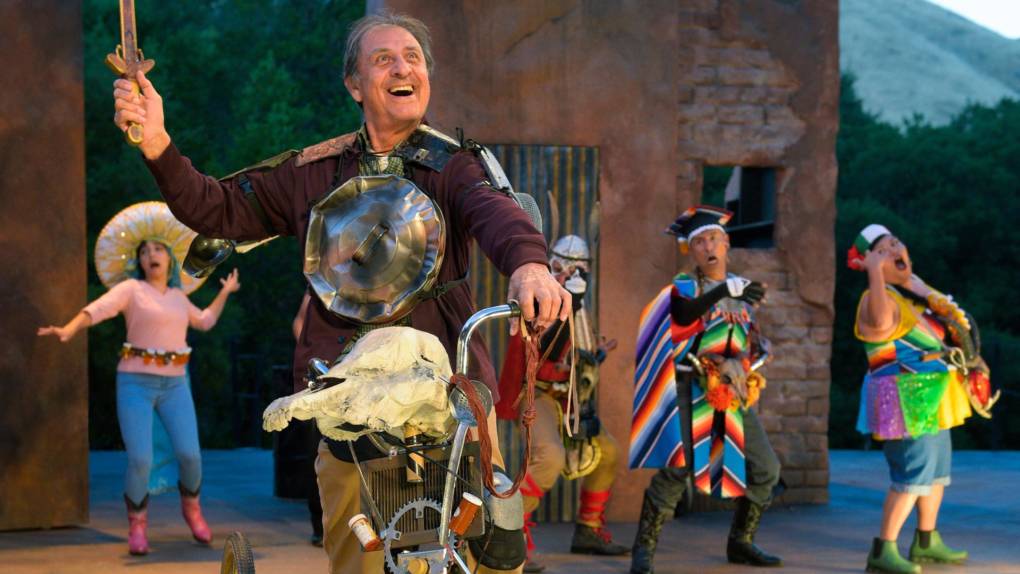
"caption": "Emilio Delgado (Quijano/Quixote) rides past (background, L–R) Gianna DiGregorio Rivera, Juan Amador, Carlos Aguirre, and Amy Lizardo as calacas in Octavio Solis’ 'Quixote Nuevo' at California Shakespeare Theater.",
"credit": "Kevin Berne",
"altTag": "Emilio Delgado (Quijano/Quixote) rides past (background, L–R) Gianna DiGregorio Rivera, Juan Amador, Carlos Aguirre, and Amy Lizardo as calacas in Octavio Solis’ 'Quixote Nuevo' at California Shakespeare Theater.",
"description": "Emilio Delgado (Quijano/Quixote) rides past (background, L–R) Gianna DiGregorio Rivera, Juan Amador, Carlos Aguirre, and Amy Lizardo as calacas in Octavio Solis’ 'Quixote Nuevo' at California Shakespeare Theater.",
"imgSizes": {
"thumbnail": {
"file": "https://cdn.kqed.org/wp-content/uploads/sites/2/2018/06/QTN.Delgado.MAIN_.option-160x90.jpg",
"width": 160,
"height": 90,
"mimeType": "image/jpeg"
},
"medium": {
"file": "https://cdn.kqed.org/wp-content/uploads/sites/2/2018/06/QTN.Delgado.MAIN_.option-800x450.jpg",
"width": 800,
"height": 450,
"mimeType": "image/jpeg"
},
"medium_large": {
"file": "https://cdn.kqed.org/wp-content/uploads/sites/2/2018/06/QTN.Delgado.MAIN_.option-768x432.jpg",
"width": 768,
"height": 432,
"mimeType": "image/jpeg"
},
"large": {
"file": "https://cdn.kqed.org/wp-content/uploads/sites/2/2018/06/QTN.Delgado.MAIN_.option-1020x574.jpg",
"width": 1020,
"height": 574,
"mimeType": "image/jpeg"
},
"complete_open_graph": {
"file": "https://cdn.kqed.org/wp-content/uploads/sites/2/2018/06/QTN.Delgado.MAIN_.option-1200x675.jpg",
"width": 1200,
"height": 675,
"mimeType": "image/jpeg"
},
"fd-lrg": {
"file": "https://cdn.kqed.org/wp-content/uploads/sites/2/2018/06/QTN.Delgado.MAIN_.option-1920x1080.jpg",
"width": 1920,
"height": 1080,
"mimeType": "image/jpeg"
},
"fd-med": {
"file": "https://cdn.kqed.org/wp-content/uploads/sites/2/2018/06/QTN.Delgado.MAIN_.option-1180x664.jpg",
"width": 1180,
"height": 664,
"mimeType": "image/jpeg"
},
"fd-sm": {
"file": "https://cdn.kqed.org/wp-content/uploads/sites/2/2018/06/QTN.Delgado.MAIN_.option-960x540.jpg",
"width": 960,
"height": 540,
"mimeType": "image/jpeg"
},
"post-thumbnail": {
"file": "https://cdn.kqed.org/wp-content/uploads/sites/2/2018/06/QTN.Delgado.MAIN_.option-672x372.jpg",
"width": 672,
"height": 372,
"mimeType": "image/jpeg"
},
"twentyfourteen-full-width": {
"file": "https://cdn.kqed.org/wp-content/uploads/sites/2/2018/06/QTN.Delgado.MAIN_.option-1038x576.jpg",
"width": 1038,
"height": 576,
"mimeType": "image/jpeg"
},
"xxsmall": {
"file": "https://cdn.kqed.org/wp-content/uploads/sites/2/2018/06/QTN.Delgado.MAIN_.option-240x135.jpg",
"width": 240,
"height": 135,
"mimeType": "image/jpeg"
},
"xsmall": {
"file": "https://cdn.kqed.org/wp-content/uploads/sites/2/2018/06/QTN.Delgado.MAIN_.option-375x211.jpg",
"width": 375,
"height": 211,
"mimeType": "image/jpeg"
},
"small": {
"file": "https://cdn.kqed.org/wp-content/uploads/sites/2/2018/06/QTN.Delgado.MAIN_.option-520x293.jpg",
"width": 520,
"height": 293,
"mimeType": "image/jpeg"
},
"xlarge": {
"file": "https://cdn.kqed.org/wp-content/uploads/sites/2/2018/06/QTN.Delgado.MAIN_.option-1180x664.jpg",
"width": 1180,
"height": 664,
"mimeType": "image/jpeg"
},
"full-width": {
"file": "https://cdn.kqed.org/wp-content/uploads/sites/2/2018/06/QTN.Delgado.MAIN_.option-1920x1080.jpg",
"width": 1920,
"height": 1080,
"mimeType": "image/jpeg"
},
"guest-author-32": {
"file": "https://cdn.kqed.org/wp-content/uploads/sites/2/2018/06/QTN.Delgado.MAIN_.option-32x32.jpg",
"width": 32,
"height": 32,
"mimeType": "image/jpeg"
},
"guest-author-50": {
"file": "https://cdn.kqed.org/wp-content/uploads/sites/2/2018/06/QTN.Delgado.MAIN_.option-50x50.jpg",
"width": 50,
"height": 50,
"mimeType": "image/jpeg"
},
"guest-author-64": {
"file": "https://cdn.kqed.org/wp-content/uploads/sites/2/2018/06/QTN.Delgado.MAIN_.option-64x64.jpg",
"width": 64,
"height": 64,
"mimeType": "image/jpeg"
},
"guest-author-96": {
"file": "https://cdn.kqed.org/wp-content/uploads/sites/2/2018/06/QTN.Delgado.MAIN_.option-96x96.jpg",
"width": 96,
"height": 96,
"mimeType": "image/jpeg"
},
"guest-author-128": {
"file": "https://cdn.kqed.org/wp-content/uploads/sites/2/2018/06/QTN.Delgado.MAIN_.option-128x128.jpg",
"width": 128,
"height": 128,
"mimeType": "image/jpeg"
},
"detail": {
"file": "https://cdn.kqed.org/wp-content/uploads/sites/2/2018/06/QTN.Delgado.MAIN_.option-150x150.jpg",
"width": 150,
"height": 150,
"mimeType": "image/jpeg"
},
"kqedFullSize": {
"file": "https://cdn.kqed.org/wp-content/uploads/sites/2/2018/06/QTN.Delgado.MAIN_.option.jpg",
"width": 1920,
"height": 1080
}
},
"isLoading": false,
"fetchFailed": false
},
"arts_13835361": {
"type": "attachments",
"id": "arts_13835361",
"meta": {
"index": "attachments_1716263798",
"site": "arts",
"id": "13835361",
"found": true
},
"parent": 0,
"imgSizes": {
"small": {
"file": "https://ww2.kqed.org/app/uploads/sites/2/2018/06/WalkOnMoon.MAIN_-520x293.jpg",
"width": 520,
"mimeType": "image/jpeg",
"height": 293
},
"thumbnail": {
"file": "https://ww2.kqed.org/app/uploads/sites/2/2018/06/WalkOnMoon.MAIN_-160x90.jpg",
"width": 160,
"mimeType": "image/jpeg",
"height": 90
},
"fd-sm": {
"file": "https://ww2.kqed.org/app/uploads/sites/2/2018/06/WalkOnMoon.MAIN_-960x540.jpg",
"width": 960,
"mimeType": "image/jpeg",
"height": 540
},
"post-thumbnail": {
"file": "https://ww2.kqed.org/app/uploads/sites/2/2018/06/WalkOnMoon.MAIN_-672x372.jpg",
"width": 672,
"mimeType": "image/jpeg",
"height": 372
},
"xsmall": {
"file": "https://ww2.kqed.org/app/uploads/sites/2/2018/06/WalkOnMoon.MAIN_-375x211.jpg",
"width": 375,
"mimeType": "image/jpeg",
"height": 211
},
"kqedFullSize": {
"file": "https://ww2.kqed.org/app/uploads/sites/2/2018/06/WalkOnMoon.MAIN_.jpg",
"width": 1000,
"height": 563
},
"guest-author-50": {
"file": "https://ww2.kqed.org/app/uploads/sites/2/2018/06/WalkOnMoon.MAIN_-50x50.jpg",
"width": 50,
"mimeType": "image/jpeg",
"height": 50
},
"guest-author-96": {
"file": "https://ww2.kqed.org/app/uploads/sites/2/2018/06/WalkOnMoon.MAIN_-96x96.jpg",
"width": 96,
"mimeType": "image/jpeg",
"height": 96
},
"medium": {
"file": "https://ww2.kqed.org/app/uploads/sites/2/2018/06/WalkOnMoon.MAIN_-800x450.jpg",
"width": 800,
"mimeType": "image/jpeg",
"height": 450
},
"guest-author-64": {
"file": "https://ww2.kqed.org/app/uploads/sites/2/2018/06/WalkOnMoon.MAIN_-64x64.jpg",
"width": 64,
"mimeType": "image/jpeg",
"height": 64
},
"guest-author-32": {
"file": "https://ww2.kqed.org/app/uploads/sites/2/2018/06/WalkOnMoon.MAIN_-32x32.jpg",
"width": 32,
"mimeType": "image/jpeg",
"height": 32
},
"detail": {
"file": "https://ww2.kqed.org/app/uploads/sites/2/2018/06/WalkOnMoon.MAIN_-150x150.jpg",
"width": 150,
"mimeType": "image/jpeg",
"height": 150
},
"medium_large": {
"file": "https://ww2.kqed.org/app/uploads/sites/2/2018/06/WalkOnMoon.MAIN_-768x432.jpg",
"width": 768,
"mimeType": "image/jpeg",
"height": 432
},
"guest-author-128": {
"file": "https://ww2.kqed.org/app/uploads/sites/2/2018/06/WalkOnMoon.MAIN_-128x128.jpg",
"width": 128,
"mimeType": "image/jpeg",
"height": 128
},
"xxsmall": {
"file": "https://ww2.kqed.org/app/uploads/sites/2/2018/06/WalkOnMoon.MAIN_-240x135.jpg",
"width": 240,
"mimeType": "image/jpeg",
"height": 135
}
},
"publishDate": 1529348885,
"modified": 1529353600,
"caption": "Walker (Zak Resnick), the Blouse Man, hands Pearl (Katie Brayben) his phone number in the world-premiere musical 'A Walk on the Moon' at A.C.T.’s Geary Theater.",
"description": "Walker (Zak Resnick), the Blouse Man, hands Pearl (Katie Brayben) his phone number in the world-premiere musical 'A Walk on the Moon' at A.C.T.’s Geary Theater.",
"title": "WalkOnMoon.MAIN",
"credit": "Alessandra Mello",
"status": "inherit",
"isLoading": false,
"fetchFailed": false
},
"arts_11683550": {
"type": "attachments",
"id": "arts_11683550",
"meta": {
"index": "attachments_1716263798",
"site": "arts",
"id": "11683550",
"found": true
},
"parent": 11683547,
"imgSizes": {
"twentyfourteen-full-width": {
"file": "https://ww2.kqed.org/app/uploads/sites/2/2016/06/gettyimages-539759582_wide-71c9b22aa39a7d10708d9792a3daea4f4cff6e9f-1038x576.jpg",
"width": 1038,
"mimeType": "image/jpeg",
"height": 576
},
"thumbnail": {
"file": "https://ww2.kqed.org/app/uploads/sites/2/2016/06/gettyimages-539759582_wide-71c9b22aa39a7d10708d9792a3daea4f4cff6e9f-400x225.jpg",
"width": 400,
"mimeType": "image/jpeg",
"height": 225
},
"fd-sm": {
"file": "https://ww2.kqed.org/app/uploads/sites/2/2016/06/gettyimages-539759582_wide-71c9b22aa39a7d10708d9792a3daea4f4cff6e9f-960x540.jpg",
"width": 960,
"mimeType": "image/jpeg",
"height": 540
},
"post-thumbnail": {
"file": "https://ww2.kqed.org/app/uploads/sites/2/2016/06/gettyimages-539759582_wide-71c9b22aa39a7d10708d9792a3daea4f4cff6e9f-672x372.jpg",
"width": 672,
"mimeType": "image/jpeg",
"height": 372
},
"kqedFullSize": {
"file": "https://ww2.kqed.org/app/uploads/sites/2/2016/06/gettyimages-539759582_wide-71c9b22aa39a7d10708d9792a3daea4f4cff6e9f.jpg",
"width": 3000,
"height": 1687
},
"large": {
"file": "https://ww2.kqed.org/app/uploads/sites/2/2016/06/gettyimages-539759582_wide-71c9b22aa39a7d10708d9792a3daea4f4cff6e9f-1180x664.jpg",
"width": 1180,
"mimeType": "image/jpeg",
"height": 664
},
"guest-author-50": {
"file": "https://ww2.kqed.org/app/uploads/sites/2/2016/06/gettyimages-539759582_wide-71c9b22aa39a7d10708d9792a3daea4f4cff6e9f-50x50.jpg",
"width": 50,
"mimeType": "image/jpeg",
"height": 50
},
"guest-author-96": {
"file": "https://ww2.kqed.org/app/uploads/sites/2/2016/06/gettyimages-539759582_wide-71c9b22aa39a7d10708d9792a3daea4f4cff6e9f-96x96.jpg",
"width": 96,
"mimeType": "image/jpeg",
"height": 96
},
"medium": {
"file": "https://ww2.kqed.org/app/uploads/sites/2/2016/06/gettyimages-539759582_wide-71c9b22aa39a7d10708d9792a3daea4f4cff6e9f-800x450.jpg",
"width": 800,
"mimeType": "image/jpeg",
"height": 450
},
"guest-author-64": {
"file": "https://ww2.kqed.org/app/uploads/sites/2/2016/06/gettyimages-539759582_wide-71c9b22aa39a7d10708d9792a3daea4f4cff6e9f-64x64.jpg",
"width": 64,
"mimeType": "image/jpeg",
"height": 64
},
"guest-author-32": {
"file": "https://ww2.kqed.org/app/uploads/sites/2/2016/06/gettyimages-539759582_wide-71c9b22aa39a7d10708d9792a3daea4f4cff6e9f-32x32.jpg",
"width": 32,
"mimeType": "image/jpeg",
"height": 32
},
"fd-lrg": {
"file": "https://ww2.kqed.org/app/uploads/sites/2/2016/06/gettyimages-539759582_wide-71c9b22aa39a7d10708d9792a3daea4f4cff6e9f-1920x1080.jpg",
"width": 1920,
"mimeType": "image/jpeg",
"height": 1080
},
"fd-med": {
"file": "https://ww2.kqed.org/app/uploads/sites/2/2016/06/gettyimages-539759582_wide-71c9b22aa39a7d10708d9792a3daea4f4cff6e9f-1180x664.jpg",
"width": 1180,
"mimeType": "image/jpeg",
"height": 664
},
"detail": {
"file": "https://ww2.kqed.org/app/uploads/sites/2/2016/06/gettyimages-539759582_wide-71c9b22aa39a7d10708d9792a3daea4f4cff6e9f-150x150.jpg",
"width": 150,
"mimeType": "image/jpeg",
"height": 150
},
"medium_large": {
"file": "https://ww2.kqed.org/app/uploads/sites/2/2016/06/gettyimages-539759582_wide-71c9b22aa39a7d10708d9792a3daea4f4cff6e9f-768x432.jpg",
"width": 768,
"mimeType": "image/jpeg",
"height": 432
},
"guest-author-128": {
"file": "https://ww2.kqed.org/app/uploads/sites/2/2016/06/gettyimages-539759582_wide-71c9b22aa39a7d10708d9792a3daea4f4cff6e9f-128x128.jpg",
"width": 128,
"mimeType": "image/jpeg",
"height": 128
}
},
"publishDate": 1465861103,
"modified": 1528913168,
"caption": "Christopher Jackson, Lin-Manuel Miranda, Anthony Ramos, Daveed Diggs, and the company of 'Hamilton' perform onstage during the 70th Annual Tony Awards.",
"description": "Christopher Jackson, Lin-Manuel Miranda, Anthony Ramos, Daveed Diggs, and the company of \u003cem>Hamilton\u003c/em> perform onstage during the 70th Annual Tony Awards.",
"title": "Christopher Jackson, Lin-Manuel Miranda, Anthony Ramos, Daveed Diggs, and the company of Hamilton perform onstage during the 70th Annual Tony Awards.",
"credit": "Theo Wargo/Getty Images for Tony Awards Productions",
"status": "inherit",
"isLoading": false,
"fetchFailed": false
},
"arts_13834824": {
"type": "attachments",
"id": "arts_13834824",
"meta": {
"index": "attachments_1716263798",
"site": "arts",
"id": "13834824",
"found": true
},
"parent": 13834823,
"imgSizes": {
"small": {
"file": "https://ww2.kqed.org/app/uploads/sites/2/2018/06/112780_7604_wide-5d58480a96d52ea67dae9368c96786c5f33d10da-520x293.jpg",
"width": 520,
"mimeType": "image/jpeg",
"height": 293
},
"twentyfourteen-full-width": {
"file": "https://ww2.kqed.org/app/uploads/sites/2/2018/06/112780_7604_wide-5d58480a96d52ea67dae9368c96786c5f33d10da-1038x576.jpg",
"width": 1038,
"mimeType": "image/jpeg",
"height": 576
},
"thumbnail": {
"file": "https://ww2.kqed.org/app/uploads/sites/2/2018/06/112780_7604_wide-5d58480a96d52ea67dae9368c96786c5f33d10da-160x90.jpg",
"width": 160,
"mimeType": "image/jpeg",
"height": 90
},
"fd-sm": {
"file": "https://ww2.kqed.org/app/uploads/sites/2/2018/06/112780_7604_wide-5d58480a96d52ea67dae9368c96786c5f33d10da-960x540.jpg",
"width": 960,
"mimeType": "image/jpeg",
"height": 540
},
"post-thumbnail": {
"file": "https://ww2.kqed.org/app/uploads/sites/2/2018/06/112780_7604_wide-5d58480a96d52ea67dae9368c96786c5f33d10da-672x372.jpg",
"width": 672,
"mimeType": "image/jpeg",
"height": 372
},
"xsmall": {
"file": "https://ww2.kqed.org/app/uploads/sites/2/2018/06/112780_7604_wide-5d58480a96d52ea67dae9368c96786c5f33d10da-375x211.jpg",
"width": 375,
"mimeType": "image/jpeg",
"height": 211
},
"kqedFullSize": {
"file": "https://ww2.kqed.org/app/uploads/sites/2/2018/06/112780_7604_wide-5d58480a96d52ea67dae9368c96786c5f33d10da.jpg",
"width": 1191,
"height": 670
},
"large": {
"file": "https://ww2.kqed.org/app/uploads/sites/2/2018/06/112780_7604_wide-5d58480a96d52ea67dae9368c96786c5f33d10da-1020x574.jpg",
"width": 1020,
"mimeType": "image/jpeg",
"height": 574
},
"xlarge": {
"file": "https://ww2.kqed.org/app/uploads/sites/2/2018/06/112780_7604_wide-5d58480a96d52ea67dae9368c96786c5f33d10da-1180x664.jpg",
"width": 1180,
"mimeType": "image/jpeg",
"height": 664
},
"guest-author-50": {
"file": "https://ww2.kqed.org/app/uploads/sites/2/2018/06/112780_7604_wide-5d58480a96d52ea67dae9368c96786c5f33d10da-50x50.jpg",
"width": 50,
"mimeType": "image/jpeg",
"height": 50
},
"guest-author-96": {
"file": "https://ww2.kqed.org/app/uploads/sites/2/2018/06/112780_7604_wide-5d58480a96d52ea67dae9368c96786c5f33d10da-96x96.jpg",
"width": 96,
"mimeType": "image/jpeg",
"height": 96
},
"medium": {
"file": "https://ww2.kqed.org/app/uploads/sites/2/2018/06/112780_7604_wide-5d58480a96d52ea67dae9368c96786c5f33d10da-800x450.jpg",
"width": 800,
"mimeType": "image/jpeg",
"height": 450
},
"guest-author-64": {
"file": "https://ww2.kqed.org/app/uploads/sites/2/2018/06/112780_7604_wide-5d58480a96d52ea67dae9368c96786c5f33d10da-64x64.jpg",
"width": 64,
"mimeType": "image/jpeg",
"height": 64
},
"guest-author-32": {
"file": "https://ww2.kqed.org/app/uploads/sites/2/2018/06/112780_7604_wide-5d58480a96d52ea67dae9368c96786c5f33d10da-32x32.jpg",
"width": 32,
"mimeType": "image/jpeg",
"height": 32
},
"fd-med": {
"file": "https://ww2.kqed.org/app/uploads/sites/2/2018/06/112780_7604_wide-5d58480a96d52ea67dae9368c96786c5f33d10da-1180x664.jpg",
"width": 1180,
"mimeType": "image/jpeg",
"height": 664
},
"detail": {
"file": "https://ww2.kqed.org/app/uploads/sites/2/2018/06/112780_7604_wide-5d58480a96d52ea67dae9368c96786c5f33d10da-150x150.jpg",
"width": 150,
"mimeType": "image/jpeg",
"height": 150
},
"medium_large": {
"file": "https://ww2.kqed.org/app/uploads/sites/2/2018/06/112780_7604_wide-5d58480a96d52ea67dae9368c96786c5f33d10da-768x432.jpg",
"width": 768,
"mimeType": "image/jpeg",
"height": 432
},
"guest-author-128": {
"file": "https://ww2.kqed.org/app/uploads/sites/2/2018/06/112780_7604_wide-5d58480a96d52ea67dae9368c96786c5f33d10da-128x128.jpg",
"width": 128,
"mimeType": "image/jpeg",
"height": 128
},
"xxsmall": {
"file": "https://ww2.kqed.org/app/uploads/sites/2/2018/06/112780_7604_wide-5d58480a96d52ea67dae9368c96786c5f33d10da-240x135.jpg",
"width": 240,
"mimeType": "image/jpeg",
"height": 135
}
},
"publishDate": 1528752999,
"modified": 1528753988,
"caption": "Katrina Lenk and Tony Shalhoub perform 'Omar Sharif' from The Band's Visit at the Tony Awards on Sunday night.",
"description": "Katrina Lenk and Tony Shalhoub perform \"Omar Sharif\" from \u003cem>The Band's Visit \u003c/em>at the Tony Awards on Sunday nigh",
"title": "Katrina Lenk and Tony Shalhoub perform \"Omar Sharif\" from The Band's Visit at the Tony Awards on Sunday night.",
"credit": "John P. Filo/CBS",
"status": "inherit",
"isLoading": false,
"fetchFailed": false
},
"arts_13834114": {
"type": "attachments",
"id": "arts_13834114",
"meta": {
"index": "attachments_1716263798",
"site": "arts",
"id": "13834114",
"found": true
},
"parent": 13834039,
"imgSizes": {
"small": {
"file": "https://ww2.kqed.org/app/uploads/sites/2/2018/05/HSG.TranscendenceTheatreCo-520x293.jpg",
"width": 520,
"mimeType": "image/jpeg",
"height": 293
},
"twentyfourteen-full-width": {
"file": "https://ww2.kqed.org/app/uploads/sites/2/2018/05/HSG.TranscendenceTheatreCo-1038x576.jpg",
"width": 1038,
"mimeType": "image/jpeg",
"height": 576
},
"thumbnail": {
"file": "https://ww2.kqed.org/app/uploads/sites/2/2018/05/HSG.TranscendenceTheatreCo-160x90.jpg",
"width": 160,
"mimeType": "image/jpeg",
"height": 90
},
"fd-sm": {
"file": "https://ww2.kqed.org/app/uploads/sites/2/2018/05/HSG.TranscendenceTheatreCo-960x540.jpg",
"width": 960,
"mimeType": "image/jpeg",
"height": 540
},
"post-thumbnail": {
"file": "https://ww2.kqed.org/app/uploads/sites/2/2018/05/HSG.TranscendenceTheatreCo-672x372.jpg",
"width": 672,
"mimeType": "image/jpeg",
"height": 372
},
"xsmall": {
"file": "https://ww2.kqed.org/app/uploads/sites/2/2018/05/HSG.TranscendenceTheatreCo-375x211.jpg",
"width": 375,
"mimeType": "image/jpeg",
"height": 211
},
"kqedFullSize": {
"file": "https://ww2.kqed.org/app/uploads/sites/2/2018/05/HSG.TranscendenceTheatreCo.jpg",
"width": 1120,
"height": 630
},
"large": {
"file": "https://ww2.kqed.org/app/uploads/sites/2/2018/05/HSG.TranscendenceTheatreCo-1020x574.jpg",
"width": 1020,
"mimeType": "image/jpeg",
"height": 574
},
"guest-author-50": {
"file": "https://ww2.kqed.org/app/uploads/sites/2/2018/05/HSG.TranscendenceTheatreCo-50x50.jpg",
"width": 50,
"mimeType": "image/jpeg",
"height": 50
},
"guest-author-96": {
"file": "https://ww2.kqed.org/app/uploads/sites/2/2018/05/HSG.TranscendenceTheatreCo-96x96.jpg",
"width": 96,
"mimeType": "image/jpeg",
"height": 96
},
"medium": {
"file": "https://ww2.kqed.org/app/uploads/sites/2/2018/05/HSG.TranscendenceTheatreCo-800x450.jpg",
"width": 800,
"mimeType": "image/jpeg",
"height": 450
},
"guest-author-64": {
"file": "https://ww2.kqed.org/app/uploads/sites/2/2018/05/HSG.TranscendenceTheatreCo-64x64.jpg",
"width": 64,
"mimeType": "image/jpeg",
"height": 64
},
"guest-author-32": {
"file": "https://ww2.kqed.org/app/uploads/sites/2/2018/05/HSG.TranscendenceTheatreCo-32x32.jpg",
"width": 32,
"mimeType": "image/jpeg",
"height": 32
},
"detail": {
"file": "https://ww2.kqed.org/app/uploads/sites/2/2018/05/HSG.TranscendenceTheatreCo-150x150.jpg",
"width": 150,
"mimeType": "image/jpeg",
"height": 150
},
"medium_large": {
"file": "https://ww2.kqed.org/app/uploads/sites/2/2018/05/HSG.TranscendenceTheatreCo-768x432.jpg",
"width": 768,
"mimeType": "image/jpeg",
"height": 432
},
"guest-author-128": {
"file": "https://ww2.kqed.org/app/uploads/sites/2/2018/05/HSG.TranscendenceTheatreCo-128x128.jpg",
"width": 128,
"mimeType": "image/jpeg",
"height": 128
},
"xxsmall": {
"file": "https://ww2.kqed.org/app/uploads/sites/2/2018/05/HSG.TranscendenceTheatreCo-240x135.jpg",
"width": 240,
"mimeType": "image/jpeg",
"height": 135
}
},
"publishDate": 1527875506,
"modified": 1528355818,
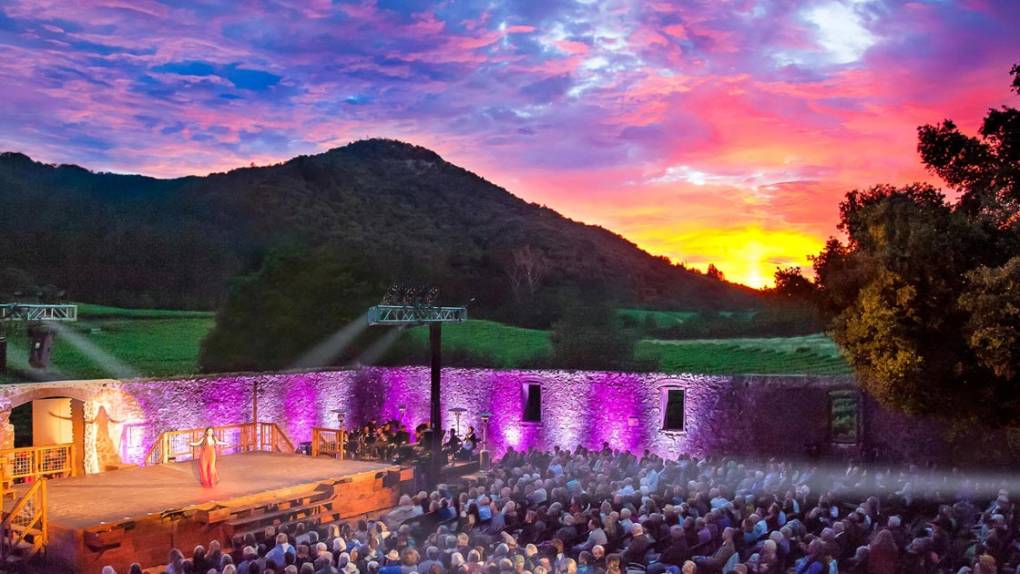
"caption": "The setting at Transcendence Theatre Co.'s 'Broadway Under the Stars' at Jack London State Park.",
"description": "The setting at Transcendence Theatre Co.'s 'Broadway Under the Stars' at Jack London State Park.",
"title": "HSG.TranscendenceTheatreCo",
"credit": "Courtesy Transcendence Theatre Co.",
"status": "inherit",
"isLoading": false,
"fetchFailed": false
},
"arts_13833855": {
"type": "attachments",
"id": "arts_13833855",
"meta": {
"index": "attachments_1716263798",
"site": "arts",
"id": "13833855",
"found": true
},
"parent": 13833853,
"imgSizes": {
"small": {
"file": "https://ww2.kqed.org/app/uploads/sites/2/2018/05/TW-FINKS-1_Kevin-Berne-e1527719957642-520x294.jpg",
"width": 520,
"mimeType": "image/jpeg",
"height": 294
},
"twentyfourteen-full-width": {
"file": "https://ww2.kqed.org/app/uploads/sites/2/2018/05/TW-FINKS-1_Kevin-Berne-1000x576.jpg",
"width": 1000,
"mimeType": "image/jpeg",
"height": 576
},
"thumbnail": {
"file": "https://ww2.kqed.org/app/uploads/sites/2/2018/05/TW-FINKS-1_Kevin-Berne-e1527719957642-160x90.jpg",
"width": 160,
"mimeType": "image/jpeg",
"height": 90
},
"fd-sm": {
"file": "https://ww2.kqed.org/app/uploads/sites/2/2018/05/TW-FINKS-1_Kevin-Berne-e1527719957642-960x543.jpg",
"width": 960,
"mimeType": "image/jpeg",
"height": 543
},
"post-thumbnail": {
"file": "https://ww2.kqed.org/app/uploads/sites/2/2018/05/TW-FINKS-1_Kevin-Berne-e1527719957642-672x372.jpg",
"width": 672,
"mimeType": "image/jpeg",
"height": 372
},
"xsmall": {
"file": "https://ww2.kqed.org/app/uploads/sites/2/2018/05/TW-FINKS-1_Kevin-Berne-e1527719957642-375x212.jpg",
"width": 375,
"mimeType": "image/jpeg",
"height": 212
},
"kqedFullSize": {
"file": "https://ww2.kqed.org/app/uploads/sites/2/2018/05/TW-FINKS-1_Kevin-Berne-e1527719957642.jpg",
"width": 982,
"height": 555
},
"guest-author-50": {
"file": "https://ww2.kqed.org/app/uploads/sites/2/2018/05/TW-FINKS-1_Kevin-Berne-e1527719957642-50x50.jpg",
"width": 50,
"mimeType": "image/jpeg",
"height": 50
},
"guest-author-96": {
"file": "https://ww2.kqed.org/app/uploads/sites/2/2018/05/TW-FINKS-1_Kevin-Berne-e1527719957642-96x96.jpg",
"width": 96,
"mimeType": "image/jpeg",
"height": 96
},
"medium": {
"file": "https://ww2.kqed.org/app/uploads/sites/2/2018/05/TW-FINKS-1_Kevin-Berne-e1527719957642-800x452.jpg",
"width": 800,
"mimeType": "image/jpeg",
"height": 452
},
"guest-author-64": {
"file": "https://ww2.kqed.org/app/uploads/sites/2/2018/05/TW-FINKS-1_Kevin-Berne-e1527719957642-64x64.jpg",
"width": 64,
"mimeType": "image/jpeg",
"height": 64
},
"guest-author-32": {
"file": "https://ww2.kqed.org/app/uploads/sites/2/2018/05/TW-FINKS-1_Kevin-Berne-e1527719957642-32x32.jpg",
"width": 32,
"mimeType": "image/jpeg",
"height": 32
},
"detail": {
"file": "https://ww2.kqed.org/app/uploads/sites/2/2018/05/TW-FINKS-1_Kevin-Berne-e1527719957642-150x150.jpg",
"width": 150,
"mimeType": "image/jpeg",
"height": 150
},
"medium_large": {
"file": "https://ww2.kqed.org/app/uploads/sites/2/2018/05/TW-FINKS-1_Kevin-Berne-e1527719957642-768x434.jpg",
"width": 768,
"mimeType": "image/jpeg",
"height": 434
},
"guest-author-128": {
"file": "https://ww2.kqed.org/app/uploads/sites/2/2018/05/TW-FINKS-1_Kevin-Berne-e1527719957642-128x128.jpg",
"width": 128,
"mimeType": "image/jpeg",
"height": 128
},
"xxsmall": {
"file": "https://ww2.kqed.org/app/uploads/sites/2/2018/05/TW-FINKS-1_Kevin-Berne-e1527719957642-240x136.jpg",
"width": 240,
"mimeType": "image/jpeg",
"height": 136
}
},
"publishDate": 1527719814,
"modified": 1527719938,
"caption": "California premiere of \"FINKS\" is presented by TheatreWorks Silicon Valley at the Mountain View Center for the Performing Arts, June 6-July 1, 2018.",
"description": "California premiere of \"FINKS\" is presented by TheatreWorks Silicon Valley at the Mountain View Center for the Performing Arts, June 6-July 1, 2018.",
"title": "California premiere of \"FINKS\" is presented by TheatreWorks Silicon Valley at the Mountain View Center for the Performing Arts, June 6-July 1, 2018.",
"credit": "Kevin Berne",
"status": "inherit",
"isLoading": false,
"fetchFailed": false
},
"arts_13833639": {
"type": "attachments",
"id": "arts_13833639",
"meta": {
"index": "attachments_1716263798",
"site": "arts",
"id": "13833639",
"found": true
},
"parent": 13833611,
"imgSizes": {
"small": {
"file": "https://ww2.kqed.org/app/uploads/sites/2/2018/05/Dry_Land_120-520x347.jpg",
"width": 520,
"mimeType": "image/jpeg",
"height": 347
},
"twentyfourteen-full-width": {
"file": "https://ww2.kqed.org/app/uploads/sites/2/2018/05/Dry_Land_120-1038x576.jpg",
"width": 1038,
"mimeType": "image/jpeg",
"height": 576
},
"thumbnail": {
"file": "https://ww2.kqed.org/app/uploads/sites/2/2018/05/Dry_Land_120-160x107.jpg",
"width": 160,
"mimeType": "image/jpeg",
"height": 107
},
"fd-sm": {
"file": "https://ww2.kqed.org/app/uploads/sites/2/2018/05/Dry_Land_120-960x640.jpg",
"width": 960,
"mimeType": "image/jpeg",
"height": 640
},
"post-thumbnail": {
"file": "https://ww2.kqed.org/app/uploads/sites/2/2018/05/Dry_Land_120-672x372.jpg",
"width": 672,
"mimeType": "image/jpeg",
"height": 372
},
"xsmall": {
"file": "https://ww2.kqed.org/app/uploads/sites/2/2018/05/Dry_Land_120-375x250.jpg",
"width": 375,
"mimeType": "image/jpeg",
"height": 250
},
"kqedFullSize": {
"file": "https://ww2.kqed.org/app/uploads/sites/2/2018/05/Dry_Land_120.jpg",
"width": 1800,
"height": 1200
},
"large": {
"file": "https://ww2.kqed.org/app/uploads/sites/2/2018/05/Dry_Land_120-1020x680.jpg",
"width": 1020,
"mimeType": "image/jpeg",
"height": 680
},
"xlarge": {
"file": "https://ww2.kqed.org/app/uploads/sites/2/2018/05/Dry_Land_120-1180x787.jpg",
"width": 1180,
"mimeType": "image/jpeg",
"height": 787
},
"complete_open_graph": {
"file": "https://ww2.kqed.org/app/uploads/sites/2/2018/05/Dry_Land_120-1200x800.jpg",
"width": 1200,
"mimeType": "image/jpeg",
"height": 800
},
"guest-author-50": {
"file": "https://ww2.kqed.org/app/uploads/sites/2/2018/05/Dry_Land_120-50x50.jpg",
"width": 50,
"mimeType": "image/jpeg",
"height": 50
},
"guest-author-96": {
"file": "https://ww2.kqed.org/app/uploads/sites/2/2018/05/Dry_Land_120-96x96.jpg",
"width": 96,
"mimeType": "image/jpeg",
"height": 96
},
"medium": {
"file": "https://ww2.kqed.org/app/uploads/sites/2/2018/05/Dry_Land_120-800x533.jpg",
"width": 800,
"mimeType": "image/jpeg",
"height": 533
},
"guest-author-64": {
"file": "https://ww2.kqed.org/app/uploads/sites/2/2018/05/Dry_Land_120-64x64.jpg",
"width": 64,
"mimeType": "image/jpeg",
"height": 64
},
"guest-author-32": {
"file": "https://ww2.kqed.org/app/uploads/sites/2/2018/05/Dry_Land_120-32x32.jpg",
"width": 32,
"mimeType": "image/jpeg",
"height": 32
},
"fd-med": {
"file": "https://ww2.kqed.org/app/uploads/sites/2/2018/05/Dry_Land_120-1180x787.jpg",
"width": 1180,
"mimeType": "image/jpeg",
"height": 787
},
"detail": {
"file": "https://ww2.kqed.org/app/uploads/sites/2/2018/05/Dry_Land_120-150x150.jpg",
"width": 150,
"mimeType": "image/jpeg",
"height": 150
},
"medium_large": {
"file": "https://ww2.kqed.org/app/uploads/sites/2/2018/05/Dry_Land_120-768x512.jpg",
"width": 768,
"mimeType": "image/jpeg",
"height": 512
},
"guest-author-128": {
"file": "https://ww2.kqed.org/app/uploads/sites/2/2018/05/Dry_Land_120-128x128.jpg",
"width": 128,
"mimeType": "image/jpeg",
"height": 128
},
"xxsmall": {
"file": "https://ww2.kqed.org/app/uploads/sites/2/2018/05/Dry_Land_120-240x160.jpg",
"width": 240,
"mimeType": "image/jpeg",
"height": 160
}
},
"publishDate": 1527612651,
"modified": 1527663563,
"caption": "Amy (Martha Brigham) contemplates her future in 'Dry Land.'",
"description": "Amy (Martha Brigham) contemplates her future in 'Dry Land.'",
"title": "Dry_Land_120",
"credit": "Ben Krantz Studio",
"status": "inherit",
"isLoading": false,
"fetchFailed": false
}
},
"audioPlayerReducer": {
"postId": "stream_live",
"isPaused": true,
"isPlaying": false,
"pfsActive": false,
"pledgeModalIsOpen": true,
"playerDrawerIsOpen": false,
"liveAudioPlayStartedAt": 0,
"liveAudioPlayContext": ""
},
"authorsReducer": {
"byline_arts_13836507": {
"type": "authors",
"id": "byline_arts_13836507",
"meta": {
"override": true
},
"slug": "byline_arts_13836507",
"name": "Jeff Lunden",
"isLoading": false
},
"byline_arts_13835456": {
"type": "authors",
"id": "byline_arts_13835456",
"meta": {
"override": true
},
"slug": "byline_arts_13835456",
"name": "Michelle Threadgould",
"isLoading": false
},
"byline_arts_13835306": {
"type": "authors",
"id": "byline_arts_13835306",
"meta": {
"override": true
},
"slug": "byline_arts_13835306",
"name": "Gretchen Giles",
"isLoading": false
},
"byline_arts_13834980": {
"type": "authors",
"id": "byline_arts_13834980",
"meta": {
"override": true
},
"slug": "byline_arts_13834980",
"name": "Daniella Cheslow",
"isLoading": false
},
"byline_arts_13834823": {
"type": "authors",
"id": "byline_arts_13834823",
"meta": {
"override": true
},
"slug": "byline_arts_13834823",
"name": "Linda Holmes",
"isLoading": false
},
"gmeline": {
"type": "authors",
"id": "185",
"meta": {
"index": "authors_1716337520",
"id": "185",
"found": true
},
"name": "Gabe Meline",
"firstName": "Gabe",
"lastName": "Meline",
"slug": "gmeline",
"email": "gmeline@kqed.org",
"display_author_email": true,
"staff_mastheads": [
"arts"
],
"title": "Senior Editor, KQED Arts & Culture",
"bio": "Gabe Meline entered journalism at age 15 making photocopied zines, and has since earned awards from the Edward R. Murrow Awards, the Society for Professional Journalists, the Online Journalism Awards, the Association of Alternative Newsweeklies and the California Newspaper Publishers Association. Prior to KQED, he was the editor of the \u003cem>North Bay Bohemian\u003c/em> and a touring musician. He lives with his wife and daughter in his hometown of Santa Rosa, CA.",
"avatar": "https://secure.gravatar.com/avatar/5bebe57be0d8bc2dd318934feb47299e2d2d10cba28d09d8d7afb389a2ce2bdd?s=600&d=blank&r=g",
"twitter": null,
"bluesky": null,
"facebook": null,
"instagram": null,
"linkedin": null,
"sites": [
{
"site": "",
"roles": [
"editor"
]
},
{
"site": "arts",
"roles": [
"administrator"
]
},
{
"site": "artschool",
"roles": [
"editor"
]
},
{
"site": "news",
"roles": [
"author"
]
},
{
"site": "pop",
"roles": [
"editor"
]
},
{
"site": "bayareabites",
"roles": [
"editor"
]
},
{
"site": "food",
"roles": [
"editor"
]
},
{
"site": "forum",
"roles": [
"administrator"
]
},
{
"site": "liveblog",
"roles": [
"editor"
]
},
{
"site": "hiphop",
"roles": [
"editor"
]
}
],
"headData": {
"title": "Gabe Meline | KQED",
"description": "Senior Editor, KQED Arts & Culture",
"ogImgSrc": "https://secure.gravatar.com/avatar/5bebe57be0d8bc2dd318934feb47299e2d2d10cba28d09d8d7afb389a2ce2bdd?s=600&d=blank&r=g",
"twImgSrc": "https://secure.gravatar.com/avatar/5bebe57be0d8bc2dd318934feb47299e2d2d10cba28d09d8d7afb389a2ce2bdd?s=600&d=blank&r=g"
},
"isLoading": false,
"link": "/author/gmeline"
},
"rachael-myrow": {
"type": "authors",
"id": "251",
"meta": {
"index": "authors_1716337520",
"id": "251",
"found": true
},
"name": "Rachael Myrow",
"firstName": "Rachael",
"lastName": "Myrow",
"slug": "rachael-myrow",
"email": "rmyrow@kqed.org",
"display_author_email": true,
"staff_mastheads": [
"news"
],
"title": "Senior Editor of KQED's Silicon Valley News Desk",
"bio": "• I write and edit stories about how Silicon Valley power and policies shape everyday life in California. I’m also passionate about making Bay Area history and culture more accessible to a broad public. • I’ve been a journalist for most of my life, starting in high school with The Franklin Press in Los Angeles, where I grew up. While earning my first degree in English at UC Berkeley, I got my start in public radio at KALX-FM. After completing a second degree in journalism at Cal, I landed my first professional job at Marketplace, then moved on to KPCC (now LAist), and then KQED, where I hosted The California Report for more than seven years. • My reporting has appeared on NPR, The World, WBUR’s \u003ci>Here & Now\u003c/i>, and the BBC. I also guest host for KQED’s \u003ci>Forum\u003c/i>, as well as the Commonwealth Club in San Francisco. • I speak periodically on media, democracy and technology issues, and do voiceover work for documentaries and educational video projects. • Outside of the studio, you'll find me hiking Bay Area trails and whipping up Insta-ready meals in my kitchen. • I do not accept gifts, money, or favors from anyone connected to my reporting, I don't pay people for information, and I do not support or donate to political causes. • I strive to treat the people I report on with fairness, honesty, and respect. I also recognize there are often multiple sides to a story and work to verify information through multiple sources and documentation. If I get something wrong, I correct it.",
"avatar": "https://secure.gravatar.com/avatar/3ed8a3c5f26025e4a805ba634cda8cd764906b97438a6d9ce216b044e340da4e?s=600&d=blank&r=g",
"twitter": "rachaelmyrow",
"bluesky": null,
"facebook": null,
"instagram": null,
"linkedin": "https://www.linkedin.com/in/rachaelmyrow/",
"sites": [
{
"site": "arts",
"roles": [
"administrator"
]
},
{
"site": "news",
"roles": [
"edit_others_posts",
"editor"
]
},
{
"site": "futureofyou",
"roles": [
"editor"
]
},
{
"site": "bayareabites",
"roles": [
"editor"
]
},
{
"site": "stateofhealth",
"roles": [
"editor"
]
},
{
"site": "science",
"roles": [
"editor"
]
},
{
"site": "food",
"roles": [
"editor"
]
},
{
"site": "forum",
"roles": [
"editor"
]
},
{
"site": "liveblog",
"roles": [
"author"
]
}
],
"headData": {
"title": "Rachael Myrow | KQED",
"description": "Senior Editor of KQED's Silicon Valley News Desk",
"ogImgSrc": "https://secure.gravatar.com/avatar/3ed8a3c5f26025e4a805ba634cda8cd764906b97438a6d9ce216b044e340da4e?s=600&d=blank&r=g",
"twImgSrc": "https://secure.gravatar.com/avatar/3ed8a3c5f26025e4a805ba634cda8cd764906b97438a6d9ce216b044e340da4e?s=600&d=blank&r=g"
},
"isLoading": false,
"link": "/author/rachael-myrow"
},
"ngluckstern": {
"type": "authors",
"id": "11497",
"meta": {
"index": "authors_1716337520",
"id": "11497",
"found": true
},
"name": "Nicole Gluckstern",
"firstName": "Nicole",
"lastName": "Gluckstern",
"slug": "ngluckstern",
"email": "gluckstern.nicole@gmail.com",
"display_author_email": false,
"staff_mastheads": [],
"title": "KQED Contributor",
"bio": null,
"avatar": "https://secure.gravatar.com/avatar/2c3d593194017bfe811a998ad03140909de330b22abebf4889e1a564ce5b3495?s=600&d=blank&r=g",
"twitter": null,
"bluesky": null,
"facebook": null,
"instagram": null,
"linkedin": null,
"sites": [
{
"site": "arts",
"roles": [
"contributor"
]
}
],
"headData": {
"title": "Nicole Gluckstern | KQED",
"description": "KQED Contributor",
"ogImgSrc": "https://secure.gravatar.com/avatar/2c3d593194017bfe811a998ad03140909de330b22abebf4889e1a564ce5b3495?s=600&d=blank&r=g",
"twImgSrc": "https://secure.gravatar.com/avatar/2c3d593194017bfe811a998ad03140909de330b22abebf4889e1a564ce5b3495?s=600&d=blank&r=g"
},
"isLoading": false,
"link": "/author/ngluckstern"
}
},
"pagesReducer": {
"arts_category_theater": {
"type": "terms",
"id": "arts_967",
"meta": {
"index": "terms_1716263798",
"site": "arts",
"id": "967",
"score": 12.286945
},
"featImg": null,
"name": "Theater",
"description": null,
"taxonomy": "category",
"headData": {
"twImgId": null,
"twTitle": null,
"ogTitle": null,
"ogImgId": null,
"twDescription": null,
"description": null,
"title": "Theater Archives | KQED Arts",
"ogDescription": null
},
"ttid": 985,
"slug": "theater",
"isLoading": false,
"title": "Theater",
"pageMeta": {
"site": "arts",
"WpPageTemplate": "page-topic-editorial",
"currentPage": 32
},
"blocks": [
{
"blockName": "kqed/post-list",
"attrs": {
"layout": "cardArticle2",
"query": "posts/arts?category=theater",
"seeMore": false,
"paginated": true,
"page": 32
}
},
{
"blockName": "kqed/ad"
}
]
}
},
"pfsSessionReducer": {},
"postsReducer": {
"stream_live": {
"type": "live",
"id": "stream_live",
"audioUrl": "https://streams.kqed.org/kqedradio",
"title": "Live Stream",
"excerpt": "Live Stream information currently unavailable.",
"link": "/radio",
"featImg": "",
"label": {
"name": "KQED Live",
"link": "/"
}
},
"stream_kqedNewscast": {
"type": "posts",
"id": "stream_kqedNewscast",
"audioUrl": "https://www.kqed.org/.stream/anon/radio/RDnews/newscast.mp3?_=1",
"title": "KQED Newscast",
"featImg": "",
"label": {
"name": "88.5 FM",
"link": "/"
}
},
"arts_13837148": {
"type": "posts",
"id": "arts_13837148",
"meta": {
"index": "posts_1716263798",
"site": "arts",
"id": "13837148",
"score": null,
"sort": [
1531573222000
]
},
"guestAuthors": [],
"slug": "hold-these-truths-remembers-one-mans-refusal-to-cede-his-civil-rights-during-wwii",
"title": "'Hold These Truths' Remembers One Man's Refusal to Cede His Civil Rights During WWII",
"publishDate": 1531573222,
"format": "audio",
"headTitle": "‘Hold These Truths’ Remembers One Man’s Refusal to Cede His Civil Rights During WWII | KQED",
"labelTerm": {
"term": 140,
"site": "arts"
},
"content": "\u003cp>The Trump Administration’s policies on travel and immigration have reignited interest in an old precedent from World War II: the mass incarceration of Japanese-Americans by the Roosevelt Administration with Executive Order 9066.\u003c/p>\n\u003cp>Opinion pieces on the right, left and in-between argue over the similarities and differences, but the arguments at the core of the debate are not about the specifics of how people are incarcerated or what legal principle is up for review. We are at a point in time when we are asking as a nation whether it’s OK to target specific ethnic groups to address large and complicated threats to our national welfare. That’s what brings to mind World War II.\u003c/p>\n\u003cp>“Today is the first time, so far as I am aware, that we have sustained a substantial restriction of the personal liberty of citizens of the United States based upon the accident of race or ancestry.” – \u003ci>Hirabayashi v. United States\u003c/i>, 320 U.S. 81 (1943)\u003c/p>\n\u003cp>That political context makes \u003cem>Hold These Truths\u003c/em>, a play written more than a decade ago about that case and the man behind the name Hirabayashi, strikingly resonant as it makes its Bay Area premiere this week with \u003ca href=\"https://theatreworks.org/201819-season/201819-season/hold-these-truths/\" target=\"_blank\" rel=\"noopener\">TheatreWorks Silicon Valley\u003c/a>.\u003c/p>\n\u003cp>Gordon Hirabayashi was a college student in 1942 when he decided to turn himself in for refusing to abide by laws established to isolate Japanese and Japanese-Americans in the Western United States, on no other basis than race.\u003c/p>\n\u003cblockquote>\u003cp>Over sixty percent are American citizens, yet they are denied, without due process of law, the civil liberties which are theirs.\u003cspan class=\"Apple-converted-space\"> \u003c/span>\u003c/p>\n\u003cp>If I were to register and cooperate under these circumstances, I would be giving helpless consent to the denial of practically all of the things which give me incentive to live.\u003cspan class=\"Apple-converted-space\"> \u003c/span>\u003c/p>\n\u003cp>I consider it my duty to maintain the democratic standards for which this nation lives. Therefore–I must refuse this order for evacuation.\u003c/p>\n\u003cp>Signed, Gordon K. Hirabayashi.\u003c/p>\u003c/blockquote>\n\u003cfigure id=\"attachment_13837156\" class=\"wp-caption aligncenter\" style=\"max-width: 800px\">\u003cimg loading=\"lazy\" decoding=\"async\" class=\"size-medium wp-image-13837156\" src=\"https://ww2.kqed.org/arts/wp-content/uploads/sites/2/2018/07/RS31791_HTT_KevinBerne7-qut-800x534.jpg\" alt=\"Joel de la Fuente plays more than 35 characters in the one-man play "Hold These Truths." Director Lisa Rothe says, "It was pretty intense to go through all of those characters and find, you know, the vocal and physical characteristics for each one. That takes [an actor] who's got a tremendous range and flexibility. "\" width=\"800\" height=\"534\" srcset=\"https://cdn.kqed.org/wp-content/uploads/sites/2/2018/07/RS31791_HTT_KevinBerne7-qut-800x534.jpg 800w, https://cdn.kqed.org/wp-content/uploads/sites/2/2018/07/RS31791_HTT_KevinBerne7-qut-160x107.jpg 160w, https://cdn.kqed.org/wp-content/uploads/sites/2/2018/07/RS31791_HTT_KevinBerne7-qut-768x513.jpg 768w, https://cdn.kqed.org/wp-content/uploads/sites/2/2018/07/RS31791_HTT_KevinBerne7-qut-1020x681.jpg 1020w, https://cdn.kqed.org/wp-content/uploads/sites/2/2018/07/RS31791_HTT_KevinBerne7-qut-1200x801.jpg 1200w, https://cdn.kqed.org/wp-content/uploads/sites/2/2018/07/RS31791_HTT_KevinBerne7-qut.jpg 1920w, https://cdn.kqed.org/wp-content/uploads/sites/2/2018/07/RS31791_HTT_KevinBerne7-qut-1180x788.jpg 1180w, https://cdn.kqed.org/wp-content/uploads/sites/2/2018/07/RS31791_HTT_KevinBerne7-qut-960x641.jpg 960w, https://cdn.kqed.org/wp-content/uploads/sites/2/2018/07/RS31791_HTT_KevinBerne7-qut-240x160.jpg 240w, https://cdn.kqed.org/wp-content/uploads/sites/2/2018/07/RS31791_HTT_KevinBerne7-qut-375x250.jpg 375w, https://cdn.kqed.org/wp-content/uploads/sites/2/2018/07/RS31791_HTT_KevinBerne7-qut-520x347.jpg 520w\" sizes=\"(max-width: 800px) 100vw, 800px\">\u003cfigcaption class=\"wp-caption-text\">Joel de la Fuente plays more than 35 characters in the one-man play “Hold These Truths.” Director Lisa Rothe says, “It was pretty intense to go through all of those characters and find, you know, the vocal and physical characteristics for each one. That takes [an actor] who’s got a tremendous range and flexibility. “ \u003ccite>(Photo: Courtesy of Kevin Berne)\u003c/cite>\u003c/figcaption>\u003c/figure>\n\u003cp>\u003cem>Hold These Truths\u003c/em> was written by Watsonville-born, Los Angeles-based actress Jeanne Sakata. As a Japanese-American, she thought she knew the history of the internment camps.\u003cspan class=\"Apple-converted-space\"> So she was surprised to learn about Hirabayashi by watching a 1992 documentary, \u003ca href=\"https://caamedia.org/films/personal-matter-gordon-hirabayashi-vs-the-united-states/\" target=\"_blank\" rel=\"noopener\">\u003cem>A Personal Matter\u003c/em>\u003c/a>.\u003c/span>\u003c/p>\n\u003cp>[ad fullwidth]\u003c/p>\n\u003cp>“It just flabbergasted me that I didn’t know. At the same time, the story itself delighted me,” Sakata says.\u003c/p>\n\u003cp>Three Japanese-Americans took their fight against internment all the way to the U.S. Supreme Court in the 1940s. But most people, if they know about the court cases at all, know about \u003cem>Korematsu v. United States\u003c/em>. (The podcast \u003cem>More Perfect\u003c/em> provides an excellent history of that story \u003ca href=\"https://www.wnycstudios.org/story/radiolab-presents-more-perfect-american-pendulum-i/\" target=\"_blank\" rel=\"noopener\">here\u003c/a>.)\u003c/p>\n\u003cp>Sakata considered writing a play about all three: Korematsu, Hirabayashi and \u003ca href=\"https://www.minoruyasuitribute.org\" target=\"_blank\" rel=\"noopener\">Minoru Yasuri\u003c/a>. But the longtime actress had never written a play before, and that challenge seemed too daunting. “It was just a little too much to handle. So I thought I would just focus on telling this one story that I loved so much, and that I never saw in my history books,” she says.\u003c/p>\n\u003cfigure id=\"attachment_13837158\" class=\"wp-caption aligncenter\" style=\"max-width: 800px\">\u003cimg loading=\"lazy\" decoding=\"async\" class=\"size-medium wp-image-13837158\" src=\"https://ww2.kqed.org/arts/wp-content/uploads/sites/2/2018/07/RS31793_Gordon20Hirabayashi_AP20Photo_1985-qut-800x934.jpg\" alt=\"After World War II and his landmark court battle, Gordon Hirabayashi became a sociologist.\" width=\"800\" height=\"934\" srcset=\"https://cdn.kqed.org/wp-content/uploads/sites/2/2018/07/RS31793_Gordon20Hirabayashi_AP20Photo_1985-qut-800x934.jpg 800w, https://cdn.kqed.org/wp-content/uploads/sites/2/2018/07/RS31793_Gordon20Hirabayashi_AP20Photo_1985-qut-160x187.jpg 160w, https://cdn.kqed.org/wp-content/uploads/sites/2/2018/07/RS31793_Gordon20Hirabayashi_AP20Photo_1985-qut-768x896.jpg 768w, https://cdn.kqed.org/wp-content/uploads/sites/2/2018/07/RS31793_Gordon20Hirabayashi_AP20Photo_1985-qut-1020x1190.jpg 1020w, https://cdn.kqed.org/wp-content/uploads/sites/2/2018/07/RS31793_Gordon20Hirabayashi_AP20Photo_1985-qut-1028x1200.jpg 1028w, https://cdn.kqed.org/wp-content/uploads/sites/2/2018/07/RS31793_Gordon20Hirabayashi_AP20Photo_1985-qut-1180x1377.jpg 1180w, https://cdn.kqed.org/wp-content/uploads/sites/2/2018/07/RS31793_Gordon20Hirabayashi_AP20Photo_1985-qut-960x1120.jpg 960w, https://cdn.kqed.org/wp-content/uploads/sites/2/2018/07/RS31793_Gordon20Hirabayashi_AP20Photo_1985-qut-240x280.jpg 240w, https://cdn.kqed.org/wp-content/uploads/sites/2/2018/07/RS31793_Gordon20Hirabayashi_AP20Photo_1985-qut-375x438.jpg 375w, https://cdn.kqed.org/wp-content/uploads/sites/2/2018/07/RS31793_Gordon20Hirabayashi_AP20Photo_1985-qut-520x607.jpg 520w, https://cdn.kqed.org/wp-content/uploads/sites/2/2018/07/RS31793_Gordon20Hirabayashi_AP20Photo_1985-qut.jpg 1400w\" sizes=\"(max-width: 800px) 100vw, 800px\">\u003cfigcaption class=\"wp-caption-text\">After World War II and his landmark court battle, Gordon Hirabayashi became a sociologist. \u003ccite>(Photo: Courtesy of the Associated Press)\u003c/cite>\u003c/figcaption>\u003c/figure>\n\u003cp>Part of what intrigued Sakata was Hirabayashi’s Quaker faith. “I had grown up in a Japanese-American Presbyterian family, and that’s something I never heard of: a second generation Japanese-American Quaker.” Hirabayashi converted in college, but as Sakata learned, it wasn’t a big stretch, given that his parents were members of a Japanese Christian sect called \u003ci>Mukyōkaishugi\u003c/i>, known for its socially progressive values similar to those of the Quakers.\u003c/p>\n\u003cp>Perhaps it took a man given to iconoclasm to pick a fight with the federal government. He had already joined the Quaker-run \u003ca href=\"https://www.afsc.org\" target=\"_blank\" rel=\"noopener\">American Friends Service Committee\u003c/a> by that point, as the group was helping Japanese-Americans thrown into disarray by Executive Order 9066. Later, the ACLU would help him in court.\u003c/p>\n\u003cp>Like Korematsu and Yasui, Hirabayashi lost before the U.S. Supreme Court. He was legally vindicated in the 1980s, though. Hirabayashi’s convictions on both charges were overturned by the U.S. District Court in Seattle and the federal appeals curt, because evidence arose that the Solicitor General’s office cited examples of Japanese-American sabotage in its Supreme Court arguments, despite having determined the rumored incidents were indeed rumors only.\u003c/p>\n\u003cp>Hirabayashi died in 2012 and received a posthumous Presidential Medal of Freedom from President Barack Obama.\u003c/p>\n\u003ch2>A Showcase for An Asian-American Actor\u003c/h2>\n\u003cp>\u003cem>Hold These Truths\u003c/em> provides plenty of opportunity to stretch for Joel de la Fuente, perhaps best known for his role as Inspector Kido in Amazon’s \u003ca href=\"https://www.amazon.com/Man-High-Castle-Season/dp/B00RSGIVVO\" target=\"_blank\" rel=\"noopener\">\u003cem>The Man in the High Castle\u003c/em>\u003c/a>. He gets to play more than 35 characters, switching between them with impressively deft rapidity, sometimes mid-sentence.\u003c/p>\n\u003cp>Sakata says, “I really wanted one Asian-American actor to have a chance to show his virtuosity. You see him do one role on \u003cem>High Castle,\u003c/em> but in this play, you get to see him play an amazing array.” In a way, the role is a vindication for Sakata, too, she says, having suffered as an actress from the paucity of complex roles written for Asian-Americans during her own career.\u003c/p>\n\u003cp>Watch de la Fuente perform a conversation between Gordon Hirabayashi and his mother in \u003cem>Hold These Truths\u003c/em>.\u003c/p>\n\u003cp>[youtube https://www.youtube.com/watch?v=H-Gi2BMEYqA]\u003c/p>\n\u003cp>\u003cem>Hold These Truths\u003c/em> made its world premiere in 2007 in Los Angeles with \u003ca href=\"http://www.eastwestplayers.org\" target=\"_blank\" rel=\"noopener\">East West Players\u003c/a>, the nation’s oldest Asian-American theater company.\u003c/p>\n\u003cp>Sakata says she originally wrote the play to preserve and celebrate the history, even though now it sounds like it was ripped from today’s news headlines. “We are in a time right now politically where we need some beam of light, some hope, and I hope that the story will provide that, will inspire us to stand for what’s right even when times are going against us.”\u003c/p>\n\u003cp>\u003ca href=\"https://www.lisarothe.com\" target=\"_blank\" rel=\"noopener\">Lisa Rothe\u003c/a>, who’s been directing this play since 2009, agrees that audience reaction has changed markedly over the years the play has traveled the country. Rothe says, “Before the election [of President Donald Trump], the conversation was on a shelf. Like, ‘Aren’t we happy that we’ve moved beyond this?’ Now, to actually see it on the front pages of the newspaper is pretty extraordinary, and depressing.\u003c/p>\n\u003cp>Even if you don’t agree with the politics of the play, it is a rip-roaring ride through a dramatic chapter in American history, and a reminder that the civil liberties promised in this nation’s founding documents are still the subject of continuous debate and conflict.\u003c/p>\n\u003cp>[ad floatright]\u003c/p>\n\u003cp>\u003cem>\u003cstrong>Hold These Truths\u003c/strong> runs through August 5th at the Lucie Stern Theatre in Palo Alto. More info \u003ca href=\"https://theatreworks.org/201819-season/201819-season/hold-these-truths/\" target=\"_blank\" rel=\"noopener\">\u003cstrong>here\u003c/strong>\u003c/a>.\u003c/em>\u003c/p>\n\n",
"blocks": [],
"excerpt": "A new performance of the play revisits the mass incarceration of Japanese Americans by the Roosevelt Administration with Executive Order 9066.",
"status": "publish",
"parent": 0,
"modified": 1726771035,
"stats": {
"hasAudio": false,
"hasVideo": true,
"hasChartOrMap": false,
"iframeSrcs": [],
"hasGoogleForm": false,
"hasGallery": false,
"hasHearkenModule": false,
"hasPolis": false,
"paragraphCount": 28,
"wordCount": 1241
},
"headData": {
"title": "'Hold These Truths' Remembers One Man's Refusal to Cede His Civil Rights During WWII | KQED",
"description": "A new performance of the play revisits the mass incarceration of Japanese Americans by the Roosevelt Administration with Executive Order 9066.",
"ogTitle": "",
"ogDescription": "",
"ogImgId": "",
"twTitle": "",
"twDescription": "",
"twImgId": "",
"schema": {
"@context": "https://schema.org",
"@type": "Article",
"headline": "'Hold These Truths' Remembers One Man's Refusal to Cede His Civil Rights During WWII",
"datePublished": "2018-07-14T06:00:22-07:00",
"dateModified": "2024-09-19T11:37:15-07:00",
"image": "https://cdn.kqed.org/wp-content/uploads/2020/02/KQED-OG-Image@1x.png"
}
},
"audioUrl": "https://www.kqed.org/.stream/anon/radio/RDnews/2018/07/MyrowWWII.mp3",
"sticky": false,
"audioTrackLength": 113,
"path": "/arts/13837148/hold-these-truths-remembers-one-mans-refusal-to-cede-his-civil-rights-during-wwii",
"parsedContent": [
{
"type": "contentString",
"content": "\u003cdiv class=\"post-body\">\u003cp>\u003cp>The Trump Administration’s policies on travel and immigration have reignited interest in an old precedent from World War II: the mass incarceration of Japanese-Americans by the Roosevelt Administration with Executive Order 9066.\u003c/p>\n\u003cp>Opinion pieces on the right, left and in-between argue over the similarities and differences, but the arguments at the core of the debate are not about the specifics of how people are incarcerated or what legal principle is up for review. We are at a point in time when we are asking as a nation whether it’s OK to target specific ethnic groups to address large and complicated threats to our national welfare. That’s what brings to mind World War II.\u003c/p>\n\u003cp>“Today is the first time, so far as I am aware, that we have sustained a substantial restriction of the personal liberty of citizens of the United States based upon the accident of race or ancestry.” – \u003ci>Hirabayashi v. United States\u003c/i>, 320 U.S. 81 (1943)\u003c/p>\n\u003cp>That political context makes \u003cem>Hold These Truths\u003c/em>, a play written more than a decade ago about that case and the man behind the name Hirabayashi, strikingly resonant as it makes its Bay Area premiere this week with \u003ca href=\"https://theatreworks.org/201819-season/201819-season/hold-these-truths/\" target=\"_blank\" rel=\"noopener\">TheatreWorks Silicon Valley\u003c/a>.\u003c/p>\n\u003cp>Gordon Hirabayashi was a college student in 1942 when he decided to turn himself in for refusing to abide by laws established to isolate Japanese and Japanese-Americans in the Western United States, on no other basis than race.\u003c/p>\n\u003cblockquote>\u003cp>Over sixty percent are American citizens, yet they are denied, without due process of law, the civil liberties which are theirs.\u003cspan class=\"Apple-converted-space\"> \u003c/span>\u003c/p>\n\u003cp>If I were to register and cooperate under these circumstances, I would be giving helpless consent to the denial of practically all of the things which give me incentive to live.\u003cspan class=\"Apple-converted-space\"> \u003c/span>\u003c/p>\n\u003cp>I consider it my duty to maintain the democratic standards for which this nation lives. Therefore–I must refuse this order for evacuation.\u003c/p>\n\u003cp>Signed, Gordon K. Hirabayashi.\u003c/p>\u003c/blockquote>\n\u003cfigure id=\"attachment_13837156\" class=\"wp-caption aligncenter\" style=\"max-width: 800px\">\u003cimg loading=\"lazy\" decoding=\"async\" class=\"size-medium wp-image-13837156\" src=\"https://ww2.kqed.org/arts/wp-content/uploads/sites/2/2018/07/RS31791_HTT_KevinBerne7-qut-800x534.jpg\" alt=\"Joel de la Fuente plays more than 35 characters in the one-man play "Hold These Truths." Director Lisa Rothe says, "It was pretty intense to go through all of those characters and find, you know, the vocal and physical characteristics for each one. That takes [an actor] who's got a tremendous range and flexibility. "\" width=\"800\" height=\"534\" srcset=\"https://cdn.kqed.org/wp-content/uploads/sites/2/2018/07/RS31791_HTT_KevinBerne7-qut-800x534.jpg 800w, https://cdn.kqed.org/wp-content/uploads/sites/2/2018/07/RS31791_HTT_KevinBerne7-qut-160x107.jpg 160w, https://cdn.kqed.org/wp-content/uploads/sites/2/2018/07/RS31791_HTT_KevinBerne7-qut-768x513.jpg 768w, https://cdn.kqed.org/wp-content/uploads/sites/2/2018/07/RS31791_HTT_KevinBerne7-qut-1020x681.jpg 1020w, https://cdn.kqed.org/wp-content/uploads/sites/2/2018/07/RS31791_HTT_KevinBerne7-qut-1200x801.jpg 1200w, https://cdn.kqed.org/wp-content/uploads/sites/2/2018/07/RS31791_HTT_KevinBerne7-qut.jpg 1920w, https://cdn.kqed.org/wp-content/uploads/sites/2/2018/07/RS31791_HTT_KevinBerne7-qut-1180x788.jpg 1180w, https://cdn.kqed.org/wp-content/uploads/sites/2/2018/07/RS31791_HTT_KevinBerne7-qut-960x641.jpg 960w, https://cdn.kqed.org/wp-content/uploads/sites/2/2018/07/RS31791_HTT_KevinBerne7-qut-240x160.jpg 240w, https://cdn.kqed.org/wp-content/uploads/sites/2/2018/07/RS31791_HTT_KevinBerne7-qut-375x250.jpg 375w, https://cdn.kqed.org/wp-content/uploads/sites/2/2018/07/RS31791_HTT_KevinBerne7-qut-520x347.jpg 520w\" sizes=\"(max-width: 800px) 100vw, 800px\">\u003cfigcaption class=\"wp-caption-text\">Joel de la Fuente plays more than 35 characters in the one-man play “Hold These Truths.” Director Lisa Rothe says, “It was pretty intense to go through all of those characters and find, you know, the vocal and physical characteristics for each one. That takes [an actor] who’s got a tremendous range and flexibility. “ \u003ccite>(Photo: Courtesy of Kevin Berne)\u003c/cite>\u003c/figcaption>\u003c/figure>\n\u003cp>\u003cem>Hold These Truths\u003c/em> was written by Watsonville-born, Los Angeles-based actress Jeanne Sakata. As a Japanese-American, she thought she knew the history of the internment camps.\u003cspan class=\"Apple-converted-space\"> So she was surprised to learn about Hirabayashi by watching a 1992 documentary, \u003ca href=\"https://caamedia.org/films/personal-matter-gordon-hirabayashi-vs-the-united-states/\" target=\"_blank\" rel=\"noopener\">\u003cem>A Personal Matter\u003c/em>\u003c/a>.\u003c/span>\u003c/p>\n\u003cp>\u003c/p>\u003c/div>",
"attributes": {
"named": {},
"numeric": []
}
},
{
"type": "component",
"content": "",
"name": "ad",
"attributes": {
"named": {
"label": "fullwidth"
},
"numeric": [
"fullwidth"
]
}
},
{
"type": "contentString",
"content": "\u003cdiv class=\"post-body\">\u003cp>\u003c/p>\n\u003cp>“It just flabbergasted me that I didn’t know. At the same time, the story itself delighted me,” Sakata says.\u003c/p>\n\u003cp>Three Japanese-Americans took their fight against internment all the way to the U.S. Supreme Court in the 1940s. But most people, if they know about the court cases at all, know about \u003cem>Korematsu v. United States\u003c/em>. (The podcast \u003cem>More Perfect\u003c/em> provides an excellent history of that story \u003ca href=\"https://www.wnycstudios.org/story/radiolab-presents-more-perfect-american-pendulum-i/\" target=\"_blank\" rel=\"noopener\">here\u003c/a>.)\u003c/p>\n\u003cp>Sakata considered writing a play about all three: Korematsu, Hirabayashi and \u003ca href=\"https://www.minoruyasuitribute.org\" target=\"_blank\" rel=\"noopener\">Minoru Yasuri\u003c/a>. But the longtime actress had never written a play before, and that challenge seemed too daunting. “It was just a little too much to handle. So I thought I would just focus on telling this one story that I loved so much, and that I never saw in my history books,” she says.\u003c/p>\n\u003cfigure id=\"attachment_13837158\" class=\"wp-caption aligncenter\" style=\"max-width: 800px\">\u003cimg loading=\"lazy\" decoding=\"async\" class=\"size-medium wp-image-13837158\" src=\"https://ww2.kqed.org/arts/wp-content/uploads/sites/2/2018/07/RS31793_Gordon20Hirabayashi_AP20Photo_1985-qut-800x934.jpg\" alt=\"After World War II and his landmark court battle, Gordon Hirabayashi became a sociologist.\" width=\"800\" height=\"934\" srcset=\"https://cdn.kqed.org/wp-content/uploads/sites/2/2018/07/RS31793_Gordon20Hirabayashi_AP20Photo_1985-qut-800x934.jpg 800w, https://cdn.kqed.org/wp-content/uploads/sites/2/2018/07/RS31793_Gordon20Hirabayashi_AP20Photo_1985-qut-160x187.jpg 160w, https://cdn.kqed.org/wp-content/uploads/sites/2/2018/07/RS31793_Gordon20Hirabayashi_AP20Photo_1985-qut-768x896.jpg 768w, https://cdn.kqed.org/wp-content/uploads/sites/2/2018/07/RS31793_Gordon20Hirabayashi_AP20Photo_1985-qut-1020x1190.jpg 1020w, https://cdn.kqed.org/wp-content/uploads/sites/2/2018/07/RS31793_Gordon20Hirabayashi_AP20Photo_1985-qut-1028x1200.jpg 1028w, https://cdn.kqed.org/wp-content/uploads/sites/2/2018/07/RS31793_Gordon20Hirabayashi_AP20Photo_1985-qut-1180x1377.jpg 1180w, https://cdn.kqed.org/wp-content/uploads/sites/2/2018/07/RS31793_Gordon20Hirabayashi_AP20Photo_1985-qut-960x1120.jpg 960w, https://cdn.kqed.org/wp-content/uploads/sites/2/2018/07/RS31793_Gordon20Hirabayashi_AP20Photo_1985-qut-240x280.jpg 240w, https://cdn.kqed.org/wp-content/uploads/sites/2/2018/07/RS31793_Gordon20Hirabayashi_AP20Photo_1985-qut-375x438.jpg 375w, https://cdn.kqed.org/wp-content/uploads/sites/2/2018/07/RS31793_Gordon20Hirabayashi_AP20Photo_1985-qut-520x607.jpg 520w, https://cdn.kqed.org/wp-content/uploads/sites/2/2018/07/RS31793_Gordon20Hirabayashi_AP20Photo_1985-qut.jpg 1400w\" sizes=\"(max-width: 800px) 100vw, 800px\">\u003cfigcaption class=\"wp-caption-text\">After World War II and his landmark court battle, Gordon Hirabayashi became a sociologist. \u003ccite>(Photo: Courtesy of the Associated Press)\u003c/cite>\u003c/figcaption>\u003c/figure>\n\u003cp>Part of what intrigued Sakata was Hirabayashi’s Quaker faith. “I had grown up in a Japanese-American Presbyterian family, and that’s something I never heard of: a second generation Japanese-American Quaker.” Hirabayashi converted in college, but as Sakata learned, it wasn’t a big stretch, given that his parents were members of a Japanese Christian sect called \u003ci>Mukyōkaishugi\u003c/i>, known for its socially progressive values similar to those of the Quakers.\u003c/p>\n\u003cp>Perhaps it took a man given to iconoclasm to pick a fight with the federal government. He had already joined the Quaker-run \u003ca href=\"https://www.afsc.org\" target=\"_blank\" rel=\"noopener\">American Friends Service Committee\u003c/a> by that point, as the group was helping Japanese-Americans thrown into disarray by Executive Order 9066. Later, the ACLU would help him in court.\u003c/p>\n\u003cp>Like Korematsu and Yasui, Hirabayashi lost before the U.S. Supreme Court. He was legally vindicated in the 1980s, though. Hirabayashi’s convictions on both charges were overturned by the U.S. District Court in Seattle and the federal appeals curt, because evidence arose that the Solicitor General’s office cited examples of Japanese-American sabotage in its Supreme Court arguments, despite having determined the rumored incidents were indeed rumors only.\u003c/p>\n\u003cp>Hirabayashi died in 2012 and received a posthumous Presidential Medal of Freedom from President Barack Obama.\u003c/p>\n\u003ch2>A Showcase for An Asian-American Actor\u003c/h2>\n\u003cp>\u003cem>Hold These Truths\u003c/em> provides plenty of opportunity to stretch for Joel de la Fuente, perhaps best known for his role as Inspector Kido in Amazon’s \u003ca href=\"https://www.amazon.com/Man-High-Castle-Season/dp/B00RSGIVVO\" target=\"_blank\" rel=\"noopener\">\u003cem>The Man in the High Castle\u003c/em>\u003c/a>. He gets to play more than 35 characters, switching between them with impressively deft rapidity, sometimes mid-sentence.\u003c/p>\n\u003cp>Sakata says, “I really wanted one Asian-American actor to have a chance to show his virtuosity. You see him do one role on \u003cem>High Castle,\u003c/em> but in this play, you get to see him play an amazing array.” In a way, the role is a vindication for Sakata, too, she says, having suffered as an actress from the paucity of complex roles written for Asian-Americans during her own career.\u003c/p>\n\u003cp>Watch de la Fuente perform a conversation between Gordon Hirabayashi and his mother in \u003cem>Hold These Truths\u003c/em>.\u003c/p>\n\u003cp>\u003c/p>\u003cp>\u003cspan class='utils-parseShortcode-shortcodes-__youtubeShortcode__embedYoutube'>\n \u003cspan class='utils-parseShortcode-shortcodes-__youtubeShortcode__embedYoutubeInside'>\n \u003ciframe\n loading='lazy'\n class='utils-parseShortcode-shortcodes-__youtubeShortcode__youtubePlayer'\n type='text/html'\n src='//www.youtube.com/embed/H-Gi2BMEYqA'\n title='//www.youtube.com/embed/H-Gi2BMEYqA'\n allowfullscreen='true'\n style='border:0;'>\u003c/iframe>\n \u003c/span>\n \u003c/span>\u003c/p>\u003cp>\u003c/p>\n\u003cp>\u003cem>Hold These Truths\u003c/em> made its world premiere in 2007 in Los Angeles with \u003ca href=\"http://www.eastwestplayers.org\" target=\"_blank\" rel=\"noopener\">East West Players\u003c/a>, the nation’s oldest Asian-American theater company.\u003c/p>\n\u003cp>Sakata says she originally wrote the play to preserve and celebrate the history, even though now it sounds like it was ripped from today’s news headlines. “We are in a time right now politically where we need some beam of light, some hope, and I hope that the story will provide that, will inspire us to stand for what’s right even when times are going against us.”\u003c/p>\n\u003cp>\u003ca href=\"https://www.lisarothe.com\" target=\"_blank\" rel=\"noopener\">Lisa Rothe\u003c/a>, who’s been directing this play since 2009, agrees that audience reaction has changed markedly over the years the play has traveled the country. Rothe says, “Before the election [of President Donald Trump], the conversation was on a shelf. Like, ‘Aren’t we happy that we’ve moved beyond this?’ Now, to actually see it on the front pages of the newspaper is pretty extraordinary, and depressing.\u003c/p>\n\u003cp>Even if you don’t agree with the politics of the play, it is a rip-roaring ride through a dramatic chapter in American history, and a reminder that the civil liberties promised in this nation’s founding documents are still the subject of continuous debate and conflict.\u003c/p>\n\u003cp>\u003c/p>\u003c/div>",
"attributes": {
"named": {},
"numeric": []
}
},
{
"type": "component",
"content": "",
"name": "ad",
"attributes": {
"named": {
"label": "floatright"
},
"numeric": [
"floatright"
]
}
},
{
"type": "contentString",
"content": "\u003cdiv class=\"post-body\">\u003cp>\u003c/p>\n\u003cp>\u003cem>\u003cstrong>Hold These Truths\u003c/strong> runs through August 5th at the Lucie Stern Theatre in Palo Alto. More info \u003ca href=\"https://theatreworks.org/201819-season/201819-season/hold-these-truths/\" target=\"_blank\" rel=\"noopener\">\u003cstrong>here\u003c/strong>\u003c/a>.\u003c/em>\u003c/p>\n\n\u003c/div>\u003c/p>",
"attributes": {
"named": {},
"numeric": []
}
}
],
"link": "/arts/13837148/hold-these-truths-remembers-one-mans-refusal-to-cede-his-civil-rights-during-wwii",
"authors": [
"251"
],
"programs": [
"arts_140"
],
"categories": [
"arts_235",
"arts_967"
],
"tags": [
"arts_4672",
"arts_1118",
"arts_2640",
"arts_596",
"arts_1315",
"arts_4642",
"arts_3001",
"arts_5166",
"arts_5165",
"arts_5164",
"arts_1815"
],
"featImg": "arts_13837149",
"label": "arts_140"
},
"arts_13837037": {
"type": "posts",
"id": "arts_13837037",
"meta": {
"index": "posts_1716263798",
"site": "arts",
"id": "13837037",
"score": null,
"sort": [
1531443638000
]
},
"guestAuthors": [],
"slug": "the-art-of-the-game-the-aesthetics-of-world-cup-soccer-in-san-francisco",
"title": "The Art of the Game: the Aesthetics of World Cup Soccer in San Francisco",
"publishDate": 1531443638,
"format": "standard",
"headTitle": "The Art of the Game: the Aesthetics of World Cup Soccer in San Francisco | KQED",
"labelTerm": {
"site": "arts"
},
"content": "\u003cp>Even if you don’t watch soccer, you’ve probably heard it referred to at some point as “the beautiful game.” While the exact origin of the phrase is in some dispute (like “beatnik,” there are a few claimants), it’s become one of the default phrases employed to describe the sport as a whole. And while beauty is very much in the eye of the beholder, one need only watch a replay of the \u003ca href=\"https://www.youtube.com/watch?v=XLa9wP-BVzQ\" target=\"_blank\" rel=\"noopener noreferrer\">first goal scored\u003c/a> in the England-Croatia World Cup semifinal match by English defender Kieran Trippier—a swooping arc flying first over the heads of Croatia’s defensive “wall,” then soaring above goalkeeper Danijel Subašić to smash into the back of the net—to get a sense of the game’s \u003cem>potential\u003c/em> for beautiful moments.\u003c/p>\n\u003cp>In fact, there’s so much potential for beauty in soccer, especially at the World Cup level, that it can move an arts journalist such as myself to spend the better part of a month lurking in dark bars at 7am. As the games have progressed from knockout rounds, to the final sixteen, the final eight, the quarterfinals, and the best of the best (or sometimes just the luckiest) inching their way to this weekend’s finals, I find I can hardly resist the very theatre-like qualities of the World Cup and, particularly in large outdoor public screenings, its fans.\u003c/p>\n\u003cfigure id=\"attachment_13836997\" class=\"wp-caption aligncenter\" style=\"max-width: 800px\">\u003cimg loading=\"lazy\" decoding=\"async\" class=\"size-medium wp-image-13836997\" src=\"https://ww2.kqed.org/arts/wp-content/uploads/sites/2/2018/07/IMG_8531-800x533.jpg\" alt=\"Warren Jackson roots for England at the World Cup Semi-final Viewing Party on Wednesday, July 11 at Sue Bierman Park in San Francisco.\" width=\"800\" height=\"533\" srcset=\"https://cdn.kqed.org/wp-content/uploads/sites/2/2018/07/IMG_8531.jpg 800w, https://cdn.kqed.org/wp-content/uploads/sites/2/2018/07/IMG_8531-160x107.jpg 160w, https://cdn.kqed.org/wp-content/uploads/sites/2/2018/07/IMG_8531-768x512.jpg 768w, https://cdn.kqed.org/wp-content/uploads/sites/2/2018/07/IMG_8531-240x160.jpg 240w, https://cdn.kqed.org/wp-content/uploads/sites/2/2018/07/IMG_8531-375x250.jpg 375w, https://cdn.kqed.org/wp-content/uploads/sites/2/2018/07/IMG_8531-520x346.jpg 520w\" sizes=\"(max-width: 800px) 100vw, 800px\">\u003cfigcaption class=\"wp-caption-text\">Warren Jackson roots for England at the World Cup Semi-final Viewing Party on Wednesday, July 11 at Sue Bierman Park in San Francisco. \u003ccite>(Estefany Gonzalez )\u003c/cite>\u003c/figcaption>\u003c/figure>\n\u003cp>Soccer has so much happening that it could be said to encompass a wide variety of art forms within its sweaty bosom. The almost balletic precision of Spain’s “tiki-taka” passing game as contrasted with the spontaneous improv of a lucky header such as that of Belgium’s Jan Vertonghen against Japan, a literal long shot turned unexpected goal. The physical beauty of athletic bodies in motion, without giant helmets or baggy trousers to mar the view. The high drama of high stakes leading to shoving matches and shouted epithets on the pitch (to say nothing of the stands), some inspired by fresh insults, some by deep-seated rivalries stretching back generations. The low humor of a ball planted squarely in England defender Kyle Walker’s \u003cem>bollocks\u003c/em> and the unabashed emotion on the faces of the Croatian team after cementing their winning goal in the 109th minute of play, particularly \u003ca href=\"https://petapixel.com/2018/07/12/photographer-gets-dog-piled-at-world-cup-and-keeps-on-shooting/\">as captured by Salvadoran photojournalist Yuri Cortez\u003c/a>, who was buried in the middle of their celebratory dogpile.\u003c/p>\n\u003cfigure id=\"attachment_13836996\" class=\"wp-caption aligncenter\" style=\"max-width: 800px\">\u003cimg loading=\"lazy\" decoding=\"async\" class=\"size-medium wp-image-13836996\" src=\"https://ww2.kqed.org/arts/wp-content/uploads/sites/2/2018/07/IMG_8528-800x533.jpg\" alt=\"The crowd at the World Cup Semi-final Viewing Party on Wednesday, July 11 at Sue Bierman Park in San Francisco.\" width=\"800\" height=\"533\" srcset=\"https://cdn.kqed.org/wp-content/uploads/sites/2/2018/07/IMG_8528.jpg 800w, https://cdn.kqed.org/wp-content/uploads/sites/2/2018/07/IMG_8528-160x107.jpg 160w, https://cdn.kqed.org/wp-content/uploads/sites/2/2018/07/IMG_8528-768x512.jpg 768w, https://cdn.kqed.org/wp-content/uploads/sites/2/2018/07/IMG_8528-240x160.jpg 240w, https://cdn.kqed.org/wp-content/uploads/sites/2/2018/07/IMG_8528-375x250.jpg 375w, https://cdn.kqed.org/wp-content/uploads/sites/2/2018/07/IMG_8528-520x346.jpg 520w\" sizes=\"(max-width: 800px) 100vw, 800px\">\u003cfigcaption class=\"wp-caption-text\">The crowd at the World Cup Semi-final Viewing Party on Wednesday, July 11 at Sue Bierman Park in San Francisco. \u003ccite>(Estefany Gonzalez )\u003c/cite>\u003c/figcaption>\u003c/figure>\n\u003cp>At Sue Bierman Park, a grassy knoll sandwiched between Drumm and the Embarcadero, a crowd gathered Wednesday to watch an outdoor screening of the World Cup semi-final match between England and Croatia, a courtesy provided by San Francisco Parks and Recreation (the final will be screened at the Civic Center on Sunday, July 15). Unlike many of the bars that show World Cup games in San Francisco, these outdoor screenings have a way of drawing supporters of both teams, and yet none (that I’ve been to) have had any serious altercations. We are civil “football” fans in SF, it seems, but that doesn’t stop the pageantry, people wrapped in flags, facepaint, team colors, or the palpable tension and anticipation that rises with each unpredictable twist in plot. Folks from all walks of life come to represent and be represented. For them, as well as for the players looming on the giant screen above us, a World Cup soccer game can be emotionally challenging, physically demanding, and potentially transcendent.\u003c/p>\n\u003cfigure id=\"attachment_13837003\" class=\"wp-caption aligncenter\" style=\"max-width: 800px\">\u003cimg loading=\"lazy\" decoding=\"async\" class=\"size-medium wp-image-13837003\" src=\"https://ww2.kqed.org/arts/wp-content/uploads/sites/2/2018/07/IMG_8558-800x533.jpg\" alt=\"The crowd at the World Cup Semi-final Viewing Party on Wednesday, July 11 at Sue Bierman Park in San Francisco.\" width=\"800\" height=\"533\" srcset=\"https://cdn.kqed.org/wp-content/uploads/sites/2/2018/07/IMG_8558.jpg 800w, https://cdn.kqed.org/wp-content/uploads/sites/2/2018/07/IMG_8558-160x107.jpg 160w, https://cdn.kqed.org/wp-content/uploads/sites/2/2018/07/IMG_8558-768x512.jpg 768w, https://cdn.kqed.org/wp-content/uploads/sites/2/2018/07/IMG_8558-240x160.jpg 240w, https://cdn.kqed.org/wp-content/uploads/sites/2/2018/07/IMG_8558-375x250.jpg 375w, https://cdn.kqed.org/wp-content/uploads/sites/2/2018/07/IMG_8558-520x346.jpg 520w\" sizes=\"(max-width: 800px) 100vw, 800px\">\u003cfigcaption class=\"wp-caption-text\">The crowd at the World Cup Semi-final Viewing Party on Wednesday, July 11 at Sue Bierman Park in San Francisco. \u003ccite>(Estefany Gonzalez )\u003c/cite>\u003c/figcaption>\u003c/figure>\n\u003cp>Although at first glance, and second count, supporters of England appeared to outnumber those of Croatia at the screening, as the game progressed and Croatia’s chances improved, those few appeared to swell in number, or at least in appreciative vocalization. And while it might be inappropriate to make such sounds at a particularly stirring Symphony performance, it would certainly not be out of place after a beautifully improvised jazz solo or a fan favorite rock anthem played third on the set list at the Independent. The groans and “come ooooooon”’s of fan frustration might just as easily (though not as publicly) come out of a stage-builder’s mouth at a wayward flat or a misplaced drill bit.\u003c/p>\n\u003cp>[ad fullwidth]\u003c/p>\n\u003cp> \u003c/p>\n\u003cp>And what other high-stakes sporting event in San Francisco could bring groups of friends (such as SF Hibernian teammates Carly Andler and Bethany Barker, supporting Croatia and England respectively), and even families (such as that of the Takhars, England supporters, save for grandmother Dori Jafarieh, holding out for Croatia), out in force to sit together while supporting different teams, yet still maintain conviviality and an appreciation not just for results, but for the experience of the game as performance?\u003c/p>\n\u003cfigure id=\"attachment_13836986\" class=\"wp-caption aligncenter\" style=\"max-width: 800px\">\u003cimg loading=\"lazy\" decoding=\"async\" class=\"size-medium wp-image-13836986\" src=\"https://ww2.kqed.org/arts/wp-content/uploads/sites/2/2018/07/IMG_8483-800x533.jpg\" alt=\"Dori Jafarieh attends the World Cup Semi-final Viewing Party with her grandson Rohan Takhar on Wednesday, July 11 at Sue Bierman Park in San Francisco.\" width=\"800\" height=\"533\" srcset=\"https://cdn.kqed.org/wp-content/uploads/sites/2/2018/07/IMG_8483.jpg 800w, https://cdn.kqed.org/wp-content/uploads/sites/2/2018/07/IMG_8483-160x107.jpg 160w, https://cdn.kqed.org/wp-content/uploads/sites/2/2018/07/IMG_8483-768x512.jpg 768w, https://cdn.kqed.org/wp-content/uploads/sites/2/2018/07/IMG_8483-240x160.jpg 240w, https://cdn.kqed.org/wp-content/uploads/sites/2/2018/07/IMG_8483-375x250.jpg 375w, https://cdn.kqed.org/wp-content/uploads/sites/2/2018/07/IMG_8483-520x346.jpg 520w\" sizes=\"(max-width: 800px) 100vw, 800px\">\u003cfigcaption class=\"wp-caption-text\">Dori Jafarieh attends the World Cup Semi-final Viewing Party with her grandson Rohan Takhar on Wednesday, July 11 at Sue Bierman Park in San Francisco. \u003ccite>(Estefany Gonzalez )\u003c/cite>\u003c/figcaption>\u003c/figure>\n\u003cp>England-born Napa resident Nicky Robert might have come out ostensibly to support Gareth Southgate’s scrappy underdogs, but really, she was just glad for a day in the sun watching them go as far as they could in enthusiastic company. As for Croatian-born Ivana Zubonja however, nothing but a Croatian win would do. Her pride for her team radiated from her checkerboard jersey, and her cheers could be heard from halfway across the park when they equalized. And do any of them find beauty in the “beautiful game”? Not everyone seemed too sure about that, but England supporter Paul Griffith, “old enough to remember when the phrase applied to the Brazilian attacking game,” certainly did.\u003c/p>\n\u003cp>“I know it’s really physics, and all that. But watching the ball curve (into the goal) seems magical.”\u003c/p>\n\u003cfigure id=\"attachment_13836992\" class=\"wp-caption aligncenter\" style=\"max-width: 800px\">\u003cimg loading=\"lazy\" decoding=\"async\" class=\"size-medium wp-image-13836992\" src=\"https://ww2.kqed.org/arts/wp-content/uploads/sites/2/2018/07/IMG_8504-800x533.jpg\" alt=\"The crowd at the World Cup Semi-final Viewing Party on Wednesday, July 11 at Sue Bierman Park in San Francisco.\" width=\"800\" height=\"533\" srcset=\"https://cdn.kqed.org/wp-content/uploads/sites/2/2018/07/IMG_8504.jpg 800w, https://cdn.kqed.org/wp-content/uploads/sites/2/2018/07/IMG_8504-160x107.jpg 160w, https://cdn.kqed.org/wp-content/uploads/sites/2/2018/07/IMG_8504-768x512.jpg 768w, https://cdn.kqed.org/wp-content/uploads/sites/2/2018/07/IMG_8504-240x160.jpg 240w, https://cdn.kqed.org/wp-content/uploads/sites/2/2018/07/IMG_8504-375x250.jpg 375w, https://cdn.kqed.org/wp-content/uploads/sites/2/2018/07/IMG_8504-520x346.jpg 520w\" sizes=\"(max-width: 800px) 100vw, 800px\">\u003cfigcaption class=\"wp-caption-text\">The crowd at the World Cup Semi-final Viewing Party on Wednesday, July 11 at Sue Bierman Park in San Francisco. \u003ccite>(Estefany Gonzalez )\u003c/cite>\u003c/figcaption>\u003c/figure>\n\u003cp>And what a performance it was. With England up a point the entire first half, it felt like Croatia was having to chip away at their strength with Sisyphean struggle, one step forward, two steps back. But their practiced slog yielded the intended result in the 68th minute, as Croatian Ivan Perišić landed a controversial goal that fired up not just the patient Croatian supporters at Sue Bierman park, but the National team, who seemed in the moment to shake off any lingering dejection to dominate the rest of the game. England’s goalkeeper Jordan Pickford often seeming like the only player really standing between Croatia and the ball, as England’s defense appeared uncertain how to stop Croatia from shooting at a goal—save for that aforementioned Kyle Walker bollock-block, a sacrifice soon forgotten as Mario Mandžukić drove in a second goal for Croatia three minutes later at the 109th minute of play. A moment that seems to burden the English team with an extra 10 years’ worth of haggard lines (though the younger team by far), just as it washed the fraught exhaustion from Croatia’s faces as they mobbed each other, and Yuri Gomez, in their beatific joy.\u003c/p>\n\u003cfigure id=\"attachment_13837006\" class=\"wp-caption aligncenter\" style=\"max-width: 800px\">\u003cimg loading=\"lazy\" decoding=\"async\" class=\"size-medium wp-image-13837006\" src=\"https://ww2.kqed.org/arts/wp-content/uploads/sites/2/2018/07/IMG_8570-800x533.jpg\" alt=\"Ivana Zubonja, Julia Wu and friends celebrate Croatia's win at the World Cup Semi-final Viewing Party on Wednesday, July 11 at Sue Bierman Park in San Francisco.\" width=\"800\" height=\"533\" srcset=\"https://cdn.kqed.org/wp-content/uploads/sites/2/2018/07/IMG_8570.jpg 800w, https://cdn.kqed.org/wp-content/uploads/sites/2/2018/07/IMG_8570-160x107.jpg 160w, https://cdn.kqed.org/wp-content/uploads/sites/2/2018/07/IMG_8570-768x512.jpg 768w, https://cdn.kqed.org/wp-content/uploads/sites/2/2018/07/IMG_8570-240x160.jpg 240w, https://cdn.kqed.org/wp-content/uploads/sites/2/2018/07/IMG_8570-375x250.jpg 375w, https://cdn.kqed.org/wp-content/uploads/sites/2/2018/07/IMG_8570-520x346.jpg 520w\" sizes=\"(max-width: 800px) 100vw, 800px\">\u003cfigcaption class=\"wp-caption-text\">Ivana Zubonja, Julia Wu and friends celebrate Croatia’s win at the World Cup Semi-final Viewing Party on Wednesday, July 11 at Sue Bierman Park in San Francisco. \u003ccite>(Estefany Gonzalez )\u003c/cite>\u003c/figcaption>\u003c/figure>\n\u003cp>And then, like any performance, it was over. And the assembled audience, with all of our assorted reasons for being there, fair-weather fans and diehard supporters alike, rose almost as one, and began to file out of the outdoor theater of the park. Back to home or offices or Napa or whatever other obligations awaited our afternoon. On my way out, I ran into Ivana Zubonja and her friends again, and we exchanged high fives. “See you at the final,” she confirmed, as we dispersed our separate ways.\u003c/p>\n\u003cp>Definitely.\u003c/p>\n\u003cp>\u003cimg loading=\"lazy\" decoding=\"async\" class=\"aligncenter size-medium wp-image-12127869\" src=\"https://ww2.kqed.org/arts/wp-content/uploads/sites/2/2016/09/Q.Logo_.Break_-800x78.jpg\" alt=\"\" width=\"800\" height=\"78\" srcset=\"https://cdn.kqed.org/wp-content/uploads/sites/2/2016/09/Q.Logo_.Break_.jpg 800w, https://cdn.kqed.org/wp-content/uploads/sites/2/2016/09/Q.Logo_.Break_-400x39.jpg 400w, https://cdn.kqed.org/wp-content/uploads/sites/2/2016/09/Q.Logo_.Break_-768x75.jpg 768w\" sizes=\"(max-width: 800px) 100vw, 800px\">\u003c/p>\n\u003cp>\u003cem>Catch the public screening of the World Cup final at the Civic Center on Sunday, July 15, at 8am. \u003ca href=\"https://www.worldcupsf.com/\">Details here.\u003c/a>\u003c/em>\u003c/p>\n\u003cp>[ad floatright]\u003c/p>\n\u003cp> \u003c/p>\n\n",
"blocks": [],
"excerpt": "All the field's a stage! An arts critic on World Cup soccer, its fans, and high-stakes public performance.",
"status": "publish",
"parent": 0,
"modified": 1726771038,
"stats": {
"hasAudio": false,
"hasVideo": false,
"hasChartOrMap": false,
"iframeSrcs": [],
"hasGoogleForm": false,
"hasGallery": false,
"hasHearkenModule": false,
"hasPolis": false,
"paragraphCount": 15,
"wordCount": 1433
},
"headData": {
"title": "The Art of the Game: the Aesthetics of World Cup Soccer in San Francisco | KQED",
"description": "All the field's a stage! An arts critic on World Cup soccer, its fans, and high-stakes public performance.",
"ogTitle": "",
"ogDescription": "",
"ogImgId": "",
"twTitle": "",
"twDescription": "",
"twImgId": "",
"schema": {
"@context": "https://schema.org",
"@type": "Article",
"headline": "The Art of the Game: the Aesthetics of World Cup Soccer in San Francisco",
"datePublished": "2018-07-12T18:00:38-07:00",
"dateModified": "2024-09-19T11:37:18-07:00",
"image": "https://cdn.kqed.org/wp-content/uploads/2020/02/KQED-OG-Image@1x.png"
}
},
"sticky": false,
"excludeFromSiteSearch": "Include",
"articleAge": "0",
"path": "/arts/13837037/the-art-of-the-game-the-aesthetics-of-world-cup-soccer-in-san-francisco",
"audioTrackLength": null,
"parsedContent": [
{
"type": "contentString",
"content": "\u003cdiv class=\"post-body\">\u003cp>\u003cp>Even if you don’t watch soccer, you’ve probably heard it referred to at some point as “the beautiful game.” While the exact origin of the phrase is in some dispute (like “beatnik,” there are a few claimants), it’s become one of the default phrases employed to describe the sport as a whole. And while beauty is very much in the eye of the beholder, one need only watch a replay of the \u003ca href=\"https://www.youtube.com/watch?v=XLa9wP-BVzQ\" target=\"_blank\" rel=\"noopener noreferrer\">first goal scored\u003c/a> in the England-Croatia World Cup semifinal match by English defender Kieran Trippier—a swooping arc flying first over the heads of Croatia’s defensive “wall,” then soaring above goalkeeper Danijel Subašić to smash into the back of the net—to get a sense of the game’s \u003cem>potential\u003c/em> for beautiful moments.\u003c/p>\n\u003cp>In fact, there’s so much potential for beauty in soccer, especially at the World Cup level, that it can move an arts journalist such as myself to spend the better part of a month lurking in dark bars at 7am. As the games have progressed from knockout rounds, to the final sixteen, the final eight, the quarterfinals, and the best of the best (or sometimes just the luckiest) inching their way to this weekend’s finals, I find I can hardly resist the very theatre-like qualities of the World Cup and, particularly in large outdoor public screenings, its fans.\u003c/p>\n\u003cfigure id=\"attachment_13836997\" class=\"wp-caption aligncenter\" style=\"max-width: 800px\">\u003cimg loading=\"lazy\" decoding=\"async\" class=\"size-medium wp-image-13836997\" src=\"https://ww2.kqed.org/arts/wp-content/uploads/sites/2/2018/07/IMG_8531-800x533.jpg\" alt=\"Warren Jackson roots for England at the World Cup Semi-final Viewing Party on Wednesday, July 11 at Sue Bierman Park in San Francisco.\" width=\"800\" height=\"533\" srcset=\"https://cdn.kqed.org/wp-content/uploads/sites/2/2018/07/IMG_8531.jpg 800w, https://cdn.kqed.org/wp-content/uploads/sites/2/2018/07/IMG_8531-160x107.jpg 160w, https://cdn.kqed.org/wp-content/uploads/sites/2/2018/07/IMG_8531-768x512.jpg 768w, https://cdn.kqed.org/wp-content/uploads/sites/2/2018/07/IMG_8531-240x160.jpg 240w, https://cdn.kqed.org/wp-content/uploads/sites/2/2018/07/IMG_8531-375x250.jpg 375w, https://cdn.kqed.org/wp-content/uploads/sites/2/2018/07/IMG_8531-520x346.jpg 520w\" sizes=\"(max-width: 800px) 100vw, 800px\">\u003cfigcaption class=\"wp-caption-text\">Warren Jackson roots for England at the World Cup Semi-final Viewing Party on Wednesday, July 11 at Sue Bierman Park in San Francisco. \u003ccite>(Estefany Gonzalez )\u003c/cite>\u003c/figcaption>\u003c/figure>\n\u003cp>Soccer has so much happening that it could be said to encompass a wide variety of art forms within its sweaty bosom. The almost balletic precision of Spain’s “tiki-taka” passing game as contrasted with the spontaneous improv of a lucky header such as that of Belgium’s Jan Vertonghen against Japan, a literal long shot turned unexpected goal. The physical beauty of athletic bodies in motion, without giant helmets or baggy trousers to mar the view. The high drama of high stakes leading to shoving matches and shouted epithets on the pitch (to say nothing of the stands), some inspired by fresh insults, some by deep-seated rivalries stretching back generations. The low humor of a ball planted squarely in England defender Kyle Walker’s \u003cem>bollocks\u003c/em> and the unabashed emotion on the faces of the Croatian team after cementing their winning goal in the 109th minute of play, particularly \u003ca href=\"https://petapixel.com/2018/07/12/photographer-gets-dog-piled-at-world-cup-and-keeps-on-shooting/\">as captured by Salvadoran photojournalist Yuri Cortez\u003c/a>, who was buried in the middle of their celebratory dogpile.\u003c/p>\n\u003cfigure id=\"attachment_13836996\" class=\"wp-caption aligncenter\" style=\"max-width: 800px\">\u003cimg loading=\"lazy\" decoding=\"async\" class=\"size-medium wp-image-13836996\" src=\"https://ww2.kqed.org/arts/wp-content/uploads/sites/2/2018/07/IMG_8528-800x533.jpg\" alt=\"The crowd at the World Cup Semi-final Viewing Party on Wednesday, July 11 at Sue Bierman Park in San Francisco.\" width=\"800\" height=\"533\" srcset=\"https://cdn.kqed.org/wp-content/uploads/sites/2/2018/07/IMG_8528.jpg 800w, https://cdn.kqed.org/wp-content/uploads/sites/2/2018/07/IMG_8528-160x107.jpg 160w, https://cdn.kqed.org/wp-content/uploads/sites/2/2018/07/IMG_8528-768x512.jpg 768w, https://cdn.kqed.org/wp-content/uploads/sites/2/2018/07/IMG_8528-240x160.jpg 240w, https://cdn.kqed.org/wp-content/uploads/sites/2/2018/07/IMG_8528-375x250.jpg 375w, https://cdn.kqed.org/wp-content/uploads/sites/2/2018/07/IMG_8528-520x346.jpg 520w\" sizes=\"(max-width: 800px) 100vw, 800px\">\u003cfigcaption class=\"wp-caption-text\">The crowd at the World Cup Semi-final Viewing Party on Wednesday, July 11 at Sue Bierman Park in San Francisco. \u003ccite>(Estefany Gonzalez )\u003c/cite>\u003c/figcaption>\u003c/figure>\n\u003cp>At Sue Bierman Park, a grassy knoll sandwiched between Drumm and the Embarcadero, a crowd gathered Wednesday to watch an outdoor screening of the World Cup semi-final match between England and Croatia, a courtesy provided by San Francisco Parks and Recreation (the final will be screened at the Civic Center on Sunday, July 15). Unlike many of the bars that show World Cup games in San Francisco, these outdoor screenings have a way of drawing supporters of both teams, and yet none (that I’ve been to) have had any serious altercations. We are civil “football” fans in SF, it seems, but that doesn’t stop the pageantry, people wrapped in flags, facepaint, team colors, or the palpable tension and anticipation that rises with each unpredictable twist in plot. Folks from all walks of life come to represent and be represented. For them, as well as for the players looming on the giant screen above us, a World Cup soccer game can be emotionally challenging, physically demanding, and potentially transcendent.\u003c/p>\n\u003cfigure id=\"attachment_13837003\" class=\"wp-caption aligncenter\" style=\"max-width: 800px\">\u003cimg loading=\"lazy\" decoding=\"async\" class=\"size-medium wp-image-13837003\" src=\"https://ww2.kqed.org/arts/wp-content/uploads/sites/2/2018/07/IMG_8558-800x533.jpg\" alt=\"The crowd at the World Cup Semi-final Viewing Party on Wednesday, July 11 at Sue Bierman Park in San Francisco.\" width=\"800\" height=\"533\" srcset=\"https://cdn.kqed.org/wp-content/uploads/sites/2/2018/07/IMG_8558.jpg 800w, https://cdn.kqed.org/wp-content/uploads/sites/2/2018/07/IMG_8558-160x107.jpg 160w, https://cdn.kqed.org/wp-content/uploads/sites/2/2018/07/IMG_8558-768x512.jpg 768w, https://cdn.kqed.org/wp-content/uploads/sites/2/2018/07/IMG_8558-240x160.jpg 240w, https://cdn.kqed.org/wp-content/uploads/sites/2/2018/07/IMG_8558-375x250.jpg 375w, https://cdn.kqed.org/wp-content/uploads/sites/2/2018/07/IMG_8558-520x346.jpg 520w\" sizes=\"(max-width: 800px) 100vw, 800px\">\u003cfigcaption class=\"wp-caption-text\">The crowd at the World Cup Semi-final Viewing Party on Wednesday, July 11 at Sue Bierman Park in San Francisco. \u003ccite>(Estefany Gonzalez )\u003c/cite>\u003c/figcaption>\u003c/figure>\n\u003cp>Although at first glance, and second count, supporters of England appeared to outnumber those of Croatia at the screening, as the game progressed and Croatia’s chances improved, those few appeared to swell in number, or at least in appreciative vocalization. And while it might be inappropriate to make such sounds at a particularly stirring Symphony performance, it would certainly not be out of place after a beautifully improvised jazz solo or a fan favorite rock anthem played third on the set list at the Independent. The groans and “come ooooooon”’s of fan frustration might just as easily (though not as publicly) come out of a stage-builder’s mouth at a wayward flat or a misplaced drill bit.\u003c/p>\n\u003cp>\u003c/p>\u003c/div>",
"attributes": {
"named": {},
"numeric": []
}
},
{
"type": "component",
"content": "",
"name": "ad",
"attributes": {
"named": {
"label": "fullwidth"
},
"numeric": [
"fullwidth"
]
}
},
{
"type": "contentString",
"content": "\u003cdiv class=\"post-body\">\u003cp>\u003c/p>\n\u003cp> \u003c/p>\n\u003cp>And what other high-stakes sporting event in San Francisco could bring groups of friends (such as SF Hibernian teammates Carly Andler and Bethany Barker, supporting Croatia and England respectively), and even families (such as that of the Takhars, England supporters, save for grandmother Dori Jafarieh, holding out for Croatia), out in force to sit together while supporting different teams, yet still maintain conviviality and an appreciation not just for results, but for the experience of the game as performance?\u003c/p>\n\u003cfigure id=\"attachment_13836986\" class=\"wp-caption aligncenter\" style=\"max-width: 800px\">\u003cimg loading=\"lazy\" decoding=\"async\" class=\"size-medium wp-image-13836986\" src=\"https://ww2.kqed.org/arts/wp-content/uploads/sites/2/2018/07/IMG_8483-800x533.jpg\" alt=\"Dori Jafarieh attends the World Cup Semi-final Viewing Party with her grandson Rohan Takhar on Wednesday, July 11 at Sue Bierman Park in San Francisco.\" width=\"800\" height=\"533\" srcset=\"https://cdn.kqed.org/wp-content/uploads/sites/2/2018/07/IMG_8483.jpg 800w, https://cdn.kqed.org/wp-content/uploads/sites/2/2018/07/IMG_8483-160x107.jpg 160w, https://cdn.kqed.org/wp-content/uploads/sites/2/2018/07/IMG_8483-768x512.jpg 768w, https://cdn.kqed.org/wp-content/uploads/sites/2/2018/07/IMG_8483-240x160.jpg 240w, https://cdn.kqed.org/wp-content/uploads/sites/2/2018/07/IMG_8483-375x250.jpg 375w, https://cdn.kqed.org/wp-content/uploads/sites/2/2018/07/IMG_8483-520x346.jpg 520w\" sizes=\"(max-width: 800px) 100vw, 800px\">\u003cfigcaption class=\"wp-caption-text\">Dori Jafarieh attends the World Cup Semi-final Viewing Party with her grandson Rohan Takhar on Wednesday, July 11 at Sue Bierman Park in San Francisco. \u003ccite>(Estefany Gonzalez )\u003c/cite>\u003c/figcaption>\u003c/figure>\n\u003cp>England-born Napa resident Nicky Robert might have come out ostensibly to support Gareth Southgate’s scrappy underdogs, but really, she was just glad for a day in the sun watching them go as far as they could in enthusiastic company. As for Croatian-born Ivana Zubonja however, nothing but a Croatian win would do. Her pride for her team radiated from her checkerboard jersey, and her cheers could be heard from halfway across the park when they equalized. And do any of them find beauty in the “beautiful game”? Not everyone seemed too sure about that, but England supporter Paul Griffith, “old enough to remember when the phrase applied to the Brazilian attacking game,” certainly did.\u003c/p>\n\u003cp>“I know it’s really physics, and all that. But watching the ball curve (into the goal) seems magical.”\u003c/p>\n\u003cfigure id=\"attachment_13836992\" class=\"wp-caption aligncenter\" style=\"max-width: 800px\">\u003cimg loading=\"lazy\" decoding=\"async\" class=\"size-medium wp-image-13836992\" src=\"https://ww2.kqed.org/arts/wp-content/uploads/sites/2/2018/07/IMG_8504-800x533.jpg\" alt=\"The crowd at the World Cup Semi-final Viewing Party on Wednesday, July 11 at Sue Bierman Park in San Francisco.\" width=\"800\" height=\"533\" srcset=\"https://cdn.kqed.org/wp-content/uploads/sites/2/2018/07/IMG_8504.jpg 800w, https://cdn.kqed.org/wp-content/uploads/sites/2/2018/07/IMG_8504-160x107.jpg 160w, https://cdn.kqed.org/wp-content/uploads/sites/2/2018/07/IMG_8504-768x512.jpg 768w, https://cdn.kqed.org/wp-content/uploads/sites/2/2018/07/IMG_8504-240x160.jpg 240w, https://cdn.kqed.org/wp-content/uploads/sites/2/2018/07/IMG_8504-375x250.jpg 375w, https://cdn.kqed.org/wp-content/uploads/sites/2/2018/07/IMG_8504-520x346.jpg 520w\" sizes=\"(max-width: 800px) 100vw, 800px\">\u003cfigcaption class=\"wp-caption-text\">The crowd at the World Cup Semi-final Viewing Party on Wednesday, July 11 at Sue Bierman Park in San Francisco. \u003ccite>(Estefany Gonzalez )\u003c/cite>\u003c/figcaption>\u003c/figure>\n\u003cp>And what a performance it was. With England up a point the entire first half, it felt like Croatia was having to chip away at their strength with Sisyphean struggle, one step forward, two steps back. But their practiced slog yielded the intended result in the 68th minute, as Croatian Ivan Perišić landed a controversial goal that fired up not just the patient Croatian supporters at Sue Bierman park, but the National team, who seemed in the moment to shake off any lingering dejection to dominate the rest of the game. England’s goalkeeper Jordan Pickford often seeming like the only player really standing between Croatia and the ball, as England’s defense appeared uncertain how to stop Croatia from shooting at a goal—save for that aforementioned Kyle Walker bollock-block, a sacrifice soon forgotten as Mario Mandžukić drove in a second goal for Croatia three minutes later at the 109th minute of play. A moment that seems to burden the English team with an extra 10 years’ worth of haggard lines (though the younger team by far), just as it washed the fraught exhaustion from Croatia’s faces as they mobbed each other, and Yuri Gomez, in their beatific joy.\u003c/p>\n\u003cfigure id=\"attachment_13837006\" class=\"wp-caption aligncenter\" style=\"max-width: 800px\">\u003cimg loading=\"lazy\" decoding=\"async\" class=\"size-medium wp-image-13837006\" src=\"https://ww2.kqed.org/arts/wp-content/uploads/sites/2/2018/07/IMG_8570-800x533.jpg\" alt=\"Ivana Zubonja, Julia Wu and friends celebrate Croatia's win at the World Cup Semi-final Viewing Party on Wednesday, July 11 at Sue Bierman Park in San Francisco.\" width=\"800\" height=\"533\" srcset=\"https://cdn.kqed.org/wp-content/uploads/sites/2/2018/07/IMG_8570.jpg 800w, https://cdn.kqed.org/wp-content/uploads/sites/2/2018/07/IMG_8570-160x107.jpg 160w, https://cdn.kqed.org/wp-content/uploads/sites/2/2018/07/IMG_8570-768x512.jpg 768w, https://cdn.kqed.org/wp-content/uploads/sites/2/2018/07/IMG_8570-240x160.jpg 240w, https://cdn.kqed.org/wp-content/uploads/sites/2/2018/07/IMG_8570-375x250.jpg 375w, https://cdn.kqed.org/wp-content/uploads/sites/2/2018/07/IMG_8570-520x346.jpg 520w\" sizes=\"(max-width: 800px) 100vw, 800px\">\u003cfigcaption class=\"wp-caption-text\">Ivana Zubonja, Julia Wu and friends celebrate Croatia’s win at the World Cup Semi-final Viewing Party on Wednesday, July 11 at Sue Bierman Park in San Francisco. \u003ccite>(Estefany Gonzalez )\u003c/cite>\u003c/figcaption>\u003c/figure>\n\u003cp>And then, like any performance, it was over. And the assembled audience, with all of our assorted reasons for being there, fair-weather fans and diehard supporters alike, rose almost as one, and began to file out of the outdoor theater of the park. Back to home or offices or Napa or whatever other obligations awaited our afternoon. On my way out, I ran into Ivana Zubonja and her friends again, and we exchanged high fives. “See you at the final,” she confirmed, as we dispersed our separate ways.\u003c/p>\n\u003cp>Definitely.\u003c/p>\n\u003cp>\u003cimg loading=\"lazy\" decoding=\"async\" class=\"aligncenter size-medium wp-image-12127869\" src=\"https://ww2.kqed.org/arts/wp-content/uploads/sites/2/2016/09/Q.Logo_.Break_-800x78.jpg\" alt=\"\" width=\"800\" height=\"78\" srcset=\"https://cdn.kqed.org/wp-content/uploads/sites/2/2016/09/Q.Logo_.Break_.jpg 800w, https://cdn.kqed.org/wp-content/uploads/sites/2/2016/09/Q.Logo_.Break_-400x39.jpg 400w, https://cdn.kqed.org/wp-content/uploads/sites/2/2016/09/Q.Logo_.Break_-768x75.jpg 768w\" sizes=\"(max-width: 800px) 100vw, 800px\">\u003c/p>\n\u003cp>\u003cem>Catch the public screening of the World Cup final at the Civic Center on Sunday, July 15, at 8am. \u003ca href=\"https://www.worldcupsf.com/\">Details here.\u003c/a>\u003c/em>\u003c/p>\n\u003cp>\u003c/p>\u003c/div>",
"attributes": {
"named": {},
"numeric": []
}
},
{
"type": "component",
"content": "",
"name": "ad",
"attributes": {
"named": {
"label": "floatright"
},
"numeric": [
"floatright"
]
}
},
{
"type": "contentString",
"content": "\u003cdiv class=\"post-body\">\u003cp>\u003c/p>\n\u003cp> \u003c/p>\n\n\u003c/div>\u003c/p>",
"attributes": {
"named": {},
"numeric": []
}
}
],
"link": "/arts/13837037/the-art-of-the-game-the-aesthetics-of-world-cup-soccer-in-san-francisco",
"authors": [
"11497"
],
"categories": [
"arts_2303",
"arts_235",
"arts_75",
"arts_967"
],
"tags": [
"arts_2767",
"arts_1118",
"arts_596",
"arts_1184",
"arts_4506",
"arts_1072"
],
"featImg": "arts_13837084",
"label": "arts"
},
"arts_13836757": {
"type": "posts",
"id": "arts_13836757",
"meta": {
"index": "posts_1716263798",
"site": "arts",
"id": "13836757",
"score": null,
"sort": [
1531407637000
]
},
"parent": 0,
"labelTerm": {
"site": "arts"
},
"blocks": [],
"publishDate": 1531407637,
"format": "standard",
"title": "Moonlight Revels and Fairy Magic in 'A Midsummer Night’s Dream'",
"headTitle": "Moonlight Revels and Fairy Magic in ‘A Midsummer Night’s Dream’ | KQED",
"content": "\u003cp>The magic doesn’t really begin at SF Shakes’ production of \u003cem>A Midsummer Night’s Dream\u003c/em> until the staged rise of an enormous crescent moon, above the festival’s most inventive set piece, designed by Neal Ormond: a massive, hollowed-out tree trunk fitted with charming “mushroom” platforms for the play’s fairies to gambol and sleep upon.\u003c/p>\n\u003cp>It’s when the fairies enter, in a blur of sequins and chatter, that the play settles into itself. With their presence, they signal its fantastical core, a realm where disbelief must be willingly suspended. It’s a realm where Amazons wed, lovers’ messy quadrangles become sport for mischief-makers, and a loud blowhard might become a literal ass.\u003c/p>\n\u003cfigure id=\"attachment_13836796\" class=\"wp-caption aligncenter\" style=\"max-width: 800px\">\u003cimg loading=\"lazy\" decoding=\"async\" class=\"size-medium wp-image-13836796\" src=\"https://ww2.kqed.org/arts/wp-content/uploads/sites/2/2018/07/SF-Shakes_Midsummer_Oberon_Puck-800x770.jpg\" alt=\"\" width=\"800\" height=\"770\" srcset=\"https://cdn.kqed.org/wp-content/uploads/sites/2/2018/07/SF-Shakes_Midsummer_Oberon_Puck-800x770.jpg 800w, https://cdn.kqed.org/wp-content/uploads/sites/2/2018/07/SF-Shakes_Midsummer_Oberon_Puck-160x154.jpg 160w, https://cdn.kqed.org/wp-content/uploads/sites/2/2018/07/SF-Shakes_Midsummer_Oberon_Puck-768x740.jpg 768w, https://cdn.kqed.org/wp-content/uploads/sites/2/2018/07/SF-Shakes_Midsummer_Oberon_Puck-960x924.jpg 960w, https://cdn.kqed.org/wp-content/uploads/sites/2/2018/07/SF-Shakes_Midsummer_Oberon_Puck-240x231.jpg 240w, https://cdn.kqed.org/wp-content/uploads/sites/2/2018/07/SF-Shakes_Midsummer_Oberon_Puck-375x361.jpg 375w, https://cdn.kqed.org/wp-content/uploads/sites/2/2018/07/SF-Shakes_Midsummer_Oberon_Puck-520x501.jpg 520w, https://cdn.kqed.org/wp-content/uploads/sites/2/2018/07/SF-Shakes_Midsummer_Oberon_Puck-32x32.jpg 32w, https://cdn.kqed.org/wp-content/uploads/sites/2/2018/07/SF-Shakes_Midsummer_Oberon_Puck.jpg 1000w\" sizes=\"(max-width: 800px) 100vw, 800px\">\u003cfigcaption class=\"wp-caption-text\">Stephen Muterspaugh as Oberon and James Lewis as Puck plot some mischief. \u003ccite>(Jay Yamada)\u003c/cite>\u003c/figcaption>\u003c/figure>\n\u003cp>Here is “proud Titania” (Livia Gomes Demarchi) and her overbearing consort Oberon (Stephen Muterspaugh) arguing over the fate of a changeling boy in her charge. Here is the impish Puck (a long-limbed, green-haired James Lewis) and a cacophony of fairy folk to accompany the proceedings and score it with their drums. There is little nuance in the action. The outdoor setting, the multi-generational audience, the still-persistent light of the sun (Free Shakespeare in the Park’s evening shows start at 7pm this year) all demand a less-than-light touch by the performers onstage, even when inhabiting the characters of woodland sprites.\u003c/p>\n\u003cp>The works of William Shakespeare mean many things to different people, but love them or hate them, it’s hard to argue with their staying power. And while seeing them in the pomp and grandeur of a well-appointed theater can be a rich sensory experience, to see them outdoors in the company of anyone who can afford the price of “free” is an experience more akin to Shakespeare’s Elizabethan times, where theater was often performed in low-cost public houses and served as entertainment for audiences far more diverse than just the monied elite.\u003c/p>\n\u003cfigure id=\"attachment_13836860\" class=\"wp-caption aligncenter\" style=\"max-width: 800px\">\u003cimg loading=\"lazy\" decoding=\"async\" src=\"https://ww2.kqed.org/arts/wp-content/uploads/sites/2/2018/07/SF-SHAKES-Midsummer-3-800x444.jpg\" alt=\"\" width=\"800\" height=\"444\" class=\"size-medium wp-image-13836860\" srcset=\"https://cdn.kqed.org/wp-content/uploads/sites/2/2018/07/SF-SHAKES-Midsummer-3-800x444.jpg 800w, https://cdn.kqed.org/wp-content/uploads/sites/2/2018/07/SF-SHAKES-Midsummer-3-160x89.jpg 160w, https://cdn.kqed.org/wp-content/uploads/sites/2/2018/07/SF-SHAKES-Midsummer-3-768x426.jpg 768w, https://cdn.kqed.org/wp-content/uploads/sites/2/2018/07/SF-SHAKES-Midsummer-3-960x533.jpg 960w, https://cdn.kqed.org/wp-content/uploads/sites/2/2018/07/SF-SHAKES-Midsummer-3-672x372.jpg 672w, https://cdn.kqed.org/wp-content/uploads/sites/2/2018/07/SF-SHAKES-Midsummer-3-240x133.jpg 240w, https://cdn.kqed.org/wp-content/uploads/sites/2/2018/07/SF-SHAKES-Midsummer-3-375x208.jpg 375w, https://cdn.kqed.org/wp-content/uploads/sites/2/2018/07/SF-SHAKES-Midsummer-3-520x289.jpg 520w, https://cdn.kqed.org/wp-content/uploads/sites/2/2018/07/SF-SHAKES-Midsummer-3.jpg 1000w\" sizes=\"(max-width: 800px) 100vw, 800px\">\u003cfigcaption class=\"wp-caption-text\">(L to R) Rosemarie Kingfisher as Cobweb, Julie Douglas as Mote, James Lewis as Robin Goodfellow (the Puck), Sean Garahan as Mustardseed, and Melanie Marshall as Peaseblossom in San Francisco Shakespeare Festival’s 2018 Free Shakespeare in the Park production of A Midsummer Night’s Dream. \u003ccite>(Jay Yamada)\u003c/cite>\u003c/figcaption>\u003c/figure>\n\u003cp>\u003cem>A Midsummer Night’s Dream\u003c/em> is a perfect example of this kind of multi-purpose, populist comedy: allusion to ancient mythology (the central human characters include Athenian hero Theseus and the Amazon Queen Hippolyta, played respectively by Muterspaugh and Demarchi), roles for musicians and acrobats, moments of lewd “low” humor, and a willingness to not let finer plot points stand in the way of a mostly happy ending.\u003c/p>\n\u003cp>[ad fullwidth]\u003c/p>\n\u003cp>True, San Francisco Shakespeare Company’s version, directed by company Artistic Director Rebecca J. Ennals, is hardly a flawless production. Even with the roles doubled, the cast numbers close to 20, not all of whom deliver as polished a performance as seasoned SF Shakes veteran Michael Ray Wisely as the bombastic Bottom. During the July 8 performance there were persistent sound issues as actors wandered in and out of range of the mics, and a nearby spontaneous fireworks display threatened to steal focus from the pending onstage celebration of the joint weddings of Theseus and Hippolyta, Hermia and Lysander (Patricia Austin and Akaina Ghosh), Helena and Demetrius (Lauren Spencer and Ed Berkeley).\u003c/p>\n\u003cp>But as the sun falls enough for John Bernard’s production lights to be added into the mix, and the fairy conspiracy to meddle in the tiresome love lives of mortals finally works to everyone’s advantage, it becomes easier to surrender to the production’s inherent charms: the musicality of the language, the clever asides, and the colorful costuming (designed by Hyun Sook Kim) inspired by forest floor and regal tapestry.\u003c/p>\n\u003cp>Each performer in a doubled role has a way of conveying the underlying similarities between the mortal and fairy counterpart. Demarchi’s regal disdain imbues both her Hippolyta and Titania with a do-not-mess-with attitude, Muterspaugh’s oratory tone serves both his Theseus and Oberon, and the Rude Mechanicals, a droll bunch of artisans trying their hand at playacting before the Athenian court, double aptly as the attendant fairies in Titania and Oberon’s magical realm, performing for the amusement of the greater court—that is to say, the assembled audience.\u003c/p>\n\u003cfigure id=\"attachment_13836861\" class=\"wp-caption aligncenter\" style=\"max-width: 800px\">\u003cimg loading=\"lazy\" decoding=\"async\" src=\"https://ww2.kqed.org/arts/wp-content/uploads/sites/2/2018/07/SF-SHAKES-Midsummer-4-800x524.jpg\" alt=\"\" width=\"800\" height=\"524\" class=\"size-medium wp-image-13836861\" srcset=\"https://cdn.kqed.org/wp-content/uploads/sites/2/2018/07/SF-SHAKES-Midsummer-4-800x524.jpg 800w, https://cdn.kqed.org/wp-content/uploads/sites/2/2018/07/SF-SHAKES-Midsummer-4-160x105.jpg 160w, https://cdn.kqed.org/wp-content/uploads/sites/2/2018/07/SF-SHAKES-Midsummer-4-768x503.jpg 768w, https://cdn.kqed.org/wp-content/uploads/sites/2/2018/07/SF-SHAKES-Midsummer-4-960x629.jpg 960w, https://cdn.kqed.org/wp-content/uploads/sites/2/2018/07/SF-SHAKES-Midsummer-4-240x157.jpg 240w, https://cdn.kqed.org/wp-content/uploads/sites/2/2018/07/SF-SHAKES-Midsummer-4-375x246.jpg 375w, https://cdn.kqed.org/wp-content/uploads/sites/2/2018/07/SF-SHAKES-Midsummer-4-520x341.jpg 520w, https://cdn.kqed.org/wp-content/uploads/sites/2/2018/07/SF-SHAKES-Midsummer-4.jpg 1000w\" sizes=\"(max-width: 800px) 100vw, 800px\">\u003cfigcaption class=\"wp-caption-text\">The Rude Mechanicals: (L to R) Rosemarie Kingfisher as Robin Starveling, Melanie Marshall as Tom Snout, Michael Ray Wisely as Nick Bottom (playing Pyramus), Sean Garahan as Francis Flute (playing Thisbe), and Michael J. Asberry as Peter Quince in San Francisco Shakespeare Festival’s 2018 Free Shakespeare in the Park production of A Midsummer Night’s Dream. \u003ccite>(Jay Yamada)\u003c/cite>\u003c/figcaption>\u003c/figure>\n\u003cp>Speaking of the Rude Mechanicals, the often-broad cuts to their earnest play-within-a-play generally reduce their efforts to a single scene involving a wall and crude innuendo, but Ennals instead chooses to let them have their full moment in the spotlight, a choice received enthusiastically by the younger members of the audience, as wigs fly off, a lion meows coquettishly, and an over-the-top \u003ca href=\"https://www.youtube.com/watch?v=QCOzKufIIzs\">Paul Ruebens-as-Amilyn-worthy\u003c/a> death scene sends up “serious theater” much as the entire plot of the play-without does.\u003c/p>\n\u003cp>Best of all, as a touring production, \u003cem>A Midsummer Night’s Dream\u003c/em> can be seen not only in Pleasanton’s Amador Valley Community Park where it plays through July 15, but also in Cupertino, Redwood City, San Francisco’s Presidio, and McLaren Park—giving ample opportunity to see Shakespeare as Shakespeare might have seen it: under an open sky and in the company of “honest neighbors” and “gentles” all.\u003c/p>\n\u003cp>\u003cimg loading=\"lazy\" decoding=\"async\" src=\"https://ww2.kqed.org/arts/wp-content/uploads/sites/2/2016/09/Q.Logo_.Break_-800x78.jpg\" alt=\"\" width=\"800\" height=\"78\" class=\"aligncenter size-medium wp-image-12127869\" srcset=\"https://cdn.kqed.org/wp-content/uploads/sites/2/2016/09/Q.Logo_.Break_.jpg 800w, https://cdn.kqed.org/wp-content/uploads/sites/2/2016/09/Q.Logo_.Break_-400x39.jpg 400w, https://cdn.kqed.org/wp-content/uploads/sites/2/2016/09/Q.Logo_.Break_-768x75.jpg 768w\" sizes=\"(max-width: 800px) 100vw, 800px\">\u003c/p>\n\u003cp>\u003c/p>\n\u003cp>\u003cem>‘A Midsummer Night’s Dream’ runs through Sept. 23 at various venues in Pleasanton, Cupertino, Redwood City, and San Francisco. No tickets required. More information and details \u003ca href=\"http://www.sfshakes.org\">here\u003c/a>.\u003c/em>\u003c/p>\n\n",
"stats": {
"hasVideo": false,
"hasChartOrMap": false,
"hasAudio": false,
"hasPolis": false,
"wordCount": 1018,
"hasGoogleForm": false,
"hasGallery": false,
"hasHearkenModule": false,
"iframeSrcs": [],
"paragraphCount": 14
},
"modified": 1705027504,
"excerpt": "Performed outdoors, for free, 'A Midsummer Night’s Dream' is a perfect example of the Elizabethan era's multi-purpose, populist comedy.",
"headData": {
"twImgId": "",
"twTitle": "",
"ogTitle": "",
"ogImgId": "",
"twDescription": "",
"description": "Performed outdoors, for free, 'A Midsummer Night’s Dream' is a perfect example of the Elizabethan era's multi-purpose, populist comedy.",
"title": "Moonlight Revels and Fairy Magic in 'A Midsummer Night’s Dream' | KQED",
"ogDescription": "",
"schema": {
"@context": "https://schema.org",
"@type": "Article",
"headline": "Moonlight Revels and Fairy Magic in 'A Midsummer Night’s Dream'",
"datePublished": "2018-07-12T08:00:37-07:00",
"dateModified": "2024-01-11T18:45:04-08:00",
"image": "https://cdn.kqed.org/wp-content/uploads/2020/02/KQED-OG-Image@1x.png"
}
},
"guestAuthors": [],
"slug": "moonlight-revels-and-fairy-magic-in-a-midsummer-nights-dream",
"status": "publish",
"sticky": false,
"path": "/arts/13836757/moonlight-revels-and-fairy-magic-in-a-midsummer-nights-dream",
"audioTrackLength": null,
"parsedContent": [
{
"type": "contentString",
"content": "\u003cdiv class=\"post-body\">\u003cp>\u003cp>The magic doesn’t really begin at SF Shakes’ production of \u003cem>A Midsummer Night’s Dream\u003c/em> until the staged rise of an enormous crescent moon, above the festival’s most inventive set piece, designed by Neal Ormond: a massive, hollowed-out tree trunk fitted with charming “mushroom” platforms for the play’s fairies to gambol and sleep upon.\u003c/p>\n\u003cp>It’s when the fairies enter, in a blur of sequins and chatter, that the play settles into itself. With their presence, they signal its fantastical core, a realm where disbelief must be willingly suspended. It’s a realm where Amazons wed, lovers’ messy quadrangles become sport for mischief-makers, and a loud blowhard might become a literal ass.\u003c/p>\n\u003cfigure id=\"attachment_13836796\" class=\"wp-caption aligncenter\" style=\"max-width: 800px\">\u003cimg loading=\"lazy\" decoding=\"async\" class=\"size-medium wp-image-13836796\" src=\"https://ww2.kqed.org/arts/wp-content/uploads/sites/2/2018/07/SF-Shakes_Midsummer_Oberon_Puck-800x770.jpg\" alt=\"\" width=\"800\" height=\"770\" srcset=\"https://cdn.kqed.org/wp-content/uploads/sites/2/2018/07/SF-Shakes_Midsummer_Oberon_Puck-800x770.jpg 800w, https://cdn.kqed.org/wp-content/uploads/sites/2/2018/07/SF-Shakes_Midsummer_Oberon_Puck-160x154.jpg 160w, https://cdn.kqed.org/wp-content/uploads/sites/2/2018/07/SF-Shakes_Midsummer_Oberon_Puck-768x740.jpg 768w, https://cdn.kqed.org/wp-content/uploads/sites/2/2018/07/SF-Shakes_Midsummer_Oberon_Puck-960x924.jpg 960w, https://cdn.kqed.org/wp-content/uploads/sites/2/2018/07/SF-Shakes_Midsummer_Oberon_Puck-240x231.jpg 240w, https://cdn.kqed.org/wp-content/uploads/sites/2/2018/07/SF-Shakes_Midsummer_Oberon_Puck-375x361.jpg 375w, https://cdn.kqed.org/wp-content/uploads/sites/2/2018/07/SF-Shakes_Midsummer_Oberon_Puck-520x501.jpg 520w, https://cdn.kqed.org/wp-content/uploads/sites/2/2018/07/SF-Shakes_Midsummer_Oberon_Puck-32x32.jpg 32w, https://cdn.kqed.org/wp-content/uploads/sites/2/2018/07/SF-Shakes_Midsummer_Oberon_Puck.jpg 1000w\" sizes=\"(max-width: 800px) 100vw, 800px\">\u003cfigcaption class=\"wp-caption-text\">Stephen Muterspaugh as Oberon and James Lewis as Puck plot some mischief. \u003ccite>(Jay Yamada)\u003c/cite>\u003c/figcaption>\u003c/figure>\n\u003cp>Here is “proud Titania” (Livia Gomes Demarchi) and her overbearing consort Oberon (Stephen Muterspaugh) arguing over the fate of a changeling boy in her charge. Here is the impish Puck (a long-limbed, green-haired James Lewis) and a cacophony of fairy folk to accompany the proceedings and score it with their drums. There is little nuance in the action. The outdoor setting, the multi-generational audience, the still-persistent light of the sun (Free Shakespeare in the Park’s evening shows start at 7pm this year) all demand a less-than-light touch by the performers onstage, even when inhabiting the characters of woodland sprites.\u003c/p>\n\u003cp>The works of William Shakespeare mean many things to different people, but love them or hate them, it’s hard to argue with their staying power. And while seeing them in the pomp and grandeur of a well-appointed theater can be a rich sensory experience, to see them outdoors in the company of anyone who can afford the price of “free” is an experience more akin to Shakespeare’s Elizabethan times, where theater was often performed in low-cost public houses and served as entertainment for audiences far more diverse than just the monied elite.\u003c/p>\n\u003cfigure id=\"attachment_13836860\" class=\"wp-caption aligncenter\" style=\"max-width: 800px\">\u003cimg loading=\"lazy\" decoding=\"async\" src=\"https://ww2.kqed.org/arts/wp-content/uploads/sites/2/2018/07/SF-SHAKES-Midsummer-3-800x444.jpg\" alt=\"\" width=\"800\" height=\"444\" class=\"size-medium wp-image-13836860\" srcset=\"https://cdn.kqed.org/wp-content/uploads/sites/2/2018/07/SF-SHAKES-Midsummer-3-800x444.jpg 800w, https://cdn.kqed.org/wp-content/uploads/sites/2/2018/07/SF-SHAKES-Midsummer-3-160x89.jpg 160w, https://cdn.kqed.org/wp-content/uploads/sites/2/2018/07/SF-SHAKES-Midsummer-3-768x426.jpg 768w, https://cdn.kqed.org/wp-content/uploads/sites/2/2018/07/SF-SHAKES-Midsummer-3-960x533.jpg 960w, https://cdn.kqed.org/wp-content/uploads/sites/2/2018/07/SF-SHAKES-Midsummer-3-672x372.jpg 672w, https://cdn.kqed.org/wp-content/uploads/sites/2/2018/07/SF-SHAKES-Midsummer-3-240x133.jpg 240w, https://cdn.kqed.org/wp-content/uploads/sites/2/2018/07/SF-SHAKES-Midsummer-3-375x208.jpg 375w, https://cdn.kqed.org/wp-content/uploads/sites/2/2018/07/SF-SHAKES-Midsummer-3-520x289.jpg 520w, https://cdn.kqed.org/wp-content/uploads/sites/2/2018/07/SF-SHAKES-Midsummer-3.jpg 1000w\" sizes=\"(max-width: 800px) 100vw, 800px\">\u003cfigcaption class=\"wp-caption-text\">(L to R) Rosemarie Kingfisher as Cobweb, Julie Douglas as Mote, James Lewis as Robin Goodfellow (the Puck), Sean Garahan as Mustardseed, and Melanie Marshall as Peaseblossom in San Francisco Shakespeare Festival’s 2018 Free Shakespeare in the Park production of A Midsummer Night’s Dream. \u003ccite>(Jay Yamada)\u003c/cite>\u003c/figcaption>\u003c/figure>\n\u003cp>\u003cem>A Midsummer Night’s Dream\u003c/em> is a perfect example of this kind of multi-purpose, populist comedy: allusion to ancient mythology (the central human characters include Athenian hero Theseus and the Amazon Queen Hippolyta, played respectively by Muterspaugh and Demarchi), roles for musicians and acrobats, moments of lewd “low” humor, and a willingness to not let finer plot points stand in the way of a mostly happy ending.\u003c/p>\n\u003cp>\u003c/p>\u003c/div>",
"attributes": {
"named": {},
"numeric": []
}
},
{
"type": "component",
"content": "",
"name": "ad",
"attributes": {
"named": {
"label": "fullwidth"
},
"numeric": [
"fullwidth"
]
}
},
{
"type": "contentString",
"content": "\u003cdiv class=\"post-body\">\u003cp>\u003c/p>\n\u003cp>True, San Francisco Shakespeare Company’s version, directed by company Artistic Director Rebecca J. Ennals, is hardly a flawless production. Even with the roles doubled, the cast numbers close to 20, not all of whom deliver as polished a performance as seasoned SF Shakes veteran Michael Ray Wisely as the bombastic Bottom. During the July 8 performance there were persistent sound issues as actors wandered in and out of range of the mics, and a nearby spontaneous fireworks display threatened to steal focus from the pending onstage celebration of the joint weddings of Theseus and Hippolyta, Hermia and Lysander (Patricia Austin and Akaina Ghosh), Helena and Demetrius (Lauren Spencer and Ed Berkeley).\u003c/p>\n\u003cp>But as the sun falls enough for John Bernard’s production lights to be added into the mix, and the fairy conspiracy to meddle in the tiresome love lives of mortals finally works to everyone’s advantage, it becomes easier to surrender to the production’s inherent charms: the musicality of the language, the clever asides, and the colorful costuming (designed by Hyun Sook Kim) inspired by forest floor and regal tapestry.\u003c/p>\n\u003cp>Each performer in a doubled role has a way of conveying the underlying similarities between the mortal and fairy counterpart. Demarchi’s regal disdain imbues both her Hippolyta and Titania with a do-not-mess-with attitude, Muterspaugh’s oratory tone serves both his Theseus and Oberon, and the Rude Mechanicals, a droll bunch of artisans trying their hand at playacting before the Athenian court, double aptly as the attendant fairies in Titania and Oberon’s magical realm, performing for the amusement of the greater court—that is to say, the assembled audience.\u003c/p>\n\u003cfigure id=\"attachment_13836861\" class=\"wp-caption aligncenter\" style=\"max-width: 800px\">\u003cimg loading=\"lazy\" decoding=\"async\" src=\"https://ww2.kqed.org/arts/wp-content/uploads/sites/2/2018/07/SF-SHAKES-Midsummer-4-800x524.jpg\" alt=\"\" width=\"800\" height=\"524\" class=\"size-medium wp-image-13836861\" srcset=\"https://cdn.kqed.org/wp-content/uploads/sites/2/2018/07/SF-SHAKES-Midsummer-4-800x524.jpg 800w, https://cdn.kqed.org/wp-content/uploads/sites/2/2018/07/SF-SHAKES-Midsummer-4-160x105.jpg 160w, https://cdn.kqed.org/wp-content/uploads/sites/2/2018/07/SF-SHAKES-Midsummer-4-768x503.jpg 768w, https://cdn.kqed.org/wp-content/uploads/sites/2/2018/07/SF-SHAKES-Midsummer-4-960x629.jpg 960w, https://cdn.kqed.org/wp-content/uploads/sites/2/2018/07/SF-SHAKES-Midsummer-4-240x157.jpg 240w, https://cdn.kqed.org/wp-content/uploads/sites/2/2018/07/SF-SHAKES-Midsummer-4-375x246.jpg 375w, https://cdn.kqed.org/wp-content/uploads/sites/2/2018/07/SF-SHAKES-Midsummer-4-520x341.jpg 520w, https://cdn.kqed.org/wp-content/uploads/sites/2/2018/07/SF-SHAKES-Midsummer-4.jpg 1000w\" sizes=\"(max-width: 800px) 100vw, 800px\">\u003cfigcaption class=\"wp-caption-text\">The Rude Mechanicals: (L to R) Rosemarie Kingfisher as Robin Starveling, Melanie Marshall as Tom Snout, Michael Ray Wisely as Nick Bottom (playing Pyramus), Sean Garahan as Francis Flute (playing Thisbe), and Michael J. Asberry as Peter Quince in San Francisco Shakespeare Festival’s 2018 Free Shakespeare in the Park production of A Midsummer Night’s Dream. \u003ccite>(Jay Yamada)\u003c/cite>\u003c/figcaption>\u003c/figure>\n\u003cp>Speaking of the Rude Mechanicals, the often-broad cuts to their earnest play-within-a-play generally reduce their efforts to a single scene involving a wall and crude innuendo, but Ennals instead chooses to let them have their full moment in the spotlight, a choice received enthusiastically by the younger members of the audience, as wigs fly off, a lion meows coquettishly, and an over-the-top \u003ca href=\"https://www.youtube.com/watch?v=QCOzKufIIzs\">Paul Ruebens-as-Amilyn-worthy\u003c/a> death scene sends up “serious theater” much as the entire plot of the play-without does.\u003c/p>\n\u003cp>Best of all, as a touring production, \u003cem>A Midsummer Night’s Dream\u003c/em> can be seen not only in Pleasanton’s Amador Valley Community Park where it plays through July 15, but also in Cupertino, Redwood City, San Francisco’s Presidio, and McLaren Park—giving ample opportunity to see Shakespeare as Shakespeare might have seen it: under an open sky and in the company of “honest neighbors” and “gentles” all.\u003c/p>\n\u003cp>\u003cimg loading=\"lazy\" decoding=\"async\" src=\"https://ww2.kqed.org/arts/wp-content/uploads/sites/2/2016/09/Q.Logo_.Break_-800x78.jpg\" alt=\"\" width=\"800\" height=\"78\" class=\"aligncenter size-medium wp-image-12127869\" srcset=\"https://cdn.kqed.org/wp-content/uploads/sites/2/2016/09/Q.Logo_.Break_.jpg 800w, https://cdn.kqed.org/wp-content/uploads/sites/2/2016/09/Q.Logo_.Break_-400x39.jpg 400w, https://cdn.kqed.org/wp-content/uploads/sites/2/2016/09/Q.Logo_.Break_-768x75.jpg 768w\" sizes=\"(max-width: 800px) 100vw, 800px\">\u003c/p>\n\u003cp>\u003c/p>\n\u003cp>\u003cem>‘A Midsummer Night’s Dream’ runs through Sept. 23 at various venues in Pleasanton, Cupertino, Redwood City, and San Francisco. No tickets required. More information and details \u003ca href=\"http://www.sfshakes.org\">here\u003c/a>.\u003c/em>\u003c/p>\n\n\u003c/div>\u003c/p>",
"attributes": {
"named": {},
"numeric": []
}
}
],
"link": "/arts/13836757/moonlight-revels-and-fairy-magic-in-a-midsummer-nights-dream",
"authors": [
"11497"
],
"categories": [
"arts_967"
],
"tags": [
"arts_1118",
"arts_596",
"arts_2087",
"arts_1072"
],
"featImg": "arts_13836855",
"label": "arts"
},
"arts_13836507": {
"type": "posts",
"id": "arts_13836507",
"meta": {
"index": "posts_1716263798",
"site": "arts",
"id": "13836507",
"score": null,
"sort": [
1530816700000
]
},
"parent": 0,
"labelTerm": {
"site": "arts",
"term": 137
},
"blocks": [],
"publishDate": 1530816700,
"format": "standard",
"title": "A Stage Revival, and 50 Years of Survival, For 'The Boys In The Band'",
"headTitle": "A Stage Revival, and 50 Years of Survival, For ‘The Boys In The Band’ | KQED",
"content": "\u003cp>\u003c!-- iframe plugin v.4.3 wordpress.org/plugins/iframe/ -->\u003cbr>\n\u003ciframe loading=\"lazy\" src=\"https://www.npr.org/player/embed/625355423/625981019\" width=\"100%\" height=\"290\" frameborder=\"0\" scrolling=\"no\" title=\"NPR embedded audio player\" class=\"iframe-class\">\u003c/iframe>\u003c/p>\n\u003cp>\u003cem>\u003cstrong>Editor’s note: \u003c/strong>\u003c/em>\u003cem>This story includes language that some may find offensive.\u003c/em>\u003c/p>\n\u003cp>It was 1968. But playwright Mart Crowley felt he had to write what he knew.\u003c/p>\n\u003cp>“Nobody wanted the play,” Crowley says. “Not even agents wanted to look at this play. They just thought it was pornographic and it was outrageous.”\u003c/p>\n\u003cp>What he wrote in \u003cem>The Boys in the Band\u003c/em> was a thinly veiled slice of autobiographical fiction. A group of gay friends gather for a raucous birthday party; by the end of the evening, secrets are spilled, tears are shed.\u003c/p>\n\u003cp>[ad fullwidth]\u003c/p>\n\u003cp>The playwright says he wanted to capture “the atmosphere of what it was like to be gay and everything you did or felt was against the law, and that you could get arrested for almost anything and it could be blamed on that.”\u003c/p>\n\u003cp>Crowley points to one important line that he wrote: “Not all faggots bump themselves off at the end of the story.” It’s voiced by the character he based on himself.\u003c/p>\n\u003cp>“He was talking about plays in which most of the time, when there was a gay character, they wind up committing suicide or getting beaten to death or sent to prison,” Crowley says. “There was always a terrible fate for anybody who was gay. And so, I was determined not to have that happen, here in this.”\u003c/p>\n\u003cp>In the 50 years since\u003cem> The Boys in the Band\u003c/em> opened, the play has been both lionized as a path-breaking depiction of gay life in the 1960s, and criticized for antiquated attitudes that run counter to the current LGBTQ movement. It’s \u003ca href=\"http://boysintheband.com/\">being revived currently on Broadway\u003c/a>, with a cast that includes TV and film stars Jim Parsons, Matt Bomer and Zachary Quinto. But it’s also important to remember that in those 50 years, many of the original cast and crew died of AIDS.\u003c/p>\n\u003cp>When some courageous producers first took on \u003cem>The Boys in the Band\u003c/em>, the play became a phenomenon. It ran over 1,000 performances off-Broadway, and saw productions across the country and around the world. And it was adapted into a film.\u003c/p>\n\u003cp>Laurence Luckinbill played the character Hank in the original play and the film. Luckinbill, who was a college friend of Crowley’s and is straight, says getting actors to appear in \u003cem>The Boys in the Band\u003c/em> was difficult.\u003c/p>\n\u003cp>“I went and told my agent — who was gay, whose husband was gay, who were closeted — and I said, ‘I’m going to do the play,'” Luckinbill says. “And she said, ‘Well, there goes your career.'”\u003c/p>\n\u003cp>Despite the play’s success, he did lose jobs, including a contract for cigarette commercials.\u003c/p>\n\u003cp>“The only answer they would give me, it was from the head guy, and he said, ‘No fags smoke our fags,'” Luckinbill says.\u003c/p>\n\u003cp>There was even backlash from within the gay community. Luckinbill says an early activist organization denounced the play the day after it opened.\u003c/p>\n\u003cp>“The Mattachine Society criticized us, whining [it] made gay people look bad,” he says.\u003c/p>\n\u003cp>A year after the opening came the Stonewall riots, when members of New York’s gay community protested a police raid on a bar in Greenwich Village. That marked the beginning of the modern gay rights movement. And in the following years, the AIDS crisis took the lives of five of the actors, the stage manager, two producers and the director.\u003c/p>\n\u003cp>\u003cem>“\u003c/em>And so they basically fell in battle as far as I’m concerned,” Luckinbill says.\u003c/p>\n\u003cp>Tuc Watkins plays the same role in the revival that Laurence Luckinbill played in the original.\u003c/p>\n\u003cp>“My initial reaction was: Why are we going to go up into the attic and look at that thing again?” Watkins says. “Because I have come from a place of: I want to be out and proud and move forward and make progress. And it wasn’t until we read it and we started talking about it that I was reminded that we need to know where we came from in order to move forward and appreciate the freedoms that we have.”\u003c/p>\n\u003cp>The revival is directed by Joe Mantello, who assembled a cast of nine openly gay actors. Mantello says even he was a little concerned that the play wouldn’t speak to gay life in 2018.\u003c/p>\n\u003cp>“This play can’t possibly speak for everyone,” Mantello says. “But it did speak for Mart [Crowley] and it is Mart’s truth. And I think it holds up beautifully.”\u003c/p>\n\u003cp>For his part, Mart Crowley is happy that \u003cem>The Boys in the Band\u003c/em> finally made it to Broadway. And actor Brian Hutchison says it still connects with audiences on a very personal level. One evening after the play, he met two men in their 80s.\u003c/p>\n\u003cp>\u003c/p>\n\u003cp>“And one of the guys just burst into tears and they were streaming down his face and he couldn’t really speak,” Hutchison says. “And his friend said, ‘You moved him more than you know. He’s had a rough road.’ … It’s deeply moving to know that there are still people coming to the play who were living that life, you know, and they’re still living that life or have those regrets.” \u003c/p>\n\u003cdiv class=\"fullattribution\">Copyright 2018 NPR. To see more, visit http://www.npr.org/.\u003cimg decoding=\"async\" src=\"https://www.google-analytics.com/__utm.gif?utmac=UA-5828686-4&utmdt=A+Stage+Revival%2C+And+50+Years+Of+Survival%2C+For+%27The+Boys+In+The+Band%27&utme=8(APIKey)9(MDAxOTAwOTE4MDEyMTkxMDAzNjczZDljZA004)\">\u003c/div>\n\n",
"stats": {
"hasVideo": false,
"hasChartOrMap": false,
"hasAudio": false,
"hasPolis": false,
"wordCount": 930,
"hasGoogleForm": false,
"hasGallery": false,
"hasHearkenModule": false,
"iframeSrcs": [],
"paragraphCount": 26
},
"modified": 1705027535,
"excerpt": "Ever since Mart Crowley's play about a gay male life premiered off-Broadway in 1968, much of the original cast and crew has died of AIDS. A new, star-studded production acknowledges that history.",
"headData": {
"twImgId": "",
"twTitle": "",
"ogTitle": "",
"ogImgId": "",
"twDescription": "",
"description": "Ever since Mart Crowley's play about a gay male life premiered off-Broadway in 1968, much of the original cast and crew has died of AIDS. A new, star-studded production acknowledges that history.",
"title": "A Stage Revival, and 50 Years of Survival, For 'The Boys In The Band' | KQED",
"ogDescription": "",
"schema": {
"@context": "https://schema.org",
"@type": "Article",
"headline": "A Stage Revival, and 50 Years of Survival, For 'The Boys In The Band'",
"datePublished": "2018-07-05T11:51:40-07:00",
"dateModified": "2024-01-11T18:45:35-08:00",
"image": "https://cdn.kqed.org/wp-content/uploads/2020/02/KQED-OG-Image@1x.png"
}
},
"guestAuthors": [],
"slug": "a-stage-revival-and-50-years-of-survival-for-the-boys-in-the-band",
"status": "publish",
"nprApiLink": "http://api.npr.org/query?id=625355423&apiKey=MDAxOTAwOTE4MDEyMTkxMDAzNjczZDljZA004",
"nprStoryDate": "Wed, 04 Jul 2018 16:03:00 -0400",
"nprLastModifiedDate": "Thu, 05 Jul 2018 11:34:46 -0400",
"nprHtmlLink": "https://www.npr.org/2018/07/04/625355423/a-stage-revival-and-50-years-of-survival-for-the-boys-in-the-band?ft=nprml&f=625355423",
"nprAudio": "https://ondemand.npr.org/anon.npr-mp3/npr/atc/2018/07/20180704_atc_a_stage_revival_and_50_years_of_survival_for_the_boys_in_the_band.mp3?orgId=1&topicId=1144&d=328&p=2&story=625355423&ft=nprml&f=625355423",
"nprImageAgency": "Polk and Co.",
"nprAudioM3u": "http://api.npr.org/m3u/1625981019-aec67c.m3u?orgId=1&topicId=1144&d=328&p=2&story=625355423&ft=nprml&f=625355423",
"nprStoryId": "625355423",
"nprByline": "Jeff Lunden",
"sticky": false,
"nprImageCredit": "Joan Marcus",
"nprRetrievedStory": "1",
"nprPubDate": "Thu, 05 Jul 2018 11:34:00 -0400",
"path": "/arts/13836507/a-stage-revival-and-50-years-of-survival-for-the-boys-in-the-band",
"audioUrl": "https://ondemand.npr.org/anon.npr-mp3/npr/atc/2018/07/20180704_atc_a_stage_revival_and_50_years_of_survival_for_the_boys_in_the_band.mp3?orgId=1&topicId=1144&d=328&p=2&story=625355423&ft=nprml&f=625355423",
"audioTrackLength": null,
"parsedContent": [
{
"type": "contentString",
"content": "\u003cdiv class=\"post-body\">\u003cp>\u003cp>\u003c!-- iframe plugin v.4.3 wordpress.org/plugins/iframe/ -->\u003cbr>\n\u003ciframe loading=\"lazy\" src=\"https://www.npr.org/player/embed/625355423/625981019\" width=\"100%\" height=\"290\" frameborder=\"0\" scrolling=\"no\" title=\"NPR embedded audio player\" class=\"iframe-class\">\u003c/iframe>\u003c/p>\n\u003cp>\u003cem>\u003cstrong>Editor’s note: \u003c/strong>\u003c/em>\u003cem>This story includes language that some may find offensive.\u003c/em>\u003c/p>\n\u003cp>It was 1968. But playwright Mart Crowley felt he had to write what he knew.\u003c/p>\n\u003cp>“Nobody wanted the play,” Crowley says. “Not even agents wanted to look at this play. They just thought it was pornographic and it was outrageous.”\u003c/p>\n\u003cp>What he wrote in \u003cem>The Boys in the Band\u003c/em> was a thinly veiled slice of autobiographical fiction. A group of gay friends gather for a raucous birthday party; by the end of the evening, secrets are spilled, tears are shed.\u003c/p>\n\u003cp>\u003c/p>\u003c/div>",
"attributes": {
"named": {},
"numeric": []
}
},
{
"type": "component",
"content": "",
"name": "ad",
"attributes": {
"named": {
"label": "fullwidth"
},
"numeric": [
"fullwidth"
]
}
},
{
"type": "contentString",
"content": "\u003cdiv class=\"post-body\">\u003cp>\u003c/p>\n\u003cp>The playwright says he wanted to capture “the atmosphere of what it was like to be gay and everything you did or felt was against the law, and that you could get arrested for almost anything and it could be blamed on that.”\u003c/p>\n\u003cp>Crowley points to one important line that he wrote: “Not all faggots bump themselves off at the end of the story.” It’s voiced by the character he based on himself.\u003c/p>\n\u003cp>“He was talking about plays in which most of the time, when there was a gay character, they wind up committing suicide or getting beaten to death or sent to prison,” Crowley says. “There was always a terrible fate for anybody who was gay. And so, I was determined not to have that happen, here in this.”\u003c/p>\n\u003cp>In the 50 years since\u003cem> The Boys in the Band\u003c/em> opened, the play has been both lionized as a path-breaking depiction of gay life in the 1960s, and criticized for antiquated attitudes that run counter to the current LGBTQ movement. It’s \u003ca href=\"http://boysintheband.com/\">being revived currently on Broadway\u003c/a>, with a cast that includes TV and film stars Jim Parsons, Matt Bomer and Zachary Quinto. But it’s also important to remember that in those 50 years, many of the original cast and crew died of AIDS.\u003c/p>\n\u003cp>When some courageous producers first took on \u003cem>The Boys in the Band\u003c/em>, the play became a phenomenon. It ran over 1,000 performances off-Broadway, and saw productions across the country and around the world. And it was adapted into a film.\u003c/p>\n\u003cp>Laurence Luckinbill played the character Hank in the original play and the film. Luckinbill, who was a college friend of Crowley’s and is straight, says getting actors to appear in \u003cem>The Boys in the Band\u003c/em> was difficult.\u003c/p>\n\u003cp>“I went and told my agent — who was gay, whose husband was gay, who were closeted — and I said, ‘I’m going to do the play,'” Luckinbill says. “And she said, ‘Well, there goes your career.'”\u003c/p>\n\u003cp>Despite the play’s success, he did lose jobs, including a contract for cigarette commercials.\u003c/p>\n\u003cp>“The only answer they would give me, it was from the head guy, and he said, ‘No fags smoke our fags,'” Luckinbill says.\u003c/p>\n\u003cp>There was even backlash from within the gay community. Luckinbill says an early activist organization denounced the play the day after it opened.\u003c/p>\n\u003cp>“The Mattachine Society criticized us, whining [it] made gay people look bad,” he says.\u003c/p>\n\u003cp>A year after the opening came the Stonewall riots, when members of New York’s gay community protested a police raid on a bar in Greenwich Village. That marked the beginning of the modern gay rights movement. And in the following years, the AIDS crisis took the lives of five of the actors, the stage manager, two producers and the director.\u003c/p>\n\u003cp>\u003cem>“\u003c/em>And so they basically fell in battle as far as I’m concerned,” Luckinbill says.\u003c/p>\n\u003cp>Tuc Watkins plays the same role in the revival that Laurence Luckinbill played in the original.\u003c/p>\n\u003cp>“My initial reaction was: Why are we going to go up into the attic and look at that thing again?” Watkins says. “Because I have come from a place of: I want to be out and proud and move forward and make progress. And it wasn’t until we read it and we started talking about it that I was reminded that we need to know where we came from in order to move forward and appreciate the freedoms that we have.”\u003c/p>\n\u003cp>The revival is directed by Joe Mantello, who assembled a cast of nine openly gay actors. Mantello says even he was a little concerned that the play wouldn’t speak to gay life in 2018.\u003c/p>\n\u003cp>“This play can’t possibly speak for everyone,” Mantello says. “But it did speak for Mart [Crowley] and it is Mart’s truth. And I think it holds up beautifully.”\u003c/p>\n\u003cp>For his part, Mart Crowley is happy that \u003cem>The Boys in the Band\u003c/em> finally made it to Broadway. And actor Brian Hutchison says it still connects with audiences on a very personal level. One evening after the play, he met two men in their 80s.\u003c/p>\n\u003cp>\u003c/p>\n\u003cp>“And one of the guys just burst into tears and they were streaming down his face and he couldn’t really speak,” Hutchison says. “And his friend said, ‘You moved him more than you know. He’s had a rough road.’ … It’s deeply moving to know that there are still people coming to the play who were living that life, you know, and they’re still living that life or have those regrets.” \u003c/p>\n\u003cdiv class=\"fullattribution\">Copyright 2018 NPR. To see more, visit http://www.npr.org/.\u003cimg decoding=\"async\" src=\"https://www.google-analytics.com/__utm.gif?utmac=UA-5828686-4&utmdt=A+Stage+Revival%2C+And+50+Years+Of+Survival%2C+For+%27The+Boys+In+The+Band%27&utme=8(APIKey)9(MDAxOTAwOTE4MDEyMTkxMDAzNjczZDljZA004)\">\u003c/div>\n\n\u003c/div>\u003c/p>",
"attributes": {
"named": {},
"numeric": []
}
}
],
"link": "/arts/13836507/a-stage-revival-and-50-years-of-survival-for-the-boys-in-the-band",
"authors": [
"byline_arts_13836507"
],
"categories": [
"arts_967"
],
"tags": [
"arts_769"
],
"affiliates": [
"arts_137"
],
"featImg": "arts_13836508",
"label": "arts_137"
},
"arts_13835968": {
"type": "posts",
"id": "arts_13835968",
"meta": {
"index": "posts_1716263798",
"site": "arts",
"id": "13835968",
"score": null,
"sort": [
1530050456000
]
},
"parent": 0,
"labelTerm": {
"site": "arts"
},
"blocks": [],
"publishDate": 1530050456,
"format": "image",
"title": "How Crazy Do You Have to Be to Sit Through 15 Hours of Opera?",
"headTitle": "How Crazy Do You Have to Be to Sit Through 15 Hours of Opera? | KQED",
"content": "\u003cp>\u003cspan style=\"font-size: 4.6875em;float: left;line-height: 0.733em;padding: 0.05em 0.1em 0 0;font-family: times, serif, georgia\">I\u003c/span>t was during the first intermission of \u003cem>The Ring\u003c/em> cycle, about three and a half hours into a 15-hour opera, that I saw my first audience member sleeping on the floor.\u003c/p>\n\u003cp>Seeing his head leaning against the wall, his jaw half-open, his hands loosely clasped around a program for Richard Wagner’s interminable masterwork, four words came to my mind: “I don’t blame him.”\u003c/p>\n\u003cp>I’ll be honest. I signed up to see \u003cem>The Ring\u003c/em> for one reason, and that’s to be able to say that I did it. Like reading \u003cem>War and Peace\u003c/em>, climbing Mount Everest, or running the Boston marathon, you see \u003cem>The Ring\u003c/em> at least in part for bragging rights. I came up playing in punk bands and listening to rap music, and while I’d grown to love some opera, my foundational years were not exactly proper training for 15 hours of it, spread over four days.\u003c/p>\n\u003cfigure id=\"attachment_13835978\" class=\"wp-caption aligncenter\" style=\"max-width: 800px\">\u003cimg loading=\"lazy\" decoding=\"async\" src=\"https://ww2.kqed.org/arts/wp-content/uploads/sites/2/2018/06/AlberichWotan-800x545.jpg\" alt=\"Falk Struckmann as Alberich as Greer Grimsley as Wotan in Wagner's 'Das Rheingold.'\" width=\"800\" height=\"545\" class=\"size-medium wp-image-13835978\" srcset=\"https://cdn.kqed.org/wp-content/uploads/sites/2/2018/06/AlberichWotan-800x545.jpg 800w, https://cdn.kqed.org/wp-content/uploads/sites/2/2018/06/AlberichWotan-160x109.jpg 160w, https://cdn.kqed.org/wp-content/uploads/sites/2/2018/06/AlberichWotan-768x523.jpg 768w, https://cdn.kqed.org/wp-content/uploads/sites/2/2018/06/AlberichWotan-1020x694.jpg 1020w, https://cdn.kqed.org/wp-content/uploads/sites/2/2018/06/AlberichWotan-1200x817.jpg 1200w, https://cdn.kqed.org/wp-content/uploads/sites/2/2018/06/AlberichWotan-1180x803.jpg 1180w, https://cdn.kqed.org/wp-content/uploads/sites/2/2018/06/AlberichWotan-960x653.jpg 960w, https://cdn.kqed.org/wp-content/uploads/sites/2/2018/06/AlberichWotan-240x163.jpg 240w, https://cdn.kqed.org/wp-content/uploads/sites/2/2018/06/AlberichWotan-375x255.jpg 375w, https://cdn.kqed.org/wp-content/uploads/sites/2/2018/06/AlberichWotan-520x354.jpg 520w, https://cdn.kqed.org/wp-content/uploads/sites/2/2018/06/AlberichWotan.jpg 1600w\" sizes=\"(max-width: 800px) 100vw, 800px\">\u003cfigcaption class=\"wp-caption-text\">Falk Struckmann as Alberich as Greer Grimsley as Wotan in Wagner’s ‘Das Rheingold.’ \u003ccite>(Cory Weaver/San Francisco Opera)\u003c/cite>\u003c/figcaption>\u003c/figure>\n\u003cp>But something inexplicable happened to me, sitting there in the War Memorial Opera House, around the halfway point of \u003cem>The Ring\u003c/em>. All the story’s threads started coming together: the rampant greed of the characters, their betrayal and incest, the corruption of power on grand display. The musical motifs overlapped on each other, and began triggering emotional synapses that I couldn’t deny. Nothing about \u003cem>The Ring\u003c/em> is what you’d call “catchy,” but I was suddenly drawn to its music and lyrics more fiercely than any pop music I’d known.\u003c/p>\n\u003cp>What the hell was happening to me? The fantasy-saga of \u003cem>The Ring\u003c/em>—about an actual ring, made from stolen gold, that grants power over the world—is not something I normally enjoy. The ring changes hands between gods and mortals and giants and mythical creatures, over three generations. \u003cem>Whoop-de-doo\u003c/em>. There’s a man-child warrior (Siegfried), an avenging Valkyrie (Brünnhilde), a conniving God (Wotan), and dozens of others in a complex family tree. Visualize me, twirling my index finger in the air and rolling my eyes.\u003c/p>\n\u003cfigure id=\"attachment_13835972\" class=\"wp-caption aligncenter\" style=\"max-width: 800px\">\u003cimg loading=\"lazy\" decoding=\"async\" src=\"https://ww2.kqed.org/arts/wp-content/uploads/sites/2/2018/06/SiegfriedBrunnhildeSleeping-800x533.jpg\" alt=\"Iréne Theorin as Brünnhilde and Daniel Brenna as the title role in Wagner's 'Siegfried.'\" width=\"800\" height=\"533\" class=\"size-medium wp-image-13835972\" srcset=\"https://cdn.kqed.org/wp-content/uploads/sites/2/2018/06/SiegfriedBrunnhildeSleeping-800x533.jpg 800w, https://cdn.kqed.org/wp-content/uploads/sites/2/2018/06/SiegfriedBrunnhildeSleeping-160x107.jpg 160w, https://cdn.kqed.org/wp-content/uploads/sites/2/2018/06/SiegfriedBrunnhildeSleeping-768x512.jpg 768w, https://cdn.kqed.org/wp-content/uploads/sites/2/2018/06/SiegfriedBrunnhildeSleeping-1020x680.jpg 1020w, https://cdn.kqed.org/wp-content/uploads/sites/2/2018/06/SiegfriedBrunnhildeSleeping-1200x800.jpg 1200w, https://cdn.kqed.org/wp-content/uploads/sites/2/2018/06/SiegfriedBrunnhildeSleeping-1180x786.jpg 1180w, https://cdn.kqed.org/wp-content/uploads/sites/2/2018/06/SiegfriedBrunnhildeSleeping-960x640.jpg 960w, https://cdn.kqed.org/wp-content/uploads/sites/2/2018/06/SiegfriedBrunnhildeSleeping-240x160.jpg 240w, https://cdn.kqed.org/wp-content/uploads/sites/2/2018/06/SiegfriedBrunnhildeSleeping-375x250.jpg 375w, https://cdn.kqed.org/wp-content/uploads/sites/2/2018/06/SiegfriedBrunnhildeSleeping-520x346.jpg 520w, https://cdn.kqed.org/wp-content/uploads/sites/2/2018/06/SiegfriedBrunnhildeSleeping.jpg 1600w\" sizes=\"(max-width: 800px) 100vw, 800px\">\u003cfigcaption class=\"wp-caption-text\">Iréne Theorin as Brünnhilde and Daniel Brenna as the title role in Wagner’s ‘Siegfried.’ \u003ccite>(Cory Weaver/San Francisco Opera)\u003c/cite>\u003c/figcaption>\u003c/figure>\n\u003cp>And yet I stumbled out of that third night’s production and onto Van Ness Avenue, with lunatic Wagner-worshipping fans all around me in lederhosen and horned helmets, and typed into my phone:\u003c/p>\n\u003cblockquote>\u003cp>DUDE ALL THE ELEMENTS ARE COMING TOGETHER I’M EVEN ROOTING FOR THE INCEST NOW PLUS THERE WAS A GIANT DEATH ROBOT WITH STEEL CLAWS INSIDE THE OPERA HOUSE IT IS BANANAS I AM HOOKED PLEASE JOIN MY RING FAN CLUB\u003c/p>\u003c/blockquote>\n\u003cp>Ten hours in, after three parts of \u003cem>The Ring\u003c/em> (\u003cem>Das Rheingold\u003c/em>, \u003cem>Die Walküre\u003c/em>, and \u003cem>Siegfried\u003c/em>, but before \u003cem>Götterdämmerung\u003c/em>), I’d witnessed power-hungry gods, adultery, brutal death, rapist giants killed, flaming hammers, a revolt by enslaved miners, and a guy who turns into a snake. I’d come into it ready to quit at the first moment of boredom, and now nothing, not even a giant death robot with steel claws, could stand in my way of seeing the \u003cem>The Ring\u003c/em> to completion.\u003c/p>\n\u003cfigure id=\"attachment_13835980\" class=\"wp-caption aligncenter\" style=\"max-width: 800px\">\u003cimg loading=\"lazy\" decoding=\"async\" src=\"https://ww2.kqed.org/arts/wp-content/uploads/sites/2/2018/06/Ring.Robot_-800x534.jpg\" alt=\"David Cangelosi as Mime in Wagner's 'Siegfried.'\" width=\"800\" height=\"534\" class=\"size-medium wp-image-13835980\" srcset=\"https://cdn.kqed.org/wp-content/uploads/sites/2/2018/06/Ring.Robot_-800x534.jpg 800w, https://cdn.kqed.org/wp-content/uploads/sites/2/2018/06/Ring.Robot_-160x107.jpg 160w, https://cdn.kqed.org/wp-content/uploads/sites/2/2018/06/Ring.Robot_-768x512.jpg 768w, https://cdn.kqed.org/wp-content/uploads/sites/2/2018/06/Ring.Robot_-1020x680.jpg 1020w, https://cdn.kqed.org/wp-content/uploads/sites/2/2018/06/Ring.Robot_-1200x800.jpg 1200w, https://cdn.kqed.org/wp-content/uploads/sites/2/2018/06/Ring.Robot_-1180x787.jpg 1180w, https://cdn.kqed.org/wp-content/uploads/sites/2/2018/06/Ring.Robot_-960x640.jpg 960w, https://cdn.kqed.org/wp-content/uploads/sites/2/2018/06/Ring.Robot_-240x160.jpg 240w, https://cdn.kqed.org/wp-content/uploads/sites/2/2018/06/Ring.Robot_-375x250.jpg 375w, https://cdn.kqed.org/wp-content/uploads/sites/2/2018/06/Ring.Robot_-520x347.jpg 520w, https://cdn.kqed.org/wp-content/uploads/sites/2/2018/06/Ring.Robot_.jpg 1600w\" sizes=\"(max-width: 800px) 100vw, 800px\">\u003cfigcaption class=\"wp-caption-text\">David Cangelosi as Mime in Wagner’s ‘Siegfried.’ \u003ccite>(Cory Weaver/San Francisco Opera)\u003c/cite>\u003c/figcaption>\u003c/figure>\n\u003cp>\u003cspan style=\"font-size: 4.6875em;float: left;line-height: 0.733em;padding: 0.05em 0.1em 0 0;font-family: times, serif, georgia\">I\u003c/span>t helps that San Francisco Opera’s current \u003cem>Ring\u003c/em>—similar to its 2011 production, and again under the direction of Francesca Zambello—is not what newbies think of when they think of opera. Rather than vikings and braids and portly sopranos in breastplates, it opens like a psychedelic light show from the 1960s Fillmore, with a low-octave rumble as slow, formless swirls undulate on a massive projection screen. When the curtain comes up, it’s as if 200 teenagers have been \u003ca href=\"https://www.newyorker.com/magazine/2018/05/14/the-promise-of-vaping-and-the-rise-of-juul\" rel=\"noopener\" target=\"_blank\">Juuling\u003c/a> on stage, smoke spilling into the orchestra pit. From the start, you know this is something different.\u003c/p>\n\u003cp>[ad fullwidth]\u003c/p>\n\u003cp>Technically, the set is a marvel. Giants enter on a hanging I-beam. The Valkyries enter on parachutes. \u003ca href=\"https://sfopera.com/blog/top-dogs-train-for-the-opera-stage/\" rel=\"noopener\" target=\"_blank\">Two live dogs\u003c/a> race across the stage. An oversized hammer spews fireworks. A long bridge descends from the wings. An underground mine looks like a Richard Serra sculpture on PCP. A huge Cypress Structure-like freeway looms large. Lights projecting from the floor create eerie atmospheres. At one point, the entire stage is aflame around Brünnhilde.\u003c/p>\n\u003cfigure id=\"attachment_13835973\" class=\"wp-caption aligncenter\" style=\"max-width: 800px\">\u003cimg loading=\"lazy\" decoding=\"async\" src=\"https://ww2.kqed.org/arts/wp-content/uploads/sites/2/2018/06/Ring.Trailer-800x524.jpg\" alt=\"David Cangelosi as Mime and Greer Grimsley as Wotan in Wagner's 'Siegfried.'\" width=\"800\" height=\"524\" class=\"size-medium wp-image-13835973\" srcset=\"https://cdn.kqed.org/wp-content/uploads/sites/2/2018/06/Ring.Trailer-800x524.jpg 800w, https://cdn.kqed.org/wp-content/uploads/sites/2/2018/06/Ring.Trailer-160x105.jpg 160w, https://cdn.kqed.org/wp-content/uploads/sites/2/2018/06/Ring.Trailer-768x503.jpg 768w, https://cdn.kqed.org/wp-content/uploads/sites/2/2018/06/Ring.Trailer-1020x667.jpg 1020w, https://cdn.kqed.org/wp-content/uploads/sites/2/2018/06/Ring.Trailer-1200x785.jpg 1200w, https://cdn.kqed.org/wp-content/uploads/sites/2/2018/06/Ring.Trailer-1180x772.jpg 1180w, https://cdn.kqed.org/wp-content/uploads/sites/2/2018/06/Ring.Trailer-960x628.jpg 960w, https://cdn.kqed.org/wp-content/uploads/sites/2/2018/06/Ring.Trailer-240x157.jpg 240w, https://cdn.kqed.org/wp-content/uploads/sites/2/2018/06/Ring.Trailer-375x245.jpg 375w, https://cdn.kqed.org/wp-content/uploads/sites/2/2018/06/Ring.Trailer-520x340.jpg 520w, https://cdn.kqed.org/wp-content/uploads/sites/2/2018/06/Ring.Trailer.jpg 1600w\" sizes=\"(max-width: 800px) 100vw, 800px\">\u003cfigcaption class=\"wp-caption-text\">David Cangelosi as Mime and Greer Grimsley as Wotan in Wagner’s ‘Siegfried.’ \u003ccite>(Cory Weaver/San Francisco Opera)\u003c/cite>\u003c/figcaption>\u003c/figure>\n\u003cp>Thematically, in 2018, there’s a lot to chew on. It’s quite a thing to see an opera about the corruption of power during a week when the U.S. government is busy separating children from their parents and putting them in tent camps. (“I would never steal a cub from its mother,” Siegfried sings at one point.) And while Zambello has remarked that her \u003cem>Ring\u003c/em> is a \u003ca href=\"https://48hills.org/2018/06/ring-cycle-francesca-zambello-sf-opera/\" rel=\"noopener\" target=\"_blank\">lesson in environmentalism\u003c/a>, beginning in pre-Gold Rush California and spanning into the future, the production’s degradation of people’s living environments brings to mind those same child tent camps on the border—if not conditions in Puerto Rico, or even Division Street right here in San Francisco.\u003c/p>\n\u003cp>Perhaps this is the abiding achievement of \u003cem>The Ring\u003c/em>, this ability to reflect current events 140 years after its premiere. This production contains a daughter buried in bags of money as her rapist sings “Woman, your suffering is all your fault,” evoking Bill Cosby’s out-of-court settlements. It has Siegfried dunking a man’s head underwater until he gets what he wants, a reminder of Bush-era waterboarding. It contains a scene of women tending to a pile of cables and circuit boards; “our eternal knowledge,” they call it, plainly recalling the internet. There’s even an oath, taken on a spear, that amounts to Bill Clinton’s famous claim that “I did not have sexual relations with that woman.”\u003c/p>\n\u003cp>It makes you wonder: in 10 more years, give or take, when SF Opera likely mounts \u003cem>The Ring\u003c/em> again, which themes or characters will resonate most? What will the ring, a symbol of dominion over the world, represent to us then? What will we have learned from this moment in America? \u003c/p>\n\u003cfigure id=\"attachment_13835976\" class=\"wp-caption aligncenter\" style=\"max-width: 800px\">\u003cimg loading=\"lazy\" decoding=\"async\" src=\"https://ww2.kqed.org/arts/wp-content/uploads/sites/2/2018/06/WotanGiants-800x573.jpg\" alt=\"Greer Grimsley as Wotan, Julie Adams as Freia and Andrea Silvestrelli as Fasolt in Wagner’s 'Das Rheingold,' with Brandon Jovanovich as Froh and Brian Mulligan as Donner looking on.\" width=\"800\" height=\"573\" class=\"size-medium wp-image-13835976\" srcset=\"https://cdn.kqed.org/wp-content/uploads/sites/2/2018/06/WotanGiants-800x573.jpg 800w, https://cdn.kqed.org/wp-content/uploads/sites/2/2018/06/WotanGiants-160x115.jpg 160w, https://cdn.kqed.org/wp-content/uploads/sites/2/2018/06/WotanGiants-768x550.jpg 768w, https://cdn.kqed.org/wp-content/uploads/sites/2/2018/06/WotanGiants-1020x731.jpg 1020w, https://cdn.kqed.org/wp-content/uploads/sites/2/2018/06/WotanGiants-1200x860.jpg 1200w, https://cdn.kqed.org/wp-content/uploads/sites/2/2018/06/WotanGiants-1180x845.jpg 1180w, https://cdn.kqed.org/wp-content/uploads/sites/2/2018/06/WotanGiants-960x688.jpg 960w, https://cdn.kqed.org/wp-content/uploads/sites/2/2018/06/WotanGiants-240x172.jpg 240w, https://cdn.kqed.org/wp-content/uploads/sites/2/2018/06/WotanGiants-375x269.jpg 375w, https://cdn.kqed.org/wp-content/uploads/sites/2/2018/06/WotanGiants-520x373.jpg 520w, https://cdn.kqed.org/wp-content/uploads/sites/2/2018/06/WotanGiants.jpg 1280w\" sizes=\"(max-width: 800px) 100vw, 800px\">\u003cfigcaption class=\"wp-caption-text\">Greer Grimsley as Wotan, Julie Adams as Freia and Andrea Silvestrelli as Fasolt in Wagner’s ‘Das Rheingold,’ with Brandon Jovanovich as Froh and Brian Mulligan as Donner looking on. \u003ccite>(Cory Weaver/San Francisco Opera)\u003c/cite>\u003c/figcaption>\u003c/figure>\n\u003cp>\u003cspan style=\"font-size: 4.6875em;float: left;line-height: 0.733em;padding: 0.05em 0.1em 0 0;font-family: times, serif, georgia\">A\u003c/span>ll of this is to say that I understand, now, the legions who call themselves the Ring Cult—the people who travel the world seeing entire \u003cem>Ring\u003c/em> cycles. (A spokesperson from SF Opera tells me that one couple flew into town from Europe to see all three complete cycles this month; I also saw a mother in the standing-room section so dedicated to \u003cem>The Ring\u003c/em> that she’d brought her baby, breastfeeding it at intermission.) Most folks think these people are crazy, but then, I think the same about those who memorize Pi to the 100th digit, or ride a bike across the country, or do hot yoga. We all have our forms of self-torture that, for whatever reason or another, benefit our soul.\u003c/p>\n\u003cp>Yes, \u003cem>The Ring\u003c/em> at times constitutes self-torture. Binge-watching television is a common analogue cited for watching 15 hours of \u003cem>The Ring\u003c/em>, except no television executive in the world could greenlight it without losing their job. It contains numerous prolonged sections of inner monologue and narration, redundant to an exasperating degree. Here are some notes I wrote while watching it:\u003c/p>\n\u003cblockquote>\u003cp>\n– \u003cem>It just took these people 5 minutes to say, basically, “It’s getting dark”\u003c/em>\u003c/p>\n\u003cp>– \u003cem>After 15 minutes of singing about it, the guy finally pulls the sword out of the tree\u003c/em>\u003c/p>\n\u003cp>– \u003cem>More endless singing about the weather\u003c/em>\u003c/p>\n\u003cp>– \u003cem>A half hour later and the story has not advanced one bit! They are still talking about the same thing they were talking about a half hour ago, which in itself was rehashing things that already happened earlier! Jesus Lord make it stop\u003c/em>\u003c/p>\n\u003cp>– \u003cem>This is really one overdramatic soap opera with 4 hours of explaining, arguing and whining, and 20 minutes of action\u003c/em>\u003c/p>\n\u003cp>– \u003cem>“A burning spell pierces my heart! My mind is reeling!… How shall I awaken her? Do I dare?” BLAH BLAH BLAH DUDE. “Yearning consumes me.” UGGGGGG\u003c/em>\u003c/p>\u003c/blockquote>\n\u003cfigure id=\"attachment_13835974\" class=\"wp-caption aligncenter\" style=\"max-width: 800px\">\u003cimg loading=\"lazy\" decoding=\"async\" src=\"https://ww2.kqed.org/arts/wp-content/uploads/sites/2/2018/06/Siegfried.Iron_-800x558.jpg\" alt=\"Daniel Brenna as the title role in Wagner's 'Siegfried.'\" width=\"800\" height=\"558\" class=\"size-medium wp-image-13835974\" srcset=\"https://cdn.kqed.org/wp-content/uploads/sites/2/2018/06/Siegfried.Iron_-800x558.jpg 800w, https://cdn.kqed.org/wp-content/uploads/sites/2/2018/06/Siegfried.Iron_-160x112.jpg 160w, https://cdn.kqed.org/wp-content/uploads/sites/2/2018/06/Siegfried.Iron_-768x536.jpg 768w, https://cdn.kqed.org/wp-content/uploads/sites/2/2018/06/Siegfried.Iron_-1020x711.jpg 1020w, https://cdn.kqed.org/wp-content/uploads/sites/2/2018/06/Siegfried.Iron_-1200x837.jpg 1200w, https://cdn.kqed.org/wp-content/uploads/sites/2/2018/06/Siegfried.Iron_-1180x823.jpg 1180w, https://cdn.kqed.org/wp-content/uploads/sites/2/2018/06/Siegfried.Iron_-960x670.jpg 960w, https://cdn.kqed.org/wp-content/uploads/sites/2/2018/06/Siegfried.Iron_-240x167.jpg 240w, https://cdn.kqed.org/wp-content/uploads/sites/2/2018/06/Siegfried.Iron_-375x262.jpg 375w, https://cdn.kqed.org/wp-content/uploads/sites/2/2018/06/Siegfried.Iron_-520x363.jpg 520w, https://cdn.kqed.org/wp-content/uploads/sites/2/2018/06/Siegfried.Iron_.jpg 1600w\" sizes=\"(max-width: 800px) 100vw, 800px\">\u003cfigcaption class=\"wp-caption-text\">Daniel Brenna as the title role in Wagner’s ‘Siegfried.’ \u003ccite>(Cory Weaver/San Francisco Opera)\u003c/cite>\u003c/figcaption>\u003c/figure>\n\u003cp>\u003cspan style=\"font-size: 4.6875em;float: left;line-height: 0.733em;padding: 0.05em 0.1em 0 0;font-family: times, serif, georgia\">B\u003c/span>ut yes, this benefits the soul. These stretches, however maddening, are not mind-numbing. \u003cem>The Ring\u003c/em> is so long that it lulls one’s brain into a state of semi-hypnosis, resting but active. This is where the magic happens. Your mind floats above the story, free to think upon its greater themes, to weave them into your own life and your flashes of memory.\u003c/p>\n\u003cp>Meanwhile, the orchestra (in San Francisco, under the direction of Donald Runnicles), repeats Wagner’s \u003ca href=\"http://www.pjb.com.au/mus/wagner/\" rel=\"noopener\" target=\"_blank\">many leitmotifs\u003c/a>, tiny musical signals of character or plot or theme, feeding them to you subconsciously. You think they’re boring the hell out of you, but you are wrong. What they are doing, in essence, is rewiring your reality. \u003c/p>\n\u003cp>And then it all comes to a head—the swaying pocketwatch is snatched up, the fingers snap—and you’re back in the story with a new understanding of its world. The threads of character and music stack atop each other with greater and greater frequency. Suddenly, for the first time in 12 hours, there’s a full choir on the stage, bellowing loudly. The Earth is on the precipice of destruction. The heart rate quickens. It’s basically like watching the Warriors and the Lakers, tied 101-101 in the fourth quarter with 38 seconds to go.\u003c/p>\n\u003cfigure id=\"attachment_13835971\" class=\"wp-caption aligncenter\" style=\"max-width: 800px\">\u003cimg loading=\"lazy\" decoding=\"async\" src=\"https://ww2.kqed.org/arts/wp-content/uploads/sites/2/2018/06/Brunnhilde.WithWomen-800x534.jpg\" alt=\"Iréne Theorin as Brünnhilde with members of the San Franciso Opera Chorus in Wagner's 'Götterdämmerung.'\" width=\"800\" height=\"534\" class=\"size-medium wp-image-13835971\" srcset=\"https://cdn.kqed.org/wp-content/uploads/sites/2/2018/06/Brunnhilde.WithWomen-800x534.jpg 800w, https://cdn.kqed.org/wp-content/uploads/sites/2/2018/06/Brunnhilde.WithWomen-160x107.jpg 160w, https://cdn.kqed.org/wp-content/uploads/sites/2/2018/06/Brunnhilde.WithWomen-768x513.jpg 768w, https://cdn.kqed.org/wp-content/uploads/sites/2/2018/06/Brunnhilde.WithWomen-1020x681.jpg 1020w, https://cdn.kqed.org/wp-content/uploads/sites/2/2018/06/Brunnhilde.WithWomen-1200x801.jpg 1200w, https://cdn.kqed.org/wp-content/uploads/sites/2/2018/06/Brunnhilde.WithWomen-1180x788.jpg 1180w, https://cdn.kqed.org/wp-content/uploads/sites/2/2018/06/Brunnhilde.WithWomen-960x641.jpg 960w, https://cdn.kqed.org/wp-content/uploads/sites/2/2018/06/Brunnhilde.WithWomen-240x160.jpg 240w, https://cdn.kqed.org/wp-content/uploads/sites/2/2018/06/Brunnhilde.WithWomen-375x250.jpg 375w, https://cdn.kqed.org/wp-content/uploads/sites/2/2018/06/Brunnhilde.WithWomen-520x347.jpg 520w, https://cdn.kqed.org/wp-content/uploads/sites/2/2018/06/Brunnhilde.WithWomen.jpg 1600w\" sizes=\"(max-width: 800px) 100vw, 800px\">\u003cfigcaption class=\"wp-caption-text\">Iréne Theorin as Brünnhilde with members of the San Franciso Opera Chorus in Wagner’s ‘Götterdämmerung.’ \u003ccite>(Cory Weaver/San Francisco Opera)\u003c/cite>\u003c/figcaption>\u003c/figure>\n\u003cp>At the Opera House, before the final act of \u003cem>Götterdämmerung\u003c/em> and the final lap of my marathon of opera, my seatmate—a well-known classical critic from a national weekly magazine—turned to me and quipped, “Here we go…. now everyone lives happily ever after!”\u003c/p>\n\u003cp>I’ll spoil it for you: everyone does \u003cem>not\u003c/em> live happily ever after.\u003c/p>\n\u003cp>But I’m telling you, the next time \u003cem>The Ring\u003c/em> comes around, you might just see me in lederhosen and a horned helmet, sleeping on the floor between acts, and waiting to be transformed all over again.\u003c/p>\n\u003cp>\u003cimg loading=\"lazy\" decoding=\"async\" src=\"https://ww2.kqed.org/arts/wp-content/uploads/sites/2/2016/09/Q.Logo_.Break_-800x78.jpg\" alt=\"\" width=\"800\" height=\"78\" class=\"aligncenter size-medium wp-image-12127869\" srcset=\"https://cdn.kqed.org/wp-content/uploads/sites/2/2016/09/Q.Logo_.Break_.jpg 800w, https://cdn.kqed.org/wp-content/uploads/sites/2/2016/09/Q.Logo_.Break_-400x39.jpg 400w, https://cdn.kqed.org/wp-content/uploads/sites/2/2016/09/Q.Logo_.Break_-768x75.jpg 768w\" sizes=\"(max-width: 800px) 100vw, 800px\">\u003c/p>\n\u003cp>[ad floatright]\u003c/p>\n\u003cp>\u003ci>The third and final cycle of ‘The Ring’ runs June 26–July 1 at the War Memorial Opera House in San Francisco. Tickets are $100–$535 for each part of the cycle, with $10 standing-room tickets available the morning of each performance, in person, cash only, at the box office at 10am. \u003ca href=\"https://sfopera.com/ring/\" rel=\"noopener\" target=\"_blank\">Details here\u003c/a>.\u003c/i>\u003c/p>\n\n",
"stats": {
"hasVideo": false,
"hasChartOrMap": false,
"hasAudio": false,
"hasPolis": false,
"wordCount": 1908,
"hasGoogleForm": false,
"hasGallery": false,
"hasHearkenModule": false,
"iframeSrcs": [],
"paragraphCount": 31
},
"modified": 1705027577,
"excerpt": "A first-timer's experience with 'The Ring,' Richard Wagner's epic four-part saga, in San Francisco Opera's current production.",
"headData": {
"twImgId": "",
"twTitle": "",
"ogTitle": "",
"ogImgId": "",
"twDescription": "",
"description": "A first-timer's experience with 'The Ring,' Richard Wagner's epic four-part saga, in San Francisco Opera's current production.",
"title": "How Crazy Do You Have to Be to Sit Through 15 Hours of Opera? | KQED",
"ogDescription": "",
"schema": {
"@context": "https://schema.org",
"@type": "Article",
"headline": "How Crazy Do You Have to Be to Sit Through 15 Hours of Opera?",
"datePublished": "2018-06-26T15:00:56-07:00",
"dateModified": "2024-01-11T18:46:17-08:00",
"image": "https://cdn.kqed.org/wp-content/uploads/2020/02/KQED-OG-Image@1x.png"
}
},
"guestAuthors": [],
"slug": "how-crazy-do-you-have-to-be-to-sit-through-15-hours-of-opera",
"status": "publish",
"sticky": false,
"path": "/arts/13835968/how-crazy-do-you-have-to-be-to-sit-through-15-hours-of-opera",
"audioTrackLength": null,
"parsedContent": [
{
"type": "contentString",
"content": "\u003cdiv class=\"post-body\">\u003cp>\u003cp>\u003cspan style=\"font-size: 4.6875em;float: left;line-height: 0.733em;padding: 0.05em 0.1em 0 0;font-family: times, serif, georgia\">I\u003c/span>t was during the first intermission of \u003cem>The Ring\u003c/em> cycle, about three and a half hours into a 15-hour opera, that I saw my first audience member sleeping on the floor.\u003c/p>\n\u003cp>Seeing his head leaning against the wall, his jaw half-open, his hands loosely clasped around a program for Richard Wagner’s interminable masterwork, four words came to my mind: “I don’t blame him.”\u003c/p>\n\u003cp>I’ll be honest. I signed up to see \u003cem>The Ring\u003c/em> for one reason, and that’s to be able to say that I did it. Like reading \u003cem>War and Peace\u003c/em>, climbing Mount Everest, or running the Boston marathon, you see \u003cem>The Ring\u003c/em> at least in part for bragging rights. I came up playing in punk bands and listening to rap music, and while I’d grown to love some opera, my foundational years were not exactly proper training for 15 hours of it, spread over four days.\u003c/p>\n\u003cfigure id=\"attachment_13835978\" class=\"wp-caption aligncenter\" style=\"max-width: 800px\">\u003cimg loading=\"lazy\" decoding=\"async\" src=\"https://ww2.kqed.org/arts/wp-content/uploads/sites/2/2018/06/AlberichWotan-800x545.jpg\" alt=\"Falk Struckmann as Alberich as Greer Grimsley as Wotan in Wagner's 'Das Rheingold.'\" width=\"800\" height=\"545\" class=\"size-medium wp-image-13835978\" srcset=\"https://cdn.kqed.org/wp-content/uploads/sites/2/2018/06/AlberichWotan-800x545.jpg 800w, https://cdn.kqed.org/wp-content/uploads/sites/2/2018/06/AlberichWotan-160x109.jpg 160w, https://cdn.kqed.org/wp-content/uploads/sites/2/2018/06/AlberichWotan-768x523.jpg 768w, https://cdn.kqed.org/wp-content/uploads/sites/2/2018/06/AlberichWotan-1020x694.jpg 1020w, https://cdn.kqed.org/wp-content/uploads/sites/2/2018/06/AlberichWotan-1200x817.jpg 1200w, https://cdn.kqed.org/wp-content/uploads/sites/2/2018/06/AlberichWotan-1180x803.jpg 1180w, https://cdn.kqed.org/wp-content/uploads/sites/2/2018/06/AlberichWotan-960x653.jpg 960w, https://cdn.kqed.org/wp-content/uploads/sites/2/2018/06/AlberichWotan-240x163.jpg 240w, https://cdn.kqed.org/wp-content/uploads/sites/2/2018/06/AlberichWotan-375x255.jpg 375w, https://cdn.kqed.org/wp-content/uploads/sites/2/2018/06/AlberichWotan-520x354.jpg 520w, https://cdn.kqed.org/wp-content/uploads/sites/2/2018/06/AlberichWotan.jpg 1600w\" sizes=\"(max-width: 800px) 100vw, 800px\">\u003cfigcaption class=\"wp-caption-text\">Falk Struckmann as Alberich as Greer Grimsley as Wotan in Wagner’s ‘Das Rheingold.’ \u003ccite>(Cory Weaver/San Francisco Opera)\u003c/cite>\u003c/figcaption>\u003c/figure>\n\u003cp>But something inexplicable happened to me, sitting there in the War Memorial Opera House, around the halfway point of \u003cem>The Ring\u003c/em>. All the story’s threads started coming together: the rampant greed of the characters, their betrayal and incest, the corruption of power on grand display. The musical motifs overlapped on each other, and began triggering emotional synapses that I couldn’t deny. Nothing about \u003cem>The Ring\u003c/em> is what you’d call “catchy,” but I was suddenly drawn to its music and lyrics more fiercely than any pop music I’d known.\u003c/p>\n\u003cp>What the hell was happening to me? The fantasy-saga of \u003cem>The Ring\u003c/em>—about an actual ring, made from stolen gold, that grants power over the world—is not something I normally enjoy. The ring changes hands between gods and mortals and giants and mythical creatures, over three generations. \u003cem>Whoop-de-doo\u003c/em>. There’s a man-child warrior (Siegfried), an avenging Valkyrie (Brünnhilde), a conniving God (Wotan), and dozens of others in a complex family tree. Visualize me, twirling my index finger in the air and rolling my eyes.\u003c/p>\n\u003cfigure id=\"attachment_13835972\" class=\"wp-caption aligncenter\" style=\"max-width: 800px\">\u003cimg loading=\"lazy\" decoding=\"async\" src=\"https://ww2.kqed.org/arts/wp-content/uploads/sites/2/2018/06/SiegfriedBrunnhildeSleeping-800x533.jpg\" alt=\"Iréne Theorin as Brünnhilde and Daniel Brenna as the title role in Wagner's 'Siegfried.'\" width=\"800\" height=\"533\" class=\"size-medium wp-image-13835972\" srcset=\"https://cdn.kqed.org/wp-content/uploads/sites/2/2018/06/SiegfriedBrunnhildeSleeping-800x533.jpg 800w, https://cdn.kqed.org/wp-content/uploads/sites/2/2018/06/SiegfriedBrunnhildeSleeping-160x107.jpg 160w, https://cdn.kqed.org/wp-content/uploads/sites/2/2018/06/SiegfriedBrunnhildeSleeping-768x512.jpg 768w, https://cdn.kqed.org/wp-content/uploads/sites/2/2018/06/SiegfriedBrunnhildeSleeping-1020x680.jpg 1020w, https://cdn.kqed.org/wp-content/uploads/sites/2/2018/06/SiegfriedBrunnhildeSleeping-1200x800.jpg 1200w, https://cdn.kqed.org/wp-content/uploads/sites/2/2018/06/SiegfriedBrunnhildeSleeping-1180x786.jpg 1180w, https://cdn.kqed.org/wp-content/uploads/sites/2/2018/06/SiegfriedBrunnhildeSleeping-960x640.jpg 960w, https://cdn.kqed.org/wp-content/uploads/sites/2/2018/06/SiegfriedBrunnhildeSleeping-240x160.jpg 240w, https://cdn.kqed.org/wp-content/uploads/sites/2/2018/06/SiegfriedBrunnhildeSleeping-375x250.jpg 375w, https://cdn.kqed.org/wp-content/uploads/sites/2/2018/06/SiegfriedBrunnhildeSleeping-520x346.jpg 520w, https://cdn.kqed.org/wp-content/uploads/sites/2/2018/06/SiegfriedBrunnhildeSleeping.jpg 1600w\" sizes=\"(max-width: 800px) 100vw, 800px\">\u003cfigcaption class=\"wp-caption-text\">Iréne Theorin as Brünnhilde and Daniel Brenna as the title role in Wagner’s ‘Siegfried.’ \u003ccite>(Cory Weaver/San Francisco Opera)\u003c/cite>\u003c/figcaption>\u003c/figure>\n\u003cp>And yet I stumbled out of that third night’s production and onto Van Ness Avenue, with lunatic Wagner-worshipping fans all around me in lederhosen and horned helmets, and typed into my phone:\u003c/p>\n\u003cblockquote>\u003cp>DUDE ALL THE ELEMENTS ARE COMING TOGETHER I’M EVEN ROOTING FOR THE INCEST NOW PLUS THERE WAS A GIANT DEATH ROBOT WITH STEEL CLAWS INSIDE THE OPERA HOUSE IT IS BANANAS I AM HOOKED PLEASE JOIN MY RING FAN CLUB\u003c/p>\u003c/blockquote>\n\u003cp>Ten hours in, after three parts of \u003cem>The Ring\u003c/em> (\u003cem>Das Rheingold\u003c/em>, \u003cem>Die Walküre\u003c/em>, and \u003cem>Siegfried\u003c/em>, but before \u003cem>Götterdämmerung\u003c/em>), I’d witnessed power-hungry gods, adultery, brutal death, rapist giants killed, flaming hammers, a revolt by enslaved miners, and a guy who turns into a snake. I’d come into it ready to quit at the first moment of boredom, and now nothing, not even a giant death robot with steel claws, could stand in my way of seeing the \u003cem>The Ring\u003c/em> to completion.\u003c/p>\n\u003cfigure id=\"attachment_13835980\" class=\"wp-caption aligncenter\" style=\"max-width: 800px\">\u003cimg loading=\"lazy\" decoding=\"async\" src=\"https://ww2.kqed.org/arts/wp-content/uploads/sites/2/2018/06/Ring.Robot_-800x534.jpg\" alt=\"David Cangelosi as Mime in Wagner's 'Siegfried.'\" width=\"800\" height=\"534\" class=\"size-medium wp-image-13835980\" srcset=\"https://cdn.kqed.org/wp-content/uploads/sites/2/2018/06/Ring.Robot_-800x534.jpg 800w, https://cdn.kqed.org/wp-content/uploads/sites/2/2018/06/Ring.Robot_-160x107.jpg 160w, https://cdn.kqed.org/wp-content/uploads/sites/2/2018/06/Ring.Robot_-768x512.jpg 768w, https://cdn.kqed.org/wp-content/uploads/sites/2/2018/06/Ring.Robot_-1020x680.jpg 1020w, https://cdn.kqed.org/wp-content/uploads/sites/2/2018/06/Ring.Robot_-1200x800.jpg 1200w, https://cdn.kqed.org/wp-content/uploads/sites/2/2018/06/Ring.Robot_-1180x787.jpg 1180w, https://cdn.kqed.org/wp-content/uploads/sites/2/2018/06/Ring.Robot_-960x640.jpg 960w, https://cdn.kqed.org/wp-content/uploads/sites/2/2018/06/Ring.Robot_-240x160.jpg 240w, https://cdn.kqed.org/wp-content/uploads/sites/2/2018/06/Ring.Robot_-375x250.jpg 375w, https://cdn.kqed.org/wp-content/uploads/sites/2/2018/06/Ring.Robot_-520x347.jpg 520w, https://cdn.kqed.org/wp-content/uploads/sites/2/2018/06/Ring.Robot_.jpg 1600w\" sizes=\"(max-width: 800px) 100vw, 800px\">\u003cfigcaption class=\"wp-caption-text\">David Cangelosi as Mime in Wagner’s ‘Siegfried.’ \u003ccite>(Cory Weaver/San Francisco Opera)\u003c/cite>\u003c/figcaption>\u003c/figure>\n\u003cp>\u003cspan style=\"font-size: 4.6875em;float: left;line-height: 0.733em;padding: 0.05em 0.1em 0 0;font-family: times, serif, georgia\">I\u003c/span>t helps that San Francisco Opera’s current \u003cem>Ring\u003c/em>—similar to its 2011 production, and again under the direction of Francesca Zambello—is not what newbies think of when they think of opera. Rather than vikings and braids and portly sopranos in breastplates, it opens like a psychedelic light show from the 1960s Fillmore, with a low-octave rumble as slow, formless swirls undulate on a massive projection screen. When the curtain comes up, it’s as if 200 teenagers have been \u003ca href=\"https://www.newyorker.com/magazine/2018/05/14/the-promise-of-vaping-and-the-rise-of-juul\" rel=\"noopener\" target=\"_blank\">Juuling\u003c/a> on stage, smoke spilling into the orchestra pit. From the start, you know this is something different.\u003c/p>\n\u003cp>\u003c/p>\u003c/div>",
"attributes": {
"named": {},
"numeric": []
}
},
{
"type": "component",
"content": "",
"name": "ad",
"attributes": {
"named": {
"label": "fullwidth"
},
"numeric": [
"fullwidth"
]
}
},
{
"type": "contentString",
"content": "\u003cdiv class=\"post-body\">\u003cp>\u003c/p>\n\u003cp>Technically, the set is a marvel. Giants enter on a hanging I-beam. The Valkyries enter on parachutes. \u003ca href=\"https://sfopera.com/blog/top-dogs-train-for-the-opera-stage/\" rel=\"noopener\" target=\"_blank\">Two live dogs\u003c/a> race across the stage. An oversized hammer spews fireworks. A long bridge descends from the wings. An underground mine looks like a Richard Serra sculpture on PCP. A huge Cypress Structure-like freeway looms large. Lights projecting from the floor create eerie atmospheres. At one point, the entire stage is aflame around Brünnhilde.\u003c/p>\n\u003cfigure id=\"attachment_13835973\" class=\"wp-caption aligncenter\" style=\"max-width: 800px\">\u003cimg loading=\"lazy\" decoding=\"async\" src=\"https://ww2.kqed.org/arts/wp-content/uploads/sites/2/2018/06/Ring.Trailer-800x524.jpg\" alt=\"David Cangelosi as Mime and Greer Grimsley as Wotan in Wagner's 'Siegfried.'\" width=\"800\" height=\"524\" class=\"size-medium wp-image-13835973\" srcset=\"https://cdn.kqed.org/wp-content/uploads/sites/2/2018/06/Ring.Trailer-800x524.jpg 800w, https://cdn.kqed.org/wp-content/uploads/sites/2/2018/06/Ring.Trailer-160x105.jpg 160w, https://cdn.kqed.org/wp-content/uploads/sites/2/2018/06/Ring.Trailer-768x503.jpg 768w, https://cdn.kqed.org/wp-content/uploads/sites/2/2018/06/Ring.Trailer-1020x667.jpg 1020w, https://cdn.kqed.org/wp-content/uploads/sites/2/2018/06/Ring.Trailer-1200x785.jpg 1200w, https://cdn.kqed.org/wp-content/uploads/sites/2/2018/06/Ring.Trailer-1180x772.jpg 1180w, https://cdn.kqed.org/wp-content/uploads/sites/2/2018/06/Ring.Trailer-960x628.jpg 960w, https://cdn.kqed.org/wp-content/uploads/sites/2/2018/06/Ring.Trailer-240x157.jpg 240w, https://cdn.kqed.org/wp-content/uploads/sites/2/2018/06/Ring.Trailer-375x245.jpg 375w, https://cdn.kqed.org/wp-content/uploads/sites/2/2018/06/Ring.Trailer-520x340.jpg 520w, https://cdn.kqed.org/wp-content/uploads/sites/2/2018/06/Ring.Trailer.jpg 1600w\" sizes=\"(max-width: 800px) 100vw, 800px\">\u003cfigcaption class=\"wp-caption-text\">David Cangelosi as Mime and Greer Grimsley as Wotan in Wagner’s ‘Siegfried.’ \u003ccite>(Cory Weaver/San Francisco Opera)\u003c/cite>\u003c/figcaption>\u003c/figure>\n\u003cp>Thematically, in 2018, there’s a lot to chew on. It’s quite a thing to see an opera about the corruption of power during a week when the U.S. government is busy separating children from their parents and putting them in tent camps. (“I would never steal a cub from its mother,” Siegfried sings at one point.) And while Zambello has remarked that her \u003cem>Ring\u003c/em> is a \u003ca href=\"https://48hills.org/2018/06/ring-cycle-francesca-zambello-sf-opera/\" rel=\"noopener\" target=\"_blank\">lesson in environmentalism\u003c/a>, beginning in pre-Gold Rush California and spanning into the future, the production’s degradation of people’s living environments brings to mind those same child tent camps on the border—if not conditions in Puerto Rico, or even Division Street right here in San Francisco.\u003c/p>\n\u003cp>Perhaps this is the abiding achievement of \u003cem>The Ring\u003c/em>, this ability to reflect current events 140 years after its premiere. This production contains a daughter buried in bags of money as her rapist sings “Woman, your suffering is all your fault,” evoking Bill Cosby’s out-of-court settlements. It has Siegfried dunking a man’s head underwater until he gets what he wants, a reminder of Bush-era waterboarding. It contains a scene of women tending to a pile of cables and circuit boards; “our eternal knowledge,” they call it, plainly recalling the internet. There’s even an oath, taken on a spear, that amounts to Bill Clinton’s famous claim that “I did not have sexual relations with that woman.”\u003c/p>\n\u003cp>It makes you wonder: in 10 more years, give or take, when SF Opera likely mounts \u003cem>The Ring\u003c/em> again, which themes or characters will resonate most? What will the ring, a symbol of dominion over the world, represent to us then? What will we have learned from this moment in America? \u003c/p>\n\u003cfigure id=\"attachment_13835976\" class=\"wp-caption aligncenter\" style=\"max-width: 800px\">\u003cimg loading=\"lazy\" decoding=\"async\" src=\"https://ww2.kqed.org/arts/wp-content/uploads/sites/2/2018/06/WotanGiants-800x573.jpg\" alt=\"Greer Grimsley as Wotan, Julie Adams as Freia and Andrea Silvestrelli as Fasolt in Wagner’s 'Das Rheingold,' with Brandon Jovanovich as Froh and Brian Mulligan as Donner looking on.\" width=\"800\" height=\"573\" class=\"size-medium wp-image-13835976\" srcset=\"https://cdn.kqed.org/wp-content/uploads/sites/2/2018/06/WotanGiants-800x573.jpg 800w, https://cdn.kqed.org/wp-content/uploads/sites/2/2018/06/WotanGiants-160x115.jpg 160w, https://cdn.kqed.org/wp-content/uploads/sites/2/2018/06/WotanGiants-768x550.jpg 768w, https://cdn.kqed.org/wp-content/uploads/sites/2/2018/06/WotanGiants-1020x731.jpg 1020w, https://cdn.kqed.org/wp-content/uploads/sites/2/2018/06/WotanGiants-1200x860.jpg 1200w, https://cdn.kqed.org/wp-content/uploads/sites/2/2018/06/WotanGiants-1180x845.jpg 1180w, https://cdn.kqed.org/wp-content/uploads/sites/2/2018/06/WotanGiants-960x688.jpg 960w, https://cdn.kqed.org/wp-content/uploads/sites/2/2018/06/WotanGiants-240x172.jpg 240w, https://cdn.kqed.org/wp-content/uploads/sites/2/2018/06/WotanGiants-375x269.jpg 375w, https://cdn.kqed.org/wp-content/uploads/sites/2/2018/06/WotanGiants-520x373.jpg 520w, https://cdn.kqed.org/wp-content/uploads/sites/2/2018/06/WotanGiants.jpg 1280w\" sizes=\"(max-width: 800px) 100vw, 800px\">\u003cfigcaption class=\"wp-caption-text\">Greer Grimsley as Wotan, Julie Adams as Freia and Andrea Silvestrelli as Fasolt in Wagner’s ‘Das Rheingold,’ with Brandon Jovanovich as Froh and Brian Mulligan as Donner looking on. \u003ccite>(Cory Weaver/San Francisco Opera)\u003c/cite>\u003c/figcaption>\u003c/figure>\n\u003cp>\u003cspan style=\"font-size: 4.6875em;float: left;line-height: 0.733em;padding: 0.05em 0.1em 0 0;font-family: times, serif, georgia\">A\u003c/span>ll of this is to say that I understand, now, the legions who call themselves the Ring Cult—the people who travel the world seeing entire \u003cem>Ring\u003c/em> cycles. (A spokesperson from SF Opera tells me that one couple flew into town from Europe to see all three complete cycles this month; I also saw a mother in the standing-room section so dedicated to \u003cem>The Ring\u003c/em> that she’d brought her baby, breastfeeding it at intermission.) Most folks think these people are crazy, but then, I think the same about those who memorize Pi to the 100th digit, or ride a bike across the country, or do hot yoga. We all have our forms of self-torture that, for whatever reason or another, benefit our soul.\u003c/p>\n\u003cp>Yes, \u003cem>The Ring\u003c/em> at times constitutes self-torture. Binge-watching television is a common analogue cited for watching 15 hours of \u003cem>The Ring\u003c/em>, except no television executive in the world could greenlight it without losing their job. It contains numerous prolonged sections of inner monologue and narration, redundant to an exasperating degree. Here are some notes I wrote while watching it:\u003c/p>\n\u003cblockquote>\u003cp>\n– \u003cem>It just took these people 5 minutes to say, basically, “It’s getting dark”\u003c/em>\u003c/p>\n\u003cp>– \u003cem>After 15 minutes of singing about it, the guy finally pulls the sword out of the tree\u003c/em>\u003c/p>\n\u003cp>– \u003cem>More endless singing about the weather\u003c/em>\u003c/p>\n\u003cp>– \u003cem>A half hour later and the story has not advanced one bit! They are still talking about the same thing they were talking about a half hour ago, which in itself was rehashing things that already happened earlier! Jesus Lord make it stop\u003c/em>\u003c/p>\n\u003cp>– \u003cem>This is really one overdramatic soap opera with 4 hours of explaining, arguing and whining, and 20 minutes of action\u003c/em>\u003c/p>\n\u003cp>– \u003cem>“A burning spell pierces my heart! My mind is reeling!… How shall I awaken her? Do I dare?” BLAH BLAH BLAH DUDE. “Yearning consumes me.” UGGGGGG\u003c/em>\u003c/p>\u003c/blockquote>\n\u003cfigure id=\"attachment_13835974\" class=\"wp-caption aligncenter\" style=\"max-width: 800px\">\u003cimg loading=\"lazy\" decoding=\"async\" src=\"https://ww2.kqed.org/arts/wp-content/uploads/sites/2/2018/06/Siegfried.Iron_-800x558.jpg\" alt=\"Daniel Brenna as the title role in Wagner's 'Siegfried.'\" width=\"800\" height=\"558\" class=\"size-medium wp-image-13835974\" srcset=\"https://cdn.kqed.org/wp-content/uploads/sites/2/2018/06/Siegfried.Iron_-800x558.jpg 800w, https://cdn.kqed.org/wp-content/uploads/sites/2/2018/06/Siegfried.Iron_-160x112.jpg 160w, https://cdn.kqed.org/wp-content/uploads/sites/2/2018/06/Siegfried.Iron_-768x536.jpg 768w, https://cdn.kqed.org/wp-content/uploads/sites/2/2018/06/Siegfried.Iron_-1020x711.jpg 1020w, https://cdn.kqed.org/wp-content/uploads/sites/2/2018/06/Siegfried.Iron_-1200x837.jpg 1200w, https://cdn.kqed.org/wp-content/uploads/sites/2/2018/06/Siegfried.Iron_-1180x823.jpg 1180w, https://cdn.kqed.org/wp-content/uploads/sites/2/2018/06/Siegfried.Iron_-960x670.jpg 960w, https://cdn.kqed.org/wp-content/uploads/sites/2/2018/06/Siegfried.Iron_-240x167.jpg 240w, https://cdn.kqed.org/wp-content/uploads/sites/2/2018/06/Siegfried.Iron_-375x262.jpg 375w, https://cdn.kqed.org/wp-content/uploads/sites/2/2018/06/Siegfried.Iron_-520x363.jpg 520w, https://cdn.kqed.org/wp-content/uploads/sites/2/2018/06/Siegfried.Iron_.jpg 1600w\" sizes=\"(max-width: 800px) 100vw, 800px\">\u003cfigcaption class=\"wp-caption-text\">Daniel Brenna as the title role in Wagner’s ‘Siegfried.’ \u003ccite>(Cory Weaver/San Francisco Opera)\u003c/cite>\u003c/figcaption>\u003c/figure>\n\u003cp>\u003cspan style=\"font-size: 4.6875em;float: left;line-height: 0.733em;padding: 0.05em 0.1em 0 0;font-family: times, serif, georgia\">B\u003c/span>ut yes, this benefits the soul. These stretches, however maddening, are not mind-numbing. \u003cem>The Ring\u003c/em> is so long that it lulls one’s brain into a state of semi-hypnosis, resting but active. This is where the magic happens. Your mind floats above the story, free to think upon its greater themes, to weave them into your own life and your flashes of memory.\u003c/p>\n\u003cp>Meanwhile, the orchestra (in San Francisco, under the direction of Donald Runnicles), repeats Wagner’s \u003ca href=\"http://www.pjb.com.au/mus/wagner/\" rel=\"noopener\" target=\"_blank\">many leitmotifs\u003c/a>, tiny musical signals of character or plot or theme, feeding them to you subconsciously. You think they’re boring the hell out of you, but you are wrong. What they are doing, in essence, is rewiring your reality. \u003c/p>\n\u003cp>And then it all comes to a head—the swaying pocketwatch is snatched up, the fingers snap—and you’re back in the story with a new understanding of its world. The threads of character and music stack atop each other with greater and greater frequency. Suddenly, for the first time in 12 hours, there’s a full choir on the stage, bellowing loudly. The Earth is on the precipice of destruction. The heart rate quickens. It’s basically like watching the Warriors and the Lakers, tied 101-101 in the fourth quarter with 38 seconds to go.\u003c/p>\n\u003cfigure id=\"attachment_13835971\" class=\"wp-caption aligncenter\" style=\"max-width: 800px\">\u003cimg loading=\"lazy\" decoding=\"async\" src=\"https://ww2.kqed.org/arts/wp-content/uploads/sites/2/2018/06/Brunnhilde.WithWomen-800x534.jpg\" alt=\"Iréne Theorin as Brünnhilde with members of the San Franciso Opera Chorus in Wagner's 'Götterdämmerung.'\" width=\"800\" height=\"534\" class=\"size-medium wp-image-13835971\" srcset=\"https://cdn.kqed.org/wp-content/uploads/sites/2/2018/06/Brunnhilde.WithWomen-800x534.jpg 800w, https://cdn.kqed.org/wp-content/uploads/sites/2/2018/06/Brunnhilde.WithWomen-160x107.jpg 160w, https://cdn.kqed.org/wp-content/uploads/sites/2/2018/06/Brunnhilde.WithWomen-768x513.jpg 768w, https://cdn.kqed.org/wp-content/uploads/sites/2/2018/06/Brunnhilde.WithWomen-1020x681.jpg 1020w, https://cdn.kqed.org/wp-content/uploads/sites/2/2018/06/Brunnhilde.WithWomen-1200x801.jpg 1200w, https://cdn.kqed.org/wp-content/uploads/sites/2/2018/06/Brunnhilde.WithWomen-1180x788.jpg 1180w, https://cdn.kqed.org/wp-content/uploads/sites/2/2018/06/Brunnhilde.WithWomen-960x641.jpg 960w, https://cdn.kqed.org/wp-content/uploads/sites/2/2018/06/Brunnhilde.WithWomen-240x160.jpg 240w, https://cdn.kqed.org/wp-content/uploads/sites/2/2018/06/Brunnhilde.WithWomen-375x250.jpg 375w, https://cdn.kqed.org/wp-content/uploads/sites/2/2018/06/Brunnhilde.WithWomen-520x347.jpg 520w, https://cdn.kqed.org/wp-content/uploads/sites/2/2018/06/Brunnhilde.WithWomen.jpg 1600w\" sizes=\"(max-width: 800px) 100vw, 800px\">\u003cfigcaption class=\"wp-caption-text\">Iréne Theorin as Brünnhilde with members of the San Franciso Opera Chorus in Wagner’s ‘Götterdämmerung.’ \u003ccite>(Cory Weaver/San Francisco Opera)\u003c/cite>\u003c/figcaption>\u003c/figure>\n\u003cp>At the Opera House, before the final act of \u003cem>Götterdämmerung\u003c/em> and the final lap of my marathon of opera, my seatmate—a well-known classical critic from a national weekly magazine—turned to me and quipped, “Here we go…. now everyone lives happily ever after!”\u003c/p>\n\u003cp>I’ll spoil it for you: everyone does \u003cem>not\u003c/em> live happily ever after.\u003c/p>\n\u003cp>But I’m telling you, the next time \u003cem>The Ring\u003c/em> comes around, you might just see me in lederhosen and a horned helmet, sleeping on the floor between acts, and waiting to be transformed all over again.\u003c/p>\n\u003cp>\u003cimg loading=\"lazy\" decoding=\"async\" src=\"https://ww2.kqed.org/arts/wp-content/uploads/sites/2/2016/09/Q.Logo_.Break_-800x78.jpg\" alt=\"\" width=\"800\" height=\"78\" class=\"aligncenter size-medium wp-image-12127869\" srcset=\"https://cdn.kqed.org/wp-content/uploads/sites/2/2016/09/Q.Logo_.Break_.jpg 800w, https://cdn.kqed.org/wp-content/uploads/sites/2/2016/09/Q.Logo_.Break_-400x39.jpg 400w, https://cdn.kqed.org/wp-content/uploads/sites/2/2016/09/Q.Logo_.Break_-768x75.jpg 768w\" sizes=\"(max-width: 800px) 100vw, 800px\">\u003c/p>\n\u003cp>\u003c/p>\u003c/div>",
"attributes": {
"named": {},
"numeric": []
}
},
{
"type": "component",
"content": "",
"name": "ad",
"attributes": {
"named": {
"label": "floatright"
},
"numeric": [
"floatright"
]
}
},
{
"type": "contentString",
"content": "\u003cdiv class=\"post-body\">\u003cp>\u003c/p>\n\u003cp>\u003ci>The third and final cycle of ‘The Ring’ runs June 26–July 1 at the War Memorial Opera House in San Francisco. Tickets are $100–$535 for each part of the cycle, with $10 standing-room tickets available the morning of each performance, in person, cash only, at the box office at 10am. \u003ca href=\"https://sfopera.com/ring/\" rel=\"noopener\" target=\"_blank\">Details here\u003c/a>.\u003c/i>\u003c/p>\n\n\u003c/div>\u003c/p>",
"attributes": {
"named": {},
"numeric": []
}
}
],
"link": "/arts/13835968/how-crazy-do-you-have-to-be-to-sit-through-15-hours-of-opera",
"authors": [
"185"
],
"categories": [
"arts_69",
"arts_235",
"arts_967"
],
"tags": [
"arts_1118",
"arts_6387",
"arts_596",
"arts_763",
"arts_3316",
"arts_5196"
],
"featImg": "arts_13835975",
"label": "arts"
},
"arts_13835456": {
"type": "posts",
"id": "arts_13835456",
"meta": {
"index": "posts_1716263798",
"site": "arts",
"id": "13835456",
"score": null,
"sort": [
1529420427000
]
},
"parent": 0,
"labelTerm": {
"site": "arts"
},
"blocks": [],
"publishDate": 1529420427,
"format": "standard",
"title": "Hindered by Stereotypes, 'Quixote Nuevo' Comes at a Too-Serious Time",
"headTitle": "Hindered by Stereotypes, ‘Quixote Nuevo’ Comes at a Too-Serious Time | KQED",
"content": "\u003cp>Don Quixote is literature’s great character of delusion, a man we know all too well. He’s the ultimate \u003cem>viejo pedorro\u003c/em>: the old man who loves to hear himself talk. In playwright Octavio Solis’s reimagining of Cervantes’s Don Quixote, \u003cem>Quixote Nuevo\u003c/em>—running at Cal Shakes through July 1—the protagonist is a former literary professor living in modern-day south Texas, suffering from dementia, who believes \u003cem>he\u003c/em> is Don Quixote.\u003c/p>\n\u003cp>The promise of \u003cem>Quixote Nuevo\u003c/em> is inspiring, and the play features an all Latinx cast, Latinx director, and an award-winning playwright hoping to breathe new life into a spent story. Yet the play stumbles on its reliance of tired tropes, and instead of shining a light on the complex stories of the people who live on the margins, our characters are more like sitcom renderings of Latinidad than Iñárritu-esque portraits of maligned people.\u003c/p>\n\u003cfigure id=\"attachment_13835445\" class=\"wp-caption aligncenter\" style=\"max-width: 800px\">\u003cimg loading=\"lazy\" decoding=\"async\" src=\"https://ww2.kqed.org/arts/wp-content/uploads/sites/2/2018/06/QTN_041-800x534.jpg\" alt=\"(l to r) Gianna DiGregorio Rivera (Antonia), Emilio Delgado (Quijano/Quixote), Sol Castillo (Padre Perez), and Sarita Ocón (Dr. Campos) in Octavio Solis’ 'Quixote Nuevo.'\" width=\"800\" height=\"534\" class=\"size-medium wp-image-13835445\" srcset=\"https://cdn.kqed.org/wp-content/uploads/sites/2/2018/06/QTN_041-800x534.jpg 800w, https://cdn.kqed.org/wp-content/uploads/sites/2/2018/06/QTN_041-160x107.jpg 160w, https://cdn.kqed.org/wp-content/uploads/sites/2/2018/06/QTN_041-768x513.jpg 768w, https://cdn.kqed.org/wp-content/uploads/sites/2/2018/06/QTN_041-1020x681.jpg 1020w, https://cdn.kqed.org/wp-content/uploads/sites/2/2018/06/QTN_041-1200x801.jpg 1200w, https://cdn.kqed.org/wp-content/uploads/sites/2/2018/06/QTN_041.jpg 1920w, https://cdn.kqed.org/wp-content/uploads/sites/2/2018/06/QTN_041-1180x788.jpg 1180w, https://cdn.kqed.org/wp-content/uploads/sites/2/2018/06/QTN_041-960x641.jpg 960w, https://cdn.kqed.org/wp-content/uploads/sites/2/2018/06/QTN_041-240x160.jpg 240w, https://cdn.kqed.org/wp-content/uploads/sites/2/2018/06/QTN_041-375x250.jpg 375w, https://cdn.kqed.org/wp-content/uploads/sites/2/2018/06/QTN_041-520x347.jpg 520w\" sizes=\"(max-width: 800px) 100vw, 800px\">\u003cfigcaption class=\"wp-caption-text\">(l to r) Gianna DiGregorio Rivera (Antonia), Emilio Delgado (Quijano/Quixote), Sol Castillo (Padre Perez), and Sarita Ocón (Dr. Campos) in Octavio Solis’ ‘Quixote Nuevo.’ \u003ccite>(Kevin Berne)\u003c/cite>\u003c/figcaption>\u003c/figure>\n\u003cp>When we meet the older Quixote (Emilio Delgado, who was revered for his role as Luis on \u003cem>Sesame Street\u003c/em>), he is remembering a younger version of himself (played by Carlos Aguirre) falling in love with a migrant farmworker on his father’s ranch named Dulcinea (Sarita Ocón). As the play unfolds, we discover that as a young man, he gifted her the only remaining memento of his dead mother he had, a rosary made of bones.\u003c/p>\n\u003cp>Dulcinea returns to Las Cenizas, Mexico, and when she asks her love when they will meet again, Quixote is too afraid to upset his family and leave Texas to come for her. So he keeps an unsent love letter he wrote Dulcinea in his pocket: a talisman of the man he dreamed of being, and never could become. \u003c/p>\n\u003cp>Later, a group of migrant workers is found dead in the desert. One of the bodies is of a young woman, clutching a rosary made of bones. Is the dead woman Dulcinea, or one of the thousands of migrants whose bodies are scattered across the border? Our Quixote is never sure, but the ghost of Dulcinea haunts him, and he spends the rest of the play on a quest to find her.\u003c/p>\n\u003cfigure id=\"attachment_13835446\" class=\"wp-caption aligncenter\" style=\"max-width: 800px\">\u003cimg loading=\"lazy\" decoding=\"async\" src=\"https://ww2.kqed.org/arts/wp-content/uploads/sites/2/2018/06/QTN_107-800x534.jpg\" alt=\"Emilio Delgado (Quixote) enlists Juan Amador (Sancho Panza) in Octavio Solis’ 'Quixote Nuevo.'\" width=\"800\" height=\"534\" class=\"size-medium wp-image-13835446\" srcset=\"https://cdn.kqed.org/wp-content/uploads/sites/2/2018/06/QTN_107-800x534.jpg 800w, https://cdn.kqed.org/wp-content/uploads/sites/2/2018/06/QTN_107-160x107.jpg 160w, https://cdn.kqed.org/wp-content/uploads/sites/2/2018/06/QTN_107-768x513.jpg 768w, https://cdn.kqed.org/wp-content/uploads/sites/2/2018/06/QTN_107-1020x681.jpg 1020w, https://cdn.kqed.org/wp-content/uploads/sites/2/2018/06/QTN_107-1200x801.jpg 1200w, https://cdn.kqed.org/wp-content/uploads/sites/2/2018/06/QTN_107.jpg 1920w, https://cdn.kqed.org/wp-content/uploads/sites/2/2018/06/QTN_107-1180x788.jpg 1180w, https://cdn.kqed.org/wp-content/uploads/sites/2/2018/06/QTN_107-960x641.jpg 960w, https://cdn.kqed.org/wp-content/uploads/sites/2/2018/06/QTN_107-240x160.jpg 240w, https://cdn.kqed.org/wp-content/uploads/sites/2/2018/06/QTN_107-375x250.jpg 375w, https://cdn.kqed.org/wp-content/uploads/sites/2/2018/06/QTN_107-520x347.jpg 520w\" sizes=\"(max-width: 800px) 100vw, 800px\">\u003cfigcaption class=\"wp-caption-text\">Emilio Delgado (Quixote) enlists Juan Amador (Sancho Panza) in Octavio Solis’ ‘Quixote Nuevo.’ \u003ccite>(Kevin Berne)\u003c/cite>\u003c/figcaption>\u003c/figure>\n\u003cp>Poetic moments like these are glimmers in \u003cem>Quixote Nuevo\u003c/em>. There are entire scenes and actors that delight and deliver, like the role of his “squire” Sancho Panza (Juan Amador). His role is re-envisioned as a street-wise paletero, a Mexican American ice cream man who cracks jokes alongside Quixote. The two get into disastrous trouble as they thwart and attack an immigration officer and take down a border patrol blimp in their quest to avenge injustice. Watching the delusional Quixote throw his sword in the air and destroy the symbol of migrant persecution, the audience can’t help but cheer.\u003c/p>\n\u003cp>[ad fullwidth]\u003c/p>\n\u003cp>But while the play seems to comment on immigration, and abuses by border patrol, \u003cem>Quixote Nuevo\u003c/em> is also weighed down by stereotypes, and archetypal, traditional Latino roles. There’s Magdalena (Apriña Leavy), the mouthy mother of the house and sister of Quixote; there’s also Quixote’s loyal, long-sacrificing \u003cem>sobrina\u003c/em>, Antonia (Gianna DiGregorio Rivera). Is it too much to ask in 2018 that we see women’s roles outside of the nagging mother, “good” daughter, and virgin/whore? Another scene is your standard caricature of bad hombres and loose women in a cantina: men take shots of tequila, women offer up sex for the right price, and both speak in over-the-top, border town accents. The only thing missing is a couple of \u003cem>¡Orale, güeys!\u003c/em> to complete the Mexploitation fantasy.\u003c/p>\n\u003cfigure id=\"attachment_13835420\" class=\"wp-caption aligncenter\" style=\"max-width: 800px\">\u003cimg loading=\"lazy\" decoding=\"async\" src=\"https://ww2.kqed.org/arts/wp-content/uploads/sites/2/2018/06/QTN.Woman_.MAIN_-800x450.jpg\" alt=\"Amy Lizardo (foreground) and Carlos Aguirre (background right) as calacas in Octavio Solis’ 'Quixote Nuevo' at California Shakespeare Theater.\" width=\"800\" height=\"450\" class=\"size-medium wp-image-13835420\" srcset=\"https://cdn.kqed.org/wp-content/uploads/sites/2/2018/06/QTN.Woman_.MAIN_-800x450.jpg 800w, https://cdn.kqed.org/wp-content/uploads/sites/2/2018/06/QTN.Woman_.MAIN_-160x90.jpg 160w, https://cdn.kqed.org/wp-content/uploads/sites/2/2018/06/QTN.Woman_.MAIN_-768x432.jpg 768w, https://cdn.kqed.org/wp-content/uploads/sites/2/2018/06/QTN.Woman_.MAIN_-1020x574.jpg 1020w, https://cdn.kqed.org/wp-content/uploads/sites/2/2018/06/QTN.Woman_.MAIN_-1200x675.jpg 1200w, https://cdn.kqed.org/wp-content/uploads/sites/2/2018/06/QTN.Woman_.MAIN_.jpg 1920w, https://cdn.kqed.org/wp-content/uploads/sites/2/2018/06/QTN.Woman_.MAIN_-1180x664.jpg 1180w, https://cdn.kqed.org/wp-content/uploads/sites/2/2018/06/QTN.Woman_.MAIN_-960x540.jpg 960w, https://cdn.kqed.org/wp-content/uploads/sites/2/2018/06/QTN.Woman_.MAIN_-240x135.jpg 240w, https://cdn.kqed.org/wp-content/uploads/sites/2/2018/06/QTN.Woman_.MAIN_-375x211.jpg 375w, https://cdn.kqed.org/wp-content/uploads/sites/2/2018/06/QTN.Woman_.MAIN_-520x293.jpg 520w\" sizes=\"(max-width: 800px) 100vw, 800px\">\u003cfigcaption class=\"wp-caption-text\">Amy Lizardo (foreground) and Carlos Aguirre (background right) as calacas in Octavio Solis’ ‘Quixote Nuevo’ at California Shakespeare Theater. \u003ccite>(Kevin Berne)\u003c/cite>\u003c/figcaption>\u003c/figure>\n\u003cp>This is what sinks parts of \u003cem>Quixote Nuevo\u003c/em> instead of elevating; the feeling that the play is gunning for laughs at the expense of people many Americans already laugh at. Admittedly, the character of Don Quixote is a fool; that is the point. But in a time when the U.S. government separates children from their parents at the Mexican border and places them in cages, depicting Mexican people as hotheaded\u003cbr>\nvigilantes or simple minded souls is reckless.\u003c/p>\n\u003cp>That said, \u003cem>Quixote Nuevo\u003c/em> does have considerable heart and creative bursts. The greatest moments of the play are when you feel that Solis and director KJ Sanchez have tapped into something greater than the story of Don Quixote, and reveal how difficult it is to navigate this modern world with the heart of a poet and the desire to live in the pursuit of a dream.\u003c/p>\n\u003cp>It is this spirit that saves and haunts the play: the idea of what it wants to be; and the reality of what it has become.\u003c/p>\n\u003cp>\u003cimg loading=\"lazy\" decoding=\"async\" src=\"https://ww2.kqed.org/arts/wp-content/uploads/sites/2/2016/09/Q.Logo_.Break_.jpg\" alt=\"\" width=\"800\" height=\"78\" class=\"aligncenter size-full wp-image-12127869\" srcset=\"https://cdn.kqed.org/wp-content/uploads/sites/2/2016/09/Q.Logo_.Break_.jpg 800w, https://cdn.kqed.org/wp-content/uploads/sites/2/2016/09/Q.Logo_.Break_-400x39.jpg 400w, https://cdn.kqed.org/wp-content/uploads/sites/2/2016/09/Q.Logo_.Break_-768x75.jpg 768w\" sizes=\"(max-width: 800px) 100vw, 800px\">\u003c/p>\n\u003cp>\u003c/p>\n\u003cp>\u003cem>‘Quixote Nuevo’ runs through July 1 at Cal Shakes in Orinda. \u003ca href=\"http://calshakes.org/v4/ourplays/2018/2018_quixote.html\" rel=\"noopener\" target=\"_blank\">Details here\u003c/a>.\u003c/em>\u003c/p>\n\n",
"stats": {
"hasVideo": false,
"hasChartOrMap": false,
"hasAudio": false,
"hasPolis": false,
"wordCount": 874,
"hasGoogleForm": false,
"hasGallery": false,
"hasHearkenModule": false,
"iframeSrcs": [],
"paragraphCount": 14
},
"modified": 1705027612,
"excerpt": "At a time when the U.S. separates families at the border, in trots Cal Shakes' caricature-filled adaptation of 'Don Quixote.' ",
"headData": {
"twImgId": "",
"twTitle": "",
"ogTitle": "",
"ogImgId": "",
"twDescription": "",
"description": "At a time when the U.S. separates families at the border, in trots Cal Shakes' caricature-filled adaptation of 'Don Quixote.' ",
"title": "Hindered by Stereotypes, 'Quixote Nuevo' Comes at a Too-Serious Time | KQED",
"ogDescription": "",
"schema": {
"@context": "https://schema.org",
"@type": "Article",
"headline": "Hindered by Stereotypes, 'Quixote Nuevo' Comes at a Too-Serious Time",
"datePublished": "2018-06-19T08:00:27-07:00",
"dateModified": "2024-01-11T18:46:52-08:00",
"image": "https://cdn.kqed.org/wp-content/uploads/2020/02/KQED-OG-Image@1x.png"
}
},
"guestAuthors": [],
"slug": "stereotype-addled-quixote-nuevo-comes-at-a-too-serious-time",
"status": "publish",
"nprByline": "Michelle Threadgould",
"sticky": false,
"path": "/arts/13835456/stereotype-addled-quixote-nuevo-comes-at-a-too-serious-time",
"audioTrackLength": null,
"parsedContent": [
{
"type": "contentString",
"content": "\u003cdiv class=\"post-body\">\u003cp>\u003cp>Don Quixote is literature’s great character of delusion, a man we know all too well. He’s the ultimate \u003cem>viejo pedorro\u003c/em>: the old man who loves to hear himself talk. In playwright Octavio Solis’s reimagining of Cervantes’s Don Quixote, \u003cem>Quixote Nuevo\u003c/em>—running at Cal Shakes through July 1—the protagonist is a former literary professor living in modern-day south Texas, suffering from dementia, who believes \u003cem>he\u003c/em> is Don Quixote.\u003c/p>\n\u003cp>The promise of \u003cem>Quixote Nuevo\u003c/em> is inspiring, and the play features an all Latinx cast, Latinx director, and an award-winning playwright hoping to breathe new life into a spent story. Yet the play stumbles on its reliance of tired tropes, and instead of shining a light on the complex stories of the people who live on the margins, our characters are more like sitcom renderings of Latinidad than Iñárritu-esque portraits of maligned people.\u003c/p>\n\u003cfigure id=\"attachment_13835445\" class=\"wp-caption aligncenter\" style=\"max-width: 800px\">\u003cimg loading=\"lazy\" decoding=\"async\" src=\"https://ww2.kqed.org/arts/wp-content/uploads/sites/2/2018/06/QTN_041-800x534.jpg\" alt=\"(l to r) Gianna DiGregorio Rivera (Antonia), Emilio Delgado (Quijano/Quixote), Sol Castillo (Padre Perez), and Sarita Ocón (Dr. Campos) in Octavio Solis’ 'Quixote Nuevo.'\" width=\"800\" height=\"534\" class=\"size-medium wp-image-13835445\" srcset=\"https://cdn.kqed.org/wp-content/uploads/sites/2/2018/06/QTN_041-800x534.jpg 800w, https://cdn.kqed.org/wp-content/uploads/sites/2/2018/06/QTN_041-160x107.jpg 160w, https://cdn.kqed.org/wp-content/uploads/sites/2/2018/06/QTN_041-768x513.jpg 768w, https://cdn.kqed.org/wp-content/uploads/sites/2/2018/06/QTN_041-1020x681.jpg 1020w, https://cdn.kqed.org/wp-content/uploads/sites/2/2018/06/QTN_041-1200x801.jpg 1200w, https://cdn.kqed.org/wp-content/uploads/sites/2/2018/06/QTN_041.jpg 1920w, https://cdn.kqed.org/wp-content/uploads/sites/2/2018/06/QTN_041-1180x788.jpg 1180w, https://cdn.kqed.org/wp-content/uploads/sites/2/2018/06/QTN_041-960x641.jpg 960w, https://cdn.kqed.org/wp-content/uploads/sites/2/2018/06/QTN_041-240x160.jpg 240w, https://cdn.kqed.org/wp-content/uploads/sites/2/2018/06/QTN_041-375x250.jpg 375w, https://cdn.kqed.org/wp-content/uploads/sites/2/2018/06/QTN_041-520x347.jpg 520w\" sizes=\"(max-width: 800px) 100vw, 800px\">\u003cfigcaption class=\"wp-caption-text\">(l to r) Gianna DiGregorio Rivera (Antonia), Emilio Delgado (Quijano/Quixote), Sol Castillo (Padre Perez), and Sarita Ocón (Dr. Campos) in Octavio Solis’ ‘Quixote Nuevo.’ \u003ccite>(Kevin Berne)\u003c/cite>\u003c/figcaption>\u003c/figure>\n\u003cp>When we meet the older Quixote (Emilio Delgado, who was revered for his role as Luis on \u003cem>Sesame Street\u003c/em>), he is remembering a younger version of himself (played by Carlos Aguirre) falling in love with a migrant farmworker on his father’s ranch named Dulcinea (Sarita Ocón). As the play unfolds, we discover that as a young man, he gifted her the only remaining memento of his dead mother he had, a rosary made of bones.\u003c/p>\n\u003cp>Dulcinea returns to Las Cenizas, Mexico, and when she asks her love when they will meet again, Quixote is too afraid to upset his family and leave Texas to come for her. So he keeps an unsent love letter he wrote Dulcinea in his pocket: a talisman of the man he dreamed of being, and never could become. \u003c/p>\n\u003cp>Later, a group of migrant workers is found dead in the desert. One of the bodies is of a young woman, clutching a rosary made of bones. Is the dead woman Dulcinea, or one of the thousands of migrants whose bodies are scattered across the border? Our Quixote is never sure, but the ghost of Dulcinea haunts him, and he spends the rest of the play on a quest to find her.\u003c/p>\n\u003cfigure id=\"attachment_13835446\" class=\"wp-caption aligncenter\" style=\"max-width: 800px\">\u003cimg loading=\"lazy\" decoding=\"async\" src=\"https://ww2.kqed.org/arts/wp-content/uploads/sites/2/2018/06/QTN_107-800x534.jpg\" alt=\"Emilio Delgado (Quixote) enlists Juan Amador (Sancho Panza) in Octavio Solis’ 'Quixote Nuevo.'\" width=\"800\" height=\"534\" class=\"size-medium wp-image-13835446\" srcset=\"https://cdn.kqed.org/wp-content/uploads/sites/2/2018/06/QTN_107-800x534.jpg 800w, https://cdn.kqed.org/wp-content/uploads/sites/2/2018/06/QTN_107-160x107.jpg 160w, https://cdn.kqed.org/wp-content/uploads/sites/2/2018/06/QTN_107-768x513.jpg 768w, https://cdn.kqed.org/wp-content/uploads/sites/2/2018/06/QTN_107-1020x681.jpg 1020w, https://cdn.kqed.org/wp-content/uploads/sites/2/2018/06/QTN_107-1200x801.jpg 1200w, https://cdn.kqed.org/wp-content/uploads/sites/2/2018/06/QTN_107.jpg 1920w, https://cdn.kqed.org/wp-content/uploads/sites/2/2018/06/QTN_107-1180x788.jpg 1180w, https://cdn.kqed.org/wp-content/uploads/sites/2/2018/06/QTN_107-960x641.jpg 960w, https://cdn.kqed.org/wp-content/uploads/sites/2/2018/06/QTN_107-240x160.jpg 240w, https://cdn.kqed.org/wp-content/uploads/sites/2/2018/06/QTN_107-375x250.jpg 375w, https://cdn.kqed.org/wp-content/uploads/sites/2/2018/06/QTN_107-520x347.jpg 520w\" sizes=\"(max-width: 800px) 100vw, 800px\">\u003cfigcaption class=\"wp-caption-text\">Emilio Delgado (Quixote) enlists Juan Amador (Sancho Panza) in Octavio Solis’ ‘Quixote Nuevo.’ \u003ccite>(Kevin Berne)\u003c/cite>\u003c/figcaption>\u003c/figure>\n\u003cp>Poetic moments like these are glimmers in \u003cem>Quixote Nuevo\u003c/em>. There are entire scenes and actors that delight and deliver, like the role of his “squire” Sancho Panza (Juan Amador). His role is re-envisioned as a street-wise paletero, a Mexican American ice cream man who cracks jokes alongside Quixote. The two get into disastrous trouble as they thwart and attack an immigration officer and take down a border patrol blimp in their quest to avenge injustice. Watching the delusional Quixote throw his sword in the air and destroy the symbol of migrant persecution, the audience can’t help but cheer.\u003c/p>\n\u003cp>\u003c/p>\u003c/div>",
"attributes": {
"named": {},
"numeric": []
}
},
{
"type": "component",
"content": "",
"name": "ad",
"attributes": {
"named": {
"label": "fullwidth"
},
"numeric": [
"fullwidth"
]
}
},
{
"type": "contentString",
"content": "\u003cdiv class=\"post-body\">\u003cp>\u003c/p>\n\u003cp>But while the play seems to comment on immigration, and abuses by border patrol, \u003cem>Quixote Nuevo\u003c/em> is also weighed down by stereotypes, and archetypal, traditional Latino roles. There’s Magdalena (Apriña Leavy), the mouthy mother of the house and sister of Quixote; there’s also Quixote’s loyal, long-sacrificing \u003cem>sobrina\u003c/em>, Antonia (Gianna DiGregorio Rivera). Is it too much to ask in 2018 that we see women’s roles outside of the nagging mother, “good” daughter, and virgin/whore? Another scene is your standard caricature of bad hombres and loose women in a cantina: men take shots of tequila, women offer up sex for the right price, and both speak in over-the-top, border town accents. The only thing missing is a couple of \u003cem>¡Orale, güeys!\u003c/em> to complete the Mexploitation fantasy.\u003c/p>\n\u003cfigure id=\"attachment_13835420\" class=\"wp-caption aligncenter\" style=\"max-width: 800px\">\u003cimg loading=\"lazy\" decoding=\"async\" src=\"https://ww2.kqed.org/arts/wp-content/uploads/sites/2/2018/06/QTN.Woman_.MAIN_-800x450.jpg\" alt=\"Amy Lizardo (foreground) and Carlos Aguirre (background right) as calacas in Octavio Solis’ 'Quixote Nuevo' at California Shakespeare Theater.\" width=\"800\" height=\"450\" class=\"size-medium wp-image-13835420\" srcset=\"https://cdn.kqed.org/wp-content/uploads/sites/2/2018/06/QTN.Woman_.MAIN_-800x450.jpg 800w, https://cdn.kqed.org/wp-content/uploads/sites/2/2018/06/QTN.Woman_.MAIN_-160x90.jpg 160w, https://cdn.kqed.org/wp-content/uploads/sites/2/2018/06/QTN.Woman_.MAIN_-768x432.jpg 768w, https://cdn.kqed.org/wp-content/uploads/sites/2/2018/06/QTN.Woman_.MAIN_-1020x574.jpg 1020w, https://cdn.kqed.org/wp-content/uploads/sites/2/2018/06/QTN.Woman_.MAIN_-1200x675.jpg 1200w, https://cdn.kqed.org/wp-content/uploads/sites/2/2018/06/QTN.Woman_.MAIN_.jpg 1920w, https://cdn.kqed.org/wp-content/uploads/sites/2/2018/06/QTN.Woman_.MAIN_-1180x664.jpg 1180w, https://cdn.kqed.org/wp-content/uploads/sites/2/2018/06/QTN.Woman_.MAIN_-960x540.jpg 960w, https://cdn.kqed.org/wp-content/uploads/sites/2/2018/06/QTN.Woman_.MAIN_-240x135.jpg 240w, https://cdn.kqed.org/wp-content/uploads/sites/2/2018/06/QTN.Woman_.MAIN_-375x211.jpg 375w, https://cdn.kqed.org/wp-content/uploads/sites/2/2018/06/QTN.Woman_.MAIN_-520x293.jpg 520w\" sizes=\"(max-width: 800px) 100vw, 800px\">\u003cfigcaption class=\"wp-caption-text\">Amy Lizardo (foreground) and Carlos Aguirre (background right) as calacas in Octavio Solis’ ‘Quixote Nuevo’ at California Shakespeare Theater. \u003ccite>(Kevin Berne)\u003c/cite>\u003c/figcaption>\u003c/figure>\n\u003cp>This is what sinks parts of \u003cem>Quixote Nuevo\u003c/em> instead of elevating; the feeling that the play is gunning for laughs at the expense of people many Americans already laugh at. Admittedly, the character of Don Quixote is a fool; that is the point. But in a time when the U.S. government separates children from their parents at the Mexican border and places them in cages, depicting Mexican people as hotheaded\u003cbr>\nvigilantes or simple minded souls is reckless.\u003c/p>\n\u003cp>That said, \u003cem>Quixote Nuevo\u003c/em> does have considerable heart and creative bursts. The greatest moments of the play are when you feel that Solis and director KJ Sanchez have tapped into something greater than the story of Don Quixote, and reveal how difficult it is to navigate this modern world with the heart of a poet and the desire to live in the pursuit of a dream.\u003c/p>\n\u003cp>It is this spirit that saves and haunts the play: the idea of what it wants to be; and the reality of what it has become.\u003c/p>\n\u003cp>\u003cimg loading=\"lazy\" decoding=\"async\" src=\"https://ww2.kqed.org/arts/wp-content/uploads/sites/2/2016/09/Q.Logo_.Break_.jpg\" alt=\"\" width=\"800\" height=\"78\" class=\"aligncenter size-full wp-image-12127869\" srcset=\"https://cdn.kqed.org/wp-content/uploads/sites/2/2016/09/Q.Logo_.Break_.jpg 800w, https://cdn.kqed.org/wp-content/uploads/sites/2/2016/09/Q.Logo_.Break_-400x39.jpg 400w, https://cdn.kqed.org/wp-content/uploads/sites/2/2016/09/Q.Logo_.Break_-768x75.jpg 768w\" sizes=\"(max-width: 800px) 100vw, 800px\">\u003c/p>\n\u003cp>\u003c/p>\n\u003cp>\u003cem>‘Quixote Nuevo’ runs through July 1 at Cal Shakes in Orinda. \u003ca href=\"http://calshakes.org/v4/ourplays/2018/2018_quixote.html\" rel=\"noopener\" target=\"_blank\">Details here\u003c/a>.\u003c/em>\u003c/p>\n\n\u003c/div>\u003c/p>",
"attributes": {
"named": {},
"numeric": []
}
}
],
"link": "/arts/13835456/stereotype-addled-quixote-nuevo-comes-at-a-too-serious-time",
"authors": [
"byline_arts_13835456"
],
"categories": [
"arts_967"
],
"tags": [
"arts_1890",
"arts_1118",
"arts_596",
"arts_769"
],
"featImg": "arts_13835421",
"label": "arts"
},
"arts_13835306": {
"type": "posts",
"id": "arts_13835306",
"meta": {
"index": "posts_1716263798",
"site": "arts",
"id": "13835306",
"score": null,
"sort": [
1529366407000
]
},
"parent": 0,
"labelTerm": {
"site": "arts"
},
"blocks": [],
"publishDate": 1529366407,
"format": "standard",
"title": "A Crash Landing for ACT’s ‘A Walk on the Moon’",
"headTitle": "A Crash Landing for ACT’s ‘A Walk on the Moon’ | KQED",
"content": "\u003cp>It’s the summer of 1969 and everything is on the cusp. Neil Armstrong is about to make one giant leap for mankind. Woodstock is set to define the era. Altamont has yet to end it. The free-love revolution is at its peak, but for the vacationers at Dr. Fogler’s Bungalow Colony in upstate New York, it may as well be 1959.\u003c/p>\n\u003cp>A working-class Catskills resort, Fogler’s hosts a coterie of summer regulars, women and children deposited there for the season while their husbands remain in the city to work, coming up only on the weekends. For the ladies, it’s a breeze: no cooking, no cleaning, no sex.\u003c/p>\n\u003cp>For 14-year-old Alison Kantrowitz, being stuck at an old-fashioned family camp while the rest of the world explodes into newness is unbearable. For her mother Pearl, just a scant 16 years older than Alison, it’s a restless summer of regular duties suddenly dulled by an empty ache that she just can’t define. Over the course of A.C.T.’s world premiere musical, \u003cem>A Walk on the Moon\u003c/em>, the two women will find their lives changed by lust, NASA, cheap blouses, and rock ‘n’ roll.\u003c/p>\n\u003cfigure id=\"attachment_13835359\" class=\"wp-caption aligncenter\" style=\"max-width: 1000px\">\u003cimg loading=\"lazy\" decoding=\"async\" src=\"https://ww2.kqed.org/arts/wp-content/uploads/sites/2/2018/06/932ee488-0d40-4b32-a658-d0bb6befb681.jpg\" alt=\"(L–R) Bunny (Molly Hager), Rhoda (Monique Hafen), Eleanor (Ariela Morgenstern), and Pearl (Katie Brayben) get together for an afternoon of mah-jongg in the world-premiere musical, 'A Walk on the Moon.' Background: Marty’s mother, Lillian (Kerry O’Malley).\" width=\"1000\" height=\"667\" class=\"size-full wp-image-13835359\" srcset=\"https://cdn.kqed.org/wp-content/uploads/sites/2/2018/06/932ee488-0d40-4b32-a658-d0bb6befb681.jpg 1000w, https://cdn.kqed.org/wp-content/uploads/sites/2/2018/06/932ee488-0d40-4b32-a658-d0bb6befb681-160x107.jpg 160w, https://cdn.kqed.org/wp-content/uploads/sites/2/2018/06/932ee488-0d40-4b32-a658-d0bb6befb681-800x534.jpg 800w, https://cdn.kqed.org/wp-content/uploads/sites/2/2018/06/932ee488-0d40-4b32-a658-d0bb6befb681-768x512.jpg 768w, https://cdn.kqed.org/wp-content/uploads/sites/2/2018/06/932ee488-0d40-4b32-a658-d0bb6befb681-960x640.jpg 960w, https://cdn.kqed.org/wp-content/uploads/sites/2/2018/06/932ee488-0d40-4b32-a658-d0bb6befb681-240x160.jpg 240w, https://cdn.kqed.org/wp-content/uploads/sites/2/2018/06/932ee488-0d40-4b32-a658-d0bb6befb681-375x250.jpg 375w, https://cdn.kqed.org/wp-content/uploads/sites/2/2018/06/932ee488-0d40-4b32-a658-d0bb6befb681-520x347.jpg 520w\" sizes=\"(max-width: 1000px) 100vw, 1000px\">\u003cfigcaption class=\"wp-caption-text\">(L–R) Bunny (Molly Hager), Rhoda (Monique Hafen), Eleanor (Ariela Morgenstern), and Pearl (Katie Brayben) get together for an afternoon of mah-jongg in the world-premiere musical, ‘A Walk on the Moon.’ Background: Marty’s mother, Lillian (Kerry O’Malley). \u003ccite>(Alessandra Mello)\u003c/cite>\u003c/figcaption>\u003c/figure>\n\u003cp>Just as in 1959, men are the agent of change. Alison (an outstanding Brigid O’Brien) will meet teenaged Ross (Nick Sacks) and begin her journey to womanhood. Pearl (Katie Brayben) will meet Walker Jerome (Zak Resnick), a blouse salesman working to earn enough bread to blow out of the Catskills and into San Francisco, and be forced to reconsider her life.\u003c/p>\n\u003cp>Pearl’s husband Marty (Jonah Platt), a TV repairman overwhelmed at work fixing sets in advance of the televised moon walk, his mother Lillian (Kerry O’Malley), and son Danny (Elijah Cooper the night of review) round out the Kantrowitz’s tiny cabin. Of course there are neighboring families and of course, there is mah-jongg.\u003c/p>\n\u003cfigure id=\"attachment_13835357\" class=\"wp-caption aligncenter\" style=\"max-width: 1000px\">\u003cimg loading=\"lazy\" decoding=\"async\" src=\"https://ww2.kqed.org/arts/wp-content/uploads/sites/2/2018/06/b98fc86a-4901-4894-ba29-2314f979a850.jpg\" alt=\"Pearl (Katie Brayben) sings about her youthful dream of being a reporter and wonders why she stopped believing it was possible in the world-premiere musical, 'A Walk on the Moon.'\" width=\"1000\" height=\"665\" class=\"size-full wp-image-13835357\" srcset=\"https://cdn.kqed.org/wp-content/uploads/sites/2/2018/06/b98fc86a-4901-4894-ba29-2314f979a850.jpg 1000w, https://cdn.kqed.org/wp-content/uploads/sites/2/2018/06/b98fc86a-4901-4894-ba29-2314f979a850-160x106.jpg 160w, https://cdn.kqed.org/wp-content/uploads/sites/2/2018/06/b98fc86a-4901-4894-ba29-2314f979a850-800x532.jpg 800w, https://cdn.kqed.org/wp-content/uploads/sites/2/2018/06/b98fc86a-4901-4894-ba29-2314f979a850-768x511.jpg 768w, https://cdn.kqed.org/wp-content/uploads/sites/2/2018/06/b98fc86a-4901-4894-ba29-2314f979a850-960x638.jpg 960w, https://cdn.kqed.org/wp-content/uploads/sites/2/2018/06/b98fc86a-4901-4894-ba29-2314f979a850-240x160.jpg 240w, https://cdn.kqed.org/wp-content/uploads/sites/2/2018/06/b98fc86a-4901-4894-ba29-2314f979a850-375x249.jpg 375w, https://cdn.kqed.org/wp-content/uploads/sites/2/2018/06/b98fc86a-4901-4894-ba29-2314f979a850-520x346.jpg 520w\" sizes=\"(max-width: 1000px) 100vw, 1000px\">\u003cfigcaption class=\"wp-caption-text\">Pearl (Katie Brayben) sings about her youthful dream of being a reporter and wonders why she stopped believing it was possible in the world-premiere musical, ‘A Walk on the Moon.’ \u003ccite>(Kevin Berne)\u003c/cite>\u003c/figcaption>\u003c/figure>\n\u003cp>Based on screenwriter Pamela Gray’s 1999 movie of the same name, the musical’s book was also written by Gray — which is where the trouble begins. The film and musical follow exactly the same arc, and share much verbatim dialogue. Both are overly long and sentimental; both celebrate constancy and family over impetuousness and change; and both trap their characters in stereotypes of unfulfilled housewife and harried husband. In the film, the clichés are made bearable by the unique sexual tension that Diane Lane and Viggo Mortensen bring to their roles as Pearl and Walker. In the musical, staged nearly 20 years later, the sexual connection is clumsily managed and the clichés feel lazy. Directed by Sheryl Kaller, Resnick embarrassingly paws at and nuzzles Brayben’s breasts and seemingly no one has thought to take a 21st century look at mid-20th century ennui with fresh eyes.\u003c/p>\n\u003cfigure id=\"attachment_13835360\" class=\"wp-caption aligncenter\" style=\"max-width: 1000px\">\u003cimg loading=\"lazy\" decoding=\"async\" src=\"https://ww2.kqed.org/arts/wp-content/uploads/sites/2/2018/06/e809604c-2df0-4fd2-9c40-68c401c4b02d.jpg\" alt=\"Alison (Brigid O’Brien) and Ross (Nick Sacks) flirt while discussing their favorite musicians in 'A Walk on the Moon.'\" width=\"1000\" height=\"667\" class=\"size-full wp-image-13835360\" srcset=\"https://cdn.kqed.org/wp-content/uploads/sites/2/2018/06/e809604c-2df0-4fd2-9c40-68c401c4b02d.jpg 1000w, https://cdn.kqed.org/wp-content/uploads/sites/2/2018/06/e809604c-2df0-4fd2-9c40-68c401c4b02d-160x107.jpg 160w, https://cdn.kqed.org/wp-content/uploads/sites/2/2018/06/e809604c-2df0-4fd2-9c40-68c401c4b02d-800x534.jpg 800w, https://cdn.kqed.org/wp-content/uploads/sites/2/2018/06/e809604c-2df0-4fd2-9c40-68c401c4b02d-768x512.jpg 768w, https://cdn.kqed.org/wp-content/uploads/sites/2/2018/06/e809604c-2df0-4fd2-9c40-68c401c4b02d-960x640.jpg 960w, https://cdn.kqed.org/wp-content/uploads/sites/2/2018/06/e809604c-2df0-4fd2-9c40-68c401c4b02d-240x160.jpg 240w, https://cdn.kqed.org/wp-content/uploads/sites/2/2018/06/e809604c-2df0-4fd2-9c40-68c401c4b02d-375x250.jpg 375w, https://cdn.kqed.org/wp-content/uploads/sites/2/2018/06/e809604c-2df0-4fd2-9c40-68c401c4b02d-520x347.jpg 520w\" sizes=\"(max-width: 1000px) 100vw, 1000px\">\u003cfigcaption class=\"wp-caption-text\">Alison (Brigid O’Brien) and Ross (Nick Sacks) flirt while discussing their favorite musicians in ‘A Walk on the Moon.’ \u003ccite>(Alessandra Mello)\u003c/cite>\u003c/figcaption>\u003c/figure>\n\u003cp>What’s more, the ’40s-era swing, ’50s pop songs, and ’60s rock that enlivened the film don’t make the transition to stage. The musical, while featuring some 20 original songs by Paul Scott Goodman, makes nearly no reference to the rock revolution in which it’s set. Rather, \u003cem>Moon\u003c/em> serves up generic Broadway-style music with none of the fun, verve, or imagination that makes big Broadway shows so thrilling. Most cruelly of all, there is nothing to hum. Goodman’s lyrics tend to such empty fodder as “when I was lost and lonely you came into my life and set me free,” and the cringe-inducing “We Made You,” in which shooting stars and semen share metaphor.\u003c/p>\n\u003cp>[ad fullwidth]\u003c/p>\n\u003cp>While lighting designer Robert Wierzel has one moment of gorgeous poetry limming the morning after Pearl and Walker consummate their love, the delights of set and staging are few. While scenic designer Donyale Werle creates clever interior cut-aways of the Kantrowitz’s cabin, the business of the stage with trees and houses and kitchen tables constantly moving—the fake trees occasionally shuddering under the weight of the magic—is distracting to a fault. Most disappointing are costume designer Linda Cho’s actually ugly clothes. This era offers nothing but far-out choices, and Cho dresses Pearl in frumpy garments that do nothing to enhance either Brayben’s natural loveliness or the pleasure of spectacle.\u003c/p>\n\u003cfigure id=\"attachment_13835358\" class=\"wp-caption aligncenter\" style=\"max-width: 1000px\">\u003cimg loading=\"lazy\" decoding=\"async\" src=\"https://ww2.kqed.org/arts/wp-content/uploads/sites/2/2018/06/9d094a10-f71a-49cd-a926-c13934edb9b8.jpg\" alt=\"The guests at the bungalow colony watch the moon landing live on TV in the world-premiere musical, 'A Walk on the Moon.'\" width=\"1000\" height=\"667\" class=\"size-full wp-image-13835358\" srcset=\"https://cdn.kqed.org/wp-content/uploads/sites/2/2018/06/9d094a10-f71a-49cd-a926-c13934edb9b8.jpg 1000w, https://cdn.kqed.org/wp-content/uploads/sites/2/2018/06/9d094a10-f71a-49cd-a926-c13934edb9b8-160x107.jpg 160w, https://cdn.kqed.org/wp-content/uploads/sites/2/2018/06/9d094a10-f71a-49cd-a926-c13934edb9b8-800x534.jpg 800w, https://cdn.kqed.org/wp-content/uploads/sites/2/2018/06/9d094a10-f71a-49cd-a926-c13934edb9b8-768x512.jpg 768w, https://cdn.kqed.org/wp-content/uploads/sites/2/2018/06/9d094a10-f71a-49cd-a926-c13934edb9b8-960x640.jpg 960w, https://cdn.kqed.org/wp-content/uploads/sites/2/2018/06/9d094a10-f71a-49cd-a926-c13934edb9b8-240x160.jpg 240w, https://cdn.kqed.org/wp-content/uploads/sites/2/2018/06/9d094a10-f71a-49cd-a926-c13934edb9b8-375x250.jpg 375w, https://cdn.kqed.org/wp-content/uploads/sites/2/2018/06/9d094a10-f71a-49cd-a926-c13934edb9b8-520x347.jpg 520w\" sizes=\"(max-width: 1000px) 100vw, 1000px\">\u003cfigcaption class=\"wp-caption-text\">The guests at the bungalow colony watch the moon landing live on TV in the world-premiere musical, ‘A Walk on the Moon.’ \u003ccite>(Alessandra Mello)\u003c/cite>\u003c/figcaption>\u003c/figure>\n\u003cp>Perhaps that speaks to \u003cem>A Walk on the Moon\u003c/em>’s biggest fault: It doesn’t delight. It doesn’t even aspire to delight. This is a love story that doesn’t bring a tear to your eye, a musical without a song to remember, and period piece without an original thought about its period.\u003c/p>\n\u003cp>\u003cimg loading=\"lazy\" decoding=\"async\" src=\"https://ww2.kqed.org/arts/wp-content/uploads/sites/2/2016/09/Q.Logo_.Break_.jpg\" alt=\"\" width=\"800\" height=\"78\" class=\"aligncenter size-full wp-image-12127869\" srcset=\"https://cdn.kqed.org/wp-content/uploads/sites/2/2016/09/Q.Logo_.Break_.jpg 800w, https://cdn.kqed.org/wp-content/uploads/sites/2/2016/09/Q.Logo_.Break_-400x39.jpg 400w, https://cdn.kqed.org/wp-content/uploads/sites/2/2016/09/Q.Logo_.Break_-768x75.jpg 768w\" sizes=\"(max-width: 800px) 100vw, 800px\">\u003c/p>\n\u003cp>\u003c/p>\n\u003cp>\u003cem>‘A Walk on the Moon’ runs through July 1 at A.C.T.’s Geary Theater in San Francisco. \u003ca href=\"http://www.act-sf.org/\" rel=\"noopener\" target=\"_blank\">Details here\u003c/a>. \u003c/em>\u003c/p>\n\n",
"stats": {
"hasVideo": false,
"hasChartOrMap": false,
"hasAudio": false,
"hasPolis": false,
"wordCount": 960,
"hasGoogleForm": false,
"hasGallery": false,
"hasHearkenModule": false,
"iframeSrcs": [],
"paragraphCount": 13
},
"modified": 1705027616,
"excerpt": "Set in the Catskills of 1969, the world-premiere musical fails to move, delight, or even convey a proper nostalgia for the era.",
"headData": {
"twImgId": "",
"twTitle": "",
"ogTitle": "",
"ogImgId": "",
"twDescription": "",
"description": "Set in the Catskills of 1969, the world-premiere musical fails to move, delight, or even convey a proper nostalgia for the era.",
"title": "A Crash Landing for ACT’s ‘A Walk on the Moon’ | KQED",
"ogDescription": "",
"schema": {
"@context": "https://schema.org",
"@type": "Article",
"headline": "A Crash Landing for ACT’s ‘A Walk on the Moon’",
"datePublished": "2018-06-18T17:00:07-07:00",
"dateModified": "2024-01-11T18:46:56-08:00",
"image": "https://cdn.kqed.org/wp-content/uploads/2020/02/KQED-OG-Image@1x.png"
}
},
"guestAuthors": [],
"slug": "a-crash-landing-for-acts-a-walk-on-the-moon",
"status": "publish",
"nprByline": "Gretchen Giles",
"sticky": false,
"path": "/arts/13835306/a-crash-landing-for-acts-a-walk-on-the-moon",
"audioTrackLength": null,
"parsedContent": [
{
"type": "contentString",
"content": "\u003cdiv class=\"post-body\">\u003cp>\u003cp>It’s the summer of 1969 and everything is on the cusp. Neil Armstrong is about to make one giant leap for mankind. Woodstock is set to define the era. Altamont has yet to end it. The free-love revolution is at its peak, but for the vacationers at Dr. Fogler’s Bungalow Colony in upstate New York, it may as well be 1959.\u003c/p>\n\u003cp>A working-class Catskills resort, Fogler’s hosts a coterie of summer regulars, women and children deposited there for the season while their husbands remain in the city to work, coming up only on the weekends. For the ladies, it’s a breeze: no cooking, no cleaning, no sex.\u003c/p>\n\u003cp>For 14-year-old Alison Kantrowitz, being stuck at an old-fashioned family camp while the rest of the world explodes into newness is unbearable. For her mother Pearl, just a scant 16 years older than Alison, it’s a restless summer of regular duties suddenly dulled by an empty ache that she just can’t define. Over the course of A.C.T.’s world premiere musical, \u003cem>A Walk on the Moon\u003c/em>, the two women will find their lives changed by lust, NASA, cheap blouses, and rock ‘n’ roll.\u003c/p>\n\u003cfigure id=\"attachment_13835359\" class=\"wp-caption aligncenter\" style=\"max-width: 1000px\">\u003cimg loading=\"lazy\" decoding=\"async\" src=\"https://ww2.kqed.org/arts/wp-content/uploads/sites/2/2018/06/932ee488-0d40-4b32-a658-d0bb6befb681.jpg\" alt=\"(L–R) Bunny (Molly Hager), Rhoda (Monique Hafen), Eleanor (Ariela Morgenstern), and Pearl (Katie Brayben) get together for an afternoon of mah-jongg in the world-premiere musical, 'A Walk on the Moon.' Background: Marty’s mother, Lillian (Kerry O’Malley).\" width=\"1000\" height=\"667\" class=\"size-full wp-image-13835359\" srcset=\"https://cdn.kqed.org/wp-content/uploads/sites/2/2018/06/932ee488-0d40-4b32-a658-d0bb6befb681.jpg 1000w, https://cdn.kqed.org/wp-content/uploads/sites/2/2018/06/932ee488-0d40-4b32-a658-d0bb6befb681-160x107.jpg 160w, https://cdn.kqed.org/wp-content/uploads/sites/2/2018/06/932ee488-0d40-4b32-a658-d0bb6befb681-800x534.jpg 800w, https://cdn.kqed.org/wp-content/uploads/sites/2/2018/06/932ee488-0d40-4b32-a658-d0bb6befb681-768x512.jpg 768w, https://cdn.kqed.org/wp-content/uploads/sites/2/2018/06/932ee488-0d40-4b32-a658-d0bb6befb681-960x640.jpg 960w, https://cdn.kqed.org/wp-content/uploads/sites/2/2018/06/932ee488-0d40-4b32-a658-d0bb6befb681-240x160.jpg 240w, https://cdn.kqed.org/wp-content/uploads/sites/2/2018/06/932ee488-0d40-4b32-a658-d0bb6befb681-375x250.jpg 375w, https://cdn.kqed.org/wp-content/uploads/sites/2/2018/06/932ee488-0d40-4b32-a658-d0bb6befb681-520x347.jpg 520w\" sizes=\"(max-width: 1000px) 100vw, 1000px\">\u003cfigcaption class=\"wp-caption-text\">(L–R) Bunny (Molly Hager), Rhoda (Monique Hafen), Eleanor (Ariela Morgenstern), and Pearl (Katie Brayben) get together for an afternoon of mah-jongg in the world-premiere musical, ‘A Walk on the Moon.’ Background: Marty’s mother, Lillian (Kerry O’Malley). \u003ccite>(Alessandra Mello)\u003c/cite>\u003c/figcaption>\u003c/figure>\n\u003cp>Just as in 1959, men are the agent of change. Alison (an outstanding Brigid O’Brien) will meet teenaged Ross (Nick Sacks) and begin her journey to womanhood. Pearl (Katie Brayben) will meet Walker Jerome (Zak Resnick), a blouse salesman working to earn enough bread to blow out of the Catskills and into San Francisco, and be forced to reconsider her life.\u003c/p>\n\u003cp>Pearl’s husband Marty (Jonah Platt), a TV repairman overwhelmed at work fixing sets in advance of the televised moon walk, his mother Lillian (Kerry O’Malley), and son Danny (Elijah Cooper the night of review) round out the Kantrowitz’s tiny cabin. Of course there are neighboring families and of course, there is mah-jongg.\u003c/p>\n\u003cfigure id=\"attachment_13835357\" class=\"wp-caption aligncenter\" style=\"max-width: 1000px\">\u003cimg loading=\"lazy\" decoding=\"async\" src=\"https://ww2.kqed.org/arts/wp-content/uploads/sites/2/2018/06/b98fc86a-4901-4894-ba29-2314f979a850.jpg\" alt=\"Pearl (Katie Brayben) sings about her youthful dream of being a reporter and wonders why she stopped believing it was possible in the world-premiere musical, 'A Walk on the Moon.'\" width=\"1000\" height=\"665\" class=\"size-full wp-image-13835357\" srcset=\"https://cdn.kqed.org/wp-content/uploads/sites/2/2018/06/b98fc86a-4901-4894-ba29-2314f979a850.jpg 1000w, https://cdn.kqed.org/wp-content/uploads/sites/2/2018/06/b98fc86a-4901-4894-ba29-2314f979a850-160x106.jpg 160w, https://cdn.kqed.org/wp-content/uploads/sites/2/2018/06/b98fc86a-4901-4894-ba29-2314f979a850-800x532.jpg 800w, https://cdn.kqed.org/wp-content/uploads/sites/2/2018/06/b98fc86a-4901-4894-ba29-2314f979a850-768x511.jpg 768w, https://cdn.kqed.org/wp-content/uploads/sites/2/2018/06/b98fc86a-4901-4894-ba29-2314f979a850-960x638.jpg 960w, https://cdn.kqed.org/wp-content/uploads/sites/2/2018/06/b98fc86a-4901-4894-ba29-2314f979a850-240x160.jpg 240w, https://cdn.kqed.org/wp-content/uploads/sites/2/2018/06/b98fc86a-4901-4894-ba29-2314f979a850-375x249.jpg 375w, https://cdn.kqed.org/wp-content/uploads/sites/2/2018/06/b98fc86a-4901-4894-ba29-2314f979a850-520x346.jpg 520w\" sizes=\"(max-width: 1000px) 100vw, 1000px\">\u003cfigcaption class=\"wp-caption-text\">Pearl (Katie Brayben) sings about her youthful dream of being a reporter and wonders why she stopped believing it was possible in the world-premiere musical, ‘A Walk on the Moon.’ \u003ccite>(Kevin Berne)\u003c/cite>\u003c/figcaption>\u003c/figure>\n\u003cp>Based on screenwriter Pamela Gray’s 1999 movie of the same name, the musical’s book was also written by Gray — which is where the trouble begins. The film and musical follow exactly the same arc, and share much verbatim dialogue. Both are overly long and sentimental; both celebrate constancy and family over impetuousness and change; and both trap their characters in stereotypes of unfulfilled housewife and harried husband. In the film, the clichés are made bearable by the unique sexual tension that Diane Lane and Viggo Mortensen bring to their roles as Pearl and Walker. In the musical, staged nearly 20 years later, the sexual connection is clumsily managed and the clichés feel lazy. Directed by Sheryl Kaller, Resnick embarrassingly paws at and nuzzles Brayben’s breasts and seemingly no one has thought to take a 21st century look at mid-20th century ennui with fresh eyes.\u003c/p>\n\u003cfigure id=\"attachment_13835360\" class=\"wp-caption aligncenter\" style=\"max-width: 1000px\">\u003cimg loading=\"lazy\" decoding=\"async\" src=\"https://ww2.kqed.org/arts/wp-content/uploads/sites/2/2018/06/e809604c-2df0-4fd2-9c40-68c401c4b02d.jpg\" alt=\"Alison (Brigid O’Brien) and Ross (Nick Sacks) flirt while discussing their favorite musicians in 'A Walk on the Moon.'\" width=\"1000\" height=\"667\" class=\"size-full wp-image-13835360\" srcset=\"https://cdn.kqed.org/wp-content/uploads/sites/2/2018/06/e809604c-2df0-4fd2-9c40-68c401c4b02d.jpg 1000w, https://cdn.kqed.org/wp-content/uploads/sites/2/2018/06/e809604c-2df0-4fd2-9c40-68c401c4b02d-160x107.jpg 160w, https://cdn.kqed.org/wp-content/uploads/sites/2/2018/06/e809604c-2df0-4fd2-9c40-68c401c4b02d-800x534.jpg 800w, https://cdn.kqed.org/wp-content/uploads/sites/2/2018/06/e809604c-2df0-4fd2-9c40-68c401c4b02d-768x512.jpg 768w, https://cdn.kqed.org/wp-content/uploads/sites/2/2018/06/e809604c-2df0-4fd2-9c40-68c401c4b02d-960x640.jpg 960w, https://cdn.kqed.org/wp-content/uploads/sites/2/2018/06/e809604c-2df0-4fd2-9c40-68c401c4b02d-240x160.jpg 240w, https://cdn.kqed.org/wp-content/uploads/sites/2/2018/06/e809604c-2df0-4fd2-9c40-68c401c4b02d-375x250.jpg 375w, https://cdn.kqed.org/wp-content/uploads/sites/2/2018/06/e809604c-2df0-4fd2-9c40-68c401c4b02d-520x347.jpg 520w\" sizes=\"(max-width: 1000px) 100vw, 1000px\">\u003cfigcaption class=\"wp-caption-text\">Alison (Brigid O’Brien) and Ross (Nick Sacks) flirt while discussing their favorite musicians in ‘A Walk on the Moon.’ \u003ccite>(Alessandra Mello)\u003c/cite>\u003c/figcaption>\u003c/figure>\n\u003cp>What’s more, the ’40s-era swing, ’50s pop songs, and ’60s rock that enlivened the film don’t make the transition to stage. The musical, while featuring some 20 original songs by Paul Scott Goodman, makes nearly no reference to the rock revolution in which it’s set. Rather, \u003cem>Moon\u003c/em> serves up generic Broadway-style music with none of the fun, verve, or imagination that makes big Broadway shows so thrilling. Most cruelly of all, there is nothing to hum. Goodman’s lyrics tend to such empty fodder as “when I was lost and lonely you came into my life and set me free,” and the cringe-inducing “We Made You,” in which shooting stars and semen share metaphor.\u003c/p>\n\u003cp>\u003c/p>\u003c/div>",
"attributes": {
"named": {},
"numeric": []
}
},
{
"type": "component",
"content": "",
"name": "ad",
"attributes": {
"named": {
"label": "fullwidth"
},
"numeric": [
"fullwidth"
]
}
},
{
"type": "contentString",
"content": "\u003cdiv class=\"post-body\">\u003cp>\u003c/p>\n\u003cp>While lighting designer Robert Wierzel has one moment of gorgeous poetry limming the morning after Pearl and Walker consummate their love, the delights of set and staging are few. While scenic designer Donyale Werle creates clever interior cut-aways of the Kantrowitz’s cabin, the business of the stage with trees and houses and kitchen tables constantly moving—the fake trees occasionally shuddering under the weight of the magic—is distracting to a fault. Most disappointing are costume designer Linda Cho’s actually ugly clothes. This era offers nothing but far-out choices, and Cho dresses Pearl in frumpy garments that do nothing to enhance either Brayben’s natural loveliness or the pleasure of spectacle.\u003c/p>\n\u003cfigure id=\"attachment_13835358\" class=\"wp-caption aligncenter\" style=\"max-width: 1000px\">\u003cimg loading=\"lazy\" decoding=\"async\" src=\"https://ww2.kqed.org/arts/wp-content/uploads/sites/2/2018/06/9d094a10-f71a-49cd-a926-c13934edb9b8.jpg\" alt=\"The guests at the bungalow colony watch the moon landing live on TV in the world-premiere musical, 'A Walk on the Moon.'\" width=\"1000\" height=\"667\" class=\"size-full wp-image-13835358\" srcset=\"https://cdn.kqed.org/wp-content/uploads/sites/2/2018/06/9d094a10-f71a-49cd-a926-c13934edb9b8.jpg 1000w, https://cdn.kqed.org/wp-content/uploads/sites/2/2018/06/9d094a10-f71a-49cd-a926-c13934edb9b8-160x107.jpg 160w, https://cdn.kqed.org/wp-content/uploads/sites/2/2018/06/9d094a10-f71a-49cd-a926-c13934edb9b8-800x534.jpg 800w, https://cdn.kqed.org/wp-content/uploads/sites/2/2018/06/9d094a10-f71a-49cd-a926-c13934edb9b8-768x512.jpg 768w, https://cdn.kqed.org/wp-content/uploads/sites/2/2018/06/9d094a10-f71a-49cd-a926-c13934edb9b8-960x640.jpg 960w, https://cdn.kqed.org/wp-content/uploads/sites/2/2018/06/9d094a10-f71a-49cd-a926-c13934edb9b8-240x160.jpg 240w, https://cdn.kqed.org/wp-content/uploads/sites/2/2018/06/9d094a10-f71a-49cd-a926-c13934edb9b8-375x250.jpg 375w, https://cdn.kqed.org/wp-content/uploads/sites/2/2018/06/9d094a10-f71a-49cd-a926-c13934edb9b8-520x347.jpg 520w\" sizes=\"(max-width: 1000px) 100vw, 1000px\">\u003cfigcaption class=\"wp-caption-text\">The guests at the bungalow colony watch the moon landing live on TV in the world-premiere musical, ‘A Walk on the Moon.’ \u003ccite>(Alessandra Mello)\u003c/cite>\u003c/figcaption>\u003c/figure>\n\u003cp>Perhaps that speaks to \u003cem>A Walk on the Moon\u003c/em>’s biggest fault: It doesn’t delight. It doesn’t even aspire to delight. This is a love story that doesn’t bring a tear to your eye, a musical without a song to remember, and period piece without an original thought about its period.\u003c/p>\n\u003cp>\u003cimg loading=\"lazy\" decoding=\"async\" src=\"https://ww2.kqed.org/arts/wp-content/uploads/sites/2/2016/09/Q.Logo_.Break_.jpg\" alt=\"\" width=\"800\" height=\"78\" class=\"aligncenter size-full wp-image-12127869\" srcset=\"https://cdn.kqed.org/wp-content/uploads/sites/2/2016/09/Q.Logo_.Break_.jpg 800w, https://cdn.kqed.org/wp-content/uploads/sites/2/2016/09/Q.Logo_.Break_-400x39.jpg 400w, https://cdn.kqed.org/wp-content/uploads/sites/2/2016/09/Q.Logo_.Break_-768x75.jpg 768w\" sizes=\"(max-width: 800px) 100vw, 800px\">\u003c/p>\n\u003cp>\u003c/p>\n\u003cp>\u003cem>‘A Walk on the Moon’ runs through July 1 at A.C.T.’s Geary Theater in San Francisco. \u003ca href=\"http://www.act-sf.org/\" rel=\"noopener\" target=\"_blank\">Details here\u003c/a>. \u003c/em>\u003c/p>\n\n\u003c/div>\u003c/p>",
"attributes": {
"named": {},
"numeric": []
}
}
],
"link": "/arts/13835306/a-crash-landing-for-acts-a-walk-on-the-moon",
"authors": [
"byline_arts_13835306"
],
"categories": [
"arts_967"
],
"tags": [
"arts_1238",
"arts_1118",
"arts_596",
"arts_769"
],
"featImg": "arts_13835361",
"label": "arts"
},
"arts_13834980": {
"type": "posts",
"id": "arts_13834980",
"meta": {
"index": "posts_1716263798",
"site": "arts",
"id": "13834980",
"score": null,
"sort": [
1528913215000
]
},
"parent": 0,
"labelTerm": {
"site": "arts",
"term": 137
},
"blocks": [],
"publishDate": 1528913215,
"format": "standard",
"title": "Auditions Begin for 'Hamilton' in Puerto Rico",
"headTitle": "Auditions Begin for ‘Hamilton’ in Puerto Rico | KQED",
"content": "\u003cp>Composer and playwright Lin-Manuel Miranda begins his search Wednesday for the Puerto Rican cast of his \u003cem>Hamilton\u003c/em> production that will take the stage on the storm-battered island in January 2019.\u003c/p>\n\u003cp>His father, Luis Miranda, Jr., flew to Puerto Rico to help with logistics and tweeted the \u003ca href=\"https://twitter.com/Vegalteno/status/1006123804433829888\">call for actors\u003c/a>: “Seeking men and women, ages 20s-30s, for the non-white characters as written and conceived for the currently running and upcoming Broadway, Chicago and touring productions HAMILTON.”\u003c/p>\n\u003cp>https://twitter.com/Vegalteno/status/1006123804433829888\u003c/p>\n\u003cp>The younger Miranda promised that he will headline the production on the island where his parents were born, even “if I have to play Hamilton with a f—ing flashlight under my face in one hand and a dueling pistol in the other.”\u003c/p>\n\u003cp>Since Hurricane Maria devastated Puerto Rico in late September, the playwright has aimed his star power at helping with recovery. He recorded a single, “Almost Like Praying,” and donated proceeds from the song’s release to the Hispanic Federation’s Unidos disaster relief fund for the island. He also spoke on the steps of the Lincoln Memorial during a November protest against slow hurricane recovery.\u003c/p>\n\u003cp>[ad fullwidth]\u003c/p>\n\u003cp>Hundreds of people signed up to audition Wednesday, but some empty slots remain.\u003c/p>\n\u003cp>\u003c/p>\n\u003cp>Candidates gushed their thanks to Miranda in their registration. One woman, Paula Lebrón, wrote: “Not throwing away this shot! So excited for this opportunity!!!” \u003c/p>\n\u003cdiv class=\"fullattribution\">Copyright 2018 NPR. To see more, visit http://www.npr.org/.\u003cimg decoding=\"async\" src=\"https://www.google-analytics.com/__utm.gif?utmac=UA-5828686-4&utmdt=Auditions+Begin+For+%27Hamilton%27+In+Puerto+Rico&utme=8(APIKey)9(MDAxOTAwOTE4MDEyMTkxMDAzNjczZDljZA004)\">\u003c/div>\n\n",
"stats": {
"hasVideo": false,
"hasChartOrMap": false,
"hasAudio": false,
"hasPolis": false,
"wordCount": 256,
"hasGoogleForm": false,
"hasGallery": false,
"hasHearkenModule": false,
"iframeSrcs": [],
"paragraphCount": 8
},
"modified": 1705027650,
"excerpt": "Playwright Lin-Manuel Miranda has promised to play the lead in a January 2019 production.",
"headData": {
"twImgId": "",
"twTitle": "",
"ogTitle": "",
"ogImgId": "",
"twDescription": "",
"description": "Playwright Lin-Manuel Miranda has promised to play the lead in a January 2019 production.",
"title": "Auditions Begin for 'Hamilton' in Puerto Rico | KQED",
"ogDescription": "",
"schema": {
"@context": "https://schema.org",
"@type": "Article",
"headline": "Auditions Begin for 'Hamilton' in Puerto Rico",
"datePublished": "2018-06-13T11:06:55-07:00",
"dateModified": "2024-01-11T18:47:30-08:00",
"image": "https://cdn.kqed.org/wp-content/uploads/2020/02/KQED-OG-Image@1x.png"
}
},
"guestAuthors": [],
"slug": "auditions-begin-for-hamilton-in-puerto-rico",
"status": "publish",
"nprApiLink": "http://api.npr.org/query?id=619452543&apiKey=MDAxOTAwOTE4MDEyMTkxMDAzNjczZDljZA004",
"nprByline": "Daniella Cheslow",
"nprStoryDate": "Wed, 13 Jun 2018 05:27:31 -0400",
"nprLastModifiedDate": "Wed, 13 Jun 2018 10:35:52 -0400",
"sticky": false,
"nprHtmlLink": "https://www.npr.org/2018/06/13/619452543/auditions-begin-for-hamilton-in-puerto-rico?ft=nprml&f=619452543",
"nprStoryId": "619452543",
"nprRetrievedStory": "1",
"nprPubDate": "Wed, 13 Jun 2018 10:35:00 -0400",
"path": "/arts/13834980/auditions-begin-for-hamilton-in-puerto-rico",
"audioTrackLength": null,
"parsedContent": [
{
"type": "contentString",
"content": "\u003cdiv class=\"post-body\">\u003cp>\u003cp>Composer and playwright Lin-Manuel Miranda begins his search Wednesday for the Puerto Rican cast of his \u003cem>Hamilton\u003c/em> production that will take the stage on the storm-battered island in January 2019.\u003c/p>\n\u003cp>His father, Luis Miranda, Jr., flew to Puerto Rico to help with logistics and tweeted the \u003ca href=\"https://twitter.com/Vegalteno/status/1006123804433829888\">call for actors\u003c/a>: “Seeking men and women, ages 20s-30s, for the non-white characters as written and conceived for the currently running and upcoming Broadway, Chicago and touring productions HAMILTON.”\u003c/p>\u003c/p>\u003c/div>",
"attributes": {
"named": {},
"numeric": []
}
},
{
"type": "component",
"content": "",
"name": "singleTwitterStatus",
"attributes": {
"named": {
"id": "1006123804433829888"
},
"numeric": []
}
},
{
"type": "contentString",
"content": "\u003cdiv class=\"post-body\">\u003cp>\n\u003cp>The younger Miranda promised that he will headline the production on the island where his parents were born, even “if I have to play Hamilton with a f—ing flashlight under my face in one hand and a dueling pistol in the other.”\u003c/p>\n\u003cp>Since Hurricane Maria devastated Puerto Rico in late September, the playwright has aimed his star power at helping with recovery. He recorded a single, “Almost Like Praying,” and donated proceeds from the song’s release to the Hispanic Federation’s Unidos disaster relief fund for the island. He also spoke on the steps of the Lincoln Memorial during a November protest against slow hurricane recovery.\u003c/p>\n\u003cp>\u003c/p>\u003c/div>",
"attributes": {
"named": {},
"numeric": []
}
},
{
"type": "component",
"content": "",
"name": "ad",
"attributes": {
"named": {
"label": "fullwidth"
},
"numeric": [
"fullwidth"
]
}
},
{
"type": "contentString",
"content": "\u003cdiv class=\"post-body\">\u003cp>\u003c/p>\n\u003cp>Hundreds of people signed up to audition Wednesday, but some empty slots remain.\u003c/p>\n\u003cp>\u003c/p>\n\u003cp>Candidates gushed their thanks to Miranda in their registration. One woman, Paula Lebrón, wrote: “Not throwing away this shot! So excited for this opportunity!!!” \u003c/p>\n\u003cdiv class=\"fullattribution\">Copyright 2018 NPR. To see more, visit http://www.npr.org/.\u003cimg decoding=\"async\" src=\"https://www.google-analytics.com/__utm.gif?utmac=UA-5828686-4&utmdt=Auditions+Begin+For+%27Hamilton%27+In+Puerto+Rico&utme=8(APIKey)9(MDAxOTAwOTE4MDEyMTkxMDAzNjczZDljZA004)\">\u003c/div>\n\n\u003c/div>\u003c/p>",
"attributes": {
"named": {},
"numeric": []
}
}
],
"link": "/arts/13834980/auditions-begin-for-hamilton-in-puerto-rico",
"authors": [
"byline_arts_13834980"
],
"categories": [
"arts_235",
"arts_967"
],
"tags": [
"arts_1448",
"arts_1118",
"arts_1922",
"arts_5108"
],
"affiliates": [
"arts_137"
],
"featImg": "arts_11683550",
"label": "arts_137"
},
"arts_13834823": {
"type": "posts",
"id": "arts_13834823",
"meta": {
"index": "posts_1716263798",
"site": "arts",
"id": "13834823",
"score": null,
"sort": [
1528754839000
]
},
"parent": 0,
"labelTerm": {
"site": "arts",
"term": 137
},
"blocks": [],
"publishDate": 1528754839,
"format": "standard",
"title": "'The Band's Visit' and Harry Potter Win Big at a Quieter Tony Awards",
"headTitle": "‘The Band’s Visit’ and Harry Potter Win Big at a Quieter Tony Awards | KQED",
"content": "\u003cp>The Tony Awards felt a little different this year than they have recently. It was a year without a \u003cem>Hamilton \u003c/em>or a \u003cem>Dear Evan Hansen\u003c/em>; there was no one original, out-of-nowhere show that came into the Tony Awards as a pop phenomenon. In fact, all four of the four nominated musicals were adaptations of existing properties: \u003cem>SpongeBob SquarePants\u003c/em>, Disney’s \u003cem>Frozen\u003c/em> and the non-musical films \u003cem>Mean Girls \u003c/em>and \u003cem>The Band’s Visit\u003c/em>.\u003c/p>\n\u003cp>In fact, it was a relatively quiet but contemplative ceremony on the whole. Hosts Sara Bareilles and Josh Groban were just what this kind of evening needs: They are theater people (well, they are now, having starred respectively in \u003cem>Waitress \u003c/em>and \u003cem>The Great Comet\u003c/em>). They were amiable and game, opening with a funny and chill little pop song about losing at the Tonys (which they both have done). It wasn’t a big blowout welcome like the ones Neil Patrick Harris used to do, but there’s genuinely no point in trying to compete with that. These two are singers, and they leaned into their voices. And they did end with a display of ensemble members from every nominated musical. And if you don’t love the ensembles, you can’t possibly love the Tonys.\u003c/p>\n\u003cp>As for the awards themselves, some things that seemed highly likely panned out, including generous attention for the current revival of Tony Kushner’s \u003cem>Angels in America\u003c/em>. Andrew Garfield won for his lead performance, talking in general terms about the LGBTQ community and the human spirit before saying, “Let’s just bake a cake for everyone who wants a cake to be baked,” which now \u003ca href=\"https://www.npr.org/2018/06/04/605003519/supreme-court-decides-in-favor-of-baker-over-same-sex-couple-in-cake-shop-case\" target=\"_blank\" rel=\"noopener\">qualifies as a political stance\u003c/a>. Nathan Lane won for his featured performance, breaking up as he addressed his husband in the audience and placing the play in the context of a recent effort to take his life in a different direction. \u003cem>Angels \u003c/em>also won best revival of a play, beating out versions of \u003cem>Lobby Hero \u003c/em>and \u003cem>The Iceman Cometh\u003c/em>, among others.\u003c/p>\n\u003cp>One of those others, \u003cem>Three Tall Women\u003c/em>, may not have won for the play itself, but both its lead actress and its featured actress did win. Laurie Metcalf, doubtless having more fun collecting a Tony than she would be having talking about the cancellation of \u003cem>Roseanne\u003c/em>, won in the featured category. And Glenda Jackson, who’s only recently returned from a long break from acting during which she served in the British Parliament (yes, you may insert your exclamation points here if this is new information) won in the lead category.\u003c/p>\n\u003cp>Best play was won by \u003cem>Harry Potter and the Cursed Child\u003c/em> — another piece of intellectual property stretched to make something new — and it grabbed best direction of a play as well. (Director John Tiffany said it was his boyfriend’s birthday and asked everyone to sing “Happy Birthday,” which they did. This was either the most darling or the most mortifying thing you have ever seen, and you should disclose to each other which one you think it is before you marry anyone.)\u003c/p>\n\u003cp>[ad fullwidth]\u003c/p>\n\u003cp>The big winner in musicals was \u003cem>The Band’s Visit\u003c/em>, based on a 2007 film about a group of Egyptian musicians who accidentally end up staying in an Israeli town. It won best musical, and it took three out of the four acting awards: lead actor Tony Shalhoub (who, yes, you may know from \u003cem>Monk \u003c/em>and \u003cem>Wings \u003c/em>and \u003cem>Big Night \u003c/em>and all sorts of things); lead actress Katrina Lenk; and featured actor Ari’el Stachel, who spoke of what it meant to him as a Middle Eastern actor to be playing a Middle Eastern character.\u003c/p>\n\u003cp>Featured actress in a musical was given to Lindsay Mendez for \u003cem>Carousel\u003c/em>, and while she may have been in a different show, she touched on one of the same themes Stachel did, recalling that when she was younger, she was told to change her name to Matthews if she wanted to work.\u003c/p>\n\u003cp>The ceremony producers went well out of their way to include quite a bit of Bruce Springsteen, whose Broadway show received a special award — seemingly for bringing new people into Broadway theaters. On top of that, Springsteen performed a long monologue and a bit of “My Hometown,” as he does in the show. While his piece isn’t a musical in any traditional sense, it seemed to suffer a little from the same thing that usually plagues musicals that try to present themselves on the Tonys broadcast: Out of context, it didn’t really land the way it would in an intimate theater.\u003c/p>\n\u003cp>But again, that’s a common problem in the musicals category. The Tonys broadcast serves as a time to introduce people to shows, but particularly in the case of \u003cem>Mean Girls\u003c/em>, it was hard to believe the relatively lifeless and disjointed presentation we saw was going to entice a lot of people to see it. (Although all hail Tina Fey for introducing it by saying, “All four of tonight’s best musical nominees are based on movies. But only one of these movies paid for my boat.”)\u003c/p>\n\u003cp>The \u003cem>SpongeBob SquarePants \u003c/em>song featured some of the fun work of presenting Squidward with at least some of his multiple legs — plus it featured group tap dancing, which every Tonys broadcast should have — but it seemed not to quite pop off the stage the way they might have hoped. \u003cem>Frozen \u003c/em>was pleasantly Disney, but not much more than that. \u003cem>The Band’s Visit \u003c/em>did by far the best: “Omar Sharif,” a song primarily sung by Lenk as she recalls movies and music she’s loved, conveyed the intimacy of the show and of the relationships between the characters without sagging or feeling underpowered just because it was seen in isolation.\u003c/p>\n\u003cp>The revivals of \u003cem>My Fair Lady \u003c/em>and \u003cem>Carousel \u003c/em>fared fine, with the former highlighting its star, Lauren Ambrose, and then the crowd-pleasing “Get Me To The Church On Time,” and the latter going with the choreography of the lesser-known number “Blow High, Blow Low,” which is about going out on the sea to go whaling, in case you were wondering. The revival of \u003cem>Once On This Island —\u003c/em> which ultimately won the revival category — had better luck with a high-energy performance from Alex Newell. The show may not be as familiar to some audiences as \u003cem>Carousel \u003c/em>or \u003cem>My Fair Lady\u003c/em>, but the number seemed better-suited for the context of the Tony Awards than some.\u003c/p>\n\u003cp>But there was more going on here than awards.\u003c/p>\n\u003cp>It can be awkward when awards shows try to address current events — very awkward, in fact. But as it happened, the Tonys had a natural connection to the shooting at Marjory Stoneman Douglas High School in February. The drama teacher, Melody Herzfeld, won the Excellence in Theatre Education Award — not only for keeping students safe during the initial event, but for encouraging her students to use drama and art and music to express themselves after. And while it would have been lovely to see her speech during the ceremony itself (it happened \u003ca href=\"https://slate.com/culture/2018/06/watch-marjorie-stoneman-douglas-high-school-theater-teacher-melody-herzfelds-full-tony-acceptance-speech.html\" target=\"_blank\" rel=\"noopener\">earlier in the evening\u003c/a>), what did make the prime-time show was her kids — her drama kids — performing “Seasons Of Love” from \u003cem>Rent\u003c/em>. Well, of course they did. It could have been something from \u003cem>Hamilton\u003c/em>, yes. But \u003cem>Rent \u003c/em>is still a touchstone for theater kids.\u003c/p>\n\u003cp>This has always been the secret ingredient of the Tony Awards: They embrace their kids. Not \u003cem>their \u003c/em>kids, not their \u003cem>actual \u003c/em>kids — their communal kids. The theater kids, the drama nerds, the kids who find their tribe in plays and the kids who know they want something special but don’t find that tribe until they make it out of school and get somewhere else. The Tonys telecast always takes the time to speak to those kids, and while it would have been far better if it had been in different circumstances, it seemed appropriate, rather than forced, to let Herzfeld’s students demonstrate some of what she’s done for them under these difficult circumstances.\u003c/p>\n\u003cp>It was a lovely broadcast. It felt calm. It didn’t feel rapturous, like it did when it was full of \u003cem>Hamilton\u003c/em>, and it didn’t feel downright riotous, like it did when \u003ca href=\"https://www.youtube.com/watch?v=qo6lPifGnGA\">Sutton Foster performed\u003c/a> with the cast of \u003cem>Anything Goes\u003c/em>. But it felt charged with the emotion of theater people — talking about welcoming immigrants, talking about supporting people who don’t look like us, talking about supporting kids whose lives are touched by violence. Even Robert De Niro, standing up and twice directing his favorite profanity at the president of the United States, seemed anguished more than petulant.\u003c/p>\n\u003cp>[ad floatright]\u003c/p>\n\u003cp>Theater people have a lot of feelings. On this night, it showed. \u003c/p>\n\u003cdiv class=\"fullattribution\">Copyright 2018 NPR. To see more, visit http://www.npr.org/.\u003cimg decoding=\"async\" src=\"https://www.google-analytics.com/__utm.gif?utmac=UA-5828686-4&utmdt=%27The+Band%27s+Visit%27+And+Harry+Potter+Win+Big+At+A+Quieter+Tony+Awards&utme=8(APIKey)9(MDAxOTAwOTE4MDEyMTkxMDAzNjczZDljZA004)\">\u003c/div>\n\n",
"stats": {
"hasVideo": false,
"hasChartOrMap": false,
"hasAudio": false,
"hasPolis": false,
"wordCount": 1516,
"hasGoogleForm": false,
"hasGallery": false,
"hasHearkenModule": false,
"iframeSrcs": [],
"paragraphCount": 18
},
"modified": 1705027660,
"excerpt": "The Tony Awards paid off for 'The Band's Visit,' 'Harry Potter and the Cursed Child,' the 'Angels in America' revival and a scrappy theater kid named Bruce Springsteen.",
"headData": {
"twImgId": "",
"twTitle": "",
"ogTitle": "",
"ogImgId": "",
"twDescription": "",
"description": "The Tony Awards paid off for 'The Band's Visit,' 'Harry Potter and the Cursed Child,' the 'Angels in America' revival and a scrappy theater kid named Bruce Springsteen.",
"title": "'The Band's Visit' and Harry Potter Win Big at a Quieter Tony Awards | KQED",
"ogDescription": "",
"schema": {
"@context": "https://schema.org",
"@type": "Article",
"headline": "'The Band's Visit' and Harry Potter Win Big at a Quieter Tony Awards",
"datePublished": "2018-06-11T15:07:19-07:00",
"dateModified": "2024-01-11T18:47:40-08:00",
"image": "https://cdn.kqed.org/wp-content/uploads/2020/02/KQED-OG-Image@1x.png"
}
},
"guestAuthors": [],
"slug": "the-bands-visit-and-harry-potter-win-big-at-a-quieter-tony-awards",
"status": "publish",
"nprApiLink": "http://api.npr.org/query?id=618790143&apiKey=MDAxOTAwOTE4MDEyMTkxMDAzNjczZDljZA004",
"nprStoryDate": "Mon, 11 Jun 2018 01:18:00 -0400",
"nprLastModifiedDate": "Mon, 11 Jun 2018 16:47:20 -0400",
"nprHtmlLink": "https://www.npr.org/sections/monkeysee/2018/06/11/618790143/the-band-s-visit-and-harry-potter-win-big-at-a-quieter-tony-awards?ft=nprml&f=618790143",
"nprAudio": "https://ondemand.npr.org/anon.npr-mp3/npr/pchh/2018/06/20180611_pchh_pchh_452_tony_awards_anthony_bourdain__-_final.mp3?orgId=1&topicId=1144&d=1475&story=618790143&ft=nprml&f=618790143",
"nprImageAgency": "CBS",
"nprAudioM3u": "http://api.npr.org/m3u/1618996978-329a61.m3u?orgId=1&topicId=1144&d=1475&story=618790143&ft=nprml&f=618790143",
"nprStoryId": "618790143",
"nprByline": "Linda Holmes",
"sticky": false,
"nprImageCredit": "John P. Filo",
"nprRetrievedStory": "1",
"nprPubDate": "Mon, 11 Jun 2018 16:47:00 -0400",
"path": "/arts/13834823/the-bands-visit-and-harry-potter-win-big-at-a-quieter-tony-awards",
"audioUrl": "https://ondemand.npr.org/anon.npr-mp3/npr/pchh/2018/06/20180611_pchh_pchh_452_tony_awards_anthony_bourdain__-_final.mp3?orgId=1&topicId=1144&d=1475&story=618790143&ft=nprml&f=618790143",
"audioTrackLength": null,
"parsedContent": [
{
"type": "contentString",
"content": "\u003cdiv class=\"post-body\">\u003cp>\u003cp>The Tony Awards felt a little different this year than they have recently. It was a year without a \u003cem>Hamilton \u003c/em>or a \u003cem>Dear Evan Hansen\u003c/em>; there was no one original, out-of-nowhere show that came into the Tony Awards as a pop phenomenon. In fact, all four of the four nominated musicals were adaptations of existing properties: \u003cem>SpongeBob SquarePants\u003c/em>, Disney’s \u003cem>Frozen\u003c/em> and the non-musical films \u003cem>Mean Girls \u003c/em>and \u003cem>The Band’s Visit\u003c/em>.\u003c/p>\n\u003cp>In fact, it was a relatively quiet but contemplative ceremony on the whole. Hosts Sara Bareilles and Josh Groban were just what this kind of evening needs: They are theater people (well, they are now, having starred respectively in \u003cem>Waitress \u003c/em>and \u003cem>The Great Comet\u003c/em>). They were amiable and game, opening with a funny and chill little pop song about losing at the Tonys (which they both have done). It wasn’t a big blowout welcome like the ones Neil Patrick Harris used to do, but there’s genuinely no point in trying to compete with that. These two are singers, and they leaned into their voices. And they did end with a display of ensemble members from every nominated musical. And if you don’t love the ensembles, you can’t possibly love the Tonys.\u003c/p>\n\u003cp>As for the awards themselves, some things that seemed highly likely panned out, including generous attention for the current revival of Tony Kushner’s \u003cem>Angels in America\u003c/em>. Andrew Garfield won for his lead performance, talking in general terms about the LGBTQ community and the human spirit before saying, “Let’s just bake a cake for everyone who wants a cake to be baked,” which now \u003ca href=\"https://www.npr.org/2018/06/04/605003519/supreme-court-decides-in-favor-of-baker-over-same-sex-couple-in-cake-shop-case\" target=\"_blank\" rel=\"noopener\">qualifies as a political stance\u003c/a>. Nathan Lane won for his featured performance, breaking up as he addressed his husband in the audience and placing the play in the context of a recent effort to take his life in a different direction. \u003cem>Angels \u003c/em>also won best revival of a play, beating out versions of \u003cem>Lobby Hero \u003c/em>and \u003cem>The Iceman Cometh\u003c/em>, among others.\u003c/p>\n\u003cp>One of those others, \u003cem>Three Tall Women\u003c/em>, may not have won for the play itself, but both its lead actress and its featured actress did win. Laurie Metcalf, doubtless having more fun collecting a Tony than she would be having talking about the cancellation of \u003cem>Roseanne\u003c/em>, won in the featured category. And Glenda Jackson, who’s only recently returned from a long break from acting during which she served in the British Parliament (yes, you may insert your exclamation points here if this is new information) won in the lead category.\u003c/p>\n\u003cp>Best play was won by \u003cem>Harry Potter and the Cursed Child\u003c/em> — another piece of intellectual property stretched to make something new — and it grabbed best direction of a play as well. (Director John Tiffany said it was his boyfriend’s birthday and asked everyone to sing “Happy Birthday,” which they did. This was either the most darling or the most mortifying thing you have ever seen, and you should disclose to each other which one you think it is before you marry anyone.)\u003c/p>\n\u003cp>\u003c/p>\u003c/div>",
"attributes": {
"named": {},
"numeric": []
}
},
{
"type": "component",
"content": "",
"name": "ad",
"attributes": {
"named": {
"label": "fullwidth"
},
"numeric": [
"fullwidth"
]
}
},
{
"type": "contentString",
"content": "\u003cdiv class=\"post-body\">\u003cp>\u003c/p>\n\u003cp>The big winner in musicals was \u003cem>The Band’s Visit\u003c/em>, based on a 2007 film about a group of Egyptian musicians who accidentally end up staying in an Israeli town. It won best musical, and it took three out of the four acting awards: lead actor Tony Shalhoub (who, yes, you may know from \u003cem>Monk \u003c/em>and \u003cem>Wings \u003c/em>and \u003cem>Big Night \u003c/em>and all sorts of things); lead actress Katrina Lenk; and featured actor Ari’el Stachel, who spoke of what it meant to him as a Middle Eastern actor to be playing a Middle Eastern character.\u003c/p>\n\u003cp>Featured actress in a musical was given to Lindsay Mendez for \u003cem>Carousel\u003c/em>, and while she may have been in a different show, she touched on one of the same themes Stachel did, recalling that when she was younger, she was told to change her name to Matthews if she wanted to work.\u003c/p>\n\u003cp>The ceremony producers went well out of their way to include quite a bit of Bruce Springsteen, whose Broadway show received a special award — seemingly for bringing new people into Broadway theaters. On top of that, Springsteen performed a long monologue and a bit of “My Hometown,” as he does in the show. While his piece isn’t a musical in any traditional sense, it seemed to suffer a little from the same thing that usually plagues musicals that try to present themselves on the Tonys broadcast: Out of context, it didn’t really land the way it would in an intimate theater.\u003c/p>\n\u003cp>But again, that’s a common problem in the musicals category. The Tonys broadcast serves as a time to introduce people to shows, but particularly in the case of \u003cem>Mean Girls\u003c/em>, it was hard to believe the relatively lifeless and disjointed presentation we saw was going to entice a lot of people to see it. (Although all hail Tina Fey for introducing it by saying, “All four of tonight’s best musical nominees are based on movies. But only one of these movies paid for my boat.”)\u003c/p>\n\u003cp>The \u003cem>SpongeBob SquarePants \u003c/em>song featured some of the fun work of presenting Squidward with at least some of his multiple legs — plus it featured group tap dancing, which every Tonys broadcast should have — but it seemed not to quite pop off the stage the way they might have hoped. \u003cem>Frozen \u003c/em>was pleasantly Disney, but not much more than that. \u003cem>The Band’s Visit \u003c/em>did by far the best: “Omar Sharif,” a song primarily sung by Lenk as she recalls movies and music she’s loved, conveyed the intimacy of the show and of the relationships between the characters without sagging or feeling underpowered just because it was seen in isolation.\u003c/p>\n\u003cp>The revivals of \u003cem>My Fair Lady \u003c/em>and \u003cem>Carousel \u003c/em>fared fine, with the former highlighting its star, Lauren Ambrose, and then the crowd-pleasing “Get Me To The Church On Time,” and the latter going with the choreography of the lesser-known number “Blow High, Blow Low,” which is about going out on the sea to go whaling, in case you were wondering. The revival of \u003cem>Once On This Island —\u003c/em> which ultimately won the revival category — had better luck with a high-energy performance from Alex Newell. The show may not be as familiar to some audiences as \u003cem>Carousel \u003c/em>or \u003cem>My Fair Lady\u003c/em>, but the number seemed better-suited for the context of the Tony Awards than some.\u003c/p>\n\u003cp>But there was more going on here than awards.\u003c/p>\n\u003cp>It can be awkward when awards shows try to address current events — very awkward, in fact. But as it happened, the Tonys had a natural connection to the shooting at Marjory Stoneman Douglas High School in February. The drama teacher, Melody Herzfeld, won the Excellence in Theatre Education Award — not only for keeping students safe during the initial event, but for encouraging her students to use drama and art and music to express themselves after. And while it would have been lovely to see her speech during the ceremony itself (it happened \u003ca href=\"https://slate.com/culture/2018/06/watch-marjorie-stoneman-douglas-high-school-theater-teacher-melody-herzfelds-full-tony-acceptance-speech.html\" target=\"_blank\" rel=\"noopener\">earlier in the evening\u003c/a>), what did make the prime-time show was her kids — her drama kids — performing “Seasons Of Love” from \u003cem>Rent\u003c/em>. Well, of course they did. It could have been something from \u003cem>Hamilton\u003c/em>, yes. But \u003cem>Rent \u003c/em>is still a touchstone for theater kids.\u003c/p>\n\u003cp>This has always been the secret ingredient of the Tony Awards: They embrace their kids. Not \u003cem>their \u003c/em>kids, not their \u003cem>actual \u003c/em>kids — their communal kids. The theater kids, the drama nerds, the kids who find their tribe in plays and the kids who know they want something special but don’t find that tribe until they make it out of school and get somewhere else. The Tonys telecast always takes the time to speak to those kids, and while it would have been far better if it had been in different circumstances, it seemed appropriate, rather than forced, to let Herzfeld’s students demonstrate some of what she’s done for them under these difficult circumstances.\u003c/p>\n\u003cp>It was a lovely broadcast. It felt calm. It didn’t feel rapturous, like it did when it was full of \u003cem>Hamilton\u003c/em>, and it didn’t feel downright riotous, like it did when \u003ca href=\"https://www.youtube.com/watch?v=qo6lPifGnGA\">Sutton Foster performed\u003c/a> with the cast of \u003cem>Anything Goes\u003c/em>. But it felt charged with the emotion of theater people — talking about welcoming immigrants, talking about supporting people who don’t look like us, talking about supporting kids whose lives are touched by violence. Even Robert De Niro, standing up and twice directing his favorite profanity at the president of the United States, seemed anguished more than petulant.\u003c/p>\n\u003cp>\u003c/p>\u003c/div>",
"attributes": {
"named": {},
"numeric": []
}
},
{
"type": "component",
"content": "",
"name": "ad",
"attributes": {
"named": {
"label": "floatright"
},
"numeric": [
"floatright"
]
}
},
{
"type": "contentString",
"content": "\u003cdiv class=\"post-body\">\u003cp>\u003c/p>\n\u003cp>Theater people have a lot of feelings. On this night, it showed. \u003c/p>\n\u003cdiv class=\"fullattribution\">Copyright 2018 NPR. To see more, visit http://www.npr.org/.\u003cimg decoding=\"async\" src=\"https://www.google-analytics.com/__utm.gif?utmac=UA-5828686-4&utmdt=%27The+Band%27s+Visit%27+And+Harry+Potter+Win+Big+At+A+Quieter+Tony+Awards&utme=8(APIKey)9(MDAxOTAwOTE4MDEyMTkxMDAzNjczZDljZA004)\">\u003c/div>\n\n\u003c/div>\u003c/p>",
"attributes": {
"named": {},
"numeric": []
}
}
],
"link": "/arts/13834823/the-bands-visit-and-harry-potter-win-big-at-a-quieter-tony-awards",
"authors": [
"byline_arts_13834823"
],
"categories": [
"arts_235",
"arts_967"
],
"tags": [
"arts_596",
"arts_1072",
"arts_5092"
],
"affiliates": [
"arts_137"
],
"featImg": "arts_13834824",
"label": "arts_137"
},
"arts_13834039": {
"type": "posts",
"id": "arts_13834039",
"meta": {
"index": "posts_1716263798",
"site": "arts",
"id": "13834039",
"score": null,
"sort": [
1527879655000
]
},
"guestAuthors": [],
"slug": "summer-in-the-north-bay-outdoor-music-free-festivals-and-picturesque-events",
"title": "Summer in the North Bay: Outdoor Music, Free Festivals, and Picturesque Events",
"publishDate": 1527879655,
"format": "standard",
"headTitle": "Summer in the North Bay: Outdoor Music, Free Festivals, and Picturesque Events | KQED",
"labelTerm": {
"site": "arts"
},
"content": "\u003cp>\u003ca href=\"https://www.kqed.org/arts/series/summer-guide-2018\">\u003cimg loading=\"lazy\" decoding=\"async\" src=\"https://ww2.kqed.org/arts/wp-content/uploads/sites/2/2018/05/HotSummer_300x300px.jpg\" alt=\"\" width=\"300\" height=\"300\" class=\"alignright size-full wp-image-13832925\" srcset=\"https://cdn.kqed.org/wp-content/uploads/sites/2/2018/05/HotSummer_300x300px.jpg 300w, https://cdn.kqed.org/wp-content/uploads/sites/2/2018/05/HotSummer_300x300px-160x160.jpg 160w, https://cdn.kqed.org/wp-content/uploads/sites/2/2018/05/HotSummer_300x300px-240x240.jpg 240w, https://cdn.kqed.org/wp-content/uploads/sites/2/2018/05/HotSummer_300x300px-32x32.jpg 32w, https://cdn.kqed.org/wp-content/uploads/sites/2/2018/05/HotSummer_300x300px-50x50.jpg 50w, https://cdn.kqed.org/wp-content/uploads/sites/2/2018/05/HotSummer_300x300px-64x64.jpg 64w, https://cdn.kqed.org/wp-content/uploads/sites/2/2018/05/HotSummer_300x300px-96x96.jpg 96w, https://cdn.kqed.org/wp-content/uploads/sites/2/2018/05/HotSummer_300x300px-128x128.jpg 128w, https://cdn.kqed.org/wp-content/uploads/sites/2/2018/05/HotSummer_300x300px-150x150.jpg 150w\" sizes=\"(max-width: 300px) 100vw, 300px\">\u003c/a>\u003cbr>\nIf there’s one thing the North Bay is good at, it’s free outdoor festivals. A full seven of the below ten suggestions fit that bill, so if you’re packing for a day trip, a lawn chair, blanket and sunscreen will probably come with you. Luckily, the recent fires haven’t put a damper on summertime in Sonoma County, so click through for more details and enjoy a weekend north of the bridge. \u003c/p>\n\u003cp>\u003c/p>\n\u003chr>\n\u003cp>\u003c/p>\n\u003cdiv class=\"callout noborder\">\n\u003cfigure id=\"attachment_13834051\" class=\"wp-caption alignleft\" style=\"max-width: 800px\">\u003cimg loading=\"lazy\" decoding=\"async\" src=\"https://ww2.kqed.org/arts/wp-content/uploads/sites/2/2018/05/HSG.Lagunitas-800x572.jpg\" alt=\"Crowd during show at Lagunitas Brewery \" width=\"800\" height=\"572\" class=\"size-medium wp-image-13834051\" srcset=\"https://cdn.kqed.org/wp-content/uploads/sites/2/2018/05/HSG.Lagunitas.jpg 800w, https://cdn.kqed.org/wp-content/uploads/sites/2/2018/05/HSG.Lagunitas-160x114.jpg 160w, https://cdn.kqed.org/wp-content/uploads/sites/2/2018/05/HSG.Lagunitas-768x549.jpg 768w, https://cdn.kqed.org/wp-content/uploads/sites/2/2018/05/HSG.Lagunitas-240x172.jpg 240w, https://cdn.kqed.org/wp-content/uploads/sites/2/2018/05/HSG.Lagunitas-375x268.jpg 375w, https://cdn.kqed.org/wp-content/uploads/sites/2/2018/05/HSG.Lagunitas-520x372.jpg 520w\" sizes=\"(max-width: 800px) 100vw, 800px\">\u003cfigcaption class=\"wp-caption-text\">Crowd during show at Lagunitas Brewery \u003ccite>(Courtesy of Lagunitas Brewery)\u003c/cite>\u003c/figcaption>\u003c/figure>\n\u003ch2>Live at Lagunitas\u003c/h2>\n\u003cp>June 12 – Oct. 2\u003cbr>\nLagunitas Brewing Co., Petaluma\u003cbr>\n\u003ca href=\"https://lagunitas.com/music-amphitheater\" rel=\"noopener\" target=\"_blank\">More Information\u003c/a>\u003cbr>\nSeeing a band who’d normally play the Fillmore in a small, 300-capacity outdoor amphitheater is tempting enough for most music fans. But when the tickets are free? That changes it to “pretty much all music fans,” which is why you’ll want to be quick on the mouse-click if you’re hoping to check out a show at the venerable Petaluma brewery. Tickets are offered three weeks in advance of each show in the season, and this year includes tUnE-yArDs, M. Ward, James McMurtry, Fantastic Negrito and more. The sound is always great and the vibe — well, let’s just say the Lagunitas crew doesn’t limit their mood enhancers to beer.\n\u003c/p>\u003c/div>\n\u003cp>\u003c/p>\n\u003chr>\n\u003cp>\u003c/p>\n\u003cfigure id=\"attachment_13834054\" class=\"wp-caption alignleft\" style=\"max-width: 354px\">\u003cimg loading=\"lazy\" decoding=\"async\" src=\"https://ww2.kqed.org/arts/wp-content/uploads/sites/2/2018/05/HSG.KRSHBackyard.jpg\" alt=\"KRSH DJ Bill Bowker talks with attendees at a Krush Backyard Concert.\" width=\"354\" height=\"253\" class=\"size-medium wp-image-13834054\" srcset=\"https://cdn.kqed.org/wp-content/uploads/sites/2/2018/05/HSG.KRSHBackyard.jpg 354w, https://cdn.kqed.org/wp-content/uploads/sites/2/2018/05/HSG.KRSHBackyard-160x114.jpg 160w, https://cdn.kqed.org/wp-content/uploads/sites/2/2018/05/HSG.KRSHBackyard-240x172.jpg 240w\" sizes=\"(max-width: 354px) 100vw, 354px\">\u003cfigcaption class=\"wp-caption-text\">KRSH DJ Bill Bowker talks with attendees at a Krush Backyard Concert. \u003ccite>(Courtesy of Krush)\u003c/cite>\u003c/figcaption>\u003c/figure>\n\u003ch2>Krush Backyard Concerts\u003c/h2>\n\u003cp>May 31 – Sept. 6\u003cbr>\nKRSH Studios, Santa Rosa\u003cbr>\n\u003ca href=\"http://www.krsh.com/2018/04/26/backyard-concerts-2018/\" rel=\"noopener\" target=\"_blank\">More Information\u003c/a>\u003cbr>\nThey just do things differently in Sonoma County. Whereas in San Francisco, radio stations host huge showcases at the Shoreline Amphitheater or the Oracle Arena, Santa Rosa’s popular station The Krush (95.9-FM) host its favorite acts playing in the studio backyard — which is to say, the grassy area behind a cluster of old-time railroad train cars, from which the DJs broadcast. Blankets, babies and beer are are welcome, and this year’s free series includes a blues night with Wee Willie Walker, a reggae night with Sol Horizon, a rockabilly night with Jinx Jones and more. \u003c/p>\n\u003cp>[ad fullwidth]\u003c/p>\n\u003cp>\u003c/p>\n\u003chr>\n\u003cp>\u003c/p>\n\u003cfigure id=\"attachment_13834061\" class=\"wp-caption alignleft\" style=\"max-width: 672px\">\u003cimg loading=\"lazy\" decoding=\"async\" src=\"https://ww2.kqed.org/arts/wp-content/uploads/sites/2/2018/05/HSG.TuesdaysinthePlaza.jpg\" alt=\"Roy Rogers and his band kick off the 2018 season for Tuesdays in the Plaza.\" width=\"672\" height=\"480\" class=\"size-medium wp-image-13834061\" srcset=\"https://cdn.kqed.org/wp-content/uploads/sites/2/2018/05/HSG.TuesdaysinthePlaza.jpg 672w, https://cdn.kqed.org/wp-content/uploads/sites/2/2018/05/HSG.TuesdaysinthePlaza-160x114.jpg 160w, https://cdn.kqed.org/wp-content/uploads/sites/2/2018/05/HSG.TuesdaysinthePlaza-240x171.jpg 240w, https://cdn.kqed.org/wp-content/uploads/sites/2/2018/05/HSG.TuesdaysinthePlaza-375x268.jpg 375w, https://cdn.kqed.org/wp-content/uploads/sites/2/2018/05/HSG.TuesdaysinthePlaza-520x371.jpg 520w\" sizes=\"(max-width: 672px) 100vw, 672px\">\u003cfigcaption class=\"wp-caption-text\">Roy Rogers and his band kick off the 2018 season for Tuesdays in the Plaza. \u003ccite>(Courtesy of Tuesdays in the Plaza)\u003c/cite>\u003c/figcaption>\u003c/figure>\n\u003ch2>Tuesdays in the Plaza\u003c/h2>\n\u003cp>May 29 – Aug. 28\u003cbr>\nHealdsburg Plaza, Healdsburg\u003cbr>\n\u003ca href=\"https://www.ci.healdsburg.ca.us/335/Summer-Concert-Series\" rel=\"noopener\" target=\"_blank\">More Information\u003c/a>\u003cbr>\nI’ll never forget the time Chuck Prophet played on the Healdsburg Plaza and, scanning the crowd full of fine summer dresses and Louboutin heels, referred to the scene as “Beverly Hills-burg.” Indeed, regulars to this free outdoor series set up their tables with wine and cheese, and begin mingling hours before the music begins — so you’ll want to get there early. It pays off in killer music, which this year includes Con Brio, Royal Jelly Jive, Charlie Musselwhite, John Santos and more, all free. And, with wine flowing, people do sometimes jump in the fountain and dance in the water.\u003c/p>\n\u003cp>\u003c/p>\n\u003chr>\n\u003cp>\u003c/p>\n\u003cfigure id=\"attachment_13834048\" class=\"wp-caption alignleft\" style=\"max-width: 800px\">\u003cimg loading=\"lazy\" decoding=\"async\" src=\"https://ww2.kqed.org/arts/wp-content/uploads/sites/2/2018/05/HSG.SonomaCountyPride.AlecM_-800x572.jpg\" alt=\"Alec Mapa is the 2018 Grand Marshal for a newly relocated Sonoma County Pride parade.\" width=\"800\" height=\"572\" class=\"size-medium wp-image-13834048\" srcset=\"https://cdn.kqed.org/wp-content/uploads/sites/2/2018/05/HSG.SonomaCountyPride.AlecM_.jpg 800w, https://cdn.kqed.org/wp-content/uploads/sites/2/2018/05/HSG.SonomaCountyPride.AlecM_-160x114.jpg 160w, https://cdn.kqed.org/wp-content/uploads/sites/2/2018/05/HSG.SonomaCountyPride.AlecM_-768x549.jpg 768w, https://cdn.kqed.org/wp-content/uploads/sites/2/2018/05/HSG.SonomaCountyPride.AlecM_-240x172.jpg 240w, https://cdn.kqed.org/wp-content/uploads/sites/2/2018/05/HSG.SonomaCountyPride.AlecM_-375x268.jpg 375w, https://cdn.kqed.org/wp-content/uploads/sites/2/2018/05/HSG.SonomaCountyPride.AlecM_-520x372.jpg 520w\" sizes=\"(max-width: 800px) 100vw, 800px\">\u003cfigcaption class=\"wp-caption-text\">Alec Mapa is the 2018 Grand Marshal for a newly relocated Sonoma County Pride parade. \u003ccite>(Courtesy of Sonoma County Pride )\u003c/cite>\u003c/figcaption>\u003c/figure>\n\u003ch2>Sonoma County Pride Festival\u003c/h2>\n\u003cp>June 2\u003cbr>\nCourthouse Square and surrounding venues, Santa Rosa\u003cbr>\n\u003ca href=\"https://www.sonomacountypride.org/\" rel=\"noopener\" target=\"_blank\">More Information\u003c/a>\u003cbr>\nSonoma County’s Pride celebration makes its official move back to Santa Rosa this year, leaving some residents of Guerneville feeling betrayed. After all, it was Guerneville — historically the most gay-friendly city in Sonoma County — who stepped up to host the parade and festivities when a home was needed 10 years ago. But this year’s new location stands to host a larger crowd, who will be treated to grand marshal Alec Mapa, music from Wrabel and Jason Maek & Zaena, a fashion show, a drag afterparty, DJs, a film series, a kid’s zone and more, all within a one-block radius. There’s no way to make up for Guerneville’s inherently wild verve, it’s true, but a bigger celebration will have to suffice. \u003c/p>\n\u003cp>\u003c/p>\n\u003chr>\n\u003cp>\u003c/p>\n\u003cfigure id=\"attachment_13834055\" class=\"wp-caption alignleft\" style=\"max-width: 800px\">\u003cimg loading=\"lazy\" decoding=\"async\" src=\"https://ww2.kqed.org/arts/wp-content/uploads/sites/2/2018/05/HSG.BroadwayUndertheStars-800x522.jpg\" alt=\"Now in its fifth year, 'Broadway Under the Stars' benefits Jack London State Park.\" width=\"800\" height=\"522\" class=\"size-medium wp-image-13834055\" srcset=\"https://cdn.kqed.org/wp-content/uploads/sites/2/2018/05/HSG.BroadwayUndertheStars.jpg 800w, https://cdn.kqed.org/wp-content/uploads/sites/2/2018/05/HSG.BroadwayUndertheStars-160x104.jpg 160w, https://cdn.kqed.org/wp-content/uploads/sites/2/2018/05/HSG.BroadwayUndertheStars-768x501.jpg 768w, https://cdn.kqed.org/wp-content/uploads/sites/2/2018/05/HSG.BroadwayUndertheStars-240x157.jpg 240w, https://cdn.kqed.org/wp-content/uploads/sites/2/2018/05/HSG.BroadwayUndertheStars-375x245.jpg 375w, https://cdn.kqed.org/wp-content/uploads/sites/2/2018/05/HSG.BroadwayUndertheStars-520x339.jpg 520w\" sizes=\"(max-width: 800px) 100vw, 800px\">\u003cfigcaption class=\"wp-caption-text\">Now in its fifth year, ‘Broadway Under the Stars’ benefits Jack London State Park. \u003ccite>(Courtesy of 'Broadway Under the Stars' )\u003c/cite>\u003c/figcaption>\u003c/figure>\n\u003ch2>Broadway Under the Stars\u003c/h2>\n\u003cp>June 15 – Sept. 9\u003cbr>\nJack London State Park, Glen Ellen\u003cbr>\n\u003ca href=\"https://transcendencetheatre.org/\" rel=\"noopener\" target=\"_blank\">More Information\u003c/a>\u003cbr>\nThe idea here is simple: take a bunch of Broadway professionals from New York, bring them to the Bay Area for the off-season in the summer, throw together revues of best-loved songs from musical theatre, and present them amidst the stone ruins of a former winery in Jack London State Park. The scenery here is picturesque, the performers bring obvious quality, and the productions are consistently entertaining and not afraid to poke fun at the usual stuffy seriousness of the theatre. The topper? Over the past five years, the company has donated over a quarter million dollars to the state park to help keep it running. This one’s a favorite.\u003c/p>\n\u003cp>\u003c/p>\n\u003chr>\n\u003cp>\u003c/p>\n\u003cfigure id=\"attachment_13834059\" class=\"wp-caption alignleft\" style=\"max-width: 720px\">\u003cimg loading=\"lazy\" decoding=\"async\" src=\"https://ww2.kqed.org/arts/wp-content/uploads/sites/2/2018/05/HSG.RailroadSquareMusicFest.jpg\" alt=\"Even a babies get into the action at the Railroad Square Musical Festival.\" width=\"720\" height=\"480\" class=\"size-medium wp-image-13834059\" srcset=\"https://cdn.kqed.org/wp-content/uploads/sites/2/2018/05/HSG.RailroadSquareMusicFest.jpg 720w, https://cdn.kqed.org/wp-content/uploads/sites/2/2018/05/HSG.RailroadSquareMusicFest-160x107.jpg 160w, https://cdn.kqed.org/wp-content/uploads/sites/2/2018/05/HSG.RailroadSquareMusicFest-240x160.jpg 240w, https://cdn.kqed.org/wp-content/uploads/sites/2/2018/05/HSG.RailroadSquareMusicFest-375x250.jpg 375w, https://cdn.kqed.org/wp-content/uploads/sites/2/2018/05/HSG.RailroadSquareMusicFest-520x347.jpg 520w\" sizes=\"(max-width: 720px) 100vw, 720px\">\u003cfigcaption class=\"wp-caption-text\">Even a babies get into the action at the Railroad Square Musical Festival. \u003ccite>(Courtesy of Railroad Square Musical Festival)\u003c/cite>\u003c/figcaption>\u003c/figure>\n\u003ch2>Railroad Square Music Festival\u003c/h2>\n\u003cp>June 10\u003cbr>\nRailroad Square, Santa Rosa\u003cbr>\n\u003ca href=\"http://www.railroadsquaremusicfestival.com/\" rel=\"noopener\" target=\"_blank\">More Information\u003c/a>\u003cbr>\nOver the years, Railroad Square has played host to Alfred Hitchcock (parts of \u003cem>Shadow of a Doubt\u003c/em> were filmed there), Steve Martin (\u003cem>Cheaper by the Dozen\u003c/em>), Thomas Edison and Henry Ford (visiting by train) and, recently, several outdoor festivals of the steampunk / Burning Man variety. This one’s all over the map, including jazz (Eki Shola), punk (Gender Trash), African (Onye & the Messengers), reggae (Sol Horizon) and country (Frankie Boots). More than 20 acts total fill multiple stages, it’s free, and this year, attendees even have a fresh new transportation option in the form of the SMART Train, which disembarks just steps from the main stage. \u003c/p>\n\u003cp>\u003c/p>\n\u003chr>\n\u003cp>\u003c/p>\n\u003cfigure id=\"attachment_13834045\" class=\"wp-caption alignleft\" style=\"max-width: 800px\">\u003cimg loading=\"lazy\" decoding=\"async\" src=\"https://ww2.kqed.org/arts/wp-content/uploads/sites/2/2018/05/HSG.RivertownRevival-800x572.jpg\" alt=\"\" width=\"800\" height=\"572\" class=\"size-medium wp-image-13834045\" srcset=\"https://cdn.kqed.org/wp-content/uploads/sites/2/2018/05/HSG.RivertownRevival.jpg 800w, https://cdn.kqed.org/wp-content/uploads/sites/2/2018/05/HSG.RivertownRevival-160x114.jpg 160w, https://cdn.kqed.org/wp-content/uploads/sites/2/2018/05/HSG.RivertownRevival-768x549.jpg 768w, https://cdn.kqed.org/wp-content/uploads/sites/2/2018/05/HSG.RivertownRevival-240x172.jpg 240w, https://cdn.kqed.org/wp-content/uploads/sites/2/2018/05/HSG.RivertownRevival-375x268.jpg 375w, https://cdn.kqed.org/wp-content/uploads/sites/2/2018/05/HSG.RivertownRevival-520x372.jpg 520w\" sizes=\"(max-width: 800px) 100vw, 800px\">\u003cfigcaption class=\"wp-caption-text\">The ‘Traveling Spectacular’ stage at the Rivertown Revival. \u003ccite>(Courtesy of Traveling Spectacular)\u003c/cite>\u003c/figcaption>\u003c/figure>\n\u003ch2>Rivertown Revival\u003c/h2>\n\u003cp>July 14\u003cbr>\nSteamer Landing Park, Petaluma\u003cbr>\n\u003ca href=\"http://www.rivertownrevival.com/\" rel=\"noopener\" target=\"_blank\">More Information\u003c/a>\u003cbr>\nThe boat races along the Petaluma Slough are just the tip of the daylong fun at this colorful, old-timey free festival. Part steampunk, part country, the day’s activities include live music from local folk and bluegrass bands, plenty of food and drink, public sculpture along the long, winding entrance, the “Traveling Spectacular” stage (pictured) and, if you’re feeling frisky, a hilltop gazebo for impromptu wedding ceremonies. Make sure to get your Instagram photo ops in the giant blue chair or along the old Ghirardelli barn, and yes, root for your favorite decorated boat as it floats in the water below. Take it from us: there’s much shade here, so a parasol or large hat are recommended. \u003c/p>\n\u003cp>\u003c/p>\n\u003chr>\n\u003cp>\u003c/p>\n\u003cfigure id=\"attachment_13834044\" class=\"wp-caption alignleft\" style=\"max-width: 800px\">\u003cimg loading=\"lazy\" decoding=\"async\" src=\"https://ww2.kqed.org/arts/wp-content/uploads/sites/2/2018/05/HSG.Shakespeare-800x572.jpg\" alt=\"This year marks your last chance to see Shakespeare in the Cannery.\" width=\"800\" height=\"572\" class=\"size-medium wp-image-13834044\" srcset=\"https://cdn.kqed.org/wp-content/uploads/sites/2/2018/05/HSG.Shakespeare.jpg 800w, https://cdn.kqed.org/wp-content/uploads/sites/2/2018/05/HSG.Shakespeare-160x114.jpg 160w, https://cdn.kqed.org/wp-content/uploads/sites/2/2018/05/HSG.Shakespeare-768x549.jpg 768w, https://cdn.kqed.org/wp-content/uploads/sites/2/2018/05/HSG.Shakespeare-240x172.jpg 240w, https://cdn.kqed.org/wp-content/uploads/sites/2/2018/05/HSG.Shakespeare-375x268.jpg 375w, https://cdn.kqed.org/wp-content/uploads/sites/2/2018/05/HSG.Shakespeare-520x372.jpg 520w\" sizes=\"(max-width: 800px) 100vw, 800px\">\u003cfigcaption class=\"wp-caption-text\">This year marks your last chance to see Shakespeare in the Cannery. \u003ccite>(Courtesy of Shakespeare in the Cannery)\u003c/cite>\u003c/figcaption>\u003c/figure>\n\u003ch2>Shakespeare in the Cannery\u003c/h2>\n\u003cp>July 13 – Aug. 5\u003cbr>\nHistoric Cannery, Santa Rosa\u003cbr>\n\u003ca href=\"https://www.shakespeareinthecannery.com/\" rel=\"noopener\" target=\"_blank\">More Information\u003c/a>\u003cbr>\nOutdoor Shakespeare is a summer tradition all over the world, but Santa Rosa’s version comes with a twist: it’s presented inside the skeleton of the old CalPack Plant No. 5, a large brick warehouse just across from the brand-new SMART Train station. Once a fruit-packing plant that attracted hundreds of Italian immigrants to the west end of the city, the building has of late housed works by the world’s most famous playwright, presented by the nearby Arlene Francis Center. For its fifth and final year, the offerings move up to the modern day with \u003cem>Shakespeare in Love\u003c/em>. Bring your own blanket or lawn chair, some fromage and vino, and bid farewell to the theater in this one-of-a-kind setting.\u003cbr>\n\u003c/p>\n\u003chr>\n\u003cp>\u003c/p>\n\u003cfigure id=\"attachment_13834046\" class=\"wp-caption alignleft\" style=\"max-width: 800px\">\u003cimg loading=\"lazy\" decoding=\"async\" src=\"https://ww2.kqed.org/arts/wp-content/uploads/sites/2/2018/05/HSG.Porchfest-800x572.jpg\" alt=\"The Howell Mountain Boys perform at Napa's Porchfest.\" width=\"800\" height=\"572\" class=\"size-medium wp-image-13834046\" srcset=\"https://cdn.kqed.org/wp-content/uploads/sites/2/2018/05/HSG.Porchfest.jpg 800w, https://cdn.kqed.org/wp-content/uploads/sites/2/2018/05/HSG.Porchfest-160x114.jpg 160w, https://cdn.kqed.org/wp-content/uploads/sites/2/2018/05/HSG.Porchfest-768x549.jpg 768w, https://cdn.kqed.org/wp-content/uploads/sites/2/2018/05/HSG.Porchfest-240x172.jpg 240w, https://cdn.kqed.org/wp-content/uploads/sites/2/2018/05/HSG.Porchfest-375x268.jpg 375w, https://cdn.kqed.org/wp-content/uploads/sites/2/2018/05/HSG.Porchfest-520x372.jpg 520w\" sizes=\"(max-width: 800px) 100vw, 800px\">\u003cfigcaption class=\"wp-caption-text\">The Howell Mountain Boys perform at Napa’s Porchfest. \u003ccite>(Mitchell Glotzer Photography)\u003c/cite>\u003c/figcaption>\u003c/figure>\n\u003ch2>Porchfest\u003c/h2>\n\u003cp>July 29\u003cbr>\nThroughout Downtown Napa\u003cbr>\n\u003ca href=\"https://napaporchfest.org/attend-napa-porchfest\" rel=\"noopener\" target=\"_blank\">More Information\u003c/a>\u003cbr>\nThe idea is so perfect, it’s surprising no one thought of it sooner. At Porchfest, bands don’t go on tour… the fans do. On bikes, that is. Or skateboards, wagons, Big Wheels, by feet — however one chooses to hop from front porch to front porch, upon which local bands perform at houses all over town. Performers are not confirmed at press time, but it historically includes Napa musicians of mostly acoustic styles, like folk, jazz and country. Napa’s old Victorians provide picturesque backdrops, there’s an element of voyeurism in staring into people’s yards, and you can come and go as you please depending on the band. A fun, free way to see the town.\u003cbr>\n\u003c/p>\n\u003chr>\n\u003cp>[ad floatright]\u003c/p>\n\u003cp>\u003c/p>\n\u003cdiv class=\"callout noborder\">\n\u003cfigure id=\"attachment_13834060\" class=\"wp-caption alignleft\" style=\"max-width: 300px\">\u003cimg loading=\"lazy\" decoding=\"async\" src=\"https://ww2.kqed.org/arts/wp-content/uploads/sites/2/2018/05/HSG.HealdsburgJazz.jpg\" alt=\"Zakir Hussain, Charles Lloyd and Eric Harland at the Healdsburg Jazz Festival.\" width=\"300\" height=\"220\" class=\"size-medium wp-image-13834060\" srcset=\"https://cdn.kqed.org/wp-content/uploads/sites/2/2018/05/HSG.HealdsburgJazz.jpg 300w, https://cdn.kqed.org/wp-content/uploads/sites/2/2018/05/HSG.HealdsburgJazz-160x117.jpg 160w, https://cdn.kqed.org/wp-content/uploads/sites/2/2018/05/HSG.HealdsburgJazz-240x176.jpg 240w\" sizes=\"(max-width: 300px) 100vw, 300px\">\u003cfigcaption class=\"wp-caption-text\">Zakir Hussain, Charles Lloyd and Eric Harland at the Healdsburg Jazz Festival. \u003ccite>(Gabe Meline/KQED)\u003c/cite>\u003c/figcaption>\u003c/figure>\n\u003ch2>Healdsburg Jazz Festival\u003c/h2>\n\u003cp>June 1–10\u003cbr>\nVarious venues in Healdsburg and Santa Rosa\u003cbr>\n\u003ca href=\"http://www.healdsburgjazzfestival.org/\" rel=\"noopener\" target=\"_blank\">More Information\u003c/a>\u003cbr>\nThe Healdsburg Jazz Festival was founded when the small town was better known for farming equipment and dive bars than boutiques and wineries. But now, marking its 20th anniversary, the festival has retained its homegrown feel while still pulling in jazz’s biggest names. This year’s lineup includes concerts by Ravi Coltrane, Charles Lloyd, Dave Holland, Bill Frisell, George Cables, Fred Hersch, and many others. Returning to his hometown is local-boy-makes-good guitar phenomenon Julian Lage, and there’s even a special tribute to festival favorite Geri Allen, who died this past year. Venues include hotel lobbies, schools, old movie theaters and wineries.\n\u003c/p>\u003c/div>\n\n",
"blocks": [],
"excerpt": "If there's one thing the North Bay is good at, it's free outdoor festivals.",
"status": "publish",
"parent": 0,
"modified": 1726702748,
"stats": {
"hasAudio": false,
"hasVideo": false,
"hasChartOrMap": false,
"iframeSrcs": [],
"hasGoogleForm": false,
"hasGallery": false,
"hasHearkenModule": false,
"hasPolis": false,
"paragraphCount": 31,
"wordCount": 1569
},
"headData": {
"title": "Summer in the North Bay: Outdoor Music, Free Festivals, and Picturesque Events | KQED",
"description": "If there's one thing the North Bay is good at, it's free outdoor festivals.",
"ogTitle": "",
"ogDescription": "",
"ogImgId": "",
"twTitle": "",
"twDescription": "",
"twImgId": "",
"schema": {
"@context": "https://schema.org",
"@type": "Article",
"headline": "Summer in the North Bay: Outdoor Music, Free Festivals, and Picturesque Events",
"datePublished": "2018-06-01T12:00:55-07:00",
"dateModified": "2024-09-18T16:39:08-07:00",
"image": "https://cdn.kqed.org/wp-content/uploads/2020/02/KQED-OG-Image@1x.png"
}
},
"sticky": false,
"path": "/arts/13834039/summer-in-the-north-bay-outdoor-music-free-festivals-and-picturesque-events",
"audioTrackLength": null,
"parsedContent": [
{
"type": "contentString",
"content": "\u003cdiv class=\"post-body\">\u003cp>\u003cp>\u003ca href=\"https://www.kqed.org/arts/series/summer-guide-2018\">\u003cimg loading=\"lazy\" decoding=\"async\" src=\"https://ww2.kqed.org/arts/wp-content/uploads/sites/2/2018/05/HotSummer_300x300px.jpg\" alt=\"\" width=\"300\" height=\"300\" class=\"alignright size-full wp-image-13832925\" srcset=\"https://cdn.kqed.org/wp-content/uploads/sites/2/2018/05/HotSummer_300x300px.jpg 300w, https://cdn.kqed.org/wp-content/uploads/sites/2/2018/05/HotSummer_300x300px-160x160.jpg 160w, https://cdn.kqed.org/wp-content/uploads/sites/2/2018/05/HotSummer_300x300px-240x240.jpg 240w, https://cdn.kqed.org/wp-content/uploads/sites/2/2018/05/HotSummer_300x300px-32x32.jpg 32w, https://cdn.kqed.org/wp-content/uploads/sites/2/2018/05/HotSummer_300x300px-50x50.jpg 50w, https://cdn.kqed.org/wp-content/uploads/sites/2/2018/05/HotSummer_300x300px-64x64.jpg 64w, https://cdn.kqed.org/wp-content/uploads/sites/2/2018/05/HotSummer_300x300px-96x96.jpg 96w, https://cdn.kqed.org/wp-content/uploads/sites/2/2018/05/HotSummer_300x300px-128x128.jpg 128w, https://cdn.kqed.org/wp-content/uploads/sites/2/2018/05/HotSummer_300x300px-150x150.jpg 150w\" sizes=\"(max-width: 300px) 100vw, 300px\">\u003c/a>\u003cbr>\nIf there’s one thing the North Bay is good at, it’s free outdoor festivals. A full seven of the below ten suggestions fit that bill, so if you’re packing for a day trip, a lawn chair, blanket and sunscreen will probably come with you. Luckily, the recent fires haven’t put a damper on summertime in Sonoma County, so click through for more details and enjoy a weekend north of the bridge. \u003c/p>\n\u003cp>\u003c/p>\n\u003chr>\n\u003cp>\u003c/p>\n\u003cdiv class=\"callout noborder\">\n\u003cfigure id=\"attachment_13834051\" class=\"wp-caption alignleft\" style=\"max-width: 800px\">\u003cimg loading=\"lazy\" decoding=\"async\" src=\"https://ww2.kqed.org/arts/wp-content/uploads/sites/2/2018/05/HSG.Lagunitas-800x572.jpg\" alt=\"Crowd during show at Lagunitas Brewery \" width=\"800\" height=\"572\" class=\"size-medium wp-image-13834051\" srcset=\"https://cdn.kqed.org/wp-content/uploads/sites/2/2018/05/HSG.Lagunitas.jpg 800w, https://cdn.kqed.org/wp-content/uploads/sites/2/2018/05/HSG.Lagunitas-160x114.jpg 160w, https://cdn.kqed.org/wp-content/uploads/sites/2/2018/05/HSG.Lagunitas-768x549.jpg 768w, https://cdn.kqed.org/wp-content/uploads/sites/2/2018/05/HSG.Lagunitas-240x172.jpg 240w, https://cdn.kqed.org/wp-content/uploads/sites/2/2018/05/HSG.Lagunitas-375x268.jpg 375w, https://cdn.kqed.org/wp-content/uploads/sites/2/2018/05/HSG.Lagunitas-520x372.jpg 520w\" sizes=\"(max-width: 800px) 100vw, 800px\">\u003cfigcaption class=\"wp-caption-text\">Crowd during show at Lagunitas Brewery \u003ccite>(Courtesy of Lagunitas Brewery)\u003c/cite>\u003c/figcaption>\u003c/figure>\n\u003ch2>Live at Lagunitas\u003c/h2>\n\u003cp>June 12 – Oct. 2\u003cbr>\nLagunitas Brewing Co., Petaluma\u003cbr>\n\u003ca href=\"https://lagunitas.com/music-amphitheater\" rel=\"noopener\" target=\"_blank\">More Information\u003c/a>\u003cbr>\nSeeing a band who’d normally play the Fillmore in a small, 300-capacity outdoor amphitheater is tempting enough for most music fans. But when the tickets are free? That changes it to “pretty much all music fans,” which is why you’ll want to be quick on the mouse-click if you’re hoping to check out a show at the venerable Petaluma brewery. Tickets are offered three weeks in advance of each show in the season, and this year includes tUnE-yArDs, M. Ward, James McMurtry, Fantastic Negrito and more. The sound is always great and the vibe — well, let’s just say the Lagunitas crew doesn’t limit their mood enhancers to beer.\n\u003c/p>\u003c/div>\n\u003cp>\u003c/p>\n\u003chr>\n\u003cp>\u003c/p>\n\u003cfigure id=\"attachment_13834054\" class=\"wp-caption alignleft\" style=\"max-width: 354px\">\u003cimg loading=\"lazy\" decoding=\"async\" src=\"https://ww2.kqed.org/arts/wp-content/uploads/sites/2/2018/05/HSG.KRSHBackyard.jpg\" alt=\"KRSH DJ Bill Bowker talks with attendees at a Krush Backyard Concert.\" width=\"354\" height=\"253\" class=\"size-medium wp-image-13834054\" srcset=\"https://cdn.kqed.org/wp-content/uploads/sites/2/2018/05/HSG.KRSHBackyard.jpg 354w, https://cdn.kqed.org/wp-content/uploads/sites/2/2018/05/HSG.KRSHBackyard-160x114.jpg 160w, https://cdn.kqed.org/wp-content/uploads/sites/2/2018/05/HSG.KRSHBackyard-240x172.jpg 240w\" sizes=\"(max-width: 354px) 100vw, 354px\">\u003cfigcaption class=\"wp-caption-text\">KRSH DJ Bill Bowker talks with attendees at a Krush Backyard Concert. \u003ccite>(Courtesy of Krush)\u003c/cite>\u003c/figcaption>\u003c/figure>\n\u003ch2>Krush Backyard Concerts\u003c/h2>\n\u003cp>May 31 – Sept. 6\u003cbr>\nKRSH Studios, Santa Rosa\u003cbr>\n\u003ca href=\"http://www.krsh.com/2018/04/26/backyard-concerts-2018/\" rel=\"noopener\" target=\"_blank\">More Information\u003c/a>\u003cbr>\nThey just do things differently in Sonoma County. Whereas in San Francisco, radio stations host huge showcases at the Shoreline Amphitheater or the Oracle Arena, Santa Rosa’s popular station The Krush (95.9-FM) host its favorite acts playing in the studio backyard — which is to say, the grassy area behind a cluster of old-time railroad train cars, from which the DJs broadcast. Blankets, babies and beer are are welcome, and this year’s free series includes a blues night with Wee Willie Walker, a reggae night with Sol Horizon, a rockabilly night with Jinx Jones and more. \u003c/p>\n\u003cp>\u003c/p>\u003c/div>",
"attributes": {
"named": {},
"numeric": []
}
},
{
"type": "component",
"content": "",
"name": "ad",
"attributes": {
"named": {
"label": "fullwidth"
},
"numeric": [
"fullwidth"
]
}
},
{
"type": "contentString",
"content": "\u003cdiv class=\"post-body\">\u003cp>\u003c/p>\n\u003cp>\u003c/p>\n\u003chr>\n\u003cp>\u003c/p>\n\u003cfigure id=\"attachment_13834061\" class=\"wp-caption alignleft\" style=\"max-width: 672px\">\u003cimg loading=\"lazy\" decoding=\"async\" src=\"https://ww2.kqed.org/arts/wp-content/uploads/sites/2/2018/05/HSG.TuesdaysinthePlaza.jpg\" alt=\"Roy Rogers and his band kick off the 2018 season for Tuesdays in the Plaza.\" width=\"672\" height=\"480\" class=\"size-medium wp-image-13834061\" srcset=\"https://cdn.kqed.org/wp-content/uploads/sites/2/2018/05/HSG.TuesdaysinthePlaza.jpg 672w, https://cdn.kqed.org/wp-content/uploads/sites/2/2018/05/HSG.TuesdaysinthePlaza-160x114.jpg 160w, https://cdn.kqed.org/wp-content/uploads/sites/2/2018/05/HSG.TuesdaysinthePlaza-240x171.jpg 240w, https://cdn.kqed.org/wp-content/uploads/sites/2/2018/05/HSG.TuesdaysinthePlaza-375x268.jpg 375w, https://cdn.kqed.org/wp-content/uploads/sites/2/2018/05/HSG.TuesdaysinthePlaza-520x371.jpg 520w\" sizes=\"(max-width: 672px) 100vw, 672px\">\u003cfigcaption class=\"wp-caption-text\">Roy Rogers and his band kick off the 2018 season for Tuesdays in the Plaza. \u003ccite>(Courtesy of Tuesdays in the Plaza)\u003c/cite>\u003c/figcaption>\u003c/figure>\n\u003ch2>Tuesdays in the Plaza\u003c/h2>\n\u003cp>May 29 – Aug. 28\u003cbr>\nHealdsburg Plaza, Healdsburg\u003cbr>\n\u003ca href=\"https://www.ci.healdsburg.ca.us/335/Summer-Concert-Series\" rel=\"noopener\" target=\"_blank\">More Information\u003c/a>\u003cbr>\nI’ll never forget the time Chuck Prophet played on the Healdsburg Plaza and, scanning the crowd full of fine summer dresses and Louboutin heels, referred to the scene as “Beverly Hills-burg.” Indeed, regulars to this free outdoor series set up their tables with wine and cheese, and begin mingling hours before the music begins — so you’ll want to get there early. It pays off in killer music, which this year includes Con Brio, Royal Jelly Jive, Charlie Musselwhite, John Santos and more, all free. And, with wine flowing, people do sometimes jump in the fountain and dance in the water.\u003c/p>\n\u003cp>\u003c/p>\n\u003chr>\n\u003cp>\u003c/p>\n\u003cfigure id=\"attachment_13834048\" class=\"wp-caption alignleft\" style=\"max-width: 800px\">\u003cimg loading=\"lazy\" decoding=\"async\" src=\"https://ww2.kqed.org/arts/wp-content/uploads/sites/2/2018/05/HSG.SonomaCountyPride.AlecM_-800x572.jpg\" alt=\"Alec Mapa is the 2018 Grand Marshal for a newly relocated Sonoma County Pride parade.\" width=\"800\" height=\"572\" class=\"size-medium wp-image-13834048\" srcset=\"https://cdn.kqed.org/wp-content/uploads/sites/2/2018/05/HSG.SonomaCountyPride.AlecM_.jpg 800w, https://cdn.kqed.org/wp-content/uploads/sites/2/2018/05/HSG.SonomaCountyPride.AlecM_-160x114.jpg 160w, https://cdn.kqed.org/wp-content/uploads/sites/2/2018/05/HSG.SonomaCountyPride.AlecM_-768x549.jpg 768w, https://cdn.kqed.org/wp-content/uploads/sites/2/2018/05/HSG.SonomaCountyPride.AlecM_-240x172.jpg 240w, https://cdn.kqed.org/wp-content/uploads/sites/2/2018/05/HSG.SonomaCountyPride.AlecM_-375x268.jpg 375w, https://cdn.kqed.org/wp-content/uploads/sites/2/2018/05/HSG.SonomaCountyPride.AlecM_-520x372.jpg 520w\" sizes=\"(max-width: 800px) 100vw, 800px\">\u003cfigcaption class=\"wp-caption-text\">Alec Mapa is the 2018 Grand Marshal for a newly relocated Sonoma County Pride parade. \u003ccite>(Courtesy of Sonoma County Pride )\u003c/cite>\u003c/figcaption>\u003c/figure>\n\u003ch2>Sonoma County Pride Festival\u003c/h2>\n\u003cp>June 2\u003cbr>\nCourthouse Square and surrounding venues, Santa Rosa\u003cbr>\n\u003ca href=\"https://www.sonomacountypride.org/\" rel=\"noopener\" target=\"_blank\">More Information\u003c/a>\u003cbr>\nSonoma County’s Pride celebration makes its official move back to Santa Rosa this year, leaving some residents of Guerneville feeling betrayed. After all, it was Guerneville — historically the most gay-friendly city in Sonoma County — who stepped up to host the parade and festivities when a home was needed 10 years ago. But this year’s new location stands to host a larger crowd, who will be treated to grand marshal Alec Mapa, music from Wrabel and Jason Maek & Zaena, a fashion show, a drag afterparty, DJs, a film series, a kid’s zone and more, all within a one-block radius. There’s no way to make up for Guerneville’s inherently wild verve, it’s true, but a bigger celebration will have to suffice. \u003c/p>\n\u003cp>\u003c/p>\n\u003chr>\n\u003cp>\u003c/p>\n\u003cfigure id=\"attachment_13834055\" class=\"wp-caption alignleft\" style=\"max-width: 800px\">\u003cimg loading=\"lazy\" decoding=\"async\" src=\"https://ww2.kqed.org/arts/wp-content/uploads/sites/2/2018/05/HSG.BroadwayUndertheStars-800x522.jpg\" alt=\"Now in its fifth year, 'Broadway Under the Stars' benefits Jack London State Park.\" width=\"800\" height=\"522\" class=\"size-medium wp-image-13834055\" srcset=\"https://cdn.kqed.org/wp-content/uploads/sites/2/2018/05/HSG.BroadwayUndertheStars.jpg 800w, https://cdn.kqed.org/wp-content/uploads/sites/2/2018/05/HSG.BroadwayUndertheStars-160x104.jpg 160w, https://cdn.kqed.org/wp-content/uploads/sites/2/2018/05/HSG.BroadwayUndertheStars-768x501.jpg 768w, https://cdn.kqed.org/wp-content/uploads/sites/2/2018/05/HSG.BroadwayUndertheStars-240x157.jpg 240w, https://cdn.kqed.org/wp-content/uploads/sites/2/2018/05/HSG.BroadwayUndertheStars-375x245.jpg 375w, https://cdn.kqed.org/wp-content/uploads/sites/2/2018/05/HSG.BroadwayUndertheStars-520x339.jpg 520w\" sizes=\"(max-width: 800px) 100vw, 800px\">\u003cfigcaption class=\"wp-caption-text\">Now in its fifth year, ‘Broadway Under the Stars’ benefits Jack London State Park. \u003ccite>(Courtesy of 'Broadway Under the Stars' )\u003c/cite>\u003c/figcaption>\u003c/figure>\n\u003ch2>Broadway Under the Stars\u003c/h2>\n\u003cp>June 15 – Sept. 9\u003cbr>\nJack London State Park, Glen Ellen\u003cbr>\n\u003ca href=\"https://transcendencetheatre.org/\" rel=\"noopener\" target=\"_blank\">More Information\u003c/a>\u003cbr>\nThe idea here is simple: take a bunch of Broadway professionals from New York, bring them to the Bay Area for the off-season in the summer, throw together revues of best-loved songs from musical theatre, and present them amidst the stone ruins of a former winery in Jack London State Park. The scenery here is picturesque, the performers bring obvious quality, and the productions are consistently entertaining and not afraid to poke fun at the usual stuffy seriousness of the theatre. The topper? Over the past five years, the company has donated over a quarter million dollars to the state park to help keep it running. This one’s a favorite.\u003c/p>\n\u003cp>\u003c/p>\n\u003chr>\n\u003cp>\u003c/p>\n\u003cfigure id=\"attachment_13834059\" class=\"wp-caption alignleft\" style=\"max-width: 720px\">\u003cimg loading=\"lazy\" decoding=\"async\" src=\"https://ww2.kqed.org/arts/wp-content/uploads/sites/2/2018/05/HSG.RailroadSquareMusicFest.jpg\" alt=\"Even a babies get into the action at the Railroad Square Musical Festival.\" width=\"720\" height=\"480\" class=\"size-medium wp-image-13834059\" srcset=\"https://cdn.kqed.org/wp-content/uploads/sites/2/2018/05/HSG.RailroadSquareMusicFest.jpg 720w, https://cdn.kqed.org/wp-content/uploads/sites/2/2018/05/HSG.RailroadSquareMusicFest-160x107.jpg 160w, https://cdn.kqed.org/wp-content/uploads/sites/2/2018/05/HSG.RailroadSquareMusicFest-240x160.jpg 240w, https://cdn.kqed.org/wp-content/uploads/sites/2/2018/05/HSG.RailroadSquareMusicFest-375x250.jpg 375w, https://cdn.kqed.org/wp-content/uploads/sites/2/2018/05/HSG.RailroadSquareMusicFest-520x347.jpg 520w\" sizes=\"(max-width: 720px) 100vw, 720px\">\u003cfigcaption class=\"wp-caption-text\">Even a babies get into the action at the Railroad Square Musical Festival. \u003ccite>(Courtesy of Railroad Square Musical Festival)\u003c/cite>\u003c/figcaption>\u003c/figure>\n\u003ch2>Railroad Square Music Festival\u003c/h2>\n\u003cp>June 10\u003cbr>\nRailroad Square, Santa Rosa\u003cbr>\n\u003ca href=\"http://www.railroadsquaremusicfestival.com/\" rel=\"noopener\" target=\"_blank\">More Information\u003c/a>\u003cbr>\nOver the years, Railroad Square has played host to Alfred Hitchcock (parts of \u003cem>Shadow of a Doubt\u003c/em> were filmed there), Steve Martin (\u003cem>Cheaper by the Dozen\u003c/em>), Thomas Edison and Henry Ford (visiting by train) and, recently, several outdoor festivals of the steampunk / Burning Man variety. This one’s all over the map, including jazz (Eki Shola), punk (Gender Trash), African (Onye & the Messengers), reggae (Sol Horizon) and country (Frankie Boots). More than 20 acts total fill multiple stages, it’s free, and this year, attendees even have a fresh new transportation option in the form of the SMART Train, which disembarks just steps from the main stage. \u003c/p>\n\u003cp>\u003c/p>\n\u003chr>\n\u003cp>\u003c/p>\n\u003cfigure id=\"attachment_13834045\" class=\"wp-caption alignleft\" style=\"max-width: 800px\">\u003cimg loading=\"lazy\" decoding=\"async\" src=\"https://ww2.kqed.org/arts/wp-content/uploads/sites/2/2018/05/HSG.RivertownRevival-800x572.jpg\" alt=\"\" width=\"800\" height=\"572\" class=\"size-medium wp-image-13834045\" srcset=\"https://cdn.kqed.org/wp-content/uploads/sites/2/2018/05/HSG.RivertownRevival.jpg 800w, https://cdn.kqed.org/wp-content/uploads/sites/2/2018/05/HSG.RivertownRevival-160x114.jpg 160w, https://cdn.kqed.org/wp-content/uploads/sites/2/2018/05/HSG.RivertownRevival-768x549.jpg 768w, https://cdn.kqed.org/wp-content/uploads/sites/2/2018/05/HSG.RivertownRevival-240x172.jpg 240w, https://cdn.kqed.org/wp-content/uploads/sites/2/2018/05/HSG.RivertownRevival-375x268.jpg 375w, https://cdn.kqed.org/wp-content/uploads/sites/2/2018/05/HSG.RivertownRevival-520x372.jpg 520w\" sizes=\"(max-width: 800px) 100vw, 800px\">\u003cfigcaption class=\"wp-caption-text\">The ‘Traveling Spectacular’ stage at the Rivertown Revival. \u003ccite>(Courtesy of Traveling Spectacular)\u003c/cite>\u003c/figcaption>\u003c/figure>\n\u003ch2>Rivertown Revival\u003c/h2>\n\u003cp>July 14\u003cbr>\nSteamer Landing Park, Petaluma\u003cbr>\n\u003ca href=\"http://www.rivertownrevival.com/\" rel=\"noopener\" target=\"_blank\">More Information\u003c/a>\u003cbr>\nThe boat races along the Petaluma Slough are just the tip of the daylong fun at this colorful, old-timey free festival. Part steampunk, part country, the day’s activities include live music from local folk and bluegrass bands, plenty of food and drink, public sculpture along the long, winding entrance, the “Traveling Spectacular” stage (pictured) and, if you’re feeling frisky, a hilltop gazebo for impromptu wedding ceremonies. Make sure to get your Instagram photo ops in the giant blue chair or along the old Ghirardelli barn, and yes, root for your favorite decorated boat as it floats in the water below. Take it from us: there’s much shade here, so a parasol or large hat are recommended. \u003c/p>\n\u003cp>\u003c/p>\n\u003chr>\n\u003cp>\u003c/p>\n\u003cfigure id=\"attachment_13834044\" class=\"wp-caption alignleft\" style=\"max-width: 800px\">\u003cimg loading=\"lazy\" decoding=\"async\" src=\"https://ww2.kqed.org/arts/wp-content/uploads/sites/2/2018/05/HSG.Shakespeare-800x572.jpg\" alt=\"This year marks your last chance to see Shakespeare in the Cannery.\" width=\"800\" height=\"572\" class=\"size-medium wp-image-13834044\" srcset=\"https://cdn.kqed.org/wp-content/uploads/sites/2/2018/05/HSG.Shakespeare.jpg 800w, https://cdn.kqed.org/wp-content/uploads/sites/2/2018/05/HSG.Shakespeare-160x114.jpg 160w, https://cdn.kqed.org/wp-content/uploads/sites/2/2018/05/HSG.Shakespeare-768x549.jpg 768w, https://cdn.kqed.org/wp-content/uploads/sites/2/2018/05/HSG.Shakespeare-240x172.jpg 240w, https://cdn.kqed.org/wp-content/uploads/sites/2/2018/05/HSG.Shakespeare-375x268.jpg 375w, https://cdn.kqed.org/wp-content/uploads/sites/2/2018/05/HSG.Shakespeare-520x372.jpg 520w\" sizes=\"(max-width: 800px) 100vw, 800px\">\u003cfigcaption class=\"wp-caption-text\">This year marks your last chance to see Shakespeare in the Cannery. \u003ccite>(Courtesy of Shakespeare in the Cannery)\u003c/cite>\u003c/figcaption>\u003c/figure>\n\u003ch2>Shakespeare in the Cannery\u003c/h2>\n\u003cp>July 13 – Aug. 5\u003cbr>\nHistoric Cannery, Santa Rosa\u003cbr>\n\u003ca href=\"https://www.shakespeareinthecannery.com/\" rel=\"noopener\" target=\"_blank\">More Information\u003c/a>\u003cbr>\nOutdoor Shakespeare is a summer tradition all over the world, but Santa Rosa’s version comes with a twist: it’s presented inside the skeleton of the old CalPack Plant No. 5, a large brick warehouse just across from the brand-new SMART Train station. Once a fruit-packing plant that attracted hundreds of Italian immigrants to the west end of the city, the building has of late housed works by the world’s most famous playwright, presented by the nearby Arlene Francis Center. For its fifth and final year, the offerings move up to the modern day with \u003cem>Shakespeare in Love\u003c/em>. Bring your own blanket or lawn chair, some fromage and vino, and bid farewell to the theater in this one-of-a-kind setting.\u003cbr>\n\u003c/p>\n\u003chr>\n\u003cp>\u003c/p>\n\u003cfigure id=\"attachment_13834046\" class=\"wp-caption alignleft\" style=\"max-width: 800px\">\u003cimg loading=\"lazy\" decoding=\"async\" src=\"https://ww2.kqed.org/arts/wp-content/uploads/sites/2/2018/05/HSG.Porchfest-800x572.jpg\" alt=\"The Howell Mountain Boys perform at Napa's Porchfest.\" width=\"800\" height=\"572\" class=\"size-medium wp-image-13834046\" srcset=\"https://cdn.kqed.org/wp-content/uploads/sites/2/2018/05/HSG.Porchfest.jpg 800w, https://cdn.kqed.org/wp-content/uploads/sites/2/2018/05/HSG.Porchfest-160x114.jpg 160w, https://cdn.kqed.org/wp-content/uploads/sites/2/2018/05/HSG.Porchfest-768x549.jpg 768w, https://cdn.kqed.org/wp-content/uploads/sites/2/2018/05/HSG.Porchfest-240x172.jpg 240w, https://cdn.kqed.org/wp-content/uploads/sites/2/2018/05/HSG.Porchfest-375x268.jpg 375w, https://cdn.kqed.org/wp-content/uploads/sites/2/2018/05/HSG.Porchfest-520x372.jpg 520w\" sizes=\"(max-width: 800px) 100vw, 800px\">\u003cfigcaption class=\"wp-caption-text\">The Howell Mountain Boys perform at Napa’s Porchfest. \u003ccite>(Mitchell Glotzer Photography)\u003c/cite>\u003c/figcaption>\u003c/figure>\n\u003ch2>Porchfest\u003c/h2>\n\u003cp>July 29\u003cbr>\nThroughout Downtown Napa\u003cbr>\n\u003ca href=\"https://napaporchfest.org/attend-napa-porchfest\" rel=\"noopener\" target=\"_blank\">More Information\u003c/a>\u003cbr>\nThe idea is so perfect, it’s surprising no one thought of it sooner. At Porchfest, bands don’t go on tour… the fans do. On bikes, that is. Or skateboards, wagons, Big Wheels, by feet — however one chooses to hop from front porch to front porch, upon which local bands perform at houses all over town. Performers are not confirmed at press time, but it historically includes Napa musicians of mostly acoustic styles, like folk, jazz and country. Napa’s old Victorians provide picturesque backdrops, there’s an element of voyeurism in staring into people’s yards, and you can come and go as you please depending on the band. A fun, free way to see the town.\u003cbr>\n\u003c/p>\n\u003chr>\n\u003cp>\u003c/p>\u003c/div>",
"attributes": {
"named": {},
"numeric": []
}
},
{
"type": "component",
"content": "",
"name": "ad",
"attributes": {
"named": {
"label": "floatright"
},
"numeric": [
"floatright"
]
}
},
{
"type": "contentString",
"content": "\u003cdiv class=\"post-body\">\u003cp>\u003c/p>\n\u003cp>\u003c/p>\n\u003cdiv class=\"callout noborder\">\n\u003cfigure id=\"attachment_13834060\" class=\"wp-caption alignleft\" style=\"max-width: 300px\">\u003cimg loading=\"lazy\" decoding=\"async\" src=\"https://ww2.kqed.org/arts/wp-content/uploads/sites/2/2018/05/HSG.HealdsburgJazz.jpg\" alt=\"Zakir Hussain, Charles Lloyd and Eric Harland at the Healdsburg Jazz Festival.\" width=\"300\" height=\"220\" class=\"size-medium wp-image-13834060\" srcset=\"https://cdn.kqed.org/wp-content/uploads/sites/2/2018/05/HSG.HealdsburgJazz.jpg 300w, https://cdn.kqed.org/wp-content/uploads/sites/2/2018/05/HSG.HealdsburgJazz-160x117.jpg 160w, https://cdn.kqed.org/wp-content/uploads/sites/2/2018/05/HSG.HealdsburgJazz-240x176.jpg 240w\" sizes=\"(max-width: 300px) 100vw, 300px\">\u003cfigcaption class=\"wp-caption-text\">Zakir Hussain, Charles Lloyd and Eric Harland at the Healdsburg Jazz Festival. \u003ccite>(Gabe Meline/KQED)\u003c/cite>\u003c/figcaption>\u003c/figure>\n\u003ch2>Healdsburg Jazz Festival\u003c/h2>\n\u003cp>June 1–10\u003cbr>\nVarious venues in Healdsburg and Santa Rosa\u003cbr>\n\u003ca href=\"http://www.healdsburgjazzfestival.org/\" rel=\"noopener\" target=\"_blank\">More Information\u003c/a>\u003cbr>\nThe Healdsburg Jazz Festival was founded when the small town was better known for farming equipment and dive bars than boutiques and wineries. But now, marking its 20th anniversary, the festival has retained its homegrown feel while still pulling in jazz’s biggest names. This year’s lineup includes concerts by Ravi Coltrane, Charles Lloyd, Dave Holland, Bill Frisell, George Cables, Fred Hersch, and many others. Returning to his hometown is local-boy-makes-good guitar phenomenon Julian Lage, and there’s even a special tribute to festival favorite Geri Allen, who died this past year. Venues include hotel lobbies, schools, old movie theaters and wineries.\n\u003c/p>\u003c/div>\n\n\u003c/div>\u003c/p>",
"attributes": {
"named": {},
"numeric": []
}
}
],
"link": "/arts/13834039/summer-in-the-north-bay-outdoor-music-free-festivals-and-picturesque-events",
"authors": [
"185"
],
"categories": [
"arts_1",
"arts_69",
"arts_967"
],
"tags": [
"arts_1118",
"arts_1006",
"arts_1420",
"arts_596",
"arts_12987"
],
"featImg": "arts_13834114",
"label": "arts"
},
"arts_13833853": {
"type": "posts",
"id": "arts_13833853",
"meta": {
"index": "posts_1716263798",
"site": "arts",
"id": "13833853",
"score": null,
"sort": [
1527730951000
]
},
"parent": 0,
"labelTerm": {
"site": "arts",
"term": 140
},
"blocks": [],
"publishDate": 1527730951,
"format": "standard",
"title": "McCarthy Era's Damage Brought Onstage in Silicon Valley",
"headTitle": "McCarthy Era’s Damage Brought Onstage in Silicon Valley | KQED",
"content": "\u003cp>Everyone knows about the chaos wrought by the McCarthy era—and that it was an especially damaging period for a lot of artists, screenwriters, and actors. This month, TheatreWorks Silicon Valley presents a play that tells the story of one of these blacklisted actors.\u003c/p>\n\u003cp>\u003cem>FINKS\u003c/em> is about the House un-American Activities Committee, and specifically how it undermined so-called subversion in the arts. It’s based on the true story of the actor Jack Gilford, who was named, blacklisted, and along with his wife, couldn’t get good work for years.\u003c/p>\n\u003cp>Gilford was named, in fact, by Jerome Robbins, the choreographer. So you had artists turning on each other, hence the play’s title, \u003cem>FINKS\u003c/em>. And just like \u003ci>Angels in America\u003c/i>, currently playing at Berkeley Rep, this play re-creates the atmosphere of the Red Scare and gives context to the ratting out that went on.\u003c/p>\n\u003cp>\u003cem>FINKS\u003c/em> is at the Mountain View Center for the Performing Arts in Mountain View, running June 6–July 1. \u003ca href=\"https://theatreworks.org/201718-season/201718-season/finks/\" rel=\"noopener\" target=\"_blank\">Details here\u003c/a>.\u003c/p>\n\u003cp>[ad fullwidth]\u003c/p>\u003cp>\u003c/p>\n",
"stats": {
"hasVideo": false,
"hasChartOrMap": false,
"hasAudio": false,
"hasPolis": false,
"wordCount": 175,
"hasGoogleForm": false,
"hasGallery": false,
"hasHearkenModule": false,
"iframeSrcs": [],
"paragraphCount": 6
},
"modified": 1705027742,
"excerpt": "'FINKS' focuses on the House Un-American Activities Committee, and how it undermined so-called subversion in the arts.",
"headData": {
"twImgId": "",
"twTitle": "",
"ogTitle": "",
"ogImgId": "",
"twDescription": "",
"description": "'FINKS' focuses on the House Un-American Activities Committee, and how it undermined so-called subversion in the arts.",
"title": "McCarthy Era's Damage Brought Onstage in Silicon Valley | KQED",
"ogDescription": "",
"schema": {
"@context": "https://schema.org",
"@type": "Article",
"headline": "McCarthy Era's Damage Brought Onstage in Silicon Valley",
"datePublished": "2018-05-30T18:42:31-07:00",
"dateModified": "2024-01-11T18:49:02-08:00",
"image": "https://cdn.kqed.org/wp-content/uploads/2020/02/KQED-OG-Image@1x.png"
}
},
"guestAuthors": [],
"slug": "mccarthy-eras-damage-brought-onstage-in-silicon-valley",
"status": "publish",
"sticky": false,
"path": "/arts/13833853/mccarthy-eras-damage-brought-onstage-in-silicon-valley",
"audioTrackLength": null,
"parsedContent": [
{
"type": "contentString",
"content": "\u003cdiv class=\"post-body\">\u003cp>\u003cp>Everyone knows about the chaos wrought by the McCarthy era—and that it was an especially damaging period for a lot of artists, screenwriters, and actors. This month, TheatreWorks Silicon Valley presents a play that tells the story of one of these blacklisted actors.\u003c/p>\n\u003cp>\u003cem>FINKS\u003c/em> is about the House un-American Activities Committee, and specifically how it undermined so-called subversion in the arts. It’s based on the true story of the actor Jack Gilford, who was named, blacklisted, and along with his wife, couldn’t get good work for years.\u003c/p>\n\u003cp>Gilford was named, in fact, by Jerome Robbins, the choreographer. So you had artists turning on each other, hence the play’s title, \u003cem>FINKS\u003c/em>. And just like \u003ci>Angels in America\u003c/i>, currently playing at Berkeley Rep, this play re-creates the atmosphere of the Red Scare and gives context to the ratting out that went on.\u003c/p>\n\u003cp>\u003cem>FINKS\u003c/em> is at the Mountain View Center for the Performing Arts in Mountain View, running June 6–July 1. \u003ca href=\"https://theatreworks.org/201718-season/201718-season/finks/\" rel=\"noopener\" target=\"_blank\">Details here\u003c/a>.\u003c/p>\n\u003cp>\u003c/p>\u003c/div>",
"attributes": {
"named": {},
"numeric": []
}
},
{
"type": "component",
"content": "",
"name": "ad",
"attributes": {
"named": {
"label": "fullwidth"
},
"numeric": [
"fullwidth"
]
}
},
{
"type": "contentString",
"content": "\u003cdiv class=\"post-body\">\u003cp>\u003c/p>\u003cp>\u003c/p>\n\u003c/div>\u003c/p>",
"attributes": {
"named": {},
"numeric": []
}
}
],
"link": "/arts/13833853/mccarthy-eras-damage-brought-onstage-in-silicon-valley",
"authors": [
"185"
],
"programs": [
"arts_140"
],
"categories": [
"arts_967"
],
"tags": [
"arts_596",
"arts_1072",
"arts_1815"
],
"featImg": "arts_13833855",
"label": "arts_140"
},
"arts_13833611": {
"type": "posts",
"id": "arts_13833611",
"meta": {
"index": "posts_1716263798",
"site": "arts",
"id": "13833611",
"score": null,
"sort": [
1527706838000
]
},
"parent": 0,
"labelTerm": {
"site": "arts"
},
"blocks": [],
"publishDate": 1527706838,
"format": "image",
"title": "Ruby Rae Spiegel’s 'Dry Land' Packs a Punch at Shotgun Players",
"headTitle": "Ruby Rae Spiegel’s ‘Dry Land’ Packs a Punch at Shotgun Players | KQED",
"content": "\u003cp>In 2012, \u003ca href=\"https://newrepublic.com/article/111368/the-rise-diy-abortions\">an article by Ada Calhoun in the New Republic\u003c/a> about DIY abortions, including the use of “abortion pills” purchased online, caught budding playwright Ruby Rae Spiegel’s attention.\u003c/p>\n\u003cp>An undergrad at Yale, she penned her first full-length play \u003cem>Dry Land\u003c/em> using that scenario as the nucleus of a script that also examines the volatility of teenage friendships and the emotional highs and lows of high school ambition. Directed for Shotgun Players in its first Bay Area run by rising star Ariel Craft (who takes over artistic direction of San Francisco’s Cutting Ball Theater in July), \u003cem>Dry Land\u003c/em> both shocks and educates.\u003c/p>\n\u003cp>Set primarily in the sterile confines of a high school locker room (designed by Angrette McCloskey), the play begins on an uncomfortable note with Amy (played by Martha Brigham) demanding that Ester (Grace Ng) punch her in the stomach.\u003c/p>\n\u003cp>“Harder,” she commands, frustrated by Ester’s inability to muster sufficient force. “I’ve never done this before,” Ester retorts in a teenager’s sulk, and you can almost hear the “duh” in her voice as she steels herself to try again. As she gradually acclimates to the task at hand, so too does the audience acclimate to the story being told—no small triumph for a play that puts that still-taboo topic of teenage abortion on full display.\u003c/p>\n\u003cfigure id=\"attachment_13833615\" class=\"wp-caption aligncenter\" style=\"max-width: 800px\">\u003cimg loading=\"lazy\" decoding=\"async\" class=\"size-medium wp-image-13833615\" src=\"https://ww2.kqed.org/arts/wp-content/uploads/sites/2/2018/05/Dry_Land_109-800x534.jpg\" alt=\"\" width=\"800\" height=\"534\" srcset=\"https://cdn.kqed.org/wp-content/uploads/sites/2/2018/05/Dry_Land_109-800x534.jpg 800w, https://cdn.kqed.org/wp-content/uploads/sites/2/2018/05/Dry_Land_109-160x107.jpg 160w, https://cdn.kqed.org/wp-content/uploads/sites/2/2018/05/Dry_Land_109-768x512.jpg 768w, https://cdn.kqed.org/wp-content/uploads/sites/2/2018/05/Dry_Land_109-960x640.jpg 960w, https://cdn.kqed.org/wp-content/uploads/sites/2/2018/05/Dry_Land_109-240x160.jpg 240w, https://cdn.kqed.org/wp-content/uploads/sites/2/2018/05/Dry_Land_109-375x250.jpg 375w, https://cdn.kqed.org/wp-content/uploads/sites/2/2018/05/Dry_Land_109-520x347.jpg 520w, https://cdn.kqed.org/wp-content/uploads/sites/2/2018/05/Dry_Land_109.jpg 1000w\" sizes=\"(max-width: 800px) 100vw, 800px\">\u003cfigcaption class=\"wp-caption-text\">Amy (Martha Brigham) and Ester (Grace Ng) face off in ‘Dry Land.’ \u003ccite>(Ben Krantz Studio)\u003c/cite>\u003c/figcaption>\u003c/figure>\n\u003cp>For those adults who may have forgotten (or blocked out the memories of) the heightened, frantic energy that often characterizes teenager-hood, Ng’s awkward, high-strung Ester is a good reminder. Her character, a star on her high school’s varsity swim team, is fast at laps but slow on reading social cues, and desperate to please—both as an athlete and as an accomplice in teammate Amy’s attempt to terminate her accidental pregnancy without adult intervention. Her nervous, gap-filling chatter feels very true-to-life; she wonders out loud what human organs might taste like to zombies, and abruptly confesses that she used to eat Play-Doh.\u003c/p>\n\u003cfigure id=\"attachment_13833613\" class=\"wp-caption aligncenter\" style=\"max-width: 800px\">\u003cimg loading=\"lazy\" decoding=\"async\" class=\"size-medium wp-image-13833613\" src=\"https://ww2.kqed.org/arts/wp-content/uploads/sites/2/2018/05/Dry_Land_123-800x534.jpg\" alt=\"\" width=\"800\" height=\"534\" srcset=\"https://cdn.kqed.org/wp-content/uploads/sites/2/2018/05/Dry_Land_123-800x534.jpg 800w, https://cdn.kqed.org/wp-content/uploads/sites/2/2018/05/Dry_Land_123-160x107.jpg 160w, https://cdn.kqed.org/wp-content/uploads/sites/2/2018/05/Dry_Land_123-768x512.jpg 768w, https://cdn.kqed.org/wp-content/uploads/sites/2/2018/05/Dry_Land_123-960x640.jpg 960w, https://cdn.kqed.org/wp-content/uploads/sites/2/2018/05/Dry_Land_123-240x160.jpg 240w, https://cdn.kqed.org/wp-content/uploads/sites/2/2018/05/Dry_Land_123-375x250.jpg 375w, https://cdn.kqed.org/wp-content/uploads/sites/2/2018/05/Dry_Land_123-520x347.jpg 520w, https://cdn.kqed.org/wp-content/uploads/sites/2/2018/05/Dry_Land_123.jpg 1000w\" sizes=\"(max-width: 800px) 100vw, 800px\">\u003cfigcaption class=\"wp-caption-text\">Ester (Grace Ng) shares her vulnerable side with Amy (Martha Brigham). \u003ccite>(Ben Krantz Studio)\u003c/cite>\u003c/figcaption>\u003c/figure>\n\u003cp>Brigham’s Amy is a little more enigmatic. Supposedly one of the popular girls, she more readily exudes the outsider vibe of a smoking-circle misfit, only fully embracing her top-of-the-pyramid status when her catty foil and best friend Reba (Amy Nowack) is around to posture for. For reasons she can barely articulate to herself, she’s asked Ester to help her in her moment of need rather than Reba, and the two of them spend as much time trying to navigate the new dynamic as they do trying to figure out the best way to induce a miscarriage—including stomach punching and, in a touch of the zeitgeist, Tide pods. Ultimately, it’s Amy’s self-loathing that characterizes her. She jealously covets Ester’s ability to prepare for a future beyond the end of the school year, and deprecates her own attempts at imagining the same.\u003c/p>\n\u003cfigure id=\"attachment_13833614\" class=\"wp-caption aligncenter\" style=\"max-width: 800px\">\u003cimg loading=\"lazy\" decoding=\"async\" class=\"size-medium wp-image-13833614\" src=\"https://ww2.kqed.org/arts/wp-content/uploads/sites/2/2018/05/Dry_Land_144-800x534.jpg\" alt=\"\" width=\"800\" height=\"534\" srcset=\"https://cdn.kqed.org/wp-content/uploads/sites/2/2018/05/Dry_Land_144-800x534.jpg 800w, https://cdn.kqed.org/wp-content/uploads/sites/2/2018/05/Dry_Land_144-160x107.jpg 160w, https://cdn.kqed.org/wp-content/uploads/sites/2/2018/05/Dry_Land_144-768x513.jpg 768w, https://cdn.kqed.org/wp-content/uploads/sites/2/2018/05/Dry_Land_144-960x641.jpg 960w, https://cdn.kqed.org/wp-content/uploads/sites/2/2018/05/Dry_Land_144-240x160.jpg 240w, https://cdn.kqed.org/wp-content/uploads/sites/2/2018/05/Dry_Land_144-375x251.jpg 375w, https://cdn.kqed.org/wp-content/uploads/sites/2/2018/05/Dry_Land_144-520x347.jpg 520w, https://cdn.kqed.org/wp-content/uploads/sites/2/2018/05/Dry_Land_144.jpg 1000w\" sizes=\"(max-width: 800px) 100vw, 800px\">\u003cfigcaption class=\"wp-caption-text\">Reba (Amy Nowak) and Amy (Martha Brigham) in the locker room of ‘Dry Land.’ \u003ccite>(Ben Krantz Studio)\u003c/cite>\u003c/figcaption>\u003c/figure>\n\u003cp>Not every scene lands the appropriate punch. The play takes a bizarre detour for a single scene outside of the locker room where Victor, an overly nebbish-y college kid played by a not-quite-young-enough Adam Magill, belabors a facet of Amy’s character that she’d already revealed herself in a previous scene. And in a later scene, Ester herself spills a secret that seems more like a forced attempt on Spiegel’s part to generate “drama” than to give her character another layer of complexity. On opening night, some of the sound and light cues (designed by Sara Witsch and Cassie Barnes, respectively) felt unsynced, and the brief appearance of the lone adult in the play—the school janitor (Don Wood)—could have done with a little more attention to detail in terms of his inexpert mopping.\u003c/p>\n\u003cp>[ad fullwidth]\u003c/p>\n\u003cp>By far the most controversial scene of the play is also its most important: a graphic and fearless depiction of Amy’s self-induced abortion, which should probably be required viewing for any lawmaker or voter concerned with the almost continuous encroachment of reproductive rights in the United States. With clinics closing across the country, a proposed federal “gag rule” barring health care providers from recommending abortions, and states such as Iowa passing increasingly restrictive anti-abortion legislation, \u003cem>Dry Land\u003c/em> comes as an important reminder that making abortion harder to access will do nothing to prevent people from making the decision to abort—it will only compromise the safety of those who do.\u003c/p>\n\u003cfigure id=\"attachment_13833616\" class=\"wp-caption aligncenter\" style=\"max-width: 800px\">\u003cimg loading=\"lazy\" decoding=\"async\" class=\"size-medium wp-image-13833616\" src=\"https://ww2.kqed.org/arts/wp-content/uploads/sites/2/2018/05/Dry_Land_030-800x533.jpg\" alt=\"\" width=\"800\" height=\"533\" srcset=\"https://cdn.kqed.org/wp-content/uploads/sites/2/2018/05/Dry_Land_030-800x533.jpg 800w, https://cdn.kqed.org/wp-content/uploads/sites/2/2018/05/Dry_Land_030-160x107.jpg 160w, https://cdn.kqed.org/wp-content/uploads/sites/2/2018/05/Dry_Land_030-768x512.jpg 768w, https://cdn.kqed.org/wp-content/uploads/sites/2/2018/05/Dry_Land_030-1020x680.jpg 1020w, https://cdn.kqed.org/wp-content/uploads/sites/2/2018/05/Dry_Land_030.jpg 1200w, https://cdn.kqed.org/wp-content/uploads/sites/2/2018/05/Dry_Land_030-1180x787.jpg 1180w, https://cdn.kqed.org/wp-content/uploads/sites/2/2018/05/Dry_Land_030-960x640.jpg 960w, https://cdn.kqed.org/wp-content/uploads/sites/2/2018/05/Dry_Land_030-240x160.jpg 240w, https://cdn.kqed.org/wp-content/uploads/sites/2/2018/05/Dry_Land_030-375x250.jpg 375w, https://cdn.kqed.org/wp-content/uploads/sites/2/2018/05/Dry_Land_030-520x347.jpg 520w\" sizes=\"(max-width: 800px) 100vw, 800px\">\u003cfigcaption class=\"wp-caption-text\">Amy (Martha Brigham) and Ester (Grace Ng) share a conversation in ‘Dry Land.’ \u003ccite>(Ben Krantz Studio)\u003c/cite>\u003c/figcaption>\u003c/figure>\n\u003cp>Onstage, the result of this decision is bloody, fraught, and determined—and both Brigham and Ng deliver commendable and believable performances without compromising their established dynamics. It may be a harsh truth, and one that not everyone will feel comfortable confronting from the ordinarily “safe” confines of a theater seat. But for those who demand their art to be as unflinching as their reality, \u003cem>Dry Land\u003c/em> has much to offer.\u003c/p>\n\u003cp>\u003c/p>\n\u003cp>\u003cem>‘Dry Land’ runs through June 17 at the Ashby Stage in Berkeley. \u003ca href=\"https://goo.gl/gLchth\" rel=\"noopener\" target=\"_blank\">Details here\u003c/a>.\u003c/em>\u003c/p>\n\n",
"stats": {
"hasVideo": false,
"hasChartOrMap": false,
"hasAudio": false,
"hasPolis": false,
"wordCount": 934,
"hasGoogleForm": false,
"hasGallery": false,
"hasHearkenModule": false,
"iframeSrcs": [],
"paragraphCount": 12
},
"modified": 1705027750,
"excerpt": "Thoughtful and provocative, 'Dry Land' explores teen angst—and teen pregnancy—with precision and fearlessness.",
"headData": {
"twImgId": "",
"twTitle": "",
"ogTitle": "",
"ogImgId": "",
"twDescription": "",
"description": "Thoughtful and provocative, 'Dry Land' explores teen angst—and teen pregnancy—with precision and fearlessness.",
"title": "Ruby Rae Spiegel’s 'Dry Land' Packs a Punch at Shotgun Players | KQED",
"ogDescription": "",
"schema": {
"@context": "https://schema.org",
"@type": "Article",
"headline": "Ruby Rae Spiegel’s 'Dry Land' Packs a Punch at Shotgun Players",
"datePublished": "2018-05-30T12:00:38-07:00",
"dateModified": "2024-01-11T18:49:10-08:00",
"image": "https://cdn.kqed.org/wp-content/uploads/2020/02/KQED-OG-Image@1x.png"
}
},
"guestAuthors": [],
"slug": "ruby-rae-spiegels-dry-land-packs-a-punch-at-shotgun-players",
"status": "publish",
"sticky": false,
"path": "/arts/13833611/ruby-rae-spiegels-dry-land-packs-a-punch-at-shotgun-players",
"audioTrackLength": null,
"parsedContent": [
{
"type": "contentString",
"content": "\u003cdiv class=\"post-body\">\u003cp>\u003cp>In 2012, \u003ca href=\"https://newrepublic.com/article/111368/the-rise-diy-abortions\">an article by Ada Calhoun in the New Republic\u003c/a> about DIY abortions, including the use of “abortion pills” purchased online, caught budding playwright Ruby Rae Spiegel’s attention.\u003c/p>\n\u003cp>An undergrad at Yale, she penned her first full-length play \u003cem>Dry Land\u003c/em> using that scenario as the nucleus of a script that also examines the volatility of teenage friendships and the emotional highs and lows of high school ambition. Directed for Shotgun Players in its first Bay Area run by rising star Ariel Craft (who takes over artistic direction of San Francisco’s Cutting Ball Theater in July), \u003cem>Dry Land\u003c/em> both shocks and educates.\u003c/p>\n\u003cp>Set primarily in the sterile confines of a high school locker room (designed by Angrette McCloskey), the play begins on an uncomfortable note with Amy (played by Martha Brigham) demanding that Ester (Grace Ng) punch her in the stomach.\u003c/p>\n\u003cp>“Harder,” she commands, frustrated by Ester’s inability to muster sufficient force. “I’ve never done this before,” Ester retorts in a teenager’s sulk, and you can almost hear the “duh” in her voice as she steels herself to try again. As she gradually acclimates to the task at hand, so too does the audience acclimate to the story being told—no small triumph for a play that puts that still-taboo topic of teenage abortion on full display.\u003c/p>\n\u003cfigure id=\"attachment_13833615\" class=\"wp-caption aligncenter\" style=\"max-width: 800px\">\u003cimg loading=\"lazy\" decoding=\"async\" class=\"size-medium wp-image-13833615\" src=\"https://ww2.kqed.org/arts/wp-content/uploads/sites/2/2018/05/Dry_Land_109-800x534.jpg\" alt=\"\" width=\"800\" height=\"534\" srcset=\"https://cdn.kqed.org/wp-content/uploads/sites/2/2018/05/Dry_Land_109-800x534.jpg 800w, https://cdn.kqed.org/wp-content/uploads/sites/2/2018/05/Dry_Land_109-160x107.jpg 160w, https://cdn.kqed.org/wp-content/uploads/sites/2/2018/05/Dry_Land_109-768x512.jpg 768w, https://cdn.kqed.org/wp-content/uploads/sites/2/2018/05/Dry_Land_109-960x640.jpg 960w, https://cdn.kqed.org/wp-content/uploads/sites/2/2018/05/Dry_Land_109-240x160.jpg 240w, https://cdn.kqed.org/wp-content/uploads/sites/2/2018/05/Dry_Land_109-375x250.jpg 375w, https://cdn.kqed.org/wp-content/uploads/sites/2/2018/05/Dry_Land_109-520x347.jpg 520w, https://cdn.kqed.org/wp-content/uploads/sites/2/2018/05/Dry_Land_109.jpg 1000w\" sizes=\"(max-width: 800px) 100vw, 800px\">\u003cfigcaption class=\"wp-caption-text\">Amy (Martha Brigham) and Ester (Grace Ng) face off in ‘Dry Land.’ \u003ccite>(Ben Krantz Studio)\u003c/cite>\u003c/figcaption>\u003c/figure>\n\u003cp>For those adults who may have forgotten (or blocked out the memories of) the heightened, frantic energy that often characterizes teenager-hood, Ng’s awkward, high-strung Ester is a good reminder. Her character, a star on her high school’s varsity swim team, is fast at laps but slow on reading social cues, and desperate to please—both as an athlete and as an accomplice in teammate Amy’s attempt to terminate her accidental pregnancy without adult intervention. Her nervous, gap-filling chatter feels very true-to-life; she wonders out loud what human organs might taste like to zombies, and abruptly confesses that she used to eat Play-Doh.\u003c/p>\n\u003cfigure id=\"attachment_13833613\" class=\"wp-caption aligncenter\" style=\"max-width: 800px\">\u003cimg loading=\"lazy\" decoding=\"async\" class=\"size-medium wp-image-13833613\" src=\"https://ww2.kqed.org/arts/wp-content/uploads/sites/2/2018/05/Dry_Land_123-800x534.jpg\" alt=\"\" width=\"800\" height=\"534\" srcset=\"https://cdn.kqed.org/wp-content/uploads/sites/2/2018/05/Dry_Land_123-800x534.jpg 800w, https://cdn.kqed.org/wp-content/uploads/sites/2/2018/05/Dry_Land_123-160x107.jpg 160w, https://cdn.kqed.org/wp-content/uploads/sites/2/2018/05/Dry_Land_123-768x512.jpg 768w, https://cdn.kqed.org/wp-content/uploads/sites/2/2018/05/Dry_Land_123-960x640.jpg 960w, https://cdn.kqed.org/wp-content/uploads/sites/2/2018/05/Dry_Land_123-240x160.jpg 240w, https://cdn.kqed.org/wp-content/uploads/sites/2/2018/05/Dry_Land_123-375x250.jpg 375w, https://cdn.kqed.org/wp-content/uploads/sites/2/2018/05/Dry_Land_123-520x347.jpg 520w, https://cdn.kqed.org/wp-content/uploads/sites/2/2018/05/Dry_Land_123.jpg 1000w\" sizes=\"(max-width: 800px) 100vw, 800px\">\u003cfigcaption class=\"wp-caption-text\">Ester (Grace Ng) shares her vulnerable side with Amy (Martha Brigham). \u003ccite>(Ben Krantz Studio)\u003c/cite>\u003c/figcaption>\u003c/figure>\n\u003cp>Brigham’s Amy is a little more enigmatic. Supposedly one of the popular girls, she more readily exudes the outsider vibe of a smoking-circle misfit, only fully embracing her top-of-the-pyramid status when her catty foil and best friend Reba (Amy Nowack) is around to posture for. For reasons she can barely articulate to herself, she’s asked Ester to help her in her moment of need rather than Reba, and the two of them spend as much time trying to navigate the new dynamic as they do trying to figure out the best way to induce a miscarriage—including stomach punching and, in a touch of the zeitgeist, Tide pods. Ultimately, it’s Amy’s self-loathing that characterizes her. She jealously covets Ester’s ability to prepare for a future beyond the end of the school year, and deprecates her own attempts at imagining the same.\u003c/p>\n\u003cfigure id=\"attachment_13833614\" class=\"wp-caption aligncenter\" style=\"max-width: 800px\">\u003cimg loading=\"lazy\" decoding=\"async\" class=\"size-medium wp-image-13833614\" src=\"https://ww2.kqed.org/arts/wp-content/uploads/sites/2/2018/05/Dry_Land_144-800x534.jpg\" alt=\"\" width=\"800\" height=\"534\" srcset=\"https://cdn.kqed.org/wp-content/uploads/sites/2/2018/05/Dry_Land_144-800x534.jpg 800w, https://cdn.kqed.org/wp-content/uploads/sites/2/2018/05/Dry_Land_144-160x107.jpg 160w, https://cdn.kqed.org/wp-content/uploads/sites/2/2018/05/Dry_Land_144-768x513.jpg 768w, https://cdn.kqed.org/wp-content/uploads/sites/2/2018/05/Dry_Land_144-960x641.jpg 960w, https://cdn.kqed.org/wp-content/uploads/sites/2/2018/05/Dry_Land_144-240x160.jpg 240w, https://cdn.kqed.org/wp-content/uploads/sites/2/2018/05/Dry_Land_144-375x251.jpg 375w, https://cdn.kqed.org/wp-content/uploads/sites/2/2018/05/Dry_Land_144-520x347.jpg 520w, https://cdn.kqed.org/wp-content/uploads/sites/2/2018/05/Dry_Land_144.jpg 1000w\" sizes=\"(max-width: 800px) 100vw, 800px\">\u003cfigcaption class=\"wp-caption-text\">Reba (Amy Nowak) and Amy (Martha Brigham) in the locker room of ‘Dry Land.’ \u003ccite>(Ben Krantz Studio)\u003c/cite>\u003c/figcaption>\u003c/figure>\n\u003cp>Not every scene lands the appropriate punch. The play takes a bizarre detour for a single scene outside of the locker room where Victor, an overly nebbish-y college kid played by a not-quite-young-enough Adam Magill, belabors a facet of Amy’s character that she’d already revealed herself in a previous scene. And in a later scene, Ester herself spills a secret that seems more like a forced attempt on Spiegel’s part to generate “drama” than to give her character another layer of complexity. On opening night, some of the sound and light cues (designed by Sara Witsch and Cassie Barnes, respectively) felt unsynced, and the brief appearance of the lone adult in the play—the school janitor (Don Wood)—could have done with a little more attention to detail in terms of his inexpert mopping.\u003c/p>\n\u003cp>\u003c/p>\u003c/div>",
"attributes": {
"named": {},
"numeric": []
}
},
{
"type": "component",
"content": "",
"name": "ad",
"attributes": {
"named": {
"label": "fullwidth"
},
"numeric": [
"fullwidth"
]
}
},
{
"type": "contentString",
"content": "\u003cdiv class=\"post-body\">\u003cp>\u003c/p>\n\u003cp>By far the most controversial scene of the play is also its most important: a graphic and fearless depiction of Amy’s self-induced abortion, which should probably be required viewing for any lawmaker or voter concerned with the almost continuous encroachment of reproductive rights in the United States. With clinics closing across the country, a proposed federal “gag rule” barring health care providers from recommending abortions, and states such as Iowa passing increasingly restrictive anti-abortion legislation, \u003cem>Dry Land\u003c/em> comes as an important reminder that making abortion harder to access will do nothing to prevent people from making the decision to abort—it will only compromise the safety of those who do.\u003c/p>\n\u003cfigure id=\"attachment_13833616\" class=\"wp-caption aligncenter\" style=\"max-width: 800px\">\u003cimg loading=\"lazy\" decoding=\"async\" class=\"size-medium wp-image-13833616\" src=\"https://ww2.kqed.org/arts/wp-content/uploads/sites/2/2018/05/Dry_Land_030-800x533.jpg\" alt=\"\" width=\"800\" height=\"533\" srcset=\"https://cdn.kqed.org/wp-content/uploads/sites/2/2018/05/Dry_Land_030-800x533.jpg 800w, https://cdn.kqed.org/wp-content/uploads/sites/2/2018/05/Dry_Land_030-160x107.jpg 160w, https://cdn.kqed.org/wp-content/uploads/sites/2/2018/05/Dry_Land_030-768x512.jpg 768w, https://cdn.kqed.org/wp-content/uploads/sites/2/2018/05/Dry_Land_030-1020x680.jpg 1020w, https://cdn.kqed.org/wp-content/uploads/sites/2/2018/05/Dry_Land_030.jpg 1200w, https://cdn.kqed.org/wp-content/uploads/sites/2/2018/05/Dry_Land_030-1180x787.jpg 1180w, https://cdn.kqed.org/wp-content/uploads/sites/2/2018/05/Dry_Land_030-960x640.jpg 960w, https://cdn.kqed.org/wp-content/uploads/sites/2/2018/05/Dry_Land_030-240x160.jpg 240w, https://cdn.kqed.org/wp-content/uploads/sites/2/2018/05/Dry_Land_030-375x250.jpg 375w, https://cdn.kqed.org/wp-content/uploads/sites/2/2018/05/Dry_Land_030-520x347.jpg 520w\" sizes=\"(max-width: 800px) 100vw, 800px\">\u003cfigcaption class=\"wp-caption-text\">Amy (Martha Brigham) and Ester (Grace Ng) share a conversation in ‘Dry Land.’ \u003ccite>(Ben Krantz Studio)\u003c/cite>\u003c/figcaption>\u003c/figure>\n\u003cp>Onstage, the result of this decision is bloody, fraught, and determined—and both Brigham and Ng deliver commendable and believable performances without compromising their established dynamics. It may be a harsh truth, and one that not everyone will feel comfortable confronting from the ordinarily “safe” confines of a theater seat. But for those who demand their art to be as unflinching as their reality, \u003cem>Dry Land\u003c/em> has much to offer.\u003c/p>\n\u003cp>\u003c/p>\n\u003cp>\u003cem>‘Dry Land’ runs through June 17 at the Ashby Stage in Berkeley. \u003ca href=\"https://goo.gl/gLchth\" rel=\"noopener\" target=\"_blank\">Details here\u003c/a>.\u003c/em>\u003c/p>\n\n\u003c/div>\u003c/p>",
"attributes": {
"named": {},
"numeric": []
}
}
],
"link": "/arts/13833611/ruby-rae-spiegels-dry-land-packs-a-punch-at-shotgun-players",
"authors": [
"11497"
],
"categories": [
"arts_967"
],
"tags": [
"arts_1118",
"arts_596",
"arts_2360"
],
"featImg": "arts_13833639",
"label": "arts"
}
},
"podcastsReducer": {
"isFetching": false,
"fetchFailed": false,
"hasFetched": false,
"podcasts": {}
},
"radioProgramsReducer": {
"isFetching": false,
"fetchFailed": false,
"hasFetched": false,
"radioPrograms": {}
},
"radioSearchSegmentsReducer": {},
"programsReducer": {
"all-things-considered": {
"id": "all-things-considered",
"title": "All Things Considered",
"info": "Every weekday, \u003cem>All Things Considered\u003c/em> hosts Robert Siegel, Audie Cornish, Ari Shapiro, and Kelly McEvers present the program's trademark mix of news, interviews, commentaries, reviews, and offbeat features. Michel Martin hosts on the weekends.",
"airtime": "MON-FRI 1pm-2pm, 4:30pm-6:30pm\u003cbr />SAT-SUN 5pm-6pm",
"imageSrc": "https://cdn.kqed.org/wp-content/uploads/2024/04/All-Things-Considered-Podcast-Tile-360x360-1.jpg",
"officialWebsiteLink": "https://www.npr.org/programs/all-things-considered/",
"meta": {
"site": "news",
"source": "npr"
},
"link": "/radio/program/all-things-considered"
},
"american-suburb-podcast": {
"id": "american-suburb-podcast",
"title": "American Suburb: The Podcast",
"tagline": "The flip side of gentrification, told through one town",
"info": "Gentrification is changing cities across America, forcing people from neighborhoods they have long called home. Call them the displaced. Now those priced out of the Bay Area are looking for a better life in an unlikely place. American Suburb follows this migration to one California town along the Delta, 45 miles from San Francisco. But is this once sleepy suburb ready for them?",
"imageSrc": "https://cdn.kqed.org/wp-content/uploads/2024/04/American-Suburb-Podcast-Tile-703x703-1.jpg",
"officialWebsiteLink": "/news/series/american-suburb-podcast",
"meta": {
"site": "news",
"source": "kqed",
"order": 19
},
"link": "/news/series/american-suburb-podcast/",
"subscribe": {
"npr": "https://rpb3r.app.goo.gl/RBrW",
"apple": "https://itunes.apple.com/WebObjects/MZStore.woa/wa/viewPodcast?mt=2&id=1287748328",
"tuneIn": "https://tunein.com/radio/American-Suburb-p1086805/",
"rss": "https://ww2.kqed.org/news/series/american-suburb-podcast/feed/podcast",
"google": "https://podcasts.google.com/feed/aHR0cHM6Ly9mZWVkcy5tZWdhcGhvbmUuZm0vS1FJTkMzMDExODgxNjA5"
}
},
"baycurious": {
"id": "baycurious",
"title": "Bay Curious",
"tagline": "Exploring the Bay Area, one question at a time",
"info": "KQED’s new podcast, Bay Curious, gets to the bottom of the mysteries — both profound and peculiar — that give the Bay Area its unique identity. And we’ll do it with your help! You ask the questions. You decide what Bay Curious investigates. And you join us on the journey to find the answers.",
"imageSrc": "https://cdn.kqed.org/wp-content/uploads/2024/04/Bay-Curious-Podcast-Tile-703x703-1.jpg",
"imageAlt": "KQED Bay Curious",
"officialWebsiteLink": "/news/series/baycurious",
"meta": {
"site": "news",
"source": "kqed",
"order": 3
},
"link": "/podcasts/baycurious",
"subscribe": {
"apple": "https://podcasts.apple.com/us/podcast/bay-curious/id1172473406",
"npr": "https://www.npr.org/podcasts/500557090/bay-curious",
"rss": "https://ww2.kqed.org/news/category/bay-curious-podcast/feed/podcast",
"amazon": "https://music.amazon.com/podcasts/9a90d476-aa04-455d-9a4c-0871ed6216d4/bay-curious",
"stitcher": "https://www.stitcher.com/podcast/kqed/bay-curious",
"spotify": "https://open.spotify.com/show/6O76IdmhixfijmhTZLIJ8k"
}
},
"bbc-world-service": {
"id": "bbc-world-service",
"title": "BBC World Service",
"info": "The day's top stories from BBC News compiled twice daily in the week, once at weekends.",
"airtime": "MON-FRI 9pm-10pm, TUE-FRI 1am-2am",
"imageSrc": "https://cdn.kqed.org/wp-content/uploads/2024/04/BBC-World-Service-Podcast-Tile-360x360-1.jpg",
"officialWebsiteLink": "https://www.bbc.co.uk/sounds/play/live:bbc_world_service",
"meta": {
"site": "news",
"source": "BBC World Service"
},
"link": "/radio/program/bbc-world-service",
"subscribe": {
"apple": "https://itunes.apple.com/us/podcast/global-news-podcast/id135067274?mt=2",
"tuneIn": "https://tunein.com/radio/BBC-World-Service-p455581/",
"rss": "https://podcasts.files.bbci.co.uk/p02nq0gn.rss"
}
},
"californiareport": {
"id": "californiareport",
"title": "The California Report",
"tagline": "California, day by day",
"info": "KQED’s statewide radio news program providing daily coverage of issues, trends and public policy decisions.",
"imageSrc": "https://cdn.kqed.org/wp-content/uploads/2024/04/The-California-Report-Podcast-Tile-703x703-1.jpg",
"imageAlt": "KQED The California Report",
"officialWebsiteLink": "/californiareport",
"meta": {
"site": "news",
"source": "kqed",
"order": 8
},
"link": "/californiareport",
"subscribe": {
"apple": "https://podcasts.apple.com/us/podcast/kqeds-the-california-report/id79681292",
"amazon": "https://music.amazon.com/podcasts/26099305-72af-4542-9dde-ac1807fe36d5/kqed-s-the-california-report",
"npr": "https://www.npr.org/podcasts/432285393/the-california-report",
"stitcher": "https://www.stitcher.com/podcast/kqedfm-kqeds-the-california-report-podcast-8838",
"rss": "https://ww2.kqed.org/news/tag/tcram/feed/podcast"
}
},
"californiareportmagazine": {
"id": "californiareportmagazine",
"title": "The California Report Magazine",
"tagline": "Your state, your stories",
"info": "Every week, The California Report Magazine takes you on a road trip for the ears: to visit the places and meet the people who make California unique. The in-depth storytelling podcast from the California Report.",
"airtime": "FRI 4:30pm-5pm, 6:30pm-7pm, 11pm-11:30pm",
"imageSrc": "https://cdn.kqed.org/wp-content/uploads/2024/04/The-California-Report-Magazine-Podcast-Tile-703x703-1.jpg",
"imageAlt": "KQED The California Report Magazine",
"officialWebsiteLink": "/californiareportmagazine",
"meta": {
"site": "news",
"source": "kqed",
"order": 10
},
"link": "/californiareportmagazine",
"subscribe": {
"apple": "https://podcasts.apple.com/us/podcast/the-california-report-magazine/id1314750545",
"google": "https://podcasts.google.com/feed/aHR0cHM6Ly9mZWVkcy5tZWdhcGhvbmUuZm0vS1FJTkM3NjkwNjk1OTAz",
"npr": "https://www.npr.org/podcasts/564733126/the-california-report-magazine",
"stitcher": "https://www.stitcher.com/podcast/kqed/the-california-report-magazine",
"rss": "https://ww2.kqed.org/news/tag/tcrmag/feed/podcast"
}
},
"city-arts": {
"id": "city-arts",
"title": "City Arts & Lectures",
"info": "A one-hour radio program to hear celebrated writers, artists and thinkers address contemporary ideas and values, often discussing the creative process. Please note: tapes or transcripts are not available",
"imageSrc": "https://ww2.kqed.org/radio/wp-content/uploads/sites/50/2018/05/cityartsandlecture-300x300.jpg",
"officialWebsiteLink": "https://www.cityarts.net/",
"airtime": "SUN 1pm-2pm, TUE 10pm, WED 1am",
"meta": {
"site": "news",
"source": "City Arts & Lectures"
},
"link": "https://www.cityarts.net",
"subscribe": {
"tuneIn": "https://tunein.com/radio/City-Arts-and-Lectures-p692/",
"rss": "https://www.cityarts.net/feed/"
}
},
"closealltabs": {
"id": "closealltabs",
"title": "Close All Tabs",
"tagline": "Your irreverent guide to the trends redefining our world",
"info": "Close All Tabs breaks down how digital culture shapes our world through thoughtful insights and irreverent humor.",
"imageSrc": "https://cdn.kqed.org/wp-content/uploads/2025/02/CAT_2_Tile-scaled.jpg",
"imageAlt": "KQED Close All Tabs",
"officialWebsiteLink": "/podcasts/closealltabs",
"meta": {
"site": "news",
"source": "kqed",
"order": 1
},
"link": "/podcasts/closealltabs",
"subscribe": {
"apple": "https://podcasts.apple.com/us/podcast/close-all-tabs/id214663465",
"rss": "https://feeds.megaphone.fm/KQINC6993880386",
"amazon": "https://music.amazon.com/podcasts/92d9d4ac-67a3-4eed-b10a-fb45d45b1ef2/close-all-tabs",
"spotify": "https://open.spotify.com/show/6LAJFHnGK1pYXYzv6SIol6?si=deb0cae19813417c"
}
},
"code-switch-life-kit": {
"id": "code-switch-life-kit",
"title": "Code Switch / Life Kit",
"info": "\u003cem>Code Switch\u003c/em>, which listeners will hear in the first part of the hour, has fearless and much-needed conversations about race. Hosted by journalists of color, the show tackles the subject of race head-on, exploring how it impacts every part of society — from politics and pop culture to history, sports and more.\u003cbr />\u003cbr />\u003cem>Life Kit\u003c/em>, which will be in the second part of the hour, guides you through spaces and feelings no one prepares you for — from finances to mental health, from workplace microaggressions to imposter syndrome, from relationships to parenting. The show features experts with real world experience and shares their knowledge. Because everyone needs a little help being human.\u003cbr />\u003cbr />\u003ca href=\"https://www.npr.org/podcasts/510312/codeswitch\">\u003cem>Code Switch\u003c/em> offical site and podcast\u003c/a>\u003cbr />\u003ca href=\"https://www.npr.org/lifekit\">\u003cem>Life Kit\u003c/em> offical site and podcast\u003c/a>\u003cbr />",
"airtime": "SUN 9pm-10pm",
"imageSrc": "https://cdn.kqed.org/wp-content/uploads/2024/04/Code-Switch-Life-Kit-Podcast-Tile-360x360-1.jpg",
"meta": {
"site": "radio",
"source": "npr"
},
"link": "/radio/program/code-switch-life-kit",
"subscribe": {
"apple": "https://podcasts.apple.com/podcast/1112190608?mt=2&at=11l79Y&ct=nprdirectory",
"google": "https://podcasts.google.com/feed/aHR0cHM6Ly93d3cubnByLm9yZy9yc3MvcG9kY2FzdC5waHA_aWQ9NTEwMzEy",
"spotify": "https://open.spotify.com/show/3bExJ9JQpkwNhoHvaIIuyV",
"rss": "https://feeds.npr.org/510312/podcast.xml"
}
},
"commonwealth-club": {
"id": "commonwealth-club",
"title": "Commonwealth Club of California Podcast",
"info": "The Commonwealth Club of California is the nation's oldest and largest public affairs forum. As a non-partisan forum, The Club brings to the public airwaves diverse viewpoints on important topics. The Club's weekly radio broadcast - the oldest in the U.S., dating back to 1924 - is carried across the nation on public radio stations and is now podcasting. Our website archive features audio of our recent programs, as well as selected speeches from our long and distinguished history. This podcast feed is usually updated twice a week and is always un-edited.",
"airtime": "THU 10pm, FRI 1am",
"imageSrc": "https://cdn.kqed.org/wp-content/uploads/2024/04/Commonwealth-Club-Podcast-Tile-360x360-1.jpg",
"officialWebsiteLink": "https://www.commonwealthclub.org/podcasts",
"meta": {
"site": "news",
"source": "Commonwealth Club of California"
},
"link": "/radio/program/commonwealth-club",
"subscribe": {
"apple": "https://itunes.apple.com/us/podcast/commonwealth-club-of-california-podcast/id976334034?mt=2",
"google": "https://podcasts.google.com/feed/aHR0cDovL3d3dy5jb21tb253ZWFsdGhjbHViLm9yZy9hdWRpby9wb2RjYXN0L3dlZWtseS54bWw",
"tuneIn": "https://tunein.com/radio/Commonwealth-Club-of-California-p1060/"
}
},
"forum": {
"id": "forum",
"title": "Forum",
"tagline": "The conversation starts here",
"info": "KQED’s live call-in program discussing local, state, national and international issues, as well as in-depth interviews.",
"airtime": "MON-FRI 9am-11am, 10pm-11pm",
"imageSrc": "https://cdn.kqed.org/wp-content/uploads/2024/04/Forum-Podcast-Tile-703x703-1.jpg",
"imageAlt": "KQED Forum with Mina Kim and Alexis Madrigal",
"officialWebsiteLink": "/forum",
"meta": {
"site": "news",
"source": "kqed",
"order": 9
},
"link": "/forum",
"subscribe": {
"apple": "https://podcasts.apple.com/us/podcast/kqeds-forum/id73329719",
"google": "https://podcasts.google.com/feed/aHR0cHM6Ly9mZWVkcy5tZWdhcGhvbmUuZm0vS1FJTkM5NTU3MzgxNjMz",
"npr": "https://www.npr.org/podcasts/432307980/forum",
"stitcher": "https://www.stitcher.com/podcast/kqedfm-kqeds-forum-podcast",
"rss": "https://feeds.megaphone.fm/KQINC9557381633"
}
},
"freakonomics-radio": {
"id": "freakonomics-radio",
"title": "Freakonomics Radio",
"info": "Freakonomics Radio is a one-hour award-winning podcast and public-radio project hosted by Stephen Dubner, with co-author Steve Levitt as a regular guest. It is produced in partnership with WNYC.",
"imageSrc": "https://ww2.kqed.org/news/wp-content/uploads/sites/10/2018/05/freakonomicsRadio.png",
"officialWebsiteLink": "http://freakonomics.com/",
"airtime": "SUN 1am-2am, SAT 3pm-4pm",
"meta": {
"site": "radio",
"source": "WNYC"
},
"link": "/radio/program/freakonomics-radio",
"subscribe": {
"npr": "https://rpb3r.app.goo.gl/4s8b",
"apple": "https://itunes.apple.com/us/podcast/freakonomics-radio/id354668519",
"tuneIn": "https://tunein.com/podcasts/WNYC-Podcasts/Freakonomics-Radio-p272293/",
"rss": "https://feeds.feedburner.com/freakonomicsradio"
}
},
"fresh-air": {
"id": "fresh-air",
"title": "Fresh Air",
"info": "Hosted by Terry Gross, \u003cem>Fresh Air from WHYY\u003c/em> is the Peabody Award-winning weekday magazine of contemporary arts and issues. One of public radio's most popular programs, Fresh Air features intimate conversations with today's biggest luminaries.",
"airtime": "MON-FRI 7pm-8pm",
"imageSrc": "https://cdn.kqed.org/wp-content/uploads/2024/04/Fresh-Air-Podcast-Tile-360x360-1.jpg",
"officialWebsiteLink": "https://www.npr.org/programs/fresh-air/",
"meta": {
"site": "radio",
"source": "npr"
},
"link": "/radio/program/fresh-air",
"subscribe": {
"npr": "https://rpb3r.app.goo.gl/4s8b",
"apple": "https://itunes.apple.com/WebObjects/MZStore.woa/wa/viewPodcast?s=143441&mt=2&id=214089682&at=11l79Y&ct=nprdirectory",
"tuneIn": "https://tunein.com/radio/Fresh-Air-p17/",
"rss": "https://feeds.npr.org/381444908/podcast.xml"
}
},
"here-and-now": {
"id": "here-and-now",
"title": "Here & Now",
"info": "A live production of NPR and WBUR Boston, in collaboration with stations across the country, Here & Now reflects the fluid world of news as it's happening in the middle of the day, with timely, in-depth news, interviews and conversation. Hosted by Robin Young, Jeremy Hobson and Tonya Mosley.",
"airtime": "MON-THU 11am-12pm",
"imageSrc": "https://cdn.kqed.org/wp-content/uploads/2024/04/Here-And-Now-Podcast-Tile-360x360-1.jpg",
"officialWebsiteLink": "http://www.wbur.org/hereandnow",
"meta": {
"site": "news",
"source": "npr"
},
"link": "/radio/program/here-and-now",
"subsdcribe": {
"apple": "https://itunes.apple.com/WebObjects/MZStore.woa/wa/viewPodcast?mt=2&id=426698661",
"tuneIn": "https://tunein.com/radio/Here--Now-p211/",
"rss": "https://feeds.npr.org/510051/podcast.xml"
}
},
"hidden-brain": {
"id": "hidden-brain",
"title": "Hidden Brain",
"info": "Shankar Vedantam uses science and storytelling to reveal the unconscious patterns that drive human behavior, shape our choices and direct our relationships.",
"imageSrc": "https://ww2.kqed.org/radio/wp-content/uploads/sites/50/2018/05/hiddenbrain.jpg",
"officialWebsiteLink": "https://www.npr.org/series/423302056/hidden-brain",
"airtime": "SUN 7pm-8pm",
"meta": {
"site": "news",
"source": "NPR"
},
"link": "/radio/program/hidden-brain",
"subscribe": {
"apple": "https://itunes.apple.com/us/podcast/hidden-brain/id1028908750?mt=2",
"tuneIn": "https://tunein.com/podcasts/Science-Podcasts/Hidden-Brain-p787503/",
"rss": "https://feeds.npr.org/510308/podcast.xml"
}
},
"how-i-built-this": {
"id": "how-i-built-this",
"title": "How I Built This with Guy Raz",
"info": "Guy Raz dives into the stories behind some of the world's best known companies. How I Built This weaves a narrative journey about innovators, entrepreneurs and idealists—and the movements they built.",
"imageSrc": "https://ww2.kqed.org/news/wp-content/uploads/sites/10/2018/05/howIBuiltThis.png",
"officialWebsiteLink": "https://www.npr.org/podcasts/510313/how-i-built-this",
"airtime": "SUN 7:30pm-8pm",
"meta": {
"site": "news",
"source": "npr"
},
"link": "/radio/program/how-i-built-this",
"subscribe": {
"npr": "https://rpb3r.app.goo.gl/3zxy",
"apple": "https://itunes.apple.com/us/podcast/how-i-built-this-with-guy-raz/id1150510297?mt=2",
"tuneIn": "https://tunein.com/podcasts/Arts--Culture-Podcasts/How-I-Built-This-p910896/",
"rss": "https://feeds.npr.org/510313/podcast.xml"
}
},
"hyphenacion": {
"id": "hyphenacion",
"title": "Hyphenación",
"tagline": "Where conversation and cultura meet",
"info": "What kind of no sabo word is Hyphenación? For us, it’s about living within a hyphenation. Like being a third-gen Mexican-American from the Texas border now living that Bay Area Chicano life. Like Xorje! Each week we bring together a couple of hyphenated Latinos to talk all about personal life choices: family, careers, relationships, belonging … everything is on the table. ",
"imageSrc": "https://cdn.kqed.org/wp-content/uploads/2025/03/Hyphenacion_FinalAssets_PodcastTile.png",
"imageAlt": "KQED Hyphenación",
"officialWebsiteLink": "/podcasts/hyphenacion",
"meta": {
"site": "news",
"source": "kqed",
"order": 15
},
"link": "/podcasts/hyphenacion",
"subscribe": {
"apple": "https://podcasts.apple.com/us/podcast/hyphenaci%C3%B3n/id1191591838",
"spotify": "https://open.spotify.com/show/2p3Fifq96nw9BPcmFdIq0o?si=39209f7b25774f38",
"youtube": "https://www.youtube.com/c/kqedarts",
"amazon": "https://music.amazon.com/podcasts/6c3dd23c-93fb-4aab-97ba-1725fa6315f1/hyphenaci%C3%B3n",
"rss": "https://feeds.megaphone.fm/KQINC2275451163"
}
},
"jerrybrown": {
"id": "jerrybrown",
"title": "The Political Mind of Jerry Brown",
"tagline": "Lessons from a lifetime in politics",
"info": "The Political Mind of Jerry Brown brings listeners the wisdom of the former Governor, Mayor, and presidential candidate. Scott Shafer interviewed Brown for more than 40 hours, covering the former governor's life and half-century in the political game – and Brown has some lessons he'd like to share. ",
"imageSrc": "https://cdn.kqed.org/wp-content/uploads/2024/04/The-Political-Mind-of-Jerry-Brown-Podcast-Tile-703x703-1.jpg",
"imageAlt": "KQED The Political Mind of Jerry Brown",
"officialWebsiteLink": "/podcasts/jerrybrown",
"meta": {
"site": "news",
"source": "kqed",
"order": 18
},
"link": "/podcasts/jerrybrown",
"subscribe": {
"npr": "https://www.npr.org/podcasts/790253322/the-political-mind-of-jerry-brown",
"apple": "https://itunes.apple.com/us/podcast/id1492194549",
"rss": "https://ww2.kqed.org/news/series/jerrybrown/feed/podcast/",
"tuneIn": "http://tun.in/pjGcK",
"stitcher": "https://www.stitcher.com/podcast/kqed/the-political-mind-of-jerry-brown",
"spotify": "https://open.spotify.com/show/54C1dmuyFyKMFttY6X2j6r?si=K8SgRCoISNK6ZbjpXrX5-w",
"amazon": "https://music.amazon.com/podcasts/44420f75-3b0e-4301-ab3b-16da6b09e543/the-political-mind-of-jerry-brown"
}
},
"latino-usa": {
"id": "latino-usa",
"title": "Latino USA",
"airtime": "MON 1am-2am, SUN 6pm-7pm",
"info": "Latino USA, the radio journal of news and culture, is the only national, English-language radio program produced from a Latino perspective.",
"imageSrc": "https://ww2.kqed.org/radio/wp-content/uploads/sites/50/2018/04/latinoUsa.jpg",
"officialWebsiteLink": "http://latinousa.org/",
"meta": {
"site": "news",
"source": "npr"
},
"link": "/radio/program/latino-usa",
"subscribe": {
"npr": "https://rpb3r.app.goo.gl/xtTd",
"apple": "https://itunes.apple.com/WebObjects/MZStore.woa/wa/viewPodcast?s=143441&mt=2&id=79681317&at=11l79Y&ct=nprdirectory",
"tuneIn": "https://tunein.com/radio/Latino-USA-p621/",
"rss": "https://feeds.npr.org/510016/podcast.xml"
}
},
"marketplace": {
"id": "marketplace",
"title": "Marketplace",
"info": "Our flagship program, helmed by Kai Ryssdal, examines what the day in money delivered, through stories, conversations, newsworthy numbers and more. Updated Monday through Friday at about 3:30 p.m. PT.",
"airtime": "MON-FRI 4pm-4:30pm, MON-WED 6:30pm-7pm",
"imageSrc": "https://cdn.kqed.org/wp-content/uploads/2024/04/Marketplace-Podcast-Tile-360x360-1.jpg",
"officialWebsiteLink": "https://www.marketplace.org/",
"meta": {
"site": "news",
"source": "American Public Media"
},
"link": "/radio/program/marketplace",
"subscribe": {
"apple": "https://itunes.apple.com/WebObjects/MZStore.woa/wa/viewPodcast?s=143441&mt=2&id=201853034&at=11l79Y&ct=nprdirectory",
"tuneIn": "https://tunein.com/radio/APM-Marketplace-p88/",
"rss": "https://feeds.publicradio.org/public_feeds/marketplace-pm/rss/rss"
}
},
"masters-of-scale": {
"id": "masters-of-scale",
"title": "Masters of Scale",
"info": "Masters of Scale is an original podcast in which LinkedIn co-founder and Greylock Partner Reid Hoffman sets out to describe and prove theories that explain how great entrepreneurs take their companies from zero to a gazillion in ingenious fashion.",
"airtime": "Every other Wednesday June 12 through October 16 at 8pm (repeats Thursdays at 2am)",
"imageSrc": "https://cdn.kqed.org/wp-content/uploads/2024/04/Masters-of-Scale-Podcast-Tile-360x360-1.jpg",
"officialWebsiteLink": "https://mastersofscale.com/",
"meta": {
"site": "radio",
"source": "WaitWhat"
},
"link": "/radio/program/masters-of-scale",
"subscribe": {
"apple": "http://mastersofscale.app.link/",
"rss": "https://rss.art19.com/masters-of-scale"
}
},
"mindshift": {
"id": "mindshift",
"title": "MindShift",
"tagline": "A podcast about the future of learning and how we raise our kids",
"info": "The MindShift podcast explores the innovations in education that are shaping how kids learn. Hosts Ki Sung and Katrina Schwartz introduce listeners to educators, researchers, parents and students who are developing effective ways to improve how kids learn. We cover topics like how fed-up administrators are developing surprising tactics to deal with classroom disruptions; how listening to podcasts are helping kids develop reading skills; the consequences of overparenting; and why interdisciplinary learning can engage students on all ends of the traditional achievement spectrum. This podcast is part of the MindShift education site, a division of KQED News. KQED is an NPR/PBS member station based in San Francisco. You can also visit the MindShift website for episodes and supplemental blog posts or tweet us \u003ca href=\"https://twitter.com/MindShiftKQED\">@MindShiftKQED\u003c/a> or visit us at \u003ca href=\"/mindshift\">MindShift.KQED.org\u003c/a>",
"imageSrc": "https://cdn.kqed.org/wp-content/uploads/2024/04/Mindshift-Podcast-Tile-703x703-1.jpg",
"imageAlt": "KQED MindShift: How We Will Learn",
"officialWebsiteLink": "/mindshift/",
"meta": {
"site": "news",
"source": "kqed",
"order": 12
},
"link": "/podcasts/mindshift",
"subscribe": {
"apple": "https://podcasts.apple.com/us/podcast/mindshift-podcast/id1078765985",
"google": "https://podcasts.google.com/feed/aHR0cHM6Ly9mZWVkcy5tZWdhcGhvbmUuZm0vS1FJTkM1NzY0NjAwNDI5",
"npr": "https://www.npr.org/podcasts/464615685/mind-shift-podcast",
"stitcher": "https://www.stitcher.com/podcast/kqed/stories-teachers-share",
"spotify": "https://open.spotify.com/show/0MxSpNYZKNprFLCl7eEtyx"
}
},
"morning-edition": {
"id": "morning-edition",
"title": "Morning Edition",
"info": "\u003cem>Morning Edition\u003c/em> takes listeners around the country and the world with multi-faceted stories and commentaries every weekday. Hosts Steve Inskeep, David Greene and Rachel Martin bring you the latest breaking news and features to prepare you for the day.",
"airtime": "MON-FRI 3am-9am",
"imageSrc": "https://cdn.kqed.org/wp-content/uploads/2024/04/Morning-Edition-Podcast-Tile-360x360-1.jpg",
"officialWebsiteLink": "https://www.npr.org/programs/morning-edition/",
"meta": {
"site": "news",
"source": "npr"
},
"link": "/radio/program/morning-edition"
},
"onourwatch": {
"id": "onourwatch",
"title": "On Our Watch",
"tagline": "Deeply-reported investigative journalism",
"info": "For decades, the process for how police police themselves has been inconsistent – if not opaque. In some states, like California, these proceedings were completely hidden. After a new police transparency law unsealed scores of internal affairs files, our reporters set out to examine these cases and the shadow world of police discipline. On Our Watch brings listeners into the rooms where officers are questioned and witnesses are interrogated to find out who this system is really protecting. Is it the officers, or the public they've sworn to serve?",
"imageSrc": "https://cdn.kqed.org/wp-content/uploads/2024/04/On-Our-Watch-Podcast-Tile-703x703-1.jpg",
"imageAlt": "On Our Watch from NPR and KQED",
"officialWebsiteLink": "/podcasts/onourwatch",
"meta": {
"site": "news",
"source": "kqed",
"order": 11
},
"link": "/podcasts/onourwatch",
"subscribe": {
"apple": "https://podcasts.apple.com/podcast/id1567098962",
"google": "https://podcasts.google.com/feed/aHR0cHM6Ly9mZWVkcy5ucHIub3JnLzUxMDM2MC9wb2RjYXN0LnhtbD9zYz1nb29nbGVwb2RjYXN0cw",
"npr": "https://rpb3r.app.goo.gl/onourwatch",
"spotify": "https://open.spotify.com/show/0OLWoyizopu6tY1XiuX70x",
"tuneIn": "https://tunein.com/radio/On-Our-Watch-p1436229/",
"stitcher": "https://www.stitcher.com/show/on-our-watch",
"rss": "https://feeds.npr.org/510360/podcast.xml"
}
},
"on-the-media": {
"id": "on-the-media",
"title": "On The Media",
"info": "Our weekly podcast explores how the media 'sausage' is made, casts an incisive eye on fluctuations in the marketplace of ideas, and examines threats to the freedom of information and expression in America and abroad. For one hour a week, the show tries to lift the veil from the process of \"making media,\" especially news media, because it's through that lens that we see the world and the world sees us",
"airtime": "SUN 2pm-3pm, MON 12am-1am",
"imageSrc": "https://ww2.kqed.org/radio/wp-content/uploads/sites/50/2018/04/onTheMedia.png",
"officialWebsiteLink": "https://www.wnycstudios.org/shows/otm",
"meta": {
"site": "news",
"source": "wnyc"
},
"link": "/radio/program/on-the-media",
"subscribe": {
"apple": "https://itunes.apple.com/us/podcast/on-the-media/id73330715?mt=2",
"tuneIn": "https://tunein.com/radio/On-the-Media-p69/",
"rss": "http://feeds.wnyc.org/onthemedia"
}
},
"pbs-newshour": {
"id": "pbs-newshour",
"title": "PBS NewsHour",
"info": "Analysis, background reports and updates from the PBS NewsHour putting today's news in context.",
"airtime": "MON-FRI 3pm-4pm",
"imageSrc": "https://cdn.kqed.org/wp-content/uploads/2024/04/PBS-News-Hour-Podcast-Tile-360x360-1.jpg",
"officialWebsiteLink": "https://www.pbs.org/newshour/",
"meta": {
"site": "news",
"source": "pbs"
},
"link": "/radio/program/pbs-newshour",
"subscribe": {
"apple": "https://itunes.apple.com/us/podcast/pbs-newshour-full-show/id394432287?mt=2",
"tuneIn": "https://tunein.com/radio/PBS-NewsHour---Full-Show-p425698/",
"rss": "https://www.pbs.org/newshour/feeds/rss/podcasts/show"
}
},
"perspectives": {
"id": "perspectives",
"title": "Perspectives",
"tagline": "KQED's series of daily listener commentaries since 1991",
"info": "KQED's series of daily listener commentaries since 1991.",
"imageSrc": "https://cdn.kqed.org/wp-content/uploads/2025/01/Perspectives_Tile_Final.jpg",
"imageAlt": "KQED Perspectives",
"officialWebsiteLink": "/perspectives/",
"meta": {
"site": "radio",
"source": "kqed",
"order": 14
},
"link": "/perspectives",
"subscribe": {
"apple": "https://podcasts.apple.com/us/podcast/id73801135",
"npr": "https://www.npr.org/podcasts/432309616/perspectives",
"rss": "https://ww2.kqed.org/perspectives/category/perspectives/feed/",
"google": "https://podcasts.google.com/feed/aHR0cHM6Ly93dzIua3FlZC5vcmcvcGVyc3BlY3RpdmVzL2NhdGVnb3J5L3BlcnNwZWN0aXZlcy9mZWVkLw"
}
},
"planet-money": {
"id": "planet-money",
"title": "Planet Money",
"info": "The economy explained. Imagine you could call up a friend and say, Meet me at the bar and tell me what's going on with the economy. Now imagine that's actually a fun evening.",
"airtime": "SUN 3pm-4pm",
"imageSrc": "https://ww2.kqed.org/radio/wp-content/uploads/sites/50/2018/04/planetmoney.jpg",
"officialWebsiteLink": "https://www.npr.org/sections/money/",
"meta": {
"site": "news",
"source": "npr"
},
"link": "/radio/program/planet-money",
"subscribe": {
"npr": "https://rpb3r.app.goo.gl/M4f5",
"apple": "https://itunes.apple.com/us/podcast/planet-money/id290783428?mt=2",
"tuneIn": "https://tunein.com/podcasts/Business--Economics-Podcasts/Planet-Money-p164680/",
"rss": "https://feeds.npr.org/510289/podcast.xml"
}
},
"politicalbreakdown": {
"id": "politicalbreakdown",
"title": "Political Breakdown",
"tagline": "Politics from a personal perspective",
"info": "Political Breakdown is a new series that explores the political intersection of California and the nation. Each week hosts Scott Shafer and Marisa Lagos are joined with a new special guest to unpack politics -- with personality — and offer an insider’s glimpse at how politics happens.",
"airtime": "THU 6:30pm-7pm",
"imageSrc": "https://cdn.kqed.org/wp-content/uploads/2024/04/Political-Breakdown-2024-Podcast-Tile-703x703-1.jpg",
"imageAlt": "KQED Political Breakdown",
"officialWebsiteLink": "/podcasts/politicalbreakdown",
"meta": {
"site": "radio",
"source": "kqed",
"order": 5
},
"link": "/podcasts/politicalbreakdown",
"subscribe": {
"apple": "https://podcasts.apple.com/us/podcast/political-breakdown/id1327641087",
"amazon": "https://music.amazon.com/podcasts/e0c2d153-ad36-4c8d-901d-f1da6a724824/political-breakdown",
"npr": "https://www.npr.org/podcasts/572155894/political-breakdown",
"stitcher": "https://www.stitcher.com/podcast/kqed/political-breakdown",
"spotify": "https://open.spotify.com/show/07RVyIjIdk2WDuVehvBMoN",
"rss": "https://ww2.kqed.org/news/tag/political-breakdown/feed/podcast"
}
},
"possible": {
"id": "possible",
"title": "Possible",
"info": "Possible is hosted by entrepreneur Reid Hoffman and writer Aria Finger. Together in Possible, Hoffman and Finger lead enlightening discussions about building a brighter collective future. The show features interviews with visionary guests like Trevor Noah, Sam Altman and Janette Sadik-Khan. Possible paints an optimistic portrait of the world we can create through science, policy, business, art and our shared humanity. It asks: What if everything goes right for once? How can we get there? Each episode also includes a short fiction story generated by advanced AI GPT-4, serving as a thought-provoking springboard to speculate how humanity could leverage technology for good.",
"airtime": "SUN 2pm",
"imageSrc": "https://cdn.kqed.org/wp-content/uploads/2024/04/Possible-Podcast-Tile-360x360-1.jpg",
"officialWebsiteLink": "https://www.possible.fm/",
"meta": {
"site": "news",
"source": "Possible"
},
"link": "/radio/program/possible",
"subscribe": {
"apple": "https://podcasts.apple.com/us/podcast/possible/id1677184070",
"spotify": "https://open.spotify.com/show/730YpdUSNlMyPQwNnyjp4k"
}
},
"pri-the-world": {
"id": "pri-the-world",
"title": "PRI's The World: Latest Edition",
"info": "Each weekday, host Marco Werman and his team of producers bring you the world's most interesting stories in an hour of radio that reminds us just how small our planet really is.",
"airtime": "MON-FRI 2pm-3pm",
"imageSrc": "https://cdn.kqed.org/wp-content/uploads/2024/04/The-World-Podcast-Tile-360x360-1.jpg",
"officialWebsiteLink": "https://www.pri.org/programs/the-world",
"meta": {
"site": "news",
"source": "PRI"
},
"link": "/radio/program/pri-the-world",
"subscribe": {
"apple": "https://itunes.apple.com/us/podcast/pris-the-world-latest-edition/id278196007?mt=2",
"tuneIn": "https://tunein.com/podcasts/News--Politics-Podcasts/PRIs-The-World-p24/",
"rss": "http://feeds.feedburner.com/pri/theworld"
}
},
"radiolab": {
"id": "radiolab",
"title": "Radiolab",
"info": "A two-time Peabody Award-winner, Radiolab is an investigation told through sounds and stories, and centered around one big idea. In the Radiolab world, information sounds like music and science and culture collide. Hosted by Jad Abumrad and Robert Krulwich, the show is designed for listeners who demand skepticism, but appreciate wonder. WNYC Studios is the producer of other leading podcasts including Freakonomics Radio, Death, Sex & Money, On the Media and many more.",
"airtime": "SUN 12am-1am, SAT 2pm-3pm",
"imageSrc": "https://ww2.kqed.org/radio/wp-content/uploads/sites/50/2018/04/radiolab1400.png",
"officialWebsiteLink": "https://www.wnycstudios.org/shows/radiolab/",
"meta": {
"site": "science",
"source": "WNYC"
},
"link": "/radio/program/radiolab",
"subscribe": {
"apple": "https://itunes.apple.com/us/podcast/radiolab/id152249110?mt=2",
"tuneIn": "https://tunein.com/radio/RadioLab-p68032/",
"rss": "https://feeds.wnyc.org/radiolab"
}
},
"reveal": {
"id": "reveal",
"title": "Reveal",
"info": "Created by The Center for Investigative Reporting and PRX, Reveal is public radios first one-hour weekly radio show and podcast dedicated to investigative reporting. Credible, fact based and without a partisan agenda, Reveal combines the power and artistry of driveway moment storytelling with data-rich reporting on critically important issues. The result is stories that inform and inspire, arming our listeners with information to right injustices, hold the powerful accountable and improve lives.Reveal is hosted by Al Letson and showcases the award-winning work of CIR and newsrooms large and small across the nation. In a radio and podcast market crowded with choices, Reveal focuses on important and often surprising stories that illuminate the world for our listeners.",
"airtime": "SAT 4pm-5pm",
"imageSrc": "https://ww2.kqed.org/radio/wp-content/uploads/sites/50/2018/04/reveal300px.png",
"officialWebsiteLink": "https://www.revealnews.org/episodes/",
"meta": {
"site": "news",
"source": "npr"
},
"link": "/radio/program/reveal",
"subscribe": {
"apple": "https://itunes.apple.com/us/podcast/reveal/id886009669",
"tuneIn": "https://tunein.com/radio/Reveal-p679597/",
"rss": "http://feeds.revealradio.org/revealpodcast"
}
},
"rightnowish": {
"id": "rightnowish",
"title": "Rightnowish",
"tagline": "Art is where you find it",
"info": "Rightnowish digs into life in the Bay Area right now… ish. Journalist Pendarvis Harshaw takes us to galleries painted on the sides of liquor stores in West Oakland. We'll dance in warehouses in the Bayview, make smoothies with kids in South Berkeley, and listen to classical music in a 1984 Cutlass Supreme in Richmond. Every week, Pen talks to movers and shakers about how the Bay Area shapes what they create, and how they shape the place we call home.",
"imageSrc": "https://cdn.kqed.org/wp-content/uploads/2024/04/Rightnowish-Podcast-Tile-500x500-1.jpg",
"imageAlt": "KQED Rightnowish with Pendarvis Harshaw",
"officialWebsiteLink": "/podcasts/rightnowish",
"meta": {
"site": "arts",
"source": "kqed",
"order": 16
},
"link": "/podcasts/rightnowish",
"subscribe": {
"npr": "https://www.npr.org/podcasts/721590300/rightnowish",
"rss": "https://ww2.kqed.org/arts/programs/rightnowish/feed/podcast",
"apple": "https://podcasts.apple.com/us/podcast/rightnowish/id1482187648",
"stitcher": "https://www.stitcher.com/podcast/kqed/rightnowish",
"google": "https://podcasts.google.com/feed/aHR0cHM6Ly9mZWVkcy5tZWdhcGhvbmUuZm0vS1FJTkMxMjU5MTY3NDc4",
"spotify": "https://open.spotify.com/show/7kEJuafTzTVan7B78ttz1I"
}
},
"science-friday": {
"id": "science-friday",
"title": "Science Friday",
"info": "Science Friday is a weekly science talk show, broadcast live over public radio stations nationwide. Each week, the show focuses on science topics that are in the news and tries to bring an educated, balanced discussion to bear on the scientific issues at hand. Panels of expert guests join host Ira Flatow, a veteran science journalist, to discuss science and to take questions from listeners during the call-in portion of the program.",
"airtime": "FRI 11am-1pm",
"imageSrc": "https://cdn.kqed.org/wp-content/uploads/2024/04/Science-Friday-Podcast-Tile-360x360-1.jpg",
"officialWebsiteLink": "https://www.wnycstudios.org/shows/science-friday",
"meta": {
"site": "news",
"source": "npr"
},
"link": "/radio/program/science-friday",
"subscribe": {
"apple": "https://itunes.apple.com/WebObjects/MZStore.woa/wa/viewPodcast?s=143441&mt=2&id=73329284&at=11l79Y&ct=nprdirectory",
"tuneIn": "https://tunein.com/radio/Science-Friday-p394/",
"rss": "http://feeds.wnyc.org/science-friday"
}
},
"snap-judgment": {
"id": "snap-judgment",
"title": "Snap Judgment",
"tagline": "Real stories with killer beats",
"info": "The Snap Judgment radio show and podcast mixes real stories with killer beats to produce cinematic, dramatic radio. Snap's musical brand of storytelling dares listeners to see the world through the eyes of another. This is storytelling... with a BEAT!! Snap first aired on public radio stations nationwide in July 2010. Today, Snap Judgment airs on over 450 public radio stations and is brought to the airwaves by KQED & PRX.",
"airtime": "SAT 1pm-2pm, 9pm-10pm",
"imageSrc": "https://cdn.kqed.org/wp-content/uploads/2024/05/Snap-Judgment-Podcast-Tile-703x703-1.jpg",
"imageAlt": "KQED Snap Judgment",
"officialWebsiteLink": "https://snapjudgment.org",
"meta": {
"site": "arts",
"source": "kqed",
"order": 4
},
"link": "https://snapjudgment.org",
"subscribe": {
"apple": "https://podcasts.apple.com/us/podcast/snap-judgment/id283657561",
"npr": "https://www.npr.org/podcasts/449018144/snap-judgment",
"stitcher": "https://www.pandora.com/podcast/snap-judgment/PC:241?source=stitcher-sunset",
"spotify": "https://open.spotify.com/show/3Cct7ZWmxHNAtLgBTqjC5v",
"rss": "https://snap.feed.snapjudgment.org/"
}
},
"soldout": {
"id": "soldout",
"title": "SOLD OUT: Rethinking Housing in America",
"tagline": "A new future for housing",
"info": "Sold Out: Rethinking Housing in America",
"imageSrc": "https://cdn.kqed.org/wp-content/uploads/2024/04/Sold-Out-Podcast-Tile-703x703-1.jpg",
"imageAlt": "KQED Sold Out: Rethinking Housing in America",
"officialWebsiteLink": "/podcasts/soldout",
"meta": {
"site": "news",
"source": "kqed",
"order": 13
},
"link": "/podcasts/soldout",
"subscribe": {
"npr": "https://www.npr.org/podcasts/911586047/s-o-l-d-o-u-t-a-new-future-for-housing",
"apple": "https://podcasts.apple.com/us/podcast/introducing-sold-out-rethinking-housing-in-america/id1531354937",
"rss": "https://feeds.megaphone.fm/soldout",
"spotify": "https://open.spotify.com/show/38dTBSk2ISFoPiyYNoKn1X",
"stitcher": "https://www.stitcher.com/podcast/kqed/sold-out-rethinking-housing-in-america",
"tunein": "https://tunein.com/radio/SOLD-OUT-Rethinking-Housing-in-America-p1365871/"
}
},
"spooked": {
"id": "spooked",
"title": "Spooked",
"tagline": "True-life supernatural stories",
"info": "",
"imageSrc": "https://cdn.kqed.org/wp-content/uploads/2024/10/Spooked-Podcast-Tile-703x703-1.jpg",
"imageAlt": "KQED Spooked",
"officialWebsiteLink": "https://spookedpodcast.org/",
"meta": {
"site": "news",
"source": "kqed",
"order": 7
},
"link": "https://spookedpodcast.org/",
"subscribe": {
"apple": "https://podcasts.apple.com/us/podcast/spooked/id1279361017",
"npr": "https://www.npr.org/podcasts/549547848/snap-judgment-presents-spooked",
"spotify": "https://open.spotify.com/show/76571Rfl3m7PLJQZKQIGCT",
"rss": "https://feeds.simplecast.com/TBotaapn"
}
},
"tech-nation": {
"id": "tech-nation",
"title": "Tech Nation Radio Podcast",
"info": "Tech Nation is a weekly public radio program, hosted by Dr. Moira Gunn. Founded in 1993, it has grown from a simple interview show to a multi-faceted production, featuring conversations with noted technology and science leaders, and a weekly science and technology-related commentary.",
"airtime": "FRI 10pm",
"imageSrc": "https://cdn.kqed.org/wp-content/uploads/2024/04/Tech-Nation-Radio-Podcast-Tile-360x360-1.jpg",
"officialWebsiteLink": "http://technation.podomatic.com/",
"meta": {
"site": "science",
"source": "Tech Nation Media"
},
"link": "/radio/program/tech-nation",
"subscribe": {
"rss": "https://technation.podomatic.com/rss2.xml"
}
},
"ted-radio-hour": {
"id": "ted-radio-hour",
"title": "TED Radio Hour",
"info": "The TED Radio Hour is a journey through fascinating ideas, astonishing inventions, fresh approaches to old problems, and new ways to think and create.",
"airtime": "SUN 3pm-4pm, SAT 10pm-11pm",
"imageSrc": "https://ww2.kqed.org/radio/wp-content/uploads/sites/50/2018/04/tedRadioHour.jpg",
"officialWebsiteLink": "https://www.npr.org/programs/ted-radio-hour/?showDate=2018-06-22",
"meta": {
"site": "news",
"source": "npr"
},
"link": "/radio/program/ted-radio-hour",
"subscribe": {
"npr": "https://rpb3r.app.goo.gl/8vsS",
"apple": "https://itunes.apple.com/WebObjects/MZStore.woa/wa/viewPodcast?s=143441&mt=2&id=523121474&at=11l79Y&ct=nprdirectory",
"tuneIn": "https://tunein.com/radio/TED-Radio-Hour-p418021/",
"rss": "https://feeds.npr.org/510298/podcast.xml"
}
},
"thebay": {
"id": "thebay",
"title": "The Bay",
"tagline": "Local news to keep you rooted",
"info": "Host Devin Katayama walks you through the biggest story of the day with reporters and newsmakers.",
"imageSrc": "https://cdn.kqed.org/wp-content/uploads/2024/04/The-Bay-Podcast-Tile-703x703-1.jpg",
"imageAlt": "KQED The Bay",
"officialWebsiteLink": "/podcasts/thebay",
"meta": {
"site": "radio",
"source": "kqed",
"order": 2
},
"link": "/podcasts/thebay",
"subscribe": {
"apple": "https://podcasts.apple.com/us/podcast/the-bay/id1350043452",
"amazon": "https://music.amazon.com/podcasts/d800ea4c-7a2c-42f2-b861-edaf78a5db0b/the-bay",
"npr": "https://www.npr.org/podcasts/586725995/the-bay",
"stitcher": "https://www.stitcher.com/podcast/kqed/the-bay",
"spotify": "https://open.spotify.com/show/4BIKBKIujizLHlIlBNaAqQ",
"rss": "https://feeds.megaphone.fm/KQINC8259786327"
}
},
"thelatest": {
"id": "thelatest",
"title": "The Latest",
"tagline": "Trusted local news in real time",
"info": "",
"imageSrc": "https://cdn.kqed.org/wp-content/uploads/2025/05/The-Latest-2025-Podcast-Tile-703x703-1.jpg",
"imageAlt": "KQED The Latest",
"officialWebsiteLink": "/thelatest",
"meta": {
"site": "news",
"source": "kqed",
"order": 6
},
"link": "/thelatest",
"subscribe": {
"apple": "https://podcasts.apple.com/us/podcast/the-latest-from-kqed/id1197721799",
"npr": "https://www.npr.org/podcasts/1257949365/the-latest-from-k-q-e-d",
"spotify": "https://open.spotify.com/show/5KIIXMgM9GTi5AepwOYvIZ?si=bd3053fec7244dba",
"rss": "https://feeds.megaphone.fm/KQINC9137121918"
}
},
"theleap": {
"id": "theleap",
"title": "The Leap",
"tagline": "What if you closed your eyes, and jumped?",
"info": "Stories about people making dramatic, risky changes, told by award-winning public radio reporter Judy Campbell.",
"imageSrc": "https://cdn.kqed.org/wp-content/uploads/2024/04/The-Leap-Podcast-Tile-703x703-1.jpg",
"imageAlt": "KQED The Leap",
"officialWebsiteLink": "/podcasts/theleap",
"meta": {
"site": "news",
"source": "kqed",
"order": 17
},
"link": "/podcasts/theleap",
"subscribe": {
"apple": "https://podcasts.apple.com/us/podcast/the-leap/id1046668171",
"npr": "https://www.npr.org/podcasts/447248267/the-leap",
"stitcher": "https://www.stitcher.com/podcast/kqed/the-leap",
"spotify": "https://open.spotify.com/show/3sSlVHHzU0ytLwuGs1SD1U",
"rss": "https://ww2.kqed.org/news/programs/the-leap/feed/podcast"
}
},
"the-moth-radio-hour": {
"id": "the-moth-radio-hour",
"title": "The Moth Radio Hour",
"info": "Since its launch in 1997, The Moth has presented thousands of true stories, told live and without notes, to standing-room-only crowds worldwide. Moth storytellers stand alone, under a spotlight, with only a microphone and a roomful of strangers. The storyteller and the audience embark on a high-wire act of shared experience which is both terrifying and exhilarating. Since 2008, The Moth podcast has featured many of our favorite stories told live on Moth stages around the country. For information on all of our programs and live events, visit themoth.org.",
"airtime": "SAT 8pm-9pm and SUN 11am-12pm",
"imageSrc": "https://ww2.kqed.org/radio/wp-content/uploads/sites/50/2018/04/theMoth.jpg",
"officialWebsiteLink": "https://themoth.org/",
"meta": {
"site": "arts",
"source": "prx"
},
"link": "/radio/program/the-moth-radio-hour",
"subscribe": {
"apple": "https://itunes.apple.com/us/podcast/the-moth-podcast/id275699983?mt=2",
"tuneIn": "https://tunein.com/radio/The-Moth-p273888/",
"rss": "http://feeds.themoth.org/themothpodcast"
}
},
"the-new-yorker-radio-hour": {
"id": "the-new-yorker-radio-hour",
"title": "The New Yorker Radio Hour",
"info": "The New Yorker Radio Hour is a weekly program presented by the magazine's editor, David Remnick, and produced by WNYC Studios and The New Yorker. Each episode features a diverse mix of interviews, profiles, storytelling, and an occasional burst of humor inspired by the magazine, and shaped by its writers, artists, and editors. This isn't a radio version of a magazine, but something all its own, reflecting the rich possibilities of audio storytelling and conversation. Theme music for the show was composed and performed by Merrill Garbus of tUnE-YArDs.",
"airtime": "SAT 10am-11am",
"imageSrc": "https://cdn.kqed.org/wp-content/uploads/2024/04/The-New-Yorker-Podcast-Tile-360x360-1.jpg",
"officialWebsiteLink": "https://www.wnycstudios.org/shows/tnyradiohour",
"meta": {
"site": "arts",
"source": "WNYC"
},
"link": "/radio/program/the-new-yorker-radio-hour",
"subscribe": {
"apple": "https://itunes.apple.com/us/podcast/id1050430296",
"tuneIn": "https://tunein.com/podcasts/WNYC-Podcasts/New-Yorker-Radio-Hour-p803804/",
"rss": "https://feeds.feedburner.com/newyorkerradiohour"
}
},
"the-sam-sanders-show": {
"id": "the-sam-sanders-show",
"title": "The Sam Sanders Show",
"info": "One of public radio's most dynamic voices, Sam Sanders helped launch The NPR Politics Podcast and hosted NPR's hit show It's Been A Minute. Now, the award-winning host returns with something brand new, The Sam Sanders Show. Every week, Sam Sanders and friends dig into the culture that shapes our lives: what's driving the biggest trends, how artists really think, and even the memes you can't stop scrolling past. Sam is beloved for his way of unpacking the world and bringing you up close to fresh currents and engaging conversations. The Sam Sanders Show is smart, funny and always a good time.",
"airtime": "FRI 12-1pm AND SAT 11am-12pm",
"imageSrc": "https://cdn.kqed.org/wp-content/uploads/2025/11/The-Sam-Sanders-Show-Podcast-Tile-400x400-1.jpg",
"officialWebsiteLink": "https://www.kcrw.com/shows/the-sam-sanders-show/latest",
"meta": {
"site": "arts",
"source": "KCRW"
},
"link": "https://www.kcrw.com/shows/the-sam-sanders-show/latest",
"subscribe": {
"rss": "https://feed.cdnstream1.com/zjb/feed/download/ac/28/59/ac28594c-e1d0-4231-8728-61865cdc80e8.xml"
}
},
"the-splendid-table": {
"id": "the-splendid-table",
"title": "The Splendid Table",
"info": "\u003cem>The Splendid Table\u003c/em> hosts our nation's conversations about cooking, sustainability and food culture.",
"imageSrc": "https://cdn.kqed.org/wp-content/uploads/2024/04/The-Splendid-Table-Podcast-Tile-360x360-1.jpg",
"officialWebsiteLink": "https://www.splendidtable.org/",
"airtime": "SUN 10-11 pm",
"meta": {
"site": "radio",
"source": "npr"
},
"link": "/radio/program/the-splendid-table"
},
"this-american-life": {
"id": "this-american-life",
"title": "This American Life",
"info": "This American Life is a weekly public radio show, heard by 2.2 million people on more than 500 stations. Another 2.5 million people download the weekly podcast. It is hosted by Ira Glass, produced in collaboration with Chicago Public Media, delivered to stations by PRX The Public Radio Exchange, and has won all of the major broadcasting awards.",
"airtime": "SAT 12pm-1pm, 7pm-8pm",
"imageSrc": "https://ww2.kqed.org/radio/wp-content/uploads/sites/50/2018/04/thisAmericanLife.png",
"officialWebsiteLink": "https://www.thisamericanlife.org/",
"meta": {
"site": "news",
"source": "wbez"
},
"link": "/radio/program/this-american-life",
"subscribe": {
"apple": "https://itunes.apple.com/WebObjects/MZStore.woa/wa/viewPodcast?s=143441&mt=2&id=201671138&at=11l79Y&ct=nprdirectory",
"rss": "https://www.thisamericanlife.org/podcast/rss.xml"
}
},
"tinydeskradio": {
"id": "tinydeskradio",
"title": "Tiny Desk Radio",
"info": "We're bringing the best of Tiny Desk to the airwaves, only on public radio.",
"airtime": "SUN 8pm and SAT 9pm",
"imageSrc": "https://cdn.kqed.org/wp-content/uploads/2025/04/300x300-For-Member-Station-Logo-Tiny-Desk-Radio-@2x.png",
"officialWebsiteLink": "https://www.npr.org/series/g-s1-52030/tiny-desk-radio",
"meta": {
"site": "news",
"source": "npr"
},
"link": "/radio/program/tinydeskradio",
"subscribe": {
"rss": "https://feeds.npr.org/g-s1-52030/rss.xml"
}
},
"wait-wait-dont-tell-me": {
"id": "wait-wait-dont-tell-me",
"title": "Wait Wait... Don't Tell Me!",
"info": "Peter Sagal and Bill Kurtis host the weekly NPR News quiz show alongside some of the best and brightest news and entertainment personalities.",
"airtime": "SUN 10am-11am, SAT 11am-12pm, SAT 6pm-7pm",
"imageSrc": "https://cdn.kqed.org/wp-content/uploads/2024/04/Wait-Wait-Podcast-Tile-300x300-1.jpg",
"officialWebsiteLink": "https://www.npr.org/programs/wait-wait-dont-tell-me/",
"meta": {
"site": "news",
"source": "npr"
},
"link": "/radio/program/wait-wait-dont-tell-me",
"subscribe": {
"npr": "https://rpb3r.app.goo.gl/Xogv",
"apple": "https://itunes.apple.com/WebObjects/MZStore.woa/wa/viewPodcast?s=143441&mt=2&id=121493804&at=11l79Y&ct=nprdirectory",
"tuneIn": "https://tunein.com/radio/Wait-Wait-Dont-Tell-Me-p46/",
"rss": "https://feeds.npr.org/344098539/podcast.xml"
}
},
"weekend-edition-saturday": {
"id": "weekend-edition-saturday",
"title": "Weekend Edition Saturday",
"info": "Weekend Edition Saturday wraps up the week's news and offers a mix of analysis and features on a wide range of topics, including arts, sports, entertainment, and human interest stories. The two-hour program is hosted by NPR's Peabody Award-winning Scott Simon.",
"airtime": "SAT 5am-10am",
"imageSrc": "https://cdn.kqed.org/wp-content/uploads/2024/04/Weekend-Edition-Podcast-Tile-360x360-1.jpg",
"officialWebsiteLink": "https://www.npr.org/programs/weekend-edition-saturday/",
"meta": {
"site": "news",
"source": "npr"
},
"link": "/radio/program/weekend-edition-saturday"
},
"weekend-edition-sunday": {
"id": "weekend-edition-sunday",
"title": "Weekend Edition Sunday",
"info": "Weekend Edition Sunday features interviews with newsmakers, artists, scientists, politicians, musicians, writers, theologians and historians. The program has covered news events from Nelson Mandela's 1990 release from a South African prison to the capture of Saddam Hussein.",
"airtime": "SUN 5am-10am",
"imageSrc": "https://cdn.kqed.org/wp-content/uploads/2024/04/Weekend-Edition-Podcast-Tile-360x360-1.jpg",
"officialWebsiteLink": "https://www.npr.org/programs/weekend-edition-sunday/",
"meta": {
"site": "news",
"source": "npr"
},
"link": "/radio/program/weekend-edition-sunday"
}
},
"racesReducer": {},
"racesGenElectionReducer": {},
"racesGenElection2026Reducer": {},
"racesGenElection2026PresidentialReducer": {},
"radioSchedulesReducer": {},
"listsReducer": {
"posts/arts?category=theater": {
"isFetching": false,
"latestQuery": {
"from": 372,
"size": 12
},
"vitalsOnly": false,
"totalRequested": 12,
"isLoading": false,
"isLoadingMore": true,
"total": {
"value": 983,
"relation": "eq"
},
"items": [
"arts_13837148",
"arts_13837037",
"arts_13836757",
"arts_13836507",
"arts_13835968",
"arts_13835456",
"arts_13835306",
"arts_13834980",
"arts_13834823",
"arts_13834039",
"arts_13833853",
"arts_13833611"
],
"complete": true
}
},
"recallGuideReducer": {
"intros": {},
"policy": {},
"candidates": {}
},
"savedArticleReducer": {
"articles": [],
"status": {}
},
"newslettersReducer": {
"isFetching": false,
"fetchFailed": false,
"hasFetched": false,
"newsletters": {},
"isSubscribing": false,
"isUnsubscribing": false,
"subscribedNewsletters": {}
},
"termsReducer": {
"about": {
"name": "About",
"type": "terms",
"id": "about",
"slug": "about",
"link": "/about",
"taxonomy": "site"
},
"arts": {
"name": "Arts & Culture",
"grouping": [
"arts",
"pop",
"trulyca"
],
"description": "KQED Arts provides daily in-depth coverage of the Bay Area's music, art, film, performing arts, literature and arts news, as well as cultural commentary and criticism.",
"type": "terms",
"id": "arts",
"slug": "arts",
"link": "/arts",
"taxonomy": "site"
},
"artschool": {
"name": "Art School",
"parent": "arts",
"type": "terms",
"id": "artschool",
"slug": "artschool",
"link": "/artschool",
"taxonomy": "site"
},
"bayareabites": {
"name": "KQED food",
"grouping": [
"food",
"bayareabites",
"checkplease"
],
"parent": "food",
"type": "terms",
"id": "bayareabites",
"slug": "bayareabites",
"link": "/food",
"taxonomy": "site"
},
"bayareahiphop": {
"name": "Bay Area Hiphop",
"type": "terms",
"id": "bayareahiphop",
"slug": "bayareahiphop",
"link": "/bayareahiphop",
"taxonomy": "site"
},
"campaign21": {
"name": "Campaign 21",
"type": "terms",
"id": "campaign21",
"slug": "campaign21",
"link": "/campaign21",
"taxonomy": "site"
},
"careers": {
"name": "Careers",
"type": "terms",
"id": "careers",
"slug": "careers",
"link": "/careers",
"taxonomy": "site"
},
"checkplease": {
"name": "KQED food",
"grouping": [
"food",
"bayareabites",
"checkplease"
],
"parent": "food",
"type": "terms",
"id": "checkplease",
"slug": "checkplease",
"link": "/food",
"taxonomy": "site"
},
"education": {
"name": "Education",
"grouping": [
"education"
],
"type": "terms",
"id": "education",
"slug": "education",
"link": "/education",
"taxonomy": "site"
},
"elections": {
"name": "Elections",
"type": "terms",
"id": "elections",
"slug": "elections",
"link": "/elections",
"taxonomy": "site"
},
"events": {
"name": "Events",
"type": "terms",
"id": "events",
"slug": "events",
"link": "/events",
"taxonomy": "site"
},
"event": {
"name": "Event",
"alias": "events",
"type": "terms",
"id": "event",
"slug": "event",
"link": "/event",
"taxonomy": "site"
},
"filmschoolshorts": {
"name": "Film School Shorts",
"type": "terms",
"id": "filmschoolshorts",
"slug": "filmschoolshorts",
"link": "/filmschoolshorts",
"taxonomy": "site"
},
"food": {
"name": "KQED food",
"grouping": [
"food",
"bayareabites",
"checkplease"
],
"type": "terms",
"id": "food",
"slug": "food",
"link": "/food",
"taxonomy": "site"
},
"forum": {
"name": "Forum",
"relatedContentQuery": "posts/forum?",
"parent": "news",
"type": "terms",
"id": "forum",
"slug": "forum",
"link": "/forum",
"taxonomy": "site"
},
"futureofyou": {
"name": "Future of You",
"grouping": [
"science",
"futureofyou"
],
"parent": "science",
"type": "terms",
"id": "futureofyou",
"slug": "futureofyou",
"link": "/futureofyou",
"taxonomy": "site"
},
"jpepinheart": {
"name": "KQED food",
"relatedContentQuery": "posts/food,bayareabites,checkplease",
"parent": "food",
"type": "terms",
"id": "jpepinheart",
"slug": "jpepinheart",
"link": "/food",
"taxonomy": "site"
},
"liveblog": {
"name": "Live Blog",
"type": "terms",
"id": "liveblog",
"slug": "liveblog",
"link": "/liveblog",
"taxonomy": "site"
},
"livetv": {
"name": "Live TV",
"parent": "tv",
"type": "terms",
"id": "livetv",
"slug": "livetv",
"link": "/livetv",
"taxonomy": "site"
},
"lowdown": {
"name": "The Lowdown",
"relatedContentQuery": "posts/lowdown?",
"parent": "news",
"type": "terms",
"id": "lowdown",
"slug": "lowdown",
"link": "/lowdown",
"taxonomy": "site"
},
"mindshift": {
"name": "Mindshift",
"parent": "news",
"description": "MindShift explores the future of education by highlighting the innovative – and sometimes counterintuitive – ways educators and parents are helping all children succeed.",
"type": "terms",
"id": "mindshift",
"slug": "mindshift",
"link": "/mindshift",
"taxonomy": "site"
},
"news": {
"name": "News",
"grouping": [
"news",
"forum"
],
"type": "terms",
"id": "news",
"slug": "news",
"link": "/news",
"taxonomy": "site"
},
"newsletters": {
"name": "newsletters",
"type": "terms",
"id": "newsletters",
"slug": "newsletters",
"link": "/newsletters",
"taxonomy": "site"
},
"perspectives": {
"name": "Perspectives",
"parent": "radio",
"type": "terms",
"id": "perspectives",
"slug": "perspectives",
"link": "/perspectives",
"taxonomy": "site"
},
"podcasts": {
"name": "Podcasts",
"type": "terms",
"id": "podcasts",
"slug": "podcasts",
"link": "/podcasts",
"taxonomy": "site"
},
"pop": {
"name": "Pop",
"parent": "arts",
"type": "terms",
"id": "pop",
"slug": "pop",
"link": "/pop",
"taxonomy": "site"
},
"pressroom": {
"name": "Pressroom",
"type": "terms",
"id": "pressroom",
"slug": "pressroom",
"link": "/pressroom",
"taxonomy": "site"
},
"quest": {
"name": "Quest",
"parent": "science",
"type": "terms",
"id": "quest",
"slug": "quest",
"link": "/quest",
"taxonomy": "site"
},
"radio": {
"name": "Radio",
"grouping": [
"forum",
"perspectives"
],
"description": "Listen to KQED Public Radio – home of Forum and The California Report – on 88.5 FM in San Francisco, 89.3 FM in Sacramento, 88.3 FM in Santa Rosa and 88.1 FM in Martinez.",
"type": "terms",
"id": "radio",
"slug": "radio",
"link": "/radio",
"taxonomy": "site"
},
"root": {
"name": "KQED",
"image": "https://ww2.kqed.org/app/uploads/2020/02/KQED-OG-Image@1x.png",
"imageWidth": 1200,
"imageHeight": 630,
"headData": {
"title": "KQED | News, Radio, Podcasts, TV | Public Media for Northern California",
"description": "KQED provides public radio, television, and independent reporting on issues that matter to the Bay Area. We’re the NPR and PBS member station for Northern California."
},
"type": "terms",
"id": "root",
"slug": "root",
"link": "/root",
"taxonomy": "site"
},
"science": {
"name": "Science",
"grouping": [
"science",
"futureofyou"
],
"description": "KQED Science brings you award-winning science and environment coverage from the Bay Area and beyond.",
"type": "terms",
"id": "science",
"slug": "science",
"link": "/science",
"taxonomy": "site"
},
"stateofhealth": {
"name": "State of Health",
"parent": "science",
"type": "terms",
"id": "stateofhealth",
"slug": "stateofhealth",
"link": "/stateofhealth",
"taxonomy": "site"
},
"support": {
"name": "Support",
"type": "terms",
"id": "support",
"slug": "support",
"link": "/support",
"taxonomy": "site"
},
"thedolist": {
"name": "The Do List",
"parent": "arts",
"type": "terms",
"id": "thedolist",
"slug": "thedolist",
"link": "/thedolist",
"taxonomy": "site"
},
"trulyca": {
"name": "Truly CA",
"grouping": [
"arts",
"pop",
"trulyca"
],
"parent": "arts",
"type": "terms",
"id": "trulyca",
"slug": "trulyca",
"link": "/trulyca",
"taxonomy": "site"
},
"tv": {
"name": "TV",
"type": "terms",
"id": "tv",
"slug": "tv",
"link": "/tv",
"taxonomy": "site"
},
"voterguide": {
"name": "Voter Guide",
"parent": "elections",
"alias": "elections",
"type": "terms",
"id": "voterguide",
"slug": "voterguide",
"link": "/voterguide",
"taxonomy": "site"
},
"guiaelectoral": {
"name": "Guia Electoral",
"parent": "elections",
"alias": "elections",
"type": "terms",
"id": "guiaelectoral",
"slug": "guiaelectoral",
"link": "/guiaelectoral",
"taxonomy": "site"
},
"arts_category_theater": {
"isLoading": true
},
"arts_967": {
"type": "terms",
"id": "arts_967",
"meta": {
"index": "terms_1716263798",
"site": "arts",
"id": "967",
"found": true
},
"relationships": {},
"featImg": null,
"name": "Theater",
"description": null,
"taxonomy": "category",
"headData": {
"twImgId": null,
"twTitle": null,
"ogTitle": null,
"ogImgId": null,
"twDescription": null,
"description": null,
"title": "Theater Archives | KQED Arts",
"ogDescription": null
},
"ttid": 985,
"slug": "theater",
"isLoading": false,
"link": "/arts/category/theater"
},
"arts_140": {
"type": "terms",
"id": "arts_140",
"meta": {
"index": "terms_1716263798",
"site": "arts",
"id": "140",
"found": true
},
"relationships": {},
"name": "The Do List",
"slug": "the-do-list",
"taxonomy": "program",
"description": null,
"featImg": "https://cdn.kqed.org/wp-content/uploads/sites/2/2015/11/The-Do-LIst-logo-2014-horizontal-015.png",
"headData": {
"title": "The Do List Archives | KQED Arts",
"description": null,
"ogTitle": null,
"ogDescription": null,
"ogImgId": null,
"twTitle": null,
"twDescription": null,
"twImgId": null
},
"ttid": 141,
"isLoading": false,
"link": "/arts/program/the-do-list"
},
"arts_235": {
"type": "terms",
"id": "arts_235",
"meta": {
"index": "terms_1716263798",
"site": "arts",
"id": "235",
"found": true
},
"relationships": {},
"featImg": null,
"name": "News",
"description": null,
"taxonomy": "category",
"headData": {
"twImgId": null,
"twTitle": null,
"ogTitle": null,
"ogImgId": null,
"twDescription": null,
"description": null,
"title": "News Archives | KQED Arts",
"ogDescription": null
},
"ttid": 236,
"slug": "news",
"isLoading": false,
"link": "/arts/category/news"
},
"arts_4672": {
"type": "terms",
"id": "arts_4672",
"meta": {
"index": "terms_1716263798",
"site": "arts",
"id": "4672",
"found": true
},
"relationships": {},
"featImg": null,
"name": "Asian American",
"description": null,
"taxonomy": "tag",
"headData": {
"twImgId": null,
"twTitle": null,
"ogTitle": null,
"ogImgId": null,
"twDescription": null,
"description": null,
"title": "Asian American Archives | KQED Arts",
"ogDescription": null
},
"ttid": 4684,
"slug": "asian-american",
"isLoading": false,
"link": "/arts/tag/asian-american"
},
"arts_1118": {
"type": "terms",
"id": "arts_1118",
"meta": {
"index": "terms_1716263798",
"site": "arts",
"id": "1118",
"found": true
},
"relationships": {},
"featImg": null,
"name": "featured",
"description": null,
"taxonomy": "tag",
"headData": {
"twImgId": null,
"twTitle": null,
"ogTitle": null,
"ogImgId": null,
"twDescription": null,
"description": null,
"title": "featured Archives | KQED Arts",
"ogDescription": null
},
"ttid": 1135,
"slug": "featured",
"isLoading": false,
"link": "/arts/tag/featured"
},
"arts_2640": {
"type": "terms",
"id": "arts_2640",
"meta": {
"index": "terms_1716263798",
"site": "arts",
"id": "2640",
"found": true
},
"relationships": {},
"featImg": null,
"name": "history",
"description": null,
"taxonomy": "tag",
"headData": {
"twImgId": null,
"twTitle": null,
"ogTitle": null,
"ogImgId": null,
"twDescription": null,
"description": null,
"title": "history Archives | KQED Arts",
"ogDescription": null
},
"ttid": 2652,
"slug": "history",
"isLoading": false,
"link": "/arts/tag/history"
},
"arts_596": {
"type": "terms",
"id": "arts_596",
"meta": {
"index": "terms_1716263798",
"site": "arts",
"id": "596",
"found": true
},
"relationships": {},
"featImg": null,
"name": "ntv",
"description": null,
"taxonomy": "tag",
"headData": {
"twImgId": null,
"twTitle": null,
"ogTitle": null,
"ogImgId": null,
"twDescription": null,
"description": null,
"title": "ntv Archives | KQED Arts",
"ogDescription": null
},
"ttid": 602,
"slug": "ntv",
"isLoading": false,
"link": "/arts/tag/ntv"
},
"arts_1315": {
"type": "terms",
"id": "arts_1315",
"meta": {
"index": "terms_1716263798",
"site": "arts",
"id": "1315",
"found": true
},
"relationships": {},
"featImg": null,
"name": "Palo Alto",
"description": null,
"taxonomy": "tag",
"headData": {
"twImgId": null,
"twTitle": null,
"ogTitle": null,
"ogImgId": null,
"twDescription": null,
"description": null,
"title": "Palo Alto Archives | KQED Arts",
"ogDescription": null
},
"ttid": 1327,
"slug": "palo-alto",
"isLoading": false,
"link": "/arts/tag/palo-alto"
},
"arts_4642": {
"type": "terms",
"id": "arts_4642",
"meta": {
"index": "terms_1716263798",
"site": "arts",
"id": "4642",
"found": true
},
"relationships": {},
"featImg": null,
"name": "Rachael Myrow",
"description": null,
"taxonomy": "tag",
"headData": {
"twImgId": null,
"twTitle": null,
"ogTitle": null,
"ogImgId": null,
"twDescription": null,
"description": null,
"title": "Rachael Myrow Archives | KQED Arts",
"ogDescription": null
},
"ttid": 4654,
"slug": "rachael-myrow",
"isLoading": false,
"link": "/arts/tag/rachael-myrow"
},
"arts_3001": {
"type": "terms",
"id": "arts_3001",
"meta": {
"index": "terms_1716263798",
"site": "arts",
"id": "3001",
"found": true
},
"relationships": {},
"featImg": null,
"name": "silicon valley",
"description": null,
"taxonomy": "tag",
"headData": {
"twImgId": null,
"twTitle": null,
"ogTitle": null,
"ogImgId": null,
"twDescription": null,
"description": null,
"title": "silicon valley Archives | KQED Arts",
"ogDescription": null
},
"ttid": 3013,
"slug": "silicon-valley",
"isLoading": false,
"link": "/arts/tag/silicon-valley"
},
"arts_5166": {
"type": "terms",
"id": "arts_5166",
"meta": {
"index": "terms_1716263798",
"site": "arts",
"id": "5166",
"found": true
},
"relationships": {},
"featImg": null,
"name": "SiliconValley",
"description": null,
"taxonomy": "tag",
"headData": {
"twImgId": null,
"twTitle": null,
"ogTitle": null,
"ogImgId": null,
"twDescription": null,
"description": null,
"title": "SiliconValley Archives | KQED Arts",
"ogDescription": null
},
"ttid": 5178,
"slug": "siliconvalley",
"isLoading": false,
"link": "/arts/tag/siliconvalley"
},
"arts_5165": {
"type": "terms",
"id": "arts_5165",
"meta": {
"index": "terms_1716263798",
"site": "arts",
"id": "5165",
"found": true
},
"relationships": {},
"featImg": null,
"name": "SV Feature",
"description": null,
"taxonomy": "tag",
"headData": {
"twImgId": null,
"twTitle": null,
"ogTitle": null,
"ogImgId": null,
"twDescription": null,
"description": null,
"title": "SV Feature Archives | KQED Arts",
"ogDescription": null
},
"ttid": 5177,
"slug": "sv-feature",
"isLoading": false,
"link": "/arts/tag/sv-feature"
},
"arts_5164": {
"type": "terms",
"id": "arts_5164",
"meta": {
"index": "terms_1716263798",
"site": "arts",
"id": "5164",
"found": true
},
"relationships": {},
"featImg": null,
"name": "SVCulture",
"description": null,
"taxonomy": "tag",
"headData": {
"twImgId": null,
"twTitle": null,
"ogTitle": null,
"ogImgId": null,
"twDescription": null,
"description": null,
"title": "SVCulture Archives | KQED Arts",
"ogDescription": null
},
"ttid": 5176,
"slug": "svculture",
"isLoading": false,
"link": "/arts/tag/svculture"
},
"arts_1815": {
"type": "terms",
"id": "arts_1815",
"meta": {
"index": "terms_1716263798",
"site": "arts",
"id": "1815",
"found": true
},
"relationships": {},
"featImg": null,
"name": "theatreworks silicon valley",
"description": null,
"taxonomy": "tag",
"headData": {
"twImgId": null,
"twTitle": null,
"ogTitle": null,
"ogImgId": null,
"twDescription": null,
"description": null,
"title": "theatreworks silicon valley Archives | KQED Arts",
"ogDescription": null
},
"ttid": 1827,
"slug": "theatreworks-silicon-valley",
"isLoading": false,
"link": "/arts/tag/theatreworks-silicon-valley"
},
"arts_2303": {
"type": "terms",
"id": "arts_2303",
"meta": {
"index": "terms_1716263798",
"site": "arts",
"id": "2303",
"found": true
},
"relationships": {},
"featImg": null,
"name": "Commentary",
"description": null,
"taxonomy": "category",
"headData": {
"twImgId": null,
"twTitle": null,
"ogTitle": null,
"ogImgId": null,
"twDescription": null,
"description": null,
"title": "Commentary Archives | KQED Arts",
"ogDescription": null
},
"ttid": 2315,
"slug": "commentary",
"isLoading": false,
"link": "/arts/category/commentary"
},
"arts_75": {
"type": "terms",
"id": "arts_75",
"meta": {
"index": "terms_1716263798",
"site": "arts",
"id": "75",
"found": true
},
"relationships": {},
"featImg": null,
"name": "Pop Culture",
"description": null,
"taxonomy": "category",
"headData": {
"twImgId": null,
"twTitle": null,
"ogTitle": null,
"ogImgId": null,
"twDescription": null,
"description": null,
"title": "Pop Culture Archives | KQED Arts",
"ogDescription": null
},
"ttid": 76,
"slug": "popculture",
"isLoading": false,
"link": "/arts/category/popculture"
},
"arts_2767": {
"type": "terms",
"id": "arts_2767",
"meta": {
"index": "terms_1716263798",
"site": "arts",
"id": "2767",
"found": true
},
"relationships": {},
"featImg": null,
"name": "commentary",
"description": null,
"taxonomy": "tag",
"headData": {
"twImgId": null,
"twTitle": null,
"ogTitle": null,
"ogImgId": null,
"twDescription": null,
"description": null,
"title": "commentary Archives | KQED Arts",
"ogDescription": null
},
"ttid": 2779,
"slug": "commentary",
"isLoading": false,
"link": "/arts/tag/commentary"
},
"arts_1184": {
"type": "terms",
"id": "arts_1184",
"meta": {
"index": "terms_1716263798",
"site": "arts",
"id": "1184",
"found": true
},
"relationships": {},
"featImg": null,
"name": "Performance Art",
"description": null,
"taxonomy": "tag",
"headData": {
"twImgId": null,
"twTitle": null,
"ogTitle": null,
"ogImgId": null,
"twDescription": null,
"description": null,
"title": "Performance Art Archives | KQED Arts",
"ogDescription": null
},
"ttid": 1196,
"slug": "performance-art",
"isLoading": false,
"link": "/arts/tag/performance-art"
},
"arts_4506": {
"type": "terms",
"id": "arts_4506",
"meta": {
"index": "terms_1716263798",
"site": "arts",
"id": "4506",
"found": true
},
"relationships": {},
"featImg": null,
"name": "Sports",
"description": null,
"taxonomy": "tag",
"headData": {
"twImgId": null,
"twTitle": null,
"ogTitle": null,
"ogImgId": null,
"twDescription": null,
"description": null,
"title": "Sports Archives | KQED Arts",
"ogDescription": null
},
"ttid": 4518,
"slug": "sports",
"isLoading": false,
"link": "/arts/tag/sports"
},
"arts_1072": {
"type": "terms",
"id": "arts_1072",
"meta": {
"index": "terms_1716263798",
"site": "arts",
"id": "1072",
"found": true
},
"relationships": {},
"featImg": null,
"name": "theater",
"description": null,
"taxonomy": "tag",
"headData": {
"twImgId": null,
"twTitle": null,
"ogTitle": null,
"ogImgId": null,
"twDescription": null,
"description": null,
"title": "theater Archives | KQED Arts",
"ogDescription": null
},
"ttid": 1089,
"slug": "theater",
"isLoading": false,
"link": "/arts/tag/theater"
},
"arts_2087": {
"type": "terms",
"id": "arts_2087",
"meta": {
"index": "terms_1716263798",
"site": "arts",
"id": "2087",
"found": true
},
"relationships": {},
"featImg": null,
"name": "shakespeare",
"description": null,
"taxonomy": "tag",
"headData": {
"twImgId": null,
"twTitle": null,
"ogTitle": null,
"ogImgId": null,
"twDescription": null,
"description": null,
"title": "shakespeare Archives | KQED Arts",
"ogDescription": null
},
"ttid": 2099,
"slug": "shakespeare",
"isLoading": false,
"link": "/arts/tag/shakespeare"
},
"arts_769": {
"type": "terms",
"id": "arts_769",
"meta": {
"index": "terms_1716263798",
"site": "arts",
"id": "769",
"found": true
},
"relationships": {},
"featImg": null,
"name": "review",
"description": null,
"taxonomy": "tag",
"headData": {
"twImgId": null,
"twTitle": null,
"ogTitle": null,
"ogImgId": null,
"twDescription": null,
"description": null,
"title": "review Archives | KQED Arts",
"ogDescription": null
},
"ttid": 787,
"slug": "review",
"isLoading": false,
"link": "/arts/tag/review"
},
"arts_137": {
"type": "terms",
"id": "arts_137",
"meta": {
"index": "terms_1716263798",
"site": "arts",
"id": "137",
"found": true
},
"relationships": {},
"featImg": "https://ww2.kqed.org/app/uploads/sites/2/2014/04/logo-npr-lg1.png",
"name": "NPR",
"description": null,
"taxonomy": "affiliate",
"headData": {
"twImgId": null,
"twTitle": null,
"ogTitle": null,
"ogImgId": null,
"twDescription": null,
"description": null,
"title": "NPR Archives | KQED Arts",
"ogDescription": null
},
"ttid": 138,
"slug": "npr",
"isLoading": false,
"link": "/arts/affiliate/npr"
},
"arts_69": {
"type": "terms",
"id": "arts_69",
"meta": {
"index": "terms_1716263798",
"site": "arts",
"id": "69",
"found": true
},
"relationships": {},
"featImg": null,
"name": "Music",
"description": null,
"taxonomy": "category",
"headData": {
"twImgId": null,
"twTitle": null,
"ogTitle": null,
"ogImgId": null,
"twDescription": null,
"description": null,
"title": "Music Archives | KQED Arts",
"ogDescription": null
},
"ttid": 70,
"slug": "music",
"isLoading": false,
"link": "/arts/category/music"
},
"arts_6387": {
"type": "terms",
"id": "arts_6387",
"meta": {
"index": "terms_1716263798",
"site": "arts",
"id": "6387",
"found": true
},
"relationships": {},
"featImg": null,
"name": "music venues",
"description": null,
"taxonomy": "tag",
"headData": {
"twImgId": null,
"twTitle": null,
"ogTitle": null,
"ogImgId": null,
"twDescription": null,
"description": null,
"title": "music venues Archives | KQED Arts",
"ogDescription": null
},
"ttid": 6399,
"slug": "music-venues",
"isLoading": false,
"link": "/arts/tag/music-venues"
},
"arts_763": {
"type": "terms",
"id": "arts_763",
"meta": {
"index": "terms_1716263798",
"site": "arts",
"id": "763",
"found": true
},
"relationships": {},
"featImg": null,
"name": "Opera",
"description": null,
"taxonomy": "tag",
"headData": {
"twImgId": null,
"twTitle": null,
"ogTitle": null,
"ogImgId": null,
"twDescription": null,
"description": null,
"title": "Opera Archives | KQED Arts",
"ogDescription": null
},
"ttid": 781,
"slug": "opera",
"isLoading": false,
"link": "/arts/tag/opera"
},
"arts_3316": {
"type": "terms",
"id": "arts_3316",
"meta": {
"index": "terms_1716263798",
"site": "arts",
"id": "3316",
"found": true
},
"relationships": {},
"featImg": null,
"name": "SF Opera",
"description": null,
"taxonomy": "tag",
"headData": {
"twImgId": null,
"twTitle": null,
"ogTitle": null,
"ogImgId": null,
"twDescription": null,
"description": null,
"title": "SF Opera Archives | KQED Arts",
"ogDescription": null
},
"ttid": 3328,
"slug": "sf-opera",
"isLoading": false,
"link": "/arts/tag/sf-opera"
},
"arts_5196": {
"type": "terms",
"id": "arts_5196",
"meta": {
"index": "terms_1716263798",
"site": "arts",
"id": "5196",
"found": true
},
"relationships": {},
"featImg": null,
"name": "the ring",
"description": null,
"taxonomy": "tag",
"headData": {
"twImgId": null,
"twTitle": null,
"ogTitle": null,
"ogImgId": null,
"twDescription": null,
"description": null,
"title": "the ring Archives | KQED Arts",
"ogDescription": null
},
"ttid": 5208,
"slug": "the-ring",
"isLoading": false,
"link": "/arts/tag/the-ring"
},
"arts_1890": {
"type": "terms",
"id": "arts_1890",
"meta": {
"index": "terms_1716263798",
"site": "arts",
"id": "1890",
"found": true
},
"relationships": {},
"featImg": null,
"name": "cal shakes",
"description": null,
"taxonomy": "tag",
"headData": {
"twImgId": null,
"twTitle": null,
"ogTitle": null,
"ogImgId": null,
"twDescription": null,
"description": null,
"title": "cal shakes Archives | KQED Arts",
"ogDescription": null
},
"ttid": 1902,
"slug": "cal-shakes",
"isLoading": false,
"link": "/arts/tag/cal-shakes"
},
"arts_1238": {
"type": "terms",
"id": "arts_1238",
"meta": {
"index": "terms_1716263798",
"site": "arts",
"id": "1238",
"found": true
},
"relationships": {},
"featImg": null,
"name": "ACT",
"description": null,
"taxonomy": "tag",
"headData": {
"twImgId": null,
"twTitle": null,
"ogTitle": null,
"ogImgId": null,
"twDescription": null,
"description": null,
"title": "ACT Archives | KQED Arts",
"ogDescription": null
},
"ttid": 1250,
"slug": "act",
"isLoading": false,
"link": "/arts/tag/act"
},
"arts_1448": {
"type": "terms",
"id": "arts_1448",
"meta": {
"index": "terms_1716263798",
"site": "arts",
"id": "1448",
"found": true
},
"relationships": {},
"featImg": null,
"name": "art wire",
"description": null,
"taxonomy": "tag",
"headData": {
"twImgId": null,
"twTitle": null,
"ogTitle": null,
"ogImgId": null,
"twDescription": null,
"description": null,
"title": "art wire Archives | KQED Arts",
"ogDescription": null
},
"ttid": 1460,
"slug": "art-wire",
"isLoading": false,
"link": "/arts/tag/art-wire"
},
"arts_1922": {
"type": "terms",
"id": "arts_1922",
"meta": {
"index": "terms_1716263798",
"site": "arts",
"id": "1922",
"found": true
},
"relationships": {},
"featImg": null,
"name": "hamilton",
"description": null,
"taxonomy": "tag",
"headData": {
"twImgId": null,
"twTitle": null,
"ogTitle": null,
"ogImgId": null,
"twDescription": null,
"description": null,
"title": "hamilton Archives | KQED Arts",
"ogDescription": null
},
"ttid": 1934,
"slug": "hamilton",
"isLoading": false,
"link": "/arts/tag/hamilton"
},
"arts_5108": {
"type": "terms",
"id": "arts_5108",
"meta": {
"index": "terms_1716263798",
"site": "arts",
"id": "5108",
"found": true
},
"relationships": {},
"featImg": null,
"name": "Lin-Manuel Miranda",
"description": null,
"taxonomy": "tag",
"headData": {
"twImgId": null,
"twTitle": null,
"ogTitle": null,
"ogImgId": null,
"twDescription": null,
"description": null,
"title": "Lin-Manuel Miranda Archives | KQED Arts",
"ogDescription": null
},
"ttid": 5120,
"slug": "lin-manuel-miranda",
"isLoading": false,
"link": "/arts/tag/lin-manuel-miranda"
},
"arts_5092": {
"type": "terms",
"id": "arts_5092",
"meta": {
"index": "terms_1716263798",
"site": "arts",
"id": "5092",
"found": true
},
"relationships": {},
"featImg": null,
"name": "tony awards",
"description": null,
"taxonomy": "tag",
"headData": {
"twImgId": null,
"twTitle": null,
"ogTitle": null,
"ogImgId": null,
"twDescription": null,
"description": null,
"title": "tony awards Archives | KQED Arts",
"ogDescription": null
},
"ttid": 5104,
"slug": "tony-awards",
"isLoading": false,
"link": "/arts/tag/tony-awards"
},
"arts_1": {
"type": "terms",
"id": "arts_1",
"meta": {
"index": "terms_1716263798",
"site": "arts",
"id": "1",
"found": true
},
"relationships": {},
"featImg": null,
"name": "Arts",
"description": null,
"taxonomy": "category",
"headData": {
"twImgId": null,
"twTitle": null,
"ogTitle": null,
"ogImgId": null,
"twDescription": null,
"description": null,
"title": "Arts Archives | KQED Arts",
"ogDescription": null
},
"ttid": 1,
"slug": "arts",
"isLoading": false,
"link": "/arts/category/arts"
},
"arts_1006": {
"type": "terms",
"id": "arts_1006",
"meta": {
"index": "terms_1716263798",
"site": "arts",
"id": "1006",
"found": true
},
"relationships": {},
"featImg": null,
"name": "guide",
"description": null,
"taxonomy": "tag",
"headData": {
"twImgId": null,
"twTitle": null,
"ogTitle": null,
"ogImgId": null,
"twDescription": null,
"description": null,
"title": "guide Archives | KQED Arts",
"ogDescription": null
},
"ttid": 1023,
"slug": "guide",
"isLoading": false,
"link": "/arts/tag/guide"
},
"arts_1420": {
"type": "terms",
"id": "arts_1420",
"meta": {
"index": "terms_1716263798",
"site": "arts",
"id": "1420",
"found": true
},
"relationships": {},
"featImg": null,
"name": "jazz",
"description": null,
"taxonomy": "tag",
"headData": {
"twImgId": null,
"twTitle": null,
"ogTitle": null,
"ogImgId": null,
"twDescription": null,
"description": null,
"title": "jazz Archives | KQED Arts",
"ogDescription": null
},
"ttid": 1432,
"slug": "jazz",
"isLoading": false,
"link": "/arts/tag/jazz"
},
"arts_12987": {
"type": "terms",
"id": "arts_12987",
"meta": {
"index": "terms_1716263798",
"site": "arts",
"id": "12987",
"found": true
},
"relationships": {},
"featImg": null,
"name": "radio",
"description": null,
"taxonomy": "tag",
"headData": {
"twImgId": null,
"twTitle": null,
"ogTitle": null,
"ogImgId": null,
"twDescription": null,
"description": null,
"title": "radio Archives | KQED Arts",
"ogDescription": null
},
"ttid": 12999,
"slug": "radio",
"isLoading": false,
"link": "/arts/tag/radio"
},
"arts_2360": {
"type": "terms",
"id": "arts_2360",
"meta": {
"index": "terms_1716263798",
"site": "arts",
"id": "2360",
"found": true
},
"relationships": {},
"featImg": null,
"name": "Shotgun Players",
"description": null,
"taxonomy": "tag",
"headData": {
"twImgId": null,
"twTitle": null,
"socialTitle": "Experience Raw & Daring Theatre: Shotgun Players, Berkeley's Gem",
"ogTitle": null,
"ogImgId": null,
"twDescription": null,
"description": "Dive into the electrifying world of Shotgun Players, Berkeley's acclaimed theatre company. Discover immersive productions & intimate experiences.",
"metaRobotsNoIndex": "index",
"title": "Experience Raw & Daring Theatre: Shotgun Players, Berkeley's Gem",
"ogDescription": null
},
"ttid": 2372,
"slug": "shotgun-players",
"isLoading": false,
"link": "/arts/tag/shotgun-players"
}
},
"userPermissionsReducer": {
"wpLoggedIn": false
},
"eventsReducer": {},
"fssReducer": {},
"tvDailyScheduleReducer": {},
"tvWeeklyScheduleReducer": {},
"tvPrimetimeScheduleReducer": {},
"tvMonthlyScheduleReducer": {},
"userAccountReducer": {
"user": {
"email": null,
"emailStatus": "EMAIL_UNVALIDATED",
"loggedStatus": "LOGGED_OUT",
"loggingChecked": false,
"articles": [],
"firstName": null,
"lastName": null,
"phoneNumber": null,
"fetchingMembership": false,
"membershipError": false,
"memberships": [
{
"id": null,
"startDate": null,
"firstName": null,
"lastName": null,
"familyNumber": null,
"memberNumber": null,
"memberSince": null,
"expirationDate": null,
"pfsEligible": false,
"isSustaining": false,
"membershipLevel": "Prospect",
"membershipStatus": "Non Member",
"lastGiftDate": null,
"renewalDate": null,
"lastDonationAmount": null
}
]
},
"authModal": {
"isOpen": false,
"view": "LANDING_VIEW"
},
"error": null
},
"youthMediaReducer": {},
"checkPleaseReducer": {
"filterData": {
"region": {
"key": "Restaurant Region",
"filters": [
"Any Region"
]
},
"cuisine": {
"key": "Restaurant Cuisine",
"filters": [
"Any Cuisine"
]
}
},
"restaurantDataById": {},
"restaurantIdsSorted": [],
"error": null
},
"userAgentReducer": {
"userAgent": "Mozilla/5.0 AppleWebKit/537.36 (KHTML, like Gecko; compatible; ClaudeBot/1.0; +claudebot@anthropic.com)",
"isBot": true
},
"requestOutcomesReducer": {
"notFound": []
}
}