window.__IS_SSR__=true
window.__INITIAL_STATE__={
"attachmentsReducer": {
"audio_0": {
"type": "attachments",
"id": "audio_0",
"imgSizes": {
"kqedFullSize": {
"file": "https://ww2.kqed.org/news/wp-content/themes/KQED-unified/img/audio_bgs/background0.jpg"
}
}
},
"audio_1": {
"type": "attachments",
"id": "audio_1",
"imgSizes": {
"kqedFullSize": {
"file": "https://ww2.kqed.org/news/wp-content/themes/KQED-unified/img/audio_bgs/background1.jpg"
}
}
},
"audio_2": {
"type": "attachments",
"id": "audio_2",
"imgSizes": {
"kqedFullSize": {
"file": "https://ww2.kqed.org/news/wp-content/themes/KQED-unified/img/audio_bgs/background2.jpg"
}
}
},
"audio_3": {
"type": "attachments",
"id": "audio_3",
"imgSizes": {
"kqedFullSize": {
"file": "https://ww2.kqed.org/news/wp-content/themes/KQED-unified/img/audio_bgs/background3.jpg"
}
}
},
"audio_4": {
"type": "attachments",
"id": "audio_4",
"imgSizes": {
"kqedFullSize": {
"file": "https://ww2.kqed.org/news/wp-content/themes/KQED-unified/img/audio_bgs/background4.jpg"
}
}
},
"placeholder": {
"type": "attachments",
"id": "placeholder",
"imgSizes": {
"thumbnail": {
"file": "https://cdn.kqed.org/wp-content/uploads/2024/12/KQED-Default-Image-816638274-2000x1333-1-160x107.jpg",
"width": 160,
"height": 107,
"mimeType": "image/jpeg"
},
"medium": {
"file": "https://cdn.kqed.org/wp-content/uploads/2024/12/KQED-Default-Image-816638274-2000x1333-1-800x533.jpg",
"width": 800,
"height": 533,
"mimeType": "image/jpeg"
},
"medium_large": {
"file": "https://cdn.kqed.org/wp-content/uploads/2024/12/KQED-Default-Image-816638274-2000x1333-1-768x512.jpg",
"width": 768,
"height": 512,
"mimeType": "image/jpeg"
},
"large": {
"file": "https://cdn.kqed.org/wp-content/uploads/2024/12/KQED-Default-Image-816638274-2000x1333-1-1020x680.jpg",
"width": 1020,
"height": 680,
"mimeType": "image/jpeg"
},
"1536x1536": {
"file": "https://cdn.kqed.org/wp-content/uploads/2024/12/KQED-Default-Image-816638274-2000x1333-1-1536x1024.jpg",
"width": 1536,
"height": 1024,
"mimeType": "image/jpeg"
},
"fd-lrg": {
"file": "https://cdn.kqed.org/wp-content/uploads/2024/12/KQED-Default-Image-816638274-2000x1333-1-1536x1024.jpg",
"width": 1536,
"height": 1024,
"mimeType": "image/jpeg"
},
"fd-med": {
"file": "https://cdn.kqed.org/wp-content/uploads/2024/12/KQED-Default-Image-816638274-2000x1333-1-1020x680.jpg",
"width": 1020,
"height": 680,
"mimeType": "image/jpeg"
},
"fd-sm": {
"file": "https://cdn.kqed.org/wp-content/uploads/2024/12/KQED-Default-Image-816638274-2000x1333-1-800x533.jpg",
"width": 800,
"height": 533,
"mimeType": "image/jpeg"
},
"post-thumbnail": {
"file": "https://cdn.kqed.org/wp-content/uploads/2024/12/KQED-Default-Image-816638274-2000x1333-1-672x372.jpg",
"width": 672,
"height": 372,
"mimeType": "image/jpeg"
},
"twentyfourteen-full-width": {
"file": "https://cdn.kqed.org/wp-content/uploads/2024/12/KQED-Default-Image-816638274-2000x1333-1-1038x576.jpg",
"width": 1038,
"height": 576,
"mimeType": "image/jpeg"
},
"xxsmall": {
"file": "https://cdn.kqed.org/wp-content/uploads/2024/12/KQED-Default-Image-816638274-2000x1333-1-160x107.jpg",
"width": 160,
"height": 107,
"mimeType": "image/jpeg"
},
"xsmall": {
"file": "https://cdn.kqed.org/wp-content/uploads/2024/12/KQED-Default-Image-816638274-2000x1333-1-672x372.jpg",
"width": 672,
"height": 372,
"mimeType": "image/jpeg"
},
"small": {
"file": "https://cdn.kqed.org/wp-content/uploads/2024/12/KQED-Default-Image-816638274-2000x1333-1-672x372.jpg",
"width": 672,
"height": 372,
"mimeType": "image/jpeg"
},
"xlarge": {
"file": "https://cdn.kqed.org/wp-content/uploads/2024/12/KQED-Default-Image-816638274-2000x1333-1-1020x680.jpg",
"width": 1020,
"height": 680,
"mimeType": "image/jpeg"
},
"full-width": {
"file": "https://cdn.kqed.org/wp-content/uploads/2024/12/KQED-Default-Image-816638274-2000x1333-1-1920x1280.jpg",
"width": 1920,
"height": 1280,
"mimeType": "image/jpeg"
},
"guest-author-32": {
"file": "https://cdn.kqed.org/wp-content/uploads/2025/01/KQED-Default-Image-816638274-1333x1333-1-160x160.jpg",
"width": 32,
"height": 32,
"mimeType": "image/jpeg"
},
"guest-author-50": {
"file": "https://cdn.kqed.org/wp-content/uploads/2025/01/KQED-Default-Image-816638274-1333x1333-1-160x160.jpg",
"width": 50,
"height": 50,
"mimeType": "image/jpeg"
},
"guest-author-64": {
"file": "https://cdn.kqed.org/wp-content/uploads/2025/01/KQED-Default-Image-816638274-1333x1333-1-160x160.jpg",
"width": 64,
"height": 64,
"mimeType": "image/jpeg"
},
"guest-author-96": {
"file": "https://cdn.kqed.org/wp-content/uploads/2025/01/KQED-Default-Image-816638274-1333x1333-1-160x160.jpg",
"width": 96,
"height": 96,
"mimeType": "image/jpeg"
},
"guest-author-128": {
"file": "https://cdn.kqed.org/wp-content/uploads/2025/01/KQED-Default-Image-816638274-1333x1333-1-160x160.jpg",
"width": 128,
"height": 128,
"mimeType": "image/jpeg"
},
"detail": {
"file": "https://cdn.kqed.org/wp-content/uploads/2025/01/KQED-Default-Image-816638274-1333x1333-1-160x160.jpg",
"width": 160,
"height": 160,
"mimeType": "image/jpeg"
},
"kqedFullSize": {
"file": "https://cdn.kqed.org/wp-content/uploads/2024/12/KQED-Default-Image-816638274-2000x1333-1.jpg",
"width": 2000,
"height": 1333
}
}
},
"arts_13967858": {
"type": "attachments",
"id": "arts_13967858",
"meta": {
"index": "attachments_1716263798",
"site": "arts",
"id": "13967858",
"found": true
},
"title": "A-visitor-views-Ho-Tam's-work-at-41-Ross----credit-Robert-Borsdorf_2000",
"publishDate": 1731014846,
"status": "inherit",
"parent": 13967856,
"modified": 1731014906,
"caption": "A visitor to 41 Ross views Ho Tam's work during his artist residency.",
"credit": "Robert Borsdorf",
"altTag": "woman looks at rows of yellow printed paper",
"description": null,
"imgSizes": {
"medium": {
"file": "https://cdn.kqed.org/wp-content/uploads/sites/2/2024/11/A-visitor-views-Ho-Tams-work-at-41-Ross-credit-Robert-Borsdorf_2000-800x533.jpg",
"width": 800,
"height": 533,
"mimeType": "image/jpeg"
},
"large": {
"file": "https://cdn.kqed.org/wp-content/uploads/sites/2/2024/11/A-visitor-views-Ho-Tams-work-at-41-Ross-credit-Robert-Borsdorf_2000-1020x680.jpg",
"width": 1020,
"height": 680,
"mimeType": "image/jpeg"
},
"thumbnail": {
"file": "https://cdn.kqed.org/wp-content/uploads/sites/2/2024/11/A-visitor-views-Ho-Tams-work-at-41-Ross-credit-Robert-Borsdorf_2000-160x107.jpg",
"width": 160,
"height": 107,
"mimeType": "image/jpeg"
},
"medium_large": {
"file": "https://cdn.kqed.org/wp-content/uploads/sites/2/2024/11/A-visitor-views-Ho-Tams-work-at-41-Ross-credit-Robert-Borsdorf_2000-768x512.jpg",
"width": 768,
"height": 512,
"mimeType": "image/jpeg"
},
"1536x1536": {
"file": "https://cdn.kqed.org/wp-content/uploads/sites/2/2024/11/A-visitor-views-Ho-Tams-work-at-41-Ross-credit-Robert-Borsdorf_2000-1536x1024.jpg",
"width": 1536,
"height": 1024,
"mimeType": "image/jpeg"
},
"post-thumbnail": {
"file": "https://cdn.kqed.org/wp-content/uploads/sites/2/2024/11/A-visitor-views-Ho-Tams-work-at-41-Ross-credit-Robert-Borsdorf_2000-672x372.jpg",
"width": 672,
"height": 372,
"mimeType": "image/jpeg"
},
"twentyfourteen-full-width": {
"file": "https://cdn.kqed.org/wp-content/uploads/sites/2/2024/11/A-visitor-views-Ho-Tams-work-at-41-Ross-credit-Robert-Borsdorf_2000-1038x576.jpg",
"width": 1038,
"height": 576,
"mimeType": "image/jpeg"
},
"full-width": {
"file": "https://cdn.kqed.org/wp-content/uploads/sites/2/2024/11/A-visitor-views-Ho-Tams-work-at-41-Ross-credit-Robert-Borsdorf_2000-1920x1280.jpg",
"width": 1920,
"height": 1280,
"mimeType": "image/jpeg"
},
"kqedFullSize": {
"file": "https://cdn.kqed.org/wp-content/uploads/sites/2/2024/11/A-visitor-views-Ho-Tams-work-at-41-Ross-credit-Robert-Borsdorf_2000.jpg",
"width": 2000,
"height": 1333
}
},
"isLoading": false,
"fetchFailed": false
},
"arts_13967837": {
"type": "attachments",
"id": "arts_13967837",
"meta": {
"index": "attachments_1716263798",
"site": "arts",
"id": "13967837",
"found": true
},
"title": "‘Vanishing Treasures: A Bestiary of Extraordinary Endangered Creatures’ by Katherine Rundell.",
"publishDate": 1731003891,
"status": "inherit",
"parent": 13967831,
"modified": 1731003946,
"caption": "‘Vanishing Treasures: A Bestiary of Extraordinary Endangered Creatures’ by Katherine Rundell.",
"credit": "Penguin Random House",
"altTag": "A teal book cover featuring an image of a wombat.",
"description": null,
"imgSizes": {
"medium": {
"file": "https://cdn.kqed.org/wp-content/uploads/sites/2/2024/11/wombat-800x503.png",
"width": 800,
"height": 503,
"mimeType": "image/png"
},
"large": {
"file": "https://cdn.kqed.org/wp-content/uploads/sites/2/2024/11/wombat-1020x642.png",
"width": 1020,
"height": 642,
"mimeType": "image/png"
},
"thumbnail": {
"file": "https://cdn.kqed.org/wp-content/uploads/sites/2/2024/11/wombat-160x101.png",
"width": 160,
"height": 101,
"mimeType": "image/png"
},
"medium_large": {
"file": "https://cdn.kqed.org/wp-content/uploads/sites/2/2024/11/wombat-768x483.png",
"width": 768,
"height": 483,
"mimeType": "image/png"
},
"1536x1536": {
"file": "https://cdn.kqed.org/wp-content/uploads/sites/2/2024/11/wombat-1536x966.png",
"width": 1536,
"height": 966,
"mimeType": "image/png"
},
"post-thumbnail": {
"file": "https://cdn.kqed.org/wp-content/uploads/sites/2/2024/11/wombat-672x372.png",
"width": 672,
"height": 372,
"mimeType": "image/png"
},
"twentyfourteen-full-width": {
"file": "https://cdn.kqed.org/wp-content/uploads/sites/2/2024/11/wombat-1038x576.png",
"width": 1038,
"height": 576,
"mimeType": "image/png"
},
"full-width": {
"file": "https://cdn.kqed.org/wp-content/uploads/sites/2/2024/11/wombat-1920x1208.png",
"width": 1920,
"height": 1208,
"mimeType": "image/png"
},
"kqedFullSize": {
"file": "https://cdn.kqed.org/wp-content/uploads/sites/2/2024/11/wombat.png",
"width": 2000,
"height": 1258
}
},
"isLoading": false,
"fetchFailed": false
},
"arts_13967810": {
"type": "attachments",
"id": "arts_13967810",
"meta": {
"index": "attachments_1716263798",
"site": "arts",
"id": "13967810",
"found": true
},
"title": "Samuel L. Jackson stars in ‘The Piano Lesson.’",
"publishDate": 1730937774,
"status": "inherit",
"parent": 13967805,
"modified": 1730937846,
"caption": "Samuel L. Jackson stars in ‘The Piano Lesson.’",
"credit": "Netflix via AP",
"altTag": "An older Black man sits in an armchair, glancing over his shoulder disapprovingly.",
"description": null,
"imgSizes": {
"medium": {
"file": "https://cdn.kqed.org/wp-content/uploads/sites/2/2024/11/slj-800x518.png",
"width": 800,
"height": 518,
"mimeType": "image/png"
},
"large": {
"file": "https://cdn.kqed.org/wp-content/uploads/sites/2/2024/11/slj-1020x660.png",
"width": 1020,
"height": 660,
"mimeType": "image/png"
},
"thumbnail": {
"file": "https://cdn.kqed.org/wp-content/uploads/sites/2/2024/11/slj-160x104.png",
"width": 160,
"height": 104,
"mimeType": "image/png"
},
"medium_large": {
"file": "https://cdn.kqed.org/wp-content/uploads/sites/2/2024/11/slj-768x497.png",
"width": 768,
"height": 497,
"mimeType": "image/png"
},
"1536x1536": {
"file": "https://cdn.kqed.org/wp-content/uploads/sites/2/2024/11/slj-1536x995.png",
"width": 1536,
"height": 995,
"mimeType": "image/png"
},
"post-thumbnail": {
"file": "https://cdn.kqed.org/wp-content/uploads/sites/2/2024/11/slj-672x372.png",
"width": 672,
"height": 372,
"mimeType": "image/png"
},
"twentyfourteen-full-width": {
"file": "https://cdn.kqed.org/wp-content/uploads/sites/2/2024/11/slj-1038x576.png",
"width": 1038,
"height": 576,
"mimeType": "image/png"
},
"full-width": {
"file": "https://cdn.kqed.org/wp-content/uploads/sites/2/2024/11/slj-1920x1243.png",
"width": 1920,
"height": 1243,
"mimeType": "image/png"
},
"kqedFullSize": {
"file": "https://cdn.kqed.org/wp-content/uploads/sites/2/2024/11/slj.png",
"width": 2000,
"height": 1295
}
},
"isLoading": false,
"fetchFailed": false
},
"arts_13967797": {
"type": "attachments",
"id": "arts_13967797",
"meta": {
"index": "attachments_1716263798",
"site": "arts",
"id": "13967797",
"found": true
},
"title": "An illustration of NBA star and boat owner Klay Thompson with his pup, Rocco.",
"publishDate": 1730929523,
"status": "inherit",
"parent": 13967748,
"modified": 1731004827,
"caption": "An illustration of NBA star and boat owner Klay Thompson with his pup, Rocco.",
"credit": "\u003ca href=\"https://www.instagram.com/bunnieeatmuffin/\" target=\"_blank\">Kaitlyn Joe-Johnson\u003c/a>",
"altTag": "An illustration of NBA star and boat owner Klay Thompson with his pup, Rocco.",
"description": "An illustration of NBA star and boat owner Klay Thompson with his pup, Rocco.",
"imgSizes": {
"medium": {
"file": "https://cdn.kqed.org/wp-content/uploads/sites/2/2024/11/KlayThompson.solespace.16x9-800x450.jpg",
"width": 800,
"height": 450,
"mimeType": "image/jpeg"
},
"large": {
"file": "https://cdn.kqed.org/wp-content/uploads/sites/2/2024/11/KlayThompson.solespace.16x9-1020x574.jpg",
"width": 1020,
"height": 574,
"mimeType": "image/jpeg"
},
"thumbnail": {
"file": "https://cdn.kqed.org/wp-content/uploads/sites/2/2024/11/KlayThompson.solespace.16x9-160x90.jpg",
"width": 160,
"height": 90,
"mimeType": "image/jpeg"
},
"medium_large": {
"file": "https://cdn.kqed.org/wp-content/uploads/sites/2/2024/11/KlayThompson.solespace.16x9-768x432.jpg",
"width": 768,
"height": 432,
"mimeType": "image/jpeg"
},
"post-thumbnail": {
"file": "https://cdn.kqed.org/wp-content/uploads/sites/2/2024/11/KlayThompson.solespace.16x9-672x372.jpg",
"width": 672,
"height": 372,
"mimeType": "image/jpeg"
},
"twentyfourteen-full-width": {
"file": "https://cdn.kqed.org/wp-content/uploads/sites/2/2024/11/KlayThompson.solespace.16x9-1038x576.jpg",
"width": 1038,
"height": 576,
"mimeType": "image/jpeg"
},
"kqedFullSize": {
"file": "https://cdn.kqed.org/wp-content/uploads/sites/2/2024/11/KlayThompson.solespace.16x9.jpg",
"width": 1164,
"height": 655
}
},
"isLoading": false,
"fetchFailed": false
},
"arts_13967788": {
"type": "attachments",
"id": "arts_13967788",
"meta": {
"index": "attachments_1716263798",
"site": "arts",
"id": "13967788",
"found": true
},
"title": "‘The Name of This Band Is R.E.M.: A Biography’ by Peter Ames Carlin.",
"publishDate": 1730920186,
"status": "inherit",
"parent": 13967786,
"modified": 1730920218,
"caption": "‘The Name of This Band Is R.E.M.: A Biography’ by Peter Ames Carlin.",
"credit": "Doubleday",
"altTag": "An orange book cover featuring a black and white image of a band.",
"description": null,
"imgSizes": {
"medium": {
"file": "https://cdn.kqed.org/wp-content/uploads/sites/2/2024/11/REM-1-800x494.png",
"width": 800,
"height": 494,
"mimeType": "image/png"
},
"large": {
"file": "https://cdn.kqed.org/wp-content/uploads/sites/2/2024/11/REM-1-1020x629.png",
"width": 1020,
"height": 629,
"mimeType": "image/png"
},
"thumbnail": {
"file": "https://cdn.kqed.org/wp-content/uploads/sites/2/2024/11/REM-1-160x99.png",
"width": 160,
"height": 99,
"mimeType": "image/png"
},
"medium_large": {
"file": "https://cdn.kqed.org/wp-content/uploads/sites/2/2024/11/REM-1-768x474.png",
"width": 768,
"height": 474,
"mimeType": "image/png"
},
"1536x1536": {
"file": "https://cdn.kqed.org/wp-content/uploads/sites/2/2024/11/REM-1-1536x948.png",
"width": 1536,
"height": 948,
"mimeType": "image/png"
},
"post-thumbnail": {
"file": "https://cdn.kqed.org/wp-content/uploads/sites/2/2024/11/REM-1-672x372.png",
"width": 672,
"height": 372,
"mimeType": "image/png"
},
"twentyfourteen-full-width": {
"file": "https://cdn.kqed.org/wp-content/uploads/sites/2/2024/11/REM-1-1038x576.png",
"width": 1038,
"height": 576,
"mimeType": "image/png"
},
"full-width": {
"file": "https://cdn.kqed.org/wp-content/uploads/sites/2/2024/11/REM-1-1920x1185.png",
"width": 1920,
"height": 1185,
"mimeType": "image/png"
},
"kqedFullSize": {
"file": "https://cdn.kqed.org/wp-content/uploads/sites/2/2024/11/REM-1.png",
"width": 2000,
"height": 1234
}
},
"isLoading": false,
"fetchFailed": false
},
"arts_13967689": {
"type": "attachments",
"id": "arts_13967689",
"meta": {
"index": "attachments_1716263798",
"site": "arts",
"id": "13967689",
"found": true
},
"title": "mosab-abu-toha-pic",
"publishDate": 1730753684,
"status": "inherit",
"parent": 13967684,
"modified": 1730757110,
"caption": "Mosab Abu Toha and his wife and three children left Gaza in December. His new book, 'Forest of Noise,' asks the world to bear witness to the destruction of his homeland.",
"credit": "Penguin Random House",
"altTag": "Man in dark jacket pictured in front of tall brown buildings",
"description": null,
"imgSizes": {
"thumbnail": {
"file": "https://cdn.kqed.org/wp-content/uploads/sites/2/2024/11/mosab-abu-toha-pic-160x90.jpg",
"width": 160,
"height": 90,
"mimeType": "image/jpeg"
},
"medium_large": {
"file": "https://cdn.kqed.org/wp-content/uploads/sites/2/2024/11/mosab-abu-toha-pic-768x432.jpg",
"width": 768,
"height": 432,
"mimeType": "image/jpeg"
},
"post-thumbnail": {
"file": "https://cdn.kqed.org/wp-content/uploads/sites/2/2024/11/mosab-abu-toha-pic-672x372.jpg",
"width": 672,
"height": 372,
"mimeType": "image/jpeg"
},
"kqedFullSize": {
"file": "https://cdn.kqed.org/wp-content/uploads/sites/2/2024/11/mosab-abu-toha-pic.jpg",
"width": 800,
"height": 450
}
},
"isLoading": false,
"fetchFailed": false
},
"arts_13967648": {
"type": "attachments",
"id": "arts_13967648",
"meta": {
"index": "attachments_1716263798",
"site": "arts",
"id": "13967648",
"found": true
},
"title": "‘What the Chicken Knows’ by Sy Montgomery.",
"publishDate": 1730738317,
"status": "inherit",
"parent": 13967643,
"modified": 1730738376,
"caption": "‘What the Chicken Knows’ by Sy Montgomery.",
"credit": "Atria Books",
"altTag": "A book cover featuring a realistic illustration of a chicken.",
"description": null,
"imgSizes": {
"medium": {
"file": "https://cdn.kqed.org/wp-content/uploads/sites/2/2024/11/chicken-1-800x520.png",
"width": 800,
"height": 520,
"mimeType": "image/png"
},
"large": {
"file": "https://cdn.kqed.org/wp-content/uploads/sites/2/2024/11/chicken-1-1020x664.png",
"width": 1020,
"height": 664,
"mimeType": "image/png"
},
"thumbnail": {
"file": "https://cdn.kqed.org/wp-content/uploads/sites/2/2024/11/chicken-1-160x104.png",
"width": 160,
"height": 104,
"mimeType": "image/png"
},
"medium_large": {
"file": "https://cdn.kqed.org/wp-content/uploads/sites/2/2024/11/chicken-1-768x500.png",
"width": 768,
"height": 500,
"mimeType": "image/png"
},
"1536x1536": {
"file": "https://cdn.kqed.org/wp-content/uploads/sites/2/2024/11/chicken-1-1536x999.png",
"width": 1536,
"height": 999,
"mimeType": "image/png"
},
"post-thumbnail": {
"file": "https://cdn.kqed.org/wp-content/uploads/sites/2/2024/11/chicken-1-672x372.png",
"width": 672,
"height": 372,
"mimeType": "image/png"
},
"twentyfourteen-full-width": {
"file": "https://cdn.kqed.org/wp-content/uploads/sites/2/2024/11/chicken-1-1038x576.png",
"width": 1038,
"height": 576,
"mimeType": "image/png"
},
"full-width": {
"file": "https://cdn.kqed.org/wp-content/uploads/sites/2/2024/11/chicken-1-1920x1249.png",
"width": 1920,
"height": 1249,
"mimeType": "image/png"
},
"kqedFullSize": {
"file": "https://cdn.kqed.org/wp-content/uploads/sites/2/2024/11/chicken-1.png",
"width": 2000,
"height": 1301
}
},
"isLoading": false,
"fetchFailed": false
},
"arts_13967598": {
"type": "attachments",
"id": "arts_13967598",
"meta": {
"index": "attachments_1716263798",
"site": "arts",
"id": "13967598",
"found": true
},
"title": "Keri Russell and Rufus Sewell as Kate and Hal Wyler.",
"publishDate": 1730485350,
"status": "inherit",
"parent": 13967594,
"modified": 1730485469,
"caption": "Keri Russell and Rufus Sewell as Kate and Hal Wyler.",
"credit": "Netflix",
"altTag": "A white woman and white man stand in a grand room decorated patriotically, staring upwards and looking perplexed.",
"description": null,
"imgSizes": {
"medium": {
"file": "https://cdn.kqed.org/wp-content/uploads/sites/2/2024/11/dip-800x493.png",
"width": 800,
"height": 493,
"mimeType": "image/png"
},
"large": {
"file": "https://cdn.kqed.org/wp-content/uploads/sites/2/2024/11/dip-1020x628.png",
"width": 1020,
"height": 628,
"mimeType": "image/png"
},
"thumbnail": {
"file": "https://cdn.kqed.org/wp-content/uploads/sites/2/2024/11/dip-160x99.png",
"width": 160,
"height": 99,
"mimeType": "image/png"
},
"medium_large": {
"file": "https://cdn.kqed.org/wp-content/uploads/sites/2/2024/11/dip-768x473.png",
"width": 768,
"height": 473,
"mimeType": "image/png"
},
"1536x1536": {
"file": "https://cdn.kqed.org/wp-content/uploads/sites/2/2024/11/dip-1536x946.png",
"width": 1536,
"height": 946,
"mimeType": "image/png"
},
"post-thumbnail": {
"file": "https://cdn.kqed.org/wp-content/uploads/sites/2/2024/11/dip-672x372.png",
"width": 672,
"height": 372,
"mimeType": "image/png"
},
"twentyfourteen-full-width": {
"file": "https://cdn.kqed.org/wp-content/uploads/sites/2/2024/11/dip-1038x576.png",
"width": 1038,
"height": 576,
"mimeType": "image/png"
},
"full-width": {
"file": "https://cdn.kqed.org/wp-content/uploads/sites/2/2024/11/dip-1920x1183.png",
"width": 1920,
"height": 1183,
"mimeType": "image/png"
},
"kqedFullSize": {
"file": "https://cdn.kqed.org/wp-content/uploads/sites/2/2024/11/dip.png",
"width": 2000,
"height": 1232
}
},
"isLoading": false,
"fetchFailed": false
},
"arts_13967523": {
"type": "attachments",
"id": "arts_13967523",
"meta": {
"index": "attachments_1716263798",
"site": "arts",
"id": "13967523",
"found": true
},
"title": "Kieran Culkin and Jesse Eisenberg star in ‘A Real Pain.’",
"publishDate": 1730396271,
"status": "inherit",
"parent": 13967522,
"modified": 1730396367,
"caption": "Kieran Culkin and Jesse Eisenberg star in ‘A Real Pain.’",
"credit": "Searchlight Pictures via AP",
"altTag": "Two scruffy white men stand looking somberly upwards.",
"description": null,
"imgSizes": {
"medium": {
"file": "https://cdn.kqed.org/wp-content/uploads/sites/2/2024/10/pain-800x520.png",
"width": 800,
"height": 520,
"mimeType": "image/png"
},
"large": {
"file": "https://cdn.kqed.org/wp-content/uploads/sites/2/2024/10/pain-1020x664.png",
"width": 1020,
"height": 664,
"mimeType": "image/png"
},
"thumbnail": {
"file": "https://cdn.kqed.org/wp-content/uploads/sites/2/2024/10/pain-160x104.png",
"width": 160,
"height": 104,
"mimeType": "image/png"
},
"medium_large": {
"file": "https://cdn.kqed.org/wp-content/uploads/sites/2/2024/10/pain-768x500.png",
"width": 768,
"height": 500,
"mimeType": "image/png"
},
"1536x1536": {
"file": "https://cdn.kqed.org/wp-content/uploads/sites/2/2024/10/pain-1536x999.png",
"width": 1536,
"height": 999,
"mimeType": "image/png"
},
"post-thumbnail": {
"file": "https://cdn.kqed.org/wp-content/uploads/sites/2/2024/10/pain-672x372.png",
"width": 672,
"height": 372,
"mimeType": "image/png"
},
"twentyfourteen-full-width": {
"file": "https://cdn.kqed.org/wp-content/uploads/sites/2/2024/10/pain-1038x576.png",
"width": 1038,
"height": 576,
"mimeType": "image/png"
},
"full-width": {
"file": "https://cdn.kqed.org/wp-content/uploads/sites/2/2024/10/pain-1920x1249.png",
"width": 1920,
"height": 1249,
"mimeType": "image/png"
},
"kqedFullSize": {
"file": "https://cdn.kqed.org/wp-content/uploads/sites/2/2024/10/pain.png",
"width": 2000,
"height": 1301
}
},
"isLoading": false,
"fetchFailed": false
},
"arts_13967571": {
"type": "attachments",
"id": "arts_13967571",
"meta": {
"index": "attachments_1716263798",
"site": "arts",
"id": "13967571",
"found": true
},
"title": "Hugh Grant is perfectly cast as a theologian hellbent on teaching two Mormon missionaries some religious lessons.",
"publishDate": 1730414423,
"status": "inherit",
"parent": 13967549,
"modified": 1730414465,
"caption": "Hugh Grant is perfectly cast as a theologian hellbent on teaching two Mormon missionaries some religious lessons. ",
"credit": "A24",
"altTag": "A grey-haired man wearing a shirt and cardigan stands before and between two female figures who are facing him.",
"description": null,
"imgSizes": {
"medium": {
"file": "https://cdn.kqed.org/wp-content/uploads/sites/2/2024/10/heretic-800x532.jpg",
"width": 800,
"height": 532,
"mimeType": "image/jpeg"
},
"large": {
"file": "https://cdn.kqed.org/wp-content/uploads/sites/2/2024/10/heretic-1020x679.jpg",
"width": 1020,
"height": 679,
"mimeType": "image/jpeg"
},
"thumbnail": {
"file": "https://cdn.kqed.org/wp-content/uploads/sites/2/2024/10/heretic-160x106.jpg",
"width": 160,
"height": 106,
"mimeType": "image/jpeg"
},
"medium_large": {
"file": "https://cdn.kqed.org/wp-content/uploads/sites/2/2024/10/heretic-768x511.jpg",
"width": 768,
"height": 511,
"mimeType": "image/jpeg"
},
"1536x1536": {
"file": "https://cdn.kqed.org/wp-content/uploads/sites/2/2024/10/heretic-1536x1022.jpg",
"width": 1536,
"height": 1022,
"mimeType": "image/jpeg"
},
"post-thumbnail": {
"file": "https://cdn.kqed.org/wp-content/uploads/sites/2/2024/10/heretic-672x372.jpg",
"width": 672,
"height": 372,
"mimeType": "image/jpeg"
},
"twentyfourteen-full-width": {
"file": "https://cdn.kqed.org/wp-content/uploads/sites/2/2024/10/heretic-1038x576.jpg",
"width": 1038,
"height": 576,
"mimeType": "image/jpeg"
},
"full-width": {
"file": "https://cdn.kqed.org/wp-content/uploads/sites/2/2024/10/heretic-1920x1278.jpg",
"width": 1920,
"height": 1278,
"mimeType": "image/jpeg"
},
"kqedFullSize": {
"file": "https://cdn.kqed.org/wp-content/uploads/sites/2/2024/10/heretic.jpg",
"width": 2000,
"height": 1331
}
},
"isLoading": false,
"fetchFailed": false
},
"arts_13967537": {
"type": "attachments",
"id": "arts_13967537",
"meta": {
"index": "attachments_1716263798",
"site": "arts",
"id": "13967537",
"found": true
},
"title": "GettyImages-1393250499",
"publishDate": 1730400730,
"status": "inherit",
"parent": 13967509,
"modified": 1730400918,
"caption": "Film composer Danny Elfman, seen onstage at Coachella in 2022, was unsure if bringing his movie scores to a large stage would work: ‘I felt like I was walking into a trainwreck of my own design.’",
"credit": "Theo Wargo/Getty Images for Coachella",
"altTag": null,
"description": null,
"imgSizes": {
"medium": {
"file": "https://cdn.kqed.org/wp-content/uploads/sites/2/2024/10/GettyImages-1393250499-800x608.jpg",
"width": 800,
"height": 608,
"mimeType": "image/jpeg"
},
"large": {
"file": "https://cdn.kqed.org/wp-content/uploads/sites/2/2024/10/GettyImages-1393250499-1020x775.jpg",
"width": 1020,
"height": 775,
"mimeType": "image/jpeg"
},
"thumbnail": {
"file": "https://cdn.kqed.org/wp-content/uploads/sites/2/2024/10/GettyImages-1393250499-160x122.jpg",
"width": 160,
"height": 122,
"mimeType": "image/jpeg"
},
"medium_large": {
"file": "https://cdn.kqed.org/wp-content/uploads/sites/2/2024/10/GettyImages-1393250499-768x584.jpg",
"width": 768,
"height": 584,
"mimeType": "image/jpeg"
},
"1536x1536": {
"file": "https://cdn.kqed.org/wp-content/uploads/sites/2/2024/10/GettyImages-1393250499-1536x1167.jpg",
"width": 1536,
"height": 1167,
"mimeType": "image/jpeg"
},
"post-thumbnail": {
"file": "https://cdn.kqed.org/wp-content/uploads/sites/2/2024/10/GettyImages-1393250499-672x372.jpg",
"width": 672,
"height": 372,
"mimeType": "image/jpeg"
},
"twentyfourteen-full-width": {
"file": "https://cdn.kqed.org/wp-content/uploads/sites/2/2024/10/GettyImages-1393250499-1038x576.jpg",
"width": 1038,
"height": 576,
"mimeType": "image/jpeg"
},
"full-width": {
"file": "https://cdn.kqed.org/wp-content/uploads/sites/2/2024/10/GettyImages-1393250499-1920x1459.jpg",
"width": 1920,
"height": 1459,
"mimeType": "image/jpeg"
},
"kqedFullSize": {
"file": "https://cdn.kqed.org/wp-content/uploads/sites/2/2024/10/GettyImages-1393250499.jpg",
"width": 2000,
"height": 1520
}
},
"isLoading": false,
"fetchFailed": false
},
"arts_13967530": {
"type": "attachments",
"id": "arts_13967530",
"meta": {
"index": "attachments_1716263798",
"site": "arts",
"id": "13967530",
"found": true
},
"title": "Saoirse Ronan and Elliott Heffernan star in ‘Blitz.’",
"publishDate": 1730398329,
"status": "inherit",
"parent": 13967528,
"modified": 1730398399,
"caption": "Saoirse Ronan and Elliott Heffernan star in ‘Blitz.’ ",
"credit": "Apple TV+ via AP",
"altTag": "A white woman and a Black child rush through an old fashioned train station.",
"description": null,
"imgSizes": {
"medium": {
"file": "https://cdn.kqed.org/wp-content/uploads/sites/2/2024/10/blitz-800x508.png",
"width": 800,
"height": 508,
"mimeType": "image/png"
},
"large": {
"file": "https://cdn.kqed.org/wp-content/uploads/sites/2/2024/10/blitz-1020x647.png",
"width": 1020,
"height": 647,
"mimeType": "image/png"
},
"thumbnail": {
"file": "https://cdn.kqed.org/wp-content/uploads/sites/2/2024/10/blitz-160x102.png",
"width": 160,
"height": 102,
"mimeType": "image/png"
},
"medium_large": {
"file": "https://cdn.kqed.org/wp-content/uploads/sites/2/2024/10/blitz-768x487.png",
"width": 768,
"height": 487,
"mimeType": "image/png"
},
"1536x1536": {
"file": "https://cdn.kqed.org/wp-content/uploads/sites/2/2024/10/blitz-1536x975.png",
"width": 1536,
"height": 975,
"mimeType": "image/png"
},
"post-thumbnail": {
"file": "https://cdn.kqed.org/wp-content/uploads/sites/2/2024/10/blitz-672x372.png",
"width": 672,
"height": 372,
"mimeType": "image/png"
},
"twentyfourteen-full-width": {
"file": "https://cdn.kqed.org/wp-content/uploads/sites/2/2024/10/blitz-1038x576.png",
"width": 1038,
"height": 576,
"mimeType": "image/png"
},
"full-width": {
"file": "https://cdn.kqed.org/wp-content/uploads/sites/2/2024/10/blitz-1920x1218.png",
"width": 1920,
"height": 1218,
"mimeType": "image/png"
},
"kqedFullSize": {
"file": "https://cdn.kqed.org/wp-content/uploads/sites/2/2024/10/blitz.png",
"width": 2000,
"height": 1269
}
},
"isLoading": false,
"fetchFailed": false
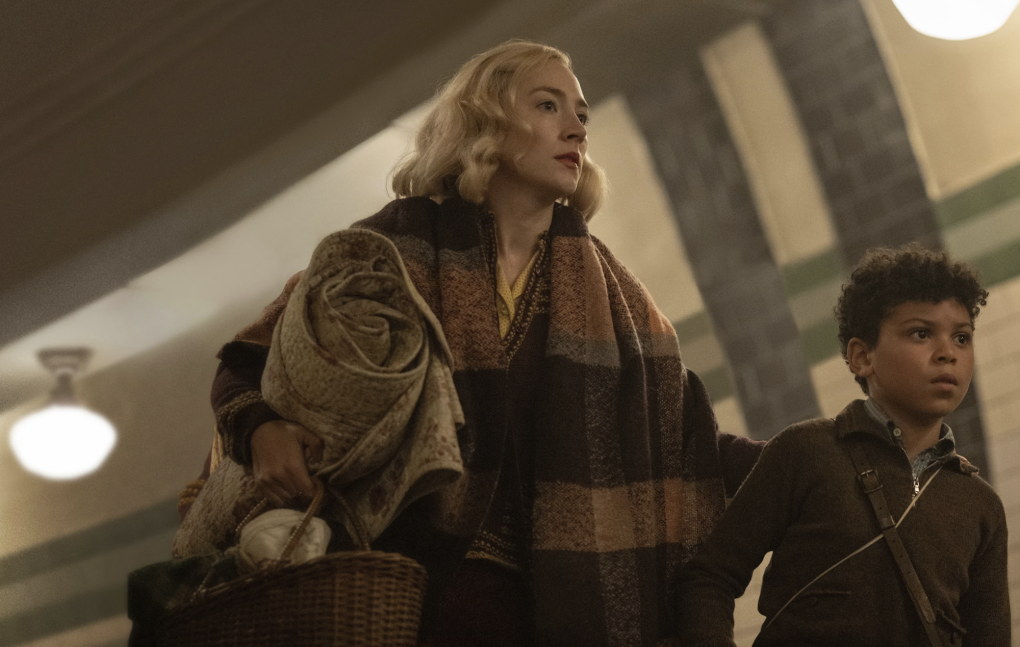
}
},
"audioPlayerReducer": {
"postId": "stream_live",
"isPaused": true,
"isPlaying": false,
"pfsActive": false,
"pledgeModalIsOpen": true,
"playerDrawerIsOpen": false,
"liveAudioPlayStartedAt": 0,
"liveAudioPlayContext": ""
},
"authorsReducer": {
"byline_arts_13967831": {
"type": "authors",
"id": "byline_arts_13967831",
"meta": {
"override": true
},
"slug": "byline_arts_13967831",
"name": "Maureen Corrigan, NPR",
"isLoading": false
},
"byline_arts_13967805": {
"type": "authors",
"id": "byline_arts_13967805",
"meta": {
"override": true
},
"slug": "byline_arts_13967805",
"name": "Lindsey Bahr, Associated Press",
"isLoading": false
},
"byline_arts_13967786": {
"type": "authors",
"id": "byline_arts_13967786",
"meta": {
"override": true
},
"slug": "byline_arts_13967786",
"name": "Andrew DeMillo, Associated Press",
"isLoading": false
},
"byline_arts_13967643": {
"type": "authors",
"id": "byline_arts_13967643",
"meta": {
"override": true
},
"slug": "byline_arts_13967643",
"name": "Rob Merrill, Associated Press",
"isLoading": false
},
"byline_arts_13967594": {
"type": "authors",
"id": "byline_arts_13967594",
"meta": {
"override": true
},
"slug": "byline_arts_13967594",
"name": "Eric Deggans, NPR",
"isLoading": false
},
"byline_arts_13967522": {
"type": "authors",
"id": "byline_arts_13967522",
"meta": {
"override": true
},
"slug": "byline_arts_13967522",
"name": "Jocelyn Noveck, Associated Press",
"isLoading": false
},
"byline_arts_13967528": {
"type": "authors",
"id": "byline_arts_13967528",
"meta": {
"override": true
},
"slug": "byline_arts_13967528",
"name": "Jake Coyle, Associated Press",
"isLoading": false
},
"gmeline": {
"type": "authors",
"id": "185",
"meta": {
"index": "authors_1716337520",
"id": "185",
"found": true
},
"name": "Gabe Meline",
"firstName": "Gabe",
"lastName": "Meline",
"slug": "gmeline",
"email": "gmeline@kqed.org",
"display_author_email": true,
"staff_mastheads": [
"arts"
],
"title": "Senior Editor, KQED Arts & Culture",
"bio": "Gabe Meline entered journalism at age 15 making photocopied zines, and has since earned awards from the Edward R. Murrow Awards, the Society for Professional Journalists, the Online Journalism Awards, the Association of Alternative Newsweeklies and the California Newspaper Publishers Association. Prior to KQED, he was the editor of the \u003cem>North Bay Bohemian\u003c/em> and a touring musician. He lives with his wife and daughter in his hometown of Santa Rosa, CA.",
"avatar": "https://secure.gravatar.com/avatar/5bebe57be0d8bc2dd318934feb47299e2d2d10cba28d09d8d7afb389a2ce2bdd?s=600&d=blank&r=g",
"twitter": null,
"bluesky": null,
"facebook": null,
"instagram": null,
"linkedin": null,
"sites": [
{
"site": "",
"roles": [
"editor"
]
},
{
"site": "arts",
"roles": [
"administrator"
]
},
{
"site": "artschool",
"roles": [
"editor"
]
},
{
"site": "news",
"roles": [
"author"
]
},
{
"site": "pop",
"roles": [
"editor"
]
},
{
"site": "bayareabites",
"roles": [
"editor"
]
},
{
"site": "food",
"roles": [
"editor"
]
},
{
"site": "forum",
"roles": [
"administrator"
]
},
{
"site": "liveblog",
"roles": [
"editor"
]
},
{
"site": "hiphop",
"roles": [
"editor"
]
}
],
"headData": {
"title": "Gabe Meline | KQED",
"description": "Senior Editor, KQED Arts & Culture",
"ogImgSrc": "https://secure.gravatar.com/avatar/5bebe57be0d8bc2dd318934feb47299e2d2d10cba28d09d8d7afb389a2ce2bdd?s=600&d=blank&r=g",
"twImgSrc": "https://secure.gravatar.com/avatar/5bebe57be0d8bc2dd318934feb47299e2d2d10cba28d09d8d7afb389a2ce2bdd?s=600&d=blank&r=g"
},
"isLoading": false,
"link": "/author/gmeline"
},
"ralexandra": {
"type": "authors",
"id": "11242",
"meta": {
"index": "authors_1716337520",
"id": "11242",
"found": true
},
"name": "Rae Alexandra",
"firstName": "Rae",
"lastName": "Alexandra",
"slug": "ralexandra",
"email": "ralexandra@kqed.org",
"display_author_email": true,
"staff_mastheads": [],
"title": "Reporter/Producer",
"bio": "Rae Alexandra is a Reporter/Producer for KQED Arts & Culture, and the creator/author of the \u003ca href=\"https://www.kqed.org/arts/program/rebel-girls-from-bay-area-history\">Rebel Girls From Bay Area History\u003c/a> and \u003ca href=\"https://www.kqed.org/bizarrebayarea\">Bizarre Bay Area\u003c/a> series. Her debut book, \u003ca href=\"https://citylights.com/politics-current-events-history/unsung-heroines35-women-who-changed/\">Unsung Heroines: 35 Women Who Changed the Bay Area\u003c/a> was published by City Lights in March 2026. In 2023, Rae was awarded an SPJ Excellence in Journalism Award for Arts & Culture. Rae was born and raised in Wales and subsequently — even after two decades in Northern California — still uses phrases that regularly baffle her coworkers.",
"avatar": "https://secure.gravatar.com/avatar/edfee8176c80cc0a382b051190f5341997df378a934a5774dcb0977732dfd401?s=600&d=blank&r=g",
"twitter": null,
"bluesky": null,
"facebook": null,
"instagram": null,
"linkedin": null,
"sites": [
{
"site": "arts",
"roles": [
"subscriber"
]
},
{
"site": "news",
"roles": [
"subscriber"
]
},
{
"site": "pop",
"roles": [
"subscriber"
]
},
{
"site": "bayareabites",
"roles": [
"subscriber"
]
},
{
"site": "science",
"roles": [
"subscriber"
]
}
],
"headData": {
"title": "Rae Alexandra | KQED",
"description": "Reporter/Producer",
"ogImgSrc": "https://secure.gravatar.com/avatar/edfee8176c80cc0a382b051190f5341997df378a934a5774dcb0977732dfd401?s=600&d=blank&r=g",
"twImgSrc": "https://secure.gravatar.com/avatar/edfee8176c80cc0a382b051190f5341997df378a934a5774dcb0977732dfd401?s=600&d=blank&r=g"
},
"isLoading": false,
"link": "/author/ralexandra"
},
"nvoynovskaya": {
"type": "authors",
"id": "11387",
"meta": {
"index": "authors_1716337520",
"id": "11387",
"found": true
},
"name": "Nastia Voynovskaya",
"firstName": "Nastia",
"lastName": "Voynovskaya",
"slug": "nvoynovskaya",
"email": "nvoynovskaya@kqed.org",
"display_author_email": false,
"staff_mastheads": [
"arts"
],
"title": "Editor and reporter",
"bio": "Nastia Voynovskaya is a reporter, editor and host at KQED Arts & Culture. She's been covering the arts in the Bay Area for over a decade, with a focus on music, queer culture, labor issues and grassroots organizing. She has edited KQED story series such as Trans Bay: A History of San Francisco's Gender-Diverse Community, and co-created KQED's Bay Area hip-hop history project, That's My Word. Nastia's work has been recognized by the Society of Professional Journalists and San Francisco Press Club. She regularly appears on podcasts and radio programs, including NPR's All Songs Considered, and hosts live events where music, culture and conversation meet.",
"avatar": "https://secure.gravatar.com/avatar/5025ee460e5a85d69ca20ea6c6f2f80d7e17795c828f61ea3aecfcd924e9042e?s=600&d=blank&r=g",
"twitter": null,
"bluesky": null,
"facebook": null,
"instagram": "https://www.instagram.com/nananastia/",
"linkedin": null,
"sites": [
{
"site": "",
"roles": [
"editor"
]
},
{
"site": "arts",
"roles": [
"administrator"
]
},
{
"site": "news",
"roles": [
"editor"
]
},
{
"site": "pop",
"roles": [
"administrator"
]
},
{
"site": "bayareabites",
"roles": [
"editor"
]
},
{
"site": "podcasts",
"roles": [
"editor"
]
},
{
"site": "hiphop",
"roles": [
"editor"
]
}
],
"headData": {
"title": "Nastia Voynovskaya | KQED",
"description": "Editor and reporter",
"ogImgSrc": "https://secure.gravatar.com/avatar/5025ee460e5a85d69ca20ea6c6f2f80d7e17795c828f61ea3aecfcd924e9042e?s=600&d=blank&r=g",
"twImgSrc": "https://secure.gravatar.com/avatar/5025ee460e5a85d69ca20ea6c6f2f80d7e17795c828f61ea3aecfcd924e9042e?s=600&d=blank&r=g"
},
"isLoading": false,
"link": "/author/nvoynovskaya"
},
"ogpenn": {
"type": "authors",
"id": "11491",
"meta": {
"index": "authors_1716337520",
"id": "11491",
"found": true
},
"name": "Pendarvis Harshaw",
"firstName": "Pendarvis",
"lastName": "Harshaw",
"slug": "ogpenn",
"email": "ogpenn@gmail.com",
"display_author_email": false,
"staff_mastheads": [
"arts"
],
"title": "Community Engagement Reporter",
"bio": "Pendarvis Harshaw is an educator, host and writer with KQED Arts.",
"avatar": "https://secure.gravatar.com/avatar/972b77ee8e3f346ae2b00622661187fbfabd059b5693bbdc1475ea7a722fd4cd?s=600&d=blank&r=g",
"twitter": null,
"bluesky": null,
"facebook": null,
"instagram": "ogpenn",
"linkedin": null,
"sites": [
{
"site": "arts",
"roles": [
"administrator"
]
},
{
"site": "news",
"roles": [
"editor"
]
},
{
"site": "bayareabites",
"roles": [
"author"
]
},
{
"site": "hiphop",
"roles": [
"editor"
]
}
],
"headData": {
"title": "Pendarvis Harshaw | KQED",
"description": "Community Engagement Reporter",
"ogImgSrc": "https://secure.gravatar.com/avatar/972b77ee8e3f346ae2b00622661187fbfabd059b5693bbdc1475ea7a722fd4cd?s=600&d=blank&r=g",
"twImgSrc": "https://secure.gravatar.com/avatar/972b77ee8e3f346ae2b00622661187fbfabd059b5693bbdc1475ea7a722fd4cd?s=600&d=blank&r=g"
},
"isLoading": false,
"link": "/author/ogpenn"
},
"sfaulise": {
"type": "authors",
"id": "11919",
"meta": {
"index": "authors_1716337520",
"id": "11919",
"found": true
},
"name": "Shannon Faulise",
"firstName": "Shannon",
"lastName": "Faulise",
"slug": "sfaulise",
"email": "sfaulise@kqed.org",
"display_author_email": false,
"staff_mastheads": [],
"title": "Contributor, KQED Arts & Culture",
"bio": "Shannon Faulise is a graduate of the UC Berkeley Graduate School of Journalism, where she concentrated on photojournalism and feature writing. Shannon's photos, audio pieces and written stories have appeared in The Oaklandside, The Redwood City Pulse and KALX. Outside of reporting, Shannon loves kpop, women's sports and concerts. She served as an intern for KQED Arts & Culture in 2024–25.",
"avatar": "https://secure.gravatar.com/avatar/76449df2627a603d6b02f0534ec3c913007029bff4f1c0572071401f9a293a02?s=600&d=blank&r=g",
"twitter": null,
"bluesky": null,
"facebook": null,
"instagram": null,
"linkedin": null,
"sites": [
{
"site": "arts",
"roles": [
"subscriber"
]
}
],
"headData": {
"title": "Shannon Faulise | KQED",
"description": "Contributor, KQED Arts & Culture",
"ogImgSrc": "https://secure.gravatar.com/avatar/76449df2627a603d6b02f0534ec3c913007029bff4f1c0572071401f9a293a02?s=600&d=blank&r=g",
"twImgSrc": "https://secure.gravatar.com/avatar/76449df2627a603d6b02f0534ec3c913007029bff4f1c0572071401f9a293a02?s=600&d=blank&r=g"
},
"isLoading": false,
"link": "/author/sfaulise"
}
},
"pagesReducer": {
"arts_category_the-do-list": {
"type": "terms",
"id": "arts_22313",
"meta": {
"index": "terms_1716263798",
"site": "arts",
"id": "22313",
"score": 13.107631
},
"name": "The Do List",
"slug": "the-do-list",
"taxonomy": "category",
"description": null,
"featImg": null,
"headData": {
"title": "The Do List | KQED Arts",
"description": null,
"ogTitle": null,
"ogDescription": null,
"ogImgId": null,
"twTitle": null,
"twDescription": null,
"twImgId": null
},
"ttid": 22325,
"isLoading": false,
"title": "The Do List",
"pageMeta": {
"site": "arts",
"WpPageTemplate": "page-topic-editorial",
"currentPage": 55
},
"blocks": [
{
"blockName": "kqed/post-list",
"attrs": {
"layout": "cardArticle2",
"query": "posts/arts?category=the-do-list",
"seeMore": false,
"paginated": true,
"page": 55
}
},
{
"blockName": "kqed/ad"
}
]
}
},
"pfsSessionReducer": {},
"postsReducer": {
"stream_live": {
"type": "live",
"id": "stream_live",
"audioUrl": "https://streams.kqed.org/kqedradio",
"title": "Live Stream",
"excerpt": "Live Stream information currently unavailable.",
"link": "/radio",
"featImg": "",
"label": {
"name": "KQED Live",
"link": "/"
}
},
"stream_kqedNewscast": {
"type": "posts",
"id": "stream_kqedNewscast",
"audioUrl": "https://www.kqed.org/.stream/anon/radio/RDnews/newscast.mp3?_=1",
"title": "KQED Newscast",
"featImg": "",
"label": {
"name": "88.5 FM",
"link": "/"
}
},
"arts_13967856": {
"type": "posts",
"id": "arts_13967856",
"meta": {
"index": "posts_1716263798",
"site": "arts",
"id": "13967856",
"score": null,
"sort": [
1731015836000
]
},
"guestAuthors": [],
"slug": "chinatown-ross-alley-zine-festival-hotam-press",
"title": "At SF Chinatown’s First Zine Fest, an International Artist with NorCal Ties",
"publishDate": 1731015836,
"format": "standard",
"headTitle": "At SF Chinatown’s First Zine Fest, an International Artist with NorCal Ties | KQED",
"labelTerm": {
"term": 140,
"site": "arts"
},
"content": "\u003cp>When Vancouver-based visual artist and independent publisher Ho Tam left San Francisco after the 2023 \u003ca href=\"https://www.kqed.org/arts/13961341/sf-art-book-fair-zines-underground-small-press-review\">SF Art Book Fair\u003c/a>, he knew he wanted to come back. This year, thanks to the Chinese Culture Center’s \u003ca href=\"https://www.41ross.org/residency\">41 Ross Artist-in-Residence program\u003c/a>, his wish was granted. \u003c/p>\n\u003cp>Tam, the founder of \u003ca href=\"https://hotampress.com/\">Hotam Press\u003c/a>, has been living and working in San Francisco since September, turning 41 Ross into a temporary bookshop, gallery and studio. And this Saturday, along with 10 local publishers, he’ll have the chance to showcase his work at the first-ever \u003ca href=\"https://www.cccsf.us/event-details/chinatown-ross-alley-zine-festival-hua-bu-xiao-xiang-shou-zuo-shu-zhi-jie\">Chinatown Ross Alley Zine Festival\u003c/a>. Participants include \u003ca href=\"https://www.kqed.org/arts/13876332/the-hustle-floss-editions-art-book-publishers\">Floss Editions\u003c/a>, \u003ca href=\"https://www.smingsming.com/\">Sming Sming Books\u003c/a> and \u003ca href=\"https://www.instagram.com/unitypress/\">Unity Press\u003c/a>. \u003c/p>\n\u003cfigure id=\"attachment_13967860\" class=\"wp-caption aligncenter\" style=\"max-width: 2000px\">\u003cimg loading=\"lazy\" decoding=\"async\" src=\"https://cdn.kqed.org/wp-content/uploads/sites/2/2024/11/Lisa-Hsia-.-courtesy-of-the-artist_2000.jpg\" alt=\"spread of book with illustrations of a woman doing many different activities\" width=\"2000\" height=\"1597\" class=\"size-full wp-image-13967860\" srcset=\"https://cdn.kqed.org/wp-content/uploads/sites/2/2024/11/Lisa-Hsia-.-courtesy-of-the-artist_2000.jpg 2000w, https://cdn.kqed.org/wp-content/uploads/sites/2/2024/11/Lisa-Hsia-.-courtesy-of-the-artist_2000-800x639.jpg 800w, https://cdn.kqed.org/wp-content/uploads/sites/2/2024/11/Lisa-Hsia-.-courtesy-of-the-artist_2000-1020x814.jpg 1020w, https://cdn.kqed.org/wp-content/uploads/sites/2/2024/11/Lisa-Hsia-.-courtesy-of-the-artist_2000-160x128.jpg 160w, https://cdn.kqed.org/wp-content/uploads/sites/2/2024/11/Lisa-Hsia-.-courtesy-of-the-artist_2000-768x613.jpg 768w, https://cdn.kqed.org/wp-content/uploads/sites/2/2024/11/Lisa-Hsia-.-courtesy-of-the-artist_2000-1536x1226.jpg 1536w, https://cdn.kqed.org/wp-content/uploads/sites/2/2024/11/Lisa-Hsia-.-courtesy-of-the-artist_2000-1920x1533.jpg 1920w\" sizes=\"(max-width: 2000px) 100vw, 2000px\">\u003cfigcaption class=\"wp-caption-text\">Work by Lisa Hsia, one of the artists participating in the Chinatown Ross Alley Zine Festival. \u003ccite>(Courtesy of the artist)\u003c/cite>\u003c/figcaption>\u003c/figure>\n\u003cp>Tam’s own interest in zine and bookmaking spans decades. “As a kid, I was interested in making my own magazines,” says Tam, who was born in Hong Kong. “I didn’t even know it was [called] zines at the time, I just made my own little books.” \u003c/p>\n\u003cp>He published his first art book in the early ’90s, but life took him elsewhere, away from book and zine making. It wasn’t until the early 2010s, after leaving a teaching position, that Tam found himself back in the world of zines, helping other artists learn to make and distribute their own works. He realized he still had plenty of his own ideas, and established Hotam Press to continue his work in the medium. For Tam, creating art through books and zines just made sense. \u003c/p>\n\u003cp>“I like using text and images in my work,” says Tam. “I think it’s … a logical direction to make them into books, because the book itself can contain some sort of narrative, and could also be complete in itself as an object.” \u003c/p>\n\u003cfigure id=\"attachment_13967859\" class=\"wp-caption aligncenter\" style=\"max-width: 1800px\">\u003cimg loading=\"lazy\" decoding=\"async\" src=\"https://cdn.kqed.org/wp-content/uploads/sites/2/2024/11/Ho-Tam-.-courtesy-of-the-artist_comp_1800.jpg\" alt=\"Asian man and display of magazines and books\" width=\"1800\" height=\"901\" class=\"size-full wp-image-13967859\" srcset=\"https://cdn.kqed.org/wp-content/uploads/sites/2/2024/11/Ho-Tam-.-courtesy-of-the-artist_comp_1800.jpg 1800w, https://cdn.kqed.org/wp-content/uploads/sites/2/2024/11/Ho-Tam-.-courtesy-of-the-artist_comp_1800-800x400.jpg 800w, https://cdn.kqed.org/wp-content/uploads/sites/2/2024/11/Ho-Tam-.-courtesy-of-the-artist_comp_1800-1020x511.jpg 1020w, https://cdn.kqed.org/wp-content/uploads/sites/2/2024/11/Ho-Tam-.-courtesy-of-the-artist_comp_1800-160x80.jpg 160w, https://cdn.kqed.org/wp-content/uploads/sites/2/2024/11/Ho-Tam-.-courtesy-of-the-artist_comp_1800-768x384.jpg 768w, https://cdn.kqed.org/wp-content/uploads/sites/2/2024/11/Ho-Tam-.-courtesy-of-the-artist_comp_1800-1536x769.jpg 1536w\" sizes=\"(max-width: 1800px) 100vw, 1800px\">\u003cfigcaption class=\"wp-caption-text\">Ho Tam and examples of work put out by Hotam Press. \u003ccite>(Courtesy of the artist)\u003c/cite>\u003c/figcaption>\u003c/figure>\n\u003cp>Tam says he finds inspiration for his zines and books from all sorts of subject matter, including his own personal stories and interests, social justice issues and political topics. \u003c/p>\n\u003cp>[ad fullwidth]\u003c/p>\n\u003cp>Right now, Tam’s biggest source of inspiration is his family tree, which reaches into Northern California. His father always told Tam if he traveled a little further toward Sacramento, he might be able to find details about his great-grandfather, who once lived there. He found a few long-lost cousins and, with their help, was able to trace some of their shared lineage back to Marysville, California, in Yuba County\u003c/p>\n\u003cp>“I only wish when my father was around, I had asked him more questions,” Tam says. “But now I’m finding out about my family through others, through this research, through these towns … so it’s very rewarding too.” \u003c/p>\n\u003cp>Before his artist residency ends on Nov. 30, Tam hopes to create a piece related to his time in San Francisco and the experience of connecting with newly found relatives. Just like old times: “I’m hoping to make a zine out of it,” he says. \u003c/p>\n\u003chr>\n\u003cp>\u003c/p>\n\u003cp>The \u003ca href=\"https://www.cccsf.us/event-details/chinatown-ross-alley-zine-festival-hua-bu-xiao-xiang-shou-zuo-shu-zhi-jie\">Chinatown Ross Alley Zine Festival\u003c/a> takes place 12–4 p.m. on Saturday, Nov. 9. \u003c/p>\n\n",
"blocks": [],
"excerpt": "Independent publisher Ho Tam has used his residency at 41 Ross to connect with long-lost relatives.",
"status": "publish",
"parent": 0,
"modified": 1731015836,
"stats": {
"hasAudio": false,
"hasVideo": false,
"hasChartOrMap": false,
"iframeSrcs": [],
"hasGoogleForm": false,
"hasGallery": false,
"hasHearkenModule": false,
"hasPolis": false,
"paragraphCount": 12,
"wordCount": 552
},
"headData": {
"title": "SF Chinatown Hosts Its First Zine Fest with Hotam Press | KQED",
"description": "Independent publisher Ho Tam has used his residency at 41 Ross to connect with long-lost relatives.",
"ogTitle": "At SF Chinatown’s First Zine Fest, an International Artist with NorCal Ties",
"ogDescription": "",
"ogImgId": "",
"twTitle": "At SF Chinatown’s First Zine Fest, an International Artist with NorCal Ties",
"twDescription": "",
"twImgId": "",
"socialTitle": "SF Chinatown Hosts Its First Zine Fest with Hotam Press %%page%% %%sep%% KQED",
"schema": {
"@context": "https://schema.org",
"@type": "Article",
"headline": "At SF Chinatown’s First Zine Fest, an International Artist with NorCal Ties",
"datePublished": "2024-11-07T13:43:56-08:00",
"dateModified": "2024-11-07T13:43:56-08:00",
"image": "https://cdn.kqed.org/wp-content/uploads/2020/02/KQED-OG-Image@1x.png"
}
},
"sticky": false,
"nprStoryId": "kqed-13967856",
"templateType": "standard",
"featuredImageType": "standard",
"excludeFromSiteSearch": "Include",
"articleAge": "0",
"path": "/arts/13967856/chinatown-ross-alley-zine-festival-hotam-press",
"audioTrackLength": null,
"parsedContent": [
{
"type": "contentString",
"content": "\u003cdiv class=\"post-body\">\u003cp>\u003cp>When Vancouver-based visual artist and independent publisher Ho Tam left San Francisco after the 2023 \u003ca href=\"https://www.kqed.org/arts/13961341/sf-art-book-fair-zines-underground-small-press-review\">SF Art Book Fair\u003c/a>, he knew he wanted to come back. This year, thanks to the Chinese Culture Center’s \u003ca href=\"https://www.41ross.org/residency\">41 Ross Artist-in-Residence program\u003c/a>, his wish was granted. \u003c/p>\n\u003cp>Tam, the founder of \u003ca href=\"https://hotampress.com/\">Hotam Press\u003c/a>, has been living and working in San Francisco since September, turning 41 Ross into a temporary bookshop, gallery and studio. And this Saturday, along with 10 local publishers, he’ll have the chance to showcase his work at the first-ever \u003ca href=\"https://www.cccsf.us/event-details/chinatown-ross-alley-zine-festival-hua-bu-xiao-xiang-shou-zuo-shu-zhi-jie\">Chinatown Ross Alley Zine Festival\u003c/a>. Participants include \u003ca href=\"https://www.kqed.org/arts/13876332/the-hustle-floss-editions-art-book-publishers\">Floss Editions\u003c/a>, \u003ca href=\"https://www.smingsming.com/\">Sming Sming Books\u003c/a> and \u003ca href=\"https://www.instagram.com/unitypress/\">Unity Press\u003c/a>. \u003c/p>\n\u003cfigure id=\"attachment_13967860\" class=\"wp-caption aligncenter\" style=\"max-width: 2000px\">\u003cimg loading=\"lazy\" decoding=\"async\" src=\"https://cdn.kqed.org/wp-content/uploads/sites/2/2024/11/Lisa-Hsia-.-courtesy-of-the-artist_2000.jpg\" alt=\"spread of book with illustrations of a woman doing many different activities\" width=\"2000\" height=\"1597\" class=\"size-full wp-image-13967860\" srcset=\"https://cdn.kqed.org/wp-content/uploads/sites/2/2024/11/Lisa-Hsia-.-courtesy-of-the-artist_2000.jpg 2000w, https://cdn.kqed.org/wp-content/uploads/sites/2/2024/11/Lisa-Hsia-.-courtesy-of-the-artist_2000-800x639.jpg 800w, https://cdn.kqed.org/wp-content/uploads/sites/2/2024/11/Lisa-Hsia-.-courtesy-of-the-artist_2000-1020x814.jpg 1020w, https://cdn.kqed.org/wp-content/uploads/sites/2/2024/11/Lisa-Hsia-.-courtesy-of-the-artist_2000-160x128.jpg 160w, https://cdn.kqed.org/wp-content/uploads/sites/2/2024/11/Lisa-Hsia-.-courtesy-of-the-artist_2000-768x613.jpg 768w, https://cdn.kqed.org/wp-content/uploads/sites/2/2024/11/Lisa-Hsia-.-courtesy-of-the-artist_2000-1536x1226.jpg 1536w, https://cdn.kqed.org/wp-content/uploads/sites/2/2024/11/Lisa-Hsia-.-courtesy-of-the-artist_2000-1920x1533.jpg 1920w\" sizes=\"(max-width: 2000px) 100vw, 2000px\">\u003cfigcaption class=\"wp-caption-text\">Work by Lisa Hsia, one of the artists participating in the Chinatown Ross Alley Zine Festival. \u003ccite>(Courtesy of the artist)\u003c/cite>\u003c/figcaption>\u003c/figure>\n\u003cp>Tam’s own interest in zine and bookmaking spans decades. “As a kid, I was interested in making my own magazines,” says Tam, who was born in Hong Kong. “I didn’t even know it was [called] zines at the time, I just made my own little books.” \u003c/p>\n\u003cp>He published his first art book in the early ’90s, but life took him elsewhere, away from book and zine making. It wasn’t until the early 2010s, after leaving a teaching position, that Tam found himself back in the world of zines, helping other artists learn to make and distribute their own works. He realized he still had plenty of his own ideas, and established Hotam Press to continue his work in the medium. For Tam, creating art through books and zines just made sense. \u003c/p>\n\u003cp>“I like using text and images in my work,” says Tam. “I think it’s … a logical direction to make them into books, because the book itself can contain some sort of narrative, and could also be complete in itself as an object.” \u003c/p>\n\u003cfigure id=\"attachment_13967859\" class=\"wp-caption aligncenter\" style=\"max-width: 1800px\">\u003cimg loading=\"lazy\" decoding=\"async\" src=\"https://cdn.kqed.org/wp-content/uploads/sites/2/2024/11/Ho-Tam-.-courtesy-of-the-artist_comp_1800.jpg\" alt=\"Asian man and display of magazines and books\" width=\"1800\" height=\"901\" class=\"size-full wp-image-13967859\" srcset=\"https://cdn.kqed.org/wp-content/uploads/sites/2/2024/11/Ho-Tam-.-courtesy-of-the-artist_comp_1800.jpg 1800w, https://cdn.kqed.org/wp-content/uploads/sites/2/2024/11/Ho-Tam-.-courtesy-of-the-artist_comp_1800-800x400.jpg 800w, https://cdn.kqed.org/wp-content/uploads/sites/2/2024/11/Ho-Tam-.-courtesy-of-the-artist_comp_1800-1020x511.jpg 1020w, https://cdn.kqed.org/wp-content/uploads/sites/2/2024/11/Ho-Tam-.-courtesy-of-the-artist_comp_1800-160x80.jpg 160w, https://cdn.kqed.org/wp-content/uploads/sites/2/2024/11/Ho-Tam-.-courtesy-of-the-artist_comp_1800-768x384.jpg 768w, https://cdn.kqed.org/wp-content/uploads/sites/2/2024/11/Ho-Tam-.-courtesy-of-the-artist_comp_1800-1536x769.jpg 1536w\" sizes=\"(max-width: 1800px) 100vw, 1800px\">\u003cfigcaption class=\"wp-caption-text\">Ho Tam and examples of work put out by Hotam Press. \u003ccite>(Courtesy of the artist)\u003c/cite>\u003c/figcaption>\u003c/figure>\n\u003cp>Tam says he finds inspiration for his zines and books from all sorts of subject matter, including his own personal stories and interests, social justice issues and political topics. \u003c/p>\n\u003cp>\u003c/p>\u003c/div>",
"attributes": {
"named": {},
"numeric": []
}
},
{
"type": "component",
"content": "",
"name": "ad",
"attributes": {
"named": {
"label": "fullwidth"
},
"numeric": [
"fullwidth"
]
}
},
{
"type": "contentString",
"content": "\u003cdiv class=\"post-body\">\u003cp>\u003c/p>\n\u003cp>Right now, Tam’s biggest source of inspiration is his family tree, which reaches into Northern California. His father always told Tam if he traveled a little further toward Sacramento, he might be able to find details about his great-grandfather, who once lived there. He found a few long-lost cousins and, with their help, was able to trace some of their shared lineage back to Marysville, California, in Yuba County\u003c/p>\n\u003cp>“I only wish when my father was around, I had asked him more questions,” Tam says. “But now I’m finding out about my family through others, through this research, through these towns … so it’s very rewarding too.” \u003c/p>\n\u003cp>Before his artist residency ends on Nov. 30, Tam hopes to create a piece related to his time in San Francisco and the experience of connecting with newly found relatives. Just like old times: “I’m hoping to make a zine out of it,” he says. \u003c/p>\n\u003chr>\n\u003cp>\u003c/p>\n\u003cp>The \u003ca href=\"https://www.cccsf.us/event-details/chinatown-ross-alley-zine-festival-hua-bu-xiao-xiang-shou-zuo-shu-zhi-jie\">Chinatown Ross Alley Zine Festival\u003c/a> takes place 12–4 p.m. on Saturday, Nov. 9. \u003c/p>\n\n\u003c/div>\u003c/p>",
"attributes": {
"named": {},
"numeric": []
}
}
],
"link": "/arts/13967856/chinatown-ross-alley-zine-festival-hotam-press",
"authors": [
"11919"
],
"programs": [
"arts_140"
],
"categories": [
"arts_1",
"arts_73",
"arts_22313"
],
"tags": [
"arts_928",
"arts_2654",
"arts_10278",
"arts_585"
],
"featImg": "arts_13967858",
"label": "arts_140"
},
"arts_13967831": {
"type": "posts",
"id": "arts_13967831",
"meta": {
"index": "posts_1716263798",
"site": "arts",
"id": "13967831",
"score": null,
"sort": [
1731004374000
]
},
"guestAuthors": [],
"slug": "need-a-break-marvel-at-the-vanishing-treasures-of-the-natural-world",
"title": "Need a Break? Marvel at the ‘Vanishing Treasures’ of the Natural World",
"publishDate": 1731004374,
"format": "aside",
"headTitle": "Need a Break? Marvel at the ‘Vanishing Treasures’ of the Natural World | KQED",
"labelTerm": {
"term": 140,
"site": "arts"
},
"content": "\u003cp>\u003cimg loading=\"lazy\" decoding=\"async\" class=\"size-full wp-image-13967832\" style=\"font-weight: bold;background-color: transparent;color: #767676\" src=\"https://cdn.kqed.org/wp-content/uploads/sites/2/2024/11/9780385550826.jpeg\" alt=\"A teal book cover featuring an image of a wombat.\" width=\"1650\" height=\"2475\" srcset=\"https://cdn.kqed.org/wp-content/uploads/sites/2/2024/11/9780385550826.jpeg 1650w, https://cdn.kqed.org/wp-content/uploads/sites/2/2024/11/9780385550826-800x1200.jpeg 800w, https://cdn.kqed.org/wp-content/uploads/sites/2/2024/11/9780385550826-1020x1530.jpeg 1020w, https://cdn.kqed.org/wp-content/uploads/sites/2/2024/11/9780385550826-160x240.jpeg 160w, https://cdn.kqed.org/wp-content/uploads/sites/2/2024/11/9780385550826-768x1152.jpeg 768w, https://cdn.kqed.org/wp-content/uploads/sites/2/2024/11/9780385550826-1024x1536.jpeg 1024w, https://cdn.kqed.org/wp-content/uploads/sites/2/2024/11/9780385550826-1365x2048.jpeg 1365w\" sizes=\"auto, (max-width: 1650px) 100vw, 1650px\">\u003c/p>\n\u003cp>‘Vanishing Treasures: A Bestiary of Extraordinary Endangered Creatures’ by Katherine Rundell.If, you, too, have been intensely concentrating on the presidential election, you may be ready for a shift of focus. \u003cem>Vanishing Treasures\u003c/em>, an extraordinary book by Katherine Rundell (originally published under the title \u003cem>The Golden Mole\u003c/em> in the UK) lifts readers out of the here and now and invites us to train our eyes on wider horizons.\u003c/p>\n\u003cp>Rundell is a publishing phenom. Her 2013 middle-grade children’s book \u003cem>Rooftoppers \u003c/em>drew inspiration from her own adventures as an undergraduate at Oxford, where she climbed brick walls and scaled drainpipes to take in the views of that “city of dreaming spires” from on high. More recently, Rundell has written \u003cem>Super-Infinite\u003c/em>, an acclaimed biography of the metaphysical poet John Donne, as well as a bestselling fantasy novel, called \u003cem>Impossible Creatures\u003c/em>.\u003c/p>\n\u003cp>[aside postid='arts_13967439']In short, Rundell is something of a Renaissance woman who writes with the elegance and erudition that distinguished that era. \u003cem>Vanishing Treasures\u003c/em> is a bestiary, a collection of creatures, both odd and mundane — all of whom are more astonishing than you might expect; all of whom, as Rundell tells us are “endangered or [contain] a subspecies that is endangered — because there is almost no creature on the planet, now, for which that is not the case.”\u003c/p>\n\u003cp>Rundell begins her book with an epigraph from an author whose reputation is itself approaching extinction: the British essayist and mystery writer, G.K. Chesterton: “The world will never starve for want of wonders; but only for want of wonder.”\u003c/p>\n\u003cp>[ad fullwidth]\u003c/p>\n\u003cp>What follows are 23 very short essays on creatures ranging from the wombat to the spider; the raccoon to the tuna. For anyone whose capacity for wonder could use a jumpstart, Rundell’s essays are essential reading. Listen, for instance, to these sentences from the opening paragraph of her essay on the swift — a common creature so named because it’s the fastest bird in flight:\u003c/p>\n\u003cblockquote>\n\u003cdiv>\n\u003cp>The swift is sky-suited like no other bird. Weighing less than a hen’s egg, with wings like a scythe and a tail like a fork, it eats and sleeps on the wing. … [Swifts] mate in brief mid-sky collisions, the only birds to do so, and to wash they hunt down clouds and fly through gentle rain, slowly, wings outstretched.\u003c/p>\n\u003c/div>\n\u003c/blockquote>\n\u003cp>As you can hear, Rundell’s essays are no mere Wikipedia entries about the natural world; rather, they’re deeply-felt, lyrical, often witty, and occasionally grisly evocations of the living marvels she’s surveying. Her essay on “The Hermit Crab,” for instance, begins with a jolt: “It was, perhaps, a hermit crab that ate Amelia Earhart.”\u003c/p>\n\u003cp>Rundell goes on to explain: It seems that the uninhabited island in the Western Pacific where \u003ca href=\"https://www.npr.org/2024/01/29/1227574179/amelia-earharts-lost-plane-howland-island\">Earhart’s plane\u003c/a> may have gone down and where 13 (but, only 13) human bones were discovered that matched Earhart’s size is to this day also “home to a colony of coconut hermit crabs: the world’s largest land crab. … The oldest [crabs] live to more than a hundred, and grow to be up to 40 inches across: too large to fit in a bathtub, exactly the right size for a nightmare.”\u003c/p>\n\u003cp>[aside postid='arts_13967643']The interconnectedness, both savage and beautiful, of the animal and human world is the message thrumming through these essays. Earhart’s possible fate notwithstanding, it’s, of course, nonhuman creatures who suffer most from their contact with us. “The greatest lie that humans ever told is that the Earth is ours, and at our disposal. … We must cease from telling that lie because the world is so rare, and so wildly fine.”\u003c/p>\n\u003cp>\u003c/p>\n\u003cp>\u003cem>Vanishing Treasures\u003c/em> makes readers see, \u003cem>really see\u003c/em>, some of the miraculous creatures we still share this fragile world with. Like any wise environmentalist, Rundell also leavens terror with possibility. I leave you, then, with Rundell’s tribute to the Greenland shark, “the planet’s oldest vertebrate”; an animal who can live over 500 years. Rundell says:\u003c/p>\n\u003cblockquote>\n\u003cdiv>\n\u003cp>… I find the very idea of them hopeful. They will see us pass through whichever spinning chaos we may currently be living through, … and they will live through the currently unimagined things that will come after that: the transformations, revelations, the possible liberations. That is their beauty and it’s breathtaking: they go on. These slow, odorous, half-blind creatures are perhaps the closest thing to eternal this planet has to offer.\u003c/p>\n\u003c/div>\n\u003c/blockquote>\n\u003cdiv>\n\u003chr>\n\u003cp>\u003cem>‘Vanishing Treasures: A Bestiary of Extraordinary Endangered Creatures’ by Katherine Rundell is out on Nov. 12, via Doubleday.\u003c/em>\u003c/p>\n\u003c/div>\n\n",
"blocks": [],
"excerpt": "Katherine Rundell's new book of short, deeply-felt essays is essential reading for anyone whose wonder could use a jumpstart. ",
"status": "publish",
"parent": 0,
"modified": 1741715467,
"stats": {
"hasAudio": false,
"hasVideo": false,
"hasChartOrMap": false,
"iframeSrcs": [],
"hasGoogleForm": false,
"hasGallery": false,
"hasHearkenModule": false,
"hasPolis": false,
"paragraphCount": 15,
"wordCount": 799
},
"headData": {
"title": "Book Review: ‘Vanishing Treasures’ by Katherine Rundell | KQED",
"description": "Katherine Rundell's new book of short, deeply-felt essays is essential reading for anyone whose wonder could use a jumpstart. ",
"ogTitle": "Need a Break? Marvel at the ‘Vanishing Treasures’ of the Natural World",
"ogDescription": "",
"ogImgId": "",
"twTitle": "Need a Break? Marvel at the ‘Vanishing Treasures’ of the Natural World",
"twDescription": "",
"twImgId": "",
"socialTitle": "Book Review: ‘Vanishing Treasures’ by Katherine Rundell %%page%% %%sep%% KQED",
"schema": {
"@context": "https://schema.org",
"@type": "Article",
"headline": "Need a Break? Marvel at the ‘Vanishing Treasures’ of the Natural World",
"datePublished": "2024-11-07T10:32:54-08:00",
"dateModified": "2025-03-11T10:51:07-07:00",
"image": "https://cdn.kqed.org/wp-content/uploads/2020/02/KQED-OG-Image@1x.png"
}
},
"sticky": false,
"nprByline": "Maureen Corrigan, NPR",
"nprStoryId": "nx-s1-5178051",
"nprHtmlLink": "https://www.npr.org/2024/11/07/nx-s1-5178051/vanishing-treasures-review-katherine-rundell",
"nprRetrievedStory": "1",
"nprPubDate": "2024-11-07T11:56:29.217-05:00",
"nprStoryDate": "2024-11-07T11:56:29.217-05:00",
"nprLastModifiedDate": "2024-11-07T11:56:29.217-05:00",
"templateType": "standard",
"featuredImageType": "standard",
"excludeFromSiteSearch": "Include",
"showOnAuthorArchivePages": "No",
"articleAge": "0",
"path": "/arts/13967831/need-a-break-marvel-at-the-vanishing-treasures-of-the-natural-world",
"audioTrackLength": null,
"parsedContent": [
{
"type": "contentString",
"content": "\u003cdiv class=\"post-body\">\u003cp>\u003cp>\u003cimg loading=\"lazy\" decoding=\"async\" class=\"size-full wp-image-13967832\" style=\"font-weight: bold;background-color: transparent;color: #767676\" src=\"https://cdn.kqed.org/wp-content/uploads/sites/2/2024/11/9780385550826.jpeg\" alt=\"A teal book cover featuring an image of a wombat.\" width=\"1650\" height=\"2475\" srcset=\"https://cdn.kqed.org/wp-content/uploads/sites/2/2024/11/9780385550826.jpeg 1650w, https://cdn.kqed.org/wp-content/uploads/sites/2/2024/11/9780385550826-800x1200.jpeg 800w, https://cdn.kqed.org/wp-content/uploads/sites/2/2024/11/9780385550826-1020x1530.jpeg 1020w, https://cdn.kqed.org/wp-content/uploads/sites/2/2024/11/9780385550826-160x240.jpeg 160w, https://cdn.kqed.org/wp-content/uploads/sites/2/2024/11/9780385550826-768x1152.jpeg 768w, https://cdn.kqed.org/wp-content/uploads/sites/2/2024/11/9780385550826-1024x1536.jpeg 1024w, https://cdn.kqed.org/wp-content/uploads/sites/2/2024/11/9780385550826-1365x2048.jpeg 1365w\" sizes=\"auto, (max-width: 1650px) 100vw, 1650px\">\u003c/p>\n\u003cp>‘Vanishing Treasures: A Bestiary of Extraordinary Endangered Creatures’ by Katherine Rundell.If, you, too, have been intensely concentrating on the presidential election, you may be ready for a shift of focus. \u003cem>Vanishing Treasures\u003c/em>, an extraordinary book by Katherine Rundell (originally published under the title \u003cem>The Golden Mole\u003c/em> in the UK) lifts readers out of the here and now and invites us to train our eyes on wider horizons.\u003c/p>\n\u003cp>Rundell is a publishing phenom. Her 2013 middle-grade children’s book \u003cem>Rooftoppers \u003c/em>drew inspiration from her own adventures as an undergraduate at Oxford, where she climbed brick walls and scaled drainpipes to take in the views of that “city of dreaming spires” from on high. More recently, Rundell has written \u003cem>Super-Infinite\u003c/em>, an acclaimed biography of the metaphysical poet John Donne, as well as a bestselling fantasy novel, called \u003cem>Impossible Creatures\u003c/em>.\u003c/p>\n\u003cp>\u003c/p>\u003c/div>",
"attributes": {
"named": {},
"numeric": []
}
},
{
"type": "component",
"content": "",
"name": "aside",
"attributes": {
"named": {
"postid": "arts_13967439",
"label": ""
},
"numeric": []
}
},
{
"type": "contentString",
"content": "\u003cdiv class=\"post-body\">\u003cp>In short, Rundell is something of a Renaissance woman who writes with the elegance and erudition that distinguished that era. \u003cem>Vanishing Treasures\u003c/em> is a bestiary, a collection of creatures, both odd and mundane — all of whom are more astonishing than you might expect; all of whom, as Rundell tells us are “endangered or [contain] a subspecies that is endangered — because there is almost no creature on the planet, now, for which that is not the case.”\u003c/p>\n\u003cp>Rundell begins her book with an epigraph from an author whose reputation is itself approaching extinction: the British essayist and mystery writer, G.K. Chesterton: “The world will never starve for want of wonders; but only for want of wonder.”\u003c/p>\n\u003cp>\u003c/p>\u003c/div>",
"attributes": {
"named": {},
"numeric": []
}
},
{
"type": "component",
"content": "",
"name": "ad",
"attributes": {
"named": {
"label": "fullwidth"
},
"numeric": [
"fullwidth"
]
}
},
{
"type": "contentString",
"content": "\u003cdiv class=\"post-body\">\u003cp>\u003c/p>\n\u003cp>What follows are 23 very short essays on creatures ranging from the wombat to the spider; the raccoon to the tuna. For anyone whose capacity for wonder could use a jumpstart, Rundell’s essays are essential reading. Listen, for instance, to these sentences from the opening paragraph of her essay on the swift — a common creature so named because it’s the fastest bird in flight:\u003c/p>\n\u003cblockquote>\n\u003cdiv>\n\u003cp>The swift is sky-suited like no other bird. Weighing less than a hen’s egg, with wings like a scythe and a tail like a fork, it eats and sleeps on the wing. … [Swifts] mate in brief mid-sky collisions, the only birds to do so, and to wash they hunt down clouds and fly through gentle rain, slowly, wings outstretched.\u003c/p>\n\u003c/div>\n\u003c/blockquote>\n\u003cp>As you can hear, Rundell’s essays are no mere Wikipedia entries about the natural world; rather, they’re deeply-felt, lyrical, often witty, and occasionally grisly evocations of the living marvels she’s surveying. Her essay on “The Hermit Crab,” for instance, begins with a jolt: “It was, perhaps, a hermit crab that ate Amelia Earhart.”\u003c/p>\n\u003cp>Rundell goes on to explain: It seems that the uninhabited island in the Western Pacific where \u003ca href=\"https://www.npr.org/2024/01/29/1227574179/amelia-earharts-lost-plane-howland-island\">Earhart’s plane\u003c/a> may have gone down and where 13 (but, only 13) human bones were discovered that matched Earhart’s size is to this day also “home to a colony of coconut hermit crabs: the world’s largest land crab. … The oldest [crabs] live to more than a hundred, and grow to be up to 40 inches across: too large to fit in a bathtub, exactly the right size for a nightmare.”\u003c/p>\n\u003cp>\u003c/p>\u003c/div>",
"attributes": {
"named": {},
"numeric": []
}
},
{
"type": "component",
"content": "",
"name": "aside",
"attributes": {
"named": {
"postid": "arts_13967643",
"label": ""
},
"numeric": []
}
},
{
"type": "contentString",
"content": "\u003cdiv class=\"post-body\">\u003cp>The interconnectedness, both savage and beautiful, of the animal and human world is the message thrumming through these essays. Earhart’s possible fate notwithstanding, it’s, of course, nonhuman creatures who suffer most from their contact with us. “The greatest lie that humans ever told is that the Earth is ours, and at our disposal. … We must cease from telling that lie because the world is so rare, and so wildly fine.”\u003c/p>\n\u003cp>\u003c/p>\n\u003cp>\u003cem>Vanishing Treasures\u003c/em> makes readers see, \u003cem>really see\u003c/em>, some of the miraculous creatures we still share this fragile world with. Like any wise environmentalist, Rundell also leavens terror with possibility. I leave you, then, with Rundell’s tribute to the Greenland shark, “the planet’s oldest vertebrate”; an animal who can live over 500 years. Rundell says:\u003c/p>\n\u003cblockquote>\n\u003cdiv>\n\u003cp>… I find the very idea of them hopeful. They will see us pass through whichever spinning chaos we may currently be living through, … and they will live through the currently unimagined things that will come after that: the transformations, revelations, the possible liberations. That is their beauty and it’s breathtaking: they go on. These slow, odorous, half-blind creatures are perhaps the closest thing to eternal this planet has to offer.\u003c/p>\n\u003c/div>\n\u003c/blockquote>\n\u003cdiv>\n\u003chr>\n\u003cp>\u003cem>‘Vanishing Treasures: A Bestiary of Extraordinary Endangered Creatures’ by Katherine Rundell is out on Nov. 12, via Doubleday.\u003c/em>\u003c/p>\n\u003c/div>\n\n\u003c/div>\u003c/p>",
"attributes": {
"named": {},
"numeric": []
}
}
],
"link": "/arts/13967831/need-a-break-marvel-at-the-vanishing-treasures-of-the-natural-world",
"authors": [
"byline_arts_13967831"
],
"programs": [
"arts_140"
],
"categories": [
"arts_1",
"arts_73",
"arts_22351",
"arts_22313"
],
"tags": [
"arts_9124",
"arts_2832",
"arts_22296",
"arts_769",
"arts_585"
],
"affiliates": [
"arts_137"
],
"featImg": "arts_13967837",
"label": "arts_140"
},
"arts_13967805": {
"type": "posts",
"id": "arts_13967805",
"meta": {
"index": "posts_1716263798",
"site": "arts",
"id": "13967805",
"score": null,
"sort": [
1730937958000
]
},
"guestAuthors": [],
"slug": "the-piano-lesson-august-wilson-malcolm-washington-samuel-jackson-streaming-netflix",
"title": "The Washington Family Tells a Ghost Story in August Wilson’s ‘The Piano Lesson’",
"publishDate": 1730937958,
"format": "standard",
"headTitle": "The Washington Family Tells a Ghost Story in August Wilson’s ‘The Piano Lesson’ | KQED",
"labelTerm": {
"term": 140,
"site": "arts"
},
"content": "\u003cp>An heirloom piano takes on immense significance for one family in 1936 Pittsburgh in August Wilson’s \u003cem>The Piano Lesson\u003c/em>. Generational ties also permeate the film adaptation, in which Malcolm Washington follows in his father Denzel Washington’s footsteps in helping to bring the entirety of The Pittsburgh Cycle — a series of 10 plays — to the screen.\u003c/p>\n\u003cp>[aside postid='arts_13967522']Malcolm Washington did not start from scratch in his accomplished feature filmmaking debut. He enlisted much of the cast from the recent Broadway revival with Samuel L. Jackson (Doaker Charles), his brother, John David Washington (Boy Willie), Ray Fisher (Lymon) and Michael Potts (Whining Boy). Berniece, played by Danielle Brooks in the play, is now beautifully portrayed by Danielle Deadwyler. With such rich material and a cast for whom it’s second nature, it would be hard, one imagines, to go wrong. Jackson’s own history with the play goes back to its original run in 1987 when he was Boy Willie.\u003c/p>\n\u003cp>It’s not the simplest thing to make a play feel cinematic, but Malcolm Washington was up to the task. His film opens up the world of the Charles family beyond the living room. In fact, this adaptation, which Washington co-wrote with \u003cem>Mudbound\u003c/em> screenwriter Virgil Williams, goes beyond Wilson’s text and shows us the past and the origins of the intricately engraved piano that’s central to all the fuss.\u003c/p>\n\u003cp>The film even opens on a big, action-filled set piece in 1911, during which the piano is stolen from a white family’s home. Another fleshes out Doaker’s monologue in which he explains to the uninitiated, Fisher’s Lymon, and the audience, the tortured history of the thing. While it might have been nice to keep the camera on Jackson, such a great, grounding presence throughout, the good news is that he really makes narration shine as well.\u003c/p>\n\u003cp>https://www.youtube.com/watch?v=cZwjt0pjt8w\u003c/p>\n\u003cp>[ad fullwidth]\u003c/p>\n\u003cp>Wilson purists will certainly have opinions on these artistic choices; But they let the film breathe a bit, offering some respite from the living room with the looming piano. And most of the film stays right there, in 1936. Boy Willie and Lymon descend early one morning, uninvited, on the Pittsburgh home of Berniece and her uncle Doaker.\u003c/p>\n\u003cp>It’s a family reunion with an agenda: They’ve driven a truck full of watermelons up north from Mississippi, and Willie, Berniece’s younger brother, wants to sell the watermelons and then the piano. The dusty old instrument represents to him a chance to let the past go and start a future. With the money, he wants to buy the land that his enslaved ancestors worked. Berniece has other ideas about the piano, namely keeping it. It’s a connection to the past, not an anchor. Besides, it might be haunted.\u003c/p>\n\u003cp>[aside postid='arts_13967549']Yes, \u003cem>The Piano Lesson\u003c/em>, in theaters Friday and streaming on Netflix on Nov. 22, isn’t just a meditation on family history. It’s also a literal ghost story, with creaks, spooks and shadows lurking when the piano is disturbed. Deadwyler is electric as Berniece, who bears the brunt of the haunting, walking on eggshells in her life, trying to care for her young daughter and fend off passes from men who assume she can only be fulfilled with one at her side. Now she must deal with her somewhat manic brother who might, Doaker wisely reminds, actually, annoyingly, have a point. Perhaps the film academy will make up for their snub of her performance in \u003cem>Till\u003c/em> with this turn.\u003c/p>\n\u003cp>Regardless of your familiarity with Wilson’s Pittsburgh Cycle, \u003cem>The Piano Lesson\u003c/em> is a worthwhile, captivating and moving watch full of charismatic performers. Talent isn’t always genetic, but the Washington family is putting in the work to prove otherwise. And with \u003cem>Fences\u003c/em>, \u003cem>Ma Rainey’s Black Bottom\u003c/em> and now \u003cem>The Piano Lesson\u003c/em>, they’re making a mark with a bold and ambitious project that is probably long overdue. Only seven more to go.\u003c/p>\n\u003chr>\n\u003cp>\u003c/p>\n\u003cp>\u003cem>‘The Piano Lesson’ is out nationwide on Nov. 8, 2024 and begins streaming on Netflix on Nov. 22.\u003c/em>\u003c/p>\n\n",
"blocks": [],
"excerpt": "It’s not easy to make a play feel cinematic but Malcolm Washington succeeds, opening up the world of the Charles family.",
"status": "publish",
"parent": 0,
"modified": 1730937958,
"stats": {
"hasAudio": false,
"hasVideo": true,
"hasChartOrMap": false,
"iframeSrcs": [],
"hasGoogleForm": false,
"hasGallery": false,
"hasHearkenModule": false,
"hasPolis": false,
"paragraphCount": 11,
"wordCount": 712
},
"headData": {
"title": "Movie Review: ‘The Piano Lesson’ Is a Worthy Adaptation | KQED",
"description": "It’s not easy to make a play feel cinematic but Malcolm Washington succeeds, opening up the world of the Charles family.",
"ogTitle": "The Washington family tells a ghost story in August Wilson’s ‘The Piano Lesson’",
"ogDescription": "",
"ogImgId": "",
"twTitle": "The Washington family tells a ghost story in August Wilson’s ‘The Piano Lesson’",
"twDescription": "",
"twImgId": "",
"socialTitle": "Movie Review: ‘The Piano Lesson’ Is a Worthy Adaptation%%page%% %%sep%% KQED",
"schema": {
"@context": "https://schema.org",
"@type": "Article",
"headline": "The Washington Family Tells a Ghost Story in August Wilson’s ‘The Piano Lesson’",
"datePublished": "2024-11-06T16:05:58-08:00",
"dateModified": "2024-11-06T16:05:58-08:00",
"image": "https://cdn.kqed.org/wp-content/uploads/2020/02/KQED-OG-Image@1x.png"
}
},
"sticky": false,
"nprByline": "Lindsey Bahr, Associated Press",
"nprStoryId": "kqed-13967805",
"templateType": "standard",
"featuredImageType": "standard",
"excludeFromSiteSearch": "Include",
"showOnAuthorArchivePages": "No",
"articleAge": "0",
"path": "/arts/13967805/the-piano-lesson-august-wilson-malcolm-washington-samuel-jackson-streaming-netflix",
"audioTrackLength": null,
"parsedContent": [
{
"type": "contentString",
"content": "\u003cdiv class=\"post-body\">\u003cp>\u003cp>An heirloom piano takes on immense significance for one family in 1936 Pittsburgh in August Wilson’s \u003cem>The Piano Lesson\u003c/em>. Generational ties also permeate the film adaptation, in which Malcolm Washington follows in his father Denzel Washington’s footsteps in helping to bring the entirety of The Pittsburgh Cycle — a series of 10 plays — to the screen.\u003c/p>\n\u003cp>\u003c/p>\u003c/div>",
"attributes": {
"named": {},
"numeric": []
}
},
{
"type": "component",
"content": "",
"name": "aside",
"attributes": {
"named": {
"postid": "arts_13967522",
"label": ""
},
"numeric": []
}
},
{
"type": "contentString",
"content": "\u003cdiv class=\"post-body\">\u003cp>Malcolm Washington did not start from scratch in his accomplished feature filmmaking debut. He enlisted much of the cast from the recent Broadway revival with Samuel L. Jackson (Doaker Charles), his brother, John David Washington (Boy Willie), Ray Fisher (Lymon) and Michael Potts (Whining Boy). Berniece, played by Danielle Brooks in the play, is now beautifully portrayed by Danielle Deadwyler. With such rich material and a cast for whom it’s second nature, it would be hard, one imagines, to go wrong. Jackson’s own history with the play goes back to its original run in 1987 when he was Boy Willie.\u003c/p>\n\u003cp>It’s not the simplest thing to make a play feel cinematic, but Malcolm Washington was up to the task. His film opens up the world of the Charles family beyond the living room. In fact, this adaptation, which Washington co-wrote with \u003cem>Mudbound\u003c/em> screenwriter Virgil Williams, goes beyond Wilson’s text and shows us the past and the origins of the intricately engraved piano that’s central to all the fuss.\u003c/p>\n\u003cp>The film even opens on a big, action-filled set piece in 1911, during which the piano is stolen from a white family’s home. Another fleshes out Doaker’s monologue in which he explains to the uninitiated, Fisher’s Lymon, and the audience, the tortured history of the thing. While it might have been nice to keep the camera on Jackson, such a great, grounding presence throughout, the good news is that he really makes narration shine as well.\u003c/p>\u003c/p>\u003cp>\u003cspan class='utils-parseShortcode-shortcodes-__youtubeShortcode__embedYoutube'>\n \u003cspan class='utils-parseShortcode-shortcodes-__youtubeShortcode__embedYoutubeInside'>\n \u003ciframe\n loading='lazy'\n class='utils-parseShortcode-shortcodes-__youtubeShortcode__youtubePlayer'\n type='text/html'\n src='//www.youtube.com/embed/cZwjt0pjt8w'\n title='//www.youtube.com/embed/cZwjt0pjt8w'\n allowfullscreen='true'\n style='border:0;'>\u003c/iframe>\n \u003c/span>\n \u003c/span>\u003c/p>\u003cp>\u003cp>\u003c/p>\u003c/div>",
"attributes": {
"named": {},
"numeric": []
}
},
{
"type": "component",
"content": "",
"name": "ad",
"attributes": {
"named": {
"label": "fullwidth"
},
"numeric": [
"fullwidth"
]
}
},
{
"type": "contentString",
"content": "\u003cdiv class=\"post-body\">\u003cp>\u003c/p>\n\u003cp>Wilson purists will certainly have opinions on these artistic choices; But they let the film breathe a bit, offering some respite from the living room with the looming piano. And most of the film stays right there, in 1936. Boy Willie and Lymon descend early one morning, uninvited, on the Pittsburgh home of Berniece and her uncle Doaker.\u003c/p>\n\u003cp>It’s a family reunion with an agenda: They’ve driven a truck full of watermelons up north from Mississippi, and Willie, Berniece’s younger brother, wants to sell the watermelons and then the piano. The dusty old instrument represents to him a chance to let the past go and start a future. With the money, he wants to buy the land that his enslaved ancestors worked. Berniece has other ideas about the piano, namely keeping it. It’s a connection to the past, not an anchor. Besides, it might be haunted.\u003c/p>\n\u003cp>\u003c/p>\u003c/div>",
"attributes": {
"named": {},
"numeric": []
}
},
{
"type": "component",
"content": "",
"name": "aside",
"attributes": {
"named": {
"postid": "arts_13967549",
"label": ""
},
"numeric": []
}
},
{
"type": "contentString",
"content": "\u003cdiv class=\"post-body\">\u003cp>Yes, \u003cem>The Piano Lesson\u003c/em>, in theaters Friday and streaming on Netflix on Nov. 22, isn’t just a meditation on family history. It’s also a literal ghost story, with creaks, spooks and shadows lurking when the piano is disturbed. Deadwyler is electric as Berniece, who bears the brunt of the haunting, walking on eggshells in her life, trying to care for her young daughter and fend off passes from men who assume she can only be fulfilled with one at her side. Now she must deal with her somewhat manic brother who might, Doaker wisely reminds, actually, annoyingly, have a point. Perhaps the film academy will make up for their snub of her performance in \u003cem>Till\u003c/em> with this turn.\u003c/p>\n\u003cp>Regardless of your familiarity with Wilson’s Pittsburgh Cycle, \u003cem>The Piano Lesson\u003c/em> is a worthwhile, captivating and moving watch full of charismatic performers. Talent isn’t always genetic, but the Washington family is putting in the work to prove otherwise. And with \u003cem>Fences\u003c/em>, \u003cem>Ma Rainey’s Black Bottom\u003c/em> and now \u003cem>The Piano Lesson\u003c/em>, they’re making a mark with a bold and ambitious project that is probably long overdue. Only seven more to go.\u003c/p>\n\u003chr>\n\u003cp>\u003c/p>\n\u003cp>\u003cem>‘The Piano Lesson’ is out nationwide on Nov. 8, 2024 and begins streaming on Netflix on Nov. 22.\u003c/em>\u003c/p>\n\n\u003c/div>\u003c/p>",
"attributes": {
"named": {},
"numeric": []
}
}
],
"link": "/arts/13967805/the-piano-lesson-august-wilson-malcolm-washington-samuel-jackson-streaming-netflix",
"authors": [
"byline_arts_13967805"
],
"programs": [
"arts_140"
],
"categories": [
"arts_1",
"arts_74",
"arts_75",
"arts_22313"
],
"tags": [
"arts_3324",
"arts_769",
"arts_585"
],
"featImg": "arts_13967810",
"label": "arts_140"
},
"arts_13967748": {
"type": "posts",
"id": "arts_13967748",
"meta": {
"index": "posts_1716263798",
"site": "arts",
"id": "13967748",
"score": null,
"sort": [
1730937660000
]
},
"guestAuthors": [],
"slug": "klay-thompson-art-show",
"title": "Welcome Back to the Klay Area, Mr. Thompson",
"publishDate": 1730937660,
"format": "aside",
"headTitle": "Welcome Back to the Klay Area, Mr. Thompson | KQED",
"labelTerm": {
"term": 140,
"site": "arts"
},
"content": "\u003cfigure id=\"attachment_13967753\" class=\"wp-caption aligncenter\" style=\"max-width: 748px\">\u003cimg loading=\"lazy\" decoding=\"async\" class=\"size-full wp-image-13967753\" src=\"https://cdn.kqed.org/wp-content/uploads/sites/2/2024/11/Screenshot-2024-11-05-at-2.18.35%E2%80%AFPM.png\" alt=\"\" width=\"748\" height=\"880\" srcset=\"https://cdn.kqed.org/wp-content/uploads/sites/2/2024/11/Screenshot-2024-11-05-at-2.18.35 PM.png 748w, https://cdn.kqed.org/wp-content/uploads/sites/2/2024/11/Screenshot-2024-11-05-at-2.18.35 PM-160x188.png 160w\" sizes=\"(max-width: 748px) 100vw, 748px\">\u003cfigcaption class=\"wp-caption-text\">An illustration of NBA star (and boat owner) Klay Thompson with his pup, Rocco. \u003ccite>(\u003ca href=\"https://www.instagram.com/bunnieeatmuffin/\" target=\"_blank\">Kaitlyn Joe-Johnson\u003c/a>)\u003c/cite>\u003c/figcaption>\u003c/figure>\n\u003cp>The NBA season is in full swing, and with a 7-1 record, the Golden State Warriors are balling.\u003c/p>\n\u003cp>As the Bay Area prepares to \u003ca href=\"https://www.nba.com/warriors/2025-allstar\" target=\"_blank\" rel=\"noopener\">host the NBA All-Star game in February\u003c/a>, and with the WNBA’s latest expansion team \u003ca href=\"https://valkyries.com/\" target=\"_blank\" rel=\"noopener\">the Golden State Valkyries\u003c/a> set to debut in May, it’s a good time to be a local hoops fan.\u003c/p>\n\u003cp>That is, unless you’re a big \u003ca href=\"https://www.si.com/nba/mavericks/news/former-warriors-star-klay-thompson-reveals-why-he-signed-with-dallas-mavericks\">Klay Thompson fan\u003c/a>. But don’t worry. After his \u003ca href=\"https://www.nba.com/news/klay-thompson-2024-free-agency\" target=\"_blank\" rel=\"noopener\">sign-and-trade\u003c/a> deal this past off-season, the beloved former Golden State Warriors shooting guard makes his return to the Bay as a member of the Dallas Mavericks to play the Warriors on Nov. 12.\u003c/p>\n\u003cfigure id=\"attachment_13967760\" class=\"wp-caption aligncenter\" style=\"max-width: 934px\">\u003cimg loading=\"lazy\" decoding=\"async\" class=\"size-full wp-image-13967760\" src=\"https://cdn.kqed.org/wp-content/uploads/sites/2/2024/11/IMG_1592.jpg\" alt=\"Splash Brother Klay Thompson illustrated in the spirit of the Super Mario Bros.\" width=\"934\" height=\"1236\" srcset=\"https://cdn.kqed.org/wp-content/uploads/sites/2/2024/11/IMG_1592.jpg 934w, https://cdn.kqed.org/wp-content/uploads/sites/2/2024/11/IMG_1592-800x1059.jpg 800w, https://cdn.kqed.org/wp-content/uploads/sites/2/2024/11/IMG_1592-160x212.jpg 160w, https://cdn.kqed.org/wp-content/uploads/sites/2/2024/11/IMG_1592-768x1016.jpg 768w\" sizes=\"(max-width: 934px) 100vw, 934px\">\u003cfigcaption class=\"wp-caption-text\">Splash Brother Klay Thompson illustrated in the spirit of Super Mario Bros. \u003ccite>(\u003ca href=\"https://www.instagram.com/raystation/?hl=en\" target=\"_blank\">Ray Yuen\u003c/a>)\u003c/cite>\u003c/figcaption>\u003c/figure>\n\u003cp>Amidst the mixed emotions, there’s no denying that Captain Klay played a huge part in the Dubs dynasty that brought about four championship titles over the past decade.\u003c/p>\n\u003cp>To recognize that fact ahead of the splash brother reunion, Oakland’s SoleSpace — a sneaker store and creative lab — hosts a weekend-long art tribute to Klay Thompson called \u003ca href=\"https://www.instagram.com/p/DCAROFHSbW7/?igsh=MWQ1ZGUxMzBkMA%3D%3D\" target=\"_blank\" rel=\"noopener\">Klay Area\u003c/a>.\u003c/p>\n\u003cp>[ad fullwidth]\u003c/p>\n\u003cp>Co-coordinated by \u003ca href=\"https://www.instagram.com/solespacelab/\" target=\"_blank\" rel=\"noopener\">SoleSpace\u003c/a> owner \u003ca href=\"https://www.kqed.org/arts/13958896/solespace-lab-oakland-sneakers-sustainability\" target=\"_blank\" rel=\"noopener\">Jeff Perlstein\u003c/a> and artist \u003ca href=\"https://jonathanchan.com/?fbclid=PAZXh0bgNhZW0CMTEAAaYiXEyUsKxhuCHAC8onc6J3SItLgahwTHwC9lPXYmCjdJ9SovfAD-jDZ0k_aem_OBVCHlvA2mEAzbZZMsLSlA\" target=\"_blank\" rel=\"noopener\">Jonathan Chan\u003c/a>, the event will feature visual art pieces paying homage to Thompson, who holds the NBA record for \u003ca href=\"https://www.nba.com/news/nba-flashback-klay-thompson\" target=\"_blank\" rel=\"noopener\">points scored in a single quarter\u003c/a> (37) and \u003ca href=\"https://www.nba.com/news/most-3-pointers-made-single-game-nba-history\" target=\"_blank\" rel=\"noopener\">the most three-pointers made in a game\u003c/a> (14).\u003c/p>\n\u003cfigure id=\"attachment_13967761\" class=\"wp-caption aligncenter\" style=\"max-width: 746px\">\u003cimg loading=\"lazy\" decoding=\"async\" class=\"size-full wp-image-13967761\" src=\"https://cdn.kqed.org/wp-content/uploads/sites/2/2024/11/Screenshot-2024-11-05-at-2.39.12%E2%80%AFPM.png\" alt='\"China Klay,\" immortalized in artwork.' width=\"746\" height=\"976\" srcset=\"https://cdn.kqed.org/wp-content/uploads/sites/2/2024/11/Screenshot-2024-11-05-at-2.39.12 PM.png 746w, https://cdn.kqed.org/wp-content/uploads/sites/2/2024/11/Screenshot-2024-11-05-at-2.39.12 PM-160x209.png 160w\" sizes=\"(max-width: 746px) 100vw, 746px\">\u003cfigcaption class=\"wp-caption-text\">“China Klay,” immortalized in artwork. \u003ccite>(\u003ca href=\"https://www.instagram.com/thecitygfx/\" target=\"_blank\">Jason Wong\u003c/a>)\u003c/cite>\u003c/figcaption>\u003c/figure>\n\u003cp>Works from \u003ca href=\"https://www.instagram.com/bunnieeatmuffin/\" target=\"_blank\" rel=\"noopener\">Kaitlyn Joe-Johnson\u003c/a>, \u003ca href=\"https://www.instagram.com/shomari7382/\" target=\"_blank\" rel=\"noopener\">Shomari Smith\u003c/a>, \u003ca href=\"https://www.instagram.com/thecitygfx/\" target=\"_blank\" rel=\"noopener\">Jason Wong\u003c/a>, \u003ca href=\"https://www.instagram.com/raystation/\" target=\"_blank\" rel=\"noopener\">Ray Yuen\u003c/a>, Joel Rebello and more will be on display inside of the building on 9th Street in Old Oakland. Bright illustrations, creative remixes of images from popular culture and \u003ca href=\"https://www.youtube.com/watch?v=FG_IJYAb6TU\" target=\"_blank\" rel=\"noopener\">a dig at Klay’s comedic time in China\u003c/a> are among the pieces included.\u003c/p>\n\u003chr>\n\u003cp>\u003c/p>\n\u003cp>\u003cem>‘Klay Area,’ an all-ages exhibition, opens Friday, Nov. 8, and runs through Saturday and Sunday. Entry is donation-based. For more details check SoleSpace’s \u003ca href=\"https://www.instagram.com/p/DCAROFHSbW7/?igsh=MWQ1ZGUxMzBkMA%3D%3D\" target=\"_blank\" rel=\"noopener\">Instagram\u003c/a>. \u003c/em>\u003c/p>\n\n",
"blocks": [],
"excerpt": "An exhibition honoring former Warriors star Klay Thompson opens just in time for his return to the Bay Area. ",
"status": "publish",
"parent": 0,
"modified": 1731016773,
"stats": {
"hasAudio": false,
"hasVideo": false,
"hasChartOrMap": false,
"iframeSrcs": [],
"hasGoogleForm": false,
"hasGallery": false,
"hasHearkenModule": false,
"hasPolis": false,
"paragraphCount": 10,
"wordCount": 353
},
"headData": {
"title": "Welcome Back to the Klay Area, Mr. Thompson | KQED",
"description": "An exhibition honoring former Warriors star Klay Thompson opens just in time for his return to the Bay Area. ",
"ogTitle": "",
"ogDescription": "",
"ogImgId": "",
"twTitle": "",
"twDescription": "",
"twImgId": "",
"schema": {
"@context": "https://schema.org",
"@type": "Article",
"headline": "Welcome Back to the Klay Area, Mr. Thompson",
"datePublished": "2024-11-06T16:01:00-08:00",
"dateModified": "2024-11-07T13:59:33-08:00",
"image": "https://cdn.kqed.org/wp-content/uploads/2020/02/KQED-OG-Image@1x.png"
}
},
"sticky": false,
"nprStoryId": "kqed-13967748",
"templateType": "standard",
"featuredImageType": "standard",
"excludeFromSiteSearch": "Include",
"articleAge": "0",
"path": "/arts/13967748/klay-thompson-art-show",
"audioTrackLength": null,
"parsedContent": [
{
"type": "contentString",
"content": "\u003cdiv class=\"post-body\">\u003cp>\u003cfigure id=\"attachment_13967753\" class=\"wp-caption aligncenter\" style=\"max-width: 748px\">\u003cimg loading=\"lazy\" decoding=\"async\" class=\"size-full wp-image-13967753\" src=\"https://cdn.kqed.org/wp-content/uploads/sites/2/2024/11/Screenshot-2024-11-05-at-2.18.35%E2%80%AFPM.png\" alt=\"\" width=\"748\" height=\"880\" srcset=\"https://cdn.kqed.org/wp-content/uploads/sites/2/2024/11/Screenshot-2024-11-05-at-2.18.35 PM.png 748w, https://cdn.kqed.org/wp-content/uploads/sites/2/2024/11/Screenshot-2024-11-05-at-2.18.35 PM-160x188.png 160w\" sizes=\"(max-width: 748px) 100vw, 748px\">\u003cfigcaption class=\"wp-caption-text\">An illustration of NBA star (and boat owner) Klay Thompson with his pup, Rocco. \u003ccite>(\u003ca href=\"https://www.instagram.com/bunnieeatmuffin/\" target=\"_blank\">Kaitlyn Joe-Johnson\u003c/a>)\u003c/cite>\u003c/figcaption>\u003c/figure>\n\u003cp>The NBA season is in full swing, and with a 7-1 record, the Golden State Warriors are balling.\u003c/p>\n\u003cp>As the Bay Area prepares to \u003ca href=\"https://www.nba.com/warriors/2025-allstar\" target=\"_blank\" rel=\"noopener\">host the NBA All-Star game in February\u003c/a>, and with the WNBA’s latest expansion team \u003ca href=\"https://valkyries.com/\" target=\"_blank\" rel=\"noopener\">the Golden State Valkyries\u003c/a> set to debut in May, it’s a good time to be a local hoops fan.\u003c/p>\n\u003cp>That is, unless you’re a big \u003ca href=\"https://www.si.com/nba/mavericks/news/former-warriors-star-klay-thompson-reveals-why-he-signed-with-dallas-mavericks\">Klay Thompson fan\u003c/a>. But don’t worry. After his \u003ca href=\"https://www.nba.com/news/klay-thompson-2024-free-agency\" target=\"_blank\" rel=\"noopener\">sign-and-trade\u003c/a> deal this past off-season, the beloved former Golden State Warriors shooting guard makes his return to the Bay as a member of the Dallas Mavericks to play the Warriors on Nov. 12.\u003c/p>\n\u003cfigure id=\"attachment_13967760\" class=\"wp-caption aligncenter\" style=\"max-width: 934px\">\u003cimg loading=\"lazy\" decoding=\"async\" class=\"size-full wp-image-13967760\" src=\"https://cdn.kqed.org/wp-content/uploads/sites/2/2024/11/IMG_1592.jpg\" alt=\"Splash Brother Klay Thompson illustrated in the spirit of the Super Mario Bros.\" width=\"934\" height=\"1236\" srcset=\"https://cdn.kqed.org/wp-content/uploads/sites/2/2024/11/IMG_1592.jpg 934w, https://cdn.kqed.org/wp-content/uploads/sites/2/2024/11/IMG_1592-800x1059.jpg 800w, https://cdn.kqed.org/wp-content/uploads/sites/2/2024/11/IMG_1592-160x212.jpg 160w, https://cdn.kqed.org/wp-content/uploads/sites/2/2024/11/IMG_1592-768x1016.jpg 768w\" sizes=\"(max-width: 934px) 100vw, 934px\">\u003cfigcaption class=\"wp-caption-text\">Splash Brother Klay Thompson illustrated in the spirit of Super Mario Bros. \u003ccite>(\u003ca href=\"https://www.instagram.com/raystation/?hl=en\" target=\"_blank\">Ray Yuen\u003c/a>)\u003c/cite>\u003c/figcaption>\u003c/figure>\n\u003cp>Amidst the mixed emotions, there’s no denying that Captain Klay played a huge part in the Dubs dynasty that brought about four championship titles over the past decade.\u003c/p>\n\u003cp>To recognize that fact ahead of the splash brother reunion, Oakland’s SoleSpace — a sneaker store and creative lab — hosts a weekend-long art tribute to Klay Thompson called \u003ca href=\"https://www.instagram.com/p/DCAROFHSbW7/?igsh=MWQ1ZGUxMzBkMA%3D%3D\" target=\"_blank\" rel=\"noopener\">Klay Area\u003c/a>.\u003c/p>\n\u003cp>\u003c/p>\u003c/div>",
"attributes": {
"named": {},
"numeric": []
}
},
{
"type": "component",
"content": "",
"name": "ad",
"attributes": {
"named": {
"label": "fullwidth"
},
"numeric": [
"fullwidth"
]
}
},
{
"type": "contentString",
"content": "\u003cdiv class=\"post-body\">\u003cp>\u003c/p>\n\u003cp>Co-coordinated by \u003ca href=\"https://www.instagram.com/solespacelab/\" target=\"_blank\" rel=\"noopener\">SoleSpace\u003c/a> owner \u003ca href=\"https://www.kqed.org/arts/13958896/solespace-lab-oakland-sneakers-sustainability\" target=\"_blank\" rel=\"noopener\">Jeff Perlstein\u003c/a> and artist \u003ca href=\"https://jonathanchan.com/?fbclid=PAZXh0bgNhZW0CMTEAAaYiXEyUsKxhuCHAC8onc6J3SItLgahwTHwC9lPXYmCjdJ9SovfAD-jDZ0k_aem_OBVCHlvA2mEAzbZZMsLSlA\" target=\"_blank\" rel=\"noopener\">Jonathan Chan\u003c/a>, the event will feature visual art pieces paying homage to Thompson, who holds the NBA record for \u003ca href=\"https://www.nba.com/news/nba-flashback-klay-thompson\" target=\"_blank\" rel=\"noopener\">points scored in a single quarter\u003c/a> (37) and \u003ca href=\"https://www.nba.com/news/most-3-pointers-made-single-game-nba-history\" target=\"_blank\" rel=\"noopener\">the most three-pointers made in a game\u003c/a> (14).\u003c/p>\n\u003cfigure id=\"attachment_13967761\" class=\"wp-caption aligncenter\" style=\"max-width: 746px\">\u003cimg loading=\"lazy\" decoding=\"async\" class=\"size-full wp-image-13967761\" src=\"https://cdn.kqed.org/wp-content/uploads/sites/2/2024/11/Screenshot-2024-11-05-at-2.39.12%E2%80%AFPM.png\" alt='\"China Klay,\" immortalized in artwork.' width=\"746\" height=\"976\" srcset=\"https://cdn.kqed.org/wp-content/uploads/sites/2/2024/11/Screenshot-2024-11-05-at-2.39.12 PM.png 746w, https://cdn.kqed.org/wp-content/uploads/sites/2/2024/11/Screenshot-2024-11-05-at-2.39.12 PM-160x209.png 160w\" sizes=\"(max-width: 746px) 100vw, 746px\">\u003cfigcaption class=\"wp-caption-text\">“China Klay,” immortalized in artwork. \u003ccite>(\u003ca href=\"https://www.instagram.com/thecitygfx/\" target=\"_blank\">Jason Wong\u003c/a>)\u003c/cite>\u003c/figcaption>\u003c/figure>\n\u003cp>Works from \u003ca href=\"https://www.instagram.com/bunnieeatmuffin/\" target=\"_blank\" rel=\"noopener\">Kaitlyn Joe-Johnson\u003c/a>, \u003ca href=\"https://www.instagram.com/shomari7382/\" target=\"_blank\" rel=\"noopener\">Shomari Smith\u003c/a>, \u003ca href=\"https://www.instagram.com/thecitygfx/\" target=\"_blank\" rel=\"noopener\">Jason Wong\u003c/a>, \u003ca href=\"https://www.instagram.com/raystation/\" target=\"_blank\" rel=\"noopener\">Ray Yuen\u003c/a>, Joel Rebello and more will be on display inside of the building on 9th Street in Old Oakland. Bright illustrations, creative remixes of images from popular culture and \u003ca href=\"https://www.youtube.com/watch?v=FG_IJYAb6TU\" target=\"_blank\" rel=\"noopener\">a dig at Klay’s comedic time in China\u003c/a> are among the pieces included.\u003c/p>\n\u003chr>\n\u003cp>\u003c/p>\n\u003cp>\u003cem>‘Klay Area,’ an all-ages exhibition, opens Friday, Nov. 8, and runs through Saturday and Sunday. Entry is donation-based. For more details check SoleSpace’s \u003ca href=\"https://www.instagram.com/p/DCAROFHSbW7/?igsh=MWQ1ZGUxMzBkMA%3D%3D\" target=\"_blank\" rel=\"noopener\">Instagram\u003c/a>. \u003c/em>\u003c/p>\n\n\u003c/div>\u003c/p>",
"attributes": {
"named": {},
"numeric": []
}
}
],
"link": "/arts/13967748/klay-thompson-art-show",
"authors": [
"11491"
],
"programs": [
"arts_140"
],
"categories": [
"arts_1",
"arts_13238",
"arts_22313",
"arts_70"
],
"tags": [
"arts_10278",
"arts_1143",
"arts_585"
],
"featImg": "arts_13967797",
"label": "arts_140"
},
"arts_13967786": {
"type": "posts",
"id": "arts_13967786",
"meta": {
"index": "posts_1716263798",
"site": "arts",
"id": "13967786",
"score": null,
"sort": [
1730921475000
]
},
"guestAuthors": [],
"slug": "the-name-of-this-band-is-r-e-m-is-a-vivid-journey-through-the-bands-history",
"title": "‘The Name of This Band is R.E.M.’ Is a Vivid Journey Through the Band’s History",
"publishDate": 1730921475,
"format": "aside",
"headTitle": "‘The Name of This Band is R.E.M.’ Is a Vivid Journey Through the Band’s History | KQED",
"labelTerm": {
"term": 140,
"site": "arts"
},
"content": "\u003cfigure id=\"attachment_13967787\" class=\"wp-caption aligncenter\" style=\"max-width: 1395px\">\u003cimg loading=\"lazy\" decoding=\"async\" class=\"size-full wp-image-13967787\" src=\"https://cdn.kqed.org/wp-content/uploads/sites/2/2024/11/REM.png\" alt=\"An orange book cover featuring a black and white image of a band.\" width=\"1395\" height=\"2000\" srcset=\"https://cdn.kqed.org/wp-content/uploads/sites/2/2024/11/REM.png 1395w, https://cdn.kqed.org/wp-content/uploads/sites/2/2024/11/REM-800x1147.png 800w, https://cdn.kqed.org/wp-content/uploads/sites/2/2024/11/REM-1020x1462.png 1020w, https://cdn.kqed.org/wp-content/uploads/sites/2/2024/11/REM-160x229.png 160w, https://cdn.kqed.org/wp-content/uploads/sites/2/2024/11/REM-768x1101.png 768w, https://cdn.kqed.org/wp-content/uploads/sites/2/2024/11/REM-1071x1536.png 1071w\" sizes=\"auto, (max-width: 1395px) 100vw, 1395px\">\u003cfigcaption class=\"wp-caption-text\">‘The Name of This Band Is R.E.M.: A Biography’ by Peter Ames Carlin. \u003ccite>(Doubleday)\u003c/cite>\u003c/figcaption>\u003c/figure>\n\u003cp>The best way to read \u003cem>The Name of This Band is R.E.M.\u003c/em> is with a pair of headphones and a collection of the band’s albums on streaming services or CDs. Opt for the cassettes or vinyl if you want to go old school.\u003c/p>\n\u003cp>Peter Ames Carlin’s book isn’t just a cultural biography of the band going back to its formation in the-then sleepy college town of Athens, Georgia. It’s also a poetic meditation on what made so many of the band’s songs stand out, and continue to shine.\u003c/p>\n\u003cp>[aside postid='arts_13967509']“It was a new kind of post-punk, alternative music that straddled obscurity and directness, dissent and delicacy, unapologetic and unashamed pure pop,” he writes about the reaction to the band’s music in the early 1980s.\u003c/p>\n\u003cp>Carlin’s book offers plenty of behind the scenes details and trivia about R.E.M.’s rise. Fans will enjoy reading about how record executives were wary of making “Losing My Religion,” the band’s iconic hit, the first single from its album \u003cem>Out of Time\u003c/em>.\u003c/p>\n\u003cp>It’s also a fascinating history of a different era in music before social media created viral stars, when bands like R.E.M. rose up through college radio. The early sections of the book offer a vivid description of the music scene in Athens and the band’s beginning.\u003c/p>\n\u003cp>[ad fullwidth]\u003c/p>\n\u003cp>The book also explores the band’s political activism, including their work on environmental causes and promotion of the Rock the Vote campaign.\u003c/p>\n\u003cp>The band members didn’t agree to interviews for Carlin’s book, and that’s one of the few weaknesses of what is an otherwise well-researched history. Anyone hoping to discover major new revelations about the band and its members will likely be disappointed, but Carlin ably demonstrates the impact R.E.M.’s music has had and why its history is worth revisiting.\u003c/p>\n\u003chr>\n\u003cp>\u003c/p>\n\u003cp>\u003cem>‘The Name of This Band is R.E.M.’ is out now, via Doubleday.\u003c/em>\u003c/p>\n\n",
"blocks": [],
"excerpt": "Peter Ames Carlin’s cultural biography is a fascinating history of both the band and a different era in music.",
"status": "publish",
"parent": 0,
"modified": 1741715474,
"stats": {
"hasAudio": false,
"hasVideo": false,
"hasChartOrMap": false,
"iframeSrcs": [],
"hasGoogleForm": false,
"hasGallery": false,
"hasHearkenModule": false,
"hasPolis": false,
"paragraphCount": 10,
"wordCount": 377
},
"headData": {
"title": "Book Review: ‘The Name of This Band is R.E.M.’ | KQED",
"description": "Peter Ames Carlin’s cultural biography is a fascinating history of both the band and a different era in music.",
"ogTitle": "‘The Name of This Band is R.E.M.’ Is a Vivid Journey Through the Band’s History",
"ogDescription": "",
"ogImgId": "",
"twTitle": "‘The Name of This Band is R.E.M.’ Is a Vivid Journey Through the Band’s History",
"twDescription": "",
"twImgId": "",
"socialTitle": "Book Review: ‘The Name of This Band is R.E.M.’ %%page%% %%sep%% KQED",
"schema": {
"@context": "https://schema.org",
"@type": "Article",
"headline": "‘The Name of This Band is R.E.M.’ Is a Vivid Journey Through the Band’s History",
"datePublished": "2024-11-06T11:31:15-08:00",
"dateModified": "2025-03-11T10:51:14-07:00",
"image": "https://cdn.kqed.org/wp-content/uploads/2020/02/KQED-OG-Image@1x.png"
}
},
"sticky": false,
"nprByline": "Andrew DeMillo, Associated Press",
"nprStoryId": "kqed-13967786",
"templateType": "standard",
"featuredImageType": "standard",
"excludeFromSiteSearch": "Include",
"showOnAuthorArchivePages": "No",
"articleAge": "0",
"path": "/arts/13967786/the-name-of-this-band-is-r-e-m-is-a-vivid-journey-through-the-bands-history",
"audioTrackLength": null,
"parsedContent": [
{
"type": "contentString",
"content": "\u003cdiv class=\"post-body\">\u003cp>\u003cfigure id=\"attachment_13967787\" class=\"wp-caption aligncenter\" style=\"max-width: 1395px\">\u003cimg loading=\"lazy\" decoding=\"async\" class=\"size-full wp-image-13967787\" src=\"https://cdn.kqed.org/wp-content/uploads/sites/2/2024/11/REM.png\" alt=\"An orange book cover featuring a black and white image of a band.\" width=\"1395\" height=\"2000\" srcset=\"https://cdn.kqed.org/wp-content/uploads/sites/2/2024/11/REM.png 1395w, https://cdn.kqed.org/wp-content/uploads/sites/2/2024/11/REM-800x1147.png 800w, https://cdn.kqed.org/wp-content/uploads/sites/2/2024/11/REM-1020x1462.png 1020w, https://cdn.kqed.org/wp-content/uploads/sites/2/2024/11/REM-160x229.png 160w, https://cdn.kqed.org/wp-content/uploads/sites/2/2024/11/REM-768x1101.png 768w, https://cdn.kqed.org/wp-content/uploads/sites/2/2024/11/REM-1071x1536.png 1071w\" sizes=\"auto, (max-width: 1395px) 100vw, 1395px\">\u003cfigcaption class=\"wp-caption-text\">‘The Name of This Band Is R.E.M.: A Biography’ by Peter Ames Carlin. \u003ccite>(Doubleday)\u003c/cite>\u003c/figcaption>\u003c/figure>\n\u003cp>The best way to read \u003cem>The Name of This Band is R.E.M.\u003c/em> is with a pair of headphones and a collection of the band’s albums on streaming services or CDs. Opt for the cassettes or vinyl if you want to go old school.\u003c/p>\n\u003cp>Peter Ames Carlin’s book isn’t just a cultural biography of the band going back to its formation in the-then sleepy college town of Athens, Georgia. It’s also a poetic meditation on what made so many of the band’s songs stand out, and continue to shine.\u003c/p>\n\u003cp>\u003c/p>\u003c/div>",
"attributes": {
"named": {},
"numeric": []
}
},
{
"type": "component",
"content": "",
"name": "aside",
"attributes": {
"named": {
"postid": "arts_13967509",
"label": ""
},
"numeric": []
}
},
{
"type": "contentString",
"content": "\u003cdiv class=\"post-body\">\u003cp>“It was a new kind of post-punk, alternative music that straddled obscurity and directness, dissent and delicacy, unapologetic and unashamed pure pop,” he writes about the reaction to the band’s music in the early 1980s.\u003c/p>\n\u003cp>Carlin’s book offers plenty of behind the scenes details and trivia about R.E.M.’s rise. Fans will enjoy reading about how record executives were wary of making “Losing My Religion,” the band’s iconic hit, the first single from its album \u003cem>Out of Time\u003c/em>.\u003c/p>\n\u003cp>It’s also a fascinating history of a different era in music before social media created viral stars, when bands like R.E.M. rose up through college radio. The early sections of the book offer a vivid description of the music scene in Athens and the band’s beginning.\u003c/p>\n\u003cp>\u003c/p>\u003c/div>",
"attributes": {
"named": {},
"numeric": []
}
},
{
"type": "component",
"content": "",
"name": "ad",
"attributes": {
"named": {
"label": "fullwidth"
},
"numeric": [
"fullwidth"
]
}
},
{
"type": "contentString",
"content": "\u003cdiv class=\"post-body\">\u003cp>\u003c/p>\n\u003cp>The book also explores the band’s political activism, including their work on environmental causes and promotion of the Rock the Vote campaign.\u003c/p>\n\u003cp>The band members didn’t agree to interviews for Carlin’s book, and that’s one of the few weaknesses of what is an otherwise well-researched history. Anyone hoping to discover major new revelations about the band and its members will likely be disappointed, but Carlin ably demonstrates the impact R.E.M.’s music has had and why its history is worth revisiting.\u003c/p>\n\u003chr>\n\u003cp>\u003c/p>\n\u003cp>\u003cem>‘The Name of This Band is R.E.M.’ is out now, via Doubleday.\u003c/em>\u003c/p>\n\n\u003c/div>\u003c/p>",
"attributes": {
"named": {},
"numeric": []
}
}
],
"link": "/arts/13967786/the-name-of-this-band-is-r-e-m-is-a-vivid-journey-through-the-bands-history",
"authors": [
"byline_arts_13967786"
],
"programs": [
"arts_140"
],
"categories": [
"arts_1",
"arts_73",
"arts_69",
"arts_75",
"arts_22313"
],
"tags": [
"arts_22115",
"arts_21788",
"arts_22296",
"arts_769",
"arts_585"
],
"featImg": "arts_13967788",
"label": "arts_140"
},
"arts_13967684": {
"type": "posts",
"id": "arts_13967684",
"meta": {
"index": "posts_1716263798",
"site": "arts",
"id": "13967684",
"score": null,
"sort": [
1730757191000
]
},
"guestAuthors": [],
"slug": "gaza-poet-mosab-abu-toha-forest-of-noise-city-lights-san-francisco",
"title": "Gazan Poet Mosab Abu Toha Reads at SF’s City Lights",
"publishDate": 1730757191,
"format": "standard",
"headTitle": "Gazan Poet Mosab Abu Toha Reads at SF’s City Lights | KQED",
"labelTerm": {
"term": 140,
"site": "arts"
},
"content": "\u003cp>Mosab Abu Toha’s searing new book of poems, \u003ci>Forest of Noise\u003c/i>, doesn’t give any false comfort or platitudes about hope. Instead, Toha looks readers in the eye and asks them to bear witness to the destruction of his homeland, Gaza.\u003c/p>\n\u003cp>It opens:\u003c/p>\n\u003cblockquote>\u003cp>Every child in Gaza is me.\u003cbr>\nEvery mother and father is me.\u003cbr>\nEvery house is my heart.\u003cbr>\nEvery tree is my leg.\u003cbr>\nEvery plant is my arm.\u003cbr>\nEvery flower is my eye.\u003cbr>\nEvery hole in the earth\u003cbr>\nIs my wound.\u003c/p>\u003c/blockquote>\n\u003cp>Abu Toha will read from \u003ci>Forest of Noise\u003c/i> on Monday, Nov. 4 at 7 p.m. at \u003ca href=\"https://citylights.com/events/mosab-abu-toha-2/\">City Lights Books\u003c/a> in San Francisco’s North Beach neighborhood (the event will also be livestreamed). On Tuesday, Nov. 5, he’ll be at \u003ca href=\"https://greenapplebooks.com/\">Green Apple Books\u003c/a> in the Richmond District for a signing at 2 p.m., followed by another one at \u003ca href=\"https://www.booksmith.com/\">The Booksmith\u003c/a> in the Haight at 3:15 p.m.\u003c/p>\n\u003cp>Abu Toha composed the verses in the book over the past year as Israeli bombs rained down, destroying his home and the two branches of the \u003ca href=\"https://lithub.com/founding-the-first-english-language-library-in-gaza/\">Edward Said Public Library\u003c/a>, which he founded in 2014. Airstrikes killed dozens of his extended family members and friends. After an arduous journey — during which he was captured by Israeli forces, stripped and beaten — Abu Toha, his wife and three young children relocated to Egypt and then Syracuse, New York, where he is now a fellow at Syracuse University.\u003c/p>\n\u003cp>It’s painful to imagine what might’ve happened to Abu Toha if he wasn’t an American Book Award-winning author, and if there hadn’t been an international outcry over his detainment. Now, in his essays for \u003ci>\u003ca href=\"https://www.nytimes.com/2024/10/06/opinion/schools-shelters-gaza-israel.html\">The New York Times\u003c/a>\u003c/i> and \u003ca href=\"https://www.newyorker.com/magazine/2024/01/01/a-palestinian-poets-perilous-journey-out-of-gaza\">\u003cem>The New Yorker\u003c/em>\u003c/a>, and in interviews with \u003ca href=\"https://www.pbs.org/newshour/show/palestinian-poet-mosab-abu-toha-processes-the-war-in-gaza-through-his-art\">PBS\u003c/a> and \u003ca href=\"https://www.msnbc.com/all-in/watch/web-exclusive-acclaimed-palestinian-poet-who-escaped-gaza-speaks-with-chris-hayes-222742085820\">MSNBC\u003c/a>, he has made it his mission to speak for those who weren’t able to get out of Gaza.\u003c/p>\n\u003cp>[ad fullwidth]\u003c/p>\n\u003cp>“The only hope that I see in poetry is that I share the stories of people who are no longer with us,” he told PBS recently. “And the other hope would be moving people to act and to stop the poems from happening again and again, because poems for me are not only a piece of writing. They are something that is happening.”\u003c/p>\n\u003chr>\n\u003cp>\u003cem>Mosab Abu Toha presents ‘Forest of Noise’ at \u003ca href=\"https://citylights.com/events/mosab-abu-toha-2/\">City Lights Books\u003c/a> (261 Columbus Ave.) on Nov. 4 at 7 p.m. The event will also be livestreamed. \u003ca href=\"https://citylights.com/events/mosab-abu-toha-2/\">Tickets and details here\u003c/a>.\u003c/em>\u003c/p>\n\u003cp>\u003c/p>\n\u003cp>\u003ci>On Nov. 5, \u003ca href=\"https://www.instagram.com/mosab_abutoha/p/DB9YbwUShyB/?hl=en&img_index=1\">he will sign books\u003c/a> at Green Apple Books (506 Clement St.) at 2 p.m. and The Booksmith (1727 Haight St.) at 3:15 p.m.\u003c/i>\u003c/p>\n\n",
"blocks": [],
"excerpt": "He wrote his searing new book, ‘Forest of Noise,’ while escaping Israeli airstrikes. ",
"status": "publish",
"parent": 0,
"modified": 1730761075,
"stats": {
"hasAudio": false,
"hasVideo": false,
"hasChartOrMap": false,
"iframeSrcs": [],
"hasGoogleForm": false,
"hasGallery": false,
"hasHearkenModule": false,
"hasPolis": false,
"paragraphCount": 11,
"wordCount": 454
},
"headData": {
"title": "Gazan Poet Mosab Abu Toha Reads at SF’s City Lights | KQED",
"description": "He wrote his searing new book, ‘Forest of Noise,’ while escaping Israeli airstrikes. ",
"ogTitle": "",
"ogDescription": "",
"ogImgId": "",
"twTitle": "",
"twDescription": "",
"twImgId": "",
"schema": {
"@context": "https://schema.org",
"@type": "Article",
"headline": "Gazan Poet Mosab Abu Toha Reads at SF’s City Lights",
"datePublished": "2024-11-04T13:53:11-08:00",
"dateModified": "2024-11-04T14:57:55-08:00",
"image": "https://cdn.kqed.org/wp-content/uploads/2020/02/KQED-OG-Image@1x.png"
}
},
"sticky": false,
"nprStoryId": "kqed-13967684",
"templateType": "standard",
"featuredImageType": "standard",
"excludeFromSiteSearch": "Include",
"articleAge": "0",
"path": "/arts/13967684/gaza-poet-mosab-abu-toha-forest-of-noise-city-lights-san-francisco",
"audioTrackLength": null,
"parsedContent": [
{
"type": "contentString",
"content": "\u003cdiv class=\"post-body\">\u003cp>\u003cp>Mosab Abu Toha’s searing new book of poems, \u003ci>Forest of Noise\u003c/i>, doesn’t give any false comfort or platitudes about hope. Instead, Toha looks readers in the eye and asks them to bear witness to the destruction of his homeland, Gaza.\u003c/p>\n\u003cp>It opens:\u003c/p>\n\u003cblockquote>\u003cp>Every child in Gaza is me.\u003cbr>\nEvery mother and father is me.\u003cbr>\nEvery house is my heart.\u003cbr>\nEvery tree is my leg.\u003cbr>\nEvery plant is my arm.\u003cbr>\nEvery flower is my eye.\u003cbr>\nEvery hole in the earth\u003cbr>\nIs my wound.\u003c/p>\u003c/blockquote>\n\u003cp>Abu Toha will read from \u003ci>Forest of Noise\u003c/i> on Monday, Nov. 4 at 7 p.m. at \u003ca href=\"https://citylights.com/events/mosab-abu-toha-2/\">City Lights Books\u003c/a> in San Francisco’s North Beach neighborhood (the event will also be livestreamed). On Tuesday, Nov. 5, he’ll be at \u003ca href=\"https://greenapplebooks.com/\">Green Apple Books\u003c/a> in the Richmond District for a signing at 2 p.m., followed by another one at \u003ca href=\"https://www.booksmith.com/\">The Booksmith\u003c/a> in the Haight at 3:15 p.m.\u003c/p>\n\u003cp>Abu Toha composed the verses in the book over the past year as Israeli bombs rained down, destroying his home and the two branches of the \u003ca href=\"https://lithub.com/founding-the-first-english-language-library-in-gaza/\">Edward Said Public Library\u003c/a>, which he founded in 2014. Airstrikes killed dozens of his extended family members and friends. After an arduous journey — during which he was captured by Israeli forces, stripped and beaten — Abu Toha, his wife and three young children relocated to Egypt and then Syracuse, New York, where he is now a fellow at Syracuse University.\u003c/p>\n\u003cp>It’s painful to imagine what might’ve happened to Abu Toha if he wasn’t an American Book Award-winning author, and if there hadn’t been an international outcry over his detainment. Now, in his essays for \u003ci>\u003ca href=\"https://www.nytimes.com/2024/10/06/opinion/schools-shelters-gaza-israel.html\">The New York Times\u003c/a>\u003c/i> and \u003ca href=\"https://www.newyorker.com/magazine/2024/01/01/a-palestinian-poets-perilous-journey-out-of-gaza\">\u003cem>The New Yorker\u003c/em>\u003c/a>, and in interviews with \u003ca href=\"https://www.pbs.org/newshour/show/palestinian-poet-mosab-abu-toha-processes-the-war-in-gaza-through-his-art\">PBS\u003c/a> and \u003ca href=\"https://www.msnbc.com/all-in/watch/web-exclusive-acclaimed-palestinian-poet-who-escaped-gaza-speaks-with-chris-hayes-222742085820\">MSNBC\u003c/a>, he has made it his mission to speak for those who weren’t able to get out of Gaza.\u003c/p>\n\u003cp>\u003c/p>\u003c/div>",
"attributes": {
"named": {},
"numeric": []
}
},
{
"type": "component",
"content": "",
"name": "ad",
"attributes": {
"named": {
"label": "fullwidth"
},
"numeric": [
"fullwidth"
]
}
},
{
"type": "contentString",
"content": "\u003cdiv class=\"post-body\">\u003cp>\u003c/p>\n\u003cp>“The only hope that I see in poetry is that I share the stories of people who are no longer with us,” he told PBS recently. “And the other hope would be moving people to act and to stop the poems from happening again and again, because poems for me are not only a piece of writing. They are something that is happening.”\u003c/p>\n\u003chr>\n\u003cp>\u003cem>Mosab Abu Toha presents ‘Forest of Noise’ at \u003ca href=\"https://citylights.com/events/mosab-abu-toha-2/\">City Lights Books\u003c/a> (261 Columbus Ave.) on Nov. 4 at 7 p.m. The event will also be livestreamed. \u003ca href=\"https://citylights.com/events/mosab-abu-toha-2/\">Tickets and details here\u003c/a>.\u003c/em>\u003c/p>\n\u003cp>\u003c/p>\n\u003cp>\u003ci>On Nov. 5, \u003ca href=\"https://www.instagram.com/mosab_abutoha/p/DB9YbwUShyB/?hl=en&img_index=1\">he will sign books\u003c/a> at Green Apple Books (506 Clement St.) at 2 p.m. and The Booksmith (1727 Haight St.) at 3:15 p.m.\u003c/i>\u003c/p>\n\n\u003c/div>\u003c/p>",
"attributes": {
"named": {},
"numeric": []
}
}
],
"link": "/arts/13967684/gaza-poet-mosab-abu-toha-forest-of-noise-city-lights-san-francisco",
"authors": [
"11387"
],
"programs": [
"arts_140"
],
"categories": [
"arts_1",
"arts_73",
"arts_22313"
],
"tags": [
"arts_10278",
"arts_8838",
"arts_1496",
"arts_585"
],
"featImg": "arts_13967689",
"label": "arts_140"
},
"arts_13967643": {
"type": "posts",
"id": "arts_13967643",
"meta": {
"index": "posts_1716263798",
"site": "arts",
"id": "13967643",
"score": null,
"sort": [
1730745688000
]
},
"guestAuthors": [],
"slug": "sy-montgomery-shares-what-the-chicken-knows-in-new-mini-hardcover",
"title": "Sy Montgomery Shares ‘What the Chicken Knows’ in New Mini Hardcover",
"publishDate": 1730745688,
"format": "aside",
"headTitle": "Sy Montgomery Shares ‘What the Chicken Knows’ in New Mini Hardcover | KQED",
"labelTerm": {
"term": 140,
"site": "arts"
},
"content": "\u003cfigure id=\"attachment_13967647\" class=\"wp-caption aligncenter\" style=\"max-width: 1436px\">\u003cimg loading=\"lazy\" decoding=\"async\" class=\"size-full wp-image-13967647\" src=\"https://cdn.kqed.org/wp-content/uploads/sites/2/2024/11/chicken.png\" alt=\"A book cover featuring an illustration of a chicken.\" width=\"1436\" height=\"2000\" srcset=\"https://cdn.kqed.org/wp-content/uploads/sites/2/2024/11/chicken.png 1436w, https://cdn.kqed.org/wp-content/uploads/sites/2/2024/11/chicken-800x1114.png 800w, https://cdn.kqed.org/wp-content/uploads/sites/2/2024/11/chicken-1020x1421.png 1020w, https://cdn.kqed.org/wp-content/uploads/sites/2/2024/11/chicken-160x223.png 160w, https://cdn.kqed.org/wp-content/uploads/sites/2/2024/11/chicken-768x1070.png 768w, https://cdn.kqed.org/wp-content/uploads/sites/2/2024/11/chicken-1103x1536.png 1103w\" sizes=\"auto, (max-width: 1436px) 100vw, 1436px\">\u003cfigcaption class=\"wp-caption-text\">‘What the Chicken Knows’ by Sy Montgomery. \u003ccite>(Atria Books)\u003c/cite>\u003c/figcaption>\u003c/figure>\n\u003cp>Three clucks to Sy Montgomery, who 14 years after publishing \u003cem>Birdology\u003c/em>, is still finding ways to make money off the charming stories she told in that book about various avian species. \u003cem>What the Chicken Knows\u003c/em>, subtitled \u003cem>A New Appreciation of the World’s Most Familiar Bird\u003c/em> was a chapter in \u003cem>Birdology\u003c/em>, but is being re-released as a mini hardcover.\u003c/p>\n\u003cp>Readers who haven’t read it will be, briefly, captivated. In just 67 pages (16 of which are glossy color photographs) Montgomery introduces us to her “Ladies,” the ever-changing flock of hens she raised on her New Hampshire farm for decades starting in the 1980s. Blending her personal experiences as queen of the coop with everything you’ve ever wanted to know about chicken behavior, it’s a fun and informative way to spend an hour.\u003c/p>\n\u003cp>[aside postid='arts_13966822']Here’s a sampling of what you’ll learn: Chickens outnumber people 4:1, they have more in common, anatomically, with dinosaurs than humans, you can mail order up to 350 different varieties of chicks, and roosters really are much meaner than hens. Montgomery sprinkles in those facts and plenty more as she shares stories about how her chickens behaved over the years and what they taught her about “how rich and varied their lives are, as fraught and joyous and changeable as our own.”\u003c/p>\n\u003cp>Montgomery is wary of anthropomorphizing her feathered friends, so while she names them, she also tells plenty of stories that could be rebranded for a TV show called \u003cem>When Chickens Attack!\u003c/em> The funniest involves her minister, who makes the mistake of running his hand down one of the hens’ backs, a gesture that makes them assume a distinctive mating crouch. Across the yard, Alex “saw a moral travesty, an insult to his roosterhood: the minister was trying to have sex with his hen.” The minister survives the bloody “spurs first” attack to the back of his calves, but learns to tend his own flock.\u003c/p>\n\u003cp>\u003cem>What the Chicken Knows\u003c/em> joins \u003cem>A Hummingbird’s Gift\u003c/em> and \u003cem>The Hawk’s Way\u003c/em> as standalone mini-books pulled from the pages of \u003cem>Birdology\u003c/em>. Each has a new introduction by the author and would make nice stocking stuffers for bird lovers in anyone’s life.\u003c/p>\n\u003chr>\n\u003cp>\u003cem>‘What the Chicken Knows’ by Sy Montgomery is out on Nov. 5, 2024, via Atria Books.\u003c/em>\u003c/p>\n\u003cp>[ad fullwidth]\u003c/p>\u003cp>\u003c/p>\n",
"blocks": [],
"excerpt": "This delightful little book was originally a chapter in 2010’s ‘Birdology.’ ",
"status": "publish",
"parent": 0,
"modified": 1741715477,
"stats": {
"hasAudio": false,
"hasVideo": false,
"hasChartOrMap": false,
"iframeSrcs": [],
"hasGoogleForm": false,
"hasGallery": false,
"hasHearkenModule": false,
"hasPolis": false,
"paragraphCount": 8,
"wordCount": 423
},
"headData": {
"title": "Book Review: ‘What the Chicken Knows’ by Sy Montgomery | KQED",
"description": "This delightful little book was originally a chapter in 2010’s ‘Birdology.’ ",
"ogTitle": "Sy Montgomery Shares ‘What the Chicken Knows’ in New Mini Hardcover",
"ogDescription": "",
"ogImgId": "",
"twTitle": "Sy Montgomery Shares ‘What the Chicken Knows’ in New Mini Hardcover",
"twDescription": "",
"twImgId": "",
"socialTitle": "Book Review: ‘What the Chicken Knows’ by Sy Montgomery %%page%% %%sep%% KQED",
"schema": {
"@context": "https://schema.org",
"@type": "Article",
"headline": "Sy Montgomery Shares ‘What the Chicken Knows’ in New Mini Hardcover",
"datePublished": "2024-11-04T10:41:28-08:00",
"dateModified": "2025-03-11T10:51:17-07:00",
"image": "https://cdn.kqed.org/wp-content/uploads/2020/02/KQED-OG-Image@1x.png"
}
},
"sticky": false,
"nprByline": "Rob Merrill, Associated Press",
"nprStoryId": "kqed-13967643",
"templateType": "standard",
"featuredImageType": "standard",
"excludeFromSiteSearch": "Include",
"showOnAuthorArchivePages": "No",
"articleAge": "0",
"path": "/arts/13967643/sy-montgomery-shares-what-the-chicken-knows-in-new-mini-hardcover",
"audioTrackLength": null,
"parsedContent": [
{
"type": "contentString",
"content": "\u003cdiv class=\"post-body\">\u003cp>\u003cfigure id=\"attachment_13967647\" class=\"wp-caption aligncenter\" style=\"max-width: 1436px\">\u003cimg loading=\"lazy\" decoding=\"async\" class=\"size-full wp-image-13967647\" src=\"https://cdn.kqed.org/wp-content/uploads/sites/2/2024/11/chicken.png\" alt=\"A book cover featuring an illustration of a chicken.\" width=\"1436\" height=\"2000\" srcset=\"https://cdn.kqed.org/wp-content/uploads/sites/2/2024/11/chicken.png 1436w, https://cdn.kqed.org/wp-content/uploads/sites/2/2024/11/chicken-800x1114.png 800w, https://cdn.kqed.org/wp-content/uploads/sites/2/2024/11/chicken-1020x1421.png 1020w, https://cdn.kqed.org/wp-content/uploads/sites/2/2024/11/chicken-160x223.png 160w, https://cdn.kqed.org/wp-content/uploads/sites/2/2024/11/chicken-768x1070.png 768w, https://cdn.kqed.org/wp-content/uploads/sites/2/2024/11/chicken-1103x1536.png 1103w\" sizes=\"auto, (max-width: 1436px) 100vw, 1436px\">\u003cfigcaption class=\"wp-caption-text\">‘What the Chicken Knows’ by Sy Montgomery. \u003ccite>(Atria Books)\u003c/cite>\u003c/figcaption>\u003c/figure>\n\u003cp>Three clucks to Sy Montgomery, who 14 years after publishing \u003cem>Birdology\u003c/em>, is still finding ways to make money off the charming stories she told in that book about various avian species. \u003cem>What the Chicken Knows\u003c/em>, subtitled \u003cem>A New Appreciation of the World’s Most Familiar Bird\u003c/em> was a chapter in \u003cem>Birdology\u003c/em>, but is being re-released as a mini hardcover.\u003c/p>\n\u003cp>Readers who haven’t read it will be, briefly, captivated. In just 67 pages (16 of which are glossy color photographs) Montgomery introduces us to her “Ladies,” the ever-changing flock of hens she raised on her New Hampshire farm for decades starting in the 1980s. Blending her personal experiences as queen of the coop with everything you’ve ever wanted to know about chicken behavior, it’s a fun and informative way to spend an hour.\u003c/p>\n\u003cp>\u003c/p>\u003c/div>",
"attributes": {
"named": {},
"numeric": []
}
},
{
"type": "component",
"content": "",
"name": "aside",
"attributes": {
"named": {
"postid": "arts_13966822",
"label": ""
},
"numeric": []
}
},
{
"type": "contentString",
"content": "\u003cdiv class=\"post-body\">\u003cp>Here’s a sampling of what you’ll learn: Chickens outnumber people 4:1, they have more in common, anatomically, with dinosaurs than humans, you can mail order up to 350 different varieties of chicks, and roosters really are much meaner than hens. Montgomery sprinkles in those facts and plenty more as she shares stories about how her chickens behaved over the years and what they taught her about “how rich and varied their lives are, as fraught and joyous and changeable as our own.”\u003c/p>\n\u003cp>Montgomery is wary of anthropomorphizing her feathered friends, so while she names them, she also tells plenty of stories that could be rebranded for a TV show called \u003cem>When Chickens Attack!\u003c/em> The funniest involves her minister, who makes the mistake of running his hand down one of the hens’ backs, a gesture that makes them assume a distinctive mating crouch. Across the yard, Alex “saw a moral travesty, an insult to his roosterhood: the minister was trying to have sex with his hen.” The minister survives the bloody “spurs first” attack to the back of his calves, but learns to tend his own flock.\u003c/p>\n\u003cp>\u003cem>What the Chicken Knows\u003c/em> joins \u003cem>A Hummingbird’s Gift\u003c/em> and \u003cem>The Hawk’s Way\u003c/em> as standalone mini-books pulled from the pages of \u003cem>Birdology\u003c/em>. Each has a new introduction by the author and would make nice stocking stuffers for bird lovers in anyone’s life.\u003c/p>\n\u003chr>\n\u003cp>\u003cem>‘What the Chicken Knows’ by Sy Montgomery is out on Nov. 5, 2024, via Atria Books.\u003c/em>\u003c/p>\n\u003cp>\u003c/p>\u003c/div>",
"attributes": {
"named": {},
"numeric": []
}
},
{
"type": "component",
"content": "",
"name": "ad",
"attributes": {
"named": {
"label": "fullwidth"
},
"numeric": [
"fullwidth"
]
}
},
{
"type": "contentString",
"content": "\u003cdiv class=\"post-body\">\u003cp>\u003c/p>\u003cp>\u003c/p>\n\u003c/div>\u003c/p>",
"attributes": {
"named": {},
"numeric": []
}
}
],
"link": "/arts/13967643/sy-montgomery-shares-what-the-chicken-knows-in-new-mini-hardcover",
"authors": [
"byline_arts_13967643"
],
"programs": [
"arts_140"
],
"categories": [
"arts_1",
"arts_73",
"arts_75",
"arts_22313"
],
"tags": [
"arts_9124",
"arts_16385",
"arts_22296",
"arts_769",
"arts_585"
],
"featImg": "arts_13967648",
"label": "arts_140"
},
"arts_13967594": {
"type": "posts",
"id": "arts_13967594",
"meta": {
"index": "posts_1716263798",
"site": "arts",
"id": "13967594",
"score": null,
"sort": [
1730486077000
]
},
"guestAuthors": [
{
"ID": "13818263",
"displayName": "Eric Deggans",
"firstName": "Eric",
"lastName": "Deggans",
"userLogin": "eric-deggans",
"userEmail": "",
"linkedAccount": "",
"website": "https://www.npr.org/people/243254424/eric-deggans",
"description": "",
"userNicename": "eric-deggans",
"type": "guest-author",
"nickname": ""
}
],
"slug": "the-diplomat-season-2-review-netflix-keri-russell",
"title": "Keri Russell Returns as ‘The Diplomat,’ Which Is Just as Savvy in Season 2",
"publishDate": 1730486077,
"format": "standard",
"headTitle": "Keri Russell Returns as ‘The Diplomat,’ Which Is Just as Savvy in Season 2 | KQED",
"labelTerm": {
"term": 140,
"site": "arts"
},
"content": "\u003cp>At a time when it seems political rhetoric couldn’t get more bitter or outrageous, it’s easy to see the world’s leaders and the people who support them in the worst possible light.\u003c/p>\n\u003cp>[aside postid='arts_13966481']But Netflix’s \u003cem>The Diplomat\u003c/em> offers a different vision of politics: one where sharp staffers are often the backseat drivers in government, and many of those involved are truly interested in improving lives — even when they do awful things along the way.\u003c/p>\n\u003cp>That’s the universe Netflix’s series thrives in, where \u003cem>The Americans\u003c/em> alum Keri Russell plays a hard-nosed, practical mid-level diplomat suddenly elevated to serve as ambassador to Britain, amid plans to groom her to become America’s next vice president.\u003c/p>\n\u003ch3>Starting season two with a bang\u003c/h3>\n\u003cp>As the show’s second season kicks off, Russell’s Ambassador Kate Wyler is dealing with the aftermath of a cliffhanger that ended the first season. Her husband — former ambassador Hal Wyler — along with her deputy, Stuart Hayford and another aide were caught in the blast of a car bomb while trying to meet with an official from the British government.\u003c/p>\n\u003cp>The official may have had information about who really initiated a deadly attack against a British aircraft carrier from the first season. But instead of learning more, Kate’s husband and two members of her staff were caught in another attack.\u003c/p>\n\u003cp>[ad fullwidth]\u003c/p>\n\u003cp>While British and American officials scamper to figure out exactly what happened, we see \u003cem>The Diplomat \u003c/em>ride a delicious, compelling line between serving up hefty slices of political drama and revealing the mournful humanity of co-workers trying to recover from a massively traumatic event.\u003c/p>\n\u003cp>Every performance here is golden. Rory Kinnear is particularly excellent as an egotistical blowhard of a British Prime minister, Nicol Trowbridge. Ali Ahn, currently earning raves for her performance as a witch on Disney+’s \u003cem>Agatha All Along\u003c/em>, shines here as CIA station chief Eidra Park — trying to offer savvy, effective support to Kate while not-so-secretly fretting about Kate’s deputy Stuart, with whom she had a relationship.\u003c/p>\n\u003cp>Rufus Sewell is magnetic as Kate’s husband Hal; she suspects he sees her ascension to vice president as his best route back to power, but he insists otherwise, testing their relationship. David Gyasi plays U.K. foreign secretary Austin Dennison as a precise-yet-passionate power player, focused on doing the right thing for Britain, even as he grows closer to Kate and her marriage frays.\u003c/p>\n\u003cp>https://www.youtube.com/watch?v=J49VymjKJ8w\u003c/p>\n\u003cp>But it’s not until \u003cem>West Wing\u003c/em> alum Allison Janney arrives as current Vice President Grace Penn that we see the show’s drama really come alive. As a brilliant vice president who may be forced to step down because of a financial scandal involving her husband, Penn excels at maneuvering others into doing what she wants while leaving them convinced it was all their idea.\u003c/p>\n\u003cp>Some may have been concerned that Janney is playing a souped-up version of her \u003cem>West Wing \u003c/em>character, White House staffer C.J. Cregg. But ultimately, they don’t have much in common beyond a habit of speaking directly and a predilection for pantsuits.\u003c/p>\n\u003cfigure id=\"attachment_13967597\" class=\"wp-caption aligncenter\" style=\"max-width: 2000px\">\u003cimg loading=\"lazy\" decoding=\"async\" class=\"size-full wp-image-13967597\" src=\"https://cdn.kqed.org/wp-content/uploads/sites/2/2024/11/aj.png\" alt=\"A middle aged woman with a blond bob stands, arms crossed, in front of a stately home. She is wearing a dark red pantsuit.\" width=\"2000\" height=\"1351\" srcset=\"https://cdn.kqed.org/wp-content/uploads/sites/2/2024/11/aj.png 2000w, https://cdn.kqed.org/wp-content/uploads/sites/2/2024/11/aj-800x540.png 800w, https://cdn.kqed.org/wp-content/uploads/sites/2/2024/11/aj-1020x689.png 1020w, https://cdn.kqed.org/wp-content/uploads/sites/2/2024/11/aj-160x108.png 160w, https://cdn.kqed.org/wp-content/uploads/sites/2/2024/11/aj-768x519.png 768w, https://cdn.kqed.org/wp-content/uploads/sites/2/2024/11/aj-1536x1038.png 1536w, https://cdn.kqed.org/wp-content/uploads/sites/2/2024/11/aj-1920x1297.png 1920w\" sizes=\"(max-width: 2000px) 100vw, 2000px\">\u003cfigcaption class=\"wp-caption-text\">Allison Janney as Vice President Grace Penn. \u003ccite>(Alex Bailey/Netflix)\u003c/cite>\u003c/figcaption>\u003c/figure>\n\u003ch3>A show centered on smart women leading\u003c/h3>\n\u003cp>What both of Janney’s characters do have in common, however, is that they are accomplished, effective women — making a difference in environments where their talents and achievements are often underestimated or overlooked.\u003c/p>\n\u003cp>Indeed, several storylines in \u003cem>The Diplomat \u003c/em>revolve around smart women deftly guiding powerful men into making better decisions than they could manage on their own. These men aren’t complete idiots, but also are not as smart as they believe — especially Trowbridge, a vociferous bully who leans heavily on several sharp-thinking women, including his wife.\u003c/p>\n\u003cp>[aside postid='arts_13965841']In a particularly pointed exchange, as Hal notes all the humiliating reasons why Penn should accept her fate and resign without damaging the president’s agenda, Kate responds with a telling line. “What do you think my husband would do if it was him?” she says to Penn. “Would he quit?”\u003c/p>\n\u003cp>The answer — that Hal naturally assumes the benefits he brings would outweigh any political cost — neatly outlines the specter of sexism which hangs over \u003cem>The Diplomat\u003c/em>. In a world free from that particular “ism,” you get the sense these women would actually occupy the seats of power, instead of acting as backseat drivers for the men who do.\u003c/p>\n\u003ch3>Complicated plots that pay off\u003c/h3>\n\u003cp>Compelling as all of this is, the plot gets even more complicated in the second season, as Kate and her team begin to sort what really happened in both the warship attack and the car bomb. New viewers trying to jump into the series now could be thoroughly confused — best to make sure you know the events of the first season before joining in for the second.\u003c/p>\n\u003cp>But once acclimated, you can sit back and enjoy a story set in a political universe where expertise is valued, competition plays out like a protracted, 3D chess game and several staffers caught in the middle truly believe in the possibility of using their offices to make life better for everyone.\u003c/p>\n\u003cp>Who knew a visceral, fast-paced series about a global political conspiracy could also — thanks to the terrible state of our real-world political clashes — feel like something of a fantasy?\u003c/p>\n\u003chr>\n\u003cp>\u003c/p>\n\u003cp>\u003cem>Season 2 of ‘The Diplomat’ is streaming now on Netflix.\u003c/em>\u003c/p>\n\n",
"blocks": [],
"excerpt": "Netflix’s ‘The Diplomat’ rides a compelling line between serving up hefty slices of political and emotional drama.",
"status": "publish",
"parent": 0,
"modified": 1730486077,
"stats": {
"hasAudio": false,
"hasVideo": true,
"hasChartOrMap": false,
"iframeSrcs": [],
"hasGoogleForm": false,
"hasGallery": false,
"hasHearkenModule": false,
"hasPolis": false,
"paragraphCount": 20,
"wordCount": 952
},
"headData": {
"title": "‘The Diplomat’ Season 2 Review: Smart and Savvy as Ever | KQED",
"description": "Netflix’s ‘The Diplomat’ rides a compelling line between serving up hefty slices of political and emotional drama.",
"ogTitle": "Keri Russell Returns as ‘The Diplomat,’ Which Is Just as Savvy in Season 2",
"ogDescription": "",
"ogImgId": "",
"twTitle": "Keri Russell Returns as ‘The Diplomat,’ Which Is Just as Savvy in Season 2",
"twDescription": "",
"twImgId": "",
"socialTitle": "‘The Diplomat’ Season 2 Review: Smart and Savvy as Ever %%page%% %%sep%% KQED",
"schema": {
"@context": "https://schema.org",
"@type": "Article",
"headline": "Keri Russell Returns as ‘The Diplomat,’ Which Is Just as Savvy in Season 2",
"datePublished": "2024-11-01T11:34:37-07:00",
"dateModified": "2024-11-01T11:34:37-07:00",
"image": "https://cdn.kqed.org/wp-content/uploads/2020/02/KQED-OG-Image@1x.png"
}
},
"sticky": false,
"nprByline": "Eric Deggans, NPR",
"nprStoryId": "nx-s1-5168409",
"nprHtmlLink": "https://www.npr.org/2024/10/30/nx-s1-5168409/netflix-the-diplomat-season-2-review",
"nprRetrievedStory": "1",
"nprPubDate": "2024-10-31T07:01:00-04:00",
"nprStoryDate": "2024-10-31T07:01:00-04:00",
"nprLastModifiedDate": "2024-10-31T21:56:01.959-04:00",
"nprAudio": "https://ondemand.npr.org/anon.npr-mp3/npr/atc/2024/10/20241031_atc_review_the_diplomat.mp3?size=3615809&d=225949&e=nx-s1-5168409",
"templateType": "standard",
"featuredImageType": "standard",
"excludeFromSiteSearch": "Include",
"showOnAuthorArchivePages": "No",
"articleAge": "0",
"path": "/arts/13967594/the-diplomat-season-2-review-netflix-keri-russell",
"audioUrl": "https://ondemand.npr.org/anon.npr-mp3/npr/atc/2024/10/20241031_atc_review_the_diplomat.mp3?size=3615809&d=225949&e=nx-s1-5168409",
"audioTrackLength": null,
"parsedContent": [
{
"type": "contentString",
"content": "\u003cdiv class=\"post-body\">\u003cp>\u003cp>At a time when it seems political rhetoric couldn’t get more bitter or outrageous, it’s easy to see the world’s leaders and the people who support them in the worst possible light.\u003c/p>\n\u003cp>\u003c/p>\u003c/div>",
"attributes": {
"named": {},
"numeric": []
}
},
{
"type": "component",
"content": "",
"name": "aside",
"attributes": {
"named": {
"postid": "arts_13966481",
"label": ""
},
"numeric": []
}
},
{
"type": "contentString",
"content": "\u003cdiv class=\"post-body\">\u003cp>But Netflix’s \u003cem>The Diplomat\u003c/em> offers a different vision of politics: one where sharp staffers are often the backseat drivers in government, and many of those involved are truly interested in improving lives — even when they do awful things along the way.\u003c/p>\n\u003cp>That’s the universe Netflix’s series thrives in, where \u003cem>The Americans\u003c/em> alum Keri Russell plays a hard-nosed, practical mid-level diplomat suddenly elevated to serve as ambassador to Britain, amid plans to groom her to become America’s next vice president.\u003c/p>\n\u003ch3>Starting season two with a bang\u003c/h3>\n\u003cp>As the show’s second season kicks off, Russell’s Ambassador Kate Wyler is dealing with the aftermath of a cliffhanger that ended the first season. Her husband — former ambassador Hal Wyler — along with her deputy, Stuart Hayford and another aide were caught in the blast of a car bomb while trying to meet with an official from the British government.\u003c/p>\n\u003cp>The official may have had information about who really initiated a deadly attack against a British aircraft carrier from the first season. But instead of learning more, Kate’s husband and two members of her staff were caught in another attack.\u003c/p>\n\u003cp>\u003c/p>\u003c/div>",
"attributes": {
"named": {},
"numeric": []
}
},
{
"type": "component",
"content": "",
"name": "ad",
"attributes": {
"named": {
"label": "fullwidth"
},
"numeric": [
"fullwidth"
]
}
},
{
"type": "contentString",
"content": "\u003cdiv class=\"post-body\">\u003cp>\u003c/p>\n\u003cp>While British and American officials scamper to figure out exactly what happened, we see \u003cem>The Diplomat \u003c/em>ride a delicious, compelling line between serving up hefty slices of political drama and revealing the mournful humanity of co-workers trying to recover from a massively traumatic event.\u003c/p>\n\u003cp>Every performance here is golden. Rory Kinnear is particularly excellent as an egotistical blowhard of a British Prime minister, Nicol Trowbridge. Ali Ahn, currently earning raves for her performance as a witch on Disney+’s \u003cem>Agatha All Along\u003c/em>, shines here as CIA station chief Eidra Park — trying to offer savvy, effective support to Kate while not-so-secretly fretting about Kate’s deputy Stuart, with whom she had a relationship.\u003c/p>\n\u003cp>Rufus Sewell is magnetic as Kate’s husband Hal; she suspects he sees her ascension to vice president as his best route back to power, but he insists otherwise, testing their relationship. David Gyasi plays U.K. foreign secretary Austin Dennison as a precise-yet-passionate power player, focused on doing the right thing for Britain, even as he grows closer to Kate and her marriage frays.\u003c/p>\u003c/p>\u003cp>\u003cspan class='utils-parseShortcode-shortcodes-__youtubeShortcode__embedYoutube'>\n \u003cspan class='utils-parseShortcode-shortcodes-__youtubeShortcode__embedYoutubeInside'>\n \u003ciframe\n loading='lazy'\n class='utils-parseShortcode-shortcodes-__youtubeShortcode__youtubePlayer'\n type='text/html'\n src='//www.youtube.com/embed/J49VymjKJ8w'\n title='//www.youtube.com/embed/J49VymjKJ8w'\n allowfullscreen='true'\n style='border:0;'>\u003c/iframe>\n \u003c/span>\n \u003c/span>\u003c/p>\u003cp>\u003cp>But it’s not until \u003cem>West Wing\u003c/em> alum Allison Janney arrives as current Vice President Grace Penn that we see the show’s drama really come alive. As a brilliant vice president who may be forced to step down because of a financial scandal involving her husband, Penn excels at maneuvering others into doing what she wants while leaving them convinced it was all their idea.\u003c/p>\n\u003cp>Some may have been concerned that Janney is playing a souped-up version of her \u003cem>West Wing \u003c/em>character, White House staffer C.J. Cregg. But ultimately, they don’t have much in common beyond a habit of speaking directly and a predilection for pantsuits.\u003c/p>\n\u003cfigure id=\"attachment_13967597\" class=\"wp-caption aligncenter\" style=\"max-width: 2000px\">\u003cimg loading=\"lazy\" decoding=\"async\" class=\"size-full wp-image-13967597\" src=\"https://cdn.kqed.org/wp-content/uploads/sites/2/2024/11/aj.png\" alt=\"A middle aged woman with a blond bob stands, arms crossed, in front of a stately home. She is wearing a dark red pantsuit.\" width=\"2000\" height=\"1351\" srcset=\"https://cdn.kqed.org/wp-content/uploads/sites/2/2024/11/aj.png 2000w, https://cdn.kqed.org/wp-content/uploads/sites/2/2024/11/aj-800x540.png 800w, https://cdn.kqed.org/wp-content/uploads/sites/2/2024/11/aj-1020x689.png 1020w, https://cdn.kqed.org/wp-content/uploads/sites/2/2024/11/aj-160x108.png 160w, https://cdn.kqed.org/wp-content/uploads/sites/2/2024/11/aj-768x519.png 768w, https://cdn.kqed.org/wp-content/uploads/sites/2/2024/11/aj-1536x1038.png 1536w, https://cdn.kqed.org/wp-content/uploads/sites/2/2024/11/aj-1920x1297.png 1920w\" sizes=\"(max-width: 2000px) 100vw, 2000px\">\u003cfigcaption class=\"wp-caption-text\">Allison Janney as Vice President Grace Penn. \u003ccite>(Alex Bailey/Netflix)\u003c/cite>\u003c/figcaption>\u003c/figure>\n\u003ch3>A show centered on smart women leading\u003c/h3>\n\u003cp>What both of Janney’s characters do have in common, however, is that they are accomplished, effective women — making a difference in environments where their talents and achievements are often underestimated or overlooked.\u003c/p>\n\u003cp>Indeed, several storylines in \u003cem>The Diplomat \u003c/em>revolve around smart women deftly guiding powerful men into making better decisions than they could manage on their own. These men aren’t complete idiots, but also are not as smart as they believe — especially Trowbridge, a vociferous bully who leans heavily on several sharp-thinking women, including his wife.\u003c/p>\n\u003cp>\u003c/p>\u003c/div>",
"attributes": {
"named": {},
"numeric": []
}
},
{
"type": "component",
"content": "",
"name": "aside",
"attributes": {
"named": {
"postid": "arts_13965841",
"label": ""
},
"numeric": []
}
},
{
"type": "contentString",
"content": "\u003cdiv class=\"post-body\">\u003cp>In a particularly pointed exchange, as Hal notes all the humiliating reasons why Penn should accept her fate and resign without damaging the president’s agenda, Kate responds with a telling line. “What do you think my husband would do if it was him?” she says to Penn. “Would he quit?”\u003c/p>\n\u003cp>The answer — that Hal naturally assumes the benefits he brings would outweigh any political cost — neatly outlines the specter of sexism which hangs over \u003cem>The Diplomat\u003c/em>. In a world free from that particular “ism,” you get the sense these women would actually occupy the seats of power, instead of acting as backseat drivers for the men who do.\u003c/p>\n\u003ch3>Complicated plots that pay off\u003c/h3>\n\u003cp>Compelling as all of this is, the plot gets even more complicated in the second season, as Kate and her team begin to sort what really happened in both the warship attack and the car bomb. New viewers trying to jump into the series now could be thoroughly confused — best to make sure you know the events of the first season before joining in for the second.\u003c/p>\n\u003cp>But once acclimated, you can sit back and enjoy a story set in a political universe where expertise is valued, competition plays out like a protracted, 3D chess game and several staffers caught in the middle truly believe in the possibility of using their offices to make life better for everyone.\u003c/p>\n\u003cp>Who knew a visceral, fast-paced series about a global political conspiracy could also — thanks to the terrible state of our real-world political clashes — feel like something of a fantasy?\u003c/p>\n\u003chr>\n\u003cp>\u003c/p>\n\u003cp>\u003cem>Season 2 of ‘The Diplomat’ is streaming now on Netflix.\u003c/em>\u003c/p>\n\n\u003c/div>\u003c/p>",
"attributes": {
"named": {},
"numeric": []
}
}
],
"link": "/arts/13967594/the-diplomat-season-2-review-netflix-keri-russell",
"authors": [
"byline_arts_13967594"
],
"programs": [
"arts_140"
],
"categories": [
"arts_1",
"arts_75",
"arts_22313",
"arts_990"
],
"tags": [
"arts_8905",
"arts_3324",
"arts_769",
"arts_585"
],
"affiliates": [
"arts_137"
],
"featImg": "arts_13967598",
"label": "arts_140"
},
"arts_13967522": {
"type": "posts",
"id": "arts_13967522",
"meta": {
"index": "posts_1716263798",
"site": "arts",
"id": "13967522",
"score": null,
"sort": [
1730474602000
]
},
"guestAuthors": [],
"slug": "kieran-culkin-shines-in-jesse-eisenbergs-deft-accomplished-a-real-pain",
"title": "Kieran Culkin Shines in Jesse Eisenberg’s Deft, Accomplished ‘A Real Pain’",
"publishDate": 1730474602,
"format": "standard",
"headTitle": "Kieran Culkin Shines in Jesse Eisenberg’s Deft, Accomplished ‘A Real Pain’ | KQED",
"labelTerm": {
"term": 140,
"site": "arts"
},
"content": "\u003cp>It’s part comedy, part tragedy. It’s part road-trip saga, part odd couple-buddy flick, and part Holocaust film. What could possibly have gone wrong?\u003c/p>\n\u003cp>Yup — everything could have gone wrong. So the first miracle about \u003cem>A Real Pain\u003c/em>, writer-director \u003ca href=\"https://www.kqed.org/pop/105694/rediscovering-the-breakfast-club-with-jesse-eisenberg\">Jesse Eisenberg\u003c/a>’s remarkably accomplished film about mismatched cousins on a somber trip through Poland, is how it pulls off the most delicate of balancing acts.\u003c/p>\n\u003cp>That it does so while also asking intriguing questions about the nature of pain — personal vs. universal, historic vs. contemporary — is all the more impressive. So is the fact that it showcases an Oscar-worthy performance.\u003c/p>\n\u003cp>[aside postid='arts_13967482']That stunning performance comes from \u003ca href=\"https://www.kqed.org/arts/13906871/kieran-culkin-is-having-fun-with-succession-and-he-hopes-you-are-too\">Kieran Culkin\u003c/a>, and what’s striking is that it doesn’t overpower the rest of the ensemble. That’s a testament mostly to the careful way Eisenberg, who co-stars in the less flashy role, has constructed and paced his film. And as for Culkin, well, if you needed proof that his searing, Emmy-winning work as tortured live-wire Roman Roy in \u003ca href=\"https://www.kqed.org/arts/tag/succession\">\u003cem>Succession\u003c/em>\u003c/a> wasn’t a fluke, here you have it.\u003c/p>\n\u003cp>The movie, which is only Eisenberg’s second directorial effort, stems from a trip the \u003ca href=\"https://www.kqed.org/arts/34570/social_network_fact_or_fiction_a_tangled_web\">\u003cem>Social Network\u003c/em>\u003c/a> star took some 20 years ago to Poland. There, he found the tiny house his aunt had lived in before the Holocaust uprooted the family. He wondered what his own life would have been like had World War II never happened.\u003c/p>\n\u003cp>[ad fullwidth]\u003c/p>\n\u003cp>And that’s one of the many conversations that David (Eisenberg) and Benji (Culkin) have as they travel through Poland on a mission to visit the house where their grandmother, who has recently died, once lived. (Eisenberg used the exact same house, which tells you just how personal this film was for him.)\u003c/p>\n\u003cp>It’s a poignant but also awkward reunion for the cousins, who were close as youngsters but are on very different paths as 40-something adults. David is the anxiety-ridden but highly functional type that Eisenberg the actor excels at; he works in tech and lives with his wife and young son in Brooklyn. As for Benji, he lives upstate and is largely unmoored, or undeveloped. He’s also a study in contrasts — the type, David notes, who can light up a room when he enters, and then crap on everyone. The death of their grandmother, with whom Benji was close, has taken a toll on his mental health.\u003c/p>\n\u003cp>The cousins first meet up at the airport in New York. Before they even get through security, Benji has terrified David by informing him he’s secured some really good weed for the journey. (Don’t worry, he’s mailed it to the hotel.)\u003c/p>\n\u003cp>https://www.youtube.com/watch?v=b2et8Vpu7Ls\u003c/p>\n\u003cp>In Warsaw, they meet their small tour group and British guide James (Will Sharpe, of \u003cem>The White Lotus\u003c/em>), a scholar of wartime Poland. Fellow travelers include Marsha (Jennifer Grey), a divorcee who’s moved from LA back east and is trying to reconnect with her past; a Midwestern couple (Daniel Oreskes and Liza Sadovy); and Eloge (Kurt Egyiawan), a Rwandan-Canadian convert to Judasim who knows something about genocide.\u003c/p>\n\u003cp>[aside postid='arts_13967410']In short order, Benji both charms and exasperates the group — and this turbulent brand of charisma is Culkin’s specialty.\u003c/p>\n\u003cp>At a war memorial statue, he runs up to strike a playful action pose, embarrassing David. But somehow, the whole group ends up joining Benji in the childlike stunt, and David is left taking photos.\u003c/p>\n\u003cp>Then when the tour boards a train for Lublin, Benji suddenly explodes in anger at the group — how can they be sitting in first-class comfort when 80 years ago, their ancestors were corralled into cattle cars? He disappears to a lower-class car.\u003c/p>\n\u003cp>And at a visit to a wartime tombstone, Benji admonishes the mild-mannered guide, furiously, for focusing on statistics and not letting the group feel the pure emotion of the moment. (He’s not wrong, as the guide will later acknowledge.)\u003c/p>\n\u003cp>Eisenberg has said that when conceiving of his film, he was struck by a Polish ad that promised “Holocaust tours (with lunch.)” All these moments feel quite real; such tours are indeed filled with awkward (and rather inevitable) juxtapositions of modern tourist comforts and historical horrors.\u003c/p>\n\u003cp>Speaking of horrors, by far the most difficult scenes come when the group visits Majdanek, the Nazi camp. There, they walk past unspeakable sights of gas chambers and ovens and piles of abandoned shoes. One might at first gasp that Eisenberg is leading us here at all; wisely, he keeps these moments silent. When Benji breaks down, it’s on the way home — an acknowledgment that such reactions often come later.\u003c/p>\n\u003cp>At the end, with the cousins hugging goodbye uneasily in the same airport where we began, having completed a journey both physical and personal, it’s hard not to think back to the title of the movie. Yes, Benji is “a real pain.” But there are layers of pain at play here.\u003c/p>\n\u003cp>[aside postid='arts_13967293']There is David’s very real pain, an anxiety that forces him to take pills each day. There’s Benji’s pain, which not long ago has sent him into a very dangerous tailspin.\u003c/p>\n\u003cp>But, Eisenberg seems to be asking, how “valid” are these types of pain set against the historic pain that the film explores in Poland — a place where, as his camera shows empty streets where life once teemed, an entire people was erased by the Nazis?\u003c/p>\n\u003cp>It’s quite a journey for one film. All credit to Eisenberg, and his superb co-star, for making the road trip so thought-provoking.\u003c/p>\n\u003chr>\n\u003cp>\u003c/p>\n\u003cp>\u003cem>‘A Real Pain’ is released in Bay Area theaters on Nov. 14, 2024.\u003c/em>\u003c/p>\n\n",
"blocks": [],
"excerpt": "Eisenberg’s second directorial effort stems from a trip he took 20 years ago to find the house his aunt lived in before the Holocaust.",
"status": "publish",
"parent": 0,
"modified": 1730481661,
"stats": {
"hasAudio": false,
"hasVideo": true,
"hasChartOrMap": false,
"iframeSrcs": [],
"hasGoogleForm": false,
"hasGallery": false,
"hasHearkenModule": false,
"hasPolis": false,
"paragraphCount": 22,
"wordCount": 999
},
"headData": {
"title": "Movie Review: Culkin and Eisenberg Excel in ‘A Real Pain’ | KQED",
"description": "Eisenberg’s second directorial effort stems from a trip he took 20 years ago to find the house his aunt lived in before the Holocaust.",
"ogTitle": "Kieran Culkin Shines in Jesse Eisenberg’s Deft, Accomplished ‘A Real Pain’",
"ogDescription": "",
"ogImgId": "",
"twTitle": "Kieran Culkin Shines in Jesse Eisenberg’s Deft, Accomplished ‘A Real Pain’",
"twDescription": "",
"twImgId": "",
"socialTitle": "Movie Review: Culkin and Eisenberg Excel in ‘A Real Pain’ %%page%% %%sep%% KQED",
"schema": {
"@context": "https://schema.org",
"@type": "Article",
"headline": "Kieran Culkin Shines in Jesse Eisenberg’s Deft, Accomplished ‘A Real Pain’",
"datePublished": "2024-11-01T08:23:22-07:00",
"dateModified": "2024-11-01T10:21:01-07:00",
"image": "https://cdn.kqed.org/wp-content/uploads/2020/02/KQED-OG-Image@1x.png"
}
},
"sticky": false,
"nprByline": "Jocelyn Noveck, Associated Press",
"nprStoryId": "kqed-13967522",
"templateType": "standard",
"featuredImageType": "standard",
"excludeFromSiteSearch": "Include",
"showOnAuthorArchivePages": "No",
"articleAge": "0",
"path": "/arts/13967522/kieran-culkin-shines-in-jesse-eisenbergs-deft-accomplished-a-real-pain",
"audioTrackLength": null,
"parsedContent": [
{
"type": "contentString",
"content": "\u003cdiv class=\"post-body\">\u003cp>\u003cp>It’s part comedy, part tragedy. It’s part road-trip saga, part odd couple-buddy flick, and part Holocaust film. What could possibly have gone wrong?\u003c/p>\n\u003cp>Yup — everything could have gone wrong. So the first miracle about \u003cem>A Real Pain\u003c/em>, writer-director \u003ca href=\"https://www.kqed.org/pop/105694/rediscovering-the-breakfast-club-with-jesse-eisenberg\">Jesse Eisenberg\u003c/a>’s remarkably accomplished film about mismatched cousins on a somber trip through Poland, is how it pulls off the most delicate of balancing acts.\u003c/p>\n\u003cp>That it does so while also asking intriguing questions about the nature of pain — personal vs. universal, historic vs. contemporary — is all the more impressive. So is the fact that it showcases an Oscar-worthy performance.\u003c/p>\n\u003cp>\u003c/p>\u003c/div>",
"attributes": {
"named": {},
"numeric": []
}
},
{
"type": "component",
"content": "",
"name": "aside",
"attributes": {
"named": {
"postid": "arts_13967482",
"label": ""
},
"numeric": []
}
},
{
"type": "contentString",
"content": "\u003cdiv class=\"post-body\">\u003cp>That stunning performance comes from \u003ca href=\"https://www.kqed.org/arts/13906871/kieran-culkin-is-having-fun-with-succession-and-he-hopes-you-are-too\">Kieran Culkin\u003c/a>, and what’s striking is that it doesn’t overpower the rest of the ensemble. That’s a testament mostly to the careful way Eisenberg, who co-stars in the less flashy role, has constructed and paced his film. And as for Culkin, well, if you needed proof that his searing, Emmy-winning work as tortured live-wire Roman Roy in \u003ca href=\"https://www.kqed.org/arts/tag/succession\">\u003cem>Succession\u003c/em>\u003c/a> wasn’t a fluke, here you have it.\u003c/p>\n\u003cp>The movie, which is only Eisenberg’s second directorial effort, stems from a trip the \u003ca href=\"https://www.kqed.org/arts/34570/social_network_fact_or_fiction_a_tangled_web\">\u003cem>Social Network\u003c/em>\u003c/a> star took some 20 years ago to Poland. There, he found the tiny house his aunt had lived in before the Holocaust uprooted the family. He wondered what his own life would have been like had World War II never happened.\u003c/p>\n\u003cp>\u003c/p>\u003c/div>",
"attributes": {
"named": {},
"numeric": []
}
},
{
"type": "component",
"content": "",
"name": "ad",
"attributes": {
"named": {
"label": "fullwidth"
},
"numeric": [
"fullwidth"
]
}
},
{
"type": "contentString",
"content": "\u003cdiv class=\"post-body\">\u003cp>\u003c/p>\n\u003cp>And that’s one of the many conversations that David (Eisenberg) and Benji (Culkin) have as they travel through Poland on a mission to visit the house where their grandmother, who has recently died, once lived. (Eisenberg used the exact same house, which tells you just how personal this film was for him.)\u003c/p>\n\u003cp>It’s a poignant but also awkward reunion for the cousins, who were close as youngsters but are on very different paths as 40-something adults. David is the anxiety-ridden but highly functional type that Eisenberg the actor excels at; he works in tech and lives with his wife and young son in Brooklyn. As for Benji, he lives upstate and is largely unmoored, or undeveloped. He’s also a study in contrasts — the type, David notes, who can light up a room when he enters, and then crap on everyone. The death of their grandmother, with whom Benji was close, has taken a toll on his mental health.\u003c/p>\n\u003cp>The cousins first meet up at the airport in New York. Before they even get through security, Benji has terrified David by informing him he’s secured some really good weed for the journey. (Don’t worry, he’s mailed it to the hotel.)\u003c/p>\u003c/p>\u003cp>\u003cspan class='utils-parseShortcode-shortcodes-__youtubeShortcode__embedYoutube'>\n \u003cspan class='utils-parseShortcode-shortcodes-__youtubeShortcode__embedYoutubeInside'>\n \u003ciframe\n loading='lazy'\n class='utils-parseShortcode-shortcodes-__youtubeShortcode__youtubePlayer'\n type='text/html'\n src='//www.youtube.com/embed/b2et8Vpu7Ls'\n title='//www.youtube.com/embed/b2et8Vpu7Ls'\n allowfullscreen='true'\n style='border:0;'>\u003c/iframe>\n \u003c/span>\n \u003c/span>\u003c/p>\u003cp>\u003cp>In Warsaw, they meet their small tour group and British guide James (Will Sharpe, of \u003cem>The White Lotus\u003c/em>), a scholar of wartime Poland. Fellow travelers include Marsha (Jennifer Grey), a divorcee who’s moved from LA back east and is trying to reconnect with her past; a Midwestern couple (Daniel Oreskes and Liza Sadovy); and Eloge (Kurt Egyiawan), a Rwandan-Canadian convert to Judasim who knows something about genocide.\u003c/p>\n\u003cp>\u003c/p>\u003c/div>",
"attributes": {
"named": {},
"numeric": []
}
},
{
"type": "component",
"content": "",
"name": "aside",
"attributes": {
"named": {
"postid": "arts_13967410",
"label": ""
},
"numeric": []
}
},
{
"type": "contentString",
"content": "\u003cdiv class=\"post-body\">\u003cp>In short order, Benji both charms and exasperates the group — and this turbulent brand of charisma is Culkin’s specialty.\u003c/p>\n\u003cp>At a war memorial statue, he runs up to strike a playful action pose, embarrassing David. But somehow, the whole group ends up joining Benji in the childlike stunt, and David is left taking photos.\u003c/p>\n\u003cp>Then when the tour boards a train for Lublin, Benji suddenly explodes in anger at the group — how can they be sitting in first-class comfort when 80 years ago, their ancestors were corralled into cattle cars? He disappears to a lower-class car.\u003c/p>\n\u003cp>And at a visit to a wartime tombstone, Benji admonishes the mild-mannered guide, furiously, for focusing on statistics and not letting the group feel the pure emotion of the moment. (He’s not wrong, as the guide will later acknowledge.)\u003c/p>\n\u003cp>Eisenberg has said that when conceiving of his film, he was struck by a Polish ad that promised “Holocaust tours (with lunch.)” All these moments feel quite real; such tours are indeed filled with awkward (and rather inevitable) juxtapositions of modern tourist comforts and historical horrors.\u003c/p>\n\u003cp>Speaking of horrors, by far the most difficult scenes come when the group visits Majdanek, the Nazi camp. There, they walk past unspeakable sights of gas chambers and ovens and piles of abandoned shoes. One might at first gasp that Eisenberg is leading us here at all; wisely, he keeps these moments silent. When Benji breaks down, it’s on the way home — an acknowledgment that such reactions often come later.\u003c/p>\n\u003cp>At the end, with the cousins hugging goodbye uneasily in the same airport where we began, having completed a journey both physical and personal, it’s hard not to think back to the title of the movie. Yes, Benji is “a real pain.” But there are layers of pain at play here.\u003c/p>\n\u003cp>\u003c/p>\u003c/div>",
"attributes": {
"named": {},
"numeric": []
}
},
{
"type": "component",
"content": "",
"name": "aside",
"attributes": {
"named": {
"postid": "arts_13967293",
"label": ""
},
"numeric": []
}
},
{
"type": "contentString",
"content": "\u003cdiv class=\"post-body\">\u003cp>There is David’s very real pain, an anxiety that forces him to take pills each day. There’s Benji’s pain, which not long ago has sent him into a very dangerous tailspin.\u003c/p>\n\u003cp>But, Eisenberg seems to be asking, how “valid” are these types of pain set against the historic pain that the film explores in Poland — a place where, as his camera shows empty streets where life once teemed, an entire people was erased by the Nazis?\u003c/p>\n\u003cp>It’s quite a journey for one film. All credit to Eisenberg, and his superb co-star, for making the road trip so thought-provoking.\u003c/p>\n\u003chr>\n\u003cp>\u003c/p>\n\u003cp>\u003cem>‘A Real Pain’ is released in Bay Area theaters on Nov. 14, 2024.\u003c/em>\u003c/p>\n\n\u003c/div>\u003c/p>",
"attributes": {
"named": {},
"numeric": []
}
}
],
"link": "/arts/13967522/kieran-culkin-shines-in-jesse-eisenbergs-deft-accomplished-a-real-pain",
"authors": [
"byline_arts_13967522"
],
"programs": [
"arts_140"
],
"categories": [
"arts_1",
"arts_74",
"arts_75",
"arts_22313"
],
"tags": [
"arts_21927",
"arts_9830",
"arts_769",
"arts_585"
],
"featImg": "arts_13967523",
"label": "arts_140"
},
"arts_13967549": {
"type": "posts",
"id": "arts_13967549",
"meta": {
"index": "posts_1716263798",
"site": "arts",
"id": "13967549",
"score": null,
"sort": [
1730417897000
]
},
"guestAuthors": [],
"slug": "heretic-movie-review-hugh-grant-horror-mormon-missionaries-monopoly",
"title": "‘Heretic’ Is a Delicious Spiral Into a Hell of Hugh Grant’s Making",
"publishDate": 1730417897,
"format": "standard",
"headTitle": "‘Heretic’ Is a Delicious Spiral Into a Hell of Hugh Grant’s Making | KQED",
"labelTerm": {
"term": 140,
"site": "arts"
},
"content": "\u003cp>In new horror movie \u003cem>Heretic\u003c/em>, the terror begins with the promise of a home-cooked blueberry pie. The pie is just one of the ways in which the villain of the piece, Mr. Reed (a superbly sinister Hugh Grant) lures two Mormon missionaries into his spiraling nightmare of a home. The pie — or rather, the lack of one — is the first indication Sister Barnes (\u003cem>Yellowjackets\u003c/em>’ Sophie Thatcher) and Sister Paxton (Chloe East) have that they’re in danger. Blueberry pie appears again and again throughout.\u003c/p>\n\u003cp>[aside postid='pop_105670']That pie is just one of several seemingly innocuous items used to terrifying effect in \u003cem>Heretic\u003c/em>. There’s a watering can. The key to a bike lock. A scented candle. A record player. A letter opener. A box of matches. Not one but four different editions of Monopoly (yes, the board game). These are the objects that raise the stakes in \u003cem>Heretic\u003c/em>, a story that believably centers a homely Englishman in a cozy cardigan as its most malevolent presence. The film also consistently uses the good manners and polite vernaculars of its three central characters to fray nerves and raise tension. It is a masterful and refreshing way to reinvent the horror house trope.\u003c/p>\n\u003cp>Mr. Reed’s reasons for luring the missionaries into his home aren’t immediately clear. His pretense that he wishes to learn more about the Church of the Latter Day Saints lasts only minutes and, sensing something is amiss, the women make a very sensible attempt at escape that proves fruitless. (One of the engaging things about \u003cem>Heretic\u003c/em> is that the women at the center of it consistently make the best decisions available to them, unlike so many horror protagonists.)\u003c/p>\n\u003cp>https://www.youtube.com/watch?v=O9i2vmFhSSY\u003c/p>\n\u003cp>Before long, once he has Barnes and Paxton captured, Reed does his darnedest to persuade the women that Jesus is a mere “echo of something real” that existed eons before the birth of Christ. (This section is so well done, it might have some viewers running home and checking the foundations of their own faith.) This all slowly escalates until Reed chillingly forces Barnes and Paxton to choose between two doors that may or may not lead to an exit from his home: one is marked “belief,” the other “disbelief.” What happens to them after that … I’d rather not spoil the experience.\u003c/p>\n\u003cp>[ad fullwidth]\u003c/p>\n\u003cp>What I will say is that one of \u003cem>Heretic\u003c/em>’s greatest successes is the way it permits its central characters to do spiritual battle. Mr. Reed is a theologian who desperately wants to take two sheltered missionaries down a peg or two. He — and the audience — is not expecting it when the young, seemingly naive women turn out to be worthy intellectual adversaries. Of course, the greatest (and darkest) surprises of all come once everyone reaches the lowest point of the house. The camera’s brief nod to an illustration of Dante’s \u003cem>Inferno\u003c/em> is no accident.\u003c/p>\n\u003cp>[aside postid='arts_13904911']\u003cem>Heretic\u003c/em> is the kind of perfect storm that doesn’t come along often enough in the horror genre. It benefits from excellent casting (Grant is a revelation), beautiful but discombobulating direction and a brilliantly cerebral undercurrent that runs throughout. But it doesn’t skimp on the things horror fans expect from their genre either: grotesque imagery, out-of-left-field shocks, red herrings and, yes, a decent amount of bloodletting.\u003c/p>\n\u003cp>Horror has been guilty for many years of taking Christian concepts and boiling them down to their most simplistic tenets. It’s all too easy to pit evil against good, demon against holy person and have God (or Satan — thanks, \u003cem>Hereditary\u003c/em>!) win out in the end. What \u003cem>Heretic\u003c/em> does is infinitely more complex and thought-provoking. And that’s a more delicious experience than gobbling down any number of blueberry pies.\u003c/p>\n\u003chr>\n\u003cp>\u003c/p>\n\u003cp>\u003ci>‘Heretic’ opens nationwide on Nov. 8, 2024.\u003c/i>\u003c/p>\n\n",
"blocks": [],
"excerpt": "In this refreshing horror, a theologian is hellbent on testing two captive Mormons missionaries’ faith.",
"status": "publish",
"parent": 0,
"modified": 1730417985,
"stats": {
"hasAudio": false,
"hasVideo": true,
"hasChartOrMap": false,
"iframeSrcs": [],
"hasGoogleForm": false,
"hasGallery": false,
"hasHearkenModule": false,
"hasPolis": false,
"paragraphCount": 10,
"wordCount": 669
},
"headData": {
"title": "Movie Review: Hugh Grant Spirals Down to Hell in ‘Heretic’ | KQED",
"description": "In this refreshing horror, a theologian is hellbent on testing two captive Mormons missionaries’ faith.",
"ogTitle": "‘Heretic’ Is a Delicious Spiral Into a Hell of Hugh Grant’s Making",
"ogDescription": "",
"ogImgId": "",
"twTitle": "‘Heretic’ Is a Delicious Spiral Into a Hell of Hugh Grant’s Making",
"twDescription": "",
"twImgId": "",
"socialTitle": "Movie Review: Hugh Grant Spirals Down to Hell in ‘Heretic’%%page%% %%sep%% KQED",
"schema": {
"@context": "https://schema.org",
"@type": "Article",
"headline": "‘Heretic’ Is a Delicious Spiral Into a Hell of Hugh Grant’s Making",
"datePublished": "2024-10-31T16:38:17-07:00",
"dateModified": "2024-10-31T16:39:45-07:00",
"image": "https://cdn.kqed.org/wp-content/uploads/2020/02/KQED-OG-Image@1x.png"
}
},
"sticky": false,
"nprStoryId": "kqed-13967549",
"templateType": "standard",
"featuredImageType": "standard",
"excludeFromSiteSearch": "Include",
"articleAge": "0",
"path": "/arts/13967549/heretic-movie-review-hugh-grant-horror-mormon-missionaries-monopoly",
"audioTrackLength": null,
"parsedContent": [
{
"type": "contentString",
"content": "\u003cdiv class=\"post-body\">\u003cp>\u003cp>In new horror movie \u003cem>Heretic\u003c/em>, the terror begins with the promise of a home-cooked blueberry pie. The pie is just one of the ways in which the villain of the piece, Mr. Reed (a superbly sinister Hugh Grant) lures two Mormon missionaries into his spiraling nightmare of a home. The pie — or rather, the lack of one — is the first indication Sister Barnes (\u003cem>Yellowjackets\u003c/em>’ Sophie Thatcher) and Sister Paxton (Chloe East) have that they’re in danger. Blueberry pie appears again and again throughout.\u003c/p>\n\u003cp>\u003c/p>\u003c/div>",
"attributes": {
"named": {},
"numeric": []
}
},
{
"type": "component",
"content": "",
"name": "aside",
"attributes": {
"named": {
"postid": "pop_105670",
"label": ""
},
"numeric": []
}
},
{
"type": "contentString",
"content": "\u003cdiv class=\"post-body\">\u003cp>That pie is just one of several seemingly innocuous items used to terrifying effect in \u003cem>Heretic\u003c/em>. There’s a watering can. The key to a bike lock. A scented candle. A record player. A letter opener. A box of matches. Not one but four different editions of Monopoly (yes, the board game). These are the objects that raise the stakes in \u003cem>Heretic\u003c/em>, a story that believably centers a homely Englishman in a cozy cardigan as its most malevolent presence. The film also consistently uses the good manners and polite vernaculars of its three central characters to fray nerves and raise tension. It is a masterful and refreshing way to reinvent the horror house trope.\u003c/p>\n\u003cp>Mr. Reed’s reasons for luring the missionaries into his home aren’t immediately clear. His pretense that he wishes to learn more about the Church of the Latter Day Saints lasts only minutes and, sensing something is amiss, the women make a very sensible attempt at escape that proves fruitless. (One of the engaging things about \u003cem>Heretic\u003c/em> is that the women at the center of it consistently make the best decisions available to them, unlike so many horror protagonists.)\u003c/p>\u003c/p>\u003cp>\u003cspan class='utils-parseShortcode-shortcodes-__youtubeShortcode__embedYoutube'>\n \u003cspan class='utils-parseShortcode-shortcodes-__youtubeShortcode__embedYoutubeInside'>\n \u003ciframe\n loading='lazy'\n class='utils-parseShortcode-shortcodes-__youtubeShortcode__youtubePlayer'\n type='text/html'\n src='//www.youtube.com/embed/O9i2vmFhSSY'\n title='//www.youtube.com/embed/O9i2vmFhSSY'\n allowfullscreen='true'\n style='border:0;'>\u003c/iframe>\n \u003c/span>\n \u003c/span>\u003c/p>\u003cp>\u003cp>Before long, once he has Barnes and Paxton captured, Reed does his darnedest to persuade the women that Jesus is a mere “echo of something real” that existed eons before the birth of Christ. (This section is so well done, it might have some viewers running home and checking the foundations of their own faith.) This all slowly escalates until Reed chillingly forces Barnes and Paxton to choose between two doors that may or may not lead to an exit from his home: one is marked “belief,” the other “disbelief.” What happens to them after that … I’d rather not spoil the experience.\u003c/p>\n\u003cp>\u003c/p>\u003c/div>",
"attributes": {
"named": {},
"numeric": []
}
},
{
"type": "component",
"content": "",
"name": "ad",
"attributes": {
"named": {
"label": "fullwidth"
},
"numeric": [
"fullwidth"
]
}
},
{
"type": "contentString",
"content": "\u003cdiv class=\"post-body\">\u003cp>\u003c/p>\n\u003cp>What I will say is that one of \u003cem>Heretic\u003c/em>’s greatest successes is the way it permits its central characters to do spiritual battle. Mr. Reed is a theologian who desperately wants to take two sheltered missionaries down a peg or two. He — and the audience — is not expecting it when the young, seemingly naive women turn out to be worthy intellectual adversaries. Of course, the greatest (and darkest) surprises of all come once everyone reaches the lowest point of the house. The camera’s brief nod to an illustration of Dante’s \u003cem>Inferno\u003c/em> is no accident.\u003c/p>\n\u003cp>\u003c/p>\u003c/div>",
"attributes": {
"named": {},
"numeric": []
}
},
{
"type": "component",
"content": "",
"name": "aside",
"attributes": {
"named": {
"postid": "arts_13904911",
"label": ""
},
"numeric": []
}
},
{
"type": "contentString",
"content": "\u003cdiv class=\"post-body\">\u003cp>\u003cem>Heretic\u003c/em> is the kind of perfect storm that doesn’t come along often enough in the horror genre. It benefits from excellent casting (Grant is a revelation), beautiful but discombobulating direction and a brilliantly cerebral undercurrent that runs throughout. But it doesn’t skimp on the things horror fans expect from their genre either: grotesque imagery, out-of-left-field shocks, red herrings and, yes, a decent amount of bloodletting.\u003c/p>\n\u003cp>Horror has been guilty for many years of taking Christian concepts and boiling them down to their most simplistic tenets. It’s all too easy to pit evil against good, demon against holy person and have God (or Satan — thanks, \u003cem>Hereditary\u003c/em>!) win out in the end. What \u003cem>Heretic\u003c/em> does is infinitely more complex and thought-provoking. And that’s a more delicious experience than gobbling down any number of blueberry pies.\u003c/p>\n\u003chr>\n\u003cp>\u003c/p>\n\u003cp>\u003ci>‘Heretic’ opens nationwide on Nov. 8, 2024.\u003c/i>\u003c/p>\n\n\u003c/div>\u003c/p>",
"attributes": {
"named": {},
"numeric": []
}
}
],
"link": "/arts/13967549/heretic-movie-review-hugh-grant-horror-mormon-missionaries-monopoly",
"authors": [
"11242"
],
"programs": [
"arts_140"
],
"categories": [
"arts_1",
"arts_74",
"arts_75",
"arts_22313"
],
"tags": [
"arts_10278",
"arts_977",
"arts_5087",
"arts_769",
"arts_585"
],
"featImg": "arts_13967571",
"label": "arts_140"
},
"arts_13967509": {
"type": "posts",
"id": "arts_13967509",
"meta": {
"index": "posts_1716263798",
"site": "arts",
"id": "13967509",
"score": null,
"sort": [
1730403420000
]
},
"guestAuthors": [],
"slug": "danny-elfman-halloween-interview",
"title": "Danny Elfman on Halloween and His Current Stage Show: ‘It’s Completely Crazy’",
"publishDate": 1730403420,
"format": "standard",
"headTitle": "Danny Elfman on Halloween and His Current Stage Show: ‘It’s Completely Crazy’ | KQED",
"labelTerm": {
"term": 140,
"site": "arts"
},
"content": "\u003cp>As the composer for films like \u003cem>Beetlejuice\u003c/em>, \u003cem>The Nightmare Before Christmas\u003c/em> and \u003cem>Corpse Bride\u003c/em>, Danny Elfman’s name is nearly synonymous with Halloween. And though his most widely known work is probably \u003cem>The Simpsons\u003c/em> theme, “This Is Halloween,” “Tales From the Crypt,” “Dead Man’s Party” and other creepy classics from Elfman’s pen have become a new soundtrack to late October.\u003c/p>\n\u003cp>Before Elfman brings his musical mayhem to the Bay Area \u003ca href=\"https://www.dannyelfman.com/events-posts/fromboingotobatmantobigmessandbeyond2024-nd2n5\">on Sunday, Nov. 3\u003c/a> — a massive show spanning his work with Oingo Boingo, Tim Burton and more — he chatted with KQED about the spooky season, his inspirations and missing his longtime friend Pee-Wee Herman.\u003c/p>\n\u003cp>\u003cem>Interview has been edited for length and clarity. \u003c/em>\u003c/p>\n\u003cp>\u003cstrong>First of all, Happy Halloween — this must really be your time of year. Do you decorate your house? I’m imagining your front yard looking like \u003ca href=\"https://interscope.com/cdn/shop/files/0935F6ED-3EE1-4D23-B54A-2B6AA77D2FF3.jpg?v=1728685910&width=1200\">the album cover of \u003cem>Dead Man’s Party\u003c/em>\u003c/a>. \u003c/strong>\u003c/p>\n\u003cp>It used to! I lived for 17 years in a house in a nice, flat neighborhood. And my son Oliver, as a little kid, he took charge with decorating the house. It was completely done up. He took it really seriously; he called himself a director. We decorated every year.\u003c/p>\n\u003cp>[ad fullwidth]\u003c/p>\n\u003cp>But now I’ve moved and I’m in a house that has all these steps, up the hill, and we don’t get many visitors. It’s kind of sad, you know? But we had some good years of doing the house up every year.\u003c/p>\n\u003cfigure id=\"attachment_13967538\" class=\"wp-caption aligncenter\" style=\"max-width: 2000px\">\u003cimg loading=\"lazy\" decoding=\"async\" class=\"size-full wp-image-13967538\" src=\"https://cdn.kqed.org/wp-content/uploads/sites/2/2024/10/GettyImages-1391884573.jpg\" alt=\"\" width=\"2000\" height=\"1333\" srcset=\"https://cdn.kqed.org/wp-content/uploads/sites/2/2024/10/GettyImages-1391884573.jpg 2000w, https://cdn.kqed.org/wp-content/uploads/sites/2/2024/10/GettyImages-1391884573-800x533.jpg 800w, https://cdn.kqed.org/wp-content/uploads/sites/2/2024/10/GettyImages-1391884573-1020x680.jpg 1020w, https://cdn.kqed.org/wp-content/uploads/sites/2/2024/10/GettyImages-1391884573-160x107.jpg 160w, https://cdn.kqed.org/wp-content/uploads/sites/2/2024/10/GettyImages-1391884573-768x512.jpg 768w, https://cdn.kqed.org/wp-content/uploads/sites/2/2024/10/GettyImages-1391884573-1536x1024.jpg 1536w, https://cdn.kqed.org/wp-content/uploads/sites/2/2024/10/GettyImages-1391884573-1920x1280.jpg 1920w\" sizes=\"(max-width: 2000px) 100vw, 2000px\">\u003cfigcaption class=\"wp-caption-text\">Danny Elfman performs onstage at the 2022 Coachella Valley Music And Arts Festival on April 16, 2022. \u003ccite>(Kevin Mazur/Getty Images for Coachella)\u003c/cite>\u003c/figcaption>\u003c/figure>\n\u003cp>\u003cstrong>Tell me a little bit about what people can expect from these shows you’re doing this weekend. How crazy are they?\u003c/strong>\u003c/p>\n\u003cp>It’s completely crazy. It’s something I put together a couple of years ago for Coachella. I pitched it as this mashup of \u003cem>everything\u003c/em> — old songs, new songs, film stuff — in a way that made no sense whatsoever. Backstage, I felt like I was walking into a trainwreck of my own design, that was going to go off the tracks into a fiery blaze. It just seemed like the worst idea ever. What was I thinking?\u003c/p>\n\u003cp>And I went out there and did it. And I loved it! And then the second weekend, my God, it was like the crowd had doubled. So we just took that short set at Coachella, and this is the longer version of the same thing, with a rock band, a full 60-piece orchestra and a choir behind me. I call it \u003cem>From Boingo to Batman to Big Mess and Beyond\u003c/em>. One third of it is new work; one third of it is my old work from 30, 40 years ago; and one third of it is film work, and it all just jumbles together in a crazy way. It makes no sense whatsoever. But neither do I.\u003c/p>\n\u003cp>[aside postID='arts_13967487']\u003cstrong>Several years ago, after seeing Hans Zimmer and John Carpenter on tour, I thought: \u003ca href=\"https://www.kqed.org/arts/13088812/hans-zimmer-johann-johannsson-review\">Are film composers the new rock stars\u003c/a>? How do you feel about this resurgence of film composers, going on tour and playing big arena shows?\u003c/strong>\u003c/p>\n\u003cp>I started doing it 11 years ago, at the Royal Albert Hall in London, for a retrospective of Tim Burton’s film work. I put together 15 suites. It was my first time singing in almost 20 years. I didn’t know what the reaction was going to be, but it was such a warm response that I decided to keep doing it.\u003c/p>\n\u003cp>There was a point some years later where I saw Hans [Zimmer] backstage, and he goes, “I’m so happy you’re doing this. I’m going to do my own version of it.” And I said, “Great!”\u003c/p>\n\u003cp>I talk with other film composers, like Alexandre Desplat, and I go, “You know, it’s the only way you’re ever going to get a break.” You try to get a holiday, but you’re on a film schedule. The schedule shifts, and you go, “Well, I’ve had this holiday planned for a year,” and they go, “We all have holidays planned, you’re not leaving.” So this was a way to get me out of town, and it’s a \u003cem>contract\u003c/em>, so when you go to a studio and say, “I’m going to be out of town,” they understand that, right? I honestly think it was just a way to get me out of town.\u003c/p>\n\u003cfigure id=\"attachment_13967536\" class=\"wp-caption aligncenter\" style=\"max-width: 2000px\">\u003cimg loading=\"lazy\" decoding=\"async\" class=\"size-full wp-image-13967536\" src=\"https://cdn.kqed.org/wp-content/uploads/sites/2/2024/10/DannyElfman_AmbarNavarro.jpg\" alt=\"A man with red hair and black v-neck t-shirt against a deep red background wearing red sunglasses\" width=\"2000\" height=\"1125\" srcset=\"https://cdn.kqed.org/wp-content/uploads/sites/2/2024/10/DannyElfman_AmbarNavarro.jpg 2000w, https://cdn.kqed.org/wp-content/uploads/sites/2/2024/10/DannyElfman_AmbarNavarro-800x450.jpg 800w, https://cdn.kqed.org/wp-content/uploads/sites/2/2024/10/DannyElfman_AmbarNavarro-1020x574.jpg 1020w, https://cdn.kqed.org/wp-content/uploads/sites/2/2024/10/DannyElfman_AmbarNavarro-160x90.jpg 160w, https://cdn.kqed.org/wp-content/uploads/sites/2/2024/10/DannyElfman_AmbarNavarro-768x432.jpg 768w, https://cdn.kqed.org/wp-content/uploads/sites/2/2024/10/DannyElfman_AmbarNavarro-1536x864.jpg 1536w, https://cdn.kqed.org/wp-content/uploads/sites/2/2024/10/DannyElfman_AmbarNavarro-1920x1080.jpg 1920w\" sizes=\"(max-width: 2000px) 100vw, 2000px\">\u003cfigcaption class=\"wp-caption-text\">Danny Elfman. \u003ccite>(Ambar Navarro)\u003c/cite>\u003c/figcaption>\u003c/figure>\n\u003cp>\u003cstrong>As a film composer, does your brain just start soundtracking random situations you find yourself in real life? Like, are you cracking an egg in the morning and suddenly hear a tuba riff to go along with it?\u003c/strong>\u003c/p>\n\u003cp>Just out of my own head, no. If I’m in the middle of a score and I’m deeply obsessed in it, I will get odd ideas in the middle of the night, or when I’m making breakfast — or more likely, unfortunately, when I’m driving the car.\u003c/p>\n\u003cp>Ideas hit you at the worst possible time. The \u003cem>Batman\u003c/em> theme hit me flying on a 747 — the whole thing slammed into my head and it’s like, “My God, how am I going to remember all this?” And \u003cem>The Simpsons\u003c/em> theme hit me in the car on the way home from meeting Matt Groening, where he showed me a pencil sketch of the opening. I had this concept driving home, and I remember racing home, running down the stairs to my studio, and I couldn’t talk to my wife, couldn’t talk to anybody. It was just like, “Can’t talk, can’t talk! I gotta get this idea down!”\u003c/p>\n\u003cp>[aside postID='arts_13904911']\u003cstrong>I have to ask about Pee-Wee Herman — Paul Reubens — with whom you were so close, personally and professionally. It’s now been over a year since his death. What do you miss the most about him?\u003c/strong>\u003c/p>\n\u003cp>It’s just his spirit. On my birthday, I would get a barrage of crazy little videos all day long. And I love that Paul, Paul as well as Tim, is equally responsible for me having a film career. I didn’t understand that ’til later.\u003c/p>\n\u003cp>Tim knew of my band and we met and hit it off. But Paul had heard the work I’d done five years earlier on a midnight cult film for my brother called \u003cem>Forbidden Zone\u003c/em>. And he wrote my name down and he said, “If I ever do a film, I have to call this guy.” And to my amazement, he kept that piece of paper. Five years later, sitting with Tim, he was like, ‘I have somebody we should call.’ So Paul is very much responsible for me having a 38-year, 110- or 120-film career behind me right now.\u003c/p>\n\u003cp>And I \u003cem>adored\u003c/em> him. Towards the end of his life — I didn’t know was the end of his life — we bonded again when both of our mothers had dementia. It made me so glad to have the few years that I did have, \u003ca href=\"https://youtu.be/9yHQBcUma8I?si=1PVqY5ZznzK_Zh7D&t=124\">with him onstage\u003c/a> doing \u003cem>Nightmare Before Christmas\u003c/em>. But I miss him terribly.\u003c/p>\n\u003chr>\n\u003cp>[ad floatright]\u003c/p>\n\u003cp>\u003cem>Danny Elfman performs ‘From Boingo to Batman to Big Mess and Beyond’ on Sunday, Nov. 3, at the Shoreline Amphitheatre in Mountain View. \u003ca href=\"https://www.dannyelfman.com/events-posts/fromboingotobatmantobigmessandbeyond2024-nd2n5\">Details here\u003c/a>.\u003c/em>\u003c/p>\n\n",
"blocks": [],
"excerpt": "The ‘Beetlejuice’ and ‘Nightmare Before Christmas’ composer talks about his career-spanning tour.",
"status": "publish",
"parent": 0,
"modified": 1730416844,
"stats": {
"hasAudio": false,
"hasVideo": false,
"hasChartOrMap": false,
"iframeSrcs": [],
"hasGoogleForm": false,
"hasGallery": false,
"hasHearkenModule": false,
"hasPolis": false,
"paragraphCount": 23,
"wordCount": 1302
},
"headData": {
"title": "Danny Elfman on Halloween and His Current Stage Show: ‘It’s Completely Crazy’ | KQED",
"description": "The ‘Beetlejuice’ and ‘Nightmare Before Christmas’ composer talks about his career-spanning tour.",
"ogTitle": "",
"ogDescription": "",
"ogImgId": "",
"twTitle": "",
"twDescription": "",
"twImgId": "",
"schema": {
"@context": "https://schema.org",
"@type": "Article",
"headline": "Danny Elfman on Halloween and His Current Stage Show: ‘It’s Completely Crazy’",
"datePublished": "2024-10-31T12:37:00-07:00",
"dateModified": "2024-10-31T16:20:44-07:00",
"image": "https://cdn.kqed.org/wp-content/uploads/2020/02/KQED-OG-Image@1x.png"
}
},
"sticky": false,
"nprStoryId": "kqed-13967509",
"templateType": "standard",
"featuredImageType": "standard",
"excludeFromSiteSearch": "Include",
"articleAge": "0",
"path": "/arts/13967509/danny-elfman-halloween-interview",
"audioTrackLength": null,
"parsedContent": [
{
"type": "contentString",
"content": "\u003cdiv class=\"post-body\">\u003cp>\u003cp>As the composer for films like \u003cem>Beetlejuice\u003c/em>, \u003cem>The Nightmare Before Christmas\u003c/em> and \u003cem>Corpse Bride\u003c/em>, Danny Elfman’s name is nearly synonymous with Halloween. And though his most widely known work is probably \u003cem>The Simpsons\u003c/em> theme, “This Is Halloween,” “Tales From the Crypt,” “Dead Man’s Party” and other creepy classics from Elfman’s pen have become a new soundtrack to late October.\u003c/p>\n\u003cp>Before Elfman brings his musical mayhem to the Bay Area \u003ca href=\"https://www.dannyelfman.com/events-posts/fromboingotobatmantobigmessandbeyond2024-nd2n5\">on Sunday, Nov. 3\u003c/a> — a massive show spanning his work with Oingo Boingo, Tim Burton and more — he chatted with KQED about the spooky season, his inspirations and missing his longtime friend Pee-Wee Herman.\u003c/p>\n\u003cp>\u003cem>Interview has been edited for length and clarity. \u003c/em>\u003c/p>\n\u003cp>\u003cstrong>First of all, Happy Halloween — this must really be your time of year. Do you decorate your house? I’m imagining your front yard looking like \u003ca href=\"https://interscope.com/cdn/shop/files/0935F6ED-3EE1-4D23-B54A-2B6AA77D2FF3.jpg?v=1728685910&width=1200\">the album cover of \u003cem>Dead Man’s Party\u003c/em>\u003c/a>. \u003c/strong>\u003c/p>\n\u003cp>It used to! I lived for 17 years in a house in a nice, flat neighborhood. And my son Oliver, as a little kid, he took charge with decorating the house. It was completely done up. He took it really seriously; he called himself a director. We decorated every year.\u003c/p>\n\u003cp>\u003c/p>\u003c/div>",
"attributes": {
"named": {},
"numeric": []
}
},
{
"type": "component",
"content": "",
"name": "ad",
"attributes": {
"named": {
"label": "fullwidth"
},
"numeric": [
"fullwidth"
]
}
},
{
"type": "contentString",
"content": "\u003cdiv class=\"post-body\">\u003cp>\u003c/p>\n\u003cp>But now I’ve moved and I’m in a house that has all these steps, up the hill, and we don’t get many visitors. It’s kind of sad, you know? But we had some good years of doing the house up every year.\u003c/p>\n\u003cfigure id=\"attachment_13967538\" class=\"wp-caption aligncenter\" style=\"max-width: 2000px\">\u003cimg loading=\"lazy\" decoding=\"async\" class=\"size-full wp-image-13967538\" src=\"https://cdn.kqed.org/wp-content/uploads/sites/2/2024/10/GettyImages-1391884573.jpg\" alt=\"\" width=\"2000\" height=\"1333\" srcset=\"https://cdn.kqed.org/wp-content/uploads/sites/2/2024/10/GettyImages-1391884573.jpg 2000w, https://cdn.kqed.org/wp-content/uploads/sites/2/2024/10/GettyImages-1391884573-800x533.jpg 800w, https://cdn.kqed.org/wp-content/uploads/sites/2/2024/10/GettyImages-1391884573-1020x680.jpg 1020w, https://cdn.kqed.org/wp-content/uploads/sites/2/2024/10/GettyImages-1391884573-160x107.jpg 160w, https://cdn.kqed.org/wp-content/uploads/sites/2/2024/10/GettyImages-1391884573-768x512.jpg 768w, https://cdn.kqed.org/wp-content/uploads/sites/2/2024/10/GettyImages-1391884573-1536x1024.jpg 1536w, https://cdn.kqed.org/wp-content/uploads/sites/2/2024/10/GettyImages-1391884573-1920x1280.jpg 1920w\" sizes=\"(max-width: 2000px) 100vw, 2000px\">\u003cfigcaption class=\"wp-caption-text\">Danny Elfman performs onstage at the 2022 Coachella Valley Music And Arts Festival on April 16, 2022. \u003ccite>(Kevin Mazur/Getty Images for Coachella)\u003c/cite>\u003c/figcaption>\u003c/figure>\n\u003cp>\u003cstrong>Tell me a little bit about what people can expect from these shows you’re doing this weekend. How crazy are they?\u003c/strong>\u003c/p>\n\u003cp>It’s completely crazy. It’s something I put together a couple of years ago for Coachella. I pitched it as this mashup of \u003cem>everything\u003c/em> — old songs, new songs, film stuff — in a way that made no sense whatsoever. Backstage, I felt like I was walking into a trainwreck of my own design, that was going to go off the tracks into a fiery blaze. It just seemed like the worst idea ever. What was I thinking?\u003c/p>\n\u003cp>And I went out there and did it. And I loved it! And then the second weekend, my God, it was like the crowd had doubled. So we just took that short set at Coachella, and this is the longer version of the same thing, with a rock band, a full 60-piece orchestra and a choir behind me. I call it \u003cem>From Boingo to Batman to Big Mess and Beyond\u003c/em>. One third of it is new work; one third of it is my old work from 30, 40 years ago; and one third of it is film work, and it all just jumbles together in a crazy way. It makes no sense whatsoever. But neither do I.\u003c/p>\n\u003cp>\u003c/p>\u003c/div>",
"attributes": {
"named": {},
"numeric": []
}
},
{
"type": "component",
"content": "",
"name": "aside",
"attributes": {
"named": {
"postid": "arts_13967487",
"label": ""
},
"numeric": []
}
},
{
"type": "contentString",
"content": "\u003cdiv class=\"post-body\">\u003cp>\u003cstrong>Several years ago, after seeing Hans Zimmer and John Carpenter on tour, I thought: \u003ca href=\"https://www.kqed.org/arts/13088812/hans-zimmer-johann-johannsson-review\">Are film composers the new rock stars\u003c/a>? How do you feel about this resurgence of film composers, going on tour and playing big arena shows?\u003c/strong>\u003c/p>\n\u003cp>I started doing it 11 years ago, at the Royal Albert Hall in London, for a retrospective of Tim Burton’s film work. I put together 15 suites. It was my first time singing in almost 20 years. I didn’t know what the reaction was going to be, but it was such a warm response that I decided to keep doing it.\u003c/p>\n\u003cp>There was a point some years later where I saw Hans [Zimmer] backstage, and he goes, “I’m so happy you’re doing this. I’m going to do my own version of it.” And I said, “Great!”\u003c/p>\n\u003cp>I talk with other film composers, like Alexandre Desplat, and I go, “You know, it’s the only way you’re ever going to get a break.” You try to get a holiday, but you’re on a film schedule. The schedule shifts, and you go, “Well, I’ve had this holiday planned for a year,” and they go, “We all have holidays planned, you’re not leaving.” So this was a way to get me out of town, and it’s a \u003cem>contract\u003c/em>, so when you go to a studio and say, “I’m going to be out of town,” they understand that, right? I honestly think it was just a way to get me out of town.\u003c/p>\n\u003cfigure id=\"attachment_13967536\" class=\"wp-caption aligncenter\" style=\"max-width: 2000px\">\u003cimg loading=\"lazy\" decoding=\"async\" class=\"size-full wp-image-13967536\" src=\"https://cdn.kqed.org/wp-content/uploads/sites/2/2024/10/DannyElfman_AmbarNavarro.jpg\" alt=\"A man with red hair and black v-neck t-shirt against a deep red background wearing red sunglasses\" width=\"2000\" height=\"1125\" srcset=\"https://cdn.kqed.org/wp-content/uploads/sites/2/2024/10/DannyElfman_AmbarNavarro.jpg 2000w, https://cdn.kqed.org/wp-content/uploads/sites/2/2024/10/DannyElfman_AmbarNavarro-800x450.jpg 800w, https://cdn.kqed.org/wp-content/uploads/sites/2/2024/10/DannyElfman_AmbarNavarro-1020x574.jpg 1020w, https://cdn.kqed.org/wp-content/uploads/sites/2/2024/10/DannyElfman_AmbarNavarro-160x90.jpg 160w, https://cdn.kqed.org/wp-content/uploads/sites/2/2024/10/DannyElfman_AmbarNavarro-768x432.jpg 768w, https://cdn.kqed.org/wp-content/uploads/sites/2/2024/10/DannyElfman_AmbarNavarro-1536x864.jpg 1536w, https://cdn.kqed.org/wp-content/uploads/sites/2/2024/10/DannyElfman_AmbarNavarro-1920x1080.jpg 1920w\" sizes=\"(max-width: 2000px) 100vw, 2000px\">\u003cfigcaption class=\"wp-caption-text\">Danny Elfman. \u003ccite>(Ambar Navarro)\u003c/cite>\u003c/figcaption>\u003c/figure>\n\u003cp>\u003cstrong>As a film composer, does your brain just start soundtracking random situations you find yourself in real life? Like, are you cracking an egg in the morning and suddenly hear a tuba riff to go along with it?\u003c/strong>\u003c/p>\n\u003cp>Just out of my own head, no. If I’m in the middle of a score and I’m deeply obsessed in it, I will get odd ideas in the middle of the night, or when I’m making breakfast — or more likely, unfortunately, when I’m driving the car.\u003c/p>\n\u003cp>Ideas hit you at the worst possible time. The \u003cem>Batman\u003c/em> theme hit me flying on a 747 — the whole thing slammed into my head and it’s like, “My God, how am I going to remember all this?” And \u003cem>The Simpsons\u003c/em> theme hit me in the car on the way home from meeting Matt Groening, where he showed me a pencil sketch of the opening. I had this concept driving home, and I remember racing home, running down the stairs to my studio, and I couldn’t talk to my wife, couldn’t talk to anybody. It was just like, “Can’t talk, can’t talk! I gotta get this idea down!”\u003c/p>\n\u003cp>\u003c/p>\u003c/div>",
"attributes": {
"named": {},
"numeric": []
}
},
{
"type": "component",
"content": "",
"name": "aside",
"attributes": {
"named": {
"postid": "arts_13904911",
"label": ""
},
"numeric": []
}
},
{
"type": "contentString",
"content": "\u003cdiv class=\"post-body\">\u003cp>\u003cstrong>I have to ask about Pee-Wee Herman — Paul Reubens — with whom you were so close, personally and professionally. It’s now been over a year since his death. What do you miss the most about him?\u003c/strong>\u003c/p>\n\u003cp>It’s just his spirit. On my birthday, I would get a barrage of crazy little videos all day long. And I love that Paul, Paul as well as Tim, is equally responsible for me having a film career. I didn’t understand that ’til later.\u003c/p>\n\u003cp>Tim knew of my band and we met and hit it off. But Paul had heard the work I’d done five years earlier on a midnight cult film for my brother called \u003cem>Forbidden Zone\u003c/em>. And he wrote my name down and he said, “If I ever do a film, I have to call this guy.” And to my amazement, he kept that piece of paper. Five years later, sitting with Tim, he was like, ‘I have somebody we should call.’ So Paul is very much responsible for me having a 38-year, 110- or 120-film career behind me right now.\u003c/p>\n\u003cp>And I \u003cem>adored\u003c/em> him. Towards the end of his life — I didn’t know was the end of his life — we bonded again when both of our mothers had dementia. It made me so glad to have the few years that I did have, \u003ca href=\"https://youtu.be/9yHQBcUma8I?si=1PVqY5ZznzK_Zh7D&t=124\">with him onstage\u003c/a> doing \u003cem>Nightmare Before Christmas\u003c/em>. But I miss him terribly.\u003c/p>\n\u003chr>\n\u003cp>\u003c/p>\u003c/div>",
"attributes": {
"named": {},
"numeric": []
}
},
{
"type": "component",
"content": "",
"name": "ad",
"attributes": {
"named": {
"label": "floatright"
},
"numeric": [
"floatright"
]
}
},
{
"type": "contentString",
"content": "\u003cdiv class=\"post-body\">\u003cp>\u003c/p>\n\u003cp>\u003cem>Danny Elfman performs ‘From Boingo to Batman to Big Mess and Beyond’ on Sunday, Nov. 3, at the Shoreline Amphitheatre in Mountain View. \u003ca href=\"https://www.dannyelfman.com/events-posts/fromboingotobatmantobigmessandbeyond2024-nd2n5\">Details here\u003c/a>.\u003c/em>\u003c/p>\n\n\u003c/div>\u003c/p>",
"attributes": {
"named": {},
"numeric": []
}
}
],
"link": "/arts/13967509/danny-elfman-halloween-interview",
"authors": [
"185"
],
"programs": [
"arts_140"
],
"categories": [
"arts_1",
"arts_69",
"arts_22313"
],
"tags": [
"arts_10278",
"arts_3852",
"arts_1206",
"arts_1771",
"arts_585"
],
"featImg": "arts_13967537",
"label": "arts_140"
},
"arts_13967528": {
"type": "posts",
"id": "arts_13967528",
"meta": {
"index": "posts_1716263798",
"site": "arts",
"id": "13967528",
"score": null,
"sort": [
1730398435000
]
},
"guestAuthors": [],
"slug": "steve-mcqueen-wwii-drama-blitz-movie-review-appletv-saoirse-ronan-elliott-heffernan",
"title": "Steve McQueen’s WWII Drama ‘Blitz’ Is More Unconventional Than It Appears",
"publishDate": 1730398435,
"format": "standard",
"headTitle": "Steve McQueen’s WWII Drama ‘Blitz’ Is More Unconventional Than It Appears | KQED",
"labelTerm": {
"term": 140,
"site": "arts"
},
"content": "\u003cp>\u003cem>Blitz\u003c/em>, set in London during World War II, might technically be \u003ca href=\"https://video.kqed.org/video/immersive-art-1718306239/\">Steve McQueen\u003c/a>’s first war movie. But struggle and survival has long marked the filmmaker’s tough and tortured work.\u003c/p>\n\u003cp>No matter the circumstance — slavery in \u003cem>12 Years a Slave\u003c/em>, the 1960s-1980s London of West Indian immigrants in \u003cem>Small Axe\u003c/em>, the Irish hunger strike of \u003cem>Shame\u003c/em> — McQueen has been drawn to moments of history less for their dramatic extremes than for how they test the morality of those in and around the fight. Did they turn a blind eye? Did they risk themselves? Do we remember?\u003c/p>\n\u003cp>McQueen’s films tend to ask questions — often uncomfortable ones. That’s been true in his nonfiction work, too. His 2023 short film \u003cem>Grenfell\u003c/em> captured the aftermath of the tragic Grenfell Tower blaze. Last year’s \u003cem>Occupied City\u003c/em> compared present-day street addresses in Amsterdam to what happened in those precise locations during the Nazi occupation of WWII.\u003c/p>\n\u003cp>[aside postid='arts_13959414']In that film, McQueen juxtaposed past and present, death and life, and some of the same collisions are found in the 1940-set \u003cem>Blitz\u003c/em>, which opens Friday in theaters and streams Nov. 22 on Apple TV+. It’s told largely from the perspective of a 9-year-old boy, George (Elliott Heffernan), whose single mother, Rita (a steely Saoirse Ronan), has made the anguished decision to send him to the countryside with thousands of other schoolchildren fleeing the Blitz.\u003c/p>\n\u003cp>A year into the war, the bombing is already intense, and so is the questionable nature of how some are responding to the omnipresent danger and the loosening of order. The film opens in a fiery blaze as firefighters wrestle with an out-of-control hose, and a mass of people rush toward the underground to take cover from the bombers overhead. Outside the station, the gates are locked, and the nearby police refuse to open them. It’s an early hint that McQueen’s treatment of the war will be more complicated and unsparing than the average WWII drama.\u003c/p>\n\u003cp>[ad fullwidth]\u003c/p>\n\u003cp>\u003cem>Blitz\u003c/em> properly gets underway once Rita leaves George at the train station. The parting is bitter (“I hate you,” George says on the platform) only because their bond is so evidently strong. It’s not long once aboard the train that George sees a chance to flee and hops off. \u003cem>Blitz\u003c/em> proceeds as George’s odyssey in trying to get home.\u003c/p>\n\u003cp>https://www.youtube.com/watch?v=iZwykQK9aZo\u003c/p>\n\u003cp>It’s an awkwardly condensed tale — the film takes place over one day but feels like a lifetime — that clunkily cuts between George and Rita. \u003cem>Blitz\u003c/em> feels stuck between a conventional war drama and something more adventurous and probing. It doesn’t coalesce the way McQueen’s best work does, but the frictions that drive \u003cem>Blitz\u003c/em> make it a singular and sporadically moving experience.\u003c/p>\n\u003cp>A representative sequence happens early in the film. George, who’s Black and surely feels some growing anxiety leaving London, climbs into a passing train only to find three young brothers are also stowaways there. After a tense moment, they find camaraderie together. Riding atop the train, they seem almost carefree. But moments later, when they’re fleeing authorities at the trainyard, one of the boys is killed in an instant by a moving train.\u003c/p>\n\u003cp>Throughout, \u003cem>Blitz\u003c/em> toggles between moments of tenderness and violence, a back and forth that McQueen suggests isn’t just part of wartime. Following the trainyard moment, the film slides into a flashback of Rita and George’s otherwise unseen Grenadian immigrant father, Marcus (CJ Beckford). On their way home from a joyous night dancing at a jazz club, a man intentionally bumps into Marcus. In the ensuing tussle Marcus is arrested, and later, swiftly deported. In an instant, cruelty and racism can wreck a life just as surely as a Nazi bomb from above.\u003c/p>\n\u003cp>[aside postid='arts_13967293']The film stays close to George as he makes his way closer to home in Stepney Green in the East End. \u003cem>Blitz\u003c/em> is far less concerned with the aerial bombardment above than the festering prejudices and injustices on the ground. In the movie’s most Dickens-esque sequence, George is taken in, and held prisoner, by a Fagin-like criminal (Stephen Graham) whose band of thieves steal from the dead and plunder freshly bombed-out flats. There are chillingly ghostly sequences, most of all one set in the Café de Paris. One moment it’s a teaming, multiracial jazz club, the next — as captured in one sweeping, grotesque shot by Yorick Le Saux — it’s a bloody ruin.\u003c/p>\n\u003cp>There are moments of uplift, or at least temporary relief. One comes when Rita, who works in a munitions factory with a Rosie the Riveter headscarf, sings for a BBC radio program from the factory floor. Once Rita learns that George is lost, there’s an ill-fitting side plot of her feuding with an unsympathetic boss, arguing with those in charge of the evacuation and her attempting to find George with the help of a police officer (Harris Dickinson, in a role too vague to resonate).\u003c/p>\n\u003cp>Again and again we see, though, that going against a tide of indifference takes the conviction and courage of individuals. That includes the activist Mikey Davies (Leigh Gill), who makes a stirring speech in a shelter. And, most of all, it includes a Nigerian ARP warden Ife (Benjamin Clémentine), who George meets outside a store advertising coffee and sugar from Africa with caricatures of Black faces. Clémentine, the talented singer-songwriter, has a radiant presence that warms a fiercely unsentimental film. Ife imbues George with a pride and confidence with himself as a young Black man. For his part, the young Heffernan shows no strain in carrying the movie, his first.\u003c/p>\n\u003cp>Ultimately, that there is a war on in \u003cem>Blitz\u003c/em> may not be its defining feature. The London under siege in McQueen’s film is as much at risk from injustice as it is German planes. For George, Rita and the others pushing back, resistance isn’t just wartime survival. It’s a way of life.\u003c/p>\n\u003chr>\n\u003cp>[ad floatright]\u003c/p>\n\u003cp>\u003cem>‘Blitz’ is released in the Bay Area on Nov. 7, 2024. The film begins streaming on Apple TV+ on Nov. 22.\u003c/em>\u003c/p>\n\n",
"blocks": [],
"excerpt": "The London-set film swings between being a straightforward war drama and something more adventurous and probing.",
"status": "publish",
"parent": 0,
"modified": 1730398947,
"stats": {
"hasAudio": false,
"hasVideo": true,
"hasChartOrMap": false,
"iframeSrcs": [],
"hasGoogleForm": false,
"hasGallery": false,
"hasHearkenModule": false,
"hasPolis": false,
"paragraphCount": 16,
"wordCount": 1078
},
"headData": {
"title": "Movie Review: Steve McQueen’s ‘Blitz’ Tackles WWII | KQED",
"description": "The London-set film swings between being a straightforward war drama and something more adventurous and probing.",
"ogTitle": "Steve McQueen’s WWII Drama ‘Blitz’ Is More Unconventional Than It Appears",
"ogDescription": "",
"ogImgId": "",
"twTitle": "Steve McQueen’s WWII Drama ‘Blitz’ Is More Unconventional Than It Appears",
"twDescription": "",
"twImgId": "",
"socialTitle": "Movie Review: Steve McQueen’s ‘Blitz’ Tackles WWII %%page%% %%sep%% KQED",
"schema": {
"@context": "https://schema.org",
"@type": "Article",
"headline": "Steve McQueen’s WWII Drama ‘Blitz’ Is More Unconventional Than It Appears",
"datePublished": "2024-10-31T11:13:55-07:00",
"dateModified": "2024-10-31T11:22:27-07:00",
"image": "https://cdn.kqed.org/wp-content/uploads/2020/02/KQED-OG-Image@1x.png"
}
},
"sticky": false,
"nprByline": "Jake Coyle, Associated Press",
"nprStoryId": "kqed-13967528",
"templateType": "standard",
"featuredImageType": "standard",
"excludeFromSiteSearch": "Include",
"showOnAuthorArchivePages": "No",
"articleAge": "0",
"path": "/arts/13967528/steve-mcqueen-wwii-drama-blitz-movie-review-appletv-saoirse-ronan-elliott-heffernan",
"audioTrackLength": null,
"parsedContent": [
{
"type": "contentString",
"content": "\u003cdiv class=\"post-body\">\u003cp>\u003cp>\u003cem>Blitz\u003c/em>, set in London during World War II, might technically be \u003ca href=\"https://video.kqed.org/video/immersive-art-1718306239/\">Steve McQueen\u003c/a>’s first war movie. But struggle and survival has long marked the filmmaker’s tough and tortured work.\u003c/p>\n\u003cp>No matter the circumstance — slavery in \u003cem>12 Years a Slave\u003c/em>, the 1960s-1980s London of West Indian immigrants in \u003cem>Small Axe\u003c/em>, the Irish hunger strike of \u003cem>Shame\u003c/em> — McQueen has been drawn to moments of history less for their dramatic extremes than for how they test the morality of those in and around the fight. Did they turn a blind eye? Did they risk themselves? Do we remember?\u003c/p>\n\u003cp>McQueen’s films tend to ask questions — often uncomfortable ones. That’s been true in his nonfiction work, too. His 2023 short film \u003cem>Grenfell\u003c/em> captured the aftermath of the tragic Grenfell Tower blaze. Last year’s \u003cem>Occupied City\u003c/em> compared present-day street addresses in Amsterdam to what happened in those precise locations during the Nazi occupation of WWII.\u003c/p>\n\u003cp>\u003c/p>\u003c/div>",
"attributes": {
"named": {},
"numeric": []
}
},
{
"type": "component",
"content": "",
"name": "aside",
"attributes": {
"named": {
"postid": "arts_13959414",
"label": ""
},
"numeric": []
}
},
{
"type": "contentString",
"content": "\u003cdiv class=\"post-body\">\u003cp>In that film, McQueen juxtaposed past and present, death and life, and some of the same collisions are found in the 1940-set \u003cem>Blitz\u003c/em>, which opens Friday in theaters and streams Nov. 22 on Apple TV+. It’s told largely from the perspective of a 9-year-old boy, George (Elliott Heffernan), whose single mother, Rita (a steely Saoirse Ronan), has made the anguished decision to send him to the countryside with thousands of other schoolchildren fleeing the Blitz.\u003c/p>\n\u003cp>A year into the war, the bombing is already intense, and so is the questionable nature of how some are responding to the omnipresent danger and the loosening of order. The film opens in a fiery blaze as firefighters wrestle with an out-of-control hose, and a mass of people rush toward the underground to take cover from the bombers overhead. Outside the station, the gates are locked, and the nearby police refuse to open them. It’s an early hint that McQueen’s treatment of the war will be more complicated and unsparing than the average WWII drama.\u003c/p>\n\u003cp>\u003c/p>\u003c/div>",
"attributes": {
"named": {},
"numeric": []
}
},
{
"type": "component",
"content": "",
"name": "ad",
"attributes": {
"named": {
"label": "fullwidth"
},
"numeric": [
"fullwidth"
]
}
},
{
"type": "contentString",
"content": "\u003cdiv class=\"post-body\">\u003cp>\u003c/p>\n\u003cp>\u003cem>Blitz\u003c/em> properly gets underway once Rita leaves George at the train station. The parting is bitter (“I hate you,” George says on the platform) only because their bond is so evidently strong. It’s not long once aboard the train that George sees a chance to flee and hops off. \u003cem>Blitz\u003c/em> proceeds as George’s odyssey in trying to get home.\u003c/p>\u003c/p>\u003cp>\u003cspan class='utils-parseShortcode-shortcodes-__youtubeShortcode__embedYoutube'>\n \u003cspan class='utils-parseShortcode-shortcodes-__youtubeShortcode__embedYoutubeInside'>\n \u003ciframe\n loading='lazy'\n class='utils-parseShortcode-shortcodes-__youtubeShortcode__youtubePlayer'\n type='text/html'\n src='//www.youtube.com/embed/iZwykQK9aZo'\n title='//www.youtube.com/embed/iZwykQK9aZo'\n allowfullscreen='true'\n style='border:0;'>\u003c/iframe>\n \u003c/span>\n \u003c/span>\u003c/p>\u003cp>\u003cp>It’s an awkwardly condensed tale — the film takes place over one day but feels like a lifetime — that clunkily cuts between George and Rita. \u003cem>Blitz\u003c/em> feels stuck between a conventional war drama and something more adventurous and probing. It doesn’t coalesce the way McQueen’s best work does, but the frictions that drive \u003cem>Blitz\u003c/em> make it a singular and sporadically moving experience.\u003c/p>\n\u003cp>A representative sequence happens early in the film. George, who’s Black and surely feels some growing anxiety leaving London, climbs into a passing train only to find three young brothers are also stowaways there. After a tense moment, they find camaraderie together. Riding atop the train, they seem almost carefree. But moments later, when they’re fleeing authorities at the trainyard, one of the boys is killed in an instant by a moving train.\u003c/p>\n\u003cp>Throughout, \u003cem>Blitz\u003c/em> toggles between moments of tenderness and violence, a back and forth that McQueen suggests isn’t just part of wartime. Following the trainyard moment, the film slides into a flashback of Rita and George’s otherwise unseen Grenadian immigrant father, Marcus (CJ Beckford). On their way home from a joyous night dancing at a jazz club, a man intentionally bumps into Marcus. In the ensuing tussle Marcus is arrested, and later, swiftly deported. In an instant, cruelty and racism can wreck a life just as surely as a Nazi bomb from above.\u003c/p>\n\u003cp>\u003c/p>\u003c/div>",
"attributes": {
"named": {},
"numeric": []
}
},
{
"type": "component",
"content": "",
"name": "aside",
"attributes": {
"named": {
"postid": "arts_13967293",
"label": ""
},
"numeric": []
}
},
{
"type": "contentString",
"content": "\u003cdiv class=\"post-body\">\u003cp>The film stays close to George as he makes his way closer to home in Stepney Green in the East End. \u003cem>Blitz\u003c/em> is far less concerned with the aerial bombardment above than the festering prejudices and injustices on the ground. In the movie’s most Dickens-esque sequence, George is taken in, and held prisoner, by a Fagin-like criminal (Stephen Graham) whose band of thieves steal from the dead and plunder freshly bombed-out flats. There are chillingly ghostly sequences, most of all one set in the Café de Paris. One moment it’s a teaming, multiracial jazz club, the next — as captured in one sweeping, grotesque shot by Yorick Le Saux — it’s a bloody ruin.\u003c/p>\n\u003cp>There are moments of uplift, or at least temporary relief. One comes when Rita, who works in a munitions factory with a Rosie the Riveter headscarf, sings for a BBC radio program from the factory floor. Once Rita learns that George is lost, there’s an ill-fitting side plot of her feuding with an unsympathetic boss, arguing with those in charge of the evacuation and her attempting to find George with the help of a police officer (Harris Dickinson, in a role too vague to resonate).\u003c/p>\n\u003cp>Again and again we see, though, that going against a tide of indifference takes the conviction and courage of individuals. That includes the activist Mikey Davies (Leigh Gill), who makes a stirring speech in a shelter. And, most of all, it includes a Nigerian ARP warden Ife (Benjamin Clémentine), who George meets outside a store advertising coffee and sugar from Africa with caricatures of Black faces. Clémentine, the talented singer-songwriter, has a radiant presence that warms a fiercely unsentimental film. Ife imbues George with a pride and confidence with himself as a young Black man. For his part, the young Heffernan shows no strain in carrying the movie, his first.\u003c/p>\n\u003cp>Ultimately, that there is a war on in \u003cem>Blitz\u003c/em> may not be its defining feature. The London under siege in McQueen’s film is as much at risk from injustice as it is German planes. For George, Rita and the others pushing back, resistance isn’t just wartime survival. It’s a way of life.\u003c/p>\n\u003chr>\n\u003cp>\u003c/p>\u003c/div>",
"attributes": {
"named": {},
"numeric": []
}
},
{
"type": "component",
"content": "",
"name": "ad",
"attributes": {
"named": {
"label": "floatright"
},
"numeric": [
"floatright"
]
}
},
{
"type": "contentString",
"content": "\u003cdiv class=\"post-body\">\u003cp>\u003c/p>\n\u003cp>\u003cem>‘Blitz’ is released in the Bay Area on Nov. 7, 2024. The film begins streaming on Apple TV+ on Nov. 22.\u003c/em>\u003c/p>\n\n\u003c/div>\u003c/p>",
"attributes": {
"named": {},
"numeric": []
}
}
],
"link": "/arts/13967528/steve-mcqueen-wwii-drama-blitz-movie-review-appletv-saoirse-ronan-elliott-heffernan",
"authors": [
"byline_arts_13967528"
],
"programs": [
"arts_140"
],
"categories": [
"arts_1",
"arts_74",
"arts_75",
"arts_22313"
],
"tags": [
"arts_769",
"arts_585",
"arts_3038"
],
"featImg": "arts_13967530",
"label": "arts_140"
}
},
"podcastsReducer": {
"isFetching": false,
"fetchFailed": false,
"hasFetched": false,
"podcasts": {}
},
"radioProgramsReducer": {
"isFetching": false,
"fetchFailed": false,
"hasFetched": false,
"radioPrograms": {}
},
"radioSearchSegmentsReducer": {},
"programsReducer": {
"all-things-considered": {
"id": "all-things-considered",
"title": "All Things Considered",
"info": "Every weekday, \u003cem>All Things Considered\u003c/em> hosts Robert Siegel, Audie Cornish, Ari Shapiro, and Kelly McEvers present the program's trademark mix of news, interviews, commentaries, reviews, and offbeat features. Michel Martin hosts on the weekends.",
"airtime": "MON-FRI 1pm-2pm, 4:30pm-6:30pm\u003cbr />SAT-SUN 5pm-6pm",
"imageSrc": "https://cdn.kqed.org/wp-content/uploads/2024/04/All-Things-Considered-Podcast-Tile-360x360-1.jpg",
"officialWebsiteLink": "https://www.npr.org/programs/all-things-considered/",
"meta": {
"site": "news",
"source": "npr"
},
"link": "/radio/program/all-things-considered"
},
"american-suburb-podcast": {
"id": "american-suburb-podcast",
"title": "American Suburb: The Podcast",
"tagline": "The flip side of gentrification, told through one town",
"info": "Gentrification is changing cities across America, forcing people from neighborhoods they have long called home. Call them the displaced. Now those priced out of the Bay Area are looking for a better life in an unlikely place. American Suburb follows this migration to one California town along the Delta, 45 miles from San Francisco. But is this once sleepy suburb ready for them?",
"imageSrc": "https://cdn.kqed.org/wp-content/uploads/2024/04/American-Suburb-Podcast-Tile-703x703-1.jpg",
"officialWebsiteLink": "/news/series/american-suburb-podcast",
"meta": {
"site": "news",
"source": "kqed",
"order": 19
},
"link": "/news/series/american-suburb-podcast/",
"subscribe": {
"npr": "https://rpb3r.app.goo.gl/RBrW",
"apple": "https://itunes.apple.com/WebObjects/MZStore.woa/wa/viewPodcast?mt=2&id=1287748328",
"tuneIn": "https://tunein.com/radio/American-Suburb-p1086805/",
"rss": "https://ww2.kqed.org/news/series/american-suburb-podcast/feed/podcast",
"google": "https://podcasts.google.com/feed/aHR0cHM6Ly9mZWVkcy5tZWdhcGhvbmUuZm0vS1FJTkMzMDExODgxNjA5"
}
},
"baycurious": {
"id": "baycurious",
"title": "Bay Curious",
"tagline": "Exploring the Bay Area, one question at a time",
"info": "KQED’s new podcast, Bay Curious, gets to the bottom of the mysteries — both profound and peculiar — that give the Bay Area its unique identity. And we’ll do it with your help! You ask the questions. You decide what Bay Curious investigates. And you join us on the journey to find the answers.",
"imageSrc": "https://cdn.kqed.org/wp-content/uploads/2024/04/Bay-Curious-Podcast-Tile-703x703-1.jpg",
"imageAlt": "KQED Bay Curious",
"officialWebsiteLink": "/news/series/baycurious",
"meta": {
"site": "news",
"source": "kqed",
"order": 3
},
"link": "/podcasts/baycurious",
"subscribe": {
"apple": "https://podcasts.apple.com/us/podcast/bay-curious/id1172473406",
"npr": "https://www.npr.org/podcasts/500557090/bay-curious",
"rss": "https://ww2.kqed.org/news/category/bay-curious-podcast/feed/podcast",
"amazon": "https://music.amazon.com/podcasts/9a90d476-aa04-455d-9a4c-0871ed6216d4/bay-curious",
"stitcher": "https://www.stitcher.com/podcast/kqed/bay-curious",
"spotify": "https://open.spotify.com/show/6O76IdmhixfijmhTZLIJ8k"
}
},
"bbc-world-service": {
"id": "bbc-world-service",
"title": "BBC World Service",
"info": "The day's top stories from BBC News compiled twice daily in the week, once at weekends.",
"airtime": "MON-FRI 9pm-10pm, TUE-FRI 1am-2am",
"imageSrc": "https://cdn.kqed.org/wp-content/uploads/2024/04/BBC-World-Service-Podcast-Tile-360x360-1.jpg",
"officialWebsiteLink": "https://www.bbc.co.uk/sounds/play/live:bbc_world_service",
"meta": {
"site": "news",
"source": "BBC World Service"
},
"link": "/radio/program/bbc-world-service",
"subscribe": {
"apple": "https://itunes.apple.com/us/podcast/global-news-podcast/id135067274?mt=2",
"tuneIn": "https://tunein.com/radio/BBC-World-Service-p455581/",
"rss": "https://podcasts.files.bbci.co.uk/p02nq0gn.rss"
}
},
"californiareport": {
"id": "californiareport",
"title": "The California Report",
"tagline": "California, day by day",
"info": "KQED’s statewide radio news program providing daily coverage of issues, trends and public policy decisions.",
"imageSrc": "https://cdn.kqed.org/wp-content/uploads/2024/04/The-California-Report-Podcast-Tile-703x703-1.jpg",
"imageAlt": "KQED The California Report",
"officialWebsiteLink": "/californiareport",
"meta": {
"site": "news",
"source": "kqed",
"order": 8
},
"link": "/californiareport",
"subscribe": {
"apple": "https://podcasts.apple.com/us/podcast/kqeds-the-california-report/id79681292",
"amazon": "https://music.amazon.com/podcasts/26099305-72af-4542-9dde-ac1807fe36d5/kqed-s-the-california-report",
"npr": "https://www.npr.org/podcasts/432285393/the-california-report",
"stitcher": "https://www.stitcher.com/podcast/kqedfm-kqeds-the-california-report-podcast-8838",
"rss": "https://ww2.kqed.org/news/tag/tcram/feed/podcast"
}
},
"californiareportmagazine": {
"id": "californiareportmagazine",
"title": "The California Report Magazine",
"tagline": "Your state, your stories",
"info": "Every week, The California Report Magazine takes you on a road trip for the ears: to visit the places and meet the people who make California unique. The in-depth storytelling podcast from the California Report.",
"airtime": "FRI 4:30pm-5pm, 6:30pm-7pm, 11pm-11:30pm",
"imageSrc": "https://cdn.kqed.org/wp-content/uploads/2024/04/The-California-Report-Magazine-Podcast-Tile-703x703-1.jpg",
"imageAlt": "KQED The California Report Magazine",
"officialWebsiteLink": "/californiareportmagazine",
"meta": {
"site": "news",
"source": "kqed",
"order": 10
},
"link": "/californiareportmagazine",
"subscribe": {
"apple": "https://podcasts.apple.com/us/podcast/the-california-report-magazine/id1314750545",
"google": "https://podcasts.google.com/feed/aHR0cHM6Ly9mZWVkcy5tZWdhcGhvbmUuZm0vS1FJTkM3NjkwNjk1OTAz",
"npr": "https://www.npr.org/podcasts/564733126/the-california-report-magazine",
"stitcher": "https://www.stitcher.com/podcast/kqed/the-california-report-magazine",
"rss": "https://ww2.kqed.org/news/tag/tcrmag/feed/podcast"
}
},
"city-arts": {
"id": "city-arts",
"title": "City Arts & Lectures",
"info": "A one-hour radio program to hear celebrated writers, artists and thinkers address contemporary ideas and values, often discussing the creative process. Please note: tapes or transcripts are not available",
"imageSrc": "https://ww2.kqed.org/radio/wp-content/uploads/sites/50/2018/05/cityartsandlecture-300x300.jpg",
"officialWebsiteLink": "https://www.cityarts.net/",
"airtime": "SUN 1pm-2pm, TUE 10pm, WED 1am",
"meta": {
"site": "news",
"source": "City Arts & Lectures"
},
"link": "https://www.cityarts.net",
"subscribe": {
"tuneIn": "https://tunein.com/radio/City-Arts-and-Lectures-p692/",
"rss": "https://www.cityarts.net/feed/"
}
},
"closealltabs": {
"id": "closealltabs",
"title": "Close All Tabs",
"tagline": "Your irreverent guide to the trends redefining our world",
"info": "Close All Tabs breaks down how digital culture shapes our world through thoughtful insights and irreverent humor.",
"imageSrc": "https://cdn.kqed.org/wp-content/uploads/2025/02/CAT_2_Tile-scaled.jpg",
"imageAlt": "KQED Close All Tabs",
"officialWebsiteLink": "/podcasts/closealltabs",
"meta": {
"site": "news",
"source": "kqed",
"order": 1
},
"link": "/podcasts/closealltabs",
"subscribe": {
"apple": "https://podcasts.apple.com/us/podcast/close-all-tabs/id214663465",
"rss": "https://feeds.megaphone.fm/KQINC6993880386",
"amazon": "https://music.amazon.com/podcasts/92d9d4ac-67a3-4eed-b10a-fb45d45b1ef2/close-all-tabs",
"spotify": "https://open.spotify.com/show/6LAJFHnGK1pYXYzv6SIol6?si=deb0cae19813417c"
}
},
"code-switch-life-kit": {
"id": "code-switch-life-kit",
"title": "Code Switch / Life Kit",
"info": "\u003cem>Code Switch\u003c/em>, which listeners will hear in the first part of the hour, has fearless and much-needed conversations about race. Hosted by journalists of color, the show tackles the subject of race head-on, exploring how it impacts every part of society — from politics and pop culture to history, sports and more.\u003cbr />\u003cbr />\u003cem>Life Kit\u003c/em>, which will be in the second part of the hour, guides you through spaces and feelings no one prepares you for — from finances to mental health, from workplace microaggressions to imposter syndrome, from relationships to parenting. The show features experts with real world experience and shares their knowledge. Because everyone needs a little help being human.\u003cbr />\u003cbr />\u003ca href=\"https://www.npr.org/podcasts/510312/codeswitch\">\u003cem>Code Switch\u003c/em> offical site and podcast\u003c/a>\u003cbr />\u003ca href=\"https://www.npr.org/lifekit\">\u003cem>Life Kit\u003c/em> offical site and podcast\u003c/a>\u003cbr />",
"airtime": "SUN 9pm-10pm",
"imageSrc": "https://cdn.kqed.org/wp-content/uploads/2024/04/Code-Switch-Life-Kit-Podcast-Tile-360x360-1.jpg",
"meta": {
"site": "radio",
"source": "npr"
},
"link": "/radio/program/code-switch-life-kit",
"subscribe": {
"apple": "https://podcasts.apple.com/podcast/1112190608?mt=2&at=11l79Y&ct=nprdirectory",
"google": "https://podcasts.google.com/feed/aHR0cHM6Ly93d3cubnByLm9yZy9yc3MvcG9kY2FzdC5waHA_aWQ9NTEwMzEy",
"spotify": "https://open.spotify.com/show/3bExJ9JQpkwNhoHvaIIuyV",
"rss": "https://feeds.npr.org/510312/podcast.xml"
}
},
"commonwealth-club": {
"id": "commonwealth-club",
"title": "Commonwealth Club of California Podcast",
"info": "The Commonwealth Club of California is the nation's oldest and largest public affairs forum. As a non-partisan forum, The Club brings to the public airwaves diverse viewpoints on important topics. The Club's weekly radio broadcast - the oldest in the U.S., dating back to 1924 - is carried across the nation on public radio stations and is now podcasting. Our website archive features audio of our recent programs, as well as selected speeches from our long and distinguished history. This podcast feed is usually updated twice a week and is always un-edited.",
"airtime": "THU 10pm, FRI 1am",
"imageSrc": "https://cdn.kqed.org/wp-content/uploads/2024/04/Commonwealth-Club-Podcast-Tile-360x360-1.jpg",
"officialWebsiteLink": "https://www.commonwealthclub.org/podcasts",
"meta": {
"site": "news",
"source": "Commonwealth Club of California"
},
"link": "/radio/program/commonwealth-club",
"subscribe": {
"apple": "https://itunes.apple.com/us/podcast/commonwealth-club-of-california-podcast/id976334034?mt=2",
"google": "https://podcasts.google.com/feed/aHR0cDovL3d3dy5jb21tb253ZWFsdGhjbHViLm9yZy9hdWRpby9wb2RjYXN0L3dlZWtseS54bWw",
"tuneIn": "https://tunein.com/radio/Commonwealth-Club-of-California-p1060/"
}
},
"forum": {
"id": "forum",
"title": "Forum",
"tagline": "The conversation starts here",
"info": "KQED’s live call-in program discussing local, state, national and international issues, as well as in-depth interviews.",
"airtime": "MON-FRI 9am-11am, 10pm-11pm",
"imageSrc": "https://cdn.kqed.org/wp-content/uploads/2024/04/Forum-Podcast-Tile-703x703-1.jpg",
"imageAlt": "KQED Forum with Mina Kim and Alexis Madrigal",
"officialWebsiteLink": "/forum",
"meta": {
"site": "news",
"source": "kqed",
"order": 9
},
"link": "/forum",
"subscribe": {
"apple": "https://podcasts.apple.com/us/podcast/kqeds-forum/id73329719",
"google": "https://podcasts.google.com/feed/aHR0cHM6Ly9mZWVkcy5tZWdhcGhvbmUuZm0vS1FJTkM5NTU3MzgxNjMz",
"npr": "https://www.npr.org/podcasts/432307980/forum",
"stitcher": "https://www.stitcher.com/podcast/kqedfm-kqeds-forum-podcast",
"rss": "https://feeds.megaphone.fm/KQINC9557381633"
}
},
"freakonomics-radio": {
"id": "freakonomics-radio",
"title": "Freakonomics Radio",
"info": "Freakonomics Radio is a one-hour award-winning podcast and public-radio project hosted by Stephen Dubner, with co-author Steve Levitt as a regular guest. It is produced in partnership with WNYC.",
"imageSrc": "https://ww2.kqed.org/news/wp-content/uploads/sites/10/2018/05/freakonomicsRadio.png",
"officialWebsiteLink": "http://freakonomics.com/",
"airtime": "SUN 1am-2am, SAT 3pm-4pm",
"meta": {
"site": "radio",
"source": "WNYC"
},
"link": "/radio/program/freakonomics-radio",
"subscribe": {
"npr": "https://rpb3r.app.goo.gl/4s8b",
"apple": "https://itunes.apple.com/us/podcast/freakonomics-radio/id354668519",
"tuneIn": "https://tunein.com/podcasts/WNYC-Podcasts/Freakonomics-Radio-p272293/",
"rss": "https://feeds.feedburner.com/freakonomicsradio"
}
},
"fresh-air": {
"id": "fresh-air",
"title": "Fresh Air",
"info": "Hosted by Terry Gross, \u003cem>Fresh Air from WHYY\u003c/em> is the Peabody Award-winning weekday magazine of contemporary arts and issues. One of public radio's most popular programs, Fresh Air features intimate conversations with today's biggest luminaries.",
"airtime": "MON-FRI 7pm-8pm",
"imageSrc": "https://cdn.kqed.org/wp-content/uploads/2024/04/Fresh-Air-Podcast-Tile-360x360-1.jpg",
"officialWebsiteLink": "https://www.npr.org/programs/fresh-air/",
"meta": {
"site": "radio",
"source": "npr"
},
"link": "/radio/program/fresh-air",
"subscribe": {
"npr": "https://rpb3r.app.goo.gl/4s8b",
"apple": "https://itunes.apple.com/WebObjects/MZStore.woa/wa/viewPodcast?s=143441&mt=2&id=214089682&at=11l79Y&ct=nprdirectory",
"tuneIn": "https://tunein.com/radio/Fresh-Air-p17/",
"rss": "https://feeds.npr.org/381444908/podcast.xml"
}
},
"here-and-now": {
"id": "here-and-now",
"title": "Here & Now",
"info": "A live production of NPR and WBUR Boston, in collaboration with stations across the country, Here & Now reflects the fluid world of news as it's happening in the middle of the day, with timely, in-depth news, interviews and conversation. Hosted by Robin Young, Jeremy Hobson and Tonya Mosley.",
"airtime": "MON-THU 11am-12pm",
"imageSrc": "https://cdn.kqed.org/wp-content/uploads/2024/04/Here-And-Now-Podcast-Tile-360x360-1.jpg",
"officialWebsiteLink": "http://www.wbur.org/hereandnow",
"meta": {
"site": "news",
"source": "npr"
},
"link": "/radio/program/here-and-now",
"subsdcribe": {
"apple": "https://itunes.apple.com/WebObjects/MZStore.woa/wa/viewPodcast?mt=2&id=426698661",
"tuneIn": "https://tunein.com/radio/Here--Now-p211/",
"rss": "https://feeds.npr.org/510051/podcast.xml"
}
},
"hidden-brain": {
"id": "hidden-brain",
"title": "Hidden Brain",
"info": "Shankar Vedantam uses science and storytelling to reveal the unconscious patterns that drive human behavior, shape our choices and direct our relationships.",
"imageSrc": "https://ww2.kqed.org/radio/wp-content/uploads/sites/50/2018/05/hiddenbrain.jpg",
"officialWebsiteLink": "https://www.npr.org/series/423302056/hidden-brain",
"airtime": "SUN 7pm-8pm",
"meta": {
"site": "news",
"source": "NPR"
},
"link": "/radio/program/hidden-brain",
"subscribe": {
"apple": "https://itunes.apple.com/us/podcast/hidden-brain/id1028908750?mt=2",
"tuneIn": "https://tunein.com/podcasts/Science-Podcasts/Hidden-Brain-p787503/",
"rss": "https://feeds.npr.org/510308/podcast.xml"
}
},
"how-i-built-this": {
"id": "how-i-built-this",
"title": "How I Built This with Guy Raz",
"info": "Guy Raz dives into the stories behind some of the world's best known companies. How I Built This weaves a narrative journey about innovators, entrepreneurs and idealists—and the movements they built.",
"imageSrc": "https://ww2.kqed.org/news/wp-content/uploads/sites/10/2018/05/howIBuiltThis.png",
"officialWebsiteLink": "https://www.npr.org/podcasts/510313/how-i-built-this",
"airtime": "SUN 7:30pm-8pm",
"meta": {
"site": "news",
"source": "npr"
},
"link": "/radio/program/how-i-built-this",
"subscribe": {
"npr": "https://rpb3r.app.goo.gl/3zxy",
"apple": "https://itunes.apple.com/us/podcast/how-i-built-this-with-guy-raz/id1150510297?mt=2",
"tuneIn": "https://tunein.com/podcasts/Arts--Culture-Podcasts/How-I-Built-This-p910896/",
"rss": "https://feeds.npr.org/510313/podcast.xml"
}
},
"hyphenacion": {
"id": "hyphenacion",
"title": "Hyphenación",
"tagline": "Where conversation and cultura meet",
"info": "What kind of no sabo word is Hyphenación? For us, it’s about living within a hyphenation. Like being a third-gen Mexican-American from the Texas border now living that Bay Area Chicano life. Like Xorje! Each week we bring together a couple of hyphenated Latinos to talk all about personal life choices: family, careers, relationships, belonging … everything is on the table. ",
"imageSrc": "https://cdn.kqed.org/wp-content/uploads/2025/03/Hyphenacion_FinalAssets_PodcastTile.png",
"imageAlt": "KQED Hyphenación",
"officialWebsiteLink": "/podcasts/hyphenacion",
"meta": {
"site": "news",
"source": "kqed",
"order": 15
},
"link": "/podcasts/hyphenacion",
"subscribe": {
"apple": "https://podcasts.apple.com/us/podcast/hyphenaci%C3%B3n/id1191591838",
"spotify": "https://open.spotify.com/show/2p3Fifq96nw9BPcmFdIq0o?si=39209f7b25774f38",
"youtube": "https://www.youtube.com/c/kqedarts",
"amazon": "https://music.amazon.com/podcasts/6c3dd23c-93fb-4aab-97ba-1725fa6315f1/hyphenaci%C3%B3n",
"rss": "https://feeds.megaphone.fm/KQINC2275451163"
}
},
"jerrybrown": {
"id": "jerrybrown",
"title": "The Political Mind of Jerry Brown",
"tagline": "Lessons from a lifetime in politics",
"info": "The Political Mind of Jerry Brown brings listeners the wisdom of the former Governor, Mayor, and presidential candidate. Scott Shafer interviewed Brown for more than 40 hours, covering the former governor's life and half-century in the political game – and Brown has some lessons he'd like to share. ",
"imageSrc": "https://cdn.kqed.org/wp-content/uploads/2024/04/The-Political-Mind-of-Jerry-Brown-Podcast-Tile-703x703-1.jpg",
"imageAlt": "KQED The Political Mind of Jerry Brown",
"officialWebsiteLink": "/podcasts/jerrybrown",
"meta": {
"site": "news",
"source": "kqed",
"order": 18
},
"link": "/podcasts/jerrybrown",
"subscribe": {
"npr": "https://www.npr.org/podcasts/790253322/the-political-mind-of-jerry-brown",
"apple": "https://itunes.apple.com/us/podcast/id1492194549",
"rss": "https://ww2.kqed.org/news/series/jerrybrown/feed/podcast/",
"tuneIn": "http://tun.in/pjGcK",
"stitcher": "https://www.stitcher.com/podcast/kqed/the-political-mind-of-jerry-brown",
"spotify": "https://open.spotify.com/show/54C1dmuyFyKMFttY6X2j6r?si=K8SgRCoISNK6ZbjpXrX5-w",
"amazon": "https://music.amazon.com/podcasts/44420f75-3b0e-4301-ab3b-16da6b09e543/the-political-mind-of-jerry-brown"
}
},
"latino-usa": {
"id": "latino-usa",
"title": "Latino USA",
"airtime": "MON 1am-2am, SUN 6pm-7pm",
"info": "Latino USA, the radio journal of news and culture, is the only national, English-language radio program produced from a Latino perspective.",
"imageSrc": "https://ww2.kqed.org/radio/wp-content/uploads/sites/50/2018/04/latinoUsa.jpg",
"officialWebsiteLink": "http://latinousa.org/",
"meta": {
"site": "news",
"source": "npr"
},
"link": "/radio/program/latino-usa",
"subscribe": {
"npr": "https://rpb3r.app.goo.gl/xtTd",
"apple": "https://itunes.apple.com/WebObjects/MZStore.woa/wa/viewPodcast?s=143441&mt=2&id=79681317&at=11l79Y&ct=nprdirectory",
"tuneIn": "https://tunein.com/radio/Latino-USA-p621/",
"rss": "https://feeds.npr.org/510016/podcast.xml"
}
},
"marketplace": {
"id": "marketplace",
"title": "Marketplace",
"info": "Our flagship program, helmed by Kai Ryssdal, examines what the day in money delivered, through stories, conversations, newsworthy numbers and more. Updated Monday through Friday at about 3:30 p.m. PT.",
"airtime": "MON-FRI 4pm-4:30pm, MON-WED 6:30pm-7pm",
"imageSrc": "https://cdn.kqed.org/wp-content/uploads/2024/04/Marketplace-Podcast-Tile-360x360-1.jpg",
"officialWebsiteLink": "https://www.marketplace.org/",
"meta": {
"site": "news",
"source": "American Public Media"
},
"link": "/radio/program/marketplace",
"subscribe": {
"apple": "https://itunes.apple.com/WebObjects/MZStore.woa/wa/viewPodcast?s=143441&mt=2&id=201853034&at=11l79Y&ct=nprdirectory",
"tuneIn": "https://tunein.com/radio/APM-Marketplace-p88/",
"rss": "https://feeds.publicradio.org/public_feeds/marketplace-pm/rss/rss"
}
},
"masters-of-scale": {
"id": "masters-of-scale",
"title": "Masters of Scale",
"info": "Masters of Scale is an original podcast in which LinkedIn co-founder and Greylock Partner Reid Hoffman sets out to describe and prove theories that explain how great entrepreneurs take their companies from zero to a gazillion in ingenious fashion.",
"airtime": "Every other Wednesday June 12 through October 16 at 8pm (repeats Thursdays at 2am)",
"imageSrc": "https://cdn.kqed.org/wp-content/uploads/2024/04/Masters-of-Scale-Podcast-Tile-360x360-1.jpg",
"officialWebsiteLink": "https://mastersofscale.com/",
"meta": {
"site": "radio",
"source": "WaitWhat"
},
"link": "/radio/program/masters-of-scale",
"subscribe": {
"apple": "http://mastersofscale.app.link/",
"rss": "https://rss.art19.com/masters-of-scale"
}
},
"mindshift": {
"id": "mindshift",
"title": "MindShift",
"tagline": "A podcast about the future of learning and how we raise our kids",
"info": "The MindShift podcast explores the innovations in education that are shaping how kids learn. Hosts Ki Sung and Katrina Schwartz introduce listeners to educators, researchers, parents and students who are developing effective ways to improve how kids learn. We cover topics like how fed-up administrators are developing surprising tactics to deal with classroom disruptions; how listening to podcasts are helping kids develop reading skills; the consequences of overparenting; and why interdisciplinary learning can engage students on all ends of the traditional achievement spectrum. This podcast is part of the MindShift education site, a division of KQED News. KQED is an NPR/PBS member station based in San Francisco. You can also visit the MindShift website for episodes and supplemental blog posts or tweet us \u003ca href=\"https://twitter.com/MindShiftKQED\">@MindShiftKQED\u003c/a> or visit us at \u003ca href=\"/mindshift\">MindShift.KQED.org\u003c/a>",
"imageSrc": "https://cdn.kqed.org/wp-content/uploads/2024/04/Mindshift-Podcast-Tile-703x703-1.jpg",
"imageAlt": "KQED MindShift: How We Will Learn",
"officialWebsiteLink": "/mindshift/",
"meta": {
"site": "news",
"source": "kqed",
"order": 12
},
"link": "/podcasts/mindshift",
"subscribe": {
"apple": "https://podcasts.apple.com/us/podcast/mindshift-podcast/id1078765985",
"google": "https://podcasts.google.com/feed/aHR0cHM6Ly9mZWVkcy5tZWdhcGhvbmUuZm0vS1FJTkM1NzY0NjAwNDI5",
"npr": "https://www.npr.org/podcasts/464615685/mind-shift-podcast",
"stitcher": "https://www.stitcher.com/podcast/kqed/stories-teachers-share",
"spotify": "https://open.spotify.com/show/0MxSpNYZKNprFLCl7eEtyx"
}
},
"morning-edition": {
"id": "morning-edition",
"title": "Morning Edition",
"info": "\u003cem>Morning Edition\u003c/em> takes listeners around the country and the world with multi-faceted stories and commentaries every weekday. Hosts Steve Inskeep, David Greene and Rachel Martin bring you the latest breaking news and features to prepare you for the day.",
"airtime": "MON-FRI 3am-9am",
"imageSrc": "https://cdn.kqed.org/wp-content/uploads/2024/04/Morning-Edition-Podcast-Tile-360x360-1.jpg",
"officialWebsiteLink": "https://www.npr.org/programs/morning-edition/",
"meta": {
"site": "news",
"source": "npr"
},
"link": "/radio/program/morning-edition"
},
"onourwatch": {
"id": "onourwatch",
"title": "On Our Watch",
"tagline": "Deeply-reported investigative journalism",
"info": "For decades, the process for how police police themselves has been inconsistent – if not opaque. In some states, like California, these proceedings were completely hidden. After a new police transparency law unsealed scores of internal affairs files, our reporters set out to examine these cases and the shadow world of police discipline. On Our Watch brings listeners into the rooms where officers are questioned and witnesses are interrogated to find out who this system is really protecting. Is it the officers, or the public they've sworn to serve?",
"imageSrc": "https://cdn.kqed.org/wp-content/uploads/2024/04/On-Our-Watch-Podcast-Tile-703x703-1.jpg",
"imageAlt": "On Our Watch from NPR and KQED",
"officialWebsiteLink": "/podcasts/onourwatch",
"meta": {
"site": "news",
"source": "kqed",
"order": 11
},
"link": "/podcasts/onourwatch",
"subscribe": {
"apple": "https://podcasts.apple.com/podcast/id1567098962",
"google": "https://podcasts.google.com/feed/aHR0cHM6Ly9mZWVkcy5ucHIub3JnLzUxMDM2MC9wb2RjYXN0LnhtbD9zYz1nb29nbGVwb2RjYXN0cw",
"npr": "https://rpb3r.app.goo.gl/onourwatch",
"spotify": "https://open.spotify.com/show/0OLWoyizopu6tY1XiuX70x",
"tuneIn": "https://tunein.com/radio/On-Our-Watch-p1436229/",
"stitcher": "https://www.stitcher.com/show/on-our-watch",
"rss": "https://feeds.npr.org/510360/podcast.xml"
}
},
"on-the-media": {
"id": "on-the-media",
"title": "On The Media",
"info": "Our weekly podcast explores how the media 'sausage' is made, casts an incisive eye on fluctuations in the marketplace of ideas, and examines threats to the freedom of information and expression in America and abroad. For one hour a week, the show tries to lift the veil from the process of \"making media,\" especially news media, because it's through that lens that we see the world and the world sees us",
"airtime": "SUN 2pm-3pm, MON 12am-1am",
"imageSrc": "https://ww2.kqed.org/radio/wp-content/uploads/sites/50/2018/04/onTheMedia.png",
"officialWebsiteLink": "https://www.wnycstudios.org/shows/otm",
"meta": {
"site": "news",
"source": "wnyc"
},
"link": "/radio/program/on-the-media",
"subscribe": {
"apple": "https://itunes.apple.com/us/podcast/on-the-media/id73330715?mt=2",
"tuneIn": "https://tunein.com/radio/On-the-Media-p69/",
"rss": "http://feeds.wnyc.org/onthemedia"
}
},
"pbs-newshour": {
"id": "pbs-newshour",
"title": "PBS NewsHour",
"info": "Analysis, background reports and updates from the PBS NewsHour putting today's news in context.",
"airtime": "MON-FRI 3pm-4pm",
"imageSrc": "https://cdn.kqed.org/wp-content/uploads/2024/04/PBS-News-Hour-Podcast-Tile-360x360-1.jpg",
"officialWebsiteLink": "https://www.pbs.org/newshour/",
"meta": {
"site": "news",
"source": "pbs"
},
"link": "/radio/program/pbs-newshour",
"subscribe": {
"apple": "https://itunes.apple.com/us/podcast/pbs-newshour-full-show/id394432287?mt=2",
"tuneIn": "https://tunein.com/radio/PBS-NewsHour---Full-Show-p425698/",
"rss": "https://www.pbs.org/newshour/feeds/rss/podcasts/show"
}
},
"perspectives": {
"id": "perspectives",
"title": "Perspectives",
"tagline": "KQED's series of daily listener commentaries since 1991",
"info": "KQED's series of daily listener commentaries since 1991.",
"imageSrc": "https://cdn.kqed.org/wp-content/uploads/2025/01/Perspectives_Tile_Final.jpg",
"imageAlt": "KQED Perspectives",
"officialWebsiteLink": "/perspectives/",
"meta": {
"site": "radio",
"source": "kqed",
"order": 14
},
"link": "/perspectives",
"subscribe": {
"apple": "https://podcasts.apple.com/us/podcast/id73801135",
"npr": "https://www.npr.org/podcasts/432309616/perspectives",
"rss": "https://ww2.kqed.org/perspectives/category/perspectives/feed/",
"google": "https://podcasts.google.com/feed/aHR0cHM6Ly93dzIua3FlZC5vcmcvcGVyc3BlY3RpdmVzL2NhdGVnb3J5L3BlcnNwZWN0aXZlcy9mZWVkLw"
}
},
"planet-money": {
"id": "planet-money",
"title": "Planet Money",
"info": "The economy explained. Imagine you could call up a friend and say, Meet me at the bar and tell me what's going on with the economy. Now imagine that's actually a fun evening.",
"airtime": "SUN 3pm-4pm",
"imageSrc": "https://ww2.kqed.org/radio/wp-content/uploads/sites/50/2018/04/planetmoney.jpg",
"officialWebsiteLink": "https://www.npr.org/sections/money/",
"meta": {
"site": "news",
"source": "npr"
},
"link": "/radio/program/planet-money",
"subscribe": {
"npr": "https://rpb3r.app.goo.gl/M4f5",
"apple": "https://itunes.apple.com/us/podcast/planet-money/id290783428?mt=2",
"tuneIn": "https://tunein.com/podcasts/Business--Economics-Podcasts/Planet-Money-p164680/",
"rss": "https://feeds.npr.org/510289/podcast.xml"
}
},
"politicalbreakdown": {
"id": "politicalbreakdown",
"title": "Political Breakdown",
"tagline": "Politics from a personal perspective",
"info": "Political Breakdown is a new series that explores the political intersection of California and the nation. Each week hosts Scott Shafer and Marisa Lagos are joined with a new special guest to unpack politics -- with personality — and offer an insider’s glimpse at how politics happens.",
"airtime": "THU 6:30pm-7pm",
"imageSrc": "https://cdn.kqed.org/wp-content/uploads/2024/04/Political-Breakdown-2024-Podcast-Tile-703x703-1.jpg",
"imageAlt": "KQED Political Breakdown",
"officialWebsiteLink": "/podcasts/politicalbreakdown",
"meta": {
"site": "radio",
"source": "kqed",
"order": 5
},
"link": "/podcasts/politicalbreakdown",
"subscribe": {
"apple": "https://podcasts.apple.com/us/podcast/political-breakdown/id1327641087",
"amazon": "https://music.amazon.com/podcasts/e0c2d153-ad36-4c8d-901d-f1da6a724824/political-breakdown",
"npr": "https://www.npr.org/podcasts/572155894/political-breakdown",
"stitcher": "https://www.stitcher.com/podcast/kqed/political-breakdown",
"spotify": "https://open.spotify.com/show/07RVyIjIdk2WDuVehvBMoN",
"rss": "https://ww2.kqed.org/news/tag/political-breakdown/feed/podcast"
}
},
"possible": {
"id": "possible",
"title": "Possible",
"info": "Possible is hosted by entrepreneur Reid Hoffman and writer Aria Finger. Together in Possible, Hoffman and Finger lead enlightening discussions about building a brighter collective future. The show features interviews with visionary guests like Trevor Noah, Sam Altman and Janette Sadik-Khan. Possible paints an optimistic portrait of the world we can create through science, policy, business, art and our shared humanity. It asks: What if everything goes right for once? How can we get there? Each episode also includes a short fiction story generated by advanced AI GPT-4, serving as a thought-provoking springboard to speculate how humanity could leverage technology for good.",
"airtime": "SUN 2pm",
"imageSrc": "https://cdn.kqed.org/wp-content/uploads/2024/04/Possible-Podcast-Tile-360x360-1.jpg",
"officialWebsiteLink": "https://www.possible.fm/",
"meta": {
"site": "news",
"source": "Possible"
},
"link": "/radio/program/possible",
"subscribe": {
"apple": "https://podcasts.apple.com/us/podcast/possible/id1677184070",
"spotify": "https://open.spotify.com/show/730YpdUSNlMyPQwNnyjp4k"
}
},
"pri-the-world": {
"id": "pri-the-world",
"title": "PRI's The World: Latest Edition",
"info": "Each weekday, host Marco Werman and his team of producers bring you the world's most interesting stories in an hour of radio that reminds us just how small our planet really is.",
"airtime": "MON-FRI 2pm-3pm",
"imageSrc": "https://cdn.kqed.org/wp-content/uploads/2024/04/The-World-Podcast-Tile-360x360-1.jpg",
"officialWebsiteLink": "https://www.pri.org/programs/the-world",
"meta": {
"site": "news",
"source": "PRI"
},
"link": "/radio/program/pri-the-world",
"subscribe": {
"apple": "https://itunes.apple.com/us/podcast/pris-the-world-latest-edition/id278196007?mt=2",
"tuneIn": "https://tunein.com/podcasts/News--Politics-Podcasts/PRIs-The-World-p24/",
"rss": "http://feeds.feedburner.com/pri/theworld"
}
},
"radiolab": {
"id": "radiolab",
"title": "Radiolab",
"info": "A two-time Peabody Award-winner, Radiolab is an investigation told through sounds and stories, and centered around one big idea. In the Radiolab world, information sounds like music and science and culture collide. Hosted by Jad Abumrad and Robert Krulwich, the show is designed for listeners who demand skepticism, but appreciate wonder. WNYC Studios is the producer of other leading podcasts including Freakonomics Radio, Death, Sex & Money, On the Media and many more.",
"airtime": "SUN 12am-1am, SAT 2pm-3pm",
"imageSrc": "https://ww2.kqed.org/radio/wp-content/uploads/sites/50/2018/04/radiolab1400.png",
"officialWebsiteLink": "https://www.wnycstudios.org/shows/radiolab/",
"meta": {
"site": "science",
"source": "WNYC"
},
"link": "/radio/program/radiolab",
"subscribe": {
"apple": "https://itunes.apple.com/us/podcast/radiolab/id152249110?mt=2",
"tuneIn": "https://tunein.com/radio/RadioLab-p68032/",
"rss": "https://feeds.wnyc.org/radiolab"
}
},
"reveal": {
"id": "reveal",
"title": "Reveal",
"info": "Created by The Center for Investigative Reporting and PRX, Reveal is public radios first one-hour weekly radio show and podcast dedicated to investigative reporting. Credible, fact based and without a partisan agenda, Reveal combines the power and artistry of driveway moment storytelling with data-rich reporting on critically important issues. The result is stories that inform and inspire, arming our listeners with information to right injustices, hold the powerful accountable and improve lives.Reveal is hosted by Al Letson and showcases the award-winning work of CIR and newsrooms large and small across the nation. In a radio and podcast market crowded with choices, Reveal focuses on important and often surprising stories that illuminate the world for our listeners.",
"airtime": "SAT 4pm-5pm",
"imageSrc": "https://ww2.kqed.org/radio/wp-content/uploads/sites/50/2018/04/reveal300px.png",
"officialWebsiteLink": "https://www.revealnews.org/episodes/",
"meta": {
"site": "news",
"source": "npr"
},
"link": "/radio/program/reveal",
"subscribe": {
"apple": "https://itunes.apple.com/us/podcast/reveal/id886009669",
"tuneIn": "https://tunein.com/radio/Reveal-p679597/",
"rss": "http://feeds.revealradio.org/revealpodcast"
}
},
"rightnowish": {
"id": "rightnowish",
"title": "Rightnowish",
"tagline": "Art is where you find it",
"info": "Rightnowish digs into life in the Bay Area right now… ish. Journalist Pendarvis Harshaw takes us to galleries painted on the sides of liquor stores in West Oakland. We'll dance in warehouses in the Bayview, make smoothies with kids in South Berkeley, and listen to classical music in a 1984 Cutlass Supreme in Richmond. Every week, Pen talks to movers and shakers about how the Bay Area shapes what they create, and how they shape the place we call home.",
"imageSrc": "https://cdn.kqed.org/wp-content/uploads/2024/04/Rightnowish-Podcast-Tile-500x500-1.jpg",
"imageAlt": "KQED Rightnowish with Pendarvis Harshaw",
"officialWebsiteLink": "/podcasts/rightnowish",
"meta": {
"site": "arts",
"source": "kqed",
"order": 16
},
"link": "/podcasts/rightnowish",
"subscribe": {
"npr": "https://www.npr.org/podcasts/721590300/rightnowish",
"rss": "https://ww2.kqed.org/arts/programs/rightnowish/feed/podcast",
"apple": "https://podcasts.apple.com/us/podcast/rightnowish/id1482187648",
"stitcher": "https://www.stitcher.com/podcast/kqed/rightnowish",
"google": "https://podcasts.google.com/feed/aHR0cHM6Ly9mZWVkcy5tZWdhcGhvbmUuZm0vS1FJTkMxMjU5MTY3NDc4",
"spotify": "https://open.spotify.com/show/7kEJuafTzTVan7B78ttz1I"
}
},
"science-friday": {
"id": "science-friday",
"title": "Science Friday",
"info": "Science Friday is a weekly science talk show, broadcast live over public radio stations nationwide. Each week, the show focuses on science topics that are in the news and tries to bring an educated, balanced discussion to bear on the scientific issues at hand. Panels of expert guests join host Ira Flatow, a veteran science journalist, to discuss science and to take questions from listeners during the call-in portion of the program.",
"airtime": "FRI 11am-1pm",
"imageSrc": "https://cdn.kqed.org/wp-content/uploads/2024/04/Science-Friday-Podcast-Tile-360x360-1.jpg",
"officialWebsiteLink": "https://www.wnycstudios.org/shows/science-friday",
"meta": {
"site": "news",
"source": "npr"
},
"link": "/radio/program/science-friday",
"subscribe": {
"apple": "https://itunes.apple.com/WebObjects/MZStore.woa/wa/viewPodcast?s=143441&mt=2&id=73329284&at=11l79Y&ct=nprdirectory",
"tuneIn": "https://tunein.com/radio/Science-Friday-p394/",
"rss": "http://feeds.wnyc.org/science-friday"
}
},
"snap-judgment": {
"id": "snap-judgment",
"title": "Snap Judgment",
"tagline": "Real stories with killer beats",
"info": "The Snap Judgment radio show and podcast mixes real stories with killer beats to produce cinematic, dramatic radio. Snap's musical brand of storytelling dares listeners to see the world through the eyes of another. This is storytelling... with a BEAT!! Snap first aired on public radio stations nationwide in July 2010. Today, Snap Judgment airs on over 450 public radio stations and is brought to the airwaves by KQED & PRX.",
"airtime": "SAT 1pm-2pm, 9pm-10pm",
"imageSrc": "https://cdn.kqed.org/wp-content/uploads/2024/05/Snap-Judgment-Podcast-Tile-703x703-1.jpg",
"imageAlt": "KQED Snap Judgment",
"officialWebsiteLink": "https://snapjudgment.org",
"meta": {
"site": "arts",
"source": "kqed",
"order": 4
},
"link": "https://snapjudgment.org",
"subscribe": {
"apple": "https://podcasts.apple.com/us/podcast/snap-judgment/id283657561",
"npr": "https://www.npr.org/podcasts/449018144/snap-judgment",
"stitcher": "https://www.pandora.com/podcast/snap-judgment/PC:241?source=stitcher-sunset",
"spotify": "https://open.spotify.com/show/3Cct7ZWmxHNAtLgBTqjC5v",
"rss": "https://snap.feed.snapjudgment.org/"
}
},
"soldout": {
"id": "soldout",
"title": "SOLD OUT: Rethinking Housing in America",
"tagline": "A new future for housing",
"info": "Sold Out: Rethinking Housing in America",
"imageSrc": "https://cdn.kqed.org/wp-content/uploads/2024/04/Sold-Out-Podcast-Tile-703x703-1.jpg",
"imageAlt": "KQED Sold Out: Rethinking Housing in America",
"officialWebsiteLink": "/podcasts/soldout",
"meta": {
"site": "news",
"source": "kqed",
"order": 13
},
"link": "/podcasts/soldout",
"subscribe": {
"npr": "https://www.npr.org/podcasts/911586047/s-o-l-d-o-u-t-a-new-future-for-housing",
"apple": "https://podcasts.apple.com/us/podcast/introducing-sold-out-rethinking-housing-in-america/id1531354937",
"rss": "https://feeds.megaphone.fm/soldout",
"spotify": "https://open.spotify.com/show/38dTBSk2ISFoPiyYNoKn1X",
"stitcher": "https://www.stitcher.com/podcast/kqed/sold-out-rethinking-housing-in-america",
"tunein": "https://tunein.com/radio/SOLD-OUT-Rethinking-Housing-in-America-p1365871/"
}
},
"spooked": {
"id": "spooked",
"title": "Spooked",
"tagline": "True-life supernatural stories",
"info": "",
"imageSrc": "https://cdn.kqed.org/wp-content/uploads/2024/10/Spooked-Podcast-Tile-703x703-1.jpg",
"imageAlt": "KQED Spooked",
"officialWebsiteLink": "https://spookedpodcast.org/",
"meta": {
"site": "news",
"source": "kqed",
"order": 7
},
"link": "https://spookedpodcast.org/",
"subscribe": {
"apple": "https://podcasts.apple.com/us/podcast/spooked/id1279361017",
"npr": "https://www.npr.org/podcasts/549547848/snap-judgment-presents-spooked",
"spotify": "https://open.spotify.com/show/76571Rfl3m7PLJQZKQIGCT",
"rss": "https://feeds.simplecast.com/TBotaapn"
}
},
"tech-nation": {
"id": "tech-nation",
"title": "Tech Nation Radio Podcast",
"info": "Tech Nation is a weekly public radio program, hosted by Dr. Moira Gunn. Founded in 1993, it has grown from a simple interview show to a multi-faceted production, featuring conversations with noted technology and science leaders, and a weekly science and technology-related commentary.",
"airtime": "FRI 10pm",
"imageSrc": "https://cdn.kqed.org/wp-content/uploads/2024/04/Tech-Nation-Radio-Podcast-Tile-360x360-1.jpg",
"officialWebsiteLink": "http://technation.podomatic.com/",
"meta": {
"site": "science",
"source": "Tech Nation Media"
},
"link": "/radio/program/tech-nation",
"subscribe": {
"rss": "https://technation.podomatic.com/rss2.xml"
}
},
"ted-radio-hour": {
"id": "ted-radio-hour",
"title": "TED Radio Hour",
"info": "The TED Radio Hour is a journey through fascinating ideas, astonishing inventions, fresh approaches to old problems, and new ways to think and create.",
"airtime": "SUN 3pm-4pm, SAT 10pm-11pm",
"imageSrc": "https://ww2.kqed.org/radio/wp-content/uploads/sites/50/2018/04/tedRadioHour.jpg",
"officialWebsiteLink": "https://www.npr.org/programs/ted-radio-hour/?showDate=2018-06-22",
"meta": {
"site": "news",
"source": "npr"
},
"link": "/radio/program/ted-radio-hour",
"subscribe": {
"npr": "https://rpb3r.app.goo.gl/8vsS",
"apple": "https://itunes.apple.com/WebObjects/MZStore.woa/wa/viewPodcast?s=143441&mt=2&id=523121474&at=11l79Y&ct=nprdirectory",
"tuneIn": "https://tunein.com/radio/TED-Radio-Hour-p418021/",
"rss": "https://feeds.npr.org/510298/podcast.xml"
}
},
"thebay": {
"id": "thebay",
"title": "The Bay",
"tagline": "Local news to keep you rooted",
"info": "Host Devin Katayama walks you through the biggest story of the day with reporters and newsmakers.",
"imageSrc": "https://cdn.kqed.org/wp-content/uploads/2024/04/The-Bay-Podcast-Tile-703x703-1.jpg",
"imageAlt": "KQED The Bay",
"officialWebsiteLink": "/podcasts/thebay",
"meta": {
"site": "radio",
"source": "kqed",
"order": 2
},
"link": "/podcasts/thebay",
"subscribe": {
"apple": "https://podcasts.apple.com/us/podcast/the-bay/id1350043452",
"amazon": "https://music.amazon.com/podcasts/d800ea4c-7a2c-42f2-b861-edaf78a5db0b/the-bay",
"npr": "https://www.npr.org/podcasts/586725995/the-bay",
"stitcher": "https://www.stitcher.com/podcast/kqed/the-bay",
"spotify": "https://open.spotify.com/show/4BIKBKIujizLHlIlBNaAqQ",
"rss": "https://feeds.megaphone.fm/KQINC8259786327"
}
},
"thelatest": {
"id": "thelatest",
"title": "The Latest",
"tagline": "Trusted local news in real time",
"info": "",
"imageSrc": "https://cdn.kqed.org/wp-content/uploads/2025/05/The-Latest-2025-Podcast-Tile-703x703-1.jpg",
"imageAlt": "KQED The Latest",
"officialWebsiteLink": "/thelatest",
"meta": {
"site": "news",
"source": "kqed",
"order": 6
},
"link": "/thelatest",
"subscribe": {
"apple": "https://podcasts.apple.com/us/podcast/the-latest-from-kqed/id1197721799",
"npr": "https://www.npr.org/podcasts/1257949365/the-latest-from-k-q-e-d",
"spotify": "https://open.spotify.com/show/5KIIXMgM9GTi5AepwOYvIZ?si=bd3053fec7244dba",
"rss": "https://feeds.megaphone.fm/KQINC9137121918"
}
},
"theleap": {
"id": "theleap",
"title": "The Leap",
"tagline": "What if you closed your eyes, and jumped?",
"info": "Stories about people making dramatic, risky changes, told by award-winning public radio reporter Judy Campbell.",
"imageSrc": "https://cdn.kqed.org/wp-content/uploads/2024/04/The-Leap-Podcast-Tile-703x703-1.jpg",
"imageAlt": "KQED The Leap",
"officialWebsiteLink": "/podcasts/theleap",
"meta": {
"site": "news",
"source": "kqed",
"order": 17
},
"link": "/podcasts/theleap",
"subscribe": {
"apple": "https://podcasts.apple.com/us/podcast/the-leap/id1046668171",
"npr": "https://www.npr.org/podcasts/447248267/the-leap",
"stitcher": "https://www.stitcher.com/podcast/kqed/the-leap",
"spotify": "https://open.spotify.com/show/3sSlVHHzU0ytLwuGs1SD1U",
"rss": "https://ww2.kqed.org/news/programs/the-leap/feed/podcast"
}
},
"the-moth-radio-hour": {
"id": "the-moth-radio-hour",
"title": "The Moth Radio Hour",
"info": "Since its launch in 1997, The Moth has presented thousands of true stories, told live and without notes, to standing-room-only crowds worldwide. Moth storytellers stand alone, under a spotlight, with only a microphone and a roomful of strangers. The storyteller and the audience embark on a high-wire act of shared experience which is both terrifying and exhilarating. Since 2008, The Moth podcast has featured many of our favorite stories told live on Moth stages around the country. For information on all of our programs and live events, visit themoth.org.",
"airtime": "SAT 8pm-9pm and SUN 11am-12pm",
"imageSrc": "https://ww2.kqed.org/radio/wp-content/uploads/sites/50/2018/04/theMoth.jpg",
"officialWebsiteLink": "https://themoth.org/",
"meta": {
"site": "arts",
"source": "prx"
},
"link": "/radio/program/the-moth-radio-hour",
"subscribe": {
"apple": "https://itunes.apple.com/us/podcast/the-moth-podcast/id275699983?mt=2",
"tuneIn": "https://tunein.com/radio/The-Moth-p273888/",
"rss": "http://feeds.themoth.org/themothpodcast"
}
},
"the-new-yorker-radio-hour": {
"id": "the-new-yorker-radio-hour",
"title": "The New Yorker Radio Hour",
"info": "The New Yorker Radio Hour is a weekly program presented by the magazine's editor, David Remnick, and produced by WNYC Studios and The New Yorker. Each episode features a diverse mix of interviews, profiles, storytelling, and an occasional burst of humor inspired by the magazine, and shaped by its writers, artists, and editors. This isn't a radio version of a magazine, but something all its own, reflecting the rich possibilities of audio storytelling and conversation. Theme music for the show was composed and performed by Merrill Garbus of tUnE-YArDs.",
"airtime": "SAT 10am-11am",
"imageSrc": "https://cdn.kqed.org/wp-content/uploads/2024/04/The-New-Yorker-Podcast-Tile-360x360-1.jpg",
"officialWebsiteLink": "https://www.wnycstudios.org/shows/tnyradiohour",
"meta": {
"site": "arts",
"source": "WNYC"
},
"link": "/radio/program/the-new-yorker-radio-hour",
"subscribe": {
"apple": "https://itunes.apple.com/us/podcast/id1050430296",
"tuneIn": "https://tunein.com/podcasts/WNYC-Podcasts/New-Yorker-Radio-Hour-p803804/",
"rss": "https://feeds.feedburner.com/newyorkerradiohour"
}
},
"the-sam-sanders-show": {
"id": "the-sam-sanders-show",
"title": "The Sam Sanders Show",
"info": "One of public radio's most dynamic voices, Sam Sanders helped launch The NPR Politics Podcast and hosted NPR's hit show It's Been A Minute. Now, the award-winning host returns with something brand new, The Sam Sanders Show. Every week, Sam Sanders and friends dig into the culture that shapes our lives: what's driving the biggest trends, how artists really think, and even the memes you can't stop scrolling past. Sam is beloved for his way of unpacking the world and bringing you up close to fresh currents and engaging conversations. The Sam Sanders Show is smart, funny and always a good time.",
"airtime": "FRI 12-1pm AND SAT 11am-12pm",
"imageSrc": "https://cdn.kqed.org/wp-content/uploads/2025/11/The-Sam-Sanders-Show-Podcast-Tile-400x400-1.jpg",
"officialWebsiteLink": "https://www.kcrw.com/shows/the-sam-sanders-show/latest",
"meta": {
"site": "arts",
"source": "KCRW"
},
"link": "https://www.kcrw.com/shows/the-sam-sanders-show/latest",
"subscribe": {
"rss": "https://feed.cdnstream1.com/zjb/feed/download/ac/28/59/ac28594c-e1d0-4231-8728-61865cdc80e8.xml"
}
},
"the-splendid-table": {
"id": "the-splendid-table",
"title": "The Splendid Table",
"info": "\u003cem>The Splendid Table\u003c/em> hosts our nation's conversations about cooking, sustainability and food culture.",
"imageSrc": "https://cdn.kqed.org/wp-content/uploads/2024/04/The-Splendid-Table-Podcast-Tile-360x360-1.jpg",
"officialWebsiteLink": "https://www.splendidtable.org/",
"airtime": "SUN 10-11 pm",
"meta": {
"site": "radio",
"source": "npr"
},
"link": "/radio/program/the-splendid-table"
},
"this-american-life": {
"id": "this-american-life",
"title": "This American Life",
"info": "This American Life is a weekly public radio show, heard by 2.2 million people on more than 500 stations. Another 2.5 million people download the weekly podcast. It is hosted by Ira Glass, produced in collaboration with Chicago Public Media, delivered to stations by PRX The Public Radio Exchange, and has won all of the major broadcasting awards.",
"airtime": "SAT 12pm-1pm, 7pm-8pm",
"imageSrc": "https://ww2.kqed.org/radio/wp-content/uploads/sites/50/2018/04/thisAmericanLife.png",
"officialWebsiteLink": "https://www.thisamericanlife.org/",
"meta": {
"site": "news",
"source": "wbez"
},
"link": "/radio/program/this-american-life",
"subscribe": {
"apple": "https://itunes.apple.com/WebObjects/MZStore.woa/wa/viewPodcast?s=143441&mt=2&id=201671138&at=11l79Y&ct=nprdirectory",
"rss": "https://www.thisamericanlife.org/podcast/rss.xml"
}
},
"tinydeskradio": {
"id": "tinydeskradio",
"title": "Tiny Desk Radio",
"info": "We're bringing the best of Tiny Desk to the airwaves, only on public radio.",
"airtime": "SUN 8pm and SAT 9pm",
"imageSrc": "https://cdn.kqed.org/wp-content/uploads/2025/04/300x300-For-Member-Station-Logo-Tiny-Desk-Radio-@2x.png",
"officialWebsiteLink": "https://www.npr.org/series/g-s1-52030/tiny-desk-radio",
"meta": {
"site": "news",
"source": "npr"
},
"link": "/radio/program/tinydeskradio",
"subscribe": {
"rss": "https://feeds.npr.org/g-s1-52030/rss.xml"
}
},
"wait-wait-dont-tell-me": {
"id": "wait-wait-dont-tell-me",
"title": "Wait Wait... Don't Tell Me!",
"info": "Peter Sagal and Bill Kurtis host the weekly NPR News quiz show alongside some of the best and brightest news and entertainment personalities.",
"airtime": "SUN 10am-11am, SAT 11am-12pm, SAT 6pm-7pm",
"imageSrc": "https://cdn.kqed.org/wp-content/uploads/2024/04/Wait-Wait-Podcast-Tile-300x300-1.jpg",
"officialWebsiteLink": "https://www.npr.org/programs/wait-wait-dont-tell-me/",
"meta": {
"site": "news",
"source": "npr"
},
"link": "/radio/program/wait-wait-dont-tell-me",
"subscribe": {
"npr": "https://rpb3r.app.goo.gl/Xogv",
"apple": "https://itunes.apple.com/WebObjects/MZStore.woa/wa/viewPodcast?s=143441&mt=2&id=121493804&at=11l79Y&ct=nprdirectory",
"tuneIn": "https://tunein.com/radio/Wait-Wait-Dont-Tell-Me-p46/",
"rss": "https://feeds.npr.org/344098539/podcast.xml"
}
},
"weekend-edition-saturday": {
"id": "weekend-edition-saturday",
"title": "Weekend Edition Saturday",
"info": "Weekend Edition Saturday wraps up the week's news and offers a mix of analysis and features on a wide range of topics, including arts, sports, entertainment, and human interest stories. The two-hour program is hosted by NPR's Peabody Award-winning Scott Simon.",
"airtime": "SAT 5am-10am",
"imageSrc": "https://cdn.kqed.org/wp-content/uploads/2024/04/Weekend-Edition-Podcast-Tile-360x360-1.jpg",
"officialWebsiteLink": "https://www.npr.org/programs/weekend-edition-saturday/",
"meta": {
"site": "news",
"source": "npr"
},
"link": "/radio/program/weekend-edition-saturday"
},
"weekend-edition-sunday": {
"id": "weekend-edition-sunday",
"title": "Weekend Edition Sunday",
"info": "Weekend Edition Sunday features interviews with newsmakers, artists, scientists, politicians, musicians, writers, theologians and historians. The program has covered news events from Nelson Mandela's 1990 release from a South African prison to the capture of Saddam Hussein.",
"airtime": "SUN 5am-10am",
"imageSrc": "https://cdn.kqed.org/wp-content/uploads/2024/04/Weekend-Edition-Podcast-Tile-360x360-1.jpg",
"officialWebsiteLink": "https://www.npr.org/programs/weekend-edition-sunday/",
"meta": {
"site": "news",
"source": "npr"
},
"link": "/radio/program/weekend-edition-sunday"
}
},
"racesReducer": {},
"racesGenElectionReducer": {},
"racesGenElection2026Reducer": {},
"racesGenElection2026PresidentialReducer": {},
"radioSchedulesReducer": {},
"listsReducer": {
"posts/arts?category=the-do-list": {
"isFetching": false,
"latestQuery": {
"from": 648,
"size": 12
},
"vitalsOnly": false,
"totalRequested": 12,
"isLoading": false,
"isLoadingMore": true,
"total": {
"value": 715,
"relation": "eq"
},
"items": [
"arts_13967856",
"arts_13967831",
"arts_13967805",
"arts_13967748",
"arts_13967786",
"arts_13967684",
"arts_13967643",
"arts_13967594",
"arts_13967522",
"arts_13967549",
"arts_13967509",
"arts_13967528"
],
"complete": true
}
},
"recallGuideReducer": {
"intros": {},
"policy": {},
"candidates": {}
},
"savedArticleReducer": {
"articles": [],
"status": {}
},
"newslettersReducer": {
"isFetching": false,
"fetchFailed": false,
"hasFetched": false,
"newsletters": {},
"isSubscribing": false,
"isUnsubscribing": false,
"subscribedNewsletters": {}
},
"termsReducer": {
"about": {
"name": "About",
"type": "terms",
"id": "about",
"slug": "about",
"link": "/about",
"taxonomy": "site"
},
"arts": {
"name": "Arts & Culture",
"grouping": [
"arts",
"pop",
"trulyca"
],
"description": "KQED Arts provides daily in-depth coverage of the Bay Area's music, art, film, performing arts, literature and arts news, as well as cultural commentary and criticism.",
"type": "terms",
"id": "arts",
"slug": "arts",
"link": "/arts",
"taxonomy": "site"
},
"artschool": {
"name": "Art School",
"parent": "arts",
"type": "terms",
"id": "artschool",
"slug": "artschool",
"link": "/artschool",
"taxonomy": "site"
},
"bayareabites": {
"name": "KQED food",
"grouping": [
"food",
"bayareabites",
"checkplease"
],
"parent": "food",
"type": "terms",
"id": "bayareabites",
"slug": "bayareabites",
"link": "/food",
"taxonomy": "site"
},
"bayareahiphop": {
"name": "Bay Area Hiphop",
"type": "terms",
"id": "bayareahiphop",
"slug": "bayareahiphop",
"link": "/bayareahiphop",
"taxonomy": "site"
},
"campaign21": {
"name": "Campaign 21",
"type": "terms",
"id": "campaign21",
"slug": "campaign21",
"link": "/campaign21",
"taxonomy": "site"
},
"careers": {
"name": "Careers",
"type": "terms",
"id": "careers",
"slug": "careers",
"link": "/careers",
"taxonomy": "site"
},
"checkplease": {
"name": "KQED food",
"grouping": [
"food",
"bayareabites",
"checkplease"
],
"parent": "food",
"type": "terms",
"id": "checkplease",
"slug": "checkplease",
"link": "/food",
"taxonomy": "site"
},
"education": {
"name": "Education",
"grouping": [
"education"
],
"type": "terms",
"id": "education",
"slug": "education",
"link": "/education",
"taxonomy": "site"
},
"elections": {
"name": "Elections",
"type": "terms",
"id": "elections",
"slug": "elections",
"link": "/elections",
"taxonomy": "site"
},
"events": {
"name": "Events",
"type": "terms",
"id": "events",
"slug": "events",
"link": "/events",
"taxonomy": "site"
},
"event": {
"name": "Event",
"alias": "events",
"type": "terms",
"id": "event",
"slug": "event",
"link": "/event",
"taxonomy": "site"
},
"filmschoolshorts": {
"name": "Film School Shorts",
"type": "terms",
"id": "filmschoolshorts",
"slug": "filmschoolshorts",
"link": "/filmschoolshorts",
"taxonomy": "site"
},
"food": {
"name": "KQED food",
"grouping": [
"food",
"bayareabites",
"checkplease"
],
"type": "terms",
"id": "food",
"slug": "food",
"link": "/food",
"taxonomy": "site"
},
"forum": {
"name": "Forum",
"relatedContentQuery": "posts/forum?",
"parent": "news",
"type": "terms",
"id": "forum",
"slug": "forum",
"link": "/forum",
"taxonomy": "site"
},
"futureofyou": {
"name": "Future of You",
"grouping": [
"science",
"futureofyou"
],
"parent": "science",
"type": "terms",
"id": "futureofyou",
"slug": "futureofyou",
"link": "/futureofyou",
"taxonomy": "site"
},
"jpepinheart": {
"name": "KQED food",
"relatedContentQuery": "posts/food,bayareabites,checkplease",
"parent": "food",
"type": "terms",
"id": "jpepinheart",
"slug": "jpepinheart",
"link": "/food",
"taxonomy": "site"
},
"liveblog": {
"name": "Live Blog",
"type": "terms",
"id": "liveblog",
"slug": "liveblog",
"link": "/liveblog",
"taxonomy": "site"
},
"livetv": {
"name": "Live TV",
"parent": "tv",
"type": "terms",
"id": "livetv",
"slug": "livetv",
"link": "/livetv",
"taxonomy": "site"
},
"lowdown": {
"name": "The Lowdown",
"relatedContentQuery": "posts/lowdown?",
"parent": "news",
"type": "terms",
"id": "lowdown",
"slug": "lowdown",
"link": "/lowdown",
"taxonomy": "site"
},
"mindshift": {
"name": "Mindshift",
"parent": "news",
"description": "MindShift explores the future of education by highlighting the innovative – and sometimes counterintuitive – ways educators and parents are helping all children succeed.",
"type": "terms",
"id": "mindshift",
"slug": "mindshift",
"link": "/mindshift",
"taxonomy": "site"
},
"news": {
"name": "News",
"grouping": [
"news",
"forum"
],
"type": "terms",
"id": "news",
"slug": "news",
"link": "/news",
"taxonomy": "site"
},
"newsletters": {
"name": "newsletters",
"type": "terms",
"id": "newsletters",
"slug": "newsletters",
"link": "/newsletters",
"taxonomy": "site"
},
"perspectives": {
"name": "Perspectives",
"parent": "radio",
"type": "terms",
"id": "perspectives",
"slug": "perspectives",
"link": "/perspectives",
"taxonomy": "site"
},
"podcasts": {
"name": "Podcasts",
"type": "terms",
"id": "podcasts",
"slug": "podcasts",
"link": "/podcasts",
"taxonomy": "site"
},
"pop": {
"name": "Pop",
"parent": "arts",
"type": "terms",
"id": "pop",
"slug": "pop",
"link": "/pop",
"taxonomy": "site"
},
"pressroom": {
"name": "Pressroom",
"type": "terms",
"id": "pressroom",
"slug": "pressroom",
"link": "/pressroom",
"taxonomy": "site"
},
"quest": {
"name": "Quest",
"parent": "science",
"type": "terms",
"id": "quest",
"slug": "quest",
"link": "/quest",
"taxonomy": "site"
},
"radio": {
"name": "Radio",
"grouping": [
"forum",
"perspectives"
],
"description": "Listen to KQED Public Radio – home of Forum and The California Report – on 88.5 FM in San Francisco, 89.3 FM in Sacramento, 88.3 FM in Santa Rosa and 88.1 FM in Martinez.",
"type": "terms",
"id": "radio",
"slug": "radio",
"link": "/radio",
"taxonomy": "site"
},
"root": {
"name": "KQED",
"image": "https://ww2.kqed.org/app/uploads/2020/02/KQED-OG-Image@1x.png",
"imageWidth": 1200,
"imageHeight": 630,
"headData": {
"title": "KQED | News, Radio, Podcasts, TV | Public Media for Northern California",
"description": "KQED provides public radio, television, and independent reporting on issues that matter to the Bay Area. We’re the NPR and PBS member station for Northern California."
},
"type": "terms",
"id": "root",
"slug": "root",
"link": "/root",
"taxonomy": "site"
},
"science": {
"name": "Science",
"grouping": [
"science",
"futureofyou"
],
"description": "KQED Science brings you award-winning science and environment coverage from the Bay Area and beyond.",
"type": "terms",
"id": "science",
"slug": "science",
"link": "/science",
"taxonomy": "site"
},
"stateofhealth": {
"name": "State of Health",
"parent": "science",
"type": "terms",
"id": "stateofhealth",
"slug": "stateofhealth",
"link": "/stateofhealth",
"taxonomy": "site"
},
"support": {
"name": "Support",
"type": "terms",
"id": "support",
"slug": "support",
"link": "/support",
"taxonomy": "site"
},
"thedolist": {
"name": "The Do List",
"parent": "arts",
"type": "terms",
"id": "thedolist",
"slug": "thedolist",
"link": "/thedolist",
"taxonomy": "site"
},
"trulyca": {
"name": "Truly CA",
"grouping": [
"arts",
"pop",
"trulyca"
],
"parent": "arts",
"type": "terms",
"id": "trulyca",
"slug": "trulyca",
"link": "/trulyca",
"taxonomy": "site"
},
"tv": {
"name": "TV",
"type": "terms",
"id": "tv",
"slug": "tv",
"link": "/tv",
"taxonomy": "site"
},
"voterguide": {
"name": "Voter Guide",
"parent": "elections",
"alias": "elections",
"type": "terms",
"id": "voterguide",
"slug": "voterguide",
"link": "/voterguide",
"taxonomy": "site"
},
"guiaelectoral": {
"name": "Guia Electoral",
"parent": "elections",
"alias": "elections",
"type": "terms",
"id": "guiaelectoral",
"slug": "guiaelectoral",
"link": "/guiaelectoral",
"taxonomy": "site"
},
"arts_category_the-do-list": {
"isLoading": true
},
"arts_22313": {
"type": "terms",
"id": "arts_22313",
"meta": {
"index": "terms_1716263798",
"site": "arts",
"id": "22313",
"found": true
},
"relationships": {},
"name": "The Do List",
"slug": "the-do-list",
"taxonomy": "category",
"description": null,
"featImg": null,
"headData": {
"title": "The Do List | KQED Arts",
"description": null,
"ogTitle": null,
"ogDescription": null,
"ogImgId": null,
"twTitle": null,
"twDescription": null,
"twImgId": null
},
"ttid": 22325,
"isLoading": false,
"link": "/arts/category/the-do-list"
},
"arts_140": {
"type": "terms",
"id": "arts_140",
"meta": {
"index": "terms_1716263798",
"site": "arts",
"id": "140",
"found": true
},
"relationships": {},
"name": "The Do List",
"slug": "the-do-list",
"taxonomy": "program",
"description": null,
"featImg": "https://cdn.kqed.org/wp-content/uploads/sites/2/2015/11/The-Do-LIst-logo-2014-horizontal-015.png",
"headData": {
"title": "The Do List Archives | KQED Arts",
"description": null,
"ogTitle": null,
"ogDescription": null,
"ogImgId": null,
"twTitle": null,
"twDescription": null,
"twImgId": null
},
"ttid": 141,
"isLoading": false,
"link": "/arts/program/the-do-list"
},
"arts_1": {
"type": "terms",
"id": "arts_1",
"meta": {
"index": "terms_1716263798",
"site": "arts",
"id": "1",
"found": true
},
"relationships": {},
"featImg": null,
"name": "Arts",
"description": null,
"taxonomy": "category",
"headData": {
"twImgId": null,
"twTitle": null,
"ogTitle": null,
"ogImgId": null,
"twDescription": null,
"description": null,
"title": "Arts Archives | KQED Arts",
"ogDescription": null
},
"ttid": 1,
"slug": "arts",
"isLoading": false,
"link": "/arts/category/arts"
},
"arts_73": {
"type": "terms",
"id": "arts_73",
"meta": {
"index": "terms_1716263798",
"site": "arts",
"id": "73",
"found": true
},
"relationships": {},
"featImg": null,
"name": "Books",
"description": null,
"taxonomy": "category",
"headData": {
"twImgId": null,
"twTitle": null,
"ogTitle": null,
"ogImgId": null,
"twDescription": null,
"description": null,
"title": "Books Archives | KQED Arts",
"ogDescription": null
},
"ttid": 74,
"slug": "literature",
"isLoading": false,
"link": "/arts/category/literature"
},
"arts_928": {
"type": "terms",
"id": "arts_928",
"meta": {
"index": "terms_1716263798",
"site": "arts",
"id": "928",
"found": true
},
"relationships": {},
"featImg": null,
"name": "books",
"description": null,
"taxonomy": "tag",
"headData": {
"twImgId": null,
"twTitle": null,
"ogTitle": null,
"ogImgId": null,
"twDescription": null,
"description": null,
"title": "books Archives | KQED Arts",
"ogDescription": null
},
"ttid": 946,
"slug": "books",
"isLoading": false,
"link": "/arts/tag/books"
},
"arts_2654": {
"type": "terms",
"id": "arts_2654",
"meta": {
"index": "terms_1716263798",
"site": "arts",
"id": "2654",
"found": true
},
"relationships": {},
"featImg": null,
"name": "chinatown",
"description": null,
"taxonomy": "tag",
"headData": {
"twImgId": null,
"twTitle": null,
"ogTitle": null,
"ogImgId": null,
"twDescription": null,
"description": null,
"title": "chinatown Archives | KQED Arts",
"ogDescription": null
},
"ttid": 2666,
"slug": "chinatown",
"isLoading": false,
"link": "/arts/tag/chinatown"
},
"arts_10278": {
"type": "terms",
"id": "arts_10278",
"meta": {
"index": "terms_1716263798",
"site": "arts",
"id": "10278",
"found": true
},
"relationships": {},
"featImg": null,
"name": "featured-arts",
"description": null,
"taxonomy": "tag",
"headData": {
"twImgId": null,
"twTitle": null,
"ogTitle": null,
"ogImgId": null,
"twDescription": null,
"description": null,
"title": "featured-arts Archives | KQED Arts",
"ogDescription": null
},
"ttid": 10290,
"slug": "featured-arts",
"isLoading": false,
"link": "/arts/tag/featured-arts"
},
"arts_585": {
"type": "terms",
"id": "arts_585",
"meta": {
"index": "terms_1716263798",
"site": "arts",
"id": "585",
"found": true
},
"relationships": {},
"featImg": null,
"name": "thedolist",
"description": null,
"taxonomy": "tag",
"headData": {
"twImgId": null,
"twTitle": null,
"ogTitle": null,
"ogImgId": null,
"twDescription": null,
"description": null,
"title": "thedolist Archives | KQED Arts",
"ogDescription": null
},
"ttid": 590,
"slug": "thedolist",
"isLoading": false,
"link": "/arts/tag/thedolist"
},
"arts_21866": {
"type": "terms",
"id": "arts_21866",
"meta": {
"index": "terms_1716263798",
"site": "arts",
"id": "21866",
"found": true
},
"relationships": {},
"featImg": null,
"name": "Arts and Culture",
"description": null,
"taxonomy": "interest",
"headData": {
"twImgId": null,
"twTitle": null,
"ogTitle": null,
"ogImgId": null,
"twDescription": null,
"description": null,
"title": "Arts and Culture Archives | KQED Arts",
"ogDescription": null
},
"ttid": 21878,
"slug": "arts-and-culture",
"isLoading": false,
"link": "/arts/interest/arts-and-culture"
},
"arts_21879": {
"type": "terms",
"id": "arts_21879",
"meta": {
"index": "terms_1716263798",
"site": "arts",
"id": "21879",
"found": true
},
"relationships": {},
"featImg": null,
"name": "Entertainment",
"description": null,
"taxonomy": "interest",
"headData": {
"twImgId": null,
"twTitle": null,
"ogTitle": null,
"ogImgId": null,
"twDescription": null,
"description": null,
"title": "Entertainment Archives | KQED Arts",
"ogDescription": null
},
"ttid": 21891,
"slug": "entertainment",
"isLoading": false,
"link": "/arts/interest/entertainment"
},
"arts_21870": {
"type": "terms",
"id": "arts_21870",
"meta": {
"index": "terms_1716263798",
"site": "arts",
"id": "21870",
"found": true
},
"relationships": {},
"featImg": null,
"name": "Events",
"description": null,
"taxonomy": "interest",
"headData": {
"twImgId": null,
"twTitle": null,
"ogTitle": null,
"ogImgId": null,
"twDescription": null,
"description": null,
"title": "Events Archives | KQED Arts",
"ogDescription": null
},
"ttid": 21882,
"slug": "events",
"isLoading": false,
"link": "/arts/interest/events"
},
"arts_21859": {
"type": "terms",
"id": "arts_21859",
"meta": {
"index": "terms_1716263798",
"site": "arts",
"id": "21859",
"found": true
},
"relationships": {},
"featImg": null,
"name": "San Francisco",
"description": null,
"taxonomy": "interest",
"headData": {
"twImgId": null,
"twTitle": null,
"ogTitle": null,
"ogImgId": null,
"twDescription": null,
"description": null,
"title": "San Francisco Archives | KQED Arts",
"ogDescription": null
},
"ttid": 21871,
"slug": "san-francisco",
"isLoading": false,
"link": "/arts/interest/san-francisco"
},
"arts_22351": {
"type": "terms",
"id": "arts_22351",
"meta": {
"index": "terms_1716263798",
"site": "arts",
"id": "22351",
"found": true
},
"relationships": {},
"name": "Climate",
"slug": "climate",
"taxonomy": "category",
"description": null,
"featImg": null,
"headData": {
"title": "Climate | KQED Arts",
"description": null,
"ogTitle": null,
"ogDescription": null,
"ogImgId": null,
"twTitle": null,
"twDescription": null,
"twImgId": null
},
"ttid": 22363,
"isLoading": false,
"link": "/arts/category/climate"
},
"arts_9124": {
"type": "terms",
"id": "arts_9124",
"meta": {
"index": "terms_1716263798",
"site": "arts",
"id": "9124",
"found": true
},
"relationships": {},
"name": "Animals",
"slug": "animals",
"taxonomy": "tag",
"description": null,
"featImg": null,
"headData": {
"title": "Animals | KQED Arts",
"description": null,
"ogTitle": null,
"ogDescription": null,
"ogImgId": null,
"twTitle": null,
"twDescription": null,
"twImgId": null
},
"ttid": 9136,
"isLoading": false,
"link": "/arts/tag/animals"
},
"arts_2832": {
"type": "terms",
"id": "arts_2832",
"meta": {
"index": "terms_1716263798",
"site": "arts",
"id": "2832",
"found": true
},
"relationships": {},
"featImg": null,
"name": "nature",
"description": null,
"taxonomy": "tag",
"headData": {
"twImgId": null,
"twTitle": null,
"ogTitle": null,
"ogImgId": null,
"twDescription": null,
"description": null,
"title": "nature Archives | KQED Arts",
"ogDescription": null
},
"ttid": 2844,
"slug": "nature",
"isLoading": false,
"link": "/arts/tag/nature"
},
"arts_22296": {
"type": "terms",
"id": "arts_22296",
"meta": {
"index": "terms_1716263798",
"site": "arts",
"id": "22296",
"found": true
},
"relationships": {},
"name": "nonfiction",
"slug": "nonfiction",
"taxonomy": "tag",
"description": null,
"featImg": null,
"headData": {
"title": "nonfiction | KQED Arts",
"description": null,
"ogTitle": null,
"ogDescription": null,
"ogImgId": null,
"twTitle": null,
"twDescription": null,
"twImgId": null
},
"ttid": 22308,
"isLoading": false,
"link": "/arts/tag/nonfiction"
},
"arts_769": {
"type": "terms",
"id": "arts_769",
"meta": {
"index": "terms_1716263798",
"site": "arts",
"id": "769",
"found": true
},
"relationships": {},
"featImg": null,
"name": "review",
"description": null,
"taxonomy": "tag",
"headData": {
"twImgId": null,
"twTitle": null,
"ogTitle": null,
"ogImgId": null,
"twDescription": null,
"description": null,
"title": "review Archives | KQED Arts",
"ogDescription": null
},
"ttid": 787,
"slug": "review",
"isLoading": false,
"link": "/arts/tag/review"
},
"arts_137": {
"type": "terms",
"id": "arts_137",
"meta": {
"index": "terms_1716263798",
"site": "arts",
"id": "137",
"found": true
},
"relationships": {},
"featImg": "https://ww2.kqed.org/app/uploads/sites/2/2014/04/logo-npr-lg1.png",
"name": "NPR",
"description": null,
"taxonomy": "affiliate",
"headData": {
"twImgId": null,
"twTitle": null,
"ogTitle": null,
"ogImgId": null,
"twDescription": null,
"description": null,
"title": "NPR Archives | KQED Arts",
"ogDescription": null
},
"ttid": 138,
"slug": "npr",
"isLoading": false,
"link": "/arts/affiliate/npr"
},
"arts_21880": {
"type": "terms",
"id": "arts_21880",
"meta": {
"index": "terms_1716263798",
"site": "arts",
"id": "21880",
"found": true
},
"relationships": {},
"featImg": null,
"name": "Climate",
"description": null,
"taxonomy": "interest",
"headData": {
"twImgId": null,
"twTitle": null,
"ogTitle": null,
"ogImgId": null,
"twDescription": null,
"description": null,
"title": "Climate Archives | KQED Arts",
"ogDescription": null
},
"ttid": 21892,
"slug": "climate",
"isLoading": false,
"link": "/arts/interest/climate"
},
"arts_74": {
"type": "terms",
"id": "arts_74",
"meta": {
"index": "terms_1716263798",
"site": "arts",
"id": "74",
"found": true
},
"relationships": {},
"featImg": null,
"name": "Movies",
"description": null,
"taxonomy": "category",
"headData": {
"twImgId": null,
"twTitle": null,
"ogTitle": null,
"ogImgId": null,
"twDescription": null,
"description": null,
"title": "Movies Archives | KQED Arts",
"ogDescription": null
},
"ttid": 75,
"slug": "movies",
"isLoading": false,
"link": "/arts/category/movies"
},
"arts_75": {
"type": "terms",
"id": "arts_75",
"meta": {
"index": "terms_1716263798",
"site": "arts",
"id": "75",
"found": true
},
"relationships": {},
"featImg": null,
"name": "Pop Culture",
"description": null,
"taxonomy": "category",
"headData": {
"twImgId": null,
"twTitle": null,
"ogTitle": null,
"ogImgId": null,
"twDescription": null,
"description": null,
"title": "Pop Culture Archives | KQED Arts",
"ogDescription": null
},
"ttid": 76,
"slug": "popculture",
"isLoading": false,
"link": "/arts/category/popculture"
},
"arts_3324": {
"type": "terms",
"id": "arts_3324",
"meta": {
"index": "terms_1716263798",
"site": "arts",
"id": "3324",
"found": true
},
"relationships": {},
"featImg": null,
"name": "Netflix",
"description": null,
"taxonomy": "tag",
"headData": {
"twImgId": null,
"twTitle": null,
"ogTitle": null,
"ogImgId": null,
"twDescription": null,
"description": null,
"title": "Netflix Archives | KQED Arts",
"ogDescription": null
},
"ttid": 3336,
"slug": "netflix",
"isLoading": false,
"link": "/arts/tag/netflix"
},
"arts_13238": {
"type": "terms",
"id": "arts_13238",
"meta": {
"index": "terms_1716263798",
"site": "arts",
"id": "13238",
"found": true
},
"relationships": {},
"featImg": null,
"name": "Sports",
"description": null,
"taxonomy": "category",
"headData": {
"twImgId": null,
"twTitle": null,
"ogTitle": null,
"ogImgId": null,
"twDescription": null,
"description": null,
"title": "Sports Archives | KQED Arts",
"ogDescription": null
},
"ttid": 13250,
"slug": "sports",
"isLoading": false,
"link": "/arts/category/sports"
},
"arts_70": {
"type": "terms",
"id": "arts_70",
"meta": {
"index": "terms_1716263798",
"site": "arts",
"id": "70",
"found": true
},
"relationships": {},
"featImg": null,
"name": "Visual Arts",
"description": null,
"taxonomy": "category",
"headData": {
"twImgId": null,
"twTitle": null,
"ogTitle": null,
"ogImgId": null,
"twDescription": null,
"description": null,
"title": "Visual Arts Archives | KQED Arts",
"ogDescription": null
},
"ttid": 71,
"slug": "visualarts",
"isLoading": false,
"link": "/arts/category/visualarts"
},
"arts_1143": {
"type": "terms",
"id": "arts_1143",
"meta": {
"index": "terms_1716263798",
"site": "arts",
"id": "1143",
"found": true
},
"relationships": {},
"featImg": null,
"name": "Oakland",
"description": null,
"taxonomy": "tag",
"headData": {
"twImgId": null,
"twTitle": null,
"ogTitle": null,
"ogImgId": null,
"twDescription": null,
"description": null,
"title": "Oakland Archives | KQED Arts",
"ogDescription": null
},
"ttid": 692,
"slug": "oakland",
"isLoading": false,
"link": "/arts/tag/oakland"
},
"arts_21871": {
"type": "terms",
"id": "arts_21871",
"meta": {
"index": "terms_1716263798",
"site": "arts",
"id": "21871",
"found": true
},
"relationships": {},
"featImg": null,
"name": "East Bay",
"description": null,
"taxonomy": "interest",
"headData": {
"twImgId": null,
"twTitle": null,
"ogTitle": null,
"ogImgId": null,
"twDescription": null,
"description": null,
"title": "East Bay Archives | KQED Arts",
"ogDescription": null
},
"ttid": 21883,
"slug": "east-bay",
"isLoading": false,
"link": "/arts/interest/east-bay"
},
"arts_21860": {
"type": "terms",
"id": "arts_21860",
"meta": {
"index": "terms_1716263798",
"site": "arts",
"id": "21860",
"found": true
},
"relationships": {},
"featImg": null,
"name": "Oakland",
"description": null,
"taxonomy": "interest",
"headData": {
"twImgId": null,
"twTitle": null,
"ogTitle": null,
"ogImgId": null,
"twDescription": null,
"description": null,
"title": "Oakland Archives | KQED Arts",
"ogDescription": null
},
"ttid": 21872,
"slug": "oakland",
"isLoading": false,
"link": "/arts/interest/oakland"
},
"arts_69": {
"type": "terms",
"id": "arts_69",
"meta": {
"index": "terms_1716263798",
"site": "arts",
"id": "69",
"found": true
},
"relationships": {},
"featImg": null,
"name": "Music",
"description": null,
"taxonomy": "category",
"headData": {
"twImgId": null,
"twTitle": null,
"ogTitle": null,
"ogImgId": null,
"twDescription": null,
"description": null,
"title": "Music Archives | KQED Arts",
"ogDescription": null
},
"ttid": 70,
"slug": "music",
"isLoading": false,
"link": "/arts/category/music"
},
"arts_22115": {
"type": "terms",
"id": "arts_22115",
"meta": {
"index": "terms_1716263798",
"site": "arts",
"id": "22115",
"found": true
},
"relationships": {},
"featImg": null,
"name": "biography",
"description": null,
"taxonomy": "tag",
"headData": {
"twImgId": null,
"twTitle": null,
"ogTitle": null,
"ogImgId": null,
"twDescription": null,
"description": null,
"title": "biography Archives | KQED Arts",
"ogDescription": null
},
"ttid": 22127,
"slug": "biography",
"isLoading": false,
"link": "/arts/tag/biography"
},
"arts_21788": {
"type": "terms",
"id": "arts_21788",
"meta": {
"index": "terms_1716263798",
"site": "arts",
"id": "21788",
"found": true
},
"relationships": {},
"featImg": null,
"name": "indie rock",
"description": null,
"taxonomy": "tag",
"headData": {
"twImgId": null,
"twTitle": null,
"ogTitle": null,
"ogImgId": null,
"twDescription": null,
"description": null,
"title": "indie rock Archives | KQED Arts",
"ogDescription": null
},
"ttid": 21800,
"slug": "indie-rock",
"isLoading": false,
"link": "/arts/tag/indie-rock"
},
"arts_8838": {
"type": "terms",
"id": "arts_8838",
"meta": {
"index": "terms_1716263798",
"site": "arts",
"id": "8838",
"found": true
},
"relationships": {},
"featImg": null,
"name": "gaza",
"description": null,
"taxonomy": "tag",
"headData": {
"twImgId": null,
"twTitle": null,
"ogTitle": null,
"ogImgId": null,
"twDescription": null,
"description": null,
"title": "gaza Archives | KQED Arts",
"ogDescription": null
},
"ttid": 8850,
"slug": "gaza",
"isLoading": false,
"link": "/arts/tag/gaza"
},
"arts_1496": {
"type": "terms",
"id": "arts_1496",
"meta": {
"index": "terms_1716263798",
"site": "arts",
"id": "1496",
"found": true
},
"relationships": {},
"featImg": null,
"name": "Poetry",
"description": null,
"taxonomy": "tag",
"headData": {
"twImgId": null,
"twTitle": null,
"ogTitle": null,
"ogImgId": null,
"twDescription": null,
"description": null,
"title": "Poetry Archives | KQED Arts",
"ogDescription": null
},
"ttid": 1508,
"slug": "poetry",
"isLoading": false,
"link": "/arts/tag/poetry"
},
"arts_16385": {
"type": "terms",
"id": "arts_16385",
"meta": {
"index": "terms_1716263798",
"site": "arts",
"id": "16385",
"found": true
},
"relationships": {},
"featImg": null,
"name": "birds",
"description": null,
"taxonomy": "tag",
"headData": {
"twImgId": null,
"twTitle": null,
"ogTitle": null,
"ogImgId": null,
"twDescription": null,
"description": null,
"title": "birds Archives | KQED Arts",
"ogDescription": null
},
"ttid": 16397,
"slug": "birds",
"isLoading": false,
"link": "/arts/tag/birds"
},
"arts_990": {
"type": "terms",
"id": "arts_990",
"meta": {
"index": "terms_1716263798",
"site": "arts",
"id": "990",
"found": true
},
"relationships": {},
"featImg": null,
"name": "TV",
"description": null,
"taxonomy": "category",
"headData": {
"twImgId": null,
"twTitle": null,
"ogTitle": null,
"ogImgId": null,
"twDescription": null,
"description": null,
"title": "TV Archives | KQED Arts",
"ogDescription": null
},
"ttid": 1008,
"slug": "tv",
"isLoading": false,
"link": "/arts/category/tv"
},
"arts_8905": {
"type": "terms",
"id": "arts_8905",
"meta": {
"index": "terms_1716263798",
"site": "arts",
"id": "8905",
"found": true
},
"relationships": {},
"featImg": null,
"name": "drama",
"description": null,
"taxonomy": "tag",
"headData": {
"twImgId": null,
"twTitle": null,
"ogTitle": null,
"ogImgId": null,
"twDescription": null,
"description": null,
"title": "drama Archives | KQED Arts",
"ogDescription": null
},
"ttid": 8917,
"slug": "drama",
"isLoading": false,
"link": "/arts/tag/drama"
},
"arts_21927": {
"type": "terms",
"id": "arts_21927",
"meta": {
"index": "terms_1716263798",
"site": "arts",
"id": "21927",
"found": true
},
"relationships": {},
"featImg": null,
"name": "Europe",
"description": null,
"taxonomy": "tag",
"headData": {
"twImgId": null,
"twTitle": null,
"ogTitle": null,
"ogImgId": null,
"twDescription": null,
"description": null,
"title": "Europe Archives | KQED Arts",
"ogDescription": null
},
"ttid": 21939,
"slug": "europe",
"isLoading": false,
"link": "/arts/tag/europe"
},
"arts_9830": {
"type": "terms",
"id": "arts_9830",
"meta": {
"index": "terms_1716263798",
"site": "arts",
"id": "9830",
"found": true
},
"relationships": {},
"featImg": null,
"name": "Holocaust",
"description": null,
"taxonomy": "tag",
"headData": {
"twImgId": null,
"twTitle": null,
"ogTitle": null,
"ogImgId": null,
"twDescription": null,
"description": null,
"title": "Holocaust Archives | KQED Arts",
"ogDescription": null
},
"ttid": 9842,
"slug": "holocaust",
"isLoading": false,
"link": "/arts/tag/holocaust"
},
"arts_977": {
"type": "terms",
"id": "arts_977",
"meta": {
"index": "terms_1716263798",
"site": "arts",
"id": "977",
"found": true
},
"relationships": {},
"name": "Film",
"slug": "film",
"taxonomy": "tag",
"description": null,
"featImg": null,
"headData": {
"title": "Film Archives | KQED Arts",
"description": null,
"ogTitle": null,
"ogDescription": null,
"ogImgId": null,
"twTitle": null,
"twDescription": null,
"twImgId": null
},
"ttid": 995,
"isLoading": false,
"link": "/arts/tag/film"
},
"arts_5087": {
"type": "terms",
"id": "arts_5087",
"meta": {
"index": "terms_1716263798",
"site": "arts",
"id": "5087",
"found": true
},
"relationships": {},
"featImg": null,
"name": "horror",
"description": null,
"taxonomy": "tag",
"headData": {
"twImgId": null,
"twTitle": null,
"ogTitle": null,
"ogImgId": null,
"twDescription": null,
"description": null,
"title": "horror Archives | KQED Arts",
"ogDescription": null
},
"ttid": 5099,
"slug": "horror",
"isLoading": false,
"link": "/arts/tag/horror"
},
"arts_3852": {
"type": "terms",
"id": "arts_3852",
"meta": {
"index": "terms_1716263798",
"site": "arts",
"id": "3852",
"found": true
},
"relationships": {},
"featImg": null,
"name": "filmmaking",
"description": null,
"taxonomy": "tag",
"headData": {
"twImgId": null,
"twTitle": null,
"ogTitle": null,
"ogImgId": null,
"twDescription": null,
"description": null,
"title": "filmmaking Archives | KQED Arts",
"ogDescription": null
},
"ttid": 3864,
"slug": "filmmaking",
"isLoading": false,
"link": "/arts/tag/filmmaking"
},
"arts_1206": {
"type": "terms",
"id": "arts_1206",
"meta": {
"index": "terms_1716263798",
"site": "arts",
"id": "1206",
"found": true
},
"relationships": {},
"featImg": null,
"name": "halloween",
"description": null,
"taxonomy": "tag",
"headData": {
"twImgId": null,
"twTitle": null,
"ogTitle": null,
"ogImgId": null,
"twDescription": null,
"description": null,
"title": "halloween Archives | KQED Arts",
"ogDescription": null
},
"ttid": 1218,
"slug": "halloween",
"isLoading": false,
"link": "/arts/tag/halloween"
},
"arts_1771": {
"type": "terms",
"id": "arts_1771",
"meta": {
"index": "terms_1716263798",
"site": "arts",
"id": "1771",
"found": true
},
"relationships": {},
"featImg": null,
"name": "soundtracks",
"description": null,
"taxonomy": "tag",
"headData": {
"twImgId": null,
"twTitle": null,
"ogTitle": null,
"ogImgId": null,
"twDescription": null,
"description": null,
"title": "soundtracks Archives | KQED Arts",
"ogDescription": null
},
"ttid": 1783,
"slug": "soundtracks",
"isLoading": false,
"link": "/arts/tag/soundtracks"
},
"arts_21861": {
"type": "terms",
"id": "arts_21861",
"meta": {
"index": "terms_1716263798",
"site": "arts",
"id": "21861",
"found": true
},
"relationships": {},
"featImg": null,
"name": "South Bay",
"description": null,
"taxonomy": "interest",
"headData": {
"twImgId": null,
"twTitle": null,
"ogTitle": null,
"ogImgId": null,
"twDescription": null,
"description": null,
"title": "South Bay Archives | KQED Arts",
"ogDescription": null
},
"ttid": 21873,
"slug": "south-bay",
"isLoading": false,
"link": "/arts/interest/south-bay"
},
"arts_3038": {
"type": "terms",
"id": "arts_3038",
"meta": {
"index": "terms_1716263798",
"site": "arts",
"id": "3038",
"found": true
},
"relationships": {},
"featImg": null,
"name": "World War II",
"description": null,
"taxonomy": "tag",
"headData": {
"twImgId": null,
"twTitle": null,
"ogTitle": null,
"ogImgId": null,
"twDescription": null,
"description": null,
"title": "World War II Archives | KQED Arts",
"ogDescription": null
},
"ttid": 3050,
"slug": "world-war-ii",
"isLoading": false,
"link": "/arts/tag/world-war-ii"
}
},
"userPermissionsReducer": {
"wpLoggedIn": false
},
"eventsReducer": {},
"fssReducer": {},
"tvDailyScheduleReducer": {},
"tvWeeklyScheduleReducer": {},
"tvPrimetimeScheduleReducer": {},
"tvMonthlyScheduleReducer": {},
"userAccountReducer": {
"user": {
"email": null,
"emailStatus": "EMAIL_UNVALIDATED",
"loggedStatus": "LOGGED_OUT",
"loggingChecked": false,
"articles": [],
"firstName": null,
"lastName": null,
"phoneNumber": null,
"fetchingMembership": false,
"membershipError": false,
"memberships": [
{
"id": null,
"startDate": null,
"firstName": null,
"lastName": null,
"familyNumber": null,
"memberNumber": null,
"memberSince": null,
"expirationDate": null,
"pfsEligible": false,
"isSustaining": false,
"membershipLevel": "Prospect",
"membershipStatus": "Non Member",
"lastGiftDate": null,
"renewalDate": null,
"lastDonationAmount": null
}
]
},
"authModal": {
"isOpen": false,
"view": "LANDING_VIEW"
},
"error": null
},
"youthMediaReducer": {},
"checkPleaseReducer": {
"filterData": {
"region": {
"key": "Restaurant Region",
"filters": [
"Any Region"
]
},
"cuisine": {
"key": "Restaurant Cuisine",
"filters": [
"Any Cuisine"
]
}
},
"restaurantDataById": {},
"restaurantIdsSorted": [],
"error": null
},
"userAgentReducer": {
"userAgent": "Mozilla/5.0 AppleWebKit/537.36 (KHTML, like Gecko; compatible; ClaudeBot/1.0; +claudebot@anthropic.com)",
"isBot": true
},
"requestOutcomesReducer": {
"notFound": []
}
}