window.__IS_SSR__=true
window.__INITIAL_STATE__={
"attachmentsReducer": {
"audio_0": {
"type": "attachments",
"id": "audio_0",
"imgSizes": {
"kqedFullSize": {
"file": "https://ww2.kqed.org/news/wp-content/themes/KQED-unified/img/audio_bgs/background0.jpg"
}
}
},
"audio_1": {
"type": "attachments",
"id": "audio_1",
"imgSizes": {
"kqedFullSize": {
"file": "https://ww2.kqed.org/news/wp-content/themes/KQED-unified/img/audio_bgs/background1.jpg"
}
}
},
"audio_2": {
"type": "attachments",
"id": "audio_2",
"imgSizes": {
"kqedFullSize": {
"file": "https://ww2.kqed.org/news/wp-content/themes/KQED-unified/img/audio_bgs/background2.jpg"
}
}
},
"audio_3": {
"type": "attachments",
"id": "audio_3",
"imgSizes": {
"kqedFullSize": {
"file": "https://ww2.kqed.org/news/wp-content/themes/KQED-unified/img/audio_bgs/background3.jpg"
}
}
},
"audio_4": {
"type": "attachments",
"id": "audio_4",
"imgSizes": {
"kqedFullSize": {
"file": "https://ww2.kqed.org/news/wp-content/themes/KQED-unified/img/audio_bgs/background4.jpg"
}
}
},
"placeholder": {
"type": "attachments",
"id": "placeholder",
"imgSizes": {
"thumbnail": {
"file": "https://cdn.kqed.org/wp-content/uploads/2024/12/KQED-Default-Image-816638274-2000x1333-1-160x107.jpg",
"width": 160,
"height": 107,
"mimeType": "image/jpeg"
},
"medium": {
"file": "https://cdn.kqed.org/wp-content/uploads/2024/12/KQED-Default-Image-816638274-2000x1333-1-800x533.jpg",
"width": 800,
"height": 533,
"mimeType": "image/jpeg"
},
"medium_large": {
"file": "https://cdn.kqed.org/wp-content/uploads/2024/12/KQED-Default-Image-816638274-2000x1333-1-768x512.jpg",
"width": 768,
"height": 512,
"mimeType": "image/jpeg"
},
"large": {
"file": "https://cdn.kqed.org/wp-content/uploads/2024/12/KQED-Default-Image-816638274-2000x1333-1-1020x680.jpg",
"width": 1020,
"height": 680,
"mimeType": "image/jpeg"
},
"1536x1536": {
"file": "https://cdn.kqed.org/wp-content/uploads/2024/12/KQED-Default-Image-816638274-2000x1333-1-1536x1024.jpg",
"width": 1536,
"height": 1024,
"mimeType": "image/jpeg"
},
"fd-lrg": {
"file": "https://cdn.kqed.org/wp-content/uploads/2024/12/KQED-Default-Image-816638274-2000x1333-1-1536x1024.jpg",
"width": 1536,
"height": 1024,
"mimeType": "image/jpeg"
},
"fd-med": {
"file": "https://cdn.kqed.org/wp-content/uploads/2024/12/KQED-Default-Image-816638274-2000x1333-1-1020x680.jpg",
"width": 1020,
"height": 680,
"mimeType": "image/jpeg"
},
"fd-sm": {
"file": "https://cdn.kqed.org/wp-content/uploads/2024/12/KQED-Default-Image-816638274-2000x1333-1-800x533.jpg",
"width": 800,
"height": 533,
"mimeType": "image/jpeg"
},
"post-thumbnail": {
"file": "https://cdn.kqed.org/wp-content/uploads/2024/12/KQED-Default-Image-816638274-2000x1333-1-672x372.jpg",
"width": 672,
"height": 372,
"mimeType": "image/jpeg"
},
"twentyfourteen-full-width": {
"file": "https://cdn.kqed.org/wp-content/uploads/2024/12/KQED-Default-Image-816638274-2000x1333-1-1038x576.jpg",
"width": 1038,
"height": 576,
"mimeType": "image/jpeg"
},
"xxsmall": {
"file": "https://cdn.kqed.org/wp-content/uploads/2024/12/KQED-Default-Image-816638274-2000x1333-1-160x107.jpg",
"width": 160,
"height": 107,
"mimeType": "image/jpeg"
},
"xsmall": {
"file": "https://cdn.kqed.org/wp-content/uploads/2024/12/KQED-Default-Image-816638274-2000x1333-1-672x372.jpg",
"width": 672,
"height": 372,
"mimeType": "image/jpeg"
},
"small": {
"file": "https://cdn.kqed.org/wp-content/uploads/2024/12/KQED-Default-Image-816638274-2000x1333-1-672x372.jpg",
"width": 672,
"height": 372,
"mimeType": "image/jpeg"
},
"xlarge": {
"file": "https://cdn.kqed.org/wp-content/uploads/2024/12/KQED-Default-Image-816638274-2000x1333-1-1020x680.jpg",
"width": 1020,
"height": 680,
"mimeType": "image/jpeg"
},
"full-width": {
"file": "https://cdn.kqed.org/wp-content/uploads/2024/12/KQED-Default-Image-816638274-2000x1333-1-1920x1280.jpg",
"width": 1920,
"height": 1280,
"mimeType": "image/jpeg"
},
"guest-author-32": {
"file": "https://cdn.kqed.org/wp-content/uploads/2025/01/KQED-Default-Image-816638274-1333x1333-1-160x160.jpg",
"width": 32,
"height": 32,
"mimeType": "image/jpeg"
},
"guest-author-50": {
"file": "https://cdn.kqed.org/wp-content/uploads/2025/01/KQED-Default-Image-816638274-1333x1333-1-160x160.jpg",
"width": 50,
"height": 50,
"mimeType": "image/jpeg"
},
"guest-author-64": {
"file": "https://cdn.kqed.org/wp-content/uploads/2025/01/KQED-Default-Image-816638274-1333x1333-1-160x160.jpg",
"width": 64,
"height": 64,
"mimeType": "image/jpeg"
},
"guest-author-96": {
"file": "https://cdn.kqed.org/wp-content/uploads/2025/01/KQED-Default-Image-816638274-1333x1333-1-160x160.jpg",
"width": 96,
"height": 96,
"mimeType": "image/jpeg"
},
"guest-author-128": {
"file": "https://cdn.kqed.org/wp-content/uploads/2025/01/KQED-Default-Image-816638274-1333x1333-1-160x160.jpg",
"width": 128,
"height": 128,
"mimeType": "image/jpeg"
},
"detail": {
"file": "https://cdn.kqed.org/wp-content/uploads/2025/01/KQED-Default-Image-816638274-1333x1333-1-160x160.jpg",
"width": 160,
"height": 160,
"mimeType": "image/jpeg"
},
"kqedFullSize": {
"file": "https://cdn.kqed.org/wp-content/uploads/2024/12/KQED-Default-Image-816638274-2000x1333-1.jpg",
"width": 2000,
"height": 1333
}
}
},
"arts_10658590": {
"type": "attachments",
"id": "arts_10658590",
"meta": {
"index": "attachments_1716263798",
"site": "arts",
"id": "10658590",
"found": true
},
"parent": 10658447,
"imgSizes": {
"twentyfourteen-full-width": {
"file": "https://ww2.kqed.org/app/uploads/sites/2/2015/05/BBKing-1038x576.jpg",
"width": 1038,
"mimeType": "image/jpeg",
"height": 576
},
"thumbnail": {
"file": "https://ww2.kqed.org/app/uploads/sites/2/2015/05/BBKing-400x225.jpg",
"width": 400,
"mimeType": "image/jpeg",
"height": 225
},
"fd-sm": {
"file": "https://ww2.kqed.org/app/uploads/sites/2/2015/05/BBKing-960x540.jpg",
"width": 960,
"mimeType": "image/jpeg",
"height": 540
},
"post-thumbnail": {
"file": "https://ww2.kqed.org/app/uploads/sites/2/2015/05/BBKing-672x372.jpg",
"width": 672,
"mimeType": "image/jpeg",
"height": 372
},
"kqedFullSize": {
"file": "https://ww2.kqed.org/app/uploads/sites/2/2015/05/BBKing.jpg",
"width": 1100,
"height": 619
},
"guest-author-96": {
"file": "https://ww2.kqed.org/app/uploads/sites/2/2015/05/BBKing-96x96.jpg",
"width": 96,
"mimeType": "image/jpeg",
"height": 96
},
"medium": {
"file": "https://ww2.kqed.org/app/uploads/sites/2/2015/05/BBKing-800x450.jpg",
"width": 800,
"mimeType": "image/jpeg",
"height": 450
},
"guest-author-64": {
"file": "https://ww2.kqed.org/app/uploads/sites/2/2015/05/BBKing-64x64.jpg",
"width": 64,
"mimeType": "image/jpeg",
"height": 64
},
"detail": {
"file": "https://ww2.kqed.org/app/uploads/sites/2/2015/05/BBKing-75x75.jpg",
"width": 75,
"mimeType": "image/jpeg",
"height": 75
},
"guest-author-32": {
"file": "https://ww2.kqed.org/app/uploads/sites/2/2015/05/BBKing-32x32.jpg",
"width": 32,
"mimeType": "image/jpeg",
"height": 32
},
"guest-author-128": {
"file": "https://ww2.kqed.org/app/uploads/sites/2/2015/05/BBKing-128x128.jpg",
"width": 128,
"mimeType": "image/jpeg",
"height": 128
}
},
"publishDate": 1431670528,
"modified": 1431670572,
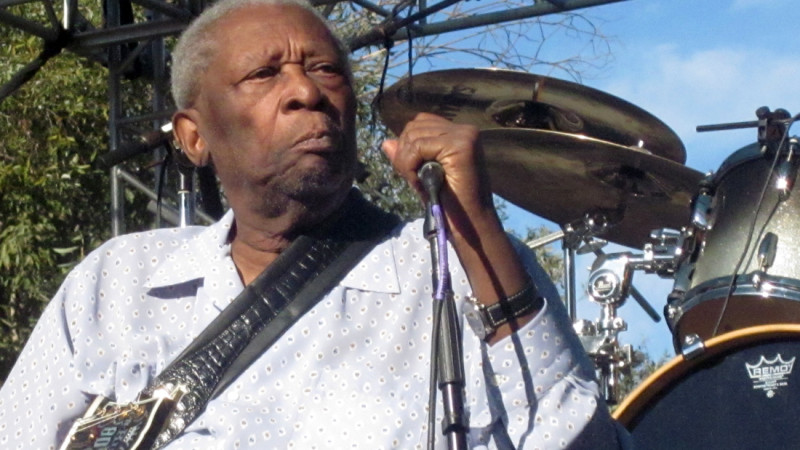
"caption": "B.B. King at the Russian River Blues Festival, 2011. (Photo: Gabe Meline)",
"description": "B.B. King at the Russian River Blues Festival, 2011. ",
"title": "BBKing",
"credit": null,
"status": "inherit",
"isLoading": false,
"fetchFailed": false
},
"arts_10646707": {
"type": "attachments",
"id": "arts_10646707",
"meta": {
"index": "attachments_1716263798",
"site": "arts",
"id": "10646707",
"found": true
},
"parent": 10634162,
"imgSizes": {
"twentyfourteen-full-width": {
"file": "https://ww2.kqed.org/app/uploads/sites/2/2015/05/woods-12-1038x576.jpg",
"width": 1038,
"mimeType": "image/jpeg",
"height": 576
},
"thumbnail": {
"file": "https://ww2.kqed.org/app/uploads/sites/2/2015/05/woods-12-400x225.jpg",
"width": 400,
"mimeType": "image/jpeg",
"height": 225
},
"fd-sm": {
"file": "https://ww2.kqed.org/app/uploads/sites/2/2015/05/woods-12-960x540.jpg",
"width": 960,
"mimeType": "image/jpeg",
"height": 540
},
"post-thumbnail": {
"file": "https://ww2.kqed.org/app/uploads/sites/2/2015/05/woods-12-672x372.jpg",
"width": 672,
"mimeType": "image/jpeg",
"height": 372
},
"kqedFullSize": {
"file": "https://ww2.kqed.org/app/uploads/sites/2/2015/05/woods-12.jpg",
"width": 1100,
"height": 619
},
"guest-author-96": {
"file": "https://ww2.kqed.org/app/uploads/sites/2/2015/05/woods-12-96x96.jpg",
"width": 96,
"mimeType": "image/jpeg",
"height": 96
},
"medium": {
"file": "https://ww2.kqed.org/app/uploads/sites/2/2015/05/woods-12-800x450.jpg",
"width": 800,
"mimeType": "image/jpeg",
"height": 450
},
"guest-author-64": {
"file": "https://ww2.kqed.org/app/uploads/sites/2/2015/05/woods-12-64x64.jpg",
"width": 64,
"mimeType": "image/jpeg",
"height": 64
},
"detail": {
"file": "https://ww2.kqed.org/app/uploads/sites/2/2015/05/woods-12-75x75.jpg",
"width": 75,
"mimeType": "image/jpeg",
"height": 75
},
"guest-author-32": {
"file": "https://ww2.kqed.org/app/uploads/sites/2/2015/05/woods-12-32x32.jpg",
"width": 32,
"mimeType": "image/jpeg",
"height": 32
},
"guest-author-128": {
"file": "https://ww2.kqed.org/app/uploads/sites/2/2015/05/woods-12-128x128.jpg",
"width": 128,
"mimeType": "image/jpeg",
"height": 128
}
},
"publishDate": 1431379516,
"modified": 1431379522,
"caption": "Woods hail from Brooklyn, but California has their heart. ",
"description": null,
"title": "woods-1",
"credit": null,
"status": "inherit",
"isLoading": false,
"fetchFailed": false
},
"arts_10642749": {
"type": "attachments",
"id": "arts_10642749",
"meta": {
"index": "attachments_1716263798",
"site": "arts",
"id": "10642749",
"found": true
},
"parent": 10642747,
"imgSizes": {
"twentyfourteen-full-width": {
"file": "https://ww2.kqed.org/app/uploads/sites/2/2015/05/Judith-HillSFJAZZ-1038x576.jpg",
"width": 1038,
"mimeType": "image/jpeg",
"height": 576
},
"thumbnail": {
"file": "https://ww2.kqed.org/app/uploads/sites/2/2015/05/Judith-HillSFJAZZ-400x225.jpg",
"width": 400,
"mimeType": "image/jpeg",
"height": 225
},
"fd-sm": {
"file": "https://ww2.kqed.org/app/uploads/sites/2/2015/05/Judith-HillSFJAZZ-960x540.jpg",
"width": 960,
"mimeType": "image/jpeg",
"height": 540
},
"post-thumbnail": {
"file": "https://ww2.kqed.org/app/uploads/sites/2/2015/05/Judith-HillSFJAZZ-672x372.jpg",
"width": 672,
"mimeType": "image/jpeg",
"height": 372
},
"kqedFullSize": {
"file": "https://ww2.kqed.org/app/uploads/sites/2/2015/05/Judith-HillSFJAZZ.jpg",
"width": 1400,
"height": 787
},
"large": {
"file": "https://ww2.kqed.org/app/uploads/sites/2/2015/05/Judith-HillSFJAZZ-1180x663.jpg",
"width": 1180,
"mimeType": "image/jpeg",
"height": 663
},
"guest-author-96": {
"file": "https://ww2.kqed.org/app/uploads/sites/2/2015/05/Judith-HillSFJAZZ-96x96.jpg",
"width": 96,
"mimeType": "image/jpeg",
"height": 96
},
"medium": {
"file": "https://ww2.kqed.org/app/uploads/sites/2/2015/05/Judith-HillSFJAZZ-800x450.jpg",
"width": 800,
"mimeType": "image/jpeg",
"height": 450
},
"guest-author-64": {
"file": "https://ww2.kqed.org/app/uploads/sites/2/2015/05/Judith-HillSFJAZZ-64x64.jpg",
"width": 64,
"mimeType": "image/jpeg",
"height": 64
},
"guest-author-32": {
"file": "https://ww2.kqed.org/app/uploads/sites/2/2015/05/Judith-HillSFJAZZ-32x32.jpg",
"width": 32,
"mimeType": "image/jpeg",
"height": 32
},
"fd-med": {
"file": "https://ww2.kqed.org/app/uploads/sites/2/2015/05/Judith-HillSFJAZZ-1180x663.jpg",
"width": 1180,
"mimeType": "image/jpeg",
"height": 663
},
"detail": {
"file": "https://ww2.kqed.org/app/uploads/sites/2/2015/05/Judith-HillSFJAZZ-75x75.jpg",
"width": 75,
"mimeType": "image/jpeg",
"height": 75
},
"guest-author-128": {
"file": "https://ww2.kqed.org/app/uploads/sites/2/2015/05/Judith-HillSFJAZZ-128x128.jpg",
"width": 128,
"mimeType": "image/jpeg",
"height": 128
}
},
"publishDate": 1431279959,
"modified": 1431279980,
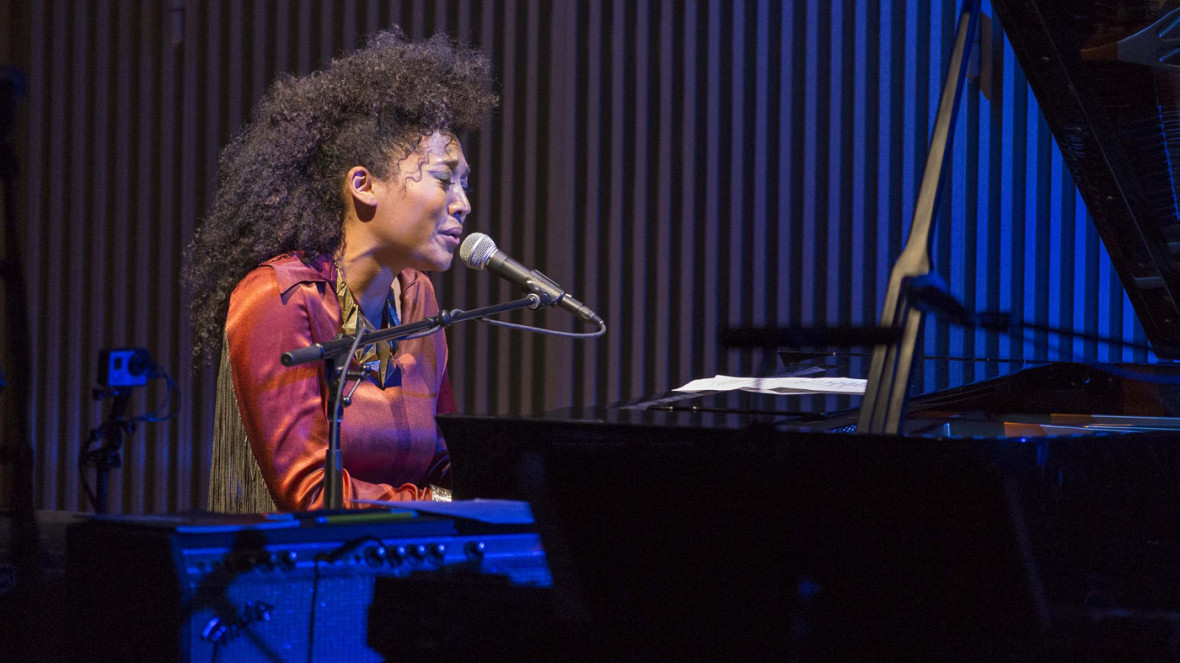
"caption": "Judith Hill performs at SFJAZZ's Joni Mitchell tribute, May 8, 2015. (Photo: Drew Altizer Photography)",
"description": null,
"title": "Judith-HillSFJAZZ",
"credit": null,
"status": "inherit",
"isLoading": false,
"fetchFailed": false
},
"arts_10632407": {
"type": "attachments",
"id": "arts_10632407",
"meta": {
"index": "attachments_1716263798",
"site": "arts",
"id": "10632407",
"found": true
},
"parent": 10632258,
"imgSizes": {
"twentyfourteen-full-width": {
"file": "https://ww2.kqed.org/app/uploads/sites/2/2015/05/OddFuture-1002x576.jpg",
"width": 1002,
"mimeType": "image/jpeg",
"height": 576
},
"thumbnail": {
"file": "https://ww2.kqed.org/app/uploads/sites/2/2015/05/OddFuture-400x252.jpg",
"width": 400,
"mimeType": "image/jpeg",
"height": 252
},
"fd-sm": {
"file": "https://ww2.kqed.org/app/uploads/sites/2/2015/05/OddFuture-960x605.jpg",
"width": 960,
"mimeType": "image/jpeg",
"height": 605
},
"post-thumbnail": {
"file": "https://ww2.kqed.org/app/uploads/sites/2/2015/05/OddFuture-672x372.jpg",
"width": 672,
"mimeType": "image/jpeg",
"height": 372
},
"kqedFullSize": {
"file": "https://ww2.kqed.org/app/uploads/sites/2/2015/05/OddFuture.jpg",
"width": 1002,
"height": 631
},
"guest-author-96": {
"file": "https://ww2.kqed.org/app/uploads/sites/2/2015/05/OddFuture-96x96.jpg",
"width": 96,
"mimeType": "image/jpeg",
"height": 96
},
"medium": {
"file": "https://ww2.kqed.org/app/uploads/sites/2/2015/05/OddFuture-800x504.jpg",
"width": 800,
"mimeType": "image/jpeg",
"height": 504
},
"guest-author-64": {
"file": "https://ww2.kqed.org/app/uploads/sites/2/2015/05/OddFuture-64x64.jpg",
"width": 64,
"mimeType": "image/jpeg",
"height": 64
},
"detail": {
"file": "https://ww2.kqed.org/app/uploads/sites/2/2015/05/OddFuture-75x75.jpg",
"width": 75,
"mimeType": "image/jpeg",
"height": 75
},
"guest-author-32": {
"file": "https://ww2.kqed.org/app/uploads/sites/2/2015/05/OddFuture-32x32.jpg",
"width": 32,
"mimeType": "image/jpeg",
"height": 32
},
"guest-author-128": {
"file": "https://ww2.kqed.org/app/uploads/sites/2/2015/05/OddFuture-128x128.jpg",
"width": 128,
"mimeType": "image/jpeg",
"height": 128
}
},
"publishDate": 1431018205,
"modified": 1431018286,
"caption": "Odd Future perform at Slim's in 2011. (Photo: Gabe Meline)",
"description": null,
"title": "OddFuture",
"credit": null,
"status": "inherit",
"isLoading": false,
"fetchFailed": false
},
"arts_10630698": {
"type": "attachments",
"id": "arts_10630698",
"meta": {
"index": "attachments_1716263798",
"site": "arts",
"id": "10630698",
"found": true
},
"parent": 10628462,
"imgSizes": {
"twentyfourteen-full-width": {
"file": "https://ww2.kqed.org/app/uploads/sites/2/2015/05/TerraICover-1038x576.jpg",
"width": 1038,
"mimeType": "image/jpeg",
"height": 576
},
"thumbnail": {
"file": "https://ww2.kqed.org/app/uploads/sites/2/2015/05/TerraICover-400x225.jpg",
"width": 400,
"mimeType": "image/jpeg",
"height": 225
},
"fd-sm": {
"file": "https://ww2.kqed.org/app/uploads/sites/2/2015/05/TerraICover-960x540.jpg",
"width": 960,
"mimeType": "image/jpeg",
"height": 540
},
"post-thumbnail": {
"file": "https://ww2.kqed.org/app/uploads/sites/2/2015/05/TerraICover-672x372.jpg",
"width": 672,
"mimeType": "image/jpeg",
"height": 372
},
"kqedFullSize": {
"file": "https://ww2.kqed.org/app/uploads/sites/2/2015/05/TerraICover.jpg",
"width": 1920,
"height": 1080
},
"large": {
"file": "https://ww2.kqed.org/app/uploads/sites/2/2015/05/TerraICover-1180x664.jpg",
"width": 1180,
"mimeType": "image/jpeg",
"height": 664
},
"guest-author-96": {
"file": "https://ww2.kqed.org/app/uploads/sites/2/2015/05/TerraICover-96x96.jpg",
"width": 96,
"mimeType": "image/jpeg",
"height": 96
},
"medium": {
"file": "https://ww2.kqed.org/app/uploads/sites/2/2015/05/TerraICover-800x450.jpg",
"width": 800,
"mimeType": "image/jpeg",
"height": 450
},
"guest-author-64": {
"file": "https://ww2.kqed.org/app/uploads/sites/2/2015/05/TerraICover-64x64.jpg",
"width": 64,
"mimeType": "image/jpeg",
"height": 64
},
"guest-author-32": {
"file": "https://ww2.kqed.org/app/uploads/sites/2/2015/05/TerraICover-32x32.jpg",
"width": 32,
"mimeType": "image/jpeg",
"height": 32
},
"fd-med": {
"file": "https://ww2.kqed.org/app/uploads/sites/2/2015/05/TerraICover-1180x664.jpg",
"width": 1180,
"mimeType": "image/jpeg",
"height": 664
},
"detail": {
"file": "https://ww2.kqed.org/app/uploads/sites/2/2015/05/TerraICover-75x75.jpg",
"width": 75,
"mimeType": "image/jpeg",
"height": 75
},
"guest-author-128": {
"file": "https://ww2.kqed.org/app/uploads/sites/2/2015/05/TerraICover-128x128.jpg",
"width": 128,
"mimeType": "image/jpeg",
"height": 128
}
},
"publishDate": 1430973892,
"modified": 1430974027,
"caption": "\u003ci>Terra Incognita\u003c/i>. (Photo by Frances Ancheta)",
"description": null,
"title": "TerraICover",
"credit": null,
"status": "inherit",
"isLoading": false,
"fetchFailed": false
},
"arts_10629655": {
"type": "attachments",
"id": "arts_10629655",
"meta": {
"index": "attachments_1716263798",
"site": "arts",
"id": "10629655",
"found": true
},
"parent": 10629645,
"imgSizes": {
"thumbnail": {
"file": "https://ww2.kqed.org/app/uploads/sites/2/2015/05/Brotzmann-400x225.jpg",
"width": 400,
"mimeType": "image/jpeg",
"height": 225
},
"post-thumbnail": {
"file": "https://ww2.kqed.org/app/uploads/sites/2/2015/05/Brotzmann-672x372.jpg",
"width": 672,
"mimeType": "image/jpeg",
"height": 372
},
"kqedFullSize": {
"file": "https://ww2.kqed.org/app/uploads/sites/2/2015/05/Brotzmann.jpg",
"width": 800,
"height": 450
},
"guest-author-96": {
"file": "https://ww2.kqed.org/app/uploads/sites/2/2015/05/Brotzmann-96x96.jpg",
"width": 96,
"mimeType": "image/jpeg",
"height": 96
},
"medium": {
"file": "https://ww2.kqed.org/app/uploads/sites/2/2015/05/Brotzmann-800x450.jpg",
"width": 800,
"mimeType": "image/jpeg",
"height": 450
},
"guest-author-64": {
"file": "https://ww2.kqed.org/app/uploads/sites/2/2015/05/Brotzmann-64x64.jpg",
"width": 64,
"mimeType": "image/jpeg",
"height": 64
},
"detail": {
"file": "https://ww2.kqed.org/app/uploads/sites/2/2015/05/Brotzmann-75x75.jpg",
"width": 75,
"mimeType": "image/jpeg",
"height": 75
},
"guest-author-32": {
"file": "https://ww2.kqed.org/app/uploads/sites/2/2015/05/Brotzmann-32x32.jpg",
"width": 32,
"mimeType": "image/jpeg",
"height": 32
},
"guest-author-128": {
"file": "https://ww2.kqed.org/app/uploads/sites/2/2015/05/Brotzmann-128x128.jpg",
"width": 128,
"mimeType": "image/jpeg",
"height": 128
}
},
"publishDate": 1430949073,
"modified": 1430949073,
"caption": null,
"description": null,
"title": "Brotzmann",
"credit": null,
"status": "inherit",
"isLoading": false,
"fetchFailed": false
},
"arts_10622711": {
"type": "attachments",
"id": "arts_10622711",
"meta": {
"index": "attachments_1716263798",
"site": "arts",
"id": "10622711",
"found": true
},
"parent": 10612014,
"imgSizes": {
"twentyfourteen-full-width": {
"file": "https://ww2.kqed.org/app/uploads/sites/2/2015/05/bells-atlas-1038x576.jpg",
"width": 1038,
"mimeType": "image/jpeg",
"height": 576
},
"thumbnail": {
"file": "https://ww2.kqed.org/app/uploads/sites/2/2015/05/bells-atlas-400x225.jpg",
"width": 400,
"mimeType": "image/jpeg",
"height": 225
},
"fd-sm": {
"file": "https://ww2.kqed.org/app/uploads/sites/2/2015/05/bells-atlas-960x540.jpg",
"width": 960,
"mimeType": "image/jpeg",
"height": 540
},
"post-thumbnail": {
"file": "https://ww2.kqed.org/app/uploads/sites/2/2015/05/bells-atlas-672x372.jpg",
"width": 672,
"mimeType": "image/jpeg",
"height": 372
},
"kqedFullSize": {
"file": "https://ww2.kqed.org/app/uploads/sites/2/2015/05/bells-atlas.jpg",
"width": 1100,
"height": 619
},
"guest-author-96": {
"file": "https://ww2.kqed.org/app/uploads/sites/2/2015/05/bells-atlas-96x96.jpg",
"width": 96,
"mimeType": "image/jpeg",
"height": 96
},
"medium": {
"file": "https://ww2.kqed.org/app/uploads/sites/2/2015/05/bells-atlas-800x450.jpg",
"width": 800,
"mimeType": "image/jpeg",
"height": 450
},
"guest-author-64": {
"file": "https://ww2.kqed.org/app/uploads/sites/2/2015/05/bells-atlas-64x64.jpg",
"width": 64,
"mimeType": "image/jpeg",
"height": 64
},
"detail": {
"file": "https://ww2.kqed.org/app/uploads/sites/2/2015/05/bells-atlas-75x75.jpg",
"width": 75,
"mimeType": "image/jpeg",
"height": 75
},
"guest-author-32": {
"file": "https://ww2.kqed.org/app/uploads/sites/2/2015/05/bells-atlas-32x32.jpg",
"width": 32,
"mimeType": "image/jpeg",
"height": 32
},
"guest-author-128": {
"file": "https://ww2.kqed.org/app/uploads/sites/2/2015/05/bells-atlas-128x128.jpg",
"width": 128,
"mimeType": "image/jpeg",
"height": 128
}
},
"publishDate": 1430777100,
"modified": 1430777349,
"caption": "Bells Atlas' new EP, \u003cem>Hyperlust\u003c/em>, maintains a global scope with tight-knit grooves. (Photo: Brendan West)",
"description": "Bells Atlas",
"title": "bells-atlas",
"credit": null,
"status": "inherit",
"isLoading": false,
"fetchFailed": false
},
"arts_10623154": {
"type": "attachments",
"id": "arts_10623154",
"meta": {
"index": "attachments_1716263798",
"site": "arts",
"id": "10623154",
"found": true
},
"parent": 0,
"imgSizes": {
"twentyfourteen-full-width": {
"file": "https://ww2.kqed.org/app/uploads/sites/2/2015/05/LyricsBorn_posterimage-1038x576.jpg",
"width": 1038,
"mimeType": "image/jpeg",
"height": 576
},
"thumbnail": {
"file": "https://ww2.kqed.org/app/uploads/sites/2/2015/05/LyricsBorn_posterimage-400x225.jpg",
"width": 400,
"mimeType": "image/jpeg",
"height": 225
},
"fd-sm": {
"file": "https://ww2.kqed.org/app/uploads/sites/2/2015/05/LyricsBorn_posterimage-960x540.jpg",
"width": 960,
"mimeType": "image/jpeg",
"height": 540
},
"post-thumbnail": {
"file": "https://ww2.kqed.org/app/uploads/sites/2/2015/05/LyricsBorn_posterimage-672x372.jpg",
"width": 672,
"mimeType": "image/jpeg",
"height": 372
},
"kqedFullSize": {
"file": "https://ww2.kqed.org/app/uploads/sites/2/2015/05/LyricsBorn_posterimage.jpg",
"width": 1730,
"height": 973
},
"large": {
"file": "https://ww2.kqed.org/app/uploads/sites/2/2015/05/LyricsBorn_posterimage-1180x664.jpg",
"width": 1180,
"mimeType": "image/jpeg",
"height": 664
},
"guest-author-96": {
"file": "https://ww2.kqed.org/app/uploads/sites/2/2015/05/LyricsBorn_posterimage-96x96.jpg",
"width": 96,
"mimeType": "image/jpeg",
"height": 96
},
"medium": {
"file": "https://ww2.kqed.org/app/uploads/sites/2/2015/05/LyricsBorn_posterimage-800x450.jpg",
"width": 800,
"mimeType": "image/jpeg",
"height": 450
},
"guest-author-64": {
"file": "https://ww2.kqed.org/app/uploads/sites/2/2015/05/LyricsBorn_posterimage-64x64.jpg",
"width": 64,
"mimeType": "image/jpeg",
"height": 64
},
"guest-author-32": {
"file": "https://ww2.kqed.org/app/uploads/sites/2/2015/05/LyricsBorn_posterimage-32x32.jpg",
"width": 32,
"mimeType": "image/jpeg",
"height": 32
},
"fd-med": {
"file": "https://ww2.kqed.org/app/uploads/sites/2/2015/05/LyricsBorn_posterimage-1180x664.jpg",
"width": 1180,
"mimeType": "image/jpeg",
"height": 664
},
"detail": {
"file": "https://ww2.kqed.org/app/uploads/sites/2/2015/05/LyricsBorn_posterimage-75x75.jpg",
"width": 75,
"mimeType": "image/jpeg",
"height": 75
},
"guest-author-128": {
"file": "https://ww2.kqed.org/app/uploads/sites/2/2015/05/LyricsBorn_posterimage-128x128.jpg",
"width": 128,
"mimeType": "image/jpeg",
"height": 128
}
},
"publishDate": 1430785493,
"modified": 1430785493,
"caption": null,
"description": null,
"title": "LyricsBorn_posterimage",
"credit": null,
"status": "inherit",
"isLoading": false,
"fetchFailed": false
},
"arts_10619163": {
"type": "attachments",
"id": "arts_10619163",
"meta": {
"index": "attachments_1716263798",
"site": "arts",
"id": "10619163",
"found": true
},
"parent": 10619162,
"imgSizes": {
"thumbnail": {
"file": "https://ww2.kqed.org/app/uploads/sites/2/2015/05/Nots-400x225.jpg",
"width": 400,
"mimeType": "image/jpeg",
"height": 225
},
"post-thumbnail": {
"file": "https://ww2.kqed.org/app/uploads/sites/2/2015/05/Nots-672x372.jpg",
"width": 672,
"mimeType": "image/jpeg",
"height": 372
},
"kqedFullSize": {
"file": "https://ww2.kqed.org/app/uploads/sites/2/2015/05/Nots.jpg",
"width": 800,
"height": 450
},
"guest-author-96": {
"file": "https://ww2.kqed.org/app/uploads/sites/2/2015/05/Nots-96x96.jpg",
"width": 96,
"mimeType": "image/jpeg",
"height": 96
},
"medium": {
"file": "https://ww2.kqed.org/app/uploads/sites/2/2015/05/Nots-800x450.jpg",
"width": 800,
"mimeType": "image/jpeg",
"height": 450
},
"guest-author-64": {
"file": "https://ww2.kqed.org/app/uploads/sites/2/2015/05/Nots-64x64.jpg",
"width": 64,
"mimeType": "image/jpeg",
"height": 64
},
"detail": {
"file": "https://ww2.kqed.org/app/uploads/sites/2/2015/05/Nots-75x75.jpg",
"width": 75,
"mimeType": "image/jpeg",
"height": 75
},
"guest-author-32": {
"file": "https://ww2.kqed.org/app/uploads/sites/2/2015/05/Nots-32x32.jpg",
"width": 32,
"mimeType": "image/jpeg",
"height": 32
},
"guest-author-128": {
"file": "https://ww2.kqed.org/app/uploads/sites/2/2015/05/Nots-128x128.jpg",
"width": 128,
"mimeType": "image/jpeg",
"height": 128
}
},
"publishDate": 1430686115,
"modified": 1430686120,
"caption": null,
"description": null,
"title": "Nots",
"credit": null,
"status": "inherit",
"isLoading": false,
"fetchFailed": false
},
"news_10508206": {
"type": "attachments",
"id": "news_10508206",
"meta": {
"index": "attachments_1716263798",
"site": "news",
"id": "10508206",
"found": true
},
"parent": 10508140,
"imgSizes": {
"twentyfourteen-full-width": {
"file": "https://ww2.kqed.org/app/uploads/sites/10/2015/04/CY-3-1038x576.jpg",
"width": 1038,
"mimeType": "image/jpeg",
"height": 576
},
"thumbnail": {
"file": "https://ww2.kqed.org/app/uploads/sites/10/2015/04/CY-3-400x267.jpg",
"width": 400,
"mimeType": "image/jpeg",
"height": 267
},
"fd-sm": {
"file": "https://ww2.kqed.org/app/uploads/sites/10/2015/04/CY-3-960x640.jpg",
"width": 960,
"mimeType": "image/jpeg",
"height": 640
},
"post-thumbnail": {
"file": "https://ww2.kqed.org/app/uploads/sites/10/2015/04/CY-3-672x372.jpg",
"width": 672,
"mimeType": "image/jpeg",
"height": 372
},
"kqedFullSize": {
"file": "https://ww2.kqed.org/app/uploads/sites/10/2015/04/CY-3-e1430769021748.jpg",
"width": 1880,
"height": 1253
},
"large": {
"file": "https://ww2.kqed.org/app/uploads/sites/10/2015/04/CY-3-1440x960.jpg",
"width": 1440,
"mimeType": "image/jpeg",
"height": 960
},
"guest-author-96": {
"file": "https://ww2.kqed.org/app/uploads/sites/10/2015/04/CY-3-96x96.jpg",
"width": 96,
"mimeType": "image/jpeg",
"height": 96
},
"medium": {
"file": "https://ww2.kqed.org/app/uploads/sites/10/2015/04/CY-3-800x533.jpg",
"width": 800,
"mimeType": "image/jpeg",
"height": 533
},
"guest-author-64": {
"file": "https://ww2.kqed.org/app/uploads/sites/10/2015/04/CY-3-64x64.jpg",
"width": 64,
"mimeType": "image/jpeg",
"height": 64
},
"guest-author-32": {
"file": "https://ww2.kqed.org/app/uploads/sites/10/2015/04/CY-3-32x32.jpg",
"width": 32,
"mimeType": "image/jpeg",
"height": 32
},
"fd-med": {
"file": "https://ww2.kqed.org/app/uploads/sites/10/2015/04/CY-3-1180x787.jpg",
"width": 1180,
"mimeType": "image/jpeg",
"height": 787
},
"detail": {
"file": "https://ww2.kqed.org/app/uploads/sites/10/2015/04/CY-3-75x75.jpg",
"width": 75,
"mimeType": "image/jpeg",
"height": 75
},
"guest-author-128": {
"file": "https://ww2.kqed.org/app/uploads/sites/10/2015/04/CY-3-128x128.jpg",
"width": 128,
"mimeType": "image/jpeg",
"height": 128
}
},
"publishDate": 1430428574,
"modified": 1430519892,
"caption": "CY Dieyi performs a cover of Rihanna’s “FourFiveSeconds” on stage at an event in Inglewood, CA. ",
"description": "CY Dieyi performs a cover of Rihanna’s “FourFiveSeconds” on stage at an event in Inglewood, CA. ",
"title": "CY 3",
"credit": "Myah Williams)",
"status": "inherit",
"isLoading": false,
"fetchFailed": false
},
"news_10505789": {
"type": "attachments",
"id": "news_10505789",
"meta": {
"index": "attachments_1716263798",
"site": "news",
"id": "10505789",
"found": true
},
"parent": 10504886,
"imgSizes": {
"twentyfourteen-full-width": {
"file": "https://ww2.kqed.org/app/uploads/sites/10/2015/04/RS14978_01_MikalCronin-qut-1038x576.jpg",
"width": 1038,
"mimeType": "image/jpeg",
"height": 576
},
"thumbnail": {
"file": "https://ww2.kqed.org/app/uploads/sites/10/2015/04/RS14978_01_MikalCronin-qut-400x267.jpg",
"width": 400,
"mimeType": "image/jpeg",
"height": 267
},
"fd-sm": {
"file": "https://ww2.kqed.org/app/uploads/sites/10/2015/04/RS14978_01_MikalCronin-qut-960x640.jpg",
"width": 960,
"mimeType": "image/jpeg",
"height": 640
},
"post-thumbnail": {
"file": "https://ww2.kqed.org/app/uploads/sites/10/2015/04/RS14978_01_MikalCronin-qut-672x372.jpg",
"width": 672,
"mimeType": "image/jpeg",
"height": 372
},
"kqedFullSize": {
"file": "https://ww2.kqed.org/app/uploads/sites/10/2015/04/RS14978_01_MikalCronin-qut.jpg",
"width": 1200,
"height": 800
},
"fd-med": {
"file": "https://ww2.kqed.org/app/uploads/sites/10/2015/04/RS14978_01_MikalCronin-qut-1180x787.jpg",
"width": 1180,
"mimeType": "image/jpeg",
"height": 787
},
"guest-author-96": {
"file": "https://ww2.kqed.org/app/uploads/sites/10/2015/04/RS14978_01_MikalCronin-qut-96x96.jpg",
"width": 96,
"mimeType": "image/jpeg",
"height": 96
},
"medium": {
"file": "https://ww2.kqed.org/app/uploads/sites/10/2015/04/RS14978_01_MikalCronin-qut-800x533.jpg",
"width": 800,
"mimeType": "image/jpeg",
"height": 533
},
"guest-author-64": {
"file": "https://ww2.kqed.org/app/uploads/sites/10/2015/04/RS14978_01_MikalCronin-qut-64x64.jpg",
"width": 64,
"mimeType": "image/jpeg",
"height": 64
},
"detail": {
"file": "https://ww2.kqed.org/app/uploads/sites/10/2015/04/RS14978_01_MikalCronin-qut-75x75.jpg",
"width": 75,
"mimeType": "image/jpeg",
"height": 75
},
"guest-author-32": {
"file": "https://ww2.kqed.org/app/uploads/sites/10/2015/04/RS14978_01_MikalCronin-qut-32x32.jpg",
"width": 32,
"mimeType": "image/jpeg",
"height": 32
},
"guest-author-128": {
"file": "https://ww2.kqed.org/app/uploads/sites/10/2015/04/RS14978_01_MikalCronin-qut-128x128.jpg",
"width": 128,
"mimeType": "image/jpeg",
"height": 128
}
},
"publishDate": 1430246574,
"modified": 1430246580,
"caption": "Mikal Cronin (Photo: Myles Pettengill)",
"description": "Mikal Cronin (Photo: Myles Pettengill)",
"title": "RS14978_01_MikalCronin-qut",
"credit": null,
"status": "inherit",
"isLoading": false,
"fetchFailed": false
},
"arts_10606035": {
"type": "attachments",
"id": "arts_10606035",
"meta": {
"index": "attachments_1716263798",
"site": "arts",
"id": "10606035",
"found": true
},
"parent": 10605609,
"imgSizes": {
"thumbnail": {
"file": "https://ww2.kqed.org/app/uploads/sites/2/2015/04/rockaway-smiling_lead-art-400x225.jpg",
"width": 400,
"mimeType": "image/jpeg",
"height": 225
},
"post-thumbnail": {
"file": "https://ww2.kqed.org/app/uploads/sites/2/2015/04/rockaway-smiling_lead-art-672x372.jpg",
"width": 672,
"mimeType": "image/jpeg",
"height": 372
},
"kqedFullSize": {
"file": "https://ww2.kqed.org/app/uploads/sites/2/2015/04/rockaway-smiling_lead-art.jpg",
"width": 800,
"height": 450
},
"guest-author-96": {
"file": "https://ww2.kqed.org/app/uploads/sites/2/2015/04/rockaway-smiling_lead-art-96x96.jpg",
"width": 96,
"mimeType": "image/jpeg",
"height": 96
},
"medium": {
"file": "https://ww2.kqed.org/app/uploads/sites/2/2015/04/rockaway-smiling_lead-art-800x450.jpg",
"width": 800,
"mimeType": "image/jpeg",
"height": 450
},
"guest-author-64": {
"file": "https://ww2.kqed.org/app/uploads/sites/2/2015/04/rockaway-smiling_lead-art-64x64.jpg",
"width": 64,
"mimeType": "image/jpeg",
"height": 64
},
"detail": {
"file": "https://ww2.kqed.org/app/uploads/sites/2/2015/04/rockaway-smiling_lead-art-75x75.jpg",
"width": 75,
"mimeType": "image/jpeg",
"height": 75
},
"guest-author-32": {
"file": "https://ww2.kqed.org/app/uploads/sites/2/2015/04/rockaway-smiling_lead-art-32x32.jpg",
"width": 32,
"mimeType": "image/jpeg",
"height": 32
},
"guest-author-128": {
"file": "https://ww2.kqed.org/app/uploads/sites/2/2015/04/rockaway-smiling_lead-art-128x128.jpg",
"width": 128,
"mimeType": "image/jpeg",
"height": 128
}
},
"publishDate": 1430346155,
"modified": 1430346155,
"caption": null,
"description": null,
"title": "rockaway-smiling_lead-art",
"credit": null,
"status": "inherit",
"isLoading": false,
"fetchFailed": false
}
},
"audioPlayerReducer": {
"postId": "stream_live",
"isPaused": true,
"isPlaying": false,
"pfsActive": false,
"pledgeModalIsOpen": true,
"playerDrawerIsOpen": false,
"liveAudioPlayStartedAt": 0,
"liveAudioPlayContext": ""
},
"authorsReducer": {
"byline_news_10508140": {
"type": "authors",
"id": "byline_news_10508140",
"meta": {
"override": true
},
"slug": "byline_news_10508140",
"name": "Myah Williams ",
"isLoading": false
},
"byline_news_10504886": {
"type": "authors",
"id": "byline_news_10504886",
"meta": {
"override": true
},
"slug": "byline_news_10504886",
"name": "Steve Hochman",
"isLoading": false
},
"ablaine": {
"type": "authors",
"id": "72",
"meta": {
"index": "authors_1716337520",
"id": "72",
"found": true
},
"name": "Adrienne Blaine",
"firstName": "Adrienne",
"lastName": "Blaine",
"slug": "ablaine",
"email": "adrienneblaine@hotmail.com",
"display_author_email": false,
"staff_mastheads": [],
"title": null,
"bio": "Adrienne Blaine is a Millennial writer from the South Bay. She has a BA in Comparative Literary and Cultural Studies combined with Communications and Media Studies from Franklin University Switzerland. Living in Switzerland for four years and traveling from Morocco to Iceland introduced her to diverse art, culture and food. She currently lives in San Francisco and writes about these topics.",
"avatar": "https://secure.gravatar.com/avatar/10d0a10a2189067e5e3f6fc9fc4ebdf2?s=600&d=blank&r=g",
"twitter": null,
"facebook": null,
"instagram": null,
"linkedin": null,
"sites": [
{
"site": "arts",
"roles": [
"Contributor",
"contributor"
]
},
{
"site": "bayareabites",
"roles": [
"contributor"
]
},
{
"site": "food",
"roles": [
"contributor"
]
}
],
"headData": {
"title": "Adrienne Blaine | KQED",
"description": null,
"ogImgSrc": "https://secure.gravatar.com/avatar/10d0a10a2189067e5e3f6fc9fc4ebdf2?s=600&d=blank&r=g",
"twImgSrc": "https://secure.gravatar.com/avatar/10d0a10a2189067e5e3f6fc9fc4ebdf2?s=600&d=blank&r=g"
},
"isLoading": false,
"link": "/author/ablaine"
},
"agilbert": {
"type": "authors",
"id": "86",
"meta": {
"index": "authors_1716337520",
"id": "86",
"found": true
},
"name": "Andrew Gilbert",
"firstName": "Andrew",
"lastName": "Gilbert",
"slug": "agilbert",
"email": "jazzscribe@aol.com",
"display_author_email": false,
"staff_mastheads": [],
"title": "KQED Contributor",
"bio": "A Los Angeles native based in the Berkeley area since 1996, Andrew Gilbert covers jazz, international music and dance for KQED's \u003ci>California Report, \u003c/i>the\u003ci> Mercury News\u003c/i>, \u003ci>San Francisco Chronicle\u003c/i>, \u003ci>Berkeleyside.com\u003c/i>, and other publications. He is available for weddings and bar and bat mitzvahs. #jazzscribe",
"avatar": "https://secure.gravatar.com/avatar/d7bcafdbefdd39e9a68f88724ca616eb4e7a5a6bff9cdfb62de652a1e1751471?s=600&d=blank&r=g",
"twitter": null,
"bluesky": null,
"facebook": null,
"instagram": null,
"linkedin": null,
"sites": [
{
"site": "arts",
"roles": [
"Contributor",
"author"
]
},
{
"site": "news",
"roles": [
"author"
]
}
],
"headData": {
"title": "Andrew Gilbert | KQED",
"description": "KQED Contributor",
"ogImgSrc": "https://secure.gravatar.com/avatar/d7bcafdbefdd39e9a68f88724ca616eb4e7a5a6bff9cdfb62de652a1e1751471?s=600&d=blank&r=g",
"twImgSrc": "https://secure.gravatar.com/avatar/d7bcafdbefdd39e9a68f88724ca616eb4e7a5a6bff9cdfb62de652a1e1751471?s=600&d=blank&r=g"
},
"isLoading": false,
"link": "/author/agilbert"
},
"baybridged": {
"type": "authors",
"id": "178",
"meta": {
"index": "authors_1716337520",
"id": "178",
"found": true
},
"name": "The Bay Bridged",
"firstName": "The Bay",
"lastName": "Bridged",
"slug": "baybridged",
"email": "thebaybridged@gmail.com",
"display_author_email": false,
"staff_mastheads": [],
"title": "KQED Contributor",
"bio": null,
"avatar": "https://secure.gravatar.com/avatar/211daad5386ad504c39c31f3e16cfae45ec7b0ad32ecca7ee64cfd9b7eb76609?s=600&d=blank&r=g",
"twitter": null,
"bluesky": null,
"facebook": null,
"instagram": null,
"linkedin": null,
"sites": [
{
"site": "arts",
"roles": [
"subscriber"
]
}
],
"headData": {
"title": "The Bay Bridged | KQED",
"description": "KQED Contributor",
"ogImgSrc": "https://secure.gravatar.com/avatar/211daad5386ad504c39c31f3e16cfae45ec7b0ad32ecca7ee64cfd9b7eb76609?s=600&d=blank&r=g",
"twImgSrc": "https://secure.gravatar.com/avatar/211daad5386ad504c39c31f3e16cfae45ec7b0ad32ecca7ee64cfd9b7eb76609?s=600&d=blank&r=g"
},
"isLoading": false,
"link": "/author/baybridged"
},
"gmeline": {
"type": "authors",
"id": "185",
"meta": {
"index": "authors_1716337520",
"id": "185",
"found": true
},
"name": "Gabe Meline",
"firstName": "Gabe",
"lastName": "Meline",
"slug": "gmeline",
"email": "gmeline@kqed.org",
"display_author_email": true,
"staff_mastheads": [
"arts"
],
"title": "Senior Editor, KQED Arts & Culture",
"bio": "Gabe Meline entered journalism at age 15 making photocopied zines, and has since earned awards from the Edward R. Murrow Awards, the Society for Professional Journalists, the Online Journalism Awards, the Association of Alternative Newsweeklies and the California Newspaper Publishers Association. Prior to KQED, he was the editor of the \u003cem>North Bay Bohemian\u003c/em> and a touring musician. He lives with his wife and daughter in his hometown of Santa Rosa, CA.",
"avatar": "https://secure.gravatar.com/avatar/5bebe57be0d8bc2dd318934feb47299e2d2d10cba28d09d8d7afb389a2ce2bdd?s=600&d=blank&r=g",
"twitter": null,
"bluesky": null,
"facebook": null,
"instagram": null,
"linkedin": null,
"sites": [
{
"site": "",
"roles": [
"editor"
]
},
{
"site": "arts",
"roles": [
"administrator"
]
},
{
"site": "artschool",
"roles": [
"editor"
]
},
{
"site": "news",
"roles": [
"author"
]
},
{
"site": "pop",
"roles": [
"editor"
]
},
{
"site": "bayareabites",
"roles": [
"editor"
]
},
{
"site": "food",
"roles": [
"editor"
]
},
{
"site": "forum",
"roles": [
"administrator"
]
},
{
"site": "liveblog",
"roles": [
"editor"
]
},
{
"site": "hiphop",
"roles": [
"editor"
]
}
],
"headData": {
"title": "Gabe Meline | KQED",
"description": "Senior Editor, KQED Arts & Culture",
"ogImgSrc": "https://secure.gravatar.com/avatar/5bebe57be0d8bc2dd318934feb47299e2d2d10cba28d09d8d7afb389a2ce2bdd?s=600&d=blank&r=g",
"twImgSrc": "https://secure.gravatar.com/avatar/5bebe57be0d8bc2dd318934feb47299e2d2d10cba28d09d8d7afb389a2ce2bdd?s=600&d=blank&r=g"
},
"isLoading": false,
"link": "/author/gmeline"
},
"lclark": {
"type": "authors",
"id": "3224",
"meta": {
"index": "authors_1716337520",
"id": "3224",
"found": true
},
"name": "Leilani Clark",
"firstName": "Leilani",
"lastName": "Clark",
"slug": "lclark",
"email": "clark.leil@gmail.com",
"display_author_email": false,
"staff_mastheads": [],
"title": null,
"bio": "Leilani Clark writes about books for KQED Arts. Her writing has been published at Mother Jones, The Guardian, Civil Eats, Time Magazine, Food & Wine, Edible Marin & Wine Country, and The Rumpus. She is the editor of Made Local magazine in Sonoma County. Find her on Twitter \u003ca href=\"https://twitter.com/leilclark\">@leilclark\u003c/a>.",
"avatar": "https://secure.gravatar.com/avatar/7f691fdc52ed2e3f4cf164d1f4ec0889?s=600&d=blank&r=g",
"twitter": null,
"facebook": null,
"instagram": null,
"linkedin": null,
"sites": [
{
"site": "arts",
"roles": [
"contributor"
]
},
{
"site": "bayareabites",
"roles": [
"contributor"
]
},
{
"site": "food",
"roles": [
"contributor"
]
}
],
"headData": {
"title": "Leilani Clark | KQED",
"description": null,
"ogImgSrc": "https://secure.gravatar.com/avatar/7f691fdc52ed2e3f4cf164d1f4ec0889?s=600&d=blank&r=g",
"twImgSrc": "https://secure.gravatar.com/avatar/7f691fdc52ed2e3f4cf164d1f4ec0889?s=600&d=blank&r=g"
},
"isLoading": false,
"link": "/author/lclark"
},
"kwhalen": {
"type": "authors",
"id": "3248",
"meta": {
"index": "authors_1716337520",
"id": "3248",
"found": true
},
"name": "Kelly Whalen",
"firstName": "Kelly",
"lastName": "Whalen",
"slug": "kwhalen",
"email": "kwhalen@kqed.org",
"display_author_email": false,
"staff_mastheads": [],
"title": "Senior Video Producer",
"bio": "Kelly Whalen is a filmmaker and educator who directs and produces social justice documentaries and award-winning arts and culture web series. She is the creator of KQED Arts’ three-time Webby Award-winning YouTube series \u003cem>If Cities Could Dance\u003c/em>, featuring dancers across the country representing their cities’ signature moves, and the director of \u003cem>When the Waters Get Deep\u003c/em>, a documentary about Oakland-based artists SOL Development and their work toward healing their communities’ trauma from gun violence.",
"avatar": "https://secure.gravatar.com/avatar/1a2b57e8a13abdcfc3d4966d9c0e1512?s=600&d=blank&r=g",
"twitter": "kellyfilmmaker",
"facebook": null,
"instagram": null,
"linkedin": null,
"sites": [
{
"site": "arts",
"roles": [
"subscriber"
]
}
],
"headData": {
"title": "Kelly Whalen | KQED",
"description": "Senior Video Producer",
"ogImgSrc": "https://secure.gravatar.com/avatar/1a2b57e8a13abdcfc3d4966d9c0e1512?s=600&d=blank&r=g",
"twImgSrc": "https://secure.gravatar.com/avatar/1a2b57e8a13abdcfc3d4966d9c0e1512?s=600&d=blank&r=g"
},
"isLoading": false,
"link": "/author/kwhalen"
},
"mlevenson": {
"type": "authors",
"id": "6624",
"meta": {
"index": "authors_1716337520",
"id": "6624",
"found": true
},
"name": "Max Savage Levenson",
"firstName": "Max",
"lastName": "Savage Levenson",
"slug": "mlevenson",
"email": "m.savagelevenson@gmail.com",
"display_author_email": false,
"staff_mastheads": [],
"title": null,
"bio": null,
"avatar": "https://secure.gravatar.com/avatar/e7f998073c1ba6fec822d9f7dcd8c272?s=600&d=blank&r=g",
"twitter": null,
"facebook": null,
"instagram": null,
"linkedin": null,
"sites": [
{
"site": "arts",
"roles": [
"contributor"
]
},
{
"site": "news",
"roles": [
"author"
]
}
],
"headData": {
"title": "Max Savage Levenson | KQED",
"description": null,
"ogImgSrc": "https://secure.gravatar.com/avatar/e7f998073c1ba6fec822d9f7dcd8c272?s=600&d=blank&r=g",
"twImgSrc": "https://secure.gravatar.com/avatar/e7f998073c1ba6fec822d9f7dcd8c272?s=600&d=blank&r=g"
},
"isLoading": false,
"link": "/author/mlevenson"
}
},
"pagesReducer": {
"arts_category_music": {
"type": "terms",
"id": "arts_69",
"meta": {
"index": "terms_1716263798",
"site": "arts",
"id": "69",
"score": 10.850889
},
"featImg": null,
"name": "Music",
"description": null,
"taxonomy": "category",
"headData": {
"twImgId": null,
"twTitle": null,
"ogTitle": null,
"ogImgId": null,
"twDescription": null,
"description": null,
"title": "Music Archives | KQED Arts",
"ogDescription": null
},
"ttid": 70,
"slug": "music",
"isLoading": false,
"title": "Music",
"pageMeta": {
"site": "arts",
"WpPageTemplate": "page-topic-editorial",
"currentPage": 339
},
"blocks": [
{
"blockName": "kqed/post-list",
"attrs": {
"layout": "cardArticle2",
"query": "posts/arts?category=music",
"seeMore": false,
"paginated": true,
"page": 339
}
},
{
"blockName": "kqed/ad"
}
]
}
},
"pfsSessionReducer": {},
"postsReducer": {
"stream_live": {
"type": "live",
"id": "stream_live",
"audioUrl": "https://streams.kqed.org/kqedradio",
"title": "Live Stream",
"excerpt": "Live Stream information currently unavailable.",
"link": "/radio",
"featImg": "",
"label": {
"name": "KQED Live",
"link": "/"
}
},
"stream_kqedNewscast": {
"type": "posts",
"id": "stream_kqedNewscast",
"audioUrl": "https://www.kqed.org/.stream/anon/radio/RDnews/newscast.mp3?_=1",
"title": "KQED Newscast",
"featImg": "",
"label": {
"name": "88.5 FM",
"link": "/"
}
},
"arts_10658447": {
"type": "posts",
"id": "arts_10658447",
"meta": {
"index": "posts_1716263798",
"site": "arts",
"id": "10658447",
"score": null,
"sort": [
1431670982000
]
},
"parent": 0,
"labelTerm": {
"site": "arts"
},
"blocks": [],
"publishDate": 1431670982,
"format": "standard",
"title": "The Thrill is Gone: B.B. King Dies, and Here's His Greatest Moment on Record",
"headTitle": "The Thrill is Gone: B.B. King Dies, and Here’s His Greatest Moment on Record | KQED",
"content": "\u003cp>B.B. King, the 89-year-old legend of the blues, \u003ca href=\"http://variety.com/2015/music/news/blues-legend-b-b-king-dies-at-89-1201496991/\" target=\"_blank\" rel=\"noopener\">has died\u003c/a>.\u003c/p>\n\u003cp>The 89-year-old guitarist had been in hospice care since May 1, having reportedly been in poor health for many months previously. \u003c/p>\n\u003cp>And though his natural touch on the fretboard of “Lucille” has left this Earth, there’s one B.B. King moment that’ll live forever.\u003c/p>\n\u003cp>Cue the 1964 recording of \u003cem>Live at the Regal\u003c/em>, perhaps the greatest live blues album ever made. B.B. King, in top form, launches into the track “How Blue Can You Get?” — and brings the house down mid-song, at around 2:35.\u003c/p>\n\u003cp>https://www.youtube.com/watch?v=Pq-o9hr4vy0\u003c/p>\n\u003cp>[ad fullwidth]\u003c/p>\n\u003cp>“I gave you a brand new Ford,” King sings, “but you said ‘I want a Cadillac’ / I bought you a ten-dollar dinner, and you said ‘Thanks for the snack’ / I let you live in my penthouse, you said it was just a shack.”\u003c/p>\n\u003cp>And then the almighty kicker: “I gave you seven children, and now you wanna give ’em back!”\u003c/p>\n\u003cp>On the recording, the crowd goes utterly wild. And no wonder — who else was addressing such wreckage of love in popular song at the time? (Certainly not the early Beatles, whose fluffy “I Want to Hold Your Hand” was the \u003ca href=\"http://en.wikipedia.org/wiki/List_of_Billboard_Hot_100_number-one_singles_of_1964\" target=\"_blank\" rel=\"noopener\">No. 1 hit song of 1964\u003c/a>.)\u003c/p>\n\u003cp>“How Blue Can You Get?” enjoyed a mild revival in the 1990s, as a sample in the Primitive Radio Gods’ one-hit-wonder “\u003ca href=\"https://www.youtube.com/watch?v=4XJxFAoiWSY\" target=\"blank\" rel=\"noopener\">Standing Outside a Broken Phone Booth with Money in My Hand\u003c/a>” — but to B.B. King fans, it remains his crowning moment in a live setting.\u003c/p>\n\u003cp>\u003c/p>\n\u003cp>B.B. King, whose contributions to the blues can hardly be overstated, leaves behind not seven children, as stated in the song, but a total of 15 children — by no less than 15 different women, \u003ca href=\"http://mobile.nytimes.com/2015/05/16/arts/music/b-b-king-blues-singer-dies-at-89.html?_r=0&referrer=\" target=\"_blank\" rel=\"noopener\">according to the \u003cem>New York Times\u003c/em>\u003c/a>. (No wonder, then, that the alimony- and child support-beholden artist routinely played 200-300 shows each year.)\u003c/p>\n\n",
"stats": {
"hasVideo": true,
"hasChartOrMap": false,
"hasAudio": false,
"hasPolis": false,
"wordCount": 357,
"hasGoogleForm": false,
"hasGallery": false,
"hasHearkenModule": false,
"iframeSrcs": [],
"paragraphCount": 11
},
"modified": 1705047110,
"excerpt": "It's hard to pick a defining moment in the career of the King of the Blues -- but this 1964 performance encapsulates everything perfect about the one and only B.B. King.",
"headData": {
"twImgId": "",
"twTitle": "",
"ogTitle": "",
"ogImgId": "",
"twDescription": "",
"description": "It's hard to pick a defining moment in the career of the King of the Blues -- but this 1964 performance encapsulates everything perfect about the one and only B.B. King.",
"title": "The Thrill is Gone: B.B. King Dies, and Here's His Greatest Moment on Record | KQED",
"ogDescription": "",
"schema": {
"@context": "https://schema.org",
"@type": "Article",
"headline": "The Thrill is Gone: B.B. King Dies, and Here's His Greatest Moment on Record",
"datePublished": "2015-05-14T23:23:02-07:00",
"dateModified": "2024-01-12T00:11:50-08:00",
"image": "https://cdn.kqed.org/wp-content/uploads/2020/02/KQED-OG-Image@1x.png"
}
},
"guestAuthors": [],
"slug": "the-thrill-is-gone-b-b-king-dies-and-heres-his-greatest-moment-on-record",
"status": "publish",
"sticky": false,
"path": "/arts/10658447/the-thrill-is-gone-b-b-king-dies-and-heres-his-greatest-moment-on-record",
"audioTrackLength": null,
"parsedContent": [
{
"type": "contentString",
"content": "\u003cdiv class=\"post-body\">\u003cp>\u003cp>B.B. King, the 89-year-old legend of the blues, \u003ca href=\"http://variety.com/2015/music/news/blues-legend-b-b-king-dies-at-89-1201496991/\" target=\"_blank\" rel=\"noopener\">has died\u003c/a>.\u003c/p>\n\u003cp>The 89-year-old guitarist had been in hospice care since May 1, having reportedly been in poor health for many months previously. \u003c/p>\n\u003cp>And though his natural touch on the fretboard of “Lucille” has left this Earth, there’s one B.B. King moment that’ll live forever.\u003c/p>\n\u003cp>Cue the 1964 recording of \u003cem>Live at the Regal\u003c/em>, perhaps the greatest live blues album ever made. B.B. King, in top form, launches into the track “How Blue Can You Get?” — and brings the house down mid-song, at around 2:35.\u003c/p>\u003c/p>\u003cp>\u003cspan class='utils-parseShortcode-shortcodes-__youtubeShortcode__embedYoutube'>\n \u003cspan class='utils-parseShortcode-shortcodes-__youtubeShortcode__embedYoutubeInside'>\n \u003ciframe\n loading='lazy'\n class='utils-parseShortcode-shortcodes-__youtubeShortcode__youtubePlayer'\n type='text/html'\n src='//www.youtube.com/embed/Pq-o9hr4vy0'\n title='//www.youtube.com/embed/Pq-o9hr4vy0'\n allowfullscreen='true'\n style='border:0;'>\u003c/iframe>\n \u003c/span>\n \u003c/span>\u003c/p>\u003cp>\u003cp>\u003c/p>\u003c/div>",
"attributes": {
"named": {},
"numeric": []
}
},
{
"type": "component",
"content": "",
"name": "ad",
"attributes": {
"named": {
"label": "fullwidth"
},
"numeric": [
"fullwidth"
]
}
},
{
"type": "contentString",
"content": "\u003cdiv class=\"post-body\">\u003cp>\u003c/p>\n\u003cp>“I gave you a brand new Ford,” King sings, “but you said ‘I want a Cadillac’ / I bought you a ten-dollar dinner, and you said ‘Thanks for the snack’ / I let you live in my penthouse, you said it was just a shack.”\u003c/p>\n\u003cp>And then the almighty kicker: “I gave you seven children, and now you wanna give ’em back!”\u003c/p>\n\u003cp>On the recording, the crowd goes utterly wild. And no wonder — who else was addressing such wreckage of love in popular song at the time? (Certainly not the early Beatles, whose fluffy “I Want to Hold Your Hand” was the \u003ca href=\"http://en.wikipedia.org/wiki/List_of_Billboard_Hot_100_number-one_singles_of_1964\" target=\"_blank\" rel=\"noopener\">No. 1 hit song of 1964\u003c/a>.)\u003c/p>\n\u003cp>“How Blue Can You Get?” enjoyed a mild revival in the 1990s, as a sample in the Primitive Radio Gods’ one-hit-wonder “\u003ca href=\"https://www.youtube.com/watch?v=4XJxFAoiWSY\" target=\"blank\" rel=\"noopener\">Standing Outside a Broken Phone Booth with Money in My Hand\u003c/a>” — but to B.B. King fans, it remains his crowning moment in a live setting.\u003c/p>\n\u003cp>\u003c/p>\n\u003cp>B.B. King, whose contributions to the blues can hardly be overstated, leaves behind not seven children, as stated in the song, but a total of 15 children — by no less than 15 different women, \u003ca href=\"http://mobile.nytimes.com/2015/05/16/arts/music/b-b-king-blues-singer-dies-at-89.html?_r=0&referrer=\" target=\"_blank\" rel=\"noopener\">according to the \u003cem>New York Times\u003c/em>\u003c/a>. (No wonder, then, that the alimony- and child support-beholden artist routinely played 200-300 shows each year.)\u003c/p>\n\n\u003c/div>\u003c/p>",
"attributes": {
"named": {},
"numeric": []
}
}
],
"link": "/arts/10658447/the-thrill-is-gone-b-b-king-dies-and-heres-his-greatest-moment-on-record",
"authors": [
"185"
],
"categories": [
"arts_69",
"arts_235"
],
"tags": [
"arts_596"
],
"featImg": "arts_10658590",
"label": "arts"
},
"arts_10634162": {
"type": "posts",
"id": "arts_10634162",
"meta": {
"index": "posts_1716263798",
"site": "arts",
"id": "10634162",
"score": null,
"sort": [
1431381650000
]
},
"parent": 0,
"labelTerm": {
"site": "arts",
"term": 140
},
"blocks": [],
"publishDate": 1431381650,
"format": "standard",
"title": "Jeremy Earl of Woods on Big Sur, the Byrds, and California Love",
"headTitle": "Jeremy Earl of Woods on Big Sur, the Byrds, and California Love | KQED",
"content": "\u003caside class=\"event-info alignright\">\n\u003cfigure>\u003ca href=\"http://ww2.kqed.org/arts/programs/the-do-list/\">\u003cimg decoding=\"async\" src=\"http://ww2.kqed.org/wp-content/themes/KQED-unified/img/thedolist_icon.png\" alt=\"\" width=\"100\">\u003c/a>\u003c/figure>\n\u003ch3>\u003ca href=\"http://ww2.kqed.org/arts/the-do-list/woods/\" target=\"_blank\" rel=\"noopener\">Event Information\u003c/a>\u003c/h3>\n\u003ch2>Woods\u003c/h2>\n\u003cdiv class=\"event-desc\">Laid-back folk-rock purveyors.\u003c/div>\n\u003cdiv class=\"event-dates\">\n\u003ch4>May 15, 2015\u003c/h4>\n\u003c/div>\n\u003cdiv class=\"event-venue\">The Chapel\u003c/div>\n\u003cul>\n\u003cli>\u003ca href=\"http://ww2.kqed.org/arts/the-do-list/woods/\" target=\"_blank\" rel=\"noopener\">Details and tickets\u003c/a>\u003c/li>\n\u003c/ul>\n\u003c/aside>\n\u003cp>Woods may have been born in a Brooklyn bedroom, but more often than not they’re mistaken for having California roots. And for good reason: the band’s music, especially from their last two albums \u003cem>Bend Beyond\u003c/em> and \u003cem>With Light With Love\u003c/em>, leans toward \u003ca href=\"https://www.youtube.com/watch?v=D8SuI7BqKP0\">sunny,\u003c/a> shimmering, psych-folk rock that could have been birthed in Topanga Canyon, circa 1968.\u003c/p>\n\u003cp>“I grew up on the East Coast and I’ve never lived in California, but I’ve always been drawn to it, and feel a sort of spiritual connection which I think comes out in our music,” says Jeremy Earl, the 35-year-old songwriter who began Woods as a solo, lo-fi bedroom recording project in 2006. (He grew up in rural Warwick, New York, a place, appropriately, made up of woods and farmland.)\u003c/p>\n\u003cp>In fact, Earl counts the Byrds, a band which epitomizes the folk-rock sound that bloomed out of Los Angeles in the late sixties, among his favorites. When I confess that listening to Woods evokes a sense of nostalgia for me, how it brings up memories of listening over and over to my dad’s faded and crumbling vinyl copy of \u003cem>The Byrds Greatest Hits\u003c/em>, specifically\u003ca href=\"https://youtu.be/J74ttSR8lEg\"> “Eight Miles High,” \u003c/a>in my Southern California living room, Earl says: “That song most definitely makes my list of top ten songs of all time.”\u003c/p>\n\u003cp>[youtube http://www.youtube.com/watch?v=X4GA9axMGUc&w=560&h=315]\u003c/p>\n\u003cp>“I got really deep into that kind of music years ago,” he explains. “Stemming off the Byrds, to Crosby, Stills, Nash & Young, New Riders of the Purple Sage, the Dead. Maybe a combination of all that is where the California connection comes from.”\u003c/p>\n\u003cp>[ad fullwidth]\u003c/p>\n\u003cp>Early Woods recordings are the dictionary definition of lo-fi: stark, \u003ca href=\"https://www.youtube.com/watch?v=T8c58ifqmk0\">simple folk dirges\u003c/a> that stand out mainly for Earl’s distinctive high-pitched singing voice, like Neil Young might sound if he’d just walked 20 miles through a pounding rainstorm. A sound described by Pitchfork as \u003ca href=\"http://pitchfork.com/reviews/albums/12837-songs-of-shame/\">“spooky campfire rock” with “deceptively sturdy melodies\u003c/a>.”\u003c/p>\n\u003cp>By their fourth album, 2009’s \u003cem>Songs of Shame\u003c/em>, Woods had developed a (slightly) fuller style, especially on moments of lovely, compulsively listenable ramshackle pop like \u003ca href=\"https://youtu.be/L3Mou_LDvhY\">“Rain On\u003c/a>.” Guitarist and multi-instrumentalist Jarvis Taveniere had taken on a larger role in the group, which began to embrace the nine-minute long jams that would find a place on the next few albums.\u003c/p>\n\u003cp>\u003cem>Bend Beyond\u003c/em> and \u003cem>With Light and With Love\u003c/em> solidify this new version of Woods, now a full-fledged five-piece. The current touring lineup, along with Earl and Taveniere, includes Aaron Neveu, John Andrews, and Chuck Van Dyck. With the additional musicians, Woods has left behind the weirdo, off-kilter campfire sound for a lusher, pop-folk infused with that aforementioned Golden State glow.\u003c/p>\n\u003cp>[youtube http://www.youtube.com/watch?v=HV31xV2PA1I&w=560&h=315]\u003c/p>\n\u003cp>Earl says the move away from scratchy sound collages and muffled dirges was all very organic; they simply got better at what they do. “If you listen to our catalog, you can see that we’ve figured out whatever it is, certain aspects of recording,” he adds. “We’ve been stirring the pot for a while and cooking it down.”\u003c/p>\n\u003cp>They’ve also seen an increase in invitations to play festivals and bigger shows. This year, they’ll hit Sasquatch and Bonnaroo. But before festival madness descends, Woods arrives in the Bay Area for the annual \u003ca href=\"http://www.woodsist.com/catalog/available/woodsist-festival-2014-big-sur-2/\" target=\"_blank\" rel=\"noopener\">Woodsist Festival\u003c/a> in Big Sur, along with shows at \u003ca href=\"http://www.thechapelsf.com/event/814781-woods-san-francisco/\">the Chapel \u003c/a>on May 15 and at \u003ca href=\"http://www.ticketfly.com/event/796429\">Gundlach-Bundschu Winery \u003c/a>in Sonoma on May 19.\u003c/p>\n\u003cp>The\u003ca href=\"http://www.woodsist.com/catalog/woodsist/woodsist-festival-2014-big-sur-2/\"> Woodist Festival\u003c/a>, sponsored by Earl’s record label by the same name, has become known for cultivating a kind of mini-Woodstock atmosphere for 21st-century flower children. The seeds for the event were planted seven years ago, Woods played an intimate show presented by \u003ca href=\"http://folkyeah.com/\">Folk Yeah\u003c/a> at the Henry Miller Library in Big Sur. Mesmerized by the redwood trees and proximity to the ocean, along with the mellow atmosphere, Earl decided it was his “ideal place on earth.”\u003c/p>\n\u003cp>“Everything about the experience blew my mind,” he says. The Woodsist Festival, featuring acts like Real Estate, Simon Joyner, and Little Wings, has now been going strong for six years, and Woods always make a point of scheduling their West Coast tours around the festival.\u003c/p>\n\u003cp>“Big Sur is very peaceful,” says Earl. “It takes us out of the normal show-and-festival environment. It makes the whole thing more about hanging out with the locals, and like-minded people, having a good time and relaxing.”\u003c/p>\n\u003cp>\u003c/p>\n\u003cp>Spoken like a true Californian – by way of Brooklyn, of course.\u003c/p>\n\n",
"stats": {
"hasVideo": true,
"hasChartOrMap": false,
"hasAudio": false,
"hasPolis": false,
"wordCount": 835,
"hasGoogleForm": false,
"hasGallery": false,
"hasHearkenModule": false,
"iframeSrcs": [],
"paragraphCount": 17
},
"modified": 1705047132,
"excerpt": "Is the most California-sounding band on the scene today actually from Brooklyn? Woods' hazy, folky psychedelic vibe might just make it so.",
"headData": {
"twImgId": "",
"twTitle": "",
"ogTitle": "",
"ogImgId": "",
"twDescription": "",
"description": "Is the most California-sounding band on the scene today actually from Brooklyn? Woods' hazy, folky psychedelic vibe might just make it so.",
"title": "Jeremy Earl of Woods on Big Sur, the Byrds, and California Love | KQED",
"ogDescription": "",
"schema": {
"@context": "https://schema.org",
"@type": "Article",
"headline": "Jeremy Earl of Woods on Big Sur, the Byrds, and California Love",
"datePublished": "2015-05-11T15:00:50-07:00",
"dateModified": "2024-01-12T00:12:12-08:00",
"image": "https://cdn.kqed.org/wp-content/uploads/2020/02/KQED-OG-Image@1x.png"
}
},
"guestAuthors": [],
"slug": "jeremy-earl-of-woods-on-big-sur-the-byrds-and-california-love",
"status": "publish",
"sticky": false,
"path": "/arts/10634162/jeremy-earl-of-woods-on-big-sur-the-byrds-and-california-love",
"audioTrackLength": null,
"parsedContent": [
{
"type": "contentString",
"content": "\u003cdiv class=\"post-body\">\u003cp>\u003caside class=\"event-info alignright\">\n\u003cfigure>\u003ca href=\"http://ww2.kqed.org/arts/programs/the-do-list/\">\u003cimg decoding=\"async\" src=\"http://ww2.kqed.org/wp-content/themes/KQED-unified/img/thedolist_icon.png\" alt=\"\" width=\"100\">\u003c/a>\u003c/figure>\n\u003ch3>\u003ca href=\"http://ww2.kqed.org/arts/the-do-list/woods/\" target=\"_blank\" rel=\"noopener\">Event Information\u003c/a>\u003c/h3>\n\u003ch2>Woods\u003c/h2>\n\u003cdiv class=\"event-desc\">Laid-back folk-rock purveyors.\u003c/div>\n\u003cdiv class=\"event-dates\">\n\u003ch4>May 15, 2015\u003c/h4>\n\u003c/div>\n\u003cdiv class=\"event-venue\">The Chapel\u003c/div>\n\u003cul>\n\u003cli>\u003ca href=\"http://ww2.kqed.org/arts/the-do-list/woods/\" target=\"_blank\" rel=\"noopener\">Details and tickets\u003c/a>\u003c/li>\n\u003c/ul>\n\u003c/aside>\n\u003cp>Woods may have been born in a Brooklyn bedroom, but more often than not they’re mistaken for having California roots. And for good reason: the band’s music, especially from their last two albums \u003cem>Bend Beyond\u003c/em> and \u003cem>With Light With Love\u003c/em>, leans toward \u003ca href=\"https://www.youtube.com/watch?v=D8SuI7BqKP0\">sunny,\u003c/a> shimmering, psych-folk rock that could have been birthed in Topanga Canyon, circa 1968.\u003c/p>\n\u003cp>“I grew up on the East Coast and I’ve never lived in California, but I’ve always been drawn to it, and feel a sort of spiritual connection which I think comes out in our music,” says Jeremy Earl, the 35-year-old songwriter who began Woods as a solo, lo-fi bedroom recording project in 2006. (He grew up in rural Warwick, New York, a place, appropriately, made up of woods and farmland.)\u003c/p>\n\u003cp>In fact, Earl counts the Byrds, a band which epitomizes the folk-rock sound that bloomed out of Los Angeles in the late sixties, among his favorites. When I confess that listening to Woods evokes a sense of nostalgia for me, how it brings up memories of listening over and over to my dad’s faded and crumbling vinyl copy of \u003cem>The Byrds Greatest Hits\u003c/em>, specifically\u003ca href=\"https://youtu.be/J74ttSR8lEg\"> “Eight Miles High,” \u003c/a>in my Southern California living room, Earl says: “That song most definitely makes my list of top ten songs of all time.”\u003c/p>\n\u003cp>\u003c/p>\u003cp>\u003cspan class='utils-parseShortcode-shortcodes-__youtubeShortcode__embedYoutube'>\n \u003cspan class='utils-parseShortcode-shortcodes-__youtubeShortcode__embedYoutubeInside'>\n \u003ciframe\n loading='lazy'\n class='utils-parseShortcode-shortcodes-__youtubeShortcode__youtubePlayer'\n type='text/html'\n src='//www.youtube.com/embed/X4GA9axMGUc'\n title='//www.youtube.com/embed/X4GA9axMGUc'\n allowfullscreen='true'\n style='border:0;'>\u003c/iframe>\n \u003c/span>\n \u003c/span>\u003c/p>\u003cp>\u003c/p>\n\u003cp>“I got really deep into that kind of music years ago,” he explains. “Stemming off the Byrds, to Crosby, Stills, Nash & Young, New Riders of the Purple Sage, the Dead. Maybe a combination of all that is where the California connection comes from.”\u003c/p>\n\u003cp>\u003c/p>\u003c/div>",
"attributes": {
"named": {},
"numeric": []
}
},
{
"type": "component",
"content": "",
"name": "ad",
"attributes": {
"named": {
"label": "fullwidth"
},
"numeric": [
"fullwidth"
]
}
},
{
"type": "contentString",
"content": "\u003cdiv class=\"post-body\">\u003cp>\u003c/p>\n\u003cp>Early Woods recordings are the dictionary definition of lo-fi: stark, \u003ca href=\"https://www.youtube.com/watch?v=T8c58ifqmk0\">simple folk dirges\u003c/a> that stand out mainly for Earl’s distinctive high-pitched singing voice, like Neil Young might sound if he’d just walked 20 miles through a pounding rainstorm. A sound described by Pitchfork as \u003ca href=\"http://pitchfork.com/reviews/albums/12837-songs-of-shame/\">“spooky campfire rock” with “deceptively sturdy melodies\u003c/a>.”\u003c/p>\n\u003cp>By their fourth album, 2009’s \u003cem>Songs of Shame\u003c/em>, Woods had developed a (slightly) fuller style, especially on moments of lovely, compulsively listenable ramshackle pop like \u003ca href=\"https://youtu.be/L3Mou_LDvhY\">“Rain On\u003c/a>.” Guitarist and multi-instrumentalist Jarvis Taveniere had taken on a larger role in the group, which began to embrace the nine-minute long jams that would find a place on the next few albums.\u003c/p>\n\u003cp>\u003cem>Bend Beyond\u003c/em> and \u003cem>With Light and With Love\u003c/em> solidify this new version of Woods, now a full-fledged five-piece. The current touring lineup, along with Earl and Taveniere, includes Aaron Neveu, John Andrews, and Chuck Van Dyck. With the additional musicians, Woods has left behind the weirdo, off-kilter campfire sound for a lusher, pop-folk infused with that aforementioned Golden State glow.\u003c/p>\n\u003cp>\u003c/p>\u003cp>\u003cspan class='utils-parseShortcode-shortcodes-__youtubeShortcode__embedYoutube'>\n \u003cspan class='utils-parseShortcode-shortcodes-__youtubeShortcode__embedYoutubeInside'>\n \u003ciframe\n loading='lazy'\n class='utils-parseShortcode-shortcodes-__youtubeShortcode__youtubePlayer'\n type='text/html'\n src='//www.youtube.com/embed/HV31xV2PA1I'\n title='//www.youtube.com/embed/HV31xV2PA1I'\n allowfullscreen='true'\n style='border:0;'>\u003c/iframe>\n \u003c/span>\n \u003c/span>\u003c/p>\u003cp>\u003c/p>\n\u003cp>Earl says the move away from scratchy sound collages and muffled dirges was all very organic; they simply got better at what they do. “If you listen to our catalog, you can see that we’ve figured out whatever it is, certain aspects of recording,” he adds. “We’ve been stirring the pot for a while and cooking it down.”\u003c/p>\n\u003cp>They’ve also seen an increase in invitations to play festivals and bigger shows. This year, they’ll hit Sasquatch and Bonnaroo. But before festival madness descends, Woods arrives in the Bay Area for the annual \u003ca href=\"http://www.woodsist.com/catalog/available/woodsist-festival-2014-big-sur-2/\" target=\"_blank\" rel=\"noopener\">Woodsist Festival\u003c/a> in Big Sur, along with shows at \u003ca href=\"http://www.thechapelsf.com/event/814781-woods-san-francisco/\">the Chapel \u003c/a>on May 15 and at \u003ca href=\"http://www.ticketfly.com/event/796429\">Gundlach-Bundschu Winery \u003c/a>in Sonoma on May 19.\u003c/p>\n\u003cp>The\u003ca href=\"http://www.woodsist.com/catalog/woodsist/woodsist-festival-2014-big-sur-2/\"> Woodist Festival\u003c/a>, sponsored by Earl’s record label by the same name, has become known for cultivating a kind of mini-Woodstock atmosphere for 21st-century flower children. The seeds for the event were planted seven years ago, Woods played an intimate show presented by \u003ca href=\"http://folkyeah.com/\">Folk Yeah\u003c/a> at the Henry Miller Library in Big Sur. Mesmerized by the redwood trees and proximity to the ocean, along with the mellow atmosphere, Earl decided it was his “ideal place on earth.”\u003c/p>\n\u003cp>“Everything about the experience blew my mind,” he says. The Woodsist Festival, featuring acts like Real Estate, Simon Joyner, and Little Wings, has now been going strong for six years, and Woods always make a point of scheduling their West Coast tours around the festival.\u003c/p>\n\u003cp>“Big Sur is very peaceful,” says Earl. “It takes us out of the normal show-and-festival environment. It makes the whole thing more about hanging out with the locals, and like-minded people, having a good time and relaxing.”\u003c/p>\n\u003cp>\u003c/p>\n\u003cp>Spoken like a true Californian – by way of Brooklyn, of course.\u003c/p>\n\n\u003c/div>\u003c/p>",
"attributes": {
"named": {},
"numeric": []
}
}
],
"link": "/arts/10634162/jeremy-earl-of-woods-on-big-sur-the-byrds-and-california-love",
"authors": [
"3224"
],
"programs": [
"arts_140"
],
"categories": [
"arts_69"
],
"tags": [
"arts_596"
],
"featImg": "arts_10646707",
"label": "arts_140"
},
"arts_10642747": {
"type": "posts",
"id": "arts_10642747",
"meta": {
"index": "posts_1716263798",
"site": "arts",
"id": "10642747",
"score": null,
"sort": [
1431280839000
]
},
"parent": 0,
"labelTerm": {
"site": "arts"
},
"blocks": [],
"publishDate": 1431280839,
"format": "image",
"title": "Live Review: Joni Mitchell Receives Fitting Tribute at SFJAZZ",
"headTitle": "Live Review: Joni Mitchell Receives Fitting Tribute at SFJAZZ | KQED",
"content": "\u003cp>Even if she couldn’t be there in person, boy, was Joni Mitchell ever there in spirit. \u003c/p>\n\u003cp>At Friday night’s SFJAZZ gala tribute to Mitchell – currently hospitalized after collapsing in her home last month – the 71-year-old singer, songwriter, and composer received honors that fittingly, and finally, focused on her music instead of her personal life.\u003c/p>\n\u003cp>It wasn’t always this way. For decades, the male rock musicians with which Mitchell kept relations overshadowed her artistry. Indeed, less than five minutes into Friday’s tribute, her relationship with Graham Nash was mentioned in introductory comments by Ben Fong-Torres, recalling \u003ca href=\"http://www.ioffer.com/img/item/199/308/018/rolling-stone-magazine-joni-mitchell-33-1969-0b00c.JPG\" target=\"_blank\" rel=\"noopener\">his first \u003cem>Rolling Stone\u003c/em> cover story\u003c/a>, on Mitchell, in 1969. (Not mentioned was the infamous \u003ca href=\"http://www.rollingstone.com/music/news/morrissey-melancholy-meets-the-infinite-sadness-19970306\" target=\"_blank\" rel=\"noopener\">“family tree” of men Mitchell slept with\u003c/a>, published by \u003cem>Rolling Stone\u003c/em> in 1971, wherein she was dubbed “Old Lady of the Year” at, ahem, age 28.)\u003c/p>\n\u003cfigure id=\"attachment_10642750\" class=\"wp-caption alignright\" style=\"max-width: 640px\">\u003cimg loading=\"lazy\" decoding=\"async\" src=\"http://ww2.kqed.org/arts/wp-content/uploads/sites/2/2015/05/KellyJonesSFJAZZ.jpg\" alt=\"Kelly Jones performs at SFJAZZ's tribute to Joni Mitchell, May 8, 2015. (Photo: Drew Altizer Photography)\" width=\"640\" height=\"457\" class=\"size-full wp-image-10642750\" srcset=\"https://cdn.kqed.org/wp-content/uploads/sites/2/2015/05/KellyJonesSFJAZZ.jpg 640w, https://cdn.kqed.org/wp-content/uploads/sites/2/2015/05/KellyJonesSFJAZZ-400x286.jpg 400w\" sizes=\"(max-width: 640px) 100vw, 640px\">\u003cfigcaption class=\"wp-caption-text\">Kelly Jones performs at SFJAZZ’s tribute to Joni Mitchell, May 8, 2015. (Photo: Drew Altizer Photography)\u003c/figcaption>\u003c/figure>\n\u003cp>But even amid \u003ca href=\"http://www.tmz.com/2015/03/31/joni-mitchell-hospitalized-ambulance-911/\" target=\"_blank\" rel=\"noopener\">TMZ gossip\u003c/a> about Mitchell’s health, \u003ca href=\"http://www.tmz.com/2015/04/28/joni-mitchell-coma-conservatorship-health-update-hospital/\" target=\"_blank\" rel=\"noopener\">leaked legal documents\u003c/a> and a close watch on her very mortality, in the end it was all about her music at SFJAZZ. Or, rather, at the beginning: Kelly Jones kicked off the program with a version of “Court and Spark” that encapsulated the variegated style of Mitchell’s music, with Latin percussion, country lap-steel guitar, classical piano and flamenco guitar solos. \u003c/p>\n\u003cp>Very few composers can boast the quantity and breadth of Mitchell’s output, which for a span of several years in the 1970s veered unwaveringly into the jazz realm, buoyed by sidemen like Jaco Pastorious, Wayne Shorter, Herbie Hancock, and Brian Blade (who served as a musical director for the concert). But even her earlier, folkier work received jazz treatments, as in the SFJAZZ Collective’s angular instrumental take on “Both Sides Now.” Avashi Cohen took the melody on trumpet, but fellow hornmen Tom Scott, Mark Isham, Miguel Zenón and David Sanchez inverted and augmented the song’s chords in an emotional arrangement by Zenón, complete with time changes and an extended outro quoting Nirvana’s “All Apologies.”\u003c/p>\n\u003cp>[ad fullwidth]\u003c/p>\n\u003cp>The clear highlight of the evening came courtesy of Judith Hill, who most know from her turn in the backup-singer documentary \u003cem>20 Feet From Stardom\u003c/em>. Hill’s goosebump-inducing version of “River,” one of four songs performed from Mitchell’s 1971 masterpiece \u003cem>Blue\u003c/em>, channeled Aretha Franklin in her prime over a swampy, arpeggio-driven funk arrangement; it transformed a song of sorrow into a song of liberation, and brought the house down.\u003c/p>\n\u003cfigure id=\"attachment_10642751\" class=\"wp-caption alignright\" style=\"max-width: 640px\">\u003cimg loading=\"lazy\" decoding=\"async\" src=\"http://ww2.kqed.org/arts/wp-content/uploads/sites/2/2015/05/KristoffersonSFJAZZ.jpg\" alt=\"Kris Kristofferson performs at SFJAZZ's tribute to Joni Mitchell, May 8, 2015. (Photo: Drew Altizer Photography)\" width=\"640\" height=\"457\" class=\"size-full wp-image-10642751\" srcset=\"https://cdn.kqed.org/wp-content/uploads/sites/2/2015/05/KristoffersonSFJAZZ.jpg 640w, https://cdn.kqed.org/wp-content/uploads/sites/2/2015/05/KristoffersonSFJAZZ-400x286.jpg 400w\" sizes=\"(max-width: 640px) 100vw, 640px\">\u003cfigcaption class=\"wp-caption-text\">Kris Kristofferson performs at SFJAZZ’s tribute to Joni Mitchell, May 8, 2015. (Photo: Drew Altizer Photography)\u003c/figcaption>\u003c/figure>\n\u003cp>Another special moment came with a brief appearance by Kris Kristofferson, who gave a wise-grandpa treatment to “A Case of You.” Half talking, half singing, Kristofferson brought 78 years of experience to the innocent song of young love, and the effect was extraordinary. And the performer that conjured Mitchell’s unique phrasing more than any other was Patti Austin, who quipped to the cameras, “My goddess, Joni, I love you desperately, I love you madly. Could you write some simpler songs?”\u003c/p>\n\u003cp>And yes, the challenging nature of her songs sometimes caught up with performers. Laurie Antonioli struggled with tempo and key during a high-speed version of “This Flight Tonight,” and Kurt Elling’s lounge-singer approach provided an awkward contrast to “Edith and the Kingpin” and “Black Crow.” Especially ridiculous was a repetitive, heavy-metal version of “The Jungle Line,” with power chords, chromatic riffs, tribal drumming and a scat solo by Elling that ended in a Tibetan growl. \u003c/p>\n\u003cp>Though Joe Jackson slipped into and out of falsetto uncomfortably, his New Orleans boogie-woogie piano take on “Big Yellow Taxi” enlivened the crowd, and he even threw in a bit of Thelonious Monk’s “Blue Monk” for extra jazz cred. (Later in the set, Jackson ran through a serviceable version of “Twisted,” the Jon Hendricks composition that Jackson introduced as a “cover of a cover.”)\u003c/p>\n\u003cfigure id=\"attachment_10642752\" class=\"wp-caption alignright\" style=\"max-width: 640px\">\u003cimg loading=\"lazy\" decoding=\"async\" src=\"http://ww2.kqed.org/arts/wp-content/uploads/sites/2/2015/05/WayneShorterSFJAZZ.jpg\" alt=\"Wayne Shorter accepts the lifetime achievement award on behalf of Joni Mitchell from SFJAZZ founder and artistic director Randall Kline. (Photo: Drew Altizer Photography)\" width=\"640\" height=\"457\" class=\"size-full wp-image-10642752\" srcset=\"https://cdn.kqed.org/wp-content/uploads/sites/2/2015/05/WayneShorterSFJAZZ.jpg 640w, https://cdn.kqed.org/wp-content/uploads/sites/2/2015/05/WayneShorterSFJAZZ-400x286.jpg 400w\" sizes=\"(max-width: 640px) 100vw, 640px\">\u003cfigcaption class=\"wp-caption-text\">Wayne Shorter accepts the lifetime achievement award on behalf of Joni Mitchell from SFJAZZ founder and artistic director Randall Kline. (Photo: Drew Altizer Photography) \u003ccite>(Drew Altizer Photography/KQED File Photo)\u003c/cite>\u003c/figcaption>\u003c/figure>\n\u003cp>The other “cover of a cover,” Charles Mingus’ “Goodbye Porkpie Hat” represented the most somber mood of the night. Mingus composed the haunting track the the late 1950s as a tribute to Lester Young after his death (Mitchell put words to it for her 1979 album, \u003cem>Mingus\u003c/em>), and it was hard to hear its pensive arrangement by Cohen without thinking of Mitchell’s current health concerns. \u003c/p>\n\u003cp>In accepting the Lifetime Achievement Award on Mitchell’s behalf, jazz legend Wayne Shorter echoed what many mentioned from the stage: that he’d talked to Mitchell recently, and that she wished that she could have been there. \u003c/p>\n\u003cp>\u003c/p>\n\u003cp>After the two-hour tribute to her music, we all wished she could have been there, too.\u003c/p>\n\n",
"stats": {
"hasVideo": false,
"hasChartOrMap": false,
"hasAudio": false,
"hasPolis": false,
"wordCount": 882,
"hasGoogleForm": false,
"hasGallery": false,
"hasHearkenModule": false,
"iframeSrcs": [],
"paragraphCount": 14
},
"modified": 1705047138,
"excerpt": "An all-star lineup honored Joni Mitchell on Friday night, shedding new light on her vast musical output and bestowing a Lifetime Achievement Award to the singer and composer.",
"headData": {
"twImgId": "",
"twTitle": "",
"ogTitle": "",
"ogImgId": "",
"twDescription": "",
"description": "An all-star lineup honored Joni Mitchell on Friday night, shedding new light on her vast musical output and bestowing a Lifetime Achievement Award to the singer and composer.",
"title": "Live Review: Joni Mitchell Receives Fitting Tribute at SFJAZZ | KQED",
"ogDescription": "",
"schema": {
"@context": "https://schema.org",
"@type": "Article",
"headline": "Live Review: Joni Mitchell Receives Fitting Tribute at SFJAZZ",
"datePublished": "2015-05-10T11:00:39-07:00",
"dateModified": "2024-01-12T00:12:18-08:00",
"image": "https://cdn.kqed.org/wp-content/uploads/2020/02/KQED-OG-Image@1x.png"
}
},
"guestAuthors": [],
"slug": "live-review-joni-mitchell-gala-tribute-at-sfjazz",
"status": "publish",
"sticky": false,
"path": "/arts/10642747/live-review-joni-mitchell-gala-tribute-at-sfjazz",
"audioTrackLength": null,
"parsedContent": [
{
"type": "contentString",
"content": "\u003cdiv class=\"post-body\">\u003cp>\u003cp>Even if she couldn’t be there in person, boy, was Joni Mitchell ever there in spirit. \u003c/p>\n\u003cp>At Friday night’s SFJAZZ gala tribute to Mitchell – currently hospitalized after collapsing in her home last month – the 71-year-old singer, songwriter, and composer received honors that fittingly, and finally, focused on her music instead of her personal life.\u003c/p>\n\u003cp>It wasn’t always this way. For decades, the male rock musicians with which Mitchell kept relations overshadowed her artistry. Indeed, less than five minutes into Friday’s tribute, her relationship with Graham Nash was mentioned in introductory comments by Ben Fong-Torres, recalling \u003ca href=\"http://www.ioffer.com/img/item/199/308/018/rolling-stone-magazine-joni-mitchell-33-1969-0b00c.JPG\" target=\"_blank\" rel=\"noopener\">his first \u003cem>Rolling Stone\u003c/em> cover story\u003c/a>, on Mitchell, in 1969. (Not mentioned was the infamous \u003ca href=\"http://www.rollingstone.com/music/news/morrissey-melancholy-meets-the-infinite-sadness-19970306\" target=\"_blank\" rel=\"noopener\">“family tree” of men Mitchell slept with\u003c/a>, published by \u003cem>Rolling Stone\u003c/em> in 1971, wherein she was dubbed “Old Lady of the Year” at, ahem, age 28.)\u003c/p>\n\u003cfigure id=\"attachment_10642750\" class=\"wp-caption alignright\" style=\"max-width: 640px\">\u003cimg loading=\"lazy\" decoding=\"async\" src=\"http://ww2.kqed.org/arts/wp-content/uploads/sites/2/2015/05/KellyJonesSFJAZZ.jpg\" alt=\"Kelly Jones performs at SFJAZZ's tribute to Joni Mitchell, May 8, 2015. (Photo: Drew Altizer Photography)\" width=\"640\" height=\"457\" class=\"size-full wp-image-10642750\" srcset=\"https://cdn.kqed.org/wp-content/uploads/sites/2/2015/05/KellyJonesSFJAZZ.jpg 640w, https://cdn.kqed.org/wp-content/uploads/sites/2/2015/05/KellyJonesSFJAZZ-400x286.jpg 400w\" sizes=\"(max-width: 640px) 100vw, 640px\">\u003cfigcaption class=\"wp-caption-text\">Kelly Jones performs at SFJAZZ’s tribute to Joni Mitchell, May 8, 2015. (Photo: Drew Altizer Photography)\u003c/figcaption>\u003c/figure>\n\u003cp>But even amid \u003ca href=\"http://www.tmz.com/2015/03/31/joni-mitchell-hospitalized-ambulance-911/\" target=\"_blank\" rel=\"noopener\">TMZ gossip\u003c/a> about Mitchell’s health, \u003ca href=\"http://www.tmz.com/2015/04/28/joni-mitchell-coma-conservatorship-health-update-hospital/\" target=\"_blank\" rel=\"noopener\">leaked legal documents\u003c/a> and a close watch on her very mortality, in the end it was all about her music at SFJAZZ. Or, rather, at the beginning: Kelly Jones kicked off the program with a version of “Court and Spark” that encapsulated the variegated style of Mitchell’s music, with Latin percussion, country lap-steel guitar, classical piano and flamenco guitar solos. \u003c/p>\n\u003cp>Very few composers can boast the quantity and breadth of Mitchell’s output, which for a span of several years in the 1970s veered unwaveringly into the jazz realm, buoyed by sidemen like Jaco Pastorious, Wayne Shorter, Herbie Hancock, and Brian Blade (who served as a musical director for the concert). But even her earlier, folkier work received jazz treatments, as in the SFJAZZ Collective’s angular instrumental take on “Both Sides Now.” Avashi Cohen took the melody on trumpet, but fellow hornmen Tom Scott, Mark Isham, Miguel Zenón and David Sanchez inverted and augmented the song’s chords in an emotional arrangement by Zenón, complete with time changes and an extended outro quoting Nirvana’s “All Apologies.”\u003c/p>\n\u003cp>\u003c/p>\u003c/div>",
"attributes": {
"named": {},
"numeric": []
}
},
{
"type": "component",
"content": "",
"name": "ad",
"attributes": {
"named": {
"label": "fullwidth"
},
"numeric": [
"fullwidth"
]
}
},
{
"type": "contentString",
"content": "\u003cdiv class=\"post-body\">\u003cp>\u003c/p>\n\u003cp>The clear highlight of the evening came courtesy of Judith Hill, who most know from her turn in the backup-singer documentary \u003cem>20 Feet From Stardom\u003c/em>. Hill’s goosebump-inducing version of “River,” one of four songs performed from Mitchell’s 1971 masterpiece \u003cem>Blue\u003c/em>, channeled Aretha Franklin in her prime over a swampy, arpeggio-driven funk arrangement; it transformed a song of sorrow into a song of liberation, and brought the house down.\u003c/p>\n\u003cfigure id=\"attachment_10642751\" class=\"wp-caption alignright\" style=\"max-width: 640px\">\u003cimg loading=\"lazy\" decoding=\"async\" src=\"http://ww2.kqed.org/arts/wp-content/uploads/sites/2/2015/05/KristoffersonSFJAZZ.jpg\" alt=\"Kris Kristofferson performs at SFJAZZ's tribute to Joni Mitchell, May 8, 2015. (Photo: Drew Altizer Photography)\" width=\"640\" height=\"457\" class=\"size-full wp-image-10642751\" srcset=\"https://cdn.kqed.org/wp-content/uploads/sites/2/2015/05/KristoffersonSFJAZZ.jpg 640w, https://cdn.kqed.org/wp-content/uploads/sites/2/2015/05/KristoffersonSFJAZZ-400x286.jpg 400w\" sizes=\"(max-width: 640px) 100vw, 640px\">\u003cfigcaption class=\"wp-caption-text\">Kris Kristofferson performs at SFJAZZ’s tribute to Joni Mitchell, May 8, 2015. (Photo: Drew Altizer Photography)\u003c/figcaption>\u003c/figure>\n\u003cp>Another special moment came with a brief appearance by Kris Kristofferson, who gave a wise-grandpa treatment to “A Case of You.” Half talking, half singing, Kristofferson brought 78 years of experience to the innocent song of young love, and the effect was extraordinary. And the performer that conjured Mitchell’s unique phrasing more than any other was Patti Austin, who quipped to the cameras, “My goddess, Joni, I love you desperately, I love you madly. Could you write some simpler songs?”\u003c/p>\n\u003cp>And yes, the challenging nature of her songs sometimes caught up with performers. Laurie Antonioli struggled with tempo and key during a high-speed version of “This Flight Tonight,” and Kurt Elling’s lounge-singer approach provided an awkward contrast to “Edith and the Kingpin” and “Black Crow.” Especially ridiculous was a repetitive, heavy-metal version of “The Jungle Line,” with power chords, chromatic riffs, tribal drumming and a scat solo by Elling that ended in a Tibetan growl. \u003c/p>\n\u003cp>Though Joe Jackson slipped into and out of falsetto uncomfortably, his New Orleans boogie-woogie piano take on “Big Yellow Taxi” enlivened the crowd, and he even threw in a bit of Thelonious Monk’s “Blue Monk” for extra jazz cred. (Later in the set, Jackson ran through a serviceable version of “Twisted,” the Jon Hendricks composition that Jackson introduced as a “cover of a cover.”)\u003c/p>\n\u003cfigure id=\"attachment_10642752\" class=\"wp-caption alignright\" style=\"max-width: 640px\">\u003cimg loading=\"lazy\" decoding=\"async\" src=\"http://ww2.kqed.org/arts/wp-content/uploads/sites/2/2015/05/WayneShorterSFJAZZ.jpg\" alt=\"Wayne Shorter accepts the lifetime achievement award on behalf of Joni Mitchell from SFJAZZ founder and artistic director Randall Kline. (Photo: Drew Altizer Photography)\" width=\"640\" height=\"457\" class=\"size-full wp-image-10642752\" srcset=\"https://cdn.kqed.org/wp-content/uploads/sites/2/2015/05/WayneShorterSFJAZZ.jpg 640w, https://cdn.kqed.org/wp-content/uploads/sites/2/2015/05/WayneShorterSFJAZZ-400x286.jpg 400w\" sizes=\"(max-width: 640px) 100vw, 640px\">\u003cfigcaption class=\"wp-caption-text\">Wayne Shorter accepts the lifetime achievement award on behalf of Joni Mitchell from SFJAZZ founder and artistic director Randall Kline. (Photo: Drew Altizer Photography) \u003ccite>(Drew Altizer Photography/KQED File Photo)\u003c/cite>\u003c/figcaption>\u003c/figure>\n\u003cp>The other “cover of a cover,” Charles Mingus’ “Goodbye Porkpie Hat” represented the most somber mood of the night. Mingus composed the haunting track the the late 1950s as a tribute to Lester Young after his death (Mitchell put words to it for her 1979 album, \u003cem>Mingus\u003c/em>), and it was hard to hear its pensive arrangement by Cohen without thinking of Mitchell’s current health concerns. \u003c/p>\n\u003cp>In accepting the Lifetime Achievement Award on Mitchell’s behalf, jazz legend Wayne Shorter echoed what many mentioned from the stage: that he’d talked to Mitchell recently, and that she wished that she could have been there. \u003c/p>\n\u003cp>\u003c/p>\n\u003cp>After the two-hour tribute to her music, we all wished she could have been there, too.\u003c/p>\n\n\u003c/div>\u003c/p>",
"attributes": {
"named": {},
"numeric": []
}
}
],
"link": "/arts/10642747/live-review-joni-mitchell-gala-tribute-at-sfjazz",
"authors": [
"185"
],
"categories": [
"arts_69"
],
"tags": [
"arts_596"
],
"featImg": "arts_10642749",
"label": "arts"
},
"arts_10632258": {
"type": "posts",
"id": "arts_10632258",
"meta": {
"index": "posts_1716263798",
"site": "arts",
"id": "10632258",
"score": null,
"sort": [
1431018018000
]
},
"parent": 0,
"labelTerm": {
"site": "arts"
},
"blocks": [],
"publishDate": 1431018018,
"format": "standard",
"title": "Legislation to Protect Nightclubs from \"Complainy-Pants\" Neighbors Passes",
"headTitle": "Legislation to Protect Nightclubs from “Complainy-Pants” Neighbors Passes | KQED",
"content": "\u003cp>In a victory for San Francisco’s music community, a measure to protect nightclubs from \u003ca href=\"http://ww2.kqed.org/arts/2014/12/30/local-scenesters-take-to-forum-to-say-club-scene-not-endangered/\" target=\"_blank\" rel=\"noopener\">“complainy-pants” neighbors\u003c/a> was approved by the city’s Board of Supervisors on Tuesday.\u003c/p>\n\u003cp>The measure, advanced by Board President London Breed, prohibits those living next to nightclubs from filing a complaint about noise or other nuisances if the club is operating in adherence to its entertainment permit. It also requires developers of new residences — condos, in most cases — to disclose to potential residents the existence of and activity at nearby nightclubs.\u003c/p>\n\u003cp>Though the Red Devil Lounge has already closed and the Elbo Room \u003ca href=\"http://ww2.kqed.org/arts/2015/04/22/its-official-elbo-room-to-close-in-november/\" target=\"_blank\" rel=\"noopener\">will shut down later this year\u003c/a>, other clubs around the city have faced uncertain futures due to looming development. Breed crafted the legislation after the Independent, on Divisadero Street, became aware of two mixed-use residential plans adjacent to the club. Recently, a \u003ca href=\"http://www.socketsite.com/archives/2015/04/plans-for-housing-to-rise-behind-bottom-of-the-hill.html\" target=\"_blank\" rel=\"noopener\">nine-unit condo project directly behind the Bottom of the Hill\u003c/a>, on 17th Street, passed its environmental review stage.\u003c/p>\n\u003cp>Even more stories came to light at a Planning Commission meeting back in March, \u003ca href=\"http://sfist.com/2015/03/20/nightclub_owners_make_noise_at_city.php\" target=\"_blank\" rel=\"noopener\">according to SFist\u003c/a>: a DJ at the Make-Out Room, Parker Gibbs, reported that the club had received complaints from neighbors at a new condo development that, ironically, touted the club as a nearby amenity in its marketing materials. As far back as 2011, the \u003ca href=\"http://www.sfweekly.com/shookdown/2011/03/21/slims-liquor-license-temporarily-suspended-due-to-neighbors-complaints\" target=\"_blank\" rel=\"noopener\">\u003cem>SF Weekly\u003c/em> reports\u003c/a>, Slim’s faced a 10-day liquor license suspension due to neighbors’ routine daily calls to police. And last year, \u003ca href=\"http://www.sfgate.com/bayarea/article/Residential-development-threatens-S-F-s-music-5680418.php\" target=\"_blank\" rel=\"noopener\">the \u003cem>San Francisco Chronicle\u003c/em> related the story\u003c/a> of a resident who bought a $1 million condo on 19th Street and swiftly began complaining about the Chapel, the Mission-District club just around the corner.\u003c/p>\n\u003cp>Breed’s legislation is hailed as a victory for nightclubs, music fans, and — let’s face it — common sense, even \u003ca href=\"http://www.billboard.com/biz/articles/6554080/effort-to-protect-san-francisco-clubs-from-noisy-lawsuits-passed-by-city\" target=\"_blank\" rel=\"noopener\">drawing coverage by music-industry journal \u003cem>Billboard\u003c/em>\u003c/a>. And though the measure doesn’t stop rising rents or amend the permitting process to make it any easier to open a new nightclub, it clearly provides a much-needed layer of protection for nightlife owners and their patrons.\u003c/p>\n\u003cp>[ad fullwidth]\u003c/p>\u003cp>\u003c/p>\n",
"stats": {
"hasVideo": false,
"hasChartOrMap": false,
"hasAudio": false,
"hasPolis": false,
"wordCount": 358,
"hasGoogleForm": false,
"hasGallery": false,
"hasHearkenModule": false,
"iframeSrcs": [],
"paragraphCount": 7
},
"modified": 1705047156,
"excerpt": "A new measure, passed this week, provides key protections for San Francisco nightclubs threatened by nearby neighbors and new residential development.",
"headData": {
"twImgId": "",
"twTitle": "",
"ogTitle": "",
"ogImgId": "",
"twDescription": "",
"description": "A new measure, passed this week, provides key protections for San Francisco nightclubs threatened by nearby neighbors and new residential development.",
"title": "Legislation to Protect Nightclubs from \"Complainy-Pants\" Neighbors Passes | KQED",
"ogDescription": "",
"schema": {
"@context": "https://schema.org",
"@type": "Article",
"headline": "Legislation to Protect Nightclubs from \"Complainy-Pants\" Neighbors Passes",
"datePublished": "2015-05-07T10:00:18-07:00",
"dateModified": "2024-01-12T00:12:36-08:00",
"image": "https://cdn.kqed.org/wp-content/uploads/2020/02/KQED-OG-Image@1x.png"
}
},
"guestAuthors": [],
"slug": "legislation-passes-to-protect-sf-nightclubs-from-complainy-pants-neighbors",
"status": "publish",
"sticky": false,
"path": "/arts/10632258/legislation-passes-to-protect-sf-nightclubs-from-complainy-pants-neighbors",
"audioTrackLength": null,
"parsedContent": [
{
"type": "contentString",
"content": "\u003cdiv class=\"post-body\">\u003cp>\u003cp>In a victory for San Francisco’s music community, a measure to protect nightclubs from \u003ca href=\"http://ww2.kqed.org/arts/2014/12/30/local-scenesters-take-to-forum-to-say-club-scene-not-endangered/\" target=\"_blank\" rel=\"noopener\">“complainy-pants” neighbors\u003c/a> was approved by the city’s Board of Supervisors on Tuesday.\u003c/p>\n\u003cp>The measure, advanced by Board President London Breed, prohibits those living next to nightclubs from filing a complaint about noise or other nuisances if the club is operating in adherence to its entertainment permit. It also requires developers of new residences — condos, in most cases — to disclose to potential residents the existence of and activity at nearby nightclubs.\u003c/p>\n\u003cp>Though the Red Devil Lounge has already closed and the Elbo Room \u003ca href=\"http://ww2.kqed.org/arts/2015/04/22/its-official-elbo-room-to-close-in-november/\" target=\"_blank\" rel=\"noopener\">will shut down later this year\u003c/a>, other clubs around the city have faced uncertain futures due to looming development. Breed crafted the legislation after the Independent, on Divisadero Street, became aware of two mixed-use residential plans adjacent to the club. Recently, a \u003ca href=\"http://www.socketsite.com/archives/2015/04/plans-for-housing-to-rise-behind-bottom-of-the-hill.html\" target=\"_blank\" rel=\"noopener\">nine-unit condo project directly behind the Bottom of the Hill\u003c/a>, on 17th Street, passed its environmental review stage.\u003c/p>\n\u003cp>Even more stories came to light at a Planning Commission meeting back in March, \u003ca href=\"http://sfist.com/2015/03/20/nightclub_owners_make_noise_at_city.php\" target=\"_blank\" rel=\"noopener\">according to SFist\u003c/a>: a DJ at the Make-Out Room, Parker Gibbs, reported that the club had received complaints from neighbors at a new condo development that, ironically, touted the club as a nearby amenity in its marketing materials. As far back as 2011, the \u003ca href=\"http://www.sfweekly.com/shookdown/2011/03/21/slims-liquor-license-temporarily-suspended-due-to-neighbors-complaints\" target=\"_blank\" rel=\"noopener\">\u003cem>SF Weekly\u003c/em> reports\u003c/a>, Slim’s faced a 10-day liquor license suspension due to neighbors’ routine daily calls to police. And last year, \u003ca href=\"http://www.sfgate.com/bayarea/article/Residential-development-threatens-S-F-s-music-5680418.php\" target=\"_blank\" rel=\"noopener\">the \u003cem>San Francisco Chronicle\u003c/em> related the story\u003c/a> of a resident who bought a $1 million condo on 19th Street and swiftly began complaining about the Chapel, the Mission-District club just around the corner.\u003c/p>\n\u003cp>Breed’s legislation is hailed as a victory for nightclubs, music fans, and — let’s face it — common sense, even \u003ca href=\"http://www.billboard.com/biz/articles/6554080/effort-to-protect-san-francisco-clubs-from-noisy-lawsuits-passed-by-city\" target=\"_blank\" rel=\"noopener\">drawing coverage by music-industry journal \u003cem>Billboard\u003c/em>\u003c/a>. And though the measure doesn’t stop rising rents or amend the permitting process to make it any easier to open a new nightclub, it clearly provides a much-needed layer of protection for nightlife owners and their patrons.\u003c/p>\n\u003cp>\u003c/p>\u003c/div>",
"attributes": {
"named": {},
"numeric": []
}
},
{
"type": "component",
"content": "",
"name": "ad",
"attributes": {
"named": {
"label": "fullwidth"
},
"numeric": [
"fullwidth"
]
}
},
{
"type": "contentString",
"content": "\u003cdiv class=\"post-body\">\u003cp>\u003c/p>\u003cp>\u003c/p>\n\u003c/div>\u003c/p>",
"attributes": {
"named": {},
"numeric": []
}
}
],
"link": "/arts/10632258/legislation-passes-to-protect-sf-nightclubs-from-complainy-pants-neighbors",
"authors": [
"185"
],
"categories": [
"arts_69",
"arts_235"
],
"tags": [
"arts_596"
],
"featImg": "arts_10632407",
"label": "arts"
},
"arts_10628462": {
"type": "posts",
"id": "arts_10628462",
"meta": {
"index": "posts_1716263798",
"site": "arts",
"id": "10628462",
"score": null,
"sort": [
1431010846000
]
},
"parent": 0,
"labelTerm": {
"site": "arts",
"term": 140
},
"blocks": [],
"publishDate": 1431010846,
"format": "standard",
"title": "Discover Art, Music, Food (and a Forest) in the Tenderloin",
"headTitle": "Discover Art, Music, Food (and a Forest) in the Tenderloin | KQED",
"content": "\u003caside class=\"event-info alignright\">\n\u003cfigure>\u003ca href=\"http://ww2.kqed.org/arts/programs/the-do-list/\">\u003cimg decoding=\"async\" src=\"http://ww2.kqed.org/wp-content/themes/KQED-unified/img/thedolist_icon.png\" alt=\"\" width=\"100\">\u003c/a>\u003c/figure>\n\u003ch3>\u003ca href=\"http://ww2.kqed.org/arts/the-do-list/terra-incognita/\" target=\"_blank\" rel=\"noopener\">Event Information\u003c/a>\u003c/h3>\n\u003ch2>Terra Incognita\u003c/h2>\n\u003cdiv class=\"event-desc\">An outdoor event of art, music and food.\u003c/div>\n\u003cdiv class=\"event-dates\">\n\u003ch4>May 9, 2015\u003c/h4>\n\u003c/div>\n\u003cdiv class=\"event-venue\">Tenderloin National Forest\u003c/div>\n\u003cul>\n\u003cli>\u003ca href=\"http://ww2.kqed.org/arts/the-do-list/terra-incognita/\" target=\"_blank\" rel=\"noopener\">Details\u003c/a>\u003c/li>\n\u003c/ul>\n\u003c/aside>\n\u003cp>“Terra incognita” is a term used by cartographers to describe uncharted territory. On Saturday, May 9, art, music and food converge on the Tenderloin National Forest for visitors with a sense of adventure in the Luggage Store’s free one-night event, \u003ci>Terra Incognita.\u003c/i>\u003c/p>\n\u003cp>The Tenderloin may seem like an unlikely place for a forest, but for the past 15 years the small glade dubbed the \u003ca href=\"http://www.luggagestoregallery.org/tnf/\" target=\"_blank\" rel=\"noopener\">Tenderloin National Forest\u003c/a> has flourished in Cohen Alley at 509 Ellis Street in San Francisco. Created by a team of artists, volunteers and members of the \u003ca href=\"http://www.luggagestoregallery.org/\" target=\"_blank\" rel=\"noopener\">Luggage Store\u003c/a> to celebrate the diversity and beauty of the neighborhood, the space represents a vital and active community effort to transform an unused alley into a communal gathering place.\u003c/p>\n\u003cfigure id=\"attachment_10630697\" class=\"wp-caption alignright\" style=\"max-width: 640px\">\u003cimg loading=\"lazy\" decoding=\"async\" class=\"wp-image-10630697 size-full\" src=\"http://ww2.kqed.org/arts/wp-content/uploads/sites/2/2015/05/TERRA-GIF-LOOP1.gif\" alt=\"TERRA-GIF-LOOP\" width=\"640\" height=\"359\">\u003cfigcaption class=\"wp-caption-text\">The artists behind \u003ci>Terra Incognita\u003c/i>. (Photo by Frances Ancheta)\u003c/figcaption>\u003c/figure>\n\u003cp>While the Tenderloin National Forest is usually open to the public 11am to 3pm, Wednesday through Saturday, the alley will keep its gates open 7-10pm on May 9 for \u003ca href=\"http://www.luggagestoregallery.org/2015/04/terra-incocnita/\" target=\"_blank\" rel=\"noopener\">\u003ci>Terra Incognita\u003c/i>\u003c/a>.\u003c/p>\n\u003cp>Combining the varied talents of visual artists \u003ca href=\"http://robinbirdd.com/\" target=\"_blank\" rel=\"noopener\">Robin Birdd\u003c/a> and \u003ca href=\"https://blabberbytes.wordpress.com/\" target=\"_blank\" rel=\"noopener\">Jeffrey Yip\u003c/a>, musicians \u003ca href=\"http://trillionsmusic.com/\" target=\"_blank\" rel=\"noopener\">The Trillions\u003c/a> and \u003ca href=\"https://soundcloud.com/plzpassthepie\" target=\"_blank\" rel=\"noopener\">Salty Sherilyn\u003c/a> and food by Chef Eman G, visitors can expect treats for all of their senses. As the sun sets, projections and installations will illuminate paper animals nestled among the foliage, a bit of wildlife in a forest bounded by bricks and concrete. The night’s custom menu is inspired by the notion of terra incognita: flavors waiting to be discovered.\u003c/p>\n\u003cp>\u003cem>For a preview of the night’s musical performances, download \u003ca href=\"https://soundcloud.com/joogmac/joog-x-saltysherilyn-sounds-of-terra-incognita\" target=\"_blank\" rel=\"noopener\">a mix\u003c/a> made by Joog Mac of the Trillions and Salty Sherilyn:\u003c/em>\u003c/p>\n\u003cp>[ad fullwidth]\u003c/p>\n\u003cp>\u003c/p>\n\u003cp>[soundcloud url=”https://api.soundcloud.com/tracks/203812075″ params=”auto_play=false&hide_related=false&show_comments=true&show_user=true&show_reposts=false&visual=true” width=”100%” height=”450″ iframe=”true” /]\u003c/p>\n\n",
"stats": {
"hasVideo": false,
"hasChartOrMap": false,
"hasAudio": false,
"hasPolis": false,
"wordCount": 350,
"hasGoogleForm": false,
"hasGallery": false,
"hasHearkenModule": false,
"iframeSrcs": [],
"paragraphCount": 8
},
"modified": 1705047157,
"excerpt": "The Luggage Store hosts \u003ci>Terra Incognita\u003c/i>, a night of art, food and music in the Tenderloin's own National Forest.",
"headData": {
"twImgId": "",
"twTitle": "",
"ogTitle": "",
"ogImgId": "",
"twDescription": "",
"description": "The Luggage Store hosts Terra Incognita, a night of art, food and music in the Tenderloin's own National Forest.",
"title": "Discover Art, Music, Food (and a Forest) in the Tenderloin | KQED",
"ogDescription": "",
"schema": {
"@context": "https://schema.org",
"@type": "Article",
"headline": "Discover Art, Music, Food (and a Forest) in the Tenderloin",
"datePublished": "2015-05-07T08:00:46-07:00",
"dateModified": "2024-01-12T00:12:37-08:00",
"image": "https://cdn.kqed.org/wp-content/uploads/2020/02/KQED-OG-Image@1x.png"
}
},
"guestAuthors": [],
"slug": "a-night-of-art-food-and-music-in-the-tenderloin",
"status": "publish",
"sticky": false,
"path": "/arts/10628462/a-night-of-art-food-and-music-in-the-tenderloin",
"audioTrackLength": null,
"parsedContent": [
{
"type": "contentString",
"content": "\u003cdiv class=\"post-body\">\u003cp>\u003caside class=\"event-info alignright\">\n\u003cfigure>\u003ca href=\"http://ww2.kqed.org/arts/programs/the-do-list/\">\u003cimg decoding=\"async\" src=\"http://ww2.kqed.org/wp-content/themes/KQED-unified/img/thedolist_icon.png\" alt=\"\" width=\"100\">\u003c/a>\u003c/figure>\n\u003ch3>\u003ca href=\"http://ww2.kqed.org/arts/the-do-list/terra-incognita/\" target=\"_blank\" rel=\"noopener\">Event Information\u003c/a>\u003c/h3>\n\u003ch2>Terra Incognita\u003c/h2>\n\u003cdiv class=\"event-desc\">An outdoor event of art, music and food.\u003c/div>\n\u003cdiv class=\"event-dates\">\n\u003ch4>May 9, 2015\u003c/h4>\n\u003c/div>\n\u003cdiv class=\"event-venue\">Tenderloin National Forest\u003c/div>\n\u003cul>\n\u003cli>\u003ca href=\"http://ww2.kqed.org/arts/the-do-list/terra-incognita/\" target=\"_blank\" rel=\"noopener\">Details\u003c/a>\u003c/li>\n\u003c/ul>\n\u003c/aside>\n\u003cp>“Terra incognita” is a term used by cartographers to describe uncharted territory. On Saturday, May 9, art, music and food converge on the Tenderloin National Forest for visitors with a sense of adventure in the Luggage Store’s free one-night event, \u003ci>Terra Incognita.\u003c/i>\u003c/p>\n\u003cp>The Tenderloin may seem like an unlikely place for a forest, but for the past 15 years the small glade dubbed the \u003ca href=\"http://www.luggagestoregallery.org/tnf/\" target=\"_blank\" rel=\"noopener\">Tenderloin National Forest\u003c/a> has flourished in Cohen Alley at 509 Ellis Street in San Francisco. Created by a team of artists, volunteers and members of the \u003ca href=\"http://www.luggagestoregallery.org/\" target=\"_blank\" rel=\"noopener\">Luggage Store\u003c/a> to celebrate the diversity and beauty of the neighborhood, the space represents a vital and active community effort to transform an unused alley into a communal gathering place.\u003c/p>\n\u003cfigure id=\"attachment_10630697\" class=\"wp-caption alignright\" style=\"max-width: 640px\">\u003cimg loading=\"lazy\" decoding=\"async\" class=\"wp-image-10630697 size-full\" src=\"http://ww2.kqed.org/arts/wp-content/uploads/sites/2/2015/05/TERRA-GIF-LOOP1.gif\" alt=\"TERRA-GIF-LOOP\" width=\"640\" height=\"359\">\u003cfigcaption class=\"wp-caption-text\">The artists behind \u003ci>Terra Incognita\u003c/i>. (Photo by Frances Ancheta)\u003c/figcaption>\u003c/figure>\n\u003cp>While the Tenderloin National Forest is usually open to the public 11am to 3pm, Wednesday through Saturday, the alley will keep its gates open 7-10pm on May 9 for \u003ca href=\"http://www.luggagestoregallery.org/2015/04/terra-incocnita/\" target=\"_blank\" rel=\"noopener\">\u003ci>Terra Incognita\u003c/i>\u003c/a>.\u003c/p>\n\u003cp>Combining the varied talents of visual artists \u003ca href=\"http://robinbirdd.com/\" target=\"_blank\" rel=\"noopener\">Robin Birdd\u003c/a> and \u003ca href=\"https://blabberbytes.wordpress.com/\" target=\"_blank\" rel=\"noopener\">Jeffrey Yip\u003c/a>, musicians \u003ca href=\"http://trillionsmusic.com/\" target=\"_blank\" rel=\"noopener\">The Trillions\u003c/a> and \u003ca href=\"https://soundcloud.com/plzpassthepie\" target=\"_blank\" rel=\"noopener\">Salty Sherilyn\u003c/a> and food by Chef Eman G, visitors can expect treats for all of their senses. As the sun sets, projections and installations will illuminate paper animals nestled among the foliage, a bit of wildlife in a forest bounded by bricks and concrete. The night’s custom menu is inspired by the notion of terra incognita: flavors waiting to be discovered.\u003c/p>\n\u003cp>\u003cem>For a preview of the night’s musical performances, download \u003ca href=\"https://soundcloud.com/joogmac/joog-x-saltysherilyn-sounds-of-terra-incognita\" target=\"_blank\" rel=\"noopener\">a mix\u003c/a> made by Joog Mac of the Trillions and Salty Sherilyn:\u003c/em>\u003c/p>\n\u003cp>\u003c/p>\u003c/div>",
"attributes": {
"named": {},
"numeric": []
}
},
{
"type": "component",
"content": "",
"name": "ad",
"attributes": {
"named": {
"label": "fullwidth"
},
"numeric": [
"fullwidth"
]
}
},
{
"type": "contentString",
"content": "\u003cdiv class=\"post-body\">\u003cp>\u003c/p>\n\u003cp>\u003c/p>\n\u003cp>\u003c/p>\u003cp>\u003cdiv class='utils-parseShortcode-shortcodes-__shortcodes__shortcodeWrapper'>\n \u003ciframe width='”100%”' height='”450″'\n scrolling='no' frameborder='no'\n src='https://w.soundcloud.com/player/?url=”https://api.soundcloud.com/tracks/203812075″&visual=true&”auto_play=false&hide_related=false&show_comments=true&show_user=true&show_reposts=false&visual=true”'\n title='”https://api.soundcloud.com/tracks/203812075″'>\n \u003c/iframe>\n \u003c/div>\u003c/p>\u003cp>\u003c/p>\n\n\u003c/div>\u003c/p>",
"attributes": {
"named": {},
"numeric": []
}
}
],
"link": "/arts/10628462/a-night-of-art-food-and-music-in-the-tenderloin",
"authors": [
"72"
],
"programs": [
"arts_140"
],
"categories": [
"arts_69",
"arts_70"
],
"tags": [
"arts_596"
],
"featImg": "arts_10630698",
"label": "arts_140"
},
"arts_10615769": {
"type": "posts",
"id": "arts_10615769",
"meta": {
"index": "posts_1716263798",
"site": "arts",
"id": "10615769",
"score": null,
"sort": [
1430964017000
]
},
"parent": 0,
"labelTerm": {
"site": "arts",
"term": 140
},
"blocks": [],
"publishDate": 1430964017,
"format": "standard",
"title": "Peter Brötzmann's Free Jazz Communion at The Chapel",
"headTitle": "Peter Brötzmann’s Free Jazz Communion at The Chapel | KQED",
"content": "\u003caside class=\"event-info alignright\">\n\u003cfigure>\u003ca href=\"http://ww2.kqed.org/arts/programs/the-do-list/\">\u003cimg decoding=\"async\" src=\"http://ww2.kqed.org/wp-content/themes/KQED-unified/img/thedolist_icon.png\" alt=\"\" width=\"100\">\u003c/a>\u003c/figure>\n\u003ch3>\u003ca href=\"http://ww2.kqed.org/arts/the-do-list/peter-brotzmann-trio/\" target=\"_blank\" rel=\"noopener\">Event Information\u003c/a>\u003c/h3>\n\u003ch2>Peter Brötzmann Trio\u003c/h2>\n\u003cdiv class=\"event-desc\">A majestic wall of noise.\u003c/div>\n\u003cdiv class=\"event-dates\">\n\u003ch4>May 10, 2015\u003c/h4>\n\u003c/div>\n\u003cdiv class=\"event-venue\">The Chapel\u003c/div>\n\u003cul>\n\u003cli>\u003ca href=\"http://ww2.kqed.org/arts/the-do-list/peter-brotzmann-trio/\" target=\"_blank\" rel=\"noopener\">Details and tickets\u003c/a>\u003c/li>\n\u003c/ul>\n\u003c/aside>\n\u003cp>Talk about a power trio: this week at the Chapel, a multi-generational ensemble brings together three of the most influential and prolific musicians from jazz’s raucous left field, players whose presence together on a bandstand virtually guarantees a fiery communion. They’ve all collaborated widely over the years in various contexts, but are heard far too infrequently in the Bay Area.\u003c/p>\n\u003cp>At 74, German saxophonist Peter Brötzmann is the band’s elder statesman, a rough-and-tumble improviser whose gutbucket tone, fierce energy and pointillist sensibility have defined one school of European free jazz since his epochal 1968 octet album \u003cem>Machine Gun\u003c/em>. Focusing on tenor sax, clarinet and the keening Hungarian single-reed taragato, he’s recorded a vast number of albums over the years with many of Europe’s greatest free improvisers, while inspiring more recent generations of American musicians, particularly on Chicago’s talent-bristling scene. After a long break from the Bay Area, Brötzmann performed a sold-out, standing-room-only date at the Center for New Music in 2013; this is his first area show since.\u003c/p>\n\u003cp>New York bassist William Parker, 63, is the fulcrum of the free-jazz universe, a role formalized as the founder and guiding spirit of New York’s annual Vision Festival. Whether plucking or bowing the bass, he’s a galvanizing musician who gives shape to a performance with his thick and utterly personal textural palette. And Chicago drummer Hamid Drake, 59, is a protean force who got his start with pioneering avant-garde players like trumpeter Don Cherry and tenor saxophonist Fred Anderson. Immensely resourceful and widely traveled, he was a founding member of Gambian-born kora master Foday Musa Suso’s Mandingo Griot Society.\u003c/p>\n\u003cp>\u003cimg loading=\"lazy\" decoding=\"async\" src=\"http://ww2.kqed.org/arts/wp-content/uploads/sites/2/2015/05/Brotzmann2-800x250.jpg\" alt=\"Brotzmann2\" width=\"800\" height=\"250\" class=\"aligncenter size-medium wp-image-10629656\" srcset=\"https://cdn.kqed.org/wp-content/uploads/sites/2/2015/05/Brotzmann2.jpg 800w, https://cdn.kqed.org/wp-content/uploads/sites/2/2015/05/Brotzmann2-400x125.jpg 400w\" sizes=\"(max-width: 800px) 100vw, 800px\">\u003c/p>\n\u003cp>The three giants have performed and recorded together extensively over the years, including in Brötzmann’s Die Like A Dog Quartet (with trumpeter Toshinori Kondo), a band the saxophonist initially assembled to explore the legacy of Albert Ayler. More recently, Parker, Drake and Brötzmann documented their pulverizing triumvirate on \u003cem>Never Too Late But Always Early\u003c/em> (Eremite), a live double album dedicated to the great German bassist Peter Kowald, who had been the saxophonist’s frequent partner in exploration. A formidable Bay Area trio featuring saxophonist Patrick Wolff, bassist Eric Markowitz and drummer Hamir Atwal open the show.\u003c/p>\n\u003cp>[ad fullwidth]\u003c/p>\u003cp>\u003c/p>\n",
"stats": {
"hasVideo": false,
"hasChartOrMap": false,
"hasAudio": false,
"hasPolis": false,
"wordCount": 425,
"hasGoogleForm": false,
"hasGallery": false,
"hasHearkenModule": false,
"iframeSrcs": [],
"paragraphCount": 7
},
"modified": 1705047158,
"excerpt": "Three giants of free jazz, including the rarely-seen-in-the-Bay-Area tenor giant Peter Brötzmann, come together to celebrate the unexpected.",
"headData": {
"twImgId": "",
"twTitle": "",
"ogTitle": "",
"ogImgId": "",
"twDescription": "",
"description": "Three giants of free jazz, including the rarely-seen-in-the-Bay-Area tenor giant Peter Brötzmann, come together to celebrate the unexpected.",
"title": "Peter Brötzmann's Free Jazz Communion at The Chapel | KQED",
"ogDescription": "",
"schema": {
"@context": "https://schema.org",
"@type": "Article",
"headline": "Peter Brötzmann's Free Jazz Communion at The Chapel",
"datePublished": "2015-05-06T19:00:17-07:00",
"dateModified": "2024-01-12T00:12:38-08:00",
"image": "https://cdn.kqed.org/wp-content/uploads/2020/02/KQED-OG-Image@1x.png"
}
},
"guestAuthors": [],
"slug": "peter-brotzmanns-free-jazz-communion-at-the-chapel",
"status": "publish",
"sticky": false,
"path": "/arts/10615769/peter-brotzmanns-free-jazz-communion-at-the-chapel",
"audioTrackLength": null,
"parsedContent": [
{
"type": "contentString",
"content": "\u003cdiv class=\"post-body\">\u003cp>\u003caside class=\"event-info alignright\">\n\u003cfigure>\u003ca href=\"http://ww2.kqed.org/arts/programs/the-do-list/\">\u003cimg decoding=\"async\" src=\"http://ww2.kqed.org/wp-content/themes/KQED-unified/img/thedolist_icon.png\" alt=\"\" width=\"100\">\u003c/a>\u003c/figure>\n\u003ch3>\u003ca href=\"http://ww2.kqed.org/arts/the-do-list/peter-brotzmann-trio/\" target=\"_blank\" rel=\"noopener\">Event Information\u003c/a>\u003c/h3>\n\u003ch2>Peter Brötzmann Trio\u003c/h2>\n\u003cdiv class=\"event-desc\">A majestic wall of noise.\u003c/div>\n\u003cdiv class=\"event-dates\">\n\u003ch4>May 10, 2015\u003c/h4>\n\u003c/div>\n\u003cdiv class=\"event-venue\">The Chapel\u003c/div>\n\u003cul>\n\u003cli>\u003ca href=\"http://ww2.kqed.org/arts/the-do-list/peter-brotzmann-trio/\" target=\"_blank\" rel=\"noopener\">Details and tickets\u003c/a>\u003c/li>\n\u003c/ul>\n\u003c/aside>\n\u003cp>Talk about a power trio: this week at the Chapel, a multi-generational ensemble brings together three of the most influential and prolific musicians from jazz’s raucous left field, players whose presence together on a bandstand virtually guarantees a fiery communion. They’ve all collaborated widely over the years in various contexts, but are heard far too infrequently in the Bay Area.\u003c/p>\n\u003cp>At 74, German saxophonist Peter Brötzmann is the band’s elder statesman, a rough-and-tumble improviser whose gutbucket tone, fierce energy and pointillist sensibility have defined one school of European free jazz since his epochal 1968 octet album \u003cem>Machine Gun\u003c/em>. Focusing on tenor sax, clarinet and the keening Hungarian single-reed taragato, he’s recorded a vast number of albums over the years with many of Europe’s greatest free improvisers, while inspiring more recent generations of American musicians, particularly on Chicago’s talent-bristling scene. After a long break from the Bay Area, Brötzmann performed a sold-out, standing-room-only date at the Center for New Music in 2013; this is his first area show since.\u003c/p>\n\u003cp>New York bassist William Parker, 63, is the fulcrum of the free-jazz universe, a role formalized as the founder and guiding spirit of New York’s annual Vision Festival. Whether plucking or bowing the bass, he’s a galvanizing musician who gives shape to a performance with his thick and utterly personal textural palette. And Chicago drummer Hamid Drake, 59, is a protean force who got his start with pioneering avant-garde players like trumpeter Don Cherry and tenor saxophonist Fred Anderson. Immensely resourceful and widely traveled, he was a founding member of Gambian-born kora master Foday Musa Suso’s Mandingo Griot Society.\u003c/p>\n\u003cp>\u003cimg loading=\"lazy\" decoding=\"async\" src=\"http://ww2.kqed.org/arts/wp-content/uploads/sites/2/2015/05/Brotzmann2-800x250.jpg\" alt=\"Brotzmann2\" width=\"800\" height=\"250\" class=\"aligncenter size-medium wp-image-10629656\" srcset=\"https://cdn.kqed.org/wp-content/uploads/sites/2/2015/05/Brotzmann2.jpg 800w, https://cdn.kqed.org/wp-content/uploads/sites/2/2015/05/Brotzmann2-400x125.jpg 400w\" sizes=\"(max-width: 800px) 100vw, 800px\">\u003c/p>\n\u003cp>The three giants have performed and recorded together extensively over the years, including in Brötzmann’s Die Like A Dog Quartet (with trumpeter Toshinori Kondo), a band the saxophonist initially assembled to explore the legacy of Albert Ayler. More recently, Parker, Drake and Brötzmann documented their pulverizing triumvirate on \u003cem>Never Too Late But Always Early\u003c/em> (Eremite), a live double album dedicated to the great German bassist Peter Kowald, who had been the saxophonist’s frequent partner in exploration. A formidable Bay Area trio featuring saxophonist Patrick Wolff, bassist Eric Markowitz and drummer Hamir Atwal open the show.\u003c/p>\n\u003cp>\u003c/p>\u003c/div>",
"attributes": {
"named": {},
"numeric": []
}
},
{
"type": "component",
"content": "",
"name": "ad",
"attributes": {
"named": {
"label": "fullwidth"
},
"numeric": [
"fullwidth"
]
}
},
{
"type": "contentString",
"content": "\u003cdiv class=\"post-body\">\u003cp>\u003c/p>\u003cp>\u003c/p>\n\u003c/div>\u003c/p>",
"attributes": {
"named": {},
"numeric": []
}
}
],
"link": "/arts/10615769/peter-brotzmanns-free-jazz-communion-at-the-chapel",
"authors": [
"86"
],
"programs": [
"arts_140"
],
"categories": [
"arts_69"
],
"tags": [
"arts_596",
"arts_626"
],
"featImg": "arts_10629655",
"label": "arts_140"
},
"arts_10612014": {
"type": "posts",
"id": "arts_10612014",
"meta": {
"index": "posts_1716263798",
"site": "arts",
"id": "10612014",
"score": null,
"sort": [
1430863208000
]
},
"guestAuthors": [],
"slug": "listen-in-dissecting-bells-atlas-bling",
"title": "Listen In: Dissecting Bells Atlas' New Single, \"Bling\"",
"publishDate": 1430863208,
"format": "audio",
"headTitle": "Listen In: Dissecting Bells Atlas’ New Single, “Bling” | KQED",
"labelTerm": {
"site": "arts"
},
"content": "\u003caside class=\"aligncenter\">\n[soundcloud url=”https://api.soundcloud.com/tracks/203922648″ params=”auto_play=false&hide_related=false&show_comments=true&show_user=true&show_reposts=false&visual=true” width=”100%” height=”150″ iframe=”true” /]\u003cbr>\n\u003c/aside>\n\u003cp>Although they play more than bells, the Oakland four-piece Bells Atlas more than live up to their name; their songs are atlases of sounds and styles, effortlessly blending elements of funk, West African polyrhythms and impressionistic guitar figures into a world all their own. \u003cem>Hyperlust\u003c/em>, the group’s new EP \u003ca href=\"https://www.youtube.com/watch?v=HV25nuPVrWs\">recorded at the Oakland studio Zoo Labs\u003c/a> last summer and due out May 28, picks up the same global scope of their \u003ca href=\"http://bellsatlas.bandcamp.com/album/bells-atlas-3\" target=\"_blank\" rel=\"noopener\">self-titled debut\u003c/a>.\u003c/p>\n\u003caside class=\"event-info alignright\">\n\u003cfigure>\u003ca href=\"http://ww2.kqed.org/arts/programs/the-do-list/\">\u003cimg decoding=\"async\" src=\"http://ww2.kqed.org/wp-content/themes/KQED-unified/img/thedolist_icon.png\" alt=\"\" width=\"100\">\u003c/a>\u003c/figure>\n\u003ch3>\u003ca href=\"http://ww2.kqed.org/arts/the-do-list/bells-atlas-2/\" target=\"_blank\" rel=\"noopener\">Event Information\u003c/a>\u003c/h3>\n\u003ch2>The Seshen and Bells Atlas\u003c/h2>\n\u003cdiv class=\"event-desc\">Dynamic lineup in Oakland.\u003c/div>\n\u003cdiv class=\"event-dates\">\n\u003ch4>May 8, 2015\u003c/h4>\n\u003c/div>\n\u003cdiv class=\"event-venue\">The New Parish\u003c/div>\n\u003cul>\n\u003cli>\u003ca href=\"http://ww2.kqed.org/arts/the-do-list/bells-atlas-2/\" target=\"_blank\" rel=\"noopener\">Details and tickets\u003c/a>\u003c/li>\n\u003c/ul>\n\u003c/aside>\n\u003cp>While many of Bells Atlas’ previous songs sprawled into trance-like grooves, the four tracks on \u003cem>Hyperlust\u003c/em> are tight-knit; the melodies are more concrete, the guitar figures more focused and Geneva Harrison’s drums, often distorted and modulated, crash and punch with newfound gale-force strength. On “\u003ca href=\"https://bellsatlas.bandcamp.com/track/future-bones\" target=\"_blank\" rel=\"noopener\">Future Bones\u003c/a>,” singer Sandra Lawson-Ndu rides a spiky wave of echo-y thuds, clacking sticks and guitar jabs, while “Mess It Up” lingers under a tranquil foil of shimmering synthesizer before blasting off into a glorious mess.\u003c/p>\n\u003cp>Bells Atlas plays the New Parish this Friday with fellow Bay Area powerhouse ensemble \u003ca href=\"http://www.theseshen.com/home/\">the Seshen\u003c/a> — whose bassist Aki Ehara co-produced “Bling” — and the equally-captivating \u003ca href=\"http://www.zakiyaharris.com/music/\">Zakiya Harris feat. Elephantine\u003c/a>. When asked what makes the show special, Lawson-Ndu excitedly points out that it’s “led by all black women” — and what better way to come home after a long break playing the Oakland venue?\u003c/p>\n\u003cp>Listen to Bells Atlas discuss “Bling,” above, and be sure to catch them at the New Parish on May 8.\u003c/p>\n\u003cp>[ad fullwidth]\u003c/p>\u003cp>\u003c/p>\n",
"blocks": [],
"excerpt": "The Oakland four-piece discusses the intricacies of their new single, \"Bling,\" from their upcoming \u003cem>Hyperlust\u003c/em> EP.",
"status": "publish",
"parent": 0,
"modified": 1726771430,
"stats": {
"hasAudio": false,
"hasVideo": false,
"hasChartOrMap": false,
"iframeSrcs": [],
"hasGoogleForm": false,
"hasGallery": false,
"hasHearkenModule": false,
"hasPolis": false,
"paragraphCount": 6,
"wordCount": 329
},
"headData": {
"title": "Listen In: Dissecting Bells Atlas' New Single, \"Bling\" | KQED",
"description": "The Oakland four-piece discusses the intricacies of their new single, "Bling," from their upcoming Hyperlust EP.",
"ogTitle": "",
"ogDescription": "",
"ogImgId": "",
"twTitle": "",
"twDescription": "",
"twImgId": "",
"schema": {
"@context": "https://schema.org",
"@type": "Article",
"headline": "Listen In: Dissecting Bells Atlas' New Single, \"Bling\"",
"datePublished": "2015-05-05T15:00:08-07:00",
"dateModified": "2024-09-19T11:43:50-07:00",
"image": "https://cdn.kqed.org/wp-content/uploads/2020/02/KQED-OG-Image@1x.png"
}
},
"sticky": false,
"nprStoryId": "465836629",
"path": "/arts/10612014/listen-in-dissecting-bells-atlas-bling",
"audioTrackLength": null,
"parsedContent": [
{
"type": "contentString",
"content": "\u003cdiv class=\"post-body\">\u003cp>\u003caside class=\"aligncenter\">\n\u003c/p>\u003cp>\u003cdiv class='utils-parseShortcode-shortcodes-__shortcodes__shortcodeWrapper'>\n \u003ciframe width='”100%”' height='”150″'\n scrolling='no' frameborder='no'\n src='https://w.soundcloud.com/player/?url=”https://api.soundcloud.com/tracks/203922648″&visual=true&”auto_play=false&hide_related=false&show_comments=true&show_user=true&show_reposts=false&visual=true”'\n title='”https://api.soundcloud.com/tracks/203922648″'>\n \u003c/iframe>\n \u003c/div>\u003c/p>\u003cp>\u003cbr>\n\u003c/aside>\n\u003cp>Although they play more than bells, the Oakland four-piece Bells Atlas more than live up to their name; their songs are atlases of sounds and styles, effortlessly blending elements of funk, West African polyrhythms and impressionistic guitar figures into a world all their own. \u003cem>Hyperlust\u003c/em>, the group’s new EP \u003ca href=\"https://www.youtube.com/watch?v=HV25nuPVrWs\">recorded at the Oakland studio Zoo Labs\u003c/a> last summer and due out May 28, picks up the same global scope of their \u003ca href=\"http://bellsatlas.bandcamp.com/album/bells-atlas-3\" target=\"_blank\" rel=\"noopener\">self-titled debut\u003c/a>.\u003c/p>\n\u003caside class=\"event-info alignright\">\n\u003cfigure>\u003ca href=\"http://ww2.kqed.org/arts/programs/the-do-list/\">\u003cimg decoding=\"async\" src=\"http://ww2.kqed.org/wp-content/themes/KQED-unified/img/thedolist_icon.png\" alt=\"\" width=\"100\">\u003c/a>\u003c/figure>\n\u003ch3>\u003ca href=\"http://ww2.kqed.org/arts/the-do-list/bells-atlas-2/\" target=\"_blank\" rel=\"noopener\">Event Information\u003c/a>\u003c/h3>\n\u003ch2>The Seshen and Bells Atlas\u003c/h2>\n\u003cdiv class=\"event-desc\">Dynamic lineup in Oakland.\u003c/div>\n\u003cdiv class=\"event-dates\">\n\u003ch4>May 8, 2015\u003c/h4>\n\u003c/div>\n\u003cdiv class=\"event-venue\">The New Parish\u003c/div>\n\u003cul>\n\u003cli>\u003ca href=\"http://ww2.kqed.org/arts/the-do-list/bells-atlas-2/\" target=\"_blank\" rel=\"noopener\">Details and tickets\u003c/a>\u003c/li>\n\u003c/ul>\n\u003c/aside>\n\u003cp>While many of Bells Atlas’ previous songs sprawled into trance-like grooves, the four tracks on \u003cem>Hyperlust\u003c/em> are tight-knit; the melodies are more concrete, the guitar figures more focused and Geneva Harrison’s drums, often distorted and modulated, crash and punch with newfound gale-force strength. On “\u003ca href=\"https://bellsatlas.bandcamp.com/track/future-bones\" target=\"_blank\" rel=\"noopener\">Future Bones\u003c/a>,” singer Sandra Lawson-Ndu rides a spiky wave of echo-y thuds, clacking sticks and guitar jabs, while “Mess It Up” lingers under a tranquil foil of shimmering synthesizer before blasting off into a glorious mess.\u003c/p>\n\u003cp>Bells Atlas plays the New Parish this Friday with fellow Bay Area powerhouse ensemble \u003ca href=\"http://www.theseshen.com/home/\">the Seshen\u003c/a> — whose bassist Aki Ehara co-produced “Bling” — and the equally-captivating \u003ca href=\"http://www.zakiyaharris.com/music/\">Zakiya Harris feat. Elephantine\u003c/a>. When asked what makes the show special, Lawson-Ndu excitedly points out that it’s “led by all black women” — and what better way to come home after a long break playing the Oakland venue?\u003c/p>\n\u003cp>Listen to Bells Atlas discuss “Bling,” above, and be sure to catch them at the New Parish on May 8.\u003c/p>\n\u003cp>\u003c/p>\u003c/div>",
"attributes": {
"named": {},
"numeric": []
}
},
{
"type": "component",
"content": "",
"name": "ad",
"attributes": {
"named": {
"label": "fullwidth"
},
"numeric": [
"fullwidth"
]
}
},
{
"type": "contentString",
"content": "\u003cdiv class=\"post-body\">\u003cp>\u003c/p>\u003cp>\u003c/p>\n\u003c/div>\u003c/p>",
"attributes": {
"named": {},
"numeric": []
}
}
],
"link": "/arts/10612014/listen-in-dissecting-bells-atlas-bling",
"authors": [
"6624"
],
"categories": [
"arts_69"
],
"tags": [
"arts_1207",
"arts_596"
],
"featImg": "arts_10622711",
"label": "arts"
},
"arts_10621947": {
"type": "posts",
"id": "arts_10621947",
"meta": {
"index": "posts_1716263798",
"site": "arts",
"id": "10621947",
"score": null,
"sort": [
1430766000000
]
},
"guestAuthors": [],
"slug": "watch-lyrics-born-perform-title-track-from-new-album-real-people",
"title": "Watch Lyrics Born Perform Title Track from New Album, 'Real People'",
"publishDate": 1430766000,
"format": "video",
"headTitle": "Watch Lyrics Born Perform Title Track from New Album, ‘Real People’ | KQED",
"labelTerm": {
"site": "arts"
},
"content": "\u003cp>Bay Area hip-hop veteran \u003ca href=\"http://www.lyricsborn.com/\" target=\"_blank\" rel=\"noopener\">Lyrics Born\u003c/a> releases his new album \u003cem>Real People\u003c/em> this week, and to mark the occasion, KQED caught up with him at a studio in East Oakland for a sneak preview of the title track.\u003c/p>\n\u003cp>Recorded in New Orleans, \u003cem>Real People\u003c/em> brims with the city’s musical flavors, due in part by musical guests Galactic, Trombone Shorty, Ivan Neville and the Preservation Hall Jazz Band. But the song “Real People” is about a different kind of geography: specifically, the story of a young Lyrics Born boarding a plane in Japan and immigrating to America, where his parents gave their best while surviving a hard divorce and even harder financial times.\u003c/p>\n\u003cp>“With the title track ‘Real People,'” he tells us, “I really wanted to open the album with something that you could really see what I experienced as a kid – immigrating to the United States, single mom, being in a situation where maybe it wasn’t ideal, but still there was support and there was love in the family. And especially in the business that I’m in, we have such overblown images and ideas of who artists are. So, you know, I just wanted to do something that was real.”\u003c/p>\n\u003cp>Watch the performance above, and be sure to check out \u003ca href=\"http://ww2.kqed.org/arts/2015/04/30/video-exclusive-lyrics-born-performs-rock-rock-away-from-new-album/\" target=\"_blank\" rel=\"noopener\">Lyrics Born performing “Rock-Rock-Away” for KQED’s cameras as well\u003c/a>.\u003c/p>\n\u003cp>[ad fullwidth]\u003c/p>\u003cp>\u003c/p>\n",
"blocks": [],
"excerpt": "Bay Area hip-hop veteran Lyrics Born performs the autobiographical track \"Real People\" for KQED's cameras at an East Oakland studio.",
"status": "publish",
"parent": 0,
"modified": 1726702724,
"stats": {
"hasAudio": false,
"hasVideo": false,
"hasChartOrMap": false,
"iframeSrcs": [],
"hasGoogleForm": false,
"hasGallery": false,
"hasHearkenModule": false,
"hasPolis": false,
"paragraphCount": 6,
"wordCount": 242
},
"headData": {
"title": "Watch Lyrics Born Perform Title Track from New Album, 'Real People' | KQED",
"description": "Bay Area hip-hop veteran Lyrics Born performs the autobiographical track "Real People" for KQED's cameras at an East Oakland studio.",
"ogTitle": "",
"ogDescription": "",
"ogImgId": "",
"twTitle": "",
"twDescription": "",
"twImgId": "",
"schema": {
"@context": "https://schema.org",
"@type": "Article",
"headline": "Watch Lyrics Born Perform Title Track from New Album, 'Real People'",
"datePublished": "2015-05-04T12:00:00-07:00",
"dateModified": "2024-09-18T16:38:44-07:00",
"image": "https://cdn.kqed.org/wp-content/uploads/2020/02/KQED-OG-Image@1x.png"
}
},
"videoEmbed": "https://www.youtube.com/watch?v=ZIPaPiArbLI",
"sticky": false,
"excludeFromSiteSearch": "Include",
"articleAge": "0",
"path": "/arts/10621947/watch-lyrics-born-perform-title-track-from-new-album-real-people",
"audioTrackLength": null,
"parsedContent": [
{
"type": "contentString",
"content": "\u003cdiv class=\"post-body\">\u003cp>\u003cp>Bay Area hip-hop veteran \u003ca href=\"http://www.lyricsborn.com/\" target=\"_blank\" rel=\"noopener\">Lyrics Born\u003c/a> releases his new album \u003cem>Real People\u003c/em> this week, and to mark the occasion, KQED caught up with him at a studio in East Oakland for a sneak preview of the title track.\u003c/p>\n\u003cp>Recorded in New Orleans, \u003cem>Real People\u003c/em> brims with the city’s musical flavors, due in part by musical guests Galactic, Trombone Shorty, Ivan Neville and the Preservation Hall Jazz Band. But the song “Real People” is about a different kind of geography: specifically, the story of a young Lyrics Born boarding a plane in Japan and immigrating to America, where his parents gave their best while surviving a hard divorce and even harder financial times.\u003c/p>\n\u003cp>“With the title track ‘Real People,'” he tells us, “I really wanted to open the album with something that you could really see what I experienced as a kid – immigrating to the United States, single mom, being in a situation where maybe it wasn’t ideal, but still there was support and there was love in the family. And especially in the business that I’m in, we have such overblown images and ideas of who artists are. So, you know, I just wanted to do something that was real.”\u003c/p>\n\u003cp>Watch the performance above, and be sure to check out \u003ca href=\"http://ww2.kqed.org/arts/2015/04/30/video-exclusive-lyrics-born-performs-rock-rock-away-from-new-album/\" target=\"_blank\" rel=\"noopener\">Lyrics Born performing “Rock-Rock-Away” for KQED’s cameras as well\u003c/a>.\u003c/p>\n\u003cp>\u003c/p>\u003c/div>",
"attributes": {
"named": {},
"numeric": []
}
},
{
"type": "component",
"content": "",
"name": "ad",
"attributes": {
"named": {
"label": "fullwidth"
},
"numeric": [
"fullwidth"
]
}
},
{
"type": "contentString",
"content": "\u003cdiv class=\"post-body\">\u003cp>\u003c/p>\u003cp>\u003c/p>\n\u003c/div>\u003c/p>",
"attributes": {
"named": {},
"numeric": []
}
}
],
"link": "/arts/10621947/watch-lyrics-born-perform-title-track-from-new-album-real-people",
"authors": [
"3248",
"185"
],
"categories": [
"arts_69"
],
"tags": [
"arts_20719",
"arts_596"
],
"featImg": "arts_10623154",
"label": "arts"
},
"arts_10619162": {
"type": "posts",
"id": "arts_10619162",
"meta": {
"index": "posts_1716263798",
"site": "arts",
"id": "10619162",
"score": null,
"sort": [
1430751628000
]
},
"parent": 0,
"labelTerm": {
"site": "arts",
"term": 147
},
"blocks": [],
"publishDate": 1430751628,
"format": "audio",
"title": "Live This Month: May 2015",
"headTitle": "Live This Month: May 2015 | KQED",
"content": "\u003caside class=\"aligncenter\">\n\u003ch4>Listen to The Bay Bridged mix of bands playing the Bay Area this month, including tracks by Ex-Cult, the Orange Peels, Bells Atlas, Ava Luna and more.\u003c/h4>\n\u003cp>http://media.libsyn.com/media/thebaybridged/LTM_May_2015.mp3\u003cbr>\n\u003c/p>\u003c/aside>\n\u003cp>\u003cem>In \u003ca href=\"http://www.thebaybridged.com/category/podcast/live-this-month/\">Live This Month\u003c/a>, we sample some of the great local and out-of-town bands performing in the coming month in the San Francisco Bay Area.\u003c/em>\u003c/p>\n\u003cp>It’s probably not that surprising that this month’s mix includes two bands each from both Portland (\u003cstrong>\u003ca href=\"https://www.facebook.com/OtherLives?fref=ts\">Other Lives\u003c/a>\u003c/strong>, \u003cstrong>\u003ca href=\"https://www.facebook.com/wishyunu?fref=ts\">Wishyunu\u003c/a>\u003c/strong>) and Brooklyn (\u003cstrong>\u003ca href=\"https://www.facebook.com/sanferminband?fref=ts\">San Fermin\u003c/a>\u003c/strong>, \u003cstrong>\u003ca href=\"https://www.facebook.com/avaluna?fref=ts\">Ava Luna\u003c/a>\u003c/strong>) — but Memphis? Supported by stellar local label Goner Records, the Tennessee city’s garage rock scene is brimming with talent, and \u003cstrong>\u003ca href=\"https://www.facebook.com/memphisnots?fref=ts\">Nots\u003c/a>\u003c/strong> and \u003cstrong>\u003ca href=\"https://www.facebook.com/excultmemphis?fref=ts\">Ex-Cult\u003c/a>\u003c/strong> both deliver intense, raucous rock ‘n’ roll likely to make for some excellent live shows.\u003c/p>\n\u003cp>Speaking of raucous, we’ve heard the words “insane” and “scary” thrown around to describe performances by UK punk oddballs \u003cstrong>\u003ca href=\"https://fatwhitefamily.bandcamp.com/\">Fat White Family\u003c/a>\u003c/strong>, which gives this recommendation an accompanying “you’ve been warned.” If you’re looking for something calmer, consider the acclaimed folk-pop of \u003cstrong>\u003ca href=\"https://www.facebook.com/thetallestmanonearthofficial?fref=ts\">The Tallest Man On Earth\u003c/a>\u003c/strong>. Touring behind new album \u003cem>Dark Bird Is Home\u003c/em>, Kristian Matsson is accompanied by a full band for the first time on this run.\u003c/p>\n\u003cp>Plenty of local bands celebrate new albums with dates this month, including SF quartet \u003cstrong>\u003ca href=\"https://www.facebook.com/thisisplush\">Plush\u003c/a>\u003c/strong>, introducing themselves with \u003cem>Pine\u003c/em>, an LP of engaging dream-pop. Bay Area vets the \u003cstrong>\u003ca href=\"https://www.facebook.com/theorangepeels?fref=ts\">Orange Peels\u003c/a>\u003c/strong> are back with \u003cem>Begin the Begone\u003c/em>, their sixth album of finely-crafted indie pop. Oakland singer-songwriter \u003cstrong>\u003ca href=\"https://www.facebook.com/lilarosemusic?fref=ts\">Lila Rose\u003c/a>\u003c/strong> just released \u003cem>WE.ANIMALS\u003c/em>, an album incorporating themes drawn from her passions for environmentalism and animal rights advocacy.\u003c/p>\n\u003cp>From Oakland, \u003cstrong>\u003ca href=\"https://www.facebook.com/hearbellsmusic?fref=ts\">Bells Atlas\u003c/a>\u003c/strong> releases their \u003cem>Hyperlust\u003c/em> EP on May 12 — lead single “Future Bones” is a dynamite slice of electroacoustic pop. And here’s hoping that the return of \u003cstrong>\u003ca href=\"https://www.facebook.com/pages/Fuzz/424864160921258\">FUZZ\u003c/a>\u003c/strong> means we get a new LP of heavy psych from the trio soon.\u003c/p>\n\u003cp>[ad fullwidth]\u003c/p>\n\u003cp>Enjoy the podcast — and then go see some concerts!\u003c/p>\n\u003cp>\u003cspan style=\"text-decoration: underline\">\u003cstrong>About the bands:\u003c/strong>\u003c/span>\u003c/p>\n\u003cp>\u003cstrong>\u003ca href=\"https://www.facebook.com/sanferminband?fref=ts\">San Fermin\u003c/a>\u003c/strong> — “Jackrabbit”\u003cbr>\nSan Fermin and Natalie Prass come to the \u003ca href=\"http://www.theindependentsf.com/\">Independent\u003c/a> on May 21.\u003c/p>\n\u003cp>\u003cstrong>\u003ca href=\"https://www.facebook.com/theorangepeels?fref=ts\">The Orange Peels\u003c/a>\u003c/strong> — “Head Cleaner”\u003cbr>\nHeadlining \u003ca href=\"http://www.bottomofthehill.com/calendar.html#sthash.60MHSkcI.dpbs\">Bottom of the Hill\u003c/a> on May 9; Curious Quail and Arts & Leisure support.\u003c/p>\n\u003cp>\u003cstrong>\u003ca href=\"https://fatwhitefamily.bandcamp.com/\">Fat White Family\u003c/a>\u003c/strong> — “Is It Raining in Your Mouth?”\u003cbr>\nPlaying the \u003ca href=\"http://www.thechapelsf.com/\">Chapel\u003c/a> with LA Drugz on May 17.\u003c/p>\n\u003cp>\u003cstrong>\u003ca href=\"https://www.facebook.com/OtherLives?fref=ts\">Other Lives\u003c/a>\u003c/strong> — “Easy Way Out”\u003cbr>\nRiothouse Royale joins the band at the \u003ca href=\"http://www.thechapelsf.com/\">Chapel\u003c/a> on May 9.\u003c/p>\n\u003cp>\u003cstrong>\u003ca href=\"https://www.facebook.com/excultmemphis?fref=ts\">Ex-Cult\u003c/a>\u003c/strong> — “Cigarette Machine”\u003cbr>\nThe band comes to the \u003ca href=\"http://www.hemlocktavern.com/calendar/month/\">Hemlock Tavern\u003c/a> on May 16; Useless Eaters, Scraper, and Love Moon also perform.\u003c/p>\n\u003cp>\u003cstrong>\u003ca href=\"https://www.facebook.com/vaadatcharigim?fref=ts\">Vaadat Charigim\u003c/a>\u003c/strong> — “Ein Li Makom”\u003cbr>\nThe group’s US tour hits \u003ca href=\"http://www.bottomofthehill.com/calendar.html#sthash.60MHSkcI.dpbs\">Bottom of the Hill\u003c/a> on May 15 with Cotillon and the Soonest.\u003c/p>\n\u003cp>\u003cstrong>\u003ca href=\"https://www.facebook.com/hearbellsmusic?fref=ts\">Bells Atlas\u003c/a>\u003c/strong> — “Future Bones”\u003cbr>\nThe Oakland band’s next show is on May 8 at the \u003ca href=\"http://thenewparish.com/shows.cfm\">New Parish\u003c/a> with the Seshen and Zakiya Harris featuring Elephantine.\u003c/p>\n\u003cp>\u003cstrong>\u003ca href=\"https://www.facebook.com/thetallestmanonearthofficial?fref=ts\">The Tallest Man On Earth\u003c/a>\u003c/strong> — “Dark Bird Is Home”\u003cbr>\nHiss Golden Messenger opens the show at the \u003ca href=\"http://www.thefoxoakland.com/calendar.php\">Fox Theater\u003c/a> on May 21.\u003c/p>\n\u003cp>\u003cstrong>\u003ca href=\"https://www.facebook.com/avaluna?fref=ts\">Ava Luna\u003c/a>\u003c/strong> — “Coat Of Shellac”\u003cbr>\nComing to the \u003ca href=\"http://brickandmortarmusic.com/shows.cfm\">Brick & Mortar Music Hall\u003c/a> with O and Harriet Brown on May 20.\u003c/p>\n\u003cp>\u003cstrong>\u003ca href=\"https://www.facebook.com/thisisplush\">Plush\u003c/a>\u003c/strong> — “WAYN”\u003cbr>\nPerforming at \u003ca href=\"http://www.bottomofthehill.com/calendar.html#sthash.60MHSkcI.dpbs\">Bottom of the Hill\u003c/a> on May 7 as part of an all-local bill with Wander, Void Boys, and Pardoner.\u003c/p>\n\u003cp>\u003cstrong>\u003ca href=\"https://www.facebook.com/memphisnots?fref=ts\">Nots\u003c/a>\u003c/strong> — “Reactor”\u003cbr>\nTouring with Quintron & Miss Pussycat, Nots arrive at the \u003ca href=\"http://elbo.com/Calendar.php\">Elbo Room\u003c/a> on May 23; Tony Molina opens the show.\u003c/p>\n\u003cp>\u003cstrong>\u003ca href=\"https://www.facebook.com/pages/Fuzz/424864160921258\">FUZZ\u003c/a>\u003c/strong> — “Raise”\u003cbr>\nPlaying the \u003ca href=\"http://www.slimspresents.com/calendar/\">Great American Music Hall\u003c/a> with Lamps on May 20.\u003c/p>\n\u003cp>\u003cstrong>\u003ca href=\"https://www.facebook.com/slowseasonmusic?fref=ts\">Slow Season\u003c/a>\u003c/strong> — “Sixty-Eight”\u003cbr>\nComing to \u003ca href=\"http://www.elriosf.com/calendar/\">El Rio\u003c/a> on May 20 with Hot Lunch and Blackout.\u003c/p>\n\u003cp>\u003cstrong>\u003ca href=\"https://www.facebook.com/lilarosemusic?fref=ts\">Lila Rose\u003c/a>\u003c/strong> — “Stars”\u003cbr>\nLYNX and Mariee Sioux support Lila Rose on May 7 at the \u003ca href=\"http://www.theindependentsf.com/\">Independent\u003c/a>.\u003c/p>\n\u003cp>\u003c/p>\n\u003cp>\u003cstrong>\u003ca href=\"https://www.facebook.com/wishyunu?fref=ts\">Wishyunu\u003c/a>\u003c/strong> — “Photoplay”\u003cbr>\nOn May 14, Linear Downfall and Li Xi join the band at \u003ca href=\"http://amnesiathebar.com/newp/calendar/\">Amnesia\u003c/a>.\u003c/p>\n\n",
"stats": {
"hasVideo": false,
"hasChartOrMap": false,
"hasAudio": false,
"hasPolis": false,
"wordCount": 686,
"hasGoogleForm": false,
"hasGallery": false,
"hasHearkenModule": false,
"iframeSrcs": [],
"paragraphCount": 24
},
"modified": 1705047178,
"excerpt": "Listen to The Bay Bridged mix of bands playing the Bay Area this month, including tracks by Ex-Cult, the Orange Peels, Bells Atlas, Ava Luna and more.",
"headData": {
"twImgId": "",
"twTitle": "",
"ogTitle": "",
"ogImgId": "",
"twDescription": "",
"description": "Listen to The Bay Bridged mix of bands playing the Bay Area this month, including tracks by Ex-Cult, the Orange Peels, Bells Atlas, Ava Luna and more.",
"title": "Live This Month: May 2015 | KQED",
"ogDescription": "",
"schema": {
"@context": "https://schema.org",
"@type": "Article",
"headline": "Live This Month: May 2015",
"datePublished": "2015-05-04T08:00:28-07:00",
"dateModified": "2024-01-12T00:12:58-08:00",
"image": "https://cdn.kqed.org/wp-content/uploads/2020/02/KQED-OG-Image@1x.png"
}
},
"guestAuthors": [],
"slug": "live-this-month-may-2015",
"status": "publish",
"sticky": false,
"path": "/arts/10619162/live-this-month-may-2015",
"audioTrackLength": null,
"parsedContent": [
{
"type": "contentString",
"content": "\u003cdiv class=\"post-body\">\u003cp>\u003caside class=\"aligncenter\">\n\u003ch4>Listen to The Bay Bridged mix of bands playing the Bay Area this month, including tracks by Ex-Cult, the Orange Peels, Bells Atlas, Ava Luna and more.\u003c/h4>\n\u003cp>http://media.libsyn.com/media/thebaybridged/LTM_May_2015.mp3\u003cbr>\n\u003c/p>\u003c/aside>\n\u003cp>\u003cem>In \u003ca href=\"http://www.thebaybridged.com/category/podcast/live-this-month/\">Live This Month\u003c/a>, we sample some of the great local and out-of-town bands performing in the coming month in the San Francisco Bay Area.\u003c/em>\u003c/p>\n\u003cp>It’s probably not that surprising that this month’s mix includes two bands each from both Portland (\u003cstrong>\u003ca href=\"https://www.facebook.com/OtherLives?fref=ts\">Other Lives\u003c/a>\u003c/strong>, \u003cstrong>\u003ca href=\"https://www.facebook.com/wishyunu?fref=ts\">Wishyunu\u003c/a>\u003c/strong>) and Brooklyn (\u003cstrong>\u003ca href=\"https://www.facebook.com/sanferminband?fref=ts\">San Fermin\u003c/a>\u003c/strong>, \u003cstrong>\u003ca href=\"https://www.facebook.com/avaluna?fref=ts\">Ava Luna\u003c/a>\u003c/strong>) — but Memphis? Supported by stellar local label Goner Records, the Tennessee city’s garage rock scene is brimming with talent, and \u003cstrong>\u003ca href=\"https://www.facebook.com/memphisnots?fref=ts\">Nots\u003c/a>\u003c/strong> and \u003cstrong>\u003ca href=\"https://www.facebook.com/excultmemphis?fref=ts\">Ex-Cult\u003c/a>\u003c/strong> both deliver intense, raucous rock ‘n’ roll likely to make for some excellent live shows.\u003c/p>\n\u003cp>Speaking of raucous, we’ve heard the words “insane” and “scary” thrown around to describe performances by UK punk oddballs \u003cstrong>\u003ca href=\"https://fatwhitefamily.bandcamp.com/\">Fat White Family\u003c/a>\u003c/strong>, which gives this recommendation an accompanying “you’ve been warned.” If you’re looking for something calmer, consider the acclaimed folk-pop of \u003cstrong>\u003ca href=\"https://www.facebook.com/thetallestmanonearthofficial?fref=ts\">The Tallest Man On Earth\u003c/a>\u003c/strong>. Touring behind new album \u003cem>Dark Bird Is Home\u003c/em>, Kristian Matsson is accompanied by a full band for the first time on this run.\u003c/p>\n\u003cp>Plenty of local bands celebrate new albums with dates this month, including SF quartet \u003cstrong>\u003ca href=\"https://www.facebook.com/thisisplush\">Plush\u003c/a>\u003c/strong>, introducing themselves with \u003cem>Pine\u003c/em>, an LP of engaging dream-pop. Bay Area vets the \u003cstrong>\u003ca href=\"https://www.facebook.com/theorangepeels?fref=ts\">Orange Peels\u003c/a>\u003c/strong> are back with \u003cem>Begin the Begone\u003c/em>, their sixth album of finely-crafted indie pop. Oakland singer-songwriter \u003cstrong>\u003ca href=\"https://www.facebook.com/lilarosemusic?fref=ts\">Lila Rose\u003c/a>\u003c/strong> just released \u003cem>WE.ANIMALS\u003c/em>, an album incorporating themes drawn from her passions for environmentalism and animal rights advocacy.\u003c/p>\n\u003cp>From Oakland, \u003cstrong>\u003ca href=\"https://www.facebook.com/hearbellsmusic?fref=ts\">Bells Atlas\u003c/a>\u003c/strong> releases their \u003cem>Hyperlust\u003c/em> EP on May 12 — lead single “Future Bones” is a dynamite slice of electroacoustic pop. And here’s hoping that the return of \u003cstrong>\u003ca href=\"https://www.facebook.com/pages/Fuzz/424864160921258\">FUZZ\u003c/a>\u003c/strong> means we get a new LP of heavy psych from the trio soon.\u003c/p>\n\u003cp>\u003c/p>\u003c/div>",
"attributes": {
"named": {},
"numeric": []
}
},
{
"type": "component",
"content": "",
"name": "ad",
"attributes": {
"named": {
"label": "fullwidth"
},
"numeric": [
"fullwidth"
]
}
},
{
"type": "contentString",
"content": "\u003cdiv class=\"post-body\">\u003cp>\u003c/p>\n\u003cp>Enjoy the podcast — and then go see some concerts!\u003c/p>\n\u003cp>\u003cspan style=\"text-decoration: underline\">\u003cstrong>About the bands:\u003c/strong>\u003c/span>\u003c/p>\n\u003cp>\u003cstrong>\u003ca href=\"https://www.facebook.com/sanferminband?fref=ts\">San Fermin\u003c/a>\u003c/strong> — “Jackrabbit”\u003cbr>\nSan Fermin and Natalie Prass come to the \u003ca href=\"http://www.theindependentsf.com/\">Independent\u003c/a> on May 21.\u003c/p>\n\u003cp>\u003cstrong>\u003ca href=\"https://www.facebook.com/theorangepeels?fref=ts\">The Orange Peels\u003c/a>\u003c/strong> — “Head Cleaner”\u003cbr>\nHeadlining \u003ca href=\"http://www.bottomofthehill.com/calendar.html#sthash.60MHSkcI.dpbs\">Bottom of the Hill\u003c/a> on May 9; Curious Quail and Arts & Leisure support.\u003c/p>\n\u003cp>\u003cstrong>\u003ca href=\"https://fatwhitefamily.bandcamp.com/\">Fat White Family\u003c/a>\u003c/strong> — “Is It Raining in Your Mouth?”\u003cbr>\nPlaying the \u003ca href=\"http://www.thechapelsf.com/\">Chapel\u003c/a> with LA Drugz on May 17.\u003c/p>\n\u003cp>\u003cstrong>\u003ca href=\"https://www.facebook.com/OtherLives?fref=ts\">Other Lives\u003c/a>\u003c/strong> — “Easy Way Out”\u003cbr>\nRiothouse Royale joins the band at the \u003ca href=\"http://www.thechapelsf.com/\">Chapel\u003c/a> on May 9.\u003c/p>\n\u003cp>\u003cstrong>\u003ca href=\"https://www.facebook.com/excultmemphis?fref=ts\">Ex-Cult\u003c/a>\u003c/strong> — “Cigarette Machine”\u003cbr>\nThe band comes to the \u003ca href=\"http://www.hemlocktavern.com/calendar/month/\">Hemlock Tavern\u003c/a> on May 16; Useless Eaters, Scraper, and Love Moon also perform.\u003c/p>\n\u003cp>\u003cstrong>\u003ca href=\"https://www.facebook.com/vaadatcharigim?fref=ts\">Vaadat Charigim\u003c/a>\u003c/strong> — “Ein Li Makom”\u003cbr>\nThe group’s US tour hits \u003ca href=\"http://www.bottomofthehill.com/calendar.html#sthash.60MHSkcI.dpbs\">Bottom of the Hill\u003c/a> on May 15 with Cotillon and the Soonest.\u003c/p>\n\u003cp>\u003cstrong>\u003ca href=\"https://www.facebook.com/hearbellsmusic?fref=ts\">Bells Atlas\u003c/a>\u003c/strong> — “Future Bones”\u003cbr>\nThe Oakland band’s next show is on May 8 at the \u003ca href=\"http://thenewparish.com/shows.cfm\">New Parish\u003c/a> with the Seshen and Zakiya Harris featuring Elephantine.\u003c/p>\n\u003cp>\u003cstrong>\u003ca href=\"https://www.facebook.com/thetallestmanonearthofficial?fref=ts\">The Tallest Man On Earth\u003c/a>\u003c/strong> — “Dark Bird Is Home”\u003cbr>\nHiss Golden Messenger opens the show at the \u003ca href=\"http://www.thefoxoakland.com/calendar.php\">Fox Theater\u003c/a> on May 21.\u003c/p>\n\u003cp>\u003cstrong>\u003ca href=\"https://www.facebook.com/avaluna?fref=ts\">Ava Luna\u003c/a>\u003c/strong> — “Coat Of Shellac”\u003cbr>\nComing to the \u003ca href=\"http://brickandmortarmusic.com/shows.cfm\">Brick & Mortar Music Hall\u003c/a> with O and Harriet Brown on May 20.\u003c/p>\n\u003cp>\u003cstrong>\u003ca href=\"https://www.facebook.com/thisisplush\">Plush\u003c/a>\u003c/strong> — “WAYN”\u003cbr>\nPerforming at \u003ca href=\"http://www.bottomofthehill.com/calendar.html#sthash.60MHSkcI.dpbs\">Bottom of the Hill\u003c/a> on May 7 as part of an all-local bill with Wander, Void Boys, and Pardoner.\u003c/p>\n\u003cp>\u003cstrong>\u003ca href=\"https://www.facebook.com/memphisnots?fref=ts\">Nots\u003c/a>\u003c/strong> — “Reactor”\u003cbr>\nTouring with Quintron & Miss Pussycat, Nots arrive at the \u003ca href=\"http://elbo.com/Calendar.php\">Elbo Room\u003c/a> on May 23; Tony Molina opens the show.\u003c/p>\n\u003cp>\u003cstrong>\u003ca href=\"https://www.facebook.com/pages/Fuzz/424864160921258\">FUZZ\u003c/a>\u003c/strong> — “Raise”\u003cbr>\nPlaying the \u003ca href=\"http://www.slimspresents.com/calendar/\">Great American Music Hall\u003c/a> with Lamps on May 20.\u003c/p>\n\u003cp>\u003cstrong>\u003ca href=\"https://www.facebook.com/slowseasonmusic?fref=ts\">Slow Season\u003c/a>\u003c/strong> — “Sixty-Eight”\u003cbr>\nComing to \u003ca href=\"http://www.elriosf.com/calendar/\">El Rio\u003c/a> on May 20 with Hot Lunch and Blackout.\u003c/p>\n\u003cp>\u003cstrong>\u003ca href=\"https://www.facebook.com/lilarosemusic?fref=ts\">Lila Rose\u003c/a>\u003c/strong> — “Stars”\u003cbr>\nLYNX and Mariee Sioux support Lila Rose on May 7 at the \u003ca href=\"http://www.theindependentsf.com/\">Independent\u003c/a>.\u003c/p>\n\u003cp>\u003c/p>\n\u003cp>\u003cstrong>\u003ca href=\"https://www.facebook.com/wishyunu?fref=ts\">Wishyunu\u003c/a>\u003c/strong> — “Photoplay”\u003cbr>\nOn May 14, Linear Downfall and Li Xi join the band at \u003ca href=\"http://amnesiathebar.com/newp/calendar/\">Amnesia\u003c/a>.\u003c/p>\n\n\u003c/div>\u003c/p>",
"attributes": {
"named": {},
"numeric": []
}
}
],
"link": "/arts/10619162/live-this-month-may-2015",
"authors": [
"178"
],
"categories": [
"arts_69"
],
"tags": [
"arts_596"
],
"affiliates": [
"arts_147"
],
"featImg": "arts_10619163",
"label": "arts_147"
},
"news_10508140": {
"type": "posts",
"id": "news_10508140",
"meta": {
"index": "posts_1716263798",
"site": "news",
"id": "10508140",
"score": null,
"sort": [
1430683227000
]
},
"parent": 0,
"labelTerm": {
"site": "news",
"term": 72
},
"blocks": [],
"publishDate": 1430683227,
"format": "standard",
"disqusTitle": "Between Homelands: Nigerian Pop Star Sings Her Way Home",
"title": "Between Homelands: Nigerian Pop Star Sings Her Way Home",
"headTitle": "Between Homelands | The California Report | KQED News",
"content": "\u003cp>In her native country of Nigeria, CY Dieyi is a pop star. But she’s not well known in Los Angeles, where she currently lives. It’s a place where there are many talented musicians, but fame is often elusive. However, for CY, music isn’t necessarily about fame. It’s an expression of her identity, a connection to her roots.\u003c/p>\n\u003cp>To many of her friends from back home, CY’s music sounds “a bit too Western.” To counteract that claim, she has made choices in her songwriting to infuse the music with instrumental nuances that will connect to Nigerian culture.\u003c/p>\n\u003cp>[soundcloud url=\"https://api.soundcloud.com/tracks/203512926\" params=\"color=ff5500&auto_play=false&hide_related=false&show_comments=true&show_user=true&show_reposts=false\" width=\"100%\" height=\"166\" iframe=\"true\" /]\u003c/p>\n\u003cp>In two of her popular songs that have played on Nigerian radio, “Puzzle Pieces” and “One Day,” we can hear elaborate background vocals that evoke a tribal chorus and indigenous drums with ethnic cadences.\u003c/p>\n\u003cp>However, since coming to America, CY has struggled to hold onto that musical connection to home.\u003c/p>\n\u003cp>[ad fullwidth]\u003c/p>\n\u003cp>“My music is supposed to be me,\" CY says. \"It’s supposed to be my thing, and part of who I am is a Nigerian. And if I’m not able to do that in my music then, you know, it’s like, ‘What’s the point?' ”\u003c/p>\n\u003cfigure id=\"attachment_10508225\" class=\"wp-caption aligncenter\" style=\"max-width: 1103px\">\u003ca href=\"http://ww2.kqed.org/news/wp-content/uploads/sites/10/2015/04/CY-Dieyi-from-Facebook.jpg\">\u003cimg class=\"wp-image-10508225 size-full\" src=\"http://ww2.kqed.org/news/wp-content/uploads/sites/10/2015/04/CY-Dieyi-from-Facebook.jpg\" alt='Singer CY is trying to crossover into the United States, while keeping what she calls her \"Nigerian sound.\"' width=\"1103\" height=\"1103\" srcset=\"https://ww2.kqed.org/app/uploads/sites/10/2015/04/CY-Dieyi-from-Facebook.jpg 1103w, https://ww2.kqed.org/app/uploads/sites/10/2015/04/CY-Dieyi-from-Facebook-400x400.jpg 400w, https://ww2.kqed.org/app/uploads/sites/10/2015/04/CY-Dieyi-from-Facebook-800x800.jpg 800w, https://ww2.kqed.org/app/uploads/sites/10/2015/04/CY-Dieyi-from-Facebook-960x960.jpg 960w, https://ww2.kqed.org/app/uploads/sites/10/2015/04/CY-Dieyi-from-Facebook-32x32.jpg 32w, https://ww2.kqed.org/app/uploads/sites/10/2015/04/CY-Dieyi-from-Facebook-64x64.jpg 64w, https://ww2.kqed.org/app/uploads/sites/10/2015/04/CY-Dieyi-from-Facebook-96x96.jpg 96w, https://ww2.kqed.org/app/uploads/sites/10/2015/04/CY-Dieyi-from-Facebook-128x128.jpg 128w, https://ww2.kqed.org/app/uploads/sites/10/2015/04/CY-Dieyi-from-Facebook-75x75.jpg 75w\" sizes=\"(max-width: 1103px) 100vw, 1103px\">\u003c/a>\u003cfigcaption class=\"wp-caption-text\">Singer CY is trying to cross over into the United States, while keeping what she calls her \"Nigerian sound.\" \u003ccite>(Cynthia Dieyi)\u003c/cite>\u003c/figcaption>\u003c/figure>\n\u003cp>At a conference of the American Society of Composers, Authors and Publishers (ASCAP), CY says, she met a Chicago producer who was eager to work with her on a five-song EP. She flew to Chicago, and the first song they worked on together was called “Lazy Girl.” It’s an upbeat pop tune that turned out sounding more like something we might hear on the radio from Rihanna or Beyonce. CY says this particular producer wouldn’t take any of her creativity into account.\u003c/p>\n\u003cp>“He wouldn’t leave room for those things that I identify myself with,\" CY explains. So the end result was a version of “Lazy Girl” that was completely stripped of “her.”\u003c/p>\n\u003cp>“I’m on the outside looking in,” she says of her reaction to the finished product.\u003c/p>\n\u003cp>After that unsuccessful trip, CY came back to Los Angeles to regroup. Since then, she’s been performing at open mic nights around town and on campus at the University of Southern California, where she’s studying to earn a master’s degree in public relations. She’s continuing to write songs for her EP. Despite initial struggles to maintain her authentic Nigerian sound, she herself has noticed a shift in inspiration.\u003c/p>\n\u003cp>“I’m afraid I might be transitioning away from sounds that are that ethnic, and that bothers me,” CY admits. The song she’s currently working on, “Falling Into You,” explores a universal theme about unrequited love between friends.\u003c/p>\n\u003cp>“Falling Into You” is noticeably different from her other self-proclaimed “ethnic-sounding” songs, which signals a stylistic departure.\u003c/p>\n\u003cp>As her musicality evolves, CY says she never wants to stop creating. Her next major goal is to complete that EP, regardless of whether she finds a producer who understands her style or has to do it alone. After that, she hopes to partner with a nonprofit in the arts to promote the benefits of music for children and young adults by leading songwriting and performance workshops.\u003c/p>\n\u003cp>\u003c/p>\n\u003cp>Ultimately, CY wants to hold onto her love of music without compromising herself.\u003c/p>\n\n",
"disqusIdentifier": "10508140 http://ww2.kqed.org/news/?p=10508140",
"disqusUrl": "https://ww2.kqed.org/news/2015/05/03/between-homelands-nigerian-pop-star-sings-her-way-home/",
"stats": {
"hasVideo": false,
"hasChartOrMap": false,
"hasAudio": false,
"hasPolis": false,
"wordCount": 640,
"hasGoogleForm": false,
"hasGallery": false,
"hasHearkenModule": false,
"iframeSrcs": [],
"paragraphCount": 16
},
"modified": 1430531225,
"excerpt": "For CY, music isn’t necessarily about fame. It’s an expression of identity, a connection to roots.",
"headData": {
"twImgId": "",
"twTitle": "",
"ogTitle": "",
"ogImgId": "",
"twDescription": "",
"description": "For CY, music isn’t necessarily about fame. It’s an expression of identity, a connection to roots.",
"title": "Between Homelands: Nigerian Pop Star Sings Her Way Home | KQED",
"ogDescription": "",
"schema": {
"@context": "https://schema.org",
"@type": "NewsArticle",
"headline": "Between Homelands: Nigerian Pop Star Sings Her Way Home",
"datePublished": "2015-05-03T13:00:27-07:00",
"dateModified": "2015-05-01T18:47:05-07:00",
"image": "https://cdn.kqed.org/wp-content/uploads/2020/02/KQED-OG-Image@1x.png",
"isAccessibleForFree": "True",
"publisher": {
"@type": "NewsMediaOrganization",
"@id": "https://www.kqed.org/#organization",
"name": "KQED",
"logo": "https://cdn.kqed.org/wp-content/uploads/2020/02/KQED-OG-Image@1x.png",
"url": "https://www.kqed.org",
"sameAs": [
"https://www.facebook.com/KQED",
"https://twitter.com/KQED",
"https://www.instagram.com/kqed/",
"https://www.tiktok.com/@kqedofficial",
"https://www.linkedin.com/company/kqed",
"https://www.youtube.com/channel/UCeC0IOo7i1P_61zVUWbJ4nw"
]
}
}
},
"guestAuthors": [],
"slug": "between-homelands-nigerian-pop-star-sings-her-way-home",
"status": "publish",
"nprByline": "Myah Williams ",
"path": "/news/10508140/between-homelands-nigerian-pop-star-sings-her-way-home",
"audioTrackLength": null,
"parsedContent": [
{
"type": "contentString",
"content": "\u003cdiv class=\"post-body\">\u003cp>\u003cp>In her native country of Nigeria, CY Dieyi is a pop star. But she’s not well known in Los Angeles, where she currently lives. It’s a place where there are many talented musicians, but fame is often elusive. However, for CY, music isn’t necessarily about fame. It’s an expression of her identity, a connection to her roots.\u003c/p>\n\u003cp>To many of her friends from back home, CY’s music sounds “a bit too Western.” To counteract that claim, she has made choices in her songwriting to infuse the music with instrumental nuances that will connect to Nigerian culture.\u003c/p>\n\u003cp>\u003c/p>\u003cp>\u003cdiv class='utils-parseShortcode-shortcodes-__shortcodes__shortcodeWrapper'>\n \u003ciframe width='100%' height='166'\n scrolling='no' frameborder='no'\n src='https://w.soundcloud.com/player/?url=https://api.soundcloud.com/tracks/203512926&visual=true&color=ff5500&auto_play=false&hide_related=false&show_comments=true&show_user=true&show_reposts=false'\n title='https://api.soundcloud.com/tracks/203512926'>\n \u003c/iframe>\n \u003c/div>\u003c/p>\u003cp>\u003c/p>\n\u003cp>In two of her popular songs that have played on Nigerian radio, “Puzzle Pieces” and “One Day,” we can hear elaborate background vocals that evoke a tribal chorus and indigenous drums with ethnic cadences.\u003c/p>\n\u003cp>However, since coming to America, CY has struggled to hold onto that musical connection to home.\u003c/p>\n\u003cp>\u003c/p>\u003c/div>",
"attributes": {
"named": {},
"numeric": []
}
},
{
"type": "component",
"content": "",
"name": "ad",
"attributes": {
"named": {
"label": "fullwidth"
},
"numeric": [
"fullwidth"
]
}
},
{
"type": "contentString",
"content": "\u003cdiv class=\"post-body\">\u003cp>\u003c/p>\n\u003cp>“My music is supposed to be me,\" CY says. \"It’s supposed to be my thing, and part of who I am is a Nigerian. And if I’m not able to do that in my music then, you know, it’s like, ‘What’s the point?' ”\u003c/p>\n\u003cfigure id=\"attachment_10508225\" class=\"wp-caption aligncenter\" style=\"max-width: 1103px\">\u003ca href=\"http://ww2.kqed.org/news/wp-content/uploads/sites/10/2015/04/CY-Dieyi-from-Facebook.jpg\">\u003cimg class=\"wp-image-10508225 size-full\" src=\"http://ww2.kqed.org/news/wp-content/uploads/sites/10/2015/04/CY-Dieyi-from-Facebook.jpg\" alt='Singer CY is trying to crossover into the United States, while keeping what she calls her \"Nigerian sound.\"' width=\"1103\" height=\"1103\" srcset=\"https://ww2.kqed.org/app/uploads/sites/10/2015/04/CY-Dieyi-from-Facebook.jpg 1103w, https://ww2.kqed.org/app/uploads/sites/10/2015/04/CY-Dieyi-from-Facebook-400x400.jpg 400w, https://ww2.kqed.org/app/uploads/sites/10/2015/04/CY-Dieyi-from-Facebook-800x800.jpg 800w, https://ww2.kqed.org/app/uploads/sites/10/2015/04/CY-Dieyi-from-Facebook-960x960.jpg 960w, https://ww2.kqed.org/app/uploads/sites/10/2015/04/CY-Dieyi-from-Facebook-32x32.jpg 32w, https://ww2.kqed.org/app/uploads/sites/10/2015/04/CY-Dieyi-from-Facebook-64x64.jpg 64w, https://ww2.kqed.org/app/uploads/sites/10/2015/04/CY-Dieyi-from-Facebook-96x96.jpg 96w, https://ww2.kqed.org/app/uploads/sites/10/2015/04/CY-Dieyi-from-Facebook-128x128.jpg 128w, https://ww2.kqed.org/app/uploads/sites/10/2015/04/CY-Dieyi-from-Facebook-75x75.jpg 75w\" sizes=\"(max-width: 1103px) 100vw, 1103px\">\u003c/a>\u003cfigcaption class=\"wp-caption-text\">Singer CY is trying to cross over into the United States, while keeping what she calls her \"Nigerian sound.\" \u003ccite>(Cynthia Dieyi)\u003c/cite>\u003c/figcaption>\u003c/figure>\n\u003cp>At a conference of the American Society of Composers, Authors and Publishers (ASCAP), CY says, she met a Chicago producer who was eager to work with her on a five-song EP. She flew to Chicago, and the first song they worked on together was called “Lazy Girl.” It’s an upbeat pop tune that turned out sounding more like something we might hear on the radio from Rihanna or Beyonce. CY says this particular producer wouldn’t take any of her creativity into account.\u003c/p>\n\u003cp>“He wouldn’t leave room for those things that I identify myself with,\" CY explains. So the end result was a version of “Lazy Girl” that was completely stripped of “her.”\u003c/p>\n\u003cp>“I’m on the outside looking in,” she says of her reaction to the finished product.\u003c/p>\n\u003cp>After that unsuccessful trip, CY came back to Los Angeles to regroup. Since then, she’s been performing at open mic nights around town and on campus at the University of Southern California, where she’s studying to earn a master’s degree in public relations. She’s continuing to write songs for her EP. Despite initial struggles to maintain her authentic Nigerian sound, she herself has noticed a shift in inspiration.\u003c/p>\n\u003cp>“I’m afraid I might be transitioning away from sounds that are that ethnic, and that bothers me,” CY admits. The song she’s currently working on, “Falling Into You,” explores a universal theme about unrequited love between friends.\u003c/p>\n\u003cp>“Falling Into You” is noticeably different from her other self-proclaimed “ethnic-sounding” songs, which signals a stylistic departure.\u003c/p>\n\u003cp>As her musicality evolves, CY says she never wants to stop creating. Her next major goal is to complete that EP, regardless of whether she finds a producer who understands her style or has to do it alone. After that, she hopes to partner with a nonprofit in the arts to promote the benefits of music for children and young adults by leading songwriting and performance workshops.\u003c/p>\n\u003cp>\u003c/p>\n\u003cp>Ultimately, CY wants to hold onto her love of music without compromising herself.\u003c/p>\n\n\u003c/div>\u003c/p>",
"attributes": {
"named": {},
"numeric": []
}
}
],
"link": "/news/10508140/between-homelands-nigerian-pop-star-sings-her-way-home",
"authors": [
"byline_news_10508140"
],
"programs": [
"news_72"
],
"series": [
"news_18024"
],
"categories": [
"news_223",
"news_8"
],
"tags": [
"news_4",
"news_1425",
"news_17286",
"news_17041"
],
"featImg": "news_10508206",
"label": "news_72"
},
"news_10504886": {
"type": "posts",
"id": "news_10504886",
"meta": {
"index": "posts_1716263798",
"site": "news",
"id": "10504886",
"score": null,
"sort": [
1430672425000
]
},
"parent": 0,
"labelTerm": {
"site": "news",
"term": 72
},
"blocks": [],
"publishDate": 1430672425,
"format": "standard",
"disqusTitle": "Music Review: Mikal Cronin Takes Creative Step Forward on 'MCIII'",
"title": "Music Review: Mikal Cronin Takes Creative Step Forward on 'MCIII'",
"headTitle": "The California Report | KQED News",
"content": "\u003cp>Maybe we should have seen this coming. After all, \u003ca title=\"Mikal Cronin\" href=\"http://mikalcronin.com/news/\" target=\"_blank\">Mikal Cronin \u003c/a>began his \u003ca title=\"Pitchfork\" href=\"http://pitchfork.com/reviews/albums/15844-mikal-cronin/\" target=\"_blank\">debut album\u003c/a> four years ago with some stacked a cappella harmonies, like a precocious, young \u003ca title=\"L.A. Times \" href=\"http://www.latimes.com/entertainment/music/la-et-ms-brian-wilson-20150404-story.html#page=1\" target=\"_blank\">Brian Wilson\u003c/a>. And two years ago, his second album, \"MCII,\" opened with a lively solo piano bit leading to a bubbly pop song that could have almost been prime \u003ca title=\"Elton John\" href=\"http://www.eltonjohn.com/\" target=\"_blank\">Elton John\u003c/a>. So why would we be surprised to drop the proverbial needle on “Turn Around,” the opener of the new \"MCIII\" (Merge)\u003cem>,\u003c/em> and hear a lush, soaring string section?\u003c/p>\n\u003cp>[soundcloud url=\"https://api.soundcloud.com/tracks/203512805\" params=\"color=ff5500&auto_play=false&hide_related=false&show_comments=true&show_user=true&show_reposts=false\" width=\"100%\" height=\"166\" iframe=\"true\" /]\u003c/p>\n\u003cp>With a couple dozen singles, EPs and albums in his own name and in various bands and collaborations, Cronin has already covered a lot of musical ground. And he’s just 29. But on his latest solo album, he not only gives us some delightful surprises, but seems to be fully coming into his own.\u003c/p>\n\u003cp>\u003ca href=\"http://ww2.kqed.org/news/wp-content/uploads/sites/10/2015/04/550_mikalcronin_2500px.jpg\">\u003cimg class=\"alignleft size-thumbnail wp-image-10505788\" src=\"http://ww2.kqed.org/news/wp-content/uploads/sites/10/2015/04/550_mikalcronin_2500px-400x400.jpg\" alt=\"550_mikalcronin_2500px\" width=\"400\" height=\"400\" srcset=\"https://ww2.kqed.org/app/uploads/sites/10/2015/04/550_mikalcronin_2500px-400x400.jpg 400w, https://ww2.kqed.org/app/uploads/sites/10/2015/04/550_mikalcronin_2500px-800x800.jpg 800w, https://ww2.kqed.org/app/uploads/sites/10/2015/04/550_mikalcronin_2500px-1440x1440.jpg 1440w, https://ww2.kqed.org/app/uploads/sites/10/2015/04/550_mikalcronin_2500px-1180x1180.jpg 1180w, https://ww2.kqed.org/app/uploads/sites/10/2015/04/550_mikalcronin_2500px-960x960.jpg 960w, https://ww2.kqed.org/app/uploads/sites/10/2015/04/550_mikalcronin_2500px-32x32.jpg 32w, https://ww2.kqed.org/app/uploads/sites/10/2015/04/550_mikalcronin_2500px-64x64.jpg 64w, https://ww2.kqed.org/app/uploads/sites/10/2015/04/550_mikalcronin_2500px-96x96.jpg 96w, https://ww2.kqed.org/app/uploads/sites/10/2015/04/550_mikalcronin_2500px-128x128.jpg 128w, https://ww2.kqed.org/app/uploads/sites/10/2015/04/550_mikalcronin_2500px-75x75.jpg 75w\" sizes=\"(max-width: 400px) 100vw, 400px\">\u003c/a>Still, no matter what Cronin has done, he’s often typecast as a garage-rocker, just like \u003ca title=\"Ty Segall\" href=\"http://ty-segall.com/index.html\" target=\"_blank\">Ty Segall\u003c/a>, his longtime pal and frequent co-conspirator. They’re sort of a pair of Southern California \u003ca href=\"http://www.npr.org/blogs/allsongs/2014/05/20/313991548/jack-whites-lazaretto-the-all-songs-interview\" target=\"_blank\">Jack Whites\u003c/a>: DIY polymaths for whom spirit has always been paramount over polish, even when buffed with strings, arranged by Cronin himself. And whether punk aggression or pop sentiment, the spirit is very Southern Californian. Just listen to the layered pop waves, and layered emotions, on “Feel Like.” It’s closer to \u003ca href=\"https://rockhall.com/inductees/fleetwood-mac/bio/\" target=\"_blank\">Fleetwood Mac\u003c/a> than to \u003ca title=\"Trouser Press\" href=\"http://www.trouserpress.com/entry.php?a=black_flag\">Black Flag\u003c/a>.\u003c/p>\n\u003cp>But neither Fleetwood Mac nor Black Flag — nor Jack White, for that matter — has done anything quite like “Circle,” the six-part song cycle that makes up \"MCIII’s\" second half. It’s not the unfolding majesty of \"\u003ca title=\"The Beatles Abbey Road\" href=\"http://www.thebeatles.com/album/abbey-road\" target=\"_blank\">Abbe\u003c/a>\u003ca title=\"The Beatles Abbey Road\" href=\"http://www.thebeatles.com/album/abbey-road\" target=\"_blank\">y\u003c/a>\u003ca title=\"The Beatles Abbey Road\" href=\"http://www.thebeatles.com/album/abbey-road\" target=\"_blank\"> Road\u003c/a>\" or anything, but it’s bracingly sweeping on its own terms. The songs trace a period of Cronin’s youth in which he left \u003ca href=\"http://www.lagunabeachcity.net/\" target=\"_blank\">Laguna Beach\u003c/a>, where he grew up, to go to school in the Northwest and found himself isolated and uncertain, exacerbated by intense pain from a back injury.\u003c/p>\n\u003cp>[ad fullwidth]\u003c/p>\n\u003cp>“Alone,” the song that starts the sequence, paints a troubled and troubling picture, with music suitably downcast and closed-in. Through the cycle there’s a rainbow of catharsis, from intimately fragile and moody to the punk fury of “Ready,” more in line with his garage-y Segall collaborations. At the close of the suite and the album, he’s looking ahead with optimism in the song “Circle,” the music itself embraced as his guide and salvation. His home.\u003c/p>\n\u003cp>Cronin isn’t reinventing any wheels here, let alone inventing some. He’s not even reinventing himself. Even with the strings and some horns, it’s still mostly a one-man venture.\u003c/p>\n\u003cp>\u003c/p>\n\u003cp>There’s a sense of maturity, though, of determination to go with his ambition, a sense of an artist with new resolve and resolution — someone who, as one of the most expansive, engaging songs puts it, has \"Made My Mind Up.” And that bodes very well for \"MCIV.\"\u003c/p>\n\n",
"disqusIdentifier": "10504886 http://ww2.kqed.org/news/?p=10504886",
"disqusUrl": "https://ww2.kqed.org/news/2015/05/03/music-review-mikal-cronin-takes-creative-step-forward-on-mciii/",
"stats": {
"hasVideo": false,
"hasChartOrMap": false,
"hasAudio": false,
"hasPolis": false,
"wordCount": 550,
"hasGoogleForm": false,
"hasGallery": false,
"hasHearkenModule": false,
"iframeSrcs": [],
"paragraphCount": 10
},
"modified": 1430524467,
"excerpt": "He's not reinventing himself, but Cronin's latest solo album reflects an artist with new resolve.",
"headData": {
"twImgId": "",
"twTitle": "",
"ogTitle": "",
"ogImgId": "",
"twDescription": "",
"description": "He's not reinventing himself, but Cronin's latest solo album reflects an artist with new resolve.",
"title": "Music Review: Mikal Cronin Takes Creative Step Forward on 'MCIII' | KQED",
"ogDescription": "",
"schema": {
"@context": "https://schema.org",
"@type": "NewsArticle",
"headline": "Music Review: Mikal Cronin Takes Creative Step Forward on 'MCIII'",
"datePublished": "2015-05-03T10:00:25-07:00",
"dateModified": "2015-05-01T16:54:27-07:00",
"image": "https://cdn.kqed.org/wp-content/uploads/2020/02/KQED-OG-Image@1x.png",
"isAccessibleForFree": "True",
"publisher": {
"@type": "NewsMediaOrganization",
"@id": "https://www.kqed.org/#organization",
"name": "KQED",
"logo": "https://cdn.kqed.org/wp-content/uploads/2020/02/KQED-OG-Image@1x.png",
"url": "https://www.kqed.org",
"sameAs": [
"https://www.facebook.com/KQED",
"https://twitter.com/KQED",
"https://www.instagram.com/kqed/",
"https://www.tiktok.com/@kqedofficial",
"https://www.linkedin.com/company/kqed",
"https://www.youtube.com/channel/UCeC0IOo7i1P_61zVUWbJ4nw"
]
}
}
},
"guestAuthors": [],
"slug": "music-review-mikal-cronin-takes-creative-step-forward-on-mciii",
"status": "publish",
"nprByline": "Steve Hochman",
"path": "/news/10504886/music-review-mikal-cronin-takes-creative-step-forward-on-mciii",
"audioTrackLength": null,
"parsedContent": [
{
"type": "contentString",
"content": "\u003cdiv class=\"post-body\">\u003cp>\u003cp>Maybe we should have seen this coming. After all, \u003ca title=\"Mikal Cronin\" href=\"http://mikalcronin.com/news/\" target=\"_blank\">Mikal Cronin \u003c/a>began his \u003ca title=\"Pitchfork\" href=\"http://pitchfork.com/reviews/albums/15844-mikal-cronin/\" target=\"_blank\">debut album\u003c/a> four years ago with some stacked a cappella harmonies, like a precocious, young \u003ca title=\"L.A. Times \" href=\"http://www.latimes.com/entertainment/music/la-et-ms-brian-wilson-20150404-story.html#page=1\" target=\"_blank\">Brian Wilson\u003c/a>. And two years ago, his second album, \"MCII,\" opened with a lively solo piano bit leading to a bubbly pop song that could have almost been prime \u003ca title=\"Elton John\" href=\"http://www.eltonjohn.com/\" target=\"_blank\">Elton John\u003c/a>. So why would we be surprised to drop the proverbial needle on “Turn Around,” the opener of the new \"MCIII\" (Merge)\u003cem>,\u003c/em> and hear a lush, soaring string section?\u003c/p>\n\u003cp>\u003c/p>\u003cp>\u003cdiv class='utils-parseShortcode-shortcodes-__shortcodes__shortcodeWrapper'>\n \u003ciframe width='100%' height='166'\n scrolling='no' frameborder='no'\n src='https://w.soundcloud.com/player/?url=https://api.soundcloud.com/tracks/203512805&visual=true&color=ff5500&auto_play=false&hide_related=false&show_comments=true&show_user=true&show_reposts=false'\n title='https://api.soundcloud.com/tracks/203512805'>\n \u003c/iframe>\n \u003c/div>\u003c/p>\u003cp>\u003c/p>\n\u003cp>With a couple dozen singles, EPs and albums in his own name and in various bands and collaborations, Cronin has already covered a lot of musical ground. And he’s just 29. But on his latest solo album, he not only gives us some delightful surprises, but seems to be fully coming into his own.\u003c/p>\n\u003cp>\u003ca href=\"http://ww2.kqed.org/news/wp-content/uploads/sites/10/2015/04/550_mikalcronin_2500px.jpg\">\u003cimg class=\"alignleft size-thumbnail wp-image-10505788\" src=\"http://ww2.kqed.org/news/wp-content/uploads/sites/10/2015/04/550_mikalcronin_2500px-400x400.jpg\" alt=\"550_mikalcronin_2500px\" width=\"400\" height=\"400\" srcset=\"https://ww2.kqed.org/app/uploads/sites/10/2015/04/550_mikalcronin_2500px-400x400.jpg 400w, https://ww2.kqed.org/app/uploads/sites/10/2015/04/550_mikalcronin_2500px-800x800.jpg 800w, https://ww2.kqed.org/app/uploads/sites/10/2015/04/550_mikalcronin_2500px-1440x1440.jpg 1440w, https://ww2.kqed.org/app/uploads/sites/10/2015/04/550_mikalcronin_2500px-1180x1180.jpg 1180w, https://ww2.kqed.org/app/uploads/sites/10/2015/04/550_mikalcronin_2500px-960x960.jpg 960w, https://ww2.kqed.org/app/uploads/sites/10/2015/04/550_mikalcronin_2500px-32x32.jpg 32w, https://ww2.kqed.org/app/uploads/sites/10/2015/04/550_mikalcronin_2500px-64x64.jpg 64w, https://ww2.kqed.org/app/uploads/sites/10/2015/04/550_mikalcronin_2500px-96x96.jpg 96w, https://ww2.kqed.org/app/uploads/sites/10/2015/04/550_mikalcronin_2500px-128x128.jpg 128w, https://ww2.kqed.org/app/uploads/sites/10/2015/04/550_mikalcronin_2500px-75x75.jpg 75w\" sizes=\"(max-width: 400px) 100vw, 400px\">\u003c/a>Still, no matter what Cronin has done, he’s often typecast as a garage-rocker, just like \u003ca title=\"Ty Segall\" href=\"http://ty-segall.com/index.html\" target=\"_blank\">Ty Segall\u003c/a>, his longtime pal and frequent co-conspirator. They’re sort of a pair of Southern California \u003ca href=\"http://www.npr.org/blogs/allsongs/2014/05/20/313991548/jack-whites-lazaretto-the-all-songs-interview\" target=\"_blank\">Jack Whites\u003c/a>: DIY polymaths for whom spirit has always been paramount over polish, even when buffed with strings, arranged by Cronin himself. And whether punk aggression or pop sentiment, the spirit is very Southern Californian. Just listen to the layered pop waves, and layered emotions, on “Feel Like.” It’s closer to \u003ca href=\"https://rockhall.com/inductees/fleetwood-mac/bio/\" target=\"_blank\">Fleetwood Mac\u003c/a> than to \u003ca title=\"Trouser Press\" href=\"http://www.trouserpress.com/entry.php?a=black_flag\">Black Flag\u003c/a>.\u003c/p>\n\u003cp>But neither Fleetwood Mac nor Black Flag — nor Jack White, for that matter — has done anything quite like “Circle,” the six-part song cycle that makes up \"MCIII’s\" second half. It’s not the unfolding majesty of \"\u003ca title=\"The Beatles Abbey Road\" href=\"http://www.thebeatles.com/album/abbey-road\" target=\"_blank\">Abbe\u003c/a>\u003ca title=\"The Beatles Abbey Road\" href=\"http://www.thebeatles.com/album/abbey-road\" target=\"_blank\">y\u003c/a>\u003ca title=\"The Beatles Abbey Road\" href=\"http://www.thebeatles.com/album/abbey-road\" target=\"_blank\"> Road\u003c/a>\" or anything, but it’s bracingly sweeping on its own terms. The songs trace a period of Cronin’s youth in which he left \u003ca href=\"http://www.lagunabeachcity.net/\" target=\"_blank\">Laguna Beach\u003c/a>, where he grew up, to go to school in the Northwest and found himself isolated and uncertain, exacerbated by intense pain from a back injury.\u003c/p>\n\u003cp>\u003c/p>\u003c/div>",
"attributes": {
"named": {},
"numeric": []
}
},
{
"type": "component",
"content": "",
"name": "ad",
"attributes": {
"named": {
"label": "fullwidth"
},
"numeric": [
"fullwidth"
]
}
},
{
"type": "contentString",
"content": "\u003cdiv class=\"post-body\">\u003cp>\u003c/p>\n\u003cp>“Alone,” the song that starts the sequence, paints a troubled and troubling picture, with music suitably downcast and closed-in. Through the cycle there’s a rainbow of catharsis, from intimately fragile and moody to the punk fury of “Ready,” more in line with his garage-y Segall collaborations. At the close of the suite and the album, he’s looking ahead with optimism in the song “Circle,” the music itself embraced as his guide and salvation. His home.\u003c/p>\n\u003cp>Cronin isn’t reinventing any wheels here, let alone inventing some. He’s not even reinventing himself. Even with the strings and some horns, it’s still mostly a one-man venture.\u003c/p>\n\u003cp>\u003c/p>\n\u003cp>There’s a sense of maturity, though, of determination to go with his ambition, a sense of an artist with new resolve and resolution — someone who, as one of the most expansive, engaging songs puts it, has \"Made My Mind Up.” And that bodes very well for \"MCIV.\"\u003c/p>\n\n\u003c/div>\u003c/p>",
"attributes": {
"named": {},
"numeric": []
}
}
],
"link": "/news/10504886/music-review-mikal-cronin-takes-creative-step-forward-on-mciii",
"authors": [
"byline_news_10504886"
],
"programs": [
"news_72"
],
"categories": [
"news_223"
],
"tags": [
"news_1425",
"news_17051",
"news_17286"
],
"featImg": "news_10505789",
"label": "news_72"
},
"arts_10605609": {
"type": "posts",
"id": "arts_10605609",
"meta": {
"index": "posts_1716263798",
"site": "arts",
"id": "10605609",
"score": null,
"sort": [
1430431224000
]
},
"guestAuthors": [],
"slug": "video-exclusive-lyrics-born-performs-rock-rock-away-from-new-album",
"title": "Video Exclusive: Lyrics Born Performs 'Rock-Rock-Away' from New Album",
"publishDate": 1430431224,
"format": "video",
"headTitle": "Video Exclusive: Lyrics Born Performs ‘Rock-Rock-Away’ from New Album | KQED",
"labelTerm": {
"site": "arts"
},
"content": "\u003caside class=\"event-info alignright\">\n\u003cfigure>\u003ca href=\"http://ww2.kqed.org/arts/programs/the-do-list/\">\u003cimg decoding=\"async\" src=\"http://ww2.kqed.org/wp-content/themes/KQED-unified/img/thedolist_icon.png\" alt=\"\" width=\"100\">\u003c/a>\u003c/figure>\n\u003ch3>\u003ca href=\"http://ww2.kqed.org/arts/the-do-list/lyrics-born/\" target=\"_blank\" rel=\"noopener\">Event Information\u003c/a>\u003c/h3>\n\u003ch2>Lyrics Born\u003c/h2>\n\u003cdiv class=\"event-desc\">Record-release show for new album ‘Real People.’\u003c/div>\n\u003cdiv class=\"event-dates\">\n\u003ch4>May 15, 2015\u003c/h4>\n\u003c/div>\n\u003cdiv class=\"event-venue\">The Independent\u003c/div>\n\u003cul>\n\u003cli>\u003ca href=\"http://ww2.kqed.org/arts/the-do-list/lyrics-born/\" target=\"_blank\" rel=\"noopener\">Details and tickets\u003c/a>\u003c/li>\n\u003c/ul>\n\u003c/aside>\n\u003cp>Lyrics Born knows a thing or two about melting pots. Born in Tokyo, the East Bay MC came to prominence in a largely black hip-hop culture as one-half of the duo Latyrx, which played nearly every small club in the multicultural Bay Area in the late 1990s.\u003c/p>\n\u003cp>So when it came time to record his eighth album, \u003cem>Real People\u003c/em>, he headed to another melting pot: New Orleans. Produced by Robert Mercurio and Ben Ellman from the band Galactic, the album bubbles with flavors from the Big Easy. A heavy backbeat-and-brass vibe runs throughout the 13 tracks, and Trombone Shorty, the Preservation Hall Jazz Band, Corey Glover and Ivan Neville guest on the album.\u003c/p>\n\u003cp>“New Orleans has a cultural history that’s different than any other city in America,” the singer told KQED when we caught up with him recently at a studio in East Oakland. “Coming from the Bay Area – where we sort of live in this confluence of strange politics and ideologies, you know, this weird cultural swirl – the first time I went to New Orleans, I was like, ‘Oh yeah, \u003cem>home\u003c/em>.’”\u003c/p>\n\u003cp>Watch Lyrics Born and his band perform “Rock-Rock-Away” from \u003cem>Real People\u003c/em> for KQED above, and read more about the album and song below. Look for a second KQED video — of the album’s title track, \u003ca href=\"http://ww2.kqed.org/arts/2015/05/04/watch-lyrics-born-perform-title-track-from-new-album-real-people/\">“Real People”\u003c/a> — tomorrow.\u003c/p>\n\u003cfigure id=\"attachment_10606048\" class=\"wp-caption alignright\" style=\"max-width: 400px\">\u003cimg loading=\"lazy\" decoding=\"async\" class=\"size-thumbnail wp-image-10606048\" src=\"http://ww2.kqed.org/arts/wp-content/uploads/sites/2/2015/04/LB-COVER_FINAL_800-400x400.jpg\" alt=\"'Real People' album art.\" width=\"400\" height=\"400\" srcset=\"https://cdn.kqed.org/wp-content/uploads/sites/2/2015/04/LB-COVER_FINAL_800-400x400.jpg 400w, https://cdn.kqed.org/wp-content/uploads/sites/2/2015/04/LB-COVER_FINAL_800-600x600.jpg 600w, https://cdn.kqed.org/wp-content/uploads/sites/2/2015/04/LB-COVER_FINAL_800-32x32.jpg 32w, https://cdn.kqed.org/wp-content/uploads/sites/2/2015/04/LB-COVER_FINAL_800-64x64.jpg 64w, https://cdn.kqed.org/wp-content/uploads/sites/2/2015/04/LB-COVER_FINAL_800-96x96.jpg 96w, https://cdn.kqed.org/wp-content/uploads/sites/2/2015/04/LB-COVER_FINAL_800-128x128.jpg 128w, https://cdn.kqed.org/wp-content/uploads/sites/2/2015/04/LB-COVER_FINAL_800-75x75.jpg 75w, https://cdn.kqed.org/wp-content/uploads/sites/2/2015/04/LB-COVER_FINAL_800.jpg 800w\" sizes=\"(max-width: 400px) 100vw, 400px\">\u003cfigcaption class=\"wp-caption-text\">‘Real People’ album art.\u003c/figcaption>\u003c/figure>\n\u003cp>\u003cstrong>What inspired you to record ‘Real People’ in New Orleans?\u003c/strong>\u003c/p>\n\u003cp>[ad fullwidth]\u003c/p>\n\u003cp>I wanted to do something that was really funky and organic sounding — in a way that I hadn’t done it before. You know, when you’ve been making records for 20 years — this is my eighth album – the challenge is always, “How do I do something that I haven’t done before?”\u003c/p>\n\u003cp>And, for this album, it’s just something that felt natural to me. New Orleans is one of those special places where you have \u003cem>New Orleans\u003c/em>, and then you have Louisiana. Much like you have the Bay Area, and then you have California. And you know, its probably one of the true first and last, perhaps, music towns. Where you can go and hear music every night of the week that’s specific to New Orleans. Every night of the week, someplace, somewhere, there are reputable, highly regarded, skilled musicians, rappers, DJs, bands playing every night of the week.\u003c/p>\n\u003cp>\u003cstrong>“Rock-Rock-Away” is your classic Lyrics Born-style love song — it could almost be “\u003ca href=\"https://www.youtube.com/watch?v=pJqhTnrPF4E\" target=\"_blank\" rel=\"noopener\">Lady Don’t Tek No\u003c/a>” Part II. \u003c/strong>\u003c/p>\n\u003cp>With “Rock-Rock-Away,” one of the things I heard once, and it always stuck with me, was Ray Charles said, “If you want to make a good song that will live forever, you have to praise the woman.” And so when the veterans speak, I always listen. When you talk about songs like “Lady Don’t Tek No” or “I Like It, I Love It,” that’s important to know as an artist.\u003c/p>\n\u003cp>What we do is not taught in school. You can’t take rap lessons in the same way you can take guitar lessons. And songwriting is an art that’s mostly passed down from artists to artists. You kinda learn on the job; there’s no formal training.\u003c/p>\n\u003cp>\u003cstrong>You’ve been in the game 20 years now. Do you consider yourself lucky?\u003c/strong>\u003c/p>\n\u003cp>I’m extremely fortunate. It’s probably one of the most hostile businesses that there are. One thing I have been very fortunate for is I’ve been extremely blessed to stay curious. I’ve always wanted to try new things. For me, as an artist, it’s impossible to quell new things. I just can’t suppress it. That was always the goal, to have a long career, one that had some kind of impact on history and people’s lives. I don’t know if I’m quite there yet, but I definitely feel at this stage, I’ve made some headway.\u003c/p>\n\u003cp>To me, this is a lifelong endeavor. This is a lifelong pursuit. Whether I sell one record or one million, it’s etched in stone for me.\u003c/p>\n\u003cp> \u003c/p>\n\u003cp>\u003c/p>\n\u003cp>\u003cem>\u003cstrong>About this Series:\u003c/strong> \u003ca href=\"http://ww2.kqed.org/arts/series/main-stage/\" target=\"_blank\" rel=\"noopener\">KQED Main Stage\u003c/a> brings art in performance — dance, drama and music – to Web audiences via short-form video. \u003c/em>\u003c/p>\n\n",
"blocks": [],
"excerpt": "For his eighth album, \u003ci>Real People,\u003c/i> East Bay MC Lyrics Born headed to New Orleans, where he picked up the Big Easy sound along with a cast of notable NOLA musicians. Watch as LB performs one of his new numbers. ",
"status": "publish",
"parent": 0,
"modified": 1726702729,
"stats": {
"hasAudio": false,
"hasVideo": false,
"hasChartOrMap": false,
"iframeSrcs": [],
"hasGoogleForm": false,
"hasGallery": false,
"hasHearkenModule": false,
"hasPolis": false,
"paragraphCount": 16,
"wordCount": 797
},
"headData": {
"title": "Video Exclusive: Lyrics Born Performs 'Rock-Rock-Away' from New Album | KQED",
"description": "For his eighth album, Real People, East Bay MC Lyrics Born headed to New Orleans, where he picked up the Big Easy sound along with a cast of notable NOLA musicians. Watch as LB performs one of his new numbers. ",
"ogTitle": "",
"ogDescription": "",
"ogImgId": "",
"twTitle": "",
"twDescription": "",
"twImgId": "",
"schema": {
"@context": "https://schema.org",
"@type": "Article",
"headline": "Video Exclusive: Lyrics Born Performs 'Rock-Rock-Away' from New Album",
"datePublished": "2015-04-30T15:00:24-07:00",
"dateModified": "2024-09-18T16:38:49-07:00",
"image": "https://cdn.kqed.org/wp-content/uploads/2020/02/KQED-OG-Image@1x.png"
}
},
"videoEmbed": "https://youtu.be/A381X50Wx6s",
"sticky": false,
"path": "/arts/10605609/video-exclusive-lyrics-born-performs-rock-rock-away-from-new-album",
"audioTrackLength": null,
"parsedContent": [
{
"type": "contentString",
"content": "\u003cdiv class=\"post-body\">\u003cp>\u003caside class=\"event-info alignright\">\n\u003cfigure>\u003ca href=\"http://ww2.kqed.org/arts/programs/the-do-list/\">\u003cimg decoding=\"async\" src=\"http://ww2.kqed.org/wp-content/themes/KQED-unified/img/thedolist_icon.png\" alt=\"\" width=\"100\">\u003c/a>\u003c/figure>\n\u003ch3>\u003ca href=\"http://ww2.kqed.org/arts/the-do-list/lyrics-born/\" target=\"_blank\" rel=\"noopener\">Event Information\u003c/a>\u003c/h3>\n\u003ch2>Lyrics Born\u003c/h2>\n\u003cdiv class=\"event-desc\">Record-release show for new album ‘Real People.’\u003c/div>\n\u003cdiv class=\"event-dates\">\n\u003ch4>May 15, 2015\u003c/h4>\n\u003c/div>\n\u003cdiv class=\"event-venue\">The Independent\u003c/div>\n\u003cul>\n\u003cli>\u003ca href=\"http://ww2.kqed.org/arts/the-do-list/lyrics-born/\" target=\"_blank\" rel=\"noopener\">Details and tickets\u003c/a>\u003c/li>\n\u003c/ul>\n\u003c/aside>\n\u003cp>Lyrics Born knows a thing or two about melting pots. Born in Tokyo, the East Bay MC came to prominence in a largely black hip-hop culture as one-half of the duo Latyrx, which played nearly every small club in the multicultural Bay Area in the late 1990s.\u003c/p>\n\u003cp>So when it came time to record his eighth album, \u003cem>Real People\u003c/em>, he headed to another melting pot: New Orleans. Produced by Robert Mercurio and Ben Ellman from the band Galactic, the album bubbles with flavors from the Big Easy. A heavy backbeat-and-brass vibe runs throughout the 13 tracks, and Trombone Shorty, the Preservation Hall Jazz Band, Corey Glover and Ivan Neville guest on the album.\u003c/p>\n\u003cp>“New Orleans has a cultural history that’s different than any other city in America,” the singer told KQED when we caught up with him recently at a studio in East Oakland. “Coming from the Bay Area – where we sort of live in this confluence of strange politics and ideologies, you know, this weird cultural swirl – the first time I went to New Orleans, I was like, ‘Oh yeah, \u003cem>home\u003c/em>.’”\u003c/p>\n\u003cp>Watch Lyrics Born and his band perform “Rock-Rock-Away” from \u003cem>Real People\u003c/em> for KQED above, and read more about the album and song below. Look for a second KQED video — of the album’s title track, \u003ca href=\"http://ww2.kqed.org/arts/2015/05/04/watch-lyrics-born-perform-title-track-from-new-album-real-people/\">“Real People”\u003c/a> — tomorrow.\u003c/p>\n\u003cfigure id=\"attachment_10606048\" class=\"wp-caption alignright\" style=\"max-width: 400px\">\u003cimg loading=\"lazy\" decoding=\"async\" class=\"size-thumbnail wp-image-10606048\" src=\"http://ww2.kqed.org/arts/wp-content/uploads/sites/2/2015/04/LB-COVER_FINAL_800-400x400.jpg\" alt=\"'Real People' album art.\" width=\"400\" height=\"400\" srcset=\"https://cdn.kqed.org/wp-content/uploads/sites/2/2015/04/LB-COVER_FINAL_800-400x400.jpg 400w, https://cdn.kqed.org/wp-content/uploads/sites/2/2015/04/LB-COVER_FINAL_800-600x600.jpg 600w, https://cdn.kqed.org/wp-content/uploads/sites/2/2015/04/LB-COVER_FINAL_800-32x32.jpg 32w, https://cdn.kqed.org/wp-content/uploads/sites/2/2015/04/LB-COVER_FINAL_800-64x64.jpg 64w, https://cdn.kqed.org/wp-content/uploads/sites/2/2015/04/LB-COVER_FINAL_800-96x96.jpg 96w, https://cdn.kqed.org/wp-content/uploads/sites/2/2015/04/LB-COVER_FINAL_800-128x128.jpg 128w, https://cdn.kqed.org/wp-content/uploads/sites/2/2015/04/LB-COVER_FINAL_800-75x75.jpg 75w, https://cdn.kqed.org/wp-content/uploads/sites/2/2015/04/LB-COVER_FINAL_800.jpg 800w\" sizes=\"(max-width: 400px) 100vw, 400px\">\u003cfigcaption class=\"wp-caption-text\">‘Real People’ album art.\u003c/figcaption>\u003c/figure>\n\u003cp>\u003cstrong>What inspired you to record ‘Real People’ in New Orleans?\u003c/strong>\u003c/p>\n\u003cp>\u003c/p>\u003c/div>",
"attributes": {
"named": {},
"numeric": []
}
},
{
"type": "component",
"content": "",
"name": "ad",
"attributes": {
"named": {
"label": "fullwidth"
},
"numeric": [
"fullwidth"
]
}
},
{
"type": "contentString",
"content": "\u003cdiv class=\"post-body\">\u003cp>\u003c/p>\n\u003cp>I wanted to do something that was really funky and organic sounding — in a way that I hadn’t done it before. You know, when you’ve been making records for 20 years — this is my eighth album – the challenge is always, “How do I do something that I haven’t done before?”\u003c/p>\n\u003cp>And, for this album, it’s just something that felt natural to me. New Orleans is one of those special places where you have \u003cem>New Orleans\u003c/em>, and then you have Louisiana. Much like you have the Bay Area, and then you have California. And you know, its probably one of the true first and last, perhaps, music towns. Where you can go and hear music every night of the week that’s specific to New Orleans. Every night of the week, someplace, somewhere, there are reputable, highly regarded, skilled musicians, rappers, DJs, bands playing every night of the week.\u003c/p>\n\u003cp>\u003cstrong>“Rock-Rock-Away” is your classic Lyrics Born-style love song — it could almost be “\u003ca href=\"https://www.youtube.com/watch?v=pJqhTnrPF4E\" target=\"_blank\" rel=\"noopener\">Lady Don’t Tek No\u003c/a>” Part II. \u003c/strong>\u003c/p>\n\u003cp>With “Rock-Rock-Away,” one of the things I heard once, and it always stuck with me, was Ray Charles said, “If you want to make a good song that will live forever, you have to praise the woman.” And so when the veterans speak, I always listen. When you talk about songs like “Lady Don’t Tek No” or “I Like It, I Love It,” that’s important to know as an artist.\u003c/p>\n\u003cp>What we do is not taught in school. You can’t take rap lessons in the same way you can take guitar lessons. And songwriting is an art that’s mostly passed down from artists to artists. You kinda learn on the job; there’s no formal training.\u003c/p>\n\u003cp>\u003cstrong>You’ve been in the game 20 years now. Do you consider yourself lucky?\u003c/strong>\u003c/p>\n\u003cp>I’m extremely fortunate. It’s probably one of the most hostile businesses that there are. One thing I have been very fortunate for is I’ve been extremely blessed to stay curious. I’ve always wanted to try new things. For me, as an artist, it’s impossible to quell new things. I just can’t suppress it. That was always the goal, to have a long career, one that had some kind of impact on history and people’s lives. I don’t know if I’m quite there yet, but I definitely feel at this stage, I’ve made some headway.\u003c/p>\n\u003cp>To me, this is a lifelong endeavor. This is a lifelong pursuit. Whether I sell one record or one million, it’s etched in stone for me.\u003c/p>\n\u003cp> \u003c/p>\n\u003cp>\u003c/p>\n\u003cp>\u003cem>\u003cstrong>About this Series:\u003c/strong> \u003ca href=\"http://ww2.kqed.org/arts/series/main-stage/\" target=\"_blank\" rel=\"noopener\">KQED Main Stage\u003c/a> brings art in performance — dance, drama and music – to Web audiences via short-form video. \u003c/em>\u003c/p>\n\n\u003c/div>\u003c/p>",
"attributes": {
"named": {},
"numeric": []
}
}
],
"link": "/arts/10605609/video-exclusive-lyrics-born-performs-rock-rock-away-from-new-album",
"authors": [
"3248",
"185"
],
"categories": [
"arts_69"
],
"tags": [
"arts_596"
],
"featImg": "arts_10606035",
"label": "arts"
}
},
"podcastsReducer": {
"isFetching": false,
"fetchFailed": false,
"hasFetched": false,
"podcasts": {}
},
"radioProgramsReducer": {
"isFetching": false,
"fetchFailed": false,
"hasFetched": false,
"radioPrograms": {}
},
"radioSearchSegmentsReducer": {},
"programsReducer": {
"all-things-considered": {
"id": "all-things-considered",
"title": "All Things Considered",
"info": "Every weekday, \u003cem>All Things Considered\u003c/em> hosts Robert Siegel, Audie Cornish, Ari Shapiro, and Kelly McEvers present the program's trademark mix of news, interviews, commentaries, reviews, and offbeat features. Michel Martin hosts on the weekends.",
"airtime": "MON-FRI 1pm-2pm, 4:30pm-6:30pm\u003cbr />SAT-SUN 5pm-6pm",
"imageSrc": "https://cdn.kqed.org/wp-content/uploads/2024/04/All-Things-Considered-Podcast-Tile-360x360-1.jpg",
"officialWebsiteLink": "https://www.npr.org/programs/all-things-considered/",
"meta": {
"site": "news",
"source": "npr"
},
"link": "/radio/program/all-things-considered"
},
"american-suburb-podcast": {
"id": "american-suburb-podcast",
"title": "American Suburb: The Podcast",
"tagline": "The flip side of gentrification, told through one town",
"info": "Gentrification is changing cities across America, forcing people from neighborhoods they have long called home. Call them the displaced. Now those priced out of the Bay Area are looking for a better life in an unlikely place. American Suburb follows this migration to one California town along the Delta, 45 miles from San Francisco. But is this once sleepy suburb ready for them?",
"imageSrc": "https://cdn.kqed.org/wp-content/uploads/2024/04/American-Suburb-Podcast-Tile-703x703-1.jpg",
"officialWebsiteLink": "/news/series/american-suburb-podcast",
"meta": {
"site": "news",
"source": "kqed",
"order": 19
},
"link": "/news/series/american-suburb-podcast/",
"subscribe": {
"npr": "https://rpb3r.app.goo.gl/RBrW",
"apple": "https://itunes.apple.com/WebObjects/MZStore.woa/wa/viewPodcast?mt=2&id=1287748328",
"tuneIn": "https://tunein.com/radio/American-Suburb-p1086805/",
"rss": "https://ww2.kqed.org/news/series/american-suburb-podcast/feed/podcast",
"google": "https://podcasts.google.com/feed/aHR0cHM6Ly9mZWVkcy5tZWdhcGhvbmUuZm0vS1FJTkMzMDExODgxNjA5"
}
},
"baycurious": {
"id": "baycurious",
"title": "Bay Curious",
"tagline": "Exploring the Bay Area, one question at a time",
"info": "KQED’s new podcast, Bay Curious, gets to the bottom of the mysteries — both profound and peculiar — that give the Bay Area its unique identity. And we’ll do it with your help! You ask the questions. You decide what Bay Curious investigates. And you join us on the journey to find the answers.",
"imageSrc": "https://cdn.kqed.org/wp-content/uploads/2024/04/Bay-Curious-Podcast-Tile-703x703-1.jpg",
"imageAlt": "KQED Bay Curious",
"officialWebsiteLink": "/news/series/baycurious",
"meta": {
"site": "news",
"source": "kqed",
"order": 3
},
"link": "/podcasts/baycurious",
"subscribe": {
"apple": "https://podcasts.apple.com/us/podcast/bay-curious/id1172473406",
"npr": "https://www.npr.org/podcasts/500557090/bay-curious",
"rss": "https://ww2.kqed.org/news/category/bay-curious-podcast/feed/podcast",
"amazon": "https://music.amazon.com/podcasts/9a90d476-aa04-455d-9a4c-0871ed6216d4/bay-curious",
"stitcher": "https://www.stitcher.com/podcast/kqed/bay-curious",
"spotify": "https://open.spotify.com/show/6O76IdmhixfijmhTZLIJ8k"
}
},
"bbc-world-service": {
"id": "bbc-world-service",
"title": "BBC World Service",
"info": "The day's top stories from BBC News compiled twice daily in the week, once at weekends.",
"airtime": "MON-FRI 9pm-10pm, TUE-FRI 1am-2am",
"imageSrc": "https://cdn.kqed.org/wp-content/uploads/2024/04/BBC-World-Service-Podcast-Tile-360x360-1.jpg",
"officialWebsiteLink": "https://www.bbc.co.uk/sounds/play/live:bbc_world_service",
"meta": {
"site": "news",
"source": "BBC World Service"
},
"link": "/radio/program/bbc-world-service",
"subscribe": {
"apple": "https://itunes.apple.com/us/podcast/global-news-podcast/id135067274?mt=2",
"tuneIn": "https://tunein.com/radio/BBC-World-Service-p455581/",
"rss": "https://podcasts.files.bbci.co.uk/p02nq0gn.rss"
}
},
"californiareport": {
"id": "californiareport",
"title": "The California Report",
"tagline": "California, day by day",
"info": "KQED’s statewide radio news program providing daily coverage of issues, trends and public policy decisions.",
"imageSrc": "https://cdn.kqed.org/wp-content/uploads/2024/04/The-California-Report-Podcast-Tile-703x703-1.jpg",
"imageAlt": "KQED The California Report",
"officialWebsiteLink": "/californiareport",
"meta": {
"site": "news",
"source": "kqed",
"order": 8
},
"link": "/californiareport",
"subscribe": {
"apple": "https://podcasts.apple.com/us/podcast/kqeds-the-california-report/id79681292",
"amazon": "https://music.amazon.com/podcasts/26099305-72af-4542-9dde-ac1807fe36d5/kqed-s-the-california-report",
"npr": "https://www.npr.org/podcasts/432285393/the-california-report",
"stitcher": "https://www.stitcher.com/podcast/kqedfm-kqeds-the-california-report-podcast-8838",
"rss": "https://ww2.kqed.org/news/tag/tcram/feed/podcast"
}
},
"californiareportmagazine": {
"id": "californiareportmagazine",
"title": "The California Report Magazine",
"tagline": "Your state, your stories",
"info": "Every week, The California Report Magazine takes you on a road trip for the ears: to visit the places and meet the people who make California unique. The in-depth storytelling podcast from the California Report.",
"airtime": "FRI 4:30pm-5pm, 6:30pm-7pm, 11pm-11:30pm",
"imageSrc": "https://cdn.kqed.org/wp-content/uploads/2024/04/The-California-Report-Magazine-Podcast-Tile-703x703-1.jpg",
"imageAlt": "KQED The California Report Magazine",
"officialWebsiteLink": "/californiareportmagazine",
"meta": {
"site": "news",
"source": "kqed",
"order": 10
},
"link": "/californiareportmagazine",
"subscribe": {
"apple": "https://podcasts.apple.com/us/podcast/the-california-report-magazine/id1314750545",
"google": "https://podcasts.google.com/feed/aHR0cHM6Ly9mZWVkcy5tZWdhcGhvbmUuZm0vS1FJTkM3NjkwNjk1OTAz",
"npr": "https://www.npr.org/podcasts/564733126/the-california-report-magazine",
"stitcher": "https://www.stitcher.com/podcast/kqed/the-california-report-magazine",
"rss": "https://ww2.kqed.org/news/tag/tcrmag/feed/podcast"
}
},
"city-arts": {
"id": "city-arts",
"title": "City Arts & Lectures",
"info": "A one-hour radio program to hear celebrated writers, artists and thinkers address contemporary ideas and values, often discussing the creative process. Please note: tapes or transcripts are not available",
"imageSrc": "https://ww2.kqed.org/radio/wp-content/uploads/sites/50/2018/05/cityartsandlecture-300x300.jpg",
"officialWebsiteLink": "https://www.cityarts.net/",
"airtime": "SUN 1pm-2pm, TUE 10pm, WED 1am",
"meta": {
"site": "news",
"source": "City Arts & Lectures"
},
"link": "https://www.cityarts.net",
"subscribe": {
"tuneIn": "https://tunein.com/radio/City-Arts-and-Lectures-p692/",
"rss": "https://www.cityarts.net/feed/"
}
},
"closealltabs": {
"id": "closealltabs",
"title": "Close All Tabs",
"tagline": "Your irreverent guide to the trends redefining our world",
"info": "Close All Tabs breaks down how digital culture shapes our world through thoughtful insights and irreverent humor.",
"imageSrc": "https://cdn.kqed.org/wp-content/uploads/2025/02/CAT_2_Tile-scaled.jpg",
"imageAlt": "KQED Close All Tabs",
"officialWebsiteLink": "/podcasts/closealltabs",
"meta": {
"site": "news",
"source": "kqed",
"order": 1
},
"link": "/podcasts/closealltabs",
"subscribe": {
"apple": "https://podcasts.apple.com/us/podcast/close-all-tabs/id214663465",
"rss": "https://feeds.megaphone.fm/KQINC6993880386",
"amazon": "https://music.amazon.com/podcasts/92d9d4ac-67a3-4eed-b10a-fb45d45b1ef2/close-all-tabs",
"spotify": "https://open.spotify.com/show/6LAJFHnGK1pYXYzv6SIol6?si=deb0cae19813417c"
}
},
"code-switch-life-kit": {
"id": "code-switch-life-kit",
"title": "Code Switch / Life Kit",
"info": "\u003cem>Code Switch\u003c/em>, which listeners will hear in the first part of the hour, has fearless and much-needed conversations about race. Hosted by journalists of color, the show tackles the subject of race head-on, exploring how it impacts every part of society — from politics and pop culture to history, sports and more.\u003cbr />\u003cbr />\u003cem>Life Kit\u003c/em>, which will be in the second part of the hour, guides you through spaces and feelings no one prepares you for — from finances to mental health, from workplace microaggressions to imposter syndrome, from relationships to parenting. The show features experts with real world experience and shares their knowledge. Because everyone needs a little help being human.\u003cbr />\u003cbr />\u003ca href=\"https://www.npr.org/podcasts/510312/codeswitch\">\u003cem>Code Switch\u003c/em> offical site and podcast\u003c/a>\u003cbr />\u003ca href=\"https://www.npr.org/lifekit\">\u003cem>Life Kit\u003c/em> offical site and podcast\u003c/a>\u003cbr />",
"airtime": "SUN 9pm-10pm",
"imageSrc": "https://cdn.kqed.org/wp-content/uploads/2024/04/Code-Switch-Life-Kit-Podcast-Tile-360x360-1.jpg",
"meta": {
"site": "radio",
"source": "npr"
},
"link": "/radio/program/code-switch-life-kit",
"subscribe": {
"apple": "https://podcasts.apple.com/podcast/1112190608?mt=2&at=11l79Y&ct=nprdirectory",
"google": "https://podcasts.google.com/feed/aHR0cHM6Ly93d3cubnByLm9yZy9yc3MvcG9kY2FzdC5waHA_aWQ9NTEwMzEy",
"spotify": "https://open.spotify.com/show/3bExJ9JQpkwNhoHvaIIuyV",
"rss": "https://feeds.npr.org/510312/podcast.xml"
}
},
"commonwealth-club": {
"id": "commonwealth-club",
"title": "Commonwealth Club of California Podcast",
"info": "The Commonwealth Club of California is the nation's oldest and largest public affairs forum. As a non-partisan forum, The Club brings to the public airwaves diverse viewpoints on important topics. The Club's weekly radio broadcast - the oldest in the U.S., dating back to 1924 - is carried across the nation on public radio stations and is now podcasting. Our website archive features audio of our recent programs, as well as selected speeches from our long and distinguished history. This podcast feed is usually updated twice a week and is always un-edited.",
"airtime": "THU 10pm, FRI 1am",
"imageSrc": "https://cdn.kqed.org/wp-content/uploads/2024/04/Commonwealth-Club-Podcast-Tile-360x360-1.jpg",
"officialWebsiteLink": "https://www.commonwealthclub.org/podcasts",
"meta": {
"site": "news",
"source": "Commonwealth Club of California"
},
"link": "/radio/program/commonwealth-club",
"subscribe": {
"apple": "https://itunes.apple.com/us/podcast/commonwealth-club-of-california-podcast/id976334034?mt=2",
"google": "https://podcasts.google.com/feed/aHR0cDovL3d3dy5jb21tb253ZWFsdGhjbHViLm9yZy9hdWRpby9wb2RjYXN0L3dlZWtseS54bWw",
"tuneIn": "https://tunein.com/radio/Commonwealth-Club-of-California-p1060/"
}
},
"forum": {
"id": "forum",
"title": "Forum",
"tagline": "The conversation starts here",
"info": "KQED’s live call-in program discussing local, state, national and international issues, as well as in-depth interviews.",
"airtime": "MON-FRI 9am-11am, 10pm-11pm",
"imageSrc": "https://cdn.kqed.org/wp-content/uploads/2024/04/Forum-Podcast-Tile-703x703-1.jpg",
"imageAlt": "KQED Forum with Mina Kim and Alexis Madrigal",
"officialWebsiteLink": "/forum",
"meta": {
"site": "news",
"source": "kqed",
"order": 9
},
"link": "/forum",
"subscribe": {
"apple": "https://podcasts.apple.com/us/podcast/kqeds-forum/id73329719",
"google": "https://podcasts.google.com/feed/aHR0cHM6Ly9mZWVkcy5tZWdhcGhvbmUuZm0vS1FJTkM5NTU3MzgxNjMz",
"npr": "https://www.npr.org/podcasts/432307980/forum",
"stitcher": "https://www.stitcher.com/podcast/kqedfm-kqeds-forum-podcast",
"rss": "https://feeds.megaphone.fm/KQINC9557381633"
}
},
"freakonomics-radio": {
"id": "freakonomics-radio",
"title": "Freakonomics Radio",
"info": "Freakonomics Radio is a one-hour award-winning podcast and public-radio project hosted by Stephen Dubner, with co-author Steve Levitt as a regular guest. It is produced in partnership with WNYC.",
"imageSrc": "https://ww2.kqed.org/news/wp-content/uploads/sites/10/2018/05/freakonomicsRadio.png",
"officialWebsiteLink": "http://freakonomics.com/",
"airtime": "SUN 1am-2am, SAT 3pm-4pm",
"meta": {
"site": "radio",
"source": "WNYC"
},
"link": "/radio/program/freakonomics-radio",
"subscribe": {
"npr": "https://rpb3r.app.goo.gl/4s8b",
"apple": "https://itunes.apple.com/us/podcast/freakonomics-radio/id354668519",
"tuneIn": "https://tunein.com/podcasts/WNYC-Podcasts/Freakonomics-Radio-p272293/",
"rss": "https://feeds.feedburner.com/freakonomicsradio"
}
},
"fresh-air": {
"id": "fresh-air",
"title": "Fresh Air",
"info": "Hosted by Terry Gross, \u003cem>Fresh Air from WHYY\u003c/em> is the Peabody Award-winning weekday magazine of contemporary arts and issues. One of public radio's most popular programs, Fresh Air features intimate conversations with today's biggest luminaries.",
"airtime": "MON-FRI 7pm-8pm",
"imageSrc": "https://cdn.kqed.org/wp-content/uploads/2024/04/Fresh-Air-Podcast-Tile-360x360-1.jpg",
"officialWebsiteLink": "https://www.npr.org/programs/fresh-air/",
"meta": {
"site": "radio",
"source": "npr"
},
"link": "/radio/program/fresh-air",
"subscribe": {
"npr": "https://rpb3r.app.goo.gl/4s8b",
"apple": "https://itunes.apple.com/WebObjects/MZStore.woa/wa/viewPodcast?s=143441&mt=2&id=214089682&at=11l79Y&ct=nprdirectory",
"tuneIn": "https://tunein.com/radio/Fresh-Air-p17/",
"rss": "https://feeds.npr.org/381444908/podcast.xml"
}
},
"here-and-now": {
"id": "here-and-now",
"title": "Here & Now",
"info": "A live production of NPR and WBUR Boston, in collaboration with stations across the country, Here & Now reflects the fluid world of news as it's happening in the middle of the day, with timely, in-depth news, interviews and conversation. Hosted by Robin Young, Jeremy Hobson and Tonya Mosley.",
"airtime": "MON-THU 11am-12pm",
"imageSrc": "https://cdn.kqed.org/wp-content/uploads/2024/04/Here-And-Now-Podcast-Tile-360x360-1.jpg",
"officialWebsiteLink": "http://www.wbur.org/hereandnow",
"meta": {
"site": "news",
"source": "npr"
},
"link": "/radio/program/here-and-now",
"subsdcribe": {
"apple": "https://itunes.apple.com/WebObjects/MZStore.woa/wa/viewPodcast?mt=2&id=426698661",
"tuneIn": "https://tunein.com/radio/Here--Now-p211/",
"rss": "https://feeds.npr.org/510051/podcast.xml"
}
},
"hidden-brain": {
"id": "hidden-brain",
"title": "Hidden Brain",
"info": "Shankar Vedantam uses science and storytelling to reveal the unconscious patterns that drive human behavior, shape our choices and direct our relationships.",
"imageSrc": "https://ww2.kqed.org/radio/wp-content/uploads/sites/50/2018/05/hiddenbrain.jpg",
"officialWebsiteLink": "https://www.npr.org/series/423302056/hidden-brain",
"airtime": "SUN 7pm-8pm",
"meta": {
"site": "news",
"source": "NPR"
},
"link": "/radio/program/hidden-brain",
"subscribe": {
"apple": "https://itunes.apple.com/us/podcast/hidden-brain/id1028908750?mt=2",
"tuneIn": "https://tunein.com/podcasts/Science-Podcasts/Hidden-Brain-p787503/",
"rss": "https://feeds.npr.org/510308/podcast.xml"
}
},
"how-i-built-this": {
"id": "how-i-built-this",
"title": "How I Built This with Guy Raz",
"info": "Guy Raz dives into the stories behind some of the world's best known companies. How I Built This weaves a narrative journey about innovators, entrepreneurs and idealists—and the movements they built.",
"imageSrc": "https://ww2.kqed.org/news/wp-content/uploads/sites/10/2018/05/howIBuiltThis.png",
"officialWebsiteLink": "https://www.npr.org/podcasts/510313/how-i-built-this",
"airtime": "SUN 7:30pm-8pm",
"meta": {
"site": "news",
"source": "npr"
},
"link": "/radio/program/how-i-built-this",
"subscribe": {
"npr": "https://rpb3r.app.goo.gl/3zxy",
"apple": "https://itunes.apple.com/us/podcast/how-i-built-this-with-guy-raz/id1150510297?mt=2",
"tuneIn": "https://tunein.com/podcasts/Arts--Culture-Podcasts/How-I-Built-This-p910896/",
"rss": "https://feeds.npr.org/510313/podcast.xml"
}
},
"hyphenacion": {
"id": "hyphenacion",
"title": "Hyphenación",
"tagline": "Where conversation and cultura meet",
"info": "What kind of no sabo word is Hyphenación? For us, it’s about living within a hyphenation. Like being a third-gen Mexican-American from the Texas border now living that Bay Area Chicano life. Like Xorje! Each week we bring together a couple of hyphenated Latinos to talk all about personal life choices: family, careers, relationships, belonging … everything is on the table. ",
"imageSrc": "https://cdn.kqed.org/wp-content/uploads/2025/03/Hyphenacion_FinalAssets_PodcastTile.png",
"imageAlt": "KQED Hyphenación",
"officialWebsiteLink": "/podcasts/hyphenacion",
"meta": {
"site": "news",
"source": "kqed",
"order": 15
},
"link": "/podcasts/hyphenacion",
"subscribe": {
"apple": "https://podcasts.apple.com/us/podcast/hyphenaci%C3%B3n/id1191591838",
"spotify": "https://open.spotify.com/show/2p3Fifq96nw9BPcmFdIq0o?si=39209f7b25774f38",
"youtube": "https://www.youtube.com/c/kqedarts",
"amazon": "https://music.amazon.com/podcasts/6c3dd23c-93fb-4aab-97ba-1725fa6315f1/hyphenaci%C3%B3n",
"rss": "https://feeds.megaphone.fm/KQINC2275451163"
}
},
"jerrybrown": {
"id": "jerrybrown",
"title": "The Political Mind of Jerry Brown",
"tagline": "Lessons from a lifetime in politics",
"info": "The Political Mind of Jerry Brown brings listeners the wisdom of the former Governor, Mayor, and presidential candidate. Scott Shafer interviewed Brown for more than 40 hours, covering the former governor's life and half-century in the political game – and Brown has some lessons he'd like to share. ",
"imageSrc": "https://cdn.kqed.org/wp-content/uploads/2024/04/The-Political-Mind-of-Jerry-Brown-Podcast-Tile-703x703-1.jpg",
"imageAlt": "KQED The Political Mind of Jerry Brown",
"officialWebsiteLink": "/podcasts/jerrybrown",
"meta": {
"site": "news",
"source": "kqed",
"order": 18
},
"link": "/podcasts/jerrybrown",
"subscribe": {
"npr": "https://www.npr.org/podcasts/790253322/the-political-mind-of-jerry-brown",
"apple": "https://itunes.apple.com/us/podcast/id1492194549",
"rss": "https://ww2.kqed.org/news/series/jerrybrown/feed/podcast/",
"tuneIn": "http://tun.in/pjGcK",
"stitcher": "https://www.stitcher.com/podcast/kqed/the-political-mind-of-jerry-brown",
"spotify": "https://open.spotify.com/show/54C1dmuyFyKMFttY6X2j6r?si=K8SgRCoISNK6ZbjpXrX5-w",
"amazon": "https://music.amazon.com/podcasts/44420f75-3b0e-4301-ab3b-16da6b09e543/the-political-mind-of-jerry-brown"
}
},
"latino-usa": {
"id": "latino-usa",
"title": "Latino USA",
"airtime": "MON 1am-2am, SUN 6pm-7pm",
"info": "Latino USA, the radio journal of news and culture, is the only national, English-language radio program produced from a Latino perspective.",
"imageSrc": "https://ww2.kqed.org/radio/wp-content/uploads/sites/50/2018/04/latinoUsa.jpg",
"officialWebsiteLink": "http://latinousa.org/",
"meta": {
"site": "news",
"source": "npr"
},
"link": "/radio/program/latino-usa",
"subscribe": {
"npr": "https://rpb3r.app.goo.gl/xtTd",
"apple": "https://itunes.apple.com/WebObjects/MZStore.woa/wa/viewPodcast?s=143441&mt=2&id=79681317&at=11l79Y&ct=nprdirectory",
"tuneIn": "https://tunein.com/radio/Latino-USA-p621/",
"rss": "https://feeds.npr.org/510016/podcast.xml"
}
},
"marketplace": {
"id": "marketplace",
"title": "Marketplace",
"info": "Our flagship program, helmed by Kai Ryssdal, examines what the day in money delivered, through stories, conversations, newsworthy numbers and more. Updated Monday through Friday at about 3:30 p.m. PT.",
"airtime": "MON-FRI 4pm-4:30pm, MON-WED 6:30pm-7pm",
"imageSrc": "https://cdn.kqed.org/wp-content/uploads/2024/04/Marketplace-Podcast-Tile-360x360-1.jpg",
"officialWebsiteLink": "https://www.marketplace.org/",
"meta": {
"site": "news",
"source": "American Public Media"
},
"link": "/radio/program/marketplace",
"subscribe": {
"apple": "https://itunes.apple.com/WebObjects/MZStore.woa/wa/viewPodcast?s=143441&mt=2&id=201853034&at=11l79Y&ct=nprdirectory",
"tuneIn": "https://tunein.com/radio/APM-Marketplace-p88/",
"rss": "https://feeds.publicradio.org/public_feeds/marketplace-pm/rss/rss"
}
},
"masters-of-scale": {
"id": "masters-of-scale",
"title": "Masters of Scale",
"info": "Masters of Scale is an original podcast in which LinkedIn co-founder and Greylock Partner Reid Hoffman sets out to describe and prove theories that explain how great entrepreneurs take their companies from zero to a gazillion in ingenious fashion.",
"airtime": "Every other Wednesday June 12 through October 16 at 8pm (repeats Thursdays at 2am)",
"imageSrc": "https://cdn.kqed.org/wp-content/uploads/2024/04/Masters-of-Scale-Podcast-Tile-360x360-1.jpg",
"officialWebsiteLink": "https://mastersofscale.com/",
"meta": {
"site": "radio",
"source": "WaitWhat"
},
"link": "/radio/program/masters-of-scale",
"subscribe": {
"apple": "http://mastersofscale.app.link/",
"rss": "https://rss.art19.com/masters-of-scale"
}
},
"mindshift": {
"id": "mindshift",
"title": "MindShift",
"tagline": "A podcast about the future of learning and how we raise our kids",
"info": "The MindShift podcast explores the innovations in education that are shaping how kids learn. Hosts Ki Sung and Katrina Schwartz introduce listeners to educators, researchers, parents and students who are developing effective ways to improve how kids learn. We cover topics like how fed-up administrators are developing surprising tactics to deal with classroom disruptions; how listening to podcasts are helping kids develop reading skills; the consequences of overparenting; and why interdisciplinary learning can engage students on all ends of the traditional achievement spectrum. This podcast is part of the MindShift education site, a division of KQED News. KQED is an NPR/PBS member station based in San Francisco. You can also visit the MindShift website for episodes and supplemental blog posts or tweet us \u003ca href=\"https://twitter.com/MindShiftKQED\">@MindShiftKQED\u003c/a> or visit us at \u003ca href=\"/mindshift\">MindShift.KQED.org\u003c/a>",
"imageSrc": "https://cdn.kqed.org/wp-content/uploads/2024/04/Mindshift-Podcast-Tile-703x703-1.jpg",
"imageAlt": "KQED MindShift: How We Will Learn",
"officialWebsiteLink": "/mindshift/",
"meta": {
"site": "news",
"source": "kqed",
"order": 12
},
"link": "/podcasts/mindshift",
"subscribe": {
"apple": "https://podcasts.apple.com/us/podcast/mindshift-podcast/id1078765985",
"google": "https://podcasts.google.com/feed/aHR0cHM6Ly9mZWVkcy5tZWdhcGhvbmUuZm0vS1FJTkM1NzY0NjAwNDI5",
"npr": "https://www.npr.org/podcasts/464615685/mind-shift-podcast",
"stitcher": "https://www.stitcher.com/podcast/kqed/stories-teachers-share",
"spotify": "https://open.spotify.com/show/0MxSpNYZKNprFLCl7eEtyx"
}
},
"morning-edition": {
"id": "morning-edition",
"title": "Morning Edition",
"info": "\u003cem>Morning Edition\u003c/em> takes listeners around the country and the world with multi-faceted stories and commentaries every weekday. Hosts Steve Inskeep, David Greene and Rachel Martin bring you the latest breaking news and features to prepare you for the day.",
"airtime": "MON-FRI 3am-9am",
"imageSrc": "https://cdn.kqed.org/wp-content/uploads/2024/04/Morning-Edition-Podcast-Tile-360x360-1.jpg",
"officialWebsiteLink": "https://www.npr.org/programs/morning-edition/",
"meta": {
"site": "news",
"source": "npr"
},
"link": "/radio/program/morning-edition"
},
"onourwatch": {
"id": "onourwatch",
"title": "On Our Watch",
"tagline": "Deeply-reported investigative journalism",
"info": "For decades, the process for how police police themselves has been inconsistent – if not opaque. In some states, like California, these proceedings were completely hidden. After a new police transparency law unsealed scores of internal affairs files, our reporters set out to examine these cases and the shadow world of police discipline. On Our Watch brings listeners into the rooms where officers are questioned and witnesses are interrogated to find out who this system is really protecting. Is it the officers, or the public they've sworn to serve?",
"imageSrc": "https://cdn.kqed.org/wp-content/uploads/2024/04/On-Our-Watch-Podcast-Tile-703x703-1.jpg",
"imageAlt": "On Our Watch from NPR and KQED",
"officialWebsiteLink": "/podcasts/onourwatch",
"meta": {
"site": "news",
"source": "kqed",
"order": 11
},
"link": "/podcasts/onourwatch",
"subscribe": {
"apple": "https://podcasts.apple.com/podcast/id1567098962",
"google": "https://podcasts.google.com/feed/aHR0cHM6Ly9mZWVkcy5ucHIub3JnLzUxMDM2MC9wb2RjYXN0LnhtbD9zYz1nb29nbGVwb2RjYXN0cw",
"npr": "https://rpb3r.app.goo.gl/onourwatch",
"spotify": "https://open.spotify.com/show/0OLWoyizopu6tY1XiuX70x",
"tuneIn": "https://tunein.com/radio/On-Our-Watch-p1436229/",
"stitcher": "https://www.stitcher.com/show/on-our-watch",
"rss": "https://feeds.npr.org/510360/podcast.xml"
}
},
"on-the-media": {
"id": "on-the-media",
"title": "On The Media",
"info": "Our weekly podcast explores how the media 'sausage' is made, casts an incisive eye on fluctuations in the marketplace of ideas, and examines threats to the freedom of information and expression in America and abroad. For one hour a week, the show tries to lift the veil from the process of \"making media,\" especially news media, because it's through that lens that we see the world and the world sees us",
"airtime": "SUN 2pm-3pm, MON 12am-1am",
"imageSrc": "https://ww2.kqed.org/radio/wp-content/uploads/sites/50/2018/04/onTheMedia.png",
"officialWebsiteLink": "https://www.wnycstudios.org/shows/otm",
"meta": {
"site": "news",
"source": "wnyc"
},
"link": "/radio/program/on-the-media",
"subscribe": {
"apple": "https://itunes.apple.com/us/podcast/on-the-media/id73330715?mt=2",
"tuneIn": "https://tunein.com/radio/On-the-Media-p69/",
"rss": "http://feeds.wnyc.org/onthemedia"
}
},
"pbs-newshour": {
"id": "pbs-newshour",
"title": "PBS NewsHour",
"info": "Analysis, background reports and updates from the PBS NewsHour putting today's news in context.",
"airtime": "MON-FRI 3pm-4pm",
"imageSrc": "https://cdn.kqed.org/wp-content/uploads/2024/04/PBS-News-Hour-Podcast-Tile-360x360-1.jpg",
"officialWebsiteLink": "https://www.pbs.org/newshour/",
"meta": {
"site": "news",
"source": "pbs"
},
"link": "/radio/program/pbs-newshour",
"subscribe": {
"apple": "https://itunes.apple.com/us/podcast/pbs-newshour-full-show/id394432287?mt=2",
"tuneIn": "https://tunein.com/radio/PBS-NewsHour---Full-Show-p425698/",
"rss": "https://www.pbs.org/newshour/feeds/rss/podcasts/show"
}
},
"perspectives": {
"id": "perspectives",
"title": "Perspectives",
"tagline": "KQED's series of daily listener commentaries since 1991",
"info": "KQED's series of daily listener commentaries since 1991.",
"imageSrc": "https://cdn.kqed.org/wp-content/uploads/2025/01/Perspectives_Tile_Final.jpg",
"imageAlt": "KQED Perspectives",
"officialWebsiteLink": "/perspectives/",
"meta": {
"site": "radio",
"source": "kqed",
"order": 14
},
"link": "/perspectives",
"subscribe": {
"apple": "https://podcasts.apple.com/us/podcast/id73801135",
"npr": "https://www.npr.org/podcasts/432309616/perspectives",
"rss": "https://ww2.kqed.org/perspectives/category/perspectives/feed/",
"google": "https://podcasts.google.com/feed/aHR0cHM6Ly93dzIua3FlZC5vcmcvcGVyc3BlY3RpdmVzL2NhdGVnb3J5L3BlcnNwZWN0aXZlcy9mZWVkLw"
}
},
"planet-money": {
"id": "planet-money",
"title": "Planet Money",
"info": "The economy explained. Imagine you could call up a friend and say, Meet me at the bar and tell me what's going on with the economy. Now imagine that's actually a fun evening.",
"airtime": "SUN 3pm-4pm",
"imageSrc": "https://ww2.kqed.org/radio/wp-content/uploads/sites/50/2018/04/planetmoney.jpg",
"officialWebsiteLink": "https://www.npr.org/sections/money/",
"meta": {
"site": "news",
"source": "npr"
},
"link": "/radio/program/planet-money",
"subscribe": {
"npr": "https://rpb3r.app.goo.gl/M4f5",
"apple": "https://itunes.apple.com/us/podcast/planet-money/id290783428?mt=2",
"tuneIn": "https://tunein.com/podcasts/Business--Economics-Podcasts/Planet-Money-p164680/",
"rss": "https://feeds.npr.org/510289/podcast.xml"
}
},
"politicalbreakdown": {
"id": "politicalbreakdown",
"title": "Political Breakdown",
"tagline": "Politics from a personal perspective",
"info": "Political Breakdown is a new series that explores the political intersection of California and the nation. Each week hosts Scott Shafer and Marisa Lagos are joined with a new special guest to unpack politics -- with personality — and offer an insider’s glimpse at how politics happens.",
"airtime": "THU 6:30pm-7pm",
"imageSrc": "https://cdn.kqed.org/wp-content/uploads/2024/04/Political-Breakdown-2024-Podcast-Tile-703x703-1.jpg",
"imageAlt": "KQED Political Breakdown",
"officialWebsiteLink": "/podcasts/politicalbreakdown",
"meta": {
"site": "radio",
"source": "kqed",
"order": 5
},
"link": "/podcasts/politicalbreakdown",
"subscribe": {
"apple": "https://podcasts.apple.com/us/podcast/political-breakdown/id1327641087",
"amazon": "https://music.amazon.com/podcasts/e0c2d153-ad36-4c8d-901d-f1da6a724824/political-breakdown",
"npr": "https://www.npr.org/podcasts/572155894/political-breakdown",
"stitcher": "https://www.stitcher.com/podcast/kqed/political-breakdown",
"spotify": "https://open.spotify.com/show/07RVyIjIdk2WDuVehvBMoN",
"rss": "https://ww2.kqed.org/news/tag/political-breakdown/feed/podcast"
}
},
"possible": {
"id": "possible",
"title": "Possible",
"info": "Possible is hosted by entrepreneur Reid Hoffman and writer Aria Finger. Together in Possible, Hoffman and Finger lead enlightening discussions about building a brighter collective future. The show features interviews with visionary guests like Trevor Noah, Sam Altman and Janette Sadik-Khan. Possible paints an optimistic portrait of the world we can create through science, policy, business, art and our shared humanity. It asks: What if everything goes right for once? How can we get there? Each episode also includes a short fiction story generated by advanced AI GPT-4, serving as a thought-provoking springboard to speculate how humanity could leverage technology for good.",
"airtime": "SUN 2pm",
"imageSrc": "https://cdn.kqed.org/wp-content/uploads/2024/04/Possible-Podcast-Tile-360x360-1.jpg",
"officialWebsiteLink": "https://www.possible.fm/",
"meta": {
"site": "news",
"source": "Possible"
},
"link": "/radio/program/possible",
"subscribe": {
"apple": "https://podcasts.apple.com/us/podcast/possible/id1677184070",
"spotify": "https://open.spotify.com/show/730YpdUSNlMyPQwNnyjp4k"
}
},
"pri-the-world": {
"id": "pri-the-world",
"title": "PRI's The World: Latest Edition",
"info": "Each weekday, host Marco Werman and his team of producers bring you the world's most interesting stories in an hour of radio that reminds us just how small our planet really is.",
"airtime": "MON-FRI 2pm-3pm",
"imageSrc": "https://cdn.kqed.org/wp-content/uploads/2024/04/The-World-Podcast-Tile-360x360-1.jpg",
"officialWebsiteLink": "https://www.pri.org/programs/the-world",
"meta": {
"site": "news",
"source": "PRI"
},
"link": "/radio/program/pri-the-world",
"subscribe": {
"apple": "https://itunes.apple.com/us/podcast/pris-the-world-latest-edition/id278196007?mt=2",
"tuneIn": "https://tunein.com/podcasts/News--Politics-Podcasts/PRIs-The-World-p24/",
"rss": "http://feeds.feedburner.com/pri/theworld"
}
},
"radiolab": {
"id": "radiolab",
"title": "Radiolab",
"info": "A two-time Peabody Award-winner, Radiolab is an investigation told through sounds and stories, and centered around one big idea. In the Radiolab world, information sounds like music and science and culture collide. Hosted by Jad Abumrad and Robert Krulwich, the show is designed for listeners who demand skepticism, but appreciate wonder. WNYC Studios is the producer of other leading podcasts including Freakonomics Radio, Death, Sex & Money, On the Media and many more.",
"airtime": "SUN 12am-1am, SAT 2pm-3pm",
"imageSrc": "https://ww2.kqed.org/radio/wp-content/uploads/sites/50/2018/04/radiolab1400.png",
"officialWebsiteLink": "https://www.wnycstudios.org/shows/radiolab/",
"meta": {
"site": "science",
"source": "WNYC"
},
"link": "/radio/program/radiolab",
"subscribe": {
"apple": "https://itunes.apple.com/us/podcast/radiolab/id152249110?mt=2",
"tuneIn": "https://tunein.com/radio/RadioLab-p68032/",
"rss": "https://feeds.wnyc.org/radiolab"
}
},
"reveal": {
"id": "reveal",
"title": "Reveal",
"info": "Created by The Center for Investigative Reporting and PRX, Reveal is public radios first one-hour weekly radio show and podcast dedicated to investigative reporting. Credible, fact based and without a partisan agenda, Reveal combines the power and artistry of driveway moment storytelling with data-rich reporting on critically important issues. The result is stories that inform and inspire, arming our listeners with information to right injustices, hold the powerful accountable and improve lives.Reveal is hosted by Al Letson and showcases the award-winning work of CIR and newsrooms large and small across the nation. In a radio and podcast market crowded with choices, Reveal focuses on important and often surprising stories that illuminate the world for our listeners.",
"airtime": "SAT 4pm-5pm",
"imageSrc": "https://ww2.kqed.org/radio/wp-content/uploads/sites/50/2018/04/reveal300px.png",
"officialWebsiteLink": "https://www.revealnews.org/episodes/",
"meta": {
"site": "news",
"source": "npr"
},
"link": "/radio/program/reveal",
"subscribe": {
"apple": "https://itunes.apple.com/us/podcast/reveal/id886009669",
"tuneIn": "https://tunein.com/radio/Reveal-p679597/",
"rss": "http://feeds.revealradio.org/revealpodcast"
}
},
"rightnowish": {
"id": "rightnowish",
"title": "Rightnowish",
"tagline": "Art is where you find it",
"info": "Rightnowish digs into life in the Bay Area right now… ish. Journalist Pendarvis Harshaw takes us to galleries painted on the sides of liquor stores in West Oakland. We'll dance in warehouses in the Bayview, make smoothies with kids in South Berkeley, and listen to classical music in a 1984 Cutlass Supreme in Richmond. Every week, Pen talks to movers and shakers about how the Bay Area shapes what they create, and how they shape the place we call home.",
"imageSrc": "https://cdn.kqed.org/wp-content/uploads/2024/04/Rightnowish-Podcast-Tile-500x500-1.jpg",
"imageAlt": "KQED Rightnowish with Pendarvis Harshaw",
"officialWebsiteLink": "/podcasts/rightnowish",
"meta": {
"site": "arts",
"source": "kqed",
"order": 16
},
"link": "/podcasts/rightnowish",
"subscribe": {
"npr": "https://www.npr.org/podcasts/721590300/rightnowish",
"rss": "https://ww2.kqed.org/arts/programs/rightnowish/feed/podcast",
"apple": "https://podcasts.apple.com/us/podcast/rightnowish/id1482187648",
"stitcher": "https://www.stitcher.com/podcast/kqed/rightnowish",
"google": "https://podcasts.google.com/feed/aHR0cHM6Ly9mZWVkcy5tZWdhcGhvbmUuZm0vS1FJTkMxMjU5MTY3NDc4",
"spotify": "https://open.spotify.com/show/7kEJuafTzTVan7B78ttz1I"
}
},
"science-friday": {
"id": "science-friday",
"title": "Science Friday",
"info": "Science Friday is a weekly science talk show, broadcast live over public radio stations nationwide. Each week, the show focuses on science topics that are in the news and tries to bring an educated, balanced discussion to bear on the scientific issues at hand. Panels of expert guests join host Ira Flatow, a veteran science journalist, to discuss science and to take questions from listeners during the call-in portion of the program.",
"airtime": "FRI 11am-1pm",
"imageSrc": "https://cdn.kqed.org/wp-content/uploads/2024/04/Science-Friday-Podcast-Tile-360x360-1.jpg",
"officialWebsiteLink": "https://www.wnycstudios.org/shows/science-friday",
"meta": {
"site": "news",
"source": "npr"
},
"link": "/radio/program/science-friday",
"subscribe": {
"apple": "https://itunes.apple.com/WebObjects/MZStore.woa/wa/viewPodcast?s=143441&mt=2&id=73329284&at=11l79Y&ct=nprdirectory",
"tuneIn": "https://tunein.com/radio/Science-Friday-p394/",
"rss": "http://feeds.wnyc.org/science-friday"
}
},
"snap-judgment": {
"id": "snap-judgment",
"title": "Snap Judgment",
"tagline": "Real stories with killer beats",
"info": "The Snap Judgment radio show and podcast mixes real stories with killer beats to produce cinematic, dramatic radio. Snap's musical brand of storytelling dares listeners to see the world through the eyes of another. This is storytelling... with a BEAT!! Snap first aired on public radio stations nationwide in July 2010. Today, Snap Judgment airs on over 450 public radio stations and is brought to the airwaves by KQED & PRX.",
"airtime": "SAT 1pm-2pm, 9pm-10pm",
"imageSrc": "https://cdn.kqed.org/wp-content/uploads/2024/05/Snap-Judgment-Podcast-Tile-703x703-1.jpg",
"imageAlt": "KQED Snap Judgment",
"officialWebsiteLink": "https://snapjudgment.org",
"meta": {
"site": "arts",
"source": "kqed",
"order": 4
},
"link": "https://snapjudgment.org",
"subscribe": {
"apple": "https://podcasts.apple.com/us/podcast/snap-judgment/id283657561",
"npr": "https://www.npr.org/podcasts/449018144/snap-judgment",
"stitcher": "https://www.pandora.com/podcast/snap-judgment/PC:241?source=stitcher-sunset",
"spotify": "https://open.spotify.com/show/3Cct7ZWmxHNAtLgBTqjC5v",
"rss": "https://snap.feed.snapjudgment.org/"
}
},
"soldout": {
"id": "soldout",
"title": "SOLD OUT: Rethinking Housing in America",
"tagline": "A new future for housing",
"info": "Sold Out: Rethinking Housing in America",
"imageSrc": "https://cdn.kqed.org/wp-content/uploads/2024/04/Sold-Out-Podcast-Tile-703x703-1.jpg",
"imageAlt": "KQED Sold Out: Rethinking Housing in America",
"officialWebsiteLink": "/podcasts/soldout",
"meta": {
"site": "news",
"source": "kqed",
"order": 13
},
"link": "/podcasts/soldout",
"subscribe": {
"npr": "https://www.npr.org/podcasts/911586047/s-o-l-d-o-u-t-a-new-future-for-housing",
"apple": "https://podcasts.apple.com/us/podcast/introducing-sold-out-rethinking-housing-in-america/id1531354937",
"rss": "https://feeds.megaphone.fm/soldout",
"spotify": "https://open.spotify.com/show/38dTBSk2ISFoPiyYNoKn1X",
"stitcher": "https://www.stitcher.com/podcast/kqed/sold-out-rethinking-housing-in-america",
"tunein": "https://tunein.com/radio/SOLD-OUT-Rethinking-Housing-in-America-p1365871/"
}
},
"spooked": {
"id": "spooked",
"title": "Spooked",
"tagline": "True-life supernatural stories",
"info": "",
"imageSrc": "https://cdn.kqed.org/wp-content/uploads/2024/10/Spooked-Podcast-Tile-703x703-1.jpg",
"imageAlt": "KQED Spooked",
"officialWebsiteLink": "https://spookedpodcast.org/",
"meta": {
"site": "news",
"source": "kqed",
"order": 7
},
"link": "https://spookedpodcast.org/",
"subscribe": {
"apple": "https://podcasts.apple.com/us/podcast/spooked/id1279361017",
"npr": "https://www.npr.org/podcasts/549547848/snap-judgment-presents-spooked",
"spotify": "https://open.spotify.com/show/76571Rfl3m7PLJQZKQIGCT",
"rss": "https://feeds.simplecast.com/TBotaapn"
}
},
"tech-nation": {
"id": "tech-nation",
"title": "Tech Nation Radio Podcast",
"info": "Tech Nation is a weekly public radio program, hosted by Dr. Moira Gunn. Founded in 1993, it has grown from a simple interview show to a multi-faceted production, featuring conversations with noted technology and science leaders, and a weekly science and technology-related commentary.",
"airtime": "FRI 10pm",
"imageSrc": "https://cdn.kqed.org/wp-content/uploads/2024/04/Tech-Nation-Radio-Podcast-Tile-360x360-1.jpg",
"officialWebsiteLink": "http://technation.podomatic.com/",
"meta": {
"site": "science",
"source": "Tech Nation Media"
},
"link": "/radio/program/tech-nation",
"subscribe": {
"rss": "https://technation.podomatic.com/rss2.xml"
}
},
"ted-radio-hour": {
"id": "ted-radio-hour",
"title": "TED Radio Hour",
"info": "The TED Radio Hour is a journey through fascinating ideas, astonishing inventions, fresh approaches to old problems, and new ways to think and create.",
"airtime": "SUN 3pm-4pm, SAT 10pm-11pm",
"imageSrc": "https://ww2.kqed.org/radio/wp-content/uploads/sites/50/2018/04/tedRadioHour.jpg",
"officialWebsiteLink": "https://www.npr.org/programs/ted-radio-hour/?showDate=2018-06-22",
"meta": {
"site": "news",
"source": "npr"
},
"link": "/radio/program/ted-radio-hour",
"subscribe": {
"npr": "https://rpb3r.app.goo.gl/8vsS",
"apple": "https://itunes.apple.com/WebObjects/MZStore.woa/wa/viewPodcast?s=143441&mt=2&id=523121474&at=11l79Y&ct=nprdirectory",
"tuneIn": "https://tunein.com/radio/TED-Radio-Hour-p418021/",
"rss": "https://feeds.npr.org/510298/podcast.xml"
}
},
"thebay": {
"id": "thebay",
"title": "The Bay",
"tagline": "Local news to keep you rooted",
"info": "Host Devin Katayama walks you through the biggest story of the day with reporters and newsmakers.",
"imageSrc": "https://cdn.kqed.org/wp-content/uploads/2024/04/The-Bay-Podcast-Tile-703x703-1.jpg",
"imageAlt": "KQED The Bay",
"officialWebsiteLink": "/podcasts/thebay",
"meta": {
"site": "radio",
"source": "kqed",
"order": 2
},
"link": "/podcasts/thebay",
"subscribe": {
"apple": "https://podcasts.apple.com/us/podcast/the-bay/id1350043452",
"amazon": "https://music.amazon.com/podcasts/d800ea4c-7a2c-42f2-b861-edaf78a5db0b/the-bay",
"npr": "https://www.npr.org/podcasts/586725995/the-bay",
"stitcher": "https://www.stitcher.com/podcast/kqed/the-bay",
"spotify": "https://open.spotify.com/show/4BIKBKIujizLHlIlBNaAqQ",
"rss": "https://feeds.megaphone.fm/KQINC8259786327"
}
},
"thelatest": {
"id": "thelatest",
"title": "The Latest",
"tagline": "Trusted local news in real time",
"info": "",
"imageSrc": "https://cdn.kqed.org/wp-content/uploads/2025/05/The-Latest-2025-Podcast-Tile-703x703-1.jpg",
"imageAlt": "KQED The Latest",
"officialWebsiteLink": "/thelatest",
"meta": {
"site": "news",
"source": "kqed",
"order": 6
},
"link": "/thelatest",
"subscribe": {
"apple": "https://podcasts.apple.com/us/podcast/the-latest-from-kqed/id1197721799",
"npr": "https://www.npr.org/podcasts/1257949365/the-latest-from-k-q-e-d",
"spotify": "https://open.spotify.com/show/5KIIXMgM9GTi5AepwOYvIZ?si=bd3053fec7244dba",
"rss": "https://feeds.megaphone.fm/KQINC9137121918"
}
},
"theleap": {
"id": "theleap",
"title": "The Leap",
"tagline": "What if you closed your eyes, and jumped?",
"info": "Stories about people making dramatic, risky changes, told by award-winning public radio reporter Judy Campbell.",
"imageSrc": "https://cdn.kqed.org/wp-content/uploads/2024/04/The-Leap-Podcast-Tile-703x703-1.jpg",
"imageAlt": "KQED The Leap",
"officialWebsiteLink": "/podcasts/theleap",
"meta": {
"site": "news",
"source": "kqed",
"order": 17
},
"link": "/podcasts/theleap",
"subscribe": {
"apple": "https://podcasts.apple.com/us/podcast/the-leap/id1046668171",
"npr": "https://www.npr.org/podcasts/447248267/the-leap",
"stitcher": "https://www.stitcher.com/podcast/kqed/the-leap",
"spotify": "https://open.spotify.com/show/3sSlVHHzU0ytLwuGs1SD1U",
"rss": "https://ww2.kqed.org/news/programs/the-leap/feed/podcast"
}
},
"the-moth-radio-hour": {
"id": "the-moth-radio-hour",
"title": "The Moth Radio Hour",
"info": "Since its launch in 1997, The Moth has presented thousands of true stories, told live and without notes, to standing-room-only crowds worldwide. Moth storytellers stand alone, under a spotlight, with only a microphone and a roomful of strangers. The storyteller and the audience embark on a high-wire act of shared experience which is both terrifying and exhilarating. Since 2008, The Moth podcast has featured many of our favorite stories told live on Moth stages around the country. For information on all of our programs and live events, visit themoth.org.",
"airtime": "SAT 8pm-9pm and SUN 11am-12pm",
"imageSrc": "https://ww2.kqed.org/radio/wp-content/uploads/sites/50/2018/04/theMoth.jpg",
"officialWebsiteLink": "https://themoth.org/",
"meta": {
"site": "arts",
"source": "prx"
},
"link": "/radio/program/the-moth-radio-hour",
"subscribe": {
"apple": "https://itunes.apple.com/us/podcast/the-moth-podcast/id275699983?mt=2",
"tuneIn": "https://tunein.com/radio/The-Moth-p273888/",
"rss": "http://feeds.themoth.org/themothpodcast"
}
},
"the-new-yorker-radio-hour": {
"id": "the-new-yorker-radio-hour",
"title": "The New Yorker Radio Hour",
"info": "The New Yorker Radio Hour is a weekly program presented by the magazine's editor, David Remnick, and produced by WNYC Studios and The New Yorker. Each episode features a diverse mix of interviews, profiles, storytelling, and an occasional burst of humor inspired by the magazine, and shaped by its writers, artists, and editors. This isn't a radio version of a magazine, but something all its own, reflecting the rich possibilities of audio storytelling and conversation. Theme music for the show was composed and performed by Merrill Garbus of tUnE-YArDs.",
"airtime": "SAT 10am-11am",
"imageSrc": "https://cdn.kqed.org/wp-content/uploads/2024/04/The-New-Yorker-Podcast-Tile-360x360-1.jpg",
"officialWebsiteLink": "https://www.wnycstudios.org/shows/tnyradiohour",
"meta": {
"site": "arts",
"source": "WNYC"
},
"link": "/radio/program/the-new-yorker-radio-hour",
"subscribe": {
"apple": "https://itunes.apple.com/us/podcast/id1050430296",
"tuneIn": "https://tunein.com/podcasts/WNYC-Podcasts/New-Yorker-Radio-Hour-p803804/",
"rss": "https://feeds.feedburner.com/newyorkerradiohour"
}
},
"the-sam-sanders-show": {
"id": "the-sam-sanders-show",
"title": "The Sam Sanders Show",
"info": "One of public radio's most dynamic voices, Sam Sanders helped launch The NPR Politics Podcast and hosted NPR's hit show It's Been A Minute. Now, the award-winning host returns with something brand new, The Sam Sanders Show. Every week, Sam Sanders and friends dig into the culture that shapes our lives: what's driving the biggest trends, how artists really think, and even the memes you can't stop scrolling past. Sam is beloved for his way of unpacking the world and bringing you up close to fresh currents and engaging conversations. The Sam Sanders Show is smart, funny and always a good time.",
"airtime": "FRI 12-1pm AND SAT 11am-12pm",
"imageSrc": "https://cdn.kqed.org/wp-content/uploads/2025/11/The-Sam-Sanders-Show-Podcast-Tile-400x400-1.jpg",
"officialWebsiteLink": "https://www.kcrw.com/shows/the-sam-sanders-show/latest",
"meta": {
"site": "arts",
"source": "KCRW"
},
"link": "https://www.kcrw.com/shows/the-sam-sanders-show/latest",
"subscribe": {
"rss": "https://feed.cdnstream1.com/zjb/feed/download/ac/28/59/ac28594c-e1d0-4231-8728-61865cdc80e8.xml"
}
},
"the-splendid-table": {
"id": "the-splendid-table",
"title": "The Splendid Table",
"info": "\u003cem>The Splendid Table\u003c/em> hosts our nation's conversations about cooking, sustainability and food culture.",
"imageSrc": "https://cdn.kqed.org/wp-content/uploads/2024/04/The-Splendid-Table-Podcast-Tile-360x360-1.jpg",
"officialWebsiteLink": "https://www.splendidtable.org/",
"airtime": "SUN 10-11 pm",
"meta": {
"site": "radio",
"source": "npr"
},
"link": "/radio/program/the-splendid-table"
},
"this-american-life": {
"id": "this-american-life",
"title": "This American Life",
"info": "This American Life is a weekly public radio show, heard by 2.2 million people on more than 500 stations. Another 2.5 million people download the weekly podcast. It is hosted by Ira Glass, produced in collaboration with Chicago Public Media, delivered to stations by PRX The Public Radio Exchange, and has won all of the major broadcasting awards.",
"airtime": "SAT 12pm-1pm, 7pm-8pm",
"imageSrc": "https://ww2.kqed.org/radio/wp-content/uploads/sites/50/2018/04/thisAmericanLife.png",
"officialWebsiteLink": "https://www.thisamericanlife.org/",
"meta": {
"site": "news",
"source": "wbez"
},
"link": "/radio/program/this-american-life",
"subscribe": {
"apple": "https://itunes.apple.com/WebObjects/MZStore.woa/wa/viewPodcast?s=143441&mt=2&id=201671138&at=11l79Y&ct=nprdirectory",
"rss": "https://www.thisamericanlife.org/podcast/rss.xml"
}
},
"tinydeskradio": {
"id": "tinydeskradio",
"title": "Tiny Desk Radio",
"info": "We're bringing the best of Tiny Desk to the airwaves, only on public radio.",
"airtime": "SUN 8pm and SAT 9pm",
"imageSrc": "https://cdn.kqed.org/wp-content/uploads/2025/04/300x300-For-Member-Station-Logo-Tiny-Desk-Radio-@2x.png",
"officialWebsiteLink": "https://www.npr.org/series/g-s1-52030/tiny-desk-radio",
"meta": {
"site": "news",
"source": "npr"
},
"link": "/radio/program/tinydeskradio",
"subscribe": {
"rss": "https://feeds.npr.org/g-s1-52030/rss.xml"
}
},
"wait-wait-dont-tell-me": {
"id": "wait-wait-dont-tell-me",
"title": "Wait Wait... Don't Tell Me!",
"info": "Peter Sagal and Bill Kurtis host the weekly NPR News quiz show alongside some of the best and brightest news and entertainment personalities.",
"airtime": "SUN 10am-11am, SAT 11am-12pm, SAT 6pm-7pm",
"imageSrc": "https://cdn.kqed.org/wp-content/uploads/2024/04/Wait-Wait-Podcast-Tile-300x300-1.jpg",
"officialWebsiteLink": "https://www.npr.org/programs/wait-wait-dont-tell-me/",
"meta": {
"site": "news",
"source": "npr"
},
"link": "/radio/program/wait-wait-dont-tell-me",
"subscribe": {
"npr": "https://rpb3r.app.goo.gl/Xogv",
"apple": "https://itunes.apple.com/WebObjects/MZStore.woa/wa/viewPodcast?s=143441&mt=2&id=121493804&at=11l79Y&ct=nprdirectory",
"tuneIn": "https://tunein.com/radio/Wait-Wait-Dont-Tell-Me-p46/",
"rss": "https://feeds.npr.org/344098539/podcast.xml"
}
},
"weekend-edition-saturday": {
"id": "weekend-edition-saturday",
"title": "Weekend Edition Saturday",
"info": "Weekend Edition Saturday wraps up the week's news and offers a mix of analysis and features on a wide range of topics, including arts, sports, entertainment, and human interest stories. The two-hour program is hosted by NPR's Peabody Award-winning Scott Simon.",
"airtime": "SAT 5am-10am",
"imageSrc": "https://cdn.kqed.org/wp-content/uploads/2024/04/Weekend-Edition-Podcast-Tile-360x360-1.jpg",
"officialWebsiteLink": "https://www.npr.org/programs/weekend-edition-saturday/",
"meta": {
"site": "news",
"source": "npr"
},
"link": "/radio/program/weekend-edition-saturday"
},
"weekend-edition-sunday": {
"id": "weekend-edition-sunday",
"title": "Weekend Edition Sunday",
"info": "Weekend Edition Sunday features interviews with newsmakers, artists, scientists, politicians, musicians, writers, theologians and historians. The program has covered news events from Nelson Mandela's 1990 release from a South African prison to the capture of Saddam Hussein.",
"airtime": "SUN 5am-10am",
"imageSrc": "https://cdn.kqed.org/wp-content/uploads/2024/04/Weekend-Edition-Podcast-Tile-360x360-1.jpg",
"officialWebsiteLink": "https://www.npr.org/programs/weekend-edition-sunday/",
"meta": {
"site": "news",
"source": "npr"
},
"link": "/radio/program/weekend-edition-sunday"
}
},
"racesReducer": {},
"racesGenElectionReducer": {},
"racesGenElection2026Reducer": {},
"racesGenElection2026PresidentialReducer": {},
"radioSchedulesReducer": {},
"listsReducer": {
"posts/arts?category=music": {
"isFetching": false,
"latestQuery": {
"from": 4056,
"size": 12
},
"vitalsOnly": false,
"totalRequested": 12,
"isLoading": false,
"isLoadingMore": true,
"total": {
"value": 4930,
"relation": "eq"
},
"items": [
"arts_10658447",
"arts_10634162",
"arts_10642747",
"arts_10632258",
"arts_10628462",
"arts_10615769",
"arts_10612014",
"arts_10621947",
"arts_10619162",
"news_10508140",
"news_10504886",
"arts_10605609"
],
"complete": true
}
},
"recallGuideReducer": {
"intros": {},
"policy": {},
"candidates": {}
},
"savedArticleReducer": {
"articles": [],
"status": {}
},
"newslettersReducer": {
"isFetching": false,
"fetchFailed": false,
"hasFetched": false,
"newsletters": {},
"isSubscribing": false,
"isUnsubscribing": false,
"subscribedNewsletters": {}
},
"termsReducer": {
"about": {
"name": "About",
"type": "terms",
"id": "about",
"slug": "about",
"link": "/about",
"taxonomy": "site"
},
"arts": {
"name": "Arts & Culture",
"grouping": [
"arts",
"pop",
"trulyca"
],
"description": "KQED Arts provides daily in-depth coverage of the Bay Area's music, art, film, performing arts, literature and arts news, as well as cultural commentary and criticism.",
"type": "terms",
"id": "arts",
"slug": "arts",
"link": "/arts",
"taxonomy": "site"
},
"artschool": {
"name": "Art School",
"parent": "arts",
"type": "terms",
"id": "artschool",
"slug": "artschool",
"link": "/artschool",
"taxonomy": "site"
},
"bayareabites": {
"name": "KQED food",
"grouping": [
"food",
"bayareabites",
"checkplease"
],
"parent": "food",
"type": "terms",
"id": "bayareabites",
"slug": "bayareabites",
"link": "/food",
"taxonomy": "site"
},
"bayareahiphop": {
"name": "Bay Area Hiphop",
"type": "terms",
"id": "bayareahiphop",
"slug": "bayareahiphop",
"link": "/bayareahiphop",
"taxonomy": "site"
},
"campaign21": {
"name": "Campaign 21",
"type": "terms",
"id": "campaign21",
"slug": "campaign21",
"link": "/campaign21",
"taxonomy": "site"
},
"careers": {
"name": "Careers",
"type": "terms",
"id": "careers",
"slug": "careers",
"link": "/careers",
"taxonomy": "site"
},
"checkplease": {
"name": "KQED food",
"grouping": [
"food",
"bayareabites",
"checkplease"
],
"parent": "food",
"type": "terms",
"id": "checkplease",
"slug": "checkplease",
"link": "/food",
"taxonomy": "site"
},
"education": {
"name": "Education",
"grouping": [
"education"
],
"type": "terms",
"id": "education",
"slug": "education",
"link": "/education",
"taxonomy": "site"
},
"elections": {
"name": "Elections",
"type": "terms",
"id": "elections",
"slug": "elections",
"link": "/elections",
"taxonomy": "site"
},
"events": {
"name": "Events",
"type": "terms",
"id": "events",
"slug": "events",
"link": "/events",
"taxonomy": "site"
},
"event": {
"name": "Event",
"alias": "events",
"type": "terms",
"id": "event",
"slug": "event",
"link": "/event",
"taxonomy": "site"
},
"filmschoolshorts": {
"name": "Film School Shorts",
"type": "terms",
"id": "filmschoolshorts",
"slug": "filmschoolshorts",
"link": "/filmschoolshorts",
"taxonomy": "site"
},
"food": {
"name": "KQED food",
"grouping": [
"food",
"bayareabites",
"checkplease"
],
"type": "terms",
"id": "food",
"slug": "food",
"link": "/food",
"taxonomy": "site"
},
"forum": {
"name": "Forum",
"relatedContentQuery": "posts/forum?",
"parent": "news",
"type": "terms",
"id": "forum",
"slug": "forum",
"link": "/forum",
"taxonomy": "site"
},
"futureofyou": {
"name": "Future of You",
"grouping": [
"science",
"futureofyou"
],
"parent": "science",
"type": "terms",
"id": "futureofyou",
"slug": "futureofyou",
"link": "/futureofyou",
"taxonomy": "site"
},
"jpepinheart": {
"name": "KQED food",
"relatedContentQuery": "posts/food,bayareabites,checkplease",
"parent": "food",
"type": "terms",
"id": "jpepinheart",
"slug": "jpepinheart",
"link": "/food",
"taxonomy": "site"
},
"liveblog": {
"name": "Live Blog",
"type": "terms",
"id": "liveblog",
"slug": "liveblog",
"link": "/liveblog",
"taxonomy": "site"
},
"livetv": {
"name": "Live TV",
"parent": "tv",
"type": "terms",
"id": "livetv",
"slug": "livetv",
"link": "/livetv",
"taxonomy": "site"
},
"lowdown": {
"name": "The Lowdown",
"relatedContentQuery": "posts/lowdown?",
"parent": "news",
"type": "terms",
"id": "lowdown",
"slug": "lowdown",
"link": "/lowdown",
"taxonomy": "site"
},
"mindshift": {
"name": "Mindshift",
"parent": "news",
"description": "MindShift explores the future of education by highlighting the innovative – and sometimes counterintuitive – ways educators and parents are helping all children succeed.",
"type": "terms",
"id": "mindshift",
"slug": "mindshift",
"link": "/mindshift",
"taxonomy": "site"
},
"news": {
"name": "News",
"grouping": [
"news",
"forum"
],
"type": "terms",
"id": "news",
"slug": "news",
"link": "/news",
"taxonomy": "site"
},
"newsletters": {
"name": "newsletters",
"type": "terms",
"id": "newsletters",
"slug": "newsletters",
"link": "/newsletters",
"taxonomy": "site"
},
"perspectives": {
"name": "Perspectives",
"parent": "radio",
"type": "terms",
"id": "perspectives",
"slug": "perspectives",
"link": "/perspectives",
"taxonomy": "site"
},
"podcasts": {
"name": "Podcasts",
"type": "terms",
"id": "podcasts",
"slug": "podcasts",
"link": "/podcasts",
"taxonomy": "site"
},
"pop": {
"name": "Pop",
"parent": "arts",
"type": "terms",
"id": "pop",
"slug": "pop",
"link": "/pop",
"taxonomy": "site"
},
"pressroom": {
"name": "Pressroom",
"type": "terms",
"id": "pressroom",
"slug": "pressroom",
"link": "/pressroom",
"taxonomy": "site"
},
"quest": {
"name": "Quest",
"parent": "science",
"type": "terms",
"id": "quest",
"slug": "quest",
"link": "/quest",
"taxonomy": "site"
},
"radio": {
"name": "Radio",
"grouping": [
"forum",
"perspectives"
],
"description": "Listen to KQED Public Radio – home of Forum and The California Report – on 88.5 FM in San Francisco, 89.3 FM in Sacramento, 88.3 FM in Santa Rosa and 88.1 FM in Martinez.",
"type": "terms",
"id": "radio",
"slug": "radio",
"link": "/radio",
"taxonomy": "site"
},
"root": {
"name": "KQED",
"image": "https://ww2.kqed.org/app/uploads/2020/02/KQED-OG-Image@1x.png",
"imageWidth": 1200,
"imageHeight": 630,
"headData": {
"title": "KQED | News, Radio, Podcasts, TV | Public Media for Northern California",
"description": "KQED provides public radio, television, and independent reporting on issues that matter to the Bay Area. We’re the NPR and PBS member station for Northern California."
},
"type": "terms",
"id": "root",
"slug": "root",
"link": "/root",
"taxonomy": "site"
},
"science": {
"name": "Science",
"grouping": [
"science",
"futureofyou"
],
"description": "KQED Science brings you award-winning science and environment coverage from the Bay Area and beyond.",
"type": "terms",
"id": "science",
"slug": "science",
"link": "/science",
"taxonomy": "site"
},
"stateofhealth": {
"name": "State of Health",
"parent": "science",
"type": "terms",
"id": "stateofhealth",
"slug": "stateofhealth",
"link": "/stateofhealth",
"taxonomy": "site"
},
"support": {
"name": "Support",
"type": "terms",
"id": "support",
"slug": "support",
"link": "/support",
"taxonomy": "site"
},
"thedolist": {
"name": "The Do List",
"parent": "arts",
"type": "terms",
"id": "thedolist",
"slug": "thedolist",
"link": "/thedolist",
"taxonomy": "site"
},
"trulyca": {
"name": "Truly CA",
"grouping": [
"arts",
"pop",
"trulyca"
],
"parent": "arts",
"type": "terms",
"id": "trulyca",
"slug": "trulyca",
"link": "/trulyca",
"taxonomy": "site"
},
"tv": {
"name": "TV",
"type": "terms",
"id": "tv",
"slug": "tv",
"link": "/tv",
"taxonomy": "site"
},
"voterguide": {
"name": "Voter Guide",
"parent": "elections",
"alias": "elections",
"type": "terms",
"id": "voterguide",
"slug": "voterguide",
"link": "/voterguide",
"taxonomy": "site"
},
"guiaelectoral": {
"name": "Guia Electoral",
"parent": "elections",
"alias": "elections",
"type": "terms",
"id": "guiaelectoral",
"slug": "guiaelectoral",
"link": "/guiaelectoral",
"taxonomy": "site"
},
"arts_category_music": {
"isLoading": true
},
"arts_69": {
"type": "terms",
"id": "arts_69",
"meta": {
"index": "terms_1716263798",
"site": "arts",
"id": "69",
"found": true
},
"relationships": {},
"featImg": null,
"name": "Music",
"description": null,
"taxonomy": "category",
"headData": {
"twImgId": null,
"twTitle": null,
"ogTitle": null,
"ogImgId": null,
"twDescription": null,
"description": null,
"title": "Music Archives | KQED Arts",
"ogDescription": null
},
"ttid": 70,
"slug": "music",
"isLoading": false,
"link": "/arts/category/music"
},
"arts_235": {
"type": "terms",
"id": "arts_235",
"meta": {
"index": "terms_1716263798",
"site": "arts",
"id": "235",
"found": true
},
"relationships": {},
"featImg": null,
"name": "News",
"description": null,
"taxonomy": "category",
"headData": {
"twImgId": null,
"twTitle": null,
"ogTitle": null,
"ogImgId": null,
"twDescription": null,
"description": null,
"title": "News Archives | KQED Arts",
"ogDescription": null
},
"ttid": 236,
"slug": "news",
"isLoading": false,
"link": "/arts/category/news"
},
"arts_596": {
"type": "terms",
"id": "arts_596",
"meta": {
"index": "terms_1716263798",
"site": "arts",
"id": "596",
"found": true
},
"relationships": {},
"featImg": null,
"name": "ntv",
"description": null,
"taxonomy": "tag",
"headData": {
"twImgId": null,
"twTitle": null,
"ogTitle": null,
"ogImgId": null,
"twDescription": null,
"description": null,
"title": "ntv Archives | KQED Arts",
"ogDescription": null
},
"ttid": 602,
"slug": "ntv",
"isLoading": false,
"link": "/arts/tag/ntv"
},
"arts_140": {
"type": "terms",
"id": "arts_140",
"meta": {
"index": "terms_1716263798",
"site": "arts",
"id": "140",
"found": true
},
"relationships": {},
"name": "The Do List",
"slug": "the-do-list",
"taxonomy": "program",
"description": null,
"featImg": "https://cdn.kqed.org/wp-content/uploads/sites/2/2015/11/The-Do-LIst-logo-2014-horizontal-015.png",
"headData": {
"title": "The Do List Archives | KQED Arts",
"description": null,
"ogTitle": null,
"ogDescription": null,
"ogImgId": null,
"twTitle": null,
"twDescription": null,
"twImgId": null
},
"ttid": 141,
"isLoading": false,
"link": "/arts/program/the-do-list"
},
"arts_70": {
"type": "terms",
"id": "arts_70",
"meta": {
"index": "terms_1716263798",
"site": "arts",
"id": "70",
"found": true
},
"relationships": {},
"featImg": null,
"name": "Visual Arts",
"description": null,
"taxonomy": "category",
"headData": {
"twImgId": null,
"twTitle": null,
"ogTitle": null,
"ogImgId": null,
"twDescription": null,
"description": null,
"title": "Visual Arts Archives | KQED Arts",
"ogDescription": null
},
"ttid": 71,
"slug": "visualarts",
"isLoading": false,
"link": "/arts/category/visualarts"
},
"arts_626": {
"type": "terms",
"id": "arts_626",
"meta": {
"index": "terms_1716263798",
"site": "arts",
"id": "626",
"found": true
},
"relationships": {},
"featImg": null,
"name": "the-do-list-featured",
"description": null,
"taxonomy": "tag",
"headData": {
"twImgId": null,
"twTitle": null,
"ogTitle": null,
"ogImgId": null,
"twDescription": null,
"description": null,
"title": "the-do-list-featured Archives | KQED Arts",
"ogDescription": null
},
"ttid": 634,
"slug": "the-do-list-featured",
"isLoading": false,
"link": "/arts/tag/the-do-list-featured"
},
"arts_1207": {
"type": "terms",
"id": "arts_1207",
"meta": {
"index": "terms_1716263798",
"site": "arts",
"id": "1207",
"found": true
},
"relationships": {},
"featImg": null,
"name": "listen in",
"description": null,
"taxonomy": "tag",
"headData": {
"twImgId": null,
"twTitle": null,
"ogTitle": null,
"ogImgId": null,
"twDescription": null,
"description": null,
"title": "listen in Archives | KQED Arts",
"ogDescription": null
},
"ttid": 1219,
"slug": "listen-in",
"isLoading": false,
"link": "/arts/tag/listen-in"
},
"arts_20719": {
"type": "terms",
"id": "arts_20719",
"meta": {
"index": "terms_1716263798",
"site": "arts",
"id": "20719",
"found": true
},
"relationships": {},
"featImg": null,
"name": "lyrics born",
"description": null,
"taxonomy": "tag",
"headData": {
"twImgId": null,
"twTitle": null,
"ogTitle": null,
"ogImgId": null,
"twDescription": null,
"description": null,
"title": "lyrics born Archives | KQED Arts",
"ogDescription": null
},
"ttid": 20731,
"slug": "lyrics-born",
"isLoading": false,
"link": "/arts/tag/lyrics-born"
},
"arts_147": {
"type": "terms",
"id": "arts_147",
"meta": {
"index": "terms_1716263798",
"site": "arts",
"id": "147",
"found": true
},
"relationships": {},
"featImg": "https://ww2.kqed.org/app/uploads/sites/2/2014/04/logo-thebaybridged1.png",
"name": "The Bay Bridged",
"description": null,
"taxonomy": "affiliate",
"headData": {
"twImgId": null,
"twTitle": null,
"ogTitle": null,
"ogImgId": null,
"twDescription": null,
"description": null,
"title": "The Bay Bridged Archives | KQED Arts",
"ogDescription": null
},
"ttid": 148,
"slug": "the-bay-bridged",
"isLoading": false,
"link": "/arts/affiliate/the-bay-bridged"
},
"news_72": {
"type": "terms",
"id": "news_72",
"meta": {
"index": "terms_1716263798",
"site": "news",
"id": "72",
"found": true
},
"relationships": {},
"featImg": "https://ww2.kqed.org/app/uploads/sites/10/2014/10/TCR-2-Logo-Web-Banners-03.png",
"name": "The California Report",
"description": null,
"taxonomy": "program",
"headData": {
"twImgId": null,
"twTitle": null,
"ogTitle": null,
"ogImgId": null,
"twDescription": null,
"description": null,
"title": "The California Report Archives | KQED News",
"ogDescription": null
},
"ttid": 6969,
"slug": "the-california-report",
"isLoading": false,
"link": "/news/program/the-california-report"
},
"news_18024": {
"type": "terms",
"id": "news_18024",
"meta": {
"index": "terms_1716263798",
"site": "news",
"id": "18024",
"found": true
},
"relationships": {},
"featImg": null,
"name": "Between Homelands",
"description": null,
"taxonomy": "series",
"headData": {
"twImgId": null,
"twTitle": null,
"ogTitle": null,
"ogImgId": null,
"twDescription": null,
"description": null,
"title": "Between Homelands Archives | KQED News",
"ogDescription": null
},
"ttid": 18058,
"slug": "between-homelands",
"isLoading": false,
"link": "/news/series/between-homelands"
},
"news_223": {
"type": "terms",
"id": "news_223",
"meta": {
"index": "terms_1716263798",
"site": "news",
"id": "223",
"found": true
},
"relationships": {},
"featImg": null,
"name": "Arts and Culture",
"description": null,
"taxonomy": "category",
"headData": {
"twImgId": null,
"twTitle": null,
"ogTitle": null,
"ogImgId": null,
"twDescription": null,
"description": null,
"title": "Arts and Culture Archives | KQED News",
"ogDescription": null
},
"ttid": 231,
"slug": "arts-and-culture",
"isLoading": false,
"link": "/news/category/arts-and-culture"
},
"news_8": {
"type": "terms",
"id": "news_8",
"meta": {
"index": "terms_1716263798",
"site": "news",
"id": "8",
"found": true
},
"relationships": {},
"featImg": null,
"name": "News",
"description": null,
"taxonomy": "category",
"headData": {
"twImgId": null,
"twTitle": null,
"ogTitle": null,
"ogImgId": null,
"twDescription": null,
"description": null,
"title": "News Archives | KQED News",
"ogDescription": null
},
"ttid": 8,
"slug": "news",
"isLoading": false,
"link": "/news/category/news"
},
"news_4": {
"type": "terms",
"id": "news_4",
"meta": {
"index": "terms_1716263798",
"site": "news",
"id": "4",
"found": true
},
"relationships": {},
"featImg": null,
"name": "los angeles",
"description": null,
"taxonomy": "tag",
"headData": {
"twImgId": null,
"twTitle": null,
"ogTitle": null,
"ogImgId": null,
"twDescription": null,
"description": null,
"title": "los angeles Archives | KQED News",
"ogDescription": null
},
"ttid": 4,
"slug": "los-angeles",
"isLoading": false,
"link": "/news/tag/los-angeles"
},
"news_1425": {
"type": "terms",
"id": "news_1425",
"meta": {
"index": "terms_1716263798",
"site": "news",
"id": "1425",
"found": true
},
"relationships": {},
"featImg": null,
"name": "music",
"description": null,
"taxonomy": "tag",
"headData": {
"twImgId": null,
"twTitle": null,
"ogTitle": null,
"ogImgId": null,
"twDescription": null,
"description": null,
"title": "music Archives | KQED News",
"ogDescription": null
},
"ttid": 1437,
"slug": "music",
"isLoading": false,
"link": "/news/tag/music"
},
"news_17286": {
"type": "terms",
"id": "news_17286",
"meta": {
"index": "terms_1716263798",
"site": "news",
"id": "17286",
"found": true
},
"relationships": {},
"featImg": null,
"name": "tcr",
"description": null,
"taxonomy": "tag",
"headData": {
"twImgId": null,
"twTitle": null,
"ogTitle": null,
"ogImgId": null,
"twDescription": null,
"description": null,
"title": "tcr Archives | KQED News",
"ogDescription": null
},
"ttid": 17318,
"slug": "tcr",
"isLoading": false,
"link": "/news/tag/tcr"
},
"news_17041": {
"type": "terms",
"id": "news_17041",
"meta": {
"index": "terms_1716263798",
"site": "news",
"id": "17041",
"found": true
},
"relationships": {},
"featImg": null,
"name": "the-california-report-featured",
"description": null,
"taxonomy": "tag",
"headData": {
"twImgId": null,
"twTitle": null,
"ogTitle": null,
"ogImgId": null,
"twDescription": null,
"description": null,
"title": "the-california-report-featured Archives | KQED News",
"ogDescription": null
},
"ttid": 17067,
"slug": "the-california-report-featured",
"isLoading": false,
"link": "/news/tag/the-california-report-featured"
},
"news_17051": {
"type": "terms",
"id": "news_17051",
"meta": {
"index": "terms_1716263798",
"site": "news",
"id": "17051",
"found": true
},
"relationships": {},
"featImg": null,
"name": "Music Review",
"description": null,
"taxonomy": "tag",
"headData": {
"twImgId": null,
"twTitle": null,
"ogTitle": null,
"ogImgId": null,
"twDescription": null,
"description": null,
"title": "Music Review Archives | KQED News",
"ogDescription": null
},
"ttid": 17079,
"slug": "music-review",
"isLoading": false,
"link": "/news/tag/music-review"
}
},
"userPermissionsReducer": {
"wpLoggedIn": false
},
"eventsReducer": {},
"fssReducer": {},
"tvDailyScheduleReducer": {},
"tvWeeklyScheduleReducer": {},
"tvPrimetimeScheduleReducer": {},
"tvMonthlyScheduleReducer": {},
"userAccountReducer": {
"user": {
"email": null,
"emailStatus": "EMAIL_UNVALIDATED",
"loggedStatus": "LOGGED_OUT",
"loggingChecked": false,
"articles": [],
"firstName": null,
"lastName": null,
"phoneNumber": null,
"fetchingMembership": false,
"membershipError": false,
"memberships": [
{
"id": null,
"startDate": null,
"firstName": null,
"lastName": null,
"familyNumber": null,
"memberNumber": null,
"memberSince": null,
"expirationDate": null,
"pfsEligible": false,
"isSustaining": false,
"membershipLevel": "Prospect",
"membershipStatus": "Non Member",
"lastGiftDate": null,
"renewalDate": null,
"lastDonationAmount": null
}
]
},
"authModal": {
"isOpen": false,
"view": "LANDING_VIEW"
},
"error": null
},
"youthMediaReducer": {},
"checkPleaseReducer": {
"filterData": {
"region": {
"key": "Restaurant Region",
"filters": [
"Any Region"
]
},
"cuisine": {
"key": "Restaurant Cuisine",
"filters": [
"Any Cuisine"
]
}
},
"restaurantDataById": {},
"restaurantIdsSorted": [],
"error": null
},
"userAgentReducer": {
"userAgent": "Mozilla/5.0 AppleWebKit/537.36 (KHTML, like Gecko; compatible; ClaudeBot/1.0; +claudebot@anthropic.com)",
"isBot": true
},
"requestOutcomesReducer": {
"notFound": []
}
}