window.__IS_SSR__=true
window.__INITIAL_STATE__={
"attachmentsReducer": {
"audio_0": {
"type": "attachments",
"id": "audio_0",
"imgSizes": {
"kqedFullSize": {
"file": "https://ww2.kqed.org/news/wp-content/themes/KQED-unified/img/audio_bgs/background0.jpg"
}
}
},
"audio_1": {
"type": "attachments",
"id": "audio_1",
"imgSizes": {
"kqedFullSize": {
"file": "https://ww2.kqed.org/news/wp-content/themes/KQED-unified/img/audio_bgs/background1.jpg"
}
}
},
"audio_2": {
"type": "attachments",
"id": "audio_2",
"imgSizes": {
"kqedFullSize": {
"file": "https://ww2.kqed.org/news/wp-content/themes/KQED-unified/img/audio_bgs/background2.jpg"
}
}
},
"audio_3": {
"type": "attachments",
"id": "audio_3",
"imgSizes": {
"kqedFullSize": {
"file": "https://ww2.kqed.org/news/wp-content/themes/KQED-unified/img/audio_bgs/background3.jpg"
}
}
},
"audio_4": {
"type": "attachments",
"id": "audio_4",
"imgSizes": {
"kqedFullSize": {
"file": "https://ww2.kqed.org/news/wp-content/themes/KQED-unified/img/audio_bgs/background4.jpg"
}
}
},
"placeholder": {
"type": "attachments",
"id": "placeholder",
"imgSizes": {
"thumbnail": {
"file": "https://cdn.kqed.org/wp-content/uploads/2024/12/KQED-Default-Image-816638274-2000x1333-1-160x107.jpg",
"width": 160,
"height": 107,
"mimeType": "image/jpeg"
},
"medium": {
"file": "https://cdn.kqed.org/wp-content/uploads/2024/12/KQED-Default-Image-816638274-2000x1333-1-800x533.jpg",
"width": 800,
"height": 533,
"mimeType": "image/jpeg"
},
"medium_large": {
"file": "https://cdn.kqed.org/wp-content/uploads/2024/12/KQED-Default-Image-816638274-2000x1333-1-768x512.jpg",
"width": 768,
"height": 512,
"mimeType": "image/jpeg"
},
"large": {
"file": "https://cdn.kqed.org/wp-content/uploads/2024/12/KQED-Default-Image-816638274-2000x1333-1-1020x680.jpg",
"width": 1020,
"height": 680,
"mimeType": "image/jpeg"
},
"1536x1536": {
"file": "https://cdn.kqed.org/wp-content/uploads/2024/12/KQED-Default-Image-816638274-2000x1333-1-1536x1024.jpg",
"width": 1536,
"height": 1024,
"mimeType": "image/jpeg"
},
"fd-lrg": {
"file": "https://cdn.kqed.org/wp-content/uploads/2024/12/KQED-Default-Image-816638274-2000x1333-1-1536x1024.jpg",
"width": 1536,
"height": 1024,
"mimeType": "image/jpeg"
},
"fd-med": {
"file": "https://cdn.kqed.org/wp-content/uploads/2024/12/KQED-Default-Image-816638274-2000x1333-1-1020x680.jpg",
"width": 1020,
"height": 680,
"mimeType": "image/jpeg"
},
"fd-sm": {
"file": "https://cdn.kqed.org/wp-content/uploads/2024/12/KQED-Default-Image-816638274-2000x1333-1-800x533.jpg",
"width": 800,
"height": 533,
"mimeType": "image/jpeg"
},
"post-thumbnail": {
"file": "https://cdn.kqed.org/wp-content/uploads/2024/12/KQED-Default-Image-816638274-2000x1333-1-672x372.jpg",
"width": 672,
"height": 372,
"mimeType": "image/jpeg"
},
"twentyfourteen-full-width": {
"file": "https://cdn.kqed.org/wp-content/uploads/2024/12/KQED-Default-Image-816638274-2000x1333-1-1038x576.jpg",
"width": 1038,
"height": 576,
"mimeType": "image/jpeg"
},
"xxsmall": {
"file": "https://cdn.kqed.org/wp-content/uploads/2024/12/KQED-Default-Image-816638274-2000x1333-1-160x107.jpg",
"width": 160,
"height": 107,
"mimeType": "image/jpeg"
},
"xsmall": {
"file": "https://cdn.kqed.org/wp-content/uploads/2024/12/KQED-Default-Image-816638274-2000x1333-1-672x372.jpg",
"width": 672,
"height": 372,
"mimeType": "image/jpeg"
},
"small": {
"file": "https://cdn.kqed.org/wp-content/uploads/2024/12/KQED-Default-Image-816638274-2000x1333-1-672x372.jpg",
"width": 672,
"height": 372,
"mimeType": "image/jpeg"
},
"xlarge": {
"file": "https://cdn.kqed.org/wp-content/uploads/2024/12/KQED-Default-Image-816638274-2000x1333-1-1020x680.jpg",
"width": 1020,
"height": 680,
"mimeType": "image/jpeg"
},
"full-width": {
"file": "https://cdn.kqed.org/wp-content/uploads/2024/12/KQED-Default-Image-816638274-2000x1333-1-1920x1280.jpg",
"width": 1920,
"height": 1280,
"mimeType": "image/jpeg"
},
"guest-author-32": {
"file": "https://cdn.kqed.org/wp-content/uploads/2025/01/KQED-Default-Image-816638274-1333x1333-1-160x160.jpg",
"width": 32,
"height": 32,
"mimeType": "image/jpeg"
},
"guest-author-50": {
"file": "https://cdn.kqed.org/wp-content/uploads/2025/01/KQED-Default-Image-816638274-1333x1333-1-160x160.jpg",
"width": 50,
"height": 50,
"mimeType": "image/jpeg"
},
"guest-author-64": {
"file": "https://cdn.kqed.org/wp-content/uploads/2025/01/KQED-Default-Image-816638274-1333x1333-1-160x160.jpg",
"width": 64,
"height": 64,
"mimeType": "image/jpeg"
},
"guest-author-96": {
"file": "https://cdn.kqed.org/wp-content/uploads/2025/01/KQED-Default-Image-816638274-1333x1333-1-160x160.jpg",
"width": 96,
"height": 96,
"mimeType": "image/jpeg"
},
"guest-author-128": {
"file": "https://cdn.kqed.org/wp-content/uploads/2025/01/KQED-Default-Image-816638274-1333x1333-1-160x160.jpg",
"width": 128,
"height": 128,
"mimeType": "image/jpeg"
},
"detail": {
"file": "https://cdn.kqed.org/wp-content/uploads/2025/01/KQED-Default-Image-816638274-1333x1333-1-160x160.jpg",
"width": 160,
"height": 160,
"mimeType": "image/jpeg"
},
"kqedFullSize": {
"file": "https://cdn.kqed.org/wp-content/uploads/2024/12/KQED-Default-Image-816638274-2000x1333-1.jpg",
"width": 2000,
"height": 1333
}
}
},
"arts_13124354": {
"type": "attachments",
"id": "arts_13124354",
"meta": {
"index": "attachments_1716263798",
"site": "arts",
"id": "13124354",
"found": true
},
"parent": 13124353,
"imgSizes": {
"small": {
"file": "https://ww2.kqed.org/app/uploads/sites/2/2017/04/img_0056-6c1bb53b8947979eda567b13db314fe40e9bab1f-520x390.jpg",
"width": 520,
"mimeType": "image/jpeg",
"height": 390
},
"twentyfourteen-full-width": {
"file": "https://ww2.kqed.org/app/uploads/sites/2/2017/04/img_0056-6c1bb53b8947979eda567b13db314fe40e9bab1f-768x576.jpg",
"width": 768,
"mimeType": "image/jpeg",
"height": 576
},
"thumbnail": {
"file": "https://ww2.kqed.org/app/uploads/sites/2/2017/04/img_0056-6c1bb53b8947979eda567b13db314fe40e9bab1f-160x120.jpg",
"width": 160,
"mimeType": "image/jpeg",
"height": 120
},
"post-thumbnail": {
"file": "https://ww2.kqed.org/app/uploads/sites/2/2017/04/img_0056-6c1bb53b8947979eda567b13db314fe40e9bab1f-672x372.jpg",
"width": 672,
"mimeType": "image/jpeg",
"height": 372
},
"xsmall": {
"file": "https://ww2.kqed.org/app/uploads/sites/2/2017/04/img_0056-6c1bb53b8947979eda567b13db314fe40e9bab1f-375x281.jpg",
"width": 375,
"mimeType": "image/jpeg",
"height": 281
},
"kqedFullSize": {
"file": "https://ww2.kqed.org/app/uploads/sites/2/2017/04/img_0056-6c1bb53b8947979eda567b13db314fe40e9bab1f.jpg",
"width": 768,
"height": 576
},
"guest-author-50": {
"file": "https://ww2.kqed.org/app/uploads/sites/2/2017/04/img_0056-6c1bb53b8947979eda567b13db314fe40e9bab1f-50x50.jpg",
"width": 50,
"mimeType": "image/jpeg",
"height": 50
},
"guest-author-96": {
"file": "https://ww2.kqed.org/app/uploads/sites/2/2017/04/img_0056-6c1bb53b8947979eda567b13db314fe40e9bab1f-96x96.jpg",
"width": 96,
"mimeType": "image/jpeg",
"height": 96
},
"guest-author-64": {
"file": "https://ww2.kqed.org/app/uploads/sites/2/2017/04/img_0056-6c1bb53b8947979eda567b13db314fe40e9bab1f-64x64.jpg",
"width": 64,
"mimeType": "image/jpeg",
"height": 64
},
"guest-author-32": {
"file": "https://ww2.kqed.org/app/uploads/sites/2/2017/04/img_0056-6c1bb53b8947979eda567b13db314fe40e9bab1f-32x32.jpg",
"width": 32,
"mimeType": "image/jpeg",
"height": 32
},
"detail": {
"file": "https://ww2.kqed.org/app/uploads/sites/2/2017/04/img_0056-6c1bb53b8947979eda567b13db314fe40e9bab1f-150x150.jpg",
"width": 150,
"mimeType": "image/jpeg",
"height": 150
},
"medium_large": {
"file": "https://ww2.kqed.org/app/uploads/sites/2/2017/04/img_0056-6c1bb53b8947979eda567b13db314fe40e9bab1f-768x576.jpg",
"width": 768,
"mimeType": "image/jpeg",
"height": 576
},
"guest-author-128": {
"file": "https://ww2.kqed.org/app/uploads/sites/2/2017/04/img_0056-6c1bb53b8947979eda567b13db314fe40e9bab1f-128x128.jpg",
"width": 128,
"mimeType": "image/jpeg",
"height": 128
},
"xxsmall": {
"file": "https://ww2.kqed.org/app/uploads/sites/2/2017/04/img_0056-6c1bb53b8947979eda567b13db314fe40e9bab1f-240x180.jpg",
"width": 240,
"mimeType": "image/jpeg",
"height": 180
}
},
"publishDate": 1493415720,
"modified": 1493415720,
"caption": null,
"description": "Fyre Festival attendees walk around the event site on Thursday night in Grand Exuma, Bahamas. Festivalgoers had paid thousands of dollars for villas and lodges on the beach, but instead found a chaotic tent city.",
"title": "Fyre Festival attendees walk around the event site on Thursday night in Grand Exuma, Bahamas. Festivalgoers had paid thousands of dollars for villas and lodges on the beach, but instead found a chaotic tent city.",
"credit": null,
"status": "inherit",
"isLoading": false,
"fetchFailed": false
},
"arts_13122839": {
"type": "attachments",
"id": "arts_13122839",
"meta": {
"index": "attachments_1716263798",
"site": "arts",
"id": "13122839",
"found": true
},
"parent": 13114272,
"imgSizes": {
"small": {
"file": "https://ww2.kqed.org/app/uploads/sites/2/2017/04/Sofar.Elle_-520x293.jpg",
"width": 520,
"mimeType": "image/jpeg",
"height": 293
},
"twentyfourteen-full-width": {
"file": "https://ww2.kqed.org/app/uploads/sites/2/2017/04/Sofar.Elle_-1038x576.jpg",
"width": 1038,
"mimeType": "image/jpeg",
"height": 576
},
"thumbnail": {
"file": "https://ww2.kqed.org/app/uploads/sites/2/2017/04/Sofar.Elle_-160x90.jpg",
"width": 160,
"mimeType": "image/jpeg",
"height": 90
},
"fd-sm": {
"file": "https://ww2.kqed.org/app/uploads/sites/2/2017/04/Sofar.Elle_-960x540.jpg",
"width": 960,
"mimeType": "image/jpeg",
"height": 540
},
"post-thumbnail": {
"file": "https://ww2.kqed.org/app/uploads/sites/2/2017/04/Sofar.Elle_-672x372.jpg",
"width": 672,
"mimeType": "image/jpeg",
"height": 372
},
"xsmall": {
"file": "https://ww2.kqed.org/app/uploads/sites/2/2017/04/Sofar.Elle_-375x211.jpg",
"width": 375,
"mimeType": "image/jpeg",
"height": 211
},
"kqedFullSize": {
"file": "https://ww2.kqed.org/app/uploads/sites/2/2017/04/Sofar.Elle_.jpg",
"width": 1920,
"height": 1080
},
"large": {
"file": "https://ww2.kqed.org/app/uploads/sites/2/2017/04/Sofar.Elle_-1020x574.jpg",
"width": 1020,
"mimeType": "image/jpeg",
"height": 574
},
"xlarge": {
"file": "https://ww2.kqed.org/app/uploads/sites/2/2017/04/Sofar.Elle_-1180x664.jpg",
"width": 1180,
"mimeType": "image/jpeg",
"height": 664
},
"guest-author-50": {
"file": "https://ww2.kqed.org/app/uploads/sites/2/2017/04/Sofar.Elle_-50x50.jpg",
"width": 50,
"mimeType": "image/jpeg",
"height": 50
},
"guest-author-96": {
"file": "https://ww2.kqed.org/app/uploads/sites/2/2017/04/Sofar.Elle_-96x96.jpg",
"width": 96,
"mimeType": "image/jpeg",
"height": 96
},
"medium": {
"file": "https://ww2.kqed.org/app/uploads/sites/2/2017/04/Sofar.Elle_-800x450.jpg",
"width": 800,
"mimeType": "image/jpeg",
"height": 450
},
"guest-author-64": {
"file": "https://ww2.kqed.org/app/uploads/sites/2/2017/04/Sofar.Elle_-64x64.jpg",
"width": 64,
"mimeType": "image/jpeg",
"height": 64
},
"guest-author-32": {
"file": "https://ww2.kqed.org/app/uploads/sites/2/2017/04/Sofar.Elle_-32x32.jpg",
"width": 32,
"mimeType": "image/jpeg",
"height": 32
},
"fd-lrg": {
"file": "https://ww2.kqed.org/app/uploads/sites/2/2017/04/Sofar.Elle_-1920x1080.jpg",
"width": 1920,
"mimeType": "image/jpeg",
"height": 1080
},
"fd-med": {
"file": "https://ww2.kqed.org/app/uploads/sites/2/2017/04/Sofar.Elle_-1180x664.jpg",
"width": 1180,
"mimeType": "image/jpeg",
"height": 664
},
"full-width": {
"file": "https://ww2.kqed.org/app/uploads/sites/2/2017/04/Sofar.Elle_-1920x1080.jpg",
"width": 1920,
"mimeType": "image/jpeg",
"height": 1080
},
"detail": {
"file": "https://ww2.kqed.org/app/uploads/sites/2/2017/04/Sofar.Elle_-150x150.jpg",
"width": 150,
"mimeType": "image/jpeg",
"height": 150
},
"medium_large": {
"file": "https://ww2.kqed.org/app/uploads/sites/2/2017/04/Sofar.Elle_-768x432.jpg",
"width": 768,
"mimeType": "image/jpeg",
"height": 432
},
"guest-author-128": {
"file": "https://ww2.kqed.org/app/uploads/sites/2/2017/04/Sofar.Elle_-128x128.jpg",
"width": 128,
"mimeType": "image/jpeg",
"height": 128
},
"xxsmall": {
"file": "https://ww2.kqed.org/app/uploads/sites/2/2017/04/Sofar.Elle_-240x135.jpg",
"width": 240,
"mimeType": "image/jpeg",
"height": 135
}
},
"publishDate": 1493392822,
"modified": 1493393017,
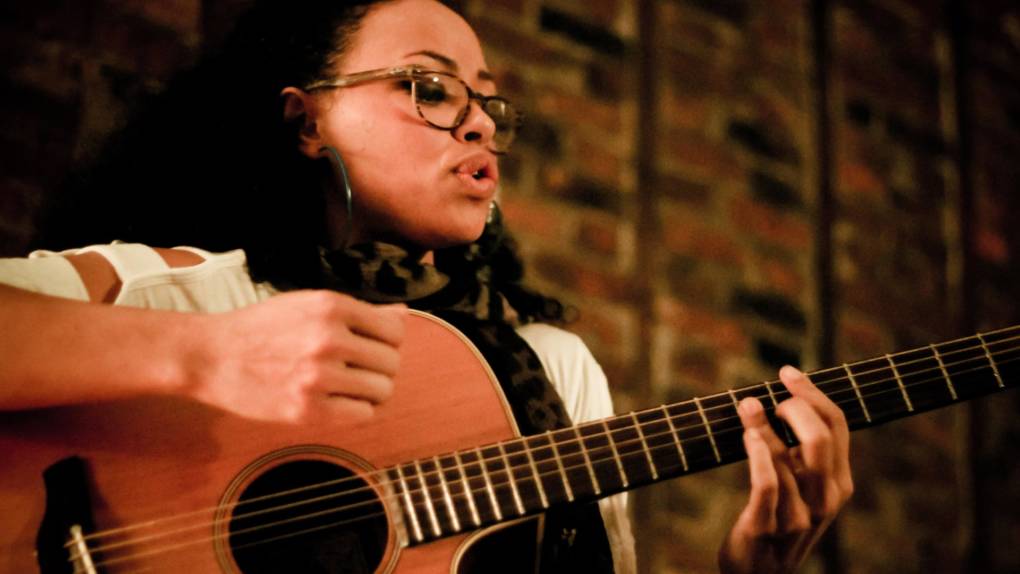
"caption": "Elle Varner performs at a Sofar Sounds house show in Brooklyn. A new partnership between the house concert company and Airbnb has been criticized for providing musicians exposure but little to no pay.",
"description": "Elle Varner performs at a Sofar Sounds house show in Brooklyn. A new partnership between the house concert company and Airbnb has been criticized for providing musicians exposure but little to no pay.",
"title": "Sofar.Elle",
"credit": "Photo: Lesley Keller",
"status": "inherit",
"isLoading": false,
"fetchFailed": false
},
"forum_2010101859658": {
"type": "attachments",
"id": "forum_2010101859658",
"meta": {
"index": "attachments_1716263798",
"site": "forum",
"id": "2010101859658",
"found": true
},
"parent": 2010101859657,
"imgSizes": {
"small": {
"file": "https://ww2.kqed.org/app/uploads/sites/43/2017/04/michael-jackson-520x293.jpg",
"width": 520,
"mimeType": "image/jpeg",
"height": 293
},
"twentyfourteen-full-width": {
"file": "https://ww2.kqed.org/app/uploads/sites/43/2017/04/michael-jackson-1038x576.jpg",
"width": 1038,
"mimeType": "image/jpeg",
"height": 576
},
"thumbnail": {
"file": "https://ww2.kqed.org/app/uploads/sites/43/2017/04/michael-jackson-160x90.jpg",
"width": 160,
"mimeType": "image/jpeg",
"height": 90
},
"fd-sm": {
"file": "https://ww2.kqed.org/app/uploads/sites/43/2017/04/michael-jackson-960x540.jpg",
"width": 960,
"mimeType": "image/jpeg",
"height": 540
},
"post-thumbnail": {
"file": "https://ww2.kqed.org/app/uploads/sites/43/2017/04/michael-jackson-672x372.jpg",
"width": 672,
"mimeType": "image/jpeg",
"height": 372
},
"xsmall": {
"file": "https://ww2.kqed.org/app/uploads/sites/43/2017/04/michael-jackson-375x211.jpg",
"width": 375,
"mimeType": "image/jpeg",
"height": 211
},
"kqedFullSize": {
"file": "https://ww2.kqed.org/app/uploads/sites/43/2017/04/michael-jackson.jpg",
"width": 1920,
"height": 1080
},
"large": {
"file": "https://ww2.kqed.org/app/uploads/sites/43/2017/04/michael-jackson-1020x574.jpg",
"width": 1020,
"mimeType": "image/jpeg",
"height": 574
},
"xlarge": {
"file": "https://ww2.kqed.org/app/uploads/sites/43/2017/04/michael-jackson-1180x664.jpg",
"width": 1180,
"mimeType": "image/jpeg",
"height": 664
},
"guest-author-50": {
"file": "https://ww2.kqed.org/app/uploads/sites/43/2017/04/michael-jackson-50x50.jpg",
"width": 50,
"mimeType": "image/jpeg",
"height": 50
},
"guest-author-96": {
"file": "https://ww2.kqed.org/app/uploads/sites/43/2017/04/michael-jackson-96x96.jpg",
"width": 96,
"mimeType": "image/jpeg",
"height": 96
},
"medium": {
"file": "https://ww2.kqed.org/app/uploads/sites/43/2017/04/michael-jackson-800x450.jpg",
"width": 800,
"mimeType": "image/jpeg",
"height": 450
},
"guest-author-64": {
"file": "https://ww2.kqed.org/app/uploads/sites/43/2017/04/michael-jackson-64x64.jpg",
"width": 64,
"mimeType": "image/jpeg",
"height": 64
},
"guest-author-32": {
"file": "https://ww2.kqed.org/app/uploads/sites/43/2017/04/michael-jackson-32x32.jpg",
"width": 32,
"mimeType": "image/jpeg",
"height": 32
},
"fd-lrg": {
"file": "https://ww2.kqed.org/app/uploads/sites/43/2017/04/michael-jackson-1920x1080.jpg",
"width": 1920,
"mimeType": "image/jpeg",
"height": 1080
},
"fd-med": {
"file": "https://ww2.kqed.org/app/uploads/sites/43/2017/04/michael-jackson-1180x664.jpg",
"width": 1180,
"mimeType": "image/jpeg",
"height": 664
},
"full-width": {
"file": "https://ww2.kqed.org/app/uploads/sites/43/2017/04/michael-jackson-1920x1080.jpg",
"width": 1920,
"mimeType": "image/jpeg",
"height": 1080
},
"detail": {
"file": "https://ww2.kqed.org/app/uploads/sites/43/2017/04/michael-jackson-150x150.jpg",
"width": 150,
"mimeType": "image/jpeg",
"height": 150
},
"medium_large": {
"file": "https://ww2.kqed.org/app/uploads/sites/43/2017/04/michael-jackson-768x432.jpg",
"width": 768,
"mimeType": "image/jpeg",
"height": 432
},
"guest-author-128": {
"file": "https://ww2.kqed.org/app/uploads/sites/43/2017/04/michael-jackson-128x128.jpg",
"width": 128,
"mimeType": "image/jpeg",
"height": 128
},
"xxsmall": {
"file": "https://ww2.kqed.org/app/uploads/sites/43/2017/04/michael-jackson-240x135.jpg",
"width": 240,
"mimeType": "image/jpeg",
"height": 135
}
},
"publishDate": 1493339876,
"modified": 1493339922,
"caption": "US pop star and entertainer Michael Jackson preforms before an estimated audience of 60,000 in Brunei on July 16, 1996.",
"description": "US pop star and entertainer Michael Jackson preforms before an estimated audience of 60,000 in Brunei on July 16, 1996.",
"title": "michael-jackson",
"credit": "Photo: Francis Sylvain/AFP/Getty Imges",
"status": "inherit",
"isLoading": false,
"fetchFailed": false
},
"arts_13119856": {
"type": "attachments",
"id": "arts_13119856",
"meta": {
"index": "attachments_1716263798",
"site": "arts",
"id": "13119856",
"found": true
},
"parent": 13119852,
"imgSizes": {
"small": {
"file": "https://ww2.kqed.org/app/uploads/sites/2/2017/04/JEfferson-Starship-520x293.jpg",
"width": 520,
"mimeType": "image/jpeg",
"height": 293
},
"twentyfourteen-full-width": {
"file": "https://ww2.kqed.org/app/uploads/sites/2/2017/04/JEfferson-Starship-1038x576.jpg",
"width": 1038,
"mimeType": "image/jpeg",
"height": 576
},
"thumbnail": {
"file": "https://ww2.kqed.org/app/uploads/sites/2/2017/04/JEfferson-Starship-160x90.jpg",
"width": 160,
"mimeType": "image/jpeg",
"height": 90
},
"fd-sm": {
"file": "https://ww2.kqed.org/app/uploads/sites/2/2017/04/JEfferson-Starship-960x540.jpg",
"width": 960,
"mimeType": "image/jpeg",
"height": 540
},
"post-thumbnail": {
"file": "https://ww2.kqed.org/app/uploads/sites/2/2017/04/JEfferson-Starship-672x372.jpg",
"width": 672,
"mimeType": "image/jpeg",
"height": 372
},
"xsmall": {
"file": "https://ww2.kqed.org/app/uploads/sites/2/2017/04/JEfferson-Starship-375x211.jpg",
"width": 375,
"mimeType": "image/jpeg",
"height": 211
},
"kqedFullSize": {
"file": "https://ww2.kqed.org/app/uploads/sites/2/2017/04/JEfferson-Starship.jpg",
"width": 1920,
"height": 1080
},
"large": {
"file": "https://ww2.kqed.org/app/uploads/sites/2/2017/04/JEfferson-Starship-1020x574.jpg",
"width": 1020,
"mimeType": "image/jpeg",
"height": 574
},
"xlarge": {
"file": "https://ww2.kqed.org/app/uploads/sites/2/2017/04/JEfferson-Starship-1180x664.jpg",
"width": 1180,
"mimeType": "image/jpeg",
"height": 664
},
"guest-author-50": {
"file": "https://ww2.kqed.org/app/uploads/sites/2/2017/04/JEfferson-Starship-50x50.jpg",
"width": 50,
"mimeType": "image/jpeg",
"height": 50
},
"guest-author-96": {
"file": "https://ww2.kqed.org/app/uploads/sites/2/2017/04/JEfferson-Starship-96x96.jpg",
"width": 96,
"mimeType": "image/jpeg",
"height": 96
},
"medium": {
"file": "https://ww2.kqed.org/app/uploads/sites/2/2017/04/JEfferson-Starship-800x450.jpg",
"width": 800,
"mimeType": "image/jpeg",
"height": 450
},
"guest-author-64": {
"file": "https://ww2.kqed.org/app/uploads/sites/2/2017/04/JEfferson-Starship-64x64.jpg",
"width": 64,
"mimeType": "image/jpeg",
"height": 64
},
"guest-author-32": {
"file": "https://ww2.kqed.org/app/uploads/sites/2/2017/04/JEfferson-Starship-32x32.jpg",
"width": 32,
"mimeType": "image/jpeg",
"height": 32
},
"fd-lrg": {
"file": "https://ww2.kqed.org/app/uploads/sites/2/2017/04/JEfferson-Starship-1920x1080.jpg",
"width": 1920,
"mimeType": "image/jpeg",
"height": 1080
},
"fd-med": {
"file": "https://ww2.kqed.org/app/uploads/sites/2/2017/04/JEfferson-Starship-1180x664.jpg",
"width": 1180,
"mimeType": "image/jpeg",
"height": 664
},
"full-width": {
"file": "https://ww2.kqed.org/app/uploads/sites/2/2017/04/JEfferson-Starship-1920x1080.jpg",
"width": 1920,
"mimeType": "image/jpeg",
"height": 1080
},
"detail": {
"file": "https://ww2.kqed.org/app/uploads/sites/2/2017/04/JEfferson-Starship-150x150.jpg",
"width": 150,
"mimeType": "image/jpeg",
"height": 150
},
"medium_large": {
"file": "https://ww2.kqed.org/app/uploads/sites/2/2017/04/JEfferson-Starship-768x432.jpg",
"width": 768,
"mimeType": "image/jpeg",
"height": 432
},
"guest-author-128": {
"file": "https://ww2.kqed.org/app/uploads/sites/2/2017/04/JEfferson-Starship-128x128.jpg",
"width": 128,
"mimeType": "image/jpeg",
"height": 128
},
"xxsmall": {
"file": "https://ww2.kqed.org/app/uploads/sites/2/2017/04/JEfferson-Starship-240x135.jpg",
"width": 240,
"mimeType": "image/jpeg",
"height": 135
}
},
"publishDate": 1493340759,
"modified": 1493340850,
"caption": "Jefferson Starship perform at the concert marking the 40th anniversary of the Woodstock music festival August 15, 2009 in Bethel, New York. ",
"description": "Jefferson Starship perform at the concert marking the 40th anniversary of the Woodstock music festival August 15, 2009 in Bethel, New York. ",
"title": "Woodstock Celebrates 40th Anniversary Of Historic Countercultural Concert",
"credit": "Photo: Mario Tama/Getty Images",
"status": "inherit",
"isLoading": false,
"fetchFailed": false
},
"arts_13119201": {
"type": "attachments",
"id": "arts_13119201",
"meta": {
"index": "attachments_1716263798",
"site": "arts",
"id": "13119201",
"found": true
},
"parent": 13118316,
"imgSizes": {
"small": {
"file": "https://ww2.kqed.org/app/uploads/sites/2/2017/04/OneFoundSound-520x293.jpg",
"width": 520,
"mimeType": "image/jpeg",
"height": 293
},
"twentyfourteen-full-width": {
"file": "https://ww2.kqed.org/app/uploads/sites/2/2017/04/OneFoundSound-1038x576.jpg",
"width": 1038,
"mimeType": "image/jpeg",
"height": 576
},
"thumbnail": {
"file": "https://ww2.kqed.org/app/uploads/sites/2/2017/04/OneFoundSound-160x90.jpg",
"width": 160,
"mimeType": "image/jpeg",
"height": 90
},
"fd-sm": {
"file": "https://ww2.kqed.org/app/uploads/sites/2/2017/04/OneFoundSound-960x540.jpg",
"width": 960,
"mimeType": "image/jpeg",
"height": 540
},
"post-thumbnail": {
"file": "https://ww2.kqed.org/app/uploads/sites/2/2017/04/OneFoundSound-672x372.jpg",
"width": 672,
"mimeType": "image/jpeg",
"height": 372
},
"xsmall": {
"file": "https://ww2.kqed.org/app/uploads/sites/2/2017/04/OneFoundSound-375x211.jpg",
"width": 375,
"mimeType": "image/jpeg",
"height": 211
},
"kqedFullSize": {
"file": "https://ww2.kqed.org/app/uploads/sites/2/2017/04/OneFoundSound.jpg",
"width": 1182,
"height": 665
},
"large": {
"file": "https://ww2.kqed.org/app/uploads/sites/2/2017/04/OneFoundSound-1020x574.jpg",
"width": 1020,
"mimeType": "image/jpeg",
"height": 574
},
"xlarge": {
"file": "https://ww2.kqed.org/app/uploads/sites/2/2017/04/OneFoundSound-1180x664.jpg",
"width": 1180,
"mimeType": "image/jpeg",
"height": 664
},
"guest-author-50": {
"file": "https://ww2.kqed.org/app/uploads/sites/2/2017/04/OneFoundSound-50x50.jpg",
"width": 50,
"mimeType": "image/jpeg",
"height": 50
},
"guest-author-96": {
"file": "https://ww2.kqed.org/app/uploads/sites/2/2017/04/OneFoundSound-96x96.jpg",
"width": 96,
"mimeType": "image/jpeg",
"height": 96
},
"medium": {
"file": "https://ww2.kqed.org/app/uploads/sites/2/2017/04/OneFoundSound-800x450.jpg",
"width": 800,
"mimeType": "image/jpeg",
"height": 450
},
"guest-author-64": {
"file": "https://ww2.kqed.org/app/uploads/sites/2/2017/04/OneFoundSound-64x64.jpg",
"width": 64,
"mimeType": "image/jpeg",
"height": 64
},
"guest-author-32": {
"file": "https://ww2.kqed.org/app/uploads/sites/2/2017/04/OneFoundSound-32x32.jpg",
"width": 32,
"mimeType": "image/jpeg",
"height": 32
},
"fd-med": {
"file": "https://ww2.kqed.org/app/uploads/sites/2/2017/04/OneFoundSound-1180x664.jpg",
"width": 1180,
"mimeType": "image/jpeg",
"height": 664
},
"detail": {
"file": "https://ww2.kqed.org/app/uploads/sites/2/2017/04/OneFoundSound-150x150.jpg",
"width": 150,
"mimeType": "image/jpeg",
"height": 150
},
"medium_large": {
"file": "https://ww2.kqed.org/app/uploads/sites/2/2017/04/OneFoundSound-768x432.jpg",
"width": 768,
"mimeType": "image/jpeg",
"height": 432
},
"guest-author-128": {
"file": "https://ww2.kqed.org/app/uploads/sites/2/2017/04/OneFoundSound-128x128.jpg",
"width": 128,
"mimeType": "image/jpeg",
"height": 128
},
"xxsmall": {
"file": "https://ww2.kqed.org/app/uploads/sites/2/2017/04/OneFoundSound-240x135.jpg",
"width": 240,
"mimeType": "image/jpeg",
"height": 135
}
},
"publishDate": 1493331226,
"modified": 1493331355,
"caption": "Members of One Found Sound have no conductor, performing in unconventional venues with a decidedly casual feel.",
"description": "Members of One Found Sound.Members of One Found Sound have no conductor, performing in unconventional venues with a decidedly casual feel.",
"title": "OneFoundSound",
"credit": "Courtesy One Found Sound",
"status": "inherit",
"isLoading": false,
"fetchFailed": false
},
"arts_13104486": {
"type": "attachments",
"id": "arts_13104486",
"meta": {
"index": "attachments_1716263798",
"site": "arts",
"id": "13104486",
"found": true
},
"parent": 13104275,
"imgSizes": {
"small": {
"file": "https://ww2.kqed.org/app/uploads/sites/2/2017/04/collander3-520x289.png",
"width": 520,
"mimeType": "image/png",
"height": 289
},
"twentyfourteen-full-width": {
"file": "https://ww2.kqed.org/app/uploads/sites/2/2017/04/collander3-1038x576.png",
"width": 1038,
"mimeType": "image/png",
"height": 576
},
"thumbnail": {
"file": "https://ww2.kqed.org/app/uploads/sites/2/2017/04/collander3-160x89.png",
"width": 160,
"mimeType": "image/png",
"height": 89
},
"fd-sm": {
"file": "https://ww2.kqed.org/app/uploads/sites/2/2017/04/collander3-960x534.png",
"width": 960,
"mimeType": "image/png",
"height": 534
},
"post-thumbnail": {
"file": "https://ww2.kqed.org/app/uploads/sites/2/2017/04/collander3-672x372.png",
"width": 672,
"mimeType": "image/png",
"height": 372
},
"xsmall": {
"file": "https://ww2.kqed.org/app/uploads/sites/2/2017/04/collander3-375x208.png",
"width": 375,
"mimeType": "image/png",
"height": 208
},
"kqedFullSize": {
"file": "https://ww2.kqed.org/app/uploads/sites/2/2017/04/collander3.png",
"width": 1279,
"height": 711
},
"large": {
"file": "https://ww2.kqed.org/app/uploads/sites/2/2017/04/collander3-1020x567.png",
"width": 1020,
"mimeType": "image/png",
"height": 567
},
"xlarge": {
"file": "https://ww2.kqed.org/app/uploads/sites/2/2017/04/collander3-1180x656.png",
"width": 1180,
"mimeType": "image/png",
"height": 656
},
"guest-author-50": {
"file": "https://ww2.kqed.org/app/uploads/sites/2/2017/04/collander3-50x50.png",
"width": 50,
"mimeType": "image/png",
"height": 50
},
"guest-author-96": {
"file": "https://ww2.kqed.org/app/uploads/sites/2/2017/04/collander3-96x96.png",
"width": 96,
"mimeType": "image/png",
"height": 96
},
"medium": {
"file": "https://ww2.kqed.org/app/uploads/sites/2/2017/04/collander3-800x445.png",
"width": 800,
"mimeType": "image/png",
"height": 445
},
"guest-author-64": {
"file": "https://ww2.kqed.org/app/uploads/sites/2/2017/04/collander3-64x64.png",
"width": 64,
"mimeType": "image/png",
"height": 64
},
"guest-author-32": {
"file": "https://ww2.kqed.org/app/uploads/sites/2/2017/04/collander3-32x32.png",
"width": 32,
"mimeType": "image/png",
"height": 32
},
"fd-med": {
"file": "https://ww2.kqed.org/app/uploads/sites/2/2017/04/collander3-1180x656.png",
"width": 1180,
"mimeType": "image/png",
"height": 656
},
"detail": {
"file": "https://ww2.kqed.org/app/uploads/sites/2/2017/04/collander3-150x150.png",
"width": 150,
"mimeType": "image/png",
"height": 150
},
"medium_large": {
"file": "https://ww2.kqed.org/app/uploads/sites/2/2017/04/collander3-768x427.png",
"width": 768,
"mimeType": "image/png",
"height": 427
},
"guest-author-128": {
"file": "https://ww2.kqed.org/app/uploads/sites/2/2017/04/collander3-128x128.png",
"width": 128,
"mimeType": "image/png",
"height": 128
},
"xxsmall": {
"file": "https://ww2.kqed.org/app/uploads/sites/2/2017/04/collander3-240x133.png",
"width": 240,
"mimeType": "image/png",
"height": 133
}
},
"publishDate": 1493080047,
"modified": 1493534655,
"caption": "Alli Yates (center) with collaborators (L–R: Claire Costello, Maria Lobo, Satya Vinaver, Zora Raskin) in a forthcoming Collander music video by Ariel Appel. ",
"description": "Alli Yates (center) with collaborators (L–R: Claire Costello, Maria Lobo, Satya Vinaver, Zora Raskin) in a forthcoming Collander music video by Ariel Appel. ",
"title": "collander3",
"credit": "Ariel Appel",
"status": "inherit",
"isLoading": false,
"fetchFailed": false
},
"arts_13112976": {
"type": "attachments",
"id": "arts_13112976",
"meta": {
"index": "attachments_1716263798",
"site": "arts",
"id": "13112976",
"found": true
},
"parent": 13112975,
"imgSizes": {
"small": {
"file": "https://ww2.kqed.org/app/uploads/sites/2/2017/04/gettyimages-522722766-33d29c837fcdcd0a3c16c9b5ec8ab5fec6aefc1a-e1493248993116-520x293.jpg",
"width": 520,
"mimeType": "image/jpeg",
"height": 293
},
"twentyfourteen-full-width": {
"file": "https://ww2.kqed.org/app/uploads/sites/2/2017/04/gettyimages-522722766-33d29c837fcdcd0a3c16c9b5ec8ab5fec6aefc1a-e1493248993116-1038x576.jpg",
"width": 1038,
"mimeType": "image/jpeg",
"height": 576
},
"thumbnail": {
"file": "https://ww2.kqed.org/app/uploads/sites/2/2017/04/gettyimages-522722766-33d29c837fcdcd0a3c16c9b5ec8ab5fec6aefc1a-e1493248993116-160x90.jpg",
"width": 160,
"mimeType": "image/jpeg",
"height": 90
},
"fd-sm": {
"file": "https://ww2.kqed.org/app/uploads/sites/2/2017/04/gettyimages-522722766-33d29c837fcdcd0a3c16c9b5ec8ab5fec6aefc1a-e1493248993116-960x540.jpg",
"width": 960,
"mimeType": "image/jpeg",
"height": 540
},
"post-thumbnail": {
"file": "https://ww2.kqed.org/app/uploads/sites/2/2017/04/gettyimages-522722766-33d29c837fcdcd0a3c16c9b5ec8ab5fec6aefc1a-e1493248993116-672x372.jpg",
"width": 672,
"mimeType": "image/jpeg",
"height": 372
},
"xsmall": {
"file": "https://ww2.kqed.org/app/uploads/sites/2/2017/04/gettyimages-522722766-33d29c837fcdcd0a3c16c9b5ec8ab5fec6aefc1a-e1493248993116-375x211.jpg",
"width": 375,
"mimeType": "image/jpeg",
"height": 211
},
"kqedFullSize": {
"file": "https://ww2.kqed.org/app/uploads/sites/2/2017/04/gettyimages-522722766-33d29c837fcdcd0a3c16c9b5ec8ab5fec6aefc1a-e1493248993116.jpg",
"width": 2048,
"height": 1152
},
"large": {
"file": "https://ww2.kqed.org/app/uploads/sites/2/2017/04/gettyimages-522722766-33d29c837fcdcd0a3c16c9b5ec8ab5fec6aefc1a-e1493248993116-1020x574.jpg",
"width": 1020,
"mimeType": "image/jpeg",
"height": 574
},
"xlarge": {
"file": "https://ww2.kqed.org/app/uploads/sites/2/2017/04/gettyimages-522722766-33d29c837fcdcd0a3c16c9b5ec8ab5fec6aefc1a-e1493248993116-1180x664.jpg",
"width": 1180,
"mimeType": "image/jpeg",
"height": 664
},
"guest-author-50": {
"file": "https://ww2.kqed.org/app/uploads/sites/2/2017/04/gettyimages-522722766-33d29c837fcdcd0a3c16c9b5ec8ab5fec6aefc1a-e1493248993116-50x50.jpg",
"width": 50,
"mimeType": "image/jpeg",
"height": 50
},
"guest-author-96": {
"file": "https://ww2.kqed.org/app/uploads/sites/2/2017/04/gettyimages-522722766-33d29c837fcdcd0a3c16c9b5ec8ab5fec6aefc1a-e1493248993116-96x96.jpg",
"width": 96,
"mimeType": "image/jpeg",
"height": 96
},
"medium": {
"file": "https://ww2.kqed.org/app/uploads/sites/2/2017/04/gettyimages-522722766-33d29c837fcdcd0a3c16c9b5ec8ab5fec6aefc1a-e1493248993116-800x450.jpg",
"width": 800,
"mimeType": "image/jpeg",
"height": 450
},
"guest-author-64": {
"file": "https://ww2.kqed.org/app/uploads/sites/2/2017/04/gettyimages-522722766-33d29c837fcdcd0a3c16c9b5ec8ab5fec6aefc1a-e1493248993116-64x64.jpg",
"width": 64,
"mimeType": "image/jpeg",
"height": 64
},
"guest-author-32": {
"file": "https://ww2.kqed.org/app/uploads/sites/2/2017/04/gettyimages-522722766-33d29c837fcdcd0a3c16c9b5ec8ab5fec6aefc1a-e1493248993116-32x32.jpg",
"width": 32,
"mimeType": "image/jpeg",
"height": 32
},
"fd-lrg": {
"file": "https://ww2.kqed.org/app/uploads/sites/2/2017/04/gettyimages-522722766-33d29c837fcdcd0a3c16c9b5ec8ab5fec6aefc1a-e1493248993116-1920x1080.jpg",
"width": 1920,
"mimeType": "image/jpeg",
"height": 1080
},
"fd-med": {
"file": "https://ww2.kqed.org/app/uploads/sites/2/2017/04/gettyimages-522722766-33d29c837fcdcd0a3c16c9b5ec8ab5fec6aefc1a-e1493248993116-1180x664.jpg",
"width": 1180,
"mimeType": "image/jpeg",
"height": 664
},
"full-width": {
"file": "https://ww2.kqed.org/app/uploads/sites/2/2017/04/gettyimages-522722766-33d29c837fcdcd0a3c16c9b5ec8ab5fec6aefc1a-e1493248993116-1920x1080.jpg",
"width": 1920,
"mimeType": "image/jpeg",
"height": 1080
},
"detail": {
"file": "https://ww2.kqed.org/app/uploads/sites/2/2017/04/gettyimages-522722766-33d29c837fcdcd0a3c16c9b5ec8ab5fec6aefc1a-e1493248993116-150x150.jpg",
"width": 150,
"mimeType": "image/jpeg",
"height": 150
},
"medium_large": {
"file": "https://ww2.kqed.org/app/uploads/sites/2/2017/04/gettyimages-522722766-33d29c837fcdcd0a3c16c9b5ec8ab5fec6aefc1a-e1493248993116-768x432.jpg",
"width": 768,
"mimeType": "image/jpeg",
"height": 432
},
"guest-author-128": {
"file": "https://ww2.kqed.org/app/uploads/sites/2/2017/04/gettyimages-522722766-33d29c837fcdcd0a3c16c9b5ec8ab5fec6aefc1a-e1493248993116-128x128.jpg",
"width": 128,
"mimeType": "image/jpeg",
"height": 128
},
"xxsmall": {
"file": "https://ww2.kqed.org/app/uploads/sites/2/2017/04/gettyimages-522722766-33d29c837fcdcd0a3c16c9b5ec8ab5fec6aefc1a-e1493248993116-240x135.jpg",
"width": 240,
"mimeType": "image/jpeg",
"height": 135
}
},
"publishDate": 1493226000,
"modified": 1493249092,
"caption": "Jonathan Demme speaks with an interviewer at a 25th anniversary showing of 'The Silence of the Lambs' at the Museum of Modern Art in New York City last year.",
"description": "Jonathan Demme speaks with an interviewer at a 25th anniversary showing of \u003cem>Silence of the Lambs\u003c/em> at the Museum of Modern Art in New York City last year",
"title": "Jonathan Demme speaks with an interviewer at a 25th anniversary showing of Silence of the Lambs at the Museum of Modern Art in New York City last year.",
"credit": "Photo: Cindy Ord/Getty Images",
"status": "inherit",
"isLoading": false,
"fetchFailed": false
},
"arts_13089466": {
"type": "attachments",
"id": "arts_13089466",
"meta": {
"index": "attachments_1716263798",
"site": "arts",
"id": "13089466",
"found": true
},
"parent": 13088814,
"imgSizes": {
"small": {
"file": "https://ww2.kqed.org/app/uploads/sites/2/2017/04/PBO-Temple-Glory_By-Jeff-Phillips.-Sheehan-philponet-sweeney_smith-trego-e1492988432976-520x293.jpg",
"width": 520,
"mimeType": "image/jpeg",
"height": 293
},
"twentyfourteen-full-width": {
"file": "https://ww2.kqed.org/app/uploads/sites/2/2017/04/PBO-Temple-Glory_By-Jeff-Phillips.-Sheehan-philponet-sweeney_smith-trego-e1492988432976-1038x576.jpg",
"width": 1038,
"mimeType": "image/jpeg",
"height": 576
},
"thumbnail": {
"file": "https://ww2.kqed.org/app/uploads/sites/2/2017/04/PBO-Temple-Glory_By-Jeff-Phillips.-Sheehan-philponet-sweeney_smith-trego-e1492988432976-160x90.jpg",
"width": 160,
"mimeType": "image/jpeg",
"height": 90
},
"fd-sm": {
"file": "https://ww2.kqed.org/app/uploads/sites/2/2017/04/PBO-Temple-Glory_By-Jeff-Phillips.-Sheehan-philponet-sweeney_smith-trego-e1492988432976-960x541.jpg",
"width": 960,
"mimeType": "image/jpeg",
"height": 541
},
"post-thumbnail": {
"file": "https://ww2.kqed.org/app/uploads/sites/2/2017/04/PBO-Temple-Glory_By-Jeff-Phillips.-Sheehan-philponet-sweeney_smith-trego-e1492988432976-672x372.jpg",
"width": 672,
"mimeType": "image/jpeg",
"height": 372
},
"xsmall": {
"file": "https://ww2.kqed.org/app/uploads/sites/2/2017/04/PBO-Temple-Glory_By-Jeff-Phillips.-Sheehan-philponet-sweeney_smith-trego-e1492988432976-375x211.jpg",
"width": 375,
"mimeType": "image/jpeg",
"height": 211
},
"kqedFullSize": {
"file": "https://ww2.kqed.org/app/uploads/sites/2/2017/04/PBO-Temple-Glory_By-Jeff-Phillips.-Sheehan-philponet-sweeney_smith-trego-e1492988432976.jpg",
"width": 1981,
"height": 1116
},
"large": {
"file": "https://ww2.kqed.org/app/uploads/sites/2/2017/04/PBO-Temple-Glory_By-Jeff-Phillips.-Sheehan-philponet-sweeney_smith-trego-e1492988432976-1020x575.jpg",
"width": 1020,
"mimeType": "image/jpeg",
"height": 575
},
"xlarge": {
"file": "https://ww2.kqed.org/app/uploads/sites/2/2017/04/PBO-Temple-Glory_By-Jeff-Phillips.-Sheehan-philponet-sweeney_smith-trego-e1492988432976-1180x665.jpg",
"width": 1180,
"mimeType": "image/jpeg",
"height": 665
},
"guest-author-50": {
"file": "https://ww2.kqed.org/app/uploads/sites/2/2017/04/PBO-Temple-Glory_By-Jeff-Phillips.-Sheehan-philponet-sweeney_smith-trego-e1492988432976-50x50.jpg",
"width": 50,
"mimeType": "image/jpeg",
"height": 50
},
"guest-author-96": {
"file": "https://ww2.kqed.org/app/uploads/sites/2/2017/04/PBO-Temple-Glory_By-Jeff-Phillips.-Sheehan-philponet-sweeney_smith-trego-e1492988432976-96x96.jpg",
"width": 96,
"mimeType": "image/jpeg",
"height": 96
},
"medium": {
"file": "https://ww2.kqed.org/app/uploads/sites/2/2017/04/PBO-Temple-Glory_By-Jeff-Phillips.-Sheehan-philponet-sweeney_smith-trego-e1492988432976-800x451.jpg",
"width": 800,
"mimeType": "image/jpeg",
"height": 451
},
"guest-author-64": {
"file": "https://ww2.kqed.org/app/uploads/sites/2/2017/04/PBO-Temple-Glory_By-Jeff-Phillips.-Sheehan-philponet-sweeney_smith-trego-e1492988432976-64x64.jpg",
"width": 64,
"mimeType": "image/jpeg",
"height": 64
},
"guest-author-32": {
"file": "https://ww2.kqed.org/app/uploads/sites/2/2017/04/PBO-Temple-Glory_By-Jeff-Phillips.-Sheehan-philponet-sweeney_smith-trego-e1492988432976-32x32.jpg",
"width": 32,
"mimeType": "image/jpeg",
"height": 32
},
"fd-lrg": {
"file": "https://ww2.kqed.org/app/uploads/sites/2/2017/04/PBO-Temple-Glory_By-Jeff-Phillips.-Sheehan-philponet-sweeney_smith-trego-e1492988432976-1920x1082.jpg",
"width": 1920,
"mimeType": "image/jpeg",
"height": 1082
},
"fd-med": {
"file": "https://ww2.kqed.org/app/uploads/sites/2/2017/04/PBO-Temple-Glory_By-Jeff-Phillips.-Sheehan-philponet-sweeney_smith-trego-e1492988432976-1180x665.jpg",
"width": 1180,
"mimeType": "image/jpeg",
"height": 665
},
"full-width": {
"file": "https://ww2.kqed.org/app/uploads/sites/2/2017/04/PBO-Temple-Glory_By-Jeff-Phillips.-Sheehan-philponet-sweeney_smith-trego-e1492988432976-1920x1082.jpg",
"width": 1920,
"mimeType": "image/jpeg",
"height": 1082
},
"detail": {
"file": "https://ww2.kqed.org/app/uploads/sites/2/2017/04/PBO-Temple-Glory_By-Jeff-Phillips.-Sheehan-philponet-sweeney_smith-trego-e1492988432976-150x150.jpg",
"width": 150,
"mimeType": "image/jpeg",
"height": 150
},
"medium_large": {
"file": "https://ww2.kqed.org/app/uploads/sites/2/2017/04/PBO-Temple-Glory_By-Jeff-Phillips.-Sheehan-philponet-sweeney_smith-trego-e1492988432976-768x433.jpg",
"width": 768,
"mimeType": "image/jpeg",
"height": 433
},
"guest-author-128": {
"file": "https://ww2.kqed.org/app/uploads/sites/2/2017/04/PBO-Temple-Glory_By-Jeff-Phillips.-Sheehan-philponet-sweeney_smith-trego-e1492988432976-128x128.jpg",
"width": 128,
"mimeType": "image/jpeg",
"height": 128
},
"xxsmall": {
"file": "https://ww2.kqed.org/app/uploads/sites/2/2017/04/PBO-Temple-Glory_By-Jeff-Phillips.-Sheehan-philponet-sweeney_smith-trego-e1492988432976-240x135.jpg",
"width": 240,
"mimeType": "image/jpeg",
"height": 135
}
},
"publishDate": 1492822392,
"modified": 1493154939,
"caption": "A scene from ‘The Temple of Glory,' an 18th century French opera that carries a strong political message for U.S. audiences today. The work is being revived by the Philharmonia Baroque Orchestra and Cal Performances at the end of the month. ",
"description": "A scene from ‘The Temple of Glory,' an 18th century French opera that carries a strong political message for U.S. audiences today. The work is being revived by the Philharmonia Baroque Orchestra and Cal Performances at the end of the month. ",
"title": "The Temple of Glory",
"credit": "Photo: Jeff Phillips",
"status": "inherit",
"isLoading": false,
"fetchFailed": false
},
"arts_10766542": {
"type": "attachments",
"id": "arts_10766542",
"meta": {
"index": "attachments_1716263798",
"site": "arts",
"id": "10766542",
"found": true
},
"parent": 10766406,
"imgSizes": {
"thumbnail": {
"file": "https://ww2.kqed.org/app/uploads/sites/2/2015/06/Cafe-du-Nord2-400x225.jpg",
"width": 400,
"mimeType": "image/jpeg",
"height": 225
},
"post-thumbnail": {
"file": "https://ww2.kqed.org/app/uploads/sites/2/2015/06/Cafe-du-Nord2-672x372.jpg",
"width": 672,
"mimeType": "image/jpeg",
"height": 372
},
"kqedFullSize": {
"file": "https://ww2.kqed.org/app/uploads/sites/2/2015/06/Cafe-du-Nord2.jpg",
"width": 800,
"height": 450
},
"guest-author-96": {
"file": "https://ww2.kqed.org/app/uploads/sites/2/2015/06/Cafe-du-Nord2-96x96.jpg",
"width": 96,
"mimeType": "image/jpeg",
"height": 96
},
"medium": {
"file": "https://ww2.kqed.org/app/uploads/sites/2/2015/06/Cafe-du-Nord2-800x450.jpg",
"width": 800,
"mimeType": "image/jpeg",
"height": 450
},
"guest-author-64": {
"file": "https://ww2.kqed.org/app/uploads/sites/2/2015/06/Cafe-du-Nord2-64x64.jpg",
"width": 64,
"mimeType": "image/jpeg",
"height": 64
},
"detail": {
"file": "https://ww2.kqed.org/app/uploads/sites/2/2015/06/Cafe-du-Nord2-75x75.jpg",
"width": 75,
"mimeType": "image/jpeg",
"height": 75
},
"guest-author-32": {
"file": "https://ww2.kqed.org/app/uploads/sites/2/2015/06/Cafe-du-Nord2-32x32.jpg",
"width": 32,
"mimeType": "image/jpeg",
"height": 32
},
"guest-author-128": {
"file": "https://ww2.kqed.org/app/uploads/sites/2/2015/06/Cafe-du-Nord2-128x128.jpg",
"width": 128,
"mimeType": "image/jpeg",
"height": 128
}
},
"publishDate": 1434411270,
"modified": 1434411313,
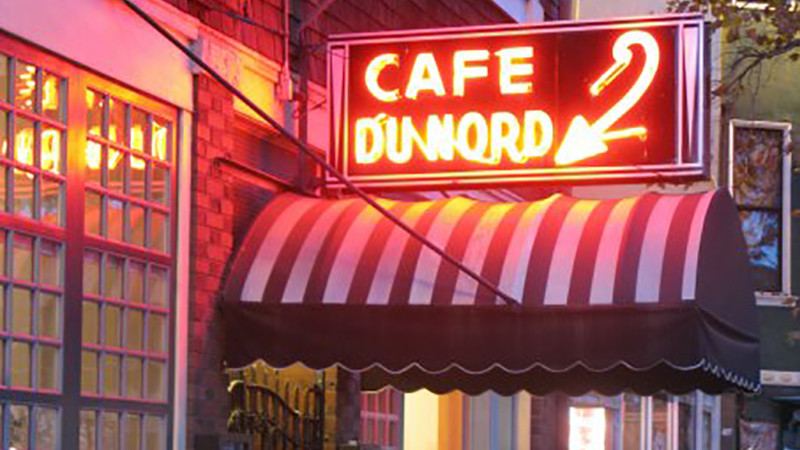
"caption": "The sign for the Café du Nord, taken in 2009. ",
"description": "The sign for the Café du Nord, taken in 2009. ",
"title": "Cafe du Nord2",
"credit": null,
"status": "inherit",
"isLoading": false,
"fetchFailed": false
},
"arts_13103178": {
"type": "attachments",
"id": "arts_13103178",
"meta": {
"index": "attachments_1716263798",
"site": "arts",
"id": "13103178",
"found": true
},
"parent": 13102955,
"imgSizes": {
"small": {
"file": "https://ww2.kqed.org/app/uploads/sites/2/2017/04/KendrickTicketAlertMAIN-520x293.jpg",
"width": 520,
"mimeType": "image/jpeg",
"height": 293
},
"thumbnail": {
"file": "https://ww2.kqed.org/app/uploads/sites/2/2017/04/KendrickTicketAlertMAIN-160x90.jpg",
"width": 160,
"mimeType": "image/jpeg",
"height": 90
},
"post-thumbnail": {
"file": "https://ww2.kqed.org/app/uploads/sites/2/2017/04/KendrickTicketAlertMAIN-672x372.jpg",
"width": 672,
"mimeType": "image/jpeg",
"height": 372
},
"xsmall": {
"file": "https://ww2.kqed.org/app/uploads/sites/2/2017/04/KendrickTicketAlertMAIN-375x211.jpg",
"width": 375,
"mimeType": "image/jpeg",
"height": 211
},
"kqedFullSize": {
"file": "https://ww2.kqed.org/app/uploads/sites/2/2017/04/KendrickTicketAlertMAIN.jpg",
"width": 800,
"height": 450
},
"guest-author-50": {
"file": "https://ww2.kqed.org/app/uploads/sites/2/2017/04/KendrickTicketAlertMAIN-50x50.jpg",
"width": 50,
"mimeType": "image/jpeg",
"height": 50
},
"guest-author-96": {
"file": "https://ww2.kqed.org/app/uploads/sites/2/2017/04/KendrickTicketAlertMAIN-96x96.jpg",
"width": 96,
"mimeType": "image/jpeg",
"height": 96
},
"medium": {
"file": "https://ww2.kqed.org/app/uploads/sites/2/2017/04/KendrickTicketAlertMAIN-800x450.jpg",
"width": 800,
"mimeType": "image/jpeg",
"height": 450
},
"guest-author-64": {
"file": "https://ww2.kqed.org/app/uploads/sites/2/2017/04/KendrickTicketAlertMAIN-64x64.jpg",
"width": 64,
"mimeType": "image/jpeg",
"height": 64
},
"guest-author-32": {
"file": "https://ww2.kqed.org/app/uploads/sites/2/2017/04/KendrickTicketAlertMAIN-32x32.jpg",
"width": 32,
"mimeType": "image/jpeg",
"height": 32
},
"detail": {
"file": "https://ww2.kqed.org/app/uploads/sites/2/2017/04/KendrickTicketAlertMAIN-150x150.jpg",
"width": 150,
"mimeType": "image/jpeg",
"height": 150
},
"medium_large": {
"file": "https://ww2.kqed.org/app/uploads/sites/2/2017/04/KendrickTicketAlertMAIN-768x432.jpg",
"width": 768,
"mimeType": "image/jpeg",
"height": 432
},
"guest-author-128": {
"file": "https://ww2.kqed.org/app/uploads/sites/2/2017/04/KendrickTicketAlertMAIN-128x128.jpg",
"width": 128,
"mimeType": "image/jpeg",
"height": 128
},
"xxsmall": {
"file": "https://ww2.kqed.org/app/uploads/sites/2/2017/04/KendrickTicketAlertMAIN-240x135.jpg",
"width": 240,
"mimeType": "image/jpeg",
"height": 135
}
},
"publishDate": 1493058507,
"modified": 1493058527,
"caption": "Kendrick Lamar performs at Outside Lands, Aug. 8, 2015. ",
"description": "Kendrick Lamar performs at Outside Lands, Aug. 8, 2015. ",
"title": "KendrickTicketAlertMAIN",
"credit": "Photo: Gabe Meline/KQED",
"status": "inherit",
"isLoading": false,
"fetchFailed": false
},
"arts_13090507": {
"type": "attachments",
"id": "arts_13090507",
"meta": {
"index": "attachments_1716263798",
"site": "arts",
"id": "13090507",
"found": true
},
"parent": 13088812,
"imgSizes": {
"small": {
"file": "https://ww2.kqed.org/app/uploads/sites/2/2017/04/Zimmer.Main_-520x293.jpg",
"width": 520,
"mimeType": "image/jpeg",
"height": 293
},
"twentyfourteen-full-width": {
"file": "https://ww2.kqed.org/app/uploads/sites/2/2017/04/Zimmer.Main_-1038x576.jpg",
"width": 1038,
"mimeType": "image/jpeg",
"height": 576
},
"thumbnail": {
"file": "https://ww2.kqed.org/app/uploads/sites/2/2017/04/Zimmer.Main_-160x90.jpg",
"width": 160,
"mimeType": "image/jpeg",
"height": 90
},
"fd-sm": {
"file": "https://ww2.kqed.org/app/uploads/sites/2/2017/04/Zimmer.Main_-960x540.jpg",
"width": 960,
"mimeType": "image/jpeg",
"height": 540
},
"post-thumbnail": {
"file": "https://ww2.kqed.org/app/uploads/sites/2/2017/04/Zimmer.Main_-672x372.jpg",
"width": 672,
"mimeType": "image/jpeg",
"height": 372
},
"xsmall": {
"file": "https://ww2.kqed.org/app/uploads/sites/2/2017/04/Zimmer.Main_-375x211.jpg",
"width": 375,
"mimeType": "image/jpeg",
"height": 211
},
"kqedFullSize": {
"file": "https://ww2.kqed.org/app/uploads/sites/2/2017/04/Zimmer.Main_.jpg",
"width": 1920,
"height": 1080
},
"large": {
"file": "https://ww2.kqed.org/app/uploads/sites/2/2017/04/Zimmer.Main_-1020x574.jpg",
"width": 1020,
"mimeType": "image/jpeg",
"height": 574
},
"xlarge": {
"file": "https://ww2.kqed.org/app/uploads/sites/2/2017/04/Zimmer.Main_-1180x664.jpg",
"width": 1180,
"mimeType": "image/jpeg",
"height": 664
},
"guest-author-50": {
"file": "https://ww2.kqed.org/app/uploads/sites/2/2017/04/Zimmer.Main_-50x50.jpg",
"width": 50,
"mimeType": "image/jpeg",
"height": 50
},
"guest-author-96": {
"file": "https://ww2.kqed.org/app/uploads/sites/2/2017/04/Zimmer.Main_-96x96.jpg",
"width": 96,
"mimeType": "image/jpeg",
"height": 96
},
"medium": {
"file": "https://ww2.kqed.org/app/uploads/sites/2/2017/04/Zimmer.Main_-800x450.jpg",
"width": 800,
"mimeType": "image/jpeg",
"height": 450
},
"guest-author-64": {
"file": "https://ww2.kqed.org/app/uploads/sites/2/2017/04/Zimmer.Main_-64x64.jpg",
"width": 64,
"mimeType": "image/jpeg",
"height": 64
},
"guest-author-32": {
"file": "https://ww2.kqed.org/app/uploads/sites/2/2017/04/Zimmer.Main_-32x32.jpg",
"width": 32,
"mimeType": "image/jpeg",
"height": 32
},
"fd-lrg": {
"file": "https://ww2.kqed.org/app/uploads/sites/2/2017/04/Zimmer.Main_-1920x1080.jpg",
"width": 1920,
"mimeType": "image/jpeg",
"height": 1080
},
"fd-med": {
"file": "https://ww2.kqed.org/app/uploads/sites/2/2017/04/Zimmer.Main_-1180x664.jpg",
"width": 1180,
"mimeType": "image/jpeg",
"height": 664
},
"full-width": {
"file": "https://ww2.kqed.org/app/uploads/sites/2/2017/04/Zimmer.Main_-1920x1080.jpg",
"width": 1920,
"mimeType": "image/jpeg",
"height": 1080
},
"detail": {
"file": "https://ww2.kqed.org/app/uploads/sites/2/2017/04/Zimmer.Main_-150x150.jpg",
"width": 150,
"mimeType": "image/jpeg",
"height": 150
},
"medium_large": {
"file": "https://ww2.kqed.org/app/uploads/sites/2/2017/04/Zimmer.Main_-768x432.jpg",
"width": 768,
"mimeType": "image/jpeg",
"height": 432
},
"guest-author-128": {
"file": "https://ww2.kqed.org/app/uploads/sites/2/2017/04/Zimmer.Main_-128x128.jpg",
"width": 128,
"mimeType": "image/jpeg",
"height": 128
},
"xxsmall": {
"file": "https://ww2.kqed.org/app/uploads/sites/2/2017/04/Zimmer.Main_-240x135.jpg",
"width": 240,
"mimeType": "image/jpeg",
"height": 135
}
},
"publishDate": 1492841262,
"modified": 1492841364,
"caption": "Hans Zimmer, on banjo, performs with members of his band at the Bill Graham Civic Auditorium in San Francisco on April 19, 2017.",
"description": "Hans Zimmer, on banjo, performs with members of his band at the Bill Graham Civic Auditorium in San Francisco on April 19, 2017.",
"title": "Zimmer.Main",
"credit": "Photo: Gabe Meline/KQED",
"status": "inherit",
"isLoading": false,
"fetchFailed": false
},
"arts_13084437": {
"type": "attachments",
"id": "arts_13084437",
"meta": {
"index": "attachments_1716263798",
"site": "arts",
"id": "13084437",
"found": true
},
"parent": 13084436,
"imgSizes": {
"small": {
"file": "https://ww2.kqed.org/app/uploads/sites/2/2017/04/murray-8d38c7d72a96cd7ef599b0b81bdf854703dd1a97-520x390.jpg",
"width": 520,
"mimeType": "image/jpeg",
"height": 390
},
"twentyfourteen-full-width": {
"file": "https://ww2.kqed.org/app/uploads/sites/2/2017/04/murray-8d38c7d72a96cd7ef599b0b81bdf854703dd1a97-1000x576.jpg",
"width": 1000,
"mimeType": "image/jpeg",
"height": 576
},
"thumbnail": {
"file": "https://ww2.kqed.org/app/uploads/sites/2/2017/04/murray-8d38c7d72a96cd7ef599b0b81bdf854703dd1a97-160x120.jpg",
"width": 160,
"mimeType": "image/jpeg",
"height": 120
},
"fd-sm": {
"file": "https://ww2.kqed.org/app/uploads/sites/2/2017/04/murray-8d38c7d72a96cd7ef599b0b81bdf854703dd1a97-960x720.jpg",
"width": 960,
"mimeType": "image/jpeg",
"height": 720
},
"post-thumbnail": {
"file": "https://ww2.kqed.org/app/uploads/sites/2/2017/04/murray-8d38c7d72a96cd7ef599b0b81bdf854703dd1a97-672x372.jpg",
"width": 672,
"mimeType": "image/jpeg",
"height": 372
},
"xsmall": {
"file": "https://ww2.kqed.org/app/uploads/sites/2/2017/04/murray-8d38c7d72a96cd7ef599b0b81bdf854703dd1a97-375x281.jpg",
"width": 375,
"mimeType": "image/jpeg",
"height": 281
},
"kqedFullSize": {
"file": "https://ww2.kqed.org/app/uploads/sites/2/2017/04/murray-8d38c7d72a96cd7ef599b0b81bdf854703dd1a97.jpg",
"width": 1000,
"height": 750
},
"guest-author-50": {
"file": "https://ww2.kqed.org/app/uploads/sites/2/2017/04/murray-8d38c7d72a96cd7ef599b0b81bdf854703dd1a97-50x50.jpg",
"width": 50,
"mimeType": "image/jpeg",
"height": 50
},
"guest-author-96": {
"file": "https://ww2.kqed.org/app/uploads/sites/2/2017/04/murray-8d38c7d72a96cd7ef599b0b81bdf854703dd1a97-96x96.jpg",
"width": 96,
"mimeType": "image/jpeg",
"height": 96
},
"medium": {
"file": "https://ww2.kqed.org/app/uploads/sites/2/2017/04/murray-8d38c7d72a96cd7ef599b0b81bdf854703dd1a97-800x600.jpg",
"width": 800,
"mimeType": "image/jpeg",
"height": 600
},
"guest-author-64": {
"file": "https://ww2.kqed.org/app/uploads/sites/2/2017/04/murray-8d38c7d72a96cd7ef599b0b81bdf854703dd1a97-64x64.jpg",
"width": 64,
"mimeType": "image/jpeg",
"height": 64
},
"guest-author-32": {
"file": "https://ww2.kqed.org/app/uploads/sites/2/2017/04/murray-8d38c7d72a96cd7ef599b0b81bdf854703dd1a97-32x32.jpg",
"width": 32,
"mimeType": "image/jpeg",
"height": 32
},
"detail": {
"file": "https://ww2.kqed.org/app/uploads/sites/2/2017/04/murray-8d38c7d72a96cd7ef599b0b81bdf854703dd1a97-150x150.jpg",
"width": 150,
"mimeType": "image/jpeg",
"height": 150
},
"medium_large": {
"file": "https://ww2.kqed.org/app/uploads/sites/2/2017/04/murray-8d38c7d72a96cd7ef599b0b81bdf854703dd1a97-768x576.jpg",
"width": 768,
"mimeType": "image/jpeg",
"height": 576
},
"guest-author-128": {
"file": "https://ww2.kqed.org/app/uploads/sites/2/2017/04/murray-8d38c7d72a96cd7ef599b0b81bdf854703dd1a97-128x128.jpg",
"width": 128,
"mimeType": "image/jpeg",
"height": 128
},
"xxsmall": {
"file": "https://ww2.kqed.org/app/uploads/sites/2/2017/04/murray-8d38c7d72a96cd7ef599b0b81bdf854703dd1a97-240x180.jpg",
"width": 240,
"mimeType": "image/jpeg",
"height": 180
}
},
"publishDate": 1492735580,
"modified": 1492735580,
"caption": null,
"description": "Bill Murray's latest project finds him singing Gershwin and Bernstein with classical cellist Jan Vogler.",
"title": "Bill Murray's latest project finds him singing Gershwin and Bernstein with classical cellist Jan Vogler.",
"credit": null,
"status": "inherit",
"isLoading": false,
"fetchFailed": false
}
},
"audioPlayerReducer": {
"postId": "stream_live",
"isPaused": true,
"isPlaying": false,
"pfsActive": false,
"pledgeModalIsOpen": true,
"playerDrawerIsOpen": false,
"liveAudioPlayStartedAt": 0,
"liveAudioPlayContext": ""
},
"authorsReducer": {
"byline_arts_13124353": {
"type": "authors",
"id": "byline_arts_13124353",
"meta": {
"override": true
},
"slug": "byline_arts_13124353",
"name": "Laurel Wamsley",
"isLoading": false
},
"byline_arts_13119852": {
"type": "authors",
"id": "byline_arts_13119852",
"meta": {
"override": true
},
"slug": "byline_arts_13119852",
"name": "Associated Press",
"isLoading": false
},
"byline_arts_13118316": {
"type": "authors",
"id": "byline_arts_13118316",
"meta": {
"override": true
},
"slug": "byline_arts_13118316",
"name": "Alee Karim",
"isLoading": false
},
"byline_arts_13112975": {
"type": "authors",
"id": "byline_arts_13112975",
"meta": {
"override": true
},
"slug": "byline_arts_13112975",
"name": "Colin Dwyer",
"isLoading": false
},
"byline_arts_13084436": {
"type": "authors",
"id": "byline_arts_13084436",
"meta": {
"override": true
},
"slug": "byline_arts_13084436",
"name": "Tom Huizenga",
"isLoading": false
},
"kjones": {
"type": "authors",
"id": "93",
"meta": {
"index": "authors_1716337520",
"id": "93",
"found": true
},
"name": "Kevin L. Jones",
"firstName": "Kevin",
"lastName": "Jones",
"slug": "kjones",
"email": "kjones@kqed.org",
"display_author_email": false,
"staff_mastheads": [],
"title": null,
"bio": null,
"avatar": "https://secure.gravatar.com/avatar/12c65b5633ed39d0a59bb7f497eff645?s=600&d=blank&r=g",
"twitter": null,
"facebook": null,
"instagram": null,
"linkedin": null,
"sites": [
{
"site": "arts",
"roles": [
"subscriber"
]
},
{
"site": "styleguide",
"roles": [
"contributor"
]
},
{
"site": "artschool",
"roles": [
"subscriber"
]
},
{
"site": "news",
"roles": [
"subscriber"
]
},
{
"site": "pop",
"roles": [
"subscriber"
]
}
],
"headData": {
"title": "Kevin L. Jones | KQED",
"description": null,
"ogImgSrc": "https://secure.gravatar.com/avatar/12c65b5633ed39d0a59bb7f497eff645?s=600&d=blank&r=g",
"twImgSrc": "https://secure.gravatar.com/avatar/12c65b5633ed39d0a59bb7f497eff645?s=600&d=blank&r=g"
},
"isLoading": false,
"link": "/author/kjones"
},
"gmeline": {
"type": "authors",
"id": "185",
"meta": {
"index": "authors_1716337520",
"id": "185",
"found": true
},
"name": "Gabe Meline",
"firstName": "Gabe",
"lastName": "Meline",
"slug": "gmeline",
"email": "gmeline@kqed.org",
"display_author_email": true,
"staff_mastheads": [
"arts"
],
"title": "Senior Editor, KQED Arts & Culture",
"bio": "Gabe Meline entered journalism at age 15 making photocopied zines, and has since earned awards from the Edward R. Murrow Awards, the Society for Professional Journalists, the Online Journalism Awards, the Association of Alternative Newsweeklies and the California Newspaper Publishers Association. Prior to KQED, he was the editor of the \u003cem>North Bay Bohemian\u003c/em> and a touring musician. He lives with his wife and daughter in his hometown of Santa Rosa, CA.",
"avatar": "https://secure.gravatar.com/avatar/5bebe57be0d8bc2dd318934feb47299e2d2d10cba28d09d8d7afb389a2ce2bdd?s=600&d=blank&r=g",
"twitter": null,
"bluesky": null,
"facebook": null,
"instagram": null,
"linkedin": null,
"sites": [
{
"site": "",
"roles": [
"editor"
]
},
{
"site": "arts",
"roles": [
"administrator"
]
},
{
"site": "artschool",
"roles": [
"editor"
]
},
{
"site": "news",
"roles": [
"author"
]
},
{
"site": "pop",
"roles": [
"editor"
]
},
{
"site": "bayareabites",
"roles": [
"editor"
]
},
{
"site": "food",
"roles": [
"editor"
]
},
{
"site": "forum",
"roles": [
"administrator"
]
},
{
"site": "liveblog",
"roles": [
"editor"
]
},
{
"site": "hiphop",
"roles": [
"editor"
]
}
],
"headData": {
"title": "Gabe Meline | KQED",
"description": "Senior Editor, KQED Arts & Culture",
"ogImgSrc": "https://secure.gravatar.com/avatar/5bebe57be0d8bc2dd318934feb47299e2d2d10cba28d09d8d7afb389a2ce2bdd?s=600&d=blank&r=g",
"twImgSrc": "https://secure.gravatar.com/avatar/5bebe57be0d8bc2dd318934feb47299e2d2d10cba28d09d8d7afb389a2ce2bdd?s=600&d=blank&r=g"
},
"isLoading": false,
"link": "/author/gmeline"
},
"minakim": {
"type": "authors",
"id": "243",
"meta": {
"index": "authors_1716337520",
"id": "243",
"found": true
},
"name": "Mina Kim",
"firstName": "Mina",
"lastName": "Kim",
"slug": "minakim",
"email": "mkim@kqed.org",
"display_author_email": false,
"staff_mastheads": [
"news"
],
"title": "Host, Forum",
"bio": "Mina Kim is host of the 10 a.m. statewide hour of Forum; a live daily talk show for curious Californians on issues that matter to the state and nation, with a particular emphasis on race and equity.\r\n\r\nBefore joining the Forum team, Mina was KQED’s evening news anchor, and health reporter for The California Report. Her award-winning work has included natural disasters in Napa and gun violence in Oakland. Mina grew up in St. John’s, Newfoundland.",
"avatar": "https://secure.gravatar.com/avatar/145ce657a2d08cb86d93686beb958982?s=600&d=blank&r=g",
"twitter": "mkimreporter",
"facebook": null,
"instagram": null,
"linkedin": null,
"sites": [
{
"site": "news",
"roles": [
"contributor"
]
},
{
"site": "stateofhealth",
"roles": [
"author"
]
},
{
"site": "forum",
"roles": [
"editor"
]
}
],
"headData": {
"title": "Mina Kim | KQED",
"description": "Host, Forum",
"ogImgSrc": "https://secure.gravatar.com/avatar/145ce657a2d08cb86d93686beb958982?s=600&d=blank&r=g",
"twImgSrc": "https://secure.gravatar.com/avatar/145ce657a2d08cb86d93686beb958982?s=600&d=blank&r=g"
},
"isLoading": false,
"link": "/author/minakim"
},
"esilvers": {
"type": "authors",
"id": "7237",
"meta": {
"index": "authors_1716337520",
"id": "7237",
"found": true
},
"name": "Emma Silvers",
"firstName": "Emma",
"lastName": "Silvers",
"slug": "esilvers",
"email": "esilvers@kqed.org",
"display_author_email": false,
"staff_mastheads": [],
"title": "KQED Contributor",
"bio": "Emma Silvers is an editor at KQED Arts and a former digital producer at KQED News. Born and raised in the Bay Area, she has previously been an arts and entertainment editor at the \u003cem>San Francisco Chronicle\u003c/em>, \u003cem>SF Weekly\u003c/em> and the \u003cem>San Francisco Bay Guardian.\u003c/em> \u003ca href=\"https://www.emmasilvers.com\">Her work\u003c/a> has also appeared in \u003cem>Rolling Stone\u003c/em>, Pitchfork and \u003cem>Mother Jones\u003c/em>. In 2017 she was the recipient of the Society of Professional Journalists-Northern California's award for arts and culture reporting. In 1993 she \u003ca href=\"https://www.kqed.org/pop/16759/wait-what-my-coworker-was-a-voice-over-hyperventilator-for-jurassic-park\">hyperventilated in \u003cem>Jurassic Park\u003c/em>\u003c/a>.",
"avatar": "https://secure.gravatar.com/avatar/247beada39b88ea5759db1f51dba05cf?s=600&d=blank&r=g",
"twitter": "emmaruthless",
"facebook": null,
"instagram": null,
"linkedin": null,
"sites": [
{
"site": "arts",
"roles": [
"editor"
]
},
{
"site": "news",
"roles": [
"editor"
]
},
{
"site": "pop",
"roles": [
"contributor"
]
},
{
"site": "bayareabites",
"roles": [
"editor"
]
},
{
"site": "food",
"roles": [
"contributor"
]
},
{
"site": "liveblog",
"roles": [
"editor"
]
}
],
"headData": {
"title": "Emma Silvers | KQED",
"description": "KQED Contributor",
"ogImgSrc": "https://secure.gravatar.com/avatar/247beada39b88ea5759db1f51dba05cf?s=600&d=blank&r=g",
"twImgSrc": "https://secure.gravatar.com/avatar/247beada39b88ea5759db1f51dba05cf?s=600&d=blank&r=g"
},
"isLoading": false,
"link": "/author/esilvers"
},
"ctiee": {
"type": "authors",
"id": "8660",
"meta": {
"index": "authors_1716337520",
"id": "8660",
"found": true
},
"name": "Charlise Tiee",
"firstName": "Charlise",
"lastName": "Tiee",
"slug": "ctiee",
"email": "snailwing@gmail.com",
"display_author_email": false,
"staff_mastheads": [],
"title": null,
"bio": "Bay Area-based writer and painter. Reviews performances of classical music and audience behavior at \u003ca href=\"http://operatattler.com\" target=\"_blank\">The Opera Tattler\u003c/a>.",
"avatar": "https://secure.gravatar.com/avatar/f1a0befa08b57c5871e7b99521309901?s=600&d=blank&r=g",
"twitter": null,
"facebook": null,
"instagram": null,
"linkedin": null,
"sites": [
{
"site": "arts",
"roles": [
"contributor"
]
}
],
"headData": {
"title": "Charlise Tiee | KQED",
"description": null,
"ogImgSrc": "https://secure.gravatar.com/avatar/f1a0befa08b57c5871e7b99521309901?s=600&d=blank&r=g",
"twImgSrc": "https://secure.gravatar.com/avatar/f1a0befa08b57c5871e7b99521309901?s=600&d=blank&r=g"
},
"isLoading": false,
"link": "/author/ctiee"
},
"sburke": {
"type": "authors",
"id": "11323",
"meta": {
"index": "authors_1716337520",
"id": "11323",
"found": true
},
"name": "Sarah Burke",
"firstName": "Sarah",
"lastName": "Burke",
"slug": "sburke",
"email": "sarahlburke@gmail.com",
"display_author_email": false,
"staff_mastheads": [],
"title": "KQED Contributor",
"bio": "Sarah Burke is a journalist, critic, and curator living and working in Oakland, California. She is a regular contributor to KQED's Culture Cue, for which she writes about topics at the intersection of art, culture, and identity. Her work has been recognized with first place awards from the American Association of Alternative Newsmedia and The Society of Professional Journalists. Previously, she served as Managing Editor at the \u003cem>East Bay Express\u003c/em>. Find her on twitter at \u003ca href=\"https://twitter.com/sarahlubyburke\">@sarahlubyburke. \u003c/a>",
"avatar": "https://secure.gravatar.com/avatar/ea2a423eaf2fff65d31ec42d2a88bb6b96668e41e653ffa1945172c043a786b2?s=600&d=blank&r=g",
"twitter": "sarahlubyburke",
"bluesky": null,
"facebook": null,
"instagram": null,
"linkedin": null,
"sites": [
{
"site": "arts",
"roles": [
"subscriber"
]
}
],
"headData": {
"title": "Sarah Burke | KQED",
"description": "KQED Contributor",
"ogImgSrc": "https://secure.gravatar.com/avatar/ea2a423eaf2fff65d31ec42d2a88bb6b96668e41e653ffa1945172c043a786b2?s=600&d=blank&r=g",
"twImgSrc": "https://secure.gravatar.com/avatar/ea2a423eaf2fff65d31ec42d2a88bb6b96668e41e653ffa1945172c043a786b2?s=600&d=blank&r=g"
},
"isLoading": false,
"link": "/author/sburke"
}
},
"pagesReducer": {
"arts_category_music": {
"type": "terms",
"id": "arts_69",
"meta": {
"index": "terms_1716263798",
"site": "arts",
"id": "69",
"score": 10.85186
},
"featImg": null,
"name": "Music",
"description": null,
"taxonomy": "category",
"headData": {
"twImgId": null,
"twTitle": null,
"ogTitle": null,
"ogImgId": null,
"twDescription": null,
"description": null,
"title": "Music Archives | KQED Arts",
"ogDescription": null
},
"ttid": 70,
"slug": "music",
"isLoading": false,
"title": "Music",
"pageMeta": {
"site": "arts",
"WpPageTemplate": "page-topic-editorial",
"currentPage": 237
},
"blocks": [
{
"blockName": "kqed/post-list",
"attrs": {
"layout": "cardArticle2",
"query": "posts/arts?category=music",
"seeMore": false,
"paginated": true,
"page": 237
}
},
{
"blockName": "kqed/ad"
}
]
}
},
"pfsSessionReducer": {},
"postsReducer": {
"stream_live": {
"type": "live",
"id": "stream_live",
"audioUrl": "https://streams.kqed.org/kqedradio",
"title": "Live Stream",
"excerpt": "Live Stream information currently unavailable.",
"link": "/radio",
"featImg": "",
"label": {
"name": "KQED Live",
"link": "/"
}
},
"stream_kqedNewscast": {
"type": "posts",
"id": "stream_kqedNewscast",
"audioUrl": "https://www.kqed.org/.stream/anon/radio/RDnews/newscast.mp3?_=1",
"title": "KQED Newscast",
"featImg": "",
"label": {
"name": "88.5 FM",
"link": "/"
}
},
"arts_13124353": {
"type": "posts",
"id": "arts_13124353",
"meta": {
"index": "posts_1716263798",
"site": "arts",
"id": "13124353",
"score": null,
"sort": [
1493415949000
]
},
"parent": 0,
"labelTerm": {
"site": "arts",
"term": 137
},
"blocks": [],
"publishDate": 1493415949,
"format": "standard",
"title": "Paradise Lost: Luxury Music Festival Turns Out to Be Half-Built Scene of Chaos",
"headTitle": "Paradise Lost: Luxury Music Festival Turns Out to Be Half-Built Scene of Chaos | KQED",
"content": "\u003cp>Perhaps you’re a person who buys \u003ca href=\"https://www.pinterest.com/explore/festival-outfits/\" target=\"_blank\" rel=\"noopener\">festival wear\u003c/a> but finds Coachella too plebian. Perhaps you find other music festivals off-putting because you can’t bring your own yacht. Or maybe you just think it sounds awesome to hang out on an island in the Bahamas and you have a few thousand dollars to blow.\u003c/p>\n\u003cp>In that case the Fyre Festival was supposed to be the event – nay, \u003ca href=\"https://medium.com/@fyrefestival\">cultural moment\u003c/a>! – for you.\u003c/p>\n\u003cp>(And yes, that’s FYRE, not fire, because it was going to be LIT. And also because Fyre Media Inc. is the name of rapper Ja Rule’s talent-booking company, which organized the luxstravaganza, or #dumpsterfyre, as you’ll soon see.)\u003c/p>\n\u003cp>In a \u003ca href=\"https://www.youtube.com/watch?v=mz5kY3RsmKo\" target=\"_blank\" rel=\"noopener\">promo video\u003c/a> posted in January full of frolicking models, the Fyre Festival promised (in seemingly random order) “the best in food, art, music and adventure / once owned by Pablo Escobar / on the boundaries of the impossible / Fyre is an experience and festival / A quest / to push beyond those boundaries.”\u003c/p>\n\u003cp>Thursday was to be the first day of the two-weekend event.\u003c/p>\n\u003cp>[ad fullwidth]\u003c/p>\n\u003cp>“You’ll be flown roundtrip on a custom, VIP configured Boeing 737 aircraft between Miami International Airport and Exuma International Airport on Great Exuma,” said the festival’s \u003ca href=\"https://www.fyrefestival.com/\" target=\"_blank\" rel=\"noopener\">website\u003c/a>. “Guests will be staying in modern, eco-friendly, geodesic domes. … Unplug from the everyday and ignite your flame in the Exumas.”\u003c/p>\n\u003cp>The acts \u003ca href=\"https://consequenceofsound.net/2017/04/12000-luxury-fyre-festival-is-basically-a-disaster-zone/\" target=\"_blank\" rel=\"noopener\">scheduled to perform\u003c/a> included Major Lazer and Blink-182, as well as a DJ “who specializes in producing ’70s and ’80s rock remixes for clients that include Middle Eastern and European royalty,” as \u003cem>The Wall Street Journal\u003c/em> \u003ca href=\"https://www.wsj.com/articles/fyre-festival-organizers-push-to-keep-it-from-fizzling-1491130804\" target=\"_blank\" rel=\"noopener\">reported\u003c/a>.\u003c/p>\n\u003cp>The organizers built buzz by having celebrities \u003ca href=\"http://fashionista.com/2016/12/fyre-festival-models-2017\" target=\"_blank\" rel=\"noopener\">tweet and Instagram\u003c/a> about the festival. In a \u003ca href=\"https://twitter.com/Ruleyork/status/846497556339314689\" target=\"_blank\" rel=\"noopener\">now-deleted tweet\u003c/a> from March 27, Ja Rule wrote, “This is where the cool kids will be April 27-30 May 5-8!!! #fyrefestival #fyre.”\u003c/p>\n\u003cp>Ticket prices were steep – but of course they were, since it was going to be “the cultural event of the decade.” The \u003cem>Los Angeles Times\u003c/em> \u003ca href=\"http://www.latimes.com/entertainment/music/la-et-ms-kendall-jenner-fyre-festival-20170105-story.html\" target=\"_blank\" rel=\"noopener\">reported in January\u003c/a> that passes, which included accommodations and chartered flights from Miami, started at $1,595 and stretched to $399,995, which included dinner with a performer. (Though prices varied widely according to accommodation, and attendees interviewed by NPR said tickets could be had for as little has $900.)\u003c/p>\n\u003cp>But there were signs of trouble in paradise.\u003c/p>\n\u003cp>According to \u003cem>Journal’\u003c/em>s article from April 2, the organizers missed a series of payments to performers, though it had begun making progress in paying them. The newspaper noted that festivals typically lose money in their early years, and face high upfront costs.\u003c/p>\n\u003cp>No matter. Just days before the festival was to begin, @fyrefestival was shaking the sand out of its hair and Instagramming without concern.\u003c/p>\n\u003cp>But there was to be no dancing on the beach.\u003c/p>\n\u003cp>Yesterday, ticketholders began arriving at the festival, and found the site in disarray. Instead of the promised (and paid for) villas and lodges, festivalgoers found instead row after row of the same white tents.\u003c/p>\n\u003cp>“You just get dropped off on this island, and you’re just standing there,” said Seth Crossno, who had flown to the Bahamas with three other friends from Raleigh. “It looked like a disaster relief area.” He said that cars and trucks were driving around, and that shipping containers littered the area.\u003c/p>\n\u003cp>Crossno said a man stood on a table shouting out directives.\u003c/p>\n\u003cp>“They had no way to communicate with anybody,” said Crossno. “I don’t know why no one went on the main stage and got on the microphone to get the crowd’s attention and tell people what was going on. Just total incompetence.” He added that house music blared in the background.\u003c/p>\n\u003cp>He estimated that a thousand people were there, and more kept arriving.\u003c/p>\n\u003cp>Crossno arrived at the festival around 5:30 p.m. Thursday night, and within a couple of hours, he and his friends were trying to get off the island. “It was a huge mess from the start,” he said. Together, Crossno said he and his friends paid about $12,000 to attend.\u003c/p>\n\u003cp>Janan Buisier, who traveled from Dallas, said she spent more than $1,300 to go to the event. At first, she and her friends wanted to make the best of a bad situation, she said, “but then we saw how it started getting dangerous.” She said the site didn’t have enough security, lights, or food.\u003c/p>\n\u003cp>“You were promised chargers for your phone — did not get that,” Busier said. “You were promised food — we were like starving. And you were promised safety, you were promised to be taken care of, you were promised an experience of a lifetime. And yes, it was quite the experience, but not in a positive way.”\u003c/p>\n\u003cp>The festival started arranging flights to get people back to Miami, including ones that Crossno and Buisier were able to get on.\u003c/p>\n\u003cfigure id=\"attachment_13124355\" class=\"wp-caption aligncenter\" style=\"max-width: 600px\">\u003cimg loading=\"lazy\" decoding=\"async\" src=\"https://ww2.kqed.org/arts/wp-content/uploads/sites/2/2017/04/img_0052-349cae6d58ab7184db91914262a15fb14494cb29.jpg\" alt=\"The view from Fyre Festival.\" width=\"600\" height=\"450\" class=\"size-full wp-image-13124355\" srcset=\"https://cdn.kqed.org/wp-content/uploads/sites/2/2017/04/img_0052-349cae6d58ab7184db91914262a15fb14494cb29.jpg 600w, https://cdn.kqed.org/wp-content/uploads/sites/2/2017/04/img_0052-349cae6d58ab7184db91914262a15fb14494cb29-160x120.jpg 160w, https://cdn.kqed.org/wp-content/uploads/sites/2/2017/04/img_0052-349cae6d58ab7184db91914262a15fb14494cb29-240x180.jpg 240w, https://cdn.kqed.org/wp-content/uploads/sites/2/2017/04/img_0052-349cae6d58ab7184db91914262a15fb14494cb29-375x281.jpg 375w, https://cdn.kqed.org/wp-content/uploads/sites/2/2017/04/img_0052-349cae6d58ab7184db91914262a15fb14494cb29-520x390.jpg 520w\" sizes=\"(max-width: 600px) 100vw, 600px\">\u003cfigcaption class=\"wp-caption-text\">The view from Fyre Festival. \u003ccite>(Miles Braun)\u003c/cite>\u003c/figcaption>\u003c/figure>\n\u003cp>The Bahamas Ministry of Tourism \u003ca href=\"https://twitter.com/VisitTheBahamas/status/857949787513139200\" target=\"_blank\" rel=\"noopener\">tweeted\u003c/a> out a statement Friday morning, saying it was “extremely disappointed in the way the events unfolded yesterday” and said that although it was not an official sponsor of the festival, it had lent its support when asked. “The event organizers assured is that all measures were taken to ensure a safe and successful event but clearly they did not have the capacity to execute an event of this scale.”\u003c/p>\n\u003cp>It added that it hopes festival visitors would consider returning to the Bahamas in the future “to truly experience all of our beauty.”\u003c/p>\n\u003cp>Not long after, the Fyre Festival website posted its own statement:\u003c/p>\n\u003cblockquote>\n\u003cp>Fyre Festival set out to provide a once-in-a-lifetime musical experience on the Islands of the Exumas.\u003c/p>\n\u003cp>Due to circumstances out of our control, the physical infrastructure was not in place on time and we are unable to fulfill on that vision safely and enjoyably for our guests. At this time, we are working tirelessly to get flights scheduled and get everyone off of Great Exuma and home safely as quickly as we can. We ask that guests currently on-island do not make their own arrangements to get to the airport as we are coordinating those plans. We are working to place everyone on complimentary charters back to Miami today; this process has commenced and the safety and comfort of our guests is our top priority.\u003c/p>\n\u003cp>The festival is being postponed until we can further assess if and when we are able to create the high- quality experience we envisioned.\u003c/p>\n\u003cp>We ask for everyone’s patience and cooperation during this difficult time as we work as quickly and safely as we can to remedy this unforeseeable situation. We will continue to provide regular updates via email to our guests and via our official social media channels as they become available.\u003c/p>\n\u003cp>-The Fyre Festival Team\u003c/p>\n\u003c/blockquote>\n\u003cp>Whether the circumstances were truly out of the Fyre Festival’s control will probably be a matter for the lawyers. Crossno, who on Friday morning was back in Miami after a very strange trip, said that if he doesn’t get his money back, he will sue.\u003c/p>\n\u003cp>But first, he has a warning for those who bought tickets for next weekend: “Do not go to this festival,” he said. “It’s a scam. It’s not real.”\u003c/p>\n\u003cp>[ad floatright]\u003c/p>\n\u003cp>\u003cem>All Things Considered producer Greg Dixon contributed to this report.\u003c/em> \u003c/p>\n\u003cdiv class=\"fullattribution\">Copyright 2017 NPR. To see more, visit http://www.npr.org/.\u003cimg decoding=\"async\" src=\"https://www.google-analytics.com/__utm.gif?utmac=UA-5828686-4&utmdt=Paradise+Lost%3A+Luxury+Music+Festival+Turns+Out+To+Be+Half-Built+Scene+Of+Chaos&utme=8(APIKey)9(MDAxOTAwOTE4MDEyMTkxMDAzNjczZDljZA004)\">\u003c/div>\n\n",
"stats": {
"hasVideo": false,
"hasChartOrMap": false,
"hasAudio": false,
"hasPolis": false,
"wordCount": 1301,
"hasGoogleForm": false,
"hasGallery": false,
"hasHearkenModule": false,
"iframeSrcs": [],
"paragraphCount": 35
},
"modified": 1705030810,
"excerpt": "Tickets cost thousands for what organizers were calling \"the cultural event of the decade.\" But when visitors arrived on Grand Exuma, they found a tent city without enough power, security, or food.",
"headData": {
"twImgId": "",
"twTitle": "",
"ogTitle": "",
"ogImgId": "",
"twDescription": "",
"description": "Tickets cost thousands for what organizers were calling "the cultural event of the decade." But when visitors arrived on Grand Exuma, they found a tent city without enough power, security, or food.",
"title": "Paradise Lost: Luxury Music Festival Turns Out to Be Half-Built Scene of Chaos | KQED",
"ogDescription": "",
"schema": {
"@context": "https://schema.org",
"@type": "Article",
"headline": "Paradise Lost: Luxury Music Festival Turns Out to Be Half-Built Scene of Chaos",
"datePublished": "2017-04-28T14:45:49-07:00",
"dateModified": "2024-01-11T19:40:10-08:00",
"image": "https://cdn.kqed.org/wp-content/uploads/2020/02/KQED-OG-Image@1x.png"
}
},
"guestAuthors": [],
"slug": "paradise-lost-luxury-music-festival-turns-out-to-be-half-built-scene-of-chaos",
"status": "publish",
"nprApiLink": "http://api.npr.org/query?id=526019457&apiKey=MDAxOTAwOTE4MDEyMTkxMDAzNjczZDljZA004",
"nprByline": "Laurel Wamsley",
"nprStoryDate": "Fri, 28 Apr 2017 15:05:00 -0400",
"nprLastModifiedDate": "Fri, 28 Apr 2017 17:32:40 -0400",
"sticky": false,
"nprHtmlLink": "http://www.npr.org/sections/thetwo-way/2017/04/28/526019457/paradise-lost-luxury-music-festival-turns-out-to-be-half-built-scene-of-chaos?ft=nprml&f=526019457",
"nprImageAgency": "Miles Braun",
"nprStoryId": "526019457",
"nprRetrievedStory": "1",
"nprPubDate": "Fri, 28 Apr 2017 17:32:00 -0400",
"path": "/arts/13124353/paradise-lost-luxury-music-festival-turns-out-to-be-half-built-scene-of-chaos",
"audioTrackLength": null,
"parsedContent": [
{
"type": "contentString",
"content": "\u003cdiv class=\"post-body\">\u003cp>\u003cp>Perhaps you’re a person who buys \u003ca href=\"https://www.pinterest.com/explore/festival-outfits/\" target=\"_blank\" rel=\"noopener\">festival wear\u003c/a> but finds Coachella too plebian. Perhaps you find other music festivals off-putting because you can’t bring your own yacht. Or maybe you just think it sounds awesome to hang out on an island in the Bahamas and you have a few thousand dollars to blow.\u003c/p>\n\u003cp>In that case the Fyre Festival was supposed to be the event – nay, \u003ca href=\"https://medium.com/@fyrefestival\">cultural moment\u003c/a>! – for you.\u003c/p>\n\u003cp>(And yes, that’s FYRE, not fire, because it was going to be LIT. And also because Fyre Media Inc. is the name of rapper Ja Rule’s talent-booking company, which organized the luxstravaganza, or #dumpsterfyre, as you’ll soon see.)\u003c/p>\n\u003cp>In a \u003ca href=\"https://www.youtube.com/watch?v=mz5kY3RsmKo\" target=\"_blank\" rel=\"noopener\">promo video\u003c/a> posted in January full of frolicking models, the Fyre Festival promised (in seemingly random order) “the best in food, art, music and adventure / once owned by Pablo Escobar / on the boundaries of the impossible / Fyre is an experience and festival / A quest / to push beyond those boundaries.”\u003c/p>\n\u003cp>Thursday was to be the first day of the two-weekend event.\u003c/p>\n\u003cp>\u003c/p>\u003c/div>",
"attributes": {
"named": {},
"numeric": []
}
},
{
"type": "component",
"content": "",
"name": "ad",
"attributes": {
"named": {
"label": "fullwidth"
},
"numeric": [
"fullwidth"
]
}
},
{
"type": "contentString",
"content": "\u003cdiv class=\"post-body\">\u003cp>\u003c/p>\n\u003cp>“You’ll be flown roundtrip on a custom, VIP configured Boeing 737 aircraft between Miami International Airport and Exuma International Airport on Great Exuma,” said the festival’s \u003ca href=\"https://www.fyrefestival.com/\" target=\"_blank\" rel=\"noopener\">website\u003c/a>. “Guests will be staying in modern, eco-friendly, geodesic domes. … Unplug from the everyday and ignite your flame in the Exumas.”\u003c/p>\n\u003cp>The acts \u003ca href=\"https://consequenceofsound.net/2017/04/12000-luxury-fyre-festival-is-basically-a-disaster-zone/\" target=\"_blank\" rel=\"noopener\">scheduled to perform\u003c/a> included Major Lazer and Blink-182, as well as a DJ “who specializes in producing ’70s and ’80s rock remixes for clients that include Middle Eastern and European royalty,” as \u003cem>The Wall Street Journal\u003c/em> \u003ca href=\"https://www.wsj.com/articles/fyre-festival-organizers-push-to-keep-it-from-fizzling-1491130804\" target=\"_blank\" rel=\"noopener\">reported\u003c/a>.\u003c/p>\n\u003cp>The organizers built buzz by having celebrities \u003ca href=\"http://fashionista.com/2016/12/fyre-festival-models-2017\" target=\"_blank\" rel=\"noopener\">tweet and Instagram\u003c/a> about the festival. In a \u003ca href=\"https://twitter.com/Ruleyork/status/846497556339314689\" target=\"_blank\" rel=\"noopener\">now-deleted tweet\u003c/a> from March 27, Ja Rule wrote, “This is where the cool kids will be April 27-30 May 5-8!!! #fyrefestival #fyre.”\u003c/p>\n\u003cp>Ticket prices were steep – but of course they were, since it was going to be “the cultural event of the decade.” The \u003cem>Los Angeles Times\u003c/em> \u003ca href=\"http://www.latimes.com/entertainment/music/la-et-ms-kendall-jenner-fyre-festival-20170105-story.html\" target=\"_blank\" rel=\"noopener\">reported in January\u003c/a> that passes, which included accommodations and chartered flights from Miami, started at $1,595 and stretched to $399,995, which included dinner with a performer. (Though prices varied widely according to accommodation, and attendees interviewed by NPR said tickets could be had for as little has $900.)\u003c/p>\n\u003cp>But there were signs of trouble in paradise.\u003c/p>\n\u003cp>According to \u003cem>Journal’\u003c/em>s article from April 2, the organizers missed a series of payments to performers, though it had begun making progress in paying them. The newspaper noted that festivals typically lose money in their early years, and face high upfront costs.\u003c/p>\n\u003cp>No matter. Just days before the festival was to begin, @fyrefestival was shaking the sand out of its hair and Instagramming without concern.\u003c/p>\n\u003cp>But there was to be no dancing on the beach.\u003c/p>\n\u003cp>Yesterday, ticketholders began arriving at the festival, and found the site in disarray. Instead of the promised (and paid for) villas and lodges, festivalgoers found instead row after row of the same white tents.\u003c/p>\n\u003cp>“You just get dropped off on this island, and you’re just standing there,” said Seth Crossno, who had flown to the Bahamas with three other friends from Raleigh. “It looked like a disaster relief area.” He said that cars and trucks were driving around, and that shipping containers littered the area.\u003c/p>\n\u003cp>Crossno said a man stood on a table shouting out directives.\u003c/p>\n\u003cp>“They had no way to communicate with anybody,” said Crossno. “I don’t know why no one went on the main stage and got on the microphone to get the crowd’s attention and tell people what was going on. Just total incompetence.” He added that house music blared in the background.\u003c/p>\n\u003cp>He estimated that a thousand people were there, and more kept arriving.\u003c/p>\n\u003cp>Crossno arrived at the festival around 5:30 p.m. Thursday night, and within a couple of hours, he and his friends were trying to get off the island. “It was a huge mess from the start,” he said. Together, Crossno said he and his friends paid about $12,000 to attend.\u003c/p>\n\u003cp>Janan Buisier, who traveled from Dallas, said she spent more than $1,300 to go to the event. At first, she and her friends wanted to make the best of a bad situation, she said, “but then we saw how it started getting dangerous.” She said the site didn’t have enough security, lights, or food.\u003c/p>\n\u003cp>“You were promised chargers for your phone — did not get that,” Busier said. “You were promised food — we were like starving. And you were promised safety, you were promised to be taken care of, you were promised an experience of a lifetime. And yes, it was quite the experience, but not in a positive way.”\u003c/p>\n\u003cp>The festival started arranging flights to get people back to Miami, including ones that Crossno and Buisier were able to get on.\u003c/p>\n\u003cfigure id=\"attachment_13124355\" class=\"wp-caption aligncenter\" style=\"max-width: 600px\">\u003cimg loading=\"lazy\" decoding=\"async\" src=\"https://ww2.kqed.org/arts/wp-content/uploads/sites/2/2017/04/img_0052-349cae6d58ab7184db91914262a15fb14494cb29.jpg\" alt=\"The view from Fyre Festival.\" width=\"600\" height=\"450\" class=\"size-full wp-image-13124355\" srcset=\"https://cdn.kqed.org/wp-content/uploads/sites/2/2017/04/img_0052-349cae6d58ab7184db91914262a15fb14494cb29.jpg 600w, https://cdn.kqed.org/wp-content/uploads/sites/2/2017/04/img_0052-349cae6d58ab7184db91914262a15fb14494cb29-160x120.jpg 160w, https://cdn.kqed.org/wp-content/uploads/sites/2/2017/04/img_0052-349cae6d58ab7184db91914262a15fb14494cb29-240x180.jpg 240w, https://cdn.kqed.org/wp-content/uploads/sites/2/2017/04/img_0052-349cae6d58ab7184db91914262a15fb14494cb29-375x281.jpg 375w, https://cdn.kqed.org/wp-content/uploads/sites/2/2017/04/img_0052-349cae6d58ab7184db91914262a15fb14494cb29-520x390.jpg 520w\" sizes=\"(max-width: 600px) 100vw, 600px\">\u003cfigcaption class=\"wp-caption-text\">The view from Fyre Festival. \u003ccite>(Miles Braun)\u003c/cite>\u003c/figcaption>\u003c/figure>\n\u003cp>The Bahamas Ministry of Tourism \u003ca href=\"https://twitter.com/VisitTheBahamas/status/857949787513139200\" target=\"_blank\" rel=\"noopener\">tweeted\u003c/a> out a statement Friday morning, saying it was “extremely disappointed in the way the events unfolded yesterday” and said that although it was not an official sponsor of the festival, it had lent its support when asked. “The event organizers assured is that all measures were taken to ensure a safe and successful event but clearly they did not have the capacity to execute an event of this scale.”\u003c/p>\n\u003cp>It added that it hopes festival visitors would consider returning to the Bahamas in the future “to truly experience all of our beauty.”\u003c/p>\n\u003cp>Not long after, the Fyre Festival website posted its own statement:\u003c/p>\n\u003cblockquote>\n\u003cp>Fyre Festival set out to provide a once-in-a-lifetime musical experience on the Islands of the Exumas.\u003c/p>\n\u003cp>Due to circumstances out of our control, the physical infrastructure was not in place on time and we are unable to fulfill on that vision safely and enjoyably for our guests. At this time, we are working tirelessly to get flights scheduled and get everyone off of Great Exuma and home safely as quickly as we can. We ask that guests currently on-island do not make their own arrangements to get to the airport as we are coordinating those plans. We are working to place everyone on complimentary charters back to Miami today; this process has commenced and the safety and comfort of our guests is our top priority.\u003c/p>\n\u003cp>The festival is being postponed until we can further assess if and when we are able to create the high- quality experience we envisioned.\u003c/p>\n\u003cp>We ask for everyone’s patience and cooperation during this difficult time as we work as quickly and safely as we can to remedy this unforeseeable situation. We will continue to provide regular updates via email to our guests and via our official social media channels as they become available.\u003c/p>\n\u003cp>-The Fyre Festival Team\u003c/p>\n\u003c/blockquote>\n\u003cp>Whether the circumstances were truly out of the Fyre Festival’s control will probably be a matter for the lawyers. Crossno, who on Friday morning was back in Miami after a very strange trip, said that if he doesn’t get his money back, he will sue.\u003c/p>\n\u003cp>But first, he has a warning for those who bought tickets for next weekend: “Do not go to this festival,” he said. “It’s a scam. It’s not real.”\u003c/p>\n\u003cp>\u003c/p>\u003c/div>",
"attributes": {
"named": {},
"numeric": []
}
},
{
"type": "component",
"content": "",
"name": "ad",
"attributes": {
"named": {
"label": "floatright"
},
"numeric": [
"floatright"
]
}
},
{
"type": "contentString",
"content": "\u003cdiv class=\"post-body\">\u003cp>\u003c/p>\n\u003cp>\u003cem>All Things Considered producer Greg Dixon contributed to this report.\u003c/em> \u003c/p>\n\u003cdiv class=\"fullattribution\">Copyright 2017 NPR. To see more, visit http://www.npr.org/.\u003cimg decoding=\"async\" src=\"https://www.google-analytics.com/__utm.gif?utmac=UA-5828686-4&utmdt=Paradise+Lost%3A+Luxury+Music+Festival+Turns+Out+To+Be+Half-Built+Scene+Of+Chaos&utme=8(APIKey)9(MDAxOTAwOTE4MDEyMTkxMDAzNjczZDljZA004)\">\u003c/div>\n\n\u003c/div>\u003c/p>",
"attributes": {
"named": {},
"numeric": []
}
}
],
"link": "/arts/13124353/paradise-lost-luxury-music-festival-turns-out-to-be-half-built-scene-of-chaos",
"authors": [
"byline_arts_13124353"
],
"categories": [
"arts_69",
"arts_235"
],
"tags": [
"arts_1448",
"arts_596"
],
"affiliates": [
"arts_137"
],
"featImg": "arts_13124354",
"label": "arts_137"
},
"arts_13114272": {
"type": "posts",
"id": "arts_13114272",
"meta": {
"index": "posts_1716263798",
"site": "arts",
"id": "13114272",
"score": null,
"sort": [
1493384436000
]
},
"parent": 0,
"labelTerm": {
"site": "arts"
},
"blocks": [],
"publishDate": 1493384436,
"format": "image",
"title": "A New Guest at Your House Show: The Middleman",
"headTitle": "A New Guest at Your House Show: The Middleman | KQED",
"content": "\u003cp>It’s 2017 in San Francisco, a \u003ca href=\"https://www.bloomberg.com/news/features/2017-04-19/silicon-valley-s-400-juicer-may-be-feeling-the-squeeze\" target=\"_blank\" rel=\"noopener\">juicer valued at $120 million just turned out to be pointless\u003c/a>, and I’m watching two twenty-somethings in startup hoodies making googly eyes at each other from the confines of a bean bag chair.\u003c/p>\n\u003cp>We’re sitting in the airy headquarters of the 13-year-old homeshare website Couchsurfing.com — one of the earliest success stories of the sharing economy. Tonight, it’s their office that’s being shared, playing host to yet another company banking on this economic system’s murky potential.\u003c/p>\n\u003cp>“Who here has been to a Sofar Sounds show?” asks a young man in a backwards cap, as a handful of the 100-plus audience members raise their hands. Nearly everyone here is in their 20s — couples, collegial friends and coworkers in groups of three and four. Waiting for the show to start, they munch on salads from the nearby Whole Foods. They Instagram. They drink wine. They Instagram themselves drinking wine.\u003c/p>\n\u003cfigure id=\"attachment_13120498\" class=\"wp-caption aligncenter\" style=\"max-width: 800px\">\u003ca href=\"https://ww2.kqed.org/arts/wp-content/uploads/sites/2/2017/04/FullSizeRender-49.jpg\">\u003cimg loading=\"lazy\" decoding=\"async\" class=\"size-medium wp-image-13120498\" src=\"https://ww2.kqed.org/arts/wp-content/uploads/sites/2/2017/04/FullSizeRender-49-800x600.jpg\" alt=\"Eyes on the Shore perform a Sofar Sounds show at Couchsurfing.com headquarters in San Francisco in April 2017.\" width=\"800\" height=\"600\" srcset=\"https://cdn.kqed.org/wp-content/uploads/sites/2/2017/04/FullSizeRender-49-800x600.jpg 800w, https://cdn.kqed.org/wp-content/uploads/sites/2/2017/04/FullSizeRender-49-160x120.jpg 160w, https://cdn.kqed.org/wp-content/uploads/sites/2/2017/04/FullSizeRender-49-768x576.jpg 768w, https://cdn.kqed.org/wp-content/uploads/sites/2/2017/04/FullSizeRender-49-1020x765.jpg 1020w, https://cdn.kqed.org/wp-content/uploads/sites/2/2017/04/FullSizeRender-49-1920x1440.jpg 1920w, https://cdn.kqed.org/wp-content/uploads/sites/2/2017/04/FullSizeRender-49-1180x885.jpg 1180w, https://cdn.kqed.org/wp-content/uploads/sites/2/2017/04/FullSizeRender-49-960x720.jpg 960w, https://cdn.kqed.org/wp-content/uploads/sites/2/2017/04/FullSizeRender-49-240x180.jpg 240w, https://cdn.kqed.org/wp-content/uploads/sites/2/2017/04/FullSizeRender-49-375x281.jpg 375w, https://cdn.kqed.org/wp-content/uploads/sites/2/2017/04/FullSizeRender-49-520x390.jpg 520w, https://cdn.kqed.org/wp-content/uploads/sites/2/2017/04/FullSizeRender-49.jpg 2048w\" sizes=\"(max-width: 800px) 100vw, 800px\">\u003c/a>\u003cfigcaption class=\"wp-caption-text\">Eyes on the Shore perform a Sofar Sounds show at Couchsurfing.com headquarters in San Francisco in April 2017. \u003ccite>(Emma Silvers / KQED Arts)\u003c/cite>\u003c/figcaption>\u003c/figure>\n\u003cp>Despite knowing neither the venue’s location nor the identity of the evening’s performers at the time of purchase, each of these audience members paid $15 or $30 to get in, depending on whether they “applied” through Sofar Sounds’ \u003ca href=\"https://www.sofarsounds.com/\" target=\"_blank\" rel=\"noopener\">website\u003c/a> and in-house vetting system or bought guaranteed entry through Sofar’s new partnership with Airbnb. The element of surprise is a selling point, as is the secrecy and exclusivity, and it’s worked; this show sold out days ago.\u003c/p>\n\u003cp>Sofar Sounds, named for “\u003ca href=\"https://en.wikipedia.org/wiki/Songs_from_a_Room\" target=\"_blank\" rel=\"noopener\">Songs From a Room\u003c/a>,” is a for-profit company that hosts live music performances in 340 cities worldwide. Founded in London in 2009 by three friends who were sick of the loud, disrespectful audiences at bars and rock clubs — this origin story is recounted before every show — Sofar now has a full-time staff of at least 50, \u003ca href=\"http://www.telegraph.co.uk/business/2016/07/14/richard-branson-invests-in-secret-gig-start-up/\" target=\"_blank\" rel=\"noopener\">investors like Virgin’s Richard Branson\u003c/a>, and a team of unpaid volunteer “ambassadors” in every Sofar city. The company has grown quickly over the past eight years, largely by marketing itself as a grassroots movement for and by like-minded music lovers. Its motto is “Bringing the magic back to live music.”\u003c/p>\n\u003cp>[ad fullwidth]\u003c/p>\n\u003cp>\u003ca href=\"https://ww2.kqed.org/arts/wp-content/uploads/sites/2/2017/04/C8g1eTmWsAUvBnf.jpg\">\u003cimg loading=\"lazy\" decoding=\"async\" class=\"aligncenter size-medium wp-image-13120715\" src=\"https://ww2.kqed.org/arts/wp-content/uploads/sites/2/2017/04/C8g1eTmWsAUvBnf-800x533.jpg\" alt=\"C8g1eTmWsAUvBnf\" width=\"800\" height=\"533\" srcset=\"https://cdn.kqed.org/wp-content/uploads/sites/2/2017/04/C8g1eTmWsAUvBnf-800x533.jpg 800w, https://cdn.kqed.org/wp-content/uploads/sites/2/2017/04/C8g1eTmWsAUvBnf-160x107.jpg 160w, https://cdn.kqed.org/wp-content/uploads/sites/2/2017/04/C8g1eTmWsAUvBnf-768x511.jpg 768w, https://cdn.kqed.org/wp-content/uploads/sites/2/2017/04/C8g1eTmWsAUvBnf-1020x679.jpg 1020w, https://cdn.kqed.org/wp-content/uploads/sites/2/2017/04/C8g1eTmWsAUvBnf-960x639.jpg 960w, https://cdn.kqed.org/wp-content/uploads/sites/2/2017/04/C8g1eTmWsAUvBnf-240x160.jpg 240w, https://cdn.kqed.org/wp-content/uploads/sites/2/2017/04/C8g1eTmWsAUvBnf-375x250.jpg 375w, https://cdn.kqed.org/wp-content/uploads/sites/2/2017/04/C8g1eTmWsAUvBnf-520x346.jpg 520w, https://cdn.kqed.org/wp-content/uploads/sites/2/2017/04/C8g1eTmWsAUvBnf.jpg 1023w\" sizes=\"(max-width: 800px) 100vw, 800px\">\u003c/a>\u003c/p>\n\u003cp>But a contingent of local artists say there’s one increasingly unavoidable sour note: performers at Sofar shows don’t get paid. A first-time Sofar musician is instead compensated with a “high-quality” video of his or her four-song set; after that, a performer is considered a Sofar “alum” and offered a $50 stipend (depending on a room’s capacity, as low as three percent of the door) for an unfilmed gig. At all shows, musicians have the chance to sell merchandise, promote upcoming appearances, and make fans and social media followers out of a captive, attentive and, increasingly, upper-middle-class audience.\u003c/p>\n\u003cp>In other words: it’s great exposure.\u003c/p>\n\u003cp>[contextly_sidebar id=”8MYGa2t4aKpIJvmhypIAYLARnTFTGwjL”]\u003c/p>\n\u003cp>“I think they talk a lot about supporting local artists, but what they’re actually doing is perpetuating the idea that it’s okay for musicians to get paid shit,” says \u003ca href=\"https://madelinekenney.bandcamp.com/\" target=\"_blank\" rel=\"noopener\">Madeline Kenney\u003c/a>, an Oakland singer-songwriter whose 2016 EP \u003cem>Signals\u003c/em> landed on several critics’ year-end lists. Kenney played four Sofar shows before deciding they weren’t worth it — and, she says, before learning they weren’t free to attend.\u003c/p>\n\u003cp>“They’re projecting this kind of supportive community vibe, but that’s the complete opposite of what they’re doing,” says \u003ca href=\"https://xiomaramusic.bandcamp.com/\" target=\"_blank\" rel=\"noopener\">Xiomara\u003c/a>, a Berkeley-born R&B artist who, similarly, performed two Sofar shows before learning from a friend that audience members had to apply for $15 tickets.\u003c/p>\n\u003cp>“I think they’re taking advantage of artists who are at a certain place in their career, and purposefully not being upfront about [their finances].”\u003c/p>\n\u003cp>https://www.youtube.com/watch?v=nqN8Rh1U110\u003c/p>\n\u003cp>\u003cspan style=\"color: #ffffff\">p\u003c/span>\u003cbr>\nAs a privately backed company, Sofar hasn’t released detailed public financial records. But the site Pitchbook.com reports that as of January 2015, Sofar Sounds LLC was valued at more than $22 million; by July 2016, the company had \u003ca href=\"http://pitchbook.com/profiles/sofar-sounds-profile-investors-funding-valuation-and-analysis\" target=\"_blank\" rel=\"noopener\">raised just under $6 million in venture capital\u003c/a>. Founders then identified San Francisco as a “Tier 1” market and launched major scaling efforts here, jumping from one show every other week to 20 per month (still largely organized and executed by around 100 volunteers), increasingly holding shows in office spaces to keep that pace, and charging a flat $15 ticket rate for shows as opposed to their earlier pay-what-you-want donations. (The controversial Airbnb partnership — more on that in a moment — was introduced in January.)\u003c/p>\n\u003caside class=\"pullquote alignright\">‘[Sofar Sounds] says ‘Hey, we appreciate you showing up, keeping on doing this’… but if you’re not paying me, you don’t care if I can keep doing this or not.’ \u003ccite>Xiomara\u003c/cite>\u003c/aside>\n\u003cp>Still, Sofar staff say the company isn’t profitable yet. “Our founders have been doing this as a hobby for the past five or six years, and we spend a lot more money than we earn,” says Sofar’s San Francisco director Dean Davis. Asked if the company could simply pay a flat percentage of the door charge to artists — the way traditional venues handle payment — Davis says that at the moment, “we can’t offer that.” When the company does turn a profit, he says, one of their goals is increasing compensation for artists.\u003c/p>\n\u003cp>Laced clearly throughout the company’s marketing, however, is a familiar kind of philosophy. It’s one that views a jump in Twitter followers as interchangeable with rent money — a model that treats artist pay like an afterthought, arguably normalizing the expectation that artists should work for free while co-opting the aesthetics of DIY house shows for profit. In the process, many local industry insiders say Sofar Sounds is taking advantage not only of struggling artists but unwitting fans — many of whom are young, new to the city and unfamiliar with its live music scene.\u003c/p>\n\u003cp>They’re unfamiliar as well, perhaps, with a larger concept: much like you don’t need a wifi-enabled juicer to squeeze a bag of juice, you don’t need a tech company to go to a house show.\u003c/p>\n\u003cp>\u003cimg loading=\"lazy\" decoding=\"async\" class=\"aligncenter size-medium wp-image-13120075\" src=\"https://ww2.kqed.org/arts/wp-content/uploads/sites/2/2017/04/Microphone.Break_-800x97.jpg\" alt=\"Microphone.Break\" width=\"800\" height=\"97\" srcset=\"https://cdn.kqed.org/wp-content/uploads/sites/2/2017/04/Microphone.Break_.jpg 800w, https://cdn.kqed.org/wp-content/uploads/sites/2/2017/04/Microphone.Break_-160x19.jpg 160w, https://cdn.kqed.org/wp-content/uploads/sites/2/2017/04/Microphone.Break_-768x93.jpg 768w, https://cdn.kqed.org/wp-content/uploads/sites/2/2017/04/Microphone.Break_-240x29.jpg 240w, https://cdn.kqed.org/wp-content/uploads/sites/2/2017/04/Microphone.Break_-375x45.jpg 375w, https://cdn.kqed.org/wp-content/uploads/sites/2/2017/04/Microphone.Break_-520x63.jpg 520w\" sizes=\"(max-width: 800px) 100vw, 800px\">\u003c/p>\n\u003cp>The tradition of performing music in private homes is, of course, as old as music itself, running from the Medieval period’s wandering minstrels to the seeds of hip-hop, nurtured at Kool Herc’s house parties in the Bronx.\u003c/p>\n\u003cp>The modern-day house show might look a little different, but it’s left its mark on nearly every kind of music. In 1970s New York, jazz flourished at “rent parties” in Soho’s former industrial loft spaces. The ’90s punk and grunge movements would have looked much different without Olympia, Washington’s Phoenix House, which showcased early, scrappy versions of Nirvana and Bikini Kill; in cities around the world, punk houses still comprise much of the genre’s touring circuit. Folk music all but invented the term “listening room,” and the tradition is still going strong: indie acts like Rocky Votolato, David Bazan and Langhorne Slim have all gone on national house-concert-only tours in recent years.\u003c/p>\n\u003cp>“I would rather play in someone’s living room to six or seven people that want to be there than to 200 people who don’t care in a bar,” says Dan Weiss, frontman for the San Francisco indie pop band \u003ca href=\"https://theyellowdress.bandcamp.com/\" target=\"_blank\" rel=\"noopener\">The Yellow Dress\u003c/a>. \u003cspan style=\"font-weight: 400\">For one thing, “Often those six or seven people will cook you dinner afterwards, and maybe offer you a place to stay.” \u003c/span>\u003c/p>\n\u003cfigure id=\"attachment_13120712\" class=\"wp-caption aligncenter\" style=\"max-width: 800px\">\u003ca href=\"https://ww2.kqed.org/arts/wp-content/uploads/sites/2/2017/04/yellow-dress-band-5.jpg\">\u003cimg loading=\"lazy\" decoding=\"async\" class=\"size-medium wp-image-13120712\" src=\"https://ww2.kqed.org/arts/wp-content/uploads/sites/2/2017/04/yellow-dress-band-5-800x536.jpg\" alt=\"Dan Weiss (left) and The Yellow Dress\" width=\"800\" height=\"536\" srcset=\"https://cdn.kqed.org/wp-content/uploads/sites/2/2017/04/yellow-dress-band-5-800x536.jpg 800w, https://cdn.kqed.org/wp-content/uploads/sites/2/2017/04/yellow-dress-band-5-160x107.jpg 160w, https://cdn.kqed.org/wp-content/uploads/sites/2/2017/04/yellow-dress-band-5-768x514.jpg 768w, https://cdn.kqed.org/wp-content/uploads/sites/2/2017/04/yellow-dress-band-5-1020x683.jpg 1020w, https://cdn.kqed.org/wp-content/uploads/sites/2/2017/04/yellow-dress-band-5-1920x1285.jpg 1920w, https://cdn.kqed.org/wp-content/uploads/sites/2/2017/04/yellow-dress-band-5-1180x790.jpg 1180w, https://cdn.kqed.org/wp-content/uploads/sites/2/2017/04/yellow-dress-band-5-960x643.jpg 960w, https://cdn.kqed.org/wp-content/uploads/sites/2/2017/04/yellow-dress-band-5-240x161.jpg 240w, https://cdn.kqed.org/wp-content/uploads/sites/2/2017/04/yellow-dress-band-5-375x251.jpg 375w, https://cdn.kqed.org/wp-content/uploads/sites/2/2017/04/yellow-dress-band-5-520x348.jpg 520w, https://cdn.kqed.org/wp-content/uploads/sites/2/2017/04/yellow-dress-band-5.jpg 2048w\" sizes=\"(max-width: 800px) 100vw, 800px\">\u003c/a>\u003cfigcaption class=\"wp-caption-text\">Dan Weiss (left) and The Yellow Dress\u003c/figcaption>\u003c/figure>\n\u003cp>From 2012 to 2016, Weiss helped run a house show venue in the Richmond District; he still regularly books shows and mini-festivals at other houses in San Francisco and Oakland. And when The Yellow Dress tours, he makes a point of playing roughly 80 percent house shows and DIY venues.\u003c/p>\n\u003cp>He recalls a show he played in Chattanooga, Tennessee a few years ago, where there were maybe 12 people in attendance. “The host didn’t ask anyone to give money at the door, but then he felt bad, so he went to the ATM and pulled out $400 for us. And of those 12 people, I’m active friends with all of them,” he says.\u003c/p>\n\u003cp>“It’s a very organic and real fostering of community. It’s not forced,” he adds pointedly. “Or created by tech overlords.”\u003c/p>\n\u003cp>Weiss acknowledges that, in terms of compensation, a typical DIY house show may not pay much more than the $50 stipend Sofar offers alumni for non-filmed shows. On the other hand, there’s no middleman. Hosts don’t take a cut, and whatever’s collected at the door goes straight to the artists at the end of the night, divvied up by the bylaws of punk and common sense: the lion’s share goes to the touring band, the people who need food and gas to make their next gig.\u003c/p>\n\u003cp>https://www.youtube.com/watch?v=xiAMPeVecdM\u003c/p>\n\u003cp>\u003cspan style=\"color: #ffffff\">p\u003c/span>\u003cbr>\nThe local folk scene operates in a similar if separate ecosystem. A number of singer-songwriter house show series have been functioning (if not flourishing) in the Bay Area for years.\u003c/p>\n\u003cp>\u003ca href=\"http://kcturnerpresents.com/\" target=\"_blank\" rel=\"noopener\">KC Turner\u003c/a> might be their unofficial king. A promoter, artist manager and musician, he’s hosted an acoustic house concert series since 2006, booking primarily folk artists for living room shows in San Francisco, the East Bay and Marin. Though he also books at regular venues, Turner will be the first to tell you there’s something special about the house shows. He still remembers the moment in 2006 when, sitting in a living room in San Rafael listening to \u003ca href=\"http://www.matttheelectrician.com/\" target=\"_blank\" rel=\"noopener\">Matt the Electrician\u003c/a>, he felt so inspired that he decided to throw his own.\u003c/p>\n\u003cp>“It’s the lack of barriers between artist and the audience,” says Turner. “Especially with an unplugged living room performance, there’s the lack of a stage or a microphone — you’re all on one platform together, the same playing field, connected. That’s hard to recreate in a music venue.”\u003c/p>\n\u003cp>https://www.youtube.com/watch?v=uldZYkzlfwc\u003c/p>\n\u003cp>\u003cspan style=\"color: #ffffff\">p\u003c/span>\u003cbr>\nOn Turner’s website, would-be attendees can RSVP to house shows with a $20 suggested donation. His hosts don’t take a cut, and Turner says he takes only enough to cover a show’s basic costs.\u003c/p>\n\u003cp>“The rest goes to the artist,” he says. “Private shows are a direct fan-to-artist supporting system.”\u003c/p>\n\u003cp>Turner had mixed feelings about Sofar Sounds when the company first showed up in San Francisco in 2012. But he’s since come around, especially since attending a few shows — initially, he notes, at the urging of friends who work for Facebook.\u003c/p>\n\u003cp>“The bottom line is I think I’m okay with it,” says the promoter. Their demographics are different, for one: Turner’s shows tend to attract people over 30, while Sofar Sounds taps a younger market. “I’ve had people come to my house concerts because they went to a Sofar Sounds show and Googled ‘house concerts’ in the area afterward. It’s helping young people discover this world, and this whole way of experiencing shows, and that’s great.”\u003c/p>\n\u003cfigure id=\"attachment_13120710\" class=\"wp-caption aligncenter\" style=\"max-width: 800px\">\u003cimg loading=\"lazy\" decoding=\"async\" class=\"size-medium wp-image-13120710\" src=\"https://ww2.kqed.org/arts/wp-content/uploads/sites/2/2017/04/2012-kc-turner-126-22-800x533.jpg\" alt=\"KC Turner.\" width=\"800\" height=\"533\" srcset=\"https://cdn.kqed.org/wp-content/uploads/sites/2/2017/04/2012-kc-turner-126-22-800x533.jpg 800w, https://cdn.kqed.org/wp-content/uploads/sites/2/2017/04/2012-kc-turner-126-22-160x107.jpg 160w, https://cdn.kqed.org/wp-content/uploads/sites/2/2017/04/2012-kc-turner-126-22-768x512.jpg 768w, https://cdn.kqed.org/wp-content/uploads/sites/2/2017/04/2012-kc-turner-126-22-240x160.jpg 240w, https://cdn.kqed.org/wp-content/uploads/sites/2/2017/04/2012-kc-turner-126-22-375x250.jpg 375w, https://cdn.kqed.org/wp-content/uploads/sites/2/2017/04/2012-kc-turner-126-22-520x347.jpg 520w, https://cdn.kqed.org/wp-content/uploads/sites/2/2017/04/2012-kc-turner-126-22.jpg 843w\" sizes=\"(max-width: 800px) 100vw, 800px\">\u003cfigcaption class=\"wp-caption-text\">KC Turner. \u003ccite>(Emily Sevin)\u003c/cite>\u003c/figcaption>\u003c/figure>\n\u003cp>He also appreciates Sofar’s emphasis on attentiveness; the standard pre-show spiel about the company’s founding is usually followed by directions not to talk or text during a performance. Turner thinks this atmosphere, combined with the average income level of attendees — anecdotally, there’s a higher ratio of tech employees at Sofar Sounds SF shows than at, say, your average Friday at Thee Parkside — is good for the music scene at the end of the day.\u003c/p>\n\u003cp>“They’re targeting the demographic that can spend money on shows and wants to, and if that trickles back down to me as a concert host, or a promoter of a show that’s a different vibe, that’s great too,” he says, noting that he booked the soul-rock band Tumbleweed Wanderers for a well-paying club show after seeing them at a Sofar show in 2014. “I don’t think it’s the quote-unquote exposure gig. There’s a real connective experience.”\u003c/p>\n\u003cp>“My biggest critique,” he says thoughtfully, recalling a Sofar show he had to leave because it felt too crowded and hot, “is they don’t rent chairs.”\u003c/p>\n\u003cp>He laughs. “My audience would shit their pants if there were no chairs.”\u003c/p>\n\u003cp>\u003cimg loading=\"lazy\" decoding=\"async\" class=\"aligncenter size-medium wp-image-13120075\" src=\"https://ww2.kqed.org/arts/wp-content/uploads/sites/2/2017/04/Microphone.Break_-800x97.jpg\" alt=\"Microphone.Break\" width=\"800\" height=\"97\" srcset=\"https://cdn.kqed.org/wp-content/uploads/sites/2/2017/04/Microphone.Break_.jpg 800w, https://cdn.kqed.org/wp-content/uploads/sites/2/2017/04/Microphone.Break_-160x19.jpg 160w, https://cdn.kqed.org/wp-content/uploads/sites/2/2017/04/Microphone.Break_-768x93.jpg 768w, https://cdn.kqed.org/wp-content/uploads/sites/2/2017/04/Microphone.Break_-240x29.jpg 240w, https://cdn.kqed.org/wp-content/uploads/sites/2/2017/04/Microphone.Break_-375x45.jpg 375w, https://cdn.kqed.org/wp-content/uploads/sites/2/2017/04/Microphone.Break_-520x63.jpg 520w\" sizes=\"(max-width: 800px) 100vw, 800px\">\u003c/p>\n\u003cp>Sofar Sounds audiences, as my beanbag-dwelling friends might attest, don’t care about chairs. Sofar Sounds audiences, the company likes to say, care about \u003cem>community\u003c/em>. The word appears constantly in Sofar’s marketing, and for diehard fans and volunteers, the shows do appear to be a major social connector: The company boasts at least one married couple who met through Sofar Sounds; on social media, ambassadors often refer to their “Sofar family.” When \u003ca href=\"https://ww2.kqed.org/arts/2015/02/12/fantastic-negrito-xavier-dphrepaulezz-second-act/\" target=\"_blank\" rel=\"noopener\">Fantastic Negrito\u003c/a>, a Sofar alum, won a Grammy earlier this year, Sofar Sounds volunteers posted proudly about it on Facebook with an unmistakable sense of ownership.\u003c/p>\n\u003cfigure id=\"attachment_13121365\" class=\"wp-caption aligncenter\" style=\"max-width: 800px\">\u003ca href=\"https://ww2.kqed.org/arts/wp-content/uploads/sites/2/2017/04/11102960_837010016382950_4875273208459003854_n.jpg\">\u003cimg loading=\"lazy\" decoding=\"async\" class=\"size-medium wp-image-13121365\" src=\"https://ww2.kqed.org/arts/wp-content/uploads/sites/2/2017/04/11102960_837010016382950_4875273208459003854_n-800x393.jpg\" alt=\"Fantastic Negrito performs at a Sofar Sounds show in Austin in March 2015.\" width=\"800\" height=\"393\" srcset=\"https://cdn.kqed.org/wp-content/uploads/sites/2/2017/04/11102960_837010016382950_4875273208459003854_n-800x393.jpg 800w, https://cdn.kqed.org/wp-content/uploads/sites/2/2017/04/11102960_837010016382950_4875273208459003854_n-160x79.jpg 160w, https://cdn.kqed.org/wp-content/uploads/sites/2/2017/04/11102960_837010016382950_4875273208459003854_n-768x377.jpg 768w, https://cdn.kqed.org/wp-content/uploads/sites/2/2017/04/11102960_837010016382950_4875273208459003854_n.jpg 960w, https://cdn.kqed.org/wp-content/uploads/sites/2/2017/04/11102960_837010016382950_4875273208459003854_n-240x118.jpg 240w, https://cdn.kqed.org/wp-content/uploads/sites/2/2017/04/11102960_837010016382950_4875273208459003854_n-375x184.jpg 375w, https://cdn.kqed.org/wp-content/uploads/sites/2/2017/04/11102960_837010016382950_4875273208459003854_n-520x255.jpg 520w\" sizes=\"(max-width: 800px) 100vw, 800px\">\u003c/a>\u003cfigcaption class=\"wp-caption-text\">Fantastic Negrito performs at a Sofar Sounds show in Austin in March 2015. \u003ccite>(Fantastic Negrito / Facebook)\u003c/cite>\u003c/figcaption>\u003c/figure>\n\u003cp>Dean Davis, the city director and only paid staff member of Sofar Sounds San Francisco, believes in the Sofar community. An erstwhile drummer and graduate of Boston’s Berklee College of Music, Davis started Sofar Sounds Boston as a volunteer in 2013. He got hired as the company’s “global ambassador” the following year, and moved to San Francisco for his current position in August of 2016. That was around the time the company increased its San Francisco show frequency, and changed the ticketing process; the Airbnb partnership was announced in January 2017.\u003c/p>\n\u003cp>“The whole idea [behind the growth] was to make Sofar available to everyone,” says Davis. “We had 500 to 600 people RSVPing to shows that could only hold 60 or 80 community members. So we said ‘Let’s ramp it up.’”\u003c/p>\n\u003cp>Davis says that with 20 shows a month, Sofar SF still sees about 200 people applying for each show, which means each audience is selected — “curated” — by the company based on applications. In response to a \u003ca href=\"http://www.sfchronicle.com/music/article/There-s-no-venue-like-home-for-Sofar-s-pop-up-10863546.php\" target=\"_blank\" rel=\"noopener\">recent slew\u003c/a> of \u003ca href=\"http://www.7x7.com/airbnb-teams-up-with-sofar-sounds-to-offer-secret-shows-in-sf-2318384636.html\" target=\"_blank\" rel=\"noopener\">positive press\u003c/a>, he says, they’ve seen a lot of new faces.\u003c/p>\n\u003cp>“We can see how many times someone has been to a Sofar show before, and we try to make sure 60 to 70 percent of each show is completely new,” he says. First-time applicants are also asked for their age and gender. Davis agrees that the shows tend to attract people who are new to San Francisco: “It’s a fun place to meet new people who are like-minded,” he says. “People definitely treat it as a networking event.”\u003c/p>\n\u003cp>Davis walks me through the changes in the ticketing process, emphasizing that “Our shows were never free.” Previously, tickets were “pay what you want,” with a $10 suggested donation. Last fall, they moved to a flat $15 ticket fee, with an announcement to would-be attendees on the website. (No artist I spoke with recalled receiving word of the change.)\u003c/p>\n\u003cp>But what if you don’t want to be “curated”? Never fear: via the four-month-old Airbnb partnership, attendees can also purchase \u003ca href=\"https://www.airbnb.com/experiences/47182\" target=\"_blank\" rel=\"noopener\">a $30 ticket through Airbnb’s new “experiences” platform\u003c/a>. This ticket is aimed at out-of-town travelers, says Davis, and guarantees entry to a Sofar show. The company sets aside 20 tickets per show for sale through this platform; Davis says Airbnb takes no cut of the $30.\u003c/p>\n\u003cp>“All our Airbnb tickets have been selling out,” he adds, “which has been incredible.”\u003c/p>\n\u003cfigure id=\"attachment_13121580\" class=\"wp-caption aligncenter\" style=\"max-width: 800px\">\u003ca href=\"https://ww2.kqed.org/arts/wp-content/uploads/sites/2/2017/04/Screen-Shot-2017-04-28-at-1.45.21-AM.png\">\u003cimg loading=\"lazy\" decoding=\"async\" class=\"size-medium wp-image-13121580\" src=\"https://ww2.kqed.org/arts/wp-content/uploads/sites/2/2017/04/Screen-Shot-2017-04-28-at-1.45.21-AM-800x513.png\" alt=\"Sofar's listing on Airbnb, where a guaranteed entry ticket costs $30.\" width=\"800\" height=\"513\" srcset=\"https://cdn.kqed.org/wp-content/uploads/sites/2/2017/04/Screen-Shot-2017-04-28-at-1.45.21-AM-800x513.png 800w, https://cdn.kqed.org/wp-content/uploads/sites/2/2017/04/Screen-Shot-2017-04-28-at-1.45.21-AM-160x103.png 160w, https://cdn.kqed.org/wp-content/uploads/sites/2/2017/04/Screen-Shot-2017-04-28-at-1.45.21-AM-768x493.png 768w, https://cdn.kqed.org/wp-content/uploads/sites/2/2017/04/Screen-Shot-2017-04-28-at-1.45.21-AM-1020x655.png 1020w, https://cdn.kqed.org/wp-content/uploads/sites/2/2017/04/Screen-Shot-2017-04-28-at-1.45.21-AM-960x616.png 960w, https://cdn.kqed.org/wp-content/uploads/sites/2/2017/04/Screen-Shot-2017-04-28-at-1.45.21-AM-240x154.png 240w, https://cdn.kqed.org/wp-content/uploads/sites/2/2017/04/Screen-Shot-2017-04-28-at-1.45.21-AM-375x241.png 375w, https://cdn.kqed.org/wp-content/uploads/sites/2/2017/04/Screen-Shot-2017-04-28-at-1.45.21-AM-520x334.png 520w, https://cdn.kqed.org/wp-content/uploads/sites/2/2017/04/Screen-Shot-2017-04-28-at-1.45.21-AM.png 1111w\" sizes=\"(max-width: 800px) 100vw, 800px\">\u003c/a>\u003cfigcaption class=\"wp-caption-text\">Sofar’s listing on Airbnb, where a guaranteed entry ticket costs $30.\u003c/figcaption>\u003c/figure>\n\u003cp>Airbnb did not return requests for an interview. But a person close to the situation who has worked for Airbnb confirmed that the company does not take a cut from one-off experiences listed on the new platform, which was introduced in November 2016. Single-experience “hosts” — chefs, urban farmers, bike tour guides, and in this case Sofar Sounds — reportedly also set the price point.\u003c/p>\n\u003cp>But while Airbnb might not be reaping huge financial rewards with Sofar Sounds, they’re certainly benefitting in cool points: the appearance of supporting independent artists is invaluable cultural capital for a brand like Airbnb. In the Bay Area, where an already crunched housing market has been impacted in recent years by the \u003ca href=\"https://ww2.kqed.org/news/2015/05/27/short-term-rentals-are-squeezing-out-berkeley-renters/\" target=\"_blank\" rel=\"noopener\">proliferation of short-term rentals\u003c/a> (and \u003ca href=\"http://www.antievictionmap.com/airbnb/\" target=\"_blank\" rel=\"noopener\">related evictions\u003c/a>), Airbnb’s positioning itself as a company on the side of the struggling artist is shrewd to say the least.\u003c/p>\n\u003cp>If Davis is aware of the potential PR drawbacks from partnering Sofar’s ostensibly grassroots community with a corporation seen by grassroots activists as predatory, he’s not saying it. (Sofar founder Rafe Offer previously held senior marketing positions for Coca-Cola and Disney; to those in the know, a corporate partnership can’t have come as much of a surprise.)\u003c/p>\n\u003cp>“The vibe of the room still stays the same, as our communities are so similar,” Davis says of Airbnb users. “The Airbnb customer is a very curious, global customer, and when they travel the world they’re looking for that global experience. There’s so much synergy between their guests and our guests, it just made the best sense.”\u003c/p>\n\u003caside class=\"pullquote alignright\">‘It bothered me that they acted like they invented the house show, but they were definitely ‘disrupting’ the living room space, if you want to call it that. The Starbucks of living room shows.’ \u003ccite>Scott McDowell\u003c/cite>\u003c/aside>\n\u003cp>If either company is sincere about listening to artists — Davis told me several times that Sofar welcomes feedback, with “an open-door policy” — they might do well to talk to someone like Dan Weiss, who in 2016 actively campaigned for Proposition F, the legislation that would have further regulated short-term rentals in San Francisco. (You may recall Airbnb’s \u003ca href=\"http://www.huffingtonpost.com/entry/airbnb-signs-apology_us_5628495fe4b02f6a900f9a59\" target=\"_blank\" rel=\"noopener\">snarky billboard responses\u003c/a>.) For Weiss, who was already skeptical of Sofar Sounds’ unpaid-show business model, the Airbnb alliance was the final straw.\u003c/p>\n\u003cp>“It felt very weird not to disclose that [partnership],” Weiss says of the email he received asking his band to play a show. “You’re basically tricking people into working for Airbnb.”\u003c/p>\n\u003cp>Davis says finding a way to increase payment for musicians is part of the company’s long-term plan. Paying artists a percentage of the door is something they could “explore in the future,” he says, noting that they “are going to be an artist-centric organization.”\u003c/p>\n\u003cp>Some quick back-of-the-napkin math: The show I attended in Potrero Hill was at capacity with 150 people. About 70 percent of those people were paying attendees, according to Davis, while the other 30 were volunteers, employees of the host company, musicians or friends of the band. That means at least 95 paying customers, 75 of whom paid $15 to get in, 20 of whom paid $30. Credit card processing site Stripe takes 2.9 percent plus 30 cents of every transaction, which comes out to about $80. There was no A/V team to pay out at this show, which leaves an intake of about $1,650 for Sofar Sounds. Assuming each of the bands was paid the standard $50 stipend for an unfilmed show, this means $1,500 — thirty times more than each band’s pay — went to Sofar Sounds.\u003c/p>\n\u003cfigure id=\"attachment_13120499\" class=\"wp-caption aligncenter\" style=\"max-width: 800px\">\u003ca href=\"https://ww2.kqed.org/arts/wp-content/uploads/sites/2/2017/04/FullSizeRender-48.jpg\">\u003cimg loading=\"lazy\" decoding=\"async\" class=\"size-medium wp-image-13120499\" src=\"https://ww2.kqed.org/arts/wp-content/uploads/sites/2/2017/04/FullSizeRender-48-800x1067.jpg\" alt=\"No texting or talking during a Sofar Sounds show -- but social media posting is highly encouraged.\" width=\"800\" height=\"1067\" srcset=\"https://cdn.kqed.org/wp-content/uploads/sites/2/2017/04/FullSizeRender-48-800x1067.jpg 800w, https://cdn.kqed.org/wp-content/uploads/sites/2/2017/04/FullSizeRender-48-160x213.jpg 160w, https://cdn.kqed.org/wp-content/uploads/sites/2/2017/04/FullSizeRender-48-768x1024.jpg 768w, https://cdn.kqed.org/wp-content/uploads/sites/2/2017/04/FullSizeRender-48-1020x1361.jpg 1020w, https://cdn.kqed.org/wp-content/uploads/sites/2/2017/04/FullSizeRender-48-1920x2561.jpg 1920w, https://cdn.kqed.org/wp-content/uploads/sites/2/2017/04/FullSizeRender-48-1180x1574.jpg 1180w, https://cdn.kqed.org/wp-content/uploads/sites/2/2017/04/FullSizeRender-48-960x1281.jpg 960w, https://cdn.kqed.org/wp-content/uploads/sites/2/2017/04/FullSizeRender-48-240x320.jpg 240w, https://cdn.kqed.org/wp-content/uploads/sites/2/2017/04/FullSizeRender-48-375x500.jpg 375w, https://cdn.kqed.org/wp-content/uploads/sites/2/2017/04/FullSizeRender-48-520x694.jpg 520w, https://cdn.kqed.org/wp-content/uploads/sites/2/2017/04/FullSizeRender-48.jpg 1535w\" sizes=\"(max-width: 800px) 100vw, 800px\">\u003c/a>\u003cfigcaption class=\"wp-caption-text\">A Sofar Sounds lineup from April 2017. There’s no texting or talking during a Sofar Sounds show — but social media posting is highly encouraged.\u003c/figcaption>\u003c/figure>\n\u003cp>Davis says that money goes back into infrastructure: buying equipment (they purchased PAs last year as opposed to asking musicians to bring their own), paying A/V teams, “artist relations,” and marketing. The company also pays for a basic event insurance policy that covers damages at shows, though they forego costly event permits. Hosts receive no compensation for opening their homes or offices.\u003c/p>\n\u003cp>Sofar Sounds also emphasizes the money that goes into training and hosting social events — camping trips, happy hours — for unpaid ambassadors. “These are people who work 9 to 5, and this is what they want to do in their free time,” says Davis. “They’re learning how to book shows, they’re getting up close and personal experiences with their favorite artists.”\u003c/p>\n\u003cp>It’s natural that keeping volunteers happy is a priority, considering the venture seems to lean heavily on unpaid work.\u003c/p>\n\u003cp>“I was confused why all these volunteers would just help without asking questions,” says one local artist manager and DJ, who spoke on the condition of anonymity, of his first encounter with Sofar Sounds circa 2013. “[But] on some level this was a beautiful thing. I just assumed it was a non-profit organization, with community support on every level.”\u003c/p>\n\u003caside class=\"pullquote alignright\">‘I have friends who love going to these shows, and they’re not bad people. I think the great majority of people involved are just misinformed.’ \u003ccite>Madeline Kenney\u003c/cite>\u003c/aside>\n\u003cp>Then he went to an industry lunch with a “West Coast rep” for Sofar Sounds. “The question came up of how the company was structured, and when she said they were a for-profit company, a few of us at the table, myself included, had a jaw-drop moment,” he says. At that time, the company was beginning to seek investors; another potential revenue stream discussed, he says, was placements for music recorded at the gigs. (Sofar Sounds now says artists retain all the rights to their video and audio material from shows.)\u003c/p>\n\u003cp>Like others interviewed for this story, this source believed most local people involved with Sofar — i.e., volunteers — “have the best intentions.” But he questions who all has been clued in on the big-picture strategy, and since when. (My request to interview a Sofar Sounds founder for more perspective on the company’s longterm plan went unanswered.)\u003c/p>\n\u003cp>On the day of our conversation, this manager has just received an offer for a Sofar show for a young performer he manages. “I’m leaning toward a pass,” he says. “Even though I know the show will offer real value to our artist.”\u003c/p>\n\u003cp>And there, truly, is the rub. What \u003cem>is\u003c/em> the value of an unpaid gig? Of a video? \u003cem>Are\u003c/em> Instagram followers as good as gas money?\u003c/p>\n\u003cp>There are certainly artists who say yes: performers who love the Sofar Sounds experience, and find the benefits outweigh the lack of compensation. \u003ca href=\"https://iamtravishayes.bandcamp.com/\" target=\"_blank\" rel=\"noopener\">Travis Hayes\u003c/a>, an alt-country singer, has played about half a dozen Sofar shows over the past two years. After attending a few shows as an audience member — it became a regular date night for him and his now-fiancée — he submitted his band for consideration.\u003c/p>\n\u003cp>“Touring alone, you play so many shows where you’re in the back of the bar, playing to no one… It’s kind of soul-destroying,” says Hayes with a laugh. “So to have a show where everyone is there with the intent to actively listen to what you’re presenting musically is really phenomenal.”\u003c/p>\n\u003cfigure id=\"attachment_13120497\" class=\"wp-caption aligncenter\" style=\"max-width: 800px\">\u003ca href=\"https://ww2.kqed.org/arts/wp-content/uploads/sites/2/2017/04/Screen-Shot-2017-04-27-at-9.01.11-PM.png\">\u003cimg loading=\"lazy\" decoding=\"async\" class=\"size-medium wp-image-13120497\" src=\"https://ww2.kqed.org/arts/wp-content/uploads/sites/2/2017/04/Screen-Shot-2017-04-27-at-9.01.11-PM-800x536.png\" alt=\"\" width=\"800\" height=\"536\" srcset=\"https://cdn.kqed.org/wp-content/uploads/sites/2/2017/04/Screen-Shot-2017-04-27-at-9.01.11-PM-800x536.png 800w, https://cdn.kqed.org/wp-content/uploads/sites/2/2017/04/Screen-Shot-2017-04-27-at-9.01.11-PM-160x107.png 160w, https://cdn.kqed.org/wp-content/uploads/sites/2/2017/04/Screen-Shot-2017-04-27-at-9.01.11-PM-768x514.png 768w, https://cdn.kqed.org/wp-content/uploads/sites/2/2017/04/Screen-Shot-2017-04-27-at-9.01.11-PM-240x161.png 240w, https://cdn.kqed.org/wp-content/uploads/sites/2/2017/04/Screen-Shot-2017-04-27-at-9.01.11-PM-375x251.png 375w, https://cdn.kqed.org/wp-content/uploads/sites/2/2017/04/Screen-Shot-2017-04-27-at-9.01.11-PM-520x348.png 520w, https://cdn.kqed.org/wp-content/uploads/sites/2/2017/04/Screen-Shot-2017-04-27-at-9.01.11-PM.png 827w\" sizes=\"(max-width: 800px) 100vw, 800px\">\u003c/a>\u003cfigcaption class=\"wp-caption-text\">Travis Hayes performs at a Sofar Sounds house show in San Francisco. \u003ccite>(Max Claus)\u003c/cite>\u003c/figcaption>\u003c/figure>\n\u003cp>Hayes has also seen Sofar shows’ value in terms of promoting larger gigs. Since the bills aren’t announced ahead of time, a Sofar show won’t break an artist’s radius clause. That meant when he played a stripped-down Sofar show a week before his band’s first show at Great American Music Hall last year, he was “playing for 50 to 100 people that had probably never even heard of me” without breaking the terms of his contract with the larger venue.\u003c/p>\n\u003cp>And on tour, looped into the company’s cross-country network, his band booked Sofar shows in other cities en route to and from South By Southwest — sold-out rooms in places where they might not have otherwise had any draw. Hayes hopes Sofar’s new ticket prices translate into better artist pay. But regardless of payment, he says, as a result of his experiences thus far, “I would never turn down a Sofar show.”\u003c/p>\n\u003caside class=\"pullquote alignright\">‘I’ve been playing house shows since I was 13, so I know what they’re commodifying, and it’s something very special.’ \u003ccite>Madeline Kenney\u003c/cite>\u003c/aside>\n\u003cp>Dean Davis says the company aims to pay artists more in the future. But he’s also adamant that this focus on money is nearsighted.\u003c/p>\n\u003cp>“People are taught to think money is the only way artists can be treated well,” he says. “But as a musician, having had experiences on tour where we work tirelessly to bring people in and then you’re treated like crap, and the promoter just sits back and collects, there’s a ton in a Sofar show for artists. They get an incredible video, they get new fans, they’re connected to our network from then on, and they’re treated with respect.” Early on, he says, the company sought feedback from artists about what drives them, and “a lot of it really isn’t money. They just like being listened to.”\u003c/p>\n\u003cp>As for accusations that the company is co-opting elements of DIY culture for profit, Davis laughs. “You know, the thing about the ‘oh, we’re punk rock, we’re a real DIY scene’ — DIY honestly just means that it has to do with the community,” he says. “DIY means a show that has a very warm, comforting intimacy to it, a connecting element, a scene. Sofar has all of that at our shows. We’re just a little more organized with it.\u003c/p>\n\u003cp>“What is DIY?” he says. “It’s an interesting question to ask.”\u003c/p>\n\u003cp>\u003cimg loading=\"lazy\" decoding=\"async\" class=\"aligncenter size-medium wp-image-13120075\" src=\"https://ww2.kqed.org/arts/wp-content/uploads/sites/2/2017/04/Microphone.Break_-800x97.jpg\" alt=\"Microphone.Break\" width=\"800\" height=\"97\" srcset=\"https://cdn.kqed.org/wp-content/uploads/sites/2/2017/04/Microphone.Break_.jpg 800w, https://cdn.kqed.org/wp-content/uploads/sites/2/2017/04/Microphone.Break_-160x19.jpg 160w, https://cdn.kqed.org/wp-content/uploads/sites/2/2017/04/Microphone.Break_-768x93.jpg 768w, https://cdn.kqed.org/wp-content/uploads/sites/2/2017/04/Microphone.Break_-240x29.jpg 240w, https://cdn.kqed.org/wp-content/uploads/sites/2/2017/04/Microphone.Break_-375x45.jpg 375w, https://cdn.kqed.org/wp-content/uploads/sites/2/2017/04/Microphone.Break_-520x63.jpg 520w\" sizes=\"(max-width: 800px) 100vw, 800px\">\u003c/p>\n\u003cp>It’s 2017 in San Francisco, and much like there are now about a half a dozen apps that help walk your dog, Sofar isn’t the only tech company dealing in house shows. Relative newcomer Roomtone, which launched here last year, also offers artists videos of their performances, plays up the secrecy and exclusivity element on social media, and has partnered with Airbnb, adding value to their “experiences” platform. In one recent outreach email to a local band, a Roomtone booker also promised show attendance by “top brass” from the homeshare company.\u003c/p>\n\u003cp>Scott McDowell, a recording engineer who worked as a Sofar A/V team member for a little over a year, stepped away from the company just as it ramped up operations in San Francisco. But he remains conflicted on the value of this dangled carrot from the tech world.\u003c/p>\n\u003cp>“You do get a room filled with San Francisco’s young urban professionals, and if you connect with these people…They’re the non-music-scene people your band needs to get to the next level. \u003cem>And\u003c/em> they’re going to pay attention,” says McDowell, who has also run live sound at traditional venues. “Do you know how hard it is to get people to pay attention if you’re the main support at Bottom of the Hill?”\u003c/p>\n\u003cp>On the other hand, “Part of the reason bands are being exploited is there are bands that are willing to be exploited. If you’re an artist who comes from money or you have a job and you’re just doing this for fun, great. But not all good bands have that financial security,” he says. “We need to be working to make sure music isn’t just an upper middle-class hobby.”\u003c/p>\n\u003cp>Exposure gigs, he adds, create an uneven playing field for artists trying to make it in an already-ruthless industry. “You can say a band that’s really good is going to get big based on merit [anyway], and in the short term maybe that’s fine,” he says. “But in the long term? You’re basically ruining the scene.”\u003c/p>\n\u003cp>https://www.instagram.com/p/BExmUxkLcXT/?taken-by=lili_barelli\u003c/p>\n\u003cp>Some artists spoke to me about their philosophical opposition to or negative experiences with Sofar, but didn’t want to go on the record, citing possible backlash or loss of other opportunities for gigs. Others, like Lalin St. Juste from the electronic soul band \u003ca href=\"http://www.theseshen.com/\" target=\"_blank\" rel=\"noopener\">The Seshen\u003c/a>, told me they felt conflicted about Sofar gigs, but have kept playing them anyway.\u003c/p>\n\u003cp>“It’s helpful in new regions, like when I was in London — because the shows are always full and you get to meet a new audience. And the video is okay,” says St. Juste, who’s done two Sofar shows. “But overall, this whole artists not getting paid thing is ridiculous. I don’t think the model can last.”\u003c/p>\n\u003cp>Several artists interviewed for this piece were unaware that Sofar Sounds was a for-profit company.\u003c/p>\n\u003cp>“I’m confused, because SoFar is supposed to operate on a free model,” wrote Nate Salman of the band Waterstrider on an online thread about Sofar ticket prices in March 2017, noting that he’d always had positive experiences with the company despite not getting paid. “Tickets are a lottery but they are supposed to always be free,” he wrote. “When did they start charging money for these gigs?”\u003c/p>\n\u003cp>\u003ca href=\"https://ww2.kqed.org/arts/wp-content/uploads/sites/2/2017/04/FullSizeRender-50.jpg\">\u003cimg loading=\"lazy\" decoding=\"async\" class=\"aligncenter size-full wp-image-13121137\" src=\"https://ww2.kqed.org/arts/wp-content/uploads/sites/2/2017/04/FullSizeRender-50.jpg\" alt=\"FullSizeRender (50)\" width=\"750\" height=\"523\" srcset=\"https://cdn.kqed.org/wp-content/uploads/sites/2/2017/04/FullSizeRender-50.jpg 750w, https://cdn.kqed.org/wp-content/uploads/sites/2/2017/04/FullSizeRender-50-160x112.jpg 160w, https://cdn.kqed.org/wp-content/uploads/sites/2/2017/04/FullSizeRender-50-240x167.jpg 240w, https://cdn.kqed.org/wp-content/uploads/sites/2/2017/04/FullSizeRender-50-375x262.jpg 375w, https://cdn.kqed.org/wp-content/uploads/sites/2/2017/04/FullSizeRender-50-520x363.jpg 520w\" sizes=\"(max-width: 750px) 100vw, 750px\">\u003c/a>\u003c/p>\n\u003cp>In the same thread, Sonny Smith of \u003ca href=\"http://www.sonnysmith.com/\" target=\"_blank\" rel=\"noopener\">Sonny and the Sunsets\u003c/a> recounted his experience of his band’s Sofar New York show, and the introduction they were given by a Sofar emcee: “She asked us, with the mic on, who we were after she called us something else, which felt a little embarrassing. Once that happened, and as I looked around and took in that we were playing a free show at a generic boutique in Manhattan that sold $400 jeans and not much else, I just figured it wasn’t an experience that had much soul or had much to do with anything that matters.”\u003c/p>\n\u003cp>“I feel duped,” says \u003ca href=\"https://liarose.bandcamp.com/\" target=\"_blank\" rel=\"noopener\">Lia Rose\u003c/a>, a singer-songwriter and activist who makes a point of playing benefit shows, paid and unpaid, for social justice causes. As a performer who prefers intimate spaces to loud bar gigs, she’s played three Sofar shows since mid-2015 and says they’ve been mostly positive experiences.\u003c/p>\n\u003cfigure id=\"attachment_13120714\" class=\"wp-caption aligncenter\" style=\"max-width: 800px\">\u003ca href=\"https://ww2.kqed.org/arts/wp-content/uploads/sites/2/2017/04/11406247_1010092119001111_4295215937927920317_o.jpg\">\u003cimg loading=\"lazy\" decoding=\"async\" class=\"wp-image-13120714 size-medium\" src=\"https://ww2.kqed.org/arts/wp-content/uploads/sites/2/2017/04/11406247_1010092119001111_4295215937927920317_o-800x1247.jpg\" alt=\"Lia Rose at a Sofar Sounds show in San Francisco. \" width=\"800\" height=\"1247\" srcset=\"https://cdn.kqed.org/wp-content/uploads/sites/2/2017/04/11406247_1010092119001111_4295215937927920317_o-800x1247.jpg 800w, https://cdn.kqed.org/wp-content/uploads/sites/2/2017/04/11406247_1010092119001111_4295215937927920317_o-160x249.jpg 160w, https://cdn.kqed.org/wp-content/uploads/sites/2/2017/04/11406247_1010092119001111_4295215937927920317_o-768x1197.jpg 768w, https://cdn.kqed.org/wp-content/uploads/sites/2/2017/04/11406247_1010092119001111_4295215937927920317_o-1020x1590.jpg 1020w, https://cdn.kqed.org/wp-content/uploads/sites/2/2017/04/11406247_1010092119001111_4295215937927920317_o-960x1496.jpg 960w, https://cdn.kqed.org/wp-content/uploads/sites/2/2017/04/11406247_1010092119001111_4295215937927920317_o-240x374.jpg 240w, https://cdn.kqed.org/wp-content/uploads/sites/2/2017/04/11406247_1010092119001111_4295215937927920317_o-375x584.jpg 375w, https://cdn.kqed.org/wp-content/uploads/sites/2/2017/04/11406247_1010092119001111_4295215937927920317_o-520x810.jpg 520w, https://cdn.kqed.org/wp-content/uploads/sites/2/2017/04/11406247_1010092119001111_4295215937927920317_o.jpg 1155w\" sizes=\"(max-width: 800px) 100vw, 800px\">\u003c/a>\u003cfigcaption class=\"wp-caption-text\">Lia Rose at a Sofar Sounds show in San Francisco. \u003ccite>(Evan Tchelepi)\u003c/cite>\u003c/figcaption>\u003c/figure>\n\u003cp>She was under the impression, however, that the company was not-for-profit. “If you’re trying to build an empire on the backs of artists, at least be transparent about it,” says Rose. “You’re dealing with a vulnerable population: a lot of artists are so hungry for a space where people will listen that they’ll do anything.”\u003c/p>\n\u003cp>That is, until they can’t take it anymore.\u003c/p>\n\u003cp>When Madeline Kenney played her fourth Sofar Sounds show in January, she decided halfway through her set that she would never play one again. It was about a month after the Ghost Ship fire, she says, and she was thinking philosophically about the whole nature of secret shows, what it meant to put her “heart and soul out there,” and what she was getting in return. So when it was her turn to play, she decided to say something.\u003c/p>\n\u003cp>“I think it’s great that you guys like this type of thing,” she remembers saying to the crowd of 40 to 50 people. “And you should also know there’s a lot more where that came from. There’s a big DIY community in Oakland and in San Francisco, and artists really need your support.”\u003c/p>\n\u003cp>Recalls Kenney: “You could hear a pin drop.”\u003c/p>\n\u003cp>\u003cimg loading=\"lazy\" decoding=\"async\" class=\"aligncenter size-medium wp-image-12127869\" src=\"https://ww2.kqed.org/arts/wp-content/uploads/sites/2/2016/09/Q.Logo_.Break_-800x78.jpg\" alt=\"Q.Logo.Break\" width=\"800\" height=\"78\" srcset=\"https://cdn.kqed.org/wp-content/uploads/sites/2/2016/09/Q.Logo_.Break_.jpg 800w, https://cdn.kqed.org/wp-content/uploads/sites/2/2016/09/Q.Logo_.Break_-400x39.jpg 400w, https://cdn.kqed.org/wp-content/uploads/sites/2/2016/09/Q.Logo_.Break_-768x75.jpg 768w\" sizes=\"(max-width: 800px) 100vw, 800px\">\u003c/p>\n\u003cp>[ad floatright]\u003c/p>\n\u003cp>[audio src=\"http://www.kqed.org/.stream/anon/radio//2017/05/Emma2way.mp3\" title=\"Emma Silvers on SoFar\" program=\"Two Way\" image=\"https://ww2.kqed.org/arts/wp-content/uploads/sites/2/2017/04/C8g1eTmWsAUvBnf-960x639.jpg\"]\u003c/p>\n\n",
"stats": {
"hasVideo": true,
"hasChartOrMap": false,
"hasAudio": true,
"hasPolis": false,
"wordCount": 5683,
"hasGoogleForm": false,
"hasGallery": false,
"hasHearkenModule": false,
"iframeSrcs": [],
"paragraphCount": 89
},
"modified": 1707379790,
"excerpt": "Valued at $22 million, Sofar Sounds books house shows, selectively 'curates' a paying audience, and takes the lion's share of the door money. Musicians ask: What's the deal?",
"headData": {
"twImgId": "",
"twTitle": "",
"ogTitle": "",
"ogImgId": "",
"twDescription": "",
"description": "Valued at $22 million, Sofar Sounds books house shows, selectively 'curates' a paying audience, and takes the lion's share of the door money. Musicians ask: What's the deal?",
"title": "A New Guest at Your House Show: The Middleman | KQED",
"ogDescription": "",
"schema": {
"@context": "https://schema.org",
"@type": "Article",
"headline": "A New Guest at Your House Show: The Middleman",
"datePublished": "2017-04-28T06:00:36-07:00",
"dateModified": "2024-02-08T00:09:50-08:00",
"image": "https://cdn.kqed.org/wp-content/uploads/2020/02/KQED-OG-Image@1x.png"
}
},
"guestAuthors": [],
"slug": "sofar-sounds-house-shows-airbnb-middleman",
"status": "publish",
"excludeFromSiteSearch": "Include",
"sticky": false,
"articleAge": "0",
"path": "/arts/13114272/sofar-sounds-house-shows-airbnb-middleman",
"audioUrl": "http://www.kqed.org/.stream/anon/radio//2017/05/Emma2way.mp3",
"audioDuration": null,
"audioTrackLength": null,
"parsedContent": [
{
"type": "contentString",
"content": "\u003cdiv class=\"post-body\">\u003cp>\u003cp>It’s 2017 in San Francisco, a \u003ca href=\"https://www.bloomberg.com/news/features/2017-04-19/silicon-valley-s-400-juicer-may-be-feeling-the-squeeze\" target=\"_blank\" rel=\"noopener\">juicer valued at $120 million just turned out to be pointless\u003c/a>, and I’m watching two twenty-somethings in startup hoodies making googly eyes at each other from the confines of a bean bag chair.\u003c/p>\n\u003cp>We’re sitting in the airy headquarters of the 13-year-old homeshare website Couchsurfing.com — one of the earliest success stories of the sharing economy. Tonight, it’s their office that’s being shared, playing host to yet another company banking on this economic system’s murky potential.\u003c/p>\n\u003cp>“Who here has been to a Sofar Sounds show?” asks a young man in a backwards cap, as a handful of the 100-plus audience members raise their hands. Nearly everyone here is in their 20s — couples, collegial friends and coworkers in groups of three and four. Waiting for the show to start, they munch on salads from the nearby Whole Foods. They Instagram. They drink wine. They Instagram themselves drinking wine.\u003c/p>\n\u003cfigure id=\"attachment_13120498\" class=\"wp-caption aligncenter\" style=\"max-width: 800px\">\u003ca href=\"https://ww2.kqed.org/arts/wp-content/uploads/sites/2/2017/04/FullSizeRender-49.jpg\">\u003cimg loading=\"lazy\" decoding=\"async\" class=\"size-medium wp-image-13120498\" src=\"https://ww2.kqed.org/arts/wp-content/uploads/sites/2/2017/04/FullSizeRender-49-800x600.jpg\" alt=\"Eyes on the Shore perform a Sofar Sounds show at Couchsurfing.com headquarters in San Francisco in April 2017.\" width=\"800\" height=\"600\" srcset=\"https://cdn.kqed.org/wp-content/uploads/sites/2/2017/04/FullSizeRender-49-800x600.jpg 800w, https://cdn.kqed.org/wp-content/uploads/sites/2/2017/04/FullSizeRender-49-160x120.jpg 160w, https://cdn.kqed.org/wp-content/uploads/sites/2/2017/04/FullSizeRender-49-768x576.jpg 768w, https://cdn.kqed.org/wp-content/uploads/sites/2/2017/04/FullSizeRender-49-1020x765.jpg 1020w, https://cdn.kqed.org/wp-content/uploads/sites/2/2017/04/FullSizeRender-49-1920x1440.jpg 1920w, https://cdn.kqed.org/wp-content/uploads/sites/2/2017/04/FullSizeRender-49-1180x885.jpg 1180w, https://cdn.kqed.org/wp-content/uploads/sites/2/2017/04/FullSizeRender-49-960x720.jpg 960w, https://cdn.kqed.org/wp-content/uploads/sites/2/2017/04/FullSizeRender-49-240x180.jpg 240w, https://cdn.kqed.org/wp-content/uploads/sites/2/2017/04/FullSizeRender-49-375x281.jpg 375w, https://cdn.kqed.org/wp-content/uploads/sites/2/2017/04/FullSizeRender-49-520x390.jpg 520w, https://cdn.kqed.org/wp-content/uploads/sites/2/2017/04/FullSizeRender-49.jpg 2048w\" sizes=\"(max-width: 800px) 100vw, 800px\">\u003c/a>\u003cfigcaption class=\"wp-caption-text\">Eyes on the Shore perform a Sofar Sounds show at Couchsurfing.com headquarters in San Francisco in April 2017. \u003ccite>(Emma Silvers / KQED Arts)\u003c/cite>\u003c/figcaption>\u003c/figure>\n\u003cp>Despite knowing neither the venue’s location nor the identity of the evening’s performers at the time of purchase, each of these audience members paid $15 or $30 to get in, depending on whether they “applied” through Sofar Sounds’ \u003ca href=\"https://www.sofarsounds.com/\" target=\"_blank\" rel=\"noopener\">website\u003c/a> and in-house vetting system or bought guaranteed entry through Sofar’s new partnership with Airbnb. The element of surprise is a selling point, as is the secrecy and exclusivity, and it’s worked; this show sold out days ago.\u003c/p>\n\u003cp>Sofar Sounds, named for “\u003ca href=\"https://en.wikipedia.org/wiki/Songs_from_a_Room\" target=\"_blank\" rel=\"noopener\">Songs From a Room\u003c/a>,” is a for-profit company that hosts live music performances in 340 cities worldwide. Founded in London in 2009 by three friends who were sick of the loud, disrespectful audiences at bars and rock clubs — this origin story is recounted before every show — Sofar now has a full-time staff of at least 50, \u003ca href=\"http://www.telegraph.co.uk/business/2016/07/14/richard-branson-invests-in-secret-gig-start-up/\" target=\"_blank\" rel=\"noopener\">investors like Virgin’s Richard Branson\u003c/a>, and a team of unpaid volunteer “ambassadors” in every Sofar city. The company has grown quickly over the past eight years, largely by marketing itself as a grassroots movement for and by like-minded music lovers. Its motto is “Bringing the magic back to live music.”\u003c/p>\n\u003cp>\u003c/p>\u003c/div>",
"attributes": {
"named": {},
"numeric": []
}
},
{
"type": "component",
"content": "",
"name": "ad",
"attributes": {
"named": {
"label": "fullwidth"
},
"numeric": [
"fullwidth"
]
}
},
{
"type": "contentString",
"content": "\u003cdiv class=\"post-body\">\u003cp>\u003c/p>\n\u003cp>\u003ca href=\"https://ww2.kqed.org/arts/wp-content/uploads/sites/2/2017/04/C8g1eTmWsAUvBnf.jpg\">\u003cimg loading=\"lazy\" decoding=\"async\" class=\"aligncenter size-medium wp-image-13120715\" src=\"https://ww2.kqed.org/arts/wp-content/uploads/sites/2/2017/04/C8g1eTmWsAUvBnf-800x533.jpg\" alt=\"C8g1eTmWsAUvBnf\" width=\"800\" height=\"533\" srcset=\"https://cdn.kqed.org/wp-content/uploads/sites/2/2017/04/C8g1eTmWsAUvBnf-800x533.jpg 800w, https://cdn.kqed.org/wp-content/uploads/sites/2/2017/04/C8g1eTmWsAUvBnf-160x107.jpg 160w, https://cdn.kqed.org/wp-content/uploads/sites/2/2017/04/C8g1eTmWsAUvBnf-768x511.jpg 768w, https://cdn.kqed.org/wp-content/uploads/sites/2/2017/04/C8g1eTmWsAUvBnf-1020x679.jpg 1020w, https://cdn.kqed.org/wp-content/uploads/sites/2/2017/04/C8g1eTmWsAUvBnf-960x639.jpg 960w, https://cdn.kqed.org/wp-content/uploads/sites/2/2017/04/C8g1eTmWsAUvBnf-240x160.jpg 240w, https://cdn.kqed.org/wp-content/uploads/sites/2/2017/04/C8g1eTmWsAUvBnf-375x250.jpg 375w, https://cdn.kqed.org/wp-content/uploads/sites/2/2017/04/C8g1eTmWsAUvBnf-520x346.jpg 520w, https://cdn.kqed.org/wp-content/uploads/sites/2/2017/04/C8g1eTmWsAUvBnf.jpg 1023w\" sizes=\"(max-width: 800px) 100vw, 800px\">\u003c/a>\u003c/p>\n\u003cp>But a contingent of local artists say there’s one increasingly unavoidable sour note: performers at Sofar shows don’t get paid. A first-time Sofar musician is instead compensated with a “high-quality” video of his or her four-song set; after that, a performer is considered a Sofar “alum” and offered a $50 stipend (depending on a room’s capacity, as low as three percent of the door) for an unfilmed gig. At all shows, musicians have the chance to sell merchandise, promote upcoming appearances, and make fans and social media followers out of a captive, attentive and, increasingly, upper-middle-class audience.\u003c/p>\n\u003cp>In other words: it’s great exposure.\u003c/p>\n\u003cp>\u003c/p>\u003cp>\u003c/p>\u003cp>\u003c/p>\n\u003cp>“I think they talk a lot about supporting local artists, but what they’re actually doing is perpetuating the idea that it’s okay for musicians to get paid shit,” says \u003ca href=\"https://madelinekenney.bandcamp.com/\" target=\"_blank\" rel=\"noopener\">Madeline Kenney\u003c/a>, an Oakland singer-songwriter whose 2016 EP \u003cem>Signals\u003c/em> landed on several critics’ year-end lists. Kenney played four Sofar shows before deciding they weren’t worth it — and, she says, before learning they weren’t free to attend.\u003c/p>\n\u003cp>“They’re projecting this kind of supportive community vibe, but that’s the complete opposite of what they’re doing,” says \u003ca href=\"https://xiomaramusic.bandcamp.com/\" target=\"_blank\" rel=\"noopener\">Xiomara\u003c/a>, a Berkeley-born R&B artist who, similarly, performed two Sofar shows before learning from a friend that audience members had to apply for $15 tickets.\u003c/p>\n\u003cp>“I think they’re taking advantage of artists who are at a certain place in their career, and purposefully not being upfront about [their finances].”\u003c/p>\u003c/p>\u003cp>\u003cspan class='utils-parseShortcode-shortcodes-__youtubeShortcode__embedYoutube'>\n \u003cspan class='utils-parseShortcode-shortcodes-__youtubeShortcode__embedYoutubeInside'>\n \u003ciframe\n loading='lazy'\n class='utils-parseShortcode-shortcodes-__youtubeShortcode__youtubePlayer'\n type='text/html'\n src='//www.youtube.com/embed/nqN8Rh1U110'\n title='//www.youtube.com/embed/nqN8Rh1U110'\n allowfullscreen='true'\n style='border:0;'>\u003c/iframe>\n \u003c/span>\n \u003c/span>\u003c/p>\u003cp>\u003cp>\u003cspan style=\"color: #ffffff\">p\u003c/span>\u003cbr>\nAs a privately backed company, Sofar hasn’t released detailed public financial records. But the site Pitchbook.com reports that as of January 2015, Sofar Sounds LLC was valued at more than $22 million; by July 2016, the company had \u003ca href=\"http://pitchbook.com/profiles/sofar-sounds-profile-investors-funding-valuation-and-analysis\" target=\"_blank\" rel=\"noopener\">raised just under $6 million in venture capital\u003c/a>. Founders then identified San Francisco as a “Tier 1” market and launched major scaling efforts here, jumping from one show every other week to 20 per month (still largely organized and executed by around 100 volunteers), increasingly holding shows in office spaces to keep that pace, and charging a flat $15 ticket rate for shows as opposed to their earlier pay-what-you-want donations. (The controversial Airbnb partnership — more on that in a moment — was introduced in January.)\u003c/p>\n\u003caside class=\"pullquote alignright\">‘[Sofar Sounds] says ‘Hey, we appreciate you showing up, keeping on doing this’… but if you’re not paying me, you don’t care if I can keep doing this or not.’ \u003ccite>Xiomara\u003c/cite>\u003c/aside>\n\u003cp>Still, Sofar staff say the company isn’t profitable yet. “Our founders have been doing this as a hobby for the past five or six years, and we spend a lot more money than we earn,” says Sofar’s San Francisco director Dean Davis. Asked if the company could simply pay a flat percentage of the door charge to artists — the way traditional venues handle payment — Davis says that at the moment, “we can’t offer that.” When the company does turn a profit, he says, one of their goals is increasing compensation for artists.\u003c/p>\n\u003cp>Laced clearly throughout the company’s marketing, however, is a familiar kind of philosophy. It’s one that views a jump in Twitter followers as interchangeable with rent money — a model that treats artist pay like an afterthought, arguably normalizing the expectation that artists should work for free while co-opting the aesthetics of DIY house shows for profit. In the process, many local industry insiders say Sofar Sounds is taking advantage not only of struggling artists but unwitting fans — many of whom are young, new to the city and unfamiliar with its live music scene.\u003c/p>\n\u003cp>They’re unfamiliar as well, perhaps, with a larger concept: much like you don’t need a wifi-enabled juicer to squeeze a bag of juice, you don’t need a tech company to go to a house show.\u003c/p>\n\u003cp>\u003cimg loading=\"lazy\" decoding=\"async\" class=\"aligncenter size-medium wp-image-13120075\" src=\"https://ww2.kqed.org/arts/wp-content/uploads/sites/2/2017/04/Microphone.Break_-800x97.jpg\" alt=\"Microphone.Break\" width=\"800\" height=\"97\" srcset=\"https://cdn.kqed.org/wp-content/uploads/sites/2/2017/04/Microphone.Break_.jpg 800w, https://cdn.kqed.org/wp-content/uploads/sites/2/2017/04/Microphone.Break_-160x19.jpg 160w, https://cdn.kqed.org/wp-content/uploads/sites/2/2017/04/Microphone.Break_-768x93.jpg 768w, https://cdn.kqed.org/wp-content/uploads/sites/2/2017/04/Microphone.Break_-240x29.jpg 240w, https://cdn.kqed.org/wp-content/uploads/sites/2/2017/04/Microphone.Break_-375x45.jpg 375w, https://cdn.kqed.org/wp-content/uploads/sites/2/2017/04/Microphone.Break_-520x63.jpg 520w\" sizes=\"(max-width: 800px) 100vw, 800px\">\u003c/p>\n\u003cp>The tradition of performing music in private homes is, of course, as old as music itself, running from the Medieval period’s wandering minstrels to the seeds of hip-hop, nurtured at Kool Herc’s house parties in the Bronx.\u003c/p>\n\u003cp>The modern-day house show might look a little different, but it’s left its mark on nearly every kind of music. In 1970s New York, jazz flourished at “rent parties” in Soho’s former industrial loft spaces. The ’90s punk and grunge movements would have looked much different without Olympia, Washington’s Phoenix House, which showcased early, scrappy versions of Nirvana and Bikini Kill; in cities around the world, punk houses still comprise much of the genre’s touring circuit. Folk music all but invented the term “listening room,” and the tradition is still going strong: indie acts like Rocky Votolato, David Bazan and Langhorne Slim have all gone on national house-concert-only tours in recent years.\u003c/p>\n\u003cp>“I would rather play in someone’s living room to six or seven people that want to be there than to 200 people who don’t care in a bar,” says Dan Weiss, frontman for the San Francisco indie pop band \u003ca href=\"https://theyellowdress.bandcamp.com/\" target=\"_blank\" rel=\"noopener\">The Yellow Dress\u003c/a>. \u003cspan style=\"font-weight: 400\">For one thing, “Often those six or seven people will cook you dinner afterwards, and maybe offer you a place to stay.” \u003c/span>\u003c/p>\n\u003cfigure id=\"attachment_13120712\" class=\"wp-caption aligncenter\" style=\"max-width: 800px\">\u003ca href=\"https://ww2.kqed.org/arts/wp-content/uploads/sites/2/2017/04/yellow-dress-band-5.jpg\">\u003cimg loading=\"lazy\" decoding=\"async\" class=\"size-medium wp-image-13120712\" src=\"https://ww2.kqed.org/arts/wp-content/uploads/sites/2/2017/04/yellow-dress-band-5-800x536.jpg\" alt=\"Dan Weiss (left) and The Yellow Dress\" width=\"800\" height=\"536\" srcset=\"https://cdn.kqed.org/wp-content/uploads/sites/2/2017/04/yellow-dress-band-5-800x536.jpg 800w, https://cdn.kqed.org/wp-content/uploads/sites/2/2017/04/yellow-dress-band-5-160x107.jpg 160w, https://cdn.kqed.org/wp-content/uploads/sites/2/2017/04/yellow-dress-band-5-768x514.jpg 768w, https://cdn.kqed.org/wp-content/uploads/sites/2/2017/04/yellow-dress-band-5-1020x683.jpg 1020w, https://cdn.kqed.org/wp-content/uploads/sites/2/2017/04/yellow-dress-band-5-1920x1285.jpg 1920w, https://cdn.kqed.org/wp-content/uploads/sites/2/2017/04/yellow-dress-band-5-1180x790.jpg 1180w, https://cdn.kqed.org/wp-content/uploads/sites/2/2017/04/yellow-dress-band-5-960x643.jpg 960w, https://cdn.kqed.org/wp-content/uploads/sites/2/2017/04/yellow-dress-band-5-240x161.jpg 240w, https://cdn.kqed.org/wp-content/uploads/sites/2/2017/04/yellow-dress-band-5-375x251.jpg 375w, https://cdn.kqed.org/wp-content/uploads/sites/2/2017/04/yellow-dress-band-5-520x348.jpg 520w, https://cdn.kqed.org/wp-content/uploads/sites/2/2017/04/yellow-dress-band-5.jpg 2048w\" sizes=\"(max-width: 800px) 100vw, 800px\">\u003c/a>\u003cfigcaption class=\"wp-caption-text\">Dan Weiss (left) and The Yellow Dress\u003c/figcaption>\u003c/figure>\n\u003cp>From 2012 to 2016, Weiss helped run a house show venue in the Richmond District; he still regularly books shows and mini-festivals at other houses in San Francisco and Oakland. And when The Yellow Dress tours, he makes a point of playing roughly 80 percent house shows and DIY venues.\u003c/p>\n\u003cp>He recalls a show he played in Chattanooga, Tennessee a few years ago, where there were maybe 12 people in attendance. “The host didn’t ask anyone to give money at the door, but then he felt bad, so he went to the ATM and pulled out $400 for us. And of those 12 people, I’m active friends with all of them,” he says.\u003c/p>\n\u003cp>“It’s a very organic and real fostering of community. It’s not forced,” he adds pointedly. “Or created by tech overlords.”\u003c/p>\n\u003cp>Weiss acknowledges that, in terms of compensation, a typical DIY house show may not pay much more than the $50 stipend Sofar offers alumni for non-filmed shows. On the other hand, there’s no middleman. Hosts don’t take a cut, and whatever’s collected at the door goes straight to the artists at the end of the night, divvied up by the bylaws of punk and common sense: the lion’s share goes to the touring band, the people who need food and gas to make their next gig.\u003c/p>\u003c/p>\u003cp>\u003cspan class='utils-parseShortcode-shortcodes-__youtubeShortcode__embedYoutube'>\n \u003cspan class='utils-parseShortcode-shortcodes-__youtubeShortcode__embedYoutubeInside'>\n \u003ciframe\n loading='lazy'\n class='utils-parseShortcode-shortcodes-__youtubeShortcode__youtubePlayer'\n type='text/html'\n src='//www.youtube.com/embed/xiAMPeVecdM'\n title='//www.youtube.com/embed/xiAMPeVecdM'\n allowfullscreen='true'\n style='border:0;'>\u003c/iframe>\n \u003c/span>\n \u003c/span>\u003c/p>\u003cp>\u003cp>\u003cspan style=\"color: #ffffff\">p\u003c/span>\u003cbr>\nThe local folk scene operates in a similar if separate ecosystem. A number of singer-songwriter house show series have been functioning (if not flourishing) in the Bay Area for years.\u003c/p>\n\u003cp>\u003ca href=\"http://kcturnerpresents.com/\" target=\"_blank\" rel=\"noopener\">KC Turner\u003c/a> might be their unofficial king. A promoter, artist manager and musician, he’s hosted an acoustic house concert series since 2006, booking primarily folk artists for living room shows in San Francisco, the East Bay and Marin. Though he also books at regular venues, Turner will be the first to tell you there’s something special about the house shows. He still remembers the moment in 2006 when, sitting in a living room in San Rafael listening to \u003ca href=\"http://www.matttheelectrician.com/\" target=\"_blank\" rel=\"noopener\">Matt the Electrician\u003c/a>, he felt so inspired that he decided to throw his own.\u003c/p>\n\u003cp>“It’s the lack of barriers between artist and the audience,” says Turner. “Especially with an unplugged living room performance, there’s the lack of a stage or a microphone — you’re all on one platform together, the same playing field, connected. That’s hard to recreate in a music venue.”\u003c/p>\u003c/p>\u003cp>\u003cspan class='utils-parseShortcode-shortcodes-__youtubeShortcode__embedYoutube'>\n \u003cspan class='utils-parseShortcode-shortcodes-__youtubeShortcode__embedYoutubeInside'>\n \u003ciframe\n loading='lazy'\n class='utils-parseShortcode-shortcodes-__youtubeShortcode__youtubePlayer'\n type='text/html'\n src='//www.youtube.com/embed/uldZYkzlfwc'\n title='//www.youtube.com/embed/uldZYkzlfwc'\n allowfullscreen='true'\n style='border:0;'>\u003c/iframe>\n \u003c/span>\n \u003c/span>\u003c/p>\u003cp>\u003cp>\u003cspan style=\"color: #ffffff\">p\u003c/span>\u003cbr>\nOn Turner’s website, would-be attendees can RSVP to house shows with a $20 suggested donation. His hosts don’t take a cut, and Turner says he takes only enough to cover a show’s basic costs.\u003c/p>\n\u003cp>“The rest goes to the artist,” he says. “Private shows are a direct fan-to-artist supporting system.”\u003c/p>\n\u003cp>Turner had mixed feelings about Sofar Sounds when the company first showed up in San Francisco in 2012. But he’s since come around, especially since attending a few shows — initially, he notes, at the urging of friends who work for Facebook.\u003c/p>\n\u003cp>“The bottom line is I think I’m okay with it,” says the promoter. Their demographics are different, for one: Turner’s shows tend to attract people over 30, while Sofar Sounds taps a younger market. “I’ve had people come to my house concerts because they went to a Sofar Sounds show and Googled ‘house concerts’ in the area afterward. It’s helping young people discover this world, and this whole way of experiencing shows, and that’s great.”\u003c/p>\n\u003cfigure id=\"attachment_13120710\" class=\"wp-caption aligncenter\" style=\"max-width: 800px\">\u003cimg loading=\"lazy\" decoding=\"async\" class=\"size-medium wp-image-13120710\" src=\"https://ww2.kqed.org/arts/wp-content/uploads/sites/2/2017/04/2012-kc-turner-126-22-800x533.jpg\" alt=\"KC Turner.\" width=\"800\" height=\"533\" srcset=\"https://cdn.kqed.org/wp-content/uploads/sites/2/2017/04/2012-kc-turner-126-22-800x533.jpg 800w, https://cdn.kqed.org/wp-content/uploads/sites/2/2017/04/2012-kc-turner-126-22-160x107.jpg 160w, https://cdn.kqed.org/wp-content/uploads/sites/2/2017/04/2012-kc-turner-126-22-768x512.jpg 768w, https://cdn.kqed.org/wp-content/uploads/sites/2/2017/04/2012-kc-turner-126-22-240x160.jpg 240w, https://cdn.kqed.org/wp-content/uploads/sites/2/2017/04/2012-kc-turner-126-22-375x250.jpg 375w, https://cdn.kqed.org/wp-content/uploads/sites/2/2017/04/2012-kc-turner-126-22-520x347.jpg 520w, https://cdn.kqed.org/wp-content/uploads/sites/2/2017/04/2012-kc-turner-126-22.jpg 843w\" sizes=\"(max-width: 800px) 100vw, 800px\">\u003cfigcaption class=\"wp-caption-text\">KC Turner. \u003ccite>(Emily Sevin)\u003c/cite>\u003c/figcaption>\u003c/figure>\n\u003cp>He also appreciates Sofar’s emphasis on attentiveness; the standard pre-show spiel about the company’s founding is usually followed by directions not to talk or text during a performance. Turner thinks this atmosphere, combined with the average income level of attendees — anecdotally, there’s a higher ratio of tech employees at Sofar Sounds SF shows than at, say, your average Friday at Thee Parkside — is good for the music scene at the end of the day.\u003c/p>\n\u003cp>“They’re targeting the demographic that can spend money on shows and wants to, and if that trickles back down to me as a concert host, or a promoter of a show that’s a different vibe, that’s great too,” he says, noting that he booked the soul-rock band Tumbleweed Wanderers for a well-paying club show after seeing them at a Sofar show in 2014. “I don’t think it’s the quote-unquote exposure gig. There’s a real connective experience.”\u003c/p>\n\u003cp>“My biggest critique,” he says thoughtfully, recalling a Sofar show he had to leave because it felt too crowded and hot, “is they don’t rent chairs.”\u003c/p>\n\u003cp>He laughs. “My audience would shit their pants if there were no chairs.”\u003c/p>\n\u003cp>\u003cimg loading=\"lazy\" decoding=\"async\" class=\"aligncenter size-medium wp-image-13120075\" src=\"https://ww2.kqed.org/arts/wp-content/uploads/sites/2/2017/04/Microphone.Break_-800x97.jpg\" alt=\"Microphone.Break\" width=\"800\" height=\"97\" srcset=\"https://cdn.kqed.org/wp-content/uploads/sites/2/2017/04/Microphone.Break_.jpg 800w, https://cdn.kqed.org/wp-content/uploads/sites/2/2017/04/Microphone.Break_-160x19.jpg 160w, https://cdn.kqed.org/wp-content/uploads/sites/2/2017/04/Microphone.Break_-768x93.jpg 768w, https://cdn.kqed.org/wp-content/uploads/sites/2/2017/04/Microphone.Break_-240x29.jpg 240w, https://cdn.kqed.org/wp-content/uploads/sites/2/2017/04/Microphone.Break_-375x45.jpg 375w, https://cdn.kqed.org/wp-content/uploads/sites/2/2017/04/Microphone.Break_-520x63.jpg 520w\" sizes=\"(max-width: 800px) 100vw, 800px\">\u003c/p>\n\u003cp>Sofar Sounds audiences, as my beanbag-dwelling friends might attest, don’t care about chairs. Sofar Sounds audiences, the company likes to say, care about \u003cem>community\u003c/em>. The word appears constantly in Sofar’s marketing, and for diehard fans and volunteers, the shows do appear to be a major social connector: The company boasts at least one married couple who met through Sofar Sounds; on social media, ambassadors often refer to their “Sofar family.” When \u003ca href=\"https://ww2.kqed.org/arts/2015/02/12/fantastic-negrito-xavier-dphrepaulezz-second-act/\" target=\"_blank\" rel=\"noopener\">Fantastic Negrito\u003c/a>, a Sofar alum, won a Grammy earlier this year, Sofar Sounds volunteers posted proudly about it on Facebook with an unmistakable sense of ownership.\u003c/p>\n\u003cfigure id=\"attachment_13121365\" class=\"wp-caption aligncenter\" style=\"max-width: 800px\">\u003ca href=\"https://ww2.kqed.org/arts/wp-content/uploads/sites/2/2017/04/11102960_837010016382950_4875273208459003854_n.jpg\">\u003cimg loading=\"lazy\" decoding=\"async\" class=\"size-medium wp-image-13121365\" src=\"https://ww2.kqed.org/arts/wp-content/uploads/sites/2/2017/04/11102960_837010016382950_4875273208459003854_n-800x393.jpg\" alt=\"Fantastic Negrito performs at a Sofar Sounds show in Austin in March 2015.\" width=\"800\" height=\"393\" srcset=\"https://cdn.kqed.org/wp-content/uploads/sites/2/2017/04/11102960_837010016382950_4875273208459003854_n-800x393.jpg 800w, https://cdn.kqed.org/wp-content/uploads/sites/2/2017/04/11102960_837010016382950_4875273208459003854_n-160x79.jpg 160w, https://cdn.kqed.org/wp-content/uploads/sites/2/2017/04/11102960_837010016382950_4875273208459003854_n-768x377.jpg 768w, https://cdn.kqed.org/wp-content/uploads/sites/2/2017/04/11102960_837010016382950_4875273208459003854_n.jpg 960w, https://cdn.kqed.org/wp-content/uploads/sites/2/2017/04/11102960_837010016382950_4875273208459003854_n-240x118.jpg 240w, https://cdn.kqed.org/wp-content/uploads/sites/2/2017/04/11102960_837010016382950_4875273208459003854_n-375x184.jpg 375w, https://cdn.kqed.org/wp-content/uploads/sites/2/2017/04/11102960_837010016382950_4875273208459003854_n-520x255.jpg 520w\" sizes=\"(max-width: 800px) 100vw, 800px\">\u003c/a>\u003cfigcaption class=\"wp-caption-text\">Fantastic Negrito performs at a Sofar Sounds show in Austin in March 2015. \u003ccite>(Fantastic Negrito / Facebook)\u003c/cite>\u003c/figcaption>\u003c/figure>\n\u003cp>Dean Davis, the city director and only paid staff member of Sofar Sounds San Francisco, believes in the Sofar community. An erstwhile drummer and graduate of Boston’s Berklee College of Music, Davis started Sofar Sounds Boston as a volunteer in 2013. He got hired as the company’s “global ambassador” the following year, and moved to San Francisco for his current position in August of 2016. That was around the time the company increased its San Francisco show frequency, and changed the ticketing process; the Airbnb partnership was announced in January 2017.\u003c/p>\n\u003cp>“The whole idea [behind the growth] was to make Sofar available to everyone,” says Davis. “We had 500 to 600 people RSVPing to shows that could only hold 60 or 80 community members. So we said ‘Let’s ramp it up.’”\u003c/p>\n\u003cp>Davis says that with 20 shows a month, Sofar SF still sees about 200 people applying for each show, which means each audience is selected — “curated” — by the company based on applications. In response to a \u003ca href=\"http://www.sfchronicle.com/music/article/There-s-no-venue-like-home-for-Sofar-s-pop-up-10863546.php\" target=\"_blank\" rel=\"noopener\">recent slew\u003c/a> of \u003ca href=\"http://www.7x7.com/airbnb-teams-up-with-sofar-sounds-to-offer-secret-shows-in-sf-2318384636.html\" target=\"_blank\" rel=\"noopener\">positive press\u003c/a>, he says, they’ve seen a lot of new faces.\u003c/p>\n\u003cp>“We can see how many times someone has been to a Sofar show before, and we try to make sure 60 to 70 percent of each show is completely new,” he says. First-time applicants are also asked for their age and gender. Davis agrees that the shows tend to attract people who are new to San Francisco: “It’s a fun place to meet new people who are like-minded,” he says. “People definitely treat it as a networking event.”\u003c/p>\n\u003cp>Davis walks me through the changes in the ticketing process, emphasizing that “Our shows were never free.” Previously, tickets were “pay what you want,” with a $10 suggested donation. Last fall, they moved to a flat $15 ticket fee, with an announcement to would-be attendees on the website. (No artist I spoke with recalled receiving word of the change.)\u003c/p>\n\u003cp>But what if you don’t want to be “curated”? Never fear: via the four-month-old Airbnb partnership, attendees can also purchase \u003ca href=\"https://www.airbnb.com/experiences/47182\" target=\"_blank\" rel=\"noopener\">a $30 ticket through Airbnb’s new “experiences” platform\u003c/a>. This ticket is aimed at out-of-town travelers, says Davis, and guarantees entry to a Sofar show. The company sets aside 20 tickets per show for sale through this platform; Davis says Airbnb takes no cut of the $30.\u003c/p>\n\u003cp>“All our Airbnb tickets have been selling out,” he adds, “which has been incredible.”\u003c/p>\n\u003cfigure id=\"attachment_13121580\" class=\"wp-caption aligncenter\" style=\"max-width: 800px\">\u003ca href=\"https://ww2.kqed.org/arts/wp-content/uploads/sites/2/2017/04/Screen-Shot-2017-04-28-at-1.45.21-AM.png\">\u003cimg loading=\"lazy\" decoding=\"async\" class=\"size-medium wp-image-13121580\" src=\"https://ww2.kqed.org/arts/wp-content/uploads/sites/2/2017/04/Screen-Shot-2017-04-28-at-1.45.21-AM-800x513.png\" alt=\"Sofar's listing on Airbnb, where a guaranteed entry ticket costs $30.\" width=\"800\" height=\"513\" srcset=\"https://cdn.kqed.org/wp-content/uploads/sites/2/2017/04/Screen-Shot-2017-04-28-at-1.45.21-AM-800x513.png 800w, https://cdn.kqed.org/wp-content/uploads/sites/2/2017/04/Screen-Shot-2017-04-28-at-1.45.21-AM-160x103.png 160w, https://cdn.kqed.org/wp-content/uploads/sites/2/2017/04/Screen-Shot-2017-04-28-at-1.45.21-AM-768x493.png 768w, https://cdn.kqed.org/wp-content/uploads/sites/2/2017/04/Screen-Shot-2017-04-28-at-1.45.21-AM-1020x655.png 1020w, https://cdn.kqed.org/wp-content/uploads/sites/2/2017/04/Screen-Shot-2017-04-28-at-1.45.21-AM-960x616.png 960w, https://cdn.kqed.org/wp-content/uploads/sites/2/2017/04/Screen-Shot-2017-04-28-at-1.45.21-AM-240x154.png 240w, https://cdn.kqed.org/wp-content/uploads/sites/2/2017/04/Screen-Shot-2017-04-28-at-1.45.21-AM-375x241.png 375w, https://cdn.kqed.org/wp-content/uploads/sites/2/2017/04/Screen-Shot-2017-04-28-at-1.45.21-AM-520x334.png 520w, https://cdn.kqed.org/wp-content/uploads/sites/2/2017/04/Screen-Shot-2017-04-28-at-1.45.21-AM.png 1111w\" sizes=\"(max-width: 800px) 100vw, 800px\">\u003c/a>\u003cfigcaption class=\"wp-caption-text\">Sofar’s listing on Airbnb, where a guaranteed entry ticket costs $30.\u003c/figcaption>\u003c/figure>\n\u003cp>Airbnb did not return requests for an interview. But a person close to the situation who has worked for Airbnb confirmed that the company does not take a cut from one-off experiences listed on the new platform, which was introduced in November 2016. Single-experience “hosts” — chefs, urban farmers, bike tour guides, and in this case Sofar Sounds — reportedly also set the price point.\u003c/p>\n\u003cp>But while Airbnb might not be reaping huge financial rewards with Sofar Sounds, they’re certainly benefitting in cool points: the appearance of supporting independent artists is invaluable cultural capital for a brand like Airbnb. In the Bay Area, where an already crunched housing market has been impacted in recent years by the \u003ca href=\"https://ww2.kqed.org/news/2015/05/27/short-term-rentals-are-squeezing-out-berkeley-renters/\" target=\"_blank\" rel=\"noopener\">proliferation of short-term rentals\u003c/a> (and \u003ca href=\"http://www.antievictionmap.com/airbnb/\" target=\"_blank\" rel=\"noopener\">related evictions\u003c/a>), Airbnb’s positioning itself as a company on the side of the struggling artist is shrewd to say the least.\u003c/p>\n\u003cp>If Davis is aware of the potential PR drawbacks from partnering Sofar’s ostensibly grassroots community with a corporation seen by grassroots activists as predatory, he’s not saying it. (Sofar founder Rafe Offer previously held senior marketing positions for Coca-Cola and Disney; to those in the know, a corporate partnership can’t have come as much of a surprise.)\u003c/p>\n\u003cp>“The vibe of the room still stays the same, as our communities are so similar,” Davis says of Airbnb users. “The Airbnb customer is a very curious, global customer, and when they travel the world they’re looking for that global experience. There’s so much synergy between their guests and our guests, it just made the best sense.”\u003c/p>\n\u003caside class=\"pullquote alignright\">‘It bothered me that they acted like they invented the house show, but they were definitely ‘disrupting’ the living room space, if you want to call it that. The Starbucks of living room shows.’ \u003ccite>Scott McDowell\u003c/cite>\u003c/aside>\n\u003cp>If either company is sincere about listening to artists — Davis told me several times that Sofar welcomes feedback, with “an open-door policy” — they might do well to talk to someone like Dan Weiss, who in 2016 actively campaigned for Proposition F, the legislation that would have further regulated short-term rentals in San Francisco. (You may recall Airbnb’s \u003ca href=\"http://www.huffingtonpost.com/entry/airbnb-signs-apology_us_5628495fe4b02f6a900f9a59\" target=\"_blank\" rel=\"noopener\">snarky billboard responses\u003c/a>.) For Weiss, who was already skeptical of Sofar Sounds’ unpaid-show business model, the Airbnb alliance was the final straw.\u003c/p>\n\u003cp>“It felt very weird not to disclose that [partnership],” Weiss says of the email he received asking his band to play a show. “You’re basically tricking people into working for Airbnb.”\u003c/p>\n\u003cp>Davis says finding a way to increase payment for musicians is part of the company’s long-term plan. Paying artists a percentage of the door is something they could “explore in the future,” he says, noting that they “are going to be an artist-centric organization.”\u003c/p>\n\u003cp>Some quick back-of-the-napkin math: The show I attended in Potrero Hill was at capacity with 150 people. About 70 percent of those people were paying attendees, according to Davis, while the other 30 were volunteers, employees of the host company, musicians or friends of the band. That means at least 95 paying customers, 75 of whom paid $15 to get in, 20 of whom paid $30. Credit card processing site Stripe takes 2.9 percent plus 30 cents of every transaction, which comes out to about $80. There was no A/V team to pay out at this show, which leaves an intake of about $1,650 for Sofar Sounds. Assuming each of the bands was paid the standard $50 stipend for an unfilmed show, this means $1,500 — thirty times more than each band’s pay — went to Sofar Sounds.\u003c/p>\n\u003cfigure id=\"attachment_13120499\" class=\"wp-caption aligncenter\" style=\"max-width: 800px\">\u003ca href=\"https://ww2.kqed.org/arts/wp-content/uploads/sites/2/2017/04/FullSizeRender-48.jpg\">\u003cimg loading=\"lazy\" decoding=\"async\" class=\"size-medium wp-image-13120499\" src=\"https://ww2.kqed.org/arts/wp-content/uploads/sites/2/2017/04/FullSizeRender-48-800x1067.jpg\" alt=\"No texting or talking during a Sofar Sounds show -- but social media posting is highly encouraged.\" width=\"800\" height=\"1067\" srcset=\"https://cdn.kqed.org/wp-content/uploads/sites/2/2017/04/FullSizeRender-48-800x1067.jpg 800w, https://cdn.kqed.org/wp-content/uploads/sites/2/2017/04/FullSizeRender-48-160x213.jpg 160w, https://cdn.kqed.org/wp-content/uploads/sites/2/2017/04/FullSizeRender-48-768x1024.jpg 768w, https://cdn.kqed.org/wp-content/uploads/sites/2/2017/04/FullSizeRender-48-1020x1361.jpg 1020w, https://cdn.kqed.org/wp-content/uploads/sites/2/2017/04/FullSizeRender-48-1920x2561.jpg 1920w, https://cdn.kqed.org/wp-content/uploads/sites/2/2017/04/FullSizeRender-48-1180x1574.jpg 1180w, https://cdn.kqed.org/wp-content/uploads/sites/2/2017/04/FullSizeRender-48-960x1281.jpg 960w, https://cdn.kqed.org/wp-content/uploads/sites/2/2017/04/FullSizeRender-48-240x320.jpg 240w, https://cdn.kqed.org/wp-content/uploads/sites/2/2017/04/FullSizeRender-48-375x500.jpg 375w, https://cdn.kqed.org/wp-content/uploads/sites/2/2017/04/FullSizeRender-48-520x694.jpg 520w, https://cdn.kqed.org/wp-content/uploads/sites/2/2017/04/FullSizeRender-48.jpg 1535w\" sizes=\"(max-width: 800px) 100vw, 800px\">\u003c/a>\u003cfigcaption class=\"wp-caption-text\">A Sofar Sounds lineup from April 2017. There’s no texting or talking during a Sofar Sounds show — but social media posting is highly encouraged.\u003c/figcaption>\u003c/figure>\n\u003cp>Davis says that money goes back into infrastructure: buying equipment (they purchased PAs last year as opposed to asking musicians to bring their own), paying A/V teams, “artist relations,” and marketing. The company also pays for a basic event insurance policy that covers damages at shows, though they forego costly event permits. Hosts receive no compensation for opening their homes or offices.\u003c/p>\n\u003cp>Sofar Sounds also emphasizes the money that goes into training and hosting social events — camping trips, happy hours — for unpaid ambassadors. “These are people who work 9 to 5, and this is what they want to do in their free time,” says Davis. “They’re learning how to book shows, they’re getting up close and personal experiences with their favorite artists.”\u003c/p>\n\u003cp>It’s natural that keeping volunteers happy is a priority, considering the venture seems to lean heavily on unpaid work.\u003c/p>\n\u003cp>“I was confused why all these volunteers would just help without asking questions,” says one local artist manager and DJ, who spoke on the condition of anonymity, of his first encounter with Sofar Sounds circa 2013. “[But] on some level this was a beautiful thing. I just assumed it was a non-profit organization, with community support on every level.”\u003c/p>\n\u003caside class=\"pullquote alignright\">‘I have friends who love going to these shows, and they’re not bad people. I think the great majority of people involved are just misinformed.’ \u003ccite>Madeline Kenney\u003c/cite>\u003c/aside>\n\u003cp>Then he went to an industry lunch with a “West Coast rep” for Sofar Sounds. “The question came up of how the company was structured, and when she said they were a for-profit company, a few of us at the table, myself included, had a jaw-drop moment,” he says. At that time, the company was beginning to seek investors; another potential revenue stream discussed, he says, was placements for music recorded at the gigs. (Sofar Sounds now says artists retain all the rights to their video and audio material from shows.)\u003c/p>\n\u003cp>Like others interviewed for this story, this source believed most local people involved with Sofar — i.e., volunteers — “have the best intentions.” But he questions who all has been clued in on the big-picture strategy, and since when. (My request to interview a Sofar Sounds founder for more perspective on the company’s longterm plan went unanswered.)\u003c/p>\n\u003cp>On the day of our conversation, this manager has just received an offer for a Sofar show for a young performer he manages. “I’m leaning toward a pass,” he says. “Even though I know the show will offer real value to our artist.”\u003c/p>\n\u003cp>And there, truly, is the rub. What \u003cem>is\u003c/em> the value of an unpaid gig? Of a video? \u003cem>Are\u003c/em> Instagram followers as good as gas money?\u003c/p>\n\u003cp>There are certainly artists who say yes: performers who love the Sofar Sounds experience, and find the benefits outweigh the lack of compensation. \u003ca href=\"https://iamtravishayes.bandcamp.com/\" target=\"_blank\" rel=\"noopener\">Travis Hayes\u003c/a>, an alt-country singer, has played about half a dozen Sofar shows over the past two years. After attending a few shows as an audience member — it became a regular date night for him and his now-fiancée — he submitted his band for consideration.\u003c/p>\n\u003cp>“Touring alone, you play so many shows where you’re in the back of the bar, playing to no one… It’s kind of soul-destroying,” says Hayes with a laugh. “So to have a show where everyone is there with the intent to actively listen to what you’re presenting musically is really phenomenal.”\u003c/p>\n\u003cfigure id=\"attachment_13120497\" class=\"wp-caption aligncenter\" style=\"max-width: 800px\">\u003ca href=\"https://ww2.kqed.org/arts/wp-content/uploads/sites/2/2017/04/Screen-Shot-2017-04-27-at-9.01.11-PM.png\">\u003cimg loading=\"lazy\" decoding=\"async\" class=\"size-medium wp-image-13120497\" src=\"https://ww2.kqed.org/arts/wp-content/uploads/sites/2/2017/04/Screen-Shot-2017-04-27-at-9.01.11-PM-800x536.png\" alt=\"\" width=\"800\" height=\"536\" srcset=\"https://cdn.kqed.org/wp-content/uploads/sites/2/2017/04/Screen-Shot-2017-04-27-at-9.01.11-PM-800x536.png 800w, https://cdn.kqed.org/wp-content/uploads/sites/2/2017/04/Screen-Shot-2017-04-27-at-9.01.11-PM-160x107.png 160w, https://cdn.kqed.org/wp-content/uploads/sites/2/2017/04/Screen-Shot-2017-04-27-at-9.01.11-PM-768x514.png 768w, https://cdn.kqed.org/wp-content/uploads/sites/2/2017/04/Screen-Shot-2017-04-27-at-9.01.11-PM-240x161.png 240w, https://cdn.kqed.org/wp-content/uploads/sites/2/2017/04/Screen-Shot-2017-04-27-at-9.01.11-PM-375x251.png 375w, https://cdn.kqed.org/wp-content/uploads/sites/2/2017/04/Screen-Shot-2017-04-27-at-9.01.11-PM-520x348.png 520w, https://cdn.kqed.org/wp-content/uploads/sites/2/2017/04/Screen-Shot-2017-04-27-at-9.01.11-PM.png 827w\" sizes=\"(max-width: 800px) 100vw, 800px\">\u003c/a>\u003cfigcaption class=\"wp-caption-text\">Travis Hayes performs at a Sofar Sounds house show in San Francisco. \u003ccite>(Max Claus)\u003c/cite>\u003c/figcaption>\u003c/figure>\n\u003cp>Hayes has also seen Sofar shows’ value in terms of promoting larger gigs. Since the bills aren’t announced ahead of time, a Sofar show won’t break an artist’s radius clause. That meant when he played a stripped-down Sofar show a week before his band’s first show at Great American Music Hall last year, he was “playing for 50 to 100 people that had probably never even heard of me” without breaking the terms of his contract with the larger venue.\u003c/p>\n\u003cp>And on tour, looped into the company’s cross-country network, his band booked Sofar shows in other cities en route to and from South By Southwest — sold-out rooms in places where they might not have otherwise had any draw. Hayes hopes Sofar’s new ticket prices translate into better artist pay. But regardless of payment, he says, as a result of his experiences thus far, “I would never turn down a Sofar show.”\u003c/p>\n\u003caside class=\"pullquote alignright\">‘I’ve been playing house shows since I was 13, so I know what they’re commodifying, and it’s something very special.’ \u003ccite>Madeline Kenney\u003c/cite>\u003c/aside>\n\u003cp>Dean Davis says the company aims to pay artists more in the future. But he’s also adamant that this focus on money is nearsighted.\u003c/p>\n\u003cp>“People are taught to think money is the only way artists can be treated well,” he says. “But as a musician, having had experiences on tour where we work tirelessly to bring people in and then you’re treated like crap, and the promoter just sits back and collects, there’s a ton in a Sofar show for artists. They get an incredible video, they get new fans, they’re connected to our network from then on, and they’re treated with respect.” Early on, he says, the company sought feedback from artists about what drives them, and “a lot of it really isn’t money. They just like being listened to.”\u003c/p>\n\u003cp>As for accusations that the company is co-opting elements of DIY culture for profit, Davis laughs. “You know, the thing about the ‘oh, we’re punk rock, we’re a real DIY scene’ — DIY honestly just means that it has to do with the community,” he says. “DIY means a show that has a very warm, comforting intimacy to it, a connecting element, a scene. Sofar has all of that at our shows. We’re just a little more organized with it.\u003c/p>\n\u003cp>“What is DIY?” he says. “It’s an interesting question to ask.”\u003c/p>\n\u003cp>\u003cimg loading=\"lazy\" decoding=\"async\" class=\"aligncenter size-medium wp-image-13120075\" src=\"https://ww2.kqed.org/arts/wp-content/uploads/sites/2/2017/04/Microphone.Break_-800x97.jpg\" alt=\"Microphone.Break\" width=\"800\" height=\"97\" srcset=\"https://cdn.kqed.org/wp-content/uploads/sites/2/2017/04/Microphone.Break_.jpg 800w, https://cdn.kqed.org/wp-content/uploads/sites/2/2017/04/Microphone.Break_-160x19.jpg 160w, https://cdn.kqed.org/wp-content/uploads/sites/2/2017/04/Microphone.Break_-768x93.jpg 768w, https://cdn.kqed.org/wp-content/uploads/sites/2/2017/04/Microphone.Break_-240x29.jpg 240w, https://cdn.kqed.org/wp-content/uploads/sites/2/2017/04/Microphone.Break_-375x45.jpg 375w, https://cdn.kqed.org/wp-content/uploads/sites/2/2017/04/Microphone.Break_-520x63.jpg 520w\" sizes=\"(max-width: 800px) 100vw, 800px\">\u003c/p>\n\u003cp>It’s 2017 in San Francisco, and much like there are now about a half a dozen apps that help walk your dog, Sofar isn’t the only tech company dealing in house shows. Relative newcomer Roomtone, which launched here last year, also offers artists videos of their performances, plays up the secrecy and exclusivity element on social media, and has partnered with Airbnb, adding value to their “experiences” platform. In one recent outreach email to a local band, a Roomtone booker also promised show attendance by “top brass” from the homeshare company.\u003c/p>\n\u003cp>Scott McDowell, a recording engineer who worked as a Sofar A/V team member for a little over a year, stepped away from the company just as it ramped up operations in San Francisco. But he remains conflicted on the value of this dangled carrot from the tech world.\u003c/p>\n\u003cp>“You do get a room filled with San Francisco’s young urban professionals, and if you connect with these people…They’re the non-music-scene people your band needs to get to the next level. \u003cem>And\u003c/em> they’re going to pay attention,” says McDowell, who has also run live sound at traditional venues. “Do you know how hard it is to get people to pay attention if you’re the main support at Bottom of the Hill?”\u003c/p>\n\u003cp>On the other hand, “Part of the reason bands are being exploited is there are bands that are willing to be exploited. If you’re an artist who comes from money or you have a job and you’re just doing this for fun, great. But not all good bands have that financial security,” he says. “We need to be working to make sure music isn’t just an upper middle-class hobby.”\u003c/p>\n\u003cp>Exposure gigs, he adds, create an uneven playing field for artists trying to make it in an already-ruthless industry. “You can say a band that’s really good is going to get big based on merit [anyway], and in the short term maybe that’s fine,” he says. “But in the long term? You’re basically ruining the scene.”\u003c/p>\u003c/p>\u003c/div>",
"attributes": {
"named": {},
"numeric": []
}
},
{
"type": "component",
"content": "",
"name": "instagramLink",
"attributes": {
"named": {
"instagramUrl": "https://www.instagram.com/p/BExmUxkLcXT/?taken-by=lili_barelli"
},
"numeric": []
}
},
{
"type": "contentString",
"content": "\u003cdiv class=\"post-body\">\u003cp>\u003cp>Some artists spoke to me about their philosophical opposition to or negative experiences with Sofar, but didn’t want to go on the record, citing possible backlash or loss of other opportunities for gigs. Others, like Lalin St. Juste from the electronic soul band \u003ca href=\"http://www.theseshen.com/\" target=\"_blank\" rel=\"noopener\">The Seshen\u003c/a>, told me they felt conflicted about Sofar gigs, but have kept playing them anyway.\u003c/p>\n\u003cp>“It’s helpful in new regions, like when I was in London — because the shows are always full and you get to meet a new audience. And the video is okay,” says St. Juste, who’s done two Sofar shows. “But overall, this whole artists not getting paid thing is ridiculous. I don’t think the model can last.”\u003c/p>\n\u003cp>Several artists interviewed for this piece were unaware that Sofar Sounds was a for-profit company.\u003c/p>\n\u003cp>“I’m confused, because SoFar is supposed to operate on a free model,” wrote Nate Salman of the band Waterstrider on an online thread about Sofar ticket prices in March 2017, noting that he’d always had positive experiences with the company despite not getting paid. “Tickets are a lottery but they are supposed to always be free,” he wrote. “When did they start charging money for these gigs?”\u003c/p>\n\u003cp>\u003ca href=\"https://ww2.kqed.org/arts/wp-content/uploads/sites/2/2017/04/FullSizeRender-50.jpg\">\u003cimg loading=\"lazy\" decoding=\"async\" class=\"aligncenter size-full wp-image-13121137\" src=\"https://ww2.kqed.org/arts/wp-content/uploads/sites/2/2017/04/FullSizeRender-50.jpg\" alt=\"FullSizeRender (50)\" width=\"750\" height=\"523\" srcset=\"https://cdn.kqed.org/wp-content/uploads/sites/2/2017/04/FullSizeRender-50.jpg 750w, https://cdn.kqed.org/wp-content/uploads/sites/2/2017/04/FullSizeRender-50-160x112.jpg 160w, https://cdn.kqed.org/wp-content/uploads/sites/2/2017/04/FullSizeRender-50-240x167.jpg 240w, https://cdn.kqed.org/wp-content/uploads/sites/2/2017/04/FullSizeRender-50-375x262.jpg 375w, https://cdn.kqed.org/wp-content/uploads/sites/2/2017/04/FullSizeRender-50-520x363.jpg 520w\" sizes=\"(max-width: 750px) 100vw, 750px\">\u003c/a>\u003c/p>\n\u003cp>In the same thread, Sonny Smith of \u003ca href=\"http://www.sonnysmith.com/\" target=\"_blank\" rel=\"noopener\">Sonny and the Sunsets\u003c/a> recounted his experience of his band’s Sofar New York show, and the introduction they were given by a Sofar emcee: “She asked us, with the mic on, who we were after she called us something else, which felt a little embarrassing. Once that happened, and as I looked around and took in that we were playing a free show at a generic boutique in Manhattan that sold $400 jeans and not much else, I just figured it wasn’t an experience that had much soul or had much to do with anything that matters.”\u003c/p>\n\u003cp>“I feel duped,” says \u003ca href=\"https://liarose.bandcamp.com/\" target=\"_blank\" rel=\"noopener\">Lia Rose\u003c/a>, a singer-songwriter and activist who makes a point of playing benefit shows, paid and unpaid, for social justice causes. As a performer who prefers intimate spaces to loud bar gigs, she’s played three Sofar shows since mid-2015 and says they’ve been mostly positive experiences.\u003c/p>\n\u003cfigure id=\"attachment_13120714\" class=\"wp-caption aligncenter\" style=\"max-width: 800px\">\u003ca href=\"https://ww2.kqed.org/arts/wp-content/uploads/sites/2/2017/04/11406247_1010092119001111_4295215937927920317_o.jpg\">\u003cimg loading=\"lazy\" decoding=\"async\" class=\"wp-image-13120714 size-medium\" src=\"https://ww2.kqed.org/arts/wp-content/uploads/sites/2/2017/04/11406247_1010092119001111_4295215937927920317_o-800x1247.jpg\" alt=\"Lia Rose at a Sofar Sounds show in San Francisco. \" width=\"800\" height=\"1247\" srcset=\"https://cdn.kqed.org/wp-content/uploads/sites/2/2017/04/11406247_1010092119001111_4295215937927920317_o-800x1247.jpg 800w, https://cdn.kqed.org/wp-content/uploads/sites/2/2017/04/11406247_1010092119001111_4295215937927920317_o-160x249.jpg 160w, https://cdn.kqed.org/wp-content/uploads/sites/2/2017/04/11406247_1010092119001111_4295215937927920317_o-768x1197.jpg 768w, https://cdn.kqed.org/wp-content/uploads/sites/2/2017/04/11406247_1010092119001111_4295215937927920317_o-1020x1590.jpg 1020w, https://cdn.kqed.org/wp-content/uploads/sites/2/2017/04/11406247_1010092119001111_4295215937927920317_o-960x1496.jpg 960w, https://cdn.kqed.org/wp-content/uploads/sites/2/2017/04/11406247_1010092119001111_4295215937927920317_o-240x374.jpg 240w, https://cdn.kqed.org/wp-content/uploads/sites/2/2017/04/11406247_1010092119001111_4295215937927920317_o-375x584.jpg 375w, https://cdn.kqed.org/wp-content/uploads/sites/2/2017/04/11406247_1010092119001111_4295215937927920317_o-520x810.jpg 520w, https://cdn.kqed.org/wp-content/uploads/sites/2/2017/04/11406247_1010092119001111_4295215937927920317_o.jpg 1155w\" sizes=\"(max-width: 800px) 100vw, 800px\">\u003c/a>\u003cfigcaption class=\"wp-caption-text\">Lia Rose at a Sofar Sounds show in San Francisco. \u003ccite>(Evan Tchelepi)\u003c/cite>\u003c/figcaption>\u003c/figure>\n\u003cp>She was under the impression, however, that the company was not-for-profit. “If you’re trying to build an empire on the backs of artists, at least be transparent about it,” says Rose. “You’re dealing with a vulnerable population: a lot of artists are so hungry for a space where people will listen that they’ll do anything.”\u003c/p>\n\u003cp>That is, until they can’t take it anymore.\u003c/p>\n\u003cp>When Madeline Kenney played her fourth Sofar Sounds show in January, she decided halfway through her set that she would never play one again. It was about a month after the Ghost Ship fire, she says, and she was thinking philosophically about the whole nature of secret shows, what it meant to put her “heart and soul out there,” and what she was getting in return. So when it was her turn to play, she decided to say something.\u003c/p>\n\u003cp>“I think it’s great that you guys like this type of thing,” she remembers saying to the crowd of 40 to 50 people. “And you should also know there’s a lot more where that came from. There’s a big DIY community in Oakland and in San Francisco, and artists really need your support.”\u003c/p>\n\u003cp>Recalls Kenney: “You could hear a pin drop.”\u003c/p>\n\u003cp>\u003cimg loading=\"lazy\" decoding=\"async\" class=\"aligncenter size-medium wp-image-12127869\" src=\"https://ww2.kqed.org/arts/wp-content/uploads/sites/2/2016/09/Q.Logo_.Break_-800x78.jpg\" alt=\"Q.Logo.Break\" width=\"800\" height=\"78\" srcset=\"https://cdn.kqed.org/wp-content/uploads/sites/2/2016/09/Q.Logo_.Break_.jpg 800w, https://cdn.kqed.org/wp-content/uploads/sites/2/2016/09/Q.Logo_.Break_-400x39.jpg 400w, https://cdn.kqed.org/wp-content/uploads/sites/2/2016/09/Q.Logo_.Break_-768x75.jpg 768w\" sizes=\"(max-width: 800px) 100vw, 800px\">\u003c/p>\n\u003cp>\u003c/p>\u003c/div>",
"attributes": {
"named": {},
"numeric": []
}
},
{
"type": "component",
"content": "",
"name": "ad",
"attributes": {
"named": {
"label": "floatright"
},
"numeric": [
"floatright"
]
}
},
{
"type": "contentString",
"content": "\u003cdiv class=\"post-body\">\u003cp>\u003c/p>\n\u003cp>\u003c/p>\u003c/div>",
"attributes": {
"named": {},
"numeric": []
}
},
{
"type": "component",
"content": "",
"name": "audio",
"attributes": {
"named": {
"src": "http://www.kqed.org/.stream/anon/radio//2017/05/Emma2way.mp3",
"title": "Emma Silvers on SoFar",
"program": "Two Way",
"image": "https://ww2.kqed.org/arts/wp-content/uploads/sites/2/2017/04/C8g1eTmWsAUvBnf-960x639.jpg",
"label": ""
},
"numeric": []
}
},
{
"type": "contentString",
"content": "\u003cdiv class=\"post-body\">\u003cp>\u003c/p>\n\n\u003c/div>\u003c/p>",
"attributes": {
"named": {},
"numeric": []
}
}
],
"link": "/arts/13114272/sofar-sounds-house-shows-airbnb-middleman",
"authors": [
"7237"
],
"categories": [
"arts_69"
],
"tags": [
"arts_9604",
"arts_1779",
"arts_1119",
"arts_1118",
"arts_1676",
"arts_596",
"arts_1146",
"arts_16824"
],
"featImg": "arts_13122839",
"label": "arts"
},
"forum_2010101859657": {
"type": "posts",
"id": "forum_2010101859657",
"meta": {
"index": "posts_1716263798",
"site": "forum",
"id": "2010101859657",
"score": null,
"sort": [
1493401500000
]
},
"parent": 0,
"labelTerm": {
"site": "forum",
"term": 3
},
"blocks": [],
"publishDate": 1493340017,
"format": "audio",
"title": "10 Bands I've Seen and a Lie ... What Concert is at the Top of Your List?",
"headTitle": "10 Bands I’ve Seen and a Lie … What Concert is at the Top of Your List? | KQED",
"content": "\u003cp>If you’re on Facebook, you’ve likely seen an infiltration of posts that start off with “10 Bands I’ve Seen (One of them is a lie) … Guess which one?”. All that talk about concerts has us reflecting on the shows we’ve seen and the sets that are burned into our psyches. So tell us: what’s the best concert you’ve ever seen and why? For reals. No lies.\u003c/p>\n\u003cp>[ad fullwidth]\u003c/p>\u003cp>\u003c/p>\n",
"stats": {
"hasVideo": false,
"hasChartOrMap": false,
"hasAudio": false,
"hasPolis": false,
"wordCount": 83,
"hasGoogleForm": false,
"hasGallery": false,
"hasHearkenModule": false,
"iframeSrcs": [],
"paragraphCount": 3
},
"modified": 1704433549,
"excerpt": "If you're on Facebook, you've likely seen an infiltration of posts that start off with \"10 Bands I've Seen (One of them is a lie) ... Guess which one?\". All that talk about concerts has us reflecting on the shows we've seen and the sets that are burned into our psyches. So tell us: what's the best concert you've ever seen and why? For reals. No lies. ",
"headData": {
"twImgId": "",
"twTitle": "",
"ogTitle": "",
"ogImgId": "",
"twDescription": "",
"description": "If you're on Facebook, you've likely seen an infiltration of posts that start off with "10 Bands I've Seen (One of them is a lie) ... Guess which one?". All that talk about concerts has us reflecting on the shows we've seen and the sets that are burned into our psyches. So tell us: what's the best concert you've ever seen and why? For reals. No lies. ",
"title": "10 Bands I've Seen and a Lie ... What Concert is at the Top of Your List? | KQED",
"ogDescription": "",
"schema": {
"@context": "https://schema.org",
"@type": "Article",
"headline": "10 Bands I've Seen and a Lie ... What Concert is at the Top of Your List?",
"datePublished": "2017-04-27T17:40:17-07:00",
"dateModified": "2024-01-04T21:45:49-08:00",
"image": "https://cdn.kqed.org/wp-content/uploads/2020/02/KQED-OG-Image@1x.png"
}
},
"guestAuthors": [],
"slug": "10-bands-ive-seen-and-a-lie-what-concert-is-at-the-top-of-your-list",
"status": "publish",
"audioUrl": "https://www.kqed.org/.stream/mp3splice/radio/forum/2017/04/Forum20170428bb.mp3",
"forumGuests": [
{
"name": "Kevin Jones",
"bio": "interactive producer, KQED Arts"
}
],
"airdate": 1493401500,
"sticky": false,
"path": "/forum/2010101859657/10-bands-ive-seen-and-a-lie-what-concert-is-at-the-top-of-your-list",
"audioDuration": 844000,
"audioTrackLength": null,
"parsedContent": [
{
"type": "contentString",
"content": "\u003cdiv class=\"post-body\">\u003cp>\u003cp>If you’re on Facebook, you’ve likely seen an infiltration of posts that start off with “10 Bands I’ve Seen (One of them is a lie) … Guess which one?”. All that talk about concerts has us reflecting on the shows we’ve seen and the sets that are burned into our psyches. So tell us: what’s the best concert you’ve ever seen and why? For reals. No lies.\u003c/p>\n\u003cp>\u003c/p>\u003c/div>",
"attributes": {
"named": {},
"numeric": []
}
},
{
"type": "component",
"content": "",
"name": "ad",
"attributes": {
"named": {
"label": "fullwidth"
},
"numeric": [
"fullwidth"
]
}
},
{
"type": "contentString",
"content": "\u003cdiv class=\"post-body\">\u003cp>\u003c/p>\u003cp>\u003c/p>\n\u003c/div>\u003c/p>",
"attributes": {
"named": {},
"numeric": []
}
}
],
"link": "/forum/2010101859657/10-bands-ive-seen-and-a-lie-what-concert-is-at-the-top-of-your-list",
"authors": [
"243"
],
"programs": [
"forum_3"
],
"categories": [
"forum_1623"
],
"tags": [
"forum_32"
],
"featImg": "forum_2010101859658",
"label": "forum_3"
},
"arts_13119852": {
"type": "posts",
"id": "arts_13119852",
"meta": {
"index": "posts_1716263798",
"site": "arts",
"id": "13119852",
"score": null,
"sort": [
1493340895000
]
},
"guestAuthors": [],
"slug": "guitarist-sues-to-stop-use-of-jefferson-starship-band-name",
"title": "Guitarist Sues to Stop Use of Jefferson Starship Band Name",
"publishDate": 1493340895,
"format": "standard",
"headTitle": "Guitarist Sues to Stop Use of Jefferson Starship Band Name | KQED",
"labelTerm": {
"site": "arts"
},
"content": "\u003cp>A founding member of Jefferson Starship filed a lawsuit Thursday to stop some of his former bandmates from using the band’s name for upcoming performances and merchandise.\u003c/p>\n\u003cp>Guitarist Craig Chaquico is asking a judge to prevent a new iteration of Jefferson Starship from using the name in the federal lawsuit filed in San Francisco. He claims the group has been using the Jefferson Starship name without permission, and has used his image to promote shows through early 2018.\u003c/p>\n\u003cp>The lawsuit said the band’s members agreed to retire the Jefferson Starship name in 1985 after founding member Paul Kantner left the group.\u003c/p>\n\u003cp>Chaquico allowed Kantner to use the Jefferson Starship name for several years, but that right ended when Kantner died in 2016, the lawsuit said.\u003c/p>\n\u003cp>Jim Lenz, to a representative for the new iteration of Jefferson Starship, did not immediately respond to an emailed message seeking comment.\u003c/p>\n\u003cp>[ad fullwidth]\u003c/p>\n\u003cp>The band has gone through numerous iterations, starting out as Jefferson Airplane, which featured Grace Slick singing huge hits such as “White Rabbit” and “Somebody to Love” and famed guitarist Jorma Kaukonen.\u003c/p>\n\u003cp>Chaquico, who was discovered by Kantner, performed with Jefferson Airplane a few times before it disbanded in 1972.\u003c/p>\n\u003cp>Several of the band’s members formed Jefferson Starship in 1974, but it broke up a decade later. Chaquico and other members then formed a new group, Starship, which recorded the hit “We Built This City.”\u003c/p>\n\u003cp>\u003c/p>\n\u003cp>“This case is about tarnishing the legacy of the original Jefferson Starship band,” Chaquico said in a statement. “We retired the name in 1985 and we agreed that nobody would use the name again. For this band line-up to tour and call itself Jefferson Starship is woefully misleading to the public and confuses longtime fans.”\u003c/p>\n\n",
"blocks": [],
"excerpt": "A founding member of Jefferson Starship filed a lawsuit to stop some of his former bandmates from using the name",
"status": "publish",
"parent": 0,
"modified": 1726707518,
"stats": {
"hasAudio": false,
"hasVideo": false,
"hasChartOrMap": false,
"iframeSrcs": [],
"hasGoogleForm": false,
"hasGallery": false,
"hasHearkenModule": false,
"hasPolis": false,
"paragraphCount": 11,
"wordCount": 306
},
"headData": {
"title": "Guitarist Sues to Stop Use of Jefferson Starship Band Name | KQED",
"description": "A founding member of Jefferson Starship filed a lawsuit to stop some of his former bandmates from using the name",
"ogTitle": "",
"ogDescription": "",
"ogImgId": "",
"twTitle": "",
"twDescription": "",
"twImgId": "",
"schema": {
"@context": "https://schema.org",
"@type": "Article",
"headline": "Guitarist Sues to Stop Use of Jefferson Starship Band Name",
"datePublished": "2017-04-27T17:54:55-07:00",
"dateModified": "2024-09-18T17:58:38-07:00",
"image": "https://cdn.kqed.org/wp-content/uploads/2020/02/KQED-OG-Image@1x.png"
}
},
"sticky": false,
"nprByline": "Associated Press",
"path": "/arts/13119852/guitarist-sues-to-stop-use-of-jefferson-starship-band-name",
"audioTrackLength": null,
"parsedContent": [
{
"type": "contentString",
"content": "\u003cdiv class=\"post-body\">\u003cp>\u003cp>A founding member of Jefferson Starship filed a lawsuit Thursday to stop some of his former bandmates from using the band’s name for upcoming performances and merchandise.\u003c/p>\n\u003cp>Guitarist Craig Chaquico is asking a judge to prevent a new iteration of Jefferson Starship from using the name in the federal lawsuit filed in San Francisco. He claims the group has been using the Jefferson Starship name without permission, and has used his image to promote shows through early 2018.\u003c/p>\n\u003cp>The lawsuit said the band’s members agreed to retire the Jefferson Starship name in 1985 after founding member Paul Kantner left the group.\u003c/p>\n\u003cp>Chaquico allowed Kantner to use the Jefferson Starship name for several years, but that right ended when Kantner died in 2016, the lawsuit said.\u003c/p>\n\u003cp>Jim Lenz, to a representative for the new iteration of Jefferson Starship, did not immediately respond to an emailed message seeking comment.\u003c/p>\n\u003cp>\u003c/p>\u003c/div>",
"attributes": {
"named": {},
"numeric": []
}
},
{
"type": "component",
"content": "",
"name": "ad",
"attributes": {
"named": {
"label": "fullwidth"
},
"numeric": [
"fullwidth"
]
}
},
{
"type": "contentString",
"content": "\u003cdiv class=\"post-body\">\u003cp>\u003c/p>\n\u003cp>The band has gone through numerous iterations, starting out as Jefferson Airplane, which featured Grace Slick singing huge hits such as “White Rabbit” and “Somebody to Love” and famed guitarist Jorma Kaukonen.\u003c/p>\n\u003cp>Chaquico, who was discovered by Kantner, performed with Jefferson Airplane a few times before it disbanded in 1972.\u003c/p>\n\u003cp>Several of the band’s members formed Jefferson Starship in 1974, but it broke up a decade later. Chaquico and other members then formed a new group, Starship, which recorded the hit “We Built This City.”\u003c/p>\n\u003cp>\u003c/p>\n\u003cp>“This case is about tarnishing the legacy of the original Jefferson Starship band,” Chaquico said in a statement. “We retired the name in 1985 and we agreed that nobody would use the name again. For this band line-up to tour and call itself Jefferson Starship is woefully misleading to the public and confuses longtime fans.”\u003c/p>\n\n\u003c/div>\u003c/p>",
"attributes": {
"named": {},
"numeric": []
}
}
],
"link": "/arts/13119852/guitarist-sues-to-stop-use-of-jefferson-starship-band-name",
"authors": [
"byline_arts_13119852"
],
"categories": [
"arts_69",
"arts_235"
],
"tags": [
"arts_1448",
"arts_596"
],
"featImg": "arts_13119856",
"label": "arts"
},
"arts_13118316": {
"type": "posts",
"id": "arts_13118316",
"meta": {
"index": "posts_1716263798",
"site": "arts",
"id": "13118316",
"score": null,
"sort": [
1493331382000
]
},
"parent": 0,
"labelTerm": {
"site": "arts"
},
"blocks": [],
"publishDate": 1493331382,
"format": "standard",
"title": "Chamber Music For the People With SF Ensemble One Found Sound",
"headTitle": "Chamber Music For the People With SF Ensemble One Found Sound | KQED",
"content": "\u003cp>“Chamber ensembles? Isn’t that more of a New York thing?”\u003c/p>\n\u003cp>“Commercially viable local music? Isn’t that more of a 20 years ago thing?”\u003c/p>\n\u003cp>It’s undeniable: In a city that’s becoming better known for dubious startups, meteoric rents that rival or surpass Manhattan’s, and an arts scene better characterized by exodus than innovation, experimental chamber ensemble One Found Sound is, by all accounts, an anomaly.\u003c/p>\n\u003cp>Made up of alumni from the San Francisco Conservatory, the group has a unique elevator pitch for a classical chamber group: for one, they have no conductor. And while they perform a standard European repertoire, including Brahms, Mozart, and Debussy, they do so in unconventional spaces — like galleries and warehouses — often face-to-face with the crowd. They prefer to commission local young composers with less renown than their world-famous counterparts. \u003c/p>\n\u003cfigure id=\"attachment_13118976\" class=\"wp-caption aligncenter\" style=\"max-width: 800px\">\u003ca href=\"https://ww2.kqed.org/arts/wp-content/uploads/sites/2/2017/04/Copy-of-IMG_8186.jpg\">\u003cimg loading=\"lazy\" decoding=\"async\" class=\"wp-image-13118976 size-medium\" src=\"https://ww2.kqed.org/arts/wp-content/uploads/sites/2/2017/04/Copy-of-IMG_8186-800x800.jpg\" alt=\"Copy of IMG_8186\" width=\"800\" height=\"800\" srcset=\"https://cdn.kqed.org/wp-content/uploads/sites/2/2017/04/Copy-of-IMG_8186-800x800.jpg 800w, https://cdn.kqed.org/wp-content/uploads/sites/2/2017/04/Copy-of-IMG_8186-160x160.jpg 160w, https://cdn.kqed.org/wp-content/uploads/sites/2/2017/04/Copy-of-IMG_8186-768x768.jpg 768w, https://cdn.kqed.org/wp-content/uploads/sites/2/2017/04/Copy-of-IMG_8186-1020x1020.jpg 1020w, https://cdn.kqed.org/wp-content/uploads/sites/2/2017/04/Copy-of-IMG_8186-1920x1920.jpg 1920w, https://cdn.kqed.org/wp-content/uploads/sites/2/2017/04/Copy-of-IMG_8186-1180x1180.jpg 1180w, https://cdn.kqed.org/wp-content/uploads/sites/2/2017/04/Copy-of-IMG_8186-960x960.jpg 960w, https://cdn.kqed.org/wp-content/uploads/sites/2/2017/04/Copy-of-IMG_8186-240x240.jpg 240w, https://cdn.kqed.org/wp-content/uploads/sites/2/2017/04/Copy-of-IMG_8186-375x375.jpg 375w, https://cdn.kqed.org/wp-content/uploads/sites/2/2017/04/Copy-of-IMG_8186-520x520.jpg 520w, https://cdn.kqed.org/wp-content/uploads/sites/2/2017/04/Copy-of-IMG_8186-32x32.jpg 32w, https://cdn.kqed.org/wp-content/uploads/sites/2/2017/04/Copy-of-IMG_8186-50x50.jpg 50w, https://cdn.kqed.org/wp-content/uploads/sites/2/2017/04/Copy-of-IMG_8186-64x64.jpg 64w, https://cdn.kqed.org/wp-content/uploads/sites/2/2017/04/Copy-of-IMG_8186-96x96.jpg 96w, https://cdn.kqed.org/wp-content/uploads/sites/2/2017/04/Copy-of-IMG_8186-128x128.jpg 128w, https://cdn.kqed.org/wp-content/uploads/sites/2/2017/04/Copy-of-IMG_8186-150x150.jpg 150w, https://cdn.kqed.org/wp-content/uploads/sites/2/2017/04/Copy-of-IMG_8186.jpg 2048w\" sizes=\"(max-width: 800px) 100vw, 800px\">\u003c/a>\u003cfigcaption class=\"wp-caption-text\">One Found Sound’s latest gala.\u003c/figcaption>\u003c/figure>\n\u003cp>For One Found Sound’s third anniversary event — taking place at Heron Arts on April 29, and enigmatically titled “Gala 3.0 LUX” — the party boasts a menu from Filipino fusion chef Tim Luym and an afterparty DJed by Anthony Ferraro of the local indie-electro acts Astronauts, etc. and Toro y Moi. There’s even an open bar.\u003c/p>\n\u003cp>[ad fullwidth]\u003c/p>\n\u003cp>Compositions will include selections from 16th century English composer Thomas Tallis, 20th century American composer John Adams, and 21st century film composer Clint Mansell (famous for his work on Darren Aronofsky’s films like \u003cem>Requiem for a Dream\u003c/em>). The postmodern stage set includes a light show courtesy of Symmetry Labs’ “Sugar Cubes,” a complex lighting installation that introduces more than a small touch of “Coachella rave tent” amongst violins and brass.\u003c/p>\n\u003cp>\u003ca href=\"https://ww2.kqed.org/arts/wp-content/uploads/sites/2/2017/04/IMG_5530.jpg\">\u003cimg loading=\"lazy\" decoding=\"async\" class=\"aligncenter size-medium wp-image-13118971\" src=\"https://ww2.kqed.org/arts/wp-content/uploads/sites/2/2017/04/IMG_5530-800x564.jpg\" alt=\"IMG_5530\" width=\"800\" height=\"564\" srcset=\"https://cdn.kqed.org/wp-content/uploads/sites/2/2017/04/IMG_5530-800x564.jpg 800w, https://cdn.kqed.org/wp-content/uploads/sites/2/2017/04/IMG_5530-160x113.jpg 160w, https://cdn.kqed.org/wp-content/uploads/sites/2/2017/04/IMG_5530-768x542.jpg 768w, https://cdn.kqed.org/wp-content/uploads/sites/2/2017/04/IMG_5530-1020x720.jpg 1020w, https://cdn.kqed.org/wp-content/uploads/sites/2/2017/04/IMG_5530-1920x1355.jpg 1920w, https://cdn.kqed.org/wp-content/uploads/sites/2/2017/04/IMG_5530-1180x833.jpg 1180w, https://cdn.kqed.org/wp-content/uploads/sites/2/2017/04/IMG_5530-960x677.jpg 960w, https://cdn.kqed.org/wp-content/uploads/sites/2/2017/04/IMG_5530-240x169.jpg 240w, https://cdn.kqed.org/wp-content/uploads/sites/2/2017/04/IMG_5530-375x265.jpg 375w, https://cdn.kqed.org/wp-content/uploads/sites/2/2017/04/IMG_5530-520x367.jpg 520w, https://cdn.kqed.org/wp-content/uploads/sites/2/2017/04/IMG_5530.jpg 2048w\" sizes=\"(max-width: 800px) 100vw, 800px\">\u003c/a>\u003c/p>\n\u003cp>When the ensemble’s members met as bright-eyed students of the SF Conservatory, they weren’t necessarily intending to smash the norms of classical.\u003c/p>\n\u003cp>“Honestly, it just kind of happened,” says co-founder and clarinetist Sarah Bonomo. “We just started with a sight-reading party and that led to another one, which led to a show, and now suddenly we’re on our fourth season.”\u003c/p>\n\u003cp>https://www.youtube.com/watch?v=pIy6YCgeEm4\u003c/p>\n\u003cp>She and co-founder/bassoonist Georgeanne Banker insist that this format came about organically. The lack of a conductor makes them a dyed-in-the-wool democracy, voting collectively on pieces to perform and even periodically switching lead instruments. Without the hierarchical structure of “first” instruments in each section, everyone finds themselves represented — even the traditionally unloved percussionists.\u003c/p>\n\u003cp>\u003ca href=\"https://ww2.kqed.org/arts/wp-content/uploads/sites/2/2017/04/Copy-of-DSCF5814.jpg\">\u003cimg loading=\"lazy\" decoding=\"async\" class=\"aligncenter size-medium wp-image-13118975\" src=\"https://ww2.kqed.org/arts/wp-content/uploads/sites/2/2017/04/Copy-of-DSCF5814-800x701.jpg\" alt=\"Copy of DSCF5814\" width=\"800\" height=\"701\" srcset=\"https://cdn.kqed.org/wp-content/uploads/sites/2/2017/04/Copy-of-DSCF5814-800x701.jpg 800w, https://cdn.kqed.org/wp-content/uploads/sites/2/2017/04/Copy-of-DSCF5814-160x140.jpg 160w, https://cdn.kqed.org/wp-content/uploads/sites/2/2017/04/Copy-of-DSCF5814-768x673.jpg 768w, https://cdn.kqed.org/wp-content/uploads/sites/2/2017/04/Copy-of-DSCF5814-1020x894.jpg 1020w, https://cdn.kqed.org/wp-content/uploads/sites/2/2017/04/Copy-of-DSCF5814-1920x1682.jpg 1920w, https://cdn.kqed.org/wp-content/uploads/sites/2/2017/04/Copy-of-DSCF5814-1180x1034.jpg 1180w, https://cdn.kqed.org/wp-content/uploads/sites/2/2017/04/Copy-of-DSCF5814-960x841.jpg 960w, https://cdn.kqed.org/wp-content/uploads/sites/2/2017/04/Copy-of-DSCF5814-240x210.jpg 240w, https://cdn.kqed.org/wp-content/uploads/sites/2/2017/04/Copy-of-DSCF5814-375x329.jpg 375w, https://cdn.kqed.org/wp-content/uploads/sites/2/2017/04/Copy-of-DSCF5814-520x456.jpg 520w, https://cdn.kqed.org/wp-content/uploads/sites/2/2017/04/Copy-of-DSCF5814.jpg 2048w\" sizes=\"(max-width: 800px) 100vw, 800px\">\u003c/a>\u003c/p>\n\u003cp>The members of One Found Sound are casual about their unique place in the classical world — they say they are more focused on naturally dissolving the pretense of that world than on trying to create something groundbreaking.\u003c/p>\n\u003cp>“We make an effort to cultivate a level of comfort for our audience,” says Banker. “If they want to take a picture they can. If they want to clap, they can. If they want to yell, they can.” Yesterday’s anachronism inevitably becomes the new normal; perhaps, they say, it’s simply time for this music to reach a new audience. Much like the \u003ca href=\"https://ww2.kqed.org/arts/2017/03/20/a-legacy-of-resistance-celebrated-at-soundboxs-rebel-concert/\" target=\"_blank\" rel=\"noopener\">San Francisco Symphony’s Soundbox series\u003c/a>, the ensemble thrives on new listeners “getting it,” drawn to the context — the light shows, the non-descript spaces, the hip accouterments — and then won over by the sounds.\u003c/p>\n\u003cp>\u003ca href=\"https://ww2.kqed.org/arts/wp-content/uploads/sites/2/2017/04/1FS-at-Salle-316.jpg\">\u003cimg loading=\"lazy\" decoding=\"async\" class=\"aligncenter size-medium wp-image-13118977\" src=\"https://ww2.kqed.org/arts/wp-content/uploads/sites/2/2017/04/1FS-at-Salle-316-800x533.jpg\" alt=\"1FS at Salle 316\" width=\"800\" height=\"533\" srcset=\"https://cdn.kqed.org/wp-content/uploads/sites/2/2017/04/1FS-at-Salle-316-800x533.jpg 800w, https://cdn.kqed.org/wp-content/uploads/sites/2/2017/04/1FS-at-Salle-316-160x107.jpg 160w, https://cdn.kqed.org/wp-content/uploads/sites/2/2017/04/1FS-at-Salle-316-768x512.jpg 768w, https://cdn.kqed.org/wp-content/uploads/sites/2/2017/04/1FS-at-Salle-316-1020x680.jpg 1020w, https://cdn.kqed.org/wp-content/uploads/sites/2/2017/04/1FS-at-Salle-316-1920x1280.jpg 1920w, https://cdn.kqed.org/wp-content/uploads/sites/2/2017/04/1FS-at-Salle-316-1180x787.jpg 1180w, https://cdn.kqed.org/wp-content/uploads/sites/2/2017/04/1FS-at-Salle-316-960x640.jpg 960w, https://cdn.kqed.org/wp-content/uploads/sites/2/2017/04/1FS-at-Salle-316-240x160.jpg 240w, https://cdn.kqed.org/wp-content/uploads/sites/2/2017/04/1FS-at-Salle-316-375x250.jpg 375w, https://cdn.kqed.org/wp-content/uploads/sites/2/2017/04/1FS-at-Salle-316-520x347.jpg 520w, https://cdn.kqed.org/wp-content/uploads/sites/2/2017/04/1FS-at-Salle-316.jpg 2048w\" sizes=\"(max-width: 800px) 100vw, 800px\">\u003c/a>\u003c/p>\n\u003cp>Speaking of the new normal, the members of One Found Sound do not so much as sigh at the challenges posed by the current state of San Francisco: overpriced, saturated by a mono-industry (and, increasingly, a monoculture), with fewer and fewer spaces and opportunities for artists. According to Banker, the challenge of introducing classical to modern audiences is less about economics and more about aesthetics.\u003c/p>\n\u003cp>“When you think of Beethoven, that was people dancing and drinking and laughing,” she says. “It’s not this thing you have to think in a certain way to enjoy. You want people to just let go and enjoy this music the way you do.”\u003c/p>\n\u003cp>\u003cimg loading=\"lazy\" decoding=\"async\" class=\"aligncenter size-full wp-image-12127869\" src=\"https://ww2.kqed.org/arts/wp-content/uploads/sites/2/2016/09/Q.Logo_.Break_.jpg\" alt=\"Q.Logo.Break\" width=\"800\" height=\"78\" srcset=\"https://cdn.kqed.org/wp-content/uploads/sites/2/2016/09/Q.Logo_.Break_.jpg 800w, https://cdn.kqed.org/wp-content/uploads/sites/2/2016/09/Q.Logo_.Break_-400x39.jpg 400w, https://cdn.kqed.org/wp-content/uploads/sites/2/2016/09/Q.Logo_.Break_-768x75.jpg 768w\" sizes=\"(max-width: 800px) 100vw, 800px\">\u003c/p>\n\u003cp>\u003c/p>\n\u003cp>\u003cem>One Found Sound’s third anniversary gala kicks off at 6:30pm on Saturday, April 29, at Heron Arts in San Francisco. \u003ca href=\"https://www.eventbrite.com/e/gala-30-lux-tickets-31053863943\" target=\"_blank\" rel=\"noopener\">Tickets ($45 and up) and more information here\u003c/a>. \u003c/em>\u003c/p>\n\n",
"stats": {
"hasVideo": true,
"hasChartOrMap": false,
"hasAudio": false,
"hasPolis": false,
"wordCount": 753,
"hasGoogleForm": false,
"hasGallery": false,
"hasHearkenModule": false,
"iframeSrcs": [],
"paragraphCount": 20
},
"modified": 1705030825,
"excerpt": "The experimental, collectively run chamber ensemble celebrates its third anniversary with a gala April 29 -- DJs, open bar and all. ",
"headData": {
"twImgId": "",
"twTitle": "",
"ogTitle": "",
"ogImgId": "",
"twDescription": "",
"description": "The experimental, collectively run chamber ensemble celebrates its third anniversary with a gala April 29 -- DJs, open bar and all. ",
"title": "Chamber Music For the People With SF Ensemble One Found Sound | KQED",
"ogDescription": "",
"schema": {
"@context": "https://schema.org",
"@type": "Article",
"headline": "Chamber Music For the People With SF Ensemble One Found Sound",
"datePublished": "2017-04-27T15:16:22-07:00",
"dateModified": "2024-01-11T19:40:25-08:00",
"image": "https://cdn.kqed.org/wp-content/uploads/2020/02/KQED-OG-Image@1x.png"
}
},
"guestAuthors": [],
"slug": "chamber-music-for-the-people-with-sf-ensemble-one-found-sound",
"status": "publish",
"nprByline": "Alee Karim",
"sticky": false,
"path": "/arts/13118316/chamber-music-for-the-people-with-sf-ensemble-one-found-sound",
"audioTrackLength": null,
"parsedContent": [
{
"type": "contentString",
"content": "\u003cdiv class=\"post-body\">\u003cp>\u003cp>“Chamber ensembles? Isn’t that more of a New York thing?”\u003c/p>\n\u003cp>“Commercially viable local music? Isn’t that more of a 20 years ago thing?”\u003c/p>\n\u003cp>It’s undeniable: In a city that’s becoming better known for dubious startups, meteoric rents that rival or surpass Manhattan’s, and an arts scene better characterized by exodus than innovation, experimental chamber ensemble One Found Sound is, by all accounts, an anomaly.\u003c/p>\n\u003cp>Made up of alumni from the San Francisco Conservatory, the group has a unique elevator pitch for a classical chamber group: for one, they have no conductor. And while they perform a standard European repertoire, including Brahms, Mozart, and Debussy, they do so in unconventional spaces — like galleries and warehouses — often face-to-face with the crowd. They prefer to commission local young composers with less renown than their world-famous counterparts. \u003c/p>\n\u003cfigure id=\"attachment_13118976\" class=\"wp-caption aligncenter\" style=\"max-width: 800px\">\u003ca href=\"https://ww2.kqed.org/arts/wp-content/uploads/sites/2/2017/04/Copy-of-IMG_8186.jpg\">\u003cimg loading=\"lazy\" decoding=\"async\" class=\"wp-image-13118976 size-medium\" src=\"https://ww2.kqed.org/arts/wp-content/uploads/sites/2/2017/04/Copy-of-IMG_8186-800x800.jpg\" alt=\"Copy of IMG_8186\" width=\"800\" height=\"800\" srcset=\"https://cdn.kqed.org/wp-content/uploads/sites/2/2017/04/Copy-of-IMG_8186-800x800.jpg 800w, https://cdn.kqed.org/wp-content/uploads/sites/2/2017/04/Copy-of-IMG_8186-160x160.jpg 160w, https://cdn.kqed.org/wp-content/uploads/sites/2/2017/04/Copy-of-IMG_8186-768x768.jpg 768w, https://cdn.kqed.org/wp-content/uploads/sites/2/2017/04/Copy-of-IMG_8186-1020x1020.jpg 1020w, https://cdn.kqed.org/wp-content/uploads/sites/2/2017/04/Copy-of-IMG_8186-1920x1920.jpg 1920w, https://cdn.kqed.org/wp-content/uploads/sites/2/2017/04/Copy-of-IMG_8186-1180x1180.jpg 1180w, https://cdn.kqed.org/wp-content/uploads/sites/2/2017/04/Copy-of-IMG_8186-960x960.jpg 960w, https://cdn.kqed.org/wp-content/uploads/sites/2/2017/04/Copy-of-IMG_8186-240x240.jpg 240w, https://cdn.kqed.org/wp-content/uploads/sites/2/2017/04/Copy-of-IMG_8186-375x375.jpg 375w, https://cdn.kqed.org/wp-content/uploads/sites/2/2017/04/Copy-of-IMG_8186-520x520.jpg 520w, https://cdn.kqed.org/wp-content/uploads/sites/2/2017/04/Copy-of-IMG_8186-32x32.jpg 32w, https://cdn.kqed.org/wp-content/uploads/sites/2/2017/04/Copy-of-IMG_8186-50x50.jpg 50w, https://cdn.kqed.org/wp-content/uploads/sites/2/2017/04/Copy-of-IMG_8186-64x64.jpg 64w, https://cdn.kqed.org/wp-content/uploads/sites/2/2017/04/Copy-of-IMG_8186-96x96.jpg 96w, https://cdn.kqed.org/wp-content/uploads/sites/2/2017/04/Copy-of-IMG_8186-128x128.jpg 128w, https://cdn.kqed.org/wp-content/uploads/sites/2/2017/04/Copy-of-IMG_8186-150x150.jpg 150w, https://cdn.kqed.org/wp-content/uploads/sites/2/2017/04/Copy-of-IMG_8186.jpg 2048w\" sizes=\"(max-width: 800px) 100vw, 800px\">\u003c/a>\u003cfigcaption class=\"wp-caption-text\">One Found Sound’s latest gala.\u003c/figcaption>\u003c/figure>\n\u003cp>For One Found Sound’s third anniversary event — taking place at Heron Arts on April 29, and enigmatically titled “Gala 3.0 LUX” — the party boasts a menu from Filipino fusion chef Tim Luym and an afterparty DJed by Anthony Ferraro of the local indie-electro acts Astronauts, etc. and Toro y Moi. There’s even an open bar.\u003c/p>\n\u003cp>\u003c/p>\u003c/div>",
"attributes": {
"named": {},
"numeric": []
}
},
{
"type": "component",
"content": "",
"name": "ad",
"attributes": {
"named": {
"label": "fullwidth"
},
"numeric": [
"fullwidth"
]
}
},
{
"type": "contentString",
"content": "\u003cdiv class=\"post-body\">\u003cp>\u003c/p>\n\u003cp>Compositions will include selections from 16th century English composer Thomas Tallis, 20th century American composer John Adams, and 21st century film composer Clint Mansell (famous for his work on Darren Aronofsky’s films like \u003cem>Requiem for a Dream\u003c/em>). The postmodern stage set includes a light show courtesy of Symmetry Labs’ “Sugar Cubes,” a complex lighting installation that introduces more than a small touch of “Coachella rave tent” amongst violins and brass.\u003c/p>\n\u003cp>\u003ca href=\"https://ww2.kqed.org/arts/wp-content/uploads/sites/2/2017/04/IMG_5530.jpg\">\u003cimg loading=\"lazy\" decoding=\"async\" class=\"aligncenter size-medium wp-image-13118971\" src=\"https://ww2.kqed.org/arts/wp-content/uploads/sites/2/2017/04/IMG_5530-800x564.jpg\" alt=\"IMG_5530\" width=\"800\" height=\"564\" srcset=\"https://cdn.kqed.org/wp-content/uploads/sites/2/2017/04/IMG_5530-800x564.jpg 800w, https://cdn.kqed.org/wp-content/uploads/sites/2/2017/04/IMG_5530-160x113.jpg 160w, https://cdn.kqed.org/wp-content/uploads/sites/2/2017/04/IMG_5530-768x542.jpg 768w, https://cdn.kqed.org/wp-content/uploads/sites/2/2017/04/IMG_5530-1020x720.jpg 1020w, https://cdn.kqed.org/wp-content/uploads/sites/2/2017/04/IMG_5530-1920x1355.jpg 1920w, https://cdn.kqed.org/wp-content/uploads/sites/2/2017/04/IMG_5530-1180x833.jpg 1180w, https://cdn.kqed.org/wp-content/uploads/sites/2/2017/04/IMG_5530-960x677.jpg 960w, https://cdn.kqed.org/wp-content/uploads/sites/2/2017/04/IMG_5530-240x169.jpg 240w, https://cdn.kqed.org/wp-content/uploads/sites/2/2017/04/IMG_5530-375x265.jpg 375w, https://cdn.kqed.org/wp-content/uploads/sites/2/2017/04/IMG_5530-520x367.jpg 520w, https://cdn.kqed.org/wp-content/uploads/sites/2/2017/04/IMG_5530.jpg 2048w\" sizes=\"(max-width: 800px) 100vw, 800px\">\u003c/a>\u003c/p>\n\u003cp>When the ensemble’s members met as bright-eyed students of the SF Conservatory, they weren’t necessarily intending to smash the norms of classical.\u003c/p>\n\u003cp>“Honestly, it just kind of happened,” says co-founder and clarinetist Sarah Bonomo. “We just started with a sight-reading party and that led to another one, which led to a show, and now suddenly we’re on our fourth season.”\u003c/p>\u003c/p>\u003cp>\u003cspan class='utils-parseShortcode-shortcodes-__youtubeShortcode__embedYoutube'>\n \u003cspan class='utils-parseShortcode-shortcodes-__youtubeShortcode__embedYoutubeInside'>\n \u003ciframe\n loading='lazy'\n class='utils-parseShortcode-shortcodes-__youtubeShortcode__youtubePlayer'\n type='text/html'\n src='//www.youtube.com/embed/pIy6YCgeEm4'\n title='//www.youtube.com/embed/pIy6YCgeEm4'\n allowfullscreen='true'\n style='border:0;'>\u003c/iframe>\n \u003c/span>\n \u003c/span>\u003c/p>\u003cp>\u003cp>She and co-founder/bassoonist Georgeanne Banker insist that this format came about organically. The lack of a conductor makes them a dyed-in-the-wool democracy, voting collectively on pieces to perform and even periodically switching lead instruments. Without the hierarchical structure of “first” instruments in each section, everyone finds themselves represented — even the traditionally unloved percussionists.\u003c/p>\n\u003cp>\u003ca href=\"https://ww2.kqed.org/arts/wp-content/uploads/sites/2/2017/04/Copy-of-DSCF5814.jpg\">\u003cimg loading=\"lazy\" decoding=\"async\" class=\"aligncenter size-medium wp-image-13118975\" src=\"https://ww2.kqed.org/arts/wp-content/uploads/sites/2/2017/04/Copy-of-DSCF5814-800x701.jpg\" alt=\"Copy of DSCF5814\" width=\"800\" height=\"701\" srcset=\"https://cdn.kqed.org/wp-content/uploads/sites/2/2017/04/Copy-of-DSCF5814-800x701.jpg 800w, https://cdn.kqed.org/wp-content/uploads/sites/2/2017/04/Copy-of-DSCF5814-160x140.jpg 160w, https://cdn.kqed.org/wp-content/uploads/sites/2/2017/04/Copy-of-DSCF5814-768x673.jpg 768w, https://cdn.kqed.org/wp-content/uploads/sites/2/2017/04/Copy-of-DSCF5814-1020x894.jpg 1020w, https://cdn.kqed.org/wp-content/uploads/sites/2/2017/04/Copy-of-DSCF5814-1920x1682.jpg 1920w, https://cdn.kqed.org/wp-content/uploads/sites/2/2017/04/Copy-of-DSCF5814-1180x1034.jpg 1180w, https://cdn.kqed.org/wp-content/uploads/sites/2/2017/04/Copy-of-DSCF5814-960x841.jpg 960w, https://cdn.kqed.org/wp-content/uploads/sites/2/2017/04/Copy-of-DSCF5814-240x210.jpg 240w, https://cdn.kqed.org/wp-content/uploads/sites/2/2017/04/Copy-of-DSCF5814-375x329.jpg 375w, https://cdn.kqed.org/wp-content/uploads/sites/2/2017/04/Copy-of-DSCF5814-520x456.jpg 520w, https://cdn.kqed.org/wp-content/uploads/sites/2/2017/04/Copy-of-DSCF5814.jpg 2048w\" sizes=\"(max-width: 800px) 100vw, 800px\">\u003c/a>\u003c/p>\n\u003cp>The members of One Found Sound are casual about their unique place in the classical world — they say they are more focused on naturally dissolving the pretense of that world than on trying to create something groundbreaking.\u003c/p>\n\u003cp>“We make an effort to cultivate a level of comfort for our audience,” says Banker. “If they want to take a picture they can. If they want to clap, they can. If they want to yell, they can.” Yesterday’s anachronism inevitably becomes the new normal; perhaps, they say, it’s simply time for this music to reach a new audience. Much like the \u003ca href=\"https://ww2.kqed.org/arts/2017/03/20/a-legacy-of-resistance-celebrated-at-soundboxs-rebel-concert/\" target=\"_blank\" rel=\"noopener\">San Francisco Symphony’s Soundbox series\u003c/a>, the ensemble thrives on new listeners “getting it,” drawn to the context — the light shows, the non-descript spaces, the hip accouterments — and then won over by the sounds.\u003c/p>\n\u003cp>\u003ca href=\"https://ww2.kqed.org/arts/wp-content/uploads/sites/2/2017/04/1FS-at-Salle-316.jpg\">\u003cimg loading=\"lazy\" decoding=\"async\" class=\"aligncenter size-medium wp-image-13118977\" src=\"https://ww2.kqed.org/arts/wp-content/uploads/sites/2/2017/04/1FS-at-Salle-316-800x533.jpg\" alt=\"1FS at Salle 316\" width=\"800\" height=\"533\" srcset=\"https://cdn.kqed.org/wp-content/uploads/sites/2/2017/04/1FS-at-Salle-316-800x533.jpg 800w, https://cdn.kqed.org/wp-content/uploads/sites/2/2017/04/1FS-at-Salle-316-160x107.jpg 160w, https://cdn.kqed.org/wp-content/uploads/sites/2/2017/04/1FS-at-Salle-316-768x512.jpg 768w, https://cdn.kqed.org/wp-content/uploads/sites/2/2017/04/1FS-at-Salle-316-1020x680.jpg 1020w, https://cdn.kqed.org/wp-content/uploads/sites/2/2017/04/1FS-at-Salle-316-1920x1280.jpg 1920w, https://cdn.kqed.org/wp-content/uploads/sites/2/2017/04/1FS-at-Salle-316-1180x787.jpg 1180w, https://cdn.kqed.org/wp-content/uploads/sites/2/2017/04/1FS-at-Salle-316-960x640.jpg 960w, https://cdn.kqed.org/wp-content/uploads/sites/2/2017/04/1FS-at-Salle-316-240x160.jpg 240w, https://cdn.kqed.org/wp-content/uploads/sites/2/2017/04/1FS-at-Salle-316-375x250.jpg 375w, https://cdn.kqed.org/wp-content/uploads/sites/2/2017/04/1FS-at-Salle-316-520x347.jpg 520w, https://cdn.kqed.org/wp-content/uploads/sites/2/2017/04/1FS-at-Salle-316.jpg 2048w\" sizes=\"(max-width: 800px) 100vw, 800px\">\u003c/a>\u003c/p>\n\u003cp>Speaking of the new normal, the members of One Found Sound do not so much as sigh at the challenges posed by the current state of San Francisco: overpriced, saturated by a mono-industry (and, increasingly, a monoculture), with fewer and fewer spaces and opportunities for artists. According to Banker, the challenge of introducing classical to modern audiences is less about economics and more about aesthetics.\u003c/p>\n\u003cp>“When you think of Beethoven, that was people dancing and drinking and laughing,” she says. “It’s not this thing you have to think in a certain way to enjoy. You want people to just let go and enjoy this music the way you do.”\u003c/p>\n\u003cp>\u003cimg loading=\"lazy\" decoding=\"async\" class=\"aligncenter size-full wp-image-12127869\" src=\"https://ww2.kqed.org/arts/wp-content/uploads/sites/2/2016/09/Q.Logo_.Break_.jpg\" alt=\"Q.Logo.Break\" width=\"800\" height=\"78\" srcset=\"https://cdn.kqed.org/wp-content/uploads/sites/2/2016/09/Q.Logo_.Break_.jpg 800w, https://cdn.kqed.org/wp-content/uploads/sites/2/2016/09/Q.Logo_.Break_-400x39.jpg 400w, https://cdn.kqed.org/wp-content/uploads/sites/2/2016/09/Q.Logo_.Break_-768x75.jpg 768w\" sizes=\"(max-width: 800px) 100vw, 800px\">\u003c/p>\n\u003cp>\u003c/p>\n\u003cp>\u003cem>One Found Sound’s third anniversary gala kicks off at 6:30pm on Saturday, April 29, at Heron Arts in San Francisco. \u003ca href=\"https://www.eventbrite.com/e/gala-30-lux-tickets-31053863943\" target=\"_blank\" rel=\"noopener\">Tickets ($45 and up) and more information here\u003c/a>. \u003c/em>\u003c/p>\n\n\u003c/div>\u003c/p>",
"attributes": {
"named": {},
"numeric": []
}
}
],
"link": "/arts/13118316/chamber-music-for-the-people-with-sf-ensemble-one-found-sound",
"authors": [
"byline_arts_13118316"
],
"categories": [
"arts_69"
],
"tags": [
"arts_15393",
"arts_1119",
"arts_596"
],
"featImg": "arts_13119201",
"label": "arts"
},
"arts_13104275": {
"type": "posts",
"id": "arts_13104275",
"meta": {
"index": "posts_1716263798",
"site": "arts",
"id": "13104275",
"score": null,
"sort": [
1493233214000
]
},
"guestAuthors": [],
"slug": "meet-collander-the-sick-crip-femme-making-literal-bedroom-pop",
"title": "Meet Collander: The 'Sick, Crip Femme' Making Literal Bedroom Pop",
"publishDate": 1493233214,
"format": "image",
"headTitle": "Meet Collander: The ‘Sick, Crip Femme’ Making Literal Bedroom Pop | KQED",
"labelTerm": {
"site": "arts"
},
"content": "\u003cp>The cover for Collander’s sophomore album, \u003cem>grim bitch/sick shit\u003c/em>, features Alli Yates sitting naked in a bathtub filled with floating trash eating a greasy container of baked beans. Leaning against a faux marble wall wearing chartreuse lipstick, she looks oddly luxurious, sassily owning the sickly color of her modelesque pout.\u003c/p>\n\u003cp>Yates, who sings over self-produced lo-fi pop beats as Collander, said that the imagery came easily to her. Being a disabled and chronically ill person who rarely leaves her home, she can often be found in the bath — and not rarely, eating. “It became this joke among my friends that I should start a series of selfies of me eating all these different dishes in the bathtub,” she laughs.\u003c/p>\n\u003cfigure id=\"attachment_13104488\" class=\"wp-caption alignleft\" style=\"max-width: 800px\">\u003cimg loading=\"lazy\" decoding=\"async\" class=\"size-medium wp-image-13104488\" src=\"https://ww2.kqed.org/arts/wp-content/uploads/sites/2/2017/04/collander-800x745.jpg\" alt=\"it's a photo of a white femme sitting in a bathtub filled with floating trash. she's wearing green lip gloss and eating a greasy meal out of a paper tray with a white plastic fork.\" width=\"800\" height=\"745\" srcset=\"https://cdn.kqed.org/wp-content/uploads/sites/2/2017/04/collander-800x745.jpg 800w, https://cdn.kqed.org/wp-content/uploads/sites/2/2017/04/collander-160x149.jpg 160w, https://cdn.kqed.org/wp-content/uploads/sites/2/2017/04/collander-768x716.jpg 768w, https://cdn.kqed.org/wp-content/uploads/sites/2/2017/04/collander-1020x950.jpg 1020w, https://cdn.kqed.org/wp-content/uploads/sites/2/2017/04/collander-1180x1099.jpg 1180w, https://cdn.kqed.org/wp-content/uploads/sites/2/2017/04/collander-960x894.jpg 960w, https://cdn.kqed.org/wp-content/uploads/sites/2/2017/04/collander-240x224.jpg 240w, https://cdn.kqed.org/wp-content/uploads/sites/2/2017/04/collander-375x349.jpg 375w, https://cdn.kqed.org/wp-content/uploads/sites/2/2017/04/collander-520x484.jpg 520w, https://cdn.kqed.org/wp-content/uploads/sites/2/2017/04/collander.jpg 1200w\" sizes=\"(max-width: 800px) 100vw, 800px\">\u003cfigcaption class=\"wp-caption-text\">Collander’s second album cover.\u003c/figcaption>\u003c/figure>\n\u003cp>But the cover also encapsulates a bit of what Yates’ music does, which is poetically speak to the experience of being a sick femme living under late-capitalism. Grounded in a disability justice framework, Yates makes music about everything from pain to heating pads to the “medical industrial complex,” using an almost magical-realist approach to reimagining diagnoses and the sometimes-dark aspects of her daily life.\u003c/p>\n\u003cp>Yates first taught herself to make beats using GarageBand in 2014 during a six-month period when she wasn’t leaving her bed, resulting in five short songs collectively titled \u003cem>bed mongering\u003c/em>. She eventually moved on to using a small synthesizer, sampler, and reverb pedal. Those were her tools when creating the nine tracks on \u003cem>grim bitch/sick shit, \u003c/em>which she wrote and recorded over the course of three weeks early last year, when she was unpacking “varying amounts of trauma.” Initially, she told herself the music-making was only a reflective process — a low-pressure outlook that helped her finish the project despite being a perfectionist with limited energy — but eventually decided to release it online as well.\u003c/p>\n\u003cfigure id=\"attachment_13104491\" class=\"wp-caption alignright\" style=\"max-width: 514px\">\u003cimg loading=\"lazy\" decoding=\"async\" class=\" wp-image-13104491\" src=\"https://ww2.kqed.org/arts/wp-content/uploads/sites/2/2017/04/collander1-800x441.png\" alt=\"white femme from the neck up. she looks to her right and is wearing a houndstooth patterned chemical mask.\" width=\"514\" height=\"309\">\u003cfigcaption class=\"wp-caption-text\">Alli Yates. \u003ccite>(Photo by Ariel Appel. Makeup by Imani Wilson.)\u003c/cite>\u003c/figcaption>\u003c/figure>\n\u003cp>At the time, Yates was going through multiple breakups, having just left a partner as well as all of the doctors she was seeing. And the stripped-down songs reflect that ambiguous merging of romantic and medical experiences. In “blood left,” Yates’ high, shimmering voice softly sings over a pared-down composition of artificial drums and spacey gusts: “I don’t have any blood left for you/how could you still see it that way?” And in another: “Instead of empathy/you’re just medicalizing me/you’re a goblin of emotion/and I hate you.”\u003c/p>\n\u003cp>[ad fullwidth]\u003c/p>\n\u003cp>The songs contribute to a growing discourse around the ways that women with “invisible” illnesses such as fibromyalgia — difficult to both diagnose and treat — are often discredited and dehumanized by medical professionals. Yates, in particular, recalls frequently being driven to tears by the extent to which her doctors devalued her perspective and compromised her own agency over her body by insisting on constant tests and rigid treatments that she didn’t always find necessary or effective.\u003c/p>\n\u003cp>https://www.youtube.com/watch?v=rtIoCiJ6OTg\u003c/p>\n\u003cp>Rather than attempt to articulate the systemic inequities and power imbalances that contribute to the historic discrediting of women and other marginalized people within the medical industry, Yates’ lyrics succinctly cut through that fog with relatable poetry.\u003c/p>\n\u003cp>That approach, in part, is what makes “Collander” an apt name for her project. “It’s something that holds a lot but not too much, and it maintains some substance without trying to capture everything,” she says. “That’s an intention that I have generally for moving through the world, and it’s a realistic approach to trying to make meaning out of stuff.”\u003c/p>\n\u003cfigure id=\"attachment_13104492\" class=\"wp-caption aligncenter\" style=\"max-width: 800px\">\u003cimg loading=\"lazy\" decoding=\"async\" class=\"size-medium wp-image-13104492\" src=\"https://ww2.kqed.org/arts/wp-content/uploads/sites/2/2017/04/collander2-800x448.png\" alt=\"Image description: photo. six people stand facing forward, visible only from the neck down.. a pink fabric hangs and covers their faces in a horizontal line. some use canes. they stand on a wood floor covered with flower petals\" width=\"800\" height=\"448\" srcset=\"https://cdn.kqed.org/wp-content/uploads/sites/2/2017/04/collander2-800x448.png 800w, https://cdn.kqed.org/wp-content/uploads/sites/2/2017/04/collander2-160x90.png 160w, https://cdn.kqed.org/wp-content/uploads/sites/2/2017/04/collander2-768x430.png 768w, https://cdn.kqed.org/wp-content/uploads/sites/2/2017/04/collander2-1020x571.png 1020w, https://cdn.kqed.org/wp-content/uploads/sites/2/2017/04/collander2-1180x661.png 1180w, https://cdn.kqed.org/wp-content/uploads/sites/2/2017/04/collander2-960x538.png 960w, https://cdn.kqed.org/wp-content/uploads/sites/2/2017/04/collander2-240x134.png 240w, https://cdn.kqed.org/wp-content/uploads/sites/2/2017/04/collander2-375x210.png 375w, https://cdn.kqed.org/wp-content/uploads/sites/2/2017/04/collander2-520x291.png 520w, https://cdn.kqed.org/wp-content/uploads/sites/2/2017/04/collander2.png 1280w\" sizes=\"(max-width: 800px) 100vw, 800px\">\u003cfigcaption class=\"wp-caption-text\">Still from Collander’s forthcoming music video with Ariel Appel. \u003ccite>(Ariel Appel. )\u003c/cite>\u003c/figcaption>\u003c/figure>\n\u003cp>That lens also falls in line with the \u003ca href=\"http://sinsinvalid.org/blog/disability-justice-a-working-draft-by-patty-berne\">disability justice\u003c/a> framework that underlies much of Yates’ creative and activist work — through her involvement with disability justice culture incubator Sins Invalid and through the work of other activists working in the field — which reminds us that people are born into bodies with varying abilities and varying vulnerabilities. “Disability justice is so brilliant both as a revolutionary politic and as an artistic practice and understanding,” says Yates, “because it’s so simple: It’s just the basic idea that we move from where our bodies exist within society, and for me, that is both really complex and super pragmatic.”\u003c/p>\n\u003cp>So, although Yates’ music could be classified as Bedroom Pop because it offers the low-production charm of that genre, she ironically rejects the label because it erases the fact that she makes music in her bedroom for very different reasons than most musicians with that sound. “I’m deviating from what Bedroom Pop is, I’m deviating from what Experimental Pop is, because I don’t have as much energy as the other people in this genre,” she says. And that’s something to acknowledge. “It might be ‘sick’ in a punk rock way,” she adds about other music, “but it’s not ‘sick’ in a, ‘I have a migraine and I’m not leaving bed for three weeks’ way.”\u003c/p>\n\u003cp>[vimeo 203647965 w=640 h=360]\u003c/p>\n\u003cp>As is the case for many musicians, Yates’ lyrics — and chosen genre and moniker — are also simply a way to perform agency over the ways that her experiences and identity are defined. Drawing from and adding to the collectively and constantly evolving vernacular of online subcultures formed by queer, trans, disabled, chronically ill and other creatives, she thoughtfully uses language to add some fluidity and ambiguity to the sterile diagnostic labels that are often imposed on her. Her Bandcamp bio is merely one example: “a sick queer bed-mongering babyghoul eating salty snacks in the bay area.”\u003c/p>\n\u003cp>“To me, saying I’m a ‘babyghoul’ is one way of being playful and being like, ‘Yeah, I’m this strange little demon that’s gonna bother you at night,’” she says. “But, I’m also like, ‘No, I’m really sad and I’m lurking in the shadows too, and there’s some real shit going on here.’ I think a lot of haunted personas get invoked on the internet and in queer spaces because there’s something a lot more realistic there than trying to identify with something that’s more intact.”\u003c/p>\n\u003cp>Right now, Yates is working on a music video in collaboration with filmmaker Ariel Appel that starts off in a dreary doctor’s office, but becomes an enchanting dream world featuring a gang of fellow “crip femmes” (the once-demeaning insult “crip” having been reclaimed as a term of empowerment) in velvety and satiny settings. It’s an aesthetic Yates calls “pajama luxury,” or “PJ Lux” for short, an ode to the things that make “being at home all the time a little more magical,” she says.\u003c/p>\n\u003cfigure id=\"attachment_13104489\" class=\"wp-caption aligncenter\" style=\"max-width: 800px\">\u003cimg loading=\"lazy\" decoding=\"async\" class=\"size-medium wp-image-13104489\" src=\"https://ww2.kqed.org/arts/wp-content/uploads/sites/2/2017/04/collander5-800x447.png\" alt=\"Image Description: photo. a person wearing a light pink nightgown sorts orange and white pills. she has pink opalescent nails. there is a pink radio, a bedazzled pill jar, and a green plant to the right.\" width=\"800\" height=\"447\" srcset=\"https://cdn.kqed.org/wp-content/uploads/sites/2/2017/04/collander5-800x447.png 800w, https://cdn.kqed.org/wp-content/uploads/sites/2/2017/04/collander5-160x89.png 160w, https://cdn.kqed.org/wp-content/uploads/sites/2/2017/04/collander5-768x429.png 768w, https://cdn.kqed.org/wp-content/uploads/sites/2/2017/04/collander5-1020x570.png 1020w, https://cdn.kqed.org/wp-content/uploads/sites/2/2017/04/collander5-1180x660.png 1180w, https://cdn.kqed.org/wp-content/uploads/sites/2/2017/04/collander5-960x537.png 960w, https://cdn.kqed.org/wp-content/uploads/sites/2/2017/04/collander5-240x134.png 240w, https://cdn.kqed.org/wp-content/uploads/sites/2/2017/04/collander5-375x210.png 375w, https://cdn.kqed.org/wp-content/uploads/sites/2/2017/04/collander5-520x291.png 520w, https://cdn.kqed.org/wp-content/uploads/sites/2/2017/04/collander5.png 1277w\" sizes=\"(max-width: 800px) 100vw, 800px\">\u003cfigcaption class=\"wp-caption-text\">A still from Collander’s forthcoming music video by Ariel Appel. \u003ccite>(Ariel Appel)\u003c/cite>\u003c/figcaption>\u003c/figure>\n\u003cp>She’s also working on a new album and planning an accessible art fair and performance showcase featuring chronically ill and disabled artists — who, she points out, often get invisibalized because they are typically less physically present in their creative communities and therefore get forgotten. But she warns not to expect those things too soon, because she works in “crip time.”\u003c/p>\n\u003cp>“I’m learning how to really accept the slowness that’s already a part of my life and then to really encourage people around me to, I guess, dig deeper and move more gently and slowly and take the costs that come with that,” she says, “because the result is something really profound and so much more gratifying.”\u003c/p>\n\u003cp>\u003cimg loading=\"lazy\" decoding=\"async\" src=\"https://ww2.kqed.org/arts/wp-content/uploads/sites/2/2016/09/Q.Logo_.Break_-800x78.jpg\" alt=\"Q.Logo.Break\" width=\"800\" height=\"78\" class=\"aligncenter size-medium wp-image-12127869\" srcset=\"https://cdn.kqed.org/wp-content/uploads/sites/2/2016/09/Q.Logo_.Break_.jpg 800w, https://cdn.kqed.org/wp-content/uploads/sites/2/2016/09/Q.Logo_.Break_-400x39.jpg 400w, https://cdn.kqed.org/wp-content/uploads/sites/2/2016/09/Q.Logo_.Break_-768x75.jpg 768w\" sizes=\"(max-width: 800px) 100vw, 800px\">\u003c/p>\n\u003cp>[ad floatright]\u003c/p>\n\u003cp>\u003cem>Listen to Collander’s music on \u003ca href=\"https://collander.bandcamp.com\">Bandcamp\u003c/a> and follow her on \u003ca href=\"https://www.facebook.com/collandermusic\">Facebook\u003c/a>. \u003c/em>\u003c/p>\n\n",
"blocks": [],
"excerpt": "Disabled and chronically ill, Alli Yates makes music that empowers other women with 'invisible' illnesses — and not-so-subtly addresses inequities in the medical industry.",
"status": "publish",
"parent": 0,
"modified": 1726785664,
"stats": {
"hasAudio": false,
"hasVideo": true,
"hasChartOrMap": false,
"iframeSrcs": [],
"hasGoogleForm": false,
"hasGallery": false,
"hasHearkenModule": false,
"hasPolis": false,
"paragraphCount": 20,
"wordCount": 1393
},
"headData": {
"title": "Meet Collander: The 'Sick, Crip Femme' Making Literal Bedroom Pop | KQED",
"description": "Disabled and chronically ill, Alli Yates makes music that empowers other women with 'invisible' illnesses — and not-so-subtly addresses inequities in the medical industry.",
"ogTitle": "",
"ogDescription": "",
"ogImgId": "",
"twTitle": "",
"twDescription": "",
"twImgId": "",
"schema": {
"@context": "https://schema.org",
"@type": "Article",
"headline": "Meet Collander: The 'Sick, Crip Femme' Making Literal Bedroom Pop",
"datePublished": "2017-04-26T12:00:14-07:00",
"dateModified": "2024-09-19T15:41:04-07:00",
"image": "https://cdn.kqed.org/wp-content/uploads/2020/02/KQED-OG-Image@1x.png"
}
},
"sticky": false,
"path": "/arts/13104275/meet-collander-the-sick-crip-femme-making-literal-bedroom-pop",
"audioTrackLength": null,
"parsedContent": [
{
"type": "contentString",
"content": "\u003cdiv class=\"post-body\">\u003cp>\u003cp>The cover for Collander’s sophomore album, \u003cem>grim bitch/sick shit\u003c/em>, features Alli Yates sitting naked in a bathtub filled with floating trash eating a greasy container of baked beans. Leaning against a faux marble wall wearing chartreuse lipstick, she looks oddly luxurious, sassily owning the sickly color of her modelesque pout.\u003c/p>\n\u003cp>Yates, who sings over self-produced lo-fi pop beats as Collander, said that the imagery came easily to her. Being a disabled and chronically ill person who rarely leaves her home, she can often be found in the bath — and not rarely, eating. “It became this joke among my friends that I should start a series of selfies of me eating all these different dishes in the bathtub,” she laughs.\u003c/p>\n\u003cfigure id=\"attachment_13104488\" class=\"wp-caption alignleft\" style=\"max-width: 800px\">\u003cimg loading=\"lazy\" decoding=\"async\" class=\"size-medium wp-image-13104488\" src=\"https://ww2.kqed.org/arts/wp-content/uploads/sites/2/2017/04/collander-800x745.jpg\" alt=\"it's a photo of a white femme sitting in a bathtub filled with floating trash. she's wearing green lip gloss and eating a greasy meal out of a paper tray with a white plastic fork.\" width=\"800\" height=\"745\" srcset=\"https://cdn.kqed.org/wp-content/uploads/sites/2/2017/04/collander-800x745.jpg 800w, https://cdn.kqed.org/wp-content/uploads/sites/2/2017/04/collander-160x149.jpg 160w, https://cdn.kqed.org/wp-content/uploads/sites/2/2017/04/collander-768x716.jpg 768w, https://cdn.kqed.org/wp-content/uploads/sites/2/2017/04/collander-1020x950.jpg 1020w, https://cdn.kqed.org/wp-content/uploads/sites/2/2017/04/collander-1180x1099.jpg 1180w, https://cdn.kqed.org/wp-content/uploads/sites/2/2017/04/collander-960x894.jpg 960w, https://cdn.kqed.org/wp-content/uploads/sites/2/2017/04/collander-240x224.jpg 240w, https://cdn.kqed.org/wp-content/uploads/sites/2/2017/04/collander-375x349.jpg 375w, https://cdn.kqed.org/wp-content/uploads/sites/2/2017/04/collander-520x484.jpg 520w, https://cdn.kqed.org/wp-content/uploads/sites/2/2017/04/collander.jpg 1200w\" sizes=\"(max-width: 800px) 100vw, 800px\">\u003cfigcaption class=\"wp-caption-text\">Collander’s second album cover.\u003c/figcaption>\u003c/figure>\n\u003cp>But the cover also encapsulates a bit of what Yates’ music does, which is poetically speak to the experience of being a sick femme living under late-capitalism. Grounded in a disability justice framework, Yates makes music about everything from pain to heating pads to the “medical industrial complex,” using an almost magical-realist approach to reimagining diagnoses and the sometimes-dark aspects of her daily life.\u003c/p>\n\u003cp>Yates first taught herself to make beats using GarageBand in 2014 during a six-month period when she wasn’t leaving her bed, resulting in five short songs collectively titled \u003cem>bed mongering\u003c/em>. She eventually moved on to using a small synthesizer, sampler, and reverb pedal. Those were her tools when creating the nine tracks on \u003cem>grim bitch/sick shit, \u003c/em>which she wrote and recorded over the course of three weeks early last year, when she was unpacking “varying amounts of trauma.” Initially, she told herself the music-making was only a reflective process — a low-pressure outlook that helped her finish the project despite being a perfectionist with limited energy — but eventually decided to release it online as well.\u003c/p>\n\u003cfigure id=\"attachment_13104491\" class=\"wp-caption alignright\" style=\"max-width: 514px\">\u003cimg loading=\"lazy\" decoding=\"async\" class=\" wp-image-13104491\" src=\"https://ww2.kqed.org/arts/wp-content/uploads/sites/2/2017/04/collander1-800x441.png\" alt=\"white femme from the neck up. she looks to her right and is wearing a houndstooth patterned chemical mask.\" width=\"514\" height=\"309\">\u003cfigcaption class=\"wp-caption-text\">Alli Yates. \u003ccite>(Photo by Ariel Appel. Makeup by Imani Wilson.)\u003c/cite>\u003c/figcaption>\u003c/figure>\n\u003cp>At the time, Yates was going through multiple breakups, having just left a partner as well as all of the doctors she was seeing. And the stripped-down songs reflect that ambiguous merging of romantic and medical experiences. In “blood left,” Yates’ high, shimmering voice softly sings over a pared-down composition of artificial drums and spacey gusts: “I don’t have any blood left for you/how could you still see it that way?” And in another: “Instead of empathy/you’re just medicalizing me/you’re a goblin of emotion/and I hate you.”\u003c/p>\n\u003cp>\u003c/p>\u003c/div>",
"attributes": {
"named": {},
"numeric": []
}
},
{
"type": "component",
"content": "",
"name": "ad",
"attributes": {
"named": {
"label": "fullwidth"
},
"numeric": [
"fullwidth"
]
}
},
{
"type": "contentString",
"content": "\u003cdiv class=\"post-body\">\u003cp>\u003c/p>\n\u003cp>The songs contribute to a growing discourse around the ways that women with “invisible” illnesses such as fibromyalgia — difficult to both diagnose and treat — are often discredited and dehumanized by medical professionals. Yates, in particular, recalls frequently being driven to tears by the extent to which her doctors devalued her perspective and compromised her own agency over her body by insisting on constant tests and rigid treatments that she didn’t always find necessary or effective.\u003c/p>\u003c/p>\u003cp>\u003cspan class='utils-parseShortcode-shortcodes-__youtubeShortcode__embedYoutube'>\n \u003cspan class='utils-parseShortcode-shortcodes-__youtubeShortcode__embedYoutubeInside'>\n \u003ciframe\n loading='lazy'\n class='utils-parseShortcode-shortcodes-__youtubeShortcode__youtubePlayer'\n type='text/html'\n src='//www.youtube.com/embed/rtIoCiJ6OTg'\n title='//www.youtube.com/embed/rtIoCiJ6OTg'\n allowfullscreen='true'\n style='border:0;'>\u003c/iframe>\n \u003c/span>\n \u003c/span>\u003c/p>\u003cp>\u003cp>Rather than attempt to articulate the systemic inequities and power imbalances that contribute to the historic discrediting of women and other marginalized people within the medical industry, Yates’ lyrics succinctly cut through that fog with relatable poetry.\u003c/p>\n\u003cp>That approach, in part, is what makes “Collander” an apt name for her project. “It’s something that holds a lot but not too much, and it maintains some substance without trying to capture everything,” she says. “That’s an intention that I have generally for moving through the world, and it’s a realistic approach to trying to make meaning out of stuff.”\u003c/p>\n\u003cfigure id=\"attachment_13104492\" class=\"wp-caption aligncenter\" style=\"max-width: 800px\">\u003cimg loading=\"lazy\" decoding=\"async\" class=\"size-medium wp-image-13104492\" src=\"https://ww2.kqed.org/arts/wp-content/uploads/sites/2/2017/04/collander2-800x448.png\" alt=\"Image description: photo. six people stand facing forward, visible only from the neck down.. a pink fabric hangs and covers their faces in a horizontal line. some use canes. they stand on a wood floor covered with flower petals\" width=\"800\" height=\"448\" srcset=\"https://cdn.kqed.org/wp-content/uploads/sites/2/2017/04/collander2-800x448.png 800w, https://cdn.kqed.org/wp-content/uploads/sites/2/2017/04/collander2-160x90.png 160w, https://cdn.kqed.org/wp-content/uploads/sites/2/2017/04/collander2-768x430.png 768w, https://cdn.kqed.org/wp-content/uploads/sites/2/2017/04/collander2-1020x571.png 1020w, https://cdn.kqed.org/wp-content/uploads/sites/2/2017/04/collander2-1180x661.png 1180w, https://cdn.kqed.org/wp-content/uploads/sites/2/2017/04/collander2-960x538.png 960w, https://cdn.kqed.org/wp-content/uploads/sites/2/2017/04/collander2-240x134.png 240w, https://cdn.kqed.org/wp-content/uploads/sites/2/2017/04/collander2-375x210.png 375w, https://cdn.kqed.org/wp-content/uploads/sites/2/2017/04/collander2-520x291.png 520w, https://cdn.kqed.org/wp-content/uploads/sites/2/2017/04/collander2.png 1280w\" sizes=\"(max-width: 800px) 100vw, 800px\">\u003cfigcaption class=\"wp-caption-text\">Still from Collander’s forthcoming music video with Ariel Appel. \u003ccite>(Ariel Appel. )\u003c/cite>\u003c/figcaption>\u003c/figure>\n\u003cp>That lens also falls in line with the \u003ca href=\"http://sinsinvalid.org/blog/disability-justice-a-working-draft-by-patty-berne\">disability justice\u003c/a> framework that underlies much of Yates’ creative and activist work — through her involvement with disability justice culture incubator Sins Invalid and through the work of other activists working in the field — which reminds us that people are born into bodies with varying abilities and varying vulnerabilities. “Disability justice is so brilliant both as a revolutionary politic and as an artistic practice and understanding,” says Yates, “because it’s so simple: It’s just the basic idea that we move from where our bodies exist within society, and for me, that is both really complex and super pragmatic.”\u003c/p>\n\u003cp>So, although Yates’ music could be classified as Bedroom Pop because it offers the low-production charm of that genre, she ironically rejects the label because it erases the fact that she makes music in her bedroom for very different reasons than most musicians with that sound. “I’m deviating from what Bedroom Pop is, I’m deviating from what Experimental Pop is, because I don’t have as much energy as the other people in this genre,” she says. And that’s something to acknowledge. “It might be ‘sick’ in a punk rock way,” she adds about other music, “but it’s not ‘sick’ in a, ‘I have a migraine and I’m not leaving bed for three weeks’ way.”\u003c/p>\n\u003cp>\u003c/p>\u003c/div>",
"attributes": {
"named": {},
"numeric": []
}
},
{
"type": "component",
"content": "",
"name": "vimeo",
"attributes": {
"named": {
"w": "640",
"h": "360",
"label": "203647965"
},
"numeric": [
"203647965"
]
}
},
{
"type": "contentString",
"content": "\u003cdiv class=\"post-body\">\u003cp>\u003c/p>\n\u003cp>As is the case for many musicians, Yates’ lyrics — and chosen genre and moniker — are also simply a way to perform agency over the ways that her experiences and identity are defined. Drawing from and adding to the collectively and constantly evolving vernacular of online subcultures formed by queer, trans, disabled, chronically ill and other creatives, she thoughtfully uses language to add some fluidity and ambiguity to the sterile diagnostic labels that are often imposed on her. Her Bandcamp bio is merely one example: “a sick queer bed-mongering babyghoul eating salty snacks in the bay area.”\u003c/p>\n\u003cp>“To me, saying I’m a ‘babyghoul’ is one way of being playful and being like, ‘Yeah, I’m this strange little demon that’s gonna bother you at night,’” she says. “But, I’m also like, ‘No, I’m really sad and I’m lurking in the shadows too, and there’s some real shit going on here.’ I think a lot of haunted personas get invoked on the internet and in queer spaces because there’s something a lot more realistic there than trying to identify with something that’s more intact.”\u003c/p>\n\u003cp>Right now, Yates is working on a music video in collaboration with filmmaker Ariel Appel that starts off in a dreary doctor’s office, but becomes an enchanting dream world featuring a gang of fellow “crip femmes” (the once-demeaning insult “crip” having been reclaimed as a term of empowerment) in velvety and satiny settings. It’s an aesthetic Yates calls “pajama luxury,” or “PJ Lux” for short, an ode to the things that make “being at home all the time a little more magical,” she says.\u003c/p>\n\u003cfigure id=\"attachment_13104489\" class=\"wp-caption aligncenter\" style=\"max-width: 800px\">\u003cimg loading=\"lazy\" decoding=\"async\" class=\"size-medium wp-image-13104489\" src=\"https://ww2.kqed.org/arts/wp-content/uploads/sites/2/2017/04/collander5-800x447.png\" alt=\"Image Description: photo. a person wearing a light pink nightgown sorts orange and white pills. she has pink opalescent nails. there is a pink radio, a bedazzled pill jar, and a green plant to the right.\" width=\"800\" height=\"447\" srcset=\"https://cdn.kqed.org/wp-content/uploads/sites/2/2017/04/collander5-800x447.png 800w, https://cdn.kqed.org/wp-content/uploads/sites/2/2017/04/collander5-160x89.png 160w, https://cdn.kqed.org/wp-content/uploads/sites/2/2017/04/collander5-768x429.png 768w, https://cdn.kqed.org/wp-content/uploads/sites/2/2017/04/collander5-1020x570.png 1020w, https://cdn.kqed.org/wp-content/uploads/sites/2/2017/04/collander5-1180x660.png 1180w, https://cdn.kqed.org/wp-content/uploads/sites/2/2017/04/collander5-960x537.png 960w, https://cdn.kqed.org/wp-content/uploads/sites/2/2017/04/collander5-240x134.png 240w, https://cdn.kqed.org/wp-content/uploads/sites/2/2017/04/collander5-375x210.png 375w, https://cdn.kqed.org/wp-content/uploads/sites/2/2017/04/collander5-520x291.png 520w, https://cdn.kqed.org/wp-content/uploads/sites/2/2017/04/collander5.png 1277w\" sizes=\"(max-width: 800px) 100vw, 800px\">\u003cfigcaption class=\"wp-caption-text\">A still from Collander’s forthcoming music video by Ariel Appel. \u003ccite>(Ariel Appel)\u003c/cite>\u003c/figcaption>\u003c/figure>\n\u003cp>She’s also working on a new album and planning an accessible art fair and performance showcase featuring chronically ill and disabled artists — who, she points out, often get invisibalized because they are typically less physically present in their creative communities and therefore get forgotten. But she warns not to expect those things too soon, because she works in “crip time.”\u003c/p>\n\u003cp>“I’m learning how to really accept the slowness that’s already a part of my life and then to really encourage people around me to, I guess, dig deeper and move more gently and slowly and take the costs that come with that,” she says, “because the result is something really profound and so much more gratifying.”\u003c/p>\n\u003cp>\u003cimg loading=\"lazy\" decoding=\"async\" src=\"https://ww2.kqed.org/arts/wp-content/uploads/sites/2/2016/09/Q.Logo_.Break_-800x78.jpg\" alt=\"Q.Logo.Break\" width=\"800\" height=\"78\" class=\"aligncenter size-medium wp-image-12127869\" srcset=\"https://cdn.kqed.org/wp-content/uploads/sites/2/2016/09/Q.Logo_.Break_.jpg 800w, https://cdn.kqed.org/wp-content/uploads/sites/2/2016/09/Q.Logo_.Break_-400x39.jpg 400w, https://cdn.kqed.org/wp-content/uploads/sites/2/2016/09/Q.Logo_.Break_-768x75.jpg 768w\" sizes=\"(max-width: 800px) 100vw, 800px\">\u003c/p>\n\u003cp>\u003c/p>\u003c/div>",
"attributes": {
"named": {},
"numeric": []
}
},
{
"type": "component",
"content": "",
"name": "ad",
"attributes": {
"named": {
"label": "floatright"
},
"numeric": [
"floatright"
]
}
},
{
"type": "contentString",
"content": "\u003cdiv class=\"post-body\">\u003cp>\u003c/p>\n\u003cp>\u003cem>Listen to Collander’s music on \u003ca href=\"https://collander.bandcamp.com\">Bandcamp\u003c/a> and follow her on \u003ca href=\"https://www.facebook.com/collandermusic\">Facebook\u003c/a>. \u003c/em>\u003c/p>\n\n\u003c/div>\u003c/p>",
"attributes": {
"named": {},
"numeric": []
}
}
],
"link": "/arts/13104275/meet-collander-the-sick-crip-femme-making-literal-bedroom-pop",
"authors": [
"11323"
],
"categories": [
"arts_69"
],
"tags": [
"arts_1118",
"arts_596"
],
"featImg": "arts_13104486",
"label": "arts"
},
"arts_13112975": {
"type": "posts",
"id": "arts_13112975",
"meta": {
"index": "posts_1716263798",
"site": "arts",
"id": "13112975",
"score": null,
"sort": [
1493226341000
]
},
"parent": 0,
"labelTerm": {
"site": "arts",
"term": 137
},
"blocks": [],
"publishDate": 1493226341,
"format": "standard",
"title": "Jonathan Demme, Director of 'Silence of The Lambs,' Dies at 73",
"headTitle": "Jonathan Demme, Director of ‘Silence of The Lambs,’ Dies at 73 | KQED",
"content": "\u003cp>For more than four decades, Jonathan Demme threaded a diverse path through the film industry — beginning as a publicist, filming everything from documentaries to comedic sendups, and finally earning the status of Oscar-winning elder statesman. He was 73.\u003c/p>\n\u003cp>The director died Wednesday in Manhattan from complications of esophageal cancer, his publicist, 42 West, confirmed the death to NPR.\u003c/p>\n\u003cp>Demme made films such as \u003cem>The Silence of the Lambs\u003c/em> and \u003cem>Stop Making Sense \u003c/em>that have helped define their respective genres.\u003c/p>\n\u003cp>Yet despite these accomplishments — which also include the film Philadelphia — Demme never set out to become a director. Far from it, in fact: He wanted to be a veterinarian. But, \u003ca href=\"http://www.npr.org/templates/transcript/transcript.php?storyId=16324665\" target=\"_blank\" rel=\"noopener\">as he told NPR in 2007\u003c/a>, that goal ran into trouble when he flunked out of college chemistry pretty much immediately.\u003c/p>\n\u003cp>After a semester of writing movie review for his campus newspaper, he left college for a publicity job with B-movie master Roger Corman.\u003c/p>\n\u003cp>[ad fullwidth]\u003c/p>\n\u003cp>“I met Roger Corman, who said, ‘Well, you can write press releases? I’m starting a new company. I need movies. Can you write a screenplay?’ ” Demme recalled.\u003c/p>\n\u003cp>“I was about 25 years old at the time and I said, I would love to try that. I had had no aspirations to be a filmmaker or a writer. Until then, I was thrilled to be working in the movie business as a publicist. I would have been perfectly happy to do that forever.”\u003c/p>\n\u003cp>But Corman loved his screenplays and eventually recommended that Demme get behind the camera, too. As a director getting his start in the early 1970s, Demme infused his first films Corman’s over-the-top sensibilities, but as he set out on his own later in the decade, he began to find a more distinctive eye — hewing closer to intimate character study.\u003c/p>\n\u003cp>In the 1980s Demme dabbled in a variety of forms, making a mark in documentary filmmaking — particularly with \u003cem>Stop Making Sense\u003c/em>, a seminal 1984 concert film for the Talking Heads — and in comedy with films like \u003cem>Something Wild \u003c/em>and the gangster spoof \u003cem>Married to the Mob\u003c/em>.\u003c/p>\n\u003cp>“I’ve always followed my enthusiasm,” Demme said of the variety in his career. “Whether the pictures have turned out good or not is one thing — but I’ve always had a lot of enthusiasm for the project at hand.”\u003c/p>\n\u003cp>It was a pair of prestige dramas that brought Demme his greatest recognition — starting with \u003cem>The Silence of the Lambs\u003c/em>, a horror film that \u003ca href=\"https://www.oscars.org/oscars/ceremonies/1992\" target=\"_blank\" rel=\"noopener\">swept the 1992 Academy Awards \u003c/a>and earned Demme the Oscars for best director and best picture.\u003c/p>\n\u003cp>The movie was also a hit at the box office, which, as Demme \u003ca href=\"http://www.rollingstone.com/movies/features/the-rolling-stone-interview-jonathan-demme-19940324\" target=\"_blank\" rel=\"noopener\">told Rolling Stone in 1994\u003c/a>, came as a significant relief.\u003c/p>\n\u003cp>“At certain points, I was afraid there was something — a missing chink of skill — that was going to prevent me from having a movie that was financially successful. That frightened me,” Demme said at the time. “So when \u003cem>Silence of the Lambs\u003c/em> became an unqualified success, I took a huge sigh of relief. I mean, I can’t tell you how wonderful that felt.”\u003c/p>\n\u003cp>He followed up that film’s success with \u003cem>Philadelphia\u003c/em>, which starred Tom Hanks as a gay lawyer suffering from AIDS and fighting for his legal rights. The drama also earned a raft of Academy Award nominations, including a best actor win for Hanks.\u003c/p>\n\u003cp>Still, as Demme told NPR in 2007, there was one form that continued to draw him back to the camera: documentaries. He said it was the form’s endless capacity to surprise that best characterized what he loved about film in general.\u003c/p>\n\u003cp>\u003c/p>\n\u003cp>“The excitement of waiting into quote-unquote ‘reality’ and just finding out what happens — and then the challenge of selecting those things that happened and shaping them in the editing into a narrative that will have appeal and be engaging — is a great, great thrill.” \u003c/p>\n\u003cdiv class=\"fullattribution\">Copyright 2017 NPR. To see more, visit http://www.npr.org/.\u003cimg decoding=\"async\" src=\"https://www.google-analytics.com/__utm.gif?utmac=UA-5828686-4&utmdt=Jonathan+Demme%2C+Director+Of+%27Silence+Of+The+Lambs%2C%27+Dies+At+73&utme=8(APIKey)9(MDAxOTAwOTE4MDEyMTkxMDAzNjczZDljZA004)\">\u003c/div>\n\n",
"stats": {
"hasVideo": false,
"hasChartOrMap": false,
"hasAudio": false,
"hasPolis": false,
"wordCount": 693,
"hasGoogleForm": false,
"hasGallery": false,
"hasHearkenModule": false,
"iframeSrcs": [],
"paragraphCount": 18
},
"modified": 1705030846,
"excerpt": "During more than four decades behind the camera, the Oscar-winning filmmaker forged a wide-ranging career — from documentaries to horror. He died Wednesday from complications of esophageal cancer.",
"headData": {
"twImgId": "",
"twTitle": "",
"ogTitle": "",
"ogImgId": "",
"twDescription": "",
"description": "During more than four decades behind the camera, the Oscar-winning filmmaker forged a wide-ranging career — from documentaries to horror. He died Wednesday from complications of esophageal cancer.",
"title": "Jonathan Demme, Director of 'Silence of The Lambs,' Dies at 73 | KQED",
"ogDescription": "",
"schema": {
"@context": "https://schema.org",
"@type": "Article",
"headline": "Jonathan Demme, Director of 'Silence of The Lambs,' Dies at 73",
"datePublished": "2017-04-26T10:05:41-07:00",
"dateModified": "2024-01-11T19:40:46-08:00",
"image": "https://cdn.kqed.org/wp-content/uploads/2020/02/KQED-OG-Image@1x.png"
}
},
"guestAuthors": [],
"slug": "jonathan-demme-director-of-silence-of-the-lambs-dies-at-73",
"status": "publish",
"nprApiLink": "http://api.npr.org/query?id=525714291&apiKey=MDAxOTAwOTE4MDEyMTkxMDAzNjczZDljZA004",
"nprByline": "Colin Dwyer",
"nprStoryDate": "Wed, 26 Apr 2017 12:04:00 -0400",
"nprLastModifiedDate": "Wed, 26 Apr 2017 12:47:27 -0400",
"sticky": false,
"nprHtmlLink": "http://www.npr.org/sections/thetwo-way/2017/04/26/525714291/jonathan-demme-director-of-silence-of-the-lambs-dies-at-73?ft=nprml&f=525714291",
"nprImageAgency": "Getty Images",
"nprImageCredit": "Cindy Ord",
"nprStoryId": "525714291",
"nprRetrievedStory": "1",
"nprPubDate": "Wed, 26 Apr 2017 12:04:00 -0400",
"path": "/arts/13112975/jonathan-demme-director-of-silence-of-the-lambs-dies-at-73",
"audioTrackLength": null,
"parsedContent": [
{
"type": "contentString",
"content": "\u003cdiv class=\"post-body\">\u003cp>\u003cp>For more than four decades, Jonathan Demme threaded a diverse path through the film industry — beginning as a publicist, filming everything from documentaries to comedic sendups, and finally earning the status of Oscar-winning elder statesman. He was 73.\u003c/p>\n\u003cp>The director died Wednesday in Manhattan from complications of esophageal cancer, his publicist, 42 West, confirmed the death to NPR.\u003c/p>\n\u003cp>Demme made films such as \u003cem>The Silence of the Lambs\u003c/em> and \u003cem>Stop Making Sense \u003c/em>that have helped define their respective genres.\u003c/p>\n\u003cp>Yet despite these accomplishments — which also include the film Philadelphia — Demme never set out to become a director. Far from it, in fact: He wanted to be a veterinarian. But, \u003ca href=\"http://www.npr.org/templates/transcript/transcript.php?storyId=16324665\" target=\"_blank\" rel=\"noopener\">as he told NPR in 2007\u003c/a>, that goal ran into trouble when he flunked out of college chemistry pretty much immediately.\u003c/p>\n\u003cp>After a semester of writing movie review for his campus newspaper, he left college for a publicity job with B-movie master Roger Corman.\u003c/p>\n\u003cp>\u003c/p>\u003c/div>",
"attributes": {
"named": {},
"numeric": []
}
},
{
"type": "component",
"content": "",
"name": "ad",
"attributes": {
"named": {
"label": "fullwidth"
},
"numeric": [
"fullwidth"
]
}
},
{
"type": "contentString",
"content": "\u003cdiv class=\"post-body\">\u003cp>\u003c/p>\n\u003cp>“I met Roger Corman, who said, ‘Well, you can write press releases? I’m starting a new company. I need movies. Can you write a screenplay?’ ” Demme recalled.\u003c/p>\n\u003cp>“I was about 25 years old at the time and I said, I would love to try that. I had had no aspirations to be a filmmaker or a writer. Until then, I was thrilled to be working in the movie business as a publicist. I would have been perfectly happy to do that forever.”\u003c/p>\n\u003cp>But Corman loved his screenplays and eventually recommended that Demme get behind the camera, too. As a director getting his start in the early 1970s, Demme infused his first films Corman’s over-the-top sensibilities, but as he set out on his own later in the decade, he began to find a more distinctive eye — hewing closer to intimate character study.\u003c/p>\n\u003cp>In the 1980s Demme dabbled in a variety of forms, making a mark in documentary filmmaking — particularly with \u003cem>Stop Making Sense\u003c/em>, a seminal 1984 concert film for the Talking Heads — and in comedy with films like \u003cem>Something Wild \u003c/em>and the gangster spoof \u003cem>Married to the Mob\u003c/em>.\u003c/p>\n\u003cp>“I’ve always followed my enthusiasm,” Demme said of the variety in his career. “Whether the pictures have turned out good or not is one thing — but I’ve always had a lot of enthusiasm for the project at hand.”\u003c/p>\n\u003cp>It was a pair of prestige dramas that brought Demme his greatest recognition — starting with \u003cem>The Silence of the Lambs\u003c/em>, a horror film that \u003ca href=\"https://www.oscars.org/oscars/ceremonies/1992\" target=\"_blank\" rel=\"noopener\">swept the 1992 Academy Awards \u003c/a>and earned Demme the Oscars for best director and best picture.\u003c/p>\n\u003cp>The movie was also a hit at the box office, which, as Demme \u003ca href=\"http://www.rollingstone.com/movies/features/the-rolling-stone-interview-jonathan-demme-19940324\" target=\"_blank\" rel=\"noopener\">told Rolling Stone in 1994\u003c/a>, came as a significant relief.\u003c/p>\n\u003cp>“At certain points, I was afraid there was something — a missing chink of skill — that was going to prevent me from having a movie that was financially successful. That frightened me,” Demme said at the time. “So when \u003cem>Silence of the Lambs\u003c/em> became an unqualified success, I took a huge sigh of relief. I mean, I can’t tell you how wonderful that felt.”\u003c/p>\n\u003cp>He followed up that film’s success with \u003cem>Philadelphia\u003c/em>, which starred Tom Hanks as a gay lawyer suffering from AIDS and fighting for his legal rights. The drama also earned a raft of Academy Award nominations, including a best actor win for Hanks.\u003c/p>\n\u003cp>Still, as Demme told NPR in 2007, there was one form that continued to draw him back to the camera: documentaries. He said it was the form’s endless capacity to surprise that best characterized what he loved about film in general.\u003c/p>\n\u003cp>\u003c/p>\n\u003cp>“The excitement of waiting into quote-unquote ‘reality’ and just finding out what happens — and then the challenge of selecting those things that happened and shaping them in the editing into a narrative that will have appeal and be engaging — is a great, great thrill.” \u003c/p>\n\u003cdiv class=\"fullattribution\">Copyright 2017 NPR. To see more, visit http://www.npr.org/.\u003cimg decoding=\"async\" src=\"https://www.google-analytics.com/__utm.gif?utmac=UA-5828686-4&utmdt=Jonathan+Demme%2C+Director+Of+%27Silence+Of+The+Lambs%2C%27+Dies+At+73&utme=8(APIKey)9(MDAxOTAwOTE4MDEyMTkxMDAzNjczZDljZA004)\">\u003c/div>\n\n\u003c/div>\u003c/p>",
"attributes": {
"named": {},
"numeric": []
}
}
],
"link": "/arts/13112975/jonathan-demme-director-of-silence-of-the-lambs-dies-at-73",
"authors": [
"byline_arts_13112975"
],
"categories": [
"arts_74",
"arts_69",
"arts_235"
],
"tags": [
"arts_1448",
"arts_596",
"arts_1091"
],
"affiliates": [
"arts_137"
],
"featImg": "arts_13112976",
"label": "arts_137"
},
"arts_13088814": {
"type": "posts",
"id": "arts_13088814",
"meta": {
"index": "posts_1716263798",
"site": "arts",
"id": "13088814",
"score": null,
"sort": [
1493218852000
]
},
"parent": 0,
"labelTerm": {
"site": "arts"
},
"blocks": [],
"publishDate": 1493218852,
"format": "standard",
"title": "Obscure French Opera Calls Trump's Leadership Skills into Question",
"headTitle": "Obscure French Opera Calls Trump’s Leadership Skills into Question | KQED",
"content": "\u003cp>Opera has always been a means for voicing political dissent. Mozart’s \u003cem>The Marriage of Figaro\u003c/em> criticized the aristocracy. Verdi’s operas reflected on Italy’s struggle for independence. John Adams wrote a whole opera about Nixon’s 1972 visit to China.\u003c/p>\n\u003cp>\u003ca href=\"http://ww2.kqed.org/arts/2017/01/18/first-100-days-art-in-the-age-of-trump/\">\u003cimg loading=\"lazy\" decoding=\"async\" class=\"alignright size-full wp-image-12667846\" src=\"https://ww2.kqed.org/arts/wp-content/uploads/sites/2/2017/01/100Days_300x300z-1.jpg\" alt=\"100Days_300x300z\" width=\"300\" height=\"300\" srcset=\"https://cdn.kqed.org/wp-content/uploads/sites/2/2017/01/100Days_300x300z-1.jpg 300w, https://cdn.kqed.org/wp-content/uploads/sites/2/2017/01/100Days_300x300z-1-160x160.jpg 160w, https://cdn.kqed.org/wp-content/uploads/sites/2/2017/01/100Days_300x300z-1-240x240.jpg 240w, https://cdn.kqed.org/wp-content/uploads/sites/2/2017/01/100Days_300x300z-1-32x32.jpg 32w, https://cdn.kqed.org/wp-content/uploads/sites/2/2017/01/100Days_300x300z-1-50x50.jpg 50w, https://cdn.kqed.org/wp-content/uploads/sites/2/2017/01/100Days_300x300z-1-64x64.jpg 64w, https://cdn.kqed.org/wp-content/uploads/sites/2/2017/01/100Days_300x300z-1-96x96.jpg 96w, https://cdn.kqed.org/wp-content/uploads/sites/2/2017/01/100Days_300x300z-1-128x128.jpg 128w, https://cdn.kqed.org/wp-content/uploads/sites/2/2017/01/100Days_300x300z-1-150x150.jpg 150w\" sizes=\"(max-width: 300px) 100vw, 300px\">\u003c/a>\u003c/p>\n\u003cp>Even a frilly Baroque opera-ballet like 18th century composer Jean-Philippe Rameau’s \u003cem>The Temple of Glory\u003c/em> (\u003cem>Le Temple de la Gloire\u003c/em>) uses history to weigh in on current events.\u003c/p>\n\u003cp>Nicholas McGegan is conducting the Bay Area’s \u003ca href=\"https://philharmonia.org/1617-season/rameau/\" target=\"_blank\" rel=\"noopener\">Philharmonia Baroque Orchestra and Chorale\u003c/a> in a rare production of the obscure French work in collaboration with \u003ca href=\"https://calperformances.org/performances/2016-17/world-premieres/philharmonia-baroque-orchestra-rameau-le-temple-de-la-gloire.php\" target=\"_blank\" rel=\"noopener\">Cal Performances\u003c/a> at the end of the month. “It’s really about what makes a good leader, which is topical,” McGegan says of the allegorical work’s particular relevance to U.S. audiences today.\u003c/p>\n\u003cfigure id=\"attachment_13088821\" class=\"wp-caption aligncenter\" style=\"max-width: 800px\">\u003cimg loading=\"lazy\" decoding=\"async\" class=\"wp-image-13088821 size-medium\" src=\"https://ww2.kqed.org/arts/wp-content/uploads/sites/2/2017/04/Rameau-soloists-with-Nicholas-McGegan-e1492815244407-800x450.jpg\" alt=\"Nicholas McGegan and Soloists\" width=\"800\" height=\"450\" srcset=\"https://cdn.kqed.org/wp-content/uploads/sites/2/2017/04/Rameau-soloists-with-Nicholas-McGegan-e1492815244407-800x450.jpg 800w, https://cdn.kqed.org/wp-content/uploads/sites/2/2017/04/Rameau-soloists-with-Nicholas-McGegan-e1492815244407-160x90.jpg 160w, https://cdn.kqed.org/wp-content/uploads/sites/2/2017/04/Rameau-soloists-with-Nicholas-McGegan-e1492815244407-768x432.jpg 768w, https://cdn.kqed.org/wp-content/uploads/sites/2/2017/04/Rameau-soloists-with-Nicholas-McGegan-e1492815244407-1020x574.jpg 1020w, https://cdn.kqed.org/wp-content/uploads/sites/2/2017/04/Rameau-soloists-with-Nicholas-McGegan-e1492815244407-1920x1081.jpg 1920w, https://cdn.kqed.org/wp-content/uploads/sites/2/2017/04/Rameau-soloists-with-Nicholas-McGegan-e1492815244407-1180x664.jpg 1180w, https://cdn.kqed.org/wp-content/uploads/sites/2/2017/04/Rameau-soloists-with-Nicholas-McGegan-e1492815244407-960x540.jpg 960w, https://cdn.kqed.org/wp-content/uploads/sites/2/2017/04/Rameau-soloists-with-Nicholas-McGegan-e1492815244407-240x135.jpg 240w, https://cdn.kqed.org/wp-content/uploads/sites/2/2017/04/Rameau-soloists-with-Nicholas-McGegan-e1492815244407-375x211.jpg 375w, https://cdn.kqed.org/wp-content/uploads/sites/2/2017/04/Rameau-soloists-with-Nicholas-McGegan-e1492815244407-520x293.jpg 520w, https://cdn.kqed.org/wp-content/uploads/sites/2/2017/04/Rameau-soloists-with-Nicholas-McGegan-e1492815244407.jpg 2027w\" sizes=\"(max-width: 800px) 100vw, 800px\">\u003cfigcaption class=\"wp-caption-text\">Conductor Nicholas McGegan with soloists for ‘The Temple of Glory.’ \u003ccite>(Photo: Philharmonia Baroque Orchestra)\u003c/cite>\u003c/figcaption>\u003c/figure>\n\u003cp>The satirical libretto, by Voltaire, follows what happens when a variety of different kings try to enter Apollo’s “Temple of Glory” — a bower for heroes guarded by the Muses. Two of the monarchs are barred for brutality and drunkenness. The third, Trajan, is allowed in for his generosity — he lets five conquered kings go — and insists on making the temple a bastion of inclusivity, “each rank, each sex, each age.”\u003c/p>\n\u003cp>[ad fullwidth]\u003c/p>\n\u003cp>Supposedly, when Voltaire asked Louis XV “Is Trajan happy?” after the 1745 premiere, he was answered only with a chilling silence. “The opera was meant as a lesson in kingship,” McGegan says. “It is not enough to win battles; real heroes act a certain way. Unsurprisingly, the king did not enjoy being lectured on how to rule.”\u003c/p>\n\u003cp>The opera clearly cut too close for Louis XV. Though the monarch is known as “the well-loved,” his reign was riddled with financial crises, lost wars, fights with judges, and clashes between religions. Described as weak and adolescent, Louis XV was not much of a leader, spending much of his time chasing women and hunting. The French Revolution came only 15 years after his death.\u003c/p>\n\u003cp>\u003ciframe loading=\"lazy\" title=\"Rameau - Le Temple De La Gloire, Opéra-Ballet 1745\" width=\"500\" height=\"375\" src=\"https://www.youtube.com/embed/we6vxXQ9hwo?feature=oembed\" frameborder=\"0\" allow=\"accelerometer; autoplay; clipboard-write; encrypted-media; gyroscope; picture-in-picture; web-share\" allowfullscreen>\u003c/iframe>\u003c/p>\n\u003cp>The opera was not a success and Rameau insisted on a rewrite of \u003cem>The Temple of Glory\u003c/em> less critical of leadership styles and more focused on love. Voltaire was ejected from the court and went on to write \u003cem>Candide\u003c/em>, perhaps his most politically incendiary work.\u003c/p>\n\u003cp>The Cal Performances production represents the first time modern audiences will get to experience the work in its original, unbowdlerized form. Those that attend the performances at Zellerbach Hall may see a parallel between the opera’s sly attempt to school the reigning monarch in the art of sensible leadership and John Oliver’s hilarious “Catheter Cowboy” ads aimed at educating President Donald Trump about everything from healthcare to sexual harassment.\u003c/p>\n\u003cp>https://www.youtube.com/watch?v=XigGuGQkObo\u003c/p>\n\u003cp>The opera may also help put things into perspective when you consider the fact that Louis XV, with a temperament unsuited for leadership, reigned for more than 50 years. That certainly makes the next four to eight here feel a little more bearable, and belies the myth that everything was better in the past.\u003c/p>\n\u003cp>\u003cimg loading=\"lazy\" decoding=\"async\" class=\"aligncenter size-medium wp-image-12127869\" src=\"https://ww2.kqed.org/arts/wp-content/uploads/sites/2/2016/09/Q.Logo_.Break_-800x78.jpg\" alt=\"Q.Logo.Break\" width=\"800\" height=\"78\" srcset=\"https://cdn.kqed.org/wp-content/uploads/sites/2/2016/09/Q.Logo_.Break_.jpg 800w, https://cdn.kqed.org/wp-content/uploads/sites/2/2016/09/Q.Logo_.Break_-400x39.jpg 400w, https://cdn.kqed.org/wp-content/uploads/sites/2/2016/09/Q.Logo_.Break_-768x75.jpg 768w\" sizes=\"(max-width: 800px) 100vw, 800px\">\u003c/p>\n\u003cp>\u003c/p>\n\u003cp>\u003cem>‘The Temple of Glory’ runs Friday, Apr. 28–Sunday, Apr. 30 at Zellerbach Hall on the UC Berkeley campus. For tickets and information, click \u003ca href=\"https://calperformances.org/performances/2016-17/world-premieres/philharmonia-baroque-orchestra-rameau-le-temple-de-la-gloire.php\" target=\"_blank\" rel=\"noopener\">here\u003c/a>.\u003c/em>\u003c/p>\n\n",
"stats": {
"hasVideo": true,
"hasChartOrMap": false,
"hasAudio": false,
"hasPolis": false,
"wordCount": 581,
"hasGoogleForm": false,
"hasGallery": false,
"hasHearkenModule": false,
"iframeSrcs": [],
"paragraphCount": 15
},
"modified": 1705030847,
"excerpt": "Jean-Philippe Rameau and Voltaire's allegorical work uses mythology to weigh in on current events—and the opera's original version is getting its first full production since 1745, in Berkeley.",
"headData": {
"twImgId": "",
"twTitle": "",
"ogTitle": "",
"ogImgId": "",
"twDescription": "",
"description": "Jean-Philippe Rameau and Voltaire's allegorical work uses mythology to weigh in on current events—and the opera's original version is getting its first full production since 1745, in Berkeley.",
"title": "Obscure French Opera Calls Trump's Leadership Skills into Question | KQED",
"ogDescription": "",
"schema": {
"@context": "https://schema.org",
"@type": "Article",
"headline": "Obscure French Opera Calls Trump's Leadership Skills into Question",
"datePublished": "2017-04-26T08:00:52-07:00",
"dateModified": "2024-01-11T19:40:47-08:00",
"image": "https://cdn.kqed.org/wp-content/uploads/2020/02/KQED-OG-Image@1x.png"
}
},
"guestAuthors": [],
"slug": "obscure-french-opera-calls-trumps-leadership-skills-into-question",
"status": "publish",
"sticky": false,
"path": "/arts/13088814/obscure-french-opera-calls-trumps-leadership-skills-into-question",
"audioTrackLength": null,
"parsedContent": [
{
"type": "contentString",
"content": "\u003cdiv class=\"post-body\">\u003cp>\u003cp>Opera has always been a means for voicing political dissent. Mozart’s \u003cem>The Marriage of Figaro\u003c/em> criticized the aristocracy. Verdi’s operas reflected on Italy’s struggle for independence. John Adams wrote a whole opera about Nixon’s 1972 visit to China.\u003c/p>\n\u003cp>\u003ca href=\"http://ww2.kqed.org/arts/2017/01/18/first-100-days-art-in-the-age-of-trump/\">\u003cimg loading=\"lazy\" decoding=\"async\" class=\"alignright size-full wp-image-12667846\" src=\"https://ww2.kqed.org/arts/wp-content/uploads/sites/2/2017/01/100Days_300x300z-1.jpg\" alt=\"100Days_300x300z\" width=\"300\" height=\"300\" srcset=\"https://cdn.kqed.org/wp-content/uploads/sites/2/2017/01/100Days_300x300z-1.jpg 300w, https://cdn.kqed.org/wp-content/uploads/sites/2/2017/01/100Days_300x300z-1-160x160.jpg 160w, https://cdn.kqed.org/wp-content/uploads/sites/2/2017/01/100Days_300x300z-1-240x240.jpg 240w, https://cdn.kqed.org/wp-content/uploads/sites/2/2017/01/100Days_300x300z-1-32x32.jpg 32w, https://cdn.kqed.org/wp-content/uploads/sites/2/2017/01/100Days_300x300z-1-50x50.jpg 50w, https://cdn.kqed.org/wp-content/uploads/sites/2/2017/01/100Days_300x300z-1-64x64.jpg 64w, https://cdn.kqed.org/wp-content/uploads/sites/2/2017/01/100Days_300x300z-1-96x96.jpg 96w, https://cdn.kqed.org/wp-content/uploads/sites/2/2017/01/100Days_300x300z-1-128x128.jpg 128w, https://cdn.kqed.org/wp-content/uploads/sites/2/2017/01/100Days_300x300z-1-150x150.jpg 150w\" sizes=\"(max-width: 300px) 100vw, 300px\">\u003c/a>\u003c/p>\n\u003cp>Even a frilly Baroque opera-ballet like 18th century composer Jean-Philippe Rameau’s \u003cem>The Temple of Glory\u003c/em> (\u003cem>Le Temple de la Gloire\u003c/em>) uses history to weigh in on current events.\u003c/p>\n\u003cp>Nicholas McGegan is conducting the Bay Area’s \u003ca href=\"https://philharmonia.org/1617-season/rameau/\" target=\"_blank\" rel=\"noopener\">Philharmonia Baroque Orchestra and Chorale\u003c/a> in a rare production of the obscure French work in collaboration with \u003ca href=\"https://calperformances.org/performances/2016-17/world-premieres/philharmonia-baroque-orchestra-rameau-le-temple-de-la-gloire.php\" target=\"_blank\" rel=\"noopener\">Cal Performances\u003c/a> at the end of the month. “It’s really about what makes a good leader, which is topical,” McGegan says of the allegorical work’s particular relevance to U.S. audiences today.\u003c/p>\n\u003cfigure id=\"attachment_13088821\" class=\"wp-caption aligncenter\" style=\"max-width: 800px\">\u003cimg loading=\"lazy\" decoding=\"async\" class=\"wp-image-13088821 size-medium\" src=\"https://ww2.kqed.org/arts/wp-content/uploads/sites/2/2017/04/Rameau-soloists-with-Nicholas-McGegan-e1492815244407-800x450.jpg\" alt=\"Nicholas McGegan and Soloists\" width=\"800\" height=\"450\" srcset=\"https://cdn.kqed.org/wp-content/uploads/sites/2/2017/04/Rameau-soloists-with-Nicholas-McGegan-e1492815244407-800x450.jpg 800w, https://cdn.kqed.org/wp-content/uploads/sites/2/2017/04/Rameau-soloists-with-Nicholas-McGegan-e1492815244407-160x90.jpg 160w, https://cdn.kqed.org/wp-content/uploads/sites/2/2017/04/Rameau-soloists-with-Nicholas-McGegan-e1492815244407-768x432.jpg 768w, https://cdn.kqed.org/wp-content/uploads/sites/2/2017/04/Rameau-soloists-with-Nicholas-McGegan-e1492815244407-1020x574.jpg 1020w, https://cdn.kqed.org/wp-content/uploads/sites/2/2017/04/Rameau-soloists-with-Nicholas-McGegan-e1492815244407-1920x1081.jpg 1920w, https://cdn.kqed.org/wp-content/uploads/sites/2/2017/04/Rameau-soloists-with-Nicholas-McGegan-e1492815244407-1180x664.jpg 1180w, https://cdn.kqed.org/wp-content/uploads/sites/2/2017/04/Rameau-soloists-with-Nicholas-McGegan-e1492815244407-960x540.jpg 960w, https://cdn.kqed.org/wp-content/uploads/sites/2/2017/04/Rameau-soloists-with-Nicholas-McGegan-e1492815244407-240x135.jpg 240w, https://cdn.kqed.org/wp-content/uploads/sites/2/2017/04/Rameau-soloists-with-Nicholas-McGegan-e1492815244407-375x211.jpg 375w, https://cdn.kqed.org/wp-content/uploads/sites/2/2017/04/Rameau-soloists-with-Nicholas-McGegan-e1492815244407-520x293.jpg 520w, https://cdn.kqed.org/wp-content/uploads/sites/2/2017/04/Rameau-soloists-with-Nicholas-McGegan-e1492815244407.jpg 2027w\" sizes=\"(max-width: 800px) 100vw, 800px\">\u003cfigcaption class=\"wp-caption-text\">Conductor Nicholas McGegan with soloists for ‘The Temple of Glory.’ \u003ccite>(Photo: Philharmonia Baroque Orchestra)\u003c/cite>\u003c/figcaption>\u003c/figure>\n\u003cp>The satirical libretto, by Voltaire, follows what happens when a variety of different kings try to enter Apollo’s “Temple of Glory” — a bower for heroes guarded by the Muses. Two of the monarchs are barred for brutality and drunkenness. The third, Trajan, is allowed in for his generosity — he lets five conquered kings go — and insists on making the temple a bastion of inclusivity, “each rank, each sex, each age.”\u003c/p>\n\u003cp>\u003c/p>\u003c/div>",
"attributes": {
"named": {},
"numeric": []
}
},
{
"type": "component",
"content": "",
"name": "ad",
"attributes": {
"named": {
"label": "fullwidth"
},
"numeric": [
"fullwidth"
]
}
},
{
"type": "contentString",
"content": "\u003cdiv class=\"post-body\">\u003cp>\u003c/p>\n\u003cp>Supposedly, when Voltaire asked Louis XV “Is Trajan happy?” after the 1745 premiere, he was answered only with a chilling silence. “The opera was meant as a lesson in kingship,” McGegan says. “It is not enough to win battles; real heroes act a certain way. Unsurprisingly, the king did not enjoy being lectured on how to rule.”\u003c/p>\n\u003cp>The opera clearly cut too close for Louis XV. Though the monarch is known as “the well-loved,” his reign was riddled with financial crises, lost wars, fights with judges, and clashes between religions. Described as weak and adolescent, Louis XV was not much of a leader, spending much of his time chasing women and hunting. The French Revolution came only 15 years after his death.\u003c/p>\n\u003cp>\u003ciframe loading=\"lazy\" title=\"Rameau - Le Temple De La Gloire, Opéra-Ballet 1745\" width=\"500\" height=\"375\" src=\"https://www.youtube.com/embed/we6vxXQ9hwo?feature=oembed\" frameborder=\"0\" allow=\"accelerometer; autoplay; clipboard-write; encrypted-media; gyroscope; picture-in-picture; web-share\" allowfullscreen>\u003c/iframe>\u003c/p>\n\u003cp>The opera was not a success and Rameau insisted on a rewrite of \u003cem>The Temple of Glory\u003c/em> less critical of leadership styles and more focused on love. Voltaire was ejected from the court and went on to write \u003cem>Candide\u003c/em>, perhaps his most politically incendiary work.\u003c/p>\n\u003cp>The Cal Performances production represents the first time modern audiences will get to experience the work in its original, unbowdlerized form. Those that attend the performances at Zellerbach Hall may see a parallel between the opera’s sly attempt to school the reigning monarch in the art of sensible leadership and John Oliver’s hilarious “Catheter Cowboy” ads aimed at educating President Donald Trump about everything from healthcare to sexual harassment.\u003c/p>\u003c/p>\u003cp>\u003cspan class='utils-parseShortcode-shortcodes-__youtubeShortcode__embedYoutube'>\n \u003cspan class='utils-parseShortcode-shortcodes-__youtubeShortcode__embedYoutubeInside'>\n \u003ciframe\n loading='lazy'\n class='utils-parseShortcode-shortcodes-__youtubeShortcode__youtubePlayer'\n type='text/html'\n src='//www.youtube.com/embed/XigGuGQkObo'\n title='//www.youtube.com/embed/XigGuGQkObo'\n allowfullscreen='true'\n style='border:0;'>\u003c/iframe>\n \u003c/span>\n \u003c/span>\u003c/p>\u003cp>\u003cp>The opera may also help put things into perspective when you consider the fact that Louis XV, with a temperament unsuited for leadership, reigned for more than 50 years. That certainly makes the next four to eight here feel a little more bearable, and belies the myth that everything was better in the past.\u003c/p>\n\u003cp>\u003cimg loading=\"lazy\" decoding=\"async\" class=\"aligncenter size-medium wp-image-12127869\" src=\"https://ww2.kqed.org/arts/wp-content/uploads/sites/2/2016/09/Q.Logo_.Break_-800x78.jpg\" alt=\"Q.Logo.Break\" width=\"800\" height=\"78\" srcset=\"https://cdn.kqed.org/wp-content/uploads/sites/2/2016/09/Q.Logo_.Break_.jpg 800w, https://cdn.kqed.org/wp-content/uploads/sites/2/2016/09/Q.Logo_.Break_-400x39.jpg 400w, https://cdn.kqed.org/wp-content/uploads/sites/2/2016/09/Q.Logo_.Break_-768x75.jpg 768w\" sizes=\"(max-width: 800px) 100vw, 800px\">\u003c/p>\n\u003cp>\u003c/p>\n\u003cp>\u003cem>‘The Temple of Glory’ runs Friday, Apr. 28–Sunday, Apr. 30 at Zellerbach Hall on the UC Berkeley campus. For tickets and information, click \u003ca href=\"https://calperformances.org/performances/2016-17/world-premieres/philharmonia-baroque-orchestra-rameau-le-temple-de-la-gloire.php\" target=\"_blank\" rel=\"noopener\">here\u003c/a>.\u003c/em>\u003c/p>\n\n\u003c/div>\u003c/p>",
"attributes": {
"named": {},
"numeric": []
}
}
],
"link": "/arts/13088814/obscure-french-opera-calls-trumps-leadership-skills-into-question",
"authors": [
"8660"
],
"categories": [
"arts_966",
"arts_69",
"arts_967"
],
"tags": [
"arts_1642",
"arts_1119",
"arts_1118",
"arts_596"
],
"featImg": "arts_13089466",
"label": "arts"
},
"arts_13103195": {
"type": "posts",
"id": "arts_13103195",
"meta": {
"index": "posts_1716263798",
"site": "arts",
"id": "13103195",
"score": null,
"sort": [
1493072428000
]
},
"guestAuthors": [],
"slug": "cafe-du-nord-reverting-back-to-former-identity-a-rock-venue",
"title": "Café du Nord Reverting Back to Former Identity: A Rock Venue",
"publishDate": 1493072428,
"format": "standard",
"headTitle": "Café du Nord Reverting Back to Former Identity: A Rock Venue | KQED",
"labelTerm": {
"site": "arts"
},
"content": "\u003cp>It’s official: Café du Nord will return to its former glory days as a rock venue, jettisoning its more recent identity as a high-end restaurant and cocktail bar.\u003c/p>\n\u003cp>Local food and football blogger \u003ca href=\"https://www.thrillist.com/authors/daisy-barringer\" target=\"_blank\" rel=\"noopener\">Daisy Barringer\u003c/a> broke the news two weeks ago on Twitter, noting that “the entire staff was let go and replaced.”\u003c/p>\n\u003cp>“It will be a club for live [music]. They knocked out a wall already. They have to keep selling food bc of the way their liquor license works,” Barringer \u003ca href=\"https://twitter.com/daisy/status/852207406113107969\" target=\"_blank\" rel=\"noopener\">tweeted\u003c/a> on April 12.\u003c/p>\n\u003cp>Café du Nord’s owner, Dylan MacNiven, has since confirmed the changes to websites such as \u003ca href=\"http://hoodline.com/2017/04/cafe-du-nord-on-market-street-to-transition-back-to-full-fledged-music-venue\" target=\"_blank\" rel=\"noopener\">Hoodline\u003c/a> and \u003ca href=\"http://brokeassstuart.com/blog/2017/04/24/cafe-du-nord-to-become-a-music-venue-once-again/\" target=\"_blank\" rel=\"noopener\">Broke Ass Stuart\u003c/a>. MacNiven said that the conversion would be occurring over the next few weeks.\u003c/p>\n\u003cp>“More details will be ready when the full picture is in place,” MacNiven told Hoodline.\u003c/p>\n\u003cp>[ad fullwidth]\u003c/p>\n\u003cp>Before becoming a reservation-only dining establishment known for serving one of the \u003ca href=\"http://sfist.com/2016/10/27/the_tk_best_burgers_in_sf_and_oakla.php\" target=\"_blank\" rel=\"noopener\">best hamburgers in San Francisco\u003c/a>, the Café du Nord was a popular mid-size music venue that hosted bands such as Thee Oh Sees, Sic Alps and Frightwig. In 2015, the building came into MacNiven’s possession, and a partnership with Ne Timeas Restaurant Group led to the club’s transformation into Du Nord, the restaurant.\u003c/p>\n\u003cp>After the announcement of Café du Nord conversion, there was uproar in the local music scene over the decision to stop booking loud rock bands there. The new owners promised that there would still be music, but it would be much quieter jazz and blues groups.\u003c/p>\n\u003cp>“If the goal was to go polar opposite and turn nearly everyone off who has lived in San Francisco longer than 2 years, well done Ne Timeas Restaurant Group!,” Annie Southworth, a local music promoter, commented on Facebook after the restaurant’s re-opening.\u003c/p>\n\u003cp>\u003c/p>\n\u003cp>The building that houses the Café du Nord was originally built in 1907. MacNiven also owns the live venue above Café du Nord, the Swedish American Music Hall, which is booked by Noise Pop. It is unclear if Noise Pop will also book the basement rock venue once its renovations are complete.\u003c/p>\n\n",
"blocks": [],
"excerpt": "It's official: Café du Nord will return to its former glory days as a rock venue",
"status": "publish",
"parent": 0,
"modified": 1726707539,
"stats": {
"hasAudio": false,
"hasVideo": false,
"hasChartOrMap": false,
"iframeSrcs": [],
"hasGoogleForm": false,
"hasGallery": false,
"hasHearkenModule": false,
"hasPolis": false,
"paragraphCount": 11,
"wordCount": 369
},
"headData": {
"title": "Café du Nord Reverting Back to Former Identity: A Rock Venue | KQED",
"description": "It's official: Café du Nord will return to its former glory days as a rock venue",
"ogTitle": "",
"ogDescription": "",
"ogImgId": "",
"twTitle": "",
"twDescription": "",
"twImgId": "",
"schema": {
"@context": "https://schema.org",
"@type": "Article",
"headline": "Café du Nord Reverting Back to Former Identity: A Rock Venue",
"datePublished": "2017-04-24T15:20:28-07:00",
"dateModified": "2024-09-18T17:58:59-07:00",
"image": "https://cdn.kqed.org/wp-content/uploads/2020/02/KQED-OG-Image@1x.png"
}
},
"sticky": false,
"path": "/arts/13103195/cafe-du-nord-reverting-back-to-former-identity-a-rock-venue",
"audioTrackLength": null,
"parsedContent": [
{
"type": "contentString",
"content": "\u003cdiv class=\"post-body\">\u003cp>\u003cp>It’s official: Café du Nord will return to its former glory days as a rock venue, jettisoning its more recent identity as a high-end restaurant and cocktail bar.\u003c/p>\n\u003cp>Local food and football blogger \u003ca href=\"https://www.thrillist.com/authors/daisy-barringer\" target=\"_blank\" rel=\"noopener\">Daisy Barringer\u003c/a> broke the news two weeks ago on Twitter, noting that “the entire staff was let go and replaced.”\u003c/p>\n\u003cp>“It will be a club for live [music]. They knocked out a wall already. They have to keep selling food bc of the way their liquor license works,” Barringer \u003ca href=\"https://twitter.com/daisy/status/852207406113107969\" target=\"_blank\" rel=\"noopener\">tweeted\u003c/a> on April 12.\u003c/p>\n\u003cp>Café du Nord’s owner, Dylan MacNiven, has since confirmed the changes to websites such as \u003ca href=\"http://hoodline.com/2017/04/cafe-du-nord-on-market-street-to-transition-back-to-full-fledged-music-venue\" target=\"_blank\" rel=\"noopener\">Hoodline\u003c/a> and \u003ca href=\"http://brokeassstuart.com/blog/2017/04/24/cafe-du-nord-to-become-a-music-venue-once-again/\" target=\"_blank\" rel=\"noopener\">Broke Ass Stuart\u003c/a>. MacNiven said that the conversion would be occurring over the next few weeks.\u003c/p>\n\u003cp>“More details will be ready when the full picture is in place,” MacNiven told Hoodline.\u003c/p>\n\u003cp>\u003c/p>\u003c/div>",
"attributes": {
"named": {},
"numeric": []
}
},
{
"type": "component",
"content": "",
"name": "ad",
"attributes": {
"named": {
"label": "fullwidth"
},
"numeric": [
"fullwidth"
]
}
},
{
"type": "contentString",
"content": "\u003cdiv class=\"post-body\">\u003cp>\u003c/p>\n\u003cp>Before becoming a reservation-only dining establishment known for serving one of the \u003ca href=\"http://sfist.com/2016/10/27/the_tk_best_burgers_in_sf_and_oakla.php\" target=\"_blank\" rel=\"noopener\">best hamburgers in San Francisco\u003c/a>, the Café du Nord was a popular mid-size music venue that hosted bands such as Thee Oh Sees, Sic Alps and Frightwig. In 2015, the building came into MacNiven’s possession, and a partnership with Ne Timeas Restaurant Group led to the club’s transformation into Du Nord, the restaurant.\u003c/p>\n\u003cp>After the announcement of Café du Nord conversion, there was uproar in the local music scene over the decision to stop booking loud rock bands there. The new owners promised that there would still be music, but it would be much quieter jazz and blues groups.\u003c/p>\n\u003cp>“If the goal was to go polar opposite and turn nearly everyone off who has lived in San Francisco longer than 2 years, well done Ne Timeas Restaurant Group!,” Annie Southworth, a local music promoter, commented on Facebook after the restaurant’s re-opening.\u003c/p>\n\u003cp>\u003c/p>\n\u003cp>The building that houses the Café du Nord was originally built in 1907. MacNiven also owns the live venue above Café du Nord, the Swedish American Music Hall, which is booked by Noise Pop. It is unclear if Noise Pop will also book the basement rock venue once its renovations are complete.\u003c/p>\n\n\u003c/div>\u003c/p>",
"attributes": {
"named": {},
"numeric": []
}
}
],
"link": "/arts/13103195/cafe-du-nord-reverting-back-to-former-identity-a-rock-venue",
"authors": [
"93"
],
"categories": [
"arts_69",
"arts_235"
],
"tags": [
"arts_1448",
"arts_1297",
"arts_596"
],
"featImg": "arts_10766542",
"label": "arts"
},
"arts_13102955": {
"type": "posts",
"id": "arts_13102955",
"meta": {
"index": "posts_1716263798",
"site": "arts",
"id": "13102955",
"score": null,
"sort": [
1493059149000
]
},
"parent": 0,
"labelTerm": {
"site": "arts"
},
"blocks": [],
"publishDate": 1493059149,
"format": "standard",
"title": "Ticket Alert: Kendrick Lamar at Oracle Arena",
"headTitle": "Ticket Alert: Kendrick Lamar at Oracle Arena | KQED",
"content": "\u003cp>It’s been a year and a half since Kendrick Lamar headlined the Bay Area, and \u003ca href=\"http://www.sfgate.com/music/article/Kendrick-Lamar-fox-oakland-review-6625245.php\" target=\"_blank\" rel=\"noopener\">that show at the Fox Theater\u003c/a> in Oakland — a set heavy on songs from his wildly creative \u003cem>To Pimp a Butterfly\u003c/em> album — sold out in about 10 seconds. I know, because I was sitting at a gate in the Detroit airport, on my laptop with a very weak wi-fi connection, refreshing and refreshing in vain. (To the attendants of Delta flight 1658: I’m sorry for the loud swearing.)\u003c/p>\n\u003cp>Kendrick’s week-old album \u003cem>DAMN.\u003c/em> is being framed as the Compton native’s back-to-basics album — and on Aug. 4, he comes back to Oakland for \u003ca href=\"https://www1.ticketmaster.com/kendrick-lamar-the-damn-tour-special-oakland-california-08-04-2017/event/1C005296A74BB2D2#efeat4212\" target=\"_blank\" rel=\"noopener\">a tour stop at the Oracle Arena\u003c/a>, where he was last seen in 2013, opening for Kanye West’s \u003cem>Yeezus\u003c/em> tour. Tickets will sell out quickly, but as always, there’s some presale trickery to be aware of if you’re trying to buy tickets.\u003c/p>\n\u003cp>Starting Tuesday, April 25, at 10am PDT, tickets go into presale \u003ca href=\"https://www1.ticketmaster.com/kendrick-lamar-the-damn-tour-special-oakland-california-08-04-2017/event/1C005296A74BB2D2\" target=\"_blank\" rel=\"noopener\">right here\u003c/a> for anyone paying with an American Express card. You don’t have to be a cardholder to buy tickets, but you \u003cem>do\u003c/em> have to pay with an AM/EX, so feel free to work out a deal with your parent’s coworker where the give you their card info. and you pay them back. \u003c/p>\n\u003cp>Ticket onsale to the general public goes up \u003ca href=\"https://www1.ticketmaster.com/kendrick-lamar-the-damn-tour-special-oakland-california-08-04-2017/event/1C005296A74BB2D2\" target=\"_blank\" rel=\"noopener\">here\u003c/a> on Friday, April 28, at 10am PDT. Based on anecdotal evidence, I’ve heard of friends getting better seats through the \u003ca href=\"http://www.livenation.com/mobile/\" target=\"_blank\" rel=\"noopener\">Live Nation app\u003c/a>, so you could keep that open as well as your browser window.\u003c/p>\n\u003cp>You might also want to keep your eyes peeled in a few places for VIP and meet-and-greet tickets: \u003ca href=\"https://twitter.com/cidentertainmnt\" target=\"_blank\" rel=\"noopener\">CID Entertainment\u003c/a> and Kendrick’s label \u003ca href=\"https://twitter.com/topdawgent\" target=\"_blank\" rel=\"noopener\">Top Dawg Entertainment\u003c/a> handled VIP and meet-and-greet tickets last time he came to the Bay Area. No info on their sites or social media feeds yet, but can’t hurt to try if you’re interested.\u003c/p>\n\u003cp>[ad fullwidth]\u003c/p>\n\u003cp>We’ll update this post as more info is available.\u003c/p>\n\u003cp>\u003c/p>\n\u003cp>https://www.youtube.com/watch?v=tvTRZJ-4EyI\u003c/p>\n\n",
"stats": {
"hasVideo": true,
"hasChartOrMap": false,
"hasAudio": false,
"hasPolis": false,
"wordCount": 372,
"hasGoogleForm": false,
"hasGallery": false,
"hasHearkenModule": false,
"iframeSrcs": [],
"paragraphCount": 8
},
"modified": 1705030870,
"excerpt": "Don't miss out: Kendrick returns to Oakland for a sure-to-sell-out show on Aug. 4—here are a few presale options for tickets.",
"headData": {
"twImgId": "",
"twTitle": "",
"ogTitle": "",
"ogImgId": "",
"twDescription": "",
"description": "Don't miss out: Kendrick returns to Oakland for a sure-to-sell-out show on Aug. 4—here are a few presale options for tickets.",
"title": "Ticket Alert: Kendrick Lamar at Oracle Arena | KQED",
"ogDescription": "",
"schema": {
"@context": "https://schema.org",
"@type": "Article",
"headline": "Ticket Alert: Kendrick Lamar at Oracle Arena",
"datePublished": "2017-04-24T11:39:09-07:00",
"dateModified": "2024-01-11T19:41:10-08:00",
"image": "https://cdn.kqed.org/wp-content/uploads/2020/02/KQED-OG-Image@1x.png"
}
},
"guestAuthors": [],
"slug": "ticket-alert-kendrick-lamar-at-oracle-arena",
"status": "publish",
"sticky": false,
"path": "/arts/13102955/ticket-alert-kendrick-lamar-at-oracle-arena",
"audioTrackLength": null,
"parsedContent": [
{
"type": "contentString",
"content": "\u003cdiv class=\"post-body\">\u003cp>\u003cp>It’s been a year and a half since Kendrick Lamar headlined the Bay Area, and \u003ca href=\"http://www.sfgate.com/music/article/Kendrick-Lamar-fox-oakland-review-6625245.php\" target=\"_blank\" rel=\"noopener\">that show at the Fox Theater\u003c/a> in Oakland — a set heavy on songs from his wildly creative \u003cem>To Pimp a Butterfly\u003c/em> album — sold out in about 10 seconds. I know, because I was sitting at a gate in the Detroit airport, on my laptop with a very weak wi-fi connection, refreshing and refreshing in vain. (To the attendants of Delta flight 1658: I’m sorry for the loud swearing.)\u003c/p>\n\u003cp>Kendrick’s week-old album \u003cem>DAMN.\u003c/em> is being framed as the Compton native’s back-to-basics album — and on Aug. 4, he comes back to Oakland for \u003ca href=\"https://www1.ticketmaster.com/kendrick-lamar-the-damn-tour-special-oakland-california-08-04-2017/event/1C005296A74BB2D2#efeat4212\" target=\"_blank\" rel=\"noopener\">a tour stop at the Oracle Arena\u003c/a>, where he was last seen in 2013, opening for Kanye West’s \u003cem>Yeezus\u003c/em> tour. Tickets will sell out quickly, but as always, there’s some presale trickery to be aware of if you’re trying to buy tickets.\u003c/p>\n\u003cp>Starting Tuesday, April 25, at 10am PDT, tickets go into presale \u003ca href=\"https://www1.ticketmaster.com/kendrick-lamar-the-damn-tour-special-oakland-california-08-04-2017/event/1C005296A74BB2D2\" target=\"_blank\" rel=\"noopener\">right here\u003c/a> for anyone paying with an American Express card. You don’t have to be a cardholder to buy tickets, but you \u003cem>do\u003c/em> have to pay with an AM/EX, so feel free to work out a deal with your parent’s coworker where the give you their card info. and you pay them back. \u003c/p>\n\u003cp>Ticket onsale to the general public goes up \u003ca href=\"https://www1.ticketmaster.com/kendrick-lamar-the-damn-tour-special-oakland-california-08-04-2017/event/1C005296A74BB2D2\" target=\"_blank\" rel=\"noopener\">here\u003c/a> on Friday, April 28, at 10am PDT. Based on anecdotal evidence, I’ve heard of friends getting better seats through the \u003ca href=\"http://www.livenation.com/mobile/\" target=\"_blank\" rel=\"noopener\">Live Nation app\u003c/a>, so you could keep that open as well as your browser window.\u003c/p>\n\u003cp>You might also want to keep your eyes peeled in a few places for VIP and meet-and-greet tickets: \u003ca href=\"https://twitter.com/cidentertainmnt\" target=\"_blank\" rel=\"noopener\">CID Entertainment\u003c/a> and Kendrick’s label \u003ca href=\"https://twitter.com/topdawgent\" target=\"_blank\" rel=\"noopener\">Top Dawg Entertainment\u003c/a> handled VIP and meet-and-greet tickets last time he came to the Bay Area. No info on their sites or social media feeds yet, but can’t hurt to try if you’re interested.\u003c/p>\n\u003cp>\u003c/p>\u003c/div>",
"attributes": {
"named": {},
"numeric": []
}
},
{
"type": "component",
"content": "",
"name": "ad",
"attributes": {
"named": {
"label": "fullwidth"
},
"numeric": [
"fullwidth"
]
}
},
{
"type": "contentString",
"content": "\u003cdiv class=\"post-body\">\u003cp>\u003c/p>\n\u003cp>We’ll update this post as more info is available.\u003c/p>\n\u003cp>\u003c/p>\u003c/p>\u003cp>\u003cspan class='utils-parseShortcode-shortcodes-__youtubeShortcode__embedYoutube'>\n \u003cspan class='utils-parseShortcode-shortcodes-__youtubeShortcode__embedYoutubeInside'>\n \u003ciframe\n loading='lazy'\n class='utils-parseShortcode-shortcodes-__youtubeShortcode__youtubePlayer'\n type='text/html'\n src='//www.youtube.com/embed/tvTRZJ-4EyI'\n title='//www.youtube.com/embed/tvTRZJ-4EyI'\n allowfullscreen='true'\n style='border:0;'>\u003c/iframe>\n \u003c/span>\n \u003c/span>\u003c/p>\u003cp>\n\u003c/div>\u003c/p>",
"attributes": {
"named": {},
"numeric": []
}
}
],
"link": "/arts/13102955/ticket-alert-kendrick-lamar-at-oracle-arena",
"authors": [
"185"
],
"categories": [
"arts_69"
],
"tags": [
"arts_1774",
"arts_596",
"arts_700"
],
"featImg": "arts_13103178",
"label": "arts"
},
"arts_13088812": {
"type": "posts",
"id": "arts_13088812",
"meta": {
"index": "posts_1716263798",
"site": "arts",
"id": "13088812",
"score": null,
"sort": [
1492873218000
]
},
"parent": 0,
"labelTerm": {
"site": "arts"
},
"blocks": [],
"publishDate": 1492873218,
"format": "image",
"title": "Rocking Out to Your Favorite... Film Composer?",
"headTitle": "Rocking Out to Your Favorite… Film Composer? | KQED",
"content": "\u003cp>There he was, out on Van Ness at 10pm: a man in a mohawk, hiking boots, cutoffs, sunglasses, and a Social Distortion jacket. Not a particularly unusual sight in San Francisco — except that minutes before, he’d been politely applauding a pianist and composer with a string quintet.\u003c/p>\n\u003cp>With the way things are going for music in movies, such sights may become more frequent. On Tuesday and Wednesday, Jóhann Jóhannsson and Hans Zimmer performed not at Davies Symphony Hall but at the Regency Ballroom and the Bill Graham Civic Auditorium, respectively. It seemed almost too surreal: two award-winning film composers, performing on back-to-back nights in San Francisco, at venues that normally host EDM, metal and hip-hop acts.\u003c/p>\n\u003cp>[contextly_sidebar id=”Sy2SIKt61wSNCh1zGh2hXVvotuA6xTyN”]\u003c/p>\n\u003cp>Without wanting to actually type the embarrassing phrase “Are film soundtrack composers the new rock stars?,” I can’t help but wonder, well… are film composers the new rock stars?\u003c/p>\n\u003cp>Judging by Hans Zimmer’s sold-out show on Wednesday night (and the people begging for tickets on the sidewalk outside), the answer would be yes. Known for his film scores for \u003cem>The Dark Knight\u003c/em>, \u003cem>The Lion King\u003c/em>, \u003cem>Interstellar\u003c/em> and others, Zimmer’s two-and-a-half-hour extravaganza — a hit at Coachella three nights prior — contained every kind of rock ‘n’ roll excess, with constant flash, dazzle and bombast.\u003c/p>\n\u003cp>[ad fullwidth]\u003c/p>\n\u003cp>This was not \u003cem>Hans Zimmer Conducts Symphony Orchestra in an Evening of Collected Works\u003c/em>. It was electric cello epics performed in bare midriffs and punctuated by hair whips; three drummers in a triple drum solo that could bring Keith Moon back from the grave; a 19-piece band with a choir and pickup orchestra playing more notes per second than a Frank Zappa / Yngwie Malmsteen shred-off. \u003c/p>\n\u003cfigure id=\"attachment_13090508\" class=\"wp-caption aligncenter\" style=\"max-width: 800px\">\u003cimg loading=\"lazy\" decoding=\"async\" src=\"https://ww2.kqed.org/arts/wp-content/uploads/sites/2/2017/04/Zimmer.Talking-800x450.jpg\" alt=\"Hans Zimmer talks to the crowd at the Bill Graham Civic Auditorium in San Francisco, April 19, 2017.\" width=\"800\" height=\"450\" class=\"size-medium wp-image-13090508\" srcset=\"https://cdn.kqed.org/wp-content/uploads/sites/2/2017/04/Zimmer.Talking-800x450.jpg 800w, https://cdn.kqed.org/wp-content/uploads/sites/2/2017/04/Zimmer.Talking-160x90.jpg 160w, https://cdn.kqed.org/wp-content/uploads/sites/2/2017/04/Zimmer.Talking-768x432.jpg 768w, https://cdn.kqed.org/wp-content/uploads/sites/2/2017/04/Zimmer.Talking-1020x574.jpg 1020w, https://cdn.kqed.org/wp-content/uploads/sites/2/2017/04/Zimmer.Talking.jpg 1920w, https://cdn.kqed.org/wp-content/uploads/sites/2/2017/04/Zimmer.Talking-1180x664.jpg 1180w, https://cdn.kqed.org/wp-content/uploads/sites/2/2017/04/Zimmer.Talking-960x540.jpg 960w, https://cdn.kqed.org/wp-content/uploads/sites/2/2017/04/Zimmer.Talking-240x135.jpg 240w, https://cdn.kqed.org/wp-content/uploads/sites/2/2017/04/Zimmer.Talking-375x211.jpg 375w, https://cdn.kqed.org/wp-content/uploads/sites/2/2017/04/Zimmer.Talking-520x293.jpg 520w\" sizes=\"(max-width: 800px) 100vw, 800px\">\u003cfigcaption class=\"wp-caption-text\">Hans Zimmer talks to the crowd at the Bill Graham Civic Auditorium in San Francisco, April 19, 2017. \u003ccite>(Gabe Meline/KQED)\u003c/cite>\u003c/figcaption>\u003c/figure>\n\u003cp>Like the superhero films Zimmer often scores, the performance was decidedly unsubtle. One minute, the cluttered bonanza resembled the metal-laden prog-spazz of the 1990s band Mr. Bungle, and the next, it careened entirely into realms previously occupied by John Tesh or Yanni. It was proficiency and virtuosity on crack, an assault on the senses. For his part, Zimmer — with a martini next to plastic bottles of Gatorade atop his piano — egged louder and louder chants out of the crowd, who eventually called for an encore with a canvas of thousands of cell-phone flashlights.\u003c/p>\n\u003cp>By the time Zimmer finished the show, sitting alone and playing the spare piano theme of “Time” from his greatest soundtrack, \u003cem>Inception\u003c/em>, with near-silence in the room, it felt beautiful, pure, and after the previous two hours, completely foreign.\u003c/p>\n\u003cp>This is Zimmer’s first full-scale tour of the United States, complete with $35 T-shirts and $20 programs. It’s been so successful that he’s coming back to the Bay Area, \u003ca href=\"http://apeconcerts.com/events/hans-zimmer/\" target=\"_blank\" rel=\"noopener\">at the Greek Theater, in August\u003c/a>. Could any other living film composer pull off a tour like this, selling out 7,000- and 8,000-capacity venues? John Williams, certainly, could do a \u003cem>Star Wars\u003c/em>-pegged blowout, or possibly Danny Elfman, with the right stage set. The fact is that over the years, even the movie composers with huge cult followings — Bernard Herrmann, Nino Rota, Ennio Morricone, Angelo Badalamenti — have been, on a pop-culture scale, niche interests at best.\u003c/p>\n\u003cfigure id=\"attachment_13090506\" class=\"wp-caption aligncenter\" style=\"max-width: 800px\">\u003cimg loading=\"lazy\" decoding=\"async\" src=\"https://ww2.kqed.org/arts/wp-content/uploads/sites/2/2017/04/Zimmer.FullStage-800x533.jpg\" alt=\"Hans Zimmer performs at the Bill Graham Civic Auditorium in San Francisco, April 19, 2017.\" width=\"800\" height=\"533\" class=\"size-medium wp-image-13090506\" srcset=\"https://cdn.kqed.org/wp-content/uploads/sites/2/2017/04/Zimmer.FullStage-800x533.jpg 800w, https://cdn.kqed.org/wp-content/uploads/sites/2/2017/04/Zimmer.FullStage-160x107.jpg 160w, https://cdn.kqed.org/wp-content/uploads/sites/2/2017/04/Zimmer.FullStage-768x512.jpg 768w, https://cdn.kqed.org/wp-content/uploads/sites/2/2017/04/Zimmer.FullStage-1020x680.jpg 1020w, https://cdn.kqed.org/wp-content/uploads/sites/2/2017/04/Zimmer.FullStage.jpg 1920w, https://cdn.kqed.org/wp-content/uploads/sites/2/2017/04/Zimmer.FullStage-1180x787.jpg 1180w, https://cdn.kqed.org/wp-content/uploads/sites/2/2017/04/Zimmer.FullStage-960x640.jpg 960w, https://cdn.kqed.org/wp-content/uploads/sites/2/2017/04/Zimmer.FullStage-240x160.jpg 240w, https://cdn.kqed.org/wp-content/uploads/sites/2/2017/04/Zimmer.FullStage-375x250.jpg 375w, https://cdn.kqed.org/wp-content/uploads/sites/2/2017/04/Zimmer.FullStage-520x347.jpg 520w\" sizes=\"(max-width: 800px) 100vw, 800px\">\u003cfigcaption class=\"wp-caption-text\">Hans Zimmer performs at the Bill Graham Civic Auditorium in San Francisco, April 19, 2017. \u003ccite>(Gabe Meline/KQED)\u003c/cite>\u003c/figcaption>\u003c/figure>\n\u003cp>That’s slowly changing. Soundtracks, particularly \u003ca href=\"http://www.factmag.com/2015/04/28/the-100-greatest-video-game-soundtracks-best-ost/\" target=\"_blank\" rel=\"noopener\">video game soundtracks\u003c/a>, have seen a big boost in the resurgent vinyl format. Last year, horror movie icon John Carpenter proved that composers can \u003ca href=\"https://ww2.kqed.org/arts/2016/06/20/live-review-john-carpenter-godfather-of-horror-music-at-the-fox-theater/\" target=\"_blank\" rel=\"noopener\">go on tour and sell out rock halls\u003c/a>. If the trend continues, with any luck, composers like Zimmer won’t have to propose silly ideas like “let’s see if we can make a cello concerto rock” to attract crowds; they’ll be able to let the music breathe. Like Jóhann Jóhannsson. \u003c/p>\n\u003cp>Jóhannsson is an Icelandic composer best known for his scores to \u003cem>The Theory of Everything\u003c/em>, for which he won a Golden Globe, and more recently, \u003cem>Arrival\u003c/em>; he’s also scoring the highly anticipated \u003cem>Blade Runner 2049\u003c/em>. His booking at the Regency Ballroom was a curious one: a venue where I’ve seen hip-hop artists like Chance the Rapper and Future as well as punk bands like Against Me! and Desaparecidos. Jóhannsson’s latest album of original music, \u003cem>Orphée\u003c/em>, is on the globally respected classical label Deutsche Grammophon, and so Tuesday’s show felt a little like Charles Ives booked at CBGB.\u003c/p>\n\u003cfigure id=\"attachment_13090716\" class=\"wp-caption aligncenter\" style=\"max-width: 800px\">\u003cimg loading=\"lazy\" decoding=\"async\" src=\"https://ww2.kqed.org/arts/wp-content/uploads/sites/2/2017/04/Johannsson.Tape_-800x533.jpg\" alt=\"Jóhan Jóhannsson performs at the Regency Ballroom in San Francisco, April 18, 2017.\" width=\"800\" height=\"533\" class=\"size-medium wp-image-13090716\" srcset=\"https://cdn.kqed.org/wp-content/uploads/sites/2/2017/04/Johannsson.Tape_-800x533.jpg 800w, https://cdn.kqed.org/wp-content/uploads/sites/2/2017/04/Johannsson.Tape_-160x107.jpg 160w, https://cdn.kqed.org/wp-content/uploads/sites/2/2017/04/Johannsson.Tape_-768x512.jpg 768w, https://cdn.kqed.org/wp-content/uploads/sites/2/2017/04/Johannsson.Tape_-1020x680.jpg 1020w, https://cdn.kqed.org/wp-content/uploads/sites/2/2017/04/Johannsson.Tape_.jpg 1920w, https://cdn.kqed.org/wp-content/uploads/sites/2/2017/04/Johannsson.Tape_-1180x787.jpg 1180w, https://cdn.kqed.org/wp-content/uploads/sites/2/2017/04/Johannsson.Tape_-960x640.jpg 960w, https://cdn.kqed.org/wp-content/uploads/sites/2/2017/04/Johannsson.Tape_-240x160.jpg 240w, https://cdn.kqed.org/wp-content/uploads/sites/2/2017/04/Johannsson.Tape_-375x250.jpg 375w, https://cdn.kqed.org/wp-content/uploads/sites/2/2017/04/Johannsson.Tape_-520x347.jpg 520w\" sizes=\"(max-width: 800px) 100vw, 800px\">\u003cfigcaption class=\"wp-caption-text\">Jóhan Jóhannsson performs at the Regency Ballroom in San Francisco, April 18, 2017. \u003ccite>(Gabe Meline/KQED)\u003c/cite>\u003c/figcaption>\u003c/figure>\n\u003cp>The crowd for Jóhannsson was younger and more diverse than Zimmer’s, but also more restrained and attentive. With members of the American Contemporary Music Ensemble — a string quintet augmented by an electric bassist/noisemaker — Jóhannsson alternated between piano and keyboard and, between pieces, switched the prerecorded samples on an old analog reel-to-reel tape machine. \u003c/p>\n\u003cp>Jóhannsson’s music combines both doom and uplift — a celestial sound with just enough discomfort to make one sink in their own seat, unsure of the mere act of taking up space. The silence in the ballroom added to the feeling. One could hear sheet music being turned, or the thwack-thwack-thwack of the reel-to-reel tape unspooling and hitting the heads of the machine. Songs bled into each other. No one clapped until the end. \u003c/p>\n\u003cfigure id=\"attachment_13090717\" class=\"wp-caption aligncenter\" style=\"max-width: 800px\">\u003cimg loading=\"lazy\" decoding=\"async\" src=\"https://ww2.kqed.org/arts/wp-content/uploads/sites/2/2017/04/Johannson.Turned-800x533.jpg\" alt=\"Jóhan Jóhannsson performs at the Regency Ballroom in San Francisco, April 18, 2017.\" width=\"800\" height=\"533\" class=\"size-medium wp-image-13090717\" srcset=\"https://cdn.kqed.org/wp-content/uploads/sites/2/2017/04/Johannson.Turned-800x533.jpg 800w, https://cdn.kqed.org/wp-content/uploads/sites/2/2017/04/Johannson.Turned-160x107.jpg 160w, https://cdn.kqed.org/wp-content/uploads/sites/2/2017/04/Johannson.Turned-768x512.jpg 768w, https://cdn.kqed.org/wp-content/uploads/sites/2/2017/04/Johannson.Turned-1020x680.jpg 1020w, https://cdn.kqed.org/wp-content/uploads/sites/2/2017/04/Johannson.Turned.jpg 1920w, https://cdn.kqed.org/wp-content/uploads/sites/2/2017/04/Johannson.Turned-1180x787.jpg 1180w, https://cdn.kqed.org/wp-content/uploads/sites/2/2017/04/Johannson.Turned-960x640.jpg 960w, https://cdn.kqed.org/wp-content/uploads/sites/2/2017/04/Johannson.Turned-240x160.jpg 240w, https://cdn.kqed.org/wp-content/uploads/sites/2/2017/04/Johannson.Turned-375x250.jpg 375w, https://cdn.kqed.org/wp-content/uploads/sites/2/2017/04/Johannson.Turned-520x347.jpg 520w\" sizes=\"(max-width: 800px) 100vw, 800px\">\u003cfigcaption class=\"wp-caption-text\">Jóhan Jóhannsson performs at the Regency Ballroom in San Francisco, April 18, 2017. \u003ccite>(Gabe Meline/KQED)\u003c/cite>\u003c/figcaption>\u003c/figure>\n\u003cp>This was far from the ostentatious showmanship of Zimmer’s tour, but more hopeful, in a sense. No one needs to lean in to Zimmer’s music, because it does all the listening for you. Jóhannsson, on the other hand, draws an audience in to his strange, mesmerizing world, wresting the most out of his notes by playing less of them. And where Zimmer finally got quiet at the end of his set, Jóhannsson finally got loud: a cacophonous crescendo that rumbled and screeched until a sudden cease-fire, met, at last, with a wild standing ovation.\u003c/p>\n\u003cp>If soundtrack composers continue to cross over, it will be figures like Jóhannsson keeping the trend honest. On the sidewalk afterward, lots of \u003cem>ohmygodthatwasamazing\u003c/em> could be overheard from wide-eyed audience members — including the one in a mohawk and Social Distortion jacket. A similar reaction is likely for the upcoming reboot of \u003cem>Blade Runner\u003c/em>, due in October, the original Vangelis score of which is a favorite of goth and electronic music fans. No doubt, Jóhannsson’s crowds will grow.\u003c/p>\n\u003cp>[ad floatright]\u003c/p>\n\u003cp>\u003cimg loading=\"lazy\" decoding=\"async\" src=\"https://ww2.kqed.org/arts/wp-content/uploads/sites/2/2016/09/Q.Logo_.Break_-800x78.jpg\" alt=\"Q.Logo.Break\" width=\"800\" height=\"78\" class=\"aligncenter size-medium wp-image-12127869\" srcset=\"https://cdn.kqed.org/wp-content/uploads/sites/2/2016/09/Q.Logo_.Break_.jpg 800w, https://cdn.kqed.org/wp-content/uploads/sites/2/2016/09/Q.Logo_.Break_-400x39.jpg 400w, https://cdn.kqed.org/wp-content/uploads/sites/2/2016/09/Q.Logo_.Break_-768x75.jpg 768w\" sizes=\"(max-width: 800px) 100vw, 800px\">\u003c/p>\n\n",
"stats": {
"hasVideo": false,
"hasChartOrMap": false,
"hasAudio": false,
"hasPolis": false,
"wordCount": 1189,
"hasGoogleForm": false,
"hasGallery": false,
"hasHearkenModule": false,
"iframeSrcs": [],
"paragraphCount": 18
},
"modified": 1705030876,
"excerpt": "Current tours by Hans Zimmer and Jóhann Jóhannsson prove there's cultural capital in film soundtracks—and with a little less flash, the trend could last.",
"headData": {
"twImgId": "",
"twTitle": "",
"ogTitle": "",
"ogImgId": "",
"twDescription": "",
"description": "Current tours by Hans Zimmer and Jóhann Jóhannsson prove there's cultural capital in film soundtracks—and with a little less flash, the trend could last.",
"title": "Rocking Out to Your Favorite... Film Composer? | KQED",
"ogDescription": "",
"schema": {
"@context": "https://schema.org",
"@type": "Article",
"headline": "Rocking Out to Your Favorite... Film Composer?",
"datePublished": "2017-04-22T08:00:18-07:00",
"dateModified": "2024-01-11T19:41:16-08:00",
"image": "https://cdn.kqed.org/wp-content/uploads/2020/02/KQED-OG-Image@1x.png"
}
},
"guestAuthors": [],
"slug": "hans-zimmer-johann-johannsson-review",
"status": "publish",
"sticky": false,
"path": "/arts/13088812/hans-zimmer-johann-johannsson-review",
"audioTrackLength": null,
"parsedContent": [
{
"type": "contentString",
"content": "\u003cdiv class=\"post-body\">\u003cp>\u003cp>There he was, out on Van Ness at 10pm: a man in a mohawk, hiking boots, cutoffs, sunglasses, and a Social Distortion jacket. Not a particularly unusual sight in San Francisco — except that minutes before, he’d been politely applauding a pianist and composer with a string quintet.\u003c/p>\n\u003cp>With the way things are going for music in movies, such sights may become more frequent. On Tuesday and Wednesday, Jóhann Jóhannsson and Hans Zimmer performed not at Davies Symphony Hall but at the Regency Ballroom and the Bill Graham Civic Auditorium, respectively. It seemed almost too surreal: two award-winning film composers, performing on back-to-back nights in San Francisco, at venues that normally host EDM, metal and hip-hop acts.\u003c/p>\n\u003cp>\u003c/p>\u003cp>\u003c/p>\u003cp>\u003c/p>\n\u003cp>Without wanting to actually type the embarrassing phrase “Are film soundtrack composers the new rock stars?,” I can’t help but wonder, well… are film composers the new rock stars?\u003c/p>\n\u003cp>Judging by Hans Zimmer’s sold-out show on Wednesday night (and the people begging for tickets on the sidewalk outside), the answer would be yes. Known for his film scores for \u003cem>The Dark Knight\u003c/em>, \u003cem>The Lion King\u003c/em>, \u003cem>Interstellar\u003c/em> and others, Zimmer’s two-and-a-half-hour extravaganza — a hit at Coachella three nights prior — contained every kind of rock ‘n’ roll excess, with constant flash, dazzle and bombast.\u003c/p>\n\u003cp>\u003c/p>\u003c/div>",
"attributes": {
"named": {},
"numeric": []
}
},
{
"type": "component",
"content": "",
"name": "ad",
"attributes": {
"named": {
"label": "fullwidth"
},
"numeric": [
"fullwidth"
]
}
},
{
"type": "contentString",
"content": "\u003cdiv class=\"post-body\">\u003cp>\u003c/p>\n\u003cp>This was not \u003cem>Hans Zimmer Conducts Symphony Orchestra in an Evening of Collected Works\u003c/em>. It was electric cello epics performed in bare midriffs and punctuated by hair whips; three drummers in a triple drum solo that could bring Keith Moon back from the grave; a 19-piece band with a choir and pickup orchestra playing more notes per second than a Frank Zappa / Yngwie Malmsteen shred-off. \u003c/p>\n\u003cfigure id=\"attachment_13090508\" class=\"wp-caption aligncenter\" style=\"max-width: 800px\">\u003cimg loading=\"lazy\" decoding=\"async\" src=\"https://ww2.kqed.org/arts/wp-content/uploads/sites/2/2017/04/Zimmer.Talking-800x450.jpg\" alt=\"Hans Zimmer talks to the crowd at the Bill Graham Civic Auditorium in San Francisco, April 19, 2017.\" width=\"800\" height=\"450\" class=\"size-medium wp-image-13090508\" srcset=\"https://cdn.kqed.org/wp-content/uploads/sites/2/2017/04/Zimmer.Talking-800x450.jpg 800w, https://cdn.kqed.org/wp-content/uploads/sites/2/2017/04/Zimmer.Talking-160x90.jpg 160w, https://cdn.kqed.org/wp-content/uploads/sites/2/2017/04/Zimmer.Talking-768x432.jpg 768w, https://cdn.kqed.org/wp-content/uploads/sites/2/2017/04/Zimmer.Talking-1020x574.jpg 1020w, https://cdn.kqed.org/wp-content/uploads/sites/2/2017/04/Zimmer.Talking.jpg 1920w, https://cdn.kqed.org/wp-content/uploads/sites/2/2017/04/Zimmer.Talking-1180x664.jpg 1180w, https://cdn.kqed.org/wp-content/uploads/sites/2/2017/04/Zimmer.Talking-960x540.jpg 960w, https://cdn.kqed.org/wp-content/uploads/sites/2/2017/04/Zimmer.Talking-240x135.jpg 240w, https://cdn.kqed.org/wp-content/uploads/sites/2/2017/04/Zimmer.Talking-375x211.jpg 375w, https://cdn.kqed.org/wp-content/uploads/sites/2/2017/04/Zimmer.Talking-520x293.jpg 520w\" sizes=\"(max-width: 800px) 100vw, 800px\">\u003cfigcaption class=\"wp-caption-text\">Hans Zimmer talks to the crowd at the Bill Graham Civic Auditorium in San Francisco, April 19, 2017. \u003ccite>(Gabe Meline/KQED)\u003c/cite>\u003c/figcaption>\u003c/figure>\n\u003cp>Like the superhero films Zimmer often scores, the performance was decidedly unsubtle. One minute, the cluttered bonanza resembled the metal-laden prog-spazz of the 1990s band Mr. Bungle, and the next, it careened entirely into realms previously occupied by John Tesh or Yanni. It was proficiency and virtuosity on crack, an assault on the senses. For his part, Zimmer — with a martini next to plastic bottles of Gatorade atop his piano — egged louder and louder chants out of the crowd, who eventually called for an encore with a canvas of thousands of cell-phone flashlights.\u003c/p>\n\u003cp>By the time Zimmer finished the show, sitting alone and playing the spare piano theme of “Time” from his greatest soundtrack, \u003cem>Inception\u003c/em>, with near-silence in the room, it felt beautiful, pure, and after the previous two hours, completely foreign.\u003c/p>\n\u003cp>This is Zimmer’s first full-scale tour of the United States, complete with $35 T-shirts and $20 programs. It’s been so successful that he’s coming back to the Bay Area, \u003ca href=\"http://apeconcerts.com/events/hans-zimmer/\" target=\"_blank\" rel=\"noopener\">at the Greek Theater, in August\u003c/a>. Could any other living film composer pull off a tour like this, selling out 7,000- and 8,000-capacity venues? John Williams, certainly, could do a \u003cem>Star Wars\u003c/em>-pegged blowout, or possibly Danny Elfman, with the right stage set. The fact is that over the years, even the movie composers with huge cult followings — Bernard Herrmann, Nino Rota, Ennio Morricone, Angelo Badalamenti — have been, on a pop-culture scale, niche interests at best.\u003c/p>\n\u003cfigure id=\"attachment_13090506\" class=\"wp-caption aligncenter\" style=\"max-width: 800px\">\u003cimg loading=\"lazy\" decoding=\"async\" src=\"https://ww2.kqed.org/arts/wp-content/uploads/sites/2/2017/04/Zimmer.FullStage-800x533.jpg\" alt=\"Hans Zimmer performs at the Bill Graham Civic Auditorium in San Francisco, April 19, 2017.\" width=\"800\" height=\"533\" class=\"size-medium wp-image-13090506\" srcset=\"https://cdn.kqed.org/wp-content/uploads/sites/2/2017/04/Zimmer.FullStage-800x533.jpg 800w, https://cdn.kqed.org/wp-content/uploads/sites/2/2017/04/Zimmer.FullStage-160x107.jpg 160w, https://cdn.kqed.org/wp-content/uploads/sites/2/2017/04/Zimmer.FullStage-768x512.jpg 768w, https://cdn.kqed.org/wp-content/uploads/sites/2/2017/04/Zimmer.FullStage-1020x680.jpg 1020w, https://cdn.kqed.org/wp-content/uploads/sites/2/2017/04/Zimmer.FullStage.jpg 1920w, https://cdn.kqed.org/wp-content/uploads/sites/2/2017/04/Zimmer.FullStage-1180x787.jpg 1180w, https://cdn.kqed.org/wp-content/uploads/sites/2/2017/04/Zimmer.FullStage-960x640.jpg 960w, https://cdn.kqed.org/wp-content/uploads/sites/2/2017/04/Zimmer.FullStage-240x160.jpg 240w, https://cdn.kqed.org/wp-content/uploads/sites/2/2017/04/Zimmer.FullStage-375x250.jpg 375w, https://cdn.kqed.org/wp-content/uploads/sites/2/2017/04/Zimmer.FullStage-520x347.jpg 520w\" sizes=\"(max-width: 800px) 100vw, 800px\">\u003cfigcaption class=\"wp-caption-text\">Hans Zimmer performs at the Bill Graham Civic Auditorium in San Francisco, April 19, 2017. \u003ccite>(Gabe Meline/KQED)\u003c/cite>\u003c/figcaption>\u003c/figure>\n\u003cp>That’s slowly changing. Soundtracks, particularly \u003ca href=\"http://www.factmag.com/2015/04/28/the-100-greatest-video-game-soundtracks-best-ost/\" target=\"_blank\" rel=\"noopener\">video game soundtracks\u003c/a>, have seen a big boost in the resurgent vinyl format. Last year, horror movie icon John Carpenter proved that composers can \u003ca href=\"https://ww2.kqed.org/arts/2016/06/20/live-review-john-carpenter-godfather-of-horror-music-at-the-fox-theater/\" target=\"_blank\" rel=\"noopener\">go on tour and sell out rock halls\u003c/a>. If the trend continues, with any luck, composers like Zimmer won’t have to propose silly ideas like “let’s see if we can make a cello concerto rock” to attract crowds; they’ll be able to let the music breathe. Like Jóhann Jóhannsson. \u003c/p>\n\u003cp>Jóhannsson is an Icelandic composer best known for his scores to \u003cem>The Theory of Everything\u003c/em>, for which he won a Golden Globe, and more recently, \u003cem>Arrival\u003c/em>; he’s also scoring the highly anticipated \u003cem>Blade Runner 2049\u003c/em>. His booking at the Regency Ballroom was a curious one: a venue where I’ve seen hip-hop artists like Chance the Rapper and Future as well as punk bands like Against Me! and Desaparecidos. Jóhannsson’s latest album of original music, \u003cem>Orphée\u003c/em>, is on the globally respected classical label Deutsche Grammophon, and so Tuesday’s show felt a little like Charles Ives booked at CBGB.\u003c/p>\n\u003cfigure id=\"attachment_13090716\" class=\"wp-caption aligncenter\" style=\"max-width: 800px\">\u003cimg loading=\"lazy\" decoding=\"async\" src=\"https://ww2.kqed.org/arts/wp-content/uploads/sites/2/2017/04/Johannsson.Tape_-800x533.jpg\" alt=\"Jóhan Jóhannsson performs at the Regency Ballroom in San Francisco, April 18, 2017.\" width=\"800\" height=\"533\" class=\"size-medium wp-image-13090716\" srcset=\"https://cdn.kqed.org/wp-content/uploads/sites/2/2017/04/Johannsson.Tape_-800x533.jpg 800w, https://cdn.kqed.org/wp-content/uploads/sites/2/2017/04/Johannsson.Tape_-160x107.jpg 160w, https://cdn.kqed.org/wp-content/uploads/sites/2/2017/04/Johannsson.Tape_-768x512.jpg 768w, https://cdn.kqed.org/wp-content/uploads/sites/2/2017/04/Johannsson.Tape_-1020x680.jpg 1020w, https://cdn.kqed.org/wp-content/uploads/sites/2/2017/04/Johannsson.Tape_.jpg 1920w, https://cdn.kqed.org/wp-content/uploads/sites/2/2017/04/Johannsson.Tape_-1180x787.jpg 1180w, https://cdn.kqed.org/wp-content/uploads/sites/2/2017/04/Johannsson.Tape_-960x640.jpg 960w, https://cdn.kqed.org/wp-content/uploads/sites/2/2017/04/Johannsson.Tape_-240x160.jpg 240w, https://cdn.kqed.org/wp-content/uploads/sites/2/2017/04/Johannsson.Tape_-375x250.jpg 375w, https://cdn.kqed.org/wp-content/uploads/sites/2/2017/04/Johannsson.Tape_-520x347.jpg 520w\" sizes=\"(max-width: 800px) 100vw, 800px\">\u003cfigcaption class=\"wp-caption-text\">Jóhan Jóhannsson performs at the Regency Ballroom in San Francisco, April 18, 2017. \u003ccite>(Gabe Meline/KQED)\u003c/cite>\u003c/figcaption>\u003c/figure>\n\u003cp>The crowd for Jóhannsson was younger and more diverse than Zimmer’s, but also more restrained and attentive. With members of the American Contemporary Music Ensemble — a string quintet augmented by an electric bassist/noisemaker — Jóhannsson alternated between piano and keyboard and, between pieces, switched the prerecorded samples on an old analog reel-to-reel tape machine. \u003c/p>\n\u003cp>Jóhannsson’s music combines both doom and uplift — a celestial sound with just enough discomfort to make one sink in their own seat, unsure of the mere act of taking up space. The silence in the ballroom added to the feeling. One could hear sheet music being turned, or the thwack-thwack-thwack of the reel-to-reel tape unspooling and hitting the heads of the machine. Songs bled into each other. No one clapped until the end. \u003c/p>\n\u003cfigure id=\"attachment_13090717\" class=\"wp-caption aligncenter\" style=\"max-width: 800px\">\u003cimg loading=\"lazy\" decoding=\"async\" src=\"https://ww2.kqed.org/arts/wp-content/uploads/sites/2/2017/04/Johannson.Turned-800x533.jpg\" alt=\"Jóhan Jóhannsson performs at the Regency Ballroom in San Francisco, April 18, 2017.\" width=\"800\" height=\"533\" class=\"size-medium wp-image-13090717\" srcset=\"https://cdn.kqed.org/wp-content/uploads/sites/2/2017/04/Johannson.Turned-800x533.jpg 800w, https://cdn.kqed.org/wp-content/uploads/sites/2/2017/04/Johannson.Turned-160x107.jpg 160w, https://cdn.kqed.org/wp-content/uploads/sites/2/2017/04/Johannson.Turned-768x512.jpg 768w, https://cdn.kqed.org/wp-content/uploads/sites/2/2017/04/Johannson.Turned-1020x680.jpg 1020w, https://cdn.kqed.org/wp-content/uploads/sites/2/2017/04/Johannson.Turned.jpg 1920w, https://cdn.kqed.org/wp-content/uploads/sites/2/2017/04/Johannson.Turned-1180x787.jpg 1180w, https://cdn.kqed.org/wp-content/uploads/sites/2/2017/04/Johannson.Turned-960x640.jpg 960w, https://cdn.kqed.org/wp-content/uploads/sites/2/2017/04/Johannson.Turned-240x160.jpg 240w, https://cdn.kqed.org/wp-content/uploads/sites/2/2017/04/Johannson.Turned-375x250.jpg 375w, https://cdn.kqed.org/wp-content/uploads/sites/2/2017/04/Johannson.Turned-520x347.jpg 520w\" sizes=\"(max-width: 800px) 100vw, 800px\">\u003cfigcaption class=\"wp-caption-text\">Jóhan Jóhannsson performs at the Regency Ballroom in San Francisco, April 18, 2017. \u003ccite>(Gabe Meline/KQED)\u003c/cite>\u003c/figcaption>\u003c/figure>\n\u003cp>This was far from the ostentatious showmanship of Zimmer’s tour, but more hopeful, in a sense. No one needs to lean in to Zimmer’s music, because it does all the listening for you. Jóhannsson, on the other hand, draws an audience in to his strange, mesmerizing world, wresting the most out of his notes by playing less of them. And where Zimmer finally got quiet at the end of his set, Jóhannsson finally got loud: a cacophonous crescendo that rumbled and screeched until a sudden cease-fire, met, at last, with a wild standing ovation.\u003c/p>\n\u003cp>If soundtrack composers continue to cross over, it will be figures like Jóhannsson keeping the trend honest. On the sidewalk afterward, lots of \u003cem>ohmygodthatwasamazing\u003c/em> could be overheard from wide-eyed audience members — including the one in a mohawk and Social Distortion jacket. A similar reaction is likely for the upcoming reboot of \u003cem>Blade Runner\u003c/em>, due in October, the original Vangelis score of which is a favorite of goth and electronic music fans. No doubt, Jóhannsson’s crowds will grow.\u003c/p>\n\u003cp>\u003c/p>\u003c/div>",
"attributes": {
"named": {},
"numeric": []
}
},
{
"type": "component",
"content": "",
"name": "ad",
"attributes": {
"named": {
"label": "floatright"
},
"numeric": [
"floatright"
]
}
},
{
"type": "contentString",
"content": "\u003cdiv class=\"post-body\">\u003cp>\u003c/p>\n\u003cp>\u003cimg loading=\"lazy\" decoding=\"async\" src=\"https://ww2.kqed.org/arts/wp-content/uploads/sites/2/2016/09/Q.Logo_.Break_-800x78.jpg\" alt=\"Q.Logo.Break\" width=\"800\" height=\"78\" class=\"aligncenter size-medium wp-image-12127869\" srcset=\"https://cdn.kqed.org/wp-content/uploads/sites/2/2016/09/Q.Logo_.Break_.jpg 800w, https://cdn.kqed.org/wp-content/uploads/sites/2/2016/09/Q.Logo_.Break_-400x39.jpg 400w, https://cdn.kqed.org/wp-content/uploads/sites/2/2016/09/Q.Logo_.Break_-768x75.jpg 768w\" sizes=\"(max-width: 800px) 100vw, 800px\">\u003c/p>\n\n\u003c/div>\u003c/p>",
"attributes": {
"named": {},
"numeric": []
}
}
],
"link": "/arts/13088812/hans-zimmer-johann-johannsson-review",
"authors": [
"185"
],
"categories": [
"arts_74",
"arts_69"
],
"tags": [
"arts_1118",
"arts_596",
"arts_769"
],
"featImg": "arts_13090507",
"label": "arts"
},
"arts_13084436": {
"type": "posts",
"id": "arts_13084436",
"meta": {
"index": "posts_1716263798",
"site": "arts",
"id": "13084436",
"score": null,
"sort": [
1492808429000
]
},
"parent": 0,
"labelTerm": {
"site": "arts",
"term": 137
},
"blocks": [],
"publishDate": 1492808429,
"format": "standard",
"title": "Bill Murray Goes Classical? In Napa? Hey, Why Not?",
"headTitle": "Bill Murray Goes Classical? In Napa? Hey, Why Not? | KQED",
"content": "\u003cp>What will Bill Murray do next?\u003c/p>\n\u003cp>\u003cstrong>\u003c/strong>The beloved actor’s curiosity seems boundless. It should be no surprise, then, to learn that his new project finds him paired with a classical cellist.\u003c/p>\n\u003cp>Jan Vogler and Murray met a few years back on an overseas flight, where the seeds of an idea were planted. The result is \u003cem>New Worlds\u003c/em>, their new show which makes its U.S. debut at \u003ca href=\"https://festivalnapavalley.org/\" target=\"_blank\" rel=\"noopener\">Festival Napa Valley\u003c/a> on July 20, and will be released as an album in August. The performance features Murray singing a little Gershwin and reciting a little Whitman. Vogler, along with violinist \u003ca href=\"http://www.npr.org/2017/03/14/519984134/a-stolen-then-recovered-stradivarius-returns-to-the-stage\" target=\"_blank\" rel=\"noopener\">Mira Wang\u003c/a> and pianist \u003ca href=\"http://www.vanessaperez.com/\" target=\"_blank\" rel=\"noopener\">Vanessa Perez\u003c/a>, provide a soundtrack of \u003ca href=\"http://www.npr.org/artists/15044271/franz-schubert\" target=\"_blank\" rel=\"noopener\">Schubert\u003c/a>, \u003ca href=\"http://www.npr.org/artists/15031897/johann-sebastian-bach\" target=\"_blank\" rel=\"noopener\">Bach\u003c/a> and \u003ca href=\"http://www.npr.org/artists/17926052/astor-piazzolla\" target=\"_blank\" rel=\"noopener\">Piazzolla\u003c/a>.\u003c/p>\n\u003cp>https://www.youtube.com/watch?v=8jXWDyyFesE\u003c/p>\n\u003cp>Murray isn’t new to either singing or poetry. As Nick the Lounge Singer, he crooned the \u003ca href=\"https://vimeo.com/148990643\" target=\"_blank\" rel=\"noopener\">\u003cem>Star Wars\u003c/em> theme\u003c/a> on \u003cem>Saturday Night Live. \u003c/em>In the film \u003cem>Lost in Translation, \u003c/em>he sang a wobbly yet wistful version of \u003ca href=\"http://www.npr.org/artists/95667902/roxy-music\" target=\"_blank\" rel=\"noopener\">Roxy Music\u003c/a>‘s “\u003ca href=\"https://www.youtube.com/watch?v=blZPOwm6ES4\" target=\"_blank\" rel=\"noopener\">More Than This\u003c/a>.”\u003c/p>\n\u003cp>[ad fullwidth]\u003c/p>\n\u003cp>Poetry also figures into his career already. In \u003cem>Groundhog Day,\u003c/em> Murray \u003ca href=\"https://www.youtube.com/watch?v=zVeJ5F26uiM\" target=\"_blank\" rel=\"noopener\">recited a poem\u003c/a> in French to Andie MacDowell. But more serious endeavors include his longtime support of the Poet’s House, a poetry library in lower Manhattan where he once gave an \u003ca href=\"https://www.youtube.com/watch?v=rj_LYsvGF0E\" target=\"_blank\" rel=\"noopener\">impromptu reading\u003c/a> of Emily Dickinson and others, to a group of giggling construction workers.\u003c/p>\n\u003cp>Vogler, who routinely plays with top orchestras around the world, wrote earlier today in an email to NPR that working with Murray is an experience full of the unexpected.\u003c/p>\n\u003cp>“Last June,” Vogler wrote, “he sent me a text message one day: ‘Meet me at the Manhattan side of the Brooklyn Bridge.’ I went there and had no idea what to expect.”\u003c/p>\n\u003cp>Turns out it was the annual Poetry Walk, sponsored by the Poets House. “We all walked across the Brooklyn Bridge, listening to Walt Whitman poems on both sides of the river,” Vogler says. “It was a magic day, and the surprise effect contributed to the beauty of it.”\u003c/p>\n\u003cp>It was also remarkable to Vogler, a German musician steeped in the central European classics, how easy it was to choose the repertoire for \u003cem>New Worlds\u003c/em> with Murray.\u003c/p>\n\u003cp>“We met up and we listened to a lot of music,” Vogler recalls. “He is so musical and would whistle a tune as soon as I would mention it. We found our common favorites and started talking about literature. It was surprising how much we agreed on the choices of both literature and music.”\u003c/p>\n\u003cp>\u003cem>New Worlds\u003c/em> will tour in Europe and North America this summer and fall, with a final stop at Carnegie Hall Oct. 16.\u003c/p>\n\u003cp>\u003c/p>\n\u003cp>What’s next for Murray after this chamber music and poetry hootenanny is, most likely, anyone’s guess. \u003c/p>\n\u003cdiv class=\"fullattribution\">Copyright 2017 NPR. To see more, visit http://www.npr.org/.\u003cimg decoding=\"async\" src=\"https://www.google-analytics.com/__utm.gif?utmac=UA-5828686-4&utmdt=Bill+Murray+Goes+Classical%3F+Hey%2C+Why+Not%3F&utme=8(APIKey)9(MDAxOTAwOTE4MDEyMTkxMDAzNjczZDljZA004)\">\u003c/div>\n\n",
"stats": {
"hasVideo": true,
"hasChartOrMap": false,
"hasAudio": false,
"hasPolis": false,
"wordCount": 488,
"hasGoogleForm": false,
"hasGallery": false,
"hasHearkenModule": false,
"iframeSrcs": [],
"paragraphCount": 14
},
"modified": 1705030881,
"excerpt": "The beloved actor and comedian will debut a new show with cellist Jan Vogler where he sings Gershwin and recites Whitman. There's a little Schubert and Bach on the side.",
"headData": {
"twImgId": "",
"twTitle": "",
"ogTitle": "",
"ogImgId": "",
"twDescription": "",
"description": "The beloved actor and comedian will debut a new show with cellist Jan Vogler where he sings Gershwin and recites Whitman. There's a little Schubert and Bach on the side.",
"title": "Bill Murray Goes Classical? In Napa? Hey, Why Not? | KQED",
"ogDescription": "",
"schema": {
"@context": "https://schema.org",
"@type": "Article",
"headline": "Bill Murray Goes Classical? In Napa? Hey, Why Not?",
"datePublished": "2017-04-21T14:00:29-07:00",
"dateModified": "2024-01-11T19:41:21-08:00",
"image": "https://cdn.kqed.org/wp-content/uploads/2020/02/KQED-OG-Image@1x.png"
}
},
"guestAuthors": [],
"slug": "bill-murray-goes-classical-hey-why-not",
"status": "publish",
"nprApiLink": "http://api.npr.org/query?id=524924332&apiKey=MDAxOTAwOTE4MDEyMTkxMDAzNjczZDljZA004",
"nprByline": "Tom Huizenga",
"nprStoryDate": "Thu, 20 Apr 2017 16:50:00 -0400",
"nprLastModifiedDate": "Thu, 20 Apr 2017 16:52:09 -0400",
"sticky": false,
"nprHtmlLink": "http://www.npr.org/sections/deceptivecadence/2017/04/20/524924332/bill-murray-goes-classical-hey-why-not?ft=nprml&f=524924332",
"nprImageAgency": "Getty Images ",
"nprImageCredit": "Andreas Rentz",
"nprStoryId": "524924332",
"nprRetrievedStory": "1",
"nprPubDate": "Thu, 20 Apr 2017 16:50:00 -0400",
"path": "/arts/13084436/bill-murray-goes-classical-hey-why-not",
"audioTrackLength": null,
"parsedContent": [
{
"type": "contentString",
"content": "\u003cdiv class=\"post-body\">\u003cp>\u003cp>What will Bill Murray do next?\u003c/p>\n\u003cp>\u003cstrong>\u003c/strong>The beloved actor’s curiosity seems boundless. It should be no surprise, then, to learn that his new project finds him paired with a classical cellist.\u003c/p>\n\u003cp>Jan Vogler and Murray met a few years back on an overseas flight, where the seeds of an idea were planted. The result is \u003cem>New Worlds\u003c/em>, their new show which makes its U.S. debut at \u003ca href=\"https://festivalnapavalley.org/\" target=\"_blank\" rel=\"noopener\">Festival Napa Valley\u003c/a> on July 20, and will be released as an album in August. The performance features Murray singing a little Gershwin and reciting a little Whitman. Vogler, along with violinist \u003ca href=\"http://www.npr.org/2017/03/14/519984134/a-stolen-then-recovered-stradivarius-returns-to-the-stage\" target=\"_blank\" rel=\"noopener\">Mira Wang\u003c/a> and pianist \u003ca href=\"http://www.vanessaperez.com/\" target=\"_blank\" rel=\"noopener\">Vanessa Perez\u003c/a>, provide a soundtrack of \u003ca href=\"http://www.npr.org/artists/15044271/franz-schubert\" target=\"_blank\" rel=\"noopener\">Schubert\u003c/a>, \u003ca href=\"http://www.npr.org/artists/15031897/johann-sebastian-bach\" target=\"_blank\" rel=\"noopener\">Bach\u003c/a> and \u003ca href=\"http://www.npr.org/artists/17926052/astor-piazzolla\" target=\"_blank\" rel=\"noopener\">Piazzolla\u003c/a>.\u003c/p>\u003c/p>\u003cp>\u003cspan class='utils-parseShortcode-shortcodes-__youtubeShortcode__embedYoutube'>\n \u003cspan class='utils-parseShortcode-shortcodes-__youtubeShortcode__embedYoutubeInside'>\n \u003ciframe\n loading='lazy'\n class='utils-parseShortcode-shortcodes-__youtubeShortcode__youtubePlayer'\n type='text/html'\n src='//www.youtube.com/embed/8jXWDyyFesE'\n title='//www.youtube.com/embed/8jXWDyyFesE'\n allowfullscreen='true'\n style='border:0;'>\u003c/iframe>\n \u003c/span>\n \u003c/span>\u003c/p>\u003cp>\u003cp>Murray isn’t new to either singing or poetry. As Nick the Lounge Singer, he crooned the \u003ca href=\"https://vimeo.com/148990643\" target=\"_blank\" rel=\"noopener\">\u003cem>Star Wars\u003c/em> theme\u003c/a> on \u003cem>Saturday Night Live. \u003c/em>In the film \u003cem>Lost in Translation, \u003c/em>he sang a wobbly yet wistful version of \u003ca href=\"http://www.npr.org/artists/95667902/roxy-music\" target=\"_blank\" rel=\"noopener\">Roxy Music\u003c/a>‘s “\u003ca href=\"https://www.youtube.com/watch?v=blZPOwm6ES4\" target=\"_blank\" rel=\"noopener\">More Than This\u003c/a>.”\u003c/p>\n\u003cp>\u003c/p>\u003c/div>",
"attributes": {
"named": {},
"numeric": []
}
},
{
"type": "component",
"content": "",
"name": "ad",
"attributes": {
"named": {
"label": "fullwidth"
},
"numeric": [
"fullwidth"
]
}
},
{
"type": "contentString",
"content": "\u003cdiv class=\"post-body\">\u003cp>\u003c/p>\n\u003cp>Poetry also figures into his career already. In \u003cem>Groundhog Day,\u003c/em> Murray \u003ca href=\"https://www.youtube.com/watch?v=zVeJ5F26uiM\" target=\"_blank\" rel=\"noopener\">recited a poem\u003c/a> in French to Andie MacDowell. But more serious endeavors include his longtime support of the Poet’s House, a poetry library in lower Manhattan where he once gave an \u003ca href=\"https://www.youtube.com/watch?v=rj_LYsvGF0E\" target=\"_blank\" rel=\"noopener\">impromptu reading\u003c/a> of Emily Dickinson and others, to a group of giggling construction workers.\u003c/p>\n\u003cp>Vogler, who routinely plays with top orchestras around the world, wrote earlier today in an email to NPR that working with Murray is an experience full of the unexpected.\u003c/p>\n\u003cp>“Last June,” Vogler wrote, “he sent me a text message one day: ‘Meet me at the Manhattan side of the Brooklyn Bridge.’ I went there and had no idea what to expect.”\u003c/p>\n\u003cp>Turns out it was the annual Poetry Walk, sponsored by the Poets House. “We all walked across the Brooklyn Bridge, listening to Walt Whitman poems on both sides of the river,” Vogler says. “It was a magic day, and the surprise effect contributed to the beauty of it.”\u003c/p>\n\u003cp>It was also remarkable to Vogler, a German musician steeped in the central European classics, how easy it was to choose the repertoire for \u003cem>New Worlds\u003c/em> with Murray.\u003c/p>\n\u003cp>“We met up and we listened to a lot of music,” Vogler recalls. “He is so musical and would whistle a tune as soon as I would mention it. We found our common favorites and started talking about literature. It was surprising how much we agreed on the choices of both literature and music.”\u003c/p>\n\u003cp>\u003cem>New Worlds\u003c/em> will tour in Europe and North America this summer and fall, with a final stop at Carnegie Hall Oct. 16.\u003c/p>\n\u003cp>\u003c/p>\n\u003cp>What’s next for Murray after this chamber music and poetry hootenanny is, most likely, anyone’s guess. \u003c/p>\n\u003cdiv class=\"fullattribution\">Copyright 2017 NPR. To see more, visit http://www.npr.org/.\u003cimg decoding=\"async\" src=\"https://www.google-analytics.com/__utm.gif?utmac=UA-5828686-4&utmdt=Bill+Murray+Goes+Classical%3F+Hey%2C+Why+Not%3F&utme=8(APIKey)9(MDAxOTAwOTE4MDEyMTkxMDAzNjczZDljZA004)\">\u003c/div>\n\n\u003c/div>\u003c/p>",
"attributes": {
"named": {},
"numeric": []
}
}
],
"link": "/arts/13084436/bill-murray-goes-classical-hey-why-not",
"authors": [
"byline_arts_13084436"
],
"categories": [
"arts_74",
"arts_69"
],
"tags": [
"arts_1448",
"arts_1118",
"arts_596"
],
"affiliates": [
"arts_137"
],
"featImg": "arts_13084437",
"label": "arts_137"
}
},
"podcastsReducer": {
"isFetching": false,
"fetchFailed": false,
"hasFetched": false,
"podcasts": {}
},
"radioProgramsReducer": {
"isFetching": false,
"fetchFailed": false,
"hasFetched": false,
"radioPrograms": {}
},
"radioSearchSegmentsReducer": {},
"programsReducer": {
"all-things-considered": {
"id": "all-things-considered",
"title": "All Things Considered",
"info": "Every weekday, \u003cem>All Things Considered\u003c/em> hosts Robert Siegel, Audie Cornish, Ari Shapiro, and Kelly McEvers present the program's trademark mix of news, interviews, commentaries, reviews, and offbeat features. Michel Martin hosts on the weekends.",
"airtime": "MON-FRI 1pm-2pm, 4:30pm-6:30pm\u003cbr />SAT-SUN 5pm-6pm",
"imageSrc": "https://cdn.kqed.org/wp-content/uploads/2024/04/All-Things-Considered-Podcast-Tile-360x360-1.jpg",
"officialWebsiteLink": "https://www.npr.org/programs/all-things-considered/",
"meta": {
"site": "news",
"source": "npr"
},
"link": "/radio/program/all-things-considered"
},
"american-suburb-podcast": {
"id": "american-suburb-podcast",
"title": "American Suburb: The Podcast",
"tagline": "The flip side of gentrification, told through one town",
"info": "Gentrification is changing cities across America, forcing people from neighborhoods they have long called home. Call them the displaced. Now those priced out of the Bay Area are looking for a better life in an unlikely place. American Suburb follows this migration to one California town along the Delta, 45 miles from San Francisco. But is this once sleepy suburb ready for them?",
"imageSrc": "https://cdn.kqed.org/wp-content/uploads/2024/04/American-Suburb-Podcast-Tile-703x703-1.jpg",
"officialWebsiteLink": "/news/series/american-suburb-podcast",
"meta": {
"site": "news",
"source": "kqed",
"order": 19
},
"link": "/news/series/american-suburb-podcast/",
"subscribe": {
"npr": "https://rpb3r.app.goo.gl/RBrW",
"apple": "https://itunes.apple.com/WebObjects/MZStore.woa/wa/viewPodcast?mt=2&id=1287748328",
"tuneIn": "https://tunein.com/radio/American-Suburb-p1086805/",
"rss": "https://ww2.kqed.org/news/series/american-suburb-podcast/feed/podcast",
"google": "https://podcasts.google.com/feed/aHR0cHM6Ly9mZWVkcy5tZWdhcGhvbmUuZm0vS1FJTkMzMDExODgxNjA5"
}
},
"baycurious": {
"id": "baycurious",
"title": "Bay Curious",
"tagline": "Exploring the Bay Area, one question at a time",
"info": "KQED’s new podcast, Bay Curious, gets to the bottom of the mysteries — both profound and peculiar — that give the Bay Area its unique identity. And we’ll do it with your help! You ask the questions. You decide what Bay Curious investigates. And you join us on the journey to find the answers.",
"imageSrc": "https://cdn.kqed.org/wp-content/uploads/2024/04/Bay-Curious-Podcast-Tile-703x703-1.jpg",
"imageAlt": "KQED Bay Curious",
"officialWebsiteLink": "/news/series/baycurious",
"meta": {
"site": "news",
"source": "kqed",
"order": 3
},
"link": "/podcasts/baycurious",
"subscribe": {
"apple": "https://podcasts.apple.com/us/podcast/bay-curious/id1172473406",
"npr": "https://www.npr.org/podcasts/500557090/bay-curious",
"rss": "https://ww2.kqed.org/news/category/bay-curious-podcast/feed/podcast",
"amazon": "https://music.amazon.com/podcasts/9a90d476-aa04-455d-9a4c-0871ed6216d4/bay-curious",
"stitcher": "https://www.stitcher.com/podcast/kqed/bay-curious",
"spotify": "https://open.spotify.com/show/6O76IdmhixfijmhTZLIJ8k"
}
},
"bbc-world-service": {
"id": "bbc-world-service",
"title": "BBC World Service",
"info": "The day's top stories from BBC News compiled twice daily in the week, once at weekends.",
"airtime": "MON-FRI 9pm-10pm, TUE-FRI 1am-2am",
"imageSrc": "https://cdn.kqed.org/wp-content/uploads/2024/04/BBC-World-Service-Podcast-Tile-360x360-1.jpg",
"officialWebsiteLink": "https://www.bbc.co.uk/sounds/play/live:bbc_world_service",
"meta": {
"site": "news",
"source": "BBC World Service"
},
"link": "/radio/program/bbc-world-service",
"subscribe": {
"apple": "https://itunes.apple.com/us/podcast/global-news-podcast/id135067274?mt=2",
"tuneIn": "https://tunein.com/radio/BBC-World-Service-p455581/",
"rss": "https://podcasts.files.bbci.co.uk/p02nq0gn.rss"
}
},
"californiareport": {
"id": "californiareport",
"title": "The California Report",
"tagline": "California, day by day",
"info": "KQED’s statewide radio news program providing daily coverage of issues, trends and public policy decisions.",
"imageSrc": "https://cdn.kqed.org/wp-content/uploads/2024/04/The-California-Report-Podcast-Tile-703x703-1.jpg",
"imageAlt": "KQED The California Report",
"officialWebsiteLink": "/californiareport",
"meta": {
"site": "news",
"source": "kqed",
"order": 8
},
"link": "/californiareport",
"subscribe": {
"apple": "https://podcasts.apple.com/us/podcast/kqeds-the-california-report/id79681292",
"amazon": "https://music.amazon.com/podcasts/26099305-72af-4542-9dde-ac1807fe36d5/kqed-s-the-california-report",
"npr": "https://www.npr.org/podcasts/432285393/the-california-report",
"stitcher": "https://www.stitcher.com/podcast/kqedfm-kqeds-the-california-report-podcast-8838",
"rss": "https://ww2.kqed.org/news/tag/tcram/feed/podcast"
}
},
"californiareportmagazine": {
"id": "californiareportmagazine",
"title": "The California Report Magazine",
"tagline": "Your state, your stories",
"info": "Every week, The California Report Magazine takes you on a road trip for the ears: to visit the places and meet the people who make California unique. The in-depth storytelling podcast from the California Report.",
"airtime": "FRI 4:30pm-5pm, 6:30pm-7pm, 11pm-11:30pm",
"imageSrc": "https://cdn.kqed.org/wp-content/uploads/2024/04/The-California-Report-Magazine-Podcast-Tile-703x703-1.jpg",
"imageAlt": "KQED The California Report Magazine",
"officialWebsiteLink": "/californiareportmagazine",
"meta": {
"site": "news",
"source": "kqed",
"order": 10
},
"link": "/californiareportmagazine",
"subscribe": {
"apple": "https://podcasts.apple.com/us/podcast/the-california-report-magazine/id1314750545",
"google": "https://podcasts.google.com/feed/aHR0cHM6Ly9mZWVkcy5tZWdhcGhvbmUuZm0vS1FJTkM3NjkwNjk1OTAz",
"npr": "https://www.npr.org/podcasts/564733126/the-california-report-magazine",
"stitcher": "https://www.stitcher.com/podcast/kqed/the-california-report-magazine",
"rss": "https://ww2.kqed.org/news/tag/tcrmag/feed/podcast"
}
},
"city-arts": {
"id": "city-arts",
"title": "City Arts & Lectures",
"info": "A one-hour radio program to hear celebrated writers, artists and thinkers address contemporary ideas and values, often discussing the creative process. Please note: tapes or transcripts are not available",
"imageSrc": "https://ww2.kqed.org/radio/wp-content/uploads/sites/50/2018/05/cityartsandlecture-300x300.jpg",
"officialWebsiteLink": "https://www.cityarts.net/",
"airtime": "SUN 1pm-2pm, TUE 10pm, WED 1am",
"meta": {
"site": "news",
"source": "City Arts & Lectures"
},
"link": "https://www.cityarts.net",
"subscribe": {
"tuneIn": "https://tunein.com/radio/City-Arts-and-Lectures-p692/",
"rss": "https://www.cityarts.net/feed/"
}
},
"closealltabs": {
"id": "closealltabs",
"title": "Close All Tabs",
"tagline": "Your irreverent guide to the trends redefining our world",
"info": "Close All Tabs breaks down how digital culture shapes our world through thoughtful insights and irreverent humor.",
"imageSrc": "https://cdn.kqed.org/wp-content/uploads/2025/02/CAT_2_Tile-scaled.jpg",
"imageAlt": "KQED Close All Tabs",
"officialWebsiteLink": "/podcasts/closealltabs",
"meta": {
"site": "news",
"source": "kqed",
"order": 1
},
"link": "/podcasts/closealltabs",
"subscribe": {
"apple": "https://podcasts.apple.com/us/podcast/close-all-tabs/id214663465",
"rss": "https://feeds.megaphone.fm/KQINC6993880386",
"amazon": "https://music.amazon.com/podcasts/92d9d4ac-67a3-4eed-b10a-fb45d45b1ef2/close-all-tabs",
"spotify": "https://open.spotify.com/show/6LAJFHnGK1pYXYzv6SIol6?si=deb0cae19813417c"
}
},
"code-switch-life-kit": {
"id": "code-switch-life-kit",
"title": "Code Switch / Life Kit",
"info": "\u003cem>Code Switch\u003c/em>, which listeners will hear in the first part of the hour, has fearless and much-needed conversations about race. Hosted by journalists of color, the show tackles the subject of race head-on, exploring how it impacts every part of society — from politics and pop culture to history, sports and more.\u003cbr />\u003cbr />\u003cem>Life Kit\u003c/em>, which will be in the second part of the hour, guides you through spaces and feelings no one prepares you for — from finances to mental health, from workplace microaggressions to imposter syndrome, from relationships to parenting. The show features experts with real world experience and shares their knowledge. Because everyone needs a little help being human.\u003cbr />\u003cbr />\u003ca href=\"https://www.npr.org/podcasts/510312/codeswitch\">\u003cem>Code Switch\u003c/em> offical site and podcast\u003c/a>\u003cbr />\u003ca href=\"https://www.npr.org/lifekit\">\u003cem>Life Kit\u003c/em> offical site and podcast\u003c/a>\u003cbr />",
"airtime": "SUN 9pm-10pm",
"imageSrc": "https://cdn.kqed.org/wp-content/uploads/2024/04/Code-Switch-Life-Kit-Podcast-Tile-360x360-1.jpg",
"meta": {
"site": "radio",
"source": "npr"
},
"link": "/radio/program/code-switch-life-kit",
"subscribe": {
"apple": "https://podcasts.apple.com/podcast/1112190608?mt=2&at=11l79Y&ct=nprdirectory",
"google": "https://podcasts.google.com/feed/aHR0cHM6Ly93d3cubnByLm9yZy9yc3MvcG9kY2FzdC5waHA_aWQ9NTEwMzEy",
"spotify": "https://open.spotify.com/show/3bExJ9JQpkwNhoHvaIIuyV",
"rss": "https://feeds.npr.org/510312/podcast.xml"
}
},
"commonwealth-club": {
"id": "commonwealth-club",
"title": "Commonwealth Club of California Podcast",
"info": "The Commonwealth Club of California is the nation's oldest and largest public affairs forum. As a non-partisan forum, The Club brings to the public airwaves diverse viewpoints on important topics. The Club's weekly radio broadcast - the oldest in the U.S., dating back to 1924 - is carried across the nation on public radio stations and is now podcasting. Our website archive features audio of our recent programs, as well as selected speeches from our long and distinguished history. This podcast feed is usually updated twice a week and is always un-edited.",
"airtime": "THU 10pm, FRI 1am",
"imageSrc": "https://cdn.kqed.org/wp-content/uploads/2024/04/Commonwealth-Club-Podcast-Tile-360x360-1.jpg",
"officialWebsiteLink": "https://www.commonwealthclub.org/podcasts",
"meta": {
"site": "news",
"source": "Commonwealth Club of California"
},
"link": "/radio/program/commonwealth-club",
"subscribe": {
"apple": "https://itunes.apple.com/us/podcast/commonwealth-club-of-california-podcast/id976334034?mt=2",
"google": "https://podcasts.google.com/feed/aHR0cDovL3d3dy5jb21tb253ZWFsdGhjbHViLm9yZy9hdWRpby9wb2RjYXN0L3dlZWtseS54bWw",
"tuneIn": "https://tunein.com/radio/Commonwealth-Club-of-California-p1060/"
}
},
"forum": {
"id": "forum",
"title": "Forum",
"tagline": "The conversation starts here",
"info": "KQED’s live call-in program discussing local, state, national and international issues, as well as in-depth interviews.",
"airtime": "MON-FRI 9am-11am, 10pm-11pm",
"imageSrc": "https://cdn.kqed.org/wp-content/uploads/2024/04/Forum-Podcast-Tile-703x703-1.jpg",
"imageAlt": "KQED Forum with Mina Kim and Alexis Madrigal",
"officialWebsiteLink": "/forum",
"meta": {
"site": "news",
"source": "kqed",
"order": 9
},
"link": "/forum",
"subscribe": {
"apple": "https://podcasts.apple.com/us/podcast/kqeds-forum/id73329719",
"google": "https://podcasts.google.com/feed/aHR0cHM6Ly9mZWVkcy5tZWdhcGhvbmUuZm0vS1FJTkM5NTU3MzgxNjMz",
"npr": "https://www.npr.org/podcasts/432307980/forum",
"stitcher": "https://www.stitcher.com/podcast/kqedfm-kqeds-forum-podcast",
"rss": "https://feeds.megaphone.fm/KQINC9557381633"
}
},
"freakonomics-radio": {
"id": "freakonomics-radio",
"title": "Freakonomics Radio",
"info": "Freakonomics Radio is a one-hour award-winning podcast and public-radio project hosted by Stephen Dubner, with co-author Steve Levitt as a regular guest. It is produced in partnership with WNYC.",
"imageSrc": "https://ww2.kqed.org/news/wp-content/uploads/sites/10/2018/05/freakonomicsRadio.png",
"officialWebsiteLink": "http://freakonomics.com/",
"airtime": "SUN 1am-2am, SAT 3pm-4pm",
"meta": {
"site": "radio",
"source": "WNYC"
},
"link": "/radio/program/freakonomics-radio",
"subscribe": {
"npr": "https://rpb3r.app.goo.gl/4s8b",
"apple": "https://itunes.apple.com/us/podcast/freakonomics-radio/id354668519",
"tuneIn": "https://tunein.com/podcasts/WNYC-Podcasts/Freakonomics-Radio-p272293/",
"rss": "https://feeds.feedburner.com/freakonomicsradio"
}
},
"fresh-air": {
"id": "fresh-air",
"title": "Fresh Air",
"info": "Hosted by Terry Gross, \u003cem>Fresh Air from WHYY\u003c/em> is the Peabody Award-winning weekday magazine of contemporary arts and issues. One of public radio's most popular programs, Fresh Air features intimate conversations with today's biggest luminaries.",
"airtime": "MON-FRI 7pm-8pm",
"imageSrc": "https://cdn.kqed.org/wp-content/uploads/2024/04/Fresh-Air-Podcast-Tile-360x360-1.jpg",
"officialWebsiteLink": "https://www.npr.org/programs/fresh-air/",
"meta": {
"site": "radio",
"source": "npr"
},
"link": "/radio/program/fresh-air",
"subscribe": {
"npr": "https://rpb3r.app.goo.gl/4s8b",
"apple": "https://itunes.apple.com/WebObjects/MZStore.woa/wa/viewPodcast?s=143441&mt=2&id=214089682&at=11l79Y&ct=nprdirectory",
"tuneIn": "https://tunein.com/radio/Fresh-Air-p17/",
"rss": "https://feeds.npr.org/381444908/podcast.xml"
}
},
"here-and-now": {
"id": "here-and-now",
"title": "Here & Now",
"info": "A live production of NPR and WBUR Boston, in collaboration with stations across the country, Here & Now reflects the fluid world of news as it's happening in the middle of the day, with timely, in-depth news, interviews and conversation. Hosted by Robin Young, Jeremy Hobson and Tonya Mosley.",
"airtime": "MON-THU 11am-12pm",
"imageSrc": "https://cdn.kqed.org/wp-content/uploads/2024/04/Here-And-Now-Podcast-Tile-360x360-1.jpg",
"officialWebsiteLink": "http://www.wbur.org/hereandnow",
"meta": {
"site": "news",
"source": "npr"
},
"link": "/radio/program/here-and-now",
"subsdcribe": {
"apple": "https://itunes.apple.com/WebObjects/MZStore.woa/wa/viewPodcast?mt=2&id=426698661",
"tuneIn": "https://tunein.com/radio/Here--Now-p211/",
"rss": "https://feeds.npr.org/510051/podcast.xml"
}
},
"hidden-brain": {
"id": "hidden-brain",
"title": "Hidden Brain",
"info": "Shankar Vedantam uses science and storytelling to reveal the unconscious patterns that drive human behavior, shape our choices and direct our relationships.",
"imageSrc": "https://ww2.kqed.org/radio/wp-content/uploads/sites/50/2018/05/hiddenbrain.jpg",
"officialWebsiteLink": "https://www.npr.org/series/423302056/hidden-brain",
"airtime": "SUN 7pm-8pm",
"meta": {
"site": "news",
"source": "NPR"
},
"link": "/radio/program/hidden-brain",
"subscribe": {
"apple": "https://itunes.apple.com/us/podcast/hidden-brain/id1028908750?mt=2",
"tuneIn": "https://tunein.com/podcasts/Science-Podcasts/Hidden-Brain-p787503/",
"rss": "https://feeds.npr.org/510308/podcast.xml"
}
},
"how-i-built-this": {
"id": "how-i-built-this",
"title": "How I Built This with Guy Raz",
"info": "Guy Raz dives into the stories behind some of the world's best known companies. How I Built This weaves a narrative journey about innovators, entrepreneurs and idealists—and the movements they built.",
"imageSrc": "https://ww2.kqed.org/news/wp-content/uploads/sites/10/2018/05/howIBuiltThis.png",
"officialWebsiteLink": "https://www.npr.org/podcasts/510313/how-i-built-this",
"airtime": "SUN 7:30pm-8pm",
"meta": {
"site": "news",
"source": "npr"
},
"link": "/radio/program/how-i-built-this",
"subscribe": {
"npr": "https://rpb3r.app.goo.gl/3zxy",
"apple": "https://itunes.apple.com/us/podcast/how-i-built-this-with-guy-raz/id1150510297?mt=2",
"tuneIn": "https://tunein.com/podcasts/Arts--Culture-Podcasts/How-I-Built-This-p910896/",
"rss": "https://feeds.npr.org/510313/podcast.xml"
}
},
"hyphenacion": {
"id": "hyphenacion",
"title": "Hyphenación",
"tagline": "Where conversation and cultura meet",
"info": "What kind of no sabo word is Hyphenación? For us, it’s about living within a hyphenation. Like being a third-gen Mexican-American from the Texas border now living that Bay Area Chicano life. Like Xorje! Each week we bring together a couple of hyphenated Latinos to talk all about personal life choices: family, careers, relationships, belonging … everything is on the table. ",
"imageSrc": "https://cdn.kqed.org/wp-content/uploads/2025/03/Hyphenacion_FinalAssets_PodcastTile.png",
"imageAlt": "KQED Hyphenación",
"officialWebsiteLink": "/podcasts/hyphenacion",
"meta": {
"site": "news",
"source": "kqed",
"order": 15
},
"link": "/podcasts/hyphenacion",
"subscribe": {
"apple": "https://podcasts.apple.com/us/podcast/hyphenaci%C3%B3n/id1191591838",
"spotify": "https://open.spotify.com/show/2p3Fifq96nw9BPcmFdIq0o?si=39209f7b25774f38",
"youtube": "https://www.youtube.com/c/kqedarts",
"amazon": "https://music.amazon.com/podcasts/6c3dd23c-93fb-4aab-97ba-1725fa6315f1/hyphenaci%C3%B3n",
"rss": "https://feeds.megaphone.fm/KQINC2275451163"
}
},
"jerrybrown": {
"id": "jerrybrown",
"title": "The Political Mind of Jerry Brown",
"tagline": "Lessons from a lifetime in politics",
"info": "The Political Mind of Jerry Brown brings listeners the wisdom of the former Governor, Mayor, and presidential candidate. Scott Shafer interviewed Brown for more than 40 hours, covering the former governor's life and half-century in the political game – and Brown has some lessons he'd like to share. ",
"imageSrc": "https://cdn.kqed.org/wp-content/uploads/2024/04/The-Political-Mind-of-Jerry-Brown-Podcast-Tile-703x703-1.jpg",
"imageAlt": "KQED The Political Mind of Jerry Brown",
"officialWebsiteLink": "/podcasts/jerrybrown",
"meta": {
"site": "news",
"source": "kqed",
"order": 18
},
"link": "/podcasts/jerrybrown",
"subscribe": {
"npr": "https://www.npr.org/podcasts/790253322/the-political-mind-of-jerry-brown",
"apple": "https://itunes.apple.com/us/podcast/id1492194549",
"rss": "https://ww2.kqed.org/news/series/jerrybrown/feed/podcast/",
"tuneIn": "http://tun.in/pjGcK",
"stitcher": "https://www.stitcher.com/podcast/kqed/the-political-mind-of-jerry-brown",
"spotify": "https://open.spotify.com/show/54C1dmuyFyKMFttY6X2j6r?si=K8SgRCoISNK6ZbjpXrX5-w",
"amazon": "https://music.amazon.com/podcasts/44420f75-3b0e-4301-ab3b-16da6b09e543/the-political-mind-of-jerry-brown"
}
},
"latino-usa": {
"id": "latino-usa",
"title": "Latino USA",
"airtime": "MON 1am-2am, SUN 6pm-7pm",
"info": "Latino USA, the radio journal of news and culture, is the only national, English-language radio program produced from a Latino perspective.",
"imageSrc": "https://ww2.kqed.org/radio/wp-content/uploads/sites/50/2018/04/latinoUsa.jpg",
"officialWebsiteLink": "http://latinousa.org/",
"meta": {
"site": "news",
"source": "npr"
},
"link": "/radio/program/latino-usa",
"subscribe": {
"npr": "https://rpb3r.app.goo.gl/xtTd",
"apple": "https://itunes.apple.com/WebObjects/MZStore.woa/wa/viewPodcast?s=143441&mt=2&id=79681317&at=11l79Y&ct=nprdirectory",
"tuneIn": "https://tunein.com/radio/Latino-USA-p621/",
"rss": "https://feeds.npr.org/510016/podcast.xml"
}
},
"marketplace": {
"id": "marketplace",
"title": "Marketplace",
"info": "Our flagship program, helmed by Kai Ryssdal, examines what the day in money delivered, through stories, conversations, newsworthy numbers and more. Updated Monday through Friday at about 3:30 p.m. PT.",
"airtime": "MON-FRI 4pm-4:30pm, MON-WED 6:30pm-7pm",
"imageSrc": "https://cdn.kqed.org/wp-content/uploads/2024/04/Marketplace-Podcast-Tile-360x360-1.jpg",
"officialWebsiteLink": "https://www.marketplace.org/",
"meta": {
"site": "news",
"source": "American Public Media"
},
"link": "/radio/program/marketplace",
"subscribe": {
"apple": "https://itunes.apple.com/WebObjects/MZStore.woa/wa/viewPodcast?s=143441&mt=2&id=201853034&at=11l79Y&ct=nprdirectory",
"tuneIn": "https://tunein.com/radio/APM-Marketplace-p88/",
"rss": "https://feeds.publicradio.org/public_feeds/marketplace-pm/rss/rss"
}
},
"masters-of-scale": {
"id": "masters-of-scale",
"title": "Masters of Scale",
"info": "Masters of Scale is an original podcast in which LinkedIn co-founder and Greylock Partner Reid Hoffman sets out to describe and prove theories that explain how great entrepreneurs take their companies from zero to a gazillion in ingenious fashion.",
"airtime": "Every other Wednesday June 12 through October 16 at 8pm (repeats Thursdays at 2am)",
"imageSrc": "https://cdn.kqed.org/wp-content/uploads/2024/04/Masters-of-Scale-Podcast-Tile-360x360-1.jpg",
"officialWebsiteLink": "https://mastersofscale.com/",
"meta": {
"site": "radio",
"source": "WaitWhat"
},
"link": "/radio/program/masters-of-scale",
"subscribe": {
"apple": "http://mastersofscale.app.link/",
"rss": "https://rss.art19.com/masters-of-scale"
}
},
"mindshift": {
"id": "mindshift",
"title": "MindShift",
"tagline": "A podcast about the future of learning and how we raise our kids",
"info": "The MindShift podcast explores the innovations in education that are shaping how kids learn. Hosts Ki Sung and Katrina Schwartz introduce listeners to educators, researchers, parents and students who are developing effective ways to improve how kids learn. We cover topics like how fed-up administrators are developing surprising tactics to deal with classroom disruptions; how listening to podcasts are helping kids develop reading skills; the consequences of overparenting; and why interdisciplinary learning can engage students on all ends of the traditional achievement spectrum. This podcast is part of the MindShift education site, a division of KQED News. KQED is an NPR/PBS member station based in San Francisco. You can also visit the MindShift website for episodes and supplemental blog posts or tweet us \u003ca href=\"https://twitter.com/MindShiftKQED\">@MindShiftKQED\u003c/a> or visit us at \u003ca href=\"/mindshift\">MindShift.KQED.org\u003c/a>",
"imageSrc": "https://cdn.kqed.org/wp-content/uploads/2024/04/Mindshift-Podcast-Tile-703x703-1.jpg",
"imageAlt": "KQED MindShift: How We Will Learn",
"officialWebsiteLink": "/mindshift/",
"meta": {
"site": "news",
"source": "kqed",
"order": 12
},
"link": "/podcasts/mindshift",
"subscribe": {
"apple": "https://podcasts.apple.com/us/podcast/mindshift-podcast/id1078765985",
"google": "https://podcasts.google.com/feed/aHR0cHM6Ly9mZWVkcy5tZWdhcGhvbmUuZm0vS1FJTkM1NzY0NjAwNDI5",
"npr": "https://www.npr.org/podcasts/464615685/mind-shift-podcast",
"stitcher": "https://www.stitcher.com/podcast/kqed/stories-teachers-share",
"spotify": "https://open.spotify.com/show/0MxSpNYZKNprFLCl7eEtyx"
}
},
"morning-edition": {
"id": "morning-edition",
"title": "Morning Edition",
"info": "\u003cem>Morning Edition\u003c/em> takes listeners around the country and the world with multi-faceted stories and commentaries every weekday. Hosts Steve Inskeep, David Greene and Rachel Martin bring you the latest breaking news and features to prepare you for the day.",
"airtime": "MON-FRI 3am-9am",
"imageSrc": "https://cdn.kqed.org/wp-content/uploads/2024/04/Morning-Edition-Podcast-Tile-360x360-1.jpg",
"officialWebsiteLink": "https://www.npr.org/programs/morning-edition/",
"meta": {
"site": "news",
"source": "npr"
},
"link": "/radio/program/morning-edition"
},
"onourwatch": {
"id": "onourwatch",
"title": "On Our Watch",
"tagline": "Deeply-reported investigative journalism",
"info": "For decades, the process for how police police themselves has been inconsistent – if not opaque. In some states, like California, these proceedings were completely hidden. After a new police transparency law unsealed scores of internal affairs files, our reporters set out to examine these cases and the shadow world of police discipline. On Our Watch brings listeners into the rooms where officers are questioned and witnesses are interrogated to find out who this system is really protecting. Is it the officers, or the public they've sworn to serve?",
"imageSrc": "https://cdn.kqed.org/wp-content/uploads/2024/04/On-Our-Watch-Podcast-Tile-703x703-1.jpg",
"imageAlt": "On Our Watch from NPR and KQED",
"officialWebsiteLink": "/podcasts/onourwatch",
"meta": {
"site": "news",
"source": "kqed",
"order": 11
},
"link": "/podcasts/onourwatch",
"subscribe": {
"apple": "https://podcasts.apple.com/podcast/id1567098962",
"google": "https://podcasts.google.com/feed/aHR0cHM6Ly9mZWVkcy5ucHIub3JnLzUxMDM2MC9wb2RjYXN0LnhtbD9zYz1nb29nbGVwb2RjYXN0cw",
"npr": "https://rpb3r.app.goo.gl/onourwatch",
"spotify": "https://open.spotify.com/show/0OLWoyizopu6tY1XiuX70x",
"tuneIn": "https://tunein.com/radio/On-Our-Watch-p1436229/",
"stitcher": "https://www.stitcher.com/show/on-our-watch",
"rss": "https://feeds.npr.org/510360/podcast.xml"
}
},
"on-the-media": {
"id": "on-the-media",
"title": "On The Media",
"info": "Our weekly podcast explores how the media 'sausage' is made, casts an incisive eye on fluctuations in the marketplace of ideas, and examines threats to the freedom of information and expression in America and abroad. For one hour a week, the show tries to lift the veil from the process of \"making media,\" especially news media, because it's through that lens that we see the world and the world sees us",
"airtime": "SUN 2pm-3pm, MON 12am-1am",
"imageSrc": "https://ww2.kqed.org/radio/wp-content/uploads/sites/50/2018/04/onTheMedia.png",
"officialWebsiteLink": "https://www.wnycstudios.org/shows/otm",
"meta": {
"site": "news",
"source": "wnyc"
},
"link": "/radio/program/on-the-media",
"subscribe": {
"apple": "https://itunes.apple.com/us/podcast/on-the-media/id73330715?mt=2",
"tuneIn": "https://tunein.com/radio/On-the-Media-p69/",
"rss": "http://feeds.wnyc.org/onthemedia"
}
},
"pbs-newshour": {
"id": "pbs-newshour",
"title": "PBS NewsHour",
"info": "Analysis, background reports and updates from the PBS NewsHour putting today's news in context.",
"airtime": "MON-FRI 3pm-4pm",
"imageSrc": "https://cdn.kqed.org/wp-content/uploads/2024/04/PBS-News-Hour-Podcast-Tile-360x360-1.jpg",
"officialWebsiteLink": "https://www.pbs.org/newshour/",
"meta": {
"site": "news",
"source": "pbs"
},
"link": "/radio/program/pbs-newshour",
"subscribe": {
"apple": "https://itunes.apple.com/us/podcast/pbs-newshour-full-show/id394432287?mt=2",
"tuneIn": "https://tunein.com/radio/PBS-NewsHour---Full-Show-p425698/",
"rss": "https://www.pbs.org/newshour/feeds/rss/podcasts/show"
}
},
"perspectives": {
"id": "perspectives",
"title": "Perspectives",
"tagline": "KQED's series of daily listener commentaries since 1991",
"info": "KQED's series of daily listener commentaries since 1991.",
"imageSrc": "https://cdn.kqed.org/wp-content/uploads/2025/01/Perspectives_Tile_Final.jpg",
"imageAlt": "KQED Perspectives",
"officialWebsiteLink": "/perspectives/",
"meta": {
"site": "radio",
"source": "kqed",
"order": 14
},
"link": "/perspectives",
"subscribe": {
"apple": "https://podcasts.apple.com/us/podcast/id73801135",
"npr": "https://www.npr.org/podcasts/432309616/perspectives",
"rss": "https://ww2.kqed.org/perspectives/category/perspectives/feed/",
"google": "https://podcasts.google.com/feed/aHR0cHM6Ly93dzIua3FlZC5vcmcvcGVyc3BlY3RpdmVzL2NhdGVnb3J5L3BlcnNwZWN0aXZlcy9mZWVkLw"
}
},
"planet-money": {
"id": "planet-money",
"title": "Planet Money",
"info": "The economy explained. Imagine you could call up a friend and say, Meet me at the bar and tell me what's going on with the economy. Now imagine that's actually a fun evening.",
"airtime": "SUN 3pm-4pm",
"imageSrc": "https://ww2.kqed.org/radio/wp-content/uploads/sites/50/2018/04/planetmoney.jpg",
"officialWebsiteLink": "https://www.npr.org/sections/money/",
"meta": {
"site": "news",
"source": "npr"
},
"link": "/radio/program/planet-money",
"subscribe": {
"npr": "https://rpb3r.app.goo.gl/M4f5",
"apple": "https://itunes.apple.com/us/podcast/planet-money/id290783428?mt=2",
"tuneIn": "https://tunein.com/podcasts/Business--Economics-Podcasts/Planet-Money-p164680/",
"rss": "https://feeds.npr.org/510289/podcast.xml"
}
},
"politicalbreakdown": {
"id": "politicalbreakdown",
"title": "Political Breakdown",
"tagline": "Politics from a personal perspective",
"info": "Political Breakdown is a new series that explores the political intersection of California and the nation. Each week hosts Scott Shafer and Marisa Lagos are joined with a new special guest to unpack politics -- with personality — and offer an insider’s glimpse at how politics happens.",
"airtime": "THU 6:30pm-7pm",
"imageSrc": "https://cdn.kqed.org/wp-content/uploads/2024/04/Political-Breakdown-2024-Podcast-Tile-703x703-1.jpg",
"imageAlt": "KQED Political Breakdown",
"officialWebsiteLink": "/podcasts/politicalbreakdown",
"meta": {
"site": "radio",
"source": "kqed",
"order": 5
},
"link": "/podcasts/politicalbreakdown",
"subscribe": {
"apple": "https://podcasts.apple.com/us/podcast/political-breakdown/id1327641087",
"amazon": "https://music.amazon.com/podcasts/e0c2d153-ad36-4c8d-901d-f1da6a724824/political-breakdown",
"npr": "https://www.npr.org/podcasts/572155894/political-breakdown",
"stitcher": "https://www.stitcher.com/podcast/kqed/political-breakdown",
"spotify": "https://open.spotify.com/show/07RVyIjIdk2WDuVehvBMoN",
"rss": "https://ww2.kqed.org/news/tag/political-breakdown/feed/podcast"
}
},
"possible": {
"id": "possible",
"title": "Possible",
"info": "Possible is hosted by entrepreneur Reid Hoffman and writer Aria Finger. Together in Possible, Hoffman and Finger lead enlightening discussions about building a brighter collective future. The show features interviews with visionary guests like Trevor Noah, Sam Altman and Janette Sadik-Khan. Possible paints an optimistic portrait of the world we can create through science, policy, business, art and our shared humanity. It asks: What if everything goes right for once? How can we get there? Each episode also includes a short fiction story generated by advanced AI GPT-4, serving as a thought-provoking springboard to speculate how humanity could leverage technology for good.",
"airtime": "SUN 2pm",
"imageSrc": "https://cdn.kqed.org/wp-content/uploads/2024/04/Possible-Podcast-Tile-360x360-1.jpg",
"officialWebsiteLink": "https://www.possible.fm/",
"meta": {
"site": "news",
"source": "Possible"
},
"link": "/radio/program/possible",
"subscribe": {
"apple": "https://podcasts.apple.com/us/podcast/possible/id1677184070",
"spotify": "https://open.spotify.com/show/730YpdUSNlMyPQwNnyjp4k"
}
},
"pri-the-world": {
"id": "pri-the-world",
"title": "PRI's The World: Latest Edition",
"info": "Each weekday, host Marco Werman and his team of producers bring you the world's most interesting stories in an hour of radio that reminds us just how small our planet really is.",
"airtime": "MON-FRI 2pm-3pm",
"imageSrc": "https://cdn.kqed.org/wp-content/uploads/2024/04/The-World-Podcast-Tile-360x360-1.jpg",
"officialWebsiteLink": "https://www.pri.org/programs/the-world",
"meta": {
"site": "news",
"source": "PRI"
},
"link": "/radio/program/pri-the-world",
"subscribe": {
"apple": "https://itunes.apple.com/us/podcast/pris-the-world-latest-edition/id278196007?mt=2",
"tuneIn": "https://tunein.com/podcasts/News--Politics-Podcasts/PRIs-The-World-p24/",
"rss": "http://feeds.feedburner.com/pri/theworld"
}
},
"radiolab": {
"id": "radiolab",
"title": "Radiolab",
"info": "A two-time Peabody Award-winner, Radiolab is an investigation told through sounds and stories, and centered around one big idea. In the Radiolab world, information sounds like music and science and culture collide. Hosted by Jad Abumrad and Robert Krulwich, the show is designed for listeners who demand skepticism, but appreciate wonder. WNYC Studios is the producer of other leading podcasts including Freakonomics Radio, Death, Sex & Money, On the Media and many more.",
"airtime": "SUN 12am-1am, SAT 2pm-3pm",
"imageSrc": "https://ww2.kqed.org/radio/wp-content/uploads/sites/50/2018/04/radiolab1400.png",
"officialWebsiteLink": "https://www.wnycstudios.org/shows/radiolab/",
"meta": {
"site": "science",
"source": "WNYC"
},
"link": "/radio/program/radiolab",
"subscribe": {
"apple": "https://itunes.apple.com/us/podcast/radiolab/id152249110?mt=2",
"tuneIn": "https://tunein.com/radio/RadioLab-p68032/",
"rss": "https://feeds.wnyc.org/radiolab"
}
},
"reveal": {
"id": "reveal",
"title": "Reveal",
"info": "Created by The Center for Investigative Reporting and PRX, Reveal is public radios first one-hour weekly radio show and podcast dedicated to investigative reporting. Credible, fact based and without a partisan agenda, Reveal combines the power and artistry of driveway moment storytelling with data-rich reporting on critically important issues. The result is stories that inform and inspire, arming our listeners with information to right injustices, hold the powerful accountable and improve lives.Reveal is hosted by Al Letson and showcases the award-winning work of CIR and newsrooms large and small across the nation. In a radio and podcast market crowded with choices, Reveal focuses on important and often surprising stories that illuminate the world for our listeners.",
"airtime": "SAT 4pm-5pm",
"imageSrc": "https://ww2.kqed.org/radio/wp-content/uploads/sites/50/2018/04/reveal300px.png",
"officialWebsiteLink": "https://www.revealnews.org/episodes/",
"meta": {
"site": "news",
"source": "npr"
},
"link": "/radio/program/reveal",
"subscribe": {
"apple": "https://itunes.apple.com/us/podcast/reveal/id886009669",
"tuneIn": "https://tunein.com/radio/Reveal-p679597/",
"rss": "http://feeds.revealradio.org/revealpodcast"
}
},
"rightnowish": {
"id": "rightnowish",
"title": "Rightnowish",
"tagline": "Art is where you find it",
"info": "Rightnowish digs into life in the Bay Area right now… ish. Journalist Pendarvis Harshaw takes us to galleries painted on the sides of liquor stores in West Oakland. We'll dance in warehouses in the Bayview, make smoothies with kids in South Berkeley, and listen to classical music in a 1984 Cutlass Supreme in Richmond. Every week, Pen talks to movers and shakers about how the Bay Area shapes what they create, and how they shape the place we call home.",
"imageSrc": "https://cdn.kqed.org/wp-content/uploads/2024/04/Rightnowish-Podcast-Tile-500x500-1.jpg",
"imageAlt": "KQED Rightnowish with Pendarvis Harshaw",
"officialWebsiteLink": "/podcasts/rightnowish",
"meta": {
"site": "arts",
"source": "kqed",
"order": 16
},
"link": "/podcasts/rightnowish",
"subscribe": {
"npr": "https://www.npr.org/podcasts/721590300/rightnowish",
"rss": "https://ww2.kqed.org/arts/programs/rightnowish/feed/podcast",
"apple": "https://podcasts.apple.com/us/podcast/rightnowish/id1482187648",
"stitcher": "https://www.stitcher.com/podcast/kqed/rightnowish",
"google": "https://podcasts.google.com/feed/aHR0cHM6Ly9mZWVkcy5tZWdhcGhvbmUuZm0vS1FJTkMxMjU5MTY3NDc4",
"spotify": "https://open.spotify.com/show/7kEJuafTzTVan7B78ttz1I"
}
},
"science-friday": {
"id": "science-friday",
"title": "Science Friday",
"info": "Science Friday is a weekly science talk show, broadcast live over public radio stations nationwide. Each week, the show focuses on science topics that are in the news and tries to bring an educated, balanced discussion to bear on the scientific issues at hand. Panels of expert guests join host Ira Flatow, a veteran science journalist, to discuss science and to take questions from listeners during the call-in portion of the program.",
"airtime": "FRI 11am-1pm",
"imageSrc": "https://cdn.kqed.org/wp-content/uploads/2024/04/Science-Friday-Podcast-Tile-360x360-1.jpg",
"officialWebsiteLink": "https://www.wnycstudios.org/shows/science-friday",
"meta": {
"site": "news",
"source": "npr"
},
"link": "/radio/program/science-friday",
"subscribe": {
"apple": "https://itunes.apple.com/WebObjects/MZStore.woa/wa/viewPodcast?s=143441&mt=2&id=73329284&at=11l79Y&ct=nprdirectory",
"tuneIn": "https://tunein.com/radio/Science-Friday-p394/",
"rss": "http://feeds.wnyc.org/science-friday"
}
},
"snap-judgment": {
"id": "snap-judgment",
"title": "Snap Judgment",
"tagline": "Real stories with killer beats",
"info": "The Snap Judgment radio show and podcast mixes real stories with killer beats to produce cinematic, dramatic radio. Snap's musical brand of storytelling dares listeners to see the world through the eyes of another. This is storytelling... with a BEAT!! Snap first aired on public radio stations nationwide in July 2010. Today, Snap Judgment airs on over 450 public radio stations and is brought to the airwaves by KQED & PRX.",
"airtime": "SAT 1pm-2pm, 9pm-10pm",
"imageSrc": "https://cdn.kqed.org/wp-content/uploads/2024/05/Snap-Judgment-Podcast-Tile-703x703-1.jpg",
"imageAlt": "KQED Snap Judgment",
"officialWebsiteLink": "https://snapjudgment.org",
"meta": {
"site": "arts",
"source": "kqed",
"order": 4
},
"link": "https://snapjudgment.org",
"subscribe": {
"apple": "https://podcasts.apple.com/us/podcast/snap-judgment/id283657561",
"npr": "https://www.npr.org/podcasts/449018144/snap-judgment",
"stitcher": "https://www.pandora.com/podcast/snap-judgment/PC:241?source=stitcher-sunset",
"spotify": "https://open.spotify.com/show/3Cct7ZWmxHNAtLgBTqjC5v",
"rss": "https://snap.feed.snapjudgment.org/"
}
},
"soldout": {
"id": "soldout",
"title": "SOLD OUT: Rethinking Housing in America",
"tagline": "A new future for housing",
"info": "Sold Out: Rethinking Housing in America",
"imageSrc": "https://cdn.kqed.org/wp-content/uploads/2024/04/Sold-Out-Podcast-Tile-703x703-1.jpg",
"imageAlt": "KQED Sold Out: Rethinking Housing in America",
"officialWebsiteLink": "/podcasts/soldout",
"meta": {
"site": "news",
"source": "kqed",
"order": 13
},
"link": "/podcasts/soldout",
"subscribe": {
"npr": "https://www.npr.org/podcasts/911586047/s-o-l-d-o-u-t-a-new-future-for-housing",
"apple": "https://podcasts.apple.com/us/podcast/introducing-sold-out-rethinking-housing-in-america/id1531354937",
"rss": "https://feeds.megaphone.fm/soldout",
"spotify": "https://open.spotify.com/show/38dTBSk2ISFoPiyYNoKn1X",
"stitcher": "https://www.stitcher.com/podcast/kqed/sold-out-rethinking-housing-in-america",
"tunein": "https://tunein.com/radio/SOLD-OUT-Rethinking-Housing-in-America-p1365871/"
}
},
"spooked": {
"id": "spooked",
"title": "Spooked",
"tagline": "True-life supernatural stories",
"info": "",
"imageSrc": "https://cdn.kqed.org/wp-content/uploads/2024/10/Spooked-Podcast-Tile-703x703-1.jpg",
"imageAlt": "KQED Spooked",
"officialWebsiteLink": "https://spookedpodcast.org/",
"meta": {
"site": "news",
"source": "kqed",
"order": 7
},
"link": "https://spookedpodcast.org/",
"subscribe": {
"apple": "https://podcasts.apple.com/us/podcast/spooked/id1279361017",
"npr": "https://www.npr.org/podcasts/549547848/snap-judgment-presents-spooked",
"spotify": "https://open.spotify.com/show/76571Rfl3m7PLJQZKQIGCT",
"rss": "https://feeds.simplecast.com/TBotaapn"
}
},
"tech-nation": {
"id": "tech-nation",
"title": "Tech Nation Radio Podcast",
"info": "Tech Nation is a weekly public radio program, hosted by Dr. Moira Gunn. Founded in 1993, it has grown from a simple interview show to a multi-faceted production, featuring conversations with noted technology and science leaders, and a weekly science and technology-related commentary.",
"airtime": "FRI 10pm",
"imageSrc": "https://cdn.kqed.org/wp-content/uploads/2024/04/Tech-Nation-Radio-Podcast-Tile-360x360-1.jpg",
"officialWebsiteLink": "http://technation.podomatic.com/",
"meta": {
"site": "science",
"source": "Tech Nation Media"
},
"link": "/radio/program/tech-nation",
"subscribe": {
"rss": "https://technation.podomatic.com/rss2.xml"
}
},
"ted-radio-hour": {
"id": "ted-radio-hour",
"title": "TED Radio Hour",
"info": "The TED Radio Hour is a journey through fascinating ideas, astonishing inventions, fresh approaches to old problems, and new ways to think and create.",
"airtime": "SUN 3pm-4pm, SAT 10pm-11pm",
"imageSrc": "https://ww2.kqed.org/radio/wp-content/uploads/sites/50/2018/04/tedRadioHour.jpg",
"officialWebsiteLink": "https://www.npr.org/programs/ted-radio-hour/?showDate=2018-06-22",
"meta": {
"site": "news",
"source": "npr"
},
"link": "/radio/program/ted-radio-hour",
"subscribe": {
"npr": "https://rpb3r.app.goo.gl/8vsS",
"apple": "https://itunes.apple.com/WebObjects/MZStore.woa/wa/viewPodcast?s=143441&mt=2&id=523121474&at=11l79Y&ct=nprdirectory",
"tuneIn": "https://tunein.com/radio/TED-Radio-Hour-p418021/",
"rss": "https://feeds.npr.org/510298/podcast.xml"
}
},
"thebay": {
"id": "thebay",
"title": "The Bay",
"tagline": "Local news to keep you rooted",
"info": "Host Devin Katayama walks you through the biggest story of the day with reporters and newsmakers.",
"imageSrc": "https://cdn.kqed.org/wp-content/uploads/2024/04/The-Bay-Podcast-Tile-703x703-1.jpg",
"imageAlt": "KQED The Bay",
"officialWebsiteLink": "/podcasts/thebay",
"meta": {
"site": "radio",
"source": "kqed",
"order": 2
},
"link": "/podcasts/thebay",
"subscribe": {
"apple": "https://podcasts.apple.com/us/podcast/the-bay/id1350043452",
"amazon": "https://music.amazon.com/podcasts/d800ea4c-7a2c-42f2-b861-edaf78a5db0b/the-bay",
"npr": "https://www.npr.org/podcasts/586725995/the-bay",
"stitcher": "https://www.stitcher.com/podcast/kqed/the-bay",
"spotify": "https://open.spotify.com/show/4BIKBKIujizLHlIlBNaAqQ",
"rss": "https://feeds.megaphone.fm/KQINC8259786327"
}
},
"thelatest": {
"id": "thelatest",
"title": "The Latest",
"tagline": "Trusted local news in real time",
"info": "",
"imageSrc": "https://cdn.kqed.org/wp-content/uploads/2025/05/The-Latest-2025-Podcast-Tile-703x703-1.jpg",
"imageAlt": "KQED The Latest",
"officialWebsiteLink": "/thelatest",
"meta": {
"site": "news",
"source": "kqed",
"order": 6
},
"link": "/thelatest",
"subscribe": {
"apple": "https://podcasts.apple.com/us/podcast/the-latest-from-kqed/id1197721799",
"npr": "https://www.npr.org/podcasts/1257949365/the-latest-from-k-q-e-d",
"spotify": "https://open.spotify.com/show/5KIIXMgM9GTi5AepwOYvIZ?si=bd3053fec7244dba",
"rss": "https://feeds.megaphone.fm/KQINC9137121918"
}
},
"theleap": {
"id": "theleap",
"title": "The Leap",
"tagline": "What if you closed your eyes, and jumped?",
"info": "Stories about people making dramatic, risky changes, told by award-winning public radio reporter Judy Campbell.",
"imageSrc": "https://cdn.kqed.org/wp-content/uploads/2024/04/The-Leap-Podcast-Tile-703x703-1.jpg",
"imageAlt": "KQED The Leap",
"officialWebsiteLink": "/podcasts/theleap",
"meta": {
"site": "news",
"source": "kqed",
"order": 17
},
"link": "/podcasts/theleap",
"subscribe": {
"apple": "https://podcasts.apple.com/us/podcast/the-leap/id1046668171",
"npr": "https://www.npr.org/podcasts/447248267/the-leap",
"stitcher": "https://www.stitcher.com/podcast/kqed/the-leap",
"spotify": "https://open.spotify.com/show/3sSlVHHzU0ytLwuGs1SD1U",
"rss": "https://ww2.kqed.org/news/programs/the-leap/feed/podcast"
}
},
"the-moth-radio-hour": {
"id": "the-moth-radio-hour",
"title": "The Moth Radio Hour",
"info": "Since its launch in 1997, The Moth has presented thousands of true stories, told live and without notes, to standing-room-only crowds worldwide. Moth storytellers stand alone, under a spotlight, with only a microphone and a roomful of strangers. The storyteller and the audience embark on a high-wire act of shared experience which is both terrifying and exhilarating. Since 2008, The Moth podcast has featured many of our favorite stories told live on Moth stages around the country. For information on all of our programs and live events, visit themoth.org.",
"airtime": "SAT 8pm-9pm and SUN 11am-12pm",
"imageSrc": "https://ww2.kqed.org/radio/wp-content/uploads/sites/50/2018/04/theMoth.jpg",
"officialWebsiteLink": "https://themoth.org/",
"meta": {
"site": "arts",
"source": "prx"
},
"link": "/radio/program/the-moth-radio-hour",
"subscribe": {
"apple": "https://itunes.apple.com/us/podcast/the-moth-podcast/id275699983?mt=2",
"tuneIn": "https://tunein.com/radio/The-Moth-p273888/",
"rss": "http://feeds.themoth.org/themothpodcast"
}
},
"the-new-yorker-radio-hour": {
"id": "the-new-yorker-radio-hour",
"title": "The New Yorker Radio Hour",
"info": "The New Yorker Radio Hour is a weekly program presented by the magazine's editor, David Remnick, and produced by WNYC Studios and The New Yorker. Each episode features a diverse mix of interviews, profiles, storytelling, and an occasional burst of humor inspired by the magazine, and shaped by its writers, artists, and editors. This isn't a radio version of a magazine, but something all its own, reflecting the rich possibilities of audio storytelling and conversation. Theme music for the show was composed and performed by Merrill Garbus of tUnE-YArDs.",
"airtime": "SAT 10am-11am",
"imageSrc": "https://cdn.kqed.org/wp-content/uploads/2024/04/The-New-Yorker-Podcast-Tile-360x360-1.jpg",
"officialWebsiteLink": "https://www.wnycstudios.org/shows/tnyradiohour",
"meta": {
"site": "arts",
"source": "WNYC"
},
"link": "/radio/program/the-new-yorker-radio-hour",
"subscribe": {
"apple": "https://itunes.apple.com/us/podcast/id1050430296",
"tuneIn": "https://tunein.com/podcasts/WNYC-Podcasts/New-Yorker-Radio-Hour-p803804/",
"rss": "https://feeds.feedburner.com/newyorkerradiohour"
}
},
"the-sam-sanders-show": {
"id": "the-sam-sanders-show",
"title": "The Sam Sanders Show",
"info": "One of public radio's most dynamic voices, Sam Sanders helped launch The NPR Politics Podcast and hosted NPR's hit show It's Been A Minute. Now, the award-winning host returns with something brand new, The Sam Sanders Show. Every week, Sam Sanders and friends dig into the culture that shapes our lives: what's driving the biggest trends, how artists really think, and even the memes you can't stop scrolling past. Sam is beloved for his way of unpacking the world and bringing you up close to fresh currents and engaging conversations. The Sam Sanders Show is smart, funny and always a good time.",
"airtime": "FRI 12-1pm AND SAT 11am-12pm",
"imageSrc": "https://cdn.kqed.org/wp-content/uploads/2025/11/The-Sam-Sanders-Show-Podcast-Tile-400x400-1.jpg",
"officialWebsiteLink": "https://www.kcrw.com/shows/the-sam-sanders-show/latest",
"meta": {
"site": "arts",
"source": "KCRW"
},
"link": "https://www.kcrw.com/shows/the-sam-sanders-show/latest",
"subscribe": {
"rss": "https://feed.cdnstream1.com/zjb/feed/download/ac/28/59/ac28594c-e1d0-4231-8728-61865cdc80e8.xml"
}
},
"the-splendid-table": {
"id": "the-splendid-table",
"title": "The Splendid Table",
"info": "\u003cem>The Splendid Table\u003c/em> hosts our nation's conversations about cooking, sustainability and food culture.",
"imageSrc": "https://cdn.kqed.org/wp-content/uploads/2024/04/The-Splendid-Table-Podcast-Tile-360x360-1.jpg",
"officialWebsiteLink": "https://www.splendidtable.org/",
"airtime": "SUN 10-11 pm",
"meta": {
"site": "radio",
"source": "npr"
},
"link": "/radio/program/the-splendid-table"
},
"this-american-life": {
"id": "this-american-life",
"title": "This American Life",
"info": "This American Life is a weekly public radio show, heard by 2.2 million people on more than 500 stations. Another 2.5 million people download the weekly podcast. It is hosted by Ira Glass, produced in collaboration with Chicago Public Media, delivered to stations by PRX The Public Radio Exchange, and has won all of the major broadcasting awards.",
"airtime": "SAT 12pm-1pm, 7pm-8pm",
"imageSrc": "https://ww2.kqed.org/radio/wp-content/uploads/sites/50/2018/04/thisAmericanLife.png",
"officialWebsiteLink": "https://www.thisamericanlife.org/",
"meta": {
"site": "news",
"source": "wbez"
},
"link": "/radio/program/this-american-life",
"subscribe": {
"apple": "https://itunes.apple.com/WebObjects/MZStore.woa/wa/viewPodcast?s=143441&mt=2&id=201671138&at=11l79Y&ct=nprdirectory",
"rss": "https://www.thisamericanlife.org/podcast/rss.xml"
}
},
"tinydeskradio": {
"id": "tinydeskradio",
"title": "Tiny Desk Radio",
"info": "We're bringing the best of Tiny Desk to the airwaves, only on public radio.",
"airtime": "SUN 8pm and SAT 9pm",
"imageSrc": "https://cdn.kqed.org/wp-content/uploads/2025/04/300x300-For-Member-Station-Logo-Tiny-Desk-Radio-@2x.png",
"officialWebsiteLink": "https://www.npr.org/series/g-s1-52030/tiny-desk-radio",
"meta": {
"site": "news",
"source": "npr"
},
"link": "/radio/program/tinydeskradio",
"subscribe": {
"rss": "https://feeds.npr.org/g-s1-52030/rss.xml"
}
},
"wait-wait-dont-tell-me": {
"id": "wait-wait-dont-tell-me",
"title": "Wait Wait... Don't Tell Me!",
"info": "Peter Sagal and Bill Kurtis host the weekly NPR News quiz show alongside some of the best and brightest news and entertainment personalities.",
"airtime": "SUN 10am-11am, SAT 11am-12pm, SAT 6pm-7pm",
"imageSrc": "https://cdn.kqed.org/wp-content/uploads/2024/04/Wait-Wait-Podcast-Tile-300x300-1.jpg",
"officialWebsiteLink": "https://www.npr.org/programs/wait-wait-dont-tell-me/",
"meta": {
"site": "news",
"source": "npr"
},
"link": "/radio/program/wait-wait-dont-tell-me",
"subscribe": {
"npr": "https://rpb3r.app.goo.gl/Xogv",
"apple": "https://itunes.apple.com/WebObjects/MZStore.woa/wa/viewPodcast?s=143441&mt=2&id=121493804&at=11l79Y&ct=nprdirectory",
"tuneIn": "https://tunein.com/radio/Wait-Wait-Dont-Tell-Me-p46/",
"rss": "https://feeds.npr.org/344098539/podcast.xml"
}
},
"weekend-edition-saturday": {
"id": "weekend-edition-saturday",
"title": "Weekend Edition Saturday",
"info": "Weekend Edition Saturday wraps up the week's news and offers a mix of analysis and features on a wide range of topics, including arts, sports, entertainment, and human interest stories. The two-hour program is hosted by NPR's Peabody Award-winning Scott Simon.",
"airtime": "SAT 5am-10am",
"imageSrc": "https://cdn.kqed.org/wp-content/uploads/2024/04/Weekend-Edition-Podcast-Tile-360x360-1.jpg",
"officialWebsiteLink": "https://www.npr.org/programs/weekend-edition-saturday/",
"meta": {
"site": "news",
"source": "npr"
},
"link": "/radio/program/weekend-edition-saturday"
},
"weekend-edition-sunday": {
"id": "weekend-edition-sunday",
"title": "Weekend Edition Sunday",
"info": "Weekend Edition Sunday features interviews with newsmakers, artists, scientists, politicians, musicians, writers, theologians and historians. The program has covered news events from Nelson Mandela's 1990 release from a South African prison to the capture of Saddam Hussein.",
"airtime": "SUN 5am-10am",
"imageSrc": "https://cdn.kqed.org/wp-content/uploads/2024/04/Weekend-Edition-Podcast-Tile-360x360-1.jpg",
"officialWebsiteLink": "https://www.npr.org/programs/weekend-edition-sunday/",
"meta": {
"site": "news",
"source": "npr"
},
"link": "/radio/program/weekend-edition-sunday"
}
},
"racesReducer": {},
"racesGenElectionReducer": {},
"racesGenElection2026Reducer": {},
"racesGenElection2026PresidentialReducer": {},
"radioSchedulesReducer": {},
"listsReducer": {
"posts/arts?category=music": {
"isFetching": false,
"latestQuery": {
"from": 2832,
"size": 12
},
"vitalsOnly": false,
"totalRequested": 12,
"isLoading": false,
"isLoadingMore": true,
"total": {
"value": 4933,
"relation": "eq"
},
"items": [
"arts_13124353",
"arts_13114272",
"forum_2010101859657",
"arts_13119852",
"arts_13118316",
"arts_13104275",
"arts_13112975",
"arts_13088814",
"arts_13103195",
"arts_13102955",
"arts_13088812",
"arts_13084436"
],
"complete": true
}
},
"recallGuideReducer": {
"intros": {},
"policy": {},
"candidates": {}
},
"savedArticleReducer": {
"articles": [],
"status": {}
},
"newslettersReducer": {
"isFetching": false,
"fetchFailed": false,
"hasFetched": false,
"newsletters": {},
"isSubscribing": false,
"isUnsubscribing": false,
"subscribedNewsletters": {}
},
"termsReducer": {
"about": {
"name": "About",
"type": "terms",
"id": "about",
"slug": "about",
"link": "/about",
"taxonomy": "site"
},
"arts": {
"name": "Arts & Culture",
"grouping": [
"arts",
"pop",
"trulyca"
],
"description": "KQED Arts provides daily in-depth coverage of the Bay Area's music, art, film, performing arts, literature and arts news, as well as cultural commentary and criticism.",
"type": "terms",
"id": "arts",
"slug": "arts",
"link": "/arts",
"taxonomy": "site"
},
"artschool": {
"name": "Art School",
"parent": "arts",
"type": "terms",
"id": "artschool",
"slug": "artschool",
"link": "/artschool",
"taxonomy": "site"
},
"bayareabites": {
"name": "KQED food",
"grouping": [
"food",
"bayareabites",
"checkplease"
],
"parent": "food",
"type": "terms",
"id": "bayareabites",
"slug": "bayareabites",
"link": "/food",
"taxonomy": "site"
},
"bayareahiphop": {
"name": "Bay Area Hiphop",
"type": "terms",
"id": "bayareahiphop",
"slug": "bayareahiphop",
"link": "/bayareahiphop",
"taxonomy": "site"
},
"campaign21": {
"name": "Campaign 21",
"type": "terms",
"id": "campaign21",
"slug": "campaign21",
"link": "/campaign21",
"taxonomy": "site"
},
"careers": {
"name": "Careers",
"type": "terms",
"id": "careers",
"slug": "careers",
"link": "/careers",
"taxonomy": "site"
},
"checkplease": {
"name": "KQED food",
"grouping": [
"food",
"bayareabites",
"checkplease"
],
"parent": "food",
"type": "terms",
"id": "checkplease",
"slug": "checkplease",
"link": "/food",
"taxonomy": "site"
},
"education": {
"name": "Education",
"grouping": [
"education"
],
"type": "terms",
"id": "education",
"slug": "education",
"link": "/education",
"taxonomy": "site"
},
"elections": {
"name": "Elections",
"type": "terms",
"id": "elections",
"slug": "elections",
"link": "/elections",
"taxonomy": "site"
},
"events": {
"name": "Events",
"type": "terms",
"id": "events",
"slug": "events",
"link": "/events",
"taxonomy": "site"
},
"event": {
"name": "Event",
"alias": "events",
"type": "terms",
"id": "event",
"slug": "event",
"link": "/event",
"taxonomy": "site"
},
"filmschoolshorts": {
"name": "Film School Shorts",
"type": "terms",
"id": "filmschoolshorts",
"slug": "filmschoolshorts",
"link": "/filmschoolshorts",
"taxonomy": "site"
},
"food": {
"name": "KQED food",
"grouping": [
"food",
"bayareabites",
"checkplease"
],
"type": "terms",
"id": "food",
"slug": "food",
"link": "/food",
"taxonomy": "site"
},
"forum": {
"name": "Forum",
"relatedContentQuery": "posts/forum?",
"parent": "news",
"type": "terms",
"id": "forum",
"slug": "forum",
"link": "/forum",
"taxonomy": "site"
},
"futureofyou": {
"name": "Future of You",
"grouping": [
"science",
"futureofyou"
],
"parent": "science",
"type": "terms",
"id": "futureofyou",
"slug": "futureofyou",
"link": "/futureofyou",
"taxonomy": "site"
},
"jpepinheart": {
"name": "KQED food",
"relatedContentQuery": "posts/food,bayareabites,checkplease",
"parent": "food",
"type": "terms",
"id": "jpepinheart",
"slug": "jpepinheart",
"link": "/food",
"taxonomy": "site"
},
"liveblog": {
"name": "Live Blog",
"type": "terms",
"id": "liveblog",
"slug": "liveblog",
"link": "/liveblog",
"taxonomy": "site"
},
"livetv": {
"name": "Live TV",
"parent": "tv",
"type": "terms",
"id": "livetv",
"slug": "livetv",
"link": "/livetv",
"taxonomy": "site"
},
"lowdown": {
"name": "The Lowdown",
"relatedContentQuery": "posts/lowdown?",
"parent": "news",
"type": "terms",
"id": "lowdown",
"slug": "lowdown",
"link": "/lowdown",
"taxonomy": "site"
},
"mindshift": {
"name": "Mindshift",
"parent": "news",
"description": "MindShift explores the future of education by highlighting the innovative – and sometimes counterintuitive – ways educators and parents are helping all children succeed.",
"type": "terms",
"id": "mindshift",
"slug": "mindshift",
"link": "/mindshift",
"taxonomy": "site"
},
"news": {
"name": "News",
"grouping": [
"news",
"forum"
],
"type": "terms",
"id": "news",
"slug": "news",
"link": "/news",
"taxonomy": "site"
},
"newsletters": {
"name": "newsletters",
"type": "terms",
"id": "newsletters",
"slug": "newsletters",
"link": "/newsletters",
"taxonomy": "site"
},
"perspectives": {
"name": "Perspectives",
"parent": "radio",
"type": "terms",
"id": "perspectives",
"slug": "perspectives",
"link": "/perspectives",
"taxonomy": "site"
},
"podcasts": {
"name": "Podcasts",
"type": "terms",
"id": "podcasts",
"slug": "podcasts",
"link": "/podcasts",
"taxonomy": "site"
},
"pop": {
"name": "Pop",
"parent": "arts",
"type": "terms",
"id": "pop",
"slug": "pop",
"link": "/pop",
"taxonomy": "site"
},
"pressroom": {
"name": "Pressroom",
"type": "terms",
"id": "pressroom",
"slug": "pressroom",
"link": "/pressroom",
"taxonomy": "site"
},
"quest": {
"name": "Quest",
"parent": "science",
"type": "terms",
"id": "quest",
"slug": "quest",
"link": "/quest",
"taxonomy": "site"
},
"radio": {
"name": "Radio",
"grouping": [
"forum",
"perspectives"
],
"description": "Listen to KQED Public Radio – home of Forum and The California Report – on 88.5 FM in San Francisco, 89.3 FM in Sacramento, 88.3 FM in Santa Rosa and 88.1 FM in Martinez.",
"type": "terms",
"id": "radio",
"slug": "radio",
"link": "/radio",
"taxonomy": "site"
},
"root": {
"name": "KQED",
"image": "https://ww2.kqed.org/app/uploads/2020/02/KQED-OG-Image@1x.png",
"imageWidth": 1200,
"imageHeight": 630,
"headData": {
"title": "KQED | News, Radio, Podcasts, TV | Public Media for Northern California",
"description": "KQED provides public radio, television, and independent reporting on issues that matter to the Bay Area. We’re the NPR and PBS member station for Northern California."
},
"type": "terms",
"id": "root",
"slug": "root",
"link": "/root",
"taxonomy": "site"
},
"science": {
"name": "Science",
"grouping": [
"science",
"futureofyou"
],
"description": "KQED Science brings you award-winning science and environment coverage from the Bay Area and beyond.",
"type": "terms",
"id": "science",
"slug": "science",
"link": "/science",
"taxonomy": "site"
},
"stateofhealth": {
"name": "State of Health",
"parent": "science",
"type": "terms",
"id": "stateofhealth",
"slug": "stateofhealth",
"link": "/stateofhealth",
"taxonomy": "site"
},
"support": {
"name": "Support",
"type": "terms",
"id": "support",
"slug": "support",
"link": "/support",
"taxonomy": "site"
},
"thedolist": {
"name": "The Do List",
"parent": "arts",
"type": "terms",
"id": "thedolist",
"slug": "thedolist",
"link": "/thedolist",
"taxonomy": "site"
},
"trulyca": {
"name": "Truly CA",
"grouping": [
"arts",
"pop",
"trulyca"
],
"parent": "arts",
"type": "terms",
"id": "trulyca",
"slug": "trulyca",
"link": "/trulyca",
"taxonomy": "site"
},
"tv": {
"name": "TV",
"type": "terms",
"id": "tv",
"slug": "tv",
"link": "/tv",
"taxonomy": "site"
},
"voterguide": {
"name": "Voter Guide",
"parent": "elections",
"alias": "elections",
"type": "terms",
"id": "voterguide",
"slug": "voterguide",
"link": "/voterguide",
"taxonomy": "site"
},
"guiaelectoral": {
"name": "Guia Electoral",
"parent": "elections",
"alias": "elections",
"type": "terms",
"id": "guiaelectoral",
"slug": "guiaelectoral",
"link": "/guiaelectoral",
"taxonomy": "site"
},
"arts_category_music": {
"isLoading": true
},
"arts_69": {
"type": "terms",
"id": "arts_69",
"meta": {
"index": "terms_1716263798",
"site": "arts",
"id": "69",
"found": true
},
"relationships": {},
"featImg": null,
"name": "Music",
"description": null,
"taxonomy": "category",
"headData": {
"twImgId": null,
"twTitle": null,
"ogTitle": null,
"ogImgId": null,
"twDescription": null,
"description": null,
"title": "Music Archives | KQED Arts",
"ogDescription": null
},
"ttid": 70,
"slug": "music",
"isLoading": false,
"link": "/arts/category/music"
},
"arts_235": {
"type": "terms",
"id": "arts_235",
"meta": {
"index": "terms_1716263798",
"site": "arts",
"id": "235",
"found": true
},
"relationships": {},
"featImg": null,
"name": "News",
"description": null,
"taxonomy": "category",
"headData": {
"twImgId": null,
"twTitle": null,
"ogTitle": null,
"ogImgId": null,
"twDescription": null,
"description": null,
"title": "News Archives | KQED Arts",
"ogDescription": null
},
"ttid": 236,
"slug": "news",
"isLoading": false,
"link": "/arts/category/news"
},
"arts_1448": {
"type": "terms",
"id": "arts_1448",
"meta": {
"index": "terms_1716263798",
"site": "arts",
"id": "1448",
"found": true
},
"relationships": {},
"featImg": null,
"name": "art wire",
"description": null,
"taxonomy": "tag",
"headData": {
"twImgId": null,
"twTitle": null,
"ogTitle": null,
"ogImgId": null,
"twDescription": null,
"description": null,
"title": "art wire Archives | KQED Arts",
"ogDescription": null
},
"ttid": 1460,
"slug": "art-wire",
"isLoading": false,
"link": "/arts/tag/art-wire"
},
"arts_596": {
"type": "terms",
"id": "arts_596",
"meta": {
"index": "terms_1716263798",
"site": "arts",
"id": "596",
"found": true
},
"relationships": {},
"featImg": null,
"name": "ntv",
"description": null,
"taxonomy": "tag",
"headData": {
"twImgId": null,
"twTitle": null,
"ogTitle": null,
"ogImgId": null,
"twDescription": null,
"description": null,
"title": "ntv Archives | KQED Arts",
"ogDescription": null
},
"ttid": 602,
"slug": "ntv",
"isLoading": false,
"link": "/arts/tag/ntv"
},
"arts_137": {
"type": "terms",
"id": "arts_137",
"meta": {
"index": "terms_1716263798",
"site": "arts",
"id": "137",
"found": true
},
"relationships": {},
"featImg": "https://ww2.kqed.org/app/uploads/sites/2/2014/04/logo-npr-lg1.png",
"name": "NPR",
"description": null,
"taxonomy": "affiliate",
"headData": {
"twImgId": null,
"twTitle": null,
"ogTitle": null,
"ogImgId": null,
"twDescription": null,
"description": null,
"title": "NPR Archives | KQED Arts",
"ogDescription": null
},
"ttid": 138,
"slug": "npr",
"isLoading": false,
"link": "/arts/affiliate/npr"
},
"arts_9604": {
"type": "terms",
"id": "arts_9604",
"meta": {
"index": "terms_1716263798",
"site": "arts",
"id": "9604",
"found": true
},
"relationships": {},
"featImg": null,
"name": "artist exploitation",
"description": null,
"taxonomy": "tag",
"headData": {
"twImgId": null,
"twTitle": null,
"ogTitle": null,
"ogImgId": null,
"twDescription": null,
"description": null,
"title": "artist exploitation Archives | KQED Arts",
"ogDescription": null
},
"ttid": 9616,
"slug": "artist-exploitation",
"isLoading": false,
"link": "/arts/tag/artist-exploitation"
},
"arts_1779": {
"type": "terms",
"id": "arts_1779",
"meta": {
"index": "terms_1716263798",
"site": "arts",
"id": "1779",
"found": true
},
"relationships": {},
"featImg": null,
"name": "diy",
"description": null,
"taxonomy": "tag",
"headData": {
"twImgId": null,
"twTitle": null,
"ogTitle": null,
"ogImgId": null,
"twDescription": null,
"description": null,
"title": "diy Archives | KQED Arts",
"ogDescription": null
},
"ttid": 1791,
"slug": "diy",
"isLoading": false,
"link": "/arts/tag/diy"
},
"arts_1119": {
"type": "terms",
"id": "arts_1119",
"meta": {
"index": "terms_1716263798",
"site": "arts",
"id": "1119",
"found": true
},
"relationships": {},
"featImg": null,
"name": "feature",
"description": null,
"taxonomy": "tag",
"headData": {
"twImgId": null,
"twTitle": null,
"ogTitle": null,
"ogImgId": null,
"twDescription": null,
"description": null,
"title": "feature Archives | KQED Arts",
"ogDescription": null
},
"ttid": 1136,
"slug": "feature",
"isLoading": false,
"link": "/arts/tag/feature"
},
"arts_1118": {
"type": "terms",
"id": "arts_1118",
"meta": {
"index": "terms_1716263798",
"site": "arts",
"id": "1118",
"found": true
},
"relationships": {},
"featImg": null,
"name": "featured",
"description": null,
"taxonomy": "tag",
"headData": {
"twImgId": null,
"twTitle": null,
"ogTitle": null,
"ogImgId": null,
"twDescription": null,
"description": null,
"title": "featured Archives | KQED Arts",
"ogDescription": null
},
"ttid": 1135,
"slug": "featured",
"isLoading": false,
"link": "/arts/tag/featured"
},
"arts_1676": {
"type": "terms",
"id": "arts_1676",
"meta": {
"index": "terms_1716263798",
"site": "arts",
"id": "1676",
"found": true
},
"relationships": {},
"featImg": null,
"name": "house shows",
"description": null,
"taxonomy": "tag",
"headData": {
"twImgId": null,
"twTitle": null,
"ogTitle": null,
"ogImgId": null,
"twDescription": null,
"description": null,
"title": "house shows Archives | KQED Arts",
"ogDescription": null
},
"ttid": 1688,
"slug": "house-shows",
"isLoading": false,
"link": "/arts/tag/house-shows"
},
"arts_1146": {
"type": "terms",
"id": "arts_1146",
"meta": {
"index": "terms_1716263798",
"site": "arts",
"id": "1146",
"found": true
},
"relationships": {},
"featImg": null,
"name": "San Francisco",
"description": null,
"taxonomy": "tag",
"headData": {
"twImgId": null,
"twTitle": null,
"ogTitle": null,
"ogImgId": null,
"twDescription": null,
"description": null,
"title": "San Francisco Archives | KQED Arts",
"ogDescription": null
},
"ttid": 701,
"slug": "san-francisco",
"isLoading": false,
"link": "/arts/tag/san-francisco"
},
"arts_16824": {
"type": "terms",
"id": "arts_16824",
"meta": {
"index": "terms_1716263798",
"site": "arts",
"id": "16824",
"found": true
},
"relationships": {},
"featImg": null,
"name": "startups",
"description": null,
"taxonomy": "tag",
"headData": {
"twImgId": null,
"twTitle": null,
"ogTitle": null,
"ogImgId": null,
"twDescription": null,
"description": null,
"title": "startups Archives | KQED Arts",
"ogDescription": null
},
"ttid": 16836,
"slug": "startups",
"isLoading": false,
"link": "/arts/tag/startups"
},
"forum_3": {
"type": "terms",
"id": "forum_3",
"meta": {
"index": "terms_1716263798",
"site": "forum",
"id": "3",
"found": true
},
"relationships": {},
"name": "Forum",
"slug": "forum",
"taxonomy": "program",
"description": "\u003cem>Forum\u003c/em> finds the most interesting stories about where we live and who we are, and charts where our region and world are headed. Hosts Mina Kim and Alexis Madrigal invite communities in the Bay Area and California to engage in meaningful conversation in a two-hour live show that informs and challenges listeners with big ideas and different viewpoints.\r\n\r\nAt 9 a.m., Alexis gives the mic to the Bay Area, from San Rafael to San Jose, and at 10 a.m. with Mina, the perspective widens to all of California.Want to call/submit your comments during our live \u003cem>Forum\u003c/em> program Mon-Fri, 9am-11am? We'd love to hear from you! Please dial 866.SF.FORUM or \u003cstrong>(866) 733-6786\u003c/strong>, email \u003ca href=\"mailto:forum@kqed.org\" target=\"_blank\" rel=\"noreferrer noopener\">forum@kqed.org\u003c/a>, \u003ca href=\"https://twitter.com/search?q=%40kqedforum\" target=\"_blank\" rel=\"noreferrer noopener\">tweet\u003c/a>, or post on \u003ca href=\"https://www.facebook.com/KQEDForum/\" target=\"_blank\" rel=\"noreferrer noopener\">Facebook\u003c/a>.",
"featImg": null,
"headData": {
"title": "Forum - Forum",
"description": "Forum finds the most interesting stories about where we live and who we are, and charts where our region and world are headed. Hosts Mina Kim and Alexis Madrigal invite communities in the Bay Area and California to engage in meaningful conversation in a two-hour live show that informs and challenges listeners with big ideas and different viewpoints. At 9 a.m., Alexis gives the mic to the Bay Area, from San Rafael to San Jose, and at 10 a.m. with Mina, the perspective widens to all of California.Want to call/submit your comments during our live Forum program Mon-Fri, 9am-11am? We'd love to hear from you! Please dial 866.SF.FORUM or (866) 733-6786, email forum@kqed.org, tweet, or post on Facebook.",
"ogTitle": null,
"ogDescription": null,
"ogImgId": null,
"twTitle": null,
"twDescription": null,
"twImgId": null
},
"ttid": 3,
"isLoading": false,
"link": "/forum/program/forum"
},
"forum_1623": {
"type": "terms",
"id": "forum_1623",
"meta": {
"index": "terms_1716263798",
"site": "forum",
"id": "1623",
"found": true
},
"relationships": {},
"featImg": null,
"name": "Podcast",
"description": null,
"taxonomy": "category",
"headData": {
"twImgId": null,
"twTitle": null,
"ogTitle": null,
"ogImgId": null,
"twDescription": null,
"description": null,
"title": "Podcast Archives - KQED Forum",
"ogDescription": null
},
"ttid": 1623,
"slug": "podcast",
"isLoading": false,
"link": "/forum/category/podcast"
},
"forum_32": {
"type": "terms",
"id": "forum_32",
"meta": {
"index": "terms_1716263798",
"site": "forum",
"id": "32",
"found": true
},
"relationships": {},
"featImg": null,
"name": "Arts: Music",
"description": null,
"taxonomy": "tag",
"headData": {
"twImgId": null,
"twTitle": null,
"ogTitle": null,
"ogImgId": null,
"twDescription": null,
"description": null,
"title": "Arts: Music Archives | KQED Forum",
"ogDescription": null
},
"ttid": 32,
"slug": "arts-music",
"isLoading": false,
"link": "/forum/tag/arts-music"
},
"arts_15393": {
"type": "terms",
"id": "arts_15393",
"meta": {
"index": "terms_1716263798",
"site": "arts",
"id": "15393",
"found": true
},
"relationships": {},
"featImg": null,
"name": "classical",
"description": null,
"taxonomy": "tag",
"headData": {
"twImgId": null,
"twTitle": null,
"ogTitle": null,
"ogImgId": null,
"twDescription": null,
"description": null,
"title": "classical Archives | KQED Arts",
"ogDescription": null
},
"ttid": 15405,
"slug": "classical",
"isLoading": false,
"link": "/arts/tag/classical"
},
"arts_74": {
"type": "terms",
"id": "arts_74",
"meta": {
"index": "terms_1716263798",
"site": "arts",
"id": "74",
"found": true
},
"relationships": {},
"featImg": null,
"name": "Movies",
"description": null,
"taxonomy": "category",
"headData": {
"twImgId": null,
"twTitle": null,
"ogTitle": null,
"ogImgId": null,
"twDescription": null,
"description": null,
"title": "Movies Archives | KQED Arts",
"ogDescription": null
},
"ttid": 75,
"slug": "movies",
"isLoading": false,
"link": "/arts/category/movies"
},
"arts_1091": {
"type": "terms",
"id": "arts_1091",
"meta": {
"index": "terms_1716263798",
"site": "arts",
"id": "1091",
"found": true
},
"relationships": {},
"featImg": null,
"name": "obit",
"description": null,
"taxonomy": "tag",
"headData": {
"twImgId": null,
"twTitle": null,
"ogTitle": null,
"ogImgId": null,
"twDescription": null,
"description": null,
"title": "obit Archives | KQED Arts",
"ogDescription": null
},
"ttid": 1108,
"slug": "obit",
"isLoading": false,
"link": "/arts/tag/obit"
},
"arts_966": {
"type": "terms",
"id": "arts_966",
"meta": {
"index": "terms_1716263798",
"site": "arts",
"id": "966",
"found": true
},
"relationships": {},
"featImg": null,
"name": "Dance",
"description": null,
"taxonomy": "category",
"headData": {
"twImgId": null,
"twTitle": null,
"ogTitle": null,
"ogImgId": null,
"twDescription": null,
"description": null,
"title": "Dance Archives | KQED Arts",
"ogDescription": null
},
"ttid": 984,
"slug": "dance",
"isLoading": false,
"link": "/arts/category/dance"
},
"arts_967": {
"type": "terms",
"id": "arts_967",
"meta": {
"index": "terms_1716263798",
"site": "arts",
"id": "967",
"found": true
},
"relationships": {},
"featImg": null,
"name": "Theater",
"description": null,
"taxonomy": "category",
"headData": {
"twImgId": null,
"twTitle": null,
"ogTitle": null,
"ogImgId": null,
"twDescription": null,
"description": null,
"title": "Theater Archives | KQED Arts",
"ogDescription": null
},
"ttid": 985,
"slug": "theater",
"isLoading": false,
"link": "/arts/category/theater"
},
"arts_1642": {
"type": "terms",
"id": "arts_1642",
"meta": {
"index": "terms_1716263798",
"site": "arts",
"id": "1642",
"found": true
},
"relationships": {},
"featImg": null,
"name": "#100daysart",
"description": null,
"taxonomy": "tag",
"headData": {
"twImgId": null,
"twTitle": null,
"ogTitle": null,
"ogImgId": null,
"twDescription": null,
"description": null,
"title": "#100daysart Archives | KQED Arts",
"ogDescription": null
},
"ttid": 1654,
"slug": "100daysart",
"isLoading": false,
"link": "/arts/tag/100daysart"
},
"arts_1297": {
"type": "terms",
"id": "arts_1297",
"meta": {
"index": "terms_1716263798",
"site": "arts",
"id": "1297",
"found": true
},
"relationships": {},
"featImg": null,
"name": "food",
"description": null,
"taxonomy": "tag",
"headData": {
"twImgId": null,
"twTitle": null,
"ogTitle": null,
"ogImgId": null,
"twDescription": null,
"description": null,
"title": "food Archives | KQED Arts",
"ogDescription": null
},
"ttid": 1309,
"slug": "food",
"isLoading": false,
"link": "/arts/tag/food"
},
"arts_1774": {
"type": "terms",
"id": "arts_1774",
"meta": {
"index": "terms_1716263798",
"site": "arts",
"id": "1774",
"found": true
},
"relationships": {},
"featImg": null,
"name": "kendrick lamar",
"description": null,
"taxonomy": "tag",
"headData": {
"twImgId": null,
"twTitle": null,
"ogTitle": null,
"ogImgId": null,
"twDescription": null,
"description": null,
"title": "kendrick lamar Archives | KQED Arts",
"ogDescription": null
},
"ttid": 1786,
"slug": "kendrick-lamar",
"isLoading": false,
"link": "/arts/tag/kendrick-lamar"
},
"arts_700": {
"type": "terms",
"id": "arts_700",
"meta": {
"index": "terms_1716263798",
"site": "arts",
"id": "700",
"found": true
},
"relationships": {},
"featImg": null,
"name": "ticket alert",
"description": null,
"taxonomy": "tag",
"headData": {
"twImgId": null,
"twTitle": null,
"ogTitle": null,
"ogImgId": null,
"twDescription": null,
"description": null,
"title": "ticket alert Archives | KQED Arts",
"ogDescription": null
},
"ttid": 711,
"slug": "ticket-alert",
"isLoading": false,
"link": "/arts/tag/ticket-alert"
},
"arts_769": {
"type": "terms",
"id": "arts_769",
"meta": {
"index": "terms_1716263798",
"site": "arts",
"id": "769",
"found": true
},
"relationships": {},
"featImg": null,
"name": "review",
"description": null,
"taxonomy": "tag",
"headData": {
"twImgId": null,
"twTitle": null,
"ogTitle": null,
"ogImgId": null,
"twDescription": null,
"description": null,
"title": "review Archives | KQED Arts",
"ogDescription": null
},
"ttid": 787,
"slug": "review",
"isLoading": false,
"link": "/arts/tag/review"
}
},
"userPermissionsReducer": {
"wpLoggedIn": false
},
"eventsReducer": {},
"fssReducer": {},
"tvDailyScheduleReducer": {},
"tvWeeklyScheduleReducer": {},
"tvPrimetimeScheduleReducer": {},
"tvMonthlyScheduleReducer": {},
"userAccountReducer": {
"user": {
"email": null,
"emailStatus": "EMAIL_UNVALIDATED",
"loggedStatus": "LOGGED_OUT",
"loggingChecked": false,
"articles": [],
"firstName": null,
"lastName": null,
"phoneNumber": null,
"fetchingMembership": false,
"membershipError": false,
"memberships": [
{
"id": null,
"startDate": null,
"firstName": null,
"lastName": null,
"familyNumber": null,
"memberNumber": null,
"memberSince": null,
"expirationDate": null,
"pfsEligible": false,
"isSustaining": false,
"membershipLevel": "Prospect",
"membershipStatus": "Non Member",
"lastGiftDate": null,
"renewalDate": null,
"lastDonationAmount": null
}
]
},
"authModal": {
"isOpen": false,
"view": "LANDING_VIEW"
},
"error": null
},
"youthMediaReducer": {},
"checkPleaseReducer": {
"filterData": {
"region": {
"key": "Restaurant Region",
"filters": [
"Any Region"
]
},
"cuisine": {
"key": "Restaurant Cuisine",
"filters": [
"Any Cuisine"
]
}
},
"restaurantDataById": {},
"restaurantIdsSorted": [],
"error": null
},
"userAgentReducer": {
"userAgent": "Mozilla/5.0 AppleWebKit/537.36 (KHTML, like Gecko; compatible; ClaudeBot/1.0; +claudebot@anthropic.com)",
"isBot": true
},
"requestOutcomesReducer": {
"notFound": []
}
}