window.__IS_SSR__=true
window.__INITIAL_STATE__={
"attachmentsReducer": {
"audio_0": {
"type": "attachments",
"id": "audio_0",
"imgSizes": {
"kqedFullSize": {
"file": "https://ww2.kqed.org/news/wp-content/themes/KQED-unified/img/audio_bgs/background0.jpg"
}
}
},
"audio_1": {
"type": "attachments",
"id": "audio_1",
"imgSizes": {
"kqedFullSize": {
"file": "https://ww2.kqed.org/news/wp-content/themes/KQED-unified/img/audio_bgs/background1.jpg"
}
}
},
"audio_2": {
"type": "attachments",
"id": "audio_2",
"imgSizes": {
"kqedFullSize": {
"file": "https://ww2.kqed.org/news/wp-content/themes/KQED-unified/img/audio_bgs/background2.jpg"
}
}
},
"audio_3": {
"type": "attachments",
"id": "audio_3",
"imgSizes": {
"kqedFullSize": {
"file": "https://ww2.kqed.org/news/wp-content/themes/KQED-unified/img/audio_bgs/background3.jpg"
}
}
},
"audio_4": {
"type": "attachments",
"id": "audio_4",
"imgSizes": {
"kqedFullSize": {
"file": "https://ww2.kqed.org/news/wp-content/themes/KQED-unified/img/audio_bgs/background4.jpg"
}
}
},
"placeholder": {
"type": "attachments",
"id": "placeholder",
"imgSizes": {
"thumbnail": {
"file": "https://cdn.kqed.org/wp-content/uploads/2024/12/KQED-Default-Image-816638274-2000x1333-1-160x107.jpg",
"width": 160,
"height": 107,
"mimeType": "image/jpeg"
},
"medium": {
"file": "https://cdn.kqed.org/wp-content/uploads/2024/12/KQED-Default-Image-816638274-2000x1333-1-800x533.jpg",
"width": 800,
"height": 533,
"mimeType": "image/jpeg"
},
"medium_large": {
"file": "https://cdn.kqed.org/wp-content/uploads/2024/12/KQED-Default-Image-816638274-2000x1333-1-768x512.jpg",
"width": 768,
"height": 512,
"mimeType": "image/jpeg"
},
"large": {
"file": "https://cdn.kqed.org/wp-content/uploads/2024/12/KQED-Default-Image-816638274-2000x1333-1-1020x680.jpg",
"width": 1020,
"height": 680,
"mimeType": "image/jpeg"
},
"1536x1536": {
"file": "https://cdn.kqed.org/wp-content/uploads/2024/12/KQED-Default-Image-816638274-2000x1333-1-1536x1024.jpg",
"width": 1536,
"height": 1024,
"mimeType": "image/jpeg"
},
"fd-lrg": {
"file": "https://cdn.kqed.org/wp-content/uploads/2024/12/KQED-Default-Image-816638274-2000x1333-1-1536x1024.jpg",
"width": 1536,
"height": 1024,
"mimeType": "image/jpeg"
},
"fd-med": {
"file": "https://cdn.kqed.org/wp-content/uploads/2024/12/KQED-Default-Image-816638274-2000x1333-1-1020x680.jpg",
"width": 1020,
"height": 680,
"mimeType": "image/jpeg"
},
"fd-sm": {
"file": "https://cdn.kqed.org/wp-content/uploads/2024/12/KQED-Default-Image-816638274-2000x1333-1-800x533.jpg",
"width": 800,
"height": 533,
"mimeType": "image/jpeg"
},
"post-thumbnail": {
"file": "https://cdn.kqed.org/wp-content/uploads/2024/12/KQED-Default-Image-816638274-2000x1333-1-672x372.jpg",
"width": 672,
"height": 372,
"mimeType": "image/jpeg"
},
"twentyfourteen-full-width": {
"file": "https://cdn.kqed.org/wp-content/uploads/2024/12/KQED-Default-Image-816638274-2000x1333-1-1038x576.jpg",
"width": 1038,
"height": 576,
"mimeType": "image/jpeg"
},
"xxsmall": {
"file": "https://cdn.kqed.org/wp-content/uploads/2024/12/KQED-Default-Image-816638274-2000x1333-1-160x107.jpg",
"width": 160,
"height": 107,
"mimeType": "image/jpeg"
},
"xsmall": {
"file": "https://cdn.kqed.org/wp-content/uploads/2024/12/KQED-Default-Image-816638274-2000x1333-1-672x372.jpg",
"width": 672,
"height": 372,
"mimeType": "image/jpeg"
},
"small": {
"file": "https://cdn.kqed.org/wp-content/uploads/2024/12/KQED-Default-Image-816638274-2000x1333-1-672x372.jpg",
"width": 672,
"height": 372,
"mimeType": "image/jpeg"
},
"xlarge": {
"file": "https://cdn.kqed.org/wp-content/uploads/2024/12/KQED-Default-Image-816638274-2000x1333-1-1020x680.jpg",
"width": 1020,
"height": 680,
"mimeType": "image/jpeg"
},
"full-width": {
"file": "https://cdn.kqed.org/wp-content/uploads/2024/12/KQED-Default-Image-816638274-2000x1333-1-1920x1280.jpg",
"width": 1920,
"height": 1280,
"mimeType": "image/jpeg"
},
"guest-author-32": {
"file": "https://cdn.kqed.org/wp-content/uploads/2025/01/KQED-Default-Image-816638274-1333x1333-1-160x160.jpg",
"width": 32,
"height": 32,
"mimeType": "image/jpeg"
},
"guest-author-50": {
"file": "https://cdn.kqed.org/wp-content/uploads/2025/01/KQED-Default-Image-816638274-1333x1333-1-160x160.jpg",
"width": 50,
"height": 50,
"mimeType": "image/jpeg"
},
"guest-author-64": {
"file": "https://cdn.kqed.org/wp-content/uploads/2025/01/KQED-Default-Image-816638274-1333x1333-1-160x160.jpg",
"width": 64,
"height": 64,
"mimeType": "image/jpeg"
},
"guest-author-96": {
"file": "https://cdn.kqed.org/wp-content/uploads/2025/01/KQED-Default-Image-816638274-1333x1333-1-160x160.jpg",
"width": 96,
"height": 96,
"mimeType": "image/jpeg"
},
"guest-author-128": {
"file": "https://cdn.kqed.org/wp-content/uploads/2025/01/KQED-Default-Image-816638274-1333x1333-1-160x160.jpg",
"width": 128,
"height": 128,
"mimeType": "image/jpeg"
},
"detail": {
"file": "https://cdn.kqed.org/wp-content/uploads/2025/01/KQED-Default-Image-816638274-1333x1333-1-160x160.jpg",
"width": 160,
"height": 160,
"mimeType": "image/jpeg"
},
"kqedFullSize": {
"file": "https://cdn.kqed.org/wp-content/uploads/2024/12/KQED-Default-Image-816638274-2000x1333-1.jpg",
"width": 2000,
"height": 1333
}
}
},
"arts_13610447": {
"type": "attachments",
"id": "arts_13610447",
"meta": {
"index": "attachments_1716263798",
"site": "arts",
"id": "13610447",
"found": true
},
"parent": 13608978,
"imgSizes": {
"small": {
"file": "https://ww2.kqed.org/app/uploads/sites/2/2017/07/Mark-Hansonby-Oliver-Theil-CROP-520x293.jpg",
"width": 520,
"mimeType": "image/jpeg",
"height": 293
},
"twentyfourteen-full-width": {
"file": "https://ww2.kqed.org/app/uploads/sites/2/2017/07/Mark-Hansonby-Oliver-Theil-CROP-1038x576.jpg",
"width": 1038,
"mimeType": "image/jpeg",
"height": 576
},
"thumbnail": {
"file": "https://ww2.kqed.org/app/uploads/sites/2/2017/07/Mark-Hansonby-Oliver-Theil-CROP-160x90.jpg",
"width": 160,
"mimeType": "image/jpeg",
"height": 90
},
"fd-sm": {
"file": "https://ww2.kqed.org/app/uploads/sites/2/2017/07/Mark-Hansonby-Oliver-Theil-CROP-960x540.jpg",
"width": 960,
"mimeType": "image/jpeg",
"height": 540
},
"post-thumbnail": {
"file": "https://ww2.kqed.org/app/uploads/sites/2/2017/07/Mark-Hansonby-Oliver-Theil-CROP-672x372.jpg",
"width": 672,
"mimeType": "image/jpeg",
"height": 372
},
"xsmall": {
"file": "https://ww2.kqed.org/app/uploads/sites/2/2017/07/Mark-Hansonby-Oliver-Theil-CROP-375x211.jpg",
"width": 375,
"mimeType": "image/jpeg",
"height": 211
},
"kqedFullSize": {
"file": "https://ww2.kqed.org/app/uploads/sites/2/2017/07/Mark-Hansonby-Oliver-Theil-CROP.jpg",
"width": 1920,
"height": 1080
},
"large": {
"file": "https://ww2.kqed.org/app/uploads/sites/2/2017/07/Mark-Hansonby-Oliver-Theil-CROP-1020x574.jpg",
"width": 1020,
"mimeType": "image/jpeg",
"height": 574
},
"xlarge": {
"file": "https://ww2.kqed.org/app/uploads/sites/2/2017/07/Mark-Hansonby-Oliver-Theil-CROP-1180x664.jpg",
"width": 1180,
"mimeType": "image/jpeg",
"height": 664
},
"guest-author-50": {
"file": "https://ww2.kqed.org/app/uploads/sites/2/2017/07/Mark-Hansonby-Oliver-Theil-CROP-50x50.jpg",
"width": 50,
"mimeType": "image/jpeg",
"height": 50
},
"guest-author-96": {
"file": "https://ww2.kqed.org/app/uploads/sites/2/2017/07/Mark-Hansonby-Oliver-Theil-CROP-96x96.jpg",
"width": 96,
"mimeType": "image/jpeg",
"height": 96
},
"medium": {
"file": "https://ww2.kqed.org/app/uploads/sites/2/2017/07/Mark-Hansonby-Oliver-Theil-CROP-800x450.jpg",
"width": 800,
"mimeType": "image/jpeg",
"height": 450
},
"guest-author-64": {
"file": "https://ww2.kqed.org/app/uploads/sites/2/2017/07/Mark-Hansonby-Oliver-Theil-CROP-64x64.jpg",
"width": 64,
"mimeType": "image/jpeg",
"height": 64
},
"guest-author-32": {
"file": "https://ww2.kqed.org/app/uploads/sites/2/2017/07/Mark-Hansonby-Oliver-Theil-CROP-32x32.jpg",
"width": 32,
"mimeType": "image/jpeg",
"height": 32
},
"fd-lrg": {
"file": "https://ww2.kqed.org/app/uploads/sites/2/2017/07/Mark-Hansonby-Oliver-Theil-CROP-1920x1080.jpg",
"width": 1920,
"mimeType": "image/jpeg",
"height": 1080
},
"fd-med": {
"file": "https://ww2.kqed.org/app/uploads/sites/2/2017/07/Mark-Hansonby-Oliver-Theil-CROP-1180x664.jpg",
"width": 1180,
"mimeType": "image/jpeg",
"height": 664
},
"full-width": {
"file": "https://ww2.kqed.org/app/uploads/sites/2/2017/07/Mark-Hansonby-Oliver-Theil-CROP-1920x1080.jpg",
"width": 1920,
"mimeType": "image/jpeg",
"height": 1080
},
"detail": {
"file": "https://ww2.kqed.org/app/uploads/sites/2/2017/07/Mark-Hansonby-Oliver-Theil-CROP-150x150.jpg",
"width": 150,
"mimeType": "image/jpeg",
"height": 150
},
"medium_large": {
"file": "https://ww2.kqed.org/app/uploads/sites/2/2017/07/Mark-Hansonby-Oliver-Theil-CROP-768x432.jpg",
"width": 768,
"mimeType": "image/jpeg",
"height": 432
},
"guest-author-128": {
"file": "https://ww2.kqed.org/app/uploads/sites/2/2017/07/Mark-Hansonby-Oliver-Theil-CROP-128x128.jpg",
"width": 128,
"mimeType": "image/jpeg",
"height": 128
},
"xxsmall": {
"file": "https://ww2.kqed.org/app/uploads/sites/2/2017/07/Mark-Hansonby-Oliver-Theil-CROP-240x135.jpg",
"width": 240,
"mimeType": "image/jpeg",
"height": 135
}
},
"publishDate": 1499473798,
"modified": 1499473883,
"caption": "San Francisco Symphony's new executive director Mark Hanson",
"description": "San Francisco Symphony's new executive director Mark Hanson",
"title": "Mark Hansonby Oliver Theil CROP",
"credit": "Photo: Oliver Thiel",
"status": "inherit",
"isLoading": false,
"fetchFailed": false
},
"arts_13627336": {
"type": "attachments",
"id": "arts_13627336",
"meta": {
"index": "attachments_1716263798",
"site": "arts",
"id": "13627336",
"found": true
},
"parent": 13627335,
"imgSizes": {
"small": {
"file": "https://ww2.kqed.org/app/uploads/sites/2/2017/07/gettyimages-809591776_wide-d7ce53da153c69b4eb47fb8911aa536488234a1f-520x292.jpg",
"width": 520,
"mimeType": "image/jpeg",
"height": 292
},
"twentyfourteen-full-width": {
"file": "https://ww2.kqed.org/app/uploads/sites/2/2017/07/gettyimages-809591776_wide-d7ce53da153c69b4eb47fb8911aa536488234a1f-1038x576.jpg",
"width": 1038,
"mimeType": "image/jpeg",
"height": 576
},
"thumbnail": {
"file": "https://ww2.kqed.org/app/uploads/sites/2/2017/07/gettyimages-809591776_wide-d7ce53da153c69b4eb47fb8911aa536488234a1f-160x90.jpg",
"width": 160,
"mimeType": "image/jpeg",
"height": 90
},
"fd-sm": {
"file": "https://ww2.kqed.org/app/uploads/sites/2/2017/07/gettyimages-809591776_wide-d7ce53da153c69b4eb47fb8911aa536488234a1f-960x540.jpg",
"width": 960,
"mimeType": "image/jpeg",
"height": 540
},
"post-thumbnail": {
"file": "https://ww2.kqed.org/app/uploads/sites/2/2017/07/gettyimages-809591776_wide-d7ce53da153c69b4eb47fb8911aa536488234a1f-672x372.jpg",
"width": 672,
"mimeType": "image/jpeg",
"height": 372
},
"xsmall": {
"file": "https://ww2.kqed.org/app/uploads/sites/2/2017/07/gettyimages-809591776_wide-d7ce53da153c69b4eb47fb8911aa536488234a1f-375x211.jpg",
"width": 375,
"mimeType": "image/jpeg",
"height": 211
},
"kqedFullSize": {
"file": "https://ww2.kqed.org/app/uploads/sites/2/2017/07/gettyimages-809591776_wide-d7ce53da153c69b4eb47fb8911aa536488234a1f.jpg",
"width": 3188,
"height": 1793
},
"large": {
"file": "https://ww2.kqed.org/app/uploads/sites/2/2017/07/gettyimages-809591776_wide-d7ce53da153c69b4eb47fb8911aa536488234a1f-1020x574.jpg",
"width": 1020,
"mimeType": "image/jpeg",
"height": 574
},
"xlarge": {
"file": "https://ww2.kqed.org/app/uploads/sites/2/2017/07/gettyimages-809591776_wide-d7ce53da153c69b4eb47fb8911aa536488234a1f-1180x664.jpg",
"width": 1180,
"mimeType": "image/jpeg",
"height": 664
},
"guest-author-50": {
"file": "https://ww2.kqed.org/app/uploads/sites/2/2017/07/gettyimages-809591776_wide-d7ce53da153c69b4eb47fb8911aa536488234a1f-50x50.jpg",
"width": 50,
"mimeType": "image/jpeg",
"height": 50
},
"guest-author-96": {
"file": "https://ww2.kqed.org/app/uploads/sites/2/2017/07/gettyimages-809591776_wide-d7ce53da153c69b4eb47fb8911aa536488234a1f-96x96.jpg",
"width": 96,
"mimeType": "image/jpeg",
"height": 96
},
"medium": {
"file": "https://ww2.kqed.org/app/uploads/sites/2/2017/07/gettyimages-809591776_wide-d7ce53da153c69b4eb47fb8911aa536488234a1f-800x450.jpg",
"width": 800,
"mimeType": "image/jpeg",
"height": 450
},
"guest-author-64": {
"file": "https://ww2.kqed.org/app/uploads/sites/2/2017/07/gettyimages-809591776_wide-d7ce53da153c69b4eb47fb8911aa536488234a1f-64x64.jpg",
"width": 64,
"mimeType": "image/jpeg",
"height": 64
},
"guest-author-32": {
"file": "https://ww2.kqed.org/app/uploads/sites/2/2017/07/gettyimages-809591776_wide-d7ce53da153c69b4eb47fb8911aa536488234a1f-32x32.jpg",
"width": 32,
"mimeType": "image/jpeg",
"height": 32
},
"fd-lrg": {
"file": "https://ww2.kqed.org/app/uploads/sites/2/2017/07/gettyimages-809591776_wide-d7ce53da153c69b4eb47fb8911aa536488234a1f-1920x1080.jpg",
"width": 1920,
"mimeType": "image/jpeg",
"height": 1080
},
"fd-med": {
"file": "https://ww2.kqed.org/app/uploads/sites/2/2017/07/gettyimages-809591776_wide-d7ce53da153c69b4eb47fb8911aa536488234a1f-1180x664.jpg",
"width": 1180,
"mimeType": "image/jpeg",
"height": 664
},
"full-width": {
"file": "https://ww2.kqed.org/app/uploads/sites/2/2017/07/gettyimages-809591776_wide-d7ce53da153c69b4eb47fb8911aa536488234a1f-1920x1080.jpg",
"width": 1920,
"mimeType": "image/jpeg",
"height": 1080
},
"detail": {
"file": "https://ww2.kqed.org/app/uploads/sites/2/2017/07/gettyimages-809591776_wide-d7ce53da153c69b4eb47fb8911aa536488234a1f-150x150.jpg",
"width": 150,
"mimeType": "image/jpeg",
"height": 150
},
"medium_large": {
"file": "https://ww2.kqed.org/app/uploads/sites/2/2017/07/gettyimages-809591776_wide-d7ce53da153c69b4eb47fb8911aa536488234a1f-768x432.jpg",
"width": 768,
"mimeType": "image/jpeg",
"height": 432
},
"guest-author-128": {
"file": "https://ww2.kqed.org/app/uploads/sites/2/2017/07/gettyimages-809591776_wide-d7ce53da153c69b4eb47fb8911aa536488234a1f-128x128.jpg",
"width": 128,
"mimeType": "image/jpeg",
"height": 128
},
"xxsmall": {
"file": "https://ww2.kqed.org/app/uploads/sites/2/2017/07/gettyimages-809591776_wide-d7ce53da153c69b4eb47fb8911aa536488234a1f-240x135.jpg",
"width": 240,
"mimeType": "image/jpeg",
"height": 135
}
},
"publishDate": 1499666264,
"modified": 1499666264,
"caption": null,
"description": "Pierre Henry in 2007, at the Saint-Joseph school in southern France. The \u003cem>musique concréte \u003c/em>innovator died this week at the age of",
"title": "Pierre Henry in 2007, at the Saint-Joseph school in southern France. The musique concréte innovator died this week at the age of 89.",
"credit": null,
"status": "inherit",
"isLoading": false,
"fetchFailed": false
},
"arts_13445524": {
"type": "attachments",
"id": "arts_13445524",
"meta": {
"index": "attachments_1716263798",
"site": "arts",
"id": "13445524",
"found": true
},
"parent": 13444149,
"imgSizes": {
"small": {
"file": "https://ww2.kqed.org/app/uploads/sites/2/2017/06/920x920-001-520x308.jpg",
"width": 520,
"mimeType": "image/jpeg",
"height": 308
},
"thumbnail": {
"file": "https://ww2.kqed.org/app/uploads/sites/2/2017/06/920x920-001-160x95.jpg",
"width": 160,
"mimeType": "image/jpeg",
"height": 95
},
"post-thumbnail": {
"file": "https://ww2.kqed.org/app/uploads/sites/2/2017/06/920x920-001-644x372.jpg",
"width": 644,
"mimeType": "image/jpeg",
"height": 372
},
"xsmall": {
"file": "https://ww2.kqed.org/app/uploads/sites/2/2017/06/920x920-001-375x222.jpg",
"width": 375,
"mimeType": "image/jpeg",
"height": 222
},
"kqedFullSize": {
"file": "https://ww2.kqed.org/app/uploads/sites/2/2017/06/920x920-001.jpg",
"width": 644,
"height": 381
},
"guest-author-50": {
"file": "https://ww2.kqed.org/app/uploads/sites/2/2017/06/920x920-001-50x50.jpg",
"width": 50,
"mimeType": "image/jpeg",
"height": 50
},
"guest-author-96": {
"file": "https://ww2.kqed.org/app/uploads/sites/2/2017/06/920x920-001-96x96.jpg",
"width": 96,
"mimeType": "image/jpeg",
"height": 96
},
"guest-author-64": {
"file": "https://ww2.kqed.org/app/uploads/sites/2/2017/06/920x920-001-64x64.jpg",
"width": 64,
"mimeType": "image/jpeg",
"height": 64
},
"detail": {
"file": "https://ww2.kqed.org/app/uploads/sites/2/2017/06/920x920-001-150x150.jpg",
"width": 150,
"mimeType": "image/jpeg",
"height": 150
},
"guest-author-32": {
"file": "https://ww2.kqed.org/app/uploads/sites/2/2017/06/920x920-001-32x32.jpg",
"width": 32,
"mimeType": "image/jpeg",
"height": 32
},
"guest-author-128": {
"file": "https://ww2.kqed.org/app/uploads/sites/2/2017/06/920x920-001-128x128.jpg",
"width": 128,
"mimeType": "image/jpeg",
"height": 128
},
"xxsmall": {
"file": "https://ww2.kqed.org/app/uploads/sites/2/2017/06/920x920-001-240x142.jpg",
"width": 240,
"mimeType": "image/jpeg",
"height": 142
}
},
"publishDate": 1497569081,
"modified": 1497569724,
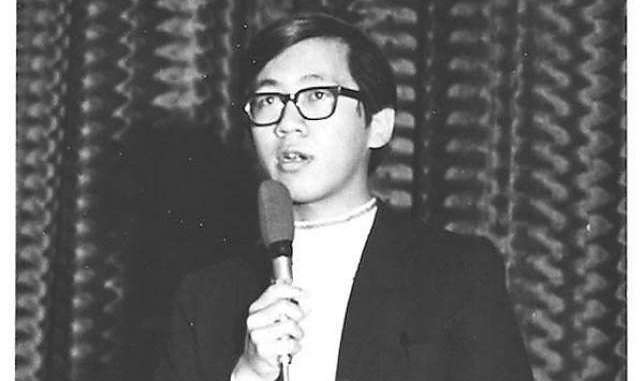
"caption": "A very young Ben Fong-Torres",
"description": "A very young Ben Fong-Torres",
"title": "920x920-001",
"credit": "Photo: Courtesy of Ben Fong-Torres",
"status": "inherit",
"isLoading": false,
"fetchFailed": false
},
"arts_13600509": {
"type": "attachments",
"id": "arts_13600509",
"meta": {
"index": "attachments_1716263798",
"site": "arts",
"id": "13600509",
"found": true
},
"parent": 13600361,
"imgSizes": {
"small": {
"file": "https://ww2.kqed.org/app/uploads/sites/2/2017/07/Alexander-Ljung-520x293.jpg",
"width": 520,
"mimeType": "image/jpeg",
"height": 293
},
"twentyfourteen-full-width": {
"file": "https://ww2.kqed.org/app/uploads/sites/2/2017/07/Alexander-Ljung-1038x576.jpg",
"width": 1038,
"mimeType": "image/jpeg",
"height": 576
},
"thumbnail": {
"file": "https://ww2.kqed.org/app/uploads/sites/2/2017/07/Alexander-Ljung-160x90.jpg",
"width": 160,
"mimeType": "image/jpeg",
"height": 90
},
"fd-sm": {
"file": "https://ww2.kqed.org/app/uploads/sites/2/2017/07/Alexander-Ljung-960x540.jpg",
"width": 960,
"mimeType": "image/jpeg",
"height": 540
},
"post-thumbnail": {
"file": "https://ww2.kqed.org/app/uploads/sites/2/2017/07/Alexander-Ljung-672x372.jpg",
"width": 672,
"mimeType": "image/jpeg",
"height": 372
},
"xsmall": {
"file": "https://ww2.kqed.org/app/uploads/sites/2/2017/07/Alexander-Ljung-375x211.jpg",
"width": 375,
"mimeType": "image/jpeg",
"height": 211
},
"kqedFullSize": {
"file": "https://ww2.kqed.org/app/uploads/sites/2/2017/07/Alexander-Ljung.jpg",
"width": 1920,
"height": 1080
},
"large": {
"file": "https://ww2.kqed.org/app/uploads/sites/2/2017/07/Alexander-Ljung-1020x574.jpg",
"width": 1020,
"mimeType": "image/jpeg",
"height": 574
},
"xlarge": {
"file": "https://ww2.kqed.org/app/uploads/sites/2/2017/07/Alexander-Ljung-1180x664.jpg",
"width": 1180,
"mimeType": "image/jpeg",
"height": 664
},
"guest-author-50": {
"file": "https://ww2.kqed.org/app/uploads/sites/2/2017/07/Alexander-Ljung-50x50.jpg",
"width": 50,
"mimeType": "image/jpeg",
"height": 50
},
"guest-author-96": {
"file": "https://ww2.kqed.org/app/uploads/sites/2/2017/07/Alexander-Ljung-96x96.jpg",
"width": 96,
"mimeType": "image/jpeg",
"height": 96
},
"medium": {
"file": "https://ww2.kqed.org/app/uploads/sites/2/2017/07/Alexander-Ljung-800x450.jpg",
"width": 800,
"mimeType": "image/jpeg",
"height": 450
},
"guest-author-64": {
"file": "https://ww2.kqed.org/app/uploads/sites/2/2017/07/Alexander-Ljung-64x64.jpg",
"width": 64,
"mimeType": "image/jpeg",
"height": 64
},
"guest-author-32": {
"file": "https://ww2.kqed.org/app/uploads/sites/2/2017/07/Alexander-Ljung-32x32.jpg",
"width": 32,
"mimeType": "image/jpeg",
"height": 32
},
"fd-lrg": {
"file": "https://ww2.kqed.org/app/uploads/sites/2/2017/07/Alexander-Ljung-1920x1080.jpg",
"width": 1920,
"mimeType": "image/jpeg",
"height": 1080
},
"fd-med": {
"file": "https://ww2.kqed.org/app/uploads/sites/2/2017/07/Alexander-Ljung-1180x664.jpg",
"width": 1180,
"mimeType": "image/jpeg",
"height": 664
},
"full-width": {
"file": "https://ww2.kqed.org/app/uploads/sites/2/2017/07/Alexander-Ljung-1920x1080.jpg",
"width": 1920,
"mimeType": "image/jpeg",
"height": 1080
},
"detail": {
"file": "https://ww2.kqed.org/app/uploads/sites/2/2017/07/Alexander-Ljung-150x150.jpg",
"width": 150,
"mimeType": "image/jpeg",
"height": 150
},
"medium_large": {
"file": "https://ww2.kqed.org/app/uploads/sites/2/2017/07/Alexander-Ljung-768x432.jpg",
"width": 768,
"mimeType": "image/jpeg",
"height": 432
},
"guest-author-128": {
"file": "https://ww2.kqed.org/app/uploads/sites/2/2017/07/Alexander-Ljung-128x128.jpg",
"width": 128,
"mimeType": "image/jpeg",
"height": 128
},
"xxsmall": {
"file": "https://ww2.kqed.org/app/uploads/sites/2/2017/07/Alexander-Ljung-240x135.jpg",
"width": 240,
"mimeType": "image/jpeg",
"height": 135
}
},
"publishDate": 1499372185,
"modified": 1499372275,
"caption": "Founder and CEO of SoundCloud Alexander Ljung speaks onstage at Tech@Fest: SoundCloud Lounge during The New Yorker Festival 2015. ",
"description": "Founder and CEO of SoundCloud Alexander Ljung speaks onstage at Tech@Fest: SoundCloud Lounge during The New Yorker Festival 2015. ",
"title": "The New Yorker Festival 2015 - Tech@Fest: SoundCloud Lounge",
"credit": "Photo: Anna Webber/Getty Images for The New Yorker",
"status": "inherit",
"isLoading": false,
"fetchFailed": false
},
"arts_13195853": {
"type": "attachments",
"id": "arts_13195853",
"meta": {
"index": "attachments_1716263798",
"site": "arts",
"id": "13195853",
"found": true
},
"parent": 13156032,
"imgSizes": {
"small": {
"file": "https://ww2.kqed.org/app/uploads/sites/2/2017/05/Dorothea-Lange-Manzanar-Relocation-CenterCROP-520x293.jpg",
"width": 520,
"mimeType": "image/jpeg",
"height": 293
},
"thumbnail": {
"file": "https://ww2.kqed.org/app/uploads/sites/2/2017/05/Dorothea-Lange-Manzanar-Relocation-CenterCROP-160x90.jpg",
"width": 160,
"mimeType": "image/jpeg",
"height": 90
},
"post-thumbnail": {
"file": "https://ww2.kqed.org/app/uploads/sites/2/2017/05/Dorothea-Lange-Manzanar-Relocation-CenterCROP-672x372.jpg",
"width": 672,
"mimeType": "image/jpeg",
"height": 372
},
"xsmall": {
"file": "https://ww2.kqed.org/app/uploads/sites/2/2017/05/Dorothea-Lange-Manzanar-Relocation-CenterCROP-375x211.jpg",
"width": 375,
"mimeType": "image/jpeg",
"height": 211
},
"kqedFullSize": {
"file": "https://ww2.kqed.org/app/uploads/sites/2/2017/05/Dorothea-Lange-Manzanar-Relocation-CenterCROP.jpg",
"width": 800,
"height": 450
},
"guest-author-50": {
"file": "https://ww2.kqed.org/app/uploads/sites/2/2017/05/Dorothea-Lange-Manzanar-Relocation-CenterCROP-50x50.jpg",
"width": 50,
"mimeType": "image/jpeg",
"height": 50
},
"guest-author-96": {
"file": "https://ww2.kqed.org/app/uploads/sites/2/2017/05/Dorothea-Lange-Manzanar-Relocation-CenterCROP-96x96.jpg",
"width": 96,
"mimeType": "image/jpeg",
"height": 96
},
"medium": {
"file": "https://ww2.kqed.org/app/uploads/sites/2/2017/05/Dorothea-Lange-Manzanar-Relocation-CenterCROP-800x450.jpg",
"width": 800,
"mimeType": "image/jpeg",
"height": 450
},
"guest-author-64": {
"file": "https://ww2.kqed.org/app/uploads/sites/2/2017/05/Dorothea-Lange-Manzanar-Relocation-CenterCROP-64x64.jpg",
"width": 64,
"mimeType": "image/jpeg",
"height": 64
},
"guest-author-32": {
"file": "https://ww2.kqed.org/app/uploads/sites/2/2017/05/Dorothea-Lange-Manzanar-Relocation-CenterCROP-32x32.jpg",
"width": 32,
"mimeType": "image/jpeg",
"height": 32
},
"detail": {
"file": "https://ww2.kqed.org/app/uploads/sites/2/2017/05/Dorothea-Lange-Manzanar-Relocation-CenterCROP-150x150.jpg",
"width": 150,
"mimeType": "image/jpeg",
"height": 150
},
"medium_large": {
"file": "https://ww2.kqed.org/app/uploads/sites/2/2017/05/Dorothea-Lange-Manzanar-Relocation-CenterCROP-768x432.jpg",
"width": 768,
"mimeType": "image/jpeg",
"height": 432
},
"guest-author-128": {
"file": "https://ww2.kqed.org/app/uploads/sites/2/2017/05/Dorothea-Lange-Manzanar-Relocation-CenterCROP-128x128.jpg",
"width": 128,
"mimeType": "image/jpeg",
"height": 128
},
"xxsmall": {
"file": "https://ww2.kqed.org/app/uploads/sites/2/2017/05/Dorothea-Lange-Manzanar-Relocation-CenterCROP-240x135.jpg",
"width": 240,
"mimeType": "image/jpeg",
"height": 135
}
},
"publishDate": 1494380930,
"modified": 1494380979,
"caption": "Dorothea Lange, 'Manzanar, California. Dust storm at this War Relocation Authority center where evacuees of Japanese ancestry are spending the duration, July 3, 1942.'",
"description": "Dorothea Lange, 'Manzanar, California. Dust storm at this War Relocation Authority center where evacuees of Japanese ancestry are spending the duration, July 3, 1942.'",
"title": "Dorothea-Lange-Manzanar-Relocation-CenterCROP",
"credit": "Courtesy of OMCA",
"status": "inherit",
"isLoading": false,
"fetchFailed": false
},
"arts_13593180": {
"type": "attachments",
"id": "arts_13593180",
"meta": {
"index": "attachments_1716263798",
"site": "arts",
"id": "13593180",
"found": true
},
"parent": 13593179,
"imgSizes": {
"small": {
"file": "https://ww2.kqed.org/app/uploads/sites/2/2017/07/straighttovinyl-square_wide-cf7c6b48011ada2103503da5663554a76e8913fb-520x292.jpg",
"width": 520,
"mimeType": "image/jpeg",
"height": 292
},
"twentyfourteen-full-width": {
"file": "https://ww2.kqed.org/app/uploads/sites/2/2017/07/straighttovinyl-square_wide-cf7c6b48011ada2103503da5663554a76e8913fb-1038x576.jpg",
"width": 1038,
"mimeType": "image/jpeg",
"height": 576
},
"thumbnail": {
"file": "https://ww2.kqed.org/app/uploads/sites/2/2017/07/straighttovinyl-square_wide-cf7c6b48011ada2103503da5663554a76e8913fb-160x90.jpg",
"width": 160,
"mimeType": "image/jpeg",
"height": 90
},
"fd-sm": {
"file": "https://ww2.kqed.org/app/uploads/sites/2/2017/07/straighttovinyl-square_wide-cf7c6b48011ada2103503da5663554a76e8913fb-960x540.jpg",
"width": 960,
"mimeType": "image/jpeg",
"height": 540
},
"post-thumbnail": {
"file": "https://ww2.kqed.org/app/uploads/sites/2/2017/07/straighttovinyl-square_wide-cf7c6b48011ada2103503da5663554a76e8913fb-672x372.jpg",
"width": 672,
"mimeType": "image/jpeg",
"height": 372
},
"xsmall": {
"file": "https://ww2.kqed.org/app/uploads/sites/2/2017/07/straighttovinyl-square_wide-cf7c6b48011ada2103503da5663554a76e8913fb-375x211.jpg",
"width": 375,
"mimeType": "image/jpeg",
"height": 211
},
"kqedFullSize": {
"file": "https://ww2.kqed.org/app/uploads/sites/2/2017/07/straighttovinyl-square_wide-cf7c6b48011ada2103503da5663554a76e8913fb.jpg",
"width": 1500,
"height": 843
},
"large": {
"file": "https://ww2.kqed.org/app/uploads/sites/2/2017/07/straighttovinyl-square_wide-cf7c6b48011ada2103503da5663554a76e8913fb-1020x573.jpg",
"width": 1020,
"mimeType": "image/jpeg",
"height": 573
},
"xlarge": {
"file": "https://ww2.kqed.org/app/uploads/sites/2/2017/07/straighttovinyl-square_wide-cf7c6b48011ada2103503da5663554a76e8913fb-1180x663.jpg",
"width": 1180,
"mimeType": "image/jpeg",
"height": 663
},
"guest-author-50": {
"file": "https://ww2.kqed.org/app/uploads/sites/2/2017/07/straighttovinyl-square_wide-cf7c6b48011ada2103503da5663554a76e8913fb-50x50.jpg",
"width": 50,
"mimeType": "image/jpeg",
"height": 50
},
"guest-author-96": {
"file": "https://ww2.kqed.org/app/uploads/sites/2/2017/07/straighttovinyl-square_wide-cf7c6b48011ada2103503da5663554a76e8913fb-96x96.jpg",
"width": 96,
"mimeType": "image/jpeg",
"height": 96
},
"medium": {
"file": "https://ww2.kqed.org/app/uploads/sites/2/2017/07/straighttovinyl-square_wide-cf7c6b48011ada2103503da5663554a76e8913fb-800x450.jpg",
"width": 800,
"mimeType": "image/jpeg",
"height": 450
},
"guest-author-64": {
"file": "https://ww2.kqed.org/app/uploads/sites/2/2017/07/straighttovinyl-square_wide-cf7c6b48011ada2103503da5663554a76e8913fb-64x64.jpg",
"width": 64,
"mimeType": "image/jpeg",
"height": 64
},
"guest-author-32": {
"file": "https://ww2.kqed.org/app/uploads/sites/2/2017/07/straighttovinyl-square_wide-cf7c6b48011ada2103503da5663554a76e8913fb-32x32.jpg",
"width": 32,
"mimeType": "image/jpeg",
"height": 32
},
"fd-med": {
"file": "https://ww2.kqed.org/app/uploads/sites/2/2017/07/straighttovinyl-square_wide-cf7c6b48011ada2103503da5663554a76e8913fb-1180x663.jpg",
"width": 1180,
"mimeType": "image/jpeg",
"height": 663
},
"detail": {
"file": "https://ww2.kqed.org/app/uploads/sites/2/2017/07/straighttovinyl-square_wide-cf7c6b48011ada2103503da5663554a76e8913fb-150x150.jpg",
"width": 150,
"mimeType": "image/jpeg",
"height": 150
},
"medium_large": {
"file": "https://ww2.kqed.org/app/uploads/sites/2/2017/07/straighttovinyl-square_wide-cf7c6b48011ada2103503da5663554a76e8913fb-768x432.jpg",
"width": 768,
"mimeType": "image/jpeg",
"height": 432
},
"guest-author-128": {
"file": "https://ww2.kqed.org/app/uploads/sites/2/2017/07/straighttovinyl-square_wide-cf7c6b48011ada2103503da5663554a76e8913fb-128x128.jpg",
"width": 128,
"mimeType": "image/jpeg",
"height": 128
},
"xxsmall": {
"file": "https://ww2.kqed.org/app/uploads/sites/2/2017/07/straighttovinyl-square_wide-cf7c6b48011ada2103503da5663554a76e8913fb-240x135.jpg",
"width": 240,
"mimeType": "image/jpeg",
"height": 135
}
},
"publishDate": 1499289043,
"modified": 1499289043,
"caption": null,
"description": "Ásgei",
"title": "Ásgeir",
"credit": null,
"status": "inherit",
"isLoading": false,
"fetchFailed": false
},
"arts_13536691": {
"type": "attachments",
"id": "arts_13536691",
"meta": {
"index": "attachments_1716263798",
"site": "arts",
"id": "13536691",
"found": true
},
"parent": 13502422,
"imgSizes": {
"small": {
"file": "https://ww2.kqed.org/app/uploads/sites/2/2017/06/RS25862_FullSizeRender-qut-520x293.jpg",
"width": 520,
"mimeType": "image/jpeg",
"height": 293
},
"twentyfourteen-full-width": {
"file": "https://ww2.kqed.org/app/uploads/sites/2/2017/06/RS25862_FullSizeRender-qut-1038x576.jpg",
"width": 1038,
"mimeType": "image/jpeg",
"height": 576
},
"thumbnail": {
"file": "https://ww2.kqed.org/app/uploads/sites/2/2017/06/RS25862_FullSizeRender-qut-160x90.jpg",
"width": 160,
"mimeType": "image/jpeg",
"height": 90
},
"fd-sm": {
"file": "https://ww2.kqed.org/app/uploads/sites/2/2017/06/RS25862_FullSizeRender-qut-960x540.jpg",
"width": 960,
"mimeType": "image/jpeg",
"height": 540
},
"post-thumbnail": {
"file": "https://ww2.kqed.org/app/uploads/sites/2/2017/06/RS25862_FullSizeRender-qut-672x372.jpg",
"width": 672,
"mimeType": "image/jpeg",
"height": 372
},
"xsmall": {
"file": "https://ww2.kqed.org/app/uploads/sites/2/2017/06/RS25862_FullSizeRender-qut-375x211.jpg",
"width": 375,
"mimeType": "image/jpeg",
"height": 211
},
"kqedFullSize": {
"file": "https://ww2.kqed.org/app/uploads/sites/2/2017/06/RS25862_FullSizeRender-qut.jpg",
"width": 1717,
"height": 966
},
"large": {
"file": "https://ww2.kqed.org/app/uploads/sites/2/2017/06/RS25862_FullSizeRender-qut-1020x574.jpg",
"width": 1020,
"mimeType": "image/jpeg",
"height": 574
},
"xlarge": {
"file": "https://ww2.kqed.org/app/uploads/sites/2/2017/06/RS25862_FullSizeRender-qut-1180x664.jpg",
"width": 1180,
"mimeType": "image/jpeg",
"height": 664
},
"guest-author-50": {
"file": "https://ww2.kqed.org/app/uploads/sites/2/2017/06/RS25862_FullSizeRender-qut-50x50.jpg",
"width": 50,
"mimeType": "image/jpeg",
"height": 50
},
"guest-author-96": {
"file": "https://ww2.kqed.org/app/uploads/sites/2/2017/06/RS25862_FullSizeRender-qut-96x96.jpg",
"width": 96,
"mimeType": "image/jpeg",
"height": 96
},
"medium": {
"file": "https://ww2.kqed.org/app/uploads/sites/2/2017/06/RS25862_FullSizeRender-qut-800x450.jpg",
"width": 800,
"mimeType": "image/jpeg",
"height": 450
},
"guest-author-64": {
"file": "https://ww2.kqed.org/app/uploads/sites/2/2017/06/RS25862_FullSizeRender-qut-64x64.jpg",
"width": 64,
"mimeType": "image/jpeg",
"height": 64
},
"guest-author-32": {
"file": "https://ww2.kqed.org/app/uploads/sites/2/2017/06/RS25862_FullSizeRender-qut-32x32.jpg",
"width": 32,
"mimeType": "image/jpeg",
"height": 32
},
"fd-med": {
"file": "https://ww2.kqed.org/app/uploads/sites/2/2017/06/RS25862_FullSizeRender-qut-1180x664.jpg",
"width": 1180,
"mimeType": "image/jpeg",
"height": 664
},
"detail": {
"file": "https://ww2.kqed.org/app/uploads/sites/2/2017/06/RS25862_FullSizeRender-qut-150x150.jpg",
"width": 150,
"mimeType": "image/jpeg",
"height": 150
},
"medium_large": {
"file": "https://ww2.kqed.org/app/uploads/sites/2/2017/06/RS25862_FullSizeRender-qut-768x432.jpg",
"width": 768,
"mimeType": "image/jpeg",
"height": 432
},
"guest-author-128": {
"file": "https://ww2.kqed.org/app/uploads/sites/2/2017/06/RS25862_FullSizeRender-qut-128x128.jpg",
"width": 128,
"mimeType": "image/jpeg",
"height": 128
},
"xxsmall": {
"file": "https://ww2.kqed.org/app/uploads/sites/2/2017/06/RS25862_FullSizeRender-qut-240x135.jpg",
"width": 240,
"mimeType": "image/jpeg",
"height": 135
}
},
"publishDate": 1498659421,
"modified": 1498661783,
"caption": "Laine Bryce and Michael Severance: two bassoonists united by a love of the same instrument.",
"description": "Laine Bryce and Michael Severance: two bassoonists united by a love of the same instrument.",
"title": "RS25862_FullSizeRender-qut",
"credit": "Photo: Courtesy of Beth Roth",
"status": "inherit",
"isLoading": false,
"fetchFailed": false
},
"arts_13565338": {
"type": "attachments",
"id": "arts_13565338",
"meta": {
"index": "attachments_1716263798",
"site": "arts",
"id": "13565338",
"found": true
},
"parent": 0,
"imgSizes": {
"small": {
"file": "https://ww2.kqed.org/app/uploads/sites/2/2017/07/REdd-Kross2USE-520x293.jpg",
"width": 520,
"mimeType": "image/jpeg",
"height": 293
},
"twentyfourteen-full-width": {
"file": "https://ww2.kqed.org/app/uploads/sites/2/2017/07/REdd-Kross2USE-1038x576.jpg",
"width": 1038,
"mimeType": "image/jpeg",
"height": 576
},
"thumbnail": {
"file": "https://ww2.kqed.org/app/uploads/sites/2/2017/07/REdd-Kross2USE-160x90.jpg",
"width": 160,
"mimeType": "image/jpeg",
"height": 90
},
"fd-sm": {
"file": "https://ww2.kqed.org/app/uploads/sites/2/2017/07/REdd-Kross2USE-960x540.jpg",
"width": 960,
"mimeType": "image/jpeg",
"height": 540
},
"post-thumbnail": {
"file": "https://ww2.kqed.org/app/uploads/sites/2/2017/07/REdd-Kross2USE-672x372.jpg",
"width": 672,
"mimeType": "image/jpeg",
"height": 372
},
"xsmall": {
"file": "https://ww2.kqed.org/app/uploads/sites/2/2017/07/REdd-Kross2USE-375x211.jpg",
"width": 375,
"mimeType": "image/jpeg",
"height": 211
},
"kqedFullSize": {
"file": "https://ww2.kqed.org/app/uploads/sites/2/2017/07/REdd-Kross2USE.jpg",
"width": 1920,
"height": 1080
},
"large": {
"file": "https://ww2.kqed.org/app/uploads/sites/2/2017/07/REdd-Kross2USE-1020x574.jpg",
"width": 1020,
"mimeType": "image/jpeg",
"height": 574
},
"xlarge": {
"file": "https://ww2.kqed.org/app/uploads/sites/2/2017/07/REdd-Kross2USE-1180x664.jpg",
"width": 1180,
"mimeType": "image/jpeg",
"height": 664
},
"guest-author-50": {
"file": "https://ww2.kqed.org/app/uploads/sites/2/2017/07/REdd-Kross2USE-50x50.jpg",
"width": 50,
"mimeType": "image/jpeg",
"height": 50
},
"guest-author-96": {
"file": "https://ww2.kqed.org/app/uploads/sites/2/2017/07/REdd-Kross2USE-96x96.jpg",
"width": 96,
"mimeType": "image/jpeg",
"height": 96
},
"medium": {
"file": "https://ww2.kqed.org/app/uploads/sites/2/2017/07/REdd-Kross2USE-800x450.jpg",
"width": 800,
"mimeType": "image/jpeg",
"height": 450
},
"guest-author-64": {
"file": "https://ww2.kqed.org/app/uploads/sites/2/2017/07/REdd-Kross2USE-64x64.jpg",
"width": 64,
"mimeType": "image/jpeg",
"height": 64
},
"guest-author-32": {
"file": "https://ww2.kqed.org/app/uploads/sites/2/2017/07/REdd-Kross2USE-32x32.jpg",
"width": 32,
"mimeType": "image/jpeg",
"height": 32
},
"fd-lrg": {
"file": "https://ww2.kqed.org/app/uploads/sites/2/2017/07/REdd-Kross2USE-1920x1080.jpg",
"width": 1920,
"mimeType": "image/jpeg",
"height": 1080
},
"fd-med": {
"file": "https://ww2.kqed.org/app/uploads/sites/2/2017/07/REdd-Kross2USE-1180x664.jpg",
"width": 1180,
"mimeType": "image/jpeg",
"height": 664
},
"full-width": {
"file": "https://ww2.kqed.org/app/uploads/sites/2/2017/07/REdd-Kross2USE-1920x1080.jpg",
"width": 1920,
"mimeType": "image/jpeg",
"height": 1080
},
"detail": {
"file": "https://ww2.kqed.org/app/uploads/sites/2/2017/07/REdd-Kross2USE-150x150.jpg",
"width": 150,
"mimeType": "image/jpeg",
"height": 150
},
"medium_large": {
"file": "https://ww2.kqed.org/app/uploads/sites/2/2017/07/REdd-Kross2USE-768x432.jpg",
"width": 768,
"mimeType": "image/jpeg",
"height": 432
},
"guest-author-128": {
"file": "https://ww2.kqed.org/app/uploads/sites/2/2017/07/REdd-Kross2USE-128x128.jpg",
"width": 128,
"mimeType": "image/jpeg",
"height": 128
},
"xxsmall": {
"file": "https://ww2.kqed.org/app/uploads/sites/2/2017/07/REdd-Kross2USE-240x135.jpg",
"width": 240,
"mimeType": "image/jpeg",
"height": 135
}
},
"publishDate": 1498986502,
"modified": 1499030484,
"caption": "Redd Kross, live at Burger Boogaloo 2017",
"description": "Redd Kross, live at Burger Boogaloo 2017",
"title": "REdd Kross2USE",
"credit": "Photo: Kevin L. Jones/KQED",
"status": "inherit",
"isLoading": false,
"fetchFailed": false
},
"arts_13547105": {
"type": "attachments",
"id": "arts_13547105",
"meta": {
"index": "attachments_1716263798",
"site": "arts",
"id": "13547105",
"found": true
},
"parent": 13546132,
"imgSizes": {
"small": {
"file": "https://ww2.kqed.org/app/uploads/sites/2/2017/06/DSC_1494-e1498779271285-520x274.jpg",
"width": 520,
"mimeType": "image/jpeg",
"height": 274
},
"twentyfourteen-full-width": {
"file": "https://ww2.kqed.org/app/uploads/sites/2/2017/06/DSC_1494-e1498779271285-1038x576.jpg",
"width": 1038,
"mimeType": "image/jpeg",
"height": 576
},
"thumbnail": {
"file": "https://ww2.kqed.org/app/uploads/sites/2/2017/06/DSC_1494-e1498779271285-160x84.jpg",
"width": 160,
"mimeType": "image/jpeg",
"height": 84
},
"fd-sm": {
"file": "https://ww2.kqed.org/app/uploads/sites/2/2017/06/DSC_1494-e1498779271285-960x506.jpg",
"width": 960,
"mimeType": "image/jpeg",
"height": 506
},
"post-thumbnail": {
"file": "https://ww2.kqed.org/app/uploads/sites/2/2017/06/DSC_1494-e1498779271285-672x372.jpg",
"width": 672,
"mimeType": "image/jpeg",
"height": 372
},
"xsmall": {
"file": "https://ww2.kqed.org/app/uploads/sites/2/2017/06/DSC_1494-e1498779271285-375x198.jpg",
"width": 375,
"mimeType": "image/jpeg",
"height": 198
},
"kqedFullSize": {
"file": "https://ww2.kqed.org/app/uploads/sites/2/2017/06/DSC_1494-e1498779271285.jpg",
"width": 7131,
"height": 3761
},
"large": {
"file": "https://ww2.kqed.org/app/uploads/sites/2/2017/06/DSC_1494-e1498779271285-1020x538.jpg",
"width": 1020,
"mimeType": "image/jpeg",
"height": 538
},
"xlarge": {
"file": "https://ww2.kqed.org/app/uploads/sites/2/2017/06/DSC_1494-e1498779271285-1180x622.jpg",
"width": 1180,
"mimeType": "image/jpeg",
"height": 622
},
"guest-author-50": {
"file": "https://ww2.kqed.org/app/uploads/sites/2/2017/06/DSC_1494-e1498779271285-50x50.jpg",
"width": 50,
"mimeType": "image/jpeg",
"height": 50
},
"guest-author-96": {
"file": "https://ww2.kqed.org/app/uploads/sites/2/2017/06/DSC_1494-e1498779271285-96x96.jpg",
"width": 96,
"mimeType": "image/jpeg",
"height": 96
},
"medium": {
"file": "https://ww2.kqed.org/app/uploads/sites/2/2017/06/DSC_1494-e1498779271285-800x422.jpg",
"width": 800,
"mimeType": "image/jpeg",
"height": 422
},
"guest-author-64": {
"file": "https://ww2.kqed.org/app/uploads/sites/2/2017/06/DSC_1494-e1498779271285-64x64.jpg",
"width": 64,
"mimeType": "image/jpeg",
"height": 64
},
"guest-author-32": {
"file": "https://ww2.kqed.org/app/uploads/sites/2/2017/06/DSC_1494-e1498779271285-32x32.jpg",
"width": 32,
"mimeType": "image/jpeg",
"height": 32
},
"fd-lrg": {
"file": "https://ww2.kqed.org/app/uploads/sites/2/2017/06/DSC_1494-e1498779271285-1920x1013.jpg",
"width": 1920,
"mimeType": "image/jpeg",
"height": 1013
},
"fd-med": {
"file": "https://ww2.kqed.org/app/uploads/sites/2/2017/06/DSC_1494-e1498779271285-1180x622.jpg",
"width": 1180,
"mimeType": "image/jpeg",
"height": 622
},
"full-width": {
"file": "https://ww2.kqed.org/app/uploads/sites/2/2017/06/DSC_1494-e1498779271285-1920x1013.jpg",
"width": 1920,
"mimeType": "image/jpeg",
"height": 1013
},
"detail": {
"file": "https://ww2.kqed.org/app/uploads/sites/2/2017/06/DSC_1494-e1498779271285-150x150.jpg",
"width": 150,
"mimeType": "image/jpeg",
"height": 150
},
"medium_large": {
"file": "https://ww2.kqed.org/app/uploads/sites/2/2017/06/DSC_1494-e1498779271285-768x405.jpg",
"width": 768,
"mimeType": "image/jpeg",
"height": 405
},
"guest-author-128": {
"file": "https://ww2.kqed.org/app/uploads/sites/2/2017/06/DSC_1494-e1498779271285-128x128.jpg",
"width": 128,
"mimeType": "image/jpeg",
"height": 128
},
"xxsmall": {
"file": "https://ww2.kqed.org/app/uploads/sites/2/2017/06/DSC_1494-e1498779271285-240x127.jpg",
"width": 240,
"mimeType": "image/jpeg",
"height": 127
}
},
"publishDate": 1498779127,
"modified": 1498779376,
"caption": "The Axis Dance Company will perform a new site specific piece called Occupy at Yerba Buena Gardens in San Francisco July 1 and 2",
"description": "The Axis Dance Company will perform a new site specific piece called Occupy at Yerba Buena Gardens in San Francisco July 1 and 2",
"title": "The Axis Dance Company will perform a new site specific piece called Occupy at Yerba Buena Gardens in San Francisco July 1 and 2",
"credit": "Photo: Courtesy of Axis Dance",
"status": "inherit",
"isLoading": false,
"fetchFailed": false
},
"arts_13522499": {
"type": "attachments",
"id": "arts_13522499",
"meta": {
"index": "attachments_1716263798",
"site": "arts",
"id": "13522499",
"found": true
},
"parent": 13522444,
"imgSizes": {
"small": {
"file": "https://ww2.kqed.org/app/uploads/sites/2/2017/06/Charels-Mc-Pherson-and-Todd-KK-1980-520x321.jpg",
"width": 520,
"mimeType": "image/jpeg",
"height": 321
},
"twentyfourteen-full-width": {
"file": "https://ww2.kqed.org/app/uploads/sites/2/2017/06/Charels-Mc-Pherson-and-Todd-KK-1980-1038x576.jpg",
"width": 1038,
"mimeType": "image/jpeg",
"height": 576
},
"thumbnail": {
"file": "https://ww2.kqed.org/app/uploads/sites/2/2017/06/Charels-Mc-Pherson-and-Todd-KK-1980-160x99.jpg",
"width": 160,
"mimeType": "image/jpeg",
"height": 99
},
"fd-sm": {
"file": "https://ww2.kqed.org/app/uploads/sites/2/2017/06/Charels-Mc-Pherson-and-Todd-KK-1980-960x592.jpg",
"width": 960,
"mimeType": "image/jpeg",
"height": 592
},
"post-thumbnail": {
"file": "https://ww2.kqed.org/app/uploads/sites/2/2017/06/Charels-Mc-Pherson-and-Todd-KK-1980-672x372.jpg",
"width": 672,
"mimeType": "image/jpeg",
"height": 372
},
"xsmall": {
"file": "https://ww2.kqed.org/app/uploads/sites/2/2017/06/Charels-Mc-Pherson-and-Todd-KK-1980-375x231.jpg",
"width": 375,
"mimeType": "image/jpeg",
"height": 231
},
"kqedFullSize": {
"file": "https://ww2.kqed.org/app/uploads/sites/2/2017/06/Charels-Mc-Pherson-and-Todd-KK-1980.jpg",
"width": 2088,
"height": 1288
},
"large": {
"file": "https://ww2.kqed.org/app/uploads/sites/2/2017/06/Charels-Mc-Pherson-and-Todd-KK-1980-1020x629.jpg",
"width": 1020,
"mimeType": "image/jpeg",
"height": 629
},
"xlarge": {
"file": "https://ww2.kqed.org/app/uploads/sites/2/2017/06/Charels-Mc-Pherson-and-Todd-KK-1980-1180x728.jpg",
"width": 1180,
"mimeType": "image/jpeg",
"height": 728
},
"guest-author-50": {
"file": "https://ww2.kqed.org/app/uploads/sites/2/2017/06/Charels-Mc-Pherson-and-Todd-KK-1980-50x50.jpg",
"width": 50,
"mimeType": "image/jpeg",
"height": 50
},
"guest-author-96": {
"file": "https://ww2.kqed.org/app/uploads/sites/2/2017/06/Charels-Mc-Pherson-and-Todd-KK-1980-96x96.jpg",
"width": 96,
"mimeType": "image/jpeg",
"height": 96
},
"medium": {
"file": "https://ww2.kqed.org/app/uploads/sites/2/2017/06/Charels-Mc-Pherson-and-Todd-KK-1980-800x493.jpg",
"width": 800,
"mimeType": "image/jpeg",
"height": 493
},
"guest-author-64": {
"file": "https://ww2.kqed.org/app/uploads/sites/2/2017/06/Charels-Mc-Pherson-and-Todd-KK-1980-64x64.jpg",
"width": 64,
"mimeType": "image/jpeg",
"height": 64
},
"guest-author-32": {
"file": "https://ww2.kqed.org/app/uploads/sites/2/2017/06/Charels-Mc-Pherson-and-Todd-KK-1980-32x32.jpg",
"width": 32,
"mimeType": "image/jpeg",
"height": 32
},
"fd-lrg": {
"file": "https://ww2.kqed.org/app/uploads/sites/2/2017/06/Charels-Mc-Pherson-and-Todd-KK-1980-1920x1184.jpg",
"width": 1920,
"mimeType": "image/jpeg",
"height": 1184
},
"fd-med": {
"file": "https://ww2.kqed.org/app/uploads/sites/2/2017/06/Charels-Mc-Pherson-and-Todd-KK-1980-1180x728.jpg",
"width": 1180,
"mimeType": "image/jpeg",
"height": 728
},
"full-width": {
"file": "https://ww2.kqed.org/app/uploads/sites/2/2017/06/Charels-Mc-Pherson-and-Todd-KK-1980-1920x1184.jpg",
"width": 1920,
"mimeType": "image/jpeg",
"height": 1184
},
"detail": {
"file": "https://ww2.kqed.org/app/uploads/sites/2/2017/06/Charels-Mc-Pherson-and-Todd-KK-1980-150x150.jpg",
"width": 150,
"mimeType": "image/jpeg",
"height": 150
},
"medium_large": {
"file": "https://ww2.kqed.org/app/uploads/sites/2/2017/06/Charels-Mc-Pherson-and-Todd-KK-1980-768x474.jpg",
"width": 768,
"mimeType": "image/jpeg",
"height": 474
},
"guest-author-128": {
"file": "https://ww2.kqed.org/app/uploads/sites/2/2017/06/Charels-Mc-Pherson-and-Todd-KK-1980-128x128.jpg",
"width": 128,
"mimeType": "image/jpeg",
"height": 128
},
"xxsmall": {
"file": "https://ww2.kqed.org/app/uploads/sites/2/2017/06/Charels-Mc-Pherson-and-Todd-KK-1980-240x148.jpg",
"width": 240,
"mimeType": "image/jpeg",
"height": 148
}
},
"publishDate": 1498501778,
"modified": 1498759016,
"caption": "Todd Barkan and Charles McPherson in 1980, backstage at Keystone Korner. ",
"description": "Todd Barkan and Charles McPherson in 1980, backstage at Keystone Korner. ",
"title": "Charels Mc Pherson and Todd KK 1980",
"credit": "Courtesy Todd Barkan",
"status": "inherit",
"isLoading": false,
"fetchFailed": false
},
"arts_12217374": {
"type": "attachments",
"id": "arts_12217374",
"meta": {
"index": "attachments_1716263798",
"site": "arts",
"id": "12217374",
"found": true
},
"parent": 12217367,
"imgSizes": {
"twentyfourteen-full-width": {
"file": "https://ww2.kqed.org/app/uploads/sites/2/2016/10/Kamaiyah-and-Hypemen-02-1038x576.jpg",
"width": 1038,
"mimeType": "image/jpeg",
"height": 576
},
"thumbnail": {
"file": "https://ww2.kqed.org/app/uploads/sites/2/2016/10/Kamaiyah-and-Hypemen-02-400x267.jpg",
"width": 400,
"mimeType": "image/jpeg",
"height": 267
},
"fd-sm": {
"file": "https://ww2.kqed.org/app/uploads/sites/2/2016/10/Kamaiyah-and-Hypemen-02-960x640.jpg",
"width": 960,
"mimeType": "image/jpeg",
"height": 640
},
"post-thumbnail": {
"file": "https://ww2.kqed.org/app/uploads/sites/2/2016/10/Kamaiyah-and-Hypemen-02-672x372.jpg",
"width": 672,
"mimeType": "image/jpeg",
"height": 372
},
"kqedFullSize": {
"file": "https://ww2.kqed.org/app/uploads/sites/2/2016/10/Kamaiyah-and-Hypemen-02.jpg",
"width": 1920,
"height": 1280
},
"large": {
"file": "https://ww2.kqed.org/app/uploads/sites/2/2016/10/Kamaiyah-and-Hypemen-02-1180x787.jpg",
"width": 1180,
"mimeType": "image/jpeg",
"height": 787
},
"guest-author-50": {
"file": "https://ww2.kqed.org/app/uploads/sites/2/2016/10/Kamaiyah-and-Hypemen-02-50x50.jpg",
"width": 50,
"mimeType": "image/jpeg",
"height": 50
},
"guest-author-96": {
"file": "https://ww2.kqed.org/app/uploads/sites/2/2016/10/Kamaiyah-and-Hypemen-02-96x96.jpg",
"width": 96,
"mimeType": "image/jpeg",
"height": 96
},
"medium": {
"file": "https://ww2.kqed.org/app/uploads/sites/2/2016/10/Kamaiyah-and-Hypemen-02-800x533.jpg",
"width": 800,
"mimeType": "image/jpeg",
"height": 533
},
"guest-author-64": {
"file": "https://ww2.kqed.org/app/uploads/sites/2/2016/10/Kamaiyah-and-Hypemen-02-64x64.jpg",
"width": 64,
"mimeType": "image/jpeg",
"height": 64
},
"guest-author-32": {
"file": "https://ww2.kqed.org/app/uploads/sites/2/2016/10/Kamaiyah-and-Hypemen-02-32x32.jpg",
"width": 32,
"mimeType": "image/jpeg",
"height": 32
},
"fd-lrg": {
"file": "https://ww2.kqed.org/app/uploads/sites/2/2016/10/Kamaiyah-and-Hypemen-02-1920x1280.jpg",
"width": 1920,
"mimeType": "image/jpeg",
"height": 1280
},
"fd-med": {
"file": "https://ww2.kqed.org/app/uploads/sites/2/2016/10/Kamaiyah-and-Hypemen-02-1180x787.jpg",
"width": 1180,
"mimeType": "image/jpeg",
"height": 787
},
"detail": {
"file": "https://ww2.kqed.org/app/uploads/sites/2/2016/10/Kamaiyah-and-Hypemen-02-150x150.jpg",
"width": 150,
"mimeType": "image/jpeg",
"height": 150
},
"medium_large": {
"file": "https://ww2.kqed.org/app/uploads/sites/2/2016/10/Kamaiyah-and-Hypemen-02-768x512.jpg",
"width": 768,
"mimeType": "image/jpeg",
"height": 512
},
"guest-author-128": {
"file": "https://ww2.kqed.org/app/uploads/sites/2/2016/10/Kamaiyah-and-Hypemen-02-128x128.jpg",
"width": 128,
"mimeType": "image/jpeg",
"height": 128
}
},
"publishDate": 1476728039,
"modified": 1498678694,
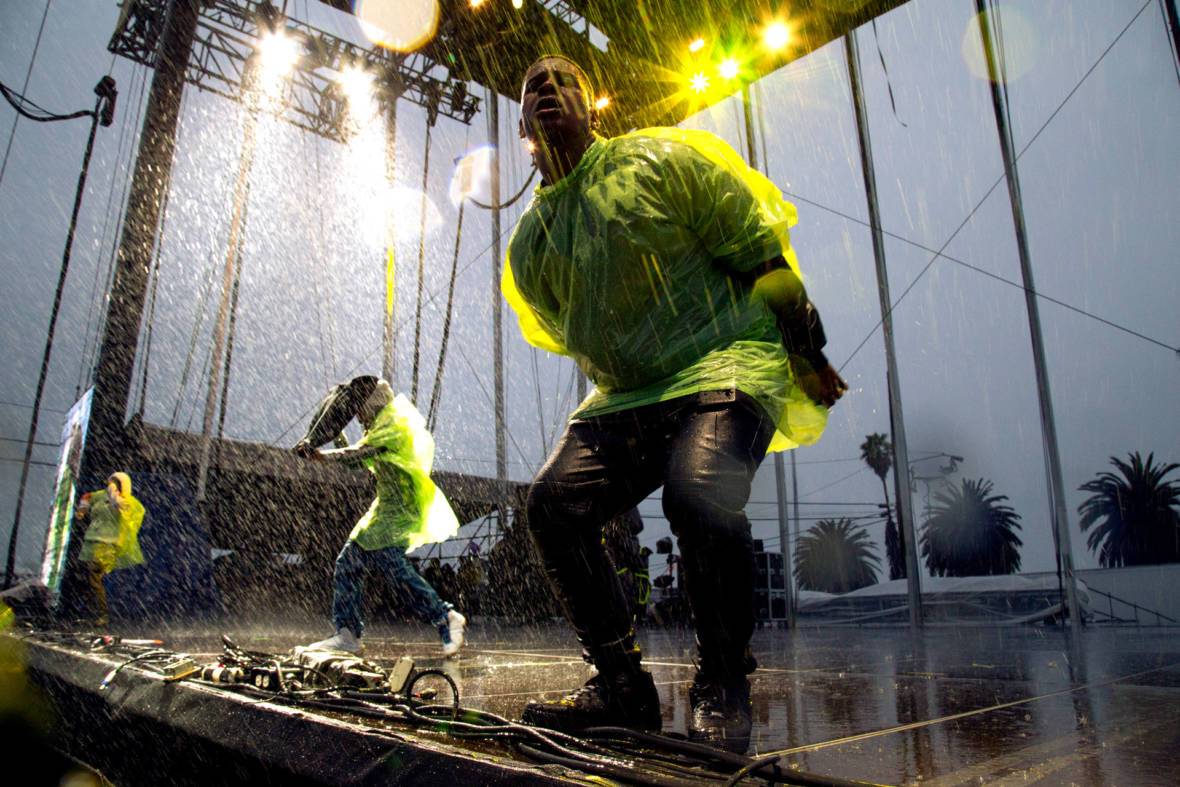
"caption": "Kamaiyah and her hypemen rocking ponchos in the rain at the 2016 Treasure Island Music Festival.",
"description": "Kamaiyah and her hypemen rocking ponchos in the rain at the 2016 Treasure Island Music Festival.",
"title": "Kamaiyah and Hypemen 02",
"credit": "Estefany Gonzalez",
"status": "inherit",
"isLoading": false,
"fetchFailed": false
},
"arts_13534946": {
"type": "attachments",
"id": "arts_13534946",
"meta": {
"index": "attachments_1716263798",
"site": "arts",
"id": "13534946",
"found": true
},
"parent": 13534945,
"imgSizes": {
"small": {
"file": "https://ww2.kqed.org/app/uploads/sites/2/2017/06/geri_vv_edits_11_wide-f6029406d5378f757499cc940b8b23b697eaa93f-520x293.jpg",
"width": 520,
"mimeType": "image/jpeg",
"height": 293
},
"thumbnail": {
"file": "https://ww2.kqed.org/app/uploads/sites/2/2017/06/geri_vv_edits_11_wide-f6029406d5378f757499cc940b8b23b697eaa93f-160x90.jpg",
"width": 160,
"mimeType": "image/jpeg",
"height": 90
},
"fd-sm": {
"file": "https://ww2.kqed.org/app/uploads/sites/2/2017/06/geri_vv_edits_11_wide-f6029406d5378f757499cc940b8b23b697eaa93f-960x540.jpg",
"width": 960,
"mimeType": "image/jpeg",
"height": 540
},
"post-thumbnail": {
"file": "https://ww2.kqed.org/app/uploads/sites/2/2017/06/geri_vv_edits_11_wide-f6029406d5378f757499cc940b8b23b697eaa93f-672x372.jpg",
"width": 672,
"mimeType": "image/jpeg",
"height": 372
},
"xsmall": {
"file": "https://ww2.kqed.org/app/uploads/sites/2/2017/06/geri_vv_edits_11_wide-f6029406d5378f757499cc940b8b23b697eaa93f-375x211.jpg",
"width": 375,
"mimeType": "image/jpeg",
"height": 211
},
"kqedFullSize": {
"file": "https://ww2.kqed.org/app/uploads/sites/2/2017/06/geri_vv_edits_11_wide-f6029406d5378f757499cc940b8b23b697eaa93f.jpg",
"width": 995,
"height": 560
},
"guest-author-50": {
"file": "https://ww2.kqed.org/app/uploads/sites/2/2017/06/geri_vv_edits_11_wide-f6029406d5378f757499cc940b8b23b697eaa93f-50x50.jpg",
"width": 50,
"mimeType": "image/jpeg",
"height": 50
},
"guest-author-96": {
"file": "https://ww2.kqed.org/app/uploads/sites/2/2017/06/geri_vv_edits_11_wide-f6029406d5378f757499cc940b8b23b697eaa93f-96x96.jpg",
"width": 96,
"mimeType": "image/jpeg",
"height": 96
},
"medium": {
"file": "https://ww2.kqed.org/app/uploads/sites/2/2017/06/geri_vv_edits_11_wide-f6029406d5378f757499cc940b8b23b697eaa93f-800x450.jpg",
"width": 800,
"mimeType": "image/jpeg",
"height": 450
},
"guest-author-64": {
"file": "https://ww2.kqed.org/app/uploads/sites/2/2017/06/geri_vv_edits_11_wide-f6029406d5378f757499cc940b8b23b697eaa93f-64x64.jpg",
"width": 64,
"mimeType": "image/jpeg",
"height": 64
},
"guest-author-32": {
"file": "https://ww2.kqed.org/app/uploads/sites/2/2017/06/geri_vv_edits_11_wide-f6029406d5378f757499cc940b8b23b697eaa93f-32x32.jpg",
"width": 32,
"mimeType": "image/jpeg",
"height": 32
},
"detail": {
"file": "https://ww2.kqed.org/app/uploads/sites/2/2017/06/geri_vv_edits_11_wide-f6029406d5378f757499cc940b8b23b697eaa93f-150x150.jpg",
"width": 150,
"mimeType": "image/jpeg",
"height": 150
},
"medium_large": {
"file": "https://ww2.kqed.org/app/uploads/sites/2/2017/06/geri_vv_edits_11_wide-f6029406d5378f757499cc940b8b23b697eaa93f-768x432.jpg",
"width": 768,
"mimeType": "image/jpeg",
"height": 432
},
"guest-author-128": {
"file": "https://ww2.kqed.org/app/uploads/sites/2/2017/06/geri_vv_edits_11_wide-f6029406d5378f757499cc940b8b23b697eaa93f-128x128.jpg",
"width": 128,
"mimeType": "image/jpeg",
"height": 128
},
"xxsmall": {
"file": "https://ww2.kqed.org/app/uploads/sites/2/2017/06/geri_vv_edits_11_wide-f6029406d5378f757499cc940b8b23b697eaa93f-240x135.jpg",
"width": 240,
"mimeType": "image/jpeg",
"height": 135
}
},
"publishDate": 1498636285,
"modified": 1498636430,
"caption": "Geri Allen at the Village Vanguard in 2011.",
"description": "Geri Allen at the Village Vanguard in 2011.",
"title": "Geri Allen at the Village Vanguard in 2011.",
"credit": "Photo: John Rogers for WBGO and NPR/JohnRogersNYC.com",
"status": "inherit",
"isLoading": false,
"fetchFailed": false
}
},
"audioPlayerReducer": {
"postId": "stream_live",
"isPaused": true,
"isPlaying": false,
"pfsActive": false,
"pledgeModalIsOpen": true,
"playerDrawerIsOpen": false,
"liveAudioPlayStartedAt": 0,
"liveAudioPlayContext": ""
},
"authorsReducer": {
"byline_arts_13627335": {
"type": "authors",
"id": "byline_arts_13627335",
"meta": {
"override": true
},
"slug": "byline_arts_13627335",
"name": "Geeta Dayal",
"isLoading": false
},
"byline_arts_13593179": {
"type": "authors",
"id": "byline_arts_13593179",
"meta": {
"override": true
},
"slug": "byline_arts_13593179",
"name": "Lars Gotrich",
"isLoading": false
},
"byline_arts_13534945": {
"type": "authors",
"id": "byline_arts_13534945",
"meta": {
"override": true
},
"slug": "byline_arts_13534945",
"name": "David Adler",
"isLoading": false
},
"cmusiker": {
"type": "authors",
"id": "32",
"meta": {
"index": "authors_1716337520",
"id": "32",
"found": true
},
"name": "Cy Musiker",
"firstName": "Cy",
"lastName": "Musiker",
"slug": "cmusiker",
"email": "cmusiker@kqed.org",
"display_author_email": false,
"staff_mastheads": [],
"title": "KQED Contributor",
"bio": "Cy Musiker is a former co-host of The Do List and a former reporter covering the arts for KQED News and The California Report. He loves live performance, especially great theater, jazz, roots music, anything by Mahler. Cy has an MJ from UC Berkeley's School of Journalism, and got his BA from Hampshire College. His work has been recognized by the Society for Professional Journalists with their Sigma Delta Chi Award for Public Service in Journalism. When he can, Cy likes to swim in Tomales Bay, run with his dog in the East Bay Hills, and hike the Sierra.",
"avatar": "https://secure.gravatar.com/avatar/05eaba5c5696ce8f062e4ea2df428a43?s=600&d=blank&r=g",
"twitter": null,
"facebook": null,
"instagram": null,
"linkedin": null,
"sites": [
{
"site": "arts",
"roles": [
"Contributor",
"subscriber"
]
},
{
"site": "news",
"roles": [
"author"
]
},
{
"site": "bayareabites",
"roles": [
"contributor"
]
}
],
"headData": {
"title": "Cy Musiker | KQED",
"description": "KQED Contributor",
"ogImgSrc": "https://secure.gravatar.com/avatar/05eaba5c5696ce8f062e4ea2df428a43?s=600&d=blank&r=g",
"twImgSrc": "https://secure.gravatar.com/avatar/05eaba5c5696ce8f062e4ea2df428a43?s=600&d=blank&r=g"
},
"isLoading": false,
"link": "/author/cmusiker"
},
"agilbert": {
"type": "authors",
"id": "86",
"meta": {
"index": "authors_1716337520",
"id": "86",
"found": true
},
"name": "Andrew Gilbert",
"firstName": "Andrew",
"lastName": "Gilbert",
"slug": "agilbert",
"email": "jazzscribe@aol.com",
"display_author_email": false,
"staff_mastheads": [],
"title": "KQED Contributor",
"bio": "A Los Angeles native based in the Berkeley area since 1996, Andrew Gilbert covers jazz, international music and dance for KQED's \u003ci>California Report, \u003c/i>the\u003ci> Mercury News\u003c/i>, \u003ci>San Francisco Chronicle\u003c/i>, \u003ci>Berkeleyside.com\u003c/i>, and other publications. He is available for weddings and bar and bat mitzvahs. #jazzscribe",
"avatar": "https://secure.gravatar.com/avatar/d7bcafdbefdd39e9a68f88724ca616eb4e7a5a6bff9cdfb62de652a1e1751471?s=600&d=blank&r=g",
"twitter": null,
"bluesky": null,
"facebook": null,
"instagram": null,
"linkedin": null,
"sites": [
{
"site": "arts",
"roles": [
"Contributor",
"author"
]
},
{
"site": "news",
"roles": [
"author"
]
}
],
"headData": {
"title": "Andrew Gilbert | KQED",
"description": "KQED Contributor",
"ogImgSrc": "https://secure.gravatar.com/avatar/d7bcafdbefdd39e9a68f88724ca616eb4e7a5a6bff9cdfb62de652a1e1751471?s=600&d=blank&r=g",
"twImgSrc": "https://secure.gravatar.com/avatar/d7bcafdbefdd39e9a68f88724ca616eb4e7a5a6bff9cdfb62de652a1e1751471?s=600&d=blank&r=g"
},
"isLoading": false,
"link": "/author/agilbert"
},
"kjones": {
"type": "authors",
"id": "93",
"meta": {
"index": "authors_1716337520",
"id": "93",
"found": true
},
"name": "Kevin L. Jones",
"firstName": "Kevin",
"lastName": "Jones",
"slug": "kjones",
"email": "kjones@kqed.org",
"display_author_email": false,
"staff_mastheads": [],
"title": null,
"bio": null,
"avatar": "https://secure.gravatar.com/avatar/12c65b5633ed39d0a59bb7f497eff645?s=600&d=blank&r=g",
"twitter": null,
"facebook": null,
"instagram": null,
"linkedin": null,
"sites": [
{
"site": "arts",
"roles": [
"subscriber"
]
},
{
"site": "styleguide",
"roles": [
"contributor"
]
},
{
"site": "artschool",
"roles": [
"subscriber"
]
},
{
"site": "news",
"roles": [
"subscriber"
]
},
{
"site": "pop",
"roles": [
"subscriber"
]
}
],
"headData": {
"title": "Kevin L. Jones | KQED",
"description": null,
"ogImgSrc": "https://secure.gravatar.com/avatar/12c65b5633ed39d0a59bb7f497eff645?s=600&d=blank&r=g",
"twImgSrc": "https://secure.gravatar.com/avatar/12c65b5633ed39d0a59bb7f497eff645?s=600&d=blank&r=g"
},
"isLoading": false,
"link": "/author/kjones"
},
"rachael-myrow": {
"type": "authors",
"id": "251",
"meta": {
"index": "authors_1716337520",
"id": "251",
"found": true
},
"name": "Rachael Myrow",
"firstName": "Rachael",
"lastName": "Myrow",
"slug": "rachael-myrow",
"email": "rmyrow@kqed.org",
"display_author_email": true,
"staff_mastheads": [
"news"
],
"title": "Senior Editor of KQED's Silicon Valley News Desk",
"bio": "• I write and edit stories about how Silicon Valley power and policies shape everyday life in California. I’m also passionate about making Bay Area history and culture more accessible to a broad public. • I’ve been a journalist for most of my life, starting in high school with The Franklin Press in Los Angeles, where I grew up. While earning my first degree in English at UC Berkeley, I got my start in public radio at KALX-FM. After completing a second degree in journalism at Cal, I landed my first professional job at Marketplace, then moved on to KPCC (now LAist), and then KQED, where I hosted The California Report for more than seven years. • My reporting has appeared on NPR, The World, WBUR’s \u003ci>Here & Now\u003c/i>, and the BBC. I also guest host for KQED’s \u003ci>Forum\u003c/i>, as well as the Commonwealth Club in San Francisco. • I speak periodically on media, democracy and technology issues, and do voiceover work for documentaries and educational video projects. • Outside of the studio, you'll find me hiking Bay Area trails and whipping up Insta-ready meals in my kitchen. • I do not accept gifts, money, or favors from anyone connected to my reporting, I don't pay people for information, and I do not support or donate to political causes. • I strive to treat the people I report on with fairness, honesty, and respect. I also recognize there are often multiple sides to a story and work to verify information through multiple sources and documentation. If I get something wrong, I correct it.",
"avatar": "https://secure.gravatar.com/avatar/3ed8a3c5f26025e4a805ba634cda8cd764906b97438a6d9ce216b044e340da4e?s=600&d=blank&r=g",
"twitter": "rachaelmyrow",
"bluesky": null,
"facebook": null,
"instagram": null,
"linkedin": "https://www.linkedin.com/in/rachaelmyrow/",
"sites": [
{
"site": "arts",
"roles": [
"administrator"
]
},
{
"site": "news",
"roles": [
"edit_others_posts",
"editor"
]
},
{
"site": "futureofyou",
"roles": [
"editor"
]
},
{
"site": "bayareabites",
"roles": [
"editor"
]
},
{
"site": "stateofhealth",
"roles": [
"editor"
]
},
{
"site": "science",
"roles": [
"editor"
]
},
{
"site": "food",
"roles": [
"editor"
]
},
{
"site": "forum",
"roles": [
"editor"
]
},
{
"site": "liveblog",
"roles": [
"author"
]
}
],
"headData": {
"title": "Rachael Myrow | KQED",
"description": "Senior Editor of KQED's Silicon Valley News Desk",
"ogImgSrc": "https://secure.gravatar.com/avatar/3ed8a3c5f26025e4a805ba634cda8cd764906b97438a6d9ce216b044e340da4e?s=600&d=blank&r=g",
"twImgSrc": "https://secure.gravatar.com/avatar/3ed8a3c5f26025e4a805ba634cda8cd764906b97438a6d9ce216b044e340da4e?s=600&d=blank&r=g"
},
"isLoading": false,
"link": "/author/rachael-myrow"
},
"jbote": {
"type": "authors",
"id": "11371",
"meta": {
"index": "authors_1716337520",
"id": "11371",
"found": true
},
"name": "Joshua Bote",
"firstName": "Joshua",
"lastName": "Bote",
"slug": "jbote",
"email": "jbote@kqed.org",
"display_author_email": false,
"staff_mastheads": [],
"title": null,
"bio": "\u003cp class=\"p1\">Joshua Bote is an intern for KQED Arts. A senior at UC Berkeley, Joshua previously served as the Arts & Entertainment Editor at \u003ci>The Daily Californian\u003c/i>, UC Berkeley’s independently-run student newspaper. His work has been published in the \u003cem>East Bay Express.\u003c/em>\u003c/p>\r\n\u003cp class=\"p1\">He’s deeply enamored with Twitter culture, Carly Rae Jepsen, and love-oriented podcasts. He's also slowly learning to appreciate bad award shows. Follow him on Twitter \u003ca href=\"http://twitter.com/joshuaboat\">@joshuaboat\u003c/a>.\u003c/p>",
"avatar": "https://secure.gravatar.com/avatar/f060759cb27bc8b191022334ab99fc5a?s=600&d=blank&r=g",
"twitter": null,
"facebook": null,
"instagram": null,
"linkedin": null,
"sites": [
{
"site": "arts",
"roles": [
"author"
]
}
],
"headData": {
"title": "Joshua Bote | KQED",
"description": null,
"ogImgSrc": "https://secure.gravatar.com/avatar/f060759cb27bc8b191022334ab99fc5a?s=600&d=blank&r=g",
"twImgSrc": "https://secure.gravatar.com/avatar/f060759cb27bc8b191022334ab99fc5a?s=600&d=blank&r=g"
},
"isLoading": false,
"link": "/author/jbote"
}
},
"pagesReducer": {
"arts_category_music": {
"type": "terms",
"id": "arts_69",
"meta": {
"index": "terms_1716263798",
"site": "arts",
"id": "69",
"score": 10.85186
},
"featImg": null,
"name": "Music",
"description": null,
"taxonomy": "category",
"headData": {
"twImgId": null,
"twTitle": null,
"ogTitle": null,
"ogImgId": null,
"twDescription": null,
"description": null,
"title": "Music Archives | KQED Arts",
"ogDescription": null
},
"ttid": 70,
"slug": "music",
"isLoading": false,
"title": "Music",
"pageMeta": {
"site": "arts",
"WpPageTemplate": "page-topic-editorial",
"currentPage": 228
},
"blocks": [
{
"blockName": "kqed/post-list",
"attrs": {
"layout": "cardArticle2",
"query": "posts/arts?category=music",
"seeMore": false,
"paginated": true,
"page": 228
}
},
{
"blockName": "kqed/ad"
}
]
}
},
"pfsSessionReducer": {},
"postsReducer": {
"stream_live": {
"type": "live",
"id": "stream_live",
"audioUrl": "https://streams.kqed.org/kqedradio",
"title": "Live Stream",
"excerpt": "Live Stream information currently unavailable.",
"link": "/radio",
"featImg": "",
"label": {
"name": "KQED Live",
"link": "/"
}
},
"stream_kqedNewscast": {
"type": "posts",
"id": "stream_kqedNewscast",
"audioUrl": "https://www.kqed.org/.stream/anon/radio/RDnews/newscast.mp3?_=1",
"title": "KQED Newscast",
"featImg": "",
"label": {
"name": "88.5 FM",
"link": "/"
}
},
"arts_13608978": {
"type": "posts",
"id": "arts_13608978",
"meta": {
"index": "posts_1716263798",
"site": "arts",
"id": "13608978",
"score": null,
"sort": [
1499709217000
]
},
"guestAuthors": [],
"slug": "sf-symphony-hires-new-executive-director",
"title": "SF Symphony Hires New Executive Director",
"publishDate": 1499709217,
"format": "standard",
"headTitle": "SF Symphony Hires New Executive Director | KQED",
"labelTerm": {
"site": "arts"
},
"content": "\u003cp>The San Francisco Symphony (SF Symphony) has hired Mark Hanson, former CEO of the Houston Symphony, as its new executive director. He starts Sep. 1.\u003c/p>\n\u003cp>Hanson, 43, is the fifth director in the SF Symphony’s history, and he replaces Brent Assink, who left back in March after 18 years in the job. The position is also a big step up for Hanson; the SF Symphony’s \u003ca href=\"https://www.sfsymphony.org/About-Us/Financials\" target=\"_blank\" rel=\"noopener noreferrer\">$78 million budget\u003c/a> is more than twice as large as the Houston Symphony’s budget.\u003c/p>\n\u003cp>Despite the fact that audience for classical music continues to shrink, Hanson is optimistic about what he can achieve in his new role. During his seven years in Houston, Hanson helped the orchestra increase its budget from $25 to $34 million, as well as expand its outreach to the city’s African-American, Asian and Hispanic communities.\u003c/p>\n\u003cp>Similarly, Hanson aims to expand the budget and reach of SF Symphony.\u003c/p>\n\u003cp>“The San Francisco Symphony wants to be more relevant to more people and to be stronger financially,” Hanson says. “Over time, I’d love to even further expand our collective thinking about how to deepen the San Francisco Symphony’s relationship with the entire community.”\u003c/p>\n\u003cp>[ad fullwidth]\u003c/p>\u003cp>\u003c/p>\n",
"blocks": [],
"excerpt": "The 43-year-old executive comes from the Houston Symphony, where he worked for seven years.",
"status": "publish",
"parent": 0,
"modified": 1726707277,
"stats": {
"hasAudio": false,
"hasVideo": false,
"hasChartOrMap": false,
"iframeSrcs": [],
"hasGoogleForm": false,
"hasGallery": false,
"hasHearkenModule": false,
"hasPolis": false,
"paragraphCount": 7,
"wordCount": 219
},
"headData": {
"title": "SF Symphony Hires New Executive Director | KQED",
"description": "The 43-year-old executive comes from the Houston Symphony, where he worked for seven years.",
"ogTitle": "",
"ogDescription": "",
"ogImgId": "",
"twTitle": "",
"twDescription": "",
"twImgId": "",
"schema": {
"@context": "https://schema.org",
"@type": "Article",
"headline": "SF Symphony Hires New Executive Director",
"datePublished": "2017-07-10T10:53:37-07:00",
"dateModified": "2024-09-18T17:54:37-07:00",
"image": "https://cdn.kqed.org/wp-content/uploads/2020/02/KQED-OG-Image@1x.png"
}
},
"sticky": false,
"path": "/arts/13608978/sf-symphony-hires-new-executive-director",
"audioTrackLength": null,
"parsedContent": [
{
"type": "contentString",
"content": "\u003cdiv class=\"post-body\">\u003cp>\u003cp>The San Francisco Symphony (SF Symphony) has hired Mark Hanson, former CEO of the Houston Symphony, as its new executive director. He starts Sep. 1.\u003c/p>\n\u003cp>Hanson, 43, is the fifth director in the SF Symphony’s history, and he replaces Brent Assink, who left back in March after 18 years in the job. The position is also a big step up for Hanson; the SF Symphony’s \u003ca href=\"https://www.sfsymphony.org/About-Us/Financials\" target=\"_blank\" rel=\"noopener noreferrer\">$78 million budget\u003c/a> is more than twice as large as the Houston Symphony’s budget.\u003c/p>\n\u003cp>Despite the fact that audience for classical music continues to shrink, Hanson is optimistic about what he can achieve in his new role. During his seven years in Houston, Hanson helped the orchestra increase its budget from $25 to $34 million, as well as expand its outreach to the city’s African-American, Asian and Hispanic communities.\u003c/p>\n\u003cp>Similarly, Hanson aims to expand the budget and reach of SF Symphony.\u003c/p>\n\u003cp>“The San Francisco Symphony wants to be more relevant to more people and to be stronger financially,” Hanson says. “Over time, I’d love to even further expand our collective thinking about how to deepen the San Francisco Symphony’s relationship with the entire community.”\u003c/p>\n\u003cp>\u003c/p>\u003c/div>",
"attributes": {
"named": {},
"numeric": []
}
},
{
"type": "component",
"content": "",
"name": "ad",
"attributes": {
"named": {
"label": "fullwidth"
},
"numeric": [
"fullwidth"
]
}
},
{
"type": "contentString",
"content": "\u003cdiv class=\"post-body\">\u003cp>\u003c/p>\u003cp>\u003c/p>\n\u003c/div>\u003c/p>",
"attributes": {
"named": {},
"numeric": []
}
}
],
"link": "/arts/13608978/sf-symphony-hires-new-executive-director",
"authors": [
"93"
],
"categories": [
"arts_69",
"arts_235"
],
"tags": [
"arts_1448",
"arts_596"
],
"featImg": "arts_13610447",
"label": "arts"
},
"arts_13627335": {
"type": "posts",
"id": "arts_13627335",
"meta": {
"index": "posts_1716263798",
"site": "arts",
"id": "13627335",
"score": null,
"sort": [
1499707673000
]
},
"parent": 0,
"labelTerm": {
"site": "arts",
"term": 137
},
"blocks": [],
"publishDate": 1499707673,
"format": "standard",
"title": "Pierre Henry, Ceaseless Sonic Explorer, Dead at 89",
"headTitle": "Pierre Henry, Ceaseless Sonic Explorer, Dead at 89 | KQED",
"content": "\u003cp>Pierre Henry, a true giant of 20th-century musical exploration, died this week at the age of 89, \u003ca href=\"http://www.lemonde.fr/disparitions/article/2017/07/06/le-compositeur-francais-pierre-henry-est-mort_5156693_3382.html\" target=\"_blank\" rel=\"noopener\">as reported by \u003cem>Le Monde\u003c/em>\u003c/a>. The composer began exploring the nascent possibilities of electronic sound in the 1940s.\u003c/p>\n\u003cp>Beginning in 1949, Henry was vital to the development of \u003cem>musique concrète\u003c/em>, a groundbreaking form of music devised in France by Pierre Schaeffer just one year prior, in 1948. Think of \u003cem>musique concrète\u003c/em> as an early form of sampling, using sounds collected from anywhere, from the sound of a bell to a passing train. “The technique of sampling is at the heart of \u003cem>musique concrète\u003c/em>,” Henry \u003ca href=\"https://reader.exacteditions.com/issues/35766/spread/36\" target=\"_blank\" rel=\"noopener\">explained to \u003cem>The Wire\u003c/em> in 1997\u003c/a>. “We invented an alphabet, and today it has become a language.” The language Schaeffer and Henry developed is still spoken in the pop music we hear every day.\u003c/p>\n\u003cp>Back then, synthesizers and samplers as we know them didn’t exist, but there were a few ways to make electronic sounds, using homemade circuits, tone generators or various contraptions. The best-known of these electronic forebears is the theremin, invented in 1919. Tinkerers soon realized that they could “hack” devices that already existed — turntables, radios, reel-to-reel tape machines — to make some of the first electronic music. One could slow down and speed up a tape, loop it, play it backwards or cut it up, leading to worlds of new possibilities.\u003c/p>\n\u003cp>\u003cem>Musique concrète\u003c/em> is known as tape music, but in the early days it was turntable music, too. Messing around with turntables was easier than tape machines, which at the time were finicky and expensive. Henry quickly became “a sort of turntable genius,” as Schaeffer observed in his diary, translated to English in the book\u003cem> In Search Of A Concrete Music\u003c/em>. Henry soon became adept at working with tape machines too, chopping and splicing with skill. Even after synthesizers became widely available, Schaeffer preferred to use his old tools instead of the new ones.\u003c/p>\n\u003cp>“\u003cem>Musique concrète\u003c/em> is about the art of decision,” Henry said in the indispensable documentary \u003cem>\u003ca href=\"https://www.youtube.com/watch?v=Zsb1w-3iFa8\" target=\"_blank\" rel=\"noopener\">The Art Of Sounds\u003c/a>\u003c/em>. “It’s the art of choice. You select one sound over another, and that’s where composing begins.” In the hands of artists like Henry, \u003cem>musique concrète\u003c/em> became something exquisite and sophisticated. A key to \u003cem>musique concrète\u003c/em>‘s allure and mystery was that one could “manipulate” the sounds by using various treatments to transform them.\u003c/p>\n\u003cp>[ad fullwidth]\u003c/p>\n\u003cp>Henry was an incredibly prolific composer over the course of his life, even converting his Paris home into a living musical instrument of sorts — a quirky venue and sound installation, packed with collages and antique machines. And Henry didn’t just toil on experimental music in the studio; he was on the pop charts, too. You can still hear traces of Henry on TV; \u003cem>Futurama\u003c/em>‘s theme song is inspired by Henry’s groovy “Psyche-Rock,” made with Michel Colombier, from 1967.\u003c/p>\n\u003cp>https://www.youtube.com/watch?v=vC1cgcOEErQ\u003c/p>\n\u003cp>Henry was classically trained, studying at the famous Conservatoire in Paris under \u003ca href=\"http://www.npr.org/artists/15162965/olivier-messiaen\" target=\"_blank\" rel=\"noopener\">Olivier Messiaen\u003c/a> and Nadia Boulanger. At the time, Schaeffer predicted that Henry would soon quit the challenges of \u003cem>musique concrète\u003c/em>. “All of the musicians whom until then we had invited to join us had practically run away from a musical undertaking bristling with difficulties and defended by the barbed wire of technique,” Schaeffer wrote in his diary. But Henry refused to back down, wrestling with the machines until they did what he wanted them to. “Pierre Henry had abandoned his kettledrums and was giving all his time to the studio,” Schaeffer marveled. “Within a few months he had acquired skills in manipulation that amazed even sound engineers.”\u003c/p>\n\u003cp>Just as importantly, Henry’s wife, Michèle Henry, was the unsung heroine of the early days of \u003cem>musique concrète.\u003c/em> She capably managed the immense task of cataloging and organizing the thousands and thousands of “sound objects,” or samples, that Schaeffer, Henry and others were creating. \u003c/p>\n\u003cp>Where Schaeffer was cool and cerebral, a theoretician with a background in radio engineering, Henry was wild, a musician prone to impulse and occasional flights of fancy. Henry was trained in percussion and piano, and wanted to make songs at a fast clip. Schaeffer, meanwhile, sought to develop a lofty philosophy of sound.\u003c/p>\n\u003cp>Both were geniuses, and both were stubborn. Without that push-pull dynamic, without the tension between them, \u003cem>musique concrète\u003c/em> as we know it would not exist. Henry helped take that music out of the laboratory and into the world. He wasn’t afraid of commercial success, or of pop music. “For Schaeffer, \u003cem>musique concrète\u003c/em> was like a musical philosophy … for me, I immediately wanted to create works, and what’s more, profitable ones,” recalled Henry in \u003cem>The Art Of Sounds\u003c/em>.\u003c/p>\n\u003cp>https://www.youtube.com/watch?v=zpOD7GQbd8Q\u003c/p>\n\u003cp>Henry and Schaeffer collaborated in 1950 on the strange and beautiful \u003cem>Symphonie pour un homme seul \u003c/em>(“Symphony For A Lonely Man,” or “Symphony For A Man Alone”). In 1951, Schaeffer, Henry and the engineer Jacques Poullin were the three forces behind a center called the Groupe de Recherches du Musique Concréte (GRMC). Schaeffer and Henry worked tightly together before acrimoniously parting ways in 1958 (and then befriending each other again, decades later).\u003cem> \u003c/em>“As time passed Schaeffer reproached me with spending too much time on practical applications and not enough on research,” Henry said in 1997, encapsulating the personality divide between them. “But I was more interested in opening up \u003cem>musique concrète\u003c/em> to wider audiences. We quarreled a great deal and he ended up firing me. But it wasn’t such a bad thing because I founded my own studio.”\u003c/p>\n\u003cp>In 1958, the famous GRM (\u003ca href=\"http://www.inagrm.com/historique\" target=\"_blank\" rel=\"noopener\">Groupe de Recherches Musicales\u003c/a>), which exists in France to this day, was established. Henry set up his own studio, which he called Studio Apsome, in his house. In 1963, he created one of his enduring masterpieces — \u003cem>Variations pour une porte et un soupir\u003c/em> (“Variations For A Door And A Sigh”), inspired by sampling the squeaky sounds on a door in an old French farmhouse. In addition to squeaky door sounds, there was also an actual sigh, and plenty of farm noises, too. “Occasional offstage noises intrude: Henry blocked the stream to heighten the sound of rushing water, starved the pigs to make them squeal, rampaged after clucking chickens, recording all the while,” wrote the critic Art Lange in his memorable primer on \u003cem>musique concrète\u003c/em> in \u003cem>The Wire\u003c/em>.\u003c/p>\n\u003cp>Decades of memorable compositions by Henry followed, including sonic explorations inspired by the \u003cem>Tibetan Book Of The Dead\u003c/em>, a stint on the pop charts in the late 1960s for “Psyche-Rock,” cortical brain experiments and a collaboration with the British rock band Spooky Tooth. Henry released album after album, each different from the previous one, and kept on creating and collecting exciting new sounds until he died. Through it all, his childlike wonder never left him — he always remained fascinated by new sonic possibilities.\u003c/p>\n\u003cp>“I think nature was my first influence, and the sounds I heard during my childhood,” said Henry in \u003cem>The Art Of Sounds\u003c/em>. “I listened to them a lot, and they remained a part of my inner landscape … The passion I had from the first to add sound effects to my instruments, to find analogies to what I was doing at home and what I could hear outside.\u003c/p>\n\u003cp>[ad floatright]\u003c/p>\n\u003cp>“My childhood certainly proved to be the best beginning an innovative musician could have.” \u003c/p>\n\u003cdiv class=\"fullattribution\">Copyright 2017 NPR. To see more, visit http://www.npr.org/.\u003cimg decoding=\"async\" src=\"https://www.google-analytics.com/__utm.gif?utmac=UA-5828686-4&utmdt=The+Life+And+Work+Of+Pierre+Henry%2C+Ceaseless+Sonic+Explorer&utme=8(APIKey)9(MDAxOTAwOTE4MDEyMTkxMDAzNjczZDljZA004)\">\u003c/div>\n\n",
"stats": {
"hasVideo": true,
"hasChartOrMap": false,
"hasAudio": false,
"hasPolis": false,
"wordCount": 1332,
"hasGoogleForm": false,
"hasGallery": false,
"hasHearkenModule": false,
"iframeSrcs": [],
"paragraphCount": 17
},
"modified": 1705030111,
"excerpt": "Henry broke from his classical training to become of the foremost innovators of experimental composition in the 20th century.",
"headData": {
"twImgId": "",
"twTitle": "",
"ogTitle": "",
"ogImgId": "",
"twDescription": "",
"description": "Henry broke from his classical training to become of the foremost innovators of experimental composition in the 20th century.",
"title": "Pierre Henry, Ceaseless Sonic Explorer, Dead at 89 | KQED",
"ogDescription": "",
"schema": {
"@context": "https://schema.org",
"@type": "Article",
"headline": "Pierre Henry, Ceaseless Sonic Explorer, Dead at 89",
"datePublished": "2017-07-10T10:27:53-07:00",
"dateModified": "2024-01-11T19:28:31-08:00",
"image": "https://cdn.kqed.org/wp-content/uploads/2020/02/KQED-OG-Image@1x.png"
}
},
"guestAuthors": [],
"slug": "pierre-henry-ceaseless-sonic-explorer-dead-at-89",
"status": "publish",
"nprApiLink": "http://api.npr.org/query?id=536046909&apiKey=MDAxOTAwOTE4MDEyMTkxMDAzNjczZDljZA004",
"nprByline": "Geeta Dayal",
"nprStoryDate": "Sat, 08 Jul 2017 14:30:00 -0400",
"nprLastModifiedDate": "Sat, 08 Jul 2017 15:58:35 -0400",
"sticky": false,
"nprHtmlLink": "http://www.npr.org/sections/therecord/2017/07/08/536046909/the-life-and-work-of-pierre-henry-ceaseless-sonic-explorer?ft=nprml&f=536046909",
"nprImageAgency": "AFP/Getty Images",
"nprImageCredit": "Boris Horvat",
"nprStoryId": "536046909",
"nprRetrievedStory": "1",
"nprPubDate": "Sat, 08 Jul 2017 15:58:00 -0400",
"path": "/arts/13627335/pierre-henry-ceaseless-sonic-explorer-dead-at-89",
"audioTrackLength": null,
"parsedContent": [
{
"type": "contentString",
"content": "\u003cdiv class=\"post-body\">\u003cp>\u003cp>Pierre Henry, a true giant of 20th-century musical exploration, died this week at the age of 89, \u003ca href=\"http://www.lemonde.fr/disparitions/article/2017/07/06/le-compositeur-francais-pierre-henry-est-mort_5156693_3382.html\" target=\"_blank\" rel=\"noopener\">as reported by \u003cem>Le Monde\u003c/em>\u003c/a>. The composer began exploring the nascent possibilities of electronic sound in the 1940s.\u003c/p>\n\u003cp>Beginning in 1949, Henry was vital to the development of \u003cem>musique concrète\u003c/em>, a groundbreaking form of music devised in France by Pierre Schaeffer just one year prior, in 1948. Think of \u003cem>musique concrète\u003c/em> as an early form of sampling, using sounds collected from anywhere, from the sound of a bell to a passing train. “The technique of sampling is at the heart of \u003cem>musique concrète\u003c/em>,” Henry \u003ca href=\"https://reader.exacteditions.com/issues/35766/spread/36\" target=\"_blank\" rel=\"noopener\">explained to \u003cem>The Wire\u003c/em> in 1997\u003c/a>. “We invented an alphabet, and today it has become a language.” The language Schaeffer and Henry developed is still spoken in the pop music we hear every day.\u003c/p>\n\u003cp>Back then, synthesizers and samplers as we know them didn’t exist, but there were a few ways to make electronic sounds, using homemade circuits, tone generators or various contraptions. The best-known of these electronic forebears is the theremin, invented in 1919. Tinkerers soon realized that they could “hack” devices that already existed — turntables, radios, reel-to-reel tape machines — to make some of the first electronic music. One could slow down and speed up a tape, loop it, play it backwards or cut it up, leading to worlds of new possibilities.\u003c/p>\n\u003cp>\u003cem>Musique concrète\u003c/em> is known as tape music, but in the early days it was turntable music, too. Messing around with turntables was easier than tape machines, which at the time were finicky and expensive. Henry quickly became “a sort of turntable genius,” as Schaeffer observed in his diary, translated to English in the book\u003cem> In Search Of A Concrete Music\u003c/em>. Henry soon became adept at working with tape machines too, chopping and splicing with skill. Even after synthesizers became widely available, Schaeffer preferred to use his old tools instead of the new ones.\u003c/p>\n\u003cp>“\u003cem>Musique concrète\u003c/em> is about the art of decision,” Henry said in the indispensable documentary \u003cem>\u003ca href=\"https://www.youtube.com/watch?v=Zsb1w-3iFa8\" target=\"_blank\" rel=\"noopener\">The Art Of Sounds\u003c/a>\u003c/em>. “It’s the art of choice. You select one sound over another, and that’s where composing begins.” In the hands of artists like Henry, \u003cem>musique concrète\u003c/em> became something exquisite and sophisticated. A key to \u003cem>musique concrète\u003c/em>‘s allure and mystery was that one could “manipulate” the sounds by using various treatments to transform them.\u003c/p>\n\u003cp>\u003c/p>\u003c/div>",
"attributes": {
"named": {},
"numeric": []
}
},
{
"type": "component",
"content": "",
"name": "ad",
"attributes": {
"named": {
"label": "fullwidth"
},
"numeric": [
"fullwidth"
]
}
},
{
"type": "contentString",
"content": "\u003cdiv class=\"post-body\">\u003cp>\u003c/p>\n\u003cp>Henry was an incredibly prolific composer over the course of his life, even converting his Paris home into a living musical instrument of sorts — a quirky venue and sound installation, packed with collages and antique machines. And Henry didn’t just toil on experimental music in the studio; he was on the pop charts, too. You can still hear traces of Henry on TV; \u003cem>Futurama\u003c/em>‘s theme song is inspired by Henry’s groovy “Psyche-Rock,” made with Michel Colombier, from 1967.\u003c/p>\u003c/p>\u003cp>\u003cspan class='utils-parseShortcode-shortcodes-__youtubeShortcode__embedYoutube'>\n \u003cspan class='utils-parseShortcode-shortcodes-__youtubeShortcode__embedYoutubeInside'>\n \u003ciframe\n loading='lazy'\n class='utils-parseShortcode-shortcodes-__youtubeShortcode__youtubePlayer'\n type='text/html'\n src='//www.youtube.com/embed/vC1cgcOEErQ'\n title='//www.youtube.com/embed/vC1cgcOEErQ'\n allowfullscreen='true'\n style='border:0;'>\u003c/iframe>\n \u003c/span>\n \u003c/span>\u003c/p>\u003cp>\u003cp>Henry was classically trained, studying at the famous Conservatoire in Paris under \u003ca href=\"http://www.npr.org/artists/15162965/olivier-messiaen\" target=\"_blank\" rel=\"noopener\">Olivier Messiaen\u003c/a> and Nadia Boulanger. At the time, Schaeffer predicted that Henry would soon quit the challenges of \u003cem>musique concrète\u003c/em>. “All of the musicians whom until then we had invited to join us had practically run away from a musical undertaking bristling with difficulties and defended by the barbed wire of technique,” Schaeffer wrote in his diary. But Henry refused to back down, wrestling with the machines until they did what he wanted them to. “Pierre Henry had abandoned his kettledrums and was giving all his time to the studio,” Schaeffer marveled. “Within a few months he had acquired skills in manipulation that amazed even sound engineers.”\u003c/p>\n\u003cp>Just as importantly, Henry’s wife, Michèle Henry, was the unsung heroine of the early days of \u003cem>musique concrète.\u003c/em> She capably managed the immense task of cataloging and organizing the thousands and thousands of “sound objects,” or samples, that Schaeffer, Henry and others were creating. \u003c/p>\n\u003cp>Where Schaeffer was cool and cerebral, a theoretician with a background in radio engineering, Henry was wild, a musician prone to impulse and occasional flights of fancy. Henry was trained in percussion and piano, and wanted to make songs at a fast clip. Schaeffer, meanwhile, sought to develop a lofty philosophy of sound.\u003c/p>\n\u003cp>Both were geniuses, and both were stubborn. Without that push-pull dynamic, without the tension between them, \u003cem>musique concrète\u003c/em> as we know it would not exist. Henry helped take that music out of the laboratory and into the world. He wasn’t afraid of commercial success, or of pop music. “For Schaeffer, \u003cem>musique concrète\u003c/em> was like a musical philosophy … for me, I immediately wanted to create works, and what’s more, profitable ones,” recalled Henry in \u003cem>The Art Of Sounds\u003c/em>.\u003c/p>\u003c/p>\u003cp>\u003cspan class='utils-parseShortcode-shortcodes-__youtubeShortcode__embedYoutube'>\n \u003cspan class='utils-parseShortcode-shortcodes-__youtubeShortcode__embedYoutubeInside'>\n \u003ciframe\n loading='lazy'\n class='utils-parseShortcode-shortcodes-__youtubeShortcode__youtubePlayer'\n type='text/html'\n src='//www.youtube.com/embed/zpOD7GQbd8Q'\n title='//www.youtube.com/embed/zpOD7GQbd8Q'\n allowfullscreen='true'\n style='border:0;'>\u003c/iframe>\n \u003c/span>\n \u003c/span>\u003c/p>\u003cp>\u003cp>Henry and Schaeffer collaborated in 1950 on the strange and beautiful \u003cem>Symphonie pour un homme seul \u003c/em>(“Symphony For A Lonely Man,” or “Symphony For A Man Alone”). In 1951, Schaeffer, Henry and the engineer Jacques Poullin were the three forces behind a center called the Groupe de Recherches du Musique Concréte (GRMC). Schaeffer and Henry worked tightly together before acrimoniously parting ways in 1958 (and then befriending each other again, decades later).\u003cem> \u003c/em>“As time passed Schaeffer reproached me with spending too much time on practical applications and not enough on research,” Henry said in 1997, encapsulating the personality divide between them. “But I was more interested in opening up \u003cem>musique concrète\u003c/em> to wider audiences. We quarreled a great deal and he ended up firing me. But it wasn’t such a bad thing because I founded my own studio.”\u003c/p>\n\u003cp>In 1958, the famous GRM (\u003ca href=\"http://www.inagrm.com/historique\" target=\"_blank\" rel=\"noopener\">Groupe de Recherches Musicales\u003c/a>), which exists in France to this day, was established. Henry set up his own studio, which he called Studio Apsome, in his house. In 1963, he created one of his enduring masterpieces — \u003cem>Variations pour une porte et un soupir\u003c/em> (“Variations For A Door And A Sigh”), inspired by sampling the squeaky sounds on a door in an old French farmhouse. In addition to squeaky door sounds, there was also an actual sigh, and plenty of farm noises, too. “Occasional offstage noises intrude: Henry blocked the stream to heighten the sound of rushing water, starved the pigs to make them squeal, rampaged after clucking chickens, recording all the while,” wrote the critic Art Lange in his memorable primer on \u003cem>musique concrète\u003c/em> in \u003cem>The Wire\u003c/em>.\u003c/p>\n\u003cp>Decades of memorable compositions by Henry followed, including sonic explorations inspired by the \u003cem>Tibetan Book Of The Dead\u003c/em>, a stint on the pop charts in the late 1960s for “Psyche-Rock,” cortical brain experiments and a collaboration with the British rock band Spooky Tooth. Henry released album after album, each different from the previous one, and kept on creating and collecting exciting new sounds until he died. Through it all, his childlike wonder never left him — he always remained fascinated by new sonic possibilities.\u003c/p>\n\u003cp>“I think nature was my first influence, and the sounds I heard during my childhood,” said Henry in \u003cem>The Art Of Sounds\u003c/em>. “I listened to them a lot, and they remained a part of my inner landscape … The passion I had from the first to add sound effects to my instruments, to find analogies to what I was doing at home and what I could hear outside.\u003c/p>\n\u003cp>\u003c/p>\u003c/div>",
"attributes": {
"named": {},
"numeric": []
}
},
{
"type": "component",
"content": "",
"name": "ad",
"attributes": {
"named": {
"label": "floatright"
},
"numeric": [
"floatright"
]
}
},
{
"type": "contentString",
"content": "\u003cdiv class=\"post-body\">\u003cp>\u003c/p>\n\u003cp>“My childhood certainly proved to be the best beginning an innovative musician could have.” \u003c/p>\n\u003cdiv class=\"fullattribution\">Copyright 2017 NPR. To see more, visit http://www.npr.org/.\u003cimg decoding=\"async\" src=\"https://www.google-analytics.com/__utm.gif?utmac=UA-5828686-4&utmdt=The+Life+And+Work+Of+Pierre+Henry%2C+Ceaseless+Sonic+Explorer&utme=8(APIKey)9(MDAxOTAwOTE4MDEyMTkxMDAzNjczZDljZA004)\">\u003c/div>\n\n\u003c/div>\u003c/p>",
"attributes": {
"named": {},
"numeric": []
}
}
],
"link": "/arts/13627335/pierre-henry-ceaseless-sonic-explorer-dead-at-89",
"authors": [
"byline_arts_13627335"
],
"categories": [
"arts_69",
"arts_235"
],
"tags": [
"arts_1448",
"arts_596",
"arts_1091"
],
"affiliates": [
"arts_137"
],
"featImg": "arts_13627336",
"label": "arts_137"
},
"arts_13444149": {
"type": "posts",
"id": "arts_13444149",
"meta": {
"index": "posts_1716263798",
"site": "arts",
"id": "13444149",
"score": null,
"sort": [
1499439605000
]
},
"guestAuthors": [],
"slug": "ben-fong-torres-remembers-his-summer-of-love-in-san-francisco",
"title": "Ben Fong-Torres Remembers His Summer of Love in San Francisco",
"publishDate": 1499439605,
"format": "audio",
"headTitle": "Ben Fong-Torres Remembers His Summer of Love in San Francisco | KQED",
"labelTerm": {
"site": "arts"
},
"content": "\u003cp>Ben Fong-Torres may be best known for chronicling rock music’s glory decades with \u003cem>Rolling Stone \u003c/em>magazine, even \u003ca href=\"https://www.youtube.com/watch?v=nPms9Lmi4LU\" target=\"_blank\" rel=\"noopener noreferrer\">turning up as a character\u003c/a> in the Oscar-winning film \u003cem>Almost Famous\u003c/em>. But that storied career was still to come in 1967, when he was just 22 years old. During the Summer of Love, Fong-Torres was a DJ in San Francisco, spinning \u003cem>really\u003c/em> golden oldies.\u003c/p>\n\u003cp>\u003ci>(Interview edited for length and clarity.)\u003c/i>\u003c/p>\n\u003cp>\u003cstrong>Where were you in the fabled ‘Summer of Love’?\u003c/strong>\u003c/p>\n\u003cp>I was on the radio. I had studied broadcasting at SF State, and journalism, and the first thing I got out of school was this weird gig on KFOG, which [today] is a rock station. But back in 1967 and before that, it was what was called a “good music” station, or “beautiful music.” So they played Henry Mancini, 101 Strings, musicals. But the weird thing was, of course, the fact that I was playing music I would never listen to.\u003c/p>\n\u003cp>The rest of the time, I was living this existence with these guys who were all into rock, the culture that was building all around us, in and around the Haight-Ashbury. So we would go to these concerts at the Matrix, or at the Avalon, or the Fillmore and out in the parks, out in the streets.\u003c/p>\n\u003cp>[ad fullwidth]\u003c/p>\n\u003cp>\u003cstrong>So you’re listening to some of the most exciting bands at the time, rock bands, and then going to work and spinning Henry Mancini?\u003c/strong>\u003c/p>\n\u003cp>Exactly. But you know, at the Fillmore and the Avalon, when Janis [Joplin] or Big Brother and the Holding Company with Janis were playing, I was always humming Mancini in my head. It was odd. I would imagine songs like “Down On Me” in an orchestral style.\u003c/p>\n\u003cp>\u003cstrong>Just trying to imagine that! I mean, you know, Mancini had talent, too.\u003c/strong>\u003c/p>\n\u003cp>Well, yeah. That’s why it was called good music!\u003c/p>\n\u003cfigure id=\"attachment_11536817\" class=\"wp-caption aligncenter\" style=\"max-width: 800px\">\u003cimg loading=\"lazy\" decoding=\"async\" class=\"wp-image-11536817 size-medium\" src=\"https://ww2.kqed.org/arts/wp-content/uploads/sites/2/2016/04/BenFongTorres-800x450.jpg\" alt=\"Ben Fong-Torres, after he began working for Rolling Stone magazine. \" width=\"800\" height=\"450\" srcset=\"https://cdn.kqed.org/wp-content/uploads/sites/2/2016/04/BenFongTorres-800x450.jpg 800w, https://cdn.kqed.org/wp-content/uploads/sites/2/2016/04/BenFongTorres-400x225.jpg 400w, https://cdn.kqed.org/wp-content/uploads/sites/2/2016/04/BenFongTorres-768x432.jpg 768w, https://cdn.kqed.org/wp-content/uploads/sites/2/2016/04/BenFongTorres.jpg 882w\" sizes=\"(max-width: 800px) 100vw, 800px\">\u003cfigcaption class=\"wp-caption-text\">Ben Fong-Torres, after he began working for Rolling Stone magazine. \u003ccite>(Photo: \u003ca href=\"http://www.rickgilbert.net\" target=\"_blank\">Rick Gilbert\u003c/a>)\u003c/cite>\u003c/figcaption>\u003c/figure>\n\u003cp>\u003cstrong>What was it about the music — the Grateful Dead, Big Brother and the Holding Company, Jefferson Airplane — that was so appealing?\u003c/strong>\u003c/p>\n\u003cp>Sometimes, it wasn’t the music. Sometimes, it was the sense of community that the bands were the epicenters of. It wasn’t as if there was a San Francisco sound, or psychedelic rock. Each band had various members who came from their own musical bands and interests. So it could be folk or classical. It could be jazz or blues. It could be country. All of it was welcomed into whatever the repertoire was of the band, as long as the other people dug it and could play it. Even if they couldn’t, they would learn how to do it. A lot of bands were formed for the fun of it, including people who hadn’t played those instruments.\u003c/p>\n\u003cp>\u003cstrong>Were there people who believed at that time that rock music would save the world?\u003c/strong>\u003c/p>\n\u003cp>By then, because of Bob Dylan and other folk musicians, we were hearing messages in music. Sometimes, of course, music can be a gel. It can be a binding force, a rallying cry. “We shall overcome.”\u003c/p>\n\u003cp>I think more and more young people began to see music and hear music as something more than pop songs on the radio. They became, really, a soundtrack to this emerging counterculture: not just a culture, but specifically, a counterculture.\u003c/p>\n\u003cp>\u003c/p>\n\u003cp>\u003cimg loading=\"lazy\" decoding=\"async\" class=\"aligncenter size-medium wp-image-12127869\" src=\"https://ww2.kqed.org/arts/wp-content/uploads/sites/2/2016/09/Q.Logo_.Break_-800x78.jpg\" alt=\"\" width=\"800\" height=\"78\" srcset=\"https://cdn.kqed.org/wp-content/uploads/sites/2/2016/09/Q.Logo_.Break_.jpg 800w, https://cdn.kqed.org/wp-content/uploads/sites/2/2016/09/Q.Logo_.Break_-400x39.jpg 400w, https://cdn.kqed.org/wp-content/uploads/sites/2/2016/09/Q.Logo_.Break_-768x75.jpg 768w\" sizes=\"(max-width: 800px) 100vw, 800px\">\u003c/p>\n\n",
"blocks": [],
"excerpt": "In 1967, a then-budding rock journalist named Ben Fong-Torres hosted a radio show on KFOG — but he wasn't allowed to play the Grateful Dead or Jefferson Airplane.",
"status": "publish",
"parent": 0,
"modified": 1726785595,
"stats": {
"hasAudio": false,
"hasVideo": false,
"hasChartOrMap": false,
"iframeSrcs": [],
"hasGoogleForm": false,
"hasGallery": false,
"hasHearkenModule": false,
"hasPolis": false,
"paragraphCount": 17,
"wordCount": 586
},
"headData": {
"title": "Ben Fong-Torres Remembers His Summer of Love in San Francisco | KQED",
"description": "In 1967, a then-budding rock journalist named Ben Fong-Torres hosted a radio show on KFOG — but he wasn't allowed to play the Grateful Dead or Jefferson Airplane.",
"ogTitle": "",
"ogDescription": "",
"ogImgId": "",
"twTitle": "",
"twDescription": "",
"twImgId": "",
"schema": {
"@context": "https://schema.org",
"@type": "Article",
"headline": "Ben Fong-Torres Remembers His Summer of Love in San Francisco",
"datePublished": "2017-07-07T08:00:05-07:00",
"dateModified": "2024-09-19T15:39:55-07:00",
"image": "https://cdn.kqed.org/wp-content/uploads/2020/02/KQED-OG-Image@1x.png"
}
},
"audioUrl": "http://www.kqed.org/.stream/anon/radio/tcr/2017/06/BenFongTorresQAmixdown.mp3",
"guestFields": "0",
"sticky": false,
"path": "/arts/13444149/ben-fong-torres-remembers-his-summer-of-love-in-san-francisco",
"audioTrackLength": null,
"parsedContent": [
{
"type": "contentString",
"content": "\u003cdiv class=\"post-body\">\u003cp>\u003cp>Ben Fong-Torres may be best known for chronicling rock music’s glory decades with \u003cem>Rolling Stone \u003c/em>magazine, even \u003ca href=\"https://www.youtube.com/watch?v=nPms9Lmi4LU\" target=\"_blank\" rel=\"noopener noreferrer\">turning up as a character\u003c/a> in the Oscar-winning film \u003cem>Almost Famous\u003c/em>. But that storied career was still to come in 1967, when he was just 22 years old. During the Summer of Love, Fong-Torres was a DJ in San Francisco, spinning \u003cem>really\u003c/em> golden oldies.\u003c/p>\n\u003cp>\u003ci>(Interview edited for length and clarity.)\u003c/i>\u003c/p>\n\u003cp>\u003cstrong>Where were you in the fabled ‘Summer of Love’?\u003c/strong>\u003c/p>\n\u003cp>I was on the radio. I had studied broadcasting at SF State, and journalism, and the first thing I got out of school was this weird gig on KFOG, which [today] is a rock station. But back in 1967 and before that, it was what was called a “good music” station, or “beautiful music.” So they played Henry Mancini, 101 Strings, musicals. But the weird thing was, of course, the fact that I was playing music I would never listen to.\u003c/p>\n\u003cp>The rest of the time, I was living this existence with these guys who were all into rock, the culture that was building all around us, in and around the Haight-Ashbury. So we would go to these concerts at the Matrix, or at the Avalon, or the Fillmore and out in the parks, out in the streets.\u003c/p>\n\u003cp>\u003c/p>\u003c/div>",
"attributes": {
"named": {},
"numeric": []
}
},
{
"type": "component",
"content": "",
"name": "ad",
"attributes": {
"named": {
"label": "fullwidth"
},
"numeric": [
"fullwidth"
]
}
},
{
"type": "contentString",
"content": "\u003cdiv class=\"post-body\">\u003cp>\u003c/p>\n\u003cp>\u003cstrong>So you’re listening to some of the most exciting bands at the time, rock bands, and then going to work and spinning Henry Mancini?\u003c/strong>\u003c/p>\n\u003cp>Exactly. But you know, at the Fillmore and the Avalon, when Janis [Joplin] or Big Brother and the Holding Company with Janis were playing, I was always humming Mancini in my head. It was odd. I would imagine songs like “Down On Me” in an orchestral style.\u003c/p>\n\u003cp>\u003cstrong>Just trying to imagine that! I mean, you know, Mancini had talent, too.\u003c/strong>\u003c/p>\n\u003cp>Well, yeah. That’s why it was called good music!\u003c/p>\n\u003cfigure id=\"attachment_11536817\" class=\"wp-caption aligncenter\" style=\"max-width: 800px\">\u003cimg loading=\"lazy\" decoding=\"async\" class=\"wp-image-11536817 size-medium\" src=\"https://ww2.kqed.org/arts/wp-content/uploads/sites/2/2016/04/BenFongTorres-800x450.jpg\" alt=\"Ben Fong-Torres, after he began working for Rolling Stone magazine. \" width=\"800\" height=\"450\" srcset=\"https://cdn.kqed.org/wp-content/uploads/sites/2/2016/04/BenFongTorres-800x450.jpg 800w, https://cdn.kqed.org/wp-content/uploads/sites/2/2016/04/BenFongTorres-400x225.jpg 400w, https://cdn.kqed.org/wp-content/uploads/sites/2/2016/04/BenFongTorres-768x432.jpg 768w, https://cdn.kqed.org/wp-content/uploads/sites/2/2016/04/BenFongTorres.jpg 882w\" sizes=\"(max-width: 800px) 100vw, 800px\">\u003cfigcaption class=\"wp-caption-text\">Ben Fong-Torres, after he began working for Rolling Stone magazine. \u003ccite>(Photo: \u003ca href=\"http://www.rickgilbert.net\" target=\"_blank\">Rick Gilbert\u003c/a>)\u003c/cite>\u003c/figcaption>\u003c/figure>\n\u003cp>\u003cstrong>What was it about the music — the Grateful Dead, Big Brother and the Holding Company, Jefferson Airplane — that was so appealing?\u003c/strong>\u003c/p>\n\u003cp>Sometimes, it wasn’t the music. Sometimes, it was the sense of community that the bands were the epicenters of. It wasn’t as if there was a San Francisco sound, or psychedelic rock. Each band had various members who came from their own musical bands and interests. So it could be folk or classical. It could be jazz or blues. It could be country. All of it was welcomed into whatever the repertoire was of the band, as long as the other people dug it and could play it. Even if they couldn’t, they would learn how to do it. A lot of bands were formed for the fun of it, including people who hadn’t played those instruments.\u003c/p>\n\u003cp>\u003cstrong>Were there people who believed at that time that rock music would save the world?\u003c/strong>\u003c/p>\n\u003cp>By then, because of Bob Dylan and other folk musicians, we were hearing messages in music. Sometimes, of course, music can be a gel. It can be a binding force, a rallying cry. “We shall overcome.”\u003c/p>\n\u003cp>I think more and more young people began to see music and hear music as something more than pop songs on the radio. They became, really, a soundtrack to this emerging counterculture: not just a culture, but specifically, a counterculture.\u003c/p>\n\u003cp>\u003c/p>\n\u003cp>\u003cimg loading=\"lazy\" decoding=\"async\" class=\"aligncenter size-medium wp-image-12127869\" src=\"https://ww2.kqed.org/arts/wp-content/uploads/sites/2/2016/09/Q.Logo_.Break_-800x78.jpg\" alt=\"\" width=\"800\" height=\"78\" srcset=\"https://cdn.kqed.org/wp-content/uploads/sites/2/2016/09/Q.Logo_.Break_.jpg 800w, https://cdn.kqed.org/wp-content/uploads/sites/2/2016/09/Q.Logo_.Break_-400x39.jpg 400w, https://cdn.kqed.org/wp-content/uploads/sites/2/2016/09/Q.Logo_.Break_-768x75.jpg 768w\" sizes=\"(max-width: 800px) 100vw, 800px\">\u003c/p>\n\n\u003c/div>\u003c/p>",
"attributes": {
"named": {},
"numeric": []
}
}
],
"link": "/arts/13444149/ben-fong-torres-remembers-his-summer-of-love-in-san-francisco",
"authors": [
"251"
],
"categories": [
"arts_69",
"arts_235"
],
"tags": [
"arts_1118",
"arts_596",
"arts_1761"
],
"featImg": "arts_13445524",
"label": "arts"
},
"arts_13600361": {
"type": "posts",
"id": "arts_13600361",
"meta": {
"index": "posts_1716263798",
"site": "arts",
"id": "13600361",
"score": null,
"sort": [
1499372440000
]
},
"guestAuthors": [],
"slug": "soundcloud-cuts-173-jobs-shutters-san-francisco-and-london-offices",
"title": "SoundCloud Cuts 173 Jobs, Shutters San Francisco and London Offices",
"publishDate": 1499372440,
"format": "standard",
"headTitle": "SoundCloud Cuts 173 Jobs, Shutters San Francisco and London Offices | KQED",
"labelTerm": {
"site": "arts"
},
"content": "\u003cp>In a drastic push to reduce its operating costs within a saturated music streaming market, SoundCloud shuttered its San Francisco and London offices and laid off almost half of its workforce this week, according to a statement issued by SoundCloud CEO Alexander Ljung.\u003c/p>\n\u003cp>Of its 420 staff members, 173 SoundCloud employees were laid off Thursday — a company reduction of nearly 40 percent. The streaming service, which is headquartered in Berlin, will consolidate its remaining staffers within its Berlin and New York offices.\u003c/p>\n\u003cp>Founded in 2008, SoundCloud has since effectively transitioned from an independent, creator-driven service to a site fully backed by industry stakeholders. It signed licensing and investment deals with all three major labels, the latest of which was an agreement with Sony Music in March last year.\u003c/p>\n\u003cp>“By reducing our costs and continuing our revenue growth, we’re on our path to profitability and in control of SoundCloud’s independent future,” wrote Ljung in the statement.\u003c/p>\n\u003cp>The closures come after a report issued in January that detailed SoundCloud’s financial difficulties. Despite Ljung’s statement, which asserted that the company’s revenue doubled in the past year, a report filed by the music streaming service in January showed a loss of $54 million in 2015. The report also cautioned the possibility of SoundCloud running out of funds by the end of this year, though the company secured $70 million of debt funding in March.\u003c/p>\n\u003cp>[ad fullwidth]\u003c/p>\n\u003cp>French streaming service Deezer is the latest company in the rumor mill for SoundCloud’s potential acquisition. Google, Twitter and most notably Spotify, SoundCloud’s largest competitor, have previously expressed interest in purchasing the beleaguered company. SoundCloud has yet to finalize a deal.\u003c/p>\n\u003cp>\u003c/p>\n\u003cp>Earlier this year, SoundCloud released a reworked version of its paid subscription service, SoundCloud Go, with tiered offerings that compete with sites like Pandora and Spotify.\u003c/p>\n\n",
"blocks": [],
"excerpt": "The Berlin-based streaming service is making drastic decisions to stay afloat in a competitive market.",
"status": "publish",
"parent": 0,
"modified": 1726707282,
"stats": {
"hasAudio": false,
"hasVideo": false,
"hasChartOrMap": false,
"iframeSrcs": [],
"hasGoogleForm": false,
"hasGallery": false,
"hasHearkenModule": false,
"hasPolis": false,
"paragraphCount": 9,
"wordCount": 320
},
"headData": {
"title": "SoundCloud Cuts 173 Jobs, Shutters San Francisco and London Offices | KQED",
"description": "The Berlin-based streaming service is making drastic decisions to stay afloat in a competitive market.",
"ogTitle": "",
"ogDescription": "",
"ogImgId": "",
"twTitle": "",
"twDescription": "",
"twImgId": "",
"schema": {
"@context": "https://schema.org",
"@type": "Article",
"headline": "SoundCloud Cuts 173 Jobs, Shutters San Francisco and London Offices",
"datePublished": "2017-07-06T13:20:40-07:00",
"dateModified": "2024-09-18T17:54:42-07:00",
"image": "https://cdn.kqed.org/wp-content/uploads/2020/02/KQED-OG-Image@1x.png"
}
},
"sticky": false,
"path": "/arts/13600361/soundcloud-cuts-173-jobs-shutters-san-francisco-and-london-offices",
"audioTrackLength": null,
"parsedContent": [
{
"type": "contentString",
"content": "\u003cdiv class=\"post-body\">\u003cp>\u003cp>In a drastic push to reduce its operating costs within a saturated music streaming market, SoundCloud shuttered its San Francisco and London offices and laid off almost half of its workforce this week, according to a statement issued by SoundCloud CEO Alexander Ljung.\u003c/p>\n\u003cp>Of its 420 staff members, 173 SoundCloud employees were laid off Thursday — a company reduction of nearly 40 percent. The streaming service, which is headquartered in Berlin, will consolidate its remaining staffers within its Berlin and New York offices.\u003c/p>\n\u003cp>Founded in 2008, SoundCloud has since effectively transitioned from an independent, creator-driven service to a site fully backed by industry stakeholders. It signed licensing and investment deals with all three major labels, the latest of which was an agreement with Sony Music in March last year.\u003c/p>\n\u003cp>“By reducing our costs and continuing our revenue growth, we’re on our path to profitability and in control of SoundCloud’s independent future,” wrote Ljung in the statement.\u003c/p>\n\u003cp>The closures come after a report issued in January that detailed SoundCloud’s financial difficulties. Despite Ljung’s statement, which asserted that the company’s revenue doubled in the past year, a report filed by the music streaming service in January showed a loss of $54 million in 2015. The report also cautioned the possibility of SoundCloud running out of funds by the end of this year, though the company secured $70 million of debt funding in March.\u003c/p>\n\u003cp>\u003c/p>\u003c/div>",
"attributes": {
"named": {},
"numeric": []
}
},
{
"type": "component",
"content": "",
"name": "ad",
"attributes": {
"named": {
"label": "fullwidth"
},
"numeric": [
"fullwidth"
]
}
},
{
"type": "contentString",
"content": "\u003cdiv class=\"post-body\">\u003cp>\u003c/p>\n\u003cp>French streaming service Deezer is the latest company in the rumor mill for SoundCloud’s potential acquisition. Google, Twitter and most notably Spotify, SoundCloud’s largest competitor, have previously expressed interest in purchasing the beleaguered company. SoundCloud has yet to finalize a deal.\u003c/p>\n\u003cp>\u003c/p>\n\u003cp>Earlier this year, SoundCloud released a reworked version of its paid subscription service, SoundCloud Go, with tiered offerings that compete with sites like Pandora and Spotify.\u003c/p>\n\n\u003c/div>\u003c/p>",
"attributes": {
"named": {},
"numeric": []
}
}
],
"link": "/arts/13600361/soundcloud-cuts-173-jobs-shutters-san-francisco-and-london-offices",
"authors": [
"11371"
],
"categories": [
"arts_69",
"arts_235"
],
"tags": [
"arts_1448",
"arts_596"
],
"featImg": "arts_13600509",
"label": "arts"
},
"arts_13592351": {
"type": "posts",
"id": "arts_13592351",
"meta": {
"index": "posts_1716263798",
"site": "arts",
"id": "13592351",
"score": null,
"sort": [
1499301131000
]
},
"guestAuthors": [],
"slug": "cy-and-sarahs-picks-a-tale-of-four-immigrants-photos-of-injustice-and-a-musical-company-store",
"title": "Cy and Sarah's Picks: A Tale of Four Immigrants, Photos of Injustice, and a Musical Company Store",
"publishDate": 1499301131,
"format": "audio",
"headTitle": "Cy and Sarah’s Picks: A Tale of Four Immigrants, Photos of Injustice, and a Musical Company Store | KQED",
"labelTerm": {
"term": 140,
"site": "arts"
},
"content": "\u003cp>My co-host this week is Sarah Sexton, an Oakland music promoter, founder of the record label \u003ca href=\"http://oaktownindiemayhem.com/\" target=\"_blank\" rel=\"noopener\">Oakland Indie Mayhem\u003c/a>, and \u003ca href=\"https://ww2.kqed.org/arts/2016/07/21/women-to-watch-sarah-sexton/\" target=\"_blank\" rel=\"noopener\">one of KQED’s ‘Women to Watch’\u003c/a> in 2016. The best part of doing the show with Sarah? We got to take an audio field trip to the Oakland Museum for \u003ca href=\"https://ww2.kqed.org/arts/2017/05/10/once-suppressed-dorothea-lange-photographs-capture-wartime-paranoia/\" target=\"_blank\" rel=\"noopener\">the Dorothea Lange show \u003cem>Politics of Seeing\u003c/em>\u003c/a>. Read on for more.\u003c/p>\n\u003cp>https://www.youtube.com/watch?v=R0flGuje298\u003c/p>\n\u003cp>\u003cstrong>July 8:\u003c/strong> Madeline Kenney (video above) is an Oakland baker, cartoon enthusiast, musician, and one of the headliners for Company Pop, a showcase and pop-up store for \u003ca href=\"http://companyrecordlabel.com/\" target=\"_blank\" rel=\"noopener noreferrer\">Company Records \u003c/a>and its artists. Company Pop was founded by Berkeley’s Chaz Bundick, of the band \u003ca href=\"http://toroymoi.com/\" target=\"_blank\" rel=\"noopener noreferrer\">Toro Y Moi\u003c/a>, and features Bundick’s side projects such as Les Sins and collaborations with \u003ca href=\"http://www.mattson2.com/\" target=\"_blank\" rel=\"noopener noreferrer\">The Mattson 2\u003c/a> and others — the roster is a diverse mix of indie rock, pop and jazz. The city of Berkeley recently celebrated Bundick by \u003ca href=\"http://pitchfork.com/news/toro-y-moi-honored-in-berkeley-with-chaz-bundick-day/\" target=\"_blank\" rel=\"noopener\">giving him a day in his honor\u003c/a>, so we’re happy they’re sharing him with Oakland for this show featuring music, art giveaways and video projections at the \u003ca href=\"https://www.facebook.com/pg/starlinesocialclub/events/?ref=page_internal\" target=\"_blank\" rel=\"noopener noreferrer\">Starline Social Club\u003c/a> on Saturday. \u003ca href=\"https://www.eventbrite.com/e/company-pop-showcase-featuring-toro-y-moi-dj-set-astronauts-etc-dj-set-vinyl-williams-madeline-tickets-35243433057\" target=\"_blank\" rel=\"noopener noreferrer\">Details here\u003c/a>.\u003c/p>\n\u003cp>https://www.youtube.com/watch?v=Zg-sqo3awkg\u003c/p>\n\u003cp>\u003cstrong>July 13:\u003c/strong> The Quebe Sisters, out of Texas, are three young women who play fiddle and harmonize in a stylistic blend of Bob Wills and the Lennon Sisters. Like Wills, they mix country, jazz, and a little bit of bluegrass into an upbeat sound. My wife is a huge fan, so we’ll be at one of these shows. Details for their appearance at the Sierra Nevada Big Room in Chico on Tuesday July 11 \u003ca href=\"http://www.sierranevada.com/brewery/california/big-room\" target=\"_blank\" rel=\"noopener noreferrer\">are here\u003c/a>. Then they play Freight and Salvage in Berkeley on Thursday, July 13 (\u003ca href=\"http://thefreight.org/quebe-sisters\" target=\"_blank\" rel=\"noopener noreferrer\">details here\u003c/a>), or catch them Friday, July 14, on the plaza in Cloverdale for a free show. \u003ca href=\"http://www.cloverdaleartsalliance.org/fnlmusic/\" target=\"_blank\" rel=\"noopener noreferrer\">Details here\u003c/a>.\u003c/p>\n\u003cfigure id=\"attachment_13594147\" class=\"wp-caption aligncenter\" style=\"max-width: 800px\">\u003cimg loading=\"lazy\" decoding=\"async\" class=\"size-medium wp-image-13594147\" src=\"https://ww2.kqed.org/arts/wp-content/uploads/sites/2/2017/07/The-Four-Immigrants-e1499299167585-800x450.jpg\" alt=\"Charlie (Hansel Tan), Fred (Sean Fenton), Frank (Phil Wong), and Henry (James Seol) arrive in San Francisco in the 'Four Immigrants, an American Musical Manga\" width=\"800\" height=\"450\" srcset=\"https://cdn.kqed.org/wp-content/uploads/sites/2/2017/07/The-Four-Immigrants-e1499299167585-800x450.jpg 800w, https://cdn.kqed.org/wp-content/uploads/sites/2/2017/07/The-Four-Immigrants-e1499299167585-160x90.jpg 160w, https://cdn.kqed.org/wp-content/uploads/sites/2/2017/07/The-Four-Immigrants-e1499299167585-768x432.jpg 768w, https://cdn.kqed.org/wp-content/uploads/sites/2/2017/07/The-Four-Immigrants-e1499299167585-1020x574.jpg 1020w, https://cdn.kqed.org/wp-content/uploads/sites/2/2017/07/The-Four-Immigrants-e1499299167585-1920x1081.jpg 1920w, https://cdn.kqed.org/wp-content/uploads/sites/2/2017/07/The-Four-Immigrants-e1499299167585-1180x664.jpg 1180w, https://cdn.kqed.org/wp-content/uploads/sites/2/2017/07/The-Four-Immigrants-e1499299167585-960x540.jpg 960w, https://cdn.kqed.org/wp-content/uploads/sites/2/2017/07/The-Four-Immigrants-e1499299167585-240x135.jpg 240w, https://cdn.kqed.org/wp-content/uploads/sites/2/2017/07/The-Four-Immigrants-e1499299167585-375x211.jpg 375w, https://cdn.kqed.org/wp-content/uploads/sites/2/2017/07/The-Four-Immigrants-e1499299167585-520x293.jpg 520w\" sizes=\"(max-width: 800px) 100vw, 800px\">\u003cfigcaption class=\"wp-caption-text\">Charlie (Hansel Tan), Fred (Sean Fenton), Frank (Phil Wong), and Henry (James Seol) arrive in San Francisco in ‘Four Immigrants, an American Musical Manga.’ \u003ccite>(Photo: Kevin Berne/Theatreworks)\u003c/cite>\u003c/figcaption>\u003c/figure>\n\u003cp>\u003cstrong>July 12–Aug. 6:\u003c/strong> Theatreworks founder and Artistic Director Robert Kelley never met a musical he didn’t like, so it’s no surprise to find him greenlighting a full production of \u003cem>The Four Immigrants, an American Musical Manga\u003c/em>, a play developed at the company’s New Works Festival last year.\u003c/p>\n\u003cfigure id=\"attachment_13594149\" class=\"wp-caption aligncenter\" style=\"max-width: 800px\">\u003cimg loading=\"lazy\" decoding=\"async\" class=\"size-medium wp-image-13594149\" src=\"https://ww2.kqed.org/arts/wp-content/uploads/sites/2/2017/07/The-Four-Immigrants-Illustration-800x671.jpg\" alt=\"An original illustration from the graphic novel 'The Four Immigrants' by Henry Kiyama, translated by Frederik L. Schodt\" width=\"800\" height=\"671\" srcset=\"https://cdn.kqed.org/wp-content/uploads/sites/2/2017/07/The-Four-Immigrants-Illustration-800x671.jpg 800w, https://cdn.kqed.org/wp-content/uploads/sites/2/2017/07/The-Four-Immigrants-Illustration-160x134.jpg 160w, https://cdn.kqed.org/wp-content/uploads/sites/2/2017/07/The-Four-Immigrants-Illustration-768x644.jpg 768w, https://cdn.kqed.org/wp-content/uploads/sites/2/2017/07/The-Four-Immigrants-Illustration-1020x856.jpg 1020w, https://cdn.kqed.org/wp-content/uploads/sites/2/2017/07/The-Four-Immigrants-Illustration-1920x1611.jpg 1920w, https://cdn.kqed.org/wp-content/uploads/sites/2/2017/07/The-Four-Immigrants-Illustration-1180x990.jpg 1180w, https://cdn.kqed.org/wp-content/uploads/sites/2/2017/07/The-Four-Immigrants-Illustration-960x805.jpg 960w, https://cdn.kqed.org/wp-content/uploads/sites/2/2017/07/The-Four-Immigrants-Illustration-240x201.jpg 240w, https://cdn.kqed.org/wp-content/uploads/sites/2/2017/07/The-Four-Immigrants-Illustration-375x315.jpg 375w, https://cdn.kqed.org/wp-content/uploads/sites/2/2017/07/The-Four-Immigrants-Illustration-520x436.jpg 520w\" sizes=\"(max-width: 800px) 100vw, 800px\">\u003cfigcaption class=\"wp-caption-text\">An original illustration from the graphic novel ‘The Four Immigrants’ by Henry Kiyama, translated by Frederik L. Schodt. \u003ccite>(Photo: Courtesy of Theatreworks)\u003c/cite>\u003c/figcaption>\u003c/figure>\n\u003cp>Playwright \u003ca href=\"http://www.minkahng.com/4imm/\" target=\"_blank\" rel=\"noopener noreferrer\">Min Kahng \u003c/a>of Alameda based the musical \u003ca href=\"https://en.wikipedia.org/wiki/The_Four_Immigrants_Manga\" target=\"_blank\" rel=\"noopener noreferrer\">on a graphic novel written by Henry Kiyama\u003c/a> in 1931, based on his own experiences in San Francisco in the early 20th century, a period that covered the 1906 earthquake, the 1918 flu epidemic, and the Panama-Pacific International Exposition. The show promises to be both a celebration of the way immigrants have always believed in the American dream, but also a cautionary tale of how unwelcoming the United States has been for many Asian-Americans and other immigrants. \u003ca href=\"https://www.theatreworks.org/201718-season/201718-season/the-four-immigrants/\" target=\"_blank\" rel=\"noopener noreferrer\">Details here\u003c/a>.\u003c/p>\n\u003cfigure id=\"attachment_13593838\" class=\"wp-caption aligncenter\" style=\"max-width: 800px\">\u003cimg loading=\"lazy\" decoding=\"async\" class=\"size-medium wp-image-13593838\" src=\"https://ww2.kqed.org/arts/wp-content/uploads/sites/2/2017/07/Crossroads-General-Store-North-Carolina-1938-e1499295357772-800x517.jpg\" alt='\"Crossroads, General Store, North Carolina,\" by Dorothea Lange, part of the show ‘Politics of Seeing‘ at the Oakland Museum of California' width=\"800\" height=\"517\" srcset=\"https://cdn.kqed.org/wp-content/uploads/sites/2/2017/07/Crossroads-General-Store-North-Carolina-1938-e1499295357772-800x517.jpg 800w, https://cdn.kqed.org/wp-content/uploads/sites/2/2017/07/Crossroads-General-Store-North-Carolina-1938-e1499295357772-160x103.jpg 160w, https://cdn.kqed.org/wp-content/uploads/sites/2/2017/07/Crossroads-General-Store-North-Carolina-1938-e1499295357772-768x497.jpg 768w, https://cdn.kqed.org/wp-content/uploads/sites/2/2017/07/Crossroads-General-Store-North-Carolina-1938-e1499295357772-1020x660.jpg 1020w, https://cdn.kqed.org/wp-content/uploads/sites/2/2017/07/Crossroads-General-Store-North-Carolina-1938-e1499295357772-1920x1242.jpg 1920w, https://cdn.kqed.org/wp-content/uploads/sites/2/2017/07/Crossroads-General-Store-North-Carolina-1938-e1499295357772-1180x763.jpg 1180w, https://cdn.kqed.org/wp-content/uploads/sites/2/2017/07/Crossroads-General-Store-North-Carolina-1938-e1499295357772-960x621.jpg 960w, https://cdn.kqed.org/wp-content/uploads/sites/2/2017/07/Crossroads-General-Store-North-Carolina-1938-e1499295357772-240x155.jpg 240w, https://cdn.kqed.org/wp-content/uploads/sites/2/2017/07/Crossroads-General-Store-North-Carolina-1938-e1499295357772-375x243.jpg 375w, https://cdn.kqed.org/wp-content/uploads/sites/2/2017/07/Crossroads-General-Store-North-Carolina-1938-e1499295357772-520x336.jpg 520w\" sizes=\"(max-width: 800px) 100vw, 800px\">\u003cfigcaption class=\"wp-caption-text\">“Crossroads, General Store, North Carolina,” by Dorothea Lange, part of the show ‘Politics of Seeing‘ at the Oakland Museum of California. \u003ccite>(Photo: Dorothea Lange Courtesy of the Oakland Museum)\u003c/cite>\u003c/figcaption>\u003c/figure>\n\u003cp>\u003cstrong>Continuing through Aug. 13: \u003c/strong>\u003cem>Dorothea Lange: Politics of\u003c/em>\u003cbr>\n\u003cem> Seeing \u003c/em>is an exhibit showing that Lange, a journalist famous for her Depression era photos, was always working to fight injustice in her documentary work — whether covering poverty in the south (see above), migrants leaving the Midwest for California, \u003ca href=\"https://ww2.kqed.org/arts/2017/05/10/once-suppressed-dorothea-lange-photographs-capture-wartime-paranoia/\" target=\"_blank\" rel=\"noopener noreferrer\">Japanese-Americans facing internment\u003c/a>, or Public Defenders working for indigent clients. The pictures are always beautifully shot and framed, but for Lange, they only mattered if they provoked the viewer and brought reform. The show also shows how Lange influenced other photojournalists to expose poverty and injustice, among them Ken Light, who’s taught for years at the Journalism school at Cal Berkeley. Details for the exhibition at the Oakland Museum of California are \u003ca href=\"http://museumca.org/exhibit/dorothea-lange-politics-seeing\" target=\"_blank\" rel=\"noopener noreferrer\">here\u003c/a>.\u003c/p>\n\u003cp>[ad fullwidth]\u003c/p>\n\u003cp>https://www.youtube.com/watch?v=0BRegAkk1A4\u003c/p>\n\u003cp>\u003cstrong>July 13\u003c/strong>: Tall Black Guy is a beat maker and music producer out of Chicago. His music is often in a laid-back groove, and remixes artists both well-known and obscure, including Sade and the South African singer Moonchild. Sarah says she likes how he tells a story through his beats and samples. And his tracks often tackle deep issues such as racism, inequality and privilege. Details for his show Thursday at the Continental Bar and Lounge in San Jose \u003ca href=\"https://www.facebook.com/events/1695706470738563/?__xt__=33.%7B%22logging_data%22%3A%7B%22profile_id%22%3A1695706470738563%2C%22event_type%22%3A%22clicked_view_profile%22%2C%22impression_info%22%3A%22eyJmIjp7InN0eWxlIjoiMzUiLCJwYWdlX2lkIjoiMTUzMjEyMjA0ODE5NDU2IiwicmVxdWVzdF9pZCI6Ik5qazVNek0zT1RjekxUQXVOemd3TkRJME1EQWdNVFE1T1RJNU9ETTBOeTB4TVRZME16VXlOVFExIn19%22%2C%22surface%22%3A%22www_pages_home%22%2C%22interacted_story_type%22%3A%22509240112603598%22%2C%22session_id%22%3A%22e35b7ded23b17bd1447db3fe3c0467c0%22%7D%7D\" target=\"_blank\" rel=\"noopener noreferrer\">are here\u003c/a>.\u003c/p>\n\u003cfigure id=\"attachment_13593444\" class=\"wp-caption aligncenter\" style=\"max-width: 800px\">\u003cimg loading=\"lazy\" decoding=\"async\" class=\"size-medium wp-image-13593444\" src=\"https://ww2.kqed.org/arts/wp-content/uploads/sites/2/2017/07/Image-uploaded-from-iOS-800x495.jpg\" alt=\"KQED's Cy Musiker and music producer Sarah Sexton at the Dorothea Lange show at the Oakland Museum of California\" width=\"800\" height=\"495\" srcset=\"https://cdn.kqed.org/wp-content/uploads/sites/2/2017/07/Image-uploaded-from-iOS-800x495.jpg 800w, https://cdn.kqed.org/wp-content/uploads/sites/2/2017/07/Image-uploaded-from-iOS-160x99.jpg 160w, https://cdn.kqed.org/wp-content/uploads/sites/2/2017/07/Image-uploaded-from-iOS-768x475.jpg 768w, https://cdn.kqed.org/wp-content/uploads/sites/2/2017/07/Image-uploaded-from-iOS-1020x631.jpg 1020w, https://cdn.kqed.org/wp-content/uploads/sites/2/2017/07/Image-uploaded-from-iOS-1920x1188.jpg 1920w, https://cdn.kqed.org/wp-content/uploads/sites/2/2017/07/Image-uploaded-from-iOS-1180x730.jpg 1180w, https://cdn.kqed.org/wp-content/uploads/sites/2/2017/07/Image-uploaded-from-iOS-960x594.jpg 960w, https://cdn.kqed.org/wp-content/uploads/sites/2/2017/07/Image-uploaded-from-iOS-240x148.jpg 240w, https://cdn.kqed.org/wp-content/uploads/sites/2/2017/07/Image-uploaded-from-iOS-375x232.jpg 375w, https://cdn.kqed.org/wp-content/uploads/sites/2/2017/07/Image-uploaded-from-iOS-520x322.jpg 520w\" sizes=\"(max-width: 800px) 100vw, 800px\">\u003cfigcaption class=\"wp-caption-text\">KQED’s Cy Musiker and music producer Sarah Sexton at the Dorothea Lange show at the Oakland Museum of California. \u003ccite>(Photo: Cy Musiker/KQED)\u003c/cite>\u003c/figcaption>\u003c/figure>\n\u003cp>Thanks to Sarah Sexton for co-hosting this week’s show!\u003c/p>\n\u003cp>\u003c/p>\n\u003cp>\u003cimg loading=\"lazy\" decoding=\"async\" src=\"https://ww2.kqed.org/arts/wp-content/uploads/sites/2/2016/09/Q.Logo_.Break_.jpg\" alt=\"\" width=\"800\" height=\"78\" class=\"aligncenter size-full wp-image-12127869\" srcset=\"https://cdn.kqed.org/wp-content/uploads/sites/2/2016/09/Q.Logo_.Break_.jpg 800w, https://cdn.kqed.org/wp-content/uploads/sites/2/2016/09/Q.Logo_.Break_-400x39.jpg 400w, https://cdn.kqed.org/wp-content/uploads/sites/2/2016/09/Q.Logo_.Break_-768x75.jpg 768w\" sizes=\"(max-width: 800px) 100vw, 800px\">\u003c/p>\n\n",
"blocks": [],
"excerpt": "Madeline Kinney, the Quebe Sisters, Dorothea Lange, Tall Black Guy and more make up this week's Do List with co-host Sarah Sexton.",
"status": "publish",
"parent": 0,
"modified": 1726785597,
"stats": {
"hasAudio": false,
"hasVideo": true,
"hasChartOrMap": false,
"iframeSrcs": [],
"hasGoogleForm": false,
"hasGallery": false,
"hasHearkenModule": false,
"hasPolis": false,
"paragraphCount": 11,
"wordCount": 815
},
"headData": {
"title": "Cy and Sarah's Picks: A Tale of Four Immigrants, Photos of Injustice, and a Musical Company Store | KQED",
"description": "Madeline Kinney, the Quebe Sisters, Dorothea Lange, Tall Black Guy and more make up this week's Do List with co-host Sarah Sexton.",
"ogTitle": "",
"ogDescription": "",
"ogImgId": "",
"twTitle": "",
"twDescription": "",
"twImgId": "",
"schema": {
"@context": "https://schema.org",
"@type": "Article",
"headline": "Cy and Sarah's Picks: A Tale of Four Immigrants, Photos of Injustice, and a Musical Company Store",
"datePublished": "2017-07-05T17:32:11-07:00",
"dateModified": "2024-09-19T15:39:57-07:00",
"image": "https://cdn.kqed.org/wp-content/uploads/2020/02/KQED-OG-Image@1x.png"
}
},
"audioUrl": "https://www.kqed.org/.stream/anon/radio/thedolist/2017/07/TheDoListforJuly72017withCoHostSarahSexton.mp3",
"sticky": false,
"path": "/arts/13592351/cy-and-sarahs-picks-a-tale-of-four-immigrants-photos-of-injustice-and-a-musical-company-store",
"audioTrackLength": null,
"parsedContent": [
{
"type": "contentString",
"content": "\u003cdiv class=\"post-body\">\u003cp>\u003cp>My co-host this week is Sarah Sexton, an Oakland music promoter, founder of the record label \u003ca href=\"http://oaktownindiemayhem.com/\" target=\"_blank\" rel=\"noopener\">Oakland Indie Mayhem\u003c/a>, and \u003ca href=\"https://ww2.kqed.org/arts/2016/07/21/women-to-watch-sarah-sexton/\" target=\"_blank\" rel=\"noopener\">one of KQED’s ‘Women to Watch’\u003c/a> in 2016. The best part of doing the show with Sarah? We got to take an audio field trip to the Oakland Museum for \u003ca href=\"https://ww2.kqed.org/arts/2017/05/10/once-suppressed-dorothea-lange-photographs-capture-wartime-paranoia/\" target=\"_blank\" rel=\"noopener\">the Dorothea Lange show \u003cem>Politics of Seeing\u003c/em>\u003c/a>. Read on for more.\u003c/p>\u003c/p>\u003cp>\u003cspan class='utils-parseShortcode-shortcodes-__youtubeShortcode__embedYoutube'>\n \u003cspan class='utils-parseShortcode-shortcodes-__youtubeShortcode__embedYoutubeInside'>\n \u003ciframe\n loading='lazy'\n class='utils-parseShortcode-shortcodes-__youtubeShortcode__youtubePlayer'\n type='text/html'\n src='//www.youtube.com/embed/R0flGuje298'\n title='//www.youtube.com/embed/R0flGuje298'\n allowfullscreen='true'\n style='border:0;'>\u003c/iframe>\n \u003c/span>\n \u003c/span>\u003c/p>\u003cp>\u003cp>\u003cstrong>July 8:\u003c/strong> Madeline Kenney (video above) is an Oakland baker, cartoon enthusiast, musician, and one of the headliners for Company Pop, a showcase and pop-up store for \u003ca href=\"http://companyrecordlabel.com/\" target=\"_blank\" rel=\"noopener noreferrer\">Company Records \u003c/a>and its artists. Company Pop was founded by Berkeley’s Chaz Bundick, of the band \u003ca href=\"http://toroymoi.com/\" target=\"_blank\" rel=\"noopener noreferrer\">Toro Y Moi\u003c/a>, and features Bundick’s side projects such as Les Sins and collaborations with \u003ca href=\"http://www.mattson2.com/\" target=\"_blank\" rel=\"noopener noreferrer\">The Mattson 2\u003c/a> and others — the roster is a diverse mix of indie rock, pop and jazz. The city of Berkeley recently celebrated Bundick by \u003ca href=\"http://pitchfork.com/news/toro-y-moi-honored-in-berkeley-with-chaz-bundick-day/\" target=\"_blank\" rel=\"noopener\">giving him a day in his honor\u003c/a>, so we’re happy they’re sharing him with Oakland for this show featuring music, art giveaways and video projections at the \u003ca href=\"https://www.facebook.com/pg/starlinesocialclub/events/?ref=page_internal\" target=\"_blank\" rel=\"noopener noreferrer\">Starline Social Club\u003c/a> on Saturday. \u003ca href=\"https://www.eventbrite.com/e/company-pop-showcase-featuring-toro-y-moi-dj-set-astronauts-etc-dj-set-vinyl-williams-madeline-tickets-35243433057\" target=\"_blank\" rel=\"noopener noreferrer\">Details here\u003c/a>.\u003c/p>\u003c/p>\u003cp>\u003cspan class='utils-parseShortcode-shortcodes-__youtubeShortcode__embedYoutube'>\n \u003cspan class='utils-parseShortcode-shortcodes-__youtubeShortcode__embedYoutubeInside'>\n \u003ciframe\n loading='lazy'\n class='utils-parseShortcode-shortcodes-__youtubeShortcode__youtubePlayer'\n type='text/html'\n src='//www.youtube.com/embed/Zg-sqo3awkg'\n title='//www.youtube.com/embed/Zg-sqo3awkg'\n allowfullscreen='true'\n style='border:0;'>\u003c/iframe>\n \u003c/span>\n \u003c/span>\u003c/p>\u003cp>\u003cp>\u003cstrong>July 13:\u003c/strong> The Quebe Sisters, out of Texas, are three young women who play fiddle and harmonize in a stylistic blend of Bob Wills and the Lennon Sisters. Like Wills, they mix country, jazz, and a little bit of bluegrass into an upbeat sound. My wife is a huge fan, so we’ll be at one of these shows. Details for their appearance at the Sierra Nevada Big Room in Chico on Tuesday July 11 \u003ca href=\"http://www.sierranevada.com/brewery/california/big-room\" target=\"_blank\" rel=\"noopener noreferrer\">are here\u003c/a>. Then they play Freight and Salvage in Berkeley on Thursday, July 13 (\u003ca href=\"http://thefreight.org/quebe-sisters\" target=\"_blank\" rel=\"noopener noreferrer\">details here\u003c/a>), or catch them Friday, July 14, on the plaza in Cloverdale for a free show. \u003ca href=\"http://www.cloverdaleartsalliance.org/fnlmusic/\" target=\"_blank\" rel=\"noopener noreferrer\">Details here\u003c/a>.\u003c/p>\n\u003cfigure id=\"attachment_13594147\" class=\"wp-caption aligncenter\" style=\"max-width: 800px\">\u003cimg loading=\"lazy\" decoding=\"async\" class=\"size-medium wp-image-13594147\" src=\"https://ww2.kqed.org/arts/wp-content/uploads/sites/2/2017/07/The-Four-Immigrants-e1499299167585-800x450.jpg\" alt=\"Charlie (Hansel Tan), Fred (Sean Fenton), Frank (Phil Wong), and Henry (James Seol) arrive in San Francisco in the 'Four Immigrants, an American Musical Manga\" width=\"800\" height=\"450\" srcset=\"https://cdn.kqed.org/wp-content/uploads/sites/2/2017/07/The-Four-Immigrants-e1499299167585-800x450.jpg 800w, https://cdn.kqed.org/wp-content/uploads/sites/2/2017/07/The-Four-Immigrants-e1499299167585-160x90.jpg 160w, https://cdn.kqed.org/wp-content/uploads/sites/2/2017/07/The-Four-Immigrants-e1499299167585-768x432.jpg 768w, https://cdn.kqed.org/wp-content/uploads/sites/2/2017/07/The-Four-Immigrants-e1499299167585-1020x574.jpg 1020w, https://cdn.kqed.org/wp-content/uploads/sites/2/2017/07/The-Four-Immigrants-e1499299167585-1920x1081.jpg 1920w, https://cdn.kqed.org/wp-content/uploads/sites/2/2017/07/The-Four-Immigrants-e1499299167585-1180x664.jpg 1180w, https://cdn.kqed.org/wp-content/uploads/sites/2/2017/07/The-Four-Immigrants-e1499299167585-960x540.jpg 960w, https://cdn.kqed.org/wp-content/uploads/sites/2/2017/07/The-Four-Immigrants-e1499299167585-240x135.jpg 240w, https://cdn.kqed.org/wp-content/uploads/sites/2/2017/07/The-Four-Immigrants-e1499299167585-375x211.jpg 375w, https://cdn.kqed.org/wp-content/uploads/sites/2/2017/07/The-Four-Immigrants-e1499299167585-520x293.jpg 520w\" sizes=\"(max-width: 800px) 100vw, 800px\">\u003cfigcaption class=\"wp-caption-text\">Charlie (Hansel Tan), Fred (Sean Fenton), Frank (Phil Wong), and Henry (James Seol) arrive in San Francisco in ‘Four Immigrants, an American Musical Manga.’ \u003ccite>(Photo: Kevin Berne/Theatreworks)\u003c/cite>\u003c/figcaption>\u003c/figure>\n\u003cp>\u003cstrong>July 12–Aug. 6:\u003c/strong> Theatreworks founder and Artistic Director Robert Kelley never met a musical he didn’t like, so it’s no surprise to find him greenlighting a full production of \u003cem>The Four Immigrants, an American Musical Manga\u003c/em>, a play developed at the company’s New Works Festival last year.\u003c/p>\n\u003cfigure id=\"attachment_13594149\" class=\"wp-caption aligncenter\" style=\"max-width: 800px\">\u003cimg loading=\"lazy\" decoding=\"async\" class=\"size-medium wp-image-13594149\" src=\"https://ww2.kqed.org/arts/wp-content/uploads/sites/2/2017/07/The-Four-Immigrants-Illustration-800x671.jpg\" alt=\"An original illustration from the graphic novel 'The Four Immigrants' by Henry Kiyama, translated by Frederik L. Schodt\" width=\"800\" height=\"671\" srcset=\"https://cdn.kqed.org/wp-content/uploads/sites/2/2017/07/The-Four-Immigrants-Illustration-800x671.jpg 800w, https://cdn.kqed.org/wp-content/uploads/sites/2/2017/07/The-Four-Immigrants-Illustration-160x134.jpg 160w, https://cdn.kqed.org/wp-content/uploads/sites/2/2017/07/The-Four-Immigrants-Illustration-768x644.jpg 768w, https://cdn.kqed.org/wp-content/uploads/sites/2/2017/07/The-Four-Immigrants-Illustration-1020x856.jpg 1020w, https://cdn.kqed.org/wp-content/uploads/sites/2/2017/07/The-Four-Immigrants-Illustration-1920x1611.jpg 1920w, https://cdn.kqed.org/wp-content/uploads/sites/2/2017/07/The-Four-Immigrants-Illustration-1180x990.jpg 1180w, https://cdn.kqed.org/wp-content/uploads/sites/2/2017/07/The-Four-Immigrants-Illustration-960x805.jpg 960w, https://cdn.kqed.org/wp-content/uploads/sites/2/2017/07/The-Four-Immigrants-Illustration-240x201.jpg 240w, https://cdn.kqed.org/wp-content/uploads/sites/2/2017/07/The-Four-Immigrants-Illustration-375x315.jpg 375w, https://cdn.kqed.org/wp-content/uploads/sites/2/2017/07/The-Four-Immigrants-Illustration-520x436.jpg 520w\" sizes=\"(max-width: 800px) 100vw, 800px\">\u003cfigcaption class=\"wp-caption-text\">An original illustration from the graphic novel ‘The Four Immigrants’ by Henry Kiyama, translated by Frederik L. Schodt. \u003ccite>(Photo: Courtesy of Theatreworks)\u003c/cite>\u003c/figcaption>\u003c/figure>\n\u003cp>Playwright \u003ca href=\"http://www.minkahng.com/4imm/\" target=\"_blank\" rel=\"noopener noreferrer\">Min Kahng \u003c/a>of Alameda based the musical \u003ca href=\"https://en.wikipedia.org/wiki/The_Four_Immigrants_Manga\" target=\"_blank\" rel=\"noopener noreferrer\">on a graphic novel written by Henry Kiyama\u003c/a> in 1931, based on his own experiences in San Francisco in the early 20th century, a period that covered the 1906 earthquake, the 1918 flu epidemic, and the Panama-Pacific International Exposition. The show promises to be both a celebration of the way immigrants have always believed in the American dream, but also a cautionary tale of how unwelcoming the United States has been for many Asian-Americans and other immigrants. \u003ca href=\"https://www.theatreworks.org/201718-season/201718-season/the-four-immigrants/\" target=\"_blank\" rel=\"noopener noreferrer\">Details here\u003c/a>.\u003c/p>\n\u003cfigure id=\"attachment_13593838\" class=\"wp-caption aligncenter\" style=\"max-width: 800px\">\u003cimg loading=\"lazy\" decoding=\"async\" class=\"size-medium wp-image-13593838\" src=\"https://ww2.kqed.org/arts/wp-content/uploads/sites/2/2017/07/Crossroads-General-Store-North-Carolina-1938-e1499295357772-800x517.jpg\" alt='\"Crossroads, General Store, North Carolina,\" by Dorothea Lange, part of the show ‘Politics of Seeing‘ at the Oakland Museum of California' width=\"800\" height=\"517\" srcset=\"https://cdn.kqed.org/wp-content/uploads/sites/2/2017/07/Crossroads-General-Store-North-Carolina-1938-e1499295357772-800x517.jpg 800w, https://cdn.kqed.org/wp-content/uploads/sites/2/2017/07/Crossroads-General-Store-North-Carolina-1938-e1499295357772-160x103.jpg 160w, https://cdn.kqed.org/wp-content/uploads/sites/2/2017/07/Crossroads-General-Store-North-Carolina-1938-e1499295357772-768x497.jpg 768w, https://cdn.kqed.org/wp-content/uploads/sites/2/2017/07/Crossroads-General-Store-North-Carolina-1938-e1499295357772-1020x660.jpg 1020w, https://cdn.kqed.org/wp-content/uploads/sites/2/2017/07/Crossroads-General-Store-North-Carolina-1938-e1499295357772-1920x1242.jpg 1920w, https://cdn.kqed.org/wp-content/uploads/sites/2/2017/07/Crossroads-General-Store-North-Carolina-1938-e1499295357772-1180x763.jpg 1180w, https://cdn.kqed.org/wp-content/uploads/sites/2/2017/07/Crossroads-General-Store-North-Carolina-1938-e1499295357772-960x621.jpg 960w, https://cdn.kqed.org/wp-content/uploads/sites/2/2017/07/Crossroads-General-Store-North-Carolina-1938-e1499295357772-240x155.jpg 240w, https://cdn.kqed.org/wp-content/uploads/sites/2/2017/07/Crossroads-General-Store-North-Carolina-1938-e1499295357772-375x243.jpg 375w, https://cdn.kqed.org/wp-content/uploads/sites/2/2017/07/Crossroads-General-Store-North-Carolina-1938-e1499295357772-520x336.jpg 520w\" sizes=\"(max-width: 800px) 100vw, 800px\">\u003cfigcaption class=\"wp-caption-text\">“Crossroads, General Store, North Carolina,” by Dorothea Lange, part of the show ‘Politics of Seeing‘ at the Oakland Museum of California. \u003ccite>(Photo: Dorothea Lange Courtesy of the Oakland Museum)\u003c/cite>\u003c/figcaption>\u003c/figure>\n\u003cp>\u003cstrong>Continuing through Aug. 13: \u003c/strong>\u003cem>Dorothea Lange: Politics of\u003c/em>\u003cbr>\n\u003cem> Seeing \u003c/em>is an exhibit showing that Lange, a journalist famous for her Depression era photos, was always working to fight injustice in her documentary work — whether covering poverty in the south (see above), migrants leaving the Midwest for California, \u003ca href=\"https://ww2.kqed.org/arts/2017/05/10/once-suppressed-dorothea-lange-photographs-capture-wartime-paranoia/\" target=\"_blank\" rel=\"noopener noreferrer\">Japanese-Americans facing internment\u003c/a>, or Public Defenders working for indigent clients. The pictures are always beautifully shot and framed, but for Lange, they only mattered if they provoked the viewer and brought reform. The show also shows how Lange influenced other photojournalists to expose poverty and injustice, among them Ken Light, who’s taught for years at the Journalism school at Cal Berkeley. Details for the exhibition at the Oakland Museum of California are \u003ca href=\"http://museumca.org/exhibit/dorothea-lange-politics-seeing\" target=\"_blank\" rel=\"noopener noreferrer\">here\u003c/a>.\u003c/p>\n\u003cp>\u003c/p>\u003c/div>",
"attributes": {
"named": {},
"numeric": []
}
},
{
"type": "component",
"content": "",
"name": "ad",
"attributes": {
"named": {
"label": "fullwidth"
},
"numeric": [
"fullwidth"
]
}
},
{
"type": "contentString",
"content": "\u003cdiv class=\"post-body\">\u003cp>\u003c/p>\u003c/p>\u003cp>\u003cspan class='utils-parseShortcode-shortcodes-__youtubeShortcode__embedYoutube'>\n \u003cspan class='utils-parseShortcode-shortcodes-__youtubeShortcode__embedYoutubeInside'>\n \u003ciframe\n loading='lazy'\n class='utils-parseShortcode-shortcodes-__youtubeShortcode__youtubePlayer'\n type='text/html'\n src='//www.youtube.com/embed/0BRegAkk1A4'\n title='//www.youtube.com/embed/0BRegAkk1A4'\n allowfullscreen='true'\n style='border:0;'>\u003c/iframe>\n \u003c/span>\n \u003c/span>\u003c/p>\u003cp>\u003cp>\u003cstrong>July 13\u003c/strong>: Tall Black Guy is a beat maker and music producer out of Chicago. His music is often in a laid-back groove, and remixes artists both well-known and obscure, including Sade and the South African singer Moonchild. Sarah says she likes how he tells a story through his beats and samples. And his tracks often tackle deep issues such as racism, inequality and privilege. Details for his show Thursday at the Continental Bar and Lounge in San Jose \u003ca href=\"https://www.facebook.com/events/1695706470738563/?__xt__=33.%7B%22logging_data%22%3A%7B%22profile_id%22%3A1695706470738563%2C%22event_type%22%3A%22clicked_view_profile%22%2C%22impression_info%22%3A%22eyJmIjp7InN0eWxlIjoiMzUiLCJwYWdlX2lkIjoiMTUzMjEyMjA0ODE5NDU2IiwicmVxdWVzdF9pZCI6Ik5qazVNek0zT1RjekxUQXVOemd3TkRJME1EQWdNVFE1T1RJNU9ETTBOeTB4TVRZME16VXlOVFExIn19%22%2C%22surface%22%3A%22www_pages_home%22%2C%22interacted_story_type%22%3A%22509240112603598%22%2C%22session_id%22%3A%22e35b7ded23b17bd1447db3fe3c0467c0%22%7D%7D\" target=\"_blank\" rel=\"noopener noreferrer\">are here\u003c/a>.\u003c/p>\n\u003cfigure id=\"attachment_13593444\" class=\"wp-caption aligncenter\" style=\"max-width: 800px\">\u003cimg loading=\"lazy\" decoding=\"async\" class=\"size-medium wp-image-13593444\" src=\"https://ww2.kqed.org/arts/wp-content/uploads/sites/2/2017/07/Image-uploaded-from-iOS-800x495.jpg\" alt=\"KQED's Cy Musiker and music producer Sarah Sexton at the Dorothea Lange show at the Oakland Museum of California\" width=\"800\" height=\"495\" srcset=\"https://cdn.kqed.org/wp-content/uploads/sites/2/2017/07/Image-uploaded-from-iOS-800x495.jpg 800w, https://cdn.kqed.org/wp-content/uploads/sites/2/2017/07/Image-uploaded-from-iOS-160x99.jpg 160w, https://cdn.kqed.org/wp-content/uploads/sites/2/2017/07/Image-uploaded-from-iOS-768x475.jpg 768w, https://cdn.kqed.org/wp-content/uploads/sites/2/2017/07/Image-uploaded-from-iOS-1020x631.jpg 1020w, https://cdn.kqed.org/wp-content/uploads/sites/2/2017/07/Image-uploaded-from-iOS-1920x1188.jpg 1920w, https://cdn.kqed.org/wp-content/uploads/sites/2/2017/07/Image-uploaded-from-iOS-1180x730.jpg 1180w, https://cdn.kqed.org/wp-content/uploads/sites/2/2017/07/Image-uploaded-from-iOS-960x594.jpg 960w, https://cdn.kqed.org/wp-content/uploads/sites/2/2017/07/Image-uploaded-from-iOS-240x148.jpg 240w, https://cdn.kqed.org/wp-content/uploads/sites/2/2017/07/Image-uploaded-from-iOS-375x232.jpg 375w, https://cdn.kqed.org/wp-content/uploads/sites/2/2017/07/Image-uploaded-from-iOS-520x322.jpg 520w\" sizes=\"(max-width: 800px) 100vw, 800px\">\u003cfigcaption class=\"wp-caption-text\">KQED’s Cy Musiker and music producer Sarah Sexton at the Dorothea Lange show at the Oakland Museum of California. \u003ccite>(Photo: Cy Musiker/KQED)\u003c/cite>\u003c/figcaption>\u003c/figure>\n\u003cp>Thanks to Sarah Sexton for co-hosting this week’s show!\u003c/p>\n\u003cp>\u003c/p>\n\u003cp>\u003cimg loading=\"lazy\" decoding=\"async\" src=\"https://ww2.kqed.org/arts/wp-content/uploads/sites/2/2016/09/Q.Logo_.Break_.jpg\" alt=\"\" width=\"800\" height=\"78\" class=\"aligncenter size-full wp-image-12127869\" srcset=\"https://cdn.kqed.org/wp-content/uploads/sites/2/2016/09/Q.Logo_.Break_.jpg 800w, https://cdn.kqed.org/wp-content/uploads/sites/2/2016/09/Q.Logo_.Break_-400x39.jpg 400w, https://cdn.kqed.org/wp-content/uploads/sites/2/2016/09/Q.Logo_.Break_-768x75.jpg 768w\" sizes=\"(max-width: 800px) 100vw, 800px\">\u003c/p>\n\n\u003c/div>\u003c/p>",
"attributes": {
"named": {},
"numeric": []
}
}
],
"link": "/arts/13592351/cy-and-sarahs-picks-a-tale-of-four-immigrants-photos-of-injustice-and-a-musical-company-store",
"authors": [
"32"
],
"programs": [
"arts_140"
],
"categories": [
"arts_1",
"arts_73",
"arts_69",
"arts_235",
"arts_75",
"arts_967",
"arts_70"
],
"tags": [
"arts_1118",
"arts_1006",
"arts_596",
"arts_626"
],
"featImg": "arts_13195853",
"label": "arts_140"
},
"arts_13593179": {
"type": "posts",
"id": "arts_13593179",
"meta": {
"index": "posts_1716263798",
"site": "arts",
"id": "13593179",
"score": null,
"sort": [
1499289154000
]
},
"parent": 0,
"labelTerm": {
"site": "arts",
"term": 137
},
"blocks": [],
"publishDate": 1499289154,
"format": "video",
"title": "For 24 Hours Straight, Ásgeir is Taking Requests and Pressing Them to Vinyl",
"headTitle": "For 24 Hours Straight, Ásgeir is Taking Requests and Pressing Them to Vinyl | KQED",
"content": "\u003cp>Have you ever done anything for 24 hours straight other than binge-watch \u003cem>Game Of Thrones\u003c/em> before a new season starts? This guy \u003ca href=\"https://www.youtube.com/watch?v=tM7dlqKL9XU\" target=\"_blank\" rel=\"noopener\">spun a fidget spinner\u003c/a> for a full day, so you know, the sky’s the limit. Endurance tests now just seem like excuses to sit on your butt and get praise for it.\u003c/p>\n\u003cp>\u003ca href=\"http://www.npr.org/artists/329770596/asgeir\">Ásgeir\u003c/a>, the Icelandic artist with the crystalline falsetto, wants to elevate the 24-hour challenge. Starting at 1 p.m. ET today, he will record stripped-down versions of his songs (and some covers) directly to 7″ vinyl via Icelandic national television and a YouTube live stream. Fans can request songs using the hashtag #asgeirstraighttovinyl and by commenting on YouTube. An “international scavenger hunt” for physical copies of the music has been promised, to be announced at some later point.\u003c/p>\n\u003cp>Now the real question is: What sort of studio madness will occur once sleep deprivation kicks in? Will Ásgeir turn songs from \u003cem>\u003ca href=\"http://www.npr.org/2017/05/01/526314280/first-listen-sgeir-afterglow\">Afterglow\u003c/a>\u003c/em> into a nightmarish jigsaw puzzle, à la Captain Beefheart’s \u003cem>Trout Mask Replica\u003c/em>? Tune in to find out! \u003c/p>\n\u003cdiv class=\"fullattribution\">Copyright 2017 NPR. To see more, visit http://www.npr.org/.\u003cimg decoding=\"async\" src=\"https://www.google-analytics.com/__utm.gif?utmac=UA-5828686-4&utmdt=For+24+Hours+Straight%2C+%C3%81sgeir+Is+Taking+Requests+And+Pressing+Them+To+Vinyl&utme=8(APIKey)9(MDAxOTAwOTE4MDEyMTkxMDAzNjczZDljZA004)\">\u003c/div>\n\u003cp>[ad fullwidth]\u003c/p>\u003cp>\u003c/p>\n",
"stats": {
"hasVideo": false,
"hasChartOrMap": false,
"hasAudio": false,
"hasPolis": false,
"wordCount": 197,
"hasGoogleForm": false,
"hasGallery": false,
"hasHearkenModule": false,
"iframeSrcs": [],
"paragraphCount": 5
},
"modified": 1705030150,
"excerpt": "Have you ever done anything for 24 hours straight other than binge-watch \u003cem>Game of Thrones\u003c/em>? The Icelandic artist will record stripped-down versions of his songs (and some covers) directly to 7\" vinyl.",
"headData": {
"twImgId": "",
"twTitle": "",
"ogTitle": "",
"ogImgId": "",
"twDescription": "",
"description": "Have you ever done anything for 24 hours straight other than binge-watch Game of Thrones? The Icelandic artist will record stripped-down versions of his songs (and some covers) directly to 7" vinyl.",
"title": "For 24 Hours Straight, Ásgeir is Taking Requests and Pressing Them to Vinyl | KQED",
"ogDescription": "",
"schema": {
"@context": "https://schema.org",
"@type": "Article",
"headline": "For 24 Hours Straight, Ásgeir is Taking Requests and Pressing Them to Vinyl",
"datePublished": "2017-07-05T14:12:34-07:00",
"dateModified": "2024-01-11T19:29:10-08:00",
"image": "https://cdn.kqed.org/wp-content/uploads/2020/02/KQED-OG-Image@1x.png"
}
},
"guestAuthors": [],
"slug": "for-24-hours-straight-asgeir-is-taking-requests-and-pressing-them-to-vinyl",
"status": "publish",
"nprApiLink": "http://api.npr.org/query?id=535620591&apiKey=MDAxOTAwOTE4MDEyMTkxMDAzNjczZDljZA004",
"videoEmbed": "https://www.youtube.com/watch?v=XxcBWI-s86I",
"nprByline": "Lars Gotrich",
"nprStoryDate": "Wed, 05 Jul 2017 14:08:00 -0400",
"nprLastModifiedDate": "Wed, 05 Jul 2017 14:09:11 -0400",
"sticky": false,
"nprHtmlLink": "http://www.npr.org/sections/allsongs/2017/07/05/535620591/for-24-hours-straight-sgeir-is-taking-requests-and-pressing-them-to-vinyl?ft=nprml&f=535620591",
"nprImageAgency": "Courtesy of the artist",
"nprStoryId": "535620591",
"nprRetrievedStory": "1",
"nprPubDate": "Wed, 05 Jul 2017 14:08:00 -0400",
"path": "/arts/13593179/for-24-hours-straight-asgeir-is-taking-requests-and-pressing-them-to-vinyl",
"audioTrackLength": null,
"parsedContent": [
{
"type": "contentString",
"content": "\u003cdiv class=\"post-body\">\u003cp>\u003cp>Have you ever done anything for 24 hours straight other than binge-watch \u003cem>Game Of Thrones\u003c/em> before a new season starts? This guy \u003ca href=\"https://www.youtube.com/watch?v=tM7dlqKL9XU\" target=\"_blank\" rel=\"noopener\">spun a fidget spinner\u003c/a> for a full day, so you know, the sky’s the limit. Endurance tests now just seem like excuses to sit on your butt and get praise for it.\u003c/p>\n\u003cp>\u003ca href=\"http://www.npr.org/artists/329770596/asgeir\">Ásgeir\u003c/a>, the Icelandic artist with the crystalline falsetto, wants to elevate the 24-hour challenge. Starting at 1 p.m. ET today, he will record stripped-down versions of his songs (and some covers) directly to 7″ vinyl via Icelandic national television and a YouTube live stream. Fans can request songs using the hashtag #asgeirstraighttovinyl and by commenting on YouTube. An “international scavenger hunt” for physical copies of the music has been promised, to be announced at some later point.\u003c/p>\n\u003cp>Now the real question is: What sort of studio madness will occur once sleep deprivation kicks in? Will Ásgeir turn songs from \u003cem>\u003ca href=\"http://www.npr.org/2017/05/01/526314280/first-listen-sgeir-afterglow\">Afterglow\u003c/a>\u003c/em> into a nightmarish jigsaw puzzle, à la Captain Beefheart’s \u003cem>Trout Mask Replica\u003c/em>? Tune in to find out! \u003c/p>\n\u003cdiv class=\"fullattribution\">Copyright 2017 NPR. To see more, visit http://www.npr.org/.\u003cimg decoding=\"async\" src=\"https://www.google-analytics.com/__utm.gif?utmac=UA-5828686-4&utmdt=For+24+Hours+Straight%2C+%C3%81sgeir+Is+Taking+Requests+And+Pressing+Them+To+Vinyl&utme=8(APIKey)9(MDAxOTAwOTE4MDEyMTkxMDAzNjczZDljZA004)\">\u003c/div>\n\u003cp>\u003c/p>\u003c/div>",
"attributes": {
"named": {},
"numeric": []
}
},
{
"type": "component",
"content": "",
"name": "ad",
"attributes": {
"named": {
"label": "fullwidth"
},
"numeric": [
"fullwidth"
]
}
},
{
"type": "contentString",
"content": "\u003cdiv class=\"post-body\">\u003cp>\u003c/p>\u003cp>\u003c/p>\n\u003c/div>\u003c/p>",
"attributes": {
"named": {},
"numeric": []
}
}
],
"link": "/arts/13593179/for-24-hours-straight-asgeir-is-taking-requests-and-pressing-them-to-vinyl",
"authors": [
"byline_arts_13593179"
],
"categories": [
"arts_69",
"arts_235"
],
"tags": [
"arts_1448",
"arts_596"
],
"affiliates": [
"arts_137"
],
"featImg": "arts_13593180",
"label": "arts_137"
},
"arts_13502422": {
"type": "posts",
"id": "arts_13502422",
"meta": {
"index": "posts_1716263798",
"site": "arts",
"id": "13502422",
"score": null,
"sort": [
1499108415000
]
},
"parent": 0,
"labelTerm": {
"site": "arts"
},
"blocks": [],
"publishDate": 1499108415,
"format": "audio",
"title": "Historic Bassoon Brings Two Generations of Musicians Together for a Special Concert in Palo Alto",
"headTitle": "Historic Bassoon Brings Two Generations of Musicians Together for a Special Concert in Palo Alto | KQED",
"content": "\u003cp>Much like a Stradivarius is to the violin world, a Heckel is considered one of the gold standards in bassoons.\u003c/p>\n\u003cp>So when \u003ca href=\"http://lowbflat.com/lowbflat/Welcome.html\" target=\"_blank\" rel=\"noopener noreferrer\">Laine Bryce\u003c/a> decided to sell her Heckel upon retirement after 26 years of playing the instrument\u003cstrong>,\u003c/strong> she was understandably feeling separation anxiety. “The day I took it to UPS, I got in the car and had to start crying,” Bryce said.\u003c/p>\n\u003cp>Bryce had enjoyed a long career as a professional musician. \u003cspan class=\"style_10\">She played bassoon and contrabassoon with the the \u003c/span>\u003ca class=\"class3\" title=\"http://www.minnesotaorchestra.org/\" href=\"http://www.minnesotaorchestra.org/\" target=\"_blank\" rel=\"noopener noreferrer\">\u003cspan class=\"style_11\">Minnesota\u003c/span>\u003cspan class=\"style_11\"> Orchestra\u003c/span>\u003c/a>\u003cspan class=\"style_10\">, the \u003c/span>\u003ca class=\"class4\" title=\"http://www.mnopera.org/\" href=\"http://www.mnopera.org/\" target=\"_blank\" rel=\"noopener noreferrer\">\u003cspan class=\"style_11\">Minnesota Opera\u003c/span>\u003c/a>\u003cspan class=\"style_10\">, the \u003c/span>\u003ca class=\"class5\" title=\"http://www.thespco.org\" href=\"http://www.thespco.org/\" target=\"_blank\" rel=\"noopener noreferrer\">\u003cspan class=\"style_11\">Saint Paul Chamber Orchestra\u003c/span>\u003c/a>\u003cspan class=\"style_10\">, the \u003c/span>\u003ca class=\"class6\" title=\"http://www.desymphony.org\" href=\"http://www.desymphony.org/\" target=\"_blank\" rel=\"noopener noreferrer\">\u003cspan class=\"style_11\">Delaware Symphony\u003c/span>\u003c/a>\u003cspan class=\"style_10\">, and the \u003c/span>\u003ca class=\"class7\" title=\"http://www.riversidesymphonia.org\" href=\"http://www.riversidesymphonia.org/\" target=\"_blank\" rel=\"noopener noreferrer\">\u003cspan class=\"style_11\">Riverside Symphonia\u003c/span>\u003c/a>\u003cspan class=\"style_10\">. For many years, she was also a member of the South Minneapolis Bassoon Quartet, and created numerous arrangements for the group. \u003c/span>\u003c/p>\n\u003cfigure id=\"attachment_13538010\" class=\"wp-caption aligncenter\" style=\"max-width: 800px\">\u003cimg loading=\"lazy\" decoding=\"async\" class=\"size-medium wp-image-13538010\" src=\"https://ww2.kqed.org/arts/wp-content/uploads/sites/2/2017/06/IMG_3915-800x450.jpg\" alt=\"The beloved bassoon.\" width=\"800\" height=\"450\" srcset=\"https://cdn.kqed.org/wp-content/uploads/sites/2/2017/06/IMG_3915-800x450.jpg 800w, https://cdn.kqed.org/wp-content/uploads/sites/2/2017/06/IMG_3915-160x90.jpg 160w, https://cdn.kqed.org/wp-content/uploads/sites/2/2017/06/IMG_3915-768x432.jpg 768w, https://cdn.kqed.org/wp-content/uploads/sites/2/2017/06/IMG_3915-1020x574.jpg 1020w, https://cdn.kqed.org/wp-content/uploads/sites/2/2017/06/IMG_3915-1920x1080.jpg 1920w, https://cdn.kqed.org/wp-content/uploads/sites/2/2017/06/IMG_3915-1180x664.jpg 1180w, https://cdn.kqed.org/wp-content/uploads/sites/2/2017/06/IMG_3915-960x540.jpg 960w, https://cdn.kqed.org/wp-content/uploads/sites/2/2017/06/IMG_3915-240x135.jpg 240w, https://cdn.kqed.org/wp-content/uploads/sites/2/2017/06/IMG_3915-375x211.jpg 375w, https://cdn.kqed.org/wp-content/uploads/sites/2/2017/06/IMG_3915-520x292.jpg 520w\" sizes=\"(max-width: 800px) 100vw, 800px\">\u003cfigcaption class=\"wp-caption-text\">The beloved bassoon. \u003ccite>(Photo: Courtesy of Beth Roth)\u003c/cite>\u003c/figcaption>\u003c/figure>\n\u003cp>Soon after she sold her bassoon in 2012, Bryce moved to a senior living community in Palo Alto to be near her son, a Stanford physician.\u003c/p>\n\u003cp>\u003cspan style=\"font-weight: 400\">Then in 2014, Bryce learned the young graduate student who bought her Heckel — Michael Severance — had landed a gig with the \u003ca href=\"https://sfopera.com/about-us/people/bios/orchestra/michael-severance/\" target=\"_blank\" rel=\"noopener noreferrer\">San Francisco Opera Orchestra\u003c/a>.\u003cstrong> \u003c/strong> She spotted the announcement on a bassoon listserv and promptly emailed Severance to offer her congratulations.\u003c/span>\u003c/p>\n\u003cp>[ad fullwidth]\u003c/p>\n\u003cp>Bryce took the opportunity to ask Severance to come play at her senior living facility, the \u003ca href=\"http://moldaw.org/index.htm\" target=\"_blank\" rel=\"noopener noreferrer\">Moldow Residences\u003c/a> in Palo Alto. She got to introduce him before a rapt audience of 50 people.\u003cb> \u003c/b>“For the last five years, he’s been playing on my bassoon,” Bryce said to warm laughter.\u003c/p>\n\u003cfigure id=\"attachment_13504651\" class=\"wp-caption aligncenter\" style=\"max-width: 800px\">\u003cimg loading=\"lazy\" decoding=\"async\" class=\"size-medium wp-image-13504651\" src=\"https://ww2.kqed.org/arts/wp-content/uploads/sites/2/2017/06/Screen-Shot-2017-06-23-at-8.22.41-PM-800x450.jpg\" alt=\"Michael Severance charms the crowd at Moldow Residences in Palo Alto.\" width=\"800\" height=\"450\" srcset=\"https://cdn.kqed.org/wp-content/uploads/sites/2/2017/06/Screen-Shot-2017-06-23-at-8.22.41-PM-800x450.jpg 800w, https://cdn.kqed.org/wp-content/uploads/sites/2/2017/06/Screen-Shot-2017-06-23-at-8.22.41-PM-160x90.jpg 160w, https://cdn.kqed.org/wp-content/uploads/sites/2/2017/06/Screen-Shot-2017-06-23-at-8.22.41-PM-768x432.jpg 768w, https://cdn.kqed.org/wp-content/uploads/sites/2/2017/06/Screen-Shot-2017-06-23-at-8.22.41-PM-1020x573.jpg 1020w, https://cdn.kqed.org/wp-content/uploads/sites/2/2017/06/Screen-Shot-2017-06-23-at-8.22.41-PM-960x540.jpg 960w, https://cdn.kqed.org/wp-content/uploads/sites/2/2017/06/Screen-Shot-2017-06-23-at-8.22.41-PM-240x135.jpg 240w, https://cdn.kqed.org/wp-content/uploads/sites/2/2017/06/Screen-Shot-2017-06-23-at-8.22.41-PM-375x211.jpg 375w, https://cdn.kqed.org/wp-content/uploads/sites/2/2017/06/Screen-Shot-2017-06-23-at-8.22.41-PM-520x292.jpg 520w, https://cdn.kqed.org/wp-content/uploads/sites/2/2017/06/Screen-Shot-2017-06-23-at-8.22.41-PM.jpg 1046w\" sizes=\"(max-width: 800px) 100vw, 800px\">\u003cfigcaption class=\"wp-caption-text\">Michael Severance charms the crowd at Moldow Residences in Palo Alto. \u003ccite>(Photo: Rachael Myrow/KQED)\u003c/cite>\u003c/figcaption>\u003c/figure>\n\u003cp>Severance was similarly greeted with affection. “It’s an honor to be asked here by Laine,” he said. “I bought her instrument in 2012. She had mailed it to me for me to try out, and I showed my teacher, and he played it for about five seconds and said, ‘Buy this instrument!’”\u003c/p>\n\u003cp>\u003cb>\u003c/b>\u003cspan style=\"font-weight: 400\">Severance started with a couple of concert studies, No. 9 and No. 10, by Ludwig Milde, a 19th century German bassoonist and composer. \u003c/span>\u003c/p>\n\u003cp>\u003cspan style=\"font-weight: 400\">His fiancé Alex Zdanis — herself a professional bassoonist with the \u003ca href=\"http://www.alabamasymphony.org/musicians.htm\" target=\"_blank\" rel=\"noopener noreferrer\">Alabama Symphony\u003c/a> — joined Severance in a two-bassoon arrangement of excerpts from Gioachino Rossini’s opera, \u003cem>The Barber of Seville\u003c/em>.\u003c/span>\u003c/p>\n\u003cp>\u003cspan style=\"font-weight: 400\">Hear Severance and Zdanis play “\u003c/span>Largo al factotum,” a famous aria in \u003cem>The Barber of Seville\u003c/em>:\u003c/p>\n\u003cp>[soundcloud url=”https://api.soundcloud.com/tracks/329719308″ params=”color=ff5500&auto_play=false&hide_related=false&show_comments=true&show_user=true&show_reposts=false” width=”100%” height=”166″ iframe=”true” /]\u003c/p>\n\u003cp>“It was emotional for me,” said Bryce of hearing Severence play the instrument she had once herself so loved to play. “It does still sound like my instrument. But an instrument is so much the person that’s playing it, too, and how they make it sound.”\u003c/p>\n\u003cp>Severance and Zdanis explain the bassoon’s peculiar charms:\u003cbr>\n[youtube https://www.youtube.com/watch?v=Y9mxUqQAo24]\u003c/p>\n\u003cp>\u003c/p>\n\u003cp>\u003cimg loading=\"lazy\" decoding=\"async\" class=\"aligncenter size-full wp-image-12127869\" src=\"https://ww2.kqed.org/arts/wp-content/uploads/sites/2/2016/09/Q.Logo_.Break_.jpg\" alt=\"\" width=\"800\" height=\"78\" srcset=\"https://cdn.kqed.org/wp-content/uploads/sites/2/2016/09/Q.Logo_.Break_.jpg 800w, https://cdn.kqed.org/wp-content/uploads/sites/2/2016/09/Q.Logo_.Break_-400x39.jpg 400w, https://cdn.kqed.org/wp-content/uploads/sites/2/2016/09/Q.Logo_.Break_-768x75.jpg 768w\" sizes=\"(max-width: 800px) 100vw, 800px\">\u003c/p>\n\n",
"stats": {
"hasVideo": true,
"hasChartOrMap": false,
"hasAudio": false,
"hasPolis": false,
"wordCount": 540,
"hasGoogleForm": false,
"hasGallery": false,
"hasHearkenModule": false,
"iframeSrcs": [],
"paragraphCount": 16
},
"modified": 1705030164,
"excerpt": "Five years after Laine Bryce sold her Heckel bassoon, its new owner Michael Severance joined the San Francisco Opera Orchestra — and came to play a concert at her Palo Alto senior living home. ",
"headData": {
"twImgId": "",
"twTitle": "",
"ogTitle": "",
"ogImgId": "",
"twDescription": "",
"description": "Five years after Laine Bryce sold her Heckel bassoon, its new owner Michael Severance joined the San Francisco Opera Orchestra — and came to play a concert at her Palo Alto senior living home. ",
"title": "Historic Bassoon Brings Two Generations of Musicians Together for a Special Concert in Palo Alto | KQED",
"ogDescription": "",
"schema": {
"@context": "https://schema.org",
"@type": "Article",
"headline": "Historic Bassoon Brings Two Generations of Musicians Together for a Special Concert in Palo Alto",
"datePublished": "2017-07-03T12:00:15-07:00",
"dateModified": "2024-01-11T19:29:24-08:00",
"image": "https://cdn.kqed.org/wp-content/uploads/2020/02/KQED-OG-Image@1x.png"
}
},
"guestAuthors": [],
"slug": "historic-bassoon-brings-two-generations-of-musicians-together-for-a-special-concert-in-palo-alto",
"status": "publish",
"audioUrl": "http://www.kqed.org/.stream/anon/radio/RDnews/2017/07/BassoonLoveMyrow.mp3",
"sticky": false,
"guestFields": "0",
"path": "/arts/13502422/historic-bassoon-brings-two-generations-of-musicians-together-for-a-special-concert-in-palo-alto",
"audioTrackLength": null,
"parsedContent": [
{
"type": "contentString",
"content": "\u003cdiv class=\"post-body\">\u003cp>\u003cp>Much like a Stradivarius is to the violin world, a Heckel is considered one of the gold standards in bassoons.\u003c/p>\n\u003cp>So when \u003ca href=\"http://lowbflat.com/lowbflat/Welcome.html\" target=\"_blank\" rel=\"noopener noreferrer\">Laine Bryce\u003c/a> decided to sell her Heckel upon retirement after 26 years of playing the instrument\u003cstrong>,\u003c/strong> she was understandably feeling separation anxiety. “The day I took it to UPS, I got in the car and had to start crying,” Bryce said.\u003c/p>\n\u003cp>Bryce had enjoyed a long career as a professional musician. \u003cspan class=\"style_10\">She played bassoon and contrabassoon with the the \u003c/span>\u003ca class=\"class3\" title=\"http://www.minnesotaorchestra.org/\" href=\"http://www.minnesotaorchestra.org/\" target=\"_blank\" rel=\"noopener noreferrer\">\u003cspan class=\"style_11\">Minnesota\u003c/span>\u003cspan class=\"style_11\"> Orchestra\u003c/span>\u003c/a>\u003cspan class=\"style_10\">, the \u003c/span>\u003ca class=\"class4\" title=\"http://www.mnopera.org/\" href=\"http://www.mnopera.org/\" target=\"_blank\" rel=\"noopener noreferrer\">\u003cspan class=\"style_11\">Minnesota Opera\u003c/span>\u003c/a>\u003cspan class=\"style_10\">, the \u003c/span>\u003ca class=\"class5\" title=\"http://www.thespco.org\" href=\"http://www.thespco.org/\" target=\"_blank\" rel=\"noopener noreferrer\">\u003cspan class=\"style_11\">Saint Paul Chamber Orchestra\u003c/span>\u003c/a>\u003cspan class=\"style_10\">, the \u003c/span>\u003ca class=\"class6\" title=\"http://www.desymphony.org\" href=\"http://www.desymphony.org/\" target=\"_blank\" rel=\"noopener noreferrer\">\u003cspan class=\"style_11\">Delaware Symphony\u003c/span>\u003c/a>\u003cspan class=\"style_10\">, and the \u003c/span>\u003ca class=\"class7\" title=\"http://www.riversidesymphonia.org\" href=\"http://www.riversidesymphonia.org/\" target=\"_blank\" rel=\"noopener noreferrer\">\u003cspan class=\"style_11\">Riverside Symphonia\u003c/span>\u003c/a>\u003cspan class=\"style_10\">. For many years, she was also a member of the South Minneapolis Bassoon Quartet, and created numerous arrangements for the group. \u003c/span>\u003c/p>\n\u003cfigure id=\"attachment_13538010\" class=\"wp-caption aligncenter\" style=\"max-width: 800px\">\u003cimg loading=\"lazy\" decoding=\"async\" class=\"size-medium wp-image-13538010\" src=\"https://ww2.kqed.org/arts/wp-content/uploads/sites/2/2017/06/IMG_3915-800x450.jpg\" alt=\"The beloved bassoon.\" width=\"800\" height=\"450\" srcset=\"https://cdn.kqed.org/wp-content/uploads/sites/2/2017/06/IMG_3915-800x450.jpg 800w, https://cdn.kqed.org/wp-content/uploads/sites/2/2017/06/IMG_3915-160x90.jpg 160w, https://cdn.kqed.org/wp-content/uploads/sites/2/2017/06/IMG_3915-768x432.jpg 768w, https://cdn.kqed.org/wp-content/uploads/sites/2/2017/06/IMG_3915-1020x574.jpg 1020w, https://cdn.kqed.org/wp-content/uploads/sites/2/2017/06/IMG_3915-1920x1080.jpg 1920w, https://cdn.kqed.org/wp-content/uploads/sites/2/2017/06/IMG_3915-1180x664.jpg 1180w, https://cdn.kqed.org/wp-content/uploads/sites/2/2017/06/IMG_3915-960x540.jpg 960w, https://cdn.kqed.org/wp-content/uploads/sites/2/2017/06/IMG_3915-240x135.jpg 240w, https://cdn.kqed.org/wp-content/uploads/sites/2/2017/06/IMG_3915-375x211.jpg 375w, https://cdn.kqed.org/wp-content/uploads/sites/2/2017/06/IMG_3915-520x292.jpg 520w\" sizes=\"(max-width: 800px) 100vw, 800px\">\u003cfigcaption class=\"wp-caption-text\">The beloved bassoon. \u003ccite>(Photo: Courtesy of Beth Roth)\u003c/cite>\u003c/figcaption>\u003c/figure>\n\u003cp>Soon after she sold her bassoon in 2012, Bryce moved to a senior living community in Palo Alto to be near her son, a Stanford physician.\u003c/p>\n\u003cp>\u003cspan style=\"font-weight: 400\">Then in 2014, Bryce learned the young graduate student who bought her Heckel — Michael Severance — had landed a gig with the \u003ca href=\"https://sfopera.com/about-us/people/bios/orchestra/michael-severance/\" target=\"_blank\" rel=\"noopener noreferrer\">San Francisco Opera Orchestra\u003c/a>.\u003cstrong> \u003c/strong> She spotted the announcement on a bassoon listserv and promptly emailed Severance to offer her congratulations.\u003c/span>\u003c/p>\n\u003cp>\u003c/p>\u003c/div>",
"attributes": {
"named": {},
"numeric": []
}
},
{
"type": "component",
"content": "",
"name": "ad",
"attributes": {
"named": {
"label": "fullwidth"
},
"numeric": [
"fullwidth"
]
}
},
{
"type": "contentString",
"content": "\u003cdiv class=\"post-body\">\u003cp>\u003c/p>\n\u003cp>Bryce took the opportunity to ask Severance to come play at her senior living facility, the \u003ca href=\"http://moldaw.org/index.htm\" target=\"_blank\" rel=\"noopener noreferrer\">Moldow Residences\u003c/a> in Palo Alto. She got to introduce him before a rapt audience of 50 people.\u003cb> \u003c/b>“For the last five years, he’s been playing on my bassoon,” Bryce said to warm laughter.\u003c/p>\n\u003cfigure id=\"attachment_13504651\" class=\"wp-caption aligncenter\" style=\"max-width: 800px\">\u003cimg loading=\"lazy\" decoding=\"async\" class=\"size-medium wp-image-13504651\" src=\"https://ww2.kqed.org/arts/wp-content/uploads/sites/2/2017/06/Screen-Shot-2017-06-23-at-8.22.41-PM-800x450.jpg\" alt=\"Michael Severance charms the crowd at Moldow Residences in Palo Alto.\" width=\"800\" height=\"450\" srcset=\"https://cdn.kqed.org/wp-content/uploads/sites/2/2017/06/Screen-Shot-2017-06-23-at-8.22.41-PM-800x450.jpg 800w, https://cdn.kqed.org/wp-content/uploads/sites/2/2017/06/Screen-Shot-2017-06-23-at-8.22.41-PM-160x90.jpg 160w, https://cdn.kqed.org/wp-content/uploads/sites/2/2017/06/Screen-Shot-2017-06-23-at-8.22.41-PM-768x432.jpg 768w, https://cdn.kqed.org/wp-content/uploads/sites/2/2017/06/Screen-Shot-2017-06-23-at-8.22.41-PM-1020x573.jpg 1020w, https://cdn.kqed.org/wp-content/uploads/sites/2/2017/06/Screen-Shot-2017-06-23-at-8.22.41-PM-960x540.jpg 960w, https://cdn.kqed.org/wp-content/uploads/sites/2/2017/06/Screen-Shot-2017-06-23-at-8.22.41-PM-240x135.jpg 240w, https://cdn.kqed.org/wp-content/uploads/sites/2/2017/06/Screen-Shot-2017-06-23-at-8.22.41-PM-375x211.jpg 375w, https://cdn.kqed.org/wp-content/uploads/sites/2/2017/06/Screen-Shot-2017-06-23-at-8.22.41-PM-520x292.jpg 520w, https://cdn.kqed.org/wp-content/uploads/sites/2/2017/06/Screen-Shot-2017-06-23-at-8.22.41-PM.jpg 1046w\" sizes=\"(max-width: 800px) 100vw, 800px\">\u003cfigcaption class=\"wp-caption-text\">Michael Severance charms the crowd at Moldow Residences in Palo Alto. \u003ccite>(Photo: Rachael Myrow/KQED)\u003c/cite>\u003c/figcaption>\u003c/figure>\n\u003cp>Severance was similarly greeted with affection. “It’s an honor to be asked here by Laine,” he said. “I bought her instrument in 2012. She had mailed it to me for me to try out, and I showed my teacher, and he played it for about five seconds and said, ‘Buy this instrument!’”\u003c/p>\n\u003cp>\u003cb>\u003c/b>\u003cspan style=\"font-weight: 400\">Severance started with a couple of concert studies, No. 9 and No. 10, by Ludwig Milde, a 19th century German bassoonist and composer. \u003c/span>\u003c/p>\n\u003cp>\u003cspan style=\"font-weight: 400\">His fiancé Alex Zdanis — herself a professional bassoonist with the \u003ca href=\"http://www.alabamasymphony.org/musicians.htm\" target=\"_blank\" rel=\"noopener noreferrer\">Alabama Symphony\u003c/a> — joined Severance in a two-bassoon arrangement of excerpts from Gioachino Rossini’s opera, \u003cem>The Barber of Seville\u003c/em>.\u003c/span>\u003c/p>\n\u003cp>\u003cspan style=\"font-weight: 400\">Hear Severance and Zdanis play “\u003c/span>Largo al factotum,” a famous aria in \u003cem>The Barber of Seville\u003c/em>:\u003c/p>\n\u003cp>\u003c/p>\u003cp>\u003cdiv class='utils-parseShortcode-shortcodes-__shortcodes__shortcodeWrapper'>\n \u003ciframe width='”100%”' height='”166″'\n scrolling='no' frameborder='no'\n src='https://w.soundcloud.com/player/?url=”https://api.soundcloud.com/tracks/329719308″&visual=true&”color=ff5500&auto_play=false&hide_related=false&show_comments=true&show_user=true&show_reposts=false”'\n title='”https://api.soundcloud.com/tracks/329719308″'>\n \u003c/iframe>\n \u003c/div>\u003c/p>\u003cp>\u003c/p>\n\u003cp>“It was emotional for me,” said Bryce of hearing Severence play the instrument she had once herself so loved to play. “It does still sound like my instrument. But an instrument is so much the person that’s playing it, too, and how they make it sound.”\u003c/p>\n\u003cp>Severance and Zdanis explain the bassoon’s peculiar charms:\u003cbr>\n\u003c/p>\u003cp>\u003cspan class='utils-parseShortcode-shortcodes-__youtubeShortcode__embedYoutube'>\n \u003cspan class='utils-parseShortcode-shortcodes-__youtubeShortcode__embedYoutubeInside'>\n \u003ciframe\n loading='lazy'\n class='utils-parseShortcode-shortcodes-__youtubeShortcode__youtubePlayer'\n type='text/html'\n src='//www.youtube.com/embed/Y9mxUqQAo24'\n title='//www.youtube.com/embed/Y9mxUqQAo24'\n allowfullscreen='true'\n style='border:0;'>\u003c/iframe>\n \u003c/span>\n \u003c/span>\u003c/p>\u003cp>\u003c/p>\n\u003cp>\u003c/p>\n\u003cp>\u003cimg loading=\"lazy\" decoding=\"async\" class=\"aligncenter size-full wp-image-12127869\" src=\"https://ww2.kqed.org/arts/wp-content/uploads/sites/2/2016/09/Q.Logo_.Break_.jpg\" alt=\"\" width=\"800\" height=\"78\" srcset=\"https://cdn.kqed.org/wp-content/uploads/sites/2/2016/09/Q.Logo_.Break_.jpg 800w, https://cdn.kqed.org/wp-content/uploads/sites/2/2016/09/Q.Logo_.Break_-400x39.jpg 400w, https://cdn.kqed.org/wp-content/uploads/sites/2/2016/09/Q.Logo_.Break_-768x75.jpg 768w\" sizes=\"(max-width: 800px) 100vw, 800px\">\u003c/p>\n\n\u003c/div>\u003c/p>",
"attributes": {
"named": {},
"numeric": []
}
}
],
"link": "/arts/13502422/historic-bassoon-brings-two-generations-of-musicians-together-for-a-special-concert-in-palo-alto",
"authors": [
"251"
],
"categories": [
"arts_69"
],
"tags": [
"arts_1118",
"arts_596",
"arts_1071"
],
"featImg": "arts_13536691",
"label": "arts"
},
"arts_13569504": {
"type": "posts",
"id": "arts_13569504",
"meta": {
"index": "posts_1716263798",
"site": "arts",
"id": "13569504",
"score": null,
"sort": [
1499094003000
]
},
"parent": 0,
"labelTerm": {
"site": "arts"
},
"blocks": [],
"publishDate": 1499094003,
"format": "image",
"title": "Burger Boogaloo Breakdown: Lots of Sun and Hubbub at Mosswood Park",
"headTitle": "Burger Boogaloo Breakdown: Lots of Sun and Hubbub at Mosswood Park | KQED",
"content": "\u003cp>Did you hear? \u003ca href=\"https://www.washingtonpost.com/graphics/2017/lifestyle/the-slow-secret-death-of-the-electric-guitar/?utm_term=.5a50481cbc50\" target=\"_blank\" rel=\"noopener\">The guitar is dead\u003c/a>. Apparently the world’s six-string slingers are either dying or hanging it up, and kids today don’t worship guitar gods any more.\u003c/p>\n\u003cp>So then what’s up with Burger Boogaloo? Is it guitar rock’s last gasp? \u003c/p>\n\u003cp>After seeing the massive crowd at Burger Boogaloo 2017, it sure doesn’t seem like it. \u003ca href=\"http://www.sfgate.com/entertainment/article/Iggy-Pop-gets-punk-fans-pumped-at-Burger-Boogaloo-11262591.php\" target=\"_blank\" rel=\"noopener\">Thousands came out to Mosswood Park\u003c/a> Saturday, and I credit the large draw to the fact that the Boogaloos are booked by young underground music lovers and not industry types. Unlike other guitar-focused music festivals, the Boogaloo isn’t all about drowning its audience in nostalgia. The majority of the bands on the Boogaloo bill are young and focused on energetic live sets — not just making sure they’re hitting the right notes. \u003c/p>\n\u003cp>Providing another ray of hope for guitar rock’s survival was the diversity of crowd. Though garage rock has a reputation for being too white, I saw all types of music lovers, and the age of the attendees was even more wide-ranging, stretching from barely able to walk to barely legal to barely alive.\u003c/p>\n\u003cp>Sadly, I arrived a little late to the festival because there was one equally important event happening at the same time: the reopening of the once dead Berkeley cafe Intermezzo (now Mezzo). I wasn’t going to be able to stand a barrage of gunk punk without getting a taste of that sweet poppyseed dressing beforehand. But my craving for big salads and honey oat bread meant I missed out on two great bands:\u003c/p>\n\u003cfigure id=\"attachment_13569890\" class=\"wp-caption aligncenter\" style=\"max-width: 800px\">\u003cimg loading=\"lazy\" decoding=\"async\" src=\"https://ww2.kqed.org/arts/wp-content/uploads/sites/2/2017/07/IMG_3796-800x600.jpg\" alt=\"The reason I arrived late to Burger Boogaloo 2017\" width=\"800\" height=\"600\" class=\"size-medium wp-image-13569890\" srcset=\"https://cdn.kqed.org/wp-content/uploads/sites/2/2017/07/IMG_3796-800x600.jpg 800w, https://cdn.kqed.org/wp-content/uploads/sites/2/2017/07/IMG_3796-160x120.jpg 160w, https://cdn.kqed.org/wp-content/uploads/sites/2/2017/07/IMG_3796-768x576.jpg 768w, https://cdn.kqed.org/wp-content/uploads/sites/2/2017/07/IMG_3796-1020x765.jpg 1020w, https://cdn.kqed.org/wp-content/uploads/sites/2/2017/07/IMG_3796-1920x1440.jpg 1920w, https://cdn.kqed.org/wp-content/uploads/sites/2/2017/07/IMG_3796-1180x885.jpg 1180w, https://cdn.kqed.org/wp-content/uploads/sites/2/2017/07/IMG_3796-960x720.jpg 960w, https://cdn.kqed.org/wp-content/uploads/sites/2/2017/07/IMG_3796-240x180.jpg 240w, https://cdn.kqed.org/wp-content/uploads/sites/2/2017/07/IMG_3796-375x281.jpg 375w, https://cdn.kqed.org/wp-content/uploads/sites/2/2017/07/IMG_3796-520x390.jpg 520w\" sizes=\"(max-width: 800px) 100vw, 800px\">\u003cfigcaption class=\"wp-caption-text\">The reason I arrived late to Burger Boogaloo 2017 \u003ccite>(Kevin L. Jones/KQED)\u003c/cite>\u003c/figcaption>\u003c/figure>\n\u003cp>\u003cb>Personal and the Pizzas:\u003c/b> For those who live and die by the Ramones, Personal and the Pizzas are Heaven sent. Tight, 3-chord riffs provide a foundation for this band’s blitzkrieg of catchy tunes, all sung with exaggerated New “Joyzee” accents. (Pretty deceptive since the band is local.) The last time I caught the Pizzas, they managed to re-create the exact feel and tempo of the Rocket From the Tombs’ version of “\u003ca href=\"https://www.youtube.com/watch?v=KTHzguE0xDo\" target=\"_blank\" rel=\"noopener\">Raw Power\u003c/a>,” for what seemed like half their set. If that’s your jam — it’s certainly mine! — then this is your new favorite band.\u003c/p>\n\u003cp>[ad fullwidth]\u003c/p>\n\u003cp>\u003cb>Wounded Lion:\u003c/b> Do you like sing alongs, unconstrained dancing, and your guitar riffs as simple and powerful as a caveman’s club? Then buy every Wounded Lion record you can find. And if you’re not belting the words to “\u003ca href=\"https://www.youtube.com/watch?v=ppGf-utZQI8\" target=\"_blank\" rel=\"noopener\">Roman Values\u003c/a>” after hearing it for the first time, then you should give up reading this review.\u003c/p>\n\u003cp>Now to the bands I did see.\u003c/p>\n\u003cfigure id=\"attachment_13565342\" class=\"wp-caption aligncenter\" style=\"max-width: 800px\">\u003cimg loading=\"lazy\" decoding=\"async\" src=\"https://ww2.kqed.org/arts/wp-content/uploads/sites/2/2017/07/Baby-Shakes1USE-800x450.jpg\" alt=\"Judy Lindsay and Mary Blount of the Baby Shakes rockin' out in the blistering heat\" width=\"800\" height=\"450\" class=\"size-medium wp-image-13565342\" srcset=\"https://cdn.kqed.org/wp-content/uploads/sites/2/2017/07/Baby-Shakes1USE-800x450.jpg 800w, https://cdn.kqed.org/wp-content/uploads/sites/2/2017/07/Baby-Shakes1USE-160x90.jpg 160w, https://cdn.kqed.org/wp-content/uploads/sites/2/2017/07/Baby-Shakes1USE-768x432.jpg 768w, https://cdn.kqed.org/wp-content/uploads/sites/2/2017/07/Baby-Shakes1USE-1020x574.jpg 1020w, https://cdn.kqed.org/wp-content/uploads/sites/2/2017/07/Baby-Shakes1USE.jpg 1920w, https://cdn.kqed.org/wp-content/uploads/sites/2/2017/07/Baby-Shakes1USE-1180x664.jpg 1180w, https://cdn.kqed.org/wp-content/uploads/sites/2/2017/07/Baby-Shakes1USE-960x540.jpg 960w, https://cdn.kqed.org/wp-content/uploads/sites/2/2017/07/Baby-Shakes1USE-240x135.jpg 240w, https://cdn.kqed.org/wp-content/uploads/sites/2/2017/07/Baby-Shakes1USE-375x211.jpg 375w, https://cdn.kqed.org/wp-content/uploads/sites/2/2017/07/Baby-Shakes1USE-520x293.jpg 520w\" sizes=\"(max-width: 800px) 100vw, 800px\">\u003cfigcaption class=\"wp-caption-text\">Judy Lindsay and Mary Blount of the Baby Shakes rockin’ out in the blistering heat \u003ccite>(Kevin L. Jones/KQED)\u003c/cite>\u003c/figcaption>\u003c/figure>\n\u003ch3>Baby Shakes\u003c/h3>\n\u003cp>Because I happened to park at what must’ve been the farthest spot possible from the entrance to the festival, I made it to the Gone Shrimpin’ stage (the amphitheater that used to be the only stage at previous Boogaloos) just as John Waters was introducing power pop darlings the Baby Shakes. Waters compared them to the Donnas (\u003ca href=\"https://www.youtube.com/watch?v=f0yleULPsq4\" target=\"_blank\" rel=\"noopener\">pre-major label\u003c/a>) and \u003ca href=\"https://www.youtube.com/watch?v=5yf8TpILBCc\" target=\"_blank\" rel=\"noopener\">the Angels\u003c/a>, but I think that sells them short. The Baby Shakes are unabashed students of early ’80s power pop, complete with snazzy matching outfits — fishnet stockings and denim jackets with the band’s name on the back. Singer/guitarist Mary Blount approaches her melodies like Chrissie Hynde but the riffs are pure \u003ca href=\"https://www.youtube.com/watch?v=Pgqa3cVOxUc\" target=\"_blank\" rel=\"noopener\">Undertones-\u003c/a> and \u003ca href=\"https://www.youtube.com/watch?v=Ati6KaEDA1g\" target=\"_blank\" rel=\"noopener\">Protex-style\u003c/a> power pop. They probably would’ve felt more at home in a dark club like \u003ca href=\"https://en.wikipedia.org/wiki/The_Rathskeller\" target=\"_blank\" rel=\"noopener\">The Rat\u003c/a>, but they managed to make the best of stage that had them baking in the bright sunlight. \u003c/p>\n\u003cfigure id=\"attachment_13565340\" class=\"wp-caption aligncenter\" style=\"max-width: 800px\">\u003cimg loading=\"lazy\" decoding=\"async\" src=\"https://ww2.kqed.org/arts/wp-content/uploads/sites/2/2017/07/Losin-Streaks2USE-800x450.jpg\" alt=\"Th' Losin' Streaks ending a set that would've brought the Who to tears\" width=\"800\" height=\"450\" class=\"size-medium wp-image-13565340\" srcset=\"https://cdn.kqed.org/wp-content/uploads/sites/2/2017/07/Losin-Streaks2USE-800x450.jpg 800w, https://cdn.kqed.org/wp-content/uploads/sites/2/2017/07/Losin-Streaks2USE-160x90.jpg 160w, https://cdn.kqed.org/wp-content/uploads/sites/2/2017/07/Losin-Streaks2USE-768x432.jpg 768w, https://cdn.kqed.org/wp-content/uploads/sites/2/2017/07/Losin-Streaks2USE-1020x574.jpg 1020w, https://cdn.kqed.org/wp-content/uploads/sites/2/2017/07/Losin-Streaks2USE.jpg 1920w, https://cdn.kqed.org/wp-content/uploads/sites/2/2017/07/Losin-Streaks2USE-1180x664.jpg 1180w, https://cdn.kqed.org/wp-content/uploads/sites/2/2017/07/Losin-Streaks2USE-960x540.jpg 960w, https://cdn.kqed.org/wp-content/uploads/sites/2/2017/07/Losin-Streaks2USE-240x135.jpg 240w, https://cdn.kqed.org/wp-content/uploads/sites/2/2017/07/Losin-Streaks2USE-375x211.jpg 375w, https://cdn.kqed.org/wp-content/uploads/sites/2/2017/07/Losin-Streaks2USE-520x293.jpg 520w\" sizes=\"(max-width: 800px) 100vw, 800px\">\u003cfigcaption class=\"wp-caption-text\">Th’ Losin’ Streaks ending a set that would’ve brought the Who to tears \u003ccite>(Kevin L. Jones/KQED)\u003c/cite>\u003c/figcaption>\u003c/figure>\n\u003ch3>Th’ Losin’ Streaks\u003c/h3>\n\u003cp>After the Baby Shakes smokin’ set, there was plenty of time to saunter over to the main stage AKA “Butt City” (no really) and catch Th’ Losin’ Streaks (yes, those apostrophes are official). The Streaks are pure white manna for record store regulars who rock their hair in a bob, read true crime and can’t own imitation Beatle boots — only the originals from 1965 matter. They play rougher edged ’60s garage, the kind mined by Tim Warren for his \u003ci>\u003ca href=\"https://www.youtube.com/watch?v=fQdZ-plqa-E\" target=\"_blank\" rel=\"noopener\">Back From the Grave\u003c/a>\u003c/i> compilations, but with an updated feel so it doesn’t come across as cos play like some of their predecessors in the ’90s. Gray-haired but far from dead, these middle-aged record nerds took the stage and absolutely KILLED it. If the Who would’ve seen the Th’ Losin’ Streaks play their last song, I swear they would’ve left in tears, mumbling to themselves that they “used to be that powerful and exciting.” Really, the only performance I’ve ever seen come close to Streaks’ closer Saturday was the Who playing “A Quick One” on \u003ci>\u003ca href=\"https://www.youtube.com/watch?v=MkBTiN-YWio\" target=\"_blank\" rel=\"noopener\">Rock And Roll Circus\u003c/a>.\u003c/i> Yes, it was THAT good.\u003c/p>\n\u003cfigure id=\"attachment_13565341\" class=\"wp-caption aligncenter\" style=\"max-width: 800px\">\u003cimg loading=\"lazy\" decoding=\"async\" src=\"https://ww2.kqed.org/arts/wp-content/uploads/sites/2/2017/07/Bloodshot-Bill2USE-800x450.jpg\" alt=\"Bloodshot Bill getting all the folks to boogie\" width=\"800\" height=\"450\" class=\"size-medium wp-image-13565341\" srcset=\"https://cdn.kqed.org/wp-content/uploads/sites/2/2017/07/Bloodshot-Bill2USE-800x450.jpg 800w, https://cdn.kqed.org/wp-content/uploads/sites/2/2017/07/Bloodshot-Bill2USE-160x90.jpg 160w, https://cdn.kqed.org/wp-content/uploads/sites/2/2017/07/Bloodshot-Bill2USE-768x432.jpg 768w, https://cdn.kqed.org/wp-content/uploads/sites/2/2017/07/Bloodshot-Bill2USE-1020x574.jpg 1020w, https://cdn.kqed.org/wp-content/uploads/sites/2/2017/07/Bloodshot-Bill2USE.jpg 1920w, https://cdn.kqed.org/wp-content/uploads/sites/2/2017/07/Bloodshot-Bill2USE-1180x664.jpg 1180w, https://cdn.kqed.org/wp-content/uploads/sites/2/2017/07/Bloodshot-Bill2USE-960x540.jpg 960w, https://cdn.kqed.org/wp-content/uploads/sites/2/2017/07/Bloodshot-Bill2USE-240x135.jpg 240w, https://cdn.kqed.org/wp-content/uploads/sites/2/2017/07/Bloodshot-Bill2USE-375x211.jpg 375w, https://cdn.kqed.org/wp-content/uploads/sites/2/2017/07/Bloodshot-Bill2USE-520x293.jpg 520w\" sizes=\"(max-width: 800px) 100vw, 800px\">\u003cfigcaption class=\"wp-caption-text\">Bloodshot Bill getting all the folks to boogie \u003ccite>(Kevin L. Jones/KQED)\u003c/cite>\u003c/figcaption>\u003c/figure>\n\u003ch3>Bloodshot Bill\u003c/h3>\n\u003cp>Any reference to ’50s pop culture is probably kryptonite to the average Bay Area liberal, but to reject groups like King Khan and BBQ, Shannon and the Clams and Bloodshot Bill means depriving yourself of some serious good times. Rockabilly is as bare bones as pop music gets, but is so dependent on swagger that it might as well be re-classified as “proto-Hip Hop.”\u003c/p>\n\u003cp>A Canadian who started out as a one-man band, Bloodshot Bill is a master of the groovier side of rock and roll. In short, he writes the songs that gets the sock hops hopping and the strippers shakin’. Every track features pounding four-on-the-floor drums and tremolo-soaked guitar lines played through a rig he probably got secondhand from \u003ca href=\"https://www.youtube.com/watch?v=T_D3qdYCf3k\" target=\"_blank\" rel=\"noopener\">Billy Childish\u003c/a>. But his most notable feature is his voice, which is simultaneously gravely and squeaky, and when he talks he almost sounds like \u003ca href=\"https://www.youtube.com/watch?v=HLGKPkJvBhw\" target=\"_blank\" rel=\"noopener\">Hound Dog Taylor\u003c/a> at his punchiest. And just like a drunk old blues man dragged on stage to fulfill his obligations, Bloodshot was scatterbrained and hilarious, and the crowd was all smiles the entire time.\u003c/p>\n\u003cfigure id=\"attachment_13565339\" class=\"wp-caption aligncenter\" style=\"max-width: 800px\">\u003cimg loading=\"lazy\" decoding=\"async\" src=\"https://ww2.kqed.org/arts/wp-content/uploads/sites/2/2017/07/Redd-Kross8USE-800x450.jpg\" alt=\"Redd Kross taking Butt City to the church of Rock and Roll\" width=\"800\" height=\"450\" class=\"size-medium wp-image-13565339\" srcset=\"https://cdn.kqed.org/wp-content/uploads/sites/2/2017/07/Redd-Kross8USE-800x450.jpg 800w, https://cdn.kqed.org/wp-content/uploads/sites/2/2017/07/Redd-Kross8USE-160x90.jpg 160w, https://cdn.kqed.org/wp-content/uploads/sites/2/2017/07/Redd-Kross8USE-768x432.jpg 768w, https://cdn.kqed.org/wp-content/uploads/sites/2/2017/07/Redd-Kross8USE-1020x574.jpg 1020w, https://cdn.kqed.org/wp-content/uploads/sites/2/2017/07/Redd-Kross8USE.jpg 1920w, https://cdn.kqed.org/wp-content/uploads/sites/2/2017/07/Redd-Kross8USE-1180x664.jpg 1180w, https://cdn.kqed.org/wp-content/uploads/sites/2/2017/07/Redd-Kross8USE-960x540.jpg 960w, https://cdn.kqed.org/wp-content/uploads/sites/2/2017/07/Redd-Kross8USE-240x135.jpg 240w, https://cdn.kqed.org/wp-content/uploads/sites/2/2017/07/Redd-Kross8USE-375x211.jpg 375w, https://cdn.kqed.org/wp-content/uploads/sites/2/2017/07/Redd-Kross8USE-520x293.jpg 520w\" sizes=\"(max-width: 800px) 100vw, 800px\">\u003cfigcaption class=\"wp-caption-text\">Redd Kross taking Butt City to the church of Rock and Roll \u003ccite>(Kevin L. Jones/KQED)\u003c/cite>\u003c/figcaption>\u003c/figure>\n\u003cp>\u003cb>Redd Kross\u003c/b>\u003c/p>\n\u003cp>I don’t think there’s a band out there that loves rock music as much as Redd Kross. Every show the McDonald Brothers play they seem to living out all of their childhood fantasies, pulling out stage moves that could only be mastered in front of a mirror at home. Burger Boogaloo regulars at this point, this was the first time they played the festival with Dale Crover of doom metal pioneers \u003ca href=\"https://www.youtube.com/watch?v=BzTa8LIY_CY\" target=\"_blank\" rel=\"noopener\">the Melvins\u003c/a> behind the kit. For this set, the band took the crowd to their own sect of rock church, pulling out a massive array of awesome covers with their best originals sprinkled in between. Highlights included a perfect rendition of the Quick’s “\u003ca href=\"https://www.youtube.com/watch?v=-5yMKIlwTd0\" target=\"_blank\" rel=\"noopener\">It Won’t Be Long\u003c/a>” (a \u003ca href=\"https://www.youtube.com/watch?v=pVMPjwhWOvg\" target=\"_blank\" rel=\"noopener\">Beatles song\u003c/a> molded into a \u003ca href=\"https://www.youtube.com/watch?v=08DFrY4ig_c\" target=\"_blank\" rel=\"noopener\">Sparks track\u003c/a>? Pure genius!) and the entirety of their 1984 EP of covers, \u003cem>Teen Babes From Monsanto.\u003c/em> Redd Kross’s version of KISS’s “Deuce” is so good that I don’t think KISS should be allowed to play it any more — like Otis Redding’s “Respect,” he might’ve written it but another performer owns that song now.\u003c/p>\n\u003cfigure id=\"attachment_13565336\" class=\"wp-caption aligncenter\" style=\"max-width: 800px\">\u003cimg loading=\"lazy\" decoding=\"async\" src=\"https://ww2.kqed.org/arts/wp-content/uploads/sites/2/2017/07/Nobunny3USE-800x450.jpg\" alt=\"Nobunny playing to a crowd bouncing non-stop\" width=\"800\" height=\"450\" class=\"size-medium wp-image-13565336\" srcset=\"https://cdn.kqed.org/wp-content/uploads/sites/2/2017/07/Nobunny3USE-800x450.jpg 800w, https://cdn.kqed.org/wp-content/uploads/sites/2/2017/07/Nobunny3USE-160x90.jpg 160w, https://cdn.kqed.org/wp-content/uploads/sites/2/2017/07/Nobunny3USE-768x432.jpg 768w, https://cdn.kqed.org/wp-content/uploads/sites/2/2017/07/Nobunny3USE-1020x574.jpg 1020w, https://cdn.kqed.org/wp-content/uploads/sites/2/2017/07/Nobunny3USE.jpg 1920w, https://cdn.kqed.org/wp-content/uploads/sites/2/2017/07/Nobunny3USE-1180x664.jpg 1180w, https://cdn.kqed.org/wp-content/uploads/sites/2/2017/07/Nobunny3USE-960x540.jpg 960w, https://cdn.kqed.org/wp-content/uploads/sites/2/2017/07/Nobunny3USE-240x135.jpg 240w, https://cdn.kqed.org/wp-content/uploads/sites/2/2017/07/Nobunny3USE-375x211.jpg 375w, https://cdn.kqed.org/wp-content/uploads/sites/2/2017/07/Nobunny3USE-520x293.jpg 520w\" sizes=\"(max-width: 800px) 100vw, 800px\">\u003cfigcaption class=\"wp-caption-text\">Nobunny playing to a crowd bouncing non-stop \u003ccite>(Kevin L. Jones/KQED)\u003c/cite>\u003c/figcaption>\u003c/figure>\n\u003cp>\u003cb>Nobunny\u003c/b>\u003c/p>\n\u003cp>Talk about a triumphant return! After living for years in the Bay Area, where he wrote the songs for his eponymous debut album \u003ci>Love Visions\u003c/i> while sleeping on various floors and couches, Nobunny had to head back home to Chicago just a little while back. But life’s hurdles have done nothing to hinder Justin Champlin’s aspirations and love for sticky-sweet punk, and the band he put together in Chi-Town have Nobunny’s sloppy and fun feel down pat. From the first note, Champlin and crew had the packed crowd in the palm of his hand, or at least pogo-ing with the undying energy of another bunny known more for hawking batteries. Band or not, Nobunny would’ve been up there in his signature mask and briefs — he’s been known to play shows backed by just a boombox — and it was great to see such a large audience loving his brand of Jabbers-era GG Allin punk and girl group melodies. \u003c/p>\n\u003cfigure id=\"attachment_13565332\" class=\"wp-caption aligncenter\" style=\"max-width: 800px\">\u003cimg loading=\"lazy\" decoding=\"async\" src=\"https://ww2.kqed.org/arts/wp-content/uploads/sites/2/2017/07/Guitar-Wolf2USE-800x450.jpg\" alt=\"Seiji crowd surfing during Guitar Wolf's set\" width=\"800\" height=\"450\" class=\"size-medium wp-image-13565332\" srcset=\"https://cdn.kqed.org/wp-content/uploads/sites/2/2017/07/Guitar-Wolf2USE-800x450.jpg 800w, https://cdn.kqed.org/wp-content/uploads/sites/2/2017/07/Guitar-Wolf2USE-160x90.jpg 160w, https://cdn.kqed.org/wp-content/uploads/sites/2/2017/07/Guitar-Wolf2USE-768x432.jpg 768w, https://cdn.kqed.org/wp-content/uploads/sites/2/2017/07/Guitar-Wolf2USE-1020x574.jpg 1020w, https://cdn.kqed.org/wp-content/uploads/sites/2/2017/07/Guitar-Wolf2USE.jpg 1920w, https://cdn.kqed.org/wp-content/uploads/sites/2/2017/07/Guitar-Wolf2USE-1180x664.jpg 1180w, https://cdn.kqed.org/wp-content/uploads/sites/2/2017/07/Guitar-Wolf2USE-960x540.jpg 960w, https://cdn.kqed.org/wp-content/uploads/sites/2/2017/07/Guitar-Wolf2USE-240x135.jpg 240w, https://cdn.kqed.org/wp-content/uploads/sites/2/2017/07/Guitar-Wolf2USE-375x211.jpg 375w, https://cdn.kqed.org/wp-content/uploads/sites/2/2017/07/Guitar-Wolf2USE-520x293.jpg 520w\" sizes=\"(max-width: 800px) 100vw, 800px\">\u003cfigcaption class=\"wp-caption-text\">Seiji crowd surfing during Guitar Wolf’s set \u003ccite>(Kevin L. Jones)\u003c/cite>\u003c/figcaption>\u003c/figure>\n\u003cp>\u003cb>Guitar Wolf\u003c/b>\u003c/p>\n\u003cp>It’s surreal to see Guitar Wolf on a big stage. Back in the 2000’s, you could catch the Japanese rock trio almost annually at your local rock club. The story back then was that it was actually a treat to see them on such a small stage as they played arenas back home, but that was always hard for me to believe. Guitar Wolf is like many of the experimental rock bands to come from Japan that record nerds in the states salivate over: unbelievably noisy. Like test-the-limits-of-your-hearing noisy. And while their thunderous brethren like Mainliner and Les Rallizes Dénudés find their inspirations in ’70s era rock, Guitar Wolf has developed their own sound that they call “Jet Rock and Roll.” It comes from a mix of Joan Jett worship and a love for the noises of a jet engine, and out of all the styles of noise rock to come from Japan, Jet Rock and Roll might be the most difficult to appreciate. Notes and rhythms don’t matter — their cover of the \u003ca href=\"https://www.youtube.com/watch?v=yvJGQ_piwI0\" target=\"_blank\" rel=\"noopener\">MC5\u003c/a>‘s “\u003ca href=\"https://www.youtube.com/watch?v=WnUsj6XF0w8\" target=\"_blank\" rel=\"noopener\">Kick Out the Jams\u003c/a>” is unrecognizable — and some of the sounds that come from their amps could be criminal. Their earliest albums border on being almost unlistenable, and one of their best-sellers, \u003ci>Jet Generation,\u003c/i> came with a warning that the LP could cause “irreparable damage to stereo equipment.” \u003c/p>\n\u003cp>So when the trio came out onto the Butt City stage wearing lizard masks and their signature black leather jackets, I expected a mass exodus. Yet the crowd stayed. Certainly they’d bolt after the first song? Nope, not then either. Then I realized that it’s all about Guitar Wolf’s live act, which has varied little over the many decades they’ve been playing. In a small club, the outfits, the jumps and points, the dramatic pauses and the constant shouts of “Rock and Roll” are like if garage rock was crafted into performance art. On the giant Butt City stage, Guitar Wolf proved that they truly are meant to be playing arenas, and watching thousands embrace this ear-splitting spectacle was truly beautiful, in a rock-and-roll kinda way. \u003c/p>\n\u003cfigure id=\"attachment_13565334\" class=\"wp-caption aligncenter\" style=\"max-width: 800px\">\u003cimg loading=\"lazy\" decoding=\"async\" src=\"https://ww2.kqed.org/arts/wp-content/uploads/sites/2/2017/07/Iggy-Pop2USE-800x450.jpg\" alt=\"Iggy Pop and band bringing the Boogaloo all the hits\" width=\"800\" height=\"450\" class=\"size-medium wp-image-13565334\" srcset=\"https://cdn.kqed.org/wp-content/uploads/sites/2/2017/07/Iggy-Pop2USE-800x450.jpg 800w, https://cdn.kqed.org/wp-content/uploads/sites/2/2017/07/Iggy-Pop2USE-160x90.jpg 160w, https://cdn.kqed.org/wp-content/uploads/sites/2/2017/07/Iggy-Pop2USE-768x432.jpg 768w, https://cdn.kqed.org/wp-content/uploads/sites/2/2017/07/Iggy-Pop2USE-1020x574.jpg 1020w, https://cdn.kqed.org/wp-content/uploads/sites/2/2017/07/Iggy-Pop2USE.jpg 1920w, https://cdn.kqed.org/wp-content/uploads/sites/2/2017/07/Iggy-Pop2USE-1180x664.jpg 1180w, https://cdn.kqed.org/wp-content/uploads/sites/2/2017/07/Iggy-Pop2USE-960x540.jpg 960w, https://cdn.kqed.org/wp-content/uploads/sites/2/2017/07/Iggy-Pop2USE-240x135.jpg 240w, https://cdn.kqed.org/wp-content/uploads/sites/2/2017/07/Iggy-Pop2USE-375x211.jpg 375w, https://cdn.kqed.org/wp-content/uploads/sites/2/2017/07/Iggy-Pop2USE-520x293.jpg 520w\" sizes=\"(max-width: 800px) 100vw, 800px\">\u003cfigcaption class=\"wp-caption-text\">Iggy Pop and band bringing the Boogaloo all the hits \u003ccite>(Kevin L. Jones/KQED)\u003c/cite>\u003c/figcaption>\u003c/figure>\n\u003ch3>Iggy Pop\u003c/h3>\n\u003cp>Iggy Pop, the undisputed godfather of punk, has reached the point in a career where his fans go see his shows to make sure they catch him before “it’s all over.” Not to say that he’s teetering on the edge of death; it’s just obvious that he could retire from the rockstar lifestyle at any moment. \u003c/p>\n\u003cp>Though his most recent tour behind the album \u003ci>Post Pop Depression\u003c/i> was well-received, his set at Boogaloo was how real Iggy fans should see him. This was the kind of set he played during his decades-long fallow period, releasing albums with little fanfare on whatever label would pay for them. Back in those days, Pop cobbled together musicians to tour with and played an almost predictable set of hits. He always brought the Iggy experience — never wearing a shirt, always dry-humping guitar amps — and for punks, seeing an Iggy show was a rite of passage. \u003c/p>\n\u003cp>For Boogaloo, following a rousing introduction from Waters, Pop prowled onstage to a pitch perfect rendition of “Now I Wanna Be Your Dog,” which was followed up by 1-2-3 combo of “Gimme Danger,” “The Passenger” and “Lust For Life.” The rest of the set included most of Iggy’s greatest hits — “Search and Destroy,” “T.V. Eye,” “Repo Man,” just to name a few — as well as some new tracks like his recent single “Gardenia.” Though no amps were violated, the 70-year-old Pop even staged dived at the beginning of his set. It was about as glorious of a set you’re were going to get out of Iggy at this stage in his career, and a perfect ending to a great day — despite the fact that Pop thought he was playing in San Francisco.\u003c/p>\n\u003ch3>But Before I Go…\u003c/h3>\n\u003cp>[ad floatright]\u003c/p>\n\u003cp>The crowd during Iggy was packed to the gills, which made for some tense interactions over territory on the lawn. Though this country might’ve been founded partially on the pursuit of property, being difficult to those trying to squeeze by and head deeper into the crowd is uncalled for at an event that’s supposed to be about bringing people together. Yes, we all know that it’s annoying to have people needling through a crowd, but it’s an annoyance we all have to do deal with, and you don’t know exactly why that person is trying to get to the front. So, in the future, instead of worrying about \u003ci>where\u003c/i> you are in the crowd, concentrate on where you are in the moment.\u003c/p>\n\n",
"stats": {
"hasVideo": false,
"hasChartOrMap": false,
"hasAudio": false,
"hasPolis": false,
"wordCount": 2377,
"hasGoogleForm": false,
"hasGallery": false,
"hasHearkenModule": false,
"iframeSrcs": [],
"paragraphCount": 25
},
"modified": 1705030166,
"excerpt": "A rundown and review of the first day of Burger Boogaloo 2017, now with bonus lecture!",
"headData": {
"twImgId": "",
"twTitle": "",
"ogTitle": "",
"ogImgId": "",
"twDescription": "",
"description": "A rundown and review of the first day of Burger Boogaloo 2017, now with bonus lecture!",
"title": "Burger Boogaloo Breakdown: Lots of Sun and Hubbub at Mosswood Park | KQED",
"ogDescription": "",
"schema": {
"@context": "https://schema.org",
"@type": "Article",
"headline": "Burger Boogaloo Breakdown: Lots of Sun and Hubbub at Mosswood Park",
"datePublished": "2017-07-03T08:00:03-07:00",
"dateModified": "2024-01-11T19:29:26-08:00",
"image": "https://cdn.kqed.org/wp-content/uploads/2020/02/KQED-OG-Image@1x.png"
}
},
"guestAuthors": [],
"slug": "burger-boogaloo-breakdown-lots-of-sun-and-hubbub-at-mosswood-park",
"status": "publish",
"sticky": false,
"path": "/arts/13569504/burger-boogaloo-breakdown-lots-of-sun-and-hubbub-at-mosswood-park",
"audioTrackLength": null,
"parsedContent": [
{
"type": "contentString",
"content": "\u003cdiv class=\"post-body\">\u003cp>\u003cp>Did you hear? \u003ca href=\"https://www.washingtonpost.com/graphics/2017/lifestyle/the-slow-secret-death-of-the-electric-guitar/?utm_term=.5a50481cbc50\" target=\"_blank\" rel=\"noopener\">The guitar is dead\u003c/a>. Apparently the world’s six-string slingers are either dying or hanging it up, and kids today don’t worship guitar gods any more.\u003c/p>\n\u003cp>So then what’s up with Burger Boogaloo? Is it guitar rock’s last gasp? \u003c/p>\n\u003cp>After seeing the massive crowd at Burger Boogaloo 2017, it sure doesn’t seem like it. \u003ca href=\"http://www.sfgate.com/entertainment/article/Iggy-Pop-gets-punk-fans-pumped-at-Burger-Boogaloo-11262591.php\" target=\"_blank\" rel=\"noopener\">Thousands came out to Mosswood Park\u003c/a> Saturday, and I credit the large draw to the fact that the Boogaloos are booked by young underground music lovers and not industry types. Unlike other guitar-focused music festivals, the Boogaloo isn’t all about drowning its audience in nostalgia. The majority of the bands on the Boogaloo bill are young and focused on energetic live sets — not just making sure they’re hitting the right notes. \u003c/p>\n\u003cp>Providing another ray of hope for guitar rock’s survival was the diversity of crowd. Though garage rock has a reputation for being too white, I saw all types of music lovers, and the age of the attendees was even more wide-ranging, stretching from barely able to walk to barely legal to barely alive.\u003c/p>\n\u003cp>Sadly, I arrived a little late to the festival because there was one equally important event happening at the same time: the reopening of the once dead Berkeley cafe Intermezzo (now Mezzo). I wasn’t going to be able to stand a barrage of gunk punk without getting a taste of that sweet poppyseed dressing beforehand. But my craving for big salads and honey oat bread meant I missed out on two great bands:\u003c/p>\n\u003cfigure id=\"attachment_13569890\" class=\"wp-caption aligncenter\" style=\"max-width: 800px\">\u003cimg loading=\"lazy\" decoding=\"async\" src=\"https://ww2.kqed.org/arts/wp-content/uploads/sites/2/2017/07/IMG_3796-800x600.jpg\" alt=\"The reason I arrived late to Burger Boogaloo 2017\" width=\"800\" height=\"600\" class=\"size-medium wp-image-13569890\" srcset=\"https://cdn.kqed.org/wp-content/uploads/sites/2/2017/07/IMG_3796-800x600.jpg 800w, https://cdn.kqed.org/wp-content/uploads/sites/2/2017/07/IMG_3796-160x120.jpg 160w, https://cdn.kqed.org/wp-content/uploads/sites/2/2017/07/IMG_3796-768x576.jpg 768w, https://cdn.kqed.org/wp-content/uploads/sites/2/2017/07/IMG_3796-1020x765.jpg 1020w, https://cdn.kqed.org/wp-content/uploads/sites/2/2017/07/IMG_3796-1920x1440.jpg 1920w, https://cdn.kqed.org/wp-content/uploads/sites/2/2017/07/IMG_3796-1180x885.jpg 1180w, https://cdn.kqed.org/wp-content/uploads/sites/2/2017/07/IMG_3796-960x720.jpg 960w, https://cdn.kqed.org/wp-content/uploads/sites/2/2017/07/IMG_3796-240x180.jpg 240w, https://cdn.kqed.org/wp-content/uploads/sites/2/2017/07/IMG_3796-375x281.jpg 375w, https://cdn.kqed.org/wp-content/uploads/sites/2/2017/07/IMG_3796-520x390.jpg 520w\" sizes=\"(max-width: 800px) 100vw, 800px\">\u003cfigcaption class=\"wp-caption-text\">The reason I arrived late to Burger Boogaloo 2017 \u003ccite>(Kevin L. Jones/KQED)\u003c/cite>\u003c/figcaption>\u003c/figure>\n\u003cp>\u003cb>Personal and the Pizzas:\u003c/b> For those who live and die by the Ramones, Personal and the Pizzas are Heaven sent. Tight, 3-chord riffs provide a foundation for this band’s blitzkrieg of catchy tunes, all sung with exaggerated New “Joyzee” accents. (Pretty deceptive since the band is local.) The last time I caught the Pizzas, they managed to re-create the exact feel and tempo of the Rocket From the Tombs’ version of “\u003ca href=\"https://www.youtube.com/watch?v=KTHzguE0xDo\" target=\"_blank\" rel=\"noopener\">Raw Power\u003c/a>,” for what seemed like half their set. If that’s your jam — it’s certainly mine! — then this is your new favorite band.\u003c/p>\n\u003cp>\u003c/p>\u003c/div>",
"attributes": {
"named": {},
"numeric": []
}
},
{
"type": "component",
"content": "",
"name": "ad",
"attributes": {
"named": {
"label": "fullwidth"
},
"numeric": [
"fullwidth"
]
}
},
{
"type": "contentString",
"content": "\u003cdiv class=\"post-body\">\u003cp>\u003c/p>\n\u003cp>\u003cb>Wounded Lion:\u003c/b> Do you like sing alongs, unconstrained dancing, and your guitar riffs as simple and powerful as a caveman’s club? Then buy every Wounded Lion record you can find. And if you’re not belting the words to “\u003ca href=\"https://www.youtube.com/watch?v=ppGf-utZQI8\" target=\"_blank\" rel=\"noopener\">Roman Values\u003c/a>” after hearing it for the first time, then you should give up reading this review.\u003c/p>\n\u003cp>Now to the bands I did see.\u003c/p>\n\u003cfigure id=\"attachment_13565342\" class=\"wp-caption aligncenter\" style=\"max-width: 800px\">\u003cimg loading=\"lazy\" decoding=\"async\" src=\"https://ww2.kqed.org/arts/wp-content/uploads/sites/2/2017/07/Baby-Shakes1USE-800x450.jpg\" alt=\"Judy Lindsay and Mary Blount of the Baby Shakes rockin' out in the blistering heat\" width=\"800\" height=\"450\" class=\"size-medium wp-image-13565342\" srcset=\"https://cdn.kqed.org/wp-content/uploads/sites/2/2017/07/Baby-Shakes1USE-800x450.jpg 800w, https://cdn.kqed.org/wp-content/uploads/sites/2/2017/07/Baby-Shakes1USE-160x90.jpg 160w, https://cdn.kqed.org/wp-content/uploads/sites/2/2017/07/Baby-Shakes1USE-768x432.jpg 768w, https://cdn.kqed.org/wp-content/uploads/sites/2/2017/07/Baby-Shakes1USE-1020x574.jpg 1020w, https://cdn.kqed.org/wp-content/uploads/sites/2/2017/07/Baby-Shakes1USE.jpg 1920w, https://cdn.kqed.org/wp-content/uploads/sites/2/2017/07/Baby-Shakes1USE-1180x664.jpg 1180w, https://cdn.kqed.org/wp-content/uploads/sites/2/2017/07/Baby-Shakes1USE-960x540.jpg 960w, https://cdn.kqed.org/wp-content/uploads/sites/2/2017/07/Baby-Shakes1USE-240x135.jpg 240w, https://cdn.kqed.org/wp-content/uploads/sites/2/2017/07/Baby-Shakes1USE-375x211.jpg 375w, https://cdn.kqed.org/wp-content/uploads/sites/2/2017/07/Baby-Shakes1USE-520x293.jpg 520w\" sizes=\"(max-width: 800px) 100vw, 800px\">\u003cfigcaption class=\"wp-caption-text\">Judy Lindsay and Mary Blount of the Baby Shakes rockin’ out in the blistering heat \u003ccite>(Kevin L. Jones/KQED)\u003c/cite>\u003c/figcaption>\u003c/figure>\n\u003ch3>Baby Shakes\u003c/h3>\n\u003cp>Because I happened to park at what must’ve been the farthest spot possible from the entrance to the festival, I made it to the Gone Shrimpin’ stage (the amphitheater that used to be the only stage at previous Boogaloos) just as John Waters was introducing power pop darlings the Baby Shakes. Waters compared them to the Donnas (\u003ca href=\"https://www.youtube.com/watch?v=f0yleULPsq4\" target=\"_blank\" rel=\"noopener\">pre-major label\u003c/a>) and \u003ca href=\"https://www.youtube.com/watch?v=5yf8TpILBCc\" target=\"_blank\" rel=\"noopener\">the Angels\u003c/a>, but I think that sells them short. The Baby Shakes are unabashed students of early ’80s power pop, complete with snazzy matching outfits — fishnet stockings and denim jackets with the band’s name on the back. Singer/guitarist Mary Blount approaches her melodies like Chrissie Hynde but the riffs are pure \u003ca href=\"https://www.youtube.com/watch?v=Pgqa3cVOxUc\" target=\"_blank\" rel=\"noopener\">Undertones-\u003c/a> and \u003ca href=\"https://www.youtube.com/watch?v=Ati6KaEDA1g\" target=\"_blank\" rel=\"noopener\">Protex-style\u003c/a> power pop. They probably would’ve felt more at home in a dark club like \u003ca href=\"https://en.wikipedia.org/wiki/The_Rathskeller\" target=\"_blank\" rel=\"noopener\">The Rat\u003c/a>, but they managed to make the best of stage that had them baking in the bright sunlight. \u003c/p>\n\u003cfigure id=\"attachment_13565340\" class=\"wp-caption aligncenter\" style=\"max-width: 800px\">\u003cimg loading=\"lazy\" decoding=\"async\" src=\"https://ww2.kqed.org/arts/wp-content/uploads/sites/2/2017/07/Losin-Streaks2USE-800x450.jpg\" alt=\"Th' Losin' Streaks ending a set that would've brought the Who to tears\" width=\"800\" height=\"450\" class=\"size-medium wp-image-13565340\" srcset=\"https://cdn.kqed.org/wp-content/uploads/sites/2/2017/07/Losin-Streaks2USE-800x450.jpg 800w, https://cdn.kqed.org/wp-content/uploads/sites/2/2017/07/Losin-Streaks2USE-160x90.jpg 160w, https://cdn.kqed.org/wp-content/uploads/sites/2/2017/07/Losin-Streaks2USE-768x432.jpg 768w, https://cdn.kqed.org/wp-content/uploads/sites/2/2017/07/Losin-Streaks2USE-1020x574.jpg 1020w, https://cdn.kqed.org/wp-content/uploads/sites/2/2017/07/Losin-Streaks2USE.jpg 1920w, https://cdn.kqed.org/wp-content/uploads/sites/2/2017/07/Losin-Streaks2USE-1180x664.jpg 1180w, https://cdn.kqed.org/wp-content/uploads/sites/2/2017/07/Losin-Streaks2USE-960x540.jpg 960w, https://cdn.kqed.org/wp-content/uploads/sites/2/2017/07/Losin-Streaks2USE-240x135.jpg 240w, https://cdn.kqed.org/wp-content/uploads/sites/2/2017/07/Losin-Streaks2USE-375x211.jpg 375w, https://cdn.kqed.org/wp-content/uploads/sites/2/2017/07/Losin-Streaks2USE-520x293.jpg 520w\" sizes=\"(max-width: 800px) 100vw, 800px\">\u003cfigcaption class=\"wp-caption-text\">Th’ Losin’ Streaks ending a set that would’ve brought the Who to tears \u003ccite>(Kevin L. Jones/KQED)\u003c/cite>\u003c/figcaption>\u003c/figure>\n\u003ch3>Th’ Losin’ Streaks\u003c/h3>\n\u003cp>After the Baby Shakes smokin’ set, there was plenty of time to saunter over to the main stage AKA “Butt City” (no really) and catch Th’ Losin’ Streaks (yes, those apostrophes are official). The Streaks are pure white manna for record store regulars who rock their hair in a bob, read true crime and can’t own imitation Beatle boots — only the originals from 1965 matter. They play rougher edged ’60s garage, the kind mined by Tim Warren for his \u003ci>\u003ca href=\"https://www.youtube.com/watch?v=fQdZ-plqa-E\" target=\"_blank\" rel=\"noopener\">Back From the Grave\u003c/a>\u003c/i> compilations, but with an updated feel so it doesn’t come across as cos play like some of their predecessors in the ’90s. Gray-haired but far from dead, these middle-aged record nerds took the stage and absolutely KILLED it. If the Who would’ve seen the Th’ Losin’ Streaks play their last song, I swear they would’ve left in tears, mumbling to themselves that they “used to be that powerful and exciting.” Really, the only performance I’ve ever seen come close to Streaks’ closer Saturday was the Who playing “A Quick One” on \u003ci>\u003ca href=\"https://www.youtube.com/watch?v=MkBTiN-YWio\" target=\"_blank\" rel=\"noopener\">Rock And Roll Circus\u003c/a>.\u003c/i> Yes, it was THAT good.\u003c/p>\n\u003cfigure id=\"attachment_13565341\" class=\"wp-caption aligncenter\" style=\"max-width: 800px\">\u003cimg loading=\"lazy\" decoding=\"async\" src=\"https://ww2.kqed.org/arts/wp-content/uploads/sites/2/2017/07/Bloodshot-Bill2USE-800x450.jpg\" alt=\"Bloodshot Bill getting all the folks to boogie\" width=\"800\" height=\"450\" class=\"size-medium wp-image-13565341\" srcset=\"https://cdn.kqed.org/wp-content/uploads/sites/2/2017/07/Bloodshot-Bill2USE-800x450.jpg 800w, https://cdn.kqed.org/wp-content/uploads/sites/2/2017/07/Bloodshot-Bill2USE-160x90.jpg 160w, https://cdn.kqed.org/wp-content/uploads/sites/2/2017/07/Bloodshot-Bill2USE-768x432.jpg 768w, https://cdn.kqed.org/wp-content/uploads/sites/2/2017/07/Bloodshot-Bill2USE-1020x574.jpg 1020w, https://cdn.kqed.org/wp-content/uploads/sites/2/2017/07/Bloodshot-Bill2USE.jpg 1920w, https://cdn.kqed.org/wp-content/uploads/sites/2/2017/07/Bloodshot-Bill2USE-1180x664.jpg 1180w, https://cdn.kqed.org/wp-content/uploads/sites/2/2017/07/Bloodshot-Bill2USE-960x540.jpg 960w, https://cdn.kqed.org/wp-content/uploads/sites/2/2017/07/Bloodshot-Bill2USE-240x135.jpg 240w, https://cdn.kqed.org/wp-content/uploads/sites/2/2017/07/Bloodshot-Bill2USE-375x211.jpg 375w, https://cdn.kqed.org/wp-content/uploads/sites/2/2017/07/Bloodshot-Bill2USE-520x293.jpg 520w\" sizes=\"(max-width: 800px) 100vw, 800px\">\u003cfigcaption class=\"wp-caption-text\">Bloodshot Bill getting all the folks to boogie \u003ccite>(Kevin L. Jones/KQED)\u003c/cite>\u003c/figcaption>\u003c/figure>\n\u003ch3>Bloodshot Bill\u003c/h3>\n\u003cp>Any reference to ’50s pop culture is probably kryptonite to the average Bay Area liberal, but to reject groups like King Khan and BBQ, Shannon and the Clams and Bloodshot Bill means depriving yourself of some serious good times. Rockabilly is as bare bones as pop music gets, but is so dependent on swagger that it might as well be re-classified as “proto-Hip Hop.”\u003c/p>\n\u003cp>A Canadian who started out as a one-man band, Bloodshot Bill is a master of the groovier side of rock and roll. In short, he writes the songs that gets the sock hops hopping and the strippers shakin’. Every track features pounding four-on-the-floor drums and tremolo-soaked guitar lines played through a rig he probably got secondhand from \u003ca href=\"https://www.youtube.com/watch?v=T_D3qdYCf3k\" target=\"_blank\" rel=\"noopener\">Billy Childish\u003c/a>. But his most notable feature is his voice, which is simultaneously gravely and squeaky, and when he talks he almost sounds like \u003ca href=\"https://www.youtube.com/watch?v=HLGKPkJvBhw\" target=\"_blank\" rel=\"noopener\">Hound Dog Taylor\u003c/a> at his punchiest. And just like a drunk old blues man dragged on stage to fulfill his obligations, Bloodshot was scatterbrained and hilarious, and the crowd was all smiles the entire time.\u003c/p>\n\u003cfigure id=\"attachment_13565339\" class=\"wp-caption aligncenter\" style=\"max-width: 800px\">\u003cimg loading=\"lazy\" decoding=\"async\" src=\"https://ww2.kqed.org/arts/wp-content/uploads/sites/2/2017/07/Redd-Kross8USE-800x450.jpg\" alt=\"Redd Kross taking Butt City to the church of Rock and Roll\" width=\"800\" height=\"450\" class=\"size-medium wp-image-13565339\" srcset=\"https://cdn.kqed.org/wp-content/uploads/sites/2/2017/07/Redd-Kross8USE-800x450.jpg 800w, https://cdn.kqed.org/wp-content/uploads/sites/2/2017/07/Redd-Kross8USE-160x90.jpg 160w, https://cdn.kqed.org/wp-content/uploads/sites/2/2017/07/Redd-Kross8USE-768x432.jpg 768w, https://cdn.kqed.org/wp-content/uploads/sites/2/2017/07/Redd-Kross8USE-1020x574.jpg 1020w, https://cdn.kqed.org/wp-content/uploads/sites/2/2017/07/Redd-Kross8USE.jpg 1920w, https://cdn.kqed.org/wp-content/uploads/sites/2/2017/07/Redd-Kross8USE-1180x664.jpg 1180w, https://cdn.kqed.org/wp-content/uploads/sites/2/2017/07/Redd-Kross8USE-960x540.jpg 960w, https://cdn.kqed.org/wp-content/uploads/sites/2/2017/07/Redd-Kross8USE-240x135.jpg 240w, https://cdn.kqed.org/wp-content/uploads/sites/2/2017/07/Redd-Kross8USE-375x211.jpg 375w, https://cdn.kqed.org/wp-content/uploads/sites/2/2017/07/Redd-Kross8USE-520x293.jpg 520w\" sizes=\"(max-width: 800px) 100vw, 800px\">\u003cfigcaption class=\"wp-caption-text\">Redd Kross taking Butt City to the church of Rock and Roll \u003ccite>(Kevin L. Jones/KQED)\u003c/cite>\u003c/figcaption>\u003c/figure>\n\u003cp>\u003cb>Redd Kross\u003c/b>\u003c/p>\n\u003cp>I don’t think there’s a band out there that loves rock music as much as Redd Kross. Every show the McDonald Brothers play they seem to living out all of their childhood fantasies, pulling out stage moves that could only be mastered in front of a mirror at home. Burger Boogaloo regulars at this point, this was the first time they played the festival with Dale Crover of doom metal pioneers \u003ca href=\"https://www.youtube.com/watch?v=BzTa8LIY_CY\" target=\"_blank\" rel=\"noopener\">the Melvins\u003c/a> behind the kit. For this set, the band took the crowd to their own sect of rock church, pulling out a massive array of awesome covers with their best originals sprinkled in between. Highlights included a perfect rendition of the Quick’s “\u003ca href=\"https://www.youtube.com/watch?v=-5yMKIlwTd0\" target=\"_blank\" rel=\"noopener\">It Won’t Be Long\u003c/a>” (a \u003ca href=\"https://www.youtube.com/watch?v=pVMPjwhWOvg\" target=\"_blank\" rel=\"noopener\">Beatles song\u003c/a> molded into a \u003ca href=\"https://www.youtube.com/watch?v=08DFrY4ig_c\" target=\"_blank\" rel=\"noopener\">Sparks track\u003c/a>? Pure genius!) and the entirety of their 1984 EP of covers, \u003cem>Teen Babes From Monsanto.\u003c/em> Redd Kross’s version of KISS’s “Deuce” is so good that I don’t think KISS should be allowed to play it any more — like Otis Redding’s “Respect,” he might’ve written it but another performer owns that song now.\u003c/p>\n\u003cfigure id=\"attachment_13565336\" class=\"wp-caption aligncenter\" style=\"max-width: 800px\">\u003cimg loading=\"lazy\" decoding=\"async\" src=\"https://ww2.kqed.org/arts/wp-content/uploads/sites/2/2017/07/Nobunny3USE-800x450.jpg\" alt=\"Nobunny playing to a crowd bouncing non-stop\" width=\"800\" height=\"450\" class=\"size-medium wp-image-13565336\" srcset=\"https://cdn.kqed.org/wp-content/uploads/sites/2/2017/07/Nobunny3USE-800x450.jpg 800w, https://cdn.kqed.org/wp-content/uploads/sites/2/2017/07/Nobunny3USE-160x90.jpg 160w, https://cdn.kqed.org/wp-content/uploads/sites/2/2017/07/Nobunny3USE-768x432.jpg 768w, https://cdn.kqed.org/wp-content/uploads/sites/2/2017/07/Nobunny3USE-1020x574.jpg 1020w, https://cdn.kqed.org/wp-content/uploads/sites/2/2017/07/Nobunny3USE.jpg 1920w, https://cdn.kqed.org/wp-content/uploads/sites/2/2017/07/Nobunny3USE-1180x664.jpg 1180w, https://cdn.kqed.org/wp-content/uploads/sites/2/2017/07/Nobunny3USE-960x540.jpg 960w, https://cdn.kqed.org/wp-content/uploads/sites/2/2017/07/Nobunny3USE-240x135.jpg 240w, https://cdn.kqed.org/wp-content/uploads/sites/2/2017/07/Nobunny3USE-375x211.jpg 375w, https://cdn.kqed.org/wp-content/uploads/sites/2/2017/07/Nobunny3USE-520x293.jpg 520w\" sizes=\"(max-width: 800px) 100vw, 800px\">\u003cfigcaption class=\"wp-caption-text\">Nobunny playing to a crowd bouncing non-stop \u003ccite>(Kevin L. Jones/KQED)\u003c/cite>\u003c/figcaption>\u003c/figure>\n\u003cp>\u003cb>Nobunny\u003c/b>\u003c/p>\n\u003cp>Talk about a triumphant return! After living for years in the Bay Area, where he wrote the songs for his eponymous debut album \u003ci>Love Visions\u003c/i> while sleeping on various floors and couches, Nobunny had to head back home to Chicago just a little while back. But life’s hurdles have done nothing to hinder Justin Champlin’s aspirations and love for sticky-sweet punk, and the band he put together in Chi-Town have Nobunny’s sloppy and fun feel down pat. From the first note, Champlin and crew had the packed crowd in the palm of his hand, or at least pogo-ing with the undying energy of another bunny known more for hawking batteries. Band or not, Nobunny would’ve been up there in his signature mask and briefs — he’s been known to play shows backed by just a boombox — and it was great to see such a large audience loving his brand of Jabbers-era GG Allin punk and girl group melodies. \u003c/p>\n\u003cfigure id=\"attachment_13565332\" class=\"wp-caption aligncenter\" style=\"max-width: 800px\">\u003cimg loading=\"lazy\" decoding=\"async\" src=\"https://ww2.kqed.org/arts/wp-content/uploads/sites/2/2017/07/Guitar-Wolf2USE-800x450.jpg\" alt=\"Seiji crowd surfing during Guitar Wolf's set\" width=\"800\" height=\"450\" class=\"size-medium wp-image-13565332\" srcset=\"https://cdn.kqed.org/wp-content/uploads/sites/2/2017/07/Guitar-Wolf2USE-800x450.jpg 800w, https://cdn.kqed.org/wp-content/uploads/sites/2/2017/07/Guitar-Wolf2USE-160x90.jpg 160w, https://cdn.kqed.org/wp-content/uploads/sites/2/2017/07/Guitar-Wolf2USE-768x432.jpg 768w, https://cdn.kqed.org/wp-content/uploads/sites/2/2017/07/Guitar-Wolf2USE-1020x574.jpg 1020w, https://cdn.kqed.org/wp-content/uploads/sites/2/2017/07/Guitar-Wolf2USE.jpg 1920w, https://cdn.kqed.org/wp-content/uploads/sites/2/2017/07/Guitar-Wolf2USE-1180x664.jpg 1180w, https://cdn.kqed.org/wp-content/uploads/sites/2/2017/07/Guitar-Wolf2USE-960x540.jpg 960w, https://cdn.kqed.org/wp-content/uploads/sites/2/2017/07/Guitar-Wolf2USE-240x135.jpg 240w, https://cdn.kqed.org/wp-content/uploads/sites/2/2017/07/Guitar-Wolf2USE-375x211.jpg 375w, https://cdn.kqed.org/wp-content/uploads/sites/2/2017/07/Guitar-Wolf2USE-520x293.jpg 520w\" sizes=\"(max-width: 800px) 100vw, 800px\">\u003cfigcaption class=\"wp-caption-text\">Seiji crowd surfing during Guitar Wolf’s set \u003ccite>(Kevin L. Jones)\u003c/cite>\u003c/figcaption>\u003c/figure>\n\u003cp>\u003cb>Guitar Wolf\u003c/b>\u003c/p>\n\u003cp>It’s surreal to see Guitar Wolf on a big stage. Back in the 2000’s, you could catch the Japanese rock trio almost annually at your local rock club. The story back then was that it was actually a treat to see them on such a small stage as they played arenas back home, but that was always hard for me to believe. Guitar Wolf is like many of the experimental rock bands to come from Japan that record nerds in the states salivate over: unbelievably noisy. Like test-the-limits-of-your-hearing noisy. And while their thunderous brethren like Mainliner and Les Rallizes Dénudés find their inspirations in ’70s era rock, Guitar Wolf has developed their own sound that they call “Jet Rock and Roll.” It comes from a mix of Joan Jett worship and a love for the noises of a jet engine, and out of all the styles of noise rock to come from Japan, Jet Rock and Roll might be the most difficult to appreciate. Notes and rhythms don’t matter — their cover of the \u003ca href=\"https://www.youtube.com/watch?v=yvJGQ_piwI0\" target=\"_blank\" rel=\"noopener\">MC5\u003c/a>‘s “\u003ca href=\"https://www.youtube.com/watch?v=WnUsj6XF0w8\" target=\"_blank\" rel=\"noopener\">Kick Out the Jams\u003c/a>” is unrecognizable — and some of the sounds that come from their amps could be criminal. Their earliest albums border on being almost unlistenable, and one of their best-sellers, \u003ci>Jet Generation,\u003c/i> came with a warning that the LP could cause “irreparable damage to stereo equipment.” \u003c/p>\n\u003cp>So when the trio came out onto the Butt City stage wearing lizard masks and their signature black leather jackets, I expected a mass exodus. Yet the crowd stayed. Certainly they’d bolt after the first song? Nope, not then either. Then I realized that it’s all about Guitar Wolf’s live act, which has varied little over the many decades they’ve been playing. In a small club, the outfits, the jumps and points, the dramatic pauses and the constant shouts of “Rock and Roll” are like if garage rock was crafted into performance art. On the giant Butt City stage, Guitar Wolf proved that they truly are meant to be playing arenas, and watching thousands embrace this ear-splitting spectacle was truly beautiful, in a rock-and-roll kinda way. \u003c/p>\n\u003cfigure id=\"attachment_13565334\" class=\"wp-caption aligncenter\" style=\"max-width: 800px\">\u003cimg loading=\"lazy\" decoding=\"async\" src=\"https://ww2.kqed.org/arts/wp-content/uploads/sites/2/2017/07/Iggy-Pop2USE-800x450.jpg\" alt=\"Iggy Pop and band bringing the Boogaloo all the hits\" width=\"800\" height=\"450\" class=\"size-medium wp-image-13565334\" srcset=\"https://cdn.kqed.org/wp-content/uploads/sites/2/2017/07/Iggy-Pop2USE-800x450.jpg 800w, https://cdn.kqed.org/wp-content/uploads/sites/2/2017/07/Iggy-Pop2USE-160x90.jpg 160w, https://cdn.kqed.org/wp-content/uploads/sites/2/2017/07/Iggy-Pop2USE-768x432.jpg 768w, https://cdn.kqed.org/wp-content/uploads/sites/2/2017/07/Iggy-Pop2USE-1020x574.jpg 1020w, https://cdn.kqed.org/wp-content/uploads/sites/2/2017/07/Iggy-Pop2USE.jpg 1920w, https://cdn.kqed.org/wp-content/uploads/sites/2/2017/07/Iggy-Pop2USE-1180x664.jpg 1180w, https://cdn.kqed.org/wp-content/uploads/sites/2/2017/07/Iggy-Pop2USE-960x540.jpg 960w, https://cdn.kqed.org/wp-content/uploads/sites/2/2017/07/Iggy-Pop2USE-240x135.jpg 240w, https://cdn.kqed.org/wp-content/uploads/sites/2/2017/07/Iggy-Pop2USE-375x211.jpg 375w, https://cdn.kqed.org/wp-content/uploads/sites/2/2017/07/Iggy-Pop2USE-520x293.jpg 520w\" sizes=\"(max-width: 800px) 100vw, 800px\">\u003cfigcaption class=\"wp-caption-text\">Iggy Pop and band bringing the Boogaloo all the hits \u003ccite>(Kevin L. Jones/KQED)\u003c/cite>\u003c/figcaption>\u003c/figure>\n\u003ch3>Iggy Pop\u003c/h3>\n\u003cp>Iggy Pop, the undisputed godfather of punk, has reached the point in a career where his fans go see his shows to make sure they catch him before “it’s all over.” Not to say that he’s teetering on the edge of death; it’s just obvious that he could retire from the rockstar lifestyle at any moment. \u003c/p>\n\u003cp>Though his most recent tour behind the album \u003ci>Post Pop Depression\u003c/i> was well-received, his set at Boogaloo was how real Iggy fans should see him. This was the kind of set he played during his decades-long fallow period, releasing albums with little fanfare on whatever label would pay for them. Back in those days, Pop cobbled together musicians to tour with and played an almost predictable set of hits. He always brought the Iggy experience — never wearing a shirt, always dry-humping guitar amps — and for punks, seeing an Iggy show was a rite of passage. \u003c/p>\n\u003cp>For Boogaloo, following a rousing introduction from Waters, Pop prowled onstage to a pitch perfect rendition of “Now I Wanna Be Your Dog,” which was followed up by 1-2-3 combo of “Gimme Danger,” “The Passenger” and “Lust For Life.” The rest of the set included most of Iggy’s greatest hits — “Search and Destroy,” “T.V. Eye,” “Repo Man,” just to name a few — as well as some new tracks like his recent single “Gardenia.” Though no amps were violated, the 70-year-old Pop even staged dived at the beginning of his set. It was about as glorious of a set you’re were going to get out of Iggy at this stage in his career, and a perfect ending to a great day — despite the fact that Pop thought he was playing in San Francisco.\u003c/p>\n\u003ch3>But Before I Go…\u003c/h3>\n\u003cp>\u003c/p>\u003c/div>",
"attributes": {
"named": {},
"numeric": []
}
},
{
"type": "component",
"content": "",
"name": "ad",
"attributes": {
"named": {
"label": "floatright"
},
"numeric": [
"floatright"
]
}
},
{
"type": "contentString",
"content": "\u003cdiv class=\"post-body\">\u003cp>\u003c/p>\n\u003cp>The crowd during Iggy was packed to the gills, which made for some tense interactions over territory on the lawn. Though this country might’ve been founded partially on the pursuit of property, being difficult to those trying to squeeze by and head deeper into the crowd is uncalled for at an event that’s supposed to be about bringing people together. Yes, we all know that it’s annoying to have people needling through a crowd, but it’s an annoyance we all have to do deal with, and you don’t know exactly why that person is trying to get to the front. So, in the future, instead of worrying about \u003ci>where\u003c/i> you are in the crowd, concentrate on where you are in the moment.\u003c/p>\n\n\u003c/div>\u003c/p>",
"attributes": {
"named": {},
"numeric": []
}
}
],
"link": "/arts/13569504/burger-boogaloo-breakdown-lots-of-sun-and-hubbub-at-mosswood-park",
"authors": [
"93"
],
"categories": [
"arts_69"
],
"tags": [
"arts_1118",
"arts_596",
"arts_769"
],
"featImg": "arts_13565338",
"label": "arts"
},
"arts_13546132": {
"type": "posts",
"id": "arts_13546132",
"meta": {
"index": "posts_1716263798",
"site": "arts",
"id": "13546132",
"score": null,
"sort": [
1498782557000
]
},
"guestAuthors": [],
"slug": "cy-and-arianas-picks-a-punk-showcase-standing-with-immigrants-and-garden-dance",
"title": "Cy and Ariana's Picks: A Punk Showcase, Standing with Immigrants, and Garden Dance",
"publishDate": 1498782557,
"format": "audio",
"headTitle": "Cy and Ariana’s Picks: A Punk Showcase, Standing with Immigrants, and Garden Dance | KQED",
"labelTerm": {
"term": 140,
"site": "arts"
},
"content": "\u003cp>I’m glad to welcome my co-host this week, Ariana Proehl — KQED’s youth media manager who’s also an artist, media maker and music nerd in her own right. We couldn’t quite squeeze in two extras we both were excited about: the first is the \u003ca href=\"http://www.3dwebfest.com/\" target=\"_blank\" rel=\"noopener noreferrer\">3D Webfest\u003c/a> on Friday, June 30, at the Palace of Fine Arts, a chance to see what’s happening on the cutting edge of 3D video making. Details \u003ca href=\"http://codame.com/events/3d-web-fest-2017\" target=\"_blank\" rel=\"noopener noreferrer\">here.\u003c/a> And I wanted to highlight the San Francisco Opera’s live simulcast of Mozart’s \u003cem>Don Giovanni\u003c/em>, streamed live from the War Memorial Opera House into AT&T Park. It’s \u003cstrong>free\u003c/strong>, but get your tickets online to avoid a wait as up to 30,000 people stream into the ballpark to get their garlic fries and Mozart. Details \u003ca href=\"https://sfopera.com/discover-opera/free-events/san-francisco-opera-at-att-park/simulcast-signup/\" target=\"_blank\" rel=\"noopener noreferrer\">here\u003c/a>. Now on with the show.\u003c/p>\n\u003cp>https://www.youtube.com/watch?v=tjSnrDikc4M\u003c/p>\n\u003cp>\u003cstrong>July 1 & 2\u003c/strong>: Burger Boogaloo (organized by Total Trash Productions and Burger Records) is back with a bigger lineup than ever, celebrating punk greats from the distant and recent past like Iggy Pop, NoBunny, the Buzzcocks and X, as well as contemporary garage acts like La Luz and San Francisco’s Shannon and the Clams. John Waters is also back as host, because, he says, he’s just a huge fan of punk. Waters has also called Oakland the Baltimore of the Bay Area, which is high praise indeed for him. It’s a bit pricey, but then you never know for sure when or if you’ll get to see Iggy Pop again. Details for the two-day fest at Oakland’s Mosswood Park are \u003ca href=\"http://burgerboogaloo.com/\" target=\"_blank\" rel=\"noopener noreferrer\">here\u003c/a>.\u003c/p>\n\u003cp>https://www.youtube.com/watch?v=ZdcmC2UsamA\u003c/p>\n\u003cp>\u003cstrong>July 14\u003c/strong>: We’re giving \u003ca href=\"https://www.facebook.com/laluzusa/\" target=\"_blank\" rel=\"noopener noreferrer\">La Luz\u003c/a> a separate mention here, because we really like this psychedelic surf-punk band. They were born in rainy Seattle, but they’ve since moved to Los Angeles, a sunnier place, and as such their music veers from gloom to bubbly pop. They’re at The Ritz in San Jose on July 14, and details are \u003ca href=\"http://theritzsanjose.com/shows/\" target=\"_blank\" rel=\"noopener noreferrer\">here\u003c/a>.\u003c/p>\n\u003cfigure id=\"attachment_13546359\" class=\"wp-caption aligncenter\" style=\"max-width: 800px\">\u003cimg loading=\"lazy\" decoding=\"async\" class=\"size-medium wp-image-13546359\" src=\"https://ww2.kqed.org/arts/wp-content/uploads/sites/2/2017/06/I-am-an-immigrant-800x266.jpg\" alt=\"The I am an Immigrant pop-up store is open in San Francisco June 30th with t-shirts to buy and free activities\" width=\"800\" height=\"266\" srcset=\"https://cdn.kqed.org/wp-content/uploads/sites/2/2017/06/I-am-an-immigrant-800x266.jpg 800w, https://cdn.kqed.org/wp-content/uploads/sites/2/2017/06/I-am-an-immigrant-160x53.jpg 160w, https://cdn.kqed.org/wp-content/uploads/sites/2/2017/06/I-am-an-immigrant-768x255.jpg 768w, https://cdn.kqed.org/wp-content/uploads/sites/2/2017/06/I-am-an-immigrant.jpg 960w, https://cdn.kqed.org/wp-content/uploads/sites/2/2017/06/I-am-an-immigrant-240x80.jpg 240w, https://cdn.kqed.org/wp-content/uploads/sites/2/2017/06/I-am-an-immigrant-375x125.jpg 375w, https://cdn.kqed.org/wp-content/uploads/sites/2/2017/06/I-am-an-immigrant-520x173.jpg 520w\" sizes=\"(max-width: 800px) 100vw, 800px\">\u003cfigcaption class=\"wp-caption-text\">The I Am An Immigrant pop-up store opens in San Francisco one day only, June 30, with T-shirts to buy and free activities. \u003ccite>(Photo: Courtesy of I am an Immigrant campaign)\u003c/cite>\u003c/figcaption>\u003c/figure>\n\u003cp>\u003cstrong>June 30\u003c/strong>: June is Immigrant Heritage Month, and a pop-up store has opened just in time in San Francisco called \u003ca href=\"https://www.iamanimmigrant.com/events/immigrant-san-francisco-pop\" target=\"_blank\" rel=\"noopener noreferrer\">I Am An Immigrant\u003c/a>. It’s part of a campaign celebrating the contributions immigrants have made to the U.S., and on some level, it’s an act of resistance to President Trump’s anti-immigrant policies. They sell “I am an Immigrant” and “I Stand With Immigrants” T-shirts, but there are free activities as well: photos of you in a T-shirt to post on social media, mural making for kids, and music in the evening. Details for the pop-up at the Laundry Gallery and Cafe on 26th Street in San Francisco — only there through June 30 — are\u003ca href=\"https://www.facebook.com/events/293894134387306/?acontext=%7B%22ref%22%3A%223%22%2C%22ref_newsfeed_story_type%22%3A%22regular%22%2C%22feed_story_type%22%3A%2217%22%2C%22action_history%22%3A%22null%22%7D\" target=\"_blank\" rel=\"noopener noreferrer\"> here\u003c/a>.\u003c/p>\n\u003cfigure id=\"attachment_13546784\" class=\"wp-caption aligncenter\" style=\"max-width: 299px\">\u003cimg loading=\"lazy\" decoding=\"async\" class=\"size-full wp-image-13546784\" src=\"https://ww2.kqed.org/arts/wp-content/uploads/sites/2/2017/06/fireworks-over-Craneway-1-e1498777275742.jpg\" alt=\"Fireworks over the Craneway Pavilion in Richmond, where the Oakland Symphony is playing a free show on July 3rd,\" width=\"299\" height=\"169\" srcset=\"https://cdn.kqed.org/wp-content/uploads/sites/2/2017/06/fireworks-over-Craneway-1-e1498777275742.jpg 299w, https://cdn.kqed.org/wp-content/uploads/sites/2/2017/06/fireworks-over-Craneway-1-e1498777275742-160x90.jpg 160w, https://cdn.kqed.org/wp-content/uploads/sites/2/2017/06/fireworks-over-Craneway-1-e1498777275742-240x136.jpg 240w\" sizes=\"(max-width: 299px) 100vw, 299px\">\u003cfigcaption class=\"wp-caption-text\">Fireworks over the Craneway Pavilion in Richmond, where the Oakland Symphony plays a free show on July 3. \u003ccite>(Photo: Courtesy of Oakland Symphony)\u003c/cite>\u003c/figcaption>\u003c/figure>\n\u003cp>\u003cstrong>July 3 & 4:\u003c/strong> Celebrating America’s immigrant heritage seems very patriotic to me, which brings us to a trio of symphonic Fourth of July events. You can beat the rush on July 3 with conductor Michael Morgan, when he leads the Oakland Symphony in its ninth annual free concert (note: parking is $20) at the Craneway Pavilion in Richmond. The San Francisco Symphony is at the Shoreline Amphitheatre with singer Storm Large, who has a voice as bright and powerful as the fireworks on display. And the Santa Rosa Symphony plays the Green Music Center at Sonoma State in Rohnert Park. Ariana calls the setting “divine” when the sliding doors at the back are opened, and people sit on the grass and enjoy craft beer (kids under 12 get in free, and are free to roam). The Santa Rosa Symphony is joined by Kathy Mattea, a country singer with a lot of presence and a big, pure voice out of West Virginia.\u003c/p>\n\u003cfigure id=\"attachment_13547110\" class=\"wp-caption aligncenter\" style=\"max-width: 800px\">\u003cimg loading=\"lazy\" decoding=\"async\" class=\"wp-image-13547110 size-medium\" src=\"https://ww2.kqed.org/arts/wp-content/uploads/sites/2/2017/06/DSC_1647-1-e1498779998356-800x450.jpg\" alt=\"Axis Dance in a rehearsal for 'Occupy' at Yerba Buena Gardens\" width=\"800\" height=\"450\" srcset=\"https://cdn.kqed.org/wp-content/uploads/sites/2/2017/06/DSC_1647-1-e1498779998356-800x450.jpg 800w, https://cdn.kqed.org/wp-content/uploads/sites/2/2017/06/DSC_1647-1-e1498779998356-160x90.jpg 160w, https://cdn.kqed.org/wp-content/uploads/sites/2/2017/06/DSC_1647-1-e1498779998356-768x432.jpg 768w, https://cdn.kqed.org/wp-content/uploads/sites/2/2017/06/DSC_1647-1-e1498779998356-1020x574.jpg 1020w, https://cdn.kqed.org/wp-content/uploads/sites/2/2017/06/DSC_1647-1-e1498779998356-1920x1080.jpg 1920w, https://cdn.kqed.org/wp-content/uploads/sites/2/2017/06/DSC_1647-1-e1498779998356-1180x664.jpg 1180w, https://cdn.kqed.org/wp-content/uploads/sites/2/2017/06/DSC_1647-1-e1498779998356-960x540.jpg 960w, https://cdn.kqed.org/wp-content/uploads/sites/2/2017/06/DSC_1647-1-e1498779998356-240x135.jpg 240w, https://cdn.kqed.org/wp-content/uploads/sites/2/2017/06/DSC_1647-1-e1498779998356-375x211.jpg 375w, https://cdn.kqed.org/wp-content/uploads/sites/2/2017/06/DSC_1647-1-e1498779998356-520x292.jpg 520w\" sizes=\"(max-width: 800px) 100vw, 800px\">\u003cfigcaption class=\"wp-caption-text\">AXIS Dance in a rehearsal for ‘Occupy’ at Yerba Buena Gardens. \u003ccite>(Photo: Courtesy of Axis Dance)\u003c/cite>\u003c/figcaption>\u003c/figure>\n\u003cp>\u003cstrong>July 1 & 2\u003c/strong>: AXIS Dance is the Oakland company, founded by Judith Smith, that features dancers with and without disabilities who show how nimbly and beautifully people can move in wheelchairs or with crutches. They’re performing a new piece this weekend choreographed by Stephen Koplowitz, who’s made his name in site-specific dance. \u003cem>Occupy\u003c/em> is about how people occupy their own bodies, a constant issue for a dancer with a disability, but also about the history of Yerba Buena Gardens, a major redevelopment project pushed through City Hall over objections by the poor residents of the neighborhood. With live music by electronic music pioneer Pamela Z, these performances are sure to be compelling. It’s free, but RSVPs are encouraged. \u003ca href=\"http://www.axisdance.org/occupy\" target=\"_blank\" rel=\"noopener noreferrer\">Details here.\u003c/a>\u003c/p>\n\u003cp>[ad fullwidth]\u003c/p>\n\u003cp>https://www.youtube.com/watch?v=jryzEU7WAlg\u003c/p>\n\u003cp>\u003cstrong>July 1\u003c/strong>: \u003ca href=\"http://www.phantogram.com/\" target=\"_blank\" rel=\"noopener noreferrer\">Phantogram\u003c/a> is Sarah Barthel and Josh Carter, childhood friends who grew up to become the smartest and sexiest duo in synth-pop. Ariana’s been a fan for a while. She saw them at Coachella, and she says she got her sister hooked on their big wall of sound as well. Barthes has this delicate, high voice, but she’s a powerhouse performer on stage, looping a keyboard and working the crowd into an ecstatic mess. They play the Greek Theater in Berkeley on Saturday, and you’ll find\u003ca href=\"http://thegreekberkeley.com/events/miike-snow-phantogram/\" target=\"_blank\" rel=\"noopener noreferrer\"> details here\u003c/a>.\u003c/p>\n\u003cfigure id=\"attachment_13547112\" class=\"wp-caption aligncenter\" style=\"max-width: 719px\">\u003cimg loading=\"lazy\" decoding=\"async\" class=\"size-full wp-image-13547112\" src=\"https://ww2.kqed.org/arts/wp-content/uploads/sites/2/2017/06/The-Do-Lists-Cy-Musiker-and-Ariana-Proehl.jpg\" alt=\"The Do List's Cy Musiker and Ariana Proehl\" width=\"719\" height=\"540\" srcset=\"https://cdn.kqed.org/wp-content/uploads/sites/2/2017/06/The-Do-Lists-Cy-Musiker-and-Ariana-Proehl.jpg 719w, https://cdn.kqed.org/wp-content/uploads/sites/2/2017/06/The-Do-Lists-Cy-Musiker-and-Ariana-Proehl-160x120.jpg 160w, https://cdn.kqed.org/wp-content/uploads/sites/2/2017/06/The-Do-Lists-Cy-Musiker-and-Ariana-Proehl-240x180.jpg 240w, https://cdn.kqed.org/wp-content/uploads/sites/2/2017/06/The-Do-Lists-Cy-Musiker-and-Ariana-Proehl-375x282.jpg 375w, https://cdn.kqed.org/wp-content/uploads/sites/2/2017/06/The-Do-Lists-Cy-Musiker-and-Ariana-Proehl-520x391.jpg 520w\" sizes=\"(max-width: 719px) 100vw, 719px\">\u003cfigcaption class=\"wp-caption-text\">The Do List’s Cy Musiker with co-host Ariana Proehl. \u003ccite>(Photo: Zaldy Serrano/KQED)\u003c/cite>\u003c/figcaption>\u003c/figure>\n\u003cp>\u003c/p>\n\u003cp>\u003cimg loading=\"lazy\" decoding=\"async\" src=\"https://ww2.kqed.org/arts/wp-content/uploads/sites/2/2016/09/Q.Logo_.Break_-800x78.jpg\" alt=\"\" width=\"800\" height=\"78\" class=\"aligncenter size-medium wp-image-12127869\" srcset=\"https://cdn.kqed.org/wp-content/uploads/sites/2/2016/09/Q.Logo_.Break_.jpg 800w, https://cdn.kqed.org/wp-content/uploads/sites/2/2016/09/Q.Logo_.Break_-400x39.jpg 400w, https://cdn.kqed.org/wp-content/uploads/sites/2/2016/09/Q.Logo_.Break_-768x75.jpg 768w\" sizes=\"(max-width: 800px) 100vw, 800px\">\u003c/p>\n\n",
"blocks": [],
"excerpt": "On The Do List the week, we talk about standing up for immigrants, going nuts at Burger Boogaloo, and enjoying a symphonic Fourth of July.",
"status": "publish",
"parent": 0,
"modified": 1726785602,
"stats": {
"hasAudio": false,
"hasVideo": true,
"hasChartOrMap": false,
"iframeSrcs": [],
"hasGoogleForm": false,
"hasGallery": false,
"hasHearkenModule": false,
"hasPolis": false,
"paragraphCount": 10,
"wordCount": 998
},
"headData": {
"title": "Cy and Ariana's Picks: A Punk Showcase, Standing with Immigrants, and Garden Dance | KQED",
"description": "On The Do List the week, we talk about standing up for immigrants, going nuts at Burger Boogaloo, and enjoying a symphonic Fourth of July.",
"ogTitle": "",
"ogDescription": "",
"ogImgId": "",
"twTitle": "",
"twDescription": "",
"twImgId": "",
"schema": {
"@context": "https://schema.org",
"@type": "Article",
"headline": "Cy and Ariana's Picks: A Punk Showcase, Standing with Immigrants, and Garden Dance",
"datePublished": "2017-06-29T17:29:17-07:00",
"dateModified": "2024-09-19T15:40:02-07:00",
"image": "https://cdn.kqed.org/wp-content/uploads/2020/02/KQED-OG-Image@1x.png"
}
},
"audioUrl": "https://www.kqed.org/.stream/anon/radio//2017/06/TDLJune302017.mp3",
"guestFields": "0",
"sticky": false,
"path": "/arts/13546132/cy-and-arianas-picks-a-punk-showcase-standing-with-immigrants-and-garden-dance",
"audioTrackLength": null,
"parsedContent": [
{
"type": "contentString",
"content": "\u003cdiv class=\"post-body\">\u003cp>\u003cp>I’m glad to welcome my co-host this week, Ariana Proehl — KQED’s youth media manager who’s also an artist, media maker and music nerd in her own right. We couldn’t quite squeeze in two extras we both were excited about: the first is the \u003ca href=\"http://www.3dwebfest.com/\" target=\"_blank\" rel=\"noopener noreferrer\">3D Webfest\u003c/a> on Friday, June 30, at the Palace of Fine Arts, a chance to see what’s happening on the cutting edge of 3D video making. Details \u003ca href=\"http://codame.com/events/3d-web-fest-2017\" target=\"_blank\" rel=\"noopener noreferrer\">here.\u003c/a> And I wanted to highlight the San Francisco Opera’s live simulcast of Mozart’s \u003cem>Don Giovanni\u003c/em>, streamed live from the War Memorial Opera House into AT&T Park. It’s \u003cstrong>free\u003c/strong>, but get your tickets online to avoid a wait as up to 30,000 people stream into the ballpark to get their garlic fries and Mozart. Details \u003ca href=\"https://sfopera.com/discover-opera/free-events/san-francisco-opera-at-att-park/simulcast-signup/\" target=\"_blank\" rel=\"noopener noreferrer\">here\u003c/a>. Now on with the show.\u003c/p>\u003c/p>\u003cp>\u003cspan class='utils-parseShortcode-shortcodes-__youtubeShortcode__embedYoutube'>\n \u003cspan class='utils-parseShortcode-shortcodes-__youtubeShortcode__embedYoutubeInside'>\n \u003ciframe\n loading='lazy'\n class='utils-parseShortcode-shortcodes-__youtubeShortcode__youtubePlayer'\n type='text/html'\n src='//www.youtube.com/embed/tjSnrDikc4M'\n title='//www.youtube.com/embed/tjSnrDikc4M'\n allowfullscreen='true'\n style='border:0;'>\u003c/iframe>\n \u003c/span>\n \u003c/span>\u003c/p>\u003cp>\u003cp>\u003cstrong>July 1 & 2\u003c/strong>: Burger Boogaloo (organized by Total Trash Productions and Burger Records) is back with a bigger lineup than ever, celebrating punk greats from the distant and recent past like Iggy Pop, NoBunny, the Buzzcocks and X, as well as contemporary garage acts like La Luz and San Francisco’s Shannon and the Clams. John Waters is also back as host, because, he says, he’s just a huge fan of punk. Waters has also called Oakland the Baltimore of the Bay Area, which is high praise indeed for him. It’s a bit pricey, but then you never know for sure when or if you’ll get to see Iggy Pop again. Details for the two-day fest at Oakland’s Mosswood Park are \u003ca href=\"http://burgerboogaloo.com/\" target=\"_blank\" rel=\"noopener noreferrer\">here\u003c/a>.\u003c/p>\u003c/p>\u003cp>\u003cspan class='utils-parseShortcode-shortcodes-__youtubeShortcode__embedYoutube'>\n \u003cspan class='utils-parseShortcode-shortcodes-__youtubeShortcode__embedYoutubeInside'>\n \u003ciframe\n loading='lazy'\n class='utils-parseShortcode-shortcodes-__youtubeShortcode__youtubePlayer'\n type='text/html'\n src='//www.youtube.com/embed/ZdcmC2UsamA'\n title='//www.youtube.com/embed/ZdcmC2UsamA'\n allowfullscreen='true'\n style='border:0;'>\u003c/iframe>\n \u003c/span>\n \u003c/span>\u003c/p>\u003cp>\u003cp>\u003cstrong>July 14\u003c/strong>: We’re giving \u003ca href=\"https://www.facebook.com/laluzusa/\" target=\"_blank\" rel=\"noopener noreferrer\">La Luz\u003c/a> a separate mention here, because we really like this psychedelic surf-punk band. They were born in rainy Seattle, but they’ve since moved to Los Angeles, a sunnier place, and as such their music veers from gloom to bubbly pop. They’re at The Ritz in San Jose on July 14, and details are \u003ca href=\"http://theritzsanjose.com/shows/\" target=\"_blank\" rel=\"noopener noreferrer\">here\u003c/a>.\u003c/p>\n\u003cfigure id=\"attachment_13546359\" class=\"wp-caption aligncenter\" style=\"max-width: 800px\">\u003cimg loading=\"lazy\" decoding=\"async\" class=\"size-medium wp-image-13546359\" src=\"https://ww2.kqed.org/arts/wp-content/uploads/sites/2/2017/06/I-am-an-immigrant-800x266.jpg\" alt=\"The I am an Immigrant pop-up store is open in San Francisco June 30th with t-shirts to buy and free activities\" width=\"800\" height=\"266\" srcset=\"https://cdn.kqed.org/wp-content/uploads/sites/2/2017/06/I-am-an-immigrant-800x266.jpg 800w, https://cdn.kqed.org/wp-content/uploads/sites/2/2017/06/I-am-an-immigrant-160x53.jpg 160w, https://cdn.kqed.org/wp-content/uploads/sites/2/2017/06/I-am-an-immigrant-768x255.jpg 768w, https://cdn.kqed.org/wp-content/uploads/sites/2/2017/06/I-am-an-immigrant.jpg 960w, https://cdn.kqed.org/wp-content/uploads/sites/2/2017/06/I-am-an-immigrant-240x80.jpg 240w, https://cdn.kqed.org/wp-content/uploads/sites/2/2017/06/I-am-an-immigrant-375x125.jpg 375w, https://cdn.kqed.org/wp-content/uploads/sites/2/2017/06/I-am-an-immigrant-520x173.jpg 520w\" sizes=\"(max-width: 800px) 100vw, 800px\">\u003cfigcaption class=\"wp-caption-text\">The I Am An Immigrant pop-up store opens in San Francisco one day only, June 30, with T-shirts to buy and free activities. \u003ccite>(Photo: Courtesy of I am an Immigrant campaign)\u003c/cite>\u003c/figcaption>\u003c/figure>\n\u003cp>\u003cstrong>June 30\u003c/strong>: June is Immigrant Heritage Month, and a pop-up store has opened just in time in San Francisco called \u003ca href=\"https://www.iamanimmigrant.com/events/immigrant-san-francisco-pop\" target=\"_blank\" rel=\"noopener noreferrer\">I Am An Immigrant\u003c/a>. It’s part of a campaign celebrating the contributions immigrants have made to the U.S., and on some level, it’s an act of resistance to President Trump’s anti-immigrant policies. They sell “I am an Immigrant” and “I Stand With Immigrants” T-shirts, but there are free activities as well: photos of you in a T-shirt to post on social media, mural making for kids, and music in the evening. Details for the pop-up at the Laundry Gallery and Cafe on 26th Street in San Francisco — only there through June 30 — are\u003ca href=\"https://www.facebook.com/events/293894134387306/?acontext=%7B%22ref%22%3A%223%22%2C%22ref_newsfeed_story_type%22%3A%22regular%22%2C%22feed_story_type%22%3A%2217%22%2C%22action_history%22%3A%22null%22%7D\" target=\"_blank\" rel=\"noopener noreferrer\"> here\u003c/a>.\u003c/p>\n\u003cfigure id=\"attachment_13546784\" class=\"wp-caption aligncenter\" style=\"max-width: 299px\">\u003cimg loading=\"lazy\" decoding=\"async\" class=\"size-full wp-image-13546784\" src=\"https://ww2.kqed.org/arts/wp-content/uploads/sites/2/2017/06/fireworks-over-Craneway-1-e1498777275742.jpg\" alt=\"Fireworks over the Craneway Pavilion in Richmond, where the Oakland Symphony is playing a free show on July 3rd,\" width=\"299\" height=\"169\" srcset=\"https://cdn.kqed.org/wp-content/uploads/sites/2/2017/06/fireworks-over-Craneway-1-e1498777275742.jpg 299w, https://cdn.kqed.org/wp-content/uploads/sites/2/2017/06/fireworks-over-Craneway-1-e1498777275742-160x90.jpg 160w, https://cdn.kqed.org/wp-content/uploads/sites/2/2017/06/fireworks-over-Craneway-1-e1498777275742-240x136.jpg 240w\" sizes=\"(max-width: 299px) 100vw, 299px\">\u003cfigcaption class=\"wp-caption-text\">Fireworks over the Craneway Pavilion in Richmond, where the Oakland Symphony plays a free show on July 3. \u003ccite>(Photo: Courtesy of Oakland Symphony)\u003c/cite>\u003c/figcaption>\u003c/figure>\n\u003cp>\u003cstrong>July 3 & 4:\u003c/strong> Celebrating America’s immigrant heritage seems very patriotic to me, which brings us to a trio of symphonic Fourth of July events. You can beat the rush on July 3 with conductor Michael Morgan, when he leads the Oakland Symphony in its ninth annual free concert (note: parking is $20) at the Craneway Pavilion in Richmond. The San Francisco Symphony is at the Shoreline Amphitheatre with singer Storm Large, who has a voice as bright and powerful as the fireworks on display. And the Santa Rosa Symphony plays the Green Music Center at Sonoma State in Rohnert Park. Ariana calls the setting “divine” when the sliding doors at the back are opened, and people sit on the grass and enjoy craft beer (kids under 12 get in free, and are free to roam). The Santa Rosa Symphony is joined by Kathy Mattea, a country singer with a lot of presence and a big, pure voice out of West Virginia.\u003c/p>\n\u003cfigure id=\"attachment_13547110\" class=\"wp-caption aligncenter\" style=\"max-width: 800px\">\u003cimg loading=\"lazy\" decoding=\"async\" class=\"wp-image-13547110 size-medium\" src=\"https://ww2.kqed.org/arts/wp-content/uploads/sites/2/2017/06/DSC_1647-1-e1498779998356-800x450.jpg\" alt=\"Axis Dance in a rehearsal for 'Occupy' at Yerba Buena Gardens\" width=\"800\" height=\"450\" srcset=\"https://cdn.kqed.org/wp-content/uploads/sites/2/2017/06/DSC_1647-1-e1498779998356-800x450.jpg 800w, https://cdn.kqed.org/wp-content/uploads/sites/2/2017/06/DSC_1647-1-e1498779998356-160x90.jpg 160w, https://cdn.kqed.org/wp-content/uploads/sites/2/2017/06/DSC_1647-1-e1498779998356-768x432.jpg 768w, https://cdn.kqed.org/wp-content/uploads/sites/2/2017/06/DSC_1647-1-e1498779998356-1020x574.jpg 1020w, https://cdn.kqed.org/wp-content/uploads/sites/2/2017/06/DSC_1647-1-e1498779998356-1920x1080.jpg 1920w, https://cdn.kqed.org/wp-content/uploads/sites/2/2017/06/DSC_1647-1-e1498779998356-1180x664.jpg 1180w, https://cdn.kqed.org/wp-content/uploads/sites/2/2017/06/DSC_1647-1-e1498779998356-960x540.jpg 960w, https://cdn.kqed.org/wp-content/uploads/sites/2/2017/06/DSC_1647-1-e1498779998356-240x135.jpg 240w, https://cdn.kqed.org/wp-content/uploads/sites/2/2017/06/DSC_1647-1-e1498779998356-375x211.jpg 375w, https://cdn.kqed.org/wp-content/uploads/sites/2/2017/06/DSC_1647-1-e1498779998356-520x292.jpg 520w\" sizes=\"(max-width: 800px) 100vw, 800px\">\u003cfigcaption class=\"wp-caption-text\">AXIS Dance in a rehearsal for ‘Occupy’ at Yerba Buena Gardens. \u003ccite>(Photo: Courtesy of Axis Dance)\u003c/cite>\u003c/figcaption>\u003c/figure>\n\u003cp>\u003cstrong>July 1 & 2\u003c/strong>: AXIS Dance is the Oakland company, founded by Judith Smith, that features dancers with and without disabilities who show how nimbly and beautifully people can move in wheelchairs or with crutches. They’re performing a new piece this weekend choreographed by Stephen Koplowitz, who’s made his name in site-specific dance. \u003cem>Occupy\u003c/em> is about how people occupy their own bodies, a constant issue for a dancer with a disability, but also about the history of Yerba Buena Gardens, a major redevelopment project pushed through City Hall over objections by the poor residents of the neighborhood. With live music by electronic music pioneer Pamela Z, these performances are sure to be compelling. It’s free, but RSVPs are encouraged. \u003ca href=\"http://www.axisdance.org/occupy\" target=\"_blank\" rel=\"noopener noreferrer\">Details here.\u003c/a>\u003c/p>\n\u003cp>\u003c/p>\u003c/div>",
"attributes": {
"named": {},
"numeric": []
}
},
{
"type": "component",
"content": "",
"name": "ad",
"attributes": {
"named": {
"label": "fullwidth"
},
"numeric": [
"fullwidth"
]
}
},
{
"type": "contentString",
"content": "\u003cdiv class=\"post-body\">\u003cp>\u003c/p>\u003c/p>\u003cp>\u003cspan class='utils-parseShortcode-shortcodes-__youtubeShortcode__embedYoutube'>\n \u003cspan class='utils-parseShortcode-shortcodes-__youtubeShortcode__embedYoutubeInside'>\n \u003ciframe\n loading='lazy'\n class='utils-parseShortcode-shortcodes-__youtubeShortcode__youtubePlayer'\n type='text/html'\n src='//www.youtube.com/embed/jryzEU7WAlg'\n title='//www.youtube.com/embed/jryzEU7WAlg'\n allowfullscreen='true'\n style='border:0;'>\u003c/iframe>\n \u003c/span>\n \u003c/span>\u003c/p>\u003cp>\u003cp>\u003cstrong>July 1\u003c/strong>: \u003ca href=\"http://www.phantogram.com/\" target=\"_blank\" rel=\"noopener noreferrer\">Phantogram\u003c/a> is Sarah Barthel and Josh Carter, childhood friends who grew up to become the smartest and sexiest duo in synth-pop. Ariana’s been a fan for a while. She saw them at Coachella, and she says she got her sister hooked on their big wall of sound as well. Barthes has this delicate, high voice, but she’s a powerhouse performer on stage, looping a keyboard and working the crowd into an ecstatic mess. They play the Greek Theater in Berkeley on Saturday, and you’ll find\u003ca href=\"http://thegreekberkeley.com/events/miike-snow-phantogram/\" target=\"_blank\" rel=\"noopener noreferrer\"> details here\u003c/a>.\u003c/p>\n\u003cfigure id=\"attachment_13547112\" class=\"wp-caption aligncenter\" style=\"max-width: 719px\">\u003cimg loading=\"lazy\" decoding=\"async\" class=\"size-full wp-image-13547112\" src=\"https://ww2.kqed.org/arts/wp-content/uploads/sites/2/2017/06/The-Do-Lists-Cy-Musiker-and-Ariana-Proehl.jpg\" alt=\"The Do List's Cy Musiker and Ariana Proehl\" width=\"719\" height=\"540\" srcset=\"https://cdn.kqed.org/wp-content/uploads/sites/2/2017/06/The-Do-Lists-Cy-Musiker-and-Ariana-Proehl.jpg 719w, https://cdn.kqed.org/wp-content/uploads/sites/2/2017/06/The-Do-Lists-Cy-Musiker-and-Ariana-Proehl-160x120.jpg 160w, https://cdn.kqed.org/wp-content/uploads/sites/2/2017/06/The-Do-Lists-Cy-Musiker-and-Ariana-Proehl-240x180.jpg 240w, https://cdn.kqed.org/wp-content/uploads/sites/2/2017/06/The-Do-Lists-Cy-Musiker-and-Ariana-Proehl-375x282.jpg 375w, https://cdn.kqed.org/wp-content/uploads/sites/2/2017/06/The-Do-Lists-Cy-Musiker-and-Ariana-Proehl-520x391.jpg 520w\" sizes=\"(max-width: 719px) 100vw, 719px\">\u003cfigcaption class=\"wp-caption-text\">The Do List’s Cy Musiker with co-host Ariana Proehl. \u003ccite>(Photo: Zaldy Serrano/KQED)\u003c/cite>\u003c/figcaption>\u003c/figure>\n\u003cp>\u003c/p>\n\u003cp>\u003cimg loading=\"lazy\" decoding=\"async\" src=\"https://ww2.kqed.org/arts/wp-content/uploads/sites/2/2016/09/Q.Logo_.Break_-800x78.jpg\" alt=\"\" width=\"800\" height=\"78\" class=\"aligncenter size-medium wp-image-12127869\" srcset=\"https://cdn.kqed.org/wp-content/uploads/sites/2/2016/09/Q.Logo_.Break_.jpg 800w, https://cdn.kqed.org/wp-content/uploads/sites/2/2016/09/Q.Logo_.Break_-400x39.jpg 400w, https://cdn.kqed.org/wp-content/uploads/sites/2/2016/09/Q.Logo_.Break_-768x75.jpg 768w\" sizes=\"(max-width: 800px) 100vw, 800px\">\u003c/p>\n\n\u003c/div>\u003c/p>",
"attributes": {
"named": {},
"numeric": []
}
}
],
"link": "/arts/13546132/cy-and-arianas-picks-a-punk-showcase-standing-with-immigrants-and-garden-dance",
"authors": [
"32"
],
"programs": [
"arts_140"
],
"categories": [
"arts_1",
"arts_966",
"arts_69",
"arts_235",
"arts_75"
],
"tags": [
"arts_1118",
"arts_1006",
"arts_596",
"arts_626"
],
"featImg": "arts_13547105",
"label": "arts_140"
},
"arts_13522444": {
"type": "posts",
"id": "arts_13522444",
"meta": {
"index": "posts_1716263798",
"site": "arts",
"id": "13522444",
"score": null,
"sort": [
1498763883000
]
},
"parent": 0,
"labelTerm": {
"site": "arts"
},
"blocks": [],
"publishDate": 1498763883,
"format": "standard",
"title": "Celebrating Keystone Korner's Jazz Legacy with Todd Barkan",
"headTitle": "Celebrating Keystone Korner’s Jazz Legacy with Todd Barkan | KQED",
"content": "\u003cp>Ask anyone who spent time at Keystone Korner, and they’ll tell you it was far more than a jazz club.\u003c/p>\n\u003cp>From 1972 to 1983, the North Beach venue at 750 Vallejo Street reigned as the preeminent jazz spot on the West Coast, and many musicians felt it had no rivals on the East Coast, either. Rather than emulating New York City’s storied rooms like the Village Vanguard, Bradley’s, and Slugs’ Saloon, \u003ca href=\"http://toddbarkan.com/blog/\">Todd Barkan\u003c/a>, a 25-year-old pianist with no experience running a nightclub, created an institution that distilled San Francisco’s heady, creatively freewheeling, chemical-fueled zeitgeist to an atmosphere that was distinctly Bay Area. \u003c/p>\n\u003cfigure id=\"attachment_13544653\" class=\"wp-caption aligncenter\" style=\"max-width: 739px\">\u003cimg loading=\"lazy\" decoding=\"async\" src=\"https://ww2.kqed.org/arts/wp-content/uploads/sites/2/2017/06/unnamed-38-2.jpg\" alt=\"A Keystone Korner program from 1981. \" width=\"739\" height=\"960\" class=\"size-full wp-image-13544653\" srcset=\"https://cdn.kqed.org/wp-content/uploads/sites/2/2017/06/unnamed-38-2.jpg 739w, https://cdn.kqed.org/wp-content/uploads/sites/2/2017/06/unnamed-38-2-160x208.jpg 160w, https://cdn.kqed.org/wp-content/uploads/sites/2/2017/06/unnamed-38-2-240x312.jpg 240w, https://cdn.kqed.org/wp-content/uploads/sites/2/2017/06/unnamed-38-2-375x487.jpg 375w, https://cdn.kqed.org/wp-content/uploads/sites/2/2017/06/unnamed-38-2-520x676.jpg 520w\" sizes=\"(max-width: 739px) 100vw, 739px\">\u003cfigcaption class=\"wp-caption-text\">A Keystone Korner program from 1981. \u003ccite>(Courtesy Todd Barkan)\u003c/cite>\u003c/figcaption>\u003c/figure>\n\u003cp>A proudly psychedelic club with walls festooned by hand-painted cosmic imagery, Keystone inhabited a crossroads where Beats, hippies, cutting-edge comics, the New Left, acid rock and devoted jazzheads comfortably intermingled. A typical program might feature avant-garde patriarchs Archie Shepp and Cecil Taylor on a double bill with Robin Williams and Red Foxx, “something that wasn’t happening in New York at that time,” Barkan says. \u003c/p>\n\u003cp>Just about every jazz giant played the room, often on jaw-dropping double bills pairing, say, drum giants Max Roach and Elvin Jones, vibraphonists Milt Jackson and Bobby Hutcherson, or pianists Tommy Flanagan and Jaki Byard. The creative frisson exerted a powerful gravitational pull, and “a lot of cats who felt out of sorts in New York were making a beeline to Keystone,” says Barkan, who now lives in the Bronx. “Santana and Jerry Garcia came by a lot, and poets like Bob Kaufman, Ferlinghetti, and Gregory Corso were at the club almost every night. It was the only psychedelic jazz club.”\u003c/p>\n\u003cp>[gallery type=\"slideshow\" size=\"full\" ids=\"13545155,13545156,13545157,13545158,13545160,13545161,13545163,13545164,13545166,13545165,13545167\"]\u003c/p>\n\u003cp>A series of concerts around the region next week mark the 45th anniversary of Keystone’s closing, starting Thursday, July 6, at San Jose’s Café Stritch with Bay Area drummer Akira Tana leading a Japanese organ combo featuring Osaka-based B-3 expert Atsuko Hashimoto (Barkan helped create and book Keystone Korner Tokyo from 1990-1993). The celebration kicks into high gear Friday, July 7, at Santa Cruz’s Kuumbwa Jazz Center with bassist Ray Drummond and percussionist Kenneth Nash (who played Keystone’s opening week), saxophonist Azar Lawrence and bassist Juini Booth (who collaborated with McCoy Tyner on his classic Keystone-recorded 1975 Milestone album “Atlantis”), guitarist Calvin Keys, pianist Benito Gonzalez, and saxophonists Charles McPherson and Gary Bartz, among others.\u003c/p>\n\u003cp>[ad fullwidth]\u003c/p>\n\u003cp>The same prodigious cast plus Akira Tana, pianist Denny Zeitlin, saxophonist Mel Martin, and vocalist Kenny Washington hold forth Saturday afternoon, July 8, at Bach Dancing and Dynamite Society in Half Moon Bay, with the moveable musical feast concluding Saturday night at Pier 23 in San Francisco (minus Zeitlin and McPherson). The three primary venues are also presenting a slide show featuring Keystone photos by Brian McMillen, Tom Copi, and Kathy Sloane (whose book “Keystone Korner: Portrait of a Jazz Club” offers a valuable oral history of the venue). \u003c/p>\n\u003cfigure id=\"attachment_13429804\" class=\"wp-caption aligncenter\" style=\"max-width: 800px\">\u003cimg loading=\"lazy\" decoding=\"async\" src=\"https://ww2.kqed.org/arts/wp-content/uploads/sites/2/2017/06/34_Todd-Barkan-by-John-Abbott-800x450.jpg\" alt=\"Todd Barkan\" width=\"800\" height=\"450\" class=\"size-medium wp-image-13429804\" srcset=\"https://cdn.kqed.org/wp-content/uploads/sites/2/2017/06/34_Todd-Barkan-by-John-Abbott-800x450.jpg 800w, https://cdn.kqed.org/wp-content/uploads/sites/2/2017/06/34_Todd-Barkan-by-John-Abbott-160x90.jpg 160w, https://cdn.kqed.org/wp-content/uploads/sites/2/2017/06/34_Todd-Barkan-by-John-Abbott-768x432.jpg 768w, https://cdn.kqed.org/wp-content/uploads/sites/2/2017/06/34_Todd-Barkan-by-John-Abbott-1020x574.jpg 1020w, https://cdn.kqed.org/wp-content/uploads/sites/2/2017/06/34_Todd-Barkan-by-John-Abbott.jpg 1920w, https://cdn.kqed.org/wp-content/uploads/sites/2/2017/06/34_Todd-Barkan-by-John-Abbott-1180x664.jpg 1180w, https://cdn.kqed.org/wp-content/uploads/sites/2/2017/06/34_Todd-Barkan-by-John-Abbott-960x540.jpg 960w, https://cdn.kqed.org/wp-content/uploads/sites/2/2017/06/34_Todd-Barkan-by-John-Abbott-240x135.jpg 240w, https://cdn.kqed.org/wp-content/uploads/sites/2/2017/06/34_Todd-Barkan-by-John-Abbott-375x211.jpg 375w, https://cdn.kqed.org/wp-content/uploads/sites/2/2017/06/34_Todd-Barkan-by-John-Abbott-520x293.jpg 520w\" sizes=\"(max-width: 800px) 100vw, 800px\">\u003cfigcaption class=\"wp-caption-text\">Todd Barkan \u003ccite>(Photo: John Abbott)\u003c/cite>\u003c/figcaption>\u003c/figure>\n\u003cp>In a marvelously Keystonish convergence, about a month after Barkan organized the 45th anniversary concerts he got word of \u003ca href=\"https://ww2.kqed.org/arts/2017/06/14/todd-barkan-who-ran-the-keystone-korner-to-receive-national-honor/\" target=\"_blank\" rel=\"noopener\">his selection as a 2018 NEA Jazz Master\u003c/a>, the nation’s highest jazz honor. With more than 800 albums to his credit as a producer, a productive stretch as a booking agent, and an 11-year run as the founding director of Dizzy’s Club Coca-Cola at Jazz at Lincoln Center, Barkan’s contributions to the art form aren’t bounded by Keystone. But the venue is the centerpiece of the NEA award citation, which notes that his name is “inextricably associated with one of the nation’s legendary jazz clubs.” \u003c/p>\n\u003cp>McPherson, who spent a dozen years with Charles Mingus and is arguably jazz’s greatest living alto saxophonist, played the last set at Keystone before the IRS shut it down, and his name remained on the marquee for years before another business took over the space. He points out that Barkan’s love of the music and its creators set the venue’s tone, from the beloved doorman Walid Rahman in the front to the soul-suffused kitchen in the back, run by Ora Harris (who managed piano great Geri Allen before her death on Tuesday). \u003c/p>\n\u003cp>“Todd’s club was like a perfect jazz club from the standpoint of the musicians,” says McPherson, 77. “The size and layout were perfect, with a place for people who really wanted to listen and a bar where people could chat and not be a drag. You could get a lot of bodies in, but it was small enough to maintain that intimacy that makes a jazz club special. The room attracted musicians interested in hearing other musicians play, so it became a real hang.”\u003c/p>\n\u003cp>Nearly every jazz artist who came of age in the 1970s took up residence at Keystone. “When Betty Carter was in town, or Art Blakey or McCoy Tyner, I’d be there every night,” Bay Area jazz vocalist Kitty Margolis once told me. “That was our school.” \u003c/p>\n\u003cfigure id=\"attachment_13545160\" class=\"wp-caption aligncenter\" style=\"max-width: 684px\">\u003cimg loading=\"lazy\" decoding=\"async\" src=\"https://ww2.kqed.org/arts/wp-content/uploads/sites/2/2017/06/Burrell-Santana.jpg\" alt=\"Kenny Burrell & Carlos Santana. Carlos went to catch Kenny's show at Keystone Korner, San Francisco, Feb. 9, 1983.\" width=\"684\" height=\"451\" class=\"size-full wp-image-13545160\" srcset=\"https://cdn.kqed.org/wp-content/uploads/sites/2/2017/06/Burrell-Santana.jpg 684w, https://cdn.kqed.org/wp-content/uploads/sites/2/2017/06/Burrell-Santana-160x105.jpg 160w, https://cdn.kqed.org/wp-content/uploads/sites/2/2017/06/Burrell-Santana-240x158.jpg 240w, https://cdn.kqed.org/wp-content/uploads/sites/2/2017/06/Burrell-Santana-375x247.jpg 375w, https://cdn.kqed.org/wp-content/uploads/sites/2/2017/06/Burrell-Santana-520x343.jpg 520w\" sizes=\"(max-width: 684px) 100vw, 684px\">\u003cfigcaption class=\"wp-caption-text\">Kenny Burrell & Carlos Santana. Carlos went to catch Kenny’s show at Keystone Korner, San Francisco, Feb. 9, 1983.\u003cbr> \u003ccite>(Photo: Brian McMillen )\u003c/cite>\u003c/figcaption>\u003c/figure>\n\u003cp>One reason the club’s legacy looms large is that so much of the music was documented. During the club’s existence, some of jazz’s greatest artists released live albums recorded at Keystone, most famously Rahsaan Roland Kirk, Dexter Gordon, and McCoy Tyner. But the treasures have continued to flow from the vaults, leading to more than 60 live-at-Keystone albums (see below for a list of Barkan’s favorites). Two Milestone box sets totaling 16 CDs, \u003cem>The Last Waltz\u003c/em> and \u003cem>Consecration\u003c/em>, cover almost every note played by the Bill Evans Trio at Keystone just days before the pianist’s death in 1980. \u003c/p>\n\u003cp>The club’s larger-than-life presence could make itself felt in surprising ways. In Carlos Santana’s autobiography \u003cem>The Universal Tone: Bringing My Story to Light\u003c/em>, he describes a vivid and portentous dream in which he and fellow guitar explorer John McLaughlin are watching kids play soccer when they see Barkan walking across the park with the late saxophone legend John Coltrane, carrying some saxophones and pushing a bicycle. \u003c/p>\n\u003cblockquote>\u003cp>Coltrane left the bicycle outside, came up with his horns and some sheet music, and Todd introduced us. “Hey, Carlos, John’s got a song that he’s working on, and I think he wants you to play with him.”\u003c/p>\u003c/blockquote>\n\u003cp>But before Santana can play the spiritual with Coltrane, the saxophonist vanishes.\u003c/p>\n\u003cblockquote>\u003cp>I asked Todd, “Hey what happened to John?”\u003c/p>\n\u003cp>“Oh, man, somebody just stole his bicycle, so he went looking for it, but I think the thief got away.” \u003c/p>\u003c/blockquote>\n\u003cp>I guess some things never change in San Francisco (though Santana reports conferring with Alice Coltrane about the dream, and she interpreted the stripped bicycle as representing the lack of vehicles for her late husband’s music to reach the people). \u003c/p>\n\u003cfigure id=\"attachment_13545168\" class=\"wp-caption alignright\" style=\"max-width: 590px\">\u003cimg loading=\"lazy\" decoding=\"async\" src=\"https://ww2.kqed.org/arts/wp-content/uploads/sites/2/2017/06/13466186_1353771434637823_4334484802754409569_n.jpg\" alt=\"poster for a Rahsaan Roland Kirk appearance at the Keystone Korner.\" width=\"590\" height=\"960\" class=\"size-full wp-image-13545168\" srcset=\"https://cdn.kqed.org/wp-content/uploads/sites/2/2017/06/13466186_1353771434637823_4334484802754409569_n.jpg 590w, https://cdn.kqed.org/wp-content/uploads/sites/2/2017/06/13466186_1353771434637823_4334484802754409569_n-160x260.jpg 160w, https://cdn.kqed.org/wp-content/uploads/sites/2/2017/06/13466186_1353771434637823_4334484802754409569_n-240x391.jpg 240w, https://cdn.kqed.org/wp-content/uploads/sites/2/2017/06/13466186_1353771434637823_4334484802754409569_n-375x610.jpg 375w, https://cdn.kqed.org/wp-content/uploads/sites/2/2017/06/13466186_1353771434637823_4334484802754409569_n-520x846.jpg 520w\" sizes=\"(max-width: 590px) 100vw, 590px\">\u003cfigcaption class=\"wp-caption-text\">poster for a Rahsaan Roland Kirk appearance at the Keystone Korner.\u003c/figcaption>\u003c/figure>\n\u003cp>The music never had trouble finding Barkan, who grew up amidst a politically progressive Jewish family in Columbus, Ohio. He was already an avid jazz fan at nine years old when a fateful encounter changed the course of his life, establishing a relationship that manifested itself frequently at Keystone. Riding the bus late in the summer of 1955 to catch a game by the Columbus Jets (the Pittsburgh Pirates farm team), he happened to sit across from a blind 19-year-old African-American man who would come to be known as the incandescent multi-instrumentalist Rahsaan Roland Kirk.\u003c/p>\n\u003cp>“Back then he was Ronnie Kirk, not even Roland yet,” Barkan recalls. “He had his nose flute around his neck. I just kind of sidled up to this interesting looking dude, approaching gingerly just to ask what kind of instruments he had. I could tell he was a musician. He wasn’t an accountant. He wasn’t going to fix some plumbing. He was a man of interest.”\u003c/p>\n\u003cp>It turned out the Kirk and Barkan lived about six blocks from each other, and they struck up a utilitarian friendship. Barkan had started playing the piano, but Kirk didn’t give him music lessons. Rather, he provided an in-depth course of study in how to listen to jazz. \u003c/p>\n\u003cp>“I’d go over and he’d play records for me,” Barkan says. “One day we listened to nothing but Texas tenors. One day we’d just do stride piano. We’d listen to alto players, and I got to know it wasn’t just Charlie Parker. There was also Buster Smith, Sonny Criss, Bud Shank, and a raft of great altoists.”\u003c/p>\n\u003cp>What did Kirk get out of the relationship? A handy pair of eyes. “We’d go to record stores and I’d have to read the liner notes on the back aloud,” Barkan says.\u003c/p>\n\u003cp>When Barkan launched Keystone years later, Kirk was one of the first artists he booked, and his classic 1973 double live album \u003cem>Bright Moments\u003c/em> (Atlantic) established the club’s international reputation. Barkan’s been in the business of facilitating bright moments ever since, and it’ll be good to have his warm wavelength back in the Bay Area, however briefly. \u003c/p>\n\u003cp>\u003cimg loading=\"lazy\" decoding=\"async\" src=\"https://ww2.kqed.org/arts/wp-content/uploads/sites/2/2017/03/Q.Logo_.Break_-400x39.jpg\" alt=\"\" width=\"400\" height=\"39\" class=\"aligncenter size-full wp-image-12904247\" srcset=\"https://cdn.kqed.org/wp-content/uploads/sites/2/2017/03/Q.Logo_.Break_-400x39.jpg 400w, https://cdn.kqed.org/wp-content/uploads/sites/2/2017/03/Q.Logo_.Break_-400x39-160x16.jpg 160w, https://cdn.kqed.org/wp-content/uploads/sites/2/2017/03/Q.Logo_.Break_-400x39-240x23.jpg 240w, https://cdn.kqed.org/wp-content/uploads/sites/2/2017/03/Q.Logo_.Break_-400x39-375x37.jpg 375w\" sizes=\"(max-width: 400px) 100vw, 400px\">\u003c/p>\n\u003ch3>Live at the Keystone: Todd’s Picks\u003c/h3>\n\u003cp>\u003cstrong>The irreducible fierce fourteen, recorded live at the Keystone Korner.\u003c/strong>\u003cbr>\n\u003cem>(All dates refer to when the concerts were recorded.)\u003c/em>\u003c/p>\n\u003cp>1. \u003cstrong>‘Bright Moments,’ Rahsaan Roland Kirk\u003c/strong> (Atlantic Records), June 1973\u003c/p>\n\u003cp>https://www.youtube.com/watch?v=fGifun7B2Xk\u003c/p>\n\u003cp>2. \u003cstrong>‘Atlantis,’ McCoy Tyner Quintet\u003c/strong> with Azar Lawrence and Juini Booth (Milestone Records), August-September 1974\u003c/p>\n\u003cp>https://www.youtube.com/watch?v=FEaZOMmfrvI\u003c/p>\n\u003cp>3. \u003cstrong>‘Getz/Gilberto ’76,’ Stan Getz & Joao Gilberto\u003c/strong> (Resonance Records), May 1976\u003c/p>\n\u003cp>https://www.youtube.com/watch?v=g8j6dzdLB5Q\u003c/p>\n\u003cp>4. \u003cstrong>‘Nights at the Keystone,’ Dexter Gordon\u003c/strong> with George Cables, Rufus Reid and Eddie Gladden (Blue Note Records, reissued on Mosaic), September 1978 and March 1979\u003c/p>\n\u003cp>https://www.youtube.com/watch?v=rMd9oZ4O0bs\u003c/p>\n\u003cp>5. \u003cstrong>‘Charmed Circle,’ Cedar Walton Quintet\u003c/strong> with Manny Boyd and Steve Turre (High Note Records), August 1979 \u003c/p>\n\u003cp>6. \u003cstrong>‘Sophisticated Abbey,’ Abbey Lincoln\u003c/strong> (High Note Records), March 1980 \u003c/p>\n\u003cp>7. \u003cstrong>‘Consecration’ and ‘The Last Waltz,’ Bill Evans\u003c/strong> with Marc Johnson and Joe LaBarbera (Milestone Records), August-September 1980 \u003c/p>\n\u003cp>https://www.youtube.com/watch?v=dtcTnHUaOdM\u003c/p>\n\u003cp>8. \u003cstrong>‘Time Remembers One Time Once,’ Denny Zeitlin and Charlie Haden\u003c/strong> (ECM Records), July 1981\u003c/p>\n\u003cp>https://www.youtube.com/watch?v=tD9wM4Bi5BY\u003c/p>\n\u003cp>9. \u003cstrong>‘All the Way Live,’ Jimmy Smith and Eddie Harris\u003c/strong> (Milestone Records), August 1981\u003c/p>\n\u003cp>https://www.youtube.com/watch?v=d-14mq3Bm7A\u003c/p>\n\u003cp>10. \u003cstrong>‘Just in Case You Forgot How Bad He Really Was,’ Sonny Stitt\u003c/strong> with John Handy, Richie Cole, Bobby Hutcherson, Cedar Walton, Herbie Lewis, and Billy Higgins (32 Records), September 1981 \u003c/p>\n\u003cp>https://www.youtube.com/watch?v=0a4CNZKvWl4\u003c/p>\n\u003cp>11. \u003cstrong>‘Keystone 3,’ Art Blakey and The Jazz Messengers\u003c/strong> with Wynton Marsalis (Concord Records), January 1982\u003c/p>\n\u003cp>https://www.youtube.com/watch?v=EKmvJSFV0HQ\u003c/p>\n\u003cp>12. \u003cstrong>‘The Magic of Two,’ Tommy Flanagan and Jaki Byard\u003c/strong> (Resonance Records) February 1982 \u003c/p>\n\u003cp>13. \u003cstrong>‘Above and Beyond,’ Freddie Hubbard\u003c/strong> with Billy Childs, Herbie Lewis, and Louis Hayes (Metropolitan Records), June 1982\u003c/p>\n\u003cp>14. \u003cstrong>‘Farewell Keystone,’ Bobby Hutcherson\u003c/strong> with Curtis Fuller, Oscar Brashear, Cedar Walton, Buster Williams, and Billy Higgins (Theresa Records), June 1982\u003c/p>\n\u003cp>https://www.youtube.com/watch?v=Zbt0QwIupGQ\u003c/p>\n\u003cp>[ad floatright]\u003c/p>\n\u003cp>\u003cimg loading=\"lazy\" decoding=\"async\" src=\"https://ww2.kqed.org/arts/wp-content/uploads/sites/2/2016/09/Q.Logo_.Break_-800x78.jpg\" alt=\"\" width=\"800\" height=\"78\" class=\"aligncenter size-medium wp-image-12127869\" srcset=\"https://cdn.kqed.org/wp-content/uploads/sites/2/2016/09/Q.Logo_.Break_.jpg 800w, https://cdn.kqed.org/wp-content/uploads/sites/2/2016/09/Q.Logo_.Break_-400x39.jpg 400w, https://cdn.kqed.org/wp-content/uploads/sites/2/2016/09/Q.Logo_.Break_-768x75.jpg 768w\" sizes=\"(max-width: 800px) 100vw, 800px\">\u003c/p>\n\n",
"stats": {
"hasVideo": true,
"hasChartOrMap": false,
"hasAudio": false,
"hasPolis": false,
"wordCount": 2027,
"hasGoogleForm": false,
"hasGallery": true,
"hasHearkenModule": false,
"iframeSrcs": [],
"paragraphCount": 43
},
"modified": 1705030193,
"excerpt": "Anybody who was anybody in jazz played the Keystone Korner — and now, 45 years after its closing, celebrations are underway for the only-in-San-Francisco club.",
"headData": {
"twImgId": "",
"twTitle": "",
"ogTitle": "",
"ogImgId": "",
"twDescription": "",
"description": "Anybody who was anybody in jazz played the Keystone Korner — and now, 45 years after its closing, celebrations are underway for the only-in-San-Francisco club.",
"title": "Celebrating Keystone Korner's Jazz Legacy with Todd Barkan | KQED",
"ogDescription": "",
"schema": {
"@context": "https://schema.org",
"@type": "Article",
"headline": "Celebrating Keystone Korner's Jazz Legacy with Todd Barkan",
"datePublished": "2017-06-29T12:18:03-07:00",
"dateModified": "2024-01-11T19:29:53-08:00",
"image": "https://cdn.kqed.org/wp-content/uploads/2020/02/KQED-OG-Image@1x.png"
}
},
"guestAuthors": [],
"slug": "celebrating-keystone-korners-jazz-legacy-with-todd-barkan",
"status": "publish",
"sticky": false,
"path": "/arts/13522444/celebrating-keystone-korners-jazz-legacy-with-todd-barkan",
"audioTrackLength": null,
"parsedContent": [
{
"type": "contentString",
"content": "\u003cdiv class=\"post-body\">\u003cp>\u003cp>Ask anyone who spent time at Keystone Korner, and they’ll tell you it was far more than a jazz club.\u003c/p>\n\u003cp>From 1972 to 1983, the North Beach venue at 750 Vallejo Street reigned as the preeminent jazz spot on the West Coast, and many musicians felt it had no rivals on the East Coast, either. Rather than emulating New York City’s storied rooms like the Village Vanguard, Bradley’s, and Slugs’ Saloon, \u003ca href=\"http://toddbarkan.com/blog/\">Todd Barkan\u003c/a>, a 25-year-old pianist with no experience running a nightclub, created an institution that distilled San Francisco’s heady, creatively freewheeling, chemical-fueled zeitgeist to an atmosphere that was distinctly Bay Area. \u003c/p>\n\u003cfigure id=\"attachment_13544653\" class=\"wp-caption aligncenter\" style=\"max-width: 739px\">\u003cimg loading=\"lazy\" decoding=\"async\" src=\"https://ww2.kqed.org/arts/wp-content/uploads/sites/2/2017/06/unnamed-38-2.jpg\" alt=\"A Keystone Korner program from 1981. \" width=\"739\" height=\"960\" class=\"size-full wp-image-13544653\" srcset=\"https://cdn.kqed.org/wp-content/uploads/sites/2/2017/06/unnamed-38-2.jpg 739w, https://cdn.kqed.org/wp-content/uploads/sites/2/2017/06/unnamed-38-2-160x208.jpg 160w, https://cdn.kqed.org/wp-content/uploads/sites/2/2017/06/unnamed-38-2-240x312.jpg 240w, https://cdn.kqed.org/wp-content/uploads/sites/2/2017/06/unnamed-38-2-375x487.jpg 375w, https://cdn.kqed.org/wp-content/uploads/sites/2/2017/06/unnamed-38-2-520x676.jpg 520w\" sizes=\"(max-width: 739px) 100vw, 739px\">\u003cfigcaption class=\"wp-caption-text\">A Keystone Korner program from 1981. \u003ccite>(Courtesy Todd Barkan)\u003c/cite>\u003c/figcaption>\u003c/figure>\n\u003cp>A proudly psychedelic club with walls festooned by hand-painted cosmic imagery, Keystone inhabited a crossroads where Beats, hippies, cutting-edge comics, the New Left, acid rock and devoted jazzheads comfortably intermingled. A typical program might feature avant-garde patriarchs Archie Shepp and Cecil Taylor on a double bill with Robin Williams and Red Foxx, “something that wasn’t happening in New York at that time,” Barkan says. \u003c/p>\n\u003cp>Just about every jazz giant played the room, often on jaw-dropping double bills pairing, say, drum giants Max Roach and Elvin Jones, vibraphonists Milt Jackson and Bobby Hutcherson, or pianists Tommy Flanagan and Jaki Byard. The creative frisson exerted a powerful gravitational pull, and “a lot of cats who felt out of sorts in New York were making a beeline to Keystone,” says Barkan, who now lives in the Bronx. “Santana and Jerry Garcia came by a lot, and poets like Bob Kaufman, Ferlinghetti, and Gregory Corso were at the club almost every night. It was the only psychedelic jazz club.”\u003c/p>\n\u003cp>\u003c/p>\u003c/div>",
"attributes": {
"named": {},
"numeric": []
}
},
{
"type": "component",
"content": "",
"name": "gallery",
"attributes": {
"named": {
"type": "slideshow",
"size": "full",
"ids": "13545155,13545156,13545157,13545158,13545160,13545161,13545163,13545164,13545166,13545165,13545167",
"label": ""
},
"numeric": []
}
},
{
"type": "contentString",
"content": "\u003cdiv class=\"post-body\">\u003cp>\u003c/p>\n\u003cp>A series of concerts around the region next week mark the 45th anniversary of Keystone’s closing, starting Thursday, July 6, at San Jose’s Café Stritch with Bay Area drummer Akira Tana leading a Japanese organ combo featuring Osaka-based B-3 expert Atsuko Hashimoto (Barkan helped create and book Keystone Korner Tokyo from 1990-1993). The celebration kicks into high gear Friday, July 7, at Santa Cruz’s Kuumbwa Jazz Center with bassist Ray Drummond and percussionist Kenneth Nash (who played Keystone’s opening week), saxophonist Azar Lawrence and bassist Juini Booth (who collaborated with McCoy Tyner on his classic Keystone-recorded 1975 Milestone album “Atlantis”), guitarist Calvin Keys, pianist Benito Gonzalez, and saxophonists Charles McPherson and Gary Bartz, among others.\u003c/p>\n\u003cp>\u003c/p>\u003c/div>",
"attributes": {
"named": {},
"numeric": []
}
},
{
"type": "component",
"content": "",
"name": "ad",
"attributes": {
"named": {
"label": "fullwidth"
},
"numeric": [
"fullwidth"
]
}
},
{
"type": "contentString",
"content": "\u003cdiv class=\"post-body\">\u003cp>\u003c/p>\n\u003cp>The same prodigious cast plus Akira Tana, pianist Denny Zeitlin, saxophonist Mel Martin, and vocalist Kenny Washington hold forth Saturday afternoon, July 8, at Bach Dancing and Dynamite Society in Half Moon Bay, with the moveable musical feast concluding Saturday night at Pier 23 in San Francisco (minus Zeitlin and McPherson). The three primary venues are also presenting a slide show featuring Keystone photos by Brian McMillen, Tom Copi, and Kathy Sloane (whose book “Keystone Korner: Portrait of a Jazz Club” offers a valuable oral history of the venue). \u003c/p>\n\u003cfigure id=\"attachment_13429804\" class=\"wp-caption aligncenter\" style=\"max-width: 800px\">\u003cimg loading=\"lazy\" decoding=\"async\" src=\"https://ww2.kqed.org/arts/wp-content/uploads/sites/2/2017/06/34_Todd-Barkan-by-John-Abbott-800x450.jpg\" alt=\"Todd Barkan\" width=\"800\" height=\"450\" class=\"size-medium wp-image-13429804\" srcset=\"https://cdn.kqed.org/wp-content/uploads/sites/2/2017/06/34_Todd-Barkan-by-John-Abbott-800x450.jpg 800w, https://cdn.kqed.org/wp-content/uploads/sites/2/2017/06/34_Todd-Barkan-by-John-Abbott-160x90.jpg 160w, https://cdn.kqed.org/wp-content/uploads/sites/2/2017/06/34_Todd-Barkan-by-John-Abbott-768x432.jpg 768w, https://cdn.kqed.org/wp-content/uploads/sites/2/2017/06/34_Todd-Barkan-by-John-Abbott-1020x574.jpg 1020w, https://cdn.kqed.org/wp-content/uploads/sites/2/2017/06/34_Todd-Barkan-by-John-Abbott.jpg 1920w, https://cdn.kqed.org/wp-content/uploads/sites/2/2017/06/34_Todd-Barkan-by-John-Abbott-1180x664.jpg 1180w, https://cdn.kqed.org/wp-content/uploads/sites/2/2017/06/34_Todd-Barkan-by-John-Abbott-960x540.jpg 960w, https://cdn.kqed.org/wp-content/uploads/sites/2/2017/06/34_Todd-Barkan-by-John-Abbott-240x135.jpg 240w, https://cdn.kqed.org/wp-content/uploads/sites/2/2017/06/34_Todd-Barkan-by-John-Abbott-375x211.jpg 375w, https://cdn.kqed.org/wp-content/uploads/sites/2/2017/06/34_Todd-Barkan-by-John-Abbott-520x293.jpg 520w\" sizes=\"(max-width: 800px) 100vw, 800px\">\u003cfigcaption class=\"wp-caption-text\">Todd Barkan \u003ccite>(Photo: John Abbott)\u003c/cite>\u003c/figcaption>\u003c/figure>\n\u003cp>In a marvelously Keystonish convergence, about a month after Barkan organized the 45th anniversary concerts he got word of \u003ca href=\"https://ww2.kqed.org/arts/2017/06/14/todd-barkan-who-ran-the-keystone-korner-to-receive-national-honor/\" target=\"_blank\" rel=\"noopener\">his selection as a 2018 NEA Jazz Master\u003c/a>, the nation’s highest jazz honor. With more than 800 albums to his credit as a producer, a productive stretch as a booking agent, and an 11-year run as the founding director of Dizzy’s Club Coca-Cola at Jazz at Lincoln Center, Barkan’s contributions to the art form aren’t bounded by Keystone. But the venue is the centerpiece of the NEA award citation, which notes that his name is “inextricably associated with one of the nation’s legendary jazz clubs.” \u003c/p>\n\u003cp>McPherson, who spent a dozen years with Charles Mingus and is arguably jazz’s greatest living alto saxophonist, played the last set at Keystone before the IRS shut it down, and his name remained on the marquee for years before another business took over the space. He points out that Barkan’s love of the music and its creators set the venue’s tone, from the beloved doorman Walid Rahman in the front to the soul-suffused kitchen in the back, run by Ora Harris (who managed piano great Geri Allen before her death on Tuesday). \u003c/p>\n\u003cp>“Todd’s club was like a perfect jazz club from the standpoint of the musicians,” says McPherson, 77. “The size and layout were perfect, with a place for people who really wanted to listen and a bar where people could chat and not be a drag. You could get a lot of bodies in, but it was small enough to maintain that intimacy that makes a jazz club special. The room attracted musicians interested in hearing other musicians play, so it became a real hang.”\u003c/p>\n\u003cp>Nearly every jazz artist who came of age in the 1970s took up residence at Keystone. “When Betty Carter was in town, or Art Blakey or McCoy Tyner, I’d be there every night,” Bay Area jazz vocalist Kitty Margolis once told me. “That was our school.” \u003c/p>\n\u003cfigure id=\"attachment_13545160\" class=\"wp-caption aligncenter\" style=\"max-width: 684px\">\u003cimg loading=\"lazy\" decoding=\"async\" src=\"https://ww2.kqed.org/arts/wp-content/uploads/sites/2/2017/06/Burrell-Santana.jpg\" alt=\"Kenny Burrell & Carlos Santana. Carlos went to catch Kenny's show at Keystone Korner, San Francisco, Feb. 9, 1983.\" width=\"684\" height=\"451\" class=\"size-full wp-image-13545160\" srcset=\"https://cdn.kqed.org/wp-content/uploads/sites/2/2017/06/Burrell-Santana.jpg 684w, https://cdn.kqed.org/wp-content/uploads/sites/2/2017/06/Burrell-Santana-160x105.jpg 160w, https://cdn.kqed.org/wp-content/uploads/sites/2/2017/06/Burrell-Santana-240x158.jpg 240w, https://cdn.kqed.org/wp-content/uploads/sites/2/2017/06/Burrell-Santana-375x247.jpg 375w, https://cdn.kqed.org/wp-content/uploads/sites/2/2017/06/Burrell-Santana-520x343.jpg 520w\" sizes=\"(max-width: 684px) 100vw, 684px\">\u003cfigcaption class=\"wp-caption-text\">Kenny Burrell & Carlos Santana. Carlos went to catch Kenny’s show at Keystone Korner, San Francisco, Feb. 9, 1983.\u003cbr> \u003ccite>(Photo: Brian McMillen )\u003c/cite>\u003c/figcaption>\u003c/figure>\n\u003cp>One reason the club’s legacy looms large is that so much of the music was documented. During the club’s existence, some of jazz’s greatest artists released live albums recorded at Keystone, most famously Rahsaan Roland Kirk, Dexter Gordon, and McCoy Tyner. But the treasures have continued to flow from the vaults, leading to more than 60 live-at-Keystone albums (see below for a list of Barkan’s favorites). Two Milestone box sets totaling 16 CDs, \u003cem>The Last Waltz\u003c/em> and \u003cem>Consecration\u003c/em>, cover almost every note played by the Bill Evans Trio at Keystone just days before the pianist’s death in 1980. \u003c/p>\n\u003cp>The club’s larger-than-life presence could make itself felt in surprising ways. In Carlos Santana’s autobiography \u003cem>The Universal Tone: Bringing My Story to Light\u003c/em>, he describes a vivid and portentous dream in which he and fellow guitar explorer John McLaughlin are watching kids play soccer when they see Barkan walking across the park with the late saxophone legend John Coltrane, carrying some saxophones and pushing a bicycle. \u003c/p>\n\u003cblockquote>\u003cp>Coltrane left the bicycle outside, came up with his horns and some sheet music, and Todd introduced us. “Hey, Carlos, John’s got a song that he’s working on, and I think he wants you to play with him.”\u003c/p>\u003c/blockquote>\n\u003cp>But before Santana can play the spiritual with Coltrane, the saxophonist vanishes.\u003c/p>\n\u003cblockquote>\u003cp>I asked Todd, “Hey what happened to John?”\u003c/p>\n\u003cp>“Oh, man, somebody just stole his bicycle, so he went looking for it, but I think the thief got away.” \u003c/p>\u003c/blockquote>\n\u003cp>I guess some things never change in San Francisco (though Santana reports conferring with Alice Coltrane about the dream, and she interpreted the stripped bicycle as representing the lack of vehicles for her late husband’s music to reach the people). \u003c/p>\n\u003cfigure id=\"attachment_13545168\" class=\"wp-caption alignright\" style=\"max-width: 590px\">\u003cimg loading=\"lazy\" decoding=\"async\" src=\"https://ww2.kqed.org/arts/wp-content/uploads/sites/2/2017/06/13466186_1353771434637823_4334484802754409569_n.jpg\" alt=\"poster for a Rahsaan Roland Kirk appearance at the Keystone Korner.\" width=\"590\" height=\"960\" class=\"size-full wp-image-13545168\" srcset=\"https://cdn.kqed.org/wp-content/uploads/sites/2/2017/06/13466186_1353771434637823_4334484802754409569_n.jpg 590w, https://cdn.kqed.org/wp-content/uploads/sites/2/2017/06/13466186_1353771434637823_4334484802754409569_n-160x260.jpg 160w, https://cdn.kqed.org/wp-content/uploads/sites/2/2017/06/13466186_1353771434637823_4334484802754409569_n-240x391.jpg 240w, https://cdn.kqed.org/wp-content/uploads/sites/2/2017/06/13466186_1353771434637823_4334484802754409569_n-375x610.jpg 375w, https://cdn.kqed.org/wp-content/uploads/sites/2/2017/06/13466186_1353771434637823_4334484802754409569_n-520x846.jpg 520w\" sizes=\"(max-width: 590px) 100vw, 590px\">\u003cfigcaption class=\"wp-caption-text\">poster for a Rahsaan Roland Kirk appearance at the Keystone Korner.\u003c/figcaption>\u003c/figure>\n\u003cp>The music never had trouble finding Barkan, who grew up amidst a politically progressive Jewish family in Columbus, Ohio. He was already an avid jazz fan at nine years old when a fateful encounter changed the course of his life, establishing a relationship that manifested itself frequently at Keystone. Riding the bus late in the summer of 1955 to catch a game by the Columbus Jets (the Pittsburgh Pirates farm team), he happened to sit across from a blind 19-year-old African-American man who would come to be known as the incandescent multi-instrumentalist Rahsaan Roland Kirk.\u003c/p>\n\u003cp>“Back then he was Ronnie Kirk, not even Roland yet,” Barkan recalls. “He had his nose flute around his neck. I just kind of sidled up to this interesting looking dude, approaching gingerly just to ask what kind of instruments he had. I could tell he was a musician. He wasn’t an accountant. He wasn’t going to fix some plumbing. He was a man of interest.”\u003c/p>\n\u003cp>It turned out the Kirk and Barkan lived about six blocks from each other, and they struck up a utilitarian friendship. Barkan had started playing the piano, but Kirk didn’t give him music lessons. Rather, he provided an in-depth course of study in how to listen to jazz. \u003c/p>\n\u003cp>“I’d go over and he’d play records for me,” Barkan says. “One day we listened to nothing but Texas tenors. One day we’d just do stride piano. We’d listen to alto players, and I got to know it wasn’t just Charlie Parker. There was also Buster Smith, Sonny Criss, Bud Shank, and a raft of great altoists.”\u003c/p>\n\u003cp>What did Kirk get out of the relationship? A handy pair of eyes. “We’d go to record stores and I’d have to read the liner notes on the back aloud,” Barkan says.\u003c/p>\n\u003cp>When Barkan launched Keystone years later, Kirk was one of the first artists he booked, and his classic 1973 double live album \u003cem>Bright Moments\u003c/em> (Atlantic) established the club’s international reputation. Barkan’s been in the business of facilitating bright moments ever since, and it’ll be good to have his warm wavelength back in the Bay Area, however briefly. \u003c/p>\n\u003cp>\u003cimg loading=\"lazy\" decoding=\"async\" src=\"https://ww2.kqed.org/arts/wp-content/uploads/sites/2/2017/03/Q.Logo_.Break_-400x39.jpg\" alt=\"\" width=\"400\" height=\"39\" class=\"aligncenter size-full wp-image-12904247\" srcset=\"https://cdn.kqed.org/wp-content/uploads/sites/2/2017/03/Q.Logo_.Break_-400x39.jpg 400w, https://cdn.kqed.org/wp-content/uploads/sites/2/2017/03/Q.Logo_.Break_-400x39-160x16.jpg 160w, https://cdn.kqed.org/wp-content/uploads/sites/2/2017/03/Q.Logo_.Break_-400x39-240x23.jpg 240w, https://cdn.kqed.org/wp-content/uploads/sites/2/2017/03/Q.Logo_.Break_-400x39-375x37.jpg 375w\" sizes=\"(max-width: 400px) 100vw, 400px\">\u003c/p>\n\u003ch3>Live at the Keystone: Todd’s Picks\u003c/h3>\n\u003cp>\u003cstrong>The irreducible fierce fourteen, recorded live at the Keystone Korner.\u003c/strong>\u003cbr>\n\u003cem>(All dates refer to when the concerts were recorded.)\u003c/em>\u003c/p>\n\u003cp>1. \u003cstrong>‘Bright Moments,’ Rahsaan Roland Kirk\u003c/strong> (Atlantic Records), June 1973\u003c/p>\u003c/p>\u003cp>\u003cspan class='utils-parseShortcode-shortcodes-__youtubeShortcode__embedYoutube'>\n \u003cspan class='utils-parseShortcode-shortcodes-__youtubeShortcode__embedYoutubeInside'>\n \u003ciframe\n loading='lazy'\n class='utils-parseShortcode-shortcodes-__youtubeShortcode__youtubePlayer'\n type='text/html'\n src='//www.youtube.com/embed/fGifun7B2Xk'\n title='//www.youtube.com/embed/fGifun7B2Xk'\n allowfullscreen='true'\n style='border:0;'>\u003c/iframe>\n \u003c/span>\n \u003c/span>\u003c/p>\u003cp>\u003cp>2. \u003cstrong>‘Atlantis,’ McCoy Tyner Quintet\u003c/strong> with Azar Lawrence and Juini Booth (Milestone Records), August-September 1974\u003c/p>\u003c/p>\u003cp>\u003cspan class='utils-parseShortcode-shortcodes-__youtubeShortcode__embedYoutube'>\n \u003cspan class='utils-parseShortcode-shortcodes-__youtubeShortcode__embedYoutubeInside'>\n \u003ciframe\n loading='lazy'\n class='utils-parseShortcode-shortcodes-__youtubeShortcode__youtubePlayer'\n type='text/html'\n src='//www.youtube.com/embed/FEaZOMmfrvI'\n title='//www.youtube.com/embed/FEaZOMmfrvI'\n allowfullscreen='true'\n style='border:0;'>\u003c/iframe>\n \u003c/span>\n \u003c/span>\u003c/p>\u003cp>\u003cp>3. \u003cstrong>‘Getz/Gilberto ’76,’ Stan Getz & Joao Gilberto\u003c/strong> (Resonance Records), May 1976\u003c/p>\u003c/p>\u003cp>\u003cspan class='utils-parseShortcode-shortcodes-__youtubeShortcode__embedYoutube'>\n \u003cspan class='utils-parseShortcode-shortcodes-__youtubeShortcode__embedYoutubeInside'>\n \u003ciframe\n loading='lazy'\n class='utils-parseShortcode-shortcodes-__youtubeShortcode__youtubePlayer'\n type='text/html'\n src='//www.youtube.com/embed/g8j6dzdLB5Q'\n title='//www.youtube.com/embed/g8j6dzdLB5Q'\n allowfullscreen='true'\n style='border:0;'>\u003c/iframe>\n \u003c/span>\n \u003c/span>\u003c/p>\u003cp>\u003cp>4. \u003cstrong>‘Nights at the Keystone,’ Dexter Gordon\u003c/strong> with George Cables, Rufus Reid and Eddie Gladden (Blue Note Records, reissued on Mosaic), September 1978 and March 1979\u003c/p>\u003c/p>\u003cp>\u003cspan class='utils-parseShortcode-shortcodes-__youtubeShortcode__embedYoutube'>\n \u003cspan class='utils-parseShortcode-shortcodes-__youtubeShortcode__embedYoutubeInside'>\n \u003ciframe\n loading='lazy'\n class='utils-parseShortcode-shortcodes-__youtubeShortcode__youtubePlayer'\n type='text/html'\n src='//www.youtube.com/embed/rMd9oZ4O0bs'\n title='//www.youtube.com/embed/rMd9oZ4O0bs'\n allowfullscreen='true'\n style='border:0;'>\u003c/iframe>\n \u003c/span>\n \u003c/span>\u003c/p>\u003cp>\u003cp>5. \u003cstrong>‘Charmed Circle,’ Cedar Walton Quintet\u003c/strong> with Manny Boyd and Steve Turre (High Note Records), August 1979 \u003c/p>\n\u003cp>6. \u003cstrong>‘Sophisticated Abbey,’ Abbey Lincoln\u003c/strong> (High Note Records), March 1980 \u003c/p>\n\u003cp>7. \u003cstrong>‘Consecration’ and ‘The Last Waltz,’ Bill Evans\u003c/strong> with Marc Johnson and Joe LaBarbera (Milestone Records), August-September 1980 \u003c/p>\u003c/p>\u003cp>\u003cspan class='utils-parseShortcode-shortcodes-__youtubeShortcode__embedYoutube'>\n \u003cspan class='utils-parseShortcode-shortcodes-__youtubeShortcode__embedYoutubeInside'>\n \u003ciframe\n loading='lazy'\n class='utils-parseShortcode-shortcodes-__youtubeShortcode__youtubePlayer'\n type='text/html'\n src='//www.youtube.com/embed/dtcTnHUaOdM'\n title='//www.youtube.com/embed/dtcTnHUaOdM'\n allowfullscreen='true'\n style='border:0;'>\u003c/iframe>\n \u003c/span>\n \u003c/span>\u003c/p>\u003cp>\u003cp>8. \u003cstrong>‘Time Remembers One Time Once,’ Denny Zeitlin and Charlie Haden\u003c/strong> (ECM Records), July 1981\u003c/p>\u003c/p>\u003cp>\u003cspan class='utils-parseShortcode-shortcodes-__youtubeShortcode__embedYoutube'>\n \u003cspan class='utils-parseShortcode-shortcodes-__youtubeShortcode__embedYoutubeInside'>\n \u003ciframe\n loading='lazy'\n class='utils-parseShortcode-shortcodes-__youtubeShortcode__youtubePlayer'\n type='text/html'\n src='//www.youtube.com/embed/tD9wM4Bi5BY'\n title='//www.youtube.com/embed/tD9wM4Bi5BY'\n allowfullscreen='true'\n style='border:0;'>\u003c/iframe>\n \u003c/span>\n \u003c/span>\u003c/p>\u003cp>\u003cp>9. \u003cstrong>‘All the Way Live,’ Jimmy Smith and Eddie Harris\u003c/strong> (Milestone Records), August 1981\u003c/p>\u003c/p>\u003cp>\u003cspan class='utils-parseShortcode-shortcodes-__youtubeShortcode__embedYoutube'>\n \u003cspan class='utils-parseShortcode-shortcodes-__youtubeShortcode__embedYoutubeInside'>\n \u003ciframe\n loading='lazy'\n class='utils-parseShortcode-shortcodes-__youtubeShortcode__youtubePlayer'\n type='text/html'\n src='//www.youtube.com/embed/d-14mq3Bm7A'\n title='//www.youtube.com/embed/d-14mq3Bm7A'\n allowfullscreen='true'\n style='border:0;'>\u003c/iframe>\n \u003c/span>\n \u003c/span>\u003c/p>\u003cp>\u003cp>10. \u003cstrong>‘Just in Case You Forgot How Bad He Really Was,’ Sonny Stitt\u003c/strong> with John Handy, Richie Cole, Bobby Hutcherson, Cedar Walton, Herbie Lewis, and Billy Higgins (32 Records), September 1981 \u003c/p>\u003c/p>\u003cp>\u003cspan class='utils-parseShortcode-shortcodes-__youtubeShortcode__embedYoutube'>\n \u003cspan class='utils-parseShortcode-shortcodes-__youtubeShortcode__embedYoutubeInside'>\n \u003ciframe\n loading='lazy'\n class='utils-parseShortcode-shortcodes-__youtubeShortcode__youtubePlayer'\n type='text/html'\n src='//www.youtube.com/embed/0a4CNZKvWl4'\n title='//www.youtube.com/embed/0a4CNZKvWl4'\n allowfullscreen='true'\n style='border:0;'>\u003c/iframe>\n \u003c/span>\n \u003c/span>\u003c/p>\u003cp>\u003cp>11. \u003cstrong>‘Keystone 3,’ Art Blakey and The Jazz Messengers\u003c/strong> with Wynton Marsalis (Concord Records), January 1982\u003c/p>\u003c/p>\u003cp>\u003cspan class='utils-parseShortcode-shortcodes-__youtubeShortcode__embedYoutube'>\n \u003cspan class='utils-parseShortcode-shortcodes-__youtubeShortcode__embedYoutubeInside'>\n \u003ciframe\n loading='lazy'\n class='utils-parseShortcode-shortcodes-__youtubeShortcode__youtubePlayer'\n type='text/html'\n src='//www.youtube.com/embed/EKmvJSFV0HQ'\n title='//www.youtube.com/embed/EKmvJSFV0HQ'\n allowfullscreen='true'\n style='border:0;'>\u003c/iframe>\n \u003c/span>\n \u003c/span>\u003c/p>\u003cp>\u003cp>12. \u003cstrong>‘The Magic of Two,’ Tommy Flanagan and Jaki Byard\u003c/strong> (Resonance Records) February 1982 \u003c/p>\n\u003cp>13. \u003cstrong>‘Above and Beyond,’ Freddie Hubbard\u003c/strong> with Billy Childs, Herbie Lewis, and Louis Hayes (Metropolitan Records), June 1982\u003c/p>\n\u003cp>14. \u003cstrong>‘Farewell Keystone,’ Bobby Hutcherson\u003c/strong> with Curtis Fuller, Oscar Brashear, Cedar Walton, Buster Williams, and Billy Higgins (Theresa Records), June 1982\u003c/p>\u003c/p>\u003cp>\u003cspan class='utils-parseShortcode-shortcodes-__youtubeShortcode__embedYoutube'>\n \u003cspan class='utils-parseShortcode-shortcodes-__youtubeShortcode__embedYoutubeInside'>\n \u003ciframe\n loading='lazy'\n class='utils-parseShortcode-shortcodes-__youtubeShortcode__youtubePlayer'\n type='text/html'\n src='//www.youtube.com/embed/Zbt0QwIupGQ'\n title='//www.youtube.com/embed/Zbt0QwIupGQ'\n allowfullscreen='true'\n style='border:0;'>\u003c/iframe>\n \u003c/span>\n \u003c/span>\u003c/p>\u003cp>\u003cp>\u003c/p>\u003c/div>",
"attributes": {
"named": {},
"numeric": []
}
},
{
"type": "component",
"content": "",
"name": "ad",
"attributes": {
"named": {
"label": "floatright"
},
"numeric": [
"floatright"
]
}
},
{
"type": "contentString",
"content": "\u003cdiv class=\"post-body\">\u003cp>\u003c/p>\n\u003cp>\u003cimg loading=\"lazy\" decoding=\"async\" src=\"https://ww2.kqed.org/arts/wp-content/uploads/sites/2/2016/09/Q.Logo_.Break_-800x78.jpg\" alt=\"\" width=\"800\" height=\"78\" class=\"aligncenter size-medium wp-image-12127869\" srcset=\"https://cdn.kqed.org/wp-content/uploads/sites/2/2016/09/Q.Logo_.Break_.jpg 800w, https://cdn.kqed.org/wp-content/uploads/sites/2/2016/09/Q.Logo_.Break_-400x39.jpg 400w, https://cdn.kqed.org/wp-content/uploads/sites/2/2016/09/Q.Logo_.Break_-768x75.jpg 768w\" sizes=\"(max-width: 800px) 100vw, 800px\">\u003c/p>\n\n\u003c/div>\u003c/p>",
"attributes": {
"named": {},
"numeric": []
}
}
],
"link": "/arts/13522444/celebrating-keystone-korners-jazz-legacy-with-todd-barkan",
"authors": [
"86"
],
"categories": [
"arts_69"
],
"tags": [
"arts_1119",
"arts_1118",
"arts_6387",
"arts_596"
],
"featImg": "arts_13522499",
"label": "arts"
},
"arts_13538016": {
"type": "posts",
"id": "arts_13538016",
"meta": {
"index": "posts_1716263798",
"site": "arts",
"id": "13538016",
"score": null,
"sort": [
1498678749000
]
},
"guestAuthors": [],
"slug": "treasure-island-music-festival-postponed-for-2017",
"title": "Treasure Island Music Festival Postponed for 2017",
"publishDate": 1498678749,
"format": "standard",
"headTitle": "Treasure Island Music Festival Postponed for 2017 | KQED",
"labelTerm": {
"site": "arts"
},
"content": "\u003cp>After 10 years, the Treasure Island Music Festival is taking a breather.\u003c/p>\n\u003cp>The two-day festival, held annually since 2007 on man-made Treasure Island, will not return this year, organizers said Wednesday in a press release. The festival is expected to return in 2018 at a different location.\u003c/p>\n\u003cp>“Although the event will no longer be held on Treasure Island, there are no plans to change the festival’s name, if for no other reason than to pay homage to the historic little island that was home to the event for a decade,” said the release.\u003c/p>\n\u003cp>Festival organizers Another Planet Entertainment and Noise Pop have yet to announce where the festival will take place in 2018.\u003c/p>\n\u003cp>The hiatus comes after \u003ca href=\"https://ww2.kqed.org/arts/2016/10/17/photos-and-highlights-from-timf-10-a-rain-soaked-final-fest-on-the-island/\">last year’s festival\u003c/a> was fraught with heavy rain and other issues. The decision to relocate was determined prior to the festival, as construction for the landmark Treasure Island Development project began in March last year on the island’s western shoreline. This resulted in a last-minute relocation for the festival from the Great Lawn to a barren area on the southeast corner of the island.\u003c/p>\n\u003cp>[ad fullwidth]\u003c/p>\n\u003cp>Some acts, including How to Dress Well and Glass Animals, performed abridged sets due to the heavy rain. Others, such as DJs Duke Dumont and Flight Facilities, cancelled their sets outright. To make up for his cancellation, James Blake performed a show at the Fox Theater the Monday after the festival that was free to festival ticketholders.\u003c/p>\n\u003cp class=\"p1\">“Last year’s festival had no impact on the decision to not hold a festival in 2017,” said Alex Scott, executive vice president at Another Planet Entertainment. “We are simply taking the time it takes to finalize the new location, making sure the new site will be one we can settle into for the foreseeable future.”\u003c/p>\n\u003cp>Previous iterations of Treasure Island Music Festival, which officially launched in 2007, were headlined by the likes of Outkast, Beck, LCD Soundsystem and Major Lazer.\u003c/p>\n\u003cp>\u003c/p>\n\u003cp>\u003cimg loading=\"lazy\" decoding=\"async\" class=\"aligncenter size-medium wp-image-12127869\" src=\"https://ww2.kqed.org/arts/wp-content/uploads/sites/2/2016/09/Q.Logo_.Break_-800x78.jpg\" alt=\"\" width=\"800\" height=\"78\" srcset=\"https://cdn.kqed.org/wp-content/uploads/sites/2/2016/09/Q.Logo_.Break_.jpg 800w, https://cdn.kqed.org/wp-content/uploads/sites/2/2016/09/Q.Logo_.Break_-400x39.jpg 400w, https://cdn.kqed.org/wp-content/uploads/sites/2/2016/09/Q.Logo_.Break_-768x75.jpg 768w\" sizes=\"(max-width: 800px) 100vw, 800px\">\u003c/p>\n\n",
"blocks": [],
"excerpt": "The annual two-day festival will return in 2018 at a new location, organizers announced Wednesday. ",
"status": "publish",
"parent": 0,
"modified": 1726707310,
"stats": {
"hasAudio": false,
"hasVideo": false,
"hasChartOrMap": false,
"iframeSrcs": [],
"hasGoogleForm": false,
"hasGallery": false,
"hasHearkenModule": false,
"hasPolis": false,
"paragraphCount": 10,
"wordCount": 337
},
"headData": {
"title": "Treasure Island Music Festival Postponed for 2017 | KQED",
"description": "The annual two-day festival will return in 2018 at a new location, organizers announced Wednesday. ",
"ogTitle": "",
"ogDescription": "",
"ogImgId": "",
"twTitle": "",
"twDescription": "",
"twImgId": "",
"schema": {
"@context": "https://schema.org",
"@type": "Article",
"headline": "Treasure Island Music Festival Postponed for 2017",
"datePublished": "2017-06-28T12:39:09-07:00",
"dateModified": "2024-09-18T17:55:10-07:00",
"image": "https://cdn.kqed.org/wp-content/uploads/2020/02/KQED-OG-Image@1x.png"
}
},
"sticky": false,
"path": "/arts/13538016/treasure-island-music-festival-postponed-for-2017",
"audioTrackLength": null,
"parsedContent": [
{
"type": "contentString",
"content": "\u003cdiv class=\"post-body\">\u003cp>\u003cp>After 10 years, the Treasure Island Music Festival is taking a breather.\u003c/p>\n\u003cp>The two-day festival, held annually since 2007 on man-made Treasure Island, will not return this year, organizers said Wednesday in a press release. The festival is expected to return in 2018 at a different location.\u003c/p>\n\u003cp>“Although the event will no longer be held on Treasure Island, there are no plans to change the festival’s name, if for no other reason than to pay homage to the historic little island that was home to the event for a decade,” said the release.\u003c/p>\n\u003cp>Festival organizers Another Planet Entertainment and Noise Pop have yet to announce where the festival will take place in 2018.\u003c/p>\n\u003cp>The hiatus comes after \u003ca href=\"https://ww2.kqed.org/arts/2016/10/17/photos-and-highlights-from-timf-10-a-rain-soaked-final-fest-on-the-island/\">last year’s festival\u003c/a> was fraught with heavy rain and other issues. The decision to relocate was determined prior to the festival, as construction for the landmark Treasure Island Development project began in March last year on the island’s western shoreline. This resulted in a last-minute relocation for the festival from the Great Lawn to a barren area on the southeast corner of the island.\u003c/p>\n\u003cp>\u003c/p>\u003c/div>",
"attributes": {
"named": {},
"numeric": []
}
},
{
"type": "component",
"content": "",
"name": "ad",
"attributes": {
"named": {
"label": "fullwidth"
},
"numeric": [
"fullwidth"
]
}
},
{
"type": "contentString",
"content": "\u003cdiv class=\"post-body\">\u003cp>\u003c/p>\n\u003cp>Some acts, including How to Dress Well and Glass Animals, performed abridged sets due to the heavy rain. Others, such as DJs Duke Dumont and Flight Facilities, cancelled their sets outright. To make up for his cancellation, James Blake performed a show at the Fox Theater the Monday after the festival that was free to festival ticketholders.\u003c/p>\n\u003cp class=\"p1\">“Last year’s festival had no impact on the decision to not hold a festival in 2017,” said Alex Scott, executive vice president at Another Planet Entertainment. “We are simply taking the time it takes to finalize the new location, making sure the new site will be one we can settle into for the foreseeable future.”\u003c/p>\n\u003cp>Previous iterations of Treasure Island Music Festival, which officially launched in 2007, were headlined by the likes of Outkast, Beck, LCD Soundsystem and Major Lazer.\u003c/p>\n\u003cp>\u003c/p>\n\u003cp>\u003cimg loading=\"lazy\" decoding=\"async\" class=\"aligncenter size-medium wp-image-12127869\" src=\"https://ww2.kqed.org/arts/wp-content/uploads/sites/2/2016/09/Q.Logo_.Break_-800x78.jpg\" alt=\"\" width=\"800\" height=\"78\" srcset=\"https://cdn.kqed.org/wp-content/uploads/sites/2/2016/09/Q.Logo_.Break_.jpg 800w, https://cdn.kqed.org/wp-content/uploads/sites/2/2016/09/Q.Logo_.Break_-400x39.jpg 400w, https://cdn.kqed.org/wp-content/uploads/sites/2/2016/09/Q.Logo_.Break_-768x75.jpg 768w\" sizes=\"(max-width: 800px) 100vw, 800px\">\u003c/p>\n\n\u003c/div>\u003c/p>",
"attributes": {
"named": {},
"numeric": []
}
}
],
"link": "/arts/13538016/treasure-island-music-festival-postponed-for-2017",
"authors": [
"11371"
],
"categories": [
"arts_69",
"arts_235"
],
"tags": [
"arts_1448",
"arts_1925",
"arts_1539"
],
"featImg": "arts_12217374",
"label": "arts"
},
"arts_13534945": {
"type": "posts",
"id": "arts_13534945",
"meta": {
"index": "posts_1716263798",
"site": "arts",
"id": "13534945",
"score": null,
"sort": [
1498662049000
]
},
"parent": 0,
"labelTerm": {
"site": "arts",
"term": 137
},
"blocks": [],
"publishDate": 1498662049,
"format": "standard",
"title": "Geri Allen, Pianist, Composer and Educator, Dies at 60",
"headTitle": "Geri Allen, Pianist, Composer and Educator, Dies at 60 | KQED",
"content": "\u003cp>\u003ca href=\"http://www.npr.org/artists/15131132/geri-allen\" target=\"_blank\" rel=\"noopener\">Geri Allen\u003c/a>, a widely influential jazz pianist, composer and educator who defied classification while steadfastly affirming her roots in the hard-bop tradition of her native Detroit, died Tuesday in Philadelphia. She was 60, and had lived for the last four years in Pittsburgh.\u003c/p>\n\u003cp>The cause was cancer, said Ora Harris, her manager of 30 years. The news shocked Allen’s devoted listeners, as well as her peers and the many pianists she directly influenced.\u003c/p>\n\u003cp>In addition to her varied and commanding work as a leader, Allen made her mark as a venturesome improviser on notable albums with the saxophonist-composers \u003ca href=\"http://www.npr.org/artists/15393592/ornette-coleman\" target=\"_blank\" rel=\"noopener\">Ornette Coleman\u003c/a>, Oliver Lake, \u003ca href=\"http://www.npr.org/artists/129299340/steve-coleman\" target=\"_blank\" rel=\"noopener\">Steve Coleman\u003c/a> and \u003ca href=\"http://www.npr.org/artists/15839986/charles-lloyd\" target=\"_blank\" rel=\"noopener\">Charles Lloyd\u003c/a>; drummer Ralph Peterson, Jr.; bassist \u003ca href=\"http://www.npr.org/artists/15393702/charlie-haden\" target=\"_blank\" rel=\"noopener\">Charlie Haden\u003c/a> and drummer \u003ca href=\"http://www.npr.org/artists/15401669/paul-motian\" target=\"_blank\" rel=\"noopener\">Paul Motian\u003c/a>; and many others. Her recent collaborations with drummer \u003ca href=\"http://www.npr.org/artists/101472592/terri-lyne-carrington\" target=\"_blank\" rel=\"noopener\">Terri Lyne Carrington\u003c/a>, in separate trios featuring bassist \u003ca href=\"http://www.npr.org/artists/90478159/esperanza-spalding\" target=\"_blank\" rel=\"noopener\">Esperanza Spalding\u003c/a> and tenor saxophonist David Murray, found her in a ceaselessly exploratory mode, probing new harmonic expanses and dynamic arcs.\u003c/p>\n\u003cp>Allen’s solo piano work, from \u003cem>Home Grown\u003c/em> in 1985 to \u003cem>Flying Toward the Sound\u003c/em> in 2010, reveals an uncommon technical prowess and kaleidoscopic tonal range. The subtitle of \u003cem>Flying Toward the Sound\u003c/em> claims inspiration from \u003ca href=\"http://www.npr.org/artists/15696501/cecil-taylor\" target=\"_blank\" rel=\"noopener\">Cecil Taylor\u003c/a>, \u003ca href=\"http://www.npr.org/artists/15678496/mccoy-tyner\" target=\"_blank\" rel=\"noopener\">McCoy Tyner\u003c/a> and \u003ca href=\"http://www.npr.org/artists/15294441/herbie-hancock\" target=\"_blank\" rel=\"noopener\">Herbie Hancock\u003c/a> specifically, but on this and other recordings we hear Allen, unfailingly distinctive. From \u003cem>Home Grown\u003c/em>, the track “Black Man,” with its looping, interlocking pulses and forward momentum, points clearly toward a rhythmic sensibility heard today from such celebrated pianists as \u003ca href=\"http://www.npr.org/artists/127899386/craig-taborn\" target=\"_blank\" rel=\"noopener\">Craig Taborn\u003c/a> and \u003ca href=\"http://www.npr.org/artists/92749291/vijay-iyer\" target=\"_blank\" rel=\"noopener\">Vijay Iyer\u003c/a>.\u003c/p>\n\u003cp>https://www.youtube.com/watch?v=z27W_1BcfR0\u003c/p>\n\u003cp>[ad fullwidth]\u003c/p>\n\u003cp>Geri Antoinette Allen was born June 12, 1957 in Pontiac, Mich., and raised in Detroit. Her father, Mount V. Allen, Jr., was a principal in the Detroit public school system, and her mother, Barbara Jean, was a defense contract administrator for the U.S. government.\u003c/p>\n\u003cp>Allen took up the piano at age 7 and went on to graduate from Cass Technical High School, the alma mater of jazz greats on the order of Paul Chambers, Wardell Gray, \u003ca href=\"http://www.npr.org/artists/15156346/gerald-wilson\" target=\"_blank\" rel=\"noopener\">Gerald Wilson\u003c/a> and Donald Byrd.\u003c/p>\n\u003cp>While in school Allen became a protégé of the late trumpeter Marcus Belgrave, who directed the Jazz Development Workshop and also mentored saxophonist \u003ca href=\"http://www.npr.org/artists/15398179/kenny-garrett\" target=\"_blank\" rel=\"noopener\">Kenny Garrett\u003c/a> and violinist \u003ca href=\"http://www.npr.org/artists/15237513/regina-carter\" target=\"_blank\" rel=\"noopener\">Regina Carter\u003c/a>, among many others. (Belgrave would go on to appear on Allen’s albums \u003cem>The Nurturer\u003c/em> and \u003cem>Maroons\u003c/em> in the early 1990s.) From another mentor, the late drummer Roy Brooks, Allen developed a deep love for \u003ca href=\"http://www.npr.org/artists/15130415/thelonious-monk\" target=\"_blank\" rel=\"noopener\">Thelonious Monk\u003c/a>, whose compositions she masterfully interpreted.\u003c/p>\n\u003cp>Allen graduated from Howard University in 1979, as one of the first students to complete a jazz studies degree there. She earned an M.A. in ethnomusicology from the University of Pittsburgh in 1982. For part of a year she sustained herself touring with former Supreme Mary Wilson. In 1984 she debuted with \u003cem>The Printmakers\u003c/em>, a tight, imaginative trio session with bassist Anthony Cox and drummer Andrew Cyrille.\u003c/p>\n\u003cp>Soon afterward, Allen made a series of statements with the vanguardist M-Base Collective, spearheaded by Steve Coleman. She appeared on his debut album, \u003cem>Motherland Pulse\u003c/em>, in 1985, and on several subsequent releases by his flagship band, Five Elements. Her own album \u003cem>Open On All Sides In The Middle\u003c/em>, from 1986, featured Coleman in a bustling electro-acoustic ensemble, alongside other players including Belgrave and trombonist Robin Eubanks.\u003c/p>\n\u003cp>Trio summits followed with \u003ca href=\"http://www.npr.org/artists/15032659/ron-carter\" target=\"_blank\" rel=\"noopener\">Ron Carter\u003c/a>, a fellow Cass Tech alum, and \u003ca href=\"http://www.npr.org/artists/16073856/tony-williams\" target=\"_blank\" rel=\"noopener\">Tony Williams\u003c/a> (\u003cem>Twenty One\u003c/em>); with Haden and Motian (\u003cem>Etudes\u003c/em>, \u003cem>Live at the Village Vanguard\u003c/em>); and with \u003ca href=\"http://www.npr.org/artists/15404006/dave-holland\" target=\"_blank\" rel=\"noopener\">Dave Holland\u003c/a> and \u003ca href=\"http://www.npr.org/artists/15124740/jack-dejohnette\" target=\"_blank\" rel=\"noopener\">Jack DeJohnette\u003c/a> (\u003cem>The Life of a Song\u003c/em>). In each setting, Allen proved more than a virtuoso able to marshal the greatest rhythm sections; she was a musical partner with prodigious ears, motivated by the percussive energy of the avant-garde, the elusive unified spark of straight-ahead swing and the expressive truth of piano balladry.\u003c/p>\n\u003cp>Allen’s 1996 encounter with Ornette Coleman, documented on the albums \u003cem>Sound Museum: Hidden Man\u003c/em> and \u003cem>Sound Museum: Three Women,\u003c/em> stands out in part for its historical significance: this was the first time since Walter Norris on \u003cem>Somethin’ Else!!!!\u003c/em> in 1958 that an acoustic pianist had recorded with Coleman.\u003c/p>\n\u003cp>The piano had little use in his free-floating music because it tended to impose a conventional chordal fixity. Not with Allen on the bandstand. She played a multifaceted textural and contrapuntal role, her ocean-deep harmonic knowledge guiding but never limiting her, from gorgeous and evocative rubato episodes to urgent free blowing. Her melodic voice, too, sometimes moving in unison with Coleman, brought a clarion intensity that remains unique in his output.\u003c/p>\n\u003cp>Along with her rare qualities as a player, Allen had significant impact as an educator for 10 years at the University of Michigan. She began as director of jazz studies at the University of Pittsburgh, her alma mater, in 2013, succeeding one of her mentors, Nathan Davis. Three years later she became artistic director of the Carr Center — characterized by Mark Stryker, author of the forthcoming book \u003cem>Made In Detroit: Jazz From The Motor City\u003c/em>, as “a downtown Detroit arts organization that primarily champions African-American culture and has a strong arts education program.”\u003c/p>\n\u003cp>In both her institutional work and her musical projects, Allen engaged in a serious way with jazz as part of a larger African-American continuum in the arts. Her 2013 album \u003cem>Grand River Crossings: Motown & Motor City Inspirations\u003c/em> was a hometown homage, but also a reflection on the porous boundaries of black music. Last year the artist Carrie Mae Weems welcomed Allen and her trio to the Guggenheim Museum for part of a performance series called “Past Tense/Future Perfect.”\u003c/p>\n\u003cp>https://www.youtube.com/watch?v=gkCHb5R43XI\u003c/p>\n\u003cp>In her own work, Allen often sought to broaden her reference points and sonic palette, featuring the Atlanta Jazz Chorus on \u003cem>Timeless Portraits and Dreams\u003c/em> (2006); the electric and acoustic guitar of Living Colour’s Vernon Reid on \u003cem>The Gathering\u003c/em> (1998); and tap dancers Lloyd Storey, on \u003cem>Open On All Sides In The Middle\u003c/em>, and Maurice Chestnut, on \u003cem>Geri Allen & Time Line Live\u003c/em> (2010). She shed light on the legacy of the still underappreciated pianist and composer Mary Lou Williams on \u003cem>Zodiac Suite: Revisited\u003c/em>, credited to the Mary Lou Williams Collective, with bassist Buster Williams and drummers Billy Hart and Andrew Cyrille.\u003c/p>\n\u003cp>Allen is survived by her father; her brother, Mount Allen III; and three children, Laila Deen, Wallace Vernell and Barbara Ann. Her marriage to the trumpeter \u003ca href=\"http://www.npr.org/artists/15401658/wallace-roney\" target=\"_blank\" rel=\"noopener\">Wallace Roney\u003c/a> ended in divorce.\u003c/p>\n\u003cp>Along with a Guggenheim Fellowship, in 2008, Allen received the African American Classical Music Award from Spelman College, and a Distinguished Alumni Award from Howard. In 1995 she became the first recipient of Soul Train’s Lady of Soul Award for jazz album of the year, for \u003cem>Twenty-One\u003c/em>. The following year she became the first woman to win the Jazzpar Prize, a highly prestigious Danish honor.\u003c/p>\n\u003cp>Over years of seeing Allen live, it’s striking to recall her at Caramoor in 1994, when she shared a solo piano bill with the great \u003ca href=\"http://www.npr.org/artists/16114983/kenny-barron\" target=\"_blank\" rel=\"noopener\">Kenny Barron\u003c/a>. She parsed Monk and other material, including her own, and encored in a riotous two-piano showdown with Barron on “Tea For Two,” dealing impressively with a tune of older vintage. Years later, at the Village Vanguard, she led an engrossing quartet with Hart, bassist (and Cass Tech alum) Robert Hurst and percussionist Mino Cinelu.\u003c/p>\n\u003cp>[ad floatright]\u003c/p>\n\u003cp>In terms of the unexpected, however, don’t for a moment discount Allen’s 2011 Christmas album, \u003ca href=\"https://youtu.be/jj81T6Ytm0o\">\u003cem>A Child Is Born\u003c/em>\u003c/a>. She plays not just piano but also Farfisa organ, celeste, clavinet and Fender Rhodes, taking “Angels We Have Heard On High” and “O Come, O Come, Emmanuel” to harmonic places they’ve likely never been. Even at its most searching, complex and sonically novel, there’s a contemplative quality in the music that makes this a worthy listen as we mourn Allen’s untimely passing. \u003c/p>\n\u003cdiv class=\"fullattribution\">Copyright 2017 WBGO. To see more, visit \u003ca href=\"http://www.wbgo.org\">WBGO\u003c/a>.\u003cimg decoding=\"async\" src=\"https://www.google-analytics.com/__utm.gif?utmac=UA-5828686-4&utmdt=Geri+Allen%2C+Pianist%2C+Composer+And+Educator%2C+Dies+At+60&utme=8(APIKey)9(MDAxOTAwOTE4MDEyMTkxMDAzNjczZDljZA004)\">\u003c/div>\n\n",
"stats": {
"hasVideo": true,
"hasChartOrMap": false,
"hasAudio": false,
"hasPolis": false,
"wordCount": 1343,
"hasGoogleForm": false,
"hasGallery": false,
"hasHearkenModule": false,
"iframeSrcs": [],
"paragraphCount": 21
},
"modified": 1705030203,
"excerpt": "The jazz pianist defied classification while steadfastly affirming her roots in the hard-bop tradition of her native Detroit. She died Tuesday in Philadelphia.",
"headData": {
"twImgId": "",
"twTitle": "",
"ogTitle": "",
"ogImgId": "",
"twDescription": "",
"description": "The jazz pianist defied classification while steadfastly affirming her roots in the hard-bop tradition of her native Detroit. She died Tuesday in Philadelphia.",
"title": "Geri Allen, Pianist, Composer and Educator, Dies at 60 | KQED",
"ogDescription": "",
"schema": {
"@context": "https://schema.org",
"@type": "Article",
"headline": "Geri Allen, Pianist, Composer and Educator, Dies at 60",
"datePublished": "2017-06-28T08:00:49-07:00",
"dateModified": "2024-01-11T19:30:03-08:00",
"image": "https://cdn.kqed.org/wp-content/uploads/2020/02/KQED-OG-Image@1x.png"
}
},
"guestAuthors": [],
"slug": "geri-allen-pianist-composer-and-educator-dies-at-60",
"status": "publish",
"nprApiLink": "http://api.npr.org/query?id=534409838&apiKey=MDAxOTAwOTE4MDEyMTkxMDAzNjczZDljZA004",
"nprByline": "David Adler",
"nprStoryDate": "Tue, 27 Jun 2017 18:32:00 -0400",
"nprLastModifiedDate": "Tue, 27 Jun 2017 18:46:06 -0400",
"sticky": false,
"nprHtmlLink": "http://www.npr.org/sections/therecord/2017/06/27/534409838/geri-allen-pianist-composer-and-educator-dies-at-60?ft=nprml&f=534409838",
"nprImageAgency": "JohnRogersNYC.com",
"nprImageCredit": "John Rogers for WBGO and NPR",
"nprStoryId": "534409838",
"nprRetrievedStory": "1",
"nprPubDate": "Tue, 27 Jun 2017 18:45:00 -0400",
"path": "/arts/13534945/geri-allen-pianist-composer-and-educator-dies-at-60",
"audioTrackLength": null,
"parsedContent": [
{
"type": "contentString",
"content": "\u003cdiv class=\"post-body\">\u003cp>\u003cp>\u003ca href=\"http://www.npr.org/artists/15131132/geri-allen\" target=\"_blank\" rel=\"noopener\">Geri Allen\u003c/a>, a widely influential jazz pianist, composer and educator who defied classification while steadfastly affirming her roots in the hard-bop tradition of her native Detroit, died Tuesday in Philadelphia. She was 60, and had lived for the last four years in Pittsburgh.\u003c/p>\n\u003cp>The cause was cancer, said Ora Harris, her manager of 30 years. The news shocked Allen’s devoted listeners, as well as her peers and the many pianists she directly influenced.\u003c/p>\n\u003cp>In addition to her varied and commanding work as a leader, Allen made her mark as a venturesome improviser on notable albums with the saxophonist-composers \u003ca href=\"http://www.npr.org/artists/15393592/ornette-coleman\" target=\"_blank\" rel=\"noopener\">Ornette Coleman\u003c/a>, Oliver Lake, \u003ca href=\"http://www.npr.org/artists/129299340/steve-coleman\" target=\"_blank\" rel=\"noopener\">Steve Coleman\u003c/a> and \u003ca href=\"http://www.npr.org/artists/15839986/charles-lloyd\" target=\"_blank\" rel=\"noopener\">Charles Lloyd\u003c/a>; drummer Ralph Peterson, Jr.; bassist \u003ca href=\"http://www.npr.org/artists/15393702/charlie-haden\" target=\"_blank\" rel=\"noopener\">Charlie Haden\u003c/a> and drummer \u003ca href=\"http://www.npr.org/artists/15401669/paul-motian\" target=\"_blank\" rel=\"noopener\">Paul Motian\u003c/a>; and many others. Her recent collaborations with drummer \u003ca href=\"http://www.npr.org/artists/101472592/terri-lyne-carrington\" target=\"_blank\" rel=\"noopener\">Terri Lyne Carrington\u003c/a>, in separate trios featuring bassist \u003ca href=\"http://www.npr.org/artists/90478159/esperanza-spalding\" target=\"_blank\" rel=\"noopener\">Esperanza Spalding\u003c/a> and tenor saxophonist David Murray, found her in a ceaselessly exploratory mode, probing new harmonic expanses and dynamic arcs.\u003c/p>\n\u003cp>Allen’s solo piano work, from \u003cem>Home Grown\u003c/em> in 1985 to \u003cem>Flying Toward the Sound\u003c/em> in 2010, reveals an uncommon technical prowess and kaleidoscopic tonal range. The subtitle of \u003cem>Flying Toward the Sound\u003c/em> claims inspiration from \u003ca href=\"http://www.npr.org/artists/15696501/cecil-taylor\" target=\"_blank\" rel=\"noopener\">Cecil Taylor\u003c/a>, \u003ca href=\"http://www.npr.org/artists/15678496/mccoy-tyner\" target=\"_blank\" rel=\"noopener\">McCoy Tyner\u003c/a> and \u003ca href=\"http://www.npr.org/artists/15294441/herbie-hancock\" target=\"_blank\" rel=\"noopener\">Herbie Hancock\u003c/a> specifically, but on this and other recordings we hear Allen, unfailingly distinctive. From \u003cem>Home Grown\u003c/em>, the track “Black Man,” with its looping, interlocking pulses and forward momentum, points clearly toward a rhythmic sensibility heard today from such celebrated pianists as \u003ca href=\"http://www.npr.org/artists/127899386/craig-taborn\" target=\"_blank\" rel=\"noopener\">Craig Taborn\u003c/a> and \u003ca href=\"http://www.npr.org/artists/92749291/vijay-iyer\" target=\"_blank\" rel=\"noopener\">Vijay Iyer\u003c/a>.\u003c/p>\u003c/p>\u003cp>\u003cspan class='utils-parseShortcode-shortcodes-__youtubeShortcode__embedYoutube'>\n \u003cspan class='utils-parseShortcode-shortcodes-__youtubeShortcode__embedYoutubeInside'>\n \u003ciframe\n loading='lazy'\n class='utils-parseShortcode-shortcodes-__youtubeShortcode__youtubePlayer'\n type='text/html'\n src='//www.youtube.com/embed/z27W_1BcfR0'\n title='//www.youtube.com/embed/z27W_1BcfR0'\n allowfullscreen='true'\n style='border:0;'>\u003c/iframe>\n \u003c/span>\n \u003c/span>\u003c/p>\u003cp>\u003cp>\u003c/p>\u003c/div>",
"attributes": {
"named": {},
"numeric": []
}
},
{
"type": "component",
"content": "",
"name": "ad",
"attributes": {
"named": {
"label": "fullwidth"
},
"numeric": [
"fullwidth"
]
}
},
{
"type": "contentString",
"content": "\u003cdiv class=\"post-body\">\u003cp>\u003c/p>\n\u003cp>Geri Antoinette Allen was born June 12, 1957 in Pontiac, Mich., and raised in Detroit. Her father, Mount V. Allen, Jr., was a principal in the Detroit public school system, and her mother, Barbara Jean, was a defense contract administrator for the U.S. government.\u003c/p>\n\u003cp>Allen took up the piano at age 7 and went on to graduate from Cass Technical High School, the alma mater of jazz greats on the order of Paul Chambers, Wardell Gray, \u003ca href=\"http://www.npr.org/artists/15156346/gerald-wilson\" target=\"_blank\" rel=\"noopener\">Gerald Wilson\u003c/a> and Donald Byrd.\u003c/p>\n\u003cp>While in school Allen became a protégé of the late trumpeter Marcus Belgrave, who directed the Jazz Development Workshop and also mentored saxophonist \u003ca href=\"http://www.npr.org/artists/15398179/kenny-garrett\" target=\"_blank\" rel=\"noopener\">Kenny Garrett\u003c/a> and violinist \u003ca href=\"http://www.npr.org/artists/15237513/regina-carter\" target=\"_blank\" rel=\"noopener\">Regina Carter\u003c/a>, among many others. (Belgrave would go on to appear on Allen’s albums \u003cem>The Nurturer\u003c/em> and \u003cem>Maroons\u003c/em> in the early 1990s.) From another mentor, the late drummer Roy Brooks, Allen developed a deep love for \u003ca href=\"http://www.npr.org/artists/15130415/thelonious-monk\" target=\"_blank\" rel=\"noopener\">Thelonious Monk\u003c/a>, whose compositions she masterfully interpreted.\u003c/p>\n\u003cp>Allen graduated from Howard University in 1979, as one of the first students to complete a jazz studies degree there. She earned an M.A. in ethnomusicology from the University of Pittsburgh in 1982. For part of a year she sustained herself touring with former Supreme Mary Wilson. In 1984 she debuted with \u003cem>The Printmakers\u003c/em>, a tight, imaginative trio session with bassist Anthony Cox and drummer Andrew Cyrille.\u003c/p>\n\u003cp>Soon afterward, Allen made a series of statements with the vanguardist M-Base Collective, spearheaded by Steve Coleman. She appeared on his debut album, \u003cem>Motherland Pulse\u003c/em>, in 1985, and on several subsequent releases by his flagship band, Five Elements. Her own album \u003cem>Open On All Sides In The Middle\u003c/em>, from 1986, featured Coleman in a bustling electro-acoustic ensemble, alongside other players including Belgrave and trombonist Robin Eubanks.\u003c/p>\n\u003cp>Trio summits followed with \u003ca href=\"http://www.npr.org/artists/15032659/ron-carter\" target=\"_blank\" rel=\"noopener\">Ron Carter\u003c/a>, a fellow Cass Tech alum, and \u003ca href=\"http://www.npr.org/artists/16073856/tony-williams\" target=\"_blank\" rel=\"noopener\">Tony Williams\u003c/a> (\u003cem>Twenty One\u003c/em>); with Haden and Motian (\u003cem>Etudes\u003c/em>, \u003cem>Live at the Village Vanguard\u003c/em>); and with \u003ca href=\"http://www.npr.org/artists/15404006/dave-holland\" target=\"_blank\" rel=\"noopener\">Dave Holland\u003c/a> and \u003ca href=\"http://www.npr.org/artists/15124740/jack-dejohnette\" target=\"_blank\" rel=\"noopener\">Jack DeJohnette\u003c/a> (\u003cem>The Life of a Song\u003c/em>). In each setting, Allen proved more than a virtuoso able to marshal the greatest rhythm sections; she was a musical partner with prodigious ears, motivated by the percussive energy of the avant-garde, the elusive unified spark of straight-ahead swing and the expressive truth of piano balladry.\u003c/p>\n\u003cp>Allen’s 1996 encounter with Ornette Coleman, documented on the albums \u003cem>Sound Museum: Hidden Man\u003c/em> and \u003cem>Sound Museum: Three Women,\u003c/em> stands out in part for its historical significance: this was the first time since Walter Norris on \u003cem>Somethin’ Else!!!!\u003c/em> in 1958 that an acoustic pianist had recorded with Coleman.\u003c/p>\n\u003cp>The piano had little use in his free-floating music because it tended to impose a conventional chordal fixity. Not with Allen on the bandstand. She played a multifaceted textural and contrapuntal role, her ocean-deep harmonic knowledge guiding but never limiting her, from gorgeous and evocative rubato episodes to urgent free blowing. Her melodic voice, too, sometimes moving in unison with Coleman, brought a clarion intensity that remains unique in his output.\u003c/p>\n\u003cp>Along with her rare qualities as a player, Allen had significant impact as an educator for 10 years at the University of Michigan. She began as director of jazz studies at the University of Pittsburgh, her alma mater, in 2013, succeeding one of her mentors, Nathan Davis. Three years later she became artistic director of the Carr Center — characterized by Mark Stryker, author of the forthcoming book \u003cem>Made In Detroit: Jazz From The Motor City\u003c/em>, as “a downtown Detroit arts organization that primarily champions African-American culture and has a strong arts education program.”\u003c/p>\n\u003cp>In both her institutional work and her musical projects, Allen engaged in a serious way with jazz as part of a larger African-American continuum in the arts. Her 2013 album \u003cem>Grand River Crossings: Motown & Motor City Inspirations\u003c/em> was a hometown homage, but also a reflection on the porous boundaries of black music. Last year the artist Carrie Mae Weems welcomed Allen and her trio to the Guggenheim Museum for part of a performance series called “Past Tense/Future Perfect.”\u003c/p>\u003c/p>\u003cp>\u003cspan class='utils-parseShortcode-shortcodes-__youtubeShortcode__embedYoutube'>\n \u003cspan class='utils-parseShortcode-shortcodes-__youtubeShortcode__embedYoutubeInside'>\n \u003ciframe\n loading='lazy'\n class='utils-parseShortcode-shortcodes-__youtubeShortcode__youtubePlayer'\n type='text/html'\n src='//www.youtube.com/embed/gkCHb5R43XI'\n title='//www.youtube.com/embed/gkCHb5R43XI'\n allowfullscreen='true'\n style='border:0;'>\u003c/iframe>\n \u003c/span>\n \u003c/span>\u003c/p>\u003cp>\u003cp>In her own work, Allen often sought to broaden her reference points and sonic palette, featuring the Atlanta Jazz Chorus on \u003cem>Timeless Portraits and Dreams\u003c/em> (2006); the electric and acoustic guitar of Living Colour’s Vernon Reid on \u003cem>The Gathering\u003c/em> (1998); and tap dancers Lloyd Storey, on \u003cem>Open On All Sides In The Middle\u003c/em>, and Maurice Chestnut, on \u003cem>Geri Allen & Time Line Live\u003c/em> (2010). She shed light on the legacy of the still underappreciated pianist and composer Mary Lou Williams on \u003cem>Zodiac Suite: Revisited\u003c/em>, credited to the Mary Lou Williams Collective, with bassist Buster Williams and drummers Billy Hart and Andrew Cyrille.\u003c/p>\n\u003cp>Allen is survived by her father; her brother, Mount Allen III; and three children, Laila Deen, Wallace Vernell and Barbara Ann. Her marriage to the trumpeter \u003ca href=\"http://www.npr.org/artists/15401658/wallace-roney\" target=\"_blank\" rel=\"noopener\">Wallace Roney\u003c/a> ended in divorce.\u003c/p>\n\u003cp>Along with a Guggenheim Fellowship, in 2008, Allen received the African American Classical Music Award from Spelman College, and a Distinguished Alumni Award from Howard. In 1995 she became the first recipient of Soul Train’s Lady of Soul Award for jazz album of the year, for \u003cem>Twenty-One\u003c/em>. The following year she became the first woman to win the Jazzpar Prize, a highly prestigious Danish honor.\u003c/p>\n\u003cp>Over years of seeing Allen live, it’s striking to recall her at Caramoor in 1994, when she shared a solo piano bill with the great \u003ca href=\"http://www.npr.org/artists/16114983/kenny-barron\" target=\"_blank\" rel=\"noopener\">Kenny Barron\u003c/a>. She parsed Monk and other material, including her own, and encored in a riotous two-piano showdown with Barron on “Tea For Two,” dealing impressively with a tune of older vintage. Years later, at the Village Vanguard, she led an engrossing quartet with Hart, bassist (and Cass Tech alum) Robert Hurst and percussionist Mino Cinelu.\u003c/p>\n\u003cp>\u003c/p>\u003c/div>",
"attributes": {
"named": {},
"numeric": []
}
},
{
"type": "component",
"content": "",
"name": "ad",
"attributes": {
"named": {
"label": "floatright"
},
"numeric": [
"floatright"
]
}
},
{
"type": "contentString",
"content": "\u003cdiv class=\"post-body\">\u003cp>\u003c/p>\n\u003cp>In terms of the unexpected, however, don’t for a moment discount Allen’s 2011 Christmas album, \u003ca href=\"https://youtu.be/jj81T6Ytm0o\">\u003cem>A Child Is Born\u003c/em>\u003c/a>. She plays not just piano but also Farfisa organ, celeste, clavinet and Fender Rhodes, taking “Angels We Have Heard On High” and “O Come, O Come, Emmanuel” to harmonic places they’ve likely never been. Even at its most searching, complex and sonically novel, there’s a contemplative quality in the music that makes this a worthy listen as we mourn Allen’s untimely passing. \u003c/p>\n\u003cdiv class=\"fullattribution\">Copyright 2017 WBGO. To see more, visit \u003ca href=\"http://www.wbgo.org\">WBGO\u003c/a>.\u003cimg decoding=\"async\" src=\"https://www.google-analytics.com/__utm.gif?utmac=UA-5828686-4&utmdt=Geri+Allen%2C+Pianist%2C+Composer+And+Educator%2C+Dies+At+60&utme=8(APIKey)9(MDAxOTAwOTE4MDEyMTkxMDAzNjczZDljZA004)\">\u003c/div>\n\n\u003c/div>\u003c/p>",
"attributes": {
"named": {},
"numeric": []
}
}
],
"link": "/arts/13534945/geri-allen-pianist-composer-and-educator-dies-at-60",
"authors": [
"byline_arts_13534945"
],
"categories": [
"arts_69",
"arts_235"
],
"tags": [
"arts_1118",
"arts_596",
"arts_1091"
],
"affiliates": [
"arts_137"
],
"featImg": "arts_13534946",
"label": "arts_137"
}
},
"podcastsReducer": {
"isFetching": false,
"fetchFailed": false,
"hasFetched": false,
"podcasts": {}
},
"radioProgramsReducer": {
"isFetching": false,
"fetchFailed": false,
"hasFetched": false,
"radioPrograms": {}
},
"radioSearchSegmentsReducer": {},
"programsReducer": {
"all-things-considered": {
"id": "all-things-considered",
"title": "All Things Considered",
"info": "Every weekday, \u003cem>All Things Considered\u003c/em> hosts Robert Siegel, Audie Cornish, Ari Shapiro, and Kelly McEvers present the program's trademark mix of news, interviews, commentaries, reviews, and offbeat features. Michel Martin hosts on the weekends.",
"airtime": "MON-FRI 1pm-2pm, 4:30pm-6:30pm\u003cbr />SAT-SUN 5pm-6pm",
"imageSrc": "https://cdn.kqed.org/wp-content/uploads/2024/04/All-Things-Considered-Podcast-Tile-360x360-1.jpg",
"officialWebsiteLink": "https://www.npr.org/programs/all-things-considered/",
"meta": {
"site": "news",
"source": "npr"
},
"link": "/radio/program/all-things-considered"
},
"american-suburb-podcast": {
"id": "american-suburb-podcast",
"title": "American Suburb: The Podcast",
"tagline": "The flip side of gentrification, told through one town",
"info": "Gentrification is changing cities across America, forcing people from neighborhoods they have long called home. Call them the displaced. Now those priced out of the Bay Area are looking for a better life in an unlikely place. American Suburb follows this migration to one California town along the Delta, 45 miles from San Francisco. But is this once sleepy suburb ready for them?",
"imageSrc": "https://cdn.kqed.org/wp-content/uploads/2024/04/American-Suburb-Podcast-Tile-703x703-1.jpg",
"officialWebsiteLink": "/news/series/american-suburb-podcast",
"meta": {
"site": "news",
"source": "kqed",
"order": 19
},
"link": "/news/series/american-suburb-podcast/",
"subscribe": {
"npr": "https://rpb3r.app.goo.gl/RBrW",
"apple": "https://itunes.apple.com/WebObjects/MZStore.woa/wa/viewPodcast?mt=2&id=1287748328",
"tuneIn": "https://tunein.com/radio/American-Suburb-p1086805/",
"rss": "https://ww2.kqed.org/news/series/american-suburb-podcast/feed/podcast",
"google": "https://podcasts.google.com/feed/aHR0cHM6Ly9mZWVkcy5tZWdhcGhvbmUuZm0vS1FJTkMzMDExODgxNjA5"
}
},
"baycurious": {
"id": "baycurious",
"title": "Bay Curious",
"tagline": "Exploring the Bay Area, one question at a time",
"info": "KQED’s new podcast, Bay Curious, gets to the bottom of the mysteries — both profound and peculiar — that give the Bay Area its unique identity. And we’ll do it with your help! You ask the questions. You decide what Bay Curious investigates. And you join us on the journey to find the answers.",
"imageSrc": "https://cdn.kqed.org/wp-content/uploads/2024/04/Bay-Curious-Podcast-Tile-703x703-1.jpg",
"imageAlt": "KQED Bay Curious",
"officialWebsiteLink": "/news/series/baycurious",
"meta": {
"site": "news",
"source": "kqed",
"order": 3
},
"link": "/podcasts/baycurious",
"subscribe": {
"apple": "https://podcasts.apple.com/us/podcast/bay-curious/id1172473406",
"npr": "https://www.npr.org/podcasts/500557090/bay-curious",
"rss": "https://ww2.kqed.org/news/category/bay-curious-podcast/feed/podcast",
"amazon": "https://music.amazon.com/podcasts/9a90d476-aa04-455d-9a4c-0871ed6216d4/bay-curious",
"stitcher": "https://www.stitcher.com/podcast/kqed/bay-curious",
"spotify": "https://open.spotify.com/show/6O76IdmhixfijmhTZLIJ8k"
}
},
"bbc-world-service": {
"id": "bbc-world-service",
"title": "BBC World Service",
"info": "The day's top stories from BBC News compiled twice daily in the week, once at weekends.",
"airtime": "MON-FRI 9pm-10pm, TUE-FRI 1am-2am",
"imageSrc": "https://cdn.kqed.org/wp-content/uploads/2024/04/BBC-World-Service-Podcast-Tile-360x360-1.jpg",
"officialWebsiteLink": "https://www.bbc.co.uk/sounds/play/live:bbc_world_service",
"meta": {
"site": "news",
"source": "BBC World Service"
},
"link": "/radio/program/bbc-world-service",
"subscribe": {
"apple": "https://itunes.apple.com/us/podcast/global-news-podcast/id135067274?mt=2",
"tuneIn": "https://tunein.com/radio/BBC-World-Service-p455581/",
"rss": "https://podcasts.files.bbci.co.uk/p02nq0gn.rss"
}
},
"californiareport": {
"id": "californiareport",
"title": "The California Report",
"tagline": "California, day by day",
"info": "KQED’s statewide radio news program providing daily coverage of issues, trends and public policy decisions.",
"imageSrc": "https://cdn.kqed.org/wp-content/uploads/2024/04/The-California-Report-Podcast-Tile-703x703-1.jpg",
"imageAlt": "KQED The California Report",
"officialWebsiteLink": "/californiareport",
"meta": {
"site": "news",
"source": "kqed",
"order": 8
},
"link": "/californiareport",
"subscribe": {
"apple": "https://podcasts.apple.com/us/podcast/kqeds-the-california-report/id79681292",
"amazon": "https://music.amazon.com/podcasts/26099305-72af-4542-9dde-ac1807fe36d5/kqed-s-the-california-report",
"npr": "https://www.npr.org/podcasts/432285393/the-california-report",
"stitcher": "https://www.stitcher.com/podcast/kqedfm-kqeds-the-california-report-podcast-8838",
"rss": "https://ww2.kqed.org/news/tag/tcram/feed/podcast"
}
},
"californiareportmagazine": {
"id": "californiareportmagazine",
"title": "The California Report Magazine",
"tagline": "Your state, your stories",
"info": "Every week, The California Report Magazine takes you on a road trip for the ears: to visit the places and meet the people who make California unique. The in-depth storytelling podcast from the California Report.",
"airtime": "FRI 4:30pm-5pm, 6:30pm-7pm, 11pm-11:30pm",
"imageSrc": "https://cdn.kqed.org/wp-content/uploads/2024/04/The-California-Report-Magazine-Podcast-Tile-703x703-1.jpg",
"imageAlt": "KQED The California Report Magazine",
"officialWebsiteLink": "/californiareportmagazine",
"meta": {
"site": "news",
"source": "kqed",
"order": 10
},
"link": "/californiareportmagazine",
"subscribe": {
"apple": "https://podcasts.apple.com/us/podcast/the-california-report-magazine/id1314750545",
"google": "https://podcasts.google.com/feed/aHR0cHM6Ly9mZWVkcy5tZWdhcGhvbmUuZm0vS1FJTkM3NjkwNjk1OTAz",
"npr": "https://www.npr.org/podcasts/564733126/the-california-report-magazine",
"stitcher": "https://www.stitcher.com/podcast/kqed/the-california-report-magazine",
"rss": "https://ww2.kqed.org/news/tag/tcrmag/feed/podcast"
}
},
"city-arts": {
"id": "city-arts",
"title": "City Arts & Lectures",
"info": "A one-hour radio program to hear celebrated writers, artists and thinkers address contemporary ideas and values, often discussing the creative process. Please note: tapes or transcripts are not available",
"imageSrc": "https://ww2.kqed.org/radio/wp-content/uploads/sites/50/2018/05/cityartsandlecture-300x300.jpg",
"officialWebsiteLink": "https://www.cityarts.net/",
"airtime": "SUN 1pm-2pm, TUE 10pm, WED 1am",
"meta": {
"site": "news",
"source": "City Arts & Lectures"
},
"link": "https://www.cityarts.net",
"subscribe": {
"tuneIn": "https://tunein.com/radio/City-Arts-and-Lectures-p692/",
"rss": "https://www.cityarts.net/feed/"
}
},
"closealltabs": {
"id": "closealltabs",
"title": "Close All Tabs",
"tagline": "Your irreverent guide to the trends redefining our world",
"info": "Close All Tabs breaks down how digital culture shapes our world through thoughtful insights and irreverent humor.",
"imageSrc": "https://cdn.kqed.org/wp-content/uploads/2025/02/CAT_2_Tile-scaled.jpg",
"imageAlt": "KQED Close All Tabs",
"officialWebsiteLink": "/podcasts/closealltabs",
"meta": {
"site": "news",
"source": "kqed",
"order": 1
},
"link": "/podcasts/closealltabs",
"subscribe": {
"apple": "https://podcasts.apple.com/us/podcast/close-all-tabs/id214663465",
"rss": "https://feeds.megaphone.fm/KQINC6993880386",
"amazon": "https://music.amazon.com/podcasts/92d9d4ac-67a3-4eed-b10a-fb45d45b1ef2/close-all-tabs",
"spotify": "https://open.spotify.com/show/6LAJFHnGK1pYXYzv6SIol6?si=deb0cae19813417c"
}
},
"code-switch-life-kit": {
"id": "code-switch-life-kit",
"title": "Code Switch / Life Kit",
"info": "\u003cem>Code Switch\u003c/em>, which listeners will hear in the first part of the hour, has fearless and much-needed conversations about race. Hosted by journalists of color, the show tackles the subject of race head-on, exploring how it impacts every part of society — from politics and pop culture to history, sports and more.\u003cbr />\u003cbr />\u003cem>Life Kit\u003c/em>, which will be in the second part of the hour, guides you through spaces and feelings no one prepares you for — from finances to mental health, from workplace microaggressions to imposter syndrome, from relationships to parenting. The show features experts with real world experience and shares their knowledge. Because everyone needs a little help being human.\u003cbr />\u003cbr />\u003ca href=\"https://www.npr.org/podcasts/510312/codeswitch\">\u003cem>Code Switch\u003c/em> offical site and podcast\u003c/a>\u003cbr />\u003ca href=\"https://www.npr.org/lifekit\">\u003cem>Life Kit\u003c/em> offical site and podcast\u003c/a>\u003cbr />",
"airtime": "SUN 9pm-10pm",
"imageSrc": "https://cdn.kqed.org/wp-content/uploads/2024/04/Code-Switch-Life-Kit-Podcast-Tile-360x360-1.jpg",
"meta": {
"site": "radio",
"source": "npr"
},
"link": "/radio/program/code-switch-life-kit",
"subscribe": {
"apple": "https://podcasts.apple.com/podcast/1112190608?mt=2&at=11l79Y&ct=nprdirectory",
"google": "https://podcasts.google.com/feed/aHR0cHM6Ly93d3cubnByLm9yZy9yc3MvcG9kY2FzdC5waHA_aWQ9NTEwMzEy",
"spotify": "https://open.spotify.com/show/3bExJ9JQpkwNhoHvaIIuyV",
"rss": "https://feeds.npr.org/510312/podcast.xml"
}
},
"commonwealth-club": {
"id": "commonwealth-club",
"title": "Commonwealth Club of California Podcast",
"info": "The Commonwealth Club of California is the nation's oldest and largest public affairs forum. As a non-partisan forum, The Club brings to the public airwaves diverse viewpoints on important topics. The Club's weekly radio broadcast - the oldest in the U.S., dating back to 1924 - is carried across the nation on public radio stations and is now podcasting. Our website archive features audio of our recent programs, as well as selected speeches from our long and distinguished history. This podcast feed is usually updated twice a week and is always un-edited.",
"airtime": "THU 10pm, FRI 1am",
"imageSrc": "https://cdn.kqed.org/wp-content/uploads/2024/04/Commonwealth-Club-Podcast-Tile-360x360-1.jpg",
"officialWebsiteLink": "https://www.commonwealthclub.org/podcasts",
"meta": {
"site": "news",
"source": "Commonwealth Club of California"
},
"link": "/radio/program/commonwealth-club",
"subscribe": {
"apple": "https://itunes.apple.com/us/podcast/commonwealth-club-of-california-podcast/id976334034?mt=2",
"google": "https://podcasts.google.com/feed/aHR0cDovL3d3dy5jb21tb253ZWFsdGhjbHViLm9yZy9hdWRpby9wb2RjYXN0L3dlZWtseS54bWw",
"tuneIn": "https://tunein.com/radio/Commonwealth-Club-of-California-p1060/"
}
},
"forum": {
"id": "forum",
"title": "Forum",
"tagline": "The conversation starts here",
"info": "KQED’s live call-in program discussing local, state, national and international issues, as well as in-depth interviews.",
"airtime": "MON-FRI 9am-11am, 10pm-11pm",
"imageSrc": "https://cdn.kqed.org/wp-content/uploads/2024/04/Forum-Podcast-Tile-703x703-1.jpg",
"imageAlt": "KQED Forum with Mina Kim and Alexis Madrigal",
"officialWebsiteLink": "/forum",
"meta": {
"site": "news",
"source": "kqed",
"order": 9
},
"link": "/forum",
"subscribe": {
"apple": "https://podcasts.apple.com/us/podcast/kqeds-forum/id73329719",
"google": "https://podcasts.google.com/feed/aHR0cHM6Ly9mZWVkcy5tZWdhcGhvbmUuZm0vS1FJTkM5NTU3MzgxNjMz",
"npr": "https://www.npr.org/podcasts/432307980/forum",
"stitcher": "https://www.stitcher.com/podcast/kqedfm-kqeds-forum-podcast",
"rss": "https://feeds.megaphone.fm/KQINC9557381633"
}
},
"freakonomics-radio": {
"id": "freakonomics-radio",
"title": "Freakonomics Radio",
"info": "Freakonomics Radio is a one-hour award-winning podcast and public-radio project hosted by Stephen Dubner, with co-author Steve Levitt as a regular guest. It is produced in partnership with WNYC.",
"imageSrc": "https://ww2.kqed.org/news/wp-content/uploads/sites/10/2018/05/freakonomicsRadio.png",
"officialWebsiteLink": "http://freakonomics.com/",
"airtime": "SUN 1am-2am, SAT 3pm-4pm",
"meta": {
"site": "radio",
"source": "WNYC"
},
"link": "/radio/program/freakonomics-radio",
"subscribe": {
"npr": "https://rpb3r.app.goo.gl/4s8b",
"apple": "https://itunes.apple.com/us/podcast/freakonomics-radio/id354668519",
"tuneIn": "https://tunein.com/podcasts/WNYC-Podcasts/Freakonomics-Radio-p272293/",
"rss": "https://feeds.feedburner.com/freakonomicsradio"
}
},
"fresh-air": {
"id": "fresh-air",
"title": "Fresh Air",
"info": "Hosted by Terry Gross, \u003cem>Fresh Air from WHYY\u003c/em> is the Peabody Award-winning weekday magazine of contemporary arts and issues. One of public radio's most popular programs, Fresh Air features intimate conversations with today's biggest luminaries.",
"airtime": "MON-FRI 7pm-8pm",
"imageSrc": "https://cdn.kqed.org/wp-content/uploads/2024/04/Fresh-Air-Podcast-Tile-360x360-1.jpg",
"officialWebsiteLink": "https://www.npr.org/programs/fresh-air/",
"meta": {
"site": "radio",
"source": "npr"
},
"link": "/radio/program/fresh-air",
"subscribe": {
"npr": "https://rpb3r.app.goo.gl/4s8b",
"apple": "https://itunes.apple.com/WebObjects/MZStore.woa/wa/viewPodcast?s=143441&mt=2&id=214089682&at=11l79Y&ct=nprdirectory",
"tuneIn": "https://tunein.com/radio/Fresh-Air-p17/",
"rss": "https://feeds.npr.org/381444908/podcast.xml"
}
},
"here-and-now": {
"id": "here-and-now",
"title": "Here & Now",
"info": "A live production of NPR and WBUR Boston, in collaboration with stations across the country, Here & Now reflects the fluid world of news as it's happening in the middle of the day, with timely, in-depth news, interviews and conversation. Hosted by Robin Young, Jeremy Hobson and Tonya Mosley.",
"airtime": "MON-THU 11am-12pm",
"imageSrc": "https://cdn.kqed.org/wp-content/uploads/2024/04/Here-And-Now-Podcast-Tile-360x360-1.jpg",
"officialWebsiteLink": "http://www.wbur.org/hereandnow",
"meta": {
"site": "news",
"source": "npr"
},
"link": "/radio/program/here-and-now",
"subsdcribe": {
"apple": "https://itunes.apple.com/WebObjects/MZStore.woa/wa/viewPodcast?mt=2&id=426698661",
"tuneIn": "https://tunein.com/radio/Here--Now-p211/",
"rss": "https://feeds.npr.org/510051/podcast.xml"
}
},
"hidden-brain": {
"id": "hidden-brain",
"title": "Hidden Brain",
"info": "Shankar Vedantam uses science and storytelling to reveal the unconscious patterns that drive human behavior, shape our choices and direct our relationships.",
"imageSrc": "https://ww2.kqed.org/radio/wp-content/uploads/sites/50/2018/05/hiddenbrain.jpg",
"officialWebsiteLink": "https://www.npr.org/series/423302056/hidden-brain",
"airtime": "SUN 7pm-8pm",
"meta": {
"site": "news",
"source": "NPR"
},
"link": "/radio/program/hidden-brain",
"subscribe": {
"apple": "https://itunes.apple.com/us/podcast/hidden-brain/id1028908750?mt=2",
"tuneIn": "https://tunein.com/podcasts/Science-Podcasts/Hidden-Brain-p787503/",
"rss": "https://feeds.npr.org/510308/podcast.xml"
}
},
"how-i-built-this": {
"id": "how-i-built-this",
"title": "How I Built This with Guy Raz",
"info": "Guy Raz dives into the stories behind some of the world's best known companies. How I Built This weaves a narrative journey about innovators, entrepreneurs and idealists—and the movements they built.",
"imageSrc": "https://ww2.kqed.org/news/wp-content/uploads/sites/10/2018/05/howIBuiltThis.png",
"officialWebsiteLink": "https://www.npr.org/podcasts/510313/how-i-built-this",
"airtime": "SUN 7:30pm-8pm",
"meta": {
"site": "news",
"source": "npr"
},
"link": "/radio/program/how-i-built-this",
"subscribe": {
"npr": "https://rpb3r.app.goo.gl/3zxy",
"apple": "https://itunes.apple.com/us/podcast/how-i-built-this-with-guy-raz/id1150510297?mt=2",
"tuneIn": "https://tunein.com/podcasts/Arts--Culture-Podcasts/How-I-Built-This-p910896/",
"rss": "https://feeds.npr.org/510313/podcast.xml"
}
},
"hyphenacion": {
"id": "hyphenacion",
"title": "Hyphenación",
"tagline": "Where conversation and cultura meet",
"info": "What kind of no sabo word is Hyphenación? For us, it’s about living within a hyphenation. Like being a third-gen Mexican-American from the Texas border now living that Bay Area Chicano life. Like Xorje! Each week we bring together a couple of hyphenated Latinos to talk all about personal life choices: family, careers, relationships, belonging … everything is on the table. ",
"imageSrc": "https://cdn.kqed.org/wp-content/uploads/2025/03/Hyphenacion_FinalAssets_PodcastTile.png",
"imageAlt": "KQED Hyphenación",
"officialWebsiteLink": "/podcasts/hyphenacion",
"meta": {
"site": "news",
"source": "kqed",
"order": 15
},
"link": "/podcasts/hyphenacion",
"subscribe": {
"apple": "https://podcasts.apple.com/us/podcast/hyphenaci%C3%B3n/id1191591838",
"spotify": "https://open.spotify.com/show/2p3Fifq96nw9BPcmFdIq0o?si=39209f7b25774f38",
"youtube": "https://www.youtube.com/c/kqedarts",
"amazon": "https://music.amazon.com/podcasts/6c3dd23c-93fb-4aab-97ba-1725fa6315f1/hyphenaci%C3%B3n",
"rss": "https://feeds.megaphone.fm/KQINC2275451163"
}
},
"jerrybrown": {
"id": "jerrybrown",
"title": "The Political Mind of Jerry Brown",
"tagline": "Lessons from a lifetime in politics",
"info": "The Political Mind of Jerry Brown brings listeners the wisdom of the former Governor, Mayor, and presidential candidate. Scott Shafer interviewed Brown for more than 40 hours, covering the former governor's life and half-century in the political game – and Brown has some lessons he'd like to share. ",
"imageSrc": "https://cdn.kqed.org/wp-content/uploads/2024/04/The-Political-Mind-of-Jerry-Brown-Podcast-Tile-703x703-1.jpg",
"imageAlt": "KQED The Political Mind of Jerry Brown",
"officialWebsiteLink": "/podcasts/jerrybrown",
"meta": {
"site": "news",
"source": "kqed",
"order": 18
},
"link": "/podcasts/jerrybrown",
"subscribe": {
"npr": "https://www.npr.org/podcasts/790253322/the-political-mind-of-jerry-brown",
"apple": "https://itunes.apple.com/us/podcast/id1492194549",
"rss": "https://ww2.kqed.org/news/series/jerrybrown/feed/podcast/",
"tuneIn": "http://tun.in/pjGcK",
"stitcher": "https://www.stitcher.com/podcast/kqed/the-political-mind-of-jerry-brown",
"spotify": "https://open.spotify.com/show/54C1dmuyFyKMFttY6X2j6r?si=K8SgRCoISNK6ZbjpXrX5-w",
"amazon": "https://music.amazon.com/podcasts/44420f75-3b0e-4301-ab3b-16da6b09e543/the-political-mind-of-jerry-brown"
}
},
"latino-usa": {
"id": "latino-usa",
"title": "Latino USA",
"airtime": "MON 1am-2am, SUN 6pm-7pm",
"info": "Latino USA, the radio journal of news and culture, is the only national, English-language radio program produced from a Latino perspective.",
"imageSrc": "https://ww2.kqed.org/radio/wp-content/uploads/sites/50/2018/04/latinoUsa.jpg",
"officialWebsiteLink": "http://latinousa.org/",
"meta": {
"site": "news",
"source": "npr"
},
"link": "/radio/program/latino-usa",
"subscribe": {
"npr": "https://rpb3r.app.goo.gl/xtTd",
"apple": "https://itunes.apple.com/WebObjects/MZStore.woa/wa/viewPodcast?s=143441&mt=2&id=79681317&at=11l79Y&ct=nprdirectory",
"tuneIn": "https://tunein.com/radio/Latino-USA-p621/",
"rss": "https://feeds.npr.org/510016/podcast.xml"
}
},
"marketplace": {
"id": "marketplace",
"title": "Marketplace",
"info": "Our flagship program, helmed by Kai Ryssdal, examines what the day in money delivered, through stories, conversations, newsworthy numbers and more. Updated Monday through Friday at about 3:30 p.m. PT.",
"airtime": "MON-FRI 4pm-4:30pm, MON-WED 6:30pm-7pm",
"imageSrc": "https://cdn.kqed.org/wp-content/uploads/2024/04/Marketplace-Podcast-Tile-360x360-1.jpg",
"officialWebsiteLink": "https://www.marketplace.org/",
"meta": {
"site": "news",
"source": "American Public Media"
},
"link": "/radio/program/marketplace",
"subscribe": {
"apple": "https://itunes.apple.com/WebObjects/MZStore.woa/wa/viewPodcast?s=143441&mt=2&id=201853034&at=11l79Y&ct=nprdirectory",
"tuneIn": "https://tunein.com/radio/APM-Marketplace-p88/",
"rss": "https://feeds.publicradio.org/public_feeds/marketplace-pm/rss/rss"
}
},
"masters-of-scale": {
"id": "masters-of-scale",
"title": "Masters of Scale",
"info": "Masters of Scale is an original podcast in which LinkedIn co-founder and Greylock Partner Reid Hoffman sets out to describe and prove theories that explain how great entrepreneurs take their companies from zero to a gazillion in ingenious fashion.",
"airtime": "Every other Wednesday June 12 through October 16 at 8pm (repeats Thursdays at 2am)",
"imageSrc": "https://cdn.kqed.org/wp-content/uploads/2024/04/Masters-of-Scale-Podcast-Tile-360x360-1.jpg",
"officialWebsiteLink": "https://mastersofscale.com/",
"meta": {
"site": "radio",
"source": "WaitWhat"
},
"link": "/radio/program/masters-of-scale",
"subscribe": {
"apple": "http://mastersofscale.app.link/",
"rss": "https://rss.art19.com/masters-of-scale"
}
},
"mindshift": {
"id": "mindshift",
"title": "MindShift",
"tagline": "A podcast about the future of learning and how we raise our kids",
"info": "The MindShift podcast explores the innovations in education that are shaping how kids learn. Hosts Ki Sung and Katrina Schwartz introduce listeners to educators, researchers, parents and students who are developing effective ways to improve how kids learn. We cover topics like how fed-up administrators are developing surprising tactics to deal with classroom disruptions; how listening to podcasts are helping kids develop reading skills; the consequences of overparenting; and why interdisciplinary learning can engage students on all ends of the traditional achievement spectrum. This podcast is part of the MindShift education site, a division of KQED News. KQED is an NPR/PBS member station based in San Francisco. You can also visit the MindShift website for episodes and supplemental blog posts or tweet us \u003ca href=\"https://twitter.com/MindShiftKQED\">@MindShiftKQED\u003c/a> or visit us at \u003ca href=\"/mindshift\">MindShift.KQED.org\u003c/a>",
"imageSrc": "https://cdn.kqed.org/wp-content/uploads/2024/04/Mindshift-Podcast-Tile-703x703-1.jpg",
"imageAlt": "KQED MindShift: How We Will Learn",
"officialWebsiteLink": "/mindshift/",
"meta": {
"site": "news",
"source": "kqed",
"order": 12
},
"link": "/podcasts/mindshift",
"subscribe": {
"apple": "https://podcasts.apple.com/us/podcast/mindshift-podcast/id1078765985",
"google": "https://podcasts.google.com/feed/aHR0cHM6Ly9mZWVkcy5tZWdhcGhvbmUuZm0vS1FJTkM1NzY0NjAwNDI5",
"npr": "https://www.npr.org/podcasts/464615685/mind-shift-podcast",
"stitcher": "https://www.stitcher.com/podcast/kqed/stories-teachers-share",
"spotify": "https://open.spotify.com/show/0MxSpNYZKNprFLCl7eEtyx"
}
},
"morning-edition": {
"id": "morning-edition",
"title": "Morning Edition",
"info": "\u003cem>Morning Edition\u003c/em> takes listeners around the country and the world with multi-faceted stories and commentaries every weekday. Hosts Steve Inskeep, David Greene and Rachel Martin bring you the latest breaking news and features to prepare you for the day.",
"airtime": "MON-FRI 3am-9am",
"imageSrc": "https://cdn.kqed.org/wp-content/uploads/2024/04/Morning-Edition-Podcast-Tile-360x360-1.jpg",
"officialWebsiteLink": "https://www.npr.org/programs/morning-edition/",
"meta": {
"site": "news",
"source": "npr"
},
"link": "/radio/program/morning-edition"
},
"onourwatch": {
"id": "onourwatch",
"title": "On Our Watch",
"tagline": "Deeply-reported investigative journalism",
"info": "For decades, the process for how police police themselves has been inconsistent – if not opaque. In some states, like California, these proceedings were completely hidden. After a new police transparency law unsealed scores of internal affairs files, our reporters set out to examine these cases and the shadow world of police discipline. On Our Watch brings listeners into the rooms where officers are questioned and witnesses are interrogated to find out who this system is really protecting. Is it the officers, or the public they've sworn to serve?",
"imageSrc": "https://cdn.kqed.org/wp-content/uploads/2024/04/On-Our-Watch-Podcast-Tile-703x703-1.jpg",
"imageAlt": "On Our Watch from NPR and KQED",
"officialWebsiteLink": "/podcasts/onourwatch",
"meta": {
"site": "news",
"source": "kqed",
"order": 11
},
"link": "/podcasts/onourwatch",
"subscribe": {
"apple": "https://podcasts.apple.com/podcast/id1567098962",
"google": "https://podcasts.google.com/feed/aHR0cHM6Ly9mZWVkcy5ucHIub3JnLzUxMDM2MC9wb2RjYXN0LnhtbD9zYz1nb29nbGVwb2RjYXN0cw",
"npr": "https://rpb3r.app.goo.gl/onourwatch",
"spotify": "https://open.spotify.com/show/0OLWoyizopu6tY1XiuX70x",
"tuneIn": "https://tunein.com/radio/On-Our-Watch-p1436229/",
"stitcher": "https://www.stitcher.com/show/on-our-watch",
"rss": "https://feeds.npr.org/510360/podcast.xml"
}
},
"on-the-media": {
"id": "on-the-media",
"title": "On The Media",
"info": "Our weekly podcast explores how the media 'sausage' is made, casts an incisive eye on fluctuations in the marketplace of ideas, and examines threats to the freedom of information and expression in America and abroad. For one hour a week, the show tries to lift the veil from the process of \"making media,\" especially news media, because it's through that lens that we see the world and the world sees us",
"airtime": "SUN 2pm-3pm, MON 12am-1am",
"imageSrc": "https://ww2.kqed.org/radio/wp-content/uploads/sites/50/2018/04/onTheMedia.png",
"officialWebsiteLink": "https://www.wnycstudios.org/shows/otm",
"meta": {
"site": "news",
"source": "wnyc"
},
"link": "/radio/program/on-the-media",
"subscribe": {
"apple": "https://itunes.apple.com/us/podcast/on-the-media/id73330715?mt=2",
"tuneIn": "https://tunein.com/radio/On-the-Media-p69/",
"rss": "http://feeds.wnyc.org/onthemedia"
}
},
"pbs-newshour": {
"id": "pbs-newshour",
"title": "PBS NewsHour",
"info": "Analysis, background reports and updates from the PBS NewsHour putting today's news in context.",
"airtime": "MON-FRI 3pm-4pm",
"imageSrc": "https://cdn.kqed.org/wp-content/uploads/2024/04/PBS-News-Hour-Podcast-Tile-360x360-1.jpg",
"officialWebsiteLink": "https://www.pbs.org/newshour/",
"meta": {
"site": "news",
"source": "pbs"
},
"link": "/radio/program/pbs-newshour",
"subscribe": {
"apple": "https://itunes.apple.com/us/podcast/pbs-newshour-full-show/id394432287?mt=2",
"tuneIn": "https://tunein.com/radio/PBS-NewsHour---Full-Show-p425698/",
"rss": "https://www.pbs.org/newshour/feeds/rss/podcasts/show"
}
},
"perspectives": {
"id": "perspectives",
"title": "Perspectives",
"tagline": "KQED's series of daily listener commentaries since 1991",
"info": "KQED's series of daily listener commentaries since 1991.",
"imageSrc": "https://cdn.kqed.org/wp-content/uploads/2025/01/Perspectives_Tile_Final.jpg",
"imageAlt": "KQED Perspectives",
"officialWebsiteLink": "/perspectives/",
"meta": {
"site": "radio",
"source": "kqed",
"order": 14
},
"link": "/perspectives",
"subscribe": {
"apple": "https://podcasts.apple.com/us/podcast/id73801135",
"npr": "https://www.npr.org/podcasts/432309616/perspectives",
"rss": "https://ww2.kqed.org/perspectives/category/perspectives/feed/",
"google": "https://podcasts.google.com/feed/aHR0cHM6Ly93dzIua3FlZC5vcmcvcGVyc3BlY3RpdmVzL2NhdGVnb3J5L3BlcnNwZWN0aXZlcy9mZWVkLw"
}
},
"planet-money": {
"id": "planet-money",
"title": "Planet Money",
"info": "The economy explained. Imagine you could call up a friend and say, Meet me at the bar and tell me what's going on with the economy. Now imagine that's actually a fun evening.",
"airtime": "SUN 3pm-4pm",
"imageSrc": "https://ww2.kqed.org/radio/wp-content/uploads/sites/50/2018/04/planetmoney.jpg",
"officialWebsiteLink": "https://www.npr.org/sections/money/",
"meta": {
"site": "news",
"source": "npr"
},
"link": "/radio/program/planet-money",
"subscribe": {
"npr": "https://rpb3r.app.goo.gl/M4f5",
"apple": "https://itunes.apple.com/us/podcast/planet-money/id290783428?mt=2",
"tuneIn": "https://tunein.com/podcasts/Business--Economics-Podcasts/Planet-Money-p164680/",
"rss": "https://feeds.npr.org/510289/podcast.xml"
}
},
"politicalbreakdown": {
"id": "politicalbreakdown",
"title": "Political Breakdown",
"tagline": "Politics from a personal perspective",
"info": "Political Breakdown is a new series that explores the political intersection of California and the nation. Each week hosts Scott Shafer and Marisa Lagos are joined with a new special guest to unpack politics -- with personality — and offer an insider’s glimpse at how politics happens.",
"airtime": "THU 6:30pm-7pm",
"imageSrc": "https://cdn.kqed.org/wp-content/uploads/2024/04/Political-Breakdown-2024-Podcast-Tile-703x703-1.jpg",
"imageAlt": "KQED Political Breakdown",
"officialWebsiteLink": "/podcasts/politicalbreakdown",
"meta": {
"site": "radio",
"source": "kqed",
"order": 5
},
"link": "/podcasts/politicalbreakdown",
"subscribe": {
"apple": "https://podcasts.apple.com/us/podcast/political-breakdown/id1327641087",
"amazon": "https://music.amazon.com/podcasts/e0c2d153-ad36-4c8d-901d-f1da6a724824/political-breakdown",
"npr": "https://www.npr.org/podcasts/572155894/political-breakdown",
"stitcher": "https://www.stitcher.com/podcast/kqed/political-breakdown",
"spotify": "https://open.spotify.com/show/07RVyIjIdk2WDuVehvBMoN",
"rss": "https://ww2.kqed.org/news/tag/political-breakdown/feed/podcast"
}
},
"possible": {
"id": "possible",
"title": "Possible",
"info": "Possible is hosted by entrepreneur Reid Hoffman and writer Aria Finger. Together in Possible, Hoffman and Finger lead enlightening discussions about building a brighter collective future. The show features interviews with visionary guests like Trevor Noah, Sam Altman and Janette Sadik-Khan. Possible paints an optimistic portrait of the world we can create through science, policy, business, art and our shared humanity. It asks: What if everything goes right for once? How can we get there? Each episode also includes a short fiction story generated by advanced AI GPT-4, serving as a thought-provoking springboard to speculate how humanity could leverage technology for good.",
"airtime": "SUN 2pm",
"imageSrc": "https://cdn.kqed.org/wp-content/uploads/2024/04/Possible-Podcast-Tile-360x360-1.jpg",
"officialWebsiteLink": "https://www.possible.fm/",
"meta": {
"site": "news",
"source": "Possible"
},
"link": "/radio/program/possible",
"subscribe": {
"apple": "https://podcasts.apple.com/us/podcast/possible/id1677184070",
"spotify": "https://open.spotify.com/show/730YpdUSNlMyPQwNnyjp4k"
}
},
"pri-the-world": {
"id": "pri-the-world",
"title": "PRI's The World: Latest Edition",
"info": "Each weekday, host Marco Werman and his team of producers bring you the world's most interesting stories in an hour of radio that reminds us just how small our planet really is.",
"airtime": "MON-FRI 2pm-3pm",
"imageSrc": "https://cdn.kqed.org/wp-content/uploads/2024/04/The-World-Podcast-Tile-360x360-1.jpg",
"officialWebsiteLink": "https://www.pri.org/programs/the-world",
"meta": {
"site": "news",
"source": "PRI"
},
"link": "/radio/program/pri-the-world",
"subscribe": {
"apple": "https://itunes.apple.com/us/podcast/pris-the-world-latest-edition/id278196007?mt=2",
"tuneIn": "https://tunein.com/podcasts/News--Politics-Podcasts/PRIs-The-World-p24/",
"rss": "http://feeds.feedburner.com/pri/theworld"
}
},
"radiolab": {
"id": "radiolab",
"title": "Radiolab",
"info": "A two-time Peabody Award-winner, Radiolab is an investigation told through sounds and stories, and centered around one big idea. In the Radiolab world, information sounds like music and science and culture collide. Hosted by Jad Abumrad and Robert Krulwich, the show is designed for listeners who demand skepticism, but appreciate wonder. WNYC Studios is the producer of other leading podcasts including Freakonomics Radio, Death, Sex & Money, On the Media and many more.",
"airtime": "SUN 12am-1am, SAT 2pm-3pm",
"imageSrc": "https://ww2.kqed.org/radio/wp-content/uploads/sites/50/2018/04/radiolab1400.png",
"officialWebsiteLink": "https://www.wnycstudios.org/shows/radiolab/",
"meta": {
"site": "science",
"source": "WNYC"
},
"link": "/radio/program/radiolab",
"subscribe": {
"apple": "https://itunes.apple.com/us/podcast/radiolab/id152249110?mt=2",
"tuneIn": "https://tunein.com/radio/RadioLab-p68032/",
"rss": "https://feeds.wnyc.org/radiolab"
}
},
"reveal": {
"id": "reveal",
"title": "Reveal",
"info": "Created by The Center for Investigative Reporting and PRX, Reveal is public radios first one-hour weekly radio show and podcast dedicated to investigative reporting. Credible, fact based and without a partisan agenda, Reveal combines the power and artistry of driveway moment storytelling with data-rich reporting on critically important issues. The result is stories that inform and inspire, arming our listeners with information to right injustices, hold the powerful accountable and improve lives.Reveal is hosted by Al Letson and showcases the award-winning work of CIR and newsrooms large and small across the nation. In a radio and podcast market crowded with choices, Reveal focuses on important and often surprising stories that illuminate the world for our listeners.",
"airtime": "SAT 4pm-5pm",
"imageSrc": "https://ww2.kqed.org/radio/wp-content/uploads/sites/50/2018/04/reveal300px.png",
"officialWebsiteLink": "https://www.revealnews.org/episodes/",
"meta": {
"site": "news",
"source": "npr"
},
"link": "/radio/program/reveal",
"subscribe": {
"apple": "https://itunes.apple.com/us/podcast/reveal/id886009669",
"tuneIn": "https://tunein.com/radio/Reveal-p679597/",
"rss": "http://feeds.revealradio.org/revealpodcast"
}
},
"rightnowish": {
"id": "rightnowish",
"title": "Rightnowish",
"tagline": "Art is where you find it",
"info": "Rightnowish digs into life in the Bay Area right now… ish. Journalist Pendarvis Harshaw takes us to galleries painted on the sides of liquor stores in West Oakland. We'll dance in warehouses in the Bayview, make smoothies with kids in South Berkeley, and listen to classical music in a 1984 Cutlass Supreme in Richmond. Every week, Pen talks to movers and shakers about how the Bay Area shapes what they create, and how they shape the place we call home.",
"imageSrc": "https://cdn.kqed.org/wp-content/uploads/2024/04/Rightnowish-Podcast-Tile-500x500-1.jpg",
"imageAlt": "KQED Rightnowish with Pendarvis Harshaw",
"officialWebsiteLink": "/podcasts/rightnowish",
"meta": {
"site": "arts",
"source": "kqed",
"order": 16
},
"link": "/podcasts/rightnowish",
"subscribe": {
"npr": "https://www.npr.org/podcasts/721590300/rightnowish",
"rss": "https://ww2.kqed.org/arts/programs/rightnowish/feed/podcast",
"apple": "https://podcasts.apple.com/us/podcast/rightnowish/id1482187648",
"stitcher": "https://www.stitcher.com/podcast/kqed/rightnowish",
"google": "https://podcasts.google.com/feed/aHR0cHM6Ly9mZWVkcy5tZWdhcGhvbmUuZm0vS1FJTkMxMjU5MTY3NDc4",
"spotify": "https://open.spotify.com/show/7kEJuafTzTVan7B78ttz1I"
}
},
"science-friday": {
"id": "science-friday",
"title": "Science Friday",
"info": "Science Friday is a weekly science talk show, broadcast live over public radio stations nationwide. Each week, the show focuses on science topics that are in the news and tries to bring an educated, balanced discussion to bear on the scientific issues at hand. Panels of expert guests join host Ira Flatow, a veteran science journalist, to discuss science and to take questions from listeners during the call-in portion of the program.",
"airtime": "FRI 11am-1pm",
"imageSrc": "https://cdn.kqed.org/wp-content/uploads/2024/04/Science-Friday-Podcast-Tile-360x360-1.jpg",
"officialWebsiteLink": "https://www.wnycstudios.org/shows/science-friday",
"meta": {
"site": "news",
"source": "npr"
},
"link": "/radio/program/science-friday",
"subscribe": {
"apple": "https://itunes.apple.com/WebObjects/MZStore.woa/wa/viewPodcast?s=143441&mt=2&id=73329284&at=11l79Y&ct=nprdirectory",
"tuneIn": "https://tunein.com/radio/Science-Friday-p394/",
"rss": "http://feeds.wnyc.org/science-friday"
}
},
"snap-judgment": {
"id": "snap-judgment",
"title": "Snap Judgment",
"tagline": "Real stories with killer beats",
"info": "The Snap Judgment radio show and podcast mixes real stories with killer beats to produce cinematic, dramatic radio. Snap's musical brand of storytelling dares listeners to see the world through the eyes of another. This is storytelling... with a BEAT!! Snap first aired on public radio stations nationwide in July 2010. Today, Snap Judgment airs on over 450 public radio stations and is brought to the airwaves by KQED & PRX.",
"airtime": "SAT 1pm-2pm, 9pm-10pm",
"imageSrc": "https://cdn.kqed.org/wp-content/uploads/2024/05/Snap-Judgment-Podcast-Tile-703x703-1.jpg",
"imageAlt": "KQED Snap Judgment",
"officialWebsiteLink": "https://snapjudgment.org",
"meta": {
"site": "arts",
"source": "kqed",
"order": 4
},
"link": "https://snapjudgment.org",
"subscribe": {
"apple": "https://podcasts.apple.com/us/podcast/snap-judgment/id283657561",
"npr": "https://www.npr.org/podcasts/449018144/snap-judgment",
"stitcher": "https://www.pandora.com/podcast/snap-judgment/PC:241?source=stitcher-sunset",
"spotify": "https://open.spotify.com/show/3Cct7ZWmxHNAtLgBTqjC5v",
"rss": "https://snap.feed.snapjudgment.org/"
}
},
"soldout": {
"id": "soldout",
"title": "SOLD OUT: Rethinking Housing in America",
"tagline": "A new future for housing",
"info": "Sold Out: Rethinking Housing in America",
"imageSrc": "https://cdn.kqed.org/wp-content/uploads/2024/04/Sold-Out-Podcast-Tile-703x703-1.jpg",
"imageAlt": "KQED Sold Out: Rethinking Housing in America",
"officialWebsiteLink": "/podcasts/soldout",
"meta": {
"site": "news",
"source": "kqed",
"order": 13
},
"link": "/podcasts/soldout",
"subscribe": {
"npr": "https://www.npr.org/podcasts/911586047/s-o-l-d-o-u-t-a-new-future-for-housing",
"apple": "https://podcasts.apple.com/us/podcast/introducing-sold-out-rethinking-housing-in-america/id1531354937",
"rss": "https://feeds.megaphone.fm/soldout",
"spotify": "https://open.spotify.com/show/38dTBSk2ISFoPiyYNoKn1X",
"stitcher": "https://www.stitcher.com/podcast/kqed/sold-out-rethinking-housing-in-america",
"tunein": "https://tunein.com/radio/SOLD-OUT-Rethinking-Housing-in-America-p1365871/"
}
},
"spooked": {
"id": "spooked",
"title": "Spooked",
"tagline": "True-life supernatural stories",
"info": "",
"imageSrc": "https://cdn.kqed.org/wp-content/uploads/2024/10/Spooked-Podcast-Tile-703x703-1.jpg",
"imageAlt": "KQED Spooked",
"officialWebsiteLink": "https://spookedpodcast.org/",
"meta": {
"site": "news",
"source": "kqed",
"order": 7
},
"link": "https://spookedpodcast.org/",
"subscribe": {
"apple": "https://podcasts.apple.com/us/podcast/spooked/id1279361017",
"npr": "https://www.npr.org/podcasts/549547848/snap-judgment-presents-spooked",
"spotify": "https://open.spotify.com/show/76571Rfl3m7PLJQZKQIGCT",
"rss": "https://feeds.simplecast.com/TBotaapn"
}
},
"tech-nation": {
"id": "tech-nation",
"title": "Tech Nation Radio Podcast",
"info": "Tech Nation is a weekly public radio program, hosted by Dr. Moira Gunn. Founded in 1993, it has grown from a simple interview show to a multi-faceted production, featuring conversations with noted technology and science leaders, and a weekly science and technology-related commentary.",
"airtime": "FRI 10pm",
"imageSrc": "https://cdn.kqed.org/wp-content/uploads/2024/04/Tech-Nation-Radio-Podcast-Tile-360x360-1.jpg",
"officialWebsiteLink": "http://technation.podomatic.com/",
"meta": {
"site": "science",
"source": "Tech Nation Media"
},
"link": "/radio/program/tech-nation",
"subscribe": {
"rss": "https://technation.podomatic.com/rss2.xml"
}
},
"ted-radio-hour": {
"id": "ted-radio-hour",
"title": "TED Radio Hour",
"info": "The TED Radio Hour is a journey through fascinating ideas, astonishing inventions, fresh approaches to old problems, and new ways to think and create.",
"airtime": "SUN 3pm-4pm, SAT 10pm-11pm",
"imageSrc": "https://ww2.kqed.org/radio/wp-content/uploads/sites/50/2018/04/tedRadioHour.jpg",
"officialWebsiteLink": "https://www.npr.org/programs/ted-radio-hour/?showDate=2018-06-22",
"meta": {
"site": "news",
"source": "npr"
},
"link": "/radio/program/ted-radio-hour",
"subscribe": {
"npr": "https://rpb3r.app.goo.gl/8vsS",
"apple": "https://itunes.apple.com/WebObjects/MZStore.woa/wa/viewPodcast?s=143441&mt=2&id=523121474&at=11l79Y&ct=nprdirectory",
"tuneIn": "https://tunein.com/radio/TED-Radio-Hour-p418021/",
"rss": "https://feeds.npr.org/510298/podcast.xml"
}
},
"thebay": {
"id": "thebay",
"title": "The Bay",
"tagline": "Local news to keep you rooted",
"info": "Host Devin Katayama walks you through the biggest story of the day with reporters and newsmakers.",
"imageSrc": "https://cdn.kqed.org/wp-content/uploads/2024/04/The-Bay-Podcast-Tile-703x703-1.jpg",
"imageAlt": "KQED The Bay",
"officialWebsiteLink": "/podcasts/thebay",
"meta": {
"site": "radio",
"source": "kqed",
"order": 2
},
"link": "/podcasts/thebay",
"subscribe": {
"apple": "https://podcasts.apple.com/us/podcast/the-bay/id1350043452",
"amazon": "https://music.amazon.com/podcasts/d800ea4c-7a2c-42f2-b861-edaf78a5db0b/the-bay",
"npr": "https://www.npr.org/podcasts/586725995/the-bay",
"stitcher": "https://www.stitcher.com/podcast/kqed/the-bay",
"spotify": "https://open.spotify.com/show/4BIKBKIujizLHlIlBNaAqQ",
"rss": "https://feeds.megaphone.fm/KQINC8259786327"
}
},
"thelatest": {
"id": "thelatest",
"title": "The Latest",
"tagline": "Trusted local news in real time",
"info": "",
"imageSrc": "https://cdn.kqed.org/wp-content/uploads/2025/05/The-Latest-2025-Podcast-Tile-703x703-1.jpg",
"imageAlt": "KQED The Latest",
"officialWebsiteLink": "/thelatest",
"meta": {
"site": "news",
"source": "kqed",
"order": 6
},
"link": "/thelatest",
"subscribe": {
"apple": "https://podcasts.apple.com/us/podcast/the-latest-from-kqed/id1197721799",
"npr": "https://www.npr.org/podcasts/1257949365/the-latest-from-k-q-e-d",
"spotify": "https://open.spotify.com/show/5KIIXMgM9GTi5AepwOYvIZ?si=bd3053fec7244dba",
"rss": "https://feeds.megaphone.fm/KQINC9137121918"
}
},
"theleap": {
"id": "theleap",
"title": "The Leap",
"tagline": "What if you closed your eyes, and jumped?",
"info": "Stories about people making dramatic, risky changes, told by award-winning public radio reporter Judy Campbell.",
"imageSrc": "https://cdn.kqed.org/wp-content/uploads/2024/04/The-Leap-Podcast-Tile-703x703-1.jpg",
"imageAlt": "KQED The Leap",
"officialWebsiteLink": "/podcasts/theleap",
"meta": {
"site": "news",
"source": "kqed",
"order": 17
},
"link": "/podcasts/theleap",
"subscribe": {
"apple": "https://podcasts.apple.com/us/podcast/the-leap/id1046668171",
"npr": "https://www.npr.org/podcasts/447248267/the-leap",
"stitcher": "https://www.stitcher.com/podcast/kqed/the-leap",
"spotify": "https://open.spotify.com/show/3sSlVHHzU0ytLwuGs1SD1U",
"rss": "https://ww2.kqed.org/news/programs/the-leap/feed/podcast"
}
},
"the-moth-radio-hour": {
"id": "the-moth-radio-hour",
"title": "The Moth Radio Hour",
"info": "Since its launch in 1997, The Moth has presented thousands of true stories, told live and without notes, to standing-room-only crowds worldwide. Moth storytellers stand alone, under a spotlight, with only a microphone and a roomful of strangers. The storyteller and the audience embark on a high-wire act of shared experience which is both terrifying and exhilarating. Since 2008, The Moth podcast has featured many of our favorite stories told live on Moth stages around the country. For information on all of our programs and live events, visit themoth.org.",
"airtime": "SAT 8pm-9pm and SUN 11am-12pm",
"imageSrc": "https://ww2.kqed.org/radio/wp-content/uploads/sites/50/2018/04/theMoth.jpg",
"officialWebsiteLink": "https://themoth.org/",
"meta": {
"site": "arts",
"source": "prx"
},
"link": "/radio/program/the-moth-radio-hour",
"subscribe": {
"apple": "https://itunes.apple.com/us/podcast/the-moth-podcast/id275699983?mt=2",
"tuneIn": "https://tunein.com/radio/The-Moth-p273888/",
"rss": "http://feeds.themoth.org/themothpodcast"
}
},
"the-new-yorker-radio-hour": {
"id": "the-new-yorker-radio-hour",
"title": "The New Yorker Radio Hour",
"info": "The New Yorker Radio Hour is a weekly program presented by the magazine's editor, David Remnick, and produced by WNYC Studios and The New Yorker. Each episode features a diverse mix of interviews, profiles, storytelling, and an occasional burst of humor inspired by the magazine, and shaped by its writers, artists, and editors. This isn't a radio version of a magazine, but something all its own, reflecting the rich possibilities of audio storytelling and conversation. Theme music for the show was composed and performed by Merrill Garbus of tUnE-YArDs.",
"airtime": "SAT 10am-11am",
"imageSrc": "https://cdn.kqed.org/wp-content/uploads/2024/04/The-New-Yorker-Podcast-Tile-360x360-1.jpg",
"officialWebsiteLink": "https://www.wnycstudios.org/shows/tnyradiohour",
"meta": {
"site": "arts",
"source": "WNYC"
},
"link": "/radio/program/the-new-yorker-radio-hour",
"subscribe": {
"apple": "https://itunes.apple.com/us/podcast/id1050430296",
"tuneIn": "https://tunein.com/podcasts/WNYC-Podcasts/New-Yorker-Radio-Hour-p803804/",
"rss": "https://feeds.feedburner.com/newyorkerradiohour"
}
},
"the-sam-sanders-show": {
"id": "the-sam-sanders-show",
"title": "The Sam Sanders Show",
"info": "One of public radio's most dynamic voices, Sam Sanders helped launch The NPR Politics Podcast and hosted NPR's hit show It's Been A Minute. Now, the award-winning host returns with something brand new, The Sam Sanders Show. Every week, Sam Sanders and friends dig into the culture that shapes our lives: what's driving the biggest trends, how artists really think, and even the memes you can't stop scrolling past. Sam is beloved for his way of unpacking the world and bringing you up close to fresh currents and engaging conversations. The Sam Sanders Show is smart, funny and always a good time.",
"airtime": "FRI 12-1pm AND SAT 11am-12pm",
"imageSrc": "https://cdn.kqed.org/wp-content/uploads/2025/11/The-Sam-Sanders-Show-Podcast-Tile-400x400-1.jpg",
"officialWebsiteLink": "https://www.kcrw.com/shows/the-sam-sanders-show/latest",
"meta": {
"site": "arts",
"source": "KCRW"
},
"link": "https://www.kcrw.com/shows/the-sam-sanders-show/latest",
"subscribe": {
"rss": "https://feed.cdnstream1.com/zjb/feed/download/ac/28/59/ac28594c-e1d0-4231-8728-61865cdc80e8.xml"
}
},
"the-splendid-table": {
"id": "the-splendid-table",
"title": "The Splendid Table",
"info": "\u003cem>The Splendid Table\u003c/em> hosts our nation's conversations about cooking, sustainability and food culture.",
"imageSrc": "https://cdn.kqed.org/wp-content/uploads/2024/04/The-Splendid-Table-Podcast-Tile-360x360-1.jpg",
"officialWebsiteLink": "https://www.splendidtable.org/",
"airtime": "SUN 10-11 pm",
"meta": {
"site": "radio",
"source": "npr"
},
"link": "/radio/program/the-splendid-table"
},
"this-american-life": {
"id": "this-american-life",
"title": "This American Life",
"info": "This American Life is a weekly public radio show, heard by 2.2 million people on more than 500 stations. Another 2.5 million people download the weekly podcast. It is hosted by Ira Glass, produced in collaboration with Chicago Public Media, delivered to stations by PRX The Public Radio Exchange, and has won all of the major broadcasting awards.",
"airtime": "SAT 12pm-1pm, 7pm-8pm",
"imageSrc": "https://ww2.kqed.org/radio/wp-content/uploads/sites/50/2018/04/thisAmericanLife.png",
"officialWebsiteLink": "https://www.thisamericanlife.org/",
"meta": {
"site": "news",
"source": "wbez"
},
"link": "/radio/program/this-american-life",
"subscribe": {
"apple": "https://itunes.apple.com/WebObjects/MZStore.woa/wa/viewPodcast?s=143441&mt=2&id=201671138&at=11l79Y&ct=nprdirectory",
"rss": "https://www.thisamericanlife.org/podcast/rss.xml"
}
},
"tinydeskradio": {
"id": "tinydeskradio",
"title": "Tiny Desk Radio",
"info": "We're bringing the best of Tiny Desk to the airwaves, only on public radio.",
"airtime": "SUN 8pm and SAT 9pm",
"imageSrc": "https://cdn.kqed.org/wp-content/uploads/2025/04/300x300-For-Member-Station-Logo-Tiny-Desk-Radio-@2x.png",
"officialWebsiteLink": "https://www.npr.org/series/g-s1-52030/tiny-desk-radio",
"meta": {
"site": "news",
"source": "npr"
},
"link": "/radio/program/tinydeskradio",
"subscribe": {
"rss": "https://feeds.npr.org/g-s1-52030/rss.xml"
}
},
"wait-wait-dont-tell-me": {
"id": "wait-wait-dont-tell-me",
"title": "Wait Wait... Don't Tell Me!",
"info": "Peter Sagal and Bill Kurtis host the weekly NPR News quiz show alongside some of the best and brightest news and entertainment personalities.",
"airtime": "SUN 10am-11am, SAT 11am-12pm, SAT 6pm-7pm",
"imageSrc": "https://cdn.kqed.org/wp-content/uploads/2024/04/Wait-Wait-Podcast-Tile-300x300-1.jpg",
"officialWebsiteLink": "https://www.npr.org/programs/wait-wait-dont-tell-me/",
"meta": {
"site": "news",
"source": "npr"
},
"link": "/radio/program/wait-wait-dont-tell-me",
"subscribe": {
"npr": "https://rpb3r.app.goo.gl/Xogv",
"apple": "https://itunes.apple.com/WebObjects/MZStore.woa/wa/viewPodcast?s=143441&mt=2&id=121493804&at=11l79Y&ct=nprdirectory",
"tuneIn": "https://tunein.com/radio/Wait-Wait-Dont-Tell-Me-p46/",
"rss": "https://feeds.npr.org/344098539/podcast.xml"
}
},
"weekend-edition-saturday": {
"id": "weekend-edition-saturday",
"title": "Weekend Edition Saturday",
"info": "Weekend Edition Saturday wraps up the week's news and offers a mix of analysis and features on a wide range of topics, including arts, sports, entertainment, and human interest stories. The two-hour program is hosted by NPR's Peabody Award-winning Scott Simon.",
"airtime": "SAT 5am-10am",
"imageSrc": "https://cdn.kqed.org/wp-content/uploads/2024/04/Weekend-Edition-Podcast-Tile-360x360-1.jpg",
"officialWebsiteLink": "https://www.npr.org/programs/weekend-edition-saturday/",
"meta": {
"site": "news",
"source": "npr"
},
"link": "/radio/program/weekend-edition-saturday"
},
"weekend-edition-sunday": {
"id": "weekend-edition-sunday",
"title": "Weekend Edition Sunday",
"info": "Weekend Edition Sunday features interviews with newsmakers, artists, scientists, politicians, musicians, writers, theologians and historians. The program has covered news events from Nelson Mandela's 1990 release from a South African prison to the capture of Saddam Hussein.",
"airtime": "SUN 5am-10am",
"imageSrc": "https://cdn.kqed.org/wp-content/uploads/2024/04/Weekend-Edition-Podcast-Tile-360x360-1.jpg",
"officialWebsiteLink": "https://www.npr.org/programs/weekend-edition-sunday/",
"meta": {
"site": "news",
"source": "npr"
},
"link": "/radio/program/weekend-edition-sunday"
}
},
"racesReducer": {},
"racesGenElectionReducer": {},
"racesGenElection2026Reducer": {},
"racesGenElection2026PresidentialReducer": {},
"radioSchedulesReducer": {},
"listsReducer": {
"posts/arts?category=music": {
"isFetching": false,
"latestQuery": {
"from": 2724,
"size": 12
},
"vitalsOnly": false,
"totalRequested": 12,
"isLoading": false,
"isLoadingMore": true,
"total": {
"value": 4933,
"relation": "eq"
},
"items": [
"arts_13608978",
"arts_13627335",
"arts_13444149",
"arts_13600361",
"arts_13592351",
"arts_13593179",
"arts_13502422",
"arts_13569504",
"arts_13546132",
"arts_13522444",
"arts_13538016",
"arts_13534945"
],
"complete": true
}
},
"recallGuideReducer": {
"intros": {},
"policy": {},
"candidates": {}
},
"savedArticleReducer": {
"articles": [],
"status": {}
},
"newslettersReducer": {
"isFetching": false,
"fetchFailed": false,
"hasFetched": false,
"newsletters": {},
"isSubscribing": false,
"isUnsubscribing": false,
"subscribedNewsletters": {}
},
"termsReducer": {
"about": {
"name": "About",
"type": "terms",
"id": "about",
"slug": "about",
"link": "/about",
"taxonomy": "site"
},
"arts": {
"name": "Arts & Culture",
"grouping": [
"arts",
"pop",
"trulyca"
],
"description": "KQED Arts provides daily in-depth coverage of the Bay Area's music, art, film, performing arts, literature and arts news, as well as cultural commentary and criticism.",
"type": "terms",
"id": "arts",
"slug": "arts",
"link": "/arts",
"taxonomy": "site"
},
"artschool": {
"name": "Art School",
"parent": "arts",
"type": "terms",
"id": "artschool",
"slug": "artschool",
"link": "/artschool",
"taxonomy": "site"
},
"bayareabites": {
"name": "KQED food",
"grouping": [
"food",
"bayareabites",
"checkplease"
],
"parent": "food",
"type": "terms",
"id": "bayareabites",
"slug": "bayareabites",
"link": "/food",
"taxonomy": "site"
},
"bayareahiphop": {
"name": "Bay Area Hiphop",
"type": "terms",
"id": "bayareahiphop",
"slug": "bayareahiphop",
"link": "/bayareahiphop",
"taxonomy": "site"
},
"campaign21": {
"name": "Campaign 21",
"type": "terms",
"id": "campaign21",
"slug": "campaign21",
"link": "/campaign21",
"taxonomy": "site"
},
"careers": {
"name": "Careers",
"type": "terms",
"id": "careers",
"slug": "careers",
"link": "/careers",
"taxonomy": "site"
},
"checkplease": {
"name": "KQED food",
"grouping": [
"food",
"bayareabites",
"checkplease"
],
"parent": "food",
"type": "terms",
"id": "checkplease",
"slug": "checkplease",
"link": "/food",
"taxonomy": "site"
},
"education": {
"name": "Education",
"grouping": [
"education"
],
"type": "terms",
"id": "education",
"slug": "education",
"link": "/education",
"taxonomy": "site"
},
"elections": {
"name": "Elections",
"type": "terms",
"id": "elections",
"slug": "elections",
"link": "/elections",
"taxonomy": "site"
},
"events": {
"name": "Events",
"type": "terms",
"id": "events",
"slug": "events",
"link": "/events",
"taxonomy": "site"
},
"event": {
"name": "Event",
"alias": "events",
"type": "terms",
"id": "event",
"slug": "event",
"link": "/event",
"taxonomy": "site"
},
"filmschoolshorts": {
"name": "Film School Shorts",
"type": "terms",
"id": "filmschoolshorts",
"slug": "filmschoolshorts",
"link": "/filmschoolshorts",
"taxonomy": "site"
},
"food": {
"name": "KQED food",
"grouping": [
"food",
"bayareabites",
"checkplease"
],
"type": "terms",
"id": "food",
"slug": "food",
"link": "/food",
"taxonomy": "site"
},
"forum": {
"name": "Forum",
"relatedContentQuery": "posts/forum?",
"parent": "news",
"type": "terms",
"id": "forum",
"slug": "forum",
"link": "/forum",
"taxonomy": "site"
},
"futureofyou": {
"name": "Future of You",
"grouping": [
"science",
"futureofyou"
],
"parent": "science",
"type": "terms",
"id": "futureofyou",
"slug": "futureofyou",
"link": "/futureofyou",
"taxonomy": "site"
},
"jpepinheart": {
"name": "KQED food",
"relatedContentQuery": "posts/food,bayareabites,checkplease",
"parent": "food",
"type": "terms",
"id": "jpepinheart",
"slug": "jpepinheart",
"link": "/food",
"taxonomy": "site"
},
"liveblog": {
"name": "Live Blog",
"type": "terms",
"id": "liveblog",
"slug": "liveblog",
"link": "/liveblog",
"taxonomy": "site"
},
"livetv": {
"name": "Live TV",
"parent": "tv",
"type": "terms",
"id": "livetv",
"slug": "livetv",
"link": "/livetv",
"taxonomy": "site"
},
"lowdown": {
"name": "The Lowdown",
"relatedContentQuery": "posts/lowdown?",
"parent": "news",
"type": "terms",
"id": "lowdown",
"slug": "lowdown",
"link": "/lowdown",
"taxonomy": "site"
},
"mindshift": {
"name": "Mindshift",
"parent": "news",
"description": "MindShift explores the future of education by highlighting the innovative – and sometimes counterintuitive – ways educators and parents are helping all children succeed.",
"type": "terms",
"id": "mindshift",
"slug": "mindshift",
"link": "/mindshift",
"taxonomy": "site"
},
"news": {
"name": "News",
"grouping": [
"news",
"forum"
],
"type": "terms",
"id": "news",
"slug": "news",
"link": "/news",
"taxonomy": "site"
},
"newsletters": {
"name": "newsletters",
"type": "terms",
"id": "newsletters",
"slug": "newsletters",
"link": "/newsletters",
"taxonomy": "site"
},
"perspectives": {
"name": "Perspectives",
"parent": "radio",
"type": "terms",
"id": "perspectives",
"slug": "perspectives",
"link": "/perspectives",
"taxonomy": "site"
},
"podcasts": {
"name": "Podcasts",
"type": "terms",
"id": "podcasts",
"slug": "podcasts",
"link": "/podcasts",
"taxonomy": "site"
},
"pop": {
"name": "Pop",
"parent": "arts",
"type": "terms",
"id": "pop",
"slug": "pop",
"link": "/pop",
"taxonomy": "site"
},
"pressroom": {
"name": "Pressroom",
"type": "terms",
"id": "pressroom",
"slug": "pressroom",
"link": "/pressroom",
"taxonomy": "site"
},
"quest": {
"name": "Quest",
"parent": "science",
"type": "terms",
"id": "quest",
"slug": "quest",
"link": "/quest",
"taxonomy": "site"
},
"radio": {
"name": "Radio",
"grouping": [
"forum",
"perspectives"
],
"description": "Listen to KQED Public Radio – home of Forum and The California Report – on 88.5 FM in San Francisco, 89.3 FM in Sacramento, 88.3 FM in Santa Rosa and 88.1 FM in Martinez.",
"type": "terms",
"id": "radio",
"slug": "radio",
"link": "/radio",
"taxonomy": "site"
},
"root": {
"name": "KQED",
"image": "https://ww2.kqed.org/app/uploads/2020/02/KQED-OG-Image@1x.png",
"imageWidth": 1200,
"imageHeight": 630,
"headData": {
"title": "KQED | News, Radio, Podcasts, TV | Public Media for Northern California",
"description": "KQED provides public radio, television, and independent reporting on issues that matter to the Bay Area. We’re the NPR and PBS member station for Northern California."
},
"type": "terms",
"id": "root",
"slug": "root",
"link": "/root",
"taxonomy": "site"
},
"science": {
"name": "Science",
"grouping": [
"science",
"futureofyou"
],
"description": "KQED Science brings you award-winning science and environment coverage from the Bay Area and beyond.",
"type": "terms",
"id": "science",
"slug": "science",
"link": "/science",
"taxonomy": "site"
},
"stateofhealth": {
"name": "State of Health",
"parent": "science",
"type": "terms",
"id": "stateofhealth",
"slug": "stateofhealth",
"link": "/stateofhealth",
"taxonomy": "site"
},
"support": {
"name": "Support",
"type": "terms",
"id": "support",
"slug": "support",
"link": "/support",
"taxonomy": "site"
},
"thedolist": {
"name": "The Do List",
"parent": "arts",
"type": "terms",
"id": "thedolist",
"slug": "thedolist",
"link": "/thedolist",
"taxonomy": "site"
},
"trulyca": {
"name": "Truly CA",
"grouping": [
"arts",
"pop",
"trulyca"
],
"parent": "arts",
"type": "terms",
"id": "trulyca",
"slug": "trulyca",
"link": "/trulyca",
"taxonomy": "site"
},
"tv": {
"name": "TV",
"type": "terms",
"id": "tv",
"slug": "tv",
"link": "/tv",
"taxonomy": "site"
},
"voterguide": {
"name": "Voter Guide",
"parent": "elections",
"alias": "elections",
"type": "terms",
"id": "voterguide",
"slug": "voterguide",
"link": "/voterguide",
"taxonomy": "site"
},
"guiaelectoral": {
"name": "Guia Electoral",
"parent": "elections",
"alias": "elections",
"type": "terms",
"id": "guiaelectoral",
"slug": "guiaelectoral",
"link": "/guiaelectoral",
"taxonomy": "site"
},
"arts_category_music": {
"isLoading": true
},
"arts_69": {
"type": "terms",
"id": "arts_69",
"meta": {
"index": "terms_1716263798",
"site": "arts",
"id": "69",
"found": true
},
"relationships": {},
"featImg": null,
"name": "Music",
"description": null,
"taxonomy": "category",
"headData": {
"twImgId": null,
"twTitle": null,
"ogTitle": null,
"ogImgId": null,
"twDescription": null,
"description": null,
"title": "Music Archives | KQED Arts",
"ogDescription": null
},
"ttid": 70,
"slug": "music",
"isLoading": false,
"link": "/arts/category/music"
},
"arts_235": {
"type": "terms",
"id": "arts_235",
"meta": {
"index": "terms_1716263798",
"site": "arts",
"id": "235",
"found": true
},
"relationships": {},
"featImg": null,
"name": "News",
"description": null,
"taxonomy": "category",
"headData": {
"twImgId": null,
"twTitle": null,
"ogTitle": null,
"ogImgId": null,
"twDescription": null,
"description": null,
"title": "News Archives | KQED Arts",
"ogDescription": null
},
"ttid": 236,
"slug": "news",
"isLoading": false,
"link": "/arts/category/news"
},
"arts_1448": {
"type": "terms",
"id": "arts_1448",
"meta": {
"index": "terms_1716263798",
"site": "arts",
"id": "1448",
"found": true
},
"relationships": {},
"featImg": null,
"name": "art wire",
"description": null,
"taxonomy": "tag",
"headData": {
"twImgId": null,
"twTitle": null,
"ogTitle": null,
"ogImgId": null,
"twDescription": null,
"description": null,
"title": "art wire Archives | KQED Arts",
"ogDescription": null
},
"ttid": 1460,
"slug": "art-wire",
"isLoading": false,
"link": "/arts/tag/art-wire"
},
"arts_596": {
"type": "terms",
"id": "arts_596",
"meta": {
"index": "terms_1716263798",
"site": "arts",
"id": "596",
"found": true
},
"relationships": {},
"featImg": null,
"name": "ntv",
"description": null,
"taxonomy": "tag",
"headData": {
"twImgId": null,
"twTitle": null,
"ogTitle": null,
"ogImgId": null,
"twDescription": null,
"description": null,
"title": "ntv Archives | KQED Arts",
"ogDescription": null
},
"ttid": 602,
"slug": "ntv",
"isLoading": false,
"link": "/arts/tag/ntv"
},
"arts_1091": {
"type": "terms",
"id": "arts_1091",
"meta": {
"index": "terms_1716263798",
"site": "arts",
"id": "1091",
"found": true
},
"relationships": {},
"featImg": null,
"name": "obit",
"description": null,
"taxonomy": "tag",
"headData": {
"twImgId": null,
"twTitle": null,
"ogTitle": null,
"ogImgId": null,
"twDescription": null,
"description": null,
"title": "obit Archives | KQED Arts",
"ogDescription": null
},
"ttid": 1108,
"slug": "obit",
"isLoading": false,
"link": "/arts/tag/obit"
},
"arts_137": {
"type": "terms",
"id": "arts_137",
"meta": {
"index": "terms_1716263798",
"site": "arts",
"id": "137",
"found": true
},
"relationships": {},
"featImg": "https://ww2.kqed.org/app/uploads/sites/2/2014/04/logo-npr-lg1.png",
"name": "NPR",
"description": null,
"taxonomy": "affiliate",
"headData": {
"twImgId": null,
"twTitle": null,
"ogTitle": null,
"ogImgId": null,
"twDescription": null,
"description": null,
"title": "NPR Archives | KQED Arts",
"ogDescription": null
},
"ttid": 138,
"slug": "npr",
"isLoading": false,
"link": "/arts/affiliate/npr"
},
"arts_1118": {
"type": "terms",
"id": "arts_1118",
"meta": {
"index": "terms_1716263798",
"site": "arts",
"id": "1118",
"found": true
},
"relationships": {},
"featImg": null,
"name": "featured",
"description": null,
"taxonomy": "tag",
"headData": {
"twImgId": null,
"twTitle": null,
"ogTitle": null,
"ogImgId": null,
"twDescription": null,
"description": null,
"title": "featured Archives | KQED Arts",
"ogDescription": null
},
"ttid": 1135,
"slug": "featured",
"isLoading": false,
"link": "/arts/tag/featured"
},
"arts_1761": {
"type": "terms",
"id": "arts_1761",
"meta": {
"index": "terms_1716263798",
"site": "arts",
"id": "1761",
"found": true
},
"relationships": {},
"featImg": null,
"name": "summer of love",
"description": null,
"taxonomy": "tag",
"headData": {
"twImgId": null,
"twTitle": null,
"ogTitle": null,
"ogImgId": null,
"twDescription": null,
"description": null,
"title": "summer of love Archives | KQED Arts",
"ogDescription": null
},
"ttid": 1773,
"slug": "summer-of-love",
"isLoading": false,
"link": "/arts/tag/summer-of-love"
},
"arts_140": {
"type": "terms",
"id": "arts_140",
"meta": {
"index": "terms_1716263798",
"site": "arts",
"id": "140",
"found": true
},
"relationships": {},
"name": "The Do List",
"slug": "the-do-list",
"taxonomy": "program",
"description": null,
"featImg": "https://cdn.kqed.org/wp-content/uploads/sites/2/2015/11/The-Do-LIst-logo-2014-horizontal-015.png",
"headData": {
"title": "The Do List Archives | KQED Arts",
"description": null,
"ogTitle": null,
"ogDescription": null,
"ogImgId": null,
"twTitle": null,
"twDescription": null,
"twImgId": null
},
"ttid": 141,
"isLoading": false,
"link": "/arts/program/the-do-list"
},
"arts_1": {
"type": "terms",
"id": "arts_1",
"meta": {
"index": "terms_1716263798",
"site": "arts",
"id": "1",
"found": true
},
"relationships": {},
"featImg": null,
"name": "Arts",
"description": null,
"taxonomy": "category",
"headData": {
"twImgId": null,
"twTitle": null,
"ogTitle": null,
"ogImgId": null,
"twDescription": null,
"description": null,
"title": "Arts Archives | KQED Arts",
"ogDescription": null
},
"ttid": 1,
"slug": "arts",
"isLoading": false,
"link": "/arts/category/arts"
},
"arts_73": {
"type": "terms",
"id": "arts_73",
"meta": {
"index": "terms_1716263798",
"site": "arts",
"id": "73",
"found": true
},
"relationships": {},
"featImg": null,
"name": "Books",
"description": null,
"taxonomy": "category",
"headData": {
"twImgId": null,
"twTitle": null,
"ogTitle": null,
"ogImgId": null,
"twDescription": null,
"description": null,
"title": "Books Archives | KQED Arts",
"ogDescription": null
},
"ttid": 74,
"slug": "literature",
"isLoading": false,
"link": "/arts/category/literature"
},
"arts_75": {
"type": "terms",
"id": "arts_75",
"meta": {
"index": "terms_1716263798",
"site": "arts",
"id": "75",
"found": true
},
"relationships": {},
"featImg": null,
"name": "Pop Culture",
"description": null,
"taxonomy": "category",
"headData": {
"twImgId": null,
"twTitle": null,
"ogTitle": null,
"ogImgId": null,
"twDescription": null,
"description": null,
"title": "Pop Culture Archives | KQED Arts",
"ogDescription": null
},
"ttid": 76,
"slug": "popculture",
"isLoading": false,
"link": "/arts/category/popculture"
},
"arts_967": {
"type": "terms",
"id": "arts_967",
"meta": {
"index": "terms_1716263798",
"site": "arts",
"id": "967",
"found": true
},
"relationships": {},
"featImg": null,
"name": "Theater",
"description": null,
"taxonomy": "category",
"headData": {
"twImgId": null,
"twTitle": null,
"ogTitle": null,
"ogImgId": null,
"twDescription": null,
"description": null,
"title": "Theater Archives | KQED Arts",
"ogDescription": null
},
"ttid": 985,
"slug": "theater",
"isLoading": false,
"link": "/arts/category/theater"
},
"arts_70": {
"type": "terms",
"id": "arts_70",
"meta": {
"index": "terms_1716263798",
"site": "arts",
"id": "70",
"found": true
},
"relationships": {},
"featImg": null,
"name": "Visual Arts",
"description": null,
"taxonomy": "category",
"headData": {
"twImgId": null,
"twTitle": null,
"ogTitle": null,
"ogImgId": null,
"twDescription": null,
"description": null,
"title": "Visual Arts Archives | KQED Arts",
"ogDescription": null
},
"ttid": 71,
"slug": "visualarts",
"isLoading": false,
"link": "/arts/category/visualarts"
},
"arts_1006": {
"type": "terms",
"id": "arts_1006",
"meta": {
"index": "terms_1716263798",
"site": "arts",
"id": "1006",
"found": true
},
"relationships": {},
"featImg": null,
"name": "guide",
"description": null,
"taxonomy": "tag",
"headData": {
"twImgId": null,
"twTitle": null,
"ogTitle": null,
"ogImgId": null,
"twDescription": null,
"description": null,
"title": "guide Archives | KQED Arts",
"ogDescription": null
},
"ttid": 1023,
"slug": "guide",
"isLoading": false,
"link": "/arts/tag/guide"
},
"arts_626": {
"type": "terms",
"id": "arts_626",
"meta": {
"index": "terms_1716263798",
"site": "arts",
"id": "626",
"found": true
},
"relationships": {},
"featImg": null,
"name": "the-do-list-featured",
"description": null,
"taxonomy": "tag",
"headData": {
"twImgId": null,
"twTitle": null,
"ogTitle": null,
"ogImgId": null,
"twDescription": null,
"description": null,
"title": "the-do-list-featured Archives | KQED Arts",
"ogDescription": null
},
"ttid": 634,
"slug": "the-do-list-featured",
"isLoading": false,
"link": "/arts/tag/the-do-list-featured"
},
"arts_1071": {
"type": "terms",
"id": "arts_1071",
"meta": {
"index": "terms_1716263798",
"site": "arts",
"id": "1071",
"found": true
},
"relationships": {},
"featImg": null,
"name": "San Francisco Opera",
"description": null,
"taxonomy": "tag",
"headData": {
"twImgId": null,
"twTitle": null,
"ogTitle": null,
"ogImgId": null,
"twDescription": null,
"description": null,
"title": "San Francisco Opera Archives | KQED Arts",
"ogDescription": null
},
"ttid": 1088,
"slug": "san-francisco-opera",
"isLoading": false,
"link": "/arts/tag/san-francisco-opera"
},
"arts_769": {
"type": "terms",
"id": "arts_769",
"meta": {
"index": "terms_1716263798",
"site": "arts",
"id": "769",
"found": true
},
"relationships": {},
"featImg": null,
"name": "review",
"description": null,
"taxonomy": "tag",
"headData": {
"twImgId": null,
"twTitle": null,
"ogTitle": null,
"ogImgId": null,
"twDescription": null,
"description": null,
"title": "review Archives | KQED Arts",
"ogDescription": null
},
"ttid": 787,
"slug": "review",
"isLoading": false,
"link": "/arts/tag/review"
},
"arts_966": {
"type": "terms",
"id": "arts_966",
"meta": {
"index": "terms_1716263798",
"site": "arts",
"id": "966",
"found": true
},
"relationships": {},
"featImg": null,
"name": "Dance",
"description": null,
"taxonomy": "category",
"headData": {
"twImgId": null,
"twTitle": null,
"ogTitle": null,
"ogImgId": null,
"twDescription": null,
"description": null,
"title": "Dance Archives | KQED Arts",
"ogDescription": null
},
"ttid": 984,
"slug": "dance",
"isLoading": false,
"link": "/arts/category/dance"
},
"arts_1119": {
"type": "terms",
"id": "arts_1119",
"meta": {
"index": "terms_1716263798",
"site": "arts",
"id": "1119",
"found": true
},
"relationships": {},
"featImg": null,
"name": "feature",
"description": null,
"taxonomy": "tag",
"headData": {
"twImgId": null,
"twTitle": null,
"ogTitle": null,
"ogImgId": null,
"twDescription": null,
"description": null,
"title": "feature Archives | KQED Arts",
"ogDescription": null
},
"ttid": 1136,
"slug": "feature",
"isLoading": false,
"link": "/arts/tag/feature"
},
"arts_6387": {
"type": "terms",
"id": "arts_6387",
"meta": {
"index": "terms_1716263798",
"site": "arts",
"id": "6387",
"found": true
},
"relationships": {},
"featImg": null,
"name": "music venues",
"description": null,
"taxonomy": "tag",
"headData": {
"twImgId": null,
"twTitle": null,
"ogTitle": null,
"ogImgId": null,
"twDescription": null,
"description": null,
"title": "music venues Archives | KQED Arts",
"ogDescription": null
},
"ttid": 6399,
"slug": "music-venues",
"isLoading": false,
"link": "/arts/tag/music-venues"
},
"arts_1925": {
"type": "terms",
"id": "arts_1925",
"meta": {
"index": "terms_1716263798",
"site": "arts",
"id": "1925",
"found": true
},
"relationships": {},
"featImg": null,
"name": "treasure island",
"description": null,
"taxonomy": "tag",
"headData": {
"twImgId": null,
"twTitle": null,
"ogTitle": null,
"ogImgId": null,
"twDescription": null,
"description": null,
"title": "treasure island Archives | KQED Arts",
"ogDescription": null
},
"ttid": 1937,
"slug": "treasure-island",
"isLoading": false,
"link": "/arts/tag/treasure-island"
},
"arts_1539": {
"type": "terms",
"id": "arts_1539",
"meta": {
"index": "terms_1716263798",
"site": "arts",
"id": "1539",
"found": true
},
"relationships": {},
"featImg": null,
"name": "treasure island music festival",
"description": null,
"taxonomy": "tag",
"headData": {
"twImgId": null,
"twTitle": null,
"ogTitle": null,
"ogImgId": null,
"twDescription": null,
"description": null,
"title": "treasure island music festival Archives | KQED Arts",
"ogDescription": null
},
"ttid": 1551,
"slug": "treasure-island-music-festival",
"isLoading": false,
"link": "/arts/tag/treasure-island-music-festival"
}
},
"userPermissionsReducer": {
"wpLoggedIn": false
},
"eventsReducer": {},
"fssReducer": {},
"tvDailyScheduleReducer": {},
"tvWeeklyScheduleReducer": {},
"tvPrimetimeScheduleReducer": {},
"tvMonthlyScheduleReducer": {},
"userAccountReducer": {
"user": {
"email": null,
"emailStatus": "EMAIL_UNVALIDATED",
"loggedStatus": "LOGGED_OUT",
"loggingChecked": false,
"articles": [],
"firstName": null,
"lastName": null,
"phoneNumber": null,
"fetchingMembership": false,
"membershipError": false,
"memberships": [
{
"id": null,
"startDate": null,
"firstName": null,
"lastName": null,
"familyNumber": null,
"memberNumber": null,
"memberSince": null,
"expirationDate": null,
"pfsEligible": false,
"isSustaining": false,
"membershipLevel": "Prospect",
"membershipStatus": "Non Member",
"lastGiftDate": null,
"renewalDate": null,
"lastDonationAmount": null
}
]
},
"authModal": {
"isOpen": false,
"view": "LANDING_VIEW"
},
"error": null
},
"youthMediaReducer": {},
"checkPleaseReducer": {
"filterData": {
"region": {
"key": "Restaurant Region",
"filters": [
"Any Region"
]
},
"cuisine": {
"key": "Restaurant Cuisine",
"filters": [
"Any Cuisine"
]
}
},
"restaurantDataById": {},
"restaurantIdsSorted": [],
"error": null
},
"userAgentReducer": {
"userAgent": "Mozilla/5.0 AppleWebKit/537.36 (KHTML, like Gecko; compatible; ClaudeBot/1.0; +claudebot@anthropic.com)",
"isBot": true
},
"requestOutcomesReducer": {
"notFound": []
}
}