window.__IS_SSR__=true
window.__INITIAL_STATE__={
"attachmentsReducer": {
"audio_0": {
"type": "attachments",
"id": "audio_0",
"imgSizes": {
"kqedFullSize": {
"file": "https://ww2.kqed.org/news/wp-content/themes/KQED-unified/img/audio_bgs/background0.jpg"
}
}
},
"audio_1": {
"type": "attachments",
"id": "audio_1",
"imgSizes": {
"kqedFullSize": {
"file": "https://ww2.kqed.org/news/wp-content/themes/KQED-unified/img/audio_bgs/background1.jpg"
}
}
},
"audio_2": {
"type": "attachments",
"id": "audio_2",
"imgSizes": {
"kqedFullSize": {
"file": "https://ww2.kqed.org/news/wp-content/themes/KQED-unified/img/audio_bgs/background2.jpg"
}
}
},
"audio_3": {
"type": "attachments",
"id": "audio_3",
"imgSizes": {
"kqedFullSize": {
"file": "https://ww2.kqed.org/news/wp-content/themes/KQED-unified/img/audio_bgs/background3.jpg"
}
}
},
"audio_4": {
"type": "attachments",
"id": "audio_4",
"imgSizes": {
"kqedFullSize": {
"file": "https://ww2.kqed.org/news/wp-content/themes/KQED-unified/img/audio_bgs/background4.jpg"
}
}
},
"placeholder": {
"type": "attachments",
"id": "placeholder",
"imgSizes": {
"thumbnail": {
"file": "https://cdn.kqed.org/wp-content/uploads/2024/12/KQED-Default-Image-816638274-2000x1333-1-160x107.jpg",
"width": 160,
"height": 107,
"mimeType": "image/jpeg"
},
"medium": {
"file": "https://cdn.kqed.org/wp-content/uploads/2024/12/KQED-Default-Image-816638274-2000x1333-1-800x533.jpg",
"width": 800,
"height": 533,
"mimeType": "image/jpeg"
},
"medium_large": {
"file": "https://cdn.kqed.org/wp-content/uploads/2024/12/KQED-Default-Image-816638274-2000x1333-1-768x512.jpg",
"width": 768,
"height": 512,
"mimeType": "image/jpeg"
},
"large": {
"file": "https://cdn.kqed.org/wp-content/uploads/2024/12/KQED-Default-Image-816638274-2000x1333-1-1020x680.jpg",
"width": 1020,
"height": 680,
"mimeType": "image/jpeg"
},
"1536x1536": {
"file": "https://cdn.kqed.org/wp-content/uploads/2024/12/KQED-Default-Image-816638274-2000x1333-1-1536x1024.jpg",
"width": 1536,
"height": 1024,
"mimeType": "image/jpeg"
},
"fd-lrg": {
"file": "https://cdn.kqed.org/wp-content/uploads/2024/12/KQED-Default-Image-816638274-2000x1333-1-1536x1024.jpg",
"width": 1536,
"height": 1024,
"mimeType": "image/jpeg"
},
"fd-med": {
"file": "https://cdn.kqed.org/wp-content/uploads/2024/12/KQED-Default-Image-816638274-2000x1333-1-1020x680.jpg",
"width": 1020,
"height": 680,
"mimeType": "image/jpeg"
},
"fd-sm": {
"file": "https://cdn.kqed.org/wp-content/uploads/2024/12/KQED-Default-Image-816638274-2000x1333-1-800x533.jpg",
"width": 800,
"height": 533,
"mimeType": "image/jpeg"
},
"post-thumbnail": {
"file": "https://cdn.kqed.org/wp-content/uploads/2024/12/KQED-Default-Image-816638274-2000x1333-1-672x372.jpg",
"width": 672,
"height": 372,
"mimeType": "image/jpeg"
},
"twentyfourteen-full-width": {
"file": "https://cdn.kqed.org/wp-content/uploads/2024/12/KQED-Default-Image-816638274-2000x1333-1-1038x576.jpg",
"width": 1038,
"height": 576,
"mimeType": "image/jpeg"
},
"xxsmall": {
"file": "https://cdn.kqed.org/wp-content/uploads/2024/12/KQED-Default-Image-816638274-2000x1333-1-160x107.jpg",
"width": 160,
"height": 107,
"mimeType": "image/jpeg"
},
"xsmall": {
"file": "https://cdn.kqed.org/wp-content/uploads/2024/12/KQED-Default-Image-816638274-2000x1333-1-672x372.jpg",
"width": 672,
"height": 372,
"mimeType": "image/jpeg"
},
"small": {
"file": "https://cdn.kqed.org/wp-content/uploads/2024/12/KQED-Default-Image-816638274-2000x1333-1-672x372.jpg",
"width": 672,
"height": 372,
"mimeType": "image/jpeg"
},
"xlarge": {
"file": "https://cdn.kqed.org/wp-content/uploads/2024/12/KQED-Default-Image-816638274-2000x1333-1-1020x680.jpg",
"width": 1020,
"height": 680,
"mimeType": "image/jpeg"
},
"full-width": {
"file": "https://cdn.kqed.org/wp-content/uploads/2024/12/KQED-Default-Image-816638274-2000x1333-1-1920x1280.jpg",
"width": 1920,
"height": 1280,
"mimeType": "image/jpeg"
},
"guest-author-32": {
"file": "https://cdn.kqed.org/wp-content/uploads/2025/01/KQED-Default-Image-816638274-1333x1333-1-160x160.jpg",
"width": 32,
"height": 32,
"mimeType": "image/jpeg"
},
"guest-author-50": {
"file": "https://cdn.kqed.org/wp-content/uploads/2025/01/KQED-Default-Image-816638274-1333x1333-1-160x160.jpg",
"width": 50,
"height": 50,
"mimeType": "image/jpeg"
},
"guest-author-64": {
"file": "https://cdn.kqed.org/wp-content/uploads/2025/01/KQED-Default-Image-816638274-1333x1333-1-160x160.jpg",
"width": 64,
"height": 64,
"mimeType": "image/jpeg"
},
"guest-author-96": {
"file": "https://cdn.kqed.org/wp-content/uploads/2025/01/KQED-Default-Image-816638274-1333x1333-1-160x160.jpg",
"width": 96,
"height": 96,
"mimeType": "image/jpeg"
},
"guest-author-128": {
"file": "https://cdn.kqed.org/wp-content/uploads/2025/01/KQED-Default-Image-816638274-1333x1333-1-160x160.jpg",
"width": 128,
"height": 128,
"mimeType": "image/jpeg"
},
"detail": {
"file": "https://cdn.kqed.org/wp-content/uploads/2025/01/KQED-Default-Image-816638274-1333x1333-1-160x160.jpg",
"width": 160,
"height": 160,
"mimeType": "image/jpeg"
},
"kqedFullSize": {
"file": "https://cdn.kqed.org/wp-content/uploads/2024/12/KQED-Default-Image-816638274-2000x1333-1.jpg",
"width": 2000,
"height": 1333
}
}
},
"arts_13813430": {
"type": "attachments",
"id": "arts_13813430",
"meta": {
"index": "attachments_1716263798",
"site": "arts",
"id": "13813430",
"found": true
},
"parent": 13813429,
"imgSizes": {
"small": {
"file": "https://ww2.kqed.org/app/uploads/sites/2/2017/11/Son-Little-520x292.jpg",
"width": 520,
"mimeType": "image/jpeg",
"height": 292
},
"twentyfourteen-full-width": {
"file": "https://ww2.kqed.org/app/uploads/sites/2/2017/11/Son-Little-1038x576.jpg",
"width": 1038,
"mimeType": "image/jpeg",
"height": 576
},
"thumbnail": {
"file": "https://ww2.kqed.org/app/uploads/sites/2/2017/11/Son-Little-160x90.jpg",
"width": 160,
"mimeType": "image/jpeg",
"height": 90
},
"fd-sm": {
"file": "https://ww2.kqed.org/app/uploads/sites/2/2017/11/Son-Little-960x540.jpg",
"width": 960,
"mimeType": "image/jpeg",
"height": 540
},
"post-thumbnail": {
"file": "https://ww2.kqed.org/app/uploads/sites/2/2017/11/Son-Little-672x372.jpg",
"width": 672,
"mimeType": "image/jpeg",
"height": 372
},
"xsmall": {
"file": "https://ww2.kqed.org/app/uploads/sites/2/2017/11/Son-Little-375x211.jpg",
"width": 375,
"mimeType": "image/jpeg",
"height": 211
},
"kqedFullSize": {
"file": "https://ww2.kqed.org/app/uploads/sites/2/2017/11/Son-Little.jpg",
"width": 1400,
"height": 787
},
"large": {
"file": "https://ww2.kqed.org/app/uploads/sites/2/2017/11/Son-Little-1020x573.jpg",
"width": 1020,
"mimeType": "image/jpeg",
"height": 573
},
"xlarge": {
"file": "https://ww2.kqed.org/app/uploads/sites/2/2017/11/Son-Little-1180x663.jpg",
"width": 1180,
"mimeType": "image/jpeg",
"height": 663
},
"guest-author-50": {
"file": "https://ww2.kqed.org/app/uploads/sites/2/2017/11/Son-Little-50x50.jpg",
"width": 50,
"mimeType": "image/jpeg",
"height": 50
},
"guest-author-96": {
"file": "https://ww2.kqed.org/app/uploads/sites/2/2017/11/Son-Little-96x96.jpg",
"width": 96,
"mimeType": "image/jpeg",
"height": 96
},
"medium": {
"file": "https://ww2.kqed.org/app/uploads/sites/2/2017/11/Son-Little-800x450.jpg",
"width": 800,
"mimeType": "image/jpeg",
"height": 450
},
"guest-author-64": {
"file": "https://ww2.kqed.org/app/uploads/sites/2/2017/11/Son-Little-64x64.jpg",
"width": 64,
"mimeType": "image/jpeg",
"height": 64
},
"guest-author-32": {
"file": "https://ww2.kqed.org/app/uploads/sites/2/2017/11/Son-Little-32x32.jpg",
"width": 32,
"mimeType": "image/jpeg",
"height": 32
},
"fd-med": {
"file": "https://ww2.kqed.org/app/uploads/sites/2/2017/11/Son-Little-1180x663.jpg",
"width": 1180,
"mimeType": "image/jpeg",
"height": 663
},
"detail": {
"file": "https://ww2.kqed.org/app/uploads/sites/2/2017/11/Son-Little-150x150.jpg",
"width": 150,
"mimeType": "image/jpeg",
"height": 150
},
"medium_large": {
"file": "https://ww2.kqed.org/app/uploads/sites/2/2017/11/Son-Little-768x432.jpg",
"width": 768,
"mimeType": "image/jpeg",
"height": 432
},
"guest-author-128": {
"file": "https://ww2.kqed.org/app/uploads/sites/2/2017/11/Son-Little-128x128.jpg",
"width": 128,
"mimeType": "image/jpeg",
"height": 128
},
"xxsmall": {
"file": "https://ww2.kqed.org/app/uploads/sites/2/2017/11/Son-Little-240x135.jpg",
"width": 240,
"mimeType": "image/jpeg",
"height": 135
}
},
"publishDate": 1509577160,
"modified": 1509577241,
"caption": ".",
"description": null,
"title": "Son Little",
"credit": "Photo: Anthony Saint James/Son Little",
"status": "inherit",
"isLoading": false,
"fetchFailed": false
},
"arts_13813442": {
"type": "attachments",
"id": "arts_13813442",
"meta": {
"index": "attachments_1716263798",
"site": "arts",
"id": "13813442",
"found": true
},
"parent": 13813433,
"imgSizes": {
"small": {
"file": "https://ww2.kqed.org/app/uploads/sites/2/2017/11/Lizzo-e1509578146475-520x294.jpg",
"width": 520,
"mimeType": "image/jpeg",
"height": 294
},
"twentyfourteen-full-width": {
"file": "https://ww2.kqed.org/app/uploads/sites/2/2017/11/Lizzo-e1509578146475-1038x576.jpg",
"width": 1038,
"mimeType": "image/jpeg",
"height": 576
},
"thumbnail": {
"file": "https://ww2.kqed.org/app/uploads/sites/2/2017/11/Lizzo-e1509578146475-160x90.jpg",
"width": 160,
"mimeType": "image/jpeg",
"height": 90
},
"fd-sm": {
"file": "https://ww2.kqed.org/app/uploads/sites/2/2017/11/Lizzo-e1509578146475-960x542.jpg",
"width": 960,
"mimeType": "image/jpeg",
"height": 542
},
"post-thumbnail": {
"file": "https://ww2.kqed.org/app/uploads/sites/2/2017/11/Lizzo-e1509578146475-672x372.jpg",
"width": 672,
"mimeType": "image/jpeg",
"height": 372
},
"xsmall": {
"file": "https://ww2.kqed.org/app/uploads/sites/2/2017/11/Lizzo-e1509578146475-375x212.jpg",
"width": 375,
"mimeType": "image/jpeg",
"height": 212
},
"kqedFullSize": {
"file": "https://ww2.kqed.org/app/uploads/sites/2/2017/11/Lizzo-e1509578146475.jpg",
"width": 1375,
"height": 777
},
"large": {
"file": "https://ww2.kqed.org/app/uploads/sites/2/2017/11/Lizzo-e1509578146475-1020x576.jpg",
"width": 1020,
"mimeType": "image/jpeg",
"height": 576
},
"xlarge": {
"file": "https://ww2.kqed.org/app/uploads/sites/2/2017/11/Lizzo-e1509578146475-1180x667.jpg",
"width": 1180,
"mimeType": "image/jpeg",
"height": 667
},
"guest-author-50": {
"file": "https://ww2.kqed.org/app/uploads/sites/2/2017/11/Lizzo-e1509578146475-50x50.jpg",
"width": 50,
"mimeType": "image/jpeg",
"height": 50
},
"guest-author-96": {
"file": "https://ww2.kqed.org/app/uploads/sites/2/2017/11/Lizzo-e1509578146475-96x96.jpg",
"width": 96,
"mimeType": "image/jpeg",
"height": 96
},
"medium": {
"file": "https://ww2.kqed.org/app/uploads/sites/2/2017/11/Lizzo-e1509578146475-800x452.jpg",
"width": 800,
"mimeType": "image/jpeg",
"height": 452
},
"guest-author-64": {
"file": "https://ww2.kqed.org/app/uploads/sites/2/2017/11/Lizzo-e1509578146475-64x64.jpg",
"width": 64,
"mimeType": "image/jpeg",
"height": 64
},
"guest-author-32": {
"file": "https://ww2.kqed.org/app/uploads/sites/2/2017/11/Lizzo-e1509578146475-32x32.jpg",
"width": 32,
"mimeType": "image/jpeg",
"height": 32
},
"fd-med": {
"file": "https://ww2.kqed.org/app/uploads/sites/2/2017/11/Lizzo-e1509578146475-1180x667.jpg",
"width": 1180,
"mimeType": "image/jpeg",
"height": 667
},
"detail": {
"file": "https://ww2.kqed.org/app/uploads/sites/2/2017/11/Lizzo-e1509578146475-150x150.jpg",
"width": 150,
"mimeType": "image/jpeg",
"height": 150
},
"medium_large": {
"file": "https://ww2.kqed.org/app/uploads/sites/2/2017/11/Lizzo-e1509578146475-768x434.jpg",
"width": 768,
"mimeType": "image/jpeg",
"height": 434
},
"guest-author-128": {
"file": "https://ww2.kqed.org/app/uploads/sites/2/2017/11/Lizzo-e1509578146475-128x128.jpg",
"width": 128,
"mimeType": "image/jpeg",
"height": 128
},
"xxsmall": {
"file": "https://ww2.kqed.org/app/uploads/sites/2/2017/11/Lizzo-e1509578146475-240x136.jpg",
"width": 240,
"mimeType": "image/jpeg",
"height": 136
}
},
"publishDate": 1509578103,
"modified": 1549506788,
"caption": "Singer Lizzo.",
"description": "Singer Lizzo",
"title": "Singer Lizzo",
"credit": "Photo: Courtesy of Atlantic Records",
"status": "inherit",
"isLoading": false,
"fetchFailed": false
},
"arts_13813402": {
"type": "attachments",
"id": "arts_13813402",
"meta": {
"index": "attachments_1716263798",
"site": "arts",
"id": "13813402",
"found": true
},
"parent": 13813401,
"imgSizes": {
"small": {
"file": "https://ww2.kqed.org/app/uploads/sites/2/2017/11/gettyimages-563742777_wide-d1fdddc3620763193808e2f0ce36e71e6088e3dd-520x293.jpg",
"width": 520,
"mimeType": "image/jpeg",
"height": 293
},
"twentyfourteen-full-width": {
"file": "https://ww2.kqed.org/app/uploads/sites/2/2017/11/gettyimages-563742777_wide-d1fdddc3620763193808e2f0ce36e71e6088e3dd-1038x576.jpg",
"width": 1038,
"mimeType": "image/jpeg",
"height": 576
},
"thumbnail": {
"file": "https://ww2.kqed.org/app/uploads/sites/2/2017/11/gettyimages-563742777_wide-d1fdddc3620763193808e2f0ce36e71e6088e3dd-160x90.jpg",
"width": 160,
"mimeType": "image/jpeg",
"height": 90
},
"fd-sm": {
"file": "https://ww2.kqed.org/app/uploads/sites/2/2017/11/gettyimages-563742777_wide-d1fdddc3620763193808e2f0ce36e71e6088e3dd-960x540.jpg",
"width": 960,
"mimeType": "image/jpeg",
"height": 540
},
"post-thumbnail": {
"file": "https://ww2.kqed.org/app/uploads/sites/2/2017/11/gettyimages-563742777_wide-d1fdddc3620763193808e2f0ce36e71e6088e3dd-672x372.jpg",
"width": 672,
"mimeType": "image/jpeg",
"height": 372
},
"xsmall": {
"file": "https://ww2.kqed.org/app/uploads/sites/2/2017/11/gettyimages-563742777_wide-d1fdddc3620763193808e2f0ce36e71e6088e3dd-375x211.jpg",
"width": 375,
"mimeType": "image/jpeg",
"height": 211
},
"kqedFullSize": {
"file": "https://ww2.kqed.org/app/uploads/sites/2/2017/11/gettyimages-563742777_wide-d1fdddc3620763193808e2f0ce36e71e6088e3dd.jpg",
"width": 3600,
"height": 2025
},
"large": {
"file": "https://ww2.kqed.org/app/uploads/sites/2/2017/11/gettyimages-563742777_wide-d1fdddc3620763193808e2f0ce36e71e6088e3dd-1020x574.jpg",
"width": 1020,
"mimeType": "image/jpeg",
"height": 574
},
"xlarge": {
"file": "https://ww2.kqed.org/app/uploads/sites/2/2017/11/gettyimages-563742777_wide-d1fdddc3620763193808e2f0ce36e71e6088e3dd-1180x664.jpg",
"width": 1180,
"mimeType": "image/jpeg",
"height": 664
},
"guest-author-50": {
"file": "https://ww2.kqed.org/app/uploads/sites/2/2017/11/gettyimages-563742777_wide-d1fdddc3620763193808e2f0ce36e71e6088e3dd-50x50.jpg",
"width": 50,
"mimeType": "image/jpeg",
"height": 50
},
"guest-author-96": {
"file": "https://ww2.kqed.org/app/uploads/sites/2/2017/11/gettyimages-563742777_wide-d1fdddc3620763193808e2f0ce36e71e6088e3dd-96x96.jpg",
"width": 96,
"mimeType": "image/jpeg",
"height": 96
},
"medium": {
"file": "https://ww2.kqed.org/app/uploads/sites/2/2017/11/gettyimages-563742777_wide-d1fdddc3620763193808e2f0ce36e71e6088e3dd-800x450.jpg",
"width": 800,
"mimeType": "image/jpeg",
"height": 450
},
"guest-author-64": {
"file": "https://ww2.kqed.org/app/uploads/sites/2/2017/11/gettyimages-563742777_wide-d1fdddc3620763193808e2f0ce36e71e6088e3dd-64x64.jpg",
"width": 64,
"mimeType": "image/jpeg",
"height": 64
},
"guest-author-32": {
"file": "https://ww2.kqed.org/app/uploads/sites/2/2017/11/gettyimages-563742777_wide-d1fdddc3620763193808e2f0ce36e71e6088e3dd-32x32.jpg",
"width": 32,
"mimeType": "image/jpeg",
"height": 32
},
"fd-lrg": {
"file": "https://ww2.kqed.org/app/uploads/sites/2/2017/11/gettyimages-563742777_wide-d1fdddc3620763193808e2f0ce36e71e6088e3dd-1920x1080.jpg",
"width": 1920,
"mimeType": "image/jpeg",
"height": 1080
},
"fd-med": {
"file": "https://ww2.kqed.org/app/uploads/sites/2/2017/11/gettyimages-563742777_wide-d1fdddc3620763193808e2f0ce36e71e6088e3dd-1180x664.jpg",
"width": 1180,
"mimeType": "image/jpeg",
"height": 664
},
"full-width": {
"file": "https://ww2.kqed.org/app/uploads/sites/2/2017/11/gettyimages-563742777_wide-d1fdddc3620763193808e2f0ce36e71e6088e3dd-1920x1080.jpg",
"width": 1920,
"mimeType": "image/jpeg",
"height": 1080
},
"detail": {
"file": "https://ww2.kqed.org/app/uploads/sites/2/2017/11/gettyimages-563742777_wide-d1fdddc3620763193808e2f0ce36e71e6088e3dd-150x150.jpg",
"width": 150,
"mimeType": "image/jpeg",
"height": 150
},
"medium_large": {
"file": "https://ww2.kqed.org/app/uploads/sites/2/2017/11/gettyimages-563742777_wide-d1fdddc3620763193808e2f0ce36e71e6088e3dd-768x432.jpg",
"width": 768,
"mimeType": "image/jpeg",
"height": 432
},
"guest-author-128": {
"file": "https://ww2.kqed.org/app/uploads/sites/2/2017/11/gettyimages-563742777_wide-d1fdddc3620763193808e2f0ce36e71e6088e3dd-128x128.jpg",
"width": 128,
"mimeType": "image/jpeg",
"height": 128
},
"xxsmall": {
"file": "https://ww2.kqed.org/app/uploads/sites/2/2017/11/gettyimages-563742777_wide-d1fdddc3620763193808e2f0ce36e71e6088e3dd-240x135.jpg",
"width": 240,
"mimeType": "image/jpeg",
"height": 135
}
},
"publishDate": 1509573669,
"modified": 1509573765,
"caption": "The late pianist and composer Muhal Richard Abrams, performing at Lincoln Center's Alice Tully Hall in New York in 2004.",
"description": "The late pianist and composer Muhal Richard Abrams, performing at Lincoln Center's Alice Tully Hall in New York in 2004.",
"title": "The late pianist and composer Muhal Richard Abrams, performing at Lincoln Center's Alice Tully Hall in New York in 2004.",
"credit": "Jack Vartoogian/Getty Images",
"status": "inherit",
"isLoading": false,
"fetchFailed": false
},
"arts_13813341": {
"type": "attachments",
"id": "arts_13813341",
"meta": {
"index": "attachments_1716263798",
"site": "arts",
"id": "13813341",
"found": true
},
"parent": 13813331,
"imgSizes": {
"small": {
"file": "https://ww2.kqed.org/app/uploads/sites/2/2017/11/DSC01960-520x293.jpg",
"width": 520,
"mimeType": "image/jpeg",
"height": 293
},
"twentyfourteen-full-width": {
"file": "https://ww2.kqed.org/app/uploads/sites/2/2017/11/DSC01960-1038x576.jpg",
"width": 1038,
"mimeType": "image/jpeg",
"height": 576
},
"thumbnail": {
"file": "https://ww2.kqed.org/app/uploads/sites/2/2017/11/DSC01960-160x90.jpg",
"width": 160,
"mimeType": "image/jpeg",
"height": 90
},
"fd-sm": {
"file": "https://ww2.kqed.org/app/uploads/sites/2/2017/11/DSC01960-960x540.jpg",
"width": 960,
"mimeType": "image/jpeg",
"height": 540
},
"post-thumbnail": {
"file": "https://ww2.kqed.org/app/uploads/sites/2/2017/11/DSC01960-672x372.jpg",
"width": 672,
"mimeType": "image/jpeg",
"height": 372
},
"xsmall": {
"file": "https://ww2.kqed.org/app/uploads/sites/2/2017/11/DSC01960-375x211.jpg",
"width": 375,
"mimeType": "image/jpeg",
"height": 211
},
"kqedFullSize": {
"file": "https://ww2.kqed.org/app/uploads/sites/2/2017/11/DSC01960.jpg",
"width": 1920,
"height": 1080
},
"large": {
"file": "https://ww2.kqed.org/app/uploads/sites/2/2017/11/DSC01960-1020x574.jpg",
"width": 1020,
"mimeType": "image/jpeg",
"height": 574
},
"xlarge": {
"file": "https://ww2.kqed.org/app/uploads/sites/2/2017/11/DSC01960-1180x664.jpg",
"width": 1180,
"mimeType": "image/jpeg",
"height": 664
},
"guest-author-50": {
"file": "https://ww2.kqed.org/app/uploads/sites/2/2017/11/DSC01960-50x50.jpg",
"width": 50,
"mimeType": "image/jpeg",
"height": 50
},
"guest-author-96": {
"file": "https://ww2.kqed.org/app/uploads/sites/2/2017/11/DSC01960-96x96.jpg",
"width": 96,
"mimeType": "image/jpeg",
"height": 96
},
"medium": {
"file": "https://ww2.kqed.org/app/uploads/sites/2/2017/11/DSC01960-800x450.jpg",
"width": 800,
"mimeType": "image/jpeg",
"height": 450
},
"guest-author-64": {
"file": "https://ww2.kqed.org/app/uploads/sites/2/2017/11/DSC01960-64x64.jpg",
"width": 64,
"mimeType": "image/jpeg",
"height": 64
},
"guest-author-32": {
"file": "https://ww2.kqed.org/app/uploads/sites/2/2017/11/DSC01960-32x32.jpg",
"width": 32,
"mimeType": "image/jpeg",
"height": 32
},
"fd-lrg": {
"file": "https://ww2.kqed.org/app/uploads/sites/2/2017/11/DSC01960-1920x1080.jpg",
"width": 1920,
"mimeType": "image/jpeg",
"height": 1080
},
"fd-med": {
"file": "https://ww2.kqed.org/app/uploads/sites/2/2017/11/DSC01960-1180x664.jpg",
"width": 1180,
"mimeType": "image/jpeg",
"height": 664
},
"full-width": {
"file": "https://ww2.kqed.org/app/uploads/sites/2/2017/11/DSC01960-1920x1080.jpg",
"width": 1920,
"mimeType": "image/jpeg",
"height": 1080
},
"detail": {
"file": "https://ww2.kqed.org/app/uploads/sites/2/2017/11/DSC01960-150x150.jpg",
"width": 150,
"mimeType": "image/jpeg",
"height": 150
},
"medium_large": {
"file": "https://ww2.kqed.org/app/uploads/sites/2/2017/11/DSC01960-768x432.jpg",
"width": 768,
"mimeType": "image/jpeg",
"height": 432
},
"guest-author-128": {
"file": "https://ww2.kqed.org/app/uploads/sites/2/2017/11/DSC01960-128x128.jpg",
"width": 128,
"mimeType": "image/jpeg",
"height": 128
},
"xxsmall": {
"file": "https://ww2.kqed.org/app/uploads/sites/2/2017/11/DSC01960-240x135.jpg",
"width": 240,
"mimeType": "image/jpeg",
"height": 135
}
},
"publishDate": 1509563555,
"modified": 1509564282,
"caption": "Musical director of Golden Gate Symphony, Urs Leonhardt Steiner (left), with musicians from Coro Redes y Cantos de Chapala. ",
"description": "Musical director of Golden Gate Symphony, Urs Leonhardt Steiner (left), with musicians from Coro Redes y Cantos de Chapala. ",
"title": "DSC01960",
"credit": "Golden Gate Symphony Orchestra and Chorus",
"status": "inherit",
"isLoading": false,
"fetchFailed": false
},
"arts_13813128": {
"type": "attachments",
"id": "arts_13813128",
"meta": {
"index": "attachments_1716263798",
"site": "arts",
"id": "13813128",
"found": true
},
"parent": 13813192,
"imgSizes": {
"small": {
"file": "https://ww2.kqed.org/app/uploads/sites/2/2017/10/phantasm-tallman-sphere-520x293.jpg",
"width": 520,
"mimeType": "image/jpeg",
"height": 293
},
"twentyfourteen-full-width": {
"file": "https://ww2.kqed.org/app/uploads/sites/2/2017/10/phantasm-tallman-sphere-1038x576.jpg",
"width": 1038,
"mimeType": "image/jpeg",
"height": 576
},
"thumbnail": {
"file": "https://ww2.kqed.org/app/uploads/sites/2/2017/10/phantasm-tallman-sphere-160x90.jpg",
"width": 160,
"mimeType": "image/jpeg",
"height": 90
},
"fd-sm": {
"file": "https://ww2.kqed.org/app/uploads/sites/2/2017/10/phantasm-tallman-sphere-960x540.jpg",
"width": 960,
"mimeType": "image/jpeg",
"height": 540
},
"post-thumbnail": {
"file": "https://ww2.kqed.org/app/uploads/sites/2/2017/10/phantasm-tallman-sphere-672x372.jpg",
"width": 672,
"mimeType": "image/jpeg",
"height": 372
},
"xsmall": {
"file": "https://ww2.kqed.org/app/uploads/sites/2/2017/10/phantasm-tallman-sphere-375x211.jpg",
"width": 375,
"mimeType": "image/jpeg",
"height": 211
},
"kqedFullSize": {
"file": "https://ww2.kqed.org/app/uploads/sites/2/2017/10/phantasm-tallman-sphere.jpg",
"width": 1920,
"height": 1080
},
"large": {
"file": "https://ww2.kqed.org/app/uploads/sites/2/2017/10/phantasm-tallman-sphere-1020x574.jpg",
"width": 1020,
"mimeType": "image/jpeg",
"height": 574
},
"xlarge": {
"file": "https://ww2.kqed.org/app/uploads/sites/2/2017/10/phantasm-tallman-sphere-1180x664.jpg",
"width": 1180,
"mimeType": "image/jpeg",
"height": 664
},
"guest-author-50": {
"file": "https://ww2.kqed.org/app/uploads/sites/2/2017/10/phantasm-tallman-sphere-50x50.jpg",
"width": 50,
"mimeType": "image/jpeg",
"height": 50
},
"guest-author-96": {
"file": "https://ww2.kqed.org/app/uploads/sites/2/2017/10/phantasm-tallman-sphere-96x96.jpg",
"width": 96,
"mimeType": "image/jpeg",
"height": 96
},
"medium": {
"file": "https://ww2.kqed.org/app/uploads/sites/2/2017/10/phantasm-tallman-sphere-800x450.jpg",
"width": 800,
"mimeType": "image/jpeg",
"height": 450
},
"guest-author-64": {
"file": "https://ww2.kqed.org/app/uploads/sites/2/2017/10/phantasm-tallman-sphere-64x64.jpg",
"width": 64,
"mimeType": "image/jpeg",
"height": 64
},
"guest-author-32": {
"file": "https://ww2.kqed.org/app/uploads/sites/2/2017/10/phantasm-tallman-sphere-32x32.jpg",
"width": 32,
"mimeType": "image/jpeg",
"height": 32
},
"fd-lrg": {
"file": "https://ww2.kqed.org/app/uploads/sites/2/2017/10/phantasm-tallman-sphere-1920x1080.jpg",
"width": 1920,
"mimeType": "image/jpeg",
"height": 1080
},
"fd-med": {
"file": "https://ww2.kqed.org/app/uploads/sites/2/2017/10/phantasm-tallman-sphere-1180x664.jpg",
"width": 1180,
"mimeType": "image/jpeg",
"height": 664
},
"full-width": {
"file": "https://ww2.kqed.org/app/uploads/sites/2/2017/10/phantasm-tallman-sphere-1920x1080.jpg",
"width": 1920,
"mimeType": "image/jpeg",
"height": 1080
},
"detail": {
"file": "https://ww2.kqed.org/app/uploads/sites/2/2017/10/phantasm-tallman-sphere-150x150.jpg",
"width": 150,
"mimeType": "image/jpeg",
"height": 150
},
"medium_large": {
"file": "https://ww2.kqed.org/app/uploads/sites/2/2017/10/phantasm-tallman-sphere-768x432.jpg",
"width": 768,
"mimeType": "image/jpeg",
"height": 432
},
"guest-author-128": {
"file": "https://ww2.kqed.org/app/uploads/sites/2/2017/10/phantasm-tallman-sphere-128x128.jpg",
"width": 128,
"mimeType": "image/jpeg",
"height": 128
},
"xxsmall": {
"file": "https://ww2.kqed.org/app/uploads/sites/2/2017/10/phantasm-tallman-sphere-240x135.jpg",
"width": 240,
"mimeType": "image/jpeg",
"height": 135
}
},
"publishDate": 1509393959,
"modified": 1509490684,
"caption": "Image from 'Phantasm 2,' whose soundtrack Fred Myrow co-wrote.",
"description": "Image from 'Phantasm 2,' whose soundtrack Fred Myrow co-wrote.",
"title": "phantasm-tallman-sphere",
"credit": "Universal Pictures",
"status": "inherit",
"isLoading": false,
"fetchFailed": false
},
"arts_13813062": {
"type": "attachments",
"id": "arts_13813062",
"meta": {
"index": "attachments_1716263798",
"site": "arts",
"id": "13813062",
"found": true
},
"parent": 13813060,
"imgSizes": {
"small": {
"file": "https://ww2.kqed.org/app/uploads/sites/2/2017/10/SOAR-Photo-by-Erik-Oseto-520x293.jpeg",
"width": 520,
"mimeType": "image/jpeg",
"height": 293
},
"thumbnail": {
"file": "https://ww2.kqed.org/app/uploads/sites/2/2017/10/SOAR-Photo-by-Erik-Oseto-160x90.jpeg",
"width": 160,
"mimeType": "image/jpeg",
"height": 90
},
"post-thumbnail": {
"file": "https://ww2.kqed.org/app/uploads/sites/2/2017/10/SOAR-Photo-by-Erik-Oseto-672x372.jpeg",
"width": 672,
"mimeType": "image/jpeg",
"height": 372
},
"xsmall": {
"file": "https://ww2.kqed.org/app/uploads/sites/2/2017/10/SOAR-Photo-by-Erik-Oseto-375x211.jpeg",
"width": 375,
"mimeType": "image/jpeg",
"height": 211
},
"kqedFullSize": {
"file": "https://ww2.kqed.org/app/uploads/sites/2/2017/10/SOAR-Photo-by-Erik-Oseto.jpeg",
"width": 800,
"height": 450
},
"guest-author-50": {
"file": "https://ww2.kqed.org/app/uploads/sites/2/2017/10/SOAR-Photo-by-Erik-Oseto-50x50.jpeg",
"width": 50,
"mimeType": "image/jpeg",
"height": 50
},
"guest-author-96": {
"file": "https://ww2.kqed.org/app/uploads/sites/2/2017/10/SOAR-Photo-by-Erik-Oseto-96x96.jpeg",
"width": 96,
"mimeType": "image/jpeg",
"height": 96
},
"medium": {
"file": "https://ww2.kqed.org/app/uploads/sites/2/2017/10/SOAR-Photo-by-Erik-Oseto-800x450.jpeg",
"width": 800,
"mimeType": "image/jpeg",
"height": 450
},
"guest-author-64": {
"file": "https://ww2.kqed.org/app/uploads/sites/2/2017/10/SOAR-Photo-by-Erik-Oseto-64x64.jpeg",
"width": 64,
"mimeType": "image/jpeg",
"height": 64
},
"guest-author-32": {
"file": "https://ww2.kqed.org/app/uploads/sites/2/2017/10/SOAR-Photo-by-Erik-Oseto-32x32.jpeg",
"width": 32,
"mimeType": "image/jpeg",
"height": 32
},
"detail": {
"file": "https://ww2.kqed.org/app/uploads/sites/2/2017/10/SOAR-Photo-by-Erik-Oseto-150x150.jpeg",
"width": 150,
"mimeType": "image/jpeg",
"height": 150
},
"medium_large": {
"file": "https://ww2.kqed.org/app/uploads/sites/2/2017/10/SOAR-Photo-by-Erik-Oseto-768x432.jpeg",
"width": 768,
"mimeType": "image/jpeg",
"height": 432
},
"guest-author-128": {
"file": "https://ww2.kqed.org/app/uploads/sites/2/2017/10/SOAR-Photo-by-Erik-Oseto-128x128.jpeg",
"width": 128,
"mimeType": "image/jpeg",
"height": 128
},
"xxsmall": {
"file": "https://ww2.kqed.org/app/uploads/sites/2/2017/10/SOAR-Photo-by-Erik-Oseto-240x135.jpeg",
"width": 240,
"mimeType": "image/jpeg",
"height": 135
}
},
"publishDate": 1509347299,
"modified": 1509481041,
"caption": null,
"description": null,
"title": "SOAR",
"credit": "Erik Oseto",
"status": "inherit",
"isLoading": false,
"fetchFailed": false
},
"arts_13813266": {
"type": "attachments",
"id": "arts_13813266",
"meta": {
"index": "attachments_1716263798",
"site": "arts",
"id": "13813266",
"found": true
},
"parent": 13813262,
"imgSizes": {
"small": {
"file": "https://ww2.kqed.org/app/uploads/sites/2/2017/10/mtt_04-office-chair-back_0201-520x293.jpg",
"width": 520,
"mimeType": "image/jpeg",
"height": 293
},
"twentyfourteen-full-width": {
"file": "https://ww2.kqed.org/app/uploads/sites/2/2017/10/mtt_04-office-chair-back_0201-1038x576.jpg",
"width": 1038,
"mimeType": "image/jpeg",
"height": 576
},
"thumbnail": {
"file": "https://ww2.kqed.org/app/uploads/sites/2/2017/10/mtt_04-office-chair-back_0201-160x90.jpg",
"width": 160,
"mimeType": "image/jpeg",
"height": 90
},
"fd-sm": {
"file": "https://ww2.kqed.org/app/uploads/sites/2/2017/10/mtt_04-office-chair-back_0201-960x540.jpg",
"width": 960,
"mimeType": "image/jpeg",
"height": 540
},
"post-thumbnail": {
"file": "https://ww2.kqed.org/app/uploads/sites/2/2017/10/mtt_04-office-chair-back_0201-672x372.jpg",
"width": 672,
"mimeType": "image/jpeg",
"height": 372
},
"xsmall": {
"file": "https://ww2.kqed.org/app/uploads/sites/2/2017/10/mtt_04-office-chair-back_0201-375x211.jpg",
"width": 375,
"mimeType": "image/jpeg",
"height": 211
},
"kqedFullSize": {
"file": "https://ww2.kqed.org/app/uploads/sites/2/2017/10/mtt_04-office-chair-back_0201.jpg",
"width": 1920,
"height": 1080
},
"large": {
"file": "https://ww2.kqed.org/app/uploads/sites/2/2017/10/mtt_04-office-chair-back_0201-1020x574.jpg",
"width": 1020,
"mimeType": "image/jpeg",
"height": 574
},
"xlarge": {
"file": "https://ww2.kqed.org/app/uploads/sites/2/2017/10/mtt_04-office-chair-back_0201-1180x664.jpg",
"width": 1180,
"mimeType": "image/jpeg",
"height": 664
},
"guest-author-50": {
"file": "https://ww2.kqed.org/app/uploads/sites/2/2017/10/mtt_04-office-chair-back_0201-50x50.jpg",
"width": 50,
"mimeType": "image/jpeg",
"height": 50
},
"guest-author-96": {
"file": "https://ww2.kqed.org/app/uploads/sites/2/2017/10/mtt_04-office-chair-back_0201-96x96.jpg",
"width": 96,
"mimeType": "image/jpeg",
"height": 96
},
"medium": {
"file": "https://ww2.kqed.org/app/uploads/sites/2/2017/10/mtt_04-office-chair-back_0201-800x450.jpg",
"width": 800,
"mimeType": "image/jpeg",
"height": 450
},
"guest-author-64": {
"file": "https://ww2.kqed.org/app/uploads/sites/2/2017/10/mtt_04-office-chair-back_0201-64x64.jpg",
"width": 64,
"mimeType": "image/jpeg",
"height": 64
},
"guest-author-32": {
"file": "https://ww2.kqed.org/app/uploads/sites/2/2017/10/mtt_04-office-chair-back_0201-32x32.jpg",
"width": 32,
"mimeType": "image/jpeg",
"height": 32
},
"fd-lrg": {
"file": "https://ww2.kqed.org/app/uploads/sites/2/2017/10/mtt_04-office-chair-back_0201-1920x1080.jpg",
"width": 1920,
"mimeType": "image/jpeg",
"height": 1080
},
"fd-med": {
"file": "https://ww2.kqed.org/app/uploads/sites/2/2017/10/mtt_04-office-chair-back_0201-1180x664.jpg",
"width": 1180,
"mimeType": "image/jpeg",
"height": 664
},
"full-width": {
"file": "https://ww2.kqed.org/app/uploads/sites/2/2017/10/mtt_04-office-chair-back_0201-1920x1080.jpg",
"width": 1920,
"mimeType": "image/jpeg",
"height": 1080
},
"detail": {
"file": "https://ww2.kqed.org/app/uploads/sites/2/2017/10/mtt_04-office-chair-back_0201-150x150.jpg",
"width": 150,
"mimeType": "image/jpeg",
"height": 150
},
"medium_large": {
"file": "https://ww2.kqed.org/app/uploads/sites/2/2017/10/mtt_04-office-chair-back_0201-768x432.jpg",
"width": 768,
"mimeType": "image/jpeg",
"height": 432
},
"guest-author-128": {
"file": "https://ww2.kqed.org/app/uploads/sites/2/2017/10/mtt_04-office-chair-back_0201-128x128.jpg",
"width": 128,
"mimeType": "image/jpeg",
"height": 128
},
"xxsmall": {
"file": "https://ww2.kqed.org/app/uploads/sites/2/2017/10/mtt_04-office-chair-back_0201-240x135.jpg",
"width": 240,
"mimeType": "image/jpeg",
"height": 135
}
},
"publishDate": 1509481615,
"modified": 1509481664,
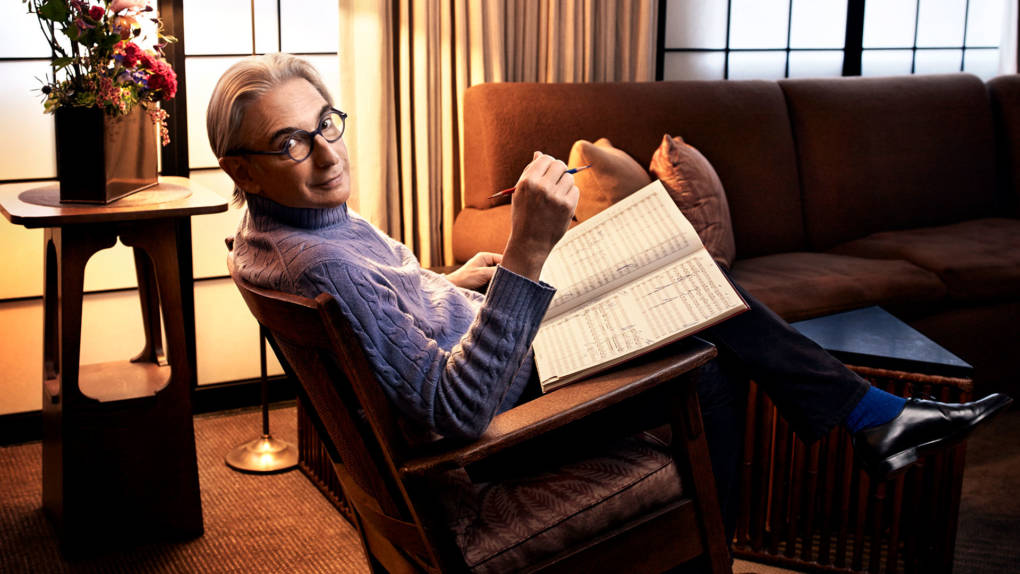
"caption": "Michael Tilson Thomas announced he will step down as Music Director in 2020.",
"description": "Michael Tilson Thomas announced he will step down as Music Director in 2020.",
"title": "mtt_04-office-chair-back_0201",
"credit": "Art Streiber",
"status": "inherit",
"isLoading": false,
"fetchFailed": false
},
"arts_13812921": {
"type": "attachments",
"id": "arts_13812921",
"meta": {
"index": "attachments_1716263798",
"site": "arts",
"id": "13812921",
"found": true
},
"parent": 13812897,
"imgSizes": {
"small": {
"file": "https://ww2.kqed.org/app/uploads/sites/2/2017/10/Trifonov_2015_05_0547_V4-2.jpg-1024x630-520x293.jpg",
"width": 520,
"mimeType": "image/jpeg",
"height": 293
},
"twentyfourteen-full-width": {
"file": "https://ww2.kqed.org/app/uploads/sites/2/2017/10/Trifonov_2015_05_0547_V4-2.jpg-1024x630-1024x576.jpg",
"width": 1024,
"mimeType": "image/jpeg",
"height": 576
},
"thumbnail": {
"file": "https://ww2.kqed.org/app/uploads/sites/2/2017/10/Trifonov_2015_05_0547_V4-2.jpg-1024x630-160x90.jpg",
"width": 160,
"mimeType": "image/jpeg",
"height": 90
},
"fd-sm": {
"file": "https://ww2.kqed.org/app/uploads/sites/2/2017/10/Trifonov_2015_05_0547_V4-2.jpg-1024x630-960x540.jpg",
"width": 960,
"mimeType": "image/jpeg",
"height": 540
},
"post-thumbnail": {
"file": "https://ww2.kqed.org/app/uploads/sites/2/2017/10/Trifonov_2015_05_0547_V4-2.jpg-1024x630-672x372.jpg",
"width": 672,
"mimeType": "image/jpeg",
"height": 372
},
"xsmall": {
"file": "https://ww2.kqed.org/app/uploads/sites/2/2017/10/Trifonov_2015_05_0547_V4-2.jpg-1024x630-375x211.jpg",
"width": 375,
"mimeType": "image/jpeg",
"height": 211
},
"kqedFullSize": {
"file": "https://ww2.kqed.org/app/uploads/sites/2/2017/10/Trifonov_2015_05_0547_V4-2.jpg-1024x630.jpg",
"width": 1024,
"height": 576
},
"large": {
"file": "https://ww2.kqed.org/app/uploads/sites/2/2017/10/Trifonov_2015_05_0547_V4-2.jpg-1024x630-1020x574.jpg",
"width": 1020,
"mimeType": "image/jpeg",
"height": 574
},
"guest-author-50": {
"file": "https://ww2.kqed.org/app/uploads/sites/2/2017/10/Trifonov_2015_05_0547_V4-2.jpg-1024x630-50x50.jpg",
"width": 50,
"mimeType": "image/jpeg",
"height": 50
},
"guest-author-96": {
"file": "https://ww2.kqed.org/app/uploads/sites/2/2017/10/Trifonov_2015_05_0547_V4-2.jpg-1024x630-96x96.jpg",
"width": 96,
"mimeType": "image/jpeg",
"height": 96
},
"medium": {
"file": "https://ww2.kqed.org/app/uploads/sites/2/2017/10/Trifonov_2015_05_0547_V4-2.jpg-1024x630-800x450.jpg",
"width": 800,
"mimeType": "image/jpeg",
"height": 450
},
"guest-author-64": {
"file": "https://ww2.kqed.org/app/uploads/sites/2/2017/10/Trifonov_2015_05_0547_V4-2.jpg-1024x630-64x64.jpg",
"width": 64,
"mimeType": "image/jpeg",
"height": 64
},
"guest-author-32": {
"file": "https://ww2.kqed.org/app/uploads/sites/2/2017/10/Trifonov_2015_05_0547_V4-2.jpg-1024x630-32x32.jpg",
"width": 32,
"mimeType": "image/jpeg",
"height": 32
},
"detail": {
"file": "https://ww2.kqed.org/app/uploads/sites/2/2017/10/Trifonov_2015_05_0547_V4-2.jpg-1024x630-150x150.jpg",
"width": 150,
"mimeType": "image/jpeg",
"height": 150
},
"medium_large": {
"file": "https://ww2.kqed.org/app/uploads/sites/2/2017/10/Trifonov_2015_05_0547_V4-2.jpg-1024x630-768x432.jpg",
"width": 768,
"mimeType": "image/jpeg",
"height": 432
},
"guest-author-128": {
"file": "https://ww2.kqed.org/app/uploads/sites/2/2017/10/Trifonov_2015_05_0547_V4-2.jpg-1024x630-128x128.jpg",
"width": 128,
"mimeType": "image/jpeg",
"height": 128
},
"xxsmall": {
"file": "https://ww2.kqed.org/app/uploads/sites/2/2017/10/Trifonov_2015_05_0547_V4-2.jpg-1024x630-240x135.jpg",
"width": 240,
"mimeType": "image/jpeg",
"height": 135
}
},
"publishDate": 1509127981,
"modified": 1509238674,
"caption": "Daniil Trifonov has a year-long residency at the San Francisco Symphony this season. ",
"description": "Daniil Trifonov has a year-long residency at the San Francisco Symphony this season. ",
"title": "Trifonov_2015_05_0547_V4-2.jpg--1024x630",
"credit": "Courtesy of Daniil Trifonov",
"status": "inherit",
"isLoading": false,
"fetchFailed": false
},
"arts_13812803": {
"type": "attachments",
"id": "arts_13812803",
"meta": {
"index": "attachments_1716263798",
"site": "arts",
"id": "13812803",
"found": true
},
"parent": 13812802,
"imgSizes": {
"small": {
"file": "https://ww2.kqed.org/app/uploads/sites/2/2017/10/DSC_0295-520x293.jpg",
"width": 520,
"mimeType": "image/jpeg",
"height": 293
},
"twentyfourteen-full-width": {
"file": "https://ww2.kqed.org/app/uploads/sites/2/2017/10/DSC_0295-1038x576.jpg",
"width": 1038,
"mimeType": "image/jpeg",
"height": 576
},
"thumbnail": {
"file": "https://ww2.kqed.org/app/uploads/sites/2/2017/10/DSC_0295-160x90.jpg",
"width": 160,
"mimeType": "image/jpeg",
"height": 90
},
"fd-sm": {
"file": "https://ww2.kqed.org/app/uploads/sites/2/2017/10/DSC_0295-960x540.jpg",
"width": 960,
"mimeType": "image/jpeg",
"height": 540
},
"post-thumbnail": {
"file": "https://ww2.kqed.org/app/uploads/sites/2/2017/10/DSC_0295-672x372.jpg",
"width": 672,
"mimeType": "image/jpeg",
"height": 372
},
"xsmall": {
"file": "https://ww2.kqed.org/app/uploads/sites/2/2017/10/DSC_0295-375x211.jpg",
"width": 375,
"mimeType": "image/jpeg",
"height": 211
},
"kqedFullSize": {
"file": "https://ww2.kqed.org/app/uploads/sites/2/2017/10/DSC_0295.jpg",
"width": 1920,
"height": 1080
},
"large": {
"file": "https://ww2.kqed.org/app/uploads/sites/2/2017/10/DSC_0295-1020x574.jpg",
"width": 1020,
"mimeType": "image/jpeg",
"height": 574
},
"xlarge": {
"file": "https://ww2.kqed.org/app/uploads/sites/2/2017/10/DSC_0295-1180x664.jpg",
"width": 1180,
"mimeType": "image/jpeg",
"height": 664
},
"guest-author-50": {
"file": "https://ww2.kqed.org/app/uploads/sites/2/2017/10/DSC_0295-50x50.jpg",
"width": 50,
"mimeType": "image/jpeg",
"height": 50
},
"guest-author-96": {
"file": "https://ww2.kqed.org/app/uploads/sites/2/2017/10/DSC_0295-96x96.jpg",
"width": 96,
"mimeType": "image/jpeg",
"height": 96
},
"medium": {
"file": "https://ww2.kqed.org/app/uploads/sites/2/2017/10/DSC_0295-800x450.jpg",
"width": 800,
"mimeType": "image/jpeg",
"height": 450
},
"guest-author-64": {
"file": "https://ww2.kqed.org/app/uploads/sites/2/2017/10/DSC_0295-64x64.jpg",
"width": 64,
"mimeType": "image/jpeg",
"height": 64
},
"guest-author-32": {
"file": "https://ww2.kqed.org/app/uploads/sites/2/2017/10/DSC_0295-32x32.jpg",
"width": 32,
"mimeType": "image/jpeg",
"height": 32
},
"fd-lrg": {
"file": "https://ww2.kqed.org/app/uploads/sites/2/2017/10/DSC_0295-1920x1080.jpg",
"width": 1920,
"mimeType": "image/jpeg",
"height": 1080
},
"fd-med": {
"file": "https://ww2.kqed.org/app/uploads/sites/2/2017/10/DSC_0295-1180x664.jpg",
"width": 1180,
"mimeType": "image/jpeg",
"height": 664
},
"full-width": {
"file": "https://ww2.kqed.org/app/uploads/sites/2/2017/10/DSC_0295-1920x1080.jpg",
"width": 1920,
"mimeType": "image/jpeg",
"height": 1080
},
"detail": {
"file": "https://ww2.kqed.org/app/uploads/sites/2/2017/10/DSC_0295-150x150.jpg",
"width": 150,
"mimeType": "image/jpeg",
"height": 150
},
"medium_large": {
"file": "https://ww2.kqed.org/app/uploads/sites/2/2017/10/DSC_0295-768x432.jpg",
"width": 768,
"mimeType": "image/jpeg",
"height": 432
},
"guest-author-128": {
"file": "https://ww2.kqed.org/app/uploads/sites/2/2017/10/DSC_0295-128x128.jpg",
"width": 128,
"mimeType": "image/jpeg",
"height": 128
},
"xxsmall": {
"file": "https://ww2.kqed.org/app/uploads/sites/2/2017/10/DSC_0295-240x135.jpg",
"width": 240,
"mimeType": "image/jpeg",
"height": 135
}
},
"publishDate": 1509044280,
"modified": 1509044576,
"caption": "Lil B, a rapper who preaches peace and love, was banned from Facebook for hate speech earlier this month. ",
"description": "Lil B, a rapper who preaches peace and love, was banned from Facebook for hate speech earlier this month. ",
"title": "DSC_0295",
"credit": "Nastia Voynvoskaya",
"status": "inherit",
"isLoading": false,
"fetchFailed": false
},
"arts_13812637": {
"type": "attachments",
"id": "arts_13812637",
"meta": {
"index": "attachments_1716263798",
"site": "arts",
"id": "13812637",
"found": true
},
"parent": 13812636,
"imgSizes": {
"small": {
"file": "https://ww2.kqed.org/app/uploads/sites/2/2017/10/Caryn-Fried-Ceramic-sculpture-Sonoma-Art-Trails-e1508959652420-520x292.jpg",
"width": 520,
"mimeType": "image/jpeg",
"height": 292
},
"twentyfourteen-full-width": {
"file": "https://ww2.kqed.org/app/uploads/sites/2/2017/10/Caryn-Fried-Ceramic-sculpture-Sonoma-Art-Trails-e1508959652420-1038x576.jpg",
"width": 1038,
"mimeType": "image/jpeg",
"height": 576
},
"thumbnail": {
"file": "https://ww2.kqed.org/app/uploads/sites/2/2017/10/Caryn-Fried-Ceramic-sculpture-Sonoma-Art-Trails-e1508959652420-160x90.jpg",
"width": 160,
"mimeType": "image/jpeg",
"height": 90
},
"fd-sm": {
"file": "https://ww2.kqed.org/app/uploads/sites/2/2017/10/Caryn-Fried-Ceramic-sculpture-Sonoma-Art-Trails-e1508959652420-960x539.jpg",
"width": 960,
"mimeType": "image/jpeg",
"height": 539
},
"post-thumbnail": {
"file": "https://ww2.kqed.org/app/uploads/sites/2/2017/10/Caryn-Fried-Ceramic-sculpture-Sonoma-Art-Trails-e1508959652420-672x372.jpg",
"width": 672,
"mimeType": "image/jpeg",
"height": 372
},
"xsmall": {
"file": "https://ww2.kqed.org/app/uploads/sites/2/2017/10/Caryn-Fried-Ceramic-sculpture-Sonoma-Art-Trails-e1508959652420-375x211.jpg",
"width": 375,
"mimeType": "image/jpeg",
"height": 211
},
"kqedFullSize": {
"file": "https://ww2.kqed.org/app/uploads/sites/2/2017/10/Caryn-Fried-Ceramic-sculpture-Sonoma-Art-Trails-e1508959652420.jpg",
"width": 1127,
"height": 633
},
"large": {
"file": "https://ww2.kqed.org/app/uploads/sites/2/2017/10/Caryn-Fried-Ceramic-sculpture-Sonoma-Art-Trails-e1508959652420-1020x573.jpg",
"width": 1020,
"mimeType": "image/jpeg",
"height": 573
},
"guest-author-50": {
"file": "https://ww2.kqed.org/app/uploads/sites/2/2017/10/Caryn-Fried-Ceramic-sculpture-Sonoma-Art-Trails-e1508959652420-50x50.jpg",
"width": 50,
"mimeType": "image/jpeg",
"height": 50
},
"guest-author-96": {
"file": "https://ww2.kqed.org/app/uploads/sites/2/2017/10/Caryn-Fried-Ceramic-sculpture-Sonoma-Art-Trails-e1508959652420-96x96.jpg",
"width": 96,
"mimeType": "image/jpeg",
"height": 96
},
"medium": {
"file": "https://ww2.kqed.org/app/uploads/sites/2/2017/10/Caryn-Fried-Ceramic-sculpture-Sonoma-Art-Trails-e1508959652420-800x449.jpg",
"width": 800,
"mimeType": "image/jpeg",
"height": 449
},
"guest-author-64": {
"file": "https://ww2.kqed.org/app/uploads/sites/2/2017/10/Caryn-Fried-Ceramic-sculpture-Sonoma-Art-Trails-e1508959652420-64x64.jpg",
"width": 64,
"mimeType": "image/jpeg",
"height": 64
},
"guest-author-32": {
"file": "https://ww2.kqed.org/app/uploads/sites/2/2017/10/Caryn-Fried-Ceramic-sculpture-Sonoma-Art-Trails-e1508959652420-32x32.jpg",
"width": 32,
"mimeType": "image/jpeg",
"height": 32
},
"detail": {
"file": "https://ww2.kqed.org/app/uploads/sites/2/2017/10/Caryn-Fried-Ceramic-sculpture-Sonoma-Art-Trails-e1508959652420-150x150.jpg",
"width": 150,
"mimeType": "image/jpeg",
"height": 150
},
"medium_large": {
"file": "https://ww2.kqed.org/app/uploads/sites/2/2017/10/Caryn-Fried-Ceramic-sculpture-Sonoma-Art-Trails-e1508959652420-768x431.jpg",
"width": 768,
"mimeType": "image/jpeg",
"height": 431
},
"guest-author-128": {
"file": "https://ww2.kqed.org/app/uploads/sites/2/2017/10/Caryn-Fried-Ceramic-sculpture-Sonoma-Art-Trails-e1508959652420-128x128.jpg",
"width": 128,
"mimeType": "image/jpeg",
"height": 128
},
"xxsmall": {
"file": "https://ww2.kqed.org/app/uploads/sites/2/2017/10/Caryn-Fried-Ceramic-sculpture-Sonoma-Art-Trails-e1508959652420-240x135.jpg",
"width": 240,
"mimeType": "image/jpeg",
"height": 135
}
},
"publishDate": 1508959595,
"modified": 1508959726,
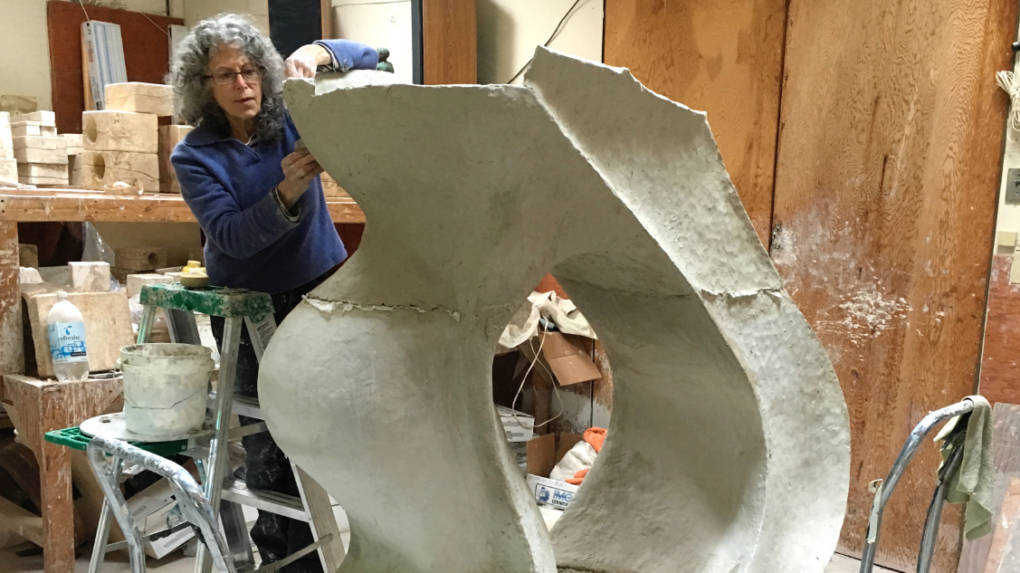
"caption": "Caryn Fried is an artist showing her work as part of the Sonoma Art Trails open studios Oct. 28 and 29",
"description": "Caryn Fried is an artist showing her work as part of the Sonoma Art Trails open studios Oct. 28 and 29",
"title": "Caryn Fried is an artist showing her work as part of the Sonoma Art Trails open studios Oct. 28 and 29",
"credit": "Photo: Courtesy of the artist ",
"status": "inherit",
"isLoading": false,
"fetchFailed": false
},
"arts_13812662": {
"type": "attachments",
"id": "arts_13812662",
"meta": {
"index": "attachments_1716263798",
"site": "arts",
"id": "13812662",
"found": true
},
"parent": 13812661,
"imgSizes": {
"small": {
"file": "https://ww2.kqed.org/app/uploads/sites/2/2017/10/Valery-Gergiev-leads-the-Mariinsky-Orchestra-on-a-tour-of-Bay-Area-Concert-Halls-e1508967522828-520x293.jpg",
"width": 520,
"mimeType": "image/jpeg",
"height": 293
},
"twentyfourteen-full-width": {
"file": "https://ww2.kqed.org/app/uploads/sites/2/2017/10/Valery-Gergiev-leads-the-Mariinsky-Orchestra-on-a-tour-of-Bay-Area-Concert-Halls-e1508967522828-1038x576.jpg",
"width": 1038,
"mimeType": "image/jpeg",
"height": 576
},
"thumbnail": {
"file": "https://ww2.kqed.org/app/uploads/sites/2/2017/10/Valery-Gergiev-leads-the-Mariinsky-Orchestra-on-a-tour-of-Bay-Area-Concert-Halls-e1508967522828-160x90.jpg",
"width": 160,
"mimeType": "image/jpeg",
"height": 90
},
"fd-sm": {
"file": "https://ww2.kqed.org/app/uploads/sites/2/2017/10/Valery-Gergiev-leads-the-Mariinsky-Orchestra-on-a-tour-of-Bay-Area-Concert-Halls-e1508967522828-960x540.jpg",
"width": 960,
"mimeType": "image/jpeg",
"height": 540
},
"post-thumbnail": {
"file": "https://ww2.kqed.org/app/uploads/sites/2/2017/10/Valery-Gergiev-leads-the-Mariinsky-Orchestra-on-a-tour-of-Bay-Area-Concert-Halls-e1508967522828-672x372.jpg",
"width": 672,
"mimeType": "image/jpeg",
"height": 372
},
"xsmall": {
"file": "https://ww2.kqed.org/app/uploads/sites/2/2017/10/Valery-Gergiev-leads-the-Mariinsky-Orchestra-on-a-tour-of-Bay-Area-Concert-Halls-e1508967522828-375x211.jpg",
"width": 375,
"mimeType": "image/jpeg",
"height": 211
},
"kqedFullSize": {
"file": "https://ww2.kqed.org/app/uploads/sites/2/2017/10/Valery-Gergiev-leads-the-Mariinsky-Orchestra-on-a-tour-of-Bay-Area-Concert-Halls-e1508967522828.jpg",
"width": 4256,
"height": 2394
},
"large": {
"file": "https://ww2.kqed.org/app/uploads/sites/2/2017/10/Valery-Gergiev-leads-the-Mariinsky-Orchestra-on-a-tour-of-Bay-Area-Concert-Halls-e1508967522828-1020x574.jpg",
"width": 1020,
"mimeType": "image/jpeg",
"height": 574
},
"xlarge": {
"file": "https://ww2.kqed.org/app/uploads/sites/2/2017/10/Valery-Gergiev-leads-the-Mariinsky-Orchestra-on-a-tour-of-Bay-Area-Concert-Halls-e1508967522828-1180x664.jpg",
"width": 1180,
"mimeType": "image/jpeg",
"height": 664
},
"guest-author-50": {
"file": "https://ww2.kqed.org/app/uploads/sites/2/2017/10/Valery-Gergiev-leads-the-Mariinsky-Orchestra-on-a-tour-of-Bay-Area-Concert-Halls-e1508967522828-50x50.jpg",
"width": 50,
"mimeType": "image/jpeg",
"height": 50
},
"guest-author-96": {
"file": "https://ww2.kqed.org/app/uploads/sites/2/2017/10/Valery-Gergiev-leads-the-Mariinsky-Orchestra-on-a-tour-of-Bay-Area-Concert-Halls-e1508967522828-96x96.jpg",
"width": 96,
"mimeType": "image/jpeg",
"height": 96
},
"medium": {
"file": "https://ww2.kqed.org/app/uploads/sites/2/2017/10/Valery-Gergiev-leads-the-Mariinsky-Orchestra-on-a-tour-of-Bay-Area-Concert-Halls-e1508967522828-800x450.jpg",
"width": 800,
"mimeType": "image/jpeg",
"height": 450
},
"guest-author-64": {
"file": "https://ww2.kqed.org/app/uploads/sites/2/2017/10/Valery-Gergiev-leads-the-Mariinsky-Orchestra-on-a-tour-of-Bay-Area-Concert-Halls-e1508967522828-64x64.jpg",
"width": 64,
"mimeType": "image/jpeg",
"height": 64
},
"guest-author-32": {
"file": "https://ww2.kqed.org/app/uploads/sites/2/2017/10/Valery-Gergiev-leads-the-Mariinsky-Orchestra-on-a-tour-of-Bay-Area-Concert-Halls-e1508967522828-32x32.jpg",
"width": 32,
"mimeType": "image/jpeg",
"height": 32
},
"fd-lrg": {
"file": "https://ww2.kqed.org/app/uploads/sites/2/2017/10/Valery-Gergiev-leads-the-Mariinsky-Orchestra-on-a-tour-of-Bay-Area-Concert-Halls-e1508967522828-1920x1080.jpg",
"width": 1920,
"mimeType": "image/jpeg",
"height": 1080
},
"fd-med": {
"file": "https://ww2.kqed.org/app/uploads/sites/2/2017/10/Valery-Gergiev-leads-the-Mariinsky-Orchestra-on-a-tour-of-Bay-Area-Concert-Halls-e1508967522828-1180x664.jpg",
"width": 1180,
"mimeType": "image/jpeg",
"height": 664
},
"full-width": {
"file": "https://ww2.kqed.org/app/uploads/sites/2/2017/10/Valery-Gergiev-leads-the-Mariinsky-Orchestra-on-a-tour-of-Bay-Area-Concert-Halls-e1508967522828-1920x1080.jpg",
"width": 1920,
"mimeType": "image/jpeg",
"height": 1080
},
"detail": {
"file": "https://ww2.kqed.org/app/uploads/sites/2/2017/10/Valery-Gergiev-leads-the-Mariinsky-Orchestra-on-a-tour-of-Bay-Area-Concert-Halls-e1508967522828-150x150.jpg",
"width": 150,
"mimeType": "image/jpeg",
"height": 150
},
"medium_large": {
"file": "https://ww2.kqed.org/app/uploads/sites/2/2017/10/Valery-Gergiev-leads-the-Mariinsky-Orchestra-on-a-tour-of-Bay-Area-Concert-Halls-e1508967522828-768x432.jpg",
"width": 768,
"mimeType": "image/jpeg",
"height": 432
},
"guest-author-128": {
"file": "https://ww2.kqed.org/app/uploads/sites/2/2017/10/Valery-Gergiev-leads-the-Mariinsky-Orchestra-on-a-tour-of-Bay-Area-Concert-Halls-e1508967522828-128x128.jpg",
"width": 128,
"mimeType": "image/jpeg",
"height": 128
},
"xxsmall": {
"file": "https://ww2.kqed.org/app/uploads/sites/2/2017/10/Valery-Gergiev-leads-the-Mariinsky-Orchestra-on-a-tour-of-Bay-Area-Concert-Halls-e1508967522828-240x135.jpg",
"width": 240,
"mimeType": "image/jpeg",
"height": 135
}
},
"publishDate": 1508967475,
"modified": 1508967552,
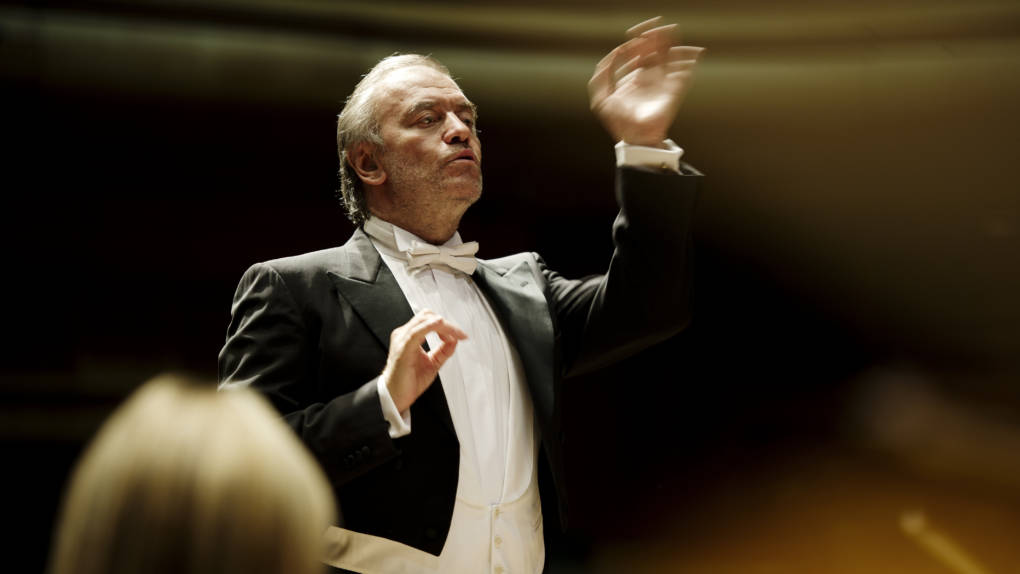
"caption": "Valery Gergiev leads the Mariinsky Orchestra on a tour of Bay Area Concert Halls",
"description": "Valery Gergiev leads the Mariinsky Orchestra on a tour of Bay Area Concert Halls",
"title": "Valery Gergiev leads the Mariinsky Orchestra on a tour of Bay Area Concert Halls",
"credit": "Photo: Courtesy of Cal Performances",
"status": "inherit",
"isLoading": false,
"fetchFailed": false
},
"arts_13812656": {
"type": "attachments",
"id": "arts_13812656",
"meta": {
"index": "attachments_1716263798",
"site": "arts",
"id": "13812656",
"found": true
},
"parent": 13812640,
"imgSizes": {
"small": {
"file": "https://ww2.kqed.org/app/uploads/sites/2/2017/10/Agent-Inks-Curt-Barnickel-holding-a-painting-that-will-be-auctioned-at-a-fundraiser-at-the-gallery-Nov.-11-e1508966581184-520x293.jpg",
"width": 520,
"mimeType": "image/jpeg",
"height": 293
},
"twentyfourteen-full-width": {
"file": "https://ww2.kqed.org/app/uploads/sites/2/2017/10/Agent-Inks-Curt-Barnickel-holding-a-painting-that-will-be-auctioned-at-a-fundraiser-at-the-gallery-Nov.-11-e1508966581184-1038x576.jpg",
"width": 1038,
"mimeType": "image/jpeg",
"height": 576
},
"thumbnail": {
"file": "https://ww2.kqed.org/app/uploads/sites/2/2017/10/Agent-Inks-Curt-Barnickel-holding-a-painting-that-will-be-auctioned-at-a-fundraiser-at-the-gallery-Nov.-11-e1508966581184-160x90.jpg",
"width": 160,
"mimeType": "image/jpeg",
"height": 90
},
"fd-sm": {
"file": "https://ww2.kqed.org/app/uploads/sites/2/2017/10/Agent-Inks-Curt-Barnickel-holding-a-painting-that-will-be-auctioned-at-a-fundraiser-at-the-gallery-Nov.-11-e1508966581184-960x540.jpg",
"width": 960,
"mimeType": "image/jpeg",
"height": 540
},
"post-thumbnail": {
"file": "https://ww2.kqed.org/app/uploads/sites/2/2017/10/Agent-Inks-Curt-Barnickel-holding-a-painting-that-will-be-auctioned-at-a-fundraiser-at-the-gallery-Nov.-11-e1508966581184-672x372.jpg",
"width": 672,
"mimeType": "image/jpeg",
"height": 372
},
"xsmall": {
"file": "https://ww2.kqed.org/app/uploads/sites/2/2017/10/Agent-Inks-Curt-Barnickel-holding-a-painting-that-will-be-auctioned-at-a-fundraiser-at-the-gallery-Nov.-11-e1508966581184-375x211.jpg",
"width": 375,
"mimeType": "image/jpeg",
"height": 211
},
"kqedFullSize": {
"file": "https://ww2.kqed.org/app/uploads/sites/2/2017/10/Agent-Inks-Curt-Barnickel-holding-a-painting-that-will-be-auctioned-at-a-fundraiser-at-the-gallery-Nov.-11-e1508966581184.jpg",
"width": 3264,
"height": 1836
},
"large": {
"file": "https://ww2.kqed.org/app/uploads/sites/2/2017/10/Agent-Inks-Curt-Barnickel-holding-a-painting-that-will-be-auctioned-at-a-fundraiser-at-the-gallery-Nov.-11-e1508966581184-1020x574.jpg",
"width": 1020,
"mimeType": "image/jpeg",
"height": 574
},
"xlarge": {
"file": "https://ww2.kqed.org/app/uploads/sites/2/2017/10/Agent-Inks-Curt-Barnickel-holding-a-painting-that-will-be-auctioned-at-a-fundraiser-at-the-gallery-Nov.-11-e1508966581184-1180x664.jpg",
"width": 1180,
"mimeType": "image/jpeg",
"height": 664
},
"guest-author-50": {
"file": "https://ww2.kqed.org/app/uploads/sites/2/2017/10/Agent-Inks-Curt-Barnickel-holding-a-painting-that-will-be-auctioned-at-a-fundraiser-at-the-gallery-Nov.-11-e1508966581184-50x50.jpg",
"width": 50,
"mimeType": "image/jpeg",
"height": 50
},
"guest-author-96": {
"file": "https://ww2.kqed.org/app/uploads/sites/2/2017/10/Agent-Inks-Curt-Barnickel-holding-a-painting-that-will-be-auctioned-at-a-fundraiser-at-the-gallery-Nov.-11-e1508966581184-96x96.jpg",
"width": 96,
"mimeType": "image/jpeg",
"height": 96
},
"medium": {
"file": "https://ww2.kqed.org/app/uploads/sites/2/2017/10/Agent-Inks-Curt-Barnickel-holding-a-painting-that-will-be-auctioned-at-a-fundraiser-at-the-gallery-Nov.-11-e1508966581184-800x450.jpg",
"width": 800,
"mimeType": "image/jpeg",
"height": 450
},
"guest-author-64": {
"file": "https://ww2.kqed.org/app/uploads/sites/2/2017/10/Agent-Inks-Curt-Barnickel-holding-a-painting-that-will-be-auctioned-at-a-fundraiser-at-the-gallery-Nov.-11-e1508966581184-64x64.jpg",
"width": 64,
"mimeType": "image/jpeg",
"height": 64
},
"guest-author-32": {
"file": "https://ww2.kqed.org/app/uploads/sites/2/2017/10/Agent-Inks-Curt-Barnickel-holding-a-painting-that-will-be-auctioned-at-a-fundraiser-at-the-gallery-Nov.-11-e1508966581184-32x32.jpg",
"width": 32,
"mimeType": "image/jpeg",
"height": 32
},
"fd-lrg": {
"file": "https://ww2.kqed.org/app/uploads/sites/2/2017/10/Agent-Inks-Curt-Barnickel-holding-a-painting-that-will-be-auctioned-at-a-fundraiser-at-the-gallery-Nov.-11-e1508966581184-1920x1080.jpg",
"width": 1920,
"mimeType": "image/jpeg",
"height": 1080
},
"fd-med": {
"file": "https://ww2.kqed.org/app/uploads/sites/2/2017/10/Agent-Inks-Curt-Barnickel-holding-a-painting-that-will-be-auctioned-at-a-fundraiser-at-the-gallery-Nov.-11-e1508966581184-1180x664.jpg",
"width": 1180,
"mimeType": "image/jpeg",
"height": 664
},
"full-width": {
"file": "https://ww2.kqed.org/app/uploads/sites/2/2017/10/Agent-Inks-Curt-Barnickel-holding-a-painting-that-will-be-auctioned-at-a-fundraiser-at-the-gallery-Nov.-11-e1508966581184-1920x1080.jpg",
"width": 1920,
"mimeType": "image/jpeg",
"height": 1080
},
"detail": {
"file": "https://ww2.kqed.org/app/uploads/sites/2/2017/10/Agent-Inks-Curt-Barnickel-holding-a-painting-that-will-be-auctioned-at-a-fundraiser-at-the-gallery-Nov.-11-e1508966581184-150x150.jpg",
"width": 150,
"mimeType": "image/jpeg",
"height": 150
},
"medium_large": {
"file": "https://ww2.kqed.org/app/uploads/sites/2/2017/10/Agent-Inks-Curt-Barnickel-holding-a-painting-that-will-be-auctioned-at-a-fundraiser-at-the-gallery-Nov.-11-e1508966581184-768x432.jpg",
"width": 768,
"mimeType": "image/jpeg",
"height": 432
},
"guest-author-128": {
"file": "https://ww2.kqed.org/app/uploads/sites/2/2017/10/Agent-Inks-Curt-Barnickel-holding-a-painting-that-will-be-auctioned-at-a-fundraiser-at-the-gallery-Nov.-11-e1508966581184-128x128.jpg",
"width": 128,
"mimeType": "image/jpeg",
"height": 128
},
"xxsmall": {
"file": "https://ww2.kqed.org/app/uploads/sites/2/2017/10/Agent-Inks-Curt-Barnickel-holding-a-painting-that-will-be-auctioned-at-a-fundraiser-at-the-gallery-Nov.-11-e1508966581184-240x135.jpg",
"width": 240,
"mimeType": "image/jpeg",
"height": 135
}
},
"publishDate": 1508966502,
"modified": 1508980790,
"caption": "Agent Ink's Curt Barnickel holding a painting that will be auctioned at a fundraiser at the gallery Nov. 11.",
"description": "Agent Ink's Curt Barnickel holding a painting that will be auctioned at a fundraiser at the gallery Nov. 11",
"title": "Agent Ink's Curt Barnickel holding a painting that will be auctioned at a fundraiser at the gallery Nov. 11",
"credit": null,
"status": "inherit",
"isLoading": false,
"fetchFailed": false
}
},
"audioPlayerReducer": {
"postId": "stream_live",
"isPaused": true,
"isPlaying": false,
"pfsActive": false,
"pledgeModalIsOpen": true,
"playerDrawerIsOpen": false,
"liveAudioPlayStartedAt": 0,
"liveAudioPlayContext": ""
},
"authorsReducer": {
"byline_arts_13813401": {
"type": "authors",
"id": "byline_arts_13813401",
"meta": {
"override": true
},
"slug": "byline_arts_13813401",
"name": "Nate Chinen",
"isLoading": false
},
"byline_arts_13812897": {
"type": "authors",
"id": "byline_arts_13812897",
"meta": {
"override": true
},
"slug": "byline_arts_13812897",
"name": "Elijah Ho",
"isLoading": false
},
"cmusiker": {
"type": "authors",
"id": "32",
"meta": {
"index": "authors_1716337520",
"id": "32",
"found": true
},
"name": "Cy Musiker",
"firstName": "Cy",
"lastName": "Musiker",
"slug": "cmusiker",
"email": "cmusiker@kqed.org",
"display_author_email": false,
"staff_mastheads": [],
"title": "KQED Contributor",
"bio": "Cy Musiker is a former co-host of The Do List and a former reporter covering the arts for KQED News and The California Report. He loves live performance, especially great theater, jazz, roots music, anything by Mahler. Cy has an MJ from UC Berkeley's School of Journalism, and got his BA from Hampshire College. His work has been recognized by the Society for Professional Journalists with their Sigma Delta Chi Award for Public Service in Journalism. When he can, Cy likes to swim in Tomales Bay, run with his dog in the East Bay Hills, and hike the Sierra.",
"avatar": "https://secure.gravatar.com/avatar/05eaba5c5696ce8f062e4ea2df428a43?s=600&d=blank&r=g",
"twitter": null,
"facebook": null,
"instagram": null,
"linkedin": null,
"sites": [
{
"site": "arts",
"roles": [
"Contributor",
"subscriber"
]
},
{
"site": "news",
"roles": [
"author"
]
},
{
"site": "bayareabites",
"roles": [
"contributor"
]
}
],
"headData": {
"title": "Cy Musiker | KQED",
"description": "KQED Contributor",
"ogImgSrc": "https://secure.gravatar.com/avatar/05eaba5c5696ce8f062e4ea2df428a43?s=600&d=blank&r=g",
"twImgSrc": "https://secure.gravatar.com/avatar/05eaba5c5696ce8f062e4ea2df428a43?s=600&d=blank&r=g"
},
"isLoading": false,
"link": "/author/cmusiker"
},
"kjones": {
"type": "authors",
"id": "93",
"meta": {
"index": "authors_1716337520",
"id": "93",
"found": true
},
"name": "Kevin L. Jones",
"firstName": "Kevin",
"lastName": "Jones",
"slug": "kjones",
"email": "kjones@kqed.org",
"display_author_email": false,
"staff_mastheads": [],
"title": null,
"bio": null,
"avatar": "https://secure.gravatar.com/avatar/12c65b5633ed39d0a59bb7f497eff645?s=600&d=blank&r=g",
"twitter": null,
"facebook": null,
"instagram": null,
"linkedin": null,
"sites": [
{
"site": "arts",
"roles": [
"subscriber"
]
},
{
"site": "styleguide",
"roles": [
"contributor"
]
},
{
"site": "artschool",
"roles": [
"subscriber"
]
},
{
"site": "news",
"roles": [
"subscriber"
]
},
{
"site": "pop",
"roles": [
"subscriber"
]
}
],
"headData": {
"title": "Kevin L. Jones | KQED",
"description": null,
"ogImgSrc": "https://secure.gravatar.com/avatar/12c65b5633ed39d0a59bb7f497eff645?s=600&d=blank&r=g",
"twImgSrc": "https://secure.gravatar.com/avatar/12c65b5633ed39d0a59bb7f497eff645?s=600&d=blank&r=g"
},
"isLoading": false,
"link": "/author/kjones"
},
"baybridged": {
"type": "authors",
"id": "178",
"meta": {
"index": "authors_1716337520",
"id": "178",
"found": true
},
"name": "The Bay Bridged",
"firstName": "The Bay",
"lastName": "Bridged",
"slug": "baybridged",
"email": "thebaybridged@gmail.com",
"display_author_email": false,
"staff_mastheads": [],
"title": "KQED Contributor",
"bio": null,
"avatar": "https://secure.gravatar.com/avatar/211daad5386ad504c39c31f3e16cfae45ec7b0ad32ecca7ee64cfd9b7eb76609?s=600&d=blank&r=g",
"twitter": null,
"bluesky": null,
"facebook": null,
"instagram": null,
"linkedin": null,
"sites": [
{
"site": "arts",
"roles": [
"subscriber"
]
}
],
"headData": {
"title": "The Bay Bridged | KQED",
"description": "KQED Contributor",
"ogImgSrc": "https://secure.gravatar.com/avatar/211daad5386ad504c39c31f3e16cfae45ec7b0ad32ecca7ee64cfd9b7eb76609?s=600&d=blank&r=g",
"twImgSrc": "https://secure.gravatar.com/avatar/211daad5386ad504c39c31f3e16cfae45ec7b0ad32ecca7ee64cfd9b7eb76609?s=600&d=blank&r=g"
},
"isLoading": false,
"link": "/author/baybridged"
},
"gmeline": {
"type": "authors",
"id": "185",
"meta": {
"index": "authors_1716337520",
"id": "185",
"found": true
},
"name": "Gabe Meline",
"firstName": "Gabe",
"lastName": "Meline",
"slug": "gmeline",
"email": "gmeline@kqed.org",
"display_author_email": true,
"staff_mastheads": [
"arts"
],
"title": "Senior Editor, KQED Arts & Culture",
"bio": "Gabe Meline entered journalism at age 15 making photocopied zines, and has since earned awards from the Edward R. Murrow Awards, the Society for Professional Journalists, the Online Journalism Awards, the Association of Alternative Newsweeklies and the California Newspaper Publishers Association. Prior to KQED, he was the editor of the \u003cem>North Bay Bohemian\u003c/em> and a touring musician. He lives with his wife and daughter in his hometown of Santa Rosa, CA.",
"avatar": "https://secure.gravatar.com/avatar/5bebe57be0d8bc2dd318934feb47299e2d2d10cba28d09d8d7afb389a2ce2bdd?s=600&d=blank&r=g",
"twitter": null,
"bluesky": null,
"facebook": null,
"instagram": null,
"linkedin": null,
"sites": [
{
"site": "",
"roles": [
"editor"
]
},
{
"site": "arts",
"roles": [
"administrator"
]
},
{
"site": "artschool",
"roles": [
"editor"
]
},
{
"site": "news",
"roles": [
"author"
]
},
{
"site": "pop",
"roles": [
"editor"
]
},
{
"site": "bayareabites",
"roles": [
"editor"
]
},
{
"site": "food",
"roles": [
"editor"
]
},
{
"site": "forum",
"roles": [
"administrator"
]
},
{
"site": "liveblog",
"roles": [
"editor"
]
},
{
"site": "hiphop",
"roles": [
"editor"
]
}
],
"headData": {
"title": "Gabe Meline | KQED",
"description": "Senior Editor, KQED Arts & Culture",
"ogImgSrc": "https://secure.gravatar.com/avatar/5bebe57be0d8bc2dd318934feb47299e2d2d10cba28d09d8d7afb389a2ce2bdd?s=600&d=blank&r=g",
"twImgSrc": "https://secure.gravatar.com/avatar/5bebe57be0d8bc2dd318934feb47299e2d2d10cba28d09d8d7afb389a2ce2bdd?s=600&d=blank&r=g"
},
"isLoading": false,
"link": "/author/gmeline"
},
"nvoynovskaya": {
"type": "authors",
"id": "11387",
"meta": {
"index": "authors_1716337520",
"id": "11387",
"found": true
},
"name": "Nastia Voynovskaya",
"firstName": "Nastia",
"lastName": "Voynovskaya",
"slug": "nvoynovskaya",
"email": "nvoynovskaya@kqed.org",
"display_author_email": false,
"staff_mastheads": [
"arts"
],
"title": "Editor and reporter",
"bio": "Nastia Voynovskaya is a reporter, editor and host at KQED Arts & Culture. She's been covering the arts in the Bay Area for over a decade, with a focus on music, queer culture, labor issues and grassroots organizing. She has edited KQED story series such as Trans Bay: A History of San Francisco's Gender-Diverse Community, and co-created KQED's Bay Area hip-hop history project, That's My Word. Nastia's work has been recognized by the Society of Professional Journalists and San Francisco Press Club. She regularly appears on podcasts and radio programs, including NPR's All Songs Considered, and hosts live events where music, culture and conversation meet.",
"avatar": "https://secure.gravatar.com/avatar/5025ee460e5a85d69ca20ea6c6f2f80d7e17795c828f61ea3aecfcd924e9042e?s=600&d=blank&r=g",
"twitter": null,
"bluesky": null,
"facebook": null,
"instagram": "https://www.instagram.com/nananastia/",
"linkedin": null,
"sites": [
{
"site": "",
"roles": [
"editor"
]
},
{
"site": "arts",
"roles": [
"administrator"
]
},
{
"site": "news",
"roles": [
"editor"
]
},
{
"site": "pop",
"roles": [
"administrator"
]
},
{
"site": "bayareabites",
"roles": [
"editor"
]
},
{
"site": "podcasts",
"roles": [
"editor"
]
},
{
"site": "hiphop",
"roles": [
"editor"
]
}
],
"headData": {
"title": "Nastia Voynovskaya | KQED",
"description": "Editor and reporter",
"ogImgSrc": "https://secure.gravatar.com/avatar/5025ee460e5a85d69ca20ea6c6f2f80d7e17795c828f61ea3aecfcd924e9042e?s=600&d=blank&r=g",
"twImgSrc": "https://secure.gravatar.com/avatar/5025ee460e5a85d69ca20ea6c6f2f80d7e17795c828f61ea3aecfcd924e9042e?s=600&d=blank&r=g"
},
"isLoading": false,
"link": "/author/nvoynovskaya"
}
},
"pagesReducer": {
"arts_category_music": {
"type": "terms",
"id": "arts_69",
"meta": {
"index": "terms_1716263798",
"site": "arts",
"id": "69",
"score": 10.85186
},
"featImg": null,
"name": "Music",
"description": null,
"taxonomy": "category",
"headData": {
"twImgId": null,
"twTitle": null,
"ogTitle": null,
"ogImgId": null,
"twDescription": null,
"description": null,
"title": "Music Archives | KQED Arts",
"ogDescription": null
},
"ttid": 70,
"slug": "music",
"isLoading": false,
"title": "Music",
"pageMeta": {
"site": "arts",
"WpPageTemplate": "page-topic-editorial",
"currentPage": 211
},
"blocks": [
{
"blockName": "kqed/post-list",
"attrs": {
"layout": "cardArticle2",
"query": "posts/arts?category=music",
"seeMore": false,
"paginated": true,
"page": 211
}
},
{
"blockName": "kqed/ad"
}
]
}
},
"pfsSessionReducer": {},
"postsReducer": {
"stream_live": {
"type": "live",
"id": "stream_live",
"audioUrl": "https://streams.kqed.org/kqedradio",
"title": "Live Stream",
"excerpt": "Live Stream information currently unavailable.",
"link": "/radio",
"featImg": "",
"label": {
"name": "KQED Live",
"link": "/"
}
},
"stream_kqedNewscast": {
"type": "posts",
"id": "stream_kqedNewscast",
"audioUrl": "https://www.kqed.org/.stream/anon/radio/RDnews/newscast.mp3?_=1",
"title": "KQED Newscast",
"featImg": "",
"label": {
"name": "88.5 FM",
"link": "/"
}
},
"arts_13813429": {
"type": "posts",
"id": "arts_13813429",
"meta": {
"index": "posts_1716263798",
"site": "arts",
"id": "13813429",
"score": null,
"sort": [
1509584061000
]
},
"parent": 0,
"labelTerm": {
"site": "arts",
"term": 140
},
"blocks": [],
"publishDate": 1509584061,
"format": "standard",
"title": "Son of a Preacher Man",
"headTitle": "Son of a Preacher Man | KQED",
"content": "\u003cp>Son Little, a.k.a. Aaron Livingston, is from Philadelphia — the son of a preacher, who’s in touch with the deepest roots of soul, gospel and the blues. That comes through especially in “Demon in the Dark,” a song off his new album \u003cem>New Magic, \u003c/em>in which Little speaks in a kind of prayerful communion to a gospel singer active 100 years ago, Deacon Philips, asking for direction and forgiveness. He’s made me want to get down on my knees and pray along. For his show at the Chapel on Nov. 8, \u003ca href=\"https://www.thechapelsf.com/event/1510261-son-little-san-francisco/\" target=\"_blank\" rel=\"noopener\">details are here.\u003c/a>\u003c/p>\n\u003cp>https://www.youtube.com/watch?v=Nht9_11XvQw\u003c/p>\n\u003cp>[ad fullwidth]\u003c/p>\u003cp>\u003c/p>\n",
"stats": {
"hasVideo": true,
"hasChartOrMap": false,
"hasAudio": false,
"hasPolis": false,
"wordCount": 111,
"hasGoogleForm": false,
"hasGallery": false,
"hasHearkenModule": false,
"iframeSrcs": [],
"paragraphCount": 3
},
"modified": 1705029207,
"excerpt": "Son Little, is from Philadelphia — the son of a preacher, who's in touch with the deepest roots of soul, gospel and the blues.",
"headData": {
"twImgId": "",
"twTitle": "",
"ogTitle": "",
"ogImgId": "",
"twDescription": "",
"description": "Son Little, is from Philadelphia — the son of a preacher, who's in touch with the deepest roots of soul, gospel and the blues.",
"title": "Son of a Preacher Man | KQED",
"ogDescription": "",
"schema": {
"@context": "https://schema.org",
"@type": "Article",
"headline": "Son of a Preacher Man",
"datePublished": "2017-11-01T17:54:21-07:00",
"dateModified": "2024-01-11T19:13:27-08:00",
"image": "https://cdn.kqed.org/wp-content/uploads/2020/02/KQED-OG-Image@1x.png"
}
},
"guestAuthors": [],
"slug": "son-little",
"status": "publish",
"sticky": false,
"path": "/arts/13813429/son-little",
"audioTrackLength": null,
"parsedContent": [
{
"type": "contentString",
"content": "\u003cdiv class=\"post-body\">\u003cp>\u003cp>Son Little, a.k.a. Aaron Livingston, is from Philadelphia — the son of a preacher, who’s in touch with the deepest roots of soul, gospel and the blues. That comes through especially in “Demon in the Dark,” a song off his new album \u003cem>New Magic, \u003c/em>in which Little speaks in a kind of prayerful communion to a gospel singer active 100 years ago, Deacon Philips, asking for direction and forgiveness. He’s made me want to get down on my knees and pray along. For his show at the Chapel on Nov. 8, \u003ca href=\"https://www.thechapelsf.com/event/1510261-son-little-san-francisco/\" target=\"_blank\" rel=\"noopener\">details are here.\u003c/a>\u003c/p>\u003c/p>\u003cp>\u003cspan class='utils-parseShortcode-shortcodes-__youtubeShortcode__embedYoutube'>\n \u003cspan class='utils-parseShortcode-shortcodes-__youtubeShortcode__embedYoutubeInside'>\n \u003ciframe\n loading='lazy'\n class='utils-parseShortcode-shortcodes-__youtubeShortcode__youtubePlayer'\n type='text/html'\n src='//www.youtube.com/embed/Nht9_11XvQw'\n title='//www.youtube.com/embed/Nht9_11XvQw'\n allowfullscreen='true'\n style='border:0;'>\u003c/iframe>\n \u003c/span>\n \u003c/span>\u003c/p>\u003cp>\u003cp>\u003c/p>\u003c/div>",
"attributes": {
"named": {},
"numeric": []
}
},
{
"type": "component",
"content": "",
"name": "ad",
"attributes": {
"named": {
"label": "fullwidth"
},
"numeric": [
"fullwidth"
]
}
},
{
"type": "contentString",
"content": "\u003cdiv class=\"post-body\">\u003cp>\u003c/p>\u003cp>\u003c/p>\n\u003c/div>\u003c/p>",
"attributes": {
"named": {},
"numeric": []
}
}
],
"link": "/arts/13813429/son-little",
"authors": [
"32"
],
"programs": [
"arts_140"
],
"categories": [
"arts_69"
],
"tags": [
"arts_6387",
"arts_596",
"arts_626"
],
"featImg": "arts_13813430",
"label": "arts_140"
},
"arts_13813433": {
"type": "posts",
"id": "arts_13813433",
"meta": {
"index": "posts_1716263798",
"site": "arts",
"id": "13813433",
"score": null,
"sort": [
1509583810000
]
},
"parent": 0,
"labelTerm": {
"site": "arts",
"term": 140
},
"blocks": [],
"publishDate": 1509583810,
"format": "standard",
"title": "A Force for Female Empowerment",
"headTitle": "A Force for Female Empowerment | KQED",
"content": "\u003cp>Lizzo sings about being happy with how you look and who you are. That sort of self-love does not always come easy in this world for a plus-size black woman, but then Lizzo is no ordinary singer. She started as a rapper in Houston, shrugging off a church upbringing, then moved to Minneapolis and worked with Prince. She now hosts a\u003ca href=\"http://www.mtv.com/news/2922787/wonderland-promo-vmas/\" target=\"_new\" rel=\"noopener\"> live music show \u003c/a>on MTV called \u003cem>Wonderland\u003c/em>. My co-host on the Do List this week, A-lan Holt, says she loves Lizzo’s high-energy, full bodied performances. Catch her at the the Fillmore on Nov. 9 before she plays an even bigger venue. \u003ca href=\"http://thefillmore.com/event/lizzo/\" target=\"_blank\" rel=\"noopener\">Details here.\u003c/a>\u003c/p>\n\u003cp>https://www.youtube.com/watch?v=tjILCNcHevY\u003c/p>\n\u003cp>[ad fullwidth]\u003c/p>\u003cp>\u003c/p>\n",
"stats": {
"hasVideo": true,
"hasChartOrMap": false,
"hasAudio": false,
"hasPolis": false,
"wordCount": 122,
"hasGoogleForm": false,
"hasGallery": false,
"hasHearkenModule": false,
"iframeSrcs": [],
"paragraphCount": 3
},
"modified": 1705029208,
"excerpt": "Lizzo, who has worked with Prince and hosted a show on MTV, sing about self-love in a world that seems to have little room for it. ",
"headData": {
"twImgId": "",
"twTitle": "",
"ogTitle": "",
"ogImgId": "",
"twDescription": "",
"description": "Lizzo, who has worked with Prince and hosted a show on MTV, sing about self-love in a world that seems to have little room for it. ",
"title": "A Force for Female Empowerment | KQED",
"ogDescription": "",
"schema": {
"@context": "https://schema.org",
"@type": "Article",
"headline": "A Force for Female Empowerment",
"datePublished": "2017-11-01T17:50:10-07:00",
"dateModified": "2024-01-11T19:13:28-08:00",
"image": "https://cdn.kqed.org/wp-content/uploads/2020/02/KQED-OG-Image@1x.png"
}
},
"guestAuthors": [],
"slug": "a-force-for-female-empowerment",
"status": "publish",
"sticky": false,
"path": "/arts/13813433/a-force-for-female-empowerment",
"audioTrackLength": null,
"parsedContent": [
{
"type": "contentString",
"content": "\u003cdiv class=\"post-body\">\u003cp>\u003cp>Lizzo sings about being happy with how you look and who you are. That sort of self-love does not always come easy in this world for a plus-size black woman, but then Lizzo is no ordinary singer. She started as a rapper in Houston, shrugging off a church upbringing, then moved to Minneapolis and worked with Prince. She now hosts a\u003ca href=\"http://www.mtv.com/news/2922787/wonderland-promo-vmas/\" target=\"_new\" rel=\"noopener\"> live music show \u003c/a>on MTV called \u003cem>Wonderland\u003c/em>. My co-host on the Do List this week, A-lan Holt, says she loves Lizzo’s high-energy, full bodied performances. Catch her at the the Fillmore on Nov. 9 before she plays an even bigger venue. \u003ca href=\"http://thefillmore.com/event/lizzo/\" target=\"_blank\" rel=\"noopener\">Details here.\u003c/a>\u003c/p>\u003c/p>\u003cp>\u003cspan class='utils-parseShortcode-shortcodes-__youtubeShortcode__embedYoutube'>\n \u003cspan class='utils-parseShortcode-shortcodes-__youtubeShortcode__embedYoutubeInside'>\n \u003ciframe\n loading='lazy'\n class='utils-parseShortcode-shortcodes-__youtubeShortcode__youtubePlayer'\n type='text/html'\n src='//www.youtube.com/embed/tjILCNcHevY'\n title='//www.youtube.com/embed/tjILCNcHevY'\n allowfullscreen='true'\n style='border:0;'>\u003c/iframe>\n \u003c/span>\n \u003c/span>\u003c/p>\u003cp>\u003cp>\u003c/p>\u003c/div>",
"attributes": {
"named": {},
"numeric": []
}
},
{
"type": "component",
"content": "",
"name": "ad",
"attributes": {
"named": {
"label": "fullwidth"
},
"numeric": [
"fullwidth"
]
}
},
{
"type": "contentString",
"content": "\u003cdiv class=\"post-body\">\u003cp>\u003c/p>\u003cp>\u003c/p>\n\u003c/div>\u003c/p>",
"attributes": {
"named": {},
"numeric": []
}
}
],
"link": "/arts/13813433/a-force-for-female-empowerment",
"authors": [
"32"
],
"programs": [
"arts_140"
],
"categories": [
"arts_69"
],
"tags": [
"arts_2968",
"arts_596",
"arts_2996",
"arts_626"
],
"featImg": "arts_13813442",
"label": "arts_140"
},
"arts_13813401": {
"type": "posts",
"id": "arts_13813401",
"meta": {
"index": "posts_1716263798",
"site": "arts",
"id": "13813401",
"score": null,
"sort": [
1509575071000
]
},
"parent": 0,
"labelTerm": {
"site": "arts",
"term": 137
},
"blocks": [],
"publishDate": 1509575071,
"format": "standard",
"title": "Muhal Richard Abrams, Sweepingly Influential Jazz Artist, Dead at 87",
"headTitle": "Muhal Richard Abrams, Sweepingly Influential Jazz Artist, Dead at 87 | KQED",
"content": "\u003cp>Muhal Richard Abrams, a pianist and composer of staunch independence and sweeping influence, inseparable from his role as a founding father of the Association for the Advancement of Creative Musicians [AACM], died on Sunday at his home in New York City. He was 87.\u003c/p>\n\u003cp>His daughter, Richarda Abrams, confirmed his death. No cause was given.\u003c/p>\n\u003cp>Abrams was a brilliant, mostly self-taught pianist who combined a strong foundation in the blues with keen attunement to the shadow art of vibration and overtone. While he came up in a hard-swinging jazz context, and created some of his early work in that style, he was serious about a non-idiomatic approach to improvisation. He is regarded as a paragon by some of the most acclaimed pianists now in circulation, including \u003ca href=\"http://www.npr.org/artists/15340491/jason-moran\" target=\"_blank\" rel=\"noopener\">Jason Moran\u003c/a>, \u003ca href=\"http://www.npr.org/artists/127899386/craig-taborn\" target=\"_blank\" rel=\"noopener\">Craig Taborn\u003c/a> and \u003ca href=\"http://www.npr.org/artists/92749291/vijay-iyer\" target=\"_blank\" rel=\"noopener\">Vijay Iyer\u003c/a>.\u003c/p>\n\u003cp>Among the roughly two dozen albums that Abrams released over the last 50 years are several that feature him in a solo piano setting, illuminating both the percussive rumble of his touch and the oblique yet holistic logic of his improvisations. You can hear this signature as clearly on an early effort like \u003cem>\u003ca href=\"https://youtu.be/0NxYq4FKaiI\">Afrisong\u003c/a>\u003c/em>, released on the India Navigation label in 1975, as on a late work like \u003cem>Vision Toward Essence\u003c/em>, recorded in 1998 and released on Pi Recordings in 2007.\u003c/p>\n\u003cp>\u003c!-- iframe plugin v.4.3 wordpress.org/plugins/iframe/ -->\u003cbr>\n\u003ciframe loading=\"lazy\" style=\"border: 0; width: 100%; height: 120px;\" src=\"https://bandcamp.com/EmbeddedPlayer/album=1043886023/size=large/bgcol=ffffff/linkcol=0687f5/tracklist=false/artwork=small/transparent=true/\" width=\"100%\" height=\"500\" scrolling=\"yes\" class=\"iframe-class\" frameborder=\"0\">\u003c/iframe>\u003c/p>\n\u003cp>[ad fullwidth]\u003c/p>\n\u003cp>Abrams’ piano can be heard on an array of albums by members of the AACM, including 1977’s \u003cem>Nonaah\u003c/em>,\u003cem> \u003c/em>by the saxophonist Roscoe Mitchell, and \u003cem>3 Compositions Of New Jazz\u003c/em>, the 1968 debut by saxophonist \u003ca href=\"http://www.npr.org/artists/15292667/anthony-braxton\" target=\"_blank\" rel=\"noopener\">Anthony Braxton\u003c/a>. To hear an excellent example of Abrams’ catalytic genius as a sideman, seek out a live Braxton album on the hatOLOGY label, \u003cem>Quintet (Basel) 1977\u003c/em>.\u003c/p>\n\u003cp>As a composer, Abrams worked in a billowing sprawl of settings, from solo to quartet to big band and beyond. His large-canvas works have been performed by the Brooklyn Philharmonic, the Detroit Symphony Orchestra and the American Composers Orchestra, among others. He also wrote chamber pieces for ensembles like The String Trio of New York, \u003ca href=\"http://www.npr.org/artists/96329278/bang-on-a-can\" target=\"_blank\" rel=\"noopener\">Bang on a Can\u003c/a> and \u003ca href=\"http://www.npr.org/artists/14983141/kronos-quartet\" target=\"_blank\" rel=\"noopener\">Kronos Quartet\u003c/a>, which premiered his String Quartet No. 2 in 1985 at Carnegie Hall’s intimate space now known as Weill Recital Hall.\u003c/p>\n\u003cp>Some of the standout titles in the Abrams discography are large-ensemble works loosely in the jazz continuum, including two back-to-back releases, \u003cem>The Hearinga Suite\u003c/em> (1989) and \u003cem>Blu Blu Blu \u003c/em>(1991). “On the basis of these thoroughly engaging works alone,” writes the critic Gary Giddins in his book \u003cem>Visions Of Jazz\u003c/em>, “he must be accounted a preeminent figure in the development of big band music in the period since the ’60s.”\u003c/p>\n\u003cp>https://www.youtube.com/watch?v=Mbh7BVm1nDg\u003c/p>\n\u003cp>\u003ca href=\"https://youtu.be/Mbh7BVm1nDg\">\u003c/a>But Abrams will probably be best remembered for his co-founding and stewardship of the AACM, which has been a stalwart presence in the American avant-garde for more than 50 years. Established on the South Side of Chicago, it began in part as an extension of Abrams’ Experimental Band, which he first convened in the early 1960s.\u003c/p>\n\u003cp>“I needed a place to experiment with the things I wanted to do with music,” Abrams told me in 2008. “So I organized the Experimental Band, the forerunner of the AACM. And I fortunately attracted musicians who were interested in that. It included quite a few of the musicians that you know today that are very accomplished in what they do. The reason they could accomplish what they did is that they found a workshop where they could experiment and learn and test themselves as to what could be done with things they find out, in terms of research and study.”\u003c/p>\n\u003cp>In a recent conversation, Roscoe Mitchell recalled the Experimental Band as a workshop of sorts. “Because you were invited to write pieces for the big band,” he said. “Or bring your existing pieces in, have them played. And then if there was something you wanted to change about the piece, something you weren’t happy with, you could bring that back the next week, have it played, and so on and so forth.”\u003c/p>\n\u003cp>The AACM, which was formally established in 1965, mobilized around a handful of core principles, including an independence from the commercial apparatus of the music business and a stated commitment to original music. From early on, the organization flew a banner of Great Black Music, but under that banner, a diversity of voices and perspectives was welcomed, and even insisted upon.\u003c/p>\n\u003cp>“We believe that in general, in terms of humanity, we are first given individual rights to self-realize, which was part of our focus in terms of philosophy,” Abrams told me. “The AACM is basically a group of individuals who agree to agree, and sometimes not to agree. Our cohesiveness has been intact because we respect each other’s individualism.”\u003c/p>\n\u003cp>Richard Lewis Abrams was born in Chicago on Sept. 19, 1930, to Milton and Edna Abrams, the second of nine children. He attended DuSable High School, but was compelled early on by his own interests.\u003c/p>\n\u003cp>Columbia University professor George Lewis, in his 2008 book \u003cem>A Power Stronger Than Itself: The AACM and American Experimental Music\u003c/em> (University of Chicago Press), notes that Abrams had an early mentor in the trumpeter Will Jackson, a Jimmie Lunceford band alumnus who lived down the street and taught Abrams some of the fundamentals of orchestration. Jackson also introduced Abrams to the pianist Walter “King” Fleming, who became an early influence, and incorporated some of the young musician’s arrangements in his band.\u003c/p>\n\u003cp>Abrams became a fixture in jam sessions at the Cotton Club, on the South Side. He made his first appearance on record in 1957 with the MJT+3, led by the drummer Walter Perkins. But he also became engrossed by the theories of Joseph Schillinger, whose mathematical and relational approach to music theory struck a deep chord. (Like many musicians in his orbit, Abrams was introduced to Schillinger’s theories by Charles Stepney, a house arranger and producer for Chess Records.)\u003c/p>\n\u003cp>As the Experimental Band branched into the early AACM, Abrams maintained his role as a center of gravity and a source of counsel. “Muhal was the inspiration,” the drummer \u003ca href=\"http://www.npr.org/artists/15124740/jack-dejohnette\" target=\"_blank\" rel=\"noopener\">Jack DeJohnette\u003c/a> told me in 2015. “He helped us to be ourselves. He was curious about everything: numerology, orchestration. He taught himself everything, and listened to all kinds of music. All the pianists. He studied all of them. And he found something in there which gave him the freedom to explore the music and write and compose the music he’s been doing all these many years.”\u003c/p>\n\u003cp>Abrams moved to New York in 1976. That move, writes Gary Giddins, “hastened the internationalization of a music that had received little more than token support in the United States (outside of Chicago), despite having already scored high marks in Europe.” Abrams created a New York chapter of the AACM and served as its president.\u003c/p>\n\u003cp>In time, a cascade of accolades found its way to Abrams. In 1990, Copenhagen’s Danish Jazz Center created the JazzPar prize, a prestigious award, and selected Abrams as the first recipient. He was also a 2008 USA Prudential Fellow; a 2012 Living Legacy Awardee, bestowed by the Mid-Atlantic Arts Foundation; and the recipient of two awards from the Doris Duke Foundation.\u003c/p>\n\u003cp>In 2010, when Abrams was named an NEA Jazz Master, he performed a solo piano improvisation at the induction ceremony and then conducted a performance of “2000 Plus The Twelfth Step,” a piece originally commissioned and premiered by the Carnegie Hall Jazz Orchestra.\u003c/p>\n\u003cp>In addition to his daughter, Abrams is survived by his wife, Peggy Abrams; four brothers, Milton, Jr., John, Michael and Mott Christopher; two sisters, Dolorez Abrams and Alice Rollins. His son, Richard, Jr., is deceased, but left him three grandchildren and five great-grandchildren.\u003c/p>\n\u003cp>Abrams made his most recent notable appearance on record in the company of DeJohnette, Mitchell and the multi-reedist \u003ca href=\"http://www.npr.org/artists/15509387/henry-threadgill\" target=\"_blank\" rel=\"noopener\">Henry Threadgill\u003c/a> as well as the bassist Larry Gray. That album, \u003cem>Made in Chicago\u003c/em>, was recorded at the 2013 Chicago Jazz Festival and released on ECM in 2015. Its release preceded another round of performances, including a momentous stand at the Newport Jazz Festival.\u003c/p>\n\u003cp>But the breadth of Abrams’ reach may best be characterized not by a discography, a list of awards or a tally of performances, but rather by the widespread adoption of an attitude. I recently considered this legacy while attending the 2017 Ojai Music Festival, \u003ca href=\"http://www.npr.org/2017/10/18/558549535/at-ojai-music-festival-vijay-iyer-showcases-improvisation\">which was programmed by Vijay Iyer\u003c/a>. The intensity of creative exchange at that event, across the usual boundaries of “jazz” and “classical” and “new music,” stood as a testament to the durability of Abrams’ vision.\u003c/p>\n\u003cp>And as if that weren’t enough, Abrams performed on the festival as well, creating a mesmerizing hour-long improvisation with Mitchell and Lewis, as The Trio. It was my last hour in Abrams’ company, musically, and I’m grateful that it was documented. \u003c/p>\n\u003cp>[ad floatright]\u003c/p>\n\u003cp>https://www.youtube.com/watch?v=Bp9MoWVWkjo\u003c/p>\n\u003cdiv class=\"fullattribution\">Copyright 2017 WBGO. To see more, visit \u003ca href=\"http://www.wbgo.org\">WBGO\u003c/a>.\u003cimg decoding=\"async\" src=\"https://www.google-analytics.com/__utm.gif?utmac=UA-5828686-4&utmdt=Muhal+Richard+Abrams%2C+A+Sweepingly+Influential+Jazz+Artist%2C+Has+Died+At+Age+87&utme=8(APIKey)9(MDAxOTAwOTE4MDEyMTkxMDAzNjczZDljZA004)\">\u003c/div>\n\n",
"stats": {
"hasVideo": true,
"hasChartOrMap": true,
"hasAudio": false,
"hasPolis": false,
"wordCount": 1549,
"hasGoogleForm": false,
"hasGallery": false,
"hasHearkenModule": false,
"iframeSrcs": [
"https://bandcamp.com/EmbeddedPlayer/album=1043886023/size=large/bgcol=ffffff/linkcol=0687f5/tracklist=false/artwork=small/transparent=true/"
],
"paragraphCount": 26
},
"modified": 1705029211,
"excerpt": "The brilliant, mostly self-taught pianist and composer created new pathways for musicians, both aesthetically and with his benchmark Association for the Advancement of Creative Musicians.",
"headData": {
"twImgId": "",
"twTitle": "",
"ogTitle": "",
"ogImgId": "",
"twDescription": "",
"description": "The brilliant, mostly self-taught pianist and composer created new pathways for musicians, both aesthetically and with his benchmark Association for the Advancement of Creative Musicians.",
"title": "Muhal Richard Abrams, Sweepingly Influential Jazz Artist, Dead at 87 | KQED",
"ogDescription": "",
"schema": {
"@context": "https://schema.org",
"@type": "Article",
"headline": "Muhal Richard Abrams, Sweepingly Influential Jazz Artist, Dead at 87",
"datePublished": "2017-11-01T15:24:31-07:00",
"dateModified": "2024-01-11T19:13:31-08:00",
"image": "https://cdn.kqed.org/wp-content/uploads/2020/02/KQED-OG-Image@1x.png"
}
},
"guestAuthors": [],
"slug": "muhal-richard-abrams-sweepingly-influential-jazz-artist-dead-at-87",
"status": "publish",
"nprApiLink": "http://api.npr.org/query?id=561351129&apiKey=MDAxOTAwOTE4MDEyMTkxMDAzNjczZDljZA004",
"nprStoryDate": "Wed, 01 Nov 2017 15:59:00 -0400",
"nprLastModifiedDate": "Wed, 01 Nov 2017 16:55:43 -0400",
"nprHtmlLink": "http://www.npr.org/sections/therecord/2017/11/01/561351129/muhal-richard-abrams-a-sweepingly-influential-jazz-artist-has-died-at-age-87?ft=nprml&f=561351129",
"nprAudio": "https://ondemand.npr.org/anon.npr-mp3/npr/atc/2017/11/20171101_atc_muhal_richard_abrams_a_sweepingly_influential_jazz_artist_has_died_at_age_87.mp3?orgId=313&topicId=1106&d=226&p=2&story=561351129&t=progseg&e=561319307&seg=3&ft=nprml&f=561351129",
"nprImageAgency": "Getty Images",
"nprAudioM3u": "http://api.npr.org/m3u/1561427932-00cc1b.m3u?orgId=313&topicId=1106&d=226&p=2&story=561351129&t=progseg&e=561319307&seg=3&ft=nprml&f=561351129",
"nprStoryId": "561351129",
"nprByline": "Nate Chinen",
"sticky": false,
"audioTrackLength": 227,
"nprImageCredit": "Jack Vartoogian",
"nprRetrievedStory": "1",
"nprPubDate": "Wed, 01 Nov 2017 17:03:00 -0400",
"path": "/arts/13813401/muhal-richard-abrams-sweepingly-influential-jazz-artist-dead-at-87",
"audioUrl": "https://ondemand.npr.org/anon.npr-mp3/npr/atc/2017/11/20171101_atc_muhal_richard_abrams_a_sweepingly_influential_jazz_artist_has_died_at_age_87.mp3?orgId=313&topicId=1106&d=226&p=2&story=561351129&t=progseg&e=561319307&seg=3&ft=nprml&f=561351129",
"parsedContent": [
{
"type": "contentString",
"content": "\u003cdiv class=\"post-body\">\u003cp>\u003cp>Muhal Richard Abrams, a pianist and composer of staunch independence and sweeping influence, inseparable from his role as a founding father of the Association for the Advancement of Creative Musicians [AACM], died on Sunday at his home in New York City. He was 87.\u003c/p>\n\u003cp>His daughter, Richarda Abrams, confirmed his death. No cause was given.\u003c/p>\n\u003cp>Abrams was a brilliant, mostly self-taught pianist who combined a strong foundation in the blues with keen attunement to the shadow art of vibration and overtone. While he came up in a hard-swinging jazz context, and created some of his early work in that style, he was serious about a non-idiomatic approach to improvisation. He is regarded as a paragon by some of the most acclaimed pianists now in circulation, including \u003ca href=\"http://www.npr.org/artists/15340491/jason-moran\" target=\"_blank\" rel=\"noopener\">Jason Moran\u003c/a>, \u003ca href=\"http://www.npr.org/artists/127899386/craig-taborn\" target=\"_blank\" rel=\"noopener\">Craig Taborn\u003c/a> and \u003ca href=\"http://www.npr.org/artists/92749291/vijay-iyer\" target=\"_blank\" rel=\"noopener\">Vijay Iyer\u003c/a>.\u003c/p>\n\u003cp>Among the roughly two dozen albums that Abrams released over the last 50 years are several that feature him in a solo piano setting, illuminating both the percussive rumble of his touch and the oblique yet holistic logic of his improvisations. You can hear this signature as clearly on an early effort like \u003cem>\u003ca href=\"https://youtu.be/0NxYq4FKaiI\">Afrisong\u003c/a>\u003c/em>, released on the India Navigation label in 1975, as on a late work like \u003cem>Vision Toward Essence\u003c/em>, recorded in 1998 and released on Pi Recordings in 2007.\u003c/p>\n\u003cp>\u003c!-- iframe plugin v.4.3 wordpress.org/plugins/iframe/ -->\u003cbr>\n\u003ciframe loading=\"lazy\" style=\"border: 0; width: 100%; height: 120px;\" src=\"https://bandcamp.com/EmbeddedPlayer/album=1043886023/size=large/bgcol=ffffff/linkcol=0687f5/tracklist=false/artwork=small/transparent=true/\" width=\"100%\" height=\"500\" scrolling=\"yes\" class=\"iframe-class\" frameborder=\"0\">\u003c/iframe>\u003c/p>\n\u003cp>\u003c/p>\u003c/div>",
"attributes": {
"named": {},
"numeric": []
}
},
{
"type": "component",
"content": "",
"name": "ad",
"attributes": {
"named": {
"label": "fullwidth"
},
"numeric": [
"fullwidth"
]
}
},
{
"type": "contentString",
"content": "\u003cdiv class=\"post-body\">\u003cp>\u003c/p>\n\u003cp>Abrams’ piano can be heard on an array of albums by members of the AACM, including 1977’s \u003cem>Nonaah\u003c/em>,\u003cem> \u003c/em>by the saxophonist Roscoe Mitchell, and \u003cem>3 Compositions Of New Jazz\u003c/em>, the 1968 debut by saxophonist \u003ca href=\"http://www.npr.org/artists/15292667/anthony-braxton\" target=\"_blank\" rel=\"noopener\">Anthony Braxton\u003c/a>. To hear an excellent example of Abrams’ catalytic genius as a sideman, seek out a live Braxton album on the hatOLOGY label, \u003cem>Quintet (Basel) 1977\u003c/em>.\u003c/p>\n\u003cp>As a composer, Abrams worked in a billowing sprawl of settings, from solo to quartet to big band and beyond. His large-canvas works have been performed by the Brooklyn Philharmonic, the Detroit Symphony Orchestra and the American Composers Orchestra, among others. He also wrote chamber pieces for ensembles like The String Trio of New York, \u003ca href=\"http://www.npr.org/artists/96329278/bang-on-a-can\" target=\"_blank\" rel=\"noopener\">Bang on a Can\u003c/a> and \u003ca href=\"http://www.npr.org/artists/14983141/kronos-quartet\" target=\"_blank\" rel=\"noopener\">Kronos Quartet\u003c/a>, which premiered his String Quartet No. 2 in 1985 at Carnegie Hall’s intimate space now known as Weill Recital Hall.\u003c/p>\n\u003cp>Some of the standout titles in the Abrams discography are large-ensemble works loosely in the jazz continuum, including two back-to-back releases, \u003cem>The Hearinga Suite\u003c/em> (1989) and \u003cem>Blu Blu Blu \u003c/em>(1991). “On the basis of these thoroughly engaging works alone,” writes the critic Gary Giddins in his book \u003cem>Visions Of Jazz\u003c/em>, “he must be accounted a preeminent figure in the development of big band music in the period since the ’60s.”\u003c/p>\u003c/p>\u003cp>\u003cspan class='utils-parseShortcode-shortcodes-__youtubeShortcode__embedYoutube'>\n \u003cspan class='utils-parseShortcode-shortcodes-__youtubeShortcode__embedYoutubeInside'>\n \u003ciframe\n loading='lazy'\n class='utils-parseShortcode-shortcodes-__youtubeShortcode__youtubePlayer'\n type='text/html'\n src='//www.youtube.com/embed/Mbh7BVm1nDg'\n title='//www.youtube.com/embed/Mbh7BVm1nDg'\n allowfullscreen='true'\n style='border:0;'>\u003c/iframe>\n \u003c/span>\n \u003c/span>\u003c/p>\u003cp>\u003cp>\u003ca href=\"https://youtu.be/Mbh7BVm1nDg\">\u003c/a>But Abrams will probably be best remembered for his co-founding and stewardship of the AACM, which has been a stalwart presence in the American avant-garde for more than 50 years. Established on the South Side of Chicago, it began in part as an extension of Abrams’ Experimental Band, which he first convened in the early 1960s.\u003c/p>\n\u003cp>“I needed a place to experiment with the things I wanted to do with music,” Abrams told me in 2008. “So I organized the Experimental Band, the forerunner of the AACM. And I fortunately attracted musicians who were interested in that. It included quite a few of the musicians that you know today that are very accomplished in what they do. The reason they could accomplish what they did is that they found a workshop where they could experiment and learn and test themselves as to what could be done with things they find out, in terms of research and study.”\u003c/p>\n\u003cp>In a recent conversation, Roscoe Mitchell recalled the Experimental Band as a workshop of sorts. “Because you were invited to write pieces for the big band,” he said. “Or bring your existing pieces in, have them played. And then if there was something you wanted to change about the piece, something you weren’t happy with, you could bring that back the next week, have it played, and so on and so forth.”\u003c/p>\n\u003cp>The AACM, which was formally established in 1965, mobilized around a handful of core principles, including an independence from the commercial apparatus of the music business and a stated commitment to original music. From early on, the organization flew a banner of Great Black Music, but under that banner, a diversity of voices and perspectives was welcomed, and even insisted upon.\u003c/p>\n\u003cp>“We believe that in general, in terms of humanity, we are first given individual rights to self-realize, which was part of our focus in terms of philosophy,” Abrams told me. “The AACM is basically a group of individuals who agree to agree, and sometimes not to agree. Our cohesiveness has been intact because we respect each other’s individualism.”\u003c/p>\n\u003cp>Richard Lewis Abrams was born in Chicago on Sept. 19, 1930, to Milton and Edna Abrams, the second of nine children. He attended DuSable High School, but was compelled early on by his own interests.\u003c/p>\n\u003cp>Columbia University professor George Lewis, in his 2008 book \u003cem>A Power Stronger Than Itself: The AACM and American Experimental Music\u003c/em> (University of Chicago Press), notes that Abrams had an early mentor in the trumpeter Will Jackson, a Jimmie Lunceford band alumnus who lived down the street and taught Abrams some of the fundamentals of orchestration. Jackson also introduced Abrams to the pianist Walter “King” Fleming, who became an early influence, and incorporated some of the young musician’s arrangements in his band.\u003c/p>\n\u003cp>Abrams became a fixture in jam sessions at the Cotton Club, on the South Side. He made his first appearance on record in 1957 with the MJT+3, led by the drummer Walter Perkins. But he also became engrossed by the theories of Joseph Schillinger, whose mathematical and relational approach to music theory struck a deep chord. (Like many musicians in his orbit, Abrams was introduced to Schillinger’s theories by Charles Stepney, a house arranger and producer for Chess Records.)\u003c/p>\n\u003cp>As the Experimental Band branched into the early AACM, Abrams maintained his role as a center of gravity and a source of counsel. “Muhal was the inspiration,” the drummer \u003ca href=\"http://www.npr.org/artists/15124740/jack-dejohnette\" target=\"_blank\" rel=\"noopener\">Jack DeJohnette\u003c/a> told me in 2015. “He helped us to be ourselves. He was curious about everything: numerology, orchestration. He taught himself everything, and listened to all kinds of music. All the pianists. He studied all of them. And he found something in there which gave him the freedom to explore the music and write and compose the music he’s been doing all these many years.”\u003c/p>\n\u003cp>Abrams moved to New York in 1976. That move, writes Gary Giddins, “hastened the internationalization of a music that had received little more than token support in the United States (outside of Chicago), despite having already scored high marks in Europe.” Abrams created a New York chapter of the AACM and served as its president.\u003c/p>\n\u003cp>In time, a cascade of accolades found its way to Abrams. In 1990, Copenhagen’s Danish Jazz Center created the JazzPar prize, a prestigious award, and selected Abrams as the first recipient. He was also a 2008 USA Prudential Fellow; a 2012 Living Legacy Awardee, bestowed by the Mid-Atlantic Arts Foundation; and the recipient of two awards from the Doris Duke Foundation.\u003c/p>\n\u003cp>In 2010, when Abrams was named an NEA Jazz Master, he performed a solo piano improvisation at the induction ceremony and then conducted a performance of “2000 Plus The Twelfth Step,” a piece originally commissioned and premiered by the Carnegie Hall Jazz Orchestra.\u003c/p>\n\u003cp>In addition to his daughter, Abrams is survived by his wife, Peggy Abrams; four brothers, Milton, Jr., John, Michael and Mott Christopher; two sisters, Dolorez Abrams and Alice Rollins. His son, Richard, Jr., is deceased, but left him three grandchildren and five great-grandchildren.\u003c/p>\n\u003cp>Abrams made his most recent notable appearance on record in the company of DeJohnette, Mitchell and the multi-reedist \u003ca href=\"http://www.npr.org/artists/15509387/henry-threadgill\" target=\"_blank\" rel=\"noopener\">Henry Threadgill\u003c/a> as well as the bassist Larry Gray. That album, \u003cem>Made in Chicago\u003c/em>, was recorded at the 2013 Chicago Jazz Festival and released on ECM in 2015. Its release preceded another round of performances, including a momentous stand at the Newport Jazz Festival.\u003c/p>\n\u003cp>But the breadth of Abrams’ reach may best be characterized not by a discography, a list of awards or a tally of performances, but rather by the widespread adoption of an attitude. I recently considered this legacy while attending the 2017 Ojai Music Festival, \u003ca href=\"http://www.npr.org/2017/10/18/558549535/at-ojai-music-festival-vijay-iyer-showcases-improvisation\">which was programmed by Vijay Iyer\u003c/a>. The intensity of creative exchange at that event, across the usual boundaries of “jazz” and “classical” and “new music,” stood as a testament to the durability of Abrams’ vision.\u003c/p>\n\u003cp>And as if that weren’t enough, Abrams performed on the festival as well, creating a mesmerizing hour-long improvisation with Mitchell and Lewis, as The Trio. It was my last hour in Abrams’ company, musically, and I’m grateful that it was documented. \u003c/p>\n\u003cp>\u003c/p>\u003c/div>",
"attributes": {
"named": {},
"numeric": []
}
},
{
"type": "component",
"content": "",
"name": "ad",
"attributes": {
"named": {
"label": "floatright"
},
"numeric": [
"floatright"
]
}
},
{
"type": "contentString",
"content": "\u003cdiv class=\"post-body\">\u003cp>\u003c/p>\u003c/p>\u003cp>\u003cspan class='utils-parseShortcode-shortcodes-__youtubeShortcode__embedYoutube'>\n \u003cspan class='utils-parseShortcode-shortcodes-__youtubeShortcode__embedYoutubeInside'>\n \u003ciframe\n loading='lazy'\n class='utils-parseShortcode-shortcodes-__youtubeShortcode__youtubePlayer'\n type='text/html'\n src='//www.youtube.com/embed/Bp9MoWVWkjo'\n title='//www.youtube.com/embed/Bp9MoWVWkjo'\n allowfullscreen='true'\n style='border:0;'>\u003c/iframe>\n \u003c/span>\n \u003c/span>\u003c/p>\u003cp>\u003cdiv class=\"fullattribution\">Copyright 2017 WBGO. To see more, visit \u003ca href=\"http://www.wbgo.org\">WBGO\u003c/a>.\u003cimg decoding=\"async\" src=\"https://www.google-analytics.com/__utm.gif?utmac=UA-5828686-4&utmdt=Muhal+Richard+Abrams%2C+A+Sweepingly+Influential+Jazz+Artist%2C+Has+Died+At+Age+87&utme=8(APIKey)9(MDAxOTAwOTE4MDEyMTkxMDAzNjczZDljZA004)\">\u003c/div>\n\n\u003c/div>\u003c/p>",
"attributes": {
"named": {},
"numeric": []
}
}
],
"link": "/arts/13813401/muhal-richard-abrams-sweepingly-influential-jazz-artist-dead-at-87",
"authors": [
"byline_arts_13813401"
],
"categories": [
"arts_69",
"arts_235"
],
"tags": [
"arts_1448",
"arts_596",
"arts_1091"
],
"affiliates": [
"arts_137"
],
"featImg": "arts_13813402",
"label": "arts_137"
},
"arts_13813331": {
"type": "posts",
"id": "arts_13813331",
"meta": {
"index": "posts_1716263798",
"site": "arts",
"id": "13813331",
"score": null,
"sort": [
1509565625000
]
},
"guestAuthors": [],
"slug": "viva-mexico-fights-xenophobia-with-classical-music",
"title": "¡Viva Mexico! Fights Xenophobia with Classical Music",
"publishDate": 1509565625,
"format": "image",
"headTitle": "¡Viva Mexico! Fights Xenophobia with Classical Music | KQED",
"labelTerm": {
"site": "arts"
},
"content": "\u003cp>Urs Leonhardt Steiner knew he had to take a stand. After months of hearing President Trump’s xenophobic rhetoric — particularly his maligning of the Mexican people — the music director of the \u003ca href=\"http://www.goldengatesymphony.org/\" rel=\"noopener\" target=\"_blank\">Golden Gate Symphony Orchestra and Chorus\u003c/a> envisioned a concert combining classical and Mexican folk music to build a cross-cultural bridge at a time of deep divisions. \u003c/p>\n\u003cp>“I wanted to make a statement that Mexico has a very high level of culture, and they have a bunch of beautiful music,” he says. \u003c/p>\n\u003cp>Steiner joined forces with local musician, conductor, and educator Martha Rodriguez-Salazar to plan \u003ca href=\"https://www.cityboxoffice.com/eventperformances.asp?evt=2320\" rel=\"noopener\" target=\"_blank\">¡Viva Mexico! Beyond Border Walls\u003c/a>, a concert taking place Nov. 5 at San Francisco’s Herbst Theatre. In addition to musicians from Golden Gate Symphony Orchestra and Chorus, the event features \u003ca href=\"https://sc.jalisco.gob.mx/servicios/organismos-y-grupos-artisticos/coro-redes-y-cantos-de-chapala\" rel=\"noopener\" target=\"_blank\">Coro Redes y Cantos de Chapala\u003c/a>, a traditional folk music chorus from the Mexican state of Jalisco. The musicians will perform works from two famous composers, Aaron Copland and José Pablo Moncayo, as well as lesser-known Mexican and Latin American compositions from Antonio Flores and Eduardo Gamboa, both from Mexico City, and Nicaraguan composer Carlos Gonzalez Siles, whose music, Steiner says, has never been performed in the United States. \u003c/p>\n\u003cp>https://youtu.be/A-Zisdy3sT0\u003c/p>\n\u003cp>¡Viva Mexico! celebrates “the richness of Mexican music — not only the classical music but the folk music, and not only famous composers but composers who are not well known,” says Rodriguez-Salazar. She serves as guest conductor for the concert, which, for her, is personally significant. \u003c/p>\n\u003cp>[ad fullwidth]\u003c/p>\n\u003cp>“I’m a Mexican living in the Bay Area for over 20 years,” she says. “I’m a teacher and I work with a lot of Latino community. I see the impact that discrimination and this attitude affects my students of all ages: elementary, high school, adults, seniors.”\u003c/p>\n\u003cp>With the concert, Rodriguez-Salazar hopes to inspire understanding and curiosity. “The gap between the two cultures, Mexico and the U.S., can get narrower and smaller the more there is education and music,” Rodriguez-Salazar says. \u003c/p>\n\u003cfigure id=\"attachment_13813343\" class=\"wp-caption alignright\" style=\"max-width: 800px\">\u003cimg loading=\"lazy\" decoding=\"async\" src=\"https://ww2.kqed.org/arts/wp-content/uploads/sites/2/2017/11/DSC01861-800x533.jpg\" alt=\"Musicians from Coro Redes y Cantos de Chapala in rehearsal with Urs Leonhardt Steiner. \" width=\"800\" height=\"533\" class=\"size-medium wp-image-13813343\" srcset=\"https://cdn.kqed.org/wp-content/uploads/sites/2/2017/11/DSC01861-800x533.jpg 800w, https://cdn.kqed.org/wp-content/uploads/sites/2/2017/11/DSC01861-160x107.jpg 160w, https://cdn.kqed.org/wp-content/uploads/sites/2/2017/11/DSC01861-768x511.jpg 768w, https://cdn.kqed.org/wp-content/uploads/sites/2/2017/11/DSC01861-1020x679.jpg 1020w, https://cdn.kqed.org/wp-content/uploads/sites/2/2017/11/DSC01861.jpg 1920w, https://cdn.kqed.org/wp-content/uploads/sites/2/2017/11/DSC01861-1180x785.jpg 1180w, https://cdn.kqed.org/wp-content/uploads/sites/2/2017/11/DSC01861-960x639.jpg 960w, https://cdn.kqed.org/wp-content/uploads/sites/2/2017/11/DSC01861-240x160.jpg 240w, https://cdn.kqed.org/wp-content/uploads/sites/2/2017/11/DSC01861-375x250.jpg 375w, https://cdn.kqed.org/wp-content/uploads/sites/2/2017/11/DSC01861-520x346.jpg 520w\" sizes=\"(max-width: 800px) 100vw, 800px\">\u003cfigcaption class=\"wp-caption-text\">Musicians from Coro Redes y Cantos de Chapala in rehearsal with Urs Leonhardt Steiner. \u003ccite>(Golden Gate Symphony Orchestra and Chorus)\u003c/cite>\u003c/figcaption>\u003c/figure>\n\u003cp>Steiner says he already sees that gap narrowing in rehearsal — he was heartened to watch musicians from Coro Redes y Cantos de Chapala and Golden Gate Symphony Orchestra and Chorus helping each other learn the music from the program, despite linguistic and cultural barriers. He’s already in talks with Moises Real Gómez, the director of Coro Redes y Cantos, about doing a sister concert in Mexico. The show’s program has also inspired Steiner to incorporate composer Eduardo Gamboa’s music into future Golden Gate Symphony shows. \u003c/p>\n\u003cp>Though classical music audiences in San Francisco typically skew older, white, and sometimes conservative, Steiner says that he’s not worried about pushback for the politically charged show. “I am not afraid in the least,” he says. “I would welcome the discussion if I would have the chance with someone who wanted to talk to me about it. I’m 63 years old, I’ve had lots of controversial projects, I stir the pot a little bit. It always gives me the opportunity to reach out to people who don’t understand my ideas.” \u003c/p>\n\u003cp>\u003cimg loading=\"lazy\" decoding=\"async\" src=\"https://ww2.kqed.org/arts/wp-content/uploads/sites/2/2016/09/Q.Logo_.Break_-800x78.jpg\" alt=\"\" width=\"800\" height=\"78\" class=\"aligncenter size-medium wp-image-12127869\" srcset=\"https://cdn.kqed.org/wp-content/uploads/sites/2/2016/09/Q.Logo_.Break_.jpg 800w, https://cdn.kqed.org/wp-content/uploads/sites/2/2016/09/Q.Logo_.Break_-400x39.jpg 400w, https://cdn.kqed.org/wp-content/uploads/sites/2/2016/09/Q.Logo_.Break_-768x75.jpg 768w\" sizes=\"(max-width: 800px) 100vw, 800px\">\u003c/p>\n\u003cp>\u003cem>For more information and tickets for ‘¡Viva Mexico! Beyond Border Walls,’ click \u003ca href=\"https://www.cityboxoffice.com/eventperformances.asp?evt=2320\">here\u003c/a>.\u003c/em> \u003c/p>\n\u003cp>\u003c/p>\n\u003cp>\u003cimg loading=\"lazy\" decoding=\"async\" src=\"https://ww2.kqed.org/arts/wp-content/uploads/sites/2/2017/11/DSC01960-800x450.jpg\" alt=\"Musical director of Golden Gate Symphony, Urs Leonhardt Steiner (left), with musicians from Coro Redes y Cantos de Chapala.\" width=\"0\" height=\"0\" class=\"size-medium wp-image-13813341\" srcset=\"https://cdn.kqed.org/wp-content/uploads/sites/2/2017/11/DSC01960-800x450.jpg 800w, https://cdn.kqed.org/wp-content/uploads/sites/2/2017/11/DSC01960-160x90.jpg 160w, https://cdn.kqed.org/wp-content/uploads/sites/2/2017/11/DSC01960-768x432.jpg 768w, https://cdn.kqed.org/wp-content/uploads/sites/2/2017/11/DSC01960-1020x574.jpg 1020w, https://cdn.kqed.org/wp-content/uploads/sites/2/2017/11/DSC01960.jpg 1920w, https://cdn.kqed.org/wp-content/uploads/sites/2/2017/11/DSC01960-1180x664.jpg 1180w, https://cdn.kqed.org/wp-content/uploads/sites/2/2017/11/DSC01960-960x540.jpg 960w, https://cdn.kqed.org/wp-content/uploads/sites/2/2017/11/DSC01960-240x135.jpg 240w, https://cdn.kqed.org/wp-content/uploads/sites/2/2017/11/DSC01960-375x211.jpg 375w, https://cdn.kqed.org/wp-content/uploads/sites/2/2017/11/DSC01960-520x293.jpg 520w\" sizes=\"(max-width: 800px) 100vw, 800px\">\u003c/p>\n\n",
"blocks": [],
"excerpt": "The Golden Gate Symphony Orchestra and Chorus collaborates with Coro Redes y Cantos de Chapala for an afternoon of Mexican and Latin American folk and classical music. ",
"status": "publish",
"parent": 0,
"modified": 1729112017,
"stats": {
"hasAudio": false,
"hasVideo": false,
"hasChartOrMap": false,
"iframeSrcs": [],
"hasGoogleForm": false,
"hasGallery": false,
"hasHearkenModule": false,
"hasPolis": false,
"paragraphCount": 13,
"wordCount": 588
},
"headData": {
"title": "¡Viva Mexico! Fights Xenophobia with Classical Music | KQED",
"description": "The Golden Gate Symphony Orchestra and Chorus collaborates with Coro Redes y Cantos de Chapala for an afternoon of Mexican and Latin American folk and classical music. ",
"ogTitle": "",
"ogDescription": "",
"ogImgId": "",
"twTitle": "",
"twDescription": "",
"twImgId": "",
"schema": {
"@context": "https://schema.org",
"@type": "Article",
"headline": "¡Viva Mexico! Fights Xenophobia with Classical Music",
"datePublished": "2017-11-01T12:47:05-07:00",
"dateModified": "2024-10-16T13:53:37-07:00",
"image": "https://cdn.kqed.org/wp-content/uploads/2020/02/KQED-OG-Image@1x.png"
}
},
"sticky": false,
"path": "/arts/13813331/viva-mexico-fights-xenophobia-with-classical-music",
"audioTrackLength": null,
"parsedContent": [
{
"type": "contentString",
"content": "\u003cdiv class=\"post-body\">\u003cp>\u003cp>Urs Leonhardt Steiner knew he had to take a stand. After months of hearing President Trump’s xenophobic rhetoric — particularly his maligning of the Mexican people — the music director of the \u003ca href=\"http://www.goldengatesymphony.org/\" rel=\"noopener\" target=\"_blank\">Golden Gate Symphony Orchestra and Chorus\u003c/a> envisioned a concert combining classical and Mexican folk music to build a cross-cultural bridge at a time of deep divisions. \u003c/p>\n\u003cp>“I wanted to make a statement that Mexico has a very high level of culture, and they have a bunch of beautiful music,” he says. \u003c/p>\n\u003cp>Steiner joined forces with local musician, conductor, and educator Martha Rodriguez-Salazar to plan \u003ca href=\"https://www.cityboxoffice.com/eventperformances.asp?evt=2320\" rel=\"noopener\" target=\"_blank\">¡Viva Mexico! Beyond Border Walls\u003c/a>, a concert taking place Nov. 5 at San Francisco’s Herbst Theatre. In addition to musicians from Golden Gate Symphony Orchestra and Chorus, the event features \u003ca href=\"https://sc.jalisco.gob.mx/servicios/organismos-y-grupos-artisticos/coro-redes-y-cantos-de-chapala\" rel=\"noopener\" target=\"_blank\">Coro Redes y Cantos de Chapala\u003c/a>, a traditional folk music chorus from the Mexican state of Jalisco. The musicians will perform works from two famous composers, Aaron Copland and José Pablo Moncayo, as well as lesser-known Mexican and Latin American compositions from Antonio Flores and Eduardo Gamboa, both from Mexico City, and Nicaraguan composer Carlos Gonzalez Siles, whose music, Steiner says, has never been performed in the United States. \u003c/p>\u003c/p>\u003cp>\u003cspan class='utils-parseShortcode-shortcodes-__youtubeShortcode__embedYoutube'>\n \u003cspan class='utils-parseShortcode-shortcodes-__youtubeShortcode__embedYoutubeInside'>\n \u003ciframe\n loading='lazy'\n class='utils-parseShortcode-shortcodes-__youtubeShortcode__youtubePlayer'\n type='text/html'\n src='//www.youtube.com/embed/A-Zisdy3sT0'\n title='//www.youtube.com/embed/A-Zisdy3sT0'\n allowfullscreen='true'\n style='border:0;'>\u003c/iframe>\n \u003c/span>\n \u003c/span>\u003c/p>\u003cp>\u003cp>¡Viva Mexico! celebrates “the richness of Mexican music — not only the classical music but the folk music, and not only famous composers but composers who are not well known,” says Rodriguez-Salazar. She serves as guest conductor for the concert, which, for her, is personally significant. \u003c/p>\n\u003cp>\u003c/p>\u003c/div>",
"attributes": {
"named": {},
"numeric": []
}
},
{
"type": "component",
"content": "",
"name": "ad",
"attributes": {
"named": {
"label": "fullwidth"
},
"numeric": [
"fullwidth"
]
}
},
{
"type": "contentString",
"content": "\u003cdiv class=\"post-body\">\u003cp>\u003c/p>\n\u003cp>“I’m a Mexican living in the Bay Area for over 20 years,” she says. “I’m a teacher and I work with a lot of Latino community. I see the impact that discrimination and this attitude affects my students of all ages: elementary, high school, adults, seniors.”\u003c/p>\n\u003cp>With the concert, Rodriguez-Salazar hopes to inspire understanding and curiosity. “The gap between the two cultures, Mexico and the U.S., can get narrower and smaller the more there is education and music,” Rodriguez-Salazar says. \u003c/p>\n\u003cfigure id=\"attachment_13813343\" class=\"wp-caption alignright\" style=\"max-width: 800px\">\u003cimg loading=\"lazy\" decoding=\"async\" src=\"https://ww2.kqed.org/arts/wp-content/uploads/sites/2/2017/11/DSC01861-800x533.jpg\" alt=\"Musicians from Coro Redes y Cantos de Chapala in rehearsal with Urs Leonhardt Steiner. \" width=\"800\" height=\"533\" class=\"size-medium wp-image-13813343\" srcset=\"https://cdn.kqed.org/wp-content/uploads/sites/2/2017/11/DSC01861-800x533.jpg 800w, https://cdn.kqed.org/wp-content/uploads/sites/2/2017/11/DSC01861-160x107.jpg 160w, https://cdn.kqed.org/wp-content/uploads/sites/2/2017/11/DSC01861-768x511.jpg 768w, https://cdn.kqed.org/wp-content/uploads/sites/2/2017/11/DSC01861-1020x679.jpg 1020w, https://cdn.kqed.org/wp-content/uploads/sites/2/2017/11/DSC01861.jpg 1920w, https://cdn.kqed.org/wp-content/uploads/sites/2/2017/11/DSC01861-1180x785.jpg 1180w, https://cdn.kqed.org/wp-content/uploads/sites/2/2017/11/DSC01861-960x639.jpg 960w, https://cdn.kqed.org/wp-content/uploads/sites/2/2017/11/DSC01861-240x160.jpg 240w, https://cdn.kqed.org/wp-content/uploads/sites/2/2017/11/DSC01861-375x250.jpg 375w, https://cdn.kqed.org/wp-content/uploads/sites/2/2017/11/DSC01861-520x346.jpg 520w\" sizes=\"(max-width: 800px) 100vw, 800px\">\u003cfigcaption class=\"wp-caption-text\">Musicians from Coro Redes y Cantos de Chapala in rehearsal with Urs Leonhardt Steiner. \u003ccite>(Golden Gate Symphony Orchestra and Chorus)\u003c/cite>\u003c/figcaption>\u003c/figure>\n\u003cp>Steiner says he already sees that gap narrowing in rehearsal — he was heartened to watch musicians from Coro Redes y Cantos de Chapala and Golden Gate Symphony Orchestra and Chorus helping each other learn the music from the program, despite linguistic and cultural barriers. He’s already in talks with Moises Real Gómez, the director of Coro Redes y Cantos, about doing a sister concert in Mexico. The show’s program has also inspired Steiner to incorporate composer Eduardo Gamboa’s music into future Golden Gate Symphony shows. \u003c/p>\n\u003cp>Though classical music audiences in San Francisco typically skew older, white, and sometimes conservative, Steiner says that he’s not worried about pushback for the politically charged show. “I am not afraid in the least,” he says. “I would welcome the discussion if I would have the chance with someone who wanted to talk to me about it. I’m 63 years old, I’ve had lots of controversial projects, I stir the pot a little bit. It always gives me the opportunity to reach out to people who don’t understand my ideas.” \u003c/p>\n\u003cp>\u003cimg loading=\"lazy\" decoding=\"async\" src=\"https://ww2.kqed.org/arts/wp-content/uploads/sites/2/2016/09/Q.Logo_.Break_-800x78.jpg\" alt=\"\" width=\"800\" height=\"78\" class=\"aligncenter size-medium wp-image-12127869\" srcset=\"https://cdn.kqed.org/wp-content/uploads/sites/2/2016/09/Q.Logo_.Break_.jpg 800w, https://cdn.kqed.org/wp-content/uploads/sites/2/2016/09/Q.Logo_.Break_-400x39.jpg 400w, https://cdn.kqed.org/wp-content/uploads/sites/2/2016/09/Q.Logo_.Break_-768x75.jpg 768w\" sizes=\"(max-width: 800px) 100vw, 800px\">\u003c/p>\n\u003cp>\u003cem>For more information and tickets for ‘¡Viva Mexico! Beyond Border Walls,’ click \u003ca href=\"https://www.cityboxoffice.com/eventperformances.asp?evt=2320\">here\u003c/a>.\u003c/em> \u003c/p>\n\u003cp>\u003c/p>\n\u003cp>\u003cimg loading=\"lazy\" decoding=\"async\" src=\"https://ww2.kqed.org/arts/wp-content/uploads/sites/2/2017/11/DSC01960-800x450.jpg\" alt=\"Musical director of Golden Gate Symphony, Urs Leonhardt Steiner (left), with musicians from Coro Redes y Cantos de Chapala.\" width=\"0\" height=\"0\" class=\"size-medium wp-image-13813341\" srcset=\"https://cdn.kqed.org/wp-content/uploads/sites/2/2017/11/DSC01960-800x450.jpg 800w, https://cdn.kqed.org/wp-content/uploads/sites/2/2017/11/DSC01960-160x90.jpg 160w, https://cdn.kqed.org/wp-content/uploads/sites/2/2017/11/DSC01960-768x432.jpg 768w, https://cdn.kqed.org/wp-content/uploads/sites/2/2017/11/DSC01960-1020x574.jpg 1020w, https://cdn.kqed.org/wp-content/uploads/sites/2/2017/11/DSC01960.jpg 1920w, https://cdn.kqed.org/wp-content/uploads/sites/2/2017/11/DSC01960-1180x664.jpg 1180w, https://cdn.kqed.org/wp-content/uploads/sites/2/2017/11/DSC01960-960x540.jpg 960w, https://cdn.kqed.org/wp-content/uploads/sites/2/2017/11/DSC01960-240x135.jpg 240w, https://cdn.kqed.org/wp-content/uploads/sites/2/2017/11/DSC01960-375x211.jpg 375w, https://cdn.kqed.org/wp-content/uploads/sites/2/2017/11/DSC01960-520x293.jpg 520w\" sizes=\"(max-width: 800px) 100vw, 800px\">\u003c/p>\n\n\u003c/div>\u003c/p>",
"attributes": {
"named": {},
"numeric": []
}
}
],
"link": "/arts/13813331/viva-mexico-fights-xenophobia-with-classical-music",
"authors": [
"11387"
],
"categories": [
"arts_22352",
"arts_69"
],
"tags": [
"arts_1118",
"arts_1773",
"arts_596"
],
"featImg": "arts_13813341",
"label": "arts"
},
"arts_13813192": {
"type": "posts",
"id": "arts_13813192",
"meta": {
"index": "posts_1716263798",
"site": "arts",
"id": "13813192",
"score": null,
"sort": [
1509494246000
]
},
"parent": 0,
"labelTerm": {
"site": "arts"
},
"blocks": [],
"publishDate": 1509494246,
"format": "image",
"title": "An Iconic Horror Soundtrack's Surprising KQED Connection",
"headTitle": "An Iconic Horror Soundtrack’s Surprising KQED Connection | KQED",
"content": "\u003cp>If you listen to KQED on the radio, you’re probably familiar with Rachael Myrow. She’s been on our airwaves for over a decade, reporting on everything from \u003ca href=\"https://ww2.kqed.org/news/2011/10/25/failcon-you-can-fail-just-dont-be-stupid/\" target=\"_blank\" rel=\"noopener\">conferences for failed entrepreneurs\u003c/a> to an art exhibit \u003ca href=\"https://ww2.kqed.org/arts/2017/10/25/former-foster-youth-change-narrative/\" target=\"_blank\" rel=\"noopener\">focused on foster children\u003c/a>.\u003c/p>\n\u003cp>But what many don’t know about Myrow is her musical heritage. Her great-grandfather is Irving Mills, a music publisher and promoter who introduced jazz greats like Duke Ellington, Lena Horne, and Cab Calloway to the world. Her grandfather is Joseph Myrow, a composer whose songs were recorded by \u003ca href=\"https://www.youtube.com/watch?v=TZNIKZdoehE\" target=\"_blank\" rel=\"noopener\">Frank Sinatra\u003c/a>, \u003ca href=\"https://www.youtube.com/watch?v=48kghpodBRU\" target=\"_blank\" rel=\"noopener\">Cassandra Wilson\u003c/a>, and countless others. Even her godfather, Van Dyke Parks, is notable in the music world as the composer who worked with Brian Wilson on the Beach Boys’ magnum opus, \u003ci>Smile\u003c/i>.\u003c/p>\n\u003cp>And then there’s Myrow’s dad, Fred Myrow. Fred was a composer who started his career in film soundtracks with Jim Morrison’s \u003ci>HWY: An American Pastoral\u003c/i> and went on to write music for movies starring Al Pacino, Charlton Heston, and Jeff Bridges. Before he died in 1999, he scored dozens of films, collaborated on numerous theater projects, and released a couple of albums.\u003c/p>\n\u003cfigure id=\"attachment_13813234\" class=\"wp-caption aligncenter\" style=\"max-width: 800px\">\u003cimg loading=\"lazy\" decoding=\"async\" class=\"size-medium wp-image-13813234\" src=\"https://ww2.kqed.org/arts/wp-content/uploads/sites/2/2017/10/Mills-Family-800x615.jpg\" alt=\"The Mills Family, left to right: Richard Mills, Beatrice Myrow, Fred Myrow, Bessie Mills, Jeff Myrow, Irving Mills, Anne Mills, Paul Mills\" width=\"800\" height=\"615\" srcset=\"https://cdn.kqed.org/wp-content/uploads/sites/2/2017/10/Mills-Family-800x615.jpg 800w, https://cdn.kqed.org/wp-content/uploads/sites/2/2017/10/Mills-Family-160x123.jpg 160w, https://cdn.kqed.org/wp-content/uploads/sites/2/2017/10/Mills-Family-768x590.jpg 768w, https://cdn.kqed.org/wp-content/uploads/sites/2/2017/10/Mills-Family-1020x784.jpg 1020w, https://cdn.kqed.org/wp-content/uploads/sites/2/2017/10/Mills-Family-1920x1475.jpg 1920w, https://cdn.kqed.org/wp-content/uploads/sites/2/2017/10/Mills-Family-1180x907.jpg 1180w, https://cdn.kqed.org/wp-content/uploads/sites/2/2017/10/Mills-Family-960x738.jpg 960w, https://cdn.kqed.org/wp-content/uploads/sites/2/2017/10/Mills-Family-240x184.jpg 240w, https://cdn.kqed.org/wp-content/uploads/sites/2/2017/10/Mills-Family-375x288.jpg 375w, https://cdn.kqed.org/wp-content/uploads/sites/2/2017/10/Mills-Family-520x400.jpg 520w\" sizes=\"(max-width: 800px) 100vw, 800px\">\u003cfigcaption class=\"wp-caption-text\">The Mills Family, left to right: Richard Mills, Beatrice Myrow, Fred Myrow, Bessie Mills, Jeff Myrow, Irving Mills, Anne Mills, Paul Mills \u003ccite>(Courtesy of Rachael Myrow)\u003c/cite>\u003c/figcaption>\u003c/figure>\n\u003cp>Out of all his projects, Fred Myrow is probably most famous for co-writing the music for the 1979 horror film \u003ci>Phantasm\u003c/i>. Frequently cited as one of the \u003ca href=\"https://noisey.vice.com/en_us/article/7x4kxy/the-31-best-electronic-horror-movie-soundtracks-of-all-time\" target=\"_blank\" rel=\"noopener\">top horror movie soundtracks of all time\u003c/a>, the \u003ci>Phantasm\u003c/i> theme forged the path for horror film music’s spine-tingling atmosphere and hypnotic melody. It has such a following that, on a few occasions, fans have accosted Rachael and forced her to answer questions about the score.\u003c/p>\n\u003cp>“My dad’s fame, especially with \u003ci>Phantasm, \u003c/i>is for a particular subset of humanity: Gen X males,” she said. “Every now and then here at KQED, some guy of a certain age will rush up to me and say, ‘Rachael Myrow, are you related to Fred Myrow?’”\u003c/p>\n\u003cp>[ad fullwidth]\u003c/p>\n\u003cp>https://www.youtube.com/watch?v=8kafEN7–Jw\u003c/p>\n\u003ch3>Fred as a Young Composer\u003c/h3>\n\u003cfigure id=\"attachment_13813195\" class=\"wp-caption alignright\" style=\"max-width: 354px\">\u003cimg loading=\"lazy\" decoding=\"async\" class=\"size-full wp-image-13813195\" src=\"https://ww2.kqed.org/arts/wp-content/uploads/sites/2/2017/10/11Yo-Fred-story.jpg\" alt=\"Story about young Fred Myrow from the St. Louis Dispatch\" width=\"354\" height=\"456\" srcset=\"https://cdn.kqed.org/wp-content/uploads/sites/2/2017/10/11Yo-Fred-story.jpg 354w, https://cdn.kqed.org/wp-content/uploads/sites/2/2017/10/11Yo-Fred-story-160x206.jpg 160w, https://cdn.kqed.org/wp-content/uploads/sites/2/2017/10/11Yo-Fred-story-240x309.jpg 240w\" sizes=\"(max-width: 354px) 100vw, 354px\">\u003cfigcaption class=\"wp-caption-text\">Story about young Fred Myrow from the St. Louis Dispatch\u003c/figcaption>\u003c/figure>\n\u003cp>Fred Myrow didn’t want to follow in his father’s footsteps. He began composing at just nine years old, and wanted to make avant-garde music — not the love songs his dad Josef wrote for movies, like \u003cem>Bundle of Joy\u003c/em> starring \u003ca href=\"http://www.tcm.com/mediaroom/video/914621/Bundle-Of-Joy-Movie-Clip-Worry-About-Tomorrow.html\" target=\"_blank\" rel=\"noopener\">Debbie Reynolds\u003c/a>.\u003c/p>\n\u003cp>It was while he attended the University of Southern California’s Thornton School of Music that everything changed for Myrow. That first year, in 1958, the famed Russian composer Dmitri Shostakovich called Myrow one of the most inventive young composers he had seen during a tour of the United States. Shostakovich’s recommendations led to the Young Musicians Foundation to commission Myrow for a major work that debuted at the Hollywood Bowl when he was just 18 years old.\u003c/p>\n\u003cp>Myrow followed up this milestone with three Fulbright grants, three Rockefeller grants, and one Guggenheim fellowship in less than 10 years, and topped off the decade by becoming a resident composer at the New York Philharmonic under Leonard Bernstein.\u003c/p>\n\u003cp>But it was around the release of his first album, 1965’s \u003ci>Songs from the Japanese\u003c/i>, that Myrow realized he needed to escape the world of classical music.\u003c/p>\n\u003cp>https://www.youtube.com/watch?v=0ZEKP802hDs\u003c/p>\n\u003cp>“The way he described it as we were growing up is that he saw his music being performed in front of the same set of elderly women in jewels and furs. Some part of him felt like he was missing out on something happening,” said Rachael, alluding to the cultural revolution of the 1960s and ’70s.\u003c/p>\n\u003cp>At the time, Myrow was living in New York, but he soon returned to his hometown of Los Angeles where he met his future wife, Israeli actress Elana Eden, the star of the biblical epic \u003ci>\u003ca href=\"https://www.youtube.com/watch?v=Bz4yxLOgzpg\" target=\"_blank\" rel=\"noopener\">The Story Of Ruth\u003c/a>\u003c/i>. Myrow had also become good friends with Jim Morrison, the Doors’ eccentric frontman.\u003c/p>\n\u003cp>“Fred met Morrison at a party, who glommed onto Fred, seeing him as a ticket to the classical world,” Rachael said.\u003c/p>\n\u003cp>Myrow moved back to Beverly Hills and worked with Morrison on his movie, \u003ci>HWY: An American Pastoral,\u003c/i> which was never released. Myrow’s luck changed a little later, when Quincy Jones turned down the opportunity to score the upcoming film \u003ci>Leo the Last\u003c/i>. Director John Boorman liked Myrow and gave him the gig.\u003c/p>\n\u003cp>“It was my first film and it opened the door to a whole new career,” Myrow told the \u003cem>Los Angeles Times\u003c/em> in 1986.\u003c/p>\n\u003ch3>Studio Life, Before and After\u003c/h3>\n\u003cp>Myrow ended up signing a contract with Universal Studios to score movies, joining the long-established studio system. He scored dozens of films, including the Gene Hackman and Al Pacino feature \u003ci>Scarecrow\u003c/i> and the dystopian thriller \u003ci>Soylent Green\u003c/i> starring Charlton Heston.\u003c/p>\n\u003cp>https://www.youtube.com/watch?v=AlVczvB4FQk\u003c/p>\n\u003cp>Things changed in the 1970s. Studios stated to focus on distributing independently-made films like \u003ci>Easy Rider\u003c/i> and \u003ci>One Flew Over the Cuckoo’s Nest\u003c/i>, which proved to be smash hits and made millions with small budgets. Studio heads also dropped the factory-like chain of production that provided Myrow steady work. Myrow had his wife and three daughters to support. For the first time in his career, jobs weren’t pouring in.\u003c/p>\n\u003cp>“Until he died, I don’t think we realized the extent of his stress he was facing,” Rachael said. “He kept it hidden. Sometimes he’d come out after having done bills and he’d be very angry but not explain why.”\u003c/p>\n\u003cp>Around the time Myrow’s studio work began drying up, a Universal executive named Peter Saphier suggested to Don Coscarelli, then a new director fresh out of film school, that he connect with Myrow. The two hit it off and Coscarelli hired Myrow to score his first feature-length film, \u003ci>Jim the World’s Greatest\u003c/i>. Made with a budget of $250,000, Coscarelli’s drama about a troubled teenager with an alcoholic father wasn’t a financial blockbuster, but it did connect him with two actors that would become the stars of the \u003ci>Phantasm\u003c/i> series: Reggie Bannister and Lawrence Guy, the latter a six-foot-four actor credited as Angus Scrimm in Coscarelli’s film.\u003c/p>\n\u003cp>Coscarelli and Myrow worked on another film together, \u003ci>Kenny & Company,\u003c/i> a comedy-drama that starred Bannister and an 11-year-old A. Michael Baldwin — another untapped talent Coscarelli discovered that would star in \u003ci>Phantasm\u003c/i>. \u003ci>Kenny & Company\u003c/i> also failed to break the bank in the United States, but it was a hit in Japan. During a promotional tour there in 1976, Baldwin and crew were welcomed \u003ca href=\"https://www.austinchronicle.com/screens/2005-07-01/277291/\" target=\"_blank\" rel=\"noopener\">like rockstars\u003c/a>, with “200 screaming Japanese girls” chasing the actors down the street to their limo.\u003c/p>\n\u003cp>https://www.youtube.com/watch?v=lx3zXtxFomU\u003c/p>\n\u003cp>After seeing audiences react to jump scares in \u003ci>Kenny & Company,\u003c/i> Coscarelli decided to make a horror movie. It was a genre that, at the time, guaranteed success in the States. Coscarelli had the perfect villain in Angus Scrimm, the tall, intimidating actor from the young director’s first feature. He wrote up a script about a teenage boy (Baldwin) who discovers that a creepy mortician known as the Tall Man (Scrimm) is killing people at the local funeral home and turning them into dwarf slaves.\u003c/p>\n\u003cp>Coscarelli went to Myrow once again for a soundtrack. This time Myrow brought in a collaborator: Malcolm Seagrave, who, like Myrow, was a working composer and musician who also produced rock groups like the \u003ca href=\"https://www.youtube.com/watch?v=IgNKuZtIsbM\" target=\"_blank\" rel=\"noopener\">prog rock band Aviary\u003c/a>. Together, they pitched a soundtrack that revolved around a singular, simple theme. In turn, Coscarelli gave the duo two records he had been playing repeatedly: \u003cem>Heaven and Hell\u003c/em> by Vangelis and \u003cem>Dark Side of the Moon\u003c/em> by Pink Floyd.\u003c/p>\n\u003cp>Not long after, the pair had something to show Coscarelli.\u003c/p>\n\u003cp>“The first time I heard [the \u003ci>Phantasm\u003c/i> theme], they had invited me over to perform it for me. They were bouncing off the walls with excitement,” Coscarelli said. “They both sat down and played it as a duet on Fred’s baby grand piano. For me that was an epic moment.”\u003c/p>\n\u003cfigure id=\"attachment_13813233\" class=\"wp-caption alignright\" style=\"max-width: 303px\">\u003cimg loading=\"lazy\" decoding=\"async\" class=\"size-full wp-image-13813233\" src=\"https://ww2.kqed.org/arts/wp-content/uploads/sites/2/2017/10/Paul_Studio_Long_BeachB.jpg\" alt=\"Fred Myrow in a recording studio in Long Beach, recording the soundtrack for 'Phantasm'\" width=\"303\" height=\"426\" srcset=\"https://cdn.kqed.org/wp-content/uploads/sites/2/2017/10/Paul_Studio_Long_BeachB.jpg 303w, https://cdn.kqed.org/wp-content/uploads/sites/2/2017/10/Paul_Studio_Long_BeachB-160x225.jpg 160w, https://cdn.kqed.org/wp-content/uploads/sites/2/2017/10/Paul_Studio_Long_BeachB-240x337.jpg 240w\" sizes=\"(max-width: 303px) 100vw, 303px\">\u003cfigcaption class=\"wp-caption-text\">Fred Myrow in a recording studio in Long Beach, recording the soundtrack for ‘Phantasm’ \u003ccite>(Courtesy of Don Coscarelli)\u003c/cite>\u003c/figcaption>\u003c/figure>\n\u003cp>Coscarelli took years to make \u003cem>Phantasm\u003c/em>, filming all the scenes during long shoots on weekends. Post-production took another few months; the soundtrack was recorded over a two-week session in a Long Beach studio. Myrow and Seagrave directed a small band — guitar, bass, and drums — while the duo provided melodies on a wide variety of keyboards. Coscarelli says the session consisted of “a lot of creative, long nights” as the band improvised and fine-tuned the music. Sometimes the band struggled to find the right synth sound for a part, which was made more difficult by the unpredictability of the nascent synthesizer technology. In other moments, the musicians rocked out as they came up with new songs that referenced the popular music of the day.\u003c/p>\n\u003cp>“Disco music was in vogue during the recording sessions, and it was a hoot to watch Fred and Malcolm boogie down as they recorded the ‘\u003ca href=\"https://youtu.be/Mvj5gTzqtrY?t=3m19s\" target=\"_blank\" rel=\"noopener\">Silver Sphere Disco\u003c/a>,'” Coscarelli said.\u003c/p>\n\u003cp>\u003ci>Phantasm\u003c/i> came out in 1979. Though it received negative reviews from critics like \u003ca href=\"https://www.rogerebert.com/reviews/phantasm\" target=\"_blank\" rel=\"noopener\">Roger Ebert\u003c/a>, it was a box-office hit. Coscarelli estimates that the film’s budget was just $300,000, but it raked in almost $12 million. And because he couldn’t pay Myrow up front, Coscarelli gave the composer points on the film, which not only provided a big payday back then, but continues to generate royalties today.\u003c/p>\n\u003ch3>An Enduring Legacy\u003c/h3>\n\u003cp>Myrow died in 1999 at the age of 59. Rachael says there were plenty of factors that led to Myrow’s death, like his “love of food and his distaste for exercise.” But she also blames the stress of working as a freelancer, never knowing where his next project and paycheck would be coming from.\u003c/p>\n\u003cp>“He came of age in a generation that felt that [money trouble] was something you dealt with on your own,” Rachael said.\u003c/p>\n\u003cp>After \u003ci>Phantasm,\u003c/i> Myrow managed to land plenty of jobs, including other notable, quirky films such as 1989’s \u003ci>Survival Quest\u003c/i> and \u003ci>Rubin and Ed\u003c/i> (the latter made infamous for Crispin Glover’s appearance on \u003ca href=\"https://www.youtube.com/watch?v=7dYjdKbMT_c\" target=\"_blank\" rel=\"noopener\">\u003cem>Late Night with David Letterman\u003c/em>\u003c/a> while promoting the film). But none of the films were a breakout hit like \u003ci>Phantasm\u003c/i> — including the film’s sequel, \u003cem>Phantasm II\u003c/em>, made a decade later.\u003c/p>\n\u003cfigure id=\"attachment_13813235\" class=\"wp-caption aligncenter\" style=\"max-width: 800px\">\u003cimg loading=\"lazy\" decoding=\"async\" class=\"size-medium wp-image-13813235\" src=\"https://ww2.kqed.org/arts/wp-content/uploads/sites/2/2017/10/Fred-and-Shira-800x703.jpg\" alt=\"Fred and Shira Myrow performing together\" width=\"800\" height=\"703\" srcset=\"https://cdn.kqed.org/wp-content/uploads/sites/2/2017/10/Fred-and-Shira-800x703.jpg 800w, https://cdn.kqed.org/wp-content/uploads/sites/2/2017/10/Fred-and-Shira-160x141.jpg 160w, https://cdn.kqed.org/wp-content/uploads/sites/2/2017/10/Fred-and-Shira-768x675.jpg 768w, https://cdn.kqed.org/wp-content/uploads/sites/2/2017/10/Fred-and-Shira-1020x897.jpg 1020w, https://cdn.kqed.org/wp-content/uploads/sites/2/2017/10/Fred-and-Shira-1920x1688.jpg 1920w, https://cdn.kqed.org/wp-content/uploads/sites/2/2017/10/Fred-and-Shira-1180x1038.jpg 1180w, https://cdn.kqed.org/wp-content/uploads/sites/2/2017/10/Fred-and-Shira-960x844.jpg 960w, https://cdn.kqed.org/wp-content/uploads/sites/2/2017/10/Fred-and-Shira-240x211.jpg 240w, https://cdn.kqed.org/wp-content/uploads/sites/2/2017/10/Fred-and-Shira-375x330.jpg 375w, https://cdn.kqed.org/wp-content/uploads/sites/2/2017/10/Fred-and-Shira-520x457.jpg 520w\" sizes=\"(max-width: 800px) 100vw, 800px\">\u003cfigcaption class=\"wp-caption-text\">Fred and Shira Myrow performing together \u003ccite>(Courtesy of Rachael Myrow)\u003c/cite>\u003c/figcaption>\u003c/figure>\n\u003cp>Myrow’s unexpected death crushed the family. He was a dedicated father who always made time for them, despite the long hours of his composition work. He was also beloved in the film and music world, known for mentoring dozens, including his own daughter Shira, who became a musician after graduating college.\u003c/p>\n\u003cp>“Fred was quite supportive,” Shira said. “He took under his wing many of his assistants who were aspiring composers as well as musicians.”\u003c/p>\n\u003cp>But Myrow’s music continues to live on. The theme to \u003ci>Phantasm\u003c/i> has been sampled by numerous hip-hop artists, including \u003ca href=\"https://youtu.be/GEJZriecI6c\" target=\"_blank\" rel=\"noopener\">Three 6 Mafia\u003c/a>, \u003ca href=\"https://youtu.be/T62Ch5sKWv4\" target=\"_blank\" rel=\"noopener\">Mobb Deep\u003c/a>, and \u003ca href=\"https://youtu.be/CfF-l7mkJHU\" target=\"_blank\" rel=\"noopener\">Dougie Fresh\u003c/a>. It was also covered by the Swedish death metal band Entombed on their groundbreaking debut \u003ci>\u003ca href=\"https://www.youtube.com/watch?v=tsdWLtPAVqM\" target=\"_blank\" rel=\"noopener\">Left Hand Path\u003c/a>\u003c/i>.\u003c/p>\n\u003cp>Rachael believes that if her father were alive today, he’d love all the different interpretations of his music. He was a voracious fan of all kinds of genres, loving artists as diverse as Bernard Herrmann, Henryk Górecki, Madonna, Prince, and D’Angelo. And though supporting a family as a composer was difficult at times, Rachael says he took great pride in his work and never doubted his abilities. He even refused opportunities for steady work over the years because it meant he couldn’t compose music freely, which meant the world to him.\u003c/p>\n\u003cp>“While finances were stressful for Fred, music was always pure joy,” Rachael said.\u003c/p>\n\u003cp>\u003cimg loading=\"lazy\" decoding=\"async\" class=\"aligncenter size-medium wp-image-12127869\" src=\"https://ww2.kqed.org/arts/wp-content/uploads/sites/2/2016/09/Q.Logo_.Break_-800x78.jpg\" alt=\"\" width=\"800\" height=\"78\" srcset=\"https://cdn.kqed.org/wp-content/uploads/sites/2/2016/09/Q.Logo_.Break_.jpg 800w, https://cdn.kqed.org/wp-content/uploads/sites/2/2016/09/Q.Logo_.Break_-400x39.jpg 400w, https://cdn.kqed.org/wp-content/uploads/sites/2/2016/09/Q.Logo_.Break_-768x75.jpg 768w\" sizes=\"(max-width: 800px) 100vw, 800px\">\u003c/p>\n\u003cp>[ad floatright]\u003c/p>\n\u003cp>\u003cimg loading=\"lazy\" decoding=\"async\" class=\"size-medium wp-image-13813128\" src=\"https://ww2.kqed.org/arts/wp-content/uploads/sites/2/2017/10/phantasm-tallman-sphere-800x450.jpg\" alt=\"Image from 'Phantasm 2,' which Fred Myrow co-wrote the soundtrack\" width=\"0\" height=\"0\" srcset=\"https://cdn.kqed.org/wp-content/uploads/sites/2/2017/10/phantasm-tallman-sphere-800x450.jpg 800w, https://cdn.kqed.org/wp-content/uploads/sites/2/2017/10/phantasm-tallman-sphere-160x90.jpg 160w, https://cdn.kqed.org/wp-content/uploads/sites/2/2017/10/phantasm-tallman-sphere-768x432.jpg 768w, https://cdn.kqed.org/wp-content/uploads/sites/2/2017/10/phantasm-tallman-sphere-1020x574.jpg 1020w, https://cdn.kqed.org/wp-content/uploads/sites/2/2017/10/phantasm-tallman-sphere.jpg 1920w, https://cdn.kqed.org/wp-content/uploads/sites/2/2017/10/phantasm-tallman-sphere-1180x664.jpg 1180w, https://cdn.kqed.org/wp-content/uploads/sites/2/2017/10/phantasm-tallman-sphere-960x540.jpg 960w, https://cdn.kqed.org/wp-content/uploads/sites/2/2017/10/phantasm-tallman-sphere-240x135.jpg 240w, https://cdn.kqed.org/wp-content/uploads/sites/2/2017/10/phantasm-tallman-sphere-375x211.jpg 375w, https://cdn.kqed.org/wp-content/uploads/sites/2/2017/10/phantasm-tallman-sphere-520x293.jpg 520w\" sizes=\"(max-width: 800px) 100vw, 800px\">\u003c/p>\n\n",
"stats": {
"hasVideo": true,
"hasChartOrMap": false,
"hasAudio": false,
"hasPolis": false,
"wordCount": 2083,
"hasGoogleForm": false,
"hasGallery": false,
"hasHearkenModule": false,
"iframeSrcs": [],
"paragraphCount": 38
},
"modified": 1705029216,
"excerpt": "The Tall Man has a strange connection to KQED -- are you brave enough to investigate?",
"headData": {
"twImgId": "",
"twTitle": "",
"ogTitle": "",
"ogImgId": "",
"twDescription": "",
"description": "The Tall Man has a strange connection to KQED -- are you brave enough to investigate?",
"title": "An Iconic Horror Soundtrack's Surprising KQED Connection | KQED",
"ogDescription": "",
"schema": {
"@context": "https://schema.org",
"@type": "Article",
"headline": "An Iconic Horror Soundtrack's Surprising KQED Connection",
"datePublished": "2017-10-31T16:57:26-07:00",
"dateModified": "2024-01-11T19:13:36-08:00",
"image": "https://cdn.kqed.org/wp-content/uploads/2020/02/KQED-OG-Image@1x.png"
}
},
"guestAuthors": [],
"slug": "phantasm-fred-myrow",
"status": "publish",
"sticky": false,
"path": "/arts/13813192/phantasm-fred-myrow",
"audioTrackLength": null,
"parsedContent": [
{
"type": "contentString",
"content": "\u003cdiv class=\"post-body\">\u003cp>\u003cp>If you listen to KQED on the radio, you’re probably familiar with Rachael Myrow. She’s been on our airwaves for over a decade, reporting on everything from \u003ca href=\"https://ww2.kqed.org/news/2011/10/25/failcon-you-can-fail-just-dont-be-stupid/\" target=\"_blank\" rel=\"noopener\">conferences for failed entrepreneurs\u003c/a> to an art exhibit \u003ca href=\"https://ww2.kqed.org/arts/2017/10/25/former-foster-youth-change-narrative/\" target=\"_blank\" rel=\"noopener\">focused on foster children\u003c/a>.\u003c/p>\n\u003cp>But what many don’t know about Myrow is her musical heritage. Her great-grandfather is Irving Mills, a music publisher and promoter who introduced jazz greats like Duke Ellington, Lena Horne, and Cab Calloway to the world. Her grandfather is Joseph Myrow, a composer whose songs were recorded by \u003ca href=\"https://www.youtube.com/watch?v=TZNIKZdoehE\" target=\"_blank\" rel=\"noopener\">Frank Sinatra\u003c/a>, \u003ca href=\"https://www.youtube.com/watch?v=48kghpodBRU\" target=\"_blank\" rel=\"noopener\">Cassandra Wilson\u003c/a>, and countless others. Even her godfather, Van Dyke Parks, is notable in the music world as the composer who worked with Brian Wilson on the Beach Boys’ magnum opus, \u003ci>Smile\u003c/i>.\u003c/p>\n\u003cp>And then there’s Myrow’s dad, Fred Myrow. Fred was a composer who started his career in film soundtracks with Jim Morrison’s \u003ci>HWY: An American Pastoral\u003c/i> and went on to write music for movies starring Al Pacino, Charlton Heston, and Jeff Bridges. Before he died in 1999, he scored dozens of films, collaborated on numerous theater projects, and released a couple of albums.\u003c/p>\n\u003cfigure id=\"attachment_13813234\" class=\"wp-caption aligncenter\" style=\"max-width: 800px\">\u003cimg loading=\"lazy\" decoding=\"async\" class=\"size-medium wp-image-13813234\" src=\"https://ww2.kqed.org/arts/wp-content/uploads/sites/2/2017/10/Mills-Family-800x615.jpg\" alt=\"The Mills Family, left to right: Richard Mills, Beatrice Myrow, Fred Myrow, Bessie Mills, Jeff Myrow, Irving Mills, Anne Mills, Paul Mills\" width=\"800\" height=\"615\" srcset=\"https://cdn.kqed.org/wp-content/uploads/sites/2/2017/10/Mills-Family-800x615.jpg 800w, https://cdn.kqed.org/wp-content/uploads/sites/2/2017/10/Mills-Family-160x123.jpg 160w, https://cdn.kqed.org/wp-content/uploads/sites/2/2017/10/Mills-Family-768x590.jpg 768w, https://cdn.kqed.org/wp-content/uploads/sites/2/2017/10/Mills-Family-1020x784.jpg 1020w, https://cdn.kqed.org/wp-content/uploads/sites/2/2017/10/Mills-Family-1920x1475.jpg 1920w, https://cdn.kqed.org/wp-content/uploads/sites/2/2017/10/Mills-Family-1180x907.jpg 1180w, https://cdn.kqed.org/wp-content/uploads/sites/2/2017/10/Mills-Family-960x738.jpg 960w, https://cdn.kqed.org/wp-content/uploads/sites/2/2017/10/Mills-Family-240x184.jpg 240w, https://cdn.kqed.org/wp-content/uploads/sites/2/2017/10/Mills-Family-375x288.jpg 375w, https://cdn.kqed.org/wp-content/uploads/sites/2/2017/10/Mills-Family-520x400.jpg 520w\" sizes=\"(max-width: 800px) 100vw, 800px\">\u003cfigcaption class=\"wp-caption-text\">The Mills Family, left to right: Richard Mills, Beatrice Myrow, Fred Myrow, Bessie Mills, Jeff Myrow, Irving Mills, Anne Mills, Paul Mills \u003ccite>(Courtesy of Rachael Myrow)\u003c/cite>\u003c/figcaption>\u003c/figure>\n\u003cp>Out of all his projects, Fred Myrow is probably most famous for co-writing the music for the 1979 horror film \u003ci>Phantasm\u003c/i>. Frequently cited as one of the \u003ca href=\"https://noisey.vice.com/en_us/article/7x4kxy/the-31-best-electronic-horror-movie-soundtracks-of-all-time\" target=\"_blank\" rel=\"noopener\">top horror movie soundtracks of all time\u003c/a>, the \u003ci>Phantasm\u003c/i> theme forged the path for horror film music’s spine-tingling atmosphere and hypnotic melody. It has such a following that, on a few occasions, fans have accosted Rachael and forced her to answer questions about the score.\u003c/p>\n\u003cp>“My dad’s fame, especially with \u003ci>Phantasm, \u003c/i>is for a particular subset of humanity: Gen X males,” she said. “Every now and then here at KQED, some guy of a certain age will rush up to me and say, ‘Rachael Myrow, are you related to Fred Myrow?’”\u003c/p>\n\u003cp>\u003c/p>\u003c/div>",
"attributes": {
"named": {},
"numeric": []
}
},
{
"type": "component",
"content": "",
"name": "ad",
"attributes": {
"named": {
"label": "fullwidth"
},
"numeric": [
"fullwidth"
]
}
},
{
"type": "contentString",
"content": "\u003cdiv class=\"post-body\">\u003cp>\u003c/p>\u003c/p>\u003cp>\u003cspan class='utils-parseShortcode-shortcodes-__youtubeShortcode__embedYoutube'>\n \u003cspan class='utils-parseShortcode-shortcodes-__youtubeShortcode__embedYoutubeInside'>\n \u003ciframe\n loading='lazy'\n class='utils-parseShortcode-shortcodes-__youtubeShortcode__youtubePlayer'\n type='text/html'\n src='//www.youtube.com/embed/8kafEN7'\n title='//www.youtube.com/embed/8kafEN7'\n allowfullscreen='true'\n style='border:0;'>\u003c/iframe>\n \u003c/span>\n \u003c/span>\u003c/p>\u003cp>\u003ch3>Fred as a Young Composer\u003c/h3>\n\u003cfigure id=\"attachment_13813195\" class=\"wp-caption alignright\" style=\"max-width: 354px\">\u003cimg loading=\"lazy\" decoding=\"async\" class=\"size-full wp-image-13813195\" src=\"https://ww2.kqed.org/arts/wp-content/uploads/sites/2/2017/10/11Yo-Fred-story.jpg\" alt=\"Story about young Fred Myrow from the St. Louis Dispatch\" width=\"354\" height=\"456\" srcset=\"https://cdn.kqed.org/wp-content/uploads/sites/2/2017/10/11Yo-Fred-story.jpg 354w, https://cdn.kqed.org/wp-content/uploads/sites/2/2017/10/11Yo-Fred-story-160x206.jpg 160w, https://cdn.kqed.org/wp-content/uploads/sites/2/2017/10/11Yo-Fred-story-240x309.jpg 240w\" sizes=\"(max-width: 354px) 100vw, 354px\">\u003cfigcaption class=\"wp-caption-text\">Story about young Fred Myrow from the St. Louis Dispatch\u003c/figcaption>\u003c/figure>\n\u003cp>Fred Myrow didn’t want to follow in his father’s footsteps. He began composing at just nine years old, and wanted to make avant-garde music — not the love songs his dad Josef wrote for movies, like \u003cem>Bundle of Joy\u003c/em> starring \u003ca href=\"http://www.tcm.com/mediaroom/video/914621/Bundle-Of-Joy-Movie-Clip-Worry-About-Tomorrow.html\" target=\"_blank\" rel=\"noopener\">Debbie Reynolds\u003c/a>.\u003c/p>\n\u003cp>It was while he attended the University of Southern California’s Thornton School of Music that everything changed for Myrow. That first year, in 1958, the famed Russian composer Dmitri Shostakovich called Myrow one of the most inventive young composers he had seen during a tour of the United States. Shostakovich’s recommendations led to the Young Musicians Foundation to commission Myrow for a major work that debuted at the Hollywood Bowl when he was just 18 years old.\u003c/p>\n\u003cp>Myrow followed up this milestone with three Fulbright grants, three Rockefeller grants, and one Guggenheim fellowship in less than 10 years, and topped off the decade by becoming a resident composer at the New York Philharmonic under Leonard Bernstein.\u003c/p>\n\u003cp>But it was around the release of his first album, 1965’s \u003ci>Songs from the Japanese\u003c/i>, that Myrow realized he needed to escape the world of classical music.\u003c/p>\u003c/p>\u003cp>\u003cspan class='utils-parseShortcode-shortcodes-__youtubeShortcode__embedYoutube'>\n \u003cspan class='utils-parseShortcode-shortcodes-__youtubeShortcode__embedYoutubeInside'>\n \u003ciframe\n loading='lazy'\n class='utils-parseShortcode-shortcodes-__youtubeShortcode__youtubePlayer'\n type='text/html'\n src='//www.youtube.com/embed/0ZEKP802hDs'\n title='//www.youtube.com/embed/0ZEKP802hDs'\n allowfullscreen='true'\n style='border:0;'>\u003c/iframe>\n \u003c/span>\n \u003c/span>\u003c/p>\u003cp>\u003cp>“The way he described it as we were growing up is that he saw his music being performed in front of the same set of elderly women in jewels and furs. Some part of him felt like he was missing out on something happening,” said Rachael, alluding to the cultural revolution of the 1960s and ’70s.\u003c/p>\n\u003cp>At the time, Myrow was living in New York, but he soon returned to his hometown of Los Angeles where he met his future wife, Israeli actress Elana Eden, the star of the biblical epic \u003ci>\u003ca href=\"https://www.youtube.com/watch?v=Bz4yxLOgzpg\" target=\"_blank\" rel=\"noopener\">The Story Of Ruth\u003c/a>\u003c/i>. Myrow had also become good friends with Jim Morrison, the Doors’ eccentric frontman.\u003c/p>\n\u003cp>“Fred met Morrison at a party, who glommed onto Fred, seeing him as a ticket to the classical world,” Rachael said.\u003c/p>\n\u003cp>Myrow moved back to Beverly Hills and worked with Morrison on his movie, \u003ci>HWY: An American Pastoral,\u003c/i> which was never released. Myrow’s luck changed a little later, when Quincy Jones turned down the opportunity to score the upcoming film \u003ci>Leo the Last\u003c/i>. Director John Boorman liked Myrow and gave him the gig.\u003c/p>\n\u003cp>“It was my first film and it opened the door to a whole new career,” Myrow told the \u003cem>Los Angeles Times\u003c/em> in 1986.\u003c/p>\n\u003ch3>Studio Life, Before and After\u003c/h3>\n\u003cp>Myrow ended up signing a contract with Universal Studios to score movies, joining the long-established studio system. He scored dozens of films, including the Gene Hackman and Al Pacino feature \u003ci>Scarecrow\u003c/i> and the dystopian thriller \u003ci>Soylent Green\u003c/i> starring Charlton Heston.\u003c/p>\u003c/p>\u003cp>\u003cspan class='utils-parseShortcode-shortcodes-__youtubeShortcode__embedYoutube'>\n \u003cspan class='utils-parseShortcode-shortcodes-__youtubeShortcode__embedYoutubeInside'>\n \u003ciframe\n loading='lazy'\n class='utils-parseShortcode-shortcodes-__youtubeShortcode__youtubePlayer'\n type='text/html'\n src='//www.youtube.com/embed/AlVczvB4FQk'\n title='//www.youtube.com/embed/AlVczvB4FQk'\n allowfullscreen='true'\n style='border:0;'>\u003c/iframe>\n \u003c/span>\n \u003c/span>\u003c/p>\u003cp>\u003cp>Things changed in the 1970s. Studios stated to focus on distributing independently-made films like \u003ci>Easy Rider\u003c/i> and \u003ci>One Flew Over the Cuckoo’s Nest\u003c/i>, which proved to be smash hits and made millions with small budgets. Studio heads also dropped the factory-like chain of production that provided Myrow steady work. Myrow had his wife and three daughters to support. For the first time in his career, jobs weren’t pouring in.\u003c/p>\n\u003cp>“Until he died, I don’t think we realized the extent of his stress he was facing,” Rachael said. “He kept it hidden. Sometimes he’d come out after having done bills and he’d be very angry but not explain why.”\u003c/p>\n\u003cp>Around the time Myrow’s studio work began drying up, a Universal executive named Peter Saphier suggested to Don Coscarelli, then a new director fresh out of film school, that he connect with Myrow. The two hit it off and Coscarelli hired Myrow to score his first feature-length film, \u003ci>Jim the World’s Greatest\u003c/i>. Made with a budget of $250,000, Coscarelli’s drama about a troubled teenager with an alcoholic father wasn’t a financial blockbuster, but it did connect him with two actors that would become the stars of the \u003ci>Phantasm\u003c/i> series: Reggie Bannister and Lawrence Guy, the latter a six-foot-four actor credited as Angus Scrimm in Coscarelli’s film.\u003c/p>\n\u003cp>Coscarelli and Myrow worked on another film together, \u003ci>Kenny & Company,\u003c/i> a comedy-drama that starred Bannister and an 11-year-old A. Michael Baldwin — another untapped talent Coscarelli discovered that would star in \u003ci>Phantasm\u003c/i>. \u003ci>Kenny & Company\u003c/i> also failed to break the bank in the United States, but it was a hit in Japan. During a promotional tour there in 1976, Baldwin and crew were welcomed \u003ca href=\"https://www.austinchronicle.com/screens/2005-07-01/277291/\" target=\"_blank\" rel=\"noopener\">like rockstars\u003c/a>, with “200 screaming Japanese girls” chasing the actors down the street to their limo.\u003c/p>\u003c/p>\u003cp>\u003cspan class='utils-parseShortcode-shortcodes-__youtubeShortcode__embedYoutube'>\n \u003cspan class='utils-parseShortcode-shortcodes-__youtubeShortcode__embedYoutubeInside'>\n \u003ciframe\n loading='lazy'\n class='utils-parseShortcode-shortcodes-__youtubeShortcode__youtubePlayer'\n type='text/html'\n src='//www.youtube.com/embed/lx3zXtxFomU'\n title='//www.youtube.com/embed/lx3zXtxFomU'\n allowfullscreen='true'\n style='border:0;'>\u003c/iframe>\n \u003c/span>\n \u003c/span>\u003c/p>\u003cp>\u003cp>After seeing audiences react to jump scares in \u003ci>Kenny & Company,\u003c/i> Coscarelli decided to make a horror movie. It was a genre that, at the time, guaranteed success in the States. Coscarelli had the perfect villain in Angus Scrimm, the tall, intimidating actor from the young director’s first feature. He wrote up a script about a teenage boy (Baldwin) who discovers that a creepy mortician known as the Tall Man (Scrimm) is killing people at the local funeral home and turning them into dwarf slaves.\u003c/p>\n\u003cp>Coscarelli went to Myrow once again for a soundtrack. This time Myrow brought in a collaborator: Malcolm Seagrave, who, like Myrow, was a working composer and musician who also produced rock groups like the \u003ca href=\"https://www.youtube.com/watch?v=IgNKuZtIsbM\" target=\"_blank\" rel=\"noopener\">prog rock band Aviary\u003c/a>. Together, they pitched a soundtrack that revolved around a singular, simple theme. In turn, Coscarelli gave the duo two records he had been playing repeatedly: \u003cem>Heaven and Hell\u003c/em> by Vangelis and \u003cem>Dark Side of the Moon\u003c/em> by Pink Floyd.\u003c/p>\n\u003cp>Not long after, the pair had something to show Coscarelli.\u003c/p>\n\u003cp>“The first time I heard [the \u003ci>Phantasm\u003c/i> theme], they had invited me over to perform it for me. They were bouncing off the walls with excitement,” Coscarelli said. “They both sat down and played it as a duet on Fred’s baby grand piano. For me that was an epic moment.”\u003c/p>\n\u003cfigure id=\"attachment_13813233\" class=\"wp-caption alignright\" style=\"max-width: 303px\">\u003cimg loading=\"lazy\" decoding=\"async\" class=\"size-full wp-image-13813233\" src=\"https://ww2.kqed.org/arts/wp-content/uploads/sites/2/2017/10/Paul_Studio_Long_BeachB.jpg\" alt=\"Fred Myrow in a recording studio in Long Beach, recording the soundtrack for 'Phantasm'\" width=\"303\" height=\"426\" srcset=\"https://cdn.kqed.org/wp-content/uploads/sites/2/2017/10/Paul_Studio_Long_BeachB.jpg 303w, https://cdn.kqed.org/wp-content/uploads/sites/2/2017/10/Paul_Studio_Long_BeachB-160x225.jpg 160w, https://cdn.kqed.org/wp-content/uploads/sites/2/2017/10/Paul_Studio_Long_BeachB-240x337.jpg 240w\" sizes=\"(max-width: 303px) 100vw, 303px\">\u003cfigcaption class=\"wp-caption-text\">Fred Myrow in a recording studio in Long Beach, recording the soundtrack for ‘Phantasm’ \u003ccite>(Courtesy of Don Coscarelli)\u003c/cite>\u003c/figcaption>\u003c/figure>\n\u003cp>Coscarelli took years to make \u003cem>Phantasm\u003c/em>, filming all the scenes during long shoots on weekends. Post-production took another few months; the soundtrack was recorded over a two-week session in a Long Beach studio. Myrow and Seagrave directed a small band — guitar, bass, and drums — while the duo provided melodies on a wide variety of keyboards. Coscarelli says the session consisted of “a lot of creative, long nights” as the band improvised and fine-tuned the music. Sometimes the band struggled to find the right synth sound for a part, which was made more difficult by the unpredictability of the nascent synthesizer technology. In other moments, the musicians rocked out as they came up with new songs that referenced the popular music of the day.\u003c/p>\n\u003cp>“Disco music was in vogue during the recording sessions, and it was a hoot to watch Fred and Malcolm boogie down as they recorded the ‘\u003ca href=\"https://youtu.be/Mvj5gTzqtrY?t=3m19s\" target=\"_blank\" rel=\"noopener\">Silver Sphere Disco\u003c/a>,'” Coscarelli said.\u003c/p>\n\u003cp>\u003ci>Phantasm\u003c/i> came out in 1979. Though it received negative reviews from critics like \u003ca href=\"https://www.rogerebert.com/reviews/phantasm\" target=\"_blank\" rel=\"noopener\">Roger Ebert\u003c/a>, it was a box-office hit. Coscarelli estimates that the film’s budget was just $300,000, but it raked in almost $12 million. And because he couldn’t pay Myrow up front, Coscarelli gave the composer points on the film, which not only provided a big payday back then, but continues to generate royalties today.\u003c/p>\n\u003ch3>An Enduring Legacy\u003c/h3>\n\u003cp>Myrow died in 1999 at the age of 59. Rachael says there were plenty of factors that led to Myrow’s death, like his “love of food and his distaste for exercise.” But she also blames the stress of working as a freelancer, never knowing where his next project and paycheck would be coming from.\u003c/p>\n\u003cp>“He came of age in a generation that felt that [money trouble] was something you dealt with on your own,” Rachael said.\u003c/p>\n\u003cp>After \u003ci>Phantasm,\u003c/i> Myrow managed to land plenty of jobs, including other notable, quirky films such as 1989’s \u003ci>Survival Quest\u003c/i> and \u003ci>Rubin and Ed\u003c/i> (the latter made infamous for Crispin Glover’s appearance on \u003ca href=\"https://www.youtube.com/watch?v=7dYjdKbMT_c\" target=\"_blank\" rel=\"noopener\">\u003cem>Late Night with David Letterman\u003c/em>\u003c/a> while promoting the film). But none of the films were a breakout hit like \u003ci>Phantasm\u003c/i> — including the film’s sequel, \u003cem>Phantasm II\u003c/em>, made a decade later.\u003c/p>\n\u003cfigure id=\"attachment_13813235\" class=\"wp-caption aligncenter\" style=\"max-width: 800px\">\u003cimg loading=\"lazy\" decoding=\"async\" class=\"size-medium wp-image-13813235\" src=\"https://ww2.kqed.org/arts/wp-content/uploads/sites/2/2017/10/Fred-and-Shira-800x703.jpg\" alt=\"Fred and Shira Myrow performing together\" width=\"800\" height=\"703\" srcset=\"https://cdn.kqed.org/wp-content/uploads/sites/2/2017/10/Fred-and-Shira-800x703.jpg 800w, https://cdn.kqed.org/wp-content/uploads/sites/2/2017/10/Fred-and-Shira-160x141.jpg 160w, https://cdn.kqed.org/wp-content/uploads/sites/2/2017/10/Fred-and-Shira-768x675.jpg 768w, https://cdn.kqed.org/wp-content/uploads/sites/2/2017/10/Fred-and-Shira-1020x897.jpg 1020w, https://cdn.kqed.org/wp-content/uploads/sites/2/2017/10/Fred-and-Shira-1920x1688.jpg 1920w, https://cdn.kqed.org/wp-content/uploads/sites/2/2017/10/Fred-and-Shira-1180x1038.jpg 1180w, https://cdn.kqed.org/wp-content/uploads/sites/2/2017/10/Fred-and-Shira-960x844.jpg 960w, https://cdn.kqed.org/wp-content/uploads/sites/2/2017/10/Fred-and-Shira-240x211.jpg 240w, https://cdn.kqed.org/wp-content/uploads/sites/2/2017/10/Fred-and-Shira-375x330.jpg 375w, https://cdn.kqed.org/wp-content/uploads/sites/2/2017/10/Fred-and-Shira-520x457.jpg 520w\" sizes=\"(max-width: 800px) 100vw, 800px\">\u003cfigcaption class=\"wp-caption-text\">Fred and Shira Myrow performing together \u003ccite>(Courtesy of Rachael Myrow)\u003c/cite>\u003c/figcaption>\u003c/figure>\n\u003cp>Myrow’s unexpected death crushed the family. He was a dedicated father who always made time for them, despite the long hours of his composition work. He was also beloved in the film and music world, known for mentoring dozens, including his own daughter Shira, who became a musician after graduating college.\u003c/p>\n\u003cp>“Fred was quite supportive,” Shira said. “He took under his wing many of his assistants who were aspiring composers as well as musicians.”\u003c/p>\n\u003cp>But Myrow’s music continues to live on. The theme to \u003ci>Phantasm\u003c/i> has been sampled by numerous hip-hop artists, including \u003ca href=\"https://youtu.be/GEJZriecI6c\" target=\"_blank\" rel=\"noopener\">Three 6 Mafia\u003c/a>, \u003ca href=\"https://youtu.be/T62Ch5sKWv4\" target=\"_blank\" rel=\"noopener\">Mobb Deep\u003c/a>, and \u003ca href=\"https://youtu.be/CfF-l7mkJHU\" target=\"_blank\" rel=\"noopener\">Dougie Fresh\u003c/a>. It was also covered by the Swedish death metal band Entombed on their groundbreaking debut \u003ci>\u003ca href=\"https://www.youtube.com/watch?v=tsdWLtPAVqM\" target=\"_blank\" rel=\"noopener\">Left Hand Path\u003c/a>\u003c/i>.\u003c/p>\n\u003cp>Rachael believes that if her father were alive today, he’d love all the different interpretations of his music. He was a voracious fan of all kinds of genres, loving artists as diverse as Bernard Herrmann, Henryk Górecki, Madonna, Prince, and D’Angelo. And though supporting a family as a composer was difficult at times, Rachael says he took great pride in his work and never doubted his abilities. He even refused opportunities for steady work over the years because it meant he couldn’t compose music freely, which meant the world to him.\u003c/p>\n\u003cp>“While finances were stressful for Fred, music was always pure joy,” Rachael said.\u003c/p>\n\u003cp>\u003cimg loading=\"lazy\" decoding=\"async\" class=\"aligncenter size-medium wp-image-12127869\" src=\"https://ww2.kqed.org/arts/wp-content/uploads/sites/2/2016/09/Q.Logo_.Break_-800x78.jpg\" alt=\"\" width=\"800\" height=\"78\" srcset=\"https://cdn.kqed.org/wp-content/uploads/sites/2/2016/09/Q.Logo_.Break_.jpg 800w, https://cdn.kqed.org/wp-content/uploads/sites/2/2016/09/Q.Logo_.Break_-400x39.jpg 400w, https://cdn.kqed.org/wp-content/uploads/sites/2/2016/09/Q.Logo_.Break_-768x75.jpg 768w\" sizes=\"(max-width: 800px) 100vw, 800px\">\u003c/p>\n\u003cp>\u003c/p>\u003c/div>",
"attributes": {
"named": {},
"numeric": []
}
},
{
"type": "component",
"content": "",
"name": "ad",
"attributes": {
"named": {
"label": "floatright"
},
"numeric": [
"floatright"
]
}
},
{
"type": "contentString",
"content": "\u003cdiv class=\"post-body\">\u003cp>\u003c/p>\n\u003cp>\u003cimg loading=\"lazy\" decoding=\"async\" class=\"size-medium wp-image-13813128\" src=\"https://ww2.kqed.org/arts/wp-content/uploads/sites/2/2017/10/phantasm-tallman-sphere-800x450.jpg\" alt=\"Image from 'Phantasm 2,' which Fred Myrow co-wrote the soundtrack\" width=\"0\" height=\"0\" srcset=\"https://cdn.kqed.org/wp-content/uploads/sites/2/2017/10/phantasm-tallman-sphere-800x450.jpg 800w, https://cdn.kqed.org/wp-content/uploads/sites/2/2017/10/phantasm-tallman-sphere-160x90.jpg 160w, https://cdn.kqed.org/wp-content/uploads/sites/2/2017/10/phantasm-tallman-sphere-768x432.jpg 768w, https://cdn.kqed.org/wp-content/uploads/sites/2/2017/10/phantasm-tallman-sphere-1020x574.jpg 1020w, https://cdn.kqed.org/wp-content/uploads/sites/2/2017/10/phantasm-tallman-sphere.jpg 1920w, https://cdn.kqed.org/wp-content/uploads/sites/2/2017/10/phantasm-tallman-sphere-1180x664.jpg 1180w, https://cdn.kqed.org/wp-content/uploads/sites/2/2017/10/phantasm-tallman-sphere-960x540.jpg 960w, https://cdn.kqed.org/wp-content/uploads/sites/2/2017/10/phantasm-tallman-sphere-240x135.jpg 240w, https://cdn.kqed.org/wp-content/uploads/sites/2/2017/10/phantasm-tallman-sphere-375x211.jpg 375w, https://cdn.kqed.org/wp-content/uploads/sites/2/2017/10/phantasm-tallman-sphere-520x293.jpg 520w\" sizes=\"(max-width: 800px) 100vw, 800px\">\u003c/p>\n\n\u003c/div>\u003c/p>",
"attributes": {
"named": {},
"numeric": []
}
}
],
"link": "/arts/13813192/phantasm-fred-myrow",
"authors": [
"93"
],
"categories": [
"arts_69"
],
"tags": [
"arts_1119",
"arts_1118",
"arts_596"
],
"featImg": "arts_13813128",
"label": "arts"
},
"arts_13813060": {
"type": "posts",
"id": "arts_13813060",
"meta": {
"index": "posts_1716263798",
"site": "arts",
"id": "13813060",
"score": null,
"sort": [
1509487228000
]
},
"parent": 0,
"labelTerm": {
"site": "arts"
},
"blocks": [],
"publishDate": 1509487228,
"format": "audio",
"title": "Mixtape: Music from Ten Great Bay Area Record Labels",
"headTitle": "Mixtape: Music from Ten Great Bay Area Record Labels | KQED",
"content": "\u003cp>Record labels play an important role in nurturing the growth of emerging musicians, and the Bay Area’s many independent labels are a key piece of the vibrant, local music scene.\u003c/p>\n\u003cp>This mixtape features new and recent songs from ten Bay Area artists, all from albums released by local record labels. As you’ll hear in the mix, there’s a great deal of musical diversity among local labels: \u003ca href=\"http://longlivedeathrecords.bandcamp.com/\">Death Records\u003c/a> specializes in lo-fi indie pop; \u003ca href=\"http://www.ratskin.org/\">Ratskin Records\u003c/a> purveys experimental electronic sounds; and \u003ca href=\"https://digitalregress.com/\">Digital Regress\u003c/a> is all about punk.\u003c/p>\n\u003cp>While some of the labels included here have been in business for close to a decade — like \u003ca href=\"http://www.emptycellarrecords.com/\">Empty Cellar Records\u003c/a>, which has put out over 30 albums and singles since 2009 — the majority have only been around for a handful of years or less. \u003ca href=\"https://www.textmerecords.com/\">Text Me Records\u003c/a>, for instance, emerged out of San Francisco’s Different Fur Studios earlier in 2017 and the new tape label \u003ca href=\"https://processionalcross.bandcamp.com/\">Processional Cross\u003c/a> also arrived this year.\u003c/p>\n\u003cp>Perhaps the most tangible sign of the Bay Area’s vibrant label scene is the \u003ca href=\"http://www.bayarearecordfair.com/\">2017 Bay Area Record Fair\u003c/a>, which takes place at the Swedish American Hall on Nov. 19. The free, all-ages event offers a unique chance to meet the people behind the Bay’s great independent record labels and check out their latest releases. If you like this mix, you’ll definitely want to attend.\u003c/p>\n\u003cp>Listen to the mixtape to learn more about all ten artists and the labels that released their music.\u003c/p>\n\u003cp>[ad fullwidth]\u003c/p>\n\u003cp>\u003cstrong>Track List\u003c/strong>\u003c/p>\n\u003cp>\u003cstrong>\u003ca href=\"https://www.facebook.com/SOARtheband/\">SOAR\u003c/a>\u003c/strong> – “Fort Funston” (\u003ca href=\"http://www.fatherdaughterrecords.com/\">Father/Daughter Records\u003c/a>)\u003c/p>\n\u003cp>\u003cstrong>\u003ca href=\"https://www.facebook.com/thetylerholmes/\">Tyler Holmes\u003c/a>\u003c/strong> – “If You Want To” (\u003ca href=\"http://www.ratskin.org/\">Ratskin Records\u003c/a>)\u003c/p>\n\u003cp>\u003cstrong>\u003ca href=\"https://www.facebook.com/burnerherzogmusic/\">Burner Herzog\u003c/a>\u003c/strong> – “Dark Places” (\u003ca href=\"http://longlivedeathrecords.bandcamp.com/\">Death Records\u003c/a>)\u003c/p>\n\u003cp>\u003cstrong>\u003ca href=\"https://thelove-birds.bandcamp.com/\">The Love-Birds\u003c/a>\u003c/strong> – “Filled With Hate” (\u003ca href=\"http://www.emptycellarrecords.com/\">Empty Cellar Records\u003c/a>)\u003c/p>\n\u003cp>\u003cstrong>\u003ca href=\"https://soundcloud.com/thejulialewis/\">Julia Lewis\u003c/a>\u003c/strong> – “On The Regular (feat. Elujay, Mr. Carmack & Mikos Da Gawd)” (\u003ca href=\"https://www.textmerecords.com/\">Text Me Records\u003c/a>)\u003c/p>\n\u003cp>\u003cstrong>Crisis Man\u003c/strong> – “Dog in Reverse” (\u003ca href=\"https://meltersmusic.bandcamp.com/\">Melters\u003c/a>)\u003c/p>\n\u003cp>\u003cstrong>\u003ca href=\"https://www.facebook.com/ocdproject1994/\">O.C.D.\u003c/a>\u003c/strong> – “Days Lost” (\u003ca href=\"https://smokingroom-label.bandcamp.com/\">Smoking Room\u003c/a>)\u003c/p>\n\u003cp>\u003cstrong>\u003ca href=\"https://www.facebook.com/bboyscouts/\">Boy Scouts\u003c/a>\u003c/strong> – “Not in Yosemite” (\u003ca href=\"https://processionalcross.bandcamp.com/\">Processional Cross\u003c/a>)\u003c/p>\n\u003cp>\u003cstrong>\u003ca href=\"https://www.facebook.com/parentz/\">Parentz\u003c/a>\u003c/strong> – “Single” (\u003ca href=\"https://www.popgangrecords.com/\">Popgang Records\u003c/a>)\u003c/p>\n\u003cp>\u003cstrong>\u003ca href=\"https://preening.bandcamp.com/album/beeters-ep\">Preening\u003c/a>\u003c/strong> – “Big Big Brain” (\u003ca href=\"https://digitalregress.com/\">Digital Regress\u003c/a>)\u003c/p>\n\u003cp>\u003cimg loading=\"lazy\" decoding=\"async\" class=\"aligncenter size-medium wp-image-12127869\" src=\"https://ww2.kqed.org/arts/wp-content/uploads/sites/2/2016/09/Q.Logo_.Break_-800x78.jpg\" alt=\"\" width=\"800\" height=\"78\" srcset=\"https://cdn.kqed.org/wp-content/uploads/sites/2/2016/09/Q.Logo_.Break_.jpg 800w, https://cdn.kqed.org/wp-content/uploads/sites/2/2016/09/Q.Logo_.Break_-400x39.jpg 400w, https://cdn.kqed.org/wp-content/uploads/sites/2/2016/09/Q.Logo_.Break_-768x75.jpg 768w\" sizes=\"(max-width: 800px) 100vw, 800px\">\u003c/p>\n\u003cp>\u003c/p>\n\u003cp>\u003cimg loading=\"lazy\" decoding=\"async\" class=\"aligncenter size-medium wp-image-13813062\" src=\"https://ww2.kqed.org/arts/wp-content/uploads/sites/2/2017/10/SOAR-Photo-by-Erik-Oseto-800x450.jpeg\" alt=\"SOAR\" width=\"0\" height=\"0\" srcset=\"https://cdn.kqed.org/wp-content/uploads/sites/2/2017/10/SOAR-Photo-by-Erik-Oseto.jpeg 800w, https://cdn.kqed.org/wp-content/uploads/sites/2/2017/10/SOAR-Photo-by-Erik-Oseto-160x90.jpeg 160w, https://cdn.kqed.org/wp-content/uploads/sites/2/2017/10/SOAR-Photo-by-Erik-Oseto-768x432.jpeg 768w, https://cdn.kqed.org/wp-content/uploads/sites/2/2017/10/SOAR-Photo-by-Erik-Oseto-240x135.jpeg 240w, https://cdn.kqed.org/wp-content/uploads/sites/2/2017/10/SOAR-Photo-by-Erik-Oseto-375x211.jpeg 375w, https://cdn.kqed.org/wp-content/uploads/sites/2/2017/10/SOAR-Photo-by-Erik-Oseto-520x293.jpeg 520w\" sizes=\"(max-width: 800px) 100vw, 800px\">\u003c/p>\n\n",
"stats": {
"hasVideo": false,
"hasChartOrMap": false,
"hasAudio": false,
"hasPolis": false,
"wordCount": 367,
"hasGoogleForm": false,
"hasGallery": false,
"hasHearkenModule": false,
"iframeSrcs": [],
"paragraphCount": 20
},
"modified": 1705029218,
"excerpt": "New releases from Text Me Records, Digital Regress, Ratskin Records, and more. ",
"headData": {
"twImgId": "",
"twTitle": "",
"ogTitle": "",
"ogImgId": "",
"twDescription": "",
"description": "New releases from Text Me Records, Digital Regress, Ratskin Records, and more. ",
"title": "Mixtape: Music from Ten Great Bay Area Record Labels | KQED",
"ogDescription": "",
"schema": {
"@context": "https://schema.org",
"@type": "Article",
"headline": "Mixtape: Music from Ten Great Bay Area Record Labels",
"datePublished": "2017-10-31T15:00:28-07:00",
"dateModified": "2024-01-11T19:13:38-08:00",
"image": "https://cdn.kqed.org/wp-content/uploads/2020/02/KQED-OG-Image@1x.png"
}
},
"guestAuthors": [],
"slug": "mixtape-music-from-ten-great-bay-area-record-labels",
"status": "publish",
"audioUrl": "http://media.libsyn.com/media/thebaybridged/Record_Labels_2017_Mixtape.mp3",
"sticky": false,
"path": "/arts/13813060/mixtape-music-from-ten-great-bay-area-record-labels",
"audioTrackLength": null,
"parsedContent": [
{
"type": "contentString",
"content": "\u003cdiv class=\"post-body\">\u003cp>\u003cp>Record labels play an important role in nurturing the growth of emerging musicians, and the Bay Area’s many independent labels are a key piece of the vibrant, local music scene.\u003c/p>\n\u003cp>This mixtape features new and recent songs from ten Bay Area artists, all from albums released by local record labels. As you’ll hear in the mix, there’s a great deal of musical diversity among local labels: \u003ca href=\"http://longlivedeathrecords.bandcamp.com/\">Death Records\u003c/a> specializes in lo-fi indie pop; \u003ca href=\"http://www.ratskin.org/\">Ratskin Records\u003c/a> purveys experimental electronic sounds; and \u003ca href=\"https://digitalregress.com/\">Digital Regress\u003c/a> is all about punk.\u003c/p>\n\u003cp>While some of the labels included here have been in business for close to a decade — like \u003ca href=\"http://www.emptycellarrecords.com/\">Empty Cellar Records\u003c/a>, which has put out over 30 albums and singles since 2009 — the majority have only been around for a handful of years or less. \u003ca href=\"https://www.textmerecords.com/\">Text Me Records\u003c/a>, for instance, emerged out of San Francisco’s Different Fur Studios earlier in 2017 and the new tape label \u003ca href=\"https://processionalcross.bandcamp.com/\">Processional Cross\u003c/a> also arrived this year.\u003c/p>\n\u003cp>Perhaps the most tangible sign of the Bay Area’s vibrant label scene is the \u003ca href=\"http://www.bayarearecordfair.com/\">2017 Bay Area Record Fair\u003c/a>, which takes place at the Swedish American Hall on Nov. 19. The free, all-ages event offers a unique chance to meet the people behind the Bay’s great independent record labels and check out their latest releases. If you like this mix, you’ll definitely want to attend.\u003c/p>\n\u003cp>Listen to the mixtape to learn more about all ten artists and the labels that released their music.\u003c/p>\n\u003cp>\u003c/p>\u003c/div>",
"attributes": {
"named": {},
"numeric": []
}
},
{
"type": "component",
"content": "",
"name": "ad",
"attributes": {
"named": {
"label": "fullwidth"
},
"numeric": [
"fullwidth"
]
}
},
{
"type": "contentString",
"content": "\u003cdiv class=\"post-body\">\u003cp>\u003c/p>\n\u003cp>\u003cstrong>Track List\u003c/strong>\u003c/p>\n\u003cp>\u003cstrong>\u003ca href=\"https://www.facebook.com/SOARtheband/\">SOAR\u003c/a>\u003c/strong> – “Fort Funston” (\u003ca href=\"http://www.fatherdaughterrecords.com/\">Father/Daughter Records\u003c/a>)\u003c/p>\n\u003cp>\u003cstrong>\u003ca href=\"https://www.facebook.com/thetylerholmes/\">Tyler Holmes\u003c/a>\u003c/strong> – “If You Want To” (\u003ca href=\"http://www.ratskin.org/\">Ratskin Records\u003c/a>)\u003c/p>\n\u003cp>\u003cstrong>\u003ca href=\"https://www.facebook.com/burnerherzogmusic/\">Burner Herzog\u003c/a>\u003c/strong> – “Dark Places” (\u003ca href=\"http://longlivedeathrecords.bandcamp.com/\">Death Records\u003c/a>)\u003c/p>\n\u003cp>\u003cstrong>\u003ca href=\"https://thelove-birds.bandcamp.com/\">The Love-Birds\u003c/a>\u003c/strong> – “Filled With Hate” (\u003ca href=\"http://www.emptycellarrecords.com/\">Empty Cellar Records\u003c/a>)\u003c/p>\n\u003cp>\u003cstrong>\u003ca href=\"https://soundcloud.com/thejulialewis/\">Julia Lewis\u003c/a>\u003c/strong> – “On The Regular (feat. Elujay, Mr. Carmack & Mikos Da Gawd)” (\u003ca href=\"https://www.textmerecords.com/\">Text Me Records\u003c/a>)\u003c/p>\n\u003cp>\u003cstrong>Crisis Man\u003c/strong> – “Dog in Reverse” (\u003ca href=\"https://meltersmusic.bandcamp.com/\">Melters\u003c/a>)\u003c/p>\n\u003cp>\u003cstrong>\u003ca href=\"https://www.facebook.com/ocdproject1994/\">O.C.D.\u003c/a>\u003c/strong> – “Days Lost” (\u003ca href=\"https://smokingroom-label.bandcamp.com/\">Smoking Room\u003c/a>)\u003c/p>\n\u003cp>\u003cstrong>\u003ca href=\"https://www.facebook.com/bboyscouts/\">Boy Scouts\u003c/a>\u003c/strong> – “Not in Yosemite” (\u003ca href=\"https://processionalcross.bandcamp.com/\">Processional Cross\u003c/a>)\u003c/p>\n\u003cp>\u003cstrong>\u003ca href=\"https://www.facebook.com/parentz/\">Parentz\u003c/a>\u003c/strong> – “Single” (\u003ca href=\"https://www.popgangrecords.com/\">Popgang Records\u003c/a>)\u003c/p>\n\u003cp>\u003cstrong>\u003ca href=\"https://preening.bandcamp.com/album/beeters-ep\">Preening\u003c/a>\u003c/strong> – “Big Big Brain” (\u003ca href=\"https://digitalregress.com/\">Digital Regress\u003c/a>)\u003c/p>\n\u003cp>\u003cimg loading=\"lazy\" decoding=\"async\" class=\"aligncenter size-medium wp-image-12127869\" src=\"https://ww2.kqed.org/arts/wp-content/uploads/sites/2/2016/09/Q.Logo_.Break_-800x78.jpg\" alt=\"\" width=\"800\" height=\"78\" srcset=\"https://cdn.kqed.org/wp-content/uploads/sites/2/2016/09/Q.Logo_.Break_.jpg 800w, https://cdn.kqed.org/wp-content/uploads/sites/2/2016/09/Q.Logo_.Break_-400x39.jpg 400w, https://cdn.kqed.org/wp-content/uploads/sites/2/2016/09/Q.Logo_.Break_-768x75.jpg 768w\" sizes=\"(max-width: 800px) 100vw, 800px\">\u003c/p>\n\u003cp>\u003c/p>\n\u003cp>\u003cimg loading=\"lazy\" decoding=\"async\" class=\"aligncenter size-medium wp-image-13813062\" src=\"https://ww2.kqed.org/arts/wp-content/uploads/sites/2/2017/10/SOAR-Photo-by-Erik-Oseto-800x450.jpeg\" alt=\"SOAR\" width=\"0\" height=\"0\" srcset=\"https://cdn.kqed.org/wp-content/uploads/sites/2/2017/10/SOAR-Photo-by-Erik-Oseto.jpeg 800w, https://cdn.kqed.org/wp-content/uploads/sites/2/2017/10/SOAR-Photo-by-Erik-Oseto-160x90.jpeg 160w, https://cdn.kqed.org/wp-content/uploads/sites/2/2017/10/SOAR-Photo-by-Erik-Oseto-768x432.jpeg 768w, https://cdn.kqed.org/wp-content/uploads/sites/2/2017/10/SOAR-Photo-by-Erik-Oseto-240x135.jpeg 240w, https://cdn.kqed.org/wp-content/uploads/sites/2/2017/10/SOAR-Photo-by-Erik-Oseto-375x211.jpeg 375w, https://cdn.kqed.org/wp-content/uploads/sites/2/2017/10/SOAR-Photo-by-Erik-Oseto-520x293.jpeg 520w\" sizes=\"(max-width: 800px) 100vw, 800px\">\u003c/p>\n\n\u003c/div>\u003c/p>",
"attributes": {
"named": {},
"numeric": []
}
}
],
"link": "/arts/13813060/mixtape-music-from-ten-great-bay-area-record-labels",
"authors": [
"178"
],
"categories": [
"arts_69"
],
"tags": [
"arts_1118",
"arts_596",
"arts_2951"
],
"featImg": "arts_13813062",
"label": "arts"
},
"arts_13813262": {
"type": "posts",
"id": "arts_13813262",
"meta": {
"index": "posts_1716263798",
"site": "arts",
"id": "13813262",
"score": null,
"sort": [
1509482039000
]
},
"guestAuthors": [],
"slug": "michael-tilson-thomas-to-step-down-from-san-francisco-symphony",
"title": "Michael Tilson Thomas to Step Down From San Francisco Symphony",
"publishDate": 1509482039,
"format": "standard",
"headTitle": "Michael Tilson Thomas to Step Down From San Francisco Symphony | KQED",
"labelTerm": {
"site": "arts"
},
"content": "\u003cp>Michael Tilson Thomas, the well-loved conductor of the San Francisco Symphony, will \u003ca href=\"https://www.sfsymphony.org/About-Us/Press-Room/Press-Releases/MTT-Announcement.aspx\" rel=\"noopener\" target=\"_blank\">step down\u003c/a> from his role as Music Director in 2020, the Symphony announced Tuesday.\u003c/p>\n\u003cp>Tilson Thomas has been in the role since 1995, when he came to San Francisco as a respected figure in the classical music world with determination to present new works, fresh ideas for the concert experience, and an unwavering love of Mahler. All have helped define his tenure in San Francisco, which reads as a long list of awards, accolades, and achievements. \u003c/p>\n\u003cp>With over two dozen U.S. and international tours, and 44 releases on the symphony’s own record label, Tilson Thomas brought the music of the Symphony to a global audience. He also doggedly presented the music of 20th Century composers with the \u003cem>American Mavericks\u003c/em> series, and regularly worked alongside emerging composers in the Bay Area and beyond to perform new works.\u003c/p>\n\u003cfigure id=\"attachment_10217079\" class=\"wp-caption aligncenter\" style=\"max-width: 800px\">\u003cimg loading=\"lazy\" decoding=\"async\" src=\"https://ww2.kqed.org/arts/wp-content/uploads/sites/2/2014/12/SoundBox.Hed_-800x450.jpg\" alt=\"Michael Tilson Thomas surveys the crowd before introducing the premiere of SoundBox in 2014. \" width=\"800\" height=\"450\" class=\"size-medium wp-image-10217079\" srcset=\"https://cdn.kqed.org/wp-content/uploads/sites/2/2014/12/SoundBox.Hed_-800x450.jpg 800w, https://cdn.kqed.org/wp-content/uploads/sites/2/2014/12/SoundBox.Hed_-400x225.jpg 400w, https://cdn.kqed.org/wp-content/uploads/sites/2/2014/12/SoundBox.Hed_-1180x663.jpg 1180w, https://cdn.kqed.org/wp-content/uploads/sites/2/2014/12/SoundBox.Hed_.jpg 1200w\" sizes=\"(max-width: 800px) 100vw, 800px\">\u003cfigcaption class=\"wp-caption-text\">Michael Tilson Thomas surveys the crowd before introducing the premiere of SoundBox in 2014. \u003ccite>(Gabe Meline/KQED)\u003c/cite>\u003c/figcaption>\u003c/figure>\n\u003cp>“Looking back over these decades I am filled with gratitude for the extraordinary artistic partnership I have had with the members of the orchestra and for the warm and generous style of music making we have shared with all of our audiences,” Tilson Thomas said in a statement. “Having been a Music Director of an orchestra for most of my adult life and as I approach my 75th birthday, I feel this is an appropriate moment to set aside some of my administrative responsibilities and begin a new period of creative possibilities.”\u003c/p>\n\u003cp>In the past three years, Tilson Thomas celebrated his 70th birthday, as well as his 20th year at the Symphony. He also presided over the opening of SoundBox, the nightclub-esque series in a rehearsal room at Davies Symphony Hall that has proved a runaway success with younger audiences.\u003c/p>\n\u003cp>[ad fullwidth]\u003c/p>\n\u003cp>After 2020, Tilson Thomas will transition to Music Director Laureate of the Symphony, conducting the orchestra for at least four weeks each season. \u003c/p>\n\u003cp>“Michael Tilson Thomas embodies the personality and the spirit of San Francisco,” said Sakurako Fisher, President of the San Francisco Symphony, in a statement. “Striving for excellence in all that he does, creative and curious in nature, inclusive of all, and adventurous in his thinking.”\u003c/p>\n\u003cp>A new Music Director for the Symphony has not been announced, although guest conductors who appear during the upcoming seasons may be eyed as potential candidates — no doubt with large shoes to fill.\u003c/p>\n\u003cp>\u003c/p>\n\u003cp>\u003cimg loading=\"lazy\" decoding=\"async\" src=\"https://ww2.kqed.org/arts/wp-content/uploads/sites/2/2016/09/Q.Logo_.Break_-800x78.jpg\" alt=\"\" width=\"800\" height=\"78\" class=\"aligncenter size-medium wp-image-12127869\" srcset=\"https://cdn.kqed.org/wp-content/uploads/sites/2/2016/09/Q.Logo_.Break_.jpg 800w, https://cdn.kqed.org/wp-content/uploads/sites/2/2016/09/Q.Logo_.Break_-400x39.jpg 400w, https://cdn.kqed.org/wp-content/uploads/sites/2/2016/09/Q.Logo_.Break_-768x75.jpg 768w\" sizes=\"(max-width: 800px) 100vw, 800px\">\u003c/p>\n\n",
"blocks": [],
"excerpt": "The well-loved conductor will leave his role as Music Director in 2020, after 25 years with the Symphony.",
"status": "publish",
"parent": 0,
"modified": 1726706947,
"stats": {
"hasAudio": false,
"hasVideo": false,
"hasChartOrMap": false,
"iframeSrcs": [],
"hasGoogleForm": false,
"hasGallery": false,
"hasHearkenModule": false,
"hasPolis": false,
"paragraphCount": 11,
"wordCount": 422
},
"headData": {
"title": "Michael Tilson Thomas to Step Down From San Francisco Symphony | KQED",
"description": "The well-loved conductor will leave his role as Music Director in 2020, after 25 years with the Symphony.",
"ogTitle": "",
"ogDescription": "",
"ogImgId": "",
"twTitle": "",
"twDescription": "",
"twImgId": "",
"schema": {
"@context": "https://schema.org",
"@type": "Article",
"headline": "Michael Tilson Thomas to Step Down From San Francisco Symphony",
"datePublished": "2017-10-31T13:33:59-07:00",
"dateModified": "2024-09-18T17:49:07-07:00",
"image": "https://cdn.kqed.org/wp-content/uploads/2020/02/KQED-OG-Image@1x.png"
}
},
"sticky": false,
"path": "/arts/13813262/michael-tilson-thomas-to-step-down-from-san-francisco-symphony",
"audioTrackLength": null,
"parsedContent": [
{
"type": "contentString",
"content": "\u003cdiv class=\"post-body\">\u003cp>\u003cp>Michael Tilson Thomas, the well-loved conductor of the San Francisco Symphony, will \u003ca href=\"https://www.sfsymphony.org/About-Us/Press-Room/Press-Releases/MTT-Announcement.aspx\" rel=\"noopener\" target=\"_blank\">step down\u003c/a> from his role as Music Director in 2020, the Symphony announced Tuesday.\u003c/p>\n\u003cp>Tilson Thomas has been in the role since 1995, when he came to San Francisco as a respected figure in the classical music world with determination to present new works, fresh ideas for the concert experience, and an unwavering love of Mahler. All have helped define his tenure in San Francisco, which reads as a long list of awards, accolades, and achievements. \u003c/p>\n\u003cp>With over two dozen U.S. and international tours, and 44 releases on the symphony’s own record label, Tilson Thomas brought the music of the Symphony to a global audience. He also doggedly presented the music of 20th Century composers with the \u003cem>American Mavericks\u003c/em> series, and regularly worked alongside emerging composers in the Bay Area and beyond to perform new works.\u003c/p>\n\u003cfigure id=\"attachment_10217079\" class=\"wp-caption aligncenter\" style=\"max-width: 800px\">\u003cimg loading=\"lazy\" decoding=\"async\" src=\"https://ww2.kqed.org/arts/wp-content/uploads/sites/2/2014/12/SoundBox.Hed_-800x450.jpg\" alt=\"Michael Tilson Thomas surveys the crowd before introducing the premiere of SoundBox in 2014. \" width=\"800\" height=\"450\" class=\"size-medium wp-image-10217079\" srcset=\"https://cdn.kqed.org/wp-content/uploads/sites/2/2014/12/SoundBox.Hed_-800x450.jpg 800w, https://cdn.kqed.org/wp-content/uploads/sites/2/2014/12/SoundBox.Hed_-400x225.jpg 400w, https://cdn.kqed.org/wp-content/uploads/sites/2/2014/12/SoundBox.Hed_-1180x663.jpg 1180w, https://cdn.kqed.org/wp-content/uploads/sites/2/2014/12/SoundBox.Hed_.jpg 1200w\" sizes=\"(max-width: 800px) 100vw, 800px\">\u003cfigcaption class=\"wp-caption-text\">Michael Tilson Thomas surveys the crowd before introducing the premiere of SoundBox in 2014. \u003ccite>(Gabe Meline/KQED)\u003c/cite>\u003c/figcaption>\u003c/figure>\n\u003cp>“Looking back over these decades I am filled with gratitude for the extraordinary artistic partnership I have had with the members of the orchestra and for the warm and generous style of music making we have shared with all of our audiences,” Tilson Thomas said in a statement. “Having been a Music Director of an orchestra for most of my adult life and as I approach my 75th birthday, I feel this is an appropriate moment to set aside some of my administrative responsibilities and begin a new period of creative possibilities.”\u003c/p>\n\u003cp>In the past three years, Tilson Thomas celebrated his 70th birthday, as well as his 20th year at the Symphony. He also presided over the opening of SoundBox, the nightclub-esque series in a rehearsal room at Davies Symphony Hall that has proved a runaway success with younger audiences.\u003c/p>\n\u003cp>\u003c/p>\u003c/div>",
"attributes": {
"named": {},
"numeric": []
}
},
{
"type": "component",
"content": "",
"name": "ad",
"attributes": {
"named": {
"label": "fullwidth"
},
"numeric": [
"fullwidth"
]
}
},
{
"type": "contentString",
"content": "\u003cdiv class=\"post-body\">\u003cp>\u003c/p>\n\u003cp>After 2020, Tilson Thomas will transition to Music Director Laureate of the Symphony, conducting the orchestra for at least four weeks each season. \u003c/p>\n\u003cp>“Michael Tilson Thomas embodies the personality and the spirit of San Francisco,” said Sakurako Fisher, President of the San Francisco Symphony, in a statement. “Striving for excellence in all that he does, creative and curious in nature, inclusive of all, and adventurous in his thinking.”\u003c/p>\n\u003cp>A new Music Director for the Symphony has not been announced, although guest conductors who appear during the upcoming seasons may be eyed as potential candidates — no doubt with large shoes to fill.\u003c/p>\n\u003cp>\u003c/p>\n\u003cp>\u003cimg loading=\"lazy\" decoding=\"async\" src=\"https://ww2.kqed.org/arts/wp-content/uploads/sites/2/2016/09/Q.Logo_.Break_-800x78.jpg\" alt=\"\" width=\"800\" height=\"78\" class=\"aligncenter size-medium wp-image-12127869\" srcset=\"https://cdn.kqed.org/wp-content/uploads/sites/2/2016/09/Q.Logo_.Break_.jpg 800w, https://cdn.kqed.org/wp-content/uploads/sites/2/2016/09/Q.Logo_.Break_-400x39.jpg 400w, https://cdn.kqed.org/wp-content/uploads/sites/2/2016/09/Q.Logo_.Break_-768x75.jpg 768w\" sizes=\"(max-width: 800px) 100vw, 800px\">\u003c/p>\n\n\u003c/div>\u003c/p>",
"attributes": {
"named": {},
"numeric": []
}
}
],
"link": "/arts/13813262/michael-tilson-thomas-to-step-down-from-san-francisco-symphony",
"authors": [
"185"
],
"categories": [
"arts_69",
"arts_235"
],
"tags": [
"arts_1448",
"arts_1366",
"arts_1367"
],
"featImg": "arts_13813266",
"label": "arts"
},
"arts_13812897": {
"type": "posts",
"id": "arts_13812897",
"meta": {
"index": "posts_1716263798",
"site": "arts",
"id": "13812897",
"score": null,
"sort": [
1509141653000
]
},
"parent": 0,
"labelTerm": {
"site": "arts"
},
"blocks": [],
"publishDate": 1509141653,
"format": "standard",
"title": "Wunderkind Daniil Trifonov Takes the Classical Music World by Storm",
"headTitle": "Wunderkind Daniil Trifonov Takes the Classical Music World by Storm | KQED",
"content": "\u003cp>“Greatness in art is not something you tell yourself you have,” wrote the immortal pianist \u003ca href=\"http://www.williamkapell.com/articles/undefeated.html\" rel=\"noopener\" target=\"_blank\">William Kapell\u003c/a> in 1953. “It is the oasis, the greatness, the vision, or whatever you want to call it, after traveling the vast desert of lonely and parched feelings.”\u003c/p>\n\u003cp>Even if 26-year-old Russian virtuoso \u003ca href=\"http://daniiltrifonov.com/\" rel=\"noopener\" target=\"_blank\">Daniil Trifonov\u003c/a> is too humble to extol his own virtues, a myriad of musicians and critics have done so for him. “What he does with his hands is technically incredible,” said the legendary pianist Martha Argerich in 2011. “It’s also his touch — he has tenderness and also the demonic element. I never heard anything like that.” Alex Ross, of the \u003cem>New Yorker\u003c/em>, projected at the beginning of this year. “Once he settles into his maturity, he may have no equal.”\u003c/p>\n\u003cp>Trifonov is the artist-in-residence with the San Francisco Symphony this season, with his first concert of the season, \u003ca href=\"https://www.sfsymphony.org/Buy-Tickets/2017-18/Trifonov-Plays-Chopin-in-Recital.aspx\" rel=\"noopener\" target=\"_blank\">Masters of the Romantic: Trifonov Plays Chopin\u003c/a>, on October 30. His trajectory as a pianist and new composer is on the fiery ascent. But critical acclaim is one thing — musical destiny, the inner drive, is another.\u003c/p>\n\u003cp>https://youtu.be/Gy5UHK4EeM8\u003c/p>\n\u003cp>Kapell penned those words at the age of 31, just months before he died in a Bay Area plane crash. Wise beyond his years and a ferocious worker, Kapell spoke of an oasis few musicians have ever reached. The razzle-dazzle and techniques of classical music can propel the biggest of careers, but the oasis is rather elusive, realized by the rarest of talents, and only when they devote everything toward the understanding of the musical art.\u003c/p>\n\u003cp>[ad fullwidth]\u003c/p>\n\u003cp>And perhaps this is what’s most compelling about young Trifonov: his priorities and devotions — madness, if you will — even his life, are directed toward the relentless pursuit of the “oasis.”\u003c/p>\n\u003cp>“I think there’s something hidden to the rest of the world,” says \u003ca href=\"http://sergeibabayan.com/\" rel=\"noopener\" target=\"_blank\">Sergei Babayan\u003c/a>, Trifonov’s longtime mentor who taught him at the Cleveland Institute from 2009-2014. “Daniil has that oasis. I’m sure of it, because every great artist has that.”\u003c/p>\n\u003cp>“It’s difficult to define what the maximum ability is,” Trifonov tells me over the phone from Italy. “Sometimes it’s possible to be carried away. There is an expression in Russian language: sticks in the wheels. There are less sticks in the wheels when you focus intensely on something — it’s easier to realize what you’re trying to achieve.”\u003c/p>\n\u003cp>What Trifonov has achieved is what conservatory dreams are made of: two Grammy nominations, the respect of A-list musicians, recording companies vying for his rights. Carnegie Hall has come knocking lately, and Trifonov’s own piano concerto makes its New York debut next month with Valery Gergiev and the Mariinsky Orchestra, one of Russia’s most prestigious classical music institutions.\u003c/p>\n\u003cp>The classical world typically offers glitz and glamour for its genius-types, but Trifonov appears unfazed by most of it. His reply, when I asked if he was worried about critical response toward his composition, was stoic.\u003c/p>\n\u003cp>“Actually, I haven’t thought about it at all,” he says. “The main concern for me is actually finding enough time for composition. Sometimes, it might happen that I might not write anything new for a number of months. It’s very difficult to predict. It very often comes at moments of shoots of consciousness: Something happens, which means you feel differently, and it needs to be reflected upon through music. Playing too many concerts as a performer reduces space for composition.”\u003c/p>\n\u003cfigure id=\"attachment_13812919\" class=\"wp-caption aligncenter\" style=\"max-width: 800px\">\u003cimg loading=\"lazy\" decoding=\"async\" src=\"https://ww2.kqed.org/arts/wp-content/uploads/sites/2/2017/10/Trifonov_2015_05_0903_V2.jpg-1024x685-800x535.jpg\" alt=\"Daniil Trifonov's intense discipline has enabled him to climb the ranks of the classical music world.\" width=\"800\" height=\"535\" class=\"size-medium wp-image-13812919\" srcset=\"https://cdn.kqed.org/wp-content/uploads/sites/2/2017/10/Trifonov_2015_05_0903_V2.jpg-1024x685.jpg 800w, https://cdn.kqed.org/wp-content/uploads/sites/2/2017/10/Trifonov_2015_05_0903_V2.jpg-1024x685-160x107.jpg 160w, https://cdn.kqed.org/wp-content/uploads/sites/2/2017/10/Trifonov_2015_05_0903_V2.jpg-1024x685-768x514.jpg 768w, https://cdn.kqed.org/wp-content/uploads/sites/2/2017/10/Trifonov_2015_05_0903_V2.jpg-1024x685-240x161.jpg 240w, https://cdn.kqed.org/wp-content/uploads/sites/2/2017/10/Trifonov_2015_05_0903_V2.jpg-1024x685-375x251.jpg 375w, https://cdn.kqed.org/wp-content/uploads/sites/2/2017/10/Trifonov_2015_05_0903_V2.jpg-1024x685-520x348.jpg 520w\" sizes=\"(max-width: 800px) 100vw, 800px\">\u003cfigcaption class=\"wp-caption-text\">Daniil Trifonov’s intense discipline has enabled him to climb the ranks of the classical music world. \u003ccite>(Courtesy of Daniil Trifonov)\u003c/cite>\u003c/figcaption>\u003c/figure>\n\u003cp>This kind of intense, self-reflective discipline has propelled Trifonov’s rapid rise, but it sometimes worries his mentor. \u003c/p>\n\u003cp>“I do worry for a burnout,” says Babayan. “When he plays, he gives so much of himself. Sometimes I’m scared he’s burning that candle too intensely.”\u003c/p>\n\u003cp>Despite his concerns about whether Trifonov’s pace is sustainable, Babayan says the young pianist inspires him with his dedication and virtuosic ability to master new music.\u003c/p>\n\u003cp>“Daniil asked me if he could learn Chopin’s Opus 25 Etudes for the Rubinstein competition, which, at the time, was three months away. I didn’t think it was possible. I mean, who can do that ? He had them ready two weeks later!”\u003c/p>\n\u003cp>Zsolt Bognár, acclaimed pianist and host of the web series \u003ca href=\"https://www.livingtheclassicallife.com/\" rel=\"noopener\" target=\"_blank\">\u003cem>Living the Classical Life\u003c/em>\u003c/a>, was Trifonov’s downstairs neighbor when both were in Babayan’s studio at the Cleveland Institute, where he bore witness to Trifonov’s abilities and work habits.\u003c/p>\n\u003cp>“His ability to absorb information struck me as superhuman,” says Bognár. “But he works incessantly and is obsessed with craft, so his accomplishment is not just about inherent ability. Daniil’s capacity for focus on stage always struck me as unusual, almost frightening in his capacity to capture the essence of a thought or feeling for a very extended period, and he conveys his love of the music with a voice unashamedly his own, with a constant sense of discovery.”\u003c/p>\n\u003cp>As Trifonov’s reputation in Cleveland grew, the rest of the world discovered him in 2010 at the International Fryderyk Chopin competition in Warsaw, Poland, where Babayan’s then-first year student was awarded third prize. He had learned his program, for arguably the world’s most prestigious piano competition, just months earlier.\u003c/p>\n\u003cp>“Chopin was the first thing that drew me to Daniil,” Babayan remembers. “There’s a flexibility and elegant something with the phrase that all Chopin pianists have. It’s a very rare gift.”\u003c/p>\n\u003cp>Trifonov pushed himself after Warsaw, and gold medals followed at the Arthur Rubinstein and Tchaikovsky competitions. When we met for an interview in California following his victory at the 2011 Tchaikovsky, what struck me about him then remains true today: Trifonov is one of the most genuine, humble, and dedicated young artists out there — a man who, mid-conversation, can appear still lost in the music.\u003c/p>\n\u003cp>But concert life, along with Trifonov’s intensity and focus, have indeed come at a price. The life of endless hotels and airports can leave an artist emotionally drained, and certainly contributes to that “vast desert of lonely and parched feelings” Kapell wrote about. \u003c/p>\n\u003cp>“The pressure of stage can have certain negative aspects on the health in general, when it is being exerted too frequently. It’s quite an unnatural way of existence,” Trifonov reflects.\u003c/p>\n\u003cp>Fortunately, the past summer was devoted to rest, Trifonov’s first two-month break in seven years. “I slowly started coming back, and noticed that the way I heard the music was quite different,” he says. “There were certain fresh ideas I didn’t have before. I guess it was important to take time off.”\u003c/p>\n\u003cfigure id=\"attachment_13812920\" class=\"wp-caption aligncenter\" style=\"max-width: 800px\">\u003cimg loading=\"lazy\" decoding=\"async\" src=\"https://ww2.kqed.org/arts/wp-content/uploads/sites/2/2017/10/sergei-babayan_016-800x534.jpg\" alt=\"Trifonov's mentor Sergei Babayan sometimes worries that the young pianist's dedication will result in burnout. \" width=\"800\" height=\"534\" class=\"size-medium wp-image-13812920\" srcset=\"https://cdn.kqed.org/wp-content/uploads/sites/2/2017/10/sergei-babayan_016.jpg 800w, https://cdn.kqed.org/wp-content/uploads/sites/2/2017/10/sergei-babayan_016-160x107.jpg 160w, https://cdn.kqed.org/wp-content/uploads/sites/2/2017/10/sergei-babayan_016-768x513.jpg 768w, https://cdn.kqed.org/wp-content/uploads/sites/2/2017/10/sergei-babayan_016-240x160.jpg 240w, https://cdn.kqed.org/wp-content/uploads/sites/2/2017/10/sergei-babayan_016-375x250.jpg 375w, https://cdn.kqed.org/wp-content/uploads/sites/2/2017/10/sergei-babayan_016-520x347.jpg 520w\" sizes=\"(max-width: 800px) 100vw, 800px\">\u003cfigcaption class=\"wp-caption-text\">Trifonov’s mentor Sergei Babayan sometimes worries the young pianist’s dedication will result in burnout. \u003ccite>(Courtesy of Sergei Babayan)\u003c/cite>\u003c/figcaption>\u003c/figure>\n\u003cp>“We all want him to be more harmonious, to be happy with his life,” says Babayan, who now views his student as a colleague. The pair will perform a \u003ca href=\"https://www.sfsymphony.org/Buy-Tickets/2017-18/Daniil-Trifonov-and-Sergei-Babayan-in-Recital.aspx\" rel=\"noopener\" target=\"_blank\">two-piano recital\u003c/a> in February, as part of Trifonov’s San Francisco residency, which concludes in June with performances of \u003ca href=\"https://www.sfsymphony.org/Buy-Tickets/2017-18/Trifonov-Plays-Rachmaninoff-with-the-SFS.aspx\" rel=\"noopener\" target=\"_blank\">Rachmaninoff’s Third Piano Concerto\u003c/a> with Michael Tilson Thomas and the San Francisco Symphony.\u003c/p>\n\u003cp>“As long as he takes care of himself — along with his incredible, beautiful soon-to-be wife, whom I adore — to not burn as crazily as he does, that would be my wish for him. ‘Proud’ is not the right word for how I feel about Daniil: I am simply privileged, grateful to have this diamond, this beautiful creature who can feel music this way, in my life.”\u003c/p>\n\u003cp>Whether Trifonov has reached the oasis, or will ever attain the status of having no equal, is the subject of sharp debate. No artist is adored unanimously. But what increasingly cannot be denied is Trifonov inspires hope. If phenomenally talented young people are willing to give so much of themselves to their craft, to burn so fiercely, greatness in art will be the flame that keeps burning, never to be merely a thing of the past. \u003c/p>\n\u003cp>\u003cimg loading=\"lazy\" decoding=\"async\" src=\"https://ww2.kqed.org/arts/wp-content/uploads/sites/2/2016/09/Q.Logo_.Break_-800x78.jpg\" alt=\"\" width=\"800\" height=\"78\" class=\"alignright size-medium wp-image-12127869\" srcset=\"https://cdn.kqed.org/wp-content/uploads/sites/2/2016/09/Q.Logo_.Break_.jpg 800w, https://cdn.kqed.org/wp-content/uploads/sites/2/2016/09/Q.Logo_.Break_-400x39.jpg 400w, https://cdn.kqed.org/wp-content/uploads/sites/2/2016/09/Q.Logo_.Break_-768x75.jpg 768w\" sizes=\"(max-width: 800px) 100vw, 800px\">\u003c/p>\n\u003cp>[ad floatright]\u003c/p>\n\u003cp>\u003cimg loading=\"lazy\" decoding=\"async\" src=\"https://ww2.kqed.org/arts/wp-content/uploads/sites/2/2017/10/Trifonov_2015_05_0547_V4-2.jpg-1024x630-800x450.jpg\" alt=\"Daniil Trifonov is the San Francisco Symphony's 2017-2018 artist in residence.\" width=\"0\" height=\"0\" class=\"size-medium wp-image-13812921\" srcset=\"https://cdn.kqed.org/wp-content/uploads/sites/2/2017/10/Trifonov_2015_05_0547_V4-2.jpg-1024x630-800x450.jpg 800w, https://cdn.kqed.org/wp-content/uploads/sites/2/2017/10/Trifonov_2015_05_0547_V4-2.jpg-1024x630-160x90.jpg 160w, https://cdn.kqed.org/wp-content/uploads/sites/2/2017/10/Trifonov_2015_05_0547_V4-2.jpg-1024x630-768x432.jpg 768w, https://cdn.kqed.org/wp-content/uploads/sites/2/2017/10/Trifonov_2015_05_0547_V4-2.jpg-1024x630-1020x574.jpg 1020w, https://cdn.kqed.org/wp-content/uploads/sites/2/2017/10/Trifonov_2015_05_0547_V4-2.jpg-1024x630-960x540.jpg 960w, https://cdn.kqed.org/wp-content/uploads/sites/2/2017/10/Trifonov_2015_05_0547_V4-2.jpg-1024x630.jpg 1024w, https://cdn.kqed.org/wp-content/uploads/sites/2/2017/10/Trifonov_2015_05_0547_V4-2.jpg-1024x630-240x135.jpg 240w, https://cdn.kqed.org/wp-content/uploads/sites/2/2017/10/Trifonov_2015_05_0547_V4-2.jpg-1024x630-375x211.jpg 375w, https://cdn.kqed.org/wp-content/uploads/sites/2/2017/10/Trifonov_2015_05_0547_V4-2.jpg-1024x630-520x293.jpg 520w\" sizes=\"(max-width: 800px) 100vw, 800px\">\u003c/p>\n\n",
"stats": {
"hasVideo": false,
"hasChartOrMap": false,
"hasAudio": false,
"hasPolis": false,
"wordCount": 1459,
"hasGoogleForm": false,
"hasGallery": false,
"hasHearkenModule": false,
"iframeSrcs": [],
"paragraphCount": 29
},
"modified": 1705029230,
"excerpt": "The 26-year-old Russian pianist has a year-long residency at the San Francisco Symphony this season. ",
"headData": {
"twImgId": "",
"twTitle": "",
"ogTitle": "",
"ogImgId": "",
"twDescription": "",
"description": "The 26-year-old Russian pianist has a year-long residency at the San Francisco Symphony this season. ",
"title": "Wunderkind Daniil Trifonov Takes the Classical Music World by Storm | KQED",
"ogDescription": "",
"schema": {
"@context": "https://schema.org",
"@type": "Article",
"headline": "Wunderkind Daniil Trifonov Takes the Classical Music World by Storm",
"datePublished": "2017-10-27T15:00:53-07:00",
"dateModified": "2024-01-11T19:13:50-08:00",
"image": "https://cdn.kqed.org/wp-content/uploads/2020/02/KQED-OG-Image@1x.png"
}
},
"guestAuthors": [],
"slug": "wunderkind-daniil-trifonov-takes-the-classical-music-world-by-storm",
"status": "publish",
"nprByline": "Elijah Ho",
"sticky": false,
"path": "/arts/13812897/wunderkind-daniil-trifonov-takes-the-classical-music-world-by-storm",
"audioTrackLength": null,
"parsedContent": [
{
"type": "contentString",
"content": "\u003cdiv class=\"post-body\">\u003cp>\u003cp>“Greatness in art is not something you tell yourself you have,” wrote the immortal pianist \u003ca href=\"http://www.williamkapell.com/articles/undefeated.html\" rel=\"noopener\" target=\"_blank\">William Kapell\u003c/a> in 1953. “It is the oasis, the greatness, the vision, or whatever you want to call it, after traveling the vast desert of lonely and parched feelings.”\u003c/p>\n\u003cp>Even if 26-year-old Russian virtuoso \u003ca href=\"http://daniiltrifonov.com/\" rel=\"noopener\" target=\"_blank\">Daniil Trifonov\u003c/a> is too humble to extol his own virtues, a myriad of musicians and critics have done so for him. “What he does with his hands is technically incredible,” said the legendary pianist Martha Argerich in 2011. “It’s also his touch — he has tenderness and also the demonic element. I never heard anything like that.” Alex Ross, of the \u003cem>New Yorker\u003c/em>, projected at the beginning of this year. “Once he settles into his maturity, he may have no equal.”\u003c/p>\n\u003cp>Trifonov is the artist-in-residence with the San Francisco Symphony this season, with his first concert of the season, \u003ca href=\"https://www.sfsymphony.org/Buy-Tickets/2017-18/Trifonov-Plays-Chopin-in-Recital.aspx\" rel=\"noopener\" target=\"_blank\">Masters of the Romantic: Trifonov Plays Chopin\u003c/a>, on October 30. His trajectory as a pianist and new composer is on the fiery ascent. But critical acclaim is one thing — musical destiny, the inner drive, is another.\u003c/p>\u003c/p>\u003cp>\u003cspan class='utils-parseShortcode-shortcodes-__youtubeShortcode__embedYoutube'>\n \u003cspan class='utils-parseShortcode-shortcodes-__youtubeShortcode__embedYoutubeInside'>\n \u003ciframe\n loading='lazy'\n class='utils-parseShortcode-shortcodes-__youtubeShortcode__youtubePlayer'\n type='text/html'\n src='//www.youtube.com/embed/Gy5UHK4EeM8'\n title='//www.youtube.com/embed/Gy5UHK4EeM8'\n allowfullscreen='true'\n style='border:0;'>\u003c/iframe>\n \u003c/span>\n \u003c/span>\u003c/p>\u003cp>\u003cp>Kapell penned those words at the age of 31, just months before he died in a Bay Area plane crash. Wise beyond his years and a ferocious worker, Kapell spoke of an oasis few musicians have ever reached. The razzle-dazzle and techniques of classical music can propel the biggest of careers, but the oasis is rather elusive, realized by the rarest of talents, and only when they devote everything toward the understanding of the musical art.\u003c/p>\n\u003cp>\u003c/p>\u003c/div>",
"attributes": {
"named": {},
"numeric": []
}
},
{
"type": "component",
"content": "",
"name": "ad",
"attributes": {
"named": {
"label": "fullwidth"
},
"numeric": [
"fullwidth"
]
}
},
{
"type": "contentString",
"content": "\u003cdiv class=\"post-body\">\u003cp>\u003c/p>\n\u003cp>And perhaps this is what’s most compelling about young Trifonov: his priorities and devotions — madness, if you will — even his life, are directed toward the relentless pursuit of the “oasis.”\u003c/p>\n\u003cp>“I think there’s something hidden to the rest of the world,” says \u003ca href=\"http://sergeibabayan.com/\" rel=\"noopener\" target=\"_blank\">Sergei Babayan\u003c/a>, Trifonov’s longtime mentor who taught him at the Cleveland Institute from 2009-2014. “Daniil has that oasis. I’m sure of it, because every great artist has that.”\u003c/p>\n\u003cp>“It’s difficult to define what the maximum ability is,” Trifonov tells me over the phone from Italy. “Sometimes it’s possible to be carried away. There is an expression in Russian language: sticks in the wheels. There are less sticks in the wheels when you focus intensely on something — it’s easier to realize what you’re trying to achieve.”\u003c/p>\n\u003cp>What Trifonov has achieved is what conservatory dreams are made of: two Grammy nominations, the respect of A-list musicians, recording companies vying for his rights. Carnegie Hall has come knocking lately, and Trifonov’s own piano concerto makes its New York debut next month with Valery Gergiev and the Mariinsky Orchestra, one of Russia’s most prestigious classical music institutions.\u003c/p>\n\u003cp>The classical world typically offers glitz and glamour for its genius-types, but Trifonov appears unfazed by most of it. His reply, when I asked if he was worried about critical response toward his composition, was stoic.\u003c/p>\n\u003cp>“Actually, I haven’t thought about it at all,” he says. “The main concern for me is actually finding enough time for composition. Sometimes, it might happen that I might not write anything new for a number of months. It’s very difficult to predict. It very often comes at moments of shoots of consciousness: Something happens, which means you feel differently, and it needs to be reflected upon through music. Playing too many concerts as a performer reduces space for composition.”\u003c/p>\n\u003cfigure id=\"attachment_13812919\" class=\"wp-caption aligncenter\" style=\"max-width: 800px\">\u003cimg loading=\"lazy\" decoding=\"async\" src=\"https://ww2.kqed.org/arts/wp-content/uploads/sites/2/2017/10/Trifonov_2015_05_0903_V2.jpg-1024x685-800x535.jpg\" alt=\"Daniil Trifonov's intense discipline has enabled him to climb the ranks of the classical music world.\" width=\"800\" height=\"535\" class=\"size-medium wp-image-13812919\" srcset=\"https://cdn.kqed.org/wp-content/uploads/sites/2/2017/10/Trifonov_2015_05_0903_V2.jpg-1024x685.jpg 800w, https://cdn.kqed.org/wp-content/uploads/sites/2/2017/10/Trifonov_2015_05_0903_V2.jpg-1024x685-160x107.jpg 160w, https://cdn.kqed.org/wp-content/uploads/sites/2/2017/10/Trifonov_2015_05_0903_V2.jpg-1024x685-768x514.jpg 768w, https://cdn.kqed.org/wp-content/uploads/sites/2/2017/10/Trifonov_2015_05_0903_V2.jpg-1024x685-240x161.jpg 240w, https://cdn.kqed.org/wp-content/uploads/sites/2/2017/10/Trifonov_2015_05_0903_V2.jpg-1024x685-375x251.jpg 375w, https://cdn.kqed.org/wp-content/uploads/sites/2/2017/10/Trifonov_2015_05_0903_V2.jpg-1024x685-520x348.jpg 520w\" sizes=\"(max-width: 800px) 100vw, 800px\">\u003cfigcaption class=\"wp-caption-text\">Daniil Trifonov’s intense discipline has enabled him to climb the ranks of the classical music world. \u003ccite>(Courtesy of Daniil Trifonov)\u003c/cite>\u003c/figcaption>\u003c/figure>\n\u003cp>This kind of intense, self-reflective discipline has propelled Trifonov’s rapid rise, but it sometimes worries his mentor. \u003c/p>\n\u003cp>“I do worry for a burnout,” says Babayan. “When he plays, he gives so much of himself. Sometimes I’m scared he’s burning that candle too intensely.”\u003c/p>\n\u003cp>Despite his concerns about whether Trifonov’s pace is sustainable, Babayan says the young pianist inspires him with his dedication and virtuosic ability to master new music.\u003c/p>\n\u003cp>“Daniil asked me if he could learn Chopin’s Opus 25 Etudes for the Rubinstein competition, which, at the time, was three months away. I didn’t think it was possible. I mean, who can do that ? He had them ready two weeks later!”\u003c/p>\n\u003cp>Zsolt Bognár, acclaimed pianist and host of the web series \u003ca href=\"https://www.livingtheclassicallife.com/\" rel=\"noopener\" target=\"_blank\">\u003cem>Living the Classical Life\u003c/em>\u003c/a>, was Trifonov’s downstairs neighbor when both were in Babayan’s studio at the Cleveland Institute, where he bore witness to Trifonov’s abilities and work habits.\u003c/p>\n\u003cp>“His ability to absorb information struck me as superhuman,” says Bognár. “But he works incessantly and is obsessed with craft, so his accomplishment is not just about inherent ability. Daniil’s capacity for focus on stage always struck me as unusual, almost frightening in his capacity to capture the essence of a thought or feeling for a very extended period, and he conveys his love of the music with a voice unashamedly his own, with a constant sense of discovery.”\u003c/p>\n\u003cp>As Trifonov’s reputation in Cleveland grew, the rest of the world discovered him in 2010 at the International Fryderyk Chopin competition in Warsaw, Poland, where Babayan’s then-first year student was awarded third prize. He had learned his program, for arguably the world’s most prestigious piano competition, just months earlier.\u003c/p>\n\u003cp>“Chopin was the first thing that drew me to Daniil,” Babayan remembers. “There’s a flexibility and elegant something with the phrase that all Chopin pianists have. It’s a very rare gift.”\u003c/p>\n\u003cp>Trifonov pushed himself after Warsaw, and gold medals followed at the Arthur Rubinstein and Tchaikovsky competitions. When we met for an interview in California following his victory at the 2011 Tchaikovsky, what struck me about him then remains true today: Trifonov is one of the most genuine, humble, and dedicated young artists out there — a man who, mid-conversation, can appear still lost in the music.\u003c/p>\n\u003cp>But concert life, along with Trifonov’s intensity and focus, have indeed come at a price. The life of endless hotels and airports can leave an artist emotionally drained, and certainly contributes to that “vast desert of lonely and parched feelings” Kapell wrote about. \u003c/p>\n\u003cp>“The pressure of stage can have certain negative aspects on the health in general, when it is being exerted too frequently. It’s quite an unnatural way of existence,” Trifonov reflects.\u003c/p>\n\u003cp>Fortunately, the past summer was devoted to rest, Trifonov’s first two-month break in seven years. “I slowly started coming back, and noticed that the way I heard the music was quite different,” he says. “There were certain fresh ideas I didn’t have before. I guess it was important to take time off.”\u003c/p>\n\u003cfigure id=\"attachment_13812920\" class=\"wp-caption aligncenter\" style=\"max-width: 800px\">\u003cimg loading=\"lazy\" decoding=\"async\" src=\"https://ww2.kqed.org/arts/wp-content/uploads/sites/2/2017/10/sergei-babayan_016-800x534.jpg\" alt=\"Trifonov's mentor Sergei Babayan sometimes worries that the young pianist's dedication will result in burnout. \" width=\"800\" height=\"534\" class=\"size-medium wp-image-13812920\" srcset=\"https://cdn.kqed.org/wp-content/uploads/sites/2/2017/10/sergei-babayan_016.jpg 800w, https://cdn.kqed.org/wp-content/uploads/sites/2/2017/10/sergei-babayan_016-160x107.jpg 160w, https://cdn.kqed.org/wp-content/uploads/sites/2/2017/10/sergei-babayan_016-768x513.jpg 768w, https://cdn.kqed.org/wp-content/uploads/sites/2/2017/10/sergei-babayan_016-240x160.jpg 240w, https://cdn.kqed.org/wp-content/uploads/sites/2/2017/10/sergei-babayan_016-375x250.jpg 375w, https://cdn.kqed.org/wp-content/uploads/sites/2/2017/10/sergei-babayan_016-520x347.jpg 520w\" sizes=\"(max-width: 800px) 100vw, 800px\">\u003cfigcaption class=\"wp-caption-text\">Trifonov’s mentor Sergei Babayan sometimes worries the young pianist’s dedication will result in burnout. \u003ccite>(Courtesy of Sergei Babayan)\u003c/cite>\u003c/figcaption>\u003c/figure>\n\u003cp>“We all want him to be more harmonious, to be happy with his life,” says Babayan, who now views his student as a colleague. The pair will perform a \u003ca href=\"https://www.sfsymphony.org/Buy-Tickets/2017-18/Daniil-Trifonov-and-Sergei-Babayan-in-Recital.aspx\" rel=\"noopener\" target=\"_blank\">two-piano recital\u003c/a> in February, as part of Trifonov’s San Francisco residency, which concludes in June with performances of \u003ca href=\"https://www.sfsymphony.org/Buy-Tickets/2017-18/Trifonov-Plays-Rachmaninoff-with-the-SFS.aspx\" rel=\"noopener\" target=\"_blank\">Rachmaninoff’s Third Piano Concerto\u003c/a> with Michael Tilson Thomas and the San Francisco Symphony.\u003c/p>\n\u003cp>“As long as he takes care of himself — along with his incredible, beautiful soon-to-be wife, whom I adore — to not burn as crazily as he does, that would be my wish for him. ‘Proud’ is not the right word for how I feel about Daniil: I am simply privileged, grateful to have this diamond, this beautiful creature who can feel music this way, in my life.”\u003c/p>\n\u003cp>Whether Trifonov has reached the oasis, or will ever attain the status of having no equal, is the subject of sharp debate. No artist is adored unanimously. But what increasingly cannot be denied is Trifonov inspires hope. If phenomenally talented young people are willing to give so much of themselves to their craft, to burn so fiercely, greatness in art will be the flame that keeps burning, never to be merely a thing of the past. \u003c/p>\n\u003cp>\u003cimg loading=\"lazy\" decoding=\"async\" src=\"https://ww2.kqed.org/arts/wp-content/uploads/sites/2/2016/09/Q.Logo_.Break_-800x78.jpg\" alt=\"\" width=\"800\" height=\"78\" class=\"alignright size-medium wp-image-12127869\" srcset=\"https://cdn.kqed.org/wp-content/uploads/sites/2/2016/09/Q.Logo_.Break_.jpg 800w, https://cdn.kqed.org/wp-content/uploads/sites/2/2016/09/Q.Logo_.Break_-400x39.jpg 400w, https://cdn.kqed.org/wp-content/uploads/sites/2/2016/09/Q.Logo_.Break_-768x75.jpg 768w\" sizes=\"(max-width: 800px) 100vw, 800px\">\u003c/p>\n\u003cp>\u003c/p>\u003c/div>",
"attributes": {
"named": {},
"numeric": []
}
},
{
"type": "component",
"content": "",
"name": "ad",
"attributes": {
"named": {
"label": "floatright"
},
"numeric": [
"floatright"
]
}
},
{
"type": "contentString",
"content": "\u003cdiv class=\"post-body\">\u003cp>\u003c/p>\n\u003cp>\u003cimg loading=\"lazy\" decoding=\"async\" src=\"https://ww2.kqed.org/arts/wp-content/uploads/sites/2/2017/10/Trifonov_2015_05_0547_V4-2.jpg-1024x630-800x450.jpg\" alt=\"Daniil Trifonov is the San Francisco Symphony's 2017-2018 artist in residence.\" width=\"0\" height=\"0\" class=\"size-medium wp-image-13812921\" srcset=\"https://cdn.kqed.org/wp-content/uploads/sites/2/2017/10/Trifonov_2015_05_0547_V4-2.jpg-1024x630-800x450.jpg 800w, https://cdn.kqed.org/wp-content/uploads/sites/2/2017/10/Trifonov_2015_05_0547_V4-2.jpg-1024x630-160x90.jpg 160w, https://cdn.kqed.org/wp-content/uploads/sites/2/2017/10/Trifonov_2015_05_0547_V4-2.jpg-1024x630-768x432.jpg 768w, https://cdn.kqed.org/wp-content/uploads/sites/2/2017/10/Trifonov_2015_05_0547_V4-2.jpg-1024x630-1020x574.jpg 1020w, https://cdn.kqed.org/wp-content/uploads/sites/2/2017/10/Trifonov_2015_05_0547_V4-2.jpg-1024x630-960x540.jpg 960w, https://cdn.kqed.org/wp-content/uploads/sites/2/2017/10/Trifonov_2015_05_0547_V4-2.jpg-1024x630.jpg 1024w, https://cdn.kqed.org/wp-content/uploads/sites/2/2017/10/Trifonov_2015_05_0547_V4-2.jpg-1024x630-240x135.jpg 240w, https://cdn.kqed.org/wp-content/uploads/sites/2/2017/10/Trifonov_2015_05_0547_V4-2.jpg-1024x630-375x211.jpg 375w, https://cdn.kqed.org/wp-content/uploads/sites/2/2017/10/Trifonov_2015_05_0547_V4-2.jpg-1024x630-520x293.jpg 520w\" sizes=\"(max-width: 800px) 100vw, 800px\">\u003c/p>\n\n\u003c/div>\u003c/p>",
"attributes": {
"named": {},
"numeric": []
}
}
],
"link": "/arts/13812897/wunderkind-daniil-trifonov-takes-the-classical-music-world-by-storm",
"authors": [
"byline_arts_13812897"
],
"categories": [
"arts_69"
],
"featImg": "arts_13812921",
"label": "arts"
},
"arts_13812802": {
"type": "posts",
"id": "arts_13812802",
"meta": {
"index": "posts_1716263798",
"site": "arts",
"id": "13812802",
"score": null,
"sort": [
1509057253000
]
},
"parent": 0,
"labelTerm": {
"site": "arts"
},
"blocks": [],
"publishDate": 1509057253,
"format": "image",
"title": "Why Lil B's Facebook Ban Is Bigger Than Just Lil B",
"headTitle": "Why Lil B’s Facebook Ban Is Bigger Than Just Lil B | KQED",
"content": "\u003cp>Why is Lil B \u003ca href=\"https://motherboard.vice.com/en_us/article/zm3dew/facebook-confirms-it-has-banned-rapper-lil-b-for-hate-speech\" target=\"_blank\" rel=\"noopener noreferrer\">banned from Facebook\u003c/a> for calling out white supremacy when dozens of \u003cem>actual\u003c/em> white supremacists roam free on the platform?\u003c/p>\n\u003cp>That’s the question many have asked in the weeks since the East Bay rapper was temporarily booted from his own Facebook page — and the answer reveals what the current free-speech debate gets wrong.\u003c/p>\n\u003cp>Free speech is the right to say what we want without fear of government censorship, but the term is becoming polarized with the recent rise of white supremacists and neo-Nazis on the far right. In response to liberal outrage against these hate groups, many people and institutions — like the \u003ca href=\"https://www.aclu.org/blog/free-speech/how-could-you-represent-someone-milo-yiannopoulos?redirect=blog/speak-freely/how-could-you-represent-someone-milo-yiannopoulos\" target=\"_blank\" rel=\"noopener noreferrer\">ACLU\u003c/a> — have become concerned with defending extreme right-wing speech to preserve the sanctity of free speech for all.\u003c/p>\n\u003cp>But what separates free speech from hate speech is the intent to incite violence: In September, for example, Milo Yiannopolous posted photos and identifying information of two UC Berkeley students who vocally opposed his campus appearance, exposing them to \u003ca href=\"http://www.dailycal.org/2017/09/21/uc-berkeley-students-harassed-after-milo-yiannopoulos-publicly-identifies-them/\" target=\"_blank\" rel=\"noopener noreferrer\">death threats from his supporters\u003c/a>.\u003c/p>\n\u003cp>That’s disconcerting enough. But as Joseph Bernstein revealed in his Buzzfeed report, “\u003ca href=\"https://www.buzzfeed.com/josephbernstein/heres-how-breitbart-and-milo-smuggled-white-nationalism?utm_term=.ymY5Jq0YB#.xprqLdKBZ\" target=\"_blank\" rel=\"noopener noreferrer\">Here’s How Breitbart and Milo Smuggled Nazi and White Nationalist Ideas Into The Mainstream\u003c/a>,” even while Yiannopoulos may not explicitly call for violence against minorities himself, he sources his ideology directly from white supremacists and neo-Nazis who advocate for ethnic cleansing. It follows, then, that violence seems to trail Yiannopoulos wherever he goes: For the past month since his Sept. 24 appearance in Berkeley, for instance, his supporters have \u003ca href=\"https://www.publishersweekly.com/pw/by-topic/industry-news/bookselling/article/75137-revolution-books-confronted-by-conservative-activists.html\" target=\"_blank\" rel=\"noopener noreferrer\">led a harassment campaign\u003c/a> against Berkeley’s Revolution Books, at one point elbowing a bookstore supporter in the face and breaking his glasses.\u003c/p>\n\u003cp>[ad fullwidth]\u003c/p>\n\u003cp>It’s ironic that while well-meaning liberals and moderates rally around protecting neo-Nazis’ free speech, people like Lil B who are most vulnerable to real-life ramifications of hate speech are censored on social media platforms for speaking out.\u003c/p>\n\u003cblockquote class=\"twitter-tweet\">\n\u003cp dir=\"ltr\" lang=\"en\">Do the white nationalist or the kkk or Neo nazis really hate me? I don’t belive it and I love them ! I’m serious I love all humans – Lil B\u003c/p>\n\u003cp>— Lil B THE BASEDGOD (@LILBTHEBASEDGOD) \u003ca href=\"https://twitter.com/LILBTHEBASEDGOD/status/915662818065752066?ref_src=twsrc%5Etfw\">October 4, 2017\u003c/a>\u003c/p>\u003c/blockquote>\n\u003cp>Facebook operates from the “\u003ca href=\"https://motherboard.vice.com/en_us/article/59dvxb/rapper-lil-b-sent-us-the-posts-facebook-calls-hate-speech-ban\" target=\"_blank\" rel=\"noopener noreferrer\">race neutral\u003c/a>” point of view that all speech is created equal, so arguments against white supremacy — especially ones that use generalizations about whiteness or white people — get swept into the same category as racists’ posts that target marginalized groups. Lil B sent \u003ca href=\"https://motherboard.vice.com/en_us/article/59dvxb/rapper-lil-b-sent-us-the-posts-facebook-calls-hate-speech-ban\" target=\"_blank\" rel=\"noopener noreferrer\">Motherboard\u003c/a> a photo of the Facebook posts that got him banned for 30 days: “White people are the only ones who really love they guns U can tell they are violent people! I don’t live in fear I don’t have a gun,” he wrote in the wake of the Las Vegas shooting.\u003c/p>\n\u003cp>“WHITE PEOPLE SO SCARED THEY THE REASON GUNS ARE A PROBLEM,” reads his other post. “IF WHITE PEOPLE PUT DOWN THE GUNZ WE ALL BE SAFE BUT NOPE! THEY VILENT [sic].”\u003c/p>\n\u003cfigure id=\"attachment_13812805\" class=\"wp-caption alignright\" style=\"max-width: 800px\">\u003cimg loading=\"lazy\" decoding=\"async\" class=\"size-medium wp-image-13812805\" src=\"https://ww2.kqed.org/arts/wp-content/uploads/sites/2/2017/10/1507752742421-vyYqURi1-800x1066.jpeg\" alt=\"Lil B sent Motherboard photos of the posts that got him banned from Facebook. \" width=\"800\" height=\"1066\" srcset=\"https://cdn.kqed.org/wp-content/uploads/sites/2/2017/10/1507752742421-vyYqURi1-800x1066.jpeg 800w, https://cdn.kqed.org/wp-content/uploads/sites/2/2017/10/1507752742421-vyYqURi1-160x213.jpeg 160w, https://cdn.kqed.org/wp-content/uploads/sites/2/2017/10/1507752742421-vyYqURi1-768x1024.jpeg 768w, https://cdn.kqed.org/wp-content/uploads/sites/2/2017/10/1507752742421-vyYqURi1-1020x1360.jpeg 1020w, https://cdn.kqed.org/wp-content/uploads/sites/2/2017/10/1507752742421-vyYqURi1-960x1280.jpeg 960w, https://cdn.kqed.org/wp-content/uploads/sites/2/2017/10/1507752742421-vyYqURi1-240x320.jpeg 240w, https://cdn.kqed.org/wp-content/uploads/sites/2/2017/10/1507752742421-vyYqURi1-375x500.jpeg 375w, https://cdn.kqed.org/wp-content/uploads/sites/2/2017/10/1507752742421-vyYqURi1-520x693.jpeg 520w, https://cdn.kqed.org/wp-content/uploads/sites/2/2017/10/1507752742421-vyYqURi1.jpeg 1024w\" sizes=\"(max-width: 800px) 100vw, 800px\">\u003cfigcaption class=\"wp-caption-text\">Lil B sent Motherboard photos of the posts that got him banned from Facebook. \u003ccite>(Lil B/Motherboard )\u003c/cite>\u003c/figcaption>\u003c/figure>\n\u003cp>Anyone who’s followed Lil B on either Facebook or Twitter knows that he has an eccentric way of expressing himself online, but that he gears his posts towards promoting understanding across race, class, and gender lines. He often writes as if he’s thinking through controversial issues aloud in real time, and up until the Facebook ban, he had been posting prolifically about systemic racism and racial divisions in the current political climate. Someone who’s followed him for more than a few months would be able to tell that his posts about white people and guns were hyperbolic — and a legitimate reaction to the Las Vegas shooting and the oft-ignored issue of white terrorism in America. But Facebook’s content monitors clearly missed the nuance of his message and banned him based on two posts without considering their context.\u003c/p>\n\u003cp>The ban for hate speech is particularly ironic given that Lil B is most famous using his social media platforms to preach positivity. As I’ve observed through following him on social media for nearly ten years, he mostly uses his platforms to advocate for human rights, \u003ca href=\"https://ww2.kqed.org/arts/2014/12/17/thank-you-based-god-10-reasons-why-you-should-see-lil-b-this-weekend/\" target=\"_blank\" rel=\"noopener noreferrer\">animal rights, and the environment\u003c/a> and promote peace. For instance, after A Boogie wit da Hoodie and his crew jumped Lil B at the \u003ca href=\"https://www.thefader.com/2017/10/23/lil-b-a-boogie-squashed-beef-after-rolling-loud\" target=\"_blank\" rel=\"noopener noreferrer\">Rolling Loud\u003c/a> festival last weekend, Lil B took to social media to preach a message of forgiveness instead of retaliating. Nothing about his social media presence — including those posts that got him banned — could be construed as inciting violence, which is the true definition of hate speech.\u003c/p>\n\u003cp>According to a \u003ca href=\"https://www.propublica.org/article/facebook-hate-speech-censorship-internal-documents-algorithms\" target=\"_blank\" rel=\"noopener noreferrer\">ProPublica report\u003c/a> detailing Facebook’s hate speech policy, hate speech is defined on the platform as an attack against a “protected category” of people, which includes race, gender, and religious affiliation. But the policy — which has been widely criticized as convoluted and inconsistently enforced — doesn’t protect “subsets” of people. One training document showed that according to Facebook’s content moderators, making posts about “white men” is out, but “black doctors” or “female employees” don’t get the same protections.\u003c/p>\n\u003cp>In practice, this policy plays out counterintuitively: White supremacists have found ways to veil their hate speech — justifying posts of anti-black racism with crime statistics, for instance — to evade Facebook’s content monitors. Black Lives Matter activist \u003ca href=\"https://medium.com/@thedididelgado/mark-zuckerberg-hates-black-people-ae65426e3d2a\" target=\"_blank\" rel=\"noopener noreferrer\">Didi Delgado\u003c/a> was banned from Facebook for a week for writing “White people are racist,” while \u003ca href=\"https://www.facebook.com/search/str/clay+higgins+kill+them+all/keywords_blended_featured_posts?esd=eyJlc2lkIjoiUzpfSTU4MTQzNjU0MTk1OTM2MjpWSzo5OTc4NzgwMTAzMTUyMTEiLCJwc2lkIjp7IjU4MTQzNjU0MTk1OTM2Mjo5OTc4NzgwMTAzMTUyMTEiOiJVenBmU1RVNE1UUXpOalUwTVRrMU9UTTJNanBXU3pvNU9UYzROemd3TVRBek1UVXlNVEU9In0sImNyY3QiOiJ0ZXh0IiwiY3NpZCI6IjNiMTk0M2ZiYTE5MGYwMzMxZjRjYjlkMjE0OGMzOGI1In0%3D\" target=\"_blank\" rel=\"noopener noreferrer\">Congressman Clay Higgins\u003c/a>, a Republican from Louisiana, received no repercussions from the company for advocating for the deaths of radicalized Muslims, posting “Hunt them, identify them, and kill them. Kill them all.”\u003c/p>\n\u003cp>“I report neo-Nazis all the time,” says Olga Tomchin, an Oakland activist and human rights lawyer who recently \u003ca href=\"https://medium.com/@olgatomchin/open-letter-from-a-jewish-refugee-resignation-from-the-aclu-of-northern-california-board-of-a2a4cfdfa614\" target=\"_blank\" rel=\"noopener noreferrer\">resigned\u003c/a> from Northern California’s ACLU board following the organization’s decision to represent \u003ca href=\"https://www.cnbc.com/2017/08/17/aclu-condemned-for-defending-charlottesville-white-nationalist-protest.html\" target=\"_blank\" rel=\"noopener noreferrer\">a white supremacist from the Charlottesville protest\u003c/a> in a lawsuit. “They still get to keep their pages. There’s a page on Facebook called ‘Jewish Ritual Murder’ and that page gets to stay on.”\u003c/p>\n\u003cp>\u003ca href=\"https://twitter.com/anthoknees\" target=\"_blank\" rel=\"noopener noreferrer\">Anthony Williams\u003c/a>, a Bay Area activist with a large Twitter presence, quit Facebook last December because he received repeated penalties for violating community guidelines for posts critiquing white supremacy and racism. He believes that Facebook disproportionately censors black activists. “It’s not like they’re banning Lil B \u003cem>and\u003c/em> banning Richard Spencer,” he says. “You’re letting all these people say, ‘Let’s do ethnic cleansing.’ But if someone critiques it in self-defense, they’re banned.”\u003c/p>\n\u003cp>“I don’t think the first amendment has ever applied to black people,” says Berkeley activist \u003ca href=\"https://twitter.com/BlakeDontCrack\" target=\"_blank\" rel=\"noopener noreferrer\">Blake Simons\u003c/a>, a prominent Twitter user who is currently banned from the platform for a \u003ca href=\"https://twitter.com/HellaBlackPod/status/923578481849507840\" target=\"_blank\" rel=\"noopener noreferrer\">tweet\u003c/a> that critically discussed a racialized trope.\u003c/p>\n\u003cp>If anything, Facebook’s disproportionate enforcement of its policies echoes the discrepancies in free speech protection we see in real life. Case in point: over the past several years, police across the country have responded forcefully \u003ca href=\"https://www.huffingtonpost.com/entry/st-louis-police-protestors-clash-jason-stockley-acquittal_us_59bd0ceae4b086432b076f18\" target=\"_blank\" rel=\"noopener noreferrer\">against Black Lives Matter protests\u003c/a> but sat back and watched as white supremacists assaulted counter-protesters in Berkeley in April and at the more recent September demonstration. Similarly, \u003ca href=\"https://www.nytimes.com/2017/08/25/us/charlottesville-protest-police.html\" target=\"_blank\" rel=\"noopener noreferrer\">police watched\u003c/a> as white supremacists marched at the Charlottesville protest where Heather Heyer was murdered.\u003c/p>\n\u003cp>“There’s no such thing as free speech in the first place,” says writer and activist \u003ca href=\"https://twitter.com/ztsamudzi\" target=\"_blank\" rel=\"noopener noreferrer\">Zoé Szamudzi\u003c/a>. “Look how the state sides with fascists in these protests, giving them protection, but violently arrests counter-protesters.”\u003c/p>\n\u003cp>Ironically, Berkeley Mayor Jesse Arreguin advocated for labeling Antifa, a leaderless coalition of anti-fascists, \u003ca href=\"http://www.berkeleyside.com/2017/08/31/heels-rally-berkeley-mayor-jesse-arreguin-condemns-violent-extremism/\" target=\"_blank\" rel=\"noopener noreferrer\">a street gang\u003c/a>, but didn’t advocate the same label for highly organized white supremacist groups like Identity Evropa, whose uniformed leader \u003ca href=\"https://ww2.kqed.org/news/2017/08/14/californian-who-helped-organize-charlottesville-protests-used-berkeley-as-a-test-run/\" target=\"_blank\" rel=\"noopener noreferrer\">Nathan Damigo\u003c/a> assaulted a woman on video at the April Berkeley protest.\u003c/p>\n\u003cp>Meanwhile, Lil B, a black artist famous for his pacifist message, is currently banned from the platform for “hate speech” — demonstrating how lopsided the free speech debate has become.\u003c/p>\n\u003cp>\u003cimg loading=\"lazy\" decoding=\"async\" class=\"alignright size-medium wp-image-12127869\" src=\"https://ww2.kqed.org/arts/wp-content/uploads/sites/2/2016/09/Q.Logo_.Break_-800x78.jpg\" alt=\"\" width=\"800\" height=\"78\" srcset=\"https://cdn.kqed.org/wp-content/uploads/sites/2/2016/09/Q.Logo_.Break_.jpg 800w, https://cdn.kqed.org/wp-content/uploads/sites/2/2016/09/Q.Logo_.Break_-400x39.jpg 400w, https://cdn.kqed.org/wp-content/uploads/sites/2/2016/09/Q.Logo_.Break_-768x75.jpg 768w\" sizes=\"(max-width: 800px) 100vw, 800px\">\u003c/p>\n\u003cp>[ad floatright]\u003c/p>\n\u003cp>\u003cimg loading=\"lazy\" decoding=\"async\" class=\"size-medium wp-image-13812803\" src=\"https://ww2.kqed.org/arts/wp-content/uploads/sites/2/2017/10/DSC_0295-800x450.jpg\" alt=\"Lil B, a rapper who preaches peace and love, was banned from Facebook for hate speech earlier this month.\" width=\"0\" height=\"0\" srcset=\"https://cdn.kqed.org/wp-content/uploads/sites/2/2017/10/DSC_0295-800x450.jpg 800w, https://cdn.kqed.org/wp-content/uploads/sites/2/2017/10/DSC_0295-160x90.jpg 160w, https://cdn.kqed.org/wp-content/uploads/sites/2/2017/10/DSC_0295-768x432.jpg 768w, https://cdn.kqed.org/wp-content/uploads/sites/2/2017/10/DSC_0295-1020x574.jpg 1020w, https://cdn.kqed.org/wp-content/uploads/sites/2/2017/10/DSC_0295.jpg 1920w, https://cdn.kqed.org/wp-content/uploads/sites/2/2017/10/DSC_0295-1180x664.jpg 1180w, https://cdn.kqed.org/wp-content/uploads/sites/2/2017/10/DSC_0295-960x540.jpg 960w, https://cdn.kqed.org/wp-content/uploads/sites/2/2017/10/DSC_0295-240x135.jpg 240w, https://cdn.kqed.org/wp-content/uploads/sites/2/2017/10/DSC_0295-375x211.jpg 375w, https://cdn.kqed.org/wp-content/uploads/sites/2/2017/10/DSC_0295-520x293.jpg 520w\" sizes=\"(max-width: 800px) 100vw, 800px\">\u003c/p>\n\n",
"stats": {
"hasVideo": false,
"hasChartOrMap": false,
"hasAudio": false,
"hasPolis": false,
"wordCount": 1408,
"hasGoogleForm": false,
"hasGallery": false,
"hasHearkenModule": false,
"iframeSrcs": [],
"paragraphCount": 24
},
"modified": 1705029236,
"excerpt": "Our free speech debate coddles white supremacists while leaving their targets vulnerable. ",
"headData": {
"twImgId": "",
"twTitle": "",
"ogTitle": "",
"ogImgId": "",
"twDescription": "",
"description": "Our free speech debate coddles white supremacists while leaving their targets vulnerable. ",
"title": "Why Lil B's Facebook Ban Is Bigger Than Just Lil B | KQED",
"ogDescription": "",
"schema": {
"@context": "https://schema.org",
"@type": "Article",
"headline": "Why Lil B's Facebook Ban Is Bigger Than Just Lil B",
"datePublished": "2017-10-26T15:34:13-07:00",
"dateModified": "2024-01-11T19:13:56-08:00",
"image": "https://cdn.kqed.org/wp-content/uploads/2020/02/KQED-OG-Image@1x.png"
}
},
"guestAuthors": [],
"slug": "why-lil-bs-facebook-ban-is-bigger-than-just-lil-b",
"status": "publish",
"excludeFromSiteSearch": "Include",
"sticky": false,
"articleAge": "0",
"path": "/arts/13812802/why-lil-bs-facebook-ban-is-bigger-than-just-lil-b",
"audioTrackLength": null,
"parsedContent": [
{
"type": "contentString",
"content": "\u003cdiv class=\"post-body\">\u003cp>\u003cp>Why is Lil B \u003ca href=\"https://motherboard.vice.com/en_us/article/zm3dew/facebook-confirms-it-has-banned-rapper-lil-b-for-hate-speech\" target=\"_blank\" rel=\"noopener noreferrer\">banned from Facebook\u003c/a> for calling out white supremacy when dozens of \u003cem>actual\u003c/em> white supremacists roam free on the platform?\u003c/p>\n\u003cp>That’s the question many have asked in the weeks since the East Bay rapper was temporarily booted from his own Facebook page — and the answer reveals what the current free-speech debate gets wrong.\u003c/p>\n\u003cp>Free speech is the right to say what we want without fear of government censorship, but the term is becoming polarized with the recent rise of white supremacists and neo-Nazis on the far right. In response to liberal outrage against these hate groups, many people and institutions — like the \u003ca href=\"https://www.aclu.org/blog/free-speech/how-could-you-represent-someone-milo-yiannopoulos?redirect=blog/speak-freely/how-could-you-represent-someone-milo-yiannopoulos\" target=\"_blank\" rel=\"noopener noreferrer\">ACLU\u003c/a> — have become concerned with defending extreme right-wing speech to preserve the sanctity of free speech for all.\u003c/p>\n\u003cp>But what separates free speech from hate speech is the intent to incite violence: In September, for example, Milo Yiannopolous posted photos and identifying information of two UC Berkeley students who vocally opposed his campus appearance, exposing them to \u003ca href=\"http://www.dailycal.org/2017/09/21/uc-berkeley-students-harassed-after-milo-yiannopoulos-publicly-identifies-them/\" target=\"_blank\" rel=\"noopener noreferrer\">death threats from his supporters\u003c/a>.\u003c/p>\n\u003cp>That’s disconcerting enough. But as Joseph Bernstein revealed in his Buzzfeed report, “\u003ca href=\"https://www.buzzfeed.com/josephbernstein/heres-how-breitbart-and-milo-smuggled-white-nationalism?utm_term=.ymY5Jq0YB#.xprqLdKBZ\" target=\"_blank\" rel=\"noopener noreferrer\">Here’s How Breitbart and Milo Smuggled Nazi and White Nationalist Ideas Into The Mainstream\u003c/a>,” even while Yiannopoulos may not explicitly call for violence against minorities himself, he sources his ideology directly from white supremacists and neo-Nazis who advocate for ethnic cleansing. It follows, then, that violence seems to trail Yiannopoulos wherever he goes: For the past month since his Sept. 24 appearance in Berkeley, for instance, his supporters have \u003ca href=\"https://www.publishersweekly.com/pw/by-topic/industry-news/bookselling/article/75137-revolution-books-confronted-by-conservative-activists.html\" target=\"_blank\" rel=\"noopener noreferrer\">led a harassment campaign\u003c/a> against Berkeley’s Revolution Books, at one point elbowing a bookstore supporter in the face and breaking his glasses.\u003c/p>\n\u003cp>\u003c/p>\u003c/div>",
"attributes": {
"named": {},
"numeric": []
}
},
{
"type": "component",
"content": "",
"name": "ad",
"attributes": {
"named": {
"label": "fullwidth"
},
"numeric": [
"fullwidth"
]
}
},
{
"type": "contentString",
"content": "\u003cdiv class=\"post-body\">\u003cp>\u003c/p>\n\u003cp>It’s ironic that while well-meaning liberals and moderates rally around protecting neo-Nazis’ free speech, people like Lil B who are most vulnerable to real-life ramifications of hate speech are censored on social media platforms for speaking out.\u003c/p>\n\u003cblockquote class=\"twitter-tweet\">\n\u003cp dir=\"ltr\" lang=\"en\">Do the white nationalist or the kkk or Neo nazis really hate me? I don’t belive it and I love them ! I’m serious I love all humans – Lil B\u003c/p>\n\u003cp>— Lil B THE BASEDGOD (@LILBTHEBASEDGOD) \u003ca href=\"https://twitter.com/LILBTHEBASEDGOD/status/915662818065752066?ref_src=twsrc%5Etfw\">October 4, 2017\u003c/a>\u003c/p>\u003c/blockquote>\n\u003cp>Facebook operates from the “\u003ca href=\"https://motherboard.vice.com/en_us/article/59dvxb/rapper-lil-b-sent-us-the-posts-facebook-calls-hate-speech-ban\" target=\"_blank\" rel=\"noopener noreferrer\">race neutral\u003c/a>” point of view that all speech is created equal, so arguments against white supremacy — especially ones that use generalizations about whiteness or white people — get swept into the same category as racists’ posts that target marginalized groups. Lil B sent \u003ca href=\"https://motherboard.vice.com/en_us/article/59dvxb/rapper-lil-b-sent-us-the-posts-facebook-calls-hate-speech-ban\" target=\"_blank\" rel=\"noopener noreferrer\">Motherboard\u003c/a> a photo of the Facebook posts that got him banned for 30 days: “White people are the only ones who really love they guns U can tell they are violent people! I don’t live in fear I don’t have a gun,” he wrote in the wake of the Las Vegas shooting.\u003c/p>\n\u003cp>“WHITE PEOPLE SO SCARED THEY THE REASON GUNS ARE A PROBLEM,” reads his other post. “IF WHITE PEOPLE PUT DOWN THE GUNZ WE ALL BE SAFE BUT NOPE! THEY VILENT [sic].”\u003c/p>\n\u003cfigure id=\"attachment_13812805\" class=\"wp-caption alignright\" style=\"max-width: 800px\">\u003cimg loading=\"lazy\" decoding=\"async\" class=\"size-medium wp-image-13812805\" src=\"https://ww2.kqed.org/arts/wp-content/uploads/sites/2/2017/10/1507752742421-vyYqURi1-800x1066.jpeg\" alt=\"Lil B sent Motherboard photos of the posts that got him banned from Facebook. \" width=\"800\" height=\"1066\" srcset=\"https://cdn.kqed.org/wp-content/uploads/sites/2/2017/10/1507752742421-vyYqURi1-800x1066.jpeg 800w, https://cdn.kqed.org/wp-content/uploads/sites/2/2017/10/1507752742421-vyYqURi1-160x213.jpeg 160w, https://cdn.kqed.org/wp-content/uploads/sites/2/2017/10/1507752742421-vyYqURi1-768x1024.jpeg 768w, https://cdn.kqed.org/wp-content/uploads/sites/2/2017/10/1507752742421-vyYqURi1-1020x1360.jpeg 1020w, https://cdn.kqed.org/wp-content/uploads/sites/2/2017/10/1507752742421-vyYqURi1-960x1280.jpeg 960w, https://cdn.kqed.org/wp-content/uploads/sites/2/2017/10/1507752742421-vyYqURi1-240x320.jpeg 240w, https://cdn.kqed.org/wp-content/uploads/sites/2/2017/10/1507752742421-vyYqURi1-375x500.jpeg 375w, https://cdn.kqed.org/wp-content/uploads/sites/2/2017/10/1507752742421-vyYqURi1-520x693.jpeg 520w, https://cdn.kqed.org/wp-content/uploads/sites/2/2017/10/1507752742421-vyYqURi1.jpeg 1024w\" sizes=\"(max-width: 800px) 100vw, 800px\">\u003cfigcaption class=\"wp-caption-text\">Lil B sent Motherboard photos of the posts that got him banned from Facebook. \u003ccite>(Lil B/Motherboard )\u003c/cite>\u003c/figcaption>\u003c/figure>\n\u003cp>Anyone who’s followed Lil B on either Facebook or Twitter knows that he has an eccentric way of expressing himself online, but that he gears his posts towards promoting understanding across race, class, and gender lines. He often writes as if he’s thinking through controversial issues aloud in real time, and up until the Facebook ban, he had been posting prolifically about systemic racism and racial divisions in the current political climate. Someone who’s followed him for more than a few months would be able to tell that his posts about white people and guns were hyperbolic — and a legitimate reaction to the Las Vegas shooting and the oft-ignored issue of white terrorism in America. But Facebook’s content monitors clearly missed the nuance of his message and banned him based on two posts without considering their context.\u003c/p>\n\u003cp>The ban for hate speech is particularly ironic given that Lil B is most famous using his social media platforms to preach positivity. As I’ve observed through following him on social media for nearly ten years, he mostly uses his platforms to advocate for human rights, \u003ca href=\"https://ww2.kqed.org/arts/2014/12/17/thank-you-based-god-10-reasons-why-you-should-see-lil-b-this-weekend/\" target=\"_blank\" rel=\"noopener noreferrer\">animal rights, and the environment\u003c/a> and promote peace. For instance, after A Boogie wit da Hoodie and his crew jumped Lil B at the \u003ca href=\"https://www.thefader.com/2017/10/23/lil-b-a-boogie-squashed-beef-after-rolling-loud\" target=\"_blank\" rel=\"noopener noreferrer\">Rolling Loud\u003c/a> festival last weekend, Lil B took to social media to preach a message of forgiveness instead of retaliating. Nothing about his social media presence — including those posts that got him banned — could be construed as inciting violence, which is the true definition of hate speech.\u003c/p>\n\u003cp>According to a \u003ca href=\"https://www.propublica.org/article/facebook-hate-speech-censorship-internal-documents-algorithms\" target=\"_blank\" rel=\"noopener noreferrer\">ProPublica report\u003c/a> detailing Facebook’s hate speech policy, hate speech is defined on the platform as an attack against a “protected category” of people, which includes race, gender, and religious affiliation. But the policy — which has been widely criticized as convoluted and inconsistently enforced — doesn’t protect “subsets” of people. One training document showed that according to Facebook’s content moderators, making posts about “white men” is out, but “black doctors” or “female employees” don’t get the same protections.\u003c/p>\n\u003cp>In practice, this policy plays out counterintuitively: White supremacists have found ways to veil their hate speech — justifying posts of anti-black racism with crime statistics, for instance — to evade Facebook’s content monitors. Black Lives Matter activist \u003ca href=\"https://medium.com/@thedididelgado/mark-zuckerberg-hates-black-people-ae65426e3d2a\" target=\"_blank\" rel=\"noopener noreferrer\">Didi Delgado\u003c/a> was banned from Facebook for a week for writing “White people are racist,” while \u003ca href=\"https://www.facebook.com/search/str/clay+higgins+kill+them+all/keywords_blended_featured_posts?esd=eyJlc2lkIjoiUzpfSTU4MTQzNjU0MTk1OTM2MjpWSzo5OTc4NzgwMTAzMTUyMTEiLCJwc2lkIjp7IjU4MTQzNjU0MTk1OTM2Mjo5OTc4NzgwMTAzMTUyMTEiOiJVenBmU1RVNE1UUXpOalUwTVRrMU9UTTJNanBXU3pvNU9UYzROemd3TVRBek1UVXlNVEU9In0sImNyY3QiOiJ0ZXh0IiwiY3NpZCI6IjNiMTk0M2ZiYTE5MGYwMzMxZjRjYjlkMjE0OGMzOGI1In0%3D\" target=\"_blank\" rel=\"noopener noreferrer\">Congressman Clay Higgins\u003c/a>, a Republican from Louisiana, received no repercussions from the company for advocating for the deaths of radicalized Muslims, posting “Hunt them, identify them, and kill them. Kill them all.”\u003c/p>\n\u003cp>“I report neo-Nazis all the time,” says Olga Tomchin, an Oakland activist and human rights lawyer who recently \u003ca href=\"https://medium.com/@olgatomchin/open-letter-from-a-jewish-refugee-resignation-from-the-aclu-of-northern-california-board-of-a2a4cfdfa614\" target=\"_blank\" rel=\"noopener noreferrer\">resigned\u003c/a> from Northern California’s ACLU board following the organization’s decision to represent \u003ca href=\"https://www.cnbc.com/2017/08/17/aclu-condemned-for-defending-charlottesville-white-nationalist-protest.html\" target=\"_blank\" rel=\"noopener noreferrer\">a white supremacist from the Charlottesville protest\u003c/a> in a lawsuit. “They still get to keep their pages. There’s a page on Facebook called ‘Jewish Ritual Murder’ and that page gets to stay on.”\u003c/p>\n\u003cp>\u003ca href=\"https://twitter.com/anthoknees\" target=\"_blank\" rel=\"noopener noreferrer\">Anthony Williams\u003c/a>, a Bay Area activist with a large Twitter presence, quit Facebook last December because he received repeated penalties for violating community guidelines for posts critiquing white supremacy and racism. He believes that Facebook disproportionately censors black activists. “It’s not like they’re banning Lil B \u003cem>and\u003c/em> banning Richard Spencer,” he says. “You’re letting all these people say, ‘Let’s do ethnic cleansing.’ But if someone critiques it in self-defense, they’re banned.”\u003c/p>\n\u003cp>“I don’t think the first amendment has ever applied to black people,” says Berkeley activist \u003ca href=\"https://twitter.com/BlakeDontCrack\" target=\"_blank\" rel=\"noopener noreferrer\">Blake Simons\u003c/a>, a prominent Twitter user who is currently banned from the platform for a \u003ca href=\"https://twitter.com/HellaBlackPod/status/923578481849507840\" target=\"_blank\" rel=\"noopener noreferrer\">tweet\u003c/a> that critically discussed a racialized trope.\u003c/p>\n\u003cp>If anything, Facebook’s disproportionate enforcement of its policies echoes the discrepancies in free speech protection we see in real life. Case in point: over the past several years, police across the country have responded forcefully \u003ca href=\"https://www.huffingtonpost.com/entry/st-louis-police-protestors-clash-jason-stockley-acquittal_us_59bd0ceae4b086432b076f18\" target=\"_blank\" rel=\"noopener noreferrer\">against Black Lives Matter protests\u003c/a> but sat back and watched as white supremacists assaulted counter-protesters in Berkeley in April and at the more recent September demonstration. Similarly, \u003ca href=\"https://www.nytimes.com/2017/08/25/us/charlottesville-protest-police.html\" target=\"_blank\" rel=\"noopener noreferrer\">police watched\u003c/a> as white supremacists marched at the Charlottesville protest where Heather Heyer was murdered.\u003c/p>\n\u003cp>“There’s no such thing as free speech in the first place,” says writer and activist \u003ca href=\"https://twitter.com/ztsamudzi\" target=\"_blank\" rel=\"noopener noreferrer\">Zoé Szamudzi\u003c/a>. “Look how the state sides with fascists in these protests, giving them protection, but violently arrests counter-protesters.”\u003c/p>\n\u003cp>Ironically, Berkeley Mayor Jesse Arreguin advocated for labeling Antifa, a leaderless coalition of anti-fascists, \u003ca href=\"http://www.berkeleyside.com/2017/08/31/heels-rally-berkeley-mayor-jesse-arreguin-condemns-violent-extremism/\" target=\"_blank\" rel=\"noopener noreferrer\">a street gang\u003c/a>, but didn’t advocate the same label for highly organized white supremacist groups like Identity Evropa, whose uniformed leader \u003ca href=\"https://ww2.kqed.org/news/2017/08/14/californian-who-helped-organize-charlottesville-protests-used-berkeley-as-a-test-run/\" target=\"_blank\" rel=\"noopener noreferrer\">Nathan Damigo\u003c/a> assaulted a woman on video at the April Berkeley protest.\u003c/p>\n\u003cp>Meanwhile, Lil B, a black artist famous for his pacifist message, is currently banned from the platform for “hate speech” — demonstrating how lopsided the free speech debate has become.\u003c/p>\n\u003cp>\u003cimg loading=\"lazy\" decoding=\"async\" class=\"alignright size-medium wp-image-12127869\" src=\"https://ww2.kqed.org/arts/wp-content/uploads/sites/2/2016/09/Q.Logo_.Break_-800x78.jpg\" alt=\"\" width=\"800\" height=\"78\" srcset=\"https://cdn.kqed.org/wp-content/uploads/sites/2/2016/09/Q.Logo_.Break_.jpg 800w, https://cdn.kqed.org/wp-content/uploads/sites/2/2016/09/Q.Logo_.Break_-400x39.jpg 400w, https://cdn.kqed.org/wp-content/uploads/sites/2/2016/09/Q.Logo_.Break_-768x75.jpg 768w\" sizes=\"(max-width: 800px) 100vw, 800px\">\u003c/p>\n\u003cp>\u003c/p>\u003c/div>",
"attributes": {
"named": {},
"numeric": []
}
},
{
"type": "component",
"content": "",
"name": "ad",
"attributes": {
"named": {
"label": "floatright"
},
"numeric": [
"floatright"
]
}
},
{
"type": "contentString",
"content": "\u003cdiv class=\"post-body\">\u003cp>\u003c/p>\n\u003cp>\u003cimg loading=\"lazy\" decoding=\"async\" class=\"size-medium wp-image-13812803\" src=\"https://ww2.kqed.org/arts/wp-content/uploads/sites/2/2017/10/DSC_0295-800x450.jpg\" alt=\"Lil B, a rapper who preaches peace and love, was banned from Facebook for hate speech earlier this month.\" width=\"0\" height=\"0\" srcset=\"https://cdn.kqed.org/wp-content/uploads/sites/2/2017/10/DSC_0295-800x450.jpg 800w, https://cdn.kqed.org/wp-content/uploads/sites/2/2017/10/DSC_0295-160x90.jpg 160w, https://cdn.kqed.org/wp-content/uploads/sites/2/2017/10/DSC_0295-768x432.jpg 768w, https://cdn.kqed.org/wp-content/uploads/sites/2/2017/10/DSC_0295-1020x574.jpg 1020w, https://cdn.kqed.org/wp-content/uploads/sites/2/2017/10/DSC_0295.jpg 1920w, https://cdn.kqed.org/wp-content/uploads/sites/2/2017/10/DSC_0295-1180x664.jpg 1180w, https://cdn.kqed.org/wp-content/uploads/sites/2/2017/10/DSC_0295-960x540.jpg 960w, https://cdn.kqed.org/wp-content/uploads/sites/2/2017/10/DSC_0295-240x135.jpg 240w, https://cdn.kqed.org/wp-content/uploads/sites/2/2017/10/DSC_0295-375x211.jpg 375w, https://cdn.kqed.org/wp-content/uploads/sites/2/2017/10/DSC_0295-520x293.jpg 520w\" sizes=\"(max-width: 800px) 100vw, 800px\">\u003c/p>\n\n\u003c/div>\u003c/p>",
"attributes": {
"named": {},
"numeric": []
}
}
],
"link": "/arts/13812802/why-lil-bs-facebook-ban-is-bigger-than-just-lil-b",
"authors": [
"11387"
],
"categories": [
"arts_2303",
"arts_69",
"arts_235"
],
"tags": [
"arts_7573",
"arts_2767",
"arts_1934",
"arts_1118",
"arts_831",
"arts_596"
],
"featImg": "arts_13812803",
"label": "arts"
},
"arts_13812636": {
"type": "posts",
"id": "arts_13812636",
"meta": {
"index": "posts_1716263798",
"site": "arts",
"id": "13812636",
"score": null,
"sort": [
1508982719000
]
},
"guestAuthors": [],
"slug": "on-the-air-cy-and-tomas-do-list-picks-for-oct-24-2017",
"title": "On the Air: Cy and Tomas' Do List Picks for Oct. 24, 2017",
"publishDate": 1508982719,
"format": "audio",
"headTitle": "On the Air: Cy and Tomas’ Do List Picks for Oct. 24, 2017 | KQED",
"labelTerm": {
"term": 140,
"site": "arts"
},
"content": "\u003cp>The fires in the North Bay may be contained, but life is hardly back to normal. On the Do List this week, Tomas Riley, former Executive Director for Counterpulse in San Francisco, joins me to talk about fundraisers for fire survivors and ways people can visit and support Sonoma and Napa County artists. Plus we discuss art and politics as the Mariinsky Orchestra barnstorms the Bay Area, a pair of dance festivals and a punk fest featuring women and trans bandleaders. We hope you like the show.\u003c/p>\n\u003cp>\u003cstrong>Oct. 28-Nov. 11:\u003c/strong>\u003ca href=\"https://wp.me/p4oi3Y-VXiw\" target=\"_blank\" rel=\"noopener\"> Wine Country fundraisers and arts events range from a pop-up sale of apparel by Johnny Cupcakes to an art auction to a music fest in Napa\u003c/a> \u003ca href=\"https://ww2.kqed.org/arts/2017/10/25/how-to-help-fire-survivors-through-art/\" target=\"_blank\" rel=\"noopener\">Valley\u003c/a>\u003c/p>\n\u003cp>\u003cstrong>Oct. 29-Nov. 4: \u003c/strong>\u003ca href=\"https://wp.me/p4oi3Y-VXiR\" target=\"_blank\" rel=\"noopener\">Valery Gergiev leads his Mariinsky Orchestra on a tour of Bay Area concert halls\u003c/a>\u003c/p>\n\u003cp>\u003cstrong>Oct. 28: \u003c/strong>\u003ca href=\"http://lil10.youthspeaks.org/\" target=\"_blank\" rel=\"noopener\">The Life is Living Fest celebrates community at Defremery (a.k.a. Little Bobby Hutton) Park\u003c/a>\u003c/p>\n\u003cp>\u003cstrong>Nov. 10-12:\u003c/strong> \u003ca href=\"https://wp.me/p4oi3Y-VXiY\" target=\"_blank\" rel=\"noopener\">The Festival of Latin American Contemporary Choreographers features dance about current events and politics\u003c/a>\u003c/p>\n\u003cp>[ad fullwidth]\u003c/p>\n\u003cp>\u003cstrong>Nov. 2-5: \u003c/strong>\u003ca href=\"https://wp.me/p4oi3Y-VXjr\" target=\"_blank\" rel=\"noopener\">Jess Curtis makes dances that don’t have to be seen to be appreciated\u003c/a>\u003c/p>\n\u003cp>\u003cstrong>Nov. 2-6: \u003c/strong>\u003ca href=\"https://wp.me/p4oi3Y-VXjE\" target=\"_blank\" rel=\"noopener\">The West Coast Women’s Darkwave Festival\u003c/a>\u003c/p>\n\u003cp>\u003cstrong>Oct. 28-29: \u003c/strong>\u003ca href=\"https://www.facebook.com/LaUltimaParadaSJ/\" target=\"_blank\" rel=\"noopener\">Join the family friendly fun at La Ultima Parada, a Day of the Dead celebration at the School of Arts and Culture in San Jose of Life on the Day of the Dead in San Jose\u003c/a>\u003c/p>\n\u003cp>\u003cstrong>Nov. 12:\u003c/strong>\u003ca href=\"https://www.brava.org/all-events/2017/11/12/diana-gameros-celebrates-her-new-album-arullo-with-a-cd-release-party-and-concert\" target=\"_blank\" rel=\"noopener\"> Diana Gameros celebrates the release of her album Arullo (Lullaby in English) at Brava For Women in the Arts in San Franciso\u003c/a>\u003c/p>\n\u003cfigure id=\"attachment_13812638\" class=\"wp-caption aligncenter\" style=\"max-width: 800px\">\u003cimg loading=\"lazy\" decoding=\"async\" class=\"size-medium wp-image-13812638\" src=\"https://ww2.kqed.org/arts/wp-content/uploads/sites/2/2017/10/Tomas-and-Cyrus-10-24-e1508962762294-800x558.jpg\" alt=\"Tomas Riley and Cy Musiker of KQED\" width=\"800\" height=\"558\" srcset=\"https://cdn.kqed.org/wp-content/uploads/sites/2/2017/10/Tomas-and-Cyrus-10-24-e1508962762294-800x558.jpg 800w, https://cdn.kqed.org/wp-content/uploads/sites/2/2017/10/Tomas-and-Cyrus-10-24-e1508962762294-160x112.jpg 160w, https://cdn.kqed.org/wp-content/uploads/sites/2/2017/10/Tomas-and-Cyrus-10-24-e1508962762294-768x535.jpg 768w, https://cdn.kqed.org/wp-content/uploads/sites/2/2017/10/Tomas-and-Cyrus-10-24-e1508962762294-1020x711.jpg 1020w, https://cdn.kqed.org/wp-content/uploads/sites/2/2017/10/Tomas-and-Cyrus-10-24-e1508962762294-1920x1339.jpg 1920w, https://cdn.kqed.org/wp-content/uploads/sites/2/2017/10/Tomas-and-Cyrus-10-24-e1508962762294-1180x823.jpg 1180w, https://cdn.kqed.org/wp-content/uploads/sites/2/2017/10/Tomas-and-Cyrus-10-24-e1508962762294-960x669.jpg 960w, https://cdn.kqed.org/wp-content/uploads/sites/2/2017/10/Tomas-and-Cyrus-10-24-e1508962762294-240x167.jpg 240w, https://cdn.kqed.org/wp-content/uploads/sites/2/2017/10/Tomas-and-Cyrus-10-24-e1508962762294-375x261.jpg 375w, https://cdn.kqed.org/wp-content/uploads/sites/2/2017/10/Tomas-and-Cyrus-10-24-e1508962762294-520x363.jpg 520w\" sizes=\"(max-width: 800px) 100vw, 800px\">\u003cfigcaption class=\"wp-caption-text\">Tomas Riley and Cy Musiker of KQED \u003ccite>(Photo: Chloe Veltman/KQED)\u003c/cite>\u003c/figcaption>\u003c/figure>\n\u003cp>\u003c/p>\n\u003cp> \u003c/p>\n\n",
"blocks": [],
"excerpt": "On the Do List this week, KQED's Cy Musiker and Tomas Riley talk about fundraisers for fire victims, a Russian orchestra, a pair of dance fests and more.",
"status": "publish",
"parent": 0,
"modified": 1726781991,
"stats": {
"hasAudio": false,
"hasVideo": false,
"hasChartOrMap": false,
"iframeSrcs": [],
"hasGoogleForm": false,
"hasGallery": false,
"hasHearkenModule": false,
"hasPolis": false,
"paragraphCount": 11,
"wordCount": 280
},
"headData": {
"title": "On the Air: Cy and Tomas' Do List Picks for Oct. 24, 2017 | KQED",
"description": "On the Do List this week, KQED's Cy Musiker and Tomas Riley talk about fundraisers for fire victims, a Russian orchestra, a pair of dance fests and more.",
"ogTitle": "",
"ogDescription": "",
"ogImgId": "",
"twTitle": "",
"twDescription": "",
"twImgId": "",
"schema": {
"@context": "https://schema.org",
"@type": "Article",
"headline": "On the Air: Cy and Tomas' Do List Picks for Oct. 24, 2017",
"datePublished": "2017-10-25T18:51:59-07:00",
"dateModified": "2024-09-19T14:39:51-07:00",
"image": "https://cdn.kqed.org/wp-content/uploads/2020/02/KQED-OG-Image@1x.png"
}
},
"audioUrl": "https://www.kqed.org/.stream/anon/radio/thedolist/2017/10/TheDoListforOct24.mp3",
"sticky": false,
"path": "/arts/13812636/on-the-air-cy-and-tomas-do-list-picks-for-oct-24-2017",
"audioTrackLength": null,
"parsedContent": [
{
"type": "contentString",
"content": "\u003cdiv class=\"post-body\">\u003cp>\u003cp>The fires in the North Bay may be contained, but life is hardly back to normal. On the Do List this week, Tomas Riley, former Executive Director for Counterpulse in San Francisco, joins me to talk about fundraisers for fire survivors and ways people can visit and support Sonoma and Napa County artists. Plus we discuss art and politics as the Mariinsky Orchestra barnstorms the Bay Area, a pair of dance festivals and a punk fest featuring women and trans bandleaders. We hope you like the show.\u003c/p>\n\u003cp>\u003cstrong>Oct. 28-Nov. 11:\u003c/strong>\u003ca href=\"https://wp.me/p4oi3Y-VXiw\" target=\"_blank\" rel=\"noopener\"> Wine Country fundraisers and arts events range from a pop-up sale of apparel by Johnny Cupcakes to an art auction to a music fest in Napa\u003c/a> \u003ca href=\"https://ww2.kqed.org/arts/2017/10/25/how-to-help-fire-survivors-through-art/\" target=\"_blank\" rel=\"noopener\">Valley\u003c/a>\u003c/p>\n\u003cp>\u003cstrong>Oct. 29-Nov. 4: \u003c/strong>\u003ca href=\"https://wp.me/p4oi3Y-VXiR\" target=\"_blank\" rel=\"noopener\">Valery Gergiev leads his Mariinsky Orchestra on a tour of Bay Area concert halls\u003c/a>\u003c/p>\n\u003cp>\u003cstrong>Oct. 28: \u003c/strong>\u003ca href=\"http://lil10.youthspeaks.org/\" target=\"_blank\" rel=\"noopener\">The Life is Living Fest celebrates community at Defremery (a.k.a. Little Bobby Hutton) Park\u003c/a>\u003c/p>\n\u003cp>\u003cstrong>Nov. 10-12:\u003c/strong> \u003ca href=\"https://wp.me/p4oi3Y-VXiY\" target=\"_blank\" rel=\"noopener\">The Festival of Latin American Contemporary Choreographers features dance about current events and politics\u003c/a>\u003c/p>\n\u003cp>\u003c/p>\u003c/div>",
"attributes": {
"named": {},
"numeric": []
}
},
{
"type": "component",
"content": "",
"name": "ad",
"attributes": {
"named": {
"label": "fullwidth"
},
"numeric": [
"fullwidth"
]
}
},
{
"type": "contentString",
"content": "\u003cdiv class=\"post-body\">\u003cp>\u003c/p>\n\u003cp>\u003cstrong>Nov. 2-5: \u003c/strong>\u003ca href=\"https://wp.me/p4oi3Y-VXjr\" target=\"_blank\" rel=\"noopener\">Jess Curtis makes dances that don’t have to be seen to be appreciated\u003c/a>\u003c/p>\n\u003cp>\u003cstrong>Nov. 2-6: \u003c/strong>\u003ca href=\"https://wp.me/p4oi3Y-VXjE\" target=\"_blank\" rel=\"noopener\">The West Coast Women’s Darkwave Festival\u003c/a>\u003c/p>\n\u003cp>\u003cstrong>Oct. 28-29: \u003c/strong>\u003ca href=\"https://www.facebook.com/LaUltimaParadaSJ/\" target=\"_blank\" rel=\"noopener\">Join the family friendly fun at La Ultima Parada, a Day of the Dead celebration at the School of Arts and Culture in San Jose of Life on the Day of the Dead in San Jose\u003c/a>\u003c/p>\n\u003cp>\u003cstrong>Nov. 12:\u003c/strong>\u003ca href=\"https://www.brava.org/all-events/2017/11/12/diana-gameros-celebrates-her-new-album-arullo-with-a-cd-release-party-and-concert\" target=\"_blank\" rel=\"noopener\"> Diana Gameros celebrates the release of her album Arullo (Lullaby in English) at Brava For Women in the Arts in San Franciso\u003c/a>\u003c/p>\n\u003cfigure id=\"attachment_13812638\" class=\"wp-caption aligncenter\" style=\"max-width: 800px\">\u003cimg loading=\"lazy\" decoding=\"async\" class=\"size-medium wp-image-13812638\" src=\"https://ww2.kqed.org/arts/wp-content/uploads/sites/2/2017/10/Tomas-and-Cyrus-10-24-e1508962762294-800x558.jpg\" alt=\"Tomas Riley and Cy Musiker of KQED\" width=\"800\" height=\"558\" srcset=\"https://cdn.kqed.org/wp-content/uploads/sites/2/2017/10/Tomas-and-Cyrus-10-24-e1508962762294-800x558.jpg 800w, https://cdn.kqed.org/wp-content/uploads/sites/2/2017/10/Tomas-and-Cyrus-10-24-e1508962762294-160x112.jpg 160w, https://cdn.kqed.org/wp-content/uploads/sites/2/2017/10/Tomas-and-Cyrus-10-24-e1508962762294-768x535.jpg 768w, https://cdn.kqed.org/wp-content/uploads/sites/2/2017/10/Tomas-and-Cyrus-10-24-e1508962762294-1020x711.jpg 1020w, https://cdn.kqed.org/wp-content/uploads/sites/2/2017/10/Tomas-and-Cyrus-10-24-e1508962762294-1920x1339.jpg 1920w, https://cdn.kqed.org/wp-content/uploads/sites/2/2017/10/Tomas-and-Cyrus-10-24-e1508962762294-1180x823.jpg 1180w, https://cdn.kqed.org/wp-content/uploads/sites/2/2017/10/Tomas-and-Cyrus-10-24-e1508962762294-960x669.jpg 960w, https://cdn.kqed.org/wp-content/uploads/sites/2/2017/10/Tomas-and-Cyrus-10-24-e1508962762294-240x167.jpg 240w, https://cdn.kqed.org/wp-content/uploads/sites/2/2017/10/Tomas-and-Cyrus-10-24-e1508962762294-375x261.jpg 375w, https://cdn.kqed.org/wp-content/uploads/sites/2/2017/10/Tomas-and-Cyrus-10-24-e1508962762294-520x363.jpg 520w\" sizes=\"(max-width: 800px) 100vw, 800px\">\u003cfigcaption class=\"wp-caption-text\">Tomas Riley and Cy Musiker of KQED \u003ccite>(Photo: Chloe Veltman/KQED)\u003c/cite>\u003c/figcaption>\u003c/figure>\n\u003cp>\u003c/p>\n\u003cp> \u003c/p>\n\n\u003c/div>\u003c/p>",
"attributes": {
"named": {},
"numeric": []
}
}
],
"link": "/arts/13812636/on-the-air-cy-and-tomas-do-list-picks-for-oct-24-2017",
"authors": [
"32"
],
"programs": [
"arts_140"
],
"categories": [
"arts_1",
"arts_966",
"arts_69",
"arts_235",
"arts_75",
"arts_70"
],
"tags": [
"arts_2435",
"arts_1118",
"arts_1297",
"arts_2520",
"arts_1006",
"arts_2267",
"arts_596",
"arts_626"
],
"featImg": "arts_13812637",
"label": "arts_140"
},
"arts_13812661": {
"type": "posts",
"id": "arts_13812661",
"meta": {
"index": "posts_1716263798",
"site": "arts",
"id": "13812661",
"score": null,
"sort": [
1508982147000
]
},
"guestAuthors": [],
"slug": "a-conductor-plays-politics-and-leads-a-great-orchestra",
"title": "A Conductor Plays Politics and Leads a Great Orchestra",
"publishDate": 1508982147,
"format": "standard",
"headTitle": "A Conductor Plays Politics and Leads a Great Orchestra | KQED",
"labelTerm": {
"term": 140,
"site": "arts"
},
"content": "\u003cp>Conductor Valery Gergiev leads the Mariinsky, his home orchestra, on a barnstorming tour of the Bay Area this month, playing Shostakovich and Prokofiev and other classics. It’s a big deal. Gergiev conducted Prokofiev’s opera \u003cem>War and Peace,\u003c/em> based on the Leo Tolstoy book, at San Francisco Opera in 1991, and the music remains vivid for me as one of the greatest performances I’ve ever seen.\u003c/p>\n\u003cp>The Mariinksy is one of the world’s outstanding orchestras. But in the past few years, I’ve wondered about Gergiev’s politics as he’s expressed vocal support for Vladimir Putin, despite the leader’s harsh crackdowns on dissent and LGBTQ rights. My co-host Tomas Riley notes he’s never believed in the notion that politics stops at the art house door, “but as with any good Russian novel,” Riley said, “the levels of intrigue get deep and expansive, and you don’t have to like every character.” \u003ca href=\"http://mariinsky.us/performances/mariinsky-orchestra-performance-schedule/\" target=\"_blank\" rel=\"noopener\">Details here\u003c/a>.\u003c/p>\n\u003cp>https://www.youtube.com/watch?v=pFih0b-VJec\u003c/p>\n\u003cp>[ad fullwidth]\u003c/p>\u003cp>\u003c/p>\n",
"blocks": [],
"excerpt": "A brilliant conductor and his orchestra barnstorms the Bay Area, hoping we don't fuss about his politics.",
"status": "publish",
"parent": 0,
"modified": 1726781993,
"stats": {
"hasAudio": false,
"hasVideo": true,
"hasChartOrMap": false,
"iframeSrcs": [],
"hasGoogleForm": false,
"hasGallery": false,
"hasHearkenModule": false,
"hasPolis": false,
"paragraphCount": 4,
"wordCount": 185
},
"headData": {
"title": "A Conductor Plays Politics and Leads a Great Orchestra | KQED",
"description": "A brilliant conductor and his orchestra barnstorms the Bay Area, hoping we don't fuss about his politics.",
"ogTitle": "",
"ogDescription": "",
"ogImgId": "",
"twTitle": "",
"twDescription": "",
"twImgId": "",
"schema": {
"@context": "https://schema.org",
"@type": "Article",
"headline": "A Conductor Plays Politics and Leads a Great Orchestra",
"datePublished": "2017-10-25T18:42:27-07:00",
"dateModified": "2024-09-19T14:39:53-07:00",
"image": "https://cdn.kqed.org/wp-content/uploads/2020/02/KQED-OG-Image@1x.png"
}
},
"sticky": false,
"path": "/arts/13812661/a-conductor-plays-politics-and-leads-a-great-orchestra",
"audioTrackLength": null,
"parsedContent": [
{
"type": "contentString",
"content": "\u003cdiv class=\"post-body\">\u003cp>\u003cp>Conductor Valery Gergiev leads the Mariinsky, his home orchestra, on a barnstorming tour of the Bay Area this month, playing Shostakovich and Prokofiev and other classics. It’s a big deal. Gergiev conducted Prokofiev’s opera \u003cem>War and Peace,\u003c/em> based on the Leo Tolstoy book, at San Francisco Opera in 1991, and the music remains vivid for me as one of the greatest performances I’ve ever seen.\u003c/p>\n\u003cp>The Mariinksy is one of the world’s outstanding orchestras. But in the past few years, I’ve wondered about Gergiev’s politics as he’s expressed vocal support for Vladimir Putin, despite the leader’s harsh crackdowns on dissent and LGBTQ rights. My co-host Tomas Riley notes he’s never believed in the notion that politics stops at the art house door, “but as with any good Russian novel,” Riley said, “the levels of intrigue get deep and expansive, and you don’t have to like every character.” \u003ca href=\"http://mariinsky.us/performances/mariinsky-orchestra-performance-schedule/\" target=\"_blank\" rel=\"noopener\">Details here\u003c/a>.\u003c/p>\u003c/p>\u003cp>\u003cspan class='utils-parseShortcode-shortcodes-__youtubeShortcode__embedYoutube'>\n \u003cspan class='utils-parseShortcode-shortcodes-__youtubeShortcode__embedYoutubeInside'>\n \u003ciframe\n loading='lazy'\n class='utils-parseShortcode-shortcodes-__youtubeShortcode__youtubePlayer'\n type='text/html'\n src='//www.youtube.com/embed/pFih0b-VJec'\n title='//www.youtube.com/embed/pFih0b-VJec'\n allowfullscreen='true'\n style='border:0;'>\u003c/iframe>\n \u003c/span>\n \u003c/span>\u003c/p>\u003cp>\u003cp>\u003c/p>\u003c/div>",
"attributes": {
"named": {},
"numeric": []
}
},
{
"type": "component",
"content": "",
"name": "ad",
"attributes": {
"named": {
"label": "fullwidth"
},
"numeric": [
"fullwidth"
]
}
},
{
"type": "contentString",
"content": "\u003cdiv class=\"post-body\">\u003cp>\u003c/p>\u003cp>\u003c/p>\n\u003c/div>\u003c/p>",
"attributes": {
"named": {},
"numeric": []
}
}
],
"link": "/arts/13812661/a-conductor-plays-politics-and-leads-a-great-orchestra",
"authors": [
"32"
],
"programs": [
"arts_140"
],
"categories": [
"arts_69"
],
"tags": [
"arts_2435",
"arts_2520",
"arts_1006",
"arts_2267",
"arts_596",
"arts_2265",
"arts_626",
"arts_2880"
],
"featImg": "arts_13812662",
"label": "arts_140"
},
"arts_13812640": {
"type": "posts",
"id": "arts_13812640",
"meta": {
"index": "posts_1716263798",
"site": "arts",
"id": "13812640",
"score": null,
"sort": [
1508980980000
]
},
"guestAuthors": [],
"slug": "how-to-help-fire-survivors-through-art",
"title": "How to Help Fire Survivors Through Art",
"publishDate": 1508980980,
"format": "standard",
"headTitle": "How to Help Fire Survivors Through Art | KQED",
"labelTerm": {
"term": 140,
"site": "arts"
},
"content": "\u003cp>The North Bay fires have inspired many artists to offer their help in the way of fundraisers, and inspired us to highlight the work of Sonoma and Napa County artists who may need support. As my co-host Tomas Riley said, “As much as artists create work for the joy of fulfilling a vision, the other piece to that cycle is for the work to be purchased.” Here’s a list of events benefiting the North Bay.\u003c/p>\n\u003cp>\u003cstrong>Oct. 28 and Nov. 11: \u003c/strong>\u003ca href=\"https://www.facebook.com/agentInkgallery/\" target=\"_blank\" rel=\"noopener\">Two\u003c/a> \u003ca href=\"https://www.facebook.com/agentInkgallery/\" target=\"_blank\" rel=\"noopener\">fundraisers at Agent Ink, a print gallery in Santa Rosa owned by Curt Barnickel\u003c/a>.\u003c/p>\n\u003cp>\u003cstrong>Oct. 28-29: \u003c/strong>\u003ca href=\"http://sonomacountyarttrails.org\" target=\"_blank\" rel=\"noopener\">Sonoma County ArtTrails is a weekend of open studios\u003c/a>.\u003c/p>\n\u003cp>\u003cstrong>Oct. 29:\u003c/strong> \u003ca href=\"https://www.facebook.com/pg/greenmusiccenter/posts/?ref=page_internal\" target=\"_blank\" rel=\"noopener\">Pianist Alexi Kenney performs at the Green Music Center, and donates his fee for the recital to Undocufund, which helps undocumented immigrants displaced by the fires\u003c/a>.\u003c/p>\n\u003cp>\u003cb>Oct. 29:\u003c/b> \u003ca href=\"https://www.florasprings.com/events/napa-valley-fire-relief-benefit-music-festival-room/\" target=\"_blank\" rel=\"noopener\">Flora Springs Winery hosts a music festival for Napa Valley Fire Relief with five bands, including Petaluma’s Miss Moonshine… one of whose members lost her house, another member lost his job\u003c/a>.\u003c/p>\n\u003cp>[ad fullwidth]\u003c/p>\n\u003cp>\u003cstrong>Nov. 3:\u003c/strong> \u003ca href=\"https://www.facebook.com/events/133610447391438/?acontext=%7B%22source%22%3A5%2C%22page_id_source%22%3A71458621914%2C%22action_history%22%3A%5B%7B%22surface%22%3A%22page%22%2C%22mechanism%22%3A%22main_list%22%2C%22extra_data%22%3A%22%7B%5C%22page_id%5C%22%3A71458621914%2C%5C%22tour_id%5C%22%3Anull%7D%22%7D%5D%2C%22has_source%22%3Atrue%7D\" target=\"_blank\" rel=\"noopener\">The Community Music Center hosts a fundraiser for survivors of Hurricane Maria, the Mexico City earthquake, and the North Bay Fires\u003c/a>.\u003c/p>\n\u003cp>https://www.youtube.com/watch?v=XMMTJ1-vj_Y\u003c/p>\n\u003cp>\u003c/p>\n\u003cp> \u003c/p>\n\n",
"blocks": [],
"excerpt": "North Bay art fundraisers include a pop-up sale of apparel by Johnny Cupcakes, an art auction, a recital in Rohnert Park, and a music fest at Flora Springs.",
"status": "publish",
"parent": 0,
"modified": 1729112019,
"stats": {
"hasAudio": false,
"hasVideo": true,
"hasChartOrMap": false,
"iframeSrcs": [],
"hasGoogleForm": false,
"hasGallery": false,
"hasHearkenModule": false,
"hasPolis": false,
"paragraphCount": 8,
"wordCount": 215
},
"headData": {
"title": "How to Help Fire Survivors Through Art | KQED",
"description": "North Bay art fundraisers include a pop-up sale of apparel by Johnny Cupcakes, an art auction, a recital in Rohnert Park, and a music fest at Flora Springs.",
"ogTitle": "",
"ogDescription": "",
"ogImgId": "",
"twTitle": "",
"twDescription": "",
"twImgId": "",
"schema": {
"@context": "https://schema.org",
"@type": "Article",
"headline": "How to Help Fire Survivors Through Art",
"datePublished": "2017-10-25T18:23:00-07:00",
"dateModified": "2024-10-16T13:53:39-07:00",
"image": "https://cdn.kqed.org/wp-content/uploads/2020/02/KQED-OG-Image@1x.png"
}
},
"sticky": false,
"path": "/arts/13812640/how-to-help-fire-survivors-through-art",
"audioTrackLength": null,
"parsedContent": [
{
"type": "contentString",
"content": "\u003cdiv class=\"post-body\">\u003cp>\u003cp>The North Bay fires have inspired many artists to offer their help in the way of fundraisers, and inspired us to highlight the work of Sonoma and Napa County artists who may need support. As my co-host Tomas Riley said, “As much as artists create work for the joy of fulfilling a vision, the other piece to that cycle is for the work to be purchased.” Here’s a list of events benefiting the North Bay.\u003c/p>\n\u003cp>\u003cstrong>Oct. 28 and Nov. 11: \u003c/strong>\u003ca href=\"https://www.facebook.com/agentInkgallery/\" target=\"_blank\" rel=\"noopener\">Two\u003c/a> \u003ca href=\"https://www.facebook.com/agentInkgallery/\" target=\"_blank\" rel=\"noopener\">fundraisers at Agent Ink, a print gallery in Santa Rosa owned by Curt Barnickel\u003c/a>.\u003c/p>\n\u003cp>\u003cstrong>Oct. 28-29: \u003c/strong>\u003ca href=\"http://sonomacountyarttrails.org\" target=\"_blank\" rel=\"noopener\">Sonoma County ArtTrails is a weekend of open studios\u003c/a>.\u003c/p>\n\u003cp>\u003cstrong>Oct. 29:\u003c/strong> \u003ca href=\"https://www.facebook.com/pg/greenmusiccenter/posts/?ref=page_internal\" target=\"_blank\" rel=\"noopener\">Pianist Alexi Kenney performs at the Green Music Center, and donates his fee for the recital to Undocufund, which helps undocumented immigrants displaced by the fires\u003c/a>.\u003c/p>\n\u003cp>\u003cb>Oct. 29:\u003c/b> \u003ca href=\"https://www.florasprings.com/events/napa-valley-fire-relief-benefit-music-festival-room/\" target=\"_blank\" rel=\"noopener\">Flora Springs Winery hosts a music festival for Napa Valley Fire Relief with five bands, including Petaluma’s Miss Moonshine… one of whose members lost her house, another member lost his job\u003c/a>.\u003c/p>\n\u003cp>\u003c/p>\u003c/div>",
"attributes": {
"named": {},
"numeric": []
}
},
{
"type": "component",
"content": "",
"name": "ad",
"attributes": {
"named": {
"label": "fullwidth"
},
"numeric": [
"fullwidth"
]
}
},
{
"type": "contentString",
"content": "\u003cdiv class=\"post-body\">\u003cp>\u003c/p>\n\u003cp>\u003cstrong>Nov. 3:\u003c/strong> \u003ca href=\"https://www.facebook.com/events/133610447391438/?acontext=%7B%22source%22%3A5%2C%22page_id_source%22%3A71458621914%2C%22action_history%22%3A%5B%7B%22surface%22%3A%22page%22%2C%22mechanism%22%3A%22main_list%22%2C%22extra_data%22%3A%22%7B%5C%22page_id%5C%22%3A71458621914%2C%5C%22tour_id%5C%22%3Anull%7D%22%7D%5D%2C%22has_source%22%3Atrue%7D\" target=\"_blank\" rel=\"noopener\">The Community Music Center hosts a fundraiser for survivors of Hurricane Maria, the Mexico City earthquake, and the North Bay Fires\u003c/a>.\u003c/p>\u003c/p>\u003cp>\u003cspan class='utils-parseShortcode-shortcodes-__youtubeShortcode__embedYoutube'>\n \u003cspan class='utils-parseShortcode-shortcodes-__youtubeShortcode__embedYoutubeInside'>\n \u003ciframe\n loading='lazy'\n class='utils-parseShortcode-shortcodes-__youtubeShortcode__youtubePlayer'\n type='text/html'\n src='//www.youtube.com/embed/XMMTJ1-vj_Y'\n title='//www.youtube.com/embed/XMMTJ1-vj_Y'\n allowfullscreen='true'\n style='border:0;'>\u003c/iframe>\n \u003c/span>\n \u003c/span>\u003c/p>\u003cp>\u003cp>\u003c/p>\n\u003cp> \u003c/p>\n\n\u003c/div>\u003c/p>",
"attributes": {
"named": {},
"numeric": []
}
}
],
"link": "/arts/13812640/how-to-help-fire-survivors-through-art",
"authors": [
"32"
],
"programs": [
"arts_140"
],
"categories": [
"arts_22352",
"arts_69"
],
"tags": [
"arts_1297",
"arts_2520",
"arts_1006",
"arts_1773",
"arts_596",
"arts_626"
],
"featImg": "arts_13812656",
"label": "arts_140"
}
},
"podcastsReducer": {
"isFetching": false,
"fetchFailed": false,
"hasFetched": false,
"podcasts": {}
},
"radioProgramsReducer": {
"isFetching": false,
"fetchFailed": false,
"hasFetched": false,
"radioPrograms": {}
},
"radioSearchSegmentsReducer": {},
"programsReducer": {
"all-things-considered": {
"id": "all-things-considered",
"title": "All Things Considered",
"info": "Every weekday, \u003cem>All Things Considered\u003c/em> hosts Robert Siegel, Audie Cornish, Ari Shapiro, and Kelly McEvers present the program's trademark mix of news, interviews, commentaries, reviews, and offbeat features. Michel Martin hosts on the weekends.",
"airtime": "MON-FRI 1pm-2pm, 4:30pm-6:30pm\u003cbr />SAT-SUN 5pm-6pm",
"imageSrc": "https://cdn.kqed.org/wp-content/uploads/2024/04/All-Things-Considered-Podcast-Tile-360x360-1.jpg",
"officialWebsiteLink": "https://www.npr.org/programs/all-things-considered/",
"meta": {
"site": "news",
"source": "npr"
},
"link": "/radio/program/all-things-considered"
},
"american-suburb-podcast": {
"id": "american-suburb-podcast",
"title": "American Suburb: The Podcast",
"tagline": "The flip side of gentrification, told through one town",
"info": "Gentrification is changing cities across America, forcing people from neighborhoods they have long called home. Call them the displaced. Now those priced out of the Bay Area are looking for a better life in an unlikely place. American Suburb follows this migration to one California town along the Delta, 45 miles from San Francisco. But is this once sleepy suburb ready for them?",
"imageSrc": "https://cdn.kqed.org/wp-content/uploads/2024/04/American-Suburb-Podcast-Tile-703x703-1.jpg",
"officialWebsiteLink": "/news/series/american-suburb-podcast",
"meta": {
"site": "news",
"source": "kqed",
"order": 19
},
"link": "/news/series/american-suburb-podcast/",
"subscribe": {
"npr": "https://rpb3r.app.goo.gl/RBrW",
"apple": "https://itunes.apple.com/WebObjects/MZStore.woa/wa/viewPodcast?mt=2&id=1287748328",
"tuneIn": "https://tunein.com/radio/American-Suburb-p1086805/",
"rss": "https://ww2.kqed.org/news/series/american-suburb-podcast/feed/podcast",
"google": "https://podcasts.google.com/feed/aHR0cHM6Ly9mZWVkcy5tZWdhcGhvbmUuZm0vS1FJTkMzMDExODgxNjA5"
}
},
"baycurious": {
"id": "baycurious",
"title": "Bay Curious",
"tagline": "Exploring the Bay Area, one question at a time",
"info": "KQED’s new podcast, Bay Curious, gets to the bottom of the mysteries — both profound and peculiar — that give the Bay Area its unique identity. And we’ll do it with your help! You ask the questions. You decide what Bay Curious investigates. And you join us on the journey to find the answers.",
"imageSrc": "https://cdn.kqed.org/wp-content/uploads/2024/04/Bay-Curious-Podcast-Tile-703x703-1.jpg",
"imageAlt": "KQED Bay Curious",
"officialWebsiteLink": "/news/series/baycurious",
"meta": {
"site": "news",
"source": "kqed",
"order": 3
},
"link": "/podcasts/baycurious",
"subscribe": {
"apple": "https://podcasts.apple.com/us/podcast/bay-curious/id1172473406",
"npr": "https://www.npr.org/podcasts/500557090/bay-curious",
"rss": "https://ww2.kqed.org/news/category/bay-curious-podcast/feed/podcast",
"amazon": "https://music.amazon.com/podcasts/9a90d476-aa04-455d-9a4c-0871ed6216d4/bay-curious",
"stitcher": "https://www.stitcher.com/podcast/kqed/bay-curious",
"spotify": "https://open.spotify.com/show/6O76IdmhixfijmhTZLIJ8k"
}
},
"bbc-world-service": {
"id": "bbc-world-service",
"title": "BBC World Service",
"info": "The day's top stories from BBC News compiled twice daily in the week, once at weekends.",
"airtime": "MON-FRI 9pm-10pm, TUE-FRI 1am-2am",
"imageSrc": "https://cdn.kqed.org/wp-content/uploads/2024/04/BBC-World-Service-Podcast-Tile-360x360-1.jpg",
"officialWebsiteLink": "https://www.bbc.co.uk/sounds/play/live:bbc_world_service",
"meta": {
"site": "news",
"source": "BBC World Service"
},
"link": "/radio/program/bbc-world-service",
"subscribe": {
"apple": "https://itunes.apple.com/us/podcast/global-news-podcast/id135067274?mt=2",
"tuneIn": "https://tunein.com/radio/BBC-World-Service-p455581/",
"rss": "https://podcasts.files.bbci.co.uk/p02nq0gn.rss"
}
},
"californiareport": {
"id": "californiareport",
"title": "The California Report",
"tagline": "California, day by day",
"info": "KQED’s statewide radio news program providing daily coverage of issues, trends and public policy decisions.",
"imageSrc": "https://cdn.kqed.org/wp-content/uploads/2024/04/The-California-Report-Podcast-Tile-703x703-1.jpg",
"imageAlt": "KQED The California Report",
"officialWebsiteLink": "/californiareport",
"meta": {
"site": "news",
"source": "kqed",
"order": 8
},
"link": "/californiareport",
"subscribe": {
"apple": "https://podcasts.apple.com/us/podcast/kqeds-the-california-report/id79681292",
"amazon": "https://music.amazon.com/podcasts/26099305-72af-4542-9dde-ac1807fe36d5/kqed-s-the-california-report",
"npr": "https://www.npr.org/podcasts/432285393/the-california-report",
"stitcher": "https://www.stitcher.com/podcast/kqedfm-kqeds-the-california-report-podcast-8838",
"rss": "https://ww2.kqed.org/news/tag/tcram/feed/podcast"
}
},
"californiareportmagazine": {
"id": "californiareportmagazine",
"title": "The California Report Magazine",
"tagline": "Your state, your stories",
"info": "Every week, The California Report Magazine takes you on a road trip for the ears: to visit the places and meet the people who make California unique. The in-depth storytelling podcast from the California Report.",
"airtime": "FRI 4:30pm-5pm, 6:30pm-7pm, 11pm-11:30pm",
"imageSrc": "https://cdn.kqed.org/wp-content/uploads/2024/04/The-California-Report-Magazine-Podcast-Tile-703x703-1.jpg",
"imageAlt": "KQED The California Report Magazine",
"officialWebsiteLink": "/californiareportmagazine",
"meta": {
"site": "news",
"source": "kqed",
"order": 10
},
"link": "/californiareportmagazine",
"subscribe": {
"apple": "https://podcasts.apple.com/us/podcast/the-california-report-magazine/id1314750545",
"google": "https://podcasts.google.com/feed/aHR0cHM6Ly9mZWVkcy5tZWdhcGhvbmUuZm0vS1FJTkM3NjkwNjk1OTAz",
"npr": "https://www.npr.org/podcasts/564733126/the-california-report-magazine",
"stitcher": "https://www.stitcher.com/podcast/kqed/the-california-report-magazine",
"rss": "https://ww2.kqed.org/news/tag/tcrmag/feed/podcast"
}
},
"city-arts": {
"id": "city-arts",
"title": "City Arts & Lectures",
"info": "A one-hour radio program to hear celebrated writers, artists and thinkers address contemporary ideas and values, often discussing the creative process. Please note: tapes or transcripts are not available",
"imageSrc": "https://ww2.kqed.org/radio/wp-content/uploads/sites/50/2018/05/cityartsandlecture-300x300.jpg",
"officialWebsiteLink": "https://www.cityarts.net/",
"airtime": "SUN 1pm-2pm, TUE 10pm, WED 1am",
"meta": {
"site": "news",
"source": "City Arts & Lectures"
},
"link": "https://www.cityarts.net",
"subscribe": {
"tuneIn": "https://tunein.com/radio/City-Arts-and-Lectures-p692/",
"rss": "https://www.cityarts.net/feed/"
}
},
"closealltabs": {
"id": "closealltabs",
"title": "Close All Tabs",
"tagline": "Your irreverent guide to the trends redefining our world",
"info": "Close All Tabs breaks down how digital culture shapes our world through thoughtful insights and irreverent humor.",
"imageSrc": "https://cdn.kqed.org/wp-content/uploads/2025/02/CAT_2_Tile-scaled.jpg",
"imageAlt": "KQED Close All Tabs",
"officialWebsiteLink": "/podcasts/closealltabs",
"meta": {
"site": "news",
"source": "kqed",
"order": 1
},
"link": "/podcasts/closealltabs",
"subscribe": {
"apple": "https://podcasts.apple.com/us/podcast/close-all-tabs/id214663465",
"rss": "https://feeds.megaphone.fm/KQINC6993880386",
"amazon": "https://music.amazon.com/podcasts/92d9d4ac-67a3-4eed-b10a-fb45d45b1ef2/close-all-tabs",
"spotify": "https://open.spotify.com/show/6LAJFHnGK1pYXYzv6SIol6?si=deb0cae19813417c"
}
},
"code-switch-life-kit": {
"id": "code-switch-life-kit",
"title": "Code Switch / Life Kit",
"info": "\u003cem>Code Switch\u003c/em>, which listeners will hear in the first part of the hour, has fearless and much-needed conversations about race. Hosted by journalists of color, the show tackles the subject of race head-on, exploring how it impacts every part of society — from politics and pop culture to history, sports and more.\u003cbr />\u003cbr />\u003cem>Life Kit\u003c/em>, which will be in the second part of the hour, guides you through spaces and feelings no one prepares you for — from finances to mental health, from workplace microaggressions to imposter syndrome, from relationships to parenting. The show features experts with real world experience and shares their knowledge. Because everyone needs a little help being human.\u003cbr />\u003cbr />\u003ca href=\"https://www.npr.org/podcasts/510312/codeswitch\">\u003cem>Code Switch\u003c/em> offical site and podcast\u003c/a>\u003cbr />\u003ca href=\"https://www.npr.org/lifekit\">\u003cem>Life Kit\u003c/em> offical site and podcast\u003c/a>\u003cbr />",
"airtime": "SUN 9pm-10pm",
"imageSrc": "https://cdn.kqed.org/wp-content/uploads/2024/04/Code-Switch-Life-Kit-Podcast-Tile-360x360-1.jpg",
"meta": {
"site": "radio",
"source": "npr"
},
"link": "/radio/program/code-switch-life-kit",
"subscribe": {
"apple": "https://podcasts.apple.com/podcast/1112190608?mt=2&at=11l79Y&ct=nprdirectory",
"google": "https://podcasts.google.com/feed/aHR0cHM6Ly93d3cubnByLm9yZy9yc3MvcG9kY2FzdC5waHA_aWQ9NTEwMzEy",
"spotify": "https://open.spotify.com/show/3bExJ9JQpkwNhoHvaIIuyV",
"rss": "https://feeds.npr.org/510312/podcast.xml"
}
},
"commonwealth-club": {
"id": "commonwealth-club",
"title": "Commonwealth Club of California Podcast",
"info": "The Commonwealth Club of California is the nation's oldest and largest public affairs forum. As a non-partisan forum, The Club brings to the public airwaves diverse viewpoints on important topics. The Club's weekly radio broadcast - the oldest in the U.S., dating back to 1924 - is carried across the nation on public radio stations and is now podcasting. Our website archive features audio of our recent programs, as well as selected speeches from our long and distinguished history. This podcast feed is usually updated twice a week and is always un-edited.",
"airtime": "THU 10pm, FRI 1am",
"imageSrc": "https://cdn.kqed.org/wp-content/uploads/2024/04/Commonwealth-Club-Podcast-Tile-360x360-1.jpg",
"officialWebsiteLink": "https://www.commonwealthclub.org/podcasts",
"meta": {
"site": "news",
"source": "Commonwealth Club of California"
},
"link": "/radio/program/commonwealth-club",
"subscribe": {
"apple": "https://itunes.apple.com/us/podcast/commonwealth-club-of-california-podcast/id976334034?mt=2",
"google": "https://podcasts.google.com/feed/aHR0cDovL3d3dy5jb21tb253ZWFsdGhjbHViLm9yZy9hdWRpby9wb2RjYXN0L3dlZWtseS54bWw",
"tuneIn": "https://tunein.com/radio/Commonwealth-Club-of-California-p1060/"
}
},
"forum": {
"id": "forum",
"title": "Forum",
"tagline": "The conversation starts here",
"info": "KQED’s live call-in program discussing local, state, national and international issues, as well as in-depth interviews.",
"airtime": "MON-FRI 9am-11am, 10pm-11pm",
"imageSrc": "https://cdn.kqed.org/wp-content/uploads/2024/04/Forum-Podcast-Tile-703x703-1.jpg",
"imageAlt": "KQED Forum with Mina Kim and Alexis Madrigal",
"officialWebsiteLink": "/forum",
"meta": {
"site": "news",
"source": "kqed",
"order": 9
},
"link": "/forum",
"subscribe": {
"apple": "https://podcasts.apple.com/us/podcast/kqeds-forum/id73329719",
"google": "https://podcasts.google.com/feed/aHR0cHM6Ly9mZWVkcy5tZWdhcGhvbmUuZm0vS1FJTkM5NTU3MzgxNjMz",
"npr": "https://www.npr.org/podcasts/432307980/forum",
"stitcher": "https://www.stitcher.com/podcast/kqedfm-kqeds-forum-podcast",
"rss": "https://feeds.megaphone.fm/KQINC9557381633"
}
},
"freakonomics-radio": {
"id": "freakonomics-radio",
"title": "Freakonomics Radio",
"info": "Freakonomics Radio is a one-hour award-winning podcast and public-radio project hosted by Stephen Dubner, with co-author Steve Levitt as a regular guest. It is produced in partnership with WNYC.",
"imageSrc": "https://ww2.kqed.org/news/wp-content/uploads/sites/10/2018/05/freakonomicsRadio.png",
"officialWebsiteLink": "http://freakonomics.com/",
"airtime": "SUN 1am-2am, SAT 3pm-4pm",
"meta": {
"site": "radio",
"source": "WNYC"
},
"link": "/radio/program/freakonomics-radio",
"subscribe": {
"npr": "https://rpb3r.app.goo.gl/4s8b",
"apple": "https://itunes.apple.com/us/podcast/freakonomics-radio/id354668519",
"tuneIn": "https://tunein.com/podcasts/WNYC-Podcasts/Freakonomics-Radio-p272293/",
"rss": "https://feeds.feedburner.com/freakonomicsradio"
}
},
"fresh-air": {
"id": "fresh-air",
"title": "Fresh Air",
"info": "Hosted by Terry Gross, \u003cem>Fresh Air from WHYY\u003c/em> is the Peabody Award-winning weekday magazine of contemporary arts and issues. One of public radio's most popular programs, Fresh Air features intimate conversations with today's biggest luminaries.",
"airtime": "MON-FRI 7pm-8pm",
"imageSrc": "https://cdn.kqed.org/wp-content/uploads/2024/04/Fresh-Air-Podcast-Tile-360x360-1.jpg",
"officialWebsiteLink": "https://www.npr.org/programs/fresh-air/",
"meta": {
"site": "radio",
"source": "npr"
},
"link": "/radio/program/fresh-air",
"subscribe": {
"npr": "https://rpb3r.app.goo.gl/4s8b",
"apple": "https://itunes.apple.com/WebObjects/MZStore.woa/wa/viewPodcast?s=143441&mt=2&id=214089682&at=11l79Y&ct=nprdirectory",
"tuneIn": "https://tunein.com/radio/Fresh-Air-p17/",
"rss": "https://feeds.npr.org/381444908/podcast.xml"
}
},
"here-and-now": {
"id": "here-and-now",
"title": "Here & Now",
"info": "A live production of NPR and WBUR Boston, in collaboration with stations across the country, Here & Now reflects the fluid world of news as it's happening in the middle of the day, with timely, in-depth news, interviews and conversation. Hosted by Robin Young, Jeremy Hobson and Tonya Mosley.",
"airtime": "MON-THU 11am-12pm",
"imageSrc": "https://cdn.kqed.org/wp-content/uploads/2024/04/Here-And-Now-Podcast-Tile-360x360-1.jpg",
"officialWebsiteLink": "http://www.wbur.org/hereandnow",
"meta": {
"site": "news",
"source": "npr"
},
"link": "/radio/program/here-and-now",
"subsdcribe": {
"apple": "https://itunes.apple.com/WebObjects/MZStore.woa/wa/viewPodcast?mt=2&id=426698661",
"tuneIn": "https://tunein.com/radio/Here--Now-p211/",
"rss": "https://feeds.npr.org/510051/podcast.xml"
}
},
"hidden-brain": {
"id": "hidden-brain",
"title": "Hidden Brain",
"info": "Shankar Vedantam uses science and storytelling to reveal the unconscious patterns that drive human behavior, shape our choices and direct our relationships.",
"imageSrc": "https://ww2.kqed.org/radio/wp-content/uploads/sites/50/2018/05/hiddenbrain.jpg",
"officialWebsiteLink": "https://www.npr.org/series/423302056/hidden-brain",
"airtime": "SUN 7pm-8pm",
"meta": {
"site": "news",
"source": "NPR"
},
"link": "/radio/program/hidden-brain",
"subscribe": {
"apple": "https://itunes.apple.com/us/podcast/hidden-brain/id1028908750?mt=2",
"tuneIn": "https://tunein.com/podcasts/Science-Podcasts/Hidden-Brain-p787503/",
"rss": "https://feeds.npr.org/510308/podcast.xml"
}
},
"how-i-built-this": {
"id": "how-i-built-this",
"title": "How I Built This with Guy Raz",
"info": "Guy Raz dives into the stories behind some of the world's best known companies. How I Built This weaves a narrative journey about innovators, entrepreneurs and idealists—and the movements they built.",
"imageSrc": "https://ww2.kqed.org/news/wp-content/uploads/sites/10/2018/05/howIBuiltThis.png",
"officialWebsiteLink": "https://www.npr.org/podcasts/510313/how-i-built-this",
"airtime": "SUN 7:30pm-8pm",
"meta": {
"site": "news",
"source": "npr"
},
"link": "/radio/program/how-i-built-this",
"subscribe": {
"npr": "https://rpb3r.app.goo.gl/3zxy",
"apple": "https://itunes.apple.com/us/podcast/how-i-built-this-with-guy-raz/id1150510297?mt=2",
"tuneIn": "https://tunein.com/podcasts/Arts--Culture-Podcasts/How-I-Built-This-p910896/",
"rss": "https://feeds.npr.org/510313/podcast.xml"
}
},
"hyphenacion": {
"id": "hyphenacion",
"title": "Hyphenación",
"tagline": "Where conversation and cultura meet",
"info": "What kind of no sabo word is Hyphenación? For us, it’s about living within a hyphenation. Like being a third-gen Mexican-American from the Texas border now living that Bay Area Chicano life. Like Xorje! Each week we bring together a couple of hyphenated Latinos to talk all about personal life choices: family, careers, relationships, belonging … everything is on the table. ",
"imageSrc": "https://cdn.kqed.org/wp-content/uploads/2025/03/Hyphenacion_FinalAssets_PodcastTile.png",
"imageAlt": "KQED Hyphenación",
"officialWebsiteLink": "/podcasts/hyphenacion",
"meta": {
"site": "news",
"source": "kqed",
"order": 15
},
"link": "/podcasts/hyphenacion",
"subscribe": {
"apple": "https://podcasts.apple.com/us/podcast/hyphenaci%C3%B3n/id1191591838",
"spotify": "https://open.spotify.com/show/2p3Fifq96nw9BPcmFdIq0o?si=39209f7b25774f38",
"youtube": "https://www.youtube.com/c/kqedarts",
"amazon": "https://music.amazon.com/podcasts/6c3dd23c-93fb-4aab-97ba-1725fa6315f1/hyphenaci%C3%B3n",
"rss": "https://feeds.megaphone.fm/KQINC2275451163"
}
},
"jerrybrown": {
"id": "jerrybrown",
"title": "The Political Mind of Jerry Brown",
"tagline": "Lessons from a lifetime in politics",
"info": "The Political Mind of Jerry Brown brings listeners the wisdom of the former Governor, Mayor, and presidential candidate. Scott Shafer interviewed Brown for more than 40 hours, covering the former governor's life and half-century in the political game – and Brown has some lessons he'd like to share. ",
"imageSrc": "https://cdn.kqed.org/wp-content/uploads/2024/04/The-Political-Mind-of-Jerry-Brown-Podcast-Tile-703x703-1.jpg",
"imageAlt": "KQED The Political Mind of Jerry Brown",
"officialWebsiteLink": "/podcasts/jerrybrown",
"meta": {
"site": "news",
"source": "kqed",
"order": 18
},
"link": "/podcasts/jerrybrown",
"subscribe": {
"npr": "https://www.npr.org/podcasts/790253322/the-political-mind-of-jerry-brown",
"apple": "https://itunes.apple.com/us/podcast/id1492194549",
"rss": "https://ww2.kqed.org/news/series/jerrybrown/feed/podcast/",
"tuneIn": "http://tun.in/pjGcK",
"stitcher": "https://www.stitcher.com/podcast/kqed/the-political-mind-of-jerry-brown",
"spotify": "https://open.spotify.com/show/54C1dmuyFyKMFttY6X2j6r?si=K8SgRCoISNK6ZbjpXrX5-w",
"amazon": "https://music.amazon.com/podcasts/44420f75-3b0e-4301-ab3b-16da6b09e543/the-political-mind-of-jerry-brown"
}
},
"latino-usa": {
"id": "latino-usa",
"title": "Latino USA",
"airtime": "MON 1am-2am, SUN 6pm-7pm",
"info": "Latino USA, the radio journal of news and culture, is the only national, English-language radio program produced from a Latino perspective.",
"imageSrc": "https://ww2.kqed.org/radio/wp-content/uploads/sites/50/2018/04/latinoUsa.jpg",
"officialWebsiteLink": "http://latinousa.org/",
"meta": {
"site": "news",
"source": "npr"
},
"link": "/radio/program/latino-usa",
"subscribe": {
"npr": "https://rpb3r.app.goo.gl/xtTd",
"apple": "https://itunes.apple.com/WebObjects/MZStore.woa/wa/viewPodcast?s=143441&mt=2&id=79681317&at=11l79Y&ct=nprdirectory",
"tuneIn": "https://tunein.com/radio/Latino-USA-p621/",
"rss": "https://feeds.npr.org/510016/podcast.xml"
}
},
"marketplace": {
"id": "marketplace",
"title": "Marketplace",
"info": "Our flagship program, helmed by Kai Ryssdal, examines what the day in money delivered, through stories, conversations, newsworthy numbers and more. Updated Monday through Friday at about 3:30 p.m. PT.",
"airtime": "MON-FRI 4pm-4:30pm, MON-WED 6:30pm-7pm",
"imageSrc": "https://cdn.kqed.org/wp-content/uploads/2024/04/Marketplace-Podcast-Tile-360x360-1.jpg",
"officialWebsiteLink": "https://www.marketplace.org/",
"meta": {
"site": "news",
"source": "American Public Media"
},
"link": "/radio/program/marketplace",
"subscribe": {
"apple": "https://itunes.apple.com/WebObjects/MZStore.woa/wa/viewPodcast?s=143441&mt=2&id=201853034&at=11l79Y&ct=nprdirectory",
"tuneIn": "https://tunein.com/radio/APM-Marketplace-p88/",
"rss": "https://feeds.publicradio.org/public_feeds/marketplace-pm/rss/rss"
}
},
"masters-of-scale": {
"id": "masters-of-scale",
"title": "Masters of Scale",
"info": "Masters of Scale is an original podcast in which LinkedIn co-founder and Greylock Partner Reid Hoffman sets out to describe and prove theories that explain how great entrepreneurs take their companies from zero to a gazillion in ingenious fashion.",
"airtime": "Every other Wednesday June 12 through October 16 at 8pm (repeats Thursdays at 2am)",
"imageSrc": "https://cdn.kqed.org/wp-content/uploads/2024/04/Masters-of-Scale-Podcast-Tile-360x360-1.jpg",
"officialWebsiteLink": "https://mastersofscale.com/",
"meta": {
"site": "radio",
"source": "WaitWhat"
},
"link": "/radio/program/masters-of-scale",
"subscribe": {
"apple": "http://mastersofscale.app.link/",
"rss": "https://rss.art19.com/masters-of-scale"
}
},
"mindshift": {
"id": "mindshift",
"title": "MindShift",
"tagline": "A podcast about the future of learning and how we raise our kids",
"info": "The MindShift podcast explores the innovations in education that are shaping how kids learn. Hosts Ki Sung and Katrina Schwartz introduce listeners to educators, researchers, parents and students who are developing effective ways to improve how kids learn. We cover topics like how fed-up administrators are developing surprising tactics to deal with classroom disruptions; how listening to podcasts are helping kids develop reading skills; the consequences of overparenting; and why interdisciplinary learning can engage students on all ends of the traditional achievement spectrum. This podcast is part of the MindShift education site, a division of KQED News. KQED is an NPR/PBS member station based in San Francisco. You can also visit the MindShift website for episodes and supplemental blog posts or tweet us \u003ca href=\"https://twitter.com/MindShiftKQED\">@MindShiftKQED\u003c/a> or visit us at \u003ca href=\"/mindshift\">MindShift.KQED.org\u003c/a>",
"imageSrc": "https://cdn.kqed.org/wp-content/uploads/2024/04/Mindshift-Podcast-Tile-703x703-1.jpg",
"imageAlt": "KQED MindShift: How We Will Learn",
"officialWebsiteLink": "/mindshift/",
"meta": {
"site": "news",
"source": "kqed",
"order": 12
},
"link": "/podcasts/mindshift",
"subscribe": {
"apple": "https://podcasts.apple.com/us/podcast/mindshift-podcast/id1078765985",
"google": "https://podcasts.google.com/feed/aHR0cHM6Ly9mZWVkcy5tZWdhcGhvbmUuZm0vS1FJTkM1NzY0NjAwNDI5",
"npr": "https://www.npr.org/podcasts/464615685/mind-shift-podcast",
"stitcher": "https://www.stitcher.com/podcast/kqed/stories-teachers-share",
"spotify": "https://open.spotify.com/show/0MxSpNYZKNprFLCl7eEtyx"
}
},
"morning-edition": {
"id": "morning-edition",
"title": "Morning Edition",
"info": "\u003cem>Morning Edition\u003c/em> takes listeners around the country and the world with multi-faceted stories and commentaries every weekday. Hosts Steve Inskeep, David Greene and Rachel Martin bring you the latest breaking news and features to prepare you for the day.",
"airtime": "MON-FRI 3am-9am",
"imageSrc": "https://cdn.kqed.org/wp-content/uploads/2024/04/Morning-Edition-Podcast-Tile-360x360-1.jpg",
"officialWebsiteLink": "https://www.npr.org/programs/morning-edition/",
"meta": {
"site": "news",
"source": "npr"
},
"link": "/radio/program/morning-edition"
},
"onourwatch": {
"id": "onourwatch",
"title": "On Our Watch",
"tagline": "Deeply-reported investigative journalism",
"info": "For decades, the process for how police police themselves has been inconsistent – if not opaque. In some states, like California, these proceedings were completely hidden. After a new police transparency law unsealed scores of internal affairs files, our reporters set out to examine these cases and the shadow world of police discipline. On Our Watch brings listeners into the rooms where officers are questioned and witnesses are interrogated to find out who this system is really protecting. Is it the officers, or the public they've sworn to serve?",
"imageSrc": "https://cdn.kqed.org/wp-content/uploads/2024/04/On-Our-Watch-Podcast-Tile-703x703-1.jpg",
"imageAlt": "On Our Watch from NPR and KQED",
"officialWebsiteLink": "/podcasts/onourwatch",
"meta": {
"site": "news",
"source": "kqed",
"order": 11
},
"link": "/podcasts/onourwatch",
"subscribe": {
"apple": "https://podcasts.apple.com/podcast/id1567098962",
"google": "https://podcasts.google.com/feed/aHR0cHM6Ly9mZWVkcy5ucHIub3JnLzUxMDM2MC9wb2RjYXN0LnhtbD9zYz1nb29nbGVwb2RjYXN0cw",
"npr": "https://rpb3r.app.goo.gl/onourwatch",
"spotify": "https://open.spotify.com/show/0OLWoyizopu6tY1XiuX70x",
"tuneIn": "https://tunein.com/radio/On-Our-Watch-p1436229/",
"stitcher": "https://www.stitcher.com/show/on-our-watch",
"rss": "https://feeds.npr.org/510360/podcast.xml"
}
},
"on-the-media": {
"id": "on-the-media",
"title": "On The Media",
"info": "Our weekly podcast explores how the media 'sausage' is made, casts an incisive eye on fluctuations in the marketplace of ideas, and examines threats to the freedom of information and expression in America and abroad. For one hour a week, the show tries to lift the veil from the process of \"making media,\" especially news media, because it's through that lens that we see the world and the world sees us",
"airtime": "SUN 2pm-3pm, MON 12am-1am",
"imageSrc": "https://ww2.kqed.org/radio/wp-content/uploads/sites/50/2018/04/onTheMedia.png",
"officialWebsiteLink": "https://www.wnycstudios.org/shows/otm",
"meta": {
"site": "news",
"source": "wnyc"
},
"link": "/radio/program/on-the-media",
"subscribe": {
"apple": "https://itunes.apple.com/us/podcast/on-the-media/id73330715?mt=2",
"tuneIn": "https://tunein.com/radio/On-the-Media-p69/",
"rss": "http://feeds.wnyc.org/onthemedia"
}
},
"pbs-newshour": {
"id": "pbs-newshour",
"title": "PBS NewsHour",
"info": "Analysis, background reports and updates from the PBS NewsHour putting today's news in context.",
"airtime": "MON-FRI 3pm-4pm",
"imageSrc": "https://cdn.kqed.org/wp-content/uploads/2024/04/PBS-News-Hour-Podcast-Tile-360x360-1.jpg",
"officialWebsiteLink": "https://www.pbs.org/newshour/",
"meta": {
"site": "news",
"source": "pbs"
},
"link": "/radio/program/pbs-newshour",
"subscribe": {
"apple": "https://itunes.apple.com/us/podcast/pbs-newshour-full-show/id394432287?mt=2",
"tuneIn": "https://tunein.com/radio/PBS-NewsHour---Full-Show-p425698/",
"rss": "https://www.pbs.org/newshour/feeds/rss/podcasts/show"
}
},
"perspectives": {
"id": "perspectives",
"title": "Perspectives",
"tagline": "KQED's series of daily listener commentaries since 1991",
"info": "KQED's series of daily listener commentaries since 1991.",
"imageSrc": "https://cdn.kqed.org/wp-content/uploads/2025/01/Perspectives_Tile_Final.jpg",
"imageAlt": "KQED Perspectives",
"officialWebsiteLink": "/perspectives/",
"meta": {
"site": "radio",
"source": "kqed",
"order": 14
},
"link": "/perspectives",
"subscribe": {
"apple": "https://podcasts.apple.com/us/podcast/id73801135",
"npr": "https://www.npr.org/podcasts/432309616/perspectives",
"rss": "https://ww2.kqed.org/perspectives/category/perspectives/feed/",
"google": "https://podcasts.google.com/feed/aHR0cHM6Ly93dzIua3FlZC5vcmcvcGVyc3BlY3RpdmVzL2NhdGVnb3J5L3BlcnNwZWN0aXZlcy9mZWVkLw"
}
},
"planet-money": {
"id": "planet-money",
"title": "Planet Money",
"info": "The economy explained. Imagine you could call up a friend and say, Meet me at the bar and tell me what's going on with the economy. Now imagine that's actually a fun evening.",
"airtime": "SUN 3pm-4pm",
"imageSrc": "https://ww2.kqed.org/radio/wp-content/uploads/sites/50/2018/04/planetmoney.jpg",
"officialWebsiteLink": "https://www.npr.org/sections/money/",
"meta": {
"site": "news",
"source": "npr"
},
"link": "/radio/program/planet-money",
"subscribe": {
"npr": "https://rpb3r.app.goo.gl/M4f5",
"apple": "https://itunes.apple.com/us/podcast/planet-money/id290783428?mt=2",
"tuneIn": "https://tunein.com/podcasts/Business--Economics-Podcasts/Planet-Money-p164680/",
"rss": "https://feeds.npr.org/510289/podcast.xml"
}
},
"politicalbreakdown": {
"id": "politicalbreakdown",
"title": "Political Breakdown",
"tagline": "Politics from a personal perspective",
"info": "Political Breakdown is a new series that explores the political intersection of California and the nation. Each week hosts Scott Shafer and Marisa Lagos are joined with a new special guest to unpack politics -- with personality — and offer an insider’s glimpse at how politics happens.",
"airtime": "THU 6:30pm-7pm",
"imageSrc": "https://cdn.kqed.org/wp-content/uploads/2024/04/Political-Breakdown-2024-Podcast-Tile-703x703-1.jpg",
"imageAlt": "KQED Political Breakdown",
"officialWebsiteLink": "/podcasts/politicalbreakdown",
"meta": {
"site": "radio",
"source": "kqed",
"order": 5
},
"link": "/podcasts/politicalbreakdown",
"subscribe": {
"apple": "https://podcasts.apple.com/us/podcast/political-breakdown/id1327641087",
"amazon": "https://music.amazon.com/podcasts/e0c2d153-ad36-4c8d-901d-f1da6a724824/political-breakdown",
"npr": "https://www.npr.org/podcasts/572155894/political-breakdown",
"stitcher": "https://www.stitcher.com/podcast/kqed/political-breakdown",
"spotify": "https://open.spotify.com/show/07RVyIjIdk2WDuVehvBMoN",
"rss": "https://ww2.kqed.org/news/tag/political-breakdown/feed/podcast"
}
},
"possible": {
"id": "possible",
"title": "Possible",
"info": "Possible is hosted by entrepreneur Reid Hoffman and writer Aria Finger. Together in Possible, Hoffman and Finger lead enlightening discussions about building a brighter collective future. The show features interviews with visionary guests like Trevor Noah, Sam Altman and Janette Sadik-Khan. Possible paints an optimistic portrait of the world we can create through science, policy, business, art and our shared humanity. It asks: What if everything goes right for once? How can we get there? Each episode also includes a short fiction story generated by advanced AI GPT-4, serving as a thought-provoking springboard to speculate how humanity could leverage technology for good.",
"airtime": "SUN 2pm",
"imageSrc": "https://cdn.kqed.org/wp-content/uploads/2024/04/Possible-Podcast-Tile-360x360-1.jpg",
"officialWebsiteLink": "https://www.possible.fm/",
"meta": {
"site": "news",
"source": "Possible"
},
"link": "/radio/program/possible",
"subscribe": {
"apple": "https://podcasts.apple.com/us/podcast/possible/id1677184070",
"spotify": "https://open.spotify.com/show/730YpdUSNlMyPQwNnyjp4k"
}
},
"pri-the-world": {
"id": "pri-the-world",
"title": "PRI's The World: Latest Edition",
"info": "Each weekday, host Marco Werman and his team of producers bring you the world's most interesting stories in an hour of radio that reminds us just how small our planet really is.",
"airtime": "MON-FRI 2pm-3pm",
"imageSrc": "https://cdn.kqed.org/wp-content/uploads/2024/04/The-World-Podcast-Tile-360x360-1.jpg",
"officialWebsiteLink": "https://www.pri.org/programs/the-world",
"meta": {
"site": "news",
"source": "PRI"
},
"link": "/radio/program/pri-the-world",
"subscribe": {
"apple": "https://itunes.apple.com/us/podcast/pris-the-world-latest-edition/id278196007?mt=2",
"tuneIn": "https://tunein.com/podcasts/News--Politics-Podcasts/PRIs-The-World-p24/",
"rss": "http://feeds.feedburner.com/pri/theworld"
}
},
"radiolab": {
"id": "radiolab",
"title": "Radiolab",
"info": "A two-time Peabody Award-winner, Radiolab is an investigation told through sounds and stories, and centered around one big idea. In the Radiolab world, information sounds like music and science and culture collide. Hosted by Jad Abumrad and Robert Krulwich, the show is designed for listeners who demand skepticism, but appreciate wonder. WNYC Studios is the producer of other leading podcasts including Freakonomics Radio, Death, Sex & Money, On the Media and many more.",
"airtime": "SUN 12am-1am, SAT 2pm-3pm",
"imageSrc": "https://ww2.kqed.org/radio/wp-content/uploads/sites/50/2018/04/radiolab1400.png",
"officialWebsiteLink": "https://www.wnycstudios.org/shows/radiolab/",
"meta": {
"site": "science",
"source": "WNYC"
},
"link": "/radio/program/radiolab",
"subscribe": {
"apple": "https://itunes.apple.com/us/podcast/radiolab/id152249110?mt=2",
"tuneIn": "https://tunein.com/radio/RadioLab-p68032/",
"rss": "https://feeds.wnyc.org/radiolab"
}
},
"reveal": {
"id": "reveal",
"title": "Reveal",
"info": "Created by The Center for Investigative Reporting and PRX, Reveal is public radios first one-hour weekly radio show and podcast dedicated to investigative reporting. Credible, fact based and without a partisan agenda, Reveal combines the power and artistry of driveway moment storytelling with data-rich reporting on critically important issues. The result is stories that inform and inspire, arming our listeners with information to right injustices, hold the powerful accountable and improve lives.Reveal is hosted by Al Letson and showcases the award-winning work of CIR and newsrooms large and small across the nation. In a radio and podcast market crowded with choices, Reveal focuses on important and often surprising stories that illuminate the world for our listeners.",
"airtime": "SAT 4pm-5pm",
"imageSrc": "https://ww2.kqed.org/radio/wp-content/uploads/sites/50/2018/04/reveal300px.png",
"officialWebsiteLink": "https://www.revealnews.org/episodes/",
"meta": {
"site": "news",
"source": "npr"
},
"link": "/radio/program/reveal",
"subscribe": {
"apple": "https://itunes.apple.com/us/podcast/reveal/id886009669",
"tuneIn": "https://tunein.com/radio/Reveal-p679597/",
"rss": "http://feeds.revealradio.org/revealpodcast"
}
},
"rightnowish": {
"id": "rightnowish",
"title": "Rightnowish",
"tagline": "Art is where you find it",
"info": "Rightnowish digs into life in the Bay Area right now… ish. Journalist Pendarvis Harshaw takes us to galleries painted on the sides of liquor stores in West Oakland. We'll dance in warehouses in the Bayview, make smoothies with kids in South Berkeley, and listen to classical music in a 1984 Cutlass Supreme in Richmond. Every week, Pen talks to movers and shakers about how the Bay Area shapes what they create, and how they shape the place we call home.",
"imageSrc": "https://cdn.kqed.org/wp-content/uploads/2024/04/Rightnowish-Podcast-Tile-500x500-1.jpg",
"imageAlt": "KQED Rightnowish with Pendarvis Harshaw",
"officialWebsiteLink": "/podcasts/rightnowish",
"meta": {
"site": "arts",
"source": "kqed",
"order": 16
},
"link": "/podcasts/rightnowish",
"subscribe": {
"npr": "https://www.npr.org/podcasts/721590300/rightnowish",
"rss": "https://ww2.kqed.org/arts/programs/rightnowish/feed/podcast",
"apple": "https://podcasts.apple.com/us/podcast/rightnowish/id1482187648",
"stitcher": "https://www.stitcher.com/podcast/kqed/rightnowish",
"google": "https://podcasts.google.com/feed/aHR0cHM6Ly9mZWVkcy5tZWdhcGhvbmUuZm0vS1FJTkMxMjU5MTY3NDc4",
"spotify": "https://open.spotify.com/show/7kEJuafTzTVan7B78ttz1I"
}
},
"science-friday": {
"id": "science-friday",
"title": "Science Friday",
"info": "Science Friday is a weekly science talk show, broadcast live over public radio stations nationwide. Each week, the show focuses on science topics that are in the news and tries to bring an educated, balanced discussion to bear on the scientific issues at hand. Panels of expert guests join host Ira Flatow, a veteran science journalist, to discuss science and to take questions from listeners during the call-in portion of the program.",
"airtime": "FRI 11am-1pm",
"imageSrc": "https://cdn.kqed.org/wp-content/uploads/2024/04/Science-Friday-Podcast-Tile-360x360-1.jpg",
"officialWebsiteLink": "https://www.wnycstudios.org/shows/science-friday",
"meta": {
"site": "news",
"source": "npr"
},
"link": "/radio/program/science-friday",
"subscribe": {
"apple": "https://itunes.apple.com/WebObjects/MZStore.woa/wa/viewPodcast?s=143441&mt=2&id=73329284&at=11l79Y&ct=nprdirectory",
"tuneIn": "https://tunein.com/radio/Science-Friday-p394/",
"rss": "http://feeds.wnyc.org/science-friday"
}
},
"snap-judgment": {
"id": "snap-judgment",
"title": "Snap Judgment",
"tagline": "Real stories with killer beats",
"info": "The Snap Judgment radio show and podcast mixes real stories with killer beats to produce cinematic, dramatic radio. Snap's musical brand of storytelling dares listeners to see the world through the eyes of another. This is storytelling... with a BEAT!! Snap first aired on public radio stations nationwide in July 2010. Today, Snap Judgment airs on over 450 public radio stations and is brought to the airwaves by KQED & PRX.",
"airtime": "SAT 1pm-2pm, 9pm-10pm",
"imageSrc": "https://cdn.kqed.org/wp-content/uploads/2024/05/Snap-Judgment-Podcast-Tile-703x703-1.jpg",
"imageAlt": "KQED Snap Judgment",
"officialWebsiteLink": "https://snapjudgment.org",
"meta": {
"site": "arts",
"source": "kqed",
"order": 4
},
"link": "https://snapjudgment.org",
"subscribe": {
"apple": "https://podcasts.apple.com/us/podcast/snap-judgment/id283657561",
"npr": "https://www.npr.org/podcasts/449018144/snap-judgment",
"stitcher": "https://www.pandora.com/podcast/snap-judgment/PC:241?source=stitcher-sunset",
"spotify": "https://open.spotify.com/show/3Cct7ZWmxHNAtLgBTqjC5v",
"rss": "https://snap.feed.snapjudgment.org/"
}
},
"soldout": {
"id": "soldout",
"title": "SOLD OUT: Rethinking Housing in America",
"tagline": "A new future for housing",
"info": "Sold Out: Rethinking Housing in America",
"imageSrc": "https://cdn.kqed.org/wp-content/uploads/2024/04/Sold-Out-Podcast-Tile-703x703-1.jpg",
"imageAlt": "KQED Sold Out: Rethinking Housing in America",
"officialWebsiteLink": "/podcasts/soldout",
"meta": {
"site": "news",
"source": "kqed",
"order": 13
},
"link": "/podcasts/soldout",
"subscribe": {
"npr": "https://www.npr.org/podcasts/911586047/s-o-l-d-o-u-t-a-new-future-for-housing",
"apple": "https://podcasts.apple.com/us/podcast/introducing-sold-out-rethinking-housing-in-america/id1531354937",
"rss": "https://feeds.megaphone.fm/soldout",
"spotify": "https://open.spotify.com/show/38dTBSk2ISFoPiyYNoKn1X",
"stitcher": "https://www.stitcher.com/podcast/kqed/sold-out-rethinking-housing-in-america",
"tunein": "https://tunein.com/radio/SOLD-OUT-Rethinking-Housing-in-America-p1365871/"
}
},
"spooked": {
"id": "spooked",
"title": "Spooked",
"tagline": "True-life supernatural stories",
"info": "",
"imageSrc": "https://cdn.kqed.org/wp-content/uploads/2024/10/Spooked-Podcast-Tile-703x703-1.jpg",
"imageAlt": "KQED Spooked",
"officialWebsiteLink": "https://spookedpodcast.org/",
"meta": {
"site": "news",
"source": "kqed",
"order": 7
},
"link": "https://spookedpodcast.org/",
"subscribe": {
"apple": "https://podcasts.apple.com/us/podcast/spooked/id1279361017",
"npr": "https://www.npr.org/podcasts/549547848/snap-judgment-presents-spooked",
"spotify": "https://open.spotify.com/show/76571Rfl3m7PLJQZKQIGCT",
"rss": "https://feeds.simplecast.com/TBotaapn"
}
},
"tech-nation": {
"id": "tech-nation",
"title": "Tech Nation Radio Podcast",
"info": "Tech Nation is a weekly public radio program, hosted by Dr. Moira Gunn. Founded in 1993, it has grown from a simple interview show to a multi-faceted production, featuring conversations with noted technology and science leaders, and a weekly science and technology-related commentary.",
"airtime": "FRI 10pm",
"imageSrc": "https://cdn.kqed.org/wp-content/uploads/2024/04/Tech-Nation-Radio-Podcast-Tile-360x360-1.jpg",
"officialWebsiteLink": "http://technation.podomatic.com/",
"meta": {
"site": "science",
"source": "Tech Nation Media"
},
"link": "/radio/program/tech-nation",
"subscribe": {
"rss": "https://technation.podomatic.com/rss2.xml"
}
},
"ted-radio-hour": {
"id": "ted-radio-hour",
"title": "TED Radio Hour",
"info": "The TED Radio Hour is a journey through fascinating ideas, astonishing inventions, fresh approaches to old problems, and new ways to think and create.",
"airtime": "SUN 3pm-4pm, SAT 10pm-11pm",
"imageSrc": "https://ww2.kqed.org/radio/wp-content/uploads/sites/50/2018/04/tedRadioHour.jpg",
"officialWebsiteLink": "https://www.npr.org/programs/ted-radio-hour/?showDate=2018-06-22",
"meta": {
"site": "news",
"source": "npr"
},
"link": "/radio/program/ted-radio-hour",
"subscribe": {
"npr": "https://rpb3r.app.goo.gl/8vsS",
"apple": "https://itunes.apple.com/WebObjects/MZStore.woa/wa/viewPodcast?s=143441&mt=2&id=523121474&at=11l79Y&ct=nprdirectory",
"tuneIn": "https://tunein.com/radio/TED-Radio-Hour-p418021/",
"rss": "https://feeds.npr.org/510298/podcast.xml"
}
},
"thebay": {
"id": "thebay",
"title": "The Bay",
"tagline": "Local news to keep you rooted",
"info": "Host Devin Katayama walks you through the biggest story of the day with reporters and newsmakers.",
"imageSrc": "https://cdn.kqed.org/wp-content/uploads/2024/04/The-Bay-Podcast-Tile-703x703-1.jpg",
"imageAlt": "KQED The Bay",
"officialWebsiteLink": "/podcasts/thebay",
"meta": {
"site": "radio",
"source": "kqed",
"order": 2
},
"link": "/podcasts/thebay",
"subscribe": {
"apple": "https://podcasts.apple.com/us/podcast/the-bay/id1350043452",
"amazon": "https://music.amazon.com/podcasts/d800ea4c-7a2c-42f2-b861-edaf78a5db0b/the-bay",
"npr": "https://www.npr.org/podcasts/586725995/the-bay",
"stitcher": "https://www.stitcher.com/podcast/kqed/the-bay",
"spotify": "https://open.spotify.com/show/4BIKBKIujizLHlIlBNaAqQ",
"rss": "https://feeds.megaphone.fm/KQINC8259786327"
}
},
"thelatest": {
"id": "thelatest",
"title": "The Latest",
"tagline": "Trusted local news in real time",
"info": "",
"imageSrc": "https://cdn.kqed.org/wp-content/uploads/2025/05/The-Latest-2025-Podcast-Tile-703x703-1.jpg",
"imageAlt": "KQED The Latest",
"officialWebsiteLink": "/thelatest",
"meta": {
"site": "news",
"source": "kqed",
"order": 6
},
"link": "/thelatest",
"subscribe": {
"apple": "https://podcasts.apple.com/us/podcast/the-latest-from-kqed/id1197721799",
"npr": "https://www.npr.org/podcasts/1257949365/the-latest-from-k-q-e-d",
"spotify": "https://open.spotify.com/show/5KIIXMgM9GTi5AepwOYvIZ?si=bd3053fec7244dba",
"rss": "https://feeds.megaphone.fm/KQINC9137121918"
}
},
"theleap": {
"id": "theleap",
"title": "The Leap",
"tagline": "What if you closed your eyes, and jumped?",
"info": "Stories about people making dramatic, risky changes, told by award-winning public radio reporter Judy Campbell.",
"imageSrc": "https://cdn.kqed.org/wp-content/uploads/2024/04/The-Leap-Podcast-Tile-703x703-1.jpg",
"imageAlt": "KQED The Leap",
"officialWebsiteLink": "/podcasts/theleap",
"meta": {
"site": "news",
"source": "kqed",
"order": 17
},
"link": "/podcasts/theleap",
"subscribe": {
"apple": "https://podcasts.apple.com/us/podcast/the-leap/id1046668171",
"npr": "https://www.npr.org/podcasts/447248267/the-leap",
"stitcher": "https://www.stitcher.com/podcast/kqed/the-leap",
"spotify": "https://open.spotify.com/show/3sSlVHHzU0ytLwuGs1SD1U",
"rss": "https://ww2.kqed.org/news/programs/the-leap/feed/podcast"
}
},
"the-moth-radio-hour": {
"id": "the-moth-radio-hour",
"title": "The Moth Radio Hour",
"info": "Since its launch in 1997, The Moth has presented thousands of true stories, told live and without notes, to standing-room-only crowds worldwide. Moth storytellers stand alone, under a spotlight, with only a microphone and a roomful of strangers. The storyteller and the audience embark on a high-wire act of shared experience which is both terrifying and exhilarating. Since 2008, The Moth podcast has featured many of our favorite stories told live on Moth stages around the country. For information on all of our programs and live events, visit themoth.org.",
"airtime": "SAT 8pm-9pm and SUN 11am-12pm",
"imageSrc": "https://ww2.kqed.org/radio/wp-content/uploads/sites/50/2018/04/theMoth.jpg",
"officialWebsiteLink": "https://themoth.org/",
"meta": {
"site": "arts",
"source": "prx"
},
"link": "/radio/program/the-moth-radio-hour",
"subscribe": {
"apple": "https://itunes.apple.com/us/podcast/the-moth-podcast/id275699983?mt=2",
"tuneIn": "https://tunein.com/radio/The-Moth-p273888/",
"rss": "http://feeds.themoth.org/themothpodcast"
}
},
"the-new-yorker-radio-hour": {
"id": "the-new-yorker-radio-hour",
"title": "The New Yorker Radio Hour",
"info": "The New Yorker Radio Hour is a weekly program presented by the magazine's editor, David Remnick, and produced by WNYC Studios and The New Yorker. Each episode features a diverse mix of interviews, profiles, storytelling, and an occasional burst of humor inspired by the magazine, and shaped by its writers, artists, and editors. This isn't a radio version of a magazine, but something all its own, reflecting the rich possibilities of audio storytelling and conversation. Theme music for the show was composed and performed by Merrill Garbus of tUnE-YArDs.",
"airtime": "SAT 10am-11am",
"imageSrc": "https://cdn.kqed.org/wp-content/uploads/2024/04/The-New-Yorker-Podcast-Tile-360x360-1.jpg",
"officialWebsiteLink": "https://www.wnycstudios.org/shows/tnyradiohour",
"meta": {
"site": "arts",
"source": "WNYC"
},
"link": "/radio/program/the-new-yorker-radio-hour",
"subscribe": {
"apple": "https://itunes.apple.com/us/podcast/id1050430296",
"tuneIn": "https://tunein.com/podcasts/WNYC-Podcasts/New-Yorker-Radio-Hour-p803804/",
"rss": "https://feeds.feedburner.com/newyorkerradiohour"
}
},
"the-sam-sanders-show": {
"id": "the-sam-sanders-show",
"title": "The Sam Sanders Show",
"info": "One of public radio's most dynamic voices, Sam Sanders helped launch The NPR Politics Podcast and hosted NPR's hit show It's Been A Minute. Now, the award-winning host returns with something brand new, The Sam Sanders Show. Every week, Sam Sanders and friends dig into the culture that shapes our lives: what's driving the biggest trends, how artists really think, and even the memes you can't stop scrolling past. Sam is beloved for his way of unpacking the world and bringing you up close to fresh currents and engaging conversations. The Sam Sanders Show is smart, funny and always a good time.",
"airtime": "FRI 12-1pm AND SAT 11am-12pm",
"imageSrc": "https://cdn.kqed.org/wp-content/uploads/2025/11/The-Sam-Sanders-Show-Podcast-Tile-400x400-1.jpg",
"officialWebsiteLink": "https://www.kcrw.com/shows/the-sam-sanders-show/latest",
"meta": {
"site": "arts",
"source": "KCRW"
},
"link": "https://www.kcrw.com/shows/the-sam-sanders-show/latest",
"subscribe": {
"rss": "https://feed.cdnstream1.com/zjb/feed/download/ac/28/59/ac28594c-e1d0-4231-8728-61865cdc80e8.xml"
}
},
"the-splendid-table": {
"id": "the-splendid-table",
"title": "The Splendid Table",
"info": "\u003cem>The Splendid Table\u003c/em> hosts our nation's conversations about cooking, sustainability and food culture.",
"imageSrc": "https://cdn.kqed.org/wp-content/uploads/2024/04/The-Splendid-Table-Podcast-Tile-360x360-1.jpg",
"officialWebsiteLink": "https://www.splendidtable.org/",
"airtime": "SUN 10-11 pm",
"meta": {
"site": "radio",
"source": "npr"
},
"link": "/radio/program/the-splendid-table"
},
"this-american-life": {
"id": "this-american-life",
"title": "This American Life",
"info": "This American Life is a weekly public radio show, heard by 2.2 million people on more than 500 stations. Another 2.5 million people download the weekly podcast. It is hosted by Ira Glass, produced in collaboration with Chicago Public Media, delivered to stations by PRX The Public Radio Exchange, and has won all of the major broadcasting awards.",
"airtime": "SAT 12pm-1pm, 7pm-8pm",
"imageSrc": "https://ww2.kqed.org/radio/wp-content/uploads/sites/50/2018/04/thisAmericanLife.png",
"officialWebsiteLink": "https://www.thisamericanlife.org/",
"meta": {
"site": "news",
"source": "wbez"
},
"link": "/radio/program/this-american-life",
"subscribe": {
"apple": "https://itunes.apple.com/WebObjects/MZStore.woa/wa/viewPodcast?s=143441&mt=2&id=201671138&at=11l79Y&ct=nprdirectory",
"rss": "https://www.thisamericanlife.org/podcast/rss.xml"
}
},
"tinydeskradio": {
"id": "tinydeskradio",
"title": "Tiny Desk Radio",
"info": "We're bringing the best of Tiny Desk to the airwaves, only on public radio.",
"airtime": "SUN 8pm and SAT 9pm",
"imageSrc": "https://cdn.kqed.org/wp-content/uploads/2025/04/300x300-For-Member-Station-Logo-Tiny-Desk-Radio-@2x.png",
"officialWebsiteLink": "https://www.npr.org/series/g-s1-52030/tiny-desk-radio",
"meta": {
"site": "news",
"source": "npr"
},
"link": "/radio/program/tinydeskradio",
"subscribe": {
"rss": "https://feeds.npr.org/g-s1-52030/rss.xml"
}
},
"wait-wait-dont-tell-me": {
"id": "wait-wait-dont-tell-me",
"title": "Wait Wait... Don't Tell Me!",
"info": "Peter Sagal and Bill Kurtis host the weekly NPR News quiz show alongside some of the best and brightest news and entertainment personalities.",
"airtime": "SUN 10am-11am, SAT 11am-12pm, SAT 6pm-7pm",
"imageSrc": "https://cdn.kqed.org/wp-content/uploads/2024/04/Wait-Wait-Podcast-Tile-300x300-1.jpg",
"officialWebsiteLink": "https://www.npr.org/programs/wait-wait-dont-tell-me/",
"meta": {
"site": "news",
"source": "npr"
},
"link": "/radio/program/wait-wait-dont-tell-me",
"subscribe": {
"npr": "https://rpb3r.app.goo.gl/Xogv",
"apple": "https://itunes.apple.com/WebObjects/MZStore.woa/wa/viewPodcast?s=143441&mt=2&id=121493804&at=11l79Y&ct=nprdirectory",
"tuneIn": "https://tunein.com/radio/Wait-Wait-Dont-Tell-Me-p46/",
"rss": "https://feeds.npr.org/344098539/podcast.xml"
}
},
"weekend-edition-saturday": {
"id": "weekend-edition-saturday",
"title": "Weekend Edition Saturday",
"info": "Weekend Edition Saturday wraps up the week's news and offers a mix of analysis and features on a wide range of topics, including arts, sports, entertainment, and human interest stories. The two-hour program is hosted by NPR's Peabody Award-winning Scott Simon.",
"airtime": "SAT 5am-10am",
"imageSrc": "https://cdn.kqed.org/wp-content/uploads/2024/04/Weekend-Edition-Podcast-Tile-360x360-1.jpg",
"officialWebsiteLink": "https://www.npr.org/programs/weekend-edition-saturday/",
"meta": {
"site": "news",
"source": "npr"
},
"link": "/radio/program/weekend-edition-saturday"
},
"weekend-edition-sunday": {
"id": "weekend-edition-sunday",
"title": "Weekend Edition Sunday",
"info": "Weekend Edition Sunday features interviews with newsmakers, artists, scientists, politicians, musicians, writers, theologians and historians. The program has covered news events from Nelson Mandela's 1990 release from a South African prison to the capture of Saddam Hussein.",
"airtime": "SUN 5am-10am",
"imageSrc": "https://cdn.kqed.org/wp-content/uploads/2024/04/Weekend-Edition-Podcast-Tile-360x360-1.jpg",
"officialWebsiteLink": "https://www.npr.org/programs/weekend-edition-sunday/",
"meta": {
"site": "news",
"source": "npr"
},
"link": "/radio/program/weekend-edition-sunday"
}
},
"racesReducer": {},
"racesGenElectionReducer": {},
"racesGenElection2026Reducer": {},
"racesGenElection2026PresidentialReducer": {},
"radioSchedulesReducer": {},
"listsReducer": {
"posts/arts?category=music": {
"isFetching": false,
"latestQuery": {
"from": 2520,
"size": 12
},
"vitalsOnly": false,
"totalRequested": 12,
"isLoading": false,
"isLoadingMore": true,
"total": {
"value": 4934,
"relation": "eq"
},
"items": [
"arts_13813429",
"arts_13813433",
"arts_13813401",
"arts_13813331",
"arts_13813192",
"arts_13813060",
"arts_13813262",
"arts_13812897",
"arts_13812802",
"arts_13812636",
"arts_13812661",
"arts_13812640"
],
"complete": true
}
},
"recallGuideReducer": {
"intros": {},
"policy": {},
"candidates": {}
},
"savedArticleReducer": {
"articles": [],
"status": {}
},
"newslettersReducer": {
"isFetching": false,
"fetchFailed": false,
"hasFetched": false,
"newsletters": {},
"isSubscribing": false,
"isUnsubscribing": false,
"subscribedNewsletters": {}
},
"termsReducer": {
"about": {
"name": "About",
"type": "terms",
"id": "about",
"slug": "about",
"link": "/about",
"taxonomy": "site"
},
"arts": {
"name": "Arts & Culture",
"grouping": [
"arts",
"pop",
"trulyca"
],
"description": "KQED Arts provides daily in-depth coverage of the Bay Area's music, art, film, performing arts, literature and arts news, as well as cultural commentary and criticism.",
"type": "terms",
"id": "arts",
"slug": "arts",
"link": "/arts",
"taxonomy": "site"
},
"artschool": {
"name": "Art School",
"parent": "arts",
"type": "terms",
"id": "artschool",
"slug": "artschool",
"link": "/artschool",
"taxonomy": "site"
},
"bayareabites": {
"name": "KQED food",
"grouping": [
"food",
"bayareabites",
"checkplease"
],
"parent": "food",
"type": "terms",
"id": "bayareabites",
"slug": "bayareabites",
"link": "/food",
"taxonomy": "site"
},
"bayareahiphop": {
"name": "Bay Area Hiphop",
"type": "terms",
"id": "bayareahiphop",
"slug": "bayareahiphop",
"link": "/bayareahiphop",
"taxonomy": "site"
},
"campaign21": {
"name": "Campaign 21",
"type": "terms",
"id": "campaign21",
"slug": "campaign21",
"link": "/campaign21",
"taxonomy": "site"
},
"careers": {
"name": "Careers",
"type": "terms",
"id": "careers",
"slug": "careers",
"link": "/careers",
"taxonomy": "site"
},
"checkplease": {
"name": "KQED food",
"grouping": [
"food",
"bayareabites",
"checkplease"
],
"parent": "food",
"type": "terms",
"id": "checkplease",
"slug": "checkplease",
"link": "/food",
"taxonomy": "site"
},
"education": {
"name": "Education",
"grouping": [
"education"
],
"type": "terms",
"id": "education",
"slug": "education",
"link": "/education",
"taxonomy": "site"
},
"elections": {
"name": "Elections",
"type": "terms",
"id": "elections",
"slug": "elections",
"link": "/elections",
"taxonomy": "site"
},
"events": {
"name": "Events",
"type": "terms",
"id": "events",
"slug": "events",
"link": "/events",
"taxonomy": "site"
},
"event": {
"name": "Event",
"alias": "events",
"type": "terms",
"id": "event",
"slug": "event",
"link": "/event",
"taxonomy": "site"
},
"filmschoolshorts": {
"name": "Film School Shorts",
"type": "terms",
"id": "filmschoolshorts",
"slug": "filmschoolshorts",
"link": "/filmschoolshorts",
"taxonomy": "site"
},
"food": {
"name": "KQED food",
"grouping": [
"food",
"bayareabites",
"checkplease"
],
"type": "terms",
"id": "food",
"slug": "food",
"link": "/food",
"taxonomy": "site"
},
"forum": {
"name": "Forum",
"relatedContentQuery": "posts/forum?",
"parent": "news",
"type": "terms",
"id": "forum",
"slug": "forum",
"link": "/forum",
"taxonomy": "site"
},
"futureofyou": {
"name": "Future of You",
"grouping": [
"science",
"futureofyou"
],
"parent": "science",
"type": "terms",
"id": "futureofyou",
"slug": "futureofyou",
"link": "/futureofyou",
"taxonomy": "site"
},
"jpepinheart": {
"name": "KQED food",
"relatedContentQuery": "posts/food,bayareabites,checkplease",
"parent": "food",
"type": "terms",
"id": "jpepinheart",
"slug": "jpepinheart",
"link": "/food",
"taxonomy": "site"
},
"liveblog": {
"name": "Live Blog",
"type": "terms",
"id": "liveblog",
"slug": "liveblog",
"link": "/liveblog",
"taxonomy": "site"
},
"livetv": {
"name": "Live TV",
"parent": "tv",
"type": "terms",
"id": "livetv",
"slug": "livetv",
"link": "/livetv",
"taxonomy": "site"
},
"lowdown": {
"name": "The Lowdown",
"relatedContentQuery": "posts/lowdown?",
"parent": "news",
"type": "terms",
"id": "lowdown",
"slug": "lowdown",
"link": "/lowdown",
"taxonomy": "site"
},
"mindshift": {
"name": "Mindshift",
"parent": "news",
"description": "MindShift explores the future of education by highlighting the innovative – and sometimes counterintuitive – ways educators and parents are helping all children succeed.",
"type": "terms",
"id": "mindshift",
"slug": "mindshift",
"link": "/mindshift",
"taxonomy": "site"
},
"news": {
"name": "News",
"grouping": [
"news",
"forum"
],
"type": "terms",
"id": "news",
"slug": "news",
"link": "/news",
"taxonomy": "site"
},
"newsletters": {
"name": "newsletters",
"type": "terms",
"id": "newsletters",
"slug": "newsletters",
"link": "/newsletters",
"taxonomy": "site"
},
"perspectives": {
"name": "Perspectives",
"parent": "radio",
"type": "terms",
"id": "perspectives",
"slug": "perspectives",
"link": "/perspectives",
"taxonomy": "site"
},
"podcasts": {
"name": "Podcasts",
"type": "terms",
"id": "podcasts",
"slug": "podcasts",
"link": "/podcasts",
"taxonomy": "site"
},
"pop": {
"name": "Pop",
"parent": "arts",
"type": "terms",
"id": "pop",
"slug": "pop",
"link": "/pop",
"taxonomy": "site"
},
"pressroom": {
"name": "Pressroom",
"type": "terms",
"id": "pressroom",
"slug": "pressroom",
"link": "/pressroom",
"taxonomy": "site"
},
"quest": {
"name": "Quest",
"parent": "science",
"type": "terms",
"id": "quest",
"slug": "quest",
"link": "/quest",
"taxonomy": "site"
},
"radio": {
"name": "Radio",
"grouping": [
"forum",
"perspectives"
],
"description": "Listen to KQED Public Radio – home of Forum and The California Report – on 88.5 FM in San Francisco, 89.3 FM in Sacramento, 88.3 FM in Santa Rosa and 88.1 FM in Martinez.",
"type": "terms",
"id": "radio",
"slug": "radio",
"link": "/radio",
"taxonomy": "site"
},
"root": {
"name": "KQED",
"image": "https://ww2.kqed.org/app/uploads/2020/02/KQED-OG-Image@1x.png",
"imageWidth": 1200,
"imageHeight": 630,
"headData": {
"title": "KQED | News, Radio, Podcasts, TV | Public Media for Northern California",
"description": "KQED provides public radio, television, and independent reporting on issues that matter to the Bay Area. We’re the NPR and PBS member station for Northern California."
},
"type": "terms",
"id": "root",
"slug": "root",
"link": "/root",
"taxonomy": "site"
},
"science": {
"name": "Science",
"grouping": [
"science",
"futureofyou"
],
"description": "KQED Science brings you award-winning science and environment coverage from the Bay Area and beyond.",
"type": "terms",
"id": "science",
"slug": "science",
"link": "/science",
"taxonomy": "site"
},
"stateofhealth": {
"name": "State of Health",
"parent": "science",
"type": "terms",
"id": "stateofhealth",
"slug": "stateofhealth",
"link": "/stateofhealth",
"taxonomy": "site"
},
"support": {
"name": "Support",
"type": "terms",
"id": "support",
"slug": "support",
"link": "/support",
"taxonomy": "site"
},
"thedolist": {
"name": "The Do List",
"parent": "arts",
"type": "terms",
"id": "thedolist",
"slug": "thedolist",
"link": "/thedolist",
"taxonomy": "site"
},
"trulyca": {
"name": "Truly CA",
"grouping": [
"arts",
"pop",
"trulyca"
],
"parent": "arts",
"type": "terms",
"id": "trulyca",
"slug": "trulyca",
"link": "/trulyca",
"taxonomy": "site"
},
"tv": {
"name": "TV",
"type": "terms",
"id": "tv",
"slug": "tv",
"link": "/tv",
"taxonomy": "site"
},
"voterguide": {
"name": "Voter Guide",
"parent": "elections",
"alias": "elections",
"type": "terms",
"id": "voterguide",
"slug": "voterguide",
"link": "/voterguide",
"taxonomy": "site"
},
"guiaelectoral": {
"name": "Guia Electoral",
"parent": "elections",
"alias": "elections",
"type": "terms",
"id": "guiaelectoral",
"slug": "guiaelectoral",
"link": "/guiaelectoral",
"taxonomy": "site"
},
"arts_category_music": {
"isLoading": true
},
"arts_69": {
"type": "terms",
"id": "arts_69",
"meta": {
"index": "terms_1716263798",
"site": "arts",
"id": "69",
"found": true
},
"relationships": {},
"featImg": null,
"name": "Music",
"description": null,
"taxonomy": "category",
"headData": {
"twImgId": null,
"twTitle": null,
"ogTitle": null,
"ogImgId": null,
"twDescription": null,
"description": null,
"title": "Music Archives | KQED Arts",
"ogDescription": null
},
"ttid": 70,
"slug": "music",
"isLoading": false,
"link": "/arts/category/music"
},
"arts_140": {
"type": "terms",
"id": "arts_140",
"meta": {
"index": "terms_1716263798",
"site": "arts",
"id": "140",
"found": true
},
"relationships": {},
"name": "The Do List",
"slug": "the-do-list",
"taxonomy": "program",
"description": null,
"featImg": "https://cdn.kqed.org/wp-content/uploads/sites/2/2015/11/The-Do-LIst-logo-2014-horizontal-015.png",
"headData": {
"title": "The Do List Archives | KQED Arts",
"description": null,
"ogTitle": null,
"ogDescription": null,
"ogImgId": null,
"twTitle": null,
"twDescription": null,
"twImgId": null
},
"ttid": 141,
"isLoading": false,
"link": "/arts/program/the-do-list"
},
"arts_6387": {
"type": "terms",
"id": "arts_6387",
"meta": {
"index": "terms_1716263798",
"site": "arts",
"id": "6387",
"found": true
},
"relationships": {},
"featImg": null,
"name": "music venues",
"description": null,
"taxonomy": "tag",
"headData": {
"twImgId": null,
"twTitle": null,
"ogTitle": null,
"ogImgId": null,
"twDescription": null,
"description": null,
"title": "music venues Archives | KQED Arts",
"ogDescription": null
},
"ttid": 6399,
"slug": "music-venues",
"isLoading": false,
"link": "/arts/tag/music-venues"
},
"arts_596": {
"type": "terms",
"id": "arts_596",
"meta": {
"index": "terms_1716263798",
"site": "arts",
"id": "596",
"found": true
},
"relationships": {},
"featImg": null,
"name": "ntv",
"description": null,
"taxonomy": "tag",
"headData": {
"twImgId": null,
"twTitle": null,
"ogTitle": null,
"ogImgId": null,
"twDescription": null,
"description": null,
"title": "ntv Archives | KQED Arts",
"ogDescription": null
},
"ttid": 602,
"slug": "ntv",
"isLoading": false,
"link": "/arts/tag/ntv"
},
"arts_626": {
"type": "terms",
"id": "arts_626",
"meta": {
"index": "terms_1716263798",
"site": "arts",
"id": "626",
"found": true
},
"relationships": {},
"featImg": null,
"name": "the-do-list-featured",
"description": null,
"taxonomy": "tag",
"headData": {
"twImgId": null,
"twTitle": null,
"ogTitle": null,
"ogImgId": null,
"twDescription": null,
"description": null,
"title": "the-do-list-featured Archives | KQED Arts",
"ogDescription": null
},
"ttid": 634,
"slug": "the-do-list-featured",
"isLoading": false,
"link": "/arts/tag/the-do-list-featured"
},
"arts_2968": {
"type": "terms",
"id": "arts_2968",
"meta": {
"index": "terms_1716263798",
"site": "arts",
"id": "2968",
"found": true
},
"relationships": {},
"featImg": null,
"name": "Lizzo",
"description": null,
"taxonomy": "tag",
"headData": {
"twImgId": null,
"twTitle": null,
"ogTitle": null,
"ogImgId": null,
"twDescription": null,
"description": null,
"title": "Lizzo Archives | KQED Arts",
"ogDescription": null
},
"ttid": 2980,
"slug": "lizzo",
"isLoading": false,
"link": "/arts/tag/lizzo"
},
"arts_2996": {
"type": "terms",
"id": "arts_2996",
"meta": {
"index": "terms_1716263798",
"site": "arts",
"id": "2996",
"found": true
},
"relationships": {},
"featImg": null,
"name": "the fillmore",
"description": null,
"taxonomy": "tag",
"headData": {
"twImgId": null,
"twTitle": null,
"ogTitle": null,
"ogImgId": null,
"twDescription": null,
"description": null,
"title": "the fillmore Archives | KQED Arts",
"ogDescription": null
},
"ttid": 3008,
"slug": "the-fillmore",
"isLoading": false,
"link": "/arts/tag/the-fillmore"
},
"arts_235": {
"type": "terms",
"id": "arts_235",
"meta": {
"index": "terms_1716263798",
"site": "arts",
"id": "235",
"found": true
},
"relationships": {},
"featImg": null,
"name": "News",
"description": null,
"taxonomy": "category",
"headData": {
"twImgId": null,
"twTitle": null,
"ogTitle": null,
"ogImgId": null,
"twDescription": null,
"description": null,
"title": "News Archives | KQED Arts",
"ogDescription": null
},
"ttid": 236,
"slug": "news",
"isLoading": false,
"link": "/arts/category/news"
},
"arts_1448": {
"type": "terms",
"id": "arts_1448",
"meta": {
"index": "terms_1716263798",
"site": "arts",
"id": "1448",
"found": true
},
"relationships": {},
"featImg": null,
"name": "art wire",
"description": null,
"taxonomy": "tag",
"headData": {
"twImgId": null,
"twTitle": null,
"ogTitle": null,
"ogImgId": null,
"twDescription": null,
"description": null,
"title": "art wire Archives | KQED Arts",
"ogDescription": null
},
"ttid": 1460,
"slug": "art-wire",
"isLoading": false,
"link": "/arts/tag/art-wire"
},
"arts_1091": {
"type": "terms",
"id": "arts_1091",
"meta": {
"index": "terms_1716263798",
"site": "arts",
"id": "1091",
"found": true
},
"relationships": {},
"featImg": null,
"name": "obit",
"description": null,
"taxonomy": "tag",
"headData": {
"twImgId": null,
"twTitle": null,
"ogTitle": null,
"ogImgId": null,
"twDescription": null,
"description": null,
"title": "obit Archives | KQED Arts",
"ogDescription": null
},
"ttid": 1108,
"slug": "obit",
"isLoading": false,
"link": "/arts/tag/obit"
},
"arts_137": {
"type": "terms",
"id": "arts_137",
"meta": {
"index": "terms_1716263798",
"site": "arts",
"id": "137",
"found": true
},
"relationships": {},
"featImg": "https://ww2.kqed.org/app/uploads/sites/2/2014/04/logo-npr-lg1.png",
"name": "NPR",
"description": null,
"taxonomy": "affiliate",
"headData": {
"twImgId": null,
"twTitle": null,
"ogTitle": null,
"ogImgId": null,
"twDescription": null,
"description": null,
"title": "NPR Archives | KQED Arts",
"ogDescription": null
},
"ttid": 138,
"slug": "npr",
"isLoading": false,
"link": "/arts/affiliate/npr"
},
"arts_22352": {
"type": "terms",
"id": "arts_22352",
"meta": {
"index": "terms_1716263798",
"site": "arts",
"id": "22352",
"found": true
},
"relationships": {},
"name": "Immigration",
"slug": "immigration",
"taxonomy": "category",
"description": null,
"featImg": null,
"headData": {
"title": "Immigration | KQED Arts",
"description": null,
"ogTitle": null,
"ogDescription": null,
"ogImgId": null,
"twTitle": null,
"twDescription": null,
"twImgId": null
},
"ttid": 22364,
"isLoading": false,
"link": "/arts/category/immigration"
},
"arts_1118": {
"type": "terms",
"id": "arts_1118",
"meta": {
"index": "terms_1716263798",
"site": "arts",
"id": "1118",
"found": true
},
"relationships": {},
"featImg": null,
"name": "featured",
"description": null,
"taxonomy": "tag",
"headData": {
"twImgId": null,
"twTitle": null,
"ogTitle": null,
"ogImgId": null,
"twDescription": null,
"description": null,
"title": "featured Archives | KQED Arts",
"ogDescription": null
},
"ttid": 1135,
"slug": "featured",
"isLoading": false,
"link": "/arts/tag/featured"
},
"arts_1773": {
"type": "terms",
"id": "arts_1773",
"meta": {
"index": "terms_1716263798",
"site": "arts",
"id": "1773",
"found": true
},
"relationships": {},
"featImg": null,
"name": "immigration",
"description": null,
"taxonomy": "tag",
"headData": {
"twImgId": null,
"twTitle": null,
"ogTitle": null,
"ogImgId": null,
"twDescription": null,
"description": null,
"title": "immigration Archives | KQED Arts",
"ogDescription": null
},
"ttid": 1785,
"slug": "immigration",
"isLoading": false,
"link": "/arts/tag/immigration"
},
"arts_1119": {
"type": "terms",
"id": "arts_1119",
"meta": {
"index": "terms_1716263798",
"site": "arts",
"id": "1119",
"found": true
},
"relationships": {},
"featImg": null,
"name": "feature",
"description": null,
"taxonomy": "tag",
"headData": {
"twImgId": null,
"twTitle": null,
"ogTitle": null,
"ogImgId": null,
"twDescription": null,
"description": null,
"title": "feature Archives | KQED Arts",
"ogDescription": null
},
"ttid": 1136,
"slug": "feature",
"isLoading": false,
"link": "/arts/tag/feature"
},
"arts_2951": {
"type": "terms",
"id": "arts_2951",
"meta": {
"index": "terms_1716263798",
"site": "arts",
"id": "2951",
"found": true
},
"relationships": {},
"featImg": null,
"name": "the Bay Bridged",
"description": null,
"taxonomy": "tag",
"headData": {
"twImgId": null,
"twTitle": null,
"ogTitle": null,
"ogImgId": null,
"twDescription": null,
"description": null,
"title": "the Bay Bridged Archives | KQED Arts",
"ogDescription": null
},
"ttid": 2963,
"slug": "the-bay-bridged",
"isLoading": false,
"link": "/arts/tag/the-bay-bridged"
},
"arts_1366": {
"type": "terms",
"id": "arts_1366",
"meta": {
"index": "terms_1716263798",
"site": "arts",
"id": "1366",
"found": true
},
"relationships": {},
"featImg": null,
"name": "Michael Tilson Thomas",
"description": null,
"taxonomy": "tag",
"headData": {
"twImgId": null,
"twTitle": null,
"ogTitle": null,
"ogImgId": null,
"twDescription": null,
"description": null,
"title": "Michael Tilson Thomas Archives | KQED Arts",
"ogDescription": null
},
"ttid": 1378,
"slug": "michael-tilson-thomas",
"isLoading": false,
"link": "/arts/tag/michael-tilson-thomas"
},
"arts_1367": {
"type": "terms",
"id": "arts_1367",
"meta": {
"index": "terms_1716263798",
"site": "arts",
"id": "1367",
"found": true
},
"relationships": {},
"featImg": null,
"name": "San Francisco Symphony",
"description": null,
"taxonomy": "tag",
"headData": {
"twImgId": null,
"twTitle": null,
"ogTitle": null,
"ogImgId": null,
"twDescription": null,
"description": null,
"title": "San Francisco Symphony Archives | KQED Arts",
"ogDescription": null
},
"ttid": 1379,
"slug": "san-francisco-symphony",
"isLoading": false,
"link": "/arts/tag/san-francisco-symphony"
},
"arts_2303": {
"type": "terms",
"id": "arts_2303",
"meta": {
"index": "terms_1716263798",
"site": "arts",
"id": "2303",
"found": true
},
"relationships": {},
"featImg": null,
"name": "Commentary",
"description": null,
"taxonomy": "category",
"headData": {
"twImgId": null,
"twTitle": null,
"ogTitle": null,
"ogImgId": null,
"twDescription": null,
"description": null,
"title": "Commentary Archives | KQED Arts",
"ogDescription": null
},
"ttid": 2315,
"slug": "commentary",
"isLoading": false,
"link": "/arts/category/commentary"
},
"arts_7573": {
"type": "terms",
"id": "arts_7573",
"meta": {
"index": "terms_1716263798",
"site": "arts",
"id": "7573",
"found": true
},
"relationships": {},
"featImg": null,
"name": "censorship",
"description": null,
"taxonomy": "tag",
"headData": {
"twImgId": null,
"twTitle": null,
"ogTitle": null,
"ogImgId": null,
"twDescription": null,
"description": null,
"title": "censorship Archives | KQED Arts",
"ogDescription": null
},
"ttid": 7585,
"slug": "censorship",
"isLoading": false,
"link": "/arts/tag/censorship"
},
"arts_2767": {
"type": "terms",
"id": "arts_2767",
"meta": {
"index": "terms_1716263798",
"site": "arts",
"id": "2767",
"found": true
},
"relationships": {},
"featImg": null,
"name": "commentary",
"description": null,
"taxonomy": "tag",
"headData": {
"twImgId": null,
"twTitle": null,
"ogTitle": null,
"ogImgId": null,
"twDescription": null,
"description": null,
"title": "commentary Archives | KQED Arts",
"ogDescription": null
},
"ttid": 2779,
"slug": "commentary",
"isLoading": false,
"link": "/arts/tag/commentary"
},
"arts_1934": {
"type": "terms",
"id": "arts_1934",
"meta": {
"index": "terms_1716263798",
"site": "arts",
"id": "1934",
"found": true
},
"relationships": {},
"featImg": null,
"name": "facebook",
"description": null,
"taxonomy": "tag",
"headData": {
"twImgId": null,
"twTitle": null,
"ogTitle": null,
"ogImgId": null,
"twDescription": null,
"description": null,
"title": "facebook Archives | KQED Arts",
"ogDescription": null
},
"ttid": 1946,
"slug": "facebook",
"isLoading": false,
"link": "/arts/tag/facebook"
},
"arts_831": {
"type": "terms",
"id": "arts_831",
"meta": {
"index": "terms_1716263798",
"site": "arts",
"id": "831",
"found": true
},
"relationships": {},
"featImg": null,
"name": "Hip Hop",
"description": null,
"taxonomy": "tag",
"headData": {
"twImgId": null,
"twTitle": null,
"socialTitle": "Fresh Off the Streets: Get Amped by the Bay's Hottest Hip-Hop Stories",
"ogTitle": null,
"ogImgId": null,
"twDescription": null,
"description": "Discover rising stars, hidden gems, and live events that'll keep your head nodding. Find your next favorite local hip hop artist right here.",
"metaRobotsNoIndex": "index",
"title": "Fresh Off the Streets: Get Amped by the Bay's Hottest Hip-Hop Stories",
"ogDescription": null
},
"ttid": 849,
"slug": "hip-hop",
"isLoading": false,
"link": "/arts/tag/hip-hop"
},
"arts_1": {
"type": "terms",
"id": "arts_1",
"meta": {
"index": "terms_1716263798",
"site": "arts",
"id": "1",
"found": true
},
"relationships": {},
"featImg": null,
"name": "Arts",
"description": null,
"taxonomy": "category",
"headData": {
"twImgId": null,
"twTitle": null,
"ogTitle": null,
"ogImgId": null,
"twDescription": null,
"description": null,
"title": "Arts Archives | KQED Arts",
"ogDescription": null
},
"ttid": 1,
"slug": "arts",
"isLoading": false,
"link": "/arts/category/arts"
},
"arts_966": {
"type": "terms",
"id": "arts_966",
"meta": {
"index": "terms_1716263798",
"site": "arts",
"id": "966",
"found": true
},
"relationships": {},
"featImg": null,
"name": "Dance",
"description": null,
"taxonomy": "category",
"headData": {
"twImgId": null,
"twTitle": null,
"ogTitle": null,
"ogImgId": null,
"twDescription": null,
"description": null,
"title": "Dance Archives | KQED Arts",
"ogDescription": null
},
"ttid": 984,
"slug": "dance",
"isLoading": false,
"link": "/arts/category/dance"
},
"arts_75": {
"type": "terms",
"id": "arts_75",
"meta": {
"index": "terms_1716263798",
"site": "arts",
"id": "75",
"found": true
},
"relationships": {},
"featImg": null,
"name": "Pop Culture",
"description": null,
"taxonomy": "category",
"headData": {
"twImgId": null,
"twTitle": null,
"ogTitle": null,
"ogImgId": null,
"twDescription": null,
"description": null,
"title": "Pop Culture Archives | KQED Arts",
"ogDescription": null
},
"ttid": 76,
"slug": "popculture",
"isLoading": false,
"link": "/arts/category/popculture"
},
"arts_70": {
"type": "terms",
"id": "arts_70",
"meta": {
"index": "terms_1716263798",
"site": "arts",
"id": "70",
"found": true
},
"relationships": {},
"featImg": null,
"name": "Visual Arts",
"description": null,
"taxonomy": "category",
"headData": {
"twImgId": null,
"twTitle": null,
"ogTitle": null,
"ogImgId": null,
"twDescription": null,
"description": null,
"title": "Visual Arts Archives | KQED Arts",
"ogDescription": null
},
"ttid": 71,
"slug": "visualarts",
"isLoading": false,
"link": "/arts/category/visualarts"
},
"arts_2435": {
"type": "terms",
"id": "arts_2435",
"meta": {
"index": "terms_1716263798",
"site": "arts",
"id": "2435",
"found": true
},
"relationships": {},
"featImg": null,
"name": "Cal Performances",
"description": null,
"taxonomy": "tag",
"headData": {
"twImgId": null,
"twTitle": null,
"ogTitle": null,
"ogImgId": null,
"twDescription": null,
"description": null,
"title": "Cal Performances Archives | KQED Arts",
"ogDescription": null
},
"ttid": 2447,
"slug": "cal-performances",
"isLoading": false,
"link": "/arts/tag/cal-performances"
},
"arts_1297": {
"type": "terms",
"id": "arts_1297",
"meta": {
"index": "terms_1716263798",
"site": "arts",
"id": "1297",
"found": true
},
"relationships": {},
"featImg": null,
"name": "food",
"description": null,
"taxonomy": "tag",
"headData": {
"twImgId": null,
"twTitle": null,
"ogTitle": null,
"ogImgId": null,
"twDescription": null,
"description": null,
"title": "food Archives | KQED Arts",
"ogDescription": null
},
"ttid": 1309,
"slug": "food",
"isLoading": false,
"link": "/arts/tag/food"
},
"arts_2520": {
"type": "terms",
"id": "arts_2520",
"meta": {
"index": "terms_1716263798",
"site": "arts",
"id": "2520",
"found": true
},
"relationships": {},
"featImg": null,
"name": "green music center",
"description": null,
"taxonomy": "tag",
"headData": {
"twImgId": null,
"twTitle": null,
"ogTitle": null,
"ogImgId": null,
"twDescription": null,
"description": null,
"title": "green music center Archives | KQED Arts",
"ogDescription": null
},
"ttid": 2532,
"slug": "green-music-center",
"isLoading": false,
"link": "/arts/tag/green-music-center"
},
"arts_1006": {
"type": "terms",
"id": "arts_1006",
"meta": {
"index": "terms_1716263798",
"site": "arts",
"id": "1006",
"found": true
},
"relationships": {},
"featImg": null,
"name": "guide",
"description": null,
"taxonomy": "tag",
"headData": {
"twImgId": null,
"twTitle": null,
"ogTitle": null,
"ogImgId": null,
"twDescription": null,
"description": null,
"title": "guide Archives | KQED Arts",
"ogDescription": null
},
"ttid": 1023,
"slug": "guide",
"isLoading": false,
"link": "/arts/tag/guide"
},
"arts_2267": {
"type": "terms",
"id": "arts_2267",
"meta": {
"index": "terms_1716263798",
"site": "arts",
"id": "2267",
"found": true
},
"relationships": {},
"featImg": null,
"name": "Mondavi Center",
"description": null,
"taxonomy": "tag",
"headData": {
"twImgId": null,
"twTitle": null,
"ogTitle": null,
"ogImgId": null,
"twDescription": null,
"description": null,
"title": "Mondavi Center Archives | KQED Arts",
"ogDescription": null
},
"ttid": 2279,
"slug": "mondavi-center",
"isLoading": false,
"link": "/arts/tag/mondavi-center"
},
"arts_2265": {
"type": "terms",
"id": "arts_2265",
"meta": {
"index": "terms_1716263798",
"site": "arts",
"id": "2265",
"found": true
},
"relationships": {},
"featImg": null,
"name": "Stanford Live",
"description": null,
"taxonomy": "tag",
"headData": {
"twImgId": null,
"twTitle": null,
"ogTitle": null,
"ogImgId": null,
"twDescription": null,
"description": null,
"title": "Stanford Live Archives | KQED Arts",
"ogDescription": null
},
"ttid": 2277,
"slug": "stanford-live",
"isLoading": false,
"link": "/arts/tag/stanford-live"
},
"arts_2880": {
"type": "terms",
"id": "arts_2880",
"meta": {
"index": "terms_1716263798",
"site": "arts",
"id": "2880",
"found": true
},
"relationships": {},
"featImg": null,
"name": "Zellerbach Hall",
"description": null,
"taxonomy": "tag",
"headData": {
"twImgId": null,
"twTitle": null,
"ogTitle": null,
"ogImgId": null,
"twDescription": null,
"description": null,
"title": "Zellerbach Hall Archives | KQED Arts",
"ogDescription": null
},
"ttid": 2892,
"slug": "zellerbach-hall",
"isLoading": false,
"link": "/arts/tag/zellerbach-hall"
}
},
"userPermissionsReducer": {
"wpLoggedIn": false
},
"eventsReducer": {},
"fssReducer": {},
"tvDailyScheduleReducer": {},
"tvWeeklyScheduleReducer": {},
"tvPrimetimeScheduleReducer": {},
"tvMonthlyScheduleReducer": {},
"userAccountReducer": {
"user": {
"email": null,
"emailStatus": "EMAIL_UNVALIDATED",
"loggedStatus": "LOGGED_OUT",
"loggingChecked": false,
"articles": [],
"firstName": null,
"lastName": null,
"phoneNumber": null,
"fetchingMembership": false,
"membershipError": false,
"memberships": [
{
"id": null,
"startDate": null,
"firstName": null,
"lastName": null,
"familyNumber": null,
"memberNumber": null,
"memberSince": null,
"expirationDate": null,
"pfsEligible": false,
"isSustaining": false,
"membershipLevel": "Prospect",
"membershipStatus": "Non Member",
"lastGiftDate": null,
"renewalDate": null,
"lastDonationAmount": null
}
]
},
"authModal": {
"isOpen": false,
"view": "LANDING_VIEW"
},
"error": null
},
"youthMediaReducer": {},
"checkPleaseReducer": {
"filterData": {
"region": {
"key": "Restaurant Region",
"filters": [
"Any Region"
]
},
"cuisine": {
"key": "Restaurant Cuisine",
"filters": [
"Any Cuisine"
]
}
},
"restaurantDataById": {},
"restaurantIdsSorted": [],
"error": null
},
"userAgentReducer": {
"userAgent": "Mozilla/5.0 AppleWebKit/537.36 (KHTML, like Gecko; compatible; ClaudeBot/1.0; +claudebot@anthropic.com)",
"isBot": true
},
"requestOutcomesReducer": {
"notFound": []
}
}