window.__IS_SSR__=true
window.__INITIAL_STATE__={
"attachmentsReducer": {
"audio_0": {
"type": "attachments",
"id": "audio_0",
"imgSizes": {
"kqedFullSize": {
"file": "https://ww2.kqed.org/news/wp-content/themes/KQED-unified/img/audio_bgs/background0.jpg"
}
}
},
"audio_1": {
"type": "attachments",
"id": "audio_1",
"imgSizes": {
"kqedFullSize": {
"file": "https://ww2.kqed.org/news/wp-content/themes/KQED-unified/img/audio_bgs/background1.jpg"
}
}
},
"audio_2": {
"type": "attachments",
"id": "audio_2",
"imgSizes": {
"kqedFullSize": {
"file": "https://ww2.kqed.org/news/wp-content/themes/KQED-unified/img/audio_bgs/background2.jpg"
}
}
},
"audio_3": {
"type": "attachments",
"id": "audio_3",
"imgSizes": {
"kqedFullSize": {
"file": "https://ww2.kqed.org/news/wp-content/themes/KQED-unified/img/audio_bgs/background3.jpg"
}
}
},
"audio_4": {
"type": "attachments",
"id": "audio_4",
"imgSizes": {
"kqedFullSize": {
"file": "https://ww2.kqed.org/news/wp-content/themes/KQED-unified/img/audio_bgs/background4.jpg"
}
}
},
"placeholder": {
"type": "attachments",
"id": "placeholder",
"imgSizes": {
"thumbnail": {
"file": "https://cdn.kqed.org/wp-content/uploads/2024/12/KQED-Default-Image-816638274-2000x1333-1-160x107.jpg",
"width": 160,
"height": 107,
"mimeType": "image/jpeg"
},
"medium": {
"file": "https://cdn.kqed.org/wp-content/uploads/2024/12/KQED-Default-Image-816638274-2000x1333-1-800x533.jpg",
"width": 800,
"height": 533,
"mimeType": "image/jpeg"
},
"medium_large": {
"file": "https://cdn.kqed.org/wp-content/uploads/2024/12/KQED-Default-Image-816638274-2000x1333-1-768x512.jpg",
"width": 768,
"height": 512,
"mimeType": "image/jpeg"
},
"large": {
"file": "https://cdn.kqed.org/wp-content/uploads/2024/12/KQED-Default-Image-816638274-2000x1333-1-1020x680.jpg",
"width": 1020,
"height": 680,
"mimeType": "image/jpeg"
},
"1536x1536": {
"file": "https://cdn.kqed.org/wp-content/uploads/2024/12/KQED-Default-Image-816638274-2000x1333-1-1536x1024.jpg",
"width": 1536,
"height": 1024,
"mimeType": "image/jpeg"
},
"fd-lrg": {
"file": "https://cdn.kqed.org/wp-content/uploads/2024/12/KQED-Default-Image-816638274-2000x1333-1-1536x1024.jpg",
"width": 1536,
"height": 1024,
"mimeType": "image/jpeg"
},
"fd-med": {
"file": "https://cdn.kqed.org/wp-content/uploads/2024/12/KQED-Default-Image-816638274-2000x1333-1-1020x680.jpg",
"width": 1020,
"height": 680,
"mimeType": "image/jpeg"
},
"fd-sm": {
"file": "https://cdn.kqed.org/wp-content/uploads/2024/12/KQED-Default-Image-816638274-2000x1333-1-800x533.jpg",
"width": 800,
"height": 533,
"mimeType": "image/jpeg"
},
"post-thumbnail": {
"file": "https://cdn.kqed.org/wp-content/uploads/2024/12/KQED-Default-Image-816638274-2000x1333-1-672x372.jpg",
"width": 672,
"height": 372,
"mimeType": "image/jpeg"
},
"twentyfourteen-full-width": {
"file": "https://cdn.kqed.org/wp-content/uploads/2024/12/KQED-Default-Image-816638274-2000x1333-1-1038x576.jpg",
"width": 1038,
"height": 576,
"mimeType": "image/jpeg"
},
"xxsmall": {
"file": "https://cdn.kqed.org/wp-content/uploads/2024/12/KQED-Default-Image-816638274-2000x1333-1-160x107.jpg",
"width": 160,
"height": 107,
"mimeType": "image/jpeg"
},
"xsmall": {
"file": "https://cdn.kqed.org/wp-content/uploads/2024/12/KQED-Default-Image-816638274-2000x1333-1-672x372.jpg",
"width": 672,
"height": 372,
"mimeType": "image/jpeg"
},
"small": {
"file": "https://cdn.kqed.org/wp-content/uploads/2024/12/KQED-Default-Image-816638274-2000x1333-1-672x372.jpg",
"width": 672,
"height": 372,
"mimeType": "image/jpeg"
},
"xlarge": {
"file": "https://cdn.kqed.org/wp-content/uploads/2024/12/KQED-Default-Image-816638274-2000x1333-1-1020x680.jpg",
"width": 1020,
"height": 680,
"mimeType": "image/jpeg"
},
"full-width": {
"file": "https://cdn.kqed.org/wp-content/uploads/2024/12/KQED-Default-Image-816638274-2000x1333-1-1920x1280.jpg",
"width": 1920,
"height": 1280,
"mimeType": "image/jpeg"
},
"guest-author-32": {
"file": "https://cdn.kqed.org/wp-content/uploads/2025/01/KQED-Default-Image-816638274-1333x1333-1-160x160.jpg",
"width": 32,
"height": 32,
"mimeType": "image/jpeg"
},
"guest-author-50": {
"file": "https://cdn.kqed.org/wp-content/uploads/2025/01/KQED-Default-Image-816638274-1333x1333-1-160x160.jpg",
"width": 50,
"height": 50,
"mimeType": "image/jpeg"
},
"guest-author-64": {
"file": "https://cdn.kqed.org/wp-content/uploads/2025/01/KQED-Default-Image-816638274-1333x1333-1-160x160.jpg",
"width": 64,
"height": 64,
"mimeType": "image/jpeg"
},
"guest-author-96": {
"file": "https://cdn.kqed.org/wp-content/uploads/2025/01/KQED-Default-Image-816638274-1333x1333-1-160x160.jpg",
"width": 96,
"height": 96,
"mimeType": "image/jpeg"
},
"guest-author-128": {
"file": "https://cdn.kqed.org/wp-content/uploads/2025/01/KQED-Default-Image-816638274-1333x1333-1-160x160.jpg",
"width": 128,
"height": 128,
"mimeType": "image/jpeg"
},
"detail": {
"file": "https://cdn.kqed.org/wp-content/uploads/2025/01/KQED-Default-Image-816638274-1333x1333-1-160x160.jpg",
"width": 160,
"height": 160,
"mimeType": "image/jpeg"
},
"kqedFullSize": {
"file": "https://cdn.kqed.org/wp-content/uploads/2024/12/KQED-Default-Image-816638274-2000x1333-1.jpg",
"width": 2000,
"height": 1333
}
}
},
"arts_13823870": {
"type": "attachments",
"id": "arts_13823870",
"meta": {
"index": "attachments_1716263798",
"site": "arts",
"id": "13823870",
"found": true
},
"parent": 13823864,
"imgSizes": {
"small": {
"file": "https://ww2.kqed.org/app/uploads/sites/2/2018/02/Dee_Dee_Bridgewater-2017-Press-Photo-e1518033677900-520x286.jpg",
"width": 520,
"mimeType": "image/jpeg",
"height": 286
},
"thumbnail": {
"file": "https://ww2.kqed.org/app/uploads/sites/2/2018/02/Dee_Dee_Bridgewater-2017-Press-Photo-e1518033677900-160x88.jpg",
"width": 160,
"mimeType": "image/jpeg",
"height": 88
},
"post-thumbnail": {
"file": "https://ww2.kqed.org/app/uploads/sites/2/2018/02/Dee_Dee_Bridgewater-2017-Press-Photo-e1518033677900-672x372.jpg",
"width": 672,
"mimeType": "image/jpeg",
"height": 372
},
"xsmall": {
"file": "https://ww2.kqed.org/app/uploads/sites/2/2018/02/Dee_Dee_Bridgewater-2017-Press-Photo-e1518033677900-375x206.jpg",
"width": 375,
"mimeType": "image/jpeg",
"height": 206
},
"kqedFullSize": {
"file": "https://ww2.kqed.org/app/uploads/sites/2/2018/02/Dee_Dee_Bridgewater-2017-Press-Photo-e1518033677900.jpg",
"width": 800,
"height": 440
},
"guest-author-50": {
"file": "https://ww2.kqed.org/app/uploads/sites/2/2018/02/Dee_Dee_Bridgewater-2017-Press-Photo-e1518033677900-50x50.jpg",
"width": 50,
"mimeType": "image/jpeg",
"height": 50
},
"guest-author-96": {
"file": "https://ww2.kqed.org/app/uploads/sites/2/2018/02/Dee_Dee_Bridgewater-2017-Press-Photo-e1518033677900-96x96.jpg",
"width": 96,
"mimeType": "image/jpeg",
"height": 96
},
"medium": {
"file": "https://ww2.kqed.org/app/uploads/sites/2/2018/02/Dee_Dee_Bridgewater-2017-Press-Photo-e1518033677900-800x440.jpg",
"width": 800,
"mimeType": "image/jpeg",
"height": 440
},
"guest-author-64": {
"file": "https://ww2.kqed.org/app/uploads/sites/2/2018/02/Dee_Dee_Bridgewater-2017-Press-Photo-e1518033677900-64x64.jpg",
"width": 64,
"mimeType": "image/jpeg",
"height": 64
},
"guest-author-32": {
"file": "https://ww2.kqed.org/app/uploads/sites/2/2018/02/Dee_Dee_Bridgewater-2017-Press-Photo-e1518033677900-32x32.jpg",
"width": 32,
"mimeType": "image/jpeg",
"height": 32
},
"detail": {
"file": "https://ww2.kqed.org/app/uploads/sites/2/2018/02/Dee_Dee_Bridgewater-2017-Press-Photo-e1518033677900-150x150.jpg",
"width": 150,
"mimeType": "image/jpeg",
"height": 150
},
"medium_large": {
"file": "https://ww2.kqed.org/app/uploads/sites/2/2018/02/Dee_Dee_Bridgewater-2017-Press-Photo-e1518033677900-768x422.jpg",
"width": 768,
"mimeType": "image/jpeg",
"height": 422
},
"guest-author-128": {
"file": "https://ww2.kqed.org/app/uploads/sites/2/2018/02/Dee_Dee_Bridgewater-2017-Press-Photo-e1518033677900-128x128.jpg",
"width": 128,
"mimeType": "image/jpeg",
"height": 128
},
"xxsmall": {
"file": "https://ww2.kqed.org/app/uploads/sites/2/2018/02/Dee_Dee_Bridgewater-2017-Press-Photo-e1518033677900-240x132.jpg",
"width": 240,
"mimeType": "image/jpeg",
"height": 132
}
},
"publishDate": 1518033587,
"modified": 1518033653,
"caption": "Dee Dee Bridgewater plays the San Jose Jazz Winter Fest",
"description": "Dee Dee Bridgewater plays the San Jose Jazz Winter Fest",
"title": "Dee Dee Bridgewater plays the San Jose Jazz Winter Fest",
"credit": "Photo: Courtesy of the artist",
"status": "inherit",
"isLoading": false,
"fetchFailed": false
},
"arts_13823843": {
"type": "attachments",
"id": "arts_13823843",
"meta": {
"index": "attachments_1716263798",
"site": "arts",
"id": "13823843",
"found": true
},
"parent": 13823842,
"imgSizes": {
"small": {
"file": "https://ww2.kqed.org/app/uploads/sites/2/2018/02/gettyimages-911560744-7cd76fc82222961486a189afe3b827be5bf07409-520x390.jpg",
"width": 520,
"mimeType": "image/jpeg",
"height": 390
},
"twentyfourteen-full-width": {
"file": "https://ww2.kqed.org/app/uploads/sites/2/2018/02/gettyimages-911560744-7cd76fc82222961486a189afe3b827be5bf07409-907x576.jpg",
"width": 907,
"mimeType": "image/jpeg",
"height": 576
},
"thumbnail": {
"file": "https://ww2.kqed.org/app/uploads/sites/2/2018/02/gettyimages-911560744-7cd76fc82222961486a189afe3b827be5bf07409-160x120.jpg",
"width": 160,
"mimeType": "image/jpeg",
"height": 120
},
"post-thumbnail": {
"file": "https://ww2.kqed.org/app/uploads/sites/2/2018/02/gettyimages-911560744-7cd76fc82222961486a189afe3b827be5bf07409-672x372.jpg",
"width": 672,
"mimeType": "image/jpeg",
"height": 372
},
"xsmall": {
"file": "https://ww2.kqed.org/app/uploads/sites/2/2018/02/gettyimages-911560744-7cd76fc82222961486a189afe3b827be5bf07409-375x281.jpg",
"width": 375,
"mimeType": "image/jpeg",
"height": 281
},
"kqedFullSize": {
"file": "https://ww2.kqed.org/app/uploads/sites/2/2018/02/gettyimages-911560744-7cd76fc82222961486a189afe3b827be5bf07409.jpg",
"width": 907,
"height": 680
},
"guest-author-50": {
"file": "https://ww2.kqed.org/app/uploads/sites/2/2018/02/gettyimages-911560744-7cd76fc82222961486a189afe3b827be5bf07409-50x50.jpg",
"width": 50,
"mimeType": "image/jpeg",
"height": 50
},
"guest-author-96": {
"file": "https://ww2.kqed.org/app/uploads/sites/2/2018/02/gettyimages-911560744-7cd76fc82222961486a189afe3b827be5bf07409-96x96.jpg",
"width": 96,
"mimeType": "image/jpeg",
"height": 96
},
"medium": {
"file": "https://ww2.kqed.org/app/uploads/sites/2/2018/02/gettyimages-911560744-7cd76fc82222961486a189afe3b827be5bf07409-800x600.jpg",
"width": 800,
"mimeType": "image/jpeg",
"height": 600
},
"guest-author-64": {
"file": "https://ww2.kqed.org/app/uploads/sites/2/2018/02/gettyimages-911560744-7cd76fc82222961486a189afe3b827be5bf07409-64x64.jpg",
"width": 64,
"mimeType": "image/jpeg",
"height": 64
},
"guest-author-32": {
"file": "https://ww2.kqed.org/app/uploads/sites/2/2018/02/gettyimages-911560744-7cd76fc82222961486a189afe3b827be5bf07409-32x32.jpg",
"width": 32,
"mimeType": "image/jpeg",
"height": 32
},
"detail": {
"file": "https://ww2.kqed.org/app/uploads/sites/2/2018/02/gettyimages-911560744-7cd76fc82222961486a189afe3b827be5bf07409-150x150.jpg",
"width": 150,
"mimeType": "image/jpeg",
"height": 150
},
"medium_large": {
"file": "https://ww2.kqed.org/app/uploads/sites/2/2018/02/gettyimages-911560744-7cd76fc82222961486a189afe3b827be5bf07409-768x576.jpg",
"width": 768,
"mimeType": "image/jpeg",
"height": 576
},
"guest-author-128": {
"file": "https://ww2.kqed.org/app/uploads/sites/2/2018/02/gettyimages-911560744-7cd76fc82222961486a189afe3b827be5bf07409-128x128.jpg",
"width": 128,
"mimeType": "image/jpeg",
"height": 128
},
"xxsmall": {
"file": "https://ww2.kqed.org/app/uploads/sites/2/2018/02/gettyimages-911560744-7cd76fc82222961486a189afe3b827be5bf07409-240x180.jpg",
"width": 240,
"mimeType": "image/jpeg",
"height": 180
}
},
"publishDate": 1517976193,
"modified": 1517979705,
"caption": "Recording Academy and MusiCares president and CEO Neil Portnow, onstage during the Grammy Awards at Madison Square Garden on Jan. 28 in New York City",
"description": "Recording Academy and MusiCares president and CEO Neil Portnow, onstage during the Grammy Awards at Madison Square Garden on Jan. 28 in New York City",
"title": "Recording Academy and MusiCares president and CEO Neil Portnow, onstage during the Grammy Awards at Madison Square Garden on Jan. 28 in New York City.",
"credit": "Michael Kovac/Getty Images for NARAS",
"status": "inherit",
"isLoading": false,
"fetchFailed": false
},
"arts_13823841": {
"type": "attachments",
"id": "arts_13823841",
"meta": {
"index": "attachments_1716263798",
"site": "arts",
"id": "13823841",
"found": true
},
"parent": 13823810,
"imgSizes": {
"small": {
"file": "https://ww2.kqed.org/app/uploads/sites/2/2018/02/Best-Buy-customers-520x293.jpg",
"width": 520,
"mimeType": "image/jpeg",
"height": 293
},
"twentyfourteen-full-width": {
"file": "https://ww2.kqed.org/app/uploads/sites/2/2018/02/Best-Buy-customers-1038x576.jpg",
"width": 1038,
"mimeType": "image/jpeg",
"height": 576
},
"thumbnail": {
"file": "https://ww2.kqed.org/app/uploads/sites/2/2018/02/Best-Buy-customers-160x90.jpg",
"width": 160,
"mimeType": "image/jpeg",
"height": 90
},
"fd-sm": {
"file": "https://ww2.kqed.org/app/uploads/sites/2/2018/02/Best-Buy-customers-960x540.jpg",
"width": 960,
"mimeType": "image/jpeg",
"height": 540
},
"post-thumbnail": {
"file": "https://ww2.kqed.org/app/uploads/sites/2/2018/02/Best-Buy-customers-672x372.jpg",
"width": 672,
"mimeType": "image/jpeg",
"height": 372
},
"xsmall": {
"file": "https://ww2.kqed.org/app/uploads/sites/2/2018/02/Best-Buy-customers-375x211.jpg",
"width": 375,
"mimeType": "image/jpeg",
"height": 211
},
"kqedFullSize": {
"file": "https://ww2.kqed.org/app/uploads/sites/2/2018/02/Best-Buy-customers.jpg",
"width": 1920,
"height": 1080
},
"large": {
"file": "https://ww2.kqed.org/app/uploads/sites/2/2018/02/Best-Buy-customers-1020x574.jpg",
"width": 1020,
"mimeType": "image/jpeg",
"height": 574
},
"xlarge": {
"file": "https://ww2.kqed.org/app/uploads/sites/2/2018/02/Best-Buy-customers-1180x664.jpg",
"width": 1180,
"mimeType": "image/jpeg",
"height": 664
},
"guest-author-50": {
"file": "https://ww2.kqed.org/app/uploads/sites/2/2018/02/Best-Buy-customers-50x50.jpg",
"width": 50,
"mimeType": "image/jpeg",
"height": 50
},
"guest-author-96": {
"file": "https://ww2.kqed.org/app/uploads/sites/2/2018/02/Best-Buy-customers-96x96.jpg",
"width": 96,
"mimeType": "image/jpeg",
"height": 96
},
"medium": {
"file": "https://ww2.kqed.org/app/uploads/sites/2/2018/02/Best-Buy-customers-800x450.jpg",
"width": 800,
"mimeType": "image/jpeg",
"height": 450
},
"guest-author-64": {
"file": "https://ww2.kqed.org/app/uploads/sites/2/2018/02/Best-Buy-customers-64x64.jpg",
"width": 64,
"mimeType": "image/jpeg",
"height": 64
},
"guest-author-32": {
"file": "https://ww2.kqed.org/app/uploads/sites/2/2018/02/Best-Buy-customers-32x32.jpg",
"width": 32,
"mimeType": "image/jpeg",
"height": 32
},
"fd-lrg": {
"file": "https://ww2.kqed.org/app/uploads/sites/2/2018/02/Best-Buy-customers-1920x1080.jpg",
"width": 1920,
"mimeType": "image/jpeg",
"height": 1080
},
"fd-med": {
"file": "https://ww2.kqed.org/app/uploads/sites/2/2018/02/Best-Buy-customers-1180x664.jpg",
"width": 1180,
"mimeType": "image/jpeg",
"height": 664
},
"full-width": {
"file": "https://ww2.kqed.org/app/uploads/sites/2/2018/02/Best-Buy-customers-1920x1080.jpg",
"width": 1920,
"mimeType": "image/jpeg",
"height": 1080
},
"detail": {
"file": "https://ww2.kqed.org/app/uploads/sites/2/2018/02/Best-Buy-customers-150x150.jpg",
"width": 150,
"mimeType": "image/jpeg",
"height": 150
},
"medium_large": {
"file": "https://ww2.kqed.org/app/uploads/sites/2/2018/02/Best-Buy-customers-768x432.jpg",
"width": 768,
"mimeType": "image/jpeg",
"height": 432
},
"guest-author-128": {
"file": "https://ww2.kqed.org/app/uploads/sites/2/2018/02/Best-Buy-customers-128x128.jpg",
"width": 128,
"mimeType": "image/jpeg",
"height": 128
},
"xxsmall": {
"file": "https://ww2.kqed.org/app/uploads/sites/2/2018/02/Best-Buy-customers-240x135.jpg",
"width": 240,
"mimeType": "image/jpeg",
"height": 135
}
},
"publishDate": 1517975286,
"modified": 1517975409,
"caption": "Customers pass underneath a Best Buy sign ",
"description": "Customers pass underneath a Best Buy sign ",
"title": "Best Buy customers",
"credit": "Joe Raedle/Getty Images",
"status": "inherit",
"isLoading": false,
"fetchFailed": false
},
"arts_13823580": {
"type": "attachments",
"id": "arts_13823580",
"meta": {
"index": "attachments_1716263798",
"site": "arts",
"id": "13823580",
"found": true
},
"parent": 13823511,
"imgSizes": {
"small": {
"file": "https://ww2.kqed.org/app/uploads/sites/2/2018/02/sonny1-520x293.jpg",
"width": 520,
"mimeType": "image/jpeg",
"height": 293
},
"twentyfourteen-full-width": {
"file": "https://ww2.kqed.org/app/uploads/sites/2/2018/02/sonny1-1038x576.jpg",
"width": 1038,
"mimeType": "image/jpeg",
"height": 576
},
"thumbnail": {
"file": "https://ww2.kqed.org/app/uploads/sites/2/2018/02/sonny1-160x90.jpg",
"width": 160,
"mimeType": "image/jpeg",
"height": 90
},
"fd-sm": {
"file": "https://ww2.kqed.org/app/uploads/sites/2/2018/02/sonny1-960x540.jpg",
"width": 960,
"mimeType": "image/jpeg",
"height": 540
},
"post-thumbnail": {
"file": "https://ww2.kqed.org/app/uploads/sites/2/2018/02/sonny1-672x372.jpg",
"width": 672,
"mimeType": "image/jpeg",
"height": 372
},
"xsmall": {
"file": "https://ww2.kqed.org/app/uploads/sites/2/2018/02/sonny1-375x211.jpg",
"width": 375,
"mimeType": "image/jpeg",
"height": 211
},
"kqedFullSize": {
"file": "https://ww2.kqed.org/app/uploads/sites/2/2018/02/sonny1.jpg",
"width": 1920,
"height": 1080
},
"large": {
"file": "https://ww2.kqed.org/app/uploads/sites/2/2018/02/sonny1-1020x574.jpg",
"width": 1020,
"mimeType": "image/jpeg",
"height": 574
},
"xlarge": {
"file": "https://ww2.kqed.org/app/uploads/sites/2/2018/02/sonny1-1180x664.jpg",
"width": 1180,
"mimeType": "image/jpeg",
"height": 664
},
"guest-author-50": {
"file": "https://ww2.kqed.org/app/uploads/sites/2/2018/02/sonny1-50x50.jpg",
"width": 50,
"mimeType": "image/jpeg",
"height": 50
},
"guest-author-96": {
"file": "https://ww2.kqed.org/app/uploads/sites/2/2018/02/sonny1-96x96.jpg",
"width": 96,
"mimeType": "image/jpeg",
"height": 96
},
"medium": {
"file": "https://ww2.kqed.org/app/uploads/sites/2/2018/02/sonny1-800x450.jpg",
"width": 800,
"mimeType": "image/jpeg",
"height": 450
},
"guest-author-64": {
"file": "https://ww2.kqed.org/app/uploads/sites/2/2018/02/sonny1-64x64.jpg",
"width": 64,
"mimeType": "image/jpeg",
"height": 64
},
"guest-author-32": {
"file": "https://ww2.kqed.org/app/uploads/sites/2/2018/02/sonny1-32x32.jpg",
"width": 32,
"mimeType": "image/jpeg",
"height": 32
},
"fd-lrg": {
"file": "https://ww2.kqed.org/app/uploads/sites/2/2018/02/sonny1-1920x1080.jpg",
"width": 1920,
"mimeType": "image/jpeg",
"height": 1080
},
"fd-med": {
"file": "https://ww2.kqed.org/app/uploads/sites/2/2018/02/sonny1-1180x664.jpg",
"width": 1180,
"mimeType": "image/jpeg",
"height": 664
},
"full-width": {
"file": "https://ww2.kqed.org/app/uploads/sites/2/2018/02/sonny1-1920x1080.jpg",
"width": 1920,
"mimeType": "image/jpeg",
"height": 1080
},
"detail": {
"file": "https://ww2.kqed.org/app/uploads/sites/2/2018/02/sonny1-150x150.jpg",
"width": 150,
"mimeType": "image/jpeg",
"height": 150
},
"medium_large": {
"file": "https://ww2.kqed.org/app/uploads/sites/2/2018/02/sonny1-768x432.jpg",
"width": 768,
"mimeType": "image/jpeg",
"height": 432
},
"guest-author-128": {
"file": "https://ww2.kqed.org/app/uploads/sites/2/2018/02/sonny1-128x128.jpg",
"width": 128,
"mimeType": "image/jpeg",
"height": 128
},
"xxsmall": {
"file": "https://ww2.kqed.org/app/uploads/sites/2/2018/02/sonny1-240x135.jpg",
"width": 240,
"mimeType": "image/jpeg",
"height": 135
}
},
"publishDate": 1517613790,
"modified": 1517616763,
"caption": "San Francisco indie rock vet Sonny Smith reimagines bizarre tour experiences as a hero's journey in his new exhibition at Gallery 16.",
"description": "San Francisco indie rock vet Sonny Smith reimagines bizarre tour experiences as a hero's journey in his new exhibition at Gallery 16.",
"title": "sonny1",
"credit": "Nastia Voynovskaya",
"status": "inherit",
"isLoading": false,
"fetchFailed": false
},
"arts_13823693": {
"type": "attachments",
"id": "arts_13823693",
"meta": {
"index": "attachments_1716263798",
"site": "arts",
"id": "13823693",
"found": true
},
"parent": 13823692,
"imgSizes": {
"small": {
"file": "https://ww2.kqed.org/app/uploads/sites/2/2018/02/gettyimages-914370024_wide-494cdfd1b086349c348222c1bb4818980692000e-520x292.jpg",
"width": 520,
"mimeType": "image/jpeg",
"height": 292
},
"twentyfourteen-full-width": {
"file": "https://ww2.kqed.org/app/uploads/sites/2/2018/02/gettyimages-914370024_wide-494cdfd1b086349c348222c1bb4818980692000e-1038x576.jpg",
"width": 1038,
"mimeType": "image/jpeg",
"height": 576
},
"thumbnail": {
"file": "https://ww2.kqed.org/app/uploads/sites/2/2018/02/gettyimages-914370024_wide-494cdfd1b086349c348222c1bb4818980692000e-160x90.jpg",
"width": 160,
"mimeType": "image/jpeg",
"height": 90
},
"fd-sm": {
"file": "https://ww2.kqed.org/app/uploads/sites/2/2018/02/gettyimages-914370024_wide-494cdfd1b086349c348222c1bb4818980692000e-960x540.jpg",
"width": 960,
"mimeType": "image/jpeg",
"height": 540
},
"post-thumbnail": {
"file": "https://ww2.kqed.org/app/uploads/sites/2/2018/02/gettyimages-914370024_wide-494cdfd1b086349c348222c1bb4818980692000e-672x372.jpg",
"width": 672,
"mimeType": "image/jpeg",
"height": 372
},
"xsmall": {
"file": "https://ww2.kqed.org/app/uploads/sites/2/2018/02/gettyimages-914370024_wide-494cdfd1b086349c348222c1bb4818980692000e-375x211.jpg",
"width": 375,
"mimeType": "image/jpeg",
"height": 211
},
"kqedFullSize": {
"file": "https://ww2.kqed.org/app/uploads/sites/2/2018/02/gettyimages-914370024_wide-494cdfd1b086349c348222c1bb4818980692000e.jpg",
"width": 2048,
"height": 1152
},
"large": {
"file": "https://ww2.kqed.org/app/uploads/sites/2/2018/02/gettyimages-914370024_wide-494cdfd1b086349c348222c1bb4818980692000e-1020x574.jpg",
"width": 1020,
"mimeType": "image/jpeg",
"height": 574
},
"xlarge": {
"file": "https://ww2.kqed.org/app/uploads/sites/2/2018/02/gettyimages-914370024_wide-494cdfd1b086349c348222c1bb4818980692000e-1180x664.jpg",
"width": 1180,
"mimeType": "image/jpeg",
"height": 664
},
"guest-author-50": {
"file": "https://ww2.kqed.org/app/uploads/sites/2/2018/02/gettyimages-914370024_wide-494cdfd1b086349c348222c1bb4818980692000e-50x50.jpg",
"width": 50,
"mimeType": "image/jpeg",
"height": 50
},
"guest-author-96": {
"file": "https://ww2.kqed.org/app/uploads/sites/2/2018/02/gettyimages-914370024_wide-494cdfd1b086349c348222c1bb4818980692000e-96x96.jpg",
"width": 96,
"mimeType": "image/jpeg",
"height": 96
},
"medium": {
"file": "https://ww2.kqed.org/app/uploads/sites/2/2018/02/gettyimages-914370024_wide-494cdfd1b086349c348222c1bb4818980692000e-800x450.jpg",
"width": 800,
"mimeType": "image/jpeg",
"height": 450
},
"guest-author-64": {
"file": "https://ww2.kqed.org/app/uploads/sites/2/2018/02/gettyimages-914370024_wide-494cdfd1b086349c348222c1bb4818980692000e-64x64.jpg",
"width": 64,
"mimeType": "image/jpeg",
"height": 64
},
"guest-author-32": {
"file": "https://ww2.kqed.org/app/uploads/sites/2/2018/02/gettyimages-914370024_wide-494cdfd1b086349c348222c1bb4818980692000e-32x32.jpg",
"width": 32,
"mimeType": "image/jpeg",
"height": 32
},
"fd-lrg": {
"file": "https://ww2.kqed.org/app/uploads/sites/2/2018/02/gettyimages-914370024_wide-494cdfd1b086349c348222c1bb4818980692000e-1920x1080.jpg",
"width": 1920,
"mimeType": "image/jpeg",
"height": 1080
},
"fd-med": {
"file": "https://ww2.kqed.org/app/uploads/sites/2/2018/02/gettyimages-914370024_wide-494cdfd1b086349c348222c1bb4818980692000e-1180x664.jpg",
"width": 1180,
"mimeType": "image/jpeg",
"height": 664
},
"full-width": {
"file": "https://ww2.kqed.org/app/uploads/sites/2/2018/02/gettyimages-914370024_wide-494cdfd1b086349c348222c1bb4818980692000e-1920x1080.jpg",
"width": 1920,
"mimeType": "image/jpeg",
"height": 1080
},
"detail": {
"file": "https://ww2.kqed.org/app/uploads/sites/2/2018/02/gettyimages-914370024_wide-494cdfd1b086349c348222c1bb4818980692000e-150x150.jpg",
"width": 150,
"mimeType": "image/jpeg",
"height": 150
},
"medium_large": {
"file": "https://ww2.kqed.org/app/uploads/sites/2/2018/02/gettyimages-914370024_wide-494cdfd1b086349c348222c1bb4818980692000e-768x432.jpg",
"width": 768,
"mimeType": "image/jpeg",
"height": 432
},
"guest-author-128": {
"file": "https://ww2.kqed.org/app/uploads/sites/2/2018/02/gettyimages-914370024_wide-494cdfd1b086349c348222c1bb4818980692000e-128x128.jpg",
"width": 128,
"mimeType": "image/jpeg",
"height": 128
},
"xxsmall": {
"file": "https://ww2.kqed.org/app/uploads/sites/2/2018/02/gettyimages-914370024_wide-494cdfd1b086349c348222c1bb4818980692000e-240x135.jpg",
"width": 240,
"mimeType": "image/jpeg",
"height": 135
}
},
"publishDate": 1517855613,
"modified": 1517856902,
"caption": "Justin Timberlake performs during the Super Bowl LII halftime show at U.S. Bank Stadium on February 4, 2018 in Minneapolis.",
"description": "Justin Timberlake performs during the Super Bowl LII halftime show at U.S. Bank Stadium on February 4, 2018 in Minneapolis.",
"title": "Justin Timberlake performs during the Super Bowl LII halftime show at U.S. Bank Stadium on February 4, 2018 in Minneapolis.",
"credit": "Christopher Polk/Getty Images",
"status": "inherit",
"isLoading": false,
"fetchFailed": false
},
"arts_13823663": {
"type": "attachments",
"id": "arts_13823663",
"meta": {
"index": "attachments_1716263798",
"site": "arts",
"id": "13823663",
"found": true
},
"parent": 13823662,
"imgSizes": {
"small": {
"file": "https://ww2.kqed.org/app/uploads/sites/2/2018/02/gettyimages-820507402_wide-b16fbc8a9e79a770d2eebb757a72c5f5defb453b-520x292.jpg",
"width": 520,
"mimeType": "image/jpeg",
"height": 292
},
"twentyfourteen-full-width": {
"file": "https://ww2.kqed.org/app/uploads/sites/2/2018/02/gettyimages-820507402_wide-b16fbc8a9e79a770d2eebb757a72c5f5defb453b-1038x576.jpg",
"width": 1038,
"mimeType": "image/jpeg",
"height": 576
},
"thumbnail": {
"file": "https://ww2.kqed.org/app/uploads/sites/2/2018/02/gettyimages-820507402_wide-b16fbc8a9e79a770d2eebb757a72c5f5defb453b-160x90.jpg",
"width": 160,
"mimeType": "image/jpeg",
"height": 90
},
"fd-sm": {
"file": "https://ww2.kqed.org/app/uploads/sites/2/2018/02/gettyimages-820507402_wide-b16fbc8a9e79a770d2eebb757a72c5f5defb453b-960x540.jpg",
"width": 960,
"mimeType": "image/jpeg",
"height": 540
},
"post-thumbnail": {
"file": "https://ww2.kqed.org/app/uploads/sites/2/2018/02/gettyimages-820507402_wide-b16fbc8a9e79a770d2eebb757a72c5f5defb453b-672x372.jpg",
"width": 672,
"mimeType": "image/jpeg",
"height": 372
},
"xsmall": {
"file": "https://ww2.kqed.org/app/uploads/sites/2/2018/02/gettyimages-820507402_wide-b16fbc8a9e79a770d2eebb757a72c5f5defb453b-375x211.jpg",
"width": 375,
"mimeType": "image/jpeg",
"height": 211
},
"kqedFullSize": {
"file": "https://ww2.kqed.org/app/uploads/sites/2/2018/02/gettyimages-820507402_wide-b16fbc8a9e79a770d2eebb757a72c5f5defb453b.jpg",
"width": 2048,
"height": 1152
},
"large": {
"file": "https://ww2.kqed.org/app/uploads/sites/2/2018/02/gettyimages-820507402_wide-b16fbc8a9e79a770d2eebb757a72c5f5defb453b-1020x574.jpg",
"width": 1020,
"mimeType": "image/jpeg",
"height": 574
},
"xlarge": {
"file": "https://ww2.kqed.org/app/uploads/sites/2/2018/02/gettyimages-820507402_wide-b16fbc8a9e79a770d2eebb757a72c5f5defb453b-1180x664.jpg",
"width": 1180,
"mimeType": "image/jpeg",
"height": 664
},
"guest-author-50": {
"file": "https://ww2.kqed.org/app/uploads/sites/2/2018/02/gettyimages-820507402_wide-b16fbc8a9e79a770d2eebb757a72c5f5defb453b-50x50.jpg",
"width": 50,
"mimeType": "image/jpeg",
"height": 50
},
"guest-author-96": {
"file": "https://ww2.kqed.org/app/uploads/sites/2/2018/02/gettyimages-820507402_wide-b16fbc8a9e79a770d2eebb757a72c5f5defb453b-96x96.jpg",
"width": 96,
"mimeType": "image/jpeg",
"height": 96
},
"medium": {
"file": "https://ww2.kqed.org/app/uploads/sites/2/2018/02/gettyimages-820507402_wide-b16fbc8a9e79a770d2eebb757a72c5f5defb453b-800x450.jpg",
"width": 800,
"mimeType": "image/jpeg",
"height": 450
},
"guest-author-64": {
"file": "https://ww2.kqed.org/app/uploads/sites/2/2018/02/gettyimages-820507402_wide-b16fbc8a9e79a770d2eebb757a72c5f5defb453b-64x64.jpg",
"width": 64,
"mimeType": "image/jpeg",
"height": 64
},
"guest-author-32": {
"file": "https://ww2.kqed.org/app/uploads/sites/2/2018/02/gettyimages-820507402_wide-b16fbc8a9e79a770d2eebb757a72c5f5defb453b-32x32.jpg",
"width": 32,
"mimeType": "image/jpeg",
"height": 32
},
"fd-lrg": {
"file": "https://ww2.kqed.org/app/uploads/sites/2/2018/02/gettyimages-820507402_wide-b16fbc8a9e79a770d2eebb757a72c5f5defb453b-1920x1080.jpg",
"width": 1920,
"mimeType": "image/jpeg",
"height": 1080
},
"fd-med": {
"file": "https://ww2.kqed.org/app/uploads/sites/2/2018/02/gettyimages-820507402_wide-b16fbc8a9e79a770d2eebb757a72c5f5defb453b-1180x664.jpg",
"width": 1180,
"mimeType": "image/jpeg",
"height": 664
},
"full-width": {
"file": "https://ww2.kqed.org/app/uploads/sites/2/2018/02/gettyimages-820507402_wide-b16fbc8a9e79a770d2eebb757a72c5f5defb453b-1920x1080.jpg",
"width": 1920,
"mimeType": "image/jpeg",
"height": 1080
},
"detail": {
"file": "https://ww2.kqed.org/app/uploads/sites/2/2018/02/gettyimages-820507402_wide-b16fbc8a9e79a770d2eebb757a72c5f5defb453b-150x150.jpg",
"width": 150,
"mimeType": "image/jpeg",
"height": 150
},
"medium_large": {
"file": "https://ww2.kqed.org/app/uploads/sites/2/2018/02/gettyimages-820507402_wide-b16fbc8a9e79a770d2eebb757a72c5f5defb453b-768x432.jpg",
"width": 768,
"mimeType": "image/jpeg",
"height": 432
},
"guest-author-128": {
"file": "https://ww2.kqed.org/app/uploads/sites/2/2018/02/gettyimages-820507402_wide-b16fbc8a9e79a770d2eebb757a72c5f5defb453b-128x128.jpg",
"width": 128,
"mimeType": "image/jpeg",
"height": 128
},
"xxsmall": {
"file": "https://ww2.kqed.org/app/uploads/sites/2/2018/02/gettyimages-820507402_wide-b16fbc8a9e79a770d2eebb757a72c5f5defb453b-240x135.jpg",
"width": 240,
"mimeType": "image/jpeg",
"height": 135
}
},
"publishDate": 1517782691,
"modified": 1517782879,
"caption": "Meek Mill in July 2017",
"description": "Meek Mill in July 2017.",
"title": "Meek Mill in July 2017.",
"credit": "Shareif Ziyadat/WireImage",
"status": "inherit",
"isLoading": false,
"fetchFailed": false
},
"arts_13823595": {
"type": "attachments",
"id": "arts_13823595",
"meta": {
"index": "attachments_1716263798",
"site": "arts",
"id": "13823595",
"found": true
},
"parent": 13823572,
"imgSizes": {
"thumbnail": {
"file": "https://ww2.kqed.org/app/uploads/sites/2/2018/02/RS29224_EVOLUTIONARYpostcardnodate3-qut-160x114.jpg",
"width": 160,
"mimeType": "image/jpeg",
"height": 114
},
"xsmall": {
"file": "https://ww2.kqed.org/app/uploads/sites/2/2018/02/RS29224_EVOLUTIONARYpostcardnodate3-qut-375x268.jpg",
"width": 375,
"mimeType": "image/jpeg",
"height": 268
},
"kqedFullSize": {
"file": "https://ww2.kqed.org/app/uploads/sites/2/2018/02/RS29224_EVOLUTIONARYpostcardnodate3-qut.jpg",
"width": 500,
"height": 357
},
"guest-author-50": {
"file": "https://ww2.kqed.org/app/uploads/sites/2/2018/02/RS29224_EVOLUTIONARYpostcardnodate3-qut-50x50.jpg",
"width": 50,
"mimeType": "image/jpeg",
"height": 50
},
"guest-author-96": {
"file": "https://ww2.kqed.org/app/uploads/sites/2/2018/02/RS29224_EVOLUTIONARYpostcardnodate3-qut-96x96.jpg",
"width": 96,
"mimeType": "image/jpeg",
"height": 96
},
"guest-author-64": {
"file": "https://ww2.kqed.org/app/uploads/sites/2/2018/02/RS29224_EVOLUTIONARYpostcardnodate3-qut-64x64.jpg",
"width": 64,
"mimeType": "image/jpeg",
"height": 64
},
"detail": {
"file": "https://ww2.kqed.org/app/uploads/sites/2/2018/02/RS29224_EVOLUTIONARYpostcardnodate3-qut-150x150.jpg",
"width": 150,
"mimeType": "image/jpeg",
"height": 150
},
"guest-author-32": {
"file": "https://ww2.kqed.org/app/uploads/sites/2/2018/02/RS29224_EVOLUTIONARYpostcardnodate3-qut-32x32.jpg",
"width": 32,
"mimeType": "image/jpeg",
"height": 32
},
"guest-author-128": {
"file": "https://ww2.kqed.org/app/uploads/sites/2/2018/02/RS29224_EVOLUTIONARYpostcardnodate3-qut-128x128.jpg",
"width": 128,
"mimeType": "image/jpeg",
"height": 128
},
"xxsmall": {
"file": "https://ww2.kqed.org/app/uploads/sites/2/2018/02/RS29224_EVOLUTIONARYpostcardnodate3-qut-240x171.jpg",
"width": 240,
"mimeType": "image/jpeg",
"height": 171
}
},
"publishDate": 1517617776,
"modified": 1517617827,
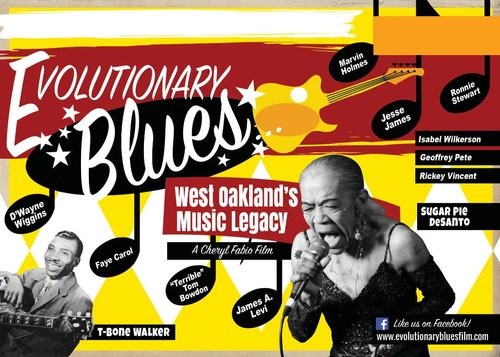
"caption": "The documentary Evolutionary Blues plays in San Mateo County libraries in February. ",
"description": "The documentary Evolutionary Blues plays in San Mateo County libraries in February. ",
"title": "RS29224_EVOLUTIONARY+post+card+no+date++3-qut",
"credit": "Photo: Courtesy of Cheryl Fabio",
"status": "inherit",
"isLoading": false,
"fetchFailed": false
},
"news_11643811": {
"type": "attachments",
"id": "news_11643811",
"meta": {
"index": "attachments_1716263798",
"site": "news",
"id": "11643811",
"found": true
},
"parent": 11643794,
"imgSizes": {
"small": {
"file": "https://ww2.kqed.org/app/uploads/sites/10/2018/01/RS28970_dscf53305_warmer_full-qut-520x347.jpg",
"width": 520,
"mimeType": "image/jpeg",
"height": 347
},
"twentyfourteen-full-width": {
"file": "https://ww2.kqed.org/app/uploads/sites/10/2018/01/RS28970_dscf53305_warmer_full-qut-1038x576.jpg",
"width": 1038,
"mimeType": "image/jpeg",
"height": 576
},
"thumbnail": {
"file": "https://ww2.kqed.org/app/uploads/sites/10/2018/01/RS28970_dscf53305_warmer_full-qut-160x107.jpg",
"width": 160,
"mimeType": "image/jpeg",
"height": 107
},
"fd-sm": {
"file": "https://ww2.kqed.org/app/uploads/sites/10/2018/01/RS28970_dscf53305_warmer_full-qut-960x640.jpg",
"width": 960,
"mimeType": "image/jpeg",
"height": 640
},
"post-thumbnail": {
"file": "https://ww2.kqed.org/app/uploads/sites/10/2018/01/RS28970_dscf53305_warmer_full-qut-672x372.jpg",
"width": 672,
"mimeType": "image/jpeg",
"height": 372
},
"xsmall": {
"file": "https://ww2.kqed.org/app/uploads/sites/10/2018/01/RS28970_dscf53305_warmer_full-qut-375x250.jpg",
"width": 375,
"mimeType": "image/jpeg",
"height": 250
},
"kqedFullSize": {
"file": "https://ww2.kqed.org/app/uploads/sites/10/2018/01/RS28970_dscf53305_warmer_full-qut.jpg",
"width": 1920,
"height": 1280
},
"large": {
"file": "https://ww2.kqed.org/app/uploads/sites/10/2018/01/RS28970_dscf53305_warmer_full-qut-1020x680.jpg",
"width": 1020,
"mimeType": "image/jpeg",
"height": 680
},
"xlarge": {
"file": "https://ww2.kqed.org/app/uploads/sites/10/2018/01/RS28970_dscf53305_warmer_full-qut-1180x787.jpg",
"width": 1180,
"mimeType": "image/jpeg",
"height": 787
},
"guest-author-50": {
"file": "https://ww2.kqed.org/app/uploads/sites/10/2018/01/RS28970_dscf53305_warmer_full-qut-50x50.jpg",
"width": 50,
"mimeType": "image/jpeg",
"height": 50
},
"guest-author-96": {
"file": "https://ww2.kqed.org/app/uploads/sites/10/2018/01/RS28970_dscf53305_warmer_full-qut-96x96.jpg",
"width": 96,
"mimeType": "image/jpeg",
"height": 96
},
"medium": {
"file": "https://ww2.kqed.org/app/uploads/sites/10/2018/01/RS28970_dscf53305_warmer_full-qut-800x533.jpg",
"width": 800,
"mimeType": "image/jpeg",
"height": 533
},
"guest-author-64": {
"file": "https://ww2.kqed.org/app/uploads/sites/10/2018/01/RS28970_dscf53305_warmer_full-qut-64x64.jpg",
"width": 64,
"mimeType": "image/jpeg",
"height": 64
},
"guest-author-32": {
"file": "https://ww2.kqed.org/app/uploads/sites/10/2018/01/RS28970_dscf53305_warmer_full-qut-32x32.jpg",
"width": 32,
"mimeType": "image/jpeg",
"height": 32
},
"fd-lrg": {
"file": "https://ww2.kqed.org/app/uploads/sites/10/2018/01/RS28970_dscf53305_warmer_full-qut-1920x1280.jpg",
"width": 1920,
"mimeType": "image/jpeg",
"height": 1280
},
"fd-med": {
"file": "https://ww2.kqed.org/app/uploads/sites/10/2018/01/RS28970_dscf53305_warmer_full-qut-1180x787.jpg",
"width": 1180,
"mimeType": "image/jpeg",
"height": 787
},
"full-width": {
"file": "https://ww2.kqed.org/app/uploads/sites/10/2018/01/RS28970_dscf53305_warmer_full-qut-1920x1280.jpg",
"width": 1920,
"mimeType": "image/jpeg",
"height": 1280
},
"detail": {
"file": "https://ww2.kqed.org/app/uploads/sites/10/2018/01/RS28970_dscf53305_warmer_full-qut-150x150.jpg",
"width": 150,
"mimeType": "image/jpeg",
"height": 150
},
"guest-author-128": {
"file": "https://ww2.kqed.org/app/uploads/sites/10/2018/01/RS28970_dscf53305_warmer_full-qut-128x128.jpg",
"width": 128,
"mimeType": "image/jpeg",
"height": 128
},
"xxsmall": {
"file": "https://ww2.kqed.org/app/uploads/sites/10/2018/01/RS28970_dscf53305_warmer_full-qut-240x160.jpg",
"width": 240,
"mimeType": "image/jpeg",
"height": 160
}
},
"publishDate": 1516747565,
"modified": 1517618134,
"caption": "Musician Inara George explores death, aging and family in her new and surprisingly upbeat album.",
"description": "Musician Inara George explores death, aging, and family in her new and surprisingly upbeat album.",
"title": "RS28970_dscf53305_warmer_full-qut",
"credit": "Alexa Nikol Curran",
"status": "inherit",
"isLoading": false,
"fetchFailed": false
},
"arts_13823444": {
"type": "attachments",
"id": "arts_13823444",
"meta": {
"index": "attachments_1716263798",
"site": "arts",
"id": "13823444",
"found": true
},
"parent": 13823426,
"imgSizes": {
"small": {
"file": "https://ww2.kqed.org/app/uploads/sites/2/2018/01/trouble1764-520x310.jpg",
"width": 520,
"mimeType": "image/jpeg",
"height": 310
},
"thumbnail": {
"file": "https://ww2.kqed.org/app/uploads/sites/2/2018/01/trouble1764-160x95.jpg",
"width": 160,
"mimeType": "image/jpeg",
"height": 95
},
"post-thumbnail": {
"file": "https://ww2.kqed.org/app/uploads/sites/2/2018/01/trouble1764-640x372.jpg",
"width": 640,
"mimeType": "image/jpeg",
"height": 372
},
"xsmall": {
"file": "https://ww2.kqed.org/app/uploads/sites/2/2018/01/trouble1764-375x223.jpg",
"width": 375,
"mimeType": "image/jpeg",
"height": 223
},
"kqedFullSize": {
"file": "https://ww2.kqed.org/app/uploads/sites/2/2018/01/trouble1764.jpg",
"width": 640,
"height": 381
},
"guest-author-50": {
"file": "https://ww2.kqed.org/app/uploads/sites/2/2018/01/trouble1764-50x50.jpg",
"width": 50,
"mimeType": "image/jpeg",
"height": 50
},
"guest-author-96": {
"file": "https://ww2.kqed.org/app/uploads/sites/2/2018/01/trouble1764-96x96.jpg",
"width": 96,
"mimeType": "image/jpeg",
"height": 96
},
"guest-author-64": {
"file": "https://ww2.kqed.org/app/uploads/sites/2/2018/01/trouble1764-64x64.jpg",
"width": 64,
"mimeType": "image/jpeg",
"height": 64
},
"detail": {
"file": "https://ww2.kqed.org/app/uploads/sites/2/2018/01/trouble1764-150x150.jpg",
"width": 150,
"mimeType": "image/jpeg",
"height": 150
},
"guest-author-32": {
"file": "https://ww2.kqed.org/app/uploads/sites/2/2018/01/trouble1764-32x32.jpg",
"width": 32,
"mimeType": "image/jpeg",
"height": 32
},
"guest-author-128": {
"file": "https://ww2.kqed.org/app/uploads/sites/2/2018/01/trouble1764-128x128.jpg",
"width": 128,
"mimeType": "image/jpeg",
"height": 128
},
"xxsmall": {
"file": "https://ww2.kqed.org/app/uploads/sites/2/2018/01/trouble1764-240x143.jpg",
"width": 240,
"mimeType": "image/jpeg",
"height": 143
}
},
"publishDate": 1517448824,
"modified": 1517448902,
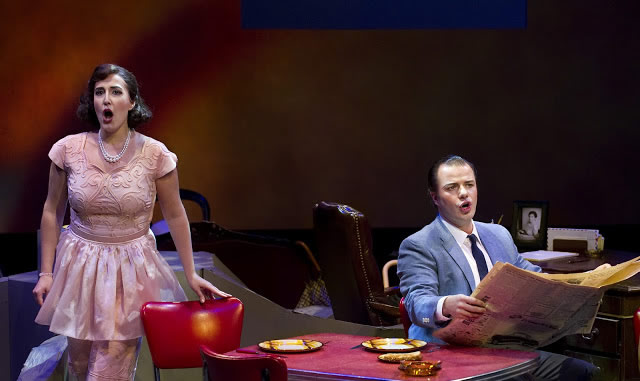
"caption": "Krista Wigle and Andres Ramirez dazzle as a jazzy Greek chorus in Leonard Bernstein’s 'Trouble in Tahiti' at Opera Parallèle.",
"description": "Krista Wigle and Andres Ramirez dazzle as a jazzy Greek chorus in Leonard Bernstein’s “Trouble in Tahiti” at Opera Parallèle.",
"title": "trouble1764",
"credit": "Steve DiBartolomeo",
"status": "inherit",
"isLoading": false,
"fetchFailed": false
},
"arts_13823422": {
"type": "attachments",
"id": "arts_13823422",
"meta": {
"index": "attachments_1716263798",
"site": "arts",
"id": "13823422",
"found": true
},
"parent": 13823414,
"imgSizes": {
"small": {
"file": "https://ww2.kqed.org/app/uploads/sites/2/2018/01/Dan-Auerbach-and-the-Easy-Eye-Sound-Review-play-the-Fillmore-in-San-Francisco-Feb.-14-and-15-e1517443933459-520x293.jpg",
"width": 520,
"mimeType": "image/jpeg",
"height": 293
},
"thumbnail": {
"file": "https://ww2.kqed.org/app/uploads/sites/2/2018/01/Dan-Auerbach-and-the-Easy-Eye-Sound-Review-play-the-Fillmore-in-San-Francisco-Feb.-14-and-15-e1517443933459-160x90.jpg",
"width": 160,
"mimeType": "image/jpeg",
"height": 90
},
"post-thumbnail": {
"file": "https://ww2.kqed.org/app/uploads/sites/2/2018/01/Dan-Auerbach-and-the-Easy-Eye-Sound-Review-play-the-Fillmore-in-San-Francisco-Feb.-14-and-15-e1517443933459-672x372.jpg",
"width": 672,
"mimeType": "image/jpeg",
"height": 372
},
"xsmall": {
"file": "https://ww2.kqed.org/app/uploads/sites/2/2018/01/Dan-Auerbach-and-the-Easy-Eye-Sound-Review-play-the-Fillmore-in-San-Francisco-Feb.-14-and-15-e1517443933459-375x211.jpg",
"width": 375,
"mimeType": "image/jpeg",
"height": 211
},
"kqedFullSize": {
"file": "https://ww2.kqed.org/app/uploads/sites/2/2018/01/Dan-Auerbach-and-the-Easy-Eye-Sound-Review-play-the-Fillmore-in-San-Francisco-Feb.-14-and-15-e1517443933459.jpg",
"width": 784,
"height": 442
},
"guest-author-50": {
"file": "https://ww2.kqed.org/app/uploads/sites/2/2018/01/Dan-Auerbach-and-the-Easy-Eye-Sound-Review-play-the-Fillmore-in-San-Francisco-Feb.-14-and-15-e1517443933459-50x50.jpg",
"width": 50,
"mimeType": "image/jpeg",
"height": 50
},
"guest-author-96": {
"file": "https://ww2.kqed.org/app/uploads/sites/2/2018/01/Dan-Auerbach-and-the-Easy-Eye-Sound-Review-play-the-Fillmore-in-San-Francisco-Feb.-14-and-15-e1517443933459-96x96.jpg",
"width": 96,
"mimeType": "image/jpeg",
"height": 96
},
"medium": {
"file": "https://ww2.kqed.org/app/uploads/sites/2/2018/01/Dan-Auerbach-and-the-Easy-Eye-Sound-Review-play-the-Fillmore-in-San-Francisco-Feb.-14-and-15-800x532.jpg",
"width": 800,
"mimeType": "image/jpeg",
"height": 532
},
"guest-author-64": {
"file": "https://ww2.kqed.org/app/uploads/sites/2/2018/01/Dan-Auerbach-and-the-Easy-Eye-Sound-Review-play-the-Fillmore-in-San-Francisco-Feb.-14-and-15-e1517443933459-64x64.jpg",
"width": 64,
"mimeType": "image/jpeg",
"height": 64
},
"guest-author-32": {
"file": "https://ww2.kqed.org/app/uploads/sites/2/2018/01/Dan-Auerbach-and-the-Easy-Eye-Sound-Review-play-the-Fillmore-in-San-Francisco-Feb.-14-and-15-e1517443933459-32x32.jpg",
"width": 32,
"mimeType": "image/jpeg",
"height": 32
},
"detail": {
"file": "https://ww2.kqed.org/app/uploads/sites/2/2018/01/Dan-Auerbach-and-the-Easy-Eye-Sound-Review-play-the-Fillmore-in-San-Francisco-Feb.-14-and-15-e1517443933459-150x150.jpg",
"width": 150,
"mimeType": "image/jpeg",
"height": 150
},
"medium_large": {
"file": "https://ww2.kqed.org/app/uploads/sites/2/2018/01/Dan-Auerbach-and-the-Easy-Eye-Sound-Review-play-the-Fillmore-in-San-Francisco-Feb.-14-and-15-e1517443933459-768x433.jpg",
"width": 768,
"mimeType": "image/jpeg",
"height": 433
},
"guest-author-128": {
"file": "https://ww2.kqed.org/app/uploads/sites/2/2018/01/Dan-Auerbach-and-the-Easy-Eye-Sound-Review-play-the-Fillmore-in-San-Francisco-Feb.-14-and-15-e1517443933459-128x128.jpg",
"width": 128,
"mimeType": "image/jpeg",
"height": 128
},
"xxsmall": {
"file": "https://ww2.kqed.org/app/uploads/sites/2/2018/01/Dan-Auerbach-and-the-Easy-Eye-Sound-Review-play-the-Fillmore-in-San-Francisco-Feb.-14-and-15-e1517443933459-240x135.jpg",
"width": 240,
"mimeType": "image/jpeg",
"height": 135
}
},
"publishDate": 1517443869,
"modified": 1517443907,
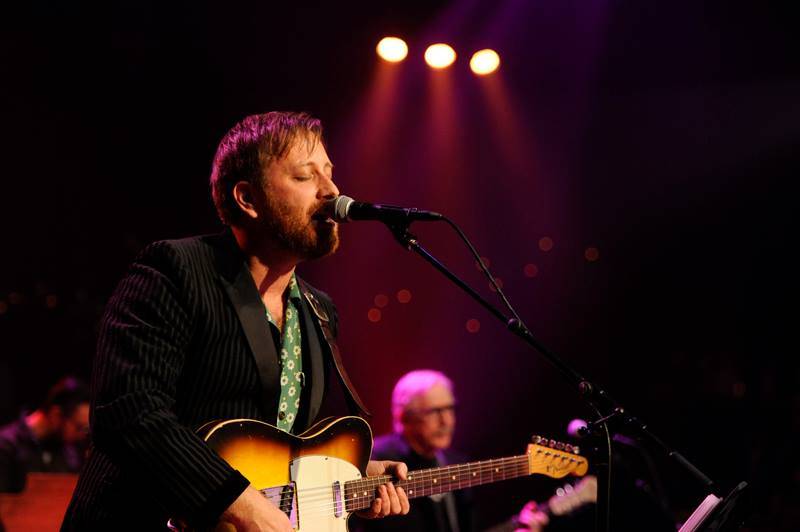
"caption": "Dan Auerbach and the Easy Eye Sound Review play the Fillmore in San Francisco Feb. 14 and 15",
"description": "Dan Auerbach and the Easy Eye Sound Review play the Fillmore in San Francisco Feb. 14 and 15",
"title": "Dan Auerbach and the Easy Eye Sound Review play the Fillmore in San Francisco Feb. 14 and 15",
"credit": "Photo: Courtesy of Dan Auerbach",
"status": "inherit",
"isLoading": false,
"fetchFailed": false
},
"arts_13823392": {
"type": "attachments",
"id": "arts_13823392",
"meta": {
"index": "attachments_1716263798",
"site": "arts",
"id": "13823392",
"found": true
},
"parent": 13823379,
"imgSizes": {
"small": {
"file": "https://ww2.kqed.org/app/uploads/sites/2/2018/01/Philip-Glass-at-the-Piano-e1517441401968-520x292.jpg",
"width": 520,
"mimeType": "image/jpeg",
"height": 292
},
"twentyfourteen-full-width": {
"file": "https://ww2.kqed.org/app/uploads/sites/2/2018/01/Philip-Glass-at-the-Piano-e1517441401968-1038x576.jpg",
"width": 1038,
"mimeType": "image/jpeg",
"height": 576
},
"thumbnail": {
"file": "https://ww2.kqed.org/app/uploads/sites/2/2018/01/Philip-Glass-at-the-Piano-e1517441401968-160x90.jpg",
"width": 160,
"mimeType": "image/jpeg",
"height": 90
},
"fd-sm": {
"file": "https://ww2.kqed.org/app/uploads/sites/2/2018/01/Philip-Glass-at-the-Piano-e1517441401968-960x540.jpg",
"width": 960,
"mimeType": "image/jpeg",
"height": 540
},
"post-thumbnail": {
"file": "https://ww2.kqed.org/app/uploads/sites/2/2018/01/Philip-Glass-at-the-Piano-e1517441401968-672x372.jpg",
"width": 672,
"mimeType": "image/jpeg",
"height": 372
},
"xsmall": {
"file": "https://ww2.kqed.org/app/uploads/sites/2/2018/01/Philip-Glass-at-the-Piano-e1517441401968-375x211.jpg",
"width": 375,
"mimeType": "image/jpeg",
"height": 211
},
"kqedFullSize": {
"file": "https://ww2.kqed.org/app/uploads/sites/2/2018/01/Philip-Glass-at-the-Piano-e1517441401968.jpg",
"width": 1400,
"height": 787
},
"large": {
"file": "https://ww2.kqed.org/app/uploads/sites/2/2018/01/Philip-Glass-at-the-Piano-e1517441401968-1020x573.jpg",
"width": 1020,
"mimeType": "image/jpeg",
"height": 573
},
"xlarge": {
"file": "https://ww2.kqed.org/app/uploads/sites/2/2018/01/Philip-Glass-at-the-Piano-e1517441401968-1180x663.jpg",
"width": 1180,
"mimeType": "image/jpeg",
"height": 663
},
"guest-author-50": {
"file": "https://ww2.kqed.org/app/uploads/sites/2/2018/01/Philip-Glass-at-the-Piano-e1517441401968-50x50.jpg",
"width": 50,
"mimeType": "image/jpeg",
"height": 50
},
"guest-author-96": {
"file": "https://ww2.kqed.org/app/uploads/sites/2/2018/01/Philip-Glass-at-the-Piano-e1517441401968-96x96.jpg",
"width": 96,
"mimeType": "image/jpeg",
"height": 96
},
"medium": {
"file": "https://ww2.kqed.org/app/uploads/sites/2/2018/01/Philip-Glass-at-the-Piano-e1517441401968-800x450.jpg",
"width": 800,
"mimeType": "image/jpeg",
"height": 450
},
"guest-author-64": {
"file": "https://ww2.kqed.org/app/uploads/sites/2/2018/01/Philip-Glass-at-the-Piano-e1517441401968-64x64.jpg",
"width": 64,
"mimeType": "image/jpeg",
"height": 64
},
"guest-author-32": {
"file": "https://ww2.kqed.org/app/uploads/sites/2/2018/01/Philip-Glass-at-the-Piano-e1517441401968-32x32.jpg",
"width": 32,
"mimeType": "image/jpeg",
"height": 32
},
"fd-med": {
"file": "https://ww2.kqed.org/app/uploads/sites/2/2018/01/Philip-Glass-at-the-Piano-e1517441401968-1180x663.jpg",
"width": 1180,
"mimeType": "image/jpeg",
"height": 663
},
"detail": {
"file": "https://ww2.kqed.org/app/uploads/sites/2/2018/01/Philip-Glass-at-the-Piano-e1517441401968-150x150.jpg",
"width": 150,
"mimeType": "image/jpeg",
"height": 150
},
"medium_large": {
"file": "https://ww2.kqed.org/app/uploads/sites/2/2018/01/Philip-Glass-at-the-Piano-e1517441401968-768x432.jpg",
"width": 768,
"mimeType": "image/jpeg",
"height": 432
},
"guest-author-128": {
"file": "https://ww2.kqed.org/app/uploads/sites/2/2018/01/Philip-Glass-at-the-Piano-e1517441401968-128x128.jpg",
"width": 128,
"mimeType": "image/jpeg",
"height": 128
},
"xxsmall": {
"file": "https://ww2.kqed.org/app/uploads/sites/2/2018/01/Philip-Glass-at-the-Piano-e1517441401968-240x135.jpg",
"width": 240,
"mimeType": "image/jpeg",
"height": 135
}
},
"publishDate": 1517441277,
"modified": 1517441506,
"caption": "Philip Glass will be performing his monumental ‘Music with Changing Parts‘ at Davies Hall Feb. 20 ",
"description": "Philip Glass will be performing his monumental ‘Music with Changing Parts‘ at Davies Hall Feb. 20 ",
"title": "Philip Glass will be performing his monumental ‘Music with Changing Parts‘ at Davies Hall Feb. 20",
"credit": "Photo: Courtesy of SF Performances",
"status": "inherit",
"isLoading": false,
"fetchFailed": false
},
"arts_13823354": {
"type": "attachments",
"id": "arts_13823354",
"meta": {
"index": "attachments_1716263798",
"site": "arts",
"id": "13823354",
"found": true
},
"parent": 13823294,
"imgSizes": {
"small": {
"file": "https://ww2.kqed.org/app/uploads/sites/2/2018/01/Daniel-Hughes-leads-The-Choral-Project-in-a-performance-of-Bernsteins-Chichester-Psalms-in-Santa-Clara-and-Santa-Cruz-520x332.jpg",
"width": 520,
"mimeType": "image/jpeg",
"height": 332
},
"twentyfourteen-full-width": {
"file": "https://ww2.kqed.org/app/uploads/sites/2/2018/01/Daniel-Hughes-leads-The-Choral-Project-in-a-performance-of-Bernsteins-Chichester-Psalms-in-Santa-Clara-and-Santa-Cruz-1000x576.jpg",
"width": 1000,
"mimeType": "image/jpeg",
"height": 576
},
"thumbnail": {
"file": "https://ww2.kqed.org/app/uploads/sites/2/2018/01/Daniel-Hughes-leads-The-Choral-Project-in-a-performance-of-Bernsteins-Chichester-Psalms-in-Santa-Clara-and-Santa-Cruz-160x102.jpg",
"width": 160,
"mimeType": "image/jpeg",
"height": 102
},
"fd-sm": {
"file": "https://ww2.kqed.org/app/uploads/sites/2/2018/01/Daniel-Hughes-leads-The-Choral-Project-in-a-performance-of-Bernsteins-Chichester-Psalms-in-Santa-Clara-and-Santa-Cruz-960x612.jpg",
"width": 960,
"mimeType": "image/jpeg",
"height": 612
},
"post-thumbnail": {
"file": "https://ww2.kqed.org/app/uploads/sites/2/2018/01/Daniel-Hughes-leads-The-Choral-Project-in-a-performance-of-Bernsteins-Chichester-Psalms-in-Santa-Clara-and-Santa-Cruz-672x372.jpg",
"width": 672,
"mimeType": "image/jpeg",
"height": 372
},
"xsmall": {
"file": "https://ww2.kqed.org/app/uploads/sites/2/2018/01/Daniel-Hughes-leads-The-Choral-Project-in-a-performance-of-Bernsteins-Chichester-Psalms-in-Santa-Clara-and-Santa-Cruz-375x239.jpg",
"width": 375,
"mimeType": "image/jpeg",
"height": 239
},
"kqedFullSize": {
"file": "https://ww2.kqed.org/app/uploads/sites/2/2018/01/Daniel-Hughes-leads-The-Choral-Project-in-a-performance-of-Bernsteins-Chichester-Psalms-in-Santa-Clara-and-Santa-Cruz.jpg",
"width": 1000,
"height": 638
},
"guest-author-50": {
"file": "https://ww2.kqed.org/app/uploads/sites/2/2018/01/Daniel-Hughes-leads-The-Choral-Project-in-a-performance-of-Bernsteins-Chichester-Psalms-in-Santa-Clara-and-Santa-Cruz-50x50.jpg",
"width": 50,
"mimeType": "image/jpeg",
"height": 50
},
"guest-author-96": {
"file": "https://ww2.kqed.org/app/uploads/sites/2/2018/01/Daniel-Hughes-leads-The-Choral-Project-in-a-performance-of-Bernsteins-Chichester-Psalms-in-Santa-Clara-and-Santa-Cruz-96x96.jpg",
"width": 96,
"mimeType": "image/jpeg",
"height": 96
},
"medium": {
"file": "https://ww2.kqed.org/app/uploads/sites/2/2018/01/Daniel-Hughes-leads-The-Choral-Project-in-a-performance-of-Bernsteins-Chichester-Psalms-in-Santa-Clara-and-Santa-Cruz-800x510.jpg",
"width": 800,
"mimeType": "image/jpeg",
"height": 510
},
"guest-author-64": {
"file": "https://ww2.kqed.org/app/uploads/sites/2/2018/01/Daniel-Hughes-leads-The-Choral-Project-in-a-performance-of-Bernsteins-Chichester-Psalms-in-Santa-Clara-and-Santa-Cruz-64x64.jpg",
"width": 64,
"mimeType": "image/jpeg",
"height": 64
},
"guest-author-32": {
"file": "https://ww2.kqed.org/app/uploads/sites/2/2018/01/Daniel-Hughes-leads-The-Choral-Project-in-a-performance-of-Bernsteins-Chichester-Psalms-in-Santa-Clara-and-Santa-Cruz-32x32.jpg",
"width": 32,
"mimeType": "image/jpeg",
"height": 32
},
"detail": {
"file": "https://ww2.kqed.org/app/uploads/sites/2/2018/01/Daniel-Hughes-leads-The-Choral-Project-in-a-performance-of-Bernsteins-Chichester-Psalms-in-Santa-Clara-and-Santa-Cruz-150x150.jpg",
"width": 150,
"mimeType": "image/jpeg",
"height": 150
},
"medium_large": {
"file": "https://ww2.kqed.org/app/uploads/sites/2/2018/01/Daniel-Hughes-leads-The-Choral-Project-in-a-performance-of-Bernsteins-Chichester-Psalms-in-Santa-Clara-and-Santa-Cruz-768x490.jpg",
"width": 768,
"mimeType": "image/jpeg",
"height": 490
},
"guest-author-128": {
"file": "https://ww2.kqed.org/app/uploads/sites/2/2018/01/Daniel-Hughes-leads-The-Choral-Project-in-a-performance-of-Bernsteins-Chichester-Psalms-in-Santa-Clara-and-Santa-Cruz-128x128.jpg",
"width": 128,
"mimeType": "image/jpeg",
"height": 128
},
"xxsmall": {
"file": "https://ww2.kqed.org/app/uploads/sites/2/2018/01/Daniel-Hughes-leads-The-Choral-Project-in-a-performance-of-Bernsteins-Chichester-Psalms-in-Santa-Clara-and-Santa-Cruz-240x153.jpg",
"width": 240,
"mimeType": "image/jpeg",
"height": 153
}
},
"publishDate": 1517431307,
"modified": 1517431829,
"caption": "Daniel Hughes leads The Choral Project in a performance of Bernstein's 'Chichester Psalms' in Santa Clara and Santa Cruz",
"description": "Daniel Hughes leads The Choral Project in a performance of Bernstein's 'Chichester Psalms' in Santa Clara and Santa Cruz",
"title": "Daniel Hughes leads The Choral Project in a performance of Bernstein's 'Chichester Psalms' in Santa Clara and Santa Cruz",
"credit": "Photo: Courtesy of The Choral Project ",
"status": "inherit",
"isLoading": false,
"fetchFailed": false
}
},
"audioPlayerReducer": {
"postId": "stream_live",
"isPaused": true,
"isPlaying": false,
"pfsActive": false,
"pledgeModalIsOpen": true,
"playerDrawerIsOpen": false,
"liveAudioPlayStartedAt": 0,
"liveAudioPlayContext": ""
},
"authorsReducer": {
"byline_arts_13823842": {
"type": "authors",
"id": "byline_arts_13823842",
"meta": {
"override": true
},
"slug": "byline_arts_13823842",
"name": "Anastasia Tsioulcas",
"isLoading": false
},
"byline_arts_13823810": {
"type": "authors",
"id": "byline_arts_13823810",
"meta": {
"override": true
},
"slug": "byline_arts_13823810",
"name": "Emily Sullivan",
"isLoading": false
},
"byline_arts_13823692": {
"type": "authors",
"id": "byline_arts_13823692",
"meta": {
"override": true
},
"slug": "byline_arts_13823692",
"name": "Sidney Madden",
"isLoading": false
},
"byline_arts_13823662": {
"type": "authors",
"id": "byline_arts_13823662",
"meta": {
"override": true
},
"slug": "byline_arts_13823662",
"name": "Dustin DeSoto",
"isLoading": false
},
"cmusiker": {
"type": "authors",
"id": "32",
"meta": {
"index": "authors_1716337520",
"id": "32",
"found": true
},
"name": "Cy Musiker",
"firstName": "Cy",
"lastName": "Musiker",
"slug": "cmusiker",
"email": "cmusiker@kqed.org",
"display_author_email": false,
"staff_mastheads": [],
"title": "KQED Contributor",
"bio": "Cy Musiker is a former co-host of The Do List and a former reporter covering the arts for KQED News and The California Report. He loves live performance, especially great theater, jazz, roots music, anything by Mahler. Cy has an MJ from UC Berkeley's School of Journalism, and got his BA from Hampshire College. His work has been recognized by the Society for Professional Journalists with their Sigma Delta Chi Award for Public Service in Journalism. When he can, Cy likes to swim in Tomales Bay, run with his dog in the East Bay Hills, and hike the Sierra.",
"avatar": "https://secure.gravatar.com/avatar/05eaba5c5696ce8f062e4ea2df428a43?s=600&d=blank&r=g",
"twitter": null,
"facebook": null,
"instagram": null,
"linkedin": null,
"sites": [
{
"site": "arts",
"roles": [
"Contributor",
"subscriber"
]
},
{
"site": "news",
"roles": [
"author"
]
},
{
"site": "bayareabites",
"roles": [
"contributor"
]
}
],
"headData": {
"title": "Cy Musiker | KQED",
"description": "KQED Contributor",
"ogImgSrc": "https://secure.gravatar.com/avatar/05eaba5c5696ce8f062e4ea2df428a43?s=600&d=blank&r=g",
"twImgSrc": "https://secure.gravatar.com/avatar/05eaba5c5696ce8f062e4ea2df428a43?s=600&d=blank&r=g"
},
"isLoading": false,
"link": "/author/cmusiker"
},
"rachael-myrow": {
"type": "authors",
"id": "251",
"meta": {
"index": "authors_1716337520",
"id": "251",
"found": true
},
"name": "Rachael Myrow",
"firstName": "Rachael",
"lastName": "Myrow",
"slug": "rachael-myrow",
"email": "rmyrow@kqed.org",
"display_author_email": true,
"staff_mastheads": [
"news"
],
"title": "Senior Editor of KQED's Silicon Valley News Desk",
"bio": "• I write and edit stories about how Silicon Valley power and policies shape everyday life in California. I’m also passionate about making Bay Area history and culture more accessible to a broad public. • I’ve been a journalist for most of my life, starting in high school with The Franklin Press in Los Angeles, where I grew up. While earning my first degree in English at UC Berkeley, I got my start in public radio at KALX-FM. After completing a second degree in journalism at Cal, I landed my first professional job at Marketplace, then moved on to KPCC (now LAist), and then KQED, where I hosted The California Report for more than seven years. • My reporting has appeared on NPR, The World, WBUR’s \u003ci>Here & Now\u003c/i>, and the BBC. I also guest host for KQED’s \u003ci>Forum\u003c/i>, as well as the Commonwealth Club in San Francisco. • I speak periodically on media, democracy and technology issues, and do voiceover work for documentaries and educational video projects. • Outside of the studio, you'll find me hiking Bay Area trails and whipping up Insta-ready meals in my kitchen. • I do not accept gifts, money, or favors from anyone connected to my reporting, I don't pay people for information, and I do not support or donate to political causes. • I strive to treat the people I report on with fairness, honesty, and respect. I also recognize there are often multiple sides to a story and work to verify information through multiple sources and documentation. If I get something wrong, I correct it.",
"avatar": "https://secure.gravatar.com/avatar/3ed8a3c5f26025e4a805ba634cda8cd764906b97438a6d9ce216b044e340da4e?s=600&d=blank&r=g",
"twitter": "rachaelmyrow",
"bluesky": null,
"facebook": null,
"instagram": null,
"linkedin": "https://www.linkedin.com/in/rachaelmyrow/",
"sites": [
{
"site": "arts",
"roles": [
"administrator"
]
},
{
"site": "news",
"roles": [
"edit_others_posts",
"editor"
]
},
{
"site": "futureofyou",
"roles": [
"editor"
]
},
{
"site": "bayareabites",
"roles": [
"editor"
]
},
{
"site": "stateofhealth",
"roles": [
"editor"
]
},
{
"site": "science",
"roles": [
"editor"
]
},
{
"site": "food",
"roles": [
"editor"
]
},
{
"site": "forum",
"roles": [
"editor"
]
},
{
"site": "liveblog",
"roles": [
"author"
]
}
],
"headData": {
"title": "Rachael Myrow | KQED",
"description": "Senior Editor of KQED's Silicon Valley News Desk",
"ogImgSrc": "https://secure.gravatar.com/avatar/3ed8a3c5f26025e4a805ba634cda8cd764906b97438a6d9ce216b044e340da4e?s=600&d=blank&r=g",
"twImgSrc": "https://secure.gravatar.com/avatar/3ed8a3c5f26025e4a805ba634cda8cd764906b97438a6d9ce216b044e340da4e?s=600&d=blank&r=g"
},
"isLoading": false,
"link": "/author/rachael-myrow"
},
"btaylor": {
"type": "authors",
"id": "11365",
"meta": {
"index": "authors_1716337520",
"id": "11365",
"found": true
},
"name": "Bianca Taylor",
"firstName": "Bianca",
"lastName": "Taylor",
"slug": "btaylor",
"email": "btaylor@KQED.org",
"display_author_email": false,
"staff_mastheads": [
"news"
],
"title": "Host and Producer ",
"bio": "Bianca Taylor is a news producer and host of KQED's The Latest podcast.\r\n\r\nHer work with KQED has been honored by the Society of Professional Journalists NorCal, the Webby's, the Regional Murrow Awards, and ONA. She has also worked with NPR, the BBC World Service, and the Washington Post Creative Group.\r\n\r\nBianca is represented by SAG-AFTRA.",
"avatar": "https://secure.gravatar.com/avatar/6b9d3f6552dd10470c5d1c2e58cfe717?s=600&d=blank&r=g",
"twitter": "SoundsLkeBianca",
"facebook": null,
"instagram": null,
"linkedin": null,
"sites": [
{
"site": "arts",
"roles": [
"editor"
]
},
{
"site": "news",
"roles": [
"edit_others_posts",
"editor"
]
},
{
"site": "pop",
"roles": [
"editor"
]
},
{
"site": "bayareabites",
"roles": [
"author"
]
},
{
"site": "science",
"roles": [
"editor"
]
},
{
"site": "forum",
"roles": [
"editor"
]
},
{
"site": "radio",
"roles": [
"editor"
]
},
{
"site": "podcasts",
"roles": [
"editor"
]
}
],
"headData": {
"title": "Bianca Taylor | KQED",
"description": "Host and Producer ",
"ogImgSrc": "https://secure.gravatar.com/avatar/6b9d3f6552dd10470c5d1c2e58cfe717?s=600&d=blank&r=g",
"twImgSrc": "https://secure.gravatar.com/avatar/6b9d3f6552dd10470c5d1c2e58cfe717?s=600&d=blank&r=g"
},
"isLoading": false,
"link": "/author/btaylor"
},
"nvoynovskaya": {
"type": "authors",
"id": "11387",
"meta": {
"index": "authors_1716337520",
"id": "11387",
"found": true
},
"name": "Nastia Voynovskaya",
"firstName": "Nastia",
"lastName": "Voynovskaya",
"slug": "nvoynovskaya",
"email": "nvoynovskaya@kqed.org",
"display_author_email": false,
"staff_mastheads": [
"arts"
],
"title": "Editor and reporter",
"bio": "Nastia Voynovskaya is a reporter, editor and host at KQED Arts & Culture. She's been covering the arts in the Bay Area for over a decade, with a focus on music, queer culture, labor issues and grassroots organizing. She has edited KQED story series such as Trans Bay: A History of San Francisco's Gender-Diverse Community, and co-created KQED's Bay Area hip-hop history project, That's My Word. Nastia's work has been recognized by the Society of Professional Journalists and San Francisco Press Club. She regularly appears on podcasts and radio programs, including NPR's All Songs Considered, and hosts live events where music, culture and conversation meet.",
"avatar": "https://secure.gravatar.com/avatar/5025ee460e5a85d69ca20ea6c6f2f80d7e17795c828f61ea3aecfcd924e9042e?s=600&d=blank&r=g",
"twitter": null,
"bluesky": null,
"facebook": null,
"instagram": "https://www.instagram.com/nananastia/",
"linkedin": null,
"sites": [
{
"site": "",
"roles": [
"editor"
]
},
{
"site": "arts",
"roles": [
"administrator"
]
},
{
"site": "news",
"roles": [
"editor"
]
},
{
"site": "pop",
"roles": [
"administrator"
]
},
{
"site": "bayareabites",
"roles": [
"editor"
]
},
{
"site": "podcasts",
"roles": [
"editor"
]
},
{
"site": "hiphop",
"roles": [
"editor"
]
}
],
"headData": {
"title": "Nastia Voynovskaya | KQED",
"description": "Editor and reporter",
"ogImgSrc": "https://secure.gravatar.com/avatar/5025ee460e5a85d69ca20ea6c6f2f80d7e17795c828f61ea3aecfcd924e9042e?s=600&d=blank&r=g",
"twImgSrc": "https://secure.gravatar.com/avatar/5025ee460e5a85d69ca20ea6c6f2f80d7e17795c828f61ea3aecfcd924e9042e?s=600&d=blank&r=g"
},
"isLoading": false,
"link": "/author/nvoynovskaya"
}
},
"pagesReducer": {
"arts_category_music": {
"type": "terms",
"id": "arts_69",
"meta": {
"index": "terms_1716263798",
"site": "arts",
"id": "69",
"score": 10.851903
},
"featImg": null,
"name": "Music",
"description": null,
"taxonomy": "category",
"headData": {
"twImgId": null,
"twTitle": null,
"ogTitle": null,
"ogImgId": null,
"twDescription": null,
"description": null,
"title": "Music Archives | KQED Arts",
"ogDescription": null
},
"ttid": 70,
"slug": "music",
"isLoading": false,
"title": "Music",
"pageMeta": {
"site": "arts",
"WpPageTemplate": "page-topic-editorial",
"currentPage": 198
},
"blocks": [
{
"blockName": "kqed/post-list",
"attrs": {
"layout": "cardArticle2",
"query": "posts/arts?category=music",
"seeMore": false,
"paginated": true,
"page": 198
}
},
{
"blockName": "kqed/ad"
}
]
}
},
"pfsSessionReducer": {},
"postsReducer": {
"stream_live": {
"type": "live",
"id": "stream_live",
"audioUrl": "https://streams.kqed.org/kqedradio",
"title": "Live Stream",
"excerpt": "Live Stream information currently unavailable.",
"link": "/radio",
"featImg": "",
"label": {
"name": "KQED Live",
"link": "/"
}
},
"stream_kqedNewscast": {
"type": "posts",
"id": "stream_kqedNewscast",
"audioUrl": "https://www.kqed.org/.stream/anon/radio/RDnews/newscast.mp3?_=1",
"title": "KQED Newscast",
"featImg": "",
"label": {
"name": "88.5 FM",
"link": "/"
}
},
"arts_13823864": {
"type": "posts",
"id": "arts_13823864",
"meta": {
"index": "posts_1716263798",
"site": "arts",
"id": "13823864",
"score": null,
"sort": [
1518047182000
]
},
"parent": 0,
"labelTerm": {
"site": "arts",
"term": 140
},
"blocks": [],
"publishDate": 1518047182,
"format": "standard",
"title": "Stars Come Out to Play at San Jose Jazz Winter Fest",
"headTitle": "Stars Come Out to Play at San Jose Jazz Winter Fest | KQED",
"content": "\u003cp>The San Jose Jazz Winter Fest brings established and rising stars to the South Bay every year. The big names include pianist Cyrus Chestnut and his trio with its bluesy brilliance; Tony and Grammy winner Dee Dee Bridgewater, fresh off an album devoted to the songs of her home town of Memphis; and Berkeley-born Benny Green returns to the Bay Area with his piano trio to back young singer Veronica Swift, whose \u003ca href=\"https://www.youtube.com/watch?v=VAvKn5zvk1o\" rel=\"noopener\" target=\"_blank\">scat-saturated bebop style\u003c/a> channels Sarah Vaughn.\u003c/p>\n\u003cfigure id=\"attachment_13823816\" class=\"wp-caption aligncenter\" style=\"max-width: 800px\">\u003cimg loading=\"lazy\" decoding=\"async\" class=\"size-medium wp-image-13823816\" src=\"https://ww2.kqed.org/arts/wp-content/uploads/sites/2/2018/02/La_Misa_Negra_PREFERRED_sop01_rgb_md-800x401.jpg\" alt=\"The cumbia meets punk band La Misa Negra, one of the bands performing at the San Jose Jazz Winter Fest this month\" width=\"800\" height=\"401\" srcset=\"https://cdn.kqed.org/wp-content/uploads/sites/2/2018/02/La_Misa_Negra_PREFERRED_sop01_rgb_md-800x401.jpg 800w, https://cdn.kqed.org/wp-content/uploads/sites/2/2018/02/La_Misa_Negra_PREFERRED_sop01_rgb_md-160x80.jpg 160w, https://cdn.kqed.org/wp-content/uploads/sites/2/2018/02/La_Misa_Negra_PREFERRED_sop01_rgb_md-768x385.jpg 768w, https://cdn.kqed.org/wp-content/uploads/sites/2/2018/02/La_Misa_Negra_PREFERRED_sop01_rgb_md-1020x512.jpg 1020w, https://cdn.kqed.org/wp-content/uploads/sites/2/2018/02/La_Misa_Negra_PREFERRED_sop01_rgb_md-1920x963.jpg 1920w, https://cdn.kqed.org/wp-content/uploads/sites/2/2018/02/La_Misa_Negra_PREFERRED_sop01_rgb_md-1180x592.jpg 1180w, https://cdn.kqed.org/wp-content/uploads/sites/2/2018/02/La_Misa_Negra_PREFERRED_sop01_rgb_md-960x481.jpg 960w, https://cdn.kqed.org/wp-content/uploads/sites/2/2018/02/La_Misa_Negra_PREFERRED_sop01_rgb_md-240x120.jpg 240w, https://cdn.kqed.org/wp-content/uploads/sites/2/2018/02/La_Misa_Negra_PREFERRED_sop01_rgb_md-375x188.jpg 375w, https://cdn.kqed.org/wp-content/uploads/sites/2/2018/02/La_Misa_Negra_PREFERRED_sop01_rgb_md-520x261.jpg 520w, https://cdn.kqed.org/wp-content/uploads/sites/2/2018/02/La_Misa_Negra_PREFERRED_sop01_rgb_md.jpg 2048w\" sizes=\"(max-width: 800px) 100vw, 800px\">\u003cfigcaption class=\"wp-caption-text\">The cumbia meets punk band La Misa Negra, one of the bands performing at the San Jose Jazz Winter Fest this month \u003ccite>(Photo: Courtesy of SJ Jazz Winter Fest)\u003c/cite>\u003c/figcaption>\u003c/figure>\n\u003cp>Those should be terrific shows, but I’m most excited for the cumbia-meets-punk-sound of Oakland’s \u003ca href=\"http://lamisanegra.squarespace.com/\" target=\"_blank\" rel=\"noopener\">La Misa Negra\u003c/a>. Guitarist, accordionist, and songwriter Marco Polo Santiago leads this eight-member band that includes an upright bass, heavy percussion and horns. “You know I’m a rock guy,” Santiago says, “a punk guy, a metal guy. And I wanted to have that dynamic, latin orchestra thing on stage, and then a mosh pit kind of dynamic in the audience.” La Misa Negra’s show will feature a dance floor, so be ready to sweat.\u003c/p>\n\u003cp>https://www.youtube.com/watch?time_continue=169&v=JG-5fu3jrok\u003c/p>\n\u003cp>Details for the San Jose Jazz Winterfest (also in Palo Alto) February 15-28 are\u003ca href=\"https://sanjosejazz.org/winter-fest/\" target=\"_blank\" rel=\"noopener\"> here.\u003c/a>\u003c/p>\n\u003cp>[ad fullwidth]\u003c/p>\u003cp>\u003c/p>\n",
"stats": {
"hasVideo": true,
"hasChartOrMap": false,
"hasAudio": false,
"hasPolis": false,
"wordCount": 244,
"hasGoogleForm": false,
"hasGallery": false,
"hasHearkenModule": false,
"iframeSrcs": [],
"paragraphCount": 5
},
"modified": 1705028571,
"excerpt": "The San Jose Jazz Winter Fest features established and rising stars including Oakland's La Misa Negra",
"headData": {
"twImgId": "",
"twTitle": "",
"ogTitle": "",
"ogImgId": "",
"twDescription": "",
"description": "The San Jose Jazz Winter Fest features established and rising stars including Oakland's La Misa Negra",
"title": "Stars Come Out to Play at San Jose Jazz Winter Fest | KQED",
"ogDescription": "",
"schema": {
"@context": "https://schema.org",
"@type": "Article",
"headline": "Stars Come Out to Play at San Jose Jazz Winter Fest",
"datePublished": "2018-02-07T15:46:22-08:00",
"dateModified": "2024-01-11T19:02:51-08:00",
"image": "https://cdn.kqed.org/wp-content/uploads/2020/02/KQED-OG-Image@1x.png"
}
},
"guestAuthors": [],
"slug": "stars-come-out-to-play-at-san-jose-jazz-winter-fest",
"status": "publish",
"sticky": false,
"path": "/arts/13823864/stars-come-out-to-play-at-san-jose-jazz-winter-fest",
"audioTrackLength": null,
"parsedContent": [
{
"type": "contentString",
"content": "\u003cdiv class=\"post-body\">\u003cp>\u003cp>The San Jose Jazz Winter Fest brings established and rising stars to the South Bay every year. The big names include pianist Cyrus Chestnut and his trio with its bluesy brilliance; Tony and Grammy winner Dee Dee Bridgewater, fresh off an album devoted to the songs of her home town of Memphis; and Berkeley-born Benny Green returns to the Bay Area with his piano trio to back young singer Veronica Swift, whose \u003ca href=\"https://www.youtube.com/watch?v=VAvKn5zvk1o\" rel=\"noopener\" target=\"_blank\">scat-saturated bebop style\u003c/a> channels Sarah Vaughn.\u003c/p>\n\u003cfigure id=\"attachment_13823816\" class=\"wp-caption aligncenter\" style=\"max-width: 800px\">\u003cimg loading=\"lazy\" decoding=\"async\" class=\"size-medium wp-image-13823816\" src=\"https://ww2.kqed.org/arts/wp-content/uploads/sites/2/2018/02/La_Misa_Negra_PREFERRED_sop01_rgb_md-800x401.jpg\" alt=\"The cumbia meets punk band La Misa Negra, one of the bands performing at the San Jose Jazz Winter Fest this month\" width=\"800\" height=\"401\" srcset=\"https://cdn.kqed.org/wp-content/uploads/sites/2/2018/02/La_Misa_Negra_PREFERRED_sop01_rgb_md-800x401.jpg 800w, https://cdn.kqed.org/wp-content/uploads/sites/2/2018/02/La_Misa_Negra_PREFERRED_sop01_rgb_md-160x80.jpg 160w, https://cdn.kqed.org/wp-content/uploads/sites/2/2018/02/La_Misa_Negra_PREFERRED_sop01_rgb_md-768x385.jpg 768w, https://cdn.kqed.org/wp-content/uploads/sites/2/2018/02/La_Misa_Negra_PREFERRED_sop01_rgb_md-1020x512.jpg 1020w, https://cdn.kqed.org/wp-content/uploads/sites/2/2018/02/La_Misa_Negra_PREFERRED_sop01_rgb_md-1920x963.jpg 1920w, https://cdn.kqed.org/wp-content/uploads/sites/2/2018/02/La_Misa_Negra_PREFERRED_sop01_rgb_md-1180x592.jpg 1180w, https://cdn.kqed.org/wp-content/uploads/sites/2/2018/02/La_Misa_Negra_PREFERRED_sop01_rgb_md-960x481.jpg 960w, https://cdn.kqed.org/wp-content/uploads/sites/2/2018/02/La_Misa_Negra_PREFERRED_sop01_rgb_md-240x120.jpg 240w, https://cdn.kqed.org/wp-content/uploads/sites/2/2018/02/La_Misa_Negra_PREFERRED_sop01_rgb_md-375x188.jpg 375w, https://cdn.kqed.org/wp-content/uploads/sites/2/2018/02/La_Misa_Negra_PREFERRED_sop01_rgb_md-520x261.jpg 520w, https://cdn.kqed.org/wp-content/uploads/sites/2/2018/02/La_Misa_Negra_PREFERRED_sop01_rgb_md.jpg 2048w\" sizes=\"(max-width: 800px) 100vw, 800px\">\u003cfigcaption class=\"wp-caption-text\">The cumbia meets punk band La Misa Negra, one of the bands performing at the San Jose Jazz Winter Fest this month \u003ccite>(Photo: Courtesy of SJ Jazz Winter Fest)\u003c/cite>\u003c/figcaption>\u003c/figure>\n\u003cp>Those should be terrific shows, but I’m most excited for the cumbia-meets-punk-sound of Oakland’s \u003ca href=\"http://lamisanegra.squarespace.com/\" target=\"_blank\" rel=\"noopener\">La Misa Negra\u003c/a>. Guitarist, accordionist, and songwriter Marco Polo Santiago leads this eight-member band that includes an upright bass, heavy percussion and horns. “You know I’m a rock guy,” Santiago says, “a punk guy, a metal guy. And I wanted to have that dynamic, latin orchestra thing on stage, and then a mosh pit kind of dynamic in the audience.” La Misa Negra’s show will feature a dance floor, so be ready to sweat.\u003c/p>\u003c/p>\u003cp>\u003cspan class='utils-parseShortcode-shortcodes-__youtubeShortcode__embedYoutube'>\n \u003cspan class='utils-parseShortcode-shortcodes-__youtubeShortcode__embedYoutubeInside'>\n \u003ciframe\n loading='lazy'\n class='utils-parseShortcode-shortcodes-__youtubeShortcode__youtubePlayer'\n type='text/html'\n src='//www.youtube.com/embed/JG-5fu3jrok'\n title='//www.youtube.com/embed/JG-5fu3jrok'\n allowfullscreen='true'\n style='border:0;'>\u003c/iframe>\n \u003c/span>\n \u003c/span>\u003c/p>\u003cp>\u003cp>Details for the San Jose Jazz Winterfest (also in Palo Alto) February 15-28 are\u003ca href=\"https://sanjosejazz.org/winter-fest/\" target=\"_blank\" rel=\"noopener\"> here.\u003c/a>\u003c/p>\n\u003cp>\u003c/p>\u003c/div>",
"attributes": {
"named": {},
"numeric": []
}
},
{
"type": "component",
"content": "",
"name": "ad",
"attributes": {
"named": {
"label": "fullwidth"
},
"numeric": [
"fullwidth"
]
}
},
{
"type": "contentString",
"content": "\u003cdiv class=\"post-body\">\u003cp>\u003c/p>\u003cp>\u003c/p>\n\u003c/div>\u003c/p>",
"attributes": {
"named": {},
"numeric": []
}
}
],
"link": "/arts/13823864/stars-come-out-to-play-at-san-jose-jazz-winter-fest",
"authors": [
"32"
],
"programs": [
"arts_140"
],
"categories": [
"arts_69"
],
"tags": [
"arts_1006",
"arts_1420",
"arts_2519",
"arts_596"
],
"featImg": "arts_13823870",
"label": "arts_140"
},
"arts_13823842": {
"type": "posts",
"id": "arts_13823842",
"meta": {
"index": "posts_1716263798",
"site": "arts",
"id": "13823842",
"score": null,
"sort": [
1518019234000
]
},
"parent": 0,
"labelTerm": {
"site": "arts",
"term": 137
},
"blocks": [],
"publishDate": 1518019234,
"format": "standard",
"title": "Women in the Music Industry Call for 'Evolution' at the Grammys",
"headTitle": "Women in the Music Industry Call for ‘Evolution’ at the Grammys | KQED",
"content": "\u003cp>Top solo artists and groups of high-powered female executives in the music industry are demanding change within the Recording Academy. Much of that momentum has built up over the past week, since the telecast of this year’s Grammy Awards ceremony, which were held Jan. 28 at Madison Square Garden.\u003c/p>\n\u003cp>The outcry is a direct response to the the format and content of this year’s telecast, and to statements made by the highest-ranked official at the Recording Academy — the professional organization whose members vote for the Grammys — and the producer of the telecast.\u003c/p>\n\u003cp>Among those who have spoken out are musicians including Pink, Fiona Apple, India.Arie, Sheryl Crow, Vanessa Carlton, Charli XCX and Kelly Clarkson, as well as two groups of highly influential, female industry executives. Many of those women are calling for fundamental changes to the way that the Recording Academy (also known as NARAS, or the National Academy of Recording Arts and Sciences) is run, and for a change in the organization’s leadership. NARAS has responded with plans to address issues of gender bias. However, NPR has learned that the group does not know current demographic details about its membership.\u003c/p>\n\u003cp>In the run-up to this year’s Grammy ceremony, there was a great deal of public speculation about whether or not the Academy would address #MeToo and #TimesUp with the same coordination and effect that\u003cstrong> \u003c/strong>Hollywood did at this year’s \u003ca href=\"https://www.npr.org/sections/monkeysee/2018/01/07/576036145/at-the-golden-globes-not-just-another-red-carpet\" target=\"_blank\" rel=\"noopener\">Golden Globes\u003c/a> — in what Meryl Streep memorably called a “thick black line.”\u003c/p>\n\u003cp>The Recording Academy may have expected that the evening would be a victory lap, a 60th anniversary celebration of the industry’s own successes. With a provocative opening performance by Kendrick Lamar and a segment dedicated to #MeToo and #TimesUp, it’s entirely possible that the ceremony’s organizers felt that they were ticking all the right boxes for 2018.\u003c/p>\n\u003cp>[ad fullwidth]\u003c/p>\n\u003cp>Instead, much of “music’s biggest night,” as the Recording Academy likes to refer to its annual ceremony, was dedicated to safe, familiar presences — including performances by U2, Sting and Shaggy — but there were \u003ca href=\"https://www.npr.org/sections/thetwo-way/2018/01/28/581467347/live-blog-2018-grammy-awards\" target=\"_blank\" rel=\"noopener\">moments\u003c/a> when the conversations of today peeked out into view. (Dave Chapelle, mid-Kendrick Lamar set: “The only thing more frightening than watching a black man be honest in America is being an honest black man in America.”)\u003c/p>\n\u003cp>Over the course of the three-and-a-half hour telecast, only one solo female musician accepted an award on screen: Alessia Cara, who was awarded Best New Artist.\u003c/p>\n\u003cp>Conversations about gender equality and alleged sexual misconduct were, aside from the white roses pinned to the lapels and dresses of many attendees, mostly shoehorned into a single segment of the televised ceremony. It began with a fiery introduction from singer and actress Janelle Monae, who declared: “We come in peace, but we mean business. And to those of you who would dare try and silence us, we offer you two words: Time’s up.”\u003c/p>\n\u003cp>What followed was an anthemic performance of “Praying” led by Kesha, who was joined by Cyndi Lauper, Camila Cabello, Bebe Rexha, Julia Michels, Andra Day and the Resistance Revival Chorus. And then, it was back to Bono.\u003c/p>\n\u003cp>A number of high-profile allegations of sexual assault or misconduct have emerged from the recording industry, and many female musicians have added their stories to the #MeToo movement. But those accusations haven’t reverberated as widely, or had such earth-shaking repercussions as similar allegations have had in Hollywood, for example.\u003c/p>\n\u003cp>https://www.youtube.com/watch?v=buM8OErfvu0\u003c/p>\n\u003cp>NARAS has no jurisdiction over the wider music industry, but it is perhaps the closest approximation of a confederation of recording industry professionals; it’s both a banner-carrier and a microcosm of the larger business. And in the week that has followed the Grammy Awards, fans, artists and other women in the music industry have made public their frustration with The Recording Academy.\u003c/p>\n\u003cp>The blowback began to build after audiences noted that the singer Lorde — the sole woman nominated for the Album of the Year prize — did not perform on the telecast. Immediately following the awards ceremony, the trade publication \u003cem>Variety\u003c/em> asked both the Recording Academy’s president and CEO, Neil Portnow, and the telecast’s producer, Ken Ehrlich, about Lorde’s absence.\u003c/p>\n\u003cp>Ehrlich argued to \u003cem>Variety\u003c/em> that there \u003ca href=\"http://variety.com/2018/music/news/grammys-so-male-women-recording-academy-president-neil-portnow-1202679902/\" target=\"_blank\" rel=\"noopener\">just wasn’t time\u003c/a> to include Lorde as a solo performer. “These shows are a matter of choices,” Ehrlich said. “We have a box and it gets full,” he said, adding, “There’s no way we can really deal with everybody.”\u003c/p>\n\u003cp>Portnow has headed the Recording Academy since 2002; he replaced Michael Greene, who was \u003ca href=\"http://www.nytimes.com/2002/04/29/arts/grammys-chief-quits-under-fire.html\" target=\"_blank\" rel=\"noopener\">forced to resign\u003c/a> from NARAS after allegations that he sexually harassed and abused another Academy executive surfaced. (According to \u003cem>The \u003c/em>\u003cem>New York Times\u003c/em>, NARAS trustees reportedly paid the woman who accused him a $650,000 settlement, and then hired a private investigator to examine Greene’s behavior with female colleagues.) Around the same time, the \u003cem>Los Angeles Times\u003c/em> also ran an \u003ca href=\"http://articles.latimes.com/1998/feb/22/news/mn-21916\" target=\"_blank\" rel=\"noopener\">investigative series\u003c/a> examining the Recording Academy’s finances, and asserted that NARAS’ charitable arm, MusiCares, spent less than 10 percent of its fund-raised income on assisting artists.\u003c/p>\n\u003cp>Portnow — who sported a #TimesUp white rose in his lapel during this year’s telecast — made comments to \u003cem>Variety\u003c/em> that proved perhaps even more infuriating to many women. “It has to begin with … women who have the creativity in their hearts and souls, who want to be musicians, who want to be engineers, producers, and want to be part of the industry on the executive level,” he said. And in a phrase that became infamous immediately, Portnow added that women need “to step up because I think they would be welcome.”\u003c/p>\n\u003cp>Some prominent female musicians, like nine-time Grammy winner \u003ca href=\"https://twitter.com/SherylCrow/status/958066282959601664\" target=\"_blank\" rel=\"noopener\">Sheryl Crow\u003c/a>, three-time winner \u003ca href=\"https://twitter.com/kelly_clarkson/status/958589816714809349\" target=\"_blank\" rel=\"noopener\">Kelly Clarkson\u003c/a> and \u003ca href=\"https://twitter.com/charli_xcx/status/958100513471447040\" target=\"_blank\" rel=\"noopener\">Charli XCX\u003c/a>, have used social media to communicate their feelings. On Jan. 30, Pink, another three-time Grammy winner who performed her ballad “Wild Hearts Can’t Be Broken” on this year’s telecast, posted a note on Twitter that spoke directly to Portnow’s “step up” comment, without addressing Portnow himself.\u003c/p>\n\u003cp>https://twitter.com/Pink/status/958121509540761600\u003c/p>\n\u003cp>“Women in music don’t need to ‘step up,'” she wrote. “Women have been stepping since the beginning of time. Stepping up, and also stepping aside.”\u003c/p>\n\u003cp>On Wednesday, Portnow tried to \u003ca href=\"http://variety.com/2018/music/news/grammy-chief-neil-portnow-walks-back-step-up-comment-i-wasnt-as-articulate-as-i-should-have-been-1202681462/\" target=\"_blank\" rel=\"noopener\">walk back\u003c/a> his comment in another statement to \u003cem>Variety\u003c/em>. He claimed that the “step up” remark was taken out of context, and did not quote “convey my beliefs and the point I was trying to make.”\u003c/p>\n\u003cp>Portnow declined requests for comment by NPR, but in a statement sent to NPR and other media outlets last Thursday, he announced that the Recording Academy is setting up an independent task force to “review every aspect of what we do as an organization, and identify where we can do more to overcome the explicit barriers and unconscious biases that impede female advancement in the music community.”\u003c/p>\n\u003cp>I was a voting member of the Recording Academy for several years; I qualified primarily as the author of liner notes on various recording projects, though I also have reissue producer credits. I also served as a judge for the Best Album Notes award, which is one of a handful of Grammy prize categories that isn’t open to voting by the general membership, but is decided instead by a small voting committee whose ranks spread across several local NARAS chapters. \u003cstrong> \u003c/strong>And my own experience was that in my years on that committee, I was always the only woman in the room. (I haven’t been a member of the Recording Academy or a Grammy voter since 2011, when I joined NPR.)\u003c/p>\n\u003cp>My experience may not be terribly unique: A common stereotype is that the majority of Academy voters — some \u003ca href=\"https://www.billboard.com/articles/news/6288927/how-do-you-get-a-grammy\" target=\"_blank\" rel=\"noopener\">12,000 people\u003c/a> in all — are older, white men. In terms of actual statistics, it’s not at all clear \u003cem>who\u003c/em> the Grammy voters are, or how their demographic information may (or may not) incline them to vote. As a former voter, I don’t recall ever having been asked about my gender, age or race. So in the course of pursuing commentary from Portnow, I asked the Recording Academy if the organization had any demographic statistics about its membership.\u003c/p>\n\u003cp>Through a spokesperson, the Recording Academy confirmed that NARAS has never asked its members to provide that kind of data. And so its leadership simply doesn’t know the makeup of its existing membership — which will may prove to be a significant hurdle in the kinds of improvements that Portnow is pledging to make.\u003c/p>\n\u003cp>https://www.instagram.com/p/BehB27UHojJ\u003c/p>\n\u003cp>Through a representative, Lorde declined to comment directly to NPR about her absence from the Madison Square Garden stage. On the night of the ceremony, however, she posted to Instagram a photo of a quotation from artist Jenny Holzer that she had sewn to the back of her dress, which Lorde called her “version of a white rose.”\u003c/p>\n\u003cp>A source close to the singer confirmed, though, that the only invitation Lorde received to perform on this year’s Grammy Award telecast was to be part of a group performance paying tribute to the late Tom Petty. Every other artist nominated for Album of the Year — all men, save for Lorde — was offered a chance to give a solo performance. Bruno Mars, Childish Gambino and Kendrick Lamar accepted; Jay-Z reportedly declined the invitation. (Meanwhile, the president of Lorde’s label, Republic Records, a man named Charlie Walk, was placed on leave on Jan. 31 after \u003ca href=\"https://www.billboard.com/articles/news/8097342/charlie-walk-republic-two-women-accuse-sexual-harassment\" target=\"_blank\" rel=\"noopener\">three women\u003c/a> accused Walk of sexual misconduct. On Monday, Walk filed a complaint with the Manhattan district attorney’s office \u003ca href=\"https://pagesix.com/2018/02/05/charlie-walk-claims-he-was-being-extorted-before-allegations/\" target=\"_blank\" rel=\"noopener\">alleging\u003c/a> that the sexual misconduct accusations were instigated by the owner of a group of Ohio-based radio stations, who was attempting to extort Walk.)\u003c/p>\n\u003cp>In the aftermath of Portnow’s comments, some prominent female artists and industry figures have condemned him. Some are explicitly calling for Portnow to step down altogether, including singer-songwriter Vanessa Carlton, who has been nominated for three Grammy Awards, and who performed on the 2003 awards telecast. Carlton has been instrumental in publicizing a \u003ca href=\"https://www.thepetitionsite.com/602/307/220/academy-president-must-step-down-for-telling-female-musicians-to-step-up-after-grammys/\" target=\"_blank\" rel=\"noopener\">petition\u003c/a> calling for Portnow’s resignation. It is not clear if those who have signed the petition, which currently has nearly 14,000 signatures, are mostly fans or individuals who work in the music industry.\u003c/p>\n\u003cp>“You have to change the system, if it’s not working,” Carlton says. “And the way that you do that is you start from the top. I would like there to be fresh blood in there — I don’t think I’m alone in that. There are nice qualities to this president, and I know he’s a nice guy. However, when you want to make changes, the leader \u003cem>has\u003c/em> to change.”\u003c/p>\n\u003cp>https://twitter.com/garbage/status/960406351431086081\u003c/p>\n\u003cp>Other artists have been equally straightforward in their sentiments. On Saturday night, when Fiona Apple performed with Garbage’s Shirley Manson in Los Angeles, Apple sported a T-shirt that read: “Kneel, Portnow.”\u003c/p>\n\u003cp>On Feb. 2 — after Portnow made his initial comments and his follow-up remarks — singer-songwriter India.Arie, the four-time Grammy winner who performed at this year’s awards in the pre-telecast portion of the event, also published an \u003ca href=\"http://www.ajc.com/lifestyles/india-arie-pens-open-letter-recording-academy-president/Y6WjVWN4Vo4Yx19uxctjBL/\" target=\"_blank\" rel=\"noopener\">open letter\u003c/a> to Portnow, in which she underlined issues of intersectionality and referred to inequalities in both gender and racial representation.\u003c/p>\n\u003cp>https://www.youtube.com/watch?v=nBRMRxkoUX8\u003c/p>\n\u003cp>She wrote: “Neil Portnow is mistaken. His statements are a mess, but I get why he can’t empathize with women and women of color. HE is saying, the more women there are, the more chances women have to WIN. BUT. WE NEED MORE WOMEN, more WOMEN OF COLOR AND MORE INCLUSIVE MINDED PEOPLE in positions of power, in the rooms where decisions are made. When this happens, doors will open for women to be represented in more DIVERSE WAYS. The music industry is dominated by white men and the Grammys and NARAS are run and produced by ONLY white men. The fact that Portnow says we’d ‘be welcomed’ indicates that he doesn’t think we’re part of the household to begin with.”\u003c/p>\n\u003cp>Influential women who power the business of music have also stepped forward to castigate Portnow. Over the past several days, two groups of female music industry executives wrote open letters to NARAS and to Portnow urging systemic changes to the way the Grammy Awards and the Recording Academy are structured. Last Thursday, more than 20 female industry leaders — in a group helmed by attorney Rosemary Carroll that includes Warner/Chappell vice president of publishing Katie Vinten and notable artist managers, agents and publicists such as Pharrell Williams’ manager Caron Veazey — made public a letter they wrote directed to Neil Portnow.\u003c/p>\n\u003cp>That letter, which was \u003ca href=\"http://variety.com/2018/biz/news/female-executives-call-for-grammy-chief-neil-portnows-resignation-1202684962/\" target=\"_blank\" rel=\"noopener\">published\u003c/a> by \u003cem>Variety\u003c/em>, demands Portnow’s resignation in pointed and angry terms. In part, it reads: “The statement you made this week about women in music needing to ‘step up’ was spectacularly wrong and insulting and, at its core, oblivious to the vast body of work created by and with women. Your attempt to backpedal only emphasizes your refusal to recognize us and our achievements … We do not await your welcome into the fraternity. We do not have to sing louder, jump higher or be nicer to prove ourselves.”\u003c/p>\n\u003cp>“We step up every single day and have been doing so for a long time. The fact that you don’t realize this means it’s time for you to step down.'”\u003c/p>\n\u003cp>On Monday, a group of six executives from several leading record labels — Michele Anthony, executive vice president for the Universal Music Group; Jody Gerson, chairman and CEO of Universal Music Publishing Group; Julie Greenwald, chairman and COO of Atlantic Records; Desiree Perez, COO of Roc Nation; Sylvia Rhone, president of Epic Records; and Julie Greifer Swindler, executive vice president of business affairs and general counsel for Sony Music Entertainment — wrote a letter to the Recording Academy’s board of trustees.\u003c/p>\n\u003cp>NPR has obtained this letter, which reads, in part: “We are writing to you, both on behalf of ourselves as women and on behalf of our companies, after the recent Grammy nominations, awards and telecast, as well as certain statements by your President, Neil Portnow, and the producer of the Grammys’ telecast, Ken Ehrlich. Taken together, these actions once again demonstrate that NARAS remains woefully out of touch with today’s music, the music business, and even more significantly, society …”\u003c/p>\n\u003cp>[ad floatright]\u003c/p>\n\u003cp>“NARAS, which purports to represent every area of the music ecosystem (e.g., artists, producers, songwriters, engineers) should be leaders in this evolution, and yet it has shown itself to be the opposite,” the letter continues. “We ask you, as a Board, to take this message from those who have devoted their lives to music seriously. Neil Portnow’s comments are not a reflection of being ‘inarticulate’ in a single interview … To be clear, if NARAS seeks to reflect music’s diverse community then it must ‘step up’ and be accountable to it.” \u003c/p>\n\u003cdiv class=\"fullattribution\">Copyright 2018 NPR. To see more, visit http://www.npr.org/.\u003cimg decoding=\"async\" src=\"https://www.google-analytics.com/__utm.gif?utmac=UA-5828686-4&utmdt=Women+In+The+Music+Industry+Call+For+%27Evolution%27+At+The+Grammys&utme=8(APIKey)9(MDAxOTAwOTE4MDEyMTkxMDAzNjczZDljZA004)\">\u003c/div>\n\n",
"stats": {
"hasVideo": true,
"hasChartOrMap": false,
"hasAudio": false,
"hasPolis": false,
"wordCount": 2667,
"hasGoogleForm": false,
"hasGallery": false,
"hasHearkenModule": false,
"iframeSrcs": [],
"paragraphCount": 37
},
"modified": 1705028580,
"excerpt": "Artists and music executives are calling for the Recording Academy to diversify its voting ranks. One big hurdle: No one knows how many women are even members of the organization.",
"headData": {
"twImgId": "",
"twTitle": "",
"ogTitle": "",
"ogImgId": "",
"twDescription": "",
"description": "Artists and music executives are calling for the Recording Academy to diversify its voting ranks. One big hurdle: No one knows how many women are even members of the organization.",
"title": "Women in the Music Industry Call for 'Evolution' at the Grammys | KQED",
"ogDescription": "",
"schema": {
"@context": "https://schema.org",
"@type": "Article",
"headline": "Women in the Music Industry Call for 'Evolution' at the Grammys",
"datePublished": "2018-02-07T08:00:34-08:00",
"dateModified": "2024-01-11T19:03:00-08:00",
"image": "https://cdn.kqed.org/wp-content/uploads/2020/02/KQED-OG-Image@1x.png"
}
},
"guestAuthors": [],
"slug": "women-in-the-music-industry-call-for-evolution-at-the-grammys",
"status": "publish",
"nprApiLink": "http://api.npr.org/query?id=583464118&apiKey=MDAxOTAwOTE4MDEyMTkxMDAzNjczZDljZA004",
"nprByline": "Anastasia Tsioulcas",
"nprStoryDate": "Tue, 06 Feb 2018 16:17:00 -0500",
"nprLastModifiedDate": "Tue, 06 Feb 2018 18:20:45 -0500",
"sticky": false,
"nprHtmlLink": "https://www.npr.org/sections/therecord/2018/02/06/583464118/women-in-the-music-industry-call-for-evolution-at-the-grammys?ft=nprml&f=583464118",
"nprImageAgency": "Getty Images for NARAS",
"nprImageCredit": "Michael Kovac",
"nprStoryId": "583464118",
"nprRetrievedStory": "1",
"nprPubDate": "Tue, 06 Feb 2018 18:20:00 -0500",
"path": "/arts/13823842/women-in-the-music-industry-call-for-evolution-at-the-grammys",
"audioTrackLength": null,
"parsedContent": [
{
"type": "contentString",
"content": "\u003cdiv class=\"post-body\">\u003cp>\u003cp>Top solo artists and groups of high-powered female executives in the music industry are demanding change within the Recording Academy. Much of that momentum has built up over the past week, since the telecast of this year’s Grammy Awards ceremony, which were held Jan. 28 at Madison Square Garden.\u003c/p>\n\u003cp>The outcry is a direct response to the the format and content of this year’s telecast, and to statements made by the highest-ranked official at the Recording Academy — the professional organization whose members vote for the Grammys — and the producer of the telecast.\u003c/p>\n\u003cp>Among those who have spoken out are musicians including Pink, Fiona Apple, India.Arie, Sheryl Crow, Vanessa Carlton, Charli XCX and Kelly Clarkson, as well as two groups of highly influential, female industry executives. Many of those women are calling for fundamental changes to the way that the Recording Academy (also known as NARAS, or the National Academy of Recording Arts and Sciences) is run, and for a change in the organization’s leadership. NARAS has responded with plans to address issues of gender bias. However, NPR has learned that the group does not know current demographic details about its membership.\u003c/p>\n\u003cp>In the run-up to this year’s Grammy ceremony, there was a great deal of public speculation about whether or not the Academy would address #MeToo and #TimesUp with the same coordination and effect that\u003cstrong> \u003c/strong>Hollywood did at this year’s \u003ca href=\"https://www.npr.org/sections/monkeysee/2018/01/07/576036145/at-the-golden-globes-not-just-another-red-carpet\" target=\"_blank\" rel=\"noopener\">Golden Globes\u003c/a> — in what Meryl Streep memorably called a “thick black line.”\u003c/p>\n\u003cp>The Recording Academy may have expected that the evening would be a victory lap, a 60th anniversary celebration of the industry’s own successes. With a provocative opening performance by Kendrick Lamar and a segment dedicated to #MeToo and #TimesUp, it’s entirely possible that the ceremony’s organizers felt that they were ticking all the right boxes for 2018.\u003c/p>\n\u003cp>\u003c/p>\u003c/div>",
"attributes": {
"named": {},
"numeric": []
}
},
{
"type": "component",
"content": "",
"name": "ad",
"attributes": {
"named": {
"label": "fullwidth"
},
"numeric": [
"fullwidth"
]
}
},
{
"type": "contentString",
"content": "\u003cdiv class=\"post-body\">\u003cp>\u003c/p>\n\u003cp>Instead, much of “music’s biggest night,” as the Recording Academy likes to refer to its annual ceremony, was dedicated to safe, familiar presences — including performances by U2, Sting and Shaggy — but there were \u003ca href=\"https://www.npr.org/sections/thetwo-way/2018/01/28/581467347/live-blog-2018-grammy-awards\" target=\"_blank\" rel=\"noopener\">moments\u003c/a> when the conversations of today peeked out into view. (Dave Chapelle, mid-Kendrick Lamar set: “The only thing more frightening than watching a black man be honest in America is being an honest black man in America.”)\u003c/p>\n\u003cp>Over the course of the three-and-a-half hour telecast, only one solo female musician accepted an award on screen: Alessia Cara, who was awarded Best New Artist.\u003c/p>\n\u003cp>Conversations about gender equality and alleged sexual misconduct were, aside from the white roses pinned to the lapels and dresses of many attendees, mostly shoehorned into a single segment of the televised ceremony. It began with a fiery introduction from singer and actress Janelle Monae, who declared: “We come in peace, but we mean business. And to those of you who would dare try and silence us, we offer you two words: Time’s up.”\u003c/p>\n\u003cp>What followed was an anthemic performance of “Praying” led by Kesha, who was joined by Cyndi Lauper, Camila Cabello, Bebe Rexha, Julia Michels, Andra Day and the Resistance Revival Chorus. And then, it was back to Bono.\u003c/p>\n\u003cp>A number of high-profile allegations of sexual assault or misconduct have emerged from the recording industry, and many female musicians have added their stories to the #MeToo movement. But those accusations haven’t reverberated as widely, or had such earth-shaking repercussions as similar allegations have had in Hollywood, for example.\u003c/p>\u003c/p>\u003cp>\u003cspan class='utils-parseShortcode-shortcodes-__youtubeShortcode__embedYoutube'>\n \u003cspan class='utils-parseShortcode-shortcodes-__youtubeShortcode__embedYoutubeInside'>\n \u003ciframe\n loading='lazy'\n class='utils-parseShortcode-shortcodes-__youtubeShortcode__youtubePlayer'\n type='text/html'\n src='//www.youtube.com/embed/buM8OErfvu0'\n title='//www.youtube.com/embed/buM8OErfvu0'\n allowfullscreen='true'\n style='border:0;'>\u003c/iframe>\n \u003c/span>\n \u003c/span>\u003c/p>\u003cp>\u003cp>NARAS has no jurisdiction over the wider music industry, but it is perhaps the closest approximation of a confederation of recording industry professionals; it’s both a banner-carrier and a microcosm of the larger business. And in the week that has followed the Grammy Awards, fans, artists and other women in the music industry have made public their frustration with The Recording Academy.\u003c/p>\n\u003cp>The blowback began to build after audiences noted that the singer Lorde — the sole woman nominated for the Album of the Year prize — did not perform on the telecast. Immediately following the awards ceremony, the trade publication \u003cem>Variety\u003c/em> asked both the Recording Academy’s president and CEO, Neil Portnow, and the telecast’s producer, Ken Ehrlich, about Lorde’s absence.\u003c/p>\n\u003cp>Ehrlich argued to \u003cem>Variety\u003c/em> that there \u003ca href=\"http://variety.com/2018/music/news/grammys-so-male-women-recording-academy-president-neil-portnow-1202679902/\" target=\"_blank\" rel=\"noopener\">just wasn’t time\u003c/a> to include Lorde as a solo performer. “These shows are a matter of choices,” Ehrlich said. “We have a box and it gets full,” he said, adding, “There’s no way we can really deal with everybody.”\u003c/p>\n\u003cp>Portnow has headed the Recording Academy since 2002; he replaced Michael Greene, who was \u003ca href=\"http://www.nytimes.com/2002/04/29/arts/grammys-chief-quits-under-fire.html\" target=\"_blank\" rel=\"noopener\">forced to resign\u003c/a> from NARAS after allegations that he sexually harassed and abused another Academy executive surfaced. (According to \u003cem>The \u003c/em>\u003cem>New York Times\u003c/em>, NARAS trustees reportedly paid the woman who accused him a $650,000 settlement, and then hired a private investigator to examine Greene’s behavior with female colleagues.) Around the same time, the \u003cem>Los Angeles Times\u003c/em> also ran an \u003ca href=\"http://articles.latimes.com/1998/feb/22/news/mn-21916\" target=\"_blank\" rel=\"noopener\">investigative series\u003c/a> examining the Recording Academy’s finances, and asserted that NARAS’ charitable arm, MusiCares, spent less than 10 percent of its fund-raised income on assisting artists.\u003c/p>\n\u003cp>Portnow — who sported a #TimesUp white rose in his lapel during this year’s telecast — made comments to \u003cem>Variety\u003c/em> that proved perhaps even more infuriating to many women. “It has to begin with … women who have the creativity in their hearts and souls, who want to be musicians, who want to be engineers, producers, and want to be part of the industry on the executive level,” he said. And in a phrase that became infamous immediately, Portnow added that women need “to step up because I think they would be welcome.”\u003c/p>\n\u003cp>Some prominent female musicians, like nine-time Grammy winner \u003ca href=\"https://twitter.com/SherylCrow/status/958066282959601664\" target=\"_blank\" rel=\"noopener\">Sheryl Crow\u003c/a>, three-time winner \u003ca href=\"https://twitter.com/kelly_clarkson/status/958589816714809349\" target=\"_blank\" rel=\"noopener\">Kelly Clarkson\u003c/a> and \u003ca href=\"https://twitter.com/charli_xcx/status/958100513471447040\" target=\"_blank\" rel=\"noopener\">Charli XCX\u003c/a>, have used social media to communicate their feelings. On Jan. 30, Pink, another three-time Grammy winner who performed her ballad “Wild Hearts Can’t Be Broken” on this year’s telecast, posted a note on Twitter that spoke directly to Portnow’s “step up” comment, without addressing Portnow himself.\u003c/p>\u003c/p>\u003c/div>",
"attributes": {
"named": {},
"numeric": []
}
},
{
"type": "component",
"content": "",
"name": "singleTwitterStatus",
"attributes": {
"named": {
"id": "958121509540761600"
},
"numeric": []
}
},
{
"type": "contentString",
"content": "\u003cdiv class=\"post-body\">\u003cp>\n\u003cp>“Women in music don’t need to ‘step up,'” she wrote. “Women have been stepping since the beginning of time. Stepping up, and also stepping aside.”\u003c/p>\n\u003cp>On Wednesday, Portnow tried to \u003ca href=\"http://variety.com/2018/music/news/grammy-chief-neil-portnow-walks-back-step-up-comment-i-wasnt-as-articulate-as-i-should-have-been-1202681462/\" target=\"_blank\" rel=\"noopener\">walk back\u003c/a> his comment in another statement to \u003cem>Variety\u003c/em>. He claimed that the “step up” remark was taken out of context, and did not quote “convey my beliefs and the point I was trying to make.”\u003c/p>\n\u003cp>Portnow declined requests for comment by NPR, but in a statement sent to NPR and other media outlets last Thursday, he announced that the Recording Academy is setting up an independent task force to “review every aspect of what we do as an organization, and identify where we can do more to overcome the explicit barriers and unconscious biases that impede female advancement in the music community.”\u003c/p>\n\u003cp>I was a voting member of the Recording Academy for several years; I qualified primarily as the author of liner notes on various recording projects, though I also have reissue producer credits. I also served as a judge for the Best Album Notes award, which is one of a handful of Grammy prize categories that isn’t open to voting by the general membership, but is decided instead by a small voting committee whose ranks spread across several local NARAS chapters. \u003cstrong> \u003c/strong>And my own experience was that in my years on that committee, I was always the only woman in the room. (I haven’t been a member of the Recording Academy or a Grammy voter since 2011, when I joined NPR.)\u003c/p>\n\u003cp>My experience may not be terribly unique: A common stereotype is that the majority of Academy voters — some \u003ca href=\"https://www.billboard.com/articles/news/6288927/how-do-you-get-a-grammy\" target=\"_blank\" rel=\"noopener\">12,000 people\u003c/a> in all — are older, white men. In terms of actual statistics, it’s not at all clear \u003cem>who\u003c/em> the Grammy voters are, or how their demographic information may (or may not) incline them to vote. As a former voter, I don’t recall ever having been asked about my gender, age or race. So in the course of pursuing commentary from Portnow, I asked the Recording Academy if the organization had any demographic statistics about its membership.\u003c/p>\n\u003cp>Through a spokesperson, the Recording Academy confirmed that NARAS has never asked its members to provide that kind of data. And so its leadership simply doesn’t know the makeup of its existing membership — which will may prove to be a significant hurdle in the kinds of improvements that Portnow is pledging to make.\u003c/p>\u003c/p>\u003c/div>",
"attributes": {
"named": {},
"numeric": []
}
},
{
"type": "component",
"content": "",
"name": "instagramLink",
"attributes": {
"named": {
"instagramUrl": "https://www.instagram.com/p/BehB27UHojJ"
},
"numeric": []
}
},
{
"type": "contentString",
"content": "\u003cdiv class=\"post-body\">\u003cp>\u003cp>Through a representative, Lorde declined to comment directly to NPR about her absence from the Madison Square Garden stage. On the night of the ceremony, however, she posted to Instagram a photo of a quotation from artist Jenny Holzer that she had sewn to the back of her dress, which Lorde called her “version of a white rose.”\u003c/p>\n\u003cp>A source close to the singer confirmed, though, that the only invitation Lorde received to perform on this year’s Grammy Award telecast was to be part of a group performance paying tribute to the late Tom Petty. Every other artist nominated for Album of the Year — all men, save for Lorde — was offered a chance to give a solo performance. Bruno Mars, Childish Gambino and Kendrick Lamar accepted; Jay-Z reportedly declined the invitation. (Meanwhile, the president of Lorde’s label, Republic Records, a man named Charlie Walk, was placed on leave on Jan. 31 after \u003ca href=\"https://www.billboard.com/articles/news/8097342/charlie-walk-republic-two-women-accuse-sexual-harassment\" target=\"_blank\" rel=\"noopener\">three women\u003c/a> accused Walk of sexual misconduct. On Monday, Walk filed a complaint with the Manhattan district attorney’s office \u003ca href=\"https://pagesix.com/2018/02/05/charlie-walk-claims-he-was-being-extorted-before-allegations/\" target=\"_blank\" rel=\"noopener\">alleging\u003c/a> that the sexual misconduct accusations were instigated by the owner of a group of Ohio-based radio stations, who was attempting to extort Walk.)\u003c/p>\n\u003cp>In the aftermath of Portnow’s comments, some prominent female artists and industry figures have condemned him. Some are explicitly calling for Portnow to step down altogether, including singer-songwriter Vanessa Carlton, who has been nominated for three Grammy Awards, and who performed on the 2003 awards telecast. Carlton has been instrumental in publicizing a \u003ca href=\"https://www.thepetitionsite.com/602/307/220/academy-president-must-step-down-for-telling-female-musicians-to-step-up-after-grammys/\" target=\"_blank\" rel=\"noopener\">petition\u003c/a> calling for Portnow’s resignation. It is not clear if those who have signed the petition, which currently has nearly 14,000 signatures, are mostly fans or individuals who work in the music industry.\u003c/p>\n\u003cp>“You have to change the system, if it’s not working,” Carlton says. “And the way that you do that is you start from the top. I would like there to be fresh blood in there — I don’t think I’m alone in that. There are nice qualities to this president, and I know he’s a nice guy. However, when you want to make changes, the leader \u003cem>has\u003c/em> to change.”\u003c/p>\u003c/p>\u003c/div>",
"attributes": {
"named": {},
"numeric": []
}
},
{
"type": "component",
"content": "",
"name": "singleTwitterStatus",
"attributes": {
"named": {
"id": "960406351431086081"
},
"numeric": []
}
},
{
"type": "contentString",
"content": "\u003cdiv class=\"post-body\">\u003cp>\n\u003cp>Other artists have been equally straightforward in their sentiments. On Saturday night, when Fiona Apple performed with Garbage’s Shirley Manson in Los Angeles, Apple sported a T-shirt that read: “Kneel, Portnow.”\u003c/p>\n\u003cp>On Feb. 2 — after Portnow made his initial comments and his follow-up remarks — singer-songwriter India.Arie, the four-time Grammy winner who performed at this year’s awards in the pre-telecast portion of the event, also published an \u003ca href=\"http://www.ajc.com/lifestyles/india-arie-pens-open-letter-recording-academy-president/Y6WjVWN4Vo4Yx19uxctjBL/\" target=\"_blank\" rel=\"noopener\">open letter\u003c/a> to Portnow, in which she underlined issues of intersectionality and referred to inequalities in both gender and racial representation.\u003c/p>\u003c/p>\u003cp>\u003cspan class='utils-parseShortcode-shortcodes-__youtubeShortcode__embedYoutube'>\n \u003cspan class='utils-parseShortcode-shortcodes-__youtubeShortcode__embedYoutubeInside'>\n \u003ciframe\n loading='lazy'\n class='utils-parseShortcode-shortcodes-__youtubeShortcode__youtubePlayer'\n type='text/html'\n src='//www.youtube.com/embed/nBRMRxkoUX8'\n title='//www.youtube.com/embed/nBRMRxkoUX8'\n allowfullscreen='true'\n style='border:0;'>\u003c/iframe>\n \u003c/span>\n \u003c/span>\u003c/p>\u003cp>\u003cp>She wrote: “Neil Portnow is mistaken. His statements are a mess, but I get why he can’t empathize with women and women of color. HE is saying, the more women there are, the more chances women have to WIN. BUT. WE NEED MORE WOMEN, more WOMEN OF COLOR AND MORE INCLUSIVE MINDED PEOPLE in positions of power, in the rooms where decisions are made. When this happens, doors will open for women to be represented in more DIVERSE WAYS. The music industry is dominated by white men and the Grammys and NARAS are run and produced by ONLY white men. The fact that Portnow says we’d ‘be welcomed’ indicates that he doesn’t think we’re part of the household to begin with.”\u003c/p>\n\u003cp>Influential women who power the business of music have also stepped forward to castigate Portnow. Over the past several days, two groups of female music industry executives wrote open letters to NARAS and to Portnow urging systemic changes to the way the Grammy Awards and the Recording Academy are structured. Last Thursday, more than 20 female industry leaders — in a group helmed by attorney Rosemary Carroll that includes Warner/Chappell vice president of publishing Katie Vinten and notable artist managers, agents and publicists such as Pharrell Williams’ manager Caron Veazey — made public a letter they wrote directed to Neil Portnow.\u003c/p>\n\u003cp>That letter, which was \u003ca href=\"http://variety.com/2018/biz/news/female-executives-call-for-grammy-chief-neil-portnows-resignation-1202684962/\" target=\"_blank\" rel=\"noopener\">published\u003c/a> by \u003cem>Variety\u003c/em>, demands Portnow’s resignation in pointed and angry terms. In part, it reads: “The statement you made this week about women in music needing to ‘step up’ was spectacularly wrong and insulting and, at its core, oblivious to the vast body of work created by and with women. Your attempt to backpedal only emphasizes your refusal to recognize us and our achievements … We do not await your welcome into the fraternity. We do not have to sing louder, jump higher or be nicer to prove ourselves.”\u003c/p>\n\u003cp>“We step up every single day and have been doing so for a long time. The fact that you don’t realize this means it’s time for you to step down.'”\u003c/p>\n\u003cp>On Monday, a group of six executives from several leading record labels — Michele Anthony, executive vice president for the Universal Music Group; Jody Gerson, chairman and CEO of Universal Music Publishing Group; Julie Greenwald, chairman and COO of Atlantic Records; Desiree Perez, COO of Roc Nation; Sylvia Rhone, president of Epic Records; and Julie Greifer Swindler, executive vice president of business affairs and general counsel for Sony Music Entertainment — wrote a letter to the Recording Academy’s board of trustees.\u003c/p>\n\u003cp>NPR has obtained this letter, which reads, in part: “We are writing to you, both on behalf of ourselves as women and on behalf of our companies, after the recent Grammy nominations, awards and telecast, as well as certain statements by your President, Neil Portnow, and the producer of the Grammys’ telecast, Ken Ehrlich. Taken together, these actions once again demonstrate that NARAS remains woefully out of touch with today’s music, the music business, and even more significantly, society …”\u003c/p>\n\u003cp>\u003c/p>\u003c/div>",
"attributes": {
"named": {},
"numeric": []
}
},
{
"type": "component",
"content": "",
"name": "ad",
"attributes": {
"named": {
"label": "floatright"
},
"numeric": [
"floatright"
]
}
},
{
"type": "contentString",
"content": "\u003cdiv class=\"post-body\">\u003cp>\u003c/p>\n\u003cp>“NARAS, which purports to represent every area of the music ecosystem (e.g., artists, producers, songwriters, engineers) should be leaders in this evolution, and yet it has shown itself to be the opposite,” the letter continues. “We ask you, as a Board, to take this message from those who have devoted their lives to music seriously. Neil Portnow’s comments are not a reflection of being ‘inarticulate’ in a single interview … To be clear, if NARAS seeks to reflect music’s diverse community then it must ‘step up’ and be accountable to it.” \u003c/p>\n\u003cdiv class=\"fullattribution\">Copyright 2018 NPR. To see more, visit http://www.npr.org/.\u003cimg decoding=\"async\" src=\"https://www.google-analytics.com/__utm.gif?utmac=UA-5828686-4&utmdt=Women+In+The+Music+Industry+Call+For+%27Evolution%27+At+The+Grammys&utme=8(APIKey)9(MDAxOTAwOTE4MDEyMTkxMDAzNjczZDljZA004)\">\u003c/div>\n\n\u003c/div>\u003c/p>",
"attributes": {
"named": {},
"numeric": []
}
}
],
"link": "/arts/13823842/women-in-the-music-industry-call-for-evolution-at-the-grammys",
"authors": [
"byline_arts_13823842"
],
"categories": [
"arts_69",
"arts_235"
],
"tags": [
"arts_2798",
"arts_1448",
"arts_1118",
"arts_596"
],
"affiliates": [
"arts_137"
],
"featImg": "arts_13823843",
"label": "arts_137"
},
"arts_13823810": {
"type": "posts",
"id": "arts_13823810",
"meta": {
"index": "posts_1716263798",
"site": "arts",
"id": "13823810",
"score": null,
"sort": [
1517975416000
]
},
"parent": 0,
"labelTerm": {
"site": "arts",
"term": 137
},
"blocks": [],
"publishDate": 1517975416,
"format": "standard",
"title": "Best Buy to Pull CDs From its Stores, According to Report",
"headTitle": "Best Buy to Pull CDs From its Stores, According to Report | KQED",
"content": "\u003cp>Best Buy has told music suppliers that it will pull all CDs from its stores this summer, \u003ca href=\"https://www.billboard.com/articles/business/8097929/best-buy-to-pull-cds-target-threatens-to-pay-labels-for-cds-only-when\" target=\"_blank\" rel=\"noopener\">according to a report from Billboard.\u003c/a> This move should come as no big surprise: Between unlimited streaming services like Apple Music and Spotify, and the \u003ca href=\"https://www.npr.org/2018/01/26/579086880/after-the-vinyl-revival-the-vinyl-playing-jukebox-is-back\" target=\"_blank\" rel=\"noopener\">ongoing vinyl revival,\u003c/a> CDs just don’t have the sway that they used to. \u003c/p>\n\u003cp>As NPR’s Andrew Flanagan \u003ca href=\"https://www.npr.org/sections/therecord/2017/04/25/525571787/global-record-business-saw-sizable-growth-last-year-thanks-to-streaming\" target=\"_blank\" rel=\"noopener\">has reported: \u003c/a> \u003c/p>\n\u003cblockquote>\n\u003cp>“After hitting record highs in the CD era, the global market for recorded music began shrinking dramatically in 2000. It lost 40 percent of its total value over the following 14 years, which spanned the birth of Napster and the file-sharing era, the decline of the CD and the rise and fall of the MP3. … Then came streaming — which the record industry warily, then wholeheartedly, embraced.” \u003c/p>\n\u003c/blockquote>\n\u003cp>In 2015, music streaming resulted in the first increase in the music industry’s global revenues since 1999, by $500 million. In 2016, streaming services became the primary way Americans listened to music, \u003ca href=\"http://www.nielsen.com/us/en/press-room/2017/nielsen-releases-2016-us-year-end-music-report.html?afflt=ntrt15340001&afflt_uid=LTspf2qisC0.rH9YUS58PmyaDj3AD_QEOFQ5P0_2BOoa&afflt_uid_2=AFFLT_ID_2\" target=\"_blank\" rel=\"noopener\">according to data from the Nielsen marketing research company.\u003c/a> And in 2017, as \u003ca href=\"https://www.npr.org/2017/02/28/517779766/ford-replaces-cd-player-with-streaming-music-in-new-vehicle\" target=\"_blank\" rel=\"noopener\">NPR’s Sonari Glinton reported\u003c/a>, the Ford Motor Co. rolled out its first car in 25 years without a CD player. \u003c/p>\n\u003cp>“Streaming is the fastest-growing source of music and video content and particularly with younger consumers, who we’ve found time and time again prefer streaming and subscription services over traditional forms like CDs,” Ford marketing manager Michael O’Brien told Glinton. \u003c/p>\n\u003cp>O’Brien isn’t wrong. The International Federation of the Phonographic Industry \u003ca href=\"http://www.ifpi.org/news/IFPI-GLOBAL-MUSIC-REPORT-2017\">estimates that 112 million people worldwide\u003c/a> now pay for access to streaming services and that streaming services contributed toward a 20.5 percent decline in downloads and a 7.6 percent decline in physical revenue in 2017. \u003c/p>\n\u003cp>[ad fullwidth]\u003c/p>\n\u003cp>\u003c/p>\n\u003cp>Best Buy generates nearly $40 billion annually and has more than 1,500 stores throughout North America. Last year, the company eliminated nearly 400 jobs to “meet the significant and evolving tech support needs of our customers,” as it said in a letter to the state of Minnesota, \u003ca href=\"http://fortune.com/2017/07/29/best-buy-geek-squad-job-cuts/\" target=\"_blank\" rel=\"noopener\">according to \u003cem>Fortune\u003c/em>. \u003c/a> The company told NPR that it has no comment on the \u003cem>Billboard\u003c/em> report. \u003c/p>\n\u003cdiv class=\"fullattribution\">Copyright 2018 NPR. To see more, visit http://www.npr.org/.\u003cimg decoding=\"async\" src=\"https://www.google-analytics.com/__utm.gif?utmac=UA-5828686-4&utmdt=Best+Buy+To+Pull+CDs+From+Its+Stores%2C+According+To+Report&utme=8(APIKey)9(MDAxOTAwOTE4MDEyMTkxMDAzNjczZDljZA004)\">\u003c/div>\n\n",
"stats": {
"hasVideo": false,
"hasChartOrMap": false,
"hasAudio": false,
"hasPolis": false,
"wordCount": 382,
"hasGoogleForm": false,
"hasGallery": false,
"hasHearkenModule": false,
"iframeSrcs": [],
"paragraphCount": 9
},
"modified": 1705028584,
"excerpt": "The International Federation of the Phonographic Industry estimates that 112 million people worldwide now pay for access to streaming services.",
"headData": {
"twImgId": "",
"twTitle": "",
"ogTitle": "",
"ogImgId": "",
"twDescription": "",
"description": "The International Federation of the Phonographic Industry estimates that 112 million people worldwide now pay for access to streaming services.",
"title": "Best Buy to Pull CDs From its Stores, According to Report | KQED",
"ogDescription": "",
"schema": {
"@context": "https://schema.org",
"@type": "Article",
"headline": "Best Buy to Pull CDs From its Stores, According to Report",
"datePublished": "2018-02-06T19:50:16-08:00",
"dateModified": "2024-01-11T19:03:04-08:00",
"image": "https://cdn.kqed.org/wp-content/uploads/2020/02/KQED-OG-Image@1x.png"
}
},
"guestAuthors": [],
"slug": "best-buy-to-pull-cds-from-its-stores-according-to-report",
"status": "publish",
"nprApiLink": "http://api.npr.org/query?id=583666258&apiKey=MDAxOTAwOTE4MDEyMTkxMDAzNjczZDljZA004",
"nprByline": "Emily Sullivan",
"nprStoryDate": "Tue, 06 Feb 2018 16:25:22 -0500",
"nprLastModifiedDate": "Tue, 06 Feb 2018 18:06:38 -0500",
"sticky": false,
"nprHtmlLink": "https://www.npr.org/sections/thetwo-way/2018/02/06/583666258/best-buy-to-pull-cds-from-its-stores-according-to-report?ft=nprml&f=583666258",
"nprImageAgency": "AP",
"nprImageCredit": "Paul Sakuma",
"nprStoryId": "583666258",
"nprRetrievedStory": "1",
"nprPubDate": "Tue, 06 Feb 2018 18:06:00 -0500",
"path": "/arts/13823810/best-buy-to-pull-cds-from-its-stores-according-to-report",
"audioTrackLength": null,
"parsedContent": [
{
"type": "contentString",
"content": "\u003cdiv class=\"post-body\">\u003cp>\u003cp>Best Buy has told music suppliers that it will pull all CDs from its stores this summer, \u003ca href=\"https://www.billboard.com/articles/business/8097929/best-buy-to-pull-cds-target-threatens-to-pay-labels-for-cds-only-when\" target=\"_blank\" rel=\"noopener\">according to a report from Billboard.\u003c/a> This move should come as no big surprise: Between unlimited streaming services like Apple Music and Spotify, and the \u003ca href=\"https://www.npr.org/2018/01/26/579086880/after-the-vinyl-revival-the-vinyl-playing-jukebox-is-back\" target=\"_blank\" rel=\"noopener\">ongoing vinyl revival,\u003c/a> CDs just don’t have the sway that they used to. \u003c/p>\n\u003cp>As NPR’s Andrew Flanagan \u003ca href=\"https://www.npr.org/sections/therecord/2017/04/25/525571787/global-record-business-saw-sizable-growth-last-year-thanks-to-streaming\" target=\"_blank\" rel=\"noopener\">has reported: \u003c/a> \u003c/p>\n\u003cblockquote>\n\u003cp>“After hitting record highs in the CD era, the global market for recorded music began shrinking dramatically in 2000. It lost 40 percent of its total value over the following 14 years, which spanned the birth of Napster and the file-sharing era, the decline of the CD and the rise and fall of the MP3. … Then came streaming — which the record industry warily, then wholeheartedly, embraced.” \u003c/p>\n\u003c/blockquote>\n\u003cp>In 2015, music streaming resulted in the first increase in the music industry’s global revenues since 1999, by $500 million. In 2016, streaming services became the primary way Americans listened to music, \u003ca href=\"http://www.nielsen.com/us/en/press-room/2017/nielsen-releases-2016-us-year-end-music-report.html?afflt=ntrt15340001&afflt_uid=LTspf2qisC0.rH9YUS58PmyaDj3AD_QEOFQ5P0_2BOoa&afflt_uid_2=AFFLT_ID_2\" target=\"_blank\" rel=\"noopener\">according to data from the Nielsen marketing research company.\u003c/a> And in 2017, as \u003ca href=\"https://www.npr.org/2017/02/28/517779766/ford-replaces-cd-player-with-streaming-music-in-new-vehicle\" target=\"_blank\" rel=\"noopener\">NPR’s Sonari Glinton reported\u003c/a>, the Ford Motor Co. rolled out its first car in 25 years without a CD player. \u003c/p>\n\u003cp>“Streaming is the fastest-growing source of music and video content and particularly with younger consumers, who we’ve found time and time again prefer streaming and subscription services over traditional forms like CDs,” Ford marketing manager Michael O’Brien told Glinton. \u003c/p>\n\u003cp>O’Brien isn’t wrong. The International Federation of the Phonographic Industry \u003ca href=\"http://www.ifpi.org/news/IFPI-GLOBAL-MUSIC-REPORT-2017\">estimates that 112 million people worldwide\u003c/a> now pay for access to streaming services and that streaming services contributed toward a 20.5 percent decline in downloads and a 7.6 percent decline in physical revenue in 2017. \u003c/p>\n\u003cp>\u003c/p>\u003c/div>",
"attributes": {
"named": {},
"numeric": []
}
},
{
"type": "component",
"content": "",
"name": "ad",
"attributes": {
"named": {
"label": "fullwidth"
},
"numeric": [
"fullwidth"
]
}
},
{
"type": "contentString",
"content": "\u003cdiv class=\"post-body\">\u003cp>\u003c/p>\n\u003cp>\u003c/p>\n\u003cp>Best Buy generates nearly $40 billion annually and has more than 1,500 stores throughout North America. Last year, the company eliminated nearly 400 jobs to “meet the significant and evolving tech support needs of our customers,” as it said in a letter to the state of Minnesota, \u003ca href=\"http://fortune.com/2017/07/29/best-buy-geek-squad-job-cuts/\" target=\"_blank\" rel=\"noopener\">according to \u003cem>Fortune\u003c/em>. \u003c/a> The company told NPR that it has no comment on the \u003cem>Billboard\u003c/em> report. \u003c/p>\n\u003cdiv class=\"fullattribution\">Copyright 2018 NPR. To see more, visit http://www.npr.org/.\u003cimg decoding=\"async\" src=\"https://www.google-analytics.com/__utm.gif?utmac=UA-5828686-4&utmdt=Best+Buy+To+Pull+CDs+From+Its+Stores%2C+According+To+Report&utme=8(APIKey)9(MDAxOTAwOTE4MDEyMTkxMDAzNjczZDljZA004)\">\u003c/div>\n\n\u003c/div>\u003c/p>",
"attributes": {
"named": {},
"numeric": []
}
}
],
"link": "/arts/13823810/best-buy-to-pull-cds-from-its-stores-according-to-report",
"authors": [
"byline_arts_13823810"
],
"categories": [
"arts_69",
"arts_235"
],
"tags": [
"arts_1448",
"arts_596"
],
"affiliates": [
"arts_137"
],
"featImg": "arts_13823841",
"label": "arts_137"
},
"arts_13823511": {
"type": "posts",
"id": "arts_13823511",
"meta": {
"index": "posts_1716263798",
"site": "arts",
"id": "13823511",
"score": null,
"sort": [
1517947257000
]
},
"parent": 0,
"labelTerm": {
"site": "arts"
},
"blocks": [],
"publishDate": 1517947257,
"format": "image",
"title": "'Tour' is a Twisted Place in Sonny & the Sunsets Frontman's Art Show",
"headTitle": "‘Tour’ is a Twisted Place in Sonny & the Sunsets Frontman’s Art Show | KQED",
"content": "\u003cp>To the outside observer, touring as a professional musician is all sex, drugs, and rock ‘n’ roll. But in reality, it’s full of long drives, meals at Waffle House, and the inevitable in-fighting that comes when several humans are trapped in a tight space together for long periods of time.\u003c/p>\n\u003cp>That weird, unpredictable, and less glamorous side of life on the road is what \u003ca href=\"http://www.sonnysmith.com/\" target=\"_blank\" rel=\"noopener\">Sonny Smith\u003c/a> — bandleader of San Francisco garage-pop mainstay \u003ca href=\"https://sonnyandthesunsets.bandcamp.com/\" target=\"_blank\" rel=\"noopener\">Sonny & the Sunsets\u003c/a> — explores in his solo exhibition, \u003cem>Tour\u003c/em>, an installation-heavy, mixed-media art show at San Francisco’s \u003ca href=\"https://gallery16.com/\" target=\"_blank\" rel=\"noopener\">Gallery 16\u003c/a> that translates the highs and lows of tour life into an interactive experience that feels like walking through Smith’s diary.\u003c/p>\n\u003cp>“People don’t wanna hear that rock ‘n’ roll could suck, but the truth is that it’s bizarre out there sometimes, and it’s creepy, and it’s kind of going upstream, because the world doesn’t always want you to pull into Columbus, Ohio and play at a club,” says Smith. “There can be a lot of forces against that.”\u003c/p>\n\u003cfigure id=\"attachment_13823612\" class=\"wp-caption aligncenter\" style=\"max-width: 800px\">\u003cimg loading=\"lazy\" decoding=\"async\" class=\"size-medium wp-image-13823612\" src=\"https://ww2.kqed.org/arts/wp-content/uploads/sites/2/2018/02/sonny-5-800x536.jpg\" alt=\"Sonny Smith's mixed-media works reflect on the strange characters and places the musician has encountered on the road.\" width=\"800\" height=\"536\" srcset=\"https://cdn.kqed.org/wp-content/uploads/sites/2/2018/02/sonny-5.jpg 800w, https://cdn.kqed.org/wp-content/uploads/sites/2/2018/02/sonny-5-160x107.jpg 160w, https://cdn.kqed.org/wp-content/uploads/sites/2/2018/02/sonny-5-768x515.jpg 768w, https://cdn.kqed.org/wp-content/uploads/sites/2/2018/02/sonny-5-240x161.jpg 240w, https://cdn.kqed.org/wp-content/uploads/sites/2/2018/02/sonny-5-375x251.jpg 375w, https://cdn.kqed.org/wp-content/uploads/sites/2/2018/02/sonny-5-520x348.jpg 520w\" sizes=\"(max-width: 800px) 100vw, 800px\">\u003cfigcaption class=\"wp-caption-text\">Sonny Smith’s mixed-media works reflect on the strange characters and places the musician has encountered on the road. \u003ccite>(Nastia Voynovskaya)\u003c/cite>\u003c/figcaption>\u003c/figure>\n\u003cp>True to Sonny & the Sunsets’ lo-fi musical aesthetic, Smith’s painting style is unvarnished, rife with stream-of-consciousness abstraction and cartoony silhouettes that evoke Mission School artists like Margaret Kilgallen and \u003ca href=\"https://ww2.kqed.org/artschool/2014/02/22/at-adobe-books-with-chris-johanson/\" rel=\"noopener\" target=\"_blank\">Chris Johanson\u003c/a>. As viewers move through the gallery space, which includes two funhouse-like installations, they embark on a hero’s journey that begins with creepy motels and shady nightclub crowds and ends in a cyclone of sensory overload, existential dread, and cynical humor.\u003c/p>\n\u003cp>Smith’s peppy soundtrack — which plays from a custom-painted jukebox — and goofy painting style keep the exhibit from feeling dour. Instead, it offers a realistic perspective on an experience which movies and pop culture often glamorize and mythologize.\u003c/p>\n\u003cfigure id=\"attachment_13823582\" class=\"wp-caption aligncenter\" style=\"max-width: 800px\">\u003cimg loading=\"lazy\" decoding=\"async\" class=\"size-medium wp-image-13823582\" src=\"https://ww2.kqed.org/arts/wp-content/uploads/sites/2/2018/02/sonny-2-800x536.jpg\" alt=\"Smith recorded an original soundtrack for 'Tour' that plays from the jukebox to the right.\" width=\"800\" height=\"536\" srcset=\"https://cdn.kqed.org/wp-content/uploads/sites/2/2018/02/sonny-2.jpg 800w, https://cdn.kqed.org/wp-content/uploads/sites/2/2018/02/sonny-2-160x107.jpg 160w, https://cdn.kqed.org/wp-content/uploads/sites/2/2018/02/sonny-2-768x515.jpg 768w, https://cdn.kqed.org/wp-content/uploads/sites/2/2018/02/sonny-2-240x161.jpg 240w, https://cdn.kqed.org/wp-content/uploads/sites/2/2018/02/sonny-2-375x251.jpg 375w, https://cdn.kqed.org/wp-content/uploads/sites/2/2018/02/sonny-2-520x348.jpg 520w\" sizes=\"(max-width: 800px) 100vw, 800px\">\u003cfigcaption class=\"wp-caption-text\">Smith recorded an original soundtrack for ‘Tour’ that plays from the jukebox to the right. \u003ccite>(Nastia Voynovskaya)\u003c/cite>\u003c/figcaption>\u003c/figure>\n\u003cp>Smith says that creating the work in the show was a way for him to process the burnout he began to feel after a decade of regularly going on the road; eventually, he says, he felt like he was losing his purpose.\u003c/p>\n\u003cp>[ad fullwidth]\u003c/p>\n\u003cp>“It wasn’t that touring was easier back then and got harder,” he says as he switches on the jukebox. “But if you didn’t have that kind of heartfelt power behind it and reason for doing it, then it does get harder. I think other people see it as a job and go out there, but for me, I needed to have some sort of deeper value towards what I was doing.”\u003c/p>\n\u003cp>What might seem fun to an emerging musician eventually becomes commonplace for an indie-rock vet, and with the show, Smith transforms the temptations of tour life into something darker and more twisted. One mural-scale painting depicts a row of strangers at a bar with their heads turned away from the viewer. Each one has an offering in their hand — one of the phases of a classic hero’s journey, when the protagonist meets potential allies and enemies, Smith explains. Some offer love and commitment; others offer drugs; some offer shelter.\u003c/p>\n\u003cfigure id=\"attachment_13823613\" class=\"wp-caption alignright\" style=\"max-width: 800px\">\u003cimg loading=\"lazy\" decoding=\"async\" class=\"size-medium wp-image-13823613\" src=\"https://ww2.kqed.org/arts/wp-content/uploads/sites/2/2018/02/sonny-4-800x1195.jpg\" alt=\"A mirrored room in the gallery gives insight to Smith's struggles with self-doubt.\" width=\"800\" height=\"1195\" srcset=\"https://cdn.kqed.org/wp-content/uploads/sites/2/2018/02/sonny-4.jpg 800w, https://cdn.kqed.org/wp-content/uploads/sites/2/2018/02/sonny-4-160x239.jpg 160w, https://cdn.kqed.org/wp-content/uploads/sites/2/2018/02/sonny-4-768x1147.jpg 768w, https://cdn.kqed.org/wp-content/uploads/sites/2/2018/02/sonny-4-240x359.jpg 240w, https://cdn.kqed.org/wp-content/uploads/sites/2/2018/02/sonny-4-375x560.jpg 375w, https://cdn.kqed.org/wp-content/uploads/sites/2/2018/02/sonny-4-520x777.jpg 520w\" sizes=\"(max-width: 800px) 100vw, 800px\">\u003cfigcaption class=\"wp-caption-text\">A mirrored room in the gallery gives insight to Smith’s struggles with self-doubt. \u003ccite>(Nastia Voynovskaya)\u003c/cite>\u003c/figcaption>\u003c/figure>\n\u003cp>There’s a lot of sexuality in \u003cem>Tour\u003c/em>, but with his characters’ noodley bodies and leering glances, Smith presents it as surreal and offputting more than erotic. “Especially the realm of sex and drugs, all that stuff is fun at first but then it gets gnarly and real dark,” he says.\u003c/p>\n\u003cp>\u003cem>Tour\u003c/em> is a bit raunchy, a bit pessimistic, but mostly whimsical and fun. And despite his somewhat jaded outlook on touring, Smith isn’t giving up anytime soon: On Mar. 2, halfway into the show’s run, he’s releasing his next album, \u003cem>Rod for Your Love\u003c/em>, produced by the Black Keys’ Dan Auerbach. Then he’s hitting the road this spring. He’s also considering putting out the \u003cem>Tour\u003c/em> soundtrack, which is full of springy, surfy guitar jams, as its own release down the line.\u003c/p>\n\u003cp>In a lot of ways, the exhibition is like Smith’s music, which envelops complicated life experiences in humor, jovial major chords, and nostalgia. “I’ve always liked talking about minor-key themes with major-key music,” he says. “I don’t like to make sad music. I like to make life-affirming music.”\u003c/p>\n\u003cp>\u003cimg loading=\"lazy\" decoding=\"async\" class=\"aligncenter size-medium wp-image-12127869\" src=\"https://ww2.kqed.org/arts/wp-content/uploads/sites/2/2016/09/Q.Logo_.Break_-800x78.jpg\" alt=\"\" width=\"800\" height=\"78\" srcset=\"https://cdn.kqed.org/wp-content/uploads/sites/2/2016/09/Q.Logo_.Break_.jpg 800w, https://cdn.kqed.org/wp-content/uploads/sites/2/2016/09/Q.Logo_.Break_-400x39.jpg 400w, https://cdn.kqed.org/wp-content/uploads/sites/2/2016/09/Q.Logo_.Break_-768x75.jpg 768w\" sizes=\"(max-width: 800px) 100vw, 800px\">\u003c/p>\n\u003cp>\u003c/p>\n\u003cp>\u003cem>‘Tour’ runs through Mar. 31 at Gallery 16 in San Francisco. More info \u003ca href=\"https://gallery16.com/exhibitions/tour\" target=\"_blank\" rel=\"noopener\">here\u003c/a>. Sonny Smith’s next album, ‘Rod for Your Love,’ is released on Easy Eye Sound on Mar. 2. More info \u003ca href=\"https://itunes.apple.com/us/album/rod-for-your-love/1305914394\" target=\"_blank\" rel=\"noopener\">here\u003c/a>.\u003c/em>\u003c/p>\n\n",
"stats": {
"hasVideo": false,
"hasChartOrMap": false,
"hasAudio": false,
"hasPolis": false,
"wordCount": 849,
"hasGoogleForm": false,
"hasGallery": false,
"hasHearkenModule": false,
"iframeSrcs": [],
"paragraphCount": 15
},
"modified": 1705028587,
"excerpt": "Sonny Smith's solo show at Gallery 16, 'Tour,' feels like walking through the indie-rock vet's diary of the road. ",
"headData": {
"twImgId": "",
"twTitle": "",
"ogTitle": "",
"ogImgId": "",
"twDescription": "",
"description": "Sonny Smith's solo show at Gallery 16, 'Tour,' feels like walking through the indie-rock vet's diary of the road. ",
"title": "'Tour' is a Twisted Place in Sonny & the Sunsets Frontman's Art Show | KQED",
"ogDescription": "",
"schema": {
"@context": "https://schema.org",
"@type": "Article",
"headline": "'Tour' is a Twisted Place in Sonny & the Sunsets Frontman's Art Show",
"datePublished": "2018-02-06T12:00:57-08:00",
"dateModified": "2024-01-11T19:03:07-08:00",
"image": "https://cdn.kqed.org/wp-content/uploads/2020/02/KQED-OG-Image@1x.png"
}
},
"guestAuthors": [],
"slug": "tour-is-a-twisted-place-in-sonny-the-sunsets-frontmans-art-show",
"status": "publish",
"sticky": false,
"path": "/arts/13823511/tour-is-a-twisted-place-in-sonny-the-sunsets-frontmans-art-show",
"audioTrackLength": null,
"parsedContent": [
{
"type": "contentString",
"content": "\u003cdiv class=\"post-body\">\u003cp>\u003cp>To the outside observer, touring as a professional musician is all sex, drugs, and rock ‘n’ roll. But in reality, it’s full of long drives, meals at Waffle House, and the inevitable in-fighting that comes when several humans are trapped in a tight space together for long periods of time.\u003c/p>\n\u003cp>That weird, unpredictable, and less glamorous side of life on the road is what \u003ca href=\"http://www.sonnysmith.com/\" target=\"_blank\" rel=\"noopener\">Sonny Smith\u003c/a> — bandleader of San Francisco garage-pop mainstay \u003ca href=\"https://sonnyandthesunsets.bandcamp.com/\" target=\"_blank\" rel=\"noopener\">Sonny & the Sunsets\u003c/a> — explores in his solo exhibition, \u003cem>Tour\u003c/em>, an installation-heavy, mixed-media art show at San Francisco’s \u003ca href=\"https://gallery16.com/\" target=\"_blank\" rel=\"noopener\">Gallery 16\u003c/a> that translates the highs and lows of tour life into an interactive experience that feels like walking through Smith’s diary.\u003c/p>\n\u003cp>“People don’t wanna hear that rock ‘n’ roll could suck, but the truth is that it’s bizarre out there sometimes, and it’s creepy, and it’s kind of going upstream, because the world doesn’t always want you to pull into Columbus, Ohio and play at a club,” says Smith. “There can be a lot of forces against that.”\u003c/p>\n\u003cfigure id=\"attachment_13823612\" class=\"wp-caption aligncenter\" style=\"max-width: 800px\">\u003cimg loading=\"lazy\" decoding=\"async\" class=\"size-medium wp-image-13823612\" src=\"https://ww2.kqed.org/arts/wp-content/uploads/sites/2/2018/02/sonny-5-800x536.jpg\" alt=\"Sonny Smith's mixed-media works reflect on the strange characters and places the musician has encountered on the road.\" width=\"800\" height=\"536\" srcset=\"https://cdn.kqed.org/wp-content/uploads/sites/2/2018/02/sonny-5.jpg 800w, https://cdn.kqed.org/wp-content/uploads/sites/2/2018/02/sonny-5-160x107.jpg 160w, https://cdn.kqed.org/wp-content/uploads/sites/2/2018/02/sonny-5-768x515.jpg 768w, https://cdn.kqed.org/wp-content/uploads/sites/2/2018/02/sonny-5-240x161.jpg 240w, https://cdn.kqed.org/wp-content/uploads/sites/2/2018/02/sonny-5-375x251.jpg 375w, https://cdn.kqed.org/wp-content/uploads/sites/2/2018/02/sonny-5-520x348.jpg 520w\" sizes=\"(max-width: 800px) 100vw, 800px\">\u003cfigcaption class=\"wp-caption-text\">Sonny Smith’s mixed-media works reflect on the strange characters and places the musician has encountered on the road. \u003ccite>(Nastia Voynovskaya)\u003c/cite>\u003c/figcaption>\u003c/figure>\n\u003cp>True to Sonny & the Sunsets’ lo-fi musical aesthetic, Smith’s painting style is unvarnished, rife with stream-of-consciousness abstraction and cartoony silhouettes that evoke Mission School artists like Margaret Kilgallen and \u003ca href=\"https://ww2.kqed.org/artschool/2014/02/22/at-adobe-books-with-chris-johanson/\" rel=\"noopener\" target=\"_blank\">Chris Johanson\u003c/a>. As viewers move through the gallery space, which includes two funhouse-like installations, they embark on a hero’s journey that begins with creepy motels and shady nightclub crowds and ends in a cyclone of sensory overload, existential dread, and cynical humor.\u003c/p>\n\u003cp>Smith’s peppy soundtrack — which plays from a custom-painted jukebox — and goofy painting style keep the exhibit from feeling dour. Instead, it offers a realistic perspective on an experience which movies and pop culture often glamorize and mythologize.\u003c/p>\n\u003cfigure id=\"attachment_13823582\" class=\"wp-caption aligncenter\" style=\"max-width: 800px\">\u003cimg loading=\"lazy\" decoding=\"async\" class=\"size-medium wp-image-13823582\" src=\"https://ww2.kqed.org/arts/wp-content/uploads/sites/2/2018/02/sonny-2-800x536.jpg\" alt=\"Smith recorded an original soundtrack for 'Tour' that plays from the jukebox to the right.\" width=\"800\" height=\"536\" srcset=\"https://cdn.kqed.org/wp-content/uploads/sites/2/2018/02/sonny-2.jpg 800w, https://cdn.kqed.org/wp-content/uploads/sites/2/2018/02/sonny-2-160x107.jpg 160w, https://cdn.kqed.org/wp-content/uploads/sites/2/2018/02/sonny-2-768x515.jpg 768w, https://cdn.kqed.org/wp-content/uploads/sites/2/2018/02/sonny-2-240x161.jpg 240w, https://cdn.kqed.org/wp-content/uploads/sites/2/2018/02/sonny-2-375x251.jpg 375w, https://cdn.kqed.org/wp-content/uploads/sites/2/2018/02/sonny-2-520x348.jpg 520w\" sizes=\"(max-width: 800px) 100vw, 800px\">\u003cfigcaption class=\"wp-caption-text\">Smith recorded an original soundtrack for ‘Tour’ that plays from the jukebox to the right. \u003ccite>(Nastia Voynovskaya)\u003c/cite>\u003c/figcaption>\u003c/figure>\n\u003cp>Smith says that creating the work in the show was a way for him to process the burnout he began to feel after a decade of regularly going on the road; eventually, he says, he felt like he was losing his purpose.\u003c/p>\n\u003cp>\u003c/p>\u003c/div>",
"attributes": {
"named": {},
"numeric": []
}
},
{
"type": "component",
"content": "",
"name": "ad",
"attributes": {
"named": {
"label": "fullwidth"
},
"numeric": [
"fullwidth"
]
}
},
{
"type": "contentString",
"content": "\u003cdiv class=\"post-body\">\u003cp>\u003c/p>\n\u003cp>“It wasn’t that touring was easier back then and got harder,” he says as he switches on the jukebox. “But if you didn’t have that kind of heartfelt power behind it and reason for doing it, then it does get harder. I think other people see it as a job and go out there, but for me, I needed to have some sort of deeper value towards what I was doing.”\u003c/p>\n\u003cp>What might seem fun to an emerging musician eventually becomes commonplace for an indie-rock vet, and with the show, Smith transforms the temptations of tour life into something darker and more twisted. One mural-scale painting depicts a row of strangers at a bar with their heads turned away from the viewer. Each one has an offering in their hand — one of the phases of a classic hero’s journey, when the protagonist meets potential allies and enemies, Smith explains. Some offer love and commitment; others offer drugs; some offer shelter.\u003c/p>\n\u003cfigure id=\"attachment_13823613\" class=\"wp-caption alignright\" style=\"max-width: 800px\">\u003cimg loading=\"lazy\" decoding=\"async\" class=\"size-medium wp-image-13823613\" src=\"https://ww2.kqed.org/arts/wp-content/uploads/sites/2/2018/02/sonny-4-800x1195.jpg\" alt=\"A mirrored room in the gallery gives insight to Smith's struggles with self-doubt.\" width=\"800\" height=\"1195\" srcset=\"https://cdn.kqed.org/wp-content/uploads/sites/2/2018/02/sonny-4.jpg 800w, https://cdn.kqed.org/wp-content/uploads/sites/2/2018/02/sonny-4-160x239.jpg 160w, https://cdn.kqed.org/wp-content/uploads/sites/2/2018/02/sonny-4-768x1147.jpg 768w, https://cdn.kqed.org/wp-content/uploads/sites/2/2018/02/sonny-4-240x359.jpg 240w, https://cdn.kqed.org/wp-content/uploads/sites/2/2018/02/sonny-4-375x560.jpg 375w, https://cdn.kqed.org/wp-content/uploads/sites/2/2018/02/sonny-4-520x777.jpg 520w\" sizes=\"(max-width: 800px) 100vw, 800px\">\u003cfigcaption class=\"wp-caption-text\">A mirrored room in the gallery gives insight to Smith’s struggles with self-doubt. \u003ccite>(Nastia Voynovskaya)\u003c/cite>\u003c/figcaption>\u003c/figure>\n\u003cp>There’s a lot of sexuality in \u003cem>Tour\u003c/em>, but with his characters’ noodley bodies and leering glances, Smith presents it as surreal and offputting more than erotic. “Especially the realm of sex and drugs, all that stuff is fun at first but then it gets gnarly and real dark,” he says.\u003c/p>\n\u003cp>\u003cem>Tour\u003c/em> is a bit raunchy, a bit pessimistic, but mostly whimsical and fun. And despite his somewhat jaded outlook on touring, Smith isn’t giving up anytime soon: On Mar. 2, halfway into the show’s run, he’s releasing his next album, \u003cem>Rod for Your Love\u003c/em>, produced by the Black Keys’ Dan Auerbach. Then he’s hitting the road this spring. He’s also considering putting out the \u003cem>Tour\u003c/em> soundtrack, which is full of springy, surfy guitar jams, as its own release down the line.\u003c/p>\n\u003cp>In a lot of ways, the exhibition is like Smith’s music, which envelops complicated life experiences in humor, jovial major chords, and nostalgia. “I’ve always liked talking about minor-key themes with major-key music,” he says. “I don’t like to make sad music. I like to make life-affirming music.”\u003c/p>\n\u003cp>\u003cimg loading=\"lazy\" decoding=\"async\" class=\"aligncenter size-medium wp-image-12127869\" src=\"https://ww2.kqed.org/arts/wp-content/uploads/sites/2/2016/09/Q.Logo_.Break_-800x78.jpg\" alt=\"\" width=\"800\" height=\"78\" srcset=\"https://cdn.kqed.org/wp-content/uploads/sites/2/2016/09/Q.Logo_.Break_.jpg 800w, https://cdn.kqed.org/wp-content/uploads/sites/2/2016/09/Q.Logo_.Break_-400x39.jpg 400w, https://cdn.kqed.org/wp-content/uploads/sites/2/2016/09/Q.Logo_.Break_-768x75.jpg 768w\" sizes=\"(max-width: 800px) 100vw, 800px\">\u003c/p>\n\u003cp>\u003c/p>\n\u003cp>\u003cem>‘Tour’ runs through Mar. 31 at Gallery 16 in San Francisco. More info \u003ca href=\"https://gallery16.com/exhibitions/tour\" target=\"_blank\" rel=\"noopener\">here\u003c/a>. Sonny Smith’s next album, ‘Rod for Your Love,’ is released on Easy Eye Sound on Mar. 2. More info \u003ca href=\"https://itunes.apple.com/us/album/rod-for-your-love/1305914394\" target=\"_blank\" rel=\"noopener\">here\u003c/a>.\u003c/em>\u003c/p>\n\n\u003c/div>\u003c/p>",
"attributes": {
"named": {},
"numeric": []
}
}
],
"link": "/arts/13823511/tour-is-a-twisted-place-in-sonny-the-sunsets-frontmans-art-show",
"authors": [
"11387"
],
"categories": [
"arts_69",
"arts_70"
],
"tags": [
"arts_1118",
"arts_3649",
"arts_596"
],
"featImg": "arts_13823580",
"label": "arts"
},
"arts_13823692": {
"type": "posts",
"id": "arts_13823692",
"meta": {
"index": "posts_1716263798",
"site": "arts",
"id": "13823692",
"score": null,
"sort": [
1517856238000
]
},
"parent": 0,
"labelTerm": {
"site": "arts",
"term": 137
},
"blocks": [],
"publishDate": 1517856238,
"format": "standard",
"title": "Making Sense of the Super Bowl's Musical Moments",
"headTitle": "Making Sense of the Super Bowl’s Musical Moments | KQED",
"content": "\u003cp>A strained “Star-Spangled Banner,” a decaf flat white of a halftime show, an understated show of solidarity and, of course, the advertisements: If nothing else, Super Bowl LII’s musical moments were legion. Here are the ones that caught NPR Music’s ears over the course of the night.\u003c/p>\n\u003cp>\u003cstrong>Pink’s lozenge\u003c/strong>\u003c/p>\n\u003cp>Pink’s \u003ca href=\"https://www.youtube.com/watch?v=69ShK4TYHJk\">performance of “The Star-Spangled Banner”\u003c/a> will not go down in history as one of the best; she was ill. Proving once again that no moment of televised monoculture goes unnoticed by the digital hordes, the singer removing something from her mouth just before singing the American anthem was the subject of much discussion on Twitter, which she explained in \u003ca href=\"https://twitter.com/Pink/status/960315387513470976\">a succinct tweet\u003c/a> shortly after. — \u003cem>Andrew Flanagan\u003c/em>\u003c/p>\n\u003cp>\u003cstrong>Justin Timberlake’s halftime show\u003c/strong>\u003c/p>\n\u003cp>Justin Timberlake tried to create a wrinkle in time during last night’s Super Bowl halftime show: Early on in the inevitable medley that structured his busy, centerless take on the hallowed spectacle, he audaciously reprised his 2002 hit “Rock Your Body,” the soundtrack to the most notorious incident in the history of this savage American secular holiday. That was, of course, his \u003ca href=\"https://www.youtube.com/watch?v=npF1lkKEM9o\">fumbling removal\u003c/a> of Janet Jackson’s breastplate. It was a violation that, as even the most casual followers of pop culture know, cost her far more than it did him. Last night, as he came to the line that accompanied all that trouble back in 2004 — “Bet I’ll have you naked by the end of this song” — Timberlake shouted “\u003cem>STOP!” \u003c/em>and, with a raised eyebrow and a little leer, redirected the action. (Or mimed redirection: As an interview with halftime show sound engineer \u003ca href=\"https://www.theverge.com/2018/2/2/16961244/super-bowl-halftime-show-audio-patrick-baltzell-2018\">Patrick Baltzell\u003c/a> recently affirmed, no band but The Rolling Stones has played live at this event.) Instead of using the brief transition to shout something conciliatory (“Respect to Janet!” would have worked), Timberlake bet on silence. It was an emblematic move for a star whose entire career has been grounded in turning challenge and conflict into Teflon cool, a singer whose songs of heartbreak are icy smooth, and whose confessions float by on clouds of multi-tracked effects.\u003c/p>\n\u003cp>[ad fullwidth]\u003c/p>\n\u003cp>https://www.youtube.com/watch?v=cHR8UWYkKTE\u003c/p>\n\u003cp>Aesthetically and ethically, Timberlake’s magic didn’t take. It seemed like he’d cast the wrong spell, making himself invisible within swarms of dancers, programmed beats setting up choreography that just looked wrong for the weird \u003cem>Walking Dead\u003c/em> ambience. (As many a Twitter raconteur noted, Timberlake’s own ensemble made him seem like he’d raided a Bass Pro Shop.) Even when standing alone on a small stage, he seemed to want to get lost in all the action he’d set up for himself. A muddy mix buried his vocals, and even his most arresting melodies ricocheted off the shiny shards of glass and neon on the purposefully disheveled stage sets. \u003c/p>\n\u003cp>Prince upstaged him, too. A rumored hologram of the beloved Minnesotan did not make an appearance, replaced by a billowing sheet bearing a giant screen projection overshadowing Timberlake at the piano. Rerun the whole show at half-speed and its star’s facial expressions seem to tell a sad story, with looks alternately panicked and disengaged, as if he knows that nothing short of self-immolation will spare him from a chorus of scorn from the judges who’d already sharpened their knives in \u003ca href=\"https://pitchfork.com/reviews/albums/justin-timberlake-man-of-the-woods/\">review\u003c/a> after \u003ca href=\"https://www.nytimes.com/2018/01/31/arts/music/justin-timberlake-man-of-the-woods-review.html\">weak review\u003c/a> of his new album, \u003cem>Man of the Woods\u003c/em>. \u003c/p>\n\u003cp>Timberlake’s great gift is easefulness. When he was ascendant, in those heady, early 21st-century days of tech startups and easy mortgages, his feathery tenor and Fred Astaire-from-the-block dance style subdued the questions his success raised about whether a white collaborator with black producers could be anything but exploitative, and about whether endless songs about dance floor seduction might in fact be essentially coercive. In 2018, though, what people crave from popular culture is the acknowledgment of struggle. Beyonce’s \u003ca href=\"https://www.youtube.com/watch?v=SDPITj1wlkg\">raised fist\u003c/a> and Lady Gaga’s ridiculous \u003ca href=\"https://www.google.com/search?q=lady+gaga+halftime+leap&num=20&safe=off&source=lnms&tbm=isch&sa=X&ved=0ahUKEwjBlMryoY_ZAhXjmuAKHVclAfYQ_AUIDCgD&biw=1386&bih=799\">Spiderwoman leap\u003c/a> are the Super Bowl gestures that have resonated; they felt difficult, strenuous, engaged with this very loud era of self-expression and constant public argument. Timberlake is too smooth for this moment. He doesn’t own this wrinkle in time because it belongs to those who want you to see the work behind their magic, women especially, who know that underneath the flash of a show like this is flesh — that should be exposed. \u003cem>— Ann Powers\u003c/em>\u003c/p>\n\u003cp>\u003cstrong>The Eagles walk on to Meek Mill\u003c/strong>\u003c/p>\n\u003cp>As the underdogs heading into the game, The Philadelphia Eagles used their spotlight moment to not only highlight their hip-hop taste, but to show solidarity with \u003ca href=\"https://www.npr.org/tags/564392028/meek-mill\">Meek Mill\u003c/a> — the prominent Philly rapper currently incarcerated for violating parole — by choosing his 2012 song “\u003ca href=\"https://www.youtube.com/watch?v=S8gfqs1-NuE\">Dreams and Nightmares (Intro)\u003c/a>” as their walk-on music.\u003c/p>\n\u003cp>“It says a lot that the Philadelphia Eagles are getting behind Meek Mill in such a public way,” NPR Music’s Rodney Carmichael said in a recent on-air segment. “For The Eagles to pick this song shows solidarity for a hometown guy with his back against the wall.”\u003c/p>\n\u003cp>The youthful, underdog essence of “Dreams and Nightmares (Intro)” is a sharp contrast to The Patriots’ signature walk-on music: the classical introduction to Carl Orff’s \u003cem>Carmina Burana\u003c/em>, followed by Ozzy Osbourne’s “Crazy Train.” (Once The Eagles had won the game, they \u003ca href=\"https://twitter.com/natalieweiner/status/960367411622023168\">celebrated\u003c/a> by playing the track again and popping champagne in the locker room.) \u003cem>— Sidney Madden\u003c/em>\u003c/p>\n\u003cp>\u003cstrong>The ads\u003c/strong>\u003c/p>\n\u003cp>Much of our time watching the Super Bowl is spent ingesting advertisements. It’s not news that the slots are expensive — NBC was \u003ca href=\"https://www.npr.org/sections/monkeysee/2018/02/05/583302803/super-bowl-ads-2018-the-best-the-weirdest-and-the-most-complicated\">charging $5 million\u003c/a> for a 30-second spot. Because of that, music is incredibly useful to marketers: instantly recognizable songs can provide emotional shortcuts to the heart- and purse-strings. (When they don’t go for broke on song placements, advertisers often default to plinky ukulele or classical-ish exercises, as \u003ca href=\"https://www.youtube.com/watch?v=OPi9nTE70aA\">Coke did this year\u003c/a>.) \u003c/p>\n\u003cp>[ad floatright]\u003c/p>\n\u003cp>Here, in descending order of novelty, were marketers’ attempts to grab your attention via your ear canal this year:\u003c/p>\n\u003cul>\n\u003cli>The deepest cut of the evening came from Squarespace, which put \u003ca href=\"https://www.youtube.com/watch?v=W3FH1scDhfA\">Keanu Reeves on a motorcycle\u003c/a> to the tune of “Adventures in Success” by Will Powers, co-written with Sting. (Powers was the musical nom de plume of rock photographer Lynn Goldsmith, whose album, also titled \u003cem>Adventures in Success,\u003c/em> was written to satirize the self-help boom of the ’80s and plumbed the era’s textures — Tom Tom Club comes to mind — for its goofy pastiche.)\u003c/li>\n\u003cli>For T-Mobile, babies \u003ca href=\"https://www.youtube.com/watch?v=C-rumHvmqCA\">were placated with a lullaby version of Nirvana’s “All Apologies,”\u003c/a> a song in which Kurt Cobain questioned his role as an artist-turned-superstar while examining the pervasiveness of depression. That the next commercial aired was \u003ca href=\"https://www.youtube.com/watch?v=Qrl3bU1-vvE\">for Scientology\u003c/a> seemed apropos in a perpendicular way.\u003c/li>\n\u003cli>PepsiCo, in a savvy piece of penny-pinching corporate synergy, got \u003ca href=\"https://www.youtube.com/watch?v=QNzzJzdgUto\">two ads for the price of one\u003c/a>: Peter Dinklage lip-synced Busta Rhymes’ verse from the 2011 Chris Brown song “Look At Me Now” to hawk Doritos, while Morgan Freeman ambled to Missy Elliot’s legendary “Get Ur Freak On” to tout corporate sister brand Mountain Dew. (You’ll have to ask them why they didn’t spend the extra money for Busta’s “Gimme Some More,” which would have kept the music cues in the same era of hip-hop.)\u003c/li>\n\u003cli>There was Aerosmith’s \u003ca href=\"https://www.youtube.com/watch?v=0YVbVXOjJv4\">Steven Tyler pulling a Benjamin Button\u003c/a> on behalf of Kia, in a spot that succeeded in showing us \u003ca href=\"https://en.wikipedia.org/wiki/Uncanny_valley\">the uncanny valley\u003c/a>, like Tyler, is still alive and well.\u003c/li>\n\u003cli>\u003ca href=\"https://www.youtube.com/watch?v=J6-8DQALGt4\">Cardi B popped in\u003c/a> as a replacement for an under-the-weather Alexa.\u003c/li>\n\u003cli>\u003ca href=\"https://www.youtube.com/watch?v=phr1pOFK1V8\">Keegan-Michael Key explained\u003c/a> the meaning of “taking an L” — via Big Sean’s “Bounce Back” — to a dad.\u003c/li>\n\u003cli>\u003ca href=\"https://www.youtube.com/watch?v=Ja_FK1XXg2U\">Run The Jewels soundtracked\u003c/a> a Lexus ad moonlighting as a \u003cem>Black Panther\u003c/em> ad — the duo is not on the forthcoming, Top Dawg Entertainment-helmed \u003ca href=\"https://www.npr.org/sections/allsongs/2018/01/31/582185850/kendrick-lamar-releases-black-panther-tracklist-and-it-doesn-t-disappoint\">\u003cem>Black Panther: The Album\u003c/em>\u003c/a>.\u003c/li>\n\u003cli>Harry Belafonte’s “Banana Boat Song” was \u003ca href=\"https://www.youtube.com/watch?v=H2zkZgZYEng\">repurposed for E-Trade\u003c/a> in a an ad that also obliquely referenced the deceased \u003ca href=\"https://en.wikipedia.org/wiki/Ruth_Flowers\">Ruth Flowers\u003c/a>, who began DJing under the name “Mamy Rock” at the age of 78.\u003c/li>\n\u003cli>\u003ca href=\"https://www.youtube.com/watch?v=cqg5oc20nxk\">Ram Trucks set Queen’s “We Will Rock You,”\u003c/a> already a sports stadium anthem, against footage of paddling Vikings, a nod to the Super Bowl’s host city of Minneapolis.\u003c/li>\n\u003cli>Pop star \u003ca href=\"https://www.youtube.com/watch?v=CxGUmtRLm5g\">Skylar Grey covered “Stand By Me”\u003c/a> for Budweiser’s water donation program. (NPR previously \u003ca href=\"https://www.npr.org/sections/goatsandsoda/2018/02/02/582664769/fact-checking-matt-damons-clean-water-promise-in-a-super-bowl-ad\">fact-checked another\u003c/a> water-related advertisement.) \u003cem>— Andrew Flanagan\u003c/em>\u003c/li>\n\u003c/ul>\n\u003cdiv class=\"fullattribution\">Copyright 2018 NPR. To see more, visit http://www.npr.org/.\u003cimg decoding=\"async\" src=\"https://www.google-analytics.com/__utm.gif?utmac=UA-5828686-4&utmdt=Making+Sense+Of+The+Super+Bowl%27s+Musical+Moments&utme=8(APIKey)9(MDAxOTAwOTE4MDEyMTkxMDAzNjczZDljZA004)\">\u003c/div>\n\n",
"stats": {
"hasVideo": true,
"hasChartOrMap": false,
"hasAudio": false,
"hasPolis": false,
"wordCount": 1517,
"hasGoogleForm": false,
"hasGallery": false,
"hasHearkenModule": false,
"iframeSrcs": [],
"paragraphCount": 17
},
"modified": 1705028597,
"excerpt": "A strained \"Star-Spangled Banner,\" a decaf flat white of a halftime show and, of course, the advertisements: Super Bowl LII's musical moments were legion, if often little else.",
"headData": {
"twImgId": "",
"twTitle": "",
"ogTitle": "",
"ogImgId": "",
"twDescription": "",
"description": "A strained "Star-Spangled Banner," a decaf flat white of a halftime show and, of course, the advertisements: Super Bowl LII's musical moments were legion, if often little else.",
"title": "Making Sense of the Super Bowl's Musical Moments | KQED",
"ogDescription": "",
"schema": {
"@context": "https://schema.org",
"@type": "Article",
"headline": "Making Sense of the Super Bowl's Musical Moments",
"datePublished": "2018-02-05T10:43:58-08:00",
"dateModified": "2024-01-11T19:03:17-08:00",
"image": "https://cdn.kqed.org/wp-content/uploads/2020/02/KQED-OG-Image@1x.png"
}
},
"guestAuthors": [],
"slug": "making-sense-of-the-super-bowls-musical-moments",
"status": "publish",
"nprApiLink": "http://api.npr.org/query?id=583345359&apiKey=MDAxOTAwOTE4MDEyMTkxMDAzNjczZDljZA004",
"nprByline": "Sidney Madden",
"nprStoryDate": "Mon, 05 Feb 2018 13:05:06 -0500",
"nprLastModifiedDate": "Mon, 05 Feb 2018 13:05:36 -0500",
"sticky": false,
"nprHtmlLink": "https://www.npr.org/sections/therecord/2018/02/05/583345359/making-sense-of-the-super-bowls-musical-moments?ft=nprml&f=583345359",
"nprImageAgency": "Getty Images",
"nprImageCredit": "Christopher Polk",
"nprStoryId": "583345359",
"nprRetrievedStory": "1",
"nprPubDate": "Mon, 05 Feb 2018 13:05:00 -0500",
"path": "/arts/13823692/making-sense-of-the-super-bowls-musical-moments",
"audioTrackLength": null,
"parsedContent": [
{
"type": "contentString",
"content": "\u003cdiv class=\"post-body\">\u003cp>\u003cp>A strained “Star-Spangled Banner,” a decaf flat white of a halftime show, an understated show of solidarity and, of course, the advertisements: If nothing else, Super Bowl LII’s musical moments were legion. Here are the ones that caught NPR Music’s ears over the course of the night.\u003c/p>\n\u003cp>\u003cstrong>Pink’s lozenge\u003c/strong>\u003c/p>\n\u003cp>Pink’s \u003ca href=\"https://www.youtube.com/watch?v=69ShK4TYHJk\">performance of “The Star-Spangled Banner”\u003c/a> will not go down in history as one of the best; she was ill. Proving once again that no moment of televised monoculture goes unnoticed by the digital hordes, the singer removing something from her mouth just before singing the American anthem was the subject of much discussion on Twitter, which she explained in \u003ca href=\"https://twitter.com/Pink/status/960315387513470976\">a succinct tweet\u003c/a> shortly after. — \u003cem>Andrew Flanagan\u003c/em>\u003c/p>\n\u003cp>\u003cstrong>Justin Timberlake’s halftime show\u003c/strong>\u003c/p>\n\u003cp>Justin Timberlake tried to create a wrinkle in time during last night’s Super Bowl halftime show: Early on in the inevitable medley that structured his busy, centerless take on the hallowed spectacle, he audaciously reprised his 2002 hit “Rock Your Body,” the soundtrack to the most notorious incident in the history of this savage American secular holiday. That was, of course, his \u003ca href=\"https://www.youtube.com/watch?v=npF1lkKEM9o\">fumbling removal\u003c/a> of Janet Jackson’s breastplate. It was a violation that, as even the most casual followers of pop culture know, cost her far more than it did him. Last night, as he came to the line that accompanied all that trouble back in 2004 — “Bet I’ll have you naked by the end of this song” — Timberlake shouted “\u003cem>STOP!” \u003c/em>and, with a raised eyebrow and a little leer, redirected the action. (Or mimed redirection: As an interview with halftime show sound engineer \u003ca href=\"https://www.theverge.com/2018/2/2/16961244/super-bowl-halftime-show-audio-patrick-baltzell-2018\">Patrick Baltzell\u003c/a> recently affirmed, no band but The Rolling Stones has played live at this event.) Instead of using the brief transition to shout something conciliatory (“Respect to Janet!” would have worked), Timberlake bet on silence. It was an emblematic move for a star whose entire career has been grounded in turning challenge and conflict into Teflon cool, a singer whose songs of heartbreak are icy smooth, and whose confessions float by on clouds of multi-tracked effects.\u003c/p>\n\u003cp>\u003c/p>\u003c/div>",
"attributes": {
"named": {},
"numeric": []
}
},
{
"type": "component",
"content": "",
"name": "ad",
"attributes": {
"named": {
"label": "fullwidth"
},
"numeric": [
"fullwidth"
]
}
},
{
"type": "contentString",
"content": "\u003cdiv class=\"post-body\">\u003cp>\u003c/p>\u003c/p>\u003cp>\u003cspan class='utils-parseShortcode-shortcodes-__youtubeShortcode__embedYoutube'>\n \u003cspan class='utils-parseShortcode-shortcodes-__youtubeShortcode__embedYoutubeInside'>\n \u003ciframe\n loading='lazy'\n class='utils-parseShortcode-shortcodes-__youtubeShortcode__youtubePlayer'\n type='text/html'\n src='//www.youtube.com/embed/cHR8UWYkKTE'\n title='//www.youtube.com/embed/cHR8UWYkKTE'\n allowfullscreen='true'\n style='border:0;'>\u003c/iframe>\n \u003c/span>\n \u003c/span>\u003c/p>\u003cp>\u003cp>Aesthetically and ethically, Timberlake’s magic didn’t take. It seemed like he’d cast the wrong spell, making himself invisible within swarms of dancers, programmed beats setting up choreography that just looked wrong for the weird \u003cem>Walking Dead\u003c/em> ambience. (As many a Twitter raconteur noted, Timberlake’s own ensemble made him seem like he’d raided a Bass Pro Shop.) Even when standing alone on a small stage, he seemed to want to get lost in all the action he’d set up for himself. A muddy mix buried his vocals, and even his most arresting melodies ricocheted off the shiny shards of glass and neon on the purposefully disheveled stage sets. \u003c/p>\n\u003cp>Prince upstaged him, too. A rumored hologram of the beloved Minnesotan did not make an appearance, replaced by a billowing sheet bearing a giant screen projection overshadowing Timberlake at the piano. Rerun the whole show at half-speed and its star’s facial expressions seem to tell a sad story, with looks alternately panicked and disengaged, as if he knows that nothing short of self-immolation will spare him from a chorus of scorn from the judges who’d already sharpened their knives in \u003ca href=\"https://pitchfork.com/reviews/albums/justin-timberlake-man-of-the-woods/\">review\u003c/a> after \u003ca href=\"https://www.nytimes.com/2018/01/31/arts/music/justin-timberlake-man-of-the-woods-review.html\">weak review\u003c/a> of his new album, \u003cem>Man of the Woods\u003c/em>. \u003c/p>\n\u003cp>Timberlake’s great gift is easefulness. When he was ascendant, in those heady, early 21st-century days of tech startups and easy mortgages, his feathery tenor and Fred Astaire-from-the-block dance style subdued the questions his success raised about whether a white collaborator with black producers could be anything but exploitative, and about whether endless songs about dance floor seduction might in fact be essentially coercive. In 2018, though, what people crave from popular culture is the acknowledgment of struggle. Beyonce’s \u003ca href=\"https://www.youtube.com/watch?v=SDPITj1wlkg\">raised fist\u003c/a> and Lady Gaga’s ridiculous \u003ca href=\"https://www.google.com/search?q=lady+gaga+halftime+leap&num=20&safe=off&source=lnms&tbm=isch&sa=X&ved=0ahUKEwjBlMryoY_ZAhXjmuAKHVclAfYQ_AUIDCgD&biw=1386&bih=799\">Spiderwoman leap\u003c/a> are the Super Bowl gestures that have resonated; they felt difficult, strenuous, engaged with this very loud era of self-expression and constant public argument. Timberlake is too smooth for this moment. He doesn’t own this wrinkle in time because it belongs to those who want you to see the work behind their magic, women especially, who know that underneath the flash of a show like this is flesh — that should be exposed. \u003cem>— Ann Powers\u003c/em>\u003c/p>\n\u003cp>\u003cstrong>The Eagles walk on to Meek Mill\u003c/strong>\u003c/p>\n\u003cp>As the underdogs heading into the game, The Philadelphia Eagles used their spotlight moment to not only highlight their hip-hop taste, but to show solidarity with \u003ca href=\"https://www.npr.org/tags/564392028/meek-mill\">Meek Mill\u003c/a> — the prominent Philly rapper currently incarcerated for violating parole — by choosing his 2012 song “\u003ca href=\"https://www.youtube.com/watch?v=S8gfqs1-NuE\">Dreams and Nightmares (Intro)\u003c/a>” as their walk-on music.\u003c/p>\n\u003cp>“It says a lot that the Philadelphia Eagles are getting behind Meek Mill in such a public way,” NPR Music’s Rodney Carmichael said in a recent on-air segment. “For The Eagles to pick this song shows solidarity for a hometown guy with his back against the wall.”\u003c/p>\n\u003cp>The youthful, underdog essence of “Dreams and Nightmares (Intro)” is a sharp contrast to The Patriots’ signature walk-on music: the classical introduction to Carl Orff’s \u003cem>Carmina Burana\u003c/em>, followed by Ozzy Osbourne’s “Crazy Train.” (Once The Eagles had won the game, they \u003ca href=\"https://twitter.com/natalieweiner/status/960367411622023168\">celebrated\u003c/a> by playing the track again and popping champagne in the locker room.) \u003cem>— Sidney Madden\u003c/em>\u003c/p>\n\u003cp>\u003cstrong>The ads\u003c/strong>\u003c/p>\n\u003cp>Much of our time watching the Super Bowl is spent ingesting advertisements. It’s not news that the slots are expensive — NBC was \u003ca href=\"https://www.npr.org/sections/monkeysee/2018/02/05/583302803/super-bowl-ads-2018-the-best-the-weirdest-and-the-most-complicated\">charging $5 million\u003c/a> for a 30-second spot. Because of that, music is incredibly useful to marketers: instantly recognizable songs can provide emotional shortcuts to the heart- and purse-strings. (When they don’t go for broke on song placements, advertisers often default to plinky ukulele or classical-ish exercises, as \u003ca href=\"https://www.youtube.com/watch?v=OPi9nTE70aA\">Coke did this year\u003c/a>.) \u003c/p>\n\u003cp>\u003c/p>\u003c/div>",
"attributes": {
"named": {},
"numeric": []
}
},
{
"type": "component",
"content": "",
"name": "ad",
"attributes": {
"named": {
"label": "floatright"
},
"numeric": [
"floatright"
]
}
},
{
"type": "contentString",
"content": "\u003cdiv class=\"post-body\">\u003cp>\u003c/p>\n\u003cp>Here, in descending order of novelty, were marketers’ attempts to grab your attention via your ear canal this year:\u003c/p>\n\u003cul>\n\u003cli>The deepest cut of the evening came from Squarespace, which put \u003ca href=\"https://www.youtube.com/watch?v=W3FH1scDhfA\">Keanu Reeves on a motorcycle\u003c/a> to the tune of “Adventures in Success” by Will Powers, co-written with Sting. (Powers was the musical nom de plume of rock photographer Lynn Goldsmith, whose album, also titled \u003cem>Adventures in Success,\u003c/em> was written to satirize the self-help boom of the ’80s and plumbed the era’s textures — Tom Tom Club comes to mind — for its goofy pastiche.)\u003c/li>\n\u003cli>For T-Mobile, babies \u003ca href=\"https://www.youtube.com/watch?v=C-rumHvmqCA\">were placated with a lullaby version of Nirvana’s “All Apologies,”\u003c/a> a song in which Kurt Cobain questioned his role as an artist-turned-superstar while examining the pervasiveness of depression. That the next commercial aired was \u003ca href=\"https://www.youtube.com/watch?v=Qrl3bU1-vvE\">for Scientology\u003c/a> seemed apropos in a perpendicular way.\u003c/li>\n\u003cli>PepsiCo, in a savvy piece of penny-pinching corporate synergy, got \u003ca href=\"https://www.youtube.com/watch?v=QNzzJzdgUto\">two ads for the price of one\u003c/a>: Peter Dinklage lip-synced Busta Rhymes’ verse from the 2011 Chris Brown song “Look At Me Now” to hawk Doritos, while Morgan Freeman ambled to Missy Elliot’s legendary “Get Ur Freak On” to tout corporate sister brand Mountain Dew. (You’ll have to ask them why they didn’t spend the extra money for Busta’s “Gimme Some More,” which would have kept the music cues in the same era of hip-hop.)\u003c/li>\n\u003cli>There was Aerosmith’s \u003ca href=\"https://www.youtube.com/watch?v=0YVbVXOjJv4\">Steven Tyler pulling a Benjamin Button\u003c/a> on behalf of Kia, in a spot that succeeded in showing us \u003ca href=\"https://en.wikipedia.org/wiki/Uncanny_valley\">the uncanny valley\u003c/a>, like Tyler, is still alive and well.\u003c/li>\n\u003cli>\u003ca href=\"https://www.youtube.com/watch?v=J6-8DQALGt4\">Cardi B popped in\u003c/a> as a replacement for an under-the-weather Alexa.\u003c/li>\n\u003cli>\u003ca href=\"https://www.youtube.com/watch?v=phr1pOFK1V8\">Keegan-Michael Key explained\u003c/a> the meaning of “taking an L” — via Big Sean’s “Bounce Back” — to a dad.\u003c/li>\n\u003cli>\u003ca href=\"https://www.youtube.com/watch?v=Ja_FK1XXg2U\">Run The Jewels soundtracked\u003c/a> a Lexus ad moonlighting as a \u003cem>Black Panther\u003c/em> ad — the duo is not on the forthcoming, Top Dawg Entertainment-helmed \u003ca href=\"https://www.npr.org/sections/allsongs/2018/01/31/582185850/kendrick-lamar-releases-black-panther-tracklist-and-it-doesn-t-disappoint\">\u003cem>Black Panther: The Album\u003c/em>\u003c/a>.\u003c/li>\n\u003cli>Harry Belafonte’s “Banana Boat Song” was \u003ca href=\"https://www.youtube.com/watch?v=H2zkZgZYEng\">repurposed for E-Trade\u003c/a> in a an ad that also obliquely referenced the deceased \u003ca href=\"https://en.wikipedia.org/wiki/Ruth_Flowers\">Ruth Flowers\u003c/a>, who began DJing under the name “Mamy Rock” at the age of 78.\u003c/li>\n\u003cli>\u003ca href=\"https://www.youtube.com/watch?v=cqg5oc20nxk\">Ram Trucks set Queen’s “We Will Rock You,”\u003c/a> already a sports stadium anthem, against footage of paddling Vikings, a nod to the Super Bowl’s host city of Minneapolis.\u003c/li>\n\u003cli>Pop star \u003ca href=\"https://www.youtube.com/watch?v=CxGUmtRLm5g\">Skylar Grey covered “Stand By Me”\u003c/a> for Budweiser’s water donation program. (NPR previously \u003ca href=\"https://www.npr.org/sections/goatsandsoda/2018/02/02/582664769/fact-checking-matt-damons-clean-water-promise-in-a-super-bowl-ad\">fact-checked another\u003c/a> water-related advertisement.) \u003cem>— Andrew Flanagan\u003c/em>\u003c/li>\n\u003c/ul>\n\u003cdiv class=\"fullattribution\">Copyright 2018 NPR. To see more, visit http://www.npr.org/.\u003cimg decoding=\"async\" src=\"https://www.google-analytics.com/__utm.gif?utmac=UA-5828686-4&utmdt=Making+Sense+Of+The+Super+Bowl%27s+Musical+Moments&utme=8(APIKey)9(MDAxOTAwOTE4MDEyMTkxMDAzNjczZDljZA004)\">\u003c/div>\n\n\u003c/div>\u003c/p>",
"attributes": {
"named": {},
"numeric": []
}
}
],
"link": "/arts/13823692/making-sense-of-the-super-bowls-musical-moments",
"authors": [
"byline_arts_13823692"
],
"categories": [
"arts_69"
],
"tags": [
"arts_1448",
"arts_1118",
"arts_596",
"arts_6012",
"arts_3842"
],
"affiliates": [
"arts_137"
],
"featImg": "arts_13823693",
"label": "arts_137"
},
"arts_13823662": {
"type": "posts",
"id": "arts_13823662",
"meta": {
"index": "posts_1716263798",
"site": "arts",
"id": "13823662",
"score": null,
"sort": [
1517782857000
]
},
"parent": 0,
"labelTerm": {
"site": "arts",
"term": 137
},
"blocks": [],
"publishDate": 1517782857,
"format": "standard",
"title": "Philadelphia Eagles Show Brotherly Love for Meek Mill Ahead of Super Bowl",
"headTitle": "Philadelphia Eagles Show Brotherly Love for Meek Mill Ahead of Super Bowl | KQED",
"content": "\u003cp>\u003ca href=\"https://www.npr.org/2018/02/01/582513433/this-might-finally-be-the-year-for-philadelphia-eagles-fans\" target=\"_blank\" rel=\"noopener\">The Philadelphia Eagles\u003c/a> are playing in the Super Bowl for the first time in 13 years this weekend. Though the team has made two appearances at the big game in the past, the Eagles have never won a Super Bowl, making them the underdogs heading into Sunday’s match-up against the five-time championed \u003ca href=\"https://www.npr.org/tags/126950720/new-england-patriots\" target=\"_blank\" rel=\"noopener\">New England Patriots\u003c/a>. So for their introduction music into the U.S. Bank Stadium in Minneapolis, the Eagles have chosen to play a hip-hop underdog’s anthem, “Dreams and Nightmares (Intro)” by Philly rapper \u003ca href=\"https://www.npr.org/tags/564392028/meek-mill\" target=\"_blank\" rel=\"noopener\">Meek Mill\u003c/a>.\u003c/p>\n\u003cp>https://www.youtube.com/watch?v=S8gfqs1-NuE\u003c/p>\n\u003cp>The weight of this song selection is not lost on rap fans. Meek Mill, a high profile, platinum-selling rapper, has been in prison for the last three months for violating parole connected with a crime he committed over a decade ago. In the time he’s been behind bars, \u003ca href=\"https://www.npr.org/sections/therecord/2017/11/15/564385830/meek-mill-sentencing-protest-probation-parole-reform\" target=\"_blank\" rel=\"noopener\">Meek’s case\u003c/a> has garnered plenty of media attention. The artist’s support system of music industry names and Philadelphia figureheads are vocal and steadfast in the belief that Meek should not remain in jail over and the city of Philadelphia has rallied behind the 30-year-old rapper — \u003ca href=\"https://whyy.org/articles/hundreds-call-release-meek-mill-saying-punishment-excessive-cruel/\" target=\"_blank\" rel=\"noopener\">literally\u003c/a>. \u003c/p>\n\u003cp>Michel Martin speaks with NPR Music’s Rodney Carmichael about the significance on the Eagle’s song choice and how Meek’s ongoing case has become a flash point in the debate around criminal justice reform. \u003c/p>\n\u003cp>\u003cem>Web editor Sidney Madden to this story.\u003c/em> \u003cem>Listen to the entire interview at the audio link.\u003c/em> \u003c/p>\n\u003cdiv class=\"fullattribution\">Copyright 2018 NPR. To see more, visit http://www.npr.org/.\u003cimg decoding=\"async\" src=\"https://www.google-analytics.com/__utm.gif?utmac=UA-5828686-4&utmdt=Philadelphia+Eagles+Show+Brotherly+Love+For+Meek+Mill+Ahead+of+Super+Bowl&utme=8(APIKey)9(MDAxOTAwOTE4MDEyMTkxMDAzNjczZDljZA004)\">\u003c/div>\n\u003cp>[ad fullwidth]\u003c/p>\u003cp>\u003c/p>\n",
"stats": {
"hasVideo": true,
"hasChartOrMap": false,
"hasAudio": false,
"hasPolis": false,
"wordCount": 276,
"hasGoogleForm": false,
"hasGallery": false,
"hasHearkenModule": false,
"iframeSrcs": [],
"paragraphCount": 6
},
"modified": 1705028603,
"excerpt": "The Eagles are choosing a popular track by the incarcerated rapper as their entrance music for the 2018 Super Bowl. ",
"headData": {
"twImgId": "",
"twTitle": "",
"ogTitle": "",
"ogImgId": "",
"twDescription": "",
"description": "The Eagles are choosing a popular track by the incarcerated rapper as their entrance music for the 2018 Super Bowl. ",
"title": "Philadelphia Eagles Show Brotherly Love for Meek Mill Ahead of Super Bowl | KQED",
"ogDescription": "",
"schema": {
"@context": "https://schema.org",
"@type": "Article",
"headline": "Philadelphia Eagles Show Brotherly Love for Meek Mill Ahead of Super Bowl",
"datePublished": "2018-02-04T14:20:57-08:00",
"dateModified": "2024-01-11T19:03:23-08:00",
"image": "https://cdn.kqed.org/wp-content/uploads/2020/02/KQED-OG-Image@1x.png"
}
},
"guestAuthors": [],
"slug": "philadelphia-eagles-show-brotherly-love-for-meek-mill-ahead-of-super-bowl",
"status": "publish",
"nprApiLink": "http://api.npr.org/query?id=582879776&apiKey=MDAxOTAwOTE4MDEyMTkxMDAzNjczZDljZA004",
"nprByline": "Dustin DeSoto",
"nprStoryDate": "Sun, 04 Feb 2018 17:08:56 -0500",
"nprLastModifiedDate": "Sun, 04 Feb 2018 17:08:56 -0500",
"sticky": false,
"nprHtmlLink": "https://www.npr.org/2018/02/04/582879776/philadelphia-eagles-show-brotherly-love-for-meek-mill-ahead-of-super-bowl?ft=nprml&f=582879776",
"nprImageAgency": "WireImage",
"nprImageCredit": "Shareif Ziyadat",
"nprStoryId": "582879776",
"nprRetrievedStory": "1",
"nprPubDate": "Sun, 04 Feb 2018 17:15:00 -0500",
"path": "/arts/13823662/philadelphia-eagles-show-brotherly-love-for-meek-mill-ahead-of-super-bowl",
"audioTrackLength": null,
"parsedContent": [
{
"type": "contentString",
"content": "\u003cdiv class=\"post-body\">\u003cp>\u003cp>\u003ca href=\"https://www.npr.org/2018/02/01/582513433/this-might-finally-be-the-year-for-philadelphia-eagles-fans\" target=\"_blank\" rel=\"noopener\">The Philadelphia Eagles\u003c/a> are playing in the Super Bowl for the first time in 13 years this weekend. Though the team has made two appearances at the big game in the past, the Eagles have never won a Super Bowl, making them the underdogs heading into Sunday’s match-up against the five-time championed \u003ca href=\"https://www.npr.org/tags/126950720/new-england-patriots\" target=\"_blank\" rel=\"noopener\">New England Patriots\u003c/a>. So for their introduction music into the U.S. Bank Stadium in Minneapolis, the Eagles have chosen to play a hip-hop underdog’s anthem, “Dreams and Nightmares (Intro)” by Philly rapper \u003ca href=\"https://www.npr.org/tags/564392028/meek-mill\" target=\"_blank\" rel=\"noopener\">Meek Mill\u003c/a>.\u003c/p>\u003c/p>\u003cp>\u003cspan class='utils-parseShortcode-shortcodes-__youtubeShortcode__embedYoutube'>\n \u003cspan class='utils-parseShortcode-shortcodes-__youtubeShortcode__embedYoutubeInside'>\n \u003ciframe\n loading='lazy'\n class='utils-parseShortcode-shortcodes-__youtubeShortcode__youtubePlayer'\n type='text/html'\n src='//www.youtube.com/embed/S8gfqs1-NuE'\n title='//www.youtube.com/embed/S8gfqs1-NuE'\n allowfullscreen='true'\n style='border:0;'>\u003c/iframe>\n \u003c/span>\n \u003c/span>\u003c/p>\u003cp>\u003cp>The weight of this song selection is not lost on rap fans. Meek Mill, a high profile, platinum-selling rapper, has been in prison for the last three months for violating parole connected with a crime he committed over a decade ago. In the time he’s been behind bars, \u003ca href=\"https://www.npr.org/sections/therecord/2017/11/15/564385830/meek-mill-sentencing-protest-probation-parole-reform\" target=\"_blank\" rel=\"noopener\">Meek’s case\u003c/a> has garnered plenty of media attention. The artist’s support system of music industry names and Philadelphia figureheads are vocal and steadfast in the belief that Meek should not remain in jail over and the city of Philadelphia has rallied behind the 30-year-old rapper — \u003ca href=\"https://whyy.org/articles/hundreds-call-release-meek-mill-saying-punishment-excessive-cruel/\" target=\"_blank\" rel=\"noopener\">literally\u003c/a>. \u003c/p>\n\u003cp>Michel Martin speaks with NPR Music’s Rodney Carmichael about the significance on the Eagle’s song choice and how Meek’s ongoing case has become a flash point in the debate around criminal justice reform. \u003c/p>\n\u003cp>\u003cem>Web editor Sidney Madden to this story.\u003c/em> \u003cem>Listen to the entire interview at the audio link.\u003c/em> \u003c/p>\n\u003cdiv class=\"fullattribution\">Copyright 2018 NPR. To see more, visit http://www.npr.org/.\u003cimg decoding=\"async\" src=\"https://www.google-analytics.com/__utm.gif?utmac=UA-5828686-4&utmdt=Philadelphia+Eagles+Show+Brotherly+Love+For+Meek+Mill+Ahead+of+Super+Bowl&utme=8(APIKey)9(MDAxOTAwOTE4MDEyMTkxMDAzNjczZDljZA004)\">\u003c/div>\n\u003cp>\u003c/p>\u003c/div>",
"attributes": {
"named": {},
"numeric": []
}
},
{
"type": "component",
"content": "",
"name": "ad",
"attributes": {
"named": {
"label": "fullwidth"
},
"numeric": [
"fullwidth"
]
}
},
{
"type": "contentString",
"content": "\u003cdiv class=\"post-body\">\u003cp>\u003c/p>\u003cp>\u003c/p>\n\u003c/div>\u003c/p>",
"attributes": {
"named": {},
"numeric": []
}
}
],
"link": "/arts/13823662/philadelphia-eagles-show-brotherly-love-for-meek-mill-ahead-of-super-bowl",
"authors": [
"byline_arts_13823662"
],
"categories": [
"arts_69",
"arts_235"
],
"tags": [
"arts_1448",
"arts_1118",
"arts_831",
"arts_596"
],
"affiliates": [
"arts_137"
],
"featImg": "arts_13823663",
"label": "arts_137"
},
"arts_13823572": {
"type": "posts",
"id": "arts_13823572",
"meta": {
"index": "posts_1716263798",
"site": "arts",
"id": "13823572",
"score": null,
"sort": [
1517666436000
]
},
"guestAuthors": [],
"slug": "west-oaklands-musical-legacy-still-something-to-crow-about",
"title": "West Oakland's Musical Legacy Still Something to Crow About",
"publishDate": 1517666436,
"format": "audio",
"headTitle": "West Oakland’s Musical Legacy Still Something to Crow About | KQED",
"labelTerm": {
"site": "arts"
},
"content": "\u003cp>For Black History Month, a Bay Area filmmaker is touring San Mateo County libraries to talk about the history of West Oakland blues. Most of us have heard about it, in general terms, but there’s a lot to love in the nitty gritty.\u003c/p>\n\u003cp>Director Cheryl Fabio covers a lot of ground in her documentary, \u003ca href=\"https://evolutionarybluesfilm.com\" target=\"_blank\" rel=\"noopener\">Evolutionary Blues: West Oakland’s Music Legacy\u003c/a>. “I mean, I even discovered music that I had grown up with and didn’t realize it was coming out of Oakland!” Fabio says.\u003c/p>\n\u003cp>Take \u003cem>The Thrill Is Gone\u003c/em>. Originally recorded in Oakland in 1951, it became a huge crossover hit for B.B. King years later in 1969.\u003c/p>\n\u003cfigure id=\"attachment_13823597\" class=\"wp-caption aligncenter\" style=\"max-width: 800px\">\u003cimg loading=\"lazy\" decoding=\"async\" class=\"size-medium wp-image-13823597\" src=\"https://ww2.kqed.org/arts/wp-content/uploads/sites/2/2018/02/RS29225_Screen-Shot-2018-02-01-at-8.08.56-PM-800x450.jpg\" alt=\""Certainly, the pain and suffering won't go anywhere. So, there'll be a need to sing the blues for a long time," says club owner Geoffrey Pete in the documentary "Evolutionary Blues."\" width=\"800\" height=\"450\" srcset=\"https://cdn.kqed.org/wp-content/uploads/sites/2/2018/02/RS29225_Screen-Shot-2018-02-01-at-8.08.56-PM-800x450.jpg 800w, https://cdn.kqed.org/wp-content/uploads/sites/2/2018/02/RS29225_Screen-Shot-2018-02-01-at-8.08.56-PM-160x90.jpg 160w, https://cdn.kqed.org/wp-content/uploads/sites/2/2018/02/RS29225_Screen-Shot-2018-02-01-at-8.08.56-PM-768x432.jpg 768w, https://cdn.kqed.org/wp-content/uploads/sites/2/2018/02/RS29225_Screen-Shot-2018-02-01-at-8.08.56-PM-240x135.jpg 240w, https://cdn.kqed.org/wp-content/uploads/sites/2/2018/02/RS29225_Screen-Shot-2018-02-01-at-8.08.56-PM-375x211.jpg 375w, https://cdn.kqed.org/wp-content/uploads/sites/2/2018/02/RS29225_Screen-Shot-2018-02-01-at-8.08.56-PM-520x292.jpg 520w, https://cdn.kqed.org/wp-content/uploads/sites/2/2018/02/RS29225_Screen-Shot-2018-02-01-at-8.08.56-PM.jpg 841w\" sizes=\"(max-width: 800px) 100vw, 800px\">\u003cfigcaption class=\"wp-caption-text\">“Certainly, the pain and suffering won’t go anywhere. So, there’ll be a need to sing the blues for a long time,” says club owner Geoffrey Pete in the documentary “Evolutionary Blues.” \u003ccite>(Photo: Courtesy of Cheryl Fabio)\u003c/cite>\u003c/figcaption>\u003c/figure>\n\u003cp>Fabio recalls another song, \u003ci>As We Were. \u003c/i>She was shocked to discover it was written by Paul Tillman Smith, who is local. “I knew Paul in high school. I had no idea that was his song! That just floored me, because it’s one of my favorite songs.”\u003c/p>\n\u003cp>The glory days of Oakland blues lasted from the 1920s through the early 60s. So where did that blues scene go? urban quote-unquote redevelopment in the 1960s devastated what was once a vibrant neighborhood home to musicians, clubs and the people who filled those clubs. In more recent years, rising rents have forced even more people out.\u003c/p>\n\u003cp>[ad fullwidth]\u003c/p>\n\u003cp>But today, as in yesteryear, there are plenty of reasons to continue singing the blues. Fabio says, “It’s the story of being done badly, and so anybody can participate in that story.”\u003c/p>\n\u003cfigure id=\"attachment_13823598\" class=\"wp-caption aligncenter\" style=\"max-width: 800px\">\u003cimg loading=\"lazy\" decoding=\"async\" class=\"wp-image-13823598 size-medium\" src=\"https://ww2.kqed.org/arts/wp-content/uploads/sites/2/2018/02/RS29226_Screen-Shot-2018-02-01-at-8.11.22-PM-800x445.jpg\" alt=\"Faye Carol, a blues and jazz singer, says in the documentary "Evolutionary Blues" that the genre has evolved dynamically over the years. "It morphs itself in so many ways, that you don't even know it's the blues."\" width=\"800\" height=\"445\" srcset=\"https://cdn.kqed.org/wp-content/uploads/sites/2/2018/02/RS29226_Screen-Shot-2018-02-01-at-8.11.22-PM-800x445.jpg 800w, https://cdn.kqed.org/wp-content/uploads/sites/2/2018/02/RS29226_Screen-Shot-2018-02-01-at-8.11.22-PM-160x89.jpg 160w, https://cdn.kqed.org/wp-content/uploads/sites/2/2018/02/RS29226_Screen-Shot-2018-02-01-at-8.11.22-PM-768x427.jpg 768w, https://cdn.kqed.org/wp-content/uploads/sites/2/2018/02/RS29226_Screen-Shot-2018-02-01-at-8.11.22-PM-240x133.jpg 240w, https://cdn.kqed.org/wp-content/uploads/sites/2/2018/02/RS29226_Screen-Shot-2018-02-01-at-8.11.22-PM-375x209.jpg 375w, https://cdn.kqed.org/wp-content/uploads/sites/2/2018/02/RS29226_Screen-Shot-2018-02-01-at-8.11.22-PM-520x289.jpg 520w, https://cdn.kqed.org/wp-content/uploads/sites/2/2018/02/RS29226_Screen-Shot-2018-02-01-at-8.11.22-PM.jpg 847w\" sizes=\"(max-width: 800px) 100vw, 800px\">\u003cfigcaption class=\"wp-caption-text\">Faye Carol, a blues and jazz singer, says in the documentary “Evolutionary Blues” that the genre has evolved dynamically over the years. “It morphs itself in so many ways, that you don’t even know it’s the blues.” \u003ccite>(Photo: Courtesy of Cheryl Fabio)\u003c/cite>\u003c/figcaption>\u003c/figure>\n\u003cp>The documentary chronicles the rise of blues music in the Jim Crow south, as well as how the Great Migration brought an influx of African-Americans keen to hear the music they grew up with. Bay Area musicians were more than happy to oblige, and they collaborated with each other to produce new musical innovations and influence artists all over the country.\u003c/p>\n\u003cp>This explains why you can hear the influence of the blues in jazz, R&B, soul, hip hop, and rap. Although it must be said there are still plenty of people who compose and perform blues music today, in the Bay Area and beyond.\u003c/p>\n\u003cp>Fortunately for us, a lot of the old time music is available online — but not “Evolutionary Blues,” which \u003ca href=\"https://ww2.kqed.org/arts/2017/09/25/evolutionary-blues-resurrects-west-oaklands-musical-legacy/\" target=\"_blank\" rel=\"noopener\">premiered Sept. 27\u003c/a> at Oakland’s Grand Lake Theatre. Fabio doesn’t have theatrical rights lined up yet, but she’s been running community screenings all over the Bay Area.\u003c/p>\n\u003cp>\u003c/p>\n\u003cp>\u003cem>To learn more about where and when the documentary is playing, look \u003ca href=\"https://evolutionarybluesfilm.com/screenings\" target=\"_blank\" rel=\"noopener\">\u003cstrong>here\u003c/strong>\u003c/a>.\u003c/em>\u003c/p>\n\n",
"blocks": [],
"excerpt": "A locally produced documentary pays tribute to the rich musical legacy of West Oakland's blues scene.",
"status": "publish",
"parent": 0,
"modified": 1726781890,
"stats": {
"hasAudio": false,
"hasVideo": false,
"hasChartOrMap": false,
"iframeSrcs": [],
"hasGoogleForm": false,
"hasGallery": false,
"hasHearkenModule": false,
"hasPolis": false,
"paragraphCount": 12,
"wordCount": 538
},
"headData": {
"title": "West Oakland's Musical Legacy Still Something to Crow About | KQED",
"description": "A locally produced documentary pays tribute to the rich musical legacy of West Oakland's blues scene.",
"ogTitle": "",
"ogDescription": "",
"ogImgId": "",
"twTitle": "",
"twDescription": "",
"twImgId": "",
"schema": {
"@context": "https://schema.org",
"@type": "Article",
"headline": "West Oakland's Musical Legacy Still Something to Crow About",
"datePublished": "2018-02-03T06:00:36-08:00",
"dateModified": "2024-09-19T14:38:10-07:00",
"image": "https://cdn.kqed.org/wp-content/uploads/2020/02/KQED-OG-Image@1x.png"
}
},
"audioUrl": "https://www.kqed.org/.stream/anon/radio/RDnews/2018/02/WestOaklandblues.mp3",
"sticky": false,
"path": "/arts/13823572/west-oaklands-musical-legacy-still-something-to-crow-about",
"audioTrackLength": null,
"parsedContent": [
{
"type": "contentString",
"content": "\u003cdiv class=\"post-body\">\u003cp>\u003cp>For Black History Month, a Bay Area filmmaker is touring San Mateo County libraries to talk about the history of West Oakland blues. Most of us have heard about it, in general terms, but there’s a lot to love in the nitty gritty.\u003c/p>\n\u003cp>Director Cheryl Fabio covers a lot of ground in her documentary, \u003ca href=\"https://evolutionarybluesfilm.com\" target=\"_blank\" rel=\"noopener\">Evolutionary Blues: West Oakland’s Music Legacy\u003c/a>. “I mean, I even discovered music that I had grown up with and didn’t realize it was coming out of Oakland!” Fabio says.\u003c/p>\n\u003cp>Take \u003cem>The Thrill Is Gone\u003c/em>. Originally recorded in Oakland in 1951, it became a huge crossover hit for B.B. King years later in 1969.\u003c/p>\n\u003cfigure id=\"attachment_13823597\" class=\"wp-caption aligncenter\" style=\"max-width: 800px\">\u003cimg loading=\"lazy\" decoding=\"async\" class=\"size-medium wp-image-13823597\" src=\"https://ww2.kqed.org/arts/wp-content/uploads/sites/2/2018/02/RS29225_Screen-Shot-2018-02-01-at-8.08.56-PM-800x450.jpg\" alt=\""Certainly, the pain and suffering won't go anywhere. So, there'll be a need to sing the blues for a long time," says club owner Geoffrey Pete in the documentary "Evolutionary Blues."\" width=\"800\" height=\"450\" srcset=\"https://cdn.kqed.org/wp-content/uploads/sites/2/2018/02/RS29225_Screen-Shot-2018-02-01-at-8.08.56-PM-800x450.jpg 800w, https://cdn.kqed.org/wp-content/uploads/sites/2/2018/02/RS29225_Screen-Shot-2018-02-01-at-8.08.56-PM-160x90.jpg 160w, https://cdn.kqed.org/wp-content/uploads/sites/2/2018/02/RS29225_Screen-Shot-2018-02-01-at-8.08.56-PM-768x432.jpg 768w, https://cdn.kqed.org/wp-content/uploads/sites/2/2018/02/RS29225_Screen-Shot-2018-02-01-at-8.08.56-PM-240x135.jpg 240w, https://cdn.kqed.org/wp-content/uploads/sites/2/2018/02/RS29225_Screen-Shot-2018-02-01-at-8.08.56-PM-375x211.jpg 375w, https://cdn.kqed.org/wp-content/uploads/sites/2/2018/02/RS29225_Screen-Shot-2018-02-01-at-8.08.56-PM-520x292.jpg 520w, https://cdn.kqed.org/wp-content/uploads/sites/2/2018/02/RS29225_Screen-Shot-2018-02-01-at-8.08.56-PM.jpg 841w\" sizes=\"(max-width: 800px) 100vw, 800px\">\u003cfigcaption class=\"wp-caption-text\">“Certainly, the pain and suffering won’t go anywhere. So, there’ll be a need to sing the blues for a long time,” says club owner Geoffrey Pete in the documentary “Evolutionary Blues.” \u003ccite>(Photo: Courtesy of Cheryl Fabio)\u003c/cite>\u003c/figcaption>\u003c/figure>\n\u003cp>Fabio recalls another song, \u003ci>As We Were. \u003c/i>She was shocked to discover it was written by Paul Tillman Smith, who is local. “I knew Paul in high school. I had no idea that was his song! That just floored me, because it’s one of my favorite songs.”\u003c/p>\n\u003cp>The glory days of Oakland blues lasted from the 1920s through the early 60s. So where did that blues scene go? urban quote-unquote redevelopment in the 1960s devastated what was once a vibrant neighborhood home to musicians, clubs and the people who filled those clubs. In more recent years, rising rents have forced even more people out.\u003c/p>\n\u003cp>\u003c/p>\u003c/div>",
"attributes": {
"named": {},
"numeric": []
}
},
{
"type": "component",
"content": "",
"name": "ad",
"attributes": {
"named": {
"label": "fullwidth"
},
"numeric": [
"fullwidth"
]
}
},
{
"type": "contentString",
"content": "\u003cdiv class=\"post-body\">\u003cp>\u003c/p>\n\u003cp>But today, as in yesteryear, there are plenty of reasons to continue singing the blues. Fabio says, “It’s the story of being done badly, and so anybody can participate in that story.”\u003c/p>\n\u003cfigure id=\"attachment_13823598\" class=\"wp-caption aligncenter\" style=\"max-width: 800px\">\u003cimg loading=\"lazy\" decoding=\"async\" class=\"wp-image-13823598 size-medium\" src=\"https://ww2.kqed.org/arts/wp-content/uploads/sites/2/2018/02/RS29226_Screen-Shot-2018-02-01-at-8.11.22-PM-800x445.jpg\" alt=\"Faye Carol, a blues and jazz singer, says in the documentary "Evolutionary Blues" that the genre has evolved dynamically over the years. "It morphs itself in so many ways, that you don't even know it's the blues."\" width=\"800\" height=\"445\" srcset=\"https://cdn.kqed.org/wp-content/uploads/sites/2/2018/02/RS29226_Screen-Shot-2018-02-01-at-8.11.22-PM-800x445.jpg 800w, https://cdn.kqed.org/wp-content/uploads/sites/2/2018/02/RS29226_Screen-Shot-2018-02-01-at-8.11.22-PM-160x89.jpg 160w, https://cdn.kqed.org/wp-content/uploads/sites/2/2018/02/RS29226_Screen-Shot-2018-02-01-at-8.11.22-PM-768x427.jpg 768w, https://cdn.kqed.org/wp-content/uploads/sites/2/2018/02/RS29226_Screen-Shot-2018-02-01-at-8.11.22-PM-240x133.jpg 240w, https://cdn.kqed.org/wp-content/uploads/sites/2/2018/02/RS29226_Screen-Shot-2018-02-01-at-8.11.22-PM-375x209.jpg 375w, https://cdn.kqed.org/wp-content/uploads/sites/2/2018/02/RS29226_Screen-Shot-2018-02-01-at-8.11.22-PM-520x289.jpg 520w, https://cdn.kqed.org/wp-content/uploads/sites/2/2018/02/RS29226_Screen-Shot-2018-02-01-at-8.11.22-PM.jpg 847w\" sizes=\"(max-width: 800px) 100vw, 800px\">\u003cfigcaption class=\"wp-caption-text\">Faye Carol, a blues and jazz singer, says in the documentary “Evolutionary Blues” that the genre has evolved dynamically over the years. “It morphs itself in so many ways, that you don’t even know it’s the blues.” \u003ccite>(Photo: Courtesy of Cheryl Fabio)\u003c/cite>\u003c/figcaption>\u003c/figure>\n\u003cp>The documentary chronicles the rise of blues music in the Jim Crow south, as well as how the Great Migration brought an influx of African-Americans keen to hear the music they grew up with. Bay Area musicians were more than happy to oblige, and they collaborated with each other to produce new musical innovations and influence artists all over the country.\u003c/p>\n\u003cp>This explains why you can hear the influence of the blues in jazz, R&B, soul, hip hop, and rap. Although it must be said there are still plenty of people who compose and perform blues music today, in the Bay Area and beyond.\u003c/p>\n\u003cp>Fortunately for us, a lot of the old time music is available online — but not “Evolutionary Blues,” which \u003ca href=\"https://ww2.kqed.org/arts/2017/09/25/evolutionary-blues-resurrects-west-oaklands-musical-legacy/\" target=\"_blank\" rel=\"noopener\">premiered Sept. 27\u003c/a> at Oakland’s Grand Lake Theatre. Fabio doesn’t have theatrical rights lined up yet, but she’s been running community screenings all over the Bay Area.\u003c/p>\n\u003cp>\u003c/p>\n\u003cp>\u003cem>To learn more about where and when the documentary is playing, look \u003ca href=\"https://evolutionarybluesfilm.com/screenings\" target=\"_blank\" rel=\"noopener\">\u003cstrong>here\u003c/strong>\u003c/a>.\u003c/em>\u003c/p>\n\n\u003c/div>\u003c/p>",
"attributes": {
"named": {},
"numeric": []
}
}
],
"link": "/arts/13823572/west-oaklands-musical-legacy-still-something-to-crow-about",
"authors": [
"251"
],
"categories": [
"arts_74",
"arts_69",
"arts_235"
],
"tags": [
"arts_638",
"arts_1808",
"arts_13672",
"arts_2533"
],
"featImg": "arts_13823595",
"label": "arts"
},
"news_11643794": {
"type": "posts",
"id": "news_11643794",
"meta": {
"index": "posts_1716263798",
"site": "news",
"id": "11643794",
"score": null,
"sort": [
1517601981000
]
},
"guestAuthors": [],
"slug": "inara-georges-songs-of-love-and-loss-shine-on",
"title": "Inara George's Songs of Love and Loss Shine on 'Dearest Everybody'",
"publishDate": 1517601981,
"format": "audio",
"headTitle": "Inara George’s Songs of Love and Loss Shine on ‘Dearest Everybody’ | KQED",
"labelTerm": {
"term": 72,
"site": "news"
},
"content": "\u003cp>\u003ca href=\"http://inarageorge.com/news/\" target=\"_blank\" rel=\"noopener\">Inara George\u003c/a> was born into the music business.\u003c/p>\n\u003cp>Her dad, \u003ca href=\"https://en.wikipedia.org/wiki/Lowell_George\" target=\"_blank\" rel=\"noopener\">Lowell George\u003c/a>, was the founder of the late ’70s rock band \u003ca href=\"http://www.littlefeat.net/\" target=\"_blank\" rel=\"noopener\">Little Feat\u003c/a>. But she’s followed her own creative path as an artist, with her long-running duo, \u003ca href=\"http://www.thebirdandthebee.com/news/\" target=\"_blank\" rel=\"noopener\">The Bird And The Bee\u003c/a>, the harmony-laden trio \u003ca href=\"https://www.npr.org/artists/126220776/the-living-sisters\" target=\"_blank\" rel=\"noopener\">The Living Sisters\u003c/a> and an orchestral collaboration with pop auteur \u003ca href=\"https://www.allmusic.com/artist/van-dyke-parks-mn0000838241/biography\" target=\"_blank\" rel=\"noopener\">Van Dyke Parks\u003c/a>.\u003c/p>\n\u003cp>The California Report Magazine’s Sasha Khokha talked to George about the themes of love and loss on her new solo album, “Dearest Everybody,” and the changing perspective that comes with age.\u003c/p>\n\u003cp>\u003cimg loading=\"lazy\" decoding=\"async\" class=\"wp-image-11643815 alignleft\" src=\"https://ww2.kqed.org/news/wp-content/uploads/sites/10/2018/01/RS28969_dearest_everybody_hi_res-qut-800x800.jpg\" alt=\"\" width=\"296\" height=\"296\" srcset=\"https://cdn.kqed.org/wp-content/uploads/sites/10/2018/01/RS28969_dearest_everybody_hi_res-qut-800x800.jpg 800w, https://cdn.kqed.org/wp-content/uploads/sites/10/2018/01/RS28969_dearest_everybody_hi_res-qut-160x160.jpg 160w, https://cdn.kqed.org/wp-content/uploads/sites/10/2018/01/RS28969_dearest_everybody_hi_res-qut-1020x1020.jpg 1020w, https://cdn.kqed.org/wp-content/uploads/sites/10/2018/01/RS28969_dearest_everybody_hi_res-qut.jpg 1920w, https://cdn.kqed.org/wp-content/uploads/sites/10/2018/01/RS28969_dearest_everybody_hi_res-qut-1180x1180.jpg 1180w, https://cdn.kqed.org/wp-content/uploads/sites/10/2018/01/RS28969_dearest_everybody_hi_res-qut-960x960.jpg 960w, https://cdn.kqed.org/wp-content/uploads/sites/10/2018/01/RS28969_dearest_everybody_hi_res-qut-240x240.jpg 240w, https://cdn.kqed.org/wp-content/uploads/sites/10/2018/01/RS28969_dearest_everybody_hi_res-qut-375x375.jpg 375w, https://cdn.kqed.org/wp-content/uploads/sites/10/2018/01/RS28969_dearest_everybody_hi_res-qut-520x520.jpg 520w, https://cdn.kqed.org/wp-content/uploads/sites/10/2018/01/RS28969_dearest_everybody_hi_res-qut-32x32.jpg 32w, https://cdn.kqed.org/wp-content/uploads/sites/10/2018/01/RS28969_dearest_everybody_hi_res-qut-50x50.jpg 50w, https://cdn.kqed.org/wp-content/uploads/sites/10/2018/01/RS28969_dearest_everybody_hi_res-qut-64x64.jpg 64w, https://cdn.kqed.org/wp-content/uploads/sites/10/2018/01/RS28969_dearest_everybody_hi_res-qut-96x96.jpg 96w, https://cdn.kqed.org/wp-content/uploads/sites/10/2018/01/RS28969_dearest_everybody_hi_res-qut-128x128.jpg 128w, https://cdn.kqed.org/wp-content/uploads/sites/10/2018/01/RS28969_dearest_everybody_hi_res-qut-150x150.jpg 150w\" sizes=\"(max-width: 296px) 100vw, 296px\">\u003c/p>\n\u003cp>\u003cem>On the influence of her father, who passed away when Inara was 5 years old:\u003c/em>\u003c/p>\n\u003cp>[ad fullwidth]\u003c/p>\n\u003cp>I feel very settled and comfortable knowing that I don’t have a father … and I’ve always been open about talking about him. I’m very proud to be his daughter, but [I] always [wanted] to kind of pave my own way and make music that reflected me.\u003c/p>\n\u003cp>When you’re the daughter of or the son of somebody — especially in the same field you’re going into — for a long time you’re always that: You’re the daughter of somebody. And so I think when I started out in music, that’s who I was. [The song ‘\u003ca href=\"https://www.youtube.com/watch?v=SLG_Zw4o90c\" target=\"_blank\" rel=\"noopener\">Young Adult’\u003c/a> is about] my first experience with music, and then slowly rolling out who I was, who I wanted to be, and how I wanted to express myself.\u003c/p>\n\u003cp>\u003ciframe loading=\"lazy\" title=\"Inara George - Young Adult (Official Video)\" width=\"500\" height=\"281\" src=\"https://www.youtube.com/embed/SLG_Zw4o90c?feature=oembed\" frameborder=\"0\" allow=\"accelerometer; autoplay; clipboard-write; encrypted-media; gyroscope; picture-in-picture; web-share\" referrerpolicy=\"strict-origin-when-cross-origin\" allowfullscreen>\u003c/iframe>\u003c/p>\n\u003cp>\u003cem>On the importance of being comfortable with the uncomfortable:\u003c/em>\u003c/p>\n\u003cp>I wrote the song ‘\u003ca href=\"https://www.youtube.com/watch?v=IFsiDYBNaZc\" target=\"_blank\" rel=\"noopener\">Release Me’\u003c/a> for my mom. When you’ve been with somebody who’s larger than life, even though you feel like you’re moving on [after their death], people don’t always let you do that.\u003c/p>\n\u003cp>I didn’t think I was going to put it on the record. I felt like I was a little too personal … but then my producer thought I should, so I did! It’s very honest and emotional and sometimes uncomfortable, but [something] I’ve discovered about myself is, if you’re not uncomfortable, I don’t think it’s necessarily worth doing all the time.\u003c/p>\n\u003cp>\u003ciframe loading=\"lazy\" title=\"Inara George - Release Me (Official Video)\" width=\"500\" height=\"281\" src=\"https://www.youtube.com/embed/IFsiDYBNaZc?feature=oembed\" frameborder=\"0\" allow=\"accelerometer; autoplay; clipboard-write; encrypted-media; gyroscope; picture-in-picture; web-share\" referrerpolicy=\"strict-origin-when-cross-origin\" allowfullscreen>\u003c/iframe>\u003c/p>\n\u003cp>\u003cem>On playing sad songs in front of an audience:\u003c/em>\u003c/p>\n\u003cp>I remember the first time we played these songs in front of an audience, I was really nervous. I was nervous about being so forthcoming about my own experiences. And then once I played them, it was actually really cathartic. Especially because I feel like death is something that I’ve experienced a lot in my life from a young age. And it’s painful and hard, but sometimes it’s very beautiful and just as important to celebrate as birth is.\u003c/p>\n\u003cfigure id=\"attachment_11643853\" class=\"wp-caption alignleft\" style=\"max-width: 226px\">\u003cimg loading=\"lazy\" decoding=\"async\" class=\" wp-image-11643853\" src=\"https://ww2.kqed.org/news/wp-content/uploads/sites/10/2018/01/RS28971_inara1_full-qut-800x1200.jpg\" alt=\"\" width=\"226\" height=\"339\" srcset=\"https://cdn.kqed.org/wp-content/uploads/sites/10/2018/01/RS28971_inara1_full-qut-800x1200.jpg 800w, https://cdn.kqed.org/wp-content/uploads/sites/10/2018/01/RS28971_inara1_full-qut-160x240.jpg 160w, https://cdn.kqed.org/wp-content/uploads/sites/10/2018/01/RS28971_inara1_full-qut-1020x1530.jpg 1020w, https://cdn.kqed.org/wp-content/uploads/sites/10/2018/01/RS28971_inara1_full-qut.jpg 1920w, https://cdn.kqed.org/wp-content/uploads/sites/10/2018/01/RS28971_inara1_full-qut-1180x1770.jpg 1180w, https://cdn.kqed.org/wp-content/uploads/sites/10/2018/01/RS28971_inara1_full-qut-960x1440.jpg 960w, https://cdn.kqed.org/wp-content/uploads/sites/10/2018/01/RS28971_inara1_full-qut-240x360.jpg 240w, https://cdn.kqed.org/wp-content/uploads/sites/10/2018/01/RS28971_inara1_full-qut-375x563.jpg 375w, https://cdn.kqed.org/wp-content/uploads/sites/10/2018/01/RS28971_inara1_full-qut-520x780.jpg 520w\" sizes=\"(max-width: 226px) 100vw, 226px\">\u003cfigcaption class=\"wp-caption-text\">Inara George believes that “death is just as important to celebrate as birth is.” \u003ccite>(Alexa Nikol Curran)\u003c/cite>\u003c/figcaption>\u003c/figure>\n\u003cp>\u003cem>On being a musician in her 40s:\u003c/em>\u003c/p>\n\u003cp>\u003c/p>\n\u003cp>Getting older can be complicated. It’s not that I don’t think that you can still be fun-loving and spontaneous and dance like there’s no tomorrow. But there is a difference in who we are, and how we grow and how we age. That was kind of the idea of the song ‘Slow Dance,’ [about dancing with a younger man]. That sort of painful feeling of growing, and leaving this younger version of ourselves behind.\u003c/p>\n\n",
"blocks": [],
"excerpt": "The album is an ode to people in the singer-songwriter's life who have passed away. ",
"status": "publish",
"parent": 0,
"modified": 1721152904,
"stats": {
"hasAudio": false,
"hasVideo": true,
"hasChartOrMap": false,
"iframeSrcs": [],
"hasGoogleForm": false,
"hasGallery": false,
"hasHearkenModule": false,
"hasPolis": false,
"paragraphCount": 18,
"wordCount": 597
},
"headData": {
"title": "Inara George's Songs of Love and Loss Shine on 'Dearest Everybody' | KQED",
"description": "The album is an ode to people in the singer-songwriter's life who have passed away. ",
"ogTitle": "",
"ogDescription": "",
"ogImgId": "",
"twTitle": "",
"twDescription": "",
"twImgId": "",
"schema": {
"@context": "https://schema.org",
"@type": "NewsArticle",
"headline": "Inara George's Songs of Love and Loss Shine on 'Dearest Everybody'",
"datePublished": "2018-02-02T12:06:21-08:00",
"dateModified": "2024-07-16T11:01:44-07:00",
"image": "https://cdn.kqed.org/wp-content/uploads/2020/02/KQED-OG-Image@1x.png",
"isAccessibleForFree": "True",
"publisher": {
"@type": "NewsMediaOrganization",
"@id": "https://www.kqed.org/#organization",
"name": "KQED",
"logo": "https://cdn.kqed.org/wp-content/uploads/2020/02/KQED-OG-Image@1x.png",
"url": "https://www.kqed.org",
"sameAs": [
"https://www.facebook.com/KQED",
"https://twitter.com/KQED",
"https://www.instagram.com/kqed/",
"https://www.tiktok.com/@kqedofficial",
"https://www.linkedin.com/company/kqed",
"https://www.youtube.com/channel/UCeC0IOo7i1P_61zVUWbJ4nw"
]
}
}
},
"audioUrl": "https://www.kqed.org/.stream/anon/radio/tcrmag/2018/02/20180202btcrmag.mp3",
"sticky": false,
"path": "/news/11643794/inara-georges-songs-of-love-and-loss-shine-on",
"audioDuration": 426000,
"audioTrackLength": null,
"parsedContent": [
{
"type": "contentString",
"content": "\u003cdiv class=\"post-body\">\u003cp>\u003cp>\u003ca href=\"http://inarageorge.com/news/\" target=\"_blank\" rel=\"noopener\">Inara George\u003c/a> was born into the music business.\u003c/p>\n\u003cp>Her dad, \u003ca href=\"https://en.wikipedia.org/wiki/Lowell_George\" target=\"_blank\" rel=\"noopener\">Lowell George\u003c/a>, was the founder of the late ’70s rock band \u003ca href=\"http://www.littlefeat.net/\" target=\"_blank\" rel=\"noopener\">Little Feat\u003c/a>. But she’s followed her own creative path as an artist, with her long-running duo, \u003ca href=\"http://www.thebirdandthebee.com/news/\" target=\"_blank\" rel=\"noopener\">The Bird And The Bee\u003c/a>, the harmony-laden trio \u003ca href=\"https://www.npr.org/artists/126220776/the-living-sisters\" target=\"_blank\" rel=\"noopener\">The Living Sisters\u003c/a> and an orchestral collaboration with pop auteur \u003ca href=\"https://www.allmusic.com/artist/van-dyke-parks-mn0000838241/biography\" target=\"_blank\" rel=\"noopener\">Van Dyke Parks\u003c/a>.\u003c/p>\n\u003cp>The California Report Magazine’s Sasha Khokha talked to George about the themes of love and loss on her new solo album, “Dearest Everybody,” and the changing perspective that comes with age.\u003c/p>\n\u003cp>\u003cimg loading=\"lazy\" decoding=\"async\" class=\"wp-image-11643815 alignleft\" src=\"https://ww2.kqed.org/news/wp-content/uploads/sites/10/2018/01/RS28969_dearest_everybody_hi_res-qut-800x800.jpg\" alt=\"\" width=\"296\" height=\"296\" srcset=\"https://cdn.kqed.org/wp-content/uploads/sites/10/2018/01/RS28969_dearest_everybody_hi_res-qut-800x800.jpg 800w, https://cdn.kqed.org/wp-content/uploads/sites/10/2018/01/RS28969_dearest_everybody_hi_res-qut-160x160.jpg 160w, https://cdn.kqed.org/wp-content/uploads/sites/10/2018/01/RS28969_dearest_everybody_hi_res-qut-1020x1020.jpg 1020w, https://cdn.kqed.org/wp-content/uploads/sites/10/2018/01/RS28969_dearest_everybody_hi_res-qut.jpg 1920w, https://cdn.kqed.org/wp-content/uploads/sites/10/2018/01/RS28969_dearest_everybody_hi_res-qut-1180x1180.jpg 1180w, https://cdn.kqed.org/wp-content/uploads/sites/10/2018/01/RS28969_dearest_everybody_hi_res-qut-960x960.jpg 960w, https://cdn.kqed.org/wp-content/uploads/sites/10/2018/01/RS28969_dearest_everybody_hi_res-qut-240x240.jpg 240w, https://cdn.kqed.org/wp-content/uploads/sites/10/2018/01/RS28969_dearest_everybody_hi_res-qut-375x375.jpg 375w, https://cdn.kqed.org/wp-content/uploads/sites/10/2018/01/RS28969_dearest_everybody_hi_res-qut-520x520.jpg 520w, https://cdn.kqed.org/wp-content/uploads/sites/10/2018/01/RS28969_dearest_everybody_hi_res-qut-32x32.jpg 32w, https://cdn.kqed.org/wp-content/uploads/sites/10/2018/01/RS28969_dearest_everybody_hi_res-qut-50x50.jpg 50w, https://cdn.kqed.org/wp-content/uploads/sites/10/2018/01/RS28969_dearest_everybody_hi_res-qut-64x64.jpg 64w, https://cdn.kqed.org/wp-content/uploads/sites/10/2018/01/RS28969_dearest_everybody_hi_res-qut-96x96.jpg 96w, https://cdn.kqed.org/wp-content/uploads/sites/10/2018/01/RS28969_dearest_everybody_hi_res-qut-128x128.jpg 128w, https://cdn.kqed.org/wp-content/uploads/sites/10/2018/01/RS28969_dearest_everybody_hi_res-qut-150x150.jpg 150w\" sizes=\"(max-width: 296px) 100vw, 296px\">\u003c/p>\n\u003cp>\u003cem>On the influence of her father, who passed away when Inara was 5 years old:\u003c/em>\u003c/p>\n\u003cp>\u003c/p>\u003c/div>",
"attributes": {
"named": {},
"numeric": []
}
},
{
"type": "component",
"content": "",
"name": "ad",
"attributes": {
"named": {
"label": "fullwidth"
},
"numeric": [
"fullwidth"
]
}
},
{
"type": "contentString",
"content": "\u003cdiv class=\"post-body\">\u003cp>\u003c/p>\n\u003cp>I feel very settled and comfortable knowing that I don’t have a father … and I’ve always been open about talking about him. I’m very proud to be his daughter, but [I] always [wanted] to kind of pave my own way and make music that reflected me.\u003c/p>\n\u003cp>When you’re the daughter of or the son of somebody — especially in the same field you’re going into — for a long time you’re always that: You’re the daughter of somebody. And so I think when I started out in music, that’s who I was. [The song ‘\u003ca href=\"https://www.youtube.com/watch?v=SLG_Zw4o90c\" target=\"_blank\" rel=\"noopener\">Young Adult’\u003c/a> is about] my first experience with music, and then slowly rolling out who I was, who I wanted to be, and how I wanted to express myself.\u003c/p>\n\u003cp>\u003ciframe loading=\"lazy\" title=\"Inara George - Young Adult (Official Video)\" width=\"500\" height=\"281\" src=\"https://www.youtube.com/embed/SLG_Zw4o90c?feature=oembed\" frameborder=\"0\" allow=\"accelerometer; autoplay; clipboard-write; encrypted-media; gyroscope; picture-in-picture; web-share\" referrerpolicy=\"strict-origin-when-cross-origin\" allowfullscreen>\u003c/iframe>\u003c/p>\n\u003cp>\u003cem>On the importance of being comfortable with the uncomfortable:\u003c/em>\u003c/p>\n\u003cp>I wrote the song ‘\u003ca href=\"https://www.youtube.com/watch?v=IFsiDYBNaZc\" target=\"_blank\" rel=\"noopener\">Release Me’\u003c/a> for my mom. When you’ve been with somebody who’s larger than life, even though you feel like you’re moving on [after their death], people don’t always let you do that.\u003c/p>\n\u003cp>I didn’t think I was going to put it on the record. I felt like I was a little too personal … but then my producer thought I should, so I did! It’s very honest and emotional and sometimes uncomfortable, but [something] I’ve discovered about myself is, if you’re not uncomfortable, I don’t think it’s necessarily worth doing all the time.\u003c/p>\n\u003cp>\u003ciframe loading=\"lazy\" title=\"Inara George - Release Me (Official Video)\" width=\"500\" height=\"281\" src=\"https://www.youtube.com/embed/IFsiDYBNaZc?feature=oembed\" frameborder=\"0\" allow=\"accelerometer; autoplay; clipboard-write; encrypted-media; gyroscope; picture-in-picture; web-share\" referrerpolicy=\"strict-origin-when-cross-origin\" allowfullscreen>\u003c/iframe>\u003c/p>\n\u003cp>\u003cem>On playing sad songs in front of an audience:\u003c/em>\u003c/p>\n\u003cp>I remember the first time we played these songs in front of an audience, I was really nervous. I was nervous about being so forthcoming about my own experiences. And then once I played them, it was actually really cathartic. Especially because I feel like death is something that I’ve experienced a lot in my life from a young age. And it’s painful and hard, but sometimes it’s very beautiful and just as important to celebrate as birth is.\u003c/p>\n\u003cfigure id=\"attachment_11643853\" class=\"wp-caption alignleft\" style=\"max-width: 226px\">\u003cimg loading=\"lazy\" decoding=\"async\" class=\" wp-image-11643853\" src=\"https://ww2.kqed.org/news/wp-content/uploads/sites/10/2018/01/RS28971_inara1_full-qut-800x1200.jpg\" alt=\"\" width=\"226\" height=\"339\" srcset=\"https://cdn.kqed.org/wp-content/uploads/sites/10/2018/01/RS28971_inara1_full-qut-800x1200.jpg 800w, https://cdn.kqed.org/wp-content/uploads/sites/10/2018/01/RS28971_inara1_full-qut-160x240.jpg 160w, https://cdn.kqed.org/wp-content/uploads/sites/10/2018/01/RS28971_inara1_full-qut-1020x1530.jpg 1020w, https://cdn.kqed.org/wp-content/uploads/sites/10/2018/01/RS28971_inara1_full-qut.jpg 1920w, https://cdn.kqed.org/wp-content/uploads/sites/10/2018/01/RS28971_inara1_full-qut-1180x1770.jpg 1180w, https://cdn.kqed.org/wp-content/uploads/sites/10/2018/01/RS28971_inara1_full-qut-960x1440.jpg 960w, https://cdn.kqed.org/wp-content/uploads/sites/10/2018/01/RS28971_inara1_full-qut-240x360.jpg 240w, https://cdn.kqed.org/wp-content/uploads/sites/10/2018/01/RS28971_inara1_full-qut-375x563.jpg 375w, https://cdn.kqed.org/wp-content/uploads/sites/10/2018/01/RS28971_inara1_full-qut-520x780.jpg 520w\" sizes=\"(max-width: 226px) 100vw, 226px\">\u003cfigcaption class=\"wp-caption-text\">Inara George believes that “death is just as important to celebrate as birth is.” \u003ccite>(Alexa Nikol Curran)\u003c/cite>\u003c/figcaption>\u003c/figure>\n\u003cp>\u003cem>On being a musician in her 40s:\u003c/em>\u003c/p>\n\u003cp>\u003c/p>\n\u003cp>Getting older can be complicated. It’s not that I don’t think that you can still be fun-loving and spontaneous and dance like there’s no tomorrow. But there is a difference in who we are, and how we grow and how we age. That was kind of the idea of the song ‘Slow Dance,’ [about dancing with a younger man]. That sort of painful feeling of growing, and leaving this younger version of ourselves behind.\u003c/p>\n\n\u003c/div>\u003c/p>",
"attributes": {
"named": {},
"numeric": []
}
}
],
"link": "/news/11643794/inara-georges-songs-of-love-and-loss-shine-on",
"authors": [
"11365"
],
"programs": [
"news_72"
],
"categories": [
"news_223",
"news_8"
],
"tags": [
"news_1425",
"news_2320",
"news_17286"
],
"featImg": "news_11643811",
"label": "news_72"
},
"arts_13823426": {
"type": "posts",
"id": "arts_13823426",
"meta": {
"index": "posts_1716263798",
"site": "arts",
"id": "13823426",
"score": null,
"sort": [
1517448293000
]
},
"guestAuthors": [],
"slug": "on-the-air-cy-and-matias-do-list-picks-for-feb-2-2018",
"title": "On the Air: Cy and Matias' Do List Picks for Feb. 2, 2018",
"publishDate": 1517448293,
"format": "audio",
"headTitle": "On the Air: Cy and Matias’ Do List Picks for Feb. 2, 2018 | KQED",
"labelTerm": {
"term": 140,
"site": "arts"
},
"content": "\u003cp>Cal Performances Director Matias Tarnopolsky joins me as co-host this week on The Do List, which is a delight. He dives deep into the worlds of classical music and dance, offering insights into the concerts we covered, including work by Leonard Bernstein, Philip Glass and Joby Talbot. We also gave Matias a crash course in pop, with a discussion of rocker Dan Auerbach of the Black Keys. Matias is game for anything so it’s a great podcast this week. Download it above or find it on iTunes.\u003c/p>\n\u003cp>\u003cstrong>Feb 14-18\u003c/strong>:\u003ca href=\"https://ww2.kqed.org/arts/2018/01/31/an-operatic-pairing-about-troubled-relationships/\" target=\"_blank\" rel=\"noopener\"> Bernstein and Heggie contribute one act operas on the bitter realities of romance\u003c/a>\u003c/p>\n\u003cp>\u003cstrong>Feb 10 & 11: \u003c/strong>\u003ca href=\"https://ww2.kqed.org/arts/2018/01/31/a-setting-of-the-psalms-by-bernstein-makes-for-serene-listening/\" target=\"_blank\" rel=\"noopener\">The South Bay’s Choral Project helps celebrate Bernstein’s 100th birthday with a performance of the serene Chichester Psalms\u003c/a>\u003c/p>\n\u003cp>\u003cstrong>Feb 2 and 20: \u003c/strong>\u003ca href=\"https://ww2.kqed.org/arts/2018/01/31/philip-glass-plays-his-classic-music-with-changing-parts/\" target=\"_blank\" rel=\"noopener\">Philip Glass is the star of a pair of concerts at San Francisco Performances \u003c/a>\u003c/p>\n\u003cp>\u003cstrong>Feb. 10-11:\u003c/strong> \u003ca href=\"https://www.sjdanceco.org/\" target=\"_blank\" rel=\"noopener\">sjDANCEco offers new dances from young members of the company and Robert Dekkers\u003c/a>\u003c/p>\n\u003cp>[ad fullwidth]\u003c/p>\n\u003cp>\u003cstrong>Feb 9-10 and March 15-18: \u003c/strong>\u003ca href=\"https://ww2.kqed.org/arts/2018/01/31/a-path-of-miracles-leading-to-grace-cathedral/\" target=\"_blank\" rel=\"noopener\">ODC/Dance’s KT Nelson offers a miraculous new dance and the company celebrates its home season\u003cstrong> \u003c/strong>\u003c/a>\u003c/p>\n\u003cp>\u003cstrong>Feb 14-15:\u003c/strong> \u003ca href=\"https://ww2.kqed.org/arts/2018/01/31/dan-auerbach-brings-a-rippin-band-to-the-fillmore/\" target=\"_blank\" rel=\"noopener\">Dan Auerbach brings new songs and R&B oldies to life with his Easy Eye Sound Review\u003c/a>\u003c/p>\n\u003cp>\u003cstrong>Feb 10 and 11:\u003c/strong> \u003ca href=\"https://ww2.kqed.org/arts/2017/12/20/gaelynn-leas-grand-ideas-from-a-small-violin/\" target=\"_blank\" rel=\"noopener\">The innovative violinist and disability rights activist Gaelynn Lea makes two stops in the Bay Area \u003c/a>\u003c/p>\n\u003cp>\u003cstrong>Feb 7-10: \u003c/strong>\u003ca href=\"https://live.stanford.edu/calendar/february-2018/counting-sheep-guerrilla-folk-opera\" target=\"_blank\" rel=\"noopener\">The Lemon Bucket Orkestra does a guerrilla-folk party-punk version of a Ukrainian folk opera at Stanford\u003c/a>\u003c/p>\n\u003cp>\u003c/p>\n\u003cp>\u003cstrong>Feb 16-18: \u003c/strong>\u003ca href=\"https://calperformances.org/performances/2017-18/world-stage/counting-sheep-lemon-bucket-orkestra.php\" target=\"_blank\" rel=\"noopener\">And the Lemon Bucket Orkestra brings it’s guerilla punk Ukrainian opera to the Oakland Metro Operahouse \u003c/a>\u003c/p>\n\u003cfigure id=\"attachment_13809685\" class=\"wp-caption aligncenter\" style=\"max-width: 800px\">\u003cimg loading=\"lazy\" decoding=\"async\" class=\"size-medium wp-image-13809685\" src=\"https://ww2.kqed.org/arts/wp-content/uploads/sites/2/2017/09/IMG_6697-1-e1506463393558-800x451.jpg\" alt=\"The Do List team of Cy Musiker and Matias Tarnopolsky\" width=\"800\" height=\"451\" srcset=\"https://cdn.kqed.org/wp-content/uploads/sites/2/2017/09/IMG_6697-1-e1506463393558-800x451.jpg 800w, https://cdn.kqed.org/wp-content/uploads/sites/2/2017/09/IMG_6697-1-e1506463393558-160x90.jpg 160w, https://cdn.kqed.org/wp-content/uploads/sites/2/2017/09/IMG_6697-1-e1506463393558-768x433.jpg 768w, https://cdn.kqed.org/wp-content/uploads/sites/2/2017/09/IMG_6697-1-e1506463393558-1020x575.jpg 1020w, https://cdn.kqed.org/wp-content/uploads/sites/2/2017/09/IMG_6697-1-e1506463393558-1920x1082.jpg 1920w, https://cdn.kqed.org/wp-content/uploads/sites/2/2017/09/IMG_6697-1-e1506463393558-1180x665.jpg 1180w, https://cdn.kqed.org/wp-content/uploads/sites/2/2017/09/IMG_6697-1-e1506463393558-960x541.jpg 960w, https://cdn.kqed.org/wp-content/uploads/sites/2/2017/09/IMG_6697-1-e1506463393558-240x135.jpg 240w, https://cdn.kqed.org/wp-content/uploads/sites/2/2017/09/IMG_6697-1-e1506463393558-375x211.jpg 375w, https://cdn.kqed.org/wp-content/uploads/sites/2/2017/09/IMG_6697-1-e1506463393558-520x293.jpg 520w\" sizes=\"(max-width: 800px) 100vw, 800px\">\u003cfigcaption class=\"wp-caption-text\">The Do List team of Cy Musiker and Matias Tarnopolsky \u003ccite>(Photo: Chloe Veltman/KQED)\u003c/cite>\u003c/figcaption>\u003c/figure>\n\n",
"blocks": [],
"excerpt": "The Do List's Cy Musiker and Cal Performances Director Matias Tarnopolsky talk Bernstein, Glass and more",
"status": "publish",
"parent": 0,
"modified": 1726792550,
"stats": {
"hasAudio": false,
"hasVideo": false,
"hasChartOrMap": false,
"iframeSrcs": [],
"hasGoogleForm": false,
"hasGallery": false,
"hasHearkenModule": false,
"hasPolis": false,
"paragraphCount": 12,
"wordCount": 298
},
"headData": {
"title": "On the Air: Cy and Matias' Do List Picks for Feb. 2, 2018 | KQED",
"description": "The Do List's Cy Musiker and Cal Performances Director Matias Tarnopolsky talk Bernstein, Glass and more",
"ogTitle": "",
"ogDescription": "",
"ogImgId": "",
"twTitle": "",
"twDescription": "",
"twImgId": "",
"schema": {
"@context": "https://schema.org",
"@type": "Article",
"headline": "On the Air: Cy and Matias' Do List Picks for Feb. 2, 2018",
"datePublished": "2018-01-31T17:24:53-08:00",
"dateModified": "2024-09-19T17:35:50-07:00",
"image": "https://cdn.kqed.org/wp-content/uploads/2020/02/KQED-OG-Image@1x.png"
}
},
"audioUrl": "https://www.kqed.org/.stream/anon/radio/thedolist/2018/02/TDL20180202.mp3",
"sticky": false,
"path": "/arts/13823426/on-the-air-cy-and-matias-do-list-picks-for-feb-2-2018",
"audioTrackLength": null,
"parsedContent": [
{
"type": "contentString",
"content": "\u003cdiv class=\"post-body\">\u003cp>\u003cp>Cal Performances Director Matias Tarnopolsky joins me as co-host this week on The Do List, which is a delight. He dives deep into the worlds of classical music and dance, offering insights into the concerts we covered, including work by Leonard Bernstein, Philip Glass and Joby Talbot. We also gave Matias a crash course in pop, with a discussion of rocker Dan Auerbach of the Black Keys. Matias is game for anything so it’s a great podcast this week. Download it above or find it on iTunes.\u003c/p>\n\u003cp>\u003cstrong>Feb 14-18\u003c/strong>:\u003ca href=\"https://ww2.kqed.org/arts/2018/01/31/an-operatic-pairing-about-troubled-relationships/\" target=\"_blank\" rel=\"noopener\"> Bernstein and Heggie contribute one act operas on the bitter realities of romance\u003c/a>\u003c/p>\n\u003cp>\u003cstrong>Feb 10 & 11: \u003c/strong>\u003ca href=\"https://ww2.kqed.org/arts/2018/01/31/a-setting-of-the-psalms-by-bernstein-makes-for-serene-listening/\" target=\"_blank\" rel=\"noopener\">The South Bay’s Choral Project helps celebrate Bernstein’s 100th birthday with a performance of the serene Chichester Psalms\u003c/a>\u003c/p>\n\u003cp>\u003cstrong>Feb 2 and 20: \u003c/strong>\u003ca href=\"https://ww2.kqed.org/arts/2018/01/31/philip-glass-plays-his-classic-music-with-changing-parts/\" target=\"_blank\" rel=\"noopener\">Philip Glass is the star of a pair of concerts at San Francisco Performances \u003c/a>\u003c/p>\n\u003cp>\u003cstrong>Feb. 10-11:\u003c/strong> \u003ca href=\"https://www.sjdanceco.org/\" target=\"_blank\" rel=\"noopener\">sjDANCEco offers new dances from young members of the company and Robert Dekkers\u003c/a>\u003c/p>\n\u003cp>\u003c/p>\u003c/div>",
"attributes": {
"named": {},
"numeric": []
}
},
{
"type": "component",
"content": "",
"name": "ad",
"attributes": {
"named": {
"label": "fullwidth"
},
"numeric": [
"fullwidth"
]
}
},
{
"type": "contentString",
"content": "\u003cdiv class=\"post-body\">\u003cp>\u003c/p>\n\u003cp>\u003cstrong>Feb 9-10 and March 15-18: \u003c/strong>\u003ca href=\"https://ww2.kqed.org/arts/2018/01/31/a-path-of-miracles-leading-to-grace-cathedral/\" target=\"_blank\" rel=\"noopener\">ODC/Dance’s KT Nelson offers a miraculous new dance and the company celebrates its home season\u003cstrong> \u003c/strong>\u003c/a>\u003c/p>\n\u003cp>\u003cstrong>Feb 14-15:\u003c/strong> \u003ca href=\"https://ww2.kqed.org/arts/2018/01/31/dan-auerbach-brings-a-rippin-band-to-the-fillmore/\" target=\"_blank\" rel=\"noopener\">Dan Auerbach brings new songs and R&B oldies to life with his Easy Eye Sound Review\u003c/a>\u003c/p>\n\u003cp>\u003cstrong>Feb 10 and 11:\u003c/strong> \u003ca href=\"https://ww2.kqed.org/arts/2017/12/20/gaelynn-leas-grand-ideas-from-a-small-violin/\" target=\"_blank\" rel=\"noopener\">The innovative violinist and disability rights activist Gaelynn Lea makes two stops in the Bay Area \u003c/a>\u003c/p>\n\u003cp>\u003cstrong>Feb 7-10: \u003c/strong>\u003ca href=\"https://live.stanford.edu/calendar/february-2018/counting-sheep-guerrilla-folk-opera\" target=\"_blank\" rel=\"noopener\">The Lemon Bucket Orkestra does a guerrilla-folk party-punk version of a Ukrainian folk opera at Stanford\u003c/a>\u003c/p>\n\u003cp>\u003c/p>\n\u003cp>\u003cstrong>Feb 16-18: \u003c/strong>\u003ca href=\"https://calperformances.org/performances/2017-18/world-stage/counting-sheep-lemon-bucket-orkestra.php\" target=\"_blank\" rel=\"noopener\">And the Lemon Bucket Orkestra brings it’s guerilla punk Ukrainian opera to the Oakland Metro Operahouse \u003c/a>\u003c/p>\n\u003cfigure id=\"attachment_13809685\" class=\"wp-caption aligncenter\" style=\"max-width: 800px\">\u003cimg loading=\"lazy\" decoding=\"async\" class=\"size-medium wp-image-13809685\" src=\"https://ww2.kqed.org/arts/wp-content/uploads/sites/2/2017/09/IMG_6697-1-e1506463393558-800x451.jpg\" alt=\"The Do List team of Cy Musiker and Matias Tarnopolsky\" width=\"800\" height=\"451\" srcset=\"https://cdn.kqed.org/wp-content/uploads/sites/2/2017/09/IMG_6697-1-e1506463393558-800x451.jpg 800w, https://cdn.kqed.org/wp-content/uploads/sites/2/2017/09/IMG_6697-1-e1506463393558-160x90.jpg 160w, https://cdn.kqed.org/wp-content/uploads/sites/2/2017/09/IMG_6697-1-e1506463393558-768x433.jpg 768w, https://cdn.kqed.org/wp-content/uploads/sites/2/2017/09/IMG_6697-1-e1506463393558-1020x575.jpg 1020w, https://cdn.kqed.org/wp-content/uploads/sites/2/2017/09/IMG_6697-1-e1506463393558-1920x1082.jpg 1920w, https://cdn.kqed.org/wp-content/uploads/sites/2/2017/09/IMG_6697-1-e1506463393558-1180x665.jpg 1180w, https://cdn.kqed.org/wp-content/uploads/sites/2/2017/09/IMG_6697-1-e1506463393558-960x541.jpg 960w, https://cdn.kqed.org/wp-content/uploads/sites/2/2017/09/IMG_6697-1-e1506463393558-240x135.jpg 240w, https://cdn.kqed.org/wp-content/uploads/sites/2/2017/09/IMG_6697-1-e1506463393558-375x211.jpg 375w, https://cdn.kqed.org/wp-content/uploads/sites/2/2017/09/IMG_6697-1-e1506463393558-520x293.jpg 520w\" sizes=\"(max-width: 800px) 100vw, 800px\">\u003cfigcaption class=\"wp-caption-text\">The Do List team of Cy Musiker and Matias Tarnopolsky \u003ccite>(Photo: Chloe Veltman/KQED)\u003c/cite>\u003c/figcaption>\u003c/figure>\n\n\u003c/div>\u003c/p>",
"attributes": {
"named": {},
"numeric": []
}
}
],
"link": "/arts/13823426/on-the-air-cy-and-matias-do-list-picks-for-feb-2-2018",
"authors": [
"32"
],
"programs": [
"arts_140"
],
"categories": [
"arts_966",
"arts_69"
],
"tags": [
"arts_2435",
"arts_15393",
"arts_879",
"arts_1118",
"arts_1006",
"arts_3830",
"arts_2244",
"arts_596",
"arts_763",
"arts_3818",
"arts_1275",
"arts_2048",
"arts_626",
"arts_3812"
],
"featImg": "arts_13823444",
"label": "arts_140"
},
"arts_13823414": {
"type": "posts",
"id": "arts_13823414",
"meta": {
"index": "posts_1716263798",
"site": "arts",
"id": "13823414",
"score": null,
"sort": [
1517446070000
]
},
"parent": 0,
"labelTerm": {
"site": "arts",
"term": 140
},
"blocks": [],
"publishDate": 1517446070,
"format": "standard",
"title": "Dan Auerbach Brings a Rippin' Band to the Fillmore",
"headTitle": "Dan Auerbach Brings a Rippin’ Band to the Fillmore | KQED",
"content": "\u003cp>Black Keys guitarist Dan Auerbach likes to put a fine pop shine on pretty much everything he records. He’s got a new album out of original songs, full of seductive pop hooks, and written by songwriter royalty like John Prine. But he’s also producing other artists, including the terrifically funky veteran bluesman Robert Finley, who had been supporting himself as a carpenter in his hometown of Bernice, Louisiana. \u003c/p>\n\u003cp>Auerbach put together a touring show of his most recent works that he calls the Easy Eye Sound Review. It features Finley and top musicians, all with a keen taste for oldies and R&B. They’re loose, and I think they’re better live than on record. Also on the bill is Oakland’s Shannon and the Clams, who mix garage rock, surf, and doo-wop with a hint of the weird. \u003c/p>\n\u003cp>Details for Auerbach’s show at The Fillmore Feb. 14 and 15 are \u003ca href=\"http://thefillmore.com/calendar/\" target=\"_blank\" rel=\"noopener\">here.\u003c/a>\u003c/p>\n\u003cp>https://www.youtube.com/watch?v=XhTMgEXPKp0}\u003c/p>\n\u003cp>https://www.youtube.com/watch?v=61FcT0T4H6Y\u003c/p>\n\u003cp>[ad fullwidth]\u003c/p>\u003cp>\u003c/p>\n",
"stats": {
"hasVideo": true,
"hasChartOrMap": false,
"hasAudio": false,
"hasPolis": false,
"wordCount": 181,
"hasGoogleForm": false,
"hasGallery": false,
"hasHearkenModule": false,
"iframeSrcs": [],
"paragraphCount": 5
},
"modified": 1705028626,
"excerpt": "Dan Auerbach's Easy Eye Sound Review has a thing for oldies and R&B, and thanks for that",
"headData": {
"twImgId": "",
"twTitle": "",
"ogTitle": "",
"ogImgId": "",
"twDescription": "",
"description": "Dan Auerbach's Easy Eye Sound Review has a thing for oldies and R&B, and thanks for that",
"title": "Dan Auerbach Brings a Rippin' Band to the Fillmore | KQED",
"ogDescription": "",
"schema": {
"@context": "https://schema.org",
"@type": "Article",
"headline": "Dan Auerbach Brings a Rippin' Band to the Fillmore",
"datePublished": "2018-01-31T16:47:50-08:00",
"dateModified": "2024-01-11T19:03:46-08:00",
"image": "https://cdn.kqed.org/wp-content/uploads/2020/02/KQED-OG-Image@1x.png"
}
},
"guestAuthors": [],
"slug": "dan-auerbach-brings-a-rippin-band-to-the-fillmore",
"status": "publish",
"sticky": false,
"path": "/arts/13823414/dan-auerbach-brings-a-rippin-band-to-the-fillmore",
"audioTrackLength": null,
"parsedContent": [
{
"type": "contentString",
"content": "\u003cdiv class=\"post-body\">\u003cp>\u003cp>Black Keys guitarist Dan Auerbach likes to put a fine pop shine on pretty much everything he records. He’s got a new album out of original songs, full of seductive pop hooks, and written by songwriter royalty like John Prine. But he’s also producing other artists, including the terrifically funky veteran bluesman Robert Finley, who had been supporting himself as a carpenter in his hometown of Bernice, Louisiana. \u003c/p>\n\u003cp>Auerbach put together a touring show of his most recent works that he calls the Easy Eye Sound Review. It features Finley and top musicians, all with a keen taste for oldies and R&B. They’re loose, and I think they’re better live than on record. Also on the bill is Oakland’s Shannon and the Clams, who mix garage rock, surf, and doo-wop with a hint of the weird. \u003c/p>\n\u003cp>Details for Auerbach’s show at The Fillmore Feb. 14 and 15 are \u003ca href=\"http://thefillmore.com/calendar/\" target=\"_blank\" rel=\"noopener\">here.\u003c/a>\u003c/p>\n\u003cp>https://www.youtube.com/watch?v=XhTMgEXPKp0}\u003c/p>\u003c/p>\u003cp>\u003cspan class='utils-parseShortcode-shortcodes-__youtubeShortcode__embedYoutube'>\n \u003cspan class='utils-parseShortcode-shortcodes-__youtubeShortcode__embedYoutubeInside'>\n \u003ciframe\n loading='lazy'\n class='utils-parseShortcode-shortcodes-__youtubeShortcode__youtubePlayer'\n type='text/html'\n src='//www.youtube.com/embed/61FcT0T4H6Y'\n title='//www.youtube.com/embed/61FcT0T4H6Y'\n allowfullscreen='true'\n style='border:0;'>\u003c/iframe>\n \u003c/span>\n \u003c/span>\u003c/p>\u003cp>\u003cp>\u003c/p>\u003c/div>",
"attributes": {
"named": {},
"numeric": []
}
},
{
"type": "component",
"content": "",
"name": "ad",
"attributes": {
"named": {
"label": "fullwidth"
},
"numeric": [
"fullwidth"
]
}
},
{
"type": "contentString",
"content": "\u003cdiv class=\"post-body\">\u003cp>\u003c/p>\u003cp>\u003c/p>\n\u003c/div>\u003c/p>",
"attributes": {
"named": {},
"numeric": []
}
}
],
"link": "/arts/13823414/dan-auerbach-brings-a-rippin-band-to-the-fillmore",
"authors": [
"32"
],
"programs": [
"arts_140"
],
"categories": [
"arts_1",
"arts_69",
"arts_235"
],
"tags": [
"arts_1806",
"arts_1006",
"arts_596",
"arts_3823"
],
"featImg": "arts_13823422",
"label": "arts_140"
},
"arts_13823379": {
"type": "posts",
"id": "arts_13823379",
"meta": {
"index": "posts_1716263798",
"site": "arts",
"id": "13823379",
"score": null,
"sort": [
1517443264000
]
},
"parent": 0,
"labelTerm": {
"site": "arts",
"term": 140
},
"blocks": [],
"publishDate": 1517443264,
"format": "standard",
"title": "Philip Glass Plays His Classic 'Music with Changing Parts'",
"headTitle": "Philip Glass Plays His Classic ‘Music with Changing Parts’ | KQED",
"content": "\u003cp>\u003cem>Music with Changing Parts\u003c/em> by Philip Glass is, as my co-host Cal Performances Director Matias Tarnopolsky says, one of the signposts of early minimalism. Along with Terry Riley’s \u003cem>In C\u003c/em> and Steve Reich’s \u003cem> Drumming,\u003c/em> \u003cem>Music with Changing Parts\u003c/em> helped lay the foundation of the movement. \u003c/p>\n\u003cp>Now 80 years old, Glass and the Philip Glass Ensemble will give the work a rare live performance in San Francisco. Glass is still a vigorous performer, and he’ll have help with other pieces from the San Francisco Girls Chorus and musicians from the SF Conservatory of Music. \u003c/p>\n\u003cp>\u003cem>Music with Changing Parts\u003c/em> is hypnotic in its repetitions as it builds and fades in intensity for more than an hour. It may not be for everyone — my wife kept asking me to turn it off — but Matias recalls how when Cal Performances staged \u003cem>Einstein at the Beach\u003c/em> a few years ago, he finished the five-hour opera wanting nothing but more Glass. \u003c/p>\n\u003cp>San Francisco Performances is presenting two concerts devoted to Glass’s music: first, the Kronos Quartet and Timo Andres discuss and play the music on Feb. 2 at Herbst Theater. Then Glass and his ensemble and friends are at Davies Hall Feb. 20. For tickets and other information on Glass’s performance, go \u003ca href=\"https://sfperformances.org/performances/1718/PhilipGlass.html\" rel=\"noopener\" target=\"_blank\">here\u003c/a>.\u003c/p>\n\u003cp>https://www.youtube.com/watch?v=rTzuZik3jYs\u003c/p>\n\u003cp>[ad fullwidth]\u003c/p>\u003cp>\u003c/p>\n",
"stats": {
"hasVideo": true,
"hasChartOrMap": false,
"hasAudio": false,
"hasPolis": false,
"wordCount": 231,
"hasGoogleForm": false,
"hasGallery": false,
"hasHearkenModule": false,
"iframeSrcs": [],
"paragraphCount": 6
},
"modified": 1705028627,
"excerpt": "Philip Glass returns to his minimalist roots in a rare live performance of 'Music with Changing Parts'",
"headData": {
"twImgId": "",
"twTitle": "",
"ogTitle": "",
"ogImgId": "",
"twDescription": "",
"description": "Philip Glass returns to his minimalist roots in a rare live performance of 'Music with Changing Parts'",
"title": "Philip Glass Plays His Classic 'Music with Changing Parts' | KQED",
"ogDescription": "",
"schema": {
"@context": "https://schema.org",
"@type": "Article",
"headline": "Philip Glass Plays His Classic 'Music with Changing Parts'",
"datePublished": "2018-01-31T16:01:04-08:00",
"dateModified": "2024-01-11T19:03:47-08:00",
"image": "https://cdn.kqed.org/wp-content/uploads/2020/02/KQED-OG-Image@1x.png"
}
},
"guestAuthors": [],
"slug": "philip-glass-plays-his-classic-music-with-changing-parts",
"status": "publish",
"sticky": false,
"path": "/arts/13823379/philip-glass-plays-his-classic-music-with-changing-parts",
"audioTrackLength": null,
"parsedContent": [
{
"type": "contentString",
"content": "\u003cdiv class=\"post-body\">\u003cp>\u003cp>\u003cem>Music with Changing Parts\u003c/em> by Philip Glass is, as my co-host Cal Performances Director Matias Tarnopolsky says, one of the signposts of early minimalism. Along with Terry Riley’s \u003cem>In C\u003c/em> and Steve Reich’s \u003cem> Drumming,\u003c/em> \u003cem>Music with Changing Parts\u003c/em> helped lay the foundation of the movement. \u003c/p>\n\u003cp>Now 80 years old, Glass and the Philip Glass Ensemble will give the work a rare live performance in San Francisco. Glass is still a vigorous performer, and he’ll have help with other pieces from the San Francisco Girls Chorus and musicians from the SF Conservatory of Music. \u003c/p>\n\u003cp>\u003cem>Music with Changing Parts\u003c/em> is hypnotic in its repetitions as it builds and fades in intensity for more than an hour. It may not be for everyone — my wife kept asking me to turn it off — but Matias recalls how when Cal Performances staged \u003cem>Einstein at the Beach\u003c/em> a few years ago, he finished the five-hour opera wanting nothing but more Glass. \u003c/p>\n\u003cp>San Francisco Performances is presenting two concerts devoted to Glass’s music: first, the Kronos Quartet and Timo Andres discuss and play the music on Feb. 2 at Herbst Theater. Then Glass and his ensemble and friends are at Davies Hall Feb. 20. For tickets and other information on Glass’s performance, go \u003ca href=\"https://sfperformances.org/performances/1718/PhilipGlass.html\" rel=\"noopener\" target=\"_blank\">here\u003c/a>.\u003c/p>\u003c/p>\u003cp>\u003cspan class='utils-parseShortcode-shortcodes-__youtubeShortcode__embedYoutube'>\n \u003cspan class='utils-parseShortcode-shortcodes-__youtubeShortcode__embedYoutubeInside'>\n \u003ciframe\n loading='lazy'\n class='utils-parseShortcode-shortcodes-__youtubeShortcode__youtubePlayer'\n type='text/html'\n src='//www.youtube.com/embed/rTzuZik3jYs'\n title='//www.youtube.com/embed/rTzuZik3jYs'\n allowfullscreen='true'\n style='border:0;'>\u003c/iframe>\n \u003c/span>\n \u003c/span>\u003c/p>\u003cp>\u003cp>\u003c/p>\u003c/div>",
"attributes": {
"named": {},
"numeric": []
}
},
{
"type": "component",
"content": "",
"name": "ad",
"attributes": {
"named": {
"label": "fullwidth"
},
"numeric": [
"fullwidth"
]
}
},
{
"type": "contentString",
"content": "\u003cdiv class=\"post-body\">\u003cp>\u003c/p>\u003cp>\u003c/p>\n\u003c/div>\u003c/p>",
"attributes": {
"named": {},
"numeric": []
}
}
],
"link": "/arts/13823379/philip-glass-plays-his-classic-music-with-changing-parts",
"authors": [
"32"
],
"programs": [
"arts_140"
],
"categories": [
"arts_69"
],
"tags": [
"arts_2435",
"arts_15393",
"arts_2244",
"arts_6387",
"arts_596",
"arts_1275"
],
"featImg": "arts_13823392",
"label": "arts_140"
},
"arts_13823294": {
"type": "posts",
"id": "arts_13823294",
"meta": {
"index": "posts_1716263798",
"site": "arts",
"id": "13823294",
"score": null,
"sort": [
1517435222000
]
},
"parent": 0,
"labelTerm": {
"site": "arts",
"term": 140
},
"blocks": [],
"publishDate": 1517435222,
"format": "standard",
"title": "A Setting of the Psalms by Bernstein Makes for Serene Listening",
"headTitle": "A Setting of the Psalms by Bernstein Makes for Serene Listening | KQED",
"content": "\u003cp>The South Bay’s Choral Project is celebrating Leonard Bernstein on his 100th birthday with a concert titled the \u003cem>Art of Sound,\u003c/em> featuring the serene and lovely \u003ci>Chichester Psalms.\u003c/i> This commission from Chichester Cathedral in England features music cut from Bernstein’s \u003cem>West Side Story,\u003c/em> but the highlight for me is “Psalm 23,” written for countertenor or boy singer, meant to sound like the voice of young King David.\u003c/p>\n\u003cp>In \u003ci>Psalms,\u003c/i> Bernstein is wrestling with his Jewish identity (which he did often). The lyrics are in Hebrew, and the text pulls the music toward optimism and hope. The chorus sings in the closing verses, \u003cem>“Behold how good, and how pleasant it is, for brethren to dwell together in unity.” Good advice for our partisan times. \u003c/em>\u003c/p>\n\u003cp>Details on the Choral Project’s performances on Feb. 10 and 11 are \u003ca href=\"https://www.choralproject.org/categories/art-of-sound/\" target=\"_blank\" rel=\"noopener\">here.\u003c/a>\u003c/p>\n\u003cp>https://www.youtube.com/watch?v=S6n-U2gsMBg\u003c/p>\n\u003cp>[ad fullwidth]\u003c/p>\u003cp>\u003c/p>\n",
"stats": {
"hasVideo": true,
"hasChartOrMap": false,
"hasAudio": false,
"hasPolis": false,
"wordCount": 159,
"hasGoogleForm": false,
"hasGallery": false,
"hasHearkenModule": false,
"iframeSrcs": [],
"paragraphCount": 5
},
"modified": 1705028634,
"excerpt": "Still another celebration of Leonard Bernstein‘s 100th birthday, but there are never too many.",
"headData": {
"twImgId": "",
"twTitle": "",
"ogTitle": "",
"ogImgId": "",
"twDescription": "",
"description": "Still another celebration of Leonard Bernstein‘s 100th birthday, but there are never too many.",
"title": "A Setting of the Psalms by Bernstein Makes for Serene Listening | KQED",
"ogDescription": "",
"schema": {
"@context": "https://schema.org",
"@type": "Article",
"headline": "A Setting of the Psalms by Bernstein Makes for Serene Listening",
"datePublished": "2018-01-31T13:47:02-08:00",
"dateModified": "2024-01-11T19:03:54-08:00",
"image": "https://cdn.kqed.org/wp-content/uploads/2020/02/KQED-OG-Image@1x.png"
}
},
"guestAuthors": [],
"slug": "a-setting-of-the-psalms-by-bernstein-makes-for-serene-listening",
"status": "publish",
"sticky": false,
"path": "/arts/13823294/a-setting-of-the-psalms-by-bernstein-makes-for-serene-listening",
"audioTrackLength": null,
"parsedContent": [
{
"type": "contentString",
"content": "\u003cdiv class=\"post-body\">\u003cp>\u003cp>The South Bay’s Choral Project is celebrating Leonard Bernstein on his 100th birthday with a concert titled the \u003cem>Art of Sound,\u003c/em> featuring the serene and lovely \u003ci>Chichester Psalms.\u003c/i> This commission from Chichester Cathedral in England features music cut from Bernstein’s \u003cem>West Side Story,\u003c/em> but the highlight for me is “Psalm 23,” written for countertenor or boy singer, meant to sound like the voice of young King David.\u003c/p>\n\u003cp>In \u003ci>Psalms,\u003c/i> Bernstein is wrestling with his Jewish identity (which he did often). The lyrics are in Hebrew, and the text pulls the music toward optimism and hope. The chorus sings in the closing verses, \u003cem>“Behold how good, and how pleasant it is, for brethren to dwell together in unity.” Good advice for our partisan times. \u003c/em>\u003c/p>\n\u003cp>Details on the Choral Project’s performances on Feb. 10 and 11 are \u003ca href=\"https://www.choralproject.org/categories/art-of-sound/\" target=\"_blank\" rel=\"noopener\">here.\u003c/a>\u003c/p>\u003c/p>\u003cp>\u003cspan class='utils-parseShortcode-shortcodes-__youtubeShortcode__embedYoutube'>\n \u003cspan class='utils-parseShortcode-shortcodes-__youtubeShortcode__embedYoutubeInside'>\n \u003ciframe\n loading='lazy'\n class='utils-parseShortcode-shortcodes-__youtubeShortcode__youtubePlayer'\n type='text/html'\n src='//www.youtube.com/embed/S6n-U2gsMBg'\n title='//www.youtube.com/embed/S6n-U2gsMBg'\n allowfullscreen='true'\n style='border:0;'>\u003c/iframe>\n \u003c/span>\n \u003c/span>\u003c/p>\u003cp>\u003cp>\u003c/p>\u003c/div>",
"attributes": {
"named": {},
"numeric": []
}
},
{
"type": "component",
"content": "",
"name": "ad",
"attributes": {
"named": {
"label": "fullwidth"
},
"numeric": [
"fullwidth"
]
}
},
{
"type": "contentString",
"content": "\u003cdiv class=\"post-body\">\u003cp>\u003c/p>\u003cp>\u003c/p>\n\u003c/div>\u003c/p>",
"attributes": {
"named": {},
"numeric": []
}
}
],
"link": "/arts/13823294/a-setting-of-the-psalms-by-bernstein-makes-for-serene-listening",
"authors": [
"32"
],
"programs": [
"arts_140"
],
"categories": [
"arts_69",
"arts_967"
],
"tags": [
"arts_15393",
"arts_1006",
"arts_596"
],
"featImg": "arts_13823354",
"label": "arts_140"
}
},
"podcastsReducer": {
"isFetching": false,
"fetchFailed": false,
"hasFetched": false,
"podcasts": {}
},
"radioProgramsReducer": {
"isFetching": false,
"fetchFailed": false,
"hasFetched": false,
"radioPrograms": {}
},
"radioSearchSegmentsReducer": {},
"programsReducer": {
"all-things-considered": {
"id": "all-things-considered",
"title": "All Things Considered",
"info": "Every weekday, \u003cem>All Things Considered\u003c/em> hosts Robert Siegel, Audie Cornish, Ari Shapiro, and Kelly McEvers present the program's trademark mix of news, interviews, commentaries, reviews, and offbeat features. Michel Martin hosts on the weekends.",
"airtime": "MON-FRI 1pm-2pm, 4:30pm-6:30pm\u003cbr />SAT-SUN 5pm-6pm",
"imageSrc": "https://cdn.kqed.org/wp-content/uploads/2024/04/All-Things-Considered-Podcast-Tile-360x360-1.jpg",
"officialWebsiteLink": "https://www.npr.org/programs/all-things-considered/",
"meta": {
"site": "news",
"source": "npr"
},
"link": "/radio/program/all-things-considered"
},
"american-suburb-podcast": {
"id": "american-suburb-podcast",
"title": "American Suburb: The Podcast",
"tagline": "The flip side of gentrification, told through one town",
"info": "Gentrification is changing cities across America, forcing people from neighborhoods they have long called home. Call them the displaced. Now those priced out of the Bay Area are looking for a better life in an unlikely place. American Suburb follows this migration to one California town along the Delta, 45 miles from San Francisco. But is this once sleepy suburb ready for them?",
"imageSrc": "https://cdn.kqed.org/wp-content/uploads/2024/04/American-Suburb-Podcast-Tile-703x703-1.jpg",
"officialWebsiteLink": "/news/series/american-suburb-podcast",
"meta": {
"site": "news",
"source": "kqed",
"order": 19
},
"link": "/news/series/american-suburb-podcast/",
"subscribe": {
"npr": "https://rpb3r.app.goo.gl/RBrW",
"apple": "https://itunes.apple.com/WebObjects/MZStore.woa/wa/viewPodcast?mt=2&id=1287748328",
"tuneIn": "https://tunein.com/radio/American-Suburb-p1086805/",
"rss": "https://ww2.kqed.org/news/series/american-suburb-podcast/feed/podcast",
"google": "https://podcasts.google.com/feed/aHR0cHM6Ly9mZWVkcy5tZWdhcGhvbmUuZm0vS1FJTkMzMDExODgxNjA5"
}
},
"baycurious": {
"id": "baycurious",
"title": "Bay Curious",
"tagline": "Exploring the Bay Area, one question at a time",
"info": "KQED’s new podcast, Bay Curious, gets to the bottom of the mysteries — both profound and peculiar — that give the Bay Area its unique identity. And we’ll do it with your help! You ask the questions. You decide what Bay Curious investigates. And you join us on the journey to find the answers.",
"imageSrc": "https://cdn.kqed.org/wp-content/uploads/2024/04/Bay-Curious-Podcast-Tile-703x703-1.jpg",
"imageAlt": "KQED Bay Curious",
"officialWebsiteLink": "/news/series/baycurious",
"meta": {
"site": "news",
"source": "kqed",
"order": 3
},
"link": "/podcasts/baycurious",
"subscribe": {
"apple": "https://podcasts.apple.com/us/podcast/bay-curious/id1172473406",
"npr": "https://www.npr.org/podcasts/500557090/bay-curious",
"rss": "https://ww2.kqed.org/news/category/bay-curious-podcast/feed/podcast",
"amazon": "https://music.amazon.com/podcasts/9a90d476-aa04-455d-9a4c-0871ed6216d4/bay-curious",
"stitcher": "https://www.stitcher.com/podcast/kqed/bay-curious",
"spotify": "https://open.spotify.com/show/6O76IdmhixfijmhTZLIJ8k"
}
},
"bbc-world-service": {
"id": "bbc-world-service",
"title": "BBC World Service",
"info": "The day's top stories from BBC News compiled twice daily in the week, once at weekends.",
"airtime": "MON-FRI 9pm-10pm, TUE-FRI 1am-2am",
"imageSrc": "https://cdn.kqed.org/wp-content/uploads/2024/04/BBC-World-Service-Podcast-Tile-360x360-1.jpg",
"officialWebsiteLink": "https://www.bbc.co.uk/sounds/play/live:bbc_world_service",
"meta": {
"site": "news",
"source": "BBC World Service"
},
"link": "/radio/program/bbc-world-service",
"subscribe": {
"apple": "https://itunes.apple.com/us/podcast/global-news-podcast/id135067274?mt=2",
"tuneIn": "https://tunein.com/radio/BBC-World-Service-p455581/",
"rss": "https://podcasts.files.bbci.co.uk/p02nq0gn.rss"
}
},
"californiareport": {
"id": "californiareport",
"title": "The California Report",
"tagline": "California, day by day",
"info": "KQED’s statewide radio news program providing daily coverage of issues, trends and public policy decisions.",
"imageSrc": "https://cdn.kqed.org/wp-content/uploads/2024/04/The-California-Report-Podcast-Tile-703x703-1.jpg",
"imageAlt": "KQED The California Report",
"officialWebsiteLink": "/californiareport",
"meta": {
"site": "news",
"source": "kqed",
"order": 8
},
"link": "/californiareport",
"subscribe": {
"apple": "https://podcasts.apple.com/us/podcast/kqeds-the-california-report/id79681292",
"amazon": "https://music.amazon.com/podcasts/26099305-72af-4542-9dde-ac1807fe36d5/kqed-s-the-california-report",
"npr": "https://www.npr.org/podcasts/432285393/the-california-report",
"stitcher": "https://www.stitcher.com/podcast/kqedfm-kqeds-the-california-report-podcast-8838",
"rss": "https://ww2.kqed.org/news/tag/tcram/feed/podcast"
}
},
"californiareportmagazine": {
"id": "californiareportmagazine",
"title": "The California Report Magazine",
"tagline": "Your state, your stories",
"info": "Every week, The California Report Magazine takes you on a road trip for the ears: to visit the places and meet the people who make California unique. The in-depth storytelling podcast from the California Report.",
"airtime": "FRI 4:30pm-5pm, 6:30pm-7pm, 11pm-11:30pm",
"imageSrc": "https://cdn.kqed.org/wp-content/uploads/2024/04/The-California-Report-Magazine-Podcast-Tile-703x703-1.jpg",
"imageAlt": "KQED The California Report Magazine",
"officialWebsiteLink": "/californiareportmagazine",
"meta": {
"site": "news",
"source": "kqed",
"order": 10
},
"link": "/californiareportmagazine",
"subscribe": {
"apple": "https://podcasts.apple.com/us/podcast/the-california-report-magazine/id1314750545",
"google": "https://podcasts.google.com/feed/aHR0cHM6Ly9mZWVkcy5tZWdhcGhvbmUuZm0vS1FJTkM3NjkwNjk1OTAz",
"npr": "https://www.npr.org/podcasts/564733126/the-california-report-magazine",
"stitcher": "https://www.stitcher.com/podcast/kqed/the-california-report-magazine",
"rss": "https://ww2.kqed.org/news/tag/tcrmag/feed/podcast"
}
},
"city-arts": {
"id": "city-arts",
"title": "City Arts & Lectures",
"info": "A one-hour radio program to hear celebrated writers, artists and thinkers address contemporary ideas and values, often discussing the creative process. Please note: tapes or transcripts are not available",
"imageSrc": "https://ww2.kqed.org/radio/wp-content/uploads/sites/50/2018/05/cityartsandlecture-300x300.jpg",
"officialWebsiteLink": "https://www.cityarts.net/",
"airtime": "SUN 1pm-2pm, TUE 10pm, WED 1am",
"meta": {
"site": "news",
"source": "City Arts & Lectures"
},
"link": "https://www.cityarts.net",
"subscribe": {
"tuneIn": "https://tunein.com/radio/City-Arts-and-Lectures-p692/",
"rss": "https://www.cityarts.net/feed/"
}
},
"closealltabs": {
"id": "closealltabs",
"title": "Close All Tabs",
"tagline": "Your irreverent guide to the trends redefining our world",
"info": "Close All Tabs breaks down how digital culture shapes our world through thoughtful insights and irreverent humor.",
"imageSrc": "https://cdn.kqed.org/wp-content/uploads/2025/02/CAT_2_Tile-scaled.jpg",
"imageAlt": "KQED Close All Tabs",
"officialWebsiteLink": "/podcasts/closealltabs",
"meta": {
"site": "news",
"source": "kqed",
"order": 1
},
"link": "/podcasts/closealltabs",
"subscribe": {
"apple": "https://podcasts.apple.com/us/podcast/close-all-tabs/id214663465",
"rss": "https://feeds.megaphone.fm/KQINC6993880386",
"amazon": "https://music.amazon.com/podcasts/92d9d4ac-67a3-4eed-b10a-fb45d45b1ef2/close-all-tabs",
"spotify": "https://open.spotify.com/show/6LAJFHnGK1pYXYzv6SIol6?si=deb0cae19813417c"
}
},
"code-switch-life-kit": {
"id": "code-switch-life-kit",
"title": "Code Switch / Life Kit",
"info": "\u003cem>Code Switch\u003c/em>, which listeners will hear in the first part of the hour, has fearless and much-needed conversations about race. Hosted by journalists of color, the show tackles the subject of race head-on, exploring how it impacts every part of society — from politics and pop culture to history, sports and more.\u003cbr />\u003cbr />\u003cem>Life Kit\u003c/em>, which will be in the second part of the hour, guides you through spaces and feelings no one prepares you for — from finances to mental health, from workplace microaggressions to imposter syndrome, from relationships to parenting. The show features experts with real world experience and shares their knowledge. Because everyone needs a little help being human.\u003cbr />\u003cbr />\u003ca href=\"https://www.npr.org/podcasts/510312/codeswitch\">\u003cem>Code Switch\u003c/em> offical site and podcast\u003c/a>\u003cbr />\u003ca href=\"https://www.npr.org/lifekit\">\u003cem>Life Kit\u003c/em> offical site and podcast\u003c/a>\u003cbr />",
"airtime": "SUN 9pm-10pm",
"imageSrc": "https://cdn.kqed.org/wp-content/uploads/2024/04/Code-Switch-Life-Kit-Podcast-Tile-360x360-1.jpg",
"meta": {
"site": "radio",
"source": "npr"
},
"link": "/radio/program/code-switch-life-kit",
"subscribe": {
"apple": "https://podcasts.apple.com/podcast/1112190608?mt=2&at=11l79Y&ct=nprdirectory",
"google": "https://podcasts.google.com/feed/aHR0cHM6Ly93d3cubnByLm9yZy9yc3MvcG9kY2FzdC5waHA_aWQ9NTEwMzEy",
"spotify": "https://open.spotify.com/show/3bExJ9JQpkwNhoHvaIIuyV",
"rss": "https://feeds.npr.org/510312/podcast.xml"
}
},
"commonwealth-club": {
"id": "commonwealth-club",
"title": "Commonwealth Club of California Podcast",
"info": "The Commonwealth Club of California is the nation's oldest and largest public affairs forum. As a non-partisan forum, The Club brings to the public airwaves diverse viewpoints on important topics. The Club's weekly radio broadcast - the oldest in the U.S., dating back to 1924 - is carried across the nation on public radio stations and is now podcasting. Our website archive features audio of our recent programs, as well as selected speeches from our long and distinguished history. This podcast feed is usually updated twice a week and is always un-edited.",
"airtime": "THU 10pm, FRI 1am",
"imageSrc": "https://cdn.kqed.org/wp-content/uploads/2024/04/Commonwealth-Club-Podcast-Tile-360x360-1.jpg",
"officialWebsiteLink": "https://www.commonwealthclub.org/podcasts",
"meta": {
"site": "news",
"source": "Commonwealth Club of California"
},
"link": "/radio/program/commonwealth-club",
"subscribe": {
"apple": "https://itunes.apple.com/us/podcast/commonwealth-club-of-california-podcast/id976334034?mt=2",
"google": "https://podcasts.google.com/feed/aHR0cDovL3d3dy5jb21tb253ZWFsdGhjbHViLm9yZy9hdWRpby9wb2RjYXN0L3dlZWtseS54bWw",
"tuneIn": "https://tunein.com/radio/Commonwealth-Club-of-California-p1060/"
}
},
"forum": {
"id": "forum",
"title": "Forum",
"tagline": "The conversation starts here",
"info": "KQED’s live call-in program discussing local, state, national and international issues, as well as in-depth interviews.",
"airtime": "MON-FRI 9am-11am, 10pm-11pm",
"imageSrc": "https://cdn.kqed.org/wp-content/uploads/2024/04/Forum-Podcast-Tile-703x703-1.jpg",
"imageAlt": "KQED Forum with Mina Kim and Alexis Madrigal",
"officialWebsiteLink": "/forum",
"meta": {
"site": "news",
"source": "kqed",
"order": 9
},
"link": "/forum",
"subscribe": {
"apple": "https://podcasts.apple.com/us/podcast/kqeds-forum/id73329719",
"google": "https://podcasts.google.com/feed/aHR0cHM6Ly9mZWVkcy5tZWdhcGhvbmUuZm0vS1FJTkM5NTU3MzgxNjMz",
"npr": "https://www.npr.org/podcasts/432307980/forum",
"stitcher": "https://www.stitcher.com/podcast/kqedfm-kqeds-forum-podcast",
"rss": "https://feeds.megaphone.fm/KQINC9557381633"
}
},
"freakonomics-radio": {
"id": "freakonomics-radio",
"title": "Freakonomics Radio",
"info": "Freakonomics Radio is a one-hour award-winning podcast and public-radio project hosted by Stephen Dubner, with co-author Steve Levitt as a regular guest. It is produced in partnership with WNYC.",
"imageSrc": "https://ww2.kqed.org/news/wp-content/uploads/sites/10/2018/05/freakonomicsRadio.png",
"officialWebsiteLink": "http://freakonomics.com/",
"airtime": "SUN 1am-2am, SAT 3pm-4pm",
"meta": {
"site": "radio",
"source": "WNYC"
},
"link": "/radio/program/freakonomics-radio",
"subscribe": {
"npr": "https://rpb3r.app.goo.gl/4s8b",
"apple": "https://itunes.apple.com/us/podcast/freakonomics-radio/id354668519",
"tuneIn": "https://tunein.com/podcasts/WNYC-Podcasts/Freakonomics-Radio-p272293/",
"rss": "https://feeds.feedburner.com/freakonomicsradio"
}
},
"fresh-air": {
"id": "fresh-air",
"title": "Fresh Air",
"info": "Hosted by Terry Gross, \u003cem>Fresh Air from WHYY\u003c/em> is the Peabody Award-winning weekday magazine of contemporary arts and issues. One of public radio's most popular programs, Fresh Air features intimate conversations with today's biggest luminaries.",
"airtime": "MON-FRI 7pm-8pm",
"imageSrc": "https://cdn.kqed.org/wp-content/uploads/2024/04/Fresh-Air-Podcast-Tile-360x360-1.jpg",
"officialWebsiteLink": "https://www.npr.org/programs/fresh-air/",
"meta": {
"site": "radio",
"source": "npr"
},
"link": "/radio/program/fresh-air",
"subscribe": {
"npr": "https://rpb3r.app.goo.gl/4s8b",
"apple": "https://itunes.apple.com/WebObjects/MZStore.woa/wa/viewPodcast?s=143441&mt=2&id=214089682&at=11l79Y&ct=nprdirectory",
"tuneIn": "https://tunein.com/radio/Fresh-Air-p17/",
"rss": "https://feeds.npr.org/381444908/podcast.xml"
}
},
"here-and-now": {
"id": "here-and-now",
"title": "Here & Now",
"info": "A live production of NPR and WBUR Boston, in collaboration with stations across the country, Here & Now reflects the fluid world of news as it's happening in the middle of the day, with timely, in-depth news, interviews and conversation. Hosted by Robin Young, Jeremy Hobson and Tonya Mosley.",
"airtime": "MON-THU 11am-12pm",
"imageSrc": "https://cdn.kqed.org/wp-content/uploads/2024/04/Here-And-Now-Podcast-Tile-360x360-1.jpg",
"officialWebsiteLink": "http://www.wbur.org/hereandnow",
"meta": {
"site": "news",
"source": "npr"
},
"link": "/radio/program/here-and-now",
"subsdcribe": {
"apple": "https://itunes.apple.com/WebObjects/MZStore.woa/wa/viewPodcast?mt=2&id=426698661",
"tuneIn": "https://tunein.com/radio/Here--Now-p211/",
"rss": "https://feeds.npr.org/510051/podcast.xml"
}
},
"hidden-brain": {
"id": "hidden-brain",
"title": "Hidden Brain",
"info": "Shankar Vedantam uses science and storytelling to reveal the unconscious patterns that drive human behavior, shape our choices and direct our relationships.",
"imageSrc": "https://ww2.kqed.org/radio/wp-content/uploads/sites/50/2018/05/hiddenbrain.jpg",
"officialWebsiteLink": "https://www.npr.org/series/423302056/hidden-brain",
"airtime": "SUN 7pm-8pm",
"meta": {
"site": "news",
"source": "NPR"
},
"link": "/radio/program/hidden-brain",
"subscribe": {
"apple": "https://itunes.apple.com/us/podcast/hidden-brain/id1028908750?mt=2",
"tuneIn": "https://tunein.com/podcasts/Science-Podcasts/Hidden-Brain-p787503/",
"rss": "https://feeds.npr.org/510308/podcast.xml"
}
},
"how-i-built-this": {
"id": "how-i-built-this",
"title": "How I Built This with Guy Raz",
"info": "Guy Raz dives into the stories behind some of the world's best known companies. How I Built This weaves a narrative journey about innovators, entrepreneurs and idealists—and the movements they built.",
"imageSrc": "https://ww2.kqed.org/news/wp-content/uploads/sites/10/2018/05/howIBuiltThis.png",
"officialWebsiteLink": "https://www.npr.org/podcasts/510313/how-i-built-this",
"airtime": "SUN 7:30pm-8pm",
"meta": {
"site": "news",
"source": "npr"
},
"link": "/radio/program/how-i-built-this",
"subscribe": {
"npr": "https://rpb3r.app.goo.gl/3zxy",
"apple": "https://itunes.apple.com/us/podcast/how-i-built-this-with-guy-raz/id1150510297?mt=2",
"tuneIn": "https://tunein.com/podcasts/Arts--Culture-Podcasts/How-I-Built-This-p910896/",
"rss": "https://feeds.npr.org/510313/podcast.xml"
}
},
"hyphenacion": {
"id": "hyphenacion",
"title": "Hyphenación",
"tagline": "Where conversation and cultura meet",
"info": "What kind of no sabo word is Hyphenación? For us, it’s about living within a hyphenation. Like being a third-gen Mexican-American from the Texas border now living that Bay Area Chicano life. Like Xorje! Each week we bring together a couple of hyphenated Latinos to talk all about personal life choices: family, careers, relationships, belonging … everything is on the table. ",
"imageSrc": "https://cdn.kqed.org/wp-content/uploads/2025/03/Hyphenacion_FinalAssets_PodcastTile.png",
"imageAlt": "KQED Hyphenación",
"officialWebsiteLink": "/podcasts/hyphenacion",
"meta": {
"site": "news",
"source": "kqed",
"order": 15
},
"link": "/podcasts/hyphenacion",
"subscribe": {
"apple": "https://podcasts.apple.com/us/podcast/hyphenaci%C3%B3n/id1191591838",
"spotify": "https://open.spotify.com/show/2p3Fifq96nw9BPcmFdIq0o?si=39209f7b25774f38",
"youtube": "https://www.youtube.com/c/kqedarts",
"amazon": "https://music.amazon.com/podcasts/6c3dd23c-93fb-4aab-97ba-1725fa6315f1/hyphenaci%C3%B3n",
"rss": "https://feeds.megaphone.fm/KQINC2275451163"
}
},
"jerrybrown": {
"id": "jerrybrown",
"title": "The Political Mind of Jerry Brown",
"tagline": "Lessons from a lifetime in politics",
"info": "The Political Mind of Jerry Brown brings listeners the wisdom of the former Governor, Mayor, and presidential candidate. Scott Shafer interviewed Brown for more than 40 hours, covering the former governor's life and half-century in the political game – and Brown has some lessons he'd like to share. ",
"imageSrc": "https://cdn.kqed.org/wp-content/uploads/2024/04/The-Political-Mind-of-Jerry-Brown-Podcast-Tile-703x703-1.jpg",
"imageAlt": "KQED The Political Mind of Jerry Brown",
"officialWebsiteLink": "/podcasts/jerrybrown",
"meta": {
"site": "news",
"source": "kqed",
"order": 18
},
"link": "/podcasts/jerrybrown",
"subscribe": {
"npr": "https://www.npr.org/podcasts/790253322/the-political-mind-of-jerry-brown",
"apple": "https://itunes.apple.com/us/podcast/id1492194549",
"rss": "https://ww2.kqed.org/news/series/jerrybrown/feed/podcast/",
"tuneIn": "http://tun.in/pjGcK",
"stitcher": "https://www.stitcher.com/podcast/kqed/the-political-mind-of-jerry-brown",
"spotify": "https://open.spotify.com/show/54C1dmuyFyKMFttY6X2j6r?si=K8SgRCoISNK6ZbjpXrX5-w",
"amazon": "https://music.amazon.com/podcasts/44420f75-3b0e-4301-ab3b-16da6b09e543/the-political-mind-of-jerry-brown"
}
},
"latino-usa": {
"id": "latino-usa",
"title": "Latino USA",
"airtime": "MON 1am-2am, SUN 6pm-7pm",
"info": "Latino USA, the radio journal of news and culture, is the only national, English-language radio program produced from a Latino perspective.",
"imageSrc": "https://ww2.kqed.org/radio/wp-content/uploads/sites/50/2018/04/latinoUsa.jpg",
"officialWebsiteLink": "http://latinousa.org/",
"meta": {
"site": "news",
"source": "npr"
},
"link": "/radio/program/latino-usa",
"subscribe": {
"npr": "https://rpb3r.app.goo.gl/xtTd",
"apple": "https://itunes.apple.com/WebObjects/MZStore.woa/wa/viewPodcast?s=143441&mt=2&id=79681317&at=11l79Y&ct=nprdirectory",
"tuneIn": "https://tunein.com/radio/Latino-USA-p621/",
"rss": "https://feeds.npr.org/510016/podcast.xml"
}
},
"marketplace": {
"id": "marketplace",
"title": "Marketplace",
"info": "Our flagship program, helmed by Kai Ryssdal, examines what the day in money delivered, through stories, conversations, newsworthy numbers and more. Updated Monday through Friday at about 3:30 p.m. PT.",
"airtime": "MON-FRI 4pm-4:30pm, MON-WED 6:30pm-7pm",
"imageSrc": "https://cdn.kqed.org/wp-content/uploads/2024/04/Marketplace-Podcast-Tile-360x360-1.jpg",
"officialWebsiteLink": "https://www.marketplace.org/",
"meta": {
"site": "news",
"source": "American Public Media"
},
"link": "/radio/program/marketplace",
"subscribe": {
"apple": "https://itunes.apple.com/WebObjects/MZStore.woa/wa/viewPodcast?s=143441&mt=2&id=201853034&at=11l79Y&ct=nprdirectory",
"tuneIn": "https://tunein.com/radio/APM-Marketplace-p88/",
"rss": "https://feeds.publicradio.org/public_feeds/marketplace-pm/rss/rss"
}
},
"masters-of-scale": {
"id": "masters-of-scale",
"title": "Masters of Scale",
"info": "Masters of Scale is an original podcast in which LinkedIn co-founder and Greylock Partner Reid Hoffman sets out to describe and prove theories that explain how great entrepreneurs take their companies from zero to a gazillion in ingenious fashion.",
"airtime": "Every other Wednesday June 12 through October 16 at 8pm (repeats Thursdays at 2am)",
"imageSrc": "https://cdn.kqed.org/wp-content/uploads/2024/04/Masters-of-Scale-Podcast-Tile-360x360-1.jpg",
"officialWebsiteLink": "https://mastersofscale.com/",
"meta": {
"site": "radio",
"source": "WaitWhat"
},
"link": "/radio/program/masters-of-scale",
"subscribe": {
"apple": "http://mastersofscale.app.link/",
"rss": "https://rss.art19.com/masters-of-scale"
}
},
"mindshift": {
"id": "mindshift",
"title": "MindShift",
"tagline": "A podcast about the future of learning and how we raise our kids",
"info": "The MindShift podcast explores the innovations in education that are shaping how kids learn. Hosts Ki Sung and Katrina Schwartz introduce listeners to educators, researchers, parents and students who are developing effective ways to improve how kids learn. We cover topics like how fed-up administrators are developing surprising tactics to deal with classroom disruptions; how listening to podcasts are helping kids develop reading skills; the consequences of overparenting; and why interdisciplinary learning can engage students on all ends of the traditional achievement spectrum. This podcast is part of the MindShift education site, a division of KQED News. KQED is an NPR/PBS member station based in San Francisco. You can also visit the MindShift website for episodes and supplemental blog posts or tweet us \u003ca href=\"https://twitter.com/MindShiftKQED\">@MindShiftKQED\u003c/a> or visit us at \u003ca href=\"/mindshift\">MindShift.KQED.org\u003c/a>",
"imageSrc": "https://cdn.kqed.org/wp-content/uploads/2024/04/Mindshift-Podcast-Tile-703x703-1.jpg",
"imageAlt": "KQED MindShift: How We Will Learn",
"officialWebsiteLink": "/mindshift/",
"meta": {
"site": "news",
"source": "kqed",
"order": 12
},
"link": "/podcasts/mindshift",
"subscribe": {
"apple": "https://podcasts.apple.com/us/podcast/mindshift-podcast/id1078765985",
"google": "https://podcasts.google.com/feed/aHR0cHM6Ly9mZWVkcy5tZWdhcGhvbmUuZm0vS1FJTkM1NzY0NjAwNDI5",
"npr": "https://www.npr.org/podcasts/464615685/mind-shift-podcast",
"stitcher": "https://www.stitcher.com/podcast/kqed/stories-teachers-share",
"spotify": "https://open.spotify.com/show/0MxSpNYZKNprFLCl7eEtyx"
}
},
"morning-edition": {
"id": "morning-edition",
"title": "Morning Edition",
"info": "\u003cem>Morning Edition\u003c/em> takes listeners around the country and the world with multi-faceted stories and commentaries every weekday. Hosts Steve Inskeep, David Greene and Rachel Martin bring you the latest breaking news and features to prepare you for the day.",
"airtime": "MON-FRI 3am-9am",
"imageSrc": "https://cdn.kqed.org/wp-content/uploads/2024/04/Morning-Edition-Podcast-Tile-360x360-1.jpg",
"officialWebsiteLink": "https://www.npr.org/programs/morning-edition/",
"meta": {
"site": "news",
"source": "npr"
},
"link": "/radio/program/morning-edition"
},
"onourwatch": {
"id": "onourwatch",
"title": "On Our Watch",
"tagline": "Deeply-reported investigative journalism",
"info": "For decades, the process for how police police themselves has been inconsistent – if not opaque. In some states, like California, these proceedings were completely hidden. After a new police transparency law unsealed scores of internal affairs files, our reporters set out to examine these cases and the shadow world of police discipline. On Our Watch brings listeners into the rooms where officers are questioned and witnesses are interrogated to find out who this system is really protecting. Is it the officers, or the public they've sworn to serve?",
"imageSrc": "https://cdn.kqed.org/wp-content/uploads/2024/04/On-Our-Watch-Podcast-Tile-703x703-1.jpg",
"imageAlt": "On Our Watch from NPR and KQED",
"officialWebsiteLink": "/podcasts/onourwatch",
"meta": {
"site": "news",
"source": "kqed",
"order": 11
},
"link": "/podcasts/onourwatch",
"subscribe": {
"apple": "https://podcasts.apple.com/podcast/id1567098962",
"google": "https://podcasts.google.com/feed/aHR0cHM6Ly9mZWVkcy5ucHIub3JnLzUxMDM2MC9wb2RjYXN0LnhtbD9zYz1nb29nbGVwb2RjYXN0cw",
"npr": "https://rpb3r.app.goo.gl/onourwatch",
"spotify": "https://open.spotify.com/show/0OLWoyizopu6tY1XiuX70x",
"tuneIn": "https://tunein.com/radio/On-Our-Watch-p1436229/",
"stitcher": "https://www.stitcher.com/show/on-our-watch",
"rss": "https://feeds.npr.org/510360/podcast.xml"
}
},
"on-the-media": {
"id": "on-the-media",
"title": "On The Media",
"info": "Our weekly podcast explores how the media 'sausage' is made, casts an incisive eye on fluctuations in the marketplace of ideas, and examines threats to the freedom of information and expression in America and abroad. For one hour a week, the show tries to lift the veil from the process of \"making media,\" especially news media, because it's through that lens that we see the world and the world sees us",
"airtime": "SUN 2pm-3pm, MON 12am-1am",
"imageSrc": "https://ww2.kqed.org/radio/wp-content/uploads/sites/50/2018/04/onTheMedia.png",
"officialWebsiteLink": "https://www.wnycstudios.org/shows/otm",
"meta": {
"site": "news",
"source": "wnyc"
},
"link": "/radio/program/on-the-media",
"subscribe": {
"apple": "https://itunes.apple.com/us/podcast/on-the-media/id73330715?mt=2",
"tuneIn": "https://tunein.com/radio/On-the-Media-p69/",
"rss": "http://feeds.wnyc.org/onthemedia"
}
},
"pbs-newshour": {
"id": "pbs-newshour",
"title": "PBS NewsHour",
"info": "Analysis, background reports and updates from the PBS NewsHour putting today's news in context.",
"airtime": "MON-FRI 3pm-4pm",
"imageSrc": "https://cdn.kqed.org/wp-content/uploads/2024/04/PBS-News-Hour-Podcast-Tile-360x360-1.jpg",
"officialWebsiteLink": "https://www.pbs.org/newshour/",
"meta": {
"site": "news",
"source": "pbs"
},
"link": "/radio/program/pbs-newshour",
"subscribe": {
"apple": "https://itunes.apple.com/us/podcast/pbs-newshour-full-show/id394432287?mt=2",
"tuneIn": "https://tunein.com/radio/PBS-NewsHour---Full-Show-p425698/",
"rss": "https://www.pbs.org/newshour/feeds/rss/podcasts/show"
}
},
"perspectives": {
"id": "perspectives",
"title": "Perspectives",
"tagline": "KQED's series of daily listener commentaries since 1991",
"info": "KQED's series of daily listener commentaries since 1991.",
"imageSrc": "https://cdn.kqed.org/wp-content/uploads/2025/01/Perspectives_Tile_Final.jpg",
"imageAlt": "KQED Perspectives",
"officialWebsiteLink": "/perspectives/",
"meta": {
"site": "radio",
"source": "kqed",
"order": 14
},
"link": "/perspectives",
"subscribe": {
"apple": "https://podcasts.apple.com/us/podcast/id73801135",
"npr": "https://www.npr.org/podcasts/432309616/perspectives",
"rss": "https://ww2.kqed.org/perspectives/category/perspectives/feed/",
"google": "https://podcasts.google.com/feed/aHR0cHM6Ly93dzIua3FlZC5vcmcvcGVyc3BlY3RpdmVzL2NhdGVnb3J5L3BlcnNwZWN0aXZlcy9mZWVkLw"
}
},
"planet-money": {
"id": "planet-money",
"title": "Planet Money",
"info": "The economy explained. Imagine you could call up a friend and say, Meet me at the bar and tell me what's going on with the economy. Now imagine that's actually a fun evening.",
"airtime": "SUN 3pm-4pm",
"imageSrc": "https://ww2.kqed.org/radio/wp-content/uploads/sites/50/2018/04/planetmoney.jpg",
"officialWebsiteLink": "https://www.npr.org/sections/money/",
"meta": {
"site": "news",
"source": "npr"
},
"link": "/radio/program/planet-money",
"subscribe": {
"npr": "https://rpb3r.app.goo.gl/M4f5",
"apple": "https://itunes.apple.com/us/podcast/planet-money/id290783428?mt=2",
"tuneIn": "https://tunein.com/podcasts/Business--Economics-Podcasts/Planet-Money-p164680/",
"rss": "https://feeds.npr.org/510289/podcast.xml"
}
},
"politicalbreakdown": {
"id": "politicalbreakdown",
"title": "Political Breakdown",
"tagline": "Politics from a personal perspective",
"info": "Political Breakdown is a new series that explores the political intersection of California and the nation. Each week hosts Scott Shafer and Marisa Lagos are joined with a new special guest to unpack politics -- with personality — and offer an insider’s glimpse at how politics happens.",
"airtime": "THU 6:30pm-7pm",
"imageSrc": "https://cdn.kqed.org/wp-content/uploads/2024/04/Political-Breakdown-2024-Podcast-Tile-703x703-1.jpg",
"imageAlt": "KQED Political Breakdown",
"officialWebsiteLink": "/podcasts/politicalbreakdown",
"meta": {
"site": "radio",
"source": "kqed",
"order": 5
},
"link": "/podcasts/politicalbreakdown",
"subscribe": {
"apple": "https://podcasts.apple.com/us/podcast/political-breakdown/id1327641087",
"amazon": "https://music.amazon.com/podcasts/e0c2d153-ad36-4c8d-901d-f1da6a724824/political-breakdown",
"npr": "https://www.npr.org/podcasts/572155894/political-breakdown",
"stitcher": "https://www.stitcher.com/podcast/kqed/political-breakdown",
"spotify": "https://open.spotify.com/show/07RVyIjIdk2WDuVehvBMoN",
"rss": "https://ww2.kqed.org/news/tag/political-breakdown/feed/podcast"
}
},
"possible": {
"id": "possible",
"title": "Possible",
"info": "Possible is hosted by entrepreneur Reid Hoffman and writer Aria Finger. Together in Possible, Hoffman and Finger lead enlightening discussions about building a brighter collective future. The show features interviews with visionary guests like Trevor Noah, Sam Altman and Janette Sadik-Khan. Possible paints an optimistic portrait of the world we can create through science, policy, business, art and our shared humanity. It asks: What if everything goes right for once? How can we get there? Each episode also includes a short fiction story generated by advanced AI GPT-4, serving as a thought-provoking springboard to speculate how humanity could leverage technology for good.",
"airtime": "SUN 2pm",
"imageSrc": "https://cdn.kqed.org/wp-content/uploads/2024/04/Possible-Podcast-Tile-360x360-1.jpg",
"officialWebsiteLink": "https://www.possible.fm/",
"meta": {
"site": "news",
"source": "Possible"
},
"link": "/radio/program/possible",
"subscribe": {
"apple": "https://podcasts.apple.com/us/podcast/possible/id1677184070",
"spotify": "https://open.spotify.com/show/730YpdUSNlMyPQwNnyjp4k"
}
},
"pri-the-world": {
"id": "pri-the-world",
"title": "PRI's The World: Latest Edition",
"info": "Each weekday, host Marco Werman and his team of producers bring you the world's most interesting stories in an hour of radio that reminds us just how small our planet really is.",
"airtime": "MON-FRI 2pm-3pm",
"imageSrc": "https://cdn.kqed.org/wp-content/uploads/2024/04/The-World-Podcast-Tile-360x360-1.jpg",
"officialWebsiteLink": "https://www.pri.org/programs/the-world",
"meta": {
"site": "news",
"source": "PRI"
},
"link": "/radio/program/pri-the-world",
"subscribe": {
"apple": "https://itunes.apple.com/us/podcast/pris-the-world-latest-edition/id278196007?mt=2",
"tuneIn": "https://tunein.com/podcasts/News--Politics-Podcasts/PRIs-The-World-p24/",
"rss": "http://feeds.feedburner.com/pri/theworld"
}
},
"radiolab": {
"id": "radiolab",
"title": "Radiolab",
"info": "A two-time Peabody Award-winner, Radiolab is an investigation told through sounds and stories, and centered around one big idea. In the Radiolab world, information sounds like music and science and culture collide. Hosted by Jad Abumrad and Robert Krulwich, the show is designed for listeners who demand skepticism, but appreciate wonder. WNYC Studios is the producer of other leading podcasts including Freakonomics Radio, Death, Sex & Money, On the Media and many more.",
"airtime": "SUN 12am-1am, SAT 2pm-3pm",
"imageSrc": "https://ww2.kqed.org/radio/wp-content/uploads/sites/50/2018/04/radiolab1400.png",
"officialWebsiteLink": "https://www.wnycstudios.org/shows/radiolab/",
"meta": {
"site": "science",
"source": "WNYC"
},
"link": "/radio/program/radiolab",
"subscribe": {
"apple": "https://itunes.apple.com/us/podcast/radiolab/id152249110?mt=2",
"tuneIn": "https://tunein.com/radio/RadioLab-p68032/",
"rss": "https://feeds.wnyc.org/radiolab"
}
},
"reveal": {
"id": "reveal",
"title": "Reveal",
"info": "Created by The Center for Investigative Reporting and PRX, Reveal is public radios first one-hour weekly radio show and podcast dedicated to investigative reporting. Credible, fact based and without a partisan agenda, Reveal combines the power and artistry of driveway moment storytelling with data-rich reporting on critically important issues. The result is stories that inform and inspire, arming our listeners with information to right injustices, hold the powerful accountable and improve lives.Reveal is hosted by Al Letson and showcases the award-winning work of CIR and newsrooms large and small across the nation. In a radio and podcast market crowded with choices, Reveal focuses on important and often surprising stories that illuminate the world for our listeners.",
"airtime": "SAT 4pm-5pm",
"imageSrc": "https://ww2.kqed.org/radio/wp-content/uploads/sites/50/2018/04/reveal300px.png",
"officialWebsiteLink": "https://www.revealnews.org/episodes/",
"meta": {
"site": "news",
"source": "npr"
},
"link": "/radio/program/reveal",
"subscribe": {
"apple": "https://itunes.apple.com/us/podcast/reveal/id886009669",
"tuneIn": "https://tunein.com/radio/Reveal-p679597/",
"rss": "http://feeds.revealradio.org/revealpodcast"
}
},
"rightnowish": {
"id": "rightnowish",
"title": "Rightnowish",
"tagline": "Art is where you find it",
"info": "Rightnowish digs into life in the Bay Area right now… ish. Journalist Pendarvis Harshaw takes us to galleries painted on the sides of liquor stores in West Oakland. We'll dance in warehouses in the Bayview, make smoothies with kids in South Berkeley, and listen to classical music in a 1984 Cutlass Supreme in Richmond. Every week, Pen talks to movers and shakers about how the Bay Area shapes what they create, and how they shape the place we call home.",
"imageSrc": "https://cdn.kqed.org/wp-content/uploads/2024/04/Rightnowish-Podcast-Tile-500x500-1.jpg",
"imageAlt": "KQED Rightnowish with Pendarvis Harshaw",
"officialWebsiteLink": "/podcasts/rightnowish",
"meta": {
"site": "arts",
"source": "kqed",
"order": 16
},
"link": "/podcasts/rightnowish",
"subscribe": {
"npr": "https://www.npr.org/podcasts/721590300/rightnowish",
"rss": "https://ww2.kqed.org/arts/programs/rightnowish/feed/podcast",
"apple": "https://podcasts.apple.com/us/podcast/rightnowish/id1482187648",
"stitcher": "https://www.stitcher.com/podcast/kqed/rightnowish",
"google": "https://podcasts.google.com/feed/aHR0cHM6Ly9mZWVkcy5tZWdhcGhvbmUuZm0vS1FJTkMxMjU5MTY3NDc4",
"spotify": "https://open.spotify.com/show/7kEJuafTzTVan7B78ttz1I"
}
},
"science-friday": {
"id": "science-friday",
"title": "Science Friday",
"info": "Science Friday is a weekly science talk show, broadcast live over public radio stations nationwide. Each week, the show focuses on science topics that are in the news and tries to bring an educated, balanced discussion to bear on the scientific issues at hand. Panels of expert guests join host Ira Flatow, a veteran science journalist, to discuss science and to take questions from listeners during the call-in portion of the program.",
"airtime": "FRI 11am-1pm",
"imageSrc": "https://cdn.kqed.org/wp-content/uploads/2024/04/Science-Friday-Podcast-Tile-360x360-1.jpg",
"officialWebsiteLink": "https://www.wnycstudios.org/shows/science-friday",
"meta": {
"site": "news",
"source": "npr"
},
"link": "/radio/program/science-friday",
"subscribe": {
"apple": "https://itunes.apple.com/WebObjects/MZStore.woa/wa/viewPodcast?s=143441&mt=2&id=73329284&at=11l79Y&ct=nprdirectory",
"tuneIn": "https://tunein.com/radio/Science-Friday-p394/",
"rss": "http://feeds.wnyc.org/science-friday"
}
},
"snap-judgment": {
"id": "snap-judgment",
"title": "Snap Judgment",
"tagline": "Real stories with killer beats",
"info": "The Snap Judgment radio show and podcast mixes real stories with killer beats to produce cinematic, dramatic radio. Snap's musical brand of storytelling dares listeners to see the world through the eyes of another. This is storytelling... with a BEAT!! Snap first aired on public radio stations nationwide in July 2010. Today, Snap Judgment airs on over 450 public radio stations and is brought to the airwaves by KQED & PRX.",
"airtime": "SAT 1pm-2pm, 9pm-10pm",
"imageSrc": "https://cdn.kqed.org/wp-content/uploads/2024/05/Snap-Judgment-Podcast-Tile-703x703-1.jpg",
"imageAlt": "KQED Snap Judgment",
"officialWebsiteLink": "https://snapjudgment.org",
"meta": {
"site": "arts",
"source": "kqed",
"order": 4
},
"link": "https://snapjudgment.org",
"subscribe": {
"apple": "https://podcasts.apple.com/us/podcast/snap-judgment/id283657561",
"npr": "https://www.npr.org/podcasts/449018144/snap-judgment",
"stitcher": "https://www.pandora.com/podcast/snap-judgment/PC:241?source=stitcher-sunset",
"spotify": "https://open.spotify.com/show/3Cct7ZWmxHNAtLgBTqjC5v",
"rss": "https://snap.feed.snapjudgment.org/"
}
},
"soldout": {
"id": "soldout",
"title": "SOLD OUT: Rethinking Housing in America",
"tagline": "A new future for housing",
"info": "Sold Out: Rethinking Housing in America",
"imageSrc": "https://cdn.kqed.org/wp-content/uploads/2024/04/Sold-Out-Podcast-Tile-703x703-1.jpg",
"imageAlt": "KQED Sold Out: Rethinking Housing in America",
"officialWebsiteLink": "/podcasts/soldout",
"meta": {
"site": "news",
"source": "kqed",
"order": 13
},
"link": "/podcasts/soldout",
"subscribe": {
"npr": "https://www.npr.org/podcasts/911586047/s-o-l-d-o-u-t-a-new-future-for-housing",
"apple": "https://podcasts.apple.com/us/podcast/introducing-sold-out-rethinking-housing-in-america/id1531354937",
"rss": "https://feeds.megaphone.fm/soldout",
"spotify": "https://open.spotify.com/show/38dTBSk2ISFoPiyYNoKn1X",
"stitcher": "https://www.stitcher.com/podcast/kqed/sold-out-rethinking-housing-in-america",
"tunein": "https://tunein.com/radio/SOLD-OUT-Rethinking-Housing-in-America-p1365871/"
}
},
"spooked": {
"id": "spooked",
"title": "Spooked",
"tagline": "True-life supernatural stories",
"info": "",
"imageSrc": "https://cdn.kqed.org/wp-content/uploads/2024/10/Spooked-Podcast-Tile-703x703-1.jpg",
"imageAlt": "KQED Spooked",
"officialWebsiteLink": "https://spookedpodcast.org/",
"meta": {
"site": "news",
"source": "kqed",
"order": 7
},
"link": "https://spookedpodcast.org/",
"subscribe": {
"apple": "https://podcasts.apple.com/us/podcast/spooked/id1279361017",
"npr": "https://www.npr.org/podcasts/549547848/snap-judgment-presents-spooked",
"spotify": "https://open.spotify.com/show/76571Rfl3m7PLJQZKQIGCT",
"rss": "https://feeds.simplecast.com/TBotaapn"
}
},
"tech-nation": {
"id": "tech-nation",
"title": "Tech Nation Radio Podcast",
"info": "Tech Nation is a weekly public radio program, hosted by Dr. Moira Gunn. Founded in 1993, it has grown from a simple interview show to a multi-faceted production, featuring conversations with noted technology and science leaders, and a weekly science and technology-related commentary.",
"airtime": "FRI 10pm",
"imageSrc": "https://cdn.kqed.org/wp-content/uploads/2024/04/Tech-Nation-Radio-Podcast-Tile-360x360-1.jpg",
"officialWebsiteLink": "http://technation.podomatic.com/",
"meta": {
"site": "science",
"source": "Tech Nation Media"
},
"link": "/radio/program/tech-nation",
"subscribe": {
"rss": "https://technation.podomatic.com/rss2.xml"
}
},
"ted-radio-hour": {
"id": "ted-radio-hour",
"title": "TED Radio Hour",
"info": "The TED Radio Hour is a journey through fascinating ideas, astonishing inventions, fresh approaches to old problems, and new ways to think and create.",
"airtime": "SUN 3pm-4pm, SAT 10pm-11pm",
"imageSrc": "https://ww2.kqed.org/radio/wp-content/uploads/sites/50/2018/04/tedRadioHour.jpg",
"officialWebsiteLink": "https://www.npr.org/programs/ted-radio-hour/?showDate=2018-06-22",
"meta": {
"site": "news",
"source": "npr"
},
"link": "/radio/program/ted-radio-hour",
"subscribe": {
"npr": "https://rpb3r.app.goo.gl/8vsS",
"apple": "https://itunes.apple.com/WebObjects/MZStore.woa/wa/viewPodcast?s=143441&mt=2&id=523121474&at=11l79Y&ct=nprdirectory",
"tuneIn": "https://tunein.com/radio/TED-Radio-Hour-p418021/",
"rss": "https://feeds.npr.org/510298/podcast.xml"
}
},
"thebay": {
"id": "thebay",
"title": "The Bay",
"tagline": "Local news to keep you rooted",
"info": "Host Devin Katayama walks you through the biggest story of the day with reporters and newsmakers.",
"imageSrc": "https://cdn.kqed.org/wp-content/uploads/2024/04/The-Bay-Podcast-Tile-703x703-1.jpg",
"imageAlt": "KQED The Bay",
"officialWebsiteLink": "/podcasts/thebay",
"meta": {
"site": "radio",
"source": "kqed",
"order": 2
},
"link": "/podcasts/thebay",
"subscribe": {
"apple": "https://podcasts.apple.com/us/podcast/the-bay/id1350043452",
"amazon": "https://music.amazon.com/podcasts/d800ea4c-7a2c-42f2-b861-edaf78a5db0b/the-bay",
"npr": "https://www.npr.org/podcasts/586725995/the-bay",
"stitcher": "https://www.stitcher.com/podcast/kqed/the-bay",
"spotify": "https://open.spotify.com/show/4BIKBKIujizLHlIlBNaAqQ",
"rss": "https://feeds.megaphone.fm/KQINC8259786327"
}
},
"thelatest": {
"id": "thelatest",
"title": "The Latest",
"tagline": "Trusted local news in real time",
"info": "",
"imageSrc": "https://cdn.kqed.org/wp-content/uploads/2025/05/The-Latest-2025-Podcast-Tile-703x703-1.jpg",
"imageAlt": "KQED The Latest",
"officialWebsiteLink": "/thelatest",
"meta": {
"site": "news",
"source": "kqed",
"order": 6
},
"link": "/thelatest",
"subscribe": {
"apple": "https://podcasts.apple.com/us/podcast/the-latest-from-kqed/id1197721799",
"npr": "https://www.npr.org/podcasts/1257949365/the-latest-from-k-q-e-d",
"spotify": "https://open.spotify.com/show/5KIIXMgM9GTi5AepwOYvIZ?si=bd3053fec7244dba",
"rss": "https://feeds.megaphone.fm/KQINC9137121918"
}
},
"theleap": {
"id": "theleap",
"title": "The Leap",
"tagline": "What if you closed your eyes, and jumped?",
"info": "Stories about people making dramatic, risky changes, told by award-winning public radio reporter Judy Campbell.",
"imageSrc": "https://cdn.kqed.org/wp-content/uploads/2024/04/The-Leap-Podcast-Tile-703x703-1.jpg",
"imageAlt": "KQED The Leap",
"officialWebsiteLink": "/podcasts/theleap",
"meta": {
"site": "news",
"source": "kqed",
"order": 17
},
"link": "/podcasts/theleap",
"subscribe": {
"apple": "https://podcasts.apple.com/us/podcast/the-leap/id1046668171",
"npr": "https://www.npr.org/podcasts/447248267/the-leap",
"stitcher": "https://www.stitcher.com/podcast/kqed/the-leap",
"spotify": "https://open.spotify.com/show/3sSlVHHzU0ytLwuGs1SD1U",
"rss": "https://ww2.kqed.org/news/programs/the-leap/feed/podcast"
}
},
"the-moth-radio-hour": {
"id": "the-moth-radio-hour",
"title": "The Moth Radio Hour",
"info": "Since its launch in 1997, The Moth has presented thousands of true stories, told live and without notes, to standing-room-only crowds worldwide. Moth storytellers stand alone, under a spotlight, with only a microphone and a roomful of strangers. The storyteller and the audience embark on a high-wire act of shared experience which is both terrifying and exhilarating. Since 2008, The Moth podcast has featured many of our favorite stories told live on Moth stages around the country. For information on all of our programs and live events, visit themoth.org.",
"airtime": "SAT 8pm-9pm and SUN 11am-12pm",
"imageSrc": "https://ww2.kqed.org/radio/wp-content/uploads/sites/50/2018/04/theMoth.jpg",
"officialWebsiteLink": "https://themoth.org/",
"meta": {
"site": "arts",
"source": "prx"
},
"link": "/radio/program/the-moth-radio-hour",
"subscribe": {
"apple": "https://itunes.apple.com/us/podcast/the-moth-podcast/id275699983?mt=2",
"tuneIn": "https://tunein.com/radio/The-Moth-p273888/",
"rss": "http://feeds.themoth.org/themothpodcast"
}
},
"the-new-yorker-radio-hour": {
"id": "the-new-yorker-radio-hour",
"title": "The New Yorker Radio Hour",
"info": "The New Yorker Radio Hour is a weekly program presented by the magazine's editor, David Remnick, and produced by WNYC Studios and The New Yorker. Each episode features a diverse mix of interviews, profiles, storytelling, and an occasional burst of humor inspired by the magazine, and shaped by its writers, artists, and editors. This isn't a radio version of a magazine, but something all its own, reflecting the rich possibilities of audio storytelling and conversation. Theme music for the show was composed and performed by Merrill Garbus of tUnE-YArDs.",
"airtime": "SAT 10am-11am",
"imageSrc": "https://cdn.kqed.org/wp-content/uploads/2024/04/The-New-Yorker-Podcast-Tile-360x360-1.jpg",
"officialWebsiteLink": "https://www.wnycstudios.org/shows/tnyradiohour",
"meta": {
"site": "arts",
"source": "WNYC"
},
"link": "/radio/program/the-new-yorker-radio-hour",
"subscribe": {
"apple": "https://itunes.apple.com/us/podcast/id1050430296",
"tuneIn": "https://tunein.com/podcasts/WNYC-Podcasts/New-Yorker-Radio-Hour-p803804/",
"rss": "https://feeds.feedburner.com/newyorkerradiohour"
}
},
"the-sam-sanders-show": {
"id": "the-sam-sanders-show",
"title": "The Sam Sanders Show",
"info": "One of public radio's most dynamic voices, Sam Sanders helped launch The NPR Politics Podcast and hosted NPR's hit show It's Been A Minute. Now, the award-winning host returns with something brand new, The Sam Sanders Show. Every week, Sam Sanders and friends dig into the culture that shapes our lives: what's driving the biggest trends, how artists really think, and even the memes you can't stop scrolling past. Sam is beloved for his way of unpacking the world and bringing you up close to fresh currents and engaging conversations. The Sam Sanders Show is smart, funny and always a good time.",
"airtime": "FRI 12-1pm AND SAT 11am-12pm",
"imageSrc": "https://cdn.kqed.org/wp-content/uploads/2025/11/The-Sam-Sanders-Show-Podcast-Tile-400x400-1.jpg",
"officialWebsiteLink": "https://www.kcrw.com/shows/the-sam-sanders-show/latest",
"meta": {
"site": "arts",
"source": "KCRW"
},
"link": "https://www.kcrw.com/shows/the-sam-sanders-show/latest",
"subscribe": {
"rss": "https://feed.cdnstream1.com/zjb/feed/download/ac/28/59/ac28594c-e1d0-4231-8728-61865cdc80e8.xml"
}
},
"the-splendid-table": {
"id": "the-splendid-table",
"title": "The Splendid Table",
"info": "\u003cem>The Splendid Table\u003c/em> hosts our nation's conversations about cooking, sustainability and food culture.",
"imageSrc": "https://cdn.kqed.org/wp-content/uploads/2024/04/The-Splendid-Table-Podcast-Tile-360x360-1.jpg",
"officialWebsiteLink": "https://www.splendidtable.org/",
"airtime": "SUN 10-11 pm",
"meta": {
"site": "radio",
"source": "npr"
},
"link": "/radio/program/the-splendid-table"
},
"this-american-life": {
"id": "this-american-life",
"title": "This American Life",
"info": "This American Life is a weekly public radio show, heard by 2.2 million people on more than 500 stations. Another 2.5 million people download the weekly podcast. It is hosted by Ira Glass, produced in collaboration with Chicago Public Media, delivered to stations by PRX The Public Radio Exchange, and has won all of the major broadcasting awards.",
"airtime": "SAT 12pm-1pm, 7pm-8pm",
"imageSrc": "https://ww2.kqed.org/radio/wp-content/uploads/sites/50/2018/04/thisAmericanLife.png",
"officialWebsiteLink": "https://www.thisamericanlife.org/",
"meta": {
"site": "news",
"source": "wbez"
},
"link": "/radio/program/this-american-life",
"subscribe": {
"apple": "https://itunes.apple.com/WebObjects/MZStore.woa/wa/viewPodcast?s=143441&mt=2&id=201671138&at=11l79Y&ct=nprdirectory",
"rss": "https://www.thisamericanlife.org/podcast/rss.xml"
}
},
"tinydeskradio": {
"id": "tinydeskradio",
"title": "Tiny Desk Radio",
"info": "We're bringing the best of Tiny Desk to the airwaves, only on public radio.",
"airtime": "SUN 8pm and SAT 9pm",
"imageSrc": "https://cdn.kqed.org/wp-content/uploads/2025/04/300x300-For-Member-Station-Logo-Tiny-Desk-Radio-@2x.png",
"officialWebsiteLink": "https://www.npr.org/series/g-s1-52030/tiny-desk-radio",
"meta": {
"site": "news",
"source": "npr"
},
"link": "/radio/program/tinydeskradio",
"subscribe": {
"rss": "https://feeds.npr.org/g-s1-52030/rss.xml"
}
},
"wait-wait-dont-tell-me": {
"id": "wait-wait-dont-tell-me",
"title": "Wait Wait... Don't Tell Me!",
"info": "Peter Sagal and Bill Kurtis host the weekly NPR News quiz show alongside some of the best and brightest news and entertainment personalities.",
"airtime": "SUN 10am-11am, SAT 11am-12pm, SAT 6pm-7pm",
"imageSrc": "https://cdn.kqed.org/wp-content/uploads/2024/04/Wait-Wait-Podcast-Tile-300x300-1.jpg",
"officialWebsiteLink": "https://www.npr.org/programs/wait-wait-dont-tell-me/",
"meta": {
"site": "news",
"source": "npr"
},
"link": "/radio/program/wait-wait-dont-tell-me",
"subscribe": {
"npr": "https://rpb3r.app.goo.gl/Xogv",
"apple": "https://itunes.apple.com/WebObjects/MZStore.woa/wa/viewPodcast?s=143441&mt=2&id=121493804&at=11l79Y&ct=nprdirectory",
"tuneIn": "https://tunein.com/radio/Wait-Wait-Dont-Tell-Me-p46/",
"rss": "https://feeds.npr.org/344098539/podcast.xml"
}
},
"weekend-edition-saturday": {
"id": "weekend-edition-saturday",
"title": "Weekend Edition Saturday",
"info": "Weekend Edition Saturday wraps up the week's news and offers a mix of analysis and features on a wide range of topics, including arts, sports, entertainment, and human interest stories. The two-hour program is hosted by NPR's Peabody Award-winning Scott Simon.",
"airtime": "SAT 5am-10am",
"imageSrc": "https://cdn.kqed.org/wp-content/uploads/2024/04/Weekend-Edition-Podcast-Tile-360x360-1.jpg",
"officialWebsiteLink": "https://www.npr.org/programs/weekend-edition-saturday/",
"meta": {
"site": "news",
"source": "npr"
},
"link": "/radio/program/weekend-edition-saturday"
},
"weekend-edition-sunday": {
"id": "weekend-edition-sunday",
"title": "Weekend Edition Sunday",
"info": "Weekend Edition Sunday features interviews with newsmakers, artists, scientists, politicians, musicians, writers, theologians and historians. The program has covered news events from Nelson Mandela's 1990 release from a South African prison to the capture of Saddam Hussein.",
"airtime": "SUN 5am-10am",
"imageSrc": "https://cdn.kqed.org/wp-content/uploads/2024/04/Weekend-Edition-Podcast-Tile-360x360-1.jpg",
"officialWebsiteLink": "https://www.npr.org/programs/weekend-edition-sunday/",
"meta": {
"site": "news",
"source": "npr"
},
"link": "/radio/program/weekend-edition-sunday"
}
},
"racesReducer": {},
"racesGenElectionReducer": {},
"racesGenElection2026Reducer": {},
"racesGenElection2026PresidentialReducer": {},
"radioSchedulesReducer": {},
"listsReducer": {
"posts/arts?category=music": {
"isFetching": false,
"latestQuery": {
"from": 2364,
"size": 12
},
"vitalsOnly": false,
"totalRequested": 12,
"isLoading": false,
"isLoadingMore": true,
"total": {
"value": 4934,
"relation": "eq"
},
"items": [
"arts_13823864",
"arts_13823842",
"arts_13823810",
"arts_13823511",
"arts_13823692",
"arts_13823662",
"arts_13823572",
"news_11643794",
"arts_13823426",
"arts_13823414",
"arts_13823379",
"arts_13823294"
],
"complete": true
}
},
"recallGuideReducer": {
"intros": {},
"policy": {},
"candidates": {}
},
"savedArticleReducer": {
"articles": [],
"status": {}
},
"newslettersReducer": {
"isFetching": false,
"fetchFailed": false,
"hasFetched": false,
"newsletters": {},
"isSubscribing": false,
"isUnsubscribing": false,
"subscribedNewsletters": {}
},
"termsReducer": {
"about": {
"name": "About",
"type": "terms",
"id": "about",
"slug": "about",
"link": "/about",
"taxonomy": "site"
},
"arts": {
"name": "Arts & Culture",
"grouping": [
"arts",
"pop",
"trulyca"
],
"description": "KQED Arts provides daily in-depth coverage of the Bay Area's music, art, film, performing arts, literature and arts news, as well as cultural commentary and criticism.",
"type": "terms",
"id": "arts",
"slug": "arts",
"link": "/arts",
"taxonomy": "site"
},
"artschool": {
"name": "Art School",
"parent": "arts",
"type": "terms",
"id": "artschool",
"slug": "artschool",
"link": "/artschool",
"taxonomy": "site"
},
"bayareabites": {
"name": "KQED food",
"grouping": [
"food",
"bayareabites",
"checkplease"
],
"parent": "food",
"type": "terms",
"id": "bayareabites",
"slug": "bayareabites",
"link": "/food",
"taxonomy": "site"
},
"bayareahiphop": {
"name": "Bay Area Hiphop",
"type": "terms",
"id": "bayareahiphop",
"slug": "bayareahiphop",
"link": "/bayareahiphop",
"taxonomy": "site"
},
"campaign21": {
"name": "Campaign 21",
"type": "terms",
"id": "campaign21",
"slug": "campaign21",
"link": "/campaign21",
"taxonomy": "site"
},
"careers": {
"name": "Careers",
"type": "terms",
"id": "careers",
"slug": "careers",
"link": "/careers",
"taxonomy": "site"
},
"checkplease": {
"name": "KQED food",
"grouping": [
"food",
"bayareabites",
"checkplease"
],
"parent": "food",
"type": "terms",
"id": "checkplease",
"slug": "checkplease",
"link": "/food",
"taxonomy": "site"
},
"education": {
"name": "Education",
"grouping": [
"education"
],
"type": "terms",
"id": "education",
"slug": "education",
"link": "/education",
"taxonomy": "site"
},
"elections": {
"name": "Elections",
"type": "terms",
"id": "elections",
"slug": "elections",
"link": "/elections",
"taxonomy": "site"
},
"events": {
"name": "Events",
"type": "terms",
"id": "events",
"slug": "events",
"link": "/events",
"taxonomy": "site"
},
"event": {
"name": "Event",
"alias": "events",
"type": "terms",
"id": "event",
"slug": "event",
"link": "/event",
"taxonomy": "site"
},
"filmschoolshorts": {
"name": "Film School Shorts",
"type": "terms",
"id": "filmschoolshorts",
"slug": "filmschoolshorts",
"link": "/filmschoolshorts",
"taxonomy": "site"
},
"food": {
"name": "KQED food",
"grouping": [
"food",
"bayareabites",
"checkplease"
],
"type": "terms",
"id": "food",
"slug": "food",
"link": "/food",
"taxonomy": "site"
},
"forum": {
"name": "Forum",
"relatedContentQuery": "posts/forum?",
"parent": "news",
"type": "terms",
"id": "forum",
"slug": "forum",
"link": "/forum",
"taxonomy": "site"
},
"futureofyou": {
"name": "Future of You",
"grouping": [
"science",
"futureofyou"
],
"parent": "science",
"type": "terms",
"id": "futureofyou",
"slug": "futureofyou",
"link": "/futureofyou",
"taxonomy": "site"
},
"jpepinheart": {
"name": "KQED food",
"relatedContentQuery": "posts/food,bayareabites,checkplease",
"parent": "food",
"type": "terms",
"id": "jpepinheart",
"slug": "jpepinheart",
"link": "/food",
"taxonomy": "site"
},
"liveblog": {
"name": "Live Blog",
"type": "terms",
"id": "liveblog",
"slug": "liveblog",
"link": "/liveblog",
"taxonomy": "site"
},
"livetv": {
"name": "Live TV",
"parent": "tv",
"type": "terms",
"id": "livetv",
"slug": "livetv",
"link": "/livetv",
"taxonomy": "site"
},
"lowdown": {
"name": "The Lowdown",
"relatedContentQuery": "posts/lowdown?",
"parent": "news",
"type": "terms",
"id": "lowdown",
"slug": "lowdown",
"link": "/lowdown",
"taxonomy": "site"
},
"mindshift": {
"name": "Mindshift",
"parent": "news",
"description": "MindShift explores the future of education by highlighting the innovative – and sometimes counterintuitive – ways educators and parents are helping all children succeed.",
"type": "terms",
"id": "mindshift",
"slug": "mindshift",
"link": "/mindshift",
"taxonomy": "site"
},
"news": {
"name": "News",
"grouping": [
"news",
"forum"
],
"type": "terms",
"id": "news",
"slug": "news",
"link": "/news",
"taxonomy": "site"
},
"newsletters": {
"name": "newsletters",
"type": "terms",
"id": "newsletters",
"slug": "newsletters",
"link": "/newsletters",
"taxonomy": "site"
},
"perspectives": {
"name": "Perspectives",
"parent": "radio",
"type": "terms",
"id": "perspectives",
"slug": "perspectives",
"link": "/perspectives",
"taxonomy": "site"
},
"podcasts": {
"name": "Podcasts",
"type": "terms",
"id": "podcasts",
"slug": "podcasts",
"link": "/podcasts",
"taxonomy": "site"
},
"pop": {
"name": "Pop",
"parent": "arts",
"type": "terms",
"id": "pop",
"slug": "pop",
"link": "/pop",
"taxonomy": "site"
},
"pressroom": {
"name": "Pressroom",
"type": "terms",
"id": "pressroom",
"slug": "pressroom",
"link": "/pressroom",
"taxonomy": "site"
},
"quest": {
"name": "Quest",
"parent": "science",
"type": "terms",
"id": "quest",
"slug": "quest",
"link": "/quest",
"taxonomy": "site"
},
"radio": {
"name": "Radio",
"grouping": [
"forum",
"perspectives"
],
"description": "Listen to KQED Public Radio – home of Forum and The California Report – on 88.5 FM in San Francisco, 89.3 FM in Sacramento, 88.3 FM in Santa Rosa and 88.1 FM in Martinez.",
"type": "terms",
"id": "radio",
"slug": "radio",
"link": "/radio",
"taxonomy": "site"
},
"root": {
"name": "KQED",
"image": "https://ww2.kqed.org/app/uploads/2020/02/KQED-OG-Image@1x.png",
"imageWidth": 1200,
"imageHeight": 630,
"headData": {
"title": "KQED | News, Radio, Podcasts, TV | Public Media for Northern California",
"description": "KQED provides public radio, television, and independent reporting on issues that matter to the Bay Area. We’re the NPR and PBS member station for Northern California."
},
"type": "terms",
"id": "root",
"slug": "root",
"link": "/root",
"taxonomy": "site"
},
"science": {
"name": "Science",
"grouping": [
"science",
"futureofyou"
],
"description": "KQED Science brings you award-winning science and environment coverage from the Bay Area and beyond.",
"type": "terms",
"id": "science",
"slug": "science",
"link": "/science",
"taxonomy": "site"
},
"stateofhealth": {
"name": "State of Health",
"parent": "science",
"type": "terms",
"id": "stateofhealth",
"slug": "stateofhealth",
"link": "/stateofhealth",
"taxonomy": "site"
},
"support": {
"name": "Support",
"type": "terms",
"id": "support",
"slug": "support",
"link": "/support",
"taxonomy": "site"
},
"thedolist": {
"name": "The Do List",
"parent": "arts",
"type": "terms",
"id": "thedolist",
"slug": "thedolist",
"link": "/thedolist",
"taxonomy": "site"
},
"trulyca": {
"name": "Truly CA",
"grouping": [
"arts",
"pop",
"trulyca"
],
"parent": "arts",
"type": "terms",
"id": "trulyca",
"slug": "trulyca",
"link": "/trulyca",
"taxonomy": "site"
},
"tv": {
"name": "TV",
"type": "terms",
"id": "tv",
"slug": "tv",
"link": "/tv",
"taxonomy": "site"
},
"voterguide": {
"name": "Voter Guide",
"parent": "elections",
"alias": "elections",
"type": "terms",
"id": "voterguide",
"slug": "voterguide",
"link": "/voterguide",
"taxonomy": "site"
},
"guiaelectoral": {
"name": "Guia Electoral",
"parent": "elections",
"alias": "elections",
"type": "terms",
"id": "guiaelectoral",
"slug": "guiaelectoral",
"link": "/guiaelectoral",
"taxonomy": "site"
},
"arts_category_music": {
"isLoading": true
},
"arts_69": {
"type": "terms",
"id": "arts_69",
"meta": {
"index": "terms_1716263798",
"site": "arts",
"id": "69",
"found": true
},
"relationships": {},
"featImg": null,
"name": "Music",
"description": null,
"taxonomy": "category",
"headData": {
"twImgId": null,
"twTitle": null,
"ogTitle": null,
"ogImgId": null,
"twDescription": null,
"description": null,
"title": "Music Archives | KQED Arts",
"ogDescription": null
},
"ttid": 70,
"slug": "music",
"isLoading": false,
"link": "/arts/category/music"
},
"arts_140": {
"type": "terms",
"id": "arts_140",
"meta": {
"index": "terms_1716263798",
"site": "arts",
"id": "140",
"found": true
},
"relationships": {},
"name": "The Do List",
"slug": "the-do-list",
"taxonomy": "program",
"description": null,
"featImg": "https://cdn.kqed.org/wp-content/uploads/sites/2/2015/11/The-Do-LIst-logo-2014-horizontal-015.png",
"headData": {
"title": "The Do List Archives | KQED Arts",
"description": null,
"ogTitle": null,
"ogDescription": null,
"ogImgId": null,
"twTitle": null,
"twDescription": null,
"twImgId": null
},
"ttid": 141,
"isLoading": false,
"link": "/arts/program/the-do-list"
},
"arts_1006": {
"type": "terms",
"id": "arts_1006",
"meta": {
"index": "terms_1716263798",
"site": "arts",
"id": "1006",
"found": true
},
"relationships": {},
"featImg": null,
"name": "guide",
"description": null,
"taxonomy": "tag",
"headData": {
"twImgId": null,
"twTitle": null,
"ogTitle": null,
"ogImgId": null,
"twDescription": null,
"description": null,
"title": "guide Archives | KQED Arts",
"ogDescription": null
},
"ttid": 1023,
"slug": "guide",
"isLoading": false,
"link": "/arts/tag/guide"
},
"arts_1420": {
"type": "terms",
"id": "arts_1420",
"meta": {
"index": "terms_1716263798",
"site": "arts",
"id": "1420",
"found": true
},
"relationships": {},
"featImg": null,
"name": "jazz",
"description": null,
"taxonomy": "tag",
"headData": {
"twImgId": null,
"twTitle": null,
"ogTitle": null,
"ogImgId": null,
"twDescription": null,
"description": null,
"title": "jazz Archives | KQED Arts",
"ogDescription": null
},
"ttid": 1432,
"slug": "jazz",
"isLoading": false,
"link": "/arts/tag/jazz"
},
"arts_2519": {
"type": "terms",
"id": "arts_2519",
"meta": {
"index": "terms_1716263798",
"site": "arts",
"id": "2519",
"found": true
},
"relationships": {},
"featImg": null,
"name": "Latin music",
"description": null,
"taxonomy": "tag",
"headData": {
"twImgId": null,
"twTitle": null,
"ogTitle": null,
"ogImgId": null,
"twDescription": null,
"description": null,
"title": "Latin music Archives | KQED Arts",
"ogDescription": null
},
"ttid": 2531,
"slug": "latin-music",
"isLoading": false,
"link": "/arts/tag/latin-music"
},
"arts_596": {
"type": "terms",
"id": "arts_596",
"meta": {
"index": "terms_1716263798",
"site": "arts",
"id": "596",
"found": true
},
"relationships": {},
"featImg": null,
"name": "ntv",
"description": null,
"taxonomy": "tag",
"headData": {
"twImgId": null,
"twTitle": null,
"ogTitle": null,
"ogImgId": null,
"twDescription": null,
"description": null,
"title": "ntv Archives | KQED Arts",
"ogDescription": null
},
"ttid": 602,
"slug": "ntv",
"isLoading": false,
"link": "/arts/tag/ntv"
},
"arts_235": {
"type": "terms",
"id": "arts_235",
"meta": {
"index": "terms_1716263798",
"site": "arts",
"id": "235",
"found": true
},
"relationships": {},
"featImg": null,
"name": "News",
"description": null,
"taxonomy": "category",
"headData": {
"twImgId": null,
"twTitle": null,
"ogTitle": null,
"ogImgId": null,
"twDescription": null,
"description": null,
"title": "News Archives | KQED Arts",
"ogDescription": null
},
"ttid": 236,
"slug": "news",
"isLoading": false,
"link": "/arts/category/news"
},
"arts_2798": {
"type": "terms",
"id": "arts_2798",
"meta": {
"index": "terms_1716263798",
"site": "arts",
"id": "2798",
"found": true
},
"relationships": {},
"name": "#MeToo",
"slug": "metoo",
"taxonomy": "tag",
"description": null,
"featImg": null,
"headData": {
"title": "#MeToo | KQED Arts",
"description": null,
"ogTitle": null,
"ogDescription": null,
"ogImgId": null,
"twTitle": null,
"twDescription": null,
"twImgId": null
},
"ttid": 2810,
"isLoading": false,
"link": "/arts/tag/metoo"
},
"arts_1448": {
"type": "terms",
"id": "arts_1448",
"meta": {
"index": "terms_1716263798",
"site": "arts",
"id": "1448",
"found": true
},
"relationships": {},
"featImg": null,
"name": "art wire",
"description": null,
"taxonomy": "tag",
"headData": {
"twImgId": null,
"twTitle": null,
"ogTitle": null,
"ogImgId": null,
"twDescription": null,
"description": null,
"title": "art wire Archives | KQED Arts",
"ogDescription": null
},
"ttid": 1460,
"slug": "art-wire",
"isLoading": false,
"link": "/arts/tag/art-wire"
},
"arts_1118": {
"type": "terms",
"id": "arts_1118",
"meta": {
"index": "terms_1716263798",
"site": "arts",
"id": "1118",
"found": true
},
"relationships": {},
"featImg": null,
"name": "featured",
"description": null,
"taxonomy": "tag",
"headData": {
"twImgId": null,
"twTitle": null,
"ogTitle": null,
"ogImgId": null,
"twDescription": null,
"description": null,
"title": "featured Archives | KQED Arts",
"ogDescription": null
},
"ttid": 1135,
"slug": "featured",
"isLoading": false,
"link": "/arts/tag/featured"
},
"arts_137": {
"type": "terms",
"id": "arts_137",
"meta": {
"index": "terms_1716263798",
"site": "arts",
"id": "137",
"found": true
},
"relationships": {},
"featImg": "https://ww2.kqed.org/app/uploads/sites/2/2014/04/logo-npr-lg1.png",
"name": "NPR",
"description": null,
"taxonomy": "affiliate",
"headData": {
"twImgId": null,
"twTitle": null,
"ogTitle": null,
"ogImgId": null,
"twDescription": null,
"description": null,
"title": "NPR Archives | KQED Arts",
"ogDescription": null
},
"ttid": 138,
"slug": "npr",
"isLoading": false,
"link": "/arts/affiliate/npr"
},
"arts_70": {
"type": "terms",
"id": "arts_70",
"meta": {
"index": "terms_1716263798",
"site": "arts",
"id": "70",
"found": true
},
"relationships": {},
"featImg": null,
"name": "Visual Arts",
"description": null,
"taxonomy": "category",
"headData": {
"twImgId": null,
"twTitle": null,
"ogTitle": null,
"ogImgId": null,
"twDescription": null,
"description": null,
"title": "Visual Arts Archives | KQED Arts",
"ogDescription": null
},
"ttid": 71,
"slug": "visualarts",
"isLoading": false,
"link": "/arts/category/visualarts"
},
"arts_3649": {
"type": "terms",
"id": "arts_3649",
"meta": {
"index": "terms_1716263798",
"site": "arts",
"id": "3649",
"found": true
},
"relationships": {},
"featImg": null,
"name": "galleries",
"description": null,
"taxonomy": "tag",
"headData": {
"twImgId": null,
"twTitle": null,
"ogTitle": null,
"ogImgId": null,
"twDescription": null,
"description": null,
"title": "galleries Archives | KQED Arts",
"ogDescription": null
},
"ttid": 3661,
"slug": "galleries",
"isLoading": false,
"link": "/arts/tag/galleries"
},
"arts_6012": {
"type": "terms",
"id": "arts_6012",
"meta": {
"index": "terms_1716263798",
"site": "arts",
"id": "6012",
"found": true
},
"relationships": {},
"featImg": null,
"name": "pop music",
"description": null,
"taxonomy": "tag",
"headData": {
"twImgId": null,
"twTitle": null,
"ogTitle": null,
"ogImgId": null,
"twDescription": null,
"description": null,
"title": "pop music Archives | KQED Arts",
"ogDescription": null
},
"ttid": 6024,
"slug": "pop-music",
"isLoading": false,
"link": "/arts/tag/pop-music"
},
"arts_3842": {
"type": "terms",
"id": "arts_3842",
"meta": {
"index": "terms_1716263798",
"site": "arts",
"id": "3842",
"found": true
},
"relationships": {},
"featImg": null,
"name": "Super Bowl",
"description": null,
"taxonomy": "tag",
"headData": {
"twImgId": null,
"twTitle": null,
"ogTitle": null,
"ogImgId": null,
"twDescription": null,
"description": null,
"title": "Super Bowl Archives | KQED Arts",
"ogDescription": null
},
"ttid": 3854,
"slug": "super-bowl",
"isLoading": false,
"link": "/arts/tag/super-bowl"
},
"arts_831": {
"type": "terms",
"id": "arts_831",
"meta": {
"index": "terms_1716263798",
"site": "arts",
"id": "831",
"found": true
},
"relationships": {},
"featImg": null,
"name": "Hip Hop",
"description": null,
"taxonomy": "tag",
"headData": {
"twImgId": null,
"twTitle": null,
"socialTitle": "Fresh Off the Streets: Get Amped by the Bay's Hottest Hip-Hop Stories",
"ogTitle": null,
"ogImgId": null,
"twDescription": null,
"description": "Discover rising stars, hidden gems, and live events that'll keep your head nodding. Find your next favorite local hip hop artist right here.",
"metaRobotsNoIndex": "index",
"title": "Fresh Off the Streets: Get Amped by the Bay's Hottest Hip-Hop Stories",
"ogDescription": null
},
"ttid": 849,
"slug": "hip-hop",
"isLoading": false,
"link": "/arts/tag/hip-hop"
},
"arts_74": {
"type": "terms",
"id": "arts_74",
"meta": {
"index": "terms_1716263798",
"site": "arts",
"id": "74",
"found": true
},
"relationships": {},
"featImg": null,
"name": "Movies",
"description": null,
"taxonomy": "category",
"headData": {
"twImgId": null,
"twTitle": null,
"ogTitle": null,
"ogImgId": null,
"twDescription": null,
"description": null,
"title": "Movies Archives | KQED Arts",
"ogDescription": null
},
"ttid": 75,
"slug": "movies",
"isLoading": false,
"link": "/arts/category/movies"
},
"arts_638": {
"type": "terms",
"id": "arts_638",
"meta": {
"index": "terms_1716263798",
"site": "arts",
"id": "638",
"found": true
},
"relationships": {},
"featImg": null,
"name": "blues",
"description": null,
"taxonomy": "tag",
"headData": {
"twImgId": null,
"twTitle": null,
"ogTitle": null,
"ogImgId": null,
"twDescription": null,
"description": null,
"title": "blues Archives | KQED Arts",
"ogDescription": null
},
"ttid": 647,
"slug": "blues",
"isLoading": false,
"link": "/arts/tag/blues"
},
"arts_1808": {
"type": "terms",
"id": "arts_1808",
"meta": {
"index": "terms_1716263798",
"site": "arts",
"id": "1808",
"found": true
},
"relationships": {},
"featImg": null,
"name": "blues music",
"description": null,
"taxonomy": "tag",
"headData": {
"twImgId": null,
"twTitle": null,
"ogTitle": null,
"ogImgId": null,
"twDescription": null,
"description": null,
"title": "blues music Archives | KQED Arts",
"ogDescription": null
},
"ttid": 1820,
"slug": "blues-music",
"isLoading": false,
"link": "/arts/tag/blues-music"
},
"arts_13672": {
"type": "terms",
"id": "arts_13672",
"meta": {
"index": "terms_1716263798",
"site": "arts",
"id": "13672",
"found": true
},
"relationships": {},
"name": "Documentaries",
"slug": "documentaries",
"taxonomy": "tag",
"description": null,
"featImg": null,
"headData": {
"title": "Documentaries | KQED Arts",
"description": null,
"ogTitle": null,
"ogDescription": null,
"ogImgId": null,
"twTitle": null,
"twDescription": null,
"twImgId": null
},
"ttid": 13684,
"isLoading": false,
"link": "/arts/tag/documentaries"
},
"arts_2533": {
"type": "terms",
"id": "arts_2533",
"meta": {
"index": "terms_1716263798",
"site": "arts",
"id": "2533",
"found": true
},
"relationships": {},
"featImg": null,
"name": "West Oakland",
"description": null,
"taxonomy": "tag",
"headData": {
"twImgId": null,
"twTitle": null,
"ogTitle": null,
"ogImgId": null,
"twDescription": null,
"description": null,
"title": "West Oakland Archives | KQED Arts",
"ogDescription": null
},
"ttid": 2545,
"slug": "west-oakland",
"isLoading": false,
"link": "/arts/tag/west-oakland"
},
"news_72": {
"type": "terms",
"id": "news_72",
"meta": {
"index": "terms_1716263798",
"site": "news",
"id": "72",
"found": true
},
"relationships": {},
"featImg": "https://ww2.kqed.org/app/uploads/sites/10/2014/10/TCR-2-Logo-Web-Banners-03.png",
"name": "The California Report",
"description": null,
"taxonomy": "program",
"headData": {
"twImgId": null,
"twTitle": null,
"ogTitle": null,
"ogImgId": null,
"twDescription": null,
"description": null,
"title": "The California Report Archives | KQED News",
"ogDescription": null
},
"ttid": 6969,
"slug": "the-california-report",
"isLoading": false,
"link": "/news/program/the-california-report"
},
"news_223": {
"type": "terms",
"id": "news_223",
"meta": {
"index": "terms_1716263798",
"site": "news",
"id": "223",
"found": true
},
"relationships": {},
"featImg": null,
"name": "Arts and Culture",
"description": null,
"taxonomy": "category",
"headData": {
"twImgId": null,
"twTitle": null,
"ogTitle": null,
"ogImgId": null,
"twDescription": null,
"description": null,
"title": "Arts and Culture Archives | KQED News",
"ogDescription": null
},
"ttid": 231,
"slug": "arts-and-culture",
"isLoading": false,
"link": "/news/category/arts-and-culture"
},
"news_8": {
"type": "terms",
"id": "news_8",
"meta": {
"index": "terms_1716263798",
"site": "news",
"id": "8",
"found": true
},
"relationships": {},
"featImg": null,
"name": "News",
"description": null,
"taxonomy": "category",
"headData": {
"twImgId": null,
"twTitle": null,
"ogTitle": null,
"ogImgId": null,
"twDescription": null,
"description": null,
"title": "News Archives | KQED News",
"ogDescription": null
},
"ttid": 8,
"slug": "news",
"isLoading": false,
"link": "/news/category/news"
},
"news_1425": {
"type": "terms",
"id": "news_1425",
"meta": {
"index": "terms_1716263798",
"site": "news",
"id": "1425",
"found": true
},
"relationships": {},
"featImg": null,
"name": "music",
"description": null,
"taxonomy": "tag",
"headData": {
"twImgId": null,
"twTitle": null,
"ogTitle": null,
"ogImgId": null,
"twDescription": null,
"description": null,
"title": "music Archives | KQED News",
"ogDescription": null
},
"ttid": 1437,
"slug": "music",
"isLoading": false,
"link": "/news/tag/music"
},
"news_2320": {
"type": "terms",
"id": "news_2320",
"meta": {
"index": "terms_1716263798",
"site": "news",
"id": "2320",
"found": true
},
"relationships": {},
"name": "Noise Pop",
"slug": "noise-pop",
"taxonomy": "tag",
"description": null,
"featImg": null,
"headData": {
"title": "Noise Pop | KQED News",
"description": null,
"ogTitle": null,
"ogDescription": null,
"ogImgId": null,
"twTitle": null,
"twDescription": null,
"twImgId": null,
"metaRobotsNoIndex": "noindex"
},
"ttid": 2335,
"isLoading": false,
"link": "/news/tag/noise-pop"
},
"news_17286": {
"type": "terms",
"id": "news_17286",
"meta": {
"index": "terms_1716263798",
"site": "news",
"id": "17286",
"found": true
},
"relationships": {},
"featImg": null,
"name": "tcr",
"description": null,
"taxonomy": "tag",
"headData": {
"twImgId": null,
"twTitle": null,
"ogTitle": null,
"ogImgId": null,
"twDescription": null,
"description": null,
"title": "tcr Archives | KQED News",
"ogDescription": null
},
"ttid": 17318,
"slug": "tcr",
"isLoading": false,
"link": "/news/tag/tcr"
},
"arts_966": {
"type": "terms",
"id": "arts_966",
"meta": {
"index": "terms_1716263798",
"site": "arts",
"id": "966",
"found": true
},
"relationships": {},
"featImg": null,
"name": "Dance",
"description": null,
"taxonomy": "category",
"headData": {
"twImgId": null,
"twTitle": null,
"ogTitle": null,
"ogImgId": null,
"twDescription": null,
"description": null,
"title": "Dance Archives | KQED Arts",
"ogDescription": null
},
"ttid": 984,
"slug": "dance",
"isLoading": false,
"link": "/arts/category/dance"
},
"arts_2435": {
"type": "terms",
"id": "arts_2435",
"meta": {
"index": "terms_1716263798",
"site": "arts",
"id": "2435",
"found": true
},
"relationships": {},
"featImg": null,
"name": "Cal Performances",
"description": null,
"taxonomy": "tag",
"headData": {
"twImgId": null,
"twTitle": null,
"ogTitle": null,
"ogImgId": null,
"twDescription": null,
"description": null,
"title": "Cal Performances Archives | KQED Arts",
"ogDescription": null
},
"ttid": 2447,
"slug": "cal-performances",
"isLoading": false,
"link": "/arts/tag/cal-performances"
},
"arts_15393": {
"type": "terms",
"id": "arts_15393",
"meta": {
"index": "terms_1716263798",
"site": "arts",
"id": "15393",
"found": true
},
"relationships": {},
"featImg": null,
"name": "classical",
"description": null,
"taxonomy": "tag",
"headData": {
"twImgId": null,
"twTitle": null,
"ogTitle": null,
"ogImgId": null,
"twDescription": null,
"description": null,
"title": "classical Archives | KQED Arts",
"ogDescription": null
},
"ttid": 15405,
"slug": "classical",
"isLoading": false,
"link": "/arts/tag/classical"
},
"arts_879": {
"type": "terms",
"id": "arts_879",
"meta": {
"index": "terms_1716263798",
"site": "arts",
"id": "879",
"found": true
},
"relationships": {},
"featImg": null,
"name": "dance",
"description": "Covering dance events in the Bay Area and more.",
"taxonomy": "tag",
"headData": {
"twImgId": null,
"twTitle": null,
"ogTitle": null,
"ogImgId": null,
"twDescription": null,
"description": "Covering dance events in the Bay Area and more.",
"title": "dance Archives | KQED Arts",
"ogDescription": null
},
"ttid": 897,
"slug": "dance",
"isLoading": false,
"link": "/arts/tag/dance"
},
"arts_3830": {
"type": "terms",
"id": "arts_3830",
"meta": {
"index": "terms_1716263798",
"site": "arts",
"id": "3830",
"found": true
},
"relationships": {},
"featImg": null,
"name": "Jake Heggie",
"description": null,
"taxonomy": "tag",
"headData": {
"twImgId": null,
"twTitle": null,
"ogTitle": null,
"ogImgId": null,
"twDescription": null,
"description": null,
"title": "Jake Heggie Archives | KQED Arts",
"ogDescription": null
},
"ttid": 3842,
"slug": "jake-heggie",
"isLoading": false,
"link": "/arts/tag/jake-heggie"
},
"arts_2244": {
"type": "terms",
"id": "arts_2244",
"meta": {
"index": "terms_1716263798",
"site": "arts",
"id": "2244",
"found": true
},
"relationships": {},
"featImg": null,
"name": "Kronos Quartet",
"description": null,
"taxonomy": "tag",
"headData": {
"twImgId": null,
"twTitle": null,
"ogTitle": null,
"ogImgId": null,
"twDescription": null,
"description": null,
"title": "Kronos Quartet Archives | KQED Arts",
"ogDescription": null
},
"ttid": 2256,
"slug": "kronos-quartet",
"isLoading": false,
"link": "/arts/tag/kronos-quartet"
},
"arts_763": {
"type": "terms",
"id": "arts_763",
"meta": {
"index": "terms_1716263798",
"site": "arts",
"id": "763",
"found": true
},
"relationships": {},
"featImg": null,
"name": "Opera",
"description": null,
"taxonomy": "tag",
"headData": {
"twImgId": null,
"twTitle": null,
"ogTitle": null,
"ogImgId": null,
"twDescription": null,
"description": null,
"title": "Opera Archives | KQED Arts",
"ogDescription": null
},
"ttid": 781,
"slug": "opera",
"isLoading": false,
"link": "/arts/tag/opera"
},
"arts_3818": {
"type": "terms",
"id": "arts_3818",
"meta": {
"index": "terms_1716263798",
"site": "arts",
"id": "3818",
"found": true
},
"relationships": {},
"featImg": null,
"name": "Robert Finley",
"description": null,
"taxonomy": "tag",
"headData": {
"twImgId": null,
"twTitle": null,
"ogTitle": null,
"ogImgId": null,
"twDescription": null,
"description": null,
"title": "Robert Finley Archives | KQED Arts",
"ogDescription": null
},
"ttid": 3830,
"slug": "robert-finley",
"isLoading": false,
"link": "/arts/tag/robert-finley"
},
"arts_1275": {
"type": "terms",
"id": "arts_1275",
"meta": {
"index": "terms_1716263798",
"site": "arts",
"id": "1275",
"found": true
},
"relationships": {},
"featImg": null,
"name": "San Francisco Performances",
"description": null,
"taxonomy": "tag",
"headData": {
"twImgId": null,
"twTitle": null,
"ogTitle": null,
"ogImgId": null,
"twDescription": null,
"description": null,
"title": "San Francisco Performances Archives | KQED Arts",
"ogDescription": null
},
"ttid": 1287,
"slug": "san-francisco-performances",
"isLoading": false,
"link": "/arts/tag/san-francisco-performances"
},
"arts_2048": {
"type": "terms",
"id": "arts_2048",
"meta": {
"index": "terms_1716263798",
"site": "arts",
"id": "2048",
"found": true
},
"relationships": {},
"featImg": null,
"name": "SFJAZZ",
"description": null,
"taxonomy": "tag",
"headData": {
"twImgId": null,
"twTitle": null,
"ogTitle": null,
"ogImgId": null,
"twDescription": null,
"description": null,
"title": "SFJAZZ Archives | KQED Arts",
"ogDescription": null
},
"ttid": 2060,
"slug": "sfjazz",
"isLoading": false,
"link": "/arts/tag/sfjazz"
},
"arts_626": {
"type": "terms",
"id": "arts_626",
"meta": {
"index": "terms_1716263798",
"site": "arts",
"id": "626",
"found": true
},
"relationships": {},
"featImg": null,
"name": "the-do-list-featured",
"description": null,
"taxonomy": "tag",
"headData": {
"twImgId": null,
"twTitle": null,
"ogTitle": null,
"ogImgId": null,
"twDescription": null,
"description": null,
"title": "the-do-list-featured Archives | KQED Arts",
"ogDescription": null
},
"ttid": 634,
"slug": "the-do-list-featured",
"isLoading": false,
"link": "/arts/tag/the-do-list-featured"
},
"arts_3812": {
"type": "terms",
"id": "arts_3812",
"meta": {
"index": "terms_1716263798",
"site": "arts",
"id": "3812",
"found": true
},
"relationships": {},
"featImg": null,
"name": "Timo Andres",
"description": null,
"taxonomy": "tag",
"headData": {
"twImgId": null,
"twTitle": null,
"ogTitle": null,
"ogImgId": null,
"twDescription": null,
"description": null,
"title": "Timo Andres Archives | KQED Arts",
"ogDescription": null
},
"ttid": 3824,
"slug": "timo-andres",
"isLoading": false,
"link": "/arts/tag/timo-andres"
},
"arts_1": {
"type": "terms",
"id": "arts_1",
"meta": {
"index": "terms_1716263798",
"site": "arts",
"id": "1",
"found": true
},
"relationships": {},
"featImg": null,
"name": "Arts",
"description": null,
"taxonomy": "category",
"headData": {
"twImgId": null,
"twTitle": null,
"ogTitle": null,
"ogImgId": null,
"twDescription": null,
"description": null,
"title": "Arts Archives | KQED Arts",
"ogDescription": null
},
"ttid": 1,
"slug": "arts",
"isLoading": false,
"link": "/arts/category/arts"
},
"arts_1806": {
"type": "terms",
"id": "arts_1806",
"meta": {
"index": "terms_1716263798",
"site": "arts",
"id": "1806",
"found": true
},
"relationships": {},
"featImg": null,
"name": "fillmore",
"description": null,
"taxonomy": "tag",
"headData": {
"twImgId": null,
"twTitle": null,
"ogTitle": null,
"ogImgId": null,
"twDescription": null,
"description": null,
"title": "fillmore Archives | KQED Arts",
"ogDescription": null
},
"ttid": 1818,
"slug": "fillmore",
"isLoading": false,
"link": "/arts/tag/fillmore"
},
"arts_3823": {
"type": "terms",
"id": "arts_3823",
"meta": {
"index": "terms_1716263798",
"site": "arts",
"id": "3823",
"found": true
},
"relationships": {},
"featImg": null,
"name": "Shannon and the Clams",
"description": null,
"taxonomy": "tag",
"headData": {
"twImgId": null,
"twTitle": null,
"ogTitle": null,
"ogImgId": null,
"twDescription": null,
"description": null,
"title": "Shannon and the Clams Archives | KQED Arts",
"ogDescription": null
},
"ttid": 3835,
"slug": "shannon-and-the-clams",
"isLoading": false,
"link": "/arts/tag/shannon-and-the-clams"
},
"arts_6387": {
"type": "terms",
"id": "arts_6387",
"meta": {
"index": "terms_1716263798",
"site": "arts",
"id": "6387",
"found": true
},
"relationships": {},
"featImg": null,
"name": "music venues",
"description": null,
"taxonomy": "tag",
"headData": {
"twImgId": null,
"twTitle": null,
"ogTitle": null,
"ogImgId": null,
"twDescription": null,
"description": null,
"title": "music venues Archives | KQED Arts",
"ogDescription": null
},
"ttid": 6399,
"slug": "music-venues",
"isLoading": false,
"link": "/arts/tag/music-venues"
},
"arts_967": {
"type": "terms",
"id": "arts_967",
"meta": {
"index": "terms_1716263798",
"site": "arts",
"id": "967",
"found": true
},
"relationships": {},
"featImg": null,
"name": "Theater",
"description": null,
"taxonomy": "category",
"headData": {
"twImgId": null,
"twTitle": null,
"ogTitle": null,
"ogImgId": null,
"twDescription": null,
"description": null,
"title": "Theater Archives | KQED Arts",
"ogDescription": null
},
"ttid": 985,
"slug": "theater",
"isLoading": false,
"link": "/arts/category/theater"
}
},
"userPermissionsReducer": {
"wpLoggedIn": false
},
"eventsReducer": {},
"fssReducer": {},
"tvDailyScheduleReducer": {},
"tvWeeklyScheduleReducer": {},
"tvPrimetimeScheduleReducer": {},
"tvMonthlyScheduleReducer": {},
"userAccountReducer": {
"user": {
"email": null,
"emailStatus": "EMAIL_UNVALIDATED",
"loggedStatus": "LOGGED_OUT",
"loggingChecked": false,
"articles": [],
"firstName": null,
"lastName": null,
"phoneNumber": null,
"fetchingMembership": false,
"membershipError": false,
"memberships": [
{
"id": null,
"startDate": null,
"firstName": null,
"lastName": null,
"familyNumber": null,
"memberNumber": null,
"memberSince": null,
"expirationDate": null,
"pfsEligible": false,
"isSustaining": false,
"membershipLevel": "Prospect",
"membershipStatus": "Non Member",
"lastGiftDate": null,
"renewalDate": null,
"lastDonationAmount": null
}
]
},
"authModal": {
"isOpen": false,
"view": "LANDING_VIEW"
},
"error": null
},
"youthMediaReducer": {},
"checkPleaseReducer": {
"filterData": {
"region": {
"key": "Restaurant Region",
"filters": [
"Any Region"
]
},
"cuisine": {
"key": "Restaurant Cuisine",
"filters": [
"Any Cuisine"
]
}
},
"restaurantDataById": {},
"restaurantIdsSorted": [],
"error": null
},
"userAgentReducer": {
"userAgent": "Mozilla/5.0 AppleWebKit/537.36 (KHTML, like Gecko; compatible; ClaudeBot/1.0; +claudebot@anthropic.com)",
"isBot": true
},
"requestOutcomesReducer": {
"notFound": []
}
}