window.__IS_SSR__=true
window.__INITIAL_STATE__={
"attachmentsReducer": {
"audio_0": {
"type": "attachments",
"id": "audio_0",
"imgSizes": {
"kqedFullSize": {
"file": "https://ww2.kqed.org/news/wp-content/themes/KQED-unified/img/audio_bgs/background0.jpg"
}
}
},
"audio_1": {
"type": "attachments",
"id": "audio_1",
"imgSizes": {
"kqedFullSize": {
"file": "https://ww2.kqed.org/news/wp-content/themes/KQED-unified/img/audio_bgs/background1.jpg"
}
}
},
"audio_2": {
"type": "attachments",
"id": "audio_2",
"imgSizes": {
"kqedFullSize": {
"file": "https://ww2.kqed.org/news/wp-content/themes/KQED-unified/img/audio_bgs/background2.jpg"
}
}
},
"audio_3": {
"type": "attachments",
"id": "audio_3",
"imgSizes": {
"kqedFullSize": {
"file": "https://ww2.kqed.org/news/wp-content/themes/KQED-unified/img/audio_bgs/background3.jpg"
}
}
},
"audio_4": {
"type": "attachments",
"id": "audio_4",
"imgSizes": {
"kqedFullSize": {
"file": "https://ww2.kqed.org/news/wp-content/themes/KQED-unified/img/audio_bgs/background4.jpg"
}
}
},
"placeholder": {
"type": "attachments",
"id": "placeholder",
"imgSizes": {
"thumbnail": {
"file": "https://cdn.kqed.org/wp-content/uploads/2024/12/KQED-Default-Image-816638274-2000x1333-1-160x107.jpg",
"width": 160,
"height": 107,
"mimeType": "image/jpeg"
},
"medium": {
"file": "https://cdn.kqed.org/wp-content/uploads/2024/12/KQED-Default-Image-816638274-2000x1333-1-800x533.jpg",
"width": 800,
"height": 533,
"mimeType": "image/jpeg"
},
"medium_large": {
"file": "https://cdn.kqed.org/wp-content/uploads/2024/12/KQED-Default-Image-816638274-2000x1333-1-768x512.jpg",
"width": 768,
"height": 512,
"mimeType": "image/jpeg"
},
"large": {
"file": "https://cdn.kqed.org/wp-content/uploads/2024/12/KQED-Default-Image-816638274-2000x1333-1-1020x680.jpg",
"width": 1020,
"height": 680,
"mimeType": "image/jpeg"
},
"1536x1536": {
"file": "https://cdn.kqed.org/wp-content/uploads/2024/12/KQED-Default-Image-816638274-2000x1333-1-1536x1024.jpg",
"width": 1536,
"height": 1024,
"mimeType": "image/jpeg"
},
"fd-lrg": {
"file": "https://cdn.kqed.org/wp-content/uploads/2024/12/KQED-Default-Image-816638274-2000x1333-1-1536x1024.jpg",
"width": 1536,
"height": 1024,
"mimeType": "image/jpeg"
},
"fd-med": {
"file": "https://cdn.kqed.org/wp-content/uploads/2024/12/KQED-Default-Image-816638274-2000x1333-1-1020x680.jpg",
"width": 1020,
"height": 680,
"mimeType": "image/jpeg"
},
"fd-sm": {
"file": "https://cdn.kqed.org/wp-content/uploads/2024/12/KQED-Default-Image-816638274-2000x1333-1-800x533.jpg",
"width": 800,
"height": 533,
"mimeType": "image/jpeg"
},
"post-thumbnail": {
"file": "https://cdn.kqed.org/wp-content/uploads/2024/12/KQED-Default-Image-816638274-2000x1333-1-672x372.jpg",
"width": 672,
"height": 372,
"mimeType": "image/jpeg"
},
"twentyfourteen-full-width": {
"file": "https://cdn.kqed.org/wp-content/uploads/2024/12/KQED-Default-Image-816638274-2000x1333-1-1038x576.jpg",
"width": 1038,
"height": 576,
"mimeType": "image/jpeg"
},
"xxsmall": {
"file": "https://cdn.kqed.org/wp-content/uploads/2024/12/KQED-Default-Image-816638274-2000x1333-1-160x107.jpg",
"width": 160,
"height": 107,
"mimeType": "image/jpeg"
},
"xsmall": {
"file": "https://cdn.kqed.org/wp-content/uploads/2024/12/KQED-Default-Image-816638274-2000x1333-1-672x372.jpg",
"width": 672,
"height": 372,
"mimeType": "image/jpeg"
},
"small": {
"file": "https://cdn.kqed.org/wp-content/uploads/2024/12/KQED-Default-Image-816638274-2000x1333-1-672x372.jpg",
"width": 672,
"height": 372,
"mimeType": "image/jpeg"
},
"xlarge": {
"file": "https://cdn.kqed.org/wp-content/uploads/2024/12/KQED-Default-Image-816638274-2000x1333-1-1020x680.jpg",
"width": 1020,
"height": 680,
"mimeType": "image/jpeg"
},
"full-width": {
"file": "https://cdn.kqed.org/wp-content/uploads/2024/12/KQED-Default-Image-816638274-2000x1333-1-1920x1280.jpg",
"width": 1920,
"height": 1280,
"mimeType": "image/jpeg"
},
"guest-author-32": {
"file": "https://cdn.kqed.org/wp-content/uploads/2025/01/KQED-Default-Image-816638274-1333x1333-1-160x160.jpg",
"width": 32,
"height": 32,
"mimeType": "image/jpeg"
},
"guest-author-50": {
"file": "https://cdn.kqed.org/wp-content/uploads/2025/01/KQED-Default-Image-816638274-1333x1333-1-160x160.jpg",
"width": 50,
"height": 50,
"mimeType": "image/jpeg"
},
"guest-author-64": {
"file": "https://cdn.kqed.org/wp-content/uploads/2025/01/KQED-Default-Image-816638274-1333x1333-1-160x160.jpg",
"width": 64,
"height": 64,
"mimeType": "image/jpeg"
},
"guest-author-96": {
"file": "https://cdn.kqed.org/wp-content/uploads/2025/01/KQED-Default-Image-816638274-1333x1333-1-160x160.jpg",
"width": 96,
"height": 96,
"mimeType": "image/jpeg"
},
"guest-author-128": {
"file": "https://cdn.kqed.org/wp-content/uploads/2025/01/KQED-Default-Image-816638274-1333x1333-1-160x160.jpg",
"width": 128,
"height": 128,
"mimeType": "image/jpeg"
},
"detail": {
"file": "https://cdn.kqed.org/wp-content/uploads/2025/01/KQED-Default-Image-816638274-1333x1333-1-160x160.jpg",
"width": 160,
"height": 160,
"mimeType": "image/jpeg"
},
"kqedFullSize": {
"file": "https://cdn.kqed.org/wp-content/uploads/2024/12/KQED-Default-Image-816638274-2000x1333-1.jpg",
"width": 2000,
"height": 1333
}
}
},
"arts_13195853": {
"type": "attachments",
"id": "arts_13195853",
"meta": {
"index": "attachments_1716263798",
"site": "arts",
"id": "13195853",
"found": true
},
"parent": 13156032,
"imgSizes": {
"small": {
"file": "https://ww2.kqed.org/app/uploads/sites/2/2017/05/Dorothea-Lange-Manzanar-Relocation-CenterCROP-520x293.jpg",
"width": 520,
"mimeType": "image/jpeg",
"height": 293
},
"thumbnail": {
"file": "https://ww2.kqed.org/app/uploads/sites/2/2017/05/Dorothea-Lange-Manzanar-Relocation-CenterCROP-160x90.jpg",
"width": 160,
"mimeType": "image/jpeg",
"height": 90
},
"post-thumbnail": {
"file": "https://ww2.kqed.org/app/uploads/sites/2/2017/05/Dorothea-Lange-Manzanar-Relocation-CenterCROP-672x372.jpg",
"width": 672,
"mimeType": "image/jpeg",
"height": 372
},
"xsmall": {
"file": "https://ww2.kqed.org/app/uploads/sites/2/2017/05/Dorothea-Lange-Manzanar-Relocation-CenterCROP-375x211.jpg",
"width": 375,
"mimeType": "image/jpeg",
"height": 211
},
"kqedFullSize": {
"file": "https://ww2.kqed.org/app/uploads/sites/2/2017/05/Dorothea-Lange-Manzanar-Relocation-CenterCROP.jpg",
"width": 800,
"height": 450
},
"guest-author-50": {
"file": "https://ww2.kqed.org/app/uploads/sites/2/2017/05/Dorothea-Lange-Manzanar-Relocation-CenterCROP-50x50.jpg",
"width": 50,
"mimeType": "image/jpeg",
"height": 50
},
"guest-author-96": {
"file": "https://ww2.kqed.org/app/uploads/sites/2/2017/05/Dorothea-Lange-Manzanar-Relocation-CenterCROP-96x96.jpg",
"width": 96,
"mimeType": "image/jpeg",
"height": 96
},
"medium": {
"file": "https://ww2.kqed.org/app/uploads/sites/2/2017/05/Dorothea-Lange-Manzanar-Relocation-CenterCROP-800x450.jpg",
"width": 800,
"mimeType": "image/jpeg",
"height": 450
},
"guest-author-64": {
"file": "https://ww2.kqed.org/app/uploads/sites/2/2017/05/Dorothea-Lange-Manzanar-Relocation-CenterCROP-64x64.jpg",
"width": 64,
"mimeType": "image/jpeg",
"height": 64
},
"guest-author-32": {
"file": "https://ww2.kqed.org/app/uploads/sites/2/2017/05/Dorothea-Lange-Manzanar-Relocation-CenterCROP-32x32.jpg",
"width": 32,
"mimeType": "image/jpeg",
"height": 32
},
"detail": {
"file": "https://ww2.kqed.org/app/uploads/sites/2/2017/05/Dorothea-Lange-Manzanar-Relocation-CenterCROP-150x150.jpg",
"width": 150,
"mimeType": "image/jpeg",
"height": 150
},
"medium_large": {
"file": "https://ww2.kqed.org/app/uploads/sites/2/2017/05/Dorothea-Lange-Manzanar-Relocation-CenterCROP-768x432.jpg",
"width": 768,
"mimeType": "image/jpeg",
"height": 432
},
"guest-author-128": {
"file": "https://ww2.kqed.org/app/uploads/sites/2/2017/05/Dorothea-Lange-Manzanar-Relocation-CenterCROP-128x128.jpg",
"width": 128,
"mimeType": "image/jpeg",
"height": 128
},
"xxsmall": {
"file": "https://ww2.kqed.org/app/uploads/sites/2/2017/05/Dorothea-Lange-Manzanar-Relocation-CenterCROP-240x135.jpg",
"width": 240,
"mimeType": "image/jpeg",
"height": 135
}
},
"publishDate": 1494380930,
"modified": 1494380979,
"caption": "Dorothea Lange, 'Manzanar, California. Dust storm at this War Relocation Authority center where evacuees of Japanese ancestry are spending the duration, July 3, 1942.'",
"description": "Dorothea Lange, 'Manzanar, California. Dust storm at this War Relocation Authority center where evacuees of Japanese ancestry are spending the duration, July 3, 1942.'",
"title": "Dorothea-Lange-Manzanar-Relocation-CenterCROP",
"credit": "Courtesy of OMCA",
"status": "inherit",
"isLoading": false,
"fetchFailed": false
},
"arts_13553980": {
"type": "attachments",
"id": "arts_13553980",
"meta": {
"index": "attachments_1716263798",
"site": "arts",
"id": "13553980",
"found": true
},
"parent": 13540673,
"imgSizes": {
"small": {
"file": "https://ww2.kqed.org/app/uploads/sites/2/2017/07/Khadivi.MAIN_-520x293.jpg",
"width": 520,
"mimeType": "image/jpeg",
"height": 293
},
"thumbnail": {
"file": "https://ww2.kqed.org/app/uploads/sites/2/2017/07/Khadivi.MAIN_-160x90.jpg",
"width": 160,
"mimeType": "image/jpeg",
"height": 90
},
"post-thumbnail": {
"file": "https://ww2.kqed.org/app/uploads/sites/2/2017/07/Khadivi.MAIN_-672x372.jpg",
"width": 672,
"mimeType": "image/jpeg",
"height": 372
},
"xsmall": {
"file": "https://ww2.kqed.org/app/uploads/sites/2/2017/07/Khadivi.MAIN_-375x211.jpg",
"width": 375,
"mimeType": "image/jpeg",
"height": 211
},
"kqedFullSize": {
"file": "https://ww2.kqed.org/app/uploads/sites/2/2017/07/Khadivi.MAIN_.jpg",
"width": 800,
"height": 450
},
"guest-author-50": {
"file": "https://ww2.kqed.org/app/uploads/sites/2/2017/07/Khadivi.MAIN_-50x50.jpg",
"width": 50,
"mimeType": "image/jpeg",
"height": 50
},
"guest-author-96": {
"file": "https://ww2.kqed.org/app/uploads/sites/2/2017/07/Khadivi.MAIN_-96x96.jpg",
"width": 96,
"mimeType": "image/jpeg",
"height": 96
},
"medium": {
"file": "https://ww2.kqed.org/app/uploads/sites/2/2017/07/Khadivi.MAIN_-800x450.jpg",
"width": 800,
"mimeType": "image/jpeg",
"height": 450
},
"guest-author-64": {
"file": "https://ww2.kqed.org/app/uploads/sites/2/2017/07/Khadivi.MAIN_-64x64.jpg",
"width": 64,
"mimeType": "image/jpeg",
"height": 64
},
"guest-author-32": {
"file": "https://ww2.kqed.org/app/uploads/sites/2/2017/07/Khadivi.MAIN_-32x32.jpg",
"width": 32,
"mimeType": "image/jpeg",
"height": 32
},
"detail": {
"file": "https://ww2.kqed.org/app/uploads/sites/2/2017/07/Khadivi.MAIN_-150x150.jpg",
"width": 150,
"mimeType": "image/jpeg",
"height": 150
},
"medium_large": {
"file": "https://ww2.kqed.org/app/uploads/sites/2/2017/07/Khadivi.MAIN_-768x432.jpg",
"width": 768,
"mimeType": "image/jpeg",
"height": 432
},
"guest-author-128": {
"file": "https://ww2.kqed.org/app/uploads/sites/2/2017/07/Khadivi.MAIN_-128x128.jpg",
"width": 128,
"mimeType": "image/jpeg",
"height": 128
},
"xxsmall": {
"file": "https://ww2.kqed.org/app/uploads/sites/2/2017/07/Khadivi.MAIN_-240x135.jpg",
"width": 240,
"mimeType": "image/jpeg",
"height": 135
}
},
"publishDate": 1498861101,
"modified": 1498861126,
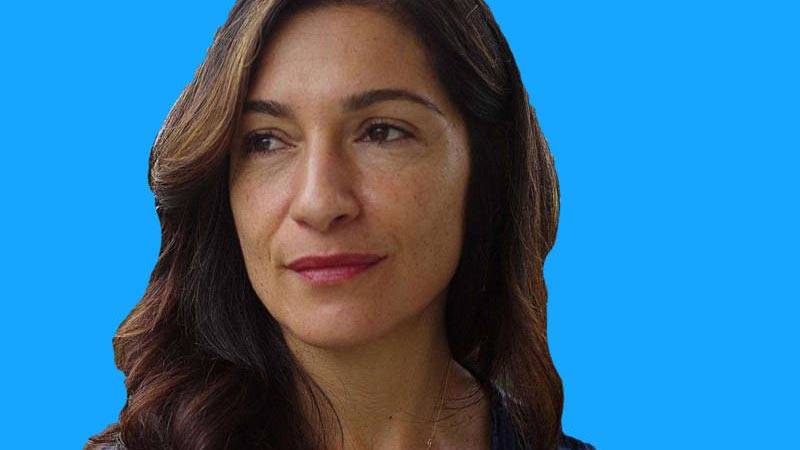
"caption": "Laleh Khadivi.",
"description": "Laleh Khadivi.",
"title": "Khadivi.MAIN",
"credit": "Author Photo",
"status": "inherit",
"isLoading": false,
"fetchFailed": false
},
"arts_13532101": {
"type": "attachments",
"id": "arts_13532101",
"meta": {
"index": "attachments_1716263798",
"site": "arts",
"id": "13532101",
"found": true
},
"parent": 13532096,
"imgSizes": {
"small": {
"file": "https://ww2.kqed.org/app/uploads/sites/2/2017/06/sf_store4-520x390.jpg",
"width": 520,
"mimeType": "image/jpeg",
"height": 390
},
"twentyfourteen-full-width": {
"file": "https://ww2.kqed.org/app/uploads/sites/2/2017/06/sf_store4-1038x576.jpg",
"width": 1038,
"mimeType": "image/jpeg",
"height": 576
},
"thumbnail": {
"file": "https://ww2.kqed.org/app/uploads/sites/2/2017/06/sf_store4-160x120.jpg",
"width": 160,
"mimeType": "image/jpeg",
"height": 120
},
"fd-sm": {
"file": "https://ww2.kqed.org/app/uploads/sites/2/2017/06/sf_store4-960x720.jpg",
"width": 960,
"mimeType": "image/jpeg",
"height": 720
},
"post-thumbnail": {
"file": "https://ww2.kqed.org/app/uploads/sites/2/2017/06/sf_store4-672x372.jpg",
"width": 672,
"mimeType": "image/jpeg",
"height": 372
},
"xsmall": {
"file": "https://ww2.kqed.org/app/uploads/sites/2/2017/06/sf_store4-375x281.jpg",
"width": 375,
"mimeType": "image/jpeg",
"height": 281
},
"kqedFullSize": {
"file": "https://ww2.kqed.org/app/uploads/sites/2/2017/06/sf_store4.jpg",
"width": 1600,
"height": 1200
},
"large": {
"file": "https://ww2.kqed.org/app/uploads/sites/2/2017/06/sf_store4-1020x765.jpg",
"width": 1020,
"mimeType": "image/jpeg",
"height": 765
},
"xlarge": {
"file": "https://ww2.kqed.org/app/uploads/sites/2/2017/06/sf_store4-1180x885.jpg",
"width": 1180,
"mimeType": "image/jpeg",
"height": 885
},
"guest-author-50": {
"file": "https://ww2.kqed.org/app/uploads/sites/2/2017/06/sf_store4-50x50.jpg",
"width": 50,
"mimeType": "image/jpeg",
"height": 50
},
"guest-author-96": {
"file": "https://ww2.kqed.org/app/uploads/sites/2/2017/06/sf_store4-96x96.jpg",
"width": 96,
"mimeType": "image/jpeg",
"height": 96
},
"medium": {
"file": "https://ww2.kqed.org/app/uploads/sites/2/2017/06/sf_store4-800x600.jpg",
"width": 800,
"mimeType": "image/jpeg",
"height": 600
},
"guest-author-64": {
"file": "https://ww2.kqed.org/app/uploads/sites/2/2017/06/sf_store4-64x64.jpg",
"width": 64,
"mimeType": "image/jpeg",
"height": 64
},
"guest-author-32": {
"file": "https://ww2.kqed.org/app/uploads/sites/2/2017/06/sf_store4-32x32.jpg",
"width": 32,
"mimeType": "image/jpeg",
"height": 32
},
"fd-med": {
"file": "https://ww2.kqed.org/app/uploads/sites/2/2017/06/sf_store4-1180x885.jpg",
"width": 1180,
"mimeType": "image/jpeg",
"height": 885
},
"detail": {
"file": "https://ww2.kqed.org/app/uploads/sites/2/2017/06/sf_store4-150x150.jpg",
"width": 150,
"mimeType": "image/jpeg",
"height": 150
},
"medium_large": {
"file": "https://ww2.kqed.org/app/uploads/sites/2/2017/06/sf_store4-768x576.jpg",
"width": 768,
"mimeType": "image/jpeg",
"height": 576
},
"guest-author-128": {
"file": "https://ww2.kqed.org/app/uploads/sites/2/2017/06/sf_store4-128x128.jpg",
"width": 128,
"mimeType": "image/jpeg",
"height": 128
},
"xxsmall": {
"file": "https://ww2.kqed.org/app/uploads/sites/2/2017/06/sf_store4-240x180.jpg",
"width": 240,
"mimeType": "image/jpeg",
"height": 180
}
},
"publishDate": 1498604000,
"modified": 1498604082,
"caption": null,
"description": "The storefront of Book Passage's San Francisco location.",
"title": "Book Passage",
"credit": "Bill Petrocelli",
"status": "inherit",
"isLoading": false,
"fetchFailed": false
},
"arts_13554539": {
"type": "attachments",
"id": "arts_13554539",
"meta": {
"index": "attachments_1716263798",
"site": "arts",
"id": "13554539",
"found": true
},
"parent": 13554189,
"imgSizes": {
"small": {
"file": "https://ww2.kqed.org/app/uploads/sites/2/2017/06/GettyImages-98001646-520x346.jpg",
"width": 520,
"mimeType": "image/jpeg",
"height": 346
},
"twentyfourteen-full-width": {
"file": "https://ww2.kqed.org/app/uploads/sites/2/2017/06/GettyImages-98001646-1038x576.jpg",
"width": 1038,
"mimeType": "image/jpeg",
"height": 576
},
"thumbnail": {
"file": "https://ww2.kqed.org/app/uploads/sites/2/2017/06/GettyImages-98001646-160x106.jpg",
"width": 160,
"mimeType": "image/jpeg",
"height": 106
},
"fd-sm": {
"file": "https://ww2.kqed.org/app/uploads/sites/2/2017/06/GettyImages-98001646-960x639.jpg",
"width": 960,
"mimeType": "image/jpeg",
"height": 639
},
"post-thumbnail": {
"file": "https://ww2.kqed.org/app/uploads/sites/2/2017/06/GettyImages-98001646-672x372.jpg",
"width": 672,
"mimeType": "image/jpeg",
"height": 372
},
"xsmall": {
"file": "https://ww2.kqed.org/app/uploads/sites/2/2017/06/GettyImages-98001646-375x250.jpg",
"width": 375,
"mimeType": "image/jpeg",
"height": 250
},
"kqedFullSize": {
"file": "https://ww2.kqed.org/app/uploads/sites/2/2017/06/GettyImages-98001646.jpg",
"width": 4096,
"height": 2726
},
"large": {
"file": "https://ww2.kqed.org/app/uploads/sites/2/2017/06/GettyImages-98001646-1020x679.jpg",
"width": 1020,
"mimeType": "image/jpeg",
"height": 679
},
"xlarge": {
"file": "https://ww2.kqed.org/app/uploads/sites/2/2017/06/GettyImages-98001646-1180x785.jpg",
"width": 1180,
"mimeType": "image/jpeg",
"height": 785
},
"guest-author-50": {
"file": "https://ww2.kqed.org/app/uploads/sites/2/2017/06/GettyImages-98001646-50x50.jpg",
"width": 50,
"mimeType": "image/jpeg",
"height": 50
},
"guest-author-96": {
"file": "https://ww2.kqed.org/app/uploads/sites/2/2017/06/GettyImages-98001646-96x96.jpg",
"width": 96,
"mimeType": "image/jpeg",
"height": 96
},
"medium": {
"file": "https://ww2.kqed.org/app/uploads/sites/2/2017/06/GettyImages-98001646-800x532.jpg",
"width": 800,
"mimeType": "image/jpeg",
"height": 532
},
"guest-author-64": {
"file": "https://ww2.kqed.org/app/uploads/sites/2/2017/06/GettyImages-98001646-64x64.jpg",
"width": 64,
"mimeType": "image/jpeg",
"height": 64
},
"guest-author-32": {
"file": "https://ww2.kqed.org/app/uploads/sites/2/2017/06/GettyImages-98001646-32x32.jpg",
"width": 32,
"mimeType": "image/jpeg",
"height": 32
},
"fd-lrg": {
"file": "https://ww2.kqed.org/app/uploads/sites/2/2017/06/GettyImages-98001646-1920x1278.jpg",
"width": 1920,
"mimeType": "image/jpeg",
"height": 1278
},
"fd-med": {
"file": "https://ww2.kqed.org/app/uploads/sites/2/2017/06/GettyImages-98001646-1180x785.jpg",
"width": 1180,
"mimeType": "image/jpeg",
"height": 785
},
"full-width": {
"file": "https://ww2.kqed.org/app/uploads/sites/2/2017/06/GettyImages-98001646-1920x1278.jpg",
"width": 1920,
"mimeType": "image/jpeg",
"height": 1278
},
"detail": {
"file": "https://ww2.kqed.org/app/uploads/sites/2/2017/06/GettyImages-98001646-150x150.jpg",
"width": 150,
"mimeType": "image/jpeg",
"height": 150
},
"medium_large": {
"file": "https://ww2.kqed.org/app/uploads/sites/2/2017/06/GettyImages-98001646-768x511.jpg",
"width": 768,
"mimeType": "image/jpeg",
"height": 511
},
"guest-author-128": {
"file": "https://ww2.kqed.org/app/uploads/sites/2/2017/06/GettyImages-98001646-128x128.jpg",
"width": 128,
"mimeType": "image/jpeg",
"height": 128
},
"xxsmall": {
"file": "https://ww2.kqed.org/app/uploads/sites/2/2017/06/GettyImages-98001646-240x160.jpg",
"width": 240,
"mimeType": "image/jpeg",
"height": 160
}
},
"publishDate": 1498865232,
"modified": 1498865496,
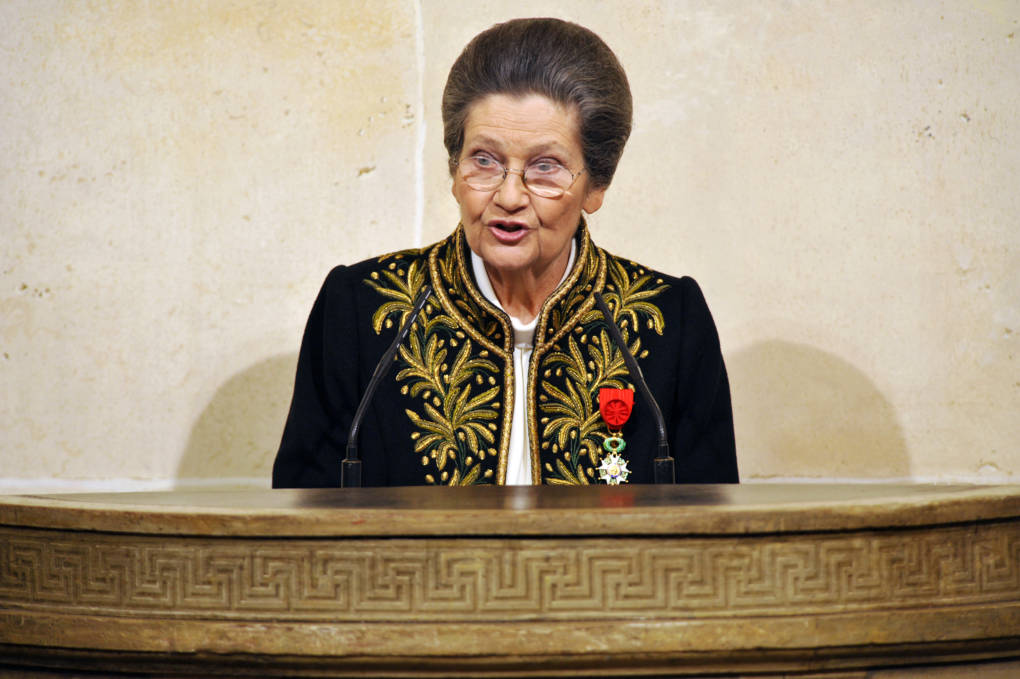
"caption": "French Simone Veil, an Auschwitz survivor and the first elected president of the European parliament, delivers a speech as she joined today the prestigious Academie Francaise, the guardian of the French language, on March 18, 2010 at the Institut de France in Paris. The 82-year-old Veil, a former French minister who ranks among the country's most respected politicians, was only the sixth woman to join the \"immortals\", as the 40 members of the Academie are known. Dressed in the members' traditional green uniform, designed specially for her by Chanel, Veil was presented with the ceremonial sword bearing the inscription \"Liberty, Equality and Fraternity\". Veil's tattooed Auschwitz prisoner number, 78651, was also engraved on the sword that was presented to her by former president Jacques Chirac during a ceremony at the French Senate. ",
"description": "French Simone Veil, an Auschwitz survivor and the first elected president of the European parliament, delivers a speech as she joined today the prestigious Academie Francaise, the guardian of the French language, on March 18, 2010 at the Institut de France in Paris. The 82-year-old Veil, a former French minister who ranks among the country's most respected politicians, was only the sixth woman to join the \"immortals\", as the 40 members of the Academie are known. Dressed in the members' traditional green uniform, designed specially for her by Chanel, Veil was presented with the ceremonial sword bearing the inscription \"Liberty, Equality and Fraternity\". Veil's tattooed Auschwitz prisoner number, 78651, was also engraved on the sword that was presented to her by former president Jacques Chirac during a ceremony at the French Senate. ",
"title": "French Simone Veil, an Auschwitz survivo",
"credit": "Photo: Philippe Wojazer/AFP/Getty Images",
"status": "inherit",
"isLoading": false,
"fetchFailed": false
},
"arts_13540136": {
"type": "attachments",
"id": "arts_13540136",
"meta": {
"index": "attachments_1716263798",
"site": "arts",
"id": "13540136",
"found": true
},
"parent": 13522854,
"imgSizes": {
"small": {
"file": "https://ww2.kqed.org/app/uploads/sites/2/2017/06/VisibilityProject.MAIN_-520x293.jpg",
"width": 520,
"mimeType": "image/jpeg",
"height": 293
},
"twentyfourteen-full-width": {
"file": "https://ww2.kqed.org/app/uploads/sites/2/2017/06/VisibilityProject.MAIN_-1038x576.jpg",
"width": 1038,
"mimeType": "image/jpeg",
"height": 576
},
"thumbnail": {
"file": "https://ww2.kqed.org/app/uploads/sites/2/2017/06/VisibilityProject.MAIN_-160x90.jpg",
"width": 160,
"mimeType": "image/jpeg",
"height": 90
},
"fd-sm": {
"file": "https://ww2.kqed.org/app/uploads/sites/2/2017/06/VisibilityProject.MAIN_-960x540.jpg",
"width": 960,
"mimeType": "image/jpeg",
"height": 540
},
"post-thumbnail": {
"file": "https://ww2.kqed.org/app/uploads/sites/2/2017/06/VisibilityProject.MAIN_-672x372.jpg",
"width": 672,
"mimeType": "image/jpeg",
"height": 372
},
"xsmall": {
"file": "https://ww2.kqed.org/app/uploads/sites/2/2017/06/VisibilityProject.MAIN_-375x211.jpg",
"width": 375,
"mimeType": "image/jpeg",
"height": 211
},
"kqedFullSize": {
"file": "https://ww2.kqed.org/app/uploads/sites/2/2017/06/VisibilityProject.MAIN_.jpg",
"width": 1920,
"height": 1080
},
"large": {
"file": "https://ww2.kqed.org/app/uploads/sites/2/2017/06/VisibilityProject.MAIN_-1020x574.jpg",
"width": 1020,
"mimeType": "image/jpeg",
"height": 574
},
"xlarge": {
"file": "https://ww2.kqed.org/app/uploads/sites/2/2017/06/VisibilityProject.MAIN_-1180x664.jpg",
"width": 1180,
"mimeType": "image/jpeg",
"height": 664
},
"guest-author-50": {
"file": "https://ww2.kqed.org/app/uploads/sites/2/2017/06/VisibilityProject.MAIN_-50x50.jpg",
"width": 50,
"mimeType": "image/jpeg",
"height": 50
},
"guest-author-96": {
"file": "https://ww2.kqed.org/app/uploads/sites/2/2017/06/VisibilityProject.MAIN_-96x96.jpg",
"width": 96,
"mimeType": "image/jpeg",
"height": 96
},
"medium": {
"file": "https://ww2.kqed.org/app/uploads/sites/2/2017/06/VisibilityProject.MAIN_-800x450.jpg",
"width": 800,
"mimeType": "image/jpeg",
"height": 450
},
"guest-author-64": {
"file": "https://ww2.kqed.org/app/uploads/sites/2/2017/06/VisibilityProject.MAIN_-64x64.jpg",
"width": 64,
"mimeType": "image/jpeg",
"height": 64
},
"guest-author-32": {
"file": "https://ww2.kqed.org/app/uploads/sites/2/2017/06/VisibilityProject.MAIN_-32x32.jpg",
"width": 32,
"mimeType": "image/jpeg",
"height": 32
},
"fd-lrg": {
"file": "https://ww2.kqed.org/app/uploads/sites/2/2017/06/VisibilityProject.MAIN_-1920x1080.jpg",
"width": 1920,
"mimeType": "image/jpeg",
"height": 1080
},
"fd-med": {
"file": "https://ww2.kqed.org/app/uploads/sites/2/2017/06/VisibilityProject.MAIN_-1180x664.jpg",
"width": 1180,
"mimeType": "image/jpeg",
"height": 664
},
"full-width": {
"file": "https://ww2.kqed.org/app/uploads/sites/2/2017/06/VisibilityProject.MAIN_-1920x1080.jpg",
"width": 1920,
"mimeType": "image/jpeg",
"height": 1080
},
"detail": {
"file": "https://ww2.kqed.org/app/uploads/sites/2/2017/06/VisibilityProject.MAIN_-150x150.jpg",
"width": 150,
"mimeType": "image/jpeg",
"height": 150
},
"medium_large": {
"file": "https://ww2.kqed.org/app/uploads/sites/2/2017/06/VisibilityProject.MAIN_-768x432.jpg",
"width": 768,
"mimeType": "image/jpeg",
"height": 432
},
"guest-author-128": {
"file": "https://ww2.kqed.org/app/uploads/sites/2/2017/06/VisibilityProject.MAIN_-128x128.jpg",
"width": 128,
"mimeType": "image/jpeg",
"height": 128
},
"xxsmall": {
"file": "https://ww2.kqed.org/app/uploads/sites/2/2017/06/VisibilityProject.MAIN_-240x135.jpg",
"width": 240,
"mimeType": "image/jpeg",
"height": 135
}
},
"publishDate": 1498698645,
"modified": 1498698677,
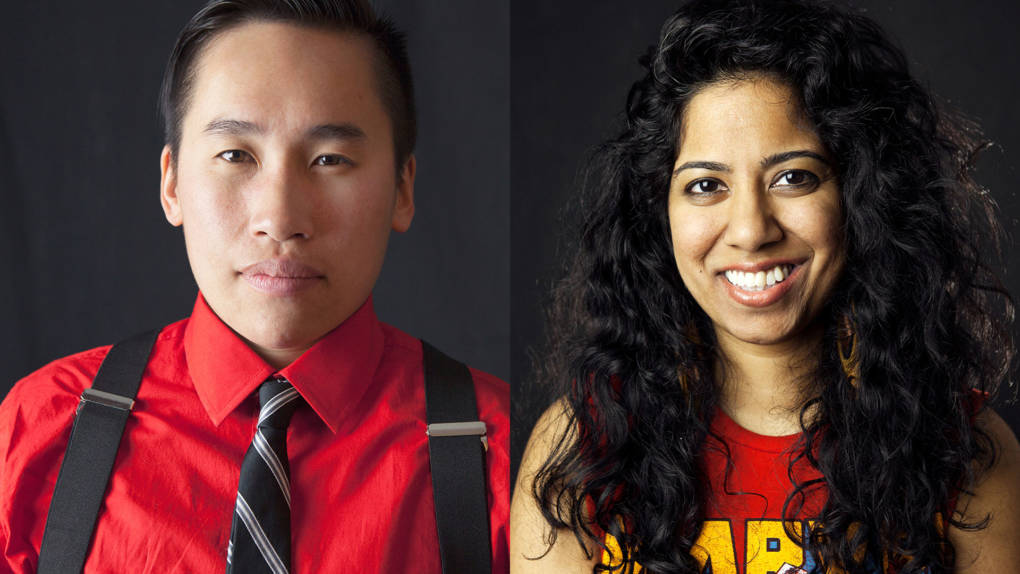
"caption": "Natalie Nguyen (L) and Suzane Persard photographed by Mia Nakano for The Visibility Project.",
"description": "Natalie Nguyen (L) and Suzane Persard photographed by Mia Nakano for The Visibility Project.",
"title": "VisibilityProject.MAIN",
"credit": null,
"status": "inherit",
"isLoading": false,
"fetchFailed": false
},
"arts_13304153": {
"type": "attachments",
"id": "arts_13304153",
"meta": {
"index": "attachments_1716263798",
"site": "arts",
"id": "13304153",
"found": true
},
"parent": 13304143,
"imgSizes": {
"small": {
"file": "https://ww2.kqed.org/app/uploads/sites/2/2017/05/uriarte-art2-520x262.jpg",
"width": 520,
"mimeType": "image/jpeg",
"height": 262
},
"thumbnail": {
"file": "https://ww2.kqed.org/app/uploads/sites/2/2017/05/uriarte-art2-160x81.jpg",
"width": 160,
"mimeType": "image/jpeg",
"height": 81
},
"fd-sm": {
"file": "https://ww2.kqed.org/app/uploads/sites/2/2017/05/uriarte-art2-960x484.jpg",
"width": 960,
"mimeType": "image/jpeg",
"height": 484
},
"post-thumbnail": {
"file": "https://ww2.kqed.org/app/uploads/sites/2/2017/05/uriarte-art2-672x372.jpg",
"width": 672,
"mimeType": "image/jpeg",
"height": 372
},
"xsmall": {
"file": "https://ww2.kqed.org/app/uploads/sites/2/2017/05/uriarte-art2-375x189.jpg",
"width": 375,
"mimeType": "image/jpeg",
"height": 189
},
"kqedFullSize": {
"file": "https://ww2.kqed.org/app/uploads/sites/2/2017/05/uriarte-art2.jpg",
"width": 1000,
"height": 504
},
"guest-author-50": {
"file": "https://ww2.kqed.org/app/uploads/sites/2/2017/05/uriarte-art2-50x50.jpg",
"width": 50,
"mimeType": "image/jpeg",
"height": 50
},
"guest-author-96": {
"file": "https://ww2.kqed.org/app/uploads/sites/2/2017/05/uriarte-art2-96x96.jpg",
"width": 96,
"mimeType": "image/jpeg",
"height": 96
},
"medium": {
"file": "https://ww2.kqed.org/app/uploads/sites/2/2017/05/uriarte-art2-800x403.jpg",
"width": 800,
"mimeType": "image/jpeg",
"height": 403
},
"guest-author-64": {
"file": "https://ww2.kqed.org/app/uploads/sites/2/2017/05/uriarte-art2-64x64.jpg",
"width": 64,
"mimeType": "image/jpeg",
"height": 64
},
"guest-author-32": {
"file": "https://ww2.kqed.org/app/uploads/sites/2/2017/05/uriarte-art2-32x32.jpg",
"width": 32,
"mimeType": "image/jpeg",
"height": 32
},
"detail": {
"file": "https://ww2.kqed.org/app/uploads/sites/2/2017/05/uriarte-art2-150x150.jpg",
"width": 150,
"mimeType": "image/jpeg",
"height": 150
},
"medium_large": {
"file": "https://ww2.kqed.org/app/uploads/sites/2/2017/05/uriarte-art2-768x387.jpg",
"width": 768,
"mimeType": "image/jpeg",
"height": 387
},
"guest-author-128": {
"file": "https://ww2.kqed.org/app/uploads/sites/2/2017/05/uriarte-art2-128x128.jpg",
"width": 128,
"mimeType": "image/jpeg",
"height": 128
},
"xxsmall": {
"file": "https://ww2.kqed.org/app/uploads/sites/2/2017/05/uriarte-art2-240x121.jpg",
"width": 240,
"mimeType": "image/jpeg",
"height": 121
}
},
"publishDate": 1495738038,
"modified": 1498079186,
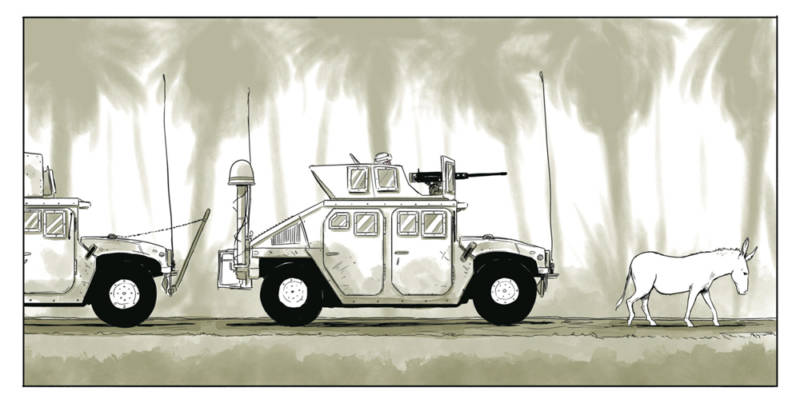
"caption": "A scene from Maximilian Uriarte's 'The White Donkey'",
"description": "A scene from Maximilian Uriarte's 'The White Donkey'",
"title": "uriarte-art2",
"credit": null,
"status": "inherit",
"isLoading": false,
"fetchFailed": false
},
"arts_13496212": {
"type": "attachments",
"id": "arts_13496212",
"meta": {
"index": "attachments_1716263798",
"site": "arts",
"id": "13496212",
"found": true
},
"parent": 0,
"imgSizes": {
"small": {
"file": "https://ww2.kqed.org/app/uploads/sites/2/2017/06/Kim-3-520x481.jpg",
"width": 520,
"mimeType": "image/jpeg",
"height": 481
},
"twentyfourteen-full-width": {
"file": "https://ww2.kqed.org/app/uploads/sites/2/2017/06/Kim-3-1038x576.jpg",
"width": 1038,
"mimeType": "image/jpeg",
"height": 576
},
"thumbnail": {
"file": "https://ww2.kqed.org/app/uploads/sites/2/2017/06/Kim-3-160x148.jpg",
"width": 160,
"mimeType": "image/jpeg",
"height": 148
},
"fd-sm": {
"file": "https://ww2.kqed.org/app/uploads/sites/2/2017/06/Kim-3-960x889.jpg",
"width": 960,
"mimeType": "image/jpeg",
"height": 889
},
"post-thumbnail": {
"file": "https://ww2.kqed.org/app/uploads/sites/2/2017/06/Kim-3-672x372.jpg",
"width": 672,
"mimeType": "image/jpeg",
"height": 372
},
"xsmall": {
"file": "https://ww2.kqed.org/app/uploads/sites/2/2017/06/Kim-3-375x347.jpg",
"width": 375,
"mimeType": "image/jpeg",
"height": 347
},
"kqedFullSize": {
"file": "https://ww2.kqed.org/app/uploads/sites/2/2017/06/Kim-3.jpg",
"width": 1920,
"height": 1777
},
"large": {
"file": "https://ww2.kqed.org/app/uploads/sites/2/2017/06/Kim-3-1020x944.jpg",
"width": 1020,
"mimeType": "image/jpeg",
"height": 944
},
"xlarge": {
"file": "https://ww2.kqed.org/app/uploads/sites/2/2017/06/Kim-3-1180x1092.jpg",
"width": 1180,
"mimeType": "image/jpeg",
"height": 1092
},
"guest-author-50": {
"file": "https://ww2.kqed.org/app/uploads/sites/2/2017/06/Kim-3-50x50.jpg",
"width": 50,
"mimeType": "image/jpeg",
"height": 50
},
"guest-author-96": {
"file": "https://ww2.kqed.org/app/uploads/sites/2/2017/06/Kim-3-96x96.jpg",
"width": 96,
"mimeType": "image/jpeg",
"height": 96
},
"medium": {
"file": "https://ww2.kqed.org/app/uploads/sites/2/2017/06/Kim-3-800x740.jpg",
"width": 800,
"mimeType": "image/jpeg",
"height": 740
},
"guest-author-64": {
"file": "https://ww2.kqed.org/app/uploads/sites/2/2017/06/Kim-3-64x64.jpg",
"width": 64,
"mimeType": "image/jpeg",
"height": 64
},
"guest-author-32": {
"file": "https://ww2.kqed.org/app/uploads/sites/2/2017/06/Kim-3-32x32.jpg",
"width": 32,
"mimeType": "image/jpeg",
"height": 32
},
"fd-lrg": {
"file": "https://ww2.kqed.org/app/uploads/sites/2/2017/06/Kim-3-1920x1777.jpg",
"width": 1920,
"mimeType": "image/jpeg",
"height": 1777
},
"fd-med": {
"file": "https://ww2.kqed.org/app/uploads/sites/2/2017/06/Kim-3-1180x1092.jpg",
"width": 1180,
"mimeType": "image/jpeg",
"height": 1092
},
"full-width": {
"file": "https://ww2.kqed.org/app/uploads/sites/2/2017/06/Kim-3-1920x1777.jpg",
"width": 1920,
"mimeType": "image/jpeg",
"height": 1777
},
"detail": {
"file": "https://ww2.kqed.org/app/uploads/sites/2/2017/06/Kim-3-150x150.jpg",
"width": 150,
"mimeType": "image/jpeg",
"height": 150
},
"medium_large": {
"file": "https://ww2.kqed.org/app/uploads/sites/2/2017/06/Kim-3-768x711.jpg",
"width": 768,
"mimeType": "image/jpeg",
"height": 711
},
"guest-author-128": {
"file": "https://ww2.kqed.org/app/uploads/sites/2/2017/06/Kim-3-128x128.jpg",
"width": 128,
"mimeType": "image/jpeg",
"height": 128
},
"xxsmall": {
"file": "https://ww2.kqed.org/app/uploads/sites/2/2017/06/Kim-3-240x222.jpg",
"width": 240,
"mimeType": "image/jpeg",
"height": 222
}
},
"publishDate": 1498175587,
"modified": 1498175672,
"caption": "Kim Shuck",
"description": "Kim Shuck",
"title": "Kim-3",
"credit": "Photo: Doug Salin",
"status": "inherit",
"isLoading": false,
"fetchFailed": false
},
"arts_13437203": {
"type": "attachments",
"id": "arts_13437203",
"meta": {
"index": "attachments_1716263798",
"site": "arts",
"id": "13437203",
"found": true
},
"parent": 13436516,
"imgSizes": {
"small": {
"file": "https://ww2.kqed.org/app/uploads/sites/2/2017/06/Surreal-Conservatory-2-520x347.jpg",
"width": 520,
"mimeType": "image/jpeg",
"height": 347
},
"twentyfourteen-full-width": {
"file": "https://ww2.kqed.org/app/uploads/sites/2/2017/06/Surreal-Conservatory-2-1038x576.jpg",
"width": 1038,
"mimeType": "image/jpeg",
"height": 576
},
"thumbnail": {
"file": "https://ww2.kqed.org/app/uploads/sites/2/2017/06/Surreal-Conservatory-2-160x107.jpg",
"width": 160,
"mimeType": "image/jpeg",
"height": 107
},
"fd-sm": {
"file": "https://ww2.kqed.org/app/uploads/sites/2/2017/06/Surreal-Conservatory-2-960x640.jpg",
"width": 960,
"mimeType": "image/jpeg",
"height": 640
},
"post-thumbnail": {
"file": "https://ww2.kqed.org/app/uploads/sites/2/2017/06/Surreal-Conservatory-2-672x372.jpg",
"width": 672,
"mimeType": "image/jpeg",
"height": 372
},
"xsmall": {
"file": "https://ww2.kqed.org/app/uploads/sites/2/2017/06/Surreal-Conservatory-2-375x250.jpg",
"width": 375,
"mimeType": "image/jpeg",
"height": 250
},
"kqedFullSize": {
"file": "https://ww2.kqed.org/app/uploads/sites/2/2017/06/Surreal-Conservatory-2.jpg",
"width": 2400,
"height": 1600
},
"large": {
"file": "https://ww2.kqed.org/app/uploads/sites/2/2017/06/Surreal-Conservatory-2-1020x680.jpg",
"width": 1020,
"mimeType": "image/jpeg",
"height": 680
},
"xlarge": {
"file": "https://ww2.kqed.org/app/uploads/sites/2/2017/06/Surreal-Conservatory-2-1180x787.jpg",
"width": 1180,
"mimeType": "image/jpeg",
"height": 787
},
"guest-author-50": {
"file": "https://ww2.kqed.org/app/uploads/sites/2/2017/06/Surreal-Conservatory-2-50x50.jpg",
"width": 50,
"mimeType": "image/jpeg",
"height": 50
},
"guest-author-96": {
"file": "https://ww2.kqed.org/app/uploads/sites/2/2017/06/Surreal-Conservatory-2-96x96.jpg",
"width": 96,
"mimeType": "image/jpeg",
"height": 96
},
"medium": {
"file": "https://ww2.kqed.org/app/uploads/sites/2/2017/06/Surreal-Conservatory-2-800x533.jpg",
"width": 800,
"mimeType": "image/jpeg",
"height": 533
},
"guest-author-64": {
"file": "https://ww2.kqed.org/app/uploads/sites/2/2017/06/Surreal-Conservatory-2-64x64.jpg",
"width": 64,
"mimeType": "image/jpeg",
"height": 64
},
"guest-author-32": {
"file": "https://ww2.kqed.org/app/uploads/sites/2/2017/06/Surreal-Conservatory-2-32x32.jpg",
"width": 32,
"mimeType": "image/jpeg",
"height": 32
},
"fd-lrg": {
"file": "https://ww2.kqed.org/app/uploads/sites/2/2017/06/Surreal-Conservatory-2-1920x1280.jpg",
"width": 1920,
"mimeType": "image/jpeg",
"height": 1280
},
"fd-med": {
"file": "https://ww2.kqed.org/app/uploads/sites/2/2017/06/Surreal-Conservatory-2-1180x787.jpg",
"width": 1180,
"mimeType": "image/jpeg",
"height": 787
},
"full-width": {
"file": "https://ww2.kqed.org/app/uploads/sites/2/2017/06/Surreal-Conservatory-2-1920x1280.jpg",
"width": 1920,
"mimeType": "image/jpeg",
"height": 1280
},
"detail": {
"file": "https://ww2.kqed.org/app/uploads/sites/2/2017/06/Surreal-Conservatory-2-150x150.jpg",
"width": 150,
"mimeType": "image/jpeg",
"height": 150
},
"medium_large": {
"file": "https://ww2.kqed.org/app/uploads/sites/2/2017/06/Surreal-Conservatory-2-768x512.jpg",
"width": 768,
"mimeType": "image/jpeg",
"height": 512
},
"guest-author-128": {
"file": "https://ww2.kqed.org/app/uploads/sites/2/2017/06/Surreal-Conservatory-2-128x128.jpg",
"width": 128,
"mimeType": "image/jpeg",
"height": 128
},
"xxsmall": {
"file": "https://ww2.kqed.org/app/uploads/sites/2/2017/06/Surreal-Conservatory-2-240x160.jpg",
"width": 240,
"mimeType": "image/jpeg",
"height": 160
}
},
"publishDate": 1497478662,
"modified": 1497478705,
"caption": "The San Francisco Conservatory of Flowers all dressed up for a city sponsored Summer of Love concert",
"description": "The San Francisco Conservatory of Flowers all dressed up for a city sponsored Summer of Love concert",
"title": "The San Francisco Conservatory of Flowers all dressed up for a city sponsored Summer of Love concert",
"credit": "Photo: Courtesy of Obscura Digital",
"status": "inherit",
"isLoading": false,
"fetchFailed": false
},
"arts_13424065": {
"type": "attachments",
"id": "arts_13424065",
"meta": {
"index": "attachments_1716263798",
"site": "arts",
"id": "13424065",
"found": true
},
"parent": 13401706,
"imgSizes": {
"small": {
"file": "https://ww2.kqed.org/app/uploads/sites/2/2017/06/CannibalSoup.MAIN_-1-520x325.jpg",
"width": 520,
"mimeType": "image/jpeg",
"height": 325
},
"thumbnail": {
"file": "https://ww2.kqed.org/app/uploads/sites/2/2017/06/CannibalSoup.MAIN_-1-160x100.jpg",
"width": 160,
"mimeType": "image/jpeg",
"height": 100
},
"post-thumbnail": {
"file": "https://ww2.kqed.org/app/uploads/sites/2/2017/06/CannibalSoup.MAIN_-1-672x372.jpg",
"width": 672,
"mimeType": "image/jpeg",
"height": 372
},
"xsmall": {
"file": "https://ww2.kqed.org/app/uploads/sites/2/2017/06/CannibalSoup.MAIN_-1-375x234.jpg",
"width": 375,
"mimeType": "image/jpeg",
"height": 234
},
"kqedFullSize": {
"file": "https://ww2.kqed.org/app/uploads/sites/2/2017/06/CannibalSoup.MAIN_-1.jpg",
"width": 800,
"height": 500
},
"guest-author-50": {
"file": "https://ww2.kqed.org/app/uploads/sites/2/2017/06/CannibalSoup.MAIN_-1-50x50.jpg",
"width": 50,
"mimeType": "image/jpeg",
"height": 50
},
"guest-author-96": {
"file": "https://ww2.kqed.org/app/uploads/sites/2/2017/06/CannibalSoup.MAIN_-1-96x96.jpg",
"width": 96,
"mimeType": "image/jpeg",
"height": 96
},
"medium": {
"file": "https://ww2.kqed.org/app/uploads/sites/2/2017/06/CannibalSoup.MAIN_-1-800x500.jpg",
"width": 800,
"mimeType": "image/jpeg",
"height": 500
},
"guest-author-64": {
"file": "https://ww2.kqed.org/app/uploads/sites/2/2017/06/CannibalSoup.MAIN_-1-64x64.jpg",
"width": 64,
"mimeType": "image/jpeg",
"height": 64
},
"guest-author-32": {
"file": "https://ww2.kqed.org/app/uploads/sites/2/2017/06/CannibalSoup.MAIN_-1-32x32.jpg",
"width": 32,
"mimeType": "image/jpeg",
"height": 32
},
"detail": {
"file": "https://ww2.kqed.org/app/uploads/sites/2/2017/06/CannibalSoup.MAIN_-1-150x150.jpg",
"width": 150,
"mimeType": "image/jpeg",
"height": 150
},
"medium_large": {
"file": "https://ww2.kqed.org/app/uploads/sites/2/2017/06/CannibalSoup.MAIN_-1-768x480.jpg",
"width": 768,
"mimeType": "image/jpeg",
"height": 480
},
"guest-author-128": {
"file": "https://ww2.kqed.org/app/uploads/sites/2/2017/06/CannibalSoup.MAIN_-1-128x128.jpg",
"width": 128,
"mimeType": "image/jpeg",
"height": 128
},
"xxsmall": {
"file": "https://ww2.kqed.org/app/uploads/sites/2/2017/06/CannibalSoup.MAIN_-1-240x150.jpg",
"width": 240,
"mimeType": "image/jpeg",
"height": 150
}
},
"publishDate": 1497328975,
"modified": 1497329196,
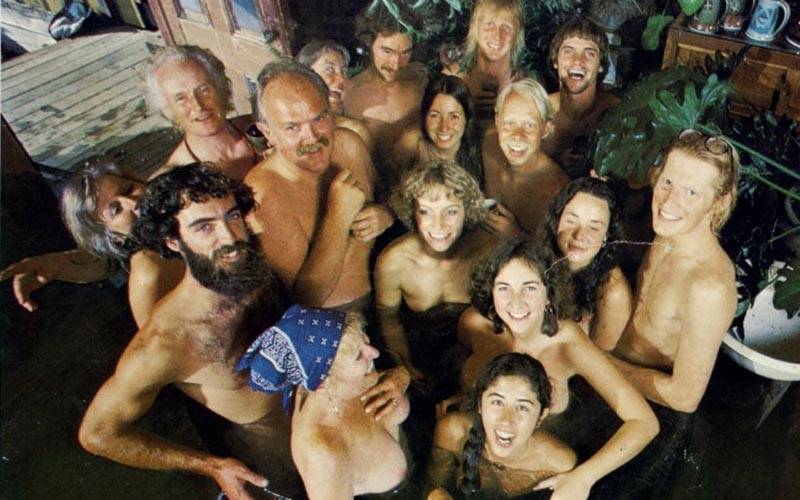
"caption": "Lifestyle books make up 18 percent of Chronicle Books' publishing, but 40 years ago the lifestyles were much different: ‘Cannibal Soup’ celebrated the groovy hot-tub culture of the 1970s.",
"description": "Lifestyle books make up 18 percent of Chronicle Books' publishing, but 40 years ago the lifestyles were much different: ‘Cannibal Soup’ celebrated the groovy hot-tub culture of the 1970s.",
"title": "CannibalSoup.MAIN",
"credit": "Chronicle Books",
"status": "inherit",
"isLoading": false,
"fetchFailed": false
},
"arts_13330014": {
"type": "attachments",
"id": "arts_13330014",
"meta": {
"index": "attachments_1716263798",
"site": "arts",
"id": "13330014",
"found": true
},
"parent": 13304145,
"imgSizes": {
"small": {
"file": "https://ww2.kqed.org/app/uploads/sites/2/2017/05/atwoof-maddaddam-featured_image-520x252.jpg",
"width": 520,
"mimeType": "image/jpeg",
"height": 252
},
"twentyfourteen-full-width": {
"file": "https://ww2.kqed.org/app/uploads/sites/2/2017/05/atwoof-maddaddam-featured_image-1038x576.jpg",
"width": 1038,
"mimeType": "image/jpeg",
"height": 576
},
"thumbnail": {
"file": "https://ww2.kqed.org/app/uploads/sites/2/2017/05/atwoof-maddaddam-featured_image-160x78.jpg",
"width": 160,
"mimeType": "image/jpeg",
"height": 78
},
"fd-sm": {
"file": "https://ww2.kqed.org/app/uploads/sites/2/2017/05/atwoof-maddaddam-featured_image-960x466.jpg",
"width": 960,
"mimeType": "image/jpeg",
"height": 466
},
"post-thumbnail": {
"file": "https://ww2.kqed.org/app/uploads/sites/2/2017/05/atwoof-maddaddam-featured_image-672x372.jpg",
"width": 672,
"mimeType": "image/jpeg",
"height": 372
},
"xsmall": {
"file": "https://ww2.kqed.org/app/uploads/sites/2/2017/05/atwoof-maddaddam-featured_image-375x182.jpg",
"width": 375,
"mimeType": "image/jpeg",
"height": 182
},
"kqedFullSize": {
"file": "https://ww2.kqed.org/app/uploads/sites/2/2017/05/atwoof-maddaddam-featured_image.jpg",
"width": 1422,
"height": 690
},
"large": {
"file": "https://ww2.kqed.org/app/uploads/sites/2/2017/05/atwoof-maddaddam-featured_image-1020x495.jpg",
"width": 1020,
"mimeType": "image/jpeg",
"height": 495
},
"xlarge": {
"file": "https://ww2.kqed.org/app/uploads/sites/2/2017/05/atwoof-maddaddam-featured_image-1180x573.jpg",
"width": 1180,
"mimeType": "image/jpeg",
"height": 573
},
"guest-author-50": {
"file": "https://ww2.kqed.org/app/uploads/sites/2/2017/05/atwoof-maddaddam-featured_image-50x50.jpg",
"width": 50,
"mimeType": "image/jpeg",
"height": 50
},
"guest-author-96": {
"file": "https://ww2.kqed.org/app/uploads/sites/2/2017/05/atwoof-maddaddam-featured_image-96x96.jpg",
"width": 96,
"mimeType": "image/jpeg",
"height": 96
},
"medium": {
"file": "https://ww2.kqed.org/app/uploads/sites/2/2017/05/atwoof-maddaddam-featured_image-800x388.jpg",
"width": 800,
"mimeType": "image/jpeg",
"height": 388
},
"guest-author-64": {
"file": "https://ww2.kqed.org/app/uploads/sites/2/2017/05/atwoof-maddaddam-featured_image-64x64.jpg",
"width": 64,
"mimeType": "image/jpeg",
"height": 64
},
"guest-author-32": {
"file": "https://ww2.kqed.org/app/uploads/sites/2/2017/05/atwoof-maddaddam-featured_image-32x32.jpg",
"width": 32,
"mimeType": "image/jpeg",
"height": 32
},
"fd-med": {
"file": "https://ww2.kqed.org/app/uploads/sites/2/2017/05/atwoof-maddaddam-featured_image-1180x573.jpg",
"width": 1180,
"mimeType": "image/jpeg",
"height": 573
},
"detail": {
"file": "https://ww2.kqed.org/app/uploads/sites/2/2017/05/atwoof-maddaddam-featured_image-150x150.jpg",
"width": 150,
"mimeType": "image/jpeg",
"height": 150
},
"medium_large": {
"file": "https://ww2.kqed.org/app/uploads/sites/2/2017/05/atwoof-maddaddam-featured_image-768x373.jpg",
"width": 768,
"mimeType": "image/jpeg",
"height": 373
},
"guest-author-128": {
"file": "https://ww2.kqed.org/app/uploads/sites/2/2017/05/atwoof-maddaddam-featured_image-128x128.jpg",
"width": 128,
"mimeType": "image/jpeg",
"height": 128
},
"xxsmall": {
"file": "https://ww2.kqed.org/app/uploads/sites/2/2017/05/atwoof-maddaddam-featured_image-240x116.jpg",
"width": 240,
"mimeType": "image/jpeg",
"height": 116
}
},
"publishDate": 1496082906,
"modified": 1496082906,
"caption": null,
"description": null,
"title": "atwoof-maddaddam-featured_image",
"credit": null,
"status": "inherit",
"isLoading": false,
"fetchFailed": false
},
"arts_13378873": {
"type": "attachments",
"id": "arts_13378873",
"meta": {
"index": "attachments_1716263798",
"site": "arts",
"id": "13378873",
"found": true
},
"parent": 13337482,
"imgSizes": {
"small": {
"file": "https://ww2.kqed.org/app/uploads/sites/2/2017/06/Roxane-Gay.MAIN_-520x325.jpg",
"width": 520,
"mimeType": "image/jpeg",
"height": 325
},
"thumbnail": {
"file": "https://ww2.kqed.org/app/uploads/sites/2/2017/06/Roxane-Gay.MAIN_-160x100.jpg",
"width": 160,
"mimeType": "image/jpeg",
"height": 100
},
"post-thumbnail": {
"file": "https://ww2.kqed.org/app/uploads/sites/2/2017/06/Roxane-Gay.MAIN_-672x372.jpg",
"width": 672,
"mimeType": "image/jpeg",
"height": 372
},
"xsmall": {
"file": "https://ww2.kqed.org/app/uploads/sites/2/2017/06/Roxane-Gay.MAIN_-375x234.jpg",
"width": 375,
"mimeType": "image/jpeg",
"height": 234
},
"kqedFullSize": {
"file": "https://ww2.kqed.org/app/uploads/sites/2/2017/06/Roxane-Gay.MAIN_.jpg",
"width": 800,
"height": 500
},
"guest-author-50": {
"file": "https://ww2.kqed.org/app/uploads/sites/2/2017/06/Roxane-Gay.MAIN_-50x50.jpg",
"width": 50,
"mimeType": "image/jpeg",
"height": 50
},
"guest-author-96": {
"file": "https://ww2.kqed.org/app/uploads/sites/2/2017/06/Roxane-Gay.MAIN_-96x96.jpg",
"width": 96,
"mimeType": "image/jpeg",
"height": 96
},
"medium": {
"file": "https://ww2.kqed.org/app/uploads/sites/2/2017/06/Roxane-Gay.MAIN_-800x500.jpg",
"width": 800,
"mimeType": "image/jpeg",
"height": 500
},
"guest-author-64": {
"file": "https://ww2.kqed.org/app/uploads/sites/2/2017/06/Roxane-Gay.MAIN_-64x64.jpg",
"width": 64,
"mimeType": "image/jpeg",
"height": 64
},
"guest-author-32": {
"file": "https://ww2.kqed.org/app/uploads/sites/2/2017/06/Roxane-Gay.MAIN_-32x32.jpg",
"width": 32,
"mimeType": "image/jpeg",
"height": 32
},
"detail": {
"file": "https://ww2.kqed.org/app/uploads/sites/2/2017/06/Roxane-Gay.MAIN_-150x150.jpg",
"width": 150,
"mimeType": "image/jpeg",
"height": 150
},
"medium_large": {
"file": "https://ww2.kqed.org/app/uploads/sites/2/2017/06/Roxane-Gay.MAIN_-768x480.jpg",
"width": 768,
"mimeType": "image/jpeg",
"height": 480
},
"guest-author-128": {
"file": "https://ww2.kqed.org/app/uploads/sites/2/2017/06/Roxane-Gay.MAIN_-128x128.jpg",
"width": 128,
"mimeType": "image/jpeg",
"height": 128
},
"xxsmall": {
"file": "https://ww2.kqed.org/app/uploads/sites/2/2017/06/Roxane-Gay.MAIN_-240x150.jpg",
"width": 240,
"mimeType": "image/jpeg",
"height": 150
}
},
"publishDate": 1496731902,
"modified": 1496732035,
"caption": "Roxane Gay.",
"description": "Roxane Gay.",
"title": "Roxane-Gay.MAIN",
"credit": "Photo: Jay Grabiec",
"status": "inherit",
"isLoading": false,
"fetchFailed": false
},
"arts_13343668": {
"type": "attachments",
"id": "arts_13343668",
"meta": {
"index": "attachments_1716263798",
"site": "arts",
"id": "13343668",
"found": true
},
"parent": 13343371,
"imgSizes": {
"small": {
"file": "https://ww2.kqed.org/app/uploads/sites/2/2017/05/Jess-Arndt3-520x273.jpg",
"width": 520,
"mimeType": "image/jpeg",
"height": 273
},
"twentyfourteen-full-width": {
"file": "https://ww2.kqed.org/app/uploads/sites/2/2017/05/Jess-Arndt3-1038x576.jpg",
"width": 1038,
"mimeType": "image/jpeg",
"height": 576
},
"thumbnail": {
"file": "https://ww2.kqed.org/app/uploads/sites/2/2017/05/Jess-Arndt3-160x84.jpg",
"width": 160,
"mimeType": "image/jpeg",
"height": 84
},
"fd-sm": {
"file": "https://ww2.kqed.org/app/uploads/sites/2/2017/05/Jess-Arndt3-960x504.jpg",
"width": 960,
"mimeType": "image/jpeg",
"height": 504
},
"post-thumbnail": {
"file": "https://ww2.kqed.org/app/uploads/sites/2/2017/05/Jess-Arndt3-672x372.jpg",
"width": 672,
"mimeType": "image/jpeg",
"height": 372
},
"xsmall": {
"file": "https://ww2.kqed.org/app/uploads/sites/2/2017/05/Jess-Arndt3-375x197.jpg",
"width": 375,
"mimeType": "image/jpeg",
"height": 197
},
"kqedFullSize": {
"file": "https://ww2.kqed.org/app/uploads/sites/2/2017/05/Jess-Arndt3.jpg",
"width": 1200,
"height": 630
},
"large": {
"file": "https://ww2.kqed.org/app/uploads/sites/2/2017/05/Jess-Arndt3-1020x536.jpg",
"width": 1020,
"mimeType": "image/jpeg",
"height": 536
},
"xlarge": {
"file": "https://ww2.kqed.org/app/uploads/sites/2/2017/05/Jess-Arndt3-1180x620.jpg",
"width": 1180,
"mimeType": "image/jpeg",
"height": 620
},
"guest-author-50": {
"file": "https://ww2.kqed.org/app/uploads/sites/2/2017/05/Jess-Arndt3-50x50.jpg",
"width": 50,
"mimeType": "image/jpeg",
"height": 50
},
"guest-author-96": {
"file": "https://ww2.kqed.org/app/uploads/sites/2/2017/05/Jess-Arndt3-96x96.jpg",
"width": 96,
"mimeType": "image/jpeg",
"height": 96
},
"medium": {
"file": "https://ww2.kqed.org/app/uploads/sites/2/2017/05/Jess-Arndt3-800x420.jpg",
"width": 800,
"mimeType": "image/jpeg",
"height": 420
},
"guest-author-64": {
"file": "https://ww2.kqed.org/app/uploads/sites/2/2017/05/Jess-Arndt3-64x64.jpg",
"width": 64,
"mimeType": "image/jpeg",
"height": 64
},
"guest-author-32": {
"file": "https://ww2.kqed.org/app/uploads/sites/2/2017/05/Jess-Arndt3-32x32.jpg",
"width": 32,
"mimeType": "image/jpeg",
"height": 32
},
"fd-med": {
"file": "https://ww2.kqed.org/app/uploads/sites/2/2017/05/Jess-Arndt3-1180x620.jpg",
"width": 1180,
"mimeType": "image/jpeg",
"height": 620
},
"detail": {
"file": "https://ww2.kqed.org/app/uploads/sites/2/2017/05/Jess-Arndt3-150x150.jpg",
"width": 150,
"mimeType": "image/jpeg",
"height": 150
},
"medium_large": {
"file": "https://ww2.kqed.org/app/uploads/sites/2/2017/05/Jess-Arndt3-768x403.jpg",
"width": 768,
"mimeType": "image/jpeg",
"height": 403
},
"guest-author-128": {
"file": "https://ww2.kqed.org/app/uploads/sites/2/2017/05/Jess-Arndt3-128x128.jpg",
"width": 128,
"mimeType": "image/jpeg",
"height": 128
},
"xxsmall": {
"file": "https://ww2.kqed.org/app/uploads/sites/2/2017/05/Jess-Arndt3-240x126.jpg",
"width": 240,
"mimeType": "image/jpeg",
"height": 126
}
},
"publishDate": 1496262310,
"modified": 1496262310,
"caption": null,
"description": null,
"title": "Jess-Arndt3",
"credit": null,
"status": "inherit",
"isLoading": false,
"fetchFailed": false
}
},
"audioPlayerReducer": {
"postId": "stream_live",
"isPaused": true,
"isPlaying": false,
"pfsActive": false,
"pledgeModalIsOpen": true,
"playerDrawerIsOpen": false,
"liveAudioPlayStartedAt": 0,
"liveAudioPlayContext": ""
},
"authorsReducer": {
"byline_arts_13554189": {
"type": "authors",
"id": "byline_arts_13554189",
"meta": {
"override": true
},
"slug": "byline_arts_13554189",
"name": "Merrit Kennedy",
"isLoading": false
},
"cmusiker": {
"type": "authors",
"id": "32",
"meta": {
"index": "authors_1716337520",
"id": "32",
"found": true
},
"name": "Cy Musiker",
"firstName": "Cy",
"lastName": "Musiker",
"slug": "cmusiker",
"email": "cmusiker@kqed.org",
"display_author_email": false,
"staff_mastheads": [],
"title": "KQED Contributor",
"bio": "Cy Musiker is a former co-host of The Do List and a former reporter covering the arts for KQED News and The California Report. He loves live performance, especially great theater, jazz, roots music, anything by Mahler. Cy has an MJ from UC Berkeley's School of Journalism, and got his BA from Hampshire College. His work has been recognized by the Society for Professional Journalists with their Sigma Delta Chi Award for Public Service in Journalism. When he can, Cy likes to swim in Tomales Bay, run with his dog in the East Bay Hills, and hike the Sierra.",
"avatar": "https://secure.gravatar.com/avatar/05eaba5c5696ce8f062e4ea2df428a43?s=600&d=blank&r=g",
"twitter": null,
"facebook": null,
"instagram": null,
"linkedin": null,
"sites": [
{
"site": "arts",
"roles": [
"Contributor",
"subscriber"
]
},
{
"site": "news",
"roles": [
"author"
]
},
{
"site": "bayareabites",
"roles": [
"contributor"
]
}
],
"headData": {
"title": "Cy Musiker | KQED",
"description": "KQED Contributor",
"ogImgSrc": "https://secure.gravatar.com/avatar/05eaba5c5696ce8f062e4ea2df428a43?s=600&d=blank&r=g",
"twImgSrc": "https://secure.gravatar.com/avatar/05eaba5c5696ce8f062e4ea2df428a43?s=600&d=blank&r=g"
},
"isLoading": false,
"link": "/author/cmusiker"
},
"irojascontreras": {
"type": "authors",
"id": "78",
"meta": {
"index": "authors_1716337520",
"id": "78",
"found": true
},
"name": "Ingrid Rojas Contreras",
"firstName": "Ingrid",
"lastName": "Rojas Contreras",
"slug": "irojascontreras",
"email": "ingrid.rojas.c@gmail.com",
"display_author_email": false,
"staff_mastheads": [],
"title": null,
"bio": "Ingrid Rojas Contreras lives in San Francisco with her books. Her debut novel\u003cem> Fruit of the Drunken Tree \u003c/em>is forthcoming from Doubleday (Summer 2018). Find more at \u003ca href=\"http://www.ingridrojascontreras.com\">www.ingridrojascontreras.com\u003c/a>.",
"avatar": "https://secure.gravatar.com/avatar/908d94de9342e71b9d5ceaa8152a16a0?s=600&d=blank&r=g",
"twitter": null,
"facebook": null,
"instagram": null,
"linkedin": null,
"sites": [
{
"site": "arts",
"roles": [
"Contributor",
"contributor"
]
}
],
"headData": {
"title": "Ingrid Rojas Contreras | KQED",
"description": null,
"ogImgSrc": "https://secure.gravatar.com/avatar/908d94de9342e71b9d5ceaa8152a16a0?s=600&d=blank&r=g",
"twImgSrc": "https://secure.gravatar.com/avatar/908d94de9342e71b9d5ceaa8152a16a0?s=600&d=blank&r=g"
},
"isLoading": false,
"link": "/author/irojascontreras"
},
"rkleffel": {
"type": "authors",
"id": "88",
"meta": {
"index": "authors_1716337520",
"id": "88",
"found": true
},
"name": "Rick Kleffel",
"firstName": "Rick",
"lastName": "Kleffel",
"slug": "rkleffel",
"email": "editor@bookotron.com",
"display_author_email": false,
"staff_mastheads": [],
"title": null,
"bio": "Rick Kleffel has been reading for more than half a century. He lives in Aptos, near the Palo Alto, a cement boat built at the end of World War I. He writes about books and podcasts interviews with authors at \u003ca href=\"http://agonycolumn.com\">The Agony Column\u003c/a>.",
"avatar": "https://secure.gravatar.com/avatar/179f850e768733fdeabc3c0c48ebf0e9?s=600&d=blank&r=g",
"twitter": null,
"facebook": null,
"instagram": null,
"linkedin": null,
"sites": [
{
"site": "arts",
"roles": [
"Contributor",
"contributor"
]
}
],
"headData": {
"title": "Rick Kleffel | KQED",
"description": null,
"ogImgSrc": "https://secure.gravatar.com/avatar/179f850e768733fdeabc3c0c48ebf0e9?s=600&d=blank&r=g",
"twImgSrc": "https://secure.gravatar.com/avatar/179f850e768733fdeabc3c0c48ebf0e9?s=600&d=blank&r=g"
},
"isLoading": false,
"link": "/author/rkleffel"
},
"dburlison": {
"type": "authors",
"id": "3216",
"meta": {
"index": "authors_1716337520",
"id": "3216",
"found": true
},
"name": "Dani Burlison",
"firstName": "Dani",
"lastName": "Burlison",
"slug": "dburlison",
"email": "danisavestheworld@yahoo.com",
"display_author_email": false,
"staff_mastheads": [],
"title": null,
"bio": "\u003cb id=\"yui_3_16_0_1_1416414652499_5365\" class=\"yiv3033141065\">Dani Burlison\u003c/b> is an award-winning writer, teacher and North Bay resident with a special interest in California's fascinating subcultures. You can find her commentary on writing, feminism, social justice and life with two teen daughters on Twitter at @DaniBurlison.",
"avatar": "https://secure.gravatar.com/avatar/c0b371463a220978c947a5c4ce2da294?s=600&d=blank&r=g",
"twitter": null,
"facebook": null,
"instagram": null,
"linkedin": null,
"sites": [
{
"site": "arts",
"roles": [
"contributor"
]
}
],
"headData": {
"title": "Dani Burlison | KQED",
"description": null,
"ogImgSrc": "https://secure.gravatar.com/avatar/c0b371463a220978c947a5c4ce2da294?s=600&d=blank&r=g",
"twImgSrc": "https://secure.gravatar.com/avatar/c0b371463a220978c947a5c4ce2da294?s=600&d=blank&r=g"
},
"isLoading": false,
"link": "/author/dburlison"
},
"lclark": {
"type": "authors",
"id": "3224",
"meta": {
"index": "authors_1716337520",
"id": "3224",
"found": true
},
"name": "Leilani Clark",
"firstName": "Leilani",
"lastName": "Clark",
"slug": "lclark",
"email": "clark.leil@gmail.com",
"display_author_email": false,
"staff_mastheads": [],
"title": null,
"bio": "Leilani Clark writes about books for KQED Arts. Her writing has been published at Mother Jones, The Guardian, Civil Eats, Time Magazine, Food & Wine, Edible Marin & Wine Country, and The Rumpus. She is the editor of Made Local magazine in Sonoma County. Find her on Twitter \u003ca href=\"https://twitter.com/leilclark\">@leilclark\u003c/a>.",
"avatar": "https://secure.gravatar.com/avatar/7f691fdc52ed2e3f4cf164d1f4ec0889?s=600&d=blank&r=g",
"twitter": null,
"facebook": null,
"instagram": null,
"linkedin": null,
"sites": [
{
"site": "arts",
"roles": [
"contributor"
]
},
{
"site": "bayareabites",
"roles": [
"contributor"
]
},
{
"site": "food",
"roles": [
"contributor"
]
}
],
"headData": {
"title": "Leilani Clark | KQED",
"description": null,
"ogImgSrc": "https://secure.gravatar.com/avatar/7f691fdc52ed2e3f4cf164d1f4ec0889?s=600&d=blank&r=g",
"twImgSrc": "https://secure.gravatar.com/avatar/7f691fdc52ed2e3f4cf164d1f4ec0889?s=600&d=blank&r=g"
},
"isLoading": false,
"link": "/author/lclark"
},
"sburke": {
"type": "authors",
"id": "11323",
"meta": {
"index": "authors_1716337520",
"id": "11323",
"found": true
},
"name": "Sarah Burke",
"firstName": "Sarah",
"lastName": "Burke",
"slug": "sburke",
"email": "sarahlburke@gmail.com",
"display_author_email": false,
"staff_mastheads": [],
"title": "KQED Contributor",
"bio": "Sarah Burke is a journalist, critic, and curator living and working in Oakland, California. She is a regular contributor to KQED's Culture Cue, for which she writes about topics at the intersection of art, culture, and identity. Her work has been recognized with first place awards from the American Association of Alternative Newsmedia and The Society of Professional Journalists. Previously, she served as Managing Editor at the \u003cem>East Bay Express\u003c/em>. Find her on twitter at \u003ca href=\"https://twitter.com/sarahlubyburke\">@sarahlubyburke. \u003c/a>",
"avatar": "https://secure.gravatar.com/avatar/ea2a423eaf2fff65d31ec42d2a88bb6b96668e41e653ffa1945172c043a786b2?s=600&d=blank&r=g",
"twitter": "sarahlubyburke",
"bluesky": null,
"facebook": null,
"instagram": null,
"linkedin": null,
"sites": [
{
"site": "arts",
"roles": [
"subscriber"
]
}
],
"headData": {
"title": "Sarah Burke | KQED",
"description": "KQED Contributor",
"ogImgSrc": "https://secure.gravatar.com/avatar/ea2a423eaf2fff65d31ec42d2a88bb6b96668e41e653ffa1945172c043a786b2?s=600&d=blank&r=g",
"twImgSrc": "https://secure.gravatar.com/avatar/ea2a423eaf2fff65d31ec42d2a88bb6b96668e41e653ffa1945172c043a786b2?s=600&d=blank&r=g"
},
"isLoading": false,
"link": "/author/sburke"
},
"jbote": {
"type": "authors",
"id": "11371",
"meta": {
"index": "authors_1716337520",
"id": "11371",
"found": true
},
"name": "Joshua Bote",
"firstName": "Joshua",
"lastName": "Bote",
"slug": "jbote",
"email": "jbote@kqed.org",
"display_author_email": false,
"staff_mastheads": [],
"title": null,
"bio": "\u003cp class=\"p1\">Joshua Bote is an intern for KQED Arts. A senior at UC Berkeley, Joshua previously served as the Arts & Entertainment Editor at \u003ci>The Daily Californian\u003c/i>, UC Berkeley’s independently-run student newspaper. His work has been published in the \u003cem>East Bay Express.\u003c/em>\u003c/p>\r\n\u003cp class=\"p1\">He’s deeply enamored with Twitter culture, Carly Rae Jepsen, and love-oriented podcasts. He's also slowly learning to appreciate bad award shows. Follow him on Twitter \u003ca href=\"http://twitter.com/joshuaboat\">@joshuaboat\u003c/a>.\u003c/p>",
"avatar": "https://secure.gravatar.com/avatar/f060759cb27bc8b191022334ab99fc5a?s=600&d=blank&r=g",
"twitter": null,
"facebook": null,
"instagram": null,
"linkedin": null,
"sites": [
{
"site": "arts",
"roles": [
"author"
]
}
],
"headData": {
"title": "Joshua Bote | KQED",
"description": null,
"ogImgSrc": "https://secure.gravatar.com/avatar/f060759cb27bc8b191022334ab99fc5a?s=600&d=blank&r=g",
"twImgSrc": "https://secure.gravatar.com/avatar/f060759cb27bc8b191022334ab99fc5a?s=600&d=blank&r=g"
},
"isLoading": false,
"link": "/author/jbote"
}
},
"pagesReducer": {
"arts_category_literature": {
"type": "terms",
"id": "arts_73",
"meta": {
"index": "terms_1716263798",
"site": "arts",
"id": "73",
"score": 12.797728
},
"featImg": null,
"name": "Books",
"description": null,
"taxonomy": "category",
"headData": {
"twImgId": null,
"twTitle": null,
"ogTitle": null,
"ogImgId": null,
"twDescription": null,
"description": null,
"title": "Books Archives | KQED Arts",
"ogDescription": null
},
"ttid": 74,
"slug": "literature",
"isLoading": false,
"title": "Books",
"pageMeta": {
"site": "arts",
"WpPageTemplate": "page-topic-editorial",
"currentPage": 75
},
"blocks": [
{
"blockName": "kqed/post-list",
"attrs": {
"layout": "cardArticle2",
"query": "posts/arts?category=literature",
"seeMore": false,
"paginated": true,
"page": 75
}
},
{
"blockName": "kqed/ad"
}
]
}
},
"pfsSessionReducer": {},
"postsReducer": {
"stream_live": {
"type": "live",
"id": "stream_live",
"audioUrl": "https://streams.kqed.org/kqedradio",
"title": "Live Stream",
"excerpt": "Live Stream information currently unavailable.",
"link": "/radio",
"featImg": "",
"label": {
"name": "KQED Live",
"link": "/"
}
},
"stream_kqedNewscast": {
"type": "posts",
"id": "stream_kqedNewscast",
"audioUrl": "https://www.kqed.org/.stream/anon/radio/RDnews/newscast.mp3?_=1",
"title": "KQED Newscast",
"featImg": "",
"label": {
"name": "88.5 FM",
"link": "/"
}
},
"arts_13592351": {
"type": "posts",
"id": "arts_13592351",
"meta": {
"index": "posts_1716263798",
"site": "arts",
"id": "13592351",
"score": null,
"sort": [
1499301131000
]
},
"guestAuthors": [],
"slug": "cy-and-sarahs-picks-a-tale-of-four-immigrants-photos-of-injustice-and-a-musical-company-store",
"title": "Cy and Sarah's Picks: A Tale of Four Immigrants, Photos of Injustice, and a Musical Company Store",
"publishDate": 1499301131,
"format": "audio",
"headTitle": "Cy and Sarah’s Picks: A Tale of Four Immigrants, Photos of Injustice, and a Musical Company Store | KQED",
"labelTerm": {
"term": 140,
"site": "arts"
},
"content": "\u003cp>My co-host this week is Sarah Sexton, an Oakland music promoter, founder of the record label \u003ca href=\"http://oaktownindiemayhem.com/\" target=\"_blank\" rel=\"noopener\">Oakland Indie Mayhem\u003c/a>, and \u003ca href=\"https://ww2.kqed.org/arts/2016/07/21/women-to-watch-sarah-sexton/\" target=\"_blank\" rel=\"noopener\">one of KQED’s ‘Women to Watch’\u003c/a> in 2016. The best part of doing the show with Sarah? We got to take an audio field trip to the Oakland Museum for \u003ca href=\"https://ww2.kqed.org/arts/2017/05/10/once-suppressed-dorothea-lange-photographs-capture-wartime-paranoia/\" target=\"_blank\" rel=\"noopener\">the Dorothea Lange show \u003cem>Politics of Seeing\u003c/em>\u003c/a>. Read on for more.\u003c/p>\n\u003cp>https://www.youtube.com/watch?v=R0flGuje298\u003c/p>\n\u003cp>\u003cstrong>July 8:\u003c/strong> Madeline Kenney (video above) is an Oakland baker, cartoon enthusiast, musician, and one of the headliners for Company Pop, a showcase and pop-up store for \u003ca href=\"http://companyrecordlabel.com/\" target=\"_blank\" rel=\"noopener noreferrer\">Company Records \u003c/a>and its artists. Company Pop was founded by Berkeley’s Chaz Bundick, of the band \u003ca href=\"http://toroymoi.com/\" target=\"_blank\" rel=\"noopener noreferrer\">Toro Y Moi\u003c/a>, and features Bundick’s side projects such as Les Sins and collaborations with \u003ca href=\"http://www.mattson2.com/\" target=\"_blank\" rel=\"noopener noreferrer\">The Mattson 2\u003c/a> and others — the roster is a diverse mix of indie rock, pop and jazz. The city of Berkeley recently celebrated Bundick by \u003ca href=\"http://pitchfork.com/news/toro-y-moi-honored-in-berkeley-with-chaz-bundick-day/\" target=\"_blank\" rel=\"noopener\">giving him a day in his honor\u003c/a>, so we’re happy they’re sharing him with Oakland for this show featuring music, art giveaways and video projections at the \u003ca href=\"https://www.facebook.com/pg/starlinesocialclub/events/?ref=page_internal\" target=\"_blank\" rel=\"noopener noreferrer\">Starline Social Club\u003c/a> on Saturday. \u003ca href=\"https://www.eventbrite.com/e/company-pop-showcase-featuring-toro-y-moi-dj-set-astronauts-etc-dj-set-vinyl-williams-madeline-tickets-35243433057\" target=\"_blank\" rel=\"noopener noreferrer\">Details here\u003c/a>.\u003c/p>\n\u003cp>https://www.youtube.com/watch?v=Zg-sqo3awkg\u003c/p>\n\u003cp>\u003cstrong>July 13:\u003c/strong> The Quebe Sisters, out of Texas, are three young women who play fiddle and harmonize in a stylistic blend of Bob Wills and the Lennon Sisters. Like Wills, they mix country, jazz, and a little bit of bluegrass into an upbeat sound. My wife is a huge fan, so we’ll be at one of these shows. Details for their appearance at the Sierra Nevada Big Room in Chico on Tuesday July 11 \u003ca href=\"http://www.sierranevada.com/brewery/california/big-room\" target=\"_blank\" rel=\"noopener noreferrer\">are here\u003c/a>. Then they play Freight and Salvage in Berkeley on Thursday, July 13 (\u003ca href=\"http://thefreight.org/quebe-sisters\" target=\"_blank\" rel=\"noopener noreferrer\">details here\u003c/a>), or catch them Friday, July 14, on the plaza in Cloverdale for a free show. \u003ca href=\"http://www.cloverdaleartsalliance.org/fnlmusic/\" target=\"_blank\" rel=\"noopener noreferrer\">Details here\u003c/a>.\u003c/p>\n\u003cfigure id=\"attachment_13594147\" class=\"wp-caption aligncenter\" style=\"max-width: 800px\">\u003cimg loading=\"lazy\" decoding=\"async\" class=\"size-medium wp-image-13594147\" src=\"https://ww2.kqed.org/arts/wp-content/uploads/sites/2/2017/07/The-Four-Immigrants-e1499299167585-800x450.jpg\" alt=\"Charlie (Hansel Tan), Fred (Sean Fenton), Frank (Phil Wong), and Henry (James Seol) arrive in San Francisco in the 'Four Immigrants, an American Musical Manga\" width=\"800\" height=\"450\" srcset=\"https://cdn.kqed.org/wp-content/uploads/sites/2/2017/07/The-Four-Immigrants-e1499299167585-800x450.jpg 800w, https://cdn.kqed.org/wp-content/uploads/sites/2/2017/07/The-Four-Immigrants-e1499299167585-160x90.jpg 160w, https://cdn.kqed.org/wp-content/uploads/sites/2/2017/07/The-Four-Immigrants-e1499299167585-768x432.jpg 768w, https://cdn.kqed.org/wp-content/uploads/sites/2/2017/07/The-Four-Immigrants-e1499299167585-1020x574.jpg 1020w, https://cdn.kqed.org/wp-content/uploads/sites/2/2017/07/The-Four-Immigrants-e1499299167585-1920x1081.jpg 1920w, https://cdn.kqed.org/wp-content/uploads/sites/2/2017/07/The-Four-Immigrants-e1499299167585-1180x664.jpg 1180w, https://cdn.kqed.org/wp-content/uploads/sites/2/2017/07/The-Four-Immigrants-e1499299167585-960x540.jpg 960w, https://cdn.kqed.org/wp-content/uploads/sites/2/2017/07/The-Four-Immigrants-e1499299167585-240x135.jpg 240w, https://cdn.kqed.org/wp-content/uploads/sites/2/2017/07/The-Four-Immigrants-e1499299167585-375x211.jpg 375w, https://cdn.kqed.org/wp-content/uploads/sites/2/2017/07/The-Four-Immigrants-e1499299167585-520x293.jpg 520w\" sizes=\"(max-width: 800px) 100vw, 800px\">\u003cfigcaption class=\"wp-caption-text\">Charlie (Hansel Tan), Fred (Sean Fenton), Frank (Phil Wong), and Henry (James Seol) arrive in San Francisco in ‘Four Immigrants, an American Musical Manga.’ \u003ccite>(Photo: Kevin Berne/Theatreworks)\u003c/cite>\u003c/figcaption>\u003c/figure>\n\u003cp>\u003cstrong>July 12–Aug. 6:\u003c/strong> Theatreworks founder and Artistic Director Robert Kelley never met a musical he didn’t like, so it’s no surprise to find him greenlighting a full production of \u003cem>The Four Immigrants, an American Musical Manga\u003c/em>, a play developed at the company’s New Works Festival last year.\u003c/p>\n\u003cfigure id=\"attachment_13594149\" class=\"wp-caption aligncenter\" style=\"max-width: 800px\">\u003cimg loading=\"lazy\" decoding=\"async\" class=\"size-medium wp-image-13594149\" src=\"https://ww2.kqed.org/arts/wp-content/uploads/sites/2/2017/07/The-Four-Immigrants-Illustration-800x671.jpg\" alt=\"An original illustration from the graphic novel 'The Four Immigrants' by Henry Kiyama, translated by Frederik L. Schodt\" width=\"800\" height=\"671\" srcset=\"https://cdn.kqed.org/wp-content/uploads/sites/2/2017/07/The-Four-Immigrants-Illustration-800x671.jpg 800w, https://cdn.kqed.org/wp-content/uploads/sites/2/2017/07/The-Four-Immigrants-Illustration-160x134.jpg 160w, https://cdn.kqed.org/wp-content/uploads/sites/2/2017/07/The-Four-Immigrants-Illustration-768x644.jpg 768w, https://cdn.kqed.org/wp-content/uploads/sites/2/2017/07/The-Four-Immigrants-Illustration-1020x856.jpg 1020w, https://cdn.kqed.org/wp-content/uploads/sites/2/2017/07/The-Four-Immigrants-Illustration-1920x1611.jpg 1920w, https://cdn.kqed.org/wp-content/uploads/sites/2/2017/07/The-Four-Immigrants-Illustration-1180x990.jpg 1180w, https://cdn.kqed.org/wp-content/uploads/sites/2/2017/07/The-Four-Immigrants-Illustration-960x805.jpg 960w, https://cdn.kqed.org/wp-content/uploads/sites/2/2017/07/The-Four-Immigrants-Illustration-240x201.jpg 240w, https://cdn.kqed.org/wp-content/uploads/sites/2/2017/07/The-Four-Immigrants-Illustration-375x315.jpg 375w, https://cdn.kqed.org/wp-content/uploads/sites/2/2017/07/The-Four-Immigrants-Illustration-520x436.jpg 520w\" sizes=\"(max-width: 800px) 100vw, 800px\">\u003cfigcaption class=\"wp-caption-text\">An original illustration from the graphic novel ‘The Four Immigrants’ by Henry Kiyama, translated by Frederik L. Schodt. \u003ccite>(Photo: Courtesy of Theatreworks)\u003c/cite>\u003c/figcaption>\u003c/figure>\n\u003cp>Playwright \u003ca href=\"http://www.minkahng.com/4imm/\" target=\"_blank\" rel=\"noopener noreferrer\">Min Kahng \u003c/a>of Alameda based the musical \u003ca href=\"https://en.wikipedia.org/wiki/The_Four_Immigrants_Manga\" target=\"_blank\" rel=\"noopener noreferrer\">on a graphic novel written by Henry Kiyama\u003c/a> in 1931, based on his own experiences in San Francisco in the early 20th century, a period that covered the 1906 earthquake, the 1918 flu epidemic, and the Panama-Pacific International Exposition. The show promises to be both a celebration of the way immigrants have always believed in the American dream, but also a cautionary tale of how unwelcoming the United States has been for many Asian-Americans and other immigrants. \u003ca href=\"https://www.theatreworks.org/201718-season/201718-season/the-four-immigrants/\" target=\"_blank\" rel=\"noopener noreferrer\">Details here\u003c/a>.\u003c/p>\n\u003cfigure id=\"attachment_13593838\" class=\"wp-caption aligncenter\" style=\"max-width: 800px\">\u003cimg loading=\"lazy\" decoding=\"async\" class=\"size-medium wp-image-13593838\" src=\"https://ww2.kqed.org/arts/wp-content/uploads/sites/2/2017/07/Crossroads-General-Store-North-Carolina-1938-e1499295357772-800x517.jpg\" alt='\"Crossroads, General Store, North Carolina,\" by Dorothea Lange, part of the show ‘Politics of Seeing‘ at the Oakland Museum of California' width=\"800\" height=\"517\" srcset=\"https://cdn.kqed.org/wp-content/uploads/sites/2/2017/07/Crossroads-General-Store-North-Carolina-1938-e1499295357772-800x517.jpg 800w, https://cdn.kqed.org/wp-content/uploads/sites/2/2017/07/Crossroads-General-Store-North-Carolina-1938-e1499295357772-160x103.jpg 160w, https://cdn.kqed.org/wp-content/uploads/sites/2/2017/07/Crossroads-General-Store-North-Carolina-1938-e1499295357772-768x497.jpg 768w, https://cdn.kqed.org/wp-content/uploads/sites/2/2017/07/Crossroads-General-Store-North-Carolina-1938-e1499295357772-1020x660.jpg 1020w, https://cdn.kqed.org/wp-content/uploads/sites/2/2017/07/Crossroads-General-Store-North-Carolina-1938-e1499295357772-1920x1242.jpg 1920w, https://cdn.kqed.org/wp-content/uploads/sites/2/2017/07/Crossroads-General-Store-North-Carolina-1938-e1499295357772-1180x763.jpg 1180w, https://cdn.kqed.org/wp-content/uploads/sites/2/2017/07/Crossroads-General-Store-North-Carolina-1938-e1499295357772-960x621.jpg 960w, https://cdn.kqed.org/wp-content/uploads/sites/2/2017/07/Crossroads-General-Store-North-Carolina-1938-e1499295357772-240x155.jpg 240w, https://cdn.kqed.org/wp-content/uploads/sites/2/2017/07/Crossroads-General-Store-North-Carolina-1938-e1499295357772-375x243.jpg 375w, https://cdn.kqed.org/wp-content/uploads/sites/2/2017/07/Crossroads-General-Store-North-Carolina-1938-e1499295357772-520x336.jpg 520w\" sizes=\"(max-width: 800px) 100vw, 800px\">\u003cfigcaption class=\"wp-caption-text\">“Crossroads, General Store, North Carolina,” by Dorothea Lange, part of the show ‘Politics of Seeing‘ at the Oakland Museum of California. \u003ccite>(Photo: Dorothea Lange Courtesy of the Oakland Museum)\u003c/cite>\u003c/figcaption>\u003c/figure>\n\u003cp>\u003cstrong>Continuing through Aug. 13: \u003c/strong>\u003cem>Dorothea Lange: Politics of\u003c/em>\u003cbr>\n\u003cem> Seeing \u003c/em>is an exhibit showing that Lange, a journalist famous for her Depression era photos, was always working to fight injustice in her documentary work — whether covering poverty in the south (see above), migrants leaving the Midwest for California, \u003ca href=\"https://ww2.kqed.org/arts/2017/05/10/once-suppressed-dorothea-lange-photographs-capture-wartime-paranoia/\" target=\"_blank\" rel=\"noopener noreferrer\">Japanese-Americans facing internment\u003c/a>, or Public Defenders working for indigent clients. The pictures are always beautifully shot and framed, but for Lange, they only mattered if they provoked the viewer and brought reform. The show also shows how Lange influenced other photojournalists to expose poverty and injustice, among them Ken Light, who’s taught for years at the Journalism school at Cal Berkeley. Details for the exhibition at the Oakland Museum of California are \u003ca href=\"http://museumca.org/exhibit/dorothea-lange-politics-seeing\" target=\"_blank\" rel=\"noopener noreferrer\">here\u003c/a>.\u003c/p>\n\u003cp>[ad fullwidth]\u003c/p>\n\u003cp>https://www.youtube.com/watch?v=0BRegAkk1A4\u003c/p>\n\u003cp>\u003cstrong>July 13\u003c/strong>: Tall Black Guy is a beat maker and music producer out of Chicago. His music is often in a laid-back groove, and remixes artists both well-known and obscure, including Sade and the South African singer Moonchild. Sarah says she likes how he tells a story through his beats and samples. And his tracks often tackle deep issues such as racism, inequality and privilege. Details for his show Thursday at the Continental Bar and Lounge in San Jose \u003ca href=\"https://www.facebook.com/events/1695706470738563/?__xt__=33.%7B%22logging_data%22%3A%7B%22profile_id%22%3A1695706470738563%2C%22event_type%22%3A%22clicked_view_profile%22%2C%22impression_info%22%3A%22eyJmIjp7InN0eWxlIjoiMzUiLCJwYWdlX2lkIjoiMTUzMjEyMjA0ODE5NDU2IiwicmVxdWVzdF9pZCI6Ik5qazVNek0zT1RjekxUQXVOemd3TkRJME1EQWdNVFE1T1RJNU9ETTBOeTB4TVRZME16VXlOVFExIn19%22%2C%22surface%22%3A%22www_pages_home%22%2C%22interacted_story_type%22%3A%22509240112603598%22%2C%22session_id%22%3A%22e35b7ded23b17bd1447db3fe3c0467c0%22%7D%7D\" target=\"_blank\" rel=\"noopener noreferrer\">are here\u003c/a>.\u003c/p>\n\u003cfigure id=\"attachment_13593444\" class=\"wp-caption aligncenter\" style=\"max-width: 800px\">\u003cimg loading=\"lazy\" decoding=\"async\" class=\"size-medium wp-image-13593444\" src=\"https://ww2.kqed.org/arts/wp-content/uploads/sites/2/2017/07/Image-uploaded-from-iOS-800x495.jpg\" alt=\"KQED's Cy Musiker and music producer Sarah Sexton at the Dorothea Lange show at the Oakland Museum of California\" width=\"800\" height=\"495\" srcset=\"https://cdn.kqed.org/wp-content/uploads/sites/2/2017/07/Image-uploaded-from-iOS-800x495.jpg 800w, https://cdn.kqed.org/wp-content/uploads/sites/2/2017/07/Image-uploaded-from-iOS-160x99.jpg 160w, https://cdn.kqed.org/wp-content/uploads/sites/2/2017/07/Image-uploaded-from-iOS-768x475.jpg 768w, https://cdn.kqed.org/wp-content/uploads/sites/2/2017/07/Image-uploaded-from-iOS-1020x631.jpg 1020w, https://cdn.kqed.org/wp-content/uploads/sites/2/2017/07/Image-uploaded-from-iOS-1920x1188.jpg 1920w, https://cdn.kqed.org/wp-content/uploads/sites/2/2017/07/Image-uploaded-from-iOS-1180x730.jpg 1180w, https://cdn.kqed.org/wp-content/uploads/sites/2/2017/07/Image-uploaded-from-iOS-960x594.jpg 960w, https://cdn.kqed.org/wp-content/uploads/sites/2/2017/07/Image-uploaded-from-iOS-240x148.jpg 240w, https://cdn.kqed.org/wp-content/uploads/sites/2/2017/07/Image-uploaded-from-iOS-375x232.jpg 375w, https://cdn.kqed.org/wp-content/uploads/sites/2/2017/07/Image-uploaded-from-iOS-520x322.jpg 520w\" sizes=\"(max-width: 800px) 100vw, 800px\">\u003cfigcaption class=\"wp-caption-text\">KQED’s Cy Musiker and music producer Sarah Sexton at the Dorothea Lange show at the Oakland Museum of California. \u003ccite>(Photo: Cy Musiker/KQED)\u003c/cite>\u003c/figcaption>\u003c/figure>\n\u003cp>Thanks to Sarah Sexton for co-hosting this week’s show!\u003c/p>\n\u003cp>\u003c/p>\n\u003cp>\u003cimg loading=\"lazy\" decoding=\"async\" src=\"https://ww2.kqed.org/arts/wp-content/uploads/sites/2/2016/09/Q.Logo_.Break_.jpg\" alt=\"\" width=\"800\" height=\"78\" class=\"aligncenter size-full wp-image-12127869\" srcset=\"https://cdn.kqed.org/wp-content/uploads/sites/2/2016/09/Q.Logo_.Break_.jpg 800w, https://cdn.kqed.org/wp-content/uploads/sites/2/2016/09/Q.Logo_.Break_-400x39.jpg 400w, https://cdn.kqed.org/wp-content/uploads/sites/2/2016/09/Q.Logo_.Break_-768x75.jpg 768w\" sizes=\"(max-width: 800px) 100vw, 800px\">\u003c/p>\n\n",
"blocks": [],
"excerpt": "Madeline Kinney, the Quebe Sisters, Dorothea Lange, Tall Black Guy and more make up this week's Do List with co-host Sarah Sexton.",
"status": "publish",
"parent": 0,
"modified": 1726785597,
"stats": {
"hasAudio": false,
"hasVideo": true,
"hasChartOrMap": false,
"iframeSrcs": [],
"hasGoogleForm": false,
"hasGallery": false,
"hasHearkenModule": false,
"hasPolis": false,
"paragraphCount": 11,
"wordCount": 815
},
"headData": {
"title": "Cy and Sarah's Picks: A Tale of Four Immigrants, Photos of Injustice, and a Musical Company Store | KQED",
"description": "Madeline Kinney, the Quebe Sisters, Dorothea Lange, Tall Black Guy and more make up this week's Do List with co-host Sarah Sexton.",
"ogTitle": "",
"ogDescription": "",
"ogImgId": "",
"twTitle": "",
"twDescription": "",
"twImgId": "",
"schema": {
"@context": "https://schema.org",
"@type": "Article",
"headline": "Cy and Sarah's Picks: A Tale of Four Immigrants, Photos of Injustice, and a Musical Company Store",
"datePublished": "2017-07-05T17:32:11-07:00",
"dateModified": "2024-09-19T15:39:57-07:00",
"image": "https://cdn.kqed.org/wp-content/uploads/2020/02/KQED-OG-Image@1x.png"
}
},
"audioUrl": "https://www.kqed.org/.stream/anon/radio/thedolist/2017/07/TheDoListforJuly72017withCoHostSarahSexton.mp3",
"sticky": false,
"path": "/arts/13592351/cy-and-sarahs-picks-a-tale-of-four-immigrants-photos-of-injustice-and-a-musical-company-store",
"audioTrackLength": null,
"parsedContent": [
{
"type": "contentString",
"content": "\u003cdiv class=\"post-body\">\u003cp>\u003cp>My co-host this week is Sarah Sexton, an Oakland music promoter, founder of the record label \u003ca href=\"http://oaktownindiemayhem.com/\" target=\"_blank\" rel=\"noopener\">Oakland Indie Mayhem\u003c/a>, and \u003ca href=\"https://ww2.kqed.org/arts/2016/07/21/women-to-watch-sarah-sexton/\" target=\"_blank\" rel=\"noopener\">one of KQED’s ‘Women to Watch’\u003c/a> in 2016. The best part of doing the show with Sarah? We got to take an audio field trip to the Oakland Museum for \u003ca href=\"https://ww2.kqed.org/arts/2017/05/10/once-suppressed-dorothea-lange-photographs-capture-wartime-paranoia/\" target=\"_blank\" rel=\"noopener\">the Dorothea Lange show \u003cem>Politics of Seeing\u003c/em>\u003c/a>. Read on for more.\u003c/p>\u003c/p>\u003cp>\u003cspan class='utils-parseShortcode-shortcodes-__youtubeShortcode__embedYoutube'>\n \u003cspan class='utils-parseShortcode-shortcodes-__youtubeShortcode__embedYoutubeInside'>\n \u003ciframe\n loading='lazy'\n class='utils-parseShortcode-shortcodes-__youtubeShortcode__youtubePlayer'\n type='text/html'\n src='//www.youtube.com/embed/R0flGuje298'\n title='//www.youtube.com/embed/R0flGuje298'\n allowfullscreen='true'\n style='border:0;'>\u003c/iframe>\n \u003c/span>\n \u003c/span>\u003c/p>\u003cp>\u003cp>\u003cstrong>July 8:\u003c/strong> Madeline Kenney (video above) is an Oakland baker, cartoon enthusiast, musician, and one of the headliners for Company Pop, a showcase and pop-up store for \u003ca href=\"http://companyrecordlabel.com/\" target=\"_blank\" rel=\"noopener noreferrer\">Company Records \u003c/a>and its artists. Company Pop was founded by Berkeley’s Chaz Bundick, of the band \u003ca href=\"http://toroymoi.com/\" target=\"_blank\" rel=\"noopener noreferrer\">Toro Y Moi\u003c/a>, and features Bundick’s side projects such as Les Sins and collaborations with \u003ca href=\"http://www.mattson2.com/\" target=\"_blank\" rel=\"noopener noreferrer\">The Mattson 2\u003c/a> and others — the roster is a diverse mix of indie rock, pop and jazz. The city of Berkeley recently celebrated Bundick by \u003ca href=\"http://pitchfork.com/news/toro-y-moi-honored-in-berkeley-with-chaz-bundick-day/\" target=\"_blank\" rel=\"noopener\">giving him a day in his honor\u003c/a>, so we’re happy they’re sharing him with Oakland for this show featuring music, art giveaways and video projections at the \u003ca href=\"https://www.facebook.com/pg/starlinesocialclub/events/?ref=page_internal\" target=\"_blank\" rel=\"noopener noreferrer\">Starline Social Club\u003c/a> on Saturday. \u003ca href=\"https://www.eventbrite.com/e/company-pop-showcase-featuring-toro-y-moi-dj-set-astronauts-etc-dj-set-vinyl-williams-madeline-tickets-35243433057\" target=\"_blank\" rel=\"noopener noreferrer\">Details here\u003c/a>.\u003c/p>\u003c/p>\u003cp>\u003cspan class='utils-parseShortcode-shortcodes-__youtubeShortcode__embedYoutube'>\n \u003cspan class='utils-parseShortcode-shortcodes-__youtubeShortcode__embedYoutubeInside'>\n \u003ciframe\n loading='lazy'\n class='utils-parseShortcode-shortcodes-__youtubeShortcode__youtubePlayer'\n type='text/html'\n src='//www.youtube.com/embed/Zg-sqo3awkg'\n title='//www.youtube.com/embed/Zg-sqo3awkg'\n allowfullscreen='true'\n style='border:0;'>\u003c/iframe>\n \u003c/span>\n \u003c/span>\u003c/p>\u003cp>\u003cp>\u003cstrong>July 13:\u003c/strong> The Quebe Sisters, out of Texas, are three young women who play fiddle and harmonize in a stylistic blend of Bob Wills and the Lennon Sisters. Like Wills, they mix country, jazz, and a little bit of bluegrass into an upbeat sound. My wife is a huge fan, so we’ll be at one of these shows. Details for their appearance at the Sierra Nevada Big Room in Chico on Tuesday July 11 \u003ca href=\"http://www.sierranevada.com/brewery/california/big-room\" target=\"_blank\" rel=\"noopener noreferrer\">are here\u003c/a>. Then they play Freight and Salvage in Berkeley on Thursday, July 13 (\u003ca href=\"http://thefreight.org/quebe-sisters\" target=\"_blank\" rel=\"noopener noreferrer\">details here\u003c/a>), or catch them Friday, July 14, on the plaza in Cloverdale for a free show. \u003ca href=\"http://www.cloverdaleartsalliance.org/fnlmusic/\" target=\"_blank\" rel=\"noopener noreferrer\">Details here\u003c/a>.\u003c/p>\n\u003cfigure id=\"attachment_13594147\" class=\"wp-caption aligncenter\" style=\"max-width: 800px\">\u003cimg loading=\"lazy\" decoding=\"async\" class=\"size-medium wp-image-13594147\" src=\"https://ww2.kqed.org/arts/wp-content/uploads/sites/2/2017/07/The-Four-Immigrants-e1499299167585-800x450.jpg\" alt=\"Charlie (Hansel Tan), Fred (Sean Fenton), Frank (Phil Wong), and Henry (James Seol) arrive in San Francisco in the 'Four Immigrants, an American Musical Manga\" width=\"800\" height=\"450\" srcset=\"https://cdn.kqed.org/wp-content/uploads/sites/2/2017/07/The-Four-Immigrants-e1499299167585-800x450.jpg 800w, https://cdn.kqed.org/wp-content/uploads/sites/2/2017/07/The-Four-Immigrants-e1499299167585-160x90.jpg 160w, https://cdn.kqed.org/wp-content/uploads/sites/2/2017/07/The-Four-Immigrants-e1499299167585-768x432.jpg 768w, https://cdn.kqed.org/wp-content/uploads/sites/2/2017/07/The-Four-Immigrants-e1499299167585-1020x574.jpg 1020w, https://cdn.kqed.org/wp-content/uploads/sites/2/2017/07/The-Four-Immigrants-e1499299167585-1920x1081.jpg 1920w, https://cdn.kqed.org/wp-content/uploads/sites/2/2017/07/The-Four-Immigrants-e1499299167585-1180x664.jpg 1180w, https://cdn.kqed.org/wp-content/uploads/sites/2/2017/07/The-Four-Immigrants-e1499299167585-960x540.jpg 960w, https://cdn.kqed.org/wp-content/uploads/sites/2/2017/07/The-Four-Immigrants-e1499299167585-240x135.jpg 240w, https://cdn.kqed.org/wp-content/uploads/sites/2/2017/07/The-Four-Immigrants-e1499299167585-375x211.jpg 375w, https://cdn.kqed.org/wp-content/uploads/sites/2/2017/07/The-Four-Immigrants-e1499299167585-520x293.jpg 520w\" sizes=\"(max-width: 800px) 100vw, 800px\">\u003cfigcaption class=\"wp-caption-text\">Charlie (Hansel Tan), Fred (Sean Fenton), Frank (Phil Wong), and Henry (James Seol) arrive in San Francisco in ‘Four Immigrants, an American Musical Manga.’ \u003ccite>(Photo: Kevin Berne/Theatreworks)\u003c/cite>\u003c/figcaption>\u003c/figure>\n\u003cp>\u003cstrong>July 12–Aug. 6:\u003c/strong> Theatreworks founder and Artistic Director Robert Kelley never met a musical he didn’t like, so it’s no surprise to find him greenlighting a full production of \u003cem>The Four Immigrants, an American Musical Manga\u003c/em>, a play developed at the company’s New Works Festival last year.\u003c/p>\n\u003cfigure id=\"attachment_13594149\" class=\"wp-caption aligncenter\" style=\"max-width: 800px\">\u003cimg loading=\"lazy\" decoding=\"async\" class=\"size-medium wp-image-13594149\" src=\"https://ww2.kqed.org/arts/wp-content/uploads/sites/2/2017/07/The-Four-Immigrants-Illustration-800x671.jpg\" alt=\"An original illustration from the graphic novel 'The Four Immigrants' by Henry Kiyama, translated by Frederik L. Schodt\" width=\"800\" height=\"671\" srcset=\"https://cdn.kqed.org/wp-content/uploads/sites/2/2017/07/The-Four-Immigrants-Illustration-800x671.jpg 800w, https://cdn.kqed.org/wp-content/uploads/sites/2/2017/07/The-Four-Immigrants-Illustration-160x134.jpg 160w, https://cdn.kqed.org/wp-content/uploads/sites/2/2017/07/The-Four-Immigrants-Illustration-768x644.jpg 768w, https://cdn.kqed.org/wp-content/uploads/sites/2/2017/07/The-Four-Immigrants-Illustration-1020x856.jpg 1020w, https://cdn.kqed.org/wp-content/uploads/sites/2/2017/07/The-Four-Immigrants-Illustration-1920x1611.jpg 1920w, https://cdn.kqed.org/wp-content/uploads/sites/2/2017/07/The-Four-Immigrants-Illustration-1180x990.jpg 1180w, https://cdn.kqed.org/wp-content/uploads/sites/2/2017/07/The-Four-Immigrants-Illustration-960x805.jpg 960w, https://cdn.kqed.org/wp-content/uploads/sites/2/2017/07/The-Four-Immigrants-Illustration-240x201.jpg 240w, https://cdn.kqed.org/wp-content/uploads/sites/2/2017/07/The-Four-Immigrants-Illustration-375x315.jpg 375w, https://cdn.kqed.org/wp-content/uploads/sites/2/2017/07/The-Four-Immigrants-Illustration-520x436.jpg 520w\" sizes=\"(max-width: 800px) 100vw, 800px\">\u003cfigcaption class=\"wp-caption-text\">An original illustration from the graphic novel ‘The Four Immigrants’ by Henry Kiyama, translated by Frederik L. Schodt. \u003ccite>(Photo: Courtesy of Theatreworks)\u003c/cite>\u003c/figcaption>\u003c/figure>\n\u003cp>Playwright \u003ca href=\"http://www.minkahng.com/4imm/\" target=\"_blank\" rel=\"noopener noreferrer\">Min Kahng \u003c/a>of Alameda based the musical \u003ca href=\"https://en.wikipedia.org/wiki/The_Four_Immigrants_Manga\" target=\"_blank\" rel=\"noopener noreferrer\">on a graphic novel written by Henry Kiyama\u003c/a> in 1931, based on his own experiences in San Francisco in the early 20th century, a period that covered the 1906 earthquake, the 1918 flu epidemic, and the Panama-Pacific International Exposition. The show promises to be both a celebration of the way immigrants have always believed in the American dream, but also a cautionary tale of how unwelcoming the United States has been for many Asian-Americans and other immigrants. \u003ca href=\"https://www.theatreworks.org/201718-season/201718-season/the-four-immigrants/\" target=\"_blank\" rel=\"noopener noreferrer\">Details here\u003c/a>.\u003c/p>\n\u003cfigure id=\"attachment_13593838\" class=\"wp-caption aligncenter\" style=\"max-width: 800px\">\u003cimg loading=\"lazy\" decoding=\"async\" class=\"size-medium wp-image-13593838\" src=\"https://ww2.kqed.org/arts/wp-content/uploads/sites/2/2017/07/Crossroads-General-Store-North-Carolina-1938-e1499295357772-800x517.jpg\" alt='\"Crossroads, General Store, North Carolina,\" by Dorothea Lange, part of the show ‘Politics of Seeing‘ at the Oakland Museum of California' width=\"800\" height=\"517\" srcset=\"https://cdn.kqed.org/wp-content/uploads/sites/2/2017/07/Crossroads-General-Store-North-Carolina-1938-e1499295357772-800x517.jpg 800w, https://cdn.kqed.org/wp-content/uploads/sites/2/2017/07/Crossroads-General-Store-North-Carolina-1938-e1499295357772-160x103.jpg 160w, https://cdn.kqed.org/wp-content/uploads/sites/2/2017/07/Crossroads-General-Store-North-Carolina-1938-e1499295357772-768x497.jpg 768w, https://cdn.kqed.org/wp-content/uploads/sites/2/2017/07/Crossroads-General-Store-North-Carolina-1938-e1499295357772-1020x660.jpg 1020w, https://cdn.kqed.org/wp-content/uploads/sites/2/2017/07/Crossroads-General-Store-North-Carolina-1938-e1499295357772-1920x1242.jpg 1920w, https://cdn.kqed.org/wp-content/uploads/sites/2/2017/07/Crossroads-General-Store-North-Carolina-1938-e1499295357772-1180x763.jpg 1180w, https://cdn.kqed.org/wp-content/uploads/sites/2/2017/07/Crossroads-General-Store-North-Carolina-1938-e1499295357772-960x621.jpg 960w, https://cdn.kqed.org/wp-content/uploads/sites/2/2017/07/Crossroads-General-Store-North-Carolina-1938-e1499295357772-240x155.jpg 240w, https://cdn.kqed.org/wp-content/uploads/sites/2/2017/07/Crossroads-General-Store-North-Carolina-1938-e1499295357772-375x243.jpg 375w, https://cdn.kqed.org/wp-content/uploads/sites/2/2017/07/Crossroads-General-Store-North-Carolina-1938-e1499295357772-520x336.jpg 520w\" sizes=\"(max-width: 800px) 100vw, 800px\">\u003cfigcaption class=\"wp-caption-text\">“Crossroads, General Store, North Carolina,” by Dorothea Lange, part of the show ‘Politics of Seeing‘ at the Oakland Museum of California. \u003ccite>(Photo: Dorothea Lange Courtesy of the Oakland Museum)\u003c/cite>\u003c/figcaption>\u003c/figure>\n\u003cp>\u003cstrong>Continuing through Aug. 13: \u003c/strong>\u003cem>Dorothea Lange: Politics of\u003c/em>\u003cbr>\n\u003cem> Seeing \u003c/em>is an exhibit showing that Lange, a journalist famous for her Depression era photos, was always working to fight injustice in her documentary work — whether covering poverty in the south (see above), migrants leaving the Midwest for California, \u003ca href=\"https://ww2.kqed.org/arts/2017/05/10/once-suppressed-dorothea-lange-photographs-capture-wartime-paranoia/\" target=\"_blank\" rel=\"noopener noreferrer\">Japanese-Americans facing internment\u003c/a>, or Public Defenders working for indigent clients. The pictures are always beautifully shot and framed, but for Lange, they only mattered if they provoked the viewer and brought reform. The show also shows how Lange influenced other photojournalists to expose poverty and injustice, among them Ken Light, who’s taught for years at the Journalism school at Cal Berkeley. Details for the exhibition at the Oakland Museum of California are \u003ca href=\"http://museumca.org/exhibit/dorothea-lange-politics-seeing\" target=\"_blank\" rel=\"noopener noreferrer\">here\u003c/a>.\u003c/p>\n\u003cp>\u003c/p>\u003c/div>",
"attributes": {
"named": {},
"numeric": []
}
},
{
"type": "component",
"content": "",
"name": "ad",
"attributes": {
"named": {
"label": "fullwidth"
},
"numeric": [
"fullwidth"
]
}
},
{
"type": "contentString",
"content": "\u003cdiv class=\"post-body\">\u003cp>\u003c/p>\u003c/p>\u003cp>\u003cspan class='utils-parseShortcode-shortcodes-__youtubeShortcode__embedYoutube'>\n \u003cspan class='utils-parseShortcode-shortcodes-__youtubeShortcode__embedYoutubeInside'>\n \u003ciframe\n loading='lazy'\n class='utils-parseShortcode-shortcodes-__youtubeShortcode__youtubePlayer'\n type='text/html'\n src='//www.youtube.com/embed/0BRegAkk1A4'\n title='//www.youtube.com/embed/0BRegAkk1A4'\n allowfullscreen='true'\n style='border:0;'>\u003c/iframe>\n \u003c/span>\n \u003c/span>\u003c/p>\u003cp>\u003cp>\u003cstrong>July 13\u003c/strong>: Tall Black Guy is a beat maker and music producer out of Chicago. His music is often in a laid-back groove, and remixes artists both well-known and obscure, including Sade and the South African singer Moonchild. Sarah says she likes how he tells a story through his beats and samples. And his tracks often tackle deep issues such as racism, inequality and privilege. Details for his show Thursday at the Continental Bar and Lounge in San Jose \u003ca href=\"https://www.facebook.com/events/1695706470738563/?__xt__=33.%7B%22logging_data%22%3A%7B%22profile_id%22%3A1695706470738563%2C%22event_type%22%3A%22clicked_view_profile%22%2C%22impression_info%22%3A%22eyJmIjp7InN0eWxlIjoiMzUiLCJwYWdlX2lkIjoiMTUzMjEyMjA0ODE5NDU2IiwicmVxdWVzdF9pZCI6Ik5qazVNek0zT1RjekxUQXVOemd3TkRJME1EQWdNVFE1T1RJNU9ETTBOeTB4TVRZME16VXlOVFExIn19%22%2C%22surface%22%3A%22www_pages_home%22%2C%22interacted_story_type%22%3A%22509240112603598%22%2C%22session_id%22%3A%22e35b7ded23b17bd1447db3fe3c0467c0%22%7D%7D\" target=\"_blank\" rel=\"noopener noreferrer\">are here\u003c/a>.\u003c/p>\n\u003cfigure id=\"attachment_13593444\" class=\"wp-caption aligncenter\" style=\"max-width: 800px\">\u003cimg loading=\"lazy\" decoding=\"async\" class=\"size-medium wp-image-13593444\" src=\"https://ww2.kqed.org/arts/wp-content/uploads/sites/2/2017/07/Image-uploaded-from-iOS-800x495.jpg\" alt=\"KQED's Cy Musiker and music producer Sarah Sexton at the Dorothea Lange show at the Oakland Museum of California\" width=\"800\" height=\"495\" srcset=\"https://cdn.kqed.org/wp-content/uploads/sites/2/2017/07/Image-uploaded-from-iOS-800x495.jpg 800w, https://cdn.kqed.org/wp-content/uploads/sites/2/2017/07/Image-uploaded-from-iOS-160x99.jpg 160w, https://cdn.kqed.org/wp-content/uploads/sites/2/2017/07/Image-uploaded-from-iOS-768x475.jpg 768w, https://cdn.kqed.org/wp-content/uploads/sites/2/2017/07/Image-uploaded-from-iOS-1020x631.jpg 1020w, https://cdn.kqed.org/wp-content/uploads/sites/2/2017/07/Image-uploaded-from-iOS-1920x1188.jpg 1920w, https://cdn.kqed.org/wp-content/uploads/sites/2/2017/07/Image-uploaded-from-iOS-1180x730.jpg 1180w, https://cdn.kqed.org/wp-content/uploads/sites/2/2017/07/Image-uploaded-from-iOS-960x594.jpg 960w, https://cdn.kqed.org/wp-content/uploads/sites/2/2017/07/Image-uploaded-from-iOS-240x148.jpg 240w, https://cdn.kqed.org/wp-content/uploads/sites/2/2017/07/Image-uploaded-from-iOS-375x232.jpg 375w, https://cdn.kqed.org/wp-content/uploads/sites/2/2017/07/Image-uploaded-from-iOS-520x322.jpg 520w\" sizes=\"(max-width: 800px) 100vw, 800px\">\u003cfigcaption class=\"wp-caption-text\">KQED’s Cy Musiker and music producer Sarah Sexton at the Dorothea Lange show at the Oakland Museum of California. \u003ccite>(Photo: Cy Musiker/KQED)\u003c/cite>\u003c/figcaption>\u003c/figure>\n\u003cp>Thanks to Sarah Sexton for co-hosting this week’s show!\u003c/p>\n\u003cp>\u003c/p>\n\u003cp>\u003cimg loading=\"lazy\" decoding=\"async\" src=\"https://ww2.kqed.org/arts/wp-content/uploads/sites/2/2016/09/Q.Logo_.Break_.jpg\" alt=\"\" width=\"800\" height=\"78\" class=\"aligncenter size-full wp-image-12127869\" srcset=\"https://cdn.kqed.org/wp-content/uploads/sites/2/2016/09/Q.Logo_.Break_.jpg 800w, https://cdn.kqed.org/wp-content/uploads/sites/2/2016/09/Q.Logo_.Break_-400x39.jpg 400w, https://cdn.kqed.org/wp-content/uploads/sites/2/2016/09/Q.Logo_.Break_-768x75.jpg 768w\" sizes=\"(max-width: 800px) 100vw, 800px\">\u003c/p>\n\n\u003c/div>\u003c/p>",
"attributes": {
"named": {},
"numeric": []
}
}
],
"link": "/arts/13592351/cy-and-sarahs-picks-a-tale-of-four-immigrants-photos-of-injustice-and-a-musical-company-store",
"authors": [
"32"
],
"programs": [
"arts_140"
],
"categories": [
"arts_1",
"arts_73",
"arts_69",
"arts_235",
"arts_75",
"arts_967",
"arts_70"
],
"tags": [
"arts_1118",
"arts_1006",
"arts_596",
"arts_626"
],
"featImg": "arts_13195853",
"label": "arts_140"
},
"arts_13540673": {
"type": "posts",
"id": "arts_13540673",
"meta": {
"index": "posts_1716263798",
"site": "arts",
"id": "13540673",
"score": null,
"sort": [
1499000457000
]
},
"guestAuthors": [],
"slug": "the-coming-of-age-of-an-american-islamist-radical-recruit",
"title": "The Coming of Age of an American-Islamist Radical Recruit",
"publishDate": 1499000457,
"format": "standard",
"headTitle": "The Coming of Age of an American-Islamist Radical Recruit | KQED",
"labelTerm": {
"site": "arts"
},
"content": "\u003cp>Sometimes we turn to fiction for the things we don’t understand. My favorite novels are about a lunatic, a pedophile, twins with an incestuous relationship—\u003cem>Don Quixote, Lolita, The God of Small Things\u003c/em>, respectively\u003cem>. \u003c/em>These books have brought me to the shores of the unforeseen and the unexplainable. Looking at things from the other side of the mirror has value; this is what we’re after when we read fiction—we want to be taken far away, and we want to return, with something new to show.\u003c/p>\n\u003cp>The third in a trilogy following three generations of Kurdish-Iranian men as they leave their homeland and take on new identities, Laleh Khadivi’s \u003cem>A Good Country\u003c/em> gets at our most modern interrogation—what is the path to terrorism, how does it unfold, and how is it possible?\u003c/p>\n\u003cfigure id=\"attachment_13540847\" class=\"wp-caption alignright\" style=\"max-width: 329px\">\u003cimg loading=\"lazy\" decoding=\"async\" src=\"https://ww2.kqed.org/arts/wp-content/uploads/sites/2/2017/06/cover.jpg\" alt=\"'A Good Country,' by Laleh Khadivi.\" width=\"329\" height=\"499\" class=\"size-full wp-image-13540847\" srcset=\"https://cdn.kqed.org/wp-content/uploads/sites/2/2017/06/cover.jpg 329w, https://cdn.kqed.org/wp-content/uploads/sites/2/2017/06/cover-160x243.jpg 160w, https://cdn.kqed.org/wp-content/uploads/sites/2/2017/06/cover-240x364.jpg 240w\" sizes=\"(max-width: 329px) 100vw, 329px\">\u003cfigcaption class=\"wp-caption-text\">‘A Good Country,’ by Laleh Khadivi.\u003c/figcaption>\u003c/figure>\n\u003cp>If you’ve ever wondered about these questions, this is the book for you. An unblinking coming-of-age portrait of an American-islamist radical recruit, \u003cem>A Good Country\u003c/em> is a heartbreaking story you won’t soon forget.\u003c/p>\n\u003cp>“This was high school,” Laleh Khadivi writes. “You started out as one thing and ended as something else.” In \u003cem>A Good Country,\u003c/em> Khadivi explores teenagedom as a phase of combustion in this story of a young Iranian-American boy’s radicalization. Born in an affluent community in Orange County, Reza Courdee goes from model immigrant, to stoner, to a boy shunned by his friends and targeted for his skin in the wake of a terrorist event, to a young man searching for what is right and wrong, true and false. In this search, he chooses a path which happens to be a false promise.\u003c/p>\n\u003cp>It is hard to imagine, at the book’s onset, how Khadivi will get from one end of the social spectrum to the other — from the inconsequential pressures of a sunny high school and prospects of Bay Area Ivy Leagues to war-torn Syria, where Rez’s boundless dreaming bottoms out as he realizes he’s signed up to join a radical Islamist militant group, and that the new country promised, the great utopia, does not exist.\u003c/p>\n\u003cp>[ad fullwidth]\u003c/p>\n\u003cp>Somehow we get there, and it’s because Khadivi is a magician. Written, I would say, with a scalpel, Khadivi is equal parts teenage-boy whisperer and magic-ball seer. The book opens:\u003c/p>\n\u003cblockquote>\u003cp>They told him it was the best, there was nothing better. After they started, at twelve and thirteen and fourteen, his friends tried to convince him to try it. \u003cem>Rez, dude,\u003c/em> they’d say, \u003cem>it’s no big deal. You don’t puke. You don’t pass out. No one can even tell. It’s like daydreaming, like that second just before you fall asleep, but for hours,\u003c/em> they said, for the whole of eighth grade, their eyes glazed with the shine of the newly converted, and by tenth grade they gave up, and now, start of junior year, it was habit to make fun of him every time there was occasion, every time they circled up to light and puff and smoke, these friends.\u003c/p>\u003c/blockquote>\n\u003cp>In the background of this book, between the lines, Khadivi seems to be asking: what is a good country? Is it the America of Rez’s father, which Rez disrespects by getting a B in History? Is it his white friend Kelly’s America, of “the network of invisible sewers gushing under everything and the fair laws over them all, good police who don’t fuck with you for no reason”?\u003c/p>\n\u003cp>It is \u003cem>not\u003c/em> the America, Rez concludes, that turns on skin color after a terrorist attack, where a man at a car casually walks by and spits on his father’s shoe. It is not America “the pressure cooker.” It is certainly not Mexico, whose decorative skeletons and poverty “freak him out.” At times Rez believes it might be the ocean, where he surfs, where “the water turned the same navy as the sky and when Rez paddled out far from the breaks to take a rest, the water grew still and he saw little flecks of stars in the ocean, their shimmer mixed with the easy rolls and laps of the sea. Sandwiched, he thought, folded in, a galaxy above, a galaxy below.”\u003c/p>\n\u003cfigure id=\"attachment_13540874\" class=\"wp-caption alignright\" style=\"max-width: 640px\">\u003cimg loading=\"lazy\" decoding=\"async\" src=\"https://ww2.kqed.org/arts/wp-content/uploads/sites/2/2017/06/ISS-47_Currents_and_waves_off_the_Baja_coast-1020x679.jpg\" alt=\"Currents and waves off Baja coast in Mexico as seen from NASA's space station by astronaut Tim Kopra. \" width=\"640\" height=\"426\" class=\"size-large wp-image-13540874\" srcset=\"https://cdn.kqed.org/wp-content/uploads/sites/2/2017/06/ISS-47_Currents_and_waves_off_the_Baja_coast-1020x679.jpg 1020w, https://cdn.kqed.org/wp-content/uploads/sites/2/2017/06/ISS-47_Currents_and_waves_off_the_Baja_coast-160x107.jpg 160w, https://cdn.kqed.org/wp-content/uploads/sites/2/2017/06/ISS-47_Currents_and_waves_off_the_Baja_coast-800x533.jpg 800w, https://cdn.kqed.org/wp-content/uploads/sites/2/2017/06/ISS-47_Currents_and_waves_off_the_Baja_coast-768x511.jpg 768w, https://cdn.kqed.org/wp-content/uploads/sites/2/2017/06/ISS-47_Currents_and_waves_off_the_Baja_coast-1920x1278.jpg 1920w, https://cdn.kqed.org/wp-content/uploads/sites/2/2017/06/ISS-47_Currents_and_waves_off_the_Baja_coast-1180x785.jpg 1180w, https://cdn.kqed.org/wp-content/uploads/sites/2/2017/06/ISS-47_Currents_and_waves_off_the_Baja_coast-960x639.jpg 960w, https://cdn.kqed.org/wp-content/uploads/sites/2/2017/06/ISS-47_Currents_and_waves_off_the_Baja_coast-240x160.jpg 240w, https://cdn.kqed.org/wp-content/uploads/sites/2/2017/06/ISS-47_Currents_and_waves_off_the_Baja_coast-375x250.jpg 375w, https://cdn.kqed.org/wp-content/uploads/sites/2/2017/06/ISS-47_Currents_and_waves_off_the_Baja_coast-520x346.jpg 520w\" sizes=\"(max-width: 640px) 100vw, 640px\">\u003cfigcaption class=\"wp-caption-text\">Currents and waves off Baja coast in Mexico as seen from NASA’s space station by astronaut Tim Kopra. \u003ccite>(Wikimedia Commons)\u003c/cite>\u003c/figcaption>\u003c/figure>\n\u003cp>Those who study recent history know that in 2014 ISIL claimed the city of Raqqah as the Caliphate, the capital of the Muslim state. It was supposed to be the return of a great Muslim capital, a new state built from the ground up, land reclaimed, a place where Muslims could finally have brotherhood and be in peace. The ISIL propaganda \u003ca href=\"http://www.newyorker.com/news/news-desk/telling-the-truth-about-isis-and-raqqa\">attracted\u003c/a> a wide range of Muslims, who flew to Raqqah to be part of the birth of the new city, but it was always an empty promise built on genocide. We may imagine Rez as one of the foreigners who flew to Raqqah looking for such a sense of place.\u003c/p>\n\u003cp>A good country, Khadivi seems to argue in this complex, hypnotizing novel, is a state of belonging. Wherever that feeling is missing, that’s where a good country fails.\u003c/p>\n\u003cp>\u003cimg loading=\"lazy\" decoding=\"async\" class=\"aligncenter size-full wp-image-12935470\" src=\"https://ww2.kqed.org/arts/wp-content/uploads/sites/2/2017/03/Spine-1.jpg\" alt=\"\" width=\"800\" height=\"42\" srcset=\"https://cdn.kqed.org/wp-content/uploads/sites/2/2017/03/Spine-1.jpg 800w, https://cdn.kqed.org/wp-content/uploads/sites/2/2017/03/Spine-1-160x8.jpg 160w, https://cdn.kqed.org/wp-content/uploads/sites/2/2017/03/Spine-1-768x40.jpg 768w, https://cdn.kqed.org/wp-content/uploads/sites/2/2017/03/Spine-1-240x13.jpg 240w, https://cdn.kqed.org/wp-content/uploads/sites/2/2017/03/Spine-1-375x20.jpg 375w, https://cdn.kqed.org/wp-content/uploads/sites/2/2017/03/Spine-1-520x27.jpg 520w\" sizes=\"(max-width: 800px) 100vw, 800px\">\u003c/p>\n\u003cp>\u003c/p>\n\u003cp>\u003cem>‘A Good Country’ is out now from Bloomsbury and is available where books are sold. Laleh Khadivi lives in Northern California.\u003c/em>\u003c/p>\n\n",
"blocks": [],
"excerpt": "Laleh Khadivi’s 'A Good Country' gets at our most modern question — what is the path to terrorism, how does it unfold, and how is it possible?",
"status": "publish",
"parent": 0,
"modified": 1726700220,
"stats": {
"hasAudio": false,
"hasVideo": false,
"hasChartOrMap": false,
"iframeSrcs": [],
"hasGoogleForm": false,
"hasGallery": false,
"hasHearkenModule": false,
"hasPolis": false,
"paragraphCount": 15,
"wordCount": 944
},
"headData": {
"title": "The Coming of Age of an American-Islamist Radical Recruit | KQED",
"description": "Laleh Khadivi’s 'A Good Country' gets at our most modern question — what is the path to terrorism, how does it unfold, and how is it possible?",
"ogTitle": "",
"ogDescription": "",
"ogImgId": "",
"twTitle": "",
"twDescription": "",
"twImgId": "",
"schema": {
"@context": "https://schema.org",
"@type": "Article",
"headline": "The Coming of Age of an American-Islamist Radical Recruit",
"datePublished": "2017-07-02T06:00:57-07:00",
"dateModified": "2024-09-18T15:57:00-07:00",
"image": "https://cdn.kqed.org/wp-content/uploads/2020/02/KQED-OG-Image@1x.png"
}
},
"sticky": false,
"path": "/arts/13540673/the-coming-of-age-of-an-american-islamist-radical-recruit",
"audioTrackLength": null,
"parsedContent": [
{
"type": "contentString",
"content": "\u003cdiv class=\"post-body\">\u003cp>\u003cp>Sometimes we turn to fiction for the things we don’t understand. My favorite novels are about a lunatic, a pedophile, twins with an incestuous relationship—\u003cem>Don Quixote, Lolita, The God of Small Things\u003c/em>, respectively\u003cem>. \u003c/em>These books have brought me to the shores of the unforeseen and the unexplainable. Looking at things from the other side of the mirror has value; this is what we’re after when we read fiction—we want to be taken far away, and we want to return, with something new to show.\u003c/p>\n\u003cp>The third in a trilogy following three generations of Kurdish-Iranian men as they leave their homeland and take on new identities, Laleh Khadivi’s \u003cem>A Good Country\u003c/em> gets at our most modern interrogation—what is the path to terrorism, how does it unfold, and how is it possible?\u003c/p>\n\u003cfigure id=\"attachment_13540847\" class=\"wp-caption alignright\" style=\"max-width: 329px\">\u003cimg loading=\"lazy\" decoding=\"async\" src=\"https://ww2.kqed.org/arts/wp-content/uploads/sites/2/2017/06/cover.jpg\" alt=\"'A Good Country,' by Laleh Khadivi.\" width=\"329\" height=\"499\" class=\"size-full wp-image-13540847\" srcset=\"https://cdn.kqed.org/wp-content/uploads/sites/2/2017/06/cover.jpg 329w, https://cdn.kqed.org/wp-content/uploads/sites/2/2017/06/cover-160x243.jpg 160w, https://cdn.kqed.org/wp-content/uploads/sites/2/2017/06/cover-240x364.jpg 240w\" sizes=\"(max-width: 329px) 100vw, 329px\">\u003cfigcaption class=\"wp-caption-text\">‘A Good Country,’ by Laleh Khadivi.\u003c/figcaption>\u003c/figure>\n\u003cp>If you’ve ever wondered about these questions, this is the book for you. An unblinking coming-of-age portrait of an American-islamist radical recruit, \u003cem>A Good Country\u003c/em> is a heartbreaking story you won’t soon forget.\u003c/p>\n\u003cp>“This was high school,” Laleh Khadivi writes. “You started out as one thing and ended as something else.” In \u003cem>A Good Country,\u003c/em> Khadivi explores teenagedom as a phase of combustion in this story of a young Iranian-American boy’s radicalization. Born in an affluent community in Orange County, Reza Courdee goes from model immigrant, to stoner, to a boy shunned by his friends and targeted for his skin in the wake of a terrorist event, to a young man searching for what is right and wrong, true and false. In this search, he chooses a path which happens to be a false promise.\u003c/p>\n\u003cp>It is hard to imagine, at the book’s onset, how Khadivi will get from one end of the social spectrum to the other — from the inconsequential pressures of a sunny high school and prospects of Bay Area Ivy Leagues to war-torn Syria, where Rez’s boundless dreaming bottoms out as he realizes he’s signed up to join a radical Islamist militant group, and that the new country promised, the great utopia, does not exist.\u003c/p>\n\u003cp>\u003c/p>\u003c/div>",
"attributes": {
"named": {},
"numeric": []
}
},
{
"type": "component",
"content": "",
"name": "ad",
"attributes": {
"named": {
"label": "fullwidth"
},
"numeric": [
"fullwidth"
]
}
},
{
"type": "contentString",
"content": "\u003cdiv class=\"post-body\">\u003cp>\u003c/p>\n\u003cp>Somehow we get there, and it’s because Khadivi is a magician. Written, I would say, with a scalpel, Khadivi is equal parts teenage-boy whisperer and magic-ball seer. The book opens:\u003c/p>\n\u003cblockquote>\u003cp>They told him it was the best, there was nothing better. After they started, at twelve and thirteen and fourteen, his friends tried to convince him to try it. \u003cem>Rez, dude,\u003c/em> they’d say, \u003cem>it’s no big deal. You don’t puke. You don’t pass out. No one can even tell. It’s like daydreaming, like that second just before you fall asleep, but for hours,\u003c/em> they said, for the whole of eighth grade, their eyes glazed with the shine of the newly converted, and by tenth grade they gave up, and now, start of junior year, it was habit to make fun of him every time there was occasion, every time they circled up to light and puff and smoke, these friends.\u003c/p>\u003c/blockquote>\n\u003cp>In the background of this book, between the lines, Khadivi seems to be asking: what is a good country? Is it the America of Rez’s father, which Rez disrespects by getting a B in History? Is it his white friend Kelly’s America, of “the network of invisible sewers gushing under everything and the fair laws over them all, good police who don’t fuck with you for no reason”?\u003c/p>\n\u003cp>It is \u003cem>not\u003c/em> the America, Rez concludes, that turns on skin color after a terrorist attack, where a man at a car casually walks by and spits on his father’s shoe. It is not America “the pressure cooker.” It is certainly not Mexico, whose decorative skeletons and poverty “freak him out.” At times Rez believes it might be the ocean, where he surfs, where “the water turned the same navy as the sky and when Rez paddled out far from the breaks to take a rest, the water grew still and he saw little flecks of stars in the ocean, their shimmer mixed with the easy rolls and laps of the sea. Sandwiched, he thought, folded in, a galaxy above, a galaxy below.”\u003c/p>\n\u003cfigure id=\"attachment_13540874\" class=\"wp-caption alignright\" style=\"max-width: 640px\">\u003cimg loading=\"lazy\" decoding=\"async\" src=\"https://ww2.kqed.org/arts/wp-content/uploads/sites/2/2017/06/ISS-47_Currents_and_waves_off_the_Baja_coast-1020x679.jpg\" alt=\"Currents and waves off Baja coast in Mexico as seen from NASA's space station by astronaut Tim Kopra. \" width=\"640\" height=\"426\" class=\"size-large wp-image-13540874\" srcset=\"https://cdn.kqed.org/wp-content/uploads/sites/2/2017/06/ISS-47_Currents_and_waves_off_the_Baja_coast-1020x679.jpg 1020w, https://cdn.kqed.org/wp-content/uploads/sites/2/2017/06/ISS-47_Currents_and_waves_off_the_Baja_coast-160x107.jpg 160w, https://cdn.kqed.org/wp-content/uploads/sites/2/2017/06/ISS-47_Currents_and_waves_off_the_Baja_coast-800x533.jpg 800w, https://cdn.kqed.org/wp-content/uploads/sites/2/2017/06/ISS-47_Currents_and_waves_off_the_Baja_coast-768x511.jpg 768w, https://cdn.kqed.org/wp-content/uploads/sites/2/2017/06/ISS-47_Currents_and_waves_off_the_Baja_coast-1920x1278.jpg 1920w, https://cdn.kqed.org/wp-content/uploads/sites/2/2017/06/ISS-47_Currents_and_waves_off_the_Baja_coast-1180x785.jpg 1180w, https://cdn.kqed.org/wp-content/uploads/sites/2/2017/06/ISS-47_Currents_and_waves_off_the_Baja_coast-960x639.jpg 960w, https://cdn.kqed.org/wp-content/uploads/sites/2/2017/06/ISS-47_Currents_and_waves_off_the_Baja_coast-240x160.jpg 240w, https://cdn.kqed.org/wp-content/uploads/sites/2/2017/06/ISS-47_Currents_and_waves_off_the_Baja_coast-375x250.jpg 375w, https://cdn.kqed.org/wp-content/uploads/sites/2/2017/06/ISS-47_Currents_and_waves_off_the_Baja_coast-520x346.jpg 520w\" sizes=\"(max-width: 640px) 100vw, 640px\">\u003cfigcaption class=\"wp-caption-text\">Currents and waves off Baja coast in Mexico as seen from NASA’s space station by astronaut Tim Kopra. \u003ccite>(Wikimedia Commons)\u003c/cite>\u003c/figcaption>\u003c/figure>\n\u003cp>Those who study recent history know that in 2014 ISIL claimed the city of Raqqah as the Caliphate, the capital of the Muslim state. It was supposed to be the return of a great Muslim capital, a new state built from the ground up, land reclaimed, a place where Muslims could finally have brotherhood and be in peace. The ISIL propaganda \u003ca href=\"http://www.newyorker.com/news/news-desk/telling-the-truth-about-isis-and-raqqa\">attracted\u003c/a> a wide range of Muslims, who flew to Raqqah to be part of the birth of the new city, but it was always an empty promise built on genocide. We may imagine Rez as one of the foreigners who flew to Raqqah looking for such a sense of place.\u003c/p>\n\u003cp>A good country, Khadivi seems to argue in this complex, hypnotizing novel, is a state of belonging. Wherever that feeling is missing, that’s where a good country fails.\u003c/p>\n\u003cp>\u003cimg loading=\"lazy\" decoding=\"async\" class=\"aligncenter size-full wp-image-12935470\" src=\"https://ww2.kqed.org/arts/wp-content/uploads/sites/2/2017/03/Spine-1.jpg\" alt=\"\" width=\"800\" height=\"42\" srcset=\"https://cdn.kqed.org/wp-content/uploads/sites/2/2017/03/Spine-1.jpg 800w, https://cdn.kqed.org/wp-content/uploads/sites/2/2017/03/Spine-1-160x8.jpg 160w, https://cdn.kqed.org/wp-content/uploads/sites/2/2017/03/Spine-1-768x40.jpg 768w, https://cdn.kqed.org/wp-content/uploads/sites/2/2017/03/Spine-1-240x13.jpg 240w, https://cdn.kqed.org/wp-content/uploads/sites/2/2017/03/Spine-1-375x20.jpg 375w, https://cdn.kqed.org/wp-content/uploads/sites/2/2017/03/Spine-1-520x27.jpg 520w\" sizes=\"(max-width: 800px) 100vw, 800px\">\u003c/p>\n\u003cp>\u003c/p>\n\u003cp>\u003cem>‘A Good Country’ is out now from Bloomsbury and is available where books are sold. Laleh Khadivi lives in Northern California.\u003c/em>\u003c/p>\n\n\u003c/div>\u003c/p>",
"attributes": {
"named": {},
"numeric": []
}
}
],
"link": "/arts/13540673/the-coming-of-age-of-an-american-islamist-radical-recruit",
"authors": [
"78"
],
"categories": [
"arts_73"
],
"tags": [
"arts_1118",
"arts_596",
"arts_1234"
],
"featImg": "arts_13553980",
"label": "arts"
},
"arts_13532096": {
"type": "posts",
"id": "arts_13532096",
"meta": {
"index": "posts_1716263798",
"site": "arts",
"id": "13532096",
"score": null,
"sort": [
1498914017000
]
},
"parent": 0,
"labelTerm": {
"site": "arts"
},
"blocks": [],
"publishDate": 1498914017,
"format": "standard",
"title": "'Autograph Bill' Sparks Lawsuit from Local Bookseller",
"headTitle": "‘Autograph Bill’ Sparks Lawsuit from Local Bookseller | KQED",
"content": "\u003cp>A law originally intended to protect buyers of \u003cem>Star Wars\u003c/em> paraphernalia has culminated in one Bay Area bookstore owner taking the State of California to court.\u003c/p>\n\u003cp>Bill Petrocelli, an owner at the independent bookstore chain Book Passage, filed a lawsuit in May against the state to overturn Assembly Bill No. 1570. The bill, which was officially enacted in January, expands California’s “autograph law” to put regulations on any autographed good or memorabilia item worth more than $5. The original “autograph law” was passed in 1992 to cover autographed sports memorabilia.\u003c/p>\n\u003cp>Bookstore owners such as Petrocelli fear the repercussions that AB 1570 could have on the future of independent bookstores. Under AB 1570, bookstores that sell autographed books and hold author events and talks — such as Book Passage, which holds around 700 speaking engagements annually across its three Bay Area locations — would run the risk of legal woes.\u003c/p>\n\u003cp>“This law was aimed at protecting people who bought collectible items — sports and entertainment memorabilia,” said Petrocelli. “It was drafted in such a way that it would apply to everything that has an autograph, which, in our case, is books. We don’t charge extra for the book. [The autograph] is done simultaneously in front of the customer. There’s a whole bunch of ways in which our situation is different from collectibles and memorabilia.”\u003c/p>\n\u003cp>The bill was written by former State Representative Ling Ling Chang to restrict the distribution of collectible goods with forged autographs. The original bill was famously advocated by \u003cem>Star Wars\u003c/em> actor Mark Hammill, who has issued “counterfeit checks” (verifying or denying his autograph’s authenticity) for fans who have purchased signed memorabilia on Twitter.\u003c/p>\n\u003cp>[ad fullwidth]\u003c/p>\n\u003cp>https://twitter.com/HamillHimself/status/681256044975144960\u003c/p>\n\u003cp>\u003ca href=\"http://www.bookweb.org/news/california-collectibles-bill-clarification-expected-34750\">Chang issued a clarification in October last year\u003c/a>, a month after the original bill was signed by Gov. Jerry Brown. The clarification would have exempted bookstores, specifically stating that the bill would only regulate collectible dealers and other merchants of rare memorabilia. Its legitimacy, however, is made tenuous by the fact that Chang no longer holds a seat in the Assembly after a failed run for a State Senate seat last year.\u003c/p>\n\u003cp>According to Petrocelli, the Book Passage has been “walking on eggshells” by continuing to hold author signings and selling autographed books at their stores since AB 1570 was officially put into law.\u003c/p>\n\u003cp>“If we’re not considered a dealer [by law], then the rules don’t apply,” Petrocelli said. “But, at any time, someone could file a lawsuit. There’s simply no way we can comply with it aside from doing the wherewithal of the complicated requirements.”\u003c/p>\n\u003cp>The requirements for the bill mandate that small bookstores must issue a Certificate of Authenticity for any qualifying good, document these goods and its previous owner and maintain a list in its archives for at least seven years.\u003c/p>\n\u003cp>For Petrocelli’s attorney Anastasia Boden of the Pacific Legal Foundation, the passage of AB 1570 carries ramifications that extend into First Amendment violations.\u003c/p>\n\u003cp>“We are arguing that the law violates the First Amendment by burdening the sale of books, and books are a form of communication protected by the First Amendment,” she said. “This autograph law would deprive authors of a venue to share their ideas, and deprive readers a space to hear these ideas out.”\u003c/p>\n\u003cp>The Pacific Legal Foundation, a conservative-leaning public interest law firm, is taking on Petrocelli’s case \u003cem>pro bono\u003c/em>.\u003c/p>\n\u003cp>Some legislators are already working to pass bills that would exempt Book Passage and other indie bookstores from the “autograph bill.” The most notable of these acts was \u003ca href=\"https://legiscan.com/CA/bill/AB228/2017\">Assembly Bill No. 228\u003c/a>, introduced by Assemblymembers Todd Gloria and David Chiu, and its companion bill \u003ca href=\"https://leginfo.legislature.ca.gov/faces/billTextClient.xhtml?bill_id=201720180SB579\">Senate Bill No. 579\u003c/a>.\u003c/p>\n\u003cp>Both bills would loosen restrictions on bookstores that sell autographed books, whether through holding in-store events or by stocking new and used autographed copies of books. However, Boden contends that while the Senate Bill covers bookstore exemptions, the language in AB 228 fails to fully protect bookstores from possible litigation.\u003c/p>\n\u003cp>“The Assembly bill would include certain books, including entertainment and sports memorabilia,” said Boden. “If you think about it, any book that’s made into a movie — is that memorabilia? Is a biography of Michael Jordan sports memorabilia?”\u003c/p>\n\u003cp>Chiu, who represents San Francisco’s District 17, nevertheless hopes that the amended bill can rectify Petrocelli’s concerns, though he was not familiar with the lawsuit.\u003c/p>\n\u003cp>“AB 228 is intended to make it clear and easy for bookstores to have those events,” Chiu said. “We want to make sure that their challenges are alleviated.”\u003c/p>\n\u003cp>\u003c/p>\n\u003cp>As of Tuesday, the Senate hearing for AB 228 has been postponed in committee. The lawsuit itself, \u003cem>Book Passage v\u003c/em>. \u003cem>Becerra, \u003c/em>has yet to be heard by a Superior Court. Petrocelli and the Pacific Legal Foundation, in the meantime, are planning to issue a preliminary injunction to invalidate AB 1570 until the case can be settled in court.\u003c/p>\n\n",
"stats": {
"hasVideo": false,
"hasChartOrMap": false,
"hasAudio": false,
"hasPolis": false,
"wordCount": 876,
"hasGoogleForm": false,
"hasGallery": false,
"hasHearkenModule": false,
"iframeSrcs": [],
"paragraphCount": 20
},
"modified": 1705030172,
"excerpt": "Book Passage co-owner Bill Petrocelli is suing the state over a law that enacts harsh regulations on autographed books.",
"headData": {
"twImgId": "",
"twTitle": "",
"ogTitle": "",
"ogImgId": "",
"twDescription": "",
"description": "Book Passage co-owner Bill Petrocelli is suing the state over a law that enacts harsh regulations on autographed books.",
"title": "'Autograph Bill' Sparks Lawsuit from Local Bookseller | KQED",
"ogDescription": "",
"schema": {
"@context": "https://schema.org",
"@type": "Article",
"headline": "'Autograph Bill' Sparks Lawsuit from Local Bookseller",
"datePublished": "2017-07-01T06:00:17-07:00",
"dateModified": "2024-01-11T19:29:32-08:00",
"image": "https://cdn.kqed.org/wp-content/uploads/2020/02/KQED-OG-Image@1x.png"
}
},
"guestAuthors": [],
"slug": "autograph-bill-sparks-lawsuit-from-local-bookseller",
"status": "publish",
"sticky": false,
"path": "/arts/13532096/autograph-bill-sparks-lawsuit-from-local-bookseller",
"audioTrackLength": null,
"parsedContent": [
{
"type": "contentString",
"content": "\u003cdiv class=\"post-body\">\u003cp>\u003cp>A law originally intended to protect buyers of \u003cem>Star Wars\u003c/em> paraphernalia has culminated in one Bay Area bookstore owner taking the State of California to court.\u003c/p>\n\u003cp>Bill Petrocelli, an owner at the independent bookstore chain Book Passage, filed a lawsuit in May against the state to overturn Assembly Bill No. 1570. The bill, which was officially enacted in January, expands California’s “autograph law” to put regulations on any autographed good or memorabilia item worth more than $5. The original “autograph law” was passed in 1992 to cover autographed sports memorabilia.\u003c/p>\n\u003cp>Bookstore owners such as Petrocelli fear the repercussions that AB 1570 could have on the future of independent bookstores. Under AB 1570, bookstores that sell autographed books and hold author events and talks — such as Book Passage, which holds around 700 speaking engagements annually across its three Bay Area locations — would run the risk of legal woes.\u003c/p>\n\u003cp>“This law was aimed at protecting people who bought collectible items — sports and entertainment memorabilia,” said Petrocelli. “It was drafted in such a way that it would apply to everything that has an autograph, which, in our case, is books. We don’t charge extra for the book. [The autograph] is done simultaneously in front of the customer. There’s a whole bunch of ways in which our situation is different from collectibles and memorabilia.”\u003c/p>\n\u003cp>The bill was written by former State Representative Ling Ling Chang to restrict the distribution of collectible goods with forged autographs. The original bill was famously advocated by \u003cem>Star Wars\u003c/em> actor Mark Hammill, who has issued “counterfeit checks” (verifying or denying his autograph’s authenticity) for fans who have purchased signed memorabilia on Twitter.\u003c/p>\n\u003cp>\u003c/p>\u003c/div>",
"attributes": {
"named": {},
"numeric": []
}
},
{
"type": "component",
"content": "",
"name": "ad",
"attributes": {
"named": {
"label": "fullwidth"
},
"numeric": [
"fullwidth"
]
}
},
{
"type": "contentString",
"content": "\u003cdiv class=\"post-body\">\u003cp>\u003c/p>\u003c/p>\u003c/div>",
"attributes": {
"named": {},
"numeric": []
}
},
{
"type": "component",
"content": "",
"name": "singleTwitterStatus",
"attributes": {
"named": {
"id": "681256044975144960"
},
"numeric": []
}
},
{
"type": "contentString",
"content": "\u003cdiv class=\"post-body\">\u003cp>\n\u003cp>\u003ca href=\"http://www.bookweb.org/news/california-collectibles-bill-clarification-expected-34750\">Chang issued a clarification in October last year\u003c/a>, a month after the original bill was signed by Gov. Jerry Brown. The clarification would have exempted bookstores, specifically stating that the bill would only regulate collectible dealers and other merchants of rare memorabilia. Its legitimacy, however, is made tenuous by the fact that Chang no longer holds a seat in the Assembly after a failed run for a State Senate seat last year.\u003c/p>\n\u003cp>According to Petrocelli, the Book Passage has been “walking on eggshells” by continuing to hold author signings and selling autographed books at their stores since AB 1570 was officially put into law.\u003c/p>\n\u003cp>“If we’re not considered a dealer [by law], then the rules don’t apply,” Petrocelli said. “But, at any time, someone could file a lawsuit. There’s simply no way we can comply with it aside from doing the wherewithal of the complicated requirements.”\u003c/p>\n\u003cp>The requirements for the bill mandate that small bookstores must issue a Certificate of Authenticity for any qualifying good, document these goods and its previous owner and maintain a list in its archives for at least seven years.\u003c/p>\n\u003cp>For Petrocelli’s attorney Anastasia Boden of the Pacific Legal Foundation, the passage of AB 1570 carries ramifications that extend into First Amendment violations.\u003c/p>\n\u003cp>“We are arguing that the law violates the First Amendment by burdening the sale of books, and books are a form of communication protected by the First Amendment,” she said. “This autograph law would deprive authors of a venue to share their ideas, and deprive readers a space to hear these ideas out.”\u003c/p>\n\u003cp>The Pacific Legal Foundation, a conservative-leaning public interest law firm, is taking on Petrocelli’s case \u003cem>pro bono\u003c/em>.\u003c/p>\n\u003cp>Some legislators are already working to pass bills that would exempt Book Passage and other indie bookstores from the “autograph bill.” The most notable of these acts was \u003ca href=\"https://legiscan.com/CA/bill/AB228/2017\">Assembly Bill No. 228\u003c/a>, introduced by Assemblymembers Todd Gloria and David Chiu, and its companion bill \u003ca href=\"https://leginfo.legislature.ca.gov/faces/billTextClient.xhtml?bill_id=201720180SB579\">Senate Bill No. 579\u003c/a>.\u003c/p>\n\u003cp>Both bills would loosen restrictions on bookstores that sell autographed books, whether through holding in-store events or by stocking new and used autographed copies of books. However, Boden contends that while the Senate Bill covers bookstore exemptions, the language in AB 228 fails to fully protect bookstores from possible litigation.\u003c/p>\n\u003cp>“The Assembly bill would include certain books, including entertainment and sports memorabilia,” said Boden. “If you think about it, any book that’s made into a movie — is that memorabilia? Is a biography of Michael Jordan sports memorabilia?”\u003c/p>\n\u003cp>Chiu, who represents San Francisco’s District 17, nevertheless hopes that the amended bill can rectify Petrocelli’s concerns, though he was not familiar with the lawsuit.\u003c/p>\n\u003cp>“AB 228 is intended to make it clear and easy for bookstores to have those events,” Chiu said. “We want to make sure that their challenges are alleviated.”\u003c/p>\n\u003cp>\u003c/p>\n\u003cp>As of Tuesday, the Senate hearing for AB 228 has been postponed in committee. The lawsuit itself, \u003cem>Book Passage v\u003c/em>. \u003cem>Becerra, \u003c/em>has yet to be heard by a Superior Court. Petrocelli and the Pacific Legal Foundation, in the meantime, are planning to issue a preliminary injunction to invalidate AB 1570 until the case can be settled in court.\u003c/p>\n\n\u003c/div>\u003c/p>",
"attributes": {
"named": {},
"numeric": []
}
}
],
"link": "/arts/13532096/autograph-bill-sparks-lawsuit-from-local-bookseller",
"authors": [
"11371"
],
"categories": [
"arts_73",
"arts_235"
],
"tags": [
"arts_928",
"arts_1118",
"arts_746",
"arts_4358"
],
"featImg": "arts_13532101",
"label": "arts"
},
"arts_13554189": {
"type": "posts",
"id": "arts_13554189",
"meta": {
"index": "posts_1716263798",
"site": "arts",
"id": "13554189",
"score": null,
"sort": [
1498865509000
]
},
"guestAuthors": [],
"slug": "french-politician-simone-veil-holocaust-survivor-and-abortion-pioneer-dies-at-89",
"title": "French Politician Simone Veil, Holocaust Survivor and Abortion Pioneer, Dies At 89",
"publishDate": 1498865509,
"format": "standard",
"headTitle": "French Politician Simone Veil, Holocaust Survivor and Abortion Pioneer, Dies At 89 | KQED",
"labelTerm": {
"term": 137,
"site": "arts"
},
"content": "\u003cp>Simone Veil, a Holocaust survivor and women’s rights advocate who was instrumental in legalizing abortion in France, has died at age 89.\u003c/p>\n\u003cp>Veil was among France’s most popular politicians and was revered across the political spectrum. In 1979, she became the first directly elected president of the European Parliament.\u003c/p>\n\u003cp>“May her example inspire our countrymen, who will find in her the best of France,” French President Emmanuel Macron \u003ca href=\"https://twitter.com/EmmanuelMacron/status/880713591300796417\">said in a message on Twitter\u003c/a>, in which he also expressed condolences to her family.\u003c/p>\n\u003cp>https://twitter.com/EmmanuelMacron/status/880713591300796417\u003c/p>\n\u003cp>Veil, who was originally from the city of Nice, was rounded up with other French Jews when she was 16 and sent to the Auschwitz concentration camp. Both of her parents and two of her siblings were killed during the war, \u003ca href=\"http://webdoc.france24.com/obituary-simone-veil-holocaust-women-abortion-france/\">France 24 reported\u003c/a>.\u003c/p>\n\u003cp>[ad fullwidth]\u003c/p>\n\u003cp>Veil avoided being immediately sent to the gas chambers by lying to the Nazis about her age, the broadcaster reported. “She was registered for the labour camp, shaved from head to toe and tattooed with the serial number 78651 on her arm.”\u003c/p>\n\u003cp>After the war, Veil pursued a law degree and entered politics. During her time as health minister, she fought to loosen restrictions on contraceptive use.\u003c/p>\n\u003cp>A year later, she faced powerful opposition, including from her own political allies, when she fought to legalize abortion.\u003c/p>\n\u003cp>“No woman resorts to an abortion with a light heart. One only has to listen to them: It is always a tragedy,” Veil said in her opening address in 1974 at the National Assembly, France 24 reported. “We can no longer shut our eyes to the 300,000 abortions that each year mutilate the women of this country, trample on its laws and humiliate or traumatise those who undergo them.”\u003c/p>\n\u003cp>During her push for legal abortion, she “braved a volley of insults, some of them likening terminations to the Nazis’ treatment of Jews,” \u003ca href=\"https://www.theguardian.com/world/2017/jun/30/simone-veil-auschwitz-survivor-abortion-pioneer-dies-france\">The Guardian reported\u003c/a>. The bill ultimately passed because the left-wing opposition backed it, France 24 added.\u003c/p>\n\u003cp>The legislation that legalized abortion in France is still known as “Veil’s law,” and the \u003cem>Guardian\u003c/em> adds that it is “considered a cornerstone of women’s rights and secularism in France.”\u003c/p>\n\u003cp>Veil’s experience during the Holocaust prompted her to advocate for European unity, as she said in a 2007 interview with The Associated Press. “The idea of war was for me something terrible. … The only possible option was to make peace.”\u003c/p>\n\u003cp>Elected president of the European Parliament in its first direct vote of lawmakers in 1979, she “served as president until 1982 and remained in the Parliament until 1993,” the AP added.\u003c/p>\n\u003cp>Veil also served on the Constitutional Council — France’s top constitutional authority — and left public office in 2007.\u003c/p>\n\u003cp>She was elected to the Academie Francaise, which presides over the French language, in 2008.\u003c/p>\n\u003cp>\u003c/p>\n\u003cp>\u003ca href=\"https://www.nytimes.com/2017/06/30/world/europe/simone-veil-dead.html?_r=0\">As The New York Times reported\u003c/a>, when she was inducted into the Academie, novelist Jean d’Ormesson paid tribute to her vast support among the French:\u003c/p>\n\u003cblockquote>\n\u003cp>“This support does not rest on mediocre and lame consensus among the countless opinions that never cease dividing our old country. … It rests on the principles that you affirm and, against all odds, without ever raising your voice, manage to convince everyone of. We can say this without airs: In the heart of political life, you offer a moral and republican image.”\u003c/p>\n\u003c/blockquote>\n\u003cdiv class=\"fullattribution\">Copyright 2017 NPR. To see more, visit http://www.npr.org/.\u003cimg decoding=\"async\" src=\"https://www.google-analytics.com/__utm.gif?utmac=UA-5828686-4&utmdt=French+Politician+Simone+Veil%2C+Holocaust+Survivor+And+Abortion+Pioneer%2C+Dies+At+89&utme=8(APIKey)9(MDAxOTAwOTE4MDEyMTkxMDAzNjczZDljZA004)\">\u003c/div>\n\n",
"blocks": [],
"excerpt": "Veil was widely revered across the political spectrum. \"May her example inspire our countrymen, who will find in her the best of France,\" French President Emmanuel Macron said.",
"status": "publish",
"parent": 0,
"modified": 1726785600,
"stats": {
"hasAudio": false,
"hasVideo": false,
"hasChartOrMap": false,
"iframeSrcs": [],
"hasGoogleForm": false,
"hasGallery": false,
"hasHearkenModule": false,
"hasPolis": false,
"paragraphCount": 18,
"wordCount": 601
},
"headData": {
"title": "French Politician Simone Veil, Holocaust Survivor and Abortion Pioneer, Dies At 89 | KQED",
"description": "Veil was widely revered across the political spectrum. "May her example inspire our countrymen, who will find in her the best of France," French President Emmanuel Macron said.",
"ogTitle": "",
"ogDescription": "",
"ogImgId": "",
"twTitle": "",
"twDescription": "",
"twImgId": "",
"schema": {
"@context": "https://schema.org",
"@type": "Article",
"headline": "French Politician Simone Veil, Holocaust Survivor and Abortion Pioneer, Dies At 89",
"datePublished": "2017-06-30T16:31:49-07:00",
"dateModified": "2024-09-19T15:40:00-07:00",
"image": "https://cdn.kqed.org/wp-content/uploads/2020/02/KQED-OG-Image@1x.png"
}
},
"sticky": false,
"nprImageCredit": "Eustache Cardenas",
"nprByline": "Merrit Kennedy",
"nprImageAgency": "AP",
"nprStoryId": "534974403",
"nprApiLink": "http://api.npr.org/query?id=534974403&apiKey=MDAxOTAwOTE4MDEyMTkxMDAzNjczZDljZA004",
"nprHtmlLink": "http://www.npr.org/sections/thetwo-way/2017/06/30/534974403/french-politician-simone-veil-holocaust-survivor-and-abortion-pioneer-dies-at-89?ft=nprml&f=534974403",
"nprRetrievedStory": "1",
"nprPubDate": "Fri, 30 Jun 2017 11:55:00 -0400",
"nprStoryDate": "Fri, 30 Jun 2017 09:14:00 -0400",
"nprLastModifiedDate": "Fri, 30 Jun 2017 11:55:45 -0400",
"path": "/arts/13554189/french-politician-simone-veil-holocaust-survivor-and-abortion-pioneer-dies-at-89",
"audioTrackLength": null,
"parsedContent": [
{
"type": "contentString",
"content": "\u003cdiv class=\"post-body\">\u003cp>\u003cp>Simone Veil, a Holocaust survivor and women’s rights advocate who was instrumental in legalizing abortion in France, has died at age 89.\u003c/p>\n\u003cp>Veil was among France’s most popular politicians and was revered across the political spectrum. In 1979, she became the first directly elected president of the European Parliament.\u003c/p>\n\u003cp>“May her example inspire our countrymen, who will find in her the best of France,” French President Emmanuel Macron \u003ca href=\"https://twitter.com/EmmanuelMacron/status/880713591300796417\">said in a message on Twitter\u003c/a>, in which he also expressed condolences to her family.\u003c/p>\u003c/p>\u003c/div>",
"attributes": {
"named": {},
"numeric": []
}
},
{
"type": "component",
"content": "",
"name": "singleTwitterStatus",
"attributes": {
"named": {
"id": "880713591300796417"
},
"numeric": []
}
},
{
"type": "contentString",
"content": "\u003cdiv class=\"post-body\">\u003cp>\n\u003cp>Veil, who was originally from the city of Nice, was rounded up with other French Jews when she was 16 and sent to the Auschwitz concentration camp. Both of her parents and two of her siblings were killed during the war, \u003ca href=\"http://webdoc.france24.com/obituary-simone-veil-holocaust-women-abortion-france/\">France 24 reported\u003c/a>.\u003c/p>\n\u003cp>\u003c/p>\u003c/div>",
"attributes": {
"named": {},
"numeric": []
}
},
{
"type": "component",
"content": "",
"name": "ad",
"attributes": {
"named": {
"label": "fullwidth"
},
"numeric": [
"fullwidth"
]
}
},
{
"type": "contentString",
"content": "\u003cdiv class=\"post-body\">\u003cp>\u003c/p>\n\u003cp>Veil avoided being immediately sent to the gas chambers by lying to the Nazis about her age, the broadcaster reported. “She was registered for the labour camp, shaved from head to toe and tattooed with the serial number 78651 on her arm.”\u003c/p>\n\u003cp>After the war, Veil pursued a law degree and entered politics. During her time as health minister, she fought to loosen restrictions on contraceptive use.\u003c/p>\n\u003cp>A year later, she faced powerful opposition, including from her own political allies, when she fought to legalize abortion.\u003c/p>\n\u003cp>“No woman resorts to an abortion with a light heart. One only has to listen to them: It is always a tragedy,” Veil said in her opening address in 1974 at the National Assembly, France 24 reported. “We can no longer shut our eyes to the 300,000 abortions that each year mutilate the women of this country, trample on its laws and humiliate or traumatise those who undergo them.”\u003c/p>\n\u003cp>During her push for legal abortion, she “braved a volley of insults, some of them likening terminations to the Nazis’ treatment of Jews,” \u003ca href=\"https://www.theguardian.com/world/2017/jun/30/simone-veil-auschwitz-survivor-abortion-pioneer-dies-france\">The Guardian reported\u003c/a>. The bill ultimately passed because the left-wing opposition backed it, France 24 added.\u003c/p>\n\u003cp>The legislation that legalized abortion in France is still known as “Veil’s law,” and the \u003cem>Guardian\u003c/em> adds that it is “considered a cornerstone of women’s rights and secularism in France.”\u003c/p>\n\u003cp>Veil’s experience during the Holocaust prompted her to advocate for European unity, as she said in a 2007 interview with The Associated Press. “The idea of war was for me something terrible. … The only possible option was to make peace.”\u003c/p>\n\u003cp>Elected president of the European Parliament in its first direct vote of lawmakers in 1979, she “served as president until 1982 and remained in the Parliament until 1993,” the AP added.\u003c/p>\n\u003cp>Veil also served on the Constitutional Council — France’s top constitutional authority — and left public office in 2007.\u003c/p>\n\u003cp>She was elected to the Academie Francaise, which presides over the French language, in 2008.\u003c/p>\n\u003cp>\u003c/p>\n\u003cp>\u003ca href=\"https://www.nytimes.com/2017/06/30/world/europe/simone-veil-dead.html?_r=0\">As The New York Times reported\u003c/a>, when she was inducted into the Academie, novelist Jean d’Ormesson paid tribute to her vast support among the French:\u003c/p>\n\u003cblockquote>\n\u003cp>“This support does not rest on mediocre and lame consensus among the countless opinions that never cease dividing our old country. … It rests on the principles that you affirm and, against all odds, without ever raising your voice, manage to convince everyone of. We can say this without airs: In the heart of political life, you offer a moral and republican image.”\u003c/p>\n\u003c/blockquote>\n\u003cdiv class=\"fullattribution\">Copyright 2017 NPR. To see more, visit http://www.npr.org/.\u003cimg decoding=\"async\" src=\"https://www.google-analytics.com/__utm.gif?utmac=UA-5828686-4&utmdt=French+Politician+Simone+Veil%2C+Holocaust+Survivor+And+Abortion+Pioneer%2C+Dies+At+89&utme=8(APIKey)9(MDAxOTAwOTE4MDEyMTkxMDAzNjczZDljZA004)\">\u003c/div>\n\n\u003c/div>\u003c/p>",
"attributes": {
"named": {},
"numeric": []
}
}
],
"link": "/arts/13554189/french-politician-simone-veil-holocaust-survivor-and-abortion-pioneer-dies-at-89",
"authors": [
"byline_arts_13554189"
],
"categories": [
"arts_73",
"arts_235"
],
"tags": [
"arts_1448",
"arts_596"
],
"affiliates": [
"arts_137"
],
"featImg": "arts_13554539",
"label": "arts_137"
},
"arts_13522854": {
"type": "posts",
"id": "arts_13522854",
"meta": {
"index": "posts_1716263798",
"site": "arts",
"id": "13522854",
"score": null,
"sort": [
1498741220000
]
},
"guestAuthors": [],
"slug": "making-queer-and-trans-asian-american-identities-visible",
"title": "Making Queer and Trans Asian American Identities Visible",
"publishDate": 1498741220,
"format": "image",
"headTitle": "Making Queer and Trans Asian American Identities Visible | KQED",
"labelTerm": {
"site": "arts"
},
"content": "\u003cp>In Mia Nakano’s portrait of Kay Ulanday Barrett, the self-identified queer, trans, Pinay-American, disabled poet stares at the camera, glasses lightly propped upon the nose, short black hair styled into an edgy coif, and hands confidently clasped atop a cane in a stance of total assurance.\u003c/p>\n\u003cp>In the accompanying video interview, Ulanday Barrett describes a single immigrant mother working tirelessly to achieve the American dream, and her frustrations when confronting her child’s non-normative gender identity — Ulanday Barrett uses the pronoun “they” — yet another obstacle for them to overcome. After coming out to their mother, they had to come out to their church community, their martial arts community, their mother’s work community, extended family, and an endless list of others throughout their life, Ulanday Barett recalls.\u003c/p>\n\u003cp>“I’m coming out all the time,” Ulanday Barrett says in the video interview. “Every university, every classroom, every time I get a job application… I feel like I’ve been coming out since I was born, over and over and over again.”\u003c/p>\n\u003cfigure id=\"attachment_13522863\" class=\"wp-caption alignleft\" style=\"max-width: 800px\">\u003cimg loading=\"lazy\" decoding=\"async\" class=\"size-medium wp-image-13522863\" src=\"https://ww2.kqed.org/arts/wp-content/uploads/sites/2/2017/06/Joy-Chicago-800x1200.jpg\" alt=\"\" width=\"800\" height=\"1200\" srcset=\"https://cdn.kqed.org/wp-content/uploads/sites/2/2017/06/Joy-Chicago-800x1200.jpg 800w, https://cdn.kqed.org/wp-content/uploads/sites/2/2017/06/Joy-Chicago-160x240.jpg 160w, https://cdn.kqed.org/wp-content/uploads/sites/2/2017/06/Joy-Chicago-768x1152.jpg 768w, https://cdn.kqed.org/wp-content/uploads/sites/2/2017/06/Joy-Chicago-240x360.jpg 240w, https://cdn.kqed.org/wp-content/uploads/sites/2/2017/06/Joy-Chicago-375x563.jpg 375w, https://cdn.kqed.org/wp-content/uploads/sites/2/2017/06/Joy-Chicago-520x780.jpg 520w, https://cdn.kqed.org/wp-content/uploads/sites/2/2017/06/Joy-Chicago.jpg 933w\" sizes=\"(max-width: 800px) 100vw, 800px\">\u003cfigcaption class=\"wp-caption-text\">Joy Messinger / Han Jung-In of Chicago, Ill., photographed by Mia Nakano for The Visibility Project.\u003c/figcaption>\u003c/figure>\n\u003cp>Ulanday Barrett is one of more than 200 participants in Nakano’s photo documentation series \u003ca href=\"http://www.visibilityproject.org/\" target=\"_blank\" rel=\"noopener\">The Visibility Project\u003c/a>. Since founding the series in 2008, Nakano has visited 26 cities in 20 different states to photograph Asian American queer women, trans individuals, and gender non-conforming folks. The intention is, in part, to expand the Asian-American queer and trans narrative beyond the limited stereotypes presented in popular culture, and to work toward a world in which people like Ulanday Barrett can simply exist.\u003c/p>\n\u003cp>Nakano, a fourth-generation Japanese American queer woman, was the founding photo editor of AAPI-centered publication \u003cem>Hyphen Magazine\u003c/em> until she decided to take a photo-journalism internship at the Kathmandu Post in Nepal in 2007. While there, she began taking photos of folks at the Blue Diamond Society, the first and most prominent LGBTQ non-profit in the country. Inspired by her time there, and by the grassroots work being done by Blue Diamond to build LGBTQ visibility, Nakano decided to return and start her own project to raise awareness stateside.\u003c/p>\n\u003cp>[ad fullwidth]\u003c/p>\n\u003cp>“When I was doing research, most of the stuff I found was either porn or just really stereotypical racist stuff about the queer Asian-American community,” she recalled. Her goal was to make more nuanced representations available, and in turn, to augment our collective imagination for possible Asian American identities.\u003c/p>\n\u003cfigure id=\"attachment_13522859\" class=\"wp-caption aligncenter\" style=\"max-width: 800px\">\u003cimg loading=\"lazy\" decoding=\"async\" class=\"size-medium wp-image-13522859\" src=\"https://ww2.kqed.org/arts/wp-content/uploads/sites/2/2017/06/Trinity-San-Francisco-800x1199.jpg\" alt=\"\" width=\"800\" height=\"1199\" srcset=\"https://cdn.kqed.org/wp-content/uploads/sites/2/2017/06/Trinity-San-Francisco-800x1199.jpg 800w, https://cdn.kqed.org/wp-content/uploads/sites/2/2017/06/Trinity-San-Francisco-160x240.jpg 160w, https://cdn.kqed.org/wp-content/uploads/sites/2/2017/06/Trinity-San-Francisco-768x1151.jpg 768w, https://cdn.kqed.org/wp-content/uploads/sites/2/2017/06/Trinity-San-Francisco-240x360.jpg 240w, https://cdn.kqed.org/wp-content/uploads/sites/2/2017/06/Trinity-San-Francisco-375x562.jpg 375w, https://cdn.kqed.org/wp-content/uploads/sites/2/2017/06/Trinity-San-Francisco-520x779.jpg 520w, https://cdn.kqed.org/wp-content/uploads/sites/2/2017/06/Trinity-San-Francisco.jpg 934w\" sizes=\"(max-width: 800px) 100vw, 800px\">\u003cfigcaption class=\"wp-caption-text\">Trinity Ordona of San Francisco photographed by Mia Nakano for The Visibility Project.\u003c/figcaption>\u003c/figure>\n\u003cp>Starting in San Francisco, she put out a call for subjects willing to answer a brief questionnaire about how they identify, sit for a portrait, and have it added to the project’s website. From there, she expanded to Los Angeles and New York, adding video interviews to the process. In the years following, she spent months traveling throughout the American South and Midwest (where it wasn’t as easy to find willing subjects). Often collaborating with LGBTQ-centered events and organizations in order to reach the right people, Nakano would also set up an Eventbrite page with possible time slots and simply wait to see who arrived.\u003c/p>\n\u003cp>The result is a massive archive of people digging into their identities, allowing themselves to fully be seen. There’s Jayden Thai, the trans Vietnamese American from Washington, D.C.; Lolan Buhain Sevilla of Brooklyn, the Pinoy queer butch whose preferred pronoun is listed as “mam-sir”; and Un Jung, the Korean-American lesbian who identifies as an “alpha femme,” among a spectrum of others. Earlier this month, Nakano also released \u003cem>Visible Resilience\u003c/em>, the first Visibility Project book, which features 80 of her portraits since starting the project in 2009 — as well as excerpts from video interviews, and even a syllabus for how to teach the Visibility Project in school and create safe spaces in classrooms while doing it. (Nakano decided to add this aspect, created in collaboration with Monna Wong and Tracy Ngyuen, after realizing that the project was already regularly being included on college syllabi.)\u003c/p>\n\u003cfigure id=\"attachment_13522864\" class=\"wp-caption alignright\" style=\"max-width: 800px\">\u003cimg loading=\"lazy\" decoding=\"async\" class=\"size-medium wp-image-13522864\" src=\"https://ww2.kqed.org/arts/wp-content/uploads/sites/2/2017/06/Avani-Austin-800x1200.jpg\" alt=\"\" width=\"800\" height=\"1200\" srcset=\"https://cdn.kqed.org/wp-content/uploads/sites/2/2017/06/Avani-Austin-800x1200.jpg 800w, https://cdn.kqed.org/wp-content/uploads/sites/2/2017/06/Avani-Austin-160x240.jpg 160w, https://cdn.kqed.org/wp-content/uploads/sites/2/2017/06/Avani-Austin-768x1152.jpg 768w, https://cdn.kqed.org/wp-content/uploads/sites/2/2017/06/Avani-Austin-240x360.jpg 240w, https://cdn.kqed.org/wp-content/uploads/sites/2/2017/06/Avani-Austin-375x563.jpg 375w, https://cdn.kqed.org/wp-content/uploads/sites/2/2017/06/Avani-Austin-520x780.jpg 520w, https://cdn.kqed.org/wp-content/uploads/sites/2/2017/06/Avani-Austin.jpg 933w\" sizes=\"(max-width: 800px) 100vw, 800px\">\u003cfigcaption class=\"wp-caption-text\">Avani Trivedi of Austin, Tex., photographed by Mia Nakano for The Visibility Project.\u003c/figcaption>\u003c/figure>\n\u003cp>For Nakano, though, the collection of portraits is about much more than simply shifting the narrative — it’s about saving lives. “Not being visible is dangerous,” she says. “Not seeing models or hearing stories or seeing reflections of yourself over time and being oppressed without visibility — just that within itself takes its toll.”\u003c/p>\n\u003cp>As commonly cited, studies have shown that over 40 percent of transgender individuals have at some point attempted suicide, and transgender youth who are not supported by their family when coming out are \u003ca href=\"http://transpulseproject.ca/wp-content/uploads/2012/10/Impacts-of-Strong-Parental-Support-for-Trans-Youth-vFINAL.pdf\">13 times more likely\u003c/a> to attempt suicide.\u003c/p>\n\u003cp>“Theres a whole generation of people who are not here now because of AIDS,” says Nakano. “And I think there’s a whole generation and demographic of people that we’re losing to violence and suicide.”\u003c/p>\n\u003cp>With this in mind, Nakano’s primary goal has always been making the affirming images and interviews accessible to as many people as possible. Although she is currently not actively photographing for the project, her next step is to have all of the interviews transcribed and translated into the language of each subject’s ancestry. These translations will then inform an evolving multi-lingual glossary of terms that people can use to, say, come out to their relatives in a way that makes sense to them. As Nakano noted, this project has taught her that visibility doesn’t always take the form of the image — often, it’s words.\u003c/p>\n\u003cp>“I think that visibility can be enacted in many, many different ways,” she says.\u003c/p>\n\u003cp>\u003cimg loading=\"lazy\" decoding=\"async\" src=\"https://ww2.kqed.org/arts/wp-content/uploads/sites/2/2016/09/Q.Logo_.Break_-800x78.jpg\" alt=\"\" width=\"800\" height=\"78\" class=\"aligncenter size-medium wp-image-12127869\" srcset=\"https://cdn.kqed.org/wp-content/uploads/sites/2/2016/09/Q.Logo_.Break_.jpg 800w, https://cdn.kqed.org/wp-content/uploads/sites/2/2016/09/Q.Logo_.Break_-400x39.jpg 400w, https://cdn.kqed.org/wp-content/uploads/sites/2/2016/09/Q.Logo_.Break_-768x75.jpg 768w\" sizes=\"(max-width: 800px) 100vw, 800px\">\u003c/p>\n\u003cp>\u003c/p>\n\u003cp>\u003cem>To view the Visibility Project and purchase a book, visit \u003ca href=\"http://www.visibilityproject.org/\">VisbilityProject.org\u003c/a>.\u003c/em>\u003c/p>\n\n",
"blocks": [],
"excerpt": "A new book from the Visibility Project's Mia Nakano presents photos of Asian American queer women, trans individuals, and gender non-conforming folks.",
"status": "publish",
"parent": 0,
"modified": 1726704511,
"stats": {
"hasAudio": false,
"hasVideo": false,
"hasChartOrMap": false,
"iframeSrcs": [],
"hasGoogleForm": false,
"hasGallery": false,
"hasHearkenModule": false,
"hasPolis": false,
"paragraphCount": 17,
"wordCount": 1010
},
"headData": {
"title": "Making Queer and Trans Asian American Identities Visible | KQED",
"description": "A new book from the Visibility Project's Mia Nakano presents photos of Asian American queer women, trans individuals, and gender non-conforming folks.",
"ogTitle": "",
"ogDescription": "",
"ogImgId": "",
"twTitle": "",
"twDescription": "",
"twImgId": "",
"schema": {
"@context": "https://schema.org",
"@type": "Article",
"headline": "Making Queer and Trans Asian American Identities Visible",
"datePublished": "2017-06-29T06:00:20-07:00",
"dateModified": "2024-09-18T17:08:31-07:00",
"image": "https://cdn.kqed.org/wp-content/uploads/2020/02/KQED-OG-Image@1x.png"
}
},
"sticky": false,
"path": "/arts/13522854/making-queer-and-trans-asian-american-identities-visible",
"audioTrackLength": null,
"parsedContent": [
{
"type": "contentString",
"content": "\u003cdiv class=\"post-body\">\u003cp>\u003cp>In Mia Nakano’s portrait of Kay Ulanday Barrett, the self-identified queer, trans, Pinay-American, disabled poet stares at the camera, glasses lightly propped upon the nose, short black hair styled into an edgy coif, and hands confidently clasped atop a cane in a stance of total assurance.\u003c/p>\n\u003cp>In the accompanying video interview, Ulanday Barrett describes a single immigrant mother working tirelessly to achieve the American dream, and her frustrations when confronting her child’s non-normative gender identity — Ulanday Barrett uses the pronoun “they” — yet another obstacle for them to overcome. After coming out to their mother, they had to come out to their church community, their martial arts community, their mother’s work community, extended family, and an endless list of others throughout their life, Ulanday Barett recalls.\u003c/p>\n\u003cp>“I’m coming out all the time,” Ulanday Barrett says in the video interview. “Every university, every classroom, every time I get a job application… I feel like I’ve been coming out since I was born, over and over and over again.”\u003c/p>\n\u003cfigure id=\"attachment_13522863\" class=\"wp-caption alignleft\" style=\"max-width: 800px\">\u003cimg loading=\"lazy\" decoding=\"async\" class=\"size-medium wp-image-13522863\" src=\"https://ww2.kqed.org/arts/wp-content/uploads/sites/2/2017/06/Joy-Chicago-800x1200.jpg\" alt=\"\" width=\"800\" height=\"1200\" srcset=\"https://cdn.kqed.org/wp-content/uploads/sites/2/2017/06/Joy-Chicago-800x1200.jpg 800w, https://cdn.kqed.org/wp-content/uploads/sites/2/2017/06/Joy-Chicago-160x240.jpg 160w, https://cdn.kqed.org/wp-content/uploads/sites/2/2017/06/Joy-Chicago-768x1152.jpg 768w, https://cdn.kqed.org/wp-content/uploads/sites/2/2017/06/Joy-Chicago-240x360.jpg 240w, https://cdn.kqed.org/wp-content/uploads/sites/2/2017/06/Joy-Chicago-375x563.jpg 375w, https://cdn.kqed.org/wp-content/uploads/sites/2/2017/06/Joy-Chicago-520x780.jpg 520w, https://cdn.kqed.org/wp-content/uploads/sites/2/2017/06/Joy-Chicago.jpg 933w\" sizes=\"(max-width: 800px) 100vw, 800px\">\u003cfigcaption class=\"wp-caption-text\">Joy Messinger / Han Jung-In of Chicago, Ill., photographed by Mia Nakano for The Visibility Project.\u003c/figcaption>\u003c/figure>\n\u003cp>Ulanday Barrett is one of more than 200 participants in Nakano’s photo documentation series \u003ca href=\"http://www.visibilityproject.org/\" target=\"_blank\" rel=\"noopener\">The Visibility Project\u003c/a>. Since founding the series in 2008, Nakano has visited 26 cities in 20 different states to photograph Asian American queer women, trans individuals, and gender non-conforming folks. The intention is, in part, to expand the Asian-American queer and trans narrative beyond the limited stereotypes presented in popular culture, and to work toward a world in which people like Ulanday Barrett can simply exist.\u003c/p>\n\u003cp>Nakano, a fourth-generation Japanese American queer woman, was the founding photo editor of AAPI-centered publication \u003cem>Hyphen Magazine\u003c/em> until she decided to take a photo-journalism internship at the Kathmandu Post in Nepal in 2007. While there, she began taking photos of folks at the Blue Diamond Society, the first and most prominent LGBTQ non-profit in the country. Inspired by her time there, and by the grassroots work being done by Blue Diamond to build LGBTQ visibility, Nakano decided to return and start her own project to raise awareness stateside.\u003c/p>\n\u003cp>\u003c/p>\u003c/div>",
"attributes": {
"named": {},
"numeric": []
}
},
{
"type": "component",
"content": "",
"name": "ad",
"attributes": {
"named": {
"label": "fullwidth"
},
"numeric": [
"fullwidth"
]
}
},
{
"type": "contentString",
"content": "\u003cdiv class=\"post-body\">\u003cp>\u003c/p>\n\u003cp>“When I was doing research, most of the stuff I found was either porn or just really stereotypical racist stuff about the queer Asian-American community,” she recalled. Her goal was to make more nuanced representations available, and in turn, to augment our collective imagination for possible Asian American identities.\u003c/p>\n\u003cfigure id=\"attachment_13522859\" class=\"wp-caption aligncenter\" style=\"max-width: 800px\">\u003cimg loading=\"lazy\" decoding=\"async\" class=\"size-medium wp-image-13522859\" src=\"https://ww2.kqed.org/arts/wp-content/uploads/sites/2/2017/06/Trinity-San-Francisco-800x1199.jpg\" alt=\"\" width=\"800\" height=\"1199\" srcset=\"https://cdn.kqed.org/wp-content/uploads/sites/2/2017/06/Trinity-San-Francisco-800x1199.jpg 800w, https://cdn.kqed.org/wp-content/uploads/sites/2/2017/06/Trinity-San-Francisco-160x240.jpg 160w, https://cdn.kqed.org/wp-content/uploads/sites/2/2017/06/Trinity-San-Francisco-768x1151.jpg 768w, https://cdn.kqed.org/wp-content/uploads/sites/2/2017/06/Trinity-San-Francisco-240x360.jpg 240w, https://cdn.kqed.org/wp-content/uploads/sites/2/2017/06/Trinity-San-Francisco-375x562.jpg 375w, https://cdn.kqed.org/wp-content/uploads/sites/2/2017/06/Trinity-San-Francisco-520x779.jpg 520w, https://cdn.kqed.org/wp-content/uploads/sites/2/2017/06/Trinity-San-Francisco.jpg 934w\" sizes=\"(max-width: 800px) 100vw, 800px\">\u003cfigcaption class=\"wp-caption-text\">Trinity Ordona of San Francisco photographed by Mia Nakano for The Visibility Project.\u003c/figcaption>\u003c/figure>\n\u003cp>Starting in San Francisco, she put out a call for subjects willing to answer a brief questionnaire about how they identify, sit for a portrait, and have it added to the project’s website. From there, she expanded to Los Angeles and New York, adding video interviews to the process. In the years following, she spent months traveling throughout the American South and Midwest (where it wasn’t as easy to find willing subjects). Often collaborating with LGBTQ-centered events and organizations in order to reach the right people, Nakano would also set up an Eventbrite page with possible time slots and simply wait to see who arrived.\u003c/p>\n\u003cp>The result is a massive archive of people digging into their identities, allowing themselves to fully be seen. There’s Jayden Thai, the trans Vietnamese American from Washington, D.C.; Lolan Buhain Sevilla of Brooklyn, the Pinoy queer butch whose preferred pronoun is listed as “mam-sir”; and Un Jung, the Korean-American lesbian who identifies as an “alpha femme,” among a spectrum of others. Earlier this month, Nakano also released \u003cem>Visible Resilience\u003c/em>, the first Visibility Project book, which features 80 of her portraits since starting the project in 2009 — as well as excerpts from video interviews, and even a syllabus for how to teach the Visibility Project in school and create safe spaces in classrooms while doing it. (Nakano decided to add this aspect, created in collaboration with Monna Wong and Tracy Ngyuen, after realizing that the project was already regularly being included on college syllabi.)\u003c/p>\n\u003cfigure id=\"attachment_13522864\" class=\"wp-caption alignright\" style=\"max-width: 800px\">\u003cimg loading=\"lazy\" decoding=\"async\" class=\"size-medium wp-image-13522864\" src=\"https://ww2.kqed.org/arts/wp-content/uploads/sites/2/2017/06/Avani-Austin-800x1200.jpg\" alt=\"\" width=\"800\" height=\"1200\" srcset=\"https://cdn.kqed.org/wp-content/uploads/sites/2/2017/06/Avani-Austin-800x1200.jpg 800w, https://cdn.kqed.org/wp-content/uploads/sites/2/2017/06/Avani-Austin-160x240.jpg 160w, https://cdn.kqed.org/wp-content/uploads/sites/2/2017/06/Avani-Austin-768x1152.jpg 768w, https://cdn.kqed.org/wp-content/uploads/sites/2/2017/06/Avani-Austin-240x360.jpg 240w, https://cdn.kqed.org/wp-content/uploads/sites/2/2017/06/Avani-Austin-375x563.jpg 375w, https://cdn.kqed.org/wp-content/uploads/sites/2/2017/06/Avani-Austin-520x780.jpg 520w, https://cdn.kqed.org/wp-content/uploads/sites/2/2017/06/Avani-Austin.jpg 933w\" sizes=\"(max-width: 800px) 100vw, 800px\">\u003cfigcaption class=\"wp-caption-text\">Avani Trivedi of Austin, Tex., photographed by Mia Nakano for The Visibility Project.\u003c/figcaption>\u003c/figure>\n\u003cp>For Nakano, though, the collection of portraits is about much more than simply shifting the narrative — it’s about saving lives. “Not being visible is dangerous,” she says. “Not seeing models or hearing stories or seeing reflections of yourself over time and being oppressed without visibility — just that within itself takes its toll.”\u003c/p>\n\u003cp>As commonly cited, studies have shown that over 40 percent of transgender individuals have at some point attempted suicide, and transgender youth who are not supported by their family when coming out are \u003ca href=\"http://transpulseproject.ca/wp-content/uploads/2012/10/Impacts-of-Strong-Parental-Support-for-Trans-Youth-vFINAL.pdf\">13 times more likely\u003c/a> to attempt suicide.\u003c/p>\n\u003cp>“Theres a whole generation of people who are not here now because of AIDS,” says Nakano. “And I think there’s a whole generation and demographic of people that we’re losing to violence and suicide.”\u003c/p>\n\u003cp>With this in mind, Nakano’s primary goal has always been making the affirming images and interviews accessible to as many people as possible. Although she is currently not actively photographing for the project, her next step is to have all of the interviews transcribed and translated into the language of each subject’s ancestry. These translations will then inform an evolving multi-lingual glossary of terms that people can use to, say, come out to their relatives in a way that makes sense to them. As Nakano noted, this project has taught her that visibility doesn’t always take the form of the image — often, it’s words.\u003c/p>\n\u003cp>“I think that visibility can be enacted in many, many different ways,” she says.\u003c/p>\n\u003cp>\u003cimg loading=\"lazy\" decoding=\"async\" src=\"https://ww2.kqed.org/arts/wp-content/uploads/sites/2/2016/09/Q.Logo_.Break_-800x78.jpg\" alt=\"\" width=\"800\" height=\"78\" class=\"aligncenter size-medium wp-image-12127869\" srcset=\"https://cdn.kqed.org/wp-content/uploads/sites/2/2016/09/Q.Logo_.Break_.jpg 800w, https://cdn.kqed.org/wp-content/uploads/sites/2/2016/09/Q.Logo_.Break_-400x39.jpg 400w, https://cdn.kqed.org/wp-content/uploads/sites/2/2016/09/Q.Logo_.Break_-768x75.jpg 768w\" sizes=\"(max-width: 800px) 100vw, 800px\">\u003c/p>\n\u003cp>\u003c/p>\n\u003cp>\u003cem>To view the Visibility Project and purchase a book, visit \u003ca href=\"http://www.visibilityproject.org/\">VisbilityProject.org\u003c/a>.\u003c/em>\u003c/p>\n\n\u003c/div>\u003c/p>",
"attributes": {
"named": {},
"numeric": []
}
}
],
"link": "/arts/13522854/making-queer-and-trans-asian-american-identities-visible",
"authors": [
"11323"
],
"categories": [
"arts_73",
"arts_70"
],
"tags": [
"arts_1522",
"arts_1118",
"arts_596"
],
"featImg": "arts_13540136",
"label": "arts"
},
"arts_13304143": {
"type": "posts",
"id": "arts_13304143",
"meta": {
"index": "posts_1716263798",
"site": "arts",
"id": "13304143",
"score": null,
"sort": [
1498395634000
]
},
"guestAuthors": [],
"slug": "histories-you-wont-want-to-see-repeated",
"title": "Histories You Won't Want to See Repeated",
"publishDate": 1498395634,
"format": "image",
"headTitle": "Histories You Won’t Want to See Repeated | KQED",
"labelTerm": {
"site": "arts"
},
"content": "\u003cp>Has it only been 112 years since George Santayana wrote, in \u003cem>The Life of Reason\u003c/em>, “Those who cannot remember the past are condemned to repeat it”? \u003c/p>\n\u003cp>\u003ca href=\"https://ww2.kqed.org/arts/series/hot-days-and-summer-nights-guide-2017/\">\u003cimg loading=\"lazy\" decoding=\"async\" src=\"https://ww2.kqed.org/arts/wp-content/uploads/sites/2/2017/06/SummerArts2017-300x300px.jpg\" alt=\"\" width=\"300\" height=\"300\" class=\"alignright size-full wp-image-13376303\" srcset=\"https://cdn.kqed.org/wp-content/uploads/sites/2/2017/06/SummerArts2017-300x300px.jpg 300w, https://cdn.kqed.org/wp-content/uploads/sites/2/2017/06/SummerArts2017-300x300px-160x160.jpg 160w, https://cdn.kqed.org/wp-content/uploads/sites/2/2017/06/SummerArts2017-300x300px-240x240.jpg 240w, https://cdn.kqed.org/wp-content/uploads/sites/2/2017/06/SummerArts2017-300x300px-32x32.jpg 32w, https://cdn.kqed.org/wp-content/uploads/sites/2/2017/06/SummerArts2017-300x300px-50x50.jpg 50w, https://cdn.kqed.org/wp-content/uploads/sites/2/2017/06/SummerArts2017-300x300px-64x64.jpg 64w, https://cdn.kqed.org/wp-content/uploads/sites/2/2017/06/SummerArts2017-300x300px-96x96.jpg 96w, https://cdn.kqed.org/wp-content/uploads/sites/2/2017/06/SummerArts2017-300x300px-128x128.jpg 128w, https://cdn.kqed.org/wp-content/uploads/sites/2/2017/06/SummerArts2017-300x300px-150x150.jpg 150w\" sizes=\"(max-width: 300px) 100vw, 300px\">\u003c/a>\u003c/p>\n\u003cp>A well-written, engrossing history can bring the past to life and make it feel like the present, where we still have choices, as opposed to their consequences. While the past as described in these riveting reads cannot be changed, the histories they detail can inform every decision in your future.\u003c/p>\n\u003cp> \u003c/p>\n\u003cdiv class=\"callout noborder\">\n\u003cfigure id=\"attachment_13421484\" class=\"wp-caption alignleft\" style=\"max-width: 800px\">\u003cimg loading=\"lazy\" decoding=\"async\" src=\"https://ww2.kqed.org/arts/wp-content/uploads/sites/2/2017/06/rick-churchill_and_orwell-800x1216.jpg\" alt=\"'Churchill & Orwell: The Fight For Freedom' by Thomas E. Ricks\" width=\"800\" height=\"1216\" class=\"size-medium wp-image-13421484\" srcset=\"https://cdn.kqed.org/wp-content/uploads/sites/2/2017/06/rick-churchill_and_orwell-800x1216.jpg 800w, https://cdn.kqed.org/wp-content/uploads/sites/2/2017/06/rick-churchill_and_orwell-160x243.jpg 160w, https://cdn.kqed.org/wp-content/uploads/sites/2/2017/06/rick-churchill_and_orwell-768x1167.jpg 768w, https://cdn.kqed.org/wp-content/uploads/sites/2/2017/06/rick-churchill_and_orwell-1020x1550.jpg 1020w, https://cdn.kqed.org/wp-content/uploads/sites/2/2017/06/rick-churchill_and_orwell-1180x1793.jpg 1180w, https://cdn.kqed.org/wp-content/uploads/sites/2/2017/06/rick-churchill_and_orwell-960x1459.jpg 960w, https://cdn.kqed.org/wp-content/uploads/sites/2/2017/06/rick-churchill_and_orwell-240x365.jpg 240w, https://cdn.kqed.org/wp-content/uploads/sites/2/2017/06/rick-churchill_and_orwell-375x570.jpg 375w, https://cdn.kqed.org/wp-content/uploads/sites/2/2017/06/rick-churchill_and_orwell-520x790.jpg 520w, https://cdn.kqed.org/wp-content/uploads/sites/2/2017/06/rick-churchill_and_orwell.jpg 1484w\" sizes=\"(max-width: 800px) 100vw, 800px\">\u003cfigcaption class=\"wp-caption-text\">‘Churchill & Orwell: The Fight For Freedom’ by Thomas E. Ricks\u003c/figcaption>\u003c/figure>\n\u003ch3>\u003ci>‘Churchill & Orwell: The Fight For Freedom\u003c/i>\u003c/h3>\n\u003ch5>by Thomas E. Ricks\u003c/h5>\n\u003cp>We remember World War II as a victory for the good guy — a parable of parades and power. But that certainly wasn’t how Churchill saw it. While those in authority tried to negotiate with Germany, he knew that Britain was in peril. Churchill viewed the war as a battle of the supremacy of the state versus the autonomy of the individual. From a very different political perspective – fighting alongside Socialists in Spain – George Orwell also twigged to the import of this battle. He was a fan of Churchill’s and even named the main character in his most important work, \u003cem>1984\u003c/em>, \u003cem>Winston\u003c/em> Smith. It was no coincidence, writes \u003ca href=\"/thomas_e_ricks-2017.mp3\">Thomas E. Ricks\u003c/a>, in \u003cem>Churchill & Orwell: The Fight for Freedom\u003c/em>. Ricks finds the story of an idea — individual freedom at an atomic level — in the page-turning story of a world at peril, both immediately and in implication. Churchill saw what might happen tomorrow; Orwell, the day after. Neither was content to live without acting on what they understood to be true. You won’t either.\n\u003c/p>\u003c/div>\n\u003cdiv class=\"callout noborder\">\n\u003cfigure id=\"attachment_13304146\" class=\"wp-caption alignleft\" style=\"max-width: 800px\">\u003cimg loading=\"lazy\" decoding=\"async\" src=\"https://ww2.kqed.org/arts/wp-content/uploads/sites/2/2017/05/graff-raven_rock-800x1216.jpg\" alt=\"'Raven Rock: The Story of the U.S. Government's Secret Plan to Save Itself – While the Rest of Us Die' by Garrett M. Graff\" width=\"800\" height=\"1216\" class=\"size-medium wp-image-13304146\" srcset=\"https://cdn.kqed.org/wp-content/uploads/sites/2/2017/05/graff-raven_rock-800x1216.jpg 800w, https://cdn.kqed.org/wp-content/uploads/sites/2/2017/05/graff-raven_rock-160x243.jpg 160w, https://cdn.kqed.org/wp-content/uploads/sites/2/2017/05/graff-raven_rock-768x1167.jpg 768w, https://cdn.kqed.org/wp-content/uploads/sites/2/2017/05/graff-raven_rock-1020x1550.jpg 1020w, https://cdn.kqed.org/wp-content/uploads/sites/2/2017/05/graff-raven_rock-1180x1794.jpg 1180w, https://cdn.kqed.org/wp-content/uploads/sites/2/2017/05/graff-raven_rock-960x1459.jpg 960w, https://cdn.kqed.org/wp-content/uploads/sites/2/2017/05/graff-raven_rock-240x365.jpg 240w, https://cdn.kqed.org/wp-content/uploads/sites/2/2017/05/graff-raven_rock-375x570.jpg 375w, https://cdn.kqed.org/wp-content/uploads/sites/2/2017/05/graff-raven_rock-520x790.jpg 520w, https://cdn.kqed.org/wp-content/uploads/sites/2/2017/05/graff-raven_rock.jpg 1400w\" sizes=\"(max-width: 800px) 100vw, 800px\">\u003cfigcaption class=\"wp-caption-text\">‘Raven Rock: The Story of the U.S. Government’s Secret Plan to Save Itself – While the Rest of Us Die’ by Garrett M. Graff\u003c/figcaption>\u003c/figure>\n\u003ch3>\u003cem>Raven Rock: The Story of the U.S. Government’s Secret Plan to Save Itself – While the Rest of Us Die\u003c/em>\u003c/h3>\n\u003ch5>by Garrett M. Graff\u003c/h5>\n\u003cp>Remember the good old days, when a movie like \u003cem>The Day After\u003c/em>, which offered a hyper-realistic look at the aftereffects of a nuclear strike, could terrify the nation? Alas, those days are back. How did we get to the point where bringing about the end of all life on earth seemed to be a reasonable plan? \u003ca href=\"http://www.bookotron.com/agony/audio/2017/2017-interviews/garrett_m_graff-2017.mp3\" target=\"_blank\" rel=\"noopener noreferrer\">Garrett M. Graff\u003c/a> brings back “duck and cover” with a vengeance in \u003cem>Raven Rock: The Story of the U.S. Government’s Secret Plan to Save Itself – While the Rest of Us Die\u003c/em>. As soon as Hiroshima was destroyed with a single bomb, we realized that the same thing could happen to Washington, D.C. What started out as a means of keeping the government and the populace alive soon abandoned the latter as un-savable and focused the former. Every decision made seems reasonable in the moment. We’re not done with this past; nor, alas, is it done with us.\n\u003c/p>\u003c/div>\n\u003cdiv class=\"callout noborder\">\n\u003cfigure id=\"attachment_13304147\" class=\"wp-caption alignleft\" style=\"max-width: 800px\">\u003cimg loading=\"lazy\" decoding=\"async\" src=\"https://ww2.kqed.org/arts/wp-content/uploads/sites/2/2017/05/jeff-guinn-the-road-to-jonestown-800x1208.jpg\" alt=\"'The Road to Jonestown: Jim Jones and People's Temple' by Jeff Guinn\" width=\"800\" height=\"1208\" class=\"size-medium wp-image-13304147\" srcset=\"https://cdn.kqed.org/wp-content/uploads/sites/2/2017/05/jeff-guinn-the-road-to-jonestown-800x1208.jpg 800w, https://cdn.kqed.org/wp-content/uploads/sites/2/2017/05/jeff-guinn-the-road-to-jonestown-160x242.jpg 160w, https://cdn.kqed.org/wp-content/uploads/sites/2/2017/05/jeff-guinn-the-road-to-jonestown-768x1160.jpg 768w, https://cdn.kqed.org/wp-content/uploads/sites/2/2017/05/jeff-guinn-the-road-to-jonestown-960x1450.jpg 960w, https://cdn.kqed.org/wp-content/uploads/sites/2/2017/05/jeff-guinn-the-road-to-jonestown-240x362.jpg 240w, https://cdn.kqed.org/wp-content/uploads/sites/2/2017/05/jeff-guinn-the-road-to-jonestown-375x566.jpg 375w, https://cdn.kqed.org/wp-content/uploads/sites/2/2017/05/jeff-guinn-the-road-to-jonestown-520x785.jpg 520w, https://cdn.kqed.org/wp-content/uploads/sites/2/2017/05/jeff-guinn-the-road-to-jonestown.jpg 1000w\" sizes=\"(max-width: 800px) 100vw, 800px\">\u003cfigcaption class=\"wp-caption-text\">‘The Road to Jonestown: Jim Jones and People’s Temple’ by Jeff Guinn\u003c/figcaption>\u003c/figure>\n\u003ch3>\u003cem>The Road to Jonestown: Jim Jones and People’s Temple\u003c/em>\u003c/h3>\n\u003ch5>by Jeff Guinn\u003c/h5>\n\u003cp>Power does not simply corrupt, it perverts. The best intentions get bent in the effort to preserve power, ostensibly so that those good intentions can be carried out. In \u003cem>The Road to Jonestown: Jim Jones and People’s Temple,\u003c/em> biographer \u003ca href=\"http://bookotron.com/agony/audio/2017/2017-interviews/jeff_guinn-2017.mp3\" target=\"_blank\" rel=\"noopener noreferrer\">Jeff Guinn\u003c/a> points out that Jones might have been hailed as a minor hero in the fight for Civil Rights in the 1960s, had he not been carried down the path that ended in Jonestown. Guinn’s powerful psychological portrait shows Jones as he slowly twisted into a narcissistic madman who tested the loyalty of his followers by asking them to drink poison, even before the end. (It was not poison the first time.) Jones created an alternate reality, where he spoke absolute truth and the rest of the world was wrong. The idea of a “cult” may seem like a relic from the 1970s, but the means by which Jones killed his followers are evergreen. This history feel unpleasantly current, a terrifying work of non-fiction horror.\n\u003c/p>\u003c/div>\n\u003cdiv class=\"callout noborder\">\n\u003cfigure id=\"attachment_13304150\" class=\"wp-caption alignleft\" style=\"max-width: 800px\">\u003cimg loading=\"lazy\" decoding=\"async\" src=\"https://ww2.kqed.org/arts/wp-content/uploads/sites/2/2017/05/scahill-the-assassination-complex-800x1196.jpg\" alt=\"'The Assassination Complex: Inside the Government's Secret Drone Warfare Program' by Jeremy Scahill\" width=\"800\" height=\"1196\" class=\"size-medium wp-image-13304150\" srcset=\"https://cdn.kqed.org/wp-content/uploads/sites/2/2017/05/scahill-the-assassination-complex-800x1196.jpg 800w, https://cdn.kqed.org/wp-content/uploads/sites/2/2017/05/scahill-the-assassination-complex-160x239.jpg 160w, https://cdn.kqed.org/wp-content/uploads/sites/2/2017/05/scahill-the-assassination-complex-768x1148.jpg 768w, https://cdn.kqed.org/wp-content/uploads/sites/2/2017/05/scahill-the-assassination-complex-1020x1525.jpg 1020w, https://cdn.kqed.org/wp-content/uploads/sites/2/2017/05/scahill-the-assassination-complex-1180x1764.jpg 1180w, https://cdn.kqed.org/wp-content/uploads/sites/2/2017/05/scahill-the-assassination-complex-960x1435.jpg 960w, https://cdn.kqed.org/wp-content/uploads/sites/2/2017/05/scahill-the-assassination-complex-240x359.jpg 240w, https://cdn.kqed.org/wp-content/uploads/sites/2/2017/05/scahill-the-assassination-complex-375x561.jpg 375w, https://cdn.kqed.org/wp-content/uploads/sites/2/2017/05/scahill-the-assassination-complex-520x777.jpg 520w, https://cdn.kqed.org/wp-content/uploads/sites/2/2017/05/scahill-the-assassination-complex.jpg 1400w\" sizes=\"(max-width: 800px) 100vw, 800px\">\u003cfigcaption class=\"wp-caption-text\">‘The Assassination Complex: Inside the Government’s Secret Drone Warfare Program’ by Jeremy Scahill\u003c/figcaption>\u003c/figure>\n\u003ch3>\u003cem>The Assassination Complex: Inside the Government’s Secret Drone Warfare Program\u003c/em>\u003c/h3>\n\u003ch5>by Jeremy Scahill\u003c/h5>\n\u003cp>It would be nice to think there’s an easy answer, a simple, somehow safe solution to the very real threats posed by those whom we choose to call terrorists. Should we be surprised, and even relieved such a solution has presented itself in the form of drones? It’s a weaponized wish come true. From the safety of an underground bunker on American soil, we’re able to target and kill those who would harm us half a world away. In \u003cem>The Assassination Complex: Inside the Government’s Secret Drone Warfare Program\u003c/em>, \u003ca href=\"http://bookotron.com/agony/audio/2016/2016-interviews/jeremy_scahill-2016.mp3\" target=\"_blank\" rel=\"noopener noreferrer\">Jeremy Scahill\u003c/a> and the staff of \u003cem>The Intercept\u003c/em> contemplate the history and the moral calculus used to turn brutal assassinations into almost-anonymous battlefield casualties. Scahill offers a scathing, precise vision of just what is being done, and why it is happening. This is compelling reading for any citizen who wants to trust their government, written with understated power. It’s not simple by any means. It is, by any measure, riveting and important.\n\u003c/p>\u003c/div>\n\u003cdiv class=\"callout noborder\">\n\u003cfigure id=\"attachment_13304149\" class=\"wp-caption alignleft\" style=\"max-width: 800px\">\u003cimg loading=\"lazy\" decoding=\"async\" class=\"wp-image-13304149 size-medium\" src=\"https://ww2.kqed.org/arts/wp-content/uploads/sites/2/2017/05/maximilian-uriarte-white-donkey-800x1223.jpg\" alt=\"\" width=\"800\" height=\"1223\" srcset=\"https://cdn.kqed.org/wp-content/uploads/sites/2/2017/05/maximilian-uriarte-white-donkey-800x1223.jpg 800w, https://cdn.kqed.org/wp-content/uploads/sites/2/2017/05/maximilian-uriarte-white-donkey-160x245.jpg 160w, https://cdn.kqed.org/wp-content/uploads/sites/2/2017/05/maximilian-uriarte-white-donkey-768x1174.jpg 768w, https://cdn.kqed.org/wp-content/uploads/sites/2/2017/05/maximilian-uriarte-white-donkey-1020x1560.jpg 1020w, https://cdn.kqed.org/wp-content/uploads/sites/2/2017/05/maximilian-uriarte-white-donkey-1920x2936.jpg 1920w, https://cdn.kqed.org/wp-content/uploads/sites/2/2017/05/maximilian-uriarte-white-donkey-1180x1804.jpg 1180w, https://cdn.kqed.org/wp-content/uploads/sites/2/2017/05/maximilian-uriarte-white-donkey-960x1468.jpg 960w, https://cdn.kqed.org/wp-content/uploads/sites/2/2017/05/maximilian-uriarte-white-donkey-240x367.jpg 240w, https://cdn.kqed.org/wp-content/uploads/sites/2/2017/05/maximilian-uriarte-white-donkey-375x573.jpg 375w, https://cdn.kqed.org/wp-content/uploads/sites/2/2017/05/maximilian-uriarte-white-donkey-520x795.jpg 520w, https://cdn.kqed.org/wp-content/uploads/sites/2/2017/05/maximilian-uriarte-white-donkey.jpg 2017w\" sizes=\"(max-width: 800px) 100vw, 800px\">\u003cfigcaption class=\"wp-caption-text\">Maximilian Uriarte’s The White Donkey cover\u003c/figcaption>\u003c/figure>\n\u003ch3>\u003cem>The White Donkey\u003c/em>\u003c/h3>\n\u003ch5>by Maximilian Uriarte\u003c/h5>\n\u003cp>We are pretty damn good, \u003cem>too\u003c/em> damn good, at sending young men and women to die in a war. Why is that? We even get them to \u003cem>sign up\u003c/em>. Obviously something is wrong with this picture. And it is the pictures, the art as well as the stories of \u003ca href=\"http://bookotron.com/agony/audio/2016/2016-interviews/maximilian_uriarte-2016.mp3\" target=\"_blank\" rel=\"noopener noreferrer\">Maximilian Uriarte’s\u003c/a> graphic novel \u003cem>The White Donkey\u003c/em> that conjure for readers a recent history that one simply cannot know unless one has been there. Yes, this is a graphic novel, but Uriarte \u003cem>has\u003c/em> been there, and the ring of truth is long and crystal clear. Not a lot happens here, and that’s the point. War is boring, demeaning scut work interrupted by flashes of violence. This is not the career most of us would choose. It’s going on right now, so technically, it’s not history. But we’re so good at shunting it aside and ignoring it, it might well be. Care to immerse yourself in history as it unfolds?\n\u003c/p>\u003c/div>\n\u003cp>\u003cb>And now a bit of positive history:\u003c/b>\u003c/p>\n\u003cdiv class=\"callout noborder\">\n\u003cfigure id=\"attachment_13304148\" class=\"wp-caption alignleft\" style=\"max-width: 800px\">\u003cimg loading=\"lazy\" decoding=\"async\" src=\"https://ww2.kqed.org/arts/wp-content/uploads/sites/2/2017/05/jennifer-ackerman-the-genius-of-birds-800x1227.jpg\" alt=\"'The Genius of Birds' by Jennifer Ackerman\" width=\"800\" height=\"1227\" class=\"size-medium wp-image-13304148\" srcset=\"https://cdn.kqed.org/wp-content/uploads/sites/2/2017/05/jennifer-ackerman-the-genius-of-birds-800x1227.jpg 800w, https://cdn.kqed.org/wp-content/uploads/sites/2/2017/05/jennifer-ackerman-the-genius-of-birds-160x245.jpg 160w, https://cdn.kqed.org/wp-content/uploads/sites/2/2017/05/jennifer-ackerman-the-genius-of-birds-768x1178.jpg 768w, https://cdn.kqed.org/wp-content/uploads/sites/2/2017/05/jennifer-ackerman-the-genius-of-birds-960x1473.jpg 960w, https://cdn.kqed.org/wp-content/uploads/sites/2/2017/05/jennifer-ackerman-the-genius-of-birds-240x368.jpg 240w, https://cdn.kqed.org/wp-content/uploads/sites/2/2017/05/jennifer-ackerman-the-genius-of-birds-375x575.jpg 375w, https://cdn.kqed.org/wp-content/uploads/sites/2/2017/05/jennifer-ackerman-the-genius-of-birds-520x798.jpg 520w, https://cdn.kqed.org/wp-content/uploads/sites/2/2017/05/jennifer-ackerman-the-genius-of-birds.jpg 1000w\" sizes=\"(max-width: 800px) 100vw, 800px\">\u003cfigcaption class=\"wp-caption-text\">‘The Genius of Birds’ by Jennifer Ackerman\u003c/figcaption>\u003c/figure>\n\u003ch3>\u003cem>The Genius of Birds\u003c/em>\u003c/h3>\n\u003ch5>by Jennifer Ackerman\u003c/h5>\n\u003cp>Each of the titles above looks at the past in a manner that will change your vision of the present. For a different literary feeling, pick up \u003ca href=\"http://bookotron.com/agony/audio/2017/2017-interviews/jennifer_ackerman-2017.mp3\" target=\"_blank\" rel=\"noopener noreferrer\">Jennifer Ackerman’s\u003c/a> \u003cem>The Genius of Birds\u003c/em>. Delving into the nascent neuroscience of birds, Ackerman’s book will utterly transform your vision of the world around you. It turns out that birds are much smarter than we ever gave them credit for. Those tiny brains are densely packed with neurons, and they operate in a manner that is fundamentally alien. Crows make complicated tools with hooks and keep them if they work well; chickadees stash seeds and other foods in thousands of hiding places that they can remember for months. We are surrounded in this world, not just by humans and their history, but by beautiful, flying aliens, whose intelligence we ourselves are not smart enough to understand.\n\u003c/p>\u003c/div>\n\u003cp>[ad fullwidth]\u003c/p>\u003cp>[ad floatright]\u003c/p>\n",
"blocks": [],
"excerpt": "The future might not look very bright, but here are a few history books that can keep us on the straight and narrow.",
"status": "publish",
"parent": 0,
"modified": 1726702747,
"stats": {
"hasAudio": false,
"hasVideo": false,
"hasChartOrMap": false,
"iframeSrcs": [],
"hasGoogleForm": false,
"hasGallery": false,
"hasHearkenModule": false,
"hasPolis": false,
"paragraphCount": 12,
"wordCount": 1272
},
"headData": {
"title": "Histories You Won't Want to See Repeated | KQED",
"description": "The future might not look very bright, but here are a few history books that can keep us on the straight and narrow.",
"ogTitle": "",
"ogDescription": "",
"ogImgId": "",
"twTitle": "",
"twDescription": "",
"twImgId": "",
"schema": {
"@context": "https://schema.org",
"@type": "Article",
"headline": "Histories You Won't Want to See Repeated",
"datePublished": "2017-06-25T06:00:34-07:00",
"dateModified": "2024-09-18T16:39:07-07:00",
"image": "https://cdn.kqed.org/wp-content/uploads/2020/02/KQED-OG-Image@1x.png"
}
},
"sticky": false,
"path": "/arts/13304143/histories-you-wont-want-to-see-repeated",
"audioUrl": "http://www.bookotron.com/agony/audio/2017/2017-interviews/garrett_m_graff-2017.mp3",
"audioDuration": null,
"audioTrackLength": null,
"parsedContent": [
{
"type": "contentString",
"content": "\u003cdiv class=\"post-body\">\u003cp>\u003cp>Has it only been 112 years since George Santayana wrote, in \u003cem>The Life of Reason\u003c/em>, “Those who cannot remember the past are condemned to repeat it”? \u003c/p>\n\u003cp>\u003ca href=\"https://ww2.kqed.org/arts/series/hot-days-and-summer-nights-guide-2017/\">\u003cimg loading=\"lazy\" decoding=\"async\" src=\"https://ww2.kqed.org/arts/wp-content/uploads/sites/2/2017/06/SummerArts2017-300x300px.jpg\" alt=\"\" width=\"300\" height=\"300\" class=\"alignright size-full wp-image-13376303\" srcset=\"https://cdn.kqed.org/wp-content/uploads/sites/2/2017/06/SummerArts2017-300x300px.jpg 300w, https://cdn.kqed.org/wp-content/uploads/sites/2/2017/06/SummerArts2017-300x300px-160x160.jpg 160w, https://cdn.kqed.org/wp-content/uploads/sites/2/2017/06/SummerArts2017-300x300px-240x240.jpg 240w, https://cdn.kqed.org/wp-content/uploads/sites/2/2017/06/SummerArts2017-300x300px-32x32.jpg 32w, https://cdn.kqed.org/wp-content/uploads/sites/2/2017/06/SummerArts2017-300x300px-50x50.jpg 50w, https://cdn.kqed.org/wp-content/uploads/sites/2/2017/06/SummerArts2017-300x300px-64x64.jpg 64w, https://cdn.kqed.org/wp-content/uploads/sites/2/2017/06/SummerArts2017-300x300px-96x96.jpg 96w, https://cdn.kqed.org/wp-content/uploads/sites/2/2017/06/SummerArts2017-300x300px-128x128.jpg 128w, https://cdn.kqed.org/wp-content/uploads/sites/2/2017/06/SummerArts2017-300x300px-150x150.jpg 150w\" sizes=\"(max-width: 300px) 100vw, 300px\">\u003c/a>\u003c/p>\n\u003cp>A well-written, engrossing history can bring the past to life and make it feel like the present, where we still have choices, as opposed to their consequences. While the past as described in these riveting reads cannot be changed, the histories they detail can inform every decision in your future.\u003c/p>\n\u003cp> \u003c/p>\n\u003cdiv class=\"callout noborder\">\n\u003cfigure id=\"attachment_13421484\" class=\"wp-caption alignleft\" style=\"max-width: 800px\">\u003cimg loading=\"lazy\" decoding=\"async\" src=\"https://ww2.kqed.org/arts/wp-content/uploads/sites/2/2017/06/rick-churchill_and_orwell-800x1216.jpg\" alt=\"'Churchill & Orwell: The Fight For Freedom' by Thomas E. Ricks\" width=\"800\" height=\"1216\" class=\"size-medium wp-image-13421484\" srcset=\"https://cdn.kqed.org/wp-content/uploads/sites/2/2017/06/rick-churchill_and_orwell-800x1216.jpg 800w, https://cdn.kqed.org/wp-content/uploads/sites/2/2017/06/rick-churchill_and_orwell-160x243.jpg 160w, https://cdn.kqed.org/wp-content/uploads/sites/2/2017/06/rick-churchill_and_orwell-768x1167.jpg 768w, https://cdn.kqed.org/wp-content/uploads/sites/2/2017/06/rick-churchill_and_orwell-1020x1550.jpg 1020w, https://cdn.kqed.org/wp-content/uploads/sites/2/2017/06/rick-churchill_and_orwell-1180x1793.jpg 1180w, https://cdn.kqed.org/wp-content/uploads/sites/2/2017/06/rick-churchill_and_orwell-960x1459.jpg 960w, https://cdn.kqed.org/wp-content/uploads/sites/2/2017/06/rick-churchill_and_orwell-240x365.jpg 240w, https://cdn.kqed.org/wp-content/uploads/sites/2/2017/06/rick-churchill_and_orwell-375x570.jpg 375w, https://cdn.kqed.org/wp-content/uploads/sites/2/2017/06/rick-churchill_and_orwell-520x790.jpg 520w, https://cdn.kqed.org/wp-content/uploads/sites/2/2017/06/rick-churchill_and_orwell.jpg 1484w\" sizes=\"(max-width: 800px) 100vw, 800px\">\u003cfigcaption class=\"wp-caption-text\">‘Churchill & Orwell: The Fight For Freedom’ by Thomas E. Ricks\u003c/figcaption>\u003c/figure>\n\u003ch3>\u003ci>‘Churchill & Orwell: The Fight For Freedom\u003c/i>\u003c/h3>\n\u003ch5>by Thomas E. Ricks\u003c/h5>\n\u003cp>We remember World War II as a victory for the good guy — a parable of parades and power. But that certainly wasn’t how Churchill saw it. While those in authority tried to negotiate with Germany, he knew that Britain was in peril. Churchill viewed the war as a battle of the supremacy of the state versus the autonomy of the individual. From a very different political perspective – fighting alongside Socialists in Spain – George Orwell also twigged to the import of this battle. He was a fan of Churchill’s and even named the main character in his most important work, \u003cem>1984\u003c/em>, \u003cem>Winston\u003c/em> Smith. It was no coincidence, writes \u003ca href=\"/thomas_e_ricks-2017.mp3\">Thomas E. Ricks\u003c/a>, in \u003cem>Churchill & Orwell: The Fight for Freedom\u003c/em>. Ricks finds the story of an idea — individual freedom at an atomic level — in the page-turning story of a world at peril, both immediately and in implication. Churchill saw what might happen tomorrow; Orwell, the day after. Neither was content to live without acting on what they understood to be true. You won’t either.\n\u003c/p>\u003c/div>\n\u003cdiv class=\"callout noborder\">\n\u003cfigure id=\"attachment_13304146\" class=\"wp-caption alignleft\" style=\"max-width: 800px\">\u003cimg loading=\"lazy\" decoding=\"async\" src=\"https://ww2.kqed.org/arts/wp-content/uploads/sites/2/2017/05/graff-raven_rock-800x1216.jpg\" alt=\"'Raven Rock: The Story of the U.S. Government's Secret Plan to Save Itself – While the Rest of Us Die' by Garrett M. Graff\" width=\"800\" height=\"1216\" class=\"size-medium wp-image-13304146\" srcset=\"https://cdn.kqed.org/wp-content/uploads/sites/2/2017/05/graff-raven_rock-800x1216.jpg 800w, https://cdn.kqed.org/wp-content/uploads/sites/2/2017/05/graff-raven_rock-160x243.jpg 160w, https://cdn.kqed.org/wp-content/uploads/sites/2/2017/05/graff-raven_rock-768x1167.jpg 768w, https://cdn.kqed.org/wp-content/uploads/sites/2/2017/05/graff-raven_rock-1020x1550.jpg 1020w, https://cdn.kqed.org/wp-content/uploads/sites/2/2017/05/graff-raven_rock-1180x1794.jpg 1180w, https://cdn.kqed.org/wp-content/uploads/sites/2/2017/05/graff-raven_rock-960x1459.jpg 960w, https://cdn.kqed.org/wp-content/uploads/sites/2/2017/05/graff-raven_rock-240x365.jpg 240w, https://cdn.kqed.org/wp-content/uploads/sites/2/2017/05/graff-raven_rock-375x570.jpg 375w, https://cdn.kqed.org/wp-content/uploads/sites/2/2017/05/graff-raven_rock-520x790.jpg 520w, https://cdn.kqed.org/wp-content/uploads/sites/2/2017/05/graff-raven_rock.jpg 1400w\" sizes=\"(max-width: 800px) 100vw, 800px\">\u003cfigcaption class=\"wp-caption-text\">‘Raven Rock: The Story of the U.S. Government’s Secret Plan to Save Itself – While the Rest of Us Die’ by Garrett M. Graff\u003c/figcaption>\u003c/figure>\n\u003ch3>\u003cem>Raven Rock: The Story of the U.S. Government’s Secret Plan to Save Itself – While the Rest of Us Die\u003c/em>\u003c/h3>\n\u003ch5>by Garrett M. Graff\u003c/h5>\n\u003cp>Remember the good old days, when a movie like \u003cem>The Day After\u003c/em>, which offered a hyper-realistic look at the aftereffects of a nuclear strike, could terrify the nation? Alas, those days are back. How did we get to the point where bringing about the end of all life on earth seemed to be a reasonable plan? \u003ca href=\"http://www.bookotron.com/agony/audio/2017/2017-interviews/garrett_m_graff-2017.mp3\" target=\"_blank\" rel=\"noopener noreferrer\">Garrett M. Graff\u003c/a> brings back “duck and cover” with a vengeance in \u003cem>Raven Rock: The Story of the U.S. Government’s Secret Plan to Save Itself – While the Rest of Us Die\u003c/em>. As soon as Hiroshima was destroyed with a single bomb, we realized that the same thing could happen to Washington, D.C. What started out as a means of keeping the government and the populace alive soon abandoned the latter as un-savable and focused the former. Every decision made seems reasonable in the moment. We’re not done with this past; nor, alas, is it done with us.\n\u003c/p>\u003c/div>\n\u003cdiv class=\"callout noborder\">\n\u003cfigure id=\"attachment_13304147\" class=\"wp-caption alignleft\" style=\"max-width: 800px\">\u003cimg loading=\"lazy\" decoding=\"async\" src=\"https://ww2.kqed.org/arts/wp-content/uploads/sites/2/2017/05/jeff-guinn-the-road-to-jonestown-800x1208.jpg\" alt=\"'The Road to Jonestown: Jim Jones and People's Temple' by Jeff Guinn\" width=\"800\" height=\"1208\" class=\"size-medium wp-image-13304147\" srcset=\"https://cdn.kqed.org/wp-content/uploads/sites/2/2017/05/jeff-guinn-the-road-to-jonestown-800x1208.jpg 800w, https://cdn.kqed.org/wp-content/uploads/sites/2/2017/05/jeff-guinn-the-road-to-jonestown-160x242.jpg 160w, https://cdn.kqed.org/wp-content/uploads/sites/2/2017/05/jeff-guinn-the-road-to-jonestown-768x1160.jpg 768w, https://cdn.kqed.org/wp-content/uploads/sites/2/2017/05/jeff-guinn-the-road-to-jonestown-960x1450.jpg 960w, https://cdn.kqed.org/wp-content/uploads/sites/2/2017/05/jeff-guinn-the-road-to-jonestown-240x362.jpg 240w, https://cdn.kqed.org/wp-content/uploads/sites/2/2017/05/jeff-guinn-the-road-to-jonestown-375x566.jpg 375w, https://cdn.kqed.org/wp-content/uploads/sites/2/2017/05/jeff-guinn-the-road-to-jonestown-520x785.jpg 520w, https://cdn.kqed.org/wp-content/uploads/sites/2/2017/05/jeff-guinn-the-road-to-jonestown.jpg 1000w\" sizes=\"(max-width: 800px) 100vw, 800px\">\u003cfigcaption class=\"wp-caption-text\">‘The Road to Jonestown: Jim Jones and People’s Temple’ by Jeff Guinn\u003c/figcaption>\u003c/figure>\n\u003ch3>\u003cem>The Road to Jonestown: Jim Jones and People’s Temple\u003c/em>\u003c/h3>\n\u003ch5>by Jeff Guinn\u003c/h5>\n\u003cp>Power does not simply corrupt, it perverts. The best intentions get bent in the effort to preserve power, ostensibly so that those good intentions can be carried out. In \u003cem>The Road to Jonestown: Jim Jones and People’s Temple,\u003c/em> biographer \u003ca href=\"http://bookotron.com/agony/audio/2017/2017-interviews/jeff_guinn-2017.mp3\" target=\"_blank\" rel=\"noopener noreferrer\">Jeff Guinn\u003c/a> points out that Jones might have been hailed as a minor hero in the fight for Civil Rights in the 1960s, had he not been carried down the path that ended in Jonestown. Guinn’s powerful psychological portrait shows Jones as he slowly twisted into a narcissistic madman who tested the loyalty of his followers by asking them to drink poison, even before the end. (It was not poison the first time.) Jones created an alternate reality, where he spoke absolute truth and the rest of the world was wrong. The idea of a “cult” may seem like a relic from the 1970s, but the means by which Jones killed his followers are evergreen. This history feel unpleasantly current, a terrifying work of non-fiction horror.\n\u003c/p>\u003c/div>\n\u003cdiv class=\"callout noborder\">\n\u003cfigure id=\"attachment_13304150\" class=\"wp-caption alignleft\" style=\"max-width: 800px\">\u003cimg loading=\"lazy\" decoding=\"async\" src=\"https://ww2.kqed.org/arts/wp-content/uploads/sites/2/2017/05/scahill-the-assassination-complex-800x1196.jpg\" alt=\"'The Assassination Complex: Inside the Government's Secret Drone Warfare Program' by Jeremy Scahill\" width=\"800\" height=\"1196\" class=\"size-medium wp-image-13304150\" srcset=\"https://cdn.kqed.org/wp-content/uploads/sites/2/2017/05/scahill-the-assassination-complex-800x1196.jpg 800w, https://cdn.kqed.org/wp-content/uploads/sites/2/2017/05/scahill-the-assassination-complex-160x239.jpg 160w, https://cdn.kqed.org/wp-content/uploads/sites/2/2017/05/scahill-the-assassination-complex-768x1148.jpg 768w, https://cdn.kqed.org/wp-content/uploads/sites/2/2017/05/scahill-the-assassination-complex-1020x1525.jpg 1020w, https://cdn.kqed.org/wp-content/uploads/sites/2/2017/05/scahill-the-assassination-complex-1180x1764.jpg 1180w, https://cdn.kqed.org/wp-content/uploads/sites/2/2017/05/scahill-the-assassination-complex-960x1435.jpg 960w, https://cdn.kqed.org/wp-content/uploads/sites/2/2017/05/scahill-the-assassination-complex-240x359.jpg 240w, https://cdn.kqed.org/wp-content/uploads/sites/2/2017/05/scahill-the-assassination-complex-375x561.jpg 375w, https://cdn.kqed.org/wp-content/uploads/sites/2/2017/05/scahill-the-assassination-complex-520x777.jpg 520w, https://cdn.kqed.org/wp-content/uploads/sites/2/2017/05/scahill-the-assassination-complex.jpg 1400w\" sizes=\"(max-width: 800px) 100vw, 800px\">\u003cfigcaption class=\"wp-caption-text\">‘The Assassination Complex: Inside the Government’s Secret Drone Warfare Program’ by Jeremy Scahill\u003c/figcaption>\u003c/figure>\n\u003ch3>\u003cem>The Assassination Complex: Inside the Government’s Secret Drone Warfare Program\u003c/em>\u003c/h3>\n\u003ch5>by Jeremy Scahill\u003c/h5>\n\u003cp>It would be nice to think there’s an easy answer, a simple, somehow safe solution to the very real threats posed by those whom we choose to call terrorists. Should we be surprised, and even relieved such a solution has presented itself in the form of drones? It’s a weaponized wish come true. From the safety of an underground bunker on American soil, we’re able to target and kill those who would harm us half a world away. In \u003cem>The Assassination Complex: Inside the Government’s Secret Drone Warfare Program\u003c/em>, \u003ca href=\"http://bookotron.com/agony/audio/2016/2016-interviews/jeremy_scahill-2016.mp3\" target=\"_blank\" rel=\"noopener noreferrer\">Jeremy Scahill\u003c/a> and the staff of \u003cem>The Intercept\u003c/em> contemplate the history and the moral calculus used to turn brutal assassinations into almost-anonymous battlefield casualties. Scahill offers a scathing, precise vision of just what is being done, and why it is happening. This is compelling reading for any citizen who wants to trust their government, written with understated power. It’s not simple by any means. It is, by any measure, riveting and important.\n\u003c/p>\u003c/div>\n\u003cdiv class=\"callout noborder\">\n\u003cfigure id=\"attachment_13304149\" class=\"wp-caption alignleft\" style=\"max-width: 800px\">\u003cimg loading=\"lazy\" decoding=\"async\" class=\"wp-image-13304149 size-medium\" src=\"https://ww2.kqed.org/arts/wp-content/uploads/sites/2/2017/05/maximilian-uriarte-white-donkey-800x1223.jpg\" alt=\"\" width=\"800\" height=\"1223\" srcset=\"https://cdn.kqed.org/wp-content/uploads/sites/2/2017/05/maximilian-uriarte-white-donkey-800x1223.jpg 800w, https://cdn.kqed.org/wp-content/uploads/sites/2/2017/05/maximilian-uriarte-white-donkey-160x245.jpg 160w, https://cdn.kqed.org/wp-content/uploads/sites/2/2017/05/maximilian-uriarte-white-donkey-768x1174.jpg 768w, https://cdn.kqed.org/wp-content/uploads/sites/2/2017/05/maximilian-uriarte-white-donkey-1020x1560.jpg 1020w, https://cdn.kqed.org/wp-content/uploads/sites/2/2017/05/maximilian-uriarte-white-donkey-1920x2936.jpg 1920w, https://cdn.kqed.org/wp-content/uploads/sites/2/2017/05/maximilian-uriarte-white-donkey-1180x1804.jpg 1180w, https://cdn.kqed.org/wp-content/uploads/sites/2/2017/05/maximilian-uriarte-white-donkey-960x1468.jpg 960w, https://cdn.kqed.org/wp-content/uploads/sites/2/2017/05/maximilian-uriarte-white-donkey-240x367.jpg 240w, https://cdn.kqed.org/wp-content/uploads/sites/2/2017/05/maximilian-uriarte-white-donkey-375x573.jpg 375w, https://cdn.kqed.org/wp-content/uploads/sites/2/2017/05/maximilian-uriarte-white-donkey-520x795.jpg 520w, https://cdn.kqed.org/wp-content/uploads/sites/2/2017/05/maximilian-uriarte-white-donkey.jpg 2017w\" sizes=\"(max-width: 800px) 100vw, 800px\">\u003cfigcaption class=\"wp-caption-text\">Maximilian Uriarte’s The White Donkey cover\u003c/figcaption>\u003c/figure>\n\u003ch3>\u003cem>The White Donkey\u003c/em>\u003c/h3>\n\u003ch5>by Maximilian Uriarte\u003c/h5>\n\u003cp>We are pretty damn good, \u003cem>too\u003c/em> damn good, at sending young men and women to die in a war. Why is that? We even get them to \u003cem>sign up\u003c/em>. Obviously something is wrong with this picture. And it is the pictures, the art as well as the stories of \u003ca href=\"http://bookotron.com/agony/audio/2016/2016-interviews/maximilian_uriarte-2016.mp3\" target=\"_blank\" rel=\"noopener noreferrer\">Maximilian Uriarte’s\u003c/a> graphic novel \u003cem>The White Donkey\u003c/em> that conjure for readers a recent history that one simply cannot know unless one has been there. Yes, this is a graphic novel, but Uriarte \u003cem>has\u003c/em> been there, and the ring of truth is long and crystal clear. Not a lot happens here, and that’s the point. War is boring, demeaning scut work interrupted by flashes of violence. This is not the career most of us would choose. It’s going on right now, so technically, it’s not history. But we’re so good at shunting it aside and ignoring it, it might well be. Care to immerse yourself in history as it unfolds?\n\u003c/p>\u003c/div>\n\u003cp>\u003cb>And now a bit of positive history:\u003c/b>\u003c/p>\n\u003cdiv class=\"callout noborder\">\n\u003cfigure id=\"attachment_13304148\" class=\"wp-caption alignleft\" style=\"max-width: 800px\">\u003cimg loading=\"lazy\" decoding=\"async\" src=\"https://ww2.kqed.org/arts/wp-content/uploads/sites/2/2017/05/jennifer-ackerman-the-genius-of-birds-800x1227.jpg\" alt=\"'The Genius of Birds' by Jennifer Ackerman\" width=\"800\" height=\"1227\" class=\"size-medium wp-image-13304148\" srcset=\"https://cdn.kqed.org/wp-content/uploads/sites/2/2017/05/jennifer-ackerman-the-genius-of-birds-800x1227.jpg 800w, https://cdn.kqed.org/wp-content/uploads/sites/2/2017/05/jennifer-ackerman-the-genius-of-birds-160x245.jpg 160w, https://cdn.kqed.org/wp-content/uploads/sites/2/2017/05/jennifer-ackerman-the-genius-of-birds-768x1178.jpg 768w, https://cdn.kqed.org/wp-content/uploads/sites/2/2017/05/jennifer-ackerman-the-genius-of-birds-960x1473.jpg 960w, https://cdn.kqed.org/wp-content/uploads/sites/2/2017/05/jennifer-ackerman-the-genius-of-birds-240x368.jpg 240w, https://cdn.kqed.org/wp-content/uploads/sites/2/2017/05/jennifer-ackerman-the-genius-of-birds-375x575.jpg 375w, https://cdn.kqed.org/wp-content/uploads/sites/2/2017/05/jennifer-ackerman-the-genius-of-birds-520x798.jpg 520w, https://cdn.kqed.org/wp-content/uploads/sites/2/2017/05/jennifer-ackerman-the-genius-of-birds.jpg 1000w\" sizes=\"(max-width: 800px) 100vw, 800px\">\u003cfigcaption class=\"wp-caption-text\">‘The Genius of Birds’ by Jennifer Ackerman\u003c/figcaption>\u003c/figure>\n\u003ch3>\u003cem>The Genius of Birds\u003c/em>\u003c/h3>\n\u003ch5>by Jennifer Ackerman\u003c/h5>\n\u003cp>Each of the titles above looks at the past in a manner that will change your vision of the present. For a different literary feeling, pick up \u003ca href=\"http://bookotron.com/agony/audio/2017/2017-interviews/jennifer_ackerman-2017.mp3\" target=\"_blank\" rel=\"noopener noreferrer\">Jennifer Ackerman’s\u003c/a> \u003cem>The Genius of Birds\u003c/em>. Delving into the nascent neuroscience of birds, Ackerman’s book will utterly transform your vision of the world around you. It turns out that birds are much smarter than we ever gave them credit for. Those tiny brains are densely packed with neurons, and they operate in a manner that is fundamentally alien. Crows make complicated tools with hooks and keep them if they work well; chickadees stash seeds and other foods in thousands of hiding places that they can remember for months. We are surrounded in this world, not just by humans and their history, but by beautiful, flying aliens, whose intelligence we ourselves are not smart enough to understand.\n\u003c/p>\u003c/div>\n\u003cp>\u003c/p>\u003c/div>",
"attributes": {
"named": {},
"numeric": []
}
},
{
"type": "component",
"content": "",
"name": "ad",
"attributes": {
"named": {
"label": "fullwidth"
},
"numeric": [
"fullwidth"
]
}
},
{
"type": "contentString",
"content": "\u003cdiv class=\"post-body\">\u003cp>\u003c/p>\u003cp>\u003c/p>\u003c/div>",
"attributes": {
"named": {},
"numeric": []
}
},
{
"type": "component",
"content": "",
"name": "ad",
"attributes": {
"named": {
"label": "floatright"
},
"numeric": [
"floatright"
]
}
},
{
"type": "contentString",
"content": "\u003cdiv class=\"post-body\">\u003cp>\u003c/p>\n\u003c/div>\u003c/p>",
"attributes": {
"named": {},
"numeric": []
}
}
],
"link": "/arts/13304143/histories-you-wont-want-to-see-repeated",
"authors": [
"88"
],
"categories": [
"arts_73"
],
"tags": [
"arts_1118",
"arts_1006",
"arts_596"
],
"featImg": "arts_13304153",
"label": "arts"
},
"arts_13494599": {
"type": "posts",
"id": "arts_13494599",
"meta": {
"index": "posts_1716263798",
"site": "arts",
"id": "13494599",
"score": null,
"sort": [
1498176096000
]
},
"parent": 0,
"labelTerm": {
"site": "arts"
},
"blocks": [],
"publishDate": 1498176096,
"format": "standard",
"title": "Kim Shuck, Cherokee Poet, Appointed San Francisco Poet Laureate",
"headTitle": "Kim Shuck, Cherokee Poet, Appointed San Francisco Poet Laureate | KQED",
"content": "\u003cp class=\"p1\">Mayor Ed Lee appointed Castro-based poet Kim Shuck on Wednesday to serve as San Francisco’s next Poet Laureate.\u003c/p>\n\u003cp class=\"p1\">Shuck, 51, is the seventh poet to be selected for the position, and the first person of Cherokee descent to hold the spot. She succeeds Alejandro Murguía, who began his tenure in 2012.\u003c/p>\n\u003cp class=\"p1\">“Kim Shuck is passionate about our city’s diversity and its multiplicity of voices,” said City Librarian Luis Herrera in a statement. “As San Francisco Poet Laureate she will celebrate our strength of language and culture. Kim loves our city and values our libraries. We’re excited to work with her to further our city’s literary and poetic tradition by engaging our communities and bringing us together through poetry.”\u003c/p>\n\u003cp class=\"p1\">The search, which commenced \u003ca href=\"https://ww2.kqed.org/arts/2016/02/19/san-francisco-taking-applications-for-next-poet-laureate/\">last February\u003c/a>, was led by a nine-person selection committee comprised of city officials, Bay Area literati and emeritus poet laureates, including Murguía and Jack Hirschman.\u003c/p>\n\u003cp class=\"p1\">Shuck’s poetry, which includes full-length collections “Rabbit Stories” and “Smuggling Cherokee,” draws upon her Cherokee and Polish heritage and her life as a fifth-generation resident of San Francisco. Her latest works — a full-length collection titled “Clouds Running In” and a chapbook titled “Sidwalk Ndn” — were published in 2014.\u003c/p>\n\u003cp>[ad fullwidth]\u003c/p>\n\u003cp class=\"p1\">A former American Indian Studies instructor and alumnus at San Francisco State University, Shuck is also an artist who works primarily with textiles, baskets and beads. She previously held a residency at the DeYoung Museum in 2010. Her works have been displayed across the United States and in Taiwan.\u003c/p>\n\u003cp class=\"p1\">Shuck currently works for the California College of the Arts’ Diversity department, and volunteers for the San Francisco Unified School District. In November 2008, she was the recipient of KQED’s Local Hero Award.\u003c/p>\n\u003cp class=\"p1\">As Poet Laureate, Shuck will work on poetry-related events and readings with WritersCorps, the San Francisco Public Library and the Friends of the San Francisco Public Library, and will lead poetry readings at Litquake, which will take place this October.\u003c/p>\n\u003cp>\u003c/p>\n\u003cp class=\"p1\">Shuck will be speaking at an inaugural address at the San Francisco Public Library. Details for her address have yet to be announced.\u003c/p>\n\n",
"stats": {
"hasVideo": false,
"hasChartOrMap": false,
"hasAudio": false,
"hasPolis": false,
"wordCount": 386,
"hasGoogleForm": false,
"hasGallery": false,
"hasHearkenModule": false,
"iframeSrcs": [],
"paragraphCount": 2
},
"modified": 1705030247,
"excerpt": "Shuck, a poet of Cherokee and Polish descent, was appointed Thursday as the city's seventh Poet Laureate.",
"headData": {
"twImgId": "",
"twTitle": "",
"ogTitle": "",
"ogImgId": "",
"twDescription": "",
"description": "Shuck, a poet of Cherokee and Polish descent, was appointed Thursday as the city's seventh Poet Laureate.",
"title": "Kim Shuck, Cherokee Poet, Appointed San Francisco Poet Laureate | KQED",
"ogDescription": "",
"schema": {
"@context": "https://schema.org",
"@type": "Article",
"headline": "Kim Shuck, Cherokee Poet, Appointed San Francisco Poet Laureate",
"datePublished": "2017-06-22T17:01:36-07:00",
"dateModified": "2024-01-11T19:30:47-08:00",
"image": "https://cdn.kqed.org/wp-content/uploads/2020/02/KQED-OG-Image@1x.png"
}
},
"guestAuthors": [],
"slug": "kim-shuck-cherokee-poet-appointed-san-francisco-poet-laureate",
"status": "publish",
"sticky": false,
"path": "/arts/13494599/kim-shuck-cherokee-poet-appointed-san-francisco-poet-laureate",
"audioTrackLength": null,
"parsedContent": [
{
"type": "contentString",
"content": "\u003cdiv class=\"post-body\">\u003cp>\u003cp class=\"p1\">Mayor Ed Lee appointed Castro-based poet Kim Shuck on Wednesday to serve as San Francisco’s next Poet Laureate.\u003c/p>\n\u003cp class=\"p1\">Shuck, 51, is the seventh poet to be selected for the position, and the first person of Cherokee descent to hold the spot. She succeeds Alejandro Murguía, who began his tenure in 2012.\u003c/p>\n\u003cp class=\"p1\">“Kim Shuck is passionate about our city’s diversity and its multiplicity of voices,” said City Librarian Luis Herrera in a statement. “As San Francisco Poet Laureate she will celebrate our strength of language and culture. Kim loves our city and values our libraries. We’re excited to work with her to further our city’s literary and poetic tradition by engaging our communities and bringing us together through poetry.”\u003c/p>\n\u003cp class=\"p1\">The search, which commenced \u003ca href=\"https://ww2.kqed.org/arts/2016/02/19/san-francisco-taking-applications-for-next-poet-laureate/\">last February\u003c/a>, was led by a nine-person selection committee comprised of city officials, Bay Area literati and emeritus poet laureates, including Murguía and Jack Hirschman.\u003c/p>\n\u003cp class=\"p1\">Shuck’s poetry, which includes full-length collections “Rabbit Stories” and “Smuggling Cherokee,” draws upon her Cherokee and Polish heritage and her life as a fifth-generation resident of San Francisco. Her latest works — a full-length collection titled “Clouds Running In” and a chapbook titled “Sidwalk Ndn” — were published in 2014.\u003c/p>\n\u003cp>\u003c/p>\u003c/div>",
"attributes": {
"named": {},
"numeric": []
}
},
{
"type": "component",
"content": "",
"name": "ad",
"attributes": {
"named": {
"label": "fullwidth"
},
"numeric": [
"fullwidth"
]
}
},
{
"type": "contentString",
"content": "\u003cdiv class=\"post-body\">\u003cp>\u003c/p>\n\u003cp class=\"p1\">A former American Indian Studies instructor and alumnus at San Francisco State University, Shuck is also an artist who works primarily with textiles, baskets and beads. She previously held a residency at the DeYoung Museum in 2010. Her works have been displayed across the United States and in Taiwan.\u003c/p>\n\u003cp class=\"p1\">Shuck currently works for the California College of the Arts’ Diversity department, and volunteers for the San Francisco Unified School District. In November 2008, she was the recipient of KQED’s Local Hero Award.\u003c/p>\n\u003cp class=\"p1\">As Poet Laureate, Shuck will work on poetry-related events and readings with WritersCorps, the San Francisco Public Library and the Friends of the San Francisco Public Library, and will lead poetry readings at Litquake, which will take place this October.\u003c/p>\n\u003cp>\u003c/p>\n\u003cp class=\"p1\">Shuck will be speaking at an inaugural address at the San Francisco Public Library. Details for her address have yet to be announced.\u003c/p>\n\n\u003c/div>\u003c/p>",
"attributes": {
"named": {},
"numeric": []
}
}
],
"link": "/arts/13494599/kim-shuck-cherokee-poet-appointed-san-francisco-poet-laureate",
"authors": [
"11371"
],
"categories": [
"arts_73"
],
"tags": [
"arts_1448",
"arts_596",
"arts_4358"
],
"featImg": "arts_13496212",
"label": "arts"
},
"arts_13436516": {
"type": "posts",
"id": "arts_13436516",
"meta": {
"index": "posts_1716263798",
"site": "arts",
"id": "13436516",
"score": null,
"sort": [
1497484802000
]
},
"guestAuthors": [],
"slug": "cy-and-ericas-picks-monterey-pop-bless-me-ultima-the-opera-and-a-visit-to-north-beach",
"title": "Cy and Erica's Picks: Monterey Pop, Bless Me Ultima: The Opera, and a Visit to North Beach",
"publishDate": 1497484802,
"format": "audio",
"headTitle": "Cy and Erica’s Picks: Monterey Pop, Bless Me Ultima: The Opera, and a Visit to North Beach | KQED",
"labelTerm": {
"term": 140,
"site": "arts"
},
"content": "\u003cp>This week my co-host \u003ca href=\"https://www.poetryfoundation.org/poems-and-poets/poets/detail/erica-lewis\" target=\"_blank\" rel=\"noopener noreferrer\">Erica Lewis\u003c/a> takes us to North Beach, a neighborhood famous for literature and music, and she reads a poem from her new collection \u003cem>Mary Wants to Be a Superwoman\u003c/em> about her black, white and Cherokee heritage. Somehow we couldn’t fit in the fact that \u003ca href=\"http://sfbotanicalgarden.org/flowerpiano/\" target=\"_blank\" rel=\"noopener noreferrer\">Flower Piano\u003c/a> is back at the San Francisco Botanical Garden, or that this week sees the return of two film festivals: The \u003ca href=\"https://ww2.kqed.org/arts/2017/06/12/now-playing-danny-glover-delivers-at-the-sf-black-film-festival/\" target=\"_blank\" rel=\"noopener noreferrer\">SF Black Film Festival\u003c/a> (with an appearance from Danny Glover), and the \u003ca href=\"https://www.frameline.org/\" target=\"_blank\" rel=\"noopener noreferrer\">San Francisco International LGBTQ Film Festival (Frameline)\u003c/a>, providing essential viewing for communities that often get short shrift in Hollywood. Now on with the show.\u003c/p>\n\u003cp>https://www.youtube.com/watch?v=xNrygTqx0FA\u003cbr>\n\u003cstrong>June 16–18:\u003c/strong> The Monterey International Pop Festival is back, 50 years after it set the standard for the modern rock festival. In many ways, the Summer of Love in San Francisco was a rather dreary few months, but the bands and the hippies made for an inspiring musical event at the Monterey County Fairgrounds. Monterey Pop made the reputations for so many bands: Jimi Hendrix, Steve Miller, Janis Joplin and Big Brother and the Holding Company, Jefferson Airplane, Country Joe and the Fish and the Grateful Dead.\u003cbr>\nMany of the artists appearing this year are doing tributes to the great performers of 50 years ago: Leon Bridges is channeling Otis Redding (who was riveting), blues guitarist Gary Clark Jr stands in for Jimi Hendrix (though no word on whether he’s going to immolate his guitar as Hendrix did), and the Head and the Heart fill in for the Mamas and the Papas. If you can’t go, stream the classic D. A. Pennebaker film \u003cem>Monterey Pop\u003c/em> and look for Otis Redding singing “I’ve Been Loving You Too Long.” \u003ca href=\"https://montereypopfestival50.com/\" target=\"_blank\" rel=\"noopener noreferrer\">Details here\u003c/a>.\u003c/p>\n\u003cfigure id=\"attachment_13437198\" class=\"wp-caption aligncenter\" style=\"max-width: 800px\">\u003cimg loading=\"lazy\" decoding=\"async\" class=\"size-medium wp-image-13437198\" src=\"https://ww2.kqed.org/arts/wp-content/uploads/sites/2/2017/06/Surrealistic-Conservatory-of-Flower-800x400.jpg\" alt=\"The San Francisco Conservatory of Flowers all dressed up for a city sponsored Summer of Love concert\" width=\"800\" height=\"400\">\u003cfigcaption class=\"wp-caption-text\">The San Francisco Conservatory of Flowers all dressed up for a city-sponsored Summer of Love concert.\u003c/figcaption>\u003c/figure>\n\u003cp>\u003cstrong>June 21\u003c/strong>: The city of San Francisco is putting on its own Summer of Love concert (despite the legal fight with a promoter trying to do the same) at the Conservatory of Flowers in Golden Gate Park, with a free concert with former members of the Jefferson Airplane, the Chambers Brothers, Moonalice and others. Just in time for solstice. Details \u003ca href=\"https://www.eventbrite.com/e/surrealistic-summer-solstice-concert-and-grand-lighting-tickets-34076313170\" target=\"_blank\" rel=\"noopener noreferrer\">here\u003c/a>.\u003c/p>\n\u003cfigure id=\"attachment_13437199\" class=\"wp-caption aligncenter\" style=\"max-width: 500px\">\u003cimg loading=\"lazy\" decoding=\"async\" class=\"size-full wp-image-13437199\" src=\"https://ww2.kqed.org/arts/wp-content/uploads/sites/2/2017/06/HeLa.jpg\" alt=\"Khary Moye and Jeunée Simon play Day and Henrietta Lacks in the TheatreFIRST world premiere of Lauren Gunderson and Geetha Reddy’s HeLa at Berkeley’s Black Oak Theatre\" width=\"500\" height=\"333\" srcset=\"https://cdn.kqed.org/wp-content/uploads/sites/2/2017/06/HeLa.jpg 500w, https://cdn.kqed.org/wp-content/uploads/sites/2/2017/06/HeLa-160x107.jpg 160w, https://cdn.kqed.org/wp-content/uploads/sites/2/2017/06/HeLa-240x160.jpg 240w, https://cdn.kqed.org/wp-content/uploads/sites/2/2017/06/HeLa-375x250.jpg 375w\" sizes=\"(max-width: 500px) 100vw, 500px\">\u003cfigcaption class=\"wp-caption-text\">Khary Moye and Jeunée Simon play Day and Henrietta Lacks in the TheatreFIRST world premiere of Lauren Gunderson and Geetha Reddy’s HeLa at Berkeley’s Black Oak Theatre. \u003ccite>(Photo: Cheshire Isaacs/TheatreFIRST)\u003c/cite>\u003c/figcaption>\u003c/figure>\n\u003cp>\u003cstrong>Continuing through June 17\u003c/strong>: \u003cem>HeLa\u003c/em> is a world premiere play by Lauren Gunderson and Geetha Reddy, playwrights who often write about women and science. HeLa is about Henrietta Lacks, the African American woman (profiled in a \u003ca href=\"http://rebeccaskloot.com/the-immortal-life/\" target=\"_blank\" rel=\"noopener noreferrer\">Rebecca Skloot\u003c/a> book and \u003ca href=\"http://www.hbo.com/movies/the-immortal-life-of-henrietta-lacks\" target=\"_blank\" rel=\"noopener noreferrer\">HBO film\u003c/a>) who died of cervical cancer in 1951, but whose cells have lived on, and been exploited by scientists without permission from the family. \u003ca href=\"http://theatrefirst.com/about/mission/\" target=\"_blank\" rel=\"noopener noreferrer\">TheatreFIRST\u003c/a> Artistic Director Jon Tracy has pledged that at least half of the shows the company will produce will be by female-identified authors, with a majority written by people of color. Good start. \u003ca href=\"http://theatrefirst.com/hela/\" target=\"_blank\" rel=\"noopener noreferrer\">Details here\u003c/a>.\u003c/p>\n\u003cp>https://www.youtube.com/watch?v=C_HEU68f96w\u003c/p>\n\u003cp>[ad fullwidth]\u003c/p>\n\u003cp>\u003cstrong>June 17\u003c/strong>: \u003cem>Bless Me Ultima, \u003c/em>by Rudolfo Anaya, is the quintessential Mexican-American novel and perhaps soon the quintessential Mexican American opera, or so its producers are hoping. Composer and librettist Héctor Armienta at San Jose’s \u003ca href=\"http://www.operacultura.org/calendar/Bless-Me-Ultima_2017\" target=\"_blank\" rel=\"noopener noreferrer\">Opera Cultura\u003c/a> has been working for some years now on a musical version of this story set in New Mexico. It’s the tale of Antonio and the story of his coming of age in rural New Mexico under the care of a spiritual guide and healer named Ultima. Details for the workshop performance at San Jose’s Movimiento de Arte y Cultura Latino Americana, better known as MACLA, \u003ca href=\"http://www.operacultura.org/calendar/Bless-Me-Ultima_2017\" target=\"_blank\" rel=\"noopener noreferrer\">are here\u003c/a>.\u003c/p>\n\u003cfigure id=\"attachment_13437219\" class=\"wp-caption aligncenter\" style=\"max-width: 800px\">\u003cimg loading=\"lazy\" decoding=\"async\" class=\"size-medium wp-image-13437219\" src=\"https://ww2.kqed.org/arts/wp-content/uploads/sites/2/2017/06/Infinite-e1497479268947-800x437.jpg\" alt=\"Emcee Infinite presents a rap opera with Opera Cultura\" width=\"800\" height=\"437\" srcset=\"https://cdn.kqed.org/wp-content/uploads/sites/2/2017/06/Infinite-e1497479268947-800x437.jpg 800w, https://cdn.kqed.org/wp-content/uploads/sites/2/2017/06/Infinite-e1497479268947-160x87.jpg 160w, https://cdn.kqed.org/wp-content/uploads/sites/2/2017/06/Infinite-e1497479268947-768x420.jpg 768w, https://cdn.kqed.org/wp-content/uploads/sites/2/2017/06/Infinite-e1497479268947-1020x558.jpg 1020w, https://cdn.kqed.org/wp-content/uploads/sites/2/2017/06/Infinite-e1497479268947-960x525.jpg 960w, https://cdn.kqed.org/wp-content/uploads/sites/2/2017/06/Infinite-e1497479268947-240x131.jpg 240w, https://cdn.kqed.org/wp-content/uploads/sites/2/2017/06/Infinite-e1497479268947-375x205.jpg 375w, https://cdn.kqed.org/wp-content/uploads/sites/2/2017/06/Infinite-e1497479268947-520x284.jpg 520w, https://cdn.kqed.org/wp-content/uploads/sites/2/2017/06/Infinite-e1497479268947.jpg 1136w\" sizes=\"(max-width: 800px) 100vw, 800px\">\u003cfigcaption class=\"wp-caption-text\">Emcee Infinite presents a rap opera with Opera Cultura. \u003ccite>(Photo: Courtesy of Emcee Infinite)\u003c/cite>\u003c/figcaption>\u003c/figure>\n\u003cp>\u003cstrong>June 24\u003c/strong>:Opera Cultura has another intriguing project. Rapper Carlos Aguirre, known as Infinite, has teamed up with singer Alexandra Sessler to work with San Jose youth, including kids at juvenile hall. They’ve been creating a rap opera, and Aguirre and Sessler have shaped the kids’ songs into \u003cem>The Rap Opera Project. \u003c/em>\u003ca href=\"http://www.operacultura.org/calendar/The-Rap-Opera-Project_2017\" target=\"_blank\" rel=\"noopener noreferrer\">Details here\u003c/a>.\u003c/p>\n\u003cp>https://www.youtube.com/watch?v=cLsWHq3U7n0\u003cbr>\n\u003cstrong>June 22–24\u003c/strong>: Joe Goode is celebrating his 30th anniversary making dances for his own company. He’s a choreographer whose work can resemble dance plays, with dialogue and characters addressing the audience. This celebration at the Yerba Buena Center for the Arts features \u003cem>Nobody Lives Here Now, \u003c/em>about the aging process for a dancer, and how fragile our bodies are. That concern about our failing bodies is a preoccupation for Goode and many Baby Boomers (speaking from personal experience). Erica noted this dance is about the unglamorized body, a welcome break from the artificial standards we all fail to live by. Details for the Joe Goode Performance Group show \u003ca href=\"https://ybca.org/whats-on/joe-goode\" target=\"_blank\" rel=\"noopener noreferrer\">are here\u003c/a>.\u003c/p>\n\u003cfigure id=\"attachment_13437270\" class=\"wp-caption aligncenter\" style=\"max-width: 800px\">\u003cimg loading=\"lazy\" decoding=\"async\" class=\"size-medium wp-image-13437270\" src=\"https://ww2.kqed.org/arts/wp-content/uploads/sites/2/2017/06/Cy-Musiker-and-Poet-Erica-Lewis-at-the-Comstock-Saloon-800x491.jpeg\" alt=\"Cy Musiker and Poet Erica Lewis at the Comstock Saloon\" width=\"800\" height=\"491\" srcset=\"https://cdn.kqed.org/wp-content/uploads/sites/2/2017/06/Cy-Musiker-and-Poet-Erica-Lewis-at-the-Comstock-Saloon-800x491.jpeg 800w, https://cdn.kqed.org/wp-content/uploads/sites/2/2017/06/Cy-Musiker-and-Poet-Erica-Lewis-at-the-Comstock-Saloon-160x98.jpeg 160w, https://cdn.kqed.org/wp-content/uploads/sites/2/2017/06/Cy-Musiker-and-Poet-Erica-Lewis-at-the-Comstock-Saloon-768x472.jpeg 768w, https://cdn.kqed.org/wp-content/uploads/sites/2/2017/06/Cy-Musiker-and-Poet-Erica-Lewis-at-the-Comstock-Saloon-1020x627.jpeg 1020w, https://cdn.kqed.org/wp-content/uploads/sites/2/2017/06/Cy-Musiker-and-Poet-Erica-Lewis-at-the-Comstock-Saloon-1920x1180.jpeg 1920w, https://cdn.kqed.org/wp-content/uploads/sites/2/2017/06/Cy-Musiker-and-Poet-Erica-Lewis-at-the-Comstock-Saloon-1180x725.jpeg 1180w, https://cdn.kqed.org/wp-content/uploads/sites/2/2017/06/Cy-Musiker-and-Poet-Erica-Lewis-at-the-Comstock-Saloon-960x590.jpeg 960w, https://cdn.kqed.org/wp-content/uploads/sites/2/2017/06/Cy-Musiker-and-Poet-Erica-Lewis-at-the-Comstock-Saloon-240x147.jpeg 240w, https://cdn.kqed.org/wp-content/uploads/sites/2/2017/06/Cy-Musiker-and-Poet-Erica-Lewis-at-the-Comstock-Saloon-375x230.jpeg 375w, https://cdn.kqed.org/wp-content/uploads/sites/2/2017/06/Cy-Musiker-and-Poet-Erica-Lewis-at-the-Comstock-Saloon-520x319.jpeg 520w\" sizes=\"(max-width: 800px) 100vw, 800px\">\u003cfigcaption class=\"wp-caption-text\">Cy Musiker and Poet Erica Lewis at the Comstock Saloon. \u003ccite>(Photo: Cy Musiker/KQED)\u003c/cite>\u003c/figcaption>\u003c/figure>\n\u003cp>To fully appreciate these next items, you’ll have to listen along with the Do List episode (the podcast is above; go ahead and click “play”). Erica and I met for a drink and a talk about San Francisco’s literary history at the \u003ca href=\"https://comstocksaloon.com/\" target=\"_blank\" rel=\"noopener noreferrer\">Comstock Saloon\u003c/a>, a bar and restaurant in North Beach.\u003c/p>\n\u003cp>https://www.youtube.com/watch?v=KabkFfwJK3E\u003c/p>\n\u003cp>\u003cstrong>June 18 & 20:\u003c/strong> First, we talked about the prolific trombonist Adam Theis and his upcoming show with a big band at Doc’s Lab in North Beach (the former home of the Purple Onion, where Woody Allen and Richard Pryor got their starts). \u003ca href=\"http://www.docslabsf.com/event/1469660-electric-squeezebox-orchestra-san-francisco/\" target=\"_blank\" rel=\"noopener noreferrer\">Details here\u003c/a>. And we had to mention Theis’ other gig at the Black Cat, not far away in the Tenderloin, on June 20. \u003ca href=\"http://www.blackcatsf.com/event/jazz-mafia-accomplices-3-2/\" target=\"_blank\" rel=\"noopener noreferrer\">Details here\u003c/a>.\u003c/p>\n\u003cp>https://www.youtube.com/watch?v=x4tGJLqZ4-k\u003c/p>\n\u003cp>\u003cstrong>June 18\u003c/strong>: And then Erica read from her new collection of poems \u003ca href=\"https://thirdmanbooks.com/books/mary-wants-to-be-a-superwoman-tmb015-isbn978-0-9964016-1-6/\" target=\"_blank\" rel=\"noopener noreferrer\">\u003cem>Mary Wants to Be a Superwoman\u003c/em>\u003c/a>, about her family and her black, white and Cherokee heritage. Details for her reading Sunday at \u003ca href=\"http://www.birdbeckett.com/\" target=\"_blank\" rel=\"noopener noreferrer\">Bird and Becket Books and Records\u003c/a> in San Francisco’s Glen Park neighborhood on Sunday afternoon \u003ca href=\"http://www.birdbeckett.com/triple-header-erica-lewis-the-erik-jekabson-quintet-with-john-santos-the-grant-levin-trio/\" target=\"_blank\" rel=\"noopener noreferrer\">are here\u003c/a>.\u003c/p>\n\u003cp>[ad floatright]\u003c/p>\n\u003cp>Erica — thanks so much for being the Do List co-host this week!\u003c/p>\n\u003cfigure id=\"attachment_13437284\" class=\"wp-caption aligncenter\" style=\"max-width: 800px\">\u003cimg loading=\"lazy\" decoding=\"async\" class=\"size-medium wp-image-13437284\" src=\"https://ww2.kqed.org/arts/wp-content/uploads/sites/2/2017/06/Cy-Musiker-and-Erica-Lewis-in-KQEDs-Studio-B-800x600.jpg\" alt=\"Cy Musiker and Erica Lewis in KQED's Studio B\" width=\"800\" height=\"600\" srcset=\"https://cdn.kqed.org/wp-content/uploads/sites/2/2017/06/Cy-Musiker-and-Erica-Lewis-in-KQEDs-Studio-B-800x600.jpg 800w, https://cdn.kqed.org/wp-content/uploads/sites/2/2017/06/Cy-Musiker-and-Erica-Lewis-in-KQEDs-Studio-B-160x120.jpg 160w, https://cdn.kqed.org/wp-content/uploads/sites/2/2017/06/Cy-Musiker-and-Erica-Lewis-in-KQEDs-Studio-B-768x576.jpg 768w, https://cdn.kqed.org/wp-content/uploads/sites/2/2017/06/Cy-Musiker-and-Erica-Lewis-in-KQEDs-Studio-B-1020x765.jpg 1020w, https://cdn.kqed.org/wp-content/uploads/sites/2/2017/06/Cy-Musiker-and-Erica-Lewis-in-KQEDs-Studio-B-1920x1440.jpg 1920w, https://cdn.kqed.org/wp-content/uploads/sites/2/2017/06/Cy-Musiker-and-Erica-Lewis-in-KQEDs-Studio-B-1180x885.jpg 1180w, https://cdn.kqed.org/wp-content/uploads/sites/2/2017/06/Cy-Musiker-and-Erica-Lewis-in-KQEDs-Studio-B-960x720.jpg 960w, https://cdn.kqed.org/wp-content/uploads/sites/2/2017/06/Cy-Musiker-and-Erica-Lewis-in-KQEDs-Studio-B-240x180.jpg 240w, https://cdn.kqed.org/wp-content/uploads/sites/2/2017/06/Cy-Musiker-and-Erica-Lewis-in-KQEDs-Studio-B-375x281.jpg 375w, https://cdn.kqed.org/wp-content/uploads/sites/2/2017/06/Cy-Musiker-and-Erica-Lewis-in-KQEDs-Studio-B-520x390.jpg 520w\" sizes=\"(max-width: 800px) 100vw, 800px\">\u003cfigcaption class=\"wp-caption-text\">Cy Musiker and Erica Lewis in KQED’s Studio B. \u003ccite>(Photo: Chloe Veltman/KQED)\u003c/cite>\u003c/figcaption>\u003c/figure>\n\n",
"blocks": [],
"excerpt": "KQED's Cy Musiker follows poet Erica Lewis for a journey through North Beach — and a host of hot picks for this week.",
"status": "publish",
"parent": 0,
"modified": 1726785619,
"stats": {
"hasAudio": false,
"hasVideo": true,
"hasChartOrMap": false,
"iframeSrcs": [],
"hasGoogleForm": false,
"hasGallery": false,
"hasHearkenModule": false,
"hasPolis": false,
"paragraphCount": 11,
"wordCount": 1092
},
"headData": {
"title": "Cy and Erica's Picks: Monterey Pop, Bless Me Ultima: The Opera, and a Visit to North Beach | KQED",
"description": "KQED's Cy Musiker follows poet Erica Lewis for a journey through North Beach — and a host of hot picks for this week.",
"ogTitle": "",
"ogDescription": "",
"ogImgId": "",
"twTitle": "",
"twDescription": "",
"twImgId": "",
"schema": {
"@context": "https://schema.org",
"@type": "Article",
"headline": "Cy and Erica's Picks: Monterey Pop, Bless Me Ultima: The Opera, and a Visit to North Beach",
"datePublished": "2017-06-14T17:00:02-07:00",
"dateModified": "2024-09-19T15:40:19-07:00",
"image": "https://cdn.kqed.org/wp-content/uploads/2020/02/KQED-OG-Image@1x.png"
}
},
"audioUrl": "http:www.kqed.org/.stream/anon/radio//2017/06/TheDoListPodcastforJune16th2017.mp3",
"guestFields": "0",
"sticky": false,
"path": "/arts/13436516/cy-and-ericas-picks-monterey-pop-bless-me-ultima-the-opera-and-a-visit-to-north-beach",
"audioTrackLength": null,
"parsedContent": [
{
"type": "contentString",
"content": "\u003cdiv class=\"post-body\">\u003cp>\u003cp>This week my co-host \u003ca href=\"https://www.poetryfoundation.org/poems-and-poets/poets/detail/erica-lewis\" target=\"_blank\" rel=\"noopener noreferrer\">Erica Lewis\u003c/a> takes us to North Beach, a neighborhood famous for literature and music, and she reads a poem from her new collection \u003cem>Mary Wants to Be a Superwoman\u003c/em> about her black, white and Cherokee heritage. Somehow we couldn’t fit in the fact that \u003ca href=\"http://sfbotanicalgarden.org/flowerpiano/\" target=\"_blank\" rel=\"noopener noreferrer\">Flower Piano\u003c/a> is back at the San Francisco Botanical Garden, or that this week sees the return of two film festivals: The \u003ca href=\"https://ww2.kqed.org/arts/2017/06/12/now-playing-danny-glover-delivers-at-the-sf-black-film-festival/\" target=\"_blank\" rel=\"noopener noreferrer\">SF Black Film Festival\u003c/a> (with an appearance from Danny Glover), and the \u003ca href=\"https://www.frameline.org/\" target=\"_blank\" rel=\"noopener noreferrer\">San Francisco International LGBTQ Film Festival (Frameline)\u003c/a>, providing essential viewing for communities that often get short shrift in Hollywood. Now on with the show.\u003c/p>\n\u003cp>https://www.youtube.com/watch?v=xNrygTqx0FA\u003cbr>\n\u003cstrong>June 16–18:\u003c/strong> The Monterey International Pop Festival is back, 50 years after it set the standard for the modern rock festival. In many ways, the Summer of Love in San Francisco was a rather dreary few months, but the bands and the hippies made for an inspiring musical event at the Monterey County Fairgrounds. Monterey Pop made the reputations for so many bands: Jimi Hendrix, Steve Miller, Janis Joplin and Big Brother and the Holding Company, Jefferson Airplane, Country Joe and the Fish and the Grateful Dead.\u003cbr>\nMany of the artists appearing this year are doing tributes to the great performers of 50 years ago: Leon Bridges is channeling Otis Redding (who was riveting), blues guitarist Gary Clark Jr stands in for Jimi Hendrix (though no word on whether he’s going to immolate his guitar as Hendrix did), and the Head and the Heart fill in for the Mamas and the Papas. If you can’t go, stream the classic D. A. Pennebaker film \u003cem>Monterey Pop\u003c/em> and look for Otis Redding singing “I’ve Been Loving You Too Long.” \u003ca href=\"https://montereypopfestival50.com/\" target=\"_blank\" rel=\"noopener noreferrer\">Details here\u003c/a>.\u003c/p>\n\u003cfigure id=\"attachment_13437198\" class=\"wp-caption aligncenter\" style=\"max-width: 800px\">\u003cimg loading=\"lazy\" decoding=\"async\" class=\"size-medium wp-image-13437198\" src=\"https://ww2.kqed.org/arts/wp-content/uploads/sites/2/2017/06/Surrealistic-Conservatory-of-Flower-800x400.jpg\" alt=\"The San Francisco Conservatory of Flowers all dressed up for a city sponsored Summer of Love concert\" width=\"800\" height=\"400\">\u003cfigcaption class=\"wp-caption-text\">The San Francisco Conservatory of Flowers all dressed up for a city-sponsored Summer of Love concert.\u003c/figcaption>\u003c/figure>\n\u003cp>\u003cstrong>June 21\u003c/strong>: The city of San Francisco is putting on its own Summer of Love concert (despite the legal fight with a promoter trying to do the same) at the Conservatory of Flowers in Golden Gate Park, with a free concert with former members of the Jefferson Airplane, the Chambers Brothers, Moonalice and others. Just in time for solstice. Details \u003ca href=\"https://www.eventbrite.com/e/surrealistic-summer-solstice-concert-and-grand-lighting-tickets-34076313170\" target=\"_blank\" rel=\"noopener noreferrer\">here\u003c/a>.\u003c/p>\n\u003cfigure id=\"attachment_13437199\" class=\"wp-caption aligncenter\" style=\"max-width: 500px\">\u003cimg loading=\"lazy\" decoding=\"async\" class=\"size-full wp-image-13437199\" src=\"https://ww2.kqed.org/arts/wp-content/uploads/sites/2/2017/06/HeLa.jpg\" alt=\"Khary Moye and Jeunée Simon play Day and Henrietta Lacks in the TheatreFIRST world premiere of Lauren Gunderson and Geetha Reddy’s HeLa at Berkeley’s Black Oak Theatre\" width=\"500\" height=\"333\" srcset=\"https://cdn.kqed.org/wp-content/uploads/sites/2/2017/06/HeLa.jpg 500w, https://cdn.kqed.org/wp-content/uploads/sites/2/2017/06/HeLa-160x107.jpg 160w, https://cdn.kqed.org/wp-content/uploads/sites/2/2017/06/HeLa-240x160.jpg 240w, https://cdn.kqed.org/wp-content/uploads/sites/2/2017/06/HeLa-375x250.jpg 375w\" sizes=\"(max-width: 500px) 100vw, 500px\">\u003cfigcaption class=\"wp-caption-text\">Khary Moye and Jeunée Simon play Day and Henrietta Lacks in the TheatreFIRST world premiere of Lauren Gunderson and Geetha Reddy’s HeLa at Berkeley’s Black Oak Theatre. \u003ccite>(Photo: Cheshire Isaacs/TheatreFIRST)\u003c/cite>\u003c/figcaption>\u003c/figure>\n\u003cp>\u003cstrong>Continuing through June 17\u003c/strong>: \u003cem>HeLa\u003c/em> is a world premiere play by Lauren Gunderson and Geetha Reddy, playwrights who often write about women and science. HeLa is about Henrietta Lacks, the African American woman (profiled in a \u003ca href=\"http://rebeccaskloot.com/the-immortal-life/\" target=\"_blank\" rel=\"noopener noreferrer\">Rebecca Skloot\u003c/a> book and \u003ca href=\"http://www.hbo.com/movies/the-immortal-life-of-henrietta-lacks\" target=\"_blank\" rel=\"noopener noreferrer\">HBO film\u003c/a>) who died of cervical cancer in 1951, but whose cells have lived on, and been exploited by scientists without permission from the family. \u003ca href=\"http://theatrefirst.com/about/mission/\" target=\"_blank\" rel=\"noopener noreferrer\">TheatreFIRST\u003c/a> Artistic Director Jon Tracy has pledged that at least half of the shows the company will produce will be by female-identified authors, with a majority written by people of color. Good start. \u003ca href=\"http://theatrefirst.com/hela/\" target=\"_blank\" rel=\"noopener noreferrer\">Details here\u003c/a>.\u003c/p>\u003c/p>\u003cp>\u003cspan class='utils-parseShortcode-shortcodes-__youtubeShortcode__embedYoutube'>\n \u003cspan class='utils-parseShortcode-shortcodes-__youtubeShortcode__embedYoutubeInside'>\n \u003ciframe\n loading='lazy'\n class='utils-parseShortcode-shortcodes-__youtubeShortcode__youtubePlayer'\n type='text/html'\n src='//www.youtube.com/embed/C_HEU68f96w'\n title='//www.youtube.com/embed/C_HEU68f96w'\n allowfullscreen='true'\n style='border:0;'>\u003c/iframe>\n \u003c/span>\n \u003c/span>\u003c/p>\u003cp>\u003cp>\u003c/p>\u003c/div>",
"attributes": {
"named": {},
"numeric": []
}
},
{
"type": "component",
"content": "",
"name": "ad",
"attributes": {
"named": {
"label": "fullwidth"
},
"numeric": [
"fullwidth"
]
}
},
{
"type": "contentString",
"content": "\u003cdiv class=\"post-body\">\u003cp>\u003c/p>\n\u003cp>\u003cstrong>June 17\u003c/strong>: \u003cem>Bless Me Ultima, \u003c/em>by Rudolfo Anaya, is the quintessential Mexican-American novel and perhaps soon the quintessential Mexican American opera, or so its producers are hoping. Composer and librettist Héctor Armienta at San Jose’s \u003ca href=\"http://www.operacultura.org/calendar/Bless-Me-Ultima_2017\" target=\"_blank\" rel=\"noopener noreferrer\">Opera Cultura\u003c/a> has been working for some years now on a musical version of this story set in New Mexico. It’s the tale of Antonio and the story of his coming of age in rural New Mexico under the care of a spiritual guide and healer named Ultima. Details for the workshop performance at San Jose’s Movimiento de Arte y Cultura Latino Americana, better known as MACLA, \u003ca href=\"http://www.operacultura.org/calendar/Bless-Me-Ultima_2017\" target=\"_blank\" rel=\"noopener noreferrer\">are here\u003c/a>.\u003c/p>\n\u003cfigure id=\"attachment_13437219\" class=\"wp-caption aligncenter\" style=\"max-width: 800px\">\u003cimg loading=\"lazy\" decoding=\"async\" class=\"size-medium wp-image-13437219\" src=\"https://ww2.kqed.org/arts/wp-content/uploads/sites/2/2017/06/Infinite-e1497479268947-800x437.jpg\" alt=\"Emcee Infinite presents a rap opera with Opera Cultura\" width=\"800\" height=\"437\" srcset=\"https://cdn.kqed.org/wp-content/uploads/sites/2/2017/06/Infinite-e1497479268947-800x437.jpg 800w, https://cdn.kqed.org/wp-content/uploads/sites/2/2017/06/Infinite-e1497479268947-160x87.jpg 160w, https://cdn.kqed.org/wp-content/uploads/sites/2/2017/06/Infinite-e1497479268947-768x420.jpg 768w, https://cdn.kqed.org/wp-content/uploads/sites/2/2017/06/Infinite-e1497479268947-1020x558.jpg 1020w, https://cdn.kqed.org/wp-content/uploads/sites/2/2017/06/Infinite-e1497479268947-960x525.jpg 960w, https://cdn.kqed.org/wp-content/uploads/sites/2/2017/06/Infinite-e1497479268947-240x131.jpg 240w, https://cdn.kqed.org/wp-content/uploads/sites/2/2017/06/Infinite-e1497479268947-375x205.jpg 375w, https://cdn.kqed.org/wp-content/uploads/sites/2/2017/06/Infinite-e1497479268947-520x284.jpg 520w, https://cdn.kqed.org/wp-content/uploads/sites/2/2017/06/Infinite-e1497479268947.jpg 1136w\" sizes=\"(max-width: 800px) 100vw, 800px\">\u003cfigcaption class=\"wp-caption-text\">Emcee Infinite presents a rap opera with Opera Cultura. \u003ccite>(Photo: Courtesy of Emcee Infinite)\u003c/cite>\u003c/figcaption>\u003c/figure>\n\u003cp>\u003cstrong>June 24\u003c/strong>:Opera Cultura has another intriguing project. Rapper Carlos Aguirre, known as Infinite, has teamed up with singer Alexandra Sessler to work with San Jose youth, including kids at juvenile hall. They’ve been creating a rap opera, and Aguirre and Sessler have shaped the kids’ songs into \u003cem>The Rap Opera Project. \u003c/em>\u003ca href=\"http://www.operacultura.org/calendar/The-Rap-Opera-Project_2017\" target=\"_blank\" rel=\"noopener noreferrer\">Details here\u003c/a>.\u003c/p>\n\u003cp>https://www.youtube.com/watch?v=cLsWHq3U7n0\u003cbr>\n\u003cstrong>June 22–24\u003c/strong>: Joe Goode is celebrating his 30th anniversary making dances for his own company. He’s a choreographer whose work can resemble dance plays, with dialogue and characters addressing the audience. This celebration at the Yerba Buena Center for the Arts features \u003cem>Nobody Lives Here Now, \u003c/em>about the aging process for a dancer, and how fragile our bodies are. That concern about our failing bodies is a preoccupation for Goode and many Baby Boomers (speaking from personal experience). Erica noted this dance is about the unglamorized body, a welcome break from the artificial standards we all fail to live by. Details for the Joe Goode Performance Group show \u003ca href=\"https://ybca.org/whats-on/joe-goode\" target=\"_blank\" rel=\"noopener noreferrer\">are here\u003c/a>.\u003c/p>\n\u003cfigure id=\"attachment_13437270\" class=\"wp-caption aligncenter\" style=\"max-width: 800px\">\u003cimg loading=\"lazy\" decoding=\"async\" class=\"size-medium wp-image-13437270\" src=\"https://ww2.kqed.org/arts/wp-content/uploads/sites/2/2017/06/Cy-Musiker-and-Poet-Erica-Lewis-at-the-Comstock-Saloon-800x491.jpeg\" alt=\"Cy Musiker and Poet Erica Lewis at the Comstock Saloon\" width=\"800\" height=\"491\" srcset=\"https://cdn.kqed.org/wp-content/uploads/sites/2/2017/06/Cy-Musiker-and-Poet-Erica-Lewis-at-the-Comstock-Saloon-800x491.jpeg 800w, https://cdn.kqed.org/wp-content/uploads/sites/2/2017/06/Cy-Musiker-and-Poet-Erica-Lewis-at-the-Comstock-Saloon-160x98.jpeg 160w, https://cdn.kqed.org/wp-content/uploads/sites/2/2017/06/Cy-Musiker-and-Poet-Erica-Lewis-at-the-Comstock-Saloon-768x472.jpeg 768w, https://cdn.kqed.org/wp-content/uploads/sites/2/2017/06/Cy-Musiker-and-Poet-Erica-Lewis-at-the-Comstock-Saloon-1020x627.jpeg 1020w, https://cdn.kqed.org/wp-content/uploads/sites/2/2017/06/Cy-Musiker-and-Poet-Erica-Lewis-at-the-Comstock-Saloon-1920x1180.jpeg 1920w, https://cdn.kqed.org/wp-content/uploads/sites/2/2017/06/Cy-Musiker-and-Poet-Erica-Lewis-at-the-Comstock-Saloon-1180x725.jpeg 1180w, https://cdn.kqed.org/wp-content/uploads/sites/2/2017/06/Cy-Musiker-and-Poet-Erica-Lewis-at-the-Comstock-Saloon-960x590.jpeg 960w, https://cdn.kqed.org/wp-content/uploads/sites/2/2017/06/Cy-Musiker-and-Poet-Erica-Lewis-at-the-Comstock-Saloon-240x147.jpeg 240w, https://cdn.kqed.org/wp-content/uploads/sites/2/2017/06/Cy-Musiker-and-Poet-Erica-Lewis-at-the-Comstock-Saloon-375x230.jpeg 375w, https://cdn.kqed.org/wp-content/uploads/sites/2/2017/06/Cy-Musiker-and-Poet-Erica-Lewis-at-the-Comstock-Saloon-520x319.jpeg 520w\" sizes=\"(max-width: 800px) 100vw, 800px\">\u003cfigcaption class=\"wp-caption-text\">Cy Musiker and Poet Erica Lewis at the Comstock Saloon. \u003ccite>(Photo: Cy Musiker/KQED)\u003c/cite>\u003c/figcaption>\u003c/figure>\n\u003cp>To fully appreciate these next items, you’ll have to listen along with the Do List episode (the podcast is above; go ahead and click “play”). Erica and I met for a drink and a talk about San Francisco’s literary history at the \u003ca href=\"https://comstocksaloon.com/\" target=\"_blank\" rel=\"noopener noreferrer\">Comstock Saloon\u003c/a>, a bar and restaurant in North Beach.\u003c/p>\u003c/p>\u003cp>\u003cspan class='utils-parseShortcode-shortcodes-__youtubeShortcode__embedYoutube'>\n \u003cspan class='utils-parseShortcode-shortcodes-__youtubeShortcode__embedYoutubeInside'>\n \u003ciframe\n loading='lazy'\n class='utils-parseShortcode-shortcodes-__youtubeShortcode__youtubePlayer'\n type='text/html'\n src='//www.youtube.com/embed/KabkFfwJK3E'\n title='//www.youtube.com/embed/KabkFfwJK3E'\n allowfullscreen='true'\n style='border:0;'>\u003c/iframe>\n \u003c/span>\n \u003c/span>\u003c/p>\u003cp>\u003cp>\u003cstrong>June 18 & 20:\u003c/strong> First, we talked about the prolific trombonist Adam Theis and his upcoming show with a big band at Doc’s Lab in North Beach (the former home of the Purple Onion, where Woody Allen and Richard Pryor got their starts). \u003ca href=\"http://www.docslabsf.com/event/1469660-electric-squeezebox-orchestra-san-francisco/\" target=\"_blank\" rel=\"noopener noreferrer\">Details here\u003c/a>. And we had to mention Theis’ other gig at the Black Cat, not far away in the Tenderloin, on June 20. \u003ca href=\"http://www.blackcatsf.com/event/jazz-mafia-accomplices-3-2/\" target=\"_blank\" rel=\"noopener noreferrer\">Details here\u003c/a>.\u003c/p>\u003c/p>\u003cp>\u003cspan class='utils-parseShortcode-shortcodes-__youtubeShortcode__embedYoutube'>\n \u003cspan class='utils-parseShortcode-shortcodes-__youtubeShortcode__embedYoutubeInside'>\n \u003ciframe\n loading='lazy'\n class='utils-parseShortcode-shortcodes-__youtubeShortcode__youtubePlayer'\n type='text/html'\n src='//www.youtube.com/embed/x4tGJLqZ4-k'\n title='//www.youtube.com/embed/x4tGJLqZ4-k'\n allowfullscreen='true'\n style='border:0;'>\u003c/iframe>\n \u003c/span>\n \u003c/span>\u003c/p>\u003cp>\u003cp>\u003cstrong>June 18\u003c/strong>: And then Erica read from her new collection of poems \u003ca href=\"https://thirdmanbooks.com/books/mary-wants-to-be-a-superwoman-tmb015-isbn978-0-9964016-1-6/\" target=\"_blank\" rel=\"noopener noreferrer\">\u003cem>Mary Wants to Be a Superwoman\u003c/em>\u003c/a>, about her family and her black, white and Cherokee heritage. Details for her reading Sunday at \u003ca href=\"http://www.birdbeckett.com/\" target=\"_blank\" rel=\"noopener noreferrer\">Bird and Becket Books and Records\u003c/a> in San Francisco’s Glen Park neighborhood on Sunday afternoon \u003ca href=\"http://www.birdbeckett.com/triple-header-erica-lewis-the-erik-jekabson-quintet-with-john-santos-the-grant-levin-trio/\" target=\"_blank\" rel=\"noopener noreferrer\">are here\u003c/a>.\u003c/p>\n\u003cp>\u003c/p>\u003c/div>",
"attributes": {
"named": {},
"numeric": []
}
},
{
"type": "component",
"content": "",
"name": "ad",
"attributes": {
"named": {
"label": "floatright"
},
"numeric": [
"floatright"
]
}
},
{
"type": "contentString",
"content": "\u003cdiv class=\"post-body\">\u003cp>\u003c/p>\n\u003cp>Erica — thanks so much for being the Do List co-host this week!\u003c/p>\n\u003cfigure id=\"attachment_13437284\" class=\"wp-caption aligncenter\" style=\"max-width: 800px\">\u003cimg loading=\"lazy\" decoding=\"async\" class=\"size-medium wp-image-13437284\" src=\"https://ww2.kqed.org/arts/wp-content/uploads/sites/2/2017/06/Cy-Musiker-and-Erica-Lewis-in-KQEDs-Studio-B-800x600.jpg\" alt=\"Cy Musiker and Erica Lewis in KQED's Studio B\" width=\"800\" height=\"600\" srcset=\"https://cdn.kqed.org/wp-content/uploads/sites/2/2017/06/Cy-Musiker-and-Erica-Lewis-in-KQEDs-Studio-B-800x600.jpg 800w, https://cdn.kqed.org/wp-content/uploads/sites/2/2017/06/Cy-Musiker-and-Erica-Lewis-in-KQEDs-Studio-B-160x120.jpg 160w, https://cdn.kqed.org/wp-content/uploads/sites/2/2017/06/Cy-Musiker-and-Erica-Lewis-in-KQEDs-Studio-B-768x576.jpg 768w, https://cdn.kqed.org/wp-content/uploads/sites/2/2017/06/Cy-Musiker-and-Erica-Lewis-in-KQEDs-Studio-B-1020x765.jpg 1020w, https://cdn.kqed.org/wp-content/uploads/sites/2/2017/06/Cy-Musiker-and-Erica-Lewis-in-KQEDs-Studio-B-1920x1440.jpg 1920w, https://cdn.kqed.org/wp-content/uploads/sites/2/2017/06/Cy-Musiker-and-Erica-Lewis-in-KQEDs-Studio-B-1180x885.jpg 1180w, https://cdn.kqed.org/wp-content/uploads/sites/2/2017/06/Cy-Musiker-and-Erica-Lewis-in-KQEDs-Studio-B-960x720.jpg 960w, https://cdn.kqed.org/wp-content/uploads/sites/2/2017/06/Cy-Musiker-and-Erica-Lewis-in-KQEDs-Studio-B-240x180.jpg 240w, https://cdn.kqed.org/wp-content/uploads/sites/2/2017/06/Cy-Musiker-and-Erica-Lewis-in-KQEDs-Studio-B-375x281.jpg 375w, https://cdn.kqed.org/wp-content/uploads/sites/2/2017/06/Cy-Musiker-and-Erica-Lewis-in-KQEDs-Studio-B-520x390.jpg 520w\" sizes=\"(max-width: 800px) 100vw, 800px\">\u003cfigcaption class=\"wp-caption-text\">Cy Musiker and Erica Lewis in KQED’s Studio B. \u003ccite>(Photo: Chloe Veltman/KQED)\u003c/cite>\u003c/figcaption>\u003c/figure>\n\n\u003c/div>\u003c/p>",
"attributes": {
"named": {},
"numeric": []
}
}
],
"link": "/arts/13436516/cy-and-ericas-picks-monterey-pop-bless-me-ultima-the-opera-and-a-visit-to-north-beach",
"authors": [
"32"
],
"programs": [
"arts_140"
],
"categories": [
"arts_1",
"arts_73",
"arts_968",
"arts_966",
"arts_74",
"arts_69",
"arts_235",
"arts_75",
"arts_967"
],
"tags": [
"arts_1118",
"arts_1006",
"arts_596",
"arts_626"
],
"featImg": "arts_13437203",
"label": "arts_140"
},
"arts_13401706": {
"type": "posts",
"id": "arts_13401706",
"meta": {
"index": "posts_1716263798",
"site": "arts",
"id": "13401706",
"score": null,
"sort": [
1497366026000
]
},
"guestAuthors": [],
"slug": "born-in-the-summer-of-love-chronicle-books-celebrates-50-years",
"title": "Born in the Summer of Love, Chronicle Books Celebrates 50 Years",
"publishDate": 1497366026,
"format": "standard",
"headTitle": "Born in the Summer of Love, Chronicle Books Celebrates 50 Years | KQED",
"labelTerm": {
"site": "arts"
},
"content": "\u003cp>To a certain generation, it sometimes seems like everything started in the Summer of Love, when droves of long-haired, freedom-seeking flower children flocked to the Haight-Ashbury with dreams of evoking a new and exciting counterculture. \u003c/p>\n\u003cp>Meanwhile, as the hippies created their dizzying utopia of sex, drugs and psychedelic rock, in that very same summer in 1967 and just a few miles away in Downtown San Francisco’s historic \u003ca href=\"http://www.floodbuilding.com/\">Flood Building\u003c/a>, a smaller group was initiating something innovative and long-lasting. \u003ca href=\"http://www.chroniclebooks.com/\">Chronicle Books\u003c/a> might, like the activity in the Haight at the time, have been little more than a good idea. But it eventually grew into San Francisco’s largest and most cherished independent trade publishing company, celebrating its 50th anniversary this year.\u003c/p>\n\u003cp>The roots of Chronicle Books reach back even further into San Francisco’s history, though. The book publisher was originally an offshoot of the \u003ca href=\"http://www.sfchronicle.com/\">San Francisco Chronicle\u003c/a>, which printed its first newspaper in 1865. A century later — in the haze of San Francisco’s hippie boom — Chronicle Books launched with the intent of publishing collections of the City’s most beloved \u003cem>Chronicle\u003c/em> newspaper columnists: \u003ca href=\"http://www.sfgate.com/entertainment/article/Joe-Carcione-the-Green-Grocer-of-media-fame-4686711.php\">Joe Carcione\u003c/a> (\u003cem>The Green Grocer\u003c/em>), \u003ca href=\"https://www.youtube.com/watch?v=pauUwtnYeMU\">Merle Ellis\u003c/a>, \u003ca href=\"http://www.sfgate.com/bayarea/article/SAN-FRANCISCO-Delaplane-honored-where-he-ate-2557750.php\">Stan Delaplane\u003c/a>, and of course the beloved \u003ca href=\"http://www.sfgate.com/herbcaen/\">Herb Caen\u003c/a>.\u003c/p>\n\u003cfigure id=\"attachment_13402051\" class=\"wp-caption alignright\" style=\"max-width: 378px\">\u003cimg loading=\"lazy\" decoding=\"async\" class=\"size-full wp-image-13402051\" src=\"https://ww2.kqed.org/arts/wp-content/uploads/sites/2/2017/06/hills-of-san-francisco.jpg\" alt=\"\" width=\"378\" height=\"500\" srcset=\"https://cdn.kqed.org/wp-content/uploads/sites/2/2017/06/hills-of-san-francisco.jpg 378w, https://cdn.kqed.org/wp-content/uploads/sites/2/2017/06/hills-of-san-francisco-160x212.jpg 160w, https://cdn.kqed.org/wp-content/uploads/sites/2/2017/06/hills-of-san-francisco-240x317.jpg 240w, https://cdn.kqed.org/wp-content/uploads/sites/2/2017/06/hills-of-san-francisco-375x496.jpg 375w\" sizes=\"(max-width: 378px) 100vw, 378px\">\u003cfigcaption class=\"wp-caption-text\">‘The Hills of San Francisco’ was originally published as a subscription incentive for the \u003cem>San Francisco Chronicle\u003c/em>.\u003c/figcaption>\u003c/figure>\n\u003cp>“It actually started because [the \u003cem>Chronicle\u003c/em>] had initially created a book called \u003cem>The Hills of San Francisco\u003c/em> as a subscription incentive, and it was fabulously successful,” says Chronicle Books president Jack Jensen. “There were calls from the retail book [sellers] to be able to sell the book, so they published it, and they distributed it to the bookstores. And a year and a half later, that led to a more full-blown list of books.”\u003c/p>\n\u003cp>Jensen says that roughly 75 to 80 percent of the content in the small handful of books Chronicle published in each of those first several years came directly from the newspaper, and each publication shared a unique perspective on San Francisco’s culture and history. One of the earliest — on a lovely but rather “square” topic, considering the era of tie-dye, Vietnam War protests and marijuana — was \u003cem>Here Today\u003c/em>, a celebration of San Francisco’s Victorian architecture published in 1968 in conjunction with the \u003ca href=\"https://www.jlsf.org/\">Junior League of San Francisco\u003c/a>. (A few years later, in 1972, Chronicle published Chuck Crandall’s \u003cem>They Chose to be Different: Unusual California Homes\u003c/em>, among many others focusing on homes and architecture of the time.)\u003c/p>\n\u003cfigure id=\"attachment_13402052\" class=\"wp-caption alignright\" style=\"max-width: 400px\">\u003cimg loading=\"lazy\" decoding=\"async\" src=\"https://ww2.kqed.org/arts/wp-content/uploads/sites/2/2017/06/1968-Here-Today-800x1105.jpg\" alt=\"'Here Today' was published in conjunction with the Junior League of San Francisco.\" width=\"400\" height=\"550\" class=\"size-medium wp-image-13402052\" srcset=\"https://cdn.kqed.org/wp-content/uploads/sites/2/2017/06/1968-Here-Today-160x221.jpg 160w, https://cdn.kqed.org/wp-content/uploads/sites/2/2017/06/1968-Here-Today-240x331.jpg 240w\" sizes=\"(max-width: 400px) 100vw, 400px\">\u003cfigcaption class=\"wp-caption-text\">‘Here Today’ was published in conjunction with the Junior League of San Francisco.\u003c/figcaption>\u003c/figure>\n\u003cp>Jensen joined Chronicle Books a decade after the chaos of the Summer of Love drifted away, in 1977. Initially the Western States sales rep, he proceeded to wear a variety of hats (sales and marketing director, general manager, publisher) before becoming the current president of the \u003ca href=\"http://mcevoygroup.com/\">McEvoy Group\u003c/a>, the holding company that owns Chronicle Books. He says that in his early years with the company, when the staff consisted of a mere six people, the editorial department began expanding its topical reach out and beyond the city. No longer strictly spotlighting San Francisco and Northern California-themed books, they began publishing books that drew a broader, international following. Chronicle managed to remain faithful to and influenced by San Francisco’s culture, however, with their signature art books celebrating the grooviness of 1970’s Bay Area happenings.\u003c/p>\n\u003cfigure id=\"attachment_13402053\" class=\"wp-caption alignright\" style=\"max-width: 367px\">\u003cimg loading=\"lazy\" decoding=\"async\" src=\"https://ww2.kqed.org/arts/wp-content/uploads/sites/2/2017/06/wizards-eye-2edited.jpg\" alt=\"'The Wizard's Eye' celebrated the Bay Area creative recycling movement.\" width=\"367\" height=\"482\" class=\"size-full wp-image-13402053\" srcset=\"https://cdn.kqed.org/wp-content/uploads/sites/2/2017/06/wizards-eye-2edited.jpg 490w, https://cdn.kqed.org/wp-content/uploads/sites/2/2017/06/wizards-eye-2edited-160x210.jpg 160w, https://cdn.kqed.org/wp-content/uploads/sites/2/2017/06/wizards-eye-2edited-240x314.jpg 240w, https://cdn.kqed.org/wp-content/uploads/sites/2/2017/06/wizards-eye-2edited-375x491.jpg 375w\" sizes=\"(max-width: 367px) 100vw, 367px\">\u003cfigcaption class=\"wp-caption-text\">‘The Wizard’s Eye’ celebrated the Bay Area creative recycling movement.\u003c/figcaption>\u003c/figure>\n\u003cp>“One of the first books we did was called \u003cem>The Wizard’s Eye \u003c/em>[By Charles Milligan and Jim Higgs] and it was inspired by the move towards all kinds of interesting recycling; it was a visual book and it was inspired by that movement in the Bay Area,” says Jensen. “Another early book was called \u003cem>Woven Works\u003c/em> [John and Susan Hamamur], where weaving had become literally a fine art rather than a craft.”\u003c/p>\n\u003cp>[ad fullwidth]\u003c/p>\n\u003cp>Another classic (and personal favorite of this writer) is \u003cem>Cannibal Soup: Tubbing with the Thompsons\u003c/em>. The book elaborates on the history and joys of communal hot-tubbing, and true to Chronicle Books style, it includes fantastic photographs of bearded and shaggy-haired dudes and foxy bathing beauties enjoying the ultimate in 1970s Bay Area lifestyle relaxation.\u003c/p>\n\u003cfigure id=\"attachment_13402055\" class=\"wp-caption aligncenter\" style=\"max-width: 432px\">\u003cimg loading=\"lazy\" decoding=\"async\" class=\"size-full wp-image-13402055\" src=\"https://ww2.kqed.org/arts/wp-content/uploads/sites/2/2017/06/hot-tub-soup-bw.jpg\" alt=\"\" width=\"432\" height=\"305\" srcset=\"https://cdn.kqed.org/wp-content/uploads/sites/2/2017/06/hot-tub-soup-bw.jpg 432w, https://cdn.kqed.org/wp-content/uploads/sites/2/2017/06/hot-tub-soup-bw-160x113.jpg 160w, https://cdn.kqed.org/wp-content/uploads/sites/2/2017/06/hot-tub-soup-bw-240x169.jpg 240w, https://cdn.kqed.org/wp-content/uploads/sites/2/2017/06/hot-tub-soup-bw-375x265.jpg 375w\" sizes=\"(max-width: 432px) 100vw, 432px\">\u003cfigcaption class=\"wp-caption-text\">Some people enjoying an amazing hot tub in ‘Cannibal Soup.’\u003c/figcaption>\u003c/figure>\n\u003cp>“From early in the company’s history, we’ve been challenging and changing publishing expectations because of [our] ‘see things differently’ attitude,” says Publisher Christine Carswell, who joined Chronicle Books in 1994 after leaving \u003ca href=\"http://crownpublishing.com/archives/imprint/hogarth\">The Hogarth Press \u003c/a> in her native UK. “Seeing things differently means that when we encounter an author or artist’s work, we immediately ask ourselves how we can bring it to a wider audience in the most distinctive way.”\u003c/p>\n\u003cfigure id=\"attachment_13402057\" class=\"wp-caption alignleft\" style=\"max-width: 350px\">\u003cimg loading=\"lazy\" decoding=\"async\" class=\"size-full wp-image-13402057\" src=\"https://ww2.kqed.org/arts/wp-content/uploads/sites/2/2017/06/1982-Sushi.jpg\" alt=\"\" width=\"350\" height=\"320\" srcset=\"https://cdn.kqed.org/wp-content/uploads/sites/2/2017/06/1982-Sushi.jpg 350w, https://cdn.kqed.org/wp-content/uploads/sites/2/2017/06/1982-Sushi-160x146.jpg 160w, https://cdn.kqed.org/wp-content/uploads/sites/2/2017/06/1982-Sushi-240x219.jpg 240w\" sizes=\"(max-width: 350px) 100vw, 350px\">\u003cfigcaption class=\"wp-caption-text\">‘Sushi’ launched a new decade and a new interest in cookbooks in the early 1980s.\u003c/figcaption>\u003c/figure>\n\u003cp>Of course, as San Francisco and the world continued to change, Chronicle evolved with it. The 1980s were met with the introduction of photo-heavy culinary books, launching the new genre with \u003cem>Sushi\u003c/em> and following with an entire range of cookbooks by James McNair (\u003cem>Rice, Pie, Salmon, Vegetarian Pizza,\u003c/em> and so forth) from the mid-’80s through the ’90s. Chronicle also launched a children’s book line in 1987, followed by Nick Bantock’s notable \u003cem>Griffin and Sabine\u003c/em> epistolary novel in 1991, which in turn led to their subsequent launch of the gift books and products that many cherish Chronicle for today. One of their most popular and lucrative books, which harkens back to its Summer of Love beginnings, was the 368-page, $60 \u003cem>\u003ca href=\"http://www.chroniclebooks.com/titles/the-beatles-anthology-1.html\">Beatles Anthology\u003c/a>\u003c/em> in 2000.\u003c/p>\n\u003cp>Chronicle has widened its scope since those first days near the cable-car turnstile on Market Street, and now has over 300 employees in offices and partnership companies based in San Francisco, Tokyo and London. They’re opening a new office in New York this August. The number of books they publish has grown from 2-3 annually to nearly 300 new titles per year.\u003c/p>\n\u003cfigure id=\"attachment_13402058\" class=\"wp-caption alignright\" style=\"max-width: 354px\">\u003cimg loading=\"lazy\" decoding=\"async\" class=\"size-full wp-image-13402058\" src=\"https://ww2.kqed.org/arts/wp-content/uploads/sites/2/2017/06/beatles-anthology.jpg\" alt=\"\" width=\"354\" height=\"475\" srcset=\"https://cdn.kqed.org/wp-content/uploads/sites/2/2017/06/beatles-anthology.jpg 354w, https://cdn.kqed.org/wp-content/uploads/sites/2/2017/06/beatles-anthology-160x215.jpg 160w, https://cdn.kqed.org/wp-content/uploads/sites/2/2017/06/beatles-anthology-240x322.jpg 240w\" sizes=\"(max-width: 354px) 100vw, 354px\">\u003cfigcaption class=\"wp-caption-text\">‘The Beatles Anthology,’ one of Chronicle’s most successful publications.\u003c/figcaption>\u003c/figure>\n\u003cp>“One of my favorite things is spotting our publishing all around the world. I’ve seen it everywhere from Chang Mai to a wee gift shop in the Scottish Borders,” says Carswell. “But though we’ve certainly grown what we publish, how we publish it, and where we publish it, we stay true to our early mission.”\u003c/p>\n\u003cp>So how, exactly, does this homegrown publisher with such a broad and growing reach hold onto the spirit and love of San Francisco that sparked its early mission in the ever-changing City by the Bay?\u003c/p>\n\u003cp>One link is that former editor-in-chief Nion McEvoy purchased Chronicle Books in 1999 to ensure it remained an independent publishing house. And though Chronicle is no longer linked to the \u003cem>San Francisco Chronicle\u003c/em>, its roots were re-established with the purchase, so to speak; McEvoy is the great-grandson M.H. de Young, one of the original founders of the newspaper in 1865.\u003c/p>\n\u003cp>Carswell points to an array of contemporary books and gift items Chronicle has published that continue to highlight the creative heart of San Francisco, including Wendy McNaughton’s \u003cem>Meanwhile in San Francisco\u003c/em>, Kit Hinrichs and Delphine Hirasuna’s \u003cem>Build-Your-Own Cable Car\u003c/em> and \u003cem>O Glorious City: A Love Letter to San Francisco\u003c/em> by Jeremy Fish, among many others.\u003c/p>\n\u003cp>She also credits the staff’s Bay Area frame of mind for keeping the company connected to its mission of the early years.\u003c/p>\n\u003cfigure id=\"attachment_13402060\" class=\"wp-caption aligncenter\" style=\"max-width: 800px\">\u003cimg loading=\"lazy\" decoding=\"async\" class=\"size-medium wp-image-13402060\" src=\"https://ww2.kqed.org/arts/wp-content/uploads/sites/2/2017/06/Chronicle-Building-680-Second-St-with-cars-800x600.jpg\" alt=\"\" width=\"800\" height=\"600\" srcset=\"https://cdn.kqed.org/wp-content/uploads/sites/2/2017/06/Chronicle-Building-680-Second-St-with-cars-800x600.jpg 800w, https://cdn.kqed.org/wp-content/uploads/sites/2/2017/06/Chronicle-Building-680-Second-St-with-cars-160x120.jpg 160w, https://cdn.kqed.org/wp-content/uploads/sites/2/2017/06/Chronicle-Building-680-Second-St-with-cars-768x576.jpg 768w, https://cdn.kqed.org/wp-content/uploads/sites/2/2017/06/Chronicle-Building-680-Second-St-with-cars-1020x765.jpg 1020w, https://cdn.kqed.org/wp-content/uploads/sites/2/2017/06/Chronicle-Building-680-Second-St-with-cars-1180x885.jpg 1180w, https://cdn.kqed.org/wp-content/uploads/sites/2/2017/06/Chronicle-Building-680-Second-St-with-cars-960x720.jpg 960w, https://cdn.kqed.org/wp-content/uploads/sites/2/2017/06/Chronicle-Building-680-Second-St-with-cars-240x180.jpg 240w, https://cdn.kqed.org/wp-content/uploads/sites/2/2017/06/Chronicle-Building-680-Second-St-with-cars-375x281.jpg 375w, https://cdn.kqed.org/wp-content/uploads/sites/2/2017/06/Chronicle-Building-680-Second-St-with-cars-520x390.jpg 520w, https://cdn.kqed.org/wp-content/uploads/sites/2/2017/06/Chronicle-Building-680-Second-St-with-cars.jpg 1296w\" sizes=\"(max-width: 800px) 100vw, 800px\">\u003cfigcaption class=\"wp-caption-text\">Today: Chronicle Books’ office at 680 2nd Street, San Francisco.\u003c/figcaption>\u003c/figure>\n\u003cp>“Just like the city itself, Chronicle Books has changed and grown since we were founded 50 years ago. But I don’t think our shared spirit has changed,” says Carswell. “Something that’s inherent to the Bay Area is its enterprise. It’s a place where ambitious, forward-looking people have flocked for centuries, to explore, to innovate, to build, to raise their own. And that spirit is inherent to Chronicle Books, too.”\u003c/p>\n\u003cp>“San Francisco people call San Francisco provincial, but in fact, I think it’s always welcoming of new ideas and different ways of approaching things,” adds Jensen. “And so as a consequence, I think living in a culture that is as open as this is, and being immersed in this culture rather than the New York publishing culture — which is really where the book business is centralized — has given us the opportunity to see things differently. It’s given us the opportunity to play by our own rules. The upstart nature of San Francisco has always been an inspiration to us.”\u003c/p>\n\u003cp>\u003cimg loading=\"lazy\" decoding=\"async\" src=\"https://ww2.kqed.org/arts/wp-content/uploads/sites/2/2016/09/Q.Logo_.Break_-800x78.jpg\" alt=\"\" width=\"800\" height=\"78\" class=\"aligncenter size-medium wp-image-12127869\" srcset=\"https://cdn.kqed.org/wp-content/uploads/sites/2/2016/09/Q.Logo_.Break_.jpg 800w, https://cdn.kqed.org/wp-content/uploads/sites/2/2016/09/Q.Logo_.Break_-400x39.jpg 400w, https://cdn.kqed.org/wp-content/uploads/sites/2/2016/09/Q.Logo_.Break_-768x75.jpg 768w\" sizes=\"(max-width: 800px) 100vw, 800px\">\u003c/p>\n\u003cp>[ad floatright]\u003c/p>\n\u003cp>\u003cem>The \u003ca href=\"https://www.sfcb.org/\">San Francisco Center for the Book\u003c/a> hosts an exhibit of 50 Chronicle books (one for each of its 50 years) with a reception at 7pm on Friday, June 23rd. The exhibit runs through Sept, 24. A company retrospective, \u003cstrong>Chronicle Books: The First 50 Years\u003c/strong>, will be available for a $20 donation to the San Francisco Center for the Book.\u003c/em>\u003c/p>\n\n",
"blocks": [],
"excerpt": "From Herb Caen to hot tubbing, San Francisco-based publisher Chronicle Books has covered Northern California's best and weirdest — and is still going strong after 50 years.",
"status": "publish",
"parent": 0,
"modified": 1726704363,
"stats": {
"hasAudio": false,
"hasVideo": false,
"hasChartOrMap": false,
"iframeSrcs": [],
"hasGoogleForm": false,
"hasGallery": false,
"hasHearkenModule": false,
"hasPolis": false,
"paragraphCount": 22,
"wordCount": 1577
},
"headData": {
"title": "Born in the Summer of Love, Chronicle Books Celebrates 50 Years | KQED",
"description": "From Herb Caen to hot tubbing, San Francisco-based publisher Chronicle Books has covered Northern California's best and weirdest — and is still going strong after 50 years.",
"ogTitle": "",
"ogDescription": "",
"ogImgId": "",
"twTitle": "",
"twDescription": "",
"twImgId": "",
"schema": {
"@context": "https://schema.org",
"@type": "Article",
"headline": "Born in the Summer of Love, Chronicle Books Celebrates 50 Years",
"datePublished": "2017-06-13T08:00:26-07:00",
"dateModified": "2024-09-18T17:06:03-07:00",
"image": "https://cdn.kqed.org/wp-content/uploads/2020/02/KQED-OG-Image@1x.png"
}
},
"sticky": false,
"path": "/arts/13401706/born-in-the-summer-of-love-chronicle-books-celebrates-50-years",
"audioTrackLength": null,
"parsedContent": [
{
"type": "contentString",
"content": "\u003cdiv class=\"post-body\">\u003cp>\u003cp>To a certain generation, it sometimes seems like everything started in the Summer of Love, when droves of long-haired, freedom-seeking flower children flocked to the Haight-Ashbury with dreams of evoking a new and exciting counterculture. \u003c/p>\n\u003cp>Meanwhile, as the hippies created their dizzying utopia of sex, drugs and psychedelic rock, in that very same summer in 1967 and just a few miles away in Downtown San Francisco’s historic \u003ca href=\"http://www.floodbuilding.com/\">Flood Building\u003c/a>, a smaller group was initiating something innovative and long-lasting. \u003ca href=\"http://www.chroniclebooks.com/\">Chronicle Books\u003c/a> might, like the activity in the Haight at the time, have been little more than a good idea. But it eventually grew into San Francisco’s largest and most cherished independent trade publishing company, celebrating its 50th anniversary this year.\u003c/p>\n\u003cp>The roots of Chronicle Books reach back even further into San Francisco’s history, though. The book publisher was originally an offshoot of the \u003ca href=\"http://www.sfchronicle.com/\">San Francisco Chronicle\u003c/a>, which printed its first newspaper in 1865. A century later — in the haze of San Francisco’s hippie boom — Chronicle Books launched with the intent of publishing collections of the City’s most beloved \u003cem>Chronicle\u003c/em> newspaper columnists: \u003ca href=\"http://www.sfgate.com/entertainment/article/Joe-Carcione-the-Green-Grocer-of-media-fame-4686711.php\">Joe Carcione\u003c/a> (\u003cem>The Green Grocer\u003c/em>), \u003ca href=\"https://www.youtube.com/watch?v=pauUwtnYeMU\">Merle Ellis\u003c/a>, \u003ca href=\"http://www.sfgate.com/bayarea/article/SAN-FRANCISCO-Delaplane-honored-where-he-ate-2557750.php\">Stan Delaplane\u003c/a>, and of course the beloved \u003ca href=\"http://www.sfgate.com/herbcaen/\">Herb Caen\u003c/a>.\u003c/p>\n\u003cfigure id=\"attachment_13402051\" class=\"wp-caption alignright\" style=\"max-width: 378px\">\u003cimg loading=\"lazy\" decoding=\"async\" class=\"size-full wp-image-13402051\" src=\"https://ww2.kqed.org/arts/wp-content/uploads/sites/2/2017/06/hills-of-san-francisco.jpg\" alt=\"\" width=\"378\" height=\"500\" srcset=\"https://cdn.kqed.org/wp-content/uploads/sites/2/2017/06/hills-of-san-francisco.jpg 378w, https://cdn.kqed.org/wp-content/uploads/sites/2/2017/06/hills-of-san-francisco-160x212.jpg 160w, https://cdn.kqed.org/wp-content/uploads/sites/2/2017/06/hills-of-san-francisco-240x317.jpg 240w, https://cdn.kqed.org/wp-content/uploads/sites/2/2017/06/hills-of-san-francisco-375x496.jpg 375w\" sizes=\"(max-width: 378px) 100vw, 378px\">\u003cfigcaption class=\"wp-caption-text\">‘The Hills of San Francisco’ was originally published as a subscription incentive for the \u003cem>San Francisco Chronicle\u003c/em>.\u003c/figcaption>\u003c/figure>\n\u003cp>“It actually started because [the \u003cem>Chronicle\u003c/em>] had initially created a book called \u003cem>The Hills of San Francisco\u003c/em> as a subscription incentive, and it was fabulously successful,” says Chronicle Books president Jack Jensen. “There were calls from the retail book [sellers] to be able to sell the book, so they published it, and they distributed it to the bookstores. And a year and a half later, that led to a more full-blown list of books.”\u003c/p>\n\u003cp>Jensen says that roughly 75 to 80 percent of the content in the small handful of books Chronicle published in each of those first several years came directly from the newspaper, and each publication shared a unique perspective on San Francisco’s culture and history. One of the earliest — on a lovely but rather “square” topic, considering the era of tie-dye, Vietnam War protests and marijuana — was \u003cem>Here Today\u003c/em>, a celebration of San Francisco’s Victorian architecture published in 1968 in conjunction with the \u003ca href=\"https://www.jlsf.org/\">Junior League of San Francisco\u003c/a>. (A few years later, in 1972, Chronicle published Chuck Crandall’s \u003cem>They Chose to be Different: Unusual California Homes\u003c/em>, among many others focusing on homes and architecture of the time.)\u003c/p>\n\u003cfigure id=\"attachment_13402052\" class=\"wp-caption alignright\" style=\"max-width: 400px\">\u003cimg loading=\"lazy\" decoding=\"async\" src=\"https://ww2.kqed.org/arts/wp-content/uploads/sites/2/2017/06/1968-Here-Today-800x1105.jpg\" alt=\"'Here Today' was published in conjunction with the Junior League of San Francisco.\" width=\"400\" height=\"550\" class=\"size-medium wp-image-13402052\" srcset=\"https://cdn.kqed.org/wp-content/uploads/sites/2/2017/06/1968-Here-Today-160x221.jpg 160w, https://cdn.kqed.org/wp-content/uploads/sites/2/2017/06/1968-Here-Today-240x331.jpg 240w\" sizes=\"(max-width: 400px) 100vw, 400px\">\u003cfigcaption class=\"wp-caption-text\">‘Here Today’ was published in conjunction with the Junior League of San Francisco.\u003c/figcaption>\u003c/figure>\n\u003cp>Jensen joined Chronicle Books a decade after the chaos of the Summer of Love drifted away, in 1977. Initially the Western States sales rep, he proceeded to wear a variety of hats (sales and marketing director, general manager, publisher) before becoming the current president of the \u003ca href=\"http://mcevoygroup.com/\">McEvoy Group\u003c/a>, the holding company that owns Chronicle Books. He says that in his early years with the company, when the staff consisted of a mere six people, the editorial department began expanding its topical reach out and beyond the city. No longer strictly spotlighting San Francisco and Northern California-themed books, they began publishing books that drew a broader, international following. Chronicle managed to remain faithful to and influenced by San Francisco’s culture, however, with their signature art books celebrating the grooviness of 1970’s Bay Area happenings.\u003c/p>\n\u003cfigure id=\"attachment_13402053\" class=\"wp-caption alignright\" style=\"max-width: 367px\">\u003cimg loading=\"lazy\" decoding=\"async\" src=\"https://ww2.kqed.org/arts/wp-content/uploads/sites/2/2017/06/wizards-eye-2edited.jpg\" alt=\"'The Wizard's Eye' celebrated the Bay Area creative recycling movement.\" width=\"367\" height=\"482\" class=\"size-full wp-image-13402053\" srcset=\"https://cdn.kqed.org/wp-content/uploads/sites/2/2017/06/wizards-eye-2edited.jpg 490w, https://cdn.kqed.org/wp-content/uploads/sites/2/2017/06/wizards-eye-2edited-160x210.jpg 160w, https://cdn.kqed.org/wp-content/uploads/sites/2/2017/06/wizards-eye-2edited-240x314.jpg 240w, https://cdn.kqed.org/wp-content/uploads/sites/2/2017/06/wizards-eye-2edited-375x491.jpg 375w\" sizes=\"(max-width: 367px) 100vw, 367px\">\u003cfigcaption class=\"wp-caption-text\">‘The Wizard’s Eye’ celebrated the Bay Area creative recycling movement.\u003c/figcaption>\u003c/figure>\n\u003cp>“One of the first books we did was called \u003cem>The Wizard’s Eye \u003c/em>[By Charles Milligan and Jim Higgs] and it was inspired by the move towards all kinds of interesting recycling; it was a visual book and it was inspired by that movement in the Bay Area,” says Jensen. “Another early book was called \u003cem>Woven Works\u003c/em> [John and Susan Hamamur], where weaving had become literally a fine art rather than a craft.”\u003c/p>\n\u003cp>\u003c/p>\u003c/div>",
"attributes": {
"named": {},
"numeric": []
}
},
{
"type": "component",
"content": "",
"name": "ad",
"attributes": {
"named": {
"label": "fullwidth"
},
"numeric": [
"fullwidth"
]
}
},
{
"type": "contentString",
"content": "\u003cdiv class=\"post-body\">\u003cp>\u003c/p>\n\u003cp>Another classic (and personal favorite of this writer) is \u003cem>Cannibal Soup: Tubbing with the Thompsons\u003c/em>. The book elaborates on the history and joys of communal hot-tubbing, and true to Chronicle Books style, it includes fantastic photographs of bearded and shaggy-haired dudes and foxy bathing beauties enjoying the ultimate in 1970s Bay Area lifestyle relaxation.\u003c/p>\n\u003cfigure id=\"attachment_13402055\" class=\"wp-caption aligncenter\" style=\"max-width: 432px\">\u003cimg loading=\"lazy\" decoding=\"async\" class=\"size-full wp-image-13402055\" src=\"https://ww2.kqed.org/arts/wp-content/uploads/sites/2/2017/06/hot-tub-soup-bw.jpg\" alt=\"\" width=\"432\" height=\"305\" srcset=\"https://cdn.kqed.org/wp-content/uploads/sites/2/2017/06/hot-tub-soup-bw.jpg 432w, https://cdn.kqed.org/wp-content/uploads/sites/2/2017/06/hot-tub-soup-bw-160x113.jpg 160w, https://cdn.kqed.org/wp-content/uploads/sites/2/2017/06/hot-tub-soup-bw-240x169.jpg 240w, https://cdn.kqed.org/wp-content/uploads/sites/2/2017/06/hot-tub-soup-bw-375x265.jpg 375w\" sizes=\"(max-width: 432px) 100vw, 432px\">\u003cfigcaption class=\"wp-caption-text\">Some people enjoying an amazing hot tub in ‘Cannibal Soup.’\u003c/figcaption>\u003c/figure>\n\u003cp>“From early in the company’s history, we’ve been challenging and changing publishing expectations because of [our] ‘see things differently’ attitude,” says Publisher Christine Carswell, who joined Chronicle Books in 1994 after leaving \u003ca href=\"http://crownpublishing.com/archives/imprint/hogarth\">The Hogarth Press \u003c/a> in her native UK. “Seeing things differently means that when we encounter an author or artist’s work, we immediately ask ourselves how we can bring it to a wider audience in the most distinctive way.”\u003c/p>\n\u003cfigure id=\"attachment_13402057\" class=\"wp-caption alignleft\" style=\"max-width: 350px\">\u003cimg loading=\"lazy\" decoding=\"async\" class=\"size-full wp-image-13402057\" src=\"https://ww2.kqed.org/arts/wp-content/uploads/sites/2/2017/06/1982-Sushi.jpg\" alt=\"\" width=\"350\" height=\"320\" srcset=\"https://cdn.kqed.org/wp-content/uploads/sites/2/2017/06/1982-Sushi.jpg 350w, https://cdn.kqed.org/wp-content/uploads/sites/2/2017/06/1982-Sushi-160x146.jpg 160w, https://cdn.kqed.org/wp-content/uploads/sites/2/2017/06/1982-Sushi-240x219.jpg 240w\" sizes=\"(max-width: 350px) 100vw, 350px\">\u003cfigcaption class=\"wp-caption-text\">‘Sushi’ launched a new decade and a new interest in cookbooks in the early 1980s.\u003c/figcaption>\u003c/figure>\n\u003cp>Of course, as San Francisco and the world continued to change, Chronicle evolved with it. The 1980s were met with the introduction of photo-heavy culinary books, launching the new genre with \u003cem>Sushi\u003c/em> and following with an entire range of cookbooks by James McNair (\u003cem>Rice, Pie, Salmon, Vegetarian Pizza,\u003c/em> and so forth) from the mid-’80s through the ’90s. Chronicle also launched a children’s book line in 1987, followed by Nick Bantock’s notable \u003cem>Griffin and Sabine\u003c/em> epistolary novel in 1991, which in turn led to their subsequent launch of the gift books and products that many cherish Chronicle for today. One of their most popular and lucrative books, which harkens back to its Summer of Love beginnings, was the 368-page, $60 \u003cem>\u003ca href=\"http://www.chroniclebooks.com/titles/the-beatles-anthology-1.html\">Beatles Anthology\u003c/a>\u003c/em> in 2000.\u003c/p>\n\u003cp>Chronicle has widened its scope since those first days near the cable-car turnstile on Market Street, and now has over 300 employees in offices and partnership companies based in San Francisco, Tokyo and London. They’re opening a new office in New York this August. The number of books they publish has grown from 2-3 annually to nearly 300 new titles per year.\u003c/p>\n\u003cfigure id=\"attachment_13402058\" class=\"wp-caption alignright\" style=\"max-width: 354px\">\u003cimg loading=\"lazy\" decoding=\"async\" class=\"size-full wp-image-13402058\" src=\"https://ww2.kqed.org/arts/wp-content/uploads/sites/2/2017/06/beatles-anthology.jpg\" alt=\"\" width=\"354\" height=\"475\" srcset=\"https://cdn.kqed.org/wp-content/uploads/sites/2/2017/06/beatles-anthology.jpg 354w, https://cdn.kqed.org/wp-content/uploads/sites/2/2017/06/beatles-anthology-160x215.jpg 160w, https://cdn.kqed.org/wp-content/uploads/sites/2/2017/06/beatles-anthology-240x322.jpg 240w\" sizes=\"(max-width: 354px) 100vw, 354px\">\u003cfigcaption class=\"wp-caption-text\">‘The Beatles Anthology,’ one of Chronicle’s most successful publications.\u003c/figcaption>\u003c/figure>\n\u003cp>“One of my favorite things is spotting our publishing all around the world. I’ve seen it everywhere from Chang Mai to a wee gift shop in the Scottish Borders,” says Carswell. “But though we’ve certainly grown what we publish, how we publish it, and where we publish it, we stay true to our early mission.”\u003c/p>\n\u003cp>So how, exactly, does this homegrown publisher with such a broad and growing reach hold onto the spirit and love of San Francisco that sparked its early mission in the ever-changing City by the Bay?\u003c/p>\n\u003cp>One link is that former editor-in-chief Nion McEvoy purchased Chronicle Books in 1999 to ensure it remained an independent publishing house. And though Chronicle is no longer linked to the \u003cem>San Francisco Chronicle\u003c/em>, its roots were re-established with the purchase, so to speak; McEvoy is the great-grandson M.H. de Young, one of the original founders of the newspaper in 1865.\u003c/p>\n\u003cp>Carswell points to an array of contemporary books and gift items Chronicle has published that continue to highlight the creative heart of San Francisco, including Wendy McNaughton’s \u003cem>Meanwhile in San Francisco\u003c/em>, Kit Hinrichs and Delphine Hirasuna’s \u003cem>Build-Your-Own Cable Car\u003c/em> and \u003cem>O Glorious City: A Love Letter to San Francisco\u003c/em> by Jeremy Fish, among many others.\u003c/p>\n\u003cp>She also credits the staff’s Bay Area frame of mind for keeping the company connected to its mission of the early years.\u003c/p>\n\u003cfigure id=\"attachment_13402060\" class=\"wp-caption aligncenter\" style=\"max-width: 800px\">\u003cimg loading=\"lazy\" decoding=\"async\" class=\"size-medium wp-image-13402060\" src=\"https://ww2.kqed.org/arts/wp-content/uploads/sites/2/2017/06/Chronicle-Building-680-Second-St-with-cars-800x600.jpg\" alt=\"\" width=\"800\" height=\"600\" srcset=\"https://cdn.kqed.org/wp-content/uploads/sites/2/2017/06/Chronicle-Building-680-Second-St-with-cars-800x600.jpg 800w, https://cdn.kqed.org/wp-content/uploads/sites/2/2017/06/Chronicle-Building-680-Second-St-with-cars-160x120.jpg 160w, https://cdn.kqed.org/wp-content/uploads/sites/2/2017/06/Chronicle-Building-680-Second-St-with-cars-768x576.jpg 768w, https://cdn.kqed.org/wp-content/uploads/sites/2/2017/06/Chronicle-Building-680-Second-St-with-cars-1020x765.jpg 1020w, https://cdn.kqed.org/wp-content/uploads/sites/2/2017/06/Chronicle-Building-680-Second-St-with-cars-1180x885.jpg 1180w, https://cdn.kqed.org/wp-content/uploads/sites/2/2017/06/Chronicle-Building-680-Second-St-with-cars-960x720.jpg 960w, https://cdn.kqed.org/wp-content/uploads/sites/2/2017/06/Chronicle-Building-680-Second-St-with-cars-240x180.jpg 240w, https://cdn.kqed.org/wp-content/uploads/sites/2/2017/06/Chronicle-Building-680-Second-St-with-cars-375x281.jpg 375w, https://cdn.kqed.org/wp-content/uploads/sites/2/2017/06/Chronicle-Building-680-Second-St-with-cars-520x390.jpg 520w, https://cdn.kqed.org/wp-content/uploads/sites/2/2017/06/Chronicle-Building-680-Second-St-with-cars.jpg 1296w\" sizes=\"(max-width: 800px) 100vw, 800px\">\u003cfigcaption class=\"wp-caption-text\">Today: Chronicle Books’ office at 680 2nd Street, San Francisco.\u003c/figcaption>\u003c/figure>\n\u003cp>“Just like the city itself, Chronicle Books has changed and grown since we were founded 50 years ago. But I don’t think our shared spirit has changed,” says Carswell. “Something that’s inherent to the Bay Area is its enterprise. It’s a place where ambitious, forward-looking people have flocked for centuries, to explore, to innovate, to build, to raise their own. And that spirit is inherent to Chronicle Books, too.”\u003c/p>\n\u003cp>“San Francisco people call San Francisco provincial, but in fact, I think it’s always welcoming of new ideas and different ways of approaching things,” adds Jensen. “And so as a consequence, I think living in a culture that is as open as this is, and being immersed in this culture rather than the New York publishing culture — which is really where the book business is centralized — has given us the opportunity to see things differently. It’s given us the opportunity to play by our own rules. The upstart nature of San Francisco has always been an inspiration to us.”\u003c/p>\n\u003cp>\u003cimg loading=\"lazy\" decoding=\"async\" src=\"https://ww2.kqed.org/arts/wp-content/uploads/sites/2/2016/09/Q.Logo_.Break_-800x78.jpg\" alt=\"\" width=\"800\" height=\"78\" class=\"aligncenter size-medium wp-image-12127869\" srcset=\"https://cdn.kqed.org/wp-content/uploads/sites/2/2016/09/Q.Logo_.Break_.jpg 800w, https://cdn.kqed.org/wp-content/uploads/sites/2/2016/09/Q.Logo_.Break_-400x39.jpg 400w, https://cdn.kqed.org/wp-content/uploads/sites/2/2016/09/Q.Logo_.Break_-768x75.jpg 768w\" sizes=\"(max-width: 800px) 100vw, 800px\">\u003c/p>\n\u003cp>\u003c/p>\u003c/div>",
"attributes": {
"named": {},
"numeric": []
}
},
{
"type": "component",
"content": "",
"name": "ad",
"attributes": {
"named": {
"label": "floatright"
},
"numeric": [
"floatright"
]
}
},
{
"type": "contentString",
"content": "\u003cdiv class=\"post-body\">\u003cp>\u003c/p>\n\u003cp>\u003cem>The \u003ca href=\"https://www.sfcb.org/\">San Francisco Center for the Book\u003c/a> hosts an exhibit of 50 Chronicle books (one for each of its 50 years) with a reception at 7pm on Friday, June 23rd. The exhibit runs through Sept, 24. A company retrospective, \u003cstrong>Chronicle Books: The First 50 Years\u003c/strong>, will be available for a $20 donation to the San Francisco Center for the Book.\u003c/em>\u003c/p>\n\n\u003c/div>\u003c/p>",
"attributes": {
"named": {},
"numeric": []
}
}
],
"link": "/arts/13401706/born-in-the-summer-of-love-chronicle-books-celebrates-50-years",
"authors": [
"3216"
],
"categories": [
"arts_73"
],
"tags": [
"arts_928",
"arts_1118",
"arts_596",
"arts_1761"
],
"featImg": "arts_13424065",
"label": "arts"
},
"arts_13304145": {
"type": "posts",
"id": "arts_13304145",
"meta": {
"index": "posts_1716263798",
"site": "arts",
"id": "13304145",
"score": null,
"sort": [
1497207610000
]
},
"guestAuthors": [],
"slug": "science-fiction-futures-youll-want-to-work-to-prevent",
"title": "Science Fiction Futures You'll Want to Work to Prevent",
"publishDate": 1497207610,
"format": "standard",
"headTitle": "Science Fiction Futures You’ll Want to Work to Prevent | KQED",
"labelTerm": {
"site": "arts"
},
"content": "\u003cp>\u003ca href=\"https://ww2.kqed.org/arts/series/hot-days-and-summer-nights-guide-2017/\">\u003cimg loading=\"lazy\" decoding=\"async\" src=\"https://ww2.kqed.org/arts/wp-content/uploads/sites/2/2017/06/SummerArts2017-300x300px.jpg\" alt=\"\" width=\"300\" height=\"300\" class=\"alignright size-full wp-image-13376303\" srcset=\"https://cdn.kqed.org/wp-content/uploads/sites/2/2017/06/SummerArts2017-300x300px.jpg 300w, https://cdn.kqed.org/wp-content/uploads/sites/2/2017/06/SummerArts2017-300x300px-160x160.jpg 160w, https://cdn.kqed.org/wp-content/uploads/sites/2/2017/06/SummerArts2017-300x300px-240x240.jpg 240w, https://cdn.kqed.org/wp-content/uploads/sites/2/2017/06/SummerArts2017-300x300px-32x32.jpg 32w, https://cdn.kqed.org/wp-content/uploads/sites/2/2017/06/SummerArts2017-300x300px-50x50.jpg 50w, https://cdn.kqed.org/wp-content/uploads/sites/2/2017/06/SummerArts2017-300x300px-64x64.jpg 64w, https://cdn.kqed.org/wp-content/uploads/sites/2/2017/06/SummerArts2017-300x300px-96x96.jpg 96w, https://cdn.kqed.org/wp-content/uploads/sites/2/2017/06/SummerArts2017-300x300px-128x128.jpg 128w, https://cdn.kqed.org/wp-content/uploads/sites/2/2017/06/SummerArts2017-300x300px-150x150.jpg 150w\" sizes=\"(max-width: 300px) 100vw, 300px\">\u003c/a>\u003c/p>\n\u003cp>Science fiction set \u003cem>in\u003c/em> the future is often taken to be a prediction \u003cem>of\u003c/em> that future. But writers rarely claim to come from the day after tomorrow. Until we can time travel, we have to assume that our artists take their inspiration from the past and present, and project our anxieties onto re-wired plots set in the worlds of their imaginations.\u003c/p>\n\u003cp>It turns out that, in 2017, we have enough on our minds to occupy more tomorrows than we’ll have to live through. Happily, our best writers can offer us visions of the future that inspire us to engage in the present.\u003c/p>\n\u003cdiv class=\"callout noborder\">\n\u003cimg loading=\"lazy\" decoding=\"async\" class=\"alignleft wp-image-13330013 size-medium\" src=\"https://ww2.kqed.org/arts/wp-content/uploads/sites/2/2017/05/atwood-maddaddam-800x1043.jpg\" alt=\"\" width=\"800\" height=\"1043\" srcset=\"https://cdn.kqed.org/wp-content/uploads/sites/2/2017/05/atwood-maddaddam-800x1043.jpg 800w, https://cdn.kqed.org/wp-content/uploads/sites/2/2017/05/atwood-maddaddam-160x209.jpg 160w, https://cdn.kqed.org/wp-content/uploads/sites/2/2017/05/atwood-maddaddam-768x1001.jpg 768w, https://cdn.kqed.org/wp-content/uploads/sites/2/2017/05/atwood-maddaddam-1020x1330.jpg 1020w, https://cdn.kqed.org/wp-content/uploads/sites/2/2017/05/atwood-maddaddam-1920x2503.jpg 1920w, https://cdn.kqed.org/wp-content/uploads/sites/2/2017/05/atwood-maddaddam-1180x1538.jpg 1180w, https://cdn.kqed.org/wp-content/uploads/sites/2/2017/05/atwood-maddaddam-960x1252.jpg 960w, https://cdn.kqed.org/wp-content/uploads/sites/2/2017/05/atwood-maddaddam-240x313.jpg 240w, https://cdn.kqed.org/wp-content/uploads/sites/2/2017/05/atwood-maddaddam-375x489.jpg 375w, https://cdn.kqed.org/wp-content/uploads/sites/2/2017/05/atwood-maddaddam-520x678.jpg 520w\" sizes=\"(max-width: 800px) 100vw, 800px\">\n\u003ch3>\u003ci>The MaddAddam Trilogy\u003c/i>\u003c/h3>\n\u003ch5>by Margaret Atwood\u003c/h5>\n\u003cp>\u003ca href=\"http://bookotron.com/agony/audio/2013/2013-interviews/margaret_atwood-2013.mp3\" target=\"_blank\" rel=\"noopener noreferrer\">Margaret Atwood\u003c/a> trawls through timelines with an astute-yet-unhappy eye, able to see what makes us uncomfortable and then shine a light on it. While she has your attention via the excellent Hulu adaptation of \u003cem>The Handmaid’s Tale\u003c/em>, take your shock-recovery downtime to immerse yourself \u003cem>The MaddAddam Trilogy\u003c/em>, which at least doesn’t feel as if it has already happened. In the three books, \u003cem>Oryx and Crake\u003c/em>, \u003cem>The Year of the Flood\u003c/em>, and \u003cem>MaddAddam\u003c/em>, Atwood offers a vision of suburbia and exurbia run wild, unplugged and uprooted in a bio-engineering blender that proves to be an exemplar of the humanity of it all. This isn’t just rising seas and temperatures — it is anger and ambition run riot.\n\u003c/p>\u003c/div>\n\u003cdiv class=\"callout noborder\">\n\u003cimg loading=\"lazy\" decoding=\"async\" class=\"alignleft wp-image-13330015 size-medium\" src=\"https://ww2.kqed.org/arts/wp-content/uploads/sites/2/2017/05/bacigalupi-the_water_knife-800x1193.jpg\" alt=\"\" width=\"800\" height=\"1193\" srcset=\"https://cdn.kqed.org/wp-content/uploads/sites/2/2017/05/bacigalupi-the_water_knife-800x1193.jpg 800w, https://cdn.kqed.org/wp-content/uploads/sites/2/2017/05/bacigalupi-the_water_knife-160x239.jpg 160w, https://cdn.kqed.org/wp-content/uploads/sites/2/2017/05/bacigalupi-the_water_knife-768x1145.jpg 768w, https://cdn.kqed.org/wp-content/uploads/sites/2/2017/05/bacigalupi-the_water_knife-240x358.jpg 240w, https://cdn.kqed.org/wp-content/uploads/sites/2/2017/05/bacigalupi-the_water_knife-375x559.jpg 375w, https://cdn.kqed.org/wp-content/uploads/sites/2/2017/05/bacigalupi-the_water_knife-520x775.jpg 520w, https://cdn.kqed.org/wp-content/uploads/sites/2/2017/05/bacigalupi-the_water_knife.jpg 805w\" sizes=\"(max-width: 800px) 100vw, 800px\">\n\u003ch3>\u003cem>The Water Knife\u003c/em>\u003c/h3>\n\u003ch5>by Paolo Bacigalupi\u003c/h5>\n\u003cp>California has potentially dodged a bullet — for now. But even if the drought is over, it doesn’t feel that way. Written before we were sweating bullets about the seemingly endless heatwave, \u003cem>The Water Knife\u003c/em> by \u003ca href=\"http://bookotron.com/agony/audio/2014/2014-interviews/paolo_bacigalupi-2014.mp3\" target=\"_blank\" rel=\"noopener noreferrer\">Paolo Bacigalupi\u003c/a> extrapolates our fears about the abuse of power. The growing income gap produces a world where the poor and the middle-class have become itinerant, while the rich live in sealed arcologies. Bacigalupi brings this scenario to life: turn off the water in any suburb and you have an instant dystopia, sans any futuristic trappings. Angel Velasquez is the man who cuts off the water. Lucy is a journalist who is following a story about water. Maria hangs on to life at the bottom of the water barrel. Bacigalupi’s thriller ramps up \u003cem>Chinatown\u003c/em> with a \u003cem>Blade Runner\u003c/em> vibe. Readers are encouraged to try to immerse themselves in this book without checking a faucet.\n\u003c/p>\u003c/div>\n\u003cdiv class=\"callout noborder\">\n\u003cimg loading=\"lazy\" decoding=\"async\" class=\"alignleft wp-image-13330016 size-medium\" src=\"https://ww2.kqed.org/arts/wp-content/uploads/sites/2/2017/05/el-akkad-american_war-800x1216.jpg\" alt=\"\" width=\"800\" height=\"1216\" srcset=\"https://cdn.kqed.org/wp-content/uploads/sites/2/2017/05/el-akkad-american_war-800x1216.jpg 800w, https://cdn.kqed.org/wp-content/uploads/sites/2/2017/05/el-akkad-american_war-160x243.jpg 160w, https://cdn.kqed.org/wp-content/uploads/sites/2/2017/05/el-akkad-american_war-768x1167.jpg 768w, https://cdn.kqed.org/wp-content/uploads/sites/2/2017/05/el-akkad-american_war-1020x1550.jpg 1020w, https://cdn.kqed.org/wp-content/uploads/sites/2/2017/05/el-akkad-american_war-1180x1794.jpg 1180w, https://cdn.kqed.org/wp-content/uploads/sites/2/2017/05/el-akkad-american_war-960x1459.jpg 960w, https://cdn.kqed.org/wp-content/uploads/sites/2/2017/05/el-akkad-american_war-240x365.jpg 240w, https://cdn.kqed.org/wp-content/uploads/sites/2/2017/05/el-akkad-american_war-375x570.jpg 375w, https://cdn.kqed.org/wp-content/uploads/sites/2/2017/05/el-akkad-american_war-520x790.jpg 520w, https://cdn.kqed.org/wp-content/uploads/sites/2/2017/05/el-akkad-american_war.jpg 1875w\" sizes=\"(max-width: 800px) 100vw, 800px\">\n\u003ch3>\u003cem>American War\u003c/em>\u003c/h3>\n\u003ch5>by Omar El Akkad\n\u003c/h5>\u003cp>We need no new technology to bring about the end of all life on earth. It’s here already, ready to be used. What we’ve managed to do is disallow humans who are able, willing and inclined to do so. One has to really hate in order to make such a decision, and in\u003cem> American War\u003c/em> by Omar El Akkad, the reader is invited to experience just what it takes to turn a basically good human into a Weapon of Mass Destruction. Sarat Chestnut is only 6 years old when the Second American Civil War breaks out. Apparently powerless, she’s shuffled from camp to camp until her inner strength is noticed — and weaponized. Cutting between Sarat’s story and bits from textbooks and records of the future, \u003cem>American War\u003c/em> is fueled by the vitriolic discourse that is tearing us apart right now. Close the book and you might feel as if you have the opportunity dial back the tone, and step back from the brinksmanship.\n\u003c/p>\u003c/div>\n\u003cdiv class=\"callout noborder\">\n\u003cimg loading=\"lazy\" decoding=\"async\" src=\"https://ww2.kqed.org/arts/wp-content/uploads/sites/2/2017/05/repino-darc-800x1200.jpg\" alt=\"\" width=\"800\" height=\"1200\" class=\"alignleft size-medium wp-image-13330018\" srcset=\"https://cdn.kqed.org/wp-content/uploads/sites/2/2017/05/repino-darc-800x1200.jpg 800w, https://cdn.kqed.org/wp-content/uploads/sites/2/2017/05/repino-darc-160x240.jpg 160w, https://cdn.kqed.org/wp-content/uploads/sites/2/2017/05/repino-darc-768x1152.jpg 768w, https://cdn.kqed.org/wp-content/uploads/sites/2/2017/05/repino-darc-1020x1530.jpg 1020w, https://cdn.kqed.org/wp-content/uploads/sites/2/2017/05/repino-darc-1180x1770.jpg 1180w, https://cdn.kqed.org/wp-content/uploads/sites/2/2017/05/repino-darc-960x1440.jpg 960w, https://cdn.kqed.org/wp-content/uploads/sites/2/2017/05/repino-darc-240x360.jpg 240w, https://cdn.kqed.org/wp-content/uploads/sites/2/2017/05/repino-darc-375x563.jpg 375w, https://cdn.kqed.org/wp-content/uploads/sites/2/2017/05/repino-darc-520x780.jpg 520w, https://cdn.kqed.org/wp-content/uploads/sites/2/2017/05/repino-darc.jpg 1650w\" sizes=\"(max-width: 800px) 100vw, 800px\">\n\u003ch3>\u003cem>D’Arc\u003c/em>\u003c/h3>\n\u003ch5>by Robert Repino\u003c/h5>\n\u003cp>The more we learn about our fellow inhabitants on this earth, by which I mean the animals, the more we come to regard their minds as worthy of consideration. As our level of civilization rises, so does our understanding that, alien to us though they may be, every creature on this earth might just fall into some definition of intelligent. What might happen if they were evolutionarily uplifted and able to make their feelings known about how they’ve been treated? That’s the premise of \u003cem>Mort(e)\u003c/em>, \u003cem>Culdesac\u003c/em>, and now \u003cem>D’Arc\u003c/em> by \u003ca href=\"http://bookotron.com/agony/audio/2015/2015-interviews/robert_repino-2015.mp3\" target=\"_blank\" rel=\"noopener noreferrer\">Robert Repino\u003c/a>. In the War With No Name series, the extinction of humans is Plan A. Repino crafts achingly real characters from housecats and doggies, and gets you sympathizing with both sides of the in-equation. This is a perfect example of the power of pulp, wild adventure for domesticated humans.\n\u003c/p>\u003c/div>\n\u003cdiv class=\"callout noborder\">\n\u003cimg loading=\"lazy\" decoding=\"async\" class=\"alignleft wp-image-13330017 size-medium\" src=\"https://ww2.kqed.org/arts/wp-content/uploads/sites/2/2017/05/mastai-all_our_wrong_todays-800x1186.jpg\" alt=\"\" width=\"800\" height=\"1186\" srcset=\"https://cdn.kqed.org/wp-content/uploads/sites/2/2017/05/mastai-all_our_wrong_todays-800x1186.jpg 800w, https://cdn.kqed.org/wp-content/uploads/sites/2/2017/05/mastai-all_our_wrong_todays-160x237.jpg 160w, https://cdn.kqed.org/wp-content/uploads/sites/2/2017/05/mastai-all_our_wrong_todays-768x1138.jpg 768w, https://cdn.kqed.org/wp-content/uploads/sites/2/2017/05/mastai-all_our_wrong_todays-1020x1512.jpg 1020w, https://cdn.kqed.org/wp-content/uploads/sites/2/2017/05/mastai-all_our_wrong_todays-1180x1749.jpg 1180w, https://cdn.kqed.org/wp-content/uploads/sites/2/2017/05/mastai-all_our_wrong_todays-960x1423.jpg 960w, https://cdn.kqed.org/wp-content/uploads/sites/2/2017/05/mastai-all_our_wrong_todays-240x356.jpg 240w, https://cdn.kqed.org/wp-content/uploads/sites/2/2017/05/mastai-all_our_wrong_todays-375x556.jpg 375w, https://cdn.kqed.org/wp-content/uploads/sites/2/2017/05/mastai-all_our_wrong_todays-520x771.jpg 520w, https://cdn.kqed.org/wp-content/uploads/sites/2/2017/05/mastai-all_our_wrong_todays.jpg 1356w\" sizes=\"(max-width: 800px) 100vw, 800px\">\n\u003ch3>\u003cem>All Our Wrong Todays\u003c/em>\u003c/h3>\n\u003ch5>by Elan Mastai\u003c/h5>\n\u003cp>Not so long ago, it was 2016, and the world was our utopian dream: flying cars, near-immortality, universal wealth, all powered by clean, free energy. Even the way you wake up in the morning had been improved in a manner you cannot imagine. You’ve lived your life in the future as seen by optimistic science fiction writers. (They do exist!) What happens when you wake up in our world? In \u003cem>All Our Wrong Todays\u003c/em>, \u003ca href=\"http://bookotron.com/agony/audio/2017/2017-interviews/elan_mastai-2017.mp3\" target=\"_blank\" rel=\"noopener noreferrer\">Elan Mastai\u003c/a> turns our world into a dystopian nightmare, if it isn’t already. Tom Barren lives in that perfect future, but a glitch in a time travel experiment rewrites history, and Tom is horrified to find himself in the world we live in. Mastai’s novel is consistently hilarious and human, even as it forces you to \u003cem>just look around\u003c/em>. It might be that utopia is as close as the human heart.\n\u003c/p>\u003c/div>\n\u003cp>\u003cimg loading=\"lazy\" decoding=\"async\" src=\"https://ww2.kqed.org/arts/wp-content/uploads/sites/2/2016/09/Q.Logo_.Break_-800x78.jpg\" alt=\"\" width=\"800\" height=\"78\" class=\"aligncenter size-medium wp-image-12127869\" srcset=\"https://cdn.kqed.org/wp-content/uploads/sites/2/2016/09/Q.Logo_.Break_.jpg 800w, https://cdn.kqed.org/wp-content/uploads/sites/2/2016/09/Q.Logo_.Break_-400x39.jpg 400w, https://cdn.kqed.org/wp-content/uploads/sites/2/2016/09/Q.Logo_.Break_-768x75.jpg 768w\" sizes=\"(max-width: 800px) 100vw, 800px\">\u003c/p>\n\u003cp>[ad fullwidth]\u003c/p>\u003cp>\u003c/p>\n",
"blocks": [],
"excerpt": "A roundup of this summer's reading on dystopian futures, as well as idealized worlds from optimistic science-fiction authors (they exist!).",
"status": "publish",
"parent": 0,
"modified": 1726702786,
"stats": {
"hasAudio": false,
"hasVideo": false,
"hasChartOrMap": false,
"iframeSrcs": [],
"hasGoogleForm": false,
"hasGallery": false,
"hasHearkenModule": false,
"hasPolis": false,
"paragraphCount": 11,
"wordCount": 891
},
"headData": {
"title": "Science Fiction Futures You'll Want to Work to Prevent | KQED",
"description": "A roundup of this summer's reading on dystopian futures, as well as idealized worlds from optimistic science-fiction authors (they exist!).",
"ogTitle": "",
"ogDescription": "",
"ogImgId": "",
"twTitle": "",
"twDescription": "",
"twImgId": "",
"schema": {
"@context": "https://schema.org",
"@type": "Article",
"headline": "Science Fiction Futures You'll Want to Work to Prevent",
"datePublished": "2017-06-11T12:00:10-07:00",
"dateModified": "2024-09-18T16:39:46-07:00",
"image": "https://cdn.kqed.org/wp-content/uploads/2020/02/KQED-OG-Image@1x.png"
}
},
"sticky": false,
"path": "/arts/13304145/science-fiction-futures-youll-want-to-work-to-prevent",
"audioUrl": "http://bookotron.com/agony/audio/2013/2013-interviews/margaret_atwood-2013.mp3",
"audioDuration": null,
"audioTrackLength": null,
"parsedContent": [
{
"type": "contentString",
"content": "\u003cdiv class=\"post-body\">\u003cp>\u003cp>\u003ca href=\"https://ww2.kqed.org/arts/series/hot-days-and-summer-nights-guide-2017/\">\u003cimg loading=\"lazy\" decoding=\"async\" src=\"https://ww2.kqed.org/arts/wp-content/uploads/sites/2/2017/06/SummerArts2017-300x300px.jpg\" alt=\"\" width=\"300\" height=\"300\" class=\"alignright size-full wp-image-13376303\" srcset=\"https://cdn.kqed.org/wp-content/uploads/sites/2/2017/06/SummerArts2017-300x300px.jpg 300w, https://cdn.kqed.org/wp-content/uploads/sites/2/2017/06/SummerArts2017-300x300px-160x160.jpg 160w, https://cdn.kqed.org/wp-content/uploads/sites/2/2017/06/SummerArts2017-300x300px-240x240.jpg 240w, https://cdn.kqed.org/wp-content/uploads/sites/2/2017/06/SummerArts2017-300x300px-32x32.jpg 32w, https://cdn.kqed.org/wp-content/uploads/sites/2/2017/06/SummerArts2017-300x300px-50x50.jpg 50w, https://cdn.kqed.org/wp-content/uploads/sites/2/2017/06/SummerArts2017-300x300px-64x64.jpg 64w, https://cdn.kqed.org/wp-content/uploads/sites/2/2017/06/SummerArts2017-300x300px-96x96.jpg 96w, https://cdn.kqed.org/wp-content/uploads/sites/2/2017/06/SummerArts2017-300x300px-128x128.jpg 128w, https://cdn.kqed.org/wp-content/uploads/sites/2/2017/06/SummerArts2017-300x300px-150x150.jpg 150w\" sizes=\"(max-width: 300px) 100vw, 300px\">\u003c/a>\u003c/p>\n\u003cp>Science fiction set \u003cem>in\u003c/em> the future is often taken to be a prediction \u003cem>of\u003c/em> that future. But writers rarely claim to come from the day after tomorrow. Until we can time travel, we have to assume that our artists take their inspiration from the past and present, and project our anxieties onto re-wired plots set in the worlds of their imaginations.\u003c/p>\n\u003cp>It turns out that, in 2017, we have enough on our minds to occupy more tomorrows than we’ll have to live through. Happily, our best writers can offer us visions of the future that inspire us to engage in the present.\u003c/p>\n\u003cdiv class=\"callout noborder\">\n\u003cimg loading=\"lazy\" decoding=\"async\" class=\"alignleft wp-image-13330013 size-medium\" src=\"https://ww2.kqed.org/arts/wp-content/uploads/sites/2/2017/05/atwood-maddaddam-800x1043.jpg\" alt=\"\" width=\"800\" height=\"1043\" srcset=\"https://cdn.kqed.org/wp-content/uploads/sites/2/2017/05/atwood-maddaddam-800x1043.jpg 800w, https://cdn.kqed.org/wp-content/uploads/sites/2/2017/05/atwood-maddaddam-160x209.jpg 160w, https://cdn.kqed.org/wp-content/uploads/sites/2/2017/05/atwood-maddaddam-768x1001.jpg 768w, https://cdn.kqed.org/wp-content/uploads/sites/2/2017/05/atwood-maddaddam-1020x1330.jpg 1020w, https://cdn.kqed.org/wp-content/uploads/sites/2/2017/05/atwood-maddaddam-1920x2503.jpg 1920w, https://cdn.kqed.org/wp-content/uploads/sites/2/2017/05/atwood-maddaddam-1180x1538.jpg 1180w, https://cdn.kqed.org/wp-content/uploads/sites/2/2017/05/atwood-maddaddam-960x1252.jpg 960w, https://cdn.kqed.org/wp-content/uploads/sites/2/2017/05/atwood-maddaddam-240x313.jpg 240w, https://cdn.kqed.org/wp-content/uploads/sites/2/2017/05/atwood-maddaddam-375x489.jpg 375w, https://cdn.kqed.org/wp-content/uploads/sites/2/2017/05/atwood-maddaddam-520x678.jpg 520w\" sizes=\"(max-width: 800px) 100vw, 800px\">\n\u003ch3>\u003ci>The MaddAddam Trilogy\u003c/i>\u003c/h3>\n\u003ch5>by Margaret Atwood\u003c/h5>\n\u003cp>\u003ca href=\"http://bookotron.com/agony/audio/2013/2013-interviews/margaret_atwood-2013.mp3\" target=\"_blank\" rel=\"noopener noreferrer\">Margaret Atwood\u003c/a> trawls through timelines with an astute-yet-unhappy eye, able to see what makes us uncomfortable and then shine a light on it. While she has your attention via the excellent Hulu adaptation of \u003cem>The Handmaid’s Tale\u003c/em>, take your shock-recovery downtime to immerse yourself \u003cem>The MaddAddam Trilogy\u003c/em>, which at least doesn’t feel as if it has already happened. In the three books, \u003cem>Oryx and Crake\u003c/em>, \u003cem>The Year of the Flood\u003c/em>, and \u003cem>MaddAddam\u003c/em>, Atwood offers a vision of suburbia and exurbia run wild, unplugged and uprooted in a bio-engineering blender that proves to be an exemplar of the humanity of it all. This isn’t just rising seas and temperatures — it is anger and ambition run riot.\n\u003c/p>\u003c/div>\n\u003cdiv class=\"callout noborder\">\n\u003cimg loading=\"lazy\" decoding=\"async\" class=\"alignleft wp-image-13330015 size-medium\" src=\"https://ww2.kqed.org/arts/wp-content/uploads/sites/2/2017/05/bacigalupi-the_water_knife-800x1193.jpg\" alt=\"\" width=\"800\" height=\"1193\" srcset=\"https://cdn.kqed.org/wp-content/uploads/sites/2/2017/05/bacigalupi-the_water_knife-800x1193.jpg 800w, https://cdn.kqed.org/wp-content/uploads/sites/2/2017/05/bacigalupi-the_water_knife-160x239.jpg 160w, https://cdn.kqed.org/wp-content/uploads/sites/2/2017/05/bacigalupi-the_water_knife-768x1145.jpg 768w, https://cdn.kqed.org/wp-content/uploads/sites/2/2017/05/bacigalupi-the_water_knife-240x358.jpg 240w, https://cdn.kqed.org/wp-content/uploads/sites/2/2017/05/bacigalupi-the_water_knife-375x559.jpg 375w, https://cdn.kqed.org/wp-content/uploads/sites/2/2017/05/bacigalupi-the_water_knife-520x775.jpg 520w, https://cdn.kqed.org/wp-content/uploads/sites/2/2017/05/bacigalupi-the_water_knife.jpg 805w\" sizes=\"(max-width: 800px) 100vw, 800px\">\n\u003ch3>\u003cem>The Water Knife\u003c/em>\u003c/h3>\n\u003ch5>by Paolo Bacigalupi\u003c/h5>\n\u003cp>California has potentially dodged a bullet — for now. But even if the drought is over, it doesn’t feel that way. Written before we were sweating bullets about the seemingly endless heatwave, \u003cem>The Water Knife\u003c/em> by \u003ca href=\"http://bookotron.com/agony/audio/2014/2014-interviews/paolo_bacigalupi-2014.mp3\" target=\"_blank\" rel=\"noopener noreferrer\">Paolo Bacigalupi\u003c/a> extrapolates our fears about the abuse of power. The growing income gap produces a world where the poor and the middle-class have become itinerant, while the rich live in sealed arcologies. Bacigalupi brings this scenario to life: turn off the water in any suburb and you have an instant dystopia, sans any futuristic trappings. Angel Velasquez is the man who cuts off the water. Lucy is a journalist who is following a story about water. Maria hangs on to life at the bottom of the water barrel. Bacigalupi’s thriller ramps up \u003cem>Chinatown\u003c/em> with a \u003cem>Blade Runner\u003c/em> vibe. Readers are encouraged to try to immerse themselves in this book without checking a faucet.\n\u003c/p>\u003c/div>\n\u003cdiv class=\"callout noborder\">\n\u003cimg loading=\"lazy\" decoding=\"async\" class=\"alignleft wp-image-13330016 size-medium\" src=\"https://ww2.kqed.org/arts/wp-content/uploads/sites/2/2017/05/el-akkad-american_war-800x1216.jpg\" alt=\"\" width=\"800\" height=\"1216\" srcset=\"https://cdn.kqed.org/wp-content/uploads/sites/2/2017/05/el-akkad-american_war-800x1216.jpg 800w, https://cdn.kqed.org/wp-content/uploads/sites/2/2017/05/el-akkad-american_war-160x243.jpg 160w, https://cdn.kqed.org/wp-content/uploads/sites/2/2017/05/el-akkad-american_war-768x1167.jpg 768w, https://cdn.kqed.org/wp-content/uploads/sites/2/2017/05/el-akkad-american_war-1020x1550.jpg 1020w, https://cdn.kqed.org/wp-content/uploads/sites/2/2017/05/el-akkad-american_war-1180x1794.jpg 1180w, https://cdn.kqed.org/wp-content/uploads/sites/2/2017/05/el-akkad-american_war-960x1459.jpg 960w, https://cdn.kqed.org/wp-content/uploads/sites/2/2017/05/el-akkad-american_war-240x365.jpg 240w, https://cdn.kqed.org/wp-content/uploads/sites/2/2017/05/el-akkad-american_war-375x570.jpg 375w, https://cdn.kqed.org/wp-content/uploads/sites/2/2017/05/el-akkad-american_war-520x790.jpg 520w, https://cdn.kqed.org/wp-content/uploads/sites/2/2017/05/el-akkad-american_war.jpg 1875w\" sizes=\"(max-width: 800px) 100vw, 800px\">\n\u003ch3>\u003cem>American War\u003c/em>\u003c/h3>\n\u003ch5>by Omar El Akkad\n\u003c/h5>\u003cp>We need no new technology to bring about the end of all life on earth. It’s here already, ready to be used. What we’ve managed to do is disallow humans who are able, willing and inclined to do so. One has to really hate in order to make such a decision, and in\u003cem> American War\u003c/em> by Omar El Akkad, the reader is invited to experience just what it takes to turn a basically good human into a Weapon of Mass Destruction. Sarat Chestnut is only 6 years old when the Second American Civil War breaks out. Apparently powerless, she’s shuffled from camp to camp until her inner strength is noticed — and weaponized. Cutting between Sarat’s story and bits from textbooks and records of the future, \u003cem>American War\u003c/em> is fueled by the vitriolic discourse that is tearing us apart right now. Close the book and you might feel as if you have the opportunity dial back the tone, and step back from the brinksmanship.\n\u003c/p>\u003c/div>\n\u003cdiv class=\"callout noborder\">\n\u003cimg loading=\"lazy\" decoding=\"async\" src=\"https://ww2.kqed.org/arts/wp-content/uploads/sites/2/2017/05/repino-darc-800x1200.jpg\" alt=\"\" width=\"800\" height=\"1200\" class=\"alignleft size-medium wp-image-13330018\" srcset=\"https://cdn.kqed.org/wp-content/uploads/sites/2/2017/05/repino-darc-800x1200.jpg 800w, https://cdn.kqed.org/wp-content/uploads/sites/2/2017/05/repino-darc-160x240.jpg 160w, https://cdn.kqed.org/wp-content/uploads/sites/2/2017/05/repino-darc-768x1152.jpg 768w, https://cdn.kqed.org/wp-content/uploads/sites/2/2017/05/repino-darc-1020x1530.jpg 1020w, https://cdn.kqed.org/wp-content/uploads/sites/2/2017/05/repino-darc-1180x1770.jpg 1180w, https://cdn.kqed.org/wp-content/uploads/sites/2/2017/05/repino-darc-960x1440.jpg 960w, https://cdn.kqed.org/wp-content/uploads/sites/2/2017/05/repino-darc-240x360.jpg 240w, https://cdn.kqed.org/wp-content/uploads/sites/2/2017/05/repino-darc-375x563.jpg 375w, https://cdn.kqed.org/wp-content/uploads/sites/2/2017/05/repino-darc-520x780.jpg 520w, https://cdn.kqed.org/wp-content/uploads/sites/2/2017/05/repino-darc.jpg 1650w\" sizes=\"(max-width: 800px) 100vw, 800px\">\n\u003ch3>\u003cem>D’Arc\u003c/em>\u003c/h3>\n\u003ch5>by Robert Repino\u003c/h5>\n\u003cp>The more we learn about our fellow inhabitants on this earth, by which I mean the animals, the more we come to regard their minds as worthy of consideration. As our level of civilization rises, so does our understanding that, alien to us though they may be, every creature on this earth might just fall into some definition of intelligent. What might happen if they were evolutionarily uplifted and able to make their feelings known about how they’ve been treated? That’s the premise of \u003cem>Mort(e)\u003c/em>, \u003cem>Culdesac\u003c/em>, and now \u003cem>D’Arc\u003c/em> by \u003ca href=\"http://bookotron.com/agony/audio/2015/2015-interviews/robert_repino-2015.mp3\" target=\"_blank\" rel=\"noopener noreferrer\">Robert Repino\u003c/a>. In the War With No Name series, the extinction of humans is Plan A. Repino crafts achingly real characters from housecats and doggies, and gets you sympathizing with both sides of the in-equation. This is a perfect example of the power of pulp, wild adventure for domesticated humans.\n\u003c/p>\u003c/div>\n\u003cdiv class=\"callout noborder\">\n\u003cimg loading=\"lazy\" decoding=\"async\" class=\"alignleft wp-image-13330017 size-medium\" src=\"https://ww2.kqed.org/arts/wp-content/uploads/sites/2/2017/05/mastai-all_our_wrong_todays-800x1186.jpg\" alt=\"\" width=\"800\" height=\"1186\" srcset=\"https://cdn.kqed.org/wp-content/uploads/sites/2/2017/05/mastai-all_our_wrong_todays-800x1186.jpg 800w, https://cdn.kqed.org/wp-content/uploads/sites/2/2017/05/mastai-all_our_wrong_todays-160x237.jpg 160w, https://cdn.kqed.org/wp-content/uploads/sites/2/2017/05/mastai-all_our_wrong_todays-768x1138.jpg 768w, https://cdn.kqed.org/wp-content/uploads/sites/2/2017/05/mastai-all_our_wrong_todays-1020x1512.jpg 1020w, https://cdn.kqed.org/wp-content/uploads/sites/2/2017/05/mastai-all_our_wrong_todays-1180x1749.jpg 1180w, https://cdn.kqed.org/wp-content/uploads/sites/2/2017/05/mastai-all_our_wrong_todays-960x1423.jpg 960w, https://cdn.kqed.org/wp-content/uploads/sites/2/2017/05/mastai-all_our_wrong_todays-240x356.jpg 240w, https://cdn.kqed.org/wp-content/uploads/sites/2/2017/05/mastai-all_our_wrong_todays-375x556.jpg 375w, https://cdn.kqed.org/wp-content/uploads/sites/2/2017/05/mastai-all_our_wrong_todays-520x771.jpg 520w, https://cdn.kqed.org/wp-content/uploads/sites/2/2017/05/mastai-all_our_wrong_todays.jpg 1356w\" sizes=\"(max-width: 800px) 100vw, 800px\">\n\u003ch3>\u003cem>All Our Wrong Todays\u003c/em>\u003c/h3>\n\u003ch5>by Elan Mastai\u003c/h5>\n\u003cp>Not so long ago, it was 2016, and the world was our utopian dream: flying cars, near-immortality, universal wealth, all powered by clean, free energy. Even the way you wake up in the morning had been improved in a manner you cannot imagine. You’ve lived your life in the future as seen by optimistic science fiction writers. (They do exist!) What happens when you wake up in our world? In \u003cem>All Our Wrong Todays\u003c/em>, \u003ca href=\"http://bookotron.com/agony/audio/2017/2017-interviews/elan_mastai-2017.mp3\" target=\"_blank\" rel=\"noopener noreferrer\">Elan Mastai\u003c/a> turns our world into a dystopian nightmare, if it isn’t already. Tom Barren lives in that perfect future, but a glitch in a time travel experiment rewrites history, and Tom is horrified to find himself in the world we live in. Mastai’s novel is consistently hilarious and human, even as it forces you to \u003cem>just look around\u003c/em>. It might be that utopia is as close as the human heart.\n\u003c/p>\u003c/div>\n\u003cp>\u003cimg loading=\"lazy\" decoding=\"async\" src=\"https://ww2.kqed.org/arts/wp-content/uploads/sites/2/2016/09/Q.Logo_.Break_-800x78.jpg\" alt=\"\" width=\"800\" height=\"78\" class=\"aligncenter size-medium wp-image-12127869\" srcset=\"https://cdn.kqed.org/wp-content/uploads/sites/2/2016/09/Q.Logo_.Break_.jpg 800w, https://cdn.kqed.org/wp-content/uploads/sites/2/2016/09/Q.Logo_.Break_-400x39.jpg 400w, https://cdn.kqed.org/wp-content/uploads/sites/2/2016/09/Q.Logo_.Break_-768x75.jpg 768w\" sizes=\"(max-width: 800px) 100vw, 800px\">\u003c/p>\n\u003cp>\u003c/p>\u003c/div>",
"attributes": {
"named": {},
"numeric": []
}
},
{
"type": "component",
"content": "",
"name": "ad",
"attributes": {
"named": {
"label": "fullwidth"
},
"numeric": [
"fullwidth"
]
}
},
{
"type": "contentString",
"content": "\u003cdiv class=\"post-body\">\u003cp>\u003c/p>\u003cp>\u003c/p>\n\u003c/div>\u003c/p>",
"attributes": {
"named": {},
"numeric": []
}
}
],
"link": "/arts/13304145/science-fiction-futures-youll-want-to-work-to-prevent",
"authors": [
"88"
],
"categories": [
"arts_73"
],
"tags": [
"arts_1118",
"arts_1006",
"arts_596",
"arts_1884"
],
"featImg": "arts_13330014",
"label": "arts"
},
"arts_13337482": {
"type": "posts",
"id": "arts_13337482",
"meta": {
"index": "posts_1716263798",
"site": "arts",
"id": "13337482",
"score": null,
"sort": [
1496764814000
]
},
"parent": 0,
"labelTerm": {
"site": "arts"
},
"blocks": [],
"publishDate": 1496764814,
"format": "standard",
"title": "In 'Hunger,' Roxane Gay Unravels the Repercussions of a Rape",
"headTitle": "In ‘Hunger,’ Roxane Gay Unravels the Repercussions of a Rape | KQED",
"content": "\u003cp>In 2012, Roxane Gay, the founding essays editor at \u003cem>The Rumpus,\u003c/em> published\u003ca href=\"http://therumpus.net/2012/04/what-we-hunger-for/\"> an essay \u003c/a>ostensibly about about \u003ci>The Hunger Games. \u003c/i> Those on Twitter who followed Gay — already famous, at least in the indie literary world, for her straightforward, insightful writing about \u003ca href=\"http://www.bookslut.com/features/2011_06_017759.php\">Sweet Valley High \u003c/a>, \u003ca href=\"http://www.salon.com/2013/11/08/how_black_girls_die_in_america_the_outrage_of_the_renisha_mcbride_shooting/\">toxic American racism\u003c/a> and more — had known that she was a huge fan of the film and book series (and a die-hard member of \u003ca href=\"https://media1.giphy.com/media/welLTAUhQ8hZm/giphy.gif\" target=\"_blank\" rel=\"noopener\">Team Peeta\u003c/a>).\u003c/p>\n\u003cp>But within a few paragraphs, it became clear that the essay wasn’t your average chronicle of an obsessive love for a film. Rather, Gay used \u003cem>The Hunger Games\u003c/em> as an entry point to write about being raped in an abandoned hunting cabin in the woods when she was 12 years old, and the end of her illusions of safety and strength.\u003c/p>\n\u003cp>Talk to most women and they’ll have dozens of stories of aggressions — both micro and macro — from every stage of life. They can be as routine as walking down a familiar street, always assessing for threats. \u003cem>Is that man going to say something to me? When am I going to be told to smile when I don’t want to? When is someone going to yell something vulgar or crude to me from a passing car?\u003c/em> They can also take monstrous, unbearable shape: for Gay, a horrific rape by a group of popular boys that she knew from school.\u003c/p>\n\u003cp>“They kept me there for hours,” Gay wrote. “It was as bad as you might expect. The repercussions linger.”\u003c/p>\n\u003cp>The essay was followed by more and more writing, and Gay’s ascendance to the bestseller list with her immensely popular essay collection \u003cem>Bad Feminist.\u003c/em> Earlier this year, she released a short story collection, \u003ci>Difficult Women\u003c/i>, which arrived to excellent reviews. All of which makes anticipation high for the June 23 publication of \u003ca href=\"http://www.roxanegay.com/hunger/\">\u003cem>Hunger: A Memoir of (My) Body\u003c/em>\u003c/a> (HarperCollins; $25.99), wherein Gay spends 305 pages explicating those lingering repercussions from that day in the woods.\u003c/p>\n\u003cfigure id=\"attachment_13337822\" class=\"wp-caption alignright\" style=\"max-width: 640px\">\u003cimg loading=\"lazy\" decoding=\"async\" src=\"https://ww2.kqed.org/arts/wp-content/uploads/sites/2/2017/05/Hunger-hc-c-1020x1540.jpg\" alt=\"'Hunger,' by Roxane Gay.\" width=\"640\" height=\"966\" class=\"size-large wp-image-13337822\" srcset=\"https://cdn.kqed.org/wp-content/uploads/sites/2/2017/05/Hunger-hc-c-1020x1540.jpg 1020w, https://cdn.kqed.org/wp-content/uploads/sites/2/2017/05/Hunger-hc-c-160x242.jpg 160w, https://cdn.kqed.org/wp-content/uploads/sites/2/2017/05/Hunger-hc-c-800x1208.jpg 800w, https://cdn.kqed.org/wp-content/uploads/sites/2/2017/05/Hunger-hc-c-768x1160.jpg 768w, https://cdn.kqed.org/wp-content/uploads/sites/2/2017/05/Hunger-hc-c-1920x2899.jpg 1920w, https://cdn.kqed.org/wp-content/uploads/sites/2/2017/05/Hunger-hc-c-1180x1782.jpg 1180w, https://cdn.kqed.org/wp-content/uploads/sites/2/2017/05/Hunger-hc-c-960x1449.jpg 960w, https://cdn.kqed.org/wp-content/uploads/sites/2/2017/05/Hunger-hc-c-240x362.jpg 240w, https://cdn.kqed.org/wp-content/uploads/sites/2/2017/05/Hunger-hc-c-375x566.jpg 375w, https://cdn.kqed.org/wp-content/uploads/sites/2/2017/05/Hunger-hc-c-520x785.jpg 520w\" sizes=\"(max-width: 640px) 100vw, 640px\">\u003cfigcaption class=\"wp-caption-text\">‘Hunger,’ by Roxane Gay. \u003ccite>(HarperCollins)\u003c/cite>\u003c/figcaption>\u003c/figure>\n\u003cp>Americans crave stories of triumph, especially over the body: the defeat of addiction, disease, and above all, obesity. We want to read about discipline, about celebrities that lose the baby weight, about slimming down disguised as catharsis. Gay tells the reader from the onset that we won’t find catharsis in the story she’s about to tell.\u003c/p>\n\u003cblockquote>\u003cp>The story of my body is not a story of triumph. This is not a weight-loss memoir. There will be no picture of a thin version of me, my slender body emblazoned across this book’s cover, with me standing in one leg of my former, fatter self’s jeans. This is not a book that will offer motivation. I don’t have any powerful insight into what it takes to overcome an unruly body and unruly appetites. Mine is not a success story. Mine is simply a true story.\u003c/p>\u003c/blockquote>\n\u003cp>Organized in short bursts of chapters, the narrative takes on a circular pattern, with Gay returning to certain phrases, concepts, events. How, soon after the rape, she began eating as a way to make her body into a fortress, so that what happened would never happen again. This is her refrain; underneath it is the core wound of the rape. This is where Gay’s life trajectory was split in two, so brutal that you want to look away. You will remember the times you fat-shamed someone, or were fat-shamed yourself. You will feel implicated.\u003c/p>\n\u003cblockquote>\u003cp>Some boys destroyed me, and I barely survived it. I knew I wouldn’t be able to endure another such violation, and so I ate because I thought that if my body became repulsive, I could keep men away. Even at that young age, I understood that to be fat was to be undesirable to men, to be beneath my contempt, and I already knew too much about their contempt. This is what most girls are taught — that we should be slender and small. We should not take up space. We should be seen and not heard, and if we are seen, we should be pleasing to men, acceptable to society. And most women know this, that we are supposed to disappear, but it’s something that needs to be said, loudly, over and over again, so that we can resist surrendering to what is expected of us.\u003c/p>\u003c/blockquote>\n\u003cp>I love much about \u003cem>Hunger\u003c/em>. As in \u003ca href=\"http://www.roxanegay.com/bad-feminist/\">\u003ci>Bad Feminist,\u003c/i>\u003c/a> Gay is willing and able to confront the contradictions of living as a very human feminist in a patriarchal American society, of being conscious of and enraged by unrealistic beauty standards and yet still crave a sleek, sleeveless summer sundress to show off skinny, muscular arms. In these contradictions, Gay shows, we find the story. Even in “progressive” circles, to be fat is to be contemptible, to have failed. Physician’s guidelines and diet culture only amplify that notion.\u003c/p>\n\u003cblockquote>\u003cp>As a fat woman, I often see my existence reduced to statistics, as if with cold, hard numbers, our culture might make sense of what hunger can become. According to our government statistics, the obesity epidemic costs $147 and $210 billion a year, though there is little clear information as to how researchers arrive at this overwhelming number. What exactly are the costs associated with obesity?\u003c/p>\u003c/blockquote>\n\u003cp>By breaking her silence and looking shame in its face, Roxane Gay has given us a gift. When one is brave enough to tell a story like this — with or without a triumphant ending — we have an opportunity to become more compassionate, to confront our own bias, our own trauma, and to understand how these inform the way we interact with others. We have an option that doesn’t involve silence.\u003c/p>\n\u003cp>[ad fullwidth]\u003c/p>\n\u003cp>Are you uncomfortable in your body? Have you been made to feel ashamed for the space your body takes up in the world? If your answer is no, you’re among a minority. For the rest of us — I’m talking to the women here — let \u003cem>Hunger\u003c/em> be inspiration to speak up, and be brave in the face of a societal mandate that would rather see us small, invisible, and destroyed.\u003c/p>\n\u003cp>\u003cimg loading=\"lazy\" decoding=\"async\" src=\"https://ww2.kqed.org/arts/wp-content/uploads/sites/2/2016/09/Q.Logo_.Break_.jpg\" alt=\"\" width=\"800\" height=\"78\" class=\"aligncenter size-full wp-image-12127869\" srcset=\"https://cdn.kqed.org/wp-content/uploads/sites/2/2016/09/Q.Logo_.Break_.jpg 800w, https://cdn.kqed.org/wp-content/uploads/sites/2/2016/09/Q.Logo_.Break_-400x39.jpg 400w, https://cdn.kqed.org/wp-content/uploads/sites/2/2016/09/Q.Logo_.Break_-768x75.jpg 768w\" sizes=\"(max-width: 800px) 100vw, 800px\">\u003c/p>\n\u003cp>[ad floatright]\u003c/p>\n\u003cp>\u003cem>Roxane Gay appears at the \u003ca href=\"http://www.booksmith.com/event/RGAY\">African American Art & Culture Complex \u003c/a>(sponsored by The Booksmith) on June 27 and \u003ca href=\"http://www.brownpapertickets.com/event/2916550\">Kepler’s Books\u003c/a> on June 28. She also appears at the \u003ca href=\"http://www.copperfieldsbooks.com/event/copperfields-books-presents-sonoma-countys-nastywoman-series-roxane-gay\">Luther Burbank Center in Santa Rosa\u003c/a> on June 29 as part of Copperfield’s Books #nastywomen reading series. Tickets still available for all events. \u003c/em>\u003c/p>\n\n",
"stats": {
"hasVideo": false,
"hasChartOrMap": false,
"hasAudio": false,
"hasPolis": false,
"wordCount": 1140,
"hasGoogleForm": false,
"hasGallery": false,
"hasHearkenModule": false,
"iframeSrcs": [],
"paragraphCount": 17
},
"modified": 1705030434,
"excerpt": "Roxane Gay's newest book — at turns courageous and brutal — forces us to confront our own biases and trauma, and to understand how they inform our interactions with others.",
"headData": {
"twImgId": "",
"twTitle": "",
"ogTitle": "",
"ogImgId": "",
"twDescription": "",
"description": "Roxane Gay's newest book — at turns courageous and brutal — forces us to confront our own biases and trauma, and to understand how they inform our interactions with others.",
"title": "In 'Hunger,' Roxane Gay Unravels the Repercussions of a Rape | KQED",
"ogDescription": "",
"schema": {
"@context": "https://schema.org",
"@type": "Article",
"headline": "In 'Hunger,' Roxane Gay Unravels the Repercussions of a Rape",
"datePublished": "2017-06-06T09:00:14-07:00",
"dateModified": "2024-01-11T19:33:54-08:00",
"image": "https://cdn.kqed.org/wp-content/uploads/2020/02/KQED-OG-Image@1x.png"
}
},
"guestAuthors": [],
"slug": "in-hunger-roxane-gay-unravels-the-repurcussions-of-a-rape",
"status": "publish",
"sticky": false,
"path": "/arts/13337482/in-hunger-roxane-gay-unravels-the-repurcussions-of-a-rape",
"audioTrackLength": null,
"parsedContent": [
{
"type": "contentString",
"content": "\u003cdiv class=\"post-body\">\u003cp>\u003cp>In 2012, Roxane Gay, the founding essays editor at \u003cem>The Rumpus,\u003c/em> published\u003ca href=\"http://therumpus.net/2012/04/what-we-hunger-for/\"> an essay \u003c/a>ostensibly about about \u003ci>The Hunger Games. \u003c/i> Those on Twitter who followed Gay — already famous, at least in the indie literary world, for her straightforward, insightful writing about \u003ca href=\"http://www.bookslut.com/features/2011_06_017759.php\">Sweet Valley High \u003c/a>, \u003ca href=\"http://www.salon.com/2013/11/08/how_black_girls_die_in_america_the_outrage_of_the_renisha_mcbride_shooting/\">toxic American racism\u003c/a> and more — had known that she was a huge fan of the film and book series (and a die-hard member of \u003ca href=\"https://media1.giphy.com/media/welLTAUhQ8hZm/giphy.gif\" target=\"_blank\" rel=\"noopener\">Team Peeta\u003c/a>).\u003c/p>\n\u003cp>But within a few paragraphs, it became clear that the essay wasn’t your average chronicle of an obsessive love for a film. Rather, Gay used \u003cem>The Hunger Games\u003c/em> as an entry point to write about being raped in an abandoned hunting cabin in the woods when she was 12 years old, and the end of her illusions of safety and strength.\u003c/p>\n\u003cp>Talk to most women and they’ll have dozens of stories of aggressions — both micro and macro — from every stage of life. They can be as routine as walking down a familiar street, always assessing for threats. \u003cem>Is that man going to say something to me? When am I going to be told to smile when I don’t want to? When is someone going to yell something vulgar or crude to me from a passing car?\u003c/em> They can also take monstrous, unbearable shape: for Gay, a horrific rape by a group of popular boys that she knew from school.\u003c/p>\n\u003cp>“They kept me there for hours,” Gay wrote. “It was as bad as you might expect. The repercussions linger.”\u003c/p>\n\u003cp>The essay was followed by more and more writing, and Gay’s ascendance to the bestseller list with her immensely popular essay collection \u003cem>Bad Feminist.\u003c/em> Earlier this year, she released a short story collection, \u003ci>Difficult Women\u003c/i>, which arrived to excellent reviews. All of which makes anticipation high for the June 23 publication of \u003ca href=\"http://www.roxanegay.com/hunger/\">\u003cem>Hunger: A Memoir of (My) Body\u003c/em>\u003c/a> (HarperCollins; $25.99), wherein Gay spends 305 pages explicating those lingering repercussions from that day in the woods.\u003c/p>\n\u003cfigure id=\"attachment_13337822\" class=\"wp-caption alignright\" style=\"max-width: 640px\">\u003cimg loading=\"lazy\" decoding=\"async\" src=\"https://ww2.kqed.org/arts/wp-content/uploads/sites/2/2017/05/Hunger-hc-c-1020x1540.jpg\" alt=\"'Hunger,' by Roxane Gay.\" width=\"640\" height=\"966\" class=\"size-large wp-image-13337822\" srcset=\"https://cdn.kqed.org/wp-content/uploads/sites/2/2017/05/Hunger-hc-c-1020x1540.jpg 1020w, https://cdn.kqed.org/wp-content/uploads/sites/2/2017/05/Hunger-hc-c-160x242.jpg 160w, https://cdn.kqed.org/wp-content/uploads/sites/2/2017/05/Hunger-hc-c-800x1208.jpg 800w, https://cdn.kqed.org/wp-content/uploads/sites/2/2017/05/Hunger-hc-c-768x1160.jpg 768w, https://cdn.kqed.org/wp-content/uploads/sites/2/2017/05/Hunger-hc-c-1920x2899.jpg 1920w, https://cdn.kqed.org/wp-content/uploads/sites/2/2017/05/Hunger-hc-c-1180x1782.jpg 1180w, https://cdn.kqed.org/wp-content/uploads/sites/2/2017/05/Hunger-hc-c-960x1449.jpg 960w, https://cdn.kqed.org/wp-content/uploads/sites/2/2017/05/Hunger-hc-c-240x362.jpg 240w, https://cdn.kqed.org/wp-content/uploads/sites/2/2017/05/Hunger-hc-c-375x566.jpg 375w, https://cdn.kqed.org/wp-content/uploads/sites/2/2017/05/Hunger-hc-c-520x785.jpg 520w\" sizes=\"(max-width: 640px) 100vw, 640px\">\u003cfigcaption class=\"wp-caption-text\">‘Hunger,’ by Roxane Gay. \u003ccite>(HarperCollins)\u003c/cite>\u003c/figcaption>\u003c/figure>\n\u003cp>Americans crave stories of triumph, especially over the body: the defeat of addiction, disease, and above all, obesity. We want to read about discipline, about celebrities that lose the baby weight, about slimming down disguised as catharsis. Gay tells the reader from the onset that we won’t find catharsis in the story she’s about to tell.\u003c/p>\n\u003cblockquote>\u003cp>The story of my body is not a story of triumph. This is not a weight-loss memoir. There will be no picture of a thin version of me, my slender body emblazoned across this book’s cover, with me standing in one leg of my former, fatter self’s jeans. This is not a book that will offer motivation. I don’t have any powerful insight into what it takes to overcome an unruly body and unruly appetites. Mine is not a success story. Mine is simply a true story.\u003c/p>\u003c/blockquote>\n\u003cp>Organized in short bursts of chapters, the narrative takes on a circular pattern, with Gay returning to certain phrases, concepts, events. How, soon after the rape, she began eating as a way to make her body into a fortress, so that what happened would never happen again. This is her refrain; underneath it is the core wound of the rape. This is where Gay’s life trajectory was split in two, so brutal that you want to look away. You will remember the times you fat-shamed someone, or were fat-shamed yourself. You will feel implicated.\u003c/p>\n\u003cblockquote>\u003cp>Some boys destroyed me, and I barely survived it. I knew I wouldn’t be able to endure another such violation, and so I ate because I thought that if my body became repulsive, I could keep men away. Even at that young age, I understood that to be fat was to be undesirable to men, to be beneath my contempt, and I already knew too much about their contempt. This is what most girls are taught — that we should be slender and small. We should not take up space. We should be seen and not heard, and if we are seen, we should be pleasing to men, acceptable to society. And most women know this, that we are supposed to disappear, but it’s something that needs to be said, loudly, over and over again, so that we can resist surrendering to what is expected of us.\u003c/p>\u003c/blockquote>\n\u003cp>I love much about \u003cem>Hunger\u003c/em>. As in \u003ca href=\"http://www.roxanegay.com/bad-feminist/\">\u003ci>Bad Feminist,\u003c/i>\u003c/a> Gay is willing and able to confront the contradictions of living as a very human feminist in a patriarchal American society, of being conscious of and enraged by unrealistic beauty standards and yet still crave a sleek, sleeveless summer sundress to show off skinny, muscular arms. In these contradictions, Gay shows, we find the story. Even in “progressive” circles, to be fat is to be contemptible, to have failed. Physician’s guidelines and diet culture only amplify that notion.\u003c/p>\n\u003cblockquote>\u003cp>As a fat woman, I often see my existence reduced to statistics, as if with cold, hard numbers, our culture might make sense of what hunger can become. According to our government statistics, the obesity epidemic costs $147 and $210 billion a year, though there is little clear information as to how researchers arrive at this overwhelming number. What exactly are the costs associated with obesity?\u003c/p>\u003c/blockquote>\n\u003cp>By breaking her silence and looking shame in its face, Roxane Gay has given us a gift. When one is brave enough to tell a story like this — with or without a triumphant ending — we have an opportunity to become more compassionate, to confront our own bias, our own trauma, and to understand how these inform the way we interact with others. We have an option that doesn’t involve silence.\u003c/p>\n\u003cp>\u003c/p>\u003c/div>",
"attributes": {
"named": {},
"numeric": []
}
},
{
"type": "component",
"content": "",
"name": "ad",
"attributes": {
"named": {
"label": "fullwidth"
},
"numeric": [
"fullwidth"
]
}
},
{
"type": "contentString",
"content": "\u003cdiv class=\"post-body\">\u003cp>\u003c/p>\n\u003cp>Are you uncomfortable in your body? Have you been made to feel ashamed for the space your body takes up in the world? If your answer is no, you’re among a minority. For the rest of us — I’m talking to the women here — let \u003cem>Hunger\u003c/em> be inspiration to speak up, and be brave in the face of a societal mandate that would rather see us small, invisible, and destroyed.\u003c/p>\n\u003cp>\u003cimg loading=\"lazy\" decoding=\"async\" src=\"https://ww2.kqed.org/arts/wp-content/uploads/sites/2/2016/09/Q.Logo_.Break_.jpg\" alt=\"\" width=\"800\" height=\"78\" class=\"aligncenter size-full wp-image-12127869\" srcset=\"https://cdn.kqed.org/wp-content/uploads/sites/2/2016/09/Q.Logo_.Break_.jpg 800w, https://cdn.kqed.org/wp-content/uploads/sites/2/2016/09/Q.Logo_.Break_-400x39.jpg 400w, https://cdn.kqed.org/wp-content/uploads/sites/2/2016/09/Q.Logo_.Break_-768x75.jpg 768w\" sizes=\"(max-width: 800px) 100vw, 800px\">\u003c/p>\n\u003cp>\u003c/p>\u003c/div>",
"attributes": {
"named": {},
"numeric": []
}
},
{
"type": "component",
"content": "",
"name": "ad",
"attributes": {
"named": {
"label": "floatright"
},
"numeric": [
"floatright"
]
}
},
{
"type": "contentString",
"content": "\u003cdiv class=\"post-body\">\u003cp>\u003c/p>\n\u003cp>\u003cem>Roxane Gay appears at the \u003ca href=\"http://www.booksmith.com/event/RGAY\">African American Art & Culture Complex \u003c/a>(sponsored by The Booksmith) on June 27 and \u003ca href=\"http://www.brownpapertickets.com/event/2916550\">Kepler’s Books\u003c/a> on June 28. She also appears at the \u003ca href=\"http://www.copperfieldsbooks.com/event/copperfields-books-presents-sonoma-countys-nastywoman-series-roxane-gay\">Luther Burbank Center in Santa Rosa\u003c/a> on June 29 as part of Copperfield’s Books #nastywomen reading series. Tickets still available for all events. \u003c/em>\u003c/p>\n\n\u003c/div>\u003c/p>",
"attributes": {
"named": {},
"numeric": []
}
}
],
"link": "/arts/13337482/in-hunger-roxane-gay-unravels-the-repurcussions-of-a-rape",
"authors": [
"3224"
],
"categories": [
"arts_73"
],
"tags": [
"arts_1118",
"arts_596",
"arts_769",
"arts_4413"
],
"featImg": "arts_13378873",
"label": "arts"
},
"arts_13343371": {
"type": "posts",
"id": "arts_13343371",
"meta": {
"index": "posts_1716263798",
"site": "arts",
"id": "13343371",
"score": null,
"sort": [
1496588424000
]
},
"guestAuthors": [],
"slug": "the-cosmic-predicament-of-the-body-large-animals-by-jess-arndt",
"title": "The Cosmic Predicament of the Body: 'Large Animals' by Jess Arndt",
"publishDate": 1496588424,
"format": "standard",
"headTitle": "The Cosmic Predicament of the Body: ‘Large Animals’ by Jess Arndt | KQED",
"labelTerm": {
"site": "arts"
},
"content": "\u003cp>For the first time in my life I paid extra to have legroom in an airplane. I was getting over a cold, but also I wanted to stretch out and fully enjoy \u003cem>Large Animals\u003c/em> by Jess Arndt. You see, Jess Arndt is like a queer Kafka who perambulates the surreal container of the body by dealing almost wholly in non-sequiturs.\u003c/p>\n\u003cp>Many a great story in \u003cem>Large Animals\u003c/em>, Arndt’s debut collection, has a strong resemblance to Kafka’s shorter fiction — which, unlike his longer work that deals with bureaucracy, are rather works of gorgeously, painfully strange portraiture in which one is irredeemably ill-made for the world. Arndt is fond of creating a constellation of small desires for her characters that are hilariously specific, and as with Kafka’s shorter work, her stories turn on the heel of making one seemingly insignificant obsession lie in wait and then ambush the biggest questions of selfhood.\u003c/p>\n\u003cp>\u003cem>However\u003c/em>.\u003c/p>\n\u003cp>There is no question Jess Arndt would have made Kafka blush.\u003c/p>\n\u003cp>To wit: in \u003cem>Third Arm\u003c/em>, an English Professor drives around touching herself while avoiding her love life and pretending to be largely endowed. “I only liked jerking off while driving — otherwise the sincerity of the act completely killed me,” she quips. This unnamed character sees healers at the Authentic Process Healing Institute, and also, she carries a bit of unspecified gore in alcohol in a jar.\u003c/p>\n\u003cfigure id=\"attachment_13366484\" class=\"wp-caption alignright\" style=\"max-width: 510px\">\u003cimg loading=\"lazy\" decoding=\"async\" src=\"https://ww2.kqed.org/arts/wp-content/uploads/sites/2/2017/06/Kafka.Blush_.jpg\" alt=\"'Perhaps the best resource is to meet everything passively, to make yourself an inert mass, and if you feel that you are being carried away, not to let yourself be lured into taking a single unnecessary step, to stare at others with the eyes of an animal...' - Franz Kafka, in 'Resolutions,' The Shorter Stories.\" width=\"510\" height=\"646\" class=\"size-full wp-image-13366484\" srcset=\"https://cdn.kqed.org/wp-content/uploads/sites/2/2017/06/Kafka.Blush_.jpg 510w, https://cdn.kqed.org/wp-content/uploads/sites/2/2017/06/Kafka.Blush_-160x203.jpg 160w, https://cdn.kqed.org/wp-content/uploads/sites/2/2017/06/Kafka.Blush_-240x304.jpg 240w, https://cdn.kqed.org/wp-content/uploads/sites/2/2017/06/Kafka.Blush_-375x475.jpg 375w\" sizes=\"(max-width: 510px) 100vw, 510px\">\u003cfigcaption class=\"wp-caption-text\">‘Perhaps the best resource is to meet everything passively, to make yourself an inert mass, and if you feel that you are being carried away, not to let yourself be lured into taking a single unnecessary step, to stare at others with the eyes of an animal…’ – Franz Kafka, in ‘Resolutions,’ The Shorter Stories.\u003c/figcaption>\u003c/figure>\n\u003cp>Arndt’s stories are built like this—in as many compelling directions as possible. But invariably, one direction rises above the others. The bit of gore — described as apricot-sized, mostly made of fat, and with darker globs — finally turns allegorical. As you are busy ticking off options for what the jar could possibly contain (an amygdala? definitely an organ?), Arndt continues breathlessly: “It made me think of a bar I’d been to near Joshua Tree.” It is here where you get an answer of a different kind as the unnamed character recounts what she told the bartender: “Scientists have proven that matter doesn’t exist. You see a foot but when you get past all that skin bone squishy stuff et cetera, nothing’s really there,” which is a subterfuge lobbed at the mysterious jar, but also to the feeling of being mismatched with your body which artfully haunts this entire collection.\u003c/p>\n\u003cp>[ad fullwidth]\u003c/p>\n\u003cp>Arndt’s imagination is amusing and far-flung. Her characters are amorphous and refusing of a gender binary, and the construct of each story is a delight. In \u003cem>Together, \u003c/em>two lovers share an STD, in \u003cem>Jeff \u003c/em>a misheard name introduction (Jess to Jeff) drives a low-key identity crisis. In the title story, \u003cem>Large Animals\u003c/em>, a man who is perceived to be a lesbian whiles away his time in the desert where Walruses seemingly materialize by his bed at night. (Only one story in this collection was a miss for me, \u003cem>Shadow of an Ape\u003c/em>, which details the rather confusing ordeal of a man in 1860’s San Francisco gold rush.)\u003c/p>\n\u003cp>There are some eerily stunning sentences in this collection, nonetheless, foremost of all in \u003cem>Moon Colonies\u003c/em>, the opening story where a threesome haunt the Vegas strip chasing after myriad temporary playthings:\u003c/p>\n\u003cblockquote>\u003cp>In the morning the waves glowed like uranium, a deep sweat coming up off the seafloor. It was beautiful but it was nerve-racking too, being that close to the future.\u003c/p>\u003c/blockquote>\n\u003cp>The great unresolved discomfort of perception and body punctuates the landscape in all the stories in \u003cem>Large Animals\u003c/em>, and each character finds themselves at the mercy of a conniving version of the self that is overpowering, stacks the deck, and ruins the possibility of what is precisely most desired. In this sense, \u003cem>Large Animals\u003c/em> is a collection of humanity reaching toward what might be graspable but remains painfully out of reach. At one point, Arndt writes:\u003c/p>\n\u003cblockquote>\u003cp>Then it’s spring break. I go on a wine tour. We stare into the big sweaty vats of red. “Wine fermentation,” the expert says, “happens when all of the individual grapes explode against the walls of their bodies.”\u003cem> How nice,\u003c/em> I think\u003cem>, for them.\u003c/em>\u003c/p>\u003c/blockquote>\n\u003cp>This is a delightful read, perfect for the burgeoning summer, where the fact of the body is always at odds with the life of the mind.\u003c/p>\n\u003cp>\u003cimg loading=\"lazy\" decoding=\"async\" class=\"alignright size-full wp-image-12935470\" src=\"https://ww2.kqed.org/arts/wp-content/uploads/sites/2/2017/03/Spine-1.jpg\" alt=\"\" width=\"800\" height=\"42\" srcset=\"https://cdn.kqed.org/wp-content/uploads/sites/2/2017/03/Spine-1.jpg 800w, https://cdn.kqed.org/wp-content/uploads/sites/2/2017/03/Spine-1-160x8.jpg 160w, https://cdn.kqed.org/wp-content/uploads/sites/2/2017/03/Spine-1-768x40.jpg 768w, https://cdn.kqed.org/wp-content/uploads/sites/2/2017/03/Spine-1-240x13.jpg 240w, https://cdn.kqed.org/wp-content/uploads/sites/2/2017/03/Spine-1-375x20.jpg 375w, https://cdn.kqed.org/wp-content/uploads/sites/2/2017/03/Spine-1-520x27.jpg 520w\" sizes=\"(max-width: 800px) 100vw, 800px\">\u003c/p>\n\u003cp>\u003c/p>\n\u003cp>\u003cem>Catch Jess Arndt reading from ‘Large Animals’ on Wednesday, June 7, at City Lights Books in San Francisco. 7pm. More information \u003ca href=\"http://www.citylights.com/info/?fa=event&event_id=2954\">here\u003c/a>.\u003c/em>\u003c/p>\n\n",
"blocks": [],
"excerpt": "In her debut collection, Jess Arndt is like a queer Kafka who perambulates the surreal container of the body by dealing almost wholly in non-sequiturs.",
"status": "publish",
"parent": 0,
"modified": 1726700233,
"stats": {
"hasAudio": false,
"hasVideo": false,
"hasChartOrMap": false,
"iframeSrcs": [],
"hasGoogleForm": false,
"hasGallery": false,
"hasHearkenModule": false,
"hasPolis": false,
"paragraphCount": 16,
"wordCount": 819
},
"headData": {
"title": "The Cosmic Predicament of the Body: 'Large Animals' by Jess Arndt | KQED",
"description": "In her debut collection, Jess Arndt is like a queer Kafka who perambulates the surreal container of the body by dealing almost wholly in non-sequiturs.",
"ogTitle": "",
"ogDescription": "",
"ogImgId": "",
"twTitle": "",
"twDescription": "",
"twImgId": "",
"schema": {
"@context": "https://schema.org",
"@type": "Article",
"headline": "The Cosmic Predicament of the Body: 'Large Animals' by Jess Arndt",
"datePublished": "2017-06-04T08:00:24-07:00",
"dateModified": "2024-09-18T15:57:13-07:00",
"image": "https://cdn.kqed.org/wp-content/uploads/2020/02/KQED-OG-Image@1x.png"
}
},
"sticky": false,
"path": "/arts/13343371/the-cosmic-predicament-of-the-body-large-animals-by-jess-arndt",
"audioTrackLength": null,
"parsedContent": [
{
"type": "contentString",
"content": "\u003cdiv class=\"post-body\">\u003cp>\u003cp>For the first time in my life I paid extra to have legroom in an airplane. I was getting over a cold, but also I wanted to stretch out and fully enjoy \u003cem>Large Animals\u003c/em> by Jess Arndt. You see, Jess Arndt is like a queer Kafka who perambulates the surreal container of the body by dealing almost wholly in non-sequiturs.\u003c/p>\n\u003cp>Many a great story in \u003cem>Large Animals\u003c/em>, Arndt’s debut collection, has a strong resemblance to Kafka’s shorter fiction — which, unlike his longer work that deals with bureaucracy, are rather works of gorgeously, painfully strange portraiture in which one is irredeemably ill-made for the world. Arndt is fond of creating a constellation of small desires for her characters that are hilariously specific, and as with Kafka’s shorter work, her stories turn on the heel of making one seemingly insignificant obsession lie in wait and then ambush the biggest questions of selfhood.\u003c/p>\n\u003cp>\u003cem>However\u003c/em>.\u003c/p>\n\u003cp>There is no question Jess Arndt would have made Kafka blush.\u003c/p>\n\u003cp>To wit: in \u003cem>Third Arm\u003c/em>, an English Professor drives around touching herself while avoiding her love life and pretending to be largely endowed. “I only liked jerking off while driving — otherwise the sincerity of the act completely killed me,” she quips. This unnamed character sees healers at the Authentic Process Healing Institute, and also, she carries a bit of unspecified gore in alcohol in a jar.\u003c/p>\n\u003cfigure id=\"attachment_13366484\" class=\"wp-caption alignright\" style=\"max-width: 510px\">\u003cimg loading=\"lazy\" decoding=\"async\" src=\"https://ww2.kqed.org/arts/wp-content/uploads/sites/2/2017/06/Kafka.Blush_.jpg\" alt=\"'Perhaps the best resource is to meet everything passively, to make yourself an inert mass, and if you feel that you are being carried away, not to let yourself be lured into taking a single unnecessary step, to stare at others with the eyes of an animal...' - Franz Kafka, in 'Resolutions,' The Shorter Stories.\" width=\"510\" height=\"646\" class=\"size-full wp-image-13366484\" srcset=\"https://cdn.kqed.org/wp-content/uploads/sites/2/2017/06/Kafka.Blush_.jpg 510w, https://cdn.kqed.org/wp-content/uploads/sites/2/2017/06/Kafka.Blush_-160x203.jpg 160w, https://cdn.kqed.org/wp-content/uploads/sites/2/2017/06/Kafka.Blush_-240x304.jpg 240w, https://cdn.kqed.org/wp-content/uploads/sites/2/2017/06/Kafka.Blush_-375x475.jpg 375w\" sizes=\"(max-width: 510px) 100vw, 510px\">\u003cfigcaption class=\"wp-caption-text\">‘Perhaps the best resource is to meet everything passively, to make yourself an inert mass, and if you feel that you are being carried away, not to let yourself be lured into taking a single unnecessary step, to stare at others with the eyes of an animal…’ – Franz Kafka, in ‘Resolutions,’ The Shorter Stories.\u003c/figcaption>\u003c/figure>\n\u003cp>Arndt’s stories are built like this—in as many compelling directions as possible. But invariably, one direction rises above the others. The bit of gore — described as apricot-sized, mostly made of fat, and with darker globs — finally turns allegorical. As you are busy ticking off options for what the jar could possibly contain (an amygdala? definitely an organ?), Arndt continues breathlessly: “It made me think of a bar I’d been to near Joshua Tree.” It is here where you get an answer of a different kind as the unnamed character recounts what she told the bartender: “Scientists have proven that matter doesn’t exist. You see a foot but when you get past all that skin bone squishy stuff et cetera, nothing’s really there,” which is a subterfuge lobbed at the mysterious jar, but also to the feeling of being mismatched with your body which artfully haunts this entire collection.\u003c/p>\n\u003cp>\u003c/p>\u003c/div>",
"attributes": {
"named": {},
"numeric": []
}
},
{
"type": "component",
"content": "",
"name": "ad",
"attributes": {
"named": {
"label": "fullwidth"
},
"numeric": [
"fullwidth"
]
}
},
{
"type": "contentString",
"content": "\u003cdiv class=\"post-body\">\u003cp>\u003c/p>\n\u003cp>Arndt’s imagination is amusing and far-flung. Her characters are amorphous and refusing of a gender binary, and the construct of each story is a delight. In \u003cem>Together, \u003c/em>two lovers share an STD, in \u003cem>Jeff \u003c/em>a misheard name introduction (Jess to Jeff) drives a low-key identity crisis. In the title story, \u003cem>Large Animals\u003c/em>, a man who is perceived to be a lesbian whiles away his time in the desert where Walruses seemingly materialize by his bed at night. (Only one story in this collection was a miss for me, \u003cem>Shadow of an Ape\u003c/em>, which details the rather confusing ordeal of a man in 1860’s San Francisco gold rush.)\u003c/p>\n\u003cp>There are some eerily stunning sentences in this collection, nonetheless, foremost of all in \u003cem>Moon Colonies\u003c/em>, the opening story where a threesome haunt the Vegas strip chasing after myriad temporary playthings:\u003c/p>\n\u003cblockquote>\u003cp>In the morning the waves glowed like uranium, a deep sweat coming up off the seafloor. It was beautiful but it was nerve-racking too, being that close to the future.\u003c/p>\u003c/blockquote>\n\u003cp>The great unresolved discomfort of perception and body punctuates the landscape in all the stories in \u003cem>Large Animals\u003c/em>, and each character finds themselves at the mercy of a conniving version of the self that is overpowering, stacks the deck, and ruins the possibility of what is precisely most desired. In this sense, \u003cem>Large Animals\u003c/em> is a collection of humanity reaching toward what might be graspable but remains painfully out of reach. At one point, Arndt writes:\u003c/p>\n\u003cblockquote>\u003cp>Then it’s spring break. I go on a wine tour. We stare into the big sweaty vats of red. “Wine fermentation,” the expert says, “happens when all of the individual grapes explode against the walls of their bodies.”\u003cem> How nice,\u003c/em> I think\u003cem>, for them.\u003c/em>\u003c/p>\u003c/blockquote>\n\u003cp>This is a delightful read, perfect for the burgeoning summer, where the fact of the body is always at odds with the life of the mind.\u003c/p>\n\u003cp>\u003cimg loading=\"lazy\" decoding=\"async\" class=\"alignright size-full wp-image-12935470\" src=\"https://ww2.kqed.org/arts/wp-content/uploads/sites/2/2017/03/Spine-1.jpg\" alt=\"\" width=\"800\" height=\"42\" srcset=\"https://cdn.kqed.org/wp-content/uploads/sites/2/2017/03/Spine-1.jpg 800w, https://cdn.kqed.org/wp-content/uploads/sites/2/2017/03/Spine-1-160x8.jpg 160w, https://cdn.kqed.org/wp-content/uploads/sites/2/2017/03/Spine-1-768x40.jpg 768w, https://cdn.kqed.org/wp-content/uploads/sites/2/2017/03/Spine-1-240x13.jpg 240w, https://cdn.kqed.org/wp-content/uploads/sites/2/2017/03/Spine-1-375x20.jpg 375w, https://cdn.kqed.org/wp-content/uploads/sites/2/2017/03/Spine-1-520x27.jpg 520w\" sizes=\"(max-width: 800px) 100vw, 800px\">\u003c/p>\n\u003cp>\u003c/p>\n\u003cp>\u003cem>Catch Jess Arndt reading from ‘Large Animals’ on Wednesday, June 7, at City Lights Books in San Francisco. 7pm. More information \u003ca href=\"http://www.citylights.com/info/?fa=event&event_id=2954\">here\u003c/a>.\u003c/em>\u003c/p>\n\n\u003c/div>\u003c/p>",
"attributes": {
"named": {},
"numeric": []
}
}
],
"link": "/arts/13343371/the-cosmic-predicament-of-the-body-large-animals-by-jess-arndt",
"authors": [
"78"
],
"categories": [
"arts_73"
],
"tags": [
"arts_1118",
"arts_596",
"arts_769",
"arts_1234"
],
"featImg": "arts_13343668",
"label": "arts"
}
},
"podcastsReducer": {
"isFetching": false,
"fetchFailed": false,
"hasFetched": false,
"podcasts": {}
},
"radioProgramsReducer": {
"isFetching": false,
"fetchFailed": false,
"hasFetched": false,
"radioPrograms": {}
},
"radioSearchSegmentsReducer": {},
"programsReducer": {
"all-things-considered": {
"id": "all-things-considered",
"title": "All Things Considered",
"info": "Every weekday, \u003cem>All Things Considered\u003c/em> hosts Robert Siegel, Audie Cornish, Ari Shapiro, and Kelly McEvers present the program's trademark mix of news, interviews, commentaries, reviews, and offbeat features. Michel Martin hosts on the weekends.",
"airtime": "MON-FRI 1pm-2pm, 4:30pm-6:30pm\u003cbr />SAT-SUN 5pm-6pm",
"imageSrc": "https://cdn.kqed.org/wp-content/uploads/2024/04/All-Things-Considered-Podcast-Tile-360x360-1.jpg",
"officialWebsiteLink": "https://www.npr.org/programs/all-things-considered/",
"meta": {
"site": "news",
"source": "npr"
},
"link": "/radio/program/all-things-considered"
},
"american-suburb-podcast": {
"id": "american-suburb-podcast",
"title": "American Suburb: The Podcast",
"tagline": "The flip side of gentrification, told through one town",
"info": "Gentrification is changing cities across America, forcing people from neighborhoods they have long called home. Call them the displaced. Now those priced out of the Bay Area are looking for a better life in an unlikely place. American Suburb follows this migration to one California town along the Delta, 45 miles from San Francisco. But is this once sleepy suburb ready for them?",
"imageSrc": "https://cdn.kqed.org/wp-content/uploads/2024/04/American-Suburb-Podcast-Tile-703x703-1.jpg",
"officialWebsiteLink": "/news/series/american-suburb-podcast",
"meta": {
"site": "news",
"source": "kqed",
"order": 19
},
"link": "/news/series/american-suburb-podcast/",
"subscribe": {
"npr": "https://rpb3r.app.goo.gl/RBrW",
"apple": "https://itunes.apple.com/WebObjects/MZStore.woa/wa/viewPodcast?mt=2&id=1287748328",
"tuneIn": "https://tunein.com/radio/American-Suburb-p1086805/",
"rss": "https://ww2.kqed.org/news/series/american-suburb-podcast/feed/podcast",
"google": "https://podcasts.google.com/feed/aHR0cHM6Ly9mZWVkcy5tZWdhcGhvbmUuZm0vS1FJTkMzMDExODgxNjA5"
}
},
"baycurious": {
"id": "baycurious",
"title": "Bay Curious",
"tagline": "Exploring the Bay Area, one question at a time",
"info": "KQED’s new podcast, Bay Curious, gets to the bottom of the mysteries — both profound and peculiar — that give the Bay Area its unique identity. And we’ll do it with your help! You ask the questions. You decide what Bay Curious investigates. And you join us on the journey to find the answers.",
"imageSrc": "https://cdn.kqed.org/wp-content/uploads/2024/04/Bay-Curious-Podcast-Tile-703x703-1.jpg",
"imageAlt": "KQED Bay Curious",
"officialWebsiteLink": "/news/series/baycurious",
"meta": {
"site": "news",
"source": "kqed",
"order": 3
},
"link": "/podcasts/baycurious",
"subscribe": {
"apple": "https://podcasts.apple.com/us/podcast/bay-curious/id1172473406",
"npr": "https://www.npr.org/podcasts/500557090/bay-curious",
"rss": "https://ww2.kqed.org/news/category/bay-curious-podcast/feed/podcast",
"amazon": "https://music.amazon.com/podcasts/9a90d476-aa04-455d-9a4c-0871ed6216d4/bay-curious",
"stitcher": "https://www.stitcher.com/podcast/kqed/bay-curious",
"spotify": "https://open.spotify.com/show/6O76IdmhixfijmhTZLIJ8k"
}
},
"bbc-world-service": {
"id": "bbc-world-service",
"title": "BBC World Service",
"info": "The day's top stories from BBC News compiled twice daily in the week, once at weekends.",
"airtime": "MON-FRI 9pm-10pm, TUE-FRI 1am-2am",
"imageSrc": "https://cdn.kqed.org/wp-content/uploads/2024/04/BBC-World-Service-Podcast-Tile-360x360-1.jpg",
"officialWebsiteLink": "https://www.bbc.co.uk/sounds/play/live:bbc_world_service",
"meta": {
"site": "news",
"source": "BBC World Service"
},
"link": "/radio/program/bbc-world-service",
"subscribe": {
"apple": "https://itunes.apple.com/us/podcast/global-news-podcast/id135067274?mt=2",
"tuneIn": "https://tunein.com/radio/BBC-World-Service-p455581/",
"rss": "https://podcasts.files.bbci.co.uk/p02nq0gn.rss"
}
},
"californiareport": {
"id": "californiareport",
"title": "The California Report",
"tagline": "California, day by day",
"info": "KQED’s statewide radio news program providing daily coverage of issues, trends and public policy decisions.",
"imageSrc": "https://cdn.kqed.org/wp-content/uploads/2024/04/The-California-Report-Podcast-Tile-703x703-1.jpg",
"imageAlt": "KQED The California Report",
"officialWebsiteLink": "/californiareport",
"meta": {
"site": "news",
"source": "kqed",
"order": 8
},
"link": "/californiareport",
"subscribe": {
"apple": "https://podcasts.apple.com/us/podcast/kqeds-the-california-report/id79681292",
"amazon": "https://music.amazon.com/podcasts/26099305-72af-4542-9dde-ac1807fe36d5/kqed-s-the-california-report",
"npr": "https://www.npr.org/podcasts/432285393/the-california-report",
"stitcher": "https://www.stitcher.com/podcast/kqedfm-kqeds-the-california-report-podcast-8838",
"rss": "https://ww2.kqed.org/news/tag/tcram/feed/podcast"
}
},
"californiareportmagazine": {
"id": "californiareportmagazine",
"title": "The California Report Magazine",
"tagline": "Your state, your stories",
"info": "Every week, The California Report Magazine takes you on a road trip for the ears: to visit the places and meet the people who make California unique. The in-depth storytelling podcast from the California Report.",
"airtime": "FRI 4:30pm-5pm, 6:30pm-7pm, 11pm-11:30pm",
"imageSrc": "https://cdn.kqed.org/wp-content/uploads/2024/04/The-California-Report-Magazine-Podcast-Tile-703x703-1.jpg",
"imageAlt": "KQED The California Report Magazine",
"officialWebsiteLink": "/californiareportmagazine",
"meta": {
"site": "news",
"source": "kqed",
"order": 10
},
"link": "/californiareportmagazine",
"subscribe": {
"apple": "https://podcasts.apple.com/us/podcast/the-california-report-magazine/id1314750545",
"google": "https://podcasts.google.com/feed/aHR0cHM6Ly9mZWVkcy5tZWdhcGhvbmUuZm0vS1FJTkM3NjkwNjk1OTAz",
"npr": "https://www.npr.org/podcasts/564733126/the-california-report-magazine",
"stitcher": "https://www.stitcher.com/podcast/kqed/the-california-report-magazine",
"rss": "https://ww2.kqed.org/news/tag/tcrmag/feed/podcast"
}
},
"city-arts": {
"id": "city-arts",
"title": "City Arts & Lectures",
"info": "A one-hour radio program to hear celebrated writers, artists and thinkers address contemporary ideas and values, often discussing the creative process. Please note: tapes or transcripts are not available",
"imageSrc": "https://ww2.kqed.org/radio/wp-content/uploads/sites/50/2018/05/cityartsandlecture-300x300.jpg",
"officialWebsiteLink": "https://www.cityarts.net/",
"airtime": "SUN 1pm-2pm, TUE 10pm, WED 1am",
"meta": {
"site": "news",
"source": "City Arts & Lectures"
},
"link": "https://www.cityarts.net",
"subscribe": {
"tuneIn": "https://tunein.com/radio/City-Arts-and-Lectures-p692/",
"rss": "https://www.cityarts.net/feed/"
}
},
"closealltabs": {
"id": "closealltabs",
"title": "Close All Tabs",
"tagline": "Your irreverent guide to the trends redefining our world",
"info": "Close All Tabs breaks down how digital culture shapes our world through thoughtful insights and irreverent humor.",
"imageSrc": "https://cdn.kqed.org/wp-content/uploads/2025/02/CAT_2_Tile-scaled.jpg",
"imageAlt": "KQED Close All Tabs",
"officialWebsiteLink": "/podcasts/closealltabs",
"meta": {
"site": "news",
"source": "kqed",
"order": 1
},
"link": "/podcasts/closealltabs",
"subscribe": {
"apple": "https://podcasts.apple.com/us/podcast/close-all-tabs/id214663465",
"rss": "https://feeds.megaphone.fm/KQINC6993880386",
"amazon": "https://music.amazon.com/podcasts/92d9d4ac-67a3-4eed-b10a-fb45d45b1ef2/close-all-tabs",
"spotify": "https://open.spotify.com/show/6LAJFHnGK1pYXYzv6SIol6?si=deb0cae19813417c"
}
},
"code-switch-life-kit": {
"id": "code-switch-life-kit",
"title": "Code Switch / Life Kit",
"info": "\u003cem>Code Switch\u003c/em>, which listeners will hear in the first part of the hour, has fearless and much-needed conversations about race. Hosted by journalists of color, the show tackles the subject of race head-on, exploring how it impacts every part of society — from politics and pop culture to history, sports and more.\u003cbr />\u003cbr />\u003cem>Life Kit\u003c/em>, which will be in the second part of the hour, guides you through spaces and feelings no one prepares you for — from finances to mental health, from workplace microaggressions to imposter syndrome, from relationships to parenting. The show features experts with real world experience and shares their knowledge. Because everyone needs a little help being human.\u003cbr />\u003cbr />\u003ca href=\"https://www.npr.org/podcasts/510312/codeswitch\">\u003cem>Code Switch\u003c/em> offical site and podcast\u003c/a>\u003cbr />\u003ca href=\"https://www.npr.org/lifekit\">\u003cem>Life Kit\u003c/em> offical site and podcast\u003c/a>\u003cbr />",
"airtime": "SUN 9pm-10pm",
"imageSrc": "https://cdn.kqed.org/wp-content/uploads/2024/04/Code-Switch-Life-Kit-Podcast-Tile-360x360-1.jpg",
"meta": {
"site": "radio",
"source": "npr"
},
"link": "/radio/program/code-switch-life-kit",
"subscribe": {
"apple": "https://podcasts.apple.com/podcast/1112190608?mt=2&at=11l79Y&ct=nprdirectory",
"google": "https://podcasts.google.com/feed/aHR0cHM6Ly93d3cubnByLm9yZy9yc3MvcG9kY2FzdC5waHA_aWQ9NTEwMzEy",
"spotify": "https://open.spotify.com/show/3bExJ9JQpkwNhoHvaIIuyV",
"rss": "https://feeds.npr.org/510312/podcast.xml"
}
},
"commonwealth-club": {
"id": "commonwealth-club",
"title": "Commonwealth Club of California Podcast",
"info": "The Commonwealth Club of California is the nation's oldest and largest public affairs forum. As a non-partisan forum, The Club brings to the public airwaves diverse viewpoints on important topics. The Club's weekly radio broadcast - the oldest in the U.S., dating back to 1924 - is carried across the nation on public radio stations and is now podcasting. Our website archive features audio of our recent programs, as well as selected speeches from our long and distinguished history. This podcast feed is usually updated twice a week and is always un-edited.",
"airtime": "THU 10pm, FRI 1am",
"imageSrc": "https://cdn.kqed.org/wp-content/uploads/2024/04/Commonwealth-Club-Podcast-Tile-360x360-1.jpg",
"officialWebsiteLink": "https://www.commonwealthclub.org/podcasts",
"meta": {
"site": "news",
"source": "Commonwealth Club of California"
},
"link": "/radio/program/commonwealth-club",
"subscribe": {
"apple": "https://itunes.apple.com/us/podcast/commonwealth-club-of-california-podcast/id976334034?mt=2",
"google": "https://podcasts.google.com/feed/aHR0cDovL3d3dy5jb21tb253ZWFsdGhjbHViLm9yZy9hdWRpby9wb2RjYXN0L3dlZWtseS54bWw",
"tuneIn": "https://tunein.com/radio/Commonwealth-Club-of-California-p1060/"
}
},
"forum": {
"id": "forum",
"title": "Forum",
"tagline": "The conversation starts here",
"info": "KQED’s live call-in program discussing local, state, national and international issues, as well as in-depth interviews.",
"airtime": "MON-FRI 9am-11am, 10pm-11pm",
"imageSrc": "https://cdn.kqed.org/wp-content/uploads/2024/04/Forum-Podcast-Tile-703x703-1.jpg",
"imageAlt": "KQED Forum with Mina Kim and Alexis Madrigal",
"officialWebsiteLink": "/forum",
"meta": {
"site": "news",
"source": "kqed",
"order": 9
},
"link": "/forum",
"subscribe": {
"apple": "https://podcasts.apple.com/us/podcast/kqeds-forum/id73329719",
"google": "https://podcasts.google.com/feed/aHR0cHM6Ly9mZWVkcy5tZWdhcGhvbmUuZm0vS1FJTkM5NTU3MzgxNjMz",
"npr": "https://www.npr.org/podcasts/432307980/forum",
"stitcher": "https://www.stitcher.com/podcast/kqedfm-kqeds-forum-podcast",
"rss": "https://feeds.megaphone.fm/KQINC9557381633"
}
},
"freakonomics-radio": {
"id": "freakonomics-radio",
"title": "Freakonomics Radio",
"info": "Freakonomics Radio is a one-hour award-winning podcast and public-radio project hosted by Stephen Dubner, with co-author Steve Levitt as a regular guest. It is produced in partnership with WNYC.",
"imageSrc": "https://ww2.kqed.org/news/wp-content/uploads/sites/10/2018/05/freakonomicsRadio.png",
"officialWebsiteLink": "http://freakonomics.com/",
"airtime": "SUN 1am-2am, SAT 3pm-4pm",
"meta": {
"site": "radio",
"source": "WNYC"
},
"link": "/radio/program/freakonomics-radio",
"subscribe": {
"npr": "https://rpb3r.app.goo.gl/4s8b",
"apple": "https://itunes.apple.com/us/podcast/freakonomics-radio/id354668519",
"tuneIn": "https://tunein.com/podcasts/WNYC-Podcasts/Freakonomics-Radio-p272293/",
"rss": "https://feeds.feedburner.com/freakonomicsradio"
}
},
"fresh-air": {
"id": "fresh-air",
"title": "Fresh Air",
"info": "Hosted by Terry Gross, \u003cem>Fresh Air from WHYY\u003c/em> is the Peabody Award-winning weekday magazine of contemporary arts and issues. One of public radio's most popular programs, Fresh Air features intimate conversations with today's biggest luminaries.",
"airtime": "MON-FRI 7pm-8pm",
"imageSrc": "https://cdn.kqed.org/wp-content/uploads/2024/04/Fresh-Air-Podcast-Tile-360x360-1.jpg",
"officialWebsiteLink": "https://www.npr.org/programs/fresh-air/",
"meta": {
"site": "radio",
"source": "npr"
},
"link": "/radio/program/fresh-air",
"subscribe": {
"npr": "https://rpb3r.app.goo.gl/4s8b",
"apple": "https://itunes.apple.com/WebObjects/MZStore.woa/wa/viewPodcast?s=143441&mt=2&id=214089682&at=11l79Y&ct=nprdirectory",
"tuneIn": "https://tunein.com/radio/Fresh-Air-p17/",
"rss": "https://feeds.npr.org/381444908/podcast.xml"
}
},
"here-and-now": {
"id": "here-and-now",
"title": "Here & Now",
"info": "A live production of NPR and WBUR Boston, in collaboration with stations across the country, Here & Now reflects the fluid world of news as it's happening in the middle of the day, with timely, in-depth news, interviews and conversation. Hosted by Robin Young, Jeremy Hobson and Tonya Mosley.",
"airtime": "MON-THU 11am-12pm",
"imageSrc": "https://cdn.kqed.org/wp-content/uploads/2024/04/Here-And-Now-Podcast-Tile-360x360-1.jpg",
"officialWebsiteLink": "http://www.wbur.org/hereandnow",
"meta": {
"site": "news",
"source": "npr"
},
"link": "/radio/program/here-and-now",
"subsdcribe": {
"apple": "https://itunes.apple.com/WebObjects/MZStore.woa/wa/viewPodcast?mt=2&id=426698661",
"tuneIn": "https://tunein.com/radio/Here--Now-p211/",
"rss": "https://feeds.npr.org/510051/podcast.xml"
}
},
"hidden-brain": {
"id": "hidden-brain",
"title": "Hidden Brain",
"info": "Shankar Vedantam uses science and storytelling to reveal the unconscious patterns that drive human behavior, shape our choices and direct our relationships.",
"imageSrc": "https://ww2.kqed.org/radio/wp-content/uploads/sites/50/2018/05/hiddenbrain.jpg",
"officialWebsiteLink": "https://www.npr.org/series/423302056/hidden-brain",
"airtime": "SUN 7pm-8pm",
"meta": {
"site": "news",
"source": "NPR"
},
"link": "/radio/program/hidden-brain",
"subscribe": {
"apple": "https://itunes.apple.com/us/podcast/hidden-brain/id1028908750?mt=2",
"tuneIn": "https://tunein.com/podcasts/Science-Podcasts/Hidden-Brain-p787503/",
"rss": "https://feeds.npr.org/510308/podcast.xml"
}
},
"how-i-built-this": {
"id": "how-i-built-this",
"title": "How I Built This with Guy Raz",
"info": "Guy Raz dives into the stories behind some of the world's best known companies. How I Built This weaves a narrative journey about innovators, entrepreneurs and idealists—and the movements they built.",
"imageSrc": "https://ww2.kqed.org/news/wp-content/uploads/sites/10/2018/05/howIBuiltThis.png",
"officialWebsiteLink": "https://www.npr.org/podcasts/510313/how-i-built-this",
"airtime": "SUN 7:30pm-8pm",
"meta": {
"site": "news",
"source": "npr"
},
"link": "/radio/program/how-i-built-this",
"subscribe": {
"npr": "https://rpb3r.app.goo.gl/3zxy",
"apple": "https://itunes.apple.com/us/podcast/how-i-built-this-with-guy-raz/id1150510297?mt=2",
"tuneIn": "https://tunein.com/podcasts/Arts--Culture-Podcasts/How-I-Built-This-p910896/",
"rss": "https://feeds.npr.org/510313/podcast.xml"
}
},
"hyphenacion": {
"id": "hyphenacion",
"title": "Hyphenación",
"tagline": "Where conversation and cultura meet",
"info": "What kind of no sabo word is Hyphenación? For us, it’s about living within a hyphenation. Like being a third-gen Mexican-American from the Texas border now living that Bay Area Chicano life. Like Xorje! Each week we bring together a couple of hyphenated Latinos to talk all about personal life choices: family, careers, relationships, belonging … everything is on the table. ",
"imageSrc": "https://cdn.kqed.org/wp-content/uploads/2025/03/Hyphenacion_FinalAssets_PodcastTile.png",
"imageAlt": "KQED Hyphenación",
"officialWebsiteLink": "/podcasts/hyphenacion",
"meta": {
"site": "news",
"source": "kqed",
"order": 15
},
"link": "/podcasts/hyphenacion",
"subscribe": {
"apple": "https://podcasts.apple.com/us/podcast/hyphenaci%C3%B3n/id1191591838",
"spotify": "https://open.spotify.com/show/2p3Fifq96nw9BPcmFdIq0o?si=39209f7b25774f38",
"youtube": "https://www.youtube.com/c/kqedarts",
"amazon": "https://music.amazon.com/podcasts/6c3dd23c-93fb-4aab-97ba-1725fa6315f1/hyphenaci%C3%B3n",
"rss": "https://feeds.megaphone.fm/KQINC2275451163"
}
},
"jerrybrown": {
"id": "jerrybrown",
"title": "The Political Mind of Jerry Brown",
"tagline": "Lessons from a lifetime in politics",
"info": "The Political Mind of Jerry Brown brings listeners the wisdom of the former Governor, Mayor, and presidential candidate. Scott Shafer interviewed Brown for more than 40 hours, covering the former governor's life and half-century in the political game – and Brown has some lessons he'd like to share. ",
"imageSrc": "https://cdn.kqed.org/wp-content/uploads/2024/04/The-Political-Mind-of-Jerry-Brown-Podcast-Tile-703x703-1.jpg",
"imageAlt": "KQED The Political Mind of Jerry Brown",
"officialWebsiteLink": "/podcasts/jerrybrown",
"meta": {
"site": "news",
"source": "kqed",
"order": 18
},
"link": "/podcasts/jerrybrown",
"subscribe": {
"npr": "https://www.npr.org/podcasts/790253322/the-political-mind-of-jerry-brown",
"apple": "https://itunes.apple.com/us/podcast/id1492194549",
"rss": "https://ww2.kqed.org/news/series/jerrybrown/feed/podcast/",
"tuneIn": "http://tun.in/pjGcK",
"stitcher": "https://www.stitcher.com/podcast/kqed/the-political-mind-of-jerry-brown",
"spotify": "https://open.spotify.com/show/54C1dmuyFyKMFttY6X2j6r?si=K8SgRCoISNK6ZbjpXrX5-w",
"amazon": "https://music.amazon.com/podcasts/44420f75-3b0e-4301-ab3b-16da6b09e543/the-political-mind-of-jerry-brown"
}
},
"latino-usa": {
"id": "latino-usa",
"title": "Latino USA",
"airtime": "MON 1am-2am, SUN 6pm-7pm",
"info": "Latino USA, the radio journal of news and culture, is the only national, English-language radio program produced from a Latino perspective.",
"imageSrc": "https://ww2.kqed.org/radio/wp-content/uploads/sites/50/2018/04/latinoUsa.jpg",
"officialWebsiteLink": "http://latinousa.org/",
"meta": {
"site": "news",
"source": "npr"
},
"link": "/radio/program/latino-usa",
"subscribe": {
"npr": "https://rpb3r.app.goo.gl/xtTd",
"apple": "https://itunes.apple.com/WebObjects/MZStore.woa/wa/viewPodcast?s=143441&mt=2&id=79681317&at=11l79Y&ct=nprdirectory",
"tuneIn": "https://tunein.com/radio/Latino-USA-p621/",
"rss": "https://feeds.npr.org/510016/podcast.xml"
}
},
"marketplace": {
"id": "marketplace",
"title": "Marketplace",
"info": "Our flagship program, helmed by Kai Ryssdal, examines what the day in money delivered, through stories, conversations, newsworthy numbers and more. Updated Monday through Friday at about 3:30 p.m. PT.",
"airtime": "MON-FRI 4pm-4:30pm, MON-WED 6:30pm-7pm",
"imageSrc": "https://cdn.kqed.org/wp-content/uploads/2024/04/Marketplace-Podcast-Tile-360x360-1.jpg",
"officialWebsiteLink": "https://www.marketplace.org/",
"meta": {
"site": "news",
"source": "American Public Media"
},
"link": "/radio/program/marketplace",
"subscribe": {
"apple": "https://itunes.apple.com/WebObjects/MZStore.woa/wa/viewPodcast?s=143441&mt=2&id=201853034&at=11l79Y&ct=nprdirectory",
"tuneIn": "https://tunein.com/radio/APM-Marketplace-p88/",
"rss": "https://feeds.publicradio.org/public_feeds/marketplace-pm/rss/rss"
}
},
"masters-of-scale": {
"id": "masters-of-scale",
"title": "Masters of Scale",
"info": "Masters of Scale is an original podcast in which LinkedIn co-founder and Greylock Partner Reid Hoffman sets out to describe and prove theories that explain how great entrepreneurs take their companies from zero to a gazillion in ingenious fashion.",
"airtime": "Every other Wednesday June 12 through October 16 at 8pm (repeats Thursdays at 2am)",
"imageSrc": "https://cdn.kqed.org/wp-content/uploads/2024/04/Masters-of-Scale-Podcast-Tile-360x360-1.jpg",
"officialWebsiteLink": "https://mastersofscale.com/",
"meta": {
"site": "radio",
"source": "WaitWhat"
},
"link": "/radio/program/masters-of-scale",
"subscribe": {
"apple": "http://mastersofscale.app.link/",
"rss": "https://rss.art19.com/masters-of-scale"
}
},
"mindshift": {
"id": "mindshift",
"title": "MindShift",
"tagline": "A podcast about the future of learning and how we raise our kids",
"info": "The MindShift podcast explores the innovations in education that are shaping how kids learn. Hosts Ki Sung and Katrina Schwartz introduce listeners to educators, researchers, parents and students who are developing effective ways to improve how kids learn. We cover topics like how fed-up administrators are developing surprising tactics to deal with classroom disruptions; how listening to podcasts are helping kids develop reading skills; the consequences of overparenting; and why interdisciplinary learning can engage students on all ends of the traditional achievement spectrum. This podcast is part of the MindShift education site, a division of KQED News. KQED is an NPR/PBS member station based in San Francisco. You can also visit the MindShift website for episodes and supplemental blog posts or tweet us \u003ca href=\"https://twitter.com/MindShiftKQED\">@MindShiftKQED\u003c/a> or visit us at \u003ca href=\"/mindshift\">MindShift.KQED.org\u003c/a>",
"imageSrc": "https://cdn.kqed.org/wp-content/uploads/2024/04/Mindshift-Podcast-Tile-703x703-1.jpg",
"imageAlt": "KQED MindShift: How We Will Learn",
"officialWebsiteLink": "/mindshift/",
"meta": {
"site": "news",
"source": "kqed",
"order": 12
},
"link": "/podcasts/mindshift",
"subscribe": {
"apple": "https://podcasts.apple.com/us/podcast/mindshift-podcast/id1078765985",
"google": "https://podcasts.google.com/feed/aHR0cHM6Ly9mZWVkcy5tZWdhcGhvbmUuZm0vS1FJTkM1NzY0NjAwNDI5",
"npr": "https://www.npr.org/podcasts/464615685/mind-shift-podcast",
"stitcher": "https://www.stitcher.com/podcast/kqed/stories-teachers-share",
"spotify": "https://open.spotify.com/show/0MxSpNYZKNprFLCl7eEtyx"
}
},
"morning-edition": {
"id": "morning-edition",
"title": "Morning Edition",
"info": "\u003cem>Morning Edition\u003c/em> takes listeners around the country and the world with multi-faceted stories and commentaries every weekday. Hosts Steve Inskeep, David Greene and Rachel Martin bring you the latest breaking news and features to prepare you for the day.",
"airtime": "MON-FRI 3am-9am",
"imageSrc": "https://cdn.kqed.org/wp-content/uploads/2024/04/Morning-Edition-Podcast-Tile-360x360-1.jpg",
"officialWebsiteLink": "https://www.npr.org/programs/morning-edition/",
"meta": {
"site": "news",
"source": "npr"
},
"link": "/radio/program/morning-edition"
},
"onourwatch": {
"id": "onourwatch",
"title": "On Our Watch",
"tagline": "Deeply-reported investigative journalism",
"info": "For decades, the process for how police police themselves has been inconsistent – if not opaque. In some states, like California, these proceedings were completely hidden. After a new police transparency law unsealed scores of internal affairs files, our reporters set out to examine these cases and the shadow world of police discipline. On Our Watch brings listeners into the rooms where officers are questioned and witnesses are interrogated to find out who this system is really protecting. Is it the officers, or the public they've sworn to serve?",
"imageSrc": "https://cdn.kqed.org/wp-content/uploads/2024/04/On-Our-Watch-Podcast-Tile-703x703-1.jpg",
"imageAlt": "On Our Watch from NPR and KQED",
"officialWebsiteLink": "/podcasts/onourwatch",
"meta": {
"site": "news",
"source": "kqed",
"order": 11
},
"link": "/podcasts/onourwatch",
"subscribe": {
"apple": "https://podcasts.apple.com/podcast/id1567098962",
"google": "https://podcasts.google.com/feed/aHR0cHM6Ly9mZWVkcy5ucHIub3JnLzUxMDM2MC9wb2RjYXN0LnhtbD9zYz1nb29nbGVwb2RjYXN0cw",
"npr": "https://rpb3r.app.goo.gl/onourwatch",
"spotify": "https://open.spotify.com/show/0OLWoyizopu6tY1XiuX70x",
"tuneIn": "https://tunein.com/radio/On-Our-Watch-p1436229/",
"stitcher": "https://www.stitcher.com/show/on-our-watch",
"rss": "https://feeds.npr.org/510360/podcast.xml"
}
},
"on-the-media": {
"id": "on-the-media",
"title": "On The Media",
"info": "Our weekly podcast explores how the media 'sausage' is made, casts an incisive eye on fluctuations in the marketplace of ideas, and examines threats to the freedom of information and expression in America and abroad. For one hour a week, the show tries to lift the veil from the process of \"making media,\" especially news media, because it's through that lens that we see the world and the world sees us",
"airtime": "SUN 2pm-3pm, MON 12am-1am",
"imageSrc": "https://ww2.kqed.org/radio/wp-content/uploads/sites/50/2018/04/onTheMedia.png",
"officialWebsiteLink": "https://www.wnycstudios.org/shows/otm",
"meta": {
"site": "news",
"source": "wnyc"
},
"link": "/radio/program/on-the-media",
"subscribe": {
"apple": "https://itunes.apple.com/us/podcast/on-the-media/id73330715?mt=2",
"tuneIn": "https://tunein.com/radio/On-the-Media-p69/",
"rss": "http://feeds.wnyc.org/onthemedia"
}
},
"pbs-newshour": {
"id": "pbs-newshour",
"title": "PBS NewsHour",
"info": "Analysis, background reports and updates from the PBS NewsHour putting today's news in context.",
"airtime": "MON-FRI 3pm-4pm",
"imageSrc": "https://cdn.kqed.org/wp-content/uploads/2024/04/PBS-News-Hour-Podcast-Tile-360x360-1.jpg",
"officialWebsiteLink": "https://www.pbs.org/newshour/",
"meta": {
"site": "news",
"source": "pbs"
},
"link": "/radio/program/pbs-newshour",
"subscribe": {
"apple": "https://itunes.apple.com/us/podcast/pbs-newshour-full-show/id394432287?mt=2",
"tuneIn": "https://tunein.com/radio/PBS-NewsHour---Full-Show-p425698/",
"rss": "https://www.pbs.org/newshour/feeds/rss/podcasts/show"
}
},
"perspectives": {
"id": "perspectives",
"title": "Perspectives",
"tagline": "KQED's series of daily listener commentaries since 1991",
"info": "KQED's series of daily listener commentaries since 1991.",
"imageSrc": "https://cdn.kqed.org/wp-content/uploads/2025/01/Perspectives_Tile_Final.jpg",
"imageAlt": "KQED Perspectives",
"officialWebsiteLink": "/perspectives/",
"meta": {
"site": "radio",
"source": "kqed",
"order": 14
},
"link": "/perspectives",
"subscribe": {
"apple": "https://podcasts.apple.com/us/podcast/id73801135",
"npr": "https://www.npr.org/podcasts/432309616/perspectives",
"rss": "https://ww2.kqed.org/perspectives/category/perspectives/feed/",
"google": "https://podcasts.google.com/feed/aHR0cHM6Ly93dzIua3FlZC5vcmcvcGVyc3BlY3RpdmVzL2NhdGVnb3J5L3BlcnNwZWN0aXZlcy9mZWVkLw"
}
},
"planet-money": {
"id": "planet-money",
"title": "Planet Money",
"info": "The economy explained. Imagine you could call up a friend and say, Meet me at the bar and tell me what's going on with the economy. Now imagine that's actually a fun evening.",
"airtime": "SUN 3pm-4pm",
"imageSrc": "https://ww2.kqed.org/radio/wp-content/uploads/sites/50/2018/04/planetmoney.jpg",
"officialWebsiteLink": "https://www.npr.org/sections/money/",
"meta": {
"site": "news",
"source": "npr"
},
"link": "/radio/program/planet-money",
"subscribe": {
"npr": "https://rpb3r.app.goo.gl/M4f5",
"apple": "https://itunes.apple.com/us/podcast/planet-money/id290783428?mt=2",
"tuneIn": "https://tunein.com/podcasts/Business--Economics-Podcasts/Planet-Money-p164680/",
"rss": "https://feeds.npr.org/510289/podcast.xml"
}
},
"politicalbreakdown": {
"id": "politicalbreakdown",
"title": "Political Breakdown",
"tagline": "Politics from a personal perspective",
"info": "Political Breakdown is a new series that explores the political intersection of California and the nation. Each week hosts Scott Shafer and Marisa Lagos are joined with a new special guest to unpack politics -- with personality — and offer an insider’s glimpse at how politics happens.",
"airtime": "THU 6:30pm-7pm",
"imageSrc": "https://cdn.kqed.org/wp-content/uploads/2024/04/Political-Breakdown-2024-Podcast-Tile-703x703-1.jpg",
"imageAlt": "KQED Political Breakdown",
"officialWebsiteLink": "/podcasts/politicalbreakdown",
"meta": {
"site": "radio",
"source": "kqed",
"order": 5
},
"link": "/podcasts/politicalbreakdown",
"subscribe": {
"apple": "https://podcasts.apple.com/us/podcast/political-breakdown/id1327641087",
"amazon": "https://music.amazon.com/podcasts/e0c2d153-ad36-4c8d-901d-f1da6a724824/political-breakdown",
"npr": "https://www.npr.org/podcasts/572155894/political-breakdown",
"stitcher": "https://www.stitcher.com/podcast/kqed/political-breakdown",
"spotify": "https://open.spotify.com/show/07RVyIjIdk2WDuVehvBMoN",
"rss": "https://ww2.kqed.org/news/tag/political-breakdown/feed/podcast"
}
},
"possible": {
"id": "possible",
"title": "Possible",
"info": "Possible is hosted by entrepreneur Reid Hoffman and writer Aria Finger. Together in Possible, Hoffman and Finger lead enlightening discussions about building a brighter collective future. The show features interviews with visionary guests like Trevor Noah, Sam Altman and Janette Sadik-Khan. Possible paints an optimistic portrait of the world we can create through science, policy, business, art and our shared humanity. It asks: What if everything goes right for once? How can we get there? Each episode also includes a short fiction story generated by advanced AI GPT-4, serving as a thought-provoking springboard to speculate how humanity could leverage technology for good.",
"airtime": "SUN 2pm",
"imageSrc": "https://cdn.kqed.org/wp-content/uploads/2024/04/Possible-Podcast-Tile-360x360-1.jpg",
"officialWebsiteLink": "https://www.possible.fm/",
"meta": {
"site": "news",
"source": "Possible"
},
"link": "/radio/program/possible",
"subscribe": {
"apple": "https://podcasts.apple.com/us/podcast/possible/id1677184070",
"spotify": "https://open.spotify.com/show/730YpdUSNlMyPQwNnyjp4k"
}
},
"pri-the-world": {
"id": "pri-the-world",
"title": "PRI's The World: Latest Edition",
"info": "Each weekday, host Marco Werman and his team of producers bring you the world's most interesting stories in an hour of radio that reminds us just how small our planet really is.",
"airtime": "MON-FRI 2pm-3pm",
"imageSrc": "https://cdn.kqed.org/wp-content/uploads/2024/04/The-World-Podcast-Tile-360x360-1.jpg",
"officialWebsiteLink": "https://www.pri.org/programs/the-world",
"meta": {
"site": "news",
"source": "PRI"
},
"link": "/radio/program/pri-the-world",
"subscribe": {
"apple": "https://itunes.apple.com/us/podcast/pris-the-world-latest-edition/id278196007?mt=2",
"tuneIn": "https://tunein.com/podcasts/News--Politics-Podcasts/PRIs-The-World-p24/",
"rss": "http://feeds.feedburner.com/pri/theworld"
}
},
"radiolab": {
"id": "radiolab",
"title": "Radiolab",
"info": "A two-time Peabody Award-winner, Radiolab is an investigation told through sounds and stories, and centered around one big idea. In the Radiolab world, information sounds like music and science and culture collide. Hosted by Jad Abumrad and Robert Krulwich, the show is designed for listeners who demand skepticism, but appreciate wonder. WNYC Studios is the producer of other leading podcasts including Freakonomics Radio, Death, Sex & Money, On the Media and many more.",
"airtime": "SUN 12am-1am, SAT 2pm-3pm",
"imageSrc": "https://ww2.kqed.org/radio/wp-content/uploads/sites/50/2018/04/radiolab1400.png",
"officialWebsiteLink": "https://www.wnycstudios.org/shows/radiolab/",
"meta": {
"site": "science",
"source": "WNYC"
},
"link": "/radio/program/radiolab",
"subscribe": {
"apple": "https://itunes.apple.com/us/podcast/radiolab/id152249110?mt=2",
"tuneIn": "https://tunein.com/radio/RadioLab-p68032/",
"rss": "https://feeds.wnyc.org/radiolab"
}
},
"reveal": {
"id": "reveal",
"title": "Reveal",
"info": "Created by The Center for Investigative Reporting and PRX, Reveal is public radios first one-hour weekly radio show and podcast dedicated to investigative reporting. Credible, fact based and without a partisan agenda, Reveal combines the power and artistry of driveway moment storytelling with data-rich reporting on critically important issues. The result is stories that inform and inspire, arming our listeners with information to right injustices, hold the powerful accountable and improve lives.Reveal is hosted by Al Letson and showcases the award-winning work of CIR and newsrooms large and small across the nation. In a radio and podcast market crowded with choices, Reveal focuses on important and often surprising stories that illuminate the world for our listeners.",
"airtime": "SAT 4pm-5pm",
"imageSrc": "https://ww2.kqed.org/radio/wp-content/uploads/sites/50/2018/04/reveal300px.png",
"officialWebsiteLink": "https://www.revealnews.org/episodes/",
"meta": {
"site": "news",
"source": "npr"
},
"link": "/radio/program/reveal",
"subscribe": {
"apple": "https://itunes.apple.com/us/podcast/reveal/id886009669",
"tuneIn": "https://tunein.com/radio/Reveal-p679597/",
"rss": "http://feeds.revealradio.org/revealpodcast"
}
},
"rightnowish": {
"id": "rightnowish",
"title": "Rightnowish",
"tagline": "Art is where you find it",
"info": "Rightnowish digs into life in the Bay Area right now… ish. Journalist Pendarvis Harshaw takes us to galleries painted on the sides of liquor stores in West Oakland. We'll dance in warehouses in the Bayview, make smoothies with kids in South Berkeley, and listen to classical music in a 1984 Cutlass Supreme in Richmond. Every week, Pen talks to movers and shakers about how the Bay Area shapes what they create, and how they shape the place we call home.",
"imageSrc": "https://cdn.kqed.org/wp-content/uploads/2024/04/Rightnowish-Podcast-Tile-500x500-1.jpg",
"imageAlt": "KQED Rightnowish with Pendarvis Harshaw",
"officialWebsiteLink": "/podcasts/rightnowish",
"meta": {
"site": "arts",
"source": "kqed",
"order": 16
},
"link": "/podcasts/rightnowish",
"subscribe": {
"npr": "https://www.npr.org/podcasts/721590300/rightnowish",
"rss": "https://ww2.kqed.org/arts/programs/rightnowish/feed/podcast",
"apple": "https://podcasts.apple.com/us/podcast/rightnowish/id1482187648",
"stitcher": "https://www.stitcher.com/podcast/kqed/rightnowish",
"google": "https://podcasts.google.com/feed/aHR0cHM6Ly9mZWVkcy5tZWdhcGhvbmUuZm0vS1FJTkMxMjU5MTY3NDc4",
"spotify": "https://open.spotify.com/show/7kEJuafTzTVan7B78ttz1I"
}
},
"science-friday": {
"id": "science-friday",
"title": "Science Friday",
"info": "Science Friday is a weekly science talk show, broadcast live over public radio stations nationwide. Each week, the show focuses on science topics that are in the news and tries to bring an educated, balanced discussion to bear on the scientific issues at hand. Panels of expert guests join host Ira Flatow, a veteran science journalist, to discuss science and to take questions from listeners during the call-in portion of the program.",
"airtime": "FRI 11am-1pm",
"imageSrc": "https://cdn.kqed.org/wp-content/uploads/2024/04/Science-Friday-Podcast-Tile-360x360-1.jpg",
"officialWebsiteLink": "https://www.wnycstudios.org/shows/science-friday",
"meta": {
"site": "news",
"source": "npr"
},
"link": "/radio/program/science-friday",
"subscribe": {
"apple": "https://itunes.apple.com/WebObjects/MZStore.woa/wa/viewPodcast?s=143441&mt=2&id=73329284&at=11l79Y&ct=nprdirectory",
"tuneIn": "https://tunein.com/radio/Science-Friday-p394/",
"rss": "http://feeds.wnyc.org/science-friday"
}
},
"snap-judgment": {
"id": "snap-judgment",
"title": "Snap Judgment",
"tagline": "Real stories with killer beats",
"info": "The Snap Judgment radio show and podcast mixes real stories with killer beats to produce cinematic, dramatic radio. Snap's musical brand of storytelling dares listeners to see the world through the eyes of another. This is storytelling... with a BEAT!! Snap first aired on public radio stations nationwide in July 2010. Today, Snap Judgment airs on over 450 public radio stations and is brought to the airwaves by KQED & PRX.",
"airtime": "SAT 1pm-2pm, 9pm-10pm",
"imageSrc": "https://cdn.kqed.org/wp-content/uploads/2024/05/Snap-Judgment-Podcast-Tile-703x703-1.jpg",
"imageAlt": "KQED Snap Judgment",
"officialWebsiteLink": "https://snapjudgment.org",
"meta": {
"site": "arts",
"source": "kqed",
"order": 4
},
"link": "https://snapjudgment.org",
"subscribe": {
"apple": "https://podcasts.apple.com/us/podcast/snap-judgment/id283657561",
"npr": "https://www.npr.org/podcasts/449018144/snap-judgment",
"stitcher": "https://www.pandora.com/podcast/snap-judgment/PC:241?source=stitcher-sunset",
"spotify": "https://open.spotify.com/show/3Cct7ZWmxHNAtLgBTqjC5v",
"rss": "https://snap.feed.snapjudgment.org/"
}
},
"soldout": {
"id": "soldout",
"title": "SOLD OUT: Rethinking Housing in America",
"tagline": "A new future for housing",
"info": "Sold Out: Rethinking Housing in America",
"imageSrc": "https://cdn.kqed.org/wp-content/uploads/2024/04/Sold-Out-Podcast-Tile-703x703-1.jpg",
"imageAlt": "KQED Sold Out: Rethinking Housing in America",
"officialWebsiteLink": "/podcasts/soldout",
"meta": {
"site": "news",
"source": "kqed",
"order": 13
},
"link": "/podcasts/soldout",
"subscribe": {
"npr": "https://www.npr.org/podcasts/911586047/s-o-l-d-o-u-t-a-new-future-for-housing",
"apple": "https://podcasts.apple.com/us/podcast/introducing-sold-out-rethinking-housing-in-america/id1531354937",
"rss": "https://feeds.megaphone.fm/soldout",
"spotify": "https://open.spotify.com/show/38dTBSk2ISFoPiyYNoKn1X",
"stitcher": "https://www.stitcher.com/podcast/kqed/sold-out-rethinking-housing-in-america",
"tunein": "https://tunein.com/radio/SOLD-OUT-Rethinking-Housing-in-America-p1365871/"
}
},
"spooked": {
"id": "spooked",
"title": "Spooked",
"tagline": "True-life supernatural stories",
"info": "",
"imageSrc": "https://cdn.kqed.org/wp-content/uploads/2024/10/Spooked-Podcast-Tile-703x703-1.jpg",
"imageAlt": "KQED Spooked",
"officialWebsiteLink": "https://spookedpodcast.org/",
"meta": {
"site": "news",
"source": "kqed",
"order": 7
},
"link": "https://spookedpodcast.org/",
"subscribe": {
"apple": "https://podcasts.apple.com/us/podcast/spooked/id1279361017",
"npr": "https://www.npr.org/podcasts/549547848/snap-judgment-presents-spooked",
"spotify": "https://open.spotify.com/show/76571Rfl3m7PLJQZKQIGCT",
"rss": "https://feeds.simplecast.com/TBotaapn"
}
},
"tech-nation": {
"id": "tech-nation",
"title": "Tech Nation Radio Podcast",
"info": "Tech Nation is a weekly public radio program, hosted by Dr. Moira Gunn. Founded in 1993, it has grown from a simple interview show to a multi-faceted production, featuring conversations with noted technology and science leaders, and a weekly science and technology-related commentary.",
"airtime": "FRI 10pm",
"imageSrc": "https://cdn.kqed.org/wp-content/uploads/2024/04/Tech-Nation-Radio-Podcast-Tile-360x360-1.jpg",
"officialWebsiteLink": "http://technation.podomatic.com/",
"meta": {
"site": "science",
"source": "Tech Nation Media"
},
"link": "/radio/program/tech-nation",
"subscribe": {
"rss": "https://technation.podomatic.com/rss2.xml"
}
},
"ted-radio-hour": {
"id": "ted-radio-hour",
"title": "TED Radio Hour",
"info": "The TED Radio Hour is a journey through fascinating ideas, astonishing inventions, fresh approaches to old problems, and new ways to think and create.",
"airtime": "SUN 3pm-4pm, SAT 10pm-11pm",
"imageSrc": "https://ww2.kqed.org/radio/wp-content/uploads/sites/50/2018/04/tedRadioHour.jpg",
"officialWebsiteLink": "https://www.npr.org/programs/ted-radio-hour/?showDate=2018-06-22",
"meta": {
"site": "news",
"source": "npr"
},
"link": "/radio/program/ted-radio-hour",
"subscribe": {
"npr": "https://rpb3r.app.goo.gl/8vsS",
"apple": "https://itunes.apple.com/WebObjects/MZStore.woa/wa/viewPodcast?s=143441&mt=2&id=523121474&at=11l79Y&ct=nprdirectory",
"tuneIn": "https://tunein.com/radio/TED-Radio-Hour-p418021/",
"rss": "https://feeds.npr.org/510298/podcast.xml"
}
},
"thebay": {
"id": "thebay",
"title": "The Bay",
"tagline": "Local news to keep you rooted",
"info": "Host Devin Katayama walks you through the biggest story of the day with reporters and newsmakers.",
"imageSrc": "https://cdn.kqed.org/wp-content/uploads/2024/04/The-Bay-Podcast-Tile-703x703-1.jpg",
"imageAlt": "KQED The Bay",
"officialWebsiteLink": "/podcasts/thebay",
"meta": {
"site": "radio",
"source": "kqed",
"order": 2
},
"link": "/podcasts/thebay",
"subscribe": {
"apple": "https://podcasts.apple.com/us/podcast/the-bay/id1350043452",
"amazon": "https://music.amazon.com/podcasts/d800ea4c-7a2c-42f2-b861-edaf78a5db0b/the-bay",
"npr": "https://www.npr.org/podcasts/586725995/the-bay",
"stitcher": "https://www.stitcher.com/podcast/kqed/the-bay",
"spotify": "https://open.spotify.com/show/4BIKBKIujizLHlIlBNaAqQ",
"rss": "https://feeds.megaphone.fm/KQINC8259786327"
}
},
"thelatest": {
"id": "thelatest",
"title": "The Latest",
"tagline": "Trusted local news in real time",
"info": "",
"imageSrc": "https://cdn.kqed.org/wp-content/uploads/2025/05/The-Latest-2025-Podcast-Tile-703x703-1.jpg",
"imageAlt": "KQED The Latest",
"officialWebsiteLink": "/thelatest",
"meta": {
"site": "news",
"source": "kqed",
"order": 6
},
"link": "/thelatest",
"subscribe": {
"apple": "https://podcasts.apple.com/us/podcast/the-latest-from-kqed/id1197721799",
"npr": "https://www.npr.org/podcasts/1257949365/the-latest-from-k-q-e-d",
"spotify": "https://open.spotify.com/show/5KIIXMgM9GTi5AepwOYvIZ?si=bd3053fec7244dba",
"rss": "https://feeds.megaphone.fm/KQINC9137121918"
}
},
"theleap": {
"id": "theleap",
"title": "The Leap",
"tagline": "What if you closed your eyes, and jumped?",
"info": "Stories about people making dramatic, risky changes, told by award-winning public radio reporter Judy Campbell.",
"imageSrc": "https://cdn.kqed.org/wp-content/uploads/2024/04/The-Leap-Podcast-Tile-703x703-1.jpg",
"imageAlt": "KQED The Leap",
"officialWebsiteLink": "/podcasts/theleap",
"meta": {
"site": "news",
"source": "kqed",
"order": 17
},
"link": "/podcasts/theleap",
"subscribe": {
"apple": "https://podcasts.apple.com/us/podcast/the-leap/id1046668171",
"npr": "https://www.npr.org/podcasts/447248267/the-leap",
"stitcher": "https://www.stitcher.com/podcast/kqed/the-leap",
"spotify": "https://open.spotify.com/show/3sSlVHHzU0ytLwuGs1SD1U",
"rss": "https://ww2.kqed.org/news/programs/the-leap/feed/podcast"
}
},
"the-moth-radio-hour": {
"id": "the-moth-radio-hour",
"title": "The Moth Radio Hour",
"info": "Since its launch in 1997, The Moth has presented thousands of true stories, told live and without notes, to standing-room-only crowds worldwide. Moth storytellers stand alone, under a spotlight, with only a microphone and a roomful of strangers. The storyteller and the audience embark on a high-wire act of shared experience which is both terrifying and exhilarating. Since 2008, The Moth podcast has featured many of our favorite stories told live on Moth stages around the country. For information on all of our programs and live events, visit themoth.org.",
"airtime": "SAT 8pm-9pm and SUN 11am-12pm",
"imageSrc": "https://ww2.kqed.org/radio/wp-content/uploads/sites/50/2018/04/theMoth.jpg",
"officialWebsiteLink": "https://themoth.org/",
"meta": {
"site": "arts",
"source": "prx"
},
"link": "/radio/program/the-moth-radio-hour",
"subscribe": {
"apple": "https://itunes.apple.com/us/podcast/the-moth-podcast/id275699983?mt=2",
"tuneIn": "https://tunein.com/radio/The-Moth-p273888/",
"rss": "http://feeds.themoth.org/themothpodcast"
}
},
"the-new-yorker-radio-hour": {
"id": "the-new-yorker-radio-hour",
"title": "The New Yorker Radio Hour",
"info": "The New Yorker Radio Hour is a weekly program presented by the magazine's editor, David Remnick, and produced by WNYC Studios and The New Yorker. Each episode features a diverse mix of interviews, profiles, storytelling, and an occasional burst of humor inspired by the magazine, and shaped by its writers, artists, and editors. This isn't a radio version of a magazine, but something all its own, reflecting the rich possibilities of audio storytelling and conversation. Theme music for the show was composed and performed by Merrill Garbus of tUnE-YArDs.",
"airtime": "SAT 10am-11am",
"imageSrc": "https://cdn.kqed.org/wp-content/uploads/2024/04/The-New-Yorker-Podcast-Tile-360x360-1.jpg",
"officialWebsiteLink": "https://www.wnycstudios.org/shows/tnyradiohour",
"meta": {
"site": "arts",
"source": "WNYC"
},
"link": "/radio/program/the-new-yorker-radio-hour",
"subscribe": {
"apple": "https://itunes.apple.com/us/podcast/id1050430296",
"tuneIn": "https://tunein.com/podcasts/WNYC-Podcasts/New-Yorker-Radio-Hour-p803804/",
"rss": "https://feeds.feedburner.com/newyorkerradiohour"
}
},
"the-sam-sanders-show": {
"id": "the-sam-sanders-show",
"title": "The Sam Sanders Show",
"info": "One of public radio's most dynamic voices, Sam Sanders helped launch The NPR Politics Podcast and hosted NPR's hit show It's Been A Minute. Now, the award-winning host returns with something brand new, The Sam Sanders Show. Every week, Sam Sanders and friends dig into the culture that shapes our lives: what's driving the biggest trends, how artists really think, and even the memes you can't stop scrolling past. Sam is beloved for his way of unpacking the world and bringing you up close to fresh currents and engaging conversations. The Sam Sanders Show is smart, funny and always a good time.",
"airtime": "FRI 12-1pm AND SAT 11am-12pm",
"imageSrc": "https://cdn.kqed.org/wp-content/uploads/2025/11/The-Sam-Sanders-Show-Podcast-Tile-400x400-1.jpg",
"officialWebsiteLink": "https://www.kcrw.com/shows/the-sam-sanders-show/latest",
"meta": {
"site": "arts",
"source": "KCRW"
},
"link": "https://www.kcrw.com/shows/the-sam-sanders-show/latest",
"subscribe": {
"rss": "https://feed.cdnstream1.com/zjb/feed/download/ac/28/59/ac28594c-e1d0-4231-8728-61865cdc80e8.xml"
}
},
"the-splendid-table": {
"id": "the-splendid-table",
"title": "The Splendid Table",
"info": "\u003cem>The Splendid Table\u003c/em> hosts our nation's conversations about cooking, sustainability and food culture.",
"imageSrc": "https://cdn.kqed.org/wp-content/uploads/2024/04/The-Splendid-Table-Podcast-Tile-360x360-1.jpg",
"officialWebsiteLink": "https://www.splendidtable.org/",
"airtime": "SUN 10-11 pm",
"meta": {
"site": "radio",
"source": "npr"
},
"link": "/radio/program/the-splendid-table"
},
"this-american-life": {
"id": "this-american-life",
"title": "This American Life",
"info": "This American Life is a weekly public radio show, heard by 2.2 million people on more than 500 stations. Another 2.5 million people download the weekly podcast. It is hosted by Ira Glass, produced in collaboration with Chicago Public Media, delivered to stations by PRX The Public Radio Exchange, and has won all of the major broadcasting awards.",
"airtime": "SAT 12pm-1pm, 7pm-8pm",
"imageSrc": "https://ww2.kqed.org/radio/wp-content/uploads/sites/50/2018/04/thisAmericanLife.png",
"officialWebsiteLink": "https://www.thisamericanlife.org/",
"meta": {
"site": "news",
"source": "wbez"
},
"link": "/radio/program/this-american-life",
"subscribe": {
"apple": "https://itunes.apple.com/WebObjects/MZStore.woa/wa/viewPodcast?s=143441&mt=2&id=201671138&at=11l79Y&ct=nprdirectory",
"rss": "https://www.thisamericanlife.org/podcast/rss.xml"
}
},
"tinydeskradio": {
"id": "tinydeskradio",
"title": "Tiny Desk Radio",
"info": "We're bringing the best of Tiny Desk to the airwaves, only on public radio.",
"airtime": "SUN 8pm and SAT 9pm",
"imageSrc": "https://cdn.kqed.org/wp-content/uploads/2025/04/300x300-For-Member-Station-Logo-Tiny-Desk-Radio-@2x.png",
"officialWebsiteLink": "https://www.npr.org/series/g-s1-52030/tiny-desk-radio",
"meta": {
"site": "news",
"source": "npr"
},
"link": "/radio/program/tinydeskradio",
"subscribe": {
"rss": "https://feeds.npr.org/g-s1-52030/rss.xml"
}
},
"wait-wait-dont-tell-me": {
"id": "wait-wait-dont-tell-me",
"title": "Wait Wait... Don't Tell Me!",
"info": "Peter Sagal and Bill Kurtis host the weekly NPR News quiz show alongside some of the best and brightest news and entertainment personalities.",
"airtime": "SUN 10am-11am, SAT 11am-12pm, SAT 6pm-7pm",
"imageSrc": "https://cdn.kqed.org/wp-content/uploads/2024/04/Wait-Wait-Podcast-Tile-300x300-1.jpg",
"officialWebsiteLink": "https://www.npr.org/programs/wait-wait-dont-tell-me/",
"meta": {
"site": "news",
"source": "npr"
},
"link": "/radio/program/wait-wait-dont-tell-me",
"subscribe": {
"npr": "https://rpb3r.app.goo.gl/Xogv",
"apple": "https://itunes.apple.com/WebObjects/MZStore.woa/wa/viewPodcast?s=143441&mt=2&id=121493804&at=11l79Y&ct=nprdirectory",
"tuneIn": "https://tunein.com/radio/Wait-Wait-Dont-Tell-Me-p46/",
"rss": "https://feeds.npr.org/344098539/podcast.xml"
}
},
"weekend-edition-saturday": {
"id": "weekend-edition-saturday",
"title": "Weekend Edition Saturday",
"info": "Weekend Edition Saturday wraps up the week's news and offers a mix of analysis and features on a wide range of topics, including arts, sports, entertainment, and human interest stories. The two-hour program is hosted by NPR's Peabody Award-winning Scott Simon.",
"airtime": "SAT 5am-10am",
"imageSrc": "https://cdn.kqed.org/wp-content/uploads/2024/04/Weekend-Edition-Podcast-Tile-360x360-1.jpg",
"officialWebsiteLink": "https://www.npr.org/programs/weekend-edition-saturday/",
"meta": {
"site": "news",
"source": "npr"
},
"link": "/radio/program/weekend-edition-saturday"
},
"weekend-edition-sunday": {
"id": "weekend-edition-sunday",
"title": "Weekend Edition Sunday",
"info": "Weekend Edition Sunday features interviews with newsmakers, artists, scientists, politicians, musicians, writers, theologians and historians. The program has covered news events from Nelson Mandela's 1990 release from a South African prison to the capture of Saddam Hussein.",
"airtime": "SUN 5am-10am",
"imageSrc": "https://cdn.kqed.org/wp-content/uploads/2024/04/Weekend-Edition-Podcast-Tile-360x360-1.jpg",
"officialWebsiteLink": "https://www.npr.org/programs/weekend-edition-sunday/",
"meta": {
"site": "news",
"source": "npr"
},
"link": "/radio/program/weekend-edition-sunday"
}
},
"racesReducer": {},
"racesGenElectionReducer": {},
"racesGenElection2026Reducer": {},
"racesGenElection2026PresidentialReducer": {},
"radioSchedulesReducer": {},
"listsReducer": {
"posts/arts?category=literature": {
"isFetching": false,
"latestQuery": {
"from": 888,
"size": 12
},
"vitalsOnly": false,
"totalRequested": 12,
"isLoading": false,
"isLoadingMore": true,
"total": {
"value": 1928,
"relation": "eq"
},
"items": [
"arts_13592351",
"arts_13540673",
"arts_13532096",
"arts_13554189",
"arts_13522854",
"arts_13304143",
"arts_13494599",
"arts_13436516",
"arts_13401706",
"arts_13304145",
"arts_13337482",
"arts_13343371"
],
"complete": true
}
},
"recallGuideReducer": {
"intros": {},
"policy": {},
"candidates": {}
},
"savedArticleReducer": {
"articles": [],
"status": {}
},
"newslettersReducer": {
"isFetching": false,
"fetchFailed": false,
"hasFetched": false,
"newsletters": {},
"isSubscribing": false,
"isUnsubscribing": false,
"subscribedNewsletters": {}
},
"termsReducer": {
"about": {
"name": "About",
"type": "terms",
"id": "about",
"slug": "about",
"link": "/about",
"taxonomy": "site"
},
"arts": {
"name": "Arts & Culture",
"grouping": [
"arts",
"pop",
"trulyca"
],
"description": "KQED Arts provides daily in-depth coverage of the Bay Area's music, art, film, performing arts, literature and arts news, as well as cultural commentary and criticism.",
"type": "terms",
"id": "arts",
"slug": "arts",
"link": "/arts",
"taxonomy": "site"
},
"artschool": {
"name": "Art School",
"parent": "arts",
"type": "terms",
"id": "artschool",
"slug": "artschool",
"link": "/artschool",
"taxonomy": "site"
},
"bayareabites": {
"name": "KQED food",
"grouping": [
"food",
"bayareabites",
"checkplease"
],
"parent": "food",
"type": "terms",
"id": "bayareabites",
"slug": "bayareabites",
"link": "/food",
"taxonomy": "site"
},
"bayareahiphop": {
"name": "Bay Area Hiphop",
"type": "terms",
"id": "bayareahiphop",
"slug": "bayareahiphop",
"link": "/bayareahiphop",
"taxonomy": "site"
},
"campaign21": {
"name": "Campaign 21",
"type": "terms",
"id": "campaign21",
"slug": "campaign21",
"link": "/campaign21",
"taxonomy": "site"
},
"careers": {
"name": "Careers",
"type": "terms",
"id": "careers",
"slug": "careers",
"link": "/careers",
"taxonomy": "site"
},
"checkplease": {
"name": "KQED food",
"grouping": [
"food",
"bayareabites",
"checkplease"
],
"parent": "food",
"type": "terms",
"id": "checkplease",
"slug": "checkplease",
"link": "/food",
"taxonomy": "site"
},
"education": {
"name": "Education",
"grouping": [
"education"
],
"type": "terms",
"id": "education",
"slug": "education",
"link": "/education",
"taxonomy": "site"
},
"elections": {
"name": "Elections",
"type": "terms",
"id": "elections",
"slug": "elections",
"link": "/elections",
"taxonomy": "site"
},
"events": {
"name": "Events",
"type": "terms",
"id": "events",
"slug": "events",
"link": "/events",
"taxonomy": "site"
},
"event": {
"name": "Event",
"alias": "events",
"type": "terms",
"id": "event",
"slug": "event",
"link": "/event",
"taxonomy": "site"
},
"filmschoolshorts": {
"name": "Film School Shorts",
"type": "terms",
"id": "filmschoolshorts",
"slug": "filmschoolshorts",
"link": "/filmschoolshorts",
"taxonomy": "site"
},
"food": {
"name": "KQED food",
"grouping": [
"food",
"bayareabites",
"checkplease"
],
"type": "terms",
"id": "food",
"slug": "food",
"link": "/food",
"taxonomy": "site"
},
"forum": {
"name": "Forum",
"relatedContentQuery": "posts/forum?",
"parent": "news",
"type": "terms",
"id": "forum",
"slug": "forum",
"link": "/forum",
"taxonomy": "site"
},
"futureofyou": {
"name": "Future of You",
"grouping": [
"science",
"futureofyou"
],
"parent": "science",
"type": "terms",
"id": "futureofyou",
"slug": "futureofyou",
"link": "/futureofyou",
"taxonomy": "site"
},
"jpepinheart": {
"name": "KQED food",
"relatedContentQuery": "posts/food,bayareabites,checkplease",
"parent": "food",
"type": "terms",
"id": "jpepinheart",
"slug": "jpepinheart",
"link": "/food",
"taxonomy": "site"
},
"liveblog": {
"name": "Live Blog",
"type": "terms",
"id": "liveblog",
"slug": "liveblog",
"link": "/liveblog",
"taxonomy": "site"
},
"livetv": {
"name": "Live TV",
"parent": "tv",
"type": "terms",
"id": "livetv",
"slug": "livetv",
"link": "/livetv",
"taxonomy": "site"
},
"lowdown": {
"name": "The Lowdown",
"relatedContentQuery": "posts/lowdown?",
"parent": "news",
"type": "terms",
"id": "lowdown",
"slug": "lowdown",
"link": "/lowdown",
"taxonomy": "site"
},
"mindshift": {
"name": "Mindshift",
"parent": "news",
"description": "MindShift explores the future of education by highlighting the innovative – and sometimes counterintuitive – ways educators and parents are helping all children succeed.",
"type": "terms",
"id": "mindshift",
"slug": "mindshift",
"link": "/mindshift",
"taxonomy": "site"
},
"news": {
"name": "News",
"grouping": [
"news",
"forum"
],
"type": "terms",
"id": "news",
"slug": "news",
"link": "/news",
"taxonomy": "site"
},
"newsletters": {
"name": "newsletters",
"type": "terms",
"id": "newsletters",
"slug": "newsletters",
"link": "/newsletters",
"taxonomy": "site"
},
"perspectives": {
"name": "Perspectives",
"parent": "radio",
"type": "terms",
"id": "perspectives",
"slug": "perspectives",
"link": "/perspectives",
"taxonomy": "site"
},
"podcasts": {
"name": "Podcasts",
"type": "terms",
"id": "podcasts",
"slug": "podcasts",
"link": "/podcasts",
"taxonomy": "site"
},
"pop": {
"name": "Pop",
"parent": "arts",
"type": "terms",
"id": "pop",
"slug": "pop",
"link": "/pop",
"taxonomy": "site"
},
"pressroom": {
"name": "Pressroom",
"type": "terms",
"id": "pressroom",
"slug": "pressroom",
"link": "/pressroom",
"taxonomy": "site"
},
"quest": {
"name": "Quest",
"parent": "science",
"type": "terms",
"id": "quest",
"slug": "quest",
"link": "/quest",
"taxonomy": "site"
},
"radio": {
"name": "Radio",
"grouping": [
"forum",
"perspectives"
],
"description": "Listen to KQED Public Radio – home of Forum and The California Report – on 88.5 FM in San Francisco, 89.3 FM in Sacramento, 88.3 FM in Santa Rosa and 88.1 FM in Martinez.",
"type": "terms",
"id": "radio",
"slug": "radio",
"link": "/radio",
"taxonomy": "site"
},
"root": {
"name": "KQED",
"image": "https://ww2.kqed.org/app/uploads/2020/02/KQED-OG-Image@1x.png",
"imageWidth": 1200,
"imageHeight": 630,
"headData": {
"title": "KQED | News, Radio, Podcasts, TV | Public Media for Northern California",
"description": "KQED provides public radio, television, and independent reporting on issues that matter to the Bay Area. We’re the NPR and PBS member station for Northern California."
},
"type": "terms",
"id": "root",
"slug": "root",
"link": "/root",
"taxonomy": "site"
},
"science": {
"name": "Science",
"grouping": [
"science",
"futureofyou"
],
"description": "KQED Science brings you award-winning science and environment coverage from the Bay Area and beyond.",
"type": "terms",
"id": "science",
"slug": "science",
"link": "/science",
"taxonomy": "site"
},
"stateofhealth": {
"name": "State of Health",
"parent": "science",
"type": "terms",
"id": "stateofhealth",
"slug": "stateofhealth",
"link": "/stateofhealth",
"taxonomy": "site"
},
"support": {
"name": "Support",
"type": "terms",
"id": "support",
"slug": "support",
"link": "/support",
"taxonomy": "site"
},
"thedolist": {
"name": "The Do List",
"parent": "arts",
"type": "terms",
"id": "thedolist",
"slug": "thedolist",
"link": "/thedolist",
"taxonomy": "site"
},
"trulyca": {
"name": "Truly CA",
"grouping": [
"arts",
"pop",
"trulyca"
],
"parent": "arts",
"type": "terms",
"id": "trulyca",
"slug": "trulyca",
"link": "/trulyca",
"taxonomy": "site"
},
"tv": {
"name": "TV",
"type": "terms",
"id": "tv",
"slug": "tv",
"link": "/tv",
"taxonomy": "site"
},
"voterguide": {
"name": "Voter Guide",
"parent": "elections",
"alias": "elections",
"type": "terms",
"id": "voterguide",
"slug": "voterguide",
"link": "/voterguide",
"taxonomy": "site"
},
"guiaelectoral": {
"name": "Guia Electoral",
"parent": "elections",
"alias": "elections",
"type": "terms",
"id": "guiaelectoral",
"slug": "guiaelectoral",
"link": "/guiaelectoral",
"taxonomy": "site"
},
"arts_category_literature": {
"isLoading": true
},
"arts_73": {
"type": "terms",
"id": "arts_73",
"meta": {
"index": "terms_1716263798",
"site": "arts",
"id": "73",
"found": true
},
"relationships": {},
"featImg": null,
"name": "Books",
"description": null,
"taxonomy": "category",
"headData": {
"twImgId": null,
"twTitle": null,
"ogTitle": null,
"ogImgId": null,
"twDescription": null,
"description": null,
"title": "Books Archives | KQED Arts",
"ogDescription": null
},
"ttid": 74,
"slug": "literature",
"isLoading": false,
"link": "/arts/category/literature"
},
"arts_140": {
"type": "terms",
"id": "arts_140",
"meta": {
"index": "terms_1716263798",
"site": "arts",
"id": "140",
"found": true
},
"relationships": {},
"name": "The Do List",
"slug": "the-do-list",
"taxonomy": "program",
"description": null,
"featImg": "https://cdn.kqed.org/wp-content/uploads/sites/2/2015/11/The-Do-LIst-logo-2014-horizontal-015.png",
"headData": {
"title": "The Do List Archives | KQED Arts",
"description": null,
"ogTitle": null,
"ogDescription": null,
"ogImgId": null,
"twTitle": null,
"twDescription": null,
"twImgId": null
},
"ttid": 141,
"isLoading": false,
"link": "/arts/program/the-do-list"
},
"arts_1": {
"type": "terms",
"id": "arts_1",
"meta": {
"index": "terms_1716263798",
"site": "arts",
"id": "1",
"found": true
},
"relationships": {},
"featImg": null,
"name": "Arts",
"description": null,
"taxonomy": "category",
"headData": {
"twImgId": null,
"twTitle": null,
"ogTitle": null,
"ogImgId": null,
"twDescription": null,
"description": null,
"title": "Arts Archives | KQED Arts",
"ogDescription": null
},
"ttid": 1,
"slug": "arts",
"isLoading": false,
"link": "/arts/category/arts"
},
"arts_69": {
"type": "terms",
"id": "arts_69",
"meta": {
"index": "terms_1716263798",
"site": "arts",
"id": "69",
"found": true
},
"relationships": {},
"featImg": null,
"name": "Music",
"description": null,
"taxonomy": "category",
"headData": {
"twImgId": null,
"twTitle": null,
"ogTitle": null,
"ogImgId": null,
"twDescription": null,
"description": null,
"title": "Music Archives | KQED Arts",
"ogDescription": null
},
"ttid": 70,
"slug": "music",
"isLoading": false,
"link": "/arts/category/music"
},
"arts_235": {
"type": "terms",
"id": "arts_235",
"meta": {
"index": "terms_1716263798",
"site": "arts",
"id": "235",
"found": true
},
"relationships": {},
"featImg": null,
"name": "News",
"description": null,
"taxonomy": "category",
"headData": {
"twImgId": null,
"twTitle": null,
"ogTitle": null,
"ogImgId": null,
"twDescription": null,
"description": null,
"title": "News Archives | KQED Arts",
"ogDescription": null
},
"ttid": 236,
"slug": "news",
"isLoading": false,
"link": "/arts/category/news"
},
"arts_75": {
"type": "terms",
"id": "arts_75",
"meta": {
"index": "terms_1716263798",
"site": "arts",
"id": "75",
"found": true
},
"relationships": {},
"featImg": null,
"name": "Pop Culture",
"description": null,
"taxonomy": "category",
"headData": {
"twImgId": null,
"twTitle": null,
"ogTitle": null,
"ogImgId": null,
"twDescription": null,
"description": null,
"title": "Pop Culture Archives | KQED Arts",
"ogDescription": null
},
"ttid": 76,
"slug": "popculture",
"isLoading": false,
"link": "/arts/category/popculture"
},
"arts_967": {
"type": "terms",
"id": "arts_967",
"meta": {
"index": "terms_1716263798",
"site": "arts",
"id": "967",
"found": true
},
"relationships": {},
"featImg": null,
"name": "Theater",
"description": null,
"taxonomy": "category",
"headData": {
"twImgId": null,
"twTitle": null,
"ogTitle": null,
"ogImgId": null,
"twDescription": null,
"description": null,
"title": "Theater Archives | KQED Arts",
"ogDescription": null
},
"ttid": 985,
"slug": "theater",
"isLoading": false,
"link": "/arts/category/theater"
},
"arts_70": {
"type": "terms",
"id": "arts_70",
"meta": {
"index": "terms_1716263798",
"site": "arts",
"id": "70",
"found": true
},
"relationships": {},
"featImg": null,
"name": "Visual Arts",
"description": null,
"taxonomy": "category",
"headData": {
"twImgId": null,
"twTitle": null,
"ogTitle": null,
"ogImgId": null,
"twDescription": null,
"description": null,
"title": "Visual Arts Archives | KQED Arts",
"ogDescription": null
},
"ttid": 71,
"slug": "visualarts",
"isLoading": false,
"link": "/arts/category/visualarts"
},
"arts_1118": {
"type": "terms",
"id": "arts_1118",
"meta": {
"index": "terms_1716263798",
"site": "arts",
"id": "1118",
"found": true
},
"relationships": {},
"featImg": null,
"name": "featured",
"description": null,
"taxonomy": "tag",
"headData": {
"twImgId": null,
"twTitle": null,
"ogTitle": null,
"ogImgId": null,
"twDescription": null,
"description": null,
"title": "featured Archives | KQED Arts",
"ogDescription": null
},
"ttid": 1135,
"slug": "featured",
"isLoading": false,
"link": "/arts/tag/featured"
},
"arts_1006": {
"type": "terms",
"id": "arts_1006",
"meta": {
"index": "terms_1716263798",
"site": "arts",
"id": "1006",
"found": true
},
"relationships": {},
"featImg": null,
"name": "guide",
"description": null,
"taxonomy": "tag",
"headData": {
"twImgId": null,
"twTitle": null,
"ogTitle": null,
"ogImgId": null,
"twDescription": null,
"description": null,
"title": "guide Archives | KQED Arts",
"ogDescription": null
},
"ttid": 1023,
"slug": "guide",
"isLoading": false,
"link": "/arts/tag/guide"
},
"arts_596": {
"type": "terms",
"id": "arts_596",
"meta": {
"index": "terms_1716263798",
"site": "arts",
"id": "596",
"found": true
},
"relationships": {},
"featImg": null,
"name": "ntv",
"description": null,
"taxonomy": "tag",
"headData": {
"twImgId": null,
"twTitle": null,
"ogTitle": null,
"ogImgId": null,
"twDescription": null,
"description": null,
"title": "ntv Archives | KQED Arts",
"ogDescription": null
},
"ttid": 602,
"slug": "ntv",
"isLoading": false,
"link": "/arts/tag/ntv"
},
"arts_626": {
"type": "terms",
"id": "arts_626",
"meta": {
"index": "terms_1716263798",
"site": "arts",
"id": "626",
"found": true
},
"relationships": {},
"featImg": null,
"name": "the-do-list-featured",
"description": null,
"taxonomy": "tag",
"headData": {
"twImgId": null,
"twTitle": null,
"ogTitle": null,
"ogImgId": null,
"twDescription": null,
"description": null,
"title": "the-do-list-featured Archives | KQED Arts",
"ogDescription": null
},
"ttid": 634,
"slug": "the-do-list-featured",
"isLoading": false,
"link": "/arts/tag/the-do-list-featured"
},
"arts_1234": {
"type": "terms",
"id": "arts_1234",
"meta": {
"index": "terms_1716263798",
"site": "arts",
"id": "1234",
"found": true
},
"relationships": {},
"featImg": null,
"name": "the spine",
"description": null,
"taxonomy": "tag",
"headData": {
"twImgId": null,
"twTitle": null,
"ogTitle": null,
"ogImgId": null,
"twDescription": null,
"description": null,
"title": "the spine Archives | KQED Arts",
"ogDescription": null
},
"ttid": 1246,
"slug": "the-spine",
"isLoading": false,
"link": "/arts/tag/the-spine"
},
"arts_928": {
"type": "terms",
"id": "arts_928",
"meta": {
"index": "terms_1716263798",
"site": "arts",
"id": "928",
"found": true
},
"relationships": {},
"featImg": null,
"name": "books",
"description": null,
"taxonomy": "tag",
"headData": {
"twImgId": null,
"twTitle": null,
"ogTitle": null,
"ogImgId": null,
"twDescription": null,
"description": null,
"title": "books Archives | KQED Arts",
"ogDescription": null
},
"ttid": 946,
"slug": "books",
"isLoading": false,
"link": "/arts/tag/books"
},
"arts_746": {
"type": "terms",
"id": "arts_746",
"meta": {
"index": "terms_1716263798",
"site": "arts",
"id": "746",
"found": true
},
"relationships": {},
"featImg": null,
"name": "news",
"description": null,
"taxonomy": "tag",
"headData": {
"twImgId": null,
"twTitle": null,
"ogTitle": null,
"ogImgId": null,
"twDescription": null,
"description": null,
"title": "news Archives | KQED Arts",
"ogDescription": null
},
"ttid": 764,
"slug": "news-2",
"isLoading": false,
"link": "/arts/tag/news-2"
},
"arts_4358": {
"type": "terms",
"id": "arts_4358",
"meta": {
"index": "terms_1716263798",
"site": "arts",
"id": "4358",
"found": true
},
"relationships": {},
"featImg": null,
"name": "TGAR news",
"description": null,
"taxonomy": "tag",
"headData": {
"twImgId": null,
"twTitle": null,
"ogTitle": null,
"ogImgId": null,
"twDescription": null,
"description": null,
"title": "TGAR news Archives | KQED Arts",
"ogDescription": null
},
"ttid": 4370,
"slug": "tgar-news",
"isLoading": false,
"link": "/arts/tag/tgar-news"
},
"arts_1448": {
"type": "terms",
"id": "arts_1448",
"meta": {
"index": "terms_1716263798",
"site": "arts",
"id": "1448",
"found": true
},
"relationships": {},
"featImg": null,
"name": "art wire",
"description": null,
"taxonomy": "tag",
"headData": {
"twImgId": null,
"twTitle": null,
"ogTitle": null,
"ogImgId": null,
"twDescription": null,
"description": null,
"title": "art wire Archives | KQED Arts",
"ogDescription": null
},
"ttid": 1460,
"slug": "art-wire",
"isLoading": false,
"link": "/arts/tag/art-wire"
},
"arts_137": {
"type": "terms",
"id": "arts_137",
"meta": {
"index": "terms_1716263798",
"site": "arts",
"id": "137",
"found": true
},
"relationships": {},
"featImg": "https://ww2.kqed.org/app/uploads/sites/2/2014/04/logo-npr-lg1.png",
"name": "NPR",
"description": null,
"taxonomy": "affiliate",
"headData": {
"twImgId": null,
"twTitle": null,
"ogTitle": null,
"ogImgId": null,
"twDescription": null,
"description": null,
"title": "NPR Archives | KQED Arts",
"ogDescription": null
},
"ttid": 138,
"slug": "npr",
"isLoading": false,
"link": "/arts/affiliate/npr"
},
"arts_1522": {
"type": "terms",
"id": "arts_1522",
"meta": {
"index": "terms_1716263798",
"site": "arts",
"id": "1522",
"found": true
},
"relationships": {},
"featImg": null,
"name": "culture cue",
"description": null,
"taxonomy": "tag",
"headData": {
"twImgId": null,
"twTitle": null,
"ogTitle": null,
"ogImgId": null,
"twDescription": null,
"description": null,
"title": "culture cue Archives | KQED Arts",
"ogDescription": null
},
"ttid": 1534,
"slug": "culture-cue",
"isLoading": false,
"link": "/arts/tag/culture-cue"
},
"arts_968": {
"type": "terms",
"id": "arts_968",
"meta": {
"index": "terms_1716263798",
"site": "arts",
"id": "968",
"found": true
},
"relationships": {},
"featImg": null,
"name": "Comedy",
"description": null,
"taxonomy": "category",
"headData": {
"twImgId": null,
"twTitle": null,
"ogTitle": null,
"ogImgId": null,
"twDescription": null,
"description": null,
"title": "Comedy Archives | KQED Arts",
"ogDescription": null
},
"ttid": 986,
"slug": "comedy",
"isLoading": false,
"link": "/arts/category/comedy"
},
"arts_966": {
"type": "terms",
"id": "arts_966",
"meta": {
"index": "terms_1716263798",
"site": "arts",
"id": "966",
"found": true
},
"relationships": {},
"featImg": null,
"name": "Dance",
"description": null,
"taxonomy": "category",
"headData": {
"twImgId": null,
"twTitle": null,
"ogTitle": null,
"ogImgId": null,
"twDescription": null,
"description": null,
"title": "Dance Archives | KQED Arts",
"ogDescription": null
},
"ttid": 984,
"slug": "dance",
"isLoading": false,
"link": "/arts/category/dance"
},
"arts_74": {
"type": "terms",
"id": "arts_74",
"meta": {
"index": "terms_1716263798",
"site": "arts",
"id": "74",
"found": true
},
"relationships": {},
"featImg": null,
"name": "Movies",
"description": null,
"taxonomy": "category",
"headData": {
"twImgId": null,
"twTitle": null,
"ogTitle": null,
"ogImgId": null,
"twDescription": null,
"description": null,
"title": "Movies Archives | KQED Arts",
"ogDescription": null
},
"ttid": 75,
"slug": "movies",
"isLoading": false,
"link": "/arts/category/movies"
},
"arts_1761": {
"type": "terms",
"id": "arts_1761",
"meta": {
"index": "terms_1716263798",
"site": "arts",
"id": "1761",
"found": true
},
"relationships": {},
"featImg": null,
"name": "summer of love",
"description": null,
"taxonomy": "tag",
"headData": {
"twImgId": null,
"twTitle": null,
"ogTitle": null,
"ogImgId": null,
"twDescription": null,
"description": null,
"title": "summer of love Archives | KQED Arts",
"ogDescription": null
},
"ttid": 1773,
"slug": "summer-of-love",
"isLoading": false,
"link": "/arts/tag/summer-of-love"
},
"arts_1884": {
"type": "terms",
"id": "arts_1884",
"meta": {
"index": "terms_1716263798",
"site": "arts",
"id": "1884",
"found": true
},
"relationships": {},
"featImg": null,
"name": "science fiction",
"description": null,
"taxonomy": "tag",
"headData": {
"twImgId": null,
"twTitle": null,
"ogTitle": null,
"ogImgId": null,
"twDescription": null,
"description": null,
"title": "science fiction Archives | KQED Arts",
"ogDescription": null
},
"ttid": 1896,
"slug": "science-fiction",
"isLoading": false,
"link": "/arts/tag/science-fiction"
},
"arts_769": {
"type": "terms",
"id": "arts_769",
"meta": {
"index": "terms_1716263798",
"site": "arts",
"id": "769",
"found": true
},
"relationships": {},
"featImg": null,
"name": "review",
"description": null,
"taxonomy": "tag",
"headData": {
"twImgId": null,
"twTitle": null,
"ogTitle": null,
"ogImgId": null,
"twDescription": null,
"description": null,
"title": "review Archives | KQED Arts",
"ogDescription": null
},
"ttid": 787,
"slug": "review",
"isLoading": false,
"link": "/arts/tag/review"
},
"arts_4413": {
"type": "terms",
"id": "arts_4413",
"meta": {
"index": "terms_1716263798",
"site": "arts",
"id": "4413",
"found": true
},
"relationships": {},
"featImg": null,
"name": "TGAR-review",
"description": null,
"taxonomy": "tag",
"headData": {
"twImgId": null,
"twTitle": null,
"ogTitle": null,
"ogImgId": null,
"twDescription": null,
"description": null,
"title": "TGAR-review Archives | KQED Arts",
"ogDescription": null
},
"ttid": 4425,
"slug": "tgar-review",
"isLoading": false,
"link": "/arts/tag/tgar-review"
}
},
"userPermissionsReducer": {
"wpLoggedIn": false
},
"eventsReducer": {},
"fssReducer": {},
"tvDailyScheduleReducer": {},
"tvWeeklyScheduleReducer": {},
"tvPrimetimeScheduleReducer": {},
"tvMonthlyScheduleReducer": {},
"userAccountReducer": {
"user": {
"email": null,
"emailStatus": "EMAIL_UNVALIDATED",
"loggedStatus": "LOGGED_OUT",
"loggingChecked": false,
"articles": [],
"firstName": null,
"lastName": null,
"phoneNumber": null,
"fetchingMembership": false,
"membershipError": false,
"memberships": [
{
"id": null,
"startDate": null,
"firstName": null,
"lastName": null,
"familyNumber": null,
"memberNumber": null,
"memberSince": null,
"expirationDate": null,
"pfsEligible": false,
"isSustaining": false,
"membershipLevel": "Prospect",
"membershipStatus": "Non Member",
"lastGiftDate": null,
"renewalDate": null,
"lastDonationAmount": null
}
]
},
"authModal": {
"isOpen": false,
"view": "LANDING_VIEW"
},
"error": null
},
"youthMediaReducer": {},
"checkPleaseReducer": {
"filterData": {
"region": {
"key": "Restaurant Region",
"filters": [
"Any Region"
]
},
"cuisine": {
"key": "Restaurant Cuisine",
"filters": [
"Any Cuisine"
]
}
},
"restaurantDataById": {},
"restaurantIdsSorted": [],
"error": null
},
"userAgentReducer": {
"userAgent": "Mozilla/5.0 AppleWebKit/537.36 (KHTML, like Gecko; compatible; ClaudeBot/1.0; +claudebot@anthropic.com)",
"isBot": true
},
"requestOutcomesReducer": {
"notFound": []
}
}