window.__IS_SSR__=true
window.__INITIAL_STATE__={
"attachmentsReducer": {
"audio_0": {
"type": "attachments",
"id": "audio_0",
"imgSizes": {
"kqedFullSize": {
"file": "https://ww2.kqed.org/news/wp-content/themes/KQED-unified/img/audio_bgs/background0.jpg"
}
}
},
"audio_1": {
"type": "attachments",
"id": "audio_1",
"imgSizes": {
"kqedFullSize": {
"file": "https://ww2.kqed.org/news/wp-content/themes/KQED-unified/img/audio_bgs/background1.jpg"
}
}
},
"audio_2": {
"type": "attachments",
"id": "audio_2",
"imgSizes": {
"kqedFullSize": {
"file": "https://ww2.kqed.org/news/wp-content/themes/KQED-unified/img/audio_bgs/background2.jpg"
}
}
},
"audio_3": {
"type": "attachments",
"id": "audio_3",
"imgSizes": {
"kqedFullSize": {
"file": "https://ww2.kqed.org/news/wp-content/themes/KQED-unified/img/audio_bgs/background3.jpg"
}
}
},
"audio_4": {
"type": "attachments",
"id": "audio_4",
"imgSizes": {
"kqedFullSize": {
"file": "https://ww2.kqed.org/news/wp-content/themes/KQED-unified/img/audio_bgs/background4.jpg"
}
}
},
"placeholder": {
"type": "attachments",
"id": "placeholder",
"imgSizes": {
"thumbnail": {
"file": "https://cdn.kqed.org/wp-content/uploads/2024/12/KQED-Default-Image-816638274-2000x1333-1-160x107.jpg",
"width": 160,
"height": 107,
"mimeType": "image/jpeg"
},
"medium": {
"file": "https://cdn.kqed.org/wp-content/uploads/2024/12/KQED-Default-Image-816638274-2000x1333-1-800x533.jpg",
"width": 800,
"height": 533,
"mimeType": "image/jpeg"
},
"medium_large": {
"file": "https://cdn.kqed.org/wp-content/uploads/2024/12/KQED-Default-Image-816638274-2000x1333-1-768x512.jpg",
"width": 768,
"height": 512,
"mimeType": "image/jpeg"
},
"large": {
"file": "https://cdn.kqed.org/wp-content/uploads/2024/12/KQED-Default-Image-816638274-2000x1333-1-1020x680.jpg",
"width": 1020,
"height": 680,
"mimeType": "image/jpeg"
},
"1536x1536": {
"file": "https://cdn.kqed.org/wp-content/uploads/2024/12/KQED-Default-Image-816638274-2000x1333-1-1536x1024.jpg",
"width": 1536,
"height": 1024,
"mimeType": "image/jpeg"
},
"fd-lrg": {
"file": "https://cdn.kqed.org/wp-content/uploads/2024/12/KQED-Default-Image-816638274-2000x1333-1-1536x1024.jpg",
"width": 1536,
"height": 1024,
"mimeType": "image/jpeg"
},
"fd-med": {
"file": "https://cdn.kqed.org/wp-content/uploads/2024/12/KQED-Default-Image-816638274-2000x1333-1-1020x680.jpg",
"width": 1020,
"height": 680,
"mimeType": "image/jpeg"
},
"fd-sm": {
"file": "https://cdn.kqed.org/wp-content/uploads/2024/12/KQED-Default-Image-816638274-2000x1333-1-800x533.jpg",
"width": 800,
"height": 533,
"mimeType": "image/jpeg"
},
"post-thumbnail": {
"file": "https://cdn.kqed.org/wp-content/uploads/2024/12/KQED-Default-Image-816638274-2000x1333-1-672x372.jpg",
"width": 672,
"height": 372,
"mimeType": "image/jpeg"
},
"twentyfourteen-full-width": {
"file": "https://cdn.kqed.org/wp-content/uploads/2024/12/KQED-Default-Image-816638274-2000x1333-1-1038x576.jpg",
"width": 1038,
"height": 576,
"mimeType": "image/jpeg"
},
"xxsmall": {
"file": "https://cdn.kqed.org/wp-content/uploads/2024/12/KQED-Default-Image-816638274-2000x1333-1-160x107.jpg",
"width": 160,
"height": 107,
"mimeType": "image/jpeg"
},
"xsmall": {
"file": "https://cdn.kqed.org/wp-content/uploads/2024/12/KQED-Default-Image-816638274-2000x1333-1-672x372.jpg",
"width": 672,
"height": 372,
"mimeType": "image/jpeg"
},
"small": {
"file": "https://cdn.kqed.org/wp-content/uploads/2024/12/KQED-Default-Image-816638274-2000x1333-1-672x372.jpg",
"width": 672,
"height": 372,
"mimeType": "image/jpeg"
},
"xlarge": {
"file": "https://cdn.kqed.org/wp-content/uploads/2024/12/KQED-Default-Image-816638274-2000x1333-1-1020x680.jpg",
"width": 1020,
"height": 680,
"mimeType": "image/jpeg"
},
"full-width": {
"file": "https://cdn.kqed.org/wp-content/uploads/2024/12/KQED-Default-Image-816638274-2000x1333-1-1920x1280.jpg",
"width": 1920,
"height": 1280,
"mimeType": "image/jpeg"
},
"guest-author-32": {
"file": "https://cdn.kqed.org/wp-content/uploads/2025/01/KQED-Default-Image-816638274-1333x1333-1-160x160.jpg",
"width": 32,
"height": 32,
"mimeType": "image/jpeg"
},
"guest-author-50": {
"file": "https://cdn.kqed.org/wp-content/uploads/2025/01/KQED-Default-Image-816638274-1333x1333-1-160x160.jpg",
"width": 50,
"height": 50,
"mimeType": "image/jpeg"
},
"guest-author-64": {
"file": "https://cdn.kqed.org/wp-content/uploads/2025/01/KQED-Default-Image-816638274-1333x1333-1-160x160.jpg",
"width": 64,
"height": 64,
"mimeType": "image/jpeg"
},
"guest-author-96": {
"file": "https://cdn.kqed.org/wp-content/uploads/2025/01/KQED-Default-Image-816638274-1333x1333-1-160x160.jpg",
"width": 96,
"height": 96,
"mimeType": "image/jpeg"
},
"guest-author-128": {
"file": "https://cdn.kqed.org/wp-content/uploads/2025/01/KQED-Default-Image-816638274-1333x1333-1-160x160.jpg",
"width": 128,
"height": 128,
"mimeType": "image/jpeg"
},
"detail": {
"file": "https://cdn.kqed.org/wp-content/uploads/2025/01/KQED-Default-Image-816638274-1333x1333-1-160x160.jpg",
"width": 160,
"height": 160,
"mimeType": "image/jpeg"
},
"kqedFullSize": {
"file": "https://cdn.kqed.org/wp-content/uploads/2024/12/KQED-Default-Image-816638274-2000x1333-1.jpg",
"width": 2000,
"height": 1333
}
}
},
"arts_13811892": {
"type": "attachments",
"id": "arts_13811892",
"meta": {
"index": "attachments_1716263798",
"site": "arts",
"id": "13811892",
"found": true
},
"parent": 13811891,
"imgSizes": {
"small": {
"file": "https://ww2.kqed.org/app/uploads/sites/2/2017/10/gettyimages-862040048_wide-f33f4eff663da24831816151477d1d14da61951d-520x293.jpg",
"width": 520,
"mimeType": "image/jpeg",
"height": 293
},
"twentyfourteen-full-width": {
"file": "https://ww2.kqed.org/app/uploads/sites/2/2017/10/gettyimages-862040048_wide-f33f4eff663da24831816151477d1d14da61951d-1038x576.jpg",
"width": 1038,
"mimeType": "image/jpeg",
"height": 576
},
"thumbnail": {
"file": "https://ww2.kqed.org/app/uploads/sites/2/2017/10/gettyimages-862040048_wide-f33f4eff663da24831816151477d1d14da61951d-160x90.jpg",
"width": 160,
"mimeType": "image/jpeg",
"height": 90
},
"fd-sm": {
"file": "https://ww2.kqed.org/app/uploads/sites/2/2017/10/gettyimages-862040048_wide-f33f4eff663da24831816151477d1d14da61951d-960x540.jpg",
"width": 960,
"mimeType": "image/jpeg",
"height": 540
},
"post-thumbnail": {
"file": "https://ww2.kqed.org/app/uploads/sites/2/2017/10/gettyimages-862040048_wide-f33f4eff663da24831816151477d1d14da61951d-672x372.jpg",
"width": 672,
"mimeType": "image/jpeg",
"height": 372
},
"xsmall": {
"file": "https://ww2.kqed.org/app/uploads/sites/2/2017/10/gettyimages-862040048_wide-f33f4eff663da24831816151477d1d14da61951d-375x211.jpg",
"width": 375,
"mimeType": "image/jpeg",
"height": 211
},
"kqedFullSize": {
"file": "https://ww2.kqed.org/app/uploads/sites/2/2017/10/gettyimages-862040048_wide-f33f4eff663da24831816151477d1d14da61951d.jpg",
"width": 5568,
"height": 3132
},
"large": {
"file": "https://ww2.kqed.org/app/uploads/sites/2/2017/10/gettyimages-862040048_wide-f33f4eff663da24831816151477d1d14da61951d-1020x574.jpg",
"width": 1020,
"mimeType": "image/jpeg",
"height": 574
},
"xlarge": {
"file": "https://ww2.kqed.org/app/uploads/sites/2/2017/10/gettyimages-862040048_wide-f33f4eff663da24831816151477d1d14da61951d-1180x664.jpg",
"width": 1180,
"mimeType": "image/jpeg",
"height": 664
},
"guest-author-50": {
"file": "https://ww2.kqed.org/app/uploads/sites/2/2017/10/gettyimages-862040048_wide-f33f4eff663da24831816151477d1d14da61951d-50x50.jpg",
"width": 50,
"mimeType": "image/jpeg",
"height": 50
},
"guest-author-96": {
"file": "https://ww2.kqed.org/app/uploads/sites/2/2017/10/gettyimages-862040048_wide-f33f4eff663da24831816151477d1d14da61951d-96x96.jpg",
"width": 96,
"mimeType": "image/jpeg",
"height": 96
},
"medium": {
"file": "https://ww2.kqed.org/app/uploads/sites/2/2017/10/gettyimages-862040048_wide-f33f4eff663da24831816151477d1d14da61951d-800x450.jpg",
"width": 800,
"mimeType": "image/jpeg",
"height": 450
},
"guest-author-64": {
"file": "https://ww2.kqed.org/app/uploads/sites/2/2017/10/gettyimages-862040048_wide-f33f4eff663da24831816151477d1d14da61951d-64x64.jpg",
"width": 64,
"mimeType": "image/jpeg",
"height": 64
},
"guest-author-32": {
"file": "https://ww2.kqed.org/app/uploads/sites/2/2017/10/gettyimages-862040048_wide-f33f4eff663da24831816151477d1d14da61951d-32x32.jpg",
"width": 32,
"mimeType": "image/jpeg",
"height": 32
},
"fd-lrg": {
"file": "https://ww2.kqed.org/app/uploads/sites/2/2017/10/gettyimages-862040048_wide-f33f4eff663da24831816151477d1d14da61951d-1920x1080.jpg",
"width": 1920,
"mimeType": "image/jpeg",
"height": 1080
},
"fd-med": {
"file": "https://ww2.kqed.org/app/uploads/sites/2/2017/10/gettyimages-862040048_wide-f33f4eff663da24831816151477d1d14da61951d-1180x664.jpg",
"width": 1180,
"mimeType": "image/jpeg",
"height": 664
},
"full-width": {
"file": "https://ww2.kqed.org/app/uploads/sites/2/2017/10/gettyimages-862040048_wide-f33f4eff663da24831816151477d1d14da61951d-1920x1080.jpg",
"width": 1920,
"mimeType": "image/jpeg",
"height": 1080
},
"detail": {
"file": "https://ww2.kqed.org/app/uploads/sites/2/2017/10/gettyimages-862040048_wide-f33f4eff663da24831816151477d1d14da61951d-150x150.jpg",
"width": 150,
"mimeType": "image/jpeg",
"height": 150
},
"medium_large": {
"file": "https://ww2.kqed.org/app/uploads/sites/2/2017/10/gettyimages-862040048_wide-f33f4eff663da24831816151477d1d14da61951d-768x432.jpg",
"width": 768,
"mimeType": "image/jpeg",
"height": 432
},
"guest-author-128": {
"file": "https://ww2.kqed.org/app/uploads/sites/2/2017/10/gettyimages-862040048_wide-f33f4eff663da24831816151477d1d14da61951d-128x128.jpg",
"width": 128,
"mimeType": "image/jpeg",
"height": 128
},
"xxsmall": {
"file": "https://ww2.kqed.org/app/uploads/sites/2/2017/10/gettyimages-862040048_wide-f33f4eff663da24831816151477d1d14da61951d-240x135.jpg",
"width": 240,
"mimeType": "image/jpeg",
"height": 135
}
},
"publishDate": 1508278378,
"modified": 1508278740,
"caption": "Author George Saunders poses with his book 'Lincoln in the Bardo' at the Royal Festival Hall in London on Monday. On Tuesday, he was announced as the winner of the 2017 Man Booker Prize for Fiction.",
"description": "Author George Saunders poses with his book \u003cem>Lincoln in the Bardo\u003c/em> at the Royal Festival Hall in London on Monday. On Tuesday, he was announced as the winner of the 2017 Man Booker Prize for Fiction.",
"title": "Author George Saunders poses with his book Lincoln in the Bardo at the Royal Festival Hall in London on Monday. On Tuesday, he was announced as the winner of the 2017 Man Booker Prize for Fiction.",
"credit": "Chris J. Ratcliffe/AFP/Getty Images",
"status": "inherit",
"isLoading": false,
"fetchFailed": false
},
"arts_13810776": {
"type": "attachments",
"id": "arts_13810776",
"meta": {
"index": "attachments_1716263798",
"site": "arts",
"id": "13810776",
"found": true
},
"parent": 13810754,
"imgSizes": {
"small": {
"file": "https://ww2.kqed.org/app/uploads/sites/2/2017/10/Rubin2-520x275.jpg",
"width": 520,
"mimeType": "image/jpeg",
"height": 275
},
"twentyfourteen-full-width": {
"file": "https://ww2.kqed.org/app/uploads/sites/2/2017/10/Rubin2-1038x570.jpg",
"width": 1038,
"mimeType": "image/jpeg",
"height": 570
},
"thumbnail": {
"file": "https://ww2.kqed.org/app/uploads/sites/2/2017/10/Rubin2-160x85.jpg",
"width": 160,
"mimeType": "image/jpeg",
"height": 85
},
"fd-sm": {
"file": "https://ww2.kqed.org/app/uploads/sites/2/2017/10/Rubin2-960x507.jpg",
"width": 960,
"mimeType": "image/jpeg",
"height": 507
},
"post-thumbnail": {
"file": "https://ww2.kqed.org/app/uploads/sites/2/2017/10/Rubin2-672x372.jpg",
"width": 672,
"mimeType": "image/jpeg",
"height": 372
},
"xsmall": {
"file": "https://ww2.kqed.org/app/uploads/sites/2/2017/10/Rubin2-375x198.jpg",
"width": 375,
"mimeType": "image/jpeg",
"height": 198
},
"kqedFullSize": {
"file": "https://ww2.kqed.org/app/uploads/sites/2/2017/10/Rubin2.jpg",
"width": 1079,
"height": 570
},
"large": {
"file": "https://ww2.kqed.org/app/uploads/sites/2/2017/10/Rubin2-1020x539.jpg",
"width": 1020,
"mimeType": "image/jpeg",
"height": 539
},
"guest-author-50": {
"file": "https://ww2.kqed.org/app/uploads/sites/2/2017/10/Rubin2-50x50.jpg",
"width": 50,
"mimeType": "image/jpeg",
"height": 50
},
"guest-author-96": {
"file": "https://ww2.kqed.org/app/uploads/sites/2/2017/10/Rubin2-96x96.jpg",
"width": 96,
"mimeType": "image/jpeg",
"height": 96
},
"medium": {
"file": "https://ww2.kqed.org/app/uploads/sites/2/2017/10/Rubin2-800x423.jpg",
"width": 800,
"mimeType": "image/jpeg",
"height": 423
},
"guest-author-64": {
"file": "https://ww2.kqed.org/app/uploads/sites/2/2017/10/Rubin2-64x64.jpg",
"width": 64,
"mimeType": "image/jpeg",
"height": 64
},
"guest-author-32": {
"file": "https://ww2.kqed.org/app/uploads/sites/2/2017/10/Rubin2-32x32.jpg",
"width": 32,
"mimeType": "image/jpeg",
"height": 32
},
"detail": {
"file": "https://ww2.kqed.org/app/uploads/sites/2/2017/10/Rubin2-150x150.jpg",
"width": 150,
"mimeType": "image/jpeg",
"height": 150
},
"medium_large": {
"file": "https://ww2.kqed.org/app/uploads/sites/2/2017/10/Rubin2-768x406.jpg",
"width": 768,
"mimeType": "image/jpeg",
"height": 406
},
"guest-author-128": {
"file": "https://ww2.kqed.org/app/uploads/sites/2/2017/10/Rubin2-128x128.jpg",
"width": 128,
"mimeType": "image/jpeg",
"height": 128
},
"xxsmall": {
"file": "https://ww2.kqed.org/app/uploads/sites/2/2017/10/Rubin2-240x127.jpg",
"width": 240,
"mimeType": "image/jpeg",
"height": 127
}
},
"publishDate": 1507332385,
"modified": 1507332519,
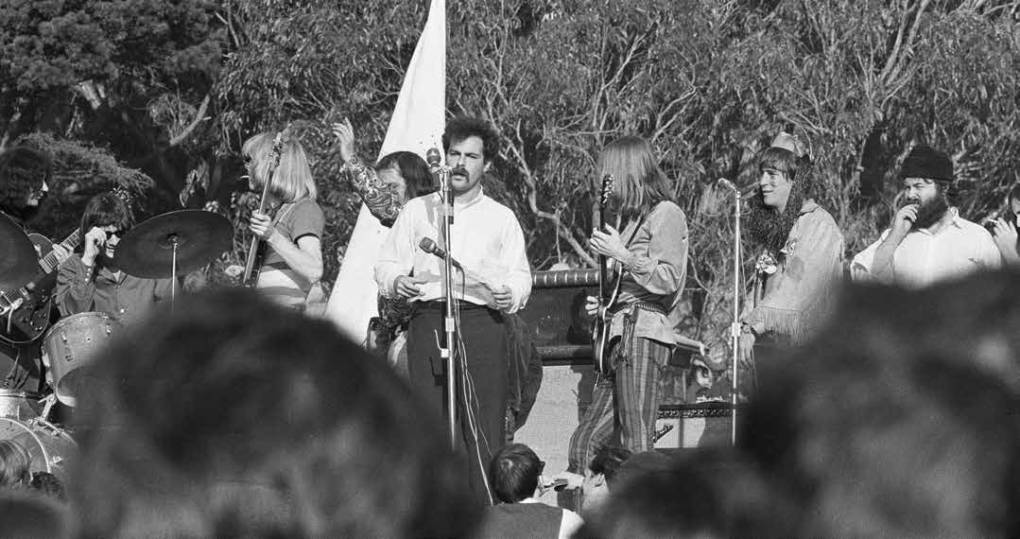
"caption": "Rubin hopping the stage at a Grateful Dead concert for the Human Be-In in 1967.",
"description": "Rubin hopping the stage at a Grateful Dead concert for the Human Be-In in 1967",
"title": "Rubin2",
"credit": "Fantagraphics Books",
"status": "inherit",
"isLoading": false,
"fetchFailed": false
},
"arts_13811543": {
"type": "attachments",
"id": "arts_13811543",
"meta": {
"index": "attachments_1716263798",
"site": "arts",
"id": "13811543",
"found": true
},
"parent": 13811533,
"imgSizes": {
"small": {
"file": "https://ww2.kqed.org/app/uploads/sites/2/2017/10/Charles_Schulz_NYWTS-520x293.jpg",
"width": 520,
"mimeType": "image/jpeg",
"height": 293
},
"twentyfourteen-full-width": {
"file": "https://ww2.kqed.org/app/uploads/sites/2/2017/10/Charles_Schulz_NYWTS-1038x576.jpg",
"width": 1038,
"mimeType": "image/jpeg",
"height": 576
},
"thumbnail": {
"file": "https://ww2.kqed.org/app/uploads/sites/2/2017/10/Charles_Schulz_NYWTS-160x90.jpg",
"width": 160,
"mimeType": "image/jpeg",
"height": 90
},
"fd-sm": {
"file": "https://ww2.kqed.org/app/uploads/sites/2/2017/10/Charles_Schulz_NYWTS-960x540.jpg",
"width": 960,
"mimeType": "image/jpeg",
"height": 540
},
"post-thumbnail": {
"file": "https://ww2.kqed.org/app/uploads/sites/2/2017/10/Charles_Schulz_NYWTS-672x372.jpg",
"width": 672,
"mimeType": "image/jpeg",
"height": 372
},
"xsmall": {
"file": "https://ww2.kqed.org/app/uploads/sites/2/2017/10/Charles_Schulz_NYWTS-375x211.jpg",
"width": 375,
"mimeType": "image/jpeg",
"height": 211
},
"kqedFullSize": {
"file": "https://ww2.kqed.org/app/uploads/sites/2/2017/10/Charles_Schulz_NYWTS.jpg",
"width": 1920,
"height": 1080
},
"large": {
"file": "https://ww2.kqed.org/app/uploads/sites/2/2017/10/Charles_Schulz_NYWTS-1020x574.jpg",
"width": 1020,
"mimeType": "image/jpeg",
"height": 574
},
"xlarge": {
"file": "https://ww2.kqed.org/app/uploads/sites/2/2017/10/Charles_Schulz_NYWTS-1180x664.jpg",
"width": 1180,
"mimeType": "image/jpeg",
"height": 664
},
"guest-author-50": {
"file": "https://ww2.kqed.org/app/uploads/sites/2/2017/10/Charles_Schulz_NYWTS-50x50.jpg",
"width": 50,
"mimeType": "image/jpeg",
"height": 50
},
"guest-author-96": {
"file": "https://ww2.kqed.org/app/uploads/sites/2/2017/10/Charles_Schulz_NYWTS-96x96.jpg",
"width": 96,
"mimeType": "image/jpeg",
"height": 96
},
"medium": {
"file": "https://ww2.kqed.org/app/uploads/sites/2/2017/10/Charles_Schulz_NYWTS-800x450.jpg",
"width": 800,
"mimeType": "image/jpeg",
"height": 450
},
"guest-author-64": {
"file": "https://ww2.kqed.org/app/uploads/sites/2/2017/10/Charles_Schulz_NYWTS-64x64.jpg",
"width": 64,
"mimeType": "image/jpeg",
"height": 64
},
"guest-author-32": {
"file": "https://ww2.kqed.org/app/uploads/sites/2/2017/10/Charles_Schulz_NYWTS-32x32.jpg",
"width": 32,
"mimeType": "image/jpeg",
"height": 32
},
"fd-lrg": {
"file": "https://ww2.kqed.org/app/uploads/sites/2/2017/10/Charles_Schulz_NYWTS-1920x1080.jpg",
"width": 1920,
"mimeType": "image/jpeg",
"height": 1080
},
"fd-med": {
"file": "https://ww2.kqed.org/app/uploads/sites/2/2017/10/Charles_Schulz_NYWTS-1180x664.jpg",
"width": 1180,
"mimeType": "image/jpeg",
"height": 664
},
"full-width": {
"file": "https://ww2.kqed.org/app/uploads/sites/2/2017/10/Charles_Schulz_NYWTS-1920x1080.jpg",
"width": 1920,
"mimeType": "image/jpeg",
"height": 1080
},
"detail": {
"file": "https://ww2.kqed.org/app/uploads/sites/2/2017/10/Charles_Schulz_NYWTS-150x150.jpg",
"width": 150,
"mimeType": "image/jpeg",
"height": 150
},
"medium_large": {
"file": "https://ww2.kqed.org/app/uploads/sites/2/2017/10/Charles_Schulz_NYWTS-768x432.jpg",
"width": 768,
"mimeType": "image/jpeg",
"height": 432
},
"guest-author-128": {
"file": "https://ww2.kqed.org/app/uploads/sites/2/2017/10/Charles_Schulz_NYWTS-128x128.jpg",
"width": 128,
"mimeType": "image/jpeg",
"height": 128
},
"xxsmall": {
"file": "https://ww2.kqed.org/app/uploads/sites/2/2017/10/Charles_Schulz_NYWTS-240x135.jpg",
"width": 240,
"mimeType": "image/jpeg",
"height": 135
}
},
"publishDate": 1507853905,
"modified": 1507853959,
"caption": "Charles Monroe Schulz ( November 26, 1922 – February 12, 2000) was a 20th-century American cartoonist best known worldwide for his Peanuts comic strip.",
"description": "Charles Monroe Schulz ( November 26, 1922 – February 12, 2000) was a 20th-century American cartoonist best known worldwide for his Peanuts comic strip.",
"title": "Charles_Schulz_NYWTS",
"credit": "Roger Higgins, World Telegram staff photographer",
"status": "inherit",
"isLoading": false,
"fetchFailed": false
},
"arts_13811364": {
"type": "attachments",
"id": "arts_13811364",
"meta": {
"index": "attachments_1716263798",
"site": "arts",
"id": "13811364",
"found": true
},
"parent": 13811328,
"imgSizes": {
"small": {
"file": "https://ww2.kqed.org/app/uploads/sites/2/2017/10/NaturesGift-520x293.jpg",
"width": 520,
"mimeType": "image/jpeg",
"height": 293
},
"twentyfourteen-full-width": {
"file": "https://ww2.kqed.org/app/uploads/sites/2/2017/10/NaturesGift-1038x576.jpg",
"width": 1038,
"mimeType": "image/jpeg",
"height": 576
},
"thumbnail": {
"file": "https://ww2.kqed.org/app/uploads/sites/2/2017/10/NaturesGift-160x90.jpg",
"width": 160,
"mimeType": "image/jpeg",
"height": 90
},
"fd-sm": {
"file": "https://ww2.kqed.org/app/uploads/sites/2/2017/10/NaturesGift-960x540.jpg",
"width": 960,
"mimeType": "image/jpeg",
"height": 540
},
"post-thumbnail": {
"file": "https://ww2.kqed.org/app/uploads/sites/2/2017/10/NaturesGift-672x372.jpg",
"width": 672,
"mimeType": "image/jpeg",
"height": 372
},
"xsmall": {
"file": "https://ww2.kqed.org/app/uploads/sites/2/2017/10/NaturesGift-375x211.jpg",
"width": 375,
"mimeType": "image/jpeg",
"height": 211
},
"kqedFullSize": {
"file": "https://ww2.kqed.org/app/uploads/sites/2/2017/10/NaturesGift.jpg",
"width": 1920,
"height": 1080
},
"large": {
"file": "https://ww2.kqed.org/app/uploads/sites/2/2017/10/NaturesGift-1020x574.jpg",
"width": 1020,
"mimeType": "image/jpeg",
"height": 574
},
"xlarge": {
"file": "https://ww2.kqed.org/app/uploads/sites/2/2017/10/NaturesGift-1180x664.jpg",
"width": 1180,
"mimeType": "image/jpeg",
"height": 664
},
"guest-author-50": {
"file": "https://ww2.kqed.org/app/uploads/sites/2/2017/10/NaturesGift-50x50.jpg",
"width": 50,
"mimeType": "image/jpeg",
"height": 50
},
"guest-author-96": {
"file": "https://ww2.kqed.org/app/uploads/sites/2/2017/10/NaturesGift-96x96.jpg",
"width": 96,
"mimeType": "image/jpeg",
"height": 96
},
"medium": {
"file": "https://ww2.kqed.org/app/uploads/sites/2/2017/10/NaturesGift-800x450.jpg",
"width": 800,
"mimeType": "image/jpeg",
"height": 450
},
"guest-author-64": {
"file": "https://ww2.kqed.org/app/uploads/sites/2/2017/10/NaturesGift-64x64.jpg",
"width": 64,
"mimeType": "image/jpeg",
"height": 64
},
"guest-author-32": {
"file": "https://ww2.kqed.org/app/uploads/sites/2/2017/10/NaturesGift-32x32.jpg",
"width": 32,
"mimeType": "image/jpeg",
"height": 32
},
"fd-lrg": {
"file": "https://ww2.kqed.org/app/uploads/sites/2/2017/10/NaturesGift-1920x1080.jpg",
"width": 1920,
"mimeType": "image/jpeg",
"height": 1080
},
"fd-med": {
"file": "https://ww2.kqed.org/app/uploads/sites/2/2017/10/NaturesGift-1180x664.jpg",
"width": 1180,
"mimeType": "image/jpeg",
"height": 664
},
"full-width": {
"file": "https://ww2.kqed.org/app/uploads/sites/2/2017/10/NaturesGift-1920x1080.jpg",
"width": 1920,
"mimeType": "image/jpeg",
"height": 1080
},
"detail": {
"file": "https://ww2.kqed.org/app/uploads/sites/2/2017/10/NaturesGift-150x150.jpg",
"width": 150,
"mimeType": "image/jpeg",
"height": 150
},
"medium_large": {
"file": "https://ww2.kqed.org/app/uploads/sites/2/2017/10/NaturesGift-768x432.jpg",
"width": 768,
"mimeType": "image/jpeg",
"height": 432
},
"guest-author-128": {
"file": "https://ww2.kqed.org/app/uploads/sites/2/2017/10/NaturesGift-128x128.jpg",
"width": 128,
"mimeType": "image/jpeg",
"height": 128
},
"xxsmall": {
"file": "https://ww2.kqed.org/app/uploads/sites/2/2017/10/NaturesGift-240x135.jpg",
"width": 240,
"mimeType": "image/jpeg",
"height": 135
}
},
"publishDate": 1507763500,
"modified": 1507763552,
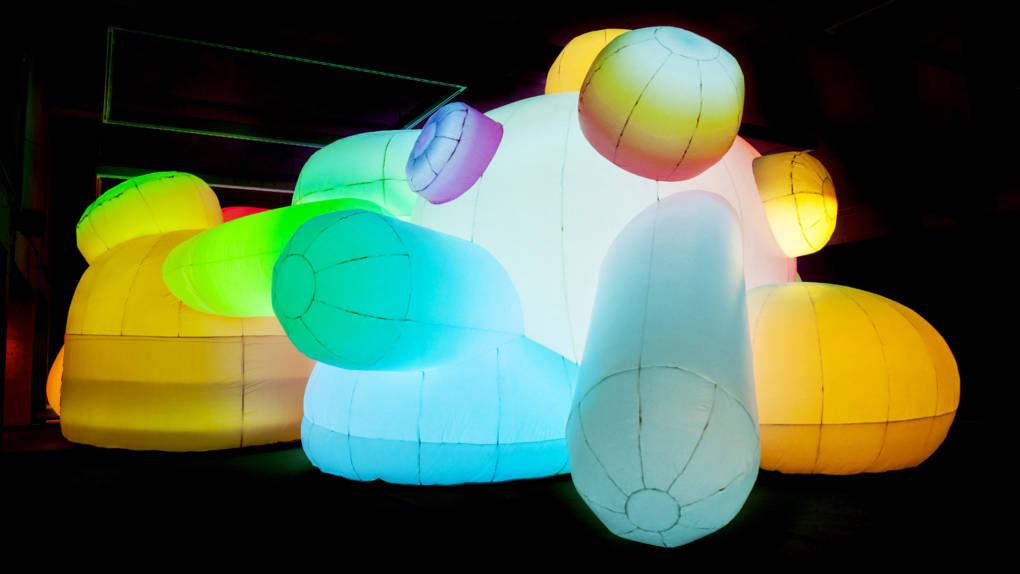
"caption": "FriendsWithYou, 'Nature's Gift,' 2017.",
"description": "FriendsWithYou, 'Nature's Gift,' 2017.",
"title": "NaturesGift",
"credit": "Courtesy of the Oakland Museum of California",
"status": "inherit",
"isLoading": false,
"fetchFailed": false
},
"arts_13811119": {
"type": "attachments",
"id": "arts_13811119",
"meta": {
"index": "attachments_1716263798",
"site": "arts",
"id": "13811119",
"found": true
},
"parent": 13811112,
"imgSizes": {
"small": {
"file": "https://ww2.kqed.org/app/uploads/sites/2/2017/10/Mahvash-Sabet-520x293.jpg",
"width": 520,
"mimeType": "image/jpeg",
"height": 293
},
"twentyfourteen-full-width": {
"file": "https://ww2.kqed.org/app/uploads/sites/2/2017/10/Mahvash-Sabet-1038x576.jpg",
"width": 1038,
"mimeType": "image/jpeg",
"height": 576
},
"thumbnail": {
"file": "https://ww2.kqed.org/app/uploads/sites/2/2017/10/Mahvash-Sabet-160x90.jpg",
"width": 160,
"mimeType": "image/jpeg",
"height": 90
},
"fd-sm": {
"file": "https://ww2.kqed.org/app/uploads/sites/2/2017/10/Mahvash-Sabet-960x540.jpg",
"width": 960,
"mimeType": "image/jpeg",
"height": 540
},
"post-thumbnail": {
"file": "https://ww2.kqed.org/app/uploads/sites/2/2017/10/Mahvash-Sabet-672x372.jpg",
"width": 672,
"mimeType": "image/jpeg",
"height": 372
},
"xsmall": {
"file": "https://ww2.kqed.org/app/uploads/sites/2/2017/10/Mahvash-Sabet-375x211.jpg",
"width": 375,
"mimeType": "image/jpeg",
"height": 211
},
"kqedFullSize": {
"file": "https://ww2.kqed.org/app/uploads/sites/2/2017/10/Mahvash-Sabet.jpg",
"width": 1095,
"height": 616
},
"large": {
"file": "https://ww2.kqed.org/app/uploads/sites/2/2017/10/Mahvash-Sabet-1020x574.jpg",
"width": 1020,
"mimeType": "image/jpeg",
"height": 574
},
"guest-author-50": {
"file": "https://ww2.kqed.org/app/uploads/sites/2/2017/10/Mahvash-Sabet-50x50.jpg",
"width": 50,
"mimeType": "image/jpeg",
"height": 50
},
"guest-author-96": {
"file": "https://ww2.kqed.org/app/uploads/sites/2/2017/10/Mahvash-Sabet-96x96.jpg",
"width": 96,
"mimeType": "image/jpeg",
"height": 96
},
"medium": {
"file": "https://ww2.kqed.org/app/uploads/sites/2/2017/10/Mahvash-Sabet-800x450.jpg",
"width": 800,
"mimeType": "image/jpeg",
"height": 450
},
"guest-author-64": {
"file": "https://ww2.kqed.org/app/uploads/sites/2/2017/10/Mahvash-Sabet-64x64.jpg",
"width": 64,
"mimeType": "image/jpeg",
"height": 64
},
"guest-author-32": {
"file": "https://ww2.kqed.org/app/uploads/sites/2/2017/10/Mahvash-Sabet-32x32.jpg",
"width": 32,
"mimeType": "image/jpeg",
"height": 32
},
"detail": {
"file": "https://ww2.kqed.org/app/uploads/sites/2/2017/10/Mahvash-Sabet-150x150.jpg",
"width": 150,
"mimeType": "image/jpeg",
"height": 150
},
"medium_large": {
"file": "https://ww2.kqed.org/app/uploads/sites/2/2017/10/Mahvash-Sabet-768x432.jpg",
"width": 768,
"mimeType": "image/jpeg",
"height": 432
},
"guest-author-128": {
"file": "https://ww2.kqed.org/app/uploads/sites/2/2017/10/Mahvash-Sabet-128x128.jpg",
"width": 128,
"mimeType": "image/jpeg",
"height": 128
},
"xxsmall": {
"file": "https://ww2.kqed.org/app/uploads/sites/2/2017/10/Mahvash-Sabet-240x135.jpg",
"width": 240,
"mimeType": "image/jpeg",
"height": 135
}
},
"publishDate": 1507670312,
"modified": 1507670389,
"caption": "Mahvash Sabet in 2016",
"description": "Mahvash Sabet",
"title": "Mahvash Sabet",
"credit": "via Facebook",
"status": "inherit",
"isLoading": false,
"fetchFailed": false
},
"arts_13810530": {
"type": "attachments",
"id": "arts_13810530",
"meta": {
"index": "attachments_1716263798",
"site": "arts",
"id": "13810530",
"found": true
},
"parent": 13810393,
"imgSizes": {
"small": {
"file": "https://ww2.kqed.org/app/uploads/sites/2/2017/10/litsnapshot-520x229.jpg",
"width": 520,
"mimeType": "image/jpeg",
"height": 229
},
"twentyfourteen-full-width": {
"file": "https://ww2.kqed.org/app/uploads/sites/2/2017/10/litsnapshot-1038x576.jpg",
"width": 1038,
"mimeType": "image/jpeg",
"height": 576
},
"thumbnail": {
"file": "https://ww2.kqed.org/app/uploads/sites/2/2017/10/litsnapshot-160x70.jpg",
"width": 160,
"mimeType": "image/jpeg",
"height": 70
},
"fd-sm": {
"file": "https://ww2.kqed.org/app/uploads/sites/2/2017/10/litsnapshot-960x423.jpg",
"width": 960,
"mimeType": "image/jpeg",
"height": 423
},
"post-thumbnail": {
"file": "https://ww2.kqed.org/app/uploads/sites/2/2017/10/litsnapshot-672x372.jpg",
"width": 672,
"mimeType": "image/jpeg",
"height": 372
},
"xsmall": {
"file": "https://ww2.kqed.org/app/uploads/sites/2/2017/10/litsnapshot-375x165.jpg",
"width": 375,
"mimeType": "image/jpeg",
"height": 165
},
"kqedFullSize": {
"file": "https://ww2.kqed.org/app/uploads/sites/2/2017/10/litsnapshot.jpg",
"width": 6811,
"height": 3000
},
"large": {
"file": "https://ww2.kqed.org/app/uploads/sites/2/2017/10/litsnapshot-1020x449.jpg",
"width": 1020,
"mimeType": "image/jpeg",
"height": 449
},
"xlarge": {
"file": "https://ww2.kqed.org/app/uploads/sites/2/2017/10/litsnapshot-1180x520.jpg",
"width": 1180,
"mimeType": "image/jpeg",
"height": 520
},
"guest-author-50": {
"file": "https://ww2.kqed.org/app/uploads/sites/2/2017/10/litsnapshot-50x50.jpg",
"width": 50,
"mimeType": "image/jpeg",
"height": 50
},
"guest-author-96": {
"file": "https://ww2.kqed.org/app/uploads/sites/2/2017/10/litsnapshot-96x96.jpg",
"width": 96,
"mimeType": "image/jpeg",
"height": 96
},
"medium": {
"file": "https://ww2.kqed.org/app/uploads/sites/2/2017/10/litsnapshot-800x352.jpg",
"width": 800,
"mimeType": "image/jpeg",
"height": 352
},
"guest-author-64": {
"file": "https://ww2.kqed.org/app/uploads/sites/2/2017/10/litsnapshot-64x64.jpg",
"width": 64,
"mimeType": "image/jpeg",
"height": 64
},
"guest-author-32": {
"file": "https://ww2.kqed.org/app/uploads/sites/2/2017/10/litsnapshot-32x32.jpg",
"width": 32,
"mimeType": "image/jpeg",
"height": 32
},
"fd-lrg": {
"file": "https://ww2.kqed.org/app/uploads/sites/2/2017/10/litsnapshot-1920x846.jpg",
"width": 1920,
"mimeType": "image/jpeg",
"height": 846
},
"fd-med": {
"file": "https://ww2.kqed.org/app/uploads/sites/2/2017/10/litsnapshot-1180x520.jpg",
"width": 1180,
"mimeType": "image/jpeg",
"height": 520
},
"full-width": {
"file": "https://ww2.kqed.org/app/uploads/sites/2/2017/10/litsnapshot-1920x846.jpg",
"width": 1920,
"mimeType": "image/jpeg",
"height": 846
},
"detail": {
"file": "https://ww2.kqed.org/app/uploads/sites/2/2017/10/litsnapshot-150x150.jpg",
"width": 150,
"mimeType": "image/jpeg",
"height": 150
},
"medium_large": {
"file": "https://ww2.kqed.org/app/uploads/sites/2/2017/10/litsnapshot-768x338.jpg",
"width": 768,
"mimeType": "image/jpeg",
"height": 338
},
"guest-author-128": {
"file": "https://ww2.kqed.org/app/uploads/sites/2/2017/10/litsnapshot-128x128.jpg",
"width": 128,
"mimeType": "image/jpeg",
"height": 128
},
"xxsmall": {
"file": "https://ww2.kqed.org/app/uploads/sites/2/2017/10/litsnapshot-240x106.jpg",
"width": 240,
"mimeType": "image/jpeg",
"height": 106
}
},
"publishDate": 1507155170,
"modified": 1507155170,
"caption": null,
"description": null,
"title": "litsnapshot",
"credit": null,
"status": "inherit",
"isLoading": false,
"fetchFailed": false
},
"arts_12132280": {
"type": "attachments",
"id": "arts_12132280",
"meta": {
"index": "attachments_1716263798",
"site": "arts",
"id": "12132280",
"found": true
},
"parent": 12131884,
"imgSizes": {
"small": {
"file": "https://ww2.kqed.org/app/uploads/sites/2/2016/09/113-e1507137574881-520x293.jpg",
"width": 520,
"mimeType": "image/jpeg",
"height": 293
},
"twentyfourteen-full-width": {
"file": "https://ww2.kqed.org/app/uploads/sites/2/2016/09/113-e1507137574881-1038x576.jpg",
"width": 1038,
"mimeType": "image/jpeg",
"height": 576
},
"thumbnail": {
"file": "https://ww2.kqed.org/app/uploads/sites/2/2016/09/113-e1507137574881-160x90.jpg",
"width": 160,
"mimeType": "image/jpeg",
"height": 90
},
"fd-sm": {
"file": "https://ww2.kqed.org/app/uploads/sites/2/2016/09/113-e1507137574881-960x540.jpg",
"width": 960,
"mimeType": "image/jpeg",
"height": 540
},
"post-thumbnail": {
"file": "https://ww2.kqed.org/app/uploads/sites/2/2016/09/113-e1507137574881-672x372.jpg",
"width": 672,
"mimeType": "image/jpeg",
"height": 372
},
"xsmall": {
"file": "https://ww2.kqed.org/app/uploads/sites/2/2016/09/113-e1507137574881-375x211.jpg",
"width": 375,
"mimeType": "image/jpeg",
"height": 211
},
"kqedFullSize": {
"file": "https://ww2.kqed.org/app/uploads/sites/2/2016/09/113-e1507137574881.jpg",
"width": 3264,
"height": 1836
},
"large": {
"file": "https://ww2.kqed.org/app/uploads/sites/2/2016/09/113-e1507137574881-1020x574.jpg",
"width": 1020,
"mimeType": "image/jpeg",
"height": 574
},
"xlarge": {
"file": "https://ww2.kqed.org/app/uploads/sites/2/2016/09/113-e1507137574881-1180x664.jpg",
"width": 1180,
"mimeType": "image/jpeg",
"height": 664
},
"guest-author-50": {
"file": "https://ww2.kqed.org/app/uploads/sites/2/2016/09/113-e1507137574881-50x50.jpg",
"width": 50,
"mimeType": "image/jpeg",
"height": 50
},
"guest-author-96": {
"file": "https://ww2.kqed.org/app/uploads/sites/2/2016/09/113-e1507137574881-96x96.jpg",
"width": 96,
"mimeType": "image/jpeg",
"height": 96
},
"medium": {
"file": "https://ww2.kqed.org/app/uploads/sites/2/2016/09/113-e1507137574881-800x450.jpg",
"width": 800,
"mimeType": "image/jpeg",
"height": 450
},
"guest-author-64": {
"file": "https://ww2.kqed.org/app/uploads/sites/2/2016/09/113-e1507137574881-64x64.jpg",
"width": 64,
"mimeType": "image/jpeg",
"height": 64
},
"guest-author-32": {
"file": "https://ww2.kqed.org/app/uploads/sites/2/2016/09/113-e1507137574881-32x32.jpg",
"width": 32,
"mimeType": "image/jpeg",
"height": 32
},
"fd-lrg": {
"file": "https://ww2.kqed.org/app/uploads/sites/2/2016/09/113-e1507137574881-1920x1080.jpg",
"width": 1920,
"mimeType": "image/jpeg",
"height": 1080
},
"fd-med": {
"file": "https://ww2.kqed.org/app/uploads/sites/2/2016/09/113-e1507137574881-1180x664.jpg",
"width": 1180,
"mimeType": "image/jpeg",
"height": 664
},
"full-width": {
"file": "https://ww2.kqed.org/app/uploads/sites/2/2016/09/113-e1507137574881-1920x1080.jpg",
"width": 1920,
"mimeType": "image/jpeg",
"height": 1080
},
"detail": {
"file": "https://ww2.kqed.org/app/uploads/sites/2/2016/09/113-e1507137574881-150x150.jpg",
"width": 150,
"mimeType": "image/jpeg",
"height": 150
},
"medium_large": {
"file": "https://ww2.kqed.org/app/uploads/sites/2/2016/09/113-e1507137574881-768x432.jpg",
"width": 768,
"mimeType": "image/jpeg",
"height": 432
},
"guest-author-128": {
"file": "https://ww2.kqed.org/app/uploads/sites/2/2016/09/113-e1507137574881-128x128.jpg",
"width": 128,
"mimeType": "image/jpeg",
"height": 128
},
"xxsmall": {
"file": "https://ww2.kqed.org/app/uploads/sites/2/2016/09/113-e1507137574881-240x135.jpg",
"width": 240,
"mimeType": "image/jpeg",
"height": 135
}
},
"publishDate": 1475111311,
"modified": 1507137666,
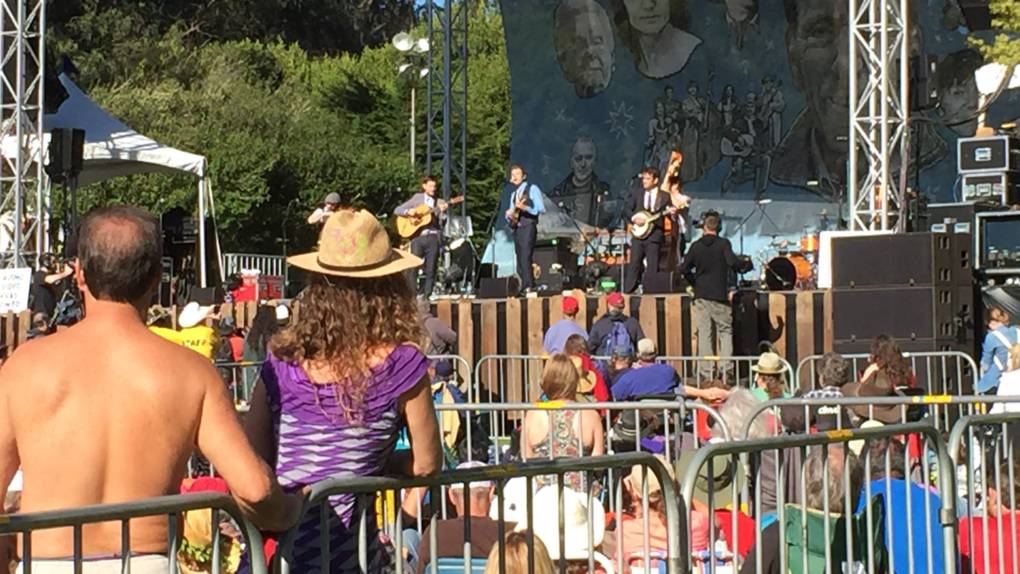
"caption": "A sunny afternoon at Hardly Strictly Bluegrass ",
"description": "A sunny afternoon at Hardly Strictly Bluegrass ",
"title": "A sunny afternoon at Hardly Strictly Bluegrass",
"credit": "Photo: Cy Musiker/KQED",
"status": "inherit",
"isLoading": false,
"fetchFailed": false
},
"arts_13810515": {
"type": "attachments",
"id": "arts_13810515",
"meta": {
"index": "attachments_1716263798",
"site": "arts",
"id": "13810515",
"found": true
},
"parent": 13810500,
"imgSizes": {
"small": {
"file": "https://ww2.kqed.org/app/uploads/sites/2/2017/10/Litquake-2017-features-a-reading-of-Joan-Didions-Slouching-Toward-Bethlehem-by-the-theater-troupe-Word-for-Word-e1507153373253-520x292.jpg",
"width": 520,
"mimeType": "image/jpeg",
"height": 292
},
"twentyfourteen-full-width": {
"file": "https://ww2.kqed.org/app/uploads/sites/2/2017/10/Litquake-2017-features-a-reading-of-Joan-Didions-Slouching-Toward-Bethlehem-by-the-theater-troupe-Word-for-Word-e1507153373253-1038x576.jpg",
"width": 1038,
"mimeType": "image/jpeg",
"height": 576
},
"thumbnail": {
"file": "https://ww2.kqed.org/app/uploads/sites/2/2017/10/Litquake-2017-features-a-reading-of-Joan-Didions-Slouching-Toward-Bethlehem-by-the-theater-troupe-Word-for-Word-e1507153373253-160x90.jpg",
"width": 160,
"mimeType": "image/jpeg",
"height": 90
},
"fd-sm": {
"file": "https://ww2.kqed.org/app/uploads/sites/2/2017/10/Litquake-2017-features-a-reading-of-Joan-Didions-Slouching-Toward-Bethlehem-by-the-theater-troupe-Word-for-Word-e1507153373253-960x539.jpg",
"width": 960,
"mimeType": "image/jpeg",
"height": 539
},
"post-thumbnail": {
"file": "https://ww2.kqed.org/app/uploads/sites/2/2017/10/Litquake-2017-features-a-reading-of-Joan-Didions-Slouching-Toward-Bethlehem-by-the-theater-troupe-Word-for-Word-e1507153373253-672x372.jpg",
"width": 672,
"mimeType": "image/jpeg",
"height": 372
},
"xsmall": {
"file": "https://ww2.kqed.org/app/uploads/sites/2/2017/10/Litquake-2017-features-a-reading-of-Joan-Didions-Slouching-Toward-Bethlehem-by-the-theater-troupe-Word-for-Word-e1507153373253-375x211.jpg",
"width": 375,
"mimeType": "image/jpeg",
"height": 211
},
"kqedFullSize": {
"file": "https://ww2.kqed.org/app/uploads/sites/2/2017/10/Litquake-2017-features-a-reading-of-Joan-Didions-Slouching-Toward-Bethlehem-by-the-theater-troupe-Word-for-Word-e1507153373253.jpg",
"width": 1319,
"height": 741
},
"large": {
"file": "https://ww2.kqed.org/app/uploads/sites/2/2017/10/Litquake-2017-features-a-reading-of-Joan-Didions-Slouching-Toward-Bethlehem-by-the-theater-troupe-Word-for-Word-e1507153373253-1020x573.jpg",
"width": 1020,
"mimeType": "image/jpeg",
"height": 573
},
"xlarge": {
"file": "https://ww2.kqed.org/app/uploads/sites/2/2017/10/Litquake-2017-features-a-reading-of-Joan-Didions-Slouching-Toward-Bethlehem-by-the-theater-troupe-Word-for-Word-e1507153373253-1180x663.jpg",
"width": 1180,
"mimeType": "image/jpeg",
"height": 663
},
"guest-author-50": {
"file": "https://ww2.kqed.org/app/uploads/sites/2/2017/10/Litquake-2017-features-a-reading-of-Joan-Didions-Slouching-Toward-Bethlehem-by-the-theater-troupe-Word-for-Word-e1507153373253-50x50.jpg",
"width": 50,
"mimeType": "image/jpeg",
"height": 50
},
"guest-author-96": {
"file": "https://ww2.kqed.org/app/uploads/sites/2/2017/10/Litquake-2017-features-a-reading-of-Joan-Didions-Slouching-Toward-Bethlehem-by-the-theater-troupe-Word-for-Word-e1507153373253-96x96.jpg",
"width": 96,
"mimeType": "image/jpeg",
"height": 96
},
"medium": {
"file": "https://ww2.kqed.org/app/uploads/sites/2/2017/10/Litquake-2017-features-a-reading-of-Joan-Didions-Slouching-Toward-Bethlehem-by-the-theater-troupe-Word-for-Word-e1507153373253-800x449.jpg",
"width": 800,
"mimeType": "image/jpeg",
"height": 449
},
"guest-author-64": {
"file": "https://ww2.kqed.org/app/uploads/sites/2/2017/10/Litquake-2017-features-a-reading-of-Joan-Didions-Slouching-Toward-Bethlehem-by-the-theater-troupe-Word-for-Word-e1507153373253-64x64.jpg",
"width": 64,
"mimeType": "image/jpeg",
"height": 64
},
"guest-author-32": {
"file": "https://ww2.kqed.org/app/uploads/sites/2/2017/10/Litquake-2017-features-a-reading-of-Joan-Didions-Slouching-Toward-Bethlehem-by-the-theater-troupe-Word-for-Word-e1507153373253-32x32.jpg",
"width": 32,
"mimeType": "image/jpeg",
"height": 32
},
"fd-med": {
"file": "https://ww2.kqed.org/app/uploads/sites/2/2017/10/Litquake-2017-features-a-reading-of-Joan-Didions-Slouching-Toward-Bethlehem-by-the-theater-troupe-Word-for-Word-e1507153373253-1180x663.jpg",
"width": 1180,
"mimeType": "image/jpeg",
"height": 663
},
"detail": {
"file": "https://ww2.kqed.org/app/uploads/sites/2/2017/10/Litquake-2017-features-a-reading-of-Joan-Didions-Slouching-Toward-Bethlehem-by-the-theater-troupe-Word-for-Word-e1507153373253-150x150.jpg",
"width": 150,
"mimeType": "image/jpeg",
"height": 150
},
"medium_large": {
"file": "https://ww2.kqed.org/app/uploads/sites/2/2017/10/Litquake-2017-features-a-reading-of-Joan-Didions-Slouching-Toward-Bethlehem-by-the-theater-troupe-Word-for-Word-e1507153373253-768x431.jpg",
"width": 768,
"mimeType": "image/jpeg",
"height": 431
},
"guest-author-128": {
"file": "https://ww2.kqed.org/app/uploads/sites/2/2017/10/Litquake-2017-features-a-reading-of-Joan-Didions-Slouching-Toward-Bethlehem-by-the-theater-troupe-Word-for-Word-e1507153373253-128x128.jpg",
"width": 128,
"mimeType": "image/jpeg",
"height": 128
},
"xxsmall": {
"file": "https://ww2.kqed.org/app/uploads/sites/2/2017/10/Litquake-2017-features-a-reading-of-Joan-Didions-Slouching-Toward-Bethlehem-by-the-theater-troupe-Word-for-Word-e1507153373253-240x135.jpg",
"width": 240,
"mimeType": "image/jpeg",
"height": 135
}
},
"publishDate": 1507153237,
"modified": 1507153272,
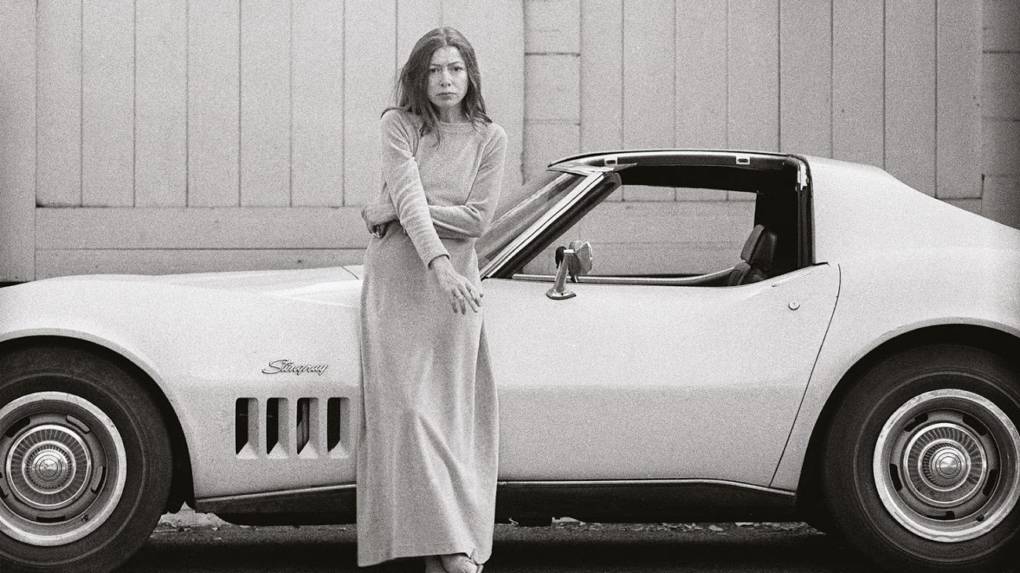
"caption": "Litquake 2017 features a reading of Joan Didion's 'Slouching Toward Bethlehem' by the theater troupe Word for Word",
"description": "Litquake 2017 features a reading of Joan Didion's 'Slouching Toward Bethlehem' by the theater troupe Word for Word",
"title": "Litquake 2017 features a reading of Joan Didion's 'Slouching Toward Bethlehem' by the theater troupe Word for Word",
"credit": "Photo: Courtesy of Litquake",
"status": "inherit",
"isLoading": false,
"fetchFailed": false
},
"arts_13810422": {
"type": "attachments",
"id": "arts_13810422",
"meta": {
"index": "attachments_1716263798",
"site": "arts",
"id": "13810422",
"found": true
},
"parent": 13810421,
"imgSizes": {
"small": {
"file": "https://ww2.kqed.org/app/uploads/sites/2/2017/10/8314929977_36b1d58cf6_o_wide-e0f89ff2fe1abfcca02a68af72c5f440006700d8-520x292.jpg",
"width": 520,
"mimeType": "image/jpeg",
"height": 292
},
"twentyfourteen-full-width": {
"file": "https://ww2.kqed.org/app/uploads/sites/2/2017/10/8314929977_36b1d58cf6_o_wide-e0f89ff2fe1abfcca02a68af72c5f440006700d8-1038x576.jpg",
"width": 1038,
"mimeType": "image/jpeg",
"height": 576
},
"thumbnail": {
"file": "https://ww2.kqed.org/app/uploads/sites/2/2017/10/8314929977_36b1d58cf6_o_wide-e0f89ff2fe1abfcca02a68af72c5f440006700d8-160x90.jpg",
"width": 160,
"mimeType": "image/jpeg",
"height": 90
},
"fd-sm": {
"file": "https://ww2.kqed.org/app/uploads/sites/2/2017/10/8314929977_36b1d58cf6_o_wide-e0f89ff2fe1abfcca02a68af72c5f440006700d8-960x540.jpg",
"width": 960,
"mimeType": "image/jpeg",
"height": 540
},
"post-thumbnail": {
"file": "https://ww2.kqed.org/app/uploads/sites/2/2017/10/8314929977_36b1d58cf6_o_wide-e0f89ff2fe1abfcca02a68af72c5f440006700d8-672x372.jpg",
"width": 672,
"mimeType": "image/jpeg",
"height": 372
},
"xsmall": {
"file": "https://ww2.kqed.org/app/uploads/sites/2/2017/10/8314929977_36b1d58cf6_o_wide-e0f89ff2fe1abfcca02a68af72c5f440006700d8-375x211.jpg",
"width": 375,
"mimeType": "image/jpeg",
"height": 211
},
"kqedFullSize": {
"file": "https://ww2.kqed.org/app/uploads/sites/2/2017/10/8314929977_36b1d58cf6_o_wide-e0f89ff2fe1abfcca02a68af72c5f440006700d8.jpg",
"width": 1698,
"height": 955
},
"large": {
"file": "https://ww2.kqed.org/app/uploads/sites/2/2017/10/8314929977_36b1d58cf6_o_wide-e0f89ff2fe1abfcca02a68af72c5f440006700d8-1020x574.jpg",
"width": 1020,
"mimeType": "image/jpeg",
"height": 574
},
"xlarge": {
"file": "https://ww2.kqed.org/app/uploads/sites/2/2017/10/8314929977_36b1d58cf6_o_wide-e0f89ff2fe1abfcca02a68af72c5f440006700d8-1180x664.jpg",
"width": 1180,
"mimeType": "image/jpeg",
"height": 664
},
"guest-author-50": {
"file": "https://ww2.kqed.org/app/uploads/sites/2/2017/10/8314929977_36b1d58cf6_o_wide-e0f89ff2fe1abfcca02a68af72c5f440006700d8-50x50.jpg",
"width": 50,
"mimeType": "image/jpeg",
"height": 50
},
"guest-author-96": {
"file": "https://ww2.kqed.org/app/uploads/sites/2/2017/10/8314929977_36b1d58cf6_o_wide-e0f89ff2fe1abfcca02a68af72c5f440006700d8-96x96.jpg",
"width": 96,
"mimeType": "image/jpeg",
"height": 96
},
"medium": {
"file": "https://ww2.kqed.org/app/uploads/sites/2/2017/10/8314929977_36b1d58cf6_o_wide-e0f89ff2fe1abfcca02a68af72c5f440006700d8-800x450.jpg",
"width": 800,
"mimeType": "image/jpeg",
"height": 450
},
"guest-author-64": {
"file": "https://ww2.kqed.org/app/uploads/sites/2/2017/10/8314929977_36b1d58cf6_o_wide-e0f89ff2fe1abfcca02a68af72c5f440006700d8-64x64.jpg",
"width": 64,
"mimeType": "image/jpeg",
"height": 64
},
"guest-author-32": {
"file": "https://ww2.kqed.org/app/uploads/sites/2/2017/10/8314929977_36b1d58cf6_o_wide-e0f89ff2fe1abfcca02a68af72c5f440006700d8-32x32.jpg",
"width": 32,
"mimeType": "image/jpeg",
"height": 32
},
"fd-med": {
"file": "https://ww2.kqed.org/app/uploads/sites/2/2017/10/8314929977_36b1d58cf6_o_wide-e0f89ff2fe1abfcca02a68af72c5f440006700d8-1180x664.jpg",
"width": 1180,
"mimeType": "image/jpeg",
"height": 664
},
"detail": {
"file": "https://ww2.kqed.org/app/uploads/sites/2/2017/10/8314929977_36b1d58cf6_o_wide-e0f89ff2fe1abfcca02a68af72c5f440006700d8-150x150.jpg",
"width": 150,
"mimeType": "image/jpeg",
"height": 150
},
"medium_large": {
"file": "https://ww2.kqed.org/app/uploads/sites/2/2017/10/8314929977_36b1d58cf6_o_wide-e0f89ff2fe1abfcca02a68af72c5f440006700d8-768x432.jpg",
"width": 768,
"mimeType": "image/jpeg",
"height": 432
},
"guest-author-128": {
"file": "https://ww2.kqed.org/app/uploads/sites/2/2017/10/8314929977_36b1d58cf6_o_wide-e0f89ff2fe1abfcca02a68af72c5f440006700d8-128x128.jpg",
"width": 128,
"mimeType": "image/jpeg",
"height": 128
},
"xxsmall": {
"file": "https://ww2.kqed.org/app/uploads/sites/2/2017/10/8314929977_36b1d58cf6_o_wide-e0f89ff2fe1abfcca02a68af72c5f440006700d8-240x135.jpg",
"width": 240,
"mimeType": "image/jpeg",
"height": 135
}
},
"publishDate": 1507141215,
"modified": 1507144867,
"caption": "Books!",
"description": "Books!",
"title": "Books!",
"credit": "Abhi Sharma/Flickr",
"status": "inherit",
"isLoading": false,
"fetchFailed": false
},
"arts_13809890": {
"type": "attachments",
"id": "arts_13809890",
"meta": {
"index": "attachments_1716263798",
"site": "arts",
"id": "13809890",
"found": true
},
"parent": 13809888,
"imgSizes": {
"small": {
"file": "https://ww2.kqed.org/app/uploads/sites/2/2017/09/gettyimages-479212006_slide-b8acb771f8b643095ef6151638ebd4ed938e0210-1-520x346.jpg",
"width": 520,
"mimeType": "image/jpeg",
"height": 346
},
"twentyfourteen-full-width": {
"file": "https://ww2.kqed.org/app/uploads/sites/2/2017/09/gettyimages-479212006_slide-b8acb771f8b643095ef6151638ebd4ed938e0210-1-1038x576.jpg",
"width": 1038,
"mimeType": "image/jpeg",
"height": 576
},
"thumbnail": {
"file": "https://ww2.kqed.org/app/uploads/sites/2/2017/09/gettyimages-479212006_slide-b8acb771f8b643095ef6151638ebd4ed938e0210-1-160x107.jpg",
"width": 160,
"mimeType": "image/jpeg",
"height": 107
},
"fd-sm": {
"file": "https://ww2.kqed.org/app/uploads/sites/2/2017/09/gettyimages-479212006_slide-b8acb771f8b643095ef6151638ebd4ed938e0210-1-960x640.jpg",
"width": 960,
"mimeType": "image/jpeg",
"height": 640
},
"post-thumbnail": {
"file": "https://ww2.kqed.org/app/uploads/sites/2/2017/09/gettyimages-479212006_slide-b8acb771f8b643095ef6151638ebd4ed938e0210-1-672x372.jpg",
"width": 672,
"mimeType": "image/jpeg",
"height": 372
},
"xsmall": {
"file": "https://ww2.kqed.org/app/uploads/sites/2/2017/09/gettyimages-479212006_slide-b8acb771f8b643095ef6151638ebd4ed938e0210-1-375x250.jpg",
"width": 375,
"mimeType": "image/jpeg",
"height": 250
},
"kqedFullSize": {
"file": "https://ww2.kqed.org/app/uploads/sites/2/2017/09/gettyimages-479212006_slide-b8acb771f8b643095ef6151638ebd4ed938e0210-1.jpg",
"width": 3000,
"height": 1999
},
"large": {
"file": "https://ww2.kqed.org/app/uploads/sites/2/2017/09/gettyimages-479212006_slide-b8acb771f8b643095ef6151638ebd4ed938e0210-1-1020x680.jpg",
"width": 1020,
"mimeType": "image/jpeg",
"height": 680
},
"xlarge": {
"file": "https://ww2.kqed.org/app/uploads/sites/2/2017/09/gettyimages-479212006_slide-b8acb771f8b643095ef6151638ebd4ed938e0210-1-1180x786.jpg",
"width": 1180,
"mimeType": "image/jpeg",
"height": 786
},
"guest-author-50": {
"file": "https://ww2.kqed.org/app/uploads/sites/2/2017/09/gettyimages-479212006_slide-b8acb771f8b643095ef6151638ebd4ed938e0210-1-50x50.jpg",
"width": 50,
"mimeType": "image/jpeg",
"height": 50
},
"guest-author-96": {
"file": "https://ww2.kqed.org/app/uploads/sites/2/2017/09/gettyimages-479212006_slide-b8acb771f8b643095ef6151638ebd4ed938e0210-1-96x96.jpg",
"width": 96,
"mimeType": "image/jpeg",
"height": 96
},
"medium": {
"file": "https://ww2.kqed.org/app/uploads/sites/2/2017/09/gettyimages-479212006_slide-b8acb771f8b643095ef6151638ebd4ed938e0210-1-800x533.jpg",
"width": 800,
"mimeType": "image/jpeg",
"height": 533
},
"guest-author-64": {
"file": "https://ww2.kqed.org/app/uploads/sites/2/2017/09/gettyimages-479212006_slide-b8acb771f8b643095ef6151638ebd4ed938e0210-1-64x64.jpg",
"width": 64,
"mimeType": "image/jpeg",
"height": 64
},
"guest-author-32": {
"file": "https://ww2.kqed.org/app/uploads/sites/2/2017/09/gettyimages-479212006_slide-b8acb771f8b643095ef6151638ebd4ed938e0210-1-32x32.jpg",
"width": 32,
"mimeType": "image/jpeg",
"height": 32
},
"fd-lrg": {
"file": "https://ww2.kqed.org/app/uploads/sites/2/2017/09/gettyimages-479212006_slide-b8acb771f8b643095ef6151638ebd4ed938e0210-1-1920x1279.jpg",
"width": 1920,
"mimeType": "image/jpeg",
"height": 1279
},
"fd-med": {
"file": "https://ww2.kqed.org/app/uploads/sites/2/2017/09/gettyimages-479212006_slide-b8acb771f8b643095ef6151638ebd4ed938e0210-1-1180x786.jpg",
"width": 1180,
"mimeType": "image/jpeg",
"height": 786
},
"full-width": {
"file": "https://ww2.kqed.org/app/uploads/sites/2/2017/09/gettyimages-479212006_slide-b8acb771f8b643095ef6151638ebd4ed938e0210-1-1920x1279.jpg",
"width": 1920,
"mimeType": "image/jpeg",
"height": 1279
},
"detail": {
"file": "https://ww2.kqed.org/app/uploads/sites/2/2017/09/gettyimages-479212006_slide-b8acb771f8b643095ef6151638ebd4ed938e0210-1-150x150.jpg",
"width": 150,
"mimeType": "image/jpeg",
"height": 150
},
"medium_large": {
"file": "https://ww2.kqed.org/app/uploads/sites/2/2017/09/gettyimages-479212006_slide-b8acb771f8b643095ef6151638ebd4ed938e0210-1-768x512.jpg",
"width": 768,
"mimeType": "image/jpeg",
"height": 512
},
"guest-author-128": {
"file": "https://ww2.kqed.org/app/uploads/sites/2/2017/09/gettyimages-479212006_slide-b8acb771f8b643095ef6151638ebd4ed938e0210-1-128x128.jpg",
"width": 128,
"mimeType": "image/jpeg",
"height": 128
},
"xxsmall": {
"file": "https://ww2.kqed.org/app/uploads/sites/2/2017/09/gettyimages-479212006_slide-b8acb771f8b643095ef6151638ebd4ed938e0210-1-240x160.jpg",
"width": 240,
"mimeType": "image/jpeg",
"height": 160
}
},
"publishDate": 1506578961,
"modified": 1506579794,
"caption": "In this 1970 photo, Hefner, his then girlfriend actress Barbara Benton and other playmates arrive at Le Bourget airport in France with the Playboy jet \"Big Bunny\".",
"description": "In this 1970 photo, Hefner, his then girlfriend actress Barbara Benton and other playmates arrive at Le Bourget airport in France with the Playboy jet \"Big Bunny\".",
"title": "Hefner and then-girlfriend Barbi Benton arrive at France's Paris-Le Bourget Airport with Playboy playmates in 1970.",
"credit": "AFP/Getty Images",
"status": "inherit",
"isLoading": false,
"fetchFailed": false
},
"arts_13809529": {
"type": "attachments",
"id": "arts_13809529",
"meta": {
"index": "attachments_1716263798",
"site": "arts",
"id": "13809529",
"found": true
},
"parent": 13809518,
"imgSizes": {
"small": {
"file": "https://ww2.kqed.org/app/uploads/sites/2/2017/09/Aardvark-books2-520x292.jpg",
"width": 520,
"mimeType": "image/jpeg",
"height": 292
},
"thumbnail": {
"file": "https://ww2.kqed.org/app/uploads/sites/2/2017/09/Aardvark-books2-160x90.jpg",
"width": 160,
"mimeType": "image/jpeg",
"height": 90
},
"fd-sm": {
"file": "https://ww2.kqed.org/app/uploads/sites/2/2017/09/Aardvark-books2-960x540.jpg",
"width": 960,
"mimeType": "image/jpeg",
"height": 540
},
"post-thumbnail": {
"file": "https://ww2.kqed.org/app/uploads/sites/2/2017/09/Aardvark-books2-672x372.jpg",
"width": 672,
"mimeType": "image/jpeg",
"height": 372
},
"xsmall": {
"file": "https://ww2.kqed.org/app/uploads/sites/2/2017/09/Aardvark-books2-375x211.jpg",
"width": 375,
"mimeType": "image/jpeg",
"height": 211
},
"kqedFullSize": {
"file": "https://ww2.kqed.org/app/uploads/sites/2/2017/09/Aardvark-books2.jpg",
"width": 1000,
"height": 562
},
"guest-author-50": {
"file": "https://ww2.kqed.org/app/uploads/sites/2/2017/09/Aardvark-books2-50x50.jpg",
"width": 50,
"mimeType": "image/jpeg",
"height": 50
},
"guest-author-96": {
"file": "https://ww2.kqed.org/app/uploads/sites/2/2017/09/Aardvark-books2-96x96.jpg",
"width": 96,
"mimeType": "image/jpeg",
"height": 96
},
"medium": {
"file": "https://ww2.kqed.org/app/uploads/sites/2/2017/09/Aardvark-books2-800x450.jpg",
"width": 800,
"mimeType": "image/jpeg",
"height": 450
},
"guest-author-64": {
"file": "https://ww2.kqed.org/app/uploads/sites/2/2017/09/Aardvark-books2-64x64.jpg",
"width": 64,
"mimeType": "image/jpeg",
"height": 64
},
"guest-author-32": {
"file": "https://ww2.kqed.org/app/uploads/sites/2/2017/09/Aardvark-books2-32x32.jpg",
"width": 32,
"mimeType": "image/jpeg",
"height": 32
},
"detail": {
"file": "https://ww2.kqed.org/app/uploads/sites/2/2017/09/Aardvark-books2-150x150.jpg",
"width": 150,
"mimeType": "image/jpeg",
"height": 150
},
"medium_large": {
"file": "https://ww2.kqed.org/app/uploads/sites/2/2017/09/Aardvark-books2-768x432.jpg",
"width": 768,
"mimeType": "image/jpeg",
"height": 432
},
"guest-author-128": {
"file": "https://ww2.kqed.org/app/uploads/sites/2/2017/09/Aardvark-books2-128x128.jpg",
"width": 128,
"mimeType": "image/jpeg",
"height": 128
},
"xxsmall": {
"file": "https://ww2.kqed.org/app/uploads/sites/2/2017/09/Aardvark-books2-240x135.jpg",
"width": 240,
"mimeType": "image/jpeg",
"height": 135
}
},
"publishDate": 1506375983,
"modified": 1506376041,
"caption": "Outside Aardvark Books",
"description": "Outside Aardvark Books",
"title": "Aardvark books2",
"credit": "Shane S./Yelp",
"status": "inherit",
"isLoading": false,
"fetchFailed": false
},
"arts_13809149": {
"type": "attachments",
"id": "arts_13809149",
"meta": {
"index": "attachments_1716263798",
"site": "arts",
"id": "13809149",
"found": true
},
"parent": 13809135,
"imgSizes": {
"small": {
"file": "https://ww2.kqed.org/app/uploads/sites/2/2017/09/blackagainstempire3-520x260.jpg",
"width": 520,
"mimeType": "image/jpeg",
"height": 260
},
"twentyfourteen-full-width": {
"file": "https://ww2.kqed.org/app/uploads/sites/2/2017/09/blackagainstempire3-1038x576.jpg",
"width": 1038,
"mimeType": "image/jpeg",
"height": 576
},
"thumbnail": {
"file": "https://ww2.kqed.org/app/uploads/sites/2/2017/09/blackagainstempire3-160x80.jpg",
"width": 160,
"mimeType": "image/jpeg",
"height": 80
},
"fd-sm": {
"file": "https://ww2.kqed.org/app/uploads/sites/2/2017/09/blackagainstempire3-960x480.jpg",
"width": 960,
"mimeType": "image/jpeg",
"height": 480
},
"post-thumbnail": {
"file": "https://ww2.kqed.org/app/uploads/sites/2/2017/09/blackagainstempire3-672x372.jpg",
"width": 672,
"mimeType": "image/jpeg",
"height": 372
},
"xsmall": {
"file": "https://ww2.kqed.org/app/uploads/sites/2/2017/09/blackagainstempire3-375x188.jpg",
"width": 375,
"mimeType": "image/jpeg",
"height": 188
},
"kqedFullSize": {
"file": "https://ww2.kqed.org/app/uploads/sites/2/2017/09/blackagainstempire3.jpg",
"width": 6000,
"height": 3000
},
"large": {
"file": "https://ww2.kqed.org/app/uploads/sites/2/2017/09/blackagainstempire3-1020x510.jpg",
"width": 1020,
"mimeType": "image/jpeg",
"height": 510
},
"xlarge": {
"file": "https://ww2.kqed.org/app/uploads/sites/2/2017/09/blackagainstempire3-1180x590.jpg",
"width": 1180,
"mimeType": "image/jpeg",
"height": 590
},
"guest-author-50": {
"file": "https://ww2.kqed.org/app/uploads/sites/2/2017/09/blackagainstempire3-50x50.jpg",
"width": 50,
"mimeType": "image/jpeg",
"height": 50
},
"guest-author-96": {
"file": "https://ww2.kqed.org/app/uploads/sites/2/2017/09/blackagainstempire3-96x96.jpg",
"width": 96,
"mimeType": "image/jpeg",
"height": 96
},
"medium": {
"file": "https://ww2.kqed.org/app/uploads/sites/2/2017/09/blackagainstempire3-800x400.jpg",
"width": 800,
"mimeType": "image/jpeg",
"height": 400
},
"guest-author-64": {
"file": "https://ww2.kqed.org/app/uploads/sites/2/2017/09/blackagainstempire3-64x64.jpg",
"width": 64,
"mimeType": "image/jpeg",
"height": 64
},
"guest-author-32": {
"file": "https://ww2.kqed.org/app/uploads/sites/2/2017/09/blackagainstempire3-32x32.jpg",
"width": 32,
"mimeType": "image/jpeg",
"height": 32
},
"fd-lrg": {
"file": "https://ww2.kqed.org/app/uploads/sites/2/2017/09/blackagainstempire3-1920x960.jpg",
"width": 1920,
"mimeType": "image/jpeg",
"height": 960
},
"fd-med": {
"file": "https://ww2.kqed.org/app/uploads/sites/2/2017/09/blackagainstempire3-1180x590.jpg",
"width": 1180,
"mimeType": "image/jpeg",
"height": 590
},
"full-width": {
"file": "https://ww2.kqed.org/app/uploads/sites/2/2017/09/blackagainstempire3-1920x960.jpg",
"width": 1920,
"mimeType": "image/jpeg",
"height": 960
},
"detail": {
"file": "https://ww2.kqed.org/app/uploads/sites/2/2017/09/blackagainstempire3-150x150.jpg",
"width": 150,
"mimeType": "image/jpeg",
"height": 150
},
"medium_large": {
"file": "https://ww2.kqed.org/app/uploads/sites/2/2017/09/blackagainstempire3-768x384.jpg",
"width": 768,
"mimeType": "image/jpeg",
"height": 384
},
"guest-author-128": {
"file": "https://ww2.kqed.org/app/uploads/sites/2/2017/09/blackagainstempire3-128x128.jpg",
"width": 128,
"mimeType": "image/jpeg",
"height": 128
},
"xxsmall": {
"file": "https://ww2.kqed.org/app/uploads/sites/2/2017/09/blackagainstempire3-240x120.jpg",
"width": 240,
"mimeType": "image/jpeg",
"height": 120
}
},
"publishDate": 1505970577,
"modified": 1505970577,
"caption": null,
"description": null,
"title": "blackagainstempire3",
"credit": null,
"status": "inherit",
"isLoading": false,
"fetchFailed": false
}
},
"audioPlayerReducer": {
"postId": "stream_live",
"isPaused": true,
"isPlaying": false,
"pfsActive": false,
"pledgeModalIsOpen": true,
"playerDrawerIsOpen": false,
"liveAudioPlayStartedAt": 0,
"liveAudioPlayContext": ""
},
"authorsReducer": {
"byline_arts_13811891": {
"type": "authors",
"id": "byline_arts_13811891",
"meta": {
"override": true
},
"slug": "byline_arts_13811891",
"name": "Camila Domonoske",
"isLoading": false
},
"byline_arts_13811533": {
"type": "authors",
"id": "byline_arts_13811533",
"meta": {
"override": true
},
"slug": "byline_arts_13811533",
"name": "Associated Press",
"isLoading": false
},
"byline_arts_13811112": {
"type": "authors",
"id": "byline_arts_13811112",
"meta": {
"override": true
},
"slug": "byline_arts_13811112",
"name": "Associated Press",
"isLoading": false
},
"byline_arts_13810421": {
"type": "authors",
"id": "byline_arts_13810421",
"meta": {
"override": true
},
"slug": "byline_arts_13810421",
"name": "Colin Dwyer",
"isLoading": false
},
"byline_arts_13809888": {
"type": "authors",
"id": "byline_arts_13809888",
"meta": {
"override": true
},
"slug": "byline_arts_13809888",
"name": "Scott Simon",
"isLoading": false
},
"cmusiker": {
"type": "authors",
"id": "32",
"meta": {
"index": "authors_1716337520",
"id": "32",
"found": true
},
"name": "Cy Musiker",
"firstName": "Cy",
"lastName": "Musiker",
"slug": "cmusiker",
"email": "cmusiker@kqed.org",
"display_author_email": false,
"staff_mastheads": [],
"title": "KQED Contributor",
"bio": "Cy Musiker is a former co-host of The Do List and a former reporter covering the arts for KQED News and The California Report. He loves live performance, especially great theater, jazz, roots music, anything by Mahler. Cy has an MJ from UC Berkeley's School of Journalism, and got his BA from Hampshire College. His work has been recognized by the Society for Professional Journalists with their Sigma Delta Chi Award for Public Service in Journalism. When he can, Cy likes to swim in Tomales Bay, run with his dog in the East Bay Hills, and hike the Sierra.",
"avatar": "https://secure.gravatar.com/avatar/05eaba5c5696ce8f062e4ea2df428a43?s=600&d=blank&r=g",
"twitter": null,
"facebook": null,
"instagram": null,
"linkedin": null,
"sites": [
{
"site": "arts",
"roles": [
"Contributor",
"subscriber"
]
},
{
"site": "news",
"roles": [
"author"
]
},
{
"site": "bayareabites",
"roles": [
"contributor"
]
}
],
"headData": {
"title": "Cy Musiker | KQED",
"description": "KQED Contributor",
"ogImgSrc": "https://secure.gravatar.com/avatar/05eaba5c5696ce8f062e4ea2df428a43?s=600&d=blank&r=g",
"twImgSrc": "https://secure.gravatar.com/avatar/05eaba5c5696ce8f062e4ea2df428a43?s=600&d=blank&r=g"
},
"isLoading": false,
"link": "/author/cmusiker"
},
"irojascontreras": {
"type": "authors",
"id": "78",
"meta": {
"index": "authors_1716337520",
"id": "78",
"found": true
},
"name": "Ingrid Rojas Contreras",
"firstName": "Ingrid",
"lastName": "Rojas Contreras",
"slug": "irojascontreras",
"email": "ingrid.rojas.c@gmail.com",
"display_author_email": false,
"staff_mastheads": [],
"title": null,
"bio": "Ingrid Rojas Contreras lives in San Francisco with her books. Her debut novel\u003cem> Fruit of the Drunken Tree \u003c/em>is forthcoming from Doubleday (Summer 2018). Find more at \u003ca href=\"http://www.ingridrojascontreras.com\">www.ingridrojascontreras.com\u003c/a>.",
"avatar": "https://secure.gravatar.com/avatar/908d94de9342e71b9d5ceaa8152a16a0?s=600&d=blank&r=g",
"twitter": null,
"facebook": null,
"instagram": null,
"linkedin": null,
"sites": [
{
"site": "arts",
"roles": [
"Contributor",
"contributor"
]
}
],
"headData": {
"title": "Ingrid Rojas Contreras | KQED",
"description": null,
"ogImgSrc": "https://secure.gravatar.com/avatar/908d94de9342e71b9d5ceaa8152a16a0?s=600&d=blank&r=g",
"twImgSrc": "https://secure.gravatar.com/avatar/908d94de9342e71b9d5ceaa8152a16a0?s=600&d=blank&r=g"
},
"isLoading": false,
"link": "/author/irojascontreras"
},
"kjones": {
"type": "authors",
"id": "93",
"meta": {
"index": "authors_1716337520",
"id": "93",
"found": true
},
"name": "Kevin L. Jones",
"firstName": "Kevin",
"lastName": "Jones",
"slug": "kjones",
"email": "kjones@kqed.org",
"display_author_email": false,
"staff_mastheads": [],
"title": null,
"bio": null,
"avatar": "https://secure.gravatar.com/avatar/12c65b5633ed39d0a59bb7f497eff645?s=600&d=blank&r=g",
"twitter": null,
"facebook": null,
"instagram": null,
"linkedin": null,
"sites": [
{
"site": "arts",
"roles": [
"subscriber"
]
},
{
"site": "styleguide",
"roles": [
"contributor"
]
},
{
"site": "artschool",
"roles": [
"subscriber"
]
},
{
"site": "news",
"roles": [
"subscriber"
]
},
{
"site": "pop",
"roles": [
"subscriber"
]
}
],
"headData": {
"title": "Kevin L. Jones | KQED",
"description": null,
"ogImgSrc": "https://secure.gravatar.com/avatar/12c65b5633ed39d0a59bb7f497eff645?s=600&d=blank&r=g",
"twImgSrc": "https://secure.gravatar.com/avatar/12c65b5633ed39d0a59bb7f497eff645?s=600&d=blank&r=g"
},
"isLoading": false,
"link": "/author/kjones"
},
"jbote": {
"type": "authors",
"id": "11371",
"meta": {
"index": "authors_1716337520",
"id": "11371",
"found": true
},
"name": "Joshua Bote",
"firstName": "Joshua",
"lastName": "Bote",
"slug": "jbote",
"email": "jbote@kqed.org",
"display_author_email": false,
"staff_mastheads": [],
"title": null,
"bio": "\u003cp class=\"p1\">Joshua Bote is an intern for KQED Arts. A senior at UC Berkeley, Joshua previously served as the Arts & Entertainment Editor at \u003ci>The Daily Californian\u003c/i>, UC Berkeley’s independently-run student newspaper. His work has been published in the \u003cem>East Bay Express.\u003c/em>\u003c/p>\r\n\u003cp class=\"p1\">He’s deeply enamored with Twitter culture, Carly Rae Jepsen, and love-oriented podcasts. He's also slowly learning to appreciate bad award shows. Follow him on Twitter \u003ca href=\"http://twitter.com/joshuaboat\">@joshuaboat\u003c/a>.\u003c/p>",
"avatar": "https://secure.gravatar.com/avatar/f060759cb27bc8b191022334ab99fc5a?s=600&d=blank&r=g",
"twitter": null,
"facebook": null,
"instagram": null,
"linkedin": null,
"sites": [
{
"site": "arts",
"roles": [
"author"
]
}
],
"headData": {
"title": "Joshua Bote | KQED",
"description": null,
"ogImgSrc": "https://secure.gravatar.com/avatar/f060759cb27bc8b191022334ab99fc5a?s=600&d=blank&r=g",
"twImgSrc": "https://secure.gravatar.com/avatar/f060759cb27bc8b191022334ab99fc5a?s=600&d=blank&r=g"
},
"isLoading": false,
"link": "/author/jbote"
}
},
"pagesReducer": {
"arts_category_literature": {
"type": "terms",
"id": "arts_73",
"meta": {
"index": "terms_1716263798",
"site": "arts",
"id": "73",
"score": 12.797771
},
"featImg": null,
"name": "Books",
"description": null,
"taxonomy": "category",
"headData": {
"twImgId": null,
"twTitle": null,
"ogTitle": null,
"ogImgId": null,
"twDescription": null,
"description": null,
"title": "Books Archives | KQED Arts",
"ogDescription": null
},
"ttid": 74,
"slug": "literature",
"isLoading": false,
"title": "Books",
"pageMeta": {
"site": "arts",
"WpPageTemplate": "page-topic-editorial",
"currentPage": 72
},
"blocks": [
{
"blockName": "kqed/post-list",
"attrs": {
"layout": "cardArticle2",
"query": "posts/arts?category=literature",
"seeMore": false,
"paginated": true,
"page": 72
}
},
{
"blockName": "kqed/ad"
}
]
}
},
"pfsSessionReducer": {},
"postsReducer": {
"stream_live": {
"type": "live",
"id": "stream_live",
"audioUrl": "https://streams.kqed.org/kqedradio",
"title": "Live Stream",
"excerpt": "Live Stream information currently unavailable.",
"link": "/radio",
"featImg": "",
"label": {
"name": "KQED Live",
"link": "/"
}
},
"stream_kqedNewscast": {
"type": "posts",
"id": "stream_kqedNewscast",
"audioUrl": "https://www.kqed.org/.stream/anon/radio/RDnews/newscast.mp3?_=1",
"title": "KQED Newscast",
"featImg": "",
"label": {
"name": "88.5 FM",
"link": "/"
}
},
"arts_13811891": {
"type": "posts",
"id": "arts_13811891",
"meta": {
"index": "posts_1716263798",
"site": "arts",
"id": "13811891",
"score": null,
"sort": [
1508278896000
]
},
"guestAuthors": [],
"slug": "george-saunders-wins-man-booker-prize-for-lincoln-in-the-bardo",
"title": "George Saunders Wins Man Booker Prize for 'Lincoln In The Bardo'",
"publishDate": 1508278896,
"format": "standard",
"headTitle": "George Saunders Wins Man Booker Prize for ‘Lincoln In The Bardo’ | KQED",
"labelTerm": {
"term": 137,
"site": "arts"
},
"content": "\u003cp>American author George Saunders has won the Man Booker prize for his first novel, \u003cem>Lincoln in the Bardo, \u003c/em>a polyphonous meditation on death, grief and American history.\u003c/p>\n\u003cp>Saunders, widely lauded for his short stories, was considered the favorite to win the award. His novel centers on the death of Abraham Lincoln’s beloved son Willie, and the night that Lincoln reportedly spent in the graveyard, devastated by his grief and lingering by his son’s body.\u003c/p>\n\u003cp>In the book, Saunders weaves fragments of historical documents (both authentic and imagined) with the voices of ghosts trapped in the graveyard with young Willie, watching in wonder at the strength of his father’s love. The devastating toll of the Civil War is the backdrop for the scene of very particular loss.\u003c/p>\n\u003cp>Lola Young, the chair of the panel of judges that awarded the Booker Prize, called the novel “utterly original,” praising the narrative as “witty, intelligent, and deeply moving.”\u003c/p>\n\u003cp>In February, Saunders \u003ca href=\"http://www.npr.org/2017/02/11/514512921/lincoln-in-the-bardo-pictures-an-american-saint-of-sorrow\">told NPR\u003c/a> that he carried the idea for the novel around with him for 20 years — although he wasn’t sure it would be a novel at all.\u003c/p>\n\u003cp>[ad fullwidth]\u003c/p>\n\u003cp>“Four years ago, I was like, jeez, this has been bothering me all these years, maybe it’s time to give it a try,” he said. “And I kind of almost had a contract with this book. Kind of like, don’t bloat up on me — be a story if you can be a story. If you can be a nice paragraph, that’s fine. So I kind of kept it on a short leash, but it just kept growing, so I finally said, ‘OK, you are what you are.’ ”\u003c/p>\n\u003cp>Saunders explained that the “bardo” of the title is a Tibetan concept for a sort of transitional zone — a space between death and whatever comes after, in the world of the novel.\u003c/p>\n\u003cp>This is the second year in a row that an American has taken home the prize — in a year when U.S. authors made up fully 50 percent of the shortlist.\u003c/p>\n\u003cp>The Man Booker, one of the most prestigious prizes in literature, has been awarded annually since 1969. It comes with a £50,000 (nearly $66,000) cash prize, and is generally associated with a substantial boost in sales for the winning book.\u003c/p>\n\u003cp>The award was originally reserved only for writers from the U.K. or the Commonwealth (countries that were once part of the British empire.), but four years ago, the prize was opened up to Americans.\u003c/p>\n\u003cp>\u003c/p>\n\u003cp>Last year, \u003ca href=\"http://www.npr.org/sections/thetwo-way/2016/10/25/499368241/novelist-paul-beatty-is-first-american-to-win-britains-man-booker-prize\" target=\"_blank\" rel=\"noopener\">the prize went to Paul Beatty\u003c/a> for \u003cem>The Sellout\u003c/em>. It was the first time the Man Booker had ever been awarded to an American. \u003c/p>\n\u003cdiv class=\"fullattribution\">Copyright 2017 NPR. To see more, visit http://www.npr.org/.\u003cimg decoding=\"async\" src=\"https://www.google-analytics.com/__utm.gif?utmac=UA-5828686-4&utmdt=George+Saunders+Wins+Man+Booker+Prize+For+%27Lincoln+In+The+Bardo%27+&utme=8(APIKey)9(MDAxOTAwOTE4MDEyMTkxMDAzNjczZDljZA004)\">\u003c/div>\n\n",
"blocks": [],
"excerpt": "It's the second year in a row that an American writer has taken home the prestigious literary award.",
"status": "publish",
"parent": 0,
"modified": 1726703075,
"stats": {
"hasAudio": false,
"hasVideo": false,
"hasChartOrMap": false,
"iframeSrcs": [],
"hasGoogleForm": false,
"hasGallery": false,
"hasHearkenModule": false,
"hasPolis": false,
"paragraphCount": 13,
"wordCount": 481
},
"headData": {
"title": "George Saunders Wins Man Booker Prize for 'Lincoln In The Bardo' | KQED",
"description": "It's the second year in a row that an American writer has taken home the prestigious literary award.",
"ogTitle": "",
"ogDescription": "",
"ogImgId": "",
"twTitle": "",
"twDescription": "",
"twImgId": "",
"schema": {
"@context": "https://schema.org",
"@type": "Article",
"headline": "George Saunders Wins Man Booker Prize for 'Lincoln In The Bardo'",
"datePublished": "2017-10-17T15:21:36-07:00",
"dateModified": "2024-09-18T16:44:35-07:00",
"image": "https://cdn.kqed.org/wp-content/uploads/2020/02/KQED-OG-Image@1x.png"
}
},
"sticky": false,
"nprImageCredit": "Chris J. Ratcliffe",
"nprByline": "Camila Domonoske",
"nprImageAgency": "AFP/Getty Images",
"nprStoryId": "558322079",
"nprApiLink": "http://api.npr.org/query?id=558322079&apiKey=MDAxOTAwOTE4MDEyMTkxMDAzNjczZDljZA004",
"nprHtmlLink": "http://www.npr.org/sections/thetwo-way/2017/10/17/558322079/george-saunders-wins-man-booker-prize-for-lincoln-in-the-bardo?ft=nprml&f=558322079",
"nprRetrievedStory": "1",
"nprPubDate": "Tue, 17 Oct 2017 17:44:00 -0400",
"nprStoryDate": "Tue, 17 Oct 2017 17:18:00 -0400",
"nprLastModifiedDate": "Tue, 17 Oct 2017 17:44:29 -0400",
"path": "/arts/13811891/george-saunders-wins-man-booker-prize-for-lincoln-in-the-bardo",
"audioTrackLength": null,
"parsedContent": [
{
"type": "contentString",
"content": "\u003cdiv class=\"post-body\">\u003cp>\u003cp>American author George Saunders has won the Man Booker prize for his first novel, \u003cem>Lincoln in the Bardo, \u003c/em>a polyphonous meditation on death, grief and American history.\u003c/p>\n\u003cp>Saunders, widely lauded for his short stories, was considered the favorite to win the award. His novel centers on the death of Abraham Lincoln’s beloved son Willie, and the night that Lincoln reportedly spent in the graveyard, devastated by his grief and lingering by his son’s body.\u003c/p>\n\u003cp>In the book, Saunders weaves fragments of historical documents (both authentic and imagined) with the voices of ghosts trapped in the graveyard with young Willie, watching in wonder at the strength of his father’s love. The devastating toll of the Civil War is the backdrop for the scene of very particular loss.\u003c/p>\n\u003cp>Lola Young, the chair of the panel of judges that awarded the Booker Prize, called the novel “utterly original,” praising the narrative as “witty, intelligent, and deeply moving.”\u003c/p>\n\u003cp>In February, Saunders \u003ca href=\"http://www.npr.org/2017/02/11/514512921/lincoln-in-the-bardo-pictures-an-american-saint-of-sorrow\">told NPR\u003c/a> that he carried the idea for the novel around with him for 20 years — although he wasn’t sure it would be a novel at all.\u003c/p>\n\u003cp>\u003c/p>\u003c/div>",
"attributes": {
"named": {},
"numeric": []
}
},
{
"type": "component",
"content": "",
"name": "ad",
"attributes": {
"named": {
"label": "fullwidth"
},
"numeric": [
"fullwidth"
]
}
},
{
"type": "contentString",
"content": "\u003cdiv class=\"post-body\">\u003cp>\u003c/p>\n\u003cp>“Four years ago, I was like, jeez, this has been bothering me all these years, maybe it’s time to give it a try,” he said. “And I kind of almost had a contract with this book. Kind of like, don’t bloat up on me — be a story if you can be a story. If you can be a nice paragraph, that’s fine. So I kind of kept it on a short leash, but it just kept growing, so I finally said, ‘OK, you are what you are.’ ”\u003c/p>\n\u003cp>Saunders explained that the “bardo” of the title is a Tibetan concept for a sort of transitional zone — a space between death and whatever comes after, in the world of the novel.\u003c/p>\n\u003cp>This is the second year in a row that an American has taken home the prize — in a year when U.S. authors made up fully 50 percent of the shortlist.\u003c/p>\n\u003cp>The Man Booker, one of the most prestigious prizes in literature, has been awarded annually since 1969. It comes with a £50,000 (nearly $66,000) cash prize, and is generally associated with a substantial boost in sales for the winning book.\u003c/p>\n\u003cp>The award was originally reserved only for writers from the U.K. or the Commonwealth (countries that were once part of the British empire.), but four years ago, the prize was opened up to Americans.\u003c/p>\n\u003cp>\u003c/p>\n\u003cp>Last year, \u003ca href=\"http://www.npr.org/sections/thetwo-way/2016/10/25/499368241/novelist-paul-beatty-is-first-american-to-win-britains-man-booker-prize\" target=\"_blank\" rel=\"noopener\">the prize went to Paul Beatty\u003c/a> for \u003cem>The Sellout\u003c/em>. It was the first time the Man Booker had ever been awarded to an American. \u003c/p>\n\u003cdiv class=\"fullattribution\">Copyright 2017 NPR. To see more, visit http://www.npr.org/.\u003cimg decoding=\"async\" src=\"https://www.google-analytics.com/__utm.gif?utmac=UA-5828686-4&utmdt=George+Saunders+Wins+Man+Booker+Prize+For+%27Lincoln+In+The+Bardo%27+&utme=8(APIKey)9(MDAxOTAwOTE4MDEyMTkxMDAzNjczZDljZA004)\">\u003c/div>\n\n\u003c/div>\u003c/p>",
"attributes": {
"named": {},
"numeric": []
}
}
],
"link": "/arts/13811891/george-saunders-wins-man-booker-prize-for-lincoln-in-the-bardo",
"authors": [
"byline_arts_13811891"
],
"categories": [
"arts_73",
"arts_235"
],
"tags": [
"arts_1448",
"arts_596",
"arts_4358"
],
"affiliates": [
"arts_137"
],
"featImg": "arts_13811892",
"label": "arts_137"
},
"arts_13810754": {
"type": "posts",
"id": "arts_13810754",
"meta": {
"index": "posts_1716263798",
"site": "arts",
"id": "13810754",
"score": null,
"sort": [
1508252438000
]
},
"guestAuthors": [],
"slug": "looking-back-at-jerry-rubin-the-yippie-turned-yuppie",
"title": "Looking Back at Jerry Rubin, the Yippie-Turned-Yuppie",
"publishDate": 1508252438,
"format": "image",
"headTitle": "Looking Back at Jerry Rubin, the Yippie-Turned-Yuppie | KQED",
"labelTerm": {
"site": "arts"
},
"content": "\u003cp>Jerry Rubin gets a bad rap. He was a lot of things: an activist, a provocateur, a showman who orchestrated media blitzes with the expert precision.\u003c/p>\n\u003cp>But for a lot of people familiar with Rubin through his facetious, rabble-rousing activism, he devolved into a sellout. For all the legend-making surrounding Abbie Hoffman, Rubin’s collaborator, creative partner and eventual sparring partner in the Yippie vs. Yuppie debates, his mythos survived only because he remained true to his ideology up to his untimely death by suicide in 1989. It’s a narrative that lends itself to lore. Not so with Rubin.\u003c/p>\n\u003cp>“He’s been pretty much written out of the history books,” said Pat Thomas in an interview with KQED. Thomas, who wrote \u003cem>Did It!\u003c/em> — the first biography dedicated in Rubin’s honor — captures Rubin’s life in painstaking detail.\u003c/p>\n\u003cp>Thomas interviewed upwards of 70 people who knew Rubin closely, from exes to fellow activists to his younger brother, Gil. Every page is laden with Thomas’ quest to cohere the contradictions between Rubin as ‘60s revolutionary and Rubin as ‘80s yuppie.\u003c/p>\n\u003cp>\u003ca href=\"https://ww2.kqed.org/arts/programs/vietnamwar/\">\u003cimg loading=\"lazy\" decoding=\"async\" class=\"alignright size-full wp-image-13810077\" src=\"https://ww2.kqed.org/arts/wp-content/uploads/sites/2/2017/10/TheVietnamWar_web_banners-1180x177-Ver_3-e1506839982941.png\" alt=\"\" width=\"301\" height=\"301\">\u003c/a>\u003c/p>\n\u003cp>[ad fullwidth]\u003c/p>\n\u003cp>With Hoffman and master snarksmith Paul Krassner, Rubin co-founded the Youth International Party in 1967. Members of the Party — who branded themselves the Yippies — were notorious for their flair for the theatric. They staged endless interludes within the political theater of Capitol Hill.\u003c/p>\n\u003cp>Among their list of “accomplishments,” the Yippies ran a pig for president, levitated the Pentagon, and staged protests at the 1968 Democratic National Convention that resulted in a violent retaliation by police — and the \u003ca href=\"http://www.chicagotribune.com/news/nationworld/politics/chi-chicagodays-seventrial-story-story.html\" rel=\"noopener\" target=\"_blank\">Chicago Seven trials\u003c/a> that followed.\u003c/p>\n\u003cp>If the SDS were the straight-and-narrow honor roll students of ’60s-era activism, Rubin and the ragtag collective of Yippies were the guileless class clowns. And, according to Thomas, the true legacy of Rubin was the sense of humor embedded into his political action.\u003c/p>\n\u003cp>“[Humor] can win people over way more than dogmatic rhetoric or browbeating people in a classroom or the jury room,” said Thomas. “Rubin’s great legacy is humor disarms you.”\u003c/p>\n\u003cp>The ground zero for his irreverent, oftentimes off-color form of protest was born right on the UC Berkeley campus — a site that remains rife with \u003ca href=\"http://www.npr.org/2017/09/22/552427627/why-a-potential-free-speech-week-at-berkeley-is-causing-a-stir\" target=\"_blank\" rel=\"noopener\">political tension\u003c/a>.\u003c/p>\n\u003ch3>One Step Further\u003c/h3>\n\u003cp>Rubin became fascinated with spectacle-driven activism while he attended Cal. After a stint as a cub reporter for the \u003ci>Cincinnati Post,\u003c/i> he entered the graduate sociology program at UC Berkeley. But but his zeal for front-line protesting outweighed his ambitions in academia, so Rubin dropped out of Berkeley after a six weeks. It was then he became a full-time protestor. At the height of the Berkeley Free Speech Movement, captured by Mario Savio and his acerbic polemics, Rubin staged what would become the largest teach-in on the UC Berkeley campus.\u003c/p>\n\u003cfigure id=\"attachment_13810775\" class=\"wp-caption alignright\" style=\"max-width: 800px\">\u003cimg loading=\"lazy\" decoding=\"async\" class=\"size-medium wp-image-13810775\" src=\"https://ww2.kqed.org/arts/wp-content/uploads/sites/2/2017/10/Rubin1-800x494.jpg\" alt=\"'60s activist Jerry Rubin protesting with the Vietnam Day Committee.\" width=\"800\" height=\"494\" srcset=\"https://cdn.kqed.org/wp-content/uploads/sites/2/2017/10/Rubin1-800x494.jpg 800w, https://cdn.kqed.org/wp-content/uploads/sites/2/2017/10/Rubin1-160x99.jpg 160w, https://cdn.kqed.org/wp-content/uploads/sites/2/2017/10/Rubin1-768x474.jpg 768w, https://cdn.kqed.org/wp-content/uploads/sites/2/2017/10/Rubin1-1020x630.jpg 1020w, https://cdn.kqed.org/wp-content/uploads/sites/2/2017/10/Rubin1-960x593.jpg 960w, https://cdn.kqed.org/wp-content/uploads/sites/2/2017/10/Rubin1-240x148.jpg 240w, https://cdn.kqed.org/wp-content/uploads/sites/2/2017/10/Rubin1-375x232.jpg 375w, https://cdn.kqed.org/wp-content/uploads/sites/2/2017/10/Rubin1-520x321.jpg 520w, https://cdn.kqed.org/wp-content/uploads/sites/2/2017/10/Rubin1.jpg 1078w\" sizes=\"(max-width: 800px) 100vw, 800px\">\u003cfigcaption class=\"wp-caption-text\">’60s activist Jerry Rubin protesting with the Vietnam Day Committee. \u003ccite>(Fantagraphics Books)\u003c/cite>\u003c/figcaption>\u003c/figure>\n\u003cp>“Rubin took the Free Speech Movement one step further, taking Savio’s message and turned it against what was happening in Vietnam,” Thomas said.\u003c/p>\n\u003cp>With renowned mathematician and Berkeley professor Stephen Smale and his then-partner, fellow activist Barbara Gullahorn, he co-founded the Vietnam Day Committee (VDC). A loose organization of activists based out of Victorian home on Fulton St., the VDC lasted for a year.\u003c/p>\n\u003cp>The organization’s most outsized impact was facilitating the Vietnam Day Teach-In. Nearly 30,000 students and residents were in attendance during the three-day event held right on Sproul Plaza. It was the largest teach-in to ever take place in American history.\u003c/p>\n\u003cp>Folks like novelist Norman Mailer, comedian Dick Gregory and folk crooner Phil Ochs were among those who participated in the torrent of lectures, musical performances and assorted rallying cries over the three days.\u003c/p>\n\u003cp>The momentum following the Teach-In was enormous; it was the catalyst, according to Thomas, with which the larger anti-war movement in the Bay Area and the New Left was born.\u003c/p>\n\u003cp>At a certain point, however, Rubin’s vision shifted from public intellectualism to public performance.\u003c/p>\n\u003ch3>All for Good Causes\u003c/h3>\n\u003cp>For Rubin, a protest was only as impactful as the media attention that it could garner — a belief that lingered during his time as a cub reporter for the \u003cem>Cincinnati Post\u003c/em>. His stunts included dressing up as a Viet Cong member, portraying a Founding Father at the House Un-American Activities Committee (HUAC), and, later on with the Yippies, levitating the Pentagon.\u003c/p>\n\u003cp>Rubin’s first big shift into political theater was inspired by a Yale professor who urged for mass civil disobedience at the VDC teach-in. Trains filled with troops and war munitions being shipped off to Vietnam would travel through Berkeley en route to the Port of Oakland; Rubin and a mass of his friends in the VDC, says Thomas, “started literally lying down on the tracks.”\u003c/p>\n\u003cp>Later, Rubin would man a truck that would follow anonymous vehicles filled with Napalm, which was manufactured in the Bay Area. Attached to the side of the truck was a banner that read “Danger! Napalm! Bombs Ahead.”\u003c/p>\n\u003cp>Rubin was in pursuit of mobilizing a critical mass of the Bay Area into a united front, from middle-class folks who drove by the napalm trucks, to the hippies whose concerns for peace were overshadowed by the lust for the Summer of Love. At the Human Be-In, Rubin hopped on stage with the Grateful Dead and Jefferson Airplane, taking the occasion to foment anti-war sentiment among the largely apolitical San Francisco hippies. Rubin even ran for mayor of Berkeley.\u003c/p>\n\u003cfigure id=\"attachment_13810778\" class=\"wp-caption alignright\" style=\"max-width: 800px\">\u003cimg loading=\"lazy\" decoding=\"async\" class=\"size-medium wp-image-13810778\" src=\"https://ww2.kqed.org/arts/wp-content/uploads/sites/2/2017/10/Rubin4-800x1011.jpg\" alt=\"A campaign poster from Jerry Rubin's efforts to become the mayor of Berkeley\" width=\"800\" height=\"1011\" srcset=\"https://cdn.kqed.org/wp-content/uploads/sites/2/2017/10/Rubin4-800x1011.jpg 800w, https://cdn.kqed.org/wp-content/uploads/sites/2/2017/10/Rubin4-160x202.jpg 160w, https://cdn.kqed.org/wp-content/uploads/sites/2/2017/10/Rubin4-768x970.jpg 768w, https://cdn.kqed.org/wp-content/uploads/sites/2/2017/10/Rubin4-240x303.jpg 240w, https://cdn.kqed.org/wp-content/uploads/sites/2/2017/10/Rubin4-375x474.jpg 375w, https://cdn.kqed.org/wp-content/uploads/sites/2/2017/10/Rubin4-520x657.jpg 520w, https://cdn.kqed.org/wp-content/uploads/sites/2/2017/10/Rubin4.jpg 952w\" sizes=\"(max-width: 800px) 100vw, 800px\">\u003cfigcaption class=\"wp-caption-text\">A campaign poster from Jerry Rubin’s efforts to become the mayor of Berkeley \u003ccite>(Fantagraphics Books)\u003c/cite>\u003c/figcaption>\u003c/figure>\n\u003cp>But in his pursuit to get the hippies involved, he butted heads. Jerry Garcia, Thomas notes in the book, wasn’t a fan of his antics. The hippies he preached to at the Human Be-In resisted his aggressive diatribes. Ronald Reagan, who was still an actor-turned-conservative pundit in the late ’60s, stumped against Rubin and his ilk, condemning them as Communist traitors. Even Jack Kurzweil, a core member of the Vietnam Day Committee, grew distrustful of Rubin after an incident at the Port of Oakland where a man nearly got killed on the tracks.\u003c/p>\n\u003cp>“Jerry’s response,” according to Kurzweil’s account in the book, “was ‘Oh no, let him stay there. If he dies, it will be great publicity!”\u003c/p>\n\u003cp>Rubin would abandon Berkeley to find notoriety elsewhere. After his stint at Berkeley, he went to New York and dropped dollar bills all over the New York Stock Exchange, which caused so much chaos the exchange shut down. It became an \u003ca href=\"https://www.washingtonpost.com/archive/lifestyle/1981/10/18/jerry-rubin/beb88e6b-ba7e-4839-80ac-4442f6d47809/?utm_term=.1940a061f7ae\" target=\"_blank\" rel=\"noopener\">international incident — Rubin’s first of many.\u003c/a>\u003c/p>\n\u003cp>The New Left was splintered by Rubin’s antics. It was clear he was driven by this endless quest for publicity — a fact that Thomas will readily admit to.\u003c/p>\n\u003cp>“Jerry had a big ego,” he admits. “You got to have a big ego to want to get up on a soapbox, and it was ego that drove Jerry. But it was all for good causes.”\u003c/p>\n\u003cp>\u003cimg loading=\"lazy\" decoding=\"async\" class=\"aligncenter size-medium wp-image-12127869\" src=\"https://ww2.kqed.org/arts/wp-content/uploads/sites/2/2016/09/Q.Logo_.Break_-800x78.jpg\" alt=\"\" width=\"800\" height=\"78\" srcset=\"https://cdn.kqed.org/wp-content/uploads/sites/2/2016/09/Q.Logo_.Break_.jpg 800w, https://cdn.kqed.org/wp-content/uploads/sites/2/2016/09/Q.Logo_.Break_-400x39.jpg 400w, https://cdn.kqed.org/wp-content/uploads/sites/2/2016/09/Q.Logo_.Break_-768x75.jpg 768w\" sizes=\"(max-width: 800px) 100vw, 800px\">\u003c/p>\n\u003cp>[ad floatright]\u003c/p>\n\u003cp>\u003ci>Pat Thomas will be appearing at Green Apple Books in \u003ca href=\"http://www.greenapplebooks.com/event/9th-ave-pat-thomas\" rel=\"noopener\" target=\"_blank\">San Francisco on Nov. 8\u003c/a> and Pegasus Books in \u003ca href=\"http://www.pegasusbookstore.com/event/pat-rubin\" rel=\"noopener\" target=\"_blank\">Berkeley on Nov. 12\u003c/a>.>\n\n<em>To see more stories and photographs from KQED’s series about the impact of the Vietnam War on the Bay Area and other communities in California, visit \u003ca href=\"https://ww2.kqed.org/arts/programs/vietnamwar/\" target=\"_blank\" rel=\"noopener noreferrer\">kqed.org/vietnamwar\u003c/a>. \u003c/i>\u003c/p>\n\n",
"blocks": [],
"excerpt": "Pat Thomas, the author of the first biography on Rubin, describes how his time in Berkeley shaped his career as an activist. ",
"status": "publish",
"parent": 0,
"modified": 1726708301,
"stats": {
"hasAudio": false,
"hasVideo": false,
"hasChartOrMap": false,
"iframeSrcs": [],
"hasGoogleForm": false,
"hasGallery": false,
"hasHearkenModule": false,
"hasPolis": false,
"paragraphCount": 30,
"wordCount": 1293
},
"headData": {
"title": "Looking Back at Jerry Rubin, the Yippie-Turned-Yuppie | KQED",
"description": "Pat Thomas, the author of the first biography on Rubin, describes how his time in Berkeley shaped his career as an activist. ",
"ogTitle": "",
"ogDescription": "",
"ogImgId": "",
"twTitle": "",
"twDescription": "",
"twImgId": "",
"schema": {
"@context": "https://schema.org",
"@type": "Article",
"headline": "Looking Back at Jerry Rubin, the Yippie-Turned-Yuppie",
"datePublished": "2017-10-17T08:00:38-07:00",
"dateModified": "2024-09-18T18:11:41-07:00",
"image": "https://cdn.kqed.org/wp-content/uploads/2020/02/KQED-OG-Image@1x.png"
}
},
"sticky": false,
"path": "/arts/13810754/looking-back-at-jerry-rubin-the-yippie-turned-yuppie",
"audioTrackLength": null,
"parsedContent": [
{
"type": "contentString",
"content": "\u003cdiv class=\"post-body\">\u003cp>\u003cp>Jerry Rubin gets a bad rap. He was a lot of things: an activist, a provocateur, a showman who orchestrated media blitzes with the expert precision.\u003c/p>\n\u003cp>But for a lot of people familiar with Rubin through his facetious, rabble-rousing activism, he devolved into a sellout. For all the legend-making surrounding Abbie Hoffman, Rubin’s collaborator, creative partner and eventual sparring partner in the Yippie vs. Yuppie debates, his mythos survived only because he remained true to his ideology up to his untimely death by suicide in 1989. It’s a narrative that lends itself to lore. Not so with Rubin.\u003c/p>\n\u003cp>“He’s been pretty much written out of the history books,” said Pat Thomas in an interview with KQED. Thomas, who wrote \u003cem>Did It!\u003c/em> — the first biography dedicated in Rubin’s honor — captures Rubin’s life in painstaking detail.\u003c/p>\n\u003cp>Thomas interviewed upwards of 70 people who knew Rubin closely, from exes to fellow activists to his younger brother, Gil. Every page is laden with Thomas’ quest to cohere the contradictions between Rubin as ‘60s revolutionary and Rubin as ‘80s yuppie.\u003c/p>\n\u003cp>\u003ca href=\"https://ww2.kqed.org/arts/programs/vietnamwar/\">\u003cimg loading=\"lazy\" decoding=\"async\" class=\"alignright size-full wp-image-13810077\" src=\"https://ww2.kqed.org/arts/wp-content/uploads/sites/2/2017/10/TheVietnamWar_web_banners-1180x177-Ver_3-e1506839982941.png\" alt=\"\" width=\"301\" height=\"301\">\u003c/a>\u003c/p>\n\u003cp>\u003c/p>\u003c/div>",
"attributes": {
"named": {},
"numeric": []
}
},
{
"type": "component",
"content": "",
"name": "ad",
"attributes": {
"named": {
"label": "fullwidth"
},
"numeric": [
"fullwidth"
]
}
},
{
"type": "contentString",
"content": "\u003cdiv class=\"post-body\">\u003cp>\u003c/p>\n\u003cp>With Hoffman and master snarksmith Paul Krassner, Rubin co-founded the Youth International Party in 1967. Members of the Party — who branded themselves the Yippies — were notorious for their flair for the theatric. They staged endless interludes within the political theater of Capitol Hill.\u003c/p>\n\u003cp>Among their list of “accomplishments,” the Yippies ran a pig for president, levitated the Pentagon, and staged protests at the 1968 Democratic National Convention that resulted in a violent retaliation by police — and the \u003ca href=\"http://www.chicagotribune.com/news/nationworld/politics/chi-chicagodays-seventrial-story-story.html\" rel=\"noopener\" target=\"_blank\">Chicago Seven trials\u003c/a> that followed.\u003c/p>\n\u003cp>If the SDS were the straight-and-narrow honor roll students of ’60s-era activism, Rubin and the ragtag collective of Yippies were the guileless class clowns. And, according to Thomas, the true legacy of Rubin was the sense of humor embedded into his political action.\u003c/p>\n\u003cp>“[Humor] can win people over way more than dogmatic rhetoric or browbeating people in a classroom or the jury room,” said Thomas. “Rubin’s great legacy is humor disarms you.”\u003c/p>\n\u003cp>The ground zero for his irreverent, oftentimes off-color form of protest was born right on the UC Berkeley campus — a site that remains rife with \u003ca href=\"http://www.npr.org/2017/09/22/552427627/why-a-potential-free-speech-week-at-berkeley-is-causing-a-stir\" target=\"_blank\" rel=\"noopener\">political tension\u003c/a>.\u003c/p>\n\u003ch3>One Step Further\u003c/h3>\n\u003cp>Rubin became fascinated with spectacle-driven activism while he attended Cal. After a stint as a cub reporter for the \u003ci>Cincinnati Post,\u003c/i> he entered the graduate sociology program at UC Berkeley. But but his zeal for front-line protesting outweighed his ambitions in academia, so Rubin dropped out of Berkeley after a six weeks. It was then he became a full-time protestor. At the height of the Berkeley Free Speech Movement, captured by Mario Savio and his acerbic polemics, Rubin staged what would become the largest teach-in on the UC Berkeley campus.\u003c/p>\n\u003cfigure id=\"attachment_13810775\" class=\"wp-caption alignright\" style=\"max-width: 800px\">\u003cimg loading=\"lazy\" decoding=\"async\" class=\"size-medium wp-image-13810775\" src=\"https://ww2.kqed.org/arts/wp-content/uploads/sites/2/2017/10/Rubin1-800x494.jpg\" alt=\"'60s activist Jerry Rubin protesting with the Vietnam Day Committee.\" width=\"800\" height=\"494\" srcset=\"https://cdn.kqed.org/wp-content/uploads/sites/2/2017/10/Rubin1-800x494.jpg 800w, https://cdn.kqed.org/wp-content/uploads/sites/2/2017/10/Rubin1-160x99.jpg 160w, https://cdn.kqed.org/wp-content/uploads/sites/2/2017/10/Rubin1-768x474.jpg 768w, https://cdn.kqed.org/wp-content/uploads/sites/2/2017/10/Rubin1-1020x630.jpg 1020w, https://cdn.kqed.org/wp-content/uploads/sites/2/2017/10/Rubin1-960x593.jpg 960w, https://cdn.kqed.org/wp-content/uploads/sites/2/2017/10/Rubin1-240x148.jpg 240w, https://cdn.kqed.org/wp-content/uploads/sites/2/2017/10/Rubin1-375x232.jpg 375w, https://cdn.kqed.org/wp-content/uploads/sites/2/2017/10/Rubin1-520x321.jpg 520w, https://cdn.kqed.org/wp-content/uploads/sites/2/2017/10/Rubin1.jpg 1078w\" sizes=\"(max-width: 800px) 100vw, 800px\">\u003cfigcaption class=\"wp-caption-text\">’60s activist Jerry Rubin protesting with the Vietnam Day Committee. \u003ccite>(Fantagraphics Books)\u003c/cite>\u003c/figcaption>\u003c/figure>\n\u003cp>“Rubin took the Free Speech Movement one step further, taking Savio’s message and turned it against what was happening in Vietnam,” Thomas said.\u003c/p>\n\u003cp>With renowned mathematician and Berkeley professor Stephen Smale and his then-partner, fellow activist Barbara Gullahorn, he co-founded the Vietnam Day Committee (VDC). A loose organization of activists based out of Victorian home on Fulton St., the VDC lasted for a year.\u003c/p>\n\u003cp>The organization’s most outsized impact was facilitating the Vietnam Day Teach-In. Nearly 30,000 students and residents were in attendance during the three-day event held right on Sproul Plaza. It was the largest teach-in to ever take place in American history.\u003c/p>\n\u003cp>Folks like novelist Norman Mailer, comedian Dick Gregory and folk crooner Phil Ochs were among those who participated in the torrent of lectures, musical performances and assorted rallying cries over the three days.\u003c/p>\n\u003cp>The momentum following the Teach-In was enormous; it was the catalyst, according to Thomas, with which the larger anti-war movement in the Bay Area and the New Left was born.\u003c/p>\n\u003cp>At a certain point, however, Rubin’s vision shifted from public intellectualism to public performance.\u003c/p>\n\u003ch3>All for Good Causes\u003c/h3>\n\u003cp>For Rubin, a protest was only as impactful as the media attention that it could garner — a belief that lingered during his time as a cub reporter for the \u003cem>Cincinnati Post\u003c/em>. His stunts included dressing up as a Viet Cong member, portraying a Founding Father at the House Un-American Activities Committee (HUAC), and, later on with the Yippies, levitating the Pentagon.\u003c/p>\n\u003cp>Rubin’s first big shift into political theater was inspired by a Yale professor who urged for mass civil disobedience at the VDC teach-in. Trains filled with troops and war munitions being shipped off to Vietnam would travel through Berkeley en route to the Port of Oakland; Rubin and a mass of his friends in the VDC, says Thomas, “started literally lying down on the tracks.”\u003c/p>\n\u003cp>Later, Rubin would man a truck that would follow anonymous vehicles filled with Napalm, which was manufactured in the Bay Area. Attached to the side of the truck was a banner that read “Danger! Napalm! Bombs Ahead.”\u003c/p>\n\u003cp>Rubin was in pursuit of mobilizing a critical mass of the Bay Area into a united front, from middle-class folks who drove by the napalm trucks, to the hippies whose concerns for peace were overshadowed by the lust for the Summer of Love. At the Human Be-In, Rubin hopped on stage with the Grateful Dead and Jefferson Airplane, taking the occasion to foment anti-war sentiment among the largely apolitical San Francisco hippies. Rubin even ran for mayor of Berkeley.\u003c/p>\n\u003cfigure id=\"attachment_13810778\" class=\"wp-caption alignright\" style=\"max-width: 800px\">\u003cimg loading=\"lazy\" decoding=\"async\" class=\"size-medium wp-image-13810778\" src=\"https://ww2.kqed.org/arts/wp-content/uploads/sites/2/2017/10/Rubin4-800x1011.jpg\" alt=\"A campaign poster from Jerry Rubin's efforts to become the mayor of Berkeley\" width=\"800\" height=\"1011\" srcset=\"https://cdn.kqed.org/wp-content/uploads/sites/2/2017/10/Rubin4-800x1011.jpg 800w, https://cdn.kqed.org/wp-content/uploads/sites/2/2017/10/Rubin4-160x202.jpg 160w, https://cdn.kqed.org/wp-content/uploads/sites/2/2017/10/Rubin4-768x970.jpg 768w, https://cdn.kqed.org/wp-content/uploads/sites/2/2017/10/Rubin4-240x303.jpg 240w, https://cdn.kqed.org/wp-content/uploads/sites/2/2017/10/Rubin4-375x474.jpg 375w, https://cdn.kqed.org/wp-content/uploads/sites/2/2017/10/Rubin4-520x657.jpg 520w, https://cdn.kqed.org/wp-content/uploads/sites/2/2017/10/Rubin4.jpg 952w\" sizes=\"(max-width: 800px) 100vw, 800px\">\u003cfigcaption class=\"wp-caption-text\">A campaign poster from Jerry Rubin’s efforts to become the mayor of Berkeley \u003ccite>(Fantagraphics Books)\u003c/cite>\u003c/figcaption>\u003c/figure>\n\u003cp>But in his pursuit to get the hippies involved, he butted heads. Jerry Garcia, Thomas notes in the book, wasn’t a fan of his antics. The hippies he preached to at the Human Be-In resisted his aggressive diatribes. Ronald Reagan, who was still an actor-turned-conservative pundit in the late ’60s, stumped against Rubin and his ilk, condemning them as Communist traitors. Even Jack Kurzweil, a core member of the Vietnam Day Committee, grew distrustful of Rubin after an incident at the Port of Oakland where a man nearly got killed on the tracks.\u003c/p>\n\u003cp>“Jerry’s response,” according to Kurzweil’s account in the book, “was ‘Oh no, let him stay there. If he dies, it will be great publicity!”\u003c/p>\n\u003cp>Rubin would abandon Berkeley to find notoriety elsewhere. After his stint at Berkeley, he went to New York and dropped dollar bills all over the New York Stock Exchange, which caused so much chaos the exchange shut down. It became an \u003ca href=\"https://www.washingtonpost.com/archive/lifestyle/1981/10/18/jerry-rubin/beb88e6b-ba7e-4839-80ac-4442f6d47809/?utm_term=.1940a061f7ae\" target=\"_blank\" rel=\"noopener\">international incident — Rubin’s first of many.\u003c/a>\u003c/p>\n\u003cp>The New Left was splintered by Rubin’s antics. It was clear he was driven by this endless quest for publicity — a fact that Thomas will readily admit to.\u003c/p>\n\u003cp>“Jerry had a big ego,” he admits. “You got to have a big ego to want to get up on a soapbox, and it was ego that drove Jerry. But it was all for good causes.”\u003c/p>\n\u003cp>\u003cimg loading=\"lazy\" decoding=\"async\" class=\"aligncenter size-medium wp-image-12127869\" src=\"https://ww2.kqed.org/arts/wp-content/uploads/sites/2/2016/09/Q.Logo_.Break_-800x78.jpg\" alt=\"\" width=\"800\" height=\"78\" srcset=\"https://cdn.kqed.org/wp-content/uploads/sites/2/2016/09/Q.Logo_.Break_.jpg 800w, https://cdn.kqed.org/wp-content/uploads/sites/2/2016/09/Q.Logo_.Break_-400x39.jpg 400w, https://cdn.kqed.org/wp-content/uploads/sites/2/2016/09/Q.Logo_.Break_-768x75.jpg 768w\" sizes=\"(max-width: 800px) 100vw, 800px\">\u003c/p>\n\u003cp>\u003c/p>\u003c/div>",
"attributes": {
"named": {},
"numeric": []
}
},
{
"type": "component",
"content": "",
"name": "ad",
"attributes": {
"named": {
"label": "floatright"
},
"numeric": [
"floatright"
]
}
},
{
"type": "contentString",
"content": "\u003cdiv class=\"post-body\">\u003cp>\u003c/p>\n\u003cp>\u003ci>Pat Thomas will be appearing at Green Apple Books in \u003ca href=\"http://www.greenapplebooks.com/event/9th-ave-pat-thomas\" rel=\"noopener\" target=\"_blank\">San Francisco on Nov. 8\u003c/a> and Pegasus Books in \u003ca href=\"http://www.pegasusbookstore.com/event/pat-rubin\" rel=\"noopener\" target=\"_blank\">Berkeley on Nov. 12\u003c/a>.>\n\n<em>To see more stories and photographs from KQED’s series about the impact of the Vietnam War on the Bay Area and other communities in California, visit \u003ca href=\"https://ww2.kqed.org/arts/programs/vietnamwar/\" target=\"_blank\" rel=\"noopener noreferrer\">kqed.org/vietnamwar\u003c/a>. \u003c/i>\u003c/p>\n\n\u003c/div>\u003c/p>",
"attributes": {
"named": {},
"numeric": []
}
}
],
"link": "/arts/13810754/looking-back-at-jerry-rubin-the-yippie-turned-yuppie",
"authors": [
"11371"
],
"categories": [
"arts_73"
],
"tags": [
"arts_1118",
"arts_596",
"arts_4360",
"arts_2473"
],
"featImg": "arts_13810776",
"label": "arts"
},
"arts_13811533": {
"type": "posts",
"id": "arts_13811533",
"meta": {
"index": "posts_1716263798",
"site": "arts",
"id": "13811533",
"score": null,
"sort": [
1507853494000
]
},
"guestAuthors": [],
"slug": "wildfire-burns-home-of-peanuts-creator-charles-schulz",
"title": "Wildfire Burns Home of 'Peanuts' Creator Charles Schulz",
"publishDate": 1507853494,
"format": "standard",
"headTitle": "Wildfire Burns Home of ‘Peanuts’ Creator Charles Schulz | KQED",
"labelTerm": {
"site": "arts"
},
"content": "\u003cp>The home of \u003cem>Peanuts\u003c/em> creator Charles Schulz burned to the ground in the deadly California wildfires but his widow escaped, her stepson said Thursday.\u003c/p>\n\u003cp>Jean Schulz, 78, evacuated before flames engulfed her hillside home Monday and is staying with a daughter, Monte Schulz said.\u003c/p>\n\u003cp>[contextly_sidebar id=”wWrfBLaQEF0a6MvuYhojfjy482ZP0R7E”]\u003c/p>\n\u003cp>The Schulzes built the California split-level home in the 1970s and the cartoonist lived there until his death in 2000.\u003c/p>\n\u003cp>“It’s the house he died in. All of their memorabilia and everything is all gone,” Monte Schulz said.\u003c/p>\n\u003cp>[ad fullwidth]\u003c/p>\n\u003cp>He had not heard from his stepmother and learned about the disaster from his brother, Craig Schulz, who also lost his Santa Rosa home in the fire.\u003c/p>\n\u003cp>“The fire came by at, like, two in the morning,” Monte Schulz said. “Everything’s gone.”\u003c/p>\n\u003cp>Fires in the Northern California wine country have killed at least 26 people since they began Sunday.\u003c/p>\n\u003cp>Monte Schulz said he had not visited his stepmother’s home in recent years because he lives more than 300 miles away in Santa Barbara. He wasn’t sure what might have burned.\u003c/p>\n\u003cp>“Obviously stuff from my dad and their life together, all gone,” he said.\u003c/p>\n\u003cp>Schulz usually worked at an outside studio and most of his original artwork and memorabilia are at the \u003ca href=\"https://schulzmuseum.org/museum-research-center-closed-notice/\">Charles M. Schulz Museum\u003c/a> and Research Center in Santa Rosa, which escaped the flames.\u003c/p>\n\u003cp>But the loss of the house itself is painful, Monte Schulz said.\u003c/p>\n\u003cp>“I had memories of being in that house. I never lived there but I visited all the time,” he said. “That time of our lives is now completely erased.”\u003c/p>\n\u003cp>\u003c/p>\n\u003cp>Schulz had long ties to Santa Rosa and to Sonoma County. He and his first wife, Joyce, built a home in the city of Sebastopol in 1958. The airport in Santa Rosa Airport is officially titled the Charles M. Schulz-Sonoma County Airport and features bronze sculptures of the Peanuts characters. Its logo is Snoopy flying on top of his doghouse.\u003c/p>\n\n",
"blocks": [],
"excerpt": "Schulz's home burned to the ground in the deadly California wildfires. His widow was able to escape.",
"status": "publish",
"parent": 0,
"modified": 1755012550,
"stats": {
"hasAudio": false,
"hasVideo": false,
"hasChartOrMap": false,
"iframeSrcs": [],
"hasGoogleForm": false,
"hasGallery": false,
"hasHearkenModule": false,
"hasPolis": false,
"paragraphCount": 16,
"wordCount": 347
},
"headData": {
"title": "Wildfire Burns Home of 'Peanuts' Creator Charles Schulz | KQED",
"description": "Schulz's home burned to the ground in the deadly California wildfires. His widow was able to escape.",
"ogTitle": "",
"ogDescription": "",
"ogImgId": "",
"twTitle": "",
"twDescription": "",
"twImgId": "",
"schema": {
"@context": "https://schema.org",
"@type": "Article",
"headline": "Wildfire Burns Home of 'Peanuts' Creator Charles Schulz",
"datePublished": "2017-10-12T17:11:34-07:00",
"dateModified": "2025-08-12T08:29:10-07:00",
"image": "https://cdn.kqed.org/wp-content/uploads/2020/02/KQED-OG-Image@1x.png"
}
},
"sticky": false,
"nprByline": "Associated Press",
"templateType": "standard",
"featuredImageType": "standard",
"excludeFromSiteSearch": "Include",
"showOnAuthorArchivePages": "No",
"articleAge": "0",
"path": "/arts/13811533/wildfire-burns-home-of-peanuts-creator-charles-schulz",
"audioTrackLength": null,
"parsedContent": [
{
"type": "contentString",
"content": "\u003cdiv class=\"post-body\">\u003cp>\u003cp>The home of \u003cem>Peanuts\u003c/em> creator Charles Schulz burned to the ground in the deadly California wildfires but his widow escaped, her stepson said Thursday.\u003c/p>\n\u003cp>Jean Schulz, 78, evacuated before flames engulfed her hillside home Monday and is staying with a daughter, Monte Schulz said.\u003c/p>\n\u003cp>\u003c/p>\u003cp>\u003c/p>\u003cp>\u003c/p>\n\u003cp>The Schulzes built the California split-level home in the 1970s and the cartoonist lived there until his death in 2000.\u003c/p>\n\u003cp>“It’s the house he died in. All of their memorabilia and everything is all gone,” Monte Schulz said.\u003c/p>\n\u003cp>\u003c/p>\u003c/div>",
"attributes": {
"named": {},
"numeric": []
}
},
{
"type": "component",
"content": "",
"name": "ad",
"attributes": {
"named": {
"label": "fullwidth"
},
"numeric": [
"fullwidth"
]
}
},
{
"type": "contentString",
"content": "\u003cdiv class=\"post-body\">\u003cp>\u003c/p>\n\u003cp>He had not heard from his stepmother and learned about the disaster from his brother, Craig Schulz, who also lost his Santa Rosa home in the fire.\u003c/p>\n\u003cp>“The fire came by at, like, two in the morning,” Monte Schulz said. “Everything’s gone.”\u003c/p>\n\u003cp>Fires in the Northern California wine country have killed at least 26 people since they began Sunday.\u003c/p>\n\u003cp>Monte Schulz said he had not visited his stepmother’s home in recent years because he lives more than 300 miles away in Santa Barbara. He wasn’t sure what might have burned.\u003c/p>\n\u003cp>“Obviously stuff from my dad and their life together, all gone,” he said.\u003c/p>\n\u003cp>Schulz usually worked at an outside studio and most of his original artwork and memorabilia are at the \u003ca href=\"https://schulzmuseum.org/museum-research-center-closed-notice/\">Charles M. Schulz Museum\u003c/a> and Research Center in Santa Rosa, which escaped the flames.\u003c/p>\n\u003cp>But the loss of the house itself is painful, Monte Schulz said.\u003c/p>\n\u003cp>“I had memories of being in that house. I never lived there but I visited all the time,” he said. “That time of our lives is now completely erased.”\u003c/p>\n\u003cp>\u003c/p>\n\u003cp>Schulz had long ties to Santa Rosa and to Sonoma County. He and his first wife, Joyce, built a home in the city of Sebastopol in 1958. The airport in Santa Rosa Airport is officially titled the Charles M. Schulz-Sonoma County Airport and features bronze sculptures of the Peanuts characters. Its logo is Snoopy flying on top of his doghouse.\u003c/p>\n\n\u003c/div>\u003c/p>",
"attributes": {
"named": {},
"numeric": []
}
}
],
"link": "/arts/13811533/wildfire-burns-home-of-peanuts-creator-charles-schulz",
"authors": [
"byline_arts_13811533"
],
"categories": [
"arts_73",
"arts_235"
],
"tags": [
"arts_1448",
"arts_22253",
"arts_1942",
"arts_596",
"arts_22254",
"arts_4358"
],
"featImg": "arts_13811543",
"label": "arts"
},
"arts_13811185": {
"type": "posts",
"id": "arts_13811185",
"meta": {
"index": "posts_1716263798",
"site": "arts",
"id": "13811185",
"score": null,
"sort": [
1507766747000
]
},
"guestAuthors": [],
"slug": "on-the-air-cy-and-kevins-do-list-picks-for-oct-13-2017",
"title": "On the Air: Cy and Kevin's Do List Picks for Oct. 13, 2017",
"publishDate": 1507766747,
"format": "audio",
"headTitle": "On the Air: Cy and Kevin’s Do List Picks for Oct. 13, 2017 | KQED",
"labelTerm": {
"site": "arts"
},
"content": "\u003cp>It’s a heartbreaking week for artists and venues in the North Bay, with the fires still raging in Sonoma, Napa and Mendocino. Electronic music pioneer \u003ca href=\"https://ww2.kqed.org/arts/2017/10/11/bernie-krauses-equipment-decades-of-musical-memorabilia-lost-in-fires/\" target=\"_blank\" rel=\"noopener\">Bernie Krause lost his home\u003c/a>, all his equipment and his two cats. The \u003ca href=\"https://www.facebook.com/pg/lutherburbankcenter/posts/?ref=page_internal\" target=\"_blank\" rel=\"noopener\">Luther Burbank Center in Santa Rosa suffered some damage\u003c/a>, and along with the \u003ca href=\"https://www.facebook.com/search/str/Green+music+Center/keywords_blended_featured_posts?esd=eyJlc2lkIjoiUzpfSTEzOTcwNzI4Mjc0ODk0ODpWSzo1MjQzNjc2MTEyMzEwNDgiLCJwc2lkIjp7IjEzOTcwNzI4Mjc0ODk0ODo1MjQzNjc2MTEyMzEwNDgiOiJVenBmU1RFek9UY3dOekk0TWpjME9EazBPRHBXU3pvMU1qUXpOamMyTVRFeU16RXdORGc9In0sImNyY3QiOiJ0ZXh0IiwiY3NpZCI6IjA2NjE0OTVlZmM1N2Q1NmJiY2VhY2YzYzg0YjA0ZWNiIn0%3D\" target=\"_blank\" rel=\"noopener\">Green Music Center\u003c/a> and other venues, remains closed indefinitely. Same for the di Rosa in Napa, the Napa Museum, and the Napa Valley Performing Arts Center. The \u003ca href=\"http://www.mystictheatre.com/\" target=\"_blank\" rel=\"noopener\">Mystic Theatre in Petaluma\u003c/a> opened its doors as a shelter, but resumes programming on Friday (Oct. 13).\u003c/p>\n\u003cp>The\u003ca href=\"https://www.facebook.com/pg/hopmonksebastopol/posts/?ref=page_internal\" target=\"_blank\" rel=\"noopener\"> Hop Monk Taverns\u003c/a> in Sonoma and Sebastopol are canceling weekend music shows, but owner Dean Biersch says they’re still hoping to do a Sunday show with John Doe of the band X at their Novato venue, depending on air quality. \u003ca href=\"https://www.facebook.com/winecountryspokenwordfestival/\" target=\"_blank\" rel=\"noopener\">The Inaugural Wine Country Spoken Word Festival\u003c/a> is offering a special rate of five dollars for tickets to their Ghost Stories event at \u003ca href=\"http://brewstersbeergarden.com/\" target=\"_blank\" rel=\"noopener\">Brewsters Beer Garden\u003c/a> in Petaluma (Oct. 13), and for their shows on Saturday (Oct. 14), with half the proceeds to be donated to fire victims and their families. Our thoughts are with you all you.\u003c/p>\n\u003cp>Meanwhile here’s our show, a refuge against stress, of joy through art, in the midst of tragedy, with my colleague, Interactive Producer Kevin Jones, as co-host.\u003c/p>\n\u003cp>\u003cstrong>Oct. 20-21:\u003c/strong> \u003ca href=\"https://ww2.kqed.org/arts/2017/10/11/soul-music-that-drifts-through-space/\" target=\"_blank\" rel=\"noopener\">Nick Hakim plays trippy soul music that seems to drift through space at a pair of gigs in San Francisco and Oakland.\u003c/a>\u003c/p>\n\u003cp>\u003cstrong>Oct. 12-22: \u003c/strong>\u003ca href=\"https://ww2.kqed.org/arts/2017/10/11/a-play-about-syrian-refugees-told-through-the-language-of-food/\" target=\"_blank\" rel=\"noopener\">The play \u003cem>My Sweet Land\u003c/em> presents its tale of Syrian refugees in home and community kitchens through the cooking of a batch of kibbeh.\u003c/a>\u003c/p>\n\u003cp>[ad fullwidth]\u003c/p>\n\u003cp>\u003cstrong>Oct. 14\u003c/strong>: \u003ca href=\"https://ww2.kqed.org/arts/2017/10/11/a-celebration-of-culture-that-unites-the-two-koreas/\" target=\"_blank\" rel=\"noopener\">Concerts and seminars at U.C. Santa Cruz and U.C. Berkeley present music from a united Korean culture from before the country divided.\u003c/a>\u003c/p>\n\u003cp>\u003cstrong>Oct. 7-Jan. 21, 2018\u003c/strong>: \u003ca href=\"https://ww2.kqed.org/arts/2017/10/11/an-inflatable-sculpture-designed-to-fight-existential-dread/\" target=\"_blank\" rel=\"noopener\">An inflatable sculpture at the Oakland Museum of California battles existential dread.\u003c/a>\u003c/p>\n\u003cp>\u003cstrong>Oct. 14:\u003c/strong> \u003ca href=\"https://ww2.kqed.org/arts/2017/10/11/fantastic-negrito-makes-music-about-our-times-and-troubles/\" target=\"_blank\" rel=\"noopener\">Fantastic Negrito makes music to inspire and unite.\u003c/a>\u003c/p>\n\u003cp>\u003cstrong>Oct. 18 & 19: \u003c/strong>MacArthur Fellow and writer Viet Thanh Nguyen (\u003cem>The Sympathizer\u003c/em>) speaks at \u003ca href=\"http://www.litart.org/viet-thanh-nguyen/\" target=\"_blank\" rel=\"noopener\">San Jose State Oct. 18 \u003c/a>and at \u003ca href=\"https://lwcal.scu.edu/index.php#!event_id/37896/view/event/date/20171019\" target=\"_blank\" rel=\"noopener\">Santa Clara University Oct. 19.\u003c/a>\u003c/p>\n\u003cp>\u003c/p>\n\u003cp>\u003cstrong>Oct 13, 14: \u003c/strong>\u003ca href=\"https://tickets.cafilm.org/websales/pages/info.aspx?evtinfo=316725~983c845f-a11a-4407-a254-d45cc3fdaab3&epguid=a1ad63af-e5ba-48a3-940d-9a52532417fb&\" target=\"_blank\" rel=\"noopener\">The documentary \u003cem>On the Sly: In Search of the Family Stone \u003c/em>plays at the Mill Valley Film Festival \u003c/a>\u003c/p>\n\n",
"blocks": [],
"excerpt": "The Do List's picks this week include joyful sculpture at OMCA, neo-soul artist Nick Hakim, Oakland's Fantastic Negrito and more.",
"status": "publish",
"parent": 0,
"modified": 1726782022,
"stats": {
"hasAudio": false,
"hasVideo": false,
"hasChartOrMap": false,
"iframeSrcs": [],
"hasGoogleForm": false,
"hasGallery": false,
"hasHearkenModule": false,
"hasPolis": false,
"paragraphCount": 12,
"wordCount": 391
},
"headData": {
"title": "On the Air: Cy and Kevin's Do List Picks for Oct. 13, 2017 | KQED",
"description": "The Do List's picks this week include joyful sculpture at OMCA, neo-soul artist Nick Hakim, Oakland's Fantastic Negrito and more.",
"ogTitle": "",
"ogDescription": "",
"ogImgId": "",
"twTitle": "",
"twDescription": "",
"twImgId": "",
"schema": {
"@context": "https://schema.org",
"@type": "Article",
"headline": "On the Air: Cy and Kevin's Do List Picks for Oct. 13, 2017",
"datePublished": "2017-10-11T17:05:47-07:00",
"dateModified": "2024-09-19T14:40:22-07:00",
"image": "https://cdn.kqed.org/wp-content/uploads/2020/02/KQED-OG-Image@1x.png"
}
},
"audioUrl": "https://www.kqed.org/.stream/anon/radio/thedolist/2017/10/TheDoListPodcastforOct132017.mp3",
"sticky": false,
"path": "/arts/13811185/on-the-air-cy-and-kevins-do-list-picks-for-oct-13-2017",
"audioTrackLength": null,
"parsedContent": [
{
"type": "contentString",
"content": "\u003cdiv class=\"post-body\">\u003cp>\u003cp>It’s a heartbreaking week for artists and venues in the North Bay, with the fires still raging in Sonoma, Napa and Mendocino. Electronic music pioneer \u003ca href=\"https://ww2.kqed.org/arts/2017/10/11/bernie-krauses-equipment-decades-of-musical-memorabilia-lost-in-fires/\" target=\"_blank\" rel=\"noopener\">Bernie Krause lost his home\u003c/a>, all his equipment and his two cats. The \u003ca href=\"https://www.facebook.com/pg/lutherburbankcenter/posts/?ref=page_internal\" target=\"_blank\" rel=\"noopener\">Luther Burbank Center in Santa Rosa suffered some damage\u003c/a>, and along with the \u003ca href=\"https://www.facebook.com/search/str/Green+music+Center/keywords_blended_featured_posts?esd=eyJlc2lkIjoiUzpfSTEzOTcwNzI4Mjc0ODk0ODpWSzo1MjQzNjc2MTEyMzEwNDgiLCJwc2lkIjp7IjEzOTcwNzI4Mjc0ODk0ODo1MjQzNjc2MTEyMzEwNDgiOiJVenBmU1RFek9UY3dOekk0TWpjME9EazBPRHBXU3pvMU1qUXpOamMyTVRFeU16RXdORGc9In0sImNyY3QiOiJ0ZXh0IiwiY3NpZCI6IjA2NjE0OTVlZmM1N2Q1NmJiY2VhY2YzYzg0YjA0ZWNiIn0%3D\" target=\"_blank\" rel=\"noopener\">Green Music Center\u003c/a> and other venues, remains closed indefinitely. Same for the di Rosa in Napa, the Napa Museum, and the Napa Valley Performing Arts Center. The \u003ca href=\"http://www.mystictheatre.com/\" target=\"_blank\" rel=\"noopener\">Mystic Theatre in Petaluma\u003c/a> opened its doors as a shelter, but resumes programming on Friday (Oct. 13).\u003c/p>\n\u003cp>The\u003ca href=\"https://www.facebook.com/pg/hopmonksebastopol/posts/?ref=page_internal\" target=\"_blank\" rel=\"noopener\"> Hop Monk Taverns\u003c/a> in Sonoma and Sebastopol are canceling weekend music shows, but owner Dean Biersch says they’re still hoping to do a Sunday show with John Doe of the band X at their Novato venue, depending on air quality. \u003ca href=\"https://www.facebook.com/winecountryspokenwordfestival/\" target=\"_blank\" rel=\"noopener\">The Inaugural Wine Country Spoken Word Festival\u003c/a> is offering a special rate of five dollars for tickets to their Ghost Stories event at \u003ca href=\"http://brewstersbeergarden.com/\" target=\"_blank\" rel=\"noopener\">Brewsters Beer Garden\u003c/a> in Petaluma (Oct. 13), and for their shows on Saturday (Oct. 14), with half the proceeds to be donated to fire victims and their families. Our thoughts are with you all you.\u003c/p>\n\u003cp>Meanwhile here’s our show, a refuge against stress, of joy through art, in the midst of tragedy, with my colleague, Interactive Producer Kevin Jones, as co-host.\u003c/p>\n\u003cp>\u003cstrong>Oct. 20-21:\u003c/strong> \u003ca href=\"https://ww2.kqed.org/arts/2017/10/11/soul-music-that-drifts-through-space/\" target=\"_blank\" rel=\"noopener\">Nick Hakim plays trippy soul music that seems to drift through space at a pair of gigs in San Francisco and Oakland.\u003c/a>\u003c/p>\n\u003cp>\u003cstrong>Oct. 12-22: \u003c/strong>\u003ca href=\"https://ww2.kqed.org/arts/2017/10/11/a-play-about-syrian-refugees-told-through-the-language-of-food/\" target=\"_blank\" rel=\"noopener\">The play \u003cem>My Sweet Land\u003c/em> presents its tale of Syrian refugees in home and community kitchens through the cooking of a batch of kibbeh.\u003c/a>\u003c/p>\n\u003cp>\u003c/p>\u003c/div>",
"attributes": {
"named": {},
"numeric": []
}
},
{
"type": "component",
"content": "",
"name": "ad",
"attributes": {
"named": {
"label": "fullwidth"
},
"numeric": [
"fullwidth"
]
}
},
{
"type": "contentString",
"content": "\u003cdiv class=\"post-body\">\u003cp>\u003c/p>\n\u003cp>\u003cstrong>Oct. 14\u003c/strong>: \u003ca href=\"https://ww2.kqed.org/arts/2017/10/11/a-celebration-of-culture-that-unites-the-two-koreas/\" target=\"_blank\" rel=\"noopener\">Concerts and seminars at U.C. Santa Cruz and U.C. Berkeley present music from a united Korean culture from before the country divided.\u003c/a>\u003c/p>\n\u003cp>\u003cstrong>Oct. 7-Jan. 21, 2018\u003c/strong>: \u003ca href=\"https://ww2.kqed.org/arts/2017/10/11/an-inflatable-sculpture-designed-to-fight-existential-dread/\" target=\"_blank\" rel=\"noopener\">An inflatable sculpture at the Oakland Museum of California battles existential dread.\u003c/a>\u003c/p>\n\u003cp>\u003cstrong>Oct. 14:\u003c/strong> \u003ca href=\"https://ww2.kqed.org/arts/2017/10/11/fantastic-negrito-makes-music-about-our-times-and-troubles/\" target=\"_blank\" rel=\"noopener\">Fantastic Negrito makes music to inspire and unite.\u003c/a>\u003c/p>\n\u003cp>\u003cstrong>Oct. 18 & 19: \u003c/strong>MacArthur Fellow and writer Viet Thanh Nguyen (\u003cem>The Sympathizer\u003c/em>) speaks at \u003ca href=\"http://www.litart.org/viet-thanh-nguyen/\" target=\"_blank\" rel=\"noopener\">San Jose State Oct. 18 \u003c/a>and at \u003ca href=\"https://lwcal.scu.edu/index.php#!event_id/37896/view/event/date/20171019\" target=\"_blank\" rel=\"noopener\">Santa Clara University Oct. 19.\u003c/a>\u003c/p>\n\u003cp>\u003c/p>\n\u003cp>\u003cstrong>Oct 13, 14: \u003c/strong>\u003ca href=\"https://tickets.cafilm.org/websales/pages/info.aspx?evtinfo=316725~983c845f-a11a-4407-a254-d45cc3fdaab3&epguid=a1ad63af-e5ba-48a3-940d-9a52532417fb&\" target=\"_blank\" rel=\"noopener\">The documentary \u003cem>On the Sly: In Search of the Family Stone \u003c/em>plays at the Mill Valley Film Festival \u003c/a>\u003c/p>\n\n\u003c/div>\u003c/p>",
"attributes": {
"named": {},
"numeric": []
}
}
],
"link": "/arts/13811185/on-the-air-cy-and-kevins-do-list-picks-for-oct-13-2017",
"authors": [
"32"
],
"categories": [
"arts_73",
"arts_74",
"arts_69",
"arts_235",
"arts_75",
"arts_967"
],
"tags": [
"arts_2435",
"arts_1588",
"arts_1118",
"arts_2750",
"arts_2520",
"arts_1006",
"arts_2352",
"arts_1988",
"arts_6387",
"arts_2763",
"arts_2753",
"arts_2743",
"arts_1143",
"arts_2755",
"arts_2752",
"arts_626",
"arts_1072",
"arts_2741",
"arts_2746",
"arts_2093"
],
"featImg": "arts_13811364",
"label": "arts"
},
"arts_13811112": {
"type": "posts",
"id": "arts_13811112",
"meta": {
"index": "posts_1716263798",
"site": "arts",
"id": "13811112",
"score": null,
"sort": [
1507671126000
]
},
"guestAuthors": [],
"slug": "bahai-poet-jailed-in-iran-wins-free-speech-pen-pinter-prize",
"title": "Baha'i Poet Jailed in Iran Wins Free Speech PEN Pinter Prize",
"publishDate": 1507671126,
"format": "standard",
"headTitle": "Baha’i Poet Jailed in Iran Wins Free Speech PEN Pinter Prize | KQED",
"labelTerm": {
"site": "arts"
},
"content": "\u003cp>A Baha’i poet who was jailed for almost a decade in Iran has won a writing award celebrating free speech.\u003c/p>\n\u003cp>Mahvash Sabet shares the PEN Pinter prize with Northern Ireland poet Michael Longley. The award was announced Tuesday in London.\u003c/p>\n\u003cp>Sabet was one of seven Baha’i leaders detained in 2008 and sentenced for espionage in 2010. She was released in September.\u003c/p>\n\u003cp>A volume of her verses, \u003cem>Prison Poems\u003c/em>, was published in Britain in 2013.\u003c/p>\n\u003cp>Iran’s Baha’i minority has been persecuted since the religion was banned after the 1979 Islamic Revolution.\u003c/p>\n\u003cp>[ad fullwidth]\u003c/p>\n\u003cp>\u003c/p>\n\u003cp>The award was established in 2009 in memory of Nobel Prize-winning playwright Harold Pinter. It goes jointly to a British, Irish or Commonwealth writer who shares Pinter’s “unflinching, unswerving” gaze on society, and an international writer who has faced persecution.\u003c/p>\n\n",
"blocks": [],
"excerpt": " Baha'i poet who was jailed for almost a decade in Iran has won a writing award celebrating free speech",
"status": "publish",
"parent": 0,
"modified": 1726707035,
"stats": {
"hasAudio": false,
"hasVideo": false,
"hasChartOrMap": false,
"iframeSrcs": [],
"hasGoogleForm": false,
"hasGallery": false,
"hasHearkenModule": false,
"hasPolis": false,
"paragraphCount": 8,
"wordCount": 145
},
"headData": {
"title": "Baha'i Poet Jailed in Iran Wins Free Speech PEN Pinter Prize | KQED",
"description": " Baha'i poet who was jailed for almost a decade in Iran has won a writing award celebrating free speech",
"ogTitle": "",
"ogDescription": "",
"ogImgId": "",
"twTitle": "",
"twDescription": "",
"twImgId": "",
"schema": {
"@context": "https://schema.org",
"@type": "Article",
"headline": "Baha'i Poet Jailed in Iran Wins Free Speech PEN Pinter Prize",
"datePublished": "2017-10-10T14:32:06-07:00",
"dateModified": "2024-09-18T17:50:35-07:00",
"image": "https://cdn.kqed.org/wp-content/uploads/2020/02/KQED-OG-Image@1x.png"
}
},
"sticky": false,
"nprByline": "Associated Press",
"path": "/arts/13811112/bahai-poet-jailed-in-iran-wins-free-speech-pen-pinter-prize",
"audioTrackLength": null,
"parsedContent": [
{
"type": "contentString",
"content": "\u003cdiv class=\"post-body\">\u003cp>\u003cp>A Baha’i poet who was jailed for almost a decade in Iran has won a writing award celebrating free speech.\u003c/p>\n\u003cp>Mahvash Sabet shares the PEN Pinter prize with Northern Ireland poet Michael Longley. The award was announced Tuesday in London.\u003c/p>\n\u003cp>Sabet was one of seven Baha’i leaders detained in 2008 and sentenced for espionage in 2010. She was released in September.\u003c/p>\n\u003cp>A volume of her verses, \u003cem>Prison Poems\u003c/em>, was published in Britain in 2013.\u003c/p>\n\u003cp>Iran’s Baha’i minority has been persecuted since the religion was banned after the 1979 Islamic Revolution.\u003c/p>\n\u003cp>\u003c/p>\u003c/div>",
"attributes": {
"named": {},
"numeric": []
}
},
{
"type": "component",
"content": "",
"name": "ad",
"attributes": {
"named": {
"label": "fullwidth"
},
"numeric": [
"fullwidth"
]
}
},
{
"type": "contentString",
"content": "\u003cdiv class=\"post-body\">\u003cp>\u003c/p>\n\u003cp>\u003c/p>\n\u003cp>The award was established in 2009 in memory of Nobel Prize-winning playwright Harold Pinter. It goes jointly to a British, Irish or Commonwealth writer who shares Pinter’s “unflinching, unswerving” gaze on society, and an international writer who has faced persecution.\u003c/p>\n\n\u003c/div>\u003c/p>",
"attributes": {
"named": {},
"numeric": []
}
}
],
"link": "/arts/13811112/bahai-poet-jailed-in-iran-wins-free-speech-pen-pinter-prize",
"authors": [
"byline_arts_13811112"
],
"categories": [
"arts_73",
"arts_235"
],
"tags": [
"arts_1448",
"arts_596",
"arts_4358"
],
"featImg": "arts_13811119",
"label": "arts"
},
"arts_13810393": {
"type": "posts",
"id": "arts_13810393",
"meta": {
"index": "posts_1716263798",
"site": "arts",
"id": "13810393",
"score": null,
"sort": [
1507467609000
]
},
"guestAuthors": [],
"slug": "literary-snapshot-a-day-in-the-bay",
"title": "Literary Snapshot: How Do Bay Area Writers Spend Their Day?",
"publishDate": 1507467609,
"format": "image",
"headTitle": "Literary Snapshot: How Do Bay Area Writers Spend Their Day? | KQED",
"labelTerm": {
"site": "arts"
},
"content": "\u003cp>The act of writing can be fickle, merciless, tiresome. Many writers cling to routines as creative hail marys to the gods of productivity. While some have a no-fuss schedule, able to write whenever time is available, others favor routines with habitual locations and specific times. What does a literary day look like for the Bay Area? Think of it: as most get in cars, trains, and bicycles to begin their commutes, a whole other class of people — writers — engage in their daily rituals to settle down at their desks and do the work.\u003c/p>\n\u003cp>I asked five Bay Area authors to describe a typical writing day.\u003c/p>\n\u003cp>\u003cimg loading=\"lazy\" decoding=\"async\" class=\"aligncenter wp-image-13810455\" src=\"https://ww2.kqed.org/arts/wp-content/uploads/sites/2/2017/10/tobias-1020x449.jpg\" alt=\"\" width=\"1200\" height=\"529\" srcset=\"https://cdn.kqed.org/wp-content/uploads/sites/2/2017/10/tobias-1020x449.jpg 1020w, https://cdn.kqed.org/wp-content/uploads/sites/2/2017/10/tobias-160x70.jpg 160w, https://cdn.kqed.org/wp-content/uploads/sites/2/2017/10/tobias-800x352.jpg 800w, https://cdn.kqed.org/wp-content/uploads/sites/2/2017/10/tobias-768x338.jpg 768w, https://cdn.kqed.org/wp-content/uploads/sites/2/2017/10/tobias-1920x846.jpg 1920w, https://cdn.kqed.org/wp-content/uploads/sites/2/2017/10/tobias-1180x520.jpg 1180w, https://cdn.kqed.org/wp-content/uploads/sites/2/2017/10/tobias-960x423.jpg 960w, https://cdn.kqed.org/wp-content/uploads/sites/2/2017/10/tobias-240x106.jpg 240w, https://cdn.kqed.org/wp-content/uploads/sites/2/2017/10/tobias-375x165.jpg 375w, https://cdn.kqed.org/wp-content/uploads/sites/2/2017/10/tobias-520x229.jpg 520w\" sizes=\"(max-width: 1200px) 100vw, 1200px\">\u003c/p>\n\u003ch2>\u003cem>Tobias Wolff, Peninsula\u003c/em>\u003c/h2>\n\u003cp>True writerly work is the most unromantic enterprise imaginable. If you’re doing it right, you have sentenced yourself to what any court would deem cruel and unusual punishment. Daily solitary confinement made more cruel by additional confinement to a chair for hours on end, during which you beat your brains out against a screen while taking semicolons out and putting them back in.\u003c/p>\n\u003cp>I’m serving my sentence in a carrell in the basement of Green Library at Stanford, under a buzzing fluorescent light. Some cells have windows; mine does not, by my choice—I would waste too much time gazing out of it, yearning for freedom.\u003c/p>\n\u003cp>[ad fullwidth]\u003c/p>\n\u003cp>I hope to be out on parole in 2018, provided I finish the book I’m working on, and don’t go crazy first.\u003c/p>\n\u003cp>\u003cem>Tobias Wolff is the author of ‘A Boy’s Life,’ and more recently ‘\u003ca href=\"https://www.indiebound.org/book/9780880010498\">The Barracks Thief\u003c/a>.’\u003c/em>\u003c/p>\n\u003cp>\u003cimg loading=\"lazy\" decoding=\"async\" class=\"aligncenter wp-image-13810462\" src=\"https://ww2.kqed.org/arts/wp-content/uploads/sites/2/2017/10/vanessa-1020x449.jpg\" alt=\"\" width=\"1200\" height=\"529\" srcset=\"https://cdn.kqed.org/wp-content/uploads/sites/2/2017/10/vanessa-1020x449.jpg 1020w, https://cdn.kqed.org/wp-content/uploads/sites/2/2017/10/vanessa-160x70.jpg 160w, https://cdn.kqed.org/wp-content/uploads/sites/2/2017/10/vanessa-800x352.jpg 800w, https://cdn.kqed.org/wp-content/uploads/sites/2/2017/10/vanessa-768x338.jpg 768w, https://cdn.kqed.org/wp-content/uploads/sites/2/2017/10/vanessa-1920x846.jpg 1920w, https://cdn.kqed.org/wp-content/uploads/sites/2/2017/10/vanessa-1180x520.jpg 1180w, https://cdn.kqed.org/wp-content/uploads/sites/2/2017/10/vanessa-960x423.jpg 960w, https://cdn.kqed.org/wp-content/uploads/sites/2/2017/10/vanessa-240x106.jpg 240w, https://cdn.kqed.org/wp-content/uploads/sites/2/2017/10/vanessa-375x165.jpg 375w, https://cdn.kqed.org/wp-content/uploads/sites/2/2017/10/vanessa-520x229.jpg 520w\" sizes=\"(max-width: 1200px) 100vw, 1200px\">\u003c/p>\n\u003ch2>\u003cem>Vanessa Hua, East Bay\u003c/em>\u003c/h2>\n\u003cp>Now that the days are getting shorter, my six-year-old twins are rising before dawn, but still we scramble to get out the door to school. After drop off, I settle down at my desk, where I look over my task list—I’m big on lists!—which keep me on track about what I need to revise in my novel, what I need to do for an upcoming column or freelance piece, and other correspondence I need to return. I listen to ambient electronic music: \u003cem>Tycho, Ulrich Schnauss, Bonobo, Boards of Canada, Air. \u003c/em>Lyrics can be distracting, but sometimes I get into a nostalgic mood and listen to favorites from college, \u003cem>They Might Be Giants, Indigo Girls, \u003c/em>or \u003cem>Erasure. \u003c/em>Towards the end of the day, I go for a run or a swim—exercise is key to my creative practice. It’s when I’m away from my computer that solutions to narrative dilemmas bubble up from my unconscious. It’s been said that sitting is the new smoking, in terms of the harm it causes, and we need to keep our strength! After I get back, I start getting dinner ready—something I can pop into the oven and don’t have to tend to—then work for another hour and a half or so before the babysitter leaves. I write a to-do list at the end of the day, so that I’m ready to go the next morning. After family time and putting the twins to bed, I read research related to my novel, for pleasure, or catch up on the news before light’s out.\u003c/p>\n\u003cp>\u003cem>Vanessa Hua is the author of ‘\u003ca href=\"https://www.indiebound.org/book/9780997199628\">Deceit and Other Possibilities\u003c/a>.’ Catch her at Litquake for \u003ca href=\"https://litquake2017.sched.com/event/BJvx/you-cant-write-that-writing-from-privilege\">You Can’t Write That: Writing from Privilege\u003c/a> on Monday, Oct. 9, at the San Francisco Center for the Book.\u003c/em>\u003c/p>\n\u003cp>\u003cimg loading=\"lazy\" decoding=\"async\" class=\"aligncenter wp-image-13810474\" src=\"https://ww2.kqed.org/arts/wp-content/uploads/sites/2/2017/10/tongo-1020x449.jpg\" alt=\"\" width=\"1200\" height=\"529\" srcset=\"https://cdn.kqed.org/wp-content/uploads/sites/2/2017/10/tongo-1020x449.jpg 1020w, https://cdn.kqed.org/wp-content/uploads/sites/2/2017/10/tongo-160x70.jpg 160w, https://cdn.kqed.org/wp-content/uploads/sites/2/2017/10/tongo-800x352.jpg 800w, https://cdn.kqed.org/wp-content/uploads/sites/2/2017/10/tongo-768x338.jpg 768w, https://cdn.kqed.org/wp-content/uploads/sites/2/2017/10/tongo-1920x846.jpg 1920w, https://cdn.kqed.org/wp-content/uploads/sites/2/2017/10/tongo-1180x520.jpg 1180w, https://cdn.kqed.org/wp-content/uploads/sites/2/2017/10/tongo-960x423.jpg 960w, https://cdn.kqed.org/wp-content/uploads/sites/2/2017/10/tongo-240x106.jpg 240w, https://cdn.kqed.org/wp-content/uploads/sites/2/2017/10/tongo-375x165.jpg 375w, https://cdn.kqed.org/wp-content/uploads/sites/2/2017/10/tongo-520x229.jpg 520w\" sizes=\"(max-width: 1200px) 100vw, 1200px\">\u003c/p>\n\u003ch2>\u003cem>Tongo Eisen-Martin, San Francisco\u003c/em>\u003c/h2>\n\u003cp>I write in kitchens (a home’s true commons) or back bedrooms (for inner-city hermitage purposes). I start small. Sometimes three or four words are already there for me to begin excavating around. Sometimes I use immediate sights within a room or sounds from outside to fish lines of representation or corresponding phenomena out of my mind. I stay pretty close to the immediate and even after lines throw me off of cliffs down into a past, future or parallel, I try to land back in the room. Energies, sensations, joys, and aggravations are all starting points. Out and back. Sometimes I will have music playing if my mind won’t let energy in. Music is a good jump-start. The trade off is that music also dominates the tones, colors, even topics of a given landscape of a poem; zaps some of my lucidity. I like to leave my immediate reality just where it is when writing.\u003c/p>\n\u003cp>\u003cem>Tongo Eisen-Martin is the author of ‘\u003ca href=\"https://www.indiebound.org/book/9780872867451\">Heaven is All Goodbyes\u003c/a>.’ He reads at Grace Cathedral on Oct. 13 at 7:30pm as part of Litquake’s \u003ca href=\"http://sched.co/BY3T\">Exalted Verse: Poets at Grace Cathedral\u003c/a>.\u003c/em>\u003c/p>\n\u003cp>\u003cimg loading=\"lazy\" decoding=\"async\" class=\"aligncenter wp-image-13810479\" src=\"https://ww2.kqed.org/arts/wp-content/uploads/sites/2/2017/10/shanthi-1020x449.jpg\" alt=\"\" width=\"1200\" height=\"529\" srcset=\"https://cdn.kqed.org/wp-content/uploads/sites/2/2017/10/shanthi-1020x449.jpg 1020w, https://cdn.kqed.org/wp-content/uploads/sites/2/2017/10/shanthi-160x70.jpg 160w, https://cdn.kqed.org/wp-content/uploads/sites/2/2017/10/shanthi-800x352.jpg 800w, https://cdn.kqed.org/wp-content/uploads/sites/2/2017/10/shanthi-768x338.jpg 768w, https://cdn.kqed.org/wp-content/uploads/sites/2/2017/10/shanthi-1920x846.jpg 1920w, https://cdn.kqed.org/wp-content/uploads/sites/2/2017/10/shanthi-1180x520.jpg 1180w, https://cdn.kqed.org/wp-content/uploads/sites/2/2017/10/shanthi-960x423.jpg 960w, https://cdn.kqed.org/wp-content/uploads/sites/2/2017/10/shanthi-240x106.jpg 240w, https://cdn.kqed.org/wp-content/uploads/sites/2/2017/10/shanthi-375x165.jpg 375w, https://cdn.kqed.org/wp-content/uploads/sites/2/2017/10/shanthi-520x229.jpg 520w\" sizes=\"(max-width: 1200px) 100vw, 1200px\">\u003c/p>\n\u003ch2>\u003cem>Shanthi Sekaran, San Francisco\u003c/em>\u003c/h2>\n\u003cp>When I was writing \u003cem>Lucky Boy\u003c/em>, steeped in teaching and childcare, I gave myself one full writing day per week at the San Francisco Writers’ Grotto. My do-or-die day. Once I got into the swing of that book, I could write anywhere, anytime, and that’s what I did. Maybe that’s what mothers do. I’d steal a few minutes before bed, an hour during soccer practice. Now, starting my next novel, I’m searching again for some sort of process. All I know is that I like writing free-hand before I start typing. Writing by hand creates a physical—maybe metaphysical?—flow from mind to hand, passing, somewhere along the way, through avenues of longing and urgency. Wednesdays are my saving grace, when I meet two writer friends for coffee-and-no-gossip (the gossip happens at lunch). We work in a café in Oakland, where the tables are big and chunky. My only requirement: a big, meaty table. None of those coaster-sized French café tables for me. And tea. A big table and tea. And often chocolate. Table, tea, chocolate. One day, I fully intend to start the daily thing: 9:35 every morning, like a good and disciplined writer. I hope to start tomorrow. Or maybe the day after that.\u003c/p>\n\u003cp>\u003cem>Shanthi Sekaran is the author of ‘\u003ca href=\"https://www.indiebound.org/book/9781101982266\">Lucky Boy\u003c/a>.’ Hear her read for \u003ca href=\"https://litcrawlsanfrancisco2017.sched.com/event/BROw/an-evening-with-the-rumpus\">The Rumpus at Litcrawl\u003c/a> on Oct. 14 at The Laundry in San Francisco at 6:30pm.\u003c/em>\u003c/p>\n\u003cp>\u003cimg loading=\"lazy\" decoding=\"async\" class=\"aligncenter wp-image-13810481\" src=\"https://ww2.kqed.org/arts/wp-content/uploads/sites/2/2017/10/andrew-1020x449.jpg\" alt=\"\" width=\"1200\" height=\"529\" srcset=\"https://cdn.kqed.org/wp-content/uploads/sites/2/2017/10/andrew-1020x449.jpg 1020w, https://cdn.kqed.org/wp-content/uploads/sites/2/2017/10/andrew-160x70.jpg 160w, https://cdn.kqed.org/wp-content/uploads/sites/2/2017/10/andrew-800x352.jpg 800w, https://cdn.kqed.org/wp-content/uploads/sites/2/2017/10/andrew-768x338.jpg 768w, https://cdn.kqed.org/wp-content/uploads/sites/2/2017/10/andrew-1920x846.jpg 1920w, https://cdn.kqed.org/wp-content/uploads/sites/2/2017/10/andrew-1180x520.jpg 1180w, https://cdn.kqed.org/wp-content/uploads/sites/2/2017/10/andrew-960x423.jpg 960w, https://cdn.kqed.org/wp-content/uploads/sites/2/2017/10/andrew-240x106.jpg 240w, https://cdn.kqed.org/wp-content/uploads/sites/2/2017/10/andrew-375x165.jpg 375w, https://cdn.kqed.org/wp-content/uploads/sites/2/2017/10/andrew-520x229.jpg 520w\" sizes=\"(max-width: 1200px) 100vw, 1200px\">\u003c/p>\n\u003ch2>\u003cem>Andrew Lam, San Francisco\u003c/em>\u003c/h2>\n\u003cp>My daily rituals have been odd for many reasons: Until two weeks ago, I worked three days a week as an editor at New America Media, and those three days more or less were shot. They afforded me little time to work on my own writing. Instead I worked on others’ writing and posting stories for that website. The remaining days I ended up doing freelance work or working on writing that was close to my heart. Preferably, I get up early in the morning when dreams and memories and reality share a tenuous terrain. It’s when writing is most fluid and uninhibited. If I get some writing done then throughout the day I think about what I managed to jot down and, even when walking or out and about, I would use my cell phone to record new ideas and thoughts. Then again the next morning…\u003c/p>\n\u003cp>\u003cem>Andrew Lam is the author of ‘\u003ca href=\"https://www.indiebound.org/book/9781597141383\">East Eats West: Writing in Two Hemispheres\u003c/a>.’ Catch him on Wednesday, Oct. 11 at 7pm in conversation at the Swedish American Hall for Litquake’s \u003ca href=\"http://www.litquake.org/2017-litquake-festival\">Some Stories Deserve to be True: International Nonfiction\u003c/a>.\u003c/em>\u003c/p>\n\u003cp>\u003cimg loading=\"lazy\" decoding=\"async\" class=\"aligncenter size-medium wp-image-12935470\" src=\"https://ww2.kqed.org/arts/wp-content/uploads/sites/2/2017/03/Spine-1-800x42.jpg\" alt=\"\" width=\"800\" height=\"42\" srcset=\"https://cdn.kqed.org/wp-content/uploads/sites/2/2017/03/Spine-1.jpg 800w, https://cdn.kqed.org/wp-content/uploads/sites/2/2017/03/Spine-1-160x8.jpg 160w, https://cdn.kqed.org/wp-content/uploads/sites/2/2017/03/Spine-1-768x40.jpg 768w, https://cdn.kqed.org/wp-content/uploads/sites/2/2017/03/Spine-1-240x13.jpg 240w, https://cdn.kqed.org/wp-content/uploads/sites/2/2017/03/Spine-1-375x20.jpg 375w, https://cdn.kqed.org/wp-content/uploads/sites/2/2017/03/Spine-1-520x27.jpg 520w\" sizes=\"(max-width: 800px) 100vw, 800px\">\u003c/p>\n\u003cp>[ad floatright]\u003c/p>\n\u003cp>\u003cem>The Spine is a biweekly book column. Catch us back here in two weeks.\u003c/em>\u003c/p>\n\n",
"blocks": [],
"excerpt": "Tobias Wolff, Vanessa Hua, Tongo Eisen-Martin, Shanthi Sekaran, and Andrew Lam reveal their habitual locations and times to get their writing done. ",
"status": "publish",
"parent": 0,
"modified": 1726700157,
"stats": {
"hasAudio": false,
"hasVideo": false,
"hasChartOrMap": false,
"iframeSrcs": [],
"hasGoogleForm": false,
"hasGallery": false,
"hasHearkenModule": false,
"hasPolis": false,
"paragraphCount": 23,
"wordCount": 1295
},
"headData": {
"title": "Literary Snapshot: How Do Bay Area Writers Spend Their Day? | KQED",
"description": "Tobias Wolff, Vanessa Hua, Tongo Eisen-Martin, Shanthi Sekaran, and Andrew Lam reveal their habitual locations and times to get their writing done. ",
"ogTitle": "",
"ogDescription": "",
"ogImgId": "",
"twTitle": "",
"twDescription": "",
"twImgId": "",
"schema": {
"@context": "https://schema.org",
"@type": "Article",
"headline": "Literary Snapshot: How Do Bay Area Writers Spend Their Day?",
"datePublished": "2017-10-08T06:00:09-07:00",
"dateModified": "2024-09-18T15:55:57-07:00",
"image": "https://cdn.kqed.org/wp-content/uploads/2020/02/KQED-OG-Image@1x.png"
}
},
"sticky": false,
"path": "/arts/13810393/literary-snapshot-a-day-in-the-bay",
"audioTrackLength": null,
"parsedContent": [
{
"type": "contentString",
"content": "\u003cdiv class=\"post-body\">\u003cp>\u003cp>The act of writing can be fickle, merciless, tiresome. Many writers cling to routines as creative hail marys to the gods of productivity. While some have a no-fuss schedule, able to write whenever time is available, others favor routines with habitual locations and specific times. What does a literary day look like for the Bay Area? Think of it: as most get in cars, trains, and bicycles to begin their commutes, a whole other class of people — writers — engage in their daily rituals to settle down at their desks and do the work.\u003c/p>\n\u003cp>I asked five Bay Area authors to describe a typical writing day.\u003c/p>\n\u003cp>\u003cimg loading=\"lazy\" decoding=\"async\" class=\"aligncenter wp-image-13810455\" src=\"https://ww2.kqed.org/arts/wp-content/uploads/sites/2/2017/10/tobias-1020x449.jpg\" alt=\"\" width=\"1200\" height=\"529\" srcset=\"https://cdn.kqed.org/wp-content/uploads/sites/2/2017/10/tobias-1020x449.jpg 1020w, https://cdn.kqed.org/wp-content/uploads/sites/2/2017/10/tobias-160x70.jpg 160w, https://cdn.kqed.org/wp-content/uploads/sites/2/2017/10/tobias-800x352.jpg 800w, https://cdn.kqed.org/wp-content/uploads/sites/2/2017/10/tobias-768x338.jpg 768w, https://cdn.kqed.org/wp-content/uploads/sites/2/2017/10/tobias-1920x846.jpg 1920w, https://cdn.kqed.org/wp-content/uploads/sites/2/2017/10/tobias-1180x520.jpg 1180w, https://cdn.kqed.org/wp-content/uploads/sites/2/2017/10/tobias-960x423.jpg 960w, https://cdn.kqed.org/wp-content/uploads/sites/2/2017/10/tobias-240x106.jpg 240w, https://cdn.kqed.org/wp-content/uploads/sites/2/2017/10/tobias-375x165.jpg 375w, https://cdn.kqed.org/wp-content/uploads/sites/2/2017/10/tobias-520x229.jpg 520w\" sizes=\"(max-width: 1200px) 100vw, 1200px\">\u003c/p>\n\u003ch2>\u003cem>Tobias Wolff, Peninsula\u003c/em>\u003c/h2>\n\u003cp>True writerly work is the most unromantic enterprise imaginable. If you’re doing it right, you have sentenced yourself to what any court would deem cruel and unusual punishment. Daily solitary confinement made more cruel by additional confinement to a chair for hours on end, during which you beat your brains out against a screen while taking semicolons out and putting them back in.\u003c/p>\n\u003cp>I’m serving my sentence in a carrell in the basement of Green Library at Stanford, under a buzzing fluorescent light. Some cells have windows; mine does not, by my choice—I would waste too much time gazing out of it, yearning for freedom.\u003c/p>\n\u003cp>\u003c/p>\u003c/div>",
"attributes": {
"named": {},
"numeric": []
}
},
{
"type": "component",
"content": "",
"name": "ad",
"attributes": {
"named": {
"label": "fullwidth"
},
"numeric": [
"fullwidth"
]
}
},
{
"type": "contentString",
"content": "\u003cdiv class=\"post-body\">\u003cp>\u003c/p>\n\u003cp>I hope to be out on parole in 2018, provided I finish the book I’m working on, and don’t go crazy first.\u003c/p>\n\u003cp>\u003cem>Tobias Wolff is the author of ‘A Boy’s Life,’ and more recently ‘\u003ca href=\"https://www.indiebound.org/book/9780880010498\">The Barracks Thief\u003c/a>.’\u003c/em>\u003c/p>\n\u003cp>\u003cimg loading=\"lazy\" decoding=\"async\" class=\"aligncenter wp-image-13810462\" src=\"https://ww2.kqed.org/arts/wp-content/uploads/sites/2/2017/10/vanessa-1020x449.jpg\" alt=\"\" width=\"1200\" height=\"529\" srcset=\"https://cdn.kqed.org/wp-content/uploads/sites/2/2017/10/vanessa-1020x449.jpg 1020w, https://cdn.kqed.org/wp-content/uploads/sites/2/2017/10/vanessa-160x70.jpg 160w, https://cdn.kqed.org/wp-content/uploads/sites/2/2017/10/vanessa-800x352.jpg 800w, https://cdn.kqed.org/wp-content/uploads/sites/2/2017/10/vanessa-768x338.jpg 768w, https://cdn.kqed.org/wp-content/uploads/sites/2/2017/10/vanessa-1920x846.jpg 1920w, https://cdn.kqed.org/wp-content/uploads/sites/2/2017/10/vanessa-1180x520.jpg 1180w, https://cdn.kqed.org/wp-content/uploads/sites/2/2017/10/vanessa-960x423.jpg 960w, https://cdn.kqed.org/wp-content/uploads/sites/2/2017/10/vanessa-240x106.jpg 240w, https://cdn.kqed.org/wp-content/uploads/sites/2/2017/10/vanessa-375x165.jpg 375w, https://cdn.kqed.org/wp-content/uploads/sites/2/2017/10/vanessa-520x229.jpg 520w\" sizes=\"(max-width: 1200px) 100vw, 1200px\">\u003c/p>\n\u003ch2>\u003cem>Vanessa Hua, East Bay\u003c/em>\u003c/h2>\n\u003cp>Now that the days are getting shorter, my six-year-old twins are rising before dawn, but still we scramble to get out the door to school. After drop off, I settle down at my desk, where I look over my task list—I’m big on lists!—which keep me on track about what I need to revise in my novel, what I need to do for an upcoming column or freelance piece, and other correspondence I need to return. I listen to ambient electronic music: \u003cem>Tycho, Ulrich Schnauss, Bonobo, Boards of Canada, Air. \u003c/em>Lyrics can be distracting, but sometimes I get into a nostalgic mood and listen to favorites from college, \u003cem>They Might Be Giants, Indigo Girls, \u003c/em>or \u003cem>Erasure. \u003c/em>Towards the end of the day, I go for a run or a swim—exercise is key to my creative practice. It’s when I’m away from my computer that solutions to narrative dilemmas bubble up from my unconscious. It’s been said that sitting is the new smoking, in terms of the harm it causes, and we need to keep our strength! After I get back, I start getting dinner ready—something I can pop into the oven and don’t have to tend to—then work for another hour and a half or so before the babysitter leaves. I write a to-do list at the end of the day, so that I’m ready to go the next morning. After family time and putting the twins to bed, I read research related to my novel, for pleasure, or catch up on the news before light’s out.\u003c/p>\n\u003cp>\u003cem>Vanessa Hua is the author of ‘\u003ca href=\"https://www.indiebound.org/book/9780997199628\">Deceit and Other Possibilities\u003c/a>.’ Catch her at Litquake for \u003ca href=\"https://litquake2017.sched.com/event/BJvx/you-cant-write-that-writing-from-privilege\">You Can’t Write That: Writing from Privilege\u003c/a> on Monday, Oct. 9, at the San Francisco Center for the Book.\u003c/em>\u003c/p>\n\u003cp>\u003cimg loading=\"lazy\" decoding=\"async\" class=\"aligncenter wp-image-13810474\" src=\"https://ww2.kqed.org/arts/wp-content/uploads/sites/2/2017/10/tongo-1020x449.jpg\" alt=\"\" width=\"1200\" height=\"529\" srcset=\"https://cdn.kqed.org/wp-content/uploads/sites/2/2017/10/tongo-1020x449.jpg 1020w, https://cdn.kqed.org/wp-content/uploads/sites/2/2017/10/tongo-160x70.jpg 160w, https://cdn.kqed.org/wp-content/uploads/sites/2/2017/10/tongo-800x352.jpg 800w, https://cdn.kqed.org/wp-content/uploads/sites/2/2017/10/tongo-768x338.jpg 768w, https://cdn.kqed.org/wp-content/uploads/sites/2/2017/10/tongo-1920x846.jpg 1920w, https://cdn.kqed.org/wp-content/uploads/sites/2/2017/10/tongo-1180x520.jpg 1180w, https://cdn.kqed.org/wp-content/uploads/sites/2/2017/10/tongo-960x423.jpg 960w, https://cdn.kqed.org/wp-content/uploads/sites/2/2017/10/tongo-240x106.jpg 240w, https://cdn.kqed.org/wp-content/uploads/sites/2/2017/10/tongo-375x165.jpg 375w, https://cdn.kqed.org/wp-content/uploads/sites/2/2017/10/tongo-520x229.jpg 520w\" sizes=\"(max-width: 1200px) 100vw, 1200px\">\u003c/p>\n\u003ch2>\u003cem>Tongo Eisen-Martin, San Francisco\u003c/em>\u003c/h2>\n\u003cp>I write in kitchens (a home’s true commons) or back bedrooms (for inner-city hermitage purposes). I start small. Sometimes three or four words are already there for me to begin excavating around. Sometimes I use immediate sights within a room or sounds from outside to fish lines of representation or corresponding phenomena out of my mind. I stay pretty close to the immediate and even after lines throw me off of cliffs down into a past, future or parallel, I try to land back in the room. Energies, sensations, joys, and aggravations are all starting points. Out and back. Sometimes I will have music playing if my mind won’t let energy in. Music is a good jump-start. The trade off is that music also dominates the tones, colors, even topics of a given landscape of a poem; zaps some of my lucidity. I like to leave my immediate reality just where it is when writing.\u003c/p>\n\u003cp>\u003cem>Tongo Eisen-Martin is the author of ‘\u003ca href=\"https://www.indiebound.org/book/9780872867451\">Heaven is All Goodbyes\u003c/a>.’ He reads at Grace Cathedral on Oct. 13 at 7:30pm as part of Litquake’s \u003ca href=\"http://sched.co/BY3T\">Exalted Verse: Poets at Grace Cathedral\u003c/a>.\u003c/em>\u003c/p>\n\u003cp>\u003cimg loading=\"lazy\" decoding=\"async\" class=\"aligncenter wp-image-13810479\" src=\"https://ww2.kqed.org/arts/wp-content/uploads/sites/2/2017/10/shanthi-1020x449.jpg\" alt=\"\" width=\"1200\" height=\"529\" srcset=\"https://cdn.kqed.org/wp-content/uploads/sites/2/2017/10/shanthi-1020x449.jpg 1020w, https://cdn.kqed.org/wp-content/uploads/sites/2/2017/10/shanthi-160x70.jpg 160w, https://cdn.kqed.org/wp-content/uploads/sites/2/2017/10/shanthi-800x352.jpg 800w, https://cdn.kqed.org/wp-content/uploads/sites/2/2017/10/shanthi-768x338.jpg 768w, https://cdn.kqed.org/wp-content/uploads/sites/2/2017/10/shanthi-1920x846.jpg 1920w, https://cdn.kqed.org/wp-content/uploads/sites/2/2017/10/shanthi-1180x520.jpg 1180w, https://cdn.kqed.org/wp-content/uploads/sites/2/2017/10/shanthi-960x423.jpg 960w, https://cdn.kqed.org/wp-content/uploads/sites/2/2017/10/shanthi-240x106.jpg 240w, https://cdn.kqed.org/wp-content/uploads/sites/2/2017/10/shanthi-375x165.jpg 375w, https://cdn.kqed.org/wp-content/uploads/sites/2/2017/10/shanthi-520x229.jpg 520w\" sizes=\"(max-width: 1200px) 100vw, 1200px\">\u003c/p>\n\u003ch2>\u003cem>Shanthi Sekaran, San Francisco\u003c/em>\u003c/h2>\n\u003cp>When I was writing \u003cem>Lucky Boy\u003c/em>, steeped in teaching and childcare, I gave myself one full writing day per week at the San Francisco Writers’ Grotto. My do-or-die day. Once I got into the swing of that book, I could write anywhere, anytime, and that’s what I did. Maybe that’s what mothers do. I’d steal a few minutes before bed, an hour during soccer practice. Now, starting my next novel, I’m searching again for some sort of process. All I know is that I like writing free-hand before I start typing. Writing by hand creates a physical—maybe metaphysical?—flow from mind to hand, passing, somewhere along the way, through avenues of longing and urgency. Wednesdays are my saving grace, when I meet two writer friends for coffee-and-no-gossip (the gossip happens at lunch). We work in a café in Oakland, where the tables are big and chunky. My only requirement: a big, meaty table. None of those coaster-sized French café tables for me. And tea. A big table and tea. And often chocolate. Table, tea, chocolate. One day, I fully intend to start the daily thing: 9:35 every morning, like a good and disciplined writer. I hope to start tomorrow. Or maybe the day after that.\u003c/p>\n\u003cp>\u003cem>Shanthi Sekaran is the author of ‘\u003ca href=\"https://www.indiebound.org/book/9781101982266\">Lucky Boy\u003c/a>.’ Hear her read for \u003ca href=\"https://litcrawlsanfrancisco2017.sched.com/event/BROw/an-evening-with-the-rumpus\">The Rumpus at Litcrawl\u003c/a> on Oct. 14 at The Laundry in San Francisco at 6:30pm.\u003c/em>\u003c/p>\n\u003cp>\u003cimg loading=\"lazy\" decoding=\"async\" class=\"aligncenter wp-image-13810481\" src=\"https://ww2.kqed.org/arts/wp-content/uploads/sites/2/2017/10/andrew-1020x449.jpg\" alt=\"\" width=\"1200\" height=\"529\" srcset=\"https://cdn.kqed.org/wp-content/uploads/sites/2/2017/10/andrew-1020x449.jpg 1020w, https://cdn.kqed.org/wp-content/uploads/sites/2/2017/10/andrew-160x70.jpg 160w, https://cdn.kqed.org/wp-content/uploads/sites/2/2017/10/andrew-800x352.jpg 800w, https://cdn.kqed.org/wp-content/uploads/sites/2/2017/10/andrew-768x338.jpg 768w, https://cdn.kqed.org/wp-content/uploads/sites/2/2017/10/andrew-1920x846.jpg 1920w, https://cdn.kqed.org/wp-content/uploads/sites/2/2017/10/andrew-1180x520.jpg 1180w, https://cdn.kqed.org/wp-content/uploads/sites/2/2017/10/andrew-960x423.jpg 960w, https://cdn.kqed.org/wp-content/uploads/sites/2/2017/10/andrew-240x106.jpg 240w, https://cdn.kqed.org/wp-content/uploads/sites/2/2017/10/andrew-375x165.jpg 375w, https://cdn.kqed.org/wp-content/uploads/sites/2/2017/10/andrew-520x229.jpg 520w\" sizes=\"(max-width: 1200px) 100vw, 1200px\">\u003c/p>\n\u003ch2>\u003cem>Andrew Lam, San Francisco\u003c/em>\u003c/h2>\n\u003cp>My daily rituals have been odd for many reasons: Until two weeks ago, I worked three days a week as an editor at New America Media, and those three days more or less were shot. They afforded me little time to work on my own writing. Instead I worked on others’ writing and posting stories for that website. The remaining days I ended up doing freelance work or working on writing that was close to my heart. Preferably, I get up early in the morning when dreams and memories and reality share a tenuous terrain. It’s when writing is most fluid and uninhibited. If I get some writing done then throughout the day I think about what I managed to jot down and, even when walking or out and about, I would use my cell phone to record new ideas and thoughts. Then again the next morning…\u003c/p>\n\u003cp>\u003cem>Andrew Lam is the author of ‘\u003ca href=\"https://www.indiebound.org/book/9781597141383\">East Eats West: Writing in Two Hemispheres\u003c/a>.’ Catch him on Wednesday, Oct. 11 at 7pm in conversation at the Swedish American Hall for Litquake’s \u003ca href=\"http://www.litquake.org/2017-litquake-festival\">Some Stories Deserve to be True: International Nonfiction\u003c/a>.\u003c/em>\u003c/p>\n\u003cp>\u003cimg loading=\"lazy\" decoding=\"async\" class=\"aligncenter size-medium wp-image-12935470\" src=\"https://ww2.kqed.org/arts/wp-content/uploads/sites/2/2017/03/Spine-1-800x42.jpg\" alt=\"\" width=\"800\" height=\"42\" srcset=\"https://cdn.kqed.org/wp-content/uploads/sites/2/2017/03/Spine-1.jpg 800w, https://cdn.kqed.org/wp-content/uploads/sites/2/2017/03/Spine-1-160x8.jpg 160w, https://cdn.kqed.org/wp-content/uploads/sites/2/2017/03/Spine-1-768x40.jpg 768w, https://cdn.kqed.org/wp-content/uploads/sites/2/2017/03/Spine-1-240x13.jpg 240w, https://cdn.kqed.org/wp-content/uploads/sites/2/2017/03/Spine-1-375x20.jpg 375w, https://cdn.kqed.org/wp-content/uploads/sites/2/2017/03/Spine-1-520x27.jpg 520w\" sizes=\"(max-width: 800px) 100vw, 800px\">\u003c/p>\n\u003cp>\u003c/p>\u003c/div>",
"attributes": {
"named": {},
"numeric": []
}
},
{
"type": "component",
"content": "",
"name": "ad",
"attributes": {
"named": {
"label": "floatright"
},
"numeric": [
"floatright"
]
}
},
{
"type": "contentString",
"content": "\u003cdiv class=\"post-body\">\u003cp>\u003c/p>\n\u003cp>\u003cem>The Spine is a biweekly book column. Catch us back here in two weeks.\u003c/em>\u003c/p>\n\n\u003c/div>\u003c/p>",
"attributes": {
"named": {},
"numeric": []
}
}
],
"link": "/arts/13810393/literary-snapshot-a-day-in-the-bay",
"authors": [
"78"
],
"categories": [
"arts_73"
],
"tags": [
"arts_928",
"arts_1118",
"arts_1194",
"arts_596",
"arts_1234",
"arts_2209"
],
"featImg": "arts_13810530",
"label": "arts"
},
"arts_13810400": {
"type": "posts",
"id": "arts_13810400",
"meta": {
"index": "posts_1716263798",
"site": "arts",
"id": "13810400",
"score": null,
"sort": [
1507167696000
]
},
"guestAuthors": [],
"slug": "on-the-air-cy-and-johns-do-list-picks-for-oct-6-2017",
"title": "On the Air: Cy and John's Do List Picks for Oct. 6, 2017",
"publishDate": 1507167696,
"format": "audio",
"headTitle": "On the Air: Cy and John’s Do List Picks for Oct. 6, 2017 | KQED",
"labelTerm": {
"term": 140,
"site": "arts"
},
"content": "\u003cp>Singer-songwriter and music producer (\u003ca href=\"http://www.tinytelephone.com/\" target=\"_blank\" rel=\"noopener\">Tiny Telephone\u003c/a>) John Vanderslice returns to the show this week as co-host; he’s such a warm presence on the air, and he knows the local music scene cold. And don’t miss an event we didn’t get to — John’s hosting a party to celebrate Tiny Telephone’s 20th anniversary, with food, beer and music by Toro y Moi, Astronauts Etc. and others. \u003ca href=\"https://www.facebook.com/johnvanderslicemusic/photos/a.456020247811602.1073741826.115335001880130/1490638474349769/?type=1&theater\" target=\"_blank\" rel=\"noopener\">Details here. \u003c/a>\u003c/p>\n\u003cp>Now here’s the Do List:\u003c/p>\n\u003cp>\u003cstrong>Oct. 8–13:\u003c/strong> \u003ca href=\"https://wp.me/p4oi3Y-VWIy\" target=\"_blank\" rel=\"noopener\">Panamanian pianist Danilo Perez pays tribute to the genius of Thelonious Monk on the composer’s 100th birthday\u003c/a>.\u003c/p>\n\u003cp>\u003cstrong>Oct. 5–15:\u003c/strong>\u003ca href=\"https://wp.me/p4oi3Y-VWII\" target=\"_blank\" rel=\"noopener\"> Oscar contenders aplenty at the Mill Valley Film Fest\u003c/a>.\u003c/p>\n\u003cp>\u003cstrong>Oct. 7\u003c/strong>: \u003ca href=\"https://wp.me/p4oi3Y-VWJb\" target=\"_blank\" rel=\"noopener\">Poetry and chamber music tell a story about gentrification in San Francisco\u003c/a>.\u003c/p>\n\u003cp>[ad fullwidth]\u003c/p>\n\u003cp>\u003cstrong>Oct. 5–14:\u003c/strong> \u003ca href=\"https://wp.me/p4oi3Y-VWK0\" target=\"_blank\" rel=\"noopener\">Where poetry, fiction, non-fiction, authors and drinking all mix beautifully\u003c/a>.\u003c/p>\n\u003cp>\u003c/p>\n\u003cp>\u003cstrong>Oct. 6–8: \u003c/strong>\u003ca href=\"https://wp.me/p4oi3Y-VWKt\" target=\"_blank\" rel=\"noopener\">Hardly Strictly Bluegrass returns with its much needed spirit of generosity and plenty of banjos\u003c/a>.\u003c/p>\n\u003cfigure id=\"attachment_13810407\" class=\"wp-caption aligncenter\" style=\"max-width: 800px\">\u003cimg loading=\"lazy\" decoding=\"async\" class=\"size-medium wp-image-13810407\" src=\"https://ww2.kqed.org/arts/wp-content/uploads/sites/2/2017/10/IMG_9880-e1507137991211-800x450.jpg\" alt=\"Indie music producer John Vanderslice cohosts the Do List for Oct. 6, 2017 with KQED‘s Cy Musiker\" width=\"800\" height=\"450\" srcset=\"https://cdn.kqed.org/wp-content/uploads/sites/2/2017/10/IMG_9880-e1507137991211-800x450.jpg 800w, https://cdn.kqed.org/wp-content/uploads/sites/2/2017/10/IMG_9880-e1507137991211-160x90.jpg 160w, https://cdn.kqed.org/wp-content/uploads/sites/2/2017/10/IMG_9880-e1507137991211-768x432.jpg 768w, https://cdn.kqed.org/wp-content/uploads/sites/2/2017/10/IMG_9880-e1507137991211-1020x574.jpg 1020w, https://cdn.kqed.org/wp-content/uploads/sites/2/2017/10/IMG_9880-e1507137991211-1920x1080.jpg 1920w, https://cdn.kqed.org/wp-content/uploads/sites/2/2017/10/IMG_9880-e1507137991211-1180x664.jpg 1180w, https://cdn.kqed.org/wp-content/uploads/sites/2/2017/10/IMG_9880-e1507137991211-960x540.jpg 960w, https://cdn.kqed.org/wp-content/uploads/sites/2/2017/10/IMG_9880-e1507137991211-240x135.jpg 240w, https://cdn.kqed.org/wp-content/uploads/sites/2/2017/10/IMG_9880-e1507137991211-375x211.jpg 375w, https://cdn.kqed.org/wp-content/uploads/sites/2/2017/10/IMG_9880-e1507137991211-520x293.jpg 520w\" sizes=\"(max-width: 800px) 100vw, 800px\">\u003cfigcaption class=\"wp-caption-text\">Indie music producer John Vanderslice cohosts the Do List for Oct. 6, 2017 with KQED‘s Cy Musiker. \u003ccite>(Photo: Howard Gelman/KQED)\u003c/cite>\u003c/figcaption>\u003c/figure>\n\n",
"blocks": [],
"excerpt": "On the Do List this week, Cy Musiker and John Vanderslice talk Hardly Strictly, Litquake, the Kronos Quartet, the Mill Valley Film Festival and more.",
"status": "publish",
"parent": 0,
"modified": 1726782035,
"stats": {
"hasAudio": false,
"hasVideo": false,
"hasChartOrMap": false,
"iframeSrcs": [],
"hasGoogleForm": false,
"hasGallery": false,
"hasHearkenModule": false,
"hasPolis": false,
"paragraphCount": 9,
"wordCount": 198
},
"headData": {
"title": "On the Air: Cy and John's Do List Picks for Oct. 6, 2017 | KQED",
"description": "On the Do List this week, Cy Musiker and John Vanderslice talk Hardly Strictly, Litquake, the Kronos Quartet, the Mill Valley Film Festival and more.",
"ogTitle": "",
"ogDescription": "",
"ogImgId": "",
"twTitle": "",
"twDescription": "",
"twImgId": "",
"schema": {
"@context": "https://schema.org",
"@type": "Article",
"headline": "On the Air: Cy and John's Do List Picks for Oct. 6, 2017",
"datePublished": "2017-10-04T18:41:36-07:00",
"dateModified": "2024-09-19T14:40:35-07:00",
"image": "https://cdn.kqed.org/wp-content/uploads/2020/02/KQED-OG-Image@1x.png"
}
},
"audioUrl": "https://www.kqed.org/.stream/anon/radio/thedolist/2017/10/TheDoListforOctober62017.mp3",
"sticky": false,
"path": "/arts/13810400/on-the-air-cy-and-johns-do-list-picks-for-oct-6-2017",
"audioTrackLength": null,
"parsedContent": [
{
"type": "contentString",
"content": "\u003cdiv class=\"post-body\">\u003cp>\u003cp>Singer-songwriter and music producer (\u003ca href=\"http://www.tinytelephone.com/\" target=\"_blank\" rel=\"noopener\">Tiny Telephone\u003c/a>) John Vanderslice returns to the show this week as co-host; he’s such a warm presence on the air, and he knows the local music scene cold. And don’t miss an event we didn’t get to — John’s hosting a party to celebrate Tiny Telephone’s 20th anniversary, with food, beer and music by Toro y Moi, Astronauts Etc. and others. \u003ca href=\"https://www.facebook.com/johnvanderslicemusic/photos/a.456020247811602.1073741826.115335001880130/1490638474349769/?type=1&theater\" target=\"_blank\" rel=\"noopener\">Details here. \u003c/a>\u003c/p>\n\u003cp>Now here’s the Do List:\u003c/p>\n\u003cp>\u003cstrong>Oct. 8–13:\u003c/strong> \u003ca href=\"https://wp.me/p4oi3Y-VWIy\" target=\"_blank\" rel=\"noopener\">Panamanian pianist Danilo Perez pays tribute to the genius of Thelonious Monk on the composer’s 100th birthday\u003c/a>.\u003c/p>\n\u003cp>\u003cstrong>Oct. 5–15:\u003c/strong>\u003ca href=\"https://wp.me/p4oi3Y-VWII\" target=\"_blank\" rel=\"noopener\"> Oscar contenders aplenty at the Mill Valley Film Fest\u003c/a>.\u003c/p>\n\u003cp>\u003cstrong>Oct. 7\u003c/strong>: \u003ca href=\"https://wp.me/p4oi3Y-VWJb\" target=\"_blank\" rel=\"noopener\">Poetry and chamber music tell a story about gentrification in San Francisco\u003c/a>.\u003c/p>\n\u003cp>\u003c/p>\u003c/div>",
"attributes": {
"named": {},
"numeric": []
}
},
{
"type": "component",
"content": "",
"name": "ad",
"attributes": {
"named": {
"label": "fullwidth"
},
"numeric": [
"fullwidth"
]
}
},
{
"type": "contentString",
"content": "\u003cdiv class=\"post-body\">\u003cp>\u003c/p>\n\u003cp>\u003cstrong>Oct. 5–14:\u003c/strong> \u003ca href=\"https://wp.me/p4oi3Y-VWK0\" target=\"_blank\" rel=\"noopener\">Where poetry, fiction, non-fiction, authors and drinking all mix beautifully\u003c/a>.\u003c/p>\n\u003cp>\u003c/p>\n\u003cp>\u003cstrong>Oct. 6–8: \u003c/strong>\u003ca href=\"https://wp.me/p4oi3Y-VWKt\" target=\"_blank\" rel=\"noopener\">Hardly Strictly Bluegrass returns with its much needed spirit of generosity and plenty of banjos\u003c/a>.\u003c/p>\n\u003cfigure id=\"attachment_13810407\" class=\"wp-caption aligncenter\" style=\"max-width: 800px\">\u003cimg loading=\"lazy\" decoding=\"async\" class=\"size-medium wp-image-13810407\" src=\"https://ww2.kqed.org/arts/wp-content/uploads/sites/2/2017/10/IMG_9880-e1507137991211-800x450.jpg\" alt=\"Indie music producer John Vanderslice cohosts the Do List for Oct. 6, 2017 with KQED‘s Cy Musiker\" width=\"800\" height=\"450\" srcset=\"https://cdn.kqed.org/wp-content/uploads/sites/2/2017/10/IMG_9880-e1507137991211-800x450.jpg 800w, https://cdn.kqed.org/wp-content/uploads/sites/2/2017/10/IMG_9880-e1507137991211-160x90.jpg 160w, https://cdn.kqed.org/wp-content/uploads/sites/2/2017/10/IMG_9880-e1507137991211-768x432.jpg 768w, https://cdn.kqed.org/wp-content/uploads/sites/2/2017/10/IMG_9880-e1507137991211-1020x574.jpg 1020w, https://cdn.kqed.org/wp-content/uploads/sites/2/2017/10/IMG_9880-e1507137991211-1920x1080.jpg 1920w, https://cdn.kqed.org/wp-content/uploads/sites/2/2017/10/IMG_9880-e1507137991211-1180x664.jpg 1180w, https://cdn.kqed.org/wp-content/uploads/sites/2/2017/10/IMG_9880-e1507137991211-960x540.jpg 960w, https://cdn.kqed.org/wp-content/uploads/sites/2/2017/10/IMG_9880-e1507137991211-240x135.jpg 240w, https://cdn.kqed.org/wp-content/uploads/sites/2/2017/10/IMG_9880-e1507137991211-375x211.jpg 375w, https://cdn.kqed.org/wp-content/uploads/sites/2/2017/10/IMG_9880-e1507137991211-520x293.jpg 520w\" sizes=\"(max-width: 800px) 100vw, 800px\">\u003cfigcaption class=\"wp-caption-text\">Indie music producer John Vanderslice cohosts the Do List for Oct. 6, 2017 with KQED‘s Cy Musiker. \u003ccite>(Photo: Howard Gelman/KQED)\u003c/cite>\u003c/figcaption>\u003c/figure>\n\n\u003c/div>\u003c/p>",
"attributes": {
"named": {},
"numeric": []
}
}
],
"link": "/arts/13810400/on-the-air-cy-and-johns-do-list-picks-for-oct-6-2017",
"authors": [
"32"
],
"programs": [
"arts_140"
],
"categories": [
"arts_73",
"arts_74",
"arts_69",
"arts_235"
],
"tags": [
"arts_1118",
"arts_1006",
"arts_2688",
"arts_1420",
"arts_2244",
"arts_2701",
"arts_596",
"arts_1334",
"arts_626"
],
"featImg": "arts_12132280",
"label": "arts_140"
},
"arts_13810500": {
"type": "posts",
"id": "arts_13810500",
"meta": {
"index": "posts_1716263798",
"site": "arts",
"id": "13810500",
"score": null,
"sort": [
1507166413000
]
},
"parent": 0,
"labelTerm": {
"site": "arts",
"term": 140
},
"blocks": [],
"publishDate": 1507166413,
"format": "standard",
"title": "A Literary Festival Explores Every Kind of Writing — and a Bit of Drinking",
"headTitle": "A Literary Festival Explores Every Kind of Writing — and a Bit of Drinking | KQED",
"content": "\u003cp>Litquake, the festival of all things literary, is back in San Francisco, Oakland, Napa, Berkeley, and Marin, with a huge menu of writers for every taste and age group. There are YA panels and poets, erotic tale tellers, a Barbary Coast prostitute walking tour, a panel on how to break into publishing, a literary death match, and a bar crawl to close out the festival. We’re partial to a staging of Joan Didion’s \u003cem>Slouching Toward Bethlehem\u003c/em> by the theater troupe Word for Word, readings by local poets Tongo Eisen-Martin and Jose Vadi, a panel on microdosing with Berkeley’s Ayelet Waldman, and spiritual readings in the majestic Grace Cathedral. The festival runs Oct. 5–14; \u003ca href=\"http://www.litquake.org/2017-litquake-festival\" target=\"_blank\" rel=\"noopener\">details here.\u003c/a>\u003c/p>\n\u003cp>https://www.youtube.com/watch?v=INMnqiOD_pE&t=40s\u003c/p>\n\u003cp>[ad fullwidth]\u003c/p>\u003cp>\u003c/p>\n",
"stats": {
"hasVideo": true,
"hasChartOrMap": false,
"hasAudio": false,
"hasPolis": false,
"wordCount": 137,
"hasGoogleForm": false,
"hasGallery": false,
"hasHearkenModule": false,
"iframeSrcs": [],
"paragraphCount": 3
},
"modified": 1705029403,
"excerpt": "Litquake explores every kind of writing — and leaves room for a poet-packed bar crawl.",
"headData": {
"twImgId": "",
"twTitle": "",
"ogTitle": "",
"ogImgId": "",
"twDescription": "",
"description": "Litquake explores every kind of writing — and leaves room for a poet-packed bar crawl.",
"title": "A Literary Festival Explores Every Kind of Writing — and a Bit of Drinking | KQED",
"ogDescription": "",
"schema": {
"@context": "https://schema.org",
"@type": "Article",
"headline": "A Literary Festival Explores Every Kind of Writing — and a Bit of Drinking",
"datePublished": "2017-10-04T18:20:13-07:00",
"dateModified": "2024-01-11T19:16:43-08:00",
"image": "https://cdn.kqed.org/wp-content/uploads/2020/02/KQED-OG-Image@1x.png"
}
},
"guestAuthors": [],
"slug": "a-literary-festival-explores-every-kind-of-writing-and-a-bit-of-drinking",
"status": "publish",
"sticky": false,
"path": "/arts/13810500/a-literary-festival-explores-every-kind-of-writing-and-a-bit-of-drinking",
"audioTrackLength": null,
"parsedContent": [
{
"type": "contentString",
"content": "\u003cdiv class=\"post-body\">\u003cp>\u003cp>Litquake, the festival of all things literary, is back in San Francisco, Oakland, Napa, Berkeley, and Marin, with a huge menu of writers for every taste and age group. There are YA panels and poets, erotic tale tellers, a Barbary Coast prostitute walking tour, a panel on how to break into publishing, a literary death match, and a bar crawl to close out the festival. We’re partial to a staging of Joan Didion’s \u003cem>Slouching Toward Bethlehem\u003c/em> by the theater troupe Word for Word, readings by local poets Tongo Eisen-Martin and Jose Vadi, a panel on microdosing with Berkeley’s Ayelet Waldman, and spiritual readings in the majestic Grace Cathedral. The festival runs Oct. 5–14; \u003ca href=\"http://www.litquake.org/2017-litquake-festival\" target=\"_blank\" rel=\"noopener\">details here.\u003c/a>\u003c/p>\u003c/p>\u003cp>\u003cspan class='utils-parseShortcode-shortcodes-__youtubeShortcode__embedYoutube'>\n \u003cspan class='utils-parseShortcode-shortcodes-__youtubeShortcode__embedYoutubeInside'>\n \u003ciframe\n loading='lazy'\n class='utils-parseShortcode-shortcodes-__youtubeShortcode__youtubePlayer'\n type='text/html'\n src='//www.youtube.com/embed/INMnqiOD_pE'\n title='//www.youtube.com/embed/INMnqiOD_pE'\n allowfullscreen='true'\n style='border:0;'>\u003c/iframe>\n \u003c/span>\n \u003c/span>\u003c/p>\u003cp>\u003cp>\u003c/p>\u003c/div>",
"attributes": {
"named": {},
"numeric": []
}
},
{
"type": "component",
"content": "",
"name": "ad",
"attributes": {
"named": {
"label": "fullwidth"
},
"numeric": [
"fullwidth"
]
}
},
{
"type": "contentString",
"content": "\u003cdiv class=\"post-body\">\u003cp>\u003c/p>\u003cp>\u003c/p>\n\u003c/div>\u003c/p>",
"attributes": {
"named": {},
"numeric": []
}
}
],
"link": "/arts/13810500/a-literary-festival-explores-every-kind-of-writing-and-a-bit-of-drinking",
"authors": [
"32"
],
"programs": [
"arts_140"
],
"categories": [
"arts_73"
],
"tags": [
"arts_928",
"arts_1194",
"arts_596",
"arts_626",
"arts_2209"
],
"featImg": "arts_13810515",
"label": "arts_140"
},
"arts_13810421": {
"type": "posts",
"id": "arts_13810421",
"meta": {
"index": "posts_1716263798",
"site": "arts",
"id": "13810421",
"score": null,
"sort": [
1507142020000
]
},
"guestAuthors": [],
"slug": "here-are-the-finalists-for-the-2017-national-book-awards",
"title": "Here are the Finalists for the 2017 National Book Awards",
"publishDate": 1507142020,
"format": "standard",
"headTitle": "Here are the Finalists for the 2017 National Book Awards | KQED",
"labelTerm": {
"term": 137,
"site": "arts"
},
"content": "\u003cp>It began with more than 1,500 books.\u003c/p>\n\u003cp>With all the works submitted by publishers, the judges for this year’s National Book Awards have had their hands (and bookshelves) full the past few months. But that daunting number of contenders winnowed further Wednesday, as the National Book Foundation announced the finalists for its literary prize — just five works each in four categories: \u003ca href=\"#fiction\">fiction\u003c/a>, \u003ca href=\"#nonfiction\">nonfiction\u003c/a>, \u003ca href=\"#poetry\">poetry\u003c/a> and \u003ca href=\"#young\">young people’s literature\u003c/a>.\u003c/p>\n\u003cp>You can find those shortlists below, paired with links to NPR’s previous coverage for readers to get to know those nominees better.\u003c/p>\n\u003cp>For now, at least, there are two winners whose names we won’t have to wait on: Annie Proulx, who has already won a National Book Award for \u003cem>The Shipping News\u003c/em>, will be honored this year with the \u003ca href=\"http://www.nationalbook.org/amerletters_2017_aproulx.html#.WdTThltSypo\" target=\"_blank\" rel=\"noopener\">Medal for Distinguished Contribution to American Letters\u003c/a>, the NBF’s version of a lifetime achievement award. And Dick Robinson, president and CEO of Scholastic, will be receiving the \u003ca href=\"http://www.nationalbook.org/literarian.html#.WdTTKFtSypo\" target=\"_blank\" rel=\"noopener\">Literarian Award for Outstanding Service to the American Literary Community\u003c/a>.\u003c/p>\n\u003cp>The rest of this year’s winners will be announced on Nov. 15 in New York City.\u003c/p>\n\u003chr>\n\u003ch3>\u003ca name=\"fiction\">\u003c/a>Fiction\u003c/h3>\n\u003cp>\u003cstrong>\u003ca href=\"http://www.npr.org/2017/01/21/510780479/a-failed-revolution-and-a-failed-marriage-in-dark-at-the-crossing\" target=\"_blank\" rel=\"noopener\">Elliot Ackerman\u003c/a>: \u003c/strong>\u003cem>Dark at the Crossing\u003cbr>\u003c/em>\u003cstrong>Lisa Ko: \u003c/strong>\u003cem>The Leavers\u003cbr>\u003c/em>\u003cstrong>\u003ca href=\"http://www.npr.org/templates/story/story.php?storyId=11779763\" target=\"_blank\" rel=\"noopener\">Min Jin Lee\u003c/a>: \u003c/strong> \u003ca href=\"http://www.npr.org/2017/02/07/512910187/culture-clash-survival-and-hope-in-pachinko\" target=\"_blank\" rel=\"noopener\">Pachinko\u003c/a>\u003cem>\u003cbr>\u003c/em>\u003cstrong>Carmen Maria Machado:\u003c/strong>\u003cem> Her Body and Other Parties: Stories\u003cbr>\u003c/em>\u003cstrong>\u003ca href=\"http://www.npr.org/2017/08/31/547271081/writing-mississippi-jesmyn-ward-salvages-stories-of-the-silenced\" target=\"_blank\" rel=\"noopener\">Jesmyn Ward\u003c/a>: \u003c/strong>\u003ca href=\"http://www.npr.org/2017/09/06/547560046/sing-mourns-the-dead-both-buried-and-unburied\" target=\"_blank\" rel=\"noopener\">Sing, Unburied, Sing\u003c/a>\u003c/p>\n\u003ch3>\u003ca name=\"nonfiction\">\u003c/a>Nonfiction\u003c/h3>\n\u003cp>\u003cstrong>Erica Armstrong Dunbar: \u003c/strong>\u003cem>Never Caught: The Washingtons’ Relentless Pursuit of Their Runaway Slave, Ona Judge\u003cbr>\u003c/em>\u003cstrong>\u003ca href=\"http://www.npr.org/2017/05/02/525452958/why-white-evangelicals-are-splintering-politically\" target=\"_blank\" rel=\"noopener\">Frances FitzGerald\u003c/a>: \u003c/strong>\u003cem>The Evangelicals: The Struggle to Shape America\u003cbr>\u003c/em>\u003cstrong>\u003ca href=\"http://www.npr.org/2016/09/07/492962278/sad-and-absurd-the-u-s-s-r-s-disastrous-effort-to-create-a-jewish-homeland\" target=\"_blank\" rel=\"noopener\">Masha Gessen\u003c/a>: \u003c/strong>\u003cem>The Future Is History: How Totalitarianism Reclaimed Russia\u003cbr>\u003c/em>\u003cstrong>\u003ca href=\"http://www.npr.org/2017/04/17/524348264/largely-forgotten-osage-murders-reveal-a-conspiracy-against-wealthy-native-ameri\" target=\"_blank\" rel=\"noopener\">David Grann\u003c/a>:\u003c/strong> \u003ca href=\"http://www.npr.org/2017/04/17/523964584/in-the-1920s-a-community-conspired-to-kill-native-americans-for-their-oil-money\" target=\"_blank\" rel=\"noopener\">Killers of the Flower Moon: The Osage Murders and the Birth of the FBI\u003c/a>\u003cem>\u003cbr>\u003c/em>\u003cstrong>Nancy MacLean:\u003c/strong> \u003ca href=\"http://www.npr.org/2017/06/18/531929217/democracy-in-chains-traces-the-rise-of-american-libertarianism\" target=\"_blank\" rel=\"noopener\">Democracy in Chains: The Deep History of the Radical Right’s Stealth Plan for America\u003c/a>\u003c/p>\n\u003ch3>\u003ca name=\"poetry\">\u003c/a>Poetry\u003c/h3>\n\u003cp>\u003cstrong>Frank Bidart: \u003c/strong>\u003cem>Half-light: Collected Poems 1965-2016\u003cbr>\u003c/em>\u003cstrong>Leslie Harrison: \u003c/strong>\u003cem>The Book of Endings\u003cbr>\u003c/em>\u003cstrong>Layli Long Soldier: \u003c/strong>\u003cem>WHEREAS\u003cbr>\u003c/em>\u003cstrong>Shane McCrae: \u003c/strong>\u003cem>In the Language of My Captor\u003cbr>\u003c/em>\u003cstrong>Danez Smith: \u003c/strong>\u003cem>Don’t Call Us Dead: Poems\u003c/em>\u003c/p>\n\u003ch3>\u003ca name=\"young\">\u003c/a>Young People’s Literature\u003c/h3>\n\u003cp>\u003cstrong>Elana K. Arnold: \u003c/strong>\u003cem>What Girls Are Made Of\u003cbr>\u003c/em>\u003cstrong>Robin Benway: \u003c/strong>\u003cem>Far from the Tree\u003cbr>\u003c/em>\u003cstrong>Erika L. Sánchez: \u003c/strong>\u003cem>I Am Not Your Perfect Mexican Daughter\u003cbr>\u003c/em>\u003cstrong>Rita Williams-Garcia:\u003c/strong>\u003cem> Clayton Byrd Goes Underground\u003cbr>\u003c/em>\u003cstrong>Ibi Zoboi: \u003c/strong>\u003cem>American Street\u003c/em> \u003c/p>\n\u003cdiv class=\"fullattribution\">Copyright 2017 NPR. To see more, visit http://www.npr.org/.\u003cimg decoding=\"async\" src=\"https://www.google-analytics.com/__utm.gif?utmac=UA-5828686-4&utmdt=Here+Are+The+Finalists+For+The+2017+National+Book+Awards&utme=8(APIKey)9(MDAxOTAwOTE4MDEyMTkxMDAzNjczZDljZA004)\">\u003c/div>\n\u003cp>[ad fullwidth]\u003c/p>\u003cp>\u003c/p>\n",
"blocks": [],
"excerpt": "The National Book Foundation winnowed the list of contenders for its literary prize to just 20 — or five finalists each in four categories. Among them are Jesmyn Ward, Min Jin Lee and Frank Bidart.",
"status": "publish",
"parent": 0,
"modified": 1726703099,
"stats": {
"hasAudio": false,
"hasVideo": false,
"hasChartOrMap": false,
"iframeSrcs": [],
"hasGoogleForm": false,
"hasGallery": false,
"hasHearkenModule": false,
"hasPolis": false,
"paragraphCount": 11,
"wordCount": 368
},
"headData": {
"title": "Here are the Finalists for the 2017 National Book Awards | KQED",
"description": "The National Book Foundation winnowed the list of contenders for its literary prize to just 20 — or five finalists each in four categories. Among them are Jesmyn Ward, Min Jin Lee and Frank Bidart.",
"ogTitle": "",
"ogDescription": "",
"ogImgId": "",
"twTitle": "",
"twDescription": "",
"twImgId": "",
"schema": {
"@context": "https://schema.org",
"@type": "Article",
"headline": "Here are the Finalists for the 2017 National Book Awards",
"datePublished": "2017-10-04T11:33:40-07:00",
"dateModified": "2024-09-18T16:44:59-07:00",
"image": "https://cdn.kqed.org/wp-content/uploads/2020/02/KQED-OG-Image@1x.png"
}
},
"sticky": false,
"nprImageCredit": "Abhi Sharma",
"nprByline": "Colin Dwyer",
"nprImageAgency": "Flickr",
"nprStoryId": "555536038",
"nprApiLink": "http://api.npr.org/query?id=555536038&apiKey=MDAxOTAwOTE4MDEyMTkxMDAzNjczZDljZA004",
"nprHtmlLink": "http://www.npr.org/sections/thetwo-way/2017/10/04/555536038/here-are-the-finalists-for-the-2017-national-book-awards?ft=nprml&f=555536038",
"nprRetrievedStory": "1",
"nprPubDate": "Wed, 04 Oct 2017 08:57:00 -0400",
"nprStoryDate": "Wed, 04 Oct 2017 08:56:00 -0400",
"nprLastModifiedDate": "Wed, 04 Oct 2017 09:13:56 -0400",
"path": "/arts/13810421/here-are-the-finalists-for-the-2017-national-book-awards",
"audioTrackLength": null,
"parsedContent": [
{
"type": "contentString",
"content": "\u003cdiv class=\"post-body\">\u003cp>\u003cp>It began with more than 1,500 books.\u003c/p>\n\u003cp>With all the works submitted by publishers, the judges for this year’s National Book Awards have had their hands (and bookshelves) full the past few months. But that daunting number of contenders winnowed further Wednesday, as the National Book Foundation announced the finalists for its literary prize — just five works each in four categories: \u003ca href=\"#fiction\">fiction\u003c/a>, \u003ca href=\"#nonfiction\">nonfiction\u003c/a>, \u003ca href=\"#poetry\">poetry\u003c/a> and \u003ca href=\"#young\">young people’s literature\u003c/a>.\u003c/p>\n\u003cp>You can find those shortlists below, paired with links to NPR’s previous coverage for readers to get to know those nominees better.\u003c/p>\n\u003cp>For now, at least, there are two winners whose names we won’t have to wait on: Annie Proulx, who has already won a National Book Award for \u003cem>The Shipping News\u003c/em>, will be honored this year with the \u003ca href=\"http://www.nationalbook.org/amerletters_2017_aproulx.html#.WdTThltSypo\" target=\"_blank\" rel=\"noopener\">Medal for Distinguished Contribution to American Letters\u003c/a>, the NBF’s version of a lifetime achievement award. And Dick Robinson, president and CEO of Scholastic, will be receiving the \u003ca href=\"http://www.nationalbook.org/literarian.html#.WdTTKFtSypo\" target=\"_blank\" rel=\"noopener\">Literarian Award for Outstanding Service to the American Literary Community\u003c/a>.\u003c/p>\n\u003cp>The rest of this year’s winners will be announced on Nov. 15 in New York City.\u003c/p>\n\u003chr>\n\u003ch3>\u003ca name=\"fiction\">\u003c/a>Fiction\u003c/h3>\n\u003cp>\u003cstrong>\u003ca href=\"http://www.npr.org/2017/01/21/510780479/a-failed-revolution-and-a-failed-marriage-in-dark-at-the-crossing\" target=\"_blank\" rel=\"noopener\">Elliot Ackerman\u003c/a>: \u003c/strong>\u003cem>Dark at the Crossing\u003cbr>\u003c/em>\u003cstrong>Lisa Ko: \u003c/strong>\u003cem>The Leavers\u003cbr>\u003c/em>\u003cstrong>\u003ca href=\"http://www.npr.org/templates/story/story.php?storyId=11779763\" target=\"_blank\" rel=\"noopener\">Min Jin Lee\u003c/a>: \u003c/strong> \u003ca href=\"http://www.npr.org/2017/02/07/512910187/culture-clash-survival-and-hope-in-pachinko\" target=\"_blank\" rel=\"noopener\">Pachinko\u003c/a>\u003cem>\u003cbr>\u003c/em>\u003cstrong>Carmen Maria Machado:\u003c/strong>\u003cem> Her Body and Other Parties: Stories\u003cbr>\u003c/em>\u003cstrong>\u003ca href=\"http://www.npr.org/2017/08/31/547271081/writing-mississippi-jesmyn-ward-salvages-stories-of-the-silenced\" target=\"_blank\" rel=\"noopener\">Jesmyn Ward\u003c/a>: \u003c/strong>\u003ca href=\"http://www.npr.org/2017/09/06/547560046/sing-mourns-the-dead-both-buried-and-unburied\" target=\"_blank\" rel=\"noopener\">Sing, Unburied, Sing\u003c/a>\u003c/p>\n\u003ch3>\u003ca name=\"nonfiction\">\u003c/a>Nonfiction\u003c/h3>\n\u003cp>\u003cstrong>Erica Armstrong Dunbar: \u003c/strong>\u003cem>Never Caught: The Washingtons’ Relentless Pursuit of Their Runaway Slave, Ona Judge\u003cbr>\u003c/em>\u003cstrong>\u003ca href=\"http://www.npr.org/2017/05/02/525452958/why-white-evangelicals-are-splintering-politically\" target=\"_blank\" rel=\"noopener\">Frances FitzGerald\u003c/a>: \u003c/strong>\u003cem>The Evangelicals: The Struggle to Shape America\u003cbr>\u003c/em>\u003cstrong>\u003ca href=\"http://www.npr.org/2016/09/07/492962278/sad-and-absurd-the-u-s-s-r-s-disastrous-effort-to-create-a-jewish-homeland\" target=\"_blank\" rel=\"noopener\">Masha Gessen\u003c/a>: \u003c/strong>\u003cem>The Future Is History: How Totalitarianism Reclaimed Russia\u003cbr>\u003c/em>\u003cstrong>\u003ca href=\"http://www.npr.org/2017/04/17/524348264/largely-forgotten-osage-murders-reveal-a-conspiracy-against-wealthy-native-ameri\" target=\"_blank\" rel=\"noopener\">David Grann\u003c/a>:\u003c/strong> \u003ca href=\"http://www.npr.org/2017/04/17/523964584/in-the-1920s-a-community-conspired-to-kill-native-americans-for-their-oil-money\" target=\"_blank\" rel=\"noopener\">Killers of the Flower Moon: The Osage Murders and the Birth of the FBI\u003c/a>\u003cem>\u003cbr>\u003c/em>\u003cstrong>Nancy MacLean:\u003c/strong> \u003ca href=\"http://www.npr.org/2017/06/18/531929217/democracy-in-chains-traces-the-rise-of-american-libertarianism\" target=\"_blank\" rel=\"noopener\">Democracy in Chains: The Deep History of the Radical Right’s Stealth Plan for America\u003c/a>\u003c/p>\n\u003ch3>\u003ca name=\"poetry\">\u003c/a>Poetry\u003c/h3>\n\u003cp>\u003cstrong>Frank Bidart: \u003c/strong>\u003cem>Half-light: Collected Poems 1965-2016\u003cbr>\u003c/em>\u003cstrong>Leslie Harrison: \u003c/strong>\u003cem>The Book of Endings\u003cbr>\u003c/em>\u003cstrong>Layli Long Soldier: \u003c/strong>\u003cem>WHEREAS\u003cbr>\u003c/em>\u003cstrong>Shane McCrae: \u003c/strong>\u003cem>In the Language of My Captor\u003cbr>\u003c/em>\u003cstrong>Danez Smith: \u003c/strong>\u003cem>Don’t Call Us Dead: Poems\u003c/em>\u003c/p>\n\u003ch3>\u003ca name=\"young\">\u003c/a>Young People’s Literature\u003c/h3>\n\u003cp>\u003cstrong>Elana K. Arnold: \u003c/strong>\u003cem>What Girls Are Made Of\u003cbr>\u003c/em>\u003cstrong>Robin Benway: \u003c/strong>\u003cem>Far from the Tree\u003cbr>\u003c/em>\u003cstrong>Erika L. Sánchez: \u003c/strong>\u003cem>I Am Not Your Perfect Mexican Daughter\u003cbr>\u003c/em>\u003cstrong>Rita Williams-Garcia:\u003c/strong>\u003cem> Clayton Byrd Goes Underground\u003cbr>\u003c/em>\u003cstrong>Ibi Zoboi: \u003c/strong>\u003cem>American Street\u003c/em> \u003c/p>\n\u003cdiv class=\"fullattribution\">Copyright 2017 NPR. To see more, visit http://www.npr.org/.\u003cimg decoding=\"async\" src=\"https://www.google-analytics.com/__utm.gif?utmac=UA-5828686-4&utmdt=Here+Are+The+Finalists+For+The+2017+National+Book+Awards&utme=8(APIKey)9(MDAxOTAwOTE4MDEyMTkxMDAzNjczZDljZA004)\">\u003c/div>\n\u003cp>\u003c/p>\u003c/div>",
"attributes": {
"named": {},
"numeric": []
}
},
{
"type": "component",
"content": "",
"name": "ad",
"attributes": {
"named": {
"label": "fullwidth"
},
"numeric": [
"fullwidth"
]
}
},
{
"type": "contentString",
"content": "\u003cdiv class=\"post-body\">\u003cp>\u003c/p>\u003cp>\u003c/p>\n\u003c/div>\u003c/p>",
"attributes": {
"named": {},
"numeric": []
}
}
],
"link": "/arts/13810421/here-are-the-finalists-for-the-2017-national-book-awards",
"authors": [
"byline_arts_13810421"
],
"categories": [
"arts_73"
],
"tags": [
"arts_1448",
"arts_596",
"arts_4358"
],
"affiliates": [
"arts_137"
],
"featImg": "arts_13810422",
"label": "arts_137"
},
"arts_13809888": {
"type": "posts",
"id": "arts_13809888",
"meta": {
"index": "posts_1716263798",
"site": "arts",
"id": "13809888",
"score": null,
"sort": [
1506579813000
]
},
"parent": 0,
"labelTerm": {
"site": "arts",
"term": 137
},
"blocks": [],
"publishDate": 1506579813,
"format": "standard",
"title": "'Playboy' Founder Hugh Hefner Dies At 91",
"headTitle": "‘Playboy’ Founder Hugh Hefner Dies At 91 | KQED",
"content": "\u003cp>Hugh Hefner created \u003cem>Playboy\u003c/em> at his kitchen table in Chicago. The magazine was blamed for (or credited with) setting off a cultural revolution in America, but within a few years Hefner was branded a male chauvinist. He was a proponent of free speech and a champion of civil rights who was decried as a merchant of smut.\u003c/p>\n\u003cp>Hefner died Wednesday at the age of 91, the magazine announced in a statement, writing that he “peacefully passed away today from natural causes at his home, The Playboy Mansion, surrounded by loved ones.”\u003c/p>\n\u003cp>“My father lived an exceptional and impactful life as a media and cultural pioneer and a leading voice behind some of the most significant social and cultural movements of our time in advocating free speech, civil rights and sexual freedom,” Hefner’s son Cooper, now the company’s chief creative officer, wrote in the company’s statment. “He defined a lifestyle and ethos that lie at the heart of the Playboy brand.”\u003c/p>\n\u003cp>\u003cem>Playboy\u003c/em> published outstanding writers (Joseph Heller, Margaret Atwood, Norman Mailer) and distinctive interviews with acclaimed and controversial figures, including Fidel Castro, Miles Davis and Malcolm X.\u003cstrong> \u003c/strong>But who are we kidding? The magazine made millions because serious pieces were printed on the flip side of pictures of naked women.\u003c/p>\n\u003cp>In 2007, Hefner told NPR, “The playmate of the month, the centerfold, came directly out of the influences of pinup photography and art from World War II and before. But what set them apart was what I described at the time as the girl next door: It all comes from that notion of being a fresh, wholesome, all-American person, and — in the context of the playmate — a sexual icon. The recognition … that nice girls like sex, too. Very revolutionary in the 1950s.”\u003c/p>\n\u003ch3>“I Get It For The Articles”\u003c/h3>\n\u003cp>In 1952, Hefner was working as a cartoonist for \u003cem>Esquire\u003c/em> magazine in Chicago. When he was turned down for a $5 raise, he decided to try something new: Hefner gathered $8,000 from 50 investors, including his mother, to create a prototype for a new magazine. He found a 5-year-old shot of a nude model in the files of a Chicago calendar company, and bought it for $500. The model was Marilyn Monroe, before she had become a star, and the magazine sold out in days.\u003c/p>\n\u003cp>[ad fullwidth]\u003c/p>\n\u003cp>Michael Hainey, who has worked as an editor at \u003cem>GQ\u003c/em> and \u003cem>Esquire\u003c/em>, says, “The joke about \u003cem>Playboy\u003c/em> is: ‘I get it for the articles.’ But in fact the journalism in it was profound. … [Hefner] was experimenting always with publishing controversial, cutting-edge stuff.”\u003c/p>\n\u003cp>In 1955, \u003cem>Playboy\u003c/em> published Charles Beaumont’s “\u003ca href=\"https://lostgayfiction.wordpress.com/2011/12/04/the-crooked-man-by-charles-beaumont/\">The Crooked Man\u003c/a>,” a short story set a future where the majority of the population is gay and heterosexual men are persecuted. It was originally rejected by \u003cem>Esquire\u003c/em>. “He always paid top dollar for fiction, published a lot of authors who never would’ve found an audience,” Hainey says. ” … He fought a lot of battles in terms of the First Amendment and free speech.”\u003c/p>\n\u003cp>The 1950s were a buttoned-down time, but \u003cem>Playboy\u003c/em> was \u003cem>un\u003c/em>buttoned — all about jazz, booze and swinging. The magazine’s success led Hefner to create Playboy Clubs in Chicago in 1960. He hired black comics like Dick Gregory and Bill Cosby at a time when most clubs were segregated, and he gave gigs to comic Lenny Bruce despite his many obscenity charges.\u003c/p>\n\u003cp>But Hefner’s profile as a hip, liberal activist was cracked by the rise of feminism in the 1970s, when he and \u003cem>Playboy\u003c/em> were accused of demeaning women as sex objects. In 2003, on \u003cem>Playboy\u003c/em>‘s 50th anniversary, Hefner told NPR, “I recognize that I remain — even after half a century — a controversial figure, but America has always had conflicts related to things related to sex. In other words, we remain essentially a very Puritan people.”\u003c/p>\n\u003cp>He also reframed the sex object criticism, saying, “I think you ought to talk to the women who’ve been in the magazine and see how they feel about that. I mean, what is more Puritan than somebody who has a strong opinion about somebody else’s life and who disapproves of it because somehow or other it’s not their particular way?”\u003c/p>\n\u003cp>As popular culture changed, \u003cem>Playboy\u003c/em> was caught between critics, who considered Hefner the emblem of anti-feminism, and competitors like Larry Flynt’s \u003cem>Hustler\u003c/em>, who were explicit to the point of raunchy. Circulation declined, Playboy Clubs closed and in the 1980s Hefner handed control of the magazine over to his daughter, Christie Hefner. She told NPR in 2003 that she believes the enterprise her father founded didn’t demean women. In fact, it elevated the struggle for civil rights and free speech.\u003c/p>\n\u003cp>She said, “If you want to reduce the magazine to its center three pages, then, in effect, you’ve objectified the magazine as much as anything else.”\u003c/p>\n\u003ch3>“Sex Was Handed To Us By The Powers That Be”\u003c/h3>\n\u003cp>Hugh Hefner spent the last decades of his life more as a cultural symbol than a force. He relocated to a Southern Californian mansion (complete with a koi pond, game room, grotto and movie theater) to host lavish parties. But the host reportedly mostly stayed in his bedroom suite, working in silk pajamas on his round bed.\u003c/p>\n\u003cp>\u003c/p>\n\u003cp>At the time of his 2003 NPR interview, Hefner shared his mansion with seven women, all young enough to be his granddaughters. But the man who set out to surround himself with sexuality and extravagance looked isolated and lonely. He said his eventful life had convinced him romance was an illusion:\u003c/p>\n\u003cblockquote>\n\u003cp>Sex was handed to us by the powers that be, but romance is something that we invented, that is unique to humankind. And what’s interesting about the Western romantic tradition, of course, is that some of the classics are, you know, \u003cem>Romeo and Juliet,\u003c/em> where everybody dies. … In the fairy tales it’s pursuit, and then ‘they lived happily ever after.’ But we never really deal with “they lived happily ever after.”\u003c/p>\n\u003c/blockquote>\n\u003cdiv class=\"fullattribution\">Copyright 2017 NPR. To see more, visit http://www.npr.org/.\u003cimg decoding=\"async\" src=\"https://www.google-analytics.com/__utm.gif?utmac=UA-5828686-4&utmdt=%27Playboy%27+Founder+Hugh+Hefner%2C+Champion+Of+Free+Speech+And+%27Smut%27%2C+Dies+At+91&utme=8(APIKey)9(MDAxOTAwOTE4MDEyMTkxMDAzNjczZDljZA004)\">\u003c/div>\n\n",
"stats": {
"hasVideo": false,
"hasChartOrMap": false,
"hasAudio": false,
"hasPolis": false,
"wordCount": 1074,
"hasGoogleForm": false,
"hasGallery": false,
"hasHearkenModule": false,
"iframeSrcs": [],
"paragraphCount": 18
},
"modified": 1705029448,
"excerpt": "Hefner's magazine was blamed for (or credited with) setting off a cultural revolution in America, but within a few years he was branded a male chauvinist.",
"headData": {
"twImgId": "",
"twTitle": "",
"ogTitle": "",
"ogImgId": "",
"twDescription": "",
"description": "Hefner's magazine was blamed for (or credited with) setting off a cultural revolution in America, but within a few years he was branded a male chauvinist.",
"title": "'Playboy' Founder Hugh Hefner Dies At 91 | KQED",
"ogDescription": "",
"schema": {
"@context": "https://schema.org",
"@type": "Article",
"headline": "'Playboy' Founder Hugh Hefner Dies At 91",
"datePublished": "2017-09-27T23:23:33-07:00",
"dateModified": "2024-01-11T19:17:28-08:00",
"image": "https://cdn.kqed.org/wp-content/uploads/2020/02/KQED-OG-Image@1x.png"
}
},
"guestAuthors": [],
"slug": "playboy-founder-hugh-hefner-dies-at-91",
"status": "publish",
"nprApiLink": "http://api.npr.org/query?id=531884820&apiKey=MDAxOTAwOTE4MDEyMTkxMDAzNjczZDljZA004",
"nprByline": "Scott Simon",
"nprStoryDate": "Wed, 27 Sep 2017 23:31:00 -0400",
"nprLastModifiedDate": "Thu, 28 Sep 2017 00:11:04 -0400",
"sticky": false,
"nprHtmlLink": "http://www.npr.org/2017/09/27/531884820/-playboy-founder-hugh-hefner-who-championed-free-speech-and-smut-dies-at-xx?ft=nprml&f=531884820",
"nprImageAgency": "AP",
"nprImageCredit": "Jae C. Hong",
"nprStoryId": "531884820",
"nprRetrievedStory": "1",
"nprPubDate": "Thu, 28 Sep 2017 00:11:00 -0400",
"path": "/arts/13809888/playboy-founder-hugh-hefner-dies-at-91",
"audioTrackLength": null,
"parsedContent": [
{
"type": "contentString",
"content": "\u003cdiv class=\"post-body\">\u003cp>\u003cp>Hugh Hefner created \u003cem>Playboy\u003c/em> at his kitchen table in Chicago. The magazine was blamed for (or credited with) setting off a cultural revolution in America, but within a few years Hefner was branded a male chauvinist. He was a proponent of free speech and a champion of civil rights who was decried as a merchant of smut.\u003c/p>\n\u003cp>Hefner died Wednesday at the age of 91, the magazine announced in a statement, writing that he “peacefully passed away today from natural causes at his home, The Playboy Mansion, surrounded by loved ones.”\u003c/p>\n\u003cp>“My father lived an exceptional and impactful life as a media and cultural pioneer and a leading voice behind some of the most significant social and cultural movements of our time in advocating free speech, civil rights and sexual freedom,” Hefner’s son Cooper, now the company’s chief creative officer, wrote in the company’s statment. “He defined a lifestyle and ethos that lie at the heart of the Playboy brand.”\u003c/p>\n\u003cp>\u003cem>Playboy\u003c/em> published outstanding writers (Joseph Heller, Margaret Atwood, Norman Mailer) and distinctive interviews with acclaimed and controversial figures, including Fidel Castro, Miles Davis and Malcolm X.\u003cstrong> \u003c/strong>But who are we kidding? The magazine made millions because serious pieces were printed on the flip side of pictures of naked women.\u003c/p>\n\u003cp>In 2007, Hefner told NPR, “The playmate of the month, the centerfold, came directly out of the influences of pinup photography and art from World War II and before. But what set them apart was what I described at the time as the girl next door: It all comes from that notion of being a fresh, wholesome, all-American person, and — in the context of the playmate — a sexual icon. The recognition … that nice girls like sex, too. Very revolutionary in the 1950s.”\u003c/p>\n\u003ch3>“I Get It For The Articles”\u003c/h3>\n\u003cp>In 1952, Hefner was working as a cartoonist for \u003cem>Esquire\u003c/em> magazine in Chicago. When he was turned down for a $5 raise, he decided to try something new: Hefner gathered $8,000 from 50 investors, including his mother, to create a prototype for a new magazine. He found a 5-year-old shot of a nude model in the files of a Chicago calendar company, and bought it for $500. The model was Marilyn Monroe, before she had become a star, and the magazine sold out in days.\u003c/p>\n\u003cp>\u003c/p>\u003c/div>",
"attributes": {
"named": {},
"numeric": []
}
},
{
"type": "component",
"content": "",
"name": "ad",
"attributes": {
"named": {
"label": "fullwidth"
},
"numeric": [
"fullwidth"
]
}
},
{
"type": "contentString",
"content": "\u003cdiv class=\"post-body\">\u003cp>\u003c/p>\n\u003cp>Michael Hainey, who has worked as an editor at \u003cem>GQ\u003c/em> and \u003cem>Esquire\u003c/em>, says, “The joke about \u003cem>Playboy\u003c/em> is: ‘I get it for the articles.’ But in fact the journalism in it was profound. … [Hefner] was experimenting always with publishing controversial, cutting-edge stuff.”\u003c/p>\n\u003cp>In 1955, \u003cem>Playboy\u003c/em> published Charles Beaumont’s “\u003ca href=\"https://lostgayfiction.wordpress.com/2011/12/04/the-crooked-man-by-charles-beaumont/\">The Crooked Man\u003c/a>,” a short story set a future where the majority of the population is gay and heterosexual men are persecuted. It was originally rejected by \u003cem>Esquire\u003c/em>. “He always paid top dollar for fiction, published a lot of authors who never would’ve found an audience,” Hainey says. ” … He fought a lot of battles in terms of the First Amendment and free speech.”\u003c/p>\n\u003cp>The 1950s were a buttoned-down time, but \u003cem>Playboy\u003c/em> was \u003cem>un\u003c/em>buttoned — all about jazz, booze and swinging. The magazine’s success led Hefner to create Playboy Clubs in Chicago in 1960. He hired black comics like Dick Gregory and Bill Cosby at a time when most clubs were segregated, and he gave gigs to comic Lenny Bruce despite his many obscenity charges.\u003c/p>\n\u003cp>But Hefner’s profile as a hip, liberal activist was cracked by the rise of feminism in the 1970s, when he and \u003cem>Playboy\u003c/em> were accused of demeaning women as sex objects. In 2003, on \u003cem>Playboy\u003c/em>‘s 50th anniversary, Hefner told NPR, “I recognize that I remain — even after half a century — a controversial figure, but America has always had conflicts related to things related to sex. In other words, we remain essentially a very Puritan people.”\u003c/p>\n\u003cp>He also reframed the sex object criticism, saying, “I think you ought to talk to the women who’ve been in the magazine and see how they feel about that. I mean, what is more Puritan than somebody who has a strong opinion about somebody else’s life and who disapproves of it because somehow or other it’s not their particular way?”\u003c/p>\n\u003cp>As popular culture changed, \u003cem>Playboy\u003c/em> was caught between critics, who considered Hefner the emblem of anti-feminism, and competitors like Larry Flynt’s \u003cem>Hustler\u003c/em>, who were explicit to the point of raunchy. Circulation declined, Playboy Clubs closed and in the 1980s Hefner handed control of the magazine over to his daughter, Christie Hefner. She told NPR in 2003 that she believes the enterprise her father founded didn’t demean women. In fact, it elevated the struggle for civil rights and free speech.\u003c/p>\n\u003cp>She said, “If you want to reduce the magazine to its center three pages, then, in effect, you’ve objectified the magazine as much as anything else.”\u003c/p>\n\u003ch3>“Sex Was Handed To Us By The Powers That Be”\u003c/h3>\n\u003cp>Hugh Hefner spent the last decades of his life more as a cultural symbol than a force. He relocated to a Southern Californian mansion (complete with a koi pond, game room, grotto and movie theater) to host lavish parties. But the host reportedly mostly stayed in his bedroom suite, working in silk pajamas on his round bed.\u003c/p>\n\u003cp>\u003c/p>\n\u003cp>At the time of his 2003 NPR interview, Hefner shared his mansion with seven women, all young enough to be his granddaughters. But the man who set out to surround himself with sexuality and extravagance looked isolated and lonely. He said his eventful life had convinced him romance was an illusion:\u003c/p>\n\u003cblockquote>\n\u003cp>Sex was handed to us by the powers that be, but romance is something that we invented, that is unique to humankind. And what’s interesting about the Western romantic tradition, of course, is that some of the classics are, you know, \u003cem>Romeo and Juliet,\u003c/em> where everybody dies. … In the fairy tales it’s pursuit, and then ‘they lived happily ever after.’ But we never really deal with “they lived happily ever after.”\u003c/p>\n\u003c/blockquote>\n\u003cdiv class=\"fullattribution\">Copyright 2017 NPR. To see more, visit http://www.npr.org/.\u003cimg decoding=\"async\" src=\"https://www.google-analytics.com/__utm.gif?utmac=UA-5828686-4&utmdt=%27Playboy%27+Founder+Hugh+Hefner%2C+Champion+Of+Free+Speech+And+%27Smut%27%2C+Dies+At+91&utme=8(APIKey)9(MDAxOTAwOTE4MDEyMTkxMDAzNjczZDljZA004)\">\u003c/div>\n\n\u003c/div>\u003c/p>",
"attributes": {
"named": {},
"numeric": []
}
}
],
"link": "/arts/13809888/playboy-founder-hugh-hefner-dies-at-91",
"authors": [
"byline_arts_13809888"
],
"categories": [
"arts_73",
"arts_235"
],
"tags": [
"arts_1448",
"arts_596",
"arts_1091",
"arts_4358"
],
"affiliates": [
"arts_137"
],
"featImg": "arts_13809890",
"label": "arts_137"
},
"arts_13809518": {
"type": "posts",
"id": "arts_13809518",
"meta": {
"index": "posts_1716263798",
"site": "arts",
"id": "13809518",
"score": null,
"sort": [
1506385856000
]
},
"guestAuthors": [],
"slug": "aardvark-books-closing-after-39-years-building-up-for-sale",
"title": "Aardvark Books Closing After 39 Years, Building Up For Sale",
"publishDate": 1506385856,
"format": "standard",
"headTitle": "Aardvark Books Closing After 39 Years, Building Up For Sale | KQED",
"labelTerm": {
"site": "arts"
},
"content": "\u003cp>Aardvark Books, the bookstore near San Francisco’s Castro District, is expected to close after 39 years of business.\u003c/p>\n\u003cp>\u003ca href=\"http://www.sfgate.com/books/article/San-Francisco-s-Aardvark-Books-to-close-12227481.php\" target=\"_blank\" rel=\"noopener\">Employees Monday\u003c/a> \u003ca href=\"http://hoodline.com/2017/09/after-39-years-final-chapter-for-church-street-s-aardvark-books\" target=\"_blank\" rel=\"noopener\">confirmed reports\u003c/a> that the building that houses Aardvark is up for \u003ca href=\"https://www.redfin.com/CA/San-Francisco/227-Church-St-94114/home/143855813#property-details\" target=\"_blank\" rel=\"noopener\">sale for $2.85 million\u003c/a>, and is advertised to be “delivered vacant,” meaning the bookstore is being forced out. \u003c/p>\n\u003cp>Aardvark Books manager David Lugn said that the store, which sells both new and used books, will stay open through January of 2018. After it closes, Dog Eared Books will be the remaining bookstore in the area, as Books Inc. on Market St. closed last year.\u003c/p>\n\u003cp>“Now Aardvark is closing. Slowly, San Francisco is shredding its reputation as a literary city,” Timothy Faust wrote on \u003ca href=\"https://twitter.com/crulge/status/912405268646055939\" target=\"_blank\" rel=\"noopener\">Twitter\u003c/a>.\u003c/p>\n\u003cfigure id=\"attachment_13809528\" class=\"wp-caption alignright\" style=\"max-width: 800px\">\u003cimg loading=\"lazy\" decoding=\"async\" src=\"https://ww2.kqed.org/arts/wp-content/uploads/sites/2/2017/09/Aardvark-books1-800x450.jpg\" alt=\"Owen the cat at Aardvark Books\" width=\"800\" height=\"450\" class=\"size-medium wp-image-13809528\" srcset=\"https://cdn.kqed.org/wp-content/uploads/sites/2/2017/09/Aardvark-books1-800x450.jpg 800w, https://cdn.kqed.org/wp-content/uploads/sites/2/2017/09/Aardvark-books1-160x90.jpg 160w, https://cdn.kqed.org/wp-content/uploads/sites/2/2017/09/Aardvark-books1-768x432.jpg 768w, https://cdn.kqed.org/wp-content/uploads/sites/2/2017/09/Aardvark-books1-960x540.jpg 960w, https://cdn.kqed.org/wp-content/uploads/sites/2/2017/09/Aardvark-books1-240x135.jpg 240w, https://cdn.kqed.org/wp-content/uploads/sites/2/2017/09/Aardvark-books1-375x211.jpg 375w, https://cdn.kqed.org/wp-content/uploads/sites/2/2017/09/Aardvark-books1-520x293.jpg 520w, https://cdn.kqed.org/wp-content/uploads/sites/2/2017/09/Aardvark-books1.jpg 1000w\" sizes=\"(max-width: 800px) 100vw, 800px\">\u003cfigcaption class=\"wp-caption-text\">Owen the cat at Aardvark Books \u003ccite>( Elaine N./Yelp)\u003c/cite>\u003c/figcaption>\u003c/figure>\n\u003cp>Opened in 1978, the independently owned store sells a wide range of publications, from magazines to comic books. It’s also known for housing an orange tabby cat named Owen, who will need to find a home when the store closes.\u003c/p>\n\u003cp>[ad fullwidth]\u003c/p>\n\u003cp>“Everyone seems to want the cat, so the cat will be fine,” Lugn said. “Yet no one is looking for homes for the employees.”\u003c/p>\n\u003cp>Lugn said the employees have known about the possibility of the store closing “for a while,” but it was confirmed to them when they discovered the Redfin listing Friday. Since then, many customers have come into the store and lamented its upcoming loss. \u003c/p>\n\u003cp>“People who we don’t even know have been coming in and saying, ‘Oh no, this is my favorite place!'” Lugn said Monday evening. “But right now no one is in. Come on down before we close.”\u003c/p>\n\u003cp>Aardvark’s owner John Hadreas was not available for comment.\u003c/p>\n\u003cp>\u003c/p>\n\u003cp>\u003cimg loading=\"lazy\" decoding=\"async\" src=\"https://ww2.kqed.org/arts/wp-content/uploads/sites/2/2016/09/Q.Logo_.Break_-800x78.jpg\" alt=\"\" width=\"800\" height=\"78\" class=\"aligncenter size-medium wp-image-12127869\" srcset=\"https://cdn.kqed.org/wp-content/uploads/sites/2/2016/09/Q.Logo_.Break_.jpg 800w, https://cdn.kqed.org/wp-content/uploads/sites/2/2016/09/Q.Logo_.Break_-400x39.jpg 400w, https://cdn.kqed.org/wp-content/uploads/sites/2/2016/09/Q.Logo_.Break_-768x75.jpg 768w\" sizes=\"(max-width: 800px) 100vw, 800px\">\u003c/p>\n\n",
"blocks": [],
"excerpt": "Home to Owen the Cat, the bookstore is expected to close now that its building has been put on the market.",
"status": "publish",
"parent": 0,
"modified": 1726707081,
"stats": {
"hasAudio": false,
"hasVideo": false,
"hasChartOrMap": false,
"iframeSrcs": [],
"hasGoogleForm": false,
"hasGallery": false,
"hasHearkenModule": false,
"hasPolis": false,
"paragraphCount": 12,
"wordCount": 302
},
"headData": {
"title": "Aardvark Books Closing After 39 Years, Building Up For Sale | KQED",
"description": "Home to Owen the Cat, the bookstore is expected to close now that its building has been put on the market.",
"ogTitle": "",
"ogDescription": "",
"ogImgId": "",
"twTitle": "",
"twDescription": "",
"twImgId": "",
"schema": {
"@context": "https://schema.org",
"@type": "Article",
"headline": "Aardvark Books Closing After 39 Years, Building Up For Sale",
"datePublished": "2017-09-25T17:30:56-07:00",
"dateModified": "2024-09-18T17:51:21-07:00",
"image": "https://cdn.kqed.org/wp-content/uploads/2020/02/KQED-OG-Image@1x.png"
}
},
"sticky": false,
"path": "/arts/13809518/aardvark-books-closing-after-39-years-building-up-for-sale",
"audioTrackLength": null,
"parsedContent": [
{
"type": "contentString",
"content": "\u003cdiv class=\"post-body\">\u003cp>\u003cp>Aardvark Books, the bookstore near San Francisco’s Castro District, is expected to close after 39 years of business.\u003c/p>\n\u003cp>\u003ca href=\"http://www.sfgate.com/books/article/San-Francisco-s-Aardvark-Books-to-close-12227481.php\" target=\"_blank\" rel=\"noopener\">Employees Monday\u003c/a> \u003ca href=\"http://hoodline.com/2017/09/after-39-years-final-chapter-for-church-street-s-aardvark-books\" target=\"_blank\" rel=\"noopener\">confirmed reports\u003c/a> that the building that houses Aardvark is up for \u003ca href=\"https://www.redfin.com/CA/San-Francisco/227-Church-St-94114/home/143855813#property-details\" target=\"_blank\" rel=\"noopener\">sale for $2.85 million\u003c/a>, and is advertised to be “delivered vacant,” meaning the bookstore is being forced out. \u003c/p>\n\u003cp>Aardvark Books manager David Lugn said that the store, which sells both new and used books, will stay open through January of 2018. After it closes, Dog Eared Books will be the remaining bookstore in the area, as Books Inc. on Market St. closed last year.\u003c/p>\n\u003cp>“Now Aardvark is closing. Slowly, San Francisco is shredding its reputation as a literary city,” Timothy Faust wrote on \u003ca href=\"https://twitter.com/crulge/status/912405268646055939\" target=\"_blank\" rel=\"noopener\">Twitter\u003c/a>.\u003c/p>\n\u003cfigure id=\"attachment_13809528\" class=\"wp-caption alignright\" style=\"max-width: 800px\">\u003cimg loading=\"lazy\" decoding=\"async\" src=\"https://ww2.kqed.org/arts/wp-content/uploads/sites/2/2017/09/Aardvark-books1-800x450.jpg\" alt=\"Owen the cat at Aardvark Books\" width=\"800\" height=\"450\" class=\"size-medium wp-image-13809528\" srcset=\"https://cdn.kqed.org/wp-content/uploads/sites/2/2017/09/Aardvark-books1-800x450.jpg 800w, https://cdn.kqed.org/wp-content/uploads/sites/2/2017/09/Aardvark-books1-160x90.jpg 160w, https://cdn.kqed.org/wp-content/uploads/sites/2/2017/09/Aardvark-books1-768x432.jpg 768w, https://cdn.kqed.org/wp-content/uploads/sites/2/2017/09/Aardvark-books1-960x540.jpg 960w, https://cdn.kqed.org/wp-content/uploads/sites/2/2017/09/Aardvark-books1-240x135.jpg 240w, https://cdn.kqed.org/wp-content/uploads/sites/2/2017/09/Aardvark-books1-375x211.jpg 375w, https://cdn.kqed.org/wp-content/uploads/sites/2/2017/09/Aardvark-books1-520x293.jpg 520w, https://cdn.kqed.org/wp-content/uploads/sites/2/2017/09/Aardvark-books1.jpg 1000w\" sizes=\"(max-width: 800px) 100vw, 800px\">\u003cfigcaption class=\"wp-caption-text\">Owen the cat at Aardvark Books \u003ccite>( Elaine N./Yelp)\u003c/cite>\u003c/figcaption>\u003c/figure>\n\u003cp>Opened in 1978, the independently owned store sells a wide range of publications, from magazines to comic books. It’s also known for housing an orange tabby cat named Owen, who will need to find a home when the store closes.\u003c/p>\n\u003cp>\u003c/p>\u003c/div>",
"attributes": {
"named": {},
"numeric": []
}
},
{
"type": "component",
"content": "",
"name": "ad",
"attributes": {
"named": {
"label": "fullwidth"
},
"numeric": [
"fullwidth"
]
}
},
{
"type": "contentString",
"content": "\u003cdiv class=\"post-body\">\u003cp>\u003c/p>\n\u003cp>“Everyone seems to want the cat, so the cat will be fine,” Lugn said. “Yet no one is looking for homes for the employees.”\u003c/p>\n\u003cp>Lugn said the employees have known about the possibility of the store closing “for a while,” but it was confirmed to them when they discovered the Redfin listing Friday. Since then, many customers have come into the store and lamented its upcoming loss. \u003c/p>\n\u003cp>“People who we don’t even know have been coming in and saying, ‘Oh no, this is my favorite place!'” Lugn said Monday evening. “But right now no one is in. Come on down before we close.”\u003c/p>\n\u003cp>Aardvark’s owner John Hadreas was not available for comment.\u003c/p>\n\u003cp>\u003c/p>\n\u003cp>\u003cimg loading=\"lazy\" decoding=\"async\" src=\"https://ww2.kqed.org/arts/wp-content/uploads/sites/2/2016/09/Q.Logo_.Break_-800x78.jpg\" alt=\"\" width=\"800\" height=\"78\" class=\"aligncenter size-medium wp-image-12127869\" srcset=\"https://cdn.kqed.org/wp-content/uploads/sites/2/2016/09/Q.Logo_.Break_.jpg 800w, https://cdn.kqed.org/wp-content/uploads/sites/2/2016/09/Q.Logo_.Break_-400x39.jpg 400w, https://cdn.kqed.org/wp-content/uploads/sites/2/2016/09/Q.Logo_.Break_-768x75.jpg 768w\" sizes=\"(max-width: 800px) 100vw, 800px\">\u003c/p>\n\n\u003c/div>\u003c/p>",
"attributes": {
"named": {},
"numeric": []
}
}
],
"link": "/arts/13809518/aardvark-books-closing-after-39-years-building-up-for-sale",
"authors": [
"93"
],
"categories": [
"arts_73",
"arts_235"
],
"tags": [
"arts_1448",
"arts_928",
"arts_596",
"arts_4358"
],
"featImg": "arts_13809529",
"label": "arts"
},
"arts_13809135": {
"type": "posts",
"id": "arts_13809135",
"meta": {
"index": "posts_1716263798",
"site": "arts",
"id": "13809135",
"score": null,
"sort": [
1506279650000
]
},
"guestAuthors": [],
"slug": "san-francisco-reads-black-against-empire",
"title": "San Francisco Reads: 'Black Against Empire'",
"publishDate": 1506279650,
"format": "image",
"headTitle": "San Francisco Reads: ‘Black Against Empire’ | KQED",
"labelTerm": {
"site": "arts"
},
"content": "\u003cp>Every year San Francisco chooses a book to read together, and this year the selection is \u003cem>Black Against Empire,\u003c/em> an engrossing history about the Black Panther Party by Joshua Bloom and Waldo E. Martin.\u003c/p>\n\u003cp>This marks the first year the \u003cem>One City One Book\u003c/em> pick is strongly academic, albeit one that Oakland’s Alicia Garza felt changed by — a few months after reading, she created #BlackLivesMatter. Winner of the American Book Award in 2014, \u003cem>Black Against Empire \u003c/em>is a fascinating, sweeping study of the leftist movement that boldly fought for equal rights, opportunity, and freedom — with free breakfasts, freedom schools, free ambulances, health clinics, but also with desperate or even violent methods.\u003c/p>\n\u003cfigure id=\"attachment_13809139\" class=\"wp-caption alignright\" style=\"max-width: 800px\">\u003cimg loading=\"lazy\" decoding=\"async\" class=\"size-medium wp-image-13809139\" src=\"https://ww2.kqed.org/arts/wp-content/uploads/sites/2/2017/09/Black_Panther_convention-800x897.jpg\" alt=\"\" width=\"800\" height=\"897\" srcset=\"https://cdn.kqed.org/wp-content/uploads/sites/2/2017/09/Black_Panther_convention-800x897.jpg 800w, https://cdn.kqed.org/wp-content/uploads/sites/2/2017/09/Black_Panther_convention-160x179.jpg 160w, https://cdn.kqed.org/wp-content/uploads/sites/2/2017/09/Black_Panther_convention-768x861.jpg 768w, https://cdn.kqed.org/wp-content/uploads/sites/2/2017/09/Black_Panther_convention-1020x1143.jpg 1020w, https://cdn.kqed.org/wp-content/uploads/sites/2/2017/09/Black_Panther_convention-1180x1323.jpg 1180w, https://cdn.kqed.org/wp-content/uploads/sites/2/2017/09/Black_Panther_convention-960x1076.jpg 960w, https://cdn.kqed.org/wp-content/uploads/sites/2/2017/09/Black_Panther_convention-240x269.jpg 240w, https://cdn.kqed.org/wp-content/uploads/sites/2/2017/09/Black_Panther_convention-375x420.jpg 375w, https://cdn.kqed.org/wp-content/uploads/sites/2/2017/09/Black_Panther_convention-520x583.jpg 520w, https://cdn.kqed.org/wp-content/uploads/sites/2/2017/09/Black_Panther_convention.jpg 1338w\" sizes=\"(max-width: 800px) 100vw, 800px\">\u003cfigcaption class=\"wp-caption-text\">Black Panther Convention, Lincoln Memorial. 1970. Wikimedia Commons.\u003c/figcaption>\u003c/figure>\n\u003cp>Bloom and Martin are meticulous analysts of the hotbed of national issues that fomented the rise of the Black Panthers, and in \u003cem>Black Against Empire,\u003c/em> their research throws the larger national context — and thus how it might apply to our present times — into high relief. For the month of October, the Library extends a deep mediation on the Panthers and the history of the black community struggling for the basic rights that any other American takes for granted with an exciting array of programming, including film screenings, panels, and bicycle history tours.\u003c/p>\n\u003cp>At the San Francisco Public Library, Naomi Jelks, who helped pick the book, tells me \u003cem>Black Against Empire\u003c/em> is resonant, comprehensive, powerful — a book that made her think of Alphonse Karr’s adage, “The more things change, the more they stay the same.” When I visit, it’s Saturday morning. There are no librarians around, but their individual stacks of books, left precariously balanced by desks and cabinets throughout the offices give the whole place the feel of suspended animation. The nooks and crannies above the cabinets are piled high with bright plastic top hats sporting queer book covers fastened to the sash (leftovers from a Pride event, I am told, and imagined by a staff member who worked in a circus.)\u003c/p>\n\u003cfigure id=\"attachment_13809150\" class=\"wp-caption aligncenter\" style=\"max-width: 697px\">\u003cimg loading=\"lazy\" decoding=\"async\" class=\"wp-image-13809150 size-full\" src=\"https://ww2.kqed.org/arts/wp-content/uploads/sites/2/2017/09/Black_Panther_movement_newspaper_24819735771.jpg\" alt=\"\" width=\"697\" height=\"847\" srcset=\"https://cdn.kqed.org/wp-content/uploads/sites/2/2017/09/Black_Panther_movement_newspaper_24819735771.jpg 697w, https://cdn.kqed.org/wp-content/uploads/sites/2/2017/09/Black_Panther_movement_newspaper_24819735771-160x194.jpg 160w, https://cdn.kqed.org/wp-content/uploads/sites/2/2017/09/Black_Panther_movement_newspaper_24819735771-240x292.jpg 240w, https://cdn.kqed.org/wp-content/uploads/sites/2/2017/09/Black_Panther_movement_newspaper_24819735771-375x456.jpg 375w, https://cdn.kqed.org/wp-content/uploads/sites/2/2017/09/Black_Panther_movement_newspaper_24819735771-520x632.jpg 520w\" sizes=\"(max-width: 697px) 100vw, 697px\">\u003cfigcaption class=\"wp-caption-text\">Black Panther Newspaper. Wikimedia Commons.\u003c/figcaption>\u003c/figure>\n\u003cp>“The deciding factor in selecting this book really had to do with the times that we’re living in,” Jelks said. “Oakland was not only (in 1967) the birthplace of the Black Panthers, it was also the birthplace for the movement for Black Lives, or, #BlackLivesMatter. In the Bay Area, the struggle for black and brown communities is still in dealing with issues of police brutality, or struggles with creating respectful relationships with the police. We really wanted to have a space where we look at that history and how it applies in today’s world.”\u003c/p>\n\u003cp>[ad fullwidth]\u003c/p>\n\u003cp>The addition of \u003cem>Black Against Empire\u003c/em> into the annals of the \u003cem>One City One Book\u003c/em> program was a willful expansion of the San Franciscan Summer of Love (which just celebrated its 50th anniversary) to include what was going on with people of color in the country and the unfortunate prejudices they still face today.\u003c/p>\n\u003cfigure id=\"attachment_13809143\" class=\"wp-caption alignright\" style=\"max-width: 280px\">\u003cimg loading=\"lazy\" decoding=\"async\" src=\"https://ww2.kqed.org/arts/wp-content/uploads/sites/2/2017/09/WaldoEMartin280.jpg\" alt=\"Waldo E. Martin, Emeritus Professor of History and Citizenship at the University of California, Berkeley, and author of, most recently, 'No Coward Soldiers: Black Cultural Politics in Postwar America.'\" width=\"280\" height=\"352\" class=\"size-full wp-image-13809143\" srcset=\"https://cdn.kqed.org/wp-content/uploads/sites/2/2017/09/WaldoEMartin280.jpg 280w, https://cdn.kqed.org/wp-content/uploads/sites/2/2017/09/WaldoEMartin280-160x201.jpg 160w, https://cdn.kqed.org/wp-content/uploads/sites/2/2017/09/WaldoEMartin280-240x302.jpg 240w\" sizes=\"(max-width: 280px) 100vw, 280px\">\u003cfigcaption class=\"wp-caption-text\">Waldo E. Martin, Emeritus Professor of History and Citizenship at the University of California, Berkeley, and author of, most recently, ‘No Coward Soldiers: Black Cultural Politics in Postwar America.’\u003c/figcaption>\u003c/figure>\n\u003cp>\u003cem>Black Against Empire\u003c/em>—in its study of the boiling-kettle politics involved in emergent revolution and state actions to quell and undermine such revolutions—is a look into how the Black Panther rose from a two-person idea in Oakland, to a nationwide organization capable of threatening the state. The conditions that gave rise to the Black Panthers included the containment of black people in poverty, under police brutality, segregation, and lack of equal opportunity. The very first Black Panther action followed the 1966 killing of sixteen-year-old Matthew Johnson in Hunter’s Point — he was shot in the back fleeing from police. After the incident, Black Panther founders Bobby Seale and Huey Newton found their calling: they would protect black lives by patrolling their neighborhoods.\u003c/p>\n\u003cp>Seale and Newton gathered two friends and began driving the streets. They openly carried legal firearms and confronted police officers (who had no short history of violence) with a newfound pride. Citing local ordinances and the constitution, the Panthers clung to their right to bear arms and did not submit to the police who tried to disarm them. \u003cem>Black Against Empire \u003c/em>takes readers through this crucial moment in history, showing just how inconceivable and welcome was the image of a black person standing up against a police officer and coming out of it alive. The Panthers caught the nation’s political imagination.\u003c/p>\n\u003cfigure id=\"attachment_13809142\" class=\"wp-caption alignright\" style=\"max-width: 280px\">\u003cimg loading=\"lazy\" decoding=\"async\" class=\"size-full wp-image-13809142\" src=\"https://ww2.kqed.org/arts/wp-content/uploads/sites/2/2017/09/JoshuaBloom280.jpg\" alt=\"\" width=\"280\" height=\"352\" srcset=\"https://cdn.kqed.org/wp-content/uploads/sites/2/2017/09/JoshuaBloom280.jpg 280w, https://cdn.kqed.org/wp-content/uploads/sites/2/2017/09/JoshuaBloom280-160x201.jpg 160w, https://cdn.kqed.org/wp-content/uploads/sites/2/2017/09/JoshuaBloom280-240x302.jpg 240w\" sizes=\"(max-width: 280px) 100vw, 280px\">\u003cfigcaption class=\"wp-caption-text\">Joshua Bloom, Assistant Professor of Sociology at the University of Pittsburg and co-editor of “Working for Justice: The L.A. Model of Organizing and Advocacy.”\u003c/figcaption>\u003c/figure>\n\u003cp>Bay Area readers who dig into this rich, voluminous study will be rewarded with a better understanding of our present time. Kevin Hunsanger, who also sits in the \u003cem>One Book One City \u003c/em>committee, said, “\u003cem>Black Against Empire \u003c/em>not only offers a wonderfully readable history of the Black Panther movement, but is also a road map of sorts of successful protests, and something that is equally vital today — and quite possibly more vital tomorrow. Plus, the book has the notorious distinction of having won a National Book Critic’s Circle award, while also being banned in California prison systems.”\u003c/p>\n\u003cp>Indeed. Make your way to some of the robust programming this Fall. Here are three not to miss:\u003c/p>\n\u003cp>\u003cstrong>Sunday, Oct. 29, at 1pm.\u003c/strong> \u003cbr>\n\u003cem>The Irrepressible Politics of the Black Panther Party (\u003c/em>\u003cem>Main Library, Koret Auditorium, 100 Larkin St.)\u003cbr>\n\u003c/em>Join authors Joshua Bloom and Waldo Martin in conversation with journalist and hip hop historian “Davey D” Cook to discuss \u003cem>Black Against Empire\u003c/em>.\u003c/p>\n\u003cp>\u003cstrong>Saturday, Oct. 7, at 1pm.\u003c/strong>\u003cbr>\n\u003cem>Bicycle Tour with the bike collective Red Bike and Green\u003c/em> (\u003cem>Meet at Defermery Park in Oakland)\u003cbr>\n\u003c/em>Defemery Park, a.k.a. Little Bobby Hutton Park, is an important location for the Panthers. Billy Famer, archivist for the Black Panthers, will offer an introduction to set off the bike ride through historical sites involving the Black Panther Party.\u003c/p>\n\u003cp>\u003cstrong>Tuesdays, Oct. 10 and 24, at 6pm. \u003c/strong>\u003cbr>\n\u003cem>Hands on History (Main Library, SF History Center, 100 Larkin St., 6th floor)\u003cbr>\n\u003c/em>Here is your opportunity to touch and feel the ephemera of Black Panthers and San Francisco legacy of resistance. Includes a close-up look at original manuscripts, newspapers, and photographs.\u003c/p>\n\u003cp>More events and information \u003ca href=\"https://sfpl.org/pdf/book-and-materials/one-city-one-book/programGuide2017.pdf\">here\u003c/a>.\u003c/p>\n\u003cp>\u003cimg loading=\"lazy\" decoding=\"async\" class=\"size-medium wp-image-12935470 aligncenter\" src=\"https://ww2.kqed.org/arts/wp-content/uploads/sites/2/2017/03/Spine-1-800x42.jpg\" alt=\"\" width=\"800\" height=\"42\" srcset=\"https://cdn.kqed.org/wp-content/uploads/sites/2/2017/03/Spine-1.jpg 800w, https://cdn.kqed.org/wp-content/uploads/sites/2/2017/03/Spine-1-160x8.jpg 160w, https://cdn.kqed.org/wp-content/uploads/sites/2/2017/03/Spine-1-768x40.jpg 768w, https://cdn.kqed.org/wp-content/uploads/sites/2/2017/03/Spine-1-240x13.jpg 240w, https://cdn.kqed.org/wp-content/uploads/sites/2/2017/03/Spine-1-375x20.jpg 375w, https://cdn.kqed.org/wp-content/uploads/sites/2/2017/03/Spine-1-520x27.jpg 520w\" sizes=\"(max-width: 800px) 100vw, 800px\">\u003c/p>\n\u003cp>\u003cem>Black Against Empire is available now at your local library and for sale wherever books are sold. \u003c/em>\u003c/p>\n\u003cp>[ad floatright]\u003c/p>\n\u003cp>\u003cem>The Spine is a biweekly book column. Catch us back here in two weeks.\u003c/em>\u003c/p>\n\n",
"blocks": [],
"excerpt": "Joshua Bloom and Waldo E. Martin's engrossing history about the Black Panther Party is this year's 'One City, One Book' selection for San Francisco.",
"status": "publish",
"parent": 0,
"modified": 1726700171,
"stats": {
"hasAudio": false,
"hasVideo": false,
"hasChartOrMap": false,
"iframeSrcs": [],
"hasGoogleForm": false,
"hasGallery": false,
"hasHearkenModule": false,
"hasPolis": false,
"paragraphCount": 19,
"wordCount": 1122
},
"headData": {
"title": "San Francisco Reads: 'Black Against Empire' | KQED",
"description": "Joshua Bloom and Waldo E. Martin's engrossing history about the Black Panther Party is this year's 'One City, One Book' selection for San Francisco.",
"ogTitle": "",
"ogDescription": "",
"ogImgId": "",
"twTitle": "",
"twDescription": "",
"twImgId": "",
"schema": {
"@context": "https://schema.org",
"@type": "Article",
"headline": "San Francisco Reads: 'Black Against Empire'",
"datePublished": "2017-09-24T12:00:50-07:00",
"dateModified": "2024-09-18T15:56:11-07:00",
"image": "https://cdn.kqed.org/wp-content/uploads/2020/02/KQED-OG-Image@1x.png"
}
},
"sticky": false,
"path": "/arts/13809135/san-francisco-reads-black-against-empire",
"audioTrackLength": null,
"parsedContent": [
{
"type": "contentString",
"content": "\u003cdiv class=\"post-body\">\u003cp>\u003cp>Every year San Francisco chooses a book to read together, and this year the selection is \u003cem>Black Against Empire,\u003c/em> an engrossing history about the Black Panther Party by Joshua Bloom and Waldo E. Martin.\u003c/p>\n\u003cp>This marks the first year the \u003cem>One City One Book\u003c/em> pick is strongly academic, albeit one that Oakland’s Alicia Garza felt changed by — a few months after reading, she created #BlackLivesMatter. Winner of the American Book Award in 2014, \u003cem>Black Against Empire \u003c/em>is a fascinating, sweeping study of the leftist movement that boldly fought for equal rights, opportunity, and freedom — with free breakfasts, freedom schools, free ambulances, health clinics, but also with desperate or even violent methods.\u003c/p>\n\u003cfigure id=\"attachment_13809139\" class=\"wp-caption alignright\" style=\"max-width: 800px\">\u003cimg loading=\"lazy\" decoding=\"async\" class=\"size-medium wp-image-13809139\" src=\"https://ww2.kqed.org/arts/wp-content/uploads/sites/2/2017/09/Black_Panther_convention-800x897.jpg\" alt=\"\" width=\"800\" height=\"897\" srcset=\"https://cdn.kqed.org/wp-content/uploads/sites/2/2017/09/Black_Panther_convention-800x897.jpg 800w, https://cdn.kqed.org/wp-content/uploads/sites/2/2017/09/Black_Panther_convention-160x179.jpg 160w, https://cdn.kqed.org/wp-content/uploads/sites/2/2017/09/Black_Panther_convention-768x861.jpg 768w, https://cdn.kqed.org/wp-content/uploads/sites/2/2017/09/Black_Panther_convention-1020x1143.jpg 1020w, https://cdn.kqed.org/wp-content/uploads/sites/2/2017/09/Black_Panther_convention-1180x1323.jpg 1180w, https://cdn.kqed.org/wp-content/uploads/sites/2/2017/09/Black_Panther_convention-960x1076.jpg 960w, https://cdn.kqed.org/wp-content/uploads/sites/2/2017/09/Black_Panther_convention-240x269.jpg 240w, https://cdn.kqed.org/wp-content/uploads/sites/2/2017/09/Black_Panther_convention-375x420.jpg 375w, https://cdn.kqed.org/wp-content/uploads/sites/2/2017/09/Black_Panther_convention-520x583.jpg 520w, https://cdn.kqed.org/wp-content/uploads/sites/2/2017/09/Black_Panther_convention.jpg 1338w\" sizes=\"(max-width: 800px) 100vw, 800px\">\u003cfigcaption class=\"wp-caption-text\">Black Panther Convention, Lincoln Memorial. 1970. Wikimedia Commons.\u003c/figcaption>\u003c/figure>\n\u003cp>Bloom and Martin are meticulous analysts of the hotbed of national issues that fomented the rise of the Black Panthers, and in \u003cem>Black Against Empire,\u003c/em> their research throws the larger national context — and thus how it might apply to our present times — into high relief. For the month of October, the Library extends a deep mediation on the Panthers and the history of the black community struggling for the basic rights that any other American takes for granted with an exciting array of programming, including film screenings, panels, and bicycle history tours.\u003c/p>\n\u003cp>At the San Francisco Public Library, Naomi Jelks, who helped pick the book, tells me \u003cem>Black Against Empire\u003c/em> is resonant, comprehensive, powerful — a book that made her think of Alphonse Karr’s adage, “The more things change, the more they stay the same.” When I visit, it’s Saturday morning. There are no librarians around, but their individual stacks of books, left precariously balanced by desks and cabinets throughout the offices give the whole place the feel of suspended animation. The nooks and crannies above the cabinets are piled high with bright plastic top hats sporting queer book covers fastened to the sash (leftovers from a Pride event, I am told, and imagined by a staff member who worked in a circus.)\u003c/p>\n\u003cfigure id=\"attachment_13809150\" class=\"wp-caption aligncenter\" style=\"max-width: 697px\">\u003cimg loading=\"lazy\" decoding=\"async\" class=\"wp-image-13809150 size-full\" src=\"https://ww2.kqed.org/arts/wp-content/uploads/sites/2/2017/09/Black_Panther_movement_newspaper_24819735771.jpg\" alt=\"\" width=\"697\" height=\"847\" srcset=\"https://cdn.kqed.org/wp-content/uploads/sites/2/2017/09/Black_Panther_movement_newspaper_24819735771.jpg 697w, https://cdn.kqed.org/wp-content/uploads/sites/2/2017/09/Black_Panther_movement_newspaper_24819735771-160x194.jpg 160w, https://cdn.kqed.org/wp-content/uploads/sites/2/2017/09/Black_Panther_movement_newspaper_24819735771-240x292.jpg 240w, https://cdn.kqed.org/wp-content/uploads/sites/2/2017/09/Black_Panther_movement_newspaper_24819735771-375x456.jpg 375w, https://cdn.kqed.org/wp-content/uploads/sites/2/2017/09/Black_Panther_movement_newspaper_24819735771-520x632.jpg 520w\" sizes=\"(max-width: 697px) 100vw, 697px\">\u003cfigcaption class=\"wp-caption-text\">Black Panther Newspaper. Wikimedia Commons.\u003c/figcaption>\u003c/figure>\n\u003cp>“The deciding factor in selecting this book really had to do with the times that we’re living in,” Jelks said. “Oakland was not only (in 1967) the birthplace of the Black Panthers, it was also the birthplace for the movement for Black Lives, or, #BlackLivesMatter. In the Bay Area, the struggle for black and brown communities is still in dealing with issues of police brutality, or struggles with creating respectful relationships with the police. We really wanted to have a space where we look at that history and how it applies in today’s world.”\u003c/p>\n\u003cp>\u003c/p>\u003c/div>",
"attributes": {
"named": {},
"numeric": []
}
},
{
"type": "component",
"content": "",
"name": "ad",
"attributes": {
"named": {
"label": "fullwidth"
},
"numeric": [
"fullwidth"
]
}
},
{
"type": "contentString",
"content": "\u003cdiv class=\"post-body\">\u003cp>\u003c/p>\n\u003cp>The addition of \u003cem>Black Against Empire\u003c/em> into the annals of the \u003cem>One City One Book\u003c/em> program was a willful expansion of the San Franciscan Summer of Love (which just celebrated its 50th anniversary) to include what was going on with people of color in the country and the unfortunate prejudices they still face today.\u003c/p>\n\u003cfigure id=\"attachment_13809143\" class=\"wp-caption alignright\" style=\"max-width: 280px\">\u003cimg loading=\"lazy\" decoding=\"async\" src=\"https://ww2.kqed.org/arts/wp-content/uploads/sites/2/2017/09/WaldoEMartin280.jpg\" alt=\"Waldo E. Martin, Emeritus Professor of History and Citizenship at the University of California, Berkeley, and author of, most recently, 'No Coward Soldiers: Black Cultural Politics in Postwar America.'\" width=\"280\" height=\"352\" class=\"size-full wp-image-13809143\" srcset=\"https://cdn.kqed.org/wp-content/uploads/sites/2/2017/09/WaldoEMartin280.jpg 280w, https://cdn.kqed.org/wp-content/uploads/sites/2/2017/09/WaldoEMartin280-160x201.jpg 160w, https://cdn.kqed.org/wp-content/uploads/sites/2/2017/09/WaldoEMartin280-240x302.jpg 240w\" sizes=\"(max-width: 280px) 100vw, 280px\">\u003cfigcaption class=\"wp-caption-text\">Waldo E. Martin, Emeritus Professor of History and Citizenship at the University of California, Berkeley, and author of, most recently, ‘No Coward Soldiers: Black Cultural Politics in Postwar America.’\u003c/figcaption>\u003c/figure>\n\u003cp>\u003cem>Black Against Empire\u003c/em>—in its study of the boiling-kettle politics involved in emergent revolution and state actions to quell and undermine such revolutions—is a look into how the Black Panther rose from a two-person idea in Oakland, to a nationwide organization capable of threatening the state. The conditions that gave rise to the Black Panthers included the containment of black people in poverty, under police brutality, segregation, and lack of equal opportunity. The very first Black Panther action followed the 1966 killing of sixteen-year-old Matthew Johnson in Hunter’s Point — he was shot in the back fleeing from police. After the incident, Black Panther founders Bobby Seale and Huey Newton found their calling: they would protect black lives by patrolling their neighborhoods.\u003c/p>\n\u003cp>Seale and Newton gathered two friends and began driving the streets. They openly carried legal firearms and confronted police officers (who had no short history of violence) with a newfound pride. Citing local ordinances and the constitution, the Panthers clung to their right to bear arms and did not submit to the police who tried to disarm them. \u003cem>Black Against Empire \u003c/em>takes readers through this crucial moment in history, showing just how inconceivable and welcome was the image of a black person standing up against a police officer and coming out of it alive. The Panthers caught the nation’s political imagination.\u003c/p>\n\u003cfigure id=\"attachment_13809142\" class=\"wp-caption alignright\" style=\"max-width: 280px\">\u003cimg loading=\"lazy\" decoding=\"async\" class=\"size-full wp-image-13809142\" src=\"https://ww2.kqed.org/arts/wp-content/uploads/sites/2/2017/09/JoshuaBloom280.jpg\" alt=\"\" width=\"280\" height=\"352\" srcset=\"https://cdn.kqed.org/wp-content/uploads/sites/2/2017/09/JoshuaBloom280.jpg 280w, https://cdn.kqed.org/wp-content/uploads/sites/2/2017/09/JoshuaBloom280-160x201.jpg 160w, https://cdn.kqed.org/wp-content/uploads/sites/2/2017/09/JoshuaBloom280-240x302.jpg 240w\" sizes=\"(max-width: 280px) 100vw, 280px\">\u003cfigcaption class=\"wp-caption-text\">Joshua Bloom, Assistant Professor of Sociology at the University of Pittsburg and co-editor of “Working for Justice: The L.A. Model of Organizing and Advocacy.”\u003c/figcaption>\u003c/figure>\n\u003cp>Bay Area readers who dig into this rich, voluminous study will be rewarded with a better understanding of our present time. Kevin Hunsanger, who also sits in the \u003cem>One Book One City \u003c/em>committee, said, “\u003cem>Black Against Empire \u003c/em>not only offers a wonderfully readable history of the Black Panther movement, but is also a road map of sorts of successful protests, and something that is equally vital today — and quite possibly more vital tomorrow. Plus, the book has the notorious distinction of having won a National Book Critic’s Circle award, while also being banned in California prison systems.”\u003c/p>\n\u003cp>Indeed. Make your way to some of the robust programming this Fall. Here are three not to miss:\u003c/p>\n\u003cp>\u003cstrong>Sunday, Oct. 29, at 1pm.\u003c/strong> \u003cbr>\n\u003cem>The Irrepressible Politics of the Black Panther Party (\u003c/em>\u003cem>Main Library, Koret Auditorium, 100 Larkin St.)\u003cbr>\n\u003c/em>Join authors Joshua Bloom and Waldo Martin in conversation with journalist and hip hop historian “Davey D” Cook to discuss \u003cem>Black Against Empire\u003c/em>.\u003c/p>\n\u003cp>\u003cstrong>Saturday, Oct. 7, at 1pm.\u003c/strong>\u003cbr>\n\u003cem>Bicycle Tour with the bike collective Red Bike and Green\u003c/em> (\u003cem>Meet at Defermery Park in Oakland)\u003cbr>\n\u003c/em>Defemery Park, a.k.a. Little Bobby Hutton Park, is an important location for the Panthers. Billy Famer, archivist for the Black Panthers, will offer an introduction to set off the bike ride through historical sites involving the Black Panther Party.\u003c/p>\n\u003cp>\u003cstrong>Tuesdays, Oct. 10 and 24, at 6pm. \u003c/strong>\u003cbr>\n\u003cem>Hands on History (Main Library, SF History Center, 100 Larkin St., 6th floor)\u003cbr>\n\u003c/em>Here is your opportunity to touch and feel the ephemera of Black Panthers and San Francisco legacy of resistance. Includes a close-up look at original manuscripts, newspapers, and photographs.\u003c/p>\n\u003cp>More events and information \u003ca href=\"https://sfpl.org/pdf/book-and-materials/one-city-one-book/programGuide2017.pdf\">here\u003c/a>.\u003c/p>\n\u003cp>\u003cimg loading=\"lazy\" decoding=\"async\" class=\"size-medium wp-image-12935470 aligncenter\" src=\"https://ww2.kqed.org/arts/wp-content/uploads/sites/2/2017/03/Spine-1-800x42.jpg\" alt=\"\" width=\"800\" height=\"42\" srcset=\"https://cdn.kqed.org/wp-content/uploads/sites/2/2017/03/Spine-1.jpg 800w, https://cdn.kqed.org/wp-content/uploads/sites/2/2017/03/Spine-1-160x8.jpg 160w, https://cdn.kqed.org/wp-content/uploads/sites/2/2017/03/Spine-1-768x40.jpg 768w, https://cdn.kqed.org/wp-content/uploads/sites/2/2017/03/Spine-1-240x13.jpg 240w, https://cdn.kqed.org/wp-content/uploads/sites/2/2017/03/Spine-1-375x20.jpg 375w, https://cdn.kqed.org/wp-content/uploads/sites/2/2017/03/Spine-1-520x27.jpg 520w\" sizes=\"(max-width: 800px) 100vw, 800px\">\u003c/p>\n\u003cp>\u003cem>Black Against Empire is available now at your local library and for sale wherever books are sold. \u003c/em>\u003c/p>\n\u003cp>\u003c/p>\u003c/div>",
"attributes": {
"named": {},
"numeric": []
}
},
{
"type": "component",
"content": "",
"name": "ad",
"attributes": {
"named": {
"label": "floatright"
},
"numeric": [
"floatright"
]
}
},
{
"type": "contentString",
"content": "\u003cdiv class=\"post-body\">\u003cp>\u003c/p>\n\u003cp>\u003cem>The Spine is a biweekly book column. Catch us back here in two weeks.\u003c/em>\u003c/p>\n\n\u003c/div>\u003c/p>",
"attributes": {
"named": {},
"numeric": []
}
}
],
"link": "/arts/13809135/san-francisco-reads-black-against-empire",
"authors": [
"78"
],
"categories": [
"arts_73"
],
"tags": [
"arts_1346",
"arts_1118",
"arts_596"
],
"featImg": "arts_13809149",
"label": "arts"
}
},
"podcastsReducer": {
"isFetching": false,
"fetchFailed": false,
"hasFetched": false,
"podcasts": {}
},
"radioProgramsReducer": {
"isFetching": false,
"fetchFailed": false,
"hasFetched": false,
"radioPrograms": {}
},
"radioSearchSegmentsReducer": {},
"programsReducer": {
"all-things-considered": {
"id": "all-things-considered",
"title": "All Things Considered",
"info": "Every weekday, \u003cem>All Things Considered\u003c/em> hosts Robert Siegel, Audie Cornish, Ari Shapiro, and Kelly McEvers present the program's trademark mix of news, interviews, commentaries, reviews, and offbeat features. Michel Martin hosts on the weekends.",
"airtime": "MON-FRI 1pm-2pm, 4:30pm-6:30pm\u003cbr />SAT-SUN 5pm-6pm",
"imageSrc": "https://cdn.kqed.org/wp-content/uploads/2024/04/All-Things-Considered-Podcast-Tile-360x360-1.jpg",
"officialWebsiteLink": "https://www.npr.org/programs/all-things-considered/",
"meta": {
"site": "news",
"source": "npr"
},
"link": "/radio/program/all-things-considered"
},
"american-suburb-podcast": {
"id": "american-suburb-podcast",
"title": "American Suburb: The Podcast",
"tagline": "The flip side of gentrification, told through one town",
"info": "Gentrification is changing cities across America, forcing people from neighborhoods they have long called home. Call them the displaced. Now those priced out of the Bay Area are looking for a better life in an unlikely place. American Suburb follows this migration to one California town along the Delta, 45 miles from San Francisco. But is this once sleepy suburb ready for them?",
"imageSrc": "https://cdn.kqed.org/wp-content/uploads/2024/04/American-Suburb-Podcast-Tile-703x703-1.jpg",
"officialWebsiteLink": "/news/series/american-suburb-podcast",
"meta": {
"site": "news",
"source": "kqed",
"order": 19
},
"link": "/news/series/american-suburb-podcast/",
"subscribe": {
"npr": "https://rpb3r.app.goo.gl/RBrW",
"apple": "https://itunes.apple.com/WebObjects/MZStore.woa/wa/viewPodcast?mt=2&id=1287748328",
"tuneIn": "https://tunein.com/radio/American-Suburb-p1086805/",
"rss": "https://ww2.kqed.org/news/series/american-suburb-podcast/feed/podcast",
"google": "https://podcasts.google.com/feed/aHR0cHM6Ly9mZWVkcy5tZWdhcGhvbmUuZm0vS1FJTkMzMDExODgxNjA5"
}
},
"baycurious": {
"id": "baycurious",
"title": "Bay Curious",
"tagline": "Exploring the Bay Area, one question at a time",
"info": "KQED’s new podcast, Bay Curious, gets to the bottom of the mysteries — both profound and peculiar — that give the Bay Area its unique identity. And we’ll do it with your help! You ask the questions. You decide what Bay Curious investigates. And you join us on the journey to find the answers.",
"imageSrc": "https://cdn.kqed.org/wp-content/uploads/2024/04/Bay-Curious-Podcast-Tile-703x703-1.jpg",
"imageAlt": "KQED Bay Curious",
"officialWebsiteLink": "/news/series/baycurious",
"meta": {
"site": "news",
"source": "kqed",
"order": 3
},
"link": "/podcasts/baycurious",
"subscribe": {
"apple": "https://podcasts.apple.com/us/podcast/bay-curious/id1172473406",
"npr": "https://www.npr.org/podcasts/500557090/bay-curious",
"rss": "https://ww2.kqed.org/news/category/bay-curious-podcast/feed/podcast",
"amazon": "https://music.amazon.com/podcasts/9a90d476-aa04-455d-9a4c-0871ed6216d4/bay-curious",
"stitcher": "https://www.stitcher.com/podcast/kqed/bay-curious",
"spotify": "https://open.spotify.com/show/6O76IdmhixfijmhTZLIJ8k"
}
},
"bbc-world-service": {
"id": "bbc-world-service",
"title": "BBC World Service",
"info": "The day's top stories from BBC News compiled twice daily in the week, once at weekends.",
"airtime": "MON-FRI 9pm-10pm, TUE-FRI 1am-2am",
"imageSrc": "https://cdn.kqed.org/wp-content/uploads/2024/04/BBC-World-Service-Podcast-Tile-360x360-1.jpg",
"officialWebsiteLink": "https://www.bbc.co.uk/sounds/play/live:bbc_world_service",
"meta": {
"site": "news",
"source": "BBC World Service"
},
"link": "/radio/program/bbc-world-service",
"subscribe": {
"apple": "https://itunes.apple.com/us/podcast/global-news-podcast/id135067274?mt=2",
"tuneIn": "https://tunein.com/radio/BBC-World-Service-p455581/",
"rss": "https://podcasts.files.bbci.co.uk/p02nq0gn.rss"
}
},
"californiareport": {
"id": "californiareport",
"title": "The California Report",
"tagline": "California, day by day",
"info": "KQED’s statewide radio news program providing daily coverage of issues, trends and public policy decisions.",
"imageSrc": "https://cdn.kqed.org/wp-content/uploads/2024/04/The-California-Report-Podcast-Tile-703x703-1.jpg",
"imageAlt": "KQED The California Report",
"officialWebsiteLink": "/californiareport",
"meta": {
"site": "news",
"source": "kqed",
"order": 8
},
"link": "/californiareport",
"subscribe": {
"apple": "https://podcasts.apple.com/us/podcast/kqeds-the-california-report/id79681292",
"amazon": "https://music.amazon.com/podcasts/26099305-72af-4542-9dde-ac1807fe36d5/kqed-s-the-california-report",
"npr": "https://www.npr.org/podcasts/432285393/the-california-report",
"stitcher": "https://www.stitcher.com/podcast/kqedfm-kqeds-the-california-report-podcast-8838",
"rss": "https://ww2.kqed.org/news/tag/tcram/feed/podcast"
}
},
"californiareportmagazine": {
"id": "californiareportmagazine",
"title": "The California Report Magazine",
"tagline": "Your state, your stories",
"info": "Every week, The California Report Magazine takes you on a road trip for the ears: to visit the places and meet the people who make California unique. The in-depth storytelling podcast from the California Report.",
"airtime": "FRI 4:30pm-5pm, 6:30pm-7pm, 11pm-11:30pm",
"imageSrc": "https://cdn.kqed.org/wp-content/uploads/2024/04/The-California-Report-Magazine-Podcast-Tile-703x703-1.jpg",
"imageAlt": "KQED The California Report Magazine",
"officialWebsiteLink": "/californiareportmagazine",
"meta": {
"site": "news",
"source": "kqed",
"order": 10
},
"link": "/californiareportmagazine",
"subscribe": {
"apple": "https://podcasts.apple.com/us/podcast/the-california-report-magazine/id1314750545",
"google": "https://podcasts.google.com/feed/aHR0cHM6Ly9mZWVkcy5tZWdhcGhvbmUuZm0vS1FJTkM3NjkwNjk1OTAz",
"npr": "https://www.npr.org/podcasts/564733126/the-california-report-magazine",
"stitcher": "https://www.stitcher.com/podcast/kqed/the-california-report-magazine",
"rss": "https://ww2.kqed.org/news/tag/tcrmag/feed/podcast"
}
},
"city-arts": {
"id": "city-arts",
"title": "City Arts & Lectures",
"info": "A one-hour radio program to hear celebrated writers, artists and thinkers address contemporary ideas and values, often discussing the creative process. Please note: tapes or transcripts are not available",
"imageSrc": "https://ww2.kqed.org/radio/wp-content/uploads/sites/50/2018/05/cityartsandlecture-300x300.jpg",
"officialWebsiteLink": "https://www.cityarts.net/",
"airtime": "SUN 1pm-2pm, TUE 10pm, WED 1am",
"meta": {
"site": "news",
"source": "City Arts & Lectures"
},
"link": "https://www.cityarts.net",
"subscribe": {
"tuneIn": "https://tunein.com/radio/City-Arts-and-Lectures-p692/",
"rss": "https://www.cityarts.net/feed/"
}
},
"closealltabs": {
"id": "closealltabs",
"title": "Close All Tabs",
"tagline": "Your irreverent guide to the trends redefining our world",
"info": "Close All Tabs breaks down how digital culture shapes our world through thoughtful insights and irreverent humor.",
"imageSrc": "https://cdn.kqed.org/wp-content/uploads/2025/02/CAT_2_Tile-scaled.jpg",
"imageAlt": "KQED Close All Tabs",
"officialWebsiteLink": "/podcasts/closealltabs",
"meta": {
"site": "news",
"source": "kqed",
"order": 1
},
"link": "/podcasts/closealltabs",
"subscribe": {
"apple": "https://podcasts.apple.com/us/podcast/close-all-tabs/id214663465",
"rss": "https://feeds.megaphone.fm/KQINC6993880386",
"amazon": "https://music.amazon.com/podcasts/92d9d4ac-67a3-4eed-b10a-fb45d45b1ef2/close-all-tabs",
"spotify": "https://open.spotify.com/show/6LAJFHnGK1pYXYzv6SIol6?si=deb0cae19813417c"
}
},
"code-switch-life-kit": {
"id": "code-switch-life-kit",
"title": "Code Switch / Life Kit",
"info": "\u003cem>Code Switch\u003c/em>, which listeners will hear in the first part of the hour, has fearless and much-needed conversations about race. Hosted by journalists of color, the show tackles the subject of race head-on, exploring how it impacts every part of society — from politics and pop culture to history, sports and more.\u003cbr />\u003cbr />\u003cem>Life Kit\u003c/em>, which will be in the second part of the hour, guides you through spaces and feelings no one prepares you for — from finances to mental health, from workplace microaggressions to imposter syndrome, from relationships to parenting. The show features experts with real world experience and shares their knowledge. Because everyone needs a little help being human.\u003cbr />\u003cbr />\u003ca href=\"https://www.npr.org/podcasts/510312/codeswitch\">\u003cem>Code Switch\u003c/em> offical site and podcast\u003c/a>\u003cbr />\u003ca href=\"https://www.npr.org/lifekit\">\u003cem>Life Kit\u003c/em> offical site and podcast\u003c/a>\u003cbr />",
"airtime": "SUN 9pm-10pm",
"imageSrc": "https://cdn.kqed.org/wp-content/uploads/2024/04/Code-Switch-Life-Kit-Podcast-Tile-360x360-1.jpg",
"meta": {
"site": "radio",
"source": "npr"
},
"link": "/radio/program/code-switch-life-kit",
"subscribe": {
"apple": "https://podcasts.apple.com/podcast/1112190608?mt=2&at=11l79Y&ct=nprdirectory",
"google": "https://podcasts.google.com/feed/aHR0cHM6Ly93d3cubnByLm9yZy9yc3MvcG9kY2FzdC5waHA_aWQ9NTEwMzEy",
"spotify": "https://open.spotify.com/show/3bExJ9JQpkwNhoHvaIIuyV",
"rss": "https://feeds.npr.org/510312/podcast.xml"
}
},
"commonwealth-club": {
"id": "commonwealth-club",
"title": "Commonwealth Club of California Podcast",
"info": "The Commonwealth Club of California is the nation's oldest and largest public affairs forum. As a non-partisan forum, The Club brings to the public airwaves diverse viewpoints on important topics. The Club's weekly radio broadcast - the oldest in the U.S., dating back to 1924 - is carried across the nation on public radio stations and is now podcasting. Our website archive features audio of our recent programs, as well as selected speeches from our long and distinguished history. This podcast feed is usually updated twice a week and is always un-edited.",
"airtime": "THU 10pm, FRI 1am",
"imageSrc": "https://cdn.kqed.org/wp-content/uploads/2024/04/Commonwealth-Club-Podcast-Tile-360x360-1.jpg",
"officialWebsiteLink": "https://www.commonwealthclub.org/podcasts",
"meta": {
"site": "news",
"source": "Commonwealth Club of California"
},
"link": "/radio/program/commonwealth-club",
"subscribe": {
"apple": "https://itunes.apple.com/us/podcast/commonwealth-club-of-california-podcast/id976334034?mt=2",
"google": "https://podcasts.google.com/feed/aHR0cDovL3d3dy5jb21tb253ZWFsdGhjbHViLm9yZy9hdWRpby9wb2RjYXN0L3dlZWtseS54bWw",
"tuneIn": "https://tunein.com/radio/Commonwealth-Club-of-California-p1060/"
}
},
"forum": {
"id": "forum",
"title": "Forum",
"tagline": "The conversation starts here",
"info": "KQED’s live call-in program discussing local, state, national and international issues, as well as in-depth interviews.",
"airtime": "MON-FRI 9am-11am, 10pm-11pm",
"imageSrc": "https://cdn.kqed.org/wp-content/uploads/2024/04/Forum-Podcast-Tile-703x703-1.jpg",
"imageAlt": "KQED Forum with Mina Kim and Alexis Madrigal",
"officialWebsiteLink": "/forum",
"meta": {
"site": "news",
"source": "kqed",
"order": 9
},
"link": "/forum",
"subscribe": {
"apple": "https://podcasts.apple.com/us/podcast/kqeds-forum/id73329719",
"google": "https://podcasts.google.com/feed/aHR0cHM6Ly9mZWVkcy5tZWdhcGhvbmUuZm0vS1FJTkM5NTU3MzgxNjMz",
"npr": "https://www.npr.org/podcasts/432307980/forum",
"stitcher": "https://www.stitcher.com/podcast/kqedfm-kqeds-forum-podcast",
"rss": "https://feeds.megaphone.fm/KQINC9557381633"
}
},
"freakonomics-radio": {
"id": "freakonomics-radio",
"title": "Freakonomics Radio",
"info": "Freakonomics Radio is a one-hour award-winning podcast and public-radio project hosted by Stephen Dubner, with co-author Steve Levitt as a regular guest. It is produced in partnership with WNYC.",
"imageSrc": "https://ww2.kqed.org/news/wp-content/uploads/sites/10/2018/05/freakonomicsRadio.png",
"officialWebsiteLink": "http://freakonomics.com/",
"airtime": "SUN 1am-2am, SAT 3pm-4pm",
"meta": {
"site": "radio",
"source": "WNYC"
},
"link": "/radio/program/freakonomics-radio",
"subscribe": {
"npr": "https://rpb3r.app.goo.gl/4s8b",
"apple": "https://itunes.apple.com/us/podcast/freakonomics-radio/id354668519",
"tuneIn": "https://tunein.com/podcasts/WNYC-Podcasts/Freakonomics-Radio-p272293/",
"rss": "https://feeds.feedburner.com/freakonomicsradio"
}
},
"fresh-air": {
"id": "fresh-air",
"title": "Fresh Air",
"info": "Hosted by Terry Gross, \u003cem>Fresh Air from WHYY\u003c/em> is the Peabody Award-winning weekday magazine of contemporary arts and issues. One of public radio's most popular programs, Fresh Air features intimate conversations with today's biggest luminaries.",
"airtime": "MON-FRI 7pm-8pm",
"imageSrc": "https://cdn.kqed.org/wp-content/uploads/2024/04/Fresh-Air-Podcast-Tile-360x360-1.jpg",
"officialWebsiteLink": "https://www.npr.org/programs/fresh-air/",
"meta": {
"site": "radio",
"source": "npr"
},
"link": "/radio/program/fresh-air",
"subscribe": {
"npr": "https://rpb3r.app.goo.gl/4s8b",
"apple": "https://itunes.apple.com/WebObjects/MZStore.woa/wa/viewPodcast?s=143441&mt=2&id=214089682&at=11l79Y&ct=nprdirectory",
"tuneIn": "https://tunein.com/radio/Fresh-Air-p17/",
"rss": "https://feeds.npr.org/381444908/podcast.xml"
}
},
"here-and-now": {
"id": "here-and-now",
"title": "Here & Now",
"info": "A live production of NPR and WBUR Boston, in collaboration with stations across the country, Here & Now reflects the fluid world of news as it's happening in the middle of the day, with timely, in-depth news, interviews and conversation. Hosted by Robin Young, Jeremy Hobson and Tonya Mosley.",
"airtime": "MON-THU 11am-12pm",
"imageSrc": "https://cdn.kqed.org/wp-content/uploads/2024/04/Here-And-Now-Podcast-Tile-360x360-1.jpg",
"officialWebsiteLink": "http://www.wbur.org/hereandnow",
"meta": {
"site": "news",
"source": "npr"
},
"link": "/radio/program/here-and-now",
"subsdcribe": {
"apple": "https://itunes.apple.com/WebObjects/MZStore.woa/wa/viewPodcast?mt=2&id=426698661",
"tuneIn": "https://tunein.com/radio/Here--Now-p211/",
"rss": "https://feeds.npr.org/510051/podcast.xml"
}
},
"hidden-brain": {
"id": "hidden-brain",
"title": "Hidden Brain",
"info": "Shankar Vedantam uses science and storytelling to reveal the unconscious patterns that drive human behavior, shape our choices and direct our relationships.",
"imageSrc": "https://ww2.kqed.org/radio/wp-content/uploads/sites/50/2018/05/hiddenbrain.jpg",
"officialWebsiteLink": "https://www.npr.org/series/423302056/hidden-brain",
"airtime": "SUN 7pm-8pm",
"meta": {
"site": "news",
"source": "NPR"
},
"link": "/radio/program/hidden-brain",
"subscribe": {
"apple": "https://itunes.apple.com/us/podcast/hidden-brain/id1028908750?mt=2",
"tuneIn": "https://tunein.com/podcasts/Science-Podcasts/Hidden-Brain-p787503/",
"rss": "https://feeds.npr.org/510308/podcast.xml"
}
},
"how-i-built-this": {
"id": "how-i-built-this",
"title": "How I Built This with Guy Raz",
"info": "Guy Raz dives into the stories behind some of the world's best known companies. How I Built This weaves a narrative journey about innovators, entrepreneurs and idealists—and the movements they built.",
"imageSrc": "https://ww2.kqed.org/news/wp-content/uploads/sites/10/2018/05/howIBuiltThis.png",
"officialWebsiteLink": "https://www.npr.org/podcasts/510313/how-i-built-this",
"airtime": "SUN 7:30pm-8pm",
"meta": {
"site": "news",
"source": "npr"
},
"link": "/radio/program/how-i-built-this",
"subscribe": {
"npr": "https://rpb3r.app.goo.gl/3zxy",
"apple": "https://itunes.apple.com/us/podcast/how-i-built-this-with-guy-raz/id1150510297?mt=2",
"tuneIn": "https://tunein.com/podcasts/Arts--Culture-Podcasts/How-I-Built-This-p910896/",
"rss": "https://feeds.npr.org/510313/podcast.xml"
}
},
"hyphenacion": {
"id": "hyphenacion",
"title": "Hyphenación",
"tagline": "Where conversation and cultura meet",
"info": "What kind of no sabo word is Hyphenación? For us, it’s about living within a hyphenation. Like being a third-gen Mexican-American from the Texas border now living that Bay Area Chicano life. Like Xorje! Each week we bring together a couple of hyphenated Latinos to talk all about personal life choices: family, careers, relationships, belonging … everything is on the table. ",
"imageSrc": "https://cdn.kqed.org/wp-content/uploads/2025/03/Hyphenacion_FinalAssets_PodcastTile.png",
"imageAlt": "KQED Hyphenación",
"officialWebsiteLink": "/podcasts/hyphenacion",
"meta": {
"site": "news",
"source": "kqed",
"order": 15
},
"link": "/podcasts/hyphenacion",
"subscribe": {
"apple": "https://podcasts.apple.com/us/podcast/hyphenaci%C3%B3n/id1191591838",
"spotify": "https://open.spotify.com/show/2p3Fifq96nw9BPcmFdIq0o?si=39209f7b25774f38",
"youtube": "https://www.youtube.com/c/kqedarts",
"amazon": "https://music.amazon.com/podcasts/6c3dd23c-93fb-4aab-97ba-1725fa6315f1/hyphenaci%C3%B3n",
"rss": "https://feeds.megaphone.fm/KQINC2275451163"
}
},
"jerrybrown": {
"id": "jerrybrown",
"title": "The Political Mind of Jerry Brown",
"tagline": "Lessons from a lifetime in politics",
"info": "The Political Mind of Jerry Brown brings listeners the wisdom of the former Governor, Mayor, and presidential candidate. Scott Shafer interviewed Brown for more than 40 hours, covering the former governor's life and half-century in the political game – and Brown has some lessons he'd like to share. ",
"imageSrc": "https://cdn.kqed.org/wp-content/uploads/2024/04/The-Political-Mind-of-Jerry-Brown-Podcast-Tile-703x703-1.jpg",
"imageAlt": "KQED The Political Mind of Jerry Brown",
"officialWebsiteLink": "/podcasts/jerrybrown",
"meta": {
"site": "news",
"source": "kqed",
"order": 18
},
"link": "/podcasts/jerrybrown",
"subscribe": {
"npr": "https://www.npr.org/podcasts/790253322/the-political-mind-of-jerry-brown",
"apple": "https://itunes.apple.com/us/podcast/id1492194549",
"rss": "https://ww2.kqed.org/news/series/jerrybrown/feed/podcast/",
"tuneIn": "http://tun.in/pjGcK",
"stitcher": "https://www.stitcher.com/podcast/kqed/the-political-mind-of-jerry-brown",
"spotify": "https://open.spotify.com/show/54C1dmuyFyKMFttY6X2j6r?si=K8SgRCoISNK6ZbjpXrX5-w",
"amazon": "https://music.amazon.com/podcasts/44420f75-3b0e-4301-ab3b-16da6b09e543/the-political-mind-of-jerry-brown"
}
},
"latino-usa": {
"id": "latino-usa",
"title": "Latino USA",
"airtime": "MON 1am-2am, SUN 6pm-7pm",
"info": "Latino USA, the radio journal of news and culture, is the only national, English-language radio program produced from a Latino perspective.",
"imageSrc": "https://ww2.kqed.org/radio/wp-content/uploads/sites/50/2018/04/latinoUsa.jpg",
"officialWebsiteLink": "http://latinousa.org/",
"meta": {
"site": "news",
"source": "npr"
},
"link": "/radio/program/latino-usa",
"subscribe": {
"npr": "https://rpb3r.app.goo.gl/xtTd",
"apple": "https://itunes.apple.com/WebObjects/MZStore.woa/wa/viewPodcast?s=143441&mt=2&id=79681317&at=11l79Y&ct=nprdirectory",
"tuneIn": "https://tunein.com/radio/Latino-USA-p621/",
"rss": "https://feeds.npr.org/510016/podcast.xml"
}
},
"marketplace": {
"id": "marketplace",
"title": "Marketplace",
"info": "Our flagship program, helmed by Kai Ryssdal, examines what the day in money delivered, through stories, conversations, newsworthy numbers and more. Updated Monday through Friday at about 3:30 p.m. PT.",
"airtime": "MON-FRI 4pm-4:30pm, MON-WED 6:30pm-7pm",
"imageSrc": "https://cdn.kqed.org/wp-content/uploads/2024/04/Marketplace-Podcast-Tile-360x360-1.jpg",
"officialWebsiteLink": "https://www.marketplace.org/",
"meta": {
"site": "news",
"source": "American Public Media"
},
"link": "/radio/program/marketplace",
"subscribe": {
"apple": "https://itunes.apple.com/WebObjects/MZStore.woa/wa/viewPodcast?s=143441&mt=2&id=201853034&at=11l79Y&ct=nprdirectory",
"tuneIn": "https://tunein.com/radio/APM-Marketplace-p88/",
"rss": "https://feeds.publicradio.org/public_feeds/marketplace-pm/rss/rss"
}
},
"masters-of-scale": {
"id": "masters-of-scale",
"title": "Masters of Scale",
"info": "Masters of Scale is an original podcast in which LinkedIn co-founder and Greylock Partner Reid Hoffman sets out to describe and prove theories that explain how great entrepreneurs take their companies from zero to a gazillion in ingenious fashion.",
"airtime": "Every other Wednesday June 12 through October 16 at 8pm (repeats Thursdays at 2am)",
"imageSrc": "https://cdn.kqed.org/wp-content/uploads/2024/04/Masters-of-Scale-Podcast-Tile-360x360-1.jpg",
"officialWebsiteLink": "https://mastersofscale.com/",
"meta": {
"site": "radio",
"source": "WaitWhat"
},
"link": "/radio/program/masters-of-scale",
"subscribe": {
"apple": "http://mastersofscale.app.link/",
"rss": "https://rss.art19.com/masters-of-scale"
}
},
"mindshift": {
"id": "mindshift",
"title": "MindShift",
"tagline": "A podcast about the future of learning and how we raise our kids",
"info": "The MindShift podcast explores the innovations in education that are shaping how kids learn. Hosts Ki Sung and Katrina Schwartz introduce listeners to educators, researchers, parents and students who are developing effective ways to improve how kids learn. We cover topics like how fed-up administrators are developing surprising tactics to deal with classroom disruptions; how listening to podcasts are helping kids develop reading skills; the consequences of overparenting; and why interdisciplinary learning can engage students on all ends of the traditional achievement spectrum. This podcast is part of the MindShift education site, a division of KQED News. KQED is an NPR/PBS member station based in San Francisco. You can also visit the MindShift website for episodes and supplemental blog posts or tweet us \u003ca href=\"https://twitter.com/MindShiftKQED\">@MindShiftKQED\u003c/a> or visit us at \u003ca href=\"/mindshift\">MindShift.KQED.org\u003c/a>",
"imageSrc": "https://cdn.kqed.org/wp-content/uploads/2024/04/Mindshift-Podcast-Tile-703x703-1.jpg",
"imageAlt": "KQED MindShift: How We Will Learn",
"officialWebsiteLink": "/mindshift/",
"meta": {
"site": "news",
"source": "kqed",
"order": 12
},
"link": "/podcasts/mindshift",
"subscribe": {
"apple": "https://podcasts.apple.com/us/podcast/mindshift-podcast/id1078765985",
"google": "https://podcasts.google.com/feed/aHR0cHM6Ly9mZWVkcy5tZWdhcGhvbmUuZm0vS1FJTkM1NzY0NjAwNDI5",
"npr": "https://www.npr.org/podcasts/464615685/mind-shift-podcast",
"stitcher": "https://www.stitcher.com/podcast/kqed/stories-teachers-share",
"spotify": "https://open.spotify.com/show/0MxSpNYZKNprFLCl7eEtyx"
}
},
"morning-edition": {
"id": "morning-edition",
"title": "Morning Edition",
"info": "\u003cem>Morning Edition\u003c/em> takes listeners around the country and the world with multi-faceted stories and commentaries every weekday. Hosts Steve Inskeep, David Greene and Rachel Martin bring you the latest breaking news and features to prepare you for the day.",
"airtime": "MON-FRI 3am-9am",
"imageSrc": "https://cdn.kqed.org/wp-content/uploads/2024/04/Morning-Edition-Podcast-Tile-360x360-1.jpg",
"officialWebsiteLink": "https://www.npr.org/programs/morning-edition/",
"meta": {
"site": "news",
"source": "npr"
},
"link": "/radio/program/morning-edition"
},
"onourwatch": {
"id": "onourwatch",
"title": "On Our Watch",
"tagline": "Deeply-reported investigative journalism",
"info": "For decades, the process for how police police themselves has been inconsistent – if not opaque. In some states, like California, these proceedings were completely hidden. After a new police transparency law unsealed scores of internal affairs files, our reporters set out to examine these cases and the shadow world of police discipline. On Our Watch brings listeners into the rooms where officers are questioned and witnesses are interrogated to find out who this system is really protecting. Is it the officers, or the public they've sworn to serve?",
"imageSrc": "https://cdn.kqed.org/wp-content/uploads/2024/04/On-Our-Watch-Podcast-Tile-703x703-1.jpg",
"imageAlt": "On Our Watch from NPR and KQED",
"officialWebsiteLink": "/podcasts/onourwatch",
"meta": {
"site": "news",
"source": "kqed",
"order": 11
},
"link": "/podcasts/onourwatch",
"subscribe": {
"apple": "https://podcasts.apple.com/podcast/id1567098962",
"google": "https://podcasts.google.com/feed/aHR0cHM6Ly9mZWVkcy5ucHIub3JnLzUxMDM2MC9wb2RjYXN0LnhtbD9zYz1nb29nbGVwb2RjYXN0cw",
"npr": "https://rpb3r.app.goo.gl/onourwatch",
"spotify": "https://open.spotify.com/show/0OLWoyizopu6tY1XiuX70x",
"tuneIn": "https://tunein.com/radio/On-Our-Watch-p1436229/",
"stitcher": "https://www.stitcher.com/show/on-our-watch",
"rss": "https://feeds.npr.org/510360/podcast.xml"
}
},
"on-the-media": {
"id": "on-the-media",
"title": "On The Media",
"info": "Our weekly podcast explores how the media 'sausage' is made, casts an incisive eye on fluctuations in the marketplace of ideas, and examines threats to the freedom of information and expression in America and abroad. For one hour a week, the show tries to lift the veil from the process of \"making media,\" especially news media, because it's through that lens that we see the world and the world sees us",
"airtime": "SUN 2pm-3pm, MON 12am-1am",
"imageSrc": "https://ww2.kqed.org/radio/wp-content/uploads/sites/50/2018/04/onTheMedia.png",
"officialWebsiteLink": "https://www.wnycstudios.org/shows/otm",
"meta": {
"site": "news",
"source": "wnyc"
},
"link": "/radio/program/on-the-media",
"subscribe": {
"apple": "https://itunes.apple.com/us/podcast/on-the-media/id73330715?mt=2",
"tuneIn": "https://tunein.com/radio/On-the-Media-p69/",
"rss": "http://feeds.wnyc.org/onthemedia"
}
},
"pbs-newshour": {
"id": "pbs-newshour",
"title": "PBS NewsHour",
"info": "Analysis, background reports and updates from the PBS NewsHour putting today's news in context.",
"airtime": "MON-FRI 3pm-4pm",
"imageSrc": "https://cdn.kqed.org/wp-content/uploads/2024/04/PBS-News-Hour-Podcast-Tile-360x360-1.jpg",
"officialWebsiteLink": "https://www.pbs.org/newshour/",
"meta": {
"site": "news",
"source": "pbs"
},
"link": "/radio/program/pbs-newshour",
"subscribe": {
"apple": "https://itunes.apple.com/us/podcast/pbs-newshour-full-show/id394432287?mt=2",
"tuneIn": "https://tunein.com/radio/PBS-NewsHour---Full-Show-p425698/",
"rss": "https://www.pbs.org/newshour/feeds/rss/podcasts/show"
}
},
"perspectives": {
"id": "perspectives",
"title": "Perspectives",
"tagline": "KQED's series of daily listener commentaries since 1991",
"info": "KQED's series of daily listener commentaries since 1991.",
"imageSrc": "https://cdn.kqed.org/wp-content/uploads/2025/01/Perspectives_Tile_Final.jpg",
"imageAlt": "KQED Perspectives",
"officialWebsiteLink": "/perspectives/",
"meta": {
"site": "radio",
"source": "kqed",
"order": 14
},
"link": "/perspectives",
"subscribe": {
"apple": "https://podcasts.apple.com/us/podcast/id73801135",
"npr": "https://www.npr.org/podcasts/432309616/perspectives",
"rss": "https://ww2.kqed.org/perspectives/category/perspectives/feed/",
"google": "https://podcasts.google.com/feed/aHR0cHM6Ly93dzIua3FlZC5vcmcvcGVyc3BlY3RpdmVzL2NhdGVnb3J5L3BlcnNwZWN0aXZlcy9mZWVkLw"
}
},
"planet-money": {
"id": "planet-money",
"title": "Planet Money",
"info": "The economy explained. Imagine you could call up a friend and say, Meet me at the bar and tell me what's going on with the economy. Now imagine that's actually a fun evening.",
"airtime": "SUN 3pm-4pm",
"imageSrc": "https://ww2.kqed.org/radio/wp-content/uploads/sites/50/2018/04/planetmoney.jpg",
"officialWebsiteLink": "https://www.npr.org/sections/money/",
"meta": {
"site": "news",
"source": "npr"
},
"link": "/radio/program/planet-money",
"subscribe": {
"npr": "https://rpb3r.app.goo.gl/M4f5",
"apple": "https://itunes.apple.com/us/podcast/planet-money/id290783428?mt=2",
"tuneIn": "https://tunein.com/podcasts/Business--Economics-Podcasts/Planet-Money-p164680/",
"rss": "https://feeds.npr.org/510289/podcast.xml"
}
},
"politicalbreakdown": {
"id": "politicalbreakdown",
"title": "Political Breakdown",
"tagline": "Politics from a personal perspective",
"info": "Political Breakdown is a new series that explores the political intersection of California and the nation. Each week hosts Scott Shafer and Marisa Lagos are joined with a new special guest to unpack politics -- with personality — and offer an insider’s glimpse at how politics happens.",
"airtime": "THU 6:30pm-7pm",
"imageSrc": "https://cdn.kqed.org/wp-content/uploads/2024/04/Political-Breakdown-2024-Podcast-Tile-703x703-1.jpg",
"imageAlt": "KQED Political Breakdown",
"officialWebsiteLink": "/podcasts/politicalbreakdown",
"meta": {
"site": "radio",
"source": "kqed",
"order": 5
},
"link": "/podcasts/politicalbreakdown",
"subscribe": {
"apple": "https://podcasts.apple.com/us/podcast/political-breakdown/id1327641087",
"amazon": "https://music.amazon.com/podcasts/e0c2d153-ad36-4c8d-901d-f1da6a724824/political-breakdown",
"npr": "https://www.npr.org/podcasts/572155894/political-breakdown",
"stitcher": "https://www.stitcher.com/podcast/kqed/political-breakdown",
"spotify": "https://open.spotify.com/show/07RVyIjIdk2WDuVehvBMoN",
"rss": "https://ww2.kqed.org/news/tag/political-breakdown/feed/podcast"
}
},
"possible": {
"id": "possible",
"title": "Possible",
"info": "Possible is hosted by entrepreneur Reid Hoffman and writer Aria Finger. Together in Possible, Hoffman and Finger lead enlightening discussions about building a brighter collective future. The show features interviews with visionary guests like Trevor Noah, Sam Altman and Janette Sadik-Khan. Possible paints an optimistic portrait of the world we can create through science, policy, business, art and our shared humanity. It asks: What if everything goes right for once? How can we get there? Each episode also includes a short fiction story generated by advanced AI GPT-4, serving as a thought-provoking springboard to speculate how humanity could leverage technology for good.",
"airtime": "SUN 2pm",
"imageSrc": "https://cdn.kqed.org/wp-content/uploads/2024/04/Possible-Podcast-Tile-360x360-1.jpg",
"officialWebsiteLink": "https://www.possible.fm/",
"meta": {
"site": "news",
"source": "Possible"
},
"link": "/radio/program/possible",
"subscribe": {
"apple": "https://podcasts.apple.com/us/podcast/possible/id1677184070",
"spotify": "https://open.spotify.com/show/730YpdUSNlMyPQwNnyjp4k"
}
},
"pri-the-world": {
"id": "pri-the-world",
"title": "PRI's The World: Latest Edition",
"info": "Each weekday, host Marco Werman and his team of producers bring you the world's most interesting stories in an hour of radio that reminds us just how small our planet really is.",
"airtime": "MON-FRI 2pm-3pm",
"imageSrc": "https://cdn.kqed.org/wp-content/uploads/2024/04/The-World-Podcast-Tile-360x360-1.jpg",
"officialWebsiteLink": "https://www.pri.org/programs/the-world",
"meta": {
"site": "news",
"source": "PRI"
},
"link": "/radio/program/pri-the-world",
"subscribe": {
"apple": "https://itunes.apple.com/us/podcast/pris-the-world-latest-edition/id278196007?mt=2",
"tuneIn": "https://tunein.com/podcasts/News--Politics-Podcasts/PRIs-The-World-p24/",
"rss": "http://feeds.feedburner.com/pri/theworld"
}
},
"radiolab": {
"id": "radiolab",
"title": "Radiolab",
"info": "A two-time Peabody Award-winner, Radiolab is an investigation told through sounds and stories, and centered around one big idea. In the Radiolab world, information sounds like music and science and culture collide. Hosted by Jad Abumrad and Robert Krulwich, the show is designed for listeners who demand skepticism, but appreciate wonder. WNYC Studios is the producer of other leading podcasts including Freakonomics Radio, Death, Sex & Money, On the Media and many more.",
"airtime": "SUN 12am-1am, SAT 2pm-3pm",
"imageSrc": "https://ww2.kqed.org/radio/wp-content/uploads/sites/50/2018/04/radiolab1400.png",
"officialWebsiteLink": "https://www.wnycstudios.org/shows/radiolab/",
"meta": {
"site": "science",
"source": "WNYC"
},
"link": "/radio/program/radiolab",
"subscribe": {
"apple": "https://itunes.apple.com/us/podcast/radiolab/id152249110?mt=2",
"tuneIn": "https://tunein.com/radio/RadioLab-p68032/",
"rss": "https://feeds.wnyc.org/radiolab"
}
},
"reveal": {
"id": "reveal",
"title": "Reveal",
"info": "Created by The Center for Investigative Reporting and PRX, Reveal is public radios first one-hour weekly radio show and podcast dedicated to investigative reporting. Credible, fact based and without a partisan agenda, Reveal combines the power and artistry of driveway moment storytelling with data-rich reporting on critically important issues. The result is stories that inform and inspire, arming our listeners with information to right injustices, hold the powerful accountable and improve lives.Reveal is hosted by Al Letson and showcases the award-winning work of CIR and newsrooms large and small across the nation. In a radio and podcast market crowded with choices, Reveal focuses on important and often surprising stories that illuminate the world for our listeners.",
"airtime": "SAT 4pm-5pm",
"imageSrc": "https://ww2.kqed.org/radio/wp-content/uploads/sites/50/2018/04/reveal300px.png",
"officialWebsiteLink": "https://www.revealnews.org/episodes/",
"meta": {
"site": "news",
"source": "npr"
},
"link": "/radio/program/reveal",
"subscribe": {
"apple": "https://itunes.apple.com/us/podcast/reveal/id886009669",
"tuneIn": "https://tunein.com/radio/Reveal-p679597/",
"rss": "http://feeds.revealradio.org/revealpodcast"
}
},
"rightnowish": {
"id": "rightnowish",
"title": "Rightnowish",
"tagline": "Art is where you find it",
"info": "Rightnowish digs into life in the Bay Area right now… ish. Journalist Pendarvis Harshaw takes us to galleries painted on the sides of liquor stores in West Oakland. We'll dance in warehouses in the Bayview, make smoothies with kids in South Berkeley, and listen to classical music in a 1984 Cutlass Supreme in Richmond. Every week, Pen talks to movers and shakers about how the Bay Area shapes what they create, and how they shape the place we call home.",
"imageSrc": "https://cdn.kqed.org/wp-content/uploads/2024/04/Rightnowish-Podcast-Tile-500x500-1.jpg",
"imageAlt": "KQED Rightnowish with Pendarvis Harshaw",
"officialWebsiteLink": "/podcasts/rightnowish",
"meta": {
"site": "arts",
"source": "kqed",
"order": 16
},
"link": "/podcasts/rightnowish",
"subscribe": {
"npr": "https://www.npr.org/podcasts/721590300/rightnowish",
"rss": "https://ww2.kqed.org/arts/programs/rightnowish/feed/podcast",
"apple": "https://podcasts.apple.com/us/podcast/rightnowish/id1482187648",
"stitcher": "https://www.stitcher.com/podcast/kqed/rightnowish",
"google": "https://podcasts.google.com/feed/aHR0cHM6Ly9mZWVkcy5tZWdhcGhvbmUuZm0vS1FJTkMxMjU5MTY3NDc4",
"spotify": "https://open.spotify.com/show/7kEJuafTzTVan7B78ttz1I"
}
},
"science-friday": {
"id": "science-friday",
"title": "Science Friday",
"info": "Science Friday is a weekly science talk show, broadcast live over public radio stations nationwide. Each week, the show focuses on science topics that are in the news and tries to bring an educated, balanced discussion to bear on the scientific issues at hand. Panels of expert guests join host Ira Flatow, a veteran science journalist, to discuss science and to take questions from listeners during the call-in portion of the program.",
"airtime": "FRI 11am-1pm",
"imageSrc": "https://cdn.kqed.org/wp-content/uploads/2024/04/Science-Friday-Podcast-Tile-360x360-1.jpg",
"officialWebsiteLink": "https://www.wnycstudios.org/shows/science-friday",
"meta": {
"site": "news",
"source": "npr"
},
"link": "/radio/program/science-friday",
"subscribe": {
"apple": "https://itunes.apple.com/WebObjects/MZStore.woa/wa/viewPodcast?s=143441&mt=2&id=73329284&at=11l79Y&ct=nprdirectory",
"tuneIn": "https://tunein.com/radio/Science-Friday-p394/",
"rss": "http://feeds.wnyc.org/science-friday"
}
},
"snap-judgment": {
"id": "snap-judgment",
"title": "Snap Judgment",
"tagline": "Real stories with killer beats",
"info": "The Snap Judgment radio show and podcast mixes real stories with killer beats to produce cinematic, dramatic radio. Snap's musical brand of storytelling dares listeners to see the world through the eyes of another. This is storytelling... with a BEAT!! Snap first aired on public radio stations nationwide in July 2010. Today, Snap Judgment airs on over 450 public radio stations and is brought to the airwaves by KQED & PRX.",
"airtime": "SAT 1pm-2pm, 9pm-10pm",
"imageSrc": "https://cdn.kqed.org/wp-content/uploads/2024/05/Snap-Judgment-Podcast-Tile-703x703-1.jpg",
"imageAlt": "KQED Snap Judgment",
"officialWebsiteLink": "https://snapjudgment.org",
"meta": {
"site": "arts",
"source": "kqed",
"order": 4
},
"link": "https://snapjudgment.org",
"subscribe": {
"apple": "https://podcasts.apple.com/us/podcast/snap-judgment/id283657561",
"npr": "https://www.npr.org/podcasts/449018144/snap-judgment",
"stitcher": "https://www.pandora.com/podcast/snap-judgment/PC:241?source=stitcher-sunset",
"spotify": "https://open.spotify.com/show/3Cct7ZWmxHNAtLgBTqjC5v",
"rss": "https://snap.feed.snapjudgment.org/"
}
},
"soldout": {
"id": "soldout",
"title": "SOLD OUT: Rethinking Housing in America",
"tagline": "A new future for housing",
"info": "Sold Out: Rethinking Housing in America",
"imageSrc": "https://cdn.kqed.org/wp-content/uploads/2024/04/Sold-Out-Podcast-Tile-703x703-1.jpg",
"imageAlt": "KQED Sold Out: Rethinking Housing in America",
"officialWebsiteLink": "/podcasts/soldout",
"meta": {
"site": "news",
"source": "kqed",
"order": 13
},
"link": "/podcasts/soldout",
"subscribe": {
"npr": "https://www.npr.org/podcasts/911586047/s-o-l-d-o-u-t-a-new-future-for-housing",
"apple": "https://podcasts.apple.com/us/podcast/introducing-sold-out-rethinking-housing-in-america/id1531354937",
"rss": "https://feeds.megaphone.fm/soldout",
"spotify": "https://open.spotify.com/show/38dTBSk2ISFoPiyYNoKn1X",
"stitcher": "https://www.stitcher.com/podcast/kqed/sold-out-rethinking-housing-in-america",
"tunein": "https://tunein.com/radio/SOLD-OUT-Rethinking-Housing-in-America-p1365871/"
}
},
"spooked": {
"id": "spooked",
"title": "Spooked",
"tagline": "True-life supernatural stories",
"info": "",
"imageSrc": "https://cdn.kqed.org/wp-content/uploads/2024/10/Spooked-Podcast-Tile-703x703-1.jpg",
"imageAlt": "KQED Spooked",
"officialWebsiteLink": "https://spookedpodcast.org/",
"meta": {
"site": "news",
"source": "kqed",
"order": 7
},
"link": "https://spookedpodcast.org/",
"subscribe": {
"apple": "https://podcasts.apple.com/us/podcast/spooked/id1279361017",
"npr": "https://www.npr.org/podcasts/549547848/snap-judgment-presents-spooked",
"spotify": "https://open.spotify.com/show/76571Rfl3m7PLJQZKQIGCT",
"rss": "https://feeds.simplecast.com/TBotaapn"
}
},
"tech-nation": {
"id": "tech-nation",
"title": "Tech Nation Radio Podcast",
"info": "Tech Nation is a weekly public radio program, hosted by Dr. Moira Gunn. Founded in 1993, it has grown from a simple interview show to a multi-faceted production, featuring conversations with noted technology and science leaders, and a weekly science and technology-related commentary.",
"airtime": "FRI 10pm",
"imageSrc": "https://cdn.kqed.org/wp-content/uploads/2024/04/Tech-Nation-Radio-Podcast-Tile-360x360-1.jpg",
"officialWebsiteLink": "http://technation.podomatic.com/",
"meta": {
"site": "science",
"source": "Tech Nation Media"
},
"link": "/radio/program/tech-nation",
"subscribe": {
"rss": "https://technation.podomatic.com/rss2.xml"
}
},
"ted-radio-hour": {
"id": "ted-radio-hour",
"title": "TED Radio Hour",
"info": "The TED Radio Hour is a journey through fascinating ideas, astonishing inventions, fresh approaches to old problems, and new ways to think and create.",
"airtime": "SUN 3pm-4pm, SAT 10pm-11pm",
"imageSrc": "https://ww2.kqed.org/radio/wp-content/uploads/sites/50/2018/04/tedRadioHour.jpg",
"officialWebsiteLink": "https://www.npr.org/programs/ted-radio-hour/?showDate=2018-06-22",
"meta": {
"site": "news",
"source": "npr"
},
"link": "/radio/program/ted-radio-hour",
"subscribe": {
"npr": "https://rpb3r.app.goo.gl/8vsS",
"apple": "https://itunes.apple.com/WebObjects/MZStore.woa/wa/viewPodcast?s=143441&mt=2&id=523121474&at=11l79Y&ct=nprdirectory",
"tuneIn": "https://tunein.com/radio/TED-Radio-Hour-p418021/",
"rss": "https://feeds.npr.org/510298/podcast.xml"
}
},
"thebay": {
"id": "thebay",
"title": "The Bay",
"tagline": "Local news to keep you rooted",
"info": "Host Devin Katayama walks you through the biggest story of the day with reporters and newsmakers.",
"imageSrc": "https://cdn.kqed.org/wp-content/uploads/2024/04/The-Bay-Podcast-Tile-703x703-1.jpg",
"imageAlt": "KQED The Bay",
"officialWebsiteLink": "/podcasts/thebay",
"meta": {
"site": "radio",
"source": "kqed",
"order": 2
},
"link": "/podcasts/thebay",
"subscribe": {
"apple": "https://podcasts.apple.com/us/podcast/the-bay/id1350043452",
"amazon": "https://music.amazon.com/podcasts/d800ea4c-7a2c-42f2-b861-edaf78a5db0b/the-bay",
"npr": "https://www.npr.org/podcasts/586725995/the-bay",
"stitcher": "https://www.stitcher.com/podcast/kqed/the-bay",
"spotify": "https://open.spotify.com/show/4BIKBKIujizLHlIlBNaAqQ",
"rss": "https://feeds.megaphone.fm/KQINC8259786327"
}
},
"thelatest": {
"id": "thelatest",
"title": "The Latest",
"tagline": "Trusted local news in real time",
"info": "",
"imageSrc": "https://cdn.kqed.org/wp-content/uploads/2025/05/The-Latest-2025-Podcast-Tile-703x703-1.jpg",
"imageAlt": "KQED The Latest",
"officialWebsiteLink": "/thelatest",
"meta": {
"site": "news",
"source": "kqed",
"order": 6
},
"link": "/thelatest",
"subscribe": {
"apple": "https://podcasts.apple.com/us/podcast/the-latest-from-kqed/id1197721799",
"npr": "https://www.npr.org/podcasts/1257949365/the-latest-from-k-q-e-d",
"spotify": "https://open.spotify.com/show/5KIIXMgM9GTi5AepwOYvIZ?si=bd3053fec7244dba",
"rss": "https://feeds.megaphone.fm/KQINC9137121918"
}
},
"theleap": {
"id": "theleap",
"title": "The Leap",
"tagline": "What if you closed your eyes, and jumped?",
"info": "Stories about people making dramatic, risky changes, told by award-winning public radio reporter Judy Campbell.",
"imageSrc": "https://cdn.kqed.org/wp-content/uploads/2024/04/The-Leap-Podcast-Tile-703x703-1.jpg",
"imageAlt": "KQED The Leap",
"officialWebsiteLink": "/podcasts/theleap",
"meta": {
"site": "news",
"source": "kqed",
"order": 17
},
"link": "/podcasts/theleap",
"subscribe": {
"apple": "https://podcasts.apple.com/us/podcast/the-leap/id1046668171",
"npr": "https://www.npr.org/podcasts/447248267/the-leap",
"stitcher": "https://www.stitcher.com/podcast/kqed/the-leap",
"spotify": "https://open.spotify.com/show/3sSlVHHzU0ytLwuGs1SD1U",
"rss": "https://ww2.kqed.org/news/programs/the-leap/feed/podcast"
}
},
"the-moth-radio-hour": {
"id": "the-moth-radio-hour",
"title": "The Moth Radio Hour",
"info": "Since its launch in 1997, The Moth has presented thousands of true stories, told live and without notes, to standing-room-only crowds worldwide. Moth storytellers stand alone, under a spotlight, with only a microphone and a roomful of strangers. The storyteller and the audience embark on a high-wire act of shared experience which is both terrifying and exhilarating. Since 2008, The Moth podcast has featured many of our favorite stories told live on Moth stages around the country. For information on all of our programs and live events, visit themoth.org.",
"airtime": "SAT 8pm-9pm and SUN 11am-12pm",
"imageSrc": "https://ww2.kqed.org/radio/wp-content/uploads/sites/50/2018/04/theMoth.jpg",
"officialWebsiteLink": "https://themoth.org/",
"meta": {
"site": "arts",
"source": "prx"
},
"link": "/radio/program/the-moth-radio-hour",
"subscribe": {
"apple": "https://itunes.apple.com/us/podcast/the-moth-podcast/id275699983?mt=2",
"tuneIn": "https://tunein.com/radio/The-Moth-p273888/",
"rss": "http://feeds.themoth.org/themothpodcast"
}
},
"the-new-yorker-radio-hour": {
"id": "the-new-yorker-radio-hour",
"title": "The New Yorker Radio Hour",
"info": "The New Yorker Radio Hour is a weekly program presented by the magazine's editor, David Remnick, and produced by WNYC Studios and The New Yorker. Each episode features a diverse mix of interviews, profiles, storytelling, and an occasional burst of humor inspired by the magazine, and shaped by its writers, artists, and editors. This isn't a radio version of a magazine, but something all its own, reflecting the rich possibilities of audio storytelling and conversation. Theme music for the show was composed and performed by Merrill Garbus of tUnE-YArDs.",
"airtime": "SAT 10am-11am",
"imageSrc": "https://cdn.kqed.org/wp-content/uploads/2024/04/The-New-Yorker-Podcast-Tile-360x360-1.jpg",
"officialWebsiteLink": "https://www.wnycstudios.org/shows/tnyradiohour",
"meta": {
"site": "arts",
"source": "WNYC"
},
"link": "/radio/program/the-new-yorker-radio-hour",
"subscribe": {
"apple": "https://itunes.apple.com/us/podcast/id1050430296",
"tuneIn": "https://tunein.com/podcasts/WNYC-Podcasts/New-Yorker-Radio-Hour-p803804/",
"rss": "https://feeds.feedburner.com/newyorkerradiohour"
}
},
"the-sam-sanders-show": {
"id": "the-sam-sanders-show",
"title": "The Sam Sanders Show",
"info": "One of public radio's most dynamic voices, Sam Sanders helped launch The NPR Politics Podcast and hosted NPR's hit show It's Been A Minute. Now, the award-winning host returns with something brand new, The Sam Sanders Show. Every week, Sam Sanders and friends dig into the culture that shapes our lives: what's driving the biggest trends, how artists really think, and even the memes you can't stop scrolling past. Sam is beloved for his way of unpacking the world and bringing you up close to fresh currents and engaging conversations. The Sam Sanders Show is smart, funny and always a good time.",
"airtime": "FRI 12-1pm AND SAT 11am-12pm",
"imageSrc": "https://cdn.kqed.org/wp-content/uploads/2025/11/The-Sam-Sanders-Show-Podcast-Tile-400x400-1.jpg",
"officialWebsiteLink": "https://www.kcrw.com/shows/the-sam-sanders-show/latest",
"meta": {
"site": "arts",
"source": "KCRW"
},
"link": "https://www.kcrw.com/shows/the-sam-sanders-show/latest",
"subscribe": {
"rss": "https://feed.cdnstream1.com/zjb/feed/download/ac/28/59/ac28594c-e1d0-4231-8728-61865cdc80e8.xml"
}
},
"the-splendid-table": {
"id": "the-splendid-table",
"title": "The Splendid Table",
"info": "\u003cem>The Splendid Table\u003c/em> hosts our nation's conversations about cooking, sustainability and food culture.",
"imageSrc": "https://cdn.kqed.org/wp-content/uploads/2024/04/The-Splendid-Table-Podcast-Tile-360x360-1.jpg",
"officialWebsiteLink": "https://www.splendidtable.org/",
"airtime": "SUN 10-11 pm",
"meta": {
"site": "radio",
"source": "npr"
},
"link": "/radio/program/the-splendid-table"
},
"this-american-life": {
"id": "this-american-life",
"title": "This American Life",
"info": "This American Life is a weekly public radio show, heard by 2.2 million people on more than 500 stations. Another 2.5 million people download the weekly podcast. It is hosted by Ira Glass, produced in collaboration with Chicago Public Media, delivered to stations by PRX The Public Radio Exchange, and has won all of the major broadcasting awards.",
"airtime": "SAT 12pm-1pm, 7pm-8pm",
"imageSrc": "https://ww2.kqed.org/radio/wp-content/uploads/sites/50/2018/04/thisAmericanLife.png",
"officialWebsiteLink": "https://www.thisamericanlife.org/",
"meta": {
"site": "news",
"source": "wbez"
},
"link": "/radio/program/this-american-life",
"subscribe": {
"apple": "https://itunes.apple.com/WebObjects/MZStore.woa/wa/viewPodcast?s=143441&mt=2&id=201671138&at=11l79Y&ct=nprdirectory",
"rss": "https://www.thisamericanlife.org/podcast/rss.xml"
}
},
"tinydeskradio": {
"id": "tinydeskradio",
"title": "Tiny Desk Radio",
"info": "We're bringing the best of Tiny Desk to the airwaves, only on public radio.",
"airtime": "SUN 8pm and SAT 9pm",
"imageSrc": "https://cdn.kqed.org/wp-content/uploads/2025/04/300x300-For-Member-Station-Logo-Tiny-Desk-Radio-@2x.png",
"officialWebsiteLink": "https://www.npr.org/series/g-s1-52030/tiny-desk-radio",
"meta": {
"site": "news",
"source": "npr"
},
"link": "/radio/program/tinydeskradio",
"subscribe": {
"rss": "https://feeds.npr.org/g-s1-52030/rss.xml"
}
},
"wait-wait-dont-tell-me": {
"id": "wait-wait-dont-tell-me",
"title": "Wait Wait... Don't Tell Me!",
"info": "Peter Sagal and Bill Kurtis host the weekly NPR News quiz show alongside some of the best and brightest news and entertainment personalities.",
"airtime": "SUN 10am-11am, SAT 11am-12pm, SAT 6pm-7pm",
"imageSrc": "https://cdn.kqed.org/wp-content/uploads/2024/04/Wait-Wait-Podcast-Tile-300x300-1.jpg",
"officialWebsiteLink": "https://www.npr.org/programs/wait-wait-dont-tell-me/",
"meta": {
"site": "news",
"source": "npr"
},
"link": "/radio/program/wait-wait-dont-tell-me",
"subscribe": {
"npr": "https://rpb3r.app.goo.gl/Xogv",
"apple": "https://itunes.apple.com/WebObjects/MZStore.woa/wa/viewPodcast?s=143441&mt=2&id=121493804&at=11l79Y&ct=nprdirectory",
"tuneIn": "https://tunein.com/radio/Wait-Wait-Dont-Tell-Me-p46/",
"rss": "https://feeds.npr.org/344098539/podcast.xml"
}
},
"weekend-edition-saturday": {
"id": "weekend-edition-saturday",
"title": "Weekend Edition Saturday",
"info": "Weekend Edition Saturday wraps up the week's news and offers a mix of analysis and features on a wide range of topics, including arts, sports, entertainment, and human interest stories. The two-hour program is hosted by NPR's Peabody Award-winning Scott Simon.",
"airtime": "SAT 5am-10am",
"imageSrc": "https://cdn.kqed.org/wp-content/uploads/2024/04/Weekend-Edition-Podcast-Tile-360x360-1.jpg",
"officialWebsiteLink": "https://www.npr.org/programs/weekend-edition-saturday/",
"meta": {
"site": "news",
"source": "npr"
},
"link": "/radio/program/weekend-edition-saturday"
},
"weekend-edition-sunday": {
"id": "weekend-edition-sunday",
"title": "Weekend Edition Sunday",
"info": "Weekend Edition Sunday features interviews with newsmakers, artists, scientists, politicians, musicians, writers, theologians and historians. The program has covered news events from Nelson Mandela's 1990 release from a South African prison to the capture of Saddam Hussein.",
"airtime": "SUN 5am-10am",
"imageSrc": "https://cdn.kqed.org/wp-content/uploads/2024/04/Weekend-Edition-Podcast-Tile-360x360-1.jpg",
"officialWebsiteLink": "https://www.npr.org/programs/weekend-edition-sunday/",
"meta": {
"site": "news",
"source": "npr"
},
"link": "/radio/program/weekend-edition-sunday"
}
},
"racesReducer": {},
"racesGenElectionReducer": {},
"racesGenElection2026Reducer": {},
"racesGenElection2026PresidentialReducer": {},
"radioSchedulesReducer": {},
"listsReducer": {
"posts/arts?category=literature": {
"isFetching": false,
"latestQuery": {
"from": 852,
"size": 12
},
"vitalsOnly": false,
"totalRequested": 12,
"isLoading": false,
"isLoadingMore": true,
"total": {
"value": 1928,
"relation": "eq"
},
"items": [
"arts_13811891",
"arts_13810754",
"arts_13811533",
"arts_13811185",
"arts_13811112",
"arts_13810393",
"arts_13810400",
"arts_13810500",
"arts_13810421",
"arts_13809888",
"arts_13809518",
"arts_13809135"
],
"complete": true
}
},
"recallGuideReducer": {
"intros": {},
"policy": {},
"candidates": {}
},
"savedArticleReducer": {
"articles": [],
"status": {}
},
"newslettersReducer": {
"isFetching": false,
"fetchFailed": false,
"hasFetched": false,
"newsletters": {},
"isSubscribing": false,
"isUnsubscribing": false,
"subscribedNewsletters": {}
},
"termsReducer": {
"about": {
"name": "About",
"type": "terms",
"id": "about",
"slug": "about",
"link": "/about",
"taxonomy": "site"
},
"arts": {
"name": "Arts & Culture",
"grouping": [
"arts",
"pop",
"trulyca"
],
"description": "KQED Arts provides daily in-depth coverage of the Bay Area's music, art, film, performing arts, literature and arts news, as well as cultural commentary and criticism.",
"type": "terms",
"id": "arts",
"slug": "arts",
"link": "/arts",
"taxonomy": "site"
},
"artschool": {
"name": "Art School",
"parent": "arts",
"type": "terms",
"id": "artschool",
"slug": "artschool",
"link": "/artschool",
"taxonomy": "site"
},
"bayareabites": {
"name": "KQED food",
"grouping": [
"food",
"bayareabites",
"checkplease"
],
"parent": "food",
"type": "terms",
"id": "bayareabites",
"slug": "bayareabites",
"link": "/food",
"taxonomy": "site"
},
"bayareahiphop": {
"name": "Bay Area Hiphop",
"type": "terms",
"id": "bayareahiphop",
"slug": "bayareahiphop",
"link": "/bayareahiphop",
"taxonomy": "site"
},
"campaign21": {
"name": "Campaign 21",
"type": "terms",
"id": "campaign21",
"slug": "campaign21",
"link": "/campaign21",
"taxonomy": "site"
},
"careers": {
"name": "Careers",
"type": "terms",
"id": "careers",
"slug": "careers",
"link": "/careers",
"taxonomy": "site"
},
"checkplease": {
"name": "KQED food",
"grouping": [
"food",
"bayareabites",
"checkplease"
],
"parent": "food",
"type": "terms",
"id": "checkplease",
"slug": "checkplease",
"link": "/food",
"taxonomy": "site"
},
"education": {
"name": "Education",
"grouping": [
"education"
],
"type": "terms",
"id": "education",
"slug": "education",
"link": "/education",
"taxonomy": "site"
},
"elections": {
"name": "Elections",
"type": "terms",
"id": "elections",
"slug": "elections",
"link": "/elections",
"taxonomy": "site"
},
"events": {
"name": "Events",
"type": "terms",
"id": "events",
"slug": "events",
"link": "/events",
"taxonomy": "site"
},
"event": {
"name": "Event",
"alias": "events",
"type": "terms",
"id": "event",
"slug": "event",
"link": "/event",
"taxonomy": "site"
},
"filmschoolshorts": {
"name": "Film School Shorts",
"type": "terms",
"id": "filmschoolshorts",
"slug": "filmschoolshorts",
"link": "/filmschoolshorts",
"taxonomy": "site"
},
"food": {
"name": "KQED food",
"grouping": [
"food",
"bayareabites",
"checkplease"
],
"type": "terms",
"id": "food",
"slug": "food",
"link": "/food",
"taxonomy": "site"
},
"forum": {
"name": "Forum",
"relatedContentQuery": "posts/forum?",
"parent": "news",
"type": "terms",
"id": "forum",
"slug": "forum",
"link": "/forum",
"taxonomy": "site"
},
"futureofyou": {
"name": "Future of You",
"grouping": [
"science",
"futureofyou"
],
"parent": "science",
"type": "terms",
"id": "futureofyou",
"slug": "futureofyou",
"link": "/futureofyou",
"taxonomy": "site"
},
"jpepinheart": {
"name": "KQED food",
"relatedContentQuery": "posts/food,bayareabites,checkplease",
"parent": "food",
"type": "terms",
"id": "jpepinheart",
"slug": "jpepinheart",
"link": "/food",
"taxonomy": "site"
},
"liveblog": {
"name": "Live Blog",
"type": "terms",
"id": "liveblog",
"slug": "liveblog",
"link": "/liveblog",
"taxonomy": "site"
},
"livetv": {
"name": "Live TV",
"parent": "tv",
"type": "terms",
"id": "livetv",
"slug": "livetv",
"link": "/livetv",
"taxonomy": "site"
},
"lowdown": {
"name": "The Lowdown",
"relatedContentQuery": "posts/lowdown?",
"parent": "news",
"type": "terms",
"id": "lowdown",
"slug": "lowdown",
"link": "/lowdown",
"taxonomy": "site"
},
"mindshift": {
"name": "Mindshift",
"parent": "news",
"description": "MindShift explores the future of education by highlighting the innovative – and sometimes counterintuitive – ways educators and parents are helping all children succeed.",
"type": "terms",
"id": "mindshift",
"slug": "mindshift",
"link": "/mindshift",
"taxonomy": "site"
},
"news": {
"name": "News",
"grouping": [
"news",
"forum"
],
"type": "terms",
"id": "news",
"slug": "news",
"link": "/news",
"taxonomy": "site"
},
"newsletters": {
"name": "newsletters",
"type": "terms",
"id": "newsletters",
"slug": "newsletters",
"link": "/newsletters",
"taxonomy": "site"
},
"perspectives": {
"name": "Perspectives",
"parent": "radio",
"type": "terms",
"id": "perspectives",
"slug": "perspectives",
"link": "/perspectives",
"taxonomy": "site"
},
"podcasts": {
"name": "Podcasts",
"type": "terms",
"id": "podcasts",
"slug": "podcasts",
"link": "/podcasts",
"taxonomy": "site"
},
"pop": {
"name": "Pop",
"parent": "arts",
"type": "terms",
"id": "pop",
"slug": "pop",
"link": "/pop",
"taxonomy": "site"
},
"pressroom": {
"name": "Pressroom",
"type": "terms",
"id": "pressroom",
"slug": "pressroom",
"link": "/pressroom",
"taxonomy": "site"
},
"quest": {
"name": "Quest",
"parent": "science",
"type": "terms",
"id": "quest",
"slug": "quest",
"link": "/quest",
"taxonomy": "site"
},
"radio": {
"name": "Radio",
"grouping": [
"forum",
"perspectives"
],
"description": "Listen to KQED Public Radio – home of Forum and The California Report – on 88.5 FM in San Francisco, 89.3 FM in Sacramento, 88.3 FM in Santa Rosa and 88.1 FM in Martinez.",
"type": "terms",
"id": "radio",
"slug": "radio",
"link": "/radio",
"taxonomy": "site"
},
"root": {
"name": "KQED",
"image": "https://ww2.kqed.org/app/uploads/2020/02/KQED-OG-Image@1x.png",
"imageWidth": 1200,
"imageHeight": 630,
"headData": {
"title": "KQED | News, Radio, Podcasts, TV | Public Media for Northern California",
"description": "KQED provides public radio, television, and independent reporting on issues that matter to the Bay Area. We’re the NPR and PBS member station for Northern California."
},
"type": "terms",
"id": "root",
"slug": "root",
"link": "/root",
"taxonomy": "site"
},
"science": {
"name": "Science",
"grouping": [
"science",
"futureofyou"
],
"description": "KQED Science brings you award-winning science and environment coverage from the Bay Area and beyond.",
"type": "terms",
"id": "science",
"slug": "science",
"link": "/science",
"taxonomy": "site"
},
"stateofhealth": {
"name": "State of Health",
"parent": "science",
"type": "terms",
"id": "stateofhealth",
"slug": "stateofhealth",
"link": "/stateofhealth",
"taxonomy": "site"
},
"support": {
"name": "Support",
"type": "terms",
"id": "support",
"slug": "support",
"link": "/support",
"taxonomy": "site"
},
"thedolist": {
"name": "The Do List",
"parent": "arts",
"type": "terms",
"id": "thedolist",
"slug": "thedolist",
"link": "/thedolist",
"taxonomy": "site"
},
"trulyca": {
"name": "Truly CA",
"grouping": [
"arts",
"pop",
"trulyca"
],
"parent": "arts",
"type": "terms",
"id": "trulyca",
"slug": "trulyca",
"link": "/trulyca",
"taxonomy": "site"
},
"tv": {
"name": "TV",
"type": "terms",
"id": "tv",
"slug": "tv",
"link": "/tv",
"taxonomy": "site"
},
"voterguide": {
"name": "Voter Guide",
"parent": "elections",
"alias": "elections",
"type": "terms",
"id": "voterguide",
"slug": "voterguide",
"link": "/voterguide",
"taxonomy": "site"
},
"guiaelectoral": {
"name": "Guia Electoral",
"parent": "elections",
"alias": "elections",
"type": "terms",
"id": "guiaelectoral",
"slug": "guiaelectoral",
"link": "/guiaelectoral",
"taxonomy": "site"
},
"arts_category_literature": {
"isLoading": true
},
"arts_73": {
"type": "terms",
"id": "arts_73",
"meta": {
"index": "terms_1716263798",
"site": "arts",
"id": "73",
"found": true
},
"relationships": {},
"featImg": null,
"name": "Books",
"description": null,
"taxonomy": "category",
"headData": {
"twImgId": null,
"twTitle": null,
"ogTitle": null,
"ogImgId": null,
"twDescription": null,
"description": null,
"title": "Books Archives | KQED Arts",
"ogDescription": null
},
"ttid": 74,
"slug": "literature",
"isLoading": false,
"link": "/arts/category/literature"
},
"arts_235": {
"type": "terms",
"id": "arts_235",
"meta": {
"index": "terms_1716263798",
"site": "arts",
"id": "235",
"found": true
},
"relationships": {},
"featImg": null,
"name": "News",
"description": null,
"taxonomy": "category",
"headData": {
"twImgId": null,
"twTitle": null,
"ogTitle": null,
"ogImgId": null,
"twDescription": null,
"description": null,
"title": "News Archives | KQED Arts",
"ogDescription": null
},
"ttid": 236,
"slug": "news",
"isLoading": false,
"link": "/arts/category/news"
},
"arts_1448": {
"type": "terms",
"id": "arts_1448",
"meta": {
"index": "terms_1716263798",
"site": "arts",
"id": "1448",
"found": true
},
"relationships": {},
"featImg": null,
"name": "art wire",
"description": null,
"taxonomy": "tag",
"headData": {
"twImgId": null,
"twTitle": null,
"ogTitle": null,
"ogImgId": null,
"twDescription": null,
"description": null,
"title": "art wire Archives | KQED Arts",
"ogDescription": null
},
"ttid": 1460,
"slug": "art-wire",
"isLoading": false,
"link": "/arts/tag/art-wire"
},
"arts_596": {
"type": "terms",
"id": "arts_596",
"meta": {
"index": "terms_1716263798",
"site": "arts",
"id": "596",
"found": true
},
"relationships": {},
"featImg": null,
"name": "ntv",
"description": null,
"taxonomy": "tag",
"headData": {
"twImgId": null,
"twTitle": null,
"ogTitle": null,
"ogImgId": null,
"twDescription": null,
"description": null,
"title": "ntv Archives | KQED Arts",
"ogDescription": null
},
"ttid": 602,
"slug": "ntv",
"isLoading": false,
"link": "/arts/tag/ntv"
},
"arts_4358": {
"type": "terms",
"id": "arts_4358",
"meta": {
"index": "terms_1716263798",
"site": "arts",
"id": "4358",
"found": true
},
"relationships": {},
"featImg": null,
"name": "TGAR news",
"description": null,
"taxonomy": "tag",
"headData": {
"twImgId": null,
"twTitle": null,
"ogTitle": null,
"ogImgId": null,
"twDescription": null,
"description": null,
"title": "TGAR news Archives | KQED Arts",
"ogDescription": null
},
"ttid": 4370,
"slug": "tgar-news",
"isLoading": false,
"link": "/arts/tag/tgar-news"
},
"arts_137": {
"type": "terms",
"id": "arts_137",
"meta": {
"index": "terms_1716263798",
"site": "arts",
"id": "137",
"found": true
},
"relationships": {},
"featImg": "https://ww2.kqed.org/app/uploads/sites/2/2014/04/logo-npr-lg1.png",
"name": "NPR",
"description": null,
"taxonomy": "affiliate",
"headData": {
"twImgId": null,
"twTitle": null,
"ogTitle": null,
"ogImgId": null,
"twDescription": null,
"description": null,
"title": "NPR Archives | KQED Arts",
"ogDescription": null
},
"ttid": 138,
"slug": "npr",
"isLoading": false,
"link": "/arts/affiliate/npr"
},
"arts_1118": {
"type": "terms",
"id": "arts_1118",
"meta": {
"index": "terms_1716263798",
"site": "arts",
"id": "1118",
"found": true
},
"relationships": {},
"featImg": null,
"name": "featured",
"description": null,
"taxonomy": "tag",
"headData": {
"twImgId": null,
"twTitle": null,
"ogTitle": null,
"ogImgId": null,
"twDescription": null,
"description": null,
"title": "featured Archives | KQED Arts",
"ogDescription": null
},
"ttid": 1135,
"slug": "featured",
"isLoading": false,
"link": "/arts/tag/featured"
},
"arts_4360": {
"type": "terms",
"id": "arts_4360",
"meta": {
"index": "terms_1716263798",
"site": "arts",
"id": "4360",
"found": true
},
"relationships": {},
"featImg": null,
"name": "TGAR-int",
"description": null,
"taxonomy": "tag",
"headData": {
"twImgId": null,
"twTitle": null,
"ogTitle": null,
"ogImgId": null,
"twDescription": null,
"description": null,
"title": "TGAR-int Archives | KQED Arts",
"ogDescription": null
},
"ttid": 4372,
"slug": "tgar-int",
"isLoading": false,
"link": "/arts/tag/tgar-int"
},
"arts_2473": {
"type": "terms",
"id": "arts_2473",
"meta": {
"index": "terms_1716263798",
"site": "arts",
"id": "2473",
"found": true
},
"relationships": {},
"featImg": null,
"name": "Vietnam",
"description": null,
"taxonomy": "tag",
"headData": {
"twImgId": null,
"twTitle": null,
"ogTitle": null,
"ogImgId": null,
"twDescription": null,
"description": null,
"title": "Vietnam Archives | KQED Arts",
"ogDescription": null
},
"ttid": 2485,
"slug": "vietnam",
"isLoading": false,
"link": "/arts/tag/vietnam"
},
"arts_22253": {
"type": "terms",
"id": "arts_22253",
"meta": {
"index": "terms_1716263798",
"site": "arts",
"id": "22253",
"found": true
},
"relationships": {},
"name": "charles schulz",
"slug": "charles-schulz",
"taxonomy": "tag",
"description": null,
"featImg": null,
"headData": {
"title": "charles schulz Archives | KQED Arts",
"description": null,
"ogTitle": null,
"ogDescription": null,
"ogImgId": null,
"twTitle": null,
"twDescription": null,
"twImgId": null
},
"ttid": 22265,
"isLoading": false,
"link": "/arts/tag/charles-schulz"
},
"arts_1942": {
"type": "terms",
"id": "arts_1942",
"meta": {
"index": "terms_1716263798",
"site": "arts",
"id": "1942",
"found": true
},
"relationships": {},
"featImg": null,
"name": "comics",
"description": null,
"taxonomy": "tag",
"headData": {
"twImgId": null,
"twTitle": null,
"ogTitle": null,
"ogImgId": null,
"twDescription": null,
"description": null,
"title": "comics Archives | KQED Arts",
"ogDescription": null
},
"ttid": 1954,
"slug": "comics",
"isLoading": false,
"link": "/arts/tag/comics"
},
"arts_22254": {
"type": "terms",
"id": "arts_22254",
"meta": {
"index": "terms_1716263798",
"site": "arts",
"id": "22254",
"found": true
},
"relationships": {},
"name": "peanuts",
"slug": "peanuts",
"taxonomy": "tag",
"description": null,
"featImg": null,
"headData": {
"title": "peanuts Archives | KQED Arts",
"description": null,
"ogTitle": null,
"ogDescription": null,
"ogImgId": null,
"twTitle": null,
"twDescription": null,
"twImgId": null
},
"ttid": 22266,
"isLoading": false,
"link": "/arts/tag/peanuts"
},
"arts_74": {
"type": "terms",
"id": "arts_74",
"meta": {
"index": "terms_1716263798",
"site": "arts",
"id": "74",
"found": true
},
"relationships": {},
"featImg": null,
"name": "Movies",
"description": null,
"taxonomy": "category",
"headData": {
"twImgId": null,
"twTitle": null,
"ogTitle": null,
"ogImgId": null,
"twDescription": null,
"description": null,
"title": "Movies Archives | KQED Arts",
"ogDescription": null
},
"ttid": 75,
"slug": "movies",
"isLoading": false,
"link": "/arts/category/movies"
},
"arts_69": {
"type": "terms",
"id": "arts_69",
"meta": {
"index": "terms_1716263798",
"site": "arts",
"id": "69",
"found": true
},
"relationships": {},
"featImg": null,
"name": "Music",
"description": null,
"taxonomy": "category",
"headData": {
"twImgId": null,
"twTitle": null,
"ogTitle": null,
"ogImgId": null,
"twDescription": null,
"description": null,
"title": "Music Archives | KQED Arts",
"ogDescription": null
},
"ttid": 70,
"slug": "music",
"isLoading": false,
"link": "/arts/category/music"
},
"arts_75": {
"type": "terms",
"id": "arts_75",
"meta": {
"index": "terms_1716263798",
"site": "arts",
"id": "75",
"found": true
},
"relationships": {},
"featImg": null,
"name": "Pop Culture",
"description": null,
"taxonomy": "category",
"headData": {
"twImgId": null,
"twTitle": null,
"ogTitle": null,
"ogImgId": null,
"twDescription": null,
"description": null,
"title": "Pop Culture Archives | KQED Arts",
"ogDescription": null
},
"ttid": 76,
"slug": "popculture",
"isLoading": false,
"link": "/arts/category/popculture"
},
"arts_967": {
"type": "terms",
"id": "arts_967",
"meta": {
"index": "terms_1716263798",
"site": "arts",
"id": "967",
"found": true
},
"relationships": {},
"featImg": null,
"name": "Theater",
"description": null,
"taxonomy": "category",
"headData": {
"twImgId": null,
"twTitle": null,
"ogTitle": null,
"ogImgId": null,
"twDescription": null,
"description": null,
"title": "Theater Archives | KQED Arts",
"ogDescription": null
},
"ttid": 985,
"slug": "theater",
"isLoading": false,
"link": "/arts/category/theater"
},
"arts_2435": {
"type": "terms",
"id": "arts_2435",
"meta": {
"index": "terms_1716263798",
"site": "arts",
"id": "2435",
"found": true
},
"relationships": {},
"featImg": null,
"name": "Cal Performances",
"description": null,
"taxonomy": "tag",
"headData": {
"twImgId": null,
"twTitle": null,
"ogTitle": null,
"ogImgId": null,
"twDescription": null,
"description": null,
"title": "Cal Performances Archives | KQED Arts",
"ogDescription": null
},
"ttid": 2447,
"slug": "cal-performances",
"isLoading": false,
"link": "/arts/tag/cal-performances"
},
"arts_1588": {
"type": "terms",
"id": "arts_1588",
"meta": {
"index": "terms_1716263798",
"site": "arts",
"id": "1588",
"found": true
},
"relationships": {},
"name": "Fantastic Negrito",
"slug": "fantastic-negrito",
"taxonomy": "tag",
"description": null,
"featImg": null,
"headData": {
"title": "Fantastic Negrito | KQED Arts",
"description": null,
"ogTitle": null,
"ogDescription": null,
"ogImgId": null,
"twTitle": null,
"twDescription": null,
"twImgId": null
},
"ttid": 1600,
"isLoading": false,
"link": "/arts/tag/fantastic-negrito"
},
"arts_2750": {
"type": "terms",
"id": "arts_2750",
"meta": {
"index": "terms_1716263798",
"site": "arts",
"id": "2750",
"found": true
},
"relationships": {},
"featImg": null,
"name": "FriendsWithYou",
"description": null,
"taxonomy": "tag",
"headData": {
"twImgId": null,
"twTitle": null,
"ogTitle": null,
"ogImgId": null,
"twDescription": null,
"description": null,
"title": "FriendsWithYou Archives | KQED Arts",
"ogDescription": null
},
"ttid": 2762,
"slug": "friendswithyou",
"isLoading": false,
"link": "/arts/tag/friendswithyou"
},
"arts_2520": {
"type": "terms",
"id": "arts_2520",
"meta": {
"index": "terms_1716263798",
"site": "arts",
"id": "2520",
"found": true
},
"relationships": {},
"featImg": null,
"name": "green music center",
"description": null,
"taxonomy": "tag",
"headData": {
"twImgId": null,
"twTitle": null,
"ogTitle": null,
"ogImgId": null,
"twDescription": null,
"description": null,
"title": "green music center Archives | KQED Arts",
"ogDescription": null
},
"ttid": 2532,
"slug": "green-music-center",
"isLoading": false,
"link": "/arts/tag/green-music-center"
},
"arts_1006": {
"type": "terms",
"id": "arts_1006",
"meta": {
"index": "terms_1716263798",
"site": "arts",
"id": "1006",
"found": true
},
"relationships": {},
"featImg": null,
"name": "guide",
"description": null,
"taxonomy": "tag",
"headData": {
"twImgId": null,
"twTitle": null,
"ogTitle": null,
"ogImgId": null,
"twDescription": null,
"description": null,
"title": "guide Archives | KQED Arts",
"ogDescription": null
},
"ttid": 1023,
"slug": "guide",
"isLoading": false,
"link": "/arts/tag/guide"
},
"arts_2352": {
"type": "terms",
"id": "arts_2352",
"meta": {
"index": "terms_1716263798",
"site": "arts",
"id": "2352",
"found": true
},
"relationships": {},
"featImg": null,
"name": "Korean National Gugak Center",
"description": null,
"taxonomy": "tag",
"headData": {
"twImgId": null,
"twTitle": null,
"ogTitle": null,
"ogImgId": null,
"twDescription": null,
"description": null,
"title": "Korean National Gugak Center Archives | KQED Arts",
"ogDescription": null
},
"ttid": 2364,
"slug": "korean-national-gugak-center",
"isLoading": false,
"link": "/arts/tag/korean-national-gugak-center"
},
"arts_1988": {
"type": "terms",
"id": "arts_1988",
"meta": {
"index": "terms_1716263798",
"site": "arts",
"id": "1988",
"found": true
},
"relationships": {},
"featImg": null,
"name": "Luther Burbank Center",
"description": null,
"taxonomy": "tag",
"headData": {
"twImgId": null,
"twTitle": null,
"ogTitle": null,
"ogImgId": null,
"twDescription": null,
"description": null,
"title": "Luther Burbank Center Archives | KQED Arts",
"ogDescription": null
},
"ttid": 2000,
"slug": "luther-burbank-center",
"isLoading": false,
"link": "/arts/tag/luther-burbank-center"
},
"arts_6387": {
"type": "terms",
"id": "arts_6387",
"meta": {
"index": "terms_1716263798",
"site": "arts",
"id": "6387",
"found": true
},
"relationships": {},
"featImg": null,
"name": "music venues",
"description": null,
"taxonomy": "tag",
"headData": {
"twImgId": null,
"twTitle": null,
"ogTitle": null,
"ogImgId": null,
"twDescription": null,
"description": null,
"title": "music venues Archives | KQED Arts",
"ogDescription": null
},
"ttid": 6399,
"slug": "music-venues",
"isLoading": false,
"link": "/arts/tag/music-venues"
},
"arts_2763": {
"type": "terms",
"id": "arts_2763",
"meta": {
"index": "terms_1716263798",
"site": "arts",
"id": "2763",
"found": true
},
"relationships": {},
"featImg": null,
"name": "Mystic Theatre",
"description": null,
"taxonomy": "tag",
"headData": {
"twImgId": null,
"twTitle": null,
"ogTitle": null,
"ogImgId": null,
"twDescription": null,
"description": null,
"title": "Mystic Theatre Archives | KQED Arts",
"ogDescription": null
},
"ttid": 2775,
"slug": "mystic-theatre",
"isLoading": false,
"link": "/arts/tag/mystic-theatre"
},
"arts_2753": {
"type": "terms",
"id": "arts_2753",
"meta": {
"index": "terms_1716263798",
"site": "arts",
"id": "2753",
"found": true
},
"relationships": {},
"featImg": null,
"name": "Nature's Gift",
"description": null,
"taxonomy": "tag",
"headData": {
"twImgId": null,
"twTitle": null,
"ogTitle": null,
"ogImgId": null,
"twDescription": null,
"description": null,
"title": "Nature's Gift Archives | KQED Arts",
"ogDescription": null
},
"ttid": 2765,
"slug": "natures-gift",
"isLoading": false,
"link": "/arts/tag/natures-gift"
},
"arts_2743": {
"type": "terms",
"id": "arts_2743",
"meta": {
"index": "terms_1716263798",
"site": "arts",
"id": "2743",
"found": true
},
"relationships": {},
"featImg": null,
"name": "Nora el Samahy",
"description": null,
"taxonomy": "tag",
"headData": {
"twImgId": null,
"twTitle": null,
"ogTitle": null,
"ogImgId": null,
"twDescription": null,
"description": null,
"title": "Nora el Samahy Archives | KQED Arts",
"ogDescription": null
},
"ttid": 2755,
"slug": "nora-el-samahy",
"isLoading": false,
"link": "/arts/tag/nora-el-samahy"
},
"arts_1143": {
"type": "terms",
"id": "arts_1143",
"meta": {
"index": "terms_1716263798",
"site": "arts",
"id": "1143",
"found": true
},
"relationships": {},
"featImg": null,
"name": "Oakland",
"description": null,
"taxonomy": "tag",
"headData": {
"twImgId": null,
"twTitle": null,
"ogTitle": null,
"ogImgId": null,
"twDescription": null,
"description": null,
"title": "Oakland Archives | KQED Arts",
"ogDescription": null
},
"ttid": 692,
"slug": "oakland",
"isLoading": false,
"link": "/arts/tag/oakland"
},
"arts_2755": {
"type": "terms",
"id": "arts_2755",
"meta": {
"index": "terms_1716263798",
"site": "arts",
"id": "2755",
"found": true
},
"relationships": {},
"featImg": null,
"name": "Oakland Museum of California",
"description": null,
"taxonomy": "tag",
"headData": {
"twImgId": null,
"twTitle": null,
"ogTitle": null,
"ogImgId": null,
"twDescription": null,
"description": null,
"title": "Oakland Museum of California Archives | KQED Arts",
"ogDescription": null
},
"ttid": 2767,
"slug": "oakland-museum-of-california",
"isLoading": false,
"link": "/arts/tag/oakland-museum-of-california"
},
"arts_2752": {
"type": "terms",
"id": "arts_2752",
"meta": {
"index": "terms_1716263798",
"site": "arts",
"id": "2752",
"found": true
},
"relationships": {},
"featImg": null,
"name": "Samuel Borkson",
"description": null,
"taxonomy": "tag",
"headData": {
"twImgId": null,
"twTitle": null,
"ogTitle": null,
"ogImgId": null,
"twDescription": null,
"description": null,
"title": "Samuel Borkson Archives | KQED Arts",
"ogDescription": null
},
"ttid": 2764,
"slug": "samuel-borkson",
"isLoading": false,
"link": "/arts/tag/samuel-borkson"
},
"arts_626": {
"type": "terms",
"id": "arts_626",
"meta": {
"index": "terms_1716263798",
"site": "arts",
"id": "626",
"found": true
},
"relationships": {},
"featImg": null,
"name": "the-do-list-featured",
"description": null,
"taxonomy": "tag",
"headData": {
"twImgId": null,
"twTitle": null,
"ogTitle": null,
"ogImgId": null,
"twDescription": null,
"description": null,
"title": "the-do-list-featured Archives | KQED Arts",
"ogDescription": null
},
"ttid": 634,
"slug": "the-do-list-featured",
"isLoading": false,
"link": "/arts/tag/the-do-list-featured"
},
"arts_1072": {
"type": "terms",
"id": "arts_1072",
"meta": {
"index": "terms_1716263798",
"site": "arts",
"id": "1072",
"found": true
},
"relationships": {},
"featImg": null,
"name": "theater",
"description": null,
"taxonomy": "tag",
"headData": {
"twImgId": null,
"twTitle": null,
"ogTitle": null,
"ogImgId": null,
"twDescription": null,
"description": null,
"title": "theater Archives | KQED Arts",
"ogDescription": null
},
"ttid": 1089,
"slug": "theater",
"isLoading": false,
"link": "/arts/tag/theater"
},
"arts_2741": {
"type": "terms",
"id": "arts_2741",
"meta": {
"index": "terms_1716263798",
"site": "arts",
"id": "2741",
"found": true
},
"relationships": {},
"featImg": null,
"name": "Torange Yeghiazarian",
"description": null,
"taxonomy": "tag",
"headData": {
"twImgId": null,
"twTitle": null,
"ogTitle": null,
"ogImgId": null,
"twDescription": null,
"description": null,
"title": "Torange Yeghiazarian Archives | KQED Arts",
"ogDescription": null
},
"ttid": 2753,
"slug": "torange-yeghiazarian",
"isLoading": false,
"link": "/arts/tag/torange-yeghiazarian"
},
"arts_2746": {
"type": "terms",
"id": "arts_2746",
"meta": {
"index": "terms_1716263798",
"site": "arts",
"id": "2746",
"found": true
},
"relationships": {},
"featImg": null,
"name": "U.C. Berkeley",
"description": null,
"taxonomy": "tag",
"headData": {
"twImgId": null,
"twTitle": null,
"ogTitle": null,
"ogImgId": null,
"twDescription": null,
"description": null,
"title": "U.C. Berkeley Archives | KQED Arts",
"ogDescription": null
},
"ttid": 2758,
"slug": "u-c-berkeley",
"isLoading": false,
"link": "/arts/tag/u-c-berkeley"
},
"arts_2093": {
"type": "terms",
"id": "arts_2093",
"meta": {
"index": "terms_1716263798",
"site": "arts",
"id": "2093",
"found": true
},
"relationships": {},
"featImg": null,
"name": "uc theatre",
"description": null,
"taxonomy": "tag",
"headData": {
"twImgId": null,
"twTitle": null,
"ogTitle": null,
"ogImgId": null,
"twDescription": null,
"description": null,
"title": "uc theatre Archives | KQED Arts",
"ogDescription": null
},
"ttid": 2105,
"slug": "uc-theatre",
"isLoading": false,
"link": "/arts/tag/uc-theatre"
},
"arts_928": {
"type": "terms",
"id": "arts_928",
"meta": {
"index": "terms_1716263798",
"site": "arts",
"id": "928",
"found": true
},
"relationships": {},
"featImg": null,
"name": "books",
"description": null,
"taxonomy": "tag",
"headData": {
"twImgId": null,
"twTitle": null,
"ogTitle": null,
"ogImgId": null,
"twDescription": null,
"description": null,
"title": "books Archives | KQED Arts",
"ogDescription": null
},
"ttid": 946,
"slug": "books",
"isLoading": false,
"link": "/arts/tag/books"
},
"arts_1194": {
"type": "terms",
"id": "arts_1194",
"meta": {
"index": "terms_1716263798",
"site": "arts",
"id": "1194",
"found": true
},
"relationships": {},
"featImg": null,
"name": "litquake",
"description": null,
"taxonomy": "tag",
"headData": {
"twImgId": null,
"twTitle": null,
"ogTitle": null,
"ogImgId": null,
"twDescription": null,
"description": null,
"title": "litquake Archives | KQED Arts",
"ogDescription": null
},
"ttid": 1206,
"slug": "litquake",
"isLoading": false,
"link": "/arts/tag/litquake"
},
"arts_1234": {
"type": "terms",
"id": "arts_1234",
"meta": {
"index": "terms_1716263798",
"site": "arts",
"id": "1234",
"found": true
},
"relationships": {},
"featImg": null,
"name": "the spine",
"description": null,
"taxonomy": "tag",
"headData": {
"twImgId": null,
"twTitle": null,
"ogTitle": null,
"ogImgId": null,
"twDescription": null,
"description": null,
"title": "the spine Archives | KQED Arts",
"ogDescription": null
},
"ttid": 1246,
"slug": "the-spine",
"isLoading": false,
"link": "/arts/tag/the-spine"
},
"arts_2209": {
"type": "terms",
"id": "arts_2209",
"meta": {
"index": "terms_1716263798",
"site": "arts",
"id": "2209",
"found": true
},
"relationships": {},
"featImg": null,
"name": "Tongo Eisen-Martin",
"description": null,
"taxonomy": "tag",
"headData": {
"twImgId": null,
"twTitle": null,
"ogTitle": null,
"ogImgId": null,
"twDescription": null,
"description": null,
"title": "Tongo Eisen-Martin Archives | KQED Arts",
"ogDescription": null
},
"ttid": 2221,
"slug": "tongo-eisen-martin",
"isLoading": false,
"link": "/arts/tag/tongo-eisen-martin"
},
"arts_140": {
"type": "terms",
"id": "arts_140",
"meta": {
"index": "terms_1716263798",
"site": "arts",
"id": "140",
"found": true
},
"relationships": {},
"name": "The Do List",
"slug": "the-do-list",
"taxonomy": "program",
"description": null,
"featImg": "https://cdn.kqed.org/wp-content/uploads/sites/2/2015/11/The-Do-LIst-logo-2014-horizontal-015.png",
"headData": {
"title": "The Do List Archives | KQED Arts",
"description": null,
"ogTitle": null,
"ogDescription": null,
"ogImgId": null,
"twTitle": null,
"twDescription": null,
"twImgId": null
},
"ttid": 141,
"isLoading": false,
"link": "/arts/program/the-do-list"
},
"arts_2688": {
"type": "terms",
"id": "arts_2688",
"meta": {
"index": "terms_1716263798",
"site": "arts",
"id": "2688",
"found": true
},
"relationships": {},
"featImg": null,
"name": "Hardly Strictly Bluegrass",
"description": null,
"taxonomy": "tag",
"headData": {
"twImgId": null,
"twTitle": null,
"ogTitle": null,
"ogImgId": null,
"twDescription": null,
"description": null,
"title": "Hardly Strictly Bluegrass Archives | KQED Arts",
"ogDescription": null
},
"ttid": 2700,
"slug": "hardly-strictly-bluegrass",
"isLoading": false,
"link": "/arts/tag/hardly-strictly-bluegrass"
},
"arts_1420": {
"type": "terms",
"id": "arts_1420",
"meta": {
"index": "terms_1716263798",
"site": "arts",
"id": "1420",
"found": true
},
"relationships": {},
"featImg": null,
"name": "jazz",
"description": null,
"taxonomy": "tag",
"headData": {
"twImgId": null,
"twTitle": null,
"ogTitle": null,
"ogImgId": null,
"twDescription": null,
"description": null,
"title": "jazz Archives | KQED Arts",
"ogDescription": null
},
"ttid": 1432,
"slug": "jazz",
"isLoading": false,
"link": "/arts/tag/jazz"
},
"arts_2244": {
"type": "terms",
"id": "arts_2244",
"meta": {
"index": "terms_1716263798",
"site": "arts",
"id": "2244",
"found": true
},
"relationships": {},
"featImg": null,
"name": "Kronos Quartet",
"description": null,
"taxonomy": "tag",
"headData": {
"twImgId": null,
"twTitle": null,
"ogTitle": null,
"ogImgId": null,
"twDescription": null,
"description": null,
"title": "Kronos Quartet Archives | KQED Arts",
"ogDescription": null
},
"ttid": 2256,
"slug": "kronos-quartet",
"isLoading": false,
"link": "/arts/tag/kronos-quartet"
},
"arts_2701": {
"type": "terms",
"id": "arts_2701",
"meta": {
"index": "terms_1716263798",
"site": "arts",
"id": "2701",
"found": true
},
"relationships": {},
"featImg": null,
"name": "mill valley film festival",
"description": null,
"taxonomy": "tag",
"headData": {
"twImgId": null,
"twTitle": null,
"ogTitle": null,
"ogImgId": null,
"twDescription": null,
"description": null,
"title": "mill valley film festival Archives | KQED Arts",
"ogDescription": null
},
"ttid": 2713,
"slug": "mill-valley-film-festival",
"isLoading": false,
"link": "/arts/tag/mill-valley-film-festival"
},
"arts_1334": {
"type": "terms",
"id": "arts_1334",
"meta": {
"index": "terms_1716263798",
"site": "arts",
"id": "1334",
"found": true
},
"relationships": {},
"featImg": null,
"name": "the do list",
"description": null,
"taxonomy": "tag",
"headData": {
"twImgId": null,
"twTitle": null,
"ogTitle": null,
"ogImgId": null,
"twDescription": null,
"description": null,
"title": "the do list Archives | KQED Arts",
"ogDescription": null
},
"ttid": 1346,
"slug": "the-do-list",
"isLoading": false,
"link": "/arts/tag/the-do-list"
},
"arts_1091": {
"type": "terms",
"id": "arts_1091",
"meta": {
"index": "terms_1716263798",
"site": "arts",
"id": "1091",
"found": true
},
"relationships": {},
"featImg": null,
"name": "obit",
"description": null,
"taxonomy": "tag",
"headData": {
"twImgId": null,
"twTitle": null,
"ogTitle": null,
"ogImgId": null,
"twDescription": null,
"description": null,
"title": "obit Archives | KQED Arts",
"ogDescription": null
},
"ttid": 1108,
"slug": "obit",
"isLoading": false,
"link": "/arts/tag/obit"
},
"arts_1346": {
"type": "terms",
"id": "arts_1346",
"meta": {
"index": "terms_1716263798",
"site": "arts",
"id": "1346",
"found": true
},
"relationships": {},
"featImg": null,
"name": "Black Panthers",
"description": null,
"taxonomy": "tag",
"headData": {
"twImgId": null,
"twTitle": null,
"ogTitle": null,
"ogImgId": null,
"twDescription": null,
"description": null,
"title": "Black Panthers Archives | KQED Arts",
"ogDescription": null
},
"ttid": 1358,
"slug": "black-panthers",
"isLoading": false,
"link": "/arts/tag/black-panthers"
}
},
"userPermissionsReducer": {
"wpLoggedIn": false
},
"eventsReducer": {},
"fssReducer": {},
"tvDailyScheduleReducer": {},
"tvWeeklyScheduleReducer": {},
"tvPrimetimeScheduleReducer": {},
"tvMonthlyScheduleReducer": {},
"userAccountReducer": {
"user": {
"email": null,
"emailStatus": "EMAIL_UNVALIDATED",
"loggedStatus": "LOGGED_OUT",
"loggingChecked": false,
"articles": [],
"firstName": null,
"lastName": null,
"phoneNumber": null,
"fetchingMembership": false,
"membershipError": false,
"memberships": [
{
"id": null,
"startDate": null,
"firstName": null,
"lastName": null,
"familyNumber": null,
"memberNumber": null,
"memberSince": null,
"expirationDate": null,
"pfsEligible": false,
"isSustaining": false,
"membershipLevel": "Prospect",
"membershipStatus": "Non Member",
"lastGiftDate": null,
"renewalDate": null,
"lastDonationAmount": null
}
]
},
"authModal": {
"isOpen": false,
"view": "LANDING_VIEW"
},
"error": null
},
"youthMediaReducer": {},
"checkPleaseReducer": {
"filterData": {
"region": {
"key": "Restaurant Region",
"filters": [
"Any Region"
]
},
"cuisine": {
"key": "Restaurant Cuisine",
"filters": [
"Any Cuisine"
]
}
},
"restaurantDataById": {},
"restaurantIdsSorted": [],
"error": null
},
"userAgentReducer": {
"userAgent": "Mozilla/5.0 AppleWebKit/537.36 (KHTML, like Gecko; compatible; ClaudeBot/1.0; +claudebot@anthropic.com)",
"isBot": true
},
"requestOutcomesReducer": {
"notFound": []
}
}