window.__IS_SSR__=true
window.__INITIAL_STATE__={
"attachmentsReducer": {
"audio_0": {
"type": "attachments",
"id": "audio_0",
"imgSizes": {
"kqedFullSize": {
"file": "https://ww2.kqed.org/news/wp-content/themes/KQED-unified/img/audio_bgs/background0.jpg"
}
}
},
"audio_1": {
"type": "attachments",
"id": "audio_1",
"imgSizes": {
"kqedFullSize": {
"file": "https://ww2.kqed.org/news/wp-content/themes/KQED-unified/img/audio_bgs/background1.jpg"
}
}
},
"audio_2": {
"type": "attachments",
"id": "audio_2",
"imgSizes": {
"kqedFullSize": {
"file": "https://ww2.kqed.org/news/wp-content/themes/KQED-unified/img/audio_bgs/background2.jpg"
}
}
},
"audio_3": {
"type": "attachments",
"id": "audio_3",
"imgSizes": {
"kqedFullSize": {
"file": "https://ww2.kqed.org/news/wp-content/themes/KQED-unified/img/audio_bgs/background3.jpg"
}
}
},
"audio_4": {
"type": "attachments",
"id": "audio_4",
"imgSizes": {
"kqedFullSize": {
"file": "https://ww2.kqed.org/news/wp-content/themes/KQED-unified/img/audio_bgs/background4.jpg"
}
}
},
"placeholder": {
"type": "attachments",
"id": "placeholder",
"imgSizes": {
"thumbnail": {
"file": "https://cdn.kqed.org/wp-content/uploads/2024/12/KQED-Default-Image-816638274-2000x1333-1-160x107.jpg",
"width": 160,
"height": 107,
"mimeType": "image/jpeg"
},
"medium": {
"file": "https://cdn.kqed.org/wp-content/uploads/2024/12/KQED-Default-Image-816638274-2000x1333-1-800x533.jpg",
"width": 800,
"height": 533,
"mimeType": "image/jpeg"
},
"medium_large": {
"file": "https://cdn.kqed.org/wp-content/uploads/2024/12/KQED-Default-Image-816638274-2000x1333-1-768x512.jpg",
"width": 768,
"height": 512,
"mimeType": "image/jpeg"
},
"large": {
"file": "https://cdn.kqed.org/wp-content/uploads/2024/12/KQED-Default-Image-816638274-2000x1333-1-1020x680.jpg",
"width": 1020,
"height": 680,
"mimeType": "image/jpeg"
},
"1536x1536": {
"file": "https://cdn.kqed.org/wp-content/uploads/2024/12/KQED-Default-Image-816638274-2000x1333-1-1536x1024.jpg",
"width": 1536,
"height": 1024,
"mimeType": "image/jpeg"
},
"fd-lrg": {
"file": "https://cdn.kqed.org/wp-content/uploads/2024/12/KQED-Default-Image-816638274-2000x1333-1-1536x1024.jpg",
"width": 1536,
"height": 1024,
"mimeType": "image/jpeg"
},
"fd-med": {
"file": "https://cdn.kqed.org/wp-content/uploads/2024/12/KQED-Default-Image-816638274-2000x1333-1-1020x680.jpg",
"width": 1020,
"height": 680,
"mimeType": "image/jpeg"
},
"fd-sm": {
"file": "https://cdn.kqed.org/wp-content/uploads/2024/12/KQED-Default-Image-816638274-2000x1333-1-800x533.jpg",
"width": 800,
"height": 533,
"mimeType": "image/jpeg"
},
"post-thumbnail": {
"file": "https://cdn.kqed.org/wp-content/uploads/2024/12/KQED-Default-Image-816638274-2000x1333-1-672x372.jpg",
"width": 672,
"height": 372,
"mimeType": "image/jpeg"
},
"twentyfourteen-full-width": {
"file": "https://cdn.kqed.org/wp-content/uploads/2024/12/KQED-Default-Image-816638274-2000x1333-1-1038x576.jpg",
"width": 1038,
"height": 576,
"mimeType": "image/jpeg"
},
"xxsmall": {
"file": "https://cdn.kqed.org/wp-content/uploads/2024/12/KQED-Default-Image-816638274-2000x1333-1-160x107.jpg",
"width": 160,
"height": 107,
"mimeType": "image/jpeg"
},
"xsmall": {
"file": "https://cdn.kqed.org/wp-content/uploads/2024/12/KQED-Default-Image-816638274-2000x1333-1-672x372.jpg",
"width": 672,
"height": 372,
"mimeType": "image/jpeg"
},
"small": {
"file": "https://cdn.kqed.org/wp-content/uploads/2024/12/KQED-Default-Image-816638274-2000x1333-1-672x372.jpg",
"width": 672,
"height": 372,
"mimeType": "image/jpeg"
},
"xlarge": {
"file": "https://cdn.kqed.org/wp-content/uploads/2024/12/KQED-Default-Image-816638274-2000x1333-1-1020x680.jpg",
"width": 1020,
"height": 680,
"mimeType": "image/jpeg"
},
"full-width": {
"file": "https://cdn.kqed.org/wp-content/uploads/2024/12/KQED-Default-Image-816638274-2000x1333-1-1920x1280.jpg",
"width": 1920,
"height": 1280,
"mimeType": "image/jpeg"
},
"guest-author-32": {
"file": "https://cdn.kqed.org/wp-content/uploads/2025/01/KQED-Default-Image-816638274-1333x1333-1-160x160.jpg",
"width": 32,
"height": 32,
"mimeType": "image/jpeg"
},
"guest-author-50": {
"file": "https://cdn.kqed.org/wp-content/uploads/2025/01/KQED-Default-Image-816638274-1333x1333-1-160x160.jpg",
"width": 50,
"height": 50,
"mimeType": "image/jpeg"
},
"guest-author-64": {
"file": "https://cdn.kqed.org/wp-content/uploads/2025/01/KQED-Default-Image-816638274-1333x1333-1-160x160.jpg",
"width": 64,
"height": 64,
"mimeType": "image/jpeg"
},
"guest-author-96": {
"file": "https://cdn.kqed.org/wp-content/uploads/2025/01/KQED-Default-Image-816638274-1333x1333-1-160x160.jpg",
"width": 96,
"height": 96,
"mimeType": "image/jpeg"
},
"guest-author-128": {
"file": "https://cdn.kqed.org/wp-content/uploads/2025/01/KQED-Default-Image-816638274-1333x1333-1-160x160.jpg",
"width": 128,
"height": 128,
"mimeType": "image/jpeg"
},
"detail": {
"file": "https://cdn.kqed.org/wp-content/uploads/2025/01/KQED-Default-Image-816638274-1333x1333-1-160x160.jpg",
"width": 160,
"height": 160,
"mimeType": "image/jpeg"
},
"kqedFullSize": {
"file": "https://cdn.kqed.org/wp-content/uploads/2024/12/KQED-Default-Image-816638274-2000x1333-1.jpg",
"width": 2000,
"height": 1333
}
}
},
"arts_13936615": {
"type": "attachments",
"id": "arts_13936615",
"meta": {
"index": "attachments_1716263798",
"site": "arts",
"id": "13936615",
"found": true
},
"parent": 13936614,
"imgSizes": {
"twentyfourteen-full-width": {
"file": "https://ww2.kqed.org/app/uploads/sites/2/2023/10/GettyImages-86099026-1038x576.jpg",
"width": 1038,
"mimeType": "image/jpeg",
"height": 576
},
"thumbnail": {
"file": "https://ww2.kqed.org/app/uploads/sites/2/2023/10/GettyImages-86099026-160x108.jpg",
"width": 160,
"mimeType": "image/jpeg",
"height": 108
},
"post-thumbnail": {
"file": "https://ww2.kqed.org/app/uploads/sites/2/2023/10/GettyImages-86099026-672x372.jpg",
"width": 672,
"mimeType": "image/jpeg",
"height": 372
},
"kqedFullSize": {
"file": "https://ww2.kqed.org/app/uploads/sites/2/2023/10/GettyImages-86099026-scaled.jpg",
"width": 2560,
"height": 1724
},
"2048x2048": {
"file": "https://ww2.kqed.org/app/uploads/sites/2/2023/10/GettyImages-86099026-2048x1379.jpg",
"width": 2048,
"mimeType": "image/jpeg",
"height": 1379
},
"large": {
"file": "https://ww2.kqed.org/app/uploads/sites/2/2023/10/GettyImages-86099026-1020x687.jpg",
"width": 1020,
"mimeType": "image/jpeg",
"height": 687
},
"1536x1536": {
"file": "https://ww2.kqed.org/app/uploads/sites/2/2023/10/GettyImages-86099026-1536x1034.jpg",
"width": 1536,
"mimeType": "image/jpeg",
"height": 1034
},
"full-width": {
"file": "https://ww2.kqed.org/app/uploads/sites/2/2023/10/GettyImages-86099026-1920x1293.jpg",
"width": 1920,
"mimeType": "image/jpeg",
"height": 1293
},
"medium": {
"file": "https://ww2.kqed.org/app/uploads/sites/2/2023/10/GettyImages-86099026-800x539.jpg",
"width": 800,
"mimeType": "image/jpeg",
"height": 539
},
"medium_large": {
"file": "https://ww2.kqed.org/app/uploads/sites/2/2023/10/GettyImages-86099026-768x517.jpg",
"width": 768,
"mimeType": "image/jpeg",
"height": 517
}
},
"publishDate": 1697600736,
"modified": 1697600875,
"caption": "Dolly Parton, August 1978.",
"description": null,
"title": "Dolly Parton, August 1978.",
"credit": "Richard E. Aaron/ Redferns",
"status": "inherit",
"altTag": "A beautiful white woman with blonde coiffed hair and a hair wrap smiles warmly in side profile.",
"isLoading": false,
"fetchFailed": false
},
"arts_13936581": {
"type": "attachments",
"id": "arts_13936581",
"meta": {
"index": "attachments_1716263798",
"site": "arts",
"id": "13936581",
"found": true
},
"parent": 13936556,
"imgSizes": {
"twentyfourteen-full-width": {
"file": "https://ww2.kqed.org/app/uploads/sites/2/2023/10/StudArchiveBook_COVERgreen-1038x576.jpg",
"width": 1038,
"mimeType": "image/jpeg",
"height": 576
},
"thumbnail": {
"file": "https://ww2.kqed.org/app/uploads/sites/2/2023/10/StudArchiveBook_COVERgreen-160x90.jpg",
"width": 160,
"mimeType": "image/jpeg",
"height": 90
},
"post-thumbnail": {
"file": "https://ww2.kqed.org/app/uploads/sites/2/2023/10/StudArchiveBook_COVERgreen-672x372.jpg",
"width": 672,
"mimeType": "image/jpeg",
"height": 372
},
"kqedFullSize": {
"file": "https://ww2.kqed.org/app/uploads/sites/2/2023/10/StudArchiveBook_COVERgreen.jpg",
"width": 1920,
"height": 1080
},
"large": {
"file": "https://ww2.kqed.org/app/uploads/sites/2/2023/10/StudArchiveBook_COVERgreen-1020x574.jpg",
"width": 1020,
"mimeType": "image/jpeg",
"height": 574
},
"1536x1536": {
"file": "https://ww2.kqed.org/app/uploads/sites/2/2023/10/StudArchiveBook_COVERgreen-1536x864.jpg",
"width": 1536,
"mimeType": "image/jpeg",
"height": 864
},
"medium": {
"file": "https://ww2.kqed.org/app/uploads/sites/2/2023/10/StudArchiveBook_COVERgreen-800x450.jpg",
"width": 800,
"mimeType": "image/jpeg",
"height": 450
},
"medium_large": {
"file": "https://ww2.kqed.org/app/uploads/sites/2/2023/10/StudArchiveBook_COVERgreen-768x432.jpg",
"width": 768,
"mimeType": "image/jpeg",
"height": 432
}
},
"publishDate": 1697574926,
"modified": 1697574960,
"caption": "A spread from 'The Stud Pin Archive and Ephemera 1970–1999.'",
"description": null,
"title": "StudArchiveBook_COVERgreen",
"credit": null,
"status": "inherit",
"altTag": "Open book with image of round pin on left page, black and white photo of exterior of bar on right, light green background",
"isLoading": false,
"fetchFailed": false
},
"arts_13936555": {
"type": "attachments",
"id": "arts_13936555",
"meta": {
"index": "attachments_1716263798",
"site": "arts",
"id": "13936555",
"found": true
},
"parent": 13936538,
"imgSizes": {
"twentyfourteen-full-width": {
"file": "https://ww2.kqed.org/app/uploads/sites/2/2023/10/Screen-Shot-2023-10-17-at-12.20.41-PM-1038x576.png",
"width": 1038,
"mimeType": "image/png",
"height": 576
},
"thumbnail": {
"file": "https://ww2.kqed.org/app/uploads/sites/2/2023/10/Screen-Shot-2023-10-17-at-12.20.41-PM-160x114.png",
"width": 160,
"mimeType": "image/png",
"height": 114
},
"post-thumbnail": {
"file": "https://ww2.kqed.org/app/uploads/sites/2/2023/10/Screen-Shot-2023-10-17-at-12.20.41-PM-672x372.png",
"width": 672,
"mimeType": "image/png",
"height": 372
},
"kqedFullSize": {
"file": "https://ww2.kqed.org/app/uploads/sites/2/2023/10/Screen-Shot-2023-10-17-at-12.20.41-PM.png",
"width": 1432,
"height": 1024
},
"large": {
"file": "https://ww2.kqed.org/app/uploads/sites/2/2023/10/Screen-Shot-2023-10-17-at-12.20.41-PM-1020x729.png",
"width": 1020,
"mimeType": "image/png",
"height": 729
},
"medium": {
"file": "https://ww2.kqed.org/app/uploads/sites/2/2023/10/Screen-Shot-2023-10-17-at-12.20.41-PM-800x572.png",
"width": 800,
"mimeType": "image/png",
"height": 572
},
"medium_large": {
"file": "https://ww2.kqed.org/app/uploads/sites/2/2023/10/Screen-Shot-2023-10-17-at-12.20.41-PM-768x549.png",
"width": 768,
"mimeType": "image/png",
"height": 549
}
},
"publishDate": 1697570599,
"modified": 1697570894,
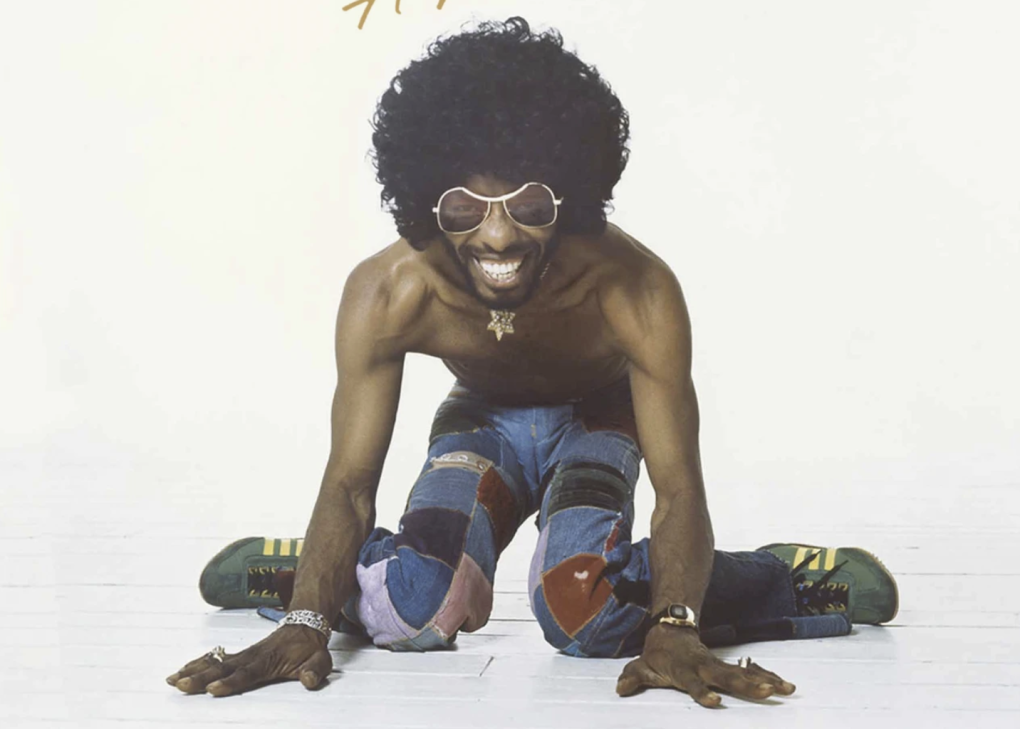
"caption": "The cover of ‘Thank You (Falettinme Be Mice Elf Agin)’ by Sly Stone with Ben Greenman.",
"description": null,
"title": "The cover of ‘Thank You (Falettinme Be Mice Elf Agin)’ by Sly Stone with Ben Greenman.",
"credit": "AUWA Books via AP",
"status": "inherit",
"altTag": null,
"isLoading": false,
"fetchFailed": false
},
"arts_13936316": {
"type": "attachments",
"id": "arts_13936316",
"meta": {
"index": "attachments_1716263798",
"site": "arts",
"id": "13936316",
"found": true
},
"parent": 13936315,
"imgSizes": {
"twentyfourteen-full-width": {
"file": "https://ww2.kqed.org/app/uploads/sites/2/2023/10/untitled-design-38-_wide-63743cc2303377c34a50c42d7738d83e75392a07-1038x576.jpg",
"width": 1038,
"mimeType": "image/jpeg",
"height": 576
},
"thumbnail": {
"file": "https://ww2.kqed.org/app/uploads/sites/2/2023/10/untitled-design-38-_wide-63743cc2303377c34a50c42d7738d83e75392a07-160x90.jpg",
"width": 160,
"mimeType": "image/jpeg",
"height": 90
},
"post-thumbnail": {
"file": "https://ww2.kqed.org/app/uploads/sites/2/2023/10/untitled-design-38-_wide-63743cc2303377c34a50c42d7738d83e75392a07-672x372.jpg",
"width": 672,
"mimeType": "image/jpeg",
"height": 372
},
"kqedFullSize": {
"file": "https://ww2.kqed.org/app/uploads/sites/2/2023/10/untitled-design-38-_wide-63743cc2303377c34a50c42d7738d83e75392a07.jpg",
"width": 1905,
"height": 1071
},
"large": {
"file": "https://ww2.kqed.org/app/uploads/sites/2/2023/10/untitled-design-38-_wide-63743cc2303377c34a50c42d7738d83e75392a07-1020x573.jpg",
"width": 1020,
"mimeType": "image/jpeg",
"height": 573
},
"1536x1536": {
"file": "https://ww2.kqed.org/app/uploads/sites/2/2023/10/untitled-design-38-_wide-63743cc2303377c34a50c42d7738d83e75392a07-1536x864.jpg",
"width": 1536,
"mimeType": "image/jpeg",
"height": 864
},
"medium": {
"file": "https://ww2.kqed.org/app/uploads/sites/2/2023/10/untitled-design-38-_wide-63743cc2303377c34a50c42d7738d83e75392a07-800x450.jpg",
"width": 800,
"mimeType": "image/jpeg",
"height": 450
},
"medium_large": {
"file": "https://ww2.kqed.org/app/uploads/sites/2/2023/10/untitled-design-38-_wide-63743cc2303377c34a50c42d7738d83e75392a07-768x432.jpg",
"width": 768,
"mimeType": "image/jpeg",
"height": 432
}
},
"publishDate": 1697100412,
"modified": 1697130524,
"caption": "‘The Witches of Bone Hill,’ ‘After the Forest’ and ‘Night of the Witch.’",
"description": null,
"title": "‘The Witches of Bone Hill,’ ‘After the Forest’ and ‘Night of the Witch.’",
"credit": "NPR",
"status": "inherit",
"altTag": "Cover images of 3 witch-related books for fall.",
"isLoading": false,
"fetchFailed": false
},
"arts_13936265": {
"type": "attachments",
"id": "arts_13936265",
"meta": {
"index": "attachments_1716263798",
"site": "arts",
"id": "13936265",
"found": true
},
"parent": 13936254,
"imgSizes": {
"twentyfourteen-full-width": {
"file": "https://ww2.kqed.org/app/uploads/sites/2/2023/10/AtThirdAndMission_COVER-1038x576.jpg",
"width": 1038,
"mimeType": "image/jpeg",
"height": 576
},
"thumbnail": {
"file": "https://ww2.kqed.org/app/uploads/sites/2/2023/10/AtThirdAndMission_COVER-160x107.jpg",
"width": 160,
"mimeType": "image/jpeg",
"height": 107
},
"post-thumbnail": {
"file": "https://ww2.kqed.org/app/uploads/sites/2/2023/10/AtThirdAndMission_COVER-672x372.jpg",
"width": 672,
"mimeType": "image/jpeg",
"height": 372
},
"kqedFullSize": {
"file": "https://ww2.kqed.org/app/uploads/sites/2/2023/10/AtThirdAndMission_COVER.jpg",
"width": 2000,
"height": 1333
},
"large": {
"file": "https://ww2.kqed.org/app/uploads/sites/2/2023/10/AtThirdAndMission_COVER-1020x680.jpg",
"width": 1020,
"mimeType": "image/jpeg",
"height": 680
},
"1536x1536": {
"file": "https://ww2.kqed.org/app/uploads/sites/2/2023/10/AtThirdAndMission_COVER-1536x1024.jpg",
"width": 1536,
"mimeType": "image/jpeg",
"height": 1024
},
"full-width": {
"file": "https://ww2.kqed.org/app/uploads/sites/2/2023/10/AtThirdAndMission_COVER-1920x1280.jpg",
"width": 1920,
"mimeType": "image/jpeg",
"height": 1280
},
"medium": {
"file": "https://ww2.kqed.org/app/uploads/sites/2/2023/10/AtThirdAndMission_COVER-800x533.jpg",
"width": 800,
"mimeType": "image/jpeg",
"height": 533
},
"medium_large": {
"file": "https://ww2.kqed.org/app/uploads/sites/2/2023/10/AtThirdAndMission_COVER-768x512.jpg",
"width": 768,
"mimeType": "image/jpeg",
"height": 512
}
},
"publishDate": 1697058195,
"modified": 1697058335,
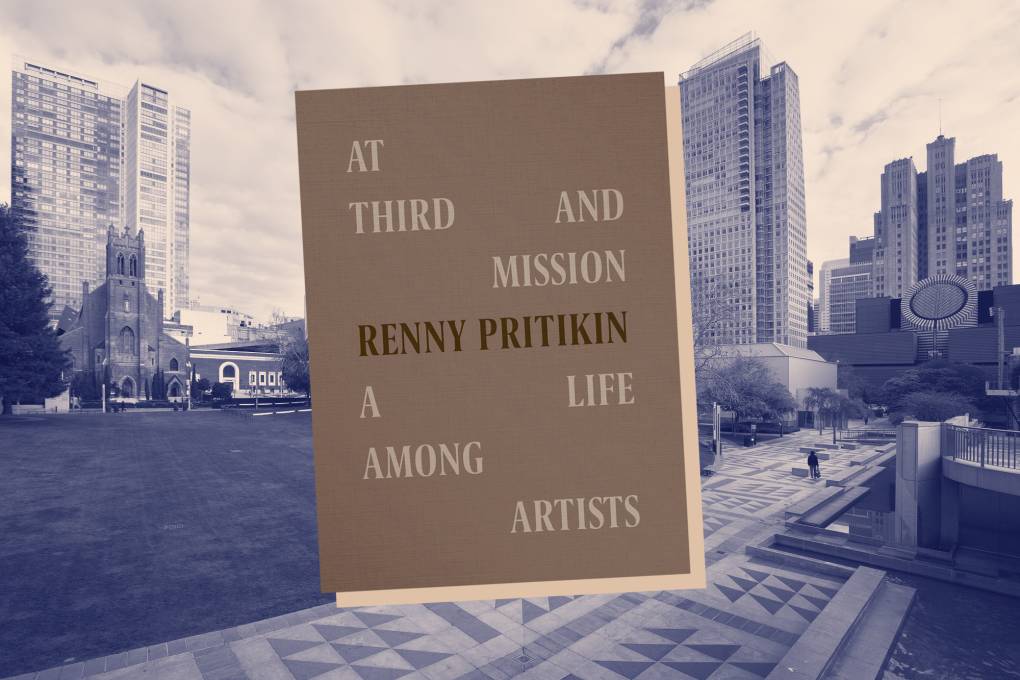
"caption": "Renny Pritikin's memoir is out Oct. 15, with several Bay Area events celebrating its release at various art institutions.",
"description": null,
"title": "AtThirdAndMission_COVER",
"credit": "Book cover courtesy the author; photo from iStock",
"status": "inherit",
"altTag": "Light brown book cover with the title and author's name overlaid on blue-toned image of Yerba Buena Gardens in San Francisco.",
"isLoading": false,
"fetchFailed": false
},
"arts_13936232": {
"type": "attachments",
"id": "arts_13936232",
"meta": {
"index": "attachments_1716263798",
"site": "arts",
"id": "13936232",
"found": true
},
"parent": 13936226,
"imgSizes": {
"twentyfourteen-full-width": {
"file": "https://ww2.kqed.org/app/uploads/sites/2/2023/10/GettyImages-836322668-1038x576.jpg",
"width": 1038,
"mimeType": "image/jpeg",
"height": 576
},
"thumbnail": {
"file": "https://ww2.kqed.org/app/uploads/sites/2/2023/10/GettyImages-836322668-160x107.jpg",
"width": 160,
"mimeType": "image/jpeg",
"height": 107
},
"post-thumbnail": {
"file": "https://ww2.kqed.org/app/uploads/sites/2/2023/10/GettyImages-836322668-672x372.jpg",
"width": 672,
"mimeType": "image/jpeg",
"height": 372
},
"kqedFullSize": {
"file": "https://ww2.kqed.org/app/uploads/sites/2/2023/10/GettyImages-836322668-scaled.jpg",
"width": 2560,
"height": 1707
},
"2048x2048": {
"file": "https://ww2.kqed.org/app/uploads/sites/2/2023/10/GettyImages-836322668-2048x1365.jpg",
"width": 2048,
"mimeType": "image/jpeg",
"height": 1365
},
"large": {
"file": "https://ww2.kqed.org/app/uploads/sites/2/2023/10/GettyImages-836322668-1020x680.jpg",
"width": 1020,
"mimeType": "image/jpeg",
"height": 680
},
"1536x1536": {
"file": "https://ww2.kqed.org/app/uploads/sites/2/2023/10/GettyImages-836322668-1536x1024.jpg",
"width": 1536,
"mimeType": "image/jpeg",
"height": 1024
},
"full-width": {
"file": "https://ww2.kqed.org/app/uploads/sites/2/2023/10/GettyImages-836322668-1920x1280.jpg",
"width": 1920,
"mimeType": "image/jpeg",
"height": 1280
},
"medium": {
"file": "https://ww2.kqed.org/app/uploads/sites/2/2023/10/GettyImages-836322668-800x533.jpg",
"width": 800,
"mimeType": "image/jpeg",
"height": 533
},
"medium_large": {
"file": "https://ww2.kqed.org/app/uploads/sites/2/2023/10/GettyImages-836322668-768x512.jpg",
"width": 768,
"mimeType": "image/jpeg",
"height": 512
}
},
"publishDate": 1697045887,
"modified": 1697045997,
"caption": "A man's skull cast in silver, on a wooden table top with black background. ",
"description": null,
"title": "Silver Skull in Black and White",
"credit": null,
"status": "inherit",
"altTag": "A man's skull cast in silver, on a wooden table top with black background.",
"isLoading": false,
"fetchFailed": false
},
"arts_13936180": {
"type": "attachments",
"id": "arts_13936180",
"meta": {
"index": "attachments_1716263798",
"site": "arts",
"id": "13936180",
"found": true
},
"parent": 13935873,
"imgSizes": {
"twentyfourteen-full-width": {
"file": "https://ww2.kqed.org/app/uploads/sites/2/2023/10/Kurzweil_Artificial_COVER-1038x576.png",
"width": 1038,
"mimeType": "image/png",
"height": 576
},
"thumbnail": {
"file": "https://ww2.kqed.org/app/uploads/sites/2/2023/10/Kurzweil_Artificial_COVER-160x90.png",
"width": 160,
"mimeType": "image/png",
"height": 90
},
"post-thumbnail": {
"file": "https://ww2.kqed.org/app/uploads/sites/2/2023/10/Kurzweil_Artificial_COVER-672x372.png",
"width": 672,
"mimeType": "image/png",
"height": 372
},
"kqedFullSize": {
"file": "https://ww2.kqed.org/app/uploads/sites/2/2023/10/Kurzweil_Artificial_COVER.png",
"width": 1920,
"height": 1080
},
"large": {
"file": "https://ww2.kqed.org/app/uploads/sites/2/2023/10/Kurzweil_Artificial_COVER-1020x574.png",
"width": 1020,
"mimeType": "image/png",
"height": 574
},
"1536x1536": {
"file": "https://ww2.kqed.org/app/uploads/sites/2/2023/10/Kurzweil_Artificial_COVER-1536x864.png",
"width": 1536,
"mimeType": "image/png",
"height": 864
},
"medium": {
"file": "https://ww2.kqed.org/app/uploads/sites/2/2023/10/Kurzweil_Artificial_COVER-800x450.png",
"width": 800,
"mimeType": "image/png",
"height": 450
},
"medium_large": {
"file": "https://ww2.kqed.org/app/uploads/sites/2/2023/10/Kurzweil_Artificial_COVER-768x432.png",
"width": 768,
"mimeType": "image/png",
"height": 432
}
},
"publishDate": 1696959176,
"modified": 1696959211,
"caption": "Amy Kurzweil's graphic memoir, 'Artificial: A Love Story,' is an exploration of her patrilineal line.",
"description": null,
"title": "Kurzweil_Artificial_COVER",
"credit": "Book cover courtesy of Catapult",
"status": "inherit",
"altTag": "Book cover with drawn hands on piano keys set against a purple circuit-board image",
"isLoading": false,
"fetchFailed": false
},
"arts_13936093": {
"type": "attachments",
"id": "arts_13936093",
"meta": {
"index": "attachments_1716263798",
"site": "arts",
"id": "13936093",
"found": true
},
"parent": 13936087,
"imgSizes": {
"twentyfourteen-full-width": {
"file": "https://ww2.kqed.org/app/uploads/sites/2/2023/10/Screen-Shot-2023-10-09-at-12.09.43-PM-1038x576.png",
"width": 1038,
"mimeType": "image/png",
"height": 576
},
"thumbnail": {
"file": "https://ww2.kqed.org/app/uploads/sites/2/2023/10/Screen-Shot-2023-10-09-at-12.09.43-PM-160x88.png",
"width": 160,
"mimeType": "image/png",
"height": 88
},
"post-thumbnail": {
"file": "https://ww2.kqed.org/app/uploads/sites/2/2023/10/Screen-Shot-2023-10-09-at-12.09.43-PM-672x372.png",
"width": 672,
"mimeType": "image/png",
"height": 372
},
"kqedFullSize": {
"file": "https://ww2.kqed.org/app/uploads/sites/2/2023/10/Screen-Shot-2023-10-09-at-12.09.43-PM.png",
"width": 1754,
"height": 962
},
"large": {
"file": "https://ww2.kqed.org/app/uploads/sites/2/2023/10/Screen-Shot-2023-10-09-at-12.09.43-PM-1020x559.png",
"width": 1020,
"mimeType": "image/png",
"height": 559
},
"1536x1536": {
"file": "https://ww2.kqed.org/app/uploads/sites/2/2023/10/Screen-Shot-2023-10-09-at-12.09.43-PM-1536x842.png",
"width": 1536,
"mimeType": "image/png",
"height": 842
},
"medium": {
"file": "https://ww2.kqed.org/app/uploads/sites/2/2023/10/Screen-Shot-2023-10-09-at-12.09.43-PM-800x439.png",
"width": 800,
"mimeType": "image/png",
"height": 439
},
"medium_large": {
"file": "https://ww2.kqed.org/app/uploads/sites/2/2023/10/Screen-Shot-2023-10-09-at-12.09.43-PM-768x421.png",
"width": 768,
"mimeType": "image/png",
"height": 421
}
},
"publishDate": 1696878886,
"modified": 1696878944,
"caption": "‘Hitchcock’s Blondes: The Unforgettable Women Behind the Legendary Director’s Dark Obsession’ by Laurence Leamer.",
"description": null,
"title": "‘Hitchcock’s Blondes: The Unforgettable Women Behind the Legendary Director’s Dark Obsession’ by Laurence Leamer.",
"credit": null,
"status": "inherit",
"altTag": null,
"isLoading": false,
"fetchFailed": false
},
"arts_13936075": {
"type": "attachments",
"id": "arts_13936075",
"meta": {
"index": "attachments_1716263798",
"site": "arts",
"id": "13936075",
"found": true
},
"parent": 13936074,
"imgSizes": {
"twentyfourteen-full-width": {
"file": "https://ww2.kqed.org/app/uploads/sites/2/2023/10/gettyimages-51510357_custom-7184ded48176c021d441a1202046eb7ab4b3f40c-scaled-e1696876204788-1038x576.jpg",
"width": 1038,
"mimeType": "image/jpeg",
"height": 576
},
"thumbnail": {
"file": "https://ww2.kqed.org/app/uploads/sites/2/2023/10/gettyimages-51510357_custom-7184ded48176c021d441a1202046eb7ab4b3f40c-scaled-e1696876204788-160x106.jpg",
"width": 160,
"mimeType": "image/jpeg",
"height": 106
},
"post-thumbnail": {
"file": "https://ww2.kqed.org/app/uploads/sites/2/2023/10/gettyimages-51510357_custom-7184ded48176c021d441a1202046eb7ab4b3f40c-scaled-e1696876204788-672x372.jpg",
"width": 672,
"mimeType": "image/jpeg",
"height": 372
},
"kqedFullSize": {
"file": "https://ww2.kqed.org/app/uploads/sites/2/2023/10/gettyimages-51510357_custom-7184ded48176c021d441a1202046eb7ab4b3f40c-scaled-e1696876204788.jpg",
"width": 1920,
"height": 1271
},
"2048x2048": {
"file": "https://ww2.kqed.org/app/uploads/sites/2/2023/10/gettyimages-51510357_custom-7184ded48176c021d441a1202046eb7ab4b3f40c-2048x1356.jpg",
"width": 2048,
"mimeType": "image/jpeg",
"height": 1356
},
"large": {
"file": "https://ww2.kqed.org/app/uploads/sites/2/2023/10/gettyimages-51510357_custom-7184ded48176c021d441a1202046eb7ab4b3f40c-scaled-e1696876204788-1020x675.jpg",
"width": 1020,
"mimeType": "image/jpeg",
"height": 675
},
"1536x1536": {
"file": "https://ww2.kqed.org/app/uploads/sites/2/2023/10/gettyimages-51510357_custom-7184ded48176c021d441a1202046eb7ab4b3f40c-scaled-e1696876204788-1536x1017.jpg",
"width": 1536,
"mimeType": "image/jpeg",
"height": 1017
},
"full-width": {
"file": "https://ww2.kqed.org/app/uploads/sites/2/2023/10/gettyimages-51510357_custom-7184ded48176c021d441a1202046eb7ab4b3f40c-1920x1272.jpg",
"width": 1920,
"mimeType": "image/jpeg",
"height": 1272
},
"medium": {
"file": "https://ww2.kqed.org/app/uploads/sites/2/2023/10/gettyimages-51510357_custom-7184ded48176c021d441a1202046eb7ab4b3f40c-scaled-e1696876204788-800x530.jpg",
"width": 800,
"mimeType": "image/jpeg",
"height": 530
},
"medium_large": {
"file": "https://ww2.kqed.org/app/uploads/sites/2/2023/10/gettyimages-51510357_custom-7184ded48176c021d441a1202046eb7ab4b3f40c-scaled-e1696876204788-768x508.jpg",
"width": 768,
"mimeType": "image/jpeg",
"height": 508
}
},
"publishDate": 1696875064,
"modified": 1696876366,
"caption": "If your love for Edgar Allan Poe has been gently rapping, rapping at your chamber door, just embrace it and watch Netflix's ‘The Fall of the House of Usher.’ It is a hoot and a half.",
"description": null,
"title": "If your love for Edgar Allan Poe has been gently rapping, rapping at your chamber door, just embrace it and watch Netflix's ‘The Fall of the House of Usher.’ It is a hoot and a half.",
"credit": "Hulton Archive/ Getty Images",
"status": "inherit",
"altTag": "Portrait of American author Edgar Allan Poe against a green background and under an embossed presentation of his last name, probably taken from a cigar box, 1900.",
"isLoading": false,
"fetchFailed": false
},
"arts_13935744": {
"type": "attachments",
"id": "arts_13935744",
"meta": {
"index": "attachments_1716263798",
"site": "arts",
"id": "13935744",
"found": true
},
"parent": 13935619,
"imgSizes": {
"twentyfourteen-full-width": {
"file": "https://ww2.kqed.org/app/uploads/sites/2/2023/10/ClowesCoverC_1920-1038x576.jpg",
"width": 1038,
"mimeType": "image/jpeg",
"height": 576
},
"thumbnail": {
"file": "https://ww2.kqed.org/app/uploads/sites/2/2023/10/ClowesCoverC_1920-160x90.jpg",
"width": 160,
"mimeType": "image/jpeg",
"height": 90
},
"post-thumbnail": {
"file": "https://ww2.kqed.org/app/uploads/sites/2/2023/10/ClowesCoverC_1920-672x372.jpg",
"width": 672,
"mimeType": "image/jpeg",
"height": 372
},
"kqedFullSize": {
"file": "https://ww2.kqed.org/app/uploads/sites/2/2023/10/ClowesCoverC_1920.jpg",
"width": 1920,
"height": 1080
},
"large": {
"file": "https://ww2.kqed.org/app/uploads/sites/2/2023/10/ClowesCoverC_1920-1020x574.jpg",
"width": 1020,
"mimeType": "image/jpeg",
"height": 574
},
"1536x1536": {
"file": "https://ww2.kqed.org/app/uploads/sites/2/2023/10/ClowesCoverC_1920-1536x864.jpg",
"width": 1536,
"mimeType": "image/jpeg",
"height": 864
},
"medium": {
"file": "https://ww2.kqed.org/app/uploads/sites/2/2023/10/ClowesCoverC_1920-800x450.jpg",
"width": 800,
"mimeType": "image/jpeg",
"height": 450
},
"medium_large": {
"file": "https://ww2.kqed.org/app/uploads/sites/2/2023/10/ClowesCoverC_1920-768x432.jpg",
"width": 768,
"mimeType": "image/jpeg",
"height": 432
}
},
"publishDate": 1696279929,
"modified": 1696280104,
"caption": "Oakland author and artist Daniel Clowes says his latest graphic novel, 'Monica,' was partially inspired by his own childhood memories and relationship with his mother.",
"description": null,
"title": "ClowesCoverC_1920",
"credit": "Brian Molyneaux/Fantagraphics",
"status": "inherit",
"altTag": "a diptych features a white man with glasses and a white beard next to a graphic novel with a woman's face in profile, titled 'Monica'",
"isLoading": false,
"fetchFailed": false
},
"arts_13935745": {
"type": "attachments",
"id": "arts_13935745",
"meta": {
"index": "attachments_1716263798",
"site": "arts",
"id": "13935745",
"found": true
},
"parent": 13935738,
"imgSizes": {
"twentyfourteen-full-width": {
"file": "https://ww2.kqed.org/app/uploads/sites/2/2023/10/Screen-Shot-2023-10-02-at-1.52.43-PM-1038x576.png",
"width": 1038,
"mimeType": "image/png",
"height": 576
},
"thumbnail": {
"file": "https://ww2.kqed.org/app/uploads/sites/2/2023/10/Screen-Shot-2023-10-02-at-1.52.43-PM-160x101.png",
"width": 160,
"mimeType": "image/png",
"height": 101
},
"post-thumbnail": {
"file": "https://ww2.kqed.org/app/uploads/sites/2/2023/10/Screen-Shot-2023-10-02-at-1.52.43-PM-672x372.png",
"width": 672,
"mimeType": "image/png",
"height": 372
},
"kqedFullSize": {
"file": "https://ww2.kqed.org/app/uploads/sites/2/2023/10/Screen-Shot-2023-10-02-at-1.52.43-PM.png",
"width": 1122,
"height": 706
},
"large": {
"file": "https://ww2.kqed.org/app/uploads/sites/2/2023/10/Screen-Shot-2023-10-02-at-1.52.43-PM-1020x642.png",
"width": 1020,
"mimeType": "image/png",
"height": 642
},
"medium": {
"file": "https://ww2.kqed.org/app/uploads/sites/2/2023/10/Screen-Shot-2023-10-02-at-1.52.43-PM-800x503.png",
"width": 800,
"mimeType": "image/png",
"height": 503
},
"medium_large": {
"file": "https://ww2.kqed.org/app/uploads/sites/2/2023/10/Screen-Shot-2023-10-02-at-1.52.43-PM-768x483.png",
"width": 768,
"mimeType": "image/png",
"height": 483
}
},
"publishDate": 1696279991,
"modified": 1696280035,
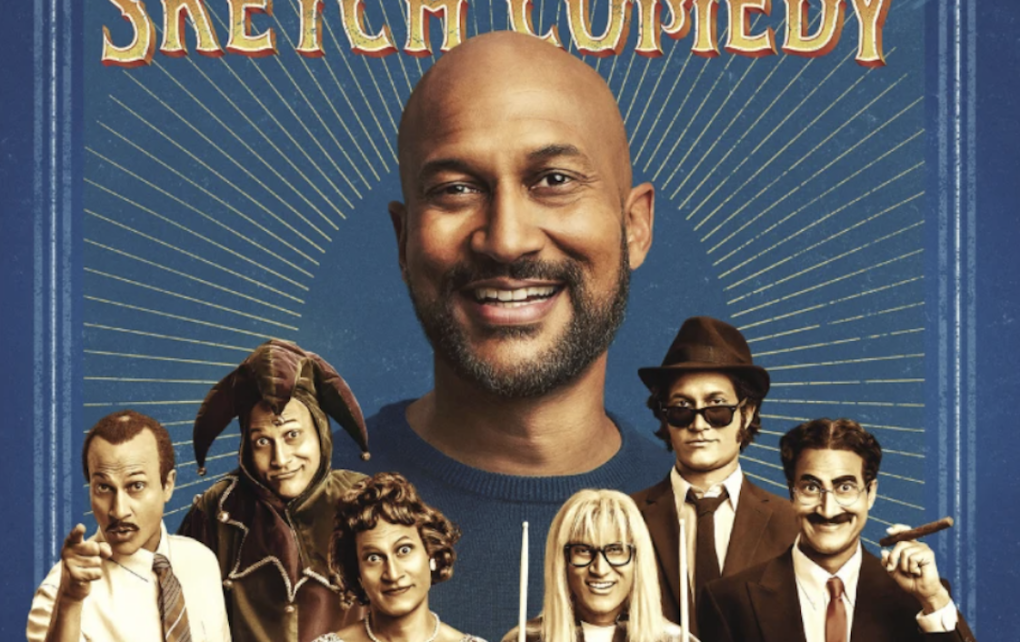
"caption": "‘The History of Sketch Comedy: A Journey through the Art and Craft of Humor’ by Keegan-Michael Key and Elle Key.",
"description": null,
"title": "‘The History of Sketch Comedy: A Journey through the Art and Craft of Humor’ by Keegan-Michael Key and Elle Key.",
"credit": "Chronicle",
"status": "inherit",
"altTag": null,
"isLoading": false,
"fetchFailed": false
},
"arts_13935539": {
"type": "attachments",
"id": "arts_13935539",
"meta": {
"index": "attachments_1716263798",
"site": "arts",
"id": "13935539",
"found": true
},
"parent": 13935438,
"imgSizes": {
"twentyfourteen-full-width": {
"file": "https://ww2.kqed.org/app/uploads/sites/2/2023/09/GettyImages-108178102-1038x576.jpg",
"width": 1038,
"mimeType": "image/jpeg",
"height": 576
},
"thumbnail": {
"file": "https://ww2.kqed.org/app/uploads/sites/2/2023/09/GettyImages-108178102-160x106.jpg",
"width": 160,
"mimeType": "image/jpeg",
"height": 106
},
"post-thumbnail": {
"file": "https://ww2.kqed.org/app/uploads/sites/2/2023/09/GettyImages-108178102-672x372.jpg",
"width": 672,
"mimeType": "image/jpeg",
"height": 372
},
"kqedFullSize": {
"file": "https://ww2.kqed.org/app/uploads/sites/2/2023/09/GettyImages-108178102-scaled.jpg",
"width": 2560,
"height": 1702
},
"2048x2048": {
"file": "https://ww2.kqed.org/app/uploads/sites/2/2023/09/GettyImages-108178102-2048x1362.jpg",
"width": 2048,
"mimeType": "image/jpeg",
"height": 1362
},
"large": {
"file": "https://ww2.kqed.org/app/uploads/sites/2/2023/09/GettyImages-108178102-1020x678.jpg",
"width": 1020,
"mimeType": "image/jpeg",
"height": 678
},
"1536x1536": {
"file": "https://ww2.kqed.org/app/uploads/sites/2/2023/09/GettyImages-108178102-1536x1021.jpg",
"width": 1536,
"mimeType": "image/jpeg",
"height": 1021
},
"full-width": {
"file": "https://ww2.kqed.org/app/uploads/sites/2/2023/09/GettyImages-108178102-1920x1277.jpg",
"width": 1920,
"mimeType": "image/jpeg",
"height": 1277
},
"medium": {
"file": "https://ww2.kqed.org/app/uploads/sites/2/2023/09/GettyImages-108178102-800x532.jpg",
"width": 800,
"mimeType": "image/jpeg",
"height": 532
},
"medium_large": {
"file": "https://ww2.kqed.org/app/uploads/sites/2/2023/09/GettyImages-108178102-768x511.jpg",
"width": 768,
"mimeType": "image/jpeg",
"height": 511
}
},
"publishDate": 1695943045,
"modified": 1695943148,
"caption": "It's scary story season...",
"description": null,
"title": "It's scary story season...",
"credit": "Maravic/ Getty Images",
"status": "inherit",
"altTag": "A book rested against a woman's knees viewed in side profile. Her right arm is reaching out to touch the pages. She is wearing a simple tank top.",
"isLoading": false,
"fetchFailed": false
}
},
"audioPlayerReducer": {
"postId": "stream_live",
"isPaused": true,
"isPlaying": false,
"pfsActive": false,
"pledgeModalIsOpen": true,
"playerDrawerIsOpen": false,
"liveAudioPlayStartedAt": 0,
"liveAudioPlayContext": ""
},
"authorsReducer": {
"byline_arts_13936614": {
"type": "authors",
"id": "byline_arts_13936614",
"meta": {
"override": true
},
"slug": "byline_arts_13936614",
"name": "Mae Anderson, Associated Press",
"isLoading": false
},
"byline_arts_13936538": {
"type": "authors",
"id": "byline_arts_13936538",
"meta": {
"override": true
},
"slug": "byline_arts_13936538",
"name": "Christopher Weber, Associated Press",
"isLoading": false
},
"byline_arts_13936315": {
"type": "authors",
"id": "byline_arts_13936315",
"meta": {
"override": true
},
"slug": "byline_arts_13936315",
"name": "Caitlyn Paxson",
"isLoading": false
},
"byline_arts_13936226": {
"type": "authors",
"id": "byline_arts_13936226",
"meta": {
"override": true
},
"slug": "byline_arts_13936226",
"name": "Maria Sherman, Associated Press",
"isLoading": false
},
"byline_arts_13936087": {
"type": "authors",
"id": "byline_arts_13936087",
"meta": {
"override": true
},
"slug": "byline_arts_13936087",
"name": "Krysta Fauria, Associated Press",
"isLoading": false
},
"byline_arts_13936074": {
"type": "authors",
"id": "byline_arts_13936074",
"meta": {
"override": true
},
"slug": "byline_arts_13936074",
"name": "Glen Weldon",
"isLoading": false
},
"byline_arts_13935738": {
"type": "authors",
"id": "byline_arts_13935738",
"meta": {
"override": true
},
"slug": "byline_arts_13935738",
"name": "Mike Householder, Associated Press",
"isLoading": false
},
"shotchkiss": {
"type": "authors",
"id": "61",
"meta": {
"index": "authors_1716337520",
"id": "61",
"found": true
},
"name": "Sarah Hotchkiss",
"firstName": "Sarah",
"lastName": "Hotchkiss",
"slug": "shotchkiss",
"email": "shotchkiss@kqed.org",
"display_author_email": true,
"staff_mastheads": [
"arts"
],
"title": "Senior Editor",
"bio": "Sarah Hotchkiss is a San Francisco \u003ca href=\"http://www.sarahhotchkiss.com\">artist\u003c/a> and arts writer. In 2019, she received the Dorothea & Leo Rabkin Foundation grant for visual art journalism and in 2020 she received a Society of Professional Journalists, Northern California award for excellence in arts and culture reporting.",
"avatar": "https://secure.gravatar.com/avatar/bc662df144b3d27fd8b1b6f1c2a420d34e91e53154d411bb7ad353cc8b6cea8d?s=600&d=blank&r=g",
"twitter": null,
"bluesky": null,
"facebook": null,
"instagram": null,
"linkedin": null,
"sites": [
{
"site": "",
"roles": [
"editor"
]
},
{
"site": "arts",
"roles": [
"Contributor",
"administrator"
]
},
{
"site": "artschool",
"roles": [
"administrator"
]
},
{
"site": "news",
"roles": [
"editor"
]
},
{
"site": "pop",
"roles": [
"administrator"
]
},
{
"site": "bayareabites",
"roles": [
"editor"
]
},
{
"site": "spark",
"roles": [
"editor"
]
},
{
"site": "checkplease",
"roles": [
"editor"
]
}
],
"headData": {
"title": "Sarah Hotchkiss | KQED",
"description": "Senior Editor",
"ogImgSrc": "https://secure.gravatar.com/avatar/bc662df144b3d27fd8b1b6f1c2a420d34e91e53154d411bb7ad353cc8b6cea8d?s=600&d=blank&r=g",
"twImgSrc": "https://secure.gravatar.com/avatar/bc662df144b3d27fd8b1b6f1c2a420d34e91e53154d411bb7ad353cc8b6cea8d?s=600&d=blank&r=g"
},
"isLoading": false,
"link": "/author/shotchkiss"
},
"ralexandra": {
"type": "authors",
"id": "11242",
"meta": {
"index": "authors_1716337520",
"id": "11242",
"found": true
},
"name": "Rae Alexandra",
"firstName": "Rae",
"lastName": "Alexandra",
"slug": "ralexandra",
"email": "ralexandra@kqed.org",
"display_author_email": true,
"staff_mastheads": [],
"title": "Reporter/Producer",
"bio": "Rae Alexandra is a Reporter/Producer for KQED Arts & Culture, and the creator/author of the \u003ca href=\"https://www.kqed.org/arts/program/rebel-girls-from-bay-area-history\">Rebel Girls From Bay Area History\u003c/a> and \u003ca href=\"https://www.kqed.org/bizarrebayarea\">Bizarre Bay Area\u003c/a> series. Her debut book, \u003ca href=\"https://citylights.com/politics-current-events-history/unsung-heroines35-women-who-changed/\">Unsung Heroines: 35 Women Who Changed the Bay Area\u003c/a> was published by City Lights in March 2026. In 2023, Rae was awarded an SPJ Excellence in Journalism Award for Arts & Culture. Rae was born and raised in Wales and subsequently — even after two decades in Northern California — still uses phrases that regularly baffle her coworkers.",
"avatar": "https://secure.gravatar.com/avatar/edfee8176c80cc0a382b051190f5341997df378a934a5774dcb0977732dfd401?s=600&d=blank&r=g",
"twitter": null,
"bluesky": null,
"facebook": null,
"instagram": null,
"linkedin": null,
"sites": [
{
"site": "arts",
"roles": [
"subscriber"
]
},
{
"site": "news",
"roles": [
"subscriber"
]
},
{
"site": "pop",
"roles": [
"subscriber"
]
},
{
"site": "bayareabites",
"roles": [
"subscriber"
]
},
{
"site": "science",
"roles": [
"subscriber"
]
}
],
"headData": {
"title": "Rae Alexandra | KQED",
"description": "Reporter/Producer",
"ogImgSrc": "https://secure.gravatar.com/avatar/edfee8176c80cc0a382b051190f5341997df378a934a5774dcb0977732dfd401?s=600&d=blank&r=g",
"twImgSrc": "https://secure.gravatar.com/avatar/edfee8176c80cc0a382b051190f5341997df378a934a5774dcb0977732dfd401?s=600&d=blank&r=g"
},
"isLoading": false,
"link": "/author/ralexandra"
},
"jhesig": {
"type": "authors",
"id": "11333",
"meta": {
"index": "authors_1716337520",
"id": "11333",
"found": true
},
"name": "Janelle Hessig",
"firstName": "Janelle",
"lastName": "Hessig",
"slug": "jhesig",
"email": "jhessig@kqed.org",
"display_author_email": false,
"staff_mastheads": [],
"title": "KQED Contributor",
"bio": null,
"avatar": "https://secure.gravatar.com/avatar/27dd6e3cd88f82541593bd6d8f2aec4a?s=600&d=mm&r=g",
"twitter": null,
"facebook": null,
"instagram": null,
"linkedin": null,
"sites": [
{
"site": "arts",
"roles": []
},
{
"site": "food",
"roles": []
},
{
"site": "filmschoolshorts",
"roles": [
"editor"
]
}
],
"headData": {
"title": "Janelle Hessig | KQED",
"description": "KQED Contributor",
"ogImgSrc": "https://secure.gravatar.com/avatar/27dd6e3cd88f82541593bd6d8f2aec4a?s=600&d=mm&r=g",
"twImgSrc": "https://secure.gravatar.com/avatar/27dd6e3cd88f82541593bd6d8f2aec4a?s=600&d=mm&r=g"
},
"isLoading": false,
"link": "/author/jhesig"
},
"nelias": {
"type": "authors",
"id": "11990",
"meta": {
"index": "authors_1716337520",
"id": "11990",
"found": true
},
"name": "Naomi Elias",
"firstName": "Naomi",
"lastName": "Elias",
"slug": "nelias",
"email": "naomielias09@gmail.com",
"display_author_email": false,
"staff_mastheads": [],
"title": "KQED Contributor",
"bio": null,
"avatar": "https://secure.gravatar.com/avatar/182770e03ab93f0fdf3c264ad3d088daf0198dd3bc8e1ccd1a008b81387410c1?s=600&d=blank&r=g",
"twitter": null,
"bluesky": null,
"facebook": null,
"instagram": null,
"linkedin": null,
"sites": [
{
"site": "arts",
"roles": [
"contributor"
]
}
],
"headData": {
"title": "Naomi Elias | KQED",
"description": "KQED Contributor",
"ogImgSrc": "https://secure.gravatar.com/avatar/182770e03ab93f0fdf3c264ad3d088daf0198dd3bc8e1ccd1a008b81387410c1?s=600&d=blank&r=g",
"twImgSrc": "https://secure.gravatar.com/avatar/182770e03ab93f0fdf3c264ad3d088daf0198dd3bc8e1ccd1a008b81387410c1?s=600&d=blank&r=g"
},
"isLoading": false,
"link": "/author/nelias"
}
},
"pagesReducer": {
"arts_category_literature": {
"type": "terms",
"id": "arts_73",
"meta": {
"index": "terms_1716263798",
"site": "arts",
"id": "73",
"score": 12.797476
},
"featImg": null,
"name": "Books",
"description": null,
"taxonomy": "category",
"headData": {
"twImgId": null,
"twTitle": null,
"ogTitle": null,
"ogImgId": null,
"twDescription": null,
"description": null,
"title": "Books Archives | KQED Arts",
"ogDescription": null
},
"ttid": 74,
"slug": "literature",
"isLoading": false,
"title": "Books",
"pageMeta": {
"site": "arts",
"WpPageTemplate": "page-topic-editorial",
"currentPage": 31
},
"blocks": [
{
"blockName": "kqed/post-list",
"attrs": {
"layout": "cardArticle2",
"query": "posts/arts?category=literature",
"seeMore": false,
"paginated": true,
"page": 31
}
},
{
"blockName": "kqed/ad"
}
]
}
},
"pfsSessionReducer": {},
"postsReducer": {
"stream_live": {
"type": "live",
"id": "stream_live",
"audioUrl": "https://streams.kqed.org/kqedradio",
"title": "Live Stream",
"excerpt": "Live Stream information currently unavailable.",
"link": "/radio",
"featImg": "",
"label": {
"name": "KQED Live",
"link": "/"
}
},
"stream_kqedNewscast": {
"type": "posts",
"id": "stream_kqedNewscast",
"audioUrl": "https://www.kqed.org/.stream/anon/radio/RDnews/newscast.mp3?_=1",
"title": "KQED Newscast",
"featImg": "",
"label": {
"name": "88.5 FM",
"link": "/"
}
},
"arts_13936614": {
"type": "posts",
"id": "arts_13936614",
"meta": {
"index": "posts_1716263798",
"site": "arts",
"id": "13936614",
"score": null,
"sort": [
1697649008000
]
},
"parent": 0,
"labelTerm": {
"site": "arts",
"term": 140
},
"blocks": [],
"publishDate": 1697649008,
"format": "standard",
"title": "Dolly Parton’s New Book Takes Us ‘Behind the Seams’ of Her Life in Rhinestones",
"headTitle": "Dolly Parton’s New Book Takes Us ‘Behind the Seams’ of Her Life in Rhinestones | KQED",
"content": "\u003cp>Dolly Parton’s iconic look — big hair, big heels and tight low-cut dresses covered in rhinestones or beads — is a big part of her lasting appeal, nearly as important as her vast catalogue of country ballads and bangers that made her a star.\u003c/p>\n\u003cp>[aside postid='arts_13889581']In \u003cem>Behind the Seams: My Life in Rhinestones\u003c/em>, Parton takes fans on a detailed tour through her closet, filled with 450 vivid photos of decades of sparkly dresses, jumpsuits, jeans and even wigs, which she started wearing early in her career.\u003c/p>\n\u003cp>She chronicles how she always knew she wanted a maximalist, flashy look, and stayed true to her personal style despite seemingly endless objections by her father, managers and others who always wanted her to “tone it down.”\u003c/p>\n\u003cfigure id=\"attachment_13936616\" class=\"wp-caption aligncenter\" style=\"max-width: 974px\">\u003cimg loading=\"lazy\" decoding=\"async\" class=\"size-full wp-image-13936616\" src=\"https://ww2.kqed.org/app/uploads/sites/2/2023/10/Screen-Shot-2023-10-17-at-8.40.28-PM.png\" alt=\"A pink book cover with a flamboyant blonde woman wearing a white sparkly gown.\" width=\"974\" height=\"1344\" srcset=\"https://cdn.kqed.org/wp-content/uploads/sites/2/2023/10/Screen-Shot-2023-10-17-at-8.40.28-PM.png 974w, https://cdn.kqed.org/wp-content/uploads/sites/2/2023/10/Screen-Shot-2023-10-17-at-8.40.28-PM-800x1104.png 800w, https://cdn.kqed.org/wp-content/uploads/sites/2/2023/10/Screen-Shot-2023-10-17-at-8.40.28-PM-160x221.png 160w, https://cdn.kqed.org/wp-content/uploads/sites/2/2023/10/Screen-Shot-2023-10-17-at-8.40.28-PM-768x1060.png 768w\" sizes=\"(max-width: 974px) 100vw, 974px\">\u003cfigcaption class=\"wp-caption-text\">‘Behind the Seams: My Life in Rhinestones’ by Dolly Parton with Holly George-Warren. \u003ccite>(Ten Speed Press via AP)\u003c/cite>\u003c/figcaption>\u003c/figure>\n\u003cp>“From early on I loved the big hair and makeup, the long nails, the high heels, the flashy clothes,” she writes. “But believe it or not, I had to fight for that look.”\u003c/p>\n\u003cp>[aside postid='arts_13922004']Starting with replicas of Dolly’s “Coat of Many Colors,” based on her famous song about a coat her mother made her, Dolly gives a tour of how her style evolved through the decades, from the country costumes she wore as the “girl singer” on \u003cem>The Porter Wagoner Show\u003c/em> in the late 1960s and early 1970s, to the jumpsuits she wore during her rising solo career and the flashy rhinestone-studded gowns and outfits she wore making it big in Hollywood movies like \u003cem>9 to 5\u003c/em> and \u003cem>Rhinestone\u003c/em>.\u003c/p>\n\u003cp>[ad fullwidth]\u003c/p>\n\u003cp>The book is a joint effort with her niece, Rebecca Seaver, and music journalist Holly George-Warren. It includes profiles and remembrances from her favorite designers, makeup artists and stylists and others that help put together Parton’s famous look. And fans can get a glimpse of some of Parton’s outfits at an accompanying exhibit at Lipscomb University in Nashville Oct. 31-Dec. 9.\u003c/p>\n\u003cp>\u003cimg loading=\"lazy\" decoding=\"async\" class=\"aligncenter size-medium wp-image-12127869\" src=\"https://ww2.kqed.org/arts/wp-content/uploads/sites/2/2016/09/Q.Logo_.Break_-800x78.jpg\" alt=\"\" width=\"800\" height=\"78\" srcset=\"https://cdn.kqed.org/wp-content/uploads/sites/2/2016/09/Q.Logo_.Break_.jpg 800w, https://cdn.kqed.org/wp-content/uploads/sites/2/2016/09/Q.Logo_.Break_-400x39.jpg 400w, https://cdn.kqed.org/wp-content/uploads/sites/2/2016/09/Q.Logo_.Break_-768x75.jpg 768w\" sizes=\"(max-width: 800px) 100vw, 800px\">\u003c/p>\n\u003cp>\u003c/p>\n\u003cp>\u003cem>‘Behind the Seams: My Life in Rhinestones’ by Dolly Parton with Holly George-Warren is out now.\u003c/em>\u003c/p>\n\n",
"stats": {
"hasVideo": false,
"hasChartOrMap": false,
"hasAudio": false,
"hasPolis": false,
"wordCount": 372,
"hasGoogleForm": false,
"hasGallery": false,
"hasHearkenModule": false,
"iframeSrcs": [],
"paragraphCount": 10
},
"modified": 1705003217,
"excerpt": "Parton has always stayed true to her personal style despite early objections from managers who wanted her to tone it down.",
"headData": {
"twImgId": "",
"twTitle": "",
"ogTitle": "",
"ogImgId": "",
"twDescription": "",
"description": "Parton has always stayed true to her personal style despite early objections from managers who wanted her to tone it down.",
"title": "Dolly Parton’s New Book Takes Us ‘Behind the Seams’ of Her Life in Rhinestones | KQED",
"ogDescription": "",
"schema": {
"@context": "https://schema.org",
"@type": "Article",
"headline": "Dolly Parton’s New Book Takes Us ‘Behind the Seams’ of Her Life in Rhinestones",
"datePublished": "2023-10-18T10:10:08-07:00",
"dateModified": "2024-01-11T12:00:17-08:00",
"image": "https://cdn.kqed.org/wp-content/uploads/2020/02/KQED-OG-Image@1x.png"
}
},
"guestAuthors": [],
"slug": "dolly-parton-book-review-behind-the-seams-my-life-in-rhinestones",
"status": "publish",
"templateType": "standard",
"nprByline": "Mae Anderson, Associated Press",
"excludeFromSiteSearch": "Include",
"featuredImageType": "standard",
"sticky": false,
"showOnAuthorArchivePages": "No",
"articleAge": "0",
"path": "/arts/13936614/dolly-parton-book-review-behind-the-seams-my-life-in-rhinestones",
"audioTrackLength": null,
"parsedContent": [
{
"type": "contentString",
"content": "\u003cdiv class=\"post-body\">\u003cp>\u003cp>Dolly Parton’s iconic look — big hair, big heels and tight low-cut dresses covered in rhinestones or beads — is a big part of her lasting appeal, nearly as important as her vast catalogue of country ballads and bangers that made her a star.\u003c/p>\n\u003cp>\u003c/p>\u003c/div>",
"attributes": {
"named": {},
"numeric": []
}
},
{
"type": "component",
"content": "",
"name": "aside",
"attributes": {
"named": {
"postid": "arts_13889581",
"label": ""
},
"numeric": []
}
},
{
"type": "contentString",
"content": "\u003cdiv class=\"post-body\">\u003cp>In \u003cem>Behind the Seams: My Life in Rhinestones\u003c/em>, Parton takes fans on a detailed tour through her closet, filled with 450 vivid photos of decades of sparkly dresses, jumpsuits, jeans and even wigs, which she started wearing early in her career.\u003c/p>\n\u003cp>She chronicles how she always knew she wanted a maximalist, flashy look, and stayed true to her personal style despite seemingly endless objections by her father, managers and others who always wanted her to “tone it down.”\u003c/p>\n\u003cfigure id=\"attachment_13936616\" class=\"wp-caption aligncenter\" style=\"max-width: 974px\">\u003cimg loading=\"lazy\" decoding=\"async\" class=\"size-full wp-image-13936616\" src=\"https://ww2.kqed.org/app/uploads/sites/2/2023/10/Screen-Shot-2023-10-17-at-8.40.28-PM.png\" alt=\"A pink book cover with a flamboyant blonde woman wearing a white sparkly gown.\" width=\"974\" height=\"1344\" srcset=\"https://cdn.kqed.org/wp-content/uploads/sites/2/2023/10/Screen-Shot-2023-10-17-at-8.40.28-PM.png 974w, https://cdn.kqed.org/wp-content/uploads/sites/2/2023/10/Screen-Shot-2023-10-17-at-8.40.28-PM-800x1104.png 800w, https://cdn.kqed.org/wp-content/uploads/sites/2/2023/10/Screen-Shot-2023-10-17-at-8.40.28-PM-160x221.png 160w, https://cdn.kqed.org/wp-content/uploads/sites/2/2023/10/Screen-Shot-2023-10-17-at-8.40.28-PM-768x1060.png 768w\" sizes=\"(max-width: 974px) 100vw, 974px\">\u003cfigcaption class=\"wp-caption-text\">‘Behind the Seams: My Life in Rhinestones’ by Dolly Parton with Holly George-Warren. \u003ccite>(Ten Speed Press via AP)\u003c/cite>\u003c/figcaption>\u003c/figure>\n\u003cp>“From early on I loved the big hair and makeup, the long nails, the high heels, the flashy clothes,” she writes. “But believe it or not, I had to fight for that look.”\u003c/p>\n\u003cp>\u003c/p>\u003c/div>",
"attributes": {
"named": {},
"numeric": []
}
},
{
"type": "component",
"content": "",
"name": "aside",
"attributes": {
"named": {
"postid": "arts_13922004",
"label": ""
},
"numeric": []
}
},
{
"type": "contentString",
"content": "\u003cdiv class=\"post-body\">\u003cp>Starting with replicas of Dolly’s “Coat of Many Colors,” based on her famous song about a coat her mother made her, Dolly gives a tour of how her style evolved through the decades, from the country costumes she wore as the “girl singer” on \u003cem>The Porter Wagoner Show\u003c/em> in the late 1960s and early 1970s, to the jumpsuits she wore during her rising solo career and the flashy rhinestone-studded gowns and outfits she wore making it big in Hollywood movies like \u003cem>9 to 5\u003c/em> and \u003cem>Rhinestone\u003c/em>.\u003c/p>\n\u003cp>\u003c/p>\u003c/div>",
"attributes": {
"named": {},
"numeric": []
}
},
{
"type": "component",
"content": "",
"name": "ad",
"attributes": {
"named": {
"label": "fullwidth"
},
"numeric": [
"fullwidth"
]
}
},
{
"type": "contentString",
"content": "\u003cdiv class=\"post-body\">\u003cp>\u003c/p>\n\u003cp>The book is a joint effort with her niece, Rebecca Seaver, and music journalist Holly George-Warren. It includes profiles and remembrances from her favorite designers, makeup artists and stylists and others that help put together Parton’s famous look. And fans can get a glimpse of some of Parton’s outfits at an accompanying exhibit at Lipscomb University in Nashville Oct. 31-Dec. 9.\u003c/p>\n\u003cp>\u003cimg loading=\"lazy\" decoding=\"async\" class=\"aligncenter size-medium wp-image-12127869\" src=\"https://ww2.kqed.org/arts/wp-content/uploads/sites/2/2016/09/Q.Logo_.Break_-800x78.jpg\" alt=\"\" width=\"800\" height=\"78\" srcset=\"https://cdn.kqed.org/wp-content/uploads/sites/2/2016/09/Q.Logo_.Break_.jpg 800w, https://cdn.kqed.org/wp-content/uploads/sites/2/2016/09/Q.Logo_.Break_-400x39.jpg 400w, https://cdn.kqed.org/wp-content/uploads/sites/2/2016/09/Q.Logo_.Break_-768x75.jpg 768w\" sizes=\"(max-width: 800px) 100vw, 800px\">\u003c/p>\n\u003cp>\u003c/p>\n\u003cp>\u003cem>‘Behind the Seams: My Life in Rhinestones’ by Dolly Parton with Holly George-Warren is out now.\u003c/em>\u003c/p>\n\n\u003c/div>\u003c/p>",
"attributes": {
"named": {},
"numeric": []
}
}
],
"link": "/arts/13936614/dolly-parton-book-review-behind-the-seams-my-life-in-rhinestones",
"authors": [
"byline_arts_13936614"
],
"programs": [
"arts_140"
],
"categories": [
"arts_1",
"arts_73",
"arts_76",
"arts_75"
],
"tags": [
"arts_7534",
"arts_4088",
"arts_585"
],
"featImg": "arts_13936615",
"label": "arts_140"
},
"arts_13936556": {
"type": "posts",
"id": "arts_13936556",
"meta": {
"index": "posts_1716263798",
"site": "arts",
"id": "13936556",
"score": null,
"sort": [
1697578616000
]
},
"parent": 0,
"labelTerm": {
"site": "arts",
"term": 140
},
"blocks": [],
"publishDate": 1697578616,
"format": "standard",
"title": "A New Book Tells the Stud’s History Through Hundreds of Bartender-Made Pins",
"headTitle": "A New Book Tells the Stud’s History Through Hundreds of Bartender-Made Pins | KQED",
"content": "\u003cp>It’s been a banner few months for one of San Francisco’s most important queer venues. The Stud, which closed its doors in the first months of the pandemic, \u003ca href=\"https://www.kqed.org/arts/13934286/the-stud-will-reopen-in-a-new-location-in-early-2024\">recently announced\u003c/a> it will reopen in early 2024 in a new location, continuing the bar’s now 57-year history.\u003c/p>\n\u003cp>[aside postID='arts_13934286']In further cause for celebration, that history will soon be even more visible thanks to an image-filled, nearly 200-page book published by the Oakland press \u003ca href=\"https://www.instagram.com/landandseaoakland/\">Land and Sea\u003c/a>. \u003ci>\u003ca href=\"https://studpinarchives.com/Book\">The Stud Pin Archive and Ephemera 1970–1999\u003c/a>\u003c/i> contains photographs, news clippings and documentation of the Stud’s pin collection (numbering over 250 pins!), lovingly documented by former bartender Chloe Miller. On Friday, Oct. 20, \u003ca href=\"https://etaletc.com/\">Et al.\u003c/a>’s Mission Street gallery will host a launch party for the book, with music and performances befitting the eclectic, welcoming nature of the bar.\u003c/p>\n\u003cp>For Miller, the project came out of a desire to preserve, but also from a basic curiosity about the artist behind the pins. When Miller worked at the Stud, the pins held up pictures on a wall opposite her well, operating as thumbtacks for pieces of Stud ephemera. Most were created by longtime Stud bartender Paul “Gidget” Sinclair, who often placed a telltale lower-case “g” on his pared-down, visually arresting pin designs.\u003c/p>\n\u003cp>“They were hilarious,” she remembers thinking. “They’re really comical. Like, whoever made them has to be such a funny person.” She tracked down Sinclair’s identity (he died from AIDS in the late 1990s) through stories in the \u003ci>Bay Area Reporter\u003c/i> and by talking to former Stud bartenders.\u003c/p>\n\u003cfigure id=\"attachment_13936574\" class=\"wp-caption aligncenter\" style=\"max-width: 1376px\">\u003cimg loading=\"lazy\" decoding=\"async\" class=\"size-full wp-image-13936574\" src=\"https://ww2.kqed.org/app/uploads/sites/2/2023/10/Gidgetphoto.jpg\" alt=\"Three white people pose in fancy dress and makeup at a party\" width=\"1376\" height=\"1047\" srcset=\"https://cdn.kqed.org/wp-content/uploads/sites/2/2023/10/Gidgetphoto.jpg 1376w, https://cdn.kqed.org/wp-content/uploads/sites/2/2023/10/Gidgetphoto-800x609.jpg 800w, https://cdn.kqed.org/wp-content/uploads/sites/2/2023/10/Gidgetphoto-1020x776.jpg 1020w, https://cdn.kqed.org/wp-content/uploads/sites/2/2023/10/Gidgetphoto-160x122.jpg 160w, https://cdn.kqed.org/wp-content/uploads/sites/2/2023/10/Gidgetphoto-768x584.jpg 768w\" sizes=\"(max-width: 1376px) 100vw, 1376px\">\u003cfigcaption class=\"wp-caption-text\">A photo from the Stud archives featuring Paul ‘Gidget’ Sinclair at right. \u003ccite>(Courtesy Land and Sea)\u003c/cite>\u003c/figcaption>\u003c/figure>\n\u003cp>The pins capture a real sense of the time in which they were made — and the events that were notable in the lives of Stud staff and patrons. “The pinbacks are like tiny time capsules,” Miller writes in the book’s introduction. Alongside cheeky designs made for parties and dance nights are pins that mark \u003ca href=\"https://www.instagram.com/p/BtMDNiNh6Mc/\">the Challenger disaster\u003c/a>, the \u003ca href=\"https://www.instagram.com/p/Btl5Cc2hwnk/\">Atlanta Child Murders\u003c/a>, \u003ca href=\"https://www.instagram.com/p/BsQ8w0Vh2zP/\">49ers games\u003c/a> and \u003ca href=\"https://www.instagram.com/p/Buozak0Bw9Q/\">the royal wedding\u003c/a> of Diana and Charles.\u003c/p>\n\u003cp>[ad fullwidth]\u003c/p>\n\u003cp>In late 2018, Miller started the Instagram account \u003ca href=\"https://www.instagram.com/stud_pin_archives\">@stud_pin_archives\u003c/a>, posting tightly cropped photographs of the 2.5-inch and 3-inch (mostly round) pins. Miller says putting the archive on the site was very purposeful; she and Rachel Ryan, the Stud collective president, often talk about how to make the bar’s history as easy to access as possible.\u003c/p>\n\u003cp>“When you give [a collection] to a museum or historical society, it just goes into the basement before it gets processed,” Miller says, noting that interested viewers aren’t always researchers; they might not know how to jump through the necessary institutional hoops to visit archival material in person. “Instagram is accessible to almost everybody. It’s something that somebody who is queer living in Texas or Indiana could see. Or even in another country.”\u003c/p>\n\u003cfigure id=\"attachment_13936575\" class=\"wp-caption aligncenter\" style=\"max-width: 1500px\">\u003cimg loading=\"lazy\" decoding=\"async\" class=\"size-full wp-image-13936575\" src=\"https://ww2.kqed.org/app/uploads/sites/2/2023/10/pins.jpg\" alt=\"Black and white image of crowded sea of round pins with graphics advertising parties or the bar\" width=\"1500\" height=\"1000\" srcset=\"https://cdn.kqed.org/wp-content/uploads/sites/2/2023/10/pins.jpg 1500w, https://cdn.kqed.org/wp-content/uploads/sites/2/2023/10/pins-800x533.jpg 800w, https://cdn.kqed.org/wp-content/uploads/sites/2/2023/10/pins-1020x680.jpg 1020w, https://cdn.kqed.org/wp-content/uploads/sites/2/2023/10/pins-160x107.jpg 160w, https://cdn.kqed.org/wp-content/uploads/sites/2/2023/10/pins-768x512.jpg 768w\" sizes=\"(max-width: 1500px) 100vw, 1500px\">\u003cfigcaption class=\"wp-caption-text\">Some of the over 250 pins in the Stud’s pin archive, many created by Paul ‘Gidget’ Sinclair. \u003ccite>(Courtesy Stud Pin Archive)\u003c/cite>\u003c/figcaption>\u003c/figure>\n\u003cp>There was also a real sense of urgency in getting the pins out into the world — one of Miller’s main sources died during the pandemic. So many with knowledge of the bar’s history were lost to the AIDS epidemic, Miller says, that it’s rare to have access to people with memories of those decades.\u003c/p>\n\u003cp>The book expands greatly on the Instagram account, including short essays by Miller and Stud collective member Marke Bieschke, context-providing articles from local newspapers and juicy bits of ephemera, like this jotted-down memory from New Year’s Eve 1970: “they locked the bar @ midnite & passed out window pane acid & everyone got naked & crazy ‘til dawn!!”\u003c/p>\n\u003cp>The publication is a true homage to Sinclair, and to the “Studettes who came before us,” as Miller writes. More than anything, this material sheds light on those who do the hard, creative work of making a safe and happy place for others to enjoy: the bartenders. In a \u003ca href=\"https://youtu.be/rpMXef15YLg?feature=shared&t=344\">1982 video about the Stud\u003c/a>, Sinclair speaks cheerfully about the bar’s philosophy: “People who work here, we all love each other, and care about each other. And that’s what’s generated!”\u003c/p>\n\u003cp>\u003cimg loading=\"lazy\" decoding=\"async\" class=\"aligncenter size-full wp-image-12127869\" src=\"https://ww2.kqed.org/app/uploads/sites/2/2016/09/Q.Logo_.Break_.jpg\" alt=\"\" width=\"800\" height=\"78\" srcset=\"https://cdn.kqed.org/wp-content/uploads/sites/2/2016/09/Q.Logo_.Break_.jpg 800w, https://cdn.kqed.org/wp-content/uploads/sites/2/2016/09/Q.Logo_.Break_-400x39.jpg 400w, https://cdn.kqed.org/wp-content/uploads/sites/2/2016/09/Q.Logo_.Break_-768x75.jpg 768w\" sizes=\"(max-width: 800px) 100vw, 800px\">\u003c/p>\n\u003cp>\u003c/p>\n\u003cp>\u003ci>‘The Stud Pin Archive and Ephemera’ book release party will take place 6–10 p.m. Friday, Oct. 20 at \u003ca href=\"https://etaletc.com/\">Et al. etc.\u003c/a> (2831 Mission St., San Francisco) with DJs Josh Cheon and Lakeverett and performances by Hollywood Texas and Cliff Hengst. Books and other Stud-related merch will be available for sale.\u003c/i>\u003c/p>\n\n",
"stats": {
"hasVideo": false,
"hasChartOrMap": false,
"hasAudio": false,
"hasPolis": false,
"wordCount": 815,
"hasGoogleForm": false,
"hasGallery": false,
"hasHearkenModule": false,
"iframeSrcs": [],
"paragraphCount": 14
},
"modified": 1705003220,
"excerpt": "A book release at Et al. etc. on Oct. 20 celebrates the work of longtime bartender Paul ‘Gidget’ Sinclair.",
"headData": {
"twImgId": "",
"twTitle": "",
"socialTitle": "Telling the Stud’s History Through Bartender-Made Pins %%page%% %%sep%% KQED",
"ogTitle": "",
"ogImgId": "",
"twDescription": "",
"description": "A book release at Et al. etc. on Oct. 20 celebrates the work of longtime bartender Paul ‘Gidget’ Sinclair.",
"title": "Telling the Stud’s History Through Bartender-Made Pins | KQED",
"ogDescription": "",
"schema": {
"@context": "https://schema.org",
"@type": "Article",
"headline": "A New Book Tells the Stud’s History Through Hundreds of Bartender-Made Pins",
"datePublished": "2023-10-17T14:36:56-07:00",
"dateModified": "2024-01-11T12:00:20-08:00",
"image": "https://cdn.kqed.org/wp-content/uploads/2020/02/KQED-OG-Image@1x.png"
}
},
"guestAuthors": [],
"slug": "the-stud-pin-archive-and-ephemera-book-land-and-sea",
"status": "publish",
"templateType": "standard",
"excludeFromSiteSearch": "Include",
"featuredImageType": "standard",
"sticky": false,
"articleAge": "0",
"path": "/arts/13936556/the-stud-pin-archive-and-ephemera-book-land-and-sea",
"audioTrackLength": null,
"parsedContent": [
{
"type": "contentString",
"content": "\u003cdiv class=\"post-body\">\u003cp>\u003cp>It’s been a banner few months for one of San Francisco’s most important queer venues. The Stud, which closed its doors in the first months of the pandemic, \u003ca href=\"https://www.kqed.org/arts/13934286/the-stud-will-reopen-in-a-new-location-in-early-2024\">recently announced\u003c/a> it will reopen in early 2024 in a new location, continuing the bar’s now 57-year history.\u003c/p>\n\u003cp>\u003c/p>\u003c/div>",
"attributes": {
"named": {},
"numeric": []
}
},
{
"type": "component",
"content": "",
"name": "aside",
"attributes": {
"named": {
"postid": "arts_13934286",
"label": ""
},
"numeric": []
}
},
{
"type": "contentString",
"content": "\u003cdiv class=\"post-body\">\u003cp>In further cause for celebration, that history will soon be even more visible thanks to an image-filled, nearly 200-page book published by the Oakland press \u003ca href=\"https://www.instagram.com/landandseaoakland/\">Land and Sea\u003c/a>. \u003ci>\u003ca href=\"https://studpinarchives.com/Book\">The Stud Pin Archive and Ephemera 1970–1999\u003c/a>\u003c/i> contains photographs, news clippings and documentation of the Stud’s pin collection (numbering over 250 pins!), lovingly documented by former bartender Chloe Miller. On Friday, Oct. 20, \u003ca href=\"https://etaletc.com/\">Et al.\u003c/a>’s Mission Street gallery will host a launch party for the book, with music and performances befitting the eclectic, welcoming nature of the bar.\u003c/p>\n\u003cp>For Miller, the project came out of a desire to preserve, but also from a basic curiosity about the artist behind the pins. When Miller worked at the Stud, the pins held up pictures on a wall opposite her well, operating as thumbtacks for pieces of Stud ephemera. Most were created by longtime Stud bartender Paul “Gidget” Sinclair, who often placed a telltale lower-case “g” on his pared-down, visually arresting pin designs.\u003c/p>\n\u003cp>“They were hilarious,” she remembers thinking. “They’re really comical. Like, whoever made them has to be such a funny person.” She tracked down Sinclair’s identity (he died from AIDS in the late 1990s) through stories in the \u003ci>Bay Area Reporter\u003c/i> and by talking to former Stud bartenders.\u003c/p>\n\u003cfigure id=\"attachment_13936574\" class=\"wp-caption aligncenter\" style=\"max-width: 1376px\">\u003cimg loading=\"lazy\" decoding=\"async\" class=\"size-full wp-image-13936574\" src=\"https://ww2.kqed.org/app/uploads/sites/2/2023/10/Gidgetphoto.jpg\" alt=\"Three white people pose in fancy dress and makeup at a party\" width=\"1376\" height=\"1047\" srcset=\"https://cdn.kqed.org/wp-content/uploads/sites/2/2023/10/Gidgetphoto.jpg 1376w, https://cdn.kqed.org/wp-content/uploads/sites/2/2023/10/Gidgetphoto-800x609.jpg 800w, https://cdn.kqed.org/wp-content/uploads/sites/2/2023/10/Gidgetphoto-1020x776.jpg 1020w, https://cdn.kqed.org/wp-content/uploads/sites/2/2023/10/Gidgetphoto-160x122.jpg 160w, https://cdn.kqed.org/wp-content/uploads/sites/2/2023/10/Gidgetphoto-768x584.jpg 768w\" sizes=\"(max-width: 1376px) 100vw, 1376px\">\u003cfigcaption class=\"wp-caption-text\">A photo from the Stud archives featuring Paul ‘Gidget’ Sinclair at right. \u003ccite>(Courtesy Land and Sea)\u003c/cite>\u003c/figcaption>\u003c/figure>\n\u003cp>The pins capture a real sense of the time in which they were made — and the events that were notable in the lives of Stud staff and patrons. “The pinbacks are like tiny time capsules,” Miller writes in the book’s introduction. Alongside cheeky designs made for parties and dance nights are pins that mark \u003ca href=\"https://www.instagram.com/p/BtMDNiNh6Mc/\">the Challenger disaster\u003c/a>, the \u003ca href=\"https://www.instagram.com/p/Btl5Cc2hwnk/\">Atlanta Child Murders\u003c/a>, \u003ca href=\"https://www.instagram.com/p/BsQ8w0Vh2zP/\">49ers games\u003c/a> and \u003ca href=\"https://www.instagram.com/p/Buozak0Bw9Q/\">the royal wedding\u003c/a> of Diana and Charles.\u003c/p>\n\u003cp>\u003c/p>\u003c/div>",
"attributes": {
"named": {},
"numeric": []
}
},
{
"type": "component",
"content": "",
"name": "ad",
"attributes": {
"named": {
"label": "fullwidth"
},
"numeric": [
"fullwidth"
]
}
},
{
"type": "contentString",
"content": "\u003cdiv class=\"post-body\">\u003cp>\u003c/p>\n\u003cp>In late 2018, Miller started the Instagram account \u003ca href=\"https://www.instagram.com/stud_pin_archives\">@stud_pin_archives\u003c/a>, posting tightly cropped photographs of the 2.5-inch and 3-inch (mostly round) pins. Miller says putting the archive on the site was very purposeful; she and Rachel Ryan, the Stud collective president, often talk about how to make the bar’s history as easy to access as possible.\u003c/p>\n\u003cp>“When you give [a collection] to a museum or historical society, it just goes into the basement before it gets processed,” Miller says, noting that interested viewers aren’t always researchers; they might not know how to jump through the necessary institutional hoops to visit archival material in person. “Instagram is accessible to almost everybody. It’s something that somebody who is queer living in Texas or Indiana could see. Or even in another country.”\u003c/p>\n\u003cfigure id=\"attachment_13936575\" class=\"wp-caption aligncenter\" style=\"max-width: 1500px\">\u003cimg loading=\"lazy\" decoding=\"async\" class=\"size-full wp-image-13936575\" src=\"https://ww2.kqed.org/app/uploads/sites/2/2023/10/pins.jpg\" alt=\"Black and white image of crowded sea of round pins with graphics advertising parties or the bar\" width=\"1500\" height=\"1000\" srcset=\"https://cdn.kqed.org/wp-content/uploads/sites/2/2023/10/pins.jpg 1500w, https://cdn.kqed.org/wp-content/uploads/sites/2/2023/10/pins-800x533.jpg 800w, https://cdn.kqed.org/wp-content/uploads/sites/2/2023/10/pins-1020x680.jpg 1020w, https://cdn.kqed.org/wp-content/uploads/sites/2/2023/10/pins-160x107.jpg 160w, https://cdn.kqed.org/wp-content/uploads/sites/2/2023/10/pins-768x512.jpg 768w\" sizes=\"(max-width: 1500px) 100vw, 1500px\">\u003cfigcaption class=\"wp-caption-text\">Some of the over 250 pins in the Stud’s pin archive, many created by Paul ‘Gidget’ Sinclair. \u003ccite>(Courtesy Stud Pin Archive)\u003c/cite>\u003c/figcaption>\u003c/figure>\n\u003cp>There was also a real sense of urgency in getting the pins out into the world — one of Miller’s main sources died during the pandemic. So many with knowledge of the bar’s history were lost to the AIDS epidemic, Miller says, that it’s rare to have access to people with memories of those decades.\u003c/p>\n\u003cp>The book expands greatly on the Instagram account, including short essays by Miller and Stud collective member Marke Bieschke, context-providing articles from local newspapers and juicy bits of ephemera, like this jotted-down memory from New Year’s Eve 1970: “they locked the bar @ midnite & passed out window pane acid & everyone got naked & crazy ‘til dawn!!”\u003c/p>\n\u003cp>The publication is a true homage to Sinclair, and to the “Studettes who came before us,” as Miller writes. More than anything, this material sheds light on those who do the hard, creative work of making a safe and happy place for others to enjoy: the bartenders. In a \u003ca href=\"https://youtu.be/rpMXef15YLg?feature=shared&t=344\">1982 video about the Stud\u003c/a>, Sinclair speaks cheerfully about the bar’s philosophy: “People who work here, we all love each other, and care about each other. And that’s what’s generated!”\u003c/p>\n\u003cp>\u003cimg loading=\"lazy\" decoding=\"async\" class=\"aligncenter size-full wp-image-12127869\" src=\"https://ww2.kqed.org/app/uploads/sites/2/2016/09/Q.Logo_.Break_.jpg\" alt=\"\" width=\"800\" height=\"78\" srcset=\"https://cdn.kqed.org/wp-content/uploads/sites/2/2016/09/Q.Logo_.Break_.jpg 800w, https://cdn.kqed.org/wp-content/uploads/sites/2/2016/09/Q.Logo_.Break_-400x39.jpg 400w, https://cdn.kqed.org/wp-content/uploads/sites/2/2016/09/Q.Logo_.Break_-768x75.jpg 768w\" sizes=\"(max-width: 800px) 100vw, 800px\">\u003c/p>\n\u003cp>\u003c/p>\n\u003cp>\u003ci>‘The Stud Pin Archive and Ephemera’ book release party will take place 6–10 p.m. Friday, Oct. 20 at \u003ca href=\"https://etaletc.com/\">Et al. etc.\u003c/a> (2831 Mission St., San Francisco) with DJs Josh Cheon and Lakeverett and performances by Hollywood Texas and Cliff Hengst. Books and other Stud-related merch will be available for sale.\u003c/i>\u003c/p>\n\n\u003c/div>\u003c/p>",
"attributes": {
"named": {},
"numeric": []
}
}
],
"link": "/arts/13936556/the-stud-pin-archive-and-ephemera-book-land-and-sea",
"authors": [
"61"
],
"programs": [
"arts_140"
],
"categories": [
"arts_1",
"arts_73",
"arts_70"
],
"tags": [
"arts_7705",
"arts_928",
"arts_10278",
"arts_3226",
"arts_1146"
],
"featImg": "arts_13936581",
"label": "arts_140"
},
"arts_13936538": {
"type": "posts",
"id": "arts_13936538",
"meta": {
"index": "posts_1716263798",
"site": "arts",
"id": "13936538",
"score": null,
"sort": [
1697571659000
]
},
"guestAuthors": [],
"slug": "sly-stone-memoir-autobiography-thank-you-ben-greenman-questlove-funk",
"title": "Sly Stone’s Memoir Teems With Tales of Music, Drugs, Survival — and a Pet Baboon?",
"publishDate": 1697571659,
"format": "aside",
"headTitle": "Sly Stone’s Memoir Teems With Tales of Music, Drugs, Survival — and a Pet Baboon? | KQED",
"labelTerm": {
"term": 140,
"site": "arts"
},
"content": "\u003cfigure id=\"attachment_13936552\" class=\"wp-caption aligncenter\" style=\"max-width: 890px\">\u003cimg loading=\"lazy\" decoding=\"async\" class=\"size-full wp-image-13936552\" src=\"https://ww2.kqed.org/app/uploads/sites/2/2023/10/Screen-Shot-2023-10-17-at-12.14.51-PM.png\" alt=\"A book cover showing a shirtless Black man with an afro, wearing patchwork jeans and big ’70s-style sunglasses, kneeling on the ground and smiling.\" width=\"890\" height=\"1348\" srcset=\"https://cdn.kqed.org/wp-content/uploads/sites/2/2023/10/Screen-Shot-2023-10-17-at-12.14.51-PM.png 890w, https://cdn.kqed.org/wp-content/uploads/sites/2/2023/10/Screen-Shot-2023-10-17-at-12.14.51-PM-800x1212.png 800w, https://cdn.kqed.org/wp-content/uploads/sites/2/2023/10/Screen-Shot-2023-10-17-at-12.14.51-PM-160x242.png 160w, https://cdn.kqed.org/wp-content/uploads/sites/2/2023/10/Screen-Shot-2023-10-17-at-12.14.51-PM-768x1163.png 768w\" sizes=\"(max-width: 890px) 100vw, 890px\">\u003cfigcaption class=\"wp-caption-text\">‘Thank You (Falettinme Be Mice Elf Agin)’ by Sly Stone and Ben Greenman. \u003ccite>(AUWA Books via AP)\u003c/cite>\u003c/figcaption>\u003c/figure>\n\u003cp>While summoning stories from his remarkable yet erratic life in music, Sly Stone admits he occasionally had to depend on the recollections of others because his own memory wasn’t always reliable.\u003c/p>\n\u003cp>At one point in his new memoir, Stone, now 80, remembers that during the hazy excesses of his 1970s rock stardom he briefly shared a Los Angeles mansion with a baboon that had the run of the place. He’s just not sure where the primate came from.\u003c/p>\n\u003cp>[aside postid='arts_13925408']“I forgot where I got him?” Stone muses. “Baboon store?”\u003c/p>\n\u003cp>His book, co-written with Ben Greenman, overflows with wit and wordplay befitting a maestro whose funkiest song with his band the Family Stone was “Thank You (Falettinme Be Mice Elf Agin)” — also the title of the book.\u003c/p>\n\u003cp>Born Sylvester Stewart in Texas and raised in Vallejo, he studied music composition at a junior college while working as a radio DJ, becoming known for his whimsical patter and eclectic playlists.\u003c/p>\n\u003cp>[ad fullwidth]\u003c/p>\n\u003cp>Stone clearly recalls his early and evolving vision of a no-barriers style of music that would meld Motown pop-soul, James Brown’s funk, R&B, gospel and psychedelic rock. Shortly after forming in 1966, Sly and the Family Stone produced a string of sunny hits including “Everyday People,” “I Want To Take You Higher,” “Hot Fun in the Summertime” and “Stand!” that captured the hippy spirit of the times.\u003c/p>\n\u003cp>https://www.youtube.com/watch?v=GY_5CUmvpdw\u003c/p>\n\u003cp>Stone’s band included Black and white musicians while featuring women not just singing but playing instruments — a rarity at the time. \u003ca href=\"https://www.youtube.com/watch?v=me-UKbXOFts\">A triumphant set at Woodstock\u003c/a> and a star turn in the subsequent film of the concert made him a household name.\u003c/p>\n\u003cp>“Rhythm, melody and lyrics carried inspiration to the people,” he writes. That inspiration became a lasting influence for generations of artists including The Jackson 5, Prince and countless hip-hop acts.\u003c/p>\n\u003cp>[aside postid='arts_13936226']Stone’s music took a darker and more cynical turn as drugs took hold and the dream of the ’60s devolved into political assassinations, racial strife and lingering war in Vietnam. He takes readers through the agonizing recording process of his 1971 classic “There’s a Riot Goin’ On,” on which he says he “sacrificed technique for feeling.” The album has an anguished tone, exemplified by the volatile funk of the single “Luv N’ Haight.”\u003c/p>\n\u003cp>Meanwhile at concerts, fans never knew whether they’d get one of his famously ecstatic performances, or if Stone would bother showing up at all.\u003c/p>\n\u003cp>He espoused Black Power, but not loudly enough for Black Panthers, who accused Stone of acquiescing to white America. Meanwhile, some white people thought he was too militant. While unafraid to be political, he remained defiantly nonviolent and never shook the notion that, yes, people can all get along. “We exist to coexist,” he writes.\u003c/p>\n\u003cp>That uplifting spirit returns, if only sporadically, for 1973’s \u003cem>Fresh\u003c/em>, his last great album. The band splintered soon after and Stone entered a decades-long cycle of addiction, middling solo offerings, doomed tours and tax troubles.\u003c/p>\n\u003cp>Predictably, the memoir contains no shortage of occasionally humorous — but mostly bleak — backstage tales of debauchery and drug abuse. While on tour in his glory days Stone carried a violin case filled with cocaine. Later he said he went on PCP binges because “it threw your perspective off, which I liked.” Eventually he was overtaken by a dependence on crack cocaine that drained his talents, ruined relationships and led to regular stints in jail and rehab.\u003c/p>\n\u003cp>[aside postid='arts_13924126']“Arrest records were the new records, and I was hitting the charts,” he writes. “Court dates were my new concerts, and I was still just as good at arriving on time.”\u003c/p>\n\u003cp>Hip-hop empresario Questlove, whose publishing imprint produced the book, writes in the introduction that “Sly has lived a hundred lives, and they are all here.” Fans will certainly appreciate the vivid accounts from recording studios, concert stages and star-studded parties. But readers looking for personal insights will come away disappointed. Stone is self-aware but not particularly self-reflective.\u003c/p>\n\u003cp>However, even during his gloomiest days, Stone said he relied on his compositions to keep the darkness out, always remaining true to “the larger idea of music as a spiritual force.”\u003c/p>\n\u003cp>\u003cimg loading=\"lazy\" decoding=\"async\" class=\"aligncenter size-medium wp-image-12127869\" src=\"https://ww2.kqed.org/arts/wp-content/uploads/sites/2/2016/09/Q.Logo_.Break_-800x78.jpg\" alt=\"\" width=\"800\" height=\"78\" srcset=\"https://cdn.kqed.org/wp-content/uploads/sites/2/2016/09/Q.Logo_.Break_.jpg 800w, https://cdn.kqed.org/wp-content/uploads/sites/2/2016/09/Q.Logo_.Break_-400x39.jpg 400w, https://cdn.kqed.org/wp-content/uploads/sites/2/2016/09/Q.Logo_.Break_-768x75.jpg 768w\" sizes=\"(max-width: 800px) 100vw, 800px\">\u003c/p>\n\u003cp>\u003c/p>\n\u003cp>\u003cem>‘Thank You (Falettinme Be Mice Elf Agin)’ by Sly Stone with Ben Greenman is out Oct. 17, 2023.\u003c/em>\u003c/p>\n\n",
"blocks": [],
"excerpt": "Stone’s new book, co-written with Ben Greenman, overflows with wit and wordplay befitting of the funk maestro.",
"status": "publish",
"parent": 0,
"modified": 1726771059,
"stats": {
"hasAudio": false,
"hasVideo": true,
"hasChartOrMap": false,
"iframeSrcs": [],
"hasGoogleForm": false,
"hasGallery": false,
"hasHearkenModule": false,
"hasPolis": false,
"paragraphCount": 20,
"wordCount": 803
},
"headData": {
"title": "Sly Stone’s Memoir Teems With Tales of Music, Drugs, Survival — and a Pet Baboon? | KQED",
"description": "Stone’s new book, co-written with Ben Greenman, overflows with wit and wordplay befitting of the funk maestro.",
"ogTitle": "",
"ogDescription": "",
"ogImgId": "",
"twTitle": "",
"twDescription": "",
"twImgId": "",
"schema": {
"@context": "https://schema.org",
"@type": "Article",
"headline": "Sly Stone’s Memoir Teems With Tales of Music, Drugs, Survival — and a Pet Baboon?",
"datePublished": "2023-10-17T12:40:59-07:00",
"dateModified": "2024-09-19T11:37:39-07:00",
"image": "https://cdn.kqed.org/wp-content/uploads/2020/02/KQED-OG-Image@1x.png"
}
},
"sticky": false,
"nprByline": "Christopher Weber, Associated Press",
"templateType": "standard",
"featuredImageType": "standard",
"excludeFromSiteSearch": "Include",
"showOnAuthorArchivePages": "No",
"articleAge": "0",
"path": "/arts/13936538/sly-stone-memoir-autobiography-thank-you-ben-greenman-questlove-funk",
"audioTrackLength": null,
"parsedContent": [
{
"type": "contentString",
"content": "\u003cdiv class=\"post-body\">\u003cp>\u003cfigure id=\"attachment_13936552\" class=\"wp-caption aligncenter\" style=\"max-width: 890px\">\u003cimg loading=\"lazy\" decoding=\"async\" class=\"size-full wp-image-13936552\" src=\"https://ww2.kqed.org/app/uploads/sites/2/2023/10/Screen-Shot-2023-10-17-at-12.14.51-PM.png\" alt=\"A book cover showing a shirtless Black man with an afro, wearing patchwork jeans and big ’70s-style sunglasses, kneeling on the ground and smiling.\" width=\"890\" height=\"1348\" srcset=\"https://cdn.kqed.org/wp-content/uploads/sites/2/2023/10/Screen-Shot-2023-10-17-at-12.14.51-PM.png 890w, https://cdn.kqed.org/wp-content/uploads/sites/2/2023/10/Screen-Shot-2023-10-17-at-12.14.51-PM-800x1212.png 800w, https://cdn.kqed.org/wp-content/uploads/sites/2/2023/10/Screen-Shot-2023-10-17-at-12.14.51-PM-160x242.png 160w, https://cdn.kqed.org/wp-content/uploads/sites/2/2023/10/Screen-Shot-2023-10-17-at-12.14.51-PM-768x1163.png 768w\" sizes=\"(max-width: 890px) 100vw, 890px\">\u003cfigcaption class=\"wp-caption-text\">‘Thank You (Falettinme Be Mice Elf Agin)’ by Sly Stone and Ben Greenman. \u003ccite>(AUWA Books via AP)\u003c/cite>\u003c/figcaption>\u003c/figure>\n\u003cp>While summoning stories from his remarkable yet erratic life in music, Sly Stone admits he occasionally had to depend on the recollections of others because his own memory wasn’t always reliable.\u003c/p>\n\u003cp>At one point in his new memoir, Stone, now 80, remembers that during the hazy excesses of his 1970s rock stardom he briefly shared a Los Angeles mansion with a baboon that had the run of the place. He’s just not sure where the primate came from.\u003c/p>\n\u003cp>\u003c/p>\u003c/div>",
"attributes": {
"named": {},
"numeric": []
}
},
{
"type": "component",
"content": "",
"name": "aside",
"attributes": {
"named": {
"postid": "arts_13925408",
"label": ""
},
"numeric": []
}
},
{
"type": "contentString",
"content": "\u003cdiv class=\"post-body\">\u003cp>“I forgot where I got him?” Stone muses. “Baboon store?”\u003c/p>\n\u003cp>His book, co-written with Ben Greenman, overflows with wit and wordplay befitting a maestro whose funkiest song with his band the Family Stone was “Thank You (Falettinme Be Mice Elf Agin)” — also the title of the book.\u003c/p>\n\u003cp>Born Sylvester Stewart in Texas and raised in Vallejo, he studied music composition at a junior college while working as a radio DJ, becoming known for his whimsical patter and eclectic playlists.\u003c/p>\n\u003cp>\u003c/p>\u003c/div>",
"attributes": {
"named": {},
"numeric": []
}
},
{
"type": "component",
"content": "",
"name": "ad",
"attributes": {
"named": {
"label": "fullwidth"
},
"numeric": [
"fullwidth"
]
}
},
{
"type": "contentString",
"content": "\u003cdiv class=\"post-body\">\u003cp>\u003c/p>\n\u003cp>Stone clearly recalls his early and evolving vision of a no-barriers style of music that would meld Motown pop-soul, James Brown’s funk, R&B, gospel and psychedelic rock. Shortly after forming in 1966, Sly and the Family Stone produced a string of sunny hits including “Everyday People,” “I Want To Take You Higher,” “Hot Fun in the Summertime” and “Stand!” that captured the hippy spirit of the times.\u003c/p>\u003c/p>\u003cp>\u003cspan class='utils-parseShortcode-shortcodes-__youtubeShortcode__embedYoutube'>\n \u003cspan class='utils-parseShortcode-shortcodes-__youtubeShortcode__embedYoutubeInside'>\n \u003ciframe\n loading='lazy'\n class='utils-parseShortcode-shortcodes-__youtubeShortcode__youtubePlayer'\n type='text/html'\n src='//www.youtube.com/embed/GY_5CUmvpdw'\n title='//www.youtube.com/embed/GY_5CUmvpdw'\n allowfullscreen='true'\n style='border:0;'>\u003c/iframe>\n \u003c/span>\n \u003c/span>\u003c/p>\u003cp>\u003cp>Stone’s band included Black and white musicians while featuring women not just singing but playing instruments — a rarity at the time. \u003ca href=\"https://www.youtube.com/watch?v=me-UKbXOFts\">A triumphant set at Woodstock\u003c/a> and a star turn in the subsequent film of the concert made him a household name.\u003c/p>\n\u003cp>“Rhythm, melody and lyrics carried inspiration to the people,” he writes. That inspiration became a lasting influence for generations of artists including The Jackson 5, Prince and countless hip-hop acts.\u003c/p>\n\u003cp>\u003c/p>\u003c/div>",
"attributes": {
"named": {},
"numeric": []
}
},
{
"type": "component",
"content": "",
"name": "aside",
"attributes": {
"named": {
"postid": "arts_13936226",
"label": ""
},
"numeric": []
}
},
{
"type": "contentString",
"content": "\u003cdiv class=\"post-body\">\u003cp>Stone’s music took a darker and more cynical turn as drugs took hold and the dream of the ’60s devolved into political assassinations, racial strife and lingering war in Vietnam. He takes readers through the agonizing recording process of his 1971 classic “There’s a Riot Goin’ On,” on which he says he “sacrificed technique for feeling.” The album has an anguished tone, exemplified by the volatile funk of the single “Luv N’ Haight.”\u003c/p>\n\u003cp>Meanwhile at concerts, fans never knew whether they’d get one of his famously ecstatic performances, or if Stone would bother showing up at all.\u003c/p>\n\u003cp>He espoused Black Power, but not loudly enough for Black Panthers, who accused Stone of acquiescing to white America. Meanwhile, some white people thought he was too militant. While unafraid to be political, he remained defiantly nonviolent and never shook the notion that, yes, people can all get along. “We exist to coexist,” he writes.\u003c/p>\n\u003cp>That uplifting spirit returns, if only sporadically, for 1973’s \u003cem>Fresh\u003c/em>, his last great album. The band splintered soon after and Stone entered a decades-long cycle of addiction, middling solo offerings, doomed tours and tax troubles.\u003c/p>\n\u003cp>Predictably, the memoir contains no shortage of occasionally humorous — but mostly bleak — backstage tales of debauchery and drug abuse. While on tour in his glory days Stone carried a violin case filled with cocaine. Later he said he went on PCP binges because “it threw your perspective off, which I liked.” Eventually he was overtaken by a dependence on crack cocaine that drained his talents, ruined relationships and led to regular stints in jail and rehab.\u003c/p>\n\u003cp>\u003c/p>\u003c/div>",
"attributes": {
"named": {},
"numeric": []
}
},
{
"type": "component",
"content": "",
"name": "aside",
"attributes": {
"named": {
"postid": "arts_13924126",
"label": ""
},
"numeric": []
}
},
{
"type": "contentString",
"content": "\u003cdiv class=\"post-body\">\u003cp>“Arrest records were the new records, and I was hitting the charts,” he writes. “Court dates were my new concerts, and I was still just as good at arriving on time.”\u003c/p>\n\u003cp>Hip-hop empresario Questlove, whose publishing imprint produced the book, writes in the introduction that “Sly has lived a hundred lives, and they are all here.” Fans will certainly appreciate the vivid accounts from recording studios, concert stages and star-studded parties. But readers looking for personal insights will come away disappointed. Stone is self-aware but not particularly self-reflective.\u003c/p>\n\u003cp>However, even during his gloomiest days, Stone said he relied on his compositions to keep the darkness out, always remaining true to “the larger idea of music as a spiritual force.”\u003c/p>\n\u003cp>\u003cimg loading=\"lazy\" decoding=\"async\" class=\"aligncenter size-medium wp-image-12127869\" src=\"https://ww2.kqed.org/arts/wp-content/uploads/sites/2/2016/09/Q.Logo_.Break_-800x78.jpg\" alt=\"\" width=\"800\" height=\"78\" srcset=\"https://cdn.kqed.org/wp-content/uploads/sites/2/2016/09/Q.Logo_.Break_.jpg 800w, https://cdn.kqed.org/wp-content/uploads/sites/2/2016/09/Q.Logo_.Break_-400x39.jpg 400w, https://cdn.kqed.org/wp-content/uploads/sites/2/2016/09/Q.Logo_.Break_-768x75.jpg 768w\" sizes=\"(max-width: 800px) 100vw, 800px\">\u003c/p>\n\u003cp>\u003c/p>\n\u003cp>\u003cem>‘Thank You (Falettinme Be Mice Elf Agin)’ by Sly Stone with Ben Greenman is out Oct. 17, 2023.\u003c/em>\u003c/p>\n\n\u003c/div>\u003c/p>",
"attributes": {
"named": {},
"numeric": []
}
}
],
"link": "/arts/13936538/sly-stone-memoir-autobiography-thank-you-ben-greenman-questlove-funk",
"authors": [
"byline_arts_13936538"
],
"programs": [
"arts_140"
],
"categories": [
"arts_1",
"arts_73",
"arts_69",
"arts_75"
],
"tags": [
"arts_928",
"arts_585"
],
"featImg": "arts_13936555",
"label": "arts_140"
},
"arts_13936315": {
"type": "posts",
"id": "arts_13936315",
"meta": {
"index": "posts_1716263798",
"site": "arts",
"id": "13936315",
"score": null,
"sort": [
1697131038000
]
},
"parent": 0,
"labelTerm": {
"site": "arts",
"term": 140
},
"blocks": [],
"publishDate": 1697131038,
"format": "standard",
"title": "3 Witchy Books for Fall That Offer Fright and Delight",
"headTitle": "3 Witchy Books for Fall That Offer Fright and Delight | KQED",
"content": "\u003cp>Witches have become ubiquitous in fiction these days, whether they’re being unjustly persecuted in a historical setting, selling love potions in some charming seaside town, or enchanting unsuspecting princesses in a fairytale forest.\u003c/p>\n\u003cp>Whether the witches are good, misunderstood, or just plain wicked doesn’t even matter — there are lots of great options coming out this fall. Here are few:\u003c/p>\n\u003ch3>\u003cem>The Witches of Bone Hill\u003c/em>\u003c/h3>\n\u003cfigure id=\"attachment_13936318\" class=\"wp-caption aligncenter\" style=\"max-width: 818px\">\u003cimg loading=\"lazy\" decoding=\"async\" class=\"size-full wp-image-13936318\" src=\"https://ww2.kqed.org/app/uploads/sites/2/2023/10/Screen-Shot-2023-10-12-at-1.50.12-AM.png\" alt=\"A dark blue book cover featuring autumnal vines, a creepy house and a flying fox.\" width=\"818\" height=\"1212\" srcset=\"https://cdn.kqed.org/wp-content/uploads/sites/2/2023/10/Screen-Shot-2023-10-12-at-1.50.12-AM.png 818w, https://cdn.kqed.org/wp-content/uploads/sites/2/2023/10/Screen-Shot-2023-10-12-at-1.50.12-AM-800x1185.png 800w, https://cdn.kqed.org/wp-content/uploads/sites/2/2023/10/Screen-Shot-2023-10-12-at-1.50.12-AM-160x237.png 160w, https://cdn.kqed.org/wp-content/uploads/sites/2/2023/10/Screen-Shot-2023-10-12-at-1.50.12-AM-768x1138.png 768w\" sizes=\"(max-width: 818px) 100vw, 818px\">\u003cfigcaption class=\"wp-caption-text\">‘The Witches of Bone Hill’ by Ava Morgyn.\u003c/figcaption>\u003c/figure>\n\u003cp>Cordelia Bone is dead broke and drowning in the debts her ex-husband left behind when he skipped town, so it seems like a miracle when she finds out that she and her sister have inherited a massive Victorian house and the estate of a great aunt they didn’t even know they had. Upon arriving at Bone Hill, the sisters discover that the inheritance may be more trouble than it’s worth. From crazed bats to mysteriously sexy groundskeepers to creepy family crypts, everything seems to be telling Cordelia to run in the opposite direction. But in order to claim the fortune she so desperately needs, she must follow her great aunt’s wishes and remain at the ancestral seat of the Bone family.\u003c/p>\n\u003cp>[aside postid='arts_13883118']The longer Cordelia stays in the house, the worse her chronic headaches get, and the more she begins to sense that there is some sinister presence seeking to do her harm. But perhaps, if she can get to the bottom of the mystery of why her mother fled Bone Hill and was subsequently murdered years before, she can finally right the wrongs that are haunting her family.\u003c/p>\n\u003cp>Part family epic, part supernatural thriller, and part gothic romance, Ava Morgyn’s \u003cem>The Witches of Bone Hill\u003c/em> is a haunted house book with a witchy twist. Cordelia is an interesting character, because initially she comes across as very distant and self-absorbed, but as she opens herself to her family history and her magical abilities, she also opens up to the reader and becomes someone compelling to root for. The Bone’s magic itself is not warm and fuzzy either, often manifesting in a rather grisly fashion. It reminds me of \u003cem>Practical Magic —\u003c/em> the novel, not the movie — as there is a bite and a bitterness to this family magic and a strength and coldness to the characters that creates a vivid, if sometimes uncomfortable, world where witches commune with the dead and untangle generations of disfunction.\u003c/p>\n\u003cp>[ad fullwidth]\u003c/p>\n\u003cp>It’s worth noting that this book does have some pretty gruesome moments, and the animals in it do not fare well. This is definitely a gothy, edgy witch book, not a cozy one!\u003c/p>\n\u003ch3>\u003cem>After the Forest\u003c/em>\u003c/h3>\n\u003cfigure id=\"attachment_13936319\" class=\"wp-caption aligncenter\" style=\"max-width: 784px\">\u003cimg loading=\"lazy\" decoding=\"async\" class=\"size-full wp-image-13936319\" src=\"https://ww2.kqed.org/app/uploads/sites/2/2023/10/Screen-Shot-2023-10-12-at-1.55.34-AM.png\" alt=\"A dark green book cover featuring a woman in a long gown walking down a path into a forest. Gold vines decorate the edges of the image.\" width=\"784\" height=\"1196\" srcset=\"https://cdn.kqed.org/wp-content/uploads/sites/2/2023/10/Screen-Shot-2023-10-12-at-1.55.34-AM.png 784w, https://cdn.kqed.org/wp-content/uploads/sites/2/2023/10/Screen-Shot-2023-10-12-at-1.55.34-AM-160x244.png 160w, https://cdn.kqed.org/wp-content/uploads/sites/2/2023/10/Screen-Shot-2023-10-12-at-1.55.34-AM-768x1172.png 768w\" sizes=\"(max-width: 784px) 100vw, 784px\">\u003cfigcaption class=\"wp-caption-text\">‘After the Forest’ by Kell Woods.\u003c/figcaption>\u003c/figure>\n\u003cp>Greta and her brother Hans survived being abandoned by their father and almost eaten by a wicked witch, but the village has never forgotten that there is something a bit uncanny about them. People whisper that Greta herself is a witch — and the truth is, they aren’t wrong. Greta took a book of spells from the witch when they fled, and now she uses it to bake enchanted gingerbread that even the most suspicious of villagers can’t resist buying.\u003c/p>\n\u003cp>When people begin to disappear and end up torn to pieces, the village blames a rogue bear that Greta encountered in the forest. Greta protects the bear, at first because she feels sorry for it, and then because she realizes that it is not a simple beast at all. Soon the villagers turn on her, and she’ll need all the witchery she can conjure to survive.\u003c/p>\n\u003cp>[aside postid='arts_13872372']Fairytale enthusiasts will find many familiar stories woven throughout this book. While it might seem at first like a retelling of Hansel and Gretel, it quickly departs from that origin and hints at other tales, from the sisters of Snow White and Rose Red to the bear husband of East of the Sun, West of the Moon. It’s very easy to get lost in the whimsy, romance, and transformative magic as Greta navigates the different ways of being a witch and determines which choices might make her wicked.\u003c/p>\n\u003cp>The various tropes of fairytales are retold here more than they are subverted, and in some instances, that feels a bit uncomfortable. Specifically, there is an evil dwarf character in the book, which feels notable because he is the only dwarf character. While I understand that the inclusion of this character type is in keeping with the source material, I think it would have been more interesting to examine (and perhaps subvert) this trope and its origins rather than reinforcing it.\u003c/p>\n\u003cp>That said, the love for and understanding of fairytales runs deep in Kell Woods’ book, and it’s sure to interest anyone who has an appreciation for dark forests, enchanted princes, and clever witches.\u003c/p>\n\u003ch3>\u003cem>Night of the Witch\u003c/em>\u003c/h3>\n\u003cfigure id=\"attachment_13936320\" class=\"wp-caption aligncenter\" style=\"max-width: 824px\">\u003cimg loading=\"lazy\" decoding=\"async\" class=\"size-full wp-image-13936320\" src=\"https://ww2.kqed.org/app/uploads/sites/2/2023/10/Screen-Shot-2023-10-12-at-1.58.34-AM.png\" alt=\"A dark green book cover featuring the phases of the moon in lime green.\" width=\"824\" height=\"1214\" srcset=\"https://cdn.kqed.org/wp-content/uploads/sites/2/2023/10/Screen-Shot-2023-10-12-at-1.58.34-AM.png 824w, https://cdn.kqed.org/wp-content/uploads/sites/2/2023/10/Screen-Shot-2023-10-12-at-1.58.34-AM-800x1179.png 800w, https://cdn.kqed.org/wp-content/uploads/sites/2/2023/10/Screen-Shot-2023-10-12-at-1.58.34-AM-160x236.png 160w, https://cdn.kqed.org/wp-content/uploads/sites/2/2023/10/Screen-Shot-2023-10-12-at-1.58.34-AM-768x1131.png 768w\" sizes=\"(max-width: 824px) 100vw, 824px\">\u003cfigcaption class=\"wp-caption-text\">‘Night of the Witch’ by Sara Raasch and Beth Revis.\u003c/figcaption>\u003c/figure>\n\u003cp>When Fritzi’s village is destroyed by witch hunters and her cousin is taken, she follows after them, intent on saving her only surviving family and bringing justice for the dead. When she accidentally catches up with the wrong group of witch hunters, she disappears a witch they’ve captured with her magic, but is then arrested herself by the group’s captain, Otto.\u003c/p>\n\u003cp>[aside postid='arts_13935438']Otto is deep undercover. After his mother was burned by witch hunters, he joined their ranks and became a captain to break them from the inside. He and his sister Hilde have been working on a complex plan to free over 100 people doomed for the pyres. But when he goes to arrest Hilde and put their plan into action, Hilde vanishes, leaving Fritzi in her place, threatening their plans — unless Otto is able to convince Fritizi to help him.\u003c/p>\n\u003cp>Together, they may just be strong enough to take down the witch hunters and their evil commander for good. But first, they’re going to have to learn to trust each other.\u003c/p>\n\u003cp>This historical fantasy, by Sara Raasch and Beth Revis, is technically YA, but it works as a crossover into adult fantasy romance. The main focus is definitely on the relationship that builds between Fritzi and Otto, and they have some very charming moments that makes the romantic plotline feel earnest and satisfying. The connections to actual history and Germanic folk beliefs feel fairly tenuous, and there’s no attempt to make the characters think or talk like anything other than modern teens so, at times, reference to actual historical elements feels a bit jarring. But as long as I kept it in my head that this was full-on fantasy, it clipped along very satisfyingly, delivering on the witch vs. witch hunter trope that is the reason to read it in the first place.\u003c/p>\n\u003cp>[ad floatright]\u003c/p>\n\u003cp>\u003cem>Caitlyn Paxson is a writer and performer. She is a regular reviewer for NPR Books and \u003ca href=\"http://www.quillandquire.com/\">Quill & Quire\u003c/a>.\u003c/em>\u003c/p>\n\u003cdiv class=\"fullattribution\">\u003cem>Copyright 2023 NPR. To see more, \u003ca href=\"https://www.npr.org\">visit NPR\u003c/a>.\u003cimg decoding=\"async\" src=\"https://www.google-analytics.com/__utm.gif?utmac=UA-5828686-4&utmdt=3+witchy+books+for+fall+that+offer+fright+and+delight&utme=8(APIKey)9(MDAxOTAwOTE4MDEyMTkxMDAzNjczZDljZA004)\">\u003c/em>\u003c/div>\n\n",
"stats": {
"hasVideo": false,
"hasChartOrMap": false,
"hasAudio": false,
"hasPolis": false,
"wordCount": 1194,
"hasGoogleForm": false,
"hasGallery": false,
"hasHearkenModule": false,
"iframeSrcs": [],
"paragraphCount": 18
},
"modified": 1705003241,
"excerpt": "Whether the witches are good, misunderstood, or just plain wicked, some fun Fall fantasy reading options.",
"headData": {
"twImgId": "",
"twTitle": "",
"ogTitle": "",
"ogImgId": "",
"twDescription": "",
"description": "Whether the witches are good, misunderstood, or just plain wicked, some fun Fall fantasy reading options.",
"title": "3 Witchy Books for Fall That Offer Fright and Delight | KQED",
"ogDescription": "",
"schema": {
"@context": "https://schema.org",
"@type": "Article",
"headline": "3 Witchy Books for Fall That Offer Fright and Delight",
"datePublished": "2023-10-12T10:17:18-07:00",
"dateModified": "2024-01-11T12:00:41-08:00",
"image": "https://cdn.kqed.org/wp-content/uploads/2020/02/KQED-OG-Image@1x.png"
}
},
"guestAuthors": [],
"slug": "witchy-books-halloween-witches-bone-hill-after-the-forest-night",
"status": "publish",
"nprApiLink": "http://api.npr.org/query?id=1199829409&apiKey=MDAxOTAwOTE4MDEyMTkxMDAzNjczZDljZA004",
"templateType": "standard",
"nprStoryDate": "Wed, 11 Oct 2023 13:48:00 -0400",
"excludeFromSiteSearch": "Include",
"nprLastModifiedDate": "Wed, 11 Oct 2023 14:23:34 -0400",
"featuredImageType": "standard",
"nprHtmlLink": "https://www.npr.org/2023/10/11/1199829409/book-review-the-witches-of-bone-hill-night-of-the-witch-after-the-forest?ft=nprml&f=1199829409",
"nprImageAgency": "NPR",
"nprStoryId": "1199829409",
"nprByline": "Caitlyn Paxson",
"sticky": false,
"nprImageCredit": "Meghan Collins Sullivan",
"showOnAuthorArchivePages": "No",
"articleAge": "0",
"nprRetrievedStory": "1",
"nprPubDate": "Wed, 11 Oct 2023 14:23:00 -0400",
"path": "/arts/13936315/witchy-books-halloween-witches-bone-hill-after-the-forest-night",
"audioTrackLength": null,
"parsedContent": [
{
"type": "contentString",
"content": "\u003cdiv class=\"post-body\">\u003cp>\u003cp>Witches have become ubiquitous in fiction these days, whether they’re being unjustly persecuted in a historical setting, selling love potions in some charming seaside town, or enchanting unsuspecting princesses in a fairytale forest.\u003c/p>\n\u003cp>Whether the witches are good, misunderstood, or just plain wicked doesn’t even matter — there are lots of great options coming out this fall. Here are few:\u003c/p>\n\u003ch3>\u003cem>The Witches of Bone Hill\u003c/em>\u003c/h3>\n\u003cfigure id=\"attachment_13936318\" class=\"wp-caption aligncenter\" style=\"max-width: 818px\">\u003cimg loading=\"lazy\" decoding=\"async\" class=\"size-full wp-image-13936318\" src=\"https://ww2.kqed.org/app/uploads/sites/2/2023/10/Screen-Shot-2023-10-12-at-1.50.12-AM.png\" alt=\"A dark blue book cover featuring autumnal vines, a creepy house and a flying fox.\" width=\"818\" height=\"1212\" srcset=\"https://cdn.kqed.org/wp-content/uploads/sites/2/2023/10/Screen-Shot-2023-10-12-at-1.50.12-AM.png 818w, https://cdn.kqed.org/wp-content/uploads/sites/2/2023/10/Screen-Shot-2023-10-12-at-1.50.12-AM-800x1185.png 800w, https://cdn.kqed.org/wp-content/uploads/sites/2/2023/10/Screen-Shot-2023-10-12-at-1.50.12-AM-160x237.png 160w, https://cdn.kqed.org/wp-content/uploads/sites/2/2023/10/Screen-Shot-2023-10-12-at-1.50.12-AM-768x1138.png 768w\" sizes=\"(max-width: 818px) 100vw, 818px\">\u003cfigcaption class=\"wp-caption-text\">‘The Witches of Bone Hill’ by Ava Morgyn.\u003c/figcaption>\u003c/figure>\n\u003cp>Cordelia Bone is dead broke and drowning in the debts her ex-husband left behind when he skipped town, so it seems like a miracle when she finds out that she and her sister have inherited a massive Victorian house and the estate of a great aunt they didn’t even know they had. Upon arriving at Bone Hill, the sisters discover that the inheritance may be more trouble than it’s worth. From crazed bats to mysteriously sexy groundskeepers to creepy family crypts, everything seems to be telling Cordelia to run in the opposite direction. But in order to claim the fortune she so desperately needs, she must follow her great aunt’s wishes and remain at the ancestral seat of the Bone family.\u003c/p>\n\u003cp>\u003c/p>\u003c/div>",
"attributes": {
"named": {},
"numeric": []
}
},
{
"type": "component",
"content": "",
"name": "aside",
"attributes": {
"named": {
"postid": "arts_13883118",
"label": ""
},
"numeric": []
}
},
{
"type": "contentString",
"content": "\u003cdiv class=\"post-body\">\u003cp>The longer Cordelia stays in the house, the worse her chronic headaches get, and the more she begins to sense that there is some sinister presence seeking to do her harm. But perhaps, if she can get to the bottom of the mystery of why her mother fled Bone Hill and was subsequently murdered years before, she can finally right the wrongs that are haunting her family.\u003c/p>\n\u003cp>Part family epic, part supernatural thriller, and part gothic romance, Ava Morgyn’s \u003cem>The Witches of Bone Hill\u003c/em> is a haunted house book with a witchy twist. Cordelia is an interesting character, because initially she comes across as very distant and self-absorbed, but as she opens herself to her family history and her magical abilities, she also opens up to the reader and becomes someone compelling to root for. The Bone’s magic itself is not warm and fuzzy either, often manifesting in a rather grisly fashion. It reminds me of \u003cem>Practical Magic —\u003c/em> the novel, not the movie — as there is a bite and a bitterness to this family magic and a strength and coldness to the characters that creates a vivid, if sometimes uncomfortable, world where witches commune with the dead and untangle generations of disfunction.\u003c/p>\n\u003cp>\u003c/p>\u003c/div>",
"attributes": {
"named": {},
"numeric": []
}
},
{
"type": "component",
"content": "",
"name": "ad",
"attributes": {
"named": {
"label": "fullwidth"
},
"numeric": [
"fullwidth"
]
}
},
{
"type": "contentString",
"content": "\u003cdiv class=\"post-body\">\u003cp>\u003c/p>\n\u003cp>It’s worth noting that this book does have some pretty gruesome moments, and the animals in it do not fare well. This is definitely a gothy, edgy witch book, not a cozy one!\u003c/p>\n\u003ch3>\u003cem>After the Forest\u003c/em>\u003c/h3>\n\u003cfigure id=\"attachment_13936319\" class=\"wp-caption aligncenter\" style=\"max-width: 784px\">\u003cimg loading=\"lazy\" decoding=\"async\" class=\"size-full wp-image-13936319\" src=\"https://ww2.kqed.org/app/uploads/sites/2/2023/10/Screen-Shot-2023-10-12-at-1.55.34-AM.png\" alt=\"A dark green book cover featuring a woman in a long gown walking down a path into a forest. Gold vines decorate the edges of the image.\" width=\"784\" height=\"1196\" srcset=\"https://cdn.kqed.org/wp-content/uploads/sites/2/2023/10/Screen-Shot-2023-10-12-at-1.55.34-AM.png 784w, https://cdn.kqed.org/wp-content/uploads/sites/2/2023/10/Screen-Shot-2023-10-12-at-1.55.34-AM-160x244.png 160w, https://cdn.kqed.org/wp-content/uploads/sites/2/2023/10/Screen-Shot-2023-10-12-at-1.55.34-AM-768x1172.png 768w\" sizes=\"(max-width: 784px) 100vw, 784px\">\u003cfigcaption class=\"wp-caption-text\">‘After the Forest’ by Kell Woods.\u003c/figcaption>\u003c/figure>\n\u003cp>Greta and her brother Hans survived being abandoned by their father and almost eaten by a wicked witch, but the village has never forgotten that there is something a bit uncanny about them. People whisper that Greta herself is a witch — and the truth is, they aren’t wrong. Greta took a book of spells from the witch when they fled, and now she uses it to bake enchanted gingerbread that even the most suspicious of villagers can’t resist buying.\u003c/p>\n\u003cp>When people begin to disappear and end up torn to pieces, the village blames a rogue bear that Greta encountered in the forest. Greta protects the bear, at first because she feels sorry for it, and then because she realizes that it is not a simple beast at all. Soon the villagers turn on her, and she’ll need all the witchery she can conjure to survive.\u003c/p>\n\u003cp>\u003c/p>\u003c/div>",
"attributes": {
"named": {},
"numeric": []
}
},
{
"type": "component",
"content": "",
"name": "aside",
"attributes": {
"named": {
"postid": "arts_13872372",
"label": ""
},
"numeric": []
}
},
{
"type": "contentString",
"content": "\u003cdiv class=\"post-body\">\u003cp>Fairytale enthusiasts will find many familiar stories woven throughout this book. While it might seem at first like a retelling of Hansel and Gretel, it quickly departs from that origin and hints at other tales, from the sisters of Snow White and Rose Red to the bear husband of East of the Sun, West of the Moon. It’s very easy to get lost in the whimsy, romance, and transformative magic as Greta navigates the different ways of being a witch and determines which choices might make her wicked.\u003c/p>\n\u003cp>The various tropes of fairytales are retold here more than they are subverted, and in some instances, that feels a bit uncomfortable. Specifically, there is an evil dwarf character in the book, which feels notable because he is the only dwarf character. While I understand that the inclusion of this character type is in keeping with the source material, I think it would have been more interesting to examine (and perhaps subvert) this trope and its origins rather than reinforcing it.\u003c/p>\n\u003cp>That said, the love for and understanding of fairytales runs deep in Kell Woods’ book, and it’s sure to interest anyone who has an appreciation for dark forests, enchanted princes, and clever witches.\u003c/p>\n\u003ch3>\u003cem>Night of the Witch\u003c/em>\u003c/h3>\n\u003cfigure id=\"attachment_13936320\" class=\"wp-caption aligncenter\" style=\"max-width: 824px\">\u003cimg loading=\"lazy\" decoding=\"async\" class=\"size-full wp-image-13936320\" src=\"https://ww2.kqed.org/app/uploads/sites/2/2023/10/Screen-Shot-2023-10-12-at-1.58.34-AM.png\" alt=\"A dark green book cover featuring the phases of the moon in lime green.\" width=\"824\" height=\"1214\" srcset=\"https://cdn.kqed.org/wp-content/uploads/sites/2/2023/10/Screen-Shot-2023-10-12-at-1.58.34-AM.png 824w, https://cdn.kqed.org/wp-content/uploads/sites/2/2023/10/Screen-Shot-2023-10-12-at-1.58.34-AM-800x1179.png 800w, https://cdn.kqed.org/wp-content/uploads/sites/2/2023/10/Screen-Shot-2023-10-12-at-1.58.34-AM-160x236.png 160w, https://cdn.kqed.org/wp-content/uploads/sites/2/2023/10/Screen-Shot-2023-10-12-at-1.58.34-AM-768x1131.png 768w\" sizes=\"(max-width: 824px) 100vw, 824px\">\u003cfigcaption class=\"wp-caption-text\">‘Night of the Witch’ by Sara Raasch and Beth Revis.\u003c/figcaption>\u003c/figure>\n\u003cp>When Fritzi’s village is destroyed by witch hunters and her cousin is taken, she follows after them, intent on saving her only surviving family and bringing justice for the dead. When she accidentally catches up with the wrong group of witch hunters, she disappears a witch they’ve captured with her magic, but is then arrested herself by the group’s captain, Otto.\u003c/p>\n\u003cp>\u003c/p>\u003c/div>",
"attributes": {
"named": {},
"numeric": []
}
},
{
"type": "component",
"content": "",
"name": "aside",
"attributes": {
"named": {
"postid": "arts_13935438",
"label": ""
},
"numeric": []
}
},
{
"type": "contentString",
"content": "\u003cdiv class=\"post-body\">\u003cp>Otto is deep undercover. After his mother was burned by witch hunters, he joined their ranks and became a captain to break them from the inside. He and his sister Hilde have been working on a complex plan to free over 100 people doomed for the pyres. But when he goes to arrest Hilde and put their plan into action, Hilde vanishes, leaving Fritzi in her place, threatening their plans — unless Otto is able to convince Fritizi to help him.\u003c/p>\n\u003cp>Together, they may just be strong enough to take down the witch hunters and their evil commander for good. But first, they’re going to have to learn to trust each other.\u003c/p>\n\u003cp>This historical fantasy, by Sara Raasch and Beth Revis, is technically YA, but it works as a crossover into adult fantasy romance. The main focus is definitely on the relationship that builds between Fritzi and Otto, and they have some very charming moments that makes the romantic plotline feel earnest and satisfying. The connections to actual history and Germanic folk beliefs feel fairly tenuous, and there’s no attempt to make the characters think or talk like anything other than modern teens so, at times, reference to actual historical elements feels a bit jarring. But as long as I kept it in my head that this was full-on fantasy, it clipped along very satisfyingly, delivering on the witch vs. witch hunter trope that is the reason to read it in the first place.\u003c/p>\n\u003cp>\u003c/p>\u003c/div>",
"attributes": {
"named": {},
"numeric": []
}
},
{
"type": "component",
"content": "",
"name": "ad",
"attributes": {
"named": {
"label": "floatright"
},
"numeric": [
"floatright"
]
}
},
{
"type": "contentString",
"content": "\u003cdiv class=\"post-body\">\u003cp>\u003c/p>\n\u003cp>\u003cem>Caitlyn Paxson is a writer and performer. She is a regular reviewer for NPR Books and \u003ca href=\"http://www.quillandquire.com/\">Quill & Quire\u003c/a>.\u003c/em>\u003c/p>\n\u003cdiv class=\"fullattribution\">\u003cem>Copyright 2023 NPR. To see more, \u003ca href=\"https://www.npr.org\">visit NPR\u003c/a>.\u003cimg decoding=\"async\" src=\"https://www.google-analytics.com/__utm.gif?utmac=UA-5828686-4&utmdt=3+witchy+books+for+fall+that+offer+fright+and+delight&utme=8(APIKey)9(MDAxOTAwOTE4MDEyMTkxMDAzNjczZDljZA004)\">\u003c/em>\u003c/div>\n\n\u003c/div>\u003c/p>",
"attributes": {
"named": {},
"numeric": []
}
}
],
"link": "/arts/13936315/witchy-books-halloween-witches-bone-hill-after-the-forest-night",
"authors": [
"byline_arts_13936315"
],
"programs": [
"arts_140"
],
"categories": [
"arts_1",
"arts_73",
"arts_75"
],
"tags": [
"arts_1206",
"arts_585"
],
"affiliates": [
"arts_137"
],
"featImg": "arts_13936316",
"label": "arts_140"
},
"arts_13936254": {
"type": "posts",
"id": "arts_13936254",
"meta": {
"index": "posts_1716263798",
"site": "arts",
"id": "13936254",
"score": null,
"sort": [
1697058778000
]
},
"parent": 0,
"labelTerm": {
"site": "arts",
"term": 140
},
"blocks": [],
"publishDate": 1697058778,
"format": "standard",
"title": "A New Memoir From a Longtime Bay Area Curator Reflects on ‘A Life Among Artists’",
"headTitle": "A New Memoir From a Longtime Bay Area Curator Reflects on ‘A Life Among Artists’ | KQED",
"content": "\u003cp>You won’t find many salacious stories in \u003ca href=\"https://rennypritikin.com/\">Renny Pritikin\u003c/a>’s memoir \u003ci>\u003ca href=\"https://rennypritikin.com/books/p/at-3rd-and-mission-a-life-among-artists\">At Third and Mission: A Life Among Artists\u003c/a>\u003c/i>. Yes, there are a few tales of dangerous Survival Research Laboratories performances, or divas blowing their tops (Pritikin worked in art spaces around the Bay Area for almost 40 years). But even these moments are relayed, in Pritikin’s easy, reflective prose, with great understanding: “Artists often act out, out of anxiety, before a major opening.”\u003c/p>\n\u003cp>The closest we get to any true scandal is a moment when Pritikin, dog sitting for a friend, accidentally spotted Kathy Acker meditating topless in an adjacent building. (He quickly averted his eyes.) In its good-natured steadiness, \u003ci>At Third and Mission\u003c/i>, out Oct. 15, demonstrates what a life spent in service of art and artists can do — and how it can be done well.\u003c/p>\n\u003cp>Pritikin’s career in the arts began in 1979, when he became co-director, with his wife Judy Moran, of 80 Langton Street (later, New Langton Arts), one of San Francisco’s first alternative art spaces. He later held curatorial and director positions at Yerba Buena Center for the Arts, the Nelson Gallery and Fine Art Collection at UC Davis, and ultimately the Contemporary Jewish Museum, retiring in 2018. He organizes his 52 chapters mainly by the names of artists he worked with, jumping from decade to decade and post to post while painting a picture of a broad network of people, places and shifting curatorial approaches.\u003c/p>\n\u003cfigure id=\"attachment_13846570\" class=\"wp-caption aligncenter\" style=\"max-width: 1200px\">\u003cimg loading=\"lazy\" decoding=\"async\" src=\"https://ww2.kqed.org/app/uploads/sites/2/2018/12/Renny-Pritikin-2_1200.jpg\" alt=\"An older white man in glasses and a dark suit\" width=\"1200\" height=\"750\" class=\"size-full wp-image-13846570\" srcset=\"https://cdn.kqed.org/wp-content/uploads/sites/2/2018/12/Renny-Pritikin-2_1200.jpg 1200w, https://cdn.kqed.org/wp-content/uploads/sites/2/2018/12/Renny-Pritikin-2_1200-160x100.jpg 160w, https://cdn.kqed.org/wp-content/uploads/sites/2/2018/12/Renny-Pritikin-2_1200-800x500.jpg 800w, https://cdn.kqed.org/wp-content/uploads/sites/2/2018/12/Renny-Pritikin-2_1200-768x480.jpg 768w, https://cdn.kqed.org/wp-content/uploads/sites/2/2018/12/Renny-Pritikin-2_1200-1020x638.jpg 1020w\" sizes=\"(max-width: 1200px) 100vw, 1200px\">\u003cfigcaption class=\"wp-caption-text\">Renny Pritikin pictured in 2018, upon the announcement of his retirement as chief curator of the Contemporary Jewish Museum. \u003ccite>(Photo: Gary Sexton; Courtesy of Contemporary Jewish Museum )\u003c/cite>\u003c/figcaption>\u003c/figure>\n\u003cp>In this respect, \u003ci>At Third and Mission\u003c/i> may feel like inside baseball to those unfamiliar with the nitty-gritty of running a tiny nonprofit art space, or serving on an NEA granting panel, or showing experimental art to conservative politicians. But in each of his short, easily digestible chapters, Pritikin combines a delightful anecdote, a dose of sober reality and plenty of his own awe.\u003c/p>\n\u003cp>He does not, for instance, name-drop for the sake of name-dropping. The chapter about Barry McGee’s first museum show (at YBCA in 1995) is not a pat on the back for Pritikin’s own visionary curation, but about opening art experiences to new audiences. We hear about McGee’s early, formative encounters at New Langton events and, years later, the young skaters who flocked to YBCA to see a show by Twist.\u003c/p>\n\u003cp>[ad fullwidth]\u003c/p>\n\u003cp>There are plenty of struggles and disasters in \u003ci>At Third and Mission\u003c/i>, but Pritikin’s willingness to admit his own mistakes (a missed opportunity to show a new David Hammons piece at YBCA, a CJM opening that put an exhausted Roz Chast in an overwhelming throng of fans) makes it clear these are unavoidable aspects of a long career. What emerges throughout is Pritikin’s ability to adapt and change — especially when it comes to generous, expansive definitions of museum-quality art, as his 12 years of YBCA shows attest.\u003c/p>\n\u003cp>Reading Pritikin’s memoir will unavoidably prompt some self-reflection. What will you remember when you look back on your own career? Will it be the grudges and petty grievances, or the unexpected compliments and moments of connection? How can we better appreciate, as Pritikin seems to have done, everyday moments of purposeful work?\u003c/p>\n\u003cfigure id=\"attachment_13936262\" class=\"wp-caption aligncenter\" style=\"max-width: 1598px\">\u003cimg loading=\"lazy\" decoding=\"async\" src=\"https://ww2.kqed.org/app/uploads/sites/2/2023/10/RennySRL.jpg\" alt=\"Photograph of four police and firefighters and a man in a tan jacket against a black background\" width=\"1598\" height=\"1153\" class=\"size-full wp-image-13936262\" srcset=\"https://cdn.kqed.org/wp-content/uploads/sites/2/2023/10/RennySRL.jpg 1598w, https://cdn.kqed.org/wp-content/uploads/sites/2/2023/10/RennySRL-800x577.jpg 800w, https://cdn.kqed.org/wp-content/uploads/sites/2/2023/10/RennySRL-1020x736.jpg 1020w, https://cdn.kqed.org/wp-content/uploads/sites/2/2023/10/RennySRL-160x115.jpg 160w, https://cdn.kqed.org/wp-content/uploads/sites/2/2023/10/RennySRL-768x554.jpg 768w, https://cdn.kqed.org/wp-content/uploads/sites/2/2023/10/RennySRL-1536x1108.jpg 1536w\" sizes=\"(max-width: 1598px) 100vw, 1598px\">\u003cfigcaption class=\"wp-caption-text\">An image from ‘At Third and Mission,’ with Renny Pritikin “discussing contemporary art with police and firefighters” during a Survival Research Laboratories performance. \u003ccite>(Courtesy of the author)\u003c/cite>\u003c/figcaption>\u003c/figure>\n\u003cp>Early in the memoir, Pritikin charts a busy “day in the life” as the director and chief curator at the Nelson Gallery. While driving from Oakland to Sacramento to visit the studios of two older painters, poor directions, rain and swapped phone numbers all conspire to wreck his carefully scheduled plans. Yet, through happenstance and the kindness of artists, Pritikin emerges victorious.\u003c/p>\n\u003cp>“I thought during the ride, again, what a privilege and pleasure it was to meet such committed and talented people as my \u003ci>job\u003c/i>,” he writes, “and how despite the weather and getting lost twice, it had been a great morning.”\u003c/p>\n\u003cp>It’s one thing to look back across the distance of many years and find a silver lining in a stressful situation, but quite another to have that perspective in the moment. \u003ci>At Third and Mission\u003c/i> is a pleasantly meandering, wholly absorbing lesson in finding meaning in the workaday world.\u003c/p>\n\u003cp>“The people we meet, the things we create, the projects we pull off, all leave traces and map out the slalom course of our life’s work,” Pritikin writes. “A career passes before you know it, full of exhilaration and frustration, full of detail, and over as quick as a frenetic, rainy day.”\u003c/p>\n\u003cp>\u003cimg loading=\"lazy\" decoding=\"async\" class=\"aligncenter size-full wp-image-12127869\" src=\"https://ww2.kqed.org/app/uploads/sites/2/2016/09/Q.Logo_.Break_.jpg\" alt=\"\" width=\"800\" height=\"78\" srcset=\"https://cdn.kqed.org/wp-content/uploads/sites/2/2016/09/Q.Logo_.Break_.jpg 800w, https://cdn.kqed.org/wp-content/uploads/sites/2/2016/09/Q.Logo_.Break_-400x39.jpg 400w, https://cdn.kqed.org/wp-content/uploads/sites/2/2016/09/Q.Logo_.Break_-768x75.jpg 768w\" sizes=\"(max-width: 800px) 100vw, 800px\">\u003c/p>\n\u003cp>\u003c/p>\n\u003cp>\u003ci>‘\u003ca href=\"https://rennypritikin.com/books/p/at-3rd-and-mission-a-life-among-artists\">At Third and Mission: A Life Among Artists\u003c/a>’ is out Oct. 15, 2023, available at \u003ca href=\"https://cclarkgallery.square.site/product/at-third-and-mission-a-life-among-arts/627?cp=true&sa=false&sbp=false&q=false&category_id=52\">Catharine Clark Gallery\u003c/a>, the Berkeley Art Museum and Pacific Film Archive and at \u003ca href=\"https://rennypritikin.com/books/p/at-3rd-and-mission-a-life-among-artists\">rennypritikin.com\u003c/a>. The author will be present at several events to celebrate: Oct. 26, 6 p.m. at Sacramento’s Verge Gallery; Oct. 28, 4 p.m. at San Francisco’s Catharine Clark Gallery; and Nov. 18, 2:30 p.m. at BAMPFA.\u003c/i>\u003c/p>\n\n",
"stats": {
"hasVideo": false,
"hasChartOrMap": false,
"hasAudio": false,
"hasPolis": false,
"wordCount": 899,
"hasGoogleForm": false,
"hasGallery": false,
"hasHearkenModule": false,
"iframeSrcs": [],
"paragraphCount": 15
},
"modified": 1705003246,
"excerpt": "Renny Pritikin tells stories from nearly 40 years of work in Bay Area art spaces in his new memoir, ‘At Third and Mission.’ ",
"headData": {
"twImgId": "",
"twTitle": "A New Memoir From a Longtime Bay Area Curator Reflects on ‘A Life Among Artists’",
"socialTitle": "Curator Renny Pritikin’s Memoir Reflects on ‘A Life Among Artists’ %%page%% %%sep%% KQED",
"ogTitle": "A New Memoir From a Longtime Bay Area Curator Reflects on ‘A Life Among Artists’",
"ogImgId": "",
"twDescription": "",
"description": "Renny Pritikin tells stories from nearly 40 years of work in Bay Area art spaces in his new memoir, ‘At Third and Mission.’ ",
"title": "Curator Renny Pritikin’s Memoir Reflects on ‘A Life Among Artists’ | KQED",
"ogDescription": "",
"schema": {
"@context": "https://schema.org",
"@type": "Article",
"headline": "A New Memoir From a Longtime Bay Area Curator Reflects on ‘A Life Among Artists’",
"datePublished": "2023-10-11T14:12:58-07:00",
"dateModified": "2024-01-11T12:00:46-08:00",
"image": "https://cdn.kqed.org/wp-content/uploads/2020/02/KQED-OG-Image@1x.png"
}
},
"guestAuthors": [],
"slug": "renny-pritikin-memoir-at-third-and-mission",
"status": "publish",
"templateType": "standard",
"excludeFromSiteSearch": "Include",
"featuredImageType": "standard",
"sticky": false,
"articleAge": "0",
"path": "/arts/13936254/renny-pritikin-memoir-at-third-and-mission",
"audioTrackLength": null,
"parsedContent": [
{
"type": "contentString",
"content": "\u003cdiv class=\"post-body\">\u003cp>\u003cp>You won’t find many salacious stories in \u003ca href=\"https://rennypritikin.com/\">Renny Pritikin\u003c/a>’s memoir \u003ci>\u003ca href=\"https://rennypritikin.com/books/p/at-3rd-and-mission-a-life-among-artists\">At Third and Mission: A Life Among Artists\u003c/a>\u003c/i>. Yes, there are a few tales of dangerous Survival Research Laboratories performances, or divas blowing their tops (Pritikin worked in art spaces around the Bay Area for almost 40 years). But even these moments are relayed, in Pritikin’s easy, reflective prose, with great understanding: “Artists often act out, out of anxiety, before a major opening.”\u003c/p>\n\u003cp>The closest we get to any true scandal is a moment when Pritikin, dog sitting for a friend, accidentally spotted Kathy Acker meditating topless in an adjacent building. (He quickly averted his eyes.) In its good-natured steadiness, \u003ci>At Third and Mission\u003c/i>, out Oct. 15, demonstrates what a life spent in service of art and artists can do — and how it can be done well.\u003c/p>\n\u003cp>Pritikin’s career in the arts began in 1979, when he became co-director, with his wife Judy Moran, of 80 Langton Street (later, New Langton Arts), one of San Francisco’s first alternative art spaces. He later held curatorial and director positions at Yerba Buena Center for the Arts, the Nelson Gallery and Fine Art Collection at UC Davis, and ultimately the Contemporary Jewish Museum, retiring in 2018. He organizes his 52 chapters mainly by the names of artists he worked with, jumping from decade to decade and post to post while painting a picture of a broad network of people, places and shifting curatorial approaches.\u003c/p>\n\u003cfigure id=\"attachment_13846570\" class=\"wp-caption aligncenter\" style=\"max-width: 1200px\">\u003cimg loading=\"lazy\" decoding=\"async\" src=\"https://ww2.kqed.org/app/uploads/sites/2/2018/12/Renny-Pritikin-2_1200.jpg\" alt=\"An older white man in glasses and a dark suit\" width=\"1200\" height=\"750\" class=\"size-full wp-image-13846570\" srcset=\"https://cdn.kqed.org/wp-content/uploads/sites/2/2018/12/Renny-Pritikin-2_1200.jpg 1200w, https://cdn.kqed.org/wp-content/uploads/sites/2/2018/12/Renny-Pritikin-2_1200-160x100.jpg 160w, https://cdn.kqed.org/wp-content/uploads/sites/2/2018/12/Renny-Pritikin-2_1200-800x500.jpg 800w, https://cdn.kqed.org/wp-content/uploads/sites/2/2018/12/Renny-Pritikin-2_1200-768x480.jpg 768w, https://cdn.kqed.org/wp-content/uploads/sites/2/2018/12/Renny-Pritikin-2_1200-1020x638.jpg 1020w\" sizes=\"(max-width: 1200px) 100vw, 1200px\">\u003cfigcaption class=\"wp-caption-text\">Renny Pritikin pictured in 2018, upon the announcement of his retirement as chief curator of the Contemporary Jewish Museum. \u003ccite>(Photo: Gary Sexton; Courtesy of Contemporary Jewish Museum )\u003c/cite>\u003c/figcaption>\u003c/figure>\n\u003cp>In this respect, \u003ci>At Third and Mission\u003c/i> may feel like inside baseball to those unfamiliar with the nitty-gritty of running a tiny nonprofit art space, or serving on an NEA granting panel, or showing experimental art to conservative politicians. But in each of his short, easily digestible chapters, Pritikin combines a delightful anecdote, a dose of sober reality and plenty of his own awe.\u003c/p>\n\u003cp>He does not, for instance, name-drop for the sake of name-dropping. The chapter about Barry McGee’s first museum show (at YBCA in 1995) is not a pat on the back for Pritikin’s own visionary curation, but about opening art experiences to new audiences. We hear about McGee’s early, formative encounters at New Langton events and, years later, the young skaters who flocked to YBCA to see a show by Twist.\u003c/p>\n\u003cp>\u003c/p>\u003c/div>",
"attributes": {
"named": {},
"numeric": []
}
},
{
"type": "component",
"content": "",
"name": "ad",
"attributes": {
"named": {
"label": "fullwidth"
},
"numeric": [
"fullwidth"
]
}
},
{
"type": "contentString",
"content": "\u003cdiv class=\"post-body\">\u003cp>\u003c/p>\n\u003cp>There are plenty of struggles and disasters in \u003ci>At Third and Mission\u003c/i>, but Pritikin’s willingness to admit his own mistakes (a missed opportunity to show a new David Hammons piece at YBCA, a CJM opening that put an exhausted Roz Chast in an overwhelming throng of fans) makes it clear these are unavoidable aspects of a long career. What emerges throughout is Pritikin’s ability to adapt and change — especially when it comes to generous, expansive definitions of museum-quality art, as his 12 years of YBCA shows attest.\u003c/p>\n\u003cp>Reading Pritikin’s memoir will unavoidably prompt some self-reflection. What will you remember when you look back on your own career? Will it be the grudges and petty grievances, or the unexpected compliments and moments of connection? How can we better appreciate, as Pritikin seems to have done, everyday moments of purposeful work?\u003c/p>\n\u003cfigure id=\"attachment_13936262\" class=\"wp-caption aligncenter\" style=\"max-width: 1598px\">\u003cimg loading=\"lazy\" decoding=\"async\" src=\"https://ww2.kqed.org/app/uploads/sites/2/2023/10/RennySRL.jpg\" alt=\"Photograph of four police and firefighters and a man in a tan jacket against a black background\" width=\"1598\" height=\"1153\" class=\"size-full wp-image-13936262\" srcset=\"https://cdn.kqed.org/wp-content/uploads/sites/2/2023/10/RennySRL.jpg 1598w, https://cdn.kqed.org/wp-content/uploads/sites/2/2023/10/RennySRL-800x577.jpg 800w, https://cdn.kqed.org/wp-content/uploads/sites/2/2023/10/RennySRL-1020x736.jpg 1020w, https://cdn.kqed.org/wp-content/uploads/sites/2/2023/10/RennySRL-160x115.jpg 160w, https://cdn.kqed.org/wp-content/uploads/sites/2/2023/10/RennySRL-768x554.jpg 768w, https://cdn.kqed.org/wp-content/uploads/sites/2/2023/10/RennySRL-1536x1108.jpg 1536w\" sizes=\"(max-width: 1598px) 100vw, 1598px\">\u003cfigcaption class=\"wp-caption-text\">An image from ‘At Third and Mission,’ with Renny Pritikin “discussing contemporary art with police and firefighters” during a Survival Research Laboratories performance. \u003ccite>(Courtesy of the author)\u003c/cite>\u003c/figcaption>\u003c/figure>\n\u003cp>Early in the memoir, Pritikin charts a busy “day in the life” as the director and chief curator at the Nelson Gallery. While driving from Oakland to Sacramento to visit the studios of two older painters, poor directions, rain and swapped phone numbers all conspire to wreck his carefully scheduled plans. Yet, through happenstance and the kindness of artists, Pritikin emerges victorious.\u003c/p>\n\u003cp>“I thought during the ride, again, what a privilege and pleasure it was to meet such committed and talented people as my \u003ci>job\u003c/i>,” he writes, “and how despite the weather and getting lost twice, it had been a great morning.”\u003c/p>\n\u003cp>It’s one thing to look back across the distance of many years and find a silver lining in a stressful situation, but quite another to have that perspective in the moment. \u003ci>At Third and Mission\u003c/i> is a pleasantly meandering, wholly absorbing lesson in finding meaning in the workaday world.\u003c/p>\n\u003cp>“The people we meet, the things we create, the projects we pull off, all leave traces and map out the slalom course of our life’s work,” Pritikin writes. “A career passes before you know it, full of exhilaration and frustration, full of detail, and over as quick as a frenetic, rainy day.”\u003c/p>\n\u003cp>\u003cimg loading=\"lazy\" decoding=\"async\" class=\"aligncenter size-full wp-image-12127869\" src=\"https://ww2.kqed.org/app/uploads/sites/2/2016/09/Q.Logo_.Break_.jpg\" alt=\"\" width=\"800\" height=\"78\" srcset=\"https://cdn.kqed.org/wp-content/uploads/sites/2/2016/09/Q.Logo_.Break_.jpg 800w, https://cdn.kqed.org/wp-content/uploads/sites/2/2016/09/Q.Logo_.Break_-400x39.jpg 400w, https://cdn.kqed.org/wp-content/uploads/sites/2/2016/09/Q.Logo_.Break_-768x75.jpg 768w\" sizes=\"(max-width: 800px) 100vw, 800px\">\u003c/p>\n\u003cp>\u003c/p>\n\u003cp>\u003ci>‘\u003ca href=\"https://rennypritikin.com/books/p/at-3rd-and-mission-a-life-among-artists\">At Third and Mission: A Life Among Artists\u003c/a>’ is out Oct. 15, 2023, available at \u003ca href=\"https://cclarkgallery.square.site/product/at-third-and-mission-a-life-among-arts/627?cp=true&sa=false&sbp=false&q=false&category_id=52\">Catharine Clark Gallery\u003c/a>, the Berkeley Art Museum and Pacific Film Archive and at \u003ca href=\"https://rennypritikin.com/books/p/at-3rd-and-mission-a-life-among-artists\">rennypritikin.com\u003c/a>. The author will be present at several events to celebrate: Oct. 26, 6 p.m. at Sacramento’s Verge Gallery; Oct. 28, 4 p.m. at San Francisco’s Catharine Clark Gallery; and Nov. 18, 2:30 p.m. at BAMPFA.\u003c/i>\u003c/p>\n\n\u003c/div>\u003c/p>",
"attributes": {
"named": {},
"numeric": []
}
}
],
"link": "/arts/13936254/renny-pritikin-memoir-at-third-and-mission",
"authors": [
"61"
],
"programs": [
"arts_140"
],
"categories": [
"arts_1",
"arts_73",
"arts_70"
],
"tags": [
"arts_928",
"arts_10278",
"arts_585",
"arts_901"
],
"featImg": "arts_13936265",
"label": "arts_140"
},
"arts_13936226": {
"type": "posts",
"id": "arts_13936226",
"meta": {
"index": "posts_1716263798",
"site": "arts",
"id": "13936226",
"score": null,
"sort": [
1697048529000
]
},
"guestAuthors": [],
"slug": "goth-a-history-book-the-cure-drummer-lol-tolhurst-alt-music",
"title": "In ‘Goth: A History,’ a Cure Co-Founder Traces the Misunderstood Subculture",
"publishDate": 1697048529,
"format": "aside",
"headTitle": "In ‘Goth: A History,’ a Cure Co-Founder Traces the Misunderstood Subculture | KQED",
"labelTerm": {
"term": 140,
"site": "arts"
},
"content": "\u003cfigure id=\"attachment_13936231\" class=\"wp-caption aligncenter\" style=\"max-width: 640px\">\u003cimg loading=\"lazy\" decoding=\"async\" class=\"size-full wp-image-13936231\" src=\"https://ww2.kqed.org/app/uploads/sites/2/2023/10/9780306828423__86017.jpg\" alt=\"A book cover showing a bleak horizon over grey seas.\" width=\"640\" height=\"966\" srcset=\"https://cdn.kqed.org/wp-content/uploads/sites/2/2023/10/9780306828423__86017.jpg 640w, https://cdn.kqed.org/wp-content/uploads/sites/2/2023/10/9780306828423__86017-160x242.jpg 160w\" sizes=\"(max-width: 640px) 100vw, 640px\">\u003cfigcaption class=\"wp-caption-text\">‘Goth: A History’ by Lol Tolhurst. \u003ccite>(Hachette Books)\u003c/cite>\u003c/figcaption>\u003c/figure>\n\u003cp>What comes to mind when the word “goth” is spoken? Is it Tim Burton films? The popstar Billie Eilish? An adolescent phase marked by black nail polish and nihilism? Or is it a lifestyle? Is it literature such as Edgar Allan Poe’s poem \u003cem>The Raven\u003c/em>, Mary Shelley’s novel \u003cem>Frankenstein\u003c/em> or the writings of Emily Brontë? Is it a musical genre born out of late-’70s punk and dread?\u003c/p>\n\u003cp>[aside postid='arts_13936074']For Lol Tolhurst, co-founder the influential “goth” band The Cure, it’s all of the above. He explores what he calls “the last true alternative outsider subculture” in a new book titled, \u003cem>Goth: A History\u003c/em>, published late last month by Hachette.\u003c/p>\n\u003cp>It follows his first book, the 2016 memoir \u003cem>Cured: The Tale of Two Imaginary Boys.\u003c/em>\u003c/p>\n\u003cp>Over the phone from the deserts of Southern California, Tolhurst says inspiration for this second book came from a lack of understanding.\u003c/p>\n\u003cp>“People had (goth) confused. They saw the outward signs, the dark clothing, and they thought that was what it was all about — gloom and doom. And it’s actually a lot more subtle than that,” he explained.\u003c/p>\n\u003cp>[ad fullwidth]\u003c/p>\n\u003cp>Ask for a definition, however, and that misses crucial nuance.\u003c/p>\n\u003cp>“It’s not really a fashion,” he says. “It’s more of a philosophy and a way of being, a way of approaching the world. And I think that ensures its longevity. It’s malleable, but its sort of basic premise is always the same.”\u003c/p>\n\u003cp>https://www.youtube.com/watch?v=n3nPiBai66M\u003c/p>\n\u003cp>In \u003cem>Goth: A History\u003c/em>, Tolhurst says he was inspired by the writings of Joan Didion — and so he weaves in first-person accounts while exploring goth music’s origins from punk’s anarchy. The main difference between the two genres, as well as goth’s idiosyncrasies from other rock music, is that goth is about “love and death” in the same song, and “that the ideas are generally about the invisible and internal in life more than the external and visible,” he said.\u003c/p>\n\u003cp>[aside postid='arts_13917340']From there, the book dives into gothic literature and the French existentialists, whom Tolhurst considers formative to the subculture. That leads to an abridged history of the music from the progenitors: musicians such as The Doors, Suicide, Nico, David Bowie. The book then looks at goth icons including Joy Division, Bauhaus, and Siouxsie and the Banshees. It also explores the goth scene through famed goth clubs like the Batcave in London, which were also havens for the LGBTQ+ community. That leads to a look at modern goth groups such as Nine Inch Nails, the Belarusian post-punks Molchat Doma and beyond.\u003c/p>\n\u003cp>Throughout \u003cem>Goth: A History\u003c/em>, Tolhurst shares charming anecdotes, like a scene where Bauhaus members enter a New York City bar for the first time, find singer Iggy Pop sitting there, and become so excited to see their hero that frontman Peter Murphy starts tickling him. There’s humor in goth, after all — another misconception Tolhurst works to correct.\u003c/p>\n\u003cp>At the end, Tolhurst returns to the philosophical questions surrounding “goth” — what it means that “goths” tend to stay that way through adulthood and what can be learned from the nonconformist communities it creates.\u003c/p>\n\u003cp>Certain trends emerge within that exploration — and certain geographies. The musical story largely takes place in England and Los Angeles, the latter of which Tolhurst has called home for a few decades now. LA was also home to the psych rock band the Doors, who were the first group described as “gothic rock” — by critic John Stickney in 1967.\u003c/p>\n\u003cp>Tolhurst theorizes that England became ground zero for the movement because of many factors, but the gray skies, rainy weather and gothic architecture cannot be discounted.\u003c/p>\n\u003cp>[aside postid='arts_13919589']Elsewhere, he draws connections between goth and Catholicism, a relationship Tolhurst believes goes beyond a shared iconography and morbidity. “Catholicism is brimstone, hell fire,” he says. “Good music tends not to surface when things are going along great and everything’s tickety-boo.”\u003c/p>\n\u003cp>If there is a single takeaway, it is that Tolhurst views goth as interdisciplinary — an ideology that spans different art forms, mediums and generations, one that shape-shifts with whoever finds interest in it.\u003c/p>\n\u003cp>“I’m showing people that I’m grateful to something, a way of being, a way of life, and a way of responding to the world,” he said of the book. “Which, in the end, is pretty much the whole point of being alive.”\u003c/p>\n\u003cp>\u003cimg loading=\"lazy\" decoding=\"async\" class=\"aligncenter size-medium wp-image-12127869\" src=\"https://ww2.kqed.org/arts/wp-content/uploads/sites/2/2016/09/Q.Logo_.Break_-800x78.jpg\" alt=\"\" width=\"800\" height=\"78\" srcset=\"https://cdn.kqed.org/wp-content/uploads/sites/2/2016/09/Q.Logo_.Break_.jpg 800w, https://cdn.kqed.org/wp-content/uploads/sites/2/2016/09/Q.Logo_.Break_-400x39.jpg 400w, https://cdn.kqed.org/wp-content/uploads/sites/2/2016/09/Q.Logo_.Break_-768x75.jpg 768w\" sizes=\"(max-width: 800px) 100vw, 800px\">\u003c/p>\n\u003cp>\u003c/p>\n\u003cp>\u003cem>‘Goth: A History’ by Lol Tolhurst is out now, via Hachette Books.\u003c/em>\u003c/p>\n\n",
"blocks": [],
"excerpt": "Drummer and keyboard player Lol Tolhurst explains goth's history — and peppers it with charming anecdotes along the way.",
"status": "publish",
"parent": 0,
"modified": 1726757715,
"stats": {
"hasAudio": false,
"hasVideo": true,
"hasChartOrMap": false,
"iframeSrcs": [],
"hasGoogleForm": false,
"hasGallery": false,
"hasHearkenModule": false,
"hasPolis": false,
"paragraphCount": 20,
"wordCount": 818
},
"headData": {
"title": "In ‘Goth: A History,’ a Cure Co-Founder Traces the Misunderstood Subculture | KQED",
"description": "Drummer and keyboard player Lol Tolhurst explains goth's history — and peppers it with charming anecdotes along the way.",
"ogTitle": "",
"ogDescription": "",
"ogImgId": "",
"twTitle": "",
"twDescription": "",
"twImgId": "",
"schema": {
"@context": "https://schema.org",
"@type": "Article",
"headline": "In ‘Goth: A History,’ a Cure Co-Founder Traces the Misunderstood Subculture",
"datePublished": "2023-10-11T11:22:09-07:00",
"dateModified": "2024-09-19T07:55:15-07:00",
"image": "https://cdn.kqed.org/wp-content/uploads/2020/02/KQED-OG-Image@1x.png"
}
},
"sticky": false,
"nprByline": "Maria Sherman, Associated Press",
"templateType": "standard",
"featuredImageType": "standard",
"excludeFromSiteSearch": "Include",
"showOnAuthorArchivePages": "No",
"articleAge": "0",
"path": "/arts/13936226/goth-a-history-book-the-cure-drummer-lol-tolhurst-alt-music",
"audioTrackLength": null,
"parsedContent": [
{
"type": "contentString",
"content": "\u003cdiv class=\"post-body\">\u003cp>\u003cfigure id=\"attachment_13936231\" class=\"wp-caption aligncenter\" style=\"max-width: 640px\">\u003cimg loading=\"lazy\" decoding=\"async\" class=\"size-full wp-image-13936231\" src=\"https://ww2.kqed.org/app/uploads/sites/2/2023/10/9780306828423__86017.jpg\" alt=\"A book cover showing a bleak horizon over grey seas.\" width=\"640\" height=\"966\" srcset=\"https://cdn.kqed.org/wp-content/uploads/sites/2/2023/10/9780306828423__86017.jpg 640w, https://cdn.kqed.org/wp-content/uploads/sites/2/2023/10/9780306828423__86017-160x242.jpg 160w\" sizes=\"(max-width: 640px) 100vw, 640px\">\u003cfigcaption class=\"wp-caption-text\">‘Goth: A History’ by Lol Tolhurst. \u003ccite>(Hachette Books)\u003c/cite>\u003c/figcaption>\u003c/figure>\n\u003cp>What comes to mind when the word “goth” is spoken? Is it Tim Burton films? The popstar Billie Eilish? An adolescent phase marked by black nail polish and nihilism? Or is it a lifestyle? Is it literature such as Edgar Allan Poe’s poem \u003cem>The Raven\u003c/em>, Mary Shelley’s novel \u003cem>Frankenstein\u003c/em> or the writings of Emily Brontë? Is it a musical genre born out of late-’70s punk and dread?\u003c/p>\n\u003cp>\u003c/p>\u003c/div>",
"attributes": {
"named": {},
"numeric": []
}
},
{
"type": "component",
"content": "",
"name": "aside",
"attributes": {
"named": {
"postid": "arts_13936074",
"label": ""
},
"numeric": []
}
},
{
"type": "contentString",
"content": "\u003cdiv class=\"post-body\">\u003cp>For Lol Tolhurst, co-founder the influential “goth” band The Cure, it’s all of the above. He explores what he calls “the last true alternative outsider subculture” in a new book titled, \u003cem>Goth: A History\u003c/em>, published late last month by Hachette.\u003c/p>\n\u003cp>It follows his first book, the 2016 memoir \u003cem>Cured: The Tale of Two Imaginary Boys.\u003c/em>\u003c/p>\n\u003cp>Over the phone from the deserts of Southern California, Tolhurst says inspiration for this second book came from a lack of understanding.\u003c/p>\n\u003cp>“People had (goth) confused. They saw the outward signs, the dark clothing, and they thought that was what it was all about — gloom and doom. And it’s actually a lot more subtle than that,” he explained.\u003c/p>\n\u003cp>\u003c/p>\u003c/div>",
"attributes": {
"named": {},
"numeric": []
}
},
{
"type": "component",
"content": "",
"name": "ad",
"attributes": {
"named": {
"label": "fullwidth"
},
"numeric": [
"fullwidth"
]
}
},
{
"type": "contentString",
"content": "\u003cdiv class=\"post-body\">\u003cp>\u003c/p>\n\u003cp>Ask for a definition, however, and that misses crucial nuance.\u003c/p>\n\u003cp>“It’s not really a fashion,” he says. “It’s more of a philosophy and a way of being, a way of approaching the world. And I think that ensures its longevity. It’s malleable, but its sort of basic premise is always the same.”\u003c/p>\u003c/p>\u003cp>\u003cspan class='utils-parseShortcode-shortcodes-__youtubeShortcode__embedYoutube'>\n \u003cspan class='utils-parseShortcode-shortcodes-__youtubeShortcode__embedYoutubeInside'>\n \u003ciframe\n loading='lazy'\n class='utils-parseShortcode-shortcodes-__youtubeShortcode__youtubePlayer'\n type='text/html'\n src='//www.youtube.com/embed/n3nPiBai66M'\n title='//www.youtube.com/embed/n3nPiBai66M'\n allowfullscreen='true'\n style='border:0;'>\u003c/iframe>\n \u003c/span>\n \u003c/span>\u003c/p>\u003cp>\u003cp>In \u003cem>Goth: A History\u003c/em>, Tolhurst says he was inspired by the writings of Joan Didion — and so he weaves in first-person accounts while exploring goth music’s origins from punk’s anarchy. The main difference between the two genres, as well as goth’s idiosyncrasies from other rock music, is that goth is about “love and death” in the same song, and “that the ideas are generally about the invisible and internal in life more than the external and visible,” he said.\u003c/p>\n\u003cp>\u003c/p>\u003c/div>",
"attributes": {
"named": {},
"numeric": []
}
},
{
"type": "component",
"content": "",
"name": "aside",
"attributes": {
"named": {
"postid": "arts_13917340",
"label": ""
},
"numeric": []
}
},
{
"type": "contentString",
"content": "\u003cdiv class=\"post-body\">\u003cp>From there, the book dives into gothic literature and the French existentialists, whom Tolhurst considers formative to the subculture. That leads to an abridged history of the music from the progenitors: musicians such as The Doors, Suicide, Nico, David Bowie. The book then looks at goth icons including Joy Division, Bauhaus, and Siouxsie and the Banshees. It also explores the goth scene through famed goth clubs like the Batcave in London, which were also havens for the LGBTQ+ community. That leads to a look at modern goth groups such as Nine Inch Nails, the Belarusian post-punks Molchat Doma and beyond.\u003c/p>\n\u003cp>Throughout \u003cem>Goth: A History\u003c/em>, Tolhurst shares charming anecdotes, like a scene where Bauhaus members enter a New York City bar for the first time, find singer Iggy Pop sitting there, and become so excited to see their hero that frontman Peter Murphy starts tickling him. There’s humor in goth, after all — another misconception Tolhurst works to correct.\u003c/p>\n\u003cp>At the end, Tolhurst returns to the philosophical questions surrounding “goth” — what it means that “goths” tend to stay that way through adulthood and what can be learned from the nonconformist communities it creates.\u003c/p>\n\u003cp>Certain trends emerge within that exploration — and certain geographies. The musical story largely takes place in England and Los Angeles, the latter of which Tolhurst has called home for a few decades now. LA was also home to the psych rock band the Doors, who were the first group described as “gothic rock” — by critic John Stickney in 1967.\u003c/p>\n\u003cp>Tolhurst theorizes that England became ground zero for the movement because of many factors, but the gray skies, rainy weather and gothic architecture cannot be discounted.\u003c/p>\n\u003cp>\u003c/p>\u003c/div>",
"attributes": {
"named": {},
"numeric": []
}
},
{
"type": "component",
"content": "",
"name": "aside",
"attributes": {
"named": {
"postid": "arts_13919589",
"label": ""
},
"numeric": []
}
},
{
"type": "contentString",
"content": "\u003cdiv class=\"post-body\">\u003cp>Elsewhere, he draws connections between goth and Catholicism, a relationship Tolhurst believes goes beyond a shared iconography and morbidity. “Catholicism is brimstone, hell fire,” he says. “Good music tends not to surface when things are going along great and everything’s tickety-boo.”\u003c/p>\n\u003cp>If there is a single takeaway, it is that Tolhurst views goth as interdisciplinary — an ideology that spans different art forms, mediums and generations, one that shape-shifts with whoever finds interest in it.\u003c/p>\n\u003cp>“I’m showing people that I’m grateful to something, a way of being, a way of life, and a way of responding to the world,” he said of the book. “Which, in the end, is pretty much the whole point of being alive.”\u003c/p>\n\u003cp>\u003cimg loading=\"lazy\" decoding=\"async\" class=\"aligncenter size-medium wp-image-12127869\" src=\"https://ww2.kqed.org/arts/wp-content/uploads/sites/2/2016/09/Q.Logo_.Break_-800x78.jpg\" alt=\"\" width=\"800\" height=\"78\" srcset=\"https://cdn.kqed.org/wp-content/uploads/sites/2/2016/09/Q.Logo_.Break_.jpg 800w, https://cdn.kqed.org/wp-content/uploads/sites/2/2016/09/Q.Logo_.Break_-400x39.jpg 400w, https://cdn.kqed.org/wp-content/uploads/sites/2/2016/09/Q.Logo_.Break_-768x75.jpg 768w\" sizes=\"(max-width: 800px) 100vw, 800px\">\u003c/p>\n\u003cp>\u003c/p>\n\u003cp>\u003cem>‘Goth: A History’ by Lol Tolhurst is out now, via Hachette Books.\u003c/em>\u003c/p>\n\n\u003c/div>\u003c/p>",
"attributes": {
"named": {},
"numeric": []
}
}
],
"link": "/arts/13936226/goth-a-history-book-the-cure-drummer-lol-tolhurst-alt-music",
"authors": [
"byline_arts_13936226"
],
"programs": [
"arts_140"
],
"categories": [
"arts_1",
"arts_73",
"arts_69"
],
"tags": [
"arts_585"
],
"featImg": "arts_13936232",
"label": "arts_140"
},
"arts_13935873": {
"type": "posts",
"id": "arts_13935873",
"meta": {
"index": "posts_1716263798",
"site": "arts",
"id": "13935873",
"score": null,
"sort": [
1696959325000
]
},
"guestAuthors": [],
"slug": "amy-kurzweil-artificial-graphic-memoir-ai",
"title": "Amy Kurzweil Reaches Back in Time Through Graphic Memoir and AI Chatbot",
"publishDate": 1696959325,
"format": "standard",
"headTitle": "Amy Kurzweil Reaches Back in Time Through Graphic Memoir and AI Chatbot | KQED",
"labelTerm": {
"term": 140,
"site": "arts"
},
"content": "\u003cp>Connection is simultaneously the text and subtext of \u003cem>New Yorker\u003c/em> cartoonist \u003ca href=\"https://amykurzweil.com/\">Amy Kurzweil\u003c/a>’s new graphic memoir, \u003cem>\u003ca href=\"https://books.catapult.co/books/artificial/\">Artificial: A Love Story\u003c/a>\u003c/em>, in which she writes, “to be loved is to be known.” The book is an exploration of her patrilineal line. Her father, futurist \u003ca href=\"https://www.thekurzweillibrary.com/\">Raymond Kurzweil\u003c/a>, is a solution-oriented inventor invested in overcoming mortality. His father, Fritz “Fred” Kurzweil, was a Jewish conductor and pianist who fled from Vienna to America in the 1930s. \u003c/p>\n\u003cp>[aside postID='arts_13930458,arts_13926136,arts_13925644']Father and daughter often team up on creative projects together. \u003cem>Artificial\u003c/em> documents the time Ray recruited Amy’s help on an ongoing invention, an AI chatbot project that feeds Fred’s memories (as collected in fragmented journals) into an algorithm with hopes of allowing his descendants to have real-time conversations with him. The “Dadbot” project prompts Amy Kurzweil to wrestle with the question of whether it is possible to know and feel connected to someone you’ve never met — in this case someone who has passed. In that way, as the title states, this is a love story. \u003c/p>\n\u003cp>\u003cem>Artificial\u003c/em> is the second graphic memoir from Kurzweil, who recently moved from New York to San Francisco with her husband. \u003ca href=\"https://books.catapult.co/books/flying-couch/\">\u003ci>Flying Couch\u003c/i>\u003c/a> (2016) examined three generations of women in her family: Kurzweil, her mother and grandmother. “Focusing on my family history helps me speak more universally,” Kurzweil explains. \u003c/p>\n\u003cp>Kurzweil’s desire to know her grandfather runs parallel to Ray’s desire to resurrect his father, though their dissimilar professions drive them to seek answers through very different means. Where Ray uses technology, Kurzweil turns to art and storytelling. As Kurzweil works on the chatbot alongside her father — not by nature an emotionally forthcoming man — her knowledge of him deepens. \u003c/p>\n\u003cfigure id=\"attachment_13936176\" class=\"wp-caption aligncenter\" style=\"max-width: 2000px\">\u003cimg loading=\"lazy\" decoding=\"async\" src=\"https://ww2.kqed.org/app/uploads/sites/2/2023/10/Amy-SLO-headshot_2000.jpg\" alt=\"White woman with brown hair in dark purple shirt leans against wooden wall\" width=\"2000\" height=\"2000\" class=\"size-full wp-image-13936176\" srcset=\"https://cdn.kqed.org/wp-content/uploads/sites/2/2023/10/Amy-SLO-headshot_2000.jpg 2000w, https://cdn.kqed.org/wp-content/uploads/sites/2/2023/10/Amy-SLO-headshot_2000-800x800.jpg 800w, https://cdn.kqed.org/wp-content/uploads/sites/2/2023/10/Amy-SLO-headshot_2000-1020x1020.jpg 1020w, https://cdn.kqed.org/wp-content/uploads/sites/2/2023/10/Amy-SLO-headshot_2000-160x160.jpg 160w, https://cdn.kqed.org/wp-content/uploads/sites/2/2023/10/Amy-SLO-headshot_2000-768x768.jpg 768w, https://cdn.kqed.org/wp-content/uploads/sites/2/2023/10/Amy-SLO-headshot_2000-1536x1536.jpg 1536w, https://cdn.kqed.org/wp-content/uploads/sites/2/2023/10/Amy-SLO-headshot_2000-1920x1920.jpg 1920w\" sizes=\"auto, (max-width: 2000px) 100vw, 2000px\">\u003cfigcaption class=\"wp-caption-text\">Cartoonist and author Amy Kurzweil. \u003ccite>(Amy Kurzweil)\u003c/cite>\u003c/figcaption>\u003c/figure>\n\u003cp>The memoir charts both her quest for intimacy and her changing understanding of it. “Can I know Fred like I know a language?” Kurzweil asks in the memoir. “Like I know a book? Like I know a person?” She is interested in the depths of knowing, which also encompasses the limits of knowing. \u003c/p>\n\u003cp>[ad fullwidth]\u003c/p>\n\u003cp>In a telling panel, Kurzweil asks her father why he originally saved Fritz’s papers, whether he had intended on reviving him via an AI avatar all along. He responds that he simply viewed them as precious. “We are patterns of information: our skills, our personalities,” Ray explains. “You could see that negatively, like we’re \u003cem>just\u003c/em> information. Or you could see it positively, like, information is spiritual.”\u003c/p>\n\u003cp>The book is drawn entirely in black, white and gray, a preference Kurzweil says stems from her belief that “comics work with projection, and sometimes the less you give people, the more they can imagine.” \u003c/p>\n\u003cp>“Paradoxically,” she explains, “having a grayscale helps people view the world with more color in their minds.” \u003c/p>\n\u003cp>\u003cem>Artificial\u003c/em> is a product of rapt observation. This is clear in the thoroughness of each panel’s details. Kurzweil meticulously reproduces the books on her desk (Sherry Turkle’s \u003cem>Alone Together\u003c/em>, Alison Bechdel’s \u003cem>Fun Home\u003c/em>), the wide-set half-cursive of her grandfather’s handwritten letters and extracts from her husband’s copy of Plato’s Symposium, with both the text and his enthusiastic underlining and doodling reproduced. \u003c/p>\n\u003cp>[aside postID='arts_13914459']Cities too are rendered in personalizing detail. San Francisco, where her father also lives part time, is brought to life via the interior of the Powell Street BART station, the exteriors of Philz Coffee and Aardvark Books, the skyline seen from Dolores Park. Her illustrations suggest a worldview that sees life as information. \u003c/p>\n\u003cp>Like her father, Kurzweil thinks information is precious, but details also serve an objective. “I wanted to have these three different styles to code for these three different kinds of memory that I’m working with in the book,” she explains of the choice. “The realistic style codes for documents that I really have in my possession.” Fritz’s patient slips, correspondence with various colleges when he was seeking employment in New York and press clippings reviewing his symphony conducting — she reproduces all with rigorous precision, down to the font and faded stamps. \u003c/p>\n\u003cp>Kurzweil uses a “cartoonish grayscale” (glimpsed in \u003ca href=\"https://www.newyorker.com/contributors/amy-kurzweil\">her work for \u003cem>The New Yorker\u003c/em>\u003c/a>) when depicting her own memories. “That style is more minimal because I’m allowing the reader to imbue it with their own imagination, allowing them to animate the figures in their own mind and signaling that memory includes a lot of gaps,” she explains.\u003c/p>\n\u003cp>Kurzweil describes her third style as “high contrast black and white,” which is used to depict events and people she did not directly witness — like her grandfather’s time in Vienna, pieced together through his journals and marriage and academic records. The drawings are fabricated amalgams of real places and an imagined life. Conversations with a future, more seamless chatbot get the same treatment.\u003c/p>\n\u003cp>Each of the styles performs a taxonomic function, but the care of separating them, of acknowledging that “memory is more art than science,” as she writes, reveals something else. Kurzweil’s attentiveness is an act of devotion. \u003c/p>\n\u003cp>[aside postID='arts_13934119,arts_13928253']\u003cem>Artificial\u003c/em> is an art book about AI arriving at a time when \u003ca href=\"https://www.kqed.org/arts/13928253/ai-art-artificial-intelligence-student-artists-midjourney\">the two fields are in intense conflict\u003c/a>. Kurzweil admits AI is “a huge topic.” Some of its biggest detractors — artists and authors furious that their work is being used to train AI without their consent — are frustrated with the implications for their professions. \u003c/p>\n\u003cp>“The problems in AI are not just about AI,” Kurzweil notes, “They have to do with the way AI is being used to make money for some people and not for others. I certainly have a lot of critiques of that model for AI, but I don’t think that AI is one thing.” \u003c/p>\n\u003cp>Artificial invites readers to view AI as a potential bridge. “My book engages with an instance of AI that is more personal and intimate,” she says. It is her hope “that the book can be a positive instance of complex, interesting, inspiring technology that’s used in a direction that’s more human.”\u003c/p>\n\u003cp>\u003cimg loading=\"lazy\" decoding=\"async\" src=\"https://ww2.kqed.org/app/uploads/sites/2/2016/09/Q.Logo_.Break_.jpg\" alt=\"\" width=\"800\" height=\"78\" class=\"aligncenter size-full wp-image-12127869\" srcset=\"https://cdn.kqed.org/wp-content/uploads/sites/2/2016/09/Q.Logo_.Break_.jpg 800w, https://cdn.kqed.org/wp-content/uploads/sites/2/2016/09/Q.Logo_.Break_-400x39.jpg 400w, https://cdn.kqed.org/wp-content/uploads/sites/2/2016/09/Q.Logo_.Break_-768x75.jpg 768w\" sizes=\"auto, (max-width: 800px) 100vw, 800px\">\u003c/p>\n\u003cp>[ad floatright]\u003c/p>\n\u003cp>\u003ci>‘Artificial: A Love Story’ is out Oct. 17, 2023. Amy Kurzweil will be on a \u003ca href=\"https://www.eventbrite.com/e/picturing-lives-new-graphic-memoirs-tickets-709752578067\">LitQuake panel\u003c/a> with Fred Noland, Thien Pham and Julia Wertz on Saturday, Oct. 14 at 12 p.m. at the San Francisco Public Library’s Koret Auditorium. Booksmith hosts \u003ca href=\"https://www.booksmith.com/event/amy-kurzweil\">a launch event\u003c/a> on Tuesday, Oct. 17 at 7 p.m. with Kurzweil and Daniel Gumbiner.\u003c/i>\u003c/p>\n\n",
"blocks": [],
"excerpt": "’The New Yorker’ cartoonist seeks out a grandfather she never met while her father builds a chatbot version of him.",
"status": "publish",
"parent": 0,
"modified": 1769539623,
"stats": {
"hasAudio": false,
"hasVideo": false,
"hasChartOrMap": false,
"iframeSrcs": [],
"hasGoogleForm": false,
"hasGallery": false,
"hasHearkenModule": false,
"hasPolis": false,
"paragraphCount": 21,
"wordCount": 1150
},
"headData": {
"title": "Amy Kurzweil’s ‘Artificial’: A Graphic Memoir Meets an AI Chatbot | KQED",
"description": "’The New Yorker’ cartoonist seeks out a grandfather she never met while her father builds a chatbot version of him.",
"ogTitle": "",
"ogDescription": "",
"ogImgId": "",
"twTitle": "",
"twDescription": "",
"twImgId": "",
"socialTitle": "Amy Kurzweil’s ‘Artificial’: A Graphic Memoir Meets an AI Chatbot %%page%% %%sep%% KQED",
"schema": {
"@context": "https://schema.org",
"@type": "Article",
"headline": "Amy Kurzweil Reaches Back in Time Through Graphic Memoir and AI Chatbot",
"datePublished": "2023-10-10T10:35:25-07:00",
"dateModified": "2026-01-27T10:47:03-08:00",
"image": "https://cdn.kqed.org/wp-content/uploads/2020/02/KQED-OG-Image@1x.png"
}
},
"primaryCategory": {
"termId": 1,
"slug": "arts",
"name": "Arts"
},
"sticky": false,
"templateType": "standard",
"featuredImageType": "standard",
"excludeFromSiteSearch": "Include",
"showOnAuthorArchivePages": "No",
"articleAge": "0",
"path": "/arts/13935873/amy-kurzweil-artificial-graphic-memoir-ai",
"audioTrackLength": null,
"parsedContent": [
{
"type": "contentString",
"content": "\u003cdiv class=\"post-body\">\u003cp>\u003cp>Connection is simultaneously the text and subtext of \u003cem>New Yorker\u003c/em> cartoonist \u003ca href=\"https://amykurzweil.com/\">Amy Kurzweil\u003c/a>’s new graphic memoir, \u003cem>\u003ca href=\"https://books.catapult.co/books/artificial/\">Artificial: A Love Story\u003c/a>\u003c/em>, in which she writes, “to be loved is to be known.” The book is an exploration of her patrilineal line. Her father, futurist \u003ca href=\"https://www.thekurzweillibrary.com/\">Raymond Kurzweil\u003c/a>, is a solution-oriented inventor invested in overcoming mortality. His father, Fritz “Fred” Kurzweil, was a Jewish conductor and pianist who fled from Vienna to America in the 1930s. \u003c/p>\n\u003cp>\u003c/p>\u003c/div>",
"attributes": {
"named": {},
"numeric": []
}
},
{
"type": "component",
"content": "",
"name": "aside",
"attributes": {
"named": {
"postid": "arts_13930458,arts_13926136,arts_13925644",
"label": ""
},
"numeric": []
}
},
{
"type": "contentString",
"content": "\u003cdiv class=\"post-body\">\u003cp>Father and daughter often team up on creative projects together. \u003cem>Artificial\u003c/em> documents the time Ray recruited Amy’s help on an ongoing invention, an AI chatbot project that feeds Fred’s memories (as collected in fragmented journals) into an algorithm with hopes of allowing his descendants to have real-time conversations with him. The “Dadbot” project prompts Amy Kurzweil to wrestle with the question of whether it is possible to know and feel connected to someone you’ve never met — in this case someone who has passed. In that way, as the title states, this is a love story. \u003c/p>\n\u003cp>\u003cem>Artificial\u003c/em> is the second graphic memoir from Kurzweil, who recently moved from New York to San Francisco with her husband. \u003ca href=\"https://books.catapult.co/books/flying-couch/\">\u003ci>Flying Couch\u003c/i>\u003c/a> (2016) examined three generations of women in her family: Kurzweil, her mother and grandmother. “Focusing on my family history helps me speak more universally,” Kurzweil explains. \u003c/p>\n\u003cp>Kurzweil’s desire to know her grandfather runs parallel to Ray’s desire to resurrect his father, though their dissimilar professions drive them to seek answers through very different means. Where Ray uses technology, Kurzweil turns to art and storytelling. As Kurzweil works on the chatbot alongside her father — not by nature an emotionally forthcoming man — her knowledge of him deepens. \u003c/p>\n\u003cfigure id=\"attachment_13936176\" class=\"wp-caption aligncenter\" style=\"max-width: 2000px\">\u003cimg loading=\"lazy\" decoding=\"async\" src=\"https://ww2.kqed.org/app/uploads/sites/2/2023/10/Amy-SLO-headshot_2000.jpg\" alt=\"White woman with brown hair in dark purple shirt leans against wooden wall\" width=\"2000\" height=\"2000\" class=\"size-full wp-image-13936176\" srcset=\"https://cdn.kqed.org/wp-content/uploads/sites/2/2023/10/Amy-SLO-headshot_2000.jpg 2000w, https://cdn.kqed.org/wp-content/uploads/sites/2/2023/10/Amy-SLO-headshot_2000-800x800.jpg 800w, https://cdn.kqed.org/wp-content/uploads/sites/2/2023/10/Amy-SLO-headshot_2000-1020x1020.jpg 1020w, https://cdn.kqed.org/wp-content/uploads/sites/2/2023/10/Amy-SLO-headshot_2000-160x160.jpg 160w, https://cdn.kqed.org/wp-content/uploads/sites/2/2023/10/Amy-SLO-headshot_2000-768x768.jpg 768w, https://cdn.kqed.org/wp-content/uploads/sites/2/2023/10/Amy-SLO-headshot_2000-1536x1536.jpg 1536w, https://cdn.kqed.org/wp-content/uploads/sites/2/2023/10/Amy-SLO-headshot_2000-1920x1920.jpg 1920w\" sizes=\"auto, (max-width: 2000px) 100vw, 2000px\">\u003cfigcaption class=\"wp-caption-text\">Cartoonist and author Amy Kurzweil. \u003ccite>(Amy Kurzweil)\u003c/cite>\u003c/figcaption>\u003c/figure>\n\u003cp>The memoir charts both her quest for intimacy and her changing understanding of it. “Can I know Fred like I know a language?” Kurzweil asks in the memoir. “Like I know a book? Like I know a person?” She is interested in the depths of knowing, which also encompasses the limits of knowing. \u003c/p>\n\u003cp>\u003c/p>\u003c/div>",
"attributes": {
"named": {},
"numeric": []
}
},
{
"type": "component",
"content": "",
"name": "ad",
"attributes": {
"named": {
"label": "fullwidth"
},
"numeric": [
"fullwidth"
]
}
},
{
"type": "contentString",
"content": "\u003cdiv class=\"post-body\">\u003cp>\u003c/p>\n\u003cp>In a telling panel, Kurzweil asks her father why he originally saved Fritz’s papers, whether he had intended on reviving him via an AI avatar all along. He responds that he simply viewed them as precious. “We are patterns of information: our skills, our personalities,” Ray explains. “You could see that negatively, like we’re \u003cem>just\u003c/em> information. Or you could see it positively, like, information is spiritual.”\u003c/p>\n\u003cp>The book is drawn entirely in black, white and gray, a preference Kurzweil says stems from her belief that “comics work with projection, and sometimes the less you give people, the more they can imagine.” \u003c/p>\n\u003cp>“Paradoxically,” she explains, “having a grayscale helps people view the world with more color in their minds.” \u003c/p>\n\u003cp>\u003cem>Artificial\u003c/em> is a product of rapt observation. This is clear in the thoroughness of each panel’s details. Kurzweil meticulously reproduces the books on her desk (Sherry Turkle’s \u003cem>Alone Together\u003c/em>, Alison Bechdel’s \u003cem>Fun Home\u003c/em>), the wide-set half-cursive of her grandfather’s handwritten letters and extracts from her husband’s copy of Plato’s Symposium, with both the text and his enthusiastic underlining and doodling reproduced. \u003c/p>\n\u003cp>\u003c/p>\u003c/div>",
"attributes": {
"named": {},
"numeric": []
}
},
{
"type": "component",
"content": "",
"name": "aside",
"attributes": {
"named": {
"postid": "arts_13914459",
"label": ""
},
"numeric": []
}
},
{
"type": "contentString",
"content": "\u003cdiv class=\"post-body\">\u003cp>Cities too are rendered in personalizing detail. San Francisco, where her father also lives part time, is brought to life via the interior of the Powell Street BART station, the exteriors of Philz Coffee and Aardvark Books, the skyline seen from Dolores Park. Her illustrations suggest a worldview that sees life as information. \u003c/p>\n\u003cp>Like her father, Kurzweil thinks information is precious, but details also serve an objective. “I wanted to have these three different styles to code for these three different kinds of memory that I’m working with in the book,” she explains of the choice. “The realistic style codes for documents that I really have in my possession.” Fritz’s patient slips, correspondence with various colleges when he was seeking employment in New York and press clippings reviewing his symphony conducting — she reproduces all with rigorous precision, down to the font and faded stamps. \u003c/p>\n\u003cp>Kurzweil uses a “cartoonish grayscale” (glimpsed in \u003ca href=\"https://www.newyorker.com/contributors/amy-kurzweil\">her work for \u003cem>The New Yorker\u003c/em>\u003c/a>) when depicting her own memories. “That style is more minimal because I’m allowing the reader to imbue it with their own imagination, allowing them to animate the figures in their own mind and signaling that memory includes a lot of gaps,” she explains.\u003c/p>\n\u003cp>Kurzweil describes her third style as “high contrast black and white,” which is used to depict events and people she did not directly witness — like her grandfather’s time in Vienna, pieced together through his journals and marriage and academic records. The drawings are fabricated amalgams of real places and an imagined life. Conversations with a future, more seamless chatbot get the same treatment.\u003c/p>\n\u003cp>Each of the styles performs a taxonomic function, but the care of separating them, of acknowledging that “memory is more art than science,” as she writes, reveals something else. Kurzweil’s attentiveness is an act of devotion. \u003c/p>\n\u003cp>\u003c/p>\u003c/div>",
"attributes": {
"named": {},
"numeric": []
}
},
{
"type": "component",
"content": "",
"name": "aside",
"attributes": {
"named": {
"postid": "arts_13934119,arts_13928253",
"label": ""
},
"numeric": []
}
},
{
"type": "contentString",
"content": "\u003cdiv class=\"post-body\">\u003cp>\u003cem>Artificial\u003c/em> is an art book about AI arriving at a time when \u003ca href=\"https://www.kqed.org/arts/13928253/ai-art-artificial-intelligence-student-artists-midjourney\">the two fields are in intense conflict\u003c/a>. Kurzweil admits AI is “a huge topic.” Some of its biggest detractors — artists and authors furious that their work is being used to train AI without their consent — are frustrated with the implications for their professions. \u003c/p>\n\u003cp>“The problems in AI are not just about AI,” Kurzweil notes, “They have to do with the way AI is being used to make money for some people and not for others. I certainly have a lot of critiques of that model for AI, but I don’t think that AI is one thing.” \u003c/p>\n\u003cp>Artificial invites readers to view AI as a potential bridge. “My book engages with an instance of AI that is more personal and intimate,” she says. It is her hope “that the book can be a positive instance of complex, interesting, inspiring technology that’s used in a direction that’s more human.”\u003c/p>\n\u003cp>\u003cimg loading=\"lazy\" decoding=\"async\" src=\"https://ww2.kqed.org/app/uploads/sites/2/2016/09/Q.Logo_.Break_.jpg\" alt=\"\" width=\"800\" height=\"78\" class=\"aligncenter size-full wp-image-12127869\" srcset=\"https://cdn.kqed.org/wp-content/uploads/sites/2/2016/09/Q.Logo_.Break_.jpg 800w, https://cdn.kqed.org/wp-content/uploads/sites/2/2016/09/Q.Logo_.Break_-400x39.jpg 400w, https://cdn.kqed.org/wp-content/uploads/sites/2/2016/09/Q.Logo_.Break_-768x75.jpg 768w\" sizes=\"auto, (max-width: 800px) 100vw, 800px\">\u003c/p>\n\u003cp>\u003c/p>\u003c/div>",
"attributes": {
"named": {},
"numeric": []
}
},
{
"type": "component",
"content": "",
"name": "ad",
"attributes": {
"named": {
"label": "floatright"
},
"numeric": [
"floatright"
]
}
},
{
"type": "contentString",
"content": "\u003cdiv class=\"post-body\">\u003cp>\u003c/p>\n\u003cp>\u003ci>‘Artificial: A Love Story’ is out Oct. 17, 2023. Amy Kurzweil will be on a \u003ca href=\"https://www.eventbrite.com/e/picturing-lives-new-graphic-memoirs-tickets-709752578067\">LitQuake panel\u003c/a> with Fred Noland, Thien Pham and Julia Wertz on Saturday, Oct. 14 at 12 p.m. at the San Francisco Public Library’s Koret Auditorium. Booksmith hosts \u003ca href=\"https://www.booksmith.com/event/amy-kurzweil\">a launch event\u003c/a> on Tuesday, Oct. 17 at 7 p.m. with Kurzweil and Daniel Gumbiner.\u003c/i>\u003c/p>\n\n\u003c/div>\u003c/p>",
"attributes": {
"named": {},
"numeric": []
}
}
],
"link": "/arts/13935873/amy-kurzweil-artificial-graphic-memoir-ai",
"authors": [
"11990"
],
"programs": [
"arts_140"
],
"categories": [
"arts_1",
"arts_73",
"arts_70"
],
"tags": [
"arts_928",
"arts_1942",
"arts_10278",
"arts_769",
"arts_1935",
"arts_585"
],
"featImg": "arts_13936180",
"label": "arts_140"
},
"arts_13936087": {
"type": "posts",
"id": "arts_13936087",
"meta": {
"index": "posts_1716263798",
"site": "arts",
"id": "13936087",
"score": null,
"sort": [
1696879990000
]
},
"parent": 0,
"labelTerm": {
"site": "arts",
"term": 140
},
"blocks": [],
"publishDate": 1696879990,
"format": "aside",
"title": "‘Hitchcock’s Blondes’ Aims to See Old Hollywood Stars Outside of the Director’s Gaze",
"headTitle": "‘Hitchcock’s Blondes’ Aims to See Old Hollywood Stars Outside of the Director’s Gaze | KQED",
"content": "\u003cfigure id=\"attachment_13936092\" class=\"wp-caption aligncenter\" style=\"max-width: 946px\">\u003cimg loading=\"lazy\" decoding=\"async\" class=\"size-full wp-image-13936092\" src=\"https://ww2.kqed.org/app/uploads/sites/2/2023/10/Screen-Shot-2023-10-09-at-12.12.24-PM.png\" alt=\"A black and white book cover depicting a blonde starlet wearing a 1950s-era gown.\" width=\"946\" height=\"1432\" srcset=\"https://cdn.kqed.org/wp-content/uploads/sites/2/2023/10/Screen-Shot-2023-10-09-at-12.12.24-PM.png 946w, https://cdn.kqed.org/wp-content/uploads/sites/2/2023/10/Screen-Shot-2023-10-09-at-12.12.24-PM-800x1211.png 800w, https://cdn.kqed.org/wp-content/uploads/sites/2/2023/10/Screen-Shot-2023-10-09-at-12.12.24-PM-160x242.png 160w, https://cdn.kqed.org/wp-content/uploads/sites/2/2023/10/Screen-Shot-2023-10-09-at-12.12.24-PM-768x1163.png 768w\" sizes=\"(max-width: 946px) 100vw, 946px\">\u003cfigcaption class=\"wp-caption-text\">‘Hitchcock’s Blondes: The Unforgettable Women Behind the Legendary Director’s Dark Obsession’ by Laurence Leamer. \u003ccite>(Putnam via AP)\u003c/cite>\u003c/figcaption>\u003c/figure>\n\u003cp>Though often lauded as one of the greatest filmmakers of all time, Alfred Hitchcock was also known for having a dark side, including his authoritarian tendencies as a director and sexually inappropriate behavior toward the women in his films. Tippi Hedren, who starred in \u003ca href=\"https://www.kqed.org/arts/13923159/the-birds-is-turning-60-whats-that-creepy-ass-song-the-kids-were-singing-anyway\">\u003cem>The Birds\u003c/em>\u003c/a> and \u003cem>Marnie\u003c/em>, has even alleged in recent years that the late director sexually assaulted her and threatened her career after she rejected his advances.\u003c/p>\n\u003cp>[aside postid='arts_13904911']For the famed auteur, women, and actors in general, were props to be controlled and molded with the sole purpose of realizing his vision.\u003c/p>\n\u003cp>In \u003cem>Hitchcock’s Blondes: The Unforgettable Women Behind the Legendary Director’s Dark Obsession\u003c/em>, Laurence Leamer seeks to divert the reader from seeing the female actors through the director’s gaze, constructing instead vignettes that attempt to memorialize these women as more than their captivating beauty.\u003c/p>\n\u003cp>\u003cem>Hitchcock’s Blondes\u003c/em> is part biography of the auteur, part crash course into his catalogue of movies. But mostly this book is just what it says it is: a survey of the women on whom Hitchcock relied to bring his artistry to life.\u003c/p>\n\u003cp>Although Leamer betrays a reverence and appreciation for the filmmaker, Hitchcock is very much the complicated antagonist of the story, the women the sympathetic stooges.\u003c/p>\n\u003cp>[ad fullwidth]\u003c/p>\n\u003cp>[aside postid='arts_13923159']His warranted efforts to accentuate Hitchcock’s problematic behavior are sometimes executed at the expense of conveying a holistic picture of reality. Despite occasional references to their narcissism and ambition, Hitchcock’s blondes are often portrayed as wooden innocents with little agency or autonomy — objects at the mercy of the powerful director no matter how hard he pushed them or out of line he became.\u003c/p>\n\u003cp>\u003c/p>\n\u003cp>Though at times meandering, \u003cem>Hitchcock’s Blondes\u003c/em> dishes sufficient old Hollywood gossip to keep interested readers entertained.\u003c/p>\n\n",
"stats": {
"hasVideo": false,
"hasChartOrMap": false,
"hasAudio": false,
"hasPolis": false,
"wordCount": 329,
"hasGoogleForm": false,
"hasGallery": false,
"hasHearkenModule": false,
"iframeSrcs": [],
"paragraphCount": 9
},
"modified": 1705003262,
"excerpt": "In his new book, Laurence Leamer constructs vignettes to memorialize these women as more than their captivating beauty.",
"headData": {
"twImgId": "",
"twTitle": "",
"ogTitle": "",
"ogImgId": "",
"twDescription": "",
"description": "In his new book, Laurence Leamer constructs vignettes to memorialize these women as more than their captivating beauty.",
"title": "‘Hitchcock’s Blondes’ Aims to See Old Hollywood Stars Outside of the Director’s Gaze | KQED",
"ogDescription": "",
"schema": {
"@context": "https://schema.org",
"@type": "Article",
"headline": "‘Hitchcock’s Blondes’ Aims to See Old Hollywood Stars Outside of the Director’s Gaze",
"datePublished": "2023-10-09T12:33:10-07:00",
"dateModified": "2024-01-11T12:01:02-08:00",
"image": "https://cdn.kqed.org/wp-content/uploads/2020/02/KQED-OG-Image@1x.png"
}
},
"guestAuthors": [],
"slug": "alfred-hitchcocks-blondes-hollywood-starlets-abuse-laurence-leamer",
"status": "publish",
"templateType": "standard",
"nprByline": "Krysta Fauria, Associated Press",
"excludeFromSiteSearch": "Include",
"featuredImageType": "standard",
"sticky": false,
"showOnAuthorArchivePages": "No",
"articleAge": "0",
"path": "/arts/13936087/alfred-hitchcocks-blondes-hollywood-starlets-abuse-laurence-leamer",
"audioTrackLength": null,
"parsedContent": [
{
"type": "contentString",
"content": "\u003cdiv class=\"post-body\">\u003cp>\u003cfigure id=\"attachment_13936092\" class=\"wp-caption aligncenter\" style=\"max-width: 946px\">\u003cimg loading=\"lazy\" decoding=\"async\" class=\"size-full wp-image-13936092\" src=\"https://ww2.kqed.org/app/uploads/sites/2/2023/10/Screen-Shot-2023-10-09-at-12.12.24-PM.png\" alt=\"A black and white book cover depicting a blonde starlet wearing a 1950s-era gown.\" width=\"946\" height=\"1432\" srcset=\"https://cdn.kqed.org/wp-content/uploads/sites/2/2023/10/Screen-Shot-2023-10-09-at-12.12.24-PM.png 946w, https://cdn.kqed.org/wp-content/uploads/sites/2/2023/10/Screen-Shot-2023-10-09-at-12.12.24-PM-800x1211.png 800w, https://cdn.kqed.org/wp-content/uploads/sites/2/2023/10/Screen-Shot-2023-10-09-at-12.12.24-PM-160x242.png 160w, https://cdn.kqed.org/wp-content/uploads/sites/2/2023/10/Screen-Shot-2023-10-09-at-12.12.24-PM-768x1163.png 768w\" sizes=\"(max-width: 946px) 100vw, 946px\">\u003cfigcaption class=\"wp-caption-text\">‘Hitchcock’s Blondes: The Unforgettable Women Behind the Legendary Director’s Dark Obsession’ by Laurence Leamer. \u003ccite>(Putnam via AP)\u003c/cite>\u003c/figcaption>\u003c/figure>\n\u003cp>Though often lauded as one of the greatest filmmakers of all time, Alfred Hitchcock was also known for having a dark side, including his authoritarian tendencies as a director and sexually inappropriate behavior toward the women in his films. Tippi Hedren, who starred in \u003ca href=\"https://www.kqed.org/arts/13923159/the-birds-is-turning-60-whats-that-creepy-ass-song-the-kids-were-singing-anyway\">\u003cem>The Birds\u003c/em>\u003c/a> and \u003cem>Marnie\u003c/em>, has even alleged in recent years that the late director sexually assaulted her and threatened her career after she rejected his advances.\u003c/p>\n\u003cp>\u003c/p>\u003c/div>",
"attributes": {
"named": {},
"numeric": []
}
},
{
"type": "component",
"content": "",
"name": "aside",
"attributes": {
"named": {
"postid": "arts_13904911",
"label": ""
},
"numeric": []
}
},
{
"type": "contentString",
"content": "\u003cdiv class=\"post-body\">\u003cp>For the famed auteur, women, and actors in general, were props to be controlled and molded with the sole purpose of realizing his vision.\u003c/p>\n\u003cp>In \u003cem>Hitchcock’s Blondes: The Unforgettable Women Behind the Legendary Director’s Dark Obsession\u003c/em>, Laurence Leamer seeks to divert the reader from seeing the female actors through the director’s gaze, constructing instead vignettes that attempt to memorialize these women as more than their captivating beauty.\u003c/p>\n\u003cp>\u003cem>Hitchcock’s Blondes\u003c/em> is part biography of the auteur, part crash course into his catalogue of movies. But mostly this book is just what it says it is: a survey of the women on whom Hitchcock relied to bring his artistry to life.\u003c/p>\n\u003cp>Although Leamer betrays a reverence and appreciation for the filmmaker, Hitchcock is very much the complicated antagonist of the story, the women the sympathetic stooges.\u003c/p>\n\u003cp>\u003c/p>\u003c/div>",
"attributes": {
"named": {},
"numeric": []
}
},
{
"type": "component",
"content": "",
"name": "ad",
"attributes": {
"named": {
"label": "fullwidth"
},
"numeric": [
"fullwidth"
]
}
},
{
"type": "contentString",
"content": "\u003cdiv class=\"post-body\">\u003cp>\u003c/p>\n\u003cp>\u003c/p>\u003c/div>",
"attributes": {
"named": {},
"numeric": []
}
},
{
"type": "component",
"content": "",
"name": "aside",
"attributes": {
"named": {
"postid": "arts_13923159",
"label": ""
},
"numeric": []
}
},
{
"type": "contentString",
"content": "\u003cdiv class=\"post-body\">\u003cp>His warranted efforts to accentuate Hitchcock’s problematic behavior are sometimes executed at the expense of conveying a holistic picture of reality. Despite occasional references to their narcissism and ambition, Hitchcock’s blondes are often portrayed as wooden innocents with little agency or autonomy — objects at the mercy of the powerful director no matter how hard he pushed them or out of line he became.\u003c/p>\n\u003cp>\u003c/p>\n\u003cp>Though at times meandering, \u003cem>Hitchcock’s Blondes\u003c/em> dishes sufficient old Hollywood gossip to keep interested readers entertained.\u003c/p>\n\n\u003c/div>\u003c/p>",
"attributes": {
"named": {},
"numeric": []
}
}
],
"link": "/arts/13936087/alfred-hitchcocks-blondes-hollywood-starlets-abuse-laurence-leamer",
"authors": [
"byline_arts_13936087"
],
"programs": [
"arts_140"
],
"categories": [
"arts_1",
"arts_73",
"arts_74",
"arts_75"
],
"tags": [
"arts_3669",
"arts_585"
],
"featImg": "arts_13936093",
"label": "arts_140"
},
"arts_13936074": {
"type": "posts",
"id": "arts_13936074",
"meta": {
"index": "posts_1716263798",
"site": "arts",
"id": "13936074",
"score": null,
"sort": [
1696876797000
]
},
"parent": 0,
"labelTerm": {
"site": "arts",
"term": 140
},
"blocks": [],
"publishDate": 1696876797,
"format": "standard",
"title": "How I Learned to Stop Worrying and Love Edgar Allan Poe",
"headTitle": "How I Learned to Stop Worrying and Love Edgar Allan Poe | KQED",
"content": "\u003cp>Edgar Allan Poe. The Bard of Baltimore.\u003c/p>\n\u003cp>You know him, and you know his work. Admit it: Back in high school, you couldn’t get enough of the guy. His whole \u003ca href=\"https://www.kqed.org/arts/13904118/halloween-bedsheet-ghost-history-spirits-burial-shroud\">haunted\u003c/a>, hollow-eyed vibe perfectly matched your hormonal, moody, indoor-kid energy. He was goth before Dracula, he was emo before Philips.\u003c/p>\n\u003cp>[aside postid='arts_13935438']You devoured his stuff, carefully tucking away his musty-dusty vocabulary words for that longed-for day when you could bust them out, all at once in a raging torrent, to show your bullies and detractors just how smart and dark and cool you were. You kept those words of his — words like \u003cem>fervid \u003c/em>and \u003cem>miasma \u003c/em>and \u003cem>inhume \u003c/em>and \u003cem>surcease —\u003c/em> on a low, steady boil inside your head, waiting. Waiting.\u003c/p>\n\u003cp>You thrilled to his tales of the macabre and mysterious, you pretended to understand all the Classical references in his poetry. He was the perfect companion throughout your teenage years; whenever you’d slam your bedroom door or performatively fling yourself across the furniture or let out one of your long, wet sighs of disaffection and self-pity, he was there to say, \u003cem>Yes, exactly, I get it, you’re special, you’re different, they don’t understand you and they never will\u003c/em>.\u003c/p>\n\u003cp>And then you went away to college, and Poe, suddenly, wasn’t cool anymore.\u003c/p>\n\u003cp>[ad fullwidth]\u003c/p>\n\u003cp>Who knows why it happened. Maybe it was your jerk of a Freshman English professor, who sniffily dismissed his prose as overripe and purple and — most woundingly — \u003cem>fervid\u003c/em>. Or maybe it was that time you read one of his poems aloud and realized that the rigid rhyme schemes you’d previously savored for their steady, inexorable drumbeat now made his poetry sound weirdly simplistic, like so many bouncy commercial jingles commissioned by Despar itself. Maybe it was how everyone around you had now moved on to the lurid, gore-flecked immediacy of Stephen King and Clive Barker to get their literary willies, and only rolled their eyes at Poe’s baroque and comparatively prim diversions.\u003c/p>\n\u003cp>Or maybe it was the whole “married his 13-year-old cousin” thing.\u003c/p>\n\u003cp>I was thinking about all this as I watched writer/director Mike Flanagan’s pretty terrific \u003cem>The Fall of the House\u003c/em> \u003cem>of Usher,\u003c/em> all eight episodes of which drop on Netflix next Thursday.\u003c/p>\n\u003cp>https://www.youtube.com/watch?v=yvuAWVzP6wI\u003c/p>\n\u003cp>Like some of Flanagan’s other Netflix work (\u003cem>The Haunting of Hill House, The Haunting of Bly Manor, The Midnight Club\u003c/em>), \u003cem>Usher \u003c/em>takes several works by a given author (in the aforementioned examples, \u003ca href=\"https://www.kqed.org/arts/13935438/scariest-shirley-jackson-short-stories-summer-people-tooth-charles\">Shirley Jackson\u003c/a>, Henry James and uh … Christopher Pike, respectively), tosses them into a narrative blender and presses liquefy.\u003c/p>\n\u003cp>The result is a spooky, darkly funny tale made to get gobbled up over a crisp and chilly October weekend. It follows the rough outline of the Poe short story it’s named for (doomed siblings Roderick and Madeline Usher, an old house, a cursed bloodline, etc.). But Flanagan stuffs every episode with references to other Poe-etical works.\u003c/p>\n\u003cp>A priest delivers a sermon that turns out to be a mashup of several Poe grief poems (which has the knock-on effect of making Catholicism sound … even gothier than usual, if you can imagine). Characters turn up with names like Tamerlane and Prospero and Annabel Lee and — wait for it — Lenore. There’s a deadly masquerade and a black cat and a tell-tale heart and an immurement (which is the walling up of someone in an enclosed space — but you knew that already, having read Poe as a kid).\u003c/p>\n\u003cp>[aside postid='arts_13933318']We big-time professional TV critics have a specific term of art that we reserve for shows like \u003cem>The Fall of the House of Usher\u003c/em>, thusly:\u003c/p>\n\u003cp>Hoot and a half. This show is a hoot and a half.\u003c/p>\n\u003cp>It made me remember how much I love Poe and always have, though I spent far too many years nervously disavowing him. But life’s too short to pretend not to love the things you love. Look, there’s a time and place for the spare, flinty, minimalist, you-can-bounce-a-quarter-off-it prose of your Raymond Carvers and your Lydia Davises. But there’s also a time and place for phantasmagorical miasmas hanging low over the sullen waters of a black and lurid tarn, you know? (A tarn is a small lake.) (But again: You knew that.)\u003c/p>\n\u003cp>It’s October. Treat yourself. Get some apples, walnuts and Stilton cheese, the stinkier the better. Pour yourself a sherry – you can get your hands on a bottle of Amontillado for like 13 bucks. Then grab a cider donut and curl up on the couch to watch \u003cem>The Fall of the House of Usher\u003c/em> and then, as the light just beyond your chamber door starts going all crepuscular (read: around twilight), dive headfirst into one of Poe’s more quaint and curious volumes.\u003c/p>\n\u003cp>You can do that. You may have cruelly and faithlessly ghosted him in college, but he’s still there, waiting for you.\u003c/p>\n\u003cp>Waiting.\u003c/p>\n\u003cp>\u003cem>This piece also appeared in NPR’s Pop Culture Happy Hour newsletter. \u003c/em>\u003ca href=\"https://www.npr.org/newsletter/pop-culture\">\u003cem>Sign up for the newsletter\u003c/em>\u003c/a>\u003cem> so you don’t miss the next one, plus get weekly recommendations about what’s making us happy.\u003c/em>\u003c/p>\n\u003cp>\u003c/p>\n\u003cp>\u003cem>Listen to Pop Culture Happy Hour on \u003c/em>\u003ca href=\"http://n.pr/3xNgYt9\">\u003cem>Apple Podcasts\u003c/em>\u003c/a>\u003cem> and \u003c/em>\u003ca href=\"http://n.pr/3ELR3n6\">\u003cem>Spotify\u003c/em>\u003c/a>\u003cem>.\u003c/em>\u003c/p>\n\u003cdiv class=\"fullattribution\">\u003cem>Copyright 2023 NPR. To see more, \u003ca href=\"https://www.npr.org\">visit NPR\u003c/a>.\u003cimg decoding=\"async\" src=\"https://www.google-analytics.com/__utm.gif?utmac=UA-5828686-4&utmdt=How+I+learned+to+stop+worrying+and+love+Edgar+Allan+Poe&utme=8(APIKey)9(MDAxOTAwOTE4MDEyMTkxMDAzNjczZDljZA004)\">\u003c/em>\u003c/div>\n\n",
"stats": {
"hasVideo": true,
"hasChartOrMap": false,
"hasAudio": false,
"hasPolis": false,
"wordCount": 929,
"hasGoogleForm": false,
"hasGallery": false,
"hasHearkenModule": false,
"iframeSrcs": [],
"paragraphCount": 21
},
"modified": 1705003263,
"excerpt": "If your love for Edgar Allan Poe has been gently rapping at your chamber door, watch Netflix's ‘The Fall of the House of Usher.’",
"headData": {
"twImgId": "",
"twTitle": "",
"ogTitle": "",
"ogImgId": "",
"twDescription": "",
"description": "If your love for Edgar Allan Poe has been gently rapping at your chamber door, watch Netflix's ‘The Fall of the House of Usher.’",
"title": "How I Learned to Stop Worrying and Love Edgar Allan Poe | KQED",
"ogDescription": "",
"schema": {
"@context": "https://schema.org",
"@type": "Article",
"headline": "How I Learned to Stop Worrying and Love Edgar Allan Poe",
"datePublished": "2023-10-09T11:39:57-07:00",
"dateModified": "2024-01-11T12:01:03-08:00",
"image": "https://cdn.kqed.org/wp-content/uploads/2020/02/KQED-OG-Image@1x.png"
}
},
"guestAuthors": [],
"slug": "edgar-allan-poe-fall-house-usher-netflix-halloween-goth-cousin",
"status": "publish",
"nprApiLink": "http://api.npr.org/query?id=1204203760&apiKey=MDAxOTAwOTE4MDEyMTkxMDAzNjczZDljZA004",
"templateType": "standard",
"nprStoryDate": "Sat, 07 Oct 2023 07:00:28 -0400",
"excludeFromSiteSearch": "Include",
"nprLastModifiedDate": "Sat, 07 Oct 2023 07:00:28 -0400",
"featuredImageType": "standard",
"nprHtmlLink": "https://www.npr.org/2023/10/07/1204203760/edgar-allan-poe-the-fall-of-the-house-of-usher-netflix?ft=nprml&f=1204203760",
"nprImageAgency": "Getty Images",
"nprStoryId": "1204203760",
"nprByline": "Glen Weldon",
"sticky": false,
"nprImageCredit": "Hulton Archive",
"showOnAuthorArchivePages": "No",
"articleAge": "0",
"nprRetrievedStory": "1",
"nprPubDate": "Sat, 07 Oct 2023 07:00:00 -0400",
"path": "/arts/13936074/edgar-allan-poe-fall-house-usher-netflix-halloween-goth-cousin",
"audioTrackLength": null,
"parsedContent": [
{
"type": "contentString",
"content": "\u003cdiv class=\"post-body\">\u003cp>\u003cp>Edgar Allan Poe. The Bard of Baltimore.\u003c/p>\n\u003cp>You know him, and you know his work. Admit it: Back in high school, you couldn’t get enough of the guy. His whole \u003ca href=\"https://www.kqed.org/arts/13904118/halloween-bedsheet-ghost-history-spirits-burial-shroud\">haunted\u003c/a>, hollow-eyed vibe perfectly matched your hormonal, moody, indoor-kid energy. He was goth before Dracula, he was emo before Philips.\u003c/p>\n\u003cp>\u003c/p>\u003c/div>",
"attributes": {
"named": {},
"numeric": []
}
},
{
"type": "component",
"content": "",
"name": "aside",
"attributes": {
"named": {
"postid": "arts_13935438",
"label": ""
},
"numeric": []
}
},
{
"type": "contentString",
"content": "\u003cdiv class=\"post-body\">\u003cp>You devoured his stuff, carefully tucking away his musty-dusty vocabulary words for that longed-for day when you could bust them out, all at once in a raging torrent, to show your bullies and detractors just how smart and dark and cool you were. You kept those words of his — words like \u003cem>fervid \u003c/em>and \u003cem>miasma \u003c/em>and \u003cem>inhume \u003c/em>and \u003cem>surcease —\u003c/em> on a low, steady boil inside your head, waiting. Waiting.\u003c/p>\n\u003cp>You thrilled to his tales of the macabre and mysterious, you pretended to understand all the Classical references in his poetry. He was the perfect companion throughout your teenage years; whenever you’d slam your bedroom door or performatively fling yourself across the furniture or let out one of your long, wet sighs of disaffection and self-pity, he was there to say, \u003cem>Yes, exactly, I get it, you’re special, you’re different, they don’t understand you and they never will\u003c/em>.\u003c/p>\n\u003cp>And then you went away to college, and Poe, suddenly, wasn’t cool anymore.\u003c/p>\n\u003cp>\u003c/p>\u003c/div>",
"attributes": {
"named": {},
"numeric": []
}
},
{
"type": "component",
"content": "",
"name": "ad",
"attributes": {
"named": {
"label": "fullwidth"
},
"numeric": [
"fullwidth"
]
}
},
{
"type": "contentString",
"content": "\u003cdiv class=\"post-body\">\u003cp>\u003c/p>\n\u003cp>Who knows why it happened. Maybe it was your jerk of a Freshman English professor, who sniffily dismissed his prose as overripe and purple and — most woundingly — \u003cem>fervid\u003c/em>. Or maybe it was that time you read one of his poems aloud and realized that the rigid rhyme schemes you’d previously savored for their steady, inexorable drumbeat now made his poetry sound weirdly simplistic, like so many bouncy commercial jingles commissioned by Despar itself. Maybe it was how everyone around you had now moved on to the lurid, gore-flecked immediacy of Stephen King and Clive Barker to get their literary willies, and only rolled their eyes at Poe’s baroque and comparatively prim diversions.\u003c/p>\n\u003cp>Or maybe it was the whole “married his 13-year-old cousin” thing.\u003c/p>\n\u003cp>I was thinking about all this as I watched writer/director Mike Flanagan’s pretty terrific \u003cem>The Fall of the House\u003c/em> \u003cem>of Usher,\u003c/em> all eight episodes of which drop on Netflix next Thursday.\u003c/p>\u003c/p>\u003cp>\u003cspan class='utils-parseShortcode-shortcodes-__youtubeShortcode__embedYoutube'>\n \u003cspan class='utils-parseShortcode-shortcodes-__youtubeShortcode__embedYoutubeInside'>\n \u003ciframe\n loading='lazy'\n class='utils-parseShortcode-shortcodes-__youtubeShortcode__youtubePlayer'\n type='text/html'\n src='//www.youtube.com/embed/yvuAWVzP6wI'\n title='//www.youtube.com/embed/yvuAWVzP6wI'\n allowfullscreen='true'\n style='border:0;'>\u003c/iframe>\n \u003c/span>\n \u003c/span>\u003c/p>\u003cp>\u003cp>Like some of Flanagan’s other Netflix work (\u003cem>The Haunting of Hill House, The Haunting of Bly Manor, The Midnight Club\u003c/em>), \u003cem>Usher \u003c/em>takes several works by a given author (in the aforementioned examples, \u003ca href=\"https://www.kqed.org/arts/13935438/scariest-shirley-jackson-short-stories-summer-people-tooth-charles\">Shirley Jackson\u003c/a>, Henry James and uh … Christopher Pike, respectively), tosses them into a narrative blender and presses liquefy.\u003c/p>\n\u003cp>The result is a spooky, darkly funny tale made to get gobbled up over a crisp and chilly October weekend. It follows the rough outline of the Poe short story it’s named for (doomed siblings Roderick and Madeline Usher, an old house, a cursed bloodline, etc.). But Flanagan stuffs every episode with references to other Poe-etical works.\u003c/p>\n\u003cp>A priest delivers a sermon that turns out to be a mashup of several Poe grief poems (which has the knock-on effect of making Catholicism sound … even gothier than usual, if you can imagine). Characters turn up with names like Tamerlane and Prospero and Annabel Lee and — wait for it — Lenore. There’s a deadly masquerade and a black cat and a tell-tale heart and an immurement (which is the walling up of someone in an enclosed space — but you knew that already, having read Poe as a kid).\u003c/p>\n\u003cp>\u003c/p>\u003c/div>",
"attributes": {
"named": {},
"numeric": []
}
},
{
"type": "component",
"content": "",
"name": "aside",
"attributes": {
"named": {
"postid": "arts_13933318",
"label": ""
},
"numeric": []
}
},
{
"type": "contentString",
"content": "\u003cdiv class=\"post-body\">\u003cp>We big-time professional TV critics have a specific term of art that we reserve for shows like \u003cem>The Fall of the House of Usher\u003c/em>, thusly:\u003c/p>\n\u003cp>Hoot and a half. This show is a hoot and a half.\u003c/p>\n\u003cp>It made me remember how much I love Poe and always have, though I spent far too many years nervously disavowing him. But life’s too short to pretend not to love the things you love. Look, there’s a time and place for the spare, flinty, minimalist, you-can-bounce-a-quarter-off-it prose of your Raymond Carvers and your Lydia Davises. But there’s also a time and place for phantasmagorical miasmas hanging low over the sullen waters of a black and lurid tarn, you know? (A tarn is a small lake.) (But again: You knew that.)\u003c/p>\n\u003cp>It’s October. Treat yourself. Get some apples, walnuts and Stilton cheese, the stinkier the better. Pour yourself a sherry – you can get your hands on a bottle of Amontillado for like 13 bucks. Then grab a cider donut and curl up on the couch to watch \u003cem>The Fall of the House of Usher\u003c/em> and then, as the light just beyond your chamber door starts going all crepuscular (read: around twilight), dive headfirst into one of Poe’s more quaint and curious volumes.\u003c/p>\n\u003cp>You can do that. You may have cruelly and faithlessly ghosted him in college, but he’s still there, waiting for you.\u003c/p>\n\u003cp>Waiting.\u003c/p>\n\u003cp>\u003cem>This piece also appeared in NPR’s Pop Culture Happy Hour newsletter. \u003c/em>\u003ca href=\"https://www.npr.org/newsletter/pop-culture\">\u003cem>Sign up for the newsletter\u003c/em>\u003c/a>\u003cem> so you don’t miss the next one, plus get weekly recommendations about what’s making us happy.\u003c/em>\u003c/p>\n\u003cp>\u003c/p>\n\u003cp>\u003cem>Listen to Pop Culture Happy Hour on \u003c/em>\u003ca href=\"http://n.pr/3xNgYt9\">\u003cem>Apple Podcasts\u003c/em>\u003c/a>\u003cem> and \u003c/em>\u003ca href=\"http://n.pr/3ELR3n6\">\u003cem>Spotify\u003c/em>\u003c/a>\u003cem>.\u003c/em>\u003c/p>\n\u003cdiv class=\"fullattribution\">\u003cem>Copyright 2023 NPR. To see more, \u003ca href=\"https://www.npr.org\">visit NPR\u003c/a>.\u003cimg decoding=\"async\" src=\"https://www.google-analytics.com/__utm.gif?utmac=UA-5828686-4&utmdt=How+I+learned+to+stop+worrying+and+love+Edgar+Allan+Poe&utme=8(APIKey)9(MDAxOTAwOTE4MDEyMTkxMDAzNjczZDljZA004)\">\u003c/em>\u003c/div>\n\n\u003c/div>\u003c/p>",
"attributes": {
"named": {},
"numeric": []
}
}
],
"link": "/arts/13936074/edgar-allan-poe-fall-house-usher-netflix-halloween-goth-cousin",
"authors": [
"byline_arts_13936074"
],
"programs": [
"arts_140"
],
"categories": [
"arts_1",
"arts_73",
"arts_75",
"arts_990"
],
"tags": [
"arts_5087",
"arts_3324",
"arts_585"
],
"affiliates": [
"arts_137"
],
"featImg": "arts_13936075",
"label": "arts_140"
},
"arts_13935619": {
"type": "posts",
"id": "arts_13935619",
"meta": {
"index": "posts_1716263798",
"site": "arts",
"id": "13935619",
"score": null,
"sort": [
1696281830000
]
},
"guestAuthors": [],
"slug": "in-daniel-clowes-monica-grief-nefarious-hippies-and-a-personal-apocalypse",
"title": "Daniel Clowes’ ‘Monica’: Grief, Nefarious Hippies and a Personal Apocalypse",
"publishDate": 1696281830,
"format": "standard",
"headTitle": "Daniel Clowes’ ‘Monica’: Grief, Nefarious Hippies and a Personal Apocalypse | KQED",
"labelTerm": {
"site": "arts"
},
"content": "\u003cp>Fool that I am, I thought it would be cute to read the first few chapters of Dan Clowes’ new magnum opus \u003ci>Monica \u003c/i>while vacationing in a cabin in the woods. Instead of the cozy and peaceful scene I had envisioned while climbing into bed with the book tucked under my arm one night, I found myself wide awake at 3 a.m., disturbed and bleary-eyed, looking more like a roadside accident victim than the Sleepytime Tea bear.\u003c/p>\n\u003cp>Of course, Clowes devotees may not find this terribly surprising. In \u003ci>Monica \u003c/i>(out Oct. 3 on Fantagraphics), we follow the titular character from cradle to grave as she attempts to decipher and reconcile her past, most notably around her negligent, free-spirit mom, Penny. The book is divided into nine chapters, and mixes a heady dose of childhood trauma with themes and characters — creeps, cultists, nefarious hippies — that will be familiar to fans of the artist’s earlier work.[aside postid='pop_21265']\u003c/p>\n\u003cp>In the chapter entitled “Demonica,” for example, a haunted teenage Monica resembles a distant cousin of \u003ci>Ghost World\u003c/i>’s Enid Coleslaw, with her ephemeral green bob and angst. And if you vibed with the potato-headed fish lady, Tina, in Clowes’ surreal 1993 graphic novel \u003ci>A Velvet Glove Cast In Iron\u003c/i>, you’re going to love the putrid blob of tortured townsfolk in the chapter called “A Glow Infernal.” Throughout, the storytelling flits between nightmarish surrealism and linear narrative. It’s unmooring, and certainly added to the sense of unease I felt while reading it (in the goddamn woods): Anything could happen next.\u003c/p>\n\u003cp>It’s not a breezy page-turner, Clowes says, by design.\u003c/p>\n\u003cp>“I feel like a lot of modern comics are under that Scott McCloud paradigm where you have to project yourself into every character and keep them very minimal,” Clowes tells me over Zoom, referring to the comics theorist’s argument that readers are more likely to identify with simply-drawn figures than complex ones.\u003c/p>\n\u003cp>“I read a lot of books where I literally never rest my hand. With \u003ci>Monica\u003c/i>, I wanted you to be stuck in each panel, [to feel like] ‘I’ve got to read this whole text or I’m not going to follow it. I have to look at every little thing,'” he says. “I wanted it to really slow down.”\u003c/p>\n\u003cfigure id=\"attachment_13935621\" class=\"wp-caption alignnone\" style=\"max-width: 800px\">\u003cimg loading=\"lazy\" decoding=\"async\" class=\"size-medium wp-image-13935621\" src=\"https://ww2.kqed.org/app/uploads/sites/2/2023/09/demonica-800x542.jpg\" alt='A cartoon drawing of a young white teenage girl with green hair is crying against a black background. Title reads \"Demonica\"' width=\"800\" height=\"542\" srcset=\"https://cdn.kqed.org/wp-content/uploads/sites/2/2023/09/demonica-800x542.jpg 800w, https://cdn.kqed.org/wp-content/uploads/sites/2/2023/09/demonica-1020x691.jpg 1020w, https://cdn.kqed.org/wp-content/uploads/sites/2/2023/09/demonica-160x108.jpg 160w, https://cdn.kqed.org/wp-content/uploads/sites/2/2023/09/demonica-768x521.jpg 768w, https://cdn.kqed.org/wp-content/uploads/sites/2/2023/09/demonica-1536x1041.jpg 1536w, https://cdn.kqed.org/wp-content/uploads/sites/2/2023/09/demonica-2048x1388.jpg 2048w, https://cdn.kqed.org/wp-content/uploads/sites/2/2023/09/demonica-1920x1302.jpg 1920w\" sizes=\"auto, (max-width: 800px) 100vw, 800px\">\u003cfigcaption class=\"wp-caption-text\">A young woman is haunted in ‘Demonica,’ a chapter from Dan Clowes’ latest graphic novel, ‘Monica.’ \u003ccite>(Fantagraphics)\u003c/cite>\u003c/figcaption>\u003c/figure>\n\u003ch2>A punk bible\u003c/h2>\n\u003cp>In the early 1990s, I was a youth working at Comic Relief, a comic book shop in downtown Berkeley. Every now and then, while perched on a stool behind the register, I would catch a fangirl high when Dan Clowes, who lives in Oakland, walked in the door. At a time when the term “graphic novel” hadn’t yet become common parlance and comics still solely belonged to the kooks and the obsessives, Clowes’ comic book \u003ci>Eightball\u003c/i> was every punk’s sweaty little Bible.\u003c/p>\n\u003cp>During its run from 1989 to 2004, each issue was filled with barbed humor about the buffoonery of the human race; popular targets included hipsters, comic nerds and art school students. Biting satirical shorts like \u003ci>The Sensual Santa \u003c/i>and \u003ci>Chicago\u003c/i> will always be genius and hilarious to me.\u003c/p>\n\u003cp>Over time, Clowes’ work also delivered tenderness, empathy and forgiveness, though such sentiment was usually reserved for the central characters in his longer-form work. \u003ci>Ghost World — \u003c/i>which first appeared in 1993 as a serialized \u003cem>Eightball\u003c/em> story, before its release as a stand-alone graphic novel and eventually a film — follows a friendship between two teenage girls who are growing apart. I think of it as the first time we encounter real vulnerability in Clowes’ storytelling.\u003c/p>\n\u003cfigure id=\"attachment_13935723\" class=\"wp-caption aligncenter\" style=\"max-width: 800px\">\u003ca href=\"https://ww2.kqed.org/app/uploads/sites/2/2023/10/Complete-Eightball-PB-ed-COVER-1-scaled.jpg\">\u003cimg loading=\"lazy\" decoding=\"async\" class=\"size-medium wp-image-13935723\" src=\"https://ww2.kqed.org/app/uploads/sites/2/2023/10/Complete-Eightball-PB-ed-COVER-1-800x1215.jpg\" alt=\"a comic book cover that reads 'The complete Eightball issues 1-18' by Daniel Clowes\" width=\"800\" height=\"1215\" srcset=\"https://cdn.kqed.org/wp-content/uploads/sites/2/2023/10/Complete-Eightball-PB-ed-COVER-1-800x1215.jpg 800w, https://cdn.kqed.org/wp-content/uploads/sites/2/2023/10/Complete-Eightball-PB-ed-COVER-1-1020x1549.jpg 1020w, https://cdn.kqed.org/wp-content/uploads/sites/2/2023/10/Complete-Eightball-PB-ed-COVER-1-160x243.jpg 160w, https://cdn.kqed.org/wp-content/uploads/sites/2/2023/10/Complete-Eightball-PB-ed-COVER-1-768x1166.jpg 768w, https://cdn.kqed.org/wp-content/uploads/sites/2/2023/10/Complete-Eightball-PB-ed-COVER-1-1012x1536.jpg 1012w, https://cdn.kqed.org/wp-content/uploads/sites/2/2023/10/Complete-Eightball-PB-ed-COVER-1-1349x2048.jpg 1349w, https://cdn.kqed.org/wp-content/uploads/sites/2/2023/10/Complete-Eightball-PB-ed-COVER-1-1920x2916.jpg 1920w, https://cdn.kqed.org/wp-content/uploads/sites/2/2023/10/Complete-Eightball-PB-ed-COVER-1-scaled.jpg 1686w\" sizes=\"auto, (max-width: 800px) 100vw, 800px\">\u003c/a>\u003cfigcaption class=\"wp-caption-text\">An anthology of ‘Eightball’ comics by Daniel Clowes. \u003ccite>(Fantagraphics)\u003c/cite>\u003c/figcaption>\u003c/figure>\n\u003cp>Reading \u003cem>Monica\u003c/em>, I found myself wondering if there was something about writing in women’s voices that made it easier to channel that care. But Clowes says the decision to make \u003cem>Monica\u003c/em>‘\u003cem>s\u003c/em> protagonist a woman hardly felt like a choice.\u003c/p>\n\u003cp>“It’s who the characters are, I can’t turn them into what they’re not,” says Clowes. “[Monica] was a girl from the beginning.” At some point, he says, he did consider how it might impact the story to change the protagonist’s gender. “[But] I just couldn’t do it. It wouldn’t be right somehow. I think it’s mostly because the only person I ever talk to is my wife. Just her all day. So she’s my model of a human being that I see.”\u003c/p>\n\u003cp>[aside postid='arts_13925644']Clowes is famously reticent to unpack the symbolism in his work, and for the most part, you might as well throw in the towel when it comes to inferring creator intent in \u003cem>Monica.\u003c/em> The artist’s personal Rosetta Stone of references and obscure cultural touchstones remains, as always, locked away in his head. But for Clowes, a reader’s visceral, unsullied interpretation is always the correct one.\u003c/p>\n\u003cp>“I’m in that phase now where everybody who’s reading [Monica] is in the same boat and approaching it with fresh eyes,” he says. “I know when it comes out, some blowhard is going to have theories about it…”\u003c/p>\n\u003cp>I’m in my forties now, a long way from that teenage comic shop counter jockey, but I still want Dan Clowes to think I’m cool. I take a silent oath not to be the blowhard.\u003c/p>\n\u003cp>“It should be a Rorschach test,” he explains. “Everybody’s got a different analysis. One of my friends was like, ‘It’s such a hopeful book for you’. And then others are like, ‘It’s the most depressing thing I’ve ever read. It feels like I’m actually witnessing the end of the world,’ and any range in between. I love that. I’m trying very hard not to interfere with any response.”\u003c/p>\n\u003cfigure id=\"attachment_13935727\" class=\"wp-caption aligncenter\" style=\"max-width: 800px\">\u003ca href=\"https://ww2.kqed.org/app/uploads/sites/2/2023/10/Monica-sample_5-scaled.jpg\">\u003cimg loading=\"lazy\" decoding=\"async\" class=\"size-medium wp-image-13935727\" src=\"https://ww2.kqed.org/app/uploads/sites/2/2023/10/Monica-sample_5-800x1067.jpg\" alt=\"a colorful page of a comic book\" width=\"800\" height=\"1067\" srcset=\"https://cdn.kqed.org/wp-content/uploads/sites/2/2023/10/Monica-sample_5-800x1067.jpg 800w, https://cdn.kqed.org/wp-content/uploads/sites/2/2023/10/Monica-sample_5-1020x1360.jpg 1020w, https://cdn.kqed.org/wp-content/uploads/sites/2/2023/10/Monica-sample_5-160x213.jpg 160w, https://cdn.kqed.org/wp-content/uploads/sites/2/2023/10/Monica-sample_5-768x1024.jpg 768w, https://cdn.kqed.org/wp-content/uploads/sites/2/2023/10/Monica-sample_5-1152x1536.jpg 1152w, https://cdn.kqed.org/wp-content/uploads/sites/2/2023/10/Monica-sample_5-1536x2048.jpg 1536w, https://cdn.kqed.org/wp-content/uploads/sites/2/2023/10/Monica-sample_5-scaled.jpg 1920w\" sizes=\"auto, (max-width: 800px) 100vw, 800px\">\u003c/a>\u003cfigcaption class=\"wp-caption-text\">A page from Daniel Clowes’ ‘Monica.’ \u003ccite>(Fantagraphics)\u003c/cite>\u003c/figcaption>\u003c/figure>\n\u003ch2>Telling his truth\u003c/h2>\n\u003cp>Though others have characterized \u003cem>Monica\u003c/em> as a book about loneliness, Clowes clarifies it as “\u003ci>aloneness,” \u003c/i>which is how I experienced it. It’s the kind of existential turbulence that is both universal and deeply personal — like the death of a parent.\u003c/p>\n\u003cp>Indeed, while he refuses to deliver a cheat sheet to any of the symbolism, Clowes is forthcoming that this book is about confronting his own past and relationship with his mother. His mom was less cookies and milk, he says, and more hippie/auto mechanic/gun nut/karate expert. When he was a young child, she left his dad for a race car driver who was later killed in an accident. Like Monica’s mom Penny, Dan’s mom dumped her parental duties onto his grandparents soon afterwards.\u003c/p>\n\u003cp>Though Clowes \u003cem>pshaws\u003c/em> my suggestion that this book is about grief, he did lose several central figures in his life, including his mother, during the seven years it took to finish \u003cem>Monica\u003c/em>. When a person passes away, decorum usually dictates that obituaries are nothing but rave reviews; the unflattering and flawed pieces that also make up a life get swept under the rug. Here, Clowes tells his unvarnished truth.\u003c/p>\n\u003cp>“I realized my parents are dead, my grandparents, my only siblings. I have zero living relatives that even knew me as a kid or know anything about my family. It’s just me. [So] now I get to say what really happened, and it’s so liberating,” he says.\u003c/p>\n\u003cp>“In a way, it’s the opposite of lonely,” he adds. Previously, when he would discuss the past, “my mother would be like, ‘What? You’re out of your mind. That’s insane.’ But I’m right. I know how it was. It’s very freeing.”\u003c/p>\n\u003cfigure id=\"attachment_13935759\" class=\"wp-caption aligncenter\" style=\"max-width: 800px\">\u003ca href=\"https://ww2.kqed.org/app/uploads/sites/2/2023/10/Monica-sample_4-scaled.jpg\">\u003cimg loading=\"lazy\" decoding=\"async\" class=\"size-medium wp-image-13935759\" src=\"https://ww2.kqed.org/app/uploads/sites/2/2023/10/Monica-sample_4-800x537.jpg\" alt=\"a comic book panel that reads 'Foxhole'\" width=\"800\" height=\"537\" srcset=\"https://cdn.kqed.org/wp-content/uploads/sites/2/2023/10/Monica-sample_4-800x537.jpg 800w, https://cdn.kqed.org/wp-content/uploads/sites/2/2023/10/Monica-sample_4-1020x685.jpg 1020w, https://cdn.kqed.org/wp-content/uploads/sites/2/2023/10/Monica-sample_4-160x107.jpg 160w, https://cdn.kqed.org/wp-content/uploads/sites/2/2023/10/Monica-sample_4-768x516.jpg 768w, https://cdn.kqed.org/wp-content/uploads/sites/2/2023/10/Monica-sample_4-1536x1032.jpg 1536w, https://cdn.kqed.org/wp-content/uploads/sites/2/2023/10/Monica-sample_4-2048x1375.jpg 2048w, https://cdn.kqed.org/wp-content/uploads/sites/2/2023/10/Monica-sample_4-1920x1289.jpg 1920w\" sizes=\"auto, (max-width: 800px) 100vw, 800px\">\u003c/a>\u003cfigcaption class=\"wp-caption-text\">A page from ‘Monica’ by Daniel Clowes. \u003ccite>(Fantagraphics)\u003c/cite>\u003c/figcaption>\u003c/figure>\n\u003cp>While I disagree that \u003cem>Monica\u003c/em> is a hopeful book, it’s true that Clowes himself seems to have shed some of his old-school cynicism. Dare I say, he comes across as exuberant, especially as we chop it up about his love of movies and the Bay Area: “I feel very gung-ho about California, the way you would about a sports team you’ve loved your whole life for no good reason,” he says. “You’re just, ‘I’m with them.’”\u003c/p>\n\u003cp>He lights up as he talks about bringing a friend on a Hitchcock tour early in the pandemic, when you could just drive right up to any beautiful landmark in San Francisco with no traffic whatsoever. Unsurprisingly, he’s also a big fan of the \u003ca href=\"https://www.noircity.com/\" target=\"_blank\" rel=\"noopener\">Noir City\u003c/a> film festival, now programmed annually at Oakland’s Grand Lake Theater. As most of our old Bay Area theater gems have shuttered in the past couple of years, seeing all of the packed screenings for classic noir movies is especially heartwarming.\u003c/p>\n\u003cp>“It fills me with civic pride to see all of the young people dressed up,” Clowes gushes. “I just want to hug everybody.”\u003c/p>\n\u003cp>It’s a delightful bout of positivity coming from an artist whose new book’s end pages depict a twisted and fiery apocalypse full of melting faces and mutants strangling one another. I wonder, does this positivity extend to his feelings about his book, now that it’s finally making its way into the world?\u003c/p>\n\u003cp>“It is one of the few times I’m sort of just happy with it. Normally I’m like, ‘Oh, there’s something about this I wish I could change,’ or ‘I should have gone on a different course.’”\u003c/p>\n\u003cp>But with Monica, he says, “I feel like I did my best. It’s the one time I feel like, ‘OK, I did it.’”\u003c/p>\n\u003cp>\u003cimg loading=\"lazy\" decoding=\"async\" class=\"aligncenter size-full wp-image-12127869\" src=\"https://ww2.kqed.org/app/uploads/sites/2/2016/09/Q.Logo_.Break_.jpg\" alt=\"\" width=\"800\" height=\"78\" srcset=\"https://cdn.kqed.org/wp-content/uploads/sites/2/2016/09/Q.Logo_.Break_.jpg 800w, https://cdn.kqed.org/wp-content/uploads/sites/2/2016/09/Q.Logo_.Break_-400x39.jpg 400w, https://cdn.kqed.org/wp-content/uploads/sites/2/2016/09/Q.Logo_.Break_-768x75.jpg 768w\" sizes=\"auto, (max-width: 800px) 100vw, 800px\">\u003c/p>\n\u003cp>\u003cem>‘Monica’ is out Oct. 3 on Fantagraphics. \u003ca href=\"https://www.fantagraphics.com/products/monica\">More info here\u003c/a>. \u003c/em>\u003c/p>\n\u003cp>[ad fullwidth]\u003c/p>\n\u003cp>[ad floatright]\u003c/p>\n",
"blocks": [],
"excerpt": "The Oakland artist’s new graphic novel is a magnum opus, full of haunting questions about family and memory.",
"status": "publish",
"parent": 0,
"modified": 1769638132,
"stats": {
"hasAudio": false,
"hasVideo": false,
"hasChartOrMap": false,
"iframeSrcs": [],
"hasGoogleForm": false,
"hasGallery": false,
"hasHearkenModule": false,
"hasPolis": false,
"paragraphCount": 30,
"wordCount": 1762
},
"headData": {
"title": "Daniel Clowes’ ‘Monica’: Grief, Nefarious Hippies and a Personal Apocalypse | KQED",
"description": "The Oakland artist’s new graphic novel is a magnum opus, full of haunting questions about family and memory.",
"ogTitle": "",
"ogDescription": "",
"ogImgId": "",
"twTitle": "",
"twDescription": "",
"twImgId": "",
"schema": {
"@context": "https://schema.org",
"@type": "Article",
"headline": "Daniel Clowes’ ‘Monica’: Grief, Nefarious Hippies and a Personal Apocalypse",
"datePublished": "2023-10-02T14:23:50-07:00",
"dateModified": "2026-01-28T14:08:52-08:00",
"image": "https://cdn.kqed.org/wp-content/uploads/2020/02/KQED-OG-Image@1x.png"
}
},
"primaryCategory": {
"termId": 1,
"slug": "arts",
"name": "Arts"
},
"sticky": false,
"templateType": "standard",
"featuredImageType": "standard",
"excludeFromSiteSearch": "Include",
"articleAge": "0",
"path": "/arts/13935619/in-daniel-clowes-monica-grief-nefarious-hippies-and-a-personal-apocalypse",
"audioTrackLength": null,
"parsedContent": [
{
"type": "contentString",
"content": "\u003cdiv class=\"post-body\">\u003cp>\u003cp>Fool that I am, I thought it would be cute to read the first few chapters of Dan Clowes’ new magnum opus \u003ci>Monica \u003c/i>while vacationing in a cabin in the woods. Instead of the cozy and peaceful scene I had envisioned while climbing into bed with the book tucked under my arm one night, I found myself wide awake at 3 a.m., disturbed and bleary-eyed, looking more like a roadside accident victim than the Sleepytime Tea bear.\u003c/p>\n\u003cp>Of course, Clowes devotees may not find this terribly surprising. In \u003ci>Monica \u003c/i>(out Oct. 3 on Fantagraphics), we follow the titular character from cradle to grave as she attempts to decipher and reconcile her past, most notably around her negligent, free-spirit mom, Penny. The book is divided into nine chapters, and mixes a heady dose of childhood trauma with themes and characters — creeps, cultists, nefarious hippies — that will be familiar to fans of the artist’s earlier work.\u003c/p>\u003c/div>",
"attributes": {
"named": {},
"numeric": []
}
},
{
"type": "component",
"content": "",
"name": "aside",
"attributes": {
"named": {
"postid": "pop_21265",
"label": ""
},
"numeric": []
}
},
{
"type": "contentString",
"content": "\u003cdiv class=\"post-body\">\u003cp>\u003c/p>\n\u003cp>In the chapter entitled “Demonica,” for example, a haunted teenage Monica resembles a distant cousin of \u003ci>Ghost World\u003c/i>’s Enid Coleslaw, with her ephemeral green bob and angst. And if you vibed with the potato-headed fish lady, Tina, in Clowes’ surreal 1993 graphic novel \u003ci>A Velvet Glove Cast In Iron\u003c/i>, you’re going to love the putrid blob of tortured townsfolk in the chapter called “A Glow Infernal.” Throughout, the storytelling flits between nightmarish surrealism and linear narrative. It’s unmooring, and certainly added to the sense of unease I felt while reading it (in the goddamn woods): Anything could happen next.\u003c/p>\n\u003cp>It’s not a breezy page-turner, Clowes says, by design.\u003c/p>\n\u003cp>“I feel like a lot of modern comics are under that Scott McCloud paradigm where you have to project yourself into every character and keep them very minimal,” Clowes tells me over Zoom, referring to the comics theorist’s argument that readers are more likely to identify with simply-drawn figures than complex ones.\u003c/p>\n\u003cp>“I read a lot of books where I literally never rest my hand. With \u003ci>Monica\u003c/i>, I wanted you to be stuck in each panel, [to feel like] ‘I’ve got to read this whole text or I’m not going to follow it. I have to look at every little thing,'” he says. “I wanted it to really slow down.”\u003c/p>\n\u003cfigure id=\"attachment_13935621\" class=\"wp-caption alignnone\" style=\"max-width: 800px\">\u003cimg loading=\"lazy\" decoding=\"async\" class=\"size-medium wp-image-13935621\" src=\"https://ww2.kqed.org/app/uploads/sites/2/2023/09/demonica-800x542.jpg\" alt='A cartoon drawing of a young white teenage girl with green hair is crying against a black background. Title reads \"Demonica\"' width=\"800\" height=\"542\" srcset=\"https://cdn.kqed.org/wp-content/uploads/sites/2/2023/09/demonica-800x542.jpg 800w, https://cdn.kqed.org/wp-content/uploads/sites/2/2023/09/demonica-1020x691.jpg 1020w, https://cdn.kqed.org/wp-content/uploads/sites/2/2023/09/demonica-160x108.jpg 160w, https://cdn.kqed.org/wp-content/uploads/sites/2/2023/09/demonica-768x521.jpg 768w, https://cdn.kqed.org/wp-content/uploads/sites/2/2023/09/demonica-1536x1041.jpg 1536w, https://cdn.kqed.org/wp-content/uploads/sites/2/2023/09/demonica-2048x1388.jpg 2048w, https://cdn.kqed.org/wp-content/uploads/sites/2/2023/09/demonica-1920x1302.jpg 1920w\" sizes=\"auto, (max-width: 800px) 100vw, 800px\">\u003cfigcaption class=\"wp-caption-text\">A young woman is haunted in ‘Demonica,’ a chapter from Dan Clowes’ latest graphic novel, ‘Monica.’ \u003ccite>(Fantagraphics)\u003c/cite>\u003c/figcaption>\u003c/figure>\n\u003ch2>A punk bible\u003c/h2>\n\u003cp>In the early 1990s, I was a youth working at Comic Relief, a comic book shop in downtown Berkeley. Every now and then, while perched on a stool behind the register, I would catch a fangirl high when Dan Clowes, who lives in Oakland, walked in the door. At a time when the term “graphic novel” hadn’t yet become common parlance and comics still solely belonged to the kooks and the obsessives, Clowes’ comic book \u003ci>Eightball\u003c/i> was every punk’s sweaty little Bible.\u003c/p>\n\u003cp>During its run from 1989 to 2004, each issue was filled with barbed humor about the buffoonery of the human race; popular targets included hipsters, comic nerds and art school students. Biting satirical shorts like \u003ci>The Sensual Santa \u003c/i>and \u003ci>Chicago\u003c/i> will always be genius and hilarious to me.\u003c/p>\n\u003cp>Over time, Clowes’ work also delivered tenderness, empathy and forgiveness, though such sentiment was usually reserved for the central characters in his longer-form work. \u003ci>Ghost World — \u003c/i>which first appeared in 1993 as a serialized \u003cem>Eightball\u003c/em> story, before its release as a stand-alone graphic novel and eventually a film — follows a friendship between two teenage girls who are growing apart. I think of it as the first time we encounter real vulnerability in Clowes’ storytelling.\u003c/p>\n\u003cfigure id=\"attachment_13935723\" class=\"wp-caption aligncenter\" style=\"max-width: 800px\">\u003ca href=\"https://ww2.kqed.org/app/uploads/sites/2/2023/10/Complete-Eightball-PB-ed-COVER-1-scaled.jpg\">\u003cimg loading=\"lazy\" decoding=\"async\" class=\"size-medium wp-image-13935723\" src=\"https://ww2.kqed.org/app/uploads/sites/2/2023/10/Complete-Eightball-PB-ed-COVER-1-800x1215.jpg\" alt=\"a comic book cover that reads 'The complete Eightball issues 1-18' by Daniel Clowes\" width=\"800\" height=\"1215\" srcset=\"https://cdn.kqed.org/wp-content/uploads/sites/2/2023/10/Complete-Eightball-PB-ed-COVER-1-800x1215.jpg 800w, https://cdn.kqed.org/wp-content/uploads/sites/2/2023/10/Complete-Eightball-PB-ed-COVER-1-1020x1549.jpg 1020w, https://cdn.kqed.org/wp-content/uploads/sites/2/2023/10/Complete-Eightball-PB-ed-COVER-1-160x243.jpg 160w, https://cdn.kqed.org/wp-content/uploads/sites/2/2023/10/Complete-Eightball-PB-ed-COVER-1-768x1166.jpg 768w, https://cdn.kqed.org/wp-content/uploads/sites/2/2023/10/Complete-Eightball-PB-ed-COVER-1-1012x1536.jpg 1012w, https://cdn.kqed.org/wp-content/uploads/sites/2/2023/10/Complete-Eightball-PB-ed-COVER-1-1349x2048.jpg 1349w, https://cdn.kqed.org/wp-content/uploads/sites/2/2023/10/Complete-Eightball-PB-ed-COVER-1-1920x2916.jpg 1920w, https://cdn.kqed.org/wp-content/uploads/sites/2/2023/10/Complete-Eightball-PB-ed-COVER-1-scaled.jpg 1686w\" sizes=\"auto, (max-width: 800px) 100vw, 800px\">\u003c/a>\u003cfigcaption class=\"wp-caption-text\">An anthology of ‘Eightball’ comics by Daniel Clowes. \u003ccite>(Fantagraphics)\u003c/cite>\u003c/figcaption>\u003c/figure>\n\u003cp>Reading \u003cem>Monica\u003c/em>, I found myself wondering if there was something about writing in women’s voices that made it easier to channel that care. But Clowes says the decision to make \u003cem>Monica\u003c/em>‘\u003cem>s\u003c/em> protagonist a woman hardly felt like a choice.\u003c/p>\n\u003cp>“It’s who the characters are, I can’t turn them into what they’re not,” says Clowes. “[Monica] was a girl from the beginning.” At some point, he says, he did consider how it might impact the story to change the protagonist’s gender. “[But] I just couldn’t do it. It wouldn’t be right somehow. I think it’s mostly because the only person I ever talk to is my wife. Just her all day. So she’s my model of a human being that I see.”\u003c/p>\n\u003cp>\u003c/p>\u003c/div>",
"attributes": {
"named": {},
"numeric": []
}
},
{
"type": "component",
"content": "",
"name": "aside",
"attributes": {
"named": {
"postid": "arts_13925644",
"label": ""
},
"numeric": []
}
},
{
"type": "contentString",
"content": "\u003cdiv class=\"post-body\">\u003cp>Clowes is famously reticent to unpack the symbolism in his work, and for the most part, you might as well throw in the towel when it comes to inferring creator intent in \u003cem>Monica.\u003c/em> The artist’s personal Rosetta Stone of references and obscure cultural touchstones remains, as always, locked away in his head. But for Clowes, a reader’s visceral, unsullied interpretation is always the correct one.\u003c/p>\n\u003cp>“I’m in that phase now where everybody who’s reading [Monica] is in the same boat and approaching it with fresh eyes,” he says. “I know when it comes out, some blowhard is going to have theories about it…”\u003c/p>\n\u003cp>I’m in my forties now, a long way from that teenage comic shop counter jockey, but I still want Dan Clowes to think I’m cool. I take a silent oath not to be the blowhard.\u003c/p>\n\u003cp>“It should be a Rorschach test,” he explains. “Everybody’s got a different analysis. One of my friends was like, ‘It’s such a hopeful book for you’. And then others are like, ‘It’s the most depressing thing I’ve ever read. It feels like I’m actually witnessing the end of the world,’ and any range in between. I love that. I’m trying very hard not to interfere with any response.”\u003c/p>\n\u003cfigure id=\"attachment_13935727\" class=\"wp-caption aligncenter\" style=\"max-width: 800px\">\u003ca href=\"https://ww2.kqed.org/app/uploads/sites/2/2023/10/Monica-sample_5-scaled.jpg\">\u003cimg loading=\"lazy\" decoding=\"async\" class=\"size-medium wp-image-13935727\" src=\"https://ww2.kqed.org/app/uploads/sites/2/2023/10/Monica-sample_5-800x1067.jpg\" alt=\"a colorful page of a comic book\" width=\"800\" height=\"1067\" srcset=\"https://cdn.kqed.org/wp-content/uploads/sites/2/2023/10/Monica-sample_5-800x1067.jpg 800w, https://cdn.kqed.org/wp-content/uploads/sites/2/2023/10/Monica-sample_5-1020x1360.jpg 1020w, https://cdn.kqed.org/wp-content/uploads/sites/2/2023/10/Monica-sample_5-160x213.jpg 160w, https://cdn.kqed.org/wp-content/uploads/sites/2/2023/10/Monica-sample_5-768x1024.jpg 768w, https://cdn.kqed.org/wp-content/uploads/sites/2/2023/10/Monica-sample_5-1152x1536.jpg 1152w, https://cdn.kqed.org/wp-content/uploads/sites/2/2023/10/Monica-sample_5-1536x2048.jpg 1536w, https://cdn.kqed.org/wp-content/uploads/sites/2/2023/10/Monica-sample_5-scaled.jpg 1920w\" sizes=\"auto, (max-width: 800px) 100vw, 800px\">\u003c/a>\u003cfigcaption class=\"wp-caption-text\">A page from Daniel Clowes’ ‘Monica.’ \u003ccite>(Fantagraphics)\u003c/cite>\u003c/figcaption>\u003c/figure>\n\u003ch2>Telling his truth\u003c/h2>\n\u003cp>Though others have characterized \u003cem>Monica\u003c/em> as a book about loneliness, Clowes clarifies it as “\u003ci>aloneness,” \u003c/i>which is how I experienced it. It’s the kind of existential turbulence that is both universal and deeply personal — like the death of a parent.\u003c/p>\n\u003cp>Indeed, while he refuses to deliver a cheat sheet to any of the symbolism, Clowes is forthcoming that this book is about confronting his own past and relationship with his mother. His mom was less cookies and milk, he says, and more hippie/auto mechanic/gun nut/karate expert. When he was a young child, she left his dad for a race car driver who was later killed in an accident. Like Monica’s mom Penny, Dan’s mom dumped her parental duties onto his grandparents soon afterwards.\u003c/p>\n\u003cp>Though Clowes \u003cem>pshaws\u003c/em> my suggestion that this book is about grief, he did lose several central figures in his life, including his mother, during the seven years it took to finish \u003cem>Monica\u003c/em>. When a person passes away, decorum usually dictates that obituaries are nothing but rave reviews; the unflattering and flawed pieces that also make up a life get swept under the rug. Here, Clowes tells his unvarnished truth.\u003c/p>\n\u003cp>“I realized my parents are dead, my grandparents, my only siblings. I have zero living relatives that even knew me as a kid or know anything about my family. It’s just me. [So] now I get to say what really happened, and it’s so liberating,” he says.\u003c/p>\n\u003cp>“In a way, it’s the opposite of lonely,” he adds. Previously, when he would discuss the past, “my mother would be like, ‘What? You’re out of your mind. That’s insane.’ But I’m right. I know how it was. It’s very freeing.”\u003c/p>\n\u003cfigure id=\"attachment_13935759\" class=\"wp-caption aligncenter\" style=\"max-width: 800px\">\u003ca href=\"https://ww2.kqed.org/app/uploads/sites/2/2023/10/Monica-sample_4-scaled.jpg\">\u003cimg loading=\"lazy\" decoding=\"async\" class=\"size-medium wp-image-13935759\" src=\"https://ww2.kqed.org/app/uploads/sites/2/2023/10/Monica-sample_4-800x537.jpg\" alt=\"a comic book panel that reads 'Foxhole'\" width=\"800\" height=\"537\" srcset=\"https://cdn.kqed.org/wp-content/uploads/sites/2/2023/10/Monica-sample_4-800x537.jpg 800w, https://cdn.kqed.org/wp-content/uploads/sites/2/2023/10/Monica-sample_4-1020x685.jpg 1020w, https://cdn.kqed.org/wp-content/uploads/sites/2/2023/10/Monica-sample_4-160x107.jpg 160w, https://cdn.kqed.org/wp-content/uploads/sites/2/2023/10/Monica-sample_4-768x516.jpg 768w, https://cdn.kqed.org/wp-content/uploads/sites/2/2023/10/Monica-sample_4-1536x1032.jpg 1536w, https://cdn.kqed.org/wp-content/uploads/sites/2/2023/10/Monica-sample_4-2048x1375.jpg 2048w, https://cdn.kqed.org/wp-content/uploads/sites/2/2023/10/Monica-sample_4-1920x1289.jpg 1920w\" sizes=\"auto, (max-width: 800px) 100vw, 800px\">\u003c/a>\u003cfigcaption class=\"wp-caption-text\">A page from ‘Monica’ by Daniel Clowes. \u003ccite>(Fantagraphics)\u003c/cite>\u003c/figcaption>\u003c/figure>\n\u003cp>While I disagree that \u003cem>Monica\u003c/em> is a hopeful book, it’s true that Clowes himself seems to have shed some of his old-school cynicism. Dare I say, he comes across as exuberant, especially as we chop it up about his love of movies and the Bay Area: “I feel very gung-ho about California, the way you would about a sports team you’ve loved your whole life for no good reason,” he says. “You’re just, ‘I’m with them.’”\u003c/p>\n\u003cp>He lights up as he talks about bringing a friend on a Hitchcock tour early in the pandemic, when you could just drive right up to any beautiful landmark in San Francisco with no traffic whatsoever. Unsurprisingly, he’s also a big fan of the \u003ca href=\"https://www.noircity.com/\" target=\"_blank\" rel=\"noopener\">Noir City\u003c/a> film festival, now programmed annually at Oakland’s Grand Lake Theater. As most of our old Bay Area theater gems have shuttered in the past couple of years, seeing all of the packed screenings for classic noir movies is especially heartwarming.\u003c/p>\n\u003cp>“It fills me with civic pride to see all of the young people dressed up,” Clowes gushes. “I just want to hug everybody.”\u003c/p>\n\u003cp>It’s a delightful bout of positivity coming from an artist whose new book’s end pages depict a twisted and fiery apocalypse full of melting faces and mutants strangling one another. I wonder, does this positivity extend to his feelings about his book, now that it’s finally making its way into the world?\u003c/p>\n\u003cp>“It is one of the few times I’m sort of just happy with it. Normally I’m like, ‘Oh, there’s something about this I wish I could change,’ or ‘I should have gone on a different course.’”\u003c/p>\n\u003cp>But with Monica, he says, “I feel like I did my best. It’s the one time I feel like, ‘OK, I did it.’”\u003c/p>\n\u003cp>\u003cimg loading=\"lazy\" decoding=\"async\" class=\"aligncenter size-full wp-image-12127869\" src=\"https://ww2.kqed.org/app/uploads/sites/2/2016/09/Q.Logo_.Break_.jpg\" alt=\"\" width=\"800\" height=\"78\" srcset=\"https://cdn.kqed.org/wp-content/uploads/sites/2/2016/09/Q.Logo_.Break_.jpg 800w, https://cdn.kqed.org/wp-content/uploads/sites/2/2016/09/Q.Logo_.Break_-400x39.jpg 400w, https://cdn.kqed.org/wp-content/uploads/sites/2/2016/09/Q.Logo_.Break_-768x75.jpg 768w\" sizes=\"auto, (max-width: 800px) 100vw, 800px\">\u003c/p>\n\u003cp>\u003cem>‘Monica’ is out Oct. 3 on Fantagraphics. \u003ca href=\"https://www.fantagraphics.com/products/monica\">More info here\u003c/a>. \u003c/em>\u003c/p>\n\u003cp>\u003c/p>\u003c/div>",
"attributes": {
"named": {},
"numeric": []
}
},
{
"type": "component",
"content": "",
"name": "ad",
"attributes": {
"named": {
"label": "fullwidth"
},
"numeric": [
"fullwidth"
]
}
},
{
"type": "contentString",
"content": "\u003cdiv class=\"post-body\">\u003cp>\u003c/p>\n\u003cp>\u003c/p>\u003c/div>",
"attributes": {
"named": {},
"numeric": []
}
},
{
"type": "component",
"content": "",
"name": "ad",
"attributes": {
"named": {
"label": "floatright"
},
"numeric": [
"floatright"
]
}
},
{
"type": "contentString",
"content": "\u003cdiv class=\"post-body\">\u003cp>\u003c/p>\n\u003c/div>\u003c/p>",
"attributes": {
"named": {},
"numeric": []
}
}
],
"link": "/arts/13935619/in-daniel-clowes-monica-grief-nefarious-hippies-and-a-personal-apocalypse",
"authors": [
"11333"
],
"categories": [
"arts_1",
"arts_73",
"arts_75",
"arts_70"
],
"tags": [
"arts_11374",
"arts_10278",
"arts_10629"
],
"featImg": "arts_13935744",
"label": "arts"
},
"arts_13935738": {
"type": "posts",
"id": "arts_13935738",
"meta": {
"index": "posts_1716263798",
"site": "arts",
"id": "13935738",
"score": null,
"sort": [
1696280147000
]
},
"parent": 0,
"labelTerm": {
"site": "arts",
"term": 140
},
"blocks": [],
"publishDate": 1696280147,
"format": "aside",
"title": "Keegan-Michael Key Breaks Down Sketch-Comedy in Hilarious New Book",
"headTitle": "Keegan-Michael Key Breaks Down Sketch-Comedy in Hilarious New Book | KQED",
"content": "\u003cfigure id=\"attachment_13935742\" class=\"wp-caption aligncenter\" style=\"max-width: 918px\">\u003cimg loading=\"lazy\" decoding=\"async\" class=\"size-full wp-image-13935742\" src=\"https://ww2.kqed.org/app/uploads/sites/2/2023/10/Screen-Shot-2023-10-02-at-1.47.38-PM.png\" alt=\"A blue book cover featuring the head and shoulders of a smiling middle-aged Black man and, around him, smaller depictions of him dressed up as a variety of characters.\" width=\"918\" height=\"1170\" srcset=\"https://cdn.kqed.org/wp-content/uploads/sites/2/2023/10/Screen-Shot-2023-10-02-at-1.47.38-PM.png 918w, https://cdn.kqed.org/wp-content/uploads/sites/2/2023/10/Screen-Shot-2023-10-02-at-1.47.38-PM-800x1020.png 800w, https://cdn.kqed.org/wp-content/uploads/sites/2/2023/10/Screen-Shot-2023-10-02-at-1.47.38-PM-160x204.png 160w, https://cdn.kqed.org/wp-content/uploads/sites/2/2023/10/Screen-Shot-2023-10-02-at-1.47.38-PM-768x979.png 768w\" sizes=\"(max-width: 918px) 100vw, 918px\">\u003cfigcaption class=\"wp-caption-text\">‘The History of Sketch Comedy: A Journey through the Art and Craft of Humor’ by Keegan-Michael Key and Elle Key. \u003ccite>(Chronicle)\u003c/cite>\u003c/figcaption>\u003c/figure>\n\u003cp>Keegan-Michael and Elle know more than a few of the Key characteristics of successful sketch comedy.\u003c/p>\n\u003cp>Which means they would be the first to point out that lines like that don’t pass muster.\u003c/p>\n\u003cp>[aside postid='arts_13935438']Keegan-Michael Key, half of the famed \u003cem>Key & Peele\u003c/em> comedy duo, and his wife, Elle Key, a writer, director and producer, have translated their award-winning podcast, \u003ca href=\"https://www.audible.com/pd/The-History-of-Sketch-Comedy-Podcast/B08RSN2ZV1\">\u003cem>The History of Sketch Comedy\u003c/em>\u003c/a>, into a hilarious and informative new book.\u003c/p>\n\u003cp>\u003ca href=\"https://www.barnesandnoble.com/w/the-history-of-sketch-comedy-keegan-michael-key/1142167946\" target=\"_blank\" rel=\"noopener\">\u003cem>The History of Sketch Comedy: A Journey Through the Art and Craft of Humor\u003c/em>\u003c/a> traces the art form from its earliest iterations hundreds of years ago to its current purveyors, including \u003cem>Saturday Night Live\u003c/em> and \u003cem>A Black Lady Sketch Show\u003c/em>, among others.\u003c/p>\n\u003cp>In between, the authors deconstruct some of the medium’s most notable examples. The Keys provide transcripts of some of these classics, such as “The Argument” from the \u003cem>Monty Python\u003c/em> troupe. As Michael Palin and John Cleese banter back and forth, Keegan-Michael Key interjects every so often. “It’s so stupid,” he writes. “And by stupid I do mean awesome.”\u003c/p>\n\u003cp>[ad fullwidth]\u003c/p>\n\u003cp>This is where the book is at its best, because it is clear the Keys love and appreciate the science behind a good sketch, which they point out requires the following: “characters, a premise, and some sort of comedic escalation or heightening.”\u003c/p>\n\u003cp>It was a particular treat to read Key’s breakdown of the famed (215 million views and counting on YouTube) “Substitute Teacher” sketch from \u003cem>Key & Peele\u003c/em>. Watching Key’s Mr. Garvey character butcher names (A-A-Ron!) is laugh-out-loud funny. So, is reading about how he and Jordan Peele made that three minutes of comedy bliss come to life.\u003c/p>\n\u003cp>https://www.youtube.com/watch?v=Dd7FixvoKBw\u003c/p>\n\u003cp>[aside postid='arts_13933480']\u003cem>The History of Sketch Comedy\u003c/em> also features essays from comic giants, and in some cases, famous fans — Peele, Mel Brooks, Carol Burnett, Jim Carrey, Stephen Colbert, Julia Louis-Dreyfus, Ken Jeong, Mike Myers, Gary Oldman and others.\u003c/p>\n\u003cp>Readers probably will feel as though they learned something by reading this book. They definitely will laugh throughout the process.\u003c/p>\n\u003cp>\u003cimg loading=\"lazy\" decoding=\"async\" class=\"aligncenter size-medium wp-image-12127869\" src=\"https://ww2.kqed.org/arts/wp-content/uploads/sites/2/2016/09/Q.Logo_.Break_-800x78.jpg\" alt=\"\" width=\"800\" height=\"78\" srcset=\"https://cdn.kqed.org/wp-content/uploads/sites/2/2016/09/Q.Logo_.Break_.jpg 800w, https://cdn.kqed.org/wp-content/uploads/sites/2/2016/09/Q.Logo_.Break_-400x39.jpg 400w, https://cdn.kqed.org/wp-content/uploads/sites/2/2016/09/Q.Logo_.Break_-768x75.jpg 768w\" sizes=\"(max-width: 800px) 100vw, 800px\">\u003c/p>\n\u003cp>\u003c/p>\n\u003cp>\u003cem>‘The History of Sketch Comedy: A Journey Through the Art and Craft of Humor’ is out on Oct. 3, 2023.\u003c/em>\u003c/p>\n\n",
"stats": {
"hasVideo": true,
"hasChartOrMap": false,
"hasAudio": false,
"hasPolis": false,
"wordCount": 416,
"hasGoogleForm": false,
"hasGallery": false,
"hasHearkenModule": false,
"iframeSrcs": [],
"paragraphCount": 13
},
"modified": 1705003293,
"excerpt": "‘The History of Sketch Comedy’ also features essays from comic giants like Mel Brooks, Carol Burnett and Jim Carrey.",
"headData": {
"twImgId": "",
"twTitle": "",
"ogTitle": "",
"ogImgId": "",
"twDescription": "",
"description": "‘The History of Sketch Comedy’ also features essays from comic giants like Mel Brooks, Carol Burnett and Jim Carrey.",
"title": "Keegan-Michael Key Breaks Down Sketch-Comedy in Hilarious New Book | KQED",
"ogDescription": "",
"schema": {
"@context": "https://schema.org",
"@type": "Article",
"headline": "Keegan-Michael Key Breaks Down Sketch-Comedy in Hilarious New Book",
"datePublished": "2023-10-02T13:55:47-07:00",
"dateModified": "2024-01-11T12:01:33-08:00",
"image": "https://cdn.kqed.org/wp-content/uploads/2020/02/KQED-OG-Image@1x.png"
}
},
"guestAuthors": [],
"slug": "keegan-michael-key-breaks-down-sketch-comedy-in-hilarious-new-book",
"status": "publish",
"templateType": "standard",
"nprByline": "Mike Householder, Associated Press",
"excludeFromSiteSearch": "Include",
"featuredImageType": "standard",
"sticky": false,
"showOnAuthorArchivePages": "No",
"articleAge": "0",
"path": "/arts/13935738/keegan-michael-key-breaks-down-sketch-comedy-in-hilarious-new-book",
"audioTrackLength": null,
"parsedContent": [
{
"type": "contentString",
"content": "\u003cdiv class=\"post-body\">\u003cp>\u003cfigure id=\"attachment_13935742\" class=\"wp-caption aligncenter\" style=\"max-width: 918px\">\u003cimg loading=\"lazy\" decoding=\"async\" class=\"size-full wp-image-13935742\" src=\"https://ww2.kqed.org/app/uploads/sites/2/2023/10/Screen-Shot-2023-10-02-at-1.47.38-PM.png\" alt=\"A blue book cover featuring the head and shoulders of a smiling middle-aged Black man and, around him, smaller depictions of him dressed up as a variety of characters.\" width=\"918\" height=\"1170\" srcset=\"https://cdn.kqed.org/wp-content/uploads/sites/2/2023/10/Screen-Shot-2023-10-02-at-1.47.38-PM.png 918w, https://cdn.kqed.org/wp-content/uploads/sites/2/2023/10/Screen-Shot-2023-10-02-at-1.47.38-PM-800x1020.png 800w, https://cdn.kqed.org/wp-content/uploads/sites/2/2023/10/Screen-Shot-2023-10-02-at-1.47.38-PM-160x204.png 160w, https://cdn.kqed.org/wp-content/uploads/sites/2/2023/10/Screen-Shot-2023-10-02-at-1.47.38-PM-768x979.png 768w\" sizes=\"(max-width: 918px) 100vw, 918px\">\u003cfigcaption class=\"wp-caption-text\">‘The History of Sketch Comedy: A Journey through the Art and Craft of Humor’ by Keegan-Michael Key and Elle Key. \u003ccite>(Chronicle)\u003c/cite>\u003c/figcaption>\u003c/figure>\n\u003cp>Keegan-Michael and Elle know more than a few of the Key characteristics of successful sketch comedy.\u003c/p>\n\u003cp>Which means they would be the first to point out that lines like that don’t pass muster.\u003c/p>\n\u003cp>\u003c/p>\u003c/div>",
"attributes": {
"named": {},
"numeric": []
}
},
{
"type": "component",
"content": "",
"name": "aside",
"attributes": {
"named": {
"postid": "arts_13935438",
"label": ""
},
"numeric": []
}
},
{
"type": "contentString",
"content": "\u003cdiv class=\"post-body\">\u003cp>Keegan-Michael Key, half of the famed \u003cem>Key & Peele\u003c/em> comedy duo, and his wife, Elle Key, a writer, director and producer, have translated their award-winning podcast, \u003ca href=\"https://www.audible.com/pd/The-History-of-Sketch-Comedy-Podcast/B08RSN2ZV1\">\u003cem>The History of Sketch Comedy\u003c/em>\u003c/a>, into a hilarious and informative new book.\u003c/p>\n\u003cp>\u003ca href=\"https://www.barnesandnoble.com/w/the-history-of-sketch-comedy-keegan-michael-key/1142167946\" target=\"_blank\" rel=\"noopener\">\u003cem>The History of Sketch Comedy: A Journey Through the Art and Craft of Humor\u003c/em>\u003c/a> traces the art form from its earliest iterations hundreds of years ago to its current purveyors, including \u003cem>Saturday Night Live\u003c/em> and \u003cem>A Black Lady Sketch Show\u003c/em>, among others.\u003c/p>\n\u003cp>In between, the authors deconstruct some of the medium’s most notable examples. The Keys provide transcripts of some of these classics, such as “The Argument” from the \u003cem>Monty Python\u003c/em> troupe. As Michael Palin and John Cleese banter back and forth, Keegan-Michael Key interjects every so often. “It’s so stupid,” he writes. “And by stupid I do mean awesome.”\u003c/p>\n\u003cp>\u003c/p>\u003c/div>",
"attributes": {
"named": {},
"numeric": []
}
},
{
"type": "component",
"content": "",
"name": "ad",
"attributes": {
"named": {
"label": "fullwidth"
},
"numeric": [
"fullwidth"
]
}
},
{
"type": "contentString",
"content": "\u003cdiv class=\"post-body\">\u003cp>\u003c/p>\n\u003cp>This is where the book is at its best, because it is clear the Keys love and appreciate the science behind a good sketch, which they point out requires the following: “characters, a premise, and some sort of comedic escalation or heightening.”\u003c/p>\n\u003cp>It was a particular treat to read Key’s breakdown of the famed (215 million views and counting on YouTube) “Substitute Teacher” sketch from \u003cem>Key & Peele\u003c/em>. Watching Key’s Mr. Garvey character butcher names (A-A-Ron!) is laugh-out-loud funny. So, is reading about how he and Jordan Peele made that three minutes of comedy bliss come to life.\u003c/p>\u003c/p>\u003cp>\u003cspan class='utils-parseShortcode-shortcodes-__youtubeShortcode__embedYoutube'>\n \u003cspan class='utils-parseShortcode-shortcodes-__youtubeShortcode__embedYoutubeInside'>\n \u003ciframe\n loading='lazy'\n class='utils-parseShortcode-shortcodes-__youtubeShortcode__youtubePlayer'\n type='text/html'\n src='//www.youtube.com/embed/Dd7FixvoKBw'\n title='//www.youtube.com/embed/Dd7FixvoKBw'\n allowfullscreen='true'\n style='border:0;'>\u003c/iframe>\n \u003c/span>\n \u003c/span>\u003c/p>\u003cp>\u003cp>\u003c/p>\u003c/div>",
"attributes": {
"named": {},
"numeric": []
}
},
{
"type": "component",
"content": "",
"name": "aside",
"attributes": {
"named": {
"postid": "arts_13933480",
"label": ""
},
"numeric": []
}
},
{
"type": "contentString",
"content": "\u003cdiv class=\"post-body\">\u003cp>\u003cem>The History of Sketch Comedy\u003c/em> also features essays from comic giants, and in some cases, famous fans — Peele, Mel Brooks, Carol Burnett, Jim Carrey, Stephen Colbert, Julia Louis-Dreyfus, Ken Jeong, Mike Myers, Gary Oldman and others.\u003c/p>\n\u003cp>Readers probably will feel as though they learned something by reading this book. They definitely will laugh throughout the process.\u003c/p>\n\u003cp>\u003cimg loading=\"lazy\" decoding=\"async\" class=\"aligncenter size-medium wp-image-12127869\" src=\"https://ww2.kqed.org/arts/wp-content/uploads/sites/2/2016/09/Q.Logo_.Break_-800x78.jpg\" alt=\"\" width=\"800\" height=\"78\" srcset=\"https://cdn.kqed.org/wp-content/uploads/sites/2/2016/09/Q.Logo_.Break_.jpg 800w, https://cdn.kqed.org/wp-content/uploads/sites/2/2016/09/Q.Logo_.Break_-400x39.jpg 400w, https://cdn.kqed.org/wp-content/uploads/sites/2/2016/09/Q.Logo_.Break_-768x75.jpg 768w\" sizes=\"(max-width: 800px) 100vw, 800px\">\u003c/p>\n\u003cp>\u003c/p>\n\u003cp>\u003cem>‘The History of Sketch Comedy: A Journey Through the Art and Craft of Humor’ is out on Oct. 3, 2023.\u003c/em>\u003c/p>\n\n\u003c/div>\u003c/p>",
"attributes": {
"named": {},
"numeric": []
}
}
],
"link": "/arts/13935738/keegan-michael-key-breaks-down-sketch-comedy-in-hilarious-new-book",
"authors": [
"byline_arts_13935738"
],
"programs": [
"arts_140"
],
"categories": [
"arts_1",
"arts_73",
"arts_968",
"arts_75",
"arts_990"
],
"tags": [
"arts_585"
],
"featImg": "arts_13935745",
"label": "arts_140"
},
"arts_13935438": {
"type": "posts",
"id": "arts_13935438",
"meta": {
"index": "posts_1716263798",
"site": "arts",
"id": "13935438",
"score": null,
"sort": [
1696017862000
]
},
"parent": 0,
"labelTerm": {
"site": "arts"
},
"blocks": [],
"publishDate": 1696017862,
"format": "standard",
"title": "5 Unnerving Shirley Jackson Short Stories to Read Before Halloween",
"headTitle": "5 Unnerving Shirley Jackson Short Stories to Read Before Halloween | KQED",
"content": "\u003cp>October is upon us once more. Pumpkins are springing up on doorsteps, costumes are being prepped and candy is appearing in bulk on store shelves. If you’re planning to pre-game Halloween for the entire month, there’s no better author to get you in the mood than San Francisco’s own Shirley Jackson.\u003c/p>\n\u003cp>[aside postid='arts_13919589']When thinking of Jackson’s scariest tales, horror fans are usually inclined to pick up \u003cem>The Haunting of Hill House, \u003c/em>the deliciously claustrophobic \u003cem>We Have Always Lived in the Castle\u003c/em> or the macabre short story that put Jackson on the map, \u003cem>The Lottery\u003c/em>. But Jackson has a wealth of other disturbing short stories that are just as likely to give you chills on a dark October night.\u003c/p>\n\u003cp>Here are five of the creepiest.\u003c/p>\n\u003cfigure id=\"attachment_13935464\" class=\"wp-caption aligncenter\" style=\"max-width: 1920px\">\u003cimg loading=\"lazy\" decoding=\"async\" class=\"size-full wp-image-13935464\" src=\"https://ww2.kqed.org/app/uploads/sites/2/2023/09/GettyImages-1305855030-scaled-e1695847008952.jpg\" alt=\"A small child stands behind a pane of frosted glass, with their mouth pressed up against the glass in a scream.\" width=\"1920\" height=\"1281\" srcset=\"https://cdn.kqed.org/wp-content/uploads/sites/2/2023/09/GettyImages-1305855030-scaled-e1695847008952.jpg 1920w, https://cdn.kqed.org/wp-content/uploads/sites/2/2023/09/GettyImages-1305855030-scaled-e1695847008952-800x534.jpg 800w, https://cdn.kqed.org/wp-content/uploads/sites/2/2023/09/GettyImages-1305855030-scaled-e1695847008952-1020x681.jpg 1020w, https://cdn.kqed.org/wp-content/uploads/sites/2/2023/09/GettyImages-1305855030-scaled-e1695847008952-160x107.jpg 160w, https://cdn.kqed.org/wp-content/uploads/sites/2/2023/09/GettyImages-1305855030-scaled-e1695847008952-768x512.jpg 768w, https://cdn.kqed.org/wp-content/uploads/sites/2/2023/09/GettyImages-1305855030-scaled-e1695847008952-1536x1025.jpg 1536w\" sizes=\"(max-width: 1920px) 100vw, 1920px\">\u003cfigcaption class=\"wp-caption-text\">Charles, the subject of a six-page story by Jackson, is a mean little so-and-so. \u003ccite>(Ugurhan/ Getty Images)\u003c/cite>\u003c/figcaption>\u003c/figure>\n\u003ch2>‘Charles’\u003c/h2>\n\u003cp>Let’s be honest. There is nothing more terrifying than small, uncontrollable children. Children who won’t stop injuring their classmates. Children who physically attack their teacher without a care in the world. Children who remorselessly disrupt the world around them for attention and their own sadistic pleasure.\u003c/p>\n\u003cp>For those of you unwilling to commit to reading Lionel Shriver’s disturbing masterpiece \u003ca href=\"https://www.goodreads.com/en/book/show/80660\">\u003cem>We Need to Talk About Kevin\u003c/em>\u003c/a>, there’s Jackson’s \u003cem>Charles\u003c/em>, just six pages long and seeped in the same themes. Ultimately, this 1948 short story is about the blind faith we put in our children, the idea that sometimes nature wins out over nurture and, most of all, the unflinching judgement parents receive from other parents.\u003c/p>\n\u003cfigure id=\"attachment_13935465\" class=\"wp-caption aligncenter\" style=\"max-width: 1920px\">\u003cimg loading=\"lazy\" decoding=\"async\" class=\"size-full wp-image-13935465\" src=\"https://ww2.kqed.org/app/uploads/sites/2/2023/09/GettyImages-82959666-scaled-e1695851692580.jpg\" alt=\"A close up shot of a dental X-ray, showing upper and lower molars. \" width=\"1920\" height=\"1286\" srcset=\"https://cdn.kqed.org/wp-content/uploads/sites/2/2023/09/GettyImages-82959666-scaled-e1695851692580.jpg 1920w, https://cdn.kqed.org/wp-content/uploads/sites/2/2023/09/GettyImages-82959666-scaled-e1695851692580-800x536.jpg 800w, https://cdn.kqed.org/wp-content/uploads/sites/2/2023/09/GettyImages-82959666-scaled-e1695851692580-1020x683.jpg 1020w, https://cdn.kqed.org/wp-content/uploads/sites/2/2023/09/GettyImages-82959666-scaled-e1695851692580-160x107.jpg 160w, https://cdn.kqed.org/wp-content/uploads/sites/2/2023/09/GettyImages-82959666-scaled-e1695851692580-768x514.jpg 768w, https://cdn.kqed.org/wp-content/uploads/sites/2/2023/09/GettyImages-82959666-scaled-e1695851692580-1536x1029.jpg 1536w\" sizes=\"(max-width: 1920px) 100vw, 1920px\">\u003cfigcaption class=\"wp-caption-text\">Teeth: All fine and dandy until one of them rebels and takes over your life. \u003ccite>(Glow Images/ Getty Images)\u003c/cite>\u003c/figcaption>\u003c/figure>\n\u003ch2>‘The Tooth’\u003c/h2>\n\u003cp>The only thing worse than a rotten child like Charles is a rotten tooth — and an overnight, out-of-town trip to the dentist, all while tripping on codeine, whiskey and sleep aids. In the course of \u003cem>The Tooth\u003c/em>, the story’s heroine, Clara, feels herself slowly but surely slipping away, as unbearable pain — and the almost omnipotent cause of it — takes over. Her ordeal doesn’t end with the anticipated sanctuary of her dentist’s office, either. Instead, she falls even further into a sunken place forced on her by a rebelling part of her own body.\u003c/p>\n\u003cp>[ad fullwidth]\u003c/p>\n\u003cp>“Her tooth,” Jackson writes, “seemed now the only part of her to have any identity. It seemed to have had its picture taken without her; it was the important creature which must be recorded and examined and gratified; she was only its unwilling vehicle, and only as such was she of interest to the dentist and the nurse.”\u003c/p>\n\u003cp>In granting so much control, so viscerally, to Clara’s molar, Jackson somehow conjures David Cronenberg-levels of body horror.\u003c/p>\n\u003cfigure id=\"attachment_13935531\" class=\"wp-caption aligncenter\" style=\"max-width: 2560px\">\u003cimg loading=\"lazy\" decoding=\"async\" class=\"size-full wp-image-13935531\" src=\"https://ww2.kqed.org/app/uploads/sites/2/2023/09/GettyImages-82144318-scaled.jpg\" alt=\"A 1950s-era photo of a white couple sitting at a square dining table covered in a white cloth. He is sipping from a coffee cup as she smiles at him, holding a tea cup aloft. There is a half-eaten cake on the table in front of them.\" width=\"2560\" height=\"1973\" srcset=\"https://cdn.kqed.org/wp-content/uploads/sites/2/2023/09/GettyImages-82144318-scaled.jpg 2560w, https://cdn.kqed.org/wp-content/uploads/sites/2/2023/09/GettyImages-82144318-800x617.jpg 800w, https://cdn.kqed.org/wp-content/uploads/sites/2/2023/09/GettyImages-82144318-1020x786.jpg 1020w, https://cdn.kqed.org/wp-content/uploads/sites/2/2023/09/GettyImages-82144318-160x123.jpg 160w, https://cdn.kqed.org/wp-content/uploads/sites/2/2023/09/GettyImages-82144318-768x592.jpg 768w, https://cdn.kqed.org/wp-content/uploads/sites/2/2023/09/GettyImages-82144318-1536x1184.jpg 1536w, https://cdn.kqed.org/wp-content/uploads/sites/2/2023/09/GettyImages-82144318-2048x1578.jpg 2048w, https://cdn.kqed.org/wp-content/uploads/sites/2/2023/09/GettyImages-82144318-1920x1480.jpg 1920w\" sizes=\"(max-width: 2560px) 100vw, 2560px\">\u003cfigcaption class=\"wp-caption-text\">What if you never really know what your spouse is thinking? \u003ccite>(George Marks/ Getty Images)\u003c/cite>\u003c/figcaption>\u003c/figure>\n\u003ch2>‘What a Thought’\u003c/h2>\n\u003cp>The scariest thing about \u003cem>What a Thought\u003c/em> is the way it so completely upends an average scene of domesticity. The story, about a typical wife and her perfectly pleasant husband, sees the woman of the house, for no apparent reason, fantasizing about killing her spouse. The casual nature of her invasive thoughts make murder seem positively normal — as easy as making a cup of coffee.\u003c/p>\n\u003cp>That Jackson’s protagonist is making life and death decisions with all the passion and intensity one might put into making a roast dinner is what ultimately makes \u003cem>What a Thought\u003c/em> so disturbing. Do you ever really know what your partner is thinking?\u003c/p>\n\u003cfigure id=\"attachment_13935440\" class=\"wp-caption aligncenter\" style=\"max-width: 1812px\">\u003cimg loading=\"lazy\" decoding=\"async\" class=\"size-full wp-image-13935440\" src=\"https://ww2.kqed.org/app/uploads/sites/2/2023/09/Screen-Shot-2023-09-27-at-1.05.23-AM.png\" alt=\"A man in a suit, viewed from behind, walks down a cold, concrete and mysterious corridor in the half light.\" width=\"1812\" height=\"1242\" srcset=\"https://cdn.kqed.org/wp-content/uploads/sites/2/2023/09/Screen-Shot-2023-09-27-at-1.05.23-AM.png 1812w, https://cdn.kqed.org/wp-content/uploads/sites/2/2023/09/Screen-Shot-2023-09-27-at-1.05.23-AM-800x548.png 800w, https://cdn.kqed.org/wp-content/uploads/sites/2/2023/09/Screen-Shot-2023-09-27-at-1.05.23-AM-1020x699.png 1020w, https://cdn.kqed.org/wp-content/uploads/sites/2/2023/09/Screen-Shot-2023-09-27-at-1.05.23-AM-160x110.png 160w, https://cdn.kqed.org/wp-content/uploads/sites/2/2023/09/Screen-Shot-2023-09-27-at-1.05.23-AM-768x526.png 768w, https://cdn.kqed.org/wp-content/uploads/sites/2/2023/09/Screen-Shot-2023-09-27-at-1.05.23-AM-1536x1053.png 1536w\" sizes=\"(max-width: 1812px) 100vw, 1812px\">\u003cfigcaption class=\"wp-caption-text\">Is that you, James Harris? \u003ccite>(Gremlin/ Getty Images)\u003c/cite>\u003c/figcaption>\u003c/figure>\n\u003ch2>‘The Daemon Lover’\u003c/h2>\n\u003cp>This 1949 short story shares a name with a \u003ca href=\"https://www.youtube.com/watch?v=2HbUHw_EYmI\">traditional Scottish folk song\u003c/a> and makes nods to Elizabeth Bowen’s 1945 story, \u003ca href=\"https://www.goodreads.com/book/show/3302893-the-demon-lover\">\u003cem>The Demon Lover\u003c/em>\u003c/a>, both of which convey the eerie consequences of a broken promise of marriage. Jackson’s rendition takes the form of a nightmare that spirals and slowly accelerates, despite staying firmly rooted in everyday environs. (If there was a movie to compare it to, it would be \u003cem>Rosemary’s Baby\u003c/em>, albeit with less Satanists.)\u003c/p>\n\u003cp>\u003cem>The Daemon Lover\u003c/em> finds Jackson’s unnamed protagonist groomless on her wedding day and searching the streets to find him. Like a bad dream where you can never quite reach your destination, she encounters multiple hurdles and humans that are unsympathetic to her anxiety-ridden plight. By the end, it’s unclear if this bride is indeed jilted or just wrapped up in her own delusions — the product of being 34, unmarried and shunned by society because of it. One for the single ladies!\u003c/p>\n\u003cfigure id=\"attachment_13935468\" class=\"wp-caption aligncenter\" style=\"max-width: 1920px\">\u003cimg loading=\"lazy\" decoding=\"async\" class=\"size-full wp-image-13935468\" src=\"https://ww2.kqed.org/app/uploads/sites/2/2023/09/GettyImages-1144570392-scaled-e1695854121256.jpg\" alt=\"A black and white image looking out over a peaceful lake with trees in the foreground on the shoreline and mountains in the distance.\" width=\"1920\" height=\"1280\" srcset=\"https://cdn.kqed.org/wp-content/uploads/sites/2/2023/09/GettyImages-1144570392-scaled-e1695854121256.jpg 1920w, https://cdn.kqed.org/wp-content/uploads/sites/2/2023/09/GettyImages-1144570392-scaled-e1695854121256-800x533.jpg 800w, https://cdn.kqed.org/wp-content/uploads/sites/2/2023/09/GettyImages-1144570392-scaled-e1695854121256-1020x680.jpg 1020w, https://cdn.kqed.org/wp-content/uploads/sites/2/2023/09/GettyImages-1144570392-scaled-e1695854121256-160x107.jpg 160w, https://cdn.kqed.org/wp-content/uploads/sites/2/2023/09/GettyImages-1144570392-scaled-e1695854121256-768x512.jpg 768w, https://cdn.kqed.org/wp-content/uploads/sites/2/2023/09/GettyImages-1144570392-scaled-e1695854121256-1536x1024.jpg 1536w\" sizes=\"(max-width: 1920px) 100vw, 1920px\">\u003cfigcaption class=\"wp-caption-text\">Oh, it all looks picturesque now, but what happens when your car and phone stop working and no one will bring you food and fuel? \u003ccite>(Around the World Photography/ Getty Images)\u003c/cite>\u003c/figcaption>\u003c/figure>\n\u003ch2>‘The Summer People’\u003c/h2>\n\u003cp>Imagine what would happen if everyone in \u003cem>Succession\u003c/em> lost their lackeys and had to fend for themselves for once. Then imagine what would happen if those lackeys actively turned on the Roys while the family was out in the middle of nowhere. That’s the scenario Robert and Janet Allison are faced with in \u003cem>The Summer People\u003c/em>.\u003c/p>\n\u003cp>[aside postid='arts_13883118']Obliviously elite, and disdainful of those they perceive to be beneath their stature, the Allisons find themselves the victims of their own self-entitlement in this 1950 allegory. When the couple decides to extend their vacation in their remote holiday cabin, the townspeople around them don’t take too kindly to it. As the locals cease to tend to the Allisons, the couple soon finds themselves without kerosene, groceries or a working vehicle. Their phone line goes dead, the local mechanic can’t be reached and the Allisons wind up isolated and helpless, having grossly overestimated their ability to get whatever they want, whenever they want, from the people around them.\u003c/p>\n\u003cp>\u003c/p>\n\u003cp>Jackson eerily weaves a sense of creeping peril into the story, creating an ominous atmosphere that slowly envelops the Allisons’ home. After reading this one, you’ll never outstay your welcome anywhere, ever again.\u003c/p>\n\n",
"stats": {
"hasVideo": false,
"hasChartOrMap": false,
"hasAudio": false,
"hasPolis": false,
"wordCount": 1052,
"hasGoogleForm": false,
"hasGallery": false,
"hasHearkenModule": false,
"iframeSrcs": [],
"paragraphCount": 17
},
"modified": 1705003300,
"excerpt": "Evil children! Rebelling teeth! Murderous spouses! Jackson has all the scary stories you need for October.",
"headData": {
"twImgId": "",
"twTitle": "5 Unnerving Shirley Jackson Short Stories to Read Before Halloween",
"socialTitle": "Shirley Jackson's Scariest Short Stories %%page%% %%sep%% KQED",
"ogTitle": "5 Unnerving Shirley Jackson Short Stories to Read Before Halloween",
"ogImgId": "",
"twDescription": "",
"description": "Evil children! Rebelling teeth! Murderous spouses! Jackson has all the scary stories you need for October.",
"title": "Shirley Jackson's Scariest Short Stories | KQED",
"ogDescription": "",
"schema": {
"@context": "https://schema.org",
"@type": "Article",
"headline": "5 Unnerving Shirley Jackson Short Stories to Read Before Halloween",
"datePublished": "2023-09-29T13:04:22-07:00",
"dateModified": "2024-01-11T12:01:40-08:00",
"image": "https://cdn.kqed.org/wp-content/uploads/2020/02/KQED-OG-Image@1x.png"
}
},
"guestAuthors": [],
"slug": "scariest-shirley-jackson-short-stories-summer-people-tooth-charles",
"status": "publish",
"templateType": "standard",
"excludeFromSiteSearch": "Include",
"featuredImageType": "standard",
"sticky": false,
"articleAge": "0",
"path": "/arts/13935438/scariest-shirley-jackson-short-stories-summer-people-tooth-charles",
"audioTrackLength": null,
"parsedContent": [
{
"type": "contentString",
"content": "\u003cdiv class=\"post-body\">\u003cp>\u003cp>October is upon us once more. Pumpkins are springing up on doorsteps, costumes are being prepped and candy is appearing in bulk on store shelves. If you’re planning to pre-game Halloween for the entire month, there’s no better author to get you in the mood than San Francisco’s own Shirley Jackson.\u003c/p>\n\u003cp>\u003c/p>\u003c/div>",
"attributes": {
"named": {},
"numeric": []
}
},
{
"type": "component",
"content": "",
"name": "aside",
"attributes": {
"named": {
"postid": "arts_13919589",
"label": ""
},
"numeric": []
}
},
{
"type": "contentString",
"content": "\u003cdiv class=\"post-body\">\u003cp>When thinking of Jackson’s scariest tales, horror fans are usually inclined to pick up \u003cem>The Haunting of Hill House, \u003c/em>the deliciously claustrophobic \u003cem>We Have Always Lived in the Castle\u003c/em> or the macabre short story that put Jackson on the map, \u003cem>The Lottery\u003c/em>. But Jackson has a wealth of other disturbing short stories that are just as likely to give you chills on a dark October night.\u003c/p>\n\u003cp>Here are five of the creepiest.\u003c/p>\n\u003cfigure id=\"attachment_13935464\" class=\"wp-caption aligncenter\" style=\"max-width: 1920px\">\u003cimg loading=\"lazy\" decoding=\"async\" class=\"size-full wp-image-13935464\" src=\"https://ww2.kqed.org/app/uploads/sites/2/2023/09/GettyImages-1305855030-scaled-e1695847008952.jpg\" alt=\"A small child stands behind a pane of frosted glass, with their mouth pressed up against the glass in a scream.\" width=\"1920\" height=\"1281\" srcset=\"https://cdn.kqed.org/wp-content/uploads/sites/2/2023/09/GettyImages-1305855030-scaled-e1695847008952.jpg 1920w, https://cdn.kqed.org/wp-content/uploads/sites/2/2023/09/GettyImages-1305855030-scaled-e1695847008952-800x534.jpg 800w, https://cdn.kqed.org/wp-content/uploads/sites/2/2023/09/GettyImages-1305855030-scaled-e1695847008952-1020x681.jpg 1020w, https://cdn.kqed.org/wp-content/uploads/sites/2/2023/09/GettyImages-1305855030-scaled-e1695847008952-160x107.jpg 160w, https://cdn.kqed.org/wp-content/uploads/sites/2/2023/09/GettyImages-1305855030-scaled-e1695847008952-768x512.jpg 768w, https://cdn.kqed.org/wp-content/uploads/sites/2/2023/09/GettyImages-1305855030-scaled-e1695847008952-1536x1025.jpg 1536w\" sizes=\"(max-width: 1920px) 100vw, 1920px\">\u003cfigcaption class=\"wp-caption-text\">Charles, the subject of a six-page story by Jackson, is a mean little so-and-so. \u003ccite>(Ugurhan/ Getty Images)\u003c/cite>\u003c/figcaption>\u003c/figure>\n\u003ch2>‘Charles’\u003c/h2>\n\u003cp>Let’s be honest. There is nothing more terrifying than small, uncontrollable children. Children who won’t stop injuring their classmates. Children who physically attack their teacher without a care in the world. Children who remorselessly disrupt the world around them for attention and their own sadistic pleasure.\u003c/p>\n\u003cp>For those of you unwilling to commit to reading Lionel Shriver’s disturbing masterpiece \u003ca href=\"https://www.goodreads.com/en/book/show/80660\">\u003cem>We Need to Talk About Kevin\u003c/em>\u003c/a>, there’s Jackson’s \u003cem>Charles\u003c/em>, just six pages long and seeped in the same themes. Ultimately, this 1948 short story is about the blind faith we put in our children, the idea that sometimes nature wins out over nurture and, most of all, the unflinching judgement parents receive from other parents.\u003c/p>\n\u003cfigure id=\"attachment_13935465\" class=\"wp-caption aligncenter\" style=\"max-width: 1920px\">\u003cimg loading=\"lazy\" decoding=\"async\" class=\"size-full wp-image-13935465\" src=\"https://ww2.kqed.org/app/uploads/sites/2/2023/09/GettyImages-82959666-scaled-e1695851692580.jpg\" alt=\"A close up shot of a dental X-ray, showing upper and lower molars. \" width=\"1920\" height=\"1286\" srcset=\"https://cdn.kqed.org/wp-content/uploads/sites/2/2023/09/GettyImages-82959666-scaled-e1695851692580.jpg 1920w, https://cdn.kqed.org/wp-content/uploads/sites/2/2023/09/GettyImages-82959666-scaled-e1695851692580-800x536.jpg 800w, https://cdn.kqed.org/wp-content/uploads/sites/2/2023/09/GettyImages-82959666-scaled-e1695851692580-1020x683.jpg 1020w, https://cdn.kqed.org/wp-content/uploads/sites/2/2023/09/GettyImages-82959666-scaled-e1695851692580-160x107.jpg 160w, https://cdn.kqed.org/wp-content/uploads/sites/2/2023/09/GettyImages-82959666-scaled-e1695851692580-768x514.jpg 768w, https://cdn.kqed.org/wp-content/uploads/sites/2/2023/09/GettyImages-82959666-scaled-e1695851692580-1536x1029.jpg 1536w\" sizes=\"(max-width: 1920px) 100vw, 1920px\">\u003cfigcaption class=\"wp-caption-text\">Teeth: All fine and dandy until one of them rebels and takes over your life. \u003ccite>(Glow Images/ Getty Images)\u003c/cite>\u003c/figcaption>\u003c/figure>\n\u003ch2>‘The Tooth’\u003c/h2>\n\u003cp>The only thing worse than a rotten child like Charles is a rotten tooth — and an overnight, out-of-town trip to the dentist, all while tripping on codeine, whiskey and sleep aids. In the course of \u003cem>The Tooth\u003c/em>, the story’s heroine, Clara, feels herself slowly but surely slipping away, as unbearable pain — and the almost omnipotent cause of it — takes over. Her ordeal doesn’t end with the anticipated sanctuary of her dentist’s office, either. Instead, she falls even further into a sunken place forced on her by a rebelling part of her own body.\u003c/p>\n\u003cp>\u003c/p>\u003c/div>",
"attributes": {
"named": {},
"numeric": []
}
},
{
"type": "component",
"content": "",
"name": "ad",
"attributes": {
"named": {
"label": "fullwidth"
},
"numeric": [
"fullwidth"
]
}
},
{
"type": "contentString",
"content": "\u003cdiv class=\"post-body\">\u003cp>\u003c/p>\n\u003cp>“Her tooth,” Jackson writes, “seemed now the only part of her to have any identity. It seemed to have had its picture taken without her; it was the important creature which must be recorded and examined and gratified; she was only its unwilling vehicle, and only as such was she of interest to the dentist and the nurse.”\u003c/p>\n\u003cp>In granting so much control, so viscerally, to Clara’s molar, Jackson somehow conjures David Cronenberg-levels of body horror.\u003c/p>\n\u003cfigure id=\"attachment_13935531\" class=\"wp-caption aligncenter\" style=\"max-width: 2560px\">\u003cimg loading=\"lazy\" decoding=\"async\" class=\"size-full wp-image-13935531\" src=\"https://ww2.kqed.org/app/uploads/sites/2/2023/09/GettyImages-82144318-scaled.jpg\" alt=\"A 1950s-era photo of a white couple sitting at a square dining table covered in a white cloth. He is sipping from a coffee cup as she smiles at him, holding a tea cup aloft. There is a half-eaten cake on the table in front of them.\" width=\"2560\" height=\"1973\" srcset=\"https://cdn.kqed.org/wp-content/uploads/sites/2/2023/09/GettyImages-82144318-scaled.jpg 2560w, https://cdn.kqed.org/wp-content/uploads/sites/2/2023/09/GettyImages-82144318-800x617.jpg 800w, https://cdn.kqed.org/wp-content/uploads/sites/2/2023/09/GettyImages-82144318-1020x786.jpg 1020w, https://cdn.kqed.org/wp-content/uploads/sites/2/2023/09/GettyImages-82144318-160x123.jpg 160w, https://cdn.kqed.org/wp-content/uploads/sites/2/2023/09/GettyImages-82144318-768x592.jpg 768w, https://cdn.kqed.org/wp-content/uploads/sites/2/2023/09/GettyImages-82144318-1536x1184.jpg 1536w, https://cdn.kqed.org/wp-content/uploads/sites/2/2023/09/GettyImages-82144318-2048x1578.jpg 2048w, https://cdn.kqed.org/wp-content/uploads/sites/2/2023/09/GettyImages-82144318-1920x1480.jpg 1920w\" sizes=\"(max-width: 2560px) 100vw, 2560px\">\u003cfigcaption class=\"wp-caption-text\">What if you never really know what your spouse is thinking? \u003ccite>(George Marks/ Getty Images)\u003c/cite>\u003c/figcaption>\u003c/figure>\n\u003ch2>‘What a Thought’\u003c/h2>\n\u003cp>The scariest thing about \u003cem>What a Thought\u003c/em> is the way it so completely upends an average scene of domesticity. The story, about a typical wife and her perfectly pleasant husband, sees the woman of the house, for no apparent reason, fantasizing about killing her spouse. The casual nature of her invasive thoughts make murder seem positively normal — as easy as making a cup of coffee.\u003c/p>\n\u003cp>That Jackson’s protagonist is making life and death decisions with all the passion and intensity one might put into making a roast dinner is what ultimately makes \u003cem>What a Thought\u003c/em> so disturbing. Do you ever really know what your partner is thinking?\u003c/p>\n\u003cfigure id=\"attachment_13935440\" class=\"wp-caption aligncenter\" style=\"max-width: 1812px\">\u003cimg loading=\"lazy\" decoding=\"async\" class=\"size-full wp-image-13935440\" src=\"https://ww2.kqed.org/app/uploads/sites/2/2023/09/Screen-Shot-2023-09-27-at-1.05.23-AM.png\" alt=\"A man in a suit, viewed from behind, walks down a cold, concrete and mysterious corridor in the half light.\" width=\"1812\" height=\"1242\" srcset=\"https://cdn.kqed.org/wp-content/uploads/sites/2/2023/09/Screen-Shot-2023-09-27-at-1.05.23-AM.png 1812w, https://cdn.kqed.org/wp-content/uploads/sites/2/2023/09/Screen-Shot-2023-09-27-at-1.05.23-AM-800x548.png 800w, https://cdn.kqed.org/wp-content/uploads/sites/2/2023/09/Screen-Shot-2023-09-27-at-1.05.23-AM-1020x699.png 1020w, https://cdn.kqed.org/wp-content/uploads/sites/2/2023/09/Screen-Shot-2023-09-27-at-1.05.23-AM-160x110.png 160w, https://cdn.kqed.org/wp-content/uploads/sites/2/2023/09/Screen-Shot-2023-09-27-at-1.05.23-AM-768x526.png 768w, https://cdn.kqed.org/wp-content/uploads/sites/2/2023/09/Screen-Shot-2023-09-27-at-1.05.23-AM-1536x1053.png 1536w\" sizes=\"(max-width: 1812px) 100vw, 1812px\">\u003cfigcaption class=\"wp-caption-text\">Is that you, James Harris? \u003ccite>(Gremlin/ Getty Images)\u003c/cite>\u003c/figcaption>\u003c/figure>\n\u003ch2>‘The Daemon Lover’\u003c/h2>\n\u003cp>This 1949 short story shares a name with a \u003ca href=\"https://www.youtube.com/watch?v=2HbUHw_EYmI\">traditional Scottish folk song\u003c/a> and makes nods to Elizabeth Bowen’s 1945 story, \u003ca href=\"https://www.goodreads.com/book/show/3302893-the-demon-lover\">\u003cem>The Demon Lover\u003c/em>\u003c/a>, both of which convey the eerie consequences of a broken promise of marriage. Jackson’s rendition takes the form of a nightmare that spirals and slowly accelerates, despite staying firmly rooted in everyday environs. (If there was a movie to compare it to, it would be \u003cem>Rosemary’s Baby\u003c/em>, albeit with less Satanists.)\u003c/p>\n\u003cp>\u003cem>The Daemon Lover\u003c/em> finds Jackson’s unnamed protagonist groomless on her wedding day and searching the streets to find him. Like a bad dream where you can never quite reach your destination, she encounters multiple hurdles and humans that are unsympathetic to her anxiety-ridden plight. By the end, it’s unclear if this bride is indeed jilted or just wrapped up in her own delusions — the product of being 34, unmarried and shunned by society because of it. One for the single ladies!\u003c/p>\n\u003cfigure id=\"attachment_13935468\" class=\"wp-caption aligncenter\" style=\"max-width: 1920px\">\u003cimg loading=\"lazy\" decoding=\"async\" class=\"size-full wp-image-13935468\" src=\"https://ww2.kqed.org/app/uploads/sites/2/2023/09/GettyImages-1144570392-scaled-e1695854121256.jpg\" alt=\"A black and white image looking out over a peaceful lake with trees in the foreground on the shoreline and mountains in the distance.\" width=\"1920\" height=\"1280\" srcset=\"https://cdn.kqed.org/wp-content/uploads/sites/2/2023/09/GettyImages-1144570392-scaled-e1695854121256.jpg 1920w, https://cdn.kqed.org/wp-content/uploads/sites/2/2023/09/GettyImages-1144570392-scaled-e1695854121256-800x533.jpg 800w, https://cdn.kqed.org/wp-content/uploads/sites/2/2023/09/GettyImages-1144570392-scaled-e1695854121256-1020x680.jpg 1020w, https://cdn.kqed.org/wp-content/uploads/sites/2/2023/09/GettyImages-1144570392-scaled-e1695854121256-160x107.jpg 160w, https://cdn.kqed.org/wp-content/uploads/sites/2/2023/09/GettyImages-1144570392-scaled-e1695854121256-768x512.jpg 768w, https://cdn.kqed.org/wp-content/uploads/sites/2/2023/09/GettyImages-1144570392-scaled-e1695854121256-1536x1024.jpg 1536w\" sizes=\"(max-width: 1920px) 100vw, 1920px\">\u003cfigcaption class=\"wp-caption-text\">Oh, it all looks picturesque now, but what happens when your car and phone stop working and no one will bring you food and fuel? \u003ccite>(Around the World Photography/ Getty Images)\u003c/cite>\u003c/figcaption>\u003c/figure>\n\u003ch2>‘The Summer People’\u003c/h2>\n\u003cp>Imagine what would happen if everyone in \u003cem>Succession\u003c/em> lost their lackeys and had to fend for themselves for once. Then imagine what would happen if those lackeys actively turned on the Roys while the family was out in the middle of nowhere. That’s the scenario Robert and Janet Allison are faced with in \u003cem>The Summer People\u003c/em>.\u003c/p>\n\u003cp>\u003c/p>\u003c/div>",
"attributes": {
"named": {},
"numeric": []
}
},
{
"type": "component",
"content": "",
"name": "aside",
"attributes": {
"named": {
"postid": "arts_13883118",
"label": ""
},
"numeric": []
}
},
{
"type": "contentString",
"content": "\u003cdiv class=\"post-body\">\u003cp>Obliviously elite, and disdainful of those they perceive to be beneath their stature, the Allisons find themselves the victims of their own self-entitlement in this 1950 allegory. When the couple decides to extend their vacation in their remote holiday cabin, the townspeople around them don’t take too kindly to it. As the locals cease to tend to the Allisons, the couple soon finds themselves without kerosene, groceries or a working vehicle. Their phone line goes dead, the local mechanic can’t be reached and the Allisons wind up isolated and helpless, having grossly overestimated their ability to get whatever they want, whenever they want, from the people around them.\u003c/p>\n\u003cp>\u003c/p>\n\u003cp>Jackson eerily weaves a sense of creeping peril into the story, creating an ominous atmosphere that slowly envelops the Allisons’ home. After reading this one, you’ll never outstay your welcome anywhere, ever again.\u003c/p>\n\n\u003c/div>\u003c/p>",
"attributes": {
"named": {},
"numeric": []
}
}
],
"link": "/arts/13935438/scariest-shirley-jackson-short-stories-summer-people-tooth-charles",
"authors": [
"11242"
],
"categories": [
"arts_1",
"arts_73"
],
"tags": [
"arts_1206",
"arts_5087",
"arts_585"
],
"featImg": "arts_13935539",
"label": "arts"
}
},
"podcastsReducer": {
"isFetching": false,
"fetchFailed": false,
"hasFetched": false,
"podcasts": {}
},
"radioProgramsReducer": {
"isFetching": false,
"fetchFailed": false,
"hasFetched": false,
"radioPrograms": {}
},
"radioSearchSegmentsReducer": {},
"programsReducer": {
"all-things-considered": {
"id": "all-things-considered",
"title": "All Things Considered",
"info": "Every weekday, \u003cem>All Things Considered\u003c/em> hosts Robert Siegel, Audie Cornish, Ari Shapiro, and Kelly McEvers present the program's trademark mix of news, interviews, commentaries, reviews, and offbeat features. Michel Martin hosts on the weekends.",
"airtime": "MON-FRI 1pm-2pm, 4:30pm-6:30pm\u003cbr />SAT-SUN 5pm-6pm",
"imageSrc": "https://cdn.kqed.org/wp-content/uploads/2024/04/All-Things-Considered-Podcast-Tile-360x360-1.jpg",
"officialWebsiteLink": "https://www.npr.org/programs/all-things-considered/",
"meta": {
"site": "news",
"source": "npr"
},
"link": "/radio/program/all-things-considered"
},
"american-suburb-podcast": {
"id": "american-suburb-podcast",
"title": "American Suburb: The Podcast",
"tagline": "The flip side of gentrification, told through one town",
"info": "Gentrification is changing cities across America, forcing people from neighborhoods they have long called home. Call them the displaced. Now those priced out of the Bay Area are looking for a better life in an unlikely place. American Suburb follows this migration to one California town along the Delta, 45 miles from San Francisco. But is this once sleepy suburb ready for them?",
"imageSrc": "https://cdn.kqed.org/wp-content/uploads/2024/04/American-Suburb-Podcast-Tile-703x703-1.jpg",
"officialWebsiteLink": "/news/series/american-suburb-podcast",
"meta": {
"site": "news",
"source": "kqed",
"order": 19
},
"link": "/news/series/american-suburb-podcast/",
"subscribe": {
"npr": "https://rpb3r.app.goo.gl/RBrW",
"apple": "https://itunes.apple.com/WebObjects/MZStore.woa/wa/viewPodcast?mt=2&id=1287748328",
"tuneIn": "https://tunein.com/radio/American-Suburb-p1086805/",
"rss": "https://ww2.kqed.org/news/series/american-suburb-podcast/feed/podcast",
"google": "https://podcasts.google.com/feed/aHR0cHM6Ly9mZWVkcy5tZWdhcGhvbmUuZm0vS1FJTkMzMDExODgxNjA5"
}
},
"baycurious": {
"id": "baycurious",
"title": "Bay Curious",
"tagline": "Exploring the Bay Area, one question at a time",
"info": "KQED’s new podcast, Bay Curious, gets to the bottom of the mysteries — both profound and peculiar — that give the Bay Area its unique identity. And we’ll do it with your help! You ask the questions. You decide what Bay Curious investigates. And you join us on the journey to find the answers.",
"imageSrc": "https://cdn.kqed.org/wp-content/uploads/2024/04/Bay-Curious-Podcast-Tile-703x703-1.jpg",
"imageAlt": "KQED Bay Curious",
"officialWebsiteLink": "/news/series/baycurious",
"meta": {
"site": "news",
"source": "kqed",
"order": 3
},
"link": "/podcasts/baycurious",
"subscribe": {
"apple": "https://podcasts.apple.com/us/podcast/bay-curious/id1172473406",
"npr": "https://www.npr.org/podcasts/500557090/bay-curious",
"rss": "https://ww2.kqed.org/news/category/bay-curious-podcast/feed/podcast",
"amazon": "https://music.amazon.com/podcasts/9a90d476-aa04-455d-9a4c-0871ed6216d4/bay-curious",
"stitcher": "https://www.stitcher.com/podcast/kqed/bay-curious",
"spotify": "https://open.spotify.com/show/6O76IdmhixfijmhTZLIJ8k"
}
},
"bbc-world-service": {
"id": "bbc-world-service",
"title": "BBC World Service",
"info": "The day's top stories from BBC News compiled twice daily in the week, once at weekends.",
"airtime": "MON-FRI 9pm-10pm, TUE-FRI 1am-2am",
"imageSrc": "https://cdn.kqed.org/wp-content/uploads/2024/04/BBC-World-Service-Podcast-Tile-360x360-1.jpg",
"officialWebsiteLink": "https://www.bbc.co.uk/sounds/play/live:bbc_world_service",
"meta": {
"site": "news",
"source": "BBC World Service"
},
"link": "/radio/program/bbc-world-service",
"subscribe": {
"apple": "https://itunes.apple.com/us/podcast/global-news-podcast/id135067274?mt=2",
"tuneIn": "https://tunein.com/radio/BBC-World-Service-p455581/",
"rss": "https://podcasts.files.bbci.co.uk/p02nq0gn.rss"
}
},
"californiareport": {
"id": "californiareport",
"title": "The California Report",
"tagline": "California, day by day",
"info": "KQED’s statewide radio news program providing daily coverage of issues, trends and public policy decisions.",
"imageSrc": "https://cdn.kqed.org/wp-content/uploads/2024/04/The-California-Report-Podcast-Tile-703x703-1.jpg",
"imageAlt": "KQED The California Report",
"officialWebsiteLink": "/californiareport",
"meta": {
"site": "news",
"source": "kqed",
"order": 8
},
"link": "/californiareport",
"subscribe": {
"apple": "https://podcasts.apple.com/us/podcast/kqeds-the-california-report/id79681292",
"amazon": "https://music.amazon.com/podcasts/26099305-72af-4542-9dde-ac1807fe36d5/kqed-s-the-california-report",
"npr": "https://www.npr.org/podcasts/432285393/the-california-report",
"stitcher": "https://www.stitcher.com/podcast/kqedfm-kqeds-the-california-report-podcast-8838",
"rss": "https://ww2.kqed.org/news/tag/tcram/feed/podcast"
}
},
"californiareportmagazine": {
"id": "californiareportmagazine",
"title": "The California Report Magazine",
"tagline": "Your state, your stories",
"info": "Every week, The California Report Magazine takes you on a road trip for the ears: to visit the places and meet the people who make California unique. The in-depth storytelling podcast from the California Report.",
"airtime": "FRI 4:30pm-5pm, 6:30pm-7pm, 11pm-11:30pm",
"imageSrc": "https://cdn.kqed.org/wp-content/uploads/2024/04/The-California-Report-Magazine-Podcast-Tile-703x703-1.jpg",
"imageAlt": "KQED The California Report Magazine",
"officialWebsiteLink": "/californiareportmagazine",
"meta": {
"site": "news",
"source": "kqed",
"order": 10
},
"link": "/californiareportmagazine",
"subscribe": {
"apple": "https://podcasts.apple.com/us/podcast/the-california-report-magazine/id1314750545",
"google": "https://podcasts.google.com/feed/aHR0cHM6Ly9mZWVkcy5tZWdhcGhvbmUuZm0vS1FJTkM3NjkwNjk1OTAz",
"npr": "https://www.npr.org/podcasts/564733126/the-california-report-magazine",
"stitcher": "https://www.stitcher.com/podcast/kqed/the-california-report-magazine",
"rss": "https://ww2.kqed.org/news/tag/tcrmag/feed/podcast"
}
},
"city-arts": {
"id": "city-arts",
"title": "City Arts & Lectures",
"info": "A one-hour radio program to hear celebrated writers, artists and thinkers address contemporary ideas and values, often discussing the creative process. Please note: tapes or transcripts are not available",
"imageSrc": "https://ww2.kqed.org/radio/wp-content/uploads/sites/50/2018/05/cityartsandlecture-300x300.jpg",
"officialWebsiteLink": "https://www.cityarts.net/",
"airtime": "SUN 1pm-2pm, TUE 10pm, WED 1am",
"meta": {
"site": "news",
"source": "City Arts & Lectures"
},
"link": "https://www.cityarts.net",
"subscribe": {
"tuneIn": "https://tunein.com/radio/City-Arts-and-Lectures-p692/",
"rss": "https://www.cityarts.net/feed/"
}
},
"closealltabs": {
"id": "closealltabs",
"title": "Close All Tabs",
"tagline": "Your irreverent guide to the trends redefining our world",
"info": "Close All Tabs breaks down how digital culture shapes our world through thoughtful insights and irreverent humor.",
"imageSrc": "https://cdn.kqed.org/wp-content/uploads/2025/02/CAT_2_Tile-scaled.jpg",
"imageAlt": "KQED Close All Tabs",
"officialWebsiteLink": "/podcasts/closealltabs",
"meta": {
"site": "news",
"source": "kqed",
"order": 1
},
"link": "/podcasts/closealltabs",
"subscribe": {
"apple": "https://podcasts.apple.com/us/podcast/close-all-tabs/id214663465",
"rss": "https://feeds.megaphone.fm/KQINC6993880386",
"amazon": "https://music.amazon.com/podcasts/92d9d4ac-67a3-4eed-b10a-fb45d45b1ef2/close-all-tabs",
"spotify": "https://open.spotify.com/show/6LAJFHnGK1pYXYzv6SIol6?si=deb0cae19813417c"
}
},
"code-switch-life-kit": {
"id": "code-switch-life-kit",
"title": "Code Switch / Life Kit",
"info": "\u003cem>Code Switch\u003c/em>, which listeners will hear in the first part of the hour, has fearless and much-needed conversations about race. Hosted by journalists of color, the show tackles the subject of race head-on, exploring how it impacts every part of society — from politics and pop culture to history, sports and more.\u003cbr />\u003cbr />\u003cem>Life Kit\u003c/em>, which will be in the second part of the hour, guides you through spaces and feelings no one prepares you for — from finances to mental health, from workplace microaggressions to imposter syndrome, from relationships to parenting. The show features experts with real world experience and shares their knowledge. Because everyone needs a little help being human.\u003cbr />\u003cbr />\u003ca href=\"https://www.npr.org/podcasts/510312/codeswitch\">\u003cem>Code Switch\u003c/em> offical site and podcast\u003c/a>\u003cbr />\u003ca href=\"https://www.npr.org/lifekit\">\u003cem>Life Kit\u003c/em> offical site and podcast\u003c/a>\u003cbr />",
"airtime": "SUN 9pm-10pm",
"imageSrc": "https://cdn.kqed.org/wp-content/uploads/2024/04/Code-Switch-Life-Kit-Podcast-Tile-360x360-1.jpg",
"meta": {
"site": "radio",
"source": "npr"
},
"link": "/radio/program/code-switch-life-kit",
"subscribe": {
"apple": "https://podcasts.apple.com/podcast/1112190608?mt=2&at=11l79Y&ct=nprdirectory",
"google": "https://podcasts.google.com/feed/aHR0cHM6Ly93d3cubnByLm9yZy9yc3MvcG9kY2FzdC5waHA_aWQ9NTEwMzEy",
"spotify": "https://open.spotify.com/show/3bExJ9JQpkwNhoHvaIIuyV",
"rss": "https://feeds.npr.org/510312/podcast.xml"
}
},
"commonwealth-club": {
"id": "commonwealth-club",
"title": "Commonwealth Club of California Podcast",
"info": "The Commonwealth Club of California is the nation's oldest and largest public affairs forum. As a non-partisan forum, The Club brings to the public airwaves diverse viewpoints on important topics. The Club's weekly radio broadcast - the oldest in the U.S., dating back to 1924 - is carried across the nation on public radio stations and is now podcasting. Our website archive features audio of our recent programs, as well as selected speeches from our long and distinguished history. This podcast feed is usually updated twice a week and is always un-edited.",
"airtime": "THU 10pm, FRI 1am",
"imageSrc": "https://cdn.kqed.org/wp-content/uploads/2024/04/Commonwealth-Club-Podcast-Tile-360x360-1.jpg",
"officialWebsiteLink": "https://www.commonwealthclub.org/podcasts",
"meta": {
"site": "news",
"source": "Commonwealth Club of California"
},
"link": "/radio/program/commonwealth-club",
"subscribe": {
"apple": "https://itunes.apple.com/us/podcast/commonwealth-club-of-california-podcast/id976334034?mt=2",
"google": "https://podcasts.google.com/feed/aHR0cDovL3d3dy5jb21tb253ZWFsdGhjbHViLm9yZy9hdWRpby9wb2RjYXN0L3dlZWtseS54bWw",
"tuneIn": "https://tunein.com/radio/Commonwealth-Club-of-California-p1060/"
}
},
"forum": {
"id": "forum",
"title": "Forum",
"tagline": "The conversation starts here",
"info": "KQED’s live call-in program discussing local, state, national and international issues, as well as in-depth interviews.",
"airtime": "MON-FRI 9am-11am, 10pm-11pm",
"imageSrc": "https://cdn.kqed.org/wp-content/uploads/2024/04/Forum-Podcast-Tile-703x703-1.jpg",
"imageAlt": "KQED Forum with Mina Kim and Alexis Madrigal",
"officialWebsiteLink": "/forum",
"meta": {
"site": "news",
"source": "kqed",
"order": 9
},
"link": "/forum",
"subscribe": {
"apple": "https://podcasts.apple.com/us/podcast/kqeds-forum/id73329719",
"google": "https://podcasts.google.com/feed/aHR0cHM6Ly9mZWVkcy5tZWdhcGhvbmUuZm0vS1FJTkM5NTU3MzgxNjMz",
"npr": "https://www.npr.org/podcasts/432307980/forum",
"stitcher": "https://www.stitcher.com/podcast/kqedfm-kqeds-forum-podcast",
"rss": "https://feeds.megaphone.fm/KQINC9557381633"
}
},
"freakonomics-radio": {
"id": "freakonomics-radio",
"title": "Freakonomics Radio",
"info": "Freakonomics Radio is a one-hour award-winning podcast and public-radio project hosted by Stephen Dubner, with co-author Steve Levitt as a regular guest. It is produced in partnership with WNYC.",
"imageSrc": "https://ww2.kqed.org/news/wp-content/uploads/sites/10/2018/05/freakonomicsRadio.png",
"officialWebsiteLink": "http://freakonomics.com/",
"airtime": "SUN 1am-2am, SAT 3pm-4pm",
"meta": {
"site": "radio",
"source": "WNYC"
},
"link": "/radio/program/freakonomics-radio",
"subscribe": {
"npr": "https://rpb3r.app.goo.gl/4s8b",
"apple": "https://itunes.apple.com/us/podcast/freakonomics-radio/id354668519",
"tuneIn": "https://tunein.com/podcasts/WNYC-Podcasts/Freakonomics-Radio-p272293/",
"rss": "https://feeds.feedburner.com/freakonomicsradio"
}
},
"fresh-air": {
"id": "fresh-air",
"title": "Fresh Air",
"info": "Hosted by Terry Gross, \u003cem>Fresh Air from WHYY\u003c/em> is the Peabody Award-winning weekday magazine of contemporary arts and issues. One of public radio's most popular programs, Fresh Air features intimate conversations with today's biggest luminaries.",
"airtime": "MON-FRI 7pm-8pm",
"imageSrc": "https://cdn.kqed.org/wp-content/uploads/2024/04/Fresh-Air-Podcast-Tile-360x360-1.jpg",
"officialWebsiteLink": "https://www.npr.org/programs/fresh-air/",
"meta": {
"site": "radio",
"source": "npr"
},
"link": "/radio/program/fresh-air",
"subscribe": {
"npr": "https://rpb3r.app.goo.gl/4s8b",
"apple": "https://itunes.apple.com/WebObjects/MZStore.woa/wa/viewPodcast?s=143441&mt=2&id=214089682&at=11l79Y&ct=nprdirectory",
"tuneIn": "https://tunein.com/radio/Fresh-Air-p17/",
"rss": "https://feeds.npr.org/381444908/podcast.xml"
}
},
"here-and-now": {
"id": "here-and-now",
"title": "Here & Now",
"info": "A live production of NPR and WBUR Boston, in collaboration with stations across the country, Here & Now reflects the fluid world of news as it's happening in the middle of the day, with timely, in-depth news, interviews and conversation. Hosted by Robin Young, Jeremy Hobson and Tonya Mosley.",
"airtime": "MON-THU 11am-12pm",
"imageSrc": "https://cdn.kqed.org/wp-content/uploads/2024/04/Here-And-Now-Podcast-Tile-360x360-1.jpg",
"officialWebsiteLink": "http://www.wbur.org/hereandnow",
"meta": {
"site": "news",
"source": "npr"
},
"link": "/radio/program/here-and-now",
"subsdcribe": {
"apple": "https://itunes.apple.com/WebObjects/MZStore.woa/wa/viewPodcast?mt=2&id=426698661",
"tuneIn": "https://tunein.com/radio/Here--Now-p211/",
"rss": "https://feeds.npr.org/510051/podcast.xml"
}
},
"hidden-brain": {
"id": "hidden-brain",
"title": "Hidden Brain",
"info": "Shankar Vedantam uses science and storytelling to reveal the unconscious patterns that drive human behavior, shape our choices and direct our relationships.",
"imageSrc": "https://ww2.kqed.org/radio/wp-content/uploads/sites/50/2018/05/hiddenbrain.jpg",
"officialWebsiteLink": "https://www.npr.org/series/423302056/hidden-brain",
"airtime": "SUN 7pm-8pm",
"meta": {
"site": "news",
"source": "NPR"
},
"link": "/radio/program/hidden-brain",
"subscribe": {
"apple": "https://itunes.apple.com/us/podcast/hidden-brain/id1028908750?mt=2",
"tuneIn": "https://tunein.com/podcasts/Science-Podcasts/Hidden-Brain-p787503/",
"rss": "https://feeds.npr.org/510308/podcast.xml"
}
},
"how-i-built-this": {
"id": "how-i-built-this",
"title": "How I Built This with Guy Raz",
"info": "Guy Raz dives into the stories behind some of the world's best known companies. How I Built This weaves a narrative journey about innovators, entrepreneurs and idealists—and the movements they built.",
"imageSrc": "https://ww2.kqed.org/news/wp-content/uploads/sites/10/2018/05/howIBuiltThis.png",
"officialWebsiteLink": "https://www.npr.org/podcasts/510313/how-i-built-this",
"airtime": "SUN 7:30pm-8pm",
"meta": {
"site": "news",
"source": "npr"
},
"link": "/radio/program/how-i-built-this",
"subscribe": {
"npr": "https://rpb3r.app.goo.gl/3zxy",
"apple": "https://itunes.apple.com/us/podcast/how-i-built-this-with-guy-raz/id1150510297?mt=2",
"tuneIn": "https://tunein.com/podcasts/Arts--Culture-Podcasts/How-I-Built-This-p910896/",
"rss": "https://feeds.npr.org/510313/podcast.xml"
}
},
"hyphenacion": {
"id": "hyphenacion",
"title": "Hyphenación",
"tagline": "Where conversation and cultura meet",
"info": "What kind of no sabo word is Hyphenación? For us, it’s about living within a hyphenation. Like being a third-gen Mexican-American from the Texas border now living that Bay Area Chicano life. Like Xorje! Each week we bring together a couple of hyphenated Latinos to talk all about personal life choices: family, careers, relationships, belonging … everything is on the table. ",
"imageSrc": "https://cdn.kqed.org/wp-content/uploads/2025/03/Hyphenacion_FinalAssets_PodcastTile.png",
"imageAlt": "KQED Hyphenación",
"officialWebsiteLink": "/podcasts/hyphenacion",
"meta": {
"site": "news",
"source": "kqed",
"order": 15
},
"link": "/podcasts/hyphenacion",
"subscribe": {
"apple": "https://podcasts.apple.com/us/podcast/hyphenaci%C3%B3n/id1191591838",
"spotify": "https://open.spotify.com/show/2p3Fifq96nw9BPcmFdIq0o?si=39209f7b25774f38",
"youtube": "https://www.youtube.com/c/kqedarts",
"amazon": "https://music.amazon.com/podcasts/6c3dd23c-93fb-4aab-97ba-1725fa6315f1/hyphenaci%C3%B3n",
"rss": "https://feeds.megaphone.fm/KQINC2275451163"
}
},
"jerrybrown": {
"id": "jerrybrown",
"title": "The Political Mind of Jerry Brown",
"tagline": "Lessons from a lifetime in politics",
"info": "The Political Mind of Jerry Brown brings listeners the wisdom of the former Governor, Mayor, and presidential candidate. Scott Shafer interviewed Brown for more than 40 hours, covering the former governor's life and half-century in the political game – and Brown has some lessons he'd like to share. ",
"imageSrc": "https://cdn.kqed.org/wp-content/uploads/2024/04/The-Political-Mind-of-Jerry-Brown-Podcast-Tile-703x703-1.jpg",
"imageAlt": "KQED The Political Mind of Jerry Brown",
"officialWebsiteLink": "/podcasts/jerrybrown",
"meta": {
"site": "news",
"source": "kqed",
"order": 18
},
"link": "/podcasts/jerrybrown",
"subscribe": {
"npr": "https://www.npr.org/podcasts/790253322/the-political-mind-of-jerry-brown",
"apple": "https://itunes.apple.com/us/podcast/id1492194549",
"rss": "https://ww2.kqed.org/news/series/jerrybrown/feed/podcast/",
"tuneIn": "http://tun.in/pjGcK",
"stitcher": "https://www.stitcher.com/podcast/kqed/the-political-mind-of-jerry-brown",
"spotify": "https://open.spotify.com/show/54C1dmuyFyKMFttY6X2j6r?si=K8SgRCoISNK6ZbjpXrX5-w",
"amazon": "https://music.amazon.com/podcasts/44420f75-3b0e-4301-ab3b-16da6b09e543/the-political-mind-of-jerry-brown"
}
},
"latino-usa": {
"id": "latino-usa",
"title": "Latino USA",
"airtime": "MON 1am-2am, SUN 6pm-7pm",
"info": "Latino USA, the radio journal of news and culture, is the only national, English-language radio program produced from a Latino perspective.",
"imageSrc": "https://ww2.kqed.org/radio/wp-content/uploads/sites/50/2018/04/latinoUsa.jpg",
"officialWebsiteLink": "http://latinousa.org/",
"meta": {
"site": "news",
"source": "npr"
},
"link": "/radio/program/latino-usa",
"subscribe": {
"npr": "https://rpb3r.app.goo.gl/xtTd",
"apple": "https://itunes.apple.com/WebObjects/MZStore.woa/wa/viewPodcast?s=143441&mt=2&id=79681317&at=11l79Y&ct=nprdirectory",
"tuneIn": "https://tunein.com/radio/Latino-USA-p621/",
"rss": "https://feeds.npr.org/510016/podcast.xml"
}
},
"marketplace": {
"id": "marketplace",
"title": "Marketplace",
"info": "Our flagship program, helmed by Kai Ryssdal, examines what the day in money delivered, through stories, conversations, newsworthy numbers and more. Updated Monday through Friday at about 3:30 p.m. PT.",
"airtime": "MON-FRI 4pm-4:30pm, MON-WED 6:30pm-7pm",
"imageSrc": "https://cdn.kqed.org/wp-content/uploads/2024/04/Marketplace-Podcast-Tile-360x360-1.jpg",
"officialWebsiteLink": "https://www.marketplace.org/",
"meta": {
"site": "news",
"source": "American Public Media"
},
"link": "/radio/program/marketplace",
"subscribe": {
"apple": "https://itunes.apple.com/WebObjects/MZStore.woa/wa/viewPodcast?s=143441&mt=2&id=201853034&at=11l79Y&ct=nprdirectory",
"tuneIn": "https://tunein.com/radio/APM-Marketplace-p88/",
"rss": "https://feeds.publicradio.org/public_feeds/marketplace-pm/rss/rss"
}
},
"masters-of-scale": {
"id": "masters-of-scale",
"title": "Masters of Scale",
"info": "Masters of Scale is an original podcast in which LinkedIn co-founder and Greylock Partner Reid Hoffman sets out to describe and prove theories that explain how great entrepreneurs take their companies from zero to a gazillion in ingenious fashion.",
"airtime": "Every other Wednesday June 12 through October 16 at 8pm (repeats Thursdays at 2am)",
"imageSrc": "https://cdn.kqed.org/wp-content/uploads/2024/04/Masters-of-Scale-Podcast-Tile-360x360-1.jpg",
"officialWebsiteLink": "https://mastersofscale.com/",
"meta": {
"site": "radio",
"source": "WaitWhat"
},
"link": "/radio/program/masters-of-scale",
"subscribe": {
"apple": "http://mastersofscale.app.link/",
"rss": "https://rss.art19.com/masters-of-scale"
}
},
"mindshift": {
"id": "mindshift",
"title": "MindShift",
"tagline": "A podcast about the future of learning and how we raise our kids",
"info": "The MindShift podcast explores the innovations in education that are shaping how kids learn. Hosts Ki Sung and Katrina Schwartz introduce listeners to educators, researchers, parents and students who are developing effective ways to improve how kids learn. We cover topics like how fed-up administrators are developing surprising tactics to deal with classroom disruptions; how listening to podcasts are helping kids develop reading skills; the consequences of overparenting; and why interdisciplinary learning can engage students on all ends of the traditional achievement spectrum. This podcast is part of the MindShift education site, a division of KQED News. KQED is an NPR/PBS member station based in San Francisco. You can also visit the MindShift website for episodes and supplemental blog posts or tweet us \u003ca href=\"https://twitter.com/MindShiftKQED\">@MindShiftKQED\u003c/a> or visit us at \u003ca href=\"/mindshift\">MindShift.KQED.org\u003c/a>",
"imageSrc": "https://cdn.kqed.org/wp-content/uploads/2024/04/Mindshift-Podcast-Tile-703x703-1.jpg",
"imageAlt": "KQED MindShift: How We Will Learn",
"officialWebsiteLink": "/mindshift/",
"meta": {
"site": "news",
"source": "kqed",
"order": 12
},
"link": "/podcasts/mindshift",
"subscribe": {
"apple": "https://podcasts.apple.com/us/podcast/mindshift-podcast/id1078765985",
"google": "https://podcasts.google.com/feed/aHR0cHM6Ly9mZWVkcy5tZWdhcGhvbmUuZm0vS1FJTkM1NzY0NjAwNDI5",
"npr": "https://www.npr.org/podcasts/464615685/mind-shift-podcast",
"stitcher": "https://www.stitcher.com/podcast/kqed/stories-teachers-share",
"spotify": "https://open.spotify.com/show/0MxSpNYZKNprFLCl7eEtyx"
}
},
"morning-edition": {
"id": "morning-edition",
"title": "Morning Edition",
"info": "\u003cem>Morning Edition\u003c/em> takes listeners around the country and the world with multi-faceted stories and commentaries every weekday. Hosts Steve Inskeep, David Greene and Rachel Martin bring you the latest breaking news and features to prepare you for the day.",
"airtime": "MON-FRI 3am-9am",
"imageSrc": "https://cdn.kqed.org/wp-content/uploads/2024/04/Morning-Edition-Podcast-Tile-360x360-1.jpg",
"officialWebsiteLink": "https://www.npr.org/programs/morning-edition/",
"meta": {
"site": "news",
"source": "npr"
},
"link": "/radio/program/morning-edition"
},
"onourwatch": {
"id": "onourwatch",
"title": "On Our Watch",
"tagline": "Deeply-reported investigative journalism",
"info": "For decades, the process for how police police themselves has been inconsistent – if not opaque. In some states, like California, these proceedings were completely hidden. After a new police transparency law unsealed scores of internal affairs files, our reporters set out to examine these cases and the shadow world of police discipline. On Our Watch brings listeners into the rooms where officers are questioned and witnesses are interrogated to find out who this system is really protecting. Is it the officers, or the public they've sworn to serve?",
"imageSrc": "https://cdn.kqed.org/wp-content/uploads/2024/04/On-Our-Watch-Podcast-Tile-703x703-1.jpg",
"imageAlt": "On Our Watch from NPR and KQED",
"officialWebsiteLink": "/podcasts/onourwatch",
"meta": {
"site": "news",
"source": "kqed",
"order": 11
},
"link": "/podcasts/onourwatch",
"subscribe": {
"apple": "https://podcasts.apple.com/podcast/id1567098962",
"google": "https://podcasts.google.com/feed/aHR0cHM6Ly9mZWVkcy5ucHIub3JnLzUxMDM2MC9wb2RjYXN0LnhtbD9zYz1nb29nbGVwb2RjYXN0cw",
"npr": "https://rpb3r.app.goo.gl/onourwatch",
"spotify": "https://open.spotify.com/show/0OLWoyizopu6tY1XiuX70x",
"tuneIn": "https://tunein.com/radio/On-Our-Watch-p1436229/",
"stitcher": "https://www.stitcher.com/show/on-our-watch",
"rss": "https://feeds.npr.org/510360/podcast.xml"
}
},
"on-the-media": {
"id": "on-the-media",
"title": "On The Media",
"info": "Our weekly podcast explores how the media 'sausage' is made, casts an incisive eye on fluctuations in the marketplace of ideas, and examines threats to the freedom of information and expression in America and abroad. For one hour a week, the show tries to lift the veil from the process of \"making media,\" especially news media, because it's through that lens that we see the world and the world sees us",
"airtime": "SUN 2pm-3pm, MON 12am-1am",
"imageSrc": "https://ww2.kqed.org/radio/wp-content/uploads/sites/50/2018/04/onTheMedia.png",
"officialWebsiteLink": "https://www.wnycstudios.org/shows/otm",
"meta": {
"site": "news",
"source": "wnyc"
},
"link": "/radio/program/on-the-media",
"subscribe": {
"apple": "https://itunes.apple.com/us/podcast/on-the-media/id73330715?mt=2",
"tuneIn": "https://tunein.com/radio/On-the-Media-p69/",
"rss": "http://feeds.wnyc.org/onthemedia"
}
},
"pbs-newshour": {
"id": "pbs-newshour",
"title": "PBS NewsHour",
"info": "Analysis, background reports and updates from the PBS NewsHour putting today's news in context.",
"airtime": "MON-FRI 3pm-4pm",
"imageSrc": "https://cdn.kqed.org/wp-content/uploads/2024/04/PBS-News-Hour-Podcast-Tile-360x360-1.jpg",
"officialWebsiteLink": "https://www.pbs.org/newshour/",
"meta": {
"site": "news",
"source": "pbs"
},
"link": "/radio/program/pbs-newshour",
"subscribe": {
"apple": "https://itunes.apple.com/us/podcast/pbs-newshour-full-show/id394432287?mt=2",
"tuneIn": "https://tunein.com/radio/PBS-NewsHour---Full-Show-p425698/",
"rss": "https://www.pbs.org/newshour/feeds/rss/podcasts/show"
}
},
"perspectives": {
"id": "perspectives",
"title": "Perspectives",
"tagline": "KQED's series of daily listener commentaries since 1991",
"info": "KQED's series of daily listener commentaries since 1991.",
"imageSrc": "https://cdn.kqed.org/wp-content/uploads/2025/01/Perspectives_Tile_Final.jpg",
"imageAlt": "KQED Perspectives",
"officialWebsiteLink": "/perspectives/",
"meta": {
"site": "radio",
"source": "kqed",
"order": 14
},
"link": "/perspectives",
"subscribe": {
"apple": "https://podcasts.apple.com/us/podcast/id73801135",
"npr": "https://www.npr.org/podcasts/432309616/perspectives",
"rss": "https://ww2.kqed.org/perspectives/category/perspectives/feed/",
"google": "https://podcasts.google.com/feed/aHR0cHM6Ly93dzIua3FlZC5vcmcvcGVyc3BlY3RpdmVzL2NhdGVnb3J5L3BlcnNwZWN0aXZlcy9mZWVkLw"
}
},
"planet-money": {
"id": "planet-money",
"title": "Planet Money",
"info": "The economy explained. Imagine you could call up a friend and say, Meet me at the bar and tell me what's going on with the economy. Now imagine that's actually a fun evening.",
"airtime": "SUN 3pm-4pm",
"imageSrc": "https://ww2.kqed.org/radio/wp-content/uploads/sites/50/2018/04/planetmoney.jpg",
"officialWebsiteLink": "https://www.npr.org/sections/money/",
"meta": {
"site": "news",
"source": "npr"
},
"link": "/radio/program/planet-money",
"subscribe": {
"npr": "https://rpb3r.app.goo.gl/M4f5",
"apple": "https://itunes.apple.com/us/podcast/planet-money/id290783428?mt=2",
"tuneIn": "https://tunein.com/podcasts/Business--Economics-Podcasts/Planet-Money-p164680/",
"rss": "https://feeds.npr.org/510289/podcast.xml"
}
},
"politicalbreakdown": {
"id": "politicalbreakdown",
"title": "Political Breakdown",
"tagline": "Politics from a personal perspective",
"info": "Political Breakdown is a new series that explores the political intersection of California and the nation. Each week hosts Scott Shafer and Marisa Lagos are joined with a new special guest to unpack politics -- with personality — and offer an insider’s glimpse at how politics happens.",
"airtime": "THU 6:30pm-7pm",
"imageSrc": "https://cdn.kqed.org/wp-content/uploads/2024/04/Political-Breakdown-2024-Podcast-Tile-703x703-1.jpg",
"imageAlt": "KQED Political Breakdown",
"officialWebsiteLink": "/podcasts/politicalbreakdown",
"meta": {
"site": "radio",
"source": "kqed",
"order": 5
},
"link": "/podcasts/politicalbreakdown",
"subscribe": {
"apple": "https://podcasts.apple.com/us/podcast/political-breakdown/id1327641087",
"amazon": "https://music.amazon.com/podcasts/e0c2d153-ad36-4c8d-901d-f1da6a724824/political-breakdown",
"npr": "https://www.npr.org/podcasts/572155894/political-breakdown",
"stitcher": "https://www.stitcher.com/podcast/kqed/political-breakdown",
"spotify": "https://open.spotify.com/show/07RVyIjIdk2WDuVehvBMoN",
"rss": "https://ww2.kqed.org/news/tag/political-breakdown/feed/podcast"
}
},
"possible": {
"id": "possible",
"title": "Possible",
"info": "Possible is hosted by entrepreneur Reid Hoffman and writer Aria Finger. Together in Possible, Hoffman and Finger lead enlightening discussions about building a brighter collective future. The show features interviews with visionary guests like Trevor Noah, Sam Altman and Janette Sadik-Khan. Possible paints an optimistic portrait of the world we can create through science, policy, business, art and our shared humanity. It asks: What if everything goes right for once? How can we get there? Each episode also includes a short fiction story generated by advanced AI GPT-4, serving as a thought-provoking springboard to speculate how humanity could leverage technology for good.",
"airtime": "SUN 2pm",
"imageSrc": "https://cdn.kqed.org/wp-content/uploads/2024/04/Possible-Podcast-Tile-360x360-1.jpg",
"officialWebsiteLink": "https://www.possible.fm/",
"meta": {
"site": "news",
"source": "Possible"
},
"link": "/radio/program/possible",
"subscribe": {
"apple": "https://podcasts.apple.com/us/podcast/possible/id1677184070",
"spotify": "https://open.spotify.com/show/730YpdUSNlMyPQwNnyjp4k"
}
},
"pri-the-world": {
"id": "pri-the-world",
"title": "PRI's The World: Latest Edition",
"info": "Each weekday, host Marco Werman and his team of producers bring you the world's most interesting stories in an hour of radio that reminds us just how small our planet really is.",
"airtime": "MON-FRI 2pm-3pm",
"imageSrc": "https://cdn.kqed.org/wp-content/uploads/2024/04/The-World-Podcast-Tile-360x360-1.jpg",
"officialWebsiteLink": "https://www.pri.org/programs/the-world",
"meta": {
"site": "news",
"source": "PRI"
},
"link": "/radio/program/pri-the-world",
"subscribe": {
"apple": "https://itunes.apple.com/us/podcast/pris-the-world-latest-edition/id278196007?mt=2",
"tuneIn": "https://tunein.com/podcasts/News--Politics-Podcasts/PRIs-The-World-p24/",
"rss": "http://feeds.feedburner.com/pri/theworld"
}
},
"radiolab": {
"id": "radiolab",
"title": "Radiolab",
"info": "A two-time Peabody Award-winner, Radiolab is an investigation told through sounds and stories, and centered around one big idea. In the Radiolab world, information sounds like music and science and culture collide. Hosted by Jad Abumrad and Robert Krulwich, the show is designed for listeners who demand skepticism, but appreciate wonder. WNYC Studios is the producer of other leading podcasts including Freakonomics Radio, Death, Sex & Money, On the Media and many more.",
"airtime": "SUN 12am-1am, SAT 2pm-3pm",
"imageSrc": "https://ww2.kqed.org/radio/wp-content/uploads/sites/50/2018/04/radiolab1400.png",
"officialWebsiteLink": "https://www.wnycstudios.org/shows/radiolab/",
"meta": {
"site": "science",
"source": "WNYC"
},
"link": "/radio/program/radiolab",
"subscribe": {
"apple": "https://itunes.apple.com/us/podcast/radiolab/id152249110?mt=2",
"tuneIn": "https://tunein.com/radio/RadioLab-p68032/",
"rss": "https://feeds.wnyc.org/radiolab"
}
},
"reveal": {
"id": "reveal",
"title": "Reveal",
"info": "Created by The Center for Investigative Reporting and PRX, Reveal is public radios first one-hour weekly radio show and podcast dedicated to investigative reporting. Credible, fact based and without a partisan agenda, Reveal combines the power and artistry of driveway moment storytelling with data-rich reporting on critically important issues. The result is stories that inform and inspire, arming our listeners with information to right injustices, hold the powerful accountable and improve lives.Reveal is hosted by Al Letson and showcases the award-winning work of CIR and newsrooms large and small across the nation. In a radio and podcast market crowded with choices, Reveal focuses on important and often surprising stories that illuminate the world for our listeners.",
"airtime": "SAT 4pm-5pm",
"imageSrc": "https://ww2.kqed.org/radio/wp-content/uploads/sites/50/2018/04/reveal300px.png",
"officialWebsiteLink": "https://www.revealnews.org/episodes/",
"meta": {
"site": "news",
"source": "npr"
},
"link": "/radio/program/reveal",
"subscribe": {
"apple": "https://itunes.apple.com/us/podcast/reveal/id886009669",
"tuneIn": "https://tunein.com/radio/Reveal-p679597/",
"rss": "http://feeds.revealradio.org/revealpodcast"
}
},
"rightnowish": {
"id": "rightnowish",
"title": "Rightnowish",
"tagline": "Art is where you find it",
"info": "Rightnowish digs into life in the Bay Area right now… ish. Journalist Pendarvis Harshaw takes us to galleries painted on the sides of liquor stores in West Oakland. We'll dance in warehouses in the Bayview, make smoothies with kids in South Berkeley, and listen to classical music in a 1984 Cutlass Supreme in Richmond. Every week, Pen talks to movers and shakers about how the Bay Area shapes what they create, and how they shape the place we call home.",
"imageSrc": "https://cdn.kqed.org/wp-content/uploads/2024/04/Rightnowish-Podcast-Tile-500x500-1.jpg",
"imageAlt": "KQED Rightnowish with Pendarvis Harshaw",
"officialWebsiteLink": "/podcasts/rightnowish",
"meta": {
"site": "arts",
"source": "kqed",
"order": 16
},
"link": "/podcasts/rightnowish",
"subscribe": {
"npr": "https://www.npr.org/podcasts/721590300/rightnowish",
"rss": "https://ww2.kqed.org/arts/programs/rightnowish/feed/podcast",
"apple": "https://podcasts.apple.com/us/podcast/rightnowish/id1482187648",
"stitcher": "https://www.stitcher.com/podcast/kqed/rightnowish",
"google": "https://podcasts.google.com/feed/aHR0cHM6Ly9mZWVkcy5tZWdhcGhvbmUuZm0vS1FJTkMxMjU5MTY3NDc4",
"spotify": "https://open.spotify.com/show/7kEJuafTzTVan7B78ttz1I"
}
},
"science-friday": {
"id": "science-friday",
"title": "Science Friday",
"info": "Science Friday is a weekly science talk show, broadcast live over public radio stations nationwide. Each week, the show focuses on science topics that are in the news and tries to bring an educated, balanced discussion to bear on the scientific issues at hand. Panels of expert guests join host Ira Flatow, a veteran science journalist, to discuss science and to take questions from listeners during the call-in portion of the program.",
"airtime": "FRI 11am-1pm",
"imageSrc": "https://cdn.kqed.org/wp-content/uploads/2024/04/Science-Friday-Podcast-Tile-360x360-1.jpg",
"officialWebsiteLink": "https://www.wnycstudios.org/shows/science-friday",
"meta": {
"site": "news",
"source": "npr"
},
"link": "/radio/program/science-friday",
"subscribe": {
"apple": "https://itunes.apple.com/WebObjects/MZStore.woa/wa/viewPodcast?s=143441&mt=2&id=73329284&at=11l79Y&ct=nprdirectory",
"tuneIn": "https://tunein.com/radio/Science-Friday-p394/",
"rss": "http://feeds.wnyc.org/science-friday"
}
},
"snap-judgment": {
"id": "snap-judgment",
"title": "Snap Judgment",
"tagline": "Real stories with killer beats",
"info": "The Snap Judgment radio show and podcast mixes real stories with killer beats to produce cinematic, dramatic radio. Snap's musical brand of storytelling dares listeners to see the world through the eyes of another. This is storytelling... with a BEAT!! Snap first aired on public radio stations nationwide in July 2010. Today, Snap Judgment airs on over 450 public radio stations and is brought to the airwaves by KQED & PRX.",
"airtime": "SAT 1pm-2pm, 9pm-10pm",
"imageSrc": "https://cdn.kqed.org/wp-content/uploads/2024/05/Snap-Judgment-Podcast-Tile-703x703-1.jpg",
"imageAlt": "KQED Snap Judgment",
"officialWebsiteLink": "https://snapjudgment.org",
"meta": {
"site": "arts",
"source": "kqed",
"order": 4
},
"link": "https://snapjudgment.org",
"subscribe": {
"apple": "https://podcasts.apple.com/us/podcast/snap-judgment/id283657561",
"npr": "https://www.npr.org/podcasts/449018144/snap-judgment",
"stitcher": "https://www.pandora.com/podcast/snap-judgment/PC:241?source=stitcher-sunset",
"spotify": "https://open.spotify.com/show/3Cct7ZWmxHNAtLgBTqjC5v",
"rss": "https://snap.feed.snapjudgment.org/"
}
},
"soldout": {
"id": "soldout",
"title": "SOLD OUT: Rethinking Housing in America",
"tagline": "A new future for housing",
"info": "Sold Out: Rethinking Housing in America",
"imageSrc": "https://cdn.kqed.org/wp-content/uploads/2024/04/Sold-Out-Podcast-Tile-703x703-1.jpg",
"imageAlt": "KQED Sold Out: Rethinking Housing in America",
"officialWebsiteLink": "/podcasts/soldout",
"meta": {
"site": "news",
"source": "kqed",
"order": 13
},
"link": "/podcasts/soldout",
"subscribe": {
"npr": "https://www.npr.org/podcasts/911586047/s-o-l-d-o-u-t-a-new-future-for-housing",
"apple": "https://podcasts.apple.com/us/podcast/introducing-sold-out-rethinking-housing-in-america/id1531354937",
"rss": "https://feeds.megaphone.fm/soldout",
"spotify": "https://open.spotify.com/show/38dTBSk2ISFoPiyYNoKn1X",
"stitcher": "https://www.stitcher.com/podcast/kqed/sold-out-rethinking-housing-in-america",
"tunein": "https://tunein.com/radio/SOLD-OUT-Rethinking-Housing-in-America-p1365871/"
}
},
"spooked": {
"id": "spooked",
"title": "Spooked",
"tagline": "True-life supernatural stories",
"info": "",
"imageSrc": "https://cdn.kqed.org/wp-content/uploads/2024/10/Spooked-Podcast-Tile-703x703-1.jpg",
"imageAlt": "KQED Spooked",
"officialWebsiteLink": "https://spookedpodcast.org/",
"meta": {
"site": "news",
"source": "kqed",
"order": 7
},
"link": "https://spookedpodcast.org/",
"subscribe": {
"apple": "https://podcasts.apple.com/us/podcast/spooked/id1279361017",
"npr": "https://www.npr.org/podcasts/549547848/snap-judgment-presents-spooked",
"spotify": "https://open.spotify.com/show/76571Rfl3m7PLJQZKQIGCT",
"rss": "https://feeds.simplecast.com/TBotaapn"
}
},
"tech-nation": {
"id": "tech-nation",
"title": "Tech Nation Radio Podcast",
"info": "Tech Nation is a weekly public radio program, hosted by Dr. Moira Gunn. Founded in 1993, it has grown from a simple interview show to a multi-faceted production, featuring conversations with noted technology and science leaders, and a weekly science and technology-related commentary.",
"airtime": "FRI 10pm",
"imageSrc": "https://cdn.kqed.org/wp-content/uploads/2024/04/Tech-Nation-Radio-Podcast-Tile-360x360-1.jpg",
"officialWebsiteLink": "http://technation.podomatic.com/",
"meta": {
"site": "science",
"source": "Tech Nation Media"
},
"link": "/radio/program/tech-nation",
"subscribe": {
"rss": "https://technation.podomatic.com/rss2.xml"
}
},
"ted-radio-hour": {
"id": "ted-radio-hour",
"title": "TED Radio Hour",
"info": "The TED Radio Hour is a journey through fascinating ideas, astonishing inventions, fresh approaches to old problems, and new ways to think and create.",
"airtime": "SUN 3pm-4pm, SAT 10pm-11pm",
"imageSrc": "https://ww2.kqed.org/radio/wp-content/uploads/sites/50/2018/04/tedRadioHour.jpg",
"officialWebsiteLink": "https://www.npr.org/programs/ted-radio-hour/?showDate=2018-06-22",
"meta": {
"site": "news",
"source": "npr"
},
"link": "/radio/program/ted-radio-hour",
"subscribe": {
"npr": "https://rpb3r.app.goo.gl/8vsS",
"apple": "https://itunes.apple.com/WebObjects/MZStore.woa/wa/viewPodcast?s=143441&mt=2&id=523121474&at=11l79Y&ct=nprdirectory",
"tuneIn": "https://tunein.com/radio/TED-Radio-Hour-p418021/",
"rss": "https://feeds.npr.org/510298/podcast.xml"
}
},
"thebay": {
"id": "thebay",
"title": "The Bay",
"tagline": "Local news to keep you rooted",
"info": "Host Devin Katayama walks you through the biggest story of the day with reporters and newsmakers.",
"imageSrc": "https://cdn.kqed.org/wp-content/uploads/2024/04/The-Bay-Podcast-Tile-703x703-1.jpg",
"imageAlt": "KQED The Bay",
"officialWebsiteLink": "/podcasts/thebay",
"meta": {
"site": "radio",
"source": "kqed",
"order": 2
},
"link": "/podcasts/thebay",
"subscribe": {
"apple": "https://podcasts.apple.com/us/podcast/the-bay/id1350043452",
"amazon": "https://music.amazon.com/podcasts/d800ea4c-7a2c-42f2-b861-edaf78a5db0b/the-bay",
"npr": "https://www.npr.org/podcasts/586725995/the-bay",
"stitcher": "https://www.stitcher.com/podcast/kqed/the-bay",
"spotify": "https://open.spotify.com/show/4BIKBKIujizLHlIlBNaAqQ",
"rss": "https://feeds.megaphone.fm/KQINC8259786327"
}
},
"thelatest": {
"id": "thelatest",
"title": "The Latest",
"tagline": "Trusted local news in real time",
"info": "",
"imageSrc": "https://cdn.kqed.org/wp-content/uploads/2025/05/The-Latest-2025-Podcast-Tile-703x703-1.jpg",
"imageAlt": "KQED The Latest",
"officialWebsiteLink": "/thelatest",
"meta": {
"site": "news",
"source": "kqed",
"order": 6
},
"link": "/thelatest",
"subscribe": {
"apple": "https://podcasts.apple.com/us/podcast/the-latest-from-kqed/id1197721799",
"npr": "https://www.npr.org/podcasts/1257949365/the-latest-from-k-q-e-d",
"spotify": "https://open.spotify.com/show/5KIIXMgM9GTi5AepwOYvIZ?si=bd3053fec7244dba",
"rss": "https://feeds.megaphone.fm/KQINC9137121918"
}
},
"theleap": {
"id": "theleap",
"title": "The Leap",
"tagline": "What if you closed your eyes, and jumped?",
"info": "Stories about people making dramatic, risky changes, told by award-winning public radio reporter Judy Campbell.",
"imageSrc": "https://cdn.kqed.org/wp-content/uploads/2024/04/The-Leap-Podcast-Tile-703x703-1.jpg",
"imageAlt": "KQED The Leap",
"officialWebsiteLink": "/podcasts/theleap",
"meta": {
"site": "news",
"source": "kqed",
"order": 17
},
"link": "/podcasts/theleap",
"subscribe": {
"apple": "https://podcasts.apple.com/us/podcast/the-leap/id1046668171",
"npr": "https://www.npr.org/podcasts/447248267/the-leap",
"stitcher": "https://www.stitcher.com/podcast/kqed/the-leap",
"spotify": "https://open.spotify.com/show/3sSlVHHzU0ytLwuGs1SD1U",
"rss": "https://ww2.kqed.org/news/programs/the-leap/feed/podcast"
}
},
"the-moth-radio-hour": {
"id": "the-moth-radio-hour",
"title": "The Moth Radio Hour",
"info": "Since its launch in 1997, The Moth has presented thousands of true stories, told live and without notes, to standing-room-only crowds worldwide. Moth storytellers stand alone, under a spotlight, with only a microphone and a roomful of strangers. The storyteller and the audience embark on a high-wire act of shared experience which is both terrifying and exhilarating. Since 2008, The Moth podcast has featured many of our favorite stories told live on Moth stages around the country. For information on all of our programs and live events, visit themoth.org.",
"airtime": "SAT 8pm-9pm and SUN 11am-12pm",
"imageSrc": "https://ww2.kqed.org/radio/wp-content/uploads/sites/50/2018/04/theMoth.jpg",
"officialWebsiteLink": "https://themoth.org/",
"meta": {
"site": "arts",
"source": "prx"
},
"link": "/radio/program/the-moth-radio-hour",
"subscribe": {
"apple": "https://itunes.apple.com/us/podcast/the-moth-podcast/id275699983?mt=2",
"tuneIn": "https://tunein.com/radio/The-Moth-p273888/",
"rss": "http://feeds.themoth.org/themothpodcast"
}
},
"the-new-yorker-radio-hour": {
"id": "the-new-yorker-radio-hour",
"title": "The New Yorker Radio Hour",
"info": "The New Yorker Radio Hour is a weekly program presented by the magazine's editor, David Remnick, and produced by WNYC Studios and The New Yorker. Each episode features a diverse mix of interviews, profiles, storytelling, and an occasional burst of humor inspired by the magazine, and shaped by its writers, artists, and editors. This isn't a radio version of a magazine, but something all its own, reflecting the rich possibilities of audio storytelling and conversation. Theme music for the show was composed and performed by Merrill Garbus of tUnE-YArDs.",
"airtime": "SAT 10am-11am",
"imageSrc": "https://cdn.kqed.org/wp-content/uploads/2024/04/The-New-Yorker-Podcast-Tile-360x360-1.jpg",
"officialWebsiteLink": "https://www.wnycstudios.org/shows/tnyradiohour",
"meta": {
"site": "arts",
"source": "WNYC"
},
"link": "/radio/program/the-new-yorker-radio-hour",
"subscribe": {
"apple": "https://itunes.apple.com/us/podcast/id1050430296",
"tuneIn": "https://tunein.com/podcasts/WNYC-Podcasts/New-Yorker-Radio-Hour-p803804/",
"rss": "https://feeds.feedburner.com/newyorkerradiohour"
}
},
"the-sam-sanders-show": {
"id": "the-sam-sanders-show",
"title": "The Sam Sanders Show",
"info": "One of public radio's most dynamic voices, Sam Sanders helped launch The NPR Politics Podcast and hosted NPR's hit show It's Been A Minute. Now, the award-winning host returns with something brand new, The Sam Sanders Show. Every week, Sam Sanders and friends dig into the culture that shapes our lives: what's driving the biggest trends, how artists really think, and even the memes you can't stop scrolling past. Sam is beloved for his way of unpacking the world and bringing you up close to fresh currents and engaging conversations. The Sam Sanders Show is smart, funny and always a good time.",
"airtime": "FRI 12-1pm AND SAT 11am-12pm",
"imageSrc": "https://cdn.kqed.org/wp-content/uploads/2025/11/The-Sam-Sanders-Show-Podcast-Tile-400x400-1.jpg",
"officialWebsiteLink": "https://www.kcrw.com/shows/the-sam-sanders-show/latest",
"meta": {
"site": "arts",
"source": "KCRW"
},
"link": "https://www.kcrw.com/shows/the-sam-sanders-show/latest",
"subscribe": {
"rss": "https://feed.cdnstream1.com/zjb/feed/download/ac/28/59/ac28594c-e1d0-4231-8728-61865cdc80e8.xml"
}
},
"the-splendid-table": {
"id": "the-splendid-table",
"title": "The Splendid Table",
"info": "\u003cem>The Splendid Table\u003c/em> hosts our nation's conversations about cooking, sustainability and food culture.",
"imageSrc": "https://cdn.kqed.org/wp-content/uploads/2024/04/The-Splendid-Table-Podcast-Tile-360x360-1.jpg",
"officialWebsiteLink": "https://www.splendidtable.org/",
"airtime": "SUN 10-11 pm",
"meta": {
"site": "radio",
"source": "npr"
},
"link": "/radio/program/the-splendid-table"
},
"this-american-life": {
"id": "this-american-life",
"title": "This American Life",
"info": "This American Life is a weekly public radio show, heard by 2.2 million people on more than 500 stations. Another 2.5 million people download the weekly podcast. It is hosted by Ira Glass, produced in collaboration with Chicago Public Media, delivered to stations by PRX The Public Radio Exchange, and has won all of the major broadcasting awards.",
"airtime": "SAT 12pm-1pm, 7pm-8pm",
"imageSrc": "https://ww2.kqed.org/radio/wp-content/uploads/sites/50/2018/04/thisAmericanLife.png",
"officialWebsiteLink": "https://www.thisamericanlife.org/",
"meta": {
"site": "news",
"source": "wbez"
},
"link": "/radio/program/this-american-life",
"subscribe": {
"apple": "https://itunes.apple.com/WebObjects/MZStore.woa/wa/viewPodcast?s=143441&mt=2&id=201671138&at=11l79Y&ct=nprdirectory",
"rss": "https://www.thisamericanlife.org/podcast/rss.xml"
}
},
"tinydeskradio": {
"id": "tinydeskradio",
"title": "Tiny Desk Radio",
"info": "We're bringing the best of Tiny Desk to the airwaves, only on public radio.",
"airtime": "SUN 8pm and SAT 9pm",
"imageSrc": "https://cdn.kqed.org/wp-content/uploads/2025/04/300x300-For-Member-Station-Logo-Tiny-Desk-Radio-@2x.png",
"officialWebsiteLink": "https://www.npr.org/series/g-s1-52030/tiny-desk-radio",
"meta": {
"site": "news",
"source": "npr"
},
"link": "/radio/program/tinydeskradio",
"subscribe": {
"rss": "https://feeds.npr.org/g-s1-52030/rss.xml"
}
},
"wait-wait-dont-tell-me": {
"id": "wait-wait-dont-tell-me",
"title": "Wait Wait... Don't Tell Me!",
"info": "Peter Sagal and Bill Kurtis host the weekly NPR News quiz show alongside some of the best and brightest news and entertainment personalities.",
"airtime": "SUN 10am-11am, SAT 11am-12pm, SAT 6pm-7pm",
"imageSrc": "https://cdn.kqed.org/wp-content/uploads/2024/04/Wait-Wait-Podcast-Tile-300x300-1.jpg",
"officialWebsiteLink": "https://www.npr.org/programs/wait-wait-dont-tell-me/",
"meta": {
"site": "news",
"source": "npr"
},
"link": "/radio/program/wait-wait-dont-tell-me",
"subscribe": {
"npr": "https://rpb3r.app.goo.gl/Xogv",
"apple": "https://itunes.apple.com/WebObjects/MZStore.woa/wa/viewPodcast?s=143441&mt=2&id=121493804&at=11l79Y&ct=nprdirectory",
"tuneIn": "https://tunein.com/radio/Wait-Wait-Dont-Tell-Me-p46/",
"rss": "https://feeds.npr.org/344098539/podcast.xml"
}
},
"weekend-edition-saturday": {
"id": "weekend-edition-saturday",
"title": "Weekend Edition Saturday",
"info": "Weekend Edition Saturday wraps up the week's news and offers a mix of analysis and features on a wide range of topics, including arts, sports, entertainment, and human interest stories. The two-hour program is hosted by NPR's Peabody Award-winning Scott Simon.",
"airtime": "SAT 5am-10am",
"imageSrc": "https://cdn.kqed.org/wp-content/uploads/2024/04/Weekend-Edition-Podcast-Tile-360x360-1.jpg",
"officialWebsiteLink": "https://www.npr.org/programs/weekend-edition-saturday/",
"meta": {
"site": "news",
"source": "npr"
},
"link": "/radio/program/weekend-edition-saturday"
},
"weekend-edition-sunday": {
"id": "weekend-edition-sunday",
"title": "Weekend Edition Sunday",
"info": "Weekend Edition Sunday features interviews with newsmakers, artists, scientists, politicians, musicians, writers, theologians and historians. The program has covered news events from Nelson Mandela's 1990 release from a South African prison to the capture of Saddam Hussein.",
"airtime": "SUN 5am-10am",
"imageSrc": "https://cdn.kqed.org/wp-content/uploads/2024/04/Weekend-Edition-Podcast-Tile-360x360-1.jpg",
"officialWebsiteLink": "https://www.npr.org/programs/weekend-edition-sunday/",
"meta": {
"site": "news",
"source": "npr"
},
"link": "/radio/program/weekend-edition-sunday"
}
},
"racesReducer": {},
"racesGenElectionReducer": {},
"racesGenElection2026Reducer": {},
"racesGenElection2026PresidentialReducer": {},
"radioSchedulesReducer": {},
"listsReducer": {
"posts/arts?category=literature": {
"isFetching": false,
"latestQuery": {
"from": 360,
"size": 12
},
"vitalsOnly": false,
"totalRequested": 12,
"isLoading": false,
"isLoadingMore": true,
"total": {
"value": 1928,
"relation": "eq"
},
"items": [
"arts_13936614",
"arts_13936556",
"arts_13936538",
"arts_13936315",
"arts_13936254",
"arts_13936226",
"arts_13935873",
"arts_13936087",
"arts_13936074",
"arts_13935619",
"arts_13935738",
"arts_13935438"
],
"complete": true
}
},
"recallGuideReducer": {
"intros": {},
"policy": {},
"candidates": {}
},
"savedArticleReducer": {
"articles": [],
"status": {}
},
"newslettersReducer": {
"isFetching": false,
"fetchFailed": false,
"hasFetched": false,
"newsletters": {},
"isSubscribing": false,
"isUnsubscribing": false,
"subscribedNewsletters": {}
},
"termsReducer": {
"about": {
"name": "About",
"type": "terms",
"id": "about",
"slug": "about",
"link": "/about",
"taxonomy": "site"
},
"arts": {
"name": "Arts & Culture",
"grouping": [
"arts",
"pop",
"trulyca"
],
"description": "KQED Arts provides daily in-depth coverage of the Bay Area's music, art, film, performing arts, literature and arts news, as well as cultural commentary and criticism.",
"type": "terms",
"id": "arts",
"slug": "arts",
"link": "/arts",
"taxonomy": "site"
},
"artschool": {
"name": "Art School",
"parent": "arts",
"type": "terms",
"id": "artschool",
"slug": "artschool",
"link": "/artschool",
"taxonomy": "site"
},
"bayareabites": {
"name": "KQED food",
"grouping": [
"food",
"bayareabites",
"checkplease"
],
"parent": "food",
"type": "terms",
"id": "bayareabites",
"slug": "bayareabites",
"link": "/food",
"taxonomy": "site"
},
"bayareahiphop": {
"name": "Bay Area Hiphop",
"type": "terms",
"id": "bayareahiphop",
"slug": "bayareahiphop",
"link": "/bayareahiphop",
"taxonomy": "site"
},
"campaign21": {
"name": "Campaign 21",
"type": "terms",
"id": "campaign21",
"slug": "campaign21",
"link": "/campaign21",
"taxonomy": "site"
},
"careers": {
"name": "Careers",
"type": "terms",
"id": "careers",
"slug": "careers",
"link": "/careers",
"taxonomy": "site"
},
"checkplease": {
"name": "KQED food",
"grouping": [
"food",
"bayareabites",
"checkplease"
],
"parent": "food",
"type": "terms",
"id": "checkplease",
"slug": "checkplease",
"link": "/food",
"taxonomy": "site"
},
"education": {
"name": "Education",
"grouping": [
"education"
],
"type": "terms",
"id": "education",
"slug": "education",
"link": "/education",
"taxonomy": "site"
},
"elections": {
"name": "Elections",
"type": "terms",
"id": "elections",
"slug": "elections",
"link": "/elections",
"taxonomy": "site"
},
"events": {
"name": "Events",
"type": "terms",
"id": "events",
"slug": "events",
"link": "/events",
"taxonomy": "site"
},
"event": {
"name": "Event",
"alias": "events",
"type": "terms",
"id": "event",
"slug": "event",
"link": "/event",
"taxonomy": "site"
},
"filmschoolshorts": {
"name": "Film School Shorts",
"type": "terms",
"id": "filmschoolshorts",
"slug": "filmschoolshorts",
"link": "/filmschoolshorts",
"taxonomy": "site"
},
"food": {
"name": "KQED food",
"grouping": [
"food",
"bayareabites",
"checkplease"
],
"type": "terms",
"id": "food",
"slug": "food",
"link": "/food",
"taxonomy": "site"
},
"forum": {
"name": "Forum",
"relatedContentQuery": "posts/forum?",
"parent": "news",
"type": "terms",
"id": "forum",
"slug": "forum",
"link": "/forum",
"taxonomy": "site"
},
"futureofyou": {
"name": "Future of You",
"grouping": [
"science",
"futureofyou"
],
"parent": "science",
"type": "terms",
"id": "futureofyou",
"slug": "futureofyou",
"link": "/futureofyou",
"taxonomy": "site"
},
"jpepinheart": {
"name": "KQED food",
"relatedContentQuery": "posts/food,bayareabites,checkplease",
"parent": "food",
"type": "terms",
"id": "jpepinheart",
"slug": "jpepinheart",
"link": "/food",
"taxonomy": "site"
},
"liveblog": {
"name": "Live Blog",
"type": "terms",
"id": "liveblog",
"slug": "liveblog",
"link": "/liveblog",
"taxonomy": "site"
},
"livetv": {
"name": "Live TV",
"parent": "tv",
"type": "terms",
"id": "livetv",
"slug": "livetv",
"link": "/livetv",
"taxonomy": "site"
},
"lowdown": {
"name": "The Lowdown",
"relatedContentQuery": "posts/lowdown?",
"parent": "news",
"type": "terms",
"id": "lowdown",
"slug": "lowdown",
"link": "/lowdown",
"taxonomy": "site"
},
"mindshift": {
"name": "Mindshift",
"parent": "news",
"description": "MindShift explores the future of education by highlighting the innovative – and sometimes counterintuitive – ways educators and parents are helping all children succeed.",
"type": "terms",
"id": "mindshift",
"slug": "mindshift",
"link": "/mindshift",
"taxonomy": "site"
},
"news": {
"name": "News",
"grouping": [
"news",
"forum"
],
"type": "terms",
"id": "news",
"slug": "news",
"link": "/news",
"taxonomy": "site"
},
"newsletters": {
"name": "newsletters",
"type": "terms",
"id": "newsletters",
"slug": "newsletters",
"link": "/newsletters",
"taxonomy": "site"
},
"perspectives": {
"name": "Perspectives",
"parent": "radio",
"type": "terms",
"id": "perspectives",
"slug": "perspectives",
"link": "/perspectives",
"taxonomy": "site"
},
"podcasts": {
"name": "Podcasts",
"type": "terms",
"id": "podcasts",
"slug": "podcasts",
"link": "/podcasts",
"taxonomy": "site"
},
"pop": {
"name": "Pop",
"parent": "arts",
"type": "terms",
"id": "pop",
"slug": "pop",
"link": "/pop",
"taxonomy": "site"
},
"pressroom": {
"name": "Pressroom",
"type": "terms",
"id": "pressroom",
"slug": "pressroom",
"link": "/pressroom",
"taxonomy": "site"
},
"quest": {
"name": "Quest",
"parent": "science",
"type": "terms",
"id": "quest",
"slug": "quest",
"link": "/quest",
"taxonomy": "site"
},
"radio": {
"name": "Radio",
"grouping": [
"forum",
"perspectives"
],
"description": "Listen to KQED Public Radio – home of Forum and The California Report – on 88.5 FM in San Francisco, 89.3 FM in Sacramento, 88.3 FM in Santa Rosa and 88.1 FM in Martinez.",
"type": "terms",
"id": "radio",
"slug": "radio",
"link": "/radio",
"taxonomy": "site"
},
"root": {
"name": "KQED",
"image": "https://ww2.kqed.org/app/uploads/2020/02/KQED-OG-Image@1x.png",
"imageWidth": 1200,
"imageHeight": 630,
"headData": {
"title": "KQED | News, Radio, Podcasts, TV | Public Media for Northern California",
"description": "KQED provides public radio, television, and independent reporting on issues that matter to the Bay Area. We’re the NPR and PBS member station for Northern California."
},
"type": "terms",
"id": "root",
"slug": "root",
"link": "/root",
"taxonomy": "site"
},
"science": {
"name": "Science",
"grouping": [
"science",
"futureofyou"
],
"description": "KQED Science brings you award-winning science and environment coverage from the Bay Area and beyond.",
"type": "terms",
"id": "science",
"slug": "science",
"link": "/science",
"taxonomy": "site"
},
"stateofhealth": {
"name": "State of Health",
"parent": "science",
"type": "terms",
"id": "stateofhealth",
"slug": "stateofhealth",
"link": "/stateofhealth",
"taxonomy": "site"
},
"support": {
"name": "Support",
"type": "terms",
"id": "support",
"slug": "support",
"link": "/support",
"taxonomy": "site"
},
"thedolist": {
"name": "The Do List",
"parent": "arts",
"type": "terms",
"id": "thedolist",
"slug": "thedolist",
"link": "/thedolist",
"taxonomy": "site"
},
"trulyca": {
"name": "Truly CA",
"grouping": [
"arts",
"pop",
"trulyca"
],
"parent": "arts",
"type": "terms",
"id": "trulyca",
"slug": "trulyca",
"link": "/trulyca",
"taxonomy": "site"
},
"tv": {
"name": "TV",
"type": "terms",
"id": "tv",
"slug": "tv",
"link": "/tv",
"taxonomy": "site"
},
"voterguide": {
"name": "Voter Guide",
"parent": "elections",
"alias": "elections",
"type": "terms",
"id": "voterguide",
"slug": "voterguide",
"link": "/voterguide",
"taxonomy": "site"
},
"guiaelectoral": {
"name": "Guia Electoral",
"parent": "elections",
"alias": "elections",
"type": "terms",
"id": "guiaelectoral",
"slug": "guiaelectoral",
"link": "/guiaelectoral",
"taxonomy": "site"
},
"arts_category_literature": {
"isLoading": true
},
"arts_73": {
"type": "terms",
"id": "arts_73",
"meta": {
"index": "terms_1716263798",
"site": "arts",
"id": "73",
"found": true
},
"relationships": {},
"featImg": null,
"name": "Books",
"description": null,
"taxonomy": "category",
"headData": {
"twImgId": null,
"twTitle": null,
"ogTitle": null,
"ogImgId": null,
"twDescription": null,
"description": null,
"title": "Books Archives | KQED Arts",
"ogDescription": null
},
"ttid": 74,
"slug": "literature",
"isLoading": false,
"link": "/arts/category/literature"
},
"arts_140": {
"type": "terms",
"id": "arts_140",
"meta": {
"index": "terms_1716263798",
"site": "arts",
"id": "140",
"found": true
},
"relationships": {},
"name": "The Do List",
"slug": "the-do-list",
"taxonomy": "program",
"description": null,
"featImg": "https://cdn.kqed.org/wp-content/uploads/sites/2/2015/11/The-Do-LIst-logo-2014-horizontal-015.png",
"headData": {
"title": "The Do List Archives | KQED Arts",
"description": null,
"ogTitle": null,
"ogDescription": null,
"ogImgId": null,
"twTitle": null,
"twDescription": null,
"twImgId": null
},
"ttid": 141,
"isLoading": false,
"link": "/arts/program/the-do-list"
},
"arts_1": {
"type": "terms",
"id": "arts_1",
"meta": {
"index": "terms_1716263798",
"site": "arts",
"id": "1",
"found": true
},
"relationships": {},
"featImg": null,
"name": "Arts",
"description": null,
"taxonomy": "category",
"headData": {
"twImgId": null,
"twTitle": null,
"ogTitle": null,
"ogImgId": null,
"twDescription": null,
"description": null,
"title": "Arts Archives | KQED Arts",
"ogDescription": null
},
"ttid": 1,
"slug": "arts",
"isLoading": false,
"link": "/arts/category/arts"
},
"arts_76": {
"type": "terms",
"id": "arts_76",
"meta": {
"index": "terms_1716263798",
"site": "arts",
"id": "76",
"found": true
},
"relationships": {},
"featImg": null,
"name": "Fashion/Design",
"description": null,
"taxonomy": "category",
"headData": {
"twImgId": null,
"twTitle": null,
"ogTitle": null,
"ogImgId": null,
"twDescription": null,
"description": null,
"title": "Fashion/Design Archives | KQED Arts",
"ogDescription": null
},
"ttid": 77,
"slug": "design",
"isLoading": false,
"link": "/arts/category/design"
},
"arts_75": {
"type": "terms",
"id": "arts_75",
"meta": {
"index": "terms_1716263798",
"site": "arts",
"id": "75",
"found": true
},
"relationships": {},
"featImg": null,
"name": "Pop Culture",
"description": null,
"taxonomy": "category",
"headData": {
"twImgId": null,
"twTitle": null,
"ogTitle": null,
"ogImgId": null,
"twDescription": null,
"description": null,
"title": "Pop Culture Archives | KQED Arts",
"ogDescription": null
},
"ttid": 76,
"slug": "popculture",
"isLoading": false,
"link": "/arts/category/popculture"
},
"arts_7534": {
"type": "terms",
"id": "arts_7534",
"meta": {
"index": "terms_1716263798",
"site": "arts",
"id": "7534",
"found": true
},
"relationships": {},
"featImg": null,
"name": "country music",
"description": null,
"taxonomy": "tag",
"headData": {
"twImgId": null,
"twTitle": null,
"ogTitle": null,
"ogImgId": null,
"twDescription": null,
"description": null,
"title": "country music Archives | KQED Arts",
"ogDescription": null
},
"ttid": 7546,
"slug": "country-music",
"isLoading": false,
"link": "/arts/tag/country-music"
},
"arts_4088": {
"type": "terms",
"id": "arts_4088",
"meta": {
"index": "terms_1716263798",
"site": "arts",
"id": "4088",
"found": true
},
"relationships": {},
"name": "Dolly Parton",
"slug": "dolly-parton",
"taxonomy": "tag",
"description": null,
"featImg": null,
"headData": {
"title": "Dolly Parton | KQED Arts",
"description": null,
"ogTitle": null,
"ogDescription": null,
"ogImgId": null,
"twTitle": null,
"twDescription": null,
"twImgId": null
},
"ttid": 4100,
"isLoading": false,
"link": "/arts/tag/dolly-parton"
},
"arts_585": {
"type": "terms",
"id": "arts_585",
"meta": {
"index": "terms_1716263798",
"site": "arts",
"id": "585",
"found": true
},
"relationships": {},
"featImg": null,
"name": "thedolist",
"description": null,
"taxonomy": "tag",
"headData": {
"twImgId": null,
"twTitle": null,
"ogTitle": null,
"ogImgId": null,
"twDescription": null,
"description": null,
"title": "thedolist Archives | KQED Arts",
"ogDescription": null
},
"ttid": 590,
"slug": "thedolist",
"isLoading": false,
"link": "/arts/tag/thedolist"
},
"arts_70": {
"type": "terms",
"id": "arts_70",
"meta": {
"index": "terms_1716263798",
"site": "arts",
"id": "70",
"found": true
},
"relationships": {},
"featImg": null,
"name": "Visual Arts",
"description": null,
"taxonomy": "category",
"headData": {
"twImgId": null,
"twTitle": null,
"ogTitle": null,
"ogImgId": null,
"twDescription": null,
"description": null,
"title": "Visual Arts Archives | KQED Arts",
"ogDescription": null
},
"ttid": 71,
"slug": "visualarts",
"isLoading": false,
"link": "/arts/category/visualarts"
},
"arts_7705": {
"type": "terms",
"id": "arts_7705",
"meta": {
"index": "terms_1716263798",
"site": "arts",
"id": "7705",
"found": true
},
"relationships": {},
"featImg": null,
"name": "archives",
"description": null,
"taxonomy": "tag",
"headData": {
"twImgId": null,
"twTitle": null,
"ogTitle": null,
"ogImgId": null,
"twDescription": null,
"description": null,
"title": "archives Archives | KQED Arts",
"ogDescription": null
},
"ttid": 7717,
"slug": "archives",
"isLoading": false,
"link": "/arts/tag/archives"
},
"arts_928": {
"type": "terms",
"id": "arts_928",
"meta": {
"index": "terms_1716263798",
"site": "arts",
"id": "928",
"found": true
},
"relationships": {},
"featImg": null,
"name": "books",
"description": null,
"taxonomy": "tag",
"headData": {
"twImgId": null,
"twTitle": null,
"ogTitle": null,
"ogImgId": null,
"twDescription": null,
"description": null,
"title": "books Archives | KQED Arts",
"ogDescription": null
},
"ttid": 946,
"slug": "books",
"isLoading": false,
"link": "/arts/tag/books"
},
"arts_10278": {
"type": "terms",
"id": "arts_10278",
"meta": {
"index": "terms_1716263798",
"site": "arts",
"id": "10278",
"found": true
},
"relationships": {},
"featImg": null,
"name": "featured-arts",
"description": null,
"taxonomy": "tag",
"headData": {
"twImgId": null,
"twTitle": null,
"ogTitle": null,
"ogImgId": null,
"twDescription": null,
"description": null,
"title": "featured-arts Archives | KQED Arts",
"ogDescription": null
},
"ttid": 10290,
"slug": "featured-arts",
"isLoading": false,
"link": "/arts/tag/featured-arts"
},
"arts_3226": {
"type": "terms",
"id": "arts_3226",
"meta": {
"index": "terms_1716263798",
"site": "arts",
"id": "3226",
"found": true
},
"relationships": {},
"name": "LGBTQ+",
"slug": "lgbtq",
"taxonomy": "tag",
"description": null,
"featImg": null,
"headData": {
"title": "LGBTQ+ | KQED Arts",
"description": null,
"ogTitle": null,
"ogDescription": null,
"ogImgId": null,
"twTitle": null,
"twDescription": null,
"twImgId": null
},
"ttid": 3238,
"isLoading": false,
"link": "/arts/tag/lgbtq"
},
"arts_1146": {
"type": "terms",
"id": "arts_1146",
"meta": {
"index": "terms_1716263798",
"site": "arts",
"id": "1146",
"found": true
},
"relationships": {},
"featImg": null,
"name": "San Francisco",
"description": null,
"taxonomy": "tag",
"headData": {
"twImgId": null,
"twTitle": null,
"ogTitle": null,
"ogImgId": null,
"twDescription": null,
"description": null,
"title": "San Francisco Archives | KQED Arts",
"ogDescription": null
},
"ttid": 701,
"slug": "san-francisco",
"isLoading": false,
"link": "/arts/tag/san-francisco"
},
"arts_69": {
"type": "terms",
"id": "arts_69",
"meta": {
"index": "terms_1716263798",
"site": "arts",
"id": "69",
"found": true
},
"relationships": {},
"featImg": null,
"name": "Music",
"description": null,
"taxonomy": "category",
"headData": {
"twImgId": null,
"twTitle": null,
"ogTitle": null,
"ogImgId": null,
"twDescription": null,
"description": null,
"title": "Music Archives | KQED Arts",
"ogDescription": null
},
"ttid": 70,
"slug": "music",
"isLoading": false,
"link": "/arts/category/music"
},
"arts_1206": {
"type": "terms",
"id": "arts_1206",
"meta": {
"index": "terms_1716263798",
"site": "arts",
"id": "1206",
"found": true
},
"relationships": {},
"featImg": null,
"name": "halloween",
"description": null,
"taxonomy": "tag",
"headData": {
"twImgId": null,
"twTitle": null,
"ogTitle": null,
"ogImgId": null,
"twDescription": null,
"description": null,
"title": "halloween Archives | KQED Arts",
"ogDescription": null
},
"ttid": 1218,
"slug": "halloween",
"isLoading": false,
"link": "/arts/tag/halloween"
},
"arts_137": {
"type": "terms",
"id": "arts_137",
"meta": {
"index": "terms_1716263798",
"site": "arts",
"id": "137",
"found": true
},
"relationships": {},
"featImg": "https://ww2.kqed.org/app/uploads/sites/2/2014/04/logo-npr-lg1.png",
"name": "NPR",
"description": null,
"taxonomy": "affiliate",
"headData": {
"twImgId": null,
"twTitle": null,
"ogTitle": null,
"ogImgId": null,
"twDescription": null,
"description": null,
"title": "NPR Archives | KQED Arts",
"ogDescription": null
},
"ttid": 138,
"slug": "npr",
"isLoading": false,
"link": "/arts/affiliate/npr"
},
"arts_901": {
"type": "terms",
"id": "arts_901",
"meta": {
"index": "terms_1716263798",
"site": "arts",
"id": "901",
"found": true
},
"relationships": {},
"featImg": null,
"name": "visual art",
"description": null,
"taxonomy": "tag",
"headData": {
"twImgId": null,
"twTitle": null,
"ogTitle": null,
"ogImgId": null,
"twDescription": null,
"description": null,
"title": "visual art Archives | KQED Arts",
"ogDescription": null
},
"ttid": 919,
"slug": "visual-art",
"isLoading": false,
"link": "/arts/tag/visual-art"
},
"arts_1942": {
"type": "terms",
"id": "arts_1942",
"meta": {
"index": "terms_1716263798",
"site": "arts",
"id": "1942",
"found": true
},
"relationships": {},
"featImg": null,
"name": "comics",
"description": null,
"taxonomy": "tag",
"headData": {
"twImgId": null,
"twTitle": null,
"ogTitle": null,
"ogImgId": null,
"twDescription": null,
"description": null,
"title": "comics Archives | KQED Arts",
"ogDescription": null
},
"ttid": 1954,
"slug": "comics",
"isLoading": false,
"link": "/arts/tag/comics"
},
"arts_769": {
"type": "terms",
"id": "arts_769",
"meta": {
"index": "terms_1716263798",
"site": "arts",
"id": "769",
"found": true
},
"relationships": {},
"featImg": null,
"name": "review",
"description": null,
"taxonomy": "tag",
"headData": {
"twImgId": null,
"twTitle": null,
"ogTitle": null,
"ogImgId": null,
"twDescription": null,
"description": null,
"title": "review Archives | KQED Arts",
"ogDescription": null
},
"ttid": 787,
"slug": "review",
"isLoading": false,
"link": "/arts/tag/review"
},
"arts_1935": {
"type": "terms",
"id": "arts_1935",
"meta": {
"index": "terms_1716263798",
"site": "arts",
"id": "1935",
"found": true
},
"relationships": {},
"featImg": null,
"name": "tech",
"description": null,
"taxonomy": "tag",
"headData": {
"twImgId": null,
"twTitle": null,
"ogTitle": null,
"ogImgId": null,
"twDescription": null,
"description": null,
"title": "tech Archives | KQED Arts",
"ogDescription": null
},
"ttid": 1947,
"slug": "tech",
"isLoading": false,
"link": "/arts/tag/tech"
},
"arts_74": {
"type": "terms",
"id": "arts_74",
"meta": {
"index": "terms_1716263798",
"site": "arts",
"id": "74",
"found": true
},
"relationships": {},
"featImg": null,
"name": "Movies",
"description": null,
"taxonomy": "category",
"headData": {
"twImgId": null,
"twTitle": null,
"ogTitle": null,
"ogImgId": null,
"twDescription": null,
"description": null,
"title": "Movies Archives | KQED Arts",
"ogDescription": null
},
"ttid": 75,
"slug": "movies",
"isLoading": false,
"link": "/arts/category/movies"
},
"arts_3669": {
"type": "terms",
"id": "arts_3669",
"meta": {
"index": "terms_1716263798",
"site": "arts",
"id": "3669",
"found": true
},
"relationships": {},
"featImg": null,
"name": "alfred hitchcock",
"description": null,
"taxonomy": "tag",
"headData": {
"twImgId": null,
"twTitle": null,
"ogTitle": null,
"ogImgId": null,
"twDescription": null,
"description": null,
"title": "alfred hitchcock Archives | KQED Arts",
"ogDescription": null
},
"ttid": 3681,
"slug": "alfred-hitchcock",
"isLoading": false,
"link": "/arts/tag/alfred-hitchcock"
},
"arts_990": {
"type": "terms",
"id": "arts_990",
"meta": {
"index": "terms_1716263798",
"site": "arts",
"id": "990",
"found": true
},
"relationships": {},
"featImg": null,
"name": "TV",
"description": null,
"taxonomy": "category",
"headData": {
"twImgId": null,
"twTitle": null,
"ogTitle": null,
"ogImgId": null,
"twDescription": null,
"description": null,
"title": "TV Archives | KQED Arts",
"ogDescription": null
},
"ttid": 1008,
"slug": "tv",
"isLoading": false,
"link": "/arts/category/tv"
},
"arts_5087": {
"type": "terms",
"id": "arts_5087",
"meta": {
"index": "terms_1716263798",
"site": "arts",
"id": "5087",
"found": true
},
"relationships": {},
"featImg": null,
"name": "horror",
"description": null,
"taxonomy": "tag",
"headData": {
"twImgId": null,
"twTitle": null,
"ogTitle": null,
"ogImgId": null,
"twDescription": null,
"description": null,
"title": "horror Archives | KQED Arts",
"ogDescription": null
},
"ttid": 5099,
"slug": "horror",
"isLoading": false,
"link": "/arts/tag/horror"
},
"arts_3324": {
"type": "terms",
"id": "arts_3324",
"meta": {
"index": "terms_1716263798",
"site": "arts",
"id": "3324",
"found": true
},
"relationships": {},
"featImg": null,
"name": "Netflix",
"description": null,
"taxonomy": "tag",
"headData": {
"twImgId": null,
"twTitle": null,
"ogTitle": null,
"ogImgId": null,
"twDescription": null,
"description": null,
"title": "Netflix Archives | KQED Arts",
"ogDescription": null
},
"ttid": 3336,
"slug": "netflix",
"isLoading": false,
"link": "/arts/tag/netflix"
},
"arts_11374": {
"type": "terms",
"id": "arts_11374",
"meta": {
"index": "terms_1716263798",
"site": "arts",
"id": "11374",
"found": true
},
"relationships": {},
"featImg": null,
"name": "arts-featured",
"description": null,
"taxonomy": "tag",
"headData": {
"twImgId": null,
"twTitle": null,
"ogTitle": null,
"ogImgId": null,
"twDescription": null,
"description": null,
"title": "arts-featured Archives | KQED Arts",
"ogDescription": null
},
"ttid": 11386,
"slug": "arts-featured",
"isLoading": false,
"link": "/arts/tag/arts-featured"
},
"arts_10629": {
"type": "terms",
"id": "arts_10629",
"meta": {
"index": "terms_1716263798",
"site": "arts",
"id": "10629",
"found": true
},
"relationships": {},
"name": "Graphic Novels",
"slug": "graphic-novels",
"taxonomy": "tag",
"description": null,
"featImg": null,
"headData": {
"title": "Graphic Novels | KQED Arts",
"description": null,
"ogTitle": null,
"ogDescription": null,
"ogImgId": null,
"twTitle": null,
"twDescription": null,
"twImgId": null
},
"ttid": 10641,
"isLoading": false,
"link": "/arts/tag/graphic-novels"
},
"arts_968": {
"type": "terms",
"id": "arts_968",
"meta": {
"index": "terms_1716263798",
"site": "arts",
"id": "968",
"found": true
},
"relationships": {},
"featImg": null,
"name": "Comedy",
"description": null,
"taxonomy": "category",
"headData": {
"twImgId": null,
"twTitle": null,
"ogTitle": null,
"ogImgId": null,
"twDescription": null,
"description": null,
"title": "Comedy Archives | KQED Arts",
"ogDescription": null
},
"ttid": 986,
"slug": "comedy",
"isLoading": false,
"link": "/arts/category/comedy"
}
},
"userPermissionsReducer": {
"wpLoggedIn": false
},
"eventsReducer": {},
"fssReducer": {},
"tvDailyScheduleReducer": {},
"tvWeeklyScheduleReducer": {},
"tvPrimetimeScheduleReducer": {},
"tvMonthlyScheduleReducer": {},
"userAccountReducer": {
"user": {
"email": null,
"emailStatus": "EMAIL_UNVALIDATED",
"loggedStatus": "LOGGED_OUT",
"loggingChecked": false,
"articles": [],
"firstName": null,
"lastName": null,
"phoneNumber": null,
"fetchingMembership": false,
"membershipError": false,
"memberships": [
{
"id": null,
"startDate": null,
"firstName": null,
"lastName": null,
"familyNumber": null,
"memberNumber": null,
"memberSince": null,
"expirationDate": null,
"pfsEligible": false,
"isSustaining": false,
"membershipLevel": "Prospect",
"membershipStatus": "Non Member",
"lastGiftDate": null,
"renewalDate": null,
"lastDonationAmount": null
}
]
},
"authModal": {
"isOpen": false,
"view": "LANDING_VIEW"
},
"error": null
},
"youthMediaReducer": {},
"checkPleaseReducer": {
"filterData": {
"region": {
"key": "Restaurant Region",
"filters": [
"Any Region"
]
},
"cuisine": {
"key": "Restaurant Cuisine",
"filters": [
"Any Cuisine"
]
}
},
"restaurantDataById": {},
"restaurantIdsSorted": [],
"error": null
},
"userAgentReducer": {
"userAgent": "Mozilla/5.0 AppleWebKit/537.36 (KHTML, like Gecko; compatible; ClaudeBot/1.0; +claudebot@anthropic.com)",
"isBot": true
},
"requestOutcomesReducer": {
"notFound": []
}
}