window.__IS_SSR__=true
window.__INITIAL_STATE__={
"attachmentsReducer": {
"audio_0": {
"type": "attachments",
"id": "audio_0",
"imgSizes": {
"kqedFullSize": {
"file": "https://ww2.kqed.org/news/wp-content/themes/KQED-unified/img/audio_bgs/background0.jpg"
}
}
},
"audio_1": {
"type": "attachments",
"id": "audio_1",
"imgSizes": {
"kqedFullSize": {
"file": "https://ww2.kqed.org/news/wp-content/themes/KQED-unified/img/audio_bgs/background1.jpg"
}
}
},
"audio_2": {
"type": "attachments",
"id": "audio_2",
"imgSizes": {
"kqedFullSize": {
"file": "https://ww2.kqed.org/news/wp-content/themes/KQED-unified/img/audio_bgs/background2.jpg"
}
}
},
"audio_3": {
"type": "attachments",
"id": "audio_3",
"imgSizes": {
"kqedFullSize": {
"file": "https://ww2.kqed.org/news/wp-content/themes/KQED-unified/img/audio_bgs/background3.jpg"
}
}
},
"audio_4": {
"type": "attachments",
"id": "audio_4",
"imgSizes": {
"kqedFullSize": {
"file": "https://ww2.kqed.org/news/wp-content/themes/KQED-unified/img/audio_bgs/background4.jpg"
}
}
},
"placeholder": {
"type": "attachments",
"id": "placeholder",
"imgSizes": {
"thumbnail": {
"file": "https://cdn.kqed.org/wp-content/uploads/2024/12/KQED-Default-Image-816638274-2000x1333-1-160x107.jpg",
"width": 160,
"height": 107,
"mimeType": "image/jpeg"
},
"medium": {
"file": "https://cdn.kqed.org/wp-content/uploads/2024/12/KQED-Default-Image-816638274-2000x1333-1-800x533.jpg",
"width": 800,
"height": 533,
"mimeType": "image/jpeg"
},
"medium_large": {
"file": "https://cdn.kqed.org/wp-content/uploads/2024/12/KQED-Default-Image-816638274-2000x1333-1-768x512.jpg",
"width": 768,
"height": 512,
"mimeType": "image/jpeg"
},
"large": {
"file": "https://cdn.kqed.org/wp-content/uploads/2024/12/KQED-Default-Image-816638274-2000x1333-1-1020x680.jpg",
"width": 1020,
"height": 680,
"mimeType": "image/jpeg"
},
"1536x1536": {
"file": "https://cdn.kqed.org/wp-content/uploads/2024/12/KQED-Default-Image-816638274-2000x1333-1-1536x1024.jpg",
"width": 1536,
"height": 1024,
"mimeType": "image/jpeg"
},
"fd-lrg": {
"file": "https://cdn.kqed.org/wp-content/uploads/2024/12/KQED-Default-Image-816638274-2000x1333-1-1536x1024.jpg",
"width": 1536,
"height": 1024,
"mimeType": "image/jpeg"
},
"fd-med": {
"file": "https://cdn.kqed.org/wp-content/uploads/2024/12/KQED-Default-Image-816638274-2000x1333-1-1020x680.jpg",
"width": 1020,
"height": 680,
"mimeType": "image/jpeg"
},
"fd-sm": {
"file": "https://cdn.kqed.org/wp-content/uploads/2024/12/KQED-Default-Image-816638274-2000x1333-1-800x533.jpg",
"width": 800,
"height": 533,
"mimeType": "image/jpeg"
},
"post-thumbnail": {
"file": "https://cdn.kqed.org/wp-content/uploads/2024/12/KQED-Default-Image-816638274-2000x1333-1-672x372.jpg",
"width": 672,
"height": 372,
"mimeType": "image/jpeg"
},
"twentyfourteen-full-width": {
"file": "https://cdn.kqed.org/wp-content/uploads/2024/12/KQED-Default-Image-816638274-2000x1333-1-1038x576.jpg",
"width": 1038,
"height": 576,
"mimeType": "image/jpeg"
},
"xxsmall": {
"file": "https://cdn.kqed.org/wp-content/uploads/2024/12/KQED-Default-Image-816638274-2000x1333-1-160x107.jpg",
"width": 160,
"height": 107,
"mimeType": "image/jpeg"
},
"xsmall": {
"file": "https://cdn.kqed.org/wp-content/uploads/2024/12/KQED-Default-Image-816638274-2000x1333-1-672x372.jpg",
"width": 672,
"height": 372,
"mimeType": "image/jpeg"
},
"small": {
"file": "https://cdn.kqed.org/wp-content/uploads/2024/12/KQED-Default-Image-816638274-2000x1333-1-672x372.jpg",
"width": 672,
"height": 372,
"mimeType": "image/jpeg"
},
"xlarge": {
"file": "https://cdn.kqed.org/wp-content/uploads/2024/12/KQED-Default-Image-816638274-2000x1333-1-1020x680.jpg",
"width": 1020,
"height": 680,
"mimeType": "image/jpeg"
},
"full-width": {
"file": "https://cdn.kqed.org/wp-content/uploads/2024/12/KQED-Default-Image-816638274-2000x1333-1-1920x1280.jpg",
"width": 1920,
"height": 1280,
"mimeType": "image/jpeg"
},
"guest-author-32": {
"file": "https://cdn.kqed.org/wp-content/uploads/2025/01/KQED-Default-Image-816638274-1333x1333-1-160x160.jpg",
"width": 32,
"height": 32,
"mimeType": "image/jpeg"
},
"guest-author-50": {
"file": "https://cdn.kqed.org/wp-content/uploads/2025/01/KQED-Default-Image-816638274-1333x1333-1-160x160.jpg",
"width": 50,
"height": 50,
"mimeType": "image/jpeg"
},
"guest-author-64": {
"file": "https://cdn.kqed.org/wp-content/uploads/2025/01/KQED-Default-Image-816638274-1333x1333-1-160x160.jpg",
"width": 64,
"height": 64,
"mimeType": "image/jpeg"
},
"guest-author-96": {
"file": "https://cdn.kqed.org/wp-content/uploads/2025/01/KQED-Default-Image-816638274-1333x1333-1-160x160.jpg",
"width": 96,
"height": 96,
"mimeType": "image/jpeg"
},
"guest-author-128": {
"file": "https://cdn.kqed.org/wp-content/uploads/2025/01/KQED-Default-Image-816638274-1333x1333-1-160x160.jpg",
"width": 128,
"height": 128,
"mimeType": "image/jpeg"
},
"detail": {
"file": "https://cdn.kqed.org/wp-content/uploads/2025/01/KQED-Default-Image-816638274-1333x1333-1-160x160.jpg",
"width": 160,
"height": 160,
"mimeType": "image/jpeg"
},
"kqedFullSize": {
"file": "https://cdn.kqed.org/wp-content/uploads/2024/12/KQED-Default-Image-816638274-2000x1333-1.jpg",
"width": 2000,
"height": 1333
}
}
},
"arts_13966855": {
"type": "attachments",
"id": "arts_13966855",
"meta": {
"index": "attachments_1716263798",
"site": "arts",
"id": "13966855",
"found": true
},
"title": "‘Don’t Be a Stranger’ by Susan Minot.",
"publishDate": 1729281408,
"status": "inherit",
"parent": 13966853,
"modified": 1729281441,
"caption": "‘Don’t Be a Stranger’ by Susan Minot. ",
"credit": "Knopf",
"altTag": null,
"description": null,
"imgSizes": {
"medium": {
"file": "https://cdn.kqed.org/wp-content/uploads/sites/2/2024/10/susan-minot-1-800x490.png",
"width": 800,
"height": 490,
"mimeType": "image/png"
},
"large": {
"file": "https://cdn.kqed.org/wp-content/uploads/sites/2/2024/10/susan-minot-1-1020x625.png",
"width": 1020,
"height": 625,
"mimeType": "image/png"
},
"thumbnail": {
"file": "https://cdn.kqed.org/wp-content/uploads/sites/2/2024/10/susan-minot-1-160x98.png",
"width": 160,
"height": 98,
"mimeType": "image/png"
},
"medium_large": {
"file": "https://cdn.kqed.org/wp-content/uploads/sites/2/2024/10/susan-minot-1-768x471.png",
"width": 768,
"height": 471,
"mimeType": "image/png"
},
"1536x1536": {
"file": "https://cdn.kqed.org/wp-content/uploads/sites/2/2024/10/susan-minot-1-1536x942.png",
"width": 1536,
"height": 942,
"mimeType": "image/png"
},
"post-thumbnail": {
"file": "https://cdn.kqed.org/wp-content/uploads/sites/2/2024/10/susan-minot-1-672x372.png",
"width": 672,
"height": 372,
"mimeType": "image/png"
},
"twentyfourteen-full-width": {
"file": "https://cdn.kqed.org/wp-content/uploads/sites/2/2024/10/susan-minot-1-1038x576.png",
"width": 1038,
"height": 576,
"mimeType": "image/png"
},
"full-width": {
"file": "https://cdn.kqed.org/wp-content/uploads/sites/2/2024/10/susan-minot-1-1920x1177.png",
"width": 1920,
"height": 1177,
"mimeType": "image/png"
},
"kqedFullSize": {
"file": "https://cdn.kqed.org/wp-content/uploads/sites/2/2024/10/susan-minot-1.png",
"width": 2000,
"height": 1226
}
},
"isLoading": false,
"fetchFailed": false
},
"arts_13966795": {
"type": "attachments",
"id": "arts_13966795",
"meta": {
"index": "attachments_1716263798",
"site": "arts",
"id": "13966795",
"found": true
},
"title": "‘Clean’ by Alia Trabucco Zerán.",
"publishDate": 1729206137,
"status": "inherit",
"parent": 13966790,
"modified": 1729206180,
"caption": "‘Clean’ by Alia Trabucco Zerán.",
"credit": "Riverhead Books",
"altTag": "A book cover featuring a fly.",
"description": null,
"imgSizes": {
"medium": {
"file": "https://cdn.kqed.org/wp-content/uploads/sites/2/2024/10/clean-1-800x567.png",
"width": 800,
"height": 567,
"mimeType": "image/png"
},
"large": {
"file": "https://cdn.kqed.org/wp-content/uploads/sites/2/2024/10/clean-1-1020x723.png",
"width": 1020,
"height": 723,
"mimeType": "image/png"
},
"thumbnail": {
"file": "https://cdn.kqed.org/wp-content/uploads/sites/2/2024/10/clean-1-160x113.png",
"width": 160,
"height": 113,
"mimeType": "image/png"
},
"medium_large": {
"file": "https://cdn.kqed.org/wp-content/uploads/sites/2/2024/10/clean-1-768x544.png",
"width": 768,
"height": 544,
"mimeType": "image/png"
},
"1536x1536": {
"file": "https://cdn.kqed.org/wp-content/uploads/sites/2/2024/10/clean-1-1536x1088.png",
"width": 1536,
"height": 1088,
"mimeType": "image/png"
},
"post-thumbnail": {
"file": "https://cdn.kqed.org/wp-content/uploads/sites/2/2024/10/clean-1-672x372.png",
"width": 672,
"height": 372,
"mimeType": "image/png"
},
"twentyfourteen-full-width": {
"file": "https://cdn.kqed.org/wp-content/uploads/sites/2/2024/10/clean-1-1038x576.png",
"width": 1038,
"height": 576,
"mimeType": "image/png"
},
"full-width": {
"file": "https://cdn.kqed.org/wp-content/uploads/sites/2/2024/10/clean-1-1920x1360.png",
"width": 1920,
"height": 1360,
"mimeType": "image/png"
},
"kqedFullSize": {
"file": "https://cdn.kqed.org/wp-content/uploads/sites/2/2024/10/clean-1.png",
"width": 2000,
"height": 1417
}
},
"isLoading": false,
"fetchFailed": false
},
"arts_13966656": {
"type": "attachments",
"id": "arts_13966656",
"meta": {
"index": "attachments_1716263798",
"site": "arts",
"id": "13966656",
"found": true
},
"title": "‘The Waiting’ by Michael Connelly.",
"publishDate": 1729027103,
"status": "inherit",
"parent": 13966651,
"modified": 1729027151,
"caption": "‘The Waiting’ by Michael Connelly.",
"credit": "Little, Brown and Company",
"altTag": "A book cover depicting a lone surfer at sunset.",
"description": null,
"imgSizes": {
"medium": {
"file": "https://cdn.kqed.org/wp-content/uploads/sites/2/2024/10/Screenshot-2024-10-15-at-2.17.14 PM-800x524.png",
"width": 800,
"height": 524,
"mimeType": "image/png"
},
"large": {
"file": "https://cdn.kqed.org/wp-content/uploads/sites/2/2024/10/Screenshot-2024-10-15-at-2.17.14 PM-1020x668.png",
"width": 1020,
"height": 668,
"mimeType": "image/png"
},
"thumbnail": {
"file": "https://cdn.kqed.org/wp-content/uploads/sites/2/2024/10/Screenshot-2024-10-15-at-2.17.14 PM-160x105.png",
"width": 160,
"height": 105,
"mimeType": "image/png"
},
"medium_large": {
"file": "https://cdn.kqed.org/wp-content/uploads/sites/2/2024/10/Screenshot-2024-10-15-at-2.17.14 PM-768x503.png",
"width": 768,
"height": 503,
"mimeType": "image/png"
},
"1536x1536": {
"file": "https://cdn.kqed.org/wp-content/uploads/sites/2/2024/10/Screenshot-2024-10-15-at-2.17.14 PM-1536x1005.png",
"width": 1536,
"height": 1005,
"mimeType": "image/png"
},
"post-thumbnail": {
"file": "https://cdn.kqed.org/wp-content/uploads/sites/2/2024/10/Screenshot-2024-10-15-at-2.17.14 PM-672x372.png",
"width": 672,
"height": 372,
"mimeType": "image/png"
},
"twentyfourteen-full-width": {
"file": "https://cdn.kqed.org/wp-content/uploads/sites/2/2024/10/Screenshot-2024-10-15-at-2.17.14 PM-1038x576.png",
"width": 1038,
"height": 576,
"mimeType": "image/png"
},
"full-width": {
"file": "https://cdn.kqed.org/wp-content/uploads/sites/2/2024/10/Screenshot-2024-10-15-at-2.17.14 PM-1920x1257.png",
"width": 1920,
"height": 1257,
"mimeType": "image/png"
},
"kqedFullSize": {
"file": "https://cdn.kqed.org/wp-content/uploads/sites/2/2024/10/Screenshot-2024-10-15-at-2.17.14 PM.png",
"width": 2000,
"height": 1309
}
},
"isLoading": false,
"fetchFailed": false
},
"arts_13966535": {
"type": "attachments",
"id": "arts_13966535",
"meta": {
"index": "attachments_1716263798",
"site": "arts",
"id": "13966535",
"found": true
},
"title": "‘Shred Sisters’ by Betsy Lerner.",
"publishDate": 1728925509,
"status": "inherit",
"parent": 13966531,
"modified": 1728925540,
"caption": "‘Shred Sisters’ by Betsy Lerner.",
"credit": "Grove Press",
"altTag": null,
"description": null,
"imgSizes": {
"medium": {
"file": "https://cdn.kqed.org/wp-content/uploads/sites/2/2024/10/shred-crop-800x575.png",
"width": 800,
"height": 575,
"mimeType": "image/png"
},
"large": {
"file": "https://cdn.kqed.org/wp-content/uploads/sites/2/2024/10/shred-crop-1020x733.png",
"width": 1020,
"height": 733,
"mimeType": "image/png"
},
"thumbnail": {
"file": "https://cdn.kqed.org/wp-content/uploads/sites/2/2024/10/shred-crop-160x115.png",
"width": 160,
"height": 115,
"mimeType": "image/png"
},
"medium_large": {
"file": "https://cdn.kqed.org/wp-content/uploads/sites/2/2024/10/shred-crop-768x552.png",
"width": 768,
"height": 552,
"mimeType": "image/png"
},
"1536x1536": {
"file": "https://cdn.kqed.org/wp-content/uploads/sites/2/2024/10/shred-crop-1536x1104.png",
"width": 1536,
"height": 1104,
"mimeType": "image/png"
},
"post-thumbnail": {
"file": "https://cdn.kqed.org/wp-content/uploads/sites/2/2024/10/shred-crop-672x372.png",
"width": 672,
"height": 372,
"mimeType": "image/png"
},
"twentyfourteen-full-width": {
"file": "https://cdn.kqed.org/wp-content/uploads/sites/2/2024/10/shred-crop-1038x576.png",
"width": 1038,
"height": 576,
"mimeType": "image/png"
},
"full-width": {
"file": "https://cdn.kqed.org/wp-content/uploads/sites/2/2024/10/shred-crop-1920x1380.png",
"width": 1920,
"height": 1380,
"mimeType": "image/png"
},
"kqedFullSize": {
"file": "https://cdn.kqed.org/wp-content/uploads/sites/2/2024/10/shred-crop.png",
"width": 2000,
"height": 1438
}
},
"isLoading": false,
"fetchFailed": false
},
"arts_13904276": {
"type": "attachments",
"id": "arts_13904276",
"meta": {
"index": "attachments_1716263798",
"site": "arts",
"id": "13904276",
"found": true
},
"parent": 13904265,
"imgSizes": {
"twentyfourteen-full-width": {
"file": "https://ww2.kqed.org/app/uploads/sites/2/2021/10/Screen-Shot-2021-10-06-at-4.46.11-PM-1038x576.png",
"width": 1038,
"mimeType": "image/png",
"height": 576
},
"thumbnail": {
"file": "https://ww2.kqed.org/app/uploads/sites/2/2021/10/Screen-Shot-2021-10-06-at-4.46.11-PM-160x109.png",
"width": 160,
"mimeType": "image/png",
"height": 109
},
"post-thumbnail": {
"file": "https://ww2.kqed.org/app/uploads/sites/2/2021/10/Screen-Shot-2021-10-06-at-4.46.11-PM-672x372.png",
"width": 672,
"mimeType": "image/png",
"height": 372
},
"kqedFullSize": {
"file": "https://ww2.kqed.org/app/uploads/sites/2/2021/10/Screen-Shot-2021-10-06-at-4.46.11-PM.png",
"width": 1518,
"height": 1034
},
"large": {
"file": "https://ww2.kqed.org/app/uploads/sites/2/2021/10/Screen-Shot-2021-10-06-at-4.46.11-PM-1020x695.png",
"width": 1020,
"mimeType": "image/png",
"height": 695
},
"medium": {
"file": "https://ww2.kqed.org/app/uploads/sites/2/2021/10/Screen-Shot-2021-10-06-at-4.46.11-PM-800x545.png",
"width": 800,
"mimeType": "image/png",
"height": 545
},
"medium_large": {
"file": "https://ww2.kqed.org/app/uploads/sites/2/2021/10/Screen-Shot-2021-10-06-at-4.46.11-PM-768x523.png",
"width": 768,
"mimeType": "image/png",
"height": 523
}
},
"publishDate": 1633563989,
"modified": 1633564024,
"caption": "The now-infamous police sketch of the Zodiac Killer.",
"description": "The now-infamous police sketch of the Zodiac Killer.",
"title": "The now-infamous police sketch of the Zodiac Killer.",
"credit": null,
"status": "inherit",
"altTag": null,
"isLoading": false,
"fetchFailed": false
},
"arts_13966292": {
"type": "attachments",
"id": "arts_13966292",
"meta": {
"index": "attachments_1716263798",
"site": "arts",
"id": "13966292",
"found": true
},
"title": "countdown crop",
"publishDate": 1728422499,
"status": "inherit",
"parent": 13966290,
"modified": 1728422580,
"caption": "‘Countdown 1960: The Behind-the-Scenes Story of the 312 Days that Changed America’s Politics Forever’ by Chris Wallace.",
"credit": "Random House Large Print",
"altTag": "A book cover featuring a debate between two men inside a 1960s TV studio.",
"description": null,
"imgSizes": {
"medium": {
"file": "https://cdn.kqed.org/wp-content/uploads/sites/2/2024/10/countdown-crop-800x512.png",
"width": 800,
"height": 512,
"mimeType": "image/png"
},
"large": {
"file": "https://cdn.kqed.org/wp-content/uploads/sites/2/2024/10/countdown-crop-1020x653.png",
"width": 1020,
"height": 653,
"mimeType": "image/png"
},
"thumbnail": {
"file": "https://cdn.kqed.org/wp-content/uploads/sites/2/2024/10/countdown-crop-160x102.png",
"width": 160,
"height": 102,
"mimeType": "image/png"
},
"medium_large": {
"file": "https://cdn.kqed.org/wp-content/uploads/sites/2/2024/10/countdown-crop-768x492.png",
"width": 768,
"height": 492,
"mimeType": "image/png"
},
"1536x1536": {
"file": "https://cdn.kqed.org/wp-content/uploads/sites/2/2024/10/countdown-crop-1536x984.png",
"width": 1536,
"height": 984,
"mimeType": "image/png"
},
"post-thumbnail": {
"file": "https://cdn.kqed.org/wp-content/uploads/sites/2/2024/10/countdown-crop-672x372.png",
"width": 672,
"height": 372,
"mimeType": "image/png"
},
"twentyfourteen-full-width": {
"file": "https://cdn.kqed.org/wp-content/uploads/sites/2/2024/10/countdown-crop-1038x576.png",
"width": 1038,
"height": 576,
"mimeType": "image/png"
},
"full-width": {
"file": "https://cdn.kqed.org/wp-content/uploads/sites/2/2024/10/countdown-crop-1920x1230.png",
"width": 1920,
"height": 1230,
"mimeType": "image/png"
},
"kqedFullSize": {
"file": "https://cdn.kqed.org/wp-content/uploads/sites/2/2024/10/countdown-crop.png",
"width": 2000,
"height": 1281
}
},
"isLoading": false,
"fetchFailed": false
},
"arts_13966247": {
"type": "attachments",
"id": "arts_13966247",
"meta": {
"index": "attachments_1716263798",
"site": "arts",
"id": "13966247",
"found": true
},
"title": "‘The Blue Hour’ by Paula Hawkins.",
"publishDate": 1728407377,
"status": "inherit",
"parent": 13966245,
"modified": 1728407413,
"caption": "‘The Blue Hour’ by Paula Hawkins.",
"credit": "Mariner Books",
"altTag": "A book cover featuring an open window looking out onto the sea.",
"description": null,
"imgSizes": {
"medium": {
"file": "https://cdn.kqed.org/wp-content/uploads/sites/2/2024/10/ph-blue-uodate-800x488.png",
"width": 800,
"height": 488,
"mimeType": "image/png"
},
"large": {
"file": "https://cdn.kqed.org/wp-content/uploads/sites/2/2024/10/ph-blue-uodate-1020x623.png",
"width": 1020,
"height": 623,
"mimeType": "image/png"
},
"thumbnail": {
"file": "https://cdn.kqed.org/wp-content/uploads/sites/2/2024/10/ph-blue-uodate-160x98.png",
"width": 160,
"height": 98,
"mimeType": "image/png"
},
"medium_large": {
"file": "https://cdn.kqed.org/wp-content/uploads/sites/2/2024/10/ph-blue-uodate-768x469.png",
"width": 768,
"height": 469,
"mimeType": "image/png"
},
"1536x1536": {
"file": "https://cdn.kqed.org/wp-content/uploads/sites/2/2024/10/ph-blue-uodate-1536x938.png",
"width": 1536,
"height": 938,
"mimeType": "image/png"
},
"post-thumbnail": {
"file": "https://cdn.kqed.org/wp-content/uploads/sites/2/2024/10/ph-blue-uodate-672x372.png",
"width": 672,
"height": 372,
"mimeType": "image/png"
},
"twentyfourteen-full-width": {
"file": "https://cdn.kqed.org/wp-content/uploads/sites/2/2024/10/ph-blue-uodate-1038x576.png",
"width": 1038,
"height": 576,
"mimeType": "image/png"
},
"full-width": {
"file": "https://cdn.kqed.org/wp-content/uploads/sites/2/2024/10/ph-blue-uodate-1920x1172.png",
"width": 1920,
"height": 1172,
"mimeType": "image/png"
},
"kqedFullSize": {
"file": "https://cdn.kqed.org/wp-content/uploads/sites/2/2024/10/ph-blue-uodate.png",
"width": 2000,
"height": 1221
}
},
"isLoading": false,
"fetchFailed": false
},
"arts_13966210": {
"type": "attachments",
"id": "arts_13966210",
"meta": {
"index": "attachments_1716263798",
"site": "arts",
"id": "13966210",
"found": true
},
"title": "‘The Book of George’ by Kate Greathead.",
"publishDate": 1728340049,
"status": "inherit",
"parent": 13966202,
"modified": 1728340111,
"caption": "‘The Book of George’ by Kate Greathead.",
"credit": "Henry Holt and Co.",
"altTag": "A book cover with the word George written on it repeatedly.",
"description": null,
"imgSizes": {
"medium": {
"file": "https://cdn.kqed.org/wp-content/uploads/sites/2/2024/10/gg-800x540.png",
"width": 800,
"height": 540,
"mimeType": "image/png"
},
"large": {
"file": "https://cdn.kqed.org/wp-content/uploads/sites/2/2024/10/gg-1020x689.png",
"width": 1020,
"height": 689,
"mimeType": "image/png"
},
"thumbnail": {
"file": "https://cdn.kqed.org/wp-content/uploads/sites/2/2024/10/gg-160x108.png",
"width": 160,
"height": 108,
"mimeType": "image/png"
},
"medium_large": {
"file": "https://cdn.kqed.org/wp-content/uploads/sites/2/2024/10/gg-768x519.png",
"width": 768,
"height": 519,
"mimeType": "image/png"
},
"1536x1536": {
"file": "https://cdn.kqed.org/wp-content/uploads/sites/2/2024/10/gg-1536x1038.png",
"width": 1536,
"height": 1038,
"mimeType": "image/png"
},
"post-thumbnail": {
"file": "https://cdn.kqed.org/wp-content/uploads/sites/2/2024/10/gg-672x372.png",
"width": 672,
"height": 372,
"mimeType": "image/png"
},
"twentyfourteen-full-width": {
"file": "https://cdn.kqed.org/wp-content/uploads/sites/2/2024/10/gg-1038x576.png",
"width": 1038,
"height": 576,
"mimeType": "image/png"
},
"full-width": {
"file": "https://cdn.kqed.org/wp-content/uploads/sites/2/2024/10/gg-1920x1297.png",
"width": 1920,
"height": 1297,
"mimeType": "image/png"
},
"kqedFullSize": {
"file": "https://cdn.kqed.org/wp-content/uploads/sites/2/2024/10/gg.png",
"width": 2000,
"height": 1351
}
},
"isLoading": false,
"fetchFailed": false
},
"arts_13966163": {
"type": "attachments",
"id": "arts_13966163",
"meta": {
"index": "attachments_1716263798",
"site": "arts",
"id": "13966163",
"found": true
},
"title": "AntonLavey.16x9",
"publishDate": 1728147893,
"status": "inherit",
"parent": 13966153,
"modified": 1728148300,
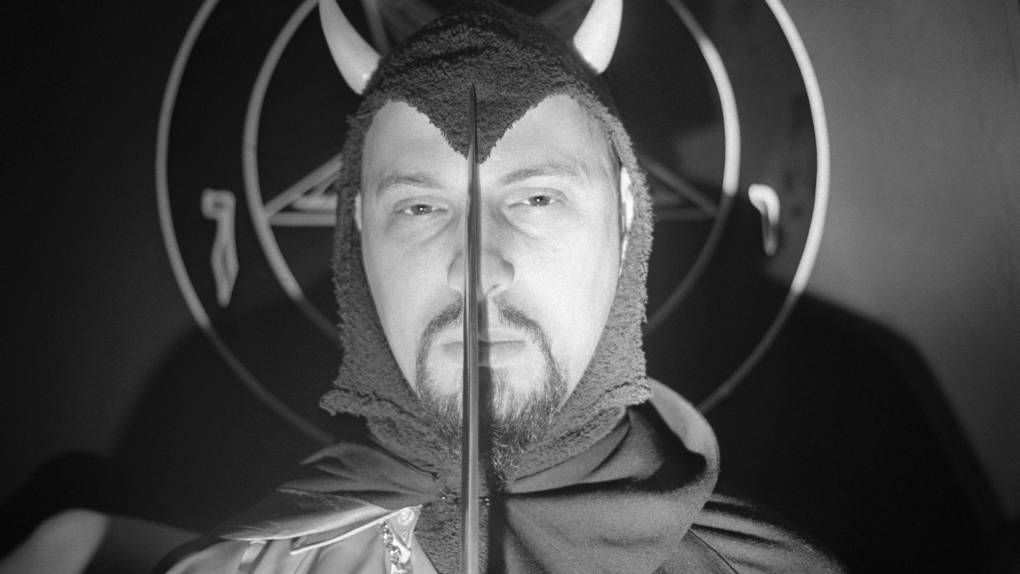
"caption": "Anton LaVey poses in his Black House, the San Francisco headquarters for the Church of Satan, in 1967.",
"credit": "Bettmann/Getty",
"altTag": "A man in a horned headdress, moustache and goatee poses before a pentagram, holding a sword that bifurcates his unsmiling face.",
"description": "Anton LaVey",
"imgSizes": {
"medium": {
"file": "https://cdn.kqed.org/wp-content/uploads/sites/2/2024/10/AntonLavey.16x9-800x450.jpg",
"width": 800,
"height": 450,
"mimeType": "image/jpeg"
},
"large": {
"file": "https://cdn.kqed.org/wp-content/uploads/sites/2/2024/10/AntonLavey.16x9-1020x574.jpg",
"width": 1020,
"height": 574,
"mimeType": "image/jpeg"
},
"thumbnail": {
"file": "https://cdn.kqed.org/wp-content/uploads/sites/2/2024/10/AntonLavey.16x9-160x90.jpg",
"width": 160,
"height": 90,
"mimeType": "image/jpeg"
},
"medium_large": {
"file": "https://cdn.kqed.org/wp-content/uploads/sites/2/2024/10/AntonLavey.16x9-768x432.jpg",
"width": 768,
"height": 432,
"mimeType": "image/jpeg"
},
"1536x1536": {
"file": "https://cdn.kqed.org/wp-content/uploads/sites/2/2024/10/AntonLavey.16x9-1536x864.jpg",
"width": 1536,
"height": 864,
"mimeType": "image/jpeg"
},
"2048x2048": {
"file": "https://cdn.kqed.org/wp-content/uploads/sites/2/2024/10/AntonLavey.16x9-2048x1152.jpg",
"width": 2048,
"height": 1152,
"mimeType": "image/jpeg"
},
"post-thumbnail": {
"file": "https://cdn.kqed.org/wp-content/uploads/sites/2/2024/10/AntonLavey.16x9-672x372.jpg",
"width": 672,
"height": 372,
"mimeType": "image/jpeg"
},
"twentyfourteen-full-width": {
"file": "https://cdn.kqed.org/wp-content/uploads/sites/2/2024/10/AntonLavey.16x9-1038x576.jpg",
"width": 1038,
"height": 576,
"mimeType": "image/jpeg"
},
"full-width": {
"file": "https://cdn.kqed.org/wp-content/uploads/sites/2/2024/10/AntonLavey.16x9-1920x1080.jpg",
"width": 1920,
"height": 1080,
"mimeType": "image/jpeg"
},
"kqedFullSize": {
"file": "https://cdn.kqed.org/wp-content/uploads/sites/2/2024/10/AntonLavey.16x9-scaled.jpg",
"width": 2560,
"height": 1440
}
},
"isLoading": false,
"fetchFailed": false
},
"arts_13966104": {
"type": "attachments",
"id": "arts_13966104",
"meta": {
"index": "attachments_1716263798",
"site": "arts",
"id": "13966104",
"found": true
},
"title": "Smith.Goldsmith.jpg",
"publishDate": 1728067937,
"status": "inherit",
"parent": 13966099,
"modified": 1728067962,
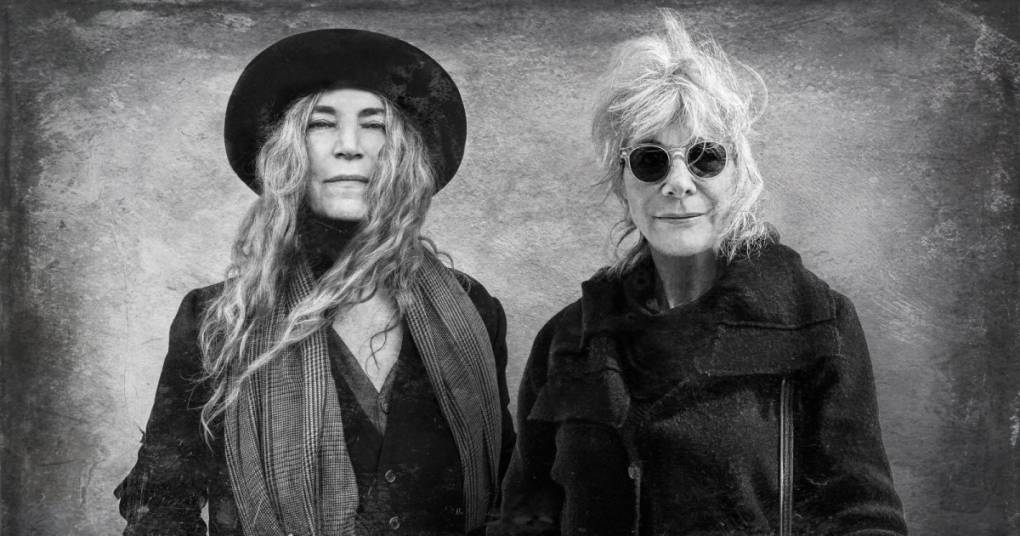
"caption": "(L–R) Patti Smith and Lynn Goldsmith.",
"credit": "Courtesy Noise Pop",
"altTag": null,
"description": null,
"imgSizes": {
"medium": {
"file": "https://cdn.kqed.org/wp-content/uploads/sites/2/2024/10/Smith.Goldsmith.jpg-800x420.jpg",
"width": 800,
"height": 420,
"mimeType": "image/jpeg"
},
"large": {
"file": "https://cdn.kqed.org/wp-content/uploads/sites/2/2024/10/Smith.Goldsmith.jpg-1020x536.jpg",
"width": 1020,
"height": 536,
"mimeType": "image/jpeg"
},
"thumbnail": {
"file": "https://cdn.kqed.org/wp-content/uploads/sites/2/2024/10/Smith.Goldsmith.jpg-160x84.jpg",
"width": 160,
"height": 84,
"mimeType": "image/jpeg"
},
"medium_large": {
"file": "https://cdn.kqed.org/wp-content/uploads/sites/2/2024/10/Smith.Goldsmith.jpg-768x403.jpg",
"width": 768,
"height": 403,
"mimeType": "image/jpeg"
},
"post-thumbnail": {
"file": "https://cdn.kqed.org/wp-content/uploads/sites/2/2024/10/Smith.Goldsmith.jpg-672x372.jpg",
"width": 672,
"height": 372,
"mimeType": "image/jpeg"
},
"twentyfourteen-full-width": {
"file": "https://cdn.kqed.org/wp-content/uploads/sites/2/2024/10/Smith.Goldsmith.jpg-1038x576.jpg",
"width": 1038,
"height": 576,
"mimeType": "image/jpeg"
},
"kqedFullSize": {
"file": "https://cdn.kqed.org/wp-content/uploads/sites/2/2024/10/Smith.Goldsmith.jpg.jpg",
"width": 1200,
"height": 630
}
},
"isLoading": false,
"fetchFailed": false
},
"arts_13965985": {
"type": "attachments",
"id": "arts_13965985",
"meta": {
"index": "attachments_1716263798",
"site": "arts",
"id": "13965985",
"found": true
},
"title": "‘The Message’ by Ta-Nehisi Coates.",
"publishDate": 1727897307,
"status": "inherit",
"parent": 13965980,
"modified": 1727897355,
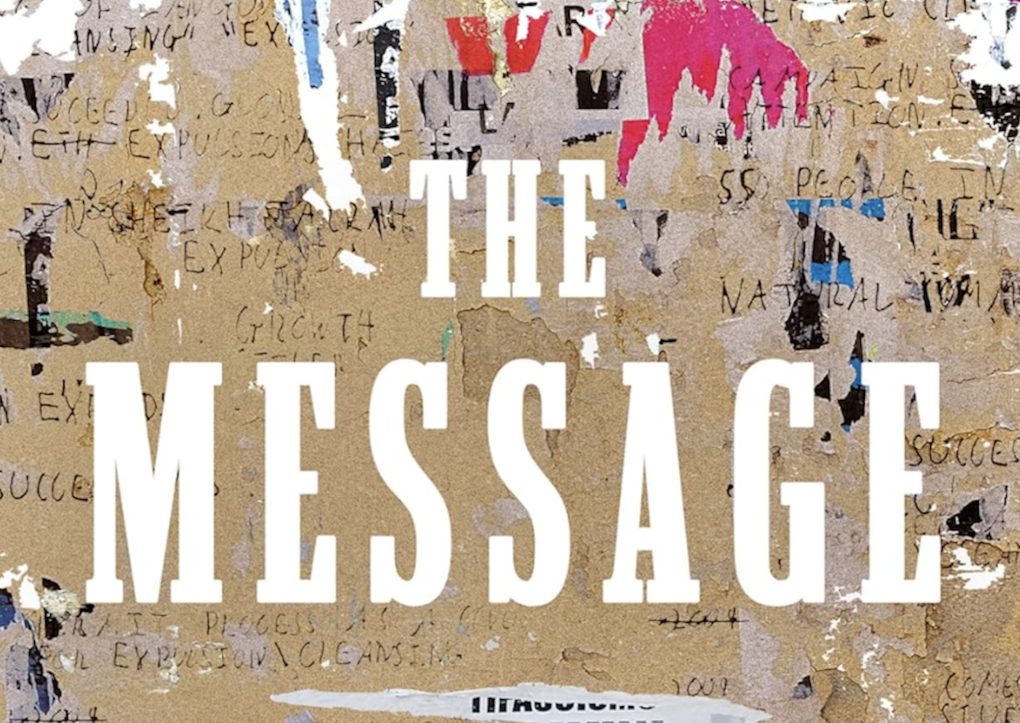
"caption": "‘The Message’ by Ta-Nehisi Coates.",
"credit": "One World",
"altTag": null,
"description": null,
"imgSizes": {
"medium": {
"file": "https://cdn.kqed.org/wp-content/uploads/sites/2/2024/10/mess-800x567.png",
"width": 800,
"height": 567,
"mimeType": "image/png"
},
"large": {
"file": "https://cdn.kqed.org/wp-content/uploads/sites/2/2024/10/mess-1020x723.png",
"width": 1020,
"height": 723,
"mimeType": "image/png"
},
"thumbnail": {
"file": "https://cdn.kqed.org/wp-content/uploads/sites/2/2024/10/mess-160x113.png",
"width": 160,
"height": 113,
"mimeType": "image/png"
},
"medium_large": {
"file": "https://cdn.kqed.org/wp-content/uploads/sites/2/2024/10/mess-768x544.png",
"width": 768,
"height": 544,
"mimeType": "image/png"
},
"1536x1536": {
"file": "https://cdn.kqed.org/wp-content/uploads/sites/2/2024/10/mess-1536x1088.png",
"width": 1536,
"height": 1088,
"mimeType": "image/png"
},
"post-thumbnail": {
"file": "https://cdn.kqed.org/wp-content/uploads/sites/2/2024/10/mess-672x372.png",
"width": 672,
"height": 372,
"mimeType": "image/png"
},
"twentyfourteen-full-width": {
"file": "https://cdn.kqed.org/wp-content/uploads/sites/2/2024/10/mess-1038x576.png",
"width": 1038,
"height": 576,
"mimeType": "image/png"
},
"full-width": {
"file": "https://cdn.kqed.org/wp-content/uploads/sites/2/2024/10/mess-1920x1360.png",
"width": 1920,
"height": 1360,
"mimeType": "image/png"
},
"kqedFullSize": {
"file": "https://cdn.kqed.org/wp-content/uploads/sites/2/2024/10/mess.png",
"width": 2000,
"height": 1417
}
},
"isLoading": false,
"fetchFailed": false
},
"arts_13965940": {
"type": "attachments",
"id": "arts_13965940",
"meta": {
"index": "attachments_1716263798",
"site": "arts",
"id": "13965940",
"found": true
},
"title": "Alice Wong in August 2022.",
"publishDate": 1727827793,
"status": "inherit",
"parent": 13965935,
"modified": 1727827847,
"caption": "Alice Wong in August 2022.",
"credit": "Eddie Hernandez Photography",
"altTag": "An Asian American disabled woman sits in a wheelchair with a tracheostomy with a tube attached to her ventilator. She is wearing a bold red lip color and a black and beige shirt with a pattern of poppies.",
"description": null,
"imgSizes": {
"medium": {
"file": "https://cdn.kqed.org/wp-content/uploads/sites/2/2024/10/alice-wong-800x496.png",
"width": 800,
"height": 496,
"mimeType": "image/png"
},
"large": {
"file": "https://cdn.kqed.org/wp-content/uploads/sites/2/2024/10/alice-wong-1020x633.png",
"width": 1020,
"height": 633,
"mimeType": "image/png"
},
"thumbnail": {
"file": "https://cdn.kqed.org/wp-content/uploads/sites/2/2024/10/alice-wong-160x99.png",
"width": 160,
"height": 99,
"mimeType": "image/png"
},
"medium_large": {
"file": "https://cdn.kqed.org/wp-content/uploads/sites/2/2024/10/alice-wong-768x477.png",
"width": 768,
"height": 477,
"mimeType": "image/png"
},
"1536x1536": {
"file": "https://cdn.kqed.org/wp-content/uploads/sites/2/2024/10/alice-wong-1536x953.png",
"width": 1536,
"height": 953,
"mimeType": "image/png"
},
"post-thumbnail": {
"file": "https://cdn.kqed.org/wp-content/uploads/sites/2/2024/10/alice-wong-672x372.png",
"width": 672,
"height": 372,
"mimeType": "image/png"
},
"twentyfourteen-full-width": {
"file": "https://cdn.kqed.org/wp-content/uploads/sites/2/2024/10/alice-wong-1038x576.png",
"width": 1038,
"height": 576,
"mimeType": "image/png"
},
"full-width": {
"file": "https://cdn.kqed.org/wp-content/uploads/sites/2/2024/10/alice-wong-1920x1191.png",
"width": 1920,
"height": 1191,
"mimeType": "image/png"
},
"kqedFullSize": {
"file": "https://cdn.kqed.org/wp-content/uploads/sites/2/2024/10/alice-wong.png",
"width": 2000,
"height": 1241
}
},
"isLoading": false,
"fetchFailed": false
}
},
"audioPlayerReducer": {
"postId": "stream_live",
"isPaused": true,
"isPlaying": false,
"pfsActive": false,
"pledgeModalIsOpen": true,
"playerDrawerIsOpen": false,
"liveAudioPlayStartedAt": 0,
"liveAudioPlayContext": ""
},
"authorsReducer": {
"byline_arts_13966853": {
"type": "authors",
"id": "byline_arts_13966853",
"meta": {
"override": true
},
"slug": "byline_arts_13966853",
"name": "Ann Levin, Associated Press",
"isLoading": false
},
"byline_arts_13966790": {
"type": "authors",
"id": "byline_arts_13966790",
"meta": {
"override": true
},
"slug": "byline_arts_13966790",
"name": "Maureen Corrigan, NPR",
"isLoading": false
},
"byline_arts_13966651": {
"type": "authors",
"id": "byline_arts_13966651",
"meta": {
"override": true
},
"slug": "byline_arts_13966651",
"name": "Bruce DeSilva, Associated Press",
"isLoading": false
},
"byline_arts_13966531": {
"type": "authors",
"id": "byline_arts_13966531",
"meta": {
"override": true
},
"slug": "byline_arts_13966531",
"name": "Maureen Corrigan",
"isLoading": false
},
"byline_arts_13966290": {
"type": "authors",
"id": "byline_arts_13966290",
"meta": {
"override": true
},
"slug": "byline_arts_13966290",
"name": "Anita Snow, Associated Press",
"isLoading": false
},
"byline_arts_13966245": {
"type": "authors",
"id": "byline_arts_13966245",
"meta": {
"override": true
},
"slug": "byline_arts_13966245",
"name": "Rob Merrill, Associated Press",
"isLoading": false
},
"byline_arts_13966202": {
"type": "authors",
"id": "byline_arts_13966202",
"meta": {
"override": true
},
"slug": "byline_arts_13966202",
"name": "Kendal Weaver, Associated Press",
"isLoading": false
},
"byline_arts_13966153": {
"type": "authors",
"id": "byline_arts_13966153",
"meta": {
"override": true
},
"slug": "byline_arts_13966153",
"name": "Zack Ruskin",
"isLoading": false
},
"byline_arts_13965980": {
"type": "authors",
"id": "byline_arts_13965980",
"meta": {
"override": true
},
"slug": "byline_arts_13965980",
"name": "Rob Merrill, Associated Press",
"isLoading": false
},
"gmeline": {
"type": "authors",
"id": "185",
"meta": {
"index": "authors_1716337520",
"id": "185",
"found": true
},
"name": "Gabe Meline",
"firstName": "Gabe",
"lastName": "Meline",
"slug": "gmeline",
"email": "gmeline@kqed.org",
"display_author_email": true,
"staff_mastheads": [
"arts"
],
"title": "Senior Editor, KQED Arts & Culture",
"bio": "Gabe Meline entered journalism at age 15 making photocopied zines, and has since earned awards from the Edward R. Murrow Awards, the Society for Professional Journalists, the Online Journalism Awards, the Association of Alternative Newsweeklies and the California Newspaper Publishers Association. Prior to KQED, he was the editor of the \u003cem>North Bay Bohemian\u003c/em> and a touring musician. He lives with his wife and daughter in his hometown of Santa Rosa, CA.",
"avatar": "https://secure.gravatar.com/avatar/5bebe57be0d8bc2dd318934feb47299e2d2d10cba28d09d8d7afb389a2ce2bdd?s=600&d=blank&r=g",
"twitter": null,
"bluesky": null,
"facebook": null,
"instagram": null,
"linkedin": null,
"sites": [
{
"site": "",
"roles": [
"editor"
]
},
{
"site": "arts",
"roles": [
"administrator"
]
},
{
"site": "artschool",
"roles": [
"editor"
]
},
{
"site": "news",
"roles": [
"author"
]
},
{
"site": "pop",
"roles": [
"editor"
]
},
{
"site": "bayareabites",
"roles": [
"editor"
]
},
{
"site": "food",
"roles": [
"editor"
]
},
{
"site": "forum",
"roles": [
"administrator"
]
},
{
"site": "liveblog",
"roles": [
"editor"
]
},
{
"site": "hiphop",
"roles": [
"editor"
]
}
],
"headData": {
"title": "Gabe Meline | KQED",
"description": "Senior Editor, KQED Arts & Culture",
"ogImgSrc": "https://secure.gravatar.com/avatar/5bebe57be0d8bc2dd318934feb47299e2d2d10cba28d09d8d7afb389a2ce2bdd?s=600&d=blank&r=g",
"twImgSrc": "https://secure.gravatar.com/avatar/5bebe57be0d8bc2dd318934feb47299e2d2d10cba28d09d8d7afb389a2ce2bdd?s=600&d=blank&r=g"
},
"isLoading": false,
"link": "/author/gmeline"
},
"ralexandra": {
"type": "authors",
"id": "11242",
"meta": {
"index": "authors_1716337520",
"id": "11242",
"found": true
},
"name": "Rae Alexandra",
"firstName": "Rae",
"lastName": "Alexandra",
"slug": "ralexandra",
"email": "ralexandra@kqed.org",
"display_author_email": true,
"staff_mastheads": [],
"title": "Reporter/Producer",
"bio": "Rae Alexandra is a Reporter/Producer for KQED Arts & Culture, and the creator/author of the \u003ca href=\"https://www.kqed.org/arts/program/rebel-girls-from-bay-area-history\">Rebel Girls From Bay Area History\u003c/a> and \u003ca href=\"https://www.kqed.org/bizarrebayarea\">Bizarre Bay Area\u003c/a> series. Her debut book, \u003ca href=\"https://citylights.com/politics-current-events-history/unsung-heroines35-women-who-changed/\">Unsung Heroines: 35 Women Who Changed the Bay Area\u003c/a> was published by City Lights in March 2026. In 2023, Rae was awarded an SPJ Excellence in Journalism Award for Arts & Culture. Rae was born and raised in Wales and subsequently — even after two decades in Northern California — still uses phrases that regularly baffle her coworkers.",
"avatar": "https://secure.gravatar.com/avatar/edfee8176c80cc0a382b051190f5341997df378a934a5774dcb0977732dfd401?s=600&d=blank&r=g",
"twitter": null,
"bluesky": null,
"facebook": null,
"instagram": null,
"linkedin": null,
"sites": [
{
"site": "arts",
"roles": [
"subscriber"
]
},
{
"site": "news",
"roles": [
"subscriber"
]
},
{
"site": "pop",
"roles": [
"subscriber"
]
},
{
"site": "bayareabites",
"roles": [
"subscriber"
]
},
{
"site": "science",
"roles": [
"subscriber"
]
}
],
"headData": {
"title": "Rae Alexandra | KQED",
"description": "Reporter/Producer",
"ogImgSrc": "https://secure.gravatar.com/avatar/edfee8176c80cc0a382b051190f5341997df378a934a5774dcb0977732dfd401?s=600&d=blank&r=g",
"twImgSrc": "https://secure.gravatar.com/avatar/edfee8176c80cc0a382b051190f5341997df378a934a5774dcb0977732dfd401?s=600&d=blank&r=g"
},
"isLoading": false,
"link": "/author/ralexandra"
}
},
"pagesReducer": {
"arts_category_literature": {
"type": "terms",
"id": "arts_73",
"meta": {
"index": "terms_1716263798",
"site": "arts",
"id": "73",
"score": 12.797518
},
"featImg": null,
"name": "Books",
"description": null,
"taxonomy": "category",
"headData": {
"twImgId": null,
"twTitle": null,
"ogTitle": null,
"ogImgId": null,
"twDescription": null,
"description": null,
"title": "Books Archives | KQED Arts",
"ogDescription": null
},
"ttid": 74,
"slug": "literature",
"isLoading": false,
"title": "Books",
"pageMeta": {
"site": "arts",
"WpPageTemplate": "page-topic-editorial",
"currentPage": 20
},
"blocks": [
{
"blockName": "kqed/post-list",
"attrs": {
"layout": "cardArticle2",
"query": "posts/arts?category=literature",
"seeMore": false,
"paginated": true,
"page": 20
}
},
{
"blockName": "kqed/ad"
}
]
}
},
"pfsSessionReducer": {},
"postsReducer": {
"stream_live": {
"type": "live",
"id": "stream_live",
"audioUrl": "https://streams.kqed.org/kqedradio",
"title": "Live Stream",
"excerpt": "Live Stream information currently unavailable.",
"link": "/radio",
"featImg": "",
"label": {
"name": "KQED Live",
"link": "/"
}
},
"stream_kqedNewscast": {
"type": "posts",
"id": "stream_kqedNewscast",
"audioUrl": "https://www.kqed.org/.stream/anon/radio/RDnews/newscast.mp3?_=1",
"title": "KQED Newscast",
"featImg": "",
"label": {
"name": "88.5 FM",
"link": "/"
}
},
"arts_13966853": {
"type": "posts",
"id": "arts_13966853",
"meta": {
"index": "posts_1716263798",
"site": "arts",
"id": "13966853",
"score": null,
"sort": [
1729281617000
]
},
"guestAuthors": [],
"slug": "susan-minot-new-novel-review-dont-be-a-stranger-explores-obsession",
"title": "Single Mom in Her 50s Falls for Much Younger Man in Susan Minot’s Latest Novel",
"publishDate": 1729281617,
"format": "aside",
"headTitle": "Single Mom in Her 50s Falls for Much Younger Man in Susan Minot’s Latest Novel | KQED",
"labelTerm": {
"term": 140,
"site": "arts"
},
"content": "\u003cfigure id=\"attachment_13966854\" class=\"wp-caption aligncenter\" style=\"max-width: 1409px\">\u003cimg loading=\"lazy\" decoding=\"async\" class=\"size-full wp-image-13966854\" src=\"https://cdn.kqed.org/wp-content/uploads/sites/2/2024/10/susan-minot.png\" alt=\"A book cover depicting a red light switch on a bright pink background.\" width=\"1409\" height=\"2000\" srcset=\"https://cdn.kqed.org/wp-content/uploads/sites/2/2024/10/susan-minot.png 1409w, https://cdn.kqed.org/wp-content/uploads/sites/2/2024/10/susan-minot-800x1136.png 800w, https://cdn.kqed.org/wp-content/uploads/sites/2/2024/10/susan-minot-1020x1448.png 1020w, https://cdn.kqed.org/wp-content/uploads/sites/2/2024/10/susan-minot-160x227.png 160w, https://cdn.kqed.org/wp-content/uploads/sites/2/2024/10/susan-minot-768x1090.png 768w, https://cdn.kqed.org/wp-content/uploads/sites/2/2024/10/susan-minot-1082x1536.png 1082w\" sizes=\"(max-width: 1409px) 100vw, 1409px\">\u003cfigcaption class=\"wp-caption-text\">‘Don’t Be a Stranger’ by Susan Minot. \u003ccite>(Knopf)\u003c/cite>\u003c/figcaption>\u003c/figure>\n\u003cp>From the very first page of Susan Minot’s latest novel, \u003cem>Don’t Be a Stranger\u003c/em>, Ivy Cooper, a single mother in her early 50s, has sex on her mind. The scene opens with her in the bath, thinking about the sex she’s had in that tub, the sex she’d like to have — but also, her bills, her writing, her young son, the Iraq war.\u003c/p>\n\u003cp>[aside postid='arts_13966531']So, when the doorbell rings and she runs to get it wrapped only in a towel, opening the door on a man some 20 years younger with a shadowed face, handsome, with “full mouth” and “bruised eyes,” you can guess where this story is going. “She saw something in him unusual, as if not touched by the usual things,” Minot writes in her characteristic style that is both dreamy and precise.\u003c/p>\n\u003cp>Over the next 300 pages Minot strives mightily to convey every aspect of Ivy’s obsessive desire for this vagabond musician, Ansel Fleming, who showed up that night to escort her to a party. It is a passion that defies common sense, promises to upend lives, and by the end of the novel, nearly drives her out of her mind.\u003c/p>\n\u003cp>Never mind that Ansel recently spent seven years in jail on a drug charge. That he tells her up front he’s not looking to fall in love. None of that can shake her conviction, formed the first night she met him, that wherever he was “held more dense molecules than were in the rest of the room.”\u003c/p>\n\u003cp>The counterpoint to Ivy’s drama with Ansel is her all-consuming love for and anxiety about her young son, Nicky. She is wracked with guilt for walking out on his father the year before, leaving their farm in Virginia to take the boy with her to New York, which she finds more conducive to her life as a writer.\u003c/p>\n\u003cp>[ad fullwidth]\u003c/p>\n\u003cp>The novel toggles back and forth between these two stories, the erotic and maternal, interspersed with scenes from Ivy’s bohemian life in downtown New York with wealthier friends who invite her into their stylish homes. Then Nicky gets sick and suddenly, Ivy’s priorities become clear.\u003c/p>\n\u003cp>[aside postid='arts_13966651']In real life, we often become impatient with friends in the grip of an obsession, erotic or otherwise. So, too, in fiction, where it’s crucial that readers at a minimum remain interested in the lives of the characters. Minot succeeds intermittently in making us care about Ivy. As for Ansel, it’s obvious from the start that he’s pretty much of a jerk.\u003c/p>\n\u003chr>\n\u003cp>\u003c/p>\n\u003cp>\u003cem>‘Don’t Be a Stranger’ by Susan Minot is out now, via Knopf.\u003c/em>\u003c/p>\n\n",
"blocks": [],
"excerpt": "One woman's desire for a vagabond musician defies common sense, promises to upend lives and nearly drives her out of her mind.",
"status": "publish",
"parent": 0,
"modified": 1729281617,
"stats": {
"hasAudio": false,
"hasVideo": false,
"hasChartOrMap": false,
"iframeSrcs": [],
"hasGoogleForm": false,
"hasGallery": false,
"hasHearkenModule": false,
"hasPolis": false,
"paragraphCount": 10,
"wordCount": 485
},
"headData": {
"title": "Book Review: ‘Don’t Be a Stranger’ by Susan Minot | KQED",
"description": "One woman's desire for a vagabond musician defies common sense, promises to upend lives and nearly drives her out of her mind.",
"ogTitle": "Single Mom in Her 50s Falls for Much Younger Man in Susan Minot’s Latest Novel",
"ogDescription": "",
"ogImgId": "",
"twTitle": "Single Mom in Her 50s Falls for Much Younger Man in Susan Minot’s Latest Novel",
"twDescription": "",
"twImgId": "",
"socialTitle": "Book Review: ‘Don’t Be a Stranger’ by Susan Minot %%page%% %%sep%% KQED",
"schema": {
"@context": "https://schema.org",
"@type": "Article",
"headline": "Single Mom in Her 50s Falls for Much Younger Man in Susan Minot’s Latest Novel",
"datePublished": "2024-10-18T13:00:17-07:00",
"dateModified": "2024-10-18T13:00:17-07:00",
"image": "https://cdn.kqed.org/wp-content/uploads/2020/02/KQED-OG-Image@1x.png"
}
},
"sticky": false,
"nprByline": "Ann Levin, Associated Press",
"nprStoryId": "kqed-13966853",
"templateType": "standard",
"featuredImageType": "standard",
"excludeFromSiteSearch": "Include",
"showOnAuthorArchivePages": "No",
"articleAge": "0",
"path": "/arts/13966853/susan-minot-new-novel-review-dont-be-a-stranger-explores-obsession",
"audioTrackLength": null,
"parsedContent": [
{
"type": "contentString",
"content": "\u003cdiv class=\"post-body\">\u003cp>\u003cfigure id=\"attachment_13966854\" class=\"wp-caption aligncenter\" style=\"max-width: 1409px\">\u003cimg loading=\"lazy\" decoding=\"async\" class=\"size-full wp-image-13966854\" src=\"https://cdn.kqed.org/wp-content/uploads/sites/2/2024/10/susan-minot.png\" alt=\"A book cover depicting a red light switch on a bright pink background.\" width=\"1409\" height=\"2000\" srcset=\"https://cdn.kqed.org/wp-content/uploads/sites/2/2024/10/susan-minot.png 1409w, https://cdn.kqed.org/wp-content/uploads/sites/2/2024/10/susan-minot-800x1136.png 800w, https://cdn.kqed.org/wp-content/uploads/sites/2/2024/10/susan-minot-1020x1448.png 1020w, https://cdn.kqed.org/wp-content/uploads/sites/2/2024/10/susan-minot-160x227.png 160w, https://cdn.kqed.org/wp-content/uploads/sites/2/2024/10/susan-minot-768x1090.png 768w, https://cdn.kqed.org/wp-content/uploads/sites/2/2024/10/susan-minot-1082x1536.png 1082w\" sizes=\"(max-width: 1409px) 100vw, 1409px\">\u003cfigcaption class=\"wp-caption-text\">‘Don’t Be a Stranger’ by Susan Minot. \u003ccite>(Knopf)\u003c/cite>\u003c/figcaption>\u003c/figure>\n\u003cp>From the very first page of Susan Minot’s latest novel, \u003cem>Don’t Be a Stranger\u003c/em>, Ivy Cooper, a single mother in her early 50s, has sex on her mind. The scene opens with her in the bath, thinking about the sex she’s had in that tub, the sex she’d like to have — but also, her bills, her writing, her young son, the Iraq war.\u003c/p>\n\u003cp>\u003c/p>\u003c/div>",
"attributes": {
"named": {},
"numeric": []
}
},
{
"type": "component",
"content": "",
"name": "aside",
"attributes": {
"named": {
"postid": "arts_13966531",
"label": ""
},
"numeric": []
}
},
{
"type": "contentString",
"content": "\u003cdiv class=\"post-body\">\u003cp>So, when the doorbell rings and she runs to get it wrapped only in a towel, opening the door on a man some 20 years younger with a shadowed face, handsome, with “full mouth” and “bruised eyes,” you can guess where this story is going. “She saw something in him unusual, as if not touched by the usual things,” Minot writes in her characteristic style that is both dreamy and precise.\u003c/p>\n\u003cp>Over the next 300 pages Minot strives mightily to convey every aspect of Ivy’s obsessive desire for this vagabond musician, Ansel Fleming, who showed up that night to escort her to a party. It is a passion that defies common sense, promises to upend lives, and by the end of the novel, nearly drives her out of her mind.\u003c/p>\n\u003cp>Never mind that Ansel recently spent seven years in jail on a drug charge. That he tells her up front he’s not looking to fall in love. None of that can shake her conviction, formed the first night she met him, that wherever he was “held more dense molecules than were in the rest of the room.”\u003c/p>\n\u003cp>The counterpoint to Ivy’s drama with Ansel is her all-consuming love for and anxiety about her young son, Nicky. She is wracked with guilt for walking out on his father the year before, leaving their farm in Virginia to take the boy with her to New York, which she finds more conducive to her life as a writer.\u003c/p>\n\u003cp>\u003c/p>\u003c/div>",
"attributes": {
"named": {},
"numeric": []
}
},
{
"type": "component",
"content": "",
"name": "ad",
"attributes": {
"named": {
"label": "fullwidth"
},
"numeric": [
"fullwidth"
]
}
},
{
"type": "contentString",
"content": "\u003cdiv class=\"post-body\">\u003cp>\u003c/p>\n\u003cp>The novel toggles back and forth between these two stories, the erotic and maternal, interspersed with scenes from Ivy’s bohemian life in downtown New York with wealthier friends who invite her into their stylish homes. Then Nicky gets sick and suddenly, Ivy’s priorities become clear.\u003c/p>\n\u003cp>\u003c/p>\u003c/div>",
"attributes": {
"named": {},
"numeric": []
}
},
{
"type": "component",
"content": "",
"name": "aside",
"attributes": {
"named": {
"postid": "arts_13966651",
"label": ""
},
"numeric": []
}
},
{
"type": "contentString",
"content": "\u003cdiv class=\"post-body\">\u003cp>In real life, we often become impatient with friends in the grip of an obsession, erotic or otherwise. So, too, in fiction, where it’s crucial that readers at a minimum remain interested in the lives of the characters. Minot succeeds intermittently in making us care about Ivy. As for Ansel, it’s obvious from the start that he’s pretty much of a jerk.\u003c/p>\n\u003chr>\n\u003cp>\u003c/p>\n\u003cp>\u003cem>‘Don’t Be a Stranger’ by Susan Minot is out now, via Knopf.\u003c/em>\u003c/p>\n\n\u003c/div>\u003c/p>",
"attributes": {
"named": {},
"numeric": []
}
}
],
"link": "/arts/13966853/susan-minot-new-novel-review-dont-be-a-stranger-explores-obsession",
"authors": [
"byline_arts_13966853"
],
"programs": [
"arts_140"
],
"categories": [
"arts_1",
"arts_73",
"arts_75",
"arts_22313"
],
"tags": [
"arts_5221",
"arts_769",
"arts_585"
],
"featImg": "arts_13966855",
"label": "arts_140"
},
"arts_13966790": {
"type": "posts",
"id": "arts_13966790",
"meta": {
"index": "posts_1716263798",
"site": "arts",
"id": "13966790",
"score": null,
"sort": [
1729206287000
]
},
"guestAuthors": [],
"slug": "a-maid-is-suspected-of-killing-a-child-in-clean-a-novel-about-class-and-power",
"title": "A Maid Is Suspected of Killing a Child in ‘Clean,’ a Novel About Class and Power",
"publishDate": 1729206287,
"format": "aside",
"headTitle": "A Maid Is Suspected of Killing a Child in ‘Clean,’ a Novel About Class and Power | KQED",
"labelTerm": {
"term": 140,
"site": "arts"
},
"content": "\u003cfigure id=\"attachment_13966794\" class=\"wp-caption aligncenter\" style=\"max-width: 1369px\">\u003cimg loading=\"lazy\" decoding=\"async\" class=\"size-full wp-image-13966794\" src=\"https://cdn.kqed.org/wp-content/uploads/sites/2/2024/10/clean.png\" alt=\"A book cover featuring a fly.\" width=\"1369\" height=\"2000\" srcset=\"https://cdn.kqed.org/wp-content/uploads/sites/2/2024/10/clean.png 1369w, https://cdn.kqed.org/wp-content/uploads/sites/2/2024/10/clean-800x1169.png 800w, https://cdn.kqed.org/wp-content/uploads/sites/2/2024/10/clean-1020x1490.png 1020w, https://cdn.kqed.org/wp-content/uploads/sites/2/2024/10/clean-160x234.png 160w, https://cdn.kqed.org/wp-content/uploads/sites/2/2024/10/clean-768x1122.png 768w, https://cdn.kqed.org/wp-content/uploads/sites/2/2024/10/clean-1051x1536.png 1051w\" sizes=\"(max-width: 1369px) 100vw, 1369px\">\u003cfigcaption class=\"wp-caption-text\">‘Clean’ by Alia Trabucco Zerán. \u003ccite>(Riverhead Books)\u003c/cite>\u003c/figcaption>\u003c/figure>\n\u003cp>A woman named Estela García sits alone in an interrogation cell and begins talking to the police she assumes are listening in from another room. She’s 40 years old, born to a single mother in the Chilean countryside.\u003c/p>\n\u003cp>Seven years earlier, Estela traveled to the city of Santiago in search of work and was hired by a wealthy couple to be their “housemaid” and nanny to their soon-to-be born daughter, Julia. That daughter, now 7, has just been found dead in the family’s swimming pool. Whether the cause of her death will be deemed an accident, suicide, or foul play we don’t know; but, if it’s the latter, Estela is the chief suspect.\u003c/p>\n\u003cp>[aside postid='arts_13966651']We readers learn almost all of this information in the first pages of \u003cem>Clean, \u003c/em>a slim, extraordinary novel by Chilean author, Alia Trabucco Zerán, translated into English by Sophie Hughes. But, here’s something we never learn: what Estela looks like.\u003c/p>\n\u003cp>I’ve sat still in Estela’s company for hours, raptly reading her story and hearing her voice; yet, it wasn’t until I began describing the premise of this novel that I realized I have no idea of Estela’s appearance beyond the general categories of gender and age.\u003c/p>\n\u003cp>Through the brilliance of her writing, Zerán lulls readers into the same haughty blindness as Estela’s employers. To the señor, a doctor, and the señora, who works for some kind of corporation, invisible Estela simply\u003cem> is\u003c/em> what she \u003cem>does\u003c/em> for them: “making the bed, airing the rooms, scrubbing the vomit out of the rug,” cooking and serving their meals; bleaching the sweat and dirt out of their clothes; and attending to their surly child, who, even as a baby, had to be coaxed to eat.\u003c/p>\n\u003cp>[ad fullwidth]\u003c/p>\n\u003cp>In its narrative structure \u003cem>Clean\u003c/em> may sound like a suspense story, but it’s really a memoir-in-miniature narrated by Estela — a sharp woman who’s had to funnel her life into the rooms of her employers’ house. “Claustrophobia” would have been a good alternative title for this novel, which is set almost exclusively in interior spaces.\u003c/p>\n\u003cp>Why stay inside with Estela, you may ask? The answer is her voice. Listen to this passage, where Estela in her cell answers the question she assumes is on the minds of her unseen inquisitors, as well as us readers:\u003c/p>\n\u003cblockquote>\n\u003cdiv>\n\u003cp>By now you’re probably wondering why I stayed. … My answer is the following: Why do you stay in your jobs? In your poky offices, in the factories and the shops on the other side of this wall?\u003c/p>\n\u003cp>I never stopped believing I would leave that house, but routine is treacherous; the repetition of the same rituals — open your eyes, close them, chew, swallow, brush your hair, brush your teeth — each one an attempt to gain mastery over time. A month, a week, the length and breadth of a life.\u003c/p>\n\u003c/div>\n\u003c/blockquote>\n\u003cp>There are so many sentences in this closely-observed novel where an image or comment suddenly swerves matters from the mundane to the revelatory: For instance, when Estela, in answer to an ad, first shows up at her employers’ address, the señora, then pregnant, looks her “up and down,” while the señor doesn’t even make eye contact: “He was texting on his phone [Estela recalls] and, without even glancing up, pointed at the kitchen door.”\u003c/p>\n\u003cp>When Julia, as a 2-year-old, begins to bite her nails so compulsively her cuticles bleed, Estela comments:\u003c/p>\n\u003cblockquote>\n\u003cdiv>\n\u003cp>I kept thinking about the girl, … about her chubby, idle hands, always ready to pop those nails into her mouth, for them to be destroyed by her teeth. I never bit my nails. My mama didn’t either. I suppose for that you’d need to have your hands free.\u003c/p>\n\u003c/div>\n\u003c/blockquote>\n\u003cp>[aside postid='arts_13966531']Through the years, tensions within and beyond the house escalate as protests against income inequality rock the city. Even Estela’s own behavior becomes less tamped down. For instance, she illicitly cares for a street dog in the laundry room of the house — an assertion of autonomy that, in a roundabout way, leads to that prison cell.\u003c/p>\n\u003cp>\u003cem>Clean\u003c/em> is an intense novel about class and power and the kind of deep down rot that lingers, despite the most vigorous scrubbing.\u003c/p>\n\u003chr>\n\u003cp>\u003c/p>\n\u003cp>\u003cem>‘Clean’ by Alia Trabucco Zerán is out now via Riverhead Books.\u003c/em>\u003c/p>\n\n",
"blocks": [],
"excerpt": "Chilean author Alia Trabucco Zerán has written an intense novel about the kind of deep down rot that lingers, despite the most vigorous scrubbing.",
"status": "publish",
"parent": 0,
"modified": 1729627719,
"stats": {
"hasAudio": false,
"hasVideo": false,
"hasChartOrMap": false,
"iframeSrcs": [],
"hasGoogleForm": false,
"hasGallery": false,
"hasHearkenModule": false,
"hasPolis": false,
"paragraphCount": 17,
"wordCount": 792
},
"headData": {
"title": "Book Review: ‘Clean’ by Alia Trabucco Zerán | KQED",
"description": "Chilean author Alia Trabucco Zerán has written an intense novel about the kind of deep down rot that lingers, despite the most vigorous scrubbing.",
"ogTitle": "A Maid Is Suspected of Killing a Child in ‘Clean,’ a Novel About Class and Power",
"ogDescription": "",
"ogImgId": "",
"twTitle": "A Maid Is Suspected of Killing a Child in ‘Clean,’ a Novel About Class and Power",
"twDescription": "",
"twImgId": "",
"socialTitle": "Book Review: ‘Clean’ by Alia Trabucco Zerán%%page%% %%sep%% KQED",
"schema": {
"@context": "https://schema.org",
"@type": "Article",
"headline": "A Maid Is Suspected of Killing a Child in ‘Clean,’ a Novel About Class and Power",
"datePublished": "2024-10-17T16:04:47-07:00",
"dateModified": "2024-10-22T13:08:39-07:00",
"image": "https://cdn.kqed.org/wp-content/uploads/2020/02/KQED-OG-Image@1x.png"
}
},
"sticky": false,
"nprByline": "Maureen Corrigan, NPR",
"nprStoryId": "nx-s1-5154143",
"nprHtmlLink": "https://www.npr.org/2024/10/17/nx-s1-5154143/clean-alia-trabucco-zeran-review",
"nprRetrievedStory": "1",
"nprPubDate": "2024-10-17T12:53:46.553-04:00",
"nprStoryDate": "2024-10-17T12:53:46.553-04:00",
"nprLastModifiedDate": "2024-10-17T16:30:10.117-04:00",
"nprAudio": "https://ondemand.npr.org/anon.npr-mp3/npr/fa/2024/10/20241017_fa_16b23712-80cf-4b9b-94e6-e1a79663377c.mp3?d=424832&e=nx-s1-5154143",
"templateType": "standard",
"featuredImageType": "standard",
"excludeFromSiteSearch": "Include",
"showOnAuthorArchivePages": "No",
"articleAge": "0",
"path": "/arts/13966790/a-maid-is-suspected-of-killing-a-child-in-clean-a-novel-about-class-and-power",
"audioUrl": "https://ondemand.npr.org/anon.npr-mp3/npr/fa/2024/10/20241017_fa_16b23712-80cf-4b9b-94e6-e1a79663377c.mp3?d=424832&e=nx-s1-5154143",
"audioTrackLength": null,
"parsedContent": [
{
"type": "contentString",
"content": "\u003cdiv class=\"post-body\">\u003cp>\u003cfigure id=\"attachment_13966794\" class=\"wp-caption aligncenter\" style=\"max-width: 1369px\">\u003cimg loading=\"lazy\" decoding=\"async\" class=\"size-full wp-image-13966794\" src=\"https://cdn.kqed.org/wp-content/uploads/sites/2/2024/10/clean.png\" alt=\"A book cover featuring a fly.\" width=\"1369\" height=\"2000\" srcset=\"https://cdn.kqed.org/wp-content/uploads/sites/2/2024/10/clean.png 1369w, https://cdn.kqed.org/wp-content/uploads/sites/2/2024/10/clean-800x1169.png 800w, https://cdn.kqed.org/wp-content/uploads/sites/2/2024/10/clean-1020x1490.png 1020w, https://cdn.kqed.org/wp-content/uploads/sites/2/2024/10/clean-160x234.png 160w, https://cdn.kqed.org/wp-content/uploads/sites/2/2024/10/clean-768x1122.png 768w, https://cdn.kqed.org/wp-content/uploads/sites/2/2024/10/clean-1051x1536.png 1051w\" sizes=\"(max-width: 1369px) 100vw, 1369px\">\u003cfigcaption class=\"wp-caption-text\">‘Clean’ by Alia Trabucco Zerán. \u003ccite>(Riverhead Books)\u003c/cite>\u003c/figcaption>\u003c/figure>\n\u003cp>A woman named Estela García sits alone in an interrogation cell and begins talking to the police she assumes are listening in from another room. She’s 40 years old, born to a single mother in the Chilean countryside.\u003c/p>\n\u003cp>Seven years earlier, Estela traveled to the city of Santiago in search of work and was hired by a wealthy couple to be their “housemaid” and nanny to their soon-to-be born daughter, Julia. That daughter, now 7, has just been found dead in the family’s swimming pool. Whether the cause of her death will be deemed an accident, suicide, or foul play we don’t know; but, if it’s the latter, Estela is the chief suspect.\u003c/p>\n\u003cp>\u003c/p>\u003c/div>",
"attributes": {
"named": {},
"numeric": []
}
},
{
"type": "component",
"content": "",
"name": "aside",
"attributes": {
"named": {
"postid": "arts_13966651",
"label": ""
},
"numeric": []
}
},
{
"type": "contentString",
"content": "\u003cdiv class=\"post-body\">\u003cp>We readers learn almost all of this information in the first pages of \u003cem>Clean, \u003c/em>a slim, extraordinary novel by Chilean author, Alia Trabucco Zerán, translated into English by Sophie Hughes. But, here’s something we never learn: what Estela looks like.\u003c/p>\n\u003cp>I’ve sat still in Estela’s company for hours, raptly reading her story and hearing her voice; yet, it wasn’t until I began describing the premise of this novel that I realized I have no idea of Estela’s appearance beyond the general categories of gender and age.\u003c/p>\n\u003cp>Through the brilliance of her writing, Zerán lulls readers into the same haughty blindness as Estela’s employers. To the señor, a doctor, and the señora, who works for some kind of corporation, invisible Estela simply\u003cem> is\u003c/em> what she \u003cem>does\u003c/em> for them: “making the bed, airing the rooms, scrubbing the vomit out of the rug,” cooking and serving their meals; bleaching the sweat and dirt out of their clothes; and attending to their surly child, who, even as a baby, had to be coaxed to eat.\u003c/p>\n\u003cp>\u003c/p>\u003c/div>",
"attributes": {
"named": {},
"numeric": []
}
},
{
"type": "component",
"content": "",
"name": "ad",
"attributes": {
"named": {
"label": "fullwidth"
},
"numeric": [
"fullwidth"
]
}
},
{
"type": "contentString",
"content": "\u003cdiv class=\"post-body\">\u003cp>\u003c/p>\n\u003cp>In its narrative structure \u003cem>Clean\u003c/em> may sound like a suspense story, but it’s really a memoir-in-miniature narrated by Estela — a sharp woman who’s had to funnel her life into the rooms of her employers’ house. “Claustrophobia” would have been a good alternative title for this novel, which is set almost exclusively in interior spaces.\u003c/p>\n\u003cp>Why stay inside with Estela, you may ask? The answer is her voice. Listen to this passage, where Estela in her cell answers the question she assumes is on the minds of her unseen inquisitors, as well as us readers:\u003c/p>\n\u003cblockquote>\n\u003cdiv>\n\u003cp>By now you’re probably wondering why I stayed. … My answer is the following: Why do you stay in your jobs? In your poky offices, in the factories and the shops on the other side of this wall?\u003c/p>\n\u003cp>I never stopped believing I would leave that house, but routine is treacherous; the repetition of the same rituals — open your eyes, close them, chew, swallow, brush your hair, brush your teeth — each one an attempt to gain mastery over time. A month, a week, the length and breadth of a life.\u003c/p>\n\u003c/div>\n\u003c/blockquote>\n\u003cp>There are so many sentences in this closely-observed novel where an image or comment suddenly swerves matters from the mundane to the revelatory: For instance, when Estela, in answer to an ad, first shows up at her employers’ address, the señora, then pregnant, looks her “up and down,” while the señor doesn’t even make eye contact: “He was texting on his phone [Estela recalls] and, without even glancing up, pointed at the kitchen door.”\u003c/p>\n\u003cp>When Julia, as a 2-year-old, begins to bite her nails so compulsively her cuticles bleed, Estela comments:\u003c/p>\n\u003cblockquote>\n\u003cdiv>\n\u003cp>I kept thinking about the girl, … about her chubby, idle hands, always ready to pop those nails into her mouth, for them to be destroyed by her teeth. I never bit my nails. My mama didn’t either. I suppose for that you’d need to have your hands free.\u003c/p>\n\u003c/div>\n\u003c/blockquote>\n\u003cp>\u003c/p>\u003c/div>",
"attributes": {
"named": {},
"numeric": []
}
},
{
"type": "component",
"content": "",
"name": "aside",
"attributes": {
"named": {
"postid": "arts_13966531",
"label": ""
},
"numeric": []
}
},
{
"type": "contentString",
"content": "\u003cdiv class=\"post-body\">\u003cp>Through the years, tensions within and beyond the house escalate as protests against income inequality rock the city. Even Estela’s own behavior becomes less tamped down. For instance, she illicitly cares for a street dog in the laundry room of the house — an assertion of autonomy that, in a roundabout way, leads to that prison cell.\u003c/p>\n\u003cp>\u003cem>Clean\u003c/em> is an intense novel about class and power and the kind of deep down rot that lingers, despite the most vigorous scrubbing.\u003c/p>\n\u003chr>\n\u003cp>\u003c/p>\n\u003cp>\u003cem>‘Clean’ by Alia Trabucco Zerán is out now via Riverhead Books.\u003c/em>\u003c/p>\n\n\u003c/div>\u003c/p>",
"attributes": {
"named": {},
"numeric": []
}
}
],
"link": "/arts/13966790/a-maid-is-suspected-of-killing-a-child-in-clean-a-novel-about-class-and-power",
"authors": [
"byline_arts_13966790"
],
"programs": [
"arts_140"
],
"categories": [
"arts_1",
"arts_73",
"arts_22313"
],
"tags": [
"arts_5221",
"arts_769",
"arts_585"
],
"affiliates": [
"arts_137"
],
"featImg": "arts_13966795",
"label": "arts_140"
},
"arts_13966651": {
"type": "posts",
"id": "arts_13966651",
"meta": {
"index": "posts_1716263798",
"site": "arts",
"id": "13966651",
"score": null,
"sort": [
1729027759000
]
},
"guestAuthors": [],
"slug": "book-review-michael-connelly-the-waiting-renee-ballard-black-dahlia-bosch",
"title": "Cold Case Unit Pursues a Rapist, Foils a Terrorist Plot and Tackles a 1947 Murder",
"publishDate": 1729027759,
"format": "aside",
"headTitle": "Cold Case Unit Pursues a Rapist, Foils a Terrorist Plot and Tackles a 1947 Murder | KQED",
"labelTerm": {
"term": 140,
"site": "arts"
},
"content": "\u003cfigure id=\"attachment_13966652\" class=\"wp-caption aligncenter\" style=\"max-width: 1348px\">\u003cimg loading=\"lazy\" decoding=\"async\" class=\"size-full wp-image-13966652\" src=\"https://cdn.kqed.org/wp-content/uploads/sites/2/2024/10/waiting.png\" alt=\"A book cover depicting a lone surfer at sunset.\" width=\"1348\" height=\"2000\" srcset=\"https://cdn.kqed.org/wp-content/uploads/sites/2/2024/10/waiting.png 1348w, https://cdn.kqed.org/wp-content/uploads/sites/2/2024/10/waiting-800x1187.png 800w, https://cdn.kqed.org/wp-content/uploads/sites/2/2024/10/waiting-1020x1513.png 1020w, https://cdn.kqed.org/wp-content/uploads/sites/2/2024/10/waiting-160x237.png 160w, https://cdn.kqed.org/wp-content/uploads/sites/2/2024/10/waiting-768x1139.png 768w, https://cdn.kqed.org/wp-content/uploads/sites/2/2024/10/waiting-1035x1536.png 1035w\" sizes=\"(max-width: 1348px) 100vw, 1348px\">\u003cfigcaption class=\"wp-caption-text\">‘The Waiting’ by Michael Connelly. \u003ccite>(Little, Brown and Company)\u003c/cite>\u003c/figcaption>\u003c/figure>\n\u003cp>It’s early morning in Southern California, and Renée Ballard, director of the LAPD Open-Unsolved Unit, is where she most loves to be. She’s surfing, and she’s darned good at it. After a final run, she returns to the parking lot and discovers that someone has broken into her car and stolen her badge and gun.\u003c/p>\n\u003cp>Protocol requires her to report this, but Ballard has more than her share of enemies in the department. She can’t afford to give them ammunition to take her down, so she breaks the rules and sets out alone to find the thief and get her stuff back.\u003c/p>\n\u003cp>[aside postid='arts_13966290']It’s an especially bad time for Ballard to be distracted by her own problem, because her unit is in the middle of two huge cases in \u003cem>The Waiting\u003c/em>, the sixth thriller in Michael Connelly’s fine Ballard and Bosch series.\u003c/p>\n\u003cp>For starters, a DNA check on a 24-year-old arrested on an unrelated charge has identified him as the son of the Pillowcase Rapist who terrorized Los Angeles for years before going silent in 2005. It turns out that the young man was raised by a politically connected Superior Court judge who may or may not be the biological father.\u003c/p>\n\u003cp>Meanwhile, rookie patrol officer Maddie Bosch, daughter of Harry Bosch, who once ran the Open-Unsolved unit, has joined Ballard’s team. She arrives with stunning evidence that may hold the key to solving the city’s most infamous unsolved murder — the brutal 1947 slaying of Elizabeth Short, a.k.a The Black Dahlia.\u003c/p>\n\u003cp>[ad fullwidth]\u003c/p>\n\u003cp>As if that weren’t enough, Ballard’s hunt for her badge and gun uncovers a plot to use them in an imminent terrorist attack. To foil that, she enlists the help of her old friend and convalescing cancer patient Harry, the protagonist of 20 previous Connelly novels.\u003c/p>\n\u003cp>[aside postid='arts_13966297']Despite having to navigate the byzantine politics of the city’s justice system, including meddling higher ups and an intransigent prosecutor, Ballard and her team ultimately win the day. The multiple plot lines are suspenseful and unfold at a torrid pace, and as usual in a Connelly novel, the prose is tight and the characters are compelling and well-drawn. \u003cem>The Waiting\u003c/em> is the habitually best-selling author at the top of his game.\u003c/p>\n\u003chr>\n\u003cp>\u003c/p>\n\u003cp>\u003cem>‘The Waiting’ by Michael Connelly is out on Oct. 15, 2024, via Little, Brown and Company.\u003c/em>\u003c/p>\n\n",
"blocks": [],
"excerpt": "The sixth thriller in Michael Connelly’s Ballard and Bosch novels is suspenseful and well-drawn.",
"status": "publish",
"parent": 0,
"modified": 1729027759,
"stats": {
"hasAudio": false,
"hasVideo": false,
"hasChartOrMap": false,
"iframeSrcs": [],
"hasGoogleForm": false,
"hasGallery": false,
"hasHearkenModule": false,
"hasPolis": false,
"paragraphCount": 10,
"wordCount": 436
},
"headData": {
"title": "Book Review: ‘The Waiting’ by Michael Connelly | KQED",
"description": "The sixth thriller in Michael Connelly’s Ballard and Bosch novels is suspenseful and well-drawn.",
"ogTitle": "Cold Case Unit Pursues a Rapist, Foils a Terrorist Plot and Tackles a 1947 Murder",
"ogDescription": "",
"ogImgId": "",
"twTitle": "Cold Case Unit Pursues a Rapist, Foils a Terrorist Plot and Tackles a 1947 Murder",
"twDescription": "",
"twImgId": "",
"socialTitle": "Book Review: ‘The Waiting’ by Michael Connelly %%page%% %%sep%% KQED",
"schema": {
"@context": "https://schema.org",
"@type": "Article",
"headline": "Cold Case Unit Pursues a Rapist, Foils a Terrorist Plot and Tackles a 1947 Murder",
"datePublished": "2024-10-15T14:29:19-07:00",
"dateModified": "2024-10-15T14:29:19-07:00",
"image": "https://cdn.kqed.org/wp-content/uploads/2020/02/KQED-OG-Image@1x.png"
}
},
"sticky": false,
"nprByline": "Bruce DeSilva, Associated Press",
"nprStoryId": "kqed-13966651",
"templateType": "standard",
"featuredImageType": "standard",
"excludeFromSiteSearch": "Include",
"showOnAuthorArchivePages": "No",
"articleAge": "0",
"path": "/arts/13966651/book-review-michael-connelly-the-waiting-renee-ballard-black-dahlia-bosch",
"audioTrackLength": null,
"parsedContent": [
{
"type": "contentString",
"content": "\u003cdiv class=\"post-body\">\u003cp>\u003cfigure id=\"attachment_13966652\" class=\"wp-caption aligncenter\" style=\"max-width: 1348px\">\u003cimg loading=\"lazy\" decoding=\"async\" class=\"size-full wp-image-13966652\" src=\"https://cdn.kqed.org/wp-content/uploads/sites/2/2024/10/waiting.png\" alt=\"A book cover depicting a lone surfer at sunset.\" width=\"1348\" height=\"2000\" srcset=\"https://cdn.kqed.org/wp-content/uploads/sites/2/2024/10/waiting.png 1348w, https://cdn.kqed.org/wp-content/uploads/sites/2/2024/10/waiting-800x1187.png 800w, https://cdn.kqed.org/wp-content/uploads/sites/2/2024/10/waiting-1020x1513.png 1020w, https://cdn.kqed.org/wp-content/uploads/sites/2/2024/10/waiting-160x237.png 160w, https://cdn.kqed.org/wp-content/uploads/sites/2/2024/10/waiting-768x1139.png 768w, https://cdn.kqed.org/wp-content/uploads/sites/2/2024/10/waiting-1035x1536.png 1035w\" sizes=\"(max-width: 1348px) 100vw, 1348px\">\u003cfigcaption class=\"wp-caption-text\">‘The Waiting’ by Michael Connelly. \u003ccite>(Little, Brown and Company)\u003c/cite>\u003c/figcaption>\u003c/figure>\n\u003cp>It’s early morning in Southern California, and Renée Ballard, director of the LAPD Open-Unsolved Unit, is where she most loves to be. She’s surfing, and she’s darned good at it. After a final run, she returns to the parking lot and discovers that someone has broken into her car and stolen her badge and gun.\u003c/p>\n\u003cp>Protocol requires her to report this, but Ballard has more than her share of enemies in the department. She can’t afford to give them ammunition to take her down, so she breaks the rules and sets out alone to find the thief and get her stuff back.\u003c/p>\n\u003cp>\u003c/p>\u003c/div>",
"attributes": {
"named": {},
"numeric": []
}
},
{
"type": "component",
"content": "",
"name": "aside",
"attributes": {
"named": {
"postid": "arts_13966290",
"label": ""
},
"numeric": []
}
},
{
"type": "contentString",
"content": "\u003cdiv class=\"post-body\">\u003cp>It’s an especially bad time for Ballard to be distracted by her own problem, because her unit is in the middle of two huge cases in \u003cem>The Waiting\u003c/em>, the sixth thriller in Michael Connelly’s fine Ballard and Bosch series.\u003c/p>\n\u003cp>For starters, a DNA check on a 24-year-old arrested on an unrelated charge has identified him as the son of the Pillowcase Rapist who terrorized Los Angeles for years before going silent in 2005. It turns out that the young man was raised by a politically connected Superior Court judge who may or may not be the biological father.\u003c/p>\n\u003cp>Meanwhile, rookie patrol officer Maddie Bosch, daughter of Harry Bosch, who once ran the Open-Unsolved unit, has joined Ballard’s team. She arrives with stunning evidence that may hold the key to solving the city’s most infamous unsolved murder — the brutal 1947 slaying of Elizabeth Short, a.k.a The Black Dahlia.\u003c/p>\n\u003cp>\u003c/p>\u003c/div>",
"attributes": {
"named": {},
"numeric": []
}
},
{
"type": "component",
"content": "",
"name": "ad",
"attributes": {
"named": {
"label": "fullwidth"
},
"numeric": [
"fullwidth"
]
}
},
{
"type": "contentString",
"content": "\u003cdiv class=\"post-body\">\u003cp>\u003c/p>\n\u003cp>As if that weren’t enough, Ballard’s hunt for her badge and gun uncovers a plot to use them in an imminent terrorist attack. To foil that, she enlists the help of her old friend and convalescing cancer patient Harry, the protagonist of 20 previous Connelly novels.\u003c/p>\n\u003cp>\u003c/p>\u003c/div>",
"attributes": {
"named": {},
"numeric": []
}
},
{
"type": "component",
"content": "",
"name": "aside",
"attributes": {
"named": {
"postid": "arts_13966297",
"label": ""
},
"numeric": []
}
},
{
"type": "contentString",
"content": "\u003cdiv class=\"post-body\">\u003cp>Despite having to navigate the byzantine politics of the city’s justice system, including meddling higher ups and an intransigent prosecutor, Ballard and her team ultimately win the day. The multiple plot lines are suspenseful and unfold at a torrid pace, and as usual in a Connelly novel, the prose is tight and the characters are compelling and well-drawn. \u003cem>The Waiting\u003c/em> is the habitually best-selling author at the top of his game.\u003c/p>\n\u003chr>\n\u003cp>\u003c/p>\n\u003cp>\u003cem>‘The Waiting’ by Michael Connelly is out on Oct. 15, 2024, via Little, Brown and Company.\u003c/em>\u003c/p>\n\n\u003c/div>\u003c/p>",
"attributes": {
"named": {},
"numeric": []
}
}
],
"link": "/arts/13966651/book-review-michael-connelly-the-waiting-renee-ballard-black-dahlia-bosch",
"authors": [
"byline_arts_13966651"
],
"programs": [
"arts_140"
],
"categories": [
"arts_1",
"arts_73",
"arts_75",
"arts_22313"
],
"tags": [
"arts_5221",
"arts_769",
"arts_585",
"arts_11718"
],
"featImg": "arts_13966656",
"label": "arts_140"
},
"arts_13966531": {
"type": "posts",
"id": "arts_13966531",
"meta": {
"index": "posts_1716263798",
"site": "arts",
"id": "13966531",
"score": null,
"sort": [
1728926042000
]
},
"guestAuthors": [],
"slug": "book-review-shred-sisters-betsy-lerner-debut-novel-grove-press-fiction",
"title": "Modest Moments Become Revelatory in the Wry and Incisive ‘Shred Sisters’",
"publishDate": 1728926042,
"format": "aside",
"headTitle": "Modest Moments Become Revelatory in the Wry and Incisive ‘Shred Sisters’ | KQED",
"labelTerm": {
"term": 140,
"site": "arts"
},
"content": "\u003cfigure id=\"attachment_13966534\" class=\"wp-caption aligncenter\" style=\"max-width: 1364px\">\u003cimg loading=\"lazy\" decoding=\"async\" class=\"size-full wp-image-13966534\" src=\"https://cdn.kqed.org/wp-content/uploads/sites/2/2024/10/shred-sisters.png\" alt=\"A book cover featuring an abstract illustration of two women's heads and shoulders directly next to each other.\" width=\"1364\" height=\"2000\" srcset=\"https://cdn.kqed.org/wp-content/uploads/sites/2/2024/10/shred-sisters.png 1364w, https://cdn.kqed.org/wp-content/uploads/sites/2/2024/10/shred-sisters-800x1173.png 800w, https://cdn.kqed.org/wp-content/uploads/sites/2/2024/10/shred-sisters-1020x1496.png 1020w, https://cdn.kqed.org/wp-content/uploads/sites/2/2024/10/shred-sisters-160x235.png 160w, https://cdn.kqed.org/wp-content/uploads/sites/2/2024/10/shred-sisters-768x1126.png 768w, https://cdn.kqed.org/wp-content/uploads/sites/2/2024/10/shred-sisters-1048x1536.png 1048w\" sizes=\"(max-width: 1364px) 100vw, 1364px\">\u003cfigcaption class=\"wp-caption-text\">‘Shred Sisters’ by Betsy Lerner. \u003ccite>(Grove Press)\u003c/cite>\u003c/figcaption>\u003c/figure>\n\u003cp>I was in the mood for a novel about family relationships, something \u003ca href=\"https://www.kqed.org/forum/903191000/cheever-a-life\">Cheever\u003c/a>-esque. Maybe, I thought, a sharp, contained work of fiction would be a temporary antidote to a world that feels out of control.\u003c/p>\n\u003cp>Because I admired Betsy Lerner’s 2016 memoir \u003ca href=\"https://www.npr.org/2016/04/28/476012418/mother-and-daughter-come-together-at-the-card-table-in-the-bridge-ladies\">\u003cem>The Bridge\u003c/em> \u003cem>Ladies\u003c/em>\u003c/a>, I thought her new debut novel \u003cem>Shred Sisters\u003c/em> might just be the right choice. Turns out, I landed on a good book for the wrong reasons.\u003c/p>\n\u003cp>[aside postid='arts_13966245']\u003cem>Shred Sisters\u003c/em> is, indeed, incisive and wry; but, given its central subject — an upper-middle-class, Jewish, suburban family all-but-capsized by the mental illness of one of its members — this novel is anything but contained and controlled.\u003c/p>\n\u003cp>\u003cem>Shred Sisters\u003c/em> spans the 1970s through the 1990s and focuses intensely on the relationship between the two Shred sisters who live with their parents in New Haven, Conn. Amy, the younger sister, is our narrator: She’s small, shy, a scrupulous obeyer of rules. One of her favorite games as a kid is one she calls “Movies” where she “scatter[s] garbage on the floor and sweep[s] it up” — like a theater usher.\u003c/p>\n\u003cp>Older sister Olivia, known as “Ollie,” is the star of the family: She’s beautiful, charismatic and — as becomes increasingly clear during her teenage years — she struggles with mental illness. Here are snippets from the opening of the novel, which takes place when Amy is 10 and Ollie is 14. Amy recalls that:\u003c/p>\n\u003cblockquote>\n\u003cdiv>\n\u003cp>By the time [Dad] reached Ollie, she was soaked in blood.\u003c/p>\n\u003cp>Ollie had dared me to jump on the couch with her. Using the thick cushions as a trampoline, she made a swishing sound as she jumped, touching the ceiling and dunking an imaginary basketball. Only when she took a jump shot from the side, not realizing the power in her legs, she crashed into the picture window behind the couch. For a second there was silence, then the window splintered into a web of shards that rained down on my sister …\u003c/p>\n\u003cp>Later [Ollie] joked that she looked like a giant tampon …\u003c/p>\n\u003c/div>\n\u003c/blockquote>\n\u003cp>That opening gives fair warning of the erratic periods of chaos and exhaustion that will define the Shred family’s life for decades — especially as Ollie begins stealing things, raging and disappearing. She’s eventually sent to a psychiatric hospital that Amy and her parents tactfully refer to as “The Place.”\u003c/p>\n\u003cp>[ad fullwidth]\u003c/p>\n\u003cp>One of the aspects of coping with mental illness that Lerner vividly captures is the limits of 1970s and ’80s psychiatry to treat what Amy later speculates is bipolar disorder. The Shred parents never get a diagnosis for Ollie; Amy, left on her own, reads popular books of the era to try to grasp what’s going on: “They all had a girl on the cover [Amy tells us], brunette and brooding. \u003cem>Go Ask Alice\u003c/em> … \u003cem>The Bell Jar\u003c/em>. None of the girls reminded me of Ollie.”\u003c/p>\n\u003cp>[aside postid='arts_13966297']After two years, Ollie is discharged, unchanged, and disappears for even longer stretches. Drained of energy for each other, the Shred parents, Amy says, “split slowly, like the subterranean forces that pulled apart the jagged coasts of South America and Africa.”\u003c/p>\n\u003cp>As she did in \u003cem>The Bridge Ladies\u003c/em>, Lerner elevates what may sound like yet another pop saga of endurance, measured recovery and forgiveness into a closely observed story that’s ragged and wry. The final two-thirds of this novel focus on Amy herself — the usher in the shadows who’s spent decades powerlessly observing and cleaning up after this family movie.\u003c/p>\n\u003cp>Change, as we know, is hard; but, there’s a moment where the adult Amy, who’s been demoralized by loneliness and career failure, spontaneously walks into a hair salon. She’s pulled in by a sign that reads: “\u003cem>Never give up on your hair.”\u003c/em>\u003c/p>\n\u003cp>These are the kind of revelatory ordinary human moments Lerner captures with precision. As an affirmation, “\u003cem>Never give up on your hair\u003c/em>” turns out to be a more modest way to declare, “I will survive.”\u003c/p>\n\u003chr>\n\u003cp>\u003c/p>\n\u003cp>\u003cem>‘Shred Sisters’ by Betsy Lerner is out now, via Grove Press.\u003c/em>\u003c/p>\n\n",
"blocks": [],
"excerpt": "Betsy Lerner’s debut novel weaves together the ordinary and the erratic to tell the story of a middle-class Jewish family.",
"status": "publish",
"parent": 0,
"modified": 1728926042,
"stats": {
"hasAudio": false,
"hasVideo": false,
"hasChartOrMap": false,
"iframeSrcs": [],
"hasGoogleForm": false,
"hasGallery": false,
"hasHearkenModule": false,
"hasPolis": false,
"paragraphCount": 17,
"wordCount": 733
},
"headData": {
"title": "Book Review: ‘Shred Sisters’ by Betsy Lerner | KQED",
"description": "Betsy Lerner’s debut novel weaves together the ordinary and the erratic to tell the story of a middle-class Jewish family.",
"ogTitle": "Modest Moments Become Revelatory in the Wry and Incisive ‘Shred Sisters’",
"ogDescription": "",
"ogImgId": "",
"twTitle": "Modest Moments Become Revelatory in the Wry and Incisive ‘Shred Sisters’",
"twDescription": "",
"twImgId": "",
"socialTitle": "Book Review: ‘Shred Sisters’ by Betsy Lerner%%page%% %%sep%% KQED",
"schema": {
"@context": "https://schema.org",
"@type": "Article",
"headline": "Modest Moments Become Revelatory in the Wry and Incisive ‘Shred Sisters’",
"datePublished": "2024-10-14T10:14:02-07:00",
"dateModified": "2024-10-14T10:14:02-07:00",
"image": "https://cdn.kqed.org/wp-content/uploads/2020/02/KQED-OG-Image@1x.png"
}
},
"sticky": false,
"nprByline": "Maureen Corrigan",
"nprStoryId": "nx-s1-5144230",
"nprHtmlLink": "https://www.npr.org/2024/10/14/nx-s1-5144230/shred-sisters-review-betsy-lerner",
"nprRetrievedStory": "1",
"nprPubDate": "2024-10-14T05:00:00-04:00",
"nprStoryDate": "2024-10-14T05:00:00-04:00",
"nprLastModifiedDate": "2024-10-14T10:17:36.406-04:00",
"templateType": "standard",
"featuredImageType": "standard",
"excludeFromSiteSearch": "Include",
"showOnAuthorArchivePages": "No",
"articleAge": "0",
"path": "/arts/13966531/book-review-shred-sisters-betsy-lerner-debut-novel-grove-press-fiction",
"audioTrackLength": null,
"parsedContent": [
{
"type": "contentString",
"content": "\u003cdiv class=\"post-body\">\u003cp>\u003cfigure id=\"attachment_13966534\" class=\"wp-caption aligncenter\" style=\"max-width: 1364px\">\u003cimg loading=\"lazy\" decoding=\"async\" class=\"size-full wp-image-13966534\" src=\"https://cdn.kqed.org/wp-content/uploads/sites/2/2024/10/shred-sisters.png\" alt=\"A book cover featuring an abstract illustration of two women's heads and shoulders directly next to each other.\" width=\"1364\" height=\"2000\" srcset=\"https://cdn.kqed.org/wp-content/uploads/sites/2/2024/10/shred-sisters.png 1364w, https://cdn.kqed.org/wp-content/uploads/sites/2/2024/10/shred-sisters-800x1173.png 800w, https://cdn.kqed.org/wp-content/uploads/sites/2/2024/10/shred-sisters-1020x1496.png 1020w, https://cdn.kqed.org/wp-content/uploads/sites/2/2024/10/shred-sisters-160x235.png 160w, https://cdn.kqed.org/wp-content/uploads/sites/2/2024/10/shred-sisters-768x1126.png 768w, https://cdn.kqed.org/wp-content/uploads/sites/2/2024/10/shred-sisters-1048x1536.png 1048w\" sizes=\"(max-width: 1364px) 100vw, 1364px\">\u003cfigcaption class=\"wp-caption-text\">‘Shred Sisters’ by Betsy Lerner. \u003ccite>(Grove Press)\u003c/cite>\u003c/figcaption>\u003c/figure>\n\u003cp>I was in the mood for a novel about family relationships, something \u003ca href=\"https://www.kqed.org/forum/903191000/cheever-a-life\">Cheever\u003c/a>-esque. Maybe, I thought, a sharp, contained work of fiction would be a temporary antidote to a world that feels out of control.\u003c/p>\n\u003cp>Because I admired Betsy Lerner’s 2016 memoir \u003ca href=\"https://www.npr.org/2016/04/28/476012418/mother-and-daughter-come-together-at-the-card-table-in-the-bridge-ladies\">\u003cem>The Bridge\u003c/em> \u003cem>Ladies\u003c/em>\u003c/a>, I thought her new debut novel \u003cem>Shred Sisters\u003c/em> might just be the right choice. Turns out, I landed on a good book for the wrong reasons.\u003c/p>\n\u003cp>\u003c/p>\u003c/div>",
"attributes": {
"named": {},
"numeric": []
}
},
{
"type": "component",
"content": "",
"name": "aside",
"attributes": {
"named": {
"postid": "arts_13966245",
"label": ""
},
"numeric": []
}
},
{
"type": "contentString",
"content": "\u003cdiv class=\"post-body\">\u003cp>\u003cem>Shred Sisters\u003c/em> is, indeed, incisive and wry; but, given its central subject — an upper-middle-class, Jewish, suburban family all-but-capsized by the mental illness of one of its members — this novel is anything but contained and controlled.\u003c/p>\n\u003cp>\u003cem>Shred Sisters\u003c/em> spans the 1970s through the 1990s and focuses intensely on the relationship between the two Shred sisters who live with their parents in New Haven, Conn. Amy, the younger sister, is our narrator: She’s small, shy, a scrupulous obeyer of rules. One of her favorite games as a kid is one she calls “Movies” where she “scatter[s] garbage on the floor and sweep[s] it up” — like a theater usher.\u003c/p>\n\u003cp>Older sister Olivia, known as “Ollie,” is the star of the family: She’s beautiful, charismatic and — as becomes increasingly clear during her teenage years — she struggles with mental illness. Here are snippets from the opening of the novel, which takes place when Amy is 10 and Ollie is 14. Amy recalls that:\u003c/p>\n\u003cblockquote>\n\u003cdiv>\n\u003cp>By the time [Dad] reached Ollie, she was soaked in blood.\u003c/p>\n\u003cp>Ollie had dared me to jump on the couch with her. Using the thick cushions as a trampoline, she made a swishing sound as she jumped, touching the ceiling and dunking an imaginary basketball. Only when she took a jump shot from the side, not realizing the power in her legs, she crashed into the picture window behind the couch. For a second there was silence, then the window splintered into a web of shards that rained down on my sister …\u003c/p>\n\u003cp>Later [Ollie] joked that she looked like a giant tampon …\u003c/p>\n\u003c/div>\n\u003c/blockquote>\n\u003cp>That opening gives fair warning of the erratic periods of chaos and exhaustion that will define the Shred family’s life for decades — especially as Ollie begins stealing things, raging and disappearing. She’s eventually sent to a psychiatric hospital that Amy and her parents tactfully refer to as “The Place.”\u003c/p>\n\u003cp>\u003c/p>\u003c/div>",
"attributes": {
"named": {},
"numeric": []
}
},
{
"type": "component",
"content": "",
"name": "ad",
"attributes": {
"named": {
"label": "fullwidth"
},
"numeric": [
"fullwidth"
]
}
},
{
"type": "contentString",
"content": "\u003cdiv class=\"post-body\">\u003cp>\u003c/p>\n\u003cp>One of the aspects of coping with mental illness that Lerner vividly captures is the limits of 1970s and ’80s psychiatry to treat what Amy later speculates is bipolar disorder. The Shred parents never get a diagnosis for Ollie; Amy, left on her own, reads popular books of the era to try to grasp what’s going on: “They all had a girl on the cover [Amy tells us], brunette and brooding. \u003cem>Go Ask Alice\u003c/em> … \u003cem>The Bell Jar\u003c/em>. None of the girls reminded me of Ollie.”\u003c/p>\n\u003cp>\u003c/p>\u003c/div>",
"attributes": {
"named": {},
"numeric": []
}
},
{
"type": "component",
"content": "",
"name": "aside",
"attributes": {
"named": {
"postid": "arts_13966297",
"label": ""
},
"numeric": []
}
},
{
"type": "contentString",
"content": "\u003cdiv class=\"post-body\">\u003cp>After two years, Ollie is discharged, unchanged, and disappears for even longer stretches. Drained of energy for each other, the Shred parents, Amy says, “split slowly, like the subterranean forces that pulled apart the jagged coasts of South America and Africa.”\u003c/p>\n\u003cp>As she did in \u003cem>The Bridge Ladies\u003c/em>, Lerner elevates what may sound like yet another pop saga of endurance, measured recovery and forgiveness into a closely observed story that’s ragged and wry. The final two-thirds of this novel focus on Amy herself — the usher in the shadows who’s spent decades powerlessly observing and cleaning up after this family movie.\u003c/p>\n\u003cp>Change, as we know, is hard; but, there’s a moment where the adult Amy, who’s been demoralized by loneliness and career failure, spontaneously walks into a hair salon. She’s pulled in by a sign that reads: “\u003cem>Never give up on your hair.”\u003c/em>\u003c/p>\n\u003cp>These are the kind of revelatory ordinary human moments Lerner captures with precision. As an affirmation, “\u003cem>Never give up on your hair\u003c/em>” turns out to be a more modest way to declare, “I will survive.”\u003c/p>\n\u003chr>\n\u003cp>\u003c/p>\n\u003cp>\u003cem>‘Shred Sisters’ by Betsy Lerner is out now, via Grove Press.\u003c/em>\u003c/p>\n\n\u003c/div>\u003c/p>",
"attributes": {
"named": {},
"numeric": []
}
}
],
"link": "/arts/13966531/book-review-shred-sisters-betsy-lerner-debut-novel-grove-press-fiction",
"authors": [
"byline_arts_13966531"
],
"programs": [
"arts_140"
],
"categories": [
"arts_1",
"arts_73",
"arts_75",
"arts_22313"
],
"tags": [
"arts_5221",
"arts_769",
"arts_585"
],
"affiliates": [
"arts_137"
],
"featImg": "arts_13966535",
"label": "arts_140"
},
"arts_13966297": {
"type": "posts",
"id": "arts_13966297",
"meta": {
"index": "posts_1716263798",
"site": "arts",
"id": "13966297",
"score": null,
"sort": [
1728576025000
]
},
"guestAuthors": [],
"slug": "zodiac-killer-forged-letter-david-toschi-armistead-maupin-tales-of-the-city",
"title": "How the Zodiac Killer Investigation Fell Apart in 1978 ... Because of Armistead Maupin",
"publishDate": 1728576025,
"format": "standard",
"headTitle": "How the Zodiac Killer Investigation Fell Apart in 1978 … Because of Armistead Maupin | KQED",
"labelTerm": {
"site": "arts"
},
"content": "\u003cp>In 1978, San Francisco was an anarchic place to be. A burgeoning punk rock scene was in the process of eviscerating the city’s reputation as a hippie haven. Civil rights campaigns raged all over: the \u003ca href=\"https://www.kqed.org/arts/tag/black-panthers\">Black Panthers\u003c/a> were over a decade into their struggle, LGBTQ folks were \u003ca href=\"https://www.kqed.org/news/11966077/inside-the-trial-that-overturned-californias-same-sex-marriage-ban-proposition-8-mike-johnson-lgbtq-rights\">at war with Anita Bryant\u003c/a>, and feminists were trying to “\u003ca href=\"https://www.againstviolence.art/take-back-the-night\">Take Back the Night\u003c/a>” outside of North Beach’s strip clubs. This most turbulent of years also culminated in the \u003ca href=\"https://www.kqed.org/news/118592/relatives-remember-jonestown-35-years-after-the-killings\">Jonestown Massacre\u003c/a> \u003cem>and\u003c/em> the assassinations of Harvey Milk and George Moscone.\u003c/p>\n\u003cp>[aside postid='arts_13953890']If there hadn’t been so much going on, it’s possible that one very strange turn of events might have stayed in the public consciousness for a bit longer. Because yes, it’s almost as bonkers as everything else that happened that year.\u003c/p>\n\u003cp>In July 1978, nine years after the \u003ca href=\"https://www.kqed.org/arts/tag/zodiac-killer\">Zodiac Killer\u003c/a> first struck, one of the most prominent homicide cops working the case was suddenly removed from his post. By that time, Inspector David R. Toschi — who had been on the case since day one — is said to have interviewed 5,000 people and examined more than 2,000 suspects. So it’s probable that his sudden transfer from homicide to (in Toschi’s own words) “the pawnshop detail” was always going to make some headlines. The reason it blew up into a citywide reason to gossip was the person responsible for his demotion — \u003ca href=\"https://www.kqed.org/pop/111091/everything-you-need-to-know-about-tales-of-the-city-before-the-netflix-update\">\u003cem>Tales of the City\u003c/em>\u003c/a> author and jaunty man about San Francisco, \u003ca href=\"https://www.kqed.org/pop/10814/armistead-maupin-on-saying-goodbye-to-san-francisco-and-tales-of-the-city\">Armistead Maupin\u003c/a>.\u003c/p>\n\u003cfigure id=\"attachment_13880964\" class=\"wp-caption aligncenter\" style=\"max-width: 2000px\">\u003cimg loading=\"lazy\" decoding=\"async\" class=\"size-full wp-image-13880964\" src=\"https://cdn.kqed.org/wp-content/uploads/sites/2/2020/05/Armistead-Maupin-by-Christopher-Turner.jpg\" alt=\"\" width=\"2000\" height=\"1296\" srcset=\"https://cdn.kqed.org/wp-content/uploads/sites/2/2020/05/Armistead-Maupin-by-Christopher-Turner.jpg 2000w, https://cdn.kqed.org/wp-content/uploads/sites/2/2020/05/Armistead-Maupin-by-Christopher-Turner-160x104.jpg 160w, https://cdn.kqed.org/wp-content/uploads/sites/2/2020/05/Armistead-Maupin-by-Christopher-Turner-800x518.jpg 800w, https://cdn.kqed.org/wp-content/uploads/sites/2/2020/05/Armistead-Maupin-by-Christopher-Turner-768x498.jpg 768w, https://cdn.kqed.org/wp-content/uploads/sites/2/2020/05/Armistead-Maupin-by-Christopher-Turner-1020x661.jpg 1020w, https://cdn.kqed.org/wp-content/uploads/sites/2/2020/05/Armistead-Maupin-by-Christopher-Turner-1920x1244.jpg 1920w\" sizes=\"auto, (max-width: 2000px) 100vw, 2000px\">\u003cfigcaption class=\"wp-caption-text\">Armistead Maupin, not causing any controversies. \u003ccite>(Christopher Turner)\u003c/cite>\u003c/figcaption>\u003c/figure>\n\u003cp>This whole thing started in August 1976 when Maupin consulted Toschi so he might better write the character of homicide detective Henry Tandy. Tandy was featured in Maupin’s \u003cem>San Francisco Chronicle\u003c/em> column and in the first \u003cem>Tales of the City\u003c/em> book that combined many of those stories. True to Maupin’s tendency to blend fiction and reality, Toschi was also written in as Tandy’s mentor.\u003c/p>\n\u003cp>[aside postid='arts_13833330']All very normal and fine so far? Well, yes, but not for long. According to Maupin, “within the [first] week” of Toschi’s name appearing in \u003cem>Tales of the City\u003c/em>, the author received two fake fan letters that included praise for Toschi. Maupin clocked the notes as phony only some weeks later when even more arrived, at which point he suspected that Toschi was sending them himself.\u003c/p>\n\u003cp>[ad fullwidth]\u003c/p>\n\u003cp>Maupin later stated that he regarded the letters “as a harmless, if somewhat reckless action on the part of a police officer.” He also told the \u003cem>San Francisco Examiner\u003c/em>: “I was extremely embarrassed for him. The letters were so transparent, so pathetic that I couldn’t bring myself to [confront] him.”\u003c/p>\n\u003cfigure id=\"attachment_13966328\" class=\"wp-caption aligncenter\" style=\"max-width: 2000px\">\u003cimg loading=\"lazy\" decoding=\"async\" class=\"wp-image-13966328 size-full\" src=\"https://cdn.kqed.org/wp-content/uploads/sites/2/2024/10/David-Toschi.jpg\" alt=\"A man wearing a white shirt, bow tie and suspenders looks though a stack of paper files.\" width=\"2000\" height=\"1192\" srcset=\"https://cdn.kqed.org/wp-content/uploads/sites/2/2024/10/David-Toschi.jpg 2000w, https://cdn.kqed.org/wp-content/uploads/sites/2/2024/10/David-Toschi-800x477.jpg 800w, https://cdn.kqed.org/wp-content/uploads/sites/2/2024/10/David-Toschi-1020x608.jpg 1020w, https://cdn.kqed.org/wp-content/uploads/sites/2/2024/10/David-Toschi-160x95.jpg 160w, https://cdn.kqed.org/wp-content/uploads/sites/2/2024/10/David-Toschi-768x458.jpg 768w, https://cdn.kqed.org/wp-content/uploads/sites/2/2024/10/David-Toschi-1536x915.jpg 1536w, https://cdn.kqed.org/wp-content/uploads/sites/2/2024/10/David-Toschi-1920x1144.jpg 1920w\" sizes=\"auto, (max-width: 2000px) 100vw, 2000px\">\u003cfigcaption class=\"wp-caption-text\">David Toschi in 1976, the same year he sent Armistead Maupin fan mail… in praise of himself. \u003ccite>(San Francisco Chronicle/Hearst Newspapers via Getty Images)\u003c/cite>\u003c/figcaption>\u003c/figure>\n\u003cp>At the same time he was sending the fake fan letters, Toschi was also sending Maupin some unusual packages, signed directly from himself. These included one containing a signed photograph of himself posing with \u003cem>The Streets of San Francisco\u003c/em> actor \u003ca href=\"https://en.wikipedia.org/wiki/Karl_Malden\">Karl Malden\u003c/a> and another containing a felt wall calendar. (Herb Caen also reportedly received one of these calendars and, Maupin believes, phony fan mail from Toschi.)\u003c/p>\n\u003cp>Things escalated in April 1978 when, after a four-year period of silence from the Zodiac, a new letter purporting to be from the serial killer arrived at the \u003cem>Chronicle\u003c/em>’s offices. It read, in part:\u003c/p>\n\u003cblockquote>\u003cp>This is the Zodiac speaking I am back with you. Tell herb caen I am here, I have always been here. That city pig toschi is good — but I am smarter and better he will get tired then leave me alone.\u003c/p>\u003c/blockquote>\n\u003cp>After Maupin saw the letter, he began to suspect that Toschi might have faked it. For one, no prior Zodiac letters had ever mentioned any individual police officers before. In addition, Maupin thought that the tone, the “margin stops” and the shape of the Ds in the Zodiac letter looked similar to ones he saw in Toschi’s fabricated fan mail.\u003c/p>\n\u003cfigure id=\"attachment_13966330\" class=\"wp-caption aligncenter\" style=\"max-width: 2000px\">\u003cimg loading=\"lazy\" decoding=\"async\" class=\"size-full wp-image-13966330\" src=\"https://cdn.kqed.org/wp-content/uploads/sites/2/2024/10/zodiac-78.png\" alt=\"\" width=\"2000\" height=\"1669\" srcset=\"https://cdn.kqed.org/wp-content/uploads/sites/2/2024/10/zodiac-78.png 2000w, https://cdn.kqed.org/wp-content/uploads/sites/2/2024/10/zodiac-78-800x668.png 800w, https://cdn.kqed.org/wp-content/uploads/sites/2/2024/10/zodiac-78-1020x851.png 1020w, https://cdn.kqed.org/wp-content/uploads/sites/2/2024/10/zodiac-78-160x134.png 160w, https://cdn.kqed.org/wp-content/uploads/sites/2/2024/10/zodiac-78-768x641.png 768w, https://cdn.kqed.org/wp-content/uploads/sites/2/2024/10/zodiac-78-1536x1282.png 1536w, https://cdn.kqed.org/wp-content/uploads/sites/2/2024/10/zodiac-78-1920x1602.png 1920w\" sizes=\"auto, (max-width: 2000px) 100vw, 2000px\">\u003cfigcaption class=\"wp-caption-text\">The final Zodiac letter from April 1978, that Armistead Maupin suspected Inspector David Toschi had forged.\u003c/figcaption>\u003c/figure>\n\u003cp>Maupin was concerned enough that he contacted Toschi’s superiors at the San Francisco Police Department; they immediately launched an investigation. Toschi publicly admitted to sending the fake fan letters to Maupin and was swiftly removed from the Zodiac case.\u003c/p>\n\u003cp>“It was a foolish thing to do,” he said at the time. “I am ashamed of it.” However, Toschi also denied meddling in the Zodiac case. He declared to the \u003cem>Examiner\u003c/em>, “I wrote no Zodiac letter. I don’t need another letter. It only brings me tons of extra work.”\u003c/p>\n\u003cp>In the same interview, Toschi dismissed Maupin’s suspicions as a baseless publicity stunt timed specifically to coincide with the release of the first \u003cem>Tales of the City\u003c/em> book.\u003c/p>\n\u003cp>[aside postid='arts_13904265']“Can a man be destroyed because of vague accusations about ‘tone’?” Toschi said. “You bet he can! The complaint signed by Maupin and his publicist [Kenneth Maley] says that I ‘may’ have forged the last … Zodiac letter. ‘May have forged.’ ‘Similarity of tone.’ Just this. No evidence … I’ll be exonerated eventually but my credibility has been smashed.”\u003c/p>\n\u003cp>Asked what the lowest point of the controversy had been for him, Toschi explained: “Someone from Internal Affairs asked me where I had been on the night that Zodiac murdered the cab driver Paul Stine. I told him — home in bed — but I got sick to my stomach. Apparently some reporter had asked the department: ‘Could Toschi be Zodiac?’ You’ll never know how that hurt.”\u003c/p>\n\u003cp>Regardless of the suspicions placed on Toschi, he was eventually exonerated of forging the final Zodiac letter. He stayed with the SFPD until 1985, before taking on the role of director of security at both Union Square’s Pan Pacific Hotel and St. Luke’s Hospital in the Mission. Toschi died in 2018 at the age of 86 but, as he predicted, the controversy about the final Zodiac letter never dissipated — and Toschi’s name is now synonymous with it. As the \u003cem>Examiner\u003c/em> wrote on July 11, 1978: “It may just be that he is a man done in by his own admiration for newspaper stories that mentioned his name.”\u003c/p>\n\u003cp>As for Maupin, the controversy he started had zero effect on his career. As the years passed, Maupin’s association with the Zodiac case became a distant memory for almost everyone except true crime nerds. Maupin went on to release nine enormously popular \u003cem>Tales of the City\u003c/em> books over a span of 36 years. \u003cem>Tales of the City\u003c/em> was also turned into \u003ca href=\"https://www.pbs.org/wgbh/cultureshock/flashpoints/theater/tales.html\">a PBS series starring Laura Linney\u003c/a> in 1993 and \u003ca href=\"https://www.netflix.com/title/80211563\">rebooted by Netflix\u003c/a> in 2019.\u003c/p>\n\u003cp>[ad floatright]\u003c/p>\n\u003cp>Sadly for the former cop, the David Toschi and Henry Tandy characters never made an appearance in either screen adaptation.\u003c/p>\n\n",
"blocks": [],
"excerpt": "The ‘Tales of the City’ author accused a detective of forging the final Zodiac letter. Then all hell broke loose.",
"status": "publish",
"parent": 0,
"modified": 1738355682,
"stats": {
"hasAudio": false,
"hasVideo": false,
"hasChartOrMap": false,
"iframeSrcs": [],
"hasGoogleForm": false,
"hasGallery": false,
"hasHearkenModule": false,
"hasPolis": false,
"paragraphCount": 20,
"wordCount": 1218
},
"headData": {
"title": "How Is Armistead Maupin Linked to the Zodiac Killer Case? | KQED",
"description": "The ‘Tales of the City’ author accused a detective of forging the final Zodiac letter. Then all hell broke loose.",
"ogTitle": "How the Zodiac Killer Investigation Fell Apart in 1978 ... Because of Armistead Maupin",
"ogDescription": "",
"ogImgId": "",
"twTitle": "How the Zodiac Killer Investigation Fell Apart in 1978 ... Because of Armistead Maupin",
"twDescription": "",
"twImgId": "",
"socialTitle": "How Is Armistead Maupin Linked to the Zodiac Killer Case? %%page%% %%sep%% KQED",
"schema": {
"@context": "https://schema.org",
"@type": "Article",
"headline": "How the Zodiac Killer Investigation Fell Apart in 1978 ... Because of Armistead Maupin",
"datePublished": "2024-10-10T09:00:25-07:00",
"dateModified": "2025-01-31T12:34:42-08:00",
"image": "https://cdn.kqed.org/wp-content/uploads/2020/02/KQED-OG-Image@1x.png"
}
},
"audioUrl": "https://traffic.omny.fm/d/clips/0af137ef-751e-4b19-a055-aaef00d2d578/ffca7e9f-6831-4[…]f-aaef00f5a073/bb1d107b-bc06-4a5e-8254-b20c014a3805/audio.mp3",
"sticky": false,
"nprStoryId": "kqed-13966297",
"templateType": "standard",
"featuredImageType": "standard",
"excludeFromSiteSearch": "Include",
"articleAge": "0",
"path": "/arts/13966297/zodiac-killer-forged-letter-david-toschi-armistead-maupin-tales-of-the-city",
"audioTrackLength": null,
"parsedContent": [
{
"type": "contentString",
"content": "\u003cdiv class=\"post-body\">\u003cp>\u003cp>In 1978, San Francisco was an anarchic place to be. A burgeoning punk rock scene was in the process of eviscerating the city’s reputation as a hippie haven. Civil rights campaigns raged all over: the \u003ca href=\"https://www.kqed.org/arts/tag/black-panthers\">Black Panthers\u003c/a> were over a decade into their struggle, LGBTQ folks were \u003ca href=\"https://www.kqed.org/news/11966077/inside-the-trial-that-overturned-californias-same-sex-marriage-ban-proposition-8-mike-johnson-lgbtq-rights\">at war with Anita Bryant\u003c/a>, and feminists were trying to “\u003ca href=\"https://www.againstviolence.art/take-back-the-night\">Take Back the Night\u003c/a>” outside of North Beach’s strip clubs. This most turbulent of years also culminated in the \u003ca href=\"https://www.kqed.org/news/118592/relatives-remember-jonestown-35-years-after-the-killings\">Jonestown Massacre\u003c/a> \u003cem>and\u003c/em> the assassinations of Harvey Milk and George Moscone.\u003c/p>\n\u003cp>\u003c/p>\u003c/div>",
"attributes": {
"named": {},
"numeric": []
}
},
{
"type": "component",
"content": "",
"name": "aside",
"attributes": {
"named": {
"postid": "arts_13953890",
"label": ""
},
"numeric": []
}
},
{
"type": "contentString",
"content": "\u003cdiv class=\"post-body\">\u003cp>If there hadn’t been so much going on, it’s possible that one very strange turn of events might have stayed in the public consciousness for a bit longer. Because yes, it’s almost as bonkers as everything else that happened that year.\u003c/p>\n\u003cp>In July 1978, nine years after the \u003ca href=\"https://www.kqed.org/arts/tag/zodiac-killer\">Zodiac Killer\u003c/a> first struck, one of the most prominent homicide cops working the case was suddenly removed from his post. By that time, Inspector David R. Toschi — who had been on the case since day one — is said to have interviewed 5,000 people and examined more than 2,000 suspects. So it’s probable that his sudden transfer from homicide to (in Toschi’s own words) “the pawnshop detail” was always going to make some headlines. The reason it blew up into a citywide reason to gossip was the person responsible for his demotion — \u003ca href=\"https://www.kqed.org/pop/111091/everything-you-need-to-know-about-tales-of-the-city-before-the-netflix-update\">\u003cem>Tales of the City\u003c/em>\u003c/a> author and jaunty man about San Francisco, \u003ca href=\"https://www.kqed.org/pop/10814/armistead-maupin-on-saying-goodbye-to-san-francisco-and-tales-of-the-city\">Armistead Maupin\u003c/a>.\u003c/p>\n\u003cfigure id=\"attachment_13880964\" class=\"wp-caption aligncenter\" style=\"max-width: 2000px\">\u003cimg loading=\"lazy\" decoding=\"async\" class=\"size-full wp-image-13880964\" src=\"https://cdn.kqed.org/wp-content/uploads/sites/2/2020/05/Armistead-Maupin-by-Christopher-Turner.jpg\" alt=\"\" width=\"2000\" height=\"1296\" srcset=\"https://cdn.kqed.org/wp-content/uploads/sites/2/2020/05/Armistead-Maupin-by-Christopher-Turner.jpg 2000w, https://cdn.kqed.org/wp-content/uploads/sites/2/2020/05/Armistead-Maupin-by-Christopher-Turner-160x104.jpg 160w, https://cdn.kqed.org/wp-content/uploads/sites/2/2020/05/Armistead-Maupin-by-Christopher-Turner-800x518.jpg 800w, https://cdn.kqed.org/wp-content/uploads/sites/2/2020/05/Armistead-Maupin-by-Christopher-Turner-768x498.jpg 768w, https://cdn.kqed.org/wp-content/uploads/sites/2/2020/05/Armistead-Maupin-by-Christopher-Turner-1020x661.jpg 1020w, https://cdn.kqed.org/wp-content/uploads/sites/2/2020/05/Armistead-Maupin-by-Christopher-Turner-1920x1244.jpg 1920w\" sizes=\"auto, (max-width: 2000px) 100vw, 2000px\">\u003cfigcaption class=\"wp-caption-text\">Armistead Maupin, not causing any controversies. \u003ccite>(Christopher Turner)\u003c/cite>\u003c/figcaption>\u003c/figure>\n\u003cp>This whole thing started in August 1976 when Maupin consulted Toschi so he might better write the character of homicide detective Henry Tandy. Tandy was featured in Maupin’s \u003cem>San Francisco Chronicle\u003c/em> column and in the first \u003cem>Tales of the City\u003c/em> book that combined many of those stories. True to Maupin’s tendency to blend fiction and reality, Toschi was also written in as Tandy’s mentor.\u003c/p>\n\u003cp>\u003c/p>\u003c/div>",
"attributes": {
"named": {},
"numeric": []
}
},
{
"type": "component",
"content": "",
"name": "aside",
"attributes": {
"named": {
"postid": "arts_13833330",
"label": ""
},
"numeric": []
}
},
{
"type": "contentString",
"content": "\u003cdiv class=\"post-body\">\u003cp>All very normal and fine so far? Well, yes, but not for long. According to Maupin, “within the [first] week” of Toschi’s name appearing in \u003cem>Tales of the City\u003c/em>, the author received two fake fan letters that included praise for Toschi. Maupin clocked the notes as phony only some weeks later when even more arrived, at which point he suspected that Toschi was sending them himself.\u003c/p>\n\u003cp>\u003c/p>\u003c/div>",
"attributes": {
"named": {},
"numeric": []
}
},
{
"type": "component",
"content": "",
"name": "ad",
"attributes": {
"named": {
"label": "fullwidth"
},
"numeric": [
"fullwidth"
]
}
},
{
"type": "contentString",
"content": "\u003cdiv class=\"post-body\">\u003cp>\u003c/p>\n\u003cp>Maupin later stated that he regarded the letters “as a harmless, if somewhat reckless action on the part of a police officer.” He also told the \u003cem>San Francisco Examiner\u003c/em>: “I was extremely embarrassed for him. The letters were so transparent, so pathetic that I couldn’t bring myself to [confront] him.”\u003c/p>\n\u003cfigure id=\"attachment_13966328\" class=\"wp-caption aligncenter\" style=\"max-width: 2000px\">\u003cimg loading=\"lazy\" decoding=\"async\" class=\"wp-image-13966328 size-full\" src=\"https://cdn.kqed.org/wp-content/uploads/sites/2/2024/10/David-Toschi.jpg\" alt=\"A man wearing a white shirt, bow tie and suspenders looks though a stack of paper files.\" width=\"2000\" height=\"1192\" srcset=\"https://cdn.kqed.org/wp-content/uploads/sites/2/2024/10/David-Toschi.jpg 2000w, https://cdn.kqed.org/wp-content/uploads/sites/2/2024/10/David-Toschi-800x477.jpg 800w, https://cdn.kqed.org/wp-content/uploads/sites/2/2024/10/David-Toschi-1020x608.jpg 1020w, https://cdn.kqed.org/wp-content/uploads/sites/2/2024/10/David-Toschi-160x95.jpg 160w, https://cdn.kqed.org/wp-content/uploads/sites/2/2024/10/David-Toschi-768x458.jpg 768w, https://cdn.kqed.org/wp-content/uploads/sites/2/2024/10/David-Toschi-1536x915.jpg 1536w, https://cdn.kqed.org/wp-content/uploads/sites/2/2024/10/David-Toschi-1920x1144.jpg 1920w\" sizes=\"auto, (max-width: 2000px) 100vw, 2000px\">\u003cfigcaption class=\"wp-caption-text\">David Toschi in 1976, the same year he sent Armistead Maupin fan mail… in praise of himself. \u003ccite>(San Francisco Chronicle/Hearst Newspapers via Getty Images)\u003c/cite>\u003c/figcaption>\u003c/figure>\n\u003cp>At the same time he was sending the fake fan letters, Toschi was also sending Maupin some unusual packages, signed directly from himself. These included one containing a signed photograph of himself posing with \u003cem>The Streets of San Francisco\u003c/em> actor \u003ca href=\"https://en.wikipedia.org/wiki/Karl_Malden\">Karl Malden\u003c/a> and another containing a felt wall calendar. (Herb Caen also reportedly received one of these calendars and, Maupin believes, phony fan mail from Toschi.)\u003c/p>\n\u003cp>Things escalated in April 1978 when, after a four-year period of silence from the Zodiac, a new letter purporting to be from the serial killer arrived at the \u003cem>Chronicle\u003c/em>’s offices. It read, in part:\u003c/p>\n\u003cblockquote>\u003cp>This is the Zodiac speaking I am back with you. Tell herb caen I am here, I have always been here. That city pig toschi is good — but I am smarter and better he will get tired then leave me alone.\u003c/p>\u003c/blockquote>\n\u003cp>After Maupin saw the letter, he began to suspect that Toschi might have faked it. For one, no prior Zodiac letters had ever mentioned any individual police officers before. In addition, Maupin thought that the tone, the “margin stops” and the shape of the Ds in the Zodiac letter looked similar to ones he saw in Toschi’s fabricated fan mail.\u003c/p>\n\u003cfigure id=\"attachment_13966330\" class=\"wp-caption aligncenter\" style=\"max-width: 2000px\">\u003cimg loading=\"lazy\" decoding=\"async\" class=\"size-full wp-image-13966330\" src=\"https://cdn.kqed.org/wp-content/uploads/sites/2/2024/10/zodiac-78.png\" alt=\"\" width=\"2000\" height=\"1669\" srcset=\"https://cdn.kqed.org/wp-content/uploads/sites/2/2024/10/zodiac-78.png 2000w, https://cdn.kqed.org/wp-content/uploads/sites/2/2024/10/zodiac-78-800x668.png 800w, https://cdn.kqed.org/wp-content/uploads/sites/2/2024/10/zodiac-78-1020x851.png 1020w, https://cdn.kqed.org/wp-content/uploads/sites/2/2024/10/zodiac-78-160x134.png 160w, https://cdn.kqed.org/wp-content/uploads/sites/2/2024/10/zodiac-78-768x641.png 768w, https://cdn.kqed.org/wp-content/uploads/sites/2/2024/10/zodiac-78-1536x1282.png 1536w, https://cdn.kqed.org/wp-content/uploads/sites/2/2024/10/zodiac-78-1920x1602.png 1920w\" sizes=\"auto, (max-width: 2000px) 100vw, 2000px\">\u003cfigcaption class=\"wp-caption-text\">The final Zodiac letter from April 1978, that Armistead Maupin suspected Inspector David Toschi had forged.\u003c/figcaption>\u003c/figure>\n\u003cp>Maupin was concerned enough that he contacted Toschi’s superiors at the San Francisco Police Department; they immediately launched an investigation. Toschi publicly admitted to sending the fake fan letters to Maupin and was swiftly removed from the Zodiac case.\u003c/p>\n\u003cp>“It was a foolish thing to do,” he said at the time. “I am ashamed of it.” However, Toschi also denied meddling in the Zodiac case. He declared to the \u003cem>Examiner\u003c/em>, “I wrote no Zodiac letter. I don’t need another letter. It only brings me tons of extra work.”\u003c/p>\n\u003cp>In the same interview, Toschi dismissed Maupin’s suspicions as a baseless publicity stunt timed specifically to coincide with the release of the first \u003cem>Tales of the City\u003c/em> book.\u003c/p>\n\u003cp>\u003c/p>\u003c/div>",
"attributes": {
"named": {},
"numeric": []
}
},
{
"type": "component",
"content": "",
"name": "aside",
"attributes": {
"named": {
"postid": "arts_13904265",
"label": ""
},
"numeric": []
}
},
{
"type": "contentString",
"content": "\u003cdiv class=\"post-body\">\u003cp>“Can a man be destroyed because of vague accusations about ‘tone’?” Toschi said. “You bet he can! The complaint signed by Maupin and his publicist [Kenneth Maley] says that I ‘may’ have forged the last … Zodiac letter. ‘May have forged.’ ‘Similarity of tone.’ Just this. No evidence … I’ll be exonerated eventually but my credibility has been smashed.”\u003c/p>\n\u003cp>Asked what the lowest point of the controversy had been for him, Toschi explained: “Someone from Internal Affairs asked me where I had been on the night that Zodiac murdered the cab driver Paul Stine. I told him — home in bed — but I got sick to my stomach. Apparently some reporter had asked the department: ‘Could Toschi be Zodiac?’ You’ll never know how that hurt.”\u003c/p>\n\u003cp>Regardless of the suspicions placed on Toschi, he was eventually exonerated of forging the final Zodiac letter. He stayed with the SFPD until 1985, before taking on the role of director of security at both Union Square’s Pan Pacific Hotel and St. Luke’s Hospital in the Mission. Toschi died in 2018 at the age of 86 but, as he predicted, the controversy about the final Zodiac letter never dissipated — and Toschi’s name is now synonymous with it. As the \u003cem>Examiner\u003c/em> wrote on July 11, 1978: “It may just be that he is a man done in by his own admiration for newspaper stories that mentioned his name.”\u003c/p>\n\u003cp>As for Maupin, the controversy he started had zero effect on his career. As the years passed, Maupin’s association with the Zodiac case became a distant memory for almost everyone except true crime nerds. Maupin went on to release nine enormously popular \u003cem>Tales of the City\u003c/em> books over a span of 36 years. \u003cem>Tales of the City\u003c/em> was also turned into \u003ca href=\"https://www.pbs.org/wgbh/cultureshock/flashpoints/theater/tales.html\">a PBS series starring Laura Linney\u003c/a> in 1993 and \u003ca href=\"https://www.netflix.com/title/80211563\">rebooted by Netflix\u003c/a> in 2019.\u003c/p>\n\u003cp>\u003c/p>\u003c/div>",
"attributes": {
"named": {},
"numeric": []
}
},
{
"type": "component",
"content": "",
"name": "ad",
"attributes": {
"named": {
"label": "floatright"
},
"numeric": [
"floatright"
]
}
},
{
"type": "contentString",
"content": "\u003cdiv class=\"post-body\">\u003cp>\u003c/p>\n\u003cp>Sadly for the former cop, the David Toschi and Henry Tandy characters never made an appearance in either screen adaptation.\u003c/p>\n\n\u003c/div>\u003c/p>",
"attributes": {
"named": {},
"numeric": []
}
}
],
"link": "/arts/13966297/zodiac-killer-forged-letter-david-toschi-armistead-maupin-tales-of-the-city",
"authors": [
"11242"
],
"categories": [
"arts_1",
"arts_73",
"arts_7862",
"arts_75"
],
"tags": [
"arts_14353",
"arts_10278",
"arts_4885"
],
"featImg": "arts_13904276",
"label": "arts"
},
"arts_13966290": {
"type": "posts",
"id": "arts_13966290",
"meta": {
"index": "posts_1716263798",
"site": "arts",
"id": "13966290",
"score": null,
"sort": [
1728422842000
]
},
"guestAuthors": [],
"slug": "chris-wallace-books-countdown-1960-book-review-presidential-election",
"title": "‘Countdown 1960' Shows Parallels With this Year’s Presidential Election Season",
"publishDate": 1728422842,
"format": "aside",
"headTitle": "‘Countdown 1960′ Shows Parallels With this Year’s Presidential Election Season | KQED",
"labelTerm": {
"term": 140,
"site": "arts"
},
"content": "\u003cfigure id=\"attachment_13966291\" class=\"wp-caption aligncenter\" style=\"max-width: 1375px\">\u003cimg loading=\"lazy\" decoding=\"async\" class=\"size-full wp-image-13966291\" src=\"https://cdn.kqed.org/wp-content/uploads/sites/2/2024/10/countdown.png\" alt=\"A book cover featuring a photograph of a 1960-era TV studio, getting set up.\" width=\"1375\" height=\"2000\" srcset=\"https://cdn.kqed.org/wp-content/uploads/sites/2/2024/10/countdown.png 1375w, https://cdn.kqed.org/wp-content/uploads/sites/2/2024/10/countdown-800x1164.png 800w, https://cdn.kqed.org/wp-content/uploads/sites/2/2024/10/countdown-1020x1484.png 1020w, https://cdn.kqed.org/wp-content/uploads/sites/2/2024/10/countdown-160x233.png 160w, https://cdn.kqed.org/wp-content/uploads/sites/2/2024/10/countdown-768x1117.png 768w, https://cdn.kqed.org/wp-content/uploads/sites/2/2024/10/countdown-1056x1536.png 1056w\" sizes=\"auto, (max-width: 1375px) 100vw, 1375px\">\u003cfigcaption class=\"wp-caption-text\">‘Countdown 1960: The Behind-the-Scenes Story of the 312 Days that Changed America’s Politics Forever’ by Chris Wallace. \u003ccite>(Random House Large Print)\u003c/cite>\u003c/figcaption>\u003c/figure>\n\u003cp>\u003cem>Countdown 1960: The Behind-the-Scenes Story of the 312 Days that Changed America’s Politics Forever\u003c/em> is a look at a critical period in U.S. history that holds lessons for today.\u003c/p>\n\u003cp>CNN news anchor Chris Wallace starts the book in January 1960, when U.S. Sen. John F. Kennedy of Massachusetts declared his candidacy for the presidency during a divided time in United States politics. We are introduced to mobsters, Hollywood movie stars, labor bosses and Cuba’s revolutionary leader Fidel Castro.\u003c/p>\n\u003cp>[aside postid='arts_13966099']It was the year that U.S. presidential campaigns entered the modern era, with televised debates and slick advertising. The achingly close contest was not unlike the current lead-up to the 2024 election pitting Democratic Vice President Kamala Harris against Republican Donald Trump.\u003c/p>\n\u003cp>Like now, there were charges of voter fraud and a stolen election. The results were so tight that Americans stayed up well past midnight to hear the final count.\u003c/p>\n\u003cp>The book is the latest in Wallace’s \u003cem>Countdown\u003c/em> series of popular histories, following his best-selling \u003cem>Countdown 1945: The Extraordinary Story of the Atomic Bomb and the 116 Days that Changed the World\u003c/em>, and \u003cem>Countdown bin Laden: The Untold Story of the 247-Day Hunt to Bring the Mastermind of 9/11 to Justice.\u003c/em>\u003c/p>\n\u003cp>[ad fullwidth]\u003c/p>\n\u003cp>This time, Wallace, the son of CBS broadcaster Mike Wallace, takes us behind the scenes to view the machinations of the 1960 Democratic National Convention that led to Kennedy’s nomination over Lyndon B. Johnson, later chosen as his running mate. Kennedy went on to become the first Catholic and youngest person elected U.S. president.\u003c/p>\n\u003cp>[aside postid='arts_13966153']Kennedy narrowly defeated Republican Richard M. Nixon, who ultimately decided not to contest the results despite reports of voting irregularities in Illinois and Texas. He said he could not think of a worse example for young nations trying to adopt free elections.\u003c/p>\n\u003cp>As we approach another consequential election this year, the book is a reminder of how 1960 was also a deeply perilous time for America. It also was a moment the nation survived because of patriotism and courage.\u003c/p>\n\u003chr>\n\u003cp>\u003c/p>\n\u003cp>\u003cem>‘Countdown 1960: The Behind-the-Scenes Story of the 312 Days that Changed America’s Politics Forever’\u003c/em> \u003cem>by Chris Wallace is released on Oct. 22, 2024, via Random House Large Print.\u003c/em>\u003c/p>\n\n",
"blocks": [],
"excerpt": "1960 was the year that presidential campaigns entered the modern era with TV debates. It was also an achingly close contest.",
"status": "publish",
"parent": 0,
"modified": 1741715479,
"stats": {
"hasAudio": false,
"hasVideo": false,
"hasChartOrMap": false,
"iframeSrcs": [],
"hasGoogleForm": false,
"hasGallery": false,
"hasHearkenModule": false,
"hasPolis": false,
"paragraphCount": 11,
"wordCount": 420
},
"headData": {
"title": "Book Review: ‘Countdown 1960’ by Chris Wallace | KQED",
"description": "1960 was the year that presidential campaigns entered the modern era with TV debates. It was also an achingly close contest.",
"ogTitle": "‘Countdown 1960' Shows Parallels With this Year’s Presidential Election Season",
"ogDescription": "",
"ogImgId": "",
"twTitle": "‘Countdown 1960' Shows Parallels With this Year’s Presidential Election Season",
"twDescription": "",
"twImgId": "",
"socialTitle": "Book Review: ‘Countdown 1960’ by Chris Wallace %%page%% %%sep%% KQED",
"schema": {
"@context": "https://schema.org",
"@type": "Article",
"headline": "‘Countdown 1960' Shows Parallels With this Year’s Presidential Election Season",
"datePublished": "2024-10-08T14:27:22-07:00",
"dateModified": "2025-03-11T10:51:19-07:00",
"image": "https://cdn.kqed.org/wp-content/uploads/2020/02/KQED-OG-Image@1x.png"
}
},
"sticky": false,
"nprByline": "Anita Snow, Associated Press",
"nprStoryId": "kqed-13966290",
"templateType": "standard",
"featuredImageType": "standard",
"excludeFromSiteSearch": "Include",
"showOnAuthorArchivePages": "No",
"articleAge": "0",
"path": "/arts/13966290/chris-wallace-books-countdown-1960-book-review-presidential-election",
"audioTrackLength": null,
"parsedContent": [
{
"type": "contentString",
"content": "\u003cdiv class=\"post-body\">\u003cp>\u003cfigure id=\"attachment_13966291\" class=\"wp-caption aligncenter\" style=\"max-width: 1375px\">\u003cimg loading=\"lazy\" decoding=\"async\" class=\"size-full wp-image-13966291\" src=\"https://cdn.kqed.org/wp-content/uploads/sites/2/2024/10/countdown.png\" alt=\"A book cover featuring a photograph of a 1960-era TV studio, getting set up.\" width=\"1375\" height=\"2000\" srcset=\"https://cdn.kqed.org/wp-content/uploads/sites/2/2024/10/countdown.png 1375w, https://cdn.kqed.org/wp-content/uploads/sites/2/2024/10/countdown-800x1164.png 800w, https://cdn.kqed.org/wp-content/uploads/sites/2/2024/10/countdown-1020x1484.png 1020w, https://cdn.kqed.org/wp-content/uploads/sites/2/2024/10/countdown-160x233.png 160w, https://cdn.kqed.org/wp-content/uploads/sites/2/2024/10/countdown-768x1117.png 768w, https://cdn.kqed.org/wp-content/uploads/sites/2/2024/10/countdown-1056x1536.png 1056w\" sizes=\"auto, (max-width: 1375px) 100vw, 1375px\">\u003cfigcaption class=\"wp-caption-text\">‘Countdown 1960: The Behind-the-Scenes Story of the 312 Days that Changed America’s Politics Forever’ by Chris Wallace. \u003ccite>(Random House Large Print)\u003c/cite>\u003c/figcaption>\u003c/figure>\n\u003cp>\u003cem>Countdown 1960: The Behind-the-Scenes Story of the 312 Days that Changed America’s Politics Forever\u003c/em> is a look at a critical period in U.S. history that holds lessons for today.\u003c/p>\n\u003cp>CNN news anchor Chris Wallace starts the book in January 1960, when U.S. Sen. John F. Kennedy of Massachusetts declared his candidacy for the presidency during a divided time in United States politics. We are introduced to mobsters, Hollywood movie stars, labor bosses and Cuba’s revolutionary leader Fidel Castro.\u003c/p>\n\u003cp>\u003c/p>\u003c/div>",
"attributes": {
"named": {},
"numeric": []
}
},
{
"type": "component",
"content": "",
"name": "aside",
"attributes": {
"named": {
"postid": "arts_13966099",
"label": ""
},
"numeric": []
}
},
{
"type": "contentString",
"content": "\u003cdiv class=\"post-body\">\u003cp>It was the year that U.S. presidential campaigns entered the modern era, with televised debates and slick advertising. The achingly close contest was not unlike the current lead-up to the 2024 election pitting Democratic Vice President Kamala Harris against Republican Donald Trump.\u003c/p>\n\u003cp>Like now, there were charges of voter fraud and a stolen election. The results were so tight that Americans stayed up well past midnight to hear the final count.\u003c/p>\n\u003cp>The book is the latest in Wallace’s \u003cem>Countdown\u003c/em> series of popular histories, following his best-selling \u003cem>Countdown 1945: The Extraordinary Story of the Atomic Bomb and the 116 Days that Changed the World\u003c/em>, and \u003cem>Countdown bin Laden: The Untold Story of the 247-Day Hunt to Bring the Mastermind of 9/11 to Justice.\u003c/em>\u003c/p>\n\u003cp>\u003c/p>\u003c/div>",
"attributes": {
"named": {},
"numeric": []
}
},
{
"type": "component",
"content": "",
"name": "ad",
"attributes": {
"named": {
"label": "fullwidth"
},
"numeric": [
"fullwidth"
]
}
},
{
"type": "contentString",
"content": "\u003cdiv class=\"post-body\">\u003cp>\u003c/p>\n\u003cp>This time, Wallace, the son of CBS broadcaster Mike Wallace, takes us behind the scenes to view the machinations of the 1960 Democratic National Convention that led to Kennedy’s nomination over Lyndon B. Johnson, later chosen as his running mate. Kennedy went on to become the first Catholic and youngest person elected U.S. president.\u003c/p>\n\u003cp>\u003c/p>\u003c/div>",
"attributes": {
"named": {},
"numeric": []
}
},
{
"type": "component",
"content": "",
"name": "aside",
"attributes": {
"named": {
"postid": "arts_13966153",
"label": ""
},
"numeric": []
}
},
{
"type": "contentString",
"content": "\u003cdiv class=\"post-body\">\u003cp>Kennedy narrowly defeated Republican Richard M. Nixon, who ultimately decided not to contest the results despite reports of voting irregularities in Illinois and Texas. He said he could not think of a worse example for young nations trying to adopt free elections.\u003c/p>\n\u003cp>As we approach another consequential election this year, the book is a reminder of how 1960 was also a deeply perilous time for America. It also was a moment the nation survived because of patriotism and courage.\u003c/p>\n\u003chr>\n\u003cp>\u003c/p>\n\u003cp>\u003cem>‘Countdown 1960: The Behind-the-Scenes Story of the 312 Days that Changed America’s Politics Forever’\u003c/em> \u003cem>by Chris Wallace is released on Oct. 22, 2024, via Random House Large Print.\u003c/em>\u003c/p>\n\n\u003c/div>\u003c/p>",
"attributes": {
"named": {},
"numeric": []
}
}
],
"link": "/arts/13966290/chris-wallace-books-countdown-1960-book-review-presidential-election",
"authors": [
"byline_arts_13966290"
],
"programs": [
"arts_140"
],
"categories": [
"arts_1",
"arts_73",
"arts_7862",
"arts_22313"
],
"tags": [
"arts_22296",
"arts_5826",
"arts_769",
"arts_585"
],
"featImg": "arts_13966292",
"label": "arts_140"
},
"arts_13966245": {
"type": "posts",
"id": "arts_13966245",
"meta": {
"index": "posts_1716263798",
"site": "arts",
"id": "13966245",
"score": null,
"sort": [
1728407791000
]
},
"guestAuthors": [],
"slug": "paula-hawkins-the-blue-hour-book-review-new-psychological-thriller",
"title": "Paula Hawkins Returns With Psychological Thriller ’The Blue Hour’",
"publishDate": 1728407791,
"format": "aside",
"headTitle": "Paula Hawkins Returns With Psychological Thriller ’The Blue Hour’ | KQED",
"labelTerm": {
"term": 140,
"site": "arts"
},
"content": "\u003cfigure id=\"attachment_13966246\" class=\"wp-caption aligncenter\" style=\"max-width: 1377px\">\u003cimg loading=\"lazy\" decoding=\"async\" class=\"size-full wp-image-13966246\" src=\"https://cdn.kqed.org/wp-content/uploads/sites/2/2024/10/ph-blue.png\" alt=\"A book cover featuring an open window looking out onto the sea.\" width=\"1377\" height=\"2000\" srcset=\"https://cdn.kqed.org/wp-content/uploads/sites/2/2024/10/ph-blue.png 1377w, https://cdn.kqed.org/wp-content/uploads/sites/2/2024/10/ph-blue-800x1162.png 800w, https://cdn.kqed.org/wp-content/uploads/sites/2/2024/10/ph-blue-1020x1481.png 1020w, https://cdn.kqed.org/wp-content/uploads/sites/2/2024/10/ph-blue-160x232.png 160w, https://cdn.kqed.org/wp-content/uploads/sites/2/2024/10/ph-blue-768x1115.png 768w, https://cdn.kqed.org/wp-content/uploads/sites/2/2024/10/ph-blue-1058x1536.png 1058w\" sizes=\"(max-width: 1377px) 100vw, 1377px\">\u003cfigcaption class=\"wp-caption-text\">‘The Blue Hour’ by Paula Hawkins. \u003ccite>(Mariner Books)\u003c/cite>\u003c/figcaption>\u003c/figure>\n\u003cp>Since bursting on the scene in 2015 with \u003cem>The Girl on a Train\u003c/em>, Paula Hawkins has established herself as a reliable writer of psychological thrillers set in the U.K. \u003cem>The Blue Hour\u003c/em> doesn’t plow any new ground on that front, but it’s a tight story with interesting characters that keeps you engaged until the end.\u003c/p>\n\u003cp>Set mostly on an isolated Scottish island named Eris, where a famous painter and ceramicist named Vanessa Chapman once lived and worked, the story begins with a discovery. A bone in one of Chapman’s sculptures, now owned by an estate, may be human. That revelation links together the three main characters — Chapman’s longtime companion Grace Winters, a Chapman scholar who works for Fairburn Estate named James Becker, and Julian, Chapman’s ex-husband who went missing 20 years ago.\u003c/p>\n\u003cp>[aside postid='arts_13966153']Told in the present, in flashbacks from two decades ago, and via excerpts from Chapman’s diary, the plot moves along steadily. It’s not really a keep-the-reader-guessing type of thriller, but more of a slow build that culminates in a shocking ending.\u003c/p>\n\u003cp>Hawkins weaves artistic themes and the creative process through the novel. Chapman’s diary entries are filled with references to the landscape that inspires her — the “terrible chaos” of waves, the sky “miraculous azure or threatening gunmetal.” The title refers to a time at dusk before the stars come out when the color leaches from the day but it’s not yet full dark. Hawkins’ prose often mirrors Chapman’s artistic eye. Here’s Becker’s first glimpse of Grace: “Her face is soft, cheeks relaxing gently into jowls, and her colors are muddied: from her bowl of hair to her slightly protuberant eyes … she is painted in varying shades of brown.”\u003c/p>\n\u003cp>The novel’s setting is a character unto itself. Eris is reachable from the mainland only when the tide is out, in two six-hour chunks each day, and so it’s a fine place to bury secrets — physical and psychological. Learning those secrets is the fun of the novel, and there are few authors writing today who drip them out, page by excruciating page, like Hawkins.\u003c/p>\n\u003chr>\n\u003cp>\u003cem>’The Blue Hour’ by Paula Hawkins is released on Oct. 29, 2024, via Mariner Books.\u003c/em>\u003c/p>\n\u003cp>[ad fullwidth]\u003c/p>\u003cp>\u003c/p>\n",
"blocks": [],
"excerpt": "The ‘Girl on a Train’ author is back with a slow burning thriller that has a shocking ending.",
"status": "publish",
"parent": 0,
"modified": 1728407791,
"stats": {
"hasAudio": false,
"hasVideo": false,
"hasChartOrMap": false,
"iframeSrcs": [],
"hasGoogleForm": false,
"hasGallery": false,
"hasHearkenModule": false,
"hasPolis": false,
"paragraphCount": 8,
"wordCount": 421
},
"headData": {
"title": "Book Review: ’The Blue Hour’ by Paula Hawkins | KQED",
"description": "The ‘Girl on a Train’ author is back with a slow burning thriller that has a shocking ending.",
"ogTitle": "Paula Hawkins Returns With Psychological Thriller ’The Blue Hour’",
"ogDescription": "",
"ogImgId": "",
"twTitle": "Paula Hawkins Returns With Psychological Thriller ’The Blue Hour’",
"twDescription": "",
"twImgId": "",
"socialTitle": "Book Review: ’The Blue Hour’ by Paula Hawkins %%page%% %%sep%% KQED",
"schema": {
"@context": "https://schema.org",
"@type": "Article",
"headline": "Paula Hawkins Returns With Psychological Thriller ’The Blue Hour’",
"datePublished": "2024-10-08T10:16:31-07:00",
"dateModified": "2024-10-08T10:16:31-07:00",
"image": "https://cdn.kqed.org/wp-content/uploads/2020/02/KQED-OG-Image@1x.png"
}
},
"sticky": false,
"nprByline": "Rob Merrill, Associated Press",
"nprStoryId": "kqed-13966245",
"templateType": "standard",
"featuredImageType": "standard",
"excludeFromSiteSearch": "Include",
"showOnAuthorArchivePages": "No",
"articleAge": "0",
"path": "/arts/13966245/paula-hawkins-the-blue-hour-book-review-new-psychological-thriller",
"audioTrackLength": null,
"parsedContent": [
{
"type": "contentString",
"content": "\u003cdiv class=\"post-body\">\u003cp>\u003cfigure id=\"attachment_13966246\" class=\"wp-caption aligncenter\" style=\"max-width: 1377px\">\u003cimg loading=\"lazy\" decoding=\"async\" class=\"size-full wp-image-13966246\" src=\"https://cdn.kqed.org/wp-content/uploads/sites/2/2024/10/ph-blue.png\" alt=\"A book cover featuring an open window looking out onto the sea.\" width=\"1377\" height=\"2000\" srcset=\"https://cdn.kqed.org/wp-content/uploads/sites/2/2024/10/ph-blue.png 1377w, https://cdn.kqed.org/wp-content/uploads/sites/2/2024/10/ph-blue-800x1162.png 800w, https://cdn.kqed.org/wp-content/uploads/sites/2/2024/10/ph-blue-1020x1481.png 1020w, https://cdn.kqed.org/wp-content/uploads/sites/2/2024/10/ph-blue-160x232.png 160w, https://cdn.kqed.org/wp-content/uploads/sites/2/2024/10/ph-blue-768x1115.png 768w, https://cdn.kqed.org/wp-content/uploads/sites/2/2024/10/ph-blue-1058x1536.png 1058w\" sizes=\"(max-width: 1377px) 100vw, 1377px\">\u003cfigcaption class=\"wp-caption-text\">‘The Blue Hour’ by Paula Hawkins. \u003ccite>(Mariner Books)\u003c/cite>\u003c/figcaption>\u003c/figure>\n\u003cp>Since bursting on the scene in 2015 with \u003cem>The Girl on a Train\u003c/em>, Paula Hawkins has established herself as a reliable writer of psychological thrillers set in the U.K. \u003cem>The Blue Hour\u003c/em> doesn’t plow any new ground on that front, but it’s a tight story with interesting characters that keeps you engaged until the end.\u003c/p>\n\u003cp>Set mostly on an isolated Scottish island named Eris, where a famous painter and ceramicist named Vanessa Chapman once lived and worked, the story begins with a discovery. A bone in one of Chapman’s sculptures, now owned by an estate, may be human. That revelation links together the three main characters — Chapman’s longtime companion Grace Winters, a Chapman scholar who works for Fairburn Estate named James Becker, and Julian, Chapman’s ex-husband who went missing 20 years ago.\u003c/p>\n\u003cp>\u003c/p>\u003c/div>",
"attributes": {
"named": {},
"numeric": []
}
},
{
"type": "component",
"content": "",
"name": "aside",
"attributes": {
"named": {
"postid": "arts_13966153",
"label": ""
},
"numeric": []
}
},
{
"type": "contentString",
"content": "\u003cdiv class=\"post-body\">\u003cp>Told in the present, in flashbacks from two decades ago, and via excerpts from Chapman’s diary, the plot moves along steadily. It’s not really a keep-the-reader-guessing type of thriller, but more of a slow build that culminates in a shocking ending.\u003c/p>\n\u003cp>Hawkins weaves artistic themes and the creative process through the novel. Chapman’s diary entries are filled with references to the landscape that inspires her — the “terrible chaos” of waves, the sky “miraculous azure or threatening gunmetal.” The title refers to a time at dusk before the stars come out when the color leaches from the day but it’s not yet full dark. Hawkins’ prose often mirrors Chapman’s artistic eye. Here’s Becker’s first glimpse of Grace: “Her face is soft, cheeks relaxing gently into jowls, and her colors are muddied: from her bowl of hair to her slightly protuberant eyes … she is painted in varying shades of brown.”\u003c/p>\n\u003cp>The novel’s setting is a character unto itself. Eris is reachable from the mainland only when the tide is out, in two six-hour chunks each day, and so it’s a fine place to bury secrets — physical and psychological. Learning those secrets is the fun of the novel, and there are few authors writing today who drip them out, page by excruciating page, like Hawkins.\u003c/p>\n\u003chr>\n\u003cp>\u003cem>’The Blue Hour’ by Paula Hawkins is released on Oct. 29, 2024, via Mariner Books.\u003c/em>\u003c/p>\n\u003cp>\u003c/p>\u003c/div>",
"attributes": {
"named": {},
"numeric": []
}
},
{
"type": "component",
"content": "",
"name": "ad",
"attributes": {
"named": {
"label": "fullwidth"
},
"numeric": [
"fullwidth"
]
}
},
{
"type": "contentString",
"content": "\u003cdiv class=\"post-body\">\u003cp>\u003c/p>\u003cp>\u003c/p>\n\u003c/div>\u003c/p>",
"attributes": {
"named": {},
"numeric": []
}
}
],
"link": "/arts/13966245/paula-hawkins-the-blue-hour-book-review-new-psychological-thriller",
"authors": [
"byline_arts_13966245"
],
"programs": [
"arts_140"
],
"categories": [
"arts_1",
"arts_73",
"arts_75",
"arts_22313"
],
"tags": [
"arts_5221",
"arts_769",
"arts_585",
"arts_11718"
],
"featImg": "arts_13966247",
"label": "arts_140"
},
"arts_13966202": {
"type": "posts",
"id": "arts_13966202",
"meta": {
"index": "posts_1716263798",
"site": "arts",
"id": "13966202",
"score": null,
"sort": [
1728340458000
]
},
"guestAuthors": [],
"slug": "the-book-of-george-kate-greathead-book-review-witty-novel",
"title": "‘The Book of George’ Is a Witty Novel in Lively Episodes Like a First-Rate TV Sitcom",
"publishDate": 1728340458,
"format": "aside",
"headTitle": "‘The Book of George’ Is a Witty Novel in Lively Episodes Like a First-Rate TV Sitcom | KQED",
"labelTerm": {
"term": 140,
"site": "arts"
},
"content": "\u003cfigure id=\"attachment_13966209\" class=\"wp-caption aligncenter\" style=\"max-width: 1365px\">\u003cimg loading=\"lazy\" decoding=\"async\" class=\"size-full wp-image-13966209\" src=\"https://cdn.kqed.org/wp-content/uploads/sites/2/2024/10/george.png\" alt=\"A book cover with the word George written on it four tines.\" width=\"1365\" height=\"2000\" srcset=\"https://cdn.kqed.org/wp-content/uploads/sites/2/2024/10/george.png 1365w, https://cdn.kqed.org/wp-content/uploads/sites/2/2024/10/george-800x1172.png 800w, https://cdn.kqed.org/wp-content/uploads/sites/2/2024/10/george-1020x1495.png 1020w, https://cdn.kqed.org/wp-content/uploads/sites/2/2024/10/george-160x234.png 160w, https://cdn.kqed.org/wp-content/uploads/sites/2/2024/10/george-768x1125.png 768w, https://cdn.kqed.org/wp-content/uploads/sites/2/2024/10/george-1048x1536.png 1048w\" sizes=\"(max-width: 1365px) 100vw, 1365px\">\u003cfigcaption class=\"wp-caption-text\">‘The Book of George’ by Kate Greathead. \u003ccite>(Henry Holt and Co.)\u003c/cite>\u003c/figcaption>\u003c/figure>\n\u003cp>\u003cem>The Book of George\u003c/em> is a novel of many finely crafted, often funny moments that arrive episodically as the title character grows older. At first he’s a millennial kid, then a college guy as the Twin Towers fall on 9/11.\u003c/p>\n\u003cp>In time, George — he’s given no surname — graduates and struggles over what to do with the rest of his life. Fate actually treats him pretty well. He’s an attractive, smart New Yorker; his family has some money; and he’s often quite lucky.\u003c/p>\n\u003cp>[aside postid='arts_13966153']But you wouldn’t know it from his clownish, sour, perplexed, defeatist attitude. He’s self-absorbed and self-disparaging, lovable and devilish — the list could go on.\u003c/p>\n\u003cp>The novel’s author, Kate Greathead, is a gifted storyteller who reels off dialogue filled with wit and humor so well it makes page-turning a pleasure and \u003cem>The Book of George\u003c/em> an easy read.\u003c/p>\n\u003cp>But just as the indecisive George doesn’t know where he is going in life, the reader doesn’t know where his story is going either. Getting there, in a way, is the point.\u003c/p>\n\u003cp>[ad fullwidth]\u003c/p>\n\u003cp>George groans inwardly at the vacuous “sitcom-level banter” that comes easily to him in conversation. Greathead is deft at dishing out such dialogue, too, and chapter after chapter, as George ages and a variety of crises large and small arise, this episodic novel seems a form of first-rate TV sitcom between covers.\u003c/p>\n\u003cp>George would be glad to call it “the show about nothing,” similar to \u003cem>Seinfeld\u003c/em>. Then he would cancel it.\u003c/p>\n\u003cp>Choosing philosophy as his college major, George writes his thesis on Arthur Schopenhauer, a 19th-century philosopher often seen as deeply pessimistic, much like George himself. Greathead, in the book’s epigraph, quotes from an 1807 letter written by Johanna Schopenhauer to her 19-year-old son, Arthur, whom she says could be “a credit to human society” but is nevertheless “irritating and unbearable.”\u003c/p>\n\u003cp>George’s own mother, Ellen, couldn’t have said it better.\u003c/p>\n\u003cp>[aside postid='arts_13965937']After graduating, George eventually decides to become a writer. He starts a novel, but agonizes over the point of it. Early on, George says the book is “about a boy who grows up to be a man who is disappointed by life.” The book shifts gears over time. It’s title, finally, is \u003cem>All For Naught\u003c/em>.\u003c/p>\n\u003cp>George may be a doom-and-gloom sort, but that’s not the case for Greathead’s novel. Page after page, her writing is full of humor built around prickly sarcasm and woebegone twists in George’s life.\u003c/p>\n\u003cp>There are serious, even sad, moments, plus plot turns that give the narrative depth. The reader may begin to feel an emotional tug. Jenny, a young woman who falls in love with George, lives with him for long, often agonizing stretches. They hit midlife as the pandemic hits the country, and Jenny brings real poignancy to the story.\u003c/p>\n\u003cp>She even grasps, finally, what George is all about.\u003c/p>\n\u003chr>\n\u003cp>\u003c/p>\n\u003cp>\u003cem>‘The Book of George’ by Kate Greathead is out on Oct. 8, 2024, via Henry Holt and Co.\u003c/em>\u003c/p>\n\n",
"blocks": [],
"excerpt": "Kate Greathead is a gifted storyteller who reels off dialogue filled with wit and humor, making her new book a page-turner.",
"status": "publish",
"parent": 0,
"modified": 1728340458,
"stats": {
"hasAudio": false,
"hasVideo": false,
"hasChartOrMap": false,
"iframeSrcs": [],
"hasGoogleForm": false,
"hasGallery": false,
"hasHearkenModule": false,
"hasPolis": false,
"paragraphCount": 16,
"wordCount": 563
},
"headData": {
"title": "Book Review: ‘The Book of George’ by Kate Greathead | KQED",
"description": "Kate Greathead is a gifted storyteller who reels off dialogue filled with wit and humor, making her new book a page-turner.",
"ogTitle": "‘The Book of George’ Is a Witty Novel in Lively Episodes Like a First-Rate TV Sitcom",
"ogDescription": "",
"ogImgId": "",
"twTitle": "‘The Book of George’ Is a Witty Novel in Lively Episodes Like a First-Rate TV Sitcom",
"twDescription": "",
"twImgId": "",
"socialTitle": "Book Review: ‘The Book of George’ by Kate Greathead%%page%% %%sep%% KQED",
"schema": {
"@context": "https://schema.org",
"@type": "Article",
"headline": "‘The Book of George’ Is a Witty Novel in Lively Episodes Like a First-Rate TV Sitcom",
"datePublished": "2024-10-07T15:34:18-07:00",
"dateModified": "2024-10-07T15:34:18-07:00",
"image": "https://cdn.kqed.org/wp-content/uploads/2020/02/KQED-OG-Image@1x.png"
}
},
"sticky": false,
"nprByline": "Kendal Weaver, Associated Press",
"nprStoryId": "kqed-13966202",
"templateType": "standard",
"featuredImageType": "standard",
"excludeFromSiteSearch": "Include",
"showOnAuthorArchivePages": "No",
"articleAge": "0",
"path": "/arts/13966202/the-book-of-george-kate-greathead-book-review-witty-novel",
"audioTrackLength": null,
"parsedContent": [
{
"type": "contentString",
"content": "\u003cdiv class=\"post-body\">\u003cp>\u003cfigure id=\"attachment_13966209\" class=\"wp-caption aligncenter\" style=\"max-width: 1365px\">\u003cimg loading=\"lazy\" decoding=\"async\" class=\"size-full wp-image-13966209\" src=\"https://cdn.kqed.org/wp-content/uploads/sites/2/2024/10/george.png\" alt=\"A book cover with the word George written on it four tines.\" width=\"1365\" height=\"2000\" srcset=\"https://cdn.kqed.org/wp-content/uploads/sites/2/2024/10/george.png 1365w, https://cdn.kqed.org/wp-content/uploads/sites/2/2024/10/george-800x1172.png 800w, https://cdn.kqed.org/wp-content/uploads/sites/2/2024/10/george-1020x1495.png 1020w, https://cdn.kqed.org/wp-content/uploads/sites/2/2024/10/george-160x234.png 160w, https://cdn.kqed.org/wp-content/uploads/sites/2/2024/10/george-768x1125.png 768w, https://cdn.kqed.org/wp-content/uploads/sites/2/2024/10/george-1048x1536.png 1048w\" sizes=\"(max-width: 1365px) 100vw, 1365px\">\u003cfigcaption class=\"wp-caption-text\">‘The Book of George’ by Kate Greathead. \u003ccite>(Henry Holt and Co.)\u003c/cite>\u003c/figcaption>\u003c/figure>\n\u003cp>\u003cem>The Book of George\u003c/em> is a novel of many finely crafted, often funny moments that arrive episodically as the title character grows older. At first he’s a millennial kid, then a college guy as the Twin Towers fall on 9/11.\u003c/p>\n\u003cp>In time, George — he’s given no surname — graduates and struggles over what to do with the rest of his life. Fate actually treats him pretty well. He’s an attractive, smart New Yorker; his family has some money; and he’s often quite lucky.\u003c/p>\n\u003cp>\u003c/p>\u003c/div>",
"attributes": {
"named": {},
"numeric": []
}
},
{
"type": "component",
"content": "",
"name": "aside",
"attributes": {
"named": {
"postid": "arts_13966153",
"label": ""
},
"numeric": []
}
},
{
"type": "contentString",
"content": "\u003cdiv class=\"post-body\">\u003cp>But you wouldn’t know it from his clownish, sour, perplexed, defeatist attitude. He’s self-absorbed and self-disparaging, lovable and devilish — the list could go on.\u003c/p>\n\u003cp>The novel’s author, Kate Greathead, is a gifted storyteller who reels off dialogue filled with wit and humor so well it makes page-turning a pleasure and \u003cem>The Book of George\u003c/em> an easy read.\u003c/p>\n\u003cp>But just as the indecisive George doesn’t know where he is going in life, the reader doesn’t know where his story is going either. Getting there, in a way, is the point.\u003c/p>\n\u003cp>\u003c/p>\u003c/div>",
"attributes": {
"named": {},
"numeric": []
}
},
{
"type": "component",
"content": "",
"name": "ad",
"attributes": {
"named": {
"label": "fullwidth"
},
"numeric": [
"fullwidth"
]
}
},
{
"type": "contentString",
"content": "\u003cdiv class=\"post-body\">\u003cp>\u003c/p>\n\u003cp>George groans inwardly at the vacuous “sitcom-level banter” that comes easily to him in conversation. Greathead is deft at dishing out such dialogue, too, and chapter after chapter, as George ages and a variety of crises large and small arise, this episodic novel seems a form of first-rate TV sitcom between covers.\u003c/p>\n\u003cp>George would be glad to call it “the show about nothing,” similar to \u003cem>Seinfeld\u003c/em>. Then he would cancel it.\u003c/p>\n\u003cp>Choosing philosophy as his college major, George writes his thesis on Arthur Schopenhauer, a 19th-century philosopher often seen as deeply pessimistic, much like George himself. Greathead, in the book’s epigraph, quotes from an 1807 letter written by Johanna Schopenhauer to her 19-year-old son, Arthur, whom she says could be “a credit to human society” but is nevertheless “irritating and unbearable.”\u003c/p>\n\u003cp>George’s own mother, Ellen, couldn’t have said it better.\u003c/p>\n\u003cp>\u003c/p>\u003c/div>",
"attributes": {
"named": {},
"numeric": []
}
},
{
"type": "component",
"content": "",
"name": "aside",
"attributes": {
"named": {
"postid": "arts_13965937",
"label": ""
},
"numeric": []
}
},
{
"type": "contentString",
"content": "\u003cdiv class=\"post-body\">\u003cp>After graduating, George eventually decides to become a writer. He starts a novel, but agonizes over the point of it. Early on, George says the book is “about a boy who grows up to be a man who is disappointed by life.” The book shifts gears over time. It’s title, finally, is \u003cem>All For Naught\u003c/em>.\u003c/p>\n\u003cp>George may be a doom-and-gloom sort, but that’s not the case for Greathead’s novel. Page after page, her writing is full of humor built around prickly sarcasm and woebegone twists in George’s life.\u003c/p>\n\u003cp>There are serious, even sad, moments, plus plot turns that give the narrative depth. The reader may begin to feel an emotional tug. Jenny, a young woman who falls in love with George, lives with him for long, often agonizing stretches. They hit midlife as the pandemic hits the country, and Jenny brings real poignancy to the story.\u003c/p>\n\u003cp>She even grasps, finally, what George is all about.\u003c/p>\n\u003chr>\n\u003cp>\u003c/p>\n\u003cp>\u003cem>‘The Book of George’ by Kate Greathead is out on Oct. 8, 2024, via Henry Holt and Co.\u003c/em>\u003c/p>\n\n\u003c/div>\u003c/p>",
"attributes": {
"named": {},
"numeric": []
}
}
],
"link": "/arts/13966202/the-book-of-george-kate-greathead-book-review-witty-novel",
"authors": [
"byline_arts_13966202"
],
"programs": [
"arts_140"
],
"categories": [
"arts_1",
"arts_73",
"arts_75"
],
"tags": [
"arts_5221",
"arts_769",
"arts_585"
],
"featImg": "arts_13966210",
"label": "arts_140"
},
"arts_13966153": {
"type": "posts",
"id": "arts_13966153",
"meta": {
"index": "posts_1716263798",
"site": "arts",
"id": "13966153",
"score": null,
"sort": [
1728149597000
]
},
"guestAuthors": [],
"slug": "anton-lavey-church-of-satan-doug-brod-book",
"title": "Excavating the Truth of Anton LaVey’s Devilish Life",
"publishDate": 1728149597,
"format": "standard",
"headTitle": "Excavating the Truth of Anton LaVey’s Devilish Life | KQED",
"labelTerm": {
"site": "arts"
},
"content": "\u003cp>You’d never know it these days, but for decades, 6114 California Street was one of the \u003ca href=\"https://www.churchofsatan.com/faq-the-black-house/\">most infamous addresses\u003c/a> in all of San Francisco. As the longtime headquarters of \u003ca href=\"https://www.kqed.org/news/11964949/how-the-church-of-satan-was-born-in-san-francisco\">Anton LaVey’s Church of Satan\u003c/a>, the house — painted completely black — hosted a rotating menagerie of colorful guests (including, at one point, \u003ca href=\"https://www.sfchronicle.com/oursf/article/church-satan-lavey-lion-18444967.php\">a lion\u003c/a>) visiting the sanctuary devoted to Satan.\u003c/p>\n\u003cp>In his revelatory new biography of LaVey, author Doug Brod attempts to parse fact from fiction, detailing how a Jewish boy from Chicago left an indelible dark mark on popular culture — and found himself labeled as a face of evil to many Americans.\u003c/p>\n\u003cfigure id=\"attachment_13966166\" class=\"wp-caption aligncenter\" style=\"max-width: 1734px\">\u003cimg loading=\"lazy\" decoding=\"async\" src=\"https://cdn.kqed.org/wp-content/uploads/sites/2/2024/10/GettyImages-515036094-scaled-e1697741210672.jpg\" alt=\"\" width=\"1734\" height=\"2000\" class=\"size-full wp-image-13966166\" srcset=\"https://cdn.kqed.org/wp-content/uploads/sites/2/2024/10/GettyImages-515036094-scaled-e1697741210672.jpg 1734w, https://cdn.kqed.org/wp-content/uploads/sites/2/2024/10/GettyImages-515036094-scaled-e1697741210672-800x923.jpg 800w, https://cdn.kqed.org/wp-content/uploads/sites/2/2024/10/GettyImages-515036094-scaled-e1697741210672-1020x1176.jpg 1020w, https://cdn.kqed.org/wp-content/uploads/sites/2/2024/10/GettyImages-515036094-scaled-e1697741210672-160x185.jpg 160w, https://cdn.kqed.org/wp-content/uploads/sites/2/2024/10/GettyImages-515036094-scaled-e1697741210672-768x886.jpg 768w, https://cdn.kqed.org/wp-content/uploads/sites/2/2024/10/GettyImages-515036094-scaled-e1697741210672-1332x1536.jpg 1332w\" sizes=\"(max-width: 1734px) 100vw, 1734px\">\u003cfigcaption class=\"wp-caption-text\">Anton Szandor LaVey, the leader of the First Church of Satan, taps his gum-chewing 3-year-old daughter, Zeena Galatea LaVey, on the head with a sword during “baptism ceremonies” in San Francisco on May 23, 1967. A naked woman reclines on the altar during the anti-religious ceremony. \u003ccite>(Bettmann/Getty)\u003c/cite>\u003c/figcaption>\u003c/figure>\n\u003cp>Relying on more than 50 interviews as well as church documents and personal correspondence, \u003cem>\u003ca href=\"https://www.hachettebookgroup.com/titles/doug-brod/born-with-a-tail/9781668644690/\">Born With a Tail: The Devilish Life and Wicked Times of Anton Szandor LaVey\u003c/a>\u003c/em> (Hachette; $31) shows that while many of LaVey’s most outlandish claims were clearly lies, his brilliance at combining philosophy and outrage put him on equal standing with history’s great charlatans.\u003c/p>\n\u003cp>[aside postID='news_11964949']One part pope, nine parts P. T. Barnum, LaVey nonetheless cultivated a devoted following whose exploits regularly made headlines and late-night television appearances. But the occult trappings of LaVey’s organization belied its true intent; no one was literally worshiping Satan.\u003c/p>\n\u003cp>“The church’s idea was more like a self-empowerment group,” Brod says. “LaVey wanted people to indulge in their carnal desires. It was basically a hedonistic philosophy — some might say it was a greedy and selfish philosophy — but it was about always putting the individual first.”\u003c/p>\n\u003cfigure id=\"attachment_13966159\" class=\"wp-caption aligncenter\" style=\"max-width: 1325px\">\u003cimg loading=\"lazy\" decoding=\"async\" src=\"https://cdn.kqed.org/wp-content/uploads/sites/2/2024/10/Born-with-a-Tail_HC.jpg\" alt=\"\" width=\"1325\" height=\"2000\" class=\"size-full wp-image-13966159\" srcset=\"https://cdn.kqed.org/wp-content/uploads/sites/2/2024/10/Born-with-a-Tail_HC.jpg 1325w, https://cdn.kqed.org/wp-content/uploads/sites/2/2024/10/Born-with-a-Tail_HC-800x1208.jpg 800w, https://cdn.kqed.org/wp-content/uploads/sites/2/2024/10/Born-with-a-Tail_HC-1020x1540.jpg 1020w, https://cdn.kqed.org/wp-content/uploads/sites/2/2024/10/Born-with-a-Tail_HC-160x242.jpg 160w, https://cdn.kqed.org/wp-content/uploads/sites/2/2024/10/Born-with-a-Tail_HC-768x1159.jpg 768w, https://cdn.kqed.org/wp-content/uploads/sites/2/2024/10/Born-with-a-Tail_HC-1018x1536.jpg 1018w\" sizes=\"(max-width: 1325px) 100vw, 1325px\">\u003cfigcaption class=\"wp-caption-text\">‘Born With a Tail: The Devilish Life and Wicked Times of Anton Szandor LaVey,’ by Doug Brod. \u003ccite>(Hachette Book Group)\u003c/cite>\u003c/figcaption>\u003c/figure>\n\u003cp>In his 368-page biography, Brod recounts the Church of Satan’s colorful history from its inception at the Black House in 1966, and the Satanic marriage ceremonies and baptisms the group publicly performed to earn early press, to the devastating backlash LaVey endured as a result of the \u003ca href=\"https://en.wikipedia.org/wiki/Satanic_panic\">Satanic Panic\u003c/a> of the 1980s and his eventual retreat from public life.\u003c/p>\n\u003cp>[ad fullwidth]\u003c/p>\n\u003cp>Ahead of \u003ca href=\"https://greenapplebooks.com/event/2024-10-08/offsite-doug-brod-jack-boulware\">an appearance on Tuesday, Oct. 8\u003c/a> at 540 Rogues in San Francisco, Brod spoke with KQED by phone to discuss LaVey’s lasting impact, what his research uncovered, and where the Church of Satan stands today.\u003c/p>\n\u003cp>\u003cem>This conversation has been edited for length and clarity.\u003c/em>\u003c/p>\n\u003cfigure id=\"attachment_13966161\" class=\"wp-caption aligncenter\" style=\"max-width: 2000px\">\u003cimg loading=\"lazy\" decoding=\"async\" src=\"https://cdn.kqed.org/wp-content/uploads/sites/2/2024/10/GettyImages-515103210-scaled-e1697737890511.jpg\" alt=\"\" width=\"2000\" height=\"1428\" class=\"size-full wp-image-13966161\" srcset=\"https://cdn.kqed.org/wp-content/uploads/sites/2/2024/10/GettyImages-515103210-scaled-e1697737890511.jpg 2000w, https://cdn.kqed.org/wp-content/uploads/sites/2/2024/10/GettyImages-515103210-scaled-e1697737890511-800x571.jpg 800w, https://cdn.kqed.org/wp-content/uploads/sites/2/2024/10/GettyImages-515103210-scaled-e1697737890511-1020x728.jpg 1020w, https://cdn.kqed.org/wp-content/uploads/sites/2/2024/10/GettyImages-515103210-scaled-e1697737890511-160x114.jpg 160w, https://cdn.kqed.org/wp-content/uploads/sites/2/2024/10/GettyImages-515103210-scaled-e1697737890511-768x548.jpg 768w, https://cdn.kqed.org/wp-content/uploads/sites/2/2024/10/GettyImages-515103210-scaled-e1697737890511-1536x1097.jpg 1536w, https://cdn.kqed.org/wp-content/uploads/sites/2/2024/10/GettyImages-515103210-scaled-e1697737890511-1920x1371.jpg 1920w\" sizes=\"(max-width: 2000px) 100vw, 2000px\">\u003cfigcaption class=\"wp-caption-text\">Anton Szandor LaVey, head of the First Satanic Church, is assisted by his partner, Diane, as they go through a satanic ceremony in 1970. \u003ccite>(Bettmann/Getty)\u003c/cite>\u003c/figcaption>\u003c/figure>\n\u003cp>\u003cstrong>Getting to the bottom of Anton LaVey’s life seems like a challenging task. Where did you start? Were the fact-checks previously published by journalist Lawrence Wright and LaVey’s daughters Zeena helpful?\u003c/strong>\u003c/p>\n\u003cp>One thing that was really essential for me was going into the archives of the \u003cem>San Francisco Chronicle\u003c/em> and the \u003cem>Examiner\u003c/em>, because he was in the papers constantly: on the front page, in columns, and as a news topic. He was also on local TV news programs. Contemporaneous stories are a little more trustworthy, and perhaps more reliable, then people hearing stuff secondhand 30 years later. Yes, that \u003ca href=\"https://www.rollingstone.com/culture/culture-features/anton-levey-interview-1235074429/\">Lawrence Wright piece in \u003cem>Rolling Stone\u003c/em>\u003c/a>, where he was able to debunk some of LaVey’s more outlandish claims, was essential too. I interviewed Lawrence for the book. The “\u003ca href=\"https://archive.org/details/reality-and-legend\">Legend vs. Reality\u003c/a>” piece was co-written by Zeena LaVey [now Zeena Schreck], who became estranged from her father. There was a lot of negativity surrounding that estrangement, and this piece was one of the main sources of it. There was also a very interesting book written by one of his right-hand men, Michael Aquino, who was there pretty much from the start of the Church. He wrote a 500-page account of the Church of Satan that he self-published. There’s a lot of bizarre stuff in there, because Michael Aquino was a true occult believer, while the case can be made that Anton LaVey was not. \u003c/p>\n\u003cfigure id=\"attachment_13966156\" class=\"wp-caption aligncenter\" style=\"max-width: 2000px\">\u003cimg loading=\"lazy\" decoding=\"async\" src=\"https://cdn.kqed.org/wp-content/uploads/sites/2/2024/10/8-Anton-with-Joe-Pyne.jpg\" alt=\"\" width=\"2000\" height=\"1351\" class=\"size-full wp-image-13966156\" srcset=\"https://cdn.kqed.org/wp-content/uploads/sites/2/2024/10/8-Anton-with-Joe-Pyne.jpg 2000w, https://cdn.kqed.org/wp-content/uploads/sites/2/2024/10/8-Anton-with-Joe-Pyne-800x540.jpg 800w, https://cdn.kqed.org/wp-content/uploads/sites/2/2024/10/8-Anton-with-Joe-Pyne-1020x689.jpg 1020w, https://cdn.kqed.org/wp-content/uploads/sites/2/2024/10/8-Anton-with-Joe-Pyne-160x108.jpg 160w, https://cdn.kqed.org/wp-content/uploads/sites/2/2024/10/8-Anton-with-Joe-Pyne-768x519.jpg 768w, https://cdn.kqed.org/wp-content/uploads/sites/2/2024/10/8-Anton-with-Joe-Pyne-1536x1038.jpg 1536w, https://cdn.kqed.org/wp-content/uploads/sites/2/2024/10/8-Anton-with-Joe-Pyne-1920x1297.jpg 1920w\" sizes=\"(max-width: 2000px) 100vw, 2000px\">\u003cfigcaption class=\"wp-caption-text\">Anton LaVey on ‘The Joe Pyne Show’ in October 1967. LaVey remained unflappable against the combative interviewer. \u003ccite>(Walter Fischer / Courtesy of Alf Wahlgren)\u003c/cite>\u003c/figcaption>\u003c/figure>\n\u003cp>\u003cstrong>One thing that struck me about LaVey and the Church of Satan is how large they managed to appear, despite never having more than 300 members around the world at their peak. For how ingrained the Church of Satan is in today’s culture, were you surprised by how few people were involved with the organization?\u003c/strong>\u003c/p>\n\u003cp>LaVey just glommed on to a really interesting philosophy and he articulated it very, very well. People basically took from it what they wanted to take from it. Eventually, it got mixed in with the devil-worship brand of Satanism that was prevalent in the media in the ’80s, which led to the Satanic Panic, but he never really wanted that. LaVey’s thing was more of a philosophical approach to life that stressed the power of the individual and the power of people. It was very effective, and he was a very effective communicator. Even down to the way he looked, he is so associated with what we see as Satanism today, with his bald head and the Van Dyke beard and his pirate earring and arched eyebrows. There are questions about how big the organization actually was, and who knows if we’ll ever get the real numbers? I certainly couldn’t get the real numbers.\u003c/p>\n\u003cfigure id=\"attachment_13966157\" class=\"wp-caption aligncenter\" style=\"max-width: 2000px\">\u003cimg loading=\"lazy\" decoding=\"async\" src=\"https://cdn.kqed.org/wp-content/uploads/sites/2/2024/10/7-Forrest-Ackerman.jpg\" alt=\"\" width=\"2000\" height=\"1325\" class=\"size-full wp-image-13966157\" srcset=\"https://cdn.kqed.org/wp-content/uploads/sites/2/2024/10/7-Forrest-Ackerman.jpg 2000w, https://cdn.kqed.org/wp-content/uploads/sites/2/2024/10/7-Forrest-Ackerman-800x530.jpg 800w, https://cdn.kqed.org/wp-content/uploads/sites/2/2024/10/7-Forrest-Ackerman-1020x676.jpg 1020w, https://cdn.kqed.org/wp-content/uploads/sites/2/2024/10/7-Forrest-Ackerman-160x106.jpg 160w, https://cdn.kqed.org/wp-content/uploads/sites/2/2024/10/7-Forrest-Ackerman-768x509.jpg 768w, https://cdn.kqed.org/wp-content/uploads/sites/2/2024/10/7-Forrest-Ackerman-1536x1018.jpg 1536w, https://cdn.kqed.org/wp-content/uploads/sites/2/2024/10/7-Forrest-Ackerman-1920x1272.jpg 1920w\" sizes=\"(max-width: 2000px) 100vw, 2000px\">\u003cfigcaption class=\"wp-caption-text\">On a 1967 visit to magazine editor Forrest J. Ackerman’s ‘Ackermansion’ in Los Angeles, LaVey admired his friend’s vast collection of horror, sci-fi, and fantasy memorabilia. \u003ccite>(Walter Fischer / Courtesy of Alf Wahlgren)\u003c/cite>\u003c/figcaption>\u003c/figure>\n\u003cp>\u003cstrong>Anton LaVey died in 1997. It’s now 2024. Do you think people are aware that a lot of what he was doing was for show, or is there still a contingent of folks who believe he was truly evil?\u003c/strong>\u003c/p>\n\u003cp>During the writing of the book, everyone I mentioned it to, at least in my circle, found it really interesting but I never heard anything especially negative. My feeling is that people do know who he actually was, and what he was actually about. Even if they don’t see him as a benign figure, they at least see him as someone who wasn’t diabolical. As I write in the book, there are cases to be made that he was indeed a bad guy in many respects, but overall, I think it was only during the time of the Satanic Panic where he was really considered to be this evil, diabolical figure. Over time, I think that’s changed.\u003c/p>\n\u003cfigure id=\"attachment_13966165\" class=\"wp-caption aligncenter\" style=\"max-width: 1850px\">\u003cimg loading=\"lazy\" decoding=\"async\" src=\"https://cdn.kqed.org/wp-content/uploads/sites/2/2024/10/GettyImages-1310361512.jpg\" alt=\"\" width=\"1850\" height=\"2000\" class=\"size-full wp-image-13966165\" srcset=\"https://cdn.kqed.org/wp-content/uploads/sites/2/2024/10/GettyImages-1310361512.jpg 1850w, https://cdn.kqed.org/wp-content/uploads/sites/2/2024/10/GettyImages-1310361512-800x865.jpg 800w, https://cdn.kqed.org/wp-content/uploads/sites/2/2024/10/GettyImages-1310361512-1020x1103.jpg 1020w, https://cdn.kqed.org/wp-content/uploads/sites/2/2024/10/GettyImages-1310361512-160x173.jpg 160w, https://cdn.kqed.org/wp-content/uploads/sites/2/2024/10/GettyImages-1310361512-768x830.jpg 768w, https://cdn.kqed.org/wp-content/uploads/sites/2/2024/10/GettyImages-1310361512-1421x1536.jpg 1421w\" sizes=\"(max-width: 1850px) 100vw, 1850px\">\u003cfigcaption class=\"wp-caption-text\">Anton LaVey, founder and self-proclaimed high priest of the Church of Satan, is photographed at home in San Francisco with his pet lion on June 26, 1964. \u003ccite>(Art Frisch/The San Francisco Chronicle via Getty Images)\u003c/cite>\u003c/figcaption>\u003c/figure>\n\u003cp>\u003cstrong>But he did also have some garden-variety evil in him, in the form of domestic violence and animal abuse. Now that people have had a chance to reevaluate his spectacles — like \u003ca href=\"https://www.sfchronicle.com/oursf/article/church-satan-lavey-lion-18444967.php\">choosing to keep a pet lion in his home\u003c/a> — do you think we have the distance necessary to properly evaluate LaVey’s life and legacy?\u003c/strong>\u003c/p>\n\u003cp>That’s pretty much what I set out to do, but I have to say, I was helped along by an amazing discovery. While I was working on the book, I interviewed a man named Don Frew, who knew LaVey during the Satanic Panic era. He and his wife run \u003ca href=\"https://adocentynlibrary.org/\">a research center\u003c/a> in Albany, California. They have thousands of books on the occult, and on esoteric topics like UFOs and Satanism and paganism — all this stuff. Not only did Don know LaVey, he was friends with him and was able to get his hands on boxes upon boxes of original Church of Satan administrative materials, as well as correspondence between LaVey and his friends.\u003c/p>\n\u003cfigure id=\"attachment_13966158\" class=\"wp-caption aligncenter\" style=\"max-width: 1333px\">\u003cimg loading=\"lazy\" decoding=\"async\" src=\"https://cdn.kqed.org/wp-content/uploads/sites/2/2024/10/Doug-Brod-Headshot.jpg\" alt=\"\" width=\"1333\" height=\"2000\" class=\"size-full wp-image-13966158\" srcset=\"https://cdn.kqed.org/wp-content/uploads/sites/2/2024/10/Doug-Brod-Headshot.jpg 1333w, https://cdn.kqed.org/wp-content/uploads/sites/2/2024/10/Doug-Brod-Headshot-800x1200.jpg 800w, https://cdn.kqed.org/wp-content/uploads/sites/2/2024/10/Doug-Brod-Headshot-1020x1530.jpg 1020w, https://cdn.kqed.org/wp-content/uploads/sites/2/2024/10/Doug-Brod-Headshot-160x240.jpg 160w, https://cdn.kqed.org/wp-content/uploads/sites/2/2024/10/Doug-Brod-Headshot-768x1152.jpg 768w, https://cdn.kqed.org/wp-content/uploads/sites/2/2024/10/Doug-Brod-Headshot-1024x1536.jpg 1024w\" sizes=\"(max-width: 1333px) 100vw, 1333px\">\u003cfigcaption class=\"wp-caption-text\">Doug Brod. \u003ccite>(Hachette Book Group)\u003c/cite>\u003c/figcaption>\u003c/figure>\n\u003cp>\u003cstrong>What’s the status of the Church of Satan today?\u003c/strong>\u003c/p>\n\u003cp>As I write in the book, it’s no longer a clubhouse that’s centrally located in San Francisco. Now it’s more of an internet-based organization. There’s still a Church of Satan with its headquarters in Poughkeepsie, New York. It’s headed up by a married couple, Peter H. Gilmore and Peggy Nadramia, and there are still many followers. If you go on Facebook, you’ll see there are still people who really follow the LaVeyan form of Satanism, but it’s more dispersed now. It’s not so much an organized system. It’s more people doing their own thing.\u003c/p>\n\u003cp>[aside postID='pop_111144']I will say this for the Church of Satan itself: \u003ca href=\"https://www.churchofsatan.com/\">their website is really fascinating\u003c/a>. It was also a very good resource for some of the research in this book. Their X — formerly Twitter — account is \u003ca href=\"https://x.com/ChurchofSatan\">very funny and very droll\u003c/a>. They’re constantly on the defense, which is amusing, but yes, it’s still around. There are also other organizations that base themselves on the Church of Satan. There’s the \u003ca href=\"https://thesatanictemple.com/?srsltid=AfmBOorurPbZKtfu_ZLyee9NwLmRjQ5WhGsTrCuUmxchw0KB2hXbdDRW\">Satanic Temple\u003c/a>, which is more like a social justice organization. They do a lot of stuff with the First Amendment. They put up, like, \u003ca href=\"https://www.bbc.com/news/magazine-33682878\">Baphomet\u003c/a> statues alongside the Ten Commandments at various state halls. They’re a very active protest organization that’s less about following satanic tenets or satanic rules and more about using the idea of Satan worship to counter the overt Christian nationalism in this country.\u003c/p>\n\u003cfigure id=\"attachment_13966160\" class=\"wp-caption aligncenter\" style=\"max-width: 2000px\">\u003cimg loading=\"lazy\" decoding=\"async\" src=\"https://cdn.kqed.org/wp-content/uploads/sites/2/2024/10/14-Anton-in-black-cap.jpg\" alt=\"\" width=\"2000\" height=\"1333\" class=\"size-full wp-image-13966160\" srcset=\"https://cdn.kqed.org/wp-content/uploads/sites/2/2024/10/14-Anton-in-black-cap.jpg 2000w, https://cdn.kqed.org/wp-content/uploads/sites/2/2024/10/14-Anton-in-black-cap-800x533.jpg 800w, https://cdn.kqed.org/wp-content/uploads/sites/2/2024/10/14-Anton-in-black-cap-1020x680.jpg 1020w, https://cdn.kqed.org/wp-content/uploads/sites/2/2024/10/14-Anton-in-black-cap-160x107.jpg 160w, https://cdn.kqed.org/wp-content/uploads/sites/2/2024/10/14-Anton-in-black-cap-768x512.jpg 768w, https://cdn.kqed.org/wp-content/uploads/sites/2/2024/10/14-Anton-in-black-cap-1536x1024.jpg 1536w, https://cdn.kqed.org/wp-content/uploads/sites/2/2024/10/14-Anton-in-black-cap-1920x1280.jpg 1920w\" sizes=\"(max-width: 2000px) 100vw, 2000px\">\u003cfigcaption class=\"wp-caption-text\">Anton LaVey in the early ’70s, when the Church of Satan founder was arguably at his most productive. \u003ccite>(Stanton and Sharon LaVey family / Courtesy of Alf Wahlgren)\u003c/cite>\u003c/figcaption>\u003c/figure>\n\u003cp>\u003cstrong>In terms of what this book can tell us about the times we live in now, do you see a lot of symmetry between the world LaVey lived in and the present moment?\u003c/strong>\u003c/p>\n\u003cp>Absolutely. People are always looking for organizations where like-minded people share their ideas and philosophies. The thing that depresses me about what’s going on today is that it feels like an amped-up version of the Satanic Panic, which happened in the ’80s and really made LaVey go into retreat, because the Church of Satan was being blamed for a lot of things it had nothing to do with. But now you have QAnon and various other belief systems where everything is conspiracy theories and lies. People are being bombarded with lies, and groups are being scapegoated as a result, which feels a lot like a repeat of the Satanic Panic. That’s something that’s still going on today. It has nothing to do with LaVey, per se, but it has a lot to do with how he was seen in the ’80s.\u003c/p>\n\u003cfigure id=\"attachment_13966164\" class=\"wp-caption aligncenter\" style=\"max-width: 2000px\">\u003cimg loading=\"lazy\" decoding=\"async\" src=\"https://cdn.kqed.org/wp-content/uploads/sites/2/2024/10/GettyImages-515098326-scaled-e1697741191291.jpg\" alt=\"\" width=\"2000\" height=\"1330\" class=\"size-full wp-image-13966164\" srcset=\"https://cdn.kqed.org/wp-content/uploads/sites/2/2024/10/GettyImages-515098326-scaled-e1697741191291.jpg 2000w, https://cdn.kqed.org/wp-content/uploads/sites/2/2024/10/GettyImages-515098326-scaled-e1697741191291-800x532.jpg 800w, https://cdn.kqed.org/wp-content/uploads/sites/2/2024/10/GettyImages-515098326-scaled-e1697741191291-1020x678.jpg 1020w, https://cdn.kqed.org/wp-content/uploads/sites/2/2024/10/GettyImages-515098326-scaled-e1697741191291-160x106.jpg 160w, https://cdn.kqed.org/wp-content/uploads/sites/2/2024/10/GettyImages-515098326-scaled-e1697741191291-768x511.jpg 768w, https://cdn.kqed.org/wp-content/uploads/sites/2/2024/10/GettyImages-515098326-scaled-e1697741191291-1536x1021.jpg 1536w, https://cdn.kqed.org/wp-content/uploads/sites/2/2024/10/GettyImages-515098326-scaled-e1697741191291-1920x1277.jpg 1920w\" sizes=\"(max-width: 2000px) 100vw, 2000px\">\u003cfigcaption class=\"wp-caption-text\">Anton LaVey, founder of the Church of Satan, rises out from a hidden corridor behind a false fireplace in his study in 1967. \u003ccite>(Bettmann/Getty)\u003c/cite>\u003c/figcaption>\u003c/figure>\n\u003cp>\u003cstrong>Tell me about the person you’ll be chatting with on Tuesday here in San Francisco. Do they have ties to the Church of Satan as well?\u003c/strong>\u003c/p>\n\u003cp>\u003ca href=\"https://jackboulware.substack.com/\">Jack Boulware\u003c/a> will be in conversation with me, and yes! He was someone I interviewed for the book because he knew LaVey. He actually \u003ca href=\"https://jackboulware.substack.com/p/32-years-of-satan\">published a fashion shoot\u003c/a> with LaVey in a magazine called \u003cem>The Nose\u003c/em> many years ago. He was friendly with LaVey for a period, so I’m hoping he’ll share some of his stories at the event too.\u003c/p>\n\u003chr>\n\u003cp>[ad floatright]\u003c/p>\n\u003cp>\u003cem>Doug Brod appears in conversation with Jack Boulware on Tuesday, Oct. 8, at 540 Rogues (540 Clement St., San Francisco), presented by Green Apple Books. \u003ca href=\"https://greenapplebooks.com/event/2024-10-08/offsite-doug-brod-jack-boulware\">Details here\u003c/a>. \u003c/em>\u003c/p>\n\n",
"blocks": [],
"excerpt": "The Church of Satan founder created a headline-grabbing persona. A new book by Doug Brod dispels its myths.",
"status": "publish",
"parent": 0,
"modified": 1728677455,
"stats": {
"hasAudio": false,
"hasVideo": false,
"hasChartOrMap": false,
"iframeSrcs": [],
"hasGoogleForm": false,
"hasGallery": false,
"hasHearkenModule": false,
"hasPolis": false,
"paragraphCount": 26,
"wordCount": 2030
},
"headData": {
"title": "Excavating the Truth of Anton LaVey’s Devilish Life | KQED",
"description": "The Church of Satan founder created a headline-grabbing persona. A new book by Doug Brod dispels its myths.",
"ogTitle": "",
"ogDescription": "",
"ogImgId": "",
"twTitle": "",
"twDescription": "",
"twImgId": "",
"schema": {
"@context": "https://schema.org",
"@type": "Article",
"headline": "Excavating the Truth of Anton LaVey’s Devilish Life",
"datePublished": "2024-10-05T10:33:17-07:00",
"dateModified": "2024-10-11T13:10:55-07:00",
"image": "https://cdn.kqed.org/wp-content/uploads/2020/02/KQED-OG-Image@1x.png"
}
},
"sticky": false,
"nprByline": "Zack Ruskin",
"nprStoryId": "kqed-13966153",
"templateType": "standard",
"featuredImageType": "standard",
"subhead": "The Church of Satan founder created a headline-grabbing persona. A new book by Doug Brod dispels its myths.",
"excludeFromSiteSearch": "Include",
"showOnAuthorArchivePages": "No",
"articleAge": "0",
"path": "/arts/13966153/anton-lavey-church-of-satan-doug-brod-book",
"audioTrackLength": null,
"parsedContent": [
{
"type": "contentString",
"content": "\u003cdiv class=\"post-body\">\u003cp>\u003cp>You’d never know it these days, but for decades, 6114 California Street was one of the \u003ca href=\"https://www.churchofsatan.com/faq-the-black-house/\">most infamous addresses\u003c/a> in all of San Francisco. As the longtime headquarters of \u003ca href=\"https://www.kqed.org/news/11964949/how-the-church-of-satan-was-born-in-san-francisco\">Anton LaVey’s Church of Satan\u003c/a>, the house — painted completely black — hosted a rotating menagerie of colorful guests (including, at one point, \u003ca href=\"https://www.sfchronicle.com/oursf/article/church-satan-lavey-lion-18444967.php\">a lion\u003c/a>) visiting the sanctuary devoted to Satan.\u003c/p>\n\u003cp>In his revelatory new biography of LaVey, author Doug Brod attempts to parse fact from fiction, detailing how a Jewish boy from Chicago left an indelible dark mark on popular culture — and found himself labeled as a face of evil to many Americans.\u003c/p>\n\u003cfigure id=\"attachment_13966166\" class=\"wp-caption aligncenter\" style=\"max-width: 1734px\">\u003cimg loading=\"lazy\" decoding=\"async\" src=\"https://cdn.kqed.org/wp-content/uploads/sites/2/2024/10/GettyImages-515036094-scaled-e1697741210672.jpg\" alt=\"\" width=\"1734\" height=\"2000\" class=\"size-full wp-image-13966166\" srcset=\"https://cdn.kqed.org/wp-content/uploads/sites/2/2024/10/GettyImages-515036094-scaled-e1697741210672.jpg 1734w, https://cdn.kqed.org/wp-content/uploads/sites/2/2024/10/GettyImages-515036094-scaled-e1697741210672-800x923.jpg 800w, https://cdn.kqed.org/wp-content/uploads/sites/2/2024/10/GettyImages-515036094-scaled-e1697741210672-1020x1176.jpg 1020w, https://cdn.kqed.org/wp-content/uploads/sites/2/2024/10/GettyImages-515036094-scaled-e1697741210672-160x185.jpg 160w, https://cdn.kqed.org/wp-content/uploads/sites/2/2024/10/GettyImages-515036094-scaled-e1697741210672-768x886.jpg 768w, https://cdn.kqed.org/wp-content/uploads/sites/2/2024/10/GettyImages-515036094-scaled-e1697741210672-1332x1536.jpg 1332w\" sizes=\"(max-width: 1734px) 100vw, 1734px\">\u003cfigcaption class=\"wp-caption-text\">Anton Szandor LaVey, the leader of the First Church of Satan, taps his gum-chewing 3-year-old daughter, Zeena Galatea LaVey, on the head with a sword during “baptism ceremonies” in San Francisco on May 23, 1967. A naked woman reclines on the altar during the anti-religious ceremony. \u003ccite>(Bettmann/Getty)\u003c/cite>\u003c/figcaption>\u003c/figure>\n\u003cp>Relying on more than 50 interviews as well as church documents and personal correspondence, \u003cem>\u003ca href=\"https://www.hachettebookgroup.com/titles/doug-brod/born-with-a-tail/9781668644690/\">Born With a Tail: The Devilish Life and Wicked Times of Anton Szandor LaVey\u003c/a>\u003c/em> (Hachette; $31) shows that while many of LaVey’s most outlandish claims were clearly lies, his brilliance at combining philosophy and outrage put him on equal standing with history’s great charlatans.\u003c/p>\n\u003cp>\u003c/p>\u003c/div>",
"attributes": {
"named": {},
"numeric": []
}
},
{
"type": "component",
"content": "",
"name": "aside",
"attributes": {
"named": {
"postid": "news_11964949",
"label": ""
},
"numeric": []
}
},
{
"type": "contentString",
"content": "\u003cdiv class=\"post-body\">\u003cp>One part pope, nine parts P. T. Barnum, LaVey nonetheless cultivated a devoted following whose exploits regularly made headlines and late-night television appearances. But the occult trappings of LaVey’s organization belied its true intent; no one was literally worshiping Satan.\u003c/p>\n\u003cp>“The church’s idea was more like a self-empowerment group,” Brod says. “LaVey wanted people to indulge in their carnal desires. It was basically a hedonistic philosophy — some might say it was a greedy and selfish philosophy — but it was about always putting the individual first.”\u003c/p>\n\u003cfigure id=\"attachment_13966159\" class=\"wp-caption aligncenter\" style=\"max-width: 1325px\">\u003cimg loading=\"lazy\" decoding=\"async\" src=\"https://cdn.kqed.org/wp-content/uploads/sites/2/2024/10/Born-with-a-Tail_HC.jpg\" alt=\"\" width=\"1325\" height=\"2000\" class=\"size-full wp-image-13966159\" srcset=\"https://cdn.kqed.org/wp-content/uploads/sites/2/2024/10/Born-with-a-Tail_HC.jpg 1325w, https://cdn.kqed.org/wp-content/uploads/sites/2/2024/10/Born-with-a-Tail_HC-800x1208.jpg 800w, https://cdn.kqed.org/wp-content/uploads/sites/2/2024/10/Born-with-a-Tail_HC-1020x1540.jpg 1020w, https://cdn.kqed.org/wp-content/uploads/sites/2/2024/10/Born-with-a-Tail_HC-160x242.jpg 160w, https://cdn.kqed.org/wp-content/uploads/sites/2/2024/10/Born-with-a-Tail_HC-768x1159.jpg 768w, https://cdn.kqed.org/wp-content/uploads/sites/2/2024/10/Born-with-a-Tail_HC-1018x1536.jpg 1018w\" sizes=\"(max-width: 1325px) 100vw, 1325px\">\u003cfigcaption class=\"wp-caption-text\">‘Born With a Tail: The Devilish Life and Wicked Times of Anton Szandor LaVey,’ by Doug Brod. \u003ccite>(Hachette Book Group)\u003c/cite>\u003c/figcaption>\u003c/figure>\n\u003cp>In his 368-page biography, Brod recounts the Church of Satan’s colorful history from its inception at the Black House in 1966, and the Satanic marriage ceremonies and baptisms the group publicly performed to earn early press, to the devastating backlash LaVey endured as a result of the \u003ca href=\"https://en.wikipedia.org/wiki/Satanic_panic\">Satanic Panic\u003c/a> of the 1980s and his eventual retreat from public life.\u003c/p>\n\u003cp>\u003c/p>\u003c/div>",
"attributes": {
"named": {},
"numeric": []
}
},
{
"type": "component",
"content": "",
"name": "ad",
"attributes": {
"named": {
"label": "fullwidth"
},
"numeric": [
"fullwidth"
]
}
},
{
"type": "contentString",
"content": "\u003cdiv class=\"post-body\">\u003cp>\u003c/p>\n\u003cp>Ahead of \u003ca href=\"https://greenapplebooks.com/event/2024-10-08/offsite-doug-brod-jack-boulware\">an appearance on Tuesday, Oct. 8\u003c/a> at 540 Rogues in San Francisco, Brod spoke with KQED by phone to discuss LaVey’s lasting impact, what his research uncovered, and where the Church of Satan stands today.\u003c/p>\n\u003cp>\u003cem>This conversation has been edited for length and clarity.\u003c/em>\u003c/p>\n\u003cfigure id=\"attachment_13966161\" class=\"wp-caption aligncenter\" style=\"max-width: 2000px\">\u003cimg loading=\"lazy\" decoding=\"async\" src=\"https://cdn.kqed.org/wp-content/uploads/sites/2/2024/10/GettyImages-515103210-scaled-e1697737890511.jpg\" alt=\"\" width=\"2000\" height=\"1428\" class=\"size-full wp-image-13966161\" srcset=\"https://cdn.kqed.org/wp-content/uploads/sites/2/2024/10/GettyImages-515103210-scaled-e1697737890511.jpg 2000w, https://cdn.kqed.org/wp-content/uploads/sites/2/2024/10/GettyImages-515103210-scaled-e1697737890511-800x571.jpg 800w, https://cdn.kqed.org/wp-content/uploads/sites/2/2024/10/GettyImages-515103210-scaled-e1697737890511-1020x728.jpg 1020w, https://cdn.kqed.org/wp-content/uploads/sites/2/2024/10/GettyImages-515103210-scaled-e1697737890511-160x114.jpg 160w, https://cdn.kqed.org/wp-content/uploads/sites/2/2024/10/GettyImages-515103210-scaled-e1697737890511-768x548.jpg 768w, https://cdn.kqed.org/wp-content/uploads/sites/2/2024/10/GettyImages-515103210-scaled-e1697737890511-1536x1097.jpg 1536w, https://cdn.kqed.org/wp-content/uploads/sites/2/2024/10/GettyImages-515103210-scaled-e1697737890511-1920x1371.jpg 1920w\" sizes=\"(max-width: 2000px) 100vw, 2000px\">\u003cfigcaption class=\"wp-caption-text\">Anton Szandor LaVey, head of the First Satanic Church, is assisted by his partner, Diane, as they go through a satanic ceremony in 1970. \u003ccite>(Bettmann/Getty)\u003c/cite>\u003c/figcaption>\u003c/figure>\n\u003cp>\u003cstrong>Getting to the bottom of Anton LaVey’s life seems like a challenging task. Where did you start? Were the fact-checks previously published by journalist Lawrence Wright and LaVey’s daughters Zeena helpful?\u003c/strong>\u003c/p>\n\u003cp>One thing that was really essential for me was going into the archives of the \u003cem>San Francisco Chronicle\u003c/em> and the \u003cem>Examiner\u003c/em>, because he was in the papers constantly: on the front page, in columns, and as a news topic. He was also on local TV news programs. Contemporaneous stories are a little more trustworthy, and perhaps more reliable, then people hearing stuff secondhand 30 years later. Yes, that \u003ca href=\"https://www.rollingstone.com/culture/culture-features/anton-levey-interview-1235074429/\">Lawrence Wright piece in \u003cem>Rolling Stone\u003c/em>\u003c/a>, where he was able to debunk some of LaVey’s more outlandish claims, was essential too. I interviewed Lawrence for the book. The “\u003ca href=\"https://archive.org/details/reality-and-legend\">Legend vs. Reality\u003c/a>” piece was co-written by Zeena LaVey [now Zeena Schreck], who became estranged from her father. There was a lot of negativity surrounding that estrangement, and this piece was one of the main sources of it. There was also a very interesting book written by one of his right-hand men, Michael Aquino, who was there pretty much from the start of the Church. He wrote a 500-page account of the Church of Satan that he self-published. There’s a lot of bizarre stuff in there, because Michael Aquino was a true occult believer, while the case can be made that Anton LaVey was not. \u003c/p>\n\u003cfigure id=\"attachment_13966156\" class=\"wp-caption aligncenter\" style=\"max-width: 2000px\">\u003cimg loading=\"lazy\" decoding=\"async\" src=\"https://cdn.kqed.org/wp-content/uploads/sites/2/2024/10/8-Anton-with-Joe-Pyne.jpg\" alt=\"\" width=\"2000\" height=\"1351\" class=\"size-full wp-image-13966156\" srcset=\"https://cdn.kqed.org/wp-content/uploads/sites/2/2024/10/8-Anton-with-Joe-Pyne.jpg 2000w, https://cdn.kqed.org/wp-content/uploads/sites/2/2024/10/8-Anton-with-Joe-Pyne-800x540.jpg 800w, https://cdn.kqed.org/wp-content/uploads/sites/2/2024/10/8-Anton-with-Joe-Pyne-1020x689.jpg 1020w, https://cdn.kqed.org/wp-content/uploads/sites/2/2024/10/8-Anton-with-Joe-Pyne-160x108.jpg 160w, https://cdn.kqed.org/wp-content/uploads/sites/2/2024/10/8-Anton-with-Joe-Pyne-768x519.jpg 768w, https://cdn.kqed.org/wp-content/uploads/sites/2/2024/10/8-Anton-with-Joe-Pyne-1536x1038.jpg 1536w, https://cdn.kqed.org/wp-content/uploads/sites/2/2024/10/8-Anton-with-Joe-Pyne-1920x1297.jpg 1920w\" sizes=\"(max-width: 2000px) 100vw, 2000px\">\u003cfigcaption class=\"wp-caption-text\">Anton LaVey on ‘The Joe Pyne Show’ in October 1967. LaVey remained unflappable against the combative interviewer. \u003ccite>(Walter Fischer / Courtesy of Alf Wahlgren)\u003c/cite>\u003c/figcaption>\u003c/figure>\n\u003cp>\u003cstrong>One thing that struck me about LaVey and the Church of Satan is how large they managed to appear, despite never having more than 300 members around the world at their peak. For how ingrained the Church of Satan is in today’s culture, were you surprised by how few people were involved with the organization?\u003c/strong>\u003c/p>\n\u003cp>LaVey just glommed on to a really interesting philosophy and he articulated it very, very well. People basically took from it what they wanted to take from it. Eventually, it got mixed in with the devil-worship brand of Satanism that was prevalent in the media in the ’80s, which led to the Satanic Panic, but he never really wanted that. LaVey’s thing was more of a philosophical approach to life that stressed the power of the individual and the power of people. It was very effective, and he was a very effective communicator. Even down to the way he looked, he is so associated with what we see as Satanism today, with his bald head and the Van Dyke beard and his pirate earring and arched eyebrows. There are questions about how big the organization actually was, and who knows if we’ll ever get the real numbers? I certainly couldn’t get the real numbers.\u003c/p>\n\u003cfigure id=\"attachment_13966157\" class=\"wp-caption aligncenter\" style=\"max-width: 2000px\">\u003cimg loading=\"lazy\" decoding=\"async\" src=\"https://cdn.kqed.org/wp-content/uploads/sites/2/2024/10/7-Forrest-Ackerman.jpg\" alt=\"\" width=\"2000\" height=\"1325\" class=\"size-full wp-image-13966157\" srcset=\"https://cdn.kqed.org/wp-content/uploads/sites/2/2024/10/7-Forrest-Ackerman.jpg 2000w, https://cdn.kqed.org/wp-content/uploads/sites/2/2024/10/7-Forrest-Ackerman-800x530.jpg 800w, https://cdn.kqed.org/wp-content/uploads/sites/2/2024/10/7-Forrest-Ackerman-1020x676.jpg 1020w, https://cdn.kqed.org/wp-content/uploads/sites/2/2024/10/7-Forrest-Ackerman-160x106.jpg 160w, https://cdn.kqed.org/wp-content/uploads/sites/2/2024/10/7-Forrest-Ackerman-768x509.jpg 768w, https://cdn.kqed.org/wp-content/uploads/sites/2/2024/10/7-Forrest-Ackerman-1536x1018.jpg 1536w, https://cdn.kqed.org/wp-content/uploads/sites/2/2024/10/7-Forrest-Ackerman-1920x1272.jpg 1920w\" sizes=\"(max-width: 2000px) 100vw, 2000px\">\u003cfigcaption class=\"wp-caption-text\">On a 1967 visit to magazine editor Forrest J. Ackerman’s ‘Ackermansion’ in Los Angeles, LaVey admired his friend’s vast collection of horror, sci-fi, and fantasy memorabilia. \u003ccite>(Walter Fischer / Courtesy of Alf Wahlgren)\u003c/cite>\u003c/figcaption>\u003c/figure>\n\u003cp>\u003cstrong>Anton LaVey died in 1997. It’s now 2024. Do you think people are aware that a lot of what he was doing was for show, or is there still a contingent of folks who believe he was truly evil?\u003c/strong>\u003c/p>\n\u003cp>During the writing of the book, everyone I mentioned it to, at least in my circle, found it really interesting but I never heard anything especially negative. My feeling is that people do know who he actually was, and what he was actually about. Even if they don’t see him as a benign figure, they at least see him as someone who wasn’t diabolical. As I write in the book, there are cases to be made that he was indeed a bad guy in many respects, but overall, I think it was only during the time of the Satanic Panic where he was really considered to be this evil, diabolical figure. Over time, I think that’s changed.\u003c/p>\n\u003cfigure id=\"attachment_13966165\" class=\"wp-caption aligncenter\" style=\"max-width: 1850px\">\u003cimg loading=\"lazy\" decoding=\"async\" src=\"https://cdn.kqed.org/wp-content/uploads/sites/2/2024/10/GettyImages-1310361512.jpg\" alt=\"\" width=\"1850\" height=\"2000\" class=\"size-full wp-image-13966165\" srcset=\"https://cdn.kqed.org/wp-content/uploads/sites/2/2024/10/GettyImages-1310361512.jpg 1850w, https://cdn.kqed.org/wp-content/uploads/sites/2/2024/10/GettyImages-1310361512-800x865.jpg 800w, https://cdn.kqed.org/wp-content/uploads/sites/2/2024/10/GettyImages-1310361512-1020x1103.jpg 1020w, https://cdn.kqed.org/wp-content/uploads/sites/2/2024/10/GettyImages-1310361512-160x173.jpg 160w, https://cdn.kqed.org/wp-content/uploads/sites/2/2024/10/GettyImages-1310361512-768x830.jpg 768w, https://cdn.kqed.org/wp-content/uploads/sites/2/2024/10/GettyImages-1310361512-1421x1536.jpg 1421w\" sizes=\"(max-width: 1850px) 100vw, 1850px\">\u003cfigcaption class=\"wp-caption-text\">Anton LaVey, founder and self-proclaimed high priest of the Church of Satan, is photographed at home in San Francisco with his pet lion on June 26, 1964. \u003ccite>(Art Frisch/The San Francisco Chronicle via Getty Images)\u003c/cite>\u003c/figcaption>\u003c/figure>\n\u003cp>\u003cstrong>But he did also have some garden-variety evil in him, in the form of domestic violence and animal abuse. Now that people have had a chance to reevaluate his spectacles — like \u003ca href=\"https://www.sfchronicle.com/oursf/article/church-satan-lavey-lion-18444967.php\">choosing to keep a pet lion in his home\u003c/a> — do you think we have the distance necessary to properly evaluate LaVey’s life and legacy?\u003c/strong>\u003c/p>\n\u003cp>That’s pretty much what I set out to do, but I have to say, I was helped along by an amazing discovery. While I was working on the book, I interviewed a man named Don Frew, who knew LaVey during the Satanic Panic era. He and his wife run \u003ca href=\"https://adocentynlibrary.org/\">a research center\u003c/a> in Albany, California. They have thousands of books on the occult, and on esoteric topics like UFOs and Satanism and paganism — all this stuff. Not only did Don know LaVey, he was friends with him and was able to get his hands on boxes upon boxes of original Church of Satan administrative materials, as well as correspondence between LaVey and his friends.\u003c/p>\n\u003cfigure id=\"attachment_13966158\" class=\"wp-caption aligncenter\" style=\"max-width: 1333px\">\u003cimg loading=\"lazy\" decoding=\"async\" src=\"https://cdn.kqed.org/wp-content/uploads/sites/2/2024/10/Doug-Brod-Headshot.jpg\" alt=\"\" width=\"1333\" height=\"2000\" class=\"size-full wp-image-13966158\" srcset=\"https://cdn.kqed.org/wp-content/uploads/sites/2/2024/10/Doug-Brod-Headshot.jpg 1333w, https://cdn.kqed.org/wp-content/uploads/sites/2/2024/10/Doug-Brod-Headshot-800x1200.jpg 800w, https://cdn.kqed.org/wp-content/uploads/sites/2/2024/10/Doug-Brod-Headshot-1020x1530.jpg 1020w, https://cdn.kqed.org/wp-content/uploads/sites/2/2024/10/Doug-Brod-Headshot-160x240.jpg 160w, https://cdn.kqed.org/wp-content/uploads/sites/2/2024/10/Doug-Brod-Headshot-768x1152.jpg 768w, https://cdn.kqed.org/wp-content/uploads/sites/2/2024/10/Doug-Brod-Headshot-1024x1536.jpg 1024w\" sizes=\"(max-width: 1333px) 100vw, 1333px\">\u003cfigcaption class=\"wp-caption-text\">Doug Brod. \u003ccite>(Hachette Book Group)\u003c/cite>\u003c/figcaption>\u003c/figure>\n\u003cp>\u003cstrong>What’s the status of the Church of Satan today?\u003c/strong>\u003c/p>\n\u003cp>As I write in the book, it’s no longer a clubhouse that’s centrally located in San Francisco. Now it’s more of an internet-based organization. There’s still a Church of Satan with its headquarters in Poughkeepsie, New York. It’s headed up by a married couple, Peter H. Gilmore and Peggy Nadramia, and there are still many followers. If you go on Facebook, you’ll see there are still people who really follow the LaVeyan form of Satanism, but it’s more dispersed now. It’s not so much an organized system. It’s more people doing their own thing.\u003c/p>\n\u003cp>\u003c/p>\u003c/div>",
"attributes": {
"named": {},
"numeric": []
}
},
{
"type": "component",
"content": "",
"name": "aside",
"attributes": {
"named": {
"postid": "pop_111144",
"label": ""
},
"numeric": []
}
},
{
"type": "contentString",
"content": "\u003cdiv class=\"post-body\">\u003cp>I will say this for the Church of Satan itself: \u003ca href=\"https://www.churchofsatan.com/\">their website is really fascinating\u003c/a>. It was also a very good resource for some of the research in this book. Their X — formerly Twitter — account is \u003ca href=\"https://x.com/ChurchofSatan\">very funny and very droll\u003c/a>. They’re constantly on the defense, which is amusing, but yes, it’s still around. There are also other organizations that base themselves on the Church of Satan. There’s the \u003ca href=\"https://thesatanictemple.com/?srsltid=AfmBOorurPbZKtfu_ZLyee9NwLmRjQ5WhGsTrCuUmxchw0KB2hXbdDRW\">Satanic Temple\u003c/a>, which is more like a social justice organization. They do a lot of stuff with the First Amendment. They put up, like, \u003ca href=\"https://www.bbc.com/news/magazine-33682878\">Baphomet\u003c/a> statues alongside the Ten Commandments at various state halls. They’re a very active protest organization that’s less about following satanic tenets or satanic rules and more about using the idea of Satan worship to counter the overt Christian nationalism in this country.\u003c/p>\n\u003cfigure id=\"attachment_13966160\" class=\"wp-caption aligncenter\" style=\"max-width: 2000px\">\u003cimg loading=\"lazy\" decoding=\"async\" src=\"https://cdn.kqed.org/wp-content/uploads/sites/2/2024/10/14-Anton-in-black-cap.jpg\" alt=\"\" width=\"2000\" height=\"1333\" class=\"size-full wp-image-13966160\" srcset=\"https://cdn.kqed.org/wp-content/uploads/sites/2/2024/10/14-Anton-in-black-cap.jpg 2000w, https://cdn.kqed.org/wp-content/uploads/sites/2/2024/10/14-Anton-in-black-cap-800x533.jpg 800w, https://cdn.kqed.org/wp-content/uploads/sites/2/2024/10/14-Anton-in-black-cap-1020x680.jpg 1020w, https://cdn.kqed.org/wp-content/uploads/sites/2/2024/10/14-Anton-in-black-cap-160x107.jpg 160w, https://cdn.kqed.org/wp-content/uploads/sites/2/2024/10/14-Anton-in-black-cap-768x512.jpg 768w, https://cdn.kqed.org/wp-content/uploads/sites/2/2024/10/14-Anton-in-black-cap-1536x1024.jpg 1536w, https://cdn.kqed.org/wp-content/uploads/sites/2/2024/10/14-Anton-in-black-cap-1920x1280.jpg 1920w\" sizes=\"(max-width: 2000px) 100vw, 2000px\">\u003cfigcaption class=\"wp-caption-text\">Anton LaVey in the early ’70s, when the Church of Satan founder was arguably at his most productive. \u003ccite>(Stanton and Sharon LaVey family / Courtesy of Alf Wahlgren)\u003c/cite>\u003c/figcaption>\u003c/figure>\n\u003cp>\u003cstrong>In terms of what this book can tell us about the times we live in now, do you see a lot of symmetry between the world LaVey lived in and the present moment?\u003c/strong>\u003c/p>\n\u003cp>Absolutely. People are always looking for organizations where like-minded people share their ideas and philosophies. The thing that depresses me about what’s going on today is that it feels like an amped-up version of the Satanic Panic, which happened in the ’80s and really made LaVey go into retreat, because the Church of Satan was being blamed for a lot of things it had nothing to do with. But now you have QAnon and various other belief systems where everything is conspiracy theories and lies. People are being bombarded with lies, and groups are being scapegoated as a result, which feels a lot like a repeat of the Satanic Panic. That’s something that’s still going on today. It has nothing to do with LaVey, per se, but it has a lot to do with how he was seen in the ’80s.\u003c/p>\n\u003cfigure id=\"attachment_13966164\" class=\"wp-caption aligncenter\" style=\"max-width: 2000px\">\u003cimg loading=\"lazy\" decoding=\"async\" src=\"https://cdn.kqed.org/wp-content/uploads/sites/2/2024/10/GettyImages-515098326-scaled-e1697741191291.jpg\" alt=\"\" width=\"2000\" height=\"1330\" class=\"size-full wp-image-13966164\" srcset=\"https://cdn.kqed.org/wp-content/uploads/sites/2/2024/10/GettyImages-515098326-scaled-e1697741191291.jpg 2000w, https://cdn.kqed.org/wp-content/uploads/sites/2/2024/10/GettyImages-515098326-scaled-e1697741191291-800x532.jpg 800w, https://cdn.kqed.org/wp-content/uploads/sites/2/2024/10/GettyImages-515098326-scaled-e1697741191291-1020x678.jpg 1020w, https://cdn.kqed.org/wp-content/uploads/sites/2/2024/10/GettyImages-515098326-scaled-e1697741191291-160x106.jpg 160w, https://cdn.kqed.org/wp-content/uploads/sites/2/2024/10/GettyImages-515098326-scaled-e1697741191291-768x511.jpg 768w, https://cdn.kqed.org/wp-content/uploads/sites/2/2024/10/GettyImages-515098326-scaled-e1697741191291-1536x1021.jpg 1536w, https://cdn.kqed.org/wp-content/uploads/sites/2/2024/10/GettyImages-515098326-scaled-e1697741191291-1920x1277.jpg 1920w\" sizes=\"(max-width: 2000px) 100vw, 2000px\">\u003cfigcaption class=\"wp-caption-text\">Anton LaVey, founder of the Church of Satan, rises out from a hidden corridor behind a false fireplace in his study in 1967. \u003ccite>(Bettmann/Getty)\u003c/cite>\u003c/figcaption>\u003c/figure>\n\u003cp>\u003cstrong>Tell me about the person you’ll be chatting with on Tuesday here in San Francisco. Do they have ties to the Church of Satan as well?\u003c/strong>\u003c/p>\n\u003cp>\u003ca href=\"https://jackboulware.substack.com/\">Jack Boulware\u003c/a> will be in conversation with me, and yes! He was someone I interviewed for the book because he knew LaVey. He actually \u003ca href=\"https://jackboulware.substack.com/p/32-years-of-satan\">published a fashion shoot\u003c/a> with LaVey in a magazine called \u003cem>The Nose\u003c/em> many years ago. He was friendly with LaVey for a period, so I’m hoping he’ll share some of his stories at the event too.\u003c/p>\n\u003chr>\n\u003cp>\u003c/p>\u003c/div>",
"attributes": {
"named": {},
"numeric": []
}
},
{
"type": "component",
"content": "",
"name": "ad",
"attributes": {
"named": {
"label": "floatright"
},
"numeric": [
"floatright"
]
}
},
{
"type": "contentString",
"content": "\u003cdiv class=\"post-body\">\u003cp>\u003c/p>\n\u003cp>\u003cem>Doug Brod appears in conversation with Jack Boulware on Tuesday, Oct. 8, at 540 Rogues (540 Clement St., San Francisco), presented by Green Apple Books. \u003ca href=\"https://greenapplebooks.com/event/2024-10-08/offsite-doug-brod-jack-boulware\">Details here\u003c/a>. \u003c/em>\u003c/p>\n\n\u003c/div>\u003c/p>",
"attributes": {
"named": {},
"numeric": []
}
}
],
"link": "/arts/13966153/anton-lavey-church-of-satan-doug-brod-book",
"authors": [
"byline_arts_13966153"
],
"categories": [
"arts_1",
"arts_73",
"arts_7862"
],
"tags": [
"arts_22339",
"arts_10342",
"arts_10278",
"arts_22340",
"arts_1146"
],
"featImg": "arts_13966163",
"label": "arts"
},
"arts_13966099": {
"type": "posts",
"id": "arts_13966099",
"meta": {
"index": "posts_1716263798",
"site": "arts",
"id": "13966099",
"score": null,
"sort": [
1728068401000
]
},
"guestAuthors": [],
"slug": "patti-smith-and-lynn-goldsmith-discuss-new-book-in-reopened-oakland-theater",
"title": "Patti Smith and Lynn Goldsmith Discuss New Book in Newly Reopened Theater",
"publishDate": 1728068401,
"format": "standard",
"headTitle": "Patti Smith and Lynn Goldsmith Discuss New Book in Newly Reopened Theater | KQED",
"labelTerm": {
"term": 140,
"site": "arts"
},
"content": "\u003cp>Without question, Robert Mappelthorpe is the photographer with which poet, writer and musician Patti Smith will always most closely be associated. As his working partner, lover and lifetime confidant, Smith beautifully chronicled their relationship in the award-winning memoir \u003cem>Just Kids\u003c/em>; Mappelthorpe, for his part, shot the now-iconic cover portrait for Smith’s debut album, \u003cem>Horses\u003c/em>. \u003c/p>\n\u003cp>[aside postID='news_12007103']Meanwhile, Smith’s relationship with photographer Lynn Goldsmith, who three years after \u003cem>Horses\u003c/em> shot the cover for Smith’s commercial breakthrough \u003cem>Easter\u003c/em>, is the subject of another book, \u003cem>Before Easter After\u003c/em> (Rizzoli; $65). Combining Goldsmith’s striking color portraits with Smith’s poetry and reflections of the era, it chronicles a secondary but no less important relationship between Smith and the camera lens.\u003c/p>\n\u003cp>On the heels of Smith’s appearance at the Hardly Strictly Bluegrass Festival in Golden Gate Park, she and Goldsmith appear Monday in a conversation moderated by KQED contributor Emma Silvers. Along with Goldsmith’s photography and the pair’s stories of a pivotal era, the night also marks the public reopening of the Calvin Simmons Theatre, located in Oakland’s historic Henry J. Kaiser Center for the Arts, after a renovation. \u003c/p>\n\u003chr>\n\u003cp>\u003cem>Patti Smith and Lynn Goldsmith appear in conversation on Monday, Oct. 7, at the Calvin Simmons Theatre in Oakland. \u003ca href=\"http://events.noisepop.com/events/2024/10/7/an-intimate-evening-with-lynn-goldsmith-and-patti-smith-in-conversation-tickets\">Details here\u003c/a>. \u003c/em>\u003c/p>\n\u003cp>[ad fullwidth]\u003c/p>\u003cp>\u003c/p>\n",
"blocks": [],
"excerpt": "The poet laureate of 1970s NYC punk and prolific photographer-to-the-stars appear in conversation. ",
"status": "publish",
"parent": 0,
"modified": 1728068913,
"stats": {
"hasAudio": false,
"hasVideo": false,
"hasChartOrMap": false,
"iframeSrcs": [],
"hasGoogleForm": false,
"hasGallery": false,
"hasHearkenModule": false,
"hasPolis": false,
"paragraphCount": 6,
"wordCount": 227
},
"headData": {
"title": "Patti Smith and Lynn Goldsmith Discuss New Book in Newly Reopened Theater | KQED",
"description": "The poet laureate of 1970s NYC punk and prolific photographer-to-the-stars appear in conversation. ",
"ogTitle": "",
"ogDescription": "",
"ogImgId": "",
"twTitle": "",
"twDescription": "",
"twImgId": "",
"schema": {
"@context": "https://schema.org",
"@type": "Article",
"headline": "Patti Smith and Lynn Goldsmith Discuss New Book in Newly Reopened Theater",
"datePublished": "2024-10-04T12:00:01-07:00",
"dateModified": "2024-10-04T12:08:33-07:00",
"image": "https://cdn.kqed.org/wp-content/uploads/2020/02/KQED-OG-Image@1x.png"
}
},
"sticky": false,
"nprStoryId": "kqed-13966099",
"templateType": "standard",
"featuredImageType": "standard",
"excludeFromSiteSearch": "Include",
"articleAge": "0",
"path": "/arts/13966099/patti-smith-and-lynn-goldsmith-discuss-new-book-in-reopened-oakland-theater",
"audioTrackLength": null,
"parsedContent": [
{
"type": "contentString",
"content": "\u003cdiv class=\"post-body\">\u003cp>\u003cp>Without question, Robert Mappelthorpe is the photographer with which poet, writer and musician Patti Smith will always most closely be associated. As his working partner, lover and lifetime confidant, Smith beautifully chronicled their relationship in the award-winning memoir \u003cem>Just Kids\u003c/em>; Mappelthorpe, for his part, shot the now-iconic cover portrait for Smith’s debut album, \u003cem>Horses\u003c/em>. \u003c/p>\n\u003cp>\u003c/p>\u003c/div>",
"attributes": {
"named": {},
"numeric": []
}
},
{
"type": "component",
"content": "",
"name": "aside",
"attributes": {
"named": {
"postid": "news_12007103",
"label": ""
},
"numeric": []
}
},
{
"type": "contentString",
"content": "\u003cdiv class=\"post-body\">\u003cp>Meanwhile, Smith’s relationship with photographer Lynn Goldsmith, who three years after \u003cem>Horses\u003c/em> shot the cover for Smith’s commercial breakthrough \u003cem>Easter\u003c/em>, is the subject of another book, \u003cem>Before Easter After\u003c/em> (Rizzoli; $65). Combining Goldsmith’s striking color portraits with Smith’s poetry and reflections of the era, it chronicles a secondary but no less important relationship between Smith and the camera lens.\u003c/p>\n\u003cp>On the heels of Smith’s appearance at the Hardly Strictly Bluegrass Festival in Golden Gate Park, she and Goldsmith appear Monday in a conversation moderated by KQED contributor Emma Silvers. Along with Goldsmith’s photography and the pair’s stories of a pivotal era, the night also marks the public reopening of the Calvin Simmons Theatre, located in Oakland’s historic Henry J. Kaiser Center for the Arts, after a renovation. \u003c/p>\n\u003chr>\n\u003cp>\u003cem>Patti Smith and Lynn Goldsmith appear in conversation on Monday, Oct. 7, at the Calvin Simmons Theatre in Oakland. \u003ca href=\"http://events.noisepop.com/events/2024/10/7/an-intimate-evening-with-lynn-goldsmith-and-patti-smith-in-conversation-tickets\">Details here\u003c/a>. \u003c/em>\u003c/p>\n\u003cp>\u003c/p>\u003c/div>",
"attributes": {
"named": {},
"numeric": []
}
},
{
"type": "component",
"content": "",
"name": "ad",
"attributes": {
"named": {
"label": "fullwidth"
},
"numeric": [
"fullwidth"
]
}
},
{
"type": "contentString",
"content": "\u003cdiv class=\"post-body\">\u003cp>\u003c/p>\u003cp>\u003c/p>\n\u003c/div>\u003c/p>",
"attributes": {
"named": {},
"numeric": []
}
}
],
"link": "/arts/13966099/patti-smith-and-lynn-goldsmith-discuss-new-book-in-reopened-oakland-theater",
"authors": [
"185"
],
"programs": [
"arts_140"
],
"categories": [
"arts_1",
"arts_73",
"arts_69",
"arts_22313",
"arts_70"
],
"tags": [
"arts_7623",
"arts_1143",
"arts_822",
"arts_913",
"arts_585"
],
"featImg": "arts_13966104",
"label": "arts_140"
},
"arts_13965980": {
"type": "posts",
"id": "arts_13965980",
"meta": {
"index": "posts_1716263798",
"site": "arts",
"id": "13965980",
"score": null,
"sort": [
1727897911000
]
},
"guestAuthors": [],
"slug": "the-message-book-review-ta-nehisi-coates-senegal-south-carolina-middle-east",
"title": "Ta-Nehisi Coates Visits Senegal, South Carolina and the Middle East for ‘The Message’",
"publishDate": 1727897911,
"format": "aside",
"headTitle": "Ta-Nehisi Coates Visits Senegal, South Carolina and the Middle East for ‘The Message’ | KQED",
"labelTerm": {
"term": 140,
"site": "arts"
},
"content": "\u003cfigure id=\"attachment_13965984\" class=\"wp-caption aligncenter\" style=\"max-width: 1377px\">\u003cimg loading=\"lazy\" decoding=\"async\" class=\"size-full wp-image-13965984\" src=\"https://cdn.kqed.org/wp-content/uploads/sites/2/2024/10/message.png\" alt=\"A book cover featuring patches of writing and torn away flyers on a wall.\" width=\"1377\" height=\"2000\" srcset=\"https://cdn.kqed.org/wp-content/uploads/sites/2/2024/10/message.png 1377w, https://cdn.kqed.org/wp-content/uploads/sites/2/2024/10/message-800x1162.png 800w, https://cdn.kqed.org/wp-content/uploads/sites/2/2024/10/message-1020x1481.png 1020w, https://cdn.kqed.org/wp-content/uploads/sites/2/2024/10/message-160x232.png 160w, https://cdn.kqed.org/wp-content/uploads/sites/2/2024/10/message-768x1115.png 768w, https://cdn.kqed.org/wp-content/uploads/sites/2/2024/10/message-1058x1536.png 1058w\" sizes=\"auto, (max-width: 1377px) 100vw, 1377px\">\u003cfigcaption class=\"wp-caption-text\">‘The Message’ by Ta-Nehisi Coates. \u003ccite>(One World)\u003c/cite>\u003c/figcaption>\u003c/figure>\n\u003cp>Ta-Nehisi Coates always writes with a purpose, so naming his latest collection \u003cem>The Message\u003c/em> is nothing if not on-brand. But what’s the actual message? Consisting of three pieces of non-fiction, the book is part memoir, part travelogue, and part writing primer. It covers his recent trips to Dakar, Senegal; Columbia, South Carolina; and various cities and towns in the Middle East.\u003c/p>\n\u003cp>He writes in the introduction that the essays fulfill a promise to a Howard University writing class he taught in 2022: “I bring my belated assignment … I’ve addressed these notes directly to you, though I confess that I am thinking of young writers everywhere whose task is nothing less than doing their part to save the world.”\u003c/p>\n\u003cp>[aside postid='arts_13965937']Coates features snippets of his biography in each essay, but always returns to lessons for writers, as in this reflection during his first ever visit to Africa: “There are dimensions in your words — rhythm, content, shape, feeling … The accretion of imperfect, discomfiting life must be seen and felt so that the space in your mind, gray, automatic, and square, fills with angle, color, and curve.” These pilgrimages, for him, help ground his powerful writing about race. As he reflects on his visit to Gorée Island, the place from which tens of millions of Africans departed into a lifetime of slavery, he confesses to “welling up, grieving for something, in the grips of some feeling I am still, even as I write this, struggling to name.”\u003c/p>\n\u003cp>The second essay examines racism closer to home, as Coates journeys to a South Carolina town where the school board was considering banning his 2015 book \u003cem>Between the World and Me\u003c/em> because, in part, students in an Advanced Placement English class felt “ashamed to be Caucasian” when they read it. Supporters of the teacher manage to show up in enough force to defeat the ban, but Coates sees in it the power of story. A middle-aged white teacher in Chapin, South Carolina, read his book — a letter to his teenage-son about the realities of being Black in the United States — and decided to use it as an example of how to write a persuasive essay. “We have lived under a class of people who ruled American culture with a flaming cross for so long that we regularly cease to notice the import of being ruled at all,” writes Coates.\u003c/p>\n\u003cp>The final, and longest, essay encompasses a 10-day trip Coates takes to the Middle East. Like his journey to Senegal, it’s his first time in the region, and the experience really opens his eyes. “Of all the worlds I have ever explored, I don’t think any shone so bright, so intense, so immediately as Palestine.” That’s because everywhere he looks he sees familiar signs of subjugation. The parallels between being Black in America and Palestinian in the Middle East are myriad. “The state had one message to the Palestinians within its borders … ‘You’d really be better off somewhere else,’” writes Coates. But while it’s a message Coates clearly conveys in his essay, he realizes it’s not his story to tell. “If Palestinians are to be truly seen it will be through stories woven by their own hands — not by their plunderers, not even by their comrades.”\u003c/p>\n\u003chr>\n\u003cp>\u003cem>‘The Message’ by Ta-Nehisi Coates is out now, via One World.\u003c/em>\u003c/p>\n\u003cp>[ad fullwidth]\u003c/p>\u003cp>\u003c/p>\n",
"blocks": [],
"excerpt": "‘The Message’ contains three pieces of non-fiction. It is part memoir, part travelogue and part writing primer.",
"status": "publish",
"parent": 0,
"modified": 1741715482,
"stats": {
"hasAudio": false,
"hasVideo": false,
"hasChartOrMap": false,
"iframeSrcs": [],
"hasGoogleForm": false,
"hasGallery": false,
"hasHearkenModule": false,
"hasPolis": false,
"paragraphCount": 8,
"wordCount": 616
},
"headData": {
"title": "Book Review: ‘The Message‘ by Ta-Nehisi Coates | KQED",
"description": "‘The Message’ contains three pieces of non-fiction. It is part memoir, part travelogue and part writing primer.",
"ogTitle": "Ta-Nehisi Coates Visits Senegal, South Carolina and the Middle East for ‘The Message’",
"ogDescription": "",
"ogImgId": "",
"twTitle": "Ta-Nehisi Coates Visits Senegal, South Carolina and the Middle East for ‘The Message’",
"twDescription": "",
"twImgId": "",
"socialTitle": "Book Review: ‘The Message‘ by Ta-Nehisi Coates %%page%% %%sep%% KQED",
"schema": {
"@context": "https://schema.org",
"@type": "Article",
"headline": "Ta-Nehisi Coates Visits Senegal, South Carolina and the Middle East for ‘The Message’",
"datePublished": "2024-10-02T12:38:31-07:00",
"dateModified": "2025-03-11T10:51:22-07:00",
"image": "https://cdn.kqed.org/wp-content/uploads/2020/02/KQED-OG-Image@1x.png"
}
},
"sticky": false,
"nprByline": "Rob Merrill, Associated Press",
"nprStoryId": "kqed-13965980",
"templateType": "standard",
"featuredImageType": "standard",
"excludeFromSiteSearch": "Include",
"showOnAuthorArchivePages": "No",
"articleAge": "0",
"path": "/arts/13965980/the-message-book-review-ta-nehisi-coates-senegal-south-carolina-middle-east",
"audioTrackLength": null,
"parsedContent": [
{
"type": "contentString",
"content": "\u003cdiv class=\"post-body\">\u003cp>\u003cfigure id=\"attachment_13965984\" class=\"wp-caption aligncenter\" style=\"max-width: 1377px\">\u003cimg loading=\"lazy\" decoding=\"async\" class=\"size-full wp-image-13965984\" src=\"https://cdn.kqed.org/wp-content/uploads/sites/2/2024/10/message.png\" alt=\"A book cover featuring patches of writing and torn away flyers on a wall.\" width=\"1377\" height=\"2000\" srcset=\"https://cdn.kqed.org/wp-content/uploads/sites/2/2024/10/message.png 1377w, https://cdn.kqed.org/wp-content/uploads/sites/2/2024/10/message-800x1162.png 800w, https://cdn.kqed.org/wp-content/uploads/sites/2/2024/10/message-1020x1481.png 1020w, https://cdn.kqed.org/wp-content/uploads/sites/2/2024/10/message-160x232.png 160w, https://cdn.kqed.org/wp-content/uploads/sites/2/2024/10/message-768x1115.png 768w, https://cdn.kqed.org/wp-content/uploads/sites/2/2024/10/message-1058x1536.png 1058w\" sizes=\"auto, (max-width: 1377px) 100vw, 1377px\">\u003cfigcaption class=\"wp-caption-text\">‘The Message’ by Ta-Nehisi Coates. \u003ccite>(One World)\u003c/cite>\u003c/figcaption>\u003c/figure>\n\u003cp>Ta-Nehisi Coates always writes with a purpose, so naming his latest collection \u003cem>The Message\u003c/em> is nothing if not on-brand. But what’s the actual message? Consisting of three pieces of non-fiction, the book is part memoir, part travelogue, and part writing primer. It covers his recent trips to Dakar, Senegal; Columbia, South Carolina; and various cities and towns in the Middle East.\u003c/p>\n\u003cp>He writes in the introduction that the essays fulfill a promise to a Howard University writing class he taught in 2022: “I bring my belated assignment … I’ve addressed these notes directly to you, though I confess that I am thinking of young writers everywhere whose task is nothing less than doing their part to save the world.”\u003c/p>\n\u003cp>\u003c/p>\u003c/div>",
"attributes": {
"named": {},
"numeric": []
}
},
{
"type": "component",
"content": "",
"name": "aside",
"attributes": {
"named": {
"postid": "arts_13965937",
"label": ""
},
"numeric": []
}
},
{
"type": "contentString",
"content": "\u003cdiv class=\"post-body\">\u003cp>Coates features snippets of his biography in each essay, but always returns to lessons for writers, as in this reflection during his first ever visit to Africa: “There are dimensions in your words — rhythm, content, shape, feeling … The accretion of imperfect, discomfiting life must be seen and felt so that the space in your mind, gray, automatic, and square, fills with angle, color, and curve.” These pilgrimages, for him, help ground his powerful writing about race. As he reflects on his visit to Gorée Island, the place from which tens of millions of Africans departed into a lifetime of slavery, he confesses to “welling up, grieving for something, in the grips of some feeling I am still, even as I write this, struggling to name.”\u003c/p>\n\u003cp>The second essay examines racism closer to home, as Coates journeys to a South Carolina town where the school board was considering banning his 2015 book \u003cem>Between the World and Me\u003c/em> because, in part, students in an Advanced Placement English class felt “ashamed to be Caucasian” when they read it. Supporters of the teacher manage to show up in enough force to defeat the ban, but Coates sees in it the power of story. A middle-aged white teacher in Chapin, South Carolina, read his book — a letter to his teenage-son about the realities of being Black in the United States — and decided to use it as an example of how to write a persuasive essay. “We have lived under a class of people who ruled American culture with a flaming cross for so long that we regularly cease to notice the import of being ruled at all,” writes Coates.\u003c/p>\n\u003cp>The final, and longest, essay encompasses a 10-day trip Coates takes to the Middle East. Like his journey to Senegal, it’s his first time in the region, and the experience really opens his eyes. “Of all the worlds I have ever explored, I don’t think any shone so bright, so intense, so immediately as Palestine.” That’s because everywhere he looks he sees familiar signs of subjugation. The parallels between being Black in America and Palestinian in the Middle East are myriad. “The state had one message to the Palestinians within its borders … ‘You’d really be better off somewhere else,’” writes Coates. But while it’s a message Coates clearly conveys in his essay, he realizes it’s not his story to tell. “If Palestinians are to be truly seen it will be through stories woven by their own hands — not by their plunderers, not even by their comrades.”\u003c/p>\n\u003chr>\n\u003cp>\u003cem>‘The Message’ by Ta-Nehisi Coates is out now, via One World.\u003c/em>\u003c/p>\n\u003cp>\u003c/p>\u003c/div>",
"attributes": {
"named": {},
"numeric": []
}
},
{
"type": "component",
"content": "",
"name": "ad",
"attributes": {
"named": {
"label": "fullwidth"
},
"numeric": [
"fullwidth"
]
}
},
{
"type": "contentString",
"content": "\u003cdiv class=\"post-body\">\u003cp>\u003c/p>\u003cp>\u003c/p>\n\u003c/div>\u003c/p>",
"attributes": {
"named": {},
"numeric": []
}
}
],
"link": "/arts/13965980/the-message-book-review-ta-nehisi-coates-senegal-south-carolina-middle-east",
"authors": [
"byline_arts_13965980"
],
"programs": [
"arts_140"
],
"categories": [
"arts_1",
"arts_73",
"arts_75"
],
"tags": [
"arts_22296",
"arts_769",
"arts_585"
],
"featImg": "arts_13965985",
"label": "arts_140"
},
"arts_13965935": {
"type": "posts",
"id": "arts_13965935",
"meta": {
"index": "posts_1716263798",
"site": "arts",
"id": "13965935",
"score": null,
"sort": [
1727895334000
]
},
"guestAuthors": [],
"slug": "alice-wong-san-francisco-disability-advocate-2024-macarthur-genius-grant-winners",
"title": "Alice Wong, SF Disability Advocate, Wins MacArthur ‘Genius Grant’",
"publishDate": 1727895334,
"format": "standard",
"headTitle": "Alice Wong, SF Disability Advocate, Wins MacArthur ‘Genius Grant’ | KQED",
"labelTerm": {
"site": "arts"
},
"content": "\u003cp>San Francisco disability justice activist and beloved author \u003ca href=\"https://www.kqed.org/news/tag/alice-wong\">Alice Wong\u003c/a> has been selected to receive a MacArthur ‘genius grant.’\u003c/p>\n\u003cp>The John D. and Catherine T. MacArthur Foundation announced its 22 selections for the 2024 class of fellows yesterday and introduced Wong via a short video posted to X.\u003c/p>\n\u003cp>https://twitter.com/macfound/status/1841152664039551115\u003c/p>\n\u003cp>Wong also \u003ca href=\"https://twitter.com/SFdirewolf/status/1841166111511101524\">announced the news on X\u003c/a>, stating: “Hard to believe but I am a 2024 @macfound Fellow! I am accepting the MacArthur Fellowship amidst the genocide happening in Gaza and indiscriminate terroristic attacks in Lebanon by the state of Israel on the 76th year of their occupation of Palestine.”\u003c/p>\n\u003cp>Recipients of the grant will each receive $800,000 over five years to dedicate to their particular disciplines. MacArthur fellows are nominated by their peers and are selected by the foundation on the basis of “exceptional creativity, as demonstrated through a track record of significant achievement, and manifest promise for important future advances.” The grant is intended to enable fellows to pursue their most innovative ideas.\u003c/p>\n\u003cp>[ad fullwidth]\u003c/p>\n\u003cp>Wong, the founding director of the \u003ca href=\"https://disabilityvisibilityproject.com/\">Disability Visibility Project\u003c/a>, was born with a progressive neuromuscular disability. She has worked tirelessly to draw attention to the hardships and discrimination faced by Americans living with disabilities. Wong has amplified the voices of disabled writers with two essay anthologies, 2020’s \u003cem>Disability Visibility\u003c/em> and 2024’s \u003ca href=\"https://www.kqed.org/news/11984990/alice-wongs-disability-intimacy-anthology-is-a-deep-dive-into-relationships-and-community\">\u003cem>Disability Intimacy\u003c/em>\u003c/a>. She also released a memoir, \u003cem>Year of the Tiger: An Activist’s Life\u003c/em>, in 2022.\u003c/p>\n\u003cp>[aside postid='news_11934545']After suffering a series of serious medical crises that year, \u003ca href=\"https://www.kqed.org/news/11934545/my-life-is-in-my-caregivers-hands-disability-advocate-alice-wongs-vision-for-a-new-approach-to-health-care\">Wong wrote for KQED\u003c/a>: “What I’ve known in my bones during my entire 48 years on this planet is that nothing is certain, and that we must build a world that acknowledges our interdependence with one another so no one ever falls through the cracks … I know we can transform the world if we have the political and collective will to do so.”\u003c/p>\n\u003cp>\u003c/p>\n\u003cp>Wong was the only 2024 fellow to hail from the Bay Area. Two other Californians made the list, however. Pasadena’s Joseph Parker, an evolutionary biologist working at the California Institute of Technology, and Juan Felipe Herrera, a poet, educator and writer based in Fresno.\u003c/p>\n\n",
"blocks": [],
"excerpt": "Wong, one of this year's 22 MacArthur Foundation fellows, will receive $800,000 over five years. ",
"status": "publish",
"parent": 0,
"modified": 1727895334,
"stats": {
"hasAudio": false,
"hasVideo": false,
"hasChartOrMap": false,
"iframeSrcs": [],
"hasGoogleForm": false,
"hasGallery": false,
"hasHearkenModule": false,
"hasPolis": false,
"paragraphCount": 9,
"wordCount": 380
},
"headData": {
"title": "Alice Wong, SF Disability Advocate, Wins MacArthur ‘Genius Grant’ | KQED",
"description": "Wong, one of this year's 22 MacArthur Foundation fellows, will receive $800,000 over five years. ",
"ogTitle": "",
"ogDescription": "",
"ogImgId": "",
"twTitle": "",
"twDescription": "",
"twImgId": "",
"schema": {
"@context": "https://schema.org",
"@type": "Article",
"headline": "Alice Wong, SF Disability Advocate, Wins MacArthur ‘Genius Grant’",
"datePublished": "2024-10-02T11:55:34-07:00",
"dateModified": "2024-10-02T11:55:34-07:00",
"image": "https://cdn.kqed.org/wp-content/uploads/2020/02/KQED-OG-Image@1x.png"
}
},
"sticky": false,
"nprStoryId": "kqed-13965935",
"templateType": "standard",
"featuredImageType": "standard",
"excludeFromSiteSearch": "Include",
"articleAge": "0",
"path": "/arts/13965935/alice-wong-san-francisco-disability-advocate-2024-macarthur-genius-grant-winners",
"audioTrackLength": null,
"parsedContent": [
{
"type": "contentString",
"content": "\u003cdiv class=\"post-body\">\u003cp>\u003cp>San Francisco disability justice activist and beloved author \u003ca href=\"https://www.kqed.org/news/tag/alice-wong\">Alice Wong\u003c/a> has been selected to receive a MacArthur ‘genius grant.’\u003c/p>\n\u003cp>The John D. and Catherine T. MacArthur Foundation announced its 22 selections for the 2024 class of fellows yesterday and introduced Wong via a short video posted to X.\u003c/p>\u003c/p>\u003c/div>",
"attributes": {
"named": {},
"numeric": []
}
},
{
"type": "component",
"content": "",
"name": "singleTwitterStatus",
"attributes": {
"named": {
"id": "1841152664039551115"
},
"numeric": []
}
},
{
"type": "contentString",
"content": "\u003cdiv class=\"post-body\">\u003cp>\n\u003cp>Wong also \u003ca href=\"https://twitter.com/SFdirewolf/status/1841166111511101524\">announced the news on X\u003c/a>, stating: “Hard to believe but I am a 2024 @macfound Fellow! I am accepting the MacArthur Fellowship amidst the genocide happening in Gaza and indiscriminate terroristic attacks in Lebanon by the state of Israel on the 76th year of their occupation of Palestine.”\u003c/p>\n\u003cp>Recipients of the grant will each receive $800,000 over five years to dedicate to their particular disciplines. MacArthur fellows are nominated by their peers and are selected by the foundation on the basis of “exceptional creativity, as demonstrated through a track record of significant achievement, and manifest promise for important future advances.” The grant is intended to enable fellows to pursue their most innovative ideas.\u003c/p>\n\u003cp>\u003c/p>\u003c/div>",
"attributes": {
"named": {},
"numeric": []
}
},
{
"type": "component",
"content": "",
"name": "ad",
"attributes": {
"named": {
"label": "fullwidth"
},
"numeric": [
"fullwidth"
]
}
},
{
"type": "contentString",
"content": "\u003cdiv class=\"post-body\">\u003cp>\u003c/p>\n\u003cp>Wong, the founding director of the \u003ca href=\"https://disabilityvisibilityproject.com/\">Disability Visibility Project\u003c/a>, was born with a progressive neuromuscular disability. She has worked tirelessly to draw attention to the hardships and discrimination faced by Americans living with disabilities. Wong has amplified the voices of disabled writers with two essay anthologies, 2020’s \u003cem>Disability Visibility\u003c/em> and 2024’s \u003ca href=\"https://www.kqed.org/news/11984990/alice-wongs-disability-intimacy-anthology-is-a-deep-dive-into-relationships-and-community\">\u003cem>Disability Intimacy\u003c/em>\u003c/a>. She also released a memoir, \u003cem>Year of the Tiger: An Activist’s Life\u003c/em>, in 2022.\u003c/p>\n\u003cp>\u003c/p>\u003c/div>",
"attributes": {
"named": {},
"numeric": []
}
},
{
"type": "component",
"content": "",
"name": "aside",
"attributes": {
"named": {
"postid": "news_11934545",
"label": ""
},
"numeric": []
}
},
{
"type": "contentString",
"content": "\u003cdiv class=\"post-body\">\u003cp>After suffering a series of serious medical crises that year, \u003ca href=\"https://www.kqed.org/news/11934545/my-life-is-in-my-caregivers-hands-disability-advocate-alice-wongs-vision-for-a-new-approach-to-health-care\">Wong wrote for KQED\u003c/a>: “What I’ve known in my bones during my entire 48 years on this planet is that nothing is certain, and that we must build a world that acknowledges our interdependence with one another so no one ever falls through the cracks … I know we can transform the world if we have the political and collective will to do so.”\u003c/p>\n\u003cp>\u003c/p>\n\u003cp>Wong was the only 2024 fellow to hail from the Bay Area. Two other Californians made the list, however. Pasadena’s Joseph Parker, an evolutionary biologist working at the California Institute of Technology, and Juan Felipe Herrera, a poet, educator and writer based in Fresno.\u003c/p>\n\n\u003c/div>\u003c/p>",
"attributes": {
"named": {},
"numeric": []
}
}
],
"link": "/arts/13965935/alice-wong-san-francisco-disability-advocate-2024-macarthur-genius-grant-winners",
"authors": [
"11242"
],
"categories": [
"arts_1",
"arts_73",
"arts_235"
],
"tags": [
"arts_4459",
"arts_9693",
"arts_10278",
"arts_3590"
],
"featImg": "arts_13965940",
"label": "arts"
}
},
"podcastsReducer": {
"isFetching": false,
"fetchFailed": false,
"hasFetched": false,
"podcasts": {}
},
"radioProgramsReducer": {
"isFetching": false,
"fetchFailed": false,
"hasFetched": false,
"radioPrograms": {}
},
"radioSearchSegmentsReducer": {},
"programsReducer": {
"all-things-considered": {
"id": "all-things-considered",
"title": "All Things Considered",
"info": "Every weekday, \u003cem>All Things Considered\u003c/em> hosts Robert Siegel, Audie Cornish, Ari Shapiro, and Kelly McEvers present the program's trademark mix of news, interviews, commentaries, reviews, and offbeat features. Michel Martin hosts on the weekends.",
"airtime": "MON-FRI 1pm-2pm, 4:30pm-6:30pm\u003cbr />SAT-SUN 5pm-6pm",
"imageSrc": "https://cdn.kqed.org/wp-content/uploads/2024/04/All-Things-Considered-Podcast-Tile-360x360-1.jpg",
"officialWebsiteLink": "https://www.npr.org/programs/all-things-considered/",
"meta": {
"site": "news",
"source": "npr"
},
"link": "/radio/program/all-things-considered"
},
"american-suburb-podcast": {
"id": "american-suburb-podcast",
"title": "American Suburb: The Podcast",
"tagline": "The flip side of gentrification, told through one town",
"info": "Gentrification is changing cities across America, forcing people from neighborhoods they have long called home. Call them the displaced. Now those priced out of the Bay Area are looking for a better life in an unlikely place. American Suburb follows this migration to one California town along the Delta, 45 miles from San Francisco. But is this once sleepy suburb ready for them?",
"imageSrc": "https://cdn.kqed.org/wp-content/uploads/2024/04/American-Suburb-Podcast-Tile-703x703-1.jpg",
"officialWebsiteLink": "/news/series/american-suburb-podcast",
"meta": {
"site": "news",
"source": "kqed",
"order": 19
},
"link": "/news/series/american-suburb-podcast/",
"subscribe": {
"npr": "https://rpb3r.app.goo.gl/RBrW",
"apple": "https://itunes.apple.com/WebObjects/MZStore.woa/wa/viewPodcast?mt=2&id=1287748328",
"tuneIn": "https://tunein.com/radio/American-Suburb-p1086805/",
"rss": "https://ww2.kqed.org/news/series/american-suburb-podcast/feed/podcast",
"google": "https://podcasts.google.com/feed/aHR0cHM6Ly9mZWVkcy5tZWdhcGhvbmUuZm0vS1FJTkMzMDExODgxNjA5"
}
},
"baycurious": {
"id": "baycurious",
"title": "Bay Curious",
"tagline": "Exploring the Bay Area, one question at a time",
"info": "KQED’s new podcast, Bay Curious, gets to the bottom of the mysteries — both profound and peculiar — that give the Bay Area its unique identity. And we’ll do it with your help! You ask the questions. You decide what Bay Curious investigates. And you join us on the journey to find the answers.",
"imageSrc": "https://cdn.kqed.org/wp-content/uploads/2024/04/Bay-Curious-Podcast-Tile-703x703-1.jpg",
"imageAlt": "KQED Bay Curious",
"officialWebsiteLink": "/news/series/baycurious",
"meta": {
"site": "news",
"source": "kqed",
"order": 3
},
"link": "/podcasts/baycurious",
"subscribe": {
"apple": "https://podcasts.apple.com/us/podcast/bay-curious/id1172473406",
"npr": "https://www.npr.org/podcasts/500557090/bay-curious",
"rss": "https://ww2.kqed.org/news/category/bay-curious-podcast/feed/podcast",
"amazon": "https://music.amazon.com/podcasts/9a90d476-aa04-455d-9a4c-0871ed6216d4/bay-curious",
"stitcher": "https://www.stitcher.com/podcast/kqed/bay-curious",
"spotify": "https://open.spotify.com/show/6O76IdmhixfijmhTZLIJ8k"
}
},
"bbc-world-service": {
"id": "bbc-world-service",
"title": "BBC World Service",
"info": "The day's top stories from BBC News compiled twice daily in the week, once at weekends.",
"airtime": "MON-FRI 9pm-10pm, TUE-FRI 1am-2am",
"imageSrc": "https://cdn.kqed.org/wp-content/uploads/2024/04/BBC-World-Service-Podcast-Tile-360x360-1.jpg",
"officialWebsiteLink": "https://www.bbc.co.uk/sounds/play/live:bbc_world_service",
"meta": {
"site": "news",
"source": "BBC World Service"
},
"link": "/radio/program/bbc-world-service",
"subscribe": {
"apple": "https://itunes.apple.com/us/podcast/global-news-podcast/id135067274?mt=2",
"tuneIn": "https://tunein.com/radio/BBC-World-Service-p455581/",
"rss": "https://podcasts.files.bbci.co.uk/p02nq0gn.rss"
}
},
"californiareport": {
"id": "californiareport",
"title": "The California Report",
"tagline": "California, day by day",
"info": "KQED’s statewide radio news program providing daily coverage of issues, trends and public policy decisions.",
"imageSrc": "https://cdn.kqed.org/wp-content/uploads/2024/04/The-California-Report-Podcast-Tile-703x703-1.jpg",
"imageAlt": "KQED The California Report",
"officialWebsiteLink": "/californiareport",
"meta": {
"site": "news",
"source": "kqed",
"order": 8
},
"link": "/californiareport",
"subscribe": {
"apple": "https://podcasts.apple.com/us/podcast/kqeds-the-california-report/id79681292",
"amazon": "https://music.amazon.com/podcasts/26099305-72af-4542-9dde-ac1807fe36d5/kqed-s-the-california-report",
"npr": "https://www.npr.org/podcasts/432285393/the-california-report",
"stitcher": "https://www.stitcher.com/podcast/kqedfm-kqeds-the-california-report-podcast-8838",
"rss": "https://ww2.kqed.org/news/tag/tcram/feed/podcast"
}
},
"californiareportmagazine": {
"id": "californiareportmagazine",
"title": "The California Report Magazine",
"tagline": "Your state, your stories",
"info": "Every week, The California Report Magazine takes you on a road trip for the ears: to visit the places and meet the people who make California unique. The in-depth storytelling podcast from the California Report.",
"airtime": "FRI 4:30pm-5pm, 6:30pm-7pm, 11pm-11:30pm",
"imageSrc": "https://cdn.kqed.org/wp-content/uploads/2024/04/The-California-Report-Magazine-Podcast-Tile-703x703-1.jpg",
"imageAlt": "KQED The California Report Magazine",
"officialWebsiteLink": "/californiareportmagazine",
"meta": {
"site": "news",
"source": "kqed",
"order": 10
},
"link": "/californiareportmagazine",
"subscribe": {
"apple": "https://podcasts.apple.com/us/podcast/the-california-report-magazine/id1314750545",
"google": "https://podcasts.google.com/feed/aHR0cHM6Ly9mZWVkcy5tZWdhcGhvbmUuZm0vS1FJTkM3NjkwNjk1OTAz",
"npr": "https://www.npr.org/podcasts/564733126/the-california-report-magazine",
"stitcher": "https://www.stitcher.com/podcast/kqed/the-california-report-magazine",
"rss": "https://ww2.kqed.org/news/tag/tcrmag/feed/podcast"
}
},
"city-arts": {
"id": "city-arts",
"title": "City Arts & Lectures",
"info": "A one-hour radio program to hear celebrated writers, artists and thinkers address contemporary ideas and values, often discussing the creative process. Please note: tapes or transcripts are not available",
"imageSrc": "https://ww2.kqed.org/radio/wp-content/uploads/sites/50/2018/05/cityartsandlecture-300x300.jpg",
"officialWebsiteLink": "https://www.cityarts.net/",
"airtime": "SUN 1pm-2pm, TUE 10pm, WED 1am",
"meta": {
"site": "news",
"source": "City Arts & Lectures"
},
"link": "https://www.cityarts.net",
"subscribe": {
"tuneIn": "https://tunein.com/radio/City-Arts-and-Lectures-p692/",
"rss": "https://www.cityarts.net/feed/"
}
},
"closealltabs": {
"id": "closealltabs",
"title": "Close All Tabs",
"tagline": "Your irreverent guide to the trends redefining our world",
"info": "Close All Tabs breaks down how digital culture shapes our world through thoughtful insights and irreverent humor.",
"imageSrc": "https://cdn.kqed.org/wp-content/uploads/2025/02/CAT_2_Tile-scaled.jpg",
"imageAlt": "KQED Close All Tabs",
"officialWebsiteLink": "/podcasts/closealltabs",
"meta": {
"site": "news",
"source": "kqed",
"order": 1
},
"link": "/podcasts/closealltabs",
"subscribe": {
"apple": "https://podcasts.apple.com/us/podcast/close-all-tabs/id214663465",
"rss": "https://feeds.megaphone.fm/KQINC6993880386",
"amazon": "https://music.amazon.com/podcasts/92d9d4ac-67a3-4eed-b10a-fb45d45b1ef2/close-all-tabs",
"spotify": "https://open.spotify.com/show/6LAJFHnGK1pYXYzv6SIol6?si=deb0cae19813417c"
}
},
"code-switch-life-kit": {
"id": "code-switch-life-kit",
"title": "Code Switch / Life Kit",
"info": "\u003cem>Code Switch\u003c/em>, which listeners will hear in the first part of the hour, has fearless and much-needed conversations about race. Hosted by journalists of color, the show tackles the subject of race head-on, exploring how it impacts every part of society — from politics and pop culture to history, sports and more.\u003cbr />\u003cbr />\u003cem>Life Kit\u003c/em>, which will be in the second part of the hour, guides you through spaces and feelings no one prepares you for — from finances to mental health, from workplace microaggressions to imposter syndrome, from relationships to parenting. The show features experts with real world experience and shares their knowledge. Because everyone needs a little help being human.\u003cbr />\u003cbr />\u003ca href=\"https://www.npr.org/podcasts/510312/codeswitch\">\u003cem>Code Switch\u003c/em> offical site and podcast\u003c/a>\u003cbr />\u003ca href=\"https://www.npr.org/lifekit\">\u003cem>Life Kit\u003c/em> offical site and podcast\u003c/a>\u003cbr />",
"airtime": "SUN 9pm-10pm",
"imageSrc": "https://cdn.kqed.org/wp-content/uploads/2024/04/Code-Switch-Life-Kit-Podcast-Tile-360x360-1.jpg",
"meta": {
"site": "radio",
"source": "npr"
},
"link": "/radio/program/code-switch-life-kit",
"subscribe": {
"apple": "https://podcasts.apple.com/podcast/1112190608?mt=2&at=11l79Y&ct=nprdirectory",
"google": "https://podcasts.google.com/feed/aHR0cHM6Ly93d3cubnByLm9yZy9yc3MvcG9kY2FzdC5waHA_aWQ9NTEwMzEy",
"spotify": "https://open.spotify.com/show/3bExJ9JQpkwNhoHvaIIuyV",
"rss": "https://feeds.npr.org/510312/podcast.xml"
}
},
"commonwealth-club": {
"id": "commonwealth-club",
"title": "Commonwealth Club of California Podcast",
"info": "The Commonwealth Club of California is the nation's oldest and largest public affairs forum. As a non-partisan forum, The Club brings to the public airwaves diverse viewpoints on important topics. The Club's weekly radio broadcast - the oldest in the U.S., dating back to 1924 - is carried across the nation on public radio stations and is now podcasting. Our website archive features audio of our recent programs, as well as selected speeches from our long and distinguished history. This podcast feed is usually updated twice a week and is always un-edited.",
"airtime": "THU 10pm, FRI 1am",
"imageSrc": "https://cdn.kqed.org/wp-content/uploads/2024/04/Commonwealth-Club-Podcast-Tile-360x360-1.jpg",
"officialWebsiteLink": "https://www.commonwealthclub.org/podcasts",
"meta": {
"site": "news",
"source": "Commonwealth Club of California"
},
"link": "/radio/program/commonwealth-club",
"subscribe": {
"apple": "https://itunes.apple.com/us/podcast/commonwealth-club-of-california-podcast/id976334034?mt=2",
"google": "https://podcasts.google.com/feed/aHR0cDovL3d3dy5jb21tb253ZWFsdGhjbHViLm9yZy9hdWRpby9wb2RjYXN0L3dlZWtseS54bWw",
"tuneIn": "https://tunein.com/radio/Commonwealth-Club-of-California-p1060/"
}
},
"forum": {
"id": "forum",
"title": "Forum",
"tagline": "The conversation starts here",
"info": "KQED’s live call-in program discussing local, state, national and international issues, as well as in-depth interviews.",
"airtime": "MON-FRI 9am-11am, 10pm-11pm",
"imageSrc": "https://cdn.kqed.org/wp-content/uploads/2024/04/Forum-Podcast-Tile-703x703-1.jpg",
"imageAlt": "KQED Forum with Mina Kim and Alexis Madrigal",
"officialWebsiteLink": "/forum",
"meta": {
"site": "news",
"source": "kqed",
"order": 9
},
"link": "/forum",
"subscribe": {
"apple": "https://podcasts.apple.com/us/podcast/kqeds-forum/id73329719",
"google": "https://podcasts.google.com/feed/aHR0cHM6Ly9mZWVkcy5tZWdhcGhvbmUuZm0vS1FJTkM5NTU3MzgxNjMz",
"npr": "https://www.npr.org/podcasts/432307980/forum",
"stitcher": "https://www.stitcher.com/podcast/kqedfm-kqeds-forum-podcast",
"rss": "https://feeds.megaphone.fm/KQINC9557381633"
}
},
"freakonomics-radio": {
"id": "freakonomics-radio",
"title": "Freakonomics Radio",
"info": "Freakonomics Radio is a one-hour award-winning podcast and public-radio project hosted by Stephen Dubner, with co-author Steve Levitt as a regular guest. It is produced in partnership with WNYC.",
"imageSrc": "https://ww2.kqed.org/news/wp-content/uploads/sites/10/2018/05/freakonomicsRadio.png",
"officialWebsiteLink": "http://freakonomics.com/",
"airtime": "SUN 1am-2am, SAT 3pm-4pm",
"meta": {
"site": "radio",
"source": "WNYC"
},
"link": "/radio/program/freakonomics-radio",
"subscribe": {
"npr": "https://rpb3r.app.goo.gl/4s8b",
"apple": "https://itunes.apple.com/us/podcast/freakonomics-radio/id354668519",
"tuneIn": "https://tunein.com/podcasts/WNYC-Podcasts/Freakonomics-Radio-p272293/",
"rss": "https://feeds.feedburner.com/freakonomicsradio"
}
},
"fresh-air": {
"id": "fresh-air",
"title": "Fresh Air",
"info": "Hosted by Terry Gross, \u003cem>Fresh Air from WHYY\u003c/em> is the Peabody Award-winning weekday magazine of contemporary arts and issues. One of public radio's most popular programs, Fresh Air features intimate conversations with today's biggest luminaries.",
"airtime": "MON-FRI 7pm-8pm",
"imageSrc": "https://cdn.kqed.org/wp-content/uploads/2024/04/Fresh-Air-Podcast-Tile-360x360-1.jpg",
"officialWebsiteLink": "https://www.npr.org/programs/fresh-air/",
"meta": {
"site": "radio",
"source": "npr"
},
"link": "/radio/program/fresh-air",
"subscribe": {
"npr": "https://rpb3r.app.goo.gl/4s8b",
"apple": "https://itunes.apple.com/WebObjects/MZStore.woa/wa/viewPodcast?s=143441&mt=2&id=214089682&at=11l79Y&ct=nprdirectory",
"tuneIn": "https://tunein.com/radio/Fresh-Air-p17/",
"rss": "https://feeds.npr.org/381444908/podcast.xml"
}
},
"here-and-now": {
"id": "here-and-now",
"title": "Here & Now",
"info": "A live production of NPR and WBUR Boston, in collaboration with stations across the country, Here & Now reflects the fluid world of news as it's happening in the middle of the day, with timely, in-depth news, interviews and conversation. Hosted by Robin Young, Jeremy Hobson and Tonya Mosley.",
"airtime": "MON-THU 11am-12pm",
"imageSrc": "https://cdn.kqed.org/wp-content/uploads/2024/04/Here-And-Now-Podcast-Tile-360x360-1.jpg",
"officialWebsiteLink": "http://www.wbur.org/hereandnow",
"meta": {
"site": "news",
"source": "npr"
},
"link": "/radio/program/here-and-now",
"subsdcribe": {
"apple": "https://itunes.apple.com/WebObjects/MZStore.woa/wa/viewPodcast?mt=2&id=426698661",
"tuneIn": "https://tunein.com/radio/Here--Now-p211/",
"rss": "https://feeds.npr.org/510051/podcast.xml"
}
},
"hidden-brain": {
"id": "hidden-brain",
"title": "Hidden Brain",
"info": "Shankar Vedantam uses science and storytelling to reveal the unconscious patterns that drive human behavior, shape our choices and direct our relationships.",
"imageSrc": "https://ww2.kqed.org/radio/wp-content/uploads/sites/50/2018/05/hiddenbrain.jpg",
"officialWebsiteLink": "https://www.npr.org/series/423302056/hidden-brain",
"airtime": "SUN 7pm-8pm",
"meta": {
"site": "news",
"source": "NPR"
},
"link": "/radio/program/hidden-brain",
"subscribe": {
"apple": "https://itunes.apple.com/us/podcast/hidden-brain/id1028908750?mt=2",
"tuneIn": "https://tunein.com/podcasts/Science-Podcasts/Hidden-Brain-p787503/",
"rss": "https://feeds.npr.org/510308/podcast.xml"
}
},
"how-i-built-this": {
"id": "how-i-built-this",
"title": "How I Built This with Guy Raz",
"info": "Guy Raz dives into the stories behind some of the world's best known companies. How I Built This weaves a narrative journey about innovators, entrepreneurs and idealists—and the movements they built.",
"imageSrc": "https://ww2.kqed.org/news/wp-content/uploads/sites/10/2018/05/howIBuiltThis.png",
"officialWebsiteLink": "https://www.npr.org/podcasts/510313/how-i-built-this",
"airtime": "SUN 7:30pm-8pm",
"meta": {
"site": "news",
"source": "npr"
},
"link": "/radio/program/how-i-built-this",
"subscribe": {
"npr": "https://rpb3r.app.goo.gl/3zxy",
"apple": "https://itunes.apple.com/us/podcast/how-i-built-this-with-guy-raz/id1150510297?mt=2",
"tuneIn": "https://tunein.com/podcasts/Arts--Culture-Podcasts/How-I-Built-This-p910896/",
"rss": "https://feeds.npr.org/510313/podcast.xml"
}
},
"hyphenacion": {
"id": "hyphenacion",
"title": "Hyphenación",
"tagline": "Where conversation and cultura meet",
"info": "What kind of no sabo word is Hyphenación? For us, it’s about living within a hyphenation. Like being a third-gen Mexican-American from the Texas border now living that Bay Area Chicano life. Like Xorje! Each week we bring together a couple of hyphenated Latinos to talk all about personal life choices: family, careers, relationships, belonging … everything is on the table. ",
"imageSrc": "https://cdn.kqed.org/wp-content/uploads/2025/03/Hyphenacion_FinalAssets_PodcastTile.png",
"imageAlt": "KQED Hyphenación",
"officialWebsiteLink": "/podcasts/hyphenacion",
"meta": {
"site": "news",
"source": "kqed",
"order": 15
},
"link": "/podcasts/hyphenacion",
"subscribe": {
"apple": "https://podcasts.apple.com/us/podcast/hyphenaci%C3%B3n/id1191591838",
"spotify": "https://open.spotify.com/show/2p3Fifq96nw9BPcmFdIq0o?si=39209f7b25774f38",
"youtube": "https://www.youtube.com/c/kqedarts",
"amazon": "https://music.amazon.com/podcasts/6c3dd23c-93fb-4aab-97ba-1725fa6315f1/hyphenaci%C3%B3n",
"rss": "https://feeds.megaphone.fm/KQINC2275451163"
}
},
"jerrybrown": {
"id": "jerrybrown",
"title": "The Political Mind of Jerry Brown",
"tagline": "Lessons from a lifetime in politics",
"info": "The Political Mind of Jerry Brown brings listeners the wisdom of the former Governor, Mayor, and presidential candidate. Scott Shafer interviewed Brown for more than 40 hours, covering the former governor's life and half-century in the political game – and Brown has some lessons he'd like to share. ",
"imageSrc": "https://cdn.kqed.org/wp-content/uploads/2024/04/The-Political-Mind-of-Jerry-Brown-Podcast-Tile-703x703-1.jpg",
"imageAlt": "KQED The Political Mind of Jerry Brown",
"officialWebsiteLink": "/podcasts/jerrybrown",
"meta": {
"site": "news",
"source": "kqed",
"order": 18
},
"link": "/podcasts/jerrybrown",
"subscribe": {
"npr": "https://www.npr.org/podcasts/790253322/the-political-mind-of-jerry-brown",
"apple": "https://itunes.apple.com/us/podcast/id1492194549",
"rss": "https://ww2.kqed.org/news/series/jerrybrown/feed/podcast/",
"tuneIn": "http://tun.in/pjGcK",
"stitcher": "https://www.stitcher.com/podcast/kqed/the-political-mind-of-jerry-brown",
"spotify": "https://open.spotify.com/show/54C1dmuyFyKMFttY6X2j6r?si=K8SgRCoISNK6ZbjpXrX5-w",
"amazon": "https://music.amazon.com/podcasts/44420f75-3b0e-4301-ab3b-16da6b09e543/the-political-mind-of-jerry-brown"
}
},
"latino-usa": {
"id": "latino-usa",
"title": "Latino USA",
"airtime": "MON 1am-2am, SUN 6pm-7pm",
"info": "Latino USA, the radio journal of news and culture, is the only national, English-language radio program produced from a Latino perspective.",
"imageSrc": "https://ww2.kqed.org/radio/wp-content/uploads/sites/50/2018/04/latinoUsa.jpg",
"officialWebsiteLink": "http://latinousa.org/",
"meta": {
"site": "news",
"source": "npr"
},
"link": "/radio/program/latino-usa",
"subscribe": {
"npr": "https://rpb3r.app.goo.gl/xtTd",
"apple": "https://itunes.apple.com/WebObjects/MZStore.woa/wa/viewPodcast?s=143441&mt=2&id=79681317&at=11l79Y&ct=nprdirectory",
"tuneIn": "https://tunein.com/radio/Latino-USA-p621/",
"rss": "https://feeds.npr.org/510016/podcast.xml"
}
},
"marketplace": {
"id": "marketplace",
"title": "Marketplace",
"info": "Our flagship program, helmed by Kai Ryssdal, examines what the day in money delivered, through stories, conversations, newsworthy numbers and more. Updated Monday through Friday at about 3:30 p.m. PT.",
"airtime": "MON-FRI 4pm-4:30pm, MON-WED 6:30pm-7pm",
"imageSrc": "https://cdn.kqed.org/wp-content/uploads/2024/04/Marketplace-Podcast-Tile-360x360-1.jpg",
"officialWebsiteLink": "https://www.marketplace.org/",
"meta": {
"site": "news",
"source": "American Public Media"
},
"link": "/radio/program/marketplace",
"subscribe": {
"apple": "https://itunes.apple.com/WebObjects/MZStore.woa/wa/viewPodcast?s=143441&mt=2&id=201853034&at=11l79Y&ct=nprdirectory",
"tuneIn": "https://tunein.com/radio/APM-Marketplace-p88/",
"rss": "https://feeds.publicradio.org/public_feeds/marketplace-pm/rss/rss"
}
},
"masters-of-scale": {
"id": "masters-of-scale",
"title": "Masters of Scale",
"info": "Masters of Scale is an original podcast in which LinkedIn co-founder and Greylock Partner Reid Hoffman sets out to describe and prove theories that explain how great entrepreneurs take their companies from zero to a gazillion in ingenious fashion.",
"airtime": "Every other Wednesday June 12 through October 16 at 8pm (repeats Thursdays at 2am)",
"imageSrc": "https://cdn.kqed.org/wp-content/uploads/2024/04/Masters-of-Scale-Podcast-Tile-360x360-1.jpg",
"officialWebsiteLink": "https://mastersofscale.com/",
"meta": {
"site": "radio",
"source": "WaitWhat"
},
"link": "/radio/program/masters-of-scale",
"subscribe": {
"apple": "http://mastersofscale.app.link/",
"rss": "https://rss.art19.com/masters-of-scale"
}
},
"mindshift": {
"id": "mindshift",
"title": "MindShift",
"tagline": "A podcast about the future of learning and how we raise our kids",
"info": "The MindShift podcast explores the innovations in education that are shaping how kids learn. Hosts Ki Sung and Katrina Schwartz introduce listeners to educators, researchers, parents and students who are developing effective ways to improve how kids learn. We cover topics like how fed-up administrators are developing surprising tactics to deal with classroom disruptions; how listening to podcasts are helping kids develop reading skills; the consequences of overparenting; and why interdisciplinary learning can engage students on all ends of the traditional achievement spectrum. This podcast is part of the MindShift education site, a division of KQED News. KQED is an NPR/PBS member station based in San Francisco. You can also visit the MindShift website for episodes and supplemental blog posts or tweet us \u003ca href=\"https://twitter.com/MindShiftKQED\">@MindShiftKQED\u003c/a> or visit us at \u003ca href=\"/mindshift\">MindShift.KQED.org\u003c/a>",
"imageSrc": "https://cdn.kqed.org/wp-content/uploads/2024/04/Mindshift-Podcast-Tile-703x703-1.jpg",
"imageAlt": "KQED MindShift: How We Will Learn",
"officialWebsiteLink": "/mindshift/",
"meta": {
"site": "news",
"source": "kqed",
"order": 12
},
"link": "/podcasts/mindshift",
"subscribe": {
"apple": "https://podcasts.apple.com/us/podcast/mindshift-podcast/id1078765985",
"google": "https://podcasts.google.com/feed/aHR0cHM6Ly9mZWVkcy5tZWdhcGhvbmUuZm0vS1FJTkM1NzY0NjAwNDI5",
"npr": "https://www.npr.org/podcasts/464615685/mind-shift-podcast",
"stitcher": "https://www.stitcher.com/podcast/kqed/stories-teachers-share",
"spotify": "https://open.spotify.com/show/0MxSpNYZKNprFLCl7eEtyx"
}
},
"morning-edition": {
"id": "morning-edition",
"title": "Morning Edition",
"info": "\u003cem>Morning Edition\u003c/em> takes listeners around the country and the world with multi-faceted stories and commentaries every weekday. Hosts Steve Inskeep, David Greene and Rachel Martin bring you the latest breaking news and features to prepare you for the day.",
"airtime": "MON-FRI 3am-9am",
"imageSrc": "https://cdn.kqed.org/wp-content/uploads/2024/04/Morning-Edition-Podcast-Tile-360x360-1.jpg",
"officialWebsiteLink": "https://www.npr.org/programs/morning-edition/",
"meta": {
"site": "news",
"source": "npr"
},
"link": "/radio/program/morning-edition"
},
"onourwatch": {
"id": "onourwatch",
"title": "On Our Watch",
"tagline": "Deeply-reported investigative journalism",
"info": "For decades, the process for how police police themselves has been inconsistent – if not opaque. In some states, like California, these proceedings were completely hidden. After a new police transparency law unsealed scores of internal affairs files, our reporters set out to examine these cases and the shadow world of police discipline. On Our Watch brings listeners into the rooms where officers are questioned and witnesses are interrogated to find out who this system is really protecting. Is it the officers, or the public they've sworn to serve?",
"imageSrc": "https://cdn.kqed.org/wp-content/uploads/2024/04/On-Our-Watch-Podcast-Tile-703x703-1.jpg",
"imageAlt": "On Our Watch from NPR and KQED",
"officialWebsiteLink": "/podcasts/onourwatch",
"meta": {
"site": "news",
"source": "kqed",
"order": 11
},
"link": "/podcasts/onourwatch",
"subscribe": {
"apple": "https://podcasts.apple.com/podcast/id1567098962",
"google": "https://podcasts.google.com/feed/aHR0cHM6Ly9mZWVkcy5ucHIub3JnLzUxMDM2MC9wb2RjYXN0LnhtbD9zYz1nb29nbGVwb2RjYXN0cw",
"npr": "https://rpb3r.app.goo.gl/onourwatch",
"spotify": "https://open.spotify.com/show/0OLWoyizopu6tY1XiuX70x",
"tuneIn": "https://tunein.com/radio/On-Our-Watch-p1436229/",
"stitcher": "https://www.stitcher.com/show/on-our-watch",
"rss": "https://feeds.npr.org/510360/podcast.xml"
}
},
"on-the-media": {
"id": "on-the-media",
"title": "On The Media",
"info": "Our weekly podcast explores how the media 'sausage' is made, casts an incisive eye on fluctuations in the marketplace of ideas, and examines threats to the freedom of information and expression in America and abroad. For one hour a week, the show tries to lift the veil from the process of \"making media,\" especially news media, because it's through that lens that we see the world and the world sees us",
"airtime": "SUN 2pm-3pm, MON 12am-1am",
"imageSrc": "https://ww2.kqed.org/radio/wp-content/uploads/sites/50/2018/04/onTheMedia.png",
"officialWebsiteLink": "https://www.wnycstudios.org/shows/otm",
"meta": {
"site": "news",
"source": "wnyc"
},
"link": "/radio/program/on-the-media",
"subscribe": {
"apple": "https://itunes.apple.com/us/podcast/on-the-media/id73330715?mt=2",
"tuneIn": "https://tunein.com/radio/On-the-Media-p69/",
"rss": "http://feeds.wnyc.org/onthemedia"
}
},
"pbs-newshour": {
"id": "pbs-newshour",
"title": "PBS NewsHour",
"info": "Analysis, background reports and updates from the PBS NewsHour putting today's news in context.",
"airtime": "MON-FRI 3pm-4pm",
"imageSrc": "https://cdn.kqed.org/wp-content/uploads/2024/04/PBS-News-Hour-Podcast-Tile-360x360-1.jpg",
"officialWebsiteLink": "https://www.pbs.org/newshour/",
"meta": {
"site": "news",
"source": "pbs"
},
"link": "/radio/program/pbs-newshour",
"subscribe": {
"apple": "https://itunes.apple.com/us/podcast/pbs-newshour-full-show/id394432287?mt=2",
"tuneIn": "https://tunein.com/radio/PBS-NewsHour---Full-Show-p425698/",
"rss": "https://www.pbs.org/newshour/feeds/rss/podcasts/show"
}
},
"perspectives": {
"id": "perspectives",
"title": "Perspectives",
"tagline": "KQED's series of daily listener commentaries since 1991",
"info": "KQED's series of daily listener commentaries since 1991.",
"imageSrc": "https://cdn.kqed.org/wp-content/uploads/2025/01/Perspectives_Tile_Final.jpg",
"imageAlt": "KQED Perspectives",
"officialWebsiteLink": "/perspectives/",
"meta": {
"site": "radio",
"source": "kqed",
"order": 14
},
"link": "/perspectives",
"subscribe": {
"apple": "https://podcasts.apple.com/us/podcast/id73801135",
"npr": "https://www.npr.org/podcasts/432309616/perspectives",
"rss": "https://ww2.kqed.org/perspectives/category/perspectives/feed/",
"google": "https://podcasts.google.com/feed/aHR0cHM6Ly93dzIua3FlZC5vcmcvcGVyc3BlY3RpdmVzL2NhdGVnb3J5L3BlcnNwZWN0aXZlcy9mZWVkLw"
}
},
"planet-money": {
"id": "planet-money",
"title": "Planet Money",
"info": "The economy explained. Imagine you could call up a friend and say, Meet me at the bar and tell me what's going on with the economy. Now imagine that's actually a fun evening.",
"airtime": "SUN 3pm-4pm",
"imageSrc": "https://ww2.kqed.org/radio/wp-content/uploads/sites/50/2018/04/planetmoney.jpg",
"officialWebsiteLink": "https://www.npr.org/sections/money/",
"meta": {
"site": "news",
"source": "npr"
},
"link": "/radio/program/planet-money",
"subscribe": {
"npr": "https://rpb3r.app.goo.gl/M4f5",
"apple": "https://itunes.apple.com/us/podcast/planet-money/id290783428?mt=2",
"tuneIn": "https://tunein.com/podcasts/Business--Economics-Podcasts/Planet-Money-p164680/",
"rss": "https://feeds.npr.org/510289/podcast.xml"
}
},
"politicalbreakdown": {
"id": "politicalbreakdown",
"title": "Political Breakdown",
"tagline": "Politics from a personal perspective",
"info": "Political Breakdown is a new series that explores the political intersection of California and the nation. Each week hosts Scott Shafer and Marisa Lagos are joined with a new special guest to unpack politics -- with personality — and offer an insider’s glimpse at how politics happens.",
"airtime": "THU 6:30pm-7pm",
"imageSrc": "https://cdn.kqed.org/wp-content/uploads/2024/04/Political-Breakdown-2024-Podcast-Tile-703x703-1.jpg",
"imageAlt": "KQED Political Breakdown",
"officialWebsiteLink": "/podcasts/politicalbreakdown",
"meta": {
"site": "radio",
"source": "kqed",
"order": 5
},
"link": "/podcasts/politicalbreakdown",
"subscribe": {
"apple": "https://podcasts.apple.com/us/podcast/political-breakdown/id1327641087",
"amazon": "https://music.amazon.com/podcasts/e0c2d153-ad36-4c8d-901d-f1da6a724824/political-breakdown",
"npr": "https://www.npr.org/podcasts/572155894/political-breakdown",
"stitcher": "https://www.stitcher.com/podcast/kqed/political-breakdown",
"spotify": "https://open.spotify.com/show/07RVyIjIdk2WDuVehvBMoN",
"rss": "https://ww2.kqed.org/news/tag/political-breakdown/feed/podcast"
}
},
"possible": {
"id": "possible",
"title": "Possible",
"info": "Possible is hosted by entrepreneur Reid Hoffman and writer Aria Finger. Together in Possible, Hoffman and Finger lead enlightening discussions about building a brighter collective future. The show features interviews with visionary guests like Trevor Noah, Sam Altman and Janette Sadik-Khan. Possible paints an optimistic portrait of the world we can create through science, policy, business, art and our shared humanity. It asks: What if everything goes right for once? How can we get there? Each episode also includes a short fiction story generated by advanced AI GPT-4, serving as a thought-provoking springboard to speculate how humanity could leverage technology for good.",
"airtime": "SUN 2pm",
"imageSrc": "https://cdn.kqed.org/wp-content/uploads/2024/04/Possible-Podcast-Tile-360x360-1.jpg",
"officialWebsiteLink": "https://www.possible.fm/",
"meta": {
"site": "news",
"source": "Possible"
},
"link": "/radio/program/possible",
"subscribe": {
"apple": "https://podcasts.apple.com/us/podcast/possible/id1677184070",
"spotify": "https://open.spotify.com/show/730YpdUSNlMyPQwNnyjp4k"
}
},
"pri-the-world": {
"id": "pri-the-world",
"title": "PRI's The World: Latest Edition",
"info": "Each weekday, host Marco Werman and his team of producers bring you the world's most interesting stories in an hour of radio that reminds us just how small our planet really is.",
"airtime": "MON-FRI 2pm-3pm",
"imageSrc": "https://cdn.kqed.org/wp-content/uploads/2024/04/The-World-Podcast-Tile-360x360-1.jpg",
"officialWebsiteLink": "https://www.pri.org/programs/the-world",
"meta": {
"site": "news",
"source": "PRI"
},
"link": "/radio/program/pri-the-world",
"subscribe": {
"apple": "https://itunes.apple.com/us/podcast/pris-the-world-latest-edition/id278196007?mt=2",
"tuneIn": "https://tunein.com/podcasts/News--Politics-Podcasts/PRIs-The-World-p24/",
"rss": "http://feeds.feedburner.com/pri/theworld"
}
},
"radiolab": {
"id": "radiolab",
"title": "Radiolab",
"info": "A two-time Peabody Award-winner, Radiolab is an investigation told through sounds and stories, and centered around one big idea. In the Radiolab world, information sounds like music and science and culture collide. Hosted by Jad Abumrad and Robert Krulwich, the show is designed for listeners who demand skepticism, but appreciate wonder. WNYC Studios is the producer of other leading podcasts including Freakonomics Radio, Death, Sex & Money, On the Media and many more.",
"airtime": "SUN 12am-1am, SAT 2pm-3pm",
"imageSrc": "https://ww2.kqed.org/radio/wp-content/uploads/sites/50/2018/04/radiolab1400.png",
"officialWebsiteLink": "https://www.wnycstudios.org/shows/radiolab/",
"meta": {
"site": "science",
"source": "WNYC"
},
"link": "/radio/program/radiolab",
"subscribe": {
"apple": "https://itunes.apple.com/us/podcast/radiolab/id152249110?mt=2",
"tuneIn": "https://tunein.com/radio/RadioLab-p68032/",
"rss": "https://feeds.wnyc.org/radiolab"
}
},
"reveal": {
"id": "reveal",
"title": "Reveal",
"info": "Created by The Center for Investigative Reporting and PRX, Reveal is public radios first one-hour weekly radio show and podcast dedicated to investigative reporting. Credible, fact based and without a partisan agenda, Reveal combines the power and artistry of driveway moment storytelling with data-rich reporting on critically important issues. The result is stories that inform and inspire, arming our listeners with information to right injustices, hold the powerful accountable and improve lives.Reveal is hosted by Al Letson and showcases the award-winning work of CIR and newsrooms large and small across the nation. In a radio and podcast market crowded with choices, Reveal focuses on important and often surprising stories that illuminate the world for our listeners.",
"airtime": "SAT 4pm-5pm",
"imageSrc": "https://ww2.kqed.org/radio/wp-content/uploads/sites/50/2018/04/reveal300px.png",
"officialWebsiteLink": "https://www.revealnews.org/episodes/",
"meta": {
"site": "news",
"source": "npr"
},
"link": "/radio/program/reveal",
"subscribe": {
"apple": "https://itunes.apple.com/us/podcast/reveal/id886009669",
"tuneIn": "https://tunein.com/radio/Reveal-p679597/",
"rss": "http://feeds.revealradio.org/revealpodcast"
}
},
"rightnowish": {
"id": "rightnowish",
"title": "Rightnowish",
"tagline": "Art is where you find it",
"info": "Rightnowish digs into life in the Bay Area right now… ish. Journalist Pendarvis Harshaw takes us to galleries painted on the sides of liquor stores in West Oakland. We'll dance in warehouses in the Bayview, make smoothies with kids in South Berkeley, and listen to classical music in a 1984 Cutlass Supreme in Richmond. Every week, Pen talks to movers and shakers about how the Bay Area shapes what they create, and how they shape the place we call home.",
"imageSrc": "https://cdn.kqed.org/wp-content/uploads/2024/04/Rightnowish-Podcast-Tile-500x500-1.jpg",
"imageAlt": "KQED Rightnowish with Pendarvis Harshaw",
"officialWebsiteLink": "/podcasts/rightnowish",
"meta": {
"site": "arts",
"source": "kqed",
"order": 16
},
"link": "/podcasts/rightnowish",
"subscribe": {
"npr": "https://www.npr.org/podcasts/721590300/rightnowish",
"rss": "https://ww2.kqed.org/arts/programs/rightnowish/feed/podcast",
"apple": "https://podcasts.apple.com/us/podcast/rightnowish/id1482187648",
"stitcher": "https://www.stitcher.com/podcast/kqed/rightnowish",
"google": "https://podcasts.google.com/feed/aHR0cHM6Ly9mZWVkcy5tZWdhcGhvbmUuZm0vS1FJTkMxMjU5MTY3NDc4",
"spotify": "https://open.spotify.com/show/7kEJuafTzTVan7B78ttz1I"
}
},
"science-friday": {
"id": "science-friday",
"title": "Science Friday",
"info": "Science Friday is a weekly science talk show, broadcast live over public radio stations nationwide. Each week, the show focuses on science topics that are in the news and tries to bring an educated, balanced discussion to bear on the scientific issues at hand. Panels of expert guests join host Ira Flatow, a veteran science journalist, to discuss science and to take questions from listeners during the call-in portion of the program.",
"airtime": "FRI 11am-1pm",
"imageSrc": "https://cdn.kqed.org/wp-content/uploads/2024/04/Science-Friday-Podcast-Tile-360x360-1.jpg",
"officialWebsiteLink": "https://www.wnycstudios.org/shows/science-friday",
"meta": {
"site": "news",
"source": "npr"
},
"link": "/radio/program/science-friday",
"subscribe": {
"apple": "https://itunes.apple.com/WebObjects/MZStore.woa/wa/viewPodcast?s=143441&mt=2&id=73329284&at=11l79Y&ct=nprdirectory",
"tuneIn": "https://tunein.com/radio/Science-Friday-p394/",
"rss": "http://feeds.wnyc.org/science-friday"
}
},
"snap-judgment": {
"id": "snap-judgment",
"title": "Snap Judgment",
"tagline": "Real stories with killer beats",
"info": "The Snap Judgment radio show and podcast mixes real stories with killer beats to produce cinematic, dramatic radio. Snap's musical brand of storytelling dares listeners to see the world through the eyes of another. This is storytelling... with a BEAT!! Snap first aired on public radio stations nationwide in July 2010. Today, Snap Judgment airs on over 450 public radio stations and is brought to the airwaves by KQED & PRX.",
"airtime": "SAT 1pm-2pm, 9pm-10pm",
"imageSrc": "https://cdn.kqed.org/wp-content/uploads/2024/05/Snap-Judgment-Podcast-Tile-703x703-1.jpg",
"imageAlt": "KQED Snap Judgment",
"officialWebsiteLink": "https://snapjudgment.org",
"meta": {
"site": "arts",
"source": "kqed",
"order": 4
},
"link": "https://snapjudgment.org",
"subscribe": {
"apple": "https://podcasts.apple.com/us/podcast/snap-judgment/id283657561",
"npr": "https://www.npr.org/podcasts/449018144/snap-judgment",
"stitcher": "https://www.pandora.com/podcast/snap-judgment/PC:241?source=stitcher-sunset",
"spotify": "https://open.spotify.com/show/3Cct7ZWmxHNAtLgBTqjC5v",
"rss": "https://snap.feed.snapjudgment.org/"
}
},
"soldout": {
"id": "soldout",
"title": "SOLD OUT: Rethinking Housing in America",
"tagline": "A new future for housing",
"info": "Sold Out: Rethinking Housing in America",
"imageSrc": "https://cdn.kqed.org/wp-content/uploads/2024/04/Sold-Out-Podcast-Tile-703x703-1.jpg",
"imageAlt": "KQED Sold Out: Rethinking Housing in America",
"officialWebsiteLink": "/podcasts/soldout",
"meta": {
"site": "news",
"source": "kqed",
"order": 13
},
"link": "/podcasts/soldout",
"subscribe": {
"npr": "https://www.npr.org/podcasts/911586047/s-o-l-d-o-u-t-a-new-future-for-housing",
"apple": "https://podcasts.apple.com/us/podcast/introducing-sold-out-rethinking-housing-in-america/id1531354937",
"rss": "https://feeds.megaphone.fm/soldout",
"spotify": "https://open.spotify.com/show/38dTBSk2ISFoPiyYNoKn1X",
"stitcher": "https://www.stitcher.com/podcast/kqed/sold-out-rethinking-housing-in-america",
"tunein": "https://tunein.com/radio/SOLD-OUT-Rethinking-Housing-in-America-p1365871/"
}
},
"spooked": {
"id": "spooked",
"title": "Spooked",
"tagline": "True-life supernatural stories",
"info": "",
"imageSrc": "https://cdn.kqed.org/wp-content/uploads/2024/10/Spooked-Podcast-Tile-703x703-1.jpg",
"imageAlt": "KQED Spooked",
"officialWebsiteLink": "https://spookedpodcast.org/",
"meta": {
"site": "news",
"source": "kqed",
"order": 7
},
"link": "https://spookedpodcast.org/",
"subscribe": {
"apple": "https://podcasts.apple.com/us/podcast/spooked/id1279361017",
"npr": "https://www.npr.org/podcasts/549547848/snap-judgment-presents-spooked",
"spotify": "https://open.spotify.com/show/76571Rfl3m7PLJQZKQIGCT",
"rss": "https://feeds.simplecast.com/TBotaapn"
}
},
"tech-nation": {
"id": "tech-nation",
"title": "Tech Nation Radio Podcast",
"info": "Tech Nation is a weekly public radio program, hosted by Dr. Moira Gunn. Founded in 1993, it has grown from a simple interview show to a multi-faceted production, featuring conversations with noted technology and science leaders, and a weekly science and technology-related commentary.",
"airtime": "FRI 10pm",
"imageSrc": "https://cdn.kqed.org/wp-content/uploads/2024/04/Tech-Nation-Radio-Podcast-Tile-360x360-1.jpg",
"officialWebsiteLink": "http://technation.podomatic.com/",
"meta": {
"site": "science",
"source": "Tech Nation Media"
},
"link": "/radio/program/tech-nation",
"subscribe": {
"rss": "https://technation.podomatic.com/rss2.xml"
}
},
"ted-radio-hour": {
"id": "ted-radio-hour",
"title": "TED Radio Hour",
"info": "The TED Radio Hour is a journey through fascinating ideas, astonishing inventions, fresh approaches to old problems, and new ways to think and create.",
"airtime": "SUN 3pm-4pm, SAT 10pm-11pm",
"imageSrc": "https://ww2.kqed.org/radio/wp-content/uploads/sites/50/2018/04/tedRadioHour.jpg",
"officialWebsiteLink": "https://www.npr.org/programs/ted-radio-hour/?showDate=2018-06-22",
"meta": {
"site": "news",
"source": "npr"
},
"link": "/radio/program/ted-radio-hour",
"subscribe": {
"npr": "https://rpb3r.app.goo.gl/8vsS",
"apple": "https://itunes.apple.com/WebObjects/MZStore.woa/wa/viewPodcast?s=143441&mt=2&id=523121474&at=11l79Y&ct=nprdirectory",
"tuneIn": "https://tunein.com/radio/TED-Radio-Hour-p418021/",
"rss": "https://feeds.npr.org/510298/podcast.xml"
}
},
"thebay": {
"id": "thebay",
"title": "The Bay",
"tagline": "Local news to keep you rooted",
"info": "Host Devin Katayama walks you through the biggest story of the day with reporters and newsmakers.",
"imageSrc": "https://cdn.kqed.org/wp-content/uploads/2024/04/The-Bay-Podcast-Tile-703x703-1.jpg",
"imageAlt": "KQED The Bay",
"officialWebsiteLink": "/podcasts/thebay",
"meta": {
"site": "radio",
"source": "kqed",
"order": 2
},
"link": "/podcasts/thebay",
"subscribe": {
"apple": "https://podcasts.apple.com/us/podcast/the-bay/id1350043452",
"amazon": "https://music.amazon.com/podcasts/d800ea4c-7a2c-42f2-b861-edaf78a5db0b/the-bay",
"npr": "https://www.npr.org/podcasts/586725995/the-bay",
"stitcher": "https://www.stitcher.com/podcast/kqed/the-bay",
"spotify": "https://open.spotify.com/show/4BIKBKIujizLHlIlBNaAqQ",
"rss": "https://feeds.megaphone.fm/KQINC8259786327"
}
},
"thelatest": {
"id": "thelatest",
"title": "The Latest",
"tagline": "Trusted local news in real time",
"info": "",
"imageSrc": "https://cdn.kqed.org/wp-content/uploads/2025/05/The-Latest-2025-Podcast-Tile-703x703-1.jpg",
"imageAlt": "KQED The Latest",
"officialWebsiteLink": "/thelatest",
"meta": {
"site": "news",
"source": "kqed",
"order": 6
},
"link": "/thelatest",
"subscribe": {
"apple": "https://podcasts.apple.com/us/podcast/the-latest-from-kqed/id1197721799",
"npr": "https://www.npr.org/podcasts/1257949365/the-latest-from-k-q-e-d",
"spotify": "https://open.spotify.com/show/5KIIXMgM9GTi5AepwOYvIZ?si=bd3053fec7244dba",
"rss": "https://feeds.megaphone.fm/KQINC9137121918"
}
},
"theleap": {
"id": "theleap",
"title": "The Leap",
"tagline": "What if you closed your eyes, and jumped?",
"info": "Stories about people making dramatic, risky changes, told by award-winning public radio reporter Judy Campbell.",
"imageSrc": "https://cdn.kqed.org/wp-content/uploads/2024/04/The-Leap-Podcast-Tile-703x703-1.jpg",
"imageAlt": "KQED The Leap",
"officialWebsiteLink": "/podcasts/theleap",
"meta": {
"site": "news",
"source": "kqed",
"order": 17
},
"link": "/podcasts/theleap",
"subscribe": {
"apple": "https://podcasts.apple.com/us/podcast/the-leap/id1046668171",
"npr": "https://www.npr.org/podcasts/447248267/the-leap",
"stitcher": "https://www.stitcher.com/podcast/kqed/the-leap",
"spotify": "https://open.spotify.com/show/3sSlVHHzU0ytLwuGs1SD1U",
"rss": "https://ww2.kqed.org/news/programs/the-leap/feed/podcast"
}
},
"the-moth-radio-hour": {
"id": "the-moth-radio-hour",
"title": "The Moth Radio Hour",
"info": "Since its launch in 1997, The Moth has presented thousands of true stories, told live and without notes, to standing-room-only crowds worldwide. Moth storytellers stand alone, under a spotlight, with only a microphone and a roomful of strangers. The storyteller and the audience embark on a high-wire act of shared experience which is both terrifying and exhilarating. Since 2008, The Moth podcast has featured many of our favorite stories told live on Moth stages around the country. For information on all of our programs and live events, visit themoth.org.",
"airtime": "SAT 8pm-9pm and SUN 11am-12pm",
"imageSrc": "https://ww2.kqed.org/radio/wp-content/uploads/sites/50/2018/04/theMoth.jpg",
"officialWebsiteLink": "https://themoth.org/",
"meta": {
"site": "arts",
"source": "prx"
},
"link": "/radio/program/the-moth-radio-hour",
"subscribe": {
"apple": "https://itunes.apple.com/us/podcast/the-moth-podcast/id275699983?mt=2",
"tuneIn": "https://tunein.com/radio/The-Moth-p273888/",
"rss": "http://feeds.themoth.org/themothpodcast"
}
},
"the-new-yorker-radio-hour": {
"id": "the-new-yorker-radio-hour",
"title": "The New Yorker Radio Hour",
"info": "The New Yorker Radio Hour is a weekly program presented by the magazine's editor, David Remnick, and produced by WNYC Studios and The New Yorker. Each episode features a diverse mix of interviews, profiles, storytelling, and an occasional burst of humor inspired by the magazine, and shaped by its writers, artists, and editors. This isn't a radio version of a magazine, but something all its own, reflecting the rich possibilities of audio storytelling and conversation. Theme music for the show was composed and performed by Merrill Garbus of tUnE-YArDs.",
"airtime": "SAT 10am-11am",
"imageSrc": "https://cdn.kqed.org/wp-content/uploads/2024/04/The-New-Yorker-Podcast-Tile-360x360-1.jpg",
"officialWebsiteLink": "https://www.wnycstudios.org/shows/tnyradiohour",
"meta": {
"site": "arts",
"source": "WNYC"
},
"link": "/radio/program/the-new-yorker-radio-hour",
"subscribe": {
"apple": "https://itunes.apple.com/us/podcast/id1050430296",
"tuneIn": "https://tunein.com/podcasts/WNYC-Podcasts/New-Yorker-Radio-Hour-p803804/",
"rss": "https://feeds.feedburner.com/newyorkerradiohour"
}
},
"the-sam-sanders-show": {
"id": "the-sam-sanders-show",
"title": "The Sam Sanders Show",
"info": "One of public radio's most dynamic voices, Sam Sanders helped launch The NPR Politics Podcast and hosted NPR's hit show It's Been A Minute. Now, the award-winning host returns with something brand new, The Sam Sanders Show. Every week, Sam Sanders and friends dig into the culture that shapes our lives: what's driving the biggest trends, how artists really think, and even the memes you can't stop scrolling past. Sam is beloved for his way of unpacking the world and bringing you up close to fresh currents and engaging conversations. The Sam Sanders Show is smart, funny and always a good time.",
"airtime": "FRI 12-1pm AND SAT 11am-12pm",
"imageSrc": "https://cdn.kqed.org/wp-content/uploads/2025/11/The-Sam-Sanders-Show-Podcast-Tile-400x400-1.jpg",
"officialWebsiteLink": "https://www.kcrw.com/shows/the-sam-sanders-show/latest",
"meta": {
"site": "arts",
"source": "KCRW"
},
"link": "https://www.kcrw.com/shows/the-sam-sanders-show/latest",
"subscribe": {
"rss": "https://feed.cdnstream1.com/zjb/feed/download/ac/28/59/ac28594c-e1d0-4231-8728-61865cdc80e8.xml"
}
},
"the-splendid-table": {
"id": "the-splendid-table",
"title": "The Splendid Table",
"info": "\u003cem>The Splendid Table\u003c/em> hosts our nation's conversations about cooking, sustainability and food culture.",
"imageSrc": "https://cdn.kqed.org/wp-content/uploads/2024/04/The-Splendid-Table-Podcast-Tile-360x360-1.jpg",
"officialWebsiteLink": "https://www.splendidtable.org/",
"airtime": "SUN 10-11 pm",
"meta": {
"site": "radio",
"source": "npr"
},
"link": "/radio/program/the-splendid-table"
},
"this-american-life": {
"id": "this-american-life",
"title": "This American Life",
"info": "This American Life is a weekly public radio show, heard by 2.2 million people on more than 500 stations. Another 2.5 million people download the weekly podcast. It is hosted by Ira Glass, produced in collaboration with Chicago Public Media, delivered to stations by PRX The Public Radio Exchange, and has won all of the major broadcasting awards.",
"airtime": "SAT 12pm-1pm, 7pm-8pm",
"imageSrc": "https://ww2.kqed.org/radio/wp-content/uploads/sites/50/2018/04/thisAmericanLife.png",
"officialWebsiteLink": "https://www.thisamericanlife.org/",
"meta": {
"site": "news",
"source": "wbez"
},
"link": "/radio/program/this-american-life",
"subscribe": {
"apple": "https://itunes.apple.com/WebObjects/MZStore.woa/wa/viewPodcast?s=143441&mt=2&id=201671138&at=11l79Y&ct=nprdirectory",
"rss": "https://www.thisamericanlife.org/podcast/rss.xml"
}
},
"tinydeskradio": {
"id": "tinydeskradio",
"title": "Tiny Desk Radio",
"info": "We're bringing the best of Tiny Desk to the airwaves, only on public radio.",
"airtime": "SUN 8pm and SAT 9pm",
"imageSrc": "https://cdn.kqed.org/wp-content/uploads/2025/04/300x300-For-Member-Station-Logo-Tiny-Desk-Radio-@2x.png",
"officialWebsiteLink": "https://www.npr.org/series/g-s1-52030/tiny-desk-radio",
"meta": {
"site": "news",
"source": "npr"
},
"link": "/radio/program/tinydeskradio",
"subscribe": {
"rss": "https://feeds.npr.org/g-s1-52030/rss.xml"
}
},
"wait-wait-dont-tell-me": {
"id": "wait-wait-dont-tell-me",
"title": "Wait Wait... Don't Tell Me!",
"info": "Peter Sagal and Bill Kurtis host the weekly NPR News quiz show alongside some of the best and brightest news and entertainment personalities.",
"airtime": "SUN 10am-11am, SAT 11am-12pm, SAT 6pm-7pm",
"imageSrc": "https://cdn.kqed.org/wp-content/uploads/2024/04/Wait-Wait-Podcast-Tile-300x300-1.jpg",
"officialWebsiteLink": "https://www.npr.org/programs/wait-wait-dont-tell-me/",
"meta": {
"site": "news",
"source": "npr"
},
"link": "/radio/program/wait-wait-dont-tell-me",
"subscribe": {
"npr": "https://rpb3r.app.goo.gl/Xogv",
"apple": "https://itunes.apple.com/WebObjects/MZStore.woa/wa/viewPodcast?s=143441&mt=2&id=121493804&at=11l79Y&ct=nprdirectory",
"tuneIn": "https://tunein.com/radio/Wait-Wait-Dont-Tell-Me-p46/",
"rss": "https://feeds.npr.org/344098539/podcast.xml"
}
},
"weekend-edition-saturday": {
"id": "weekend-edition-saturday",
"title": "Weekend Edition Saturday",
"info": "Weekend Edition Saturday wraps up the week's news and offers a mix of analysis and features on a wide range of topics, including arts, sports, entertainment, and human interest stories. The two-hour program is hosted by NPR's Peabody Award-winning Scott Simon.",
"airtime": "SAT 5am-10am",
"imageSrc": "https://cdn.kqed.org/wp-content/uploads/2024/04/Weekend-Edition-Podcast-Tile-360x360-1.jpg",
"officialWebsiteLink": "https://www.npr.org/programs/weekend-edition-saturday/",
"meta": {
"site": "news",
"source": "npr"
},
"link": "/radio/program/weekend-edition-saturday"
},
"weekend-edition-sunday": {
"id": "weekend-edition-sunday",
"title": "Weekend Edition Sunday",
"info": "Weekend Edition Sunday features interviews with newsmakers, artists, scientists, politicians, musicians, writers, theologians and historians. The program has covered news events from Nelson Mandela's 1990 release from a South African prison to the capture of Saddam Hussein.",
"airtime": "SUN 5am-10am",
"imageSrc": "https://cdn.kqed.org/wp-content/uploads/2024/04/Weekend-Edition-Podcast-Tile-360x360-1.jpg",
"officialWebsiteLink": "https://www.npr.org/programs/weekend-edition-sunday/",
"meta": {
"site": "news",
"source": "npr"
},
"link": "/radio/program/weekend-edition-sunday"
}
},
"racesReducer": {},
"racesGenElectionReducer": {},
"racesGenElection2026Reducer": {},
"racesGenElection2026PresidentialReducer": {},
"radioSchedulesReducer": {},
"listsReducer": {
"posts/arts?category=literature": {
"isFetching": false,
"latestQuery": {
"from": 228,
"size": 12
},
"vitalsOnly": false,
"totalRequested": 12,
"isLoading": false,
"isLoadingMore": true,
"total": {
"value": 1928,
"relation": "eq"
},
"items": [
"arts_13966853",
"arts_13966790",
"arts_13966651",
"arts_13966531",
"arts_13966297",
"arts_13966290",
"arts_13966245",
"arts_13966202",
"arts_13966153",
"arts_13966099",
"arts_13965980",
"arts_13965935"
],
"complete": true
}
},
"recallGuideReducer": {
"intros": {},
"policy": {},
"candidates": {}
},
"savedArticleReducer": {
"articles": [],
"status": {}
},
"newslettersReducer": {
"isFetching": false,
"fetchFailed": false,
"hasFetched": false,
"newsletters": {},
"isSubscribing": false,
"isUnsubscribing": false,
"subscribedNewsletters": {}
},
"termsReducer": {
"about": {
"name": "About",
"type": "terms",
"id": "about",
"slug": "about",
"link": "/about",
"taxonomy": "site"
},
"arts": {
"name": "Arts & Culture",
"grouping": [
"arts",
"pop",
"trulyca"
],
"description": "KQED Arts provides daily in-depth coverage of the Bay Area's music, art, film, performing arts, literature and arts news, as well as cultural commentary and criticism.",
"type": "terms",
"id": "arts",
"slug": "arts",
"link": "/arts",
"taxonomy": "site"
},
"artschool": {
"name": "Art School",
"parent": "arts",
"type": "terms",
"id": "artschool",
"slug": "artschool",
"link": "/artschool",
"taxonomy": "site"
},
"bayareabites": {
"name": "KQED food",
"grouping": [
"food",
"bayareabites",
"checkplease"
],
"parent": "food",
"type": "terms",
"id": "bayareabites",
"slug": "bayareabites",
"link": "/food",
"taxonomy": "site"
},
"bayareahiphop": {
"name": "Bay Area Hiphop",
"type": "terms",
"id": "bayareahiphop",
"slug": "bayareahiphop",
"link": "/bayareahiphop",
"taxonomy": "site"
},
"campaign21": {
"name": "Campaign 21",
"type": "terms",
"id": "campaign21",
"slug": "campaign21",
"link": "/campaign21",
"taxonomy": "site"
},
"careers": {
"name": "Careers",
"type": "terms",
"id": "careers",
"slug": "careers",
"link": "/careers",
"taxonomy": "site"
},
"checkplease": {
"name": "KQED food",
"grouping": [
"food",
"bayareabites",
"checkplease"
],
"parent": "food",
"type": "terms",
"id": "checkplease",
"slug": "checkplease",
"link": "/food",
"taxonomy": "site"
},
"education": {
"name": "Education",
"grouping": [
"education"
],
"type": "terms",
"id": "education",
"slug": "education",
"link": "/education",
"taxonomy": "site"
},
"elections": {
"name": "Elections",
"type": "terms",
"id": "elections",
"slug": "elections",
"link": "/elections",
"taxonomy": "site"
},
"events": {
"name": "Events",
"type": "terms",
"id": "events",
"slug": "events",
"link": "/events",
"taxonomy": "site"
},
"event": {
"name": "Event",
"alias": "events",
"type": "terms",
"id": "event",
"slug": "event",
"link": "/event",
"taxonomy": "site"
},
"filmschoolshorts": {
"name": "Film School Shorts",
"type": "terms",
"id": "filmschoolshorts",
"slug": "filmschoolshorts",
"link": "/filmschoolshorts",
"taxonomy": "site"
},
"food": {
"name": "KQED food",
"grouping": [
"food",
"bayareabites",
"checkplease"
],
"type": "terms",
"id": "food",
"slug": "food",
"link": "/food",
"taxonomy": "site"
},
"forum": {
"name": "Forum",
"relatedContentQuery": "posts/forum?",
"parent": "news",
"type": "terms",
"id": "forum",
"slug": "forum",
"link": "/forum",
"taxonomy": "site"
},
"futureofyou": {
"name": "Future of You",
"grouping": [
"science",
"futureofyou"
],
"parent": "science",
"type": "terms",
"id": "futureofyou",
"slug": "futureofyou",
"link": "/futureofyou",
"taxonomy": "site"
},
"jpepinheart": {
"name": "KQED food",
"relatedContentQuery": "posts/food,bayareabites,checkplease",
"parent": "food",
"type": "terms",
"id": "jpepinheart",
"slug": "jpepinheart",
"link": "/food",
"taxonomy": "site"
},
"liveblog": {
"name": "Live Blog",
"type": "terms",
"id": "liveblog",
"slug": "liveblog",
"link": "/liveblog",
"taxonomy": "site"
},
"livetv": {
"name": "Live TV",
"parent": "tv",
"type": "terms",
"id": "livetv",
"slug": "livetv",
"link": "/livetv",
"taxonomy": "site"
},
"lowdown": {
"name": "The Lowdown",
"relatedContentQuery": "posts/lowdown?",
"parent": "news",
"type": "terms",
"id": "lowdown",
"slug": "lowdown",
"link": "/lowdown",
"taxonomy": "site"
},
"mindshift": {
"name": "Mindshift",
"parent": "news",
"description": "MindShift explores the future of education by highlighting the innovative – and sometimes counterintuitive – ways educators and parents are helping all children succeed.",
"type": "terms",
"id": "mindshift",
"slug": "mindshift",
"link": "/mindshift",
"taxonomy": "site"
},
"news": {
"name": "News",
"grouping": [
"news",
"forum"
],
"type": "terms",
"id": "news",
"slug": "news",
"link": "/news",
"taxonomy": "site"
},
"newsletters": {
"name": "newsletters",
"type": "terms",
"id": "newsletters",
"slug": "newsletters",
"link": "/newsletters",
"taxonomy": "site"
},
"perspectives": {
"name": "Perspectives",
"parent": "radio",
"type": "terms",
"id": "perspectives",
"slug": "perspectives",
"link": "/perspectives",
"taxonomy": "site"
},
"podcasts": {
"name": "Podcasts",
"type": "terms",
"id": "podcasts",
"slug": "podcasts",
"link": "/podcasts",
"taxonomy": "site"
},
"pop": {
"name": "Pop",
"parent": "arts",
"type": "terms",
"id": "pop",
"slug": "pop",
"link": "/pop",
"taxonomy": "site"
},
"pressroom": {
"name": "Pressroom",
"type": "terms",
"id": "pressroom",
"slug": "pressroom",
"link": "/pressroom",
"taxonomy": "site"
},
"quest": {
"name": "Quest",
"parent": "science",
"type": "terms",
"id": "quest",
"slug": "quest",
"link": "/quest",
"taxonomy": "site"
},
"radio": {
"name": "Radio",
"grouping": [
"forum",
"perspectives"
],
"description": "Listen to KQED Public Radio – home of Forum and The California Report – on 88.5 FM in San Francisco, 89.3 FM in Sacramento, 88.3 FM in Santa Rosa and 88.1 FM in Martinez.",
"type": "terms",
"id": "radio",
"slug": "radio",
"link": "/radio",
"taxonomy": "site"
},
"root": {
"name": "KQED",
"image": "https://ww2.kqed.org/app/uploads/2020/02/KQED-OG-Image@1x.png",
"imageWidth": 1200,
"imageHeight": 630,
"headData": {
"title": "KQED | News, Radio, Podcasts, TV | Public Media for Northern California",
"description": "KQED provides public radio, television, and independent reporting on issues that matter to the Bay Area. We’re the NPR and PBS member station for Northern California."
},
"type": "terms",
"id": "root",
"slug": "root",
"link": "/root",
"taxonomy": "site"
},
"science": {
"name": "Science",
"grouping": [
"science",
"futureofyou"
],
"description": "KQED Science brings you award-winning science and environment coverage from the Bay Area and beyond.",
"type": "terms",
"id": "science",
"slug": "science",
"link": "/science",
"taxonomy": "site"
},
"stateofhealth": {
"name": "State of Health",
"parent": "science",
"type": "terms",
"id": "stateofhealth",
"slug": "stateofhealth",
"link": "/stateofhealth",
"taxonomy": "site"
},
"support": {
"name": "Support",
"type": "terms",
"id": "support",
"slug": "support",
"link": "/support",
"taxonomy": "site"
},
"thedolist": {
"name": "The Do List",
"parent": "arts",
"type": "terms",
"id": "thedolist",
"slug": "thedolist",
"link": "/thedolist",
"taxonomy": "site"
},
"trulyca": {
"name": "Truly CA",
"grouping": [
"arts",
"pop",
"trulyca"
],
"parent": "arts",
"type": "terms",
"id": "trulyca",
"slug": "trulyca",
"link": "/trulyca",
"taxonomy": "site"
},
"tv": {
"name": "TV",
"type": "terms",
"id": "tv",
"slug": "tv",
"link": "/tv",
"taxonomy": "site"
},
"voterguide": {
"name": "Voter Guide",
"parent": "elections",
"alias": "elections",
"type": "terms",
"id": "voterguide",
"slug": "voterguide",
"link": "/voterguide",
"taxonomy": "site"
},
"guiaelectoral": {
"name": "Guia Electoral",
"parent": "elections",
"alias": "elections",
"type": "terms",
"id": "guiaelectoral",
"slug": "guiaelectoral",
"link": "/guiaelectoral",
"taxonomy": "site"
},
"arts_category_literature": {
"isLoading": true
},
"arts_73": {
"type": "terms",
"id": "arts_73",
"meta": {
"index": "terms_1716263798",
"site": "arts",
"id": "73",
"found": true
},
"relationships": {},
"featImg": null,
"name": "Books",
"description": null,
"taxonomy": "category",
"headData": {
"twImgId": null,
"twTitle": null,
"ogTitle": null,
"ogImgId": null,
"twDescription": null,
"description": null,
"title": "Books Archives | KQED Arts",
"ogDescription": null
},
"ttid": 74,
"slug": "literature",
"isLoading": false,
"link": "/arts/category/literature"
},
"arts_140": {
"type": "terms",
"id": "arts_140",
"meta": {
"index": "terms_1716263798",
"site": "arts",
"id": "140",
"found": true
},
"relationships": {},
"name": "The Do List",
"slug": "the-do-list",
"taxonomy": "program",
"description": null,
"featImg": "https://cdn.kqed.org/wp-content/uploads/sites/2/2015/11/The-Do-LIst-logo-2014-horizontal-015.png",
"headData": {
"title": "The Do List Archives | KQED Arts",
"description": null,
"ogTitle": null,
"ogDescription": null,
"ogImgId": null,
"twTitle": null,
"twDescription": null,
"twImgId": null
},
"ttid": 141,
"isLoading": false,
"link": "/arts/program/the-do-list"
},
"arts_1": {
"type": "terms",
"id": "arts_1",
"meta": {
"index": "terms_1716263798",
"site": "arts",
"id": "1",
"found": true
},
"relationships": {},
"featImg": null,
"name": "Arts",
"description": null,
"taxonomy": "category",
"headData": {
"twImgId": null,
"twTitle": null,
"ogTitle": null,
"ogImgId": null,
"twDescription": null,
"description": null,
"title": "Arts Archives | KQED Arts",
"ogDescription": null
},
"ttid": 1,
"slug": "arts",
"isLoading": false,
"link": "/arts/category/arts"
},
"arts_75": {
"type": "terms",
"id": "arts_75",
"meta": {
"index": "terms_1716263798",
"site": "arts",
"id": "75",
"found": true
},
"relationships": {},
"featImg": null,
"name": "Pop Culture",
"description": null,
"taxonomy": "category",
"headData": {
"twImgId": null,
"twTitle": null,
"ogTitle": null,
"ogImgId": null,
"twDescription": null,
"description": null,
"title": "Pop Culture Archives | KQED Arts",
"ogDescription": null
},
"ttid": 76,
"slug": "popculture",
"isLoading": false,
"link": "/arts/category/popculture"
},
"arts_22313": {
"type": "terms",
"id": "arts_22313",
"meta": {
"index": "terms_1716263798",
"site": "arts",
"id": "22313",
"found": true
},
"relationships": {},
"name": "The Do List",
"slug": "the-do-list",
"taxonomy": "category",
"description": null,
"featImg": null,
"headData": {
"title": "The Do List | KQED Arts",
"description": null,
"ogTitle": null,
"ogDescription": null,
"ogImgId": null,
"twTitle": null,
"twDescription": null,
"twImgId": null
},
"ttid": 22325,
"isLoading": false,
"link": "/arts/category/the-do-list"
},
"arts_5221": {
"type": "terms",
"id": "arts_5221",
"meta": {
"index": "terms_1716263798",
"site": "arts",
"id": "5221",
"found": true
},
"relationships": {},
"featImg": null,
"name": "fiction",
"description": null,
"taxonomy": "tag",
"headData": {
"twImgId": null,
"twTitle": null,
"ogTitle": null,
"ogImgId": null,
"twDescription": null,
"description": null,
"title": "fiction Archives | KQED Arts",
"ogDescription": null
},
"ttid": 5233,
"slug": "fiction",
"isLoading": false,
"link": "/arts/tag/fiction"
},
"arts_769": {
"type": "terms",
"id": "arts_769",
"meta": {
"index": "terms_1716263798",
"site": "arts",
"id": "769",
"found": true
},
"relationships": {},
"featImg": null,
"name": "review",
"description": null,
"taxonomy": "tag",
"headData": {
"twImgId": null,
"twTitle": null,
"ogTitle": null,
"ogImgId": null,
"twDescription": null,
"description": null,
"title": "review Archives | KQED Arts",
"ogDescription": null
},
"ttid": 787,
"slug": "review",
"isLoading": false,
"link": "/arts/tag/review"
},
"arts_585": {
"type": "terms",
"id": "arts_585",
"meta": {
"index": "terms_1716263798",
"site": "arts",
"id": "585",
"found": true
},
"relationships": {},
"featImg": null,
"name": "thedolist",
"description": null,
"taxonomy": "tag",
"headData": {
"twImgId": null,
"twTitle": null,
"ogTitle": null,
"ogImgId": null,
"twDescription": null,
"description": null,
"title": "thedolist Archives | KQED Arts",
"ogDescription": null
},
"ttid": 590,
"slug": "thedolist",
"isLoading": false,
"link": "/arts/tag/thedolist"
},
"arts_21866": {
"type": "terms",
"id": "arts_21866",
"meta": {
"index": "terms_1716263798",
"site": "arts",
"id": "21866",
"found": true
},
"relationships": {},
"featImg": null,
"name": "Arts and Culture",
"description": null,
"taxonomy": "interest",
"headData": {
"twImgId": null,
"twTitle": null,
"ogTitle": null,
"ogImgId": null,
"twDescription": null,
"description": null,
"title": "Arts and Culture Archives | KQED Arts",
"ogDescription": null
},
"ttid": 21878,
"slug": "arts-and-culture",
"isLoading": false,
"link": "/arts/interest/arts-and-culture"
},
"arts_21879": {
"type": "terms",
"id": "arts_21879",
"meta": {
"index": "terms_1716263798",
"site": "arts",
"id": "21879",
"found": true
},
"relationships": {},
"featImg": null,
"name": "Entertainment",
"description": null,
"taxonomy": "interest",
"headData": {
"twImgId": null,
"twTitle": null,
"ogTitle": null,
"ogImgId": null,
"twDescription": null,
"description": null,
"title": "Entertainment Archives | KQED Arts",
"ogDescription": null
},
"ttid": 21891,
"slug": "entertainment",
"isLoading": false,
"link": "/arts/interest/entertainment"
},
"arts_137": {
"type": "terms",
"id": "arts_137",
"meta": {
"index": "terms_1716263798",
"site": "arts",
"id": "137",
"found": true
},
"relationships": {},
"featImg": "https://ww2.kqed.org/app/uploads/sites/2/2014/04/logo-npr-lg1.png",
"name": "NPR",
"description": null,
"taxonomy": "affiliate",
"headData": {
"twImgId": null,
"twTitle": null,
"ogTitle": null,
"ogImgId": null,
"twDescription": null,
"description": null,
"title": "NPR Archives | KQED Arts",
"ogDescription": null
},
"ttid": 138,
"slug": "npr",
"isLoading": false,
"link": "/arts/affiliate/npr"
},
"arts_11718": {
"type": "terms",
"id": "arts_11718",
"meta": {
"index": "terms_1716263798",
"site": "arts",
"id": "11718",
"found": true
},
"relationships": {},
"featImg": null,
"name": "thriller",
"description": null,
"taxonomy": "tag",
"headData": {
"twImgId": null,
"twTitle": null,
"ogTitle": null,
"ogImgId": null,
"twDescription": null,
"description": null,
"title": "thriller Archives | KQED Arts",
"ogDescription": null
},
"ttid": 11730,
"slug": "thriller",
"isLoading": false,
"link": "/arts/tag/thriller"
},
"arts_7862": {
"type": "terms",
"id": "arts_7862",
"meta": {
"index": "terms_1716263798",
"site": "arts",
"id": "7862",
"found": true
},
"relationships": {},
"featImg": null,
"name": "History",
"description": null,
"taxonomy": "category",
"headData": {
"twImgId": null,
"twTitle": null,
"ogTitle": null,
"ogImgId": null,
"twDescription": null,
"description": null,
"title": "History Archives | KQED Arts",
"ogDescription": null
},
"ttid": 7874,
"slug": "history",
"isLoading": false,
"link": "/arts/category/history"
},
"arts_14353": {
"type": "terms",
"id": "arts_14353",
"meta": {
"index": "terms_1716263798",
"site": "arts",
"id": "14353",
"found": true
},
"relationships": {},
"featImg": null,
"name": "bizarrebayarea",
"description": null,
"taxonomy": "tag",
"headData": {
"twImgId": null,
"twTitle": null,
"ogTitle": null,
"ogImgId": null,
"twDescription": null,
"description": null,
"title": "bizarrebayarea Archives | KQED Arts",
"ogDescription": null
},
"ttid": 14365,
"slug": "bizarrebayarea",
"isLoading": false,
"link": "/arts/tag/bizarrebayarea"
},
"arts_10278": {
"type": "terms",
"id": "arts_10278",
"meta": {
"index": "terms_1716263798",
"site": "arts",
"id": "10278",
"found": true
},
"relationships": {},
"featImg": null,
"name": "featured-arts",
"description": null,
"taxonomy": "tag",
"headData": {
"twImgId": null,
"twTitle": null,
"ogTitle": null,
"ogImgId": null,
"twDescription": null,
"description": null,
"title": "featured-arts Archives | KQED Arts",
"ogDescription": null
},
"ttid": 10290,
"slug": "featured-arts",
"isLoading": false,
"link": "/arts/tag/featured-arts"
},
"arts_4885": {
"type": "terms",
"id": "arts_4885",
"meta": {
"index": "terms_1716263798",
"site": "arts",
"id": "4885",
"found": true
},
"relationships": {},
"featImg": null,
"name": "zodiac killer",
"description": null,
"taxonomy": "tag",
"headData": {
"twImgId": null,
"twTitle": null,
"ogTitle": null,
"ogImgId": null,
"twDescription": null,
"description": null,
"title": "zodiac killer Archives | KQED Arts",
"ogDescription": null
},
"ttid": 4897,
"slug": "zodiac-killer",
"isLoading": false,
"link": "/arts/tag/zodiac-killer"
},
"arts_21875": {
"type": "terms",
"id": "arts_21875",
"meta": {
"index": "terms_1716263798",
"site": "arts",
"id": "21875",
"found": true
},
"relationships": {},
"featImg": null,
"name": "Criminal Justice",
"description": null,
"taxonomy": "interest",
"headData": {
"twImgId": null,
"twTitle": null,
"ogTitle": null,
"ogImgId": null,
"twDescription": null,
"description": null,
"title": "Criminal Justice Archives | KQED Arts",
"ogDescription": null
},
"ttid": 21887,
"slug": "criminal-justice",
"isLoading": false,
"link": "/arts/interest/criminal-justice"
},
"arts_21859": {
"type": "terms",
"id": "arts_21859",
"meta": {
"index": "terms_1716263798",
"site": "arts",
"id": "21859",
"found": true
},
"relationships": {},
"featImg": null,
"name": "San Francisco",
"description": null,
"taxonomy": "interest",
"headData": {
"twImgId": null,
"twTitle": null,
"ogTitle": null,
"ogImgId": null,
"twDescription": null,
"description": null,
"title": "San Francisco Archives | KQED Arts",
"ogDescription": null
},
"ttid": 21871,
"slug": "san-francisco",
"isLoading": false,
"link": "/arts/interest/san-francisco"
},
"arts_22296": {
"type": "terms",
"id": "arts_22296",
"meta": {
"index": "terms_1716263798",
"site": "arts",
"id": "22296",
"found": true
},
"relationships": {},
"name": "nonfiction",
"slug": "nonfiction",
"taxonomy": "tag",
"description": null,
"featImg": null,
"headData": {
"title": "nonfiction | KQED Arts",
"description": null,
"ogTitle": null,
"ogDescription": null,
"ogImgId": null,
"twTitle": null,
"twDescription": null,
"twImgId": null
},
"ttid": 22308,
"isLoading": false,
"link": "/arts/tag/nonfiction"
},
"arts_5826": {
"type": "terms",
"id": "arts_5826",
"meta": {
"index": "terms_1716263798",
"site": "arts",
"id": "5826",
"found": true
},
"relationships": {},
"featImg": null,
"name": "politics",
"description": null,
"taxonomy": "tag",
"headData": {
"twImgId": null,
"twTitle": null,
"ogTitle": null,
"ogImgId": null,
"twDescription": null,
"description": null,
"title": "politics Archives | KQED Arts",
"ogDescription": null
},
"ttid": 5838,
"slug": "politics",
"isLoading": false,
"link": "/arts/tag/politics"
},
"arts_22339": {
"type": "terms",
"id": "arts_22339",
"meta": {
"index": "terms_1716263798",
"site": "arts",
"id": "22339",
"found": true
},
"relationships": {},
"name": "anton lavey",
"slug": "anton-lavey",
"taxonomy": "tag",
"description": null,
"featImg": null,
"headData": {
"title": "anton lavey | KQED Arts",
"description": null,
"ogTitle": null,
"ogDescription": null,
"ogImgId": null,
"twTitle": null,
"twDescription": null,
"twImgId": null
},
"ttid": 22351,
"isLoading": false,
"link": "/arts/tag/anton-lavey"
},
"arts_10342": {
"type": "terms",
"id": "arts_10342",
"meta": {
"index": "terms_1716263798",
"site": "arts",
"id": "10342",
"found": true
},
"relationships": {},
"featImg": null,
"name": "editorspick",
"description": null,
"taxonomy": "tag",
"headData": {
"twImgId": null,
"twTitle": null,
"ogTitle": null,
"ogImgId": null,
"twDescription": null,
"description": null,
"title": "editorspick Archives | KQED Arts",
"ogDescription": null
},
"ttid": 10354,
"slug": "editorspick",
"isLoading": false,
"link": "/arts/tag/editorspick"
},
"arts_22340": {
"type": "terms",
"id": "arts_22340",
"meta": {
"index": "terms_1716263798",
"site": "arts",
"id": "22340",
"found": true
},
"relationships": {},
"name": "green apple books",
"slug": "green-apple-books",
"taxonomy": "tag",
"description": null,
"featImg": null,
"headData": {
"title": "green apple books | KQED Arts",
"description": null,
"ogTitle": null,
"ogDescription": null,
"ogImgId": null,
"twTitle": null,
"twDescription": null,
"twImgId": null
},
"ttid": 22352,
"isLoading": false,
"link": "/arts/tag/green-apple-books"
},
"arts_1146": {
"type": "terms",
"id": "arts_1146",
"meta": {
"index": "terms_1716263798",
"site": "arts",
"id": "1146",
"found": true
},
"relationships": {},
"featImg": null,
"name": "San Francisco",
"description": null,
"taxonomy": "tag",
"headData": {
"twImgId": null,
"twTitle": null,
"ogTitle": null,
"ogImgId": null,
"twDescription": null,
"description": null,
"title": "San Francisco Archives | KQED Arts",
"ogDescription": null
},
"ttid": 701,
"slug": "san-francisco",
"isLoading": false,
"link": "/arts/tag/san-francisco"
},
"arts_69": {
"type": "terms",
"id": "arts_69",
"meta": {
"index": "terms_1716263798",
"site": "arts",
"id": "69",
"found": true
},
"relationships": {},
"featImg": null,
"name": "Music",
"description": null,
"taxonomy": "category",
"headData": {
"twImgId": null,
"twTitle": null,
"ogTitle": null,
"ogImgId": null,
"twDescription": null,
"description": null,
"title": "Music Archives | KQED Arts",
"ogDescription": null
},
"ttid": 70,
"slug": "music",
"isLoading": false,
"link": "/arts/category/music"
},
"arts_70": {
"type": "terms",
"id": "arts_70",
"meta": {
"index": "terms_1716263798",
"site": "arts",
"id": "70",
"found": true
},
"relationships": {},
"featImg": null,
"name": "Visual Arts",
"description": null,
"taxonomy": "category",
"headData": {
"twImgId": null,
"twTitle": null,
"ogTitle": null,
"ogImgId": null,
"twDescription": null,
"description": null,
"title": "Visual Arts Archives | KQED Arts",
"ogDescription": null
},
"ttid": 71,
"slug": "visualarts",
"isLoading": false,
"link": "/arts/category/visualarts"
},
"arts_7623": {
"type": "terms",
"id": "arts_7623",
"meta": {
"index": "terms_1716263798",
"site": "arts",
"id": "7623",
"found": true
},
"relationships": {},
"featImg": null,
"name": "henry j. kaiser convention center",
"description": null,
"taxonomy": "tag",
"headData": {
"twImgId": null,
"twTitle": null,
"ogTitle": null,
"ogImgId": null,
"twDescription": null,
"description": null,
"title": "henry j. kaiser convention center Archives | KQED Arts",
"ogDescription": null
},
"ttid": 7635,
"slug": "henry-j-kaiser-convention-center",
"isLoading": false,
"link": "/arts/tag/henry-j-kaiser-convention-center"
},
"arts_1143": {
"type": "terms",
"id": "arts_1143",
"meta": {
"index": "terms_1716263798",
"site": "arts",
"id": "1143",
"found": true
},
"relationships": {},
"featImg": null,
"name": "Oakland",
"description": null,
"taxonomy": "tag",
"headData": {
"twImgId": null,
"twTitle": null,
"ogTitle": null,
"ogImgId": null,
"twDescription": null,
"description": null,
"title": "Oakland Archives | KQED Arts",
"ogDescription": null
},
"ttid": 692,
"slug": "oakland",
"isLoading": false,
"link": "/arts/tag/oakland"
},
"arts_822": {
"type": "terms",
"id": "arts_822",
"meta": {
"index": "terms_1716263798",
"site": "arts",
"id": "822",
"found": true
},
"relationships": {},
"featImg": null,
"name": "photography",
"description": null,
"taxonomy": "tag",
"headData": {
"twImgId": null,
"twTitle": null,
"ogTitle": null,
"ogImgId": null,
"twDescription": null,
"description": null,
"title": "photography Archives | KQED Arts",
"ogDescription": null
},
"ttid": 840,
"slug": "photography",
"isLoading": false,
"link": "/arts/tag/photography"
},
"arts_913": {
"type": "terms",
"id": "arts_913",
"meta": {
"index": "terms_1716263798",
"site": "arts",
"id": "913",
"found": true
},
"relationships": {},
"featImg": null,
"name": "punk",
"description": null,
"taxonomy": "tag",
"headData": {
"twImgId": null,
"twTitle": null,
"ogTitle": null,
"ogImgId": null,
"twDescription": null,
"description": null,
"title": "punk Archives | KQED Arts",
"ogDescription": null
},
"ttid": 931,
"slug": "punk",
"isLoading": false,
"link": "/arts/tag/punk"
},
"arts_21871": {
"type": "terms",
"id": "arts_21871",
"meta": {
"index": "terms_1716263798",
"site": "arts",
"id": "21871",
"found": true
},
"relationships": {},
"featImg": null,
"name": "East Bay",
"description": null,
"taxonomy": "interest",
"headData": {
"twImgId": null,
"twTitle": null,
"ogTitle": null,
"ogImgId": null,
"twDescription": null,
"description": null,
"title": "East Bay Archives | KQED Arts",
"ogDescription": null
},
"ttid": 21883,
"slug": "east-bay",
"isLoading": false,
"link": "/arts/interest/east-bay"
},
"arts_21870": {
"type": "terms",
"id": "arts_21870",
"meta": {
"index": "terms_1716263798",
"site": "arts",
"id": "21870",
"found": true
},
"relationships": {},
"featImg": null,
"name": "Events",
"description": null,
"taxonomy": "interest",
"headData": {
"twImgId": null,
"twTitle": null,
"ogTitle": null,
"ogImgId": null,
"twDescription": null,
"description": null,
"title": "Events Archives | KQED Arts",
"ogDescription": null
},
"ttid": 21882,
"slug": "events",
"isLoading": false,
"link": "/arts/interest/events"
},
"arts_21860": {
"type": "terms",
"id": "arts_21860",
"meta": {
"index": "terms_1716263798",
"site": "arts",
"id": "21860",
"found": true
},
"relationships": {},
"featImg": null,
"name": "Oakland",
"description": null,
"taxonomy": "interest",
"headData": {
"twImgId": null,
"twTitle": null,
"ogTitle": null,
"ogImgId": null,
"twDescription": null,
"description": null,
"title": "Oakland Archives | KQED Arts",
"ogDescription": null
},
"ttid": 21872,
"slug": "oakland",
"isLoading": false,
"link": "/arts/interest/oakland"
},
"arts_235": {
"type": "terms",
"id": "arts_235",
"meta": {
"index": "terms_1716263798",
"site": "arts",
"id": "235",
"found": true
},
"relationships": {},
"featImg": null,
"name": "News",
"description": null,
"taxonomy": "category",
"headData": {
"twImgId": null,
"twTitle": null,
"ogTitle": null,
"ogImgId": null,
"twDescription": null,
"description": null,
"title": "News Archives | KQED Arts",
"ogDescription": null
},
"ttid": 236,
"slug": "news",
"isLoading": false,
"link": "/arts/category/news"
},
"arts_4459": {
"type": "terms",
"id": "arts_4459",
"meta": {
"index": "terms_1716263798",
"site": "arts",
"id": "4459",
"found": true
},
"relationships": {},
"featImg": null,
"name": "activism",
"description": null,
"taxonomy": "tag",
"headData": {
"twImgId": null,
"twTitle": null,
"ogTitle": null,
"ogImgId": null,
"twDescription": null,
"description": null,
"title": "activism Archives | KQED Arts",
"ogDescription": null
},
"ttid": 4471,
"slug": "activism",
"isLoading": false,
"link": "/arts/tag/activism"
},
"arts_9693": {
"type": "terms",
"id": "arts_9693",
"meta": {
"index": "terms_1716263798",
"site": "arts",
"id": "9693",
"found": true
},
"relationships": {},
"featImg": null,
"name": "disability",
"description": null,
"taxonomy": "tag",
"headData": {
"twImgId": null,
"twTitle": null,
"ogTitle": null,
"ogImgId": null,
"twDescription": null,
"description": null,
"title": "disability Archives | KQED Arts",
"ogDescription": null
},
"ttid": 9705,
"slug": "disability",
"isLoading": false,
"link": "/arts/tag/disability"
},
"arts_3590": {
"type": "terms",
"id": "arts_3590",
"meta": {
"index": "terms_1716263798",
"site": "arts",
"id": "3590",
"found": true
},
"relationships": {},
"featImg": null,
"name": "grants",
"description": null,
"taxonomy": "tag",
"headData": {
"twImgId": null,
"twTitle": null,
"ogTitle": null,
"ogImgId": null,
"twDescription": null,
"description": null,
"title": "grants Archives | KQED Arts",
"ogDescription": null
},
"ttid": 3602,
"slug": "grants",
"isLoading": false,
"link": "/arts/tag/grants"
},
"arts_21863": {
"type": "terms",
"id": "arts_21863",
"meta": {
"index": "terms_1716263798",
"site": "arts",
"id": "21863",
"found": true
},
"relationships": {},
"featImg": null,
"name": "News",
"description": null,
"taxonomy": "interest",
"headData": {
"twImgId": null,
"twTitle": null,
"ogTitle": null,
"ogImgId": null,
"twDescription": null,
"description": null,
"title": "News Archives | KQED Arts",
"ogDescription": null
},
"ttid": 21875,
"slug": "news",
"isLoading": false,
"link": "/arts/interest/news"
}
},
"userPermissionsReducer": {
"wpLoggedIn": false
},
"eventsReducer": {},
"fssReducer": {},
"tvDailyScheduleReducer": {},
"tvWeeklyScheduleReducer": {},
"tvPrimetimeScheduleReducer": {},
"tvMonthlyScheduleReducer": {},
"userAccountReducer": {
"user": {
"email": null,
"emailStatus": "EMAIL_UNVALIDATED",
"loggedStatus": "LOGGED_OUT",
"loggingChecked": false,
"articles": [],
"firstName": null,
"lastName": null,
"phoneNumber": null,
"fetchingMembership": false,
"membershipError": false,
"memberships": [
{
"id": null,
"startDate": null,
"firstName": null,
"lastName": null,
"familyNumber": null,
"memberNumber": null,
"memberSince": null,
"expirationDate": null,
"pfsEligible": false,
"isSustaining": false,
"membershipLevel": "Prospect",
"membershipStatus": "Non Member",
"lastGiftDate": null,
"renewalDate": null,
"lastDonationAmount": null
}
]
},
"authModal": {
"isOpen": false,
"view": "LANDING_VIEW"
},
"error": null
},
"youthMediaReducer": {},
"checkPleaseReducer": {
"filterData": {
"region": {
"key": "Restaurant Region",
"filters": [
"Any Region"
]
},
"cuisine": {
"key": "Restaurant Cuisine",
"filters": [
"Any Cuisine"
]
}
},
"restaurantDataById": {},
"restaurantIdsSorted": [],
"error": null
},
"userAgentReducer": {
"userAgent": "Mozilla/5.0 AppleWebKit/537.36 (KHTML, like Gecko; compatible; ClaudeBot/1.0; +claudebot@anthropic.com)",
"isBot": true
},
"requestOutcomesReducer": {
"notFound": []
}
}