window.__IS_SSR__=true
window.__INITIAL_STATE__={
"attachmentsReducer": {
"audio_0": {
"type": "attachments",
"id": "audio_0",
"imgSizes": {
"kqedFullSize": {
"file": "https://ww2.kqed.org/news/wp-content/themes/KQED-unified/img/audio_bgs/background0.jpg"
}
}
},
"audio_1": {
"type": "attachments",
"id": "audio_1",
"imgSizes": {
"kqedFullSize": {
"file": "https://ww2.kqed.org/news/wp-content/themes/KQED-unified/img/audio_bgs/background1.jpg"
}
}
},
"audio_2": {
"type": "attachments",
"id": "audio_2",
"imgSizes": {
"kqedFullSize": {
"file": "https://ww2.kqed.org/news/wp-content/themes/KQED-unified/img/audio_bgs/background2.jpg"
}
}
},
"audio_3": {
"type": "attachments",
"id": "audio_3",
"imgSizes": {
"kqedFullSize": {
"file": "https://ww2.kqed.org/news/wp-content/themes/KQED-unified/img/audio_bgs/background3.jpg"
}
}
},
"audio_4": {
"type": "attachments",
"id": "audio_4",
"imgSizes": {
"kqedFullSize": {
"file": "https://ww2.kqed.org/news/wp-content/themes/KQED-unified/img/audio_bgs/background4.jpg"
}
}
},
"placeholder": {
"type": "attachments",
"id": "placeholder",
"imgSizes": {
"thumbnail": {
"file": "https://cdn.kqed.org/wp-content/uploads/2024/12/KQED-Default-Image-816638274-2000x1333-1-160x107.jpg",
"width": 160,
"height": 107,
"mimeType": "image/jpeg"
},
"medium": {
"file": "https://cdn.kqed.org/wp-content/uploads/2024/12/KQED-Default-Image-816638274-2000x1333-1-800x533.jpg",
"width": 800,
"height": 533,
"mimeType": "image/jpeg"
},
"medium_large": {
"file": "https://cdn.kqed.org/wp-content/uploads/2024/12/KQED-Default-Image-816638274-2000x1333-1-768x512.jpg",
"width": 768,
"height": 512,
"mimeType": "image/jpeg"
},
"large": {
"file": "https://cdn.kqed.org/wp-content/uploads/2024/12/KQED-Default-Image-816638274-2000x1333-1-1020x680.jpg",
"width": 1020,
"height": 680,
"mimeType": "image/jpeg"
},
"1536x1536": {
"file": "https://cdn.kqed.org/wp-content/uploads/2024/12/KQED-Default-Image-816638274-2000x1333-1-1536x1024.jpg",
"width": 1536,
"height": 1024,
"mimeType": "image/jpeg"
},
"fd-lrg": {
"file": "https://cdn.kqed.org/wp-content/uploads/2024/12/KQED-Default-Image-816638274-2000x1333-1-1536x1024.jpg",
"width": 1536,
"height": 1024,
"mimeType": "image/jpeg"
},
"fd-med": {
"file": "https://cdn.kqed.org/wp-content/uploads/2024/12/KQED-Default-Image-816638274-2000x1333-1-1020x680.jpg",
"width": 1020,
"height": 680,
"mimeType": "image/jpeg"
},
"fd-sm": {
"file": "https://cdn.kqed.org/wp-content/uploads/2024/12/KQED-Default-Image-816638274-2000x1333-1-800x533.jpg",
"width": 800,
"height": 533,
"mimeType": "image/jpeg"
},
"post-thumbnail": {
"file": "https://cdn.kqed.org/wp-content/uploads/2024/12/KQED-Default-Image-816638274-2000x1333-1-672x372.jpg",
"width": 672,
"height": 372,
"mimeType": "image/jpeg"
},
"twentyfourteen-full-width": {
"file": "https://cdn.kqed.org/wp-content/uploads/2024/12/KQED-Default-Image-816638274-2000x1333-1-1038x576.jpg",
"width": 1038,
"height": 576,
"mimeType": "image/jpeg"
},
"xxsmall": {
"file": "https://cdn.kqed.org/wp-content/uploads/2024/12/KQED-Default-Image-816638274-2000x1333-1-160x107.jpg",
"width": 160,
"height": 107,
"mimeType": "image/jpeg"
},
"xsmall": {
"file": "https://cdn.kqed.org/wp-content/uploads/2024/12/KQED-Default-Image-816638274-2000x1333-1-672x372.jpg",
"width": 672,
"height": 372,
"mimeType": "image/jpeg"
},
"small": {
"file": "https://cdn.kqed.org/wp-content/uploads/2024/12/KQED-Default-Image-816638274-2000x1333-1-672x372.jpg",
"width": 672,
"height": 372,
"mimeType": "image/jpeg"
},
"xlarge": {
"file": "https://cdn.kqed.org/wp-content/uploads/2024/12/KQED-Default-Image-816638274-2000x1333-1-1020x680.jpg",
"width": 1020,
"height": 680,
"mimeType": "image/jpeg"
},
"full-width": {
"file": "https://cdn.kqed.org/wp-content/uploads/2024/12/KQED-Default-Image-816638274-2000x1333-1-1920x1280.jpg",
"width": 1920,
"height": 1280,
"mimeType": "image/jpeg"
},
"guest-author-32": {
"file": "https://cdn.kqed.org/wp-content/uploads/2025/01/KQED-Default-Image-816638274-1333x1333-1-160x160.jpg",
"width": 32,
"height": 32,
"mimeType": "image/jpeg"
},
"guest-author-50": {
"file": "https://cdn.kqed.org/wp-content/uploads/2025/01/KQED-Default-Image-816638274-1333x1333-1-160x160.jpg",
"width": 50,
"height": 50,
"mimeType": "image/jpeg"
},
"guest-author-64": {
"file": "https://cdn.kqed.org/wp-content/uploads/2025/01/KQED-Default-Image-816638274-1333x1333-1-160x160.jpg",
"width": 64,
"height": 64,
"mimeType": "image/jpeg"
},
"guest-author-96": {
"file": "https://cdn.kqed.org/wp-content/uploads/2025/01/KQED-Default-Image-816638274-1333x1333-1-160x160.jpg",
"width": 96,
"height": 96,
"mimeType": "image/jpeg"
},
"guest-author-128": {
"file": "https://cdn.kqed.org/wp-content/uploads/2025/01/KQED-Default-Image-816638274-1333x1333-1-160x160.jpg",
"width": 128,
"height": 128,
"mimeType": "image/jpeg"
},
"detail": {
"file": "https://cdn.kqed.org/wp-content/uploads/2025/01/KQED-Default-Image-816638274-1333x1333-1-160x160.jpg",
"width": 160,
"height": 160,
"mimeType": "image/jpeg"
},
"kqedFullSize": {
"file": "https://cdn.kqed.org/wp-content/uploads/2024/12/KQED-Default-Image-816638274-2000x1333-1.jpg",
"width": 2000,
"height": 1333
}
}
},
"arts_13968881": {
"type": "attachments",
"id": "arts_13968881",
"meta": {
"index": "attachments_1716263798",
"site": "arts",
"id": "13968881",
"found": true
},
"title": "9780867199277 Hail Murray sampler_Page_03",
"publishDate": 1733170931,
"status": "inherit",
"parent": 13968840,
"modified": 1733332403,
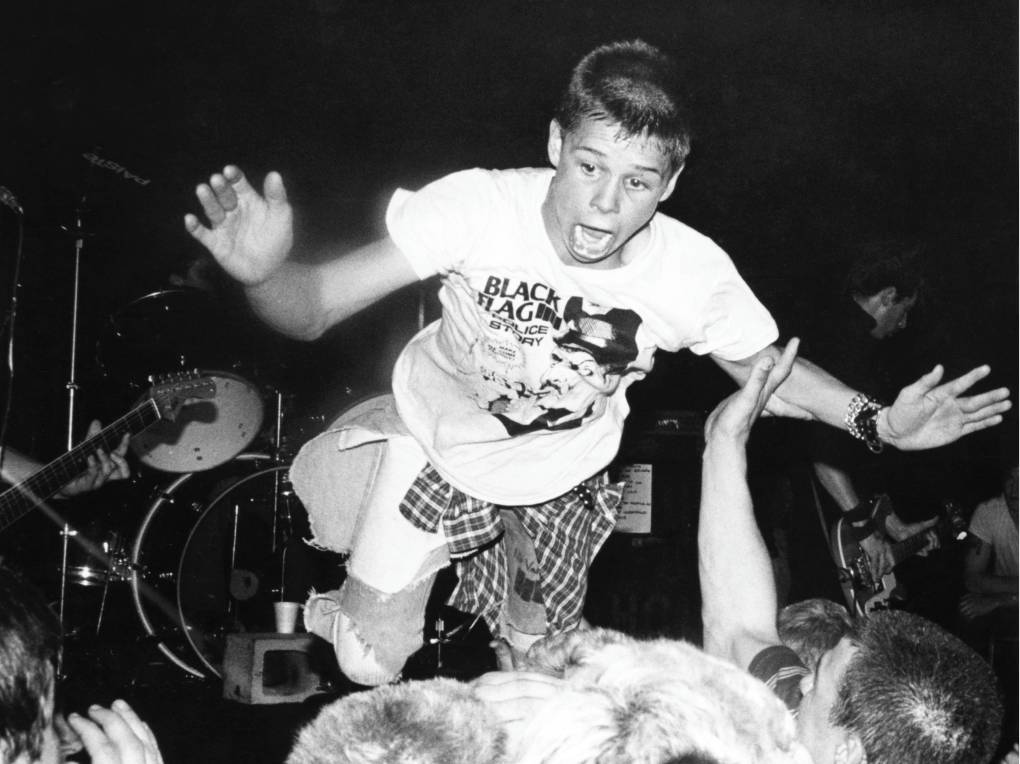
"caption": "Hundreds of photos are collected in ‘Hail Murray!: The Bay Area Punk Photography of Murray Bowles, 1982–1995.’ Above, a show at the On Broadway, San Francisco, 1983.",
"credit": "Murray Bowles",
"altTag": null,
"description": null,
"imgSizes": {
"medium": {
"file": "https://cdn.kqed.org/wp-content/uploads/sites/2/2024/12/9780867199277-Hail-Murray-sampler_Page_03-800x599.jpg",
"width": 800,
"height": 599,
"mimeType": "image/jpeg"
},
"large": {
"file": "https://cdn.kqed.org/wp-content/uploads/sites/2/2024/12/9780867199277-Hail-Murray-sampler_Page_03-1020x764.jpg",
"width": 1020,
"height": 764,
"mimeType": "image/jpeg"
},
"thumbnail": {
"file": "https://cdn.kqed.org/wp-content/uploads/sites/2/2024/12/9780867199277-Hail-Murray-sampler_Page_03-160x120.jpg",
"width": 160,
"height": 120,
"mimeType": "image/jpeg"
},
"medium_large": {
"file": "https://cdn.kqed.org/wp-content/uploads/sites/2/2024/12/9780867199277-Hail-Murray-sampler_Page_03-768x575.jpg",
"width": 768,
"height": 575,
"mimeType": "image/jpeg"
},
"1536x1536": {
"file": "https://cdn.kqed.org/wp-content/uploads/sites/2/2024/12/9780867199277-Hail-Murray-sampler_Page_03-1536x1150.jpg",
"width": 1536,
"height": 1150,
"mimeType": "image/jpeg"
},
"2048x2048": {
"file": "https://cdn.kqed.org/wp-content/uploads/sites/2/2024/12/9780867199277-Hail-Murray-sampler_Page_03-2048x1534.jpg",
"width": 2048,
"height": 1534,
"mimeType": "image/jpeg"
},
"post-thumbnail": {
"file": "https://cdn.kqed.org/wp-content/uploads/sites/2/2024/12/9780867199277-Hail-Murray-sampler_Page_03-672x372.jpg",
"width": 672,
"height": 372,
"mimeType": "image/jpeg"
},
"twentyfourteen-full-width": {
"file": "https://cdn.kqed.org/wp-content/uploads/sites/2/2024/12/9780867199277-Hail-Murray-sampler_Page_03-1038x576.jpg",
"width": 1038,
"height": 576,
"mimeType": "image/jpeg"
},
"full-width": {
"file": "https://cdn.kqed.org/wp-content/uploads/sites/2/2024/12/9780867199277-Hail-Murray-sampler_Page_03-1920x1438.jpg",
"width": 1920,
"height": 1438,
"mimeType": "image/jpeg"
},
"kqedFullSize": {
"file": "https://cdn.kqed.org/wp-content/uploads/sites/2/2024/12/9780867199277-Hail-Murray-sampler_Page_03-scaled.jpg",
"width": 2560,
"height": 1917
}
},
"isLoading": false,
"fetchFailed": false
},
"arts_13863996": {
"type": "attachments",
"id": "arts_13863996",
"meta": {
"index": "attachments_1716263798",
"site": "arts",
"id": "13863996",
"found": true
},
"title": "Jay-Z, April 27, 2019, Virginia Beach City.",
"publishDate": 1565733914,
"status": "inherit",
"parent": 13863975,
"modified": 1733288955,
"caption": "Jay-Z performing in Virginia Beach City on April 27, 2019. ",
"credit": "Craig Barritt/Getty Images for Something in the Water",
"altTag": "A Black man with short dreadlocks stands on stage under a blue light.",
"description": "Jay-Z, April 27, 2019, Virginia Beach City. ",
"imgSizes": {
"thumbnail": {
"file": "https://cdn.kqed.org/wp-content/uploads/sites/2/2019/08/GettyImages-1145571222-160x107.jpg",
"width": 160,
"height": 107,
"mimeType": "image/jpeg"
},
"medium": {
"file": "https://cdn.kqed.org/wp-content/uploads/sites/2/2019/08/GettyImages-1145571222-800x535.jpg",
"width": 800,
"height": 535,
"mimeType": "image/jpeg"
},
"medium_large": {
"file": "https://cdn.kqed.org/wp-content/uploads/sites/2/2019/08/GettyImages-1145571222-768x514.jpg",
"width": 768,
"height": 514,
"mimeType": "image/jpeg"
},
"large": {
"file": "https://cdn.kqed.org/wp-content/uploads/sites/2/2019/08/GettyImages-1145571222-1020x682.jpg",
"width": 1020,
"height": 682,
"mimeType": "image/jpeg"
},
"post-thumbnail": {
"file": "https://cdn.kqed.org/wp-content/uploads/sites/2/2019/08/GettyImages-1145571222-672x372.jpg",
"width": 672,
"height": 372,
"mimeType": "image/jpeg"
},
"twentyfourteen-full-width": {
"file": "https://cdn.kqed.org/wp-content/uploads/sites/2/2019/08/GettyImages-1145571222-1024x576.jpg",
"width": 1024,
"height": 576,
"mimeType": "image/jpeg"
},
"kqedFullSize": {
"file": "https://cdn.kqed.org/wp-content/uploads/sites/2/2019/08/GettyImages-1145571222.jpg",
"width": 1024,
"height": 685
}
},
"isLoading": false,
"fetchFailed": false
},
"arts_13968938": {
"type": "attachments",
"id": "arts_13968938",
"meta": {
"index": "attachments_1716263798",
"site": "arts",
"id": "13968938",
"found": true
},
"title": "bellvue",
"publishDate": 1733257901,
"status": "inherit",
"parent": 13968936,
"modified": 1733257948,
"caption": "‘Bellevue’ by Robin Cook. ",
"credit": "G.P. Putnam's Sons",
"altTag": "A book cover depicting iron gates with the word 'Bellvue' on them. Cloudy skies hang low overhead.",
"description": null,
"imgSizes": {
"medium": {
"file": "https://cdn.kqed.org/wp-content/uploads/sites/2/2024/12/bellvue-1-800x498.png",
"width": 800,
"height": 498,
"mimeType": "image/png"
},
"large": {
"file": "https://cdn.kqed.org/wp-content/uploads/sites/2/2024/12/bellvue-1-1020x634.png",
"width": 1020,
"height": 634,
"mimeType": "image/png"
},
"thumbnail": {
"file": "https://cdn.kqed.org/wp-content/uploads/sites/2/2024/12/bellvue-1-160x100.png",
"width": 160,
"height": 100,
"mimeType": "image/png"
},
"medium_large": {
"file": "https://cdn.kqed.org/wp-content/uploads/sites/2/2024/12/bellvue-1-768x478.png",
"width": 768,
"height": 478,
"mimeType": "image/png"
},
"1536x1536": {
"file": "https://cdn.kqed.org/wp-content/uploads/sites/2/2024/12/bellvue-1-1536x955.png",
"width": 1536,
"height": 955,
"mimeType": "image/png"
},
"post-thumbnail": {
"file": "https://cdn.kqed.org/wp-content/uploads/sites/2/2024/12/bellvue-1-672x372.png",
"width": 672,
"height": 372,
"mimeType": "image/png"
},
"twentyfourteen-full-width": {
"file": "https://cdn.kqed.org/wp-content/uploads/sites/2/2024/12/bellvue-1-1038x576.png",
"width": 1038,
"height": 576,
"mimeType": "image/png"
},
"full-width": {
"file": "https://cdn.kqed.org/wp-content/uploads/sites/2/2024/12/bellvue-1-1920x1194.png",
"width": 1920,
"height": 1194,
"mimeType": "image/png"
},
"kqedFullSize": {
"file": "https://cdn.kqed.org/wp-content/uploads/sites/2/2024/12/bellvue-1.png",
"width": 2000,
"height": 1244
}
},
"isLoading": false,
"fetchFailed": false
},
"arts_13968659": {
"type": "attachments",
"id": "arts_13968659",
"meta": {
"index": "attachments_1716263798",
"site": "arts",
"id": "13968659",
"found": true
},
"title": "naomi wood",
"publishDate": 1732648702,
"status": "inherit",
"parent": 13968657,
"modified": 1732648755,
"caption": "‘This Is Why We Can’t Have Nice Things’ by Naomi Wood.",
"credit": "Phoenix",
"altTag": "A book cover showing an illustration of a woman's face upside down. Only the nose, mouth and neck are visible.",
"description": null,
"imgSizes": {
"medium": {
"file": "https://cdn.kqed.org/wp-content/uploads/sites/2/2024/11/Screenshot-2024-11-26-at-11.15.03 AM-1-800x470.png",
"width": 800,
"height": 470,
"mimeType": "image/png"
},
"large": {
"file": "https://cdn.kqed.org/wp-content/uploads/sites/2/2024/11/Screenshot-2024-11-26-at-11.15.03 AM-1-1020x599.png",
"width": 1020,
"height": 599,
"mimeType": "image/png"
},
"thumbnail": {
"file": "https://cdn.kqed.org/wp-content/uploads/sites/2/2024/11/Screenshot-2024-11-26-at-11.15.03 AM-1-160x94.png",
"width": 160,
"height": 94,
"mimeType": "image/png"
},
"medium_large": {
"file": "https://cdn.kqed.org/wp-content/uploads/sites/2/2024/11/Screenshot-2024-11-26-at-11.15.03 AM-1-768x451.png",
"width": 768,
"height": 451,
"mimeType": "image/png"
},
"1536x1536": {
"file": "https://cdn.kqed.org/wp-content/uploads/sites/2/2024/11/Screenshot-2024-11-26-at-11.15.03 AM-1-1536x902.png",
"width": 1536,
"height": 902,
"mimeType": "image/png"
},
"post-thumbnail": {
"file": "https://cdn.kqed.org/wp-content/uploads/sites/2/2024/11/Screenshot-2024-11-26-at-11.15.03 AM-1-672x372.png",
"width": 672,
"height": 372,
"mimeType": "image/png"
},
"twentyfourteen-full-width": {
"file": "https://cdn.kqed.org/wp-content/uploads/sites/2/2024/11/Screenshot-2024-11-26-at-11.15.03 AM-1-1038x576.png",
"width": 1038,
"height": 576,
"mimeType": "image/png"
},
"full-width": {
"file": "https://cdn.kqed.org/wp-content/uploads/sites/2/2024/11/Screenshot-2024-11-26-at-11.15.03 AM-1-1920x1127.png",
"width": 1920,
"height": 1127,
"mimeType": "image/png"
},
"kqedFullSize": {
"file": "https://cdn.kqed.org/wp-content/uploads/sites/2/2024/11/Screenshot-2024-11-26-at-11.15.03 AM-1.png",
"width": 2000,
"height": 1174
}
},
"isLoading": false,
"fetchFailed": false
},
"arts_13968644": {
"type": "attachments",
"id": "arts_13968644",
"meta": {
"index": "attachments_1716263798",
"site": "arts",
"id": "13968644",
"found": true
},
"title": "interstellar",
"publishDate": 1732580291,
"status": "inherit",
"parent": 13968600,
"modified": 1732642304,
"caption": "Matthew McConaughey in a scene from 'Interstellar.'",
"credit": "Paramount Pictures via AP",
"altTag": "A man in a white space suit and helmet walks across mounds of grey and white gravel.",
"description": null,
"imgSizes": {
"medium": {
"file": "https://cdn.kqed.org/wp-content/uploads/sites/2/2024/11/interstellar-800x504.png",
"width": 800,
"height": 504,
"mimeType": "image/png"
},
"large": {
"file": "https://cdn.kqed.org/wp-content/uploads/sites/2/2024/11/interstellar-1020x643.png",
"width": 1020,
"height": 643,
"mimeType": "image/png"
},
"thumbnail": {
"file": "https://cdn.kqed.org/wp-content/uploads/sites/2/2024/11/interstellar-160x101.png",
"width": 160,
"height": 101,
"mimeType": "image/png"
},
"medium_large": {
"file": "https://cdn.kqed.org/wp-content/uploads/sites/2/2024/11/interstellar-768x484.png",
"width": 768,
"height": 484,
"mimeType": "image/png"
},
"1536x1536": {
"file": "https://cdn.kqed.org/wp-content/uploads/sites/2/2024/11/interstellar-1536x968.png",
"width": 1536,
"height": 968,
"mimeType": "image/png"
},
"post-thumbnail": {
"file": "https://cdn.kqed.org/wp-content/uploads/sites/2/2024/11/interstellar-672x372.png",
"width": 672,
"height": 372,
"mimeType": "image/png"
},
"twentyfourteen-full-width": {
"file": "https://cdn.kqed.org/wp-content/uploads/sites/2/2024/11/interstellar-1038x576.png",
"width": 1038,
"height": 576,
"mimeType": "image/png"
},
"full-width": {
"file": "https://cdn.kqed.org/wp-content/uploads/sites/2/2024/11/interstellar-1920x1210.png",
"width": 1920,
"height": 1210,
"mimeType": "image/png"
},
"kqedFullSize": {
"file": "https://cdn.kqed.org/wp-content/uploads/sites/2/2024/11/interstellar.png",
"width": 2000,
"height": 1260
}
},
"isLoading": false,
"fetchFailed": false
},
"arts_13968596": {
"type": "attachments",
"id": "arts_13968596",
"meta": {
"index": "attachments_1716263798",
"site": "arts",
"id": "13968596",
"found": true
},
"title": "dead air",
"publishDate": 1732558060,
"status": "inherit",
"parent": 13968593,
"modified": 1732558093,
"caption": "‘Dead Air: The Night That Orson Welles Terrified America’ by William Elliott Hazelgrove.",
"credit": "Rowman & Littlefield Publishers",
"altTag": null,
"description": null,
"imgSizes": {
"medium": {
"file": "https://cdn.kqed.org/wp-content/uploads/sites/2/2024/11/dead-air-1-800x536.png",
"width": 800,
"height": 536,
"mimeType": "image/png"
},
"large": {
"file": "https://cdn.kqed.org/wp-content/uploads/sites/2/2024/11/dead-air-1-1020x684.png",
"width": 1020,
"height": 684,
"mimeType": "image/png"
},
"thumbnail": {
"file": "https://cdn.kqed.org/wp-content/uploads/sites/2/2024/11/dead-air-1-160x107.png",
"width": 160,
"height": 107,
"mimeType": "image/png"
},
"medium_large": {
"file": "https://cdn.kqed.org/wp-content/uploads/sites/2/2024/11/dead-air-1-768x515.png",
"width": 768,
"height": 515,
"mimeType": "image/png"
},
"1536x1536": {
"file": "https://cdn.kqed.org/wp-content/uploads/sites/2/2024/11/dead-air-1-1536x1030.png",
"width": 1536,
"height": 1030,
"mimeType": "image/png"
},
"post-thumbnail": {
"file": "https://cdn.kqed.org/wp-content/uploads/sites/2/2024/11/dead-air-1-672x372.png",
"width": 672,
"height": 372,
"mimeType": "image/png"
},
"twentyfourteen-full-width": {
"file": "https://cdn.kqed.org/wp-content/uploads/sites/2/2024/11/dead-air-1-1038x576.png",
"width": 1038,
"height": 576,
"mimeType": "image/png"
},
"full-width": {
"file": "https://cdn.kqed.org/wp-content/uploads/sites/2/2024/11/dead-air-1-1920x1287.png",
"width": 1920,
"height": 1287,
"mimeType": "image/png"
},
"kqedFullSize": {
"file": "https://cdn.kqed.org/wp-content/uploads/sites/2/2024/11/dead-air-1.png",
"width": 2000,
"height": 1341
}
},
"isLoading": false,
"fetchFailed": false
},
"arts_13968522": {
"type": "attachments",
"id": "arts_13968522",
"meta": {
"index": "attachments_1716263798",
"site": "arts",
"id": "13968522",
"found": true
},
"title": "cover",
"publishDate": 1732308858,
"status": "inherit",
"parent": 13968272,
"modified": 1732308956,
"caption": "‘The Theatrical Adventures of Edward Gorey’ by Carol Verburg. ",
"credit": "Chronicle Books 2024",
"altTag": null,
"description": null,
"imgSizes": {
"medium": {
"file": "https://cdn.kqed.org/wp-content/uploads/sites/2/2024/11/cover-800x534.jpg",
"width": 800,
"height": 534,
"mimeType": "image/jpeg"
},
"large": {
"file": "https://cdn.kqed.org/wp-content/uploads/sites/2/2024/11/cover-1020x681.jpg",
"width": 1020,
"height": 681,
"mimeType": "image/jpeg"
},
"thumbnail": {
"file": "https://cdn.kqed.org/wp-content/uploads/sites/2/2024/11/cover-160x107.jpg",
"width": 160,
"height": 107,
"mimeType": "image/jpeg"
},
"medium_large": {
"file": "https://cdn.kqed.org/wp-content/uploads/sites/2/2024/11/cover-768x513.jpg",
"width": 768,
"height": 513,
"mimeType": "image/jpeg"
},
"1536x1536": {
"file": "https://cdn.kqed.org/wp-content/uploads/sites/2/2024/11/cover-1536x1025.jpg",
"width": 1536,
"height": 1025,
"mimeType": "image/jpeg"
},
"post-thumbnail": {
"file": "https://cdn.kqed.org/wp-content/uploads/sites/2/2024/11/cover-672x372.jpg",
"width": 672,
"height": 372,
"mimeType": "image/jpeg"
},
"twentyfourteen-full-width": {
"file": "https://cdn.kqed.org/wp-content/uploads/sites/2/2024/11/cover-1038x576.jpg",
"width": 1038,
"height": 576,
"mimeType": "image/jpeg"
},
"full-width": {
"file": "https://cdn.kqed.org/wp-content/uploads/sites/2/2024/11/cover-1920x1282.jpg",
"width": 1920,
"height": 1282,
"mimeType": "image/jpeg"
},
"kqedFullSize": {
"file": "https://cdn.kqed.org/wp-content/uploads/sites/2/2024/11/cover.jpg",
"width": 2000,
"height": 1335
}
},
"isLoading": false,
"fetchFailed": false
},
"arts_13968479": {
"type": "attachments",
"id": "arts_13968479",
"meta": {
"index": "attachments_1716263798",
"site": "arts",
"id": "13968479",
"found": true
},
"title": "Coffee table gift ideas for 2024.",
"publishDate": 1732300576,
"status": "inherit",
"parent": 13968478,
"modified": 1732300689,
"caption": "Coffee table gift ideas for 2024.",
"credit": null,
"altTag": "Eight colorful book covers laid out in a grid.",
"description": null,
"imgSizes": {
"medium": {
"file": "https://cdn.kqed.org/wp-content/uploads/sites/2/2024/11/xmas-coffee-table-800x480.jpg",
"width": 800,
"height": 480,
"mimeType": "image/jpeg"
},
"large": {
"file": "https://cdn.kqed.org/wp-content/uploads/sites/2/2024/11/xmas-coffee-table-1020x612.jpg",
"width": 1020,
"height": 612,
"mimeType": "image/jpeg"
},
"thumbnail": {
"file": "https://cdn.kqed.org/wp-content/uploads/sites/2/2024/11/xmas-coffee-table-160x96.jpg",
"width": 160,
"height": 96,
"mimeType": "image/jpeg"
},
"medium_large": {
"file": "https://cdn.kqed.org/wp-content/uploads/sites/2/2024/11/xmas-coffee-table-768x461.jpg",
"width": 768,
"height": 461,
"mimeType": "image/jpeg"
},
"1536x1536": {
"file": "https://cdn.kqed.org/wp-content/uploads/sites/2/2024/11/xmas-coffee-table-1536x922.jpg",
"width": 1536,
"height": 922,
"mimeType": "image/jpeg"
},
"post-thumbnail": {
"file": "https://cdn.kqed.org/wp-content/uploads/sites/2/2024/11/xmas-coffee-table-672x372.jpg",
"width": 672,
"height": 372,
"mimeType": "image/jpeg"
},
"twentyfourteen-full-width": {
"file": "https://cdn.kqed.org/wp-content/uploads/sites/2/2024/11/xmas-coffee-table-1038x576.jpg",
"width": 1038,
"height": 576,
"mimeType": "image/jpeg"
},
"full-width": {
"file": "https://cdn.kqed.org/wp-content/uploads/sites/2/2024/11/xmas-coffee-table-1920x1152.jpg",
"width": 1920,
"height": 1152,
"mimeType": "image/jpeg"
},
"kqedFullSize": {
"file": "https://cdn.kqed.org/wp-content/uploads/sites/2/2024/11/xmas-coffee-table.jpg",
"width": 2000,
"height": 1200
}
},
"isLoading": false,
"fetchFailed": false
},
"arts_13968262": {
"type": "attachments",
"id": "arts_13968262",
"meta": {
"index": "attachments_1716263798",
"site": "arts",
"id": "13968262",
"found": true
},
"title": "Prue Leith shares tasty and easy-to-make recipes in her new cookbook, ‘Life's Too Short to Stuff A Mushroom’ — along with dozens of cooking hacks from her 65-year culinary career.",
"publishDate": 1731971436,
"status": "inherit",
"parent": 13968257,
"modified": 1731971563,
"caption": "Prue Leith shares tasty and easy-to-make recipes in her new cookbook, ‘Life's Too Short to Stuff A Mushroom’ — along with dozens of cooking hacks from her 65-year culinary career.",
"credit": "Ant Duncan/Carnival Publishing",
"altTag": "A senior woman sits at a kitchen table wearing a polka-dotted white jacket and colorful accessories. She is smiling. Mugs and a plate of croissants sit before her on the table.",
"description": null,
"imgSizes": {
"medium": {
"file": "https://cdn.kqed.org/wp-content/uploads/sites/2/2024/11/prue-main-800x513.png",
"width": 800,
"height": 513,
"mimeType": "image/png"
},
"large": {
"file": "https://cdn.kqed.org/wp-content/uploads/sites/2/2024/11/prue-main-1020x654.png",
"width": 1020,
"height": 654,
"mimeType": "image/png"
},
"thumbnail": {
"file": "https://cdn.kqed.org/wp-content/uploads/sites/2/2024/11/prue-main-160x103.png",
"width": 160,
"height": 103,
"mimeType": "image/png"
},
"medium_large": {
"file": "https://cdn.kqed.org/wp-content/uploads/sites/2/2024/11/prue-main-768x493.png",
"width": 768,
"height": 493,
"mimeType": "image/png"
},
"1536x1536": {
"file": "https://cdn.kqed.org/wp-content/uploads/sites/2/2024/11/prue-main-1536x985.png",
"width": 1536,
"height": 985,
"mimeType": "image/png"
},
"post-thumbnail": {
"file": "https://cdn.kqed.org/wp-content/uploads/sites/2/2024/11/prue-main-672x372.png",
"width": 672,
"height": 372,
"mimeType": "image/png"
},
"twentyfourteen-full-width": {
"file": "https://cdn.kqed.org/wp-content/uploads/sites/2/2024/11/prue-main-1038x576.png",
"width": 1038,
"height": 576,
"mimeType": "image/png"
},
"full-width": {
"file": "https://cdn.kqed.org/wp-content/uploads/sites/2/2024/11/prue-main-1920x1232.png",
"width": 1920,
"height": 1232,
"mimeType": "image/png"
},
"kqedFullSize": {
"file": "https://cdn.kqed.org/wp-content/uploads/sites/2/2024/11/prue-main.png",
"width": 2000,
"height": 1283
}
},
"isLoading": false,
"fetchFailed": false
},
"arts_13968110": {
"type": "attachments",
"id": "arts_13968110",
"meta": {
"index": "attachments_1716263798",
"site": "arts",
"id": "13968110",
"found": true
},
"title": "‘Lazarus Man’ by Richard Price.",
"publishDate": 1731612024,
"status": "inherit",
"parent": 13968107,
"modified": 1731612057,
"caption": "‘Lazarus Man’ by Richard Price.",
"credit": "Farrar, Straus and Giroux",
"altTag": null,
"description": null,
"imgSizes": {
"medium": {
"file": "https://cdn.kqed.org/wp-content/uploads/sites/2/2024/11/lazarus-1-800x536.png",
"width": 800,
"height": 536,
"mimeType": "image/png"
},
"large": {
"file": "https://cdn.kqed.org/wp-content/uploads/sites/2/2024/11/lazarus-1-1020x683.png",
"width": 1020,
"height": 683,
"mimeType": "image/png"
},
"thumbnail": {
"file": "https://cdn.kqed.org/wp-content/uploads/sites/2/2024/11/lazarus-1-160x107.png",
"width": 160,
"height": 107,
"mimeType": "image/png"
},
"medium_large": {
"file": "https://cdn.kqed.org/wp-content/uploads/sites/2/2024/11/lazarus-1-768x514.png",
"width": 768,
"height": 514,
"mimeType": "image/png"
},
"1536x1536": {
"file": "https://cdn.kqed.org/wp-content/uploads/sites/2/2024/11/lazarus-1-1536x1028.png",
"width": 1536,
"height": 1028,
"mimeType": "image/png"
},
"post-thumbnail": {
"file": "https://cdn.kqed.org/wp-content/uploads/sites/2/2024/11/lazarus-1-672x372.png",
"width": 672,
"height": 372,
"mimeType": "image/png"
},
"twentyfourteen-full-width": {
"file": "https://cdn.kqed.org/wp-content/uploads/sites/2/2024/11/lazarus-1-1038x576.png",
"width": 1038,
"height": 576,
"mimeType": "image/png"
},
"full-width": {
"file": "https://cdn.kqed.org/wp-content/uploads/sites/2/2024/11/lazarus-1-1920x1285.png",
"width": 1920,
"height": 1285,
"mimeType": "image/png"
},
"kqedFullSize": {
"file": "https://cdn.kqed.org/wp-content/uploads/sites/2/2024/11/lazarus-1.png",
"width": 2000,
"height": 1339
}
},
"isLoading": false,
"fetchFailed": false
},
"arts_13967964": {
"type": "attachments",
"id": "arts_13967964",
"meta": {
"index": "attachments_1716263798",
"site": "arts",
"id": "13967964",
"found": true
},
"title": "‘Believe: The Untold Story Behind Ted Lasso, the Show that Kicked Its Way Into Our Hearts,’ by Jeremy Egner.",
"publishDate": 1731435002,
"status": "inherit",
"parent": 13967962,
"modified": 1731435044,
"caption": "‘Believe: The Untold Story Behind Ted Lasso, the Show that Kicked Its Way Into Our Hearts,’ by Jeremy Egner.",
"credit": "Dutton via AP",
"altTag": null,
"description": null,
"imgSizes": {
"medium": {
"file": "https://cdn.kqed.org/wp-content/uploads/sites/2/2024/11/believe-1-800x444.png",
"width": 800,
"height": 444,
"mimeType": "image/png"
},
"large": {
"file": "https://cdn.kqed.org/wp-content/uploads/sites/2/2024/11/believe-1-1020x567.png",
"width": 1020,
"height": 567,
"mimeType": "image/png"
},
"thumbnail": {
"file": "https://cdn.kqed.org/wp-content/uploads/sites/2/2024/11/believe-1-160x89.png",
"width": 160,
"height": 89,
"mimeType": "image/png"
},
"medium_large": {
"file": "https://cdn.kqed.org/wp-content/uploads/sites/2/2024/11/believe-1-768x427.png",
"width": 768,
"height": 427,
"mimeType": "image/png"
},
"1536x1536": {
"file": "https://cdn.kqed.org/wp-content/uploads/sites/2/2024/11/believe-1-1536x853.png",
"width": 1536,
"height": 853,
"mimeType": "image/png"
},
"post-thumbnail": {
"file": "https://cdn.kqed.org/wp-content/uploads/sites/2/2024/11/believe-1-672x372.png",
"width": 672,
"height": 372,
"mimeType": "image/png"
},
"twentyfourteen-full-width": {
"file": "https://cdn.kqed.org/wp-content/uploads/sites/2/2024/11/believe-1-1038x576.png",
"width": 1038,
"height": 576,
"mimeType": "image/png"
},
"full-width": {
"file": "https://cdn.kqed.org/wp-content/uploads/sites/2/2024/11/believe-1-1920x1067.png",
"width": 1920,
"height": 1067,
"mimeType": "image/png"
},
"kqedFullSize": {
"file": "https://cdn.kqed.org/wp-content/uploads/sites/2/2024/11/believe-1.png",
"width": 2000,
"height": 1111
}
},
"isLoading": false,
"fetchFailed": false
},
"arts_13967858": {
"type": "attachments",
"id": "arts_13967858",
"meta": {
"index": "attachments_1716263798",
"site": "arts",
"id": "13967858",
"found": true
},
"title": "A-visitor-views-Ho-Tam's-work-at-41-Ross----credit-Robert-Borsdorf_2000",
"publishDate": 1731014846,
"status": "inherit",
"parent": 13967856,
"modified": 1731014906,
"caption": "A visitor to 41 Ross views Ho Tam's work during his artist residency.",
"credit": "Robert Borsdorf",
"altTag": "woman looks at rows of yellow printed paper",
"description": null,
"imgSizes": {
"medium": {
"file": "https://cdn.kqed.org/wp-content/uploads/sites/2/2024/11/A-visitor-views-Ho-Tams-work-at-41-Ross-credit-Robert-Borsdorf_2000-800x533.jpg",
"width": 800,
"height": 533,
"mimeType": "image/jpeg"
},
"large": {
"file": "https://cdn.kqed.org/wp-content/uploads/sites/2/2024/11/A-visitor-views-Ho-Tams-work-at-41-Ross-credit-Robert-Borsdorf_2000-1020x680.jpg",
"width": 1020,
"height": 680,
"mimeType": "image/jpeg"
},
"thumbnail": {
"file": "https://cdn.kqed.org/wp-content/uploads/sites/2/2024/11/A-visitor-views-Ho-Tams-work-at-41-Ross-credit-Robert-Borsdorf_2000-160x107.jpg",
"width": 160,
"height": 107,
"mimeType": "image/jpeg"
},
"medium_large": {
"file": "https://cdn.kqed.org/wp-content/uploads/sites/2/2024/11/A-visitor-views-Ho-Tams-work-at-41-Ross-credit-Robert-Borsdorf_2000-768x512.jpg",
"width": 768,
"height": 512,
"mimeType": "image/jpeg"
},
"1536x1536": {
"file": "https://cdn.kqed.org/wp-content/uploads/sites/2/2024/11/A-visitor-views-Ho-Tams-work-at-41-Ross-credit-Robert-Borsdorf_2000-1536x1024.jpg",
"width": 1536,
"height": 1024,
"mimeType": "image/jpeg"
},
"post-thumbnail": {
"file": "https://cdn.kqed.org/wp-content/uploads/sites/2/2024/11/A-visitor-views-Ho-Tams-work-at-41-Ross-credit-Robert-Borsdorf_2000-672x372.jpg",
"width": 672,
"height": 372,
"mimeType": "image/jpeg"
},
"twentyfourteen-full-width": {
"file": "https://cdn.kqed.org/wp-content/uploads/sites/2/2024/11/A-visitor-views-Ho-Tams-work-at-41-Ross-credit-Robert-Borsdorf_2000-1038x576.jpg",
"width": 1038,
"height": 576,
"mimeType": "image/jpeg"
},
"full-width": {
"file": "https://cdn.kqed.org/wp-content/uploads/sites/2/2024/11/A-visitor-views-Ho-Tams-work-at-41-Ross-credit-Robert-Borsdorf_2000-1920x1280.jpg",
"width": 1920,
"height": 1280,
"mimeType": "image/jpeg"
},
"kqedFullSize": {
"file": "https://cdn.kqed.org/wp-content/uploads/sites/2/2024/11/A-visitor-views-Ho-Tams-work-at-41-Ross-credit-Robert-Borsdorf_2000.jpg",
"width": 2000,
"height": 1333
}
},
"isLoading": false,
"fetchFailed": false
}
},
"audioPlayerReducer": {
"postId": "stream_live",
"isPaused": true,
"isPlaying": false,
"pfsActive": false,
"pledgeModalIsOpen": true,
"playerDrawerIsOpen": false,
"liveAudioPlayStartedAt": 0,
"liveAudioPlayContext": ""
},
"authorsReducer": {
"byline_arts_13968980": {
"type": "authors",
"id": "byline_arts_13968980",
"meta": {
"override": true
},
"slug": "byline_arts_13968980",
"name": "Jonathan Landrum Jr., Associated Press",
"isLoading": false
},
"byline_arts_13968936": {
"type": "authors",
"id": "byline_arts_13968936",
"meta": {
"override": true
},
"slug": "byline_arts_13968936",
"name": "Rob Merrill, Associated Press",
"isLoading": false
},
"byline_arts_13968657": {
"type": "authors",
"id": "byline_arts_13968657",
"meta": {
"override": true
},
"slug": "byline_arts_13968657",
"name": "Ann Levin, Associated Press",
"isLoading": false
},
"byline_arts_13968600": {
"type": "authors",
"id": "byline_arts_13968600",
"meta": {
"override": true
},
"slug": "byline_arts_13968600",
"name": "Lindsey Bahr, Associated Press",
"isLoading": false
},
"byline_arts_13968593": {
"type": "authors",
"id": "byline_arts_13968593",
"meta": {
"override": true
},
"slug": "byline_arts_13968593",
"name": "Andrew DeMillo, Associated Press",
"isLoading": false
},
"byline_arts_13968478": {
"type": "authors",
"id": "byline_arts_13968478",
"meta": {
"override": true
},
"slug": "byline_arts_13968478",
"name": "Leanne Italie, Associated Press",
"isLoading": false
},
"byline_arts_13968257": {
"type": "authors",
"id": "byline_arts_13968257",
"meta": {
"override": true
},
"slug": "byline_arts_13968257",
"name": "Marielle Segarra, NPR",
"isLoading": false
},
"byline_arts_13968107": {
"type": "authors",
"id": "byline_arts_13968107",
"meta": {
"override": true
},
"slug": "byline_arts_13968107",
"name": "Rob Merrill, Associated Press",
"isLoading": false
},
"byline_arts_13967962": {
"type": "authors",
"id": "byline_arts_13967962",
"meta": {
"override": true
},
"slug": "byline_arts_13967962",
"name": "Andrew DeMillo, Associated Press",
"isLoading": false
},
"ralexandra": {
"type": "authors",
"id": "11242",
"meta": {
"index": "authors_1716337520",
"id": "11242",
"found": true
},
"name": "Rae Alexandra",
"firstName": "Rae",
"lastName": "Alexandra",
"slug": "ralexandra",
"email": "ralexandra@kqed.org",
"display_author_email": true,
"staff_mastheads": [
"arts"
],
"title": "Reporter/Producer",
"bio": "Rae Alexandra is a Reporter/Producer for KQED Arts & Culture, and the creator/author of the \u003ca href=\"https://www.kqed.org/arts/program/rebel-girls-from-bay-area-history\">Rebel Girls From Bay Area History\u003c/a> and \u003ca href=\"https://www.kqed.org/bizarrebayarea\">Bizarre Bay Area\u003c/a> series. Her debut book, \u003ca href=\"https://citylights.com/politics-current-events-history/unsung-heroines35-women-who-changed/\">Unsung Heroines: 35 Women Who Changed the Bay Area\u003c/a> was published by City Lights in March 2026. In 2023, Rae was awarded an SPJ Excellence in Journalism Award for Arts & Culture. Rae was born and raised in Wales and subsequently — even after two decades in Northern California — still uses phrases that regularly baffle her coworkers.",
"avatar": "https://secure.gravatar.com/avatar/edfee8176c80cc0a382b051190f5341997df378a934a5774dcb0977732dfd401?s=600&d=blank&r=g",
"twitter": null,
"bluesky": null,
"facebook": null,
"instagram": null,
"linkedin": null,
"sites": [
{
"site": "arts",
"roles": [
"editor"
]
},
{
"site": "news",
"roles": [
"editor"
]
},
{
"site": "pop",
"roles": [
"editor"
]
},
{
"site": "bayareabites",
"roles": [
"editor"
]
},
{
"site": "science",
"roles": [
"editor"
]
}
],
"headData": {
"title": "Rae Alexandra | KQED",
"description": "Reporter/Producer",
"ogImgSrc": "https://secure.gravatar.com/avatar/edfee8176c80cc0a382b051190f5341997df378a934a5774dcb0977732dfd401?s=600&d=blank&r=g",
"twImgSrc": "https://secure.gravatar.com/avatar/edfee8176c80cc0a382b051190f5341997df378a934a5774dcb0977732dfd401?s=600&d=blank&r=g"
},
"isLoading": false,
"link": "/author/ralexandra"
},
"jhesig": {
"type": "authors",
"id": "11333",
"meta": {
"index": "authors_1716337520",
"id": "11333",
"found": true
},
"name": "Janelle Hessig",
"firstName": "Janelle",
"lastName": "Hessig",
"slug": "jhesig",
"email": "jhessig@kqed.org",
"display_author_email": false,
"staff_mastheads": [],
"title": "KQED Contributor",
"bio": null,
"avatar": "https://secure.gravatar.com/avatar/27dd6e3cd88f82541593bd6d8f2aec4a?s=600&d=mm&r=g",
"twitter": null,
"facebook": null,
"instagram": null,
"linkedin": null,
"sites": [
{
"site": "arts",
"roles": []
},
{
"site": "food",
"roles": []
},
{
"site": "filmschoolshorts",
"roles": [
"editor"
]
}
],
"headData": {
"title": "Janelle Hessig | KQED",
"description": "KQED Contributor",
"ogImgSrc": "https://secure.gravatar.com/avatar/27dd6e3cd88f82541593bd6d8f2aec4a?s=600&d=mm&r=g",
"twImgSrc": "https://secure.gravatar.com/avatar/27dd6e3cd88f82541593bd6d8f2aec4a?s=600&d=mm&r=g"
},
"isLoading": false,
"link": "/author/jhesig"
},
"sfaulise": {
"type": "authors",
"id": "11919",
"meta": {
"index": "authors_1716337520",
"id": "11919",
"found": true
},
"name": "Shannon Faulise",
"firstName": "Shannon",
"lastName": "Faulise",
"slug": "sfaulise",
"email": "sfaulise@kqed.org",
"display_author_email": false,
"staff_mastheads": [],
"title": "Contributor, KQED Arts & Culture",
"bio": "Shannon Faulise is a graduate of the UC Berkeley Graduate School of Journalism, where she concentrated on photojournalism and feature writing. Shannon's photos, audio pieces and written stories have appeared in The Oaklandside, The Redwood City Pulse and KALX. Outside of reporting, Shannon loves kpop, women's sports and concerts. She served as an intern for KQED Arts & Culture in 2024–25.",
"avatar": "https://secure.gravatar.com/avatar/76449df2627a603d6b02f0534ec3c913007029bff4f1c0572071401f9a293a02?s=600&d=blank&r=g",
"twitter": null,
"bluesky": null,
"facebook": null,
"instagram": null,
"linkedin": null,
"sites": [
{
"site": "arts",
"roles": [
"contributor"
]
},
{
"site": "news",
"roles": []
}
],
"headData": {
"title": "Shannon Faulise | KQED",
"description": "Contributor, KQED Arts & Culture",
"ogImgSrc": "https://secure.gravatar.com/avatar/76449df2627a603d6b02f0534ec3c913007029bff4f1c0572071401f9a293a02?s=600&d=blank&r=g",
"twImgSrc": "https://secure.gravatar.com/avatar/76449df2627a603d6b02f0534ec3c913007029bff4f1c0572071401f9a293a02?s=600&d=blank&r=g"
},
"isLoading": false,
"link": "/author/sfaulise"
}
},
"pagesReducer": {
"arts_category_literature": {
"type": "terms",
"id": "arts_73",
"meta": {
"index": "terms_1716263798",
"site": "arts",
"id": "73",
"score": 12.7935505
},
"featImg": null,
"name": "Books",
"description": null,
"taxonomy": "category",
"headData": {
"twImgId": null,
"twTitle": null,
"ogTitle": null,
"ogImgId": null,
"twDescription": null,
"description": null,
"title": "Books Archives | KQED Arts",
"ogDescription": null
},
"ttid": 74,
"slug": "literature",
"isLoading": false,
"title": "Books",
"pageMeta": {
"site": "arts",
"WpPageTemplate": "page-topic-editorial",
"currentPage": 17
},
"blocks": [
{
"blockName": "kqed/post-list",
"attrs": {
"layout": "cardArticle2",
"query": "posts/arts?category=literature",
"seeMore": false,
"paginated": true,
"page": 17
}
},
{
"blockName": "kqed/ad"
}
]
}
},
"pfsSessionReducer": {},
"postsReducer": {
"stream_live": {
"type": "live",
"id": "stream_live",
"audioUrl": "https://streams.kqed.org/kqedradio",
"title": "Live Stream",
"excerpt": "Live Stream information currently unavailable.",
"link": "/radio",
"featImg": "",
"label": {
"name": "KQED Live",
"link": "/"
}
},
"stream_kqedNewscast": {
"type": "posts",
"id": "stream_kqedNewscast",
"audioUrl": "https://www.kqed.org/.stream/anon/radio/RDnews/newscast.mp3?_=1",
"title": "KQED Newscast",
"featImg": "",
"label": {
"name": "88.5 FM",
"link": "/"
}
},
"arts_13968840": {
"type": "posts",
"id": "arts_13968840",
"meta": {
"index": "posts_1716263798",
"site": "arts",
"id": "13968840",
"score": null,
"sort": [
1733328015000
]
},
"guestAuthors": [],
"slug": "murray-bowles-punk-photography-book-hail-murray",
"title": "No One Is a Spectator in Murray Bowles’ Punk Photography",
"publishDate": 1733328015,
"format": "standard",
"headTitle": "No One Is a Spectator in Murray Bowles’ Punk Photography | KQED",
"labelTerm": {
"site": "arts"
},
"content": "\u003cp>Stand at the back of a punk club like Berkeley’s \u003ca href=\"https://www.kqed.org/arts/tag/924-gilman\">924 Gilman\u003c/a> nowadays, and the entire crowd will invariably be lit up with a hundred little screens, all recording a moment in time to share online later. But at the primordial 924 Gilman of yesteryear, there was often just a single camera in the crowd, held in Murray Bowles’ hand flicking out far above his head, followed by a quick flash.\u003c/p>\n\u003cfigure id=\"attachment_13968871\" class=\"wp-caption aligncenter\" style=\"max-width: 2560px\">\u003cimg loading=\"lazy\" decoding=\"async\" class=\"size-full wp-image-13968871\" src=\"https://cdn.kqed.org/wp-content/uploads/sites/2/2024/12/9780867199277-Hail-Murray-sampler_Page_02-scaled.jpg\" alt=\"A black and white crowd shot at a punk show. Photographer Murray Bowles, a bearded white man in a flannel shirt, is featured mid-frame with his camera raised above his head.\" width=\"2560\" height=\"1917\" srcset=\"https://cdn.kqed.org/wp-content/uploads/sites/2/2024/12/9780867199277-Hail-Murray-sampler_Page_02-scaled.jpg 2560w, https://cdn.kqed.org/wp-content/uploads/sites/2/2024/12/9780867199277-Hail-Murray-sampler_Page_02-800x599.jpg 800w, https://cdn.kqed.org/wp-content/uploads/sites/2/2024/12/9780867199277-Hail-Murray-sampler_Page_02-1020x764.jpg 1020w, https://cdn.kqed.org/wp-content/uploads/sites/2/2024/12/9780867199277-Hail-Murray-sampler_Page_02-160x120.jpg 160w, https://cdn.kqed.org/wp-content/uploads/sites/2/2024/12/9780867199277-Hail-Murray-sampler_Page_02-768x575.jpg 768w, https://cdn.kqed.org/wp-content/uploads/sites/2/2024/12/9780867199277-Hail-Murray-sampler_Page_02-1536x1150.jpg 1536w, https://cdn.kqed.org/wp-content/uploads/sites/2/2024/12/9780867199277-Hail-Murray-sampler_Page_02-2048x1534.jpg 2048w, https://cdn.kqed.org/wp-content/uploads/sites/2/2024/12/9780867199277-Hail-Murray-sampler_Page_02-1920x1438.jpg 1920w\" sizes=\"(max-width: 2560px) 100vw, 2560px\">\u003cfigcaption class=\"wp-caption-text\">Murray Bowles’ signature ‘Hail Mary’ shooting style. \u003ccite>(Christian Larsen)\u003c/cite>\u003c/figcaption>\u003c/figure>\n\u003cp>\u003ca href=\"https://lastgasp.com/products/hail-murray\">\u003ci>Hail Murray!: The Bay Area Punk Photography of Murray Bowles, 1982–1995\u003c/i>\u003c/a> (Last Gasp; $39.95) is a sprawling, 270-page monograph of black and white photos representing a wildly creative and supercharged era of local underground music. If you attended any \u003ca href=\"https://www.kqed.org/arts/tag/punk\">Bay Area punk\u003c/a> shows from the 1980s through the 1990s, you likely crossed paths with Murray, its de facto chronicler. Wrapped in a decidedly civilian package — an older man with floppy brown hair, bearded, and bespectacled — he looked more like a computer programmer than a punk (and, unbeknownst to many, he actually \u003ci>was\u003c/i> a programmer of note in early Silicon Valley). At first glance, one might be surprised to learn that this understated character was an essential contributor to the chaotic music scene that birthed bands like Operation Ivy, Blatz and Green Day.\u003c/p>\n\u003cfigure id=\"attachment_13968865\" class=\"wp-caption aligncenter\" style=\"max-width: 1600px\">\u003cimg loading=\"lazy\" decoding=\"async\" class=\"size-full wp-image-13968865\" src=\"https://cdn.kqed.org/wp-content/uploads/sites/2/2024/12/9780867199277-Hail-Murray-sampler_Page_01.jpg\" alt=\"A book cover featuring a black and white crowd photo of punk dancing at an outside show. The book title Hail Murray is in red font at the top.\" width=\"1600\" height=\"1200\" srcset=\"https://cdn.kqed.org/wp-content/uploads/sites/2/2024/12/9780867199277-Hail-Murray-sampler_Page_01.jpg 1600w, https://cdn.kqed.org/wp-content/uploads/sites/2/2024/12/9780867199277-Hail-Murray-sampler_Page_01-800x600.jpg 800w, https://cdn.kqed.org/wp-content/uploads/sites/2/2024/12/9780867199277-Hail-Murray-sampler_Page_01-1020x765.jpg 1020w, https://cdn.kqed.org/wp-content/uploads/sites/2/2024/12/9780867199277-Hail-Murray-sampler_Page_01-160x120.jpg 160w, https://cdn.kqed.org/wp-content/uploads/sites/2/2024/12/9780867199277-Hail-Murray-sampler_Page_01-768x576.jpg 768w, https://cdn.kqed.org/wp-content/uploads/sites/2/2024/12/9780867199277-Hail-Murray-sampler_Page_01-1536x1152.jpg 1536w\" sizes=\"(max-width: 1600px) 100vw, 1600px\">\u003cfigcaption class=\"wp-caption-text\">‘Hail Murray!: The Punk Photography of Murray Bowles, 1982-1995.’ \u003ccite>(Murray Bowles)\u003c/cite>\u003c/figcaption>\u003c/figure>\n\u003cp>After the show had ended, while everyone else slept off their hangovers or rotted all night at the 24-hour donut shop, Murray would be hunkered down in the makeshift darkroom set up in his kitchen, spending hours developing pictures of bands. He would later gather up all of the prints and shove them into a shoebox to bring to shows to share and sell for 15¢ a piece, the cost of the paper. (This was later raised to a quarter. Inflation, y’all.) While rifling through Murray’s shoebox, eager eyeballs went on the lookout for pictures of favorite bands or secret crushes, but more than anything else, people were hoping to find a photo of themselves. Being captured in a Murray picture was a stamp of approval. It was a confirmation that you had indeed been there. That you belonged.\u003c/p>\n\u003cp>That manifestation of belonging takes on various forms in the punk scene. It doesn’t matter how shy a person is, or how lacking in musical ability. Everyone has a role. And while bands have always enjoyed the spotlight, they’re just one part of a complex ecosystem. There are zine editors, promoters, the people who feed and house the touring bands, \u003ca href=\"https://www.kqed.org/arts/13830408/going-strong-since-1990-this-low-budget-newsletter-is-a-punk-institution\">Steve List\u003c/a>, the volunteers who sweep the floors and clean the toilets. These often unsung community heroes are the reason the punk scene has been able to function and evolve.\u003c/p>\n\u003cfigure id=\"attachment_13968882\" class=\"wp-caption alignnone\" style=\"max-width: 800px\">\u003cimg loading=\"lazy\" decoding=\"async\" class=\"wp-image-13968882 size-medium\" src=\"https://cdn.kqed.org/wp-content/uploads/sites/2/2024/12/9780867199277-Hail-Murray-sampler_Page_11-800x599.jpg\" alt=\"A young white girl with long brown hair plays a Gibson guitar\" width=\"800\" height=\"599\" srcset=\"https://cdn.kqed.org/wp-content/uploads/sites/2/2024/12/9780867199277-Hail-Murray-sampler_Page_11-800x599.jpg 800w, https://cdn.kqed.org/wp-content/uploads/sites/2/2024/12/9780867199277-Hail-Murray-sampler_Page_11-1020x764.jpg 1020w, https://cdn.kqed.org/wp-content/uploads/sites/2/2024/12/9780867199277-Hail-Murray-sampler_Page_11-160x120.jpg 160w, https://cdn.kqed.org/wp-content/uploads/sites/2/2024/12/9780867199277-Hail-Murray-sampler_Page_11-768x575.jpg 768w, https://cdn.kqed.org/wp-content/uploads/sites/2/2024/12/9780867199277-Hail-Murray-sampler_Page_11-1536x1150.jpg 1536w, https://cdn.kqed.org/wp-content/uploads/sites/2/2024/12/9780867199277-Hail-Murray-sampler_Page_11-2048x1534.jpg 2048w, https://cdn.kqed.org/wp-content/uploads/sites/2/2024/12/9780867199277-Hail-Murray-sampler_Page_11-1920x1438.jpg 1920w\" sizes=\"(max-width: 800px) 100vw, 800px\">\u003cfigcaption class=\"wp-caption-text\">Squat, Nightbreak, San Francisco, 1995. \u003ccite>(Murray Bowles)\u003c/cite>\u003c/figcaption>\u003c/figure>\n\u003cp>Why do this work that is neither glamorous nor rewarded? Sometimes community service is a calling. As Murray famously said, “I wanted to be more than just a spectator.” There are those people who see something that needs to be done and are compelled to do it. Surely no one embodies this more than Anna Brown, teacher, longtime East Bay punk, and Murray’s most bulldogged advocate, the person who consented to take on the monumental task of compiling, designing, and editing \u003ci>Hail Murray!\u003c/i>\u003c/p>\n\u003cp>[ad fullwidth]\u003c/p>\n\u003cp>Anna first met Murray at a show in 1987; the next thing she knew, she was a regular passenger in his Rabbit Cabriolet, on the way to film screenings, art openings, punk shows and hikes. Murray was notoriously inscrutable, and didn’t often talk about himself. Anna, on the other hand, was articulate, outgoing and tough. Their personalities complementing each other, they became lifelong friends.\u003c/p>\n\u003cfigure id=\"attachment_13968961\" class=\"wp-caption aligncenter\" style=\"max-width: 1277px\">\u003cimg loading=\"lazy\" decoding=\"async\" class=\"size-full wp-image-13968961\" src=\"https://cdn.kqed.org/wp-content/uploads/sites/2/2024/12/Anna.Aaron_.1993.MurrayBowles.jpg\" alt=\"\" width=\"1277\" height=\"800\" srcset=\"https://cdn.kqed.org/wp-content/uploads/sites/2/2024/12/Anna.Aaron_.1993.MurrayBowles.jpg 1277w, https://cdn.kqed.org/wp-content/uploads/sites/2/2024/12/Anna.Aaron_.1993.MurrayBowles-800x501.jpg 800w, https://cdn.kqed.org/wp-content/uploads/sites/2/2024/12/Anna.Aaron_.1993.MurrayBowles-1020x639.jpg 1020w, https://cdn.kqed.org/wp-content/uploads/sites/2/2024/12/Anna.Aaron_.1993.MurrayBowles-160x100.jpg 160w, https://cdn.kqed.org/wp-content/uploads/sites/2/2024/12/Anna.Aaron_.1993.MurrayBowles-768x481.jpg 768w\" sizes=\"(max-width: 1277px) 100vw, 1277px\">\u003cfigcaption class=\"wp-caption-text\">Anna Brown with friend Aaron, 1993. \u003ccite>(Murray Bowles)\u003c/cite>\u003c/figcaption>\u003c/figure>\n\u003cp>When I ask Anna how long she’s been working on this book, she gets a faraway look in her eye. “I’d always wanted to make this book, ever since I was a teenager,” she tells me. “Murray was into the idea but he was very passive in general.”\u003c/p>\n\u003cp>Around 2010, the two began to tackle the project, mind-boggling in its scope. Murray took dozens of photos, every single weekend, for almost 40 years. What would a body of work of that magnitude look like? How could you even begin to catalog and curate it? They caught a break in 2017 when the documentary team behind \u003ci>\u003ca href=\"https://www.kqed.org/arts/13239750/the-definitive-documentary-on-east-bay-punk-is-coming-pit-warning\">Turn It Around: The Story of East Bay Punk\u003c/a>\u003c/i> digitized thousands of Murray’s photos, but that still left thousands \u003cem>more\u003c/em> to sift through.\u003c/p>\n\u003cp>[aside postid='arts_13938024']Then in 2019, Murray Bowles died unexpectedly.\u003c/p>\n\u003cp>“When he died, I felt super guilty because we had this whole plan,” Anna tells me. The two friends had planned to spend Murray’s retirement years going around the country doing book tours and gallery shows, the culmination of a life’s work.\u003c/p>\n\u003cp>“I felt really bad that he didn’t get a chance to do any of that stuff, or to see the book,” Anna says. “So I became extremely determined.”\u003c/p>\n\u003cfigure id=\"attachment_13968952\" class=\"wp-caption aligncenter\" style=\"max-width: 1428px\">\u003cimg loading=\"lazy\" decoding=\"async\" class=\"size-full wp-image-13968952\" src=\"https://cdn.kqed.org/wp-content/uploads/sites/2/2024/12/Hail-Murray-sampler_Page_06.OpIvy_.jpg\" alt=\"\" width=\"1428\" height=\"906\" srcset=\"https://cdn.kqed.org/wp-content/uploads/sites/2/2024/12/Hail-Murray-sampler_Page_06.OpIvy_.jpg 1428w, https://cdn.kqed.org/wp-content/uploads/sites/2/2024/12/Hail-Murray-sampler_Page_06.OpIvy_-800x508.jpg 800w, https://cdn.kqed.org/wp-content/uploads/sites/2/2024/12/Hail-Murray-sampler_Page_06.OpIvy_-1020x647.jpg 1020w, https://cdn.kqed.org/wp-content/uploads/sites/2/2024/12/Hail-Murray-sampler_Page_06.OpIvy_-160x102.jpg 160w, https://cdn.kqed.org/wp-content/uploads/sites/2/2024/12/Hail-Murray-sampler_Page_06.OpIvy_-768x487.jpg 768w\" sizes=\"(max-width: 1428px) 100vw, 1428px\">\u003cfigcaption class=\"wp-caption-text\">Operation Ivy, Gilman Street, Berkeley, 1988. \u003ccite>(Murray Bowles)\u003c/cite>\u003c/figcaption>\u003c/figure>\n\u003cp>Anna transcribed interviews, received feedback, taught herself Photoshop and InDesign, solicited funding and found a publisher. Along the way, she experimented with different layouts, and how to best encapsulate the life’s work of her friend.\u003c/p>\n\u003cp>“I felt a lot of anxiety about these pictures that are sacred to our people,” she explains. “They mean so much to everyone. It felt like I was handling an incredibly fragile, delicate thing. I knew that everyone was going to have their own ideas about how they wanted the book to be.”\u003c/p>\n\u003cp>[aside postID='arts_13871151']In the end, Anna decided that Bowles’ aesthetic would be best captured as a monograph. Punk may be messy, but \u003cem>Hail Murray!\u003c/em> is impeccably clean and gorgeous. Each 12” x 9” landscape page is devoted to a single black and white photograph, giving it ample space to breathe.\u003c/p>\n\u003cp>Though there’s a multitude of band photos in the book — from lesser-known entities like thrash band Sluglords to well-known groups like Rancid — many of its most compelling images are moments captured between friends. Young people sprawled on the hoods of cars, friends drinking beer on couches or hunkered down in a stairwell, girls carrying other girls through the pit, inexplicable configurations of body parts at a crowded house show where you’re not even sure where one person ends and the next person begins. There is an implied intimacy to the work, underscored by a minimalist approach to titles and descriptions.\u003c/p>\n\u003cfigure id=\"attachment_13968877\" class=\"wp-caption alignnone\" style=\"max-width: 800px\">\u003cimg loading=\"lazy\" decoding=\"async\" class=\"wp-image-13968877 size-medium\" src=\"https://cdn.kqed.org/wp-content/uploads/sites/2/2024/12/9780867199277-Hail-Murray-sampler_Page_04-800x599.jpg\" alt=\"Punk band Special Forces plays at UC Berkeley's Sproul Plaza. Orlando, a tall Black man with a mohawk, stands in front with a microphone.\" width=\"800\" height=\"599\" srcset=\"https://cdn.kqed.org/wp-content/uploads/sites/2/2024/12/9780867199277-Hail-Murray-sampler_Page_04-800x599.jpg 800w, https://cdn.kqed.org/wp-content/uploads/sites/2/2024/12/9780867199277-Hail-Murray-sampler_Page_04-1020x764.jpg 1020w, https://cdn.kqed.org/wp-content/uploads/sites/2/2024/12/9780867199277-Hail-Murray-sampler_Page_04-160x120.jpg 160w, https://cdn.kqed.org/wp-content/uploads/sites/2/2024/12/9780867199277-Hail-Murray-sampler_Page_04-768x575.jpg 768w, https://cdn.kqed.org/wp-content/uploads/sites/2/2024/12/9780867199277-Hail-Murray-sampler_Page_04-1536x1150.jpg 1536w, https://cdn.kqed.org/wp-content/uploads/sites/2/2024/12/9780867199277-Hail-Murray-sampler_Page_04-2048x1534.jpg 2048w, https://cdn.kqed.org/wp-content/uploads/sites/2/2024/12/9780867199277-Hail-Murray-sampler_Page_04-1920x1438.jpg 1920w\" sizes=\"(max-width: 800px) 100vw, 800px\">\u003cfigcaption class=\"wp-caption-text\">Special Forces, Sproul Plaza, UC Berkeley, 1985. \u003ccite>(Murray Bowles)\u003c/cite>\u003c/figcaption>\u003c/figure>\n\u003cp>In the absence of elaborate captions or other explicit context cues, one might ask how \u003cem>Hail Murray!\u003c/em> will be perceived by those outside of the community it chronicles. For punks, part of the excitement was digging through Murray’s photo box, scanning the faces in the crowd and wondering: “Am I in here?” But outsiders to the punk scene may be surprised to see themselves here, too, reflected in the universal quest for fun and belonging.\u003c/p>\n\u003cp>“If Murray’s work is ‘about’ anything, it’s about the joy of punk,” Anna says. “Going through his archives, you come away feeling that Murray’s mission, in simplest terms, was to celebrate the feeling of being there on any given night or afternoon — the collective energy of a singular moment.”\u003c/p>\n\u003chr>\n\u003cp>[ad floatright]\u003c/p>\n\u003cp>\u003cem>‘Hail Murray!: The Bay Area Punk Photography of Murray Bowles 1982–1995’ is celebrated in a release party with live music by Smokers and Nasty World on Sunday, Dec. 8, at 111 Minna Gallery in San Francisco. 4pm–9pm. \u003ca href=\"https://111minnagallery.com/event/hail-murray-book-party/\">Details here\u003c/a>.\u003c/em>\u003c/p>\n\n",
"blocks": [],
"excerpt": "The new book ‘Hail Murray!’ collects hundreds of Murray Bowles’ photos of the Bay Area punk scene.",
"status": "publish",
"parent": 0,
"modified": 1733435781,
"stats": {
"hasAudio": false,
"hasVideo": false,
"hasChartOrMap": false,
"iframeSrcs": [],
"hasGoogleForm": false,
"hasGallery": false,
"hasHearkenModule": false,
"hasPolis": false,
"paragraphCount": 20,
"wordCount": 1340
},
"headData": {
"title": "Finally, a Book of Murray Bowles’ Bay Area Punk Photography | KQED",
"description": "‘Hail Murray!’ collects hundreds of Murray Bowles’ photos of bands, people and shows across 14 years of Bay Area punk.",
"ogTitle": "",
"ogDescription": "",
"ogImgId": "",
"twTitle": "",
"twDescription": "",
"twImgId": "",
"socialTitle": "Finally, a Book of Murray Bowles’ Bay Area Punk Photography %%page%% %%sep%% KQED",
"socialDescription": "‘Hail Murray!’ collects hundreds of Murray Bowles’ photos of bands, people and shows across 14 years of Bay Area punk.",
"schema": {
"@context": "https://schema.org",
"@type": "Article",
"headline": "No One Is a Spectator in Murray Bowles’ Punk Photography",
"datePublished": "2024-12-04T08:00:15-08:00",
"dateModified": "2024-12-05T13:56:21-08:00",
"image": "https://cdn.kqed.org/wp-content/uploads/2020/02/KQED-OG-Image@1x.png"
}
},
"sticky": false,
"nprStoryId": "kqed-13968840",
"templateType": "standard",
"featuredImageType": "standard",
"excludeFromSiteSearch": "Include",
"articleAge": "0",
"path": "/arts/13968840/murray-bowles-punk-photography-book-hail-murray",
"audioTrackLength": null,
"parsedContent": [
{
"type": "contentString",
"content": "\u003cdiv class=\"post-body\">\u003cp>\u003cp>Stand at the back of a punk club like Berkeley’s \u003ca href=\"https://www.kqed.org/arts/tag/924-gilman\">924 Gilman\u003c/a> nowadays, and the entire crowd will invariably be lit up with a hundred little screens, all recording a moment in time to share online later. But at the primordial 924 Gilman of yesteryear, there was often just a single camera in the crowd, held in Murray Bowles’ hand flicking out far above his head, followed by a quick flash.\u003c/p>\n\u003cfigure id=\"attachment_13968871\" class=\"wp-caption aligncenter\" style=\"max-width: 2560px\">\u003cimg loading=\"lazy\" decoding=\"async\" class=\"size-full wp-image-13968871\" src=\"https://cdn.kqed.org/wp-content/uploads/sites/2/2024/12/9780867199277-Hail-Murray-sampler_Page_02-scaled.jpg\" alt=\"A black and white crowd shot at a punk show. Photographer Murray Bowles, a bearded white man in a flannel shirt, is featured mid-frame with his camera raised above his head.\" width=\"2560\" height=\"1917\" srcset=\"https://cdn.kqed.org/wp-content/uploads/sites/2/2024/12/9780867199277-Hail-Murray-sampler_Page_02-scaled.jpg 2560w, https://cdn.kqed.org/wp-content/uploads/sites/2/2024/12/9780867199277-Hail-Murray-sampler_Page_02-800x599.jpg 800w, https://cdn.kqed.org/wp-content/uploads/sites/2/2024/12/9780867199277-Hail-Murray-sampler_Page_02-1020x764.jpg 1020w, https://cdn.kqed.org/wp-content/uploads/sites/2/2024/12/9780867199277-Hail-Murray-sampler_Page_02-160x120.jpg 160w, https://cdn.kqed.org/wp-content/uploads/sites/2/2024/12/9780867199277-Hail-Murray-sampler_Page_02-768x575.jpg 768w, https://cdn.kqed.org/wp-content/uploads/sites/2/2024/12/9780867199277-Hail-Murray-sampler_Page_02-1536x1150.jpg 1536w, https://cdn.kqed.org/wp-content/uploads/sites/2/2024/12/9780867199277-Hail-Murray-sampler_Page_02-2048x1534.jpg 2048w, https://cdn.kqed.org/wp-content/uploads/sites/2/2024/12/9780867199277-Hail-Murray-sampler_Page_02-1920x1438.jpg 1920w\" sizes=\"(max-width: 2560px) 100vw, 2560px\">\u003cfigcaption class=\"wp-caption-text\">Murray Bowles’ signature ‘Hail Mary’ shooting style. \u003ccite>(Christian Larsen)\u003c/cite>\u003c/figcaption>\u003c/figure>\n\u003cp>\u003ca href=\"https://lastgasp.com/products/hail-murray\">\u003ci>Hail Murray!: The Bay Area Punk Photography of Murray Bowles, 1982–1995\u003c/i>\u003c/a> (Last Gasp; $39.95) is a sprawling, 270-page monograph of black and white photos representing a wildly creative and supercharged era of local underground music. If you attended any \u003ca href=\"https://www.kqed.org/arts/tag/punk\">Bay Area punk\u003c/a> shows from the 1980s through the 1990s, you likely crossed paths with Murray, its de facto chronicler. Wrapped in a decidedly civilian package — an older man with floppy brown hair, bearded, and bespectacled — he looked more like a computer programmer than a punk (and, unbeknownst to many, he actually \u003ci>was\u003c/i> a programmer of note in early Silicon Valley). At first glance, one might be surprised to learn that this understated character was an essential contributor to the chaotic music scene that birthed bands like Operation Ivy, Blatz and Green Day.\u003c/p>\n\u003cfigure id=\"attachment_13968865\" class=\"wp-caption aligncenter\" style=\"max-width: 1600px\">\u003cimg loading=\"lazy\" decoding=\"async\" class=\"size-full wp-image-13968865\" src=\"https://cdn.kqed.org/wp-content/uploads/sites/2/2024/12/9780867199277-Hail-Murray-sampler_Page_01.jpg\" alt=\"A book cover featuring a black and white crowd photo of punk dancing at an outside show. The book title Hail Murray is in red font at the top.\" width=\"1600\" height=\"1200\" srcset=\"https://cdn.kqed.org/wp-content/uploads/sites/2/2024/12/9780867199277-Hail-Murray-sampler_Page_01.jpg 1600w, https://cdn.kqed.org/wp-content/uploads/sites/2/2024/12/9780867199277-Hail-Murray-sampler_Page_01-800x600.jpg 800w, https://cdn.kqed.org/wp-content/uploads/sites/2/2024/12/9780867199277-Hail-Murray-sampler_Page_01-1020x765.jpg 1020w, https://cdn.kqed.org/wp-content/uploads/sites/2/2024/12/9780867199277-Hail-Murray-sampler_Page_01-160x120.jpg 160w, https://cdn.kqed.org/wp-content/uploads/sites/2/2024/12/9780867199277-Hail-Murray-sampler_Page_01-768x576.jpg 768w, https://cdn.kqed.org/wp-content/uploads/sites/2/2024/12/9780867199277-Hail-Murray-sampler_Page_01-1536x1152.jpg 1536w\" sizes=\"(max-width: 1600px) 100vw, 1600px\">\u003cfigcaption class=\"wp-caption-text\">‘Hail Murray!: The Punk Photography of Murray Bowles, 1982-1995.’ \u003ccite>(Murray Bowles)\u003c/cite>\u003c/figcaption>\u003c/figure>\n\u003cp>After the show had ended, while everyone else slept off their hangovers or rotted all night at the 24-hour donut shop, Murray would be hunkered down in the makeshift darkroom set up in his kitchen, spending hours developing pictures of bands. He would later gather up all of the prints and shove them into a shoebox to bring to shows to share and sell for 15¢ a piece, the cost of the paper. (This was later raised to a quarter. Inflation, y’all.) While rifling through Murray’s shoebox, eager eyeballs went on the lookout for pictures of favorite bands or secret crushes, but more than anything else, people were hoping to find a photo of themselves. Being captured in a Murray picture was a stamp of approval. It was a confirmation that you had indeed been there. That you belonged.\u003c/p>\n\u003cp>That manifestation of belonging takes on various forms in the punk scene. It doesn’t matter how shy a person is, or how lacking in musical ability. Everyone has a role. And while bands have always enjoyed the spotlight, they’re just one part of a complex ecosystem. There are zine editors, promoters, the people who feed and house the touring bands, \u003ca href=\"https://www.kqed.org/arts/13830408/going-strong-since-1990-this-low-budget-newsletter-is-a-punk-institution\">Steve List\u003c/a>, the volunteers who sweep the floors and clean the toilets. These often unsung community heroes are the reason the punk scene has been able to function and evolve.\u003c/p>\n\u003cfigure id=\"attachment_13968882\" class=\"wp-caption alignnone\" style=\"max-width: 800px\">\u003cimg loading=\"lazy\" decoding=\"async\" class=\"wp-image-13968882 size-medium\" src=\"https://cdn.kqed.org/wp-content/uploads/sites/2/2024/12/9780867199277-Hail-Murray-sampler_Page_11-800x599.jpg\" alt=\"A young white girl with long brown hair plays a Gibson guitar\" width=\"800\" height=\"599\" srcset=\"https://cdn.kqed.org/wp-content/uploads/sites/2/2024/12/9780867199277-Hail-Murray-sampler_Page_11-800x599.jpg 800w, https://cdn.kqed.org/wp-content/uploads/sites/2/2024/12/9780867199277-Hail-Murray-sampler_Page_11-1020x764.jpg 1020w, https://cdn.kqed.org/wp-content/uploads/sites/2/2024/12/9780867199277-Hail-Murray-sampler_Page_11-160x120.jpg 160w, https://cdn.kqed.org/wp-content/uploads/sites/2/2024/12/9780867199277-Hail-Murray-sampler_Page_11-768x575.jpg 768w, https://cdn.kqed.org/wp-content/uploads/sites/2/2024/12/9780867199277-Hail-Murray-sampler_Page_11-1536x1150.jpg 1536w, https://cdn.kqed.org/wp-content/uploads/sites/2/2024/12/9780867199277-Hail-Murray-sampler_Page_11-2048x1534.jpg 2048w, https://cdn.kqed.org/wp-content/uploads/sites/2/2024/12/9780867199277-Hail-Murray-sampler_Page_11-1920x1438.jpg 1920w\" sizes=\"(max-width: 800px) 100vw, 800px\">\u003cfigcaption class=\"wp-caption-text\">Squat, Nightbreak, San Francisco, 1995. \u003ccite>(Murray Bowles)\u003c/cite>\u003c/figcaption>\u003c/figure>\n\u003cp>Why do this work that is neither glamorous nor rewarded? Sometimes community service is a calling. As Murray famously said, “I wanted to be more than just a spectator.” There are those people who see something that needs to be done and are compelled to do it. Surely no one embodies this more than Anna Brown, teacher, longtime East Bay punk, and Murray’s most bulldogged advocate, the person who consented to take on the monumental task of compiling, designing, and editing \u003ci>Hail Murray!\u003c/i>\u003c/p>\n\u003cp>\u003c/p>\u003c/div>",
"attributes": {
"named": {},
"numeric": []
}
},
{
"type": "component",
"content": "",
"name": "ad",
"attributes": {
"named": {
"label": "fullwidth"
},
"numeric": [
"fullwidth"
]
}
},
{
"type": "contentString",
"content": "\u003cdiv class=\"post-body\">\u003cp>\u003c/p>\n\u003cp>Anna first met Murray at a show in 1987; the next thing she knew, she was a regular passenger in his Rabbit Cabriolet, on the way to film screenings, art openings, punk shows and hikes. Murray was notoriously inscrutable, and didn’t often talk about himself. Anna, on the other hand, was articulate, outgoing and tough. Their personalities complementing each other, they became lifelong friends.\u003c/p>\n\u003cfigure id=\"attachment_13968961\" class=\"wp-caption aligncenter\" style=\"max-width: 1277px\">\u003cimg loading=\"lazy\" decoding=\"async\" class=\"size-full wp-image-13968961\" src=\"https://cdn.kqed.org/wp-content/uploads/sites/2/2024/12/Anna.Aaron_.1993.MurrayBowles.jpg\" alt=\"\" width=\"1277\" height=\"800\" srcset=\"https://cdn.kqed.org/wp-content/uploads/sites/2/2024/12/Anna.Aaron_.1993.MurrayBowles.jpg 1277w, https://cdn.kqed.org/wp-content/uploads/sites/2/2024/12/Anna.Aaron_.1993.MurrayBowles-800x501.jpg 800w, https://cdn.kqed.org/wp-content/uploads/sites/2/2024/12/Anna.Aaron_.1993.MurrayBowles-1020x639.jpg 1020w, https://cdn.kqed.org/wp-content/uploads/sites/2/2024/12/Anna.Aaron_.1993.MurrayBowles-160x100.jpg 160w, https://cdn.kqed.org/wp-content/uploads/sites/2/2024/12/Anna.Aaron_.1993.MurrayBowles-768x481.jpg 768w\" sizes=\"(max-width: 1277px) 100vw, 1277px\">\u003cfigcaption class=\"wp-caption-text\">Anna Brown with friend Aaron, 1993. \u003ccite>(Murray Bowles)\u003c/cite>\u003c/figcaption>\u003c/figure>\n\u003cp>When I ask Anna how long she’s been working on this book, she gets a faraway look in her eye. “I’d always wanted to make this book, ever since I was a teenager,” she tells me. “Murray was into the idea but he was very passive in general.”\u003c/p>\n\u003cp>Around 2010, the two began to tackle the project, mind-boggling in its scope. Murray took dozens of photos, every single weekend, for almost 40 years. What would a body of work of that magnitude look like? How could you even begin to catalog and curate it? They caught a break in 2017 when the documentary team behind \u003ci>\u003ca href=\"https://www.kqed.org/arts/13239750/the-definitive-documentary-on-east-bay-punk-is-coming-pit-warning\">Turn It Around: The Story of East Bay Punk\u003c/a>\u003c/i> digitized thousands of Murray’s photos, but that still left thousands \u003cem>more\u003c/em> to sift through.\u003c/p>\n\u003cp>\u003c/p>\u003c/div>",
"attributes": {
"named": {},
"numeric": []
}
},
{
"type": "component",
"content": "",
"name": "aside",
"attributes": {
"named": {
"postid": "arts_13938024",
"label": ""
},
"numeric": []
}
},
{
"type": "contentString",
"content": "\u003cdiv class=\"post-body\">\u003cp>Then in 2019, Murray Bowles died unexpectedly.\u003c/p>\n\u003cp>“When he died, I felt super guilty because we had this whole plan,” Anna tells me. The two friends had planned to spend Murray’s retirement years going around the country doing book tours and gallery shows, the culmination of a life’s work.\u003c/p>\n\u003cp>“I felt really bad that he didn’t get a chance to do any of that stuff, or to see the book,” Anna says. “So I became extremely determined.”\u003c/p>\n\u003cfigure id=\"attachment_13968952\" class=\"wp-caption aligncenter\" style=\"max-width: 1428px\">\u003cimg loading=\"lazy\" decoding=\"async\" class=\"size-full wp-image-13968952\" src=\"https://cdn.kqed.org/wp-content/uploads/sites/2/2024/12/Hail-Murray-sampler_Page_06.OpIvy_.jpg\" alt=\"\" width=\"1428\" height=\"906\" srcset=\"https://cdn.kqed.org/wp-content/uploads/sites/2/2024/12/Hail-Murray-sampler_Page_06.OpIvy_.jpg 1428w, https://cdn.kqed.org/wp-content/uploads/sites/2/2024/12/Hail-Murray-sampler_Page_06.OpIvy_-800x508.jpg 800w, https://cdn.kqed.org/wp-content/uploads/sites/2/2024/12/Hail-Murray-sampler_Page_06.OpIvy_-1020x647.jpg 1020w, https://cdn.kqed.org/wp-content/uploads/sites/2/2024/12/Hail-Murray-sampler_Page_06.OpIvy_-160x102.jpg 160w, https://cdn.kqed.org/wp-content/uploads/sites/2/2024/12/Hail-Murray-sampler_Page_06.OpIvy_-768x487.jpg 768w\" sizes=\"(max-width: 1428px) 100vw, 1428px\">\u003cfigcaption class=\"wp-caption-text\">Operation Ivy, Gilman Street, Berkeley, 1988. \u003ccite>(Murray Bowles)\u003c/cite>\u003c/figcaption>\u003c/figure>\n\u003cp>Anna transcribed interviews, received feedback, taught herself Photoshop and InDesign, solicited funding and found a publisher. Along the way, she experimented with different layouts, and how to best encapsulate the life’s work of her friend.\u003c/p>\n\u003cp>“I felt a lot of anxiety about these pictures that are sacred to our people,” she explains. “They mean so much to everyone. It felt like I was handling an incredibly fragile, delicate thing. I knew that everyone was going to have their own ideas about how they wanted the book to be.”\u003c/p>\n\u003cp>\u003c/p>\u003c/div>",
"attributes": {
"named": {},
"numeric": []
}
},
{
"type": "component",
"content": "",
"name": "aside",
"attributes": {
"named": {
"postid": "arts_13871151",
"label": ""
},
"numeric": []
}
},
{
"type": "contentString",
"content": "\u003cdiv class=\"post-body\">\u003cp>In the end, Anna decided that Bowles’ aesthetic would be best captured as a monograph. Punk may be messy, but \u003cem>Hail Murray!\u003c/em> is impeccably clean and gorgeous. Each 12” x 9” landscape page is devoted to a single black and white photograph, giving it ample space to breathe.\u003c/p>\n\u003cp>Though there’s a multitude of band photos in the book — from lesser-known entities like thrash band Sluglords to well-known groups like Rancid — many of its most compelling images are moments captured between friends. Young people sprawled on the hoods of cars, friends drinking beer on couches or hunkered down in a stairwell, girls carrying other girls through the pit, inexplicable configurations of body parts at a crowded house show where you’re not even sure where one person ends and the next person begins. There is an implied intimacy to the work, underscored by a minimalist approach to titles and descriptions.\u003c/p>\n\u003cfigure id=\"attachment_13968877\" class=\"wp-caption alignnone\" style=\"max-width: 800px\">\u003cimg loading=\"lazy\" decoding=\"async\" class=\"wp-image-13968877 size-medium\" src=\"https://cdn.kqed.org/wp-content/uploads/sites/2/2024/12/9780867199277-Hail-Murray-sampler_Page_04-800x599.jpg\" alt=\"Punk band Special Forces plays at UC Berkeley's Sproul Plaza. Orlando, a tall Black man with a mohawk, stands in front with a microphone.\" width=\"800\" height=\"599\" srcset=\"https://cdn.kqed.org/wp-content/uploads/sites/2/2024/12/9780867199277-Hail-Murray-sampler_Page_04-800x599.jpg 800w, https://cdn.kqed.org/wp-content/uploads/sites/2/2024/12/9780867199277-Hail-Murray-sampler_Page_04-1020x764.jpg 1020w, https://cdn.kqed.org/wp-content/uploads/sites/2/2024/12/9780867199277-Hail-Murray-sampler_Page_04-160x120.jpg 160w, https://cdn.kqed.org/wp-content/uploads/sites/2/2024/12/9780867199277-Hail-Murray-sampler_Page_04-768x575.jpg 768w, https://cdn.kqed.org/wp-content/uploads/sites/2/2024/12/9780867199277-Hail-Murray-sampler_Page_04-1536x1150.jpg 1536w, https://cdn.kqed.org/wp-content/uploads/sites/2/2024/12/9780867199277-Hail-Murray-sampler_Page_04-2048x1534.jpg 2048w, https://cdn.kqed.org/wp-content/uploads/sites/2/2024/12/9780867199277-Hail-Murray-sampler_Page_04-1920x1438.jpg 1920w\" sizes=\"(max-width: 800px) 100vw, 800px\">\u003cfigcaption class=\"wp-caption-text\">Special Forces, Sproul Plaza, UC Berkeley, 1985. \u003ccite>(Murray Bowles)\u003c/cite>\u003c/figcaption>\u003c/figure>\n\u003cp>In the absence of elaborate captions or other explicit context cues, one might ask how \u003cem>Hail Murray!\u003c/em> will be perceived by those outside of the community it chronicles. For punks, part of the excitement was digging through Murray’s photo box, scanning the faces in the crowd and wondering: “Am I in here?” But outsiders to the punk scene may be surprised to see themselves here, too, reflected in the universal quest for fun and belonging.\u003c/p>\n\u003cp>“If Murray’s work is ‘about’ anything, it’s about the joy of punk,” Anna says. “Going through his archives, you come away feeling that Murray’s mission, in simplest terms, was to celebrate the feeling of being there on any given night or afternoon — the collective energy of a singular moment.”\u003c/p>\n\u003chr>\n\u003cp>\u003c/p>\u003c/div>",
"attributes": {
"named": {},
"numeric": []
}
},
{
"type": "component",
"content": "",
"name": "ad",
"attributes": {
"named": {
"label": "floatright"
},
"numeric": [
"floatright"
]
}
},
{
"type": "contentString",
"content": "\u003cdiv class=\"post-body\">\u003cp>\u003c/p>\n\u003cp>\u003cem>‘Hail Murray!: The Bay Area Punk Photography of Murray Bowles 1982–1995’ is celebrated in a release party with live music by Smokers and Nasty World on Sunday, Dec. 8, at 111 Minna Gallery in San Francisco. 4pm–9pm. \u003ca href=\"https://111minnagallery.com/event/hail-murray-book-party/\">Details here\u003c/a>.\u003c/em>\u003c/p>\n\n\u003c/div>\u003c/p>",
"attributes": {
"named": {},
"numeric": []
}
}
],
"link": "/arts/13968840/murray-bowles-punk-photography-book-hail-murray",
"authors": [
"11333"
],
"categories": [
"arts_1",
"arts_73",
"arts_69"
],
"tags": [
"arts_21795",
"arts_1270",
"arts_10342",
"arts_10278",
"arts_822",
"arts_913",
"arts_769"
],
"featImg": "arts_13968881",
"label": "arts"
},
"arts_13968980": {
"type": "posts",
"id": "arts_13968980",
"meta": {
"index": "posts_1716263798",
"site": "arts",
"id": "13968980",
"score": null,
"sort": [
1733325313000
]
},
"guestAuthors": [],
"slug": "jay-zs-the-book-of-hov-exhibit-lives-up-to-its-name-and-becomes-a-book",
"title": "Jay-Z’s ‘The Book of Hov’ Exhibit Lives Up to Its Name and Becomes a Book",
"publishDate": 1733325313,
"format": "standard",
"headTitle": "Jay-Z’s ‘The Book of Hov’ Exhibit Lives Up to Its Name and Becomes a Book | KQED",
"labelTerm": {},
"content": "\u003cp>\u003ca href=\"https://www.kqed.org/arts/tag/jay-z\">Jay-Z\u003c/a> ’s popular exhibit \u003ca href=\"https://www.thebookofhov.com/\">\u003cem>The Book of Hov\u003c/em>\u003c/a> in New York is about to live up to its name by becoming an actual book.\u003c/p>\n\u003cp>[aside postid='arts_13968608']\u003cem>The Book of Hov: A Tribute to Jay-Z\u003c/em> debuts Wednesday, following the success of Jay-Z’s free immersive exhibit at the Brooklyn Public Library, which drew more than 600,000 visitors in a six-month span last year. The 432-page book, released by Assouline, goes on pre-sale Tuesday.\u003c/p>\n\u003cp>The book serves as both a commemoration and a time capsule of the exhibition that celebrated the life and work of the 24-time Grammy winner, bringing together thousands of archived artifacts from his illustrious career. There are nearly 700 images. In the eight chapters, readers will find everything from iconic stage outfits to rare interviews, awards and never-before-seen photographs.\u003c/p>\n\u003cfigure id=\"attachment_13968981\" class=\"wp-caption aligncenter\" style=\"max-width: 2000px\">\u003cimg loading=\"lazy\" decoding=\"async\" class=\"size-full wp-image-13968981\" src=\"https://cdn.kqed.org/wp-content/uploads/sites/2/2024/12/HOV.png\" alt=\"A blue book cover with white lettering on the front.\" width=\"2000\" height=\"1711\" srcset=\"https://cdn.kqed.org/wp-content/uploads/sites/2/2024/12/HOV.png 2000w, https://cdn.kqed.org/wp-content/uploads/sites/2/2024/12/HOV-800x684.png 800w, https://cdn.kqed.org/wp-content/uploads/sites/2/2024/12/HOV-1020x873.png 1020w, https://cdn.kqed.org/wp-content/uploads/sites/2/2024/12/HOV-160x137.png 160w, https://cdn.kqed.org/wp-content/uploads/sites/2/2024/12/HOV-768x657.png 768w, https://cdn.kqed.org/wp-content/uploads/sites/2/2024/12/HOV-1536x1314.png 1536w, https://cdn.kqed.org/wp-content/uploads/sites/2/2024/12/HOV-1920x1643.png 1920w\" sizes=\"auto, (max-width: 2000px) 100vw, 2000px\">\u003cfigcaption class=\"wp-caption-text\">‘The Book of Hov: A Tribute to Jay-Z.’ \u003ccite>(Assouline)\u003c/cite>\u003c/figcaption>\u003c/figure>\n\u003cp>The chapter titles are drawn from Jay-Z’s lyrics.\u003c/p>\n\u003cp>\u003cem>The Book of Hov: A Tribute to Jay-Z\u003c/em> unveils Jay-Z’s deep connection with the art world and his rising business ventures, reveals his unique method of composing rhymes mentally and his criminal and social justice activism. It offers a tribute to Baseline Studios where \u003cem>The Blueprint\u003c/em> and \u003cem>The Black Album\u003c/em> were birthed. The book also captures him articulating his vision and manifesting his future through a series of interviews spanning several years.\u003c/p>\n\u003cp>[ad fullwidth]\u003c/p>\n\u003cp>Some of the book’s other highlights include the guitar Jay-Z played at the Glastonbury Festival; Daniel Arsham’s sculpture of the iconic \u003cem>HOV Hands\u003c/em>; his Rock & Roll Hall of Fame award; and hundreds of paper planes, which were created by New York City schoolchildren who wrote their dreams inside.\u003c/p>\n\u003cp>[aside postid='arts_13968679']\u003cem>The Book of Hov: A Tribute to Jay-Z\u003c/em> will be available in three editions: The classic version for $120, the ultimate for $2,000 and price upon request for five special limited- edition copies with a tri-fold each housed in a bronze slipcase artwork by Arsham.\u003c/p>\n\u003cp>A portion of the proceeds from the sale of the special limited edition will be donated to the Brooklyn Public Library.\u003c/p>\n\u003chr>\n\u003cp>\u003c/p>\n\u003cp>\u003cem>‘The Book of Hov: A Tribute to Jay-Z’ is released on Dec. 4, 2024 via Assouline. \u003c/em>\u003c/p>\n\n",
"blocks": [],
"excerpt": "The book serves as a time capsule of the New York City exhibition that celebrated Jay-Z’s life and work.",
"status": "publish",
"parent": 0,
"modified": 1744678950,
"stats": {
"hasAudio": false,
"hasVideo": false,
"hasChartOrMap": false,
"iframeSrcs": [],
"hasGoogleForm": false,
"hasGallery": false,
"hasHearkenModule": false,
"hasPolis": false,
"paragraphCount": 11,
"wordCount": 391
},
"headData": {
"title": "Review: ‘The Book of Hov: A Tribute to Jay-Z’ | KQED",
"description": "The book serves as a time capsule of the New York City exhibition that celebrated Jay-Z’s life and work.",
"ogTitle": "",
"ogDescription": "",
"ogImgId": "",
"twTitle": "",
"twDescription": "",
"twImgId": "",
"socialTitle": "Review: ‘The Book of Hov: A Tribute to Jay-Z’ %%page%% %%sep%% KQED",
"schema": {
"@context": "https://schema.org",
"@type": "Article",
"headline": "Jay-Z’s ‘The Book of Hov’ Exhibit Lives Up to Its Name and Becomes a Book",
"datePublished": "2024-12-04T07:15:13-08:00",
"dateModified": "2025-04-14T18:02:30-07:00",
"image": "https://cdn.kqed.org/wp-content/uploads/2020/02/KQED-OG-Image@1x.png"
}
},
"source": "The Do List",
"sourceUrl": "https://www.kqed.org/thedolist",
"sticky": false,
"nprByline": "Jonathan Landrum Jr., Associated Press",
"nprStoryId": "kqed-13968980",
"templateType": "standard",
"featuredImageType": "standard",
"excludeFromSiteSearch": "Include",
"showOnAuthorArchivePages": "No",
"articleAge": "0",
"path": "/arts/13968980/jay-zs-the-book-of-hov-exhibit-lives-up-to-its-name-and-becomes-a-book",
"audioTrackLength": null,
"parsedContent": [
{
"type": "contentString",
"content": "\u003cdiv class=\"post-body\">\u003cp>\u003cp>\u003ca href=\"https://www.kqed.org/arts/tag/jay-z\">Jay-Z\u003c/a> ’s popular exhibit \u003ca href=\"https://www.thebookofhov.com/\">\u003cem>The Book of Hov\u003c/em>\u003c/a> in New York is about to live up to its name by becoming an actual book.\u003c/p>\n\u003cp>\u003c/p>\u003c/div>",
"attributes": {
"named": {},
"numeric": []
}
},
{
"type": "component",
"content": "",
"name": "aside",
"attributes": {
"named": {
"postid": "arts_13968608",
"label": ""
},
"numeric": []
}
},
{
"type": "contentString",
"content": "\u003cdiv class=\"post-body\">\u003cp>\u003cem>The Book of Hov: A Tribute to Jay-Z\u003c/em> debuts Wednesday, following the success of Jay-Z’s free immersive exhibit at the Brooklyn Public Library, which drew more than 600,000 visitors in a six-month span last year. The 432-page book, released by Assouline, goes on pre-sale Tuesday.\u003c/p>\n\u003cp>The book serves as both a commemoration and a time capsule of the exhibition that celebrated the life and work of the 24-time Grammy winner, bringing together thousands of archived artifacts from his illustrious career. There are nearly 700 images. In the eight chapters, readers will find everything from iconic stage outfits to rare interviews, awards and never-before-seen photographs.\u003c/p>\n\u003cfigure id=\"attachment_13968981\" class=\"wp-caption aligncenter\" style=\"max-width: 2000px\">\u003cimg loading=\"lazy\" decoding=\"async\" class=\"size-full wp-image-13968981\" src=\"https://cdn.kqed.org/wp-content/uploads/sites/2/2024/12/HOV.png\" alt=\"A blue book cover with white lettering on the front.\" width=\"2000\" height=\"1711\" srcset=\"https://cdn.kqed.org/wp-content/uploads/sites/2/2024/12/HOV.png 2000w, https://cdn.kqed.org/wp-content/uploads/sites/2/2024/12/HOV-800x684.png 800w, https://cdn.kqed.org/wp-content/uploads/sites/2/2024/12/HOV-1020x873.png 1020w, https://cdn.kqed.org/wp-content/uploads/sites/2/2024/12/HOV-160x137.png 160w, https://cdn.kqed.org/wp-content/uploads/sites/2/2024/12/HOV-768x657.png 768w, https://cdn.kqed.org/wp-content/uploads/sites/2/2024/12/HOV-1536x1314.png 1536w, https://cdn.kqed.org/wp-content/uploads/sites/2/2024/12/HOV-1920x1643.png 1920w\" sizes=\"auto, (max-width: 2000px) 100vw, 2000px\">\u003cfigcaption class=\"wp-caption-text\">‘The Book of Hov: A Tribute to Jay-Z.’ \u003ccite>(Assouline)\u003c/cite>\u003c/figcaption>\u003c/figure>\n\u003cp>The chapter titles are drawn from Jay-Z’s lyrics.\u003c/p>\n\u003cp>\u003cem>The Book of Hov: A Tribute to Jay-Z\u003c/em> unveils Jay-Z’s deep connection with the art world and his rising business ventures, reveals his unique method of composing rhymes mentally and his criminal and social justice activism. It offers a tribute to Baseline Studios where \u003cem>The Blueprint\u003c/em> and \u003cem>The Black Album\u003c/em> were birthed. The book also captures him articulating his vision and manifesting his future through a series of interviews spanning several years.\u003c/p>\n\u003cp>\u003c/p>\u003c/div>",
"attributes": {
"named": {},
"numeric": []
}
},
{
"type": "component",
"content": "",
"name": "ad",
"attributes": {
"named": {
"label": "fullwidth"
},
"numeric": [
"fullwidth"
]
}
},
{
"type": "contentString",
"content": "\u003cdiv class=\"post-body\">\u003cp>\u003c/p>\n\u003cp>Some of the book’s other highlights include the guitar Jay-Z played at the Glastonbury Festival; Daniel Arsham’s sculpture of the iconic \u003cem>HOV Hands\u003c/em>; his Rock & Roll Hall of Fame award; and hundreds of paper planes, which were created by New York City schoolchildren who wrote their dreams inside.\u003c/p>\n\u003cp>\u003c/p>\u003c/div>",
"attributes": {
"named": {},
"numeric": []
}
},
{
"type": "component",
"content": "",
"name": "aside",
"attributes": {
"named": {
"postid": "arts_13968679",
"label": ""
},
"numeric": []
}
},
{
"type": "contentString",
"content": "\u003cdiv class=\"post-body\">\u003cp>\u003cem>The Book of Hov: A Tribute to Jay-Z\u003c/em> will be available in three editions: The classic version for $120, the ultimate for $2,000 and price upon request for five special limited- edition copies with a tri-fold each housed in a bronze slipcase artwork by Arsham.\u003c/p>\n\u003cp>A portion of the proceeds from the sale of the special limited edition will be donated to the Brooklyn Public Library.\u003c/p>\n\u003chr>\n\u003cp>\u003c/p>\n\u003cp>\u003cem>‘The Book of Hov: A Tribute to Jay-Z’ is released on Dec. 4, 2024 via Assouline. \u003c/em>\u003c/p>\n\n\u003c/div>\u003c/p>",
"attributes": {
"named": {},
"numeric": []
}
}
],
"link": "/arts/13968980/jay-zs-the-book-of-hov-exhibit-lives-up-to-its-name-and-becomes-a-book",
"authors": [
"byline_arts_13968980"
],
"programs": [
"arts_140"
],
"categories": [
"arts_1",
"arts_73",
"arts_69",
"arts_75",
"arts_22313"
],
"tags": [
"arts_831",
"arts_22296",
"arts_769",
"arts_585"
],
"featImg": "arts_13863996",
"label": "source_arts_13968980"
},
"arts_13968936": {
"type": "posts",
"id": "arts_13968936",
"meta": {
"index": "posts_1716263798",
"site": "arts",
"id": "13968936",
"score": null,
"sort": [
1733258359000
]
},
"guestAuthors": [],
"slug": "robin-cook-bellevue-book-review-thriller-haunted-psychiatric-hospital",
"title": "Robin Cook Sets His Latest Thriller in the Iconic Bellevue Psychiatric Hospital",
"publishDate": 1733258359,
"format": "aside",
"headTitle": "Robin Cook Sets His Latest Thriller in the Iconic Bellevue Psychiatric Hospital | KQED",
"labelTerm": {
"term": 140,
"site": "arts"
},
"content": "\u003cfigure id=\"attachment_13968937\" class=\"wp-caption aligncenter\" style=\"max-width: 1370px\">\u003cimg loading=\"lazy\" decoding=\"async\" class=\"size-full wp-image-13968937\" src=\"https://cdn.kqed.org/wp-content/uploads/sites/2/2024/12/bellvue.png\" alt=\"A book cover depicting iron gates with the word 'Bellvue' on them. Cloudy skies hang low overhead.\" width=\"1370\" height=\"2000\" srcset=\"https://cdn.kqed.org/wp-content/uploads/sites/2/2024/12/bellvue.png 1370w, https://cdn.kqed.org/wp-content/uploads/sites/2/2024/12/bellvue-800x1168.png 800w, https://cdn.kqed.org/wp-content/uploads/sites/2/2024/12/bellvue-1020x1489.png 1020w, https://cdn.kqed.org/wp-content/uploads/sites/2/2024/12/bellvue-160x234.png 160w, https://cdn.kqed.org/wp-content/uploads/sites/2/2024/12/bellvue-768x1121.png 768w, https://cdn.kqed.org/wp-content/uploads/sites/2/2024/12/bellvue-1052x1536.png 1052w\" sizes=\"(max-width: 1370px) 100vw, 1370px\">\u003cfigcaption class=\"wp-caption-text\">‘Bellevue’ by Robin Cook. \u003ccite>(G.P. Putnam's Sons)\u003c/cite>\u003c/figcaption>\u003c/figure>\n\u003cp>The building on New York’s East Side that used to house Bellevue Psychiatric Hospital has inspired tales of horror from the likes of H.P. Lovecraft and served as the model for Arkham Asylum in fictional Gotham City. For novelist Robin Cook, who interned there in the 1960s, it’s the perfect setting for his latest medical thriller.\u003c/p>\n\u003cp>\u003cem>Bellevue\u003c/em> is set in the present day, but hearkens often to the hospital’s controversial and storied past. The plot centers around 23-year-old Mitt Fuller, embarking on his surgical residency at the iconic hospital. Mitt’s “long and impressive medical pedigree” goes back more than 400 years and includes three previous surgeons and a psychiatrist. It’s always been Mitt’s dream to follow in his forefathers’ footsteps.\u003c/p>\n\u003cp>[aside postid='arts_13968593']But this is a Robin Cook novel, so readers shouldn’t be surprised that Mitt’s dream slowly becomes a nightmare. Cook does a nice job of drawing readers into the tale, not horrifying them all at once. Mitt possesses a little precognitive power and can sometimes see things before they happen or sense when he’s in danger. So when forceps start moving of their own accord during a procedure or sutures untie themselves, readers and Mitt get a serious case of the heebie-jeebies.\u003c/p>\n\u003cp>Readers learn early in the story why the hospital is haunted, but dramatic irony is at play for more than a hundred pages as Mitt assembles the puzzle and unearths his family’s buried secrets. Mitt’s medical training and belief in science don’t exactly square with a haunted hospital, but when he meets another hospital employee whose family has a history at the institution, together they put together the rest of the pieces.\u003c/p>\n\u003cp>The denouement is jarring, but feels earned. Cook has told a tale that delivers a measure of justice for some patients, while preserving the dreadful mystique spelled out on top of the “decorative rusty wrought iron fence” at the southeastern corner of First Avenue and 30th Street: B-E-L-L-E-V-U-E.\u003c/p>\n\u003chr>\n\u003cp>\u003cem>‘Bellevue’ by Robin Cook is out on Dec. 3, 2024, via G.P. Putnam’s Sons.\u003c/em>\u003c/p>\n\u003cp>[ad fullwidth]\u003c/p>\u003cp>\u003c/p>\n",
"blocks": [],
"excerpt": "Cook interned at New York’s infamous psychiatric hospital in the 1960s. Now, it’s the perfect setting for his latest thriller.",
"status": "publish",
"parent": 0,
"modified": 1733258359,
"stats": {
"hasAudio": false,
"hasVideo": false,
"hasChartOrMap": false,
"iframeSrcs": [],
"hasGoogleForm": false,
"hasGallery": false,
"hasHearkenModule": false,
"hasPolis": false,
"paragraphCount": 8,
"wordCount": 397
},
"headData": {
"title": "Book Review: ‘Bellevue’ by Robin Cook | KQED",
"description": "Cook interned at New York’s infamous psychiatric hospital in the 1960s. Now, it’s the perfect setting for his latest thriller.",
"ogTitle": "Robin Cook Sets His Latest Thriller in the Iconic Bellevue Psychiatric Hospital",
"ogDescription": "",
"ogImgId": "",
"twTitle": "Robin Cook Sets His Latest Thriller in the Iconic Bellevue Psychiatric Hospital",
"twDescription": "",
"twImgId": "",
"socialTitle": "Book Review: ‘Bellevue’ by Robin Cook %%page%% %%sep%% KQED",
"schema": {
"@context": "https://schema.org",
"@type": "Article",
"headline": "Robin Cook Sets His Latest Thriller in the Iconic Bellevue Psychiatric Hospital",
"datePublished": "2024-12-03T12:39:19-08:00",
"dateModified": "2024-12-03T12:39:19-08:00",
"image": "https://cdn.kqed.org/wp-content/uploads/2020/02/KQED-OG-Image@1x.png"
}
},
"sticky": false,
"nprByline": "Rob Merrill, Associated Press",
"nprStoryId": "kqed-13968936",
"templateType": "standard",
"featuredImageType": "standard",
"excludeFromSiteSearch": "Include",
"showOnAuthorArchivePages": "No",
"articleAge": "0",
"path": "/arts/13968936/robin-cook-bellevue-book-review-thriller-haunted-psychiatric-hospital",
"audioTrackLength": null,
"parsedContent": [
{
"type": "contentString",
"content": "\u003cdiv class=\"post-body\">\u003cp>\u003cfigure id=\"attachment_13968937\" class=\"wp-caption aligncenter\" style=\"max-width: 1370px\">\u003cimg loading=\"lazy\" decoding=\"async\" class=\"size-full wp-image-13968937\" src=\"https://cdn.kqed.org/wp-content/uploads/sites/2/2024/12/bellvue.png\" alt=\"A book cover depicting iron gates with the word 'Bellvue' on them. Cloudy skies hang low overhead.\" width=\"1370\" height=\"2000\" srcset=\"https://cdn.kqed.org/wp-content/uploads/sites/2/2024/12/bellvue.png 1370w, https://cdn.kqed.org/wp-content/uploads/sites/2/2024/12/bellvue-800x1168.png 800w, https://cdn.kqed.org/wp-content/uploads/sites/2/2024/12/bellvue-1020x1489.png 1020w, https://cdn.kqed.org/wp-content/uploads/sites/2/2024/12/bellvue-160x234.png 160w, https://cdn.kqed.org/wp-content/uploads/sites/2/2024/12/bellvue-768x1121.png 768w, https://cdn.kqed.org/wp-content/uploads/sites/2/2024/12/bellvue-1052x1536.png 1052w\" sizes=\"(max-width: 1370px) 100vw, 1370px\">\u003cfigcaption class=\"wp-caption-text\">‘Bellevue’ by Robin Cook. \u003ccite>(G.P. Putnam's Sons)\u003c/cite>\u003c/figcaption>\u003c/figure>\n\u003cp>The building on New York’s East Side that used to house Bellevue Psychiatric Hospital has inspired tales of horror from the likes of H.P. Lovecraft and served as the model for Arkham Asylum in fictional Gotham City. For novelist Robin Cook, who interned there in the 1960s, it’s the perfect setting for his latest medical thriller.\u003c/p>\n\u003cp>\u003cem>Bellevue\u003c/em> is set in the present day, but hearkens often to the hospital’s controversial and storied past. The plot centers around 23-year-old Mitt Fuller, embarking on his surgical residency at the iconic hospital. Mitt’s “long and impressive medical pedigree” goes back more than 400 years and includes three previous surgeons and a psychiatrist. It’s always been Mitt’s dream to follow in his forefathers’ footsteps.\u003c/p>\n\u003cp>\u003c/p>\u003c/div>",
"attributes": {
"named": {},
"numeric": []
}
},
{
"type": "component",
"content": "",
"name": "aside",
"attributes": {
"named": {
"postid": "arts_13968593",
"label": ""
},
"numeric": []
}
},
{
"type": "contentString",
"content": "\u003cdiv class=\"post-body\">\u003cp>But this is a Robin Cook novel, so readers shouldn’t be surprised that Mitt’s dream slowly becomes a nightmare. Cook does a nice job of drawing readers into the tale, not horrifying them all at once. Mitt possesses a little precognitive power and can sometimes see things before they happen or sense when he’s in danger. So when forceps start moving of their own accord during a procedure or sutures untie themselves, readers and Mitt get a serious case of the heebie-jeebies.\u003c/p>\n\u003cp>Readers learn early in the story why the hospital is haunted, but dramatic irony is at play for more than a hundred pages as Mitt assembles the puzzle and unearths his family’s buried secrets. Mitt’s medical training and belief in science don’t exactly square with a haunted hospital, but when he meets another hospital employee whose family has a history at the institution, together they put together the rest of the pieces.\u003c/p>\n\u003cp>The denouement is jarring, but feels earned. Cook has told a tale that delivers a measure of justice for some patients, while preserving the dreadful mystique spelled out on top of the “decorative rusty wrought iron fence” at the southeastern corner of First Avenue and 30th Street: B-E-L-L-E-V-U-E.\u003c/p>\n\u003chr>\n\u003cp>\u003cem>‘Bellevue’ by Robin Cook is out on Dec. 3, 2024, via G.P. Putnam’s Sons.\u003c/em>\u003c/p>\n\u003cp>\u003c/p>\u003c/div>",
"attributes": {
"named": {},
"numeric": []
}
},
{
"type": "component",
"content": "",
"name": "ad",
"attributes": {
"named": {
"label": "fullwidth"
},
"numeric": [
"fullwidth"
]
}
},
{
"type": "contentString",
"content": "\u003cdiv class=\"post-body\">\u003cp>\u003c/p>\u003cp>\u003c/p>\n\u003c/div>\u003c/p>",
"attributes": {
"named": {},
"numeric": []
}
}
],
"link": "/arts/13968936/robin-cook-bellevue-book-review-thriller-haunted-psychiatric-hospital",
"authors": [
"byline_arts_13968936"
],
"programs": [
"arts_140"
],
"categories": [
"arts_1",
"arts_73",
"arts_75",
"arts_22313"
],
"tags": [
"arts_5221",
"arts_769",
"arts_585"
],
"featImg": "arts_13968938",
"label": "arts_140"
},
"arts_13968657": {
"type": "posts",
"id": "arts_13968657",
"meta": {
"index": "posts_1716263798",
"site": "arts",
"id": "13968657",
"score": null,
"sort": [
1732649128000
]
},
"guestAuthors": [],
"slug": "naomi-wood-short-story-collection-book-review-this-is-why-we-cant-have-nice-things",
"title": "Naomi Wood Is Out With an Astonishingly Good Short Story Collection",
"publishDate": 1732649128,
"format": "aside",
"headTitle": "Naomi Wood Is Out With an Astonishingly Good Short Story Collection | KQED",
"labelTerm": {
"term": 140,
"site": "arts"
},
"content": "\u003cfigure id=\"attachment_13968658\" class=\"wp-caption aligncenter\" style=\"max-width: 752px\">\u003cimg loading=\"lazy\" decoding=\"async\" class=\"size-full wp-image-13968658\" src=\"https://cdn.kqed.org/wp-content/uploads/sites/2/2024/11/Screenshot-2024-11-26-at-11.15.03%E2%80%AFAM.png\" alt=\"A book cover showing an illustration of a woman's face upside down. Only the nose, mouth and neck are visible.\" width=\"752\" height=\"1132\" srcset=\"https://cdn.kqed.org/wp-content/uploads/sites/2/2024/11/Screenshot-2024-11-26-at-11.15.03 AM.png 752w, https://cdn.kqed.org/wp-content/uploads/sites/2/2024/11/Screenshot-2024-11-26-at-11.15.03 AM-160x241.png 160w\" sizes=\"(max-width: 752px) 100vw, 752px\">\u003cfigcaption class=\"wp-caption-text\">‘This Is Why We Can’t Have Nice Things’ by Naomi Wood. \u003ccite>(Phoenix)\u003c/cite>\u003c/figcaption>\u003c/figure>\n\u003cp>Naomi Wood, an English author not yet well known in the U.S., has written three historical novels, including the well-regarded \u003cem>Mrs. Hemingway\u003c/em>, about the four wives of Ernest Hemingway. During the Covid lockdowns, when her kids were confined at home and she had less time to herself, she turned to the short story form. The result, \u003cem>This Is Why We Can’t Have Nice Things\u003c/em>, is an astonishingly good debut collection that often incorporates the bizarre, life-altering reality of the pandemic into the plots.\u003c/p>\n\u003cp>[aside postid='arts_13968593']The main characters tend to be 30-something women trying to have it all. Kids, relationships, satisfying careers — the “seductive slipstream of productivity.” They also strive to be good citizens of an ailing planet and have sex with their partners more than once in a blue moon.\u003c/p>\n\u003cp>In “Comorbidities,” which won the 2023 BBC National Short Story Award, a couple with young children tries to spice up their marriage by making a sex tape. In an abundance of caution, the man pauses the action to read up on digital security and adjust his devices. Hours later, when the glow has worn off, the woman has a panic attack, worrying it might somehow end up in the “deadly slime of the internet.”\u003c/p>\n\u003cp>Her female protagonists happen to be a lusty bunch, enjoying sex in flavors that some might consider kinky. But once the little ones arrive, everything changes. Fathers might leave, but these mothers wouldn’t dream of it. “They’re the grand love affair, in the end. The kids. No one else,” says a character in the story “A/A/A/A.”\u003c/p>\n\u003cp>But don’t think for a minute that they’re selfless or saintly. Feminism has freed them to enter the 21st century labor market and take on high-powered jobs, where they prove to be just as scheming, selfish and manipulative as the men.\u003c/p>\n\u003cp>[ad fullwidth]\u003c/p>\n\u003cp>“Recently, I had started to notice my bad energy, and I began to follow it, wondering where it would take me,” says the main character in “Wedding Day.” And where was that? To a scheme to disrupt her ex-boyfriend’s wedding by insisting he leave the party early to bring their daughter home for her bedtime. But revenge is bittersweet because once he is back in the apartment they used to share, she is overcome with painful memories of their powerful erotic attraction.\u003c/p>\n\u003cp>[aside postid='arts_13968272']For all their flaws — and they have lots of them — the women in these delectable stories are insanely fun to be with because they are so fully imagined and true to the way we live now.\u003c/p>\n\u003chr>\n\u003cp>\u003c/p>\n\u003cp>\u003cem>This Is Why We Can’t Have Nice Things by Naomi Wood is out now, via Phoenix.\u003c/em>\u003c/p>\n\n",
"blocks": [],
"excerpt": "Wood's stories often brilliantly incorporate the bizarre, life-altering reality of the pandemic into the plots.",
"status": "publish",
"parent": 0,
"modified": 1732649128,
"stats": {
"hasAudio": false,
"hasVideo": false,
"hasChartOrMap": false,
"iframeSrcs": [],
"hasGoogleForm": false,
"hasGallery": false,
"hasHearkenModule": false,
"hasPolis": false,
"paragraphCount": 10,
"wordCount": 498
},
"headData": {
"title": "Book Review: ‘This Is Why We Can’t Have Nice Things’ | KQED",
"description": "Wood's stories often brilliantly incorporate the bizarre, life-altering reality of the pandemic into the plots.",
"ogTitle": "Naomi Wood Is Out With an Astonishingly Good Short Story Collection",
"ogDescription": "",
"ogImgId": "",
"twTitle": "Naomi Wood Is Out With an Astonishingly Good Short Story Collection",
"twDescription": "",
"twImgId": "",
"socialTitle": "Book Review: ‘This Is Why We Can’t Have Nice Things’ %%page%% %%sep%% KQED",
"schema": {
"@context": "https://schema.org",
"@type": "Article",
"headline": "Naomi Wood Is Out With an Astonishingly Good Short Story Collection",
"datePublished": "2024-11-26T11:25:28-08:00",
"dateModified": "2024-11-26T11:25:28-08:00",
"image": "https://cdn.kqed.org/wp-content/uploads/2020/02/KQED-OG-Image@1x.png"
}
},
"sticky": false,
"nprByline": "Ann Levin, Associated Press",
"nprStoryId": "kqed-13968657",
"templateType": "standard",
"featuredImageType": "standard",
"excludeFromSiteSearch": "Include",
"showOnAuthorArchivePages": "No",
"articleAge": "0",
"path": "/arts/13968657/naomi-wood-short-story-collection-book-review-this-is-why-we-cant-have-nice-things",
"audioTrackLength": null,
"parsedContent": [
{
"type": "contentString",
"content": "\u003cdiv class=\"post-body\">\u003cp>\u003cfigure id=\"attachment_13968658\" class=\"wp-caption aligncenter\" style=\"max-width: 752px\">\u003cimg loading=\"lazy\" decoding=\"async\" class=\"size-full wp-image-13968658\" src=\"https://cdn.kqed.org/wp-content/uploads/sites/2/2024/11/Screenshot-2024-11-26-at-11.15.03%E2%80%AFAM.png\" alt=\"A book cover showing an illustration of a woman's face upside down. Only the nose, mouth and neck are visible.\" width=\"752\" height=\"1132\" srcset=\"https://cdn.kqed.org/wp-content/uploads/sites/2/2024/11/Screenshot-2024-11-26-at-11.15.03 AM.png 752w, https://cdn.kqed.org/wp-content/uploads/sites/2/2024/11/Screenshot-2024-11-26-at-11.15.03 AM-160x241.png 160w\" sizes=\"(max-width: 752px) 100vw, 752px\">\u003cfigcaption class=\"wp-caption-text\">‘This Is Why We Can’t Have Nice Things’ by Naomi Wood. \u003ccite>(Phoenix)\u003c/cite>\u003c/figcaption>\u003c/figure>\n\u003cp>Naomi Wood, an English author not yet well known in the U.S., has written three historical novels, including the well-regarded \u003cem>Mrs. Hemingway\u003c/em>, about the four wives of Ernest Hemingway. During the Covid lockdowns, when her kids were confined at home and she had less time to herself, she turned to the short story form. The result, \u003cem>This Is Why We Can’t Have Nice Things\u003c/em>, is an astonishingly good debut collection that often incorporates the bizarre, life-altering reality of the pandemic into the plots.\u003c/p>\n\u003cp>\u003c/p>\u003c/div>",
"attributes": {
"named": {},
"numeric": []
}
},
{
"type": "component",
"content": "",
"name": "aside",
"attributes": {
"named": {
"postid": "arts_13968593",
"label": ""
},
"numeric": []
}
},
{
"type": "contentString",
"content": "\u003cdiv class=\"post-body\">\u003cp>The main characters tend to be 30-something women trying to have it all. Kids, relationships, satisfying careers — the “seductive slipstream of productivity.” They also strive to be good citizens of an ailing planet and have sex with their partners more than once in a blue moon.\u003c/p>\n\u003cp>In “Comorbidities,” which won the 2023 BBC National Short Story Award, a couple with young children tries to spice up their marriage by making a sex tape. In an abundance of caution, the man pauses the action to read up on digital security and adjust his devices. Hours later, when the glow has worn off, the woman has a panic attack, worrying it might somehow end up in the “deadly slime of the internet.”\u003c/p>\n\u003cp>Her female protagonists happen to be a lusty bunch, enjoying sex in flavors that some might consider kinky. But once the little ones arrive, everything changes. Fathers might leave, but these mothers wouldn’t dream of it. “They’re the grand love affair, in the end. The kids. No one else,” says a character in the story “A/A/A/A.”\u003c/p>\n\u003cp>But don’t think for a minute that they’re selfless or saintly. Feminism has freed them to enter the 21st century labor market and take on high-powered jobs, where they prove to be just as scheming, selfish and manipulative as the men.\u003c/p>\n\u003cp>\u003c/p>\u003c/div>",
"attributes": {
"named": {},
"numeric": []
}
},
{
"type": "component",
"content": "",
"name": "ad",
"attributes": {
"named": {
"label": "fullwidth"
},
"numeric": [
"fullwidth"
]
}
},
{
"type": "contentString",
"content": "\u003cdiv class=\"post-body\">\u003cp>\u003c/p>\n\u003cp>“Recently, I had started to notice my bad energy, and I began to follow it, wondering where it would take me,” says the main character in “Wedding Day.” And where was that? To a scheme to disrupt her ex-boyfriend’s wedding by insisting he leave the party early to bring their daughter home for her bedtime. But revenge is bittersweet because once he is back in the apartment they used to share, she is overcome with painful memories of their powerful erotic attraction.\u003c/p>\n\u003cp>\u003c/p>\u003c/div>",
"attributes": {
"named": {},
"numeric": []
}
},
{
"type": "component",
"content": "",
"name": "aside",
"attributes": {
"named": {
"postid": "arts_13968272",
"label": ""
},
"numeric": []
}
},
{
"type": "contentString",
"content": "\u003cdiv class=\"post-body\">\u003cp>For all their flaws — and they have lots of them — the women in these delectable stories are insanely fun to be with because they are so fully imagined and true to the way we live now.\u003c/p>\n\u003chr>\n\u003cp>\u003c/p>\n\u003cp>\u003cem>This Is Why We Can’t Have Nice Things by Naomi Wood is out now, via Phoenix.\u003c/em>\u003c/p>\n\n\u003c/div>\u003c/p>",
"attributes": {
"named": {},
"numeric": []
}
}
],
"link": "/arts/13968657/naomi-wood-short-story-collection-book-review-this-is-why-we-cant-have-nice-things",
"authors": [
"byline_arts_13968657"
],
"programs": [
"arts_140"
],
"categories": [
"arts_1",
"arts_73",
"arts_75",
"arts_22313"
],
"tags": [
"arts_5221",
"arts_769",
"arts_22017",
"arts_585"
],
"featImg": "arts_13968659",
"label": "arts_140"
},
"arts_13968600": {
"type": "posts",
"id": "arts_13968600",
"meta": {
"index": "posts_1716263798",
"site": "arts",
"id": "13968600",
"score": null,
"sort": [
1732638164000
]
},
"guestAuthors": [],
"slug": "holiday-gift-guide-for-movie-lovers-christmas-2024",
"title": "Holiday Gift Ideas to Captivate the Movie Lover in Your Life",
"publishDate": 1732638164,
"format": "standard",
"headTitle": "Holiday Gift Ideas to Captivate the Movie Lover in Your Life | KQED",
"labelTerm": {
"site": "arts"
},
"content": "\u003cp>Do you have a someone in your life who plays Vulture’s Cinematrix game every morning? Or maybe they have the kitchen television turned to Turner Classic Movies all day and make a point of organizing Oscar polls at work? Hate to break it to you: They might be a hard-to-please cinephile.\u003c/p>\n\u003cp>But while you might not want to get into a winless debate over the \u003ca href=\"https://www.kqed.org/arts/13967891/juror-2-movie-review-legal-thriller-clint-eastwood-nicholas-hoult\">\u003cem>Juror No. 2\u003c/em>\u003c/a> release or the merits of \u003ca href=\"https://www.kqed.org/arts/13965555/megalopolis-francis-ford-coppola-review\">\u003cem>Megalopolis\u003c/em>\u003c/a> with said person, they don’t have to be hard to buy gifts for. The Associated Press has gathered up some of the best items out there to keep any movie lover stylish and informed.\u003c/p>\n\u003ch2>‘Interstellar’ 4K UHD\u003c/h2>\n\u003cp>https://www.youtube.com/watch?v=HYVxnPmb15E\u003c/p>\n\u003cp>While Christopher Nolan dreams up his next film, fans can tide themselves over by revisiting his modern classic \u003cem>Interstellar\u003c/em>, which will be back in IMAX theaters on the weekend of Dec. 6, followed by the home release of a new collector’s edition on 4K Ultra HD and Blu-ray ($59.95). A third disc in the set, available Dec. 10, contains more than two hours of bonus content, like a never-before-seen storyboard sequence, and new interviews with Nolan, producer Emma Thomas and famous fans Peter Jackson and Denis Villeneuve.\u003c/p>\n\u003ch2>A ‘Matrix’ hoodie\u003c/h2>\n\u003cp>The Academy Museum of Motion Pictures has an exclusive new \u003cem>Matrix\u003c/em> sweatshirt for sale in conjunction with its Cyberpunk exhibition. Brain Dead Studios designed and created several items, including the \u003ca href=\"https://academymuseumstore.org/products/the-matrix-hoodie?variant=44461479526577\">black hoodie\u003c/a> ($140), a white rabbit tee ($54) and a pint glass ($18).\u003c/p>\n\u003ch2>An Academy Museum exhibition catalog\u003c/h2>\n\u003cp>If you can’t make it to Los Angeles to check out the \u003cem>Color in Motion\u003c/em> exhibit for yourself, the Academy Museum also has a beautiful new companion book for sale ($55) charting the development of color technology in film and its impact. It includes photos from films like \u003ca href=\"https://www.pbs.org/wnet/gperf/the-red-shoes-about/12909/\">\u003cem>The Red Shoes\u003c/em>\u003c/a>, \u003ca href=\"https://www.kqed.org/pop/11694/10-films-you-need-to-see-to-have-a-conversation-in-san-francisco\">\u003cem>Vertigo\u003c/em>\u003c/a>, \u003ca href=\"https://www.kqed.org/pop/102906/50-years-later-2001-a-space-odyssey-is-still-a-cinematic-landmark\">\u003cem>2001: A Space Odyssey\u003c/em>\u003c/a>, and images of rare prints from the silent era. The Academy Museum Store is having a sale (20% off everything) from Nov. 28 to Dec. 2.\u003c/p>\n\u003ch2>A biography of Elaine May\u003c/h2>\n\u003cfigure id=\"attachment_13968641\" class=\"wp-caption aligncenter\" style=\"max-width: 1363px\">\u003cimg loading=\"lazy\" decoding=\"async\" class=\"size-full wp-image-13968641\" src=\"https://cdn.kqed.org/wp-content/uploads/sites/2/2024/11/elaine.png\" alt=\"A book cover featuring a black and white photo of a white woman with dark hair, deep in thought.\" width=\"1363\" height=\"2000\" srcset=\"https://cdn.kqed.org/wp-content/uploads/sites/2/2024/11/elaine.png 1363w, https://cdn.kqed.org/wp-content/uploads/sites/2/2024/11/elaine-800x1174.png 800w, https://cdn.kqed.org/wp-content/uploads/sites/2/2024/11/elaine-1020x1497.png 1020w, https://cdn.kqed.org/wp-content/uploads/sites/2/2024/11/elaine-160x235.png 160w, https://cdn.kqed.org/wp-content/uploads/sites/2/2024/11/elaine-768x1127.png 768w, https://cdn.kqed.org/wp-content/uploads/sites/2/2024/11/elaine-1047x1536.png 1047w\" sizes=\"(max-width: 1363px) 100vw, 1363px\">\u003cfigcaption class=\"wp-caption-text\">‘Miss May Does Not Exist: The Life and Work of Elaine May, Hollywood’s Hidden Genius,’ by Carrie Courogen. \u003ccite>(St. Martin's Press)\u003c/cite>\u003c/figcaption>\u003c/figure>\n\u003cp>Elaine May does not give interviews anymore. But thankfully that didn’t deter writer Carrie Courogen, who did a remarkable job stitching together the life of one of our culture’s most fascinating, and prickly, talents. \u003cem>Miss May Does Not Exist\u003c/em> is full of delightful anecdotes about the sharp and satirical comedian who gained fame as one half of Nichols and May and went on to direct films like \u003cem>The Heartbreak Kid\u003c/em> and \u003cem>Mikey and Nicky\u003c/em>.\u003c/p>\n\u003cp>[ad fullwidth]\u003c/p>\n\u003cp>Courogen writes about May’s successes, flops and her legendary scuffles with the Hollywood establishment. It’s a vital companion to Mark Harris’ biography of Mike Nichols. Macmillan. $30.\u003c/p>\n\u003ch2>A status tote\u003c/h2>\n\u003cp>Want to look like a real film festival warrior, the kind who sees five movies a day, files a review and still manages to make the late-night karaoke party? You’re going to need the ultimate status \u003ca href=\"https://shop.mubi.com/en-us/products/back-to-black-bag\">tote from the independent streaming service MUBI\u003c/a>. Simple, to-the-point and only for people in the know. $25.\u003c/p>\n\u003ch2>‘The Metrograph’ magazine\u003c/h2>\n\u003cp>Film magazines may be an endangered species, but print is not dead at \u003ca href=\"https://metrograph.com/?v=0b3b97fa6688\">\u003cem>The Metrograph\u003c/em>\u003c/a>. Manhattan’s coolest movie theater is starting a biannual print publication “for cinephiles and cultural connoisseurs alike.” The first issue’s cover art is by cinematographer Ed Lachman (\u003cem>Carol\u003c/em>), and contributors include the likes of \u003ca href=\"https://www.kqed.org/arts/13935619/in-daniel-clowes-monica-grief-nefarious-hippies-and-a-personal-apocalypse\">Daniel Clowes\u003c/a>, \u003ca href=\"https://www.kqed.org/arts/13860690/midsommar-shines-a-solstice-nightmare-unfolds-in-broad-daylight\">Ari Aster\u003c/a>, \u003ca href=\"https://www.kqed.org/arts/13954796/steve-martin-apple-tv-documentary-then-now-stand-up\">Steve Martin\u003c/a> and Simon Rex. There’s also a conversation with \u003ca href=\"https://video.kqed.org/video/clint-eastwood-for-the-mule-ejnwjt/\">Clint Eastwood\u003c/a>. It’s currently available for pre-order and will be in bookstores Dec. 10 for $25 ($15 for Metrograph members).\u003c/p>\n\u003ch2>Director style\u003c/h2>\n\u003cfigure id=\"attachment_13968643\" class=\"wp-caption aligncenter\" style=\"max-width: 1520px\">\u003cimg loading=\"lazy\" decoding=\"async\" class=\"size-full wp-image-13968643\" src=\"https://cdn.kqed.org/wp-content/uploads/sites/2/2024/11/directors.png\" alt=\"A book cover featuring a photo of a woman in a director's chair wearing an oversized suit.\" width=\"1520\" height=\"2000\" srcset=\"https://cdn.kqed.org/wp-content/uploads/sites/2/2024/11/directors.png 1520w, https://cdn.kqed.org/wp-content/uploads/sites/2/2024/11/directors-800x1053.png 800w, https://cdn.kqed.org/wp-content/uploads/sites/2/2024/11/directors-1020x1342.png 1020w, https://cdn.kqed.org/wp-content/uploads/sites/2/2024/11/directors-160x211.png 160w, https://cdn.kqed.org/wp-content/uploads/sites/2/2024/11/directors-768x1011.png 768w, https://cdn.kqed.org/wp-content/uploads/sites/2/2024/11/directors-1167x1536.png 1167w\" sizes=\"(max-width: 1520px) 100vw, 1520px\">\u003cfigcaption class=\"wp-caption-text\">‘How Directors Dress: On Set, in the Edit, and Down the Red Carpet,’ by A24. \u003ccite>(A24 Editions)\u003c/cite>\u003c/figcaption>\u003c/figure>\n\u003cp>\u003c/p>\n\u003cp>This is not a book about filmmaking styles, camera angles and leadership choices. It’s literally about what directors wear. \u003cem>\u003ca href=\"https://shop.a24films.com/products/how-directors-dress\">How Directors Dress: On Set, in the Edit, and Down the Red Carpet\u003c/a>\u003c/em> ($40) has over 200 archival photos of filmmakers in action: Spike Lee in his basketball caps, Sofia Coppola in her Charvet button-ups, Steven Spielberg’s denim on denim and many more. With a forward by the always elegant Joanna Hogg and writing from some of the top fashion journalists, it’s a beautiful look at how filmmakers really dress for work — and might even be a source of inspiration.\u003c/p>\n\n",
"blocks": [],
"excerpt": "There's something for everyone in our gift guide for hard-to-please cinephiles.",
"status": "publish",
"parent": 0,
"modified": 1732642330,
"stats": {
"hasAudio": false,
"hasVideo": true,
"hasChartOrMap": false,
"iframeSrcs": [],
"hasGoogleForm": false,
"hasGallery": false,
"hasHearkenModule": false,
"hasPolis": false,
"paragraphCount": 12,
"wordCount": 786
},
"headData": {
"title": "Best Holiday Gifts for Movie Lovers in 2024 | KQED",
"description": "There's something for everyone in our gift guide for hard-to-please cinephiles.",
"ogTitle": "Holiday Gift Ideas to Captivate the Movie Lover in Your Life",
"ogDescription": "",
"ogImgId": "",
"twTitle": "Holiday Gift Ideas to Captivate the Movie Lover in Your Life",
"twDescription": "",
"twImgId": "",
"socialTitle": "Best Holiday Gifts for Movie Lovers in 2024 %%page%% %%sep%% KQED",
"schema": {
"@context": "https://schema.org",
"@type": "Article",
"headline": "Holiday Gift Ideas to Captivate the Movie Lover in Your Life",
"datePublished": "2024-11-26T08:22:44-08:00",
"dateModified": "2024-11-26T09:32:10-08:00",
"image": "https://cdn.kqed.org/wp-content/uploads/2020/02/KQED-OG-Image@1x.png"
}
},
"sticky": false,
"nprByline": "Lindsey Bahr, Associated Press",
"nprStoryId": "kqed-13968600",
"templateType": "standard",
"featuredImageType": "standard",
"excludeFromSiteSearch": "Include",
"showOnAuthorArchivePages": "No",
"articleAge": "0",
"path": "/arts/13968600/holiday-gift-guide-for-movie-lovers-christmas-2024",
"audioTrackLength": null,
"parsedContent": [
{
"type": "contentString",
"content": "\u003cdiv class=\"post-body\">\u003cp>\u003cp>Do you have a someone in your life who plays Vulture’s Cinematrix game every morning? Or maybe they have the kitchen television turned to Turner Classic Movies all day and make a point of organizing Oscar polls at work? Hate to break it to you: They might be a hard-to-please cinephile.\u003c/p>\n\u003cp>But while you might not want to get into a winless debate over the \u003ca href=\"https://www.kqed.org/arts/13967891/juror-2-movie-review-legal-thriller-clint-eastwood-nicholas-hoult\">\u003cem>Juror No. 2\u003c/em>\u003c/a> release or the merits of \u003ca href=\"https://www.kqed.org/arts/13965555/megalopolis-francis-ford-coppola-review\">\u003cem>Megalopolis\u003c/em>\u003c/a> with said person, they don’t have to be hard to buy gifts for. The Associated Press has gathered up some of the best items out there to keep any movie lover stylish and informed.\u003c/p>\n\u003ch2>‘Interstellar’ 4K UHD\u003c/h2>\u003c/p>\u003cp>\u003cspan class='utils-parseShortcode-shortcodes-__youtubeShortcode__embedYoutube'>\n \u003cspan class='utils-parseShortcode-shortcodes-__youtubeShortcode__embedYoutubeInside'>\n \u003ciframe\n loading='lazy'\n class='utils-parseShortcode-shortcodes-__youtubeShortcode__youtubePlayer'\n type='text/html'\n src='//www.youtube.com/embed/HYVxnPmb15E'\n title='//www.youtube.com/embed/HYVxnPmb15E'\n allowfullscreen='true'\n style='border:0;'>\u003c/iframe>\n \u003c/span>\n \u003c/span>\u003c/p>\u003cp>\u003cp>While Christopher Nolan dreams up his next film, fans can tide themselves over by revisiting his modern classic \u003cem>Interstellar\u003c/em>, which will be back in IMAX theaters on the weekend of Dec. 6, followed by the home release of a new collector’s edition on 4K Ultra HD and Blu-ray ($59.95). A third disc in the set, available Dec. 10, contains more than two hours of bonus content, like a never-before-seen storyboard sequence, and new interviews with Nolan, producer Emma Thomas and famous fans Peter Jackson and Denis Villeneuve.\u003c/p>\n\u003ch2>A ‘Matrix’ hoodie\u003c/h2>\n\u003cp>The Academy Museum of Motion Pictures has an exclusive new \u003cem>Matrix\u003c/em> sweatshirt for sale in conjunction with its Cyberpunk exhibition. Brain Dead Studios designed and created several items, including the \u003ca href=\"https://academymuseumstore.org/products/the-matrix-hoodie?variant=44461479526577\">black hoodie\u003c/a> ($140), a white rabbit tee ($54) and a pint glass ($18).\u003c/p>\n\u003ch2>An Academy Museum exhibition catalog\u003c/h2>\n\u003cp>If you can’t make it to Los Angeles to check out the \u003cem>Color in Motion\u003c/em> exhibit for yourself, the Academy Museum also has a beautiful new companion book for sale ($55) charting the development of color technology in film and its impact. It includes photos from films like \u003ca href=\"https://www.pbs.org/wnet/gperf/the-red-shoes-about/12909/\">\u003cem>The Red Shoes\u003c/em>\u003c/a>, \u003ca href=\"https://www.kqed.org/pop/11694/10-films-you-need-to-see-to-have-a-conversation-in-san-francisco\">\u003cem>Vertigo\u003c/em>\u003c/a>, \u003ca href=\"https://www.kqed.org/pop/102906/50-years-later-2001-a-space-odyssey-is-still-a-cinematic-landmark\">\u003cem>2001: A Space Odyssey\u003c/em>\u003c/a>, and images of rare prints from the silent era. The Academy Museum Store is having a sale (20% off everything) from Nov. 28 to Dec. 2.\u003c/p>\n\u003ch2>A biography of Elaine May\u003c/h2>\n\u003cfigure id=\"attachment_13968641\" class=\"wp-caption aligncenter\" style=\"max-width: 1363px\">\u003cimg loading=\"lazy\" decoding=\"async\" class=\"size-full wp-image-13968641\" src=\"https://cdn.kqed.org/wp-content/uploads/sites/2/2024/11/elaine.png\" alt=\"A book cover featuring a black and white photo of a white woman with dark hair, deep in thought.\" width=\"1363\" height=\"2000\" srcset=\"https://cdn.kqed.org/wp-content/uploads/sites/2/2024/11/elaine.png 1363w, https://cdn.kqed.org/wp-content/uploads/sites/2/2024/11/elaine-800x1174.png 800w, https://cdn.kqed.org/wp-content/uploads/sites/2/2024/11/elaine-1020x1497.png 1020w, https://cdn.kqed.org/wp-content/uploads/sites/2/2024/11/elaine-160x235.png 160w, https://cdn.kqed.org/wp-content/uploads/sites/2/2024/11/elaine-768x1127.png 768w, https://cdn.kqed.org/wp-content/uploads/sites/2/2024/11/elaine-1047x1536.png 1047w\" sizes=\"(max-width: 1363px) 100vw, 1363px\">\u003cfigcaption class=\"wp-caption-text\">‘Miss May Does Not Exist: The Life and Work of Elaine May, Hollywood’s Hidden Genius,’ by Carrie Courogen. \u003ccite>(St. Martin's Press)\u003c/cite>\u003c/figcaption>\u003c/figure>\n\u003cp>Elaine May does not give interviews anymore. But thankfully that didn’t deter writer Carrie Courogen, who did a remarkable job stitching together the life of one of our culture’s most fascinating, and prickly, talents. \u003cem>Miss May Does Not Exist\u003c/em> is full of delightful anecdotes about the sharp and satirical comedian who gained fame as one half of Nichols and May and went on to direct films like \u003cem>The Heartbreak Kid\u003c/em> and \u003cem>Mikey and Nicky\u003c/em>.\u003c/p>\n\u003cp>\u003c/p>\u003c/div>",
"attributes": {
"named": {},
"numeric": []
}
},
{
"type": "component",
"content": "",
"name": "ad",
"attributes": {
"named": {
"label": "fullwidth"
},
"numeric": [
"fullwidth"
]
}
},
{
"type": "contentString",
"content": "\u003cdiv class=\"post-body\">\u003cp>\u003c/p>\n\u003cp>Courogen writes about May’s successes, flops and her legendary scuffles with the Hollywood establishment. It’s a vital companion to Mark Harris’ biography of Mike Nichols. Macmillan. $30.\u003c/p>\n\u003ch2>A status tote\u003c/h2>\n\u003cp>Want to look like a real film festival warrior, the kind who sees five movies a day, files a review and still manages to make the late-night karaoke party? You’re going to need the ultimate status \u003ca href=\"https://shop.mubi.com/en-us/products/back-to-black-bag\">tote from the independent streaming service MUBI\u003c/a>. Simple, to-the-point and only for people in the know. $25.\u003c/p>\n\u003ch2>‘The Metrograph’ magazine\u003c/h2>\n\u003cp>Film magazines may be an endangered species, but print is not dead at \u003ca href=\"https://metrograph.com/?v=0b3b97fa6688\">\u003cem>The Metrograph\u003c/em>\u003c/a>. Manhattan’s coolest movie theater is starting a biannual print publication “for cinephiles and cultural connoisseurs alike.” The first issue’s cover art is by cinematographer Ed Lachman (\u003cem>Carol\u003c/em>), and contributors include the likes of \u003ca href=\"https://www.kqed.org/arts/13935619/in-daniel-clowes-monica-grief-nefarious-hippies-and-a-personal-apocalypse\">Daniel Clowes\u003c/a>, \u003ca href=\"https://www.kqed.org/arts/13860690/midsommar-shines-a-solstice-nightmare-unfolds-in-broad-daylight\">Ari Aster\u003c/a>, \u003ca href=\"https://www.kqed.org/arts/13954796/steve-martin-apple-tv-documentary-then-now-stand-up\">Steve Martin\u003c/a> and Simon Rex. There’s also a conversation with \u003ca href=\"https://video.kqed.org/video/clint-eastwood-for-the-mule-ejnwjt/\">Clint Eastwood\u003c/a>. It’s currently available for pre-order and will be in bookstores Dec. 10 for $25 ($15 for Metrograph members).\u003c/p>\n\u003ch2>Director style\u003c/h2>\n\u003cfigure id=\"attachment_13968643\" class=\"wp-caption aligncenter\" style=\"max-width: 1520px\">\u003cimg loading=\"lazy\" decoding=\"async\" class=\"size-full wp-image-13968643\" src=\"https://cdn.kqed.org/wp-content/uploads/sites/2/2024/11/directors.png\" alt=\"A book cover featuring a photo of a woman in a director's chair wearing an oversized suit.\" width=\"1520\" height=\"2000\" srcset=\"https://cdn.kqed.org/wp-content/uploads/sites/2/2024/11/directors.png 1520w, https://cdn.kqed.org/wp-content/uploads/sites/2/2024/11/directors-800x1053.png 800w, https://cdn.kqed.org/wp-content/uploads/sites/2/2024/11/directors-1020x1342.png 1020w, https://cdn.kqed.org/wp-content/uploads/sites/2/2024/11/directors-160x211.png 160w, https://cdn.kqed.org/wp-content/uploads/sites/2/2024/11/directors-768x1011.png 768w, https://cdn.kqed.org/wp-content/uploads/sites/2/2024/11/directors-1167x1536.png 1167w\" sizes=\"(max-width: 1520px) 100vw, 1520px\">\u003cfigcaption class=\"wp-caption-text\">‘How Directors Dress: On Set, in the Edit, and Down the Red Carpet,’ by A24. \u003ccite>(A24 Editions)\u003c/cite>\u003c/figcaption>\u003c/figure>\n\u003cp>\u003c/p>\n\u003cp>This is not a book about filmmaking styles, camera angles and leadership choices. It’s literally about what directors wear. \u003cem>\u003ca href=\"https://shop.a24films.com/products/how-directors-dress\">How Directors Dress: On Set, in the Edit, and Down the Red Carpet\u003c/a>\u003c/em> ($40) has over 200 archival photos of filmmakers in action: Spike Lee in his basketball caps, Sofia Coppola in her Charvet button-ups, Steven Spielberg’s denim on denim and many more. With a forward by the always elegant Joanna Hogg and writing from some of the top fashion journalists, it’s a beautiful look at how filmmakers really dress for work — and might even be a source of inspiration.\u003c/p>\n\n\u003c/div>\u003c/p>",
"attributes": {
"named": {},
"numeric": []
}
}
],
"link": "/arts/13968600/holiday-gift-guide-for-movie-lovers-christmas-2024",
"authors": [
"byline_arts_13968600"
],
"categories": [
"arts_1",
"arts_73",
"arts_74",
"arts_75"
],
"tags": [
"arts_1006",
"arts_3247"
],
"featImg": "arts_13968644",
"label": "arts"
},
"arts_13968593": {
"type": "posts",
"id": "arts_13968593",
"meta": {
"index": "posts_1716263798",
"site": "arts",
"id": "13968593",
"score": null,
"sort": [
1732558320000
]
},
"guestAuthors": [],
"slug": "dead-air-book-review-orson-welles-war-of-the-worlds-radio-panic-hazelgrove",
"title": "‘Dead Air’ Tells History of Night Orson Welles Unleashed a Martian Invasion",
"publishDate": 1732558320,
"format": "aside",
"headTitle": "‘Dead Air’ Tells History of Night Orson Welles Unleashed a Martian Invasion | KQED",
"labelTerm": {
"term": 140,
"site": "arts"
},
"content": "\u003cfigure id=\"attachment_13968595\" class=\"wp-caption aligncenter\" style=\"max-width: 1381px\">\u003cimg loading=\"lazy\" decoding=\"async\" class=\"size-full wp-image-13968595\" src=\"https://cdn.kqed.org/wp-content/uploads/sites/2/2024/11/dead-air.png\" alt=\"A book cover featuring a black and white image of a radio performer gesturing dramatically while speaking into a microphone.\" width=\"1381\" height=\"2000\" srcset=\"https://cdn.kqed.org/wp-content/uploads/sites/2/2024/11/dead-air.png 1381w, https://cdn.kqed.org/wp-content/uploads/sites/2/2024/11/dead-air-800x1159.png 800w, https://cdn.kqed.org/wp-content/uploads/sites/2/2024/11/dead-air-1020x1477.png 1020w, https://cdn.kqed.org/wp-content/uploads/sites/2/2024/11/dead-air-160x232.png 160w, https://cdn.kqed.org/wp-content/uploads/sites/2/2024/11/dead-air-768x1112.png 768w, https://cdn.kqed.org/wp-content/uploads/sites/2/2024/11/dead-air-1061x1536.png 1061w\" sizes=\"auto, (max-width: 1381px) 100vw, 1381px\">\u003cfigcaption class=\"wp-caption-text\">‘Dead Air: The Night That Orson Welles Terrified America’ by William Elliott Hazelgrove. \u003ccite>(Rowman & Littlefield Publishers)\u003c/cite>\u003c/figcaption>\u003c/figure>\n\u003cp>Long before Donald Trump used the term “fake news” to complain about coverage he didn’t like, Orson Welles mastered the art of actual fake news.\u003c/p>\n\u003cp>Welles’ 1938 radio adaptation of H.G. Wells’ \u003cem>The War of the Worlds\u003c/em> is the focus of William Elliott Hazelgrove’s \u003cem>Dead Air: The Night That Orson Welles Terrified America.\u003c/em>\u003c/p>\n\u003cp>[aside postid='arts_13968272']The book serves as an enjoyable history of the radio drama, with a fair share of fascinating details about its production and historical context. But it falls short on exploring the legendary reports of mass hysteria among listeners who believed they were hearing an actual Martian invasion unfold.\u003c/p>\n\u003cp>In appropriately cinematic detail, Hazelgrove chronicles Welles’ rise and manic working style — even including a hilarious account of a scuffle that broke out between Welles and Ernest Hemingway and ended with the pair toasting each other over whiskey.\u003c/p>\n\u003cp>The book highlights what made Welles’ production particularly powerful, airing at a time when millions remained unemployed from the Great Depression and the nation was on edge about the threat of Nazi Germany. He details how Welles took advantage of those fears, including using an actor who sounded like Franklin D. Roosevelt for a part in his broadcast.\u003c/p>\n\u003cp>[ad fullwidth]\u003c/p>\n\u003cp>“A bottled-up sense of panic was in the air and people could almost smell the fear,” he writes. “Orson Welles would open that bottle and let the fear run wild.”\u003c/p>\n\u003cp>The book’s biggest flaw is Hazelgrove’s exploration of just how wild that fear ran. Hazelgrove too easily dismisses the modern reappraisal that reports of a widespread panic were exaggerated, and shows little skepticism about news accounts from then that were largely based on anecdotal reports.\u003c/p>\n\u003cp>[aside postid='arts_13968478']Hazelgrove also makes an unconvincing argument that there were deaths that can be attributed to the panic over the broadcast. He even stretches to speculate that a car accident reported on the night of the broadcast could have been related without any evidence to back that up.\u003c/p>\n\u003cp>There’ no doubt that Welles’ drama had a major impact on pop culture, and \u003cem>War of the Worlds\u003c/em> will have an enduring legacy. Hazelgrove’s book misses an opportunity to fully revisit the reports of the panic it caused.\u003c/p>\n\u003chr>\n\u003cp>\u003c/p>\n\u003cp>\u003cem>‘Dead Air: The Night That Orson Welles Terrified America’ by William Elliott Hazelgrove is out now, via Rowman & Littlefield Publishers.\u003c/em>\u003c/p>\n\n",
"blocks": [],
"excerpt": "A new book takes us behind the scenes of Welles’ 1938 radio adaptation of H.G. Wells’ ‘The War of the Worlds.’",
"status": "publish",
"parent": 0,
"modified": 1741715455,
"stats": {
"hasAudio": false,
"hasVideo": false,
"hasChartOrMap": false,
"iframeSrcs": [],
"hasGoogleForm": false,
"hasGallery": false,
"hasHearkenModule": false,
"hasPolis": false,
"paragraphCount": 12,
"wordCount": 432
},
"headData": {
"title": "Book Review: ‘Dead Air’ by William Elliott Hazelgrove | KQED",
"description": "A new book takes us behind the scenes of Welles’ 1938 radio adaptation of H.G. Wells’ ‘The War of the Worlds.’",
"ogTitle": "‘Dead Air’ Tells History of Night Orson Welles Unleashed a Martian Invasion",
"ogDescription": "",
"ogImgId": "",
"twTitle": "‘Dead Air’ Tells History of Night Orson Welles Unleashed a Martian Invasion",
"twDescription": "",
"twImgId": "",
"socialTitle": "Book Review: ‘Dead Air’ by William Elliott Hazelgrove%%page%% %%sep%% KQED",
"schema": {
"@context": "https://schema.org",
"@type": "Article",
"headline": "‘Dead Air’ Tells History of Night Orson Welles Unleashed a Martian Invasion",
"datePublished": "2024-11-25T10:12:00-08:00",
"dateModified": "2025-03-11T10:50:55-07:00",
"image": "https://cdn.kqed.org/wp-content/uploads/2020/02/KQED-OG-Image@1x.png"
}
},
"sticky": false,
"nprByline": "Andrew DeMillo, Associated Press",
"nprStoryId": "kqed-13968593",
"templateType": "standard",
"featuredImageType": "standard",
"excludeFromSiteSearch": "Include",
"showOnAuthorArchivePages": "No",
"articleAge": "0",
"path": "/arts/13968593/dead-air-book-review-orson-welles-war-of-the-worlds-radio-panic-hazelgrove",
"audioTrackLength": null,
"parsedContent": [
{
"type": "contentString",
"content": "\u003cdiv class=\"post-body\">\u003cp>\u003cfigure id=\"attachment_13968595\" class=\"wp-caption aligncenter\" style=\"max-width: 1381px\">\u003cimg loading=\"lazy\" decoding=\"async\" class=\"size-full wp-image-13968595\" src=\"https://cdn.kqed.org/wp-content/uploads/sites/2/2024/11/dead-air.png\" alt=\"A book cover featuring a black and white image of a radio performer gesturing dramatically while speaking into a microphone.\" width=\"1381\" height=\"2000\" srcset=\"https://cdn.kqed.org/wp-content/uploads/sites/2/2024/11/dead-air.png 1381w, https://cdn.kqed.org/wp-content/uploads/sites/2/2024/11/dead-air-800x1159.png 800w, https://cdn.kqed.org/wp-content/uploads/sites/2/2024/11/dead-air-1020x1477.png 1020w, https://cdn.kqed.org/wp-content/uploads/sites/2/2024/11/dead-air-160x232.png 160w, https://cdn.kqed.org/wp-content/uploads/sites/2/2024/11/dead-air-768x1112.png 768w, https://cdn.kqed.org/wp-content/uploads/sites/2/2024/11/dead-air-1061x1536.png 1061w\" sizes=\"auto, (max-width: 1381px) 100vw, 1381px\">\u003cfigcaption class=\"wp-caption-text\">‘Dead Air: The Night That Orson Welles Terrified America’ by William Elliott Hazelgrove. \u003ccite>(Rowman & Littlefield Publishers)\u003c/cite>\u003c/figcaption>\u003c/figure>\n\u003cp>Long before Donald Trump used the term “fake news” to complain about coverage he didn’t like, Orson Welles mastered the art of actual fake news.\u003c/p>\n\u003cp>Welles’ 1938 radio adaptation of H.G. Wells’ \u003cem>The War of the Worlds\u003c/em> is the focus of William Elliott Hazelgrove’s \u003cem>Dead Air: The Night That Orson Welles Terrified America.\u003c/em>\u003c/p>\n\u003cp>\u003c/p>\u003c/div>",
"attributes": {
"named": {},
"numeric": []
}
},
{
"type": "component",
"content": "",
"name": "aside",
"attributes": {
"named": {
"postid": "arts_13968272",
"label": ""
},
"numeric": []
}
},
{
"type": "contentString",
"content": "\u003cdiv class=\"post-body\">\u003cp>The book serves as an enjoyable history of the radio drama, with a fair share of fascinating details about its production and historical context. But it falls short on exploring the legendary reports of mass hysteria among listeners who believed they were hearing an actual Martian invasion unfold.\u003c/p>\n\u003cp>In appropriately cinematic detail, Hazelgrove chronicles Welles’ rise and manic working style — even including a hilarious account of a scuffle that broke out between Welles and Ernest Hemingway and ended with the pair toasting each other over whiskey.\u003c/p>\n\u003cp>The book highlights what made Welles’ production particularly powerful, airing at a time when millions remained unemployed from the Great Depression and the nation was on edge about the threat of Nazi Germany. He details how Welles took advantage of those fears, including using an actor who sounded like Franklin D. Roosevelt for a part in his broadcast.\u003c/p>\n\u003cp>\u003c/p>\u003c/div>",
"attributes": {
"named": {},
"numeric": []
}
},
{
"type": "component",
"content": "",
"name": "ad",
"attributes": {
"named": {
"label": "fullwidth"
},
"numeric": [
"fullwidth"
]
}
},
{
"type": "contentString",
"content": "\u003cdiv class=\"post-body\">\u003cp>\u003c/p>\n\u003cp>“A bottled-up sense of panic was in the air and people could almost smell the fear,” he writes. “Orson Welles would open that bottle and let the fear run wild.”\u003c/p>\n\u003cp>The book’s biggest flaw is Hazelgrove’s exploration of just how wild that fear ran. Hazelgrove too easily dismisses the modern reappraisal that reports of a widespread panic were exaggerated, and shows little skepticism about news accounts from then that were largely based on anecdotal reports.\u003c/p>\n\u003cp>\u003c/p>\u003c/div>",
"attributes": {
"named": {},
"numeric": []
}
},
{
"type": "component",
"content": "",
"name": "aside",
"attributes": {
"named": {
"postid": "arts_13968478",
"label": ""
},
"numeric": []
}
},
{
"type": "contentString",
"content": "\u003cdiv class=\"post-body\">\u003cp>Hazelgrove also makes an unconvincing argument that there were deaths that can be attributed to the panic over the broadcast. He even stretches to speculate that a car accident reported on the night of the broadcast could have been related without any evidence to back that up.\u003c/p>\n\u003cp>There’ no doubt that Welles’ drama had a major impact on pop culture, and \u003cem>War of the Worlds\u003c/em> will have an enduring legacy. Hazelgrove’s book misses an opportunity to fully revisit the reports of the panic it caused.\u003c/p>\n\u003chr>\n\u003cp>\u003c/p>\n\u003cp>\u003cem>‘Dead Air: The Night That Orson Welles Terrified America’ by William Elliott Hazelgrove is out now, via Rowman & Littlefield Publishers.\u003c/em>\u003c/p>\n\n\u003c/div>\u003c/p>",
"attributes": {
"named": {},
"numeric": []
}
}
],
"link": "/arts/13968593/dead-air-book-review-orson-welles-war-of-the-worlds-radio-panic-hazelgrove",
"authors": [
"byline_arts_13968593"
],
"programs": [
"arts_140"
],
"categories": [
"arts_1",
"arts_73",
"arts_75",
"arts_22313"
],
"tags": [
"arts_22296",
"arts_12927",
"arts_12987",
"arts_769",
"arts_3797",
"arts_585"
],
"featImg": "arts_13968596",
"label": "arts_140"
},
"arts_13968272": {
"type": "posts",
"id": "arts_13968272",
"meta": {
"index": "posts_1716263798",
"site": "arts",
"id": "13968272",
"score": null,
"sort": [
1732316428000
]
},
"guestAuthors": [],
"slug": "theatrical-adventures-of-edward-gorey-carol-verburg",
"title": "A New Edward Gorey Book Gloriously Demystifies the Enigmatic Artist",
"publishDate": 1732316428,
"format": "aside",
"headTitle": "A New Edward Gorey Book Gloriously Demystifies the Enigmatic Artist | KQED",
"labelTerm": {
"term": 140,
"site": "arts"
},
"content": "\u003cfigure id=\"attachment_13968273\" class=\"wp-caption aligncenter\" style=\"max-width: 1636px\">\u003cimg loading=\"lazy\" decoding=\"async\" class=\"size-full wp-image-13968273\" src=\"https://cdn.kqed.org/wp-content/uploads/sites/2/2024/11/Theatrical-Adventures-of-Edward-Gorey-front-cover.jpg\" alt=\"A book cover featuring white dancing figures against a black background. They are surrounded by floating ribbon.\" width=\"1636\" height=\"2000\" srcset=\"https://cdn.kqed.org/wp-content/uploads/sites/2/2024/11/Theatrical-Adventures-of-Edward-Gorey-front-cover.jpg 1636w, https://cdn.kqed.org/wp-content/uploads/sites/2/2024/11/Theatrical-Adventures-of-Edward-Gorey-front-cover-800x978.jpg 800w, https://cdn.kqed.org/wp-content/uploads/sites/2/2024/11/Theatrical-Adventures-of-Edward-Gorey-front-cover-1020x1247.jpg 1020w, https://cdn.kqed.org/wp-content/uploads/sites/2/2024/11/Theatrical-Adventures-of-Edward-Gorey-front-cover-160x196.jpg 160w, https://cdn.kqed.org/wp-content/uploads/sites/2/2024/11/Theatrical-Adventures-of-Edward-Gorey-front-cover-768x939.jpg 768w, https://cdn.kqed.org/wp-content/uploads/sites/2/2024/11/Theatrical-Adventures-of-Edward-Gorey-front-cover-1256x1536.jpg 1256w\" sizes=\"auto, (max-width: 1636px) 100vw, 1636px\">\u003cfigcaption class=\"wp-caption-text\">‘The Theatrical Adventures of Edward Gorey’ by Carol Verburg. \u003ccite>(Chronicle Books)\u003c/cite>\u003c/figcaption>\u003c/figure>\n\u003cp>“Although rumors persisted that Edward Gorey was British and dead,” Carol Verburg writes in \u003cem>The Theatrical Adventures of Edward Gorey\u003c/em>, “he regarded himself as American and very much alive, thank you.”\u003c/p>\n\u003cp>[aside postid='arts_13968478']That sentence is a perfect distillation of not just Gorey’s appeal — a winning combination of mystery and absurdity — but the appeal of Verburg’s new book. The San Francisco author spent decades working with Gorey in the Northeastern U.S., collaborating on a plethora of theatrical productions, many of which Gorey wrote himself.\u003c/p>\n\u003cp>\u003cem>Theatrical Adventures\u003c/em> offers a rich sampling of the many, many plays (or, as he called them, “entertainments”) that Gorey worked on throughout the ’70s, ’80s and ’90s. The book contains Gorey-illustrated programs, script pages, set designs, theater merch, posters, lithographs, as well as wonderful behind-the-scenes photos. As descriptions of these productions unfold, you’ll learn about Gorey’s collaborators, inspirations, creative processes, predilections for making soft toys (especially for the people involved in bringing his work to life) and his unwavering passion for puppetry.\u003c/p>\n\u003cfigure id=\"attachment_13968516\" class=\"wp-caption aligncenter\" style=\"max-width: 1294px\">\u003cimg loading=\"lazy\" decoding=\"async\" class=\"size-full wp-image-13968516\" src=\"https://cdn.kqed.org/wp-content/uploads/sites/2/2024/11/dracula.jpg\" alt=\"A fine line black and white drawing used as a promotional poster for a production of 'Dracula.' It features dark clouds, bats and a mysterious figure.\" width=\"1294\" height=\"2000\" srcset=\"https://cdn.kqed.org/wp-content/uploads/sites/2/2024/11/dracula.jpg 1294w, https://cdn.kqed.org/wp-content/uploads/sites/2/2024/11/dracula-800x1236.jpg 800w, https://cdn.kqed.org/wp-content/uploads/sites/2/2024/11/dracula-1020x1577.jpg 1020w, https://cdn.kqed.org/wp-content/uploads/sites/2/2024/11/dracula-160x247.jpg 160w, https://cdn.kqed.org/wp-content/uploads/sites/2/2024/11/dracula-768x1187.jpg 768w, https://cdn.kqed.org/wp-content/uploads/sites/2/2024/11/dracula-994x1536.jpg 994w\" sizes=\"auto, (max-width: 1294px) 100vw, 1294px\">\u003cfigcaption class=\"wp-caption-text\">In 1973, Gorey designed elaborately detailed gothic sets for a production of ‘Dracula’ at the Nantucket Stage Company. Within four years, it was on Broadway and starring Frank Langella. \u003ccite>(Chronicle Books 2024)\u003c/cite>\u003c/figcaption>\u003c/figure>\n\u003cp>\u003cem>Theatrical Adventures\u003c/em> is, as one senses Gorey’s life was, organized chaos in the most delightful sense. The core that holds the book together is Verburg’s wry humor and tone. She revels in recounting the surreal (and often silly) nature of her shared projects with Gorey. She also happens to be in possession of a dry wit that feels very much like an extension of Gorey himself. (“Neither of us was big on seasonal sentimentality,” she writes of their Christmas productions, “Edward being an artist of discerning taste, and I being named Carol.”)\u003c/p>\n\u003cp>Verburg is careful to pepper the book with biographical essentials about Gorey — he studied at Harvard, holidayed in Cape Cod, worked in an administrative role during World War II and had a career in New York as a book designer and illustrator. \u003c/p>\n\u003cp>[ad fullwidth]\u003c/p>\n\u003cp>But it is the intimate personal details Verburg shares that really bring Gorey’s personality to life. (Some memorable nuggets: His favorite television shows were \u003cem>Buffy the Vampire Slayer\u003c/em> and \u003cem>The X-Files\u003c/em>. He had a room in his house dedicated to round objects. Another room contained only mystery novels, which overflowed from every nook and cranny.)\u003c/p>\n\u003cfigure id=\"attachment_13968517\" class=\"wp-caption aligncenter\" style=\"max-width: 938px\">\u003cimg loading=\"lazy\" decoding=\"async\" class=\"size-full wp-image-13968517\" src=\"https://cdn.kqed.org/wp-content/uploads/sites/2/2024/11/inspired-by-friends-baby.png\" alt=\"An illustration of a man sitting in an armchair reading while a strange creature sits on the floor next to him, flinging papers in the air.\" width=\"938\" height=\"858\" srcset=\"https://cdn.kqed.org/wp-content/uploads/sites/2/2024/11/inspired-by-friends-baby.png 938w, https://cdn.kqed.org/wp-content/uploads/sites/2/2024/11/inspired-by-friends-baby-800x732.png 800w, https://cdn.kqed.org/wp-content/uploads/sites/2/2024/11/inspired-by-friends-baby-160x146.png 160w, https://cdn.kqed.org/wp-content/uploads/sites/2/2024/11/inspired-by-friends-baby-768x702.png 768w\" sizes=\"auto, (max-width: 938px) 100vw, 938px\">\u003cfigcaption class=\"wp-caption-text\">Gorey’s ‘The Doubtful Guest’ was inspired by a friend’s baby. \u003ccite>(Chronicle Books 2024)\u003c/cite>\u003c/figcaption>\u003c/figure>\n\u003cp>Verburg’s descriptions of Gorey’s homelife are quite extraordinary. The artist lived in what Verburg refers to as “an antique house” in Yarmouth, Massachusetts that he dubbed “The Shelter.” And his main source of company comprised of many, many pet cats. Verburg writes:\u003c/p>\n\u003cblockquote>\u003cp>Edward ran the household, but the cats ran the house — shredding the furniture, spraying an aroma which discouraged visitors, occasionally jumping onto his drawings … Black and white oil paintings hung beside ornamental displays of rusted hinges and window catches. Some of his eye-catching treasures came from galleries, some from yard sales … Edward filled his space with diverse objects that caught his fancy: ginger jars, handheld eggbeaters, frogs, finials, glass doorknobs, rusty window fasteners.\u003c/p>\u003c/blockquote>\n\u003cp>Another great joy in \u003cem>Theatrical Adventures\u003c/em> is the many insights offered to the reader as to how Gorey’s stage ideas took shape. His hand-written stories in black fountain pen are often illegible. There are copious notes crammed onto scripts, rudimentary sketches of fantastical characters and rough drawings of stage sets that contain the tiniest of details.\u003c/p>\n\u003cfigure id=\"attachment_13968521\" class=\"wp-caption aligncenter\" style=\"max-width: 2560px\">\u003cimg loading=\"lazy\" decoding=\"async\" class=\"size-full wp-image-13968521\" src=\"https://cdn.kqed.org/wp-content/uploads/sites/2/2024/11/12-09-sketch-enraged_telephone-room-1-scaled.jpg\" alt=\"Roughly drawn sketch in black ink of a man standing in a living room next to a writing desk. A cat is on the rug.\" width=\"2560\" height=\"1977\" srcset=\"https://cdn.kqed.org/wp-content/uploads/sites/2/2024/11/12-09-sketch-enraged_telephone-room-1-scaled.jpg 2560w, https://cdn.kqed.org/wp-content/uploads/sites/2/2024/11/12-09-sketch-enraged_telephone-room-1-800x618.jpg 800w, https://cdn.kqed.org/wp-content/uploads/sites/2/2024/11/12-09-sketch-enraged_telephone-room-1-1020x788.jpg 1020w, https://cdn.kqed.org/wp-content/uploads/sites/2/2024/11/12-09-sketch-enraged_telephone-room-1-160x124.jpg 160w, https://cdn.kqed.org/wp-content/uploads/sites/2/2024/11/12-09-sketch-enraged_telephone-room-1-768x593.jpg 768w, https://cdn.kqed.org/wp-content/uploads/sites/2/2024/11/12-09-sketch-enraged_telephone-room-1-1536x1186.jpg 1536w, https://cdn.kqed.org/wp-content/uploads/sites/2/2024/11/12-09-sketch-enraged_telephone-room-1-2048x1582.jpg 2048w, https://cdn.kqed.org/wp-content/uploads/sites/2/2024/11/12-09-sketch-enraged_telephone-room-1-1920x1483.jpg 1920w\" sizes=\"auto, (max-width: 2560px) 100vw, 2560px\">\u003cfigcaption class=\"wp-caption-text\">A sketch for the staging of ‘The Enraged Telephone,’ which Gorey originally wrote in 1963. \u003ccite>(Chronicle Books 2024)\u003c/cite>\u003c/figcaption>\u003c/figure>\n\u003cp>The idea for \u003cem>Theatrical Adventures\u003c/em> was originally posed to Verburg by Andrea Brown, an executor of Gorey’s estate. Brown had suggested Verburg compile a book of Gorey’s scripts. Realizing there was simply too much to put into one book, Verburg instead put together this marvelous and thoughtfully curated hodgepodge of materials. The end result offers strange insights into the recesses of Gorey’s darkly humorous mind from as many angles as possible. We are also left in no doubt that the artist was, in fact, a “thoughtful, gentle man with a soft heart and a generous soul.”\u003c/p>\n\u003cp>[aside postid='arts_13967831']There is real delectation in the way Verburg recounts her many adventures with Gorey, as well as a warmth towards him that brightens every page. Verburg is, I was quite certain by the end of her book’s 258 pages, the only person who could ever have put such a captivating book together on this topic. \u003cem>Theatrical Adventures\u003c/em> lifts the curtain not just on Gorey’s stage work, but on his personal life. It’s a fascinating read for any fan.\u003c/p>\n\u003chr>\n\u003cp>\u003c/p>\n\u003cp>\u003cem>‘\u003ca href=\"https://www.chroniclebooks.com/products/theatrical-adventures-of-edward-gorey\">The Theatrical Adventures of Edward Gorey: Rare Drawings, Scripts, and Stories\u003c/a>’ by Carol Verburg is available now from Chronicle Books. \u003c/em>\u003c/p>\n\n",
"blocks": [],
"excerpt": "SF-based author Carol Verburg collaborated with Gorey for years. Her behind-the-scenes stories are enchanting.",
"status": "publish",
"parent": 0,
"modified": 1741715458,
"stats": {
"hasAudio": false,
"hasVideo": false,
"hasChartOrMap": false,
"iframeSrcs": [],
"hasGoogleForm": false,
"hasGallery": false,
"hasHearkenModule": false,
"hasPolis": false,
"paragraphCount": 14,
"wordCount": 879
},
"headData": {
"title": "Book Review: ‘The Theatrical Adventures of Edward Gorey’ | KQED",
"description": "SF-based author Carol Verburg collaborated with Gorey for years. Her behind-the-scenes stories are enchanting.",
"ogTitle": "A New Edward Gorey Book Gloriously Demystifies the Enigmatic Artist",
"ogDescription": "",
"ogImgId": "",
"twTitle": "A New Edward Gorey Book Gloriously Demystifies the Enigmatic Artist",
"twDescription": "",
"twImgId": "",
"socialTitle": "Book Review: ‘The Theatrical Adventures of Edward Gorey’ %%page%% %%sep%% KQED",
"schema": {
"@context": "https://schema.org",
"@type": "Article",
"headline": "A New Edward Gorey Book Gloriously Demystifies the Enigmatic Artist",
"datePublished": "2024-11-22T15:00:28-08:00",
"dateModified": "2025-03-11T10:50:58-07:00",
"image": "https://cdn.kqed.org/wp-content/uploads/2020/02/KQED-OG-Image@1x.png"
}
},
"sticky": false,
"nprStoryId": "kqed-13968272",
"templateType": "standard",
"featuredImageType": "standard",
"excludeFromSiteSearch": "Include",
"articleAge": "0",
"path": "/arts/13968272/theatrical-adventures-of-edward-gorey-carol-verburg",
"audioTrackLength": null,
"parsedContent": [
{
"type": "contentString",
"content": "\u003cdiv class=\"post-body\">\u003cp>\u003cfigure id=\"attachment_13968273\" class=\"wp-caption aligncenter\" style=\"max-width: 1636px\">\u003cimg loading=\"lazy\" decoding=\"async\" class=\"size-full wp-image-13968273\" src=\"https://cdn.kqed.org/wp-content/uploads/sites/2/2024/11/Theatrical-Adventures-of-Edward-Gorey-front-cover.jpg\" alt=\"A book cover featuring white dancing figures against a black background. They are surrounded by floating ribbon.\" width=\"1636\" height=\"2000\" srcset=\"https://cdn.kqed.org/wp-content/uploads/sites/2/2024/11/Theatrical-Adventures-of-Edward-Gorey-front-cover.jpg 1636w, https://cdn.kqed.org/wp-content/uploads/sites/2/2024/11/Theatrical-Adventures-of-Edward-Gorey-front-cover-800x978.jpg 800w, https://cdn.kqed.org/wp-content/uploads/sites/2/2024/11/Theatrical-Adventures-of-Edward-Gorey-front-cover-1020x1247.jpg 1020w, https://cdn.kqed.org/wp-content/uploads/sites/2/2024/11/Theatrical-Adventures-of-Edward-Gorey-front-cover-160x196.jpg 160w, https://cdn.kqed.org/wp-content/uploads/sites/2/2024/11/Theatrical-Adventures-of-Edward-Gorey-front-cover-768x939.jpg 768w, https://cdn.kqed.org/wp-content/uploads/sites/2/2024/11/Theatrical-Adventures-of-Edward-Gorey-front-cover-1256x1536.jpg 1256w\" sizes=\"auto, (max-width: 1636px) 100vw, 1636px\">\u003cfigcaption class=\"wp-caption-text\">‘The Theatrical Adventures of Edward Gorey’ by Carol Verburg. \u003ccite>(Chronicle Books)\u003c/cite>\u003c/figcaption>\u003c/figure>\n\u003cp>“Although rumors persisted that Edward Gorey was British and dead,” Carol Verburg writes in \u003cem>The Theatrical Adventures of Edward Gorey\u003c/em>, “he regarded himself as American and very much alive, thank you.”\u003c/p>\n\u003cp>\u003c/p>\u003c/div>",
"attributes": {
"named": {},
"numeric": []
}
},
{
"type": "component",
"content": "",
"name": "aside",
"attributes": {
"named": {
"postid": "arts_13968478",
"label": ""
},
"numeric": []
}
},
{
"type": "contentString",
"content": "\u003cdiv class=\"post-body\">\u003cp>That sentence is a perfect distillation of not just Gorey’s appeal — a winning combination of mystery and absurdity — but the appeal of Verburg’s new book. The San Francisco author spent decades working with Gorey in the Northeastern U.S., collaborating on a plethora of theatrical productions, many of which Gorey wrote himself.\u003c/p>\n\u003cp>\u003cem>Theatrical Adventures\u003c/em> offers a rich sampling of the many, many plays (or, as he called them, “entertainments”) that Gorey worked on throughout the ’70s, ’80s and ’90s. The book contains Gorey-illustrated programs, script pages, set designs, theater merch, posters, lithographs, as well as wonderful behind-the-scenes photos. As descriptions of these productions unfold, you’ll learn about Gorey’s collaborators, inspirations, creative processes, predilections for making soft toys (especially for the people involved in bringing his work to life) and his unwavering passion for puppetry.\u003c/p>\n\u003cfigure id=\"attachment_13968516\" class=\"wp-caption aligncenter\" style=\"max-width: 1294px\">\u003cimg loading=\"lazy\" decoding=\"async\" class=\"size-full wp-image-13968516\" src=\"https://cdn.kqed.org/wp-content/uploads/sites/2/2024/11/dracula.jpg\" alt=\"A fine line black and white drawing used as a promotional poster for a production of 'Dracula.' It features dark clouds, bats and a mysterious figure.\" width=\"1294\" height=\"2000\" srcset=\"https://cdn.kqed.org/wp-content/uploads/sites/2/2024/11/dracula.jpg 1294w, https://cdn.kqed.org/wp-content/uploads/sites/2/2024/11/dracula-800x1236.jpg 800w, https://cdn.kqed.org/wp-content/uploads/sites/2/2024/11/dracula-1020x1577.jpg 1020w, https://cdn.kqed.org/wp-content/uploads/sites/2/2024/11/dracula-160x247.jpg 160w, https://cdn.kqed.org/wp-content/uploads/sites/2/2024/11/dracula-768x1187.jpg 768w, https://cdn.kqed.org/wp-content/uploads/sites/2/2024/11/dracula-994x1536.jpg 994w\" sizes=\"auto, (max-width: 1294px) 100vw, 1294px\">\u003cfigcaption class=\"wp-caption-text\">In 1973, Gorey designed elaborately detailed gothic sets for a production of ‘Dracula’ at the Nantucket Stage Company. Within four years, it was on Broadway and starring Frank Langella. \u003ccite>(Chronicle Books 2024)\u003c/cite>\u003c/figcaption>\u003c/figure>\n\u003cp>\u003cem>Theatrical Adventures\u003c/em> is, as one senses Gorey’s life was, organized chaos in the most delightful sense. The core that holds the book together is Verburg’s wry humor and tone. She revels in recounting the surreal (and often silly) nature of her shared projects with Gorey. She also happens to be in possession of a dry wit that feels very much like an extension of Gorey himself. (“Neither of us was big on seasonal sentimentality,” she writes of their Christmas productions, “Edward being an artist of discerning taste, and I being named Carol.”)\u003c/p>\n\u003cp>Verburg is careful to pepper the book with biographical essentials about Gorey — he studied at Harvard, holidayed in Cape Cod, worked in an administrative role during World War II and had a career in New York as a book designer and illustrator. \u003c/p>\n\u003cp>\u003c/p>\u003c/div>",
"attributes": {
"named": {},
"numeric": []
}
},
{
"type": "component",
"content": "",
"name": "ad",
"attributes": {
"named": {
"label": "fullwidth"
},
"numeric": [
"fullwidth"
]
}
},
{
"type": "contentString",
"content": "\u003cdiv class=\"post-body\">\u003cp>\u003c/p>\n\u003cp>But it is the intimate personal details Verburg shares that really bring Gorey’s personality to life. (Some memorable nuggets: His favorite television shows were \u003cem>Buffy the Vampire Slayer\u003c/em> and \u003cem>The X-Files\u003c/em>. He had a room in his house dedicated to round objects. Another room contained only mystery novels, which overflowed from every nook and cranny.)\u003c/p>\n\u003cfigure id=\"attachment_13968517\" class=\"wp-caption aligncenter\" style=\"max-width: 938px\">\u003cimg loading=\"lazy\" decoding=\"async\" class=\"size-full wp-image-13968517\" src=\"https://cdn.kqed.org/wp-content/uploads/sites/2/2024/11/inspired-by-friends-baby.png\" alt=\"An illustration of a man sitting in an armchair reading while a strange creature sits on the floor next to him, flinging papers in the air.\" width=\"938\" height=\"858\" srcset=\"https://cdn.kqed.org/wp-content/uploads/sites/2/2024/11/inspired-by-friends-baby.png 938w, https://cdn.kqed.org/wp-content/uploads/sites/2/2024/11/inspired-by-friends-baby-800x732.png 800w, https://cdn.kqed.org/wp-content/uploads/sites/2/2024/11/inspired-by-friends-baby-160x146.png 160w, https://cdn.kqed.org/wp-content/uploads/sites/2/2024/11/inspired-by-friends-baby-768x702.png 768w\" sizes=\"auto, (max-width: 938px) 100vw, 938px\">\u003cfigcaption class=\"wp-caption-text\">Gorey’s ‘The Doubtful Guest’ was inspired by a friend’s baby. \u003ccite>(Chronicle Books 2024)\u003c/cite>\u003c/figcaption>\u003c/figure>\n\u003cp>Verburg’s descriptions of Gorey’s homelife are quite extraordinary. The artist lived in what Verburg refers to as “an antique house” in Yarmouth, Massachusetts that he dubbed “The Shelter.” And his main source of company comprised of many, many pet cats. Verburg writes:\u003c/p>\n\u003cblockquote>\u003cp>Edward ran the household, but the cats ran the house — shredding the furniture, spraying an aroma which discouraged visitors, occasionally jumping onto his drawings … Black and white oil paintings hung beside ornamental displays of rusted hinges and window catches. Some of his eye-catching treasures came from galleries, some from yard sales … Edward filled his space with diverse objects that caught his fancy: ginger jars, handheld eggbeaters, frogs, finials, glass doorknobs, rusty window fasteners.\u003c/p>\u003c/blockquote>\n\u003cp>Another great joy in \u003cem>Theatrical Adventures\u003c/em> is the many insights offered to the reader as to how Gorey’s stage ideas took shape. His hand-written stories in black fountain pen are often illegible. There are copious notes crammed onto scripts, rudimentary sketches of fantastical characters and rough drawings of stage sets that contain the tiniest of details.\u003c/p>\n\u003cfigure id=\"attachment_13968521\" class=\"wp-caption aligncenter\" style=\"max-width: 2560px\">\u003cimg loading=\"lazy\" decoding=\"async\" class=\"size-full wp-image-13968521\" src=\"https://cdn.kqed.org/wp-content/uploads/sites/2/2024/11/12-09-sketch-enraged_telephone-room-1-scaled.jpg\" alt=\"Roughly drawn sketch in black ink of a man standing in a living room next to a writing desk. A cat is on the rug.\" width=\"2560\" height=\"1977\" srcset=\"https://cdn.kqed.org/wp-content/uploads/sites/2/2024/11/12-09-sketch-enraged_telephone-room-1-scaled.jpg 2560w, https://cdn.kqed.org/wp-content/uploads/sites/2/2024/11/12-09-sketch-enraged_telephone-room-1-800x618.jpg 800w, https://cdn.kqed.org/wp-content/uploads/sites/2/2024/11/12-09-sketch-enraged_telephone-room-1-1020x788.jpg 1020w, https://cdn.kqed.org/wp-content/uploads/sites/2/2024/11/12-09-sketch-enraged_telephone-room-1-160x124.jpg 160w, https://cdn.kqed.org/wp-content/uploads/sites/2/2024/11/12-09-sketch-enraged_telephone-room-1-768x593.jpg 768w, https://cdn.kqed.org/wp-content/uploads/sites/2/2024/11/12-09-sketch-enraged_telephone-room-1-1536x1186.jpg 1536w, https://cdn.kqed.org/wp-content/uploads/sites/2/2024/11/12-09-sketch-enraged_telephone-room-1-2048x1582.jpg 2048w, https://cdn.kqed.org/wp-content/uploads/sites/2/2024/11/12-09-sketch-enraged_telephone-room-1-1920x1483.jpg 1920w\" sizes=\"auto, (max-width: 2560px) 100vw, 2560px\">\u003cfigcaption class=\"wp-caption-text\">A sketch for the staging of ‘The Enraged Telephone,’ which Gorey originally wrote in 1963. \u003ccite>(Chronicle Books 2024)\u003c/cite>\u003c/figcaption>\u003c/figure>\n\u003cp>The idea for \u003cem>Theatrical Adventures\u003c/em> was originally posed to Verburg by Andrea Brown, an executor of Gorey’s estate. Brown had suggested Verburg compile a book of Gorey’s scripts. Realizing there was simply too much to put into one book, Verburg instead put together this marvelous and thoughtfully curated hodgepodge of materials. The end result offers strange insights into the recesses of Gorey’s darkly humorous mind from as many angles as possible. We are also left in no doubt that the artist was, in fact, a “thoughtful, gentle man with a soft heart and a generous soul.”\u003c/p>\n\u003cp>\u003c/p>\u003c/div>",
"attributes": {
"named": {},
"numeric": []
}
},
{
"type": "component",
"content": "",
"name": "aside",
"attributes": {
"named": {
"postid": "arts_13967831",
"label": ""
},
"numeric": []
}
},
{
"type": "contentString",
"content": "\u003cdiv class=\"post-body\">\u003cp>There is real delectation in the way Verburg recounts her many adventures with Gorey, as well as a warmth towards him that brightens every page. Verburg is, I was quite certain by the end of her book’s 258 pages, the only person who could ever have put such a captivating book together on this topic. \u003cem>Theatrical Adventures\u003c/em> lifts the curtain not just on Gorey’s stage work, but on his personal life. It’s a fascinating read for any fan.\u003c/p>\n\u003chr>\n\u003cp>\u003c/p>\n\u003cp>\u003cem>‘\u003ca href=\"https://www.chroniclebooks.com/products/theatrical-adventures-of-edward-gorey\">The Theatrical Adventures of Edward Gorey: Rare Drawings, Scripts, and Stories\u003c/a>’ by Carol Verburg is available now from Chronicle Books. \u003c/em>\u003c/p>\n\n\u003c/div>\u003c/p>",
"attributes": {
"named": {},
"numeric": []
}
}
],
"link": "/arts/13968272/theatrical-adventures-of-edward-gorey-carol-verburg",
"authors": [
"11242"
],
"programs": [
"arts_140"
],
"categories": [
"arts_1",
"arts_73",
"arts_75",
"arts_22313",
"arts_967"
],
"tags": [
"arts_22296",
"arts_769",
"arts_585"
],
"featImg": "arts_13968522",
"label": "arts_140"
},
"arts_13968478": {
"type": "posts",
"id": "arts_13968478",
"meta": {
"index": "posts_1716263798",
"site": "arts",
"id": "13968478",
"score": null,
"sort": [
1732301462000
]
},
"guestAuthors": [],
"slug": "best-holiday-gifts-coffee-table-books-for-2024",
"title": "Stumped on a Holiday Gift? Reach for a Coffee Table Book",
"publishDate": 1732301462,
"format": "standard",
"headTitle": "Stumped on a Holiday Gift? Reach for a Coffee Table Book | KQED",
"labelTerm": {
"site": "arts"
},
"content": "\u003cp>The sometimes pricey, often large-format books are abundant at holiday time. Take care to invest in just the right one to avoid sad or puzzled eyes when your gift is unwrapped.\u003c/p>\n\u003cp>Some suggestions among new releases:\u003c/p>\n\u003ch2>‘LIFE. Hollywood’\u003c/h2>\n\u003cp>This two-volume opus covers the film industry from 1936 to 1972. More than 700 pages of photos and stories plucked from the archives of \u003cem>Life\u003c/em> magazine show icons and others behind the scenes and in front of the cameras. Take 6-year-old Natalie Wood hanging upside down on a swing. The nearly 17 pounds’ worth of nostalgia is packed with both color and black-and-white images, along with photo essays for context. Taschen, with slipcase. $250.\u003c/p>\n\u003ch2>‘Black in Fashion: 100 Years of Style, Influence & Culture’\u003c/h2>\n\u003cp>\u003cimg loading=\"lazy\" decoding=\"async\" class=\"aligncenter size-full wp-image-13968480\" src=\"https://cdn.kqed.org/wp-content/uploads/sites/2/2024/11/Screenshot-2024-11-22-at-10.24.48%E2%80%AFAM.png\" alt=\"\" width=\"830\" height=\"958\" srcset=\"https://cdn.kqed.org/wp-content/uploads/sites/2/2024/11/Screenshot-2024-11-22-at-10.24.48 AM.png 830w, https://cdn.kqed.org/wp-content/uploads/sites/2/2024/11/Screenshot-2024-11-22-at-10.24.48 AM-800x923.png 800w, https://cdn.kqed.org/wp-content/uploads/sites/2/2024/11/Screenshot-2024-11-22-at-10.24.48 AM-160x185.png 160w, https://cdn.kqed.org/wp-content/uploads/sites/2/2024/11/Screenshot-2024-11-22-at-10.24.48 AM-768x886.png 768w\" sizes=\"(max-width: 830px) 100vw, 830px\">\u003c/p>\n\u003cp>A celebration of Black voices from \u003cem>Women’s Wear Daily\u003c/em>, dating to the publication’s start in 1910. There are early efforts by Black garment workers to unionize. And Josephine Baker’s 67th birthday bash. There’s the rise of the late Virgil Abloh and working designers today, including LaQuan Smith and Sergio Hudson. Union Square & Co. Text by Tonya Blazio-Licorish and Tara Donaldson. $65.\u003c/p>\n\u003ch2>‘Amazing Grapes’\u003c/h2>\n\u003cp>This is Jules Feiffer’s first graphic novel for young readers. The offbeat, Pulitzer-winning cartoonist takes a family on a wacky adventure to the Lost Dimension. Feiffer said in press notes that writing for young readers “connects me professionally to a part of myself that I didn’t know how to let out until I was 60.” He’s now 95. His artwork is colorful and out of this world. Good for ages 8-12. HarperCollins. $12.99.\u003c/p>\n\u003ch2>‘The Women Who Changed Photography’\u003c/h2>\n\u003cp>\u003cimg loading=\"lazy\" decoding=\"async\" class=\"aligncenter size-full wp-image-13968481\" src=\"https://cdn.kqed.org/wp-content/uploads/sites/2/2024/11/Screenshot-2024-11-22-at-10.24.00%E2%80%AFAM.png\" alt=\"\" width=\"918\" height=\"1080\" srcset=\"https://cdn.kqed.org/wp-content/uploads/sites/2/2024/11/Screenshot-2024-11-22-at-10.24.00 AM.png 918w, https://cdn.kqed.org/wp-content/uploads/sites/2/2024/11/Screenshot-2024-11-22-at-10.24.00 AM-800x941.png 800w, https://cdn.kqed.org/wp-content/uploads/sites/2/2024/11/Screenshot-2024-11-22-at-10.24.00 AM-160x188.png 160w, https://cdn.kqed.org/wp-content/uploads/sites/2/2024/11/Screenshot-2024-11-22-at-10.24.00 AM-768x904.png 768w\" sizes=\"(max-width: 918px) 100vw, 918px\">\u003c/p>\n\u003cp>[ad fullwidth]\u003c/p>\n\u003cp>Profiles of 50 groundbreaking female photographers through time and around the world, told in short essays. Many developed new techniques to capture images from war to fashion. The book offers tips on how to achieve the same outcomes. Cindy Sherman, Anna Atkins, Shirin Neshat and Lorna Simpson are included. By Gemma Padley. Laurence King Publishing. $24.99.\u003c/p>\n\u003ch2>‘Making the Case for Equality’\u003c/h2>\n\u003cp>Lambda Legal has been fighting for LGBTQ+ rights for 50 years. This book takes readers through dozens of the nonprofit’s milestone cases, from 1973 to 2023. It profiles leading players on both sides and tells the personal stories behind the legal briefs. By Jennifer C. Pizer and Ellen Ann Andersen. With a foreword by Roxane Gay. Monacelli. $59.95.\u003c/p>\n\u003ch2>‘1001 Movie Posters: Designs of the Times’\u003c/h2>\n\u003cp>\u003cimg loading=\"lazy\" decoding=\"async\" class=\"aligncenter size-full wp-image-13968482\" src=\"https://cdn.kqed.org/wp-content/uploads/sites/2/2024/11/Screenshot-2024-11-22-at-10.25.56%E2%80%AFAM.png\" alt=\"\" width=\"896\" height=\"1082\" srcset=\"https://cdn.kqed.org/wp-content/uploads/sites/2/2024/11/Screenshot-2024-11-22-at-10.25.56 AM.png 896w, https://cdn.kqed.org/wp-content/uploads/sites/2/2024/11/Screenshot-2024-11-22-at-10.25.56 AM-800x966.png 800w, https://cdn.kqed.org/wp-content/uploads/sites/2/2024/11/Screenshot-2024-11-22-at-10.25.56 AM-160x193.png 160w, https://cdn.kqed.org/wp-content/uploads/sites/2/2024/11/Screenshot-2024-11-22-at-10.25.56 AM-768x927.png 768w\" sizes=\"(max-width: 896px) 100vw, 896px\">\u003c/p>\n\u003cp>A 640-page tome offering movie art from more than 20 countries. “We’re not rated X for nothin’, baby!” declares a 1972 poster for \u003cem>Fritz the Cat\u003c/em>. It was, in fact, the first animated film to be given an X rating. Also included: 1896 Parisian lithographs for the first public screening by the Lumière brothers, Auguste and Louis. They were among early pioneers of cinema. By Tony Nourmand, Graham Marsh, Christopher Frayling and Alison Elangasinghe. Reel Art Press. $95.\u003c/p>\n\u003ch2>‘The Day of the Dead: A Celebration of Death and Life’\u003c/h2>\n\u003cp>A tribute to Mexico’s beloved holiday when families welcome back the souls of their dead relatives. This lively volume unfolds with contemporary and historical context through photos and explanatory text focused on how the November holiday plays out in specific states and cities in Mexico. By Déborah Holtz and Juan Carlos Mena. Rizzoli New York. $65.\u003c/p>\n\u003ch2>‘Dare to Bird’\u003c/h2>\n\u003cp>\u003cimg loading=\"lazy\" decoding=\"async\" class=\"aligncenter size-full wp-image-13968483\" src=\"https://cdn.kqed.org/wp-content/uploads/sites/2/2024/11/Screenshot-2024-11-22-at-10.41.58%E2%80%AFAM.png\" alt=\"\" width=\"1250\" height=\"1080\" srcset=\"https://cdn.kqed.org/wp-content/uploads/sites/2/2024/11/Screenshot-2024-11-22-at-10.41.58 AM.png 1250w, https://cdn.kqed.org/wp-content/uploads/sites/2/2024/11/Screenshot-2024-11-22-at-10.41.58 AM-800x691.png 800w, https://cdn.kqed.org/wp-content/uploads/sites/2/2024/11/Screenshot-2024-11-22-at-10.41.58 AM-1020x881.png 1020w, https://cdn.kqed.org/wp-content/uploads/sites/2/2024/11/Screenshot-2024-11-22-at-10.41.58 AM-160x138.png 160w, https://cdn.kqed.org/wp-content/uploads/sites/2/2024/11/Screenshot-2024-11-22-at-10.41.58 AM-768x664.png 768w\" sizes=\"(max-width: 1250px) 100vw, 1250px\">\u003c/p>\n\u003cp>British Columbia birder and photographer Melissa Hafting explores the joy and comfort her beloved birds have provided her in hard times, including the deaths of both of her parents. Her images of birds in the U.S. and Canada are intertwined with her personal narrative. “Who knows how many tomorrows I have left in my life, but all my tomorrows will be for the birds,” she writes. Rocky Mountain Books. $45.\u003c/p>\n\u003ch2>‘Colorful’\u003c/h2>\n\u003cp>In the summer of 2023, at age 102, style icon Iris Apfel began work on this book. She called it her “legacy” book. She died the following March but her voice lives on in the memories she put down here. “The book is about living. Creating. Coloring life,” she wrote in the introduction. What follows is just that: a technicolor journey in words and pictures through Apfel’s childhood, marriage, work and home. What a treat to hear her voice again. Easily browsable with digestible text. Abrams. $50.\u003c/p>\n\u003ch2>‘Mickalene: All About Love’\u003c/h2>\n\u003cp>\u003cimg loading=\"lazy\" decoding=\"async\" class=\"aligncenter size-full wp-image-13968484\" src=\"https://cdn.kqed.org/wp-content/uploads/sites/2/2024/11/Screenshot-2024-11-22-at-10.33.45%E2%80%AFAM.png\" alt=\"\" width=\"876\" height=\"1082\" srcset=\"https://cdn.kqed.org/wp-content/uploads/sites/2/2024/11/Screenshot-2024-11-22-at-10.33.45 AM.png 876w, https://cdn.kqed.org/wp-content/uploads/sites/2/2024/11/Screenshot-2024-11-22-at-10.33.45 AM-800x988.png 800w, https://cdn.kqed.org/wp-content/uploads/sites/2/2024/11/Screenshot-2024-11-22-at-10.33.45 AM-160x198.png 160w, https://cdn.kqed.org/wp-content/uploads/sites/2/2024/11/Screenshot-2024-11-22-at-10.33.45 AM-768x949.png 768w\" sizes=\"(max-width: 876px) 100vw, 876px\">\u003c/p>\n\u003cp>The work of Brooklyn artist Mickalene Thomas spans painting, collage, photography and video as she expresses her vision of womanhood in this monograph that accompanies a touring exhibition. She is known for elaborate portraits of Black women using rhinestones, acrylic and enamel. The book includes essays about Thomas and her impact. “Often when I think about my love for others I think about how I see myself in them,” Thomas said in an interview included in the book. D.A.P. $60.\u003c/p>\n\u003ch2>‘LaChapelle: Lost + Found’\u003c/h2>\n\u003cp>The surreal, color-saturated work of the renowned photographer and video artist David LaChapelle is on display in this book originally published in 2016 as part of a limited-edition boxed set. The publisher, Taschen, is now launching the volume and another, \u003cem>Good News\u003c/em>, as separate unlimited trade editions. Provocative set pieces and celebrity portraits are included. There’s a nude Pamela Anderson, a Chris Rock in Black Panther garb, an angelic Pharrell Williams and a host of others: Julian Assange, Britney Spears, Ye, Hillary Clinton and Rihanna, to name a few. $50.\u003c/p>\n\u003ch2>‘Atlas of Finance: Mapping the Global Story of Money’\u003c/h2>\n\u003cp>\u003cimg loading=\"lazy\" decoding=\"async\" class=\"aligncenter size-full wp-image-13968485\" src=\"https://cdn.kqed.org/wp-content/uploads/sites/2/2024/11/Screenshot-2024-11-22-at-10.44.04%E2%80%AFAM.png\" alt=\"\" width=\"790\" height=\"994\" srcset=\"https://cdn.kqed.org/wp-content/uploads/sites/2/2024/11/Screenshot-2024-11-22-at-10.44.04 AM.png 790w, https://cdn.kqed.org/wp-content/uploads/sites/2/2024/11/Screenshot-2024-11-22-at-10.44.04 AM-160x201.png 160w, https://cdn.kqed.org/wp-content/uploads/sites/2/2024/11/Screenshot-2024-11-22-at-10.44.04 AM-768x966.png 768w\" sizes=\"(max-width: 790px) 100vw, 790px\">\u003c/p>\n\u003cp>Most of the world’s adults don’t have a grasp of basic financial concepts, according to this easy-to-follow look at how money works. What, exactly, is microfinance? What influences the International Monetary Fund and the World Bank? That and more is covered in text and engaging visuals. By Dariusz Wójcik, a widely published, award-winning economic geographer. Maps and graphics by James Cheshire and Oliver Uberti. Yale University Press. $40.\u003c/p>\n\u003ch2>‘Courtside: 40 Years of NBA Photography’\u003c/h2>\n\u003cp>A contemplative Kobe Bryant. A fierce Ben Wallace. A cigar chomping Steph Curry. NBA photographer Nathaniel S. Butler has shot them all as the ultimate insider. The work here spans championship celebrations to moody portraits. Butler’s photos are accompanied by commentary from some of his most famous subjects. With a foreword by Patrick Ewing and an afterword by basketball super fan Spike Lee. Additional words by David McMenamin. Abrams. $55.\u003c/p>\n\u003ch2>‘Gray Malin: Dogs’\u003c/h2>\n\u003cp>\u003cimg loading=\"lazy\" decoding=\"async\" class=\"aligncenter size-full wp-image-13968486\" src=\"https://cdn.kqed.org/wp-content/uploads/sites/2/2024/11/Screenshot-2024-11-22-at-10.45.27%E2%80%AFAM.png\" alt=\"\" width=\"1456\" height=\"1082\" srcset=\"https://cdn.kqed.org/wp-content/uploads/sites/2/2024/11/Screenshot-2024-11-22-at-10.45.27 AM.png 1456w, https://cdn.kqed.org/wp-content/uploads/sites/2/2024/11/Screenshot-2024-11-22-at-10.45.27 AM-800x595.png 800w, https://cdn.kqed.org/wp-content/uploads/sites/2/2024/11/Screenshot-2024-11-22-at-10.45.27 AM-1020x758.png 1020w, https://cdn.kqed.org/wp-content/uploads/sites/2/2024/11/Screenshot-2024-11-22-at-10.45.27 AM-160x119.png 160w, https://cdn.kqed.org/wp-content/uploads/sites/2/2024/11/Screenshot-2024-11-22-at-10.45.27 AM-768x571.png 768w\" sizes=\"(max-width: 1456px) 100vw, 1456px\">\u003c/p>\n\u003cp>[ad floatright]\u003c/p>\n\u003cp>Photographer Malin plus dogs plus iconic locations around the world are what drive this fun and fluffy book. Malin replaced people with dogs to create his canine scenes. There are dogs picnicking near the Eiffel Tower. He’s got dogs settled in on a luxury private jet over Palm Beach, Florida, and dogs poolside at the Beverly Hills Hotel. His pups are on ski slopes, in vintage cars and taking in Boston on a duck boat. Let the dopamine flow. Abrams. $45.\u003c/p>\n\n",
"blocks": [],
"excerpt": "A selection of 14 big, beautiful books to put under the tree in 2024.",
"status": "publish",
"parent": 0,
"modified": 1732301462,
"stats": {
"hasAudio": false,
"hasVideo": false,
"hasChartOrMap": false,
"iframeSrcs": [],
"hasGoogleForm": false,
"hasGallery": false,
"hasHearkenModule": false,
"hasPolis": false,
"paragraphCount": 25,
"wordCount": 1215
},
"headData": {
"title": "The Best Coffee Table Books to Gift This Festive Season | KQED",
"description": "A selection of 14 big, beautiful books to put under the tree in 2024.",
"ogTitle": "Stumped on a Holiday Gift? Reach for a Coffee Table Book",
"ogDescription": "",
"ogImgId": "",
"twTitle": "Stumped on a Holiday Gift? Reach for a Coffee Table Book",
"twDescription": "",
"twImgId": "",
"socialTitle": "The Best Coffee Table Books to Gift This Festive Season%%page%% %%sep%% KQED",
"schema": {
"@context": "https://schema.org",
"@type": "Article",
"headline": "Stumped on a Holiday Gift? Reach for a Coffee Table Book",
"datePublished": "2024-11-22T10:51:02-08:00",
"dateModified": "2024-11-22T10:51:02-08:00",
"image": "https://cdn.kqed.org/wp-content/uploads/2020/02/KQED-OG-Image@1x.png"
}
},
"sticky": false,
"nprByline": "Leanne Italie, Associated Press",
"nprStoryId": "kqed-13968478",
"templateType": "standard",
"featuredImageType": "standard",
"excludeFromSiteSearch": "Include",
"showOnAuthorArchivePages": "No",
"articleAge": "0",
"path": "/arts/13968478/best-holiday-gifts-coffee-table-books-for-2024",
"audioTrackLength": null,
"parsedContent": [
{
"type": "contentString",
"content": "\u003cdiv class=\"post-body\">\u003cp>\u003cp>The sometimes pricey, often large-format books are abundant at holiday time. Take care to invest in just the right one to avoid sad or puzzled eyes when your gift is unwrapped.\u003c/p>\n\u003cp>Some suggestions among new releases:\u003c/p>\n\u003ch2>‘LIFE. Hollywood’\u003c/h2>\n\u003cp>This two-volume opus covers the film industry from 1936 to 1972. More than 700 pages of photos and stories plucked from the archives of \u003cem>Life\u003c/em> magazine show icons and others behind the scenes and in front of the cameras. Take 6-year-old Natalie Wood hanging upside down on a swing. The nearly 17 pounds’ worth of nostalgia is packed with both color and black-and-white images, along with photo essays for context. Taschen, with slipcase. $250.\u003c/p>\n\u003ch2>‘Black in Fashion: 100 Years of Style, Influence & Culture’\u003c/h2>\n\u003cp>\u003cimg loading=\"lazy\" decoding=\"async\" class=\"aligncenter size-full wp-image-13968480\" src=\"https://cdn.kqed.org/wp-content/uploads/sites/2/2024/11/Screenshot-2024-11-22-at-10.24.48%E2%80%AFAM.png\" alt=\"\" width=\"830\" height=\"958\" srcset=\"https://cdn.kqed.org/wp-content/uploads/sites/2/2024/11/Screenshot-2024-11-22-at-10.24.48 AM.png 830w, https://cdn.kqed.org/wp-content/uploads/sites/2/2024/11/Screenshot-2024-11-22-at-10.24.48 AM-800x923.png 800w, https://cdn.kqed.org/wp-content/uploads/sites/2/2024/11/Screenshot-2024-11-22-at-10.24.48 AM-160x185.png 160w, https://cdn.kqed.org/wp-content/uploads/sites/2/2024/11/Screenshot-2024-11-22-at-10.24.48 AM-768x886.png 768w\" sizes=\"(max-width: 830px) 100vw, 830px\">\u003c/p>\n\u003cp>A celebration of Black voices from \u003cem>Women’s Wear Daily\u003c/em>, dating to the publication’s start in 1910. There are early efforts by Black garment workers to unionize. And Josephine Baker’s 67th birthday bash. There’s the rise of the late Virgil Abloh and working designers today, including LaQuan Smith and Sergio Hudson. Union Square & Co. Text by Tonya Blazio-Licorish and Tara Donaldson. $65.\u003c/p>\n\u003ch2>‘Amazing Grapes’\u003c/h2>\n\u003cp>This is Jules Feiffer’s first graphic novel for young readers. The offbeat, Pulitzer-winning cartoonist takes a family on a wacky adventure to the Lost Dimension. Feiffer said in press notes that writing for young readers “connects me professionally to a part of myself that I didn’t know how to let out until I was 60.” He’s now 95. His artwork is colorful and out of this world. Good for ages 8-12. HarperCollins. $12.99.\u003c/p>\n\u003ch2>‘The Women Who Changed Photography’\u003c/h2>\n\u003cp>\u003cimg loading=\"lazy\" decoding=\"async\" class=\"aligncenter size-full wp-image-13968481\" src=\"https://cdn.kqed.org/wp-content/uploads/sites/2/2024/11/Screenshot-2024-11-22-at-10.24.00%E2%80%AFAM.png\" alt=\"\" width=\"918\" height=\"1080\" srcset=\"https://cdn.kqed.org/wp-content/uploads/sites/2/2024/11/Screenshot-2024-11-22-at-10.24.00 AM.png 918w, https://cdn.kqed.org/wp-content/uploads/sites/2/2024/11/Screenshot-2024-11-22-at-10.24.00 AM-800x941.png 800w, https://cdn.kqed.org/wp-content/uploads/sites/2/2024/11/Screenshot-2024-11-22-at-10.24.00 AM-160x188.png 160w, https://cdn.kqed.org/wp-content/uploads/sites/2/2024/11/Screenshot-2024-11-22-at-10.24.00 AM-768x904.png 768w\" sizes=\"(max-width: 918px) 100vw, 918px\">\u003c/p>\n\u003cp>\u003c/p>\u003c/div>",
"attributes": {
"named": {},
"numeric": []
}
},
{
"type": "component",
"content": "",
"name": "ad",
"attributes": {
"named": {
"label": "fullwidth"
},
"numeric": [
"fullwidth"
]
}
},
{
"type": "contentString",
"content": "\u003cdiv class=\"post-body\">\u003cp>\u003c/p>\n\u003cp>Profiles of 50 groundbreaking female photographers through time and around the world, told in short essays. Many developed new techniques to capture images from war to fashion. The book offers tips on how to achieve the same outcomes. Cindy Sherman, Anna Atkins, Shirin Neshat and Lorna Simpson are included. By Gemma Padley. Laurence King Publishing. $24.99.\u003c/p>\n\u003ch2>‘Making the Case for Equality’\u003c/h2>\n\u003cp>Lambda Legal has been fighting for LGBTQ+ rights for 50 years. This book takes readers through dozens of the nonprofit’s milestone cases, from 1973 to 2023. It profiles leading players on both sides and tells the personal stories behind the legal briefs. By Jennifer C. Pizer and Ellen Ann Andersen. With a foreword by Roxane Gay. Monacelli. $59.95.\u003c/p>\n\u003ch2>‘1001 Movie Posters: Designs of the Times’\u003c/h2>\n\u003cp>\u003cimg loading=\"lazy\" decoding=\"async\" class=\"aligncenter size-full wp-image-13968482\" src=\"https://cdn.kqed.org/wp-content/uploads/sites/2/2024/11/Screenshot-2024-11-22-at-10.25.56%E2%80%AFAM.png\" alt=\"\" width=\"896\" height=\"1082\" srcset=\"https://cdn.kqed.org/wp-content/uploads/sites/2/2024/11/Screenshot-2024-11-22-at-10.25.56 AM.png 896w, https://cdn.kqed.org/wp-content/uploads/sites/2/2024/11/Screenshot-2024-11-22-at-10.25.56 AM-800x966.png 800w, https://cdn.kqed.org/wp-content/uploads/sites/2/2024/11/Screenshot-2024-11-22-at-10.25.56 AM-160x193.png 160w, https://cdn.kqed.org/wp-content/uploads/sites/2/2024/11/Screenshot-2024-11-22-at-10.25.56 AM-768x927.png 768w\" sizes=\"(max-width: 896px) 100vw, 896px\">\u003c/p>\n\u003cp>A 640-page tome offering movie art from more than 20 countries. “We’re not rated X for nothin’, baby!” declares a 1972 poster for \u003cem>Fritz the Cat\u003c/em>. It was, in fact, the first animated film to be given an X rating. Also included: 1896 Parisian lithographs for the first public screening by the Lumière brothers, Auguste and Louis. They were among early pioneers of cinema. By Tony Nourmand, Graham Marsh, Christopher Frayling and Alison Elangasinghe. Reel Art Press. $95.\u003c/p>\n\u003ch2>‘The Day of the Dead: A Celebration of Death and Life’\u003c/h2>\n\u003cp>A tribute to Mexico’s beloved holiday when families welcome back the souls of their dead relatives. This lively volume unfolds with contemporary and historical context through photos and explanatory text focused on how the November holiday plays out in specific states and cities in Mexico. By Déborah Holtz and Juan Carlos Mena. Rizzoli New York. $65.\u003c/p>\n\u003ch2>‘Dare to Bird’\u003c/h2>\n\u003cp>\u003cimg loading=\"lazy\" decoding=\"async\" class=\"aligncenter size-full wp-image-13968483\" src=\"https://cdn.kqed.org/wp-content/uploads/sites/2/2024/11/Screenshot-2024-11-22-at-10.41.58%E2%80%AFAM.png\" alt=\"\" width=\"1250\" height=\"1080\" srcset=\"https://cdn.kqed.org/wp-content/uploads/sites/2/2024/11/Screenshot-2024-11-22-at-10.41.58 AM.png 1250w, https://cdn.kqed.org/wp-content/uploads/sites/2/2024/11/Screenshot-2024-11-22-at-10.41.58 AM-800x691.png 800w, https://cdn.kqed.org/wp-content/uploads/sites/2/2024/11/Screenshot-2024-11-22-at-10.41.58 AM-1020x881.png 1020w, https://cdn.kqed.org/wp-content/uploads/sites/2/2024/11/Screenshot-2024-11-22-at-10.41.58 AM-160x138.png 160w, https://cdn.kqed.org/wp-content/uploads/sites/2/2024/11/Screenshot-2024-11-22-at-10.41.58 AM-768x664.png 768w\" sizes=\"(max-width: 1250px) 100vw, 1250px\">\u003c/p>\n\u003cp>British Columbia birder and photographer Melissa Hafting explores the joy and comfort her beloved birds have provided her in hard times, including the deaths of both of her parents. Her images of birds in the U.S. and Canada are intertwined with her personal narrative. “Who knows how many tomorrows I have left in my life, but all my tomorrows will be for the birds,” she writes. Rocky Mountain Books. $45.\u003c/p>\n\u003ch2>‘Colorful’\u003c/h2>\n\u003cp>In the summer of 2023, at age 102, style icon Iris Apfel began work on this book. She called it her “legacy” book. She died the following March but her voice lives on in the memories she put down here. “The book is about living. Creating. Coloring life,” she wrote in the introduction. What follows is just that: a technicolor journey in words and pictures through Apfel’s childhood, marriage, work and home. What a treat to hear her voice again. Easily browsable with digestible text. Abrams. $50.\u003c/p>\n\u003ch2>‘Mickalene: All About Love’\u003c/h2>\n\u003cp>\u003cimg loading=\"lazy\" decoding=\"async\" class=\"aligncenter size-full wp-image-13968484\" src=\"https://cdn.kqed.org/wp-content/uploads/sites/2/2024/11/Screenshot-2024-11-22-at-10.33.45%E2%80%AFAM.png\" alt=\"\" width=\"876\" height=\"1082\" srcset=\"https://cdn.kqed.org/wp-content/uploads/sites/2/2024/11/Screenshot-2024-11-22-at-10.33.45 AM.png 876w, https://cdn.kqed.org/wp-content/uploads/sites/2/2024/11/Screenshot-2024-11-22-at-10.33.45 AM-800x988.png 800w, https://cdn.kqed.org/wp-content/uploads/sites/2/2024/11/Screenshot-2024-11-22-at-10.33.45 AM-160x198.png 160w, https://cdn.kqed.org/wp-content/uploads/sites/2/2024/11/Screenshot-2024-11-22-at-10.33.45 AM-768x949.png 768w\" sizes=\"(max-width: 876px) 100vw, 876px\">\u003c/p>\n\u003cp>The work of Brooklyn artist Mickalene Thomas spans painting, collage, photography and video as she expresses her vision of womanhood in this monograph that accompanies a touring exhibition. She is known for elaborate portraits of Black women using rhinestones, acrylic and enamel. The book includes essays about Thomas and her impact. “Often when I think about my love for others I think about how I see myself in them,” Thomas said in an interview included in the book. D.A.P. $60.\u003c/p>\n\u003ch2>‘LaChapelle: Lost + Found’\u003c/h2>\n\u003cp>The surreal, color-saturated work of the renowned photographer and video artist David LaChapelle is on display in this book originally published in 2016 as part of a limited-edition boxed set. The publisher, Taschen, is now launching the volume and another, \u003cem>Good News\u003c/em>, as separate unlimited trade editions. Provocative set pieces and celebrity portraits are included. There’s a nude Pamela Anderson, a Chris Rock in Black Panther garb, an angelic Pharrell Williams and a host of others: Julian Assange, Britney Spears, Ye, Hillary Clinton and Rihanna, to name a few. $50.\u003c/p>\n\u003ch2>‘Atlas of Finance: Mapping the Global Story of Money’\u003c/h2>\n\u003cp>\u003cimg loading=\"lazy\" decoding=\"async\" class=\"aligncenter size-full wp-image-13968485\" src=\"https://cdn.kqed.org/wp-content/uploads/sites/2/2024/11/Screenshot-2024-11-22-at-10.44.04%E2%80%AFAM.png\" alt=\"\" width=\"790\" height=\"994\" srcset=\"https://cdn.kqed.org/wp-content/uploads/sites/2/2024/11/Screenshot-2024-11-22-at-10.44.04 AM.png 790w, https://cdn.kqed.org/wp-content/uploads/sites/2/2024/11/Screenshot-2024-11-22-at-10.44.04 AM-160x201.png 160w, https://cdn.kqed.org/wp-content/uploads/sites/2/2024/11/Screenshot-2024-11-22-at-10.44.04 AM-768x966.png 768w\" sizes=\"(max-width: 790px) 100vw, 790px\">\u003c/p>\n\u003cp>Most of the world’s adults don’t have a grasp of basic financial concepts, according to this easy-to-follow look at how money works. What, exactly, is microfinance? What influences the International Monetary Fund and the World Bank? That and more is covered in text and engaging visuals. By Dariusz Wójcik, a widely published, award-winning economic geographer. Maps and graphics by James Cheshire and Oliver Uberti. Yale University Press. $40.\u003c/p>\n\u003ch2>‘Courtside: 40 Years of NBA Photography’\u003c/h2>\n\u003cp>A contemplative Kobe Bryant. A fierce Ben Wallace. A cigar chomping Steph Curry. NBA photographer Nathaniel S. Butler has shot them all as the ultimate insider. The work here spans championship celebrations to moody portraits. Butler’s photos are accompanied by commentary from some of his most famous subjects. With a foreword by Patrick Ewing and an afterword by basketball super fan Spike Lee. Additional words by David McMenamin. Abrams. $55.\u003c/p>\n\u003ch2>‘Gray Malin: Dogs’\u003c/h2>\n\u003cp>\u003cimg loading=\"lazy\" decoding=\"async\" class=\"aligncenter size-full wp-image-13968486\" src=\"https://cdn.kqed.org/wp-content/uploads/sites/2/2024/11/Screenshot-2024-11-22-at-10.45.27%E2%80%AFAM.png\" alt=\"\" width=\"1456\" height=\"1082\" srcset=\"https://cdn.kqed.org/wp-content/uploads/sites/2/2024/11/Screenshot-2024-11-22-at-10.45.27 AM.png 1456w, https://cdn.kqed.org/wp-content/uploads/sites/2/2024/11/Screenshot-2024-11-22-at-10.45.27 AM-800x595.png 800w, https://cdn.kqed.org/wp-content/uploads/sites/2/2024/11/Screenshot-2024-11-22-at-10.45.27 AM-1020x758.png 1020w, https://cdn.kqed.org/wp-content/uploads/sites/2/2024/11/Screenshot-2024-11-22-at-10.45.27 AM-160x119.png 160w, https://cdn.kqed.org/wp-content/uploads/sites/2/2024/11/Screenshot-2024-11-22-at-10.45.27 AM-768x571.png 768w\" sizes=\"(max-width: 1456px) 100vw, 1456px\">\u003c/p>\n\u003cp>\u003c/p>\u003c/div>",
"attributes": {
"named": {},
"numeric": []
}
},
{
"type": "component",
"content": "",
"name": "ad",
"attributes": {
"named": {
"label": "floatright"
},
"numeric": [
"floatright"
]
}
},
{
"type": "contentString",
"content": "\u003cdiv class=\"post-body\">\u003cp>\u003c/p>\n\u003cp>Photographer Malin plus dogs plus iconic locations around the world are what drive this fun and fluffy book. Malin replaced people with dogs to create his canine scenes. There are dogs picnicking near the Eiffel Tower. He’s got dogs settled in on a luxury private jet over Palm Beach, Florida, and dogs poolside at the Beverly Hills Hotel. His pups are on ski slopes, in vintage cars and taking in Boston on a duck boat. Let the dopamine flow. Abrams. $45.\u003c/p>\n\n\u003c/div>\u003c/p>",
"attributes": {
"named": {},
"numeric": []
}
}
],
"link": "/arts/13968478/best-holiday-gifts-coffee-table-books-for-2024",
"authors": [
"byline_arts_13968478"
],
"categories": [
"arts_1",
"arts_73",
"arts_76",
"arts_74",
"arts_75",
"arts_13238"
],
"tags": [
"arts_3388",
"arts_1006",
"arts_3247"
],
"featImg": "arts_13968479",
"label": "arts"
},
"arts_13968257": {
"type": "posts",
"id": "arts_13968257",
"meta": {
"index": "posts_1716263798",
"site": "arts",
"id": "13968257",
"score": null,
"sort": [
1732030152000
]
},
"guestAuthors": [],
"slug": "kitchen-hacks-prue-leith-bake-off-lifes-too-short-book",
"title": "8 Handy Kitchen Hacks from ‘Great British Baking Show’ Judge Prue Leith",
"publishDate": 1732030152,
"format": "standard",
"headTitle": "8 Handy Kitchen Hacks from ‘Great British Baking Show’ Judge Prue Leith | KQED",
"labelTerm": {},
"content": "\u003cp>Chef and TV host Prue Leith may be an exacting judge with contestants on \u003cem>The Great British Baking Show\u003c/em>. But when it comes to the rest of us, she thinks we could all cut ourselves a bit of slack.\u003c/p>\n\u003cp>That’s the idea behind her new cookbook published in October, \u003cem>\u003ca href=\"https://www.copperfieldsbooks.com/book/9780711292505\">Life’s Too Short to Stuff a Mushroom\u003c/a>\u003c/em>. The book offers 80 globally inspired recipes (think masala poppadom nachos and avocado and wasabi dip) that don’t require any complicated or fussy techniques.\u003c/p>\n\u003cp>[aside postid='arts_13936820']It also comes with a big bonus: dozens of “Prue’s Handy Hacks,” tips and shortcuts that Leith has learned in her 65-year culinary career. That includes how to rescue over-whipped cream (a common \u003cem>Baking Show\u003c/em> dilemma), peel ginger with a spoon and easily peel a pineapple.\u003c/p>\n\u003cp>When cooks don’t have the right food prep skills, they feel “anxious and think, ‘Why should I bother?’” says Leith. But if you have a little know-how, cooking “is actually quite a pleasure.”\u003c/p>\n\u003cp>Leith shares a few tricks from her book to help you reduce waste and prepare tricky foods with ease.\u003c/p>\n\u003cfigure id=\"attachment_13968264\" class=\"wp-caption aligncenter\" style=\"max-width: 1581px\">\u003cimg loading=\"lazy\" decoding=\"async\" class=\"size-full wp-image-13968264\" src=\"https://cdn.kqed.org/wp-content/uploads/sites/2/2024/11/prue-book.png\" alt=\"A book cover featuring a smiling, senior woman wearing an apron, pink sweater and holding a martini glass. Plates of food sit on the counter in front of her.\" width=\"1581\" height=\"2000\" srcset=\"https://cdn.kqed.org/wp-content/uploads/sites/2/2024/11/prue-book.png 1581w, https://cdn.kqed.org/wp-content/uploads/sites/2/2024/11/prue-book-800x1012.png 800w, https://cdn.kqed.org/wp-content/uploads/sites/2/2024/11/prue-book-1020x1290.png 1020w, https://cdn.kqed.org/wp-content/uploads/sites/2/2024/11/prue-book-160x202.png 160w, https://cdn.kqed.org/wp-content/uploads/sites/2/2024/11/prue-book-768x972.png 768w, https://cdn.kqed.org/wp-content/uploads/sites/2/2024/11/prue-book-1214x1536.png 1214w\" sizes=\"(max-width: 1581px) 100vw, 1581px\">\u003cfigcaption class=\"wp-caption-text\">‘Life’s Too Short to Stuff a Mushroom,’ by Prue Leith. \u003ccite>(Carnival)\u003c/cite>\u003c/figcaption>\u003c/figure>\n\u003ch2>Level up your cooking game with “Prue’s Handy Hacks”\u003c/h2>\n\u003cp>\u003cstrong>🍋 Use a lemon to rescue hardened brown sugar. \u003c/strong>Put the brown sugar in an airtight container with a whole lemon. Close the lid, wait a couple days and it will be soft again.\u003c/p>\n\u003cp>[ad fullwidth]\u003c/p>\n\u003cp>\u003cstrong>🧄 Smash a clove of garlic to peel it more quickly. \u003c/strong>Cut the root end and tip end off, then take “a jam jar or the flat blade of a knife and just squash it,” says Leith. “As soon as you hear the skin breaking with a crack,” you should easily find the peel and remove it.\u003c/p>\n\u003cp>\u003cstrong>🍍Take the rind off a whole pineapple in just six slices. \u003c/strong>Grab a big knife and cut the top and bottom of the pineapple off. Then stand it up “and just slice down the sides straight down to get the four cheeks off,” says Leith. The fruit is ready to cut any way you like.\u003c/p>\n\u003cp>\u003cstrong>🫚 Use a spoon to peel your ginger. \u003c/strong>“Ginger is so difficult to peel because it’s a funny, odd shape,” says Leith. To make it easier, grab an ordinary teaspoon, stick it under the skin of the ginger and start scraping. When you get to the nubby bits, just use a little more elbow grease. (Watch the video above to see how Leith does it!)\u003c/p>\n\u003cp>Leith loves to use ginger in drinks “to give it a bit of a kick,” especially ginger beer with a little lime juice.\u003c/p>\n\u003cp>\u003cstrong>🍦Bring back over-whipped cream with a bit of cream. \u003c/strong>If you see that your cream has started to go grainy and “suddenly gets a bit too stiff,” stop whisking and add in a little cream to try and rescue it, she says.\u003c/p>\n\u003cp>If your over-whipped cream has “lumps of what is in fact butter,” she says, the trick won’t work. But don’t throw it away. Keep whisking to turn the rest of the cream into butter, then add herbs — “and you’ve made a sort of maitre d’hotel butter.” It’s perfect on top of steak.\u003c/p>\n\u003cp>\u003cstrong>🧁 Prevent your cupcake and muffin liners from getting greasy with a little bit of uncooked rice. \u003c/strong>“Just put one teaspoon of dry, uncooked rice in between the muffin liner and the tin. It will absorb any kind of grease or fat,” she says. It also makes the baked muffin easy to pull out of the tray.\u003c/p>\n\u003cp>\u003cstrong>🍌 Turn your overripe banana (even its skin) into a smoothie. \u003c/strong>Instead of chucking that banana into the compost bin, wash it, cut the two hard ends off and “liquidize the whole thing, including the skin” in a blender, says Leith. The black skin of a banana has loads of good stuff in it: fiber, polyunsaturated fats and amino acids. As you whizz it up, add milk and lots of cinnamon. “If you really want a treat, put a blob of vanilla ice cream.”\u003c/p>\n\u003cfigure id=\"attachment_13968265\" class=\"wp-caption aligncenter\" style=\"max-width: 1372px\">\u003cimg loading=\"lazy\" decoding=\"async\" class=\"size-full wp-image-13968265\" src=\"https://cdn.kqed.org/wp-content/uploads/sites/2/2024/11/prue-smooth.png\" alt=\"A senior woman wearing colorful clothes and accessories pours a milky liquid from.a blender into a glass.\" width=\"1372\" height=\"2000\" srcset=\"https://cdn.kqed.org/wp-content/uploads/sites/2/2024/11/prue-smooth.png 1372w, https://cdn.kqed.org/wp-content/uploads/sites/2/2024/11/prue-smooth-800x1166.png 800w, https://cdn.kqed.org/wp-content/uploads/sites/2/2024/11/prue-smooth-1020x1487.png 1020w, https://cdn.kqed.org/wp-content/uploads/sites/2/2024/11/prue-smooth-160x233.png 160w, https://cdn.kqed.org/wp-content/uploads/sites/2/2024/11/prue-smooth-768x1120.png 768w, https://cdn.kqed.org/wp-content/uploads/sites/2/2024/11/prue-smooth-1054x1536.png 1054w\" sizes=\"(max-width: 1372px) 100vw, 1372px\">\u003cfigcaption class=\"wp-caption-text\">Prue Leith makes a smoothie using overripe bananas — skin and all. (She does cut off the tip and tail.) \u003ccite>(Ant Duncan/Carnival Publishing)\u003c/cite>\u003c/figcaption>\u003c/figure>\n\u003cp>\u003cstrong>🧀 Keep opened feta cheese from going rancid by storing it in salted water. \u003c/strong>“Feta needs to be kept under salted water if it’s to be kept for a long time,” says Leith. “Either that, or eat it straight away.” Place the feta in a lidded container, submerge it in water with a tablespoon of salt and store it in the fridge. It’ll last for weeks.\u003c/p>\n\u003cp>Find more “Prue’s Handy Hacks” in Leith’s cookbook, \u003ca href=\"https://www.copperfieldsbooks.com/book/9780711292505\">\u003cem>\u003cu>Life’s Too Short to Stuff A Mushroom\u003c/u>\u003c/em>\u003c/a>, along with QR codes to video demonstrations.\u003c/p>\n\u003chr>\n\u003cp>\u003cem>This digital story was written by Malaka Gharib. It was edited by Meghan Keane. The visual editor is Beck Harlan.\u003c/em>\u003c/p>\n\u003cp>\u003c/p>\n\u003cp>\u003cem>Want more Life Kit? Subscribe to our weekly newsletter and get expert advice on topics like money, relationships, health and more. \u003c/em>\u003ca href=\"http://n.pr/3xN1tB9\">\u003cem>\u003cu>Click here to subscribe now\u003c/u>\u003c/em>\u003c/a>\u003cem>.\u003c/em>\u003c/p>\n\n",
"blocks": [],
"excerpt": "In her new cookbook ‘Life’s Too Short to Stuff a Mushroom,’ the chef reveals clever cooking tricks from her 65-year career. ",
"status": "publish",
"parent": 0,
"modified": 1732038484,
"stats": {
"hasAudio": false,
"hasVideo": false,
"hasChartOrMap": false,
"iframeSrcs": [],
"hasGoogleForm": false,
"hasGallery": false,
"hasHearkenModule": false,
"hasPolis": false,
"paragraphCount": 20,
"wordCount": 915
},
"headData": {
"title": "‘Bake Off’ Judge Prue Leith Offers 8 Great Kitchen Hacks | KQED",
"description": "In her new cookbook ‘Life’s Too Short to Stuff a Mushroom,’ the chef reveals clever cooking tricks from her 65-year career. ",
"ogTitle": "8 Kitchen Hacks from ‘Great British Baking Show’ Judge Prue Leith",
"ogDescription": "",
"ogImgId": "",
"twTitle": "8 Kitchen Hacks from ‘Great British Baking Show’ Judge Prue Leith",
"twDescription": "",
"twImgId": "",
"socialTitle": "‘Bake Off’ Judge Prue Leith Offers 8 Great Kitchen Hacks %%page%% %%sep%% KQED",
"schema": {
"@context": "https://schema.org",
"@type": "Article",
"headline": "8 Handy Kitchen Hacks from ‘Great British Baking Show’ Judge Prue Leith",
"datePublished": "2024-11-19T07:29:12-08:00",
"dateModified": "2024-11-19T09:48:04-08:00",
"image": "https://cdn.kqed.org/wp-content/uploads/2020/02/KQED-OG-Image@1x.png"
}
},
"source": "Food",
"sourceUrl": "https://www.kqed.org/food",
"sticky": false,
"nprByline": "Marielle Segarra, NPR",
"nprStoryId": "g-s1-34349",
"nprHtmlLink": "https://www.npr.org/2024/11/18/g-s1-34349/prue-leith-cooking-hacks-new-cookbook-baking-show",
"nprRetrievedStory": "1",
"nprPubDate": "2024-11-18T14:16:46.214-05:00",
"nprStoryDate": "2024-11-18T14:16:46.214-05:00",
"nprLastModifiedDate": "2024-11-18T16:28:17.37-05:00",
"nprAudio": "https://traffic.megaphone.fm/NPR9299763419.mp3",
"templateType": "standard",
"featuredImageType": "standard",
"excludeFromSiteSearch": "Include",
"showOnAuthorArchivePages": "No",
"articleAge": "0",
"path": "/arts/13968257/kitchen-hacks-prue-leith-bake-off-lifes-too-short-book",
"audioUrl": "https://traffic.megaphone.fm/NPR9299763419.mp3",
"audioTrackLength": null,
"parsedContent": [
{
"type": "contentString",
"content": "\u003cdiv class=\"post-body\">\u003cp>\u003cp>Chef and TV host Prue Leith may be an exacting judge with contestants on \u003cem>The Great British Baking Show\u003c/em>. But when it comes to the rest of us, she thinks we could all cut ourselves a bit of slack.\u003c/p>\n\u003cp>That’s the idea behind her new cookbook published in October, \u003cem>\u003ca href=\"https://www.copperfieldsbooks.com/book/9780711292505\">Life’s Too Short to Stuff a Mushroom\u003c/a>\u003c/em>. The book offers 80 globally inspired recipes (think masala poppadom nachos and avocado and wasabi dip) that don’t require any complicated or fussy techniques.\u003c/p>\n\u003cp>\u003c/p>\u003c/div>",
"attributes": {
"named": {},
"numeric": []
}
},
{
"type": "component",
"content": "",
"name": "aside",
"attributes": {
"named": {
"postid": "arts_13936820",
"label": ""
},
"numeric": []
}
},
{
"type": "contentString",
"content": "\u003cdiv class=\"post-body\">\u003cp>It also comes with a big bonus: dozens of “Prue’s Handy Hacks,” tips and shortcuts that Leith has learned in her 65-year culinary career. That includes how to rescue over-whipped cream (a common \u003cem>Baking Show\u003c/em> dilemma), peel ginger with a spoon and easily peel a pineapple.\u003c/p>\n\u003cp>When cooks don’t have the right food prep skills, they feel “anxious and think, ‘Why should I bother?’” says Leith. But if you have a little know-how, cooking “is actually quite a pleasure.”\u003c/p>\n\u003cp>Leith shares a few tricks from her book to help you reduce waste and prepare tricky foods with ease.\u003c/p>\n\u003cfigure id=\"attachment_13968264\" class=\"wp-caption aligncenter\" style=\"max-width: 1581px\">\u003cimg loading=\"lazy\" decoding=\"async\" class=\"size-full wp-image-13968264\" src=\"https://cdn.kqed.org/wp-content/uploads/sites/2/2024/11/prue-book.png\" alt=\"A book cover featuring a smiling, senior woman wearing an apron, pink sweater and holding a martini glass. Plates of food sit on the counter in front of her.\" width=\"1581\" height=\"2000\" srcset=\"https://cdn.kqed.org/wp-content/uploads/sites/2/2024/11/prue-book.png 1581w, https://cdn.kqed.org/wp-content/uploads/sites/2/2024/11/prue-book-800x1012.png 800w, https://cdn.kqed.org/wp-content/uploads/sites/2/2024/11/prue-book-1020x1290.png 1020w, https://cdn.kqed.org/wp-content/uploads/sites/2/2024/11/prue-book-160x202.png 160w, https://cdn.kqed.org/wp-content/uploads/sites/2/2024/11/prue-book-768x972.png 768w, https://cdn.kqed.org/wp-content/uploads/sites/2/2024/11/prue-book-1214x1536.png 1214w\" sizes=\"(max-width: 1581px) 100vw, 1581px\">\u003cfigcaption class=\"wp-caption-text\">‘Life’s Too Short to Stuff a Mushroom,’ by Prue Leith. \u003ccite>(Carnival)\u003c/cite>\u003c/figcaption>\u003c/figure>\n\u003ch2>Level up your cooking game with “Prue’s Handy Hacks”\u003c/h2>\n\u003cp>\u003cstrong>🍋 Use a lemon to rescue hardened brown sugar. \u003c/strong>Put the brown sugar in an airtight container with a whole lemon. Close the lid, wait a couple days and it will be soft again.\u003c/p>\n\u003cp>\u003c/p>\u003c/div>",
"attributes": {
"named": {},
"numeric": []
}
},
{
"type": "component",
"content": "",
"name": "ad",
"attributes": {
"named": {
"label": "fullwidth"
},
"numeric": [
"fullwidth"
]
}
},
{
"type": "contentString",
"content": "\u003cdiv class=\"post-body\">\u003cp>\u003c/p>\n\u003cp>\u003cstrong>🧄 Smash a clove of garlic to peel it more quickly. \u003c/strong>Cut the root end and tip end off, then take “a jam jar or the flat blade of a knife and just squash it,” says Leith. “As soon as you hear the skin breaking with a crack,” you should easily find the peel and remove it.\u003c/p>\n\u003cp>\u003cstrong>🍍Take the rind off a whole pineapple in just six slices. \u003c/strong>Grab a big knife and cut the top and bottom of the pineapple off. Then stand it up “and just slice down the sides straight down to get the four cheeks off,” says Leith. The fruit is ready to cut any way you like.\u003c/p>\n\u003cp>\u003cstrong>🫚 Use a spoon to peel your ginger. \u003c/strong>“Ginger is so difficult to peel because it’s a funny, odd shape,” says Leith. To make it easier, grab an ordinary teaspoon, stick it under the skin of the ginger and start scraping. When you get to the nubby bits, just use a little more elbow grease. (Watch the video above to see how Leith does it!)\u003c/p>\n\u003cp>Leith loves to use ginger in drinks “to give it a bit of a kick,” especially ginger beer with a little lime juice.\u003c/p>\n\u003cp>\u003cstrong>🍦Bring back over-whipped cream with a bit of cream. \u003c/strong>If you see that your cream has started to go grainy and “suddenly gets a bit too stiff,” stop whisking and add in a little cream to try and rescue it, she says.\u003c/p>\n\u003cp>If your over-whipped cream has “lumps of what is in fact butter,” she says, the trick won’t work. But don’t throw it away. Keep whisking to turn the rest of the cream into butter, then add herbs — “and you’ve made a sort of maitre d’hotel butter.” It’s perfect on top of steak.\u003c/p>\n\u003cp>\u003cstrong>🧁 Prevent your cupcake and muffin liners from getting greasy with a little bit of uncooked rice. \u003c/strong>“Just put one teaspoon of dry, uncooked rice in between the muffin liner and the tin. It will absorb any kind of grease or fat,” she says. It also makes the baked muffin easy to pull out of the tray.\u003c/p>\n\u003cp>\u003cstrong>🍌 Turn your overripe banana (even its skin) into a smoothie. \u003c/strong>Instead of chucking that banana into the compost bin, wash it, cut the two hard ends off and “liquidize the whole thing, including the skin” in a blender, says Leith. The black skin of a banana has loads of good stuff in it: fiber, polyunsaturated fats and amino acids. As you whizz it up, add milk and lots of cinnamon. “If you really want a treat, put a blob of vanilla ice cream.”\u003c/p>\n\u003cfigure id=\"attachment_13968265\" class=\"wp-caption aligncenter\" style=\"max-width: 1372px\">\u003cimg loading=\"lazy\" decoding=\"async\" class=\"size-full wp-image-13968265\" src=\"https://cdn.kqed.org/wp-content/uploads/sites/2/2024/11/prue-smooth.png\" alt=\"A senior woman wearing colorful clothes and accessories pours a milky liquid from.a blender into a glass.\" width=\"1372\" height=\"2000\" srcset=\"https://cdn.kqed.org/wp-content/uploads/sites/2/2024/11/prue-smooth.png 1372w, https://cdn.kqed.org/wp-content/uploads/sites/2/2024/11/prue-smooth-800x1166.png 800w, https://cdn.kqed.org/wp-content/uploads/sites/2/2024/11/prue-smooth-1020x1487.png 1020w, https://cdn.kqed.org/wp-content/uploads/sites/2/2024/11/prue-smooth-160x233.png 160w, https://cdn.kqed.org/wp-content/uploads/sites/2/2024/11/prue-smooth-768x1120.png 768w, https://cdn.kqed.org/wp-content/uploads/sites/2/2024/11/prue-smooth-1054x1536.png 1054w\" sizes=\"(max-width: 1372px) 100vw, 1372px\">\u003cfigcaption class=\"wp-caption-text\">Prue Leith makes a smoothie using overripe bananas — skin and all. (She does cut off the tip and tail.) \u003ccite>(Ant Duncan/Carnival Publishing)\u003c/cite>\u003c/figcaption>\u003c/figure>\n\u003cp>\u003cstrong>🧀 Keep opened feta cheese from going rancid by storing it in salted water. \u003c/strong>“Feta needs to be kept under salted water if it’s to be kept for a long time,” says Leith. “Either that, or eat it straight away.” Place the feta in a lidded container, submerge it in water with a tablespoon of salt and store it in the fridge. It’ll last for weeks.\u003c/p>\n\u003cp>Find more “Prue’s Handy Hacks” in Leith’s cookbook, \u003ca href=\"https://www.copperfieldsbooks.com/book/9780711292505\">\u003cem>\u003cu>Life’s Too Short to Stuff A Mushroom\u003c/u>\u003c/em>\u003c/a>, along with QR codes to video demonstrations.\u003c/p>\n\u003chr>\n\u003cp>\u003cem>This digital story was written by Malaka Gharib. It was edited by Meghan Keane. The visual editor is Beck Harlan.\u003c/em>\u003c/p>\n\u003cp>\u003c/p>\n\u003cp>\u003cem>Want more Life Kit? Subscribe to our weekly newsletter and get expert advice on topics like money, relationships, health and more. \u003c/em>\u003ca href=\"http://n.pr/3xN1tB9\">\u003cem>\u003cu>Click here to subscribe now\u003c/u>\u003c/em>\u003c/a>\u003cem>.\u003c/em>\u003c/p>\n\n\u003c/div>\u003c/p>",
"attributes": {
"named": {},
"numeric": []
}
}
],
"link": "/arts/13968257/kitchen-hacks-prue-leith-bake-off-lifes-too-short-book",
"authors": [
"byline_arts_13968257"
],
"programs": [
"arts_140"
],
"categories": [
"arts_1",
"arts_73",
"arts_12276",
"arts_75"
],
"tags": [
"arts_16106",
"arts_1297",
"arts_585"
],
"affiliates": [
"arts_137"
],
"featImg": "arts_13968262",
"label": "source_arts_13968257"
},
"arts_13968107": {
"type": "posts",
"id": "arts_13968107",
"meta": {
"index": "posts_1716263798",
"site": "arts",
"id": "13968107",
"score": null,
"sort": [
1731612512000
]
},
"guestAuthors": [],
"slug": "richard-price-lazarus-man-novel-review-fiction-harlem-new-york",
"title": "Richard Price Returns With Another Portrait of Urban America, ‘Lazarus Man’",
"publishDate": 1731612512,
"format": "aside",
"headTitle": "Richard Price Returns With Another Portrait of Urban America, ‘Lazarus Man’ | KQED",
"labelTerm": {
"term": 140,
"site": "arts"
},
"content": "\u003cfigure id=\"attachment_13968109\" class=\"wp-caption aligncenter\" style=\"max-width: 1383px\">\u003cimg loading=\"lazy\" decoding=\"async\" class=\"size-full wp-image-13968109\" src=\"https://cdn.kqed.org/wp-content/uploads/sites/2/2024/11/lazarus.png\" alt=\"A book cover featuring an illustration of a building on a city block smoldering from a fire.\" width=\"1383\" height=\"2000\" srcset=\"https://cdn.kqed.org/wp-content/uploads/sites/2/2024/11/lazarus.png 1383w, https://cdn.kqed.org/wp-content/uploads/sites/2/2024/11/lazarus-800x1157.png 800w, https://cdn.kqed.org/wp-content/uploads/sites/2/2024/11/lazarus-1020x1475.png 1020w, https://cdn.kqed.org/wp-content/uploads/sites/2/2024/11/lazarus-160x231.png 160w, https://cdn.kqed.org/wp-content/uploads/sites/2/2024/11/lazarus-768x1111.png 768w, https://cdn.kqed.org/wp-content/uploads/sites/2/2024/11/lazarus-1062x1536.png 1062w\" sizes=\"(max-width: 1383px) 100vw, 1383px\">\u003cfigcaption class=\"wp-caption-text\">‘Lazarus Man’ by Richard Price. \u003ccite>(Farrar, Straus and Giroux)\u003c/cite>\u003c/figcaption>\u003c/figure>\n\u003cp>Is there a better writer of urban American stories than Richard Price? His resume is hard to beat: To episodes of HBO’s \u003cem>The Wire\u003c/em>, and \u003cem>The Night Of\u003c/em>, and novels like \u003cem>Clockers\u003c/em>, \u003cem>Lush Life\u003c/em> and \u003cem>Freedomland\u003c/em>, fans can now add \u003cem>Lazarus Man\u003c/em>.\u003c/p>\n\u003cp>The story opens with a boom, literally. A five-story tenement in East Harlem collapses, killing dozens and leaving survivors milling about in a “mix of hot tar, cement dust and burning trash.” Into that setting step our main characters: Royal Davis, the owner of a funeral home forced to chase after tragedies for bodies; Mary Roe, a city detective working the community affairs beat; Felix Pearl, a 20-something new to the city who’s talented with a camera; and Anthony Carter, middle-aged, unemployed, and six months sober, found in the ruins days after the explosion and who becomes the novel’s title character.\u003c/p>\n\u003cp>[aside postid='arts_13967330']Price’s screenplay writing experience is noticeable as he hops from character to character, sometimes offering just a paragraph or two about their past and what’s happening to them in the present before skipping to the next. It’s jarring at times, but you fall into an easy rhythm as the pages turn. All the characters collide at one point or another following the explosion, and the novel draws you in with its authenticity.\u003c/p>\n\u003cp>Here’s Price inside Felix’s head as he watches the “gigantic neighborhood simpleton, Robert Cornish, aka Green Mile, aka the Rooster” wandering the streets before his 80-year-old aunt comes outside to retrieve him: “Not to say that his neighbors were nonstop hearts and flowers toward each other, but no one ever passed judgment on you for just being who you naturally were.”\u003c/p>\n\u003cp>It’s the details. too, that Price always nails. Mary, reminded of her time working an open-air morgue outside Bellevue Hospital after the 9/11 attacks: “(She’d) been part of an assembly line of detectives set up to collect whatever IDs they could from wallets and phones, jewelry and watches, the constant sharp snap of fingers being broken in order to remove rings still with her after all these years.”\u003c/p>\n\u003cp>[ad fullwidth]\u003c/p>\n\u003cp>The book is more of a tapestry than any traditional storytelling structure. There’s no great mystery to solve besides how Anthony survived the explosion, and even when the truth is revealed, most readers will have known it long before. Price’s overarching message is a simple one amid the hard-luck stories: People want someone to root for them. Or as Anthony, aka Lazarus Man, tells a crowd at a community event following another death on the streets outside the projects: “Who here, not just in these houses, but anywhere in the world young hearts need to be nurtured and protected, couldn’t use a helping hand?”\u003c/p>\n\u003chr>\n\u003cp>\u003c/p>\n\u003cp>\u003cem>‘Lazarus Man’ by Richard Price is out now, via Farrar, Straus and Giroux.\u003c/em>\u003c/p>\n\n",
"blocks": [],
"excerpt": "A five-story tenement in East Harlem collapses, killing dozens. Price's new book follows four characters drawn into the tragedy.",
"status": "publish",
"parent": 0,
"modified": 1731612512,
"stats": {
"hasAudio": false,
"hasVideo": false,
"hasChartOrMap": false,
"iframeSrcs": [],
"hasGoogleForm": false,
"hasGallery": false,
"hasHearkenModule": false,
"hasPolis": false,
"paragraphCount": 9,
"wordCount": 523
},
"headData": {
"title": "Book Review: ‘Lazarus Man’ by Richard Price | KQED",
"description": "A five-story tenement in East Harlem collapses, killing dozens. Price's new book follows four characters drawn into the tragedy.",
"ogTitle": "Richard Price Returns With Another Portrait of Urban America, ‘Lazarus Man’",
"ogDescription": "",
"ogImgId": "",
"twTitle": "Richard Price Returns With Another Portrait of Urban America, ‘Lazarus Man’",
"twDescription": "",
"twImgId": "",
"socialTitle": "Book Review: ‘Lazarus Man’ by Richard Price %%page%% %%sep%% KQED",
"schema": {
"@context": "https://schema.org",
"@type": "Article",
"headline": "Richard Price Returns With Another Portrait of Urban America, ‘Lazarus Man’",
"datePublished": "2024-11-14T11:28:32-08:00",
"dateModified": "2024-11-14T11:28:32-08:00",
"image": "https://cdn.kqed.org/wp-content/uploads/2020/02/KQED-OG-Image@1x.png"
}
},
"sticky": false,
"nprByline": "Rob Merrill, Associated Press",
"nprStoryId": "kqed-13968107",
"templateType": "standard",
"featuredImageType": "standard",
"excludeFromSiteSearch": "Include",
"showOnAuthorArchivePages": "No",
"articleAge": "0",
"path": "/arts/13968107/richard-price-lazarus-man-novel-review-fiction-harlem-new-york",
"audioTrackLength": null,
"parsedContent": [
{
"type": "contentString",
"content": "\u003cdiv class=\"post-body\">\u003cp>\u003cfigure id=\"attachment_13968109\" class=\"wp-caption aligncenter\" style=\"max-width: 1383px\">\u003cimg loading=\"lazy\" decoding=\"async\" class=\"size-full wp-image-13968109\" src=\"https://cdn.kqed.org/wp-content/uploads/sites/2/2024/11/lazarus.png\" alt=\"A book cover featuring an illustration of a building on a city block smoldering from a fire.\" width=\"1383\" height=\"2000\" srcset=\"https://cdn.kqed.org/wp-content/uploads/sites/2/2024/11/lazarus.png 1383w, https://cdn.kqed.org/wp-content/uploads/sites/2/2024/11/lazarus-800x1157.png 800w, https://cdn.kqed.org/wp-content/uploads/sites/2/2024/11/lazarus-1020x1475.png 1020w, https://cdn.kqed.org/wp-content/uploads/sites/2/2024/11/lazarus-160x231.png 160w, https://cdn.kqed.org/wp-content/uploads/sites/2/2024/11/lazarus-768x1111.png 768w, https://cdn.kqed.org/wp-content/uploads/sites/2/2024/11/lazarus-1062x1536.png 1062w\" sizes=\"(max-width: 1383px) 100vw, 1383px\">\u003cfigcaption class=\"wp-caption-text\">‘Lazarus Man’ by Richard Price. \u003ccite>(Farrar, Straus and Giroux)\u003c/cite>\u003c/figcaption>\u003c/figure>\n\u003cp>Is there a better writer of urban American stories than Richard Price? His resume is hard to beat: To episodes of HBO’s \u003cem>The Wire\u003c/em>, and \u003cem>The Night Of\u003c/em>, and novels like \u003cem>Clockers\u003c/em>, \u003cem>Lush Life\u003c/em> and \u003cem>Freedomland\u003c/em>, fans can now add \u003cem>Lazarus Man\u003c/em>.\u003c/p>\n\u003cp>The story opens with a boom, literally. A five-story tenement in East Harlem collapses, killing dozens and leaving survivors milling about in a “mix of hot tar, cement dust and burning trash.” Into that setting step our main characters: Royal Davis, the owner of a funeral home forced to chase after tragedies for bodies; Mary Roe, a city detective working the community affairs beat; Felix Pearl, a 20-something new to the city who’s talented with a camera; and Anthony Carter, middle-aged, unemployed, and six months sober, found in the ruins days after the explosion and who becomes the novel’s title character.\u003c/p>\n\u003cp>\u003c/p>\u003c/div>",
"attributes": {
"named": {},
"numeric": []
}
},
{
"type": "component",
"content": "",
"name": "aside",
"attributes": {
"named": {
"postid": "arts_13967330",
"label": ""
},
"numeric": []
}
},
{
"type": "contentString",
"content": "\u003cdiv class=\"post-body\">\u003cp>Price’s screenplay writing experience is noticeable as he hops from character to character, sometimes offering just a paragraph or two about their past and what’s happening to them in the present before skipping to the next. It’s jarring at times, but you fall into an easy rhythm as the pages turn. All the characters collide at one point or another following the explosion, and the novel draws you in with its authenticity.\u003c/p>\n\u003cp>Here’s Price inside Felix’s head as he watches the “gigantic neighborhood simpleton, Robert Cornish, aka Green Mile, aka the Rooster” wandering the streets before his 80-year-old aunt comes outside to retrieve him: “Not to say that his neighbors were nonstop hearts and flowers toward each other, but no one ever passed judgment on you for just being who you naturally were.”\u003c/p>\n\u003cp>It’s the details. too, that Price always nails. Mary, reminded of her time working an open-air morgue outside Bellevue Hospital after the 9/11 attacks: “(She’d) been part of an assembly line of detectives set up to collect whatever IDs they could from wallets and phones, jewelry and watches, the constant sharp snap of fingers being broken in order to remove rings still with her after all these years.”\u003c/p>\n\u003cp>\u003c/p>\u003c/div>",
"attributes": {
"named": {},
"numeric": []
}
},
{
"type": "component",
"content": "",
"name": "ad",
"attributes": {
"named": {
"label": "fullwidth"
},
"numeric": [
"fullwidth"
]
}
},
{
"type": "contentString",
"content": "\u003cdiv class=\"post-body\">\u003cp>\u003c/p>\n\u003cp>The book is more of a tapestry than any traditional storytelling structure. There’s no great mystery to solve besides how Anthony survived the explosion, and even when the truth is revealed, most readers will have known it long before. Price’s overarching message is a simple one amid the hard-luck stories: People want someone to root for them. Or as Anthony, aka Lazarus Man, tells a crowd at a community event following another death on the streets outside the projects: “Who here, not just in these houses, but anywhere in the world young hearts need to be nurtured and protected, couldn’t use a helping hand?”\u003c/p>\n\u003chr>\n\u003cp>\u003c/p>\n\u003cp>\u003cem>‘Lazarus Man’ by Richard Price is out now, via Farrar, Straus and Giroux.\u003c/em>\u003c/p>\n\n\u003c/div>\u003c/p>",
"attributes": {
"named": {},
"numeric": []
}
}
],
"link": "/arts/13968107/richard-price-lazarus-man-novel-review-fiction-harlem-new-york",
"authors": [
"byline_arts_13968107"
],
"programs": [
"arts_140"
],
"categories": [
"arts_1",
"arts_73",
"arts_75",
"arts_22313"
],
"tags": [
"arts_5221",
"arts_769",
"arts_585"
],
"featImg": "arts_13968110",
"label": "arts_140"
},
"arts_13967962": {
"type": "posts",
"id": "arts_13967962",
"meta": {
"index": "posts_1716263798",
"site": "arts",
"id": "13967962",
"score": null,
"sort": [
1731435525000
]
},
"guestAuthors": [],
"slug": "ted-lasso-book-review-believe-jeremy-egner-apple-tv",
"title": "‘Believe’ Takes a Curious, not Judgmental, Look at Success of ‘Ted Lasso’",
"publishDate": 1731435525,
"format": "aside",
"headTitle": "‘Believe’ Takes a Curious, not Judgmental, Look at Success of ‘Ted Lasso’ | KQED",
"labelTerm": {
"term": 140,
"site": "arts"
},
"content": "\u003cfigure id=\"attachment_13967963\" class=\"wp-caption aligncenter\" style=\"max-width: 1322px\">\u003cimg loading=\"lazy\" decoding=\"async\" class=\"size-full wp-image-13967963\" src=\"https://cdn.kqed.org/wp-content/uploads/sites/2/2024/11/believe.png\" alt=\"A book cover featuring aviator sunglasses colored like the British Union Jack flag.\" width=\"1322\" height=\"2000\" srcset=\"https://cdn.kqed.org/wp-content/uploads/sites/2/2024/11/believe.png 1322w, https://cdn.kqed.org/wp-content/uploads/sites/2/2024/11/believe-800x1210.png 800w, https://cdn.kqed.org/wp-content/uploads/sites/2/2024/11/believe-1020x1543.png 1020w, https://cdn.kqed.org/wp-content/uploads/sites/2/2024/11/believe-160x242.png 160w, https://cdn.kqed.org/wp-content/uploads/sites/2/2024/11/believe-768x1162.png 768w, https://cdn.kqed.org/wp-content/uploads/sites/2/2024/11/believe-1015x1536.png 1015w\" sizes=\"(max-width: 1322px) 100vw, 1322px\">\u003cfigcaption class=\"wp-caption-text\">‘Believe: The Untold Story Behind Ted Lasso, the Show that Kicked Its Way Into Our Hearts,’ by Jeremy Egner. \u003ccite>(Dutton via AP)\u003c/cite>\u003c/figcaption>\u003c/figure>\n\u003cp>It’s hard to believe that a TV show based on a series of commercials with the same punchline — an American football coach confused by the rules of soccer — could have lasted beyond an episode or two. It’s even harder to believe that it became an Emmy-winning hit with a cast invited to the White House to talk about mental health.\u003c/p>\n\u003cp>[aside postid='arts_13967856']There’s a lot to learn from the unlikely success of \u003cem>Ted Lasso\u003c/em>, the hit Apple TV+ show featuring Jason Sudekis as its mustachioed, wholesome namesake. Jeremy Egner’s \u003cem>Believe: The Untold Story Behind Ted Lasso, the Show that Kicked Its Way Into Our Hearts\u003c/em> is the best place to learn it.\u003c/p>\n\u003cp>As television editor for \u003cem>The New York Times\u003c/em>, Egner had a front-row seat to the show and the cultural phenomenon it became. That background offers readers an enlightening and entertaining guide, though it’s definitely geared toward fans of the show.\u003c/p>\n\u003cp>Written half as an oral history and half as a guide to key episodes, \u003cem>Believe\u003c/em> offers plenty of interesting tidbits about the making of the show and provides inspiration for fans to give \u003cem>Ted Lasso\u003c/em> another viewing.\u003c/p>\n\u003cp>Egner leaves no detail uncovered, including the taste of Ted’s famous biscuits (dry, at least in the first season) and arguments over what the \u003cem>Believe\u003c/em> sign hanging in the locker room should look like.\u003c/p>\n\u003cp>[ad fullwidth]\u003c/p>\n\u003cp>The book avoids becoming too laudatory of the show and notes the criticism it faced, especially during the third — and final? — season.\u003c/p>\n\u003cp>[aside postid='arts_13967831']Egner adeptly explains how all the right factors, including an audience overwhelmed by negative news and divisive times, worked together to ensure the show’s success. It’s an audience that was hungry for a show that, as he puts it, is about personal transformation.\u003c/p>\n\u003cp>The book may not necessarily transform anyone into a new fan of \u003cem>Ted Lasso\u003c/em>, but it may at least give those who like the show a reason to give it another watch.\u003c/p>\n\u003chr>\n\u003cp>\u003c/p>\n\u003cp>\u003cem>‘Believe: The Untold Story Behind Ted Lasso, the Show that Kicked Its Way Into Our Hearts’ by Jeremy Egner is out on Nov. 12, 2024, via Dutton. \u003c/em>\u003c/p>\n\n",
"blocks": [],
"excerpt": "A ‘New York Times’ TV editor explores the Apple TV+ phenomenon in this enlightening and entertaining guide. ",
"status": "publish",
"parent": 0,
"modified": 1731435525,
"stats": {
"hasAudio": false,
"hasVideo": false,
"hasChartOrMap": false,
"iframeSrcs": [],
"hasGoogleForm": false,
"hasGallery": false,
"hasHearkenModule": false,
"hasPolis": false,
"paragraphCount": 11,
"wordCount": 401
},
"headData": {
"title": "Book Review: ‘Believe: The Untold Story Behind Ted Lasso’ | KQED",
"description": "A ‘New York Times’ TV editor explores the Apple TV+ phenomenon in this enlightening and entertaining guide. ",
"ogTitle": "‘Believe’ Takes a Curious, not Judgmental, Look at Success of ‘Ted Lasso’",
"ogDescription": "",
"ogImgId": "",
"twTitle": "‘Believe’ Takes a Curious, not Judgmental, Look at Success of ‘Ted Lasso’",
"twDescription": "",
"twImgId": "",
"socialTitle": "Book Review: ‘Believe: The Untold Story Behind Ted Lasso’ %%page%% %%sep%% KQED",
"schema": {
"@context": "https://schema.org",
"@type": "Article",
"headline": "‘Believe’ Takes a Curious, not Judgmental, Look at Success of ‘Ted Lasso’",
"datePublished": "2024-11-12T10:18:45-08:00",
"dateModified": "2024-11-12T10:18:45-08:00",
"image": "https://cdn.kqed.org/wp-content/uploads/2020/02/KQED-OG-Image@1x.png"
}
},
"sticky": false,
"nprByline": "Andrew DeMillo, Associated Press",
"nprStoryId": "kqed-13967962",
"templateType": "standard",
"featuredImageType": "standard",
"excludeFromSiteSearch": "Include",
"showOnAuthorArchivePages": "No",
"articleAge": "0",
"path": "/arts/13967962/ted-lasso-book-review-believe-jeremy-egner-apple-tv",
"audioTrackLength": null,
"parsedContent": [
{
"type": "contentString",
"content": "\u003cdiv class=\"post-body\">\u003cp>\u003cfigure id=\"attachment_13967963\" class=\"wp-caption aligncenter\" style=\"max-width: 1322px\">\u003cimg loading=\"lazy\" decoding=\"async\" class=\"size-full wp-image-13967963\" src=\"https://cdn.kqed.org/wp-content/uploads/sites/2/2024/11/believe.png\" alt=\"A book cover featuring aviator sunglasses colored like the British Union Jack flag.\" width=\"1322\" height=\"2000\" srcset=\"https://cdn.kqed.org/wp-content/uploads/sites/2/2024/11/believe.png 1322w, https://cdn.kqed.org/wp-content/uploads/sites/2/2024/11/believe-800x1210.png 800w, https://cdn.kqed.org/wp-content/uploads/sites/2/2024/11/believe-1020x1543.png 1020w, https://cdn.kqed.org/wp-content/uploads/sites/2/2024/11/believe-160x242.png 160w, https://cdn.kqed.org/wp-content/uploads/sites/2/2024/11/believe-768x1162.png 768w, https://cdn.kqed.org/wp-content/uploads/sites/2/2024/11/believe-1015x1536.png 1015w\" sizes=\"(max-width: 1322px) 100vw, 1322px\">\u003cfigcaption class=\"wp-caption-text\">‘Believe: The Untold Story Behind Ted Lasso, the Show that Kicked Its Way Into Our Hearts,’ by Jeremy Egner. \u003ccite>(Dutton via AP)\u003c/cite>\u003c/figcaption>\u003c/figure>\n\u003cp>It’s hard to believe that a TV show based on a series of commercials with the same punchline — an American football coach confused by the rules of soccer — could have lasted beyond an episode or two. It’s even harder to believe that it became an Emmy-winning hit with a cast invited to the White House to talk about mental health.\u003c/p>\n\u003cp>\u003c/p>\u003c/div>",
"attributes": {
"named": {},
"numeric": []
}
},
{
"type": "component",
"content": "",
"name": "aside",
"attributes": {
"named": {
"postid": "arts_13967856",
"label": ""
},
"numeric": []
}
},
{
"type": "contentString",
"content": "\u003cdiv class=\"post-body\">\u003cp>There’s a lot to learn from the unlikely success of \u003cem>Ted Lasso\u003c/em>, the hit Apple TV+ show featuring Jason Sudekis as its mustachioed, wholesome namesake. Jeremy Egner’s \u003cem>Believe: The Untold Story Behind Ted Lasso, the Show that Kicked Its Way Into Our Hearts\u003c/em> is the best place to learn it.\u003c/p>\n\u003cp>As television editor for \u003cem>The New York Times\u003c/em>, Egner had a front-row seat to the show and the cultural phenomenon it became. That background offers readers an enlightening and entertaining guide, though it’s definitely geared toward fans of the show.\u003c/p>\n\u003cp>Written half as an oral history and half as a guide to key episodes, \u003cem>Believe\u003c/em> offers plenty of interesting tidbits about the making of the show and provides inspiration for fans to give \u003cem>Ted Lasso\u003c/em> another viewing.\u003c/p>\n\u003cp>Egner leaves no detail uncovered, including the taste of Ted’s famous biscuits (dry, at least in the first season) and arguments over what the \u003cem>Believe\u003c/em> sign hanging in the locker room should look like.\u003c/p>\n\u003cp>\u003c/p>\u003c/div>",
"attributes": {
"named": {},
"numeric": []
}
},
{
"type": "component",
"content": "",
"name": "ad",
"attributes": {
"named": {
"label": "fullwidth"
},
"numeric": [
"fullwidth"
]
}
},
{
"type": "contentString",
"content": "\u003cdiv class=\"post-body\">\u003cp>\u003c/p>\n\u003cp>The book avoids becoming too laudatory of the show and notes the criticism it faced, especially during the third — and final? — season.\u003c/p>\n\u003cp>\u003c/p>\u003c/div>",
"attributes": {
"named": {},
"numeric": []
}
},
{
"type": "component",
"content": "",
"name": "aside",
"attributes": {
"named": {
"postid": "arts_13967831",
"label": ""
},
"numeric": []
}
},
{
"type": "contentString",
"content": "\u003cdiv class=\"post-body\">\u003cp>Egner adeptly explains how all the right factors, including an audience overwhelmed by negative news and divisive times, worked together to ensure the show’s success. It’s an audience that was hungry for a show that, as he puts it, is about personal transformation.\u003c/p>\n\u003cp>The book may not necessarily transform anyone into a new fan of \u003cem>Ted Lasso\u003c/em>, but it may at least give those who like the show a reason to give it another watch.\u003c/p>\n\u003chr>\n\u003cp>\u003c/p>\n\u003cp>\u003cem>‘Believe: The Untold Story Behind Ted Lasso, the Show that Kicked Its Way Into Our Hearts’ by Jeremy Egner is out on Nov. 12, 2024, via Dutton. \u003c/em>\u003c/p>\n\n\u003c/div>\u003c/p>",
"attributes": {
"named": {},
"numeric": []
}
}
],
"link": "/arts/13967962/ted-lasso-book-review-believe-jeremy-egner-apple-tv",
"authors": [
"byline_arts_13967962"
],
"programs": [
"arts_140"
],
"categories": [
"arts_1",
"arts_73",
"arts_75",
"arts_22313",
"arts_990"
],
"tags": [
"arts_9222",
"arts_769",
"arts_585"
],
"featImg": "arts_13967964",
"label": "arts_140"
},
"arts_13967856": {
"type": "posts",
"id": "arts_13967856",
"meta": {
"index": "posts_1716263798",
"site": "arts",
"id": "13967856",
"score": null,
"sort": [
1731015836000
]
},
"guestAuthors": [],
"slug": "chinatown-ross-alley-zine-festival-hotam-press",
"title": "At SF Chinatown’s First Zine Fest, an International Artist with NorCal Ties",
"publishDate": 1731015836,
"format": "standard",
"headTitle": "At SF Chinatown’s First Zine Fest, an International Artist with NorCal Ties | KQED",
"labelTerm": {
"term": 140,
"site": "arts"
},
"content": "\u003cp>When Vancouver-based visual artist and independent publisher Ho Tam left San Francisco after the 2023 \u003ca href=\"https://www.kqed.org/arts/13961341/sf-art-book-fair-zines-underground-small-press-review\">SF Art Book Fair\u003c/a>, he knew he wanted to come back. This year, thanks to the Chinese Culture Center’s \u003ca href=\"https://www.41ross.org/residency\">41 Ross Artist-in-Residence program\u003c/a>, his wish was granted. \u003c/p>\n\u003cp>Tam, the founder of \u003ca href=\"https://hotampress.com/\">Hotam Press\u003c/a>, has been living and working in San Francisco since September, turning 41 Ross into a temporary bookshop, gallery and studio. And this Saturday, along with 10 local publishers, he’ll have the chance to showcase his work at the first-ever \u003ca href=\"https://www.cccsf.us/event-details/chinatown-ross-alley-zine-festival-hua-bu-xiao-xiang-shou-zuo-shu-zhi-jie\">Chinatown Ross Alley Zine Festival\u003c/a>. Participants include \u003ca href=\"https://www.kqed.org/arts/13876332/the-hustle-floss-editions-art-book-publishers\">Floss Editions\u003c/a>, \u003ca href=\"https://www.smingsming.com/\">Sming Sming Books\u003c/a> and \u003ca href=\"https://www.instagram.com/unitypress/\">Unity Press\u003c/a>. \u003c/p>\n\u003cfigure id=\"attachment_13967860\" class=\"wp-caption aligncenter\" style=\"max-width: 2000px\">\u003cimg loading=\"lazy\" decoding=\"async\" src=\"https://cdn.kqed.org/wp-content/uploads/sites/2/2024/11/Lisa-Hsia-.-courtesy-of-the-artist_2000.jpg\" alt=\"spread of book with illustrations of a woman doing many different activities\" width=\"2000\" height=\"1597\" class=\"size-full wp-image-13967860\" srcset=\"https://cdn.kqed.org/wp-content/uploads/sites/2/2024/11/Lisa-Hsia-.-courtesy-of-the-artist_2000.jpg 2000w, https://cdn.kqed.org/wp-content/uploads/sites/2/2024/11/Lisa-Hsia-.-courtesy-of-the-artist_2000-800x639.jpg 800w, https://cdn.kqed.org/wp-content/uploads/sites/2/2024/11/Lisa-Hsia-.-courtesy-of-the-artist_2000-1020x814.jpg 1020w, https://cdn.kqed.org/wp-content/uploads/sites/2/2024/11/Lisa-Hsia-.-courtesy-of-the-artist_2000-160x128.jpg 160w, https://cdn.kqed.org/wp-content/uploads/sites/2/2024/11/Lisa-Hsia-.-courtesy-of-the-artist_2000-768x613.jpg 768w, https://cdn.kqed.org/wp-content/uploads/sites/2/2024/11/Lisa-Hsia-.-courtesy-of-the-artist_2000-1536x1226.jpg 1536w, https://cdn.kqed.org/wp-content/uploads/sites/2/2024/11/Lisa-Hsia-.-courtesy-of-the-artist_2000-1920x1533.jpg 1920w\" sizes=\"(max-width: 2000px) 100vw, 2000px\">\u003cfigcaption class=\"wp-caption-text\">Work by Lisa Hsia, one of the artists participating in the Chinatown Ross Alley Zine Festival. \u003ccite>(Courtesy of the artist)\u003c/cite>\u003c/figcaption>\u003c/figure>\n\u003cp>Tam’s own interest in zine and bookmaking spans decades. “As a kid, I was interested in making my own magazines,” says Tam, who was born in Hong Kong. “I didn’t even know it was [called] zines at the time, I just made my own little books.” \u003c/p>\n\u003cp>He published his first art book in the early ’90s, but life took him elsewhere, away from book and zine making. It wasn’t until the early 2010s, after leaving a teaching position, that Tam found himself back in the world of zines, helping other artists learn to make and distribute their own works. He realized he still had plenty of his own ideas, and established Hotam Press to continue his work in the medium. For Tam, creating art through books and zines just made sense. \u003c/p>\n\u003cp>“I like using text and images in my work,” says Tam. “I think it’s … a logical direction to make them into books, because the book itself can contain some sort of narrative, and could also be complete in itself as an object.” \u003c/p>\n\u003cfigure id=\"attachment_13967859\" class=\"wp-caption aligncenter\" style=\"max-width: 1800px\">\u003cimg loading=\"lazy\" decoding=\"async\" src=\"https://cdn.kqed.org/wp-content/uploads/sites/2/2024/11/Ho-Tam-.-courtesy-of-the-artist_comp_1800.jpg\" alt=\"Asian man and display of magazines and books\" width=\"1800\" height=\"901\" class=\"size-full wp-image-13967859\" srcset=\"https://cdn.kqed.org/wp-content/uploads/sites/2/2024/11/Ho-Tam-.-courtesy-of-the-artist_comp_1800.jpg 1800w, https://cdn.kqed.org/wp-content/uploads/sites/2/2024/11/Ho-Tam-.-courtesy-of-the-artist_comp_1800-800x400.jpg 800w, https://cdn.kqed.org/wp-content/uploads/sites/2/2024/11/Ho-Tam-.-courtesy-of-the-artist_comp_1800-1020x511.jpg 1020w, https://cdn.kqed.org/wp-content/uploads/sites/2/2024/11/Ho-Tam-.-courtesy-of-the-artist_comp_1800-160x80.jpg 160w, https://cdn.kqed.org/wp-content/uploads/sites/2/2024/11/Ho-Tam-.-courtesy-of-the-artist_comp_1800-768x384.jpg 768w, https://cdn.kqed.org/wp-content/uploads/sites/2/2024/11/Ho-Tam-.-courtesy-of-the-artist_comp_1800-1536x769.jpg 1536w\" sizes=\"(max-width: 1800px) 100vw, 1800px\">\u003cfigcaption class=\"wp-caption-text\">Ho Tam and examples of work put out by Hotam Press. \u003ccite>(Courtesy of the artist)\u003c/cite>\u003c/figcaption>\u003c/figure>\n\u003cp>Tam says he finds inspiration for his zines and books from all sorts of subject matter, including his own personal stories and interests, social justice issues and political topics. \u003c/p>\n\u003cp>[ad fullwidth]\u003c/p>\n\u003cp>Right now, Tam’s biggest source of inspiration is his family tree, which reaches into Northern California. His father always told Tam if he traveled a little further toward Sacramento, he might be able to find details about his great-grandfather, who once lived there. He found a few long-lost cousins and, with their help, was able to trace some of their shared lineage back to Marysville, California, in Yuba County\u003c/p>\n\u003cp>“I only wish when my father was around, I had asked him more questions,” Tam says. “But now I’m finding out about my family through others, through this research, through these towns … so it’s very rewarding too.” \u003c/p>\n\u003cp>Before his artist residency ends on Nov. 30, Tam hopes to create a piece related to his time in San Francisco and the experience of connecting with newly found relatives. Just like old times: “I’m hoping to make a zine out of it,” he says. \u003c/p>\n\u003chr>\n\u003cp>\u003c/p>\n\u003cp>The \u003ca href=\"https://www.cccsf.us/event-details/chinatown-ross-alley-zine-festival-hua-bu-xiao-xiang-shou-zuo-shu-zhi-jie\">Chinatown Ross Alley Zine Festival\u003c/a> takes place 12–4 p.m. on Saturday, Nov. 9. \u003c/p>\n\n",
"blocks": [],
"excerpt": "Independent publisher Ho Tam has used his residency at 41 Ross to connect with long-lost relatives.",
"status": "publish",
"parent": 0,
"modified": 1731015836,
"stats": {
"hasAudio": false,
"hasVideo": false,
"hasChartOrMap": false,
"iframeSrcs": [],
"hasGoogleForm": false,
"hasGallery": false,
"hasHearkenModule": false,
"hasPolis": false,
"paragraphCount": 12,
"wordCount": 552
},
"headData": {
"title": "SF Chinatown Hosts Its First Zine Fest with Hotam Press | KQED",
"description": "Independent publisher Ho Tam has used his residency at 41 Ross to connect with long-lost relatives.",
"ogTitle": "At SF Chinatown’s First Zine Fest, an International Artist with NorCal Ties",
"ogDescription": "",
"ogImgId": "",
"twTitle": "At SF Chinatown’s First Zine Fest, an International Artist with NorCal Ties",
"twDescription": "",
"twImgId": "",
"socialTitle": "SF Chinatown Hosts Its First Zine Fest with Hotam Press %%page%% %%sep%% KQED",
"schema": {
"@context": "https://schema.org",
"@type": "Article",
"headline": "At SF Chinatown’s First Zine Fest, an International Artist with NorCal Ties",
"datePublished": "2024-11-07T13:43:56-08:00",
"dateModified": "2024-11-07T13:43:56-08:00",
"image": "https://cdn.kqed.org/wp-content/uploads/2020/02/KQED-OG-Image@1x.png"
}
},
"sticky": false,
"nprStoryId": "kqed-13967856",
"templateType": "standard",
"featuredImageType": "standard",
"excludeFromSiteSearch": "Include",
"articleAge": "0",
"path": "/arts/13967856/chinatown-ross-alley-zine-festival-hotam-press",
"audioTrackLength": null,
"parsedContent": [
{
"type": "contentString",
"content": "\u003cdiv class=\"post-body\">\u003cp>\u003cp>When Vancouver-based visual artist and independent publisher Ho Tam left San Francisco after the 2023 \u003ca href=\"https://www.kqed.org/arts/13961341/sf-art-book-fair-zines-underground-small-press-review\">SF Art Book Fair\u003c/a>, he knew he wanted to come back. This year, thanks to the Chinese Culture Center’s \u003ca href=\"https://www.41ross.org/residency\">41 Ross Artist-in-Residence program\u003c/a>, his wish was granted. \u003c/p>\n\u003cp>Tam, the founder of \u003ca href=\"https://hotampress.com/\">Hotam Press\u003c/a>, has been living and working in San Francisco since September, turning 41 Ross into a temporary bookshop, gallery and studio. And this Saturday, along with 10 local publishers, he’ll have the chance to showcase his work at the first-ever \u003ca href=\"https://www.cccsf.us/event-details/chinatown-ross-alley-zine-festival-hua-bu-xiao-xiang-shou-zuo-shu-zhi-jie\">Chinatown Ross Alley Zine Festival\u003c/a>. Participants include \u003ca href=\"https://www.kqed.org/arts/13876332/the-hustle-floss-editions-art-book-publishers\">Floss Editions\u003c/a>, \u003ca href=\"https://www.smingsming.com/\">Sming Sming Books\u003c/a> and \u003ca href=\"https://www.instagram.com/unitypress/\">Unity Press\u003c/a>. \u003c/p>\n\u003cfigure id=\"attachment_13967860\" class=\"wp-caption aligncenter\" style=\"max-width: 2000px\">\u003cimg loading=\"lazy\" decoding=\"async\" src=\"https://cdn.kqed.org/wp-content/uploads/sites/2/2024/11/Lisa-Hsia-.-courtesy-of-the-artist_2000.jpg\" alt=\"spread of book with illustrations of a woman doing many different activities\" width=\"2000\" height=\"1597\" class=\"size-full wp-image-13967860\" srcset=\"https://cdn.kqed.org/wp-content/uploads/sites/2/2024/11/Lisa-Hsia-.-courtesy-of-the-artist_2000.jpg 2000w, https://cdn.kqed.org/wp-content/uploads/sites/2/2024/11/Lisa-Hsia-.-courtesy-of-the-artist_2000-800x639.jpg 800w, https://cdn.kqed.org/wp-content/uploads/sites/2/2024/11/Lisa-Hsia-.-courtesy-of-the-artist_2000-1020x814.jpg 1020w, https://cdn.kqed.org/wp-content/uploads/sites/2/2024/11/Lisa-Hsia-.-courtesy-of-the-artist_2000-160x128.jpg 160w, https://cdn.kqed.org/wp-content/uploads/sites/2/2024/11/Lisa-Hsia-.-courtesy-of-the-artist_2000-768x613.jpg 768w, https://cdn.kqed.org/wp-content/uploads/sites/2/2024/11/Lisa-Hsia-.-courtesy-of-the-artist_2000-1536x1226.jpg 1536w, https://cdn.kqed.org/wp-content/uploads/sites/2/2024/11/Lisa-Hsia-.-courtesy-of-the-artist_2000-1920x1533.jpg 1920w\" sizes=\"(max-width: 2000px) 100vw, 2000px\">\u003cfigcaption class=\"wp-caption-text\">Work by Lisa Hsia, one of the artists participating in the Chinatown Ross Alley Zine Festival. \u003ccite>(Courtesy of the artist)\u003c/cite>\u003c/figcaption>\u003c/figure>\n\u003cp>Tam’s own interest in zine and bookmaking spans decades. “As a kid, I was interested in making my own magazines,” says Tam, who was born in Hong Kong. “I didn’t even know it was [called] zines at the time, I just made my own little books.” \u003c/p>\n\u003cp>He published his first art book in the early ’90s, but life took him elsewhere, away from book and zine making. It wasn’t until the early 2010s, after leaving a teaching position, that Tam found himself back in the world of zines, helping other artists learn to make and distribute their own works. He realized he still had plenty of his own ideas, and established Hotam Press to continue his work in the medium. For Tam, creating art through books and zines just made sense. \u003c/p>\n\u003cp>“I like using text and images in my work,” says Tam. “I think it’s … a logical direction to make them into books, because the book itself can contain some sort of narrative, and could also be complete in itself as an object.” \u003c/p>\n\u003cfigure id=\"attachment_13967859\" class=\"wp-caption aligncenter\" style=\"max-width: 1800px\">\u003cimg loading=\"lazy\" decoding=\"async\" src=\"https://cdn.kqed.org/wp-content/uploads/sites/2/2024/11/Ho-Tam-.-courtesy-of-the-artist_comp_1800.jpg\" alt=\"Asian man and display of magazines and books\" width=\"1800\" height=\"901\" class=\"size-full wp-image-13967859\" srcset=\"https://cdn.kqed.org/wp-content/uploads/sites/2/2024/11/Ho-Tam-.-courtesy-of-the-artist_comp_1800.jpg 1800w, https://cdn.kqed.org/wp-content/uploads/sites/2/2024/11/Ho-Tam-.-courtesy-of-the-artist_comp_1800-800x400.jpg 800w, https://cdn.kqed.org/wp-content/uploads/sites/2/2024/11/Ho-Tam-.-courtesy-of-the-artist_comp_1800-1020x511.jpg 1020w, https://cdn.kqed.org/wp-content/uploads/sites/2/2024/11/Ho-Tam-.-courtesy-of-the-artist_comp_1800-160x80.jpg 160w, https://cdn.kqed.org/wp-content/uploads/sites/2/2024/11/Ho-Tam-.-courtesy-of-the-artist_comp_1800-768x384.jpg 768w, https://cdn.kqed.org/wp-content/uploads/sites/2/2024/11/Ho-Tam-.-courtesy-of-the-artist_comp_1800-1536x769.jpg 1536w\" sizes=\"(max-width: 1800px) 100vw, 1800px\">\u003cfigcaption class=\"wp-caption-text\">Ho Tam and examples of work put out by Hotam Press. \u003ccite>(Courtesy of the artist)\u003c/cite>\u003c/figcaption>\u003c/figure>\n\u003cp>Tam says he finds inspiration for his zines and books from all sorts of subject matter, including his own personal stories and interests, social justice issues and political topics. \u003c/p>\n\u003cp>\u003c/p>\u003c/div>",
"attributes": {
"named": {},
"numeric": []
}
},
{
"type": "component",
"content": "",
"name": "ad",
"attributes": {
"named": {
"label": "fullwidth"
},
"numeric": [
"fullwidth"
]
}
},
{
"type": "contentString",
"content": "\u003cdiv class=\"post-body\">\u003cp>\u003c/p>\n\u003cp>Right now, Tam’s biggest source of inspiration is his family tree, which reaches into Northern California. His father always told Tam if he traveled a little further toward Sacramento, he might be able to find details about his great-grandfather, who once lived there. He found a few long-lost cousins and, with their help, was able to trace some of their shared lineage back to Marysville, California, in Yuba County\u003c/p>\n\u003cp>“I only wish when my father was around, I had asked him more questions,” Tam says. “But now I’m finding out about my family through others, through this research, through these towns … so it’s very rewarding too.” \u003c/p>\n\u003cp>Before his artist residency ends on Nov. 30, Tam hopes to create a piece related to his time in San Francisco and the experience of connecting with newly found relatives. Just like old times: “I’m hoping to make a zine out of it,” he says. \u003c/p>\n\u003chr>\n\u003cp>\u003c/p>\n\u003cp>The \u003ca href=\"https://www.cccsf.us/event-details/chinatown-ross-alley-zine-festival-hua-bu-xiao-xiang-shou-zuo-shu-zhi-jie\">Chinatown Ross Alley Zine Festival\u003c/a> takes place 12–4 p.m. on Saturday, Nov. 9. \u003c/p>\n\n\u003c/div>\u003c/p>",
"attributes": {
"named": {},
"numeric": []
}
}
],
"link": "/arts/13967856/chinatown-ross-alley-zine-festival-hotam-press",
"authors": [
"11919"
],
"programs": [
"arts_140"
],
"categories": [
"arts_1",
"arts_73",
"arts_22313"
],
"tags": [
"arts_928",
"arts_2654",
"arts_10278",
"arts_585"
],
"featImg": "arts_13967858",
"label": "arts_140"
}
},
"podcastsReducer": {
"isFetching": false,
"fetchFailed": false,
"hasFetched": false,
"podcasts": {}
},
"radioProgramsReducer": {
"isFetching": false,
"fetchFailed": false,
"hasFetched": false,
"radioPrograms": {}
},
"radioSearchSegmentsReducer": {},
"programsReducer": {
"all-things-considered": {
"id": "all-things-considered",
"title": "All Things Considered",
"info": "Every weekday, \u003cem>All Things Considered\u003c/em> hosts Robert Siegel, Audie Cornish, Ari Shapiro, and Kelly McEvers present the program's trademark mix of news, interviews, commentaries, reviews, and offbeat features. Michel Martin hosts on the weekends.",
"airtime": "MON-FRI 1pm-2pm, 4:30pm-6:30pm\u003cbr />SAT-SUN 5pm-6pm",
"imageSrc": "https://cdn.kqed.org/wp-content/uploads/2024/04/All-Things-Considered-Podcast-Tile-360x360-1.jpg",
"officialWebsiteLink": "https://www.npr.org/programs/all-things-considered/",
"meta": {
"site": "news",
"source": "npr"
},
"link": "/radio/program/all-things-considered"
},
"american-suburb-podcast": {
"id": "american-suburb-podcast",
"title": "American Suburb: The Podcast",
"tagline": "The flip side of gentrification, told through one town",
"info": "Gentrification is changing cities across America, forcing people from neighborhoods they have long called home. Call them the displaced. Now those priced out of the Bay Area are looking for a better life in an unlikely place. American Suburb follows this migration to one California town along the Delta, 45 miles from San Francisco. But is this once sleepy suburb ready for them?",
"imageSrc": "https://cdn.kqed.org/wp-content/uploads/2024/04/American-Suburb-Podcast-Tile-703x703-1.jpg",
"officialWebsiteLink": "/news/series/american-suburb-podcast",
"meta": {
"site": "news",
"source": "kqed",
"order": 19
},
"link": "/news/series/american-suburb-podcast/",
"subscribe": {
"npr": "https://rpb3r.app.goo.gl/RBrW",
"apple": "https://itunes.apple.com/WebObjects/MZStore.woa/wa/viewPodcast?mt=2&id=1287748328",
"tuneIn": "https://tunein.com/radio/American-Suburb-p1086805/",
"rss": "https://ww2.kqed.org/news/series/american-suburb-podcast/feed/podcast",
"google": "https://podcasts.google.com/feed/aHR0cHM6Ly9mZWVkcy5tZWdhcGhvbmUuZm0vS1FJTkMzMDExODgxNjA5"
}
},
"baycurious": {
"id": "baycurious",
"title": "Bay Curious",
"tagline": "Exploring the Bay Area, one question at a time",
"info": "KQED’s new podcast, Bay Curious, gets to the bottom of the mysteries — both profound and peculiar — that give the Bay Area its unique identity. And we’ll do it with your help! You ask the questions. You decide what Bay Curious investigates. And you join us on the journey to find the answers.",
"imageSrc": "https://cdn.kqed.org/wp-content/uploads/2024/04/Bay-Curious-Podcast-Tile-703x703-1.jpg",
"imageAlt": "KQED Bay Curious",
"officialWebsiteLink": "/news/series/baycurious",
"meta": {
"site": "news",
"source": "kqed",
"order": 3
},
"link": "/podcasts/baycurious",
"subscribe": {
"apple": "https://podcasts.apple.com/us/podcast/bay-curious/id1172473406",
"npr": "https://www.npr.org/podcasts/500557090/bay-curious",
"rss": "https://ww2.kqed.org/news/category/bay-curious-podcast/feed/podcast",
"amazon": "https://music.amazon.com/podcasts/9a90d476-aa04-455d-9a4c-0871ed6216d4/bay-curious",
"stitcher": "https://www.stitcher.com/podcast/kqed/bay-curious",
"spotify": "https://open.spotify.com/show/6O76IdmhixfijmhTZLIJ8k"
}
},
"bbc-world-service": {
"id": "bbc-world-service",
"title": "BBC World Service",
"info": "The day's top stories from BBC News compiled twice daily in the week, once at weekends.",
"airtime": "MON-FRI 9pm-10pm, TUE-FRI 1am-2am",
"imageSrc": "https://cdn.kqed.org/wp-content/uploads/2024/04/BBC-World-Service-Podcast-Tile-360x360-1.jpg",
"officialWebsiteLink": "https://www.bbc.co.uk/sounds/play/live:bbc_world_service",
"meta": {
"site": "news",
"source": "BBC World Service"
},
"link": "/radio/program/bbc-world-service",
"subscribe": {
"apple": "https://itunes.apple.com/us/podcast/global-news-podcast/id135067274?mt=2",
"tuneIn": "https://tunein.com/radio/BBC-World-Service-p455581/",
"rss": "https://podcasts.files.bbci.co.uk/p02nq0gn.rss"
}
},
"californiareport": {
"id": "californiareport",
"title": "The California Report",
"tagline": "California, day by day",
"info": "KQED’s statewide radio news program providing daily coverage of issues, trends and public policy decisions.",
"imageSrc": "https://cdn.kqed.org/wp-content/uploads/2024/04/The-California-Report-Podcast-Tile-703x703-1.jpg",
"imageAlt": "KQED The California Report",
"officialWebsiteLink": "/californiareport",
"meta": {
"site": "news",
"source": "kqed",
"order": 8
},
"link": "/californiareport",
"subscribe": {
"apple": "https://podcasts.apple.com/us/podcast/kqeds-the-california-report/id79681292",
"amazon": "https://music.amazon.com/podcasts/26099305-72af-4542-9dde-ac1807fe36d5/kqed-s-the-california-report",
"npr": "https://www.npr.org/podcasts/432285393/the-california-report",
"stitcher": "https://www.stitcher.com/podcast/kqedfm-kqeds-the-california-report-podcast-8838",
"rss": "https://ww2.kqed.org/news/tag/tcram/feed/podcast"
}
},
"californiareportmagazine": {
"id": "californiareportmagazine",
"title": "The California Report Magazine",
"tagline": "Your state, your stories",
"info": "Every week, The California Report Magazine takes you on a road trip for the ears: to visit the places and meet the people who make California unique. The in-depth storytelling podcast from the California Report.",
"airtime": "FRI 4:30pm-5pm, 6:30pm-7pm, 11pm-11:30pm",
"imageSrc": "https://cdn.kqed.org/wp-content/uploads/2024/04/The-California-Report-Magazine-Podcast-Tile-703x703-1.jpg",
"imageAlt": "KQED The California Report Magazine",
"officialWebsiteLink": "/californiareportmagazine",
"meta": {
"site": "news",
"source": "kqed",
"order": 10
},
"link": "/californiareportmagazine",
"subscribe": {
"apple": "https://podcasts.apple.com/us/podcast/the-california-report-magazine/id1314750545",
"google": "https://podcasts.google.com/feed/aHR0cHM6Ly9mZWVkcy5tZWdhcGhvbmUuZm0vS1FJTkM3NjkwNjk1OTAz",
"npr": "https://www.npr.org/podcasts/564733126/the-california-report-magazine",
"stitcher": "https://www.stitcher.com/podcast/kqed/the-california-report-magazine",
"rss": "https://ww2.kqed.org/news/tag/tcrmag/feed/podcast"
}
},
"city-arts": {
"id": "city-arts",
"title": "City Arts & Lectures",
"info": "A one-hour radio program to hear celebrated writers, artists and thinkers address contemporary ideas and values, often discussing the creative process. Please note: tapes or transcripts are not available",
"imageSrc": "https://ww2.kqed.org/radio/wp-content/uploads/sites/50/2018/05/cityartsandlecture-300x300.jpg",
"officialWebsiteLink": "https://www.cityarts.net/",
"airtime": "SUN 1pm-2pm, TUE 10pm, WED 1am",
"meta": {
"site": "news",
"source": "City Arts & Lectures"
},
"link": "https://www.cityarts.net",
"subscribe": {
"tuneIn": "https://tunein.com/radio/City-Arts-and-Lectures-p692/",
"rss": "https://www.cityarts.net/feed/"
}
},
"closealltabs": {
"id": "closealltabs",
"title": "Close All Tabs",
"tagline": "Your irreverent guide to the trends redefining our world",
"info": "Close All Tabs breaks down how digital culture shapes our world through thoughtful insights and irreverent humor.",
"imageSrc": "https://cdn.kqed.org/wp-content/uploads/2025/02/CAT_2_Tile-scaled.jpg",
"imageAlt": "KQED Close All Tabs",
"officialWebsiteLink": "/podcasts/closealltabs",
"meta": {
"site": "news",
"source": "kqed",
"order": 1
},
"link": "/podcasts/closealltabs",
"subscribe": {
"apple": "https://podcasts.apple.com/us/podcast/close-all-tabs/id214663465",
"rss": "https://feeds.megaphone.fm/KQINC6993880386",
"amazon": "https://music.amazon.com/podcasts/92d9d4ac-67a3-4eed-b10a-fb45d45b1ef2/close-all-tabs",
"spotify": "https://open.spotify.com/show/6LAJFHnGK1pYXYzv6SIol6?si=deb0cae19813417c"
}
},
"code-switch-life-kit": {
"id": "code-switch-life-kit",
"title": "Code Switch / Life Kit",
"info": "\u003cem>Code Switch\u003c/em>, which listeners will hear in the first part of the hour, has fearless and much-needed conversations about race. Hosted by journalists of color, the show tackles the subject of race head-on, exploring how it impacts every part of society — from politics and pop culture to history, sports and more.\u003cbr />\u003cbr />\u003cem>Life Kit\u003c/em>, which will be in the second part of the hour, guides you through spaces and feelings no one prepares you for — from finances to mental health, from workplace microaggressions to imposter syndrome, from relationships to parenting. The show features experts with real world experience and shares their knowledge. Because everyone needs a little help being human.\u003cbr />\u003cbr />\u003ca href=\"https://www.npr.org/podcasts/510312/codeswitch\">\u003cem>Code Switch\u003c/em> offical site and podcast\u003c/a>\u003cbr />\u003ca href=\"https://www.npr.org/lifekit\">\u003cem>Life Kit\u003c/em> offical site and podcast\u003c/a>\u003cbr />",
"airtime": "SUN 9pm-10pm",
"imageSrc": "https://cdn.kqed.org/wp-content/uploads/2024/04/Code-Switch-Life-Kit-Podcast-Tile-360x360-1.jpg",
"meta": {
"site": "radio",
"source": "npr"
},
"link": "/radio/program/code-switch-life-kit",
"subscribe": {
"apple": "https://podcasts.apple.com/podcast/1112190608?mt=2&at=11l79Y&ct=nprdirectory",
"google": "https://podcasts.google.com/feed/aHR0cHM6Ly93d3cubnByLm9yZy9yc3MvcG9kY2FzdC5waHA_aWQ9NTEwMzEy",
"spotify": "https://open.spotify.com/show/3bExJ9JQpkwNhoHvaIIuyV",
"rss": "https://feeds.npr.org/510312/podcast.xml"
}
},
"commonwealth-club": {
"id": "commonwealth-club",
"title": "Commonwealth Club of California Podcast",
"info": "The Commonwealth Club of California is the nation's oldest and largest public affairs forum. As a non-partisan forum, The Club brings to the public airwaves diverse viewpoints on important topics. The Club's weekly radio broadcast - the oldest in the U.S., dating back to 1924 - is carried across the nation on public radio stations and is now podcasting. Our website archive features audio of our recent programs, as well as selected speeches from our long and distinguished history. This podcast feed is usually updated twice a week and is always un-edited.",
"airtime": "THU 10pm, FRI 1am",
"imageSrc": "https://cdn.kqed.org/wp-content/uploads/2024/04/Commonwealth-Club-Podcast-Tile-360x360-1.jpg",
"officialWebsiteLink": "https://www.commonwealthclub.org/podcasts",
"meta": {
"site": "news",
"source": "Commonwealth Club of California"
},
"link": "/radio/program/commonwealth-club",
"subscribe": {
"apple": "https://itunes.apple.com/us/podcast/commonwealth-club-of-california-podcast/id976334034?mt=2",
"google": "https://podcasts.google.com/feed/aHR0cDovL3d3dy5jb21tb253ZWFsdGhjbHViLm9yZy9hdWRpby9wb2RjYXN0L3dlZWtseS54bWw",
"tuneIn": "https://tunein.com/radio/Commonwealth-Club-of-California-p1060/"
}
},
"forum": {
"id": "forum",
"title": "Forum",
"tagline": "The conversation starts here",
"info": "KQED’s live call-in program discussing local, state, national and international issues, as well as in-depth interviews.",
"airtime": "MON-FRI 9am-11am, 10pm-11pm",
"imageSrc": "https://cdn.kqed.org/wp-content/uploads/2024/04/Forum-Podcast-Tile-703x703-1.jpg",
"imageAlt": "KQED Forum with Mina Kim and Alexis Madrigal",
"officialWebsiteLink": "/forum",
"meta": {
"site": "news",
"source": "kqed",
"order": 9
},
"link": "/forum",
"subscribe": {
"apple": "https://podcasts.apple.com/us/podcast/kqeds-forum/id73329719",
"google": "https://podcasts.google.com/feed/aHR0cHM6Ly9mZWVkcy5tZWdhcGhvbmUuZm0vS1FJTkM5NTU3MzgxNjMz",
"npr": "https://www.npr.org/podcasts/432307980/forum",
"stitcher": "https://www.stitcher.com/podcast/kqedfm-kqeds-forum-podcast",
"rss": "https://feeds.megaphone.fm/KQINC9557381633"
}
},
"freakonomics-radio": {
"id": "freakonomics-radio",
"title": "Freakonomics Radio",
"info": "Freakonomics Radio is a one-hour award-winning podcast and public-radio project hosted by Stephen Dubner, with co-author Steve Levitt as a regular guest. It is produced in partnership with WNYC.",
"imageSrc": "https://ww2.kqed.org/news/wp-content/uploads/sites/10/2018/05/freakonomicsRadio.png",
"officialWebsiteLink": "http://freakonomics.com/",
"airtime": "SUN 1am-2am, SAT 3pm-4pm",
"meta": {
"site": "radio",
"source": "WNYC"
},
"link": "/radio/program/freakonomics-radio",
"subscribe": {
"npr": "https://rpb3r.app.goo.gl/4s8b",
"apple": "https://itunes.apple.com/us/podcast/freakonomics-radio/id354668519",
"tuneIn": "https://tunein.com/podcasts/WNYC-Podcasts/Freakonomics-Radio-p272293/",
"rss": "https://feeds.feedburner.com/freakonomicsradio"
}
},
"fresh-air": {
"id": "fresh-air",
"title": "Fresh Air",
"info": "Hosted by Terry Gross, \u003cem>Fresh Air from WHYY\u003c/em> is the Peabody Award-winning weekday magazine of contemporary arts and issues. One of public radio's most popular programs, Fresh Air features intimate conversations with today's biggest luminaries.",
"airtime": "MON-FRI 7pm-8pm",
"imageSrc": "https://cdn.kqed.org/wp-content/uploads/2024/04/Fresh-Air-Podcast-Tile-360x360-1.jpg",
"officialWebsiteLink": "https://www.npr.org/programs/fresh-air/",
"meta": {
"site": "radio",
"source": "npr"
},
"link": "/radio/program/fresh-air",
"subscribe": {
"npr": "https://rpb3r.app.goo.gl/4s8b",
"apple": "https://itunes.apple.com/WebObjects/MZStore.woa/wa/viewPodcast?s=143441&mt=2&id=214089682&at=11l79Y&ct=nprdirectory",
"tuneIn": "https://tunein.com/radio/Fresh-Air-p17/",
"rss": "https://feeds.npr.org/381444908/podcast.xml"
}
},
"here-and-now": {
"id": "here-and-now",
"title": "Here & Now",
"info": "A live production of NPR and WBUR Boston, in collaboration with stations across the country, Here & Now reflects the fluid world of news as it's happening in the middle of the day, with timely, in-depth news, interviews and conversation. Hosted by Robin Young, Jeremy Hobson and Tonya Mosley.",
"airtime": "MON-THU 11am-12pm",
"imageSrc": "https://cdn.kqed.org/wp-content/uploads/2024/04/Here-And-Now-Podcast-Tile-360x360-1.jpg",
"officialWebsiteLink": "http://www.wbur.org/hereandnow",
"meta": {
"site": "news",
"source": "npr"
},
"link": "/radio/program/here-and-now",
"subsdcribe": {
"apple": "https://itunes.apple.com/WebObjects/MZStore.woa/wa/viewPodcast?mt=2&id=426698661",
"tuneIn": "https://tunein.com/radio/Here--Now-p211/",
"rss": "https://feeds.npr.org/510051/podcast.xml"
}
},
"hidden-brain": {
"id": "hidden-brain",
"title": "Hidden Brain",
"info": "Shankar Vedantam uses science and storytelling to reveal the unconscious patterns that drive human behavior, shape our choices and direct our relationships.",
"imageSrc": "https://ww2.kqed.org/radio/wp-content/uploads/sites/50/2018/05/hiddenbrain.jpg",
"officialWebsiteLink": "https://www.npr.org/series/423302056/hidden-brain",
"airtime": "SUN 7pm-8pm",
"meta": {
"site": "news",
"source": "NPR"
},
"link": "/radio/program/hidden-brain",
"subscribe": {
"apple": "https://itunes.apple.com/us/podcast/hidden-brain/id1028908750?mt=2",
"tuneIn": "https://tunein.com/podcasts/Science-Podcasts/Hidden-Brain-p787503/",
"rss": "https://feeds.npr.org/510308/podcast.xml"
}
},
"how-i-built-this": {
"id": "how-i-built-this",
"title": "How I Built This with Guy Raz",
"info": "Guy Raz dives into the stories behind some of the world's best known companies. How I Built This weaves a narrative journey about innovators, entrepreneurs and idealists—and the movements they built.",
"imageSrc": "https://ww2.kqed.org/news/wp-content/uploads/sites/10/2018/05/howIBuiltThis.png",
"officialWebsiteLink": "https://www.npr.org/podcasts/510313/how-i-built-this",
"airtime": "SUN 7:30pm-8pm",
"meta": {
"site": "news",
"source": "npr"
},
"link": "/radio/program/how-i-built-this",
"subscribe": {
"npr": "https://rpb3r.app.goo.gl/3zxy",
"apple": "https://itunes.apple.com/us/podcast/how-i-built-this-with-guy-raz/id1150510297?mt=2",
"tuneIn": "https://tunein.com/podcasts/Arts--Culture-Podcasts/How-I-Built-This-p910896/",
"rss": "https://feeds.npr.org/510313/podcast.xml"
}
},
"hyphenacion": {
"id": "hyphenacion",
"title": "Hyphenación",
"tagline": "Where conversation and cultura meet",
"info": "What kind of no sabo word is Hyphenación? For us, it’s about living within a hyphenation. Like being a third-gen Mexican-American from the Texas border now living that Bay Area Chicano life. Like Xorje! Each week we bring together a couple of hyphenated Latinos to talk all about personal life choices: family, careers, relationships, belonging … everything is on the table. ",
"imageSrc": "https://cdn.kqed.org/wp-content/uploads/2025/03/Hyphenacion_FinalAssets_PodcastTile.png",
"imageAlt": "KQED Hyphenación",
"officialWebsiteLink": "/podcasts/hyphenacion",
"meta": {
"site": "news",
"source": "kqed",
"order": 15
},
"link": "/podcasts/hyphenacion",
"subscribe": {
"apple": "https://podcasts.apple.com/us/podcast/hyphenaci%C3%B3n/id1191591838",
"spotify": "https://open.spotify.com/show/2p3Fifq96nw9BPcmFdIq0o?si=39209f7b25774f38",
"youtube": "https://www.youtube.com/c/kqedarts",
"amazon": "https://music.amazon.com/podcasts/6c3dd23c-93fb-4aab-97ba-1725fa6315f1/hyphenaci%C3%B3n",
"rss": "https://feeds.megaphone.fm/KQINC2275451163"
}
},
"jerrybrown": {
"id": "jerrybrown",
"title": "The Political Mind of Jerry Brown",
"tagline": "Lessons from a lifetime in politics",
"info": "The Political Mind of Jerry Brown brings listeners the wisdom of the former Governor, Mayor, and presidential candidate. Scott Shafer interviewed Brown for more than 40 hours, covering the former governor's life and half-century in the political game and Brown has some lessons he'd like to share. ",
"imageSrc": "https://cdn.kqed.org/wp-content/uploads/2024/04/The-Political-Mind-of-Jerry-Brown-Podcast-Tile-703x703-1.jpg",
"imageAlt": "KQED The Political Mind of Jerry Brown",
"officialWebsiteLink": "/podcasts/jerrybrown",
"meta": {
"site": "news",
"source": "kqed",
"order": 18
},
"link": "/podcasts/jerrybrown",
"subscribe": {
"npr": "https://www.npr.org/podcasts/790253322/the-political-mind-of-jerry-brown",
"apple": "https://itunes.apple.com/us/podcast/id1492194549",
"rss": "https://ww2.kqed.org/news/series/jerrybrown/feed/podcast/",
"tuneIn": "http://tun.in/pjGcK",
"stitcher": "https://www.stitcher.com/podcast/kqed/the-political-mind-of-jerry-brown",
"spotify": "https://open.spotify.com/show/54C1dmuyFyKMFttY6X2j6r?si=K8SgRCoISNK6ZbjpXrX5-w",
"amazon": "https://music.amazon.com/podcasts/44420f75-3b0e-4301-ab3b-16da6b09e543/the-political-mind-of-jerry-brown"
}
},
"latino-usa": {
"id": "latino-usa",
"title": "Latino USA",
"airtime": "MON 1am-2am, SUN 6pm-7pm",
"info": "Latino USA, the radio journal of news and culture, is the only national, English-language radio program produced from a Latino perspective.",
"imageSrc": "https://ww2.kqed.org/radio/wp-content/uploads/sites/50/2018/04/latinoUsa.jpg",
"officialWebsiteLink": "http://latinousa.org/",
"meta": {
"site": "news",
"source": "npr"
},
"link": "/radio/program/latino-usa",
"subscribe": {
"npr": "https://rpb3r.app.goo.gl/xtTd",
"apple": "https://itunes.apple.com/WebObjects/MZStore.woa/wa/viewPodcast?s=143441&mt=2&id=79681317&at=11l79Y&ct=nprdirectory",
"tuneIn": "https://tunein.com/radio/Latino-USA-p621/",
"rss": "https://feeds.npr.org/510016/podcast.xml"
}
},
"marketplace": {
"id": "marketplace",
"title": "Marketplace",
"info": "Our flagship program, helmed by Kai Ryssdal, examines what the day in money delivered, through stories, conversations, newsworthy numbers and more. Updated Monday through Friday at about 3:30 p.m. PT.",
"airtime": "MON-FRI 4pm-4:30pm, MON-WED 6:30pm-7pm",
"imageSrc": "https://cdn.kqed.org/wp-content/uploads/2024/04/Marketplace-Podcast-Tile-360x360-1.jpg",
"officialWebsiteLink": "https://www.marketplace.org/",
"meta": {
"site": "news",
"source": "American Public Media"
},
"link": "/radio/program/marketplace",
"subscribe": {
"apple": "https://itunes.apple.com/WebObjects/MZStore.woa/wa/viewPodcast?s=143441&mt=2&id=201853034&at=11l79Y&ct=nprdirectory",
"tuneIn": "https://tunein.com/radio/APM-Marketplace-p88/",
"rss": "https://feeds.publicradio.org/public_feeds/marketplace-pm/rss/rss"
}
},
"masters-of-scale": {
"id": "masters-of-scale",
"title": "Masters of Scale",
"info": "Masters of Scale is an original podcast in which LinkedIn co-founder and Greylock Partner Reid Hoffman sets out to describe and prove theories that explain how great entrepreneurs take their companies from zero to a gazillion in ingenious fashion.",
"airtime": "Every other Wednesday June 12 through October 16 at 8pm (repeats Thursdays at 2am)",
"imageSrc": "https://cdn.kqed.org/wp-content/uploads/2024/04/Masters-of-Scale-Podcast-Tile-360x360-1.jpg",
"officialWebsiteLink": "https://mastersofscale.com/",
"meta": {
"site": "radio",
"source": "WaitWhat"
},
"link": "/radio/program/masters-of-scale",
"subscribe": {
"apple": "http://mastersofscale.app.link/",
"rss": "https://rss.art19.com/masters-of-scale"
}
},
"mindshift": {
"id": "mindshift",
"title": "MindShift",
"tagline": "A podcast about the future of learning and how we raise our kids",
"info": "The MindShift podcast explores the innovations in education that are shaping how kids learn. Hosts Ki Sung and Katrina Schwartz introduce listeners to educators, researchers, parents and students who are developing effective ways to improve how kids learn. We cover topics like how fed-up administrators are developing surprising tactics to deal with classroom disruptions; how listening to podcasts are helping kids develop reading skills; the consequences of overparenting; and why interdisciplinary learning can engage students on all ends of the traditional achievement spectrum. This podcast is part of the MindShift education site, a division of KQED News. KQED is an NPR/PBS member station based in San Francisco. You can also visit the MindShift website for episodes and supplemental blog posts or tweet us \u003ca href=\"https://twitter.com/MindShiftKQED\">@MindShiftKQED\u003c/a> or visit us at \u003ca href=\"/mindshift\">MindShift.KQED.org\u003c/a>",
"imageSrc": "https://cdn.kqed.org/wp-content/uploads/2024/04/Mindshift-Podcast-Tile-703x703-1.jpg",
"imageAlt": "KQED MindShift: How We Will Learn",
"officialWebsiteLink": "/mindshift/",
"meta": {
"site": "news",
"source": "kqed",
"order": 12
},
"link": "/podcasts/mindshift",
"subscribe": {
"apple": "https://podcasts.apple.com/us/podcast/mindshift-podcast/id1078765985",
"google": "https://podcasts.google.com/feed/aHR0cHM6Ly9mZWVkcy5tZWdhcGhvbmUuZm0vS1FJTkM1NzY0NjAwNDI5",
"npr": "https://www.npr.org/podcasts/464615685/mind-shift-podcast",
"stitcher": "https://www.stitcher.com/podcast/kqed/stories-teachers-share",
"spotify": "https://open.spotify.com/show/0MxSpNYZKNprFLCl7eEtyx"
}
},
"morning-edition": {
"id": "morning-edition",
"title": "Morning Edition",
"info": "\u003cem>Morning Edition\u003c/em> takes listeners around the country and the world with multi-faceted stories and commentaries every weekday. Hosts Steve Inskeep, David Greene and Rachel Martin bring you the latest breaking news and features to prepare you for the day.",
"airtime": "MON-FRI 3am-9am",
"imageSrc": "https://cdn.kqed.org/wp-content/uploads/2024/04/Morning-Edition-Podcast-Tile-360x360-1.jpg",
"officialWebsiteLink": "https://www.npr.org/programs/morning-edition/",
"meta": {
"site": "news",
"source": "npr"
},
"link": "/radio/program/morning-edition"
},
"onourwatch": {
"id": "onourwatch",
"title": "On Our Watch",
"tagline": "Deeply-reported investigative journalism",
"info": "For decades, the process for how police police themselves has been inconsistent – if not opaque. In some states, like California, these proceedings were completely hidden. After a new police transparency law unsealed scores of internal affairs files, our reporters set out to examine these cases and the shadow world of police discipline. On Our Watch brings listeners into the rooms where officers are questioned and witnesses are interrogated to find out who this system is really protecting. Is it the officers, or the public they've sworn to serve?",
"imageSrc": "https://cdn.kqed.org/wp-content/uploads/2024/04/On-Our-Watch-Podcast-Tile-703x703-1.jpg",
"imageAlt": "On Our Watch from NPR and KQED",
"officialWebsiteLink": "/podcasts/onourwatch",
"meta": {
"site": "news",
"source": "kqed",
"order": 11
},
"link": "/podcasts/onourwatch",
"subscribe": {
"apple": "https://podcasts.apple.com/podcast/id1567098962",
"google": "https://podcasts.google.com/feed/aHR0cHM6Ly9mZWVkcy5ucHIub3JnLzUxMDM2MC9wb2RjYXN0LnhtbD9zYz1nb29nbGVwb2RjYXN0cw",
"npr": "https://rpb3r.app.goo.gl/onourwatch",
"spotify": "https://open.spotify.com/show/0OLWoyizopu6tY1XiuX70x",
"tuneIn": "https://tunein.com/radio/On-Our-Watch-p1436229/",
"stitcher": "https://www.stitcher.com/show/on-our-watch",
"rss": "https://feeds.npr.org/510360/podcast.xml"
}
},
"on-the-media": {
"id": "on-the-media",
"title": "On The Media",
"info": "Our weekly podcast explores how the media 'sausage' is made, casts an incisive eye on fluctuations in the marketplace of ideas, and examines threats to the freedom of information and expression in America and abroad. For one hour a week, the show tries to lift the veil from the process of \"making media,\" especially news media, because it's through that lens that we see the world and the world sees us",
"airtime": "SUN 2pm-3pm, MON 12am-1am",
"imageSrc": "https://ww2.kqed.org/radio/wp-content/uploads/sites/50/2018/04/onTheMedia.png",
"officialWebsiteLink": "https://www.wnycstudios.org/shows/otm",
"meta": {
"site": "news",
"source": "wnyc"
},
"link": "/radio/program/on-the-media",
"subscribe": {
"apple": "https://itunes.apple.com/us/podcast/on-the-media/id73330715?mt=2",
"tuneIn": "https://tunein.com/radio/On-the-Media-p69/",
"rss": "http://feeds.wnyc.org/onthemedia"
}
},
"pbs-newshour": {
"id": "pbs-newshour",
"title": "PBS NewsHour",
"info": "Analysis, background reports and updates from the PBS NewsHour putting today's news in context.",
"airtime": "MON-FRI 3pm-4pm",
"imageSrc": "https://cdn.kqed.org/wp-content/uploads/2024/04/PBS-News-Hour-Podcast-Tile-360x360-1.jpg",
"officialWebsiteLink": "https://www.pbs.org/newshour/",
"meta": {
"site": "news",
"source": "pbs"
},
"link": "/radio/program/pbs-newshour",
"subscribe": {
"apple": "https://itunes.apple.com/us/podcast/pbs-newshour-full-show/id394432287?mt=2",
"tuneIn": "https://tunein.com/radio/PBS-NewsHour---Full-Show-p425698/",
"rss": "https://www.pbs.org/newshour/feeds/rss/podcasts/show"
}
},
"perspectives": {
"id": "perspectives",
"title": "Perspectives",
"tagline": "KQED's series of daily listener commentaries since 1991",
"info": "KQED's series of daily listener commentaries since 1991.",
"imageSrc": "https://cdn.kqed.org/wp-content/uploads/2025/01/Perspectives_Tile_Final.jpg",
"imageAlt": "KQED Perspectives",
"officialWebsiteLink": "/perspectives/",
"meta": {
"site": "radio",
"source": "kqed",
"order": 14
},
"link": "/perspectives",
"subscribe": {
"apple": "https://podcasts.apple.com/us/podcast/id73801135",
"npr": "https://www.npr.org/podcasts/432309616/perspectives",
"rss": "https://ww2.kqed.org/perspectives/category/perspectives/feed/",
"google": "https://podcasts.google.com/feed/aHR0cHM6Ly93dzIua3FlZC5vcmcvcGVyc3BlY3RpdmVzL2NhdGVnb3J5L3BlcnNwZWN0aXZlcy9mZWVkLw"
}
},
"planet-money": {
"id": "planet-money",
"title": "Planet Money",
"info": "The economy explained. Imagine you could call up a friend and say, Meet me at the bar and tell me what's going on with the economy. Now imagine that's actually a fun evening.",
"airtime": "SUN 3pm-4pm",
"imageSrc": "https://ww2.kqed.org/radio/wp-content/uploads/sites/50/2018/04/planetmoney.jpg",
"officialWebsiteLink": "https://www.npr.org/sections/money/",
"meta": {
"site": "news",
"source": "npr"
},
"link": "/radio/program/planet-money",
"subscribe": {
"npr": "https://rpb3r.app.goo.gl/M4f5",
"apple": "https://itunes.apple.com/us/podcast/planet-money/id290783428?mt=2",
"tuneIn": "https://tunein.com/podcasts/Business--Economics-Podcasts/Planet-Money-p164680/",
"rss": "https://feeds.npr.org/510289/podcast.xml"
}
},
"politicalbreakdown": {
"id": "politicalbreakdown",
"title": "Political Breakdown",
"tagline": "Politics from a personal perspective",
"info": "Political Breakdown is a new series that explores the political intersection of California and the nation. Each week hosts Scott Shafer and Marisa Lagos are joined with a new special guest to unpack politics -- with personality — and offer an insider’s glimpse at how politics happens.",
"airtime": "THU 6:30pm-7pm",
"imageSrc": "https://cdn.kqed.org/wp-content/uploads/2024/04/Political-Breakdown-2024-Podcast-Tile-703x703-1.jpg",
"imageAlt": "KQED Political Breakdown",
"officialWebsiteLink": "/podcasts/politicalbreakdown",
"meta": {
"site": "radio",
"source": "kqed",
"order": 5
},
"link": "/podcasts/politicalbreakdown",
"subscribe": {
"apple": "https://podcasts.apple.com/us/podcast/political-breakdown/id1327641087",
"amazon": "https://music.amazon.com/podcasts/e0c2d153-ad36-4c8d-901d-f1da6a724824/political-breakdown",
"npr": "https://www.npr.org/podcasts/572155894/political-breakdown",
"stitcher": "https://www.stitcher.com/podcast/kqed/political-breakdown",
"spotify": "https://open.spotify.com/show/07RVyIjIdk2WDuVehvBMoN",
"rss": "https://ww2.kqed.org/news/tag/political-breakdown/feed/podcast"
}
},
"possible": {
"id": "possible",
"title": "Possible",
"info": "Possible is hosted by entrepreneur Reid Hoffman and writer Aria Finger. Together in Possible, Hoffman and Finger lead enlightening discussions about building a brighter collective future. The show features interviews with visionary guests like Trevor Noah, Sam Altman and Janette Sadik-Khan. Possible paints an optimistic portrait of the world we can create through science, policy, business, art and our shared humanity. It asks: What if everything goes right for once? How can we get there? Each episode also includes a short fiction story generated by advanced AI GPT-4, serving as a thought-provoking springboard to speculate how humanity could leverage technology for good.",
"airtime": "SUN 2pm",
"imageSrc": "https://cdn.kqed.org/wp-content/uploads/2024/04/Possible-Podcast-Tile-360x360-1.jpg",
"officialWebsiteLink": "https://www.possible.fm/",
"meta": {
"site": "news",
"source": "Possible"
},
"link": "/radio/program/possible",
"subscribe": {
"apple": "https://podcasts.apple.com/us/podcast/possible/id1677184070",
"spotify": "https://open.spotify.com/show/730YpdUSNlMyPQwNnyjp4k"
}
},
"pri-the-world": {
"id": "pri-the-world",
"title": "PRI's The World: Latest Edition",
"info": "Each weekday, host Marco Werman and his team of producers bring you the world's most interesting stories in an hour of radio that reminds us just how small our planet really is.",
"airtime": "MON-FRI 2pm-3pm",
"imageSrc": "https://cdn.kqed.org/wp-content/uploads/2024/04/The-World-Podcast-Tile-360x360-1.jpg",
"officialWebsiteLink": "https://www.pri.org/programs/the-world",
"meta": {
"site": "news",
"source": "PRI"
},
"link": "/radio/program/pri-the-world",
"subscribe": {
"apple": "https://itunes.apple.com/us/podcast/pris-the-world-latest-edition/id278196007?mt=2",
"tuneIn": "https://tunein.com/podcasts/News--Politics-Podcasts/PRIs-The-World-p24/",
"rss": "http://feeds.feedburner.com/pri/theworld"
}
},
"radiolab": {
"id": "radiolab",
"title": "Radiolab",
"info": "A two-time Peabody Award-winner, Radiolab is an investigation told through sounds and stories, and centered around one big idea. In the Radiolab world, information sounds like music and science and culture collide. Hosted by Jad Abumrad and Robert Krulwich, the show is designed for listeners who demand skepticism, but appreciate wonder. WNYC Studios is the producer of other leading podcasts including Freakonomics Radio, Death, Sex & Money, On the Media and many more.",
"airtime": "SUN 12am-1am, SAT 2pm-3pm",
"imageSrc": "https://ww2.kqed.org/radio/wp-content/uploads/sites/50/2018/04/radiolab1400.png",
"officialWebsiteLink": "https://www.wnycstudios.org/shows/radiolab/",
"meta": {
"site": "science",
"source": "WNYC"
},
"link": "/radio/program/radiolab",
"subscribe": {
"apple": "https://itunes.apple.com/us/podcast/radiolab/id152249110?mt=2",
"tuneIn": "https://tunein.com/radio/RadioLab-p68032/",
"rss": "https://feeds.wnyc.org/radiolab"
}
},
"reveal": {
"id": "reveal",
"title": "Reveal",
"info": "Created by The Center for Investigative Reporting and PRX, Reveal is public radios first one-hour weekly radio show and podcast dedicated to investigative reporting. Credible, fact based and without a partisan agenda, Reveal combines the power and artistry of driveway moment storytelling with data-rich reporting on critically important issues. The result is stories that inform and inspire, arming our listeners with information to right injustices, hold the powerful accountable and improve lives.Reveal is hosted by Al Letson and showcases the award-winning work of CIR and newsrooms large and small across the nation. In a radio and podcast market crowded with choices, Reveal focuses on important and often surprising stories that illuminate the world for our listeners.",
"airtime": "SAT 4pm-5pm",
"imageSrc": "https://ww2.kqed.org/radio/wp-content/uploads/sites/50/2018/04/reveal300px.png",
"officialWebsiteLink": "https://www.revealnews.org/episodes/",
"meta": {
"site": "news",
"source": "npr"
},
"link": "/radio/program/reveal",
"subscribe": {
"apple": "https://itunes.apple.com/us/podcast/reveal/id886009669",
"tuneIn": "https://tunein.com/radio/Reveal-p679597/",
"rss": "http://feeds.revealradio.org/revealpodcast"
}
},
"rightnowish": {
"id": "rightnowish",
"title": "Rightnowish",
"tagline": "Art is where you find it",
"info": "Rightnowish digs into life in the Bay Area right now… ish. Journalist Pendarvis Harshaw takes us to galleries painted on the sides of liquor stores in West Oakland. We'll dance in warehouses in the Bayview, make smoothies with kids in South Berkeley, and listen to classical music in a 1984 Cutlass Supreme in Richmond. Every week, Pen talks to movers and shakers about how the Bay Area shapes what they create, and how they shape the place we call home.",
"imageSrc": "https://cdn.kqed.org/wp-content/uploads/2024/04/Rightnowish-Podcast-Tile-500x500-1.jpg",
"imageAlt": "KQED Rightnowish with Pendarvis Harshaw",
"officialWebsiteLink": "/podcasts/rightnowish",
"meta": {
"site": "arts",
"source": "kqed",
"order": 16
},
"link": "/podcasts/rightnowish",
"subscribe": {
"npr": "https://www.npr.org/podcasts/721590300/rightnowish",
"rss": "https://ww2.kqed.org/arts/programs/rightnowish/feed/podcast",
"apple": "https://podcasts.apple.com/us/podcast/rightnowish/id1482187648",
"stitcher": "https://www.stitcher.com/podcast/kqed/rightnowish",
"google": "https://podcasts.google.com/feed/aHR0cHM6Ly9mZWVkcy5tZWdhcGhvbmUuZm0vS1FJTkMxMjU5MTY3NDc4",
"spotify": "https://open.spotify.com/show/7kEJuafTzTVan7B78ttz1I"
}
},
"science-friday": {
"id": "science-friday",
"title": "Science Friday",
"info": "Science Friday is a weekly science talk show, broadcast live over public radio stations nationwide. Each week, the show focuses on science topics that are in the news and tries to bring an educated, balanced discussion to bear on the scientific issues at hand. Panels of expert guests join host Ira Flatow, a veteran science journalist, to discuss science and to take questions from listeners during the call-in portion of the program.",
"airtime": "FRI 11am-1pm",
"imageSrc": "https://cdn.kqed.org/wp-content/uploads/2024/04/Science-Friday-Podcast-Tile-360x360-1.jpg",
"officialWebsiteLink": "https://www.wnycstudios.org/shows/science-friday",
"meta": {
"site": "news",
"source": "npr"
},
"link": "/radio/program/science-friday",
"subscribe": {
"apple": "https://itunes.apple.com/WebObjects/MZStore.woa/wa/viewPodcast?s=143441&mt=2&id=73329284&at=11l79Y&ct=nprdirectory",
"tuneIn": "https://tunein.com/radio/Science-Friday-p394/",
"rss": "http://feeds.wnyc.org/science-friday"
}
},
"snap-judgment": {
"id": "snap-judgment",
"title": "Snap Judgment",
"tagline": "Real stories with killer beats",
"info": "The Snap Judgment radio show and podcast mixes real stories with killer beats to produce cinematic, dramatic radio. Snap's musical brand of storytelling dares listeners to see the world through the eyes of another. This is storytelling... with a BEAT!! Snap first aired on public radio stations nationwide in July 2010. Today, Snap Judgment airs on over 450 public radio stations and is brought to the airwaves by KQED & PRX.",
"airtime": "SAT 1pm-2pm, 9pm-10pm",
"imageSrc": "https://cdn.kqed.org/wp-content/uploads/2024/05/Snap-Judgment-Podcast-Tile-703x703-1.jpg",
"imageAlt": "KQED Snap Judgment",
"officialWebsiteLink": "https://snapjudgment.org",
"meta": {
"site": "arts",
"source": "kqed",
"order": 4
},
"link": "https://snapjudgment.org",
"subscribe": {
"apple": "https://podcasts.apple.com/us/podcast/snap-judgment/id283657561",
"npr": "https://www.npr.org/podcasts/449018144/snap-judgment",
"stitcher": "https://www.pandora.com/podcast/snap-judgment/PC:241?source=stitcher-sunset",
"spotify": "https://open.spotify.com/show/3Cct7ZWmxHNAtLgBTqjC5v",
"rss": "https://snap.feed.snapjudgment.org/"
}
},
"soldout": {
"id": "soldout",
"title": "SOLD OUT: Rethinking Housing in America",
"tagline": "A new future for housing",
"info": "Sold Out: Rethinking Housing in America",
"imageSrc": "https://cdn.kqed.org/wp-content/uploads/2024/04/Sold-Out-Podcast-Tile-703x703-1.jpg",
"imageAlt": "KQED Sold Out: Rethinking Housing in America",
"officialWebsiteLink": "/podcasts/soldout",
"meta": {
"site": "news",
"source": "kqed",
"order": 13
},
"link": "/podcasts/soldout",
"subscribe": {
"npr": "https://www.npr.org/podcasts/911586047/s-o-l-d-o-u-t-a-new-future-for-housing",
"apple": "https://podcasts.apple.com/us/podcast/introducing-sold-out-rethinking-housing-in-america/id1531354937",
"rss": "https://feeds.megaphone.fm/soldout",
"spotify": "https://open.spotify.com/show/38dTBSk2ISFoPiyYNoKn1X",
"stitcher": "https://www.stitcher.com/podcast/kqed/sold-out-rethinking-housing-in-america",
"tunein": "https://tunein.com/radio/SOLD-OUT-Rethinking-Housing-in-America-p1365871/"
}
},
"spooked": {
"id": "spooked",
"title": "Spooked",
"tagline": "True-life supernatural stories",
"info": "",
"imageSrc": "https://cdn.kqed.org/wp-content/uploads/2024/10/Spooked-Podcast-Tile-703x703-1.jpg",
"imageAlt": "KQED Spooked",
"officialWebsiteLink": "https://spookedpodcast.org/",
"meta": {
"site": "news",
"source": "kqed",
"order": 7
},
"link": "https://spookedpodcast.org/",
"subscribe": {
"apple": "https://podcasts.apple.com/us/podcast/spooked/id1279361017",
"npr": "https://www.npr.org/podcasts/549547848/snap-judgment-presents-spooked",
"spotify": "https://open.spotify.com/show/76571Rfl3m7PLJQZKQIGCT",
"rss": "https://feeds.simplecast.com/TBotaapn"
}
},
"tech-nation": {
"id": "tech-nation",
"title": "Tech Nation Radio Podcast",
"info": "Tech Nation is a weekly public radio program, hosted by Dr. Moira Gunn. Founded in 1993, it has grown from a simple interview show to a multi-faceted production, featuring conversations with noted technology and science leaders, and a weekly science and technology-related commentary.",
"airtime": "FRI 10pm",
"imageSrc": "https://cdn.kqed.org/wp-content/uploads/2024/04/Tech-Nation-Radio-Podcast-Tile-360x360-1.jpg",
"officialWebsiteLink": "http://technation.podomatic.com/",
"meta": {
"site": "science",
"source": "Tech Nation Media"
},
"link": "/radio/program/tech-nation",
"subscribe": {
"rss": "https://technation.podomatic.com/rss2.xml"
}
},
"ted-radio-hour": {
"id": "ted-radio-hour",
"title": "TED Radio Hour",
"info": "The TED Radio Hour is a journey through fascinating ideas, astonishing inventions, fresh approaches to old problems, and new ways to think and create.",
"airtime": "SUN 3pm-4pm, SAT 10pm-11pm",
"imageSrc": "https://ww2.kqed.org/radio/wp-content/uploads/sites/50/2018/04/tedRadioHour.jpg",
"officialWebsiteLink": "https://www.npr.org/programs/ted-radio-hour/?showDate=2018-06-22",
"meta": {
"site": "news",
"source": "npr"
},
"link": "/radio/program/ted-radio-hour",
"subscribe": {
"npr": "https://rpb3r.app.goo.gl/8vsS",
"apple": "https://itunes.apple.com/WebObjects/MZStore.woa/wa/viewPodcast?s=143441&mt=2&id=523121474&at=11l79Y&ct=nprdirectory",
"tuneIn": "https://tunein.com/radio/TED-Radio-Hour-p418021/",
"rss": "https://feeds.npr.org/510298/podcast.xml"
}
},
"thebay": {
"id": "thebay",
"title": "The Bay",
"tagline": "Local news to keep you rooted",
"info": "Host Devin Katayama walks you through the biggest story of the day with reporters and newsmakers.",
"imageSrc": "https://cdn.kqed.org/wp-content/uploads/2024/04/The-Bay-Podcast-Tile-703x703-1.jpg",
"imageAlt": "KQED The Bay",
"officialWebsiteLink": "/podcasts/thebay",
"meta": {
"site": "radio",
"source": "kqed",
"order": 2
},
"link": "/podcasts/thebay",
"subscribe": {
"apple": "https://podcasts.apple.com/us/podcast/the-bay/id1350043452",
"amazon": "https://music.amazon.com/podcasts/d800ea4c-7a2c-42f2-b861-edaf78a5db0b/the-bay",
"npr": "https://www.npr.org/podcasts/586725995/the-bay",
"stitcher": "https://www.stitcher.com/podcast/kqed/the-bay",
"spotify": "https://open.spotify.com/show/4BIKBKIujizLHlIlBNaAqQ",
"rss": "https://feeds.megaphone.fm/KQINC8259786327"
}
},
"thelatest": {
"id": "thelatest",
"title": "The Latest",
"tagline": "Trusted local news in real time",
"info": "",
"imageSrc": "https://cdn.kqed.org/wp-content/uploads/2025/05/The-Latest-2025-Podcast-Tile-703x703-1.jpg",
"imageAlt": "KQED The Latest",
"officialWebsiteLink": "/thelatest",
"meta": {
"site": "news",
"source": "kqed",
"order": 6
},
"link": "/thelatest",
"subscribe": {
"apple": "https://podcasts.apple.com/us/podcast/the-latest-from-kqed/id1197721799",
"npr": "https://www.npr.org/podcasts/1257949365/the-latest-from-k-q-e-d",
"spotify": "https://open.spotify.com/show/5KIIXMgM9GTi5AepwOYvIZ?si=bd3053fec7244dba",
"rss": "https://feeds.megaphone.fm/KQINC9137121918"
}
},
"theleap": {
"id": "theleap",
"title": "The Leap",
"tagline": "What if you closed your eyes, and jumped?",
"info": "Stories about people making dramatic, risky changes, told by award-winning public radio reporter Judy Campbell.",
"imageSrc": "https://cdn.kqed.org/wp-content/uploads/2024/04/The-Leap-Podcast-Tile-703x703-1.jpg",
"imageAlt": "KQED The Leap",
"officialWebsiteLink": "/podcasts/theleap",
"meta": {
"site": "news",
"source": "kqed",
"order": 17
},
"link": "/podcasts/theleap",
"subscribe": {
"apple": "https://podcasts.apple.com/us/podcast/the-leap/id1046668171",
"npr": "https://www.npr.org/podcasts/447248267/the-leap",
"stitcher": "https://www.stitcher.com/podcast/kqed/the-leap",
"spotify": "https://open.spotify.com/show/3sSlVHHzU0ytLwuGs1SD1U",
"rss": "https://ww2.kqed.org/news/programs/the-leap/feed/podcast"
}
},
"the-moth-radio-hour": {
"id": "the-moth-radio-hour",
"title": "The Moth Radio Hour",
"info": "Since its launch in 1997, The Moth has presented thousands of true stories, told live and without notes, to standing-room-only crowds worldwide. Moth storytellers stand alone, under a spotlight, with only a microphone and a roomful of strangers. The storyteller and the audience embark on a high-wire act of shared experience which is both terrifying and exhilarating. Since 2008, The Moth podcast has featured many of our favorite stories told live on Moth stages around the country. For information on all of our programs and live events, visit themoth.org.",
"airtime": "SAT 8pm-9pm and SUN 11am-12pm",
"imageSrc": "https://ww2.kqed.org/radio/wp-content/uploads/sites/50/2018/04/theMoth.jpg",
"officialWebsiteLink": "https://themoth.org/",
"meta": {
"site": "arts",
"source": "prx"
},
"link": "/radio/program/the-moth-radio-hour",
"subscribe": {
"apple": "https://itunes.apple.com/us/podcast/the-moth-podcast/id275699983?mt=2",
"tuneIn": "https://tunein.com/radio/The-Moth-p273888/",
"rss": "http://feeds.themoth.org/themothpodcast"
}
},
"the-new-yorker-radio-hour": {
"id": "the-new-yorker-radio-hour",
"title": "The New Yorker Radio Hour",
"info": "The New Yorker Radio Hour is a weekly program presented by the magazine's editor, David Remnick, and produced by WNYC Studios and The New Yorker. Each episode features a diverse mix of interviews, profiles, storytelling, and an occasional burst of humor inspired by the magazine, and shaped by its writers, artists, and editors. This isn't a radio version of a magazine, but something all its own, reflecting the rich possibilities of audio storytelling and conversation. Theme music for the show was composed and performed by Merrill Garbus of tUnE-YArDs.",
"airtime": "SAT 10am-11am",
"imageSrc": "https://cdn.kqed.org/wp-content/uploads/2024/04/The-New-Yorker-Podcast-Tile-360x360-1.jpg",
"officialWebsiteLink": "https://www.wnycstudios.org/shows/tnyradiohour",
"meta": {
"site": "arts",
"source": "WNYC"
},
"link": "/radio/program/the-new-yorker-radio-hour",
"subscribe": {
"apple": "https://itunes.apple.com/us/podcast/id1050430296",
"tuneIn": "https://tunein.com/podcasts/WNYC-Podcasts/New-Yorker-Radio-Hour-p803804/",
"rss": "https://feeds.feedburner.com/newyorkerradiohour"
}
},
"the-sam-sanders-show": {
"id": "the-sam-sanders-show",
"title": "The Sam Sanders Show",
"info": "One of public radio's most dynamic voices, Sam Sanders helped launch The NPR Politics Podcast and hosted NPR's hit show It's Been A Minute. Now, the award-winning host returns with something brand new, The Sam Sanders Show. Every week, Sam Sanders and friends dig into the culture that shapes our lives: what's driving the biggest trends, how artists really think, and even the memes you can't stop scrolling past. Sam is beloved for his way of unpacking the world and bringing you up close to fresh currents and engaging conversations. The Sam Sanders Show is smart, funny and always a good time.",
"airtime": "FRI 12-1pm AND SAT 11am-12pm",
"imageSrc": "https://cdn.kqed.org/wp-content/uploads/2025/11/The-Sam-Sanders-Show-Podcast-Tile-400x400-1.jpg",
"officialWebsiteLink": "https://www.kcrw.com/shows/the-sam-sanders-show/latest",
"meta": {
"site": "arts",
"source": "KCRW"
},
"link": "https://www.kcrw.com/shows/the-sam-sanders-show/latest",
"subscribe": {
"rss": "https://feed.cdnstream1.com/zjb/feed/download/ac/28/59/ac28594c-e1d0-4231-8728-61865cdc80e8.xml"
}
},
"the-splendid-table": {
"id": "the-splendid-table",
"title": "The Splendid Table",
"info": "\u003cem>The Splendid Table\u003c/em> hosts our nation's conversations about cooking, sustainability and food culture.",
"imageSrc": "https://cdn.kqed.org/wp-content/uploads/2024/04/The-Splendid-Table-Podcast-Tile-360x360-1.jpg",
"officialWebsiteLink": "https://www.splendidtable.org/",
"airtime": "SUN 10-11 pm",
"meta": {
"site": "radio",
"source": "npr"
},
"link": "/radio/program/the-splendid-table"
},
"this-american-life": {
"id": "this-american-life",
"title": "This American Life",
"info": "This American Life is a weekly public radio show, heard by 2.2 million people on more than 500 stations. Another 2.5 million people download the weekly podcast. It is hosted by Ira Glass, produced in collaboration with Chicago Public Media, delivered to stations by PRX The Public Radio Exchange, and has won all of the major broadcasting awards.",
"airtime": "SAT 12pm-1pm, 7pm-8pm",
"imageSrc": "https://ww2.kqed.org/radio/wp-content/uploads/sites/50/2018/04/thisAmericanLife.png",
"officialWebsiteLink": "https://www.thisamericanlife.org/",
"meta": {
"site": "news",
"source": "wbez"
},
"link": "/radio/program/this-american-life",
"subscribe": {
"apple": "https://itunes.apple.com/WebObjects/MZStore.woa/wa/viewPodcast?s=143441&mt=2&id=201671138&at=11l79Y&ct=nprdirectory",
"rss": "https://www.thisamericanlife.org/podcast/rss.xml"
}
},
"tinydeskradio": {
"id": "tinydeskradio",
"title": "Tiny Desk Radio",
"info": "We're bringing the best of Tiny Desk to the airwaves, only on public radio.",
"airtime": "SUN 8pm and SAT 9pm",
"imageSrc": "https://cdn.kqed.org/wp-content/uploads/2025/04/300x300-For-Member-Station-Logo-Tiny-Desk-Radio-@2x.png",
"officialWebsiteLink": "https://www.npr.org/series/g-s1-52030/tiny-desk-radio",
"meta": {
"site": "news",
"source": "npr"
},
"link": "/radio/program/tinydeskradio",
"subscribe": {
"rss": "https://feeds.npr.org/g-s1-52030/rss.xml"
}
},
"wait-wait-dont-tell-me": {
"id": "wait-wait-dont-tell-me",
"title": "Wait Wait... Don't Tell Me!",
"info": "Peter Sagal and Bill Kurtis host the weekly NPR News quiz show alongside some of the best and brightest news and entertainment personalities.",
"airtime": "SUN 10am-11am, SAT 11am-12pm, SAT 6pm-7pm",
"imageSrc": "https://cdn.kqed.org/wp-content/uploads/2024/04/Wait-Wait-Podcast-Tile-300x300-1.jpg",
"officialWebsiteLink": "https://www.npr.org/programs/wait-wait-dont-tell-me/",
"meta": {
"site": "news",
"source": "npr"
},
"link": "/radio/program/wait-wait-dont-tell-me",
"subscribe": {
"npr": "https://rpb3r.app.goo.gl/Xogv",
"apple": "https://itunes.apple.com/WebObjects/MZStore.woa/wa/viewPodcast?s=143441&mt=2&id=121493804&at=11l79Y&ct=nprdirectory",
"tuneIn": "https://tunein.com/radio/Wait-Wait-Dont-Tell-Me-p46/",
"rss": "https://feeds.npr.org/344098539/podcast.xml"
}
},
"weekend-edition-saturday": {
"id": "weekend-edition-saturday",
"title": "Weekend Edition Saturday",
"info": "Weekend Edition Saturday wraps up the week's news and offers a mix of analysis and features on a wide range of topics, including arts, sports, entertainment, and human interest stories. The two-hour program is hosted by NPR's Peabody Award-winning Scott Simon.",
"airtime": "SAT 5am-10am",
"imageSrc": "https://cdn.kqed.org/wp-content/uploads/2024/04/Weekend-Edition-Podcast-Tile-360x360-1.jpg",
"officialWebsiteLink": "https://www.npr.org/programs/weekend-edition-saturday/",
"meta": {
"site": "news",
"source": "npr"
},
"link": "/radio/program/weekend-edition-saturday"
},
"weekend-edition-sunday": {
"id": "weekend-edition-sunday",
"title": "Weekend Edition Sunday",
"info": "Weekend Edition Sunday features interviews with newsmakers, artists, scientists, politicians, musicians, writers, theologians and historians. The program has covered news events from Nelson Mandela's 1990 release from a South African prison to the capture of Saddam Hussein.",
"airtime": "SUN 5am-10am",
"imageSrc": "https://cdn.kqed.org/wp-content/uploads/2024/04/Weekend-Edition-Podcast-Tile-360x360-1.jpg",
"officialWebsiteLink": "https://www.npr.org/programs/weekend-edition-sunday/",
"meta": {
"site": "news",
"source": "npr"
},
"link": "/radio/program/weekend-edition-sunday"
}
},
"racesReducer": {},
"racesGenElectionReducer": {},
"racesGenElection2026Reducer": {},
"radioSchedulesReducer": {},
"listsReducer": {
"posts/arts?category=literature": {
"isFetching": false,
"latestQuery": {
"from": 192,
"size": 12
},
"vitalsOnly": false,
"totalRequested": 12,
"isLoading": false,
"isLoadingMore": true,
"total": {
"value": 1917,
"relation": "eq"
},
"items": [
"arts_13968840",
"arts_13968980",
"arts_13968936",
"arts_13968657",
"arts_13968600",
"arts_13968593",
"arts_13968272",
"arts_13968478",
"arts_13968257",
"arts_13968107",
"arts_13967962",
"arts_13967856"
],
"complete": true
}
},
"recallGuideReducer": {
"intros": {},
"policy": {},
"candidates": {}
},
"savedArticleReducer": {
"articles": [],
"status": {}
},
"newslettersReducer": {
"isFetching": false,
"fetchFailed": false,
"hasFetched": false,
"newsletters": {},
"isSubscribing": false,
"isUnsubscribing": false,
"subscribedNewsletters": {}
},
"termsReducer": {
"about": {
"name": "About",
"type": "terms",
"id": "about",
"slug": "about",
"link": "/about",
"taxonomy": "site"
},
"arts": {
"name": "Arts & Culture",
"grouping": [
"arts",
"pop",
"trulyca"
],
"description": "KQED Arts provides daily in-depth coverage of the Bay Area's music, art, film, performing arts, literature and arts news, as well as cultural commentary and criticism.",
"type": "terms",
"id": "arts",
"slug": "arts",
"link": "/arts",
"taxonomy": "site"
},
"artschool": {
"name": "Art School",
"parent": "arts",
"type": "terms",
"id": "artschool",
"slug": "artschool",
"link": "/artschool",
"taxonomy": "site"
},
"bayareabites": {
"name": "KQED food",
"grouping": [
"food",
"bayareabites",
"checkplease"
],
"parent": "food",
"type": "terms",
"id": "bayareabites",
"slug": "bayareabites",
"link": "/food",
"taxonomy": "site"
},
"bayareahiphop": {
"name": "Bay Area Hiphop",
"type": "terms",
"id": "bayareahiphop",
"slug": "bayareahiphop",
"link": "/bayareahiphop",
"taxonomy": "site"
},
"campaign21": {
"name": "Campaign 21",
"type": "terms",
"id": "campaign21",
"slug": "campaign21",
"link": "/campaign21",
"taxonomy": "site"
},
"careers": {
"name": "Careers",
"type": "terms",
"id": "careers",
"slug": "careers",
"link": "/careers",
"taxonomy": "site"
},
"checkplease": {
"name": "KQED food",
"grouping": [
"food",
"bayareabites",
"checkplease"
],
"parent": "food",
"type": "terms",
"id": "checkplease",
"slug": "checkplease",
"link": "/food",
"taxonomy": "site"
},
"education": {
"name": "Education",
"grouping": [
"education"
],
"type": "terms",
"id": "education",
"slug": "education",
"link": "/education",
"taxonomy": "site"
},
"elections": {
"name": "Elections",
"type": "terms",
"id": "elections",
"slug": "elections",
"link": "/elections",
"taxonomy": "site"
},
"events": {
"name": "Events",
"type": "terms",
"id": "events",
"slug": "events",
"link": "/events",
"taxonomy": "site"
},
"event": {
"name": "Event",
"alias": "events",
"type": "terms",
"id": "event",
"slug": "event",
"link": "/event",
"taxonomy": "site"
},
"filmschoolshorts": {
"name": "Film School Shorts",
"type": "terms",
"id": "filmschoolshorts",
"slug": "filmschoolshorts",
"link": "/filmschoolshorts",
"taxonomy": "site"
},
"food": {
"name": "KQED food",
"grouping": [
"food",
"bayareabites",
"checkplease"
],
"type": "terms",
"id": "food",
"slug": "food",
"link": "/food",
"taxonomy": "site"
},
"forum": {
"name": "Forum",
"relatedContentQuery": "posts/forum?",
"parent": "news",
"type": "terms",
"id": "forum",
"slug": "forum",
"link": "/forum",
"taxonomy": "site"
},
"futureofyou": {
"name": "Future of You",
"grouping": [
"science",
"futureofyou"
],
"parent": "science",
"type": "terms",
"id": "futureofyou",
"slug": "futureofyou",
"link": "/futureofyou",
"taxonomy": "site"
},
"jpepinheart": {
"name": "KQED food",
"relatedContentQuery": "posts/food,bayareabites,checkplease",
"parent": "food",
"type": "terms",
"id": "jpepinheart",
"slug": "jpepinheart",
"link": "/food",
"taxonomy": "site"
},
"liveblog": {
"name": "Live Blog",
"type": "terms",
"id": "liveblog",
"slug": "liveblog",
"link": "/liveblog",
"taxonomy": "site"
},
"livetv": {
"name": "Live TV",
"parent": "tv",
"type": "terms",
"id": "livetv",
"slug": "livetv",
"link": "/livetv",
"taxonomy": "site"
},
"lowdown": {
"name": "The Lowdown",
"relatedContentQuery": "posts/lowdown?",
"parent": "news",
"type": "terms",
"id": "lowdown",
"slug": "lowdown",
"link": "/lowdown",
"taxonomy": "site"
},
"mindshift": {
"name": "Mindshift",
"parent": "news",
"description": "MindShift explores the future of education by highlighting the innovative – and sometimes counterintuitive – ways educators and parents are helping all children succeed.",
"type": "terms",
"id": "mindshift",
"slug": "mindshift",
"link": "/mindshift",
"taxonomy": "site"
},
"news": {
"name": "News",
"grouping": [
"news",
"forum"
],
"type": "terms",
"id": "news",
"slug": "news",
"link": "/news",
"taxonomy": "site"
},
"newsletters": {
"name": "newsletters",
"type": "terms",
"id": "newsletters",
"slug": "newsletters",
"link": "/newsletters",
"taxonomy": "site"
},
"perspectives": {
"name": "Perspectives",
"parent": "radio",
"type": "terms",
"id": "perspectives",
"slug": "perspectives",
"link": "/perspectives",
"taxonomy": "site"
},
"podcasts": {
"name": "Podcasts",
"type": "terms",
"id": "podcasts",
"slug": "podcasts",
"link": "/podcasts",
"taxonomy": "site"
},
"pop": {
"name": "Pop",
"parent": "arts",
"type": "terms",
"id": "pop",
"slug": "pop",
"link": "/pop",
"taxonomy": "site"
},
"pressroom": {
"name": "Pressroom",
"type": "terms",
"id": "pressroom",
"slug": "pressroom",
"link": "/pressroom",
"taxonomy": "site"
},
"quest": {
"name": "Quest",
"parent": "science",
"type": "terms",
"id": "quest",
"slug": "quest",
"link": "/quest",
"taxonomy": "site"
},
"radio": {
"name": "Radio",
"grouping": [
"forum",
"perspectives"
],
"description": "Listen to KQED Public Radio – home of Forum and The California Report – on 88.5 FM in San Francisco, 89.3 FM in Sacramento, 88.3 FM in Santa Rosa and 88.1 FM in Martinez.",
"type": "terms",
"id": "radio",
"slug": "radio",
"link": "/radio",
"taxonomy": "site"
},
"root": {
"name": "KQED",
"image": "https://ww2.kqed.org/app/uploads/2020/02/KQED-OG-Image@1x.png",
"imageWidth": 1200,
"imageHeight": 630,
"headData": {
"title": "KQED | News, Radio, Podcasts, TV | Public Media for Northern California",
"description": "KQED provides public radio, television, and independent reporting on issues that matter to the Bay Area. We’re the NPR and PBS member station for Northern California."
},
"type": "terms",
"id": "root",
"slug": "root",
"link": "/root",
"taxonomy": "site"
},
"science": {
"name": "Science",
"grouping": [
"science",
"futureofyou"
],
"description": "KQED Science brings you award-winning science and environment coverage from the Bay Area and beyond.",
"type": "terms",
"id": "science",
"slug": "science",
"link": "/science",
"taxonomy": "site"
},
"stateofhealth": {
"name": "State of Health",
"parent": "science",
"type": "terms",
"id": "stateofhealth",
"slug": "stateofhealth",
"link": "/stateofhealth",
"taxonomy": "site"
},
"support": {
"name": "Support",
"type": "terms",
"id": "support",
"slug": "support",
"link": "/support",
"taxonomy": "site"
},
"thedolist": {
"name": "The Do List",
"parent": "arts",
"type": "terms",
"id": "thedolist",
"slug": "thedolist",
"link": "/thedolist",
"taxonomy": "site"
},
"trulyca": {
"name": "Truly CA",
"grouping": [
"arts",
"pop",
"trulyca"
],
"parent": "arts",
"type": "terms",
"id": "trulyca",
"slug": "trulyca",
"link": "/trulyca",
"taxonomy": "site"
},
"tv": {
"name": "TV",
"type": "terms",
"id": "tv",
"slug": "tv",
"link": "/tv",
"taxonomy": "site"
},
"voterguide": {
"name": "Voter Guide",
"parent": "elections",
"alias": "elections",
"type": "terms",
"id": "voterguide",
"slug": "voterguide",
"link": "/voterguide",
"taxonomy": "site"
},
"guiaelectoral": {
"name": "Guia Electoral",
"parent": "elections",
"alias": "elections",
"type": "terms",
"id": "guiaelectoral",
"slug": "guiaelectoral",
"link": "/guiaelectoral",
"taxonomy": "site"
},
"arts_category_literature": {
"isLoading": true
},
"arts_73": {
"type": "terms",
"id": "arts_73",
"meta": {
"index": "terms_1716263798",
"site": "arts",
"id": "73",
"found": true
},
"relationships": {},
"featImg": null,
"name": "Books",
"description": null,
"taxonomy": "category",
"headData": {
"twImgId": null,
"twTitle": null,
"ogTitle": null,
"ogImgId": null,
"twDescription": null,
"description": null,
"title": "Books Archives | KQED Arts",
"ogDescription": null
},
"ttid": 74,
"slug": "literature",
"isLoading": false,
"link": "/arts/category/literature"
},
"source_arts_13968980": {
"type": "terms",
"id": "source_arts_13968980",
"meta": {
"override": true
},
"name": "The Do List",
"link": "https://www.kqed.org/thedolist",
"isLoading": false
},
"source_arts_13968257": {
"type": "terms",
"id": "source_arts_13968257",
"meta": {
"override": true
},
"name": "Food",
"link": "https://www.kqed.org/food",
"isLoading": false
},
"arts_1": {
"type": "terms",
"id": "arts_1",
"meta": {
"index": "terms_1716263798",
"site": "arts",
"id": "1",
"found": true
},
"relationships": {},
"featImg": null,
"name": "Arts",
"description": null,
"taxonomy": "category",
"headData": {
"twImgId": null,
"twTitle": null,
"ogTitle": null,
"ogImgId": null,
"twDescription": null,
"description": null,
"title": "Arts Archives | KQED Arts",
"ogDescription": null
},
"ttid": 1,
"slug": "arts",
"isLoading": false,
"link": "/arts/category/arts"
},
"arts_69": {
"type": "terms",
"id": "arts_69",
"meta": {
"index": "terms_1716263798",
"site": "arts",
"id": "69",
"found": true
},
"relationships": {},
"featImg": null,
"name": "Music",
"description": null,
"taxonomy": "category",
"headData": {
"twImgId": null,
"twTitle": null,
"ogTitle": null,
"ogImgId": null,
"twDescription": null,
"description": null,
"title": "Music Archives | KQED Arts",
"ogDescription": null
},
"ttid": 70,
"slug": "music",
"isLoading": false,
"link": "/arts/category/music"
},
"arts_21795": {
"type": "terms",
"id": "arts_21795",
"meta": {
"index": "terms_1716263798",
"site": "arts",
"id": "21795",
"found": true
},
"relationships": {},
"featImg": null,
"name": "924 gilman",
"description": null,
"taxonomy": "tag",
"headData": {
"twImgId": null,
"twTitle": null,
"ogTitle": null,
"ogImgId": null,
"twDescription": null,
"description": null,
"title": "924 gilman Archives | KQED Arts",
"ogDescription": null
},
"ttid": 21807,
"slug": "924-gilman",
"isLoading": false,
"link": "/arts/tag/924-gilman"
},
"arts_1270": {
"type": "terms",
"id": "arts_1270",
"meta": {
"index": "terms_1716263798",
"site": "arts",
"id": "1270",
"found": true
},
"relationships": {},
"featImg": null,
"name": "Berkeley",
"description": null,
"taxonomy": "tag",
"headData": {
"twImgId": null,
"twTitle": null,
"ogTitle": null,
"ogImgId": null,
"twDescription": null,
"description": null,
"title": "Berkeley Archives | KQED Arts",
"ogDescription": null
},
"ttid": 1282,
"slug": "berkeley",
"isLoading": false,
"link": "/arts/tag/berkeley"
},
"arts_10342": {
"type": "terms",
"id": "arts_10342",
"meta": {
"index": "terms_1716263798",
"site": "arts",
"id": "10342",
"found": true
},
"relationships": {},
"featImg": null,
"name": "editorspick",
"description": null,
"taxonomy": "tag",
"headData": {
"twImgId": null,
"twTitle": null,
"ogTitle": null,
"ogImgId": null,
"twDescription": null,
"description": null,
"title": "editorspick Archives | KQED Arts",
"ogDescription": null
},
"ttid": 10354,
"slug": "editorspick",
"isLoading": false,
"link": "/arts/tag/editorspick"
},
"arts_10278": {
"type": "terms",
"id": "arts_10278",
"meta": {
"index": "terms_1716263798",
"site": "arts",
"id": "10278",
"found": true
},
"relationships": {},
"featImg": null,
"name": "featured-arts",
"description": null,
"taxonomy": "tag",
"headData": {
"twImgId": null,
"twTitle": null,
"ogTitle": null,
"ogImgId": null,
"twDescription": null,
"description": null,
"title": "featured-arts Archives | KQED Arts",
"ogDescription": null
},
"ttid": 10290,
"slug": "featured-arts",
"isLoading": false,
"link": "/arts/tag/featured-arts"
},
"arts_822": {
"type": "terms",
"id": "arts_822",
"meta": {
"index": "terms_1716263798",
"site": "arts",
"id": "822",
"found": true
},
"relationships": {},
"featImg": null,
"name": "photography",
"description": null,
"taxonomy": "tag",
"headData": {
"twImgId": null,
"twTitle": null,
"ogTitle": null,
"ogImgId": null,
"twDescription": null,
"description": null,
"title": "photography Archives | KQED Arts",
"ogDescription": null
},
"ttid": 840,
"slug": "photography",
"isLoading": false,
"link": "/arts/tag/photography"
},
"arts_913": {
"type": "terms",
"id": "arts_913",
"meta": {
"index": "terms_1716263798",
"site": "arts",
"id": "913",
"found": true
},
"relationships": {},
"featImg": null,
"name": "punk",
"description": null,
"taxonomy": "tag",
"headData": {
"twImgId": null,
"twTitle": null,
"ogTitle": null,
"ogImgId": null,
"twDescription": null,
"description": null,
"title": "punk Archives | KQED Arts",
"ogDescription": null
},
"ttid": 931,
"slug": "punk",
"isLoading": false,
"link": "/arts/tag/punk"
},
"arts_769": {
"type": "terms",
"id": "arts_769",
"meta": {
"index": "terms_1716263798",
"site": "arts",
"id": "769",
"found": true
},
"relationships": {},
"featImg": null,
"name": "review",
"description": null,
"taxonomy": "tag",
"headData": {
"twImgId": null,
"twTitle": null,
"ogTitle": null,
"ogImgId": null,
"twDescription": null,
"description": null,
"title": "review Archives | KQED Arts",
"ogDescription": null
},
"ttid": 787,
"slug": "review",
"isLoading": false,
"link": "/arts/tag/review"
},
"arts_21866": {
"type": "terms",
"id": "arts_21866",
"meta": {
"index": "terms_1716263798",
"site": "arts",
"id": "21866",
"found": true
},
"relationships": {},
"featImg": null,
"name": "Arts and Culture",
"description": null,
"taxonomy": "interest",
"headData": {
"twImgId": null,
"twTitle": null,
"ogTitle": null,
"ogImgId": null,
"twDescription": null,
"description": null,
"title": "Arts and Culture Archives | KQED Arts",
"ogDescription": null
},
"ttid": 21878,
"slug": "arts-and-culture",
"isLoading": false,
"link": "/arts/interest/arts-and-culture"
},
"arts_21871": {
"type": "terms",
"id": "arts_21871",
"meta": {
"index": "terms_1716263798",
"site": "arts",
"id": "21871",
"found": true
},
"relationships": {},
"featImg": null,
"name": "East Bay",
"description": null,
"taxonomy": "interest",
"headData": {
"twImgId": null,
"twTitle": null,
"ogTitle": null,
"ogImgId": null,
"twDescription": null,
"description": null,
"title": "East Bay Archives | KQED Arts",
"ogDescription": null
},
"ttid": 21883,
"slug": "east-bay",
"isLoading": false,
"link": "/arts/interest/east-bay"
},
"arts_140": {
"type": "terms",
"id": "arts_140",
"meta": {
"index": "terms_1716263798",
"site": "arts",
"id": "140",
"found": true
},
"relationships": {},
"name": "The Do List",
"slug": "the-do-list",
"taxonomy": "program",
"description": null,
"featImg": "https://cdn.kqed.org/wp-content/uploads/sites/2/2015/11/The-Do-LIst-logo-2014-horizontal-015.png",
"headData": {
"title": "The Do List Archives | KQED Arts",
"description": null,
"ogTitle": null,
"ogDescription": null,
"ogImgId": null,
"twTitle": null,
"twDescription": null,
"twImgId": null
},
"ttid": 141,
"isLoading": false,
"link": "/arts/program/the-do-list"
},
"arts_75": {
"type": "terms",
"id": "arts_75",
"meta": {
"index": "terms_1716263798",
"site": "arts",
"id": "75",
"found": true
},
"relationships": {},
"featImg": null,
"name": "Pop Culture",
"description": null,
"taxonomy": "category",
"headData": {
"twImgId": null,
"twTitle": null,
"ogTitle": null,
"ogImgId": null,
"twDescription": null,
"description": null,
"title": "Pop Culture Archives | KQED Arts",
"ogDescription": null
},
"ttid": 76,
"slug": "popculture",
"isLoading": false,
"link": "/arts/category/popculture"
},
"arts_22313": {
"type": "terms",
"id": "arts_22313",
"meta": {
"index": "terms_1716263798",
"site": "arts",
"id": "22313",
"found": true
},
"relationships": {},
"name": "The Do List",
"slug": "the-do-list",
"taxonomy": "category",
"description": null,
"featImg": null,
"headData": {
"title": "The Do List | KQED Arts",
"description": null,
"ogTitle": null,
"ogDescription": null,
"ogImgId": null,
"twTitle": null,
"twDescription": null,
"twImgId": null
},
"ttid": 22325,
"isLoading": false,
"link": "/arts/category/the-do-list"
},
"arts_831": {
"type": "terms",
"id": "arts_831",
"meta": {
"index": "terms_1716263798",
"site": "arts",
"id": "831",
"found": true
},
"relationships": {},
"featImg": null,
"name": "Hip Hop",
"description": null,
"taxonomy": "tag",
"headData": {
"twImgId": null,
"twTitle": null,
"socialTitle": "Fresh Off the Streets: Get Amped by the Bay's Hottest Hip-Hop Stories",
"ogTitle": null,
"ogImgId": null,
"twDescription": null,
"description": "Discover rising stars, hidden gems, and live events that'll keep your head nodding. Find your next favorite local hip hop artist right here.",
"metaRobotsNoIndex": "index",
"title": "Fresh Off the Streets: Get Amped by the Bay's Hottest Hip-Hop Stories",
"ogDescription": null
},
"ttid": 849,
"slug": "hip-hop",
"isLoading": false,
"link": "/arts/tag/hip-hop"
},
"arts_22296": {
"type": "terms",
"id": "arts_22296",
"meta": {
"index": "terms_1716263798",
"site": "arts",
"id": "22296",
"found": true
},
"relationships": {},
"name": "nonfiction",
"slug": "nonfiction",
"taxonomy": "tag",
"description": null,
"featImg": null,
"headData": {
"title": "nonfiction | KQED Arts",
"description": null,
"ogTitle": null,
"ogDescription": null,
"ogImgId": null,
"twTitle": null,
"twDescription": null,
"twImgId": null
},
"ttid": 22308,
"isLoading": false,
"link": "/arts/tag/nonfiction"
},
"arts_585": {
"type": "terms",
"id": "arts_585",
"meta": {
"index": "terms_1716263798",
"site": "arts",
"id": "585",
"found": true
},
"relationships": {},
"featImg": null,
"name": "thedolist",
"description": null,
"taxonomy": "tag",
"headData": {
"twImgId": null,
"twTitle": null,
"ogTitle": null,
"ogImgId": null,
"twDescription": null,
"description": null,
"title": "thedolist Archives | KQED Arts",
"ogDescription": null
},
"ttid": 590,
"slug": "thedolist",
"isLoading": false,
"link": "/arts/tag/thedolist"
},
"arts_21879": {
"type": "terms",
"id": "arts_21879",
"meta": {
"index": "terms_1716263798",
"site": "arts",
"id": "21879",
"found": true
},
"relationships": {},
"featImg": null,
"name": "Entertainment",
"description": null,
"taxonomy": "interest",
"headData": {
"twImgId": null,
"twTitle": null,
"ogTitle": null,
"ogImgId": null,
"twDescription": null,
"description": null,
"title": "Entertainment Archives | KQED Arts",
"ogDescription": null
},
"ttid": 21891,
"slug": "entertainment",
"isLoading": false,
"link": "/arts/interest/entertainment"
},
"arts_5221": {
"type": "terms",
"id": "arts_5221",
"meta": {
"index": "terms_1716263798",
"site": "arts",
"id": "5221",
"found": true
},
"relationships": {},
"featImg": null,
"name": "fiction",
"description": null,
"taxonomy": "tag",
"headData": {
"twImgId": null,
"twTitle": null,
"ogTitle": null,
"ogImgId": null,
"twDescription": null,
"description": null,
"title": "fiction Archives | KQED Arts",
"ogDescription": null
},
"ttid": 5233,
"slug": "fiction",
"isLoading": false,
"link": "/arts/tag/fiction"
},
"arts_22017": {
"type": "terms",
"id": "arts_22017",
"meta": {
"index": "terms_1716263798",
"site": "arts",
"id": "22017",
"found": true
},
"relationships": {},
"featImg": null,
"name": "short stories",
"description": null,
"taxonomy": "tag",
"headData": {
"twImgId": null,
"twTitle": null,
"ogTitle": null,
"ogImgId": null,
"twDescription": null,
"description": null,
"title": "short stories Archives | KQED Arts",
"ogDescription": null
},
"ttid": 22029,
"slug": "short-stories",
"isLoading": false,
"link": "/arts/tag/short-stories"
},
"arts_74": {
"type": "terms",
"id": "arts_74",
"meta": {
"index": "terms_1716263798",
"site": "arts",
"id": "74",
"found": true
},
"relationships": {},
"featImg": null,
"name": "Movies",
"description": null,
"taxonomy": "category",
"headData": {
"twImgId": null,
"twTitle": null,
"ogTitle": null,
"ogImgId": null,
"twDescription": null,
"description": null,
"title": "Movies Archives | KQED Arts",
"ogDescription": null
},
"ttid": 75,
"slug": "movies",
"isLoading": false,
"link": "/arts/category/movies"
},
"arts_1006": {
"type": "terms",
"id": "arts_1006",
"meta": {
"index": "terms_1716263798",
"site": "arts",
"id": "1006",
"found": true
},
"relationships": {},
"featImg": null,
"name": "guide",
"description": null,
"taxonomy": "tag",
"headData": {
"twImgId": null,
"twTitle": null,
"ogTitle": null,
"ogImgId": null,
"twDescription": null,
"description": null,
"title": "guide Archives | KQED Arts",
"ogDescription": null
},
"ttid": 1023,
"slug": "guide",
"isLoading": false,
"link": "/arts/tag/guide"
},
"arts_3247": {
"type": "terms",
"id": "arts_3247",
"meta": {
"index": "terms_1716263798",
"site": "arts",
"id": "3247",
"found": true
},
"relationships": {},
"featImg": null,
"name": "holidays",
"description": null,
"taxonomy": "tag",
"headData": {
"twImgId": null,
"twTitle": null,
"ogTitle": null,
"ogImgId": null,
"twDescription": null,
"description": null,
"title": "holidays Archives | KQED Arts",
"ogDescription": null
},
"ttid": 3259,
"slug": "holidays",
"isLoading": false,
"link": "/arts/tag/holidays"
},
"arts_12927": {
"type": "terms",
"id": "arts_12927",
"meta": {
"index": "terms_1716263798",
"site": "arts",
"id": "12927",
"found": true
},
"relationships": {},
"featImg": null,
"name": "Orson Welles",
"description": null,
"taxonomy": "tag",
"headData": {
"twImgId": null,
"twTitle": null,
"ogTitle": null,
"ogImgId": null,
"twDescription": null,
"description": null,
"title": "Orson Welles Archives | KQED Arts",
"ogDescription": null
},
"ttid": 12939,
"slug": "orson-welles",
"isLoading": false,
"link": "/arts/tag/orson-welles"
},
"arts_12987": {
"type": "terms",
"id": "arts_12987",
"meta": {
"index": "terms_1716263798",
"site": "arts",
"id": "12987",
"found": true
},
"relationships": {},
"featImg": null,
"name": "radio",
"description": null,
"taxonomy": "tag",
"headData": {
"twImgId": null,
"twTitle": null,
"ogTitle": null,
"ogImgId": null,
"twDescription": null,
"description": null,
"title": "radio Archives | KQED Arts",
"ogDescription": null
},
"ttid": 12999,
"slug": "radio",
"isLoading": false,
"link": "/arts/tag/radio"
},
"arts_3797": {
"type": "terms",
"id": "arts_3797",
"meta": {
"index": "terms_1716263798",
"site": "arts",
"id": "3797",
"found": true
},
"relationships": {},
"featImg": null,
"name": "sci-fi",
"description": null,
"taxonomy": "tag",
"headData": {
"twImgId": null,
"twTitle": null,
"ogTitle": null,
"ogImgId": null,
"twDescription": null,
"description": null,
"title": "sci-fi Archives | KQED Arts",
"ogDescription": null
},
"ttid": 3809,
"slug": "sci-fi",
"isLoading": false,
"link": "/arts/tag/sci-fi"
},
"arts_967": {
"type": "terms",
"id": "arts_967",
"meta": {
"index": "terms_1716263798",
"site": "arts",
"id": "967",
"found": true
},
"relationships": {},
"featImg": null,
"name": "Theater",
"description": null,
"taxonomy": "category",
"headData": {
"twImgId": null,
"twTitle": null,
"ogTitle": null,
"ogImgId": null,
"twDescription": null,
"description": null,
"title": "Theater Archives | KQED Arts",
"ogDescription": null
},
"ttid": 985,
"slug": "theater",
"isLoading": false,
"link": "/arts/category/theater"
},
"arts_21859": {
"type": "terms",
"id": "arts_21859",
"meta": {
"index": "terms_1716263798",
"site": "arts",
"id": "21859",
"found": true
},
"relationships": {},
"featImg": null,
"name": "San Francisco",
"description": null,
"taxonomy": "interest",
"headData": {
"twImgId": null,
"twTitle": null,
"ogTitle": null,
"ogImgId": null,
"twDescription": null,
"description": null,
"title": "San Francisco Archives | KQED Arts",
"ogDescription": null
},
"ttid": 21871,
"slug": "san-francisco",
"isLoading": false,
"link": "/arts/interest/san-francisco"
},
"arts_76": {
"type": "terms",
"id": "arts_76",
"meta": {
"index": "terms_1716263798",
"site": "arts",
"id": "76",
"found": true
},
"relationships": {},
"featImg": null,
"name": "Fashion/Design",
"description": null,
"taxonomy": "category",
"headData": {
"twImgId": null,
"twTitle": null,
"ogTitle": null,
"ogImgId": null,
"twDescription": null,
"description": null,
"title": "Fashion/Design Archives | KQED Arts",
"ogDescription": null
},
"ttid": 77,
"slug": "design",
"isLoading": false,
"link": "/arts/category/design"
},
"arts_13238": {
"type": "terms",
"id": "arts_13238",
"meta": {
"index": "terms_1716263798",
"site": "arts",
"id": "13238",
"found": true
},
"relationships": {},
"featImg": null,
"name": "Sports",
"description": null,
"taxonomy": "category",
"headData": {
"twImgId": null,
"twTitle": null,
"ogTitle": null,
"ogImgId": null,
"twDescription": null,
"description": null,
"title": "Sports Archives | KQED Arts",
"ogDescription": null
},
"ttid": 13250,
"slug": "sports",
"isLoading": false,
"link": "/arts/category/sports"
},
"arts_3388": {
"type": "terms",
"id": "arts_3388",
"meta": {
"index": "terms_1716263798",
"site": "arts",
"id": "3388",
"found": true
},
"relationships": {},
"featImg": null,
"name": "christmas",
"description": null,
"taxonomy": "tag",
"headData": {
"twImgId": null,
"twTitle": null,
"ogTitle": null,
"ogImgId": null,
"twDescription": null,
"description": null,
"title": "christmas Archives | KQED Arts",
"ogDescription": null
},
"ttid": 3400,
"slug": "christmas",
"isLoading": false,
"link": "/arts/tag/christmas"
},
"arts_12276": {
"type": "terms",
"id": "arts_12276",
"meta": {
"index": "terms_1716263798",
"site": "arts",
"id": "12276",
"found": true
},
"relationships": {},
"featImg": null,
"name": "Food",
"description": null,
"taxonomy": "category",
"headData": {
"twImgId": null,
"twTitle": null,
"ogTitle": null,
"ogImgId": null,
"twDescription": null,
"description": "Explore the Bay Area culinary scene through KQED's food stories, recipes, dining experiences, and stories from the diverse tastemakers that define the Bay's cuisines.",
"title": "Bay Area Food Archives, Articles, News, and Reviews | KQED",
"ogDescription": null
},
"ttid": 12288,
"slug": "food",
"isLoading": false,
"link": "/arts/category/food"
},
"arts_16106": {
"type": "terms",
"id": "arts_16106",
"meta": {
"index": "terms_1716263798",
"site": "arts",
"id": "16106",
"found": true
},
"relationships": {},
"featImg": null,
"name": "cookbook",
"description": null,
"taxonomy": "tag",
"headData": {
"twImgId": null,
"twTitle": null,
"ogTitle": null,
"ogImgId": null,
"twDescription": null,
"description": null,
"title": "cookbook Archives | KQED Arts",
"ogDescription": null
},
"ttid": 16118,
"slug": "cookbook",
"isLoading": false,
"link": "/arts/tag/cookbook"
},
"arts_1297": {
"type": "terms",
"id": "arts_1297",
"meta": {
"index": "terms_1716263798",
"site": "arts",
"id": "1297",
"found": true
},
"relationships": {},
"featImg": null,
"name": "food",
"description": null,
"taxonomy": "tag",
"headData": {
"twImgId": null,
"twTitle": null,
"ogTitle": null,
"ogImgId": null,
"twDescription": null,
"description": null,
"title": "food Archives | KQED Arts",
"ogDescription": null
},
"ttid": 1309,
"slug": "food",
"isLoading": false,
"link": "/arts/tag/food"
},
"arts_137": {
"type": "terms",
"id": "arts_137",
"meta": {
"index": "terms_1716263798",
"site": "arts",
"id": "137",
"found": true
},
"relationships": {},
"featImg": "https://ww2.kqed.org/app/uploads/sites/2/2014/04/logo-npr-lg1.png",
"name": "NPR",
"description": null,
"taxonomy": "affiliate",
"headData": {
"twImgId": null,
"twTitle": null,
"ogTitle": null,
"ogImgId": null,
"twDescription": null,
"description": null,
"title": "NPR Archives | KQED Arts",
"ogDescription": null
},
"ttid": 138,
"slug": "npr",
"isLoading": false,
"link": "/arts/affiliate/npr"
},
"arts_990": {
"type": "terms",
"id": "arts_990",
"meta": {
"index": "terms_1716263798",
"site": "arts",
"id": "990",
"found": true
},
"relationships": {},
"featImg": null,
"name": "TV",
"description": null,
"taxonomy": "category",
"headData": {
"twImgId": null,
"twTitle": null,
"ogTitle": null,
"ogImgId": null,
"twDescription": null,
"description": null,
"title": "TV Archives | KQED Arts",
"ogDescription": null
},
"ttid": 1008,
"slug": "tv",
"isLoading": false,
"link": "/arts/category/tv"
},
"arts_9222": {
"type": "terms",
"id": "arts_9222",
"meta": {
"index": "terms_1716263798",
"site": "arts",
"id": "9222",
"found": true
},
"relationships": {},
"featImg": null,
"name": "Apple TV+",
"description": null,
"taxonomy": "tag",
"headData": {
"twImgId": null,
"twTitle": null,
"ogTitle": null,
"ogImgId": null,
"twDescription": null,
"description": null,
"title": "Apple TV+ Archives | KQED Arts",
"ogDescription": null
},
"ttid": 9234,
"slug": "apple-tv",
"isLoading": false,
"link": "/arts/tag/apple-tv"
},
"arts_928": {
"type": "terms",
"id": "arts_928",
"meta": {
"index": "terms_1716263798",
"site": "arts",
"id": "928",
"found": true
},
"relationships": {},
"featImg": null,
"name": "books",
"description": null,
"taxonomy": "tag",
"headData": {
"twImgId": null,
"twTitle": null,
"ogTitle": null,
"ogImgId": null,
"twDescription": null,
"description": null,
"title": "books Archives | KQED Arts",
"ogDescription": null
},
"ttid": 946,
"slug": "books",
"isLoading": false,
"link": "/arts/tag/books"
},
"arts_2654": {
"type": "terms",
"id": "arts_2654",
"meta": {
"index": "terms_1716263798",
"site": "arts",
"id": "2654",
"found": true
},
"relationships": {},
"featImg": null,
"name": "chinatown",
"description": null,
"taxonomy": "tag",
"headData": {
"twImgId": null,
"twTitle": null,
"ogTitle": null,
"ogImgId": null,
"twDescription": null,
"description": null,
"title": "chinatown Archives | KQED Arts",
"ogDescription": null
},
"ttid": 2666,
"slug": "chinatown",
"isLoading": false,
"link": "/arts/tag/chinatown"
},
"arts_21870": {
"type": "terms",
"id": "arts_21870",
"meta": {
"index": "terms_1716263798",
"site": "arts",
"id": "21870",
"found": true
},
"relationships": {},
"featImg": null,
"name": "Events",
"description": null,
"taxonomy": "interest",
"headData": {
"twImgId": null,
"twTitle": null,
"ogTitle": null,
"ogImgId": null,
"twDescription": null,
"description": null,
"title": "Events Archives | KQED Arts",
"ogDescription": null
},
"ttid": 21882,
"slug": "events",
"isLoading": false,
"link": "/arts/interest/events"
}
},
"userPermissionsReducer": {
"wpLoggedIn": false
},
"eventsReducer": {},
"fssReducer": {},
"tvDailyScheduleReducer": {},
"tvWeeklyScheduleReducer": {},
"tvPrimetimeScheduleReducer": {},
"tvMonthlyScheduleReducer": {},
"userAccountReducer": {
"user": {
"email": null,
"emailStatus": "EMAIL_UNVALIDATED",
"loggedStatus": "LOGGED_OUT",
"loggingChecked": false,
"articles": [],
"firstName": null,
"lastName": null,
"phoneNumber": null,
"fetchingMembership": false,
"membershipError": false,
"memberships": [
{
"id": null,
"startDate": null,
"firstName": null,
"lastName": null,
"familyNumber": null,
"memberNumber": null,
"memberSince": null,
"expirationDate": null,
"pfsEligible": false,
"isSustaining": false,
"membershipLevel": "Prospect",
"membershipStatus": "Non Member",
"lastGiftDate": null,
"renewalDate": null,
"lastDonationAmount": null
}
]
},
"authModal": {
"isOpen": false,
"view": "LANDING_VIEW"
},
"error": null
},
"youthMediaReducer": {},
"checkPleaseReducer": {
"filterData": {
"region": {
"key": "Restaurant Region",
"filters": [
"Any Region"
]
},
"cuisine": {
"key": "Restaurant Cuisine",
"filters": [
"Any Cuisine"
]
}
},
"restaurantDataById": {},
"restaurantIdsSorted": [],
"error": null
},
"userAgentReducer": {
"userAgent": "Mozilla/5.0 AppleWebKit/537.36 (KHTML, like Gecko; compatible; ClaudeBot/1.0; +claudebot@anthropic.com)",
"isBot": true
}
}