window.__IS_SSR__=true
window.__INITIAL_STATE__={
"attachmentsReducer": {
"audio_0": {
"type": "attachments",
"id": "audio_0",
"imgSizes": {
"kqedFullSize": {
"file": "https://ww2.kqed.org/news/wp-content/themes/KQED-unified/img/audio_bgs/background0.jpg"
}
}
},
"audio_1": {
"type": "attachments",
"id": "audio_1",
"imgSizes": {
"kqedFullSize": {
"file": "https://ww2.kqed.org/news/wp-content/themes/KQED-unified/img/audio_bgs/background1.jpg"
}
}
},
"audio_2": {
"type": "attachments",
"id": "audio_2",
"imgSizes": {
"kqedFullSize": {
"file": "https://ww2.kqed.org/news/wp-content/themes/KQED-unified/img/audio_bgs/background2.jpg"
}
}
},
"audio_3": {
"type": "attachments",
"id": "audio_3",
"imgSizes": {
"kqedFullSize": {
"file": "https://ww2.kqed.org/news/wp-content/themes/KQED-unified/img/audio_bgs/background3.jpg"
}
}
},
"audio_4": {
"type": "attachments",
"id": "audio_4",
"imgSizes": {
"kqedFullSize": {
"file": "https://ww2.kqed.org/news/wp-content/themes/KQED-unified/img/audio_bgs/background4.jpg"
}
}
},
"placeholder": {
"type": "attachments",
"id": "placeholder",
"imgSizes": {
"thumbnail": {
"file": "https://cdn.kqed.org/wp-content/uploads/2024/12/KQED-Default-Image-816638274-2000x1333-1-160x107.jpg",
"width": 160,
"height": 107,
"mimeType": "image/jpeg"
},
"medium": {
"file": "https://cdn.kqed.org/wp-content/uploads/2024/12/KQED-Default-Image-816638274-2000x1333-1-800x533.jpg",
"width": 800,
"height": 533,
"mimeType": "image/jpeg"
},
"medium_large": {
"file": "https://cdn.kqed.org/wp-content/uploads/2024/12/KQED-Default-Image-816638274-2000x1333-1-768x512.jpg",
"width": 768,
"height": 512,
"mimeType": "image/jpeg"
},
"large": {
"file": "https://cdn.kqed.org/wp-content/uploads/2024/12/KQED-Default-Image-816638274-2000x1333-1-1020x680.jpg",
"width": 1020,
"height": 680,
"mimeType": "image/jpeg"
},
"1536x1536": {
"file": "https://cdn.kqed.org/wp-content/uploads/2024/12/KQED-Default-Image-816638274-2000x1333-1-1536x1024.jpg",
"width": 1536,
"height": 1024,
"mimeType": "image/jpeg"
},
"fd-lrg": {
"file": "https://cdn.kqed.org/wp-content/uploads/2024/12/KQED-Default-Image-816638274-2000x1333-1-1536x1024.jpg",
"width": 1536,
"height": 1024,
"mimeType": "image/jpeg"
},
"fd-med": {
"file": "https://cdn.kqed.org/wp-content/uploads/2024/12/KQED-Default-Image-816638274-2000x1333-1-1020x680.jpg",
"width": 1020,
"height": 680,
"mimeType": "image/jpeg"
},
"fd-sm": {
"file": "https://cdn.kqed.org/wp-content/uploads/2024/12/KQED-Default-Image-816638274-2000x1333-1-800x533.jpg",
"width": 800,
"height": 533,
"mimeType": "image/jpeg"
},
"post-thumbnail": {
"file": "https://cdn.kqed.org/wp-content/uploads/2024/12/KQED-Default-Image-816638274-2000x1333-1-672x372.jpg",
"width": 672,
"height": 372,
"mimeType": "image/jpeg"
},
"twentyfourteen-full-width": {
"file": "https://cdn.kqed.org/wp-content/uploads/2024/12/KQED-Default-Image-816638274-2000x1333-1-1038x576.jpg",
"width": 1038,
"height": 576,
"mimeType": "image/jpeg"
},
"xxsmall": {
"file": "https://cdn.kqed.org/wp-content/uploads/2024/12/KQED-Default-Image-816638274-2000x1333-1-160x107.jpg",
"width": 160,
"height": 107,
"mimeType": "image/jpeg"
},
"xsmall": {
"file": "https://cdn.kqed.org/wp-content/uploads/2024/12/KQED-Default-Image-816638274-2000x1333-1-672x372.jpg",
"width": 672,
"height": 372,
"mimeType": "image/jpeg"
},
"small": {
"file": "https://cdn.kqed.org/wp-content/uploads/2024/12/KQED-Default-Image-816638274-2000x1333-1-672x372.jpg",
"width": 672,
"height": 372,
"mimeType": "image/jpeg"
},
"xlarge": {
"file": "https://cdn.kqed.org/wp-content/uploads/2024/12/KQED-Default-Image-816638274-2000x1333-1-1020x680.jpg",
"width": 1020,
"height": 680,
"mimeType": "image/jpeg"
},
"full-width": {
"file": "https://cdn.kqed.org/wp-content/uploads/2024/12/KQED-Default-Image-816638274-2000x1333-1-1920x1280.jpg",
"width": 1920,
"height": 1280,
"mimeType": "image/jpeg"
},
"guest-author-32": {
"file": "https://cdn.kqed.org/wp-content/uploads/2025/01/KQED-Default-Image-816638274-1333x1333-1-160x160.jpg",
"width": 32,
"height": 32,
"mimeType": "image/jpeg"
},
"guest-author-50": {
"file": "https://cdn.kqed.org/wp-content/uploads/2025/01/KQED-Default-Image-816638274-1333x1333-1-160x160.jpg",
"width": 50,
"height": 50,
"mimeType": "image/jpeg"
},
"guest-author-64": {
"file": "https://cdn.kqed.org/wp-content/uploads/2025/01/KQED-Default-Image-816638274-1333x1333-1-160x160.jpg",
"width": 64,
"height": 64,
"mimeType": "image/jpeg"
},
"guest-author-96": {
"file": "https://cdn.kqed.org/wp-content/uploads/2025/01/KQED-Default-Image-816638274-1333x1333-1-160x160.jpg",
"width": 96,
"height": 96,
"mimeType": "image/jpeg"
},
"guest-author-128": {
"file": "https://cdn.kqed.org/wp-content/uploads/2025/01/KQED-Default-Image-816638274-1333x1333-1-160x160.jpg",
"width": 128,
"height": 128,
"mimeType": "image/jpeg"
},
"detail": {
"file": "https://cdn.kqed.org/wp-content/uploads/2025/01/KQED-Default-Image-816638274-1333x1333-1-160x160.jpg",
"width": 160,
"height": 160,
"mimeType": "image/jpeg"
},
"kqedFullSize": {
"file": "https://cdn.kqed.org/wp-content/uploads/2024/12/KQED-Default-Image-816638274-2000x1333-1.jpg",
"width": 2000,
"height": 1333
}
}
},
"arts_10138421": {
"type": "attachments",
"id": "arts_10138421",
"meta": {
"index": "attachments_1716263798",
"site": "arts",
"id": "10138421",
"found": true
},
"parent": 10138420,
"imgSizes": {
"thumbnail": {
"file": "https://ww2.kqed.org/app/uploads/sites/2/2014/06/10138420-thumb-400x225.jpg",
"width": 400,
"mimeType": "image/jpeg",
"height": 225
},
"kqedFullSize": {
"file": "https://ww2.kqed.org/app/uploads/sites/2/2014/06/10138420-thumb.jpg",
"width": 640,
"height": 360
},
"guest-author-96": {
"file": "https://ww2.kqed.org/app/uploads/sites/2/2014/06/10138420-thumb-96x96.jpg",
"width": 96,
"mimeType": "image/jpeg",
"height": 96
},
"medium": {
"file": "https://ww2.kqed.org/app/uploads/sites/2/2014/06/10138420-thumb-300x168.jpg",
"width": 300,
"mimeType": "image/jpeg",
"height": 168
},
"guest-author-64": {
"file": "https://ww2.kqed.org/app/uploads/sites/2/2014/06/10138420-thumb-64x64.jpg",
"width": 64,
"mimeType": "image/jpeg",
"height": 64
},
"detail": {
"file": "https://ww2.kqed.org/app/uploads/sites/2/2014/06/10138420-thumb-75x75.jpg",
"width": 75,
"mimeType": "image/jpeg",
"height": 75
},
"guest-author-32": {
"file": "https://ww2.kqed.org/app/uploads/sites/2/2014/06/10138420-thumb-32x32.jpg",
"width": 32,
"mimeType": "image/jpeg",
"height": 32
},
"guest-author-128": {
"file": "https://ww2.kqed.org/app/uploads/sites/2/2014/06/10138420-thumb-128x128.jpg",
"width": 128,
"mimeType": "image/jpeg",
"height": 128
}
},
"publishDate": 1403810793,
"modified": 1403810793,
"caption": null,
"description": null,
"title": "Thumbnail for 10138420",
"credit": null,
"status": "inherit",
"isLoading": false,
"fetchFailed": false
},
"arts_10138330": {
"type": "attachments",
"id": "arts_10138330",
"meta": {
"index": "attachments_1716263798",
"site": "arts",
"id": "10138330",
"found": true
},
"parent": 10138329,
"imgSizes": {
"thumbnail": {
"file": "https://ww2.kqed.org/app/uploads/sites/2/2014/06/10138329-thumb-400x225.jpg",
"width": 400,
"mimeType": "image/jpeg",
"height": 225
},
"kqedFullSize": {
"file": "https://ww2.kqed.org/app/uploads/sites/2/2014/06/10138329-thumb.jpg",
"width": 640,
"height": 360
},
"guest-author-96": {
"file": "https://ww2.kqed.org/app/uploads/sites/2/2014/06/10138329-thumb-96x96.jpg",
"width": 96,
"mimeType": "image/jpeg",
"height": 96
},
"medium": {
"file": "https://ww2.kqed.org/app/uploads/sites/2/2014/06/10138329-thumb-300x168.jpg",
"width": 300,
"mimeType": "image/jpeg",
"height": 168
},
"guest-author-64": {
"file": "https://ww2.kqed.org/app/uploads/sites/2/2014/06/10138329-thumb-64x64.jpg",
"width": 64,
"mimeType": "image/jpeg",
"height": 64
},
"detail": {
"file": "https://ww2.kqed.org/app/uploads/sites/2/2014/06/10138329-thumb-75x75.jpg",
"width": 75,
"mimeType": "image/jpeg",
"height": 75
},
"guest-author-32": {
"file": "https://ww2.kqed.org/app/uploads/sites/2/2014/06/10138329-thumb-32x32.jpg",
"width": 32,
"mimeType": "image/jpeg",
"height": 32
},
"guest-author-128": {
"file": "https://ww2.kqed.org/app/uploads/sites/2/2014/06/10138329-thumb-128x128.jpg",
"width": 128,
"mimeType": "image/jpeg",
"height": 128
}
},
"publishDate": 1403723742,
"modified": 1403723742,
"caption": null,
"description": null,
"title": "Thumbnail for 10138329",
"credit": null,
"status": "inherit",
"isLoading": false,
"fetchFailed": false
},
"pop_12529": {
"type": "attachments",
"id": "pop_12529",
"meta": {
"index": "attachments_1716263798",
"site": "pop",
"id": "12529",
"found": true
},
"parent": 12496,
"imgSizes": {
"thumbnail": {
"file": "https://ww2.kqed.org/app/uploads/sites/12/2014/06/lgbt-400x225.jpg",
"width": 400,
"mimeType": "image/jpeg",
"height": 225
},
"kqedFullSize": {
"file": "https://ww2.kqed.org/app/uploads/sites/12/2014/06/lgbt.jpg",
"width": 640,
"height": 360
},
"guest-author-96": {
"file": "https://ww2.kqed.org/app/uploads/sites/12/2014/06/lgbt-96x96.jpg",
"width": 96,
"mimeType": "image/jpeg",
"height": 96
},
"guest-author-64": {
"file": "https://ww2.kqed.org/app/uploads/sites/12/2014/06/lgbt-64x64.jpg",
"width": 64,
"mimeType": "image/jpeg",
"height": 64
},
"detail": {
"file": "https://ww2.kqed.org/app/uploads/sites/12/2014/06/lgbt-75x75.jpg",
"width": 75,
"mimeType": "image/jpeg",
"height": 75
},
"guest-author-32": {
"file": "https://ww2.kqed.org/app/uploads/sites/12/2014/06/lgbt-32x32.jpg",
"width": 32,
"mimeType": "image/jpeg",
"height": 32
},
"guest-author-128": {
"file": "https://ww2.kqed.org/app/uploads/sites/12/2014/06/lgbt-128x128.jpg",
"width": 128,
"mimeType": "image/jpeg",
"height": 128
}
},
"publishDate": 1403253445,
"modified": 1611944135,
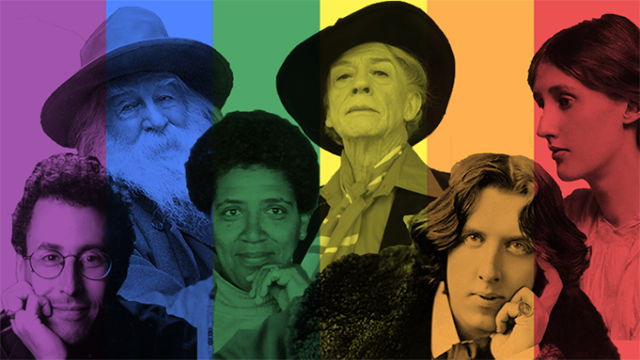
"caption": "While authors such as Virginia Woolf and Oscar Wilde (at right) are household names, writers like Quentin Crisp may be better-known by films about their life. Third from right is John Hurt, who portrayed Crisp on screen on two separate occasions.",
"description": "While authors such as Virginia Woolf and Oscar Wilde (at right) are household names, writers like Quentin Crisp may be better-known by films about their life. Third from right is John Hurt, who portrayed Crisp on screen on two separate occasions.",
"title": "lgbt",
"credit": null,
"status": "inherit",
"altTag": "While authors such as Virginia Woolf and Oscar Wilde (at right) are household names, writers like Quentin Crisp may be better-known by films about their life. Third from right is John Hurt, who portrayed Crisp on screen on two separate occasions.",
"isLoading": false,
"fetchFailed": false
},
"arts_10137758": {
"type": "attachments",
"id": "arts_10137758",
"meta": {
"index": "attachments_1716263798",
"site": "arts",
"id": "10137758",
"found": true
},
"parent": 10137511,
"imgSizes": {
"thumbnail": {
"file": "https://ww2.kqed.org/app/uploads/sites/2/2014/06/steelbreeze-400x225.jpg",
"width": 400,
"mimeType": "image/jpeg",
"height": 225
},
"post-thumbnail": {
"file": "https://ww2.kqed.org/app/uploads/sites/2/2014/06/steelbreeze-672x372.jpg",
"width": 672,
"mimeType": "image/jpeg",
"height": 372
},
"kqedFullSize": {
"file": "https://ww2.kqed.org/app/uploads/sites/2/2014/06/steelbreeze.jpg",
"width": 800,
"height": 450
},
"guest-author-96": {
"file": "https://ww2.kqed.org/app/uploads/sites/2/2014/06/steelbreeze-96x96.jpg",
"width": 96,
"mimeType": "image/jpeg",
"height": 96
},
"medium": {
"file": "https://ww2.kqed.org/app/uploads/sites/2/2014/06/steelbreeze-300x168.jpg",
"width": 300,
"mimeType": "image/jpeg",
"height": 168
},
"guest-author-64": {
"file": "https://ww2.kqed.org/app/uploads/sites/2/2014/06/steelbreeze-64x64.jpg",
"width": 64,
"mimeType": "image/jpeg",
"height": 64
},
"detail": {
"file": "https://ww2.kqed.org/app/uploads/sites/2/2014/06/steelbreeze-75x75.jpg",
"width": 75,
"mimeType": "image/jpeg",
"height": 75
},
"guest-author-32": {
"file": "https://ww2.kqed.org/app/uploads/sites/2/2014/06/steelbreeze-32x32.jpg",
"width": 32,
"mimeType": "image/jpeg",
"height": 32
},
"guest-author-128": {
"file": "https://ww2.kqed.org/app/uploads/sites/2/2014/06/steelbreeze-128x128.jpg",
"width": 128,
"mimeType": "image/jpeg",
"height": 128
}
},
"publishDate": 1402895000,
"modified": 1402895000,
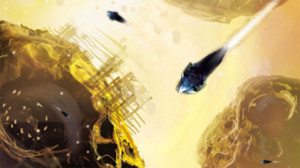
"caption": "Graphic from Alastair Reynolds' \u003ci>On the Steel Breeze\u003c/i>",
"description": null,
"title": "steelbreeze",
"credit": null,
"status": "inherit",
"isLoading": false,
"fetchFailed": false
},
"arts_10137482": {
"type": "attachments",
"id": "arts_10137482",
"meta": {
"index": "attachments_1716263798",
"site": "arts",
"id": "10137482",
"found": true
},
"parent": 10137481,
"imgSizes": {
"thumbnail": {
"file": "https://ww2.kqed.org/app/uploads/sites/2/2014/06/10137481-thumb-400x225.jpg",
"width": 400,
"mimeType": "image/jpeg",
"height": 225
},
"kqedFullSize": {
"file": "https://ww2.kqed.org/app/uploads/sites/2/2014/06/10137481-thumb.jpg",
"width": 640,
"height": 360
},
"guest-author-96": {
"file": "https://ww2.kqed.org/app/uploads/sites/2/2014/06/10137481-thumb-96x96.jpg",
"width": 96,
"mimeType": "image/jpeg",
"height": 96
},
"medium": {
"file": "https://ww2.kqed.org/app/uploads/sites/2/2014/06/10137481-thumb-300x168.jpg",
"width": 300,
"mimeType": "image/jpeg",
"height": 168
},
"guest-author-64": {
"file": "https://ww2.kqed.org/app/uploads/sites/2/2014/06/10137481-thumb-64x64.jpg",
"width": 64,
"mimeType": "image/jpeg",
"height": 64
},
"detail": {
"file": "https://ww2.kqed.org/app/uploads/sites/2/2014/06/10137481-thumb-75x75.jpg",
"width": 75,
"mimeType": "image/jpeg",
"height": 75
},
"guest-author-32": {
"file": "https://ww2.kqed.org/app/uploads/sites/2/2014/06/10137481-thumb-32x32.jpg",
"width": 32,
"mimeType": "image/jpeg",
"height": 32
},
"guest-author-128": {
"file": "https://ww2.kqed.org/app/uploads/sites/2/2014/06/10137481-thumb-128x128.jpg",
"width": 128,
"mimeType": "image/jpeg",
"height": 128
}
},
"publishDate": 1402346815,
"modified": 1402346815,
"caption": null,
"description": null,
"title": "Thumbnail for 10137481",
"credit": null,
"status": "inherit",
"isLoading": false,
"fetchFailed": false
},
"pop_12359": {
"type": "attachments",
"id": "pop_12359",
"meta": {
"index": "attachments_1716263798",
"site": "pop",
"id": "12359",
"found": true
},
"parent": 12357,
"imgSizes": {
"thumbnail": {
"file": "https://ww2.kqed.org/app/uploads/sites/12/2014/06/summer-reading-400x225.jpg",
"width": 400,
"mimeType": "image/jpeg",
"height": 225
},
"kqedFullSize": {
"file": "https://ww2.kqed.org/app/uploads/sites/12/2014/06/summer-reading.jpg",
"width": 640,
"height": 360
},
"guest-author-96": {
"file": "https://ww2.kqed.org/app/uploads/sites/12/2014/06/summer-reading-96x96.jpg",
"width": 96,
"mimeType": "image/jpeg",
"height": 96
},
"guest-author-64": {
"file": "https://ww2.kqed.org/app/uploads/sites/12/2014/06/summer-reading-64x64.jpg",
"width": 64,
"mimeType": "image/jpeg",
"height": 64
},
"detail": {
"file": "https://ww2.kqed.org/app/uploads/sites/12/2014/06/summer-reading-75x75.jpg",
"width": 75,
"mimeType": "image/jpeg",
"height": 75
},
"guest-author-32": {
"file": "https://ww2.kqed.org/app/uploads/sites/12/2014/06/summer-reading-32x32.jpg",
"width": 32,
"mimeType": "image/jpeg",
"height": 32
},
"guest-author-128": {
"file": "https://ww2.kqed.org/app/uploads/sites/12/2014/06/summer-reading-128x128.jpg",
"width": 128,
"mimeType": "image/jpeg",
"height": 128
}
},
"publishDate": 1402339202,
"modified": 1402339202,
"caption": "Photo: Getty Images",
"description": null,
"title": "summer-reading",
"credit": null,
"status": "inherit",
"isLoading": false,
"fetchFailed": false
},
"arts_10137433": {
"type": "attachments",
"id": "arts_10137433",
"meta": {
"index": "attachments_1716263798",
"site": "arts",
"id": "10137433",
"found": true
},
"parent": 10137298,
"imgSizes": {
"twentyfourteen-full-width": {
"file": "https://ww2.kqed.org/app/uploads/sites/2/2014/06/notpsycho-800x576.jpg",
"width": 800,
"mimeType": "image/jpeg",
"height": 576
},
"thumbnail": {
"file": "https://ww2.kqed.org/app/uploads/sites/2/2014/06/notpsycho-400x309.jpg",
"width": 400,
"mimeType": "image/jpeg",
"height": 309
},
"post-thumbnail": {
"file": "https://ww2.kqed.org/app/uploads/sites/2/2014/06/notpsycho-672x372.jpg",
"width": 672,
"mimeType": "image/jpeg",
"height": 372
},
"kqedFullSize": {
"file": "https://ww2.kqed.org/app/uploads/sites/2/2014/06/notpsycho.jpg",
"width": 800,
"height": 618
},
"guest-author-96": {
"file": "https://ww2.kqed.org/app/uploads/sites/2/2014/06/notpsycho-96x96.jpg",
"width": 96,
"mimeType": "image/jpeg",
"height": 96
},
"medium": {
"file": "https://ww2.kqed.org/app/uploads/sites/2/2014/06/notpsycho-300x231.jpg",
"width": 300,
"mimeType": "image/jpeg",
"height": 231
},
"guest-author-64": {
"file": "https://ww2.kqed.org/app/uploads/sites/2/2014/06/notpsycho-64x64.jpg",
"width": 64,
"mimeType": "image/jpeg",
"height": 64
},
"detail": {
"file": "https://ww2.kqed.org/app/uploads/sites/2/2014/06/notpsycho-75x75.jpg",
"width": 75,
"mimeType": "image/jpeg",
"height": 75
},
"guest-author-32": {
"file": "https://ww2.kqed.org/app/uploads/sites/2/2014/06/notpsycho-32x32.jpg",
"width": 32,
"mimeType": "image/jpeg",
"height": 32
},
"guest-author-128": {
"file": "https://ww2.kqed.org/app/uploads/sites/2/2014/06/notpsycho-128x128.jpg",
"width": 128,
"mimeType": "image/jpeg",
"height": 128
}
},
"publishDate": 1402090108,
"modified": 1402090108,
"caption": "A sign used on John Waters' cross-country hitchhiking trip",
"description": null,
"title": "notpsycho",
"credit": null,
"status": "inherit",
"isLoading": false,
"fetchFailed": false
},
"arts_10137369": {
"type": "attachments",
"id": "arts_10137369",
"meta": {
"index": "attachments_1716263798",
"site": "arts",
"id": "10137369",
"found": true
},
"parent": 10137368,
"imgSizes": {
"thumbnail": {
"file": "https://ww2.kqed.org/app/uploads/sites/2/2014/06/10137368-thumb-400x225.jpg",
"width": 400,
"mimeType": "image/jpeg",
"height": 225
},
"kqedFullSize": {
"file": "https://ww2.kqed.org/app/uploads/sites/2/2014/06/10137368-thumb.jpg",
"width": 640,
"height": 360
},
"guest-author-96": {
"file": "https://ww2.kqed.org/app/uploads/sites/2/2014/06/10137368-thumb-96x96.jpg",
"width": 96,
"mimeType": "image/jpeg",
"height": 96
},
"medium": {
"file": "https://ww2.kqed.org/app/uploads/sites/2/2014/06/10137368-thumb-300x168.jpg",
"width": 300,
"mimeType": "image/jpeg",
"height": 168
},
"guest-author-64": {
"file": "https://ww2.kqed.org/app/uploads/sites/2/2014/06/10137368-thumb-64x64.jpg",
"width": 64,
"mimeType": "image/jpeg",
"height": 64
},
"detail": {
"file": "https://ww2.kqed.org/app/uploads/sites/2/2014/06/10137368-thumb-75x75.jpg",
"width": 75,
"mimeType": "image/jpeg",
"height": 75
},
"guest-author-32": {
"file": "https://ww2.kqed.org/app/uploads/sites/2/2014/06/10137368-thumb-32x32.jpg",
"width": 32,
"mimeType": "image/jpeg",
"height": 32
},
"guest-author-128": {
"file": "https://ww2.kqed.org/app/uploads/sites/2/2014/06/10137368-thumb-128x128.jpg",
"width": 128,
"mimeType": "image/jpeg",
"height": 128
}
},
"publishDate": 1402011412,
"modified": 1402011412,
"caption": null,
"description": null,
"title": "Thumbnail for 10137368",
"credit": null,
"status": "inherit",
"isLoading": false,
"fetchFailed": false
},
"arts_10137243": {
"type": "attachments",
"id": "arts_10137243",
"meta": {
"index": "attachments_1716263798",
"site": "arts",
"id": "10137243",
"found": true
},
"parent": 10137242,
"imgSizes": {
"thumbnail": {
"file": "https://ww2.kqed.org/app/uploads/sites/2/2014/06/10137242-thumb-400x225.jpg",
"width": 400,
"mimeType": "image/jpeg",
"height": 225
},
"kqedFullSize": {
"file": "https://ww2.kqed.org/app/uploads/sites/2/2014/06/10137242-thumb.jpg",
"width": 640,
"height": 360
},
"guest-author-96": {
"file": "https://ww2.kqed.org/app/uploads/sites/2/2014/06/10137242-thumb-96x96.jpg",
"width": 96,
"mimeType": "image/jpeg",
"height": 96
},
"medium": {
"file": "https://ww2.kqed.org/app/uploads/sites/2/2014/06/10137242-thumb-300x168.jpg",
"width": 300,
"mimeType": "image/jpeg",
"height": 168
},
"guest-author-64": {
"file": "https://ww2.kqed.org/app/uploads/sites/2/2014/06/10137242-thumb-64x64.jpg",
"width": 64,
"mimeType": "image/jpeg",
"height": 64
},
"detail": {
"file": "https://ww2.kqed.org/app/uploads/sites/2/2014/06/10137242-thumb-75x75.jpg",
"width": 75,
"mimeType": "image/jpeg",
"height": 75
},
"guest-author-32": {
"file": "https://ww2.kqed.org/app/uploads/sites/2/2014/06/10137242-thumb-32x32.jpg",
"width": 32,
"mimeType": "image/jpeg",
"height": 32
},
"guest-author-128": {
"file": "https://ww2.kqed.org/app/uploads/sites/2/2014/06/10137242-thumb-128x128.jpg",
"width": 128,
"mimeType": "image/jpeg",
"height": 128
}
},
"publishDate": 1401920226,
"modified": 1401920226,
"caption": null,
"description": null,
"title": "Thumbnail for 10137242",
"credit": null,
"status": "inherit",
"isLoading": false,
"fetchFailed": false
},
"arts_10137101": {
"type": "attachments",
"id": "arts_10137101",
"meta": {
"index": "attachments_1716263798",
"site": "arts",
"id": "10137101",
"found": true
},
"parent": 10137100,
"imgSizes": {
"thumbnail": {
"file": "https://ww2.kqed.org/app/uploads/sites/2/2014/06/10137100-thumb-400x225.jpg",
"width": 400,
"mimeType": "image/jpeg",
"height": 225
},
"kqedFullSize": {
"file": "https://ww2.kqed.org/app/uploads/sites/2/2014/06/10137100-thumb.jpg",
"width": 640,
"height": 360
},
"guest-author-96": {
"file": "https://ww2.kqed.org/app/uploads/sites/2/2014/06/10137100-thumb-96x96.jpg",
"width": 96,
"mimeType": "image/jpeg",
"height": 96
},
"medium": {
"file": "https://ww2.kqed.org/app/uploads/sites/2/2014/06/10137100-thumb-300x168.jpg",
"width": 300,
"mimeType": "image/jpeg",
"height": 168
},
"guest-author-64": {
"file": "https://ww2.kqed.org/app/uploads/sites/2/2014/06/10137100-thumb-64x64.jpg",
"width": 64,
"mimeType": "image/jpeg",
"height": 64
},
"detail": {
"file": "https://ww2.kqed.org/app/uploads/sites/2/2014/06/10137100-thumb-75x75.jpg",
"width": 75,
"mimeType": "image/jpeg",
"height": 75
},
"guest-author-32": {
"file": "https://ww2.kqed.org/app/uploads/sites/2/2014/06/10137100-thumb-32x32.jpg",
"width": 32,
"mimeType": "image/jpeg",
"height": 32
},
"guest-author-128": {
"file": "https://ww2.kqed.org/app/uploads/sites/2/2014/06/10137100-thumb-128x128.jpg",
"width": 128,
"mimeType": "image/jpeg",
"height": 128
}
},
"publishDate": 1401824217,
"modified": 1401824217,
"caption": null,
"description": null,
"title": "Thumbnail for 10137100",
"credit": null,
"status": "inherit",
"isLoading": false,
"fetchFailed": false
}
},
"audioPlayerReducer": {
"postId": "stream_live",
"isPaused": true,
"isPlaying": false,
"pfsActive": false,
"pledgeModalIsOpen": true,
"playerDrawerIsOpen": false,
"liveAudioPlayStartedAt": 0,
"liveAudioPlayContext": ""
},
"authorsReducer": {
"irojascontreras": {
"type": "authors",
"id": "78",
"meta": {
"index": "authors_1716337520",
"id": "78",
"found": true
},
"name": "Ingrid Rojas Contreras",
"firstName": "Ingrid",
"lastName": "Rojas Contreras",
"slug": "irojascontreras",
"email": "ingrid.rojas.c@gmail.com",
"display_author_email": false,
"staff_mastheads": [],
"title": null,
"bio": "Ingrid Rojas Contreras lives in San Francisco with her books. Her debut novel\u003cem> Fruit of the Drunken Tree \u003c/em>is forthcoming from Doubleday (Summer 2018). Find more at \u003ca href=\"http://www.ingridrojascontreras.com\">www.ingridrojascontreras.com\u003c/a>.",
"avatar": "https://secure.gravatar.com/avatar/908d94de9342e71b9d5ceaa8152a16a0?s=600&d=blank&r=g",
"twitter": null,
"facebook": null,
"instagram": null,
"linkedin": null,
"sites": [
{
"site": "arts",
"roles": [
"Contributor",
"contributor"
]
}
],
"headData": {
"title": "Ingrid Rojas Contreras | KQED",
"description": null,
"ogImgSrc": "https://secure.gravatar.com/avatar/908d94de9342e71b9d5ceaa8152a16a0?s=600&d=blank&r=g",
"twImgSrc": "https://secure.gravatar.com/avatar/908d94de9342e71b9d5ceaa8152a16a0?s=600&d=blank&r=g"
},
"isLoading": false,
"link": "/author/irojascontreras"
},
"rkleffel": {
"type": "authors",
"id": "88",
"meta": {
"index": "authors_1716337520",
"id": "88",
"found": true
},
"name": "Rick Kleffel",
"firstName": "Rick",
"lastName": "Kleffel",
"slug": "rkleffel",
"email": "editor@bookotron.com",
"display_author_email": false,
"staff_mastheads": [],
"title": null,
"bio": "Rick Kleffel has been reading for more than half a century. He lives in Aptos, near the Palo Alto, a cement boat built at the end of World War I. He writes about books and podcasts interviews with authors at \u003ca href=\"http://agonycolumn.com\">The Agony Column\u003c/a>.",
"avatar": "https://secure.gravatar.com/avatar/179f850e768733fdeabc3c0c48ebf0e9?s=600&d=blank&r=g",
"twitter": null,
"facebook": null,
"instagram": null,
"linkedin": null,
"sites": [
{
"site": "arts",
"roles": [
"Contributor",
"contributor"
]
}
],
"headData": {
"title": "Rick Kleffel | KQED",
"description": null,
"ogImgSrc": "https://secure.gravatar.com/avatar/179f850e768733fdeabc3c0c48ebf0e9?s=600&d=blank&r=g",
"twImgSrc": "https://secure.gravatar.com/avatar/179f850e768733fdeabc3c0c48ebf0e9?s=600&d=blank&r=g"
},
"isLoading": false,
"link": "/author/rkleffel"
},
"kqedarts": {
"type": "authors",
"id": "92",
"meta": {
"index": "authors_1716337520",
"id": "92",
"found": true
},
"name": "KQED Arts",
"firstName": "KQED",
"lastName": "Arts",
"slug": "kqedarts",
"email": "arts@kqed.org",
"display_author_email": false,
"staff_mastheads": [],
"title": "KQED Staff",
"bio": null,
"avatar": "https://secure.gravatar.com/avatar/321c9ebfeb7736f9e55366a6d3399ab0?s=600&d=blank&r=g",
"twitter": null,
"facebook": null,
"instagram": "https://www.instagram.com/kqed_arts/",
"linkedin": null,
"sites": [
{
"site": "arts",
"roles": [
"contributor"
]
},
{
"site": "pop",
"roles": [
"contributor"
]
},
{
"site": "science",
"roles": [
"author"
]
},
{
"site": "food",
"roles": [
"contributor"
]
}
],
"headData": {
"title": "KQED Arts | KQED",
"description": "KQED Staff",
"ogImgSrc": "https://secure.gravatar.com/avatar/321c9ebfeb7736f9e55366a6d3399ab0?s=600&d=blank&r=g",
"twImgSrc": "https://secure.gravatar.com/avatar/321c9ebfeb7736f9e55366a6d3399ab0?s=600&d=blank&r=g"
},
"isLoading": false,
"link": "/author/kqedarts"
},
"kqedpop": {
"type": "authors",
"id": "2421",
"meta": {
"index": "authors_1716337520",
"id": "2421",
"found": true
},
"name": "KQED Pop",
"firstName": "KQED",
"lastName": "Pop",
"slug": "kqedpop",
"email": "pop@kqed.org",
"display_author_email": false,
"staff_mastheads": [],
"title": "KQED Contributor",
"bio": "KQED Pop is a daily blog edited by Emmanuel Hapsis that critically examines the social and cultural impact of music, movies, television, advertisements, fashion, the internet and all the other collective experiences that make us laugh, cringe and cry. We focus on local, national and international experiences with a Bay Area lens. We don’t do reviews.",
"avatar": "https://secure.gravatar.com/avatar/28b423a68ba9acb207fe107dd55b9e6882c1ba6805a4c8af8b7cae7079f362b9?s=600&d=blank&r=g",
"twitter": "KQEDpop",
"bluesky": null,
"facebook": null,
"instagram": null,
"linkedin": null,
"sites": [
{
"site": "arts",
"roles": [
"contributor"
]
},
{
"site": "pop",
"roles": [
"contributor"
]
}
],
"headData": {
"title": "KQED Pop | KQED",
"description": "KQED Contributor",
"ogImgSrc": "https://secure.gravatar.com/avatar/28b423a68ba9acb207fe107dd55b9e6882c1ba6805a4c8af8b7cae7079f362b9?s=600&d=blank&r=g",
"twImgSrc": "https://secure.gravatar.com/avatar/28b423a68ba9acb207fe107dd55b9e6882c1ba6805a4c8af8b7cae7079f362b9?s=600&d=blank&r=g"
},
"isLoading": false,
"link": "/author/kqedpop"
},
"tonybravo": {
"type": "authors",
"id": "2436",
"meta": {
"index": "authors_1716337520",
"id": "2436",
"found": true
},
"name": "Tony Bravo",
"firstName": "Tony",
"lastName": "Bravo",
"slug": "tonybravo",
"email": "mrtonybravo@gmail.com",
"display_author_email": false,
"staff_mastheads": [],
"title": null,
"bio": "Tony Bravo is a San Francisco freelancer covering fashion, menswear, lifestyle and entertainment stories. He is a regular contributor to The Bold Italic and the San Francisco Chronicle's Style section.",
"avatar": "https://secure.gravatar.com/avatar/dbf4e1ca0ae547c324ab218b5b01c466?s=600&d=blank&r=g",
"twitter": "velvetgoldminer",
"facebook": null,
"instagram": null,
"linkedin": null,
"sites": [
{
"site": "pop",
"roles": [
"contributor"
]
}
],
"headData": {
"title": "Tony Bravo | KQED",
"description": null,
"ogImgSrc": "https://secure.gravatar.com/avatar/dbf4e1ca0ae547c324ab218b5b01c466?s=600&d=blank&r=g",
"twImgSrc": "https://secure.gravatar.com/avatar/dbf4e1ca0ae547c324ab218b5b01c466?s=600&d=blank&r=g"
},
"isLoading": false,
"link": "/author/tonybravo"
}
},
"pagesReducer": {
"arts_category_literature": {
"type": "terms",
"id": "arts_73",
"meta": {
"index": "terms_1716263798",
"site": "arts",
"id": "73",
"score": 12.797771
},
"featImg": null,
"name": "Books",
"description": null,
"taxonomy": "category",
"headData": {
"twImgId": null,
"twTitle": null,
"ogTitle": null,
"ogImgId": null,
"twDescription": null,
"description": null,
"title": "Books Archives | KQED Arts",
"ogDescription": null
},
"ttid": 74,
"slug": "literature",
"isLoading": false,
"title": "Books",
"pageMeta": {
"site": "arts",
"WpPageTemplate": "page-topic-editorial",
"currentPage": 105
},
"blocks": [
{
"blockName": "kqed/post-list",
"attrs": {
"layout": "cardArticle2",
"query": "posts/arts?category=literature",
"seeMore": false,
"paginated": true,
"page": 105
}
},
{
"blockName": "kqed/ad"
}
]
}
},
"pfsSessionReducer": {},
"postsReducer": {
"stream_live": {
"type": "live",
"id": "stream_live",
"audioUrl": "https://streams.kqed.org/kqedradio",
"title": "Live Stream",
"excerpt": "Live Stream information currently unavailable.",
"link": "/radio",
"featImg": "",
"label": {
"name": "KQED Live",
"link": "/"
}
},
"stream_kqedNewscast": {
"type": "posts",
"id": "stream_kqedNewscast",
"audioUrl": "https://www.kqed.org/.stream/anon/radio/RDnews/newscast.mp3?_=1",
"title": "KQED Newscast",
"featImg": "",
"label": {
"name": "88.5 FM",
"link": "/"
}
},
"arts_10138420": {
"type": "posts",
"id": "arts_10138420",
"meta": {
"index": "posts_1716263798",
"site": "arts",
"id": "10138420",
"score": null,
"sort": [
1403810780000
]
},
"parent": 0,
"labelTerm": {
"site": "forum"
},
"blocks": [],
"publishDate": 1403810780,
"format": "standard",
"title": "Poetic Pen Pals: The Letters of Wendell Berry and Gary Snyder",
"headTitle": "Poetic Pen Pals: The Letters of Wendell Berry and Gary Snyder | KQED",
"content": "\u003cp>For more than four decades, two American literary icons — author Wendell Berry and Pulitzer Prize-winning poet Gary Snyder — corresponded with each other on topics ranging from art to the environment to their personal lives. Many of those letters have been collected in a new volume “Distant Neighbors: The \u003ca href=\"http://www.kqed.org/epArchive/R201406261000?pid=RD19\" target=\"_self\" class=\"rssmi_more\" rel=\"noopener\"> …read more\u003c/a> \u003c/p>\n\u003cp>Source: \u003ca href=\"http://www.kqed.org/epArchive/R201406261000?pid=RD19\" target=\"_self\" title=\"Poetic Pen Pals: The Letters of Wendell Berry and Gary Snyder\" rel=\"noopener\">Forum Books\u003c/a>\u003c/p>\n\u003cp>[ad fullwidth]\u003c/p>\u003cp>\u003c/p>\n",
"stats": {
"hasVideo": false,
"hasChartOrMap": false,
"hasAudio": false,
"hasPolis": false,
"wordCount": 60,
"hasGoogleForm": false,
"hasGallery": false,
"hasHearkenModule": false,
"iframeSrcs": [],
"paragraphCount": 4
},
"modified": 1705048704,
"excerpt": "For more than four decades, two American literary icons -- author Wendell Berry and Pulitzer Prize-winning poet Gary Snyder -- corresponded with each other on topics ranging from art to the environment to their personal lives. Many of those letters have been collected in a new volume \"Distant Neighbors: The \u003ca href=\"http://www.kqed.org/epArchive/R201406261000?pid=RD19\" target=\"_self\" class=\"rssmi_more\" rel=\"noopener\"> ...read more\u003c/a>",
"headData": {
"twImgId": "",
"twTitle": "",
"ogTitle": "",
"ogImgId": "",
"twDescription": "",
"description": "For more than four decades, two American literary icons -- author Wendell Berry and Pulitzer Prize-winning poet Gary Snyder -- corresponded with each other on topics ranging from art to the environment to their personal lives. Many of those letters have been collected in a new volume "Distant Neighbors: The ...read more",
"title": "Poetic Pen Pals: The Letters of Wendell Berry and Gary Snyder | KQED",
"ogDescription": "",
"schema": {
"@context": "https://schema.org",
"@type": "Article",
"headline": "Poetic Pen Pals: The Letters of Wendell Berry and Gary Snyder",
"datePublished": "2014-06-26T12:26:20-07:00",
"dateModified": "2024-01-12T00:38:24-08:00",
"image": "https://cdn.kqed.org/wp-content/uploads/2020/02/KQED-OG-Image@1x.png"
}
},
"guestAuthors": [],
"slug": "poetic-pen-pals-the-letters-of-wendell-berry-and-gary-snyder",
"status": "publish",
"redirect": {
"type": "external",
"url": "http://www.kqed.org/epArchive/R201406261000?pid=RD19"
},
"rssmiSourceLink": "http://www.kqed.org/epArchive/R201406261000?pid=RD19",
"sticky": false,
"path": "/arts/10138420/poetic-pen-pals-the-letters-of-wendell-berry-and-gary-snyder",
"audioTrackLength": null,
"parsedContent": [
{
"type": "contentString",
"content": "\u003cdiv class=\"post-body\">\u003cp>\u003cp>For more than four decades, two American literary icons — author Wendell Berry and Pulitzer Prize-winning poet Gary Snyder — corresponded with each other on topics ranging from art to the environment to their personal lives. Many of those letters have been collected in a new volume “Distant Neighbors: The \u003ca href=\"http://www.kqed.org/epArchive/R201406261000?pid=RD19\" target=\"_self\" class=\"rssmi_more\" rel=\"noopener\"> …read more\u003c/a> \u003c/p>\n\u003cp>Source: \u003ca href=\"http://www.kqed.org/epArchive/R201406261000?pid=RD19\" target=\"_self\" title=\"Poetic Pen Pals: The Letters of Wendell Berry and Gary Snyder\" rel=\"noopener\">Forum Books\u003c/a>\u003c/p>\n\u003cp>\u003c/p>\u003c/div>",
"attributes": {
"named": {},
"numeric": []
}
},
{
"type": "component",
"content": "",
"name": "ad",
"attributes": {
"named": {
"label": "fullwidth"
},
"numeric": [
"fullwidth"
]
}
},
{
"type": "contentString",
"content": "\u003cdiv class=\"post-body\">\u003cp>\u003c/p>\u003cp>\u003c/p>\n\u003c/div>\u003c/p>",
"attributes": {
"named": {},
"numeric": []
}
}
],
"link": "http://www.kqed.org/epArchive/R201406261000?pid=RD19",
"authors": [
"92"
],
"categories": [
"arts_73"
],
"featImg": "arts_10138421",
"label": "arts"
},
"arts_10138329": {
"type": "posts",
"id": "arts_10138329",
"meta": {
"index": "posts_1716263798",
"site": "arts",
"id": "10138329",
"score": null,
"sort": [
1403723730000
]
},
"parent": 0,
"labelTerm": {
"site": "forum"
},
"blocks": [],
"publishDate": 1403723730,
"format": "standard",
"title": "Alan Furst: 'Midnight in Europe'",
"headTitle": "Alan Furst: ‘Midnight in Europe’ | KQED",
"content": "\u003cp>When critics describe the work of author Alan Furst, they often cite a movie: “Casablanca.” Furst is a master of the atmospheric spy thriller. His novels are typically set just before or during World War II, often in Paris, and feature dashing protagonists, tense plots and rich historical detail. Furst \u003ca href=\"http://www.kqed.org/epArchive/R201406251000?pid=RD19\" target=\"_self\" class=\"rssmi_more\" rel=\"noopener\"> …read more\u003c/a> \u003c/p>\n\u003cp>Source: \u003ca href=\"http://www.kqed.org/epArchive/R201406251000?pid=RD19\" target=\"_self\" title=\"Alan Furst: 'Midnight in Europe'\" rel=\"noopener\">Forum Books\u003c/a>\u003c/p>\n\u003cp>[ad fullwidth]\u003c/p>\u003cp>\u003c/p>\n",
"stats": {
"hasVideo": false,
"hasChartOrMap": false,
"hasAudio": false,
"hasPolis": false,
"wordCount": 60,
"hasGoogleForm": false,
"hasGallery": false,
"hasHearkenModule": false,
"iframeSrcs": [],
"paragraphCount": 4
},
"modified": 1705048710,
"excerpt": "When critics describe the work of author Alan Furst, they often cite a movie: \"Casablanca.\" Furst is a master of the atmospheric spy thriller. His novels are typically set just before or during World War II, often in Paris, and feature dashing protagonists, tense plots and rich historical detail. Furst \u003ca href=\"http://www.kqed.org/epArchive/R201406251000?pid=RD19\" target=\"_self\" class=\"rssmi_more\" rel=\"noopener\"> ...read more\u003c/a>",
"headData": {
"twImgId": "",
"twTitle": "",
"ogTitle": "",
"ogImgId": "",
"twDescription": "",
"description": "When critics describe the work of author Alan Furst, they often cite a movie: "Casablanca." Furst is a master of the atmospheric spy thriller. His novels are typically set just before or during World War II, often in Paris, and feature dashing protagonists, tense plots and rich historical detail. Furst ...read more",
"title": "Alan Furst: 'Midnight in Europe' | KQED",
"ogDescription": "",
"schema": {
"@context": "https://schema.org",
"@type": "Article",
"headline": "Alan Furst: 'Midnight in Europe'",
"datePublished": "2014-06-25T12:15:30-07:00",
"dateModified": "2024-01-12T00:38:30-08:00",
"image": "https://cdn.kqed.org/wp-content/uploads/2020/02/KQED-OG-Image@1x.png"
}
},
"guestAuthors": [],
"slug": "alan-furst-midnight-in-europe",
"status": "publish",
"redirect": {
"type": "external",
"url": "http://www.kqed.org/epArchive/R201406251000?pid=RD19"
},
"rssmiSourceLink": "http://www.kqed.org/epArchive/R201406251000?pid=RD19",
"sticky": false,
"path": "/arts/10138329/alan-furst-midnight-in-europe",
"audioTrackLength": null,
"parsedContent": [
{
"type": "contentString",
"content": "\u003cdiv class=\"post-body\">\u003cp>\u003cp>When critics describe the work of author Alan Furst, they often cite a movie: “Casablanca.” Furst is a master of the atmospheric spy thriller. His novels are typically set just before or during World War II, often in Paris, and feature dashing protagonists, tense plots and rich historical detail. Furst \u003ca href=\"http://www.kqed.org/epArchive/R201406251000?pid=RD19\" target=\"_self\" class=\"rssmi_more\" rel=\"noopener\"> …read more\u003c/a> \u003c/p>\n\u003cp>Source: \u003ca href=\"http://www.kqed.org/epArchive/R201406251000?pid=RD19\" target=\"_self\" title=\"Alan Furst: 'Midnight in Europe'\" rel=\"noopener\">Forum Books\u003c/a>\u003c/p>\n\u003cp>\u003c/p>\u003c/div>",
"attributes": {
"named": {},
"numeric": []
}
},
{
"type": "component",
"content": "",
"name": "ad",
"attributes": {
"named": {
"label": "fullwidth"
},
"numeric": [
"fullwidth"
]
}
},
{
"type": "contentString",
"content": "\u003cdiv class=\"post-body\">\u003cp>\u003c/p>\u003cp>\u003c/p>\n\u003c/div>\u003c/p>",
"attributes": {
"named": {},
"numeric": []
}
}
],
"link": "http://www.kqed.org/epArchive/R201406251000?pid=RD19",
"authors": [
"92"
],
"categories": [
"arts_73"
],
"featImg": "arts_10138330",
"label": "arts"
},
"pop_12496": {
"type": "posts",
"id": "pop_12496",
"meta": {
"index": "posts_1716263798",
"site": "pop",
"id": "12496",
"score": null,
"sort": [
1403276579000
]
},
"parent": 0,
"labelTerm": {
"site": "pop"
},
"blocks": [],
"publishDate": 1403276579,
"format": "standard",
"disqusTitle": "10 LGBTQ Books Everyone Should Read",
"title": "10 LGBTQ Books Everyone Should Read",
"headTitle": "KQED Pop | KQED Arts",
"content": "\u003cp>Gay Pride month is about so much more than just waving rainbow flags, dancing on boxes and trying to keep drag from melting in midday sun. Every June, it's a good idea to remind ourselves of the cultural contributions our LGBT brothers and sisters have made to society, the plays, novels, poems and works of nonfiction that continue to challenge readers and change minds every time someone picks up a book (or downloads it directly into their eye or however the cool people are reading these days).\u003c/p>\n\u003cp>Below are some classics written by LGBT authors. Some of these works expressly deal with gay identity, some of the earlier works allude to LGBT themes and some of these don't explore gay subject matter at all; they're just brilliant pieces of writing that were created by LGBT authors who, regardless of the subject matter, always wrote from that unique gay experience. Remember: there was a time when being gay meant you were probably more cultured and sophisticated than the average person. Yes, it was a stereotype, but it was a \u003cem>good\u003c/em> stereotype, so read a few of these selections and let's help perpetuate it once again.\u003c/p>\n\u003cp>\u003cstrong>\u003cem>The Collected Poems of Audre Lorde\u003c/em>, Audre Lorde\u003c/strong>\u003c/p>\n\u003cp>Feminist, Caribbean-American, civil rights activist and lesbian Audre Lorde is a must read for anyone who loves poetry, doesn't read enough poetry, thinks they don't care for poetry or just breathes oxygen. Lorde confirmed her sexuality with the poem \"Martha\" in \u003cem>Cables to Rage\u003c/em>. \"We shall love each other here if ever at all,\" she says to the title woman. Even if you only explore a poem a day, you'll be glad you did. Lorde's words are so rich and layered that you could read the same poem over and over each day and still find deeper meanings.\u003c/p>\n\u003cp>\u003cstrong>\u003cem>Resident Alien\u003c/em>, Quentin Crisp\u003c/strong>\u003c/p>\n\u003cp>[ad fullwidth]\u003c/p>\n\u003cp>Englishman, wit and self described \"naked civil servant,\" Crisp is at his very best and brightest when describing the wonders of his new life in New York City, undertaken when the author was in his seventies. Crisp ogles skyscrapers and the accepting culture of the United States, which he describes as a world of relief after seventy plus years as an outcast in England for both his homosexuality and his indiscreet femme style of dress.\u003c/p>\n\u003cp>\"A man saw me on the street today and said 'My, haven't you got it all on today,' \" Crisp related in one story, letting readers know the approach included a smile and a good natured laugh. In England, Crisp tells us, the comment would have included a sneer and an accusation of \"Who do you think you are?\"\u003c/p>\n\u003cp>\u003cstrong>\u003cem>The Selfish Giant\u003c/em>, Oscar Wilde\u003c/strong>\u003c/p>\n\u003cp>You can't go wrong reading anything by Oscar Wilde. The plays are flawless, the novels brilliant, but for me Wilde was at his truest with his fairy tale \u003cem>The Selfish Giant\u003c/em>. The lonely giant, whose greedy heart is melted by the goodness of a child playing in his garden, always seemed to be a metaphor for the way LGBT people had to outwardly harden themselves to not to be persecuted for their same-sex desires in a time where \"the love that dare not speak its name\" wasn't just frowned upon, it was criminal. If you can read the story's conclusion without shedding a tear, you've got a harder heart than the selfish giant himself.\u003c/p>\n\u003cp>\u003cstrong>\u003cem>White Girls\u003c/em>, Hilton Als\u003c/strong>\u003c/p>\n\u003cp>If you're not familiar with \u003cem>New Yorker\u003c/em> contributor Hilton Als' work, \u003cem>White Girls\u003c/em> is the perfect introduction. The essay collection explores subjects as varied as silent film icon Louise Brooks and author Truman Capote, while never keeping silent about what it means to be a bold queer man of color in the 21st century. Among the best (and most surreal) essays: an imagined critique of Virginia Woolf by Richard Pryor's sister.\u003c/p>\n\u003cp>\u003cstrong>\u003cem>Angels in America\u003c/em>, Tony Kushner\u003cbr>\n\u003c/strong>\u003c/p>\n\u003cp>Tony Kushner's Pulitzer Prize winning, epic two-part play \u003cem>Angels in America\u003c/em> is like watching gay history being written across the sky in lightening. Set in the early, fatal days of the AIDS epidemic, \"Millennium Approaches\" and \"Perestroka\" straddle heaven and earth in a story about humanity, divinity and survival. Read the play so you don't miss any of the great gay cultural references in the dialogue (from \u003cem>The Wizard of Oz\u003c/em> to \u003cem>A Streetcar Named Desire\u003c/em>) and then see the HBO film version since plays should always be seen.\u003c/p>\n\u003cp>\u003cstrong>\u003cem>To the Lighthouse\u003c/em>, Virginia Woolf\u003c/strong>\u003c/p>\n\u003cp>One of the bisexual author's best works, \u003cem>To the Lighthouse\u003c/em> frequently takes a backseat to \u003cem>Mrs. Dalloway\u003c/em> when it comes to popular culture recognition. The story spans a number of years at the Ramsay family's summer home on the Isle of Skye and concludes with a journey to the titular lighthouse. The characters of Mrs. Ramsay and Lily Briscoe take much of the author's focus, as Woolf compares and contrasts the attitudes of the \"domestic angel\" Ramsay to the more liberated artist Briscoe. For me, the character of Lily Briscoe has always had a strong lesbian undercurrent, her insecurities as a painter have always mirrored Woolf's own struggle with her art, and the character's admiration of the quietly feminine Mrs. Ramsay spoke to the author's own complicated feelings towards her sex.\u003c/p>\n\u003cp>\u003cstrong>\u003cem>Palimpsest\u003c/em>, Gore Vidal\u003c/strong>\u003c/p>\n\u003cp>The first of literary lion Gore Vidal's two memoirs (followed by \u003cem>Point to Point Navigation\u003c/em>), \u003cem>Palimpsest\u003c/em> focuses on the writer's early life in Washington D.C. and his first literary successes in the '40s, '50s and '60s. The acerbic, prolific and highly political writer (best to catch his views on American politics in this volume rather than some of his later essays) also details his early affair du coeur with St. Albans prep school classmate, Jimmie Trimble. Trimble, the undisputed star of his school's baseball team, who was scouted by the Washington Senators, was killed in action in 1945 during WWII, but Vidal kept a photo of him on display at his homes in Ravello, Italy and Los Angeles the rest of his life.\u003c/p>\n\u003cp>\u003cstrong>\u003cem>Conundrum\u003c/em>, Jan Morris\u003c/strong>\u003c/p>\n\u003cp>When Welsh travel writer James Morris began transitioning into life as a woman in the 1960s, it was still a pioneering time for transgender people. Jan Morris's frank, colorfully written memoir tells the story of her transition in a funny and candid way, while still reminding us of the great personal fight she had to wage to be the person she was meant to be. Beyond the surface question of gender, what \u003cem>Conundrum\u003c/em> really asks is \"Who am I?\"\u003c/p>\n\u003cp>\u003cstrong>\u003cem>Stone Butch Blues\u003c/em>, Leslie Feinberg\u003c/strong>\u003c/p>\n\u003cp>This groundbreaking novel by trans activist Leslie Feinberg became an underground hit upon publication in the 1990s and went on to mainstream success in the 2000s. \u003cem>Stone Butch Blues\u003c/em> tells the story of Jess, a working class Jewish butch, who runs away to gay life in pre-Stonewall NYC. The novel explores constructs of gender, sexuality and identity, while never ceasing to offer a vivid portrait of the butch subculture of the 1960s.\u003c/p>\n\u003cp>\u003cstrong>\u003cem>Leaves of Grass\u003c/em>, Walt Whitman\u003c/strong>\u003c/p>\n\u003cp>[ad floatright]\u003c/p>\n\u003cp>One of the greatest collections of American poetry is also the gayest. Walt Whitman's 1885 masterpiece is not only an epic ode to the wonders of the natural world and manifest destiny, but also celebrates (or \"sings of\") the sensual qualities of \"the manly love of comrades.\" \"\u003cspan style=\"color: #000000\">We Two Boys Together Clinging\u003c/span>\" from the Calamus section of the collection is one of the greatest examples of the overt sexuality and beauty in Whitman's work.\u003c/p>\n\u003cblockquote>\u003cp>We two boys together clinging\u003cbr>\nOne the other never leaving\u003cbr>\nUp and down the roads going, North and South excursions making,\u003cbr>\nPower enjoying, elbows stretching, fingers clutching,\u003cbr>\nArm'd and fearless, eating, drinking, sleeping, loving,\u003cbr>\nNo law less than ourselves owning, sailing, soldiering, thieving, threatening,\u003cbr>\nMisers, menials, priests alarming, air breathing, water drinking, on the turf or the sea-beach dancing,\u003cbr>\nCities wrenching, ease scorning, statutes mocking, feebleness chasing,\u003cbr>\nFulfilling our foray.\u003c/p>\u003c/blockquote>\n\n",
"disqusIdentifier": "12496 http://blogs.kqed.org/pop/?p=12496",
"disqusUrl": "https://ww2.kqed.org/pop/2014/06/20/10-lgbt-books-that-everyone-should-read/",
"stats": {
"hasVideo": false,
"hasChartOrMap": false,
"hasAudio": false,
"hasPolis": false,
"wordCount": 1345,
"hasGoogleForm": false,
"hasGallery": false,
"hasHearkenModule": false,
"iframeSrcs": [],
"paragraphCount": 26
},
"modified": 1611944141,
"excerpt": "In honor of Pride month, add some literary LGBTQ classics to your reading list.",
"headData": {
"twImgId": "",
"twTitle": "",
"ogTitle": "",
"ogImgId": "",
"twDescription": "",
"description": "In honor of Pride month, add some literary LGBTQ classics to your reading list.",
"title": "10 LGBTQ Books Everyone Should Read - KQED Pop",
"ogDescription": "",
"schema": {
"@context": "https://schema.org",
"@type": "Article",
"headline": "10 LGBTQ Books Everyone Should Read",
"datePublished": "2014-06-20T08:02:59-07:00",
"dateModified": "2021-01-29T10:15:41-08:00",
"image": "https://cdn.kqed.org/wp-content/uploads/2020/02/KQED-OG-Image@1x.png"
}
},
"guestAuthors": [],
"slug": "10-lgbt-books-that-everyone-should-read",
"status": "publish",
"templateType": "standard",
"featuredImageType": "standard",
"path": "/pop/12496/10-lgbt-books-that-everyone-should-read",
"audioTrackLength": null,
"parsedContent": [
{
"type": "contentString",
"content": "\u003cdiv class=\"post-body\">\u003cp>\u003cp>Gay Pride month is about so much more than just waving rainbow flags, dancing on boxes and trying to keep drag from melting in midday sun. Every June, it's a good idea to remind ourselves of the cultural contributions our LGBT brothers and sisters have made to society, the plays, novels, poems and works of nonfiction that continue to challenge readers and change minds every time someone picks up a book (or downloads it directly into their eye or however the cool people are reading these days).\u003c/p>\n\u003cp>Below are some classics written by LGBT authors. Some of these works expressly deal with gay identity, some of the earlier works allude to LGBT themes and some of these don't explore gay subject matter at all; they're just brilliant pieces of writing that were created by LGBT authors who, regardless of the subject matter, always wrote from that unique gay experience. Remember: there was a time when being gay meant you were probably more cultured and sophisticated than the average person. Yes, it was a stereotype, but it was a \u003cem>good\u003c/em> stereotype, so read a few of these selections and let's help perpetuate it once again.\u003c/p>\n\u003cp>\u003cstrong>\u003cem>The Collected Poems of Audre Lorde\u003c/em>, Audre Lorde\u003c/strong>\u003c/p>\n\u003cp>Feminist, Caribbean-American, civil rights activist and lesbian Audre Lorde is a must read for anyone who loves poetry, doesn't read enough poetry, thinks they don't care for poetry or just breathes oxygen. Lorde confirmed her sexuality with the poem \"Martha\" in \u003cem>Cables to Rage\u003c/em>. \"We shall love each other here if ever at all,\" she says to the title woman. Even if you only explore a poem a day, you'll be glad you did. Lorde's words are so rich and layered that you could read the same poem over and over each day and still find deeper meanings.\u003c/p>\n\u003cp>\u003cstrong>\u003cem>Resident Alien\u003c/em>, Quentin Crisp\u003c/strong>\u003c/p>\n\u003cp>\u003c/p>\u003c/div>",
"attributes": {
"named": {},
"numeric": []
}
},
{
"type": "component",
"content": "",
"name": "ad",
"attributes": {
"named": {
"label": "fullwidth"
},
"numeric": [
"fullwidth"
]
}
},
{
"type": "contentString",
"content": "\u003cdiv class=\"post-body\">\u003cp>\u003c/p>\n\u003cp>Englishman, wit and self described \"naked civil servant,\" Crisp is at his very best and brightest when describing the wonders of his new life in New York City, undertaken when the author was in his seventies. Crisp ogles skyscrapers and the accepting culture of the United States, which he describes as a world of relief after seventy plus years as an outcast in England for both his homosexuality and his indiscreet femme style of dress.\u003c/p>\n\u003cp>\"A man saw me on the street today and said 'My, haven't you got it all on today,' \" Crisp related in one story, letting readers know the approach included a smile and a good natured laugh. In England, Crisp tells us, the comment would have included a sneer and an accusation of \"Who do you think you are?\"\u003c/p>\n\u003cp>\u003cstrong>\u003cem>The Selfish Giant\u003c/em>, Oscar Wilde\u003c/strong>\u003c/p>\n\u003cp>You can't go wrong reading anything by Oscar Wilde. The plays are flawless, the novels brilliant, but for me Wilde was at his truest with his fairy tale \u003cem>The Selfish Giant\u003c/em>. The lonely giant, whose greedy heart is melted by the goodness of a child playing in his garden, always seemed to be a metaphor for the way LGBT people had to outwardly harden themselves to not to be persecuted for their same-sex desires in a time where \"the love that dare not speak its name\" wasn't just frowned upon, it was criminal. If you can read the story's conclusion without shedding a tear, you've got a harder heart than the selfish giant himself.\u003c/p>\n\u003cp>\u003cstrong>\u003cem>White Girls\u003c/em>, Hilton Als\u003c/strong>\u003c/p>\n\u003cp>If you're not familiar with \u003cem>New Yorker\u003c/em> contributor Hilton Als' work, \u003cem>White Girls\u003c/em> is the perfect introduction. The essay collection explores subjects as varied as silent film icon Louise Brooks and author Truman Capote, while never keeping silent about what it means to be a bold queer man of color in the 21st century. Among the best (and most surreal) essays: an imagined critique of Virginia Woolf by Richard Pryor's sister.\u003c/p>\n\u003cp>\u003cstrong>\u003cem>Angels in America\u003c/em>, Tony Kushner\u003cbr>\n\u003c/strong>\u003c/p>\n\u003cp>Tony Kushner's Pulitzer Prize winning, epic two-part play \u003cem>Angels in America\u003c/em> is like watching gay history being written across the sky in lightening. Set in the early, fatal days of the AIDS epidemic, \"Millennium Approaches\" and \"Perestroka\" straddle heaven and earth in a story about humanity, divinity and survival. Read the play so you don't miss any of the great gay cultural references in the dialogue (from \u003cem>The Wizard of Oz\u003c/em> to \u003cem>A Streetcar Named Desire\u003c/em>) and then see the HBO film version since plays should always be seen.\u003c/p>\n\u003cp>\u003cstrong>\u003cem>To the Lighthouse\u003c/em>, Virginia Woolf\u003c/strong>\u003c/p>\n\u003cp>One of the bisexual author's best works, \u003cem>To the Lighthouse\u003c/em> frequently takes a backseat to \u003cem>Mrs. Dalloway\u003c/em> when it comes to popular culture recognition. The story spans a number of years at the Ramsay family's summer home on the Isle of Skye and concludes with a journey to the titular lighthouse. The characters of Mrs. Ramsay and Lily Briscoe take much of the author's focus, as Woolf compares and contrasts the attitudes of the \"domestic angel\" Ramsay to the more liberated artist Briscoe. For me, the character of Lily Briscoe has always had a strong lesbian undercurrent, her insecurities as a painter have always mirrored Woolf's own struggle with her art, and the character's admiration of the quietly feminine Mrs. Ramsay spoke to the author's own complicated feelings towards her sex.\u003c/p>\n\u003cp>\u003cstrong>\u003cem>Palimpsest\u003c/em>, Gore Vidal\u003c/strong>\u003c/p>\n\u003cp>The first of literary lion Gore Vidal's two memoirs (followed by \u003cem>Point to Point Navigation\u003c/em>), \u003cem>Palimpsest\u003c/em> focuses on the writer's early life in Washington D.C. and his first literary successes in the '40s, '50s and '60s. The acerbic, prolific and highly political writer (best to catch his views on American politics in this volume rather than some of his later essays) also details his early affair du coeur with St. Albans prep school classmate, Jimmie Trimble. Trimble, the undisputed star of his school's baseball team, who was scouted by the Washington Senators, was killed in action in 1945 during WWII, but Vidal kept a photo of him on display at his homes in Ravello, Italy and Los Angeles the rest of his life.\u003c/p>\n\u003cp>\u003cstrong>\u003cem>Conundrum\u003c/em>, Jan Morris\u003c/strong>\u003c/p>\n\u003cp>When Welsh travel writer James Morris began transitioning into life as a woman in the 1960s, it was still a pioneering time for transgender people. Jan Morris's frank, colorfully written memoir tells the story of her transition in a funny and candid way, while still reminding us of the great personal fight she had to wage to be the person she was meant to be. Beyond the surface question of gender, what \u003cem>Conundrum\u003c/em> really asks is \"Who am I?\"\u003c/p>\n\u003cp>\u003cstrong>\u003cem>Stone Butch Blues\u003c/em>, Leslie Feinberg\u003c/strong>\u003c/p>\n\u003cp>This groundbreaking novel by trans activist Leslie Feinberg became an underground hit upon publication in the 1990s and went on to mainstream success in the 2000s. \u003cem>Stone Butch Blues\u003c/em> tells the story of Jess, a working class Jewish butch, who runs away to gay life in pre-Stonewall NYC. The novel explores constructs of gender, sexuality and identity, while never ceasing to offer a vivid portrait of the butch subculture of the 1960s.\u003c/p>\n\u003cp>\u003cstrong>\u003cem>Leaves of Grass\u003c/em>, Walt Whitman\u003c/strong>\u003c/p>\n\u003cp>\u003c/p>\u003c/div>",
"attributes": {
"named": {},
"numeric": []
}
},
{
"type": "component",
"content": "",
"name": "ad",
"attributes": {
"named": {
"label": "floatright"
},
"numeric": [
"floatright"
]
}
},
{
"type": "contentString",
"content": "\u003cdiv class=\"post-body\">\u003cp>\u003c/p>\n\u003cp>One of the greatest collections of American poetry is also the gayest. Walt Whitman's 1885 masterpiece is not only an epic ode to the wonders of the natural world and manifest destiny, but also celebrates (or \"sings of\") the sensual qualities of \"the manly love of comrades.\" \"\u003cspan style=\"color: #000000\">We Two Boys Together Clinging\u003c/span>\" from the Calamus section of the collection is one of the greatest examples of the overt sexuality and beauty in Whitman's work.\u003c/p>\n\u003cblockquote>\u003cp>We two boys together clinging\u003cbr>\nOne the other never leaving\u003cbr>\nUp and down the roads going, North and South excursions making,\u003cbr>\nPower enjoying, elbows stretching, fingers clutching,\u003cbr>\nArm'd and fearless, eating, drinking, sleeping, loving,\u003cbr>\nNo law less than ourselves owning, sailing, soldiering, thieving, threatening,\u003cbr>\nMisers, menials, priests alarming, air breathing, water drinking, on the turf or the sea-beach dancing,\u003cbr>\nCities wrenching, ease scorning, statutes mocking, feebleness chasing,\u003cbr>\nFulfilling our foray.\u003c/p>\u003c/blockquote>\n\n\u003c/div>\u003c/p>",
"attributes": {
"named": {},
"numeric": []
}
}
],
"link": "/pop/12496/10-lgbt-books-that-everyone-should-read",
"authors": [
"2436"
],
"categories": [
"pop_1548"
],
"tags": [
"pop_108",
"pop_855"
],
"featImg": "pop_12529",
"label": "pop"
},
"arts_10137511": {
"type": "posts",
"id": "arts_10137511",
"meta": {
"index": "posts_1716263798",
"site": "arts",
"id": "10137511",
"score": null,
"sort": [
1402923616000
]
},
"guestAuthors": [],
"slug": "better-than-blockbusters-14-action-packed-books-for-summer",
"title": "Better Than Blockbusters: 14 Action-Packed Books for Summer",
"publishDate": 1402923616,
"format": "standard",
"headTitle": "Better Than Blockbusters: 14 Action-Packed Books for Summer | KQED",
"labelTerm": {
"site": "arts"
},
"content": "\u003cp>Books offer a unique entertainment experience because they are a two-way street. The author provides the script in the form of the book. The reader calls upon an inner artist — essentially, an entire internalized motion picture production company — creating the actors, the sets, and the exciting action set-pieces in in her or her mind. \u003c/p>\n\u003cp>\u003ca href=\"http://ww2.kqed.org/arts/series/summer-arts-guide-2014/\" target=\"_blank\" rel=\"noopener\">\u003cimg loading=\"lazy\" decoding=\"async\" src=\"http://ww2.kqed.org/arts/wp-content/uploads/sites/2/2014/05/SummerArtsGuide-300x250-5.png\" alt=\"SummerArtsGuide-300x250-5\" width=\"300\" height=\"250\" class=\"alignright size-full wp-image-10136791\">\u003c/a>\u003c/p>\n\u003cp>It helps, of course to have the right books to make these experiences most like the movies. With that in mind, here’s a selection that will beat any blockbuster you might sit through this summer. Some of these titles may be headed to the big screen, but if you read them now, you can have your own personal director’s cut.\u003c/p>\n\u003cdiv class=\"callout noborder\">\n\u003ca href=\"http://ww2.kqed.org/arts/wp-content/uploads/sites/2/2014/06/carr-the_alienist.jpg\">\u003cimg loading=\"lazy\" decoding=\"async\" src=\"http://ww2.kqed.org/arts/wp-content/uploads/sites/2/2014/06/carr-the_alienist-400x586.jpg\" alt=\"the alienist\" width=\"400\" height=\"586\" class=\"alignleft size-thumbnail wp-image-10137515\" srcset=\"https://cdn.kqed.org/wp-content/uploads/sites/2/2014/06/carr-the_alienist-400x586.jpg 400w, https://cdn.kqed.org/wp-content/uploads/sites/2/2014/06/carr-the_alienist-204x300.jpg 204w, https://cdn.kqed.org/wp-content/uploads/sites/2/2014/06/carr-the_alienist.jpg 968w\" sizes=\"(max-width: 400px) 100vw, 400px\">\u003c/a>\n\u003ch3>\u003cem>The Alienist\u003c/em>\u003c/h3>\n\u003ch5>Caleb Carr\u003c/h5>\n\u003cp>The “alienist” of the title is the term that was once applied to psychologists, because they studied those who were “alienated” from themselves. In Carr’s creepy, terrifying vision of New York City in 1896, Doctor Laszlo Kreitzler is an alienist who finds himself pursuing a man who is killing adolescent boys. \u003ci>The Alienist\u003c/i> begins as Theodore Roosevelt, then Police Commissioner of New York, enlists the aid of Kreitzler and John Schuyler Moore, a crime reporter for \u003ci>The New York Times\u003c/i>. The murders are causing a rising panic in the city. With Sara Howard, a police secretary, they will work to determine who is killing the boys by determining why the boys are being killed. It’s nothing less than the birth of “profiling,” as it is known today, in a dank and musty city of yesterday.\u003c/p>\n\u003cp>Carr front-loads the story with meticulous details, and as the story unfolds, you’ll feel that city around you as well as the rising tension. Kreitzler is a great American version of Sherlock Holmes, and Carr does a bang-up job making sure his deductions never swerve into pastiche or anachronism. Think of \u003ci>Silence of the Lambs\u003c/i> in a historical setting. Carr always had a movie in mind when he wrote the book. Rights were sold and scripts were written (Phillip Kaufman spent two years in San Francisco on this project), but none ever made it to screen, and that’s probably for the best. \u003ci>The Alienist\u003c/i> crafts a world that goes beyond the pages but never leaves the Earth.\n\u003c/p>\u003c/div>\n\u003cdiv class=\"callout noborder\">\n\u003ca href=\"http://ww2.kqed.org/arts/wp-content/uploads/sites/2/2014/06/lotz-the_three.jpg\">\u003cimg loading=\"lazy\" decoding=\"async\" src=\"http://ww2.kqed.org/arts/wp-content/uploads/sites/2/2014/06/lotz-the_three-400x603.jpg\" alt=\"the three\" width=\"400\" height=\"603\" class=\"alignleft size-thumbnail wp-image-10137520\" srcset=\"https://cdn.kqed.org/wp-content/uploads/sites/2/2014/06/lotz-the_three-400x603.jpg 400w, https://cdn.kqed.org/wp-content/uploads/sites/2/2014/06/lotz-the_three.jpg 452w\" sizes=\"(max-width: 400px) 100vw, 400px\">\u003c/a>\n\u003ch3>\u003cem>The Three\u003c/em>\u003c/h3>\n\u003ch5>Sarah Lotz\u003c/h5>\n\u003cp>Author Sarah Lotz had a fear of flying, and thought that writing about plane crashes might cure her. Instead, she wrote the opening passage of \u003ci>The Three\u003c/i> and found herself unable to sleep for two weeks. We see a crash from the perspective of Pamela May Donald, a nice low-key woman with an evangelical bent. But it’s not the only crash. Four planes go down at the same moment, in four locations around the world; Pamela’s flight in Japan, another in Florida, one in the ocean off the UK, and one that annihilates a township just outside of Capetown in South Africa. It’s definitely not terrorism. One child miraculously survives in three of the disasters. They are “The Three,” and a phone recording from Pamela is taken as a dire warning of apocalyptic proportions by her “End-Times” pastor.\u003c/p>\n\u003cp>Lotz tells the story as a work of “non-fiction” by journalist Elspeth Martin in an utterly gripping oral history. Panic about the cause of the crashes escalates and is whipped up by proponents of alien overlords as well as those hoping to see the Book of Revelations come to pass. The search for “The Fourth Child” in Africa becomes an obsession, as The Three are forced into hiding. Lotz will keep you reading and immersed until the very last page, and in the process crafts scenes you’ll never forget. Buy an extra copy to loan to your friends, because you won’t want to give up yours before you’re done, or even after.\n\u003c/p>\u003c/div>\n\u003cdiv class=\"callout noborder\">\n\u003ca href=\"http://ww2.kqed.org/arts/wp-content/uploads/sites/2/2014/06/rohde_mulvihill-a_rope_and_a_prayer.jpg\">\u003cimg loading=\"lazy\" decoding=\"async\" src=\"http://ww2.kqed.org/arts/wp-content/uploads/sites/2/2014/06/rohde_mulvihill-a_rope_and_a_prayer-400x602.jpg\" alt=\"rohde_mulvihill-a_rope_and_a_prayer\" width=\"400\" height=\"602\" class=\"alignleft size-thumbnail wp-image-10137524\" srcset=\"https://cdn.kqed.org/wp-content/uploads/sites/2/2014/06/rohde_mulvihill-a_rope_and_a_prayer-400x602.jpg 400w, https://cdn.kqed.org/wp-content/uploads/sites/2/2014/06/rohde_mulvihill-a_rope_and_a_prayer-199x300.jpg 199w, https://cdn.kqed.org/wp-content/uploads/sites/2/2014/06/rohde_mulvihill-a_rope_and_a_prayer.jpg 444w\" sizes=\"(max-width: 400px) 100vw, 400px\">\u003c/a>\n\u003ch3>\u003cem>A Rope and a Prayer: A Kidnapping from Two Sides\u003c/em>\u003c/h3>\n\u003ch5>David Rohde and Kristen Mulvihill\u003c/h5>\n\u003cp>It’s the sort of story that sounds like a movie pitch, and it’s intensely timely four years after the book came out. David Rohde was a \u003ci>New York Times\u003c/i> reporter who was heading to what he thought would be an interview with a top-ranking Taliban. Instead, he was kidnapped and held for ransom. His wife, Kristin Mulvihill, was working as the Photography Director for \u003ci>Cosmopolitan\u003c/i> magazine.\u003c/p>\n\u003cp>“We don’t make deals with terrorists,” is much easier said than done. This book recounts, in alternating chapters, Rohde’s experience of being kidnapped and Mulvihill’s efforts to get him returned. Not a word is wasted in this intense, true story. On both sides of the equation, things get surreal pretty fast, with Mulvihill supervising the photo shoot of a fussy celebrity, then stepping out to view kidnap video with the FBI in a car parked in front of Starbucks. The Taliban would call them collect to demand the ransom. \u003c/p>\n\u003cp>Rohde spent his time being dragged at gunpoint, generally laying down in the back seats of cars, around one of the most dangerous places in the world. Hillary Clinton makes a guest appearance, not something you’re likely to see in the movies anytime soon. This is the stuff of thrillers, with an intense, real love story that will make the movie versions seem pale by comparison. As a chaser, read Rohde’s latest, \u003ci>Beyond War: Reimagining American Influence in a New Middle East\u003c/i>. Prescience is apparently highly undervalued.\n\u003c/p>\u003c/div>\n\u003cdiv class=\"callout noborder\">\n\u003ca href=\"http://ww2.kqed.org/arts/wp-content/uploads/sites/2/2014/06/vandermeer-acceptance.jpg\">\u003cimg loading=\"lazy\" decoding=\"async\" src=\"http://ww2.kqed.org/arts/wp-content/uploads/sites/2/2014/06/vandermeer-acceptance.jpg\" alt=\"acceptance\" width=\"355\" height=\"541\" class=\"alignleft size-full wp-image-10137526\" srcset=\"https://cdn.kqed.org/wp-content/uploads/sites/2/2014/06/vandermeer-acceptance.jpg 355w, https://cdn.kqed.org/wp-content/uploads/sites/2/2014/06/vandermeer-acceptance-196x300.jpg 196w\" sizes=\"(max-width: 355px) 100vw, 355px\">\u003c/a>\n\u003ch3>\u003cem>The Southern Reach Trilogy: Annihilation, Authority, and Acceptance\u003c/em>\u003c/h3>\n\u003ch5>Jeff VanderMeer\u003c/h5>\n\u003cp>The first two books in Jeff VanderMeer’s \u003ci>Southern Reach Trilogy\u003c/i>, \u003ci>Annihilation\u003c/i> and \u003ci>Authority\u003c/i>, are already out, and the final, volume, \u003ci>Acceptance\u003c/i>, is finished, available for review and hits the shelves in September. \u003ci>Annihilation\u003c/i> is the story of the Twelfth expedition into Area X, a patch of land near somewhere near Florida that has undergone some unusual changes and been declared a toxic waste zone. But that’s clearly not what’s happening. The Southern Reach is the government agency, part CIA, part EPA, with a couple more parts of inexplicable, created to deal with Area X, because it appears to be getting bigger, and humans who go in often don’t come out. Those who do emerge are … different.\u003c/p>\n\u003cp>\u003ci>Annihilation\u003c/i> is told from the perspective of the expedition’s botanist, whose grip on reality seems more slippery the longer she’s there. What happens changes her. \u003ci>Authority\u003c/i> takes up the story from the perspective of “Control,” aka John Rodriguez, the man asked to take the helm of the moribund and ineffectual Southern Reach and get some results. The first book will make you shudder at the thought of a beautiful forest, and bunnies, while the second will evoke laughter and chills in equal portions. VanderMeer’s prose special effects are impeccable and mind-altering. Pace yourself so that you can pick up the third book the day it hits the shelves.\n\u003c/p>\u003c/div>\n\u003cdiv class=\"callout noborder\">\n\u003ca href=\"http://ww2.kqed.org/arts/wp-content/uploads/sites/2/2014/06/moyes-one_plus_one.jpg\">\u003cimg loading=\"lazy\" decoding=\"async\" src=\"http://ww2.kqed.org/arts/wp-content/uploads/sites/2/2014/06/moyes-one_plus_one-400x604.jpg\" alt=\"moyes-one_plus_one\" width=\"400\" height=\"604\" class=\"alignleft size-thumbnail wp-image-10137521\" srcset=\"https://cdn.kqed.org/wp-content/uploads/sites/2/2014/06/moyes-one_plus_one-400x604.jpg 400w, https://cdn.kqed.org/wp-content/uploads/sites/2/2014/06/moyes-one_plus_one-198x300.jpg 198w, https://cdn.kqed.org/wp-content/uploads/sites/2/2014/06/moyes-one_plus_one-953x1440.jpg 953w, https://cdn.kqed.org/wp-content/uploads/sites/2/2014/06/moyes-one_plus_one.jpg 1400w\" sizes=\"(max-width: 400px) 100vw, 400px\">\u003c/a>\n\u003ch3>\u003cem>One Plus One\u003c/em>\u003c/h3>\n\u003ch5>Jojo Moyes\u003c/h5>\n\u003cp>Jojo Moyes’ \u003ci>One Plus One\u003c/i> takes the stuff of everyday life and adds just the right amount of challenge to craft a superbly enjoyable story about a single mother with odds to overcome. Jess barely earns enough cleaning houses and working at the pub to support her two children. Her ten-year old daughter, Tanzie, might just be a math genius. Her stepson, Nicky, seventeen, is a Goth who unsurprisingly has to pay a hefty social price for his choice. Tanzie has a shot at private school, but there are obstacles, not the least of which is Ed Nicholls, one of Jess’ clients. They dislike one another from the get-go, in an authentic and enjoyable-to-read-about manner.\u003c/p>\n\u003cp>Moyes takes the stuff of romance and writes the heck out of it, giving readers of all ages and sexes a novel that’s funny, entertaining and tense. A hellish road-tip is the highlight, with a side order of the new British caste and class system effectively examined and brought to light. Great, realistic characters make the comedy funnier and the emotions ring true. \u003ci>One Plus One\u003c/i> shows Moyes at the height of her considerable powers and demonstrates that you can finish a great book and feel happy about life.\n\u003c/p>\u003c/div>\n\u003cdiv class=\"callout noborder\">\n\u003ca href=\"http://ww2.kqed.org/arts/wp-content/uploads/sites/2/2014/06/asher-gridlinked.jpg\">\u003cimg loading=\"lazy\" decoding=\"async\" src=\"http://ww2.kqed.org/arts/wp-content/uploads/sites/2/2014/06/asher-gridlinked-400x614.jpg\" alt=\"gridlinked\" width=\"400\" height=\"614\" class=\"alignleft size-thumbnail wp-image-10137514\" srcset=\"https://cdn.kqed.org/wp-content/uploads/sites/2/2014/06/asher-gridlinked-400x614.jpg 400w, https://cdn.kqed.org/wp-content/uploads/sites/2/2014/06/asher-gridlinked-195x300.jpg 195w, https://cdn.kqed.org/wp-content/uploads/sites/2/2014/06/asher-gridlinked.jpg 430w\" sizes=\"(max-width: 400px) 100vw, 400px\">\u003c/a>\n\u003ch3>\u003cem>Gridlinked\u003c/em>\u003c/h3>\n\u003ch5>Neal Asher\u003c/h5>\n\u003cp>Every summer needs a space opera or two. We’ll step back a few years and pick up the first big novel by Britain’s Neal Asher, \u003ci>Gridlinked\u003c/i>, to make us forget “Ferngully in Space,” “Lens Flares: Into Darkness” and “Groanmetheus.” Asher builds a universe that’s probably far too big to fit on the screen, but well-written enough to expand your reading mind to infinity and beyond.\u003c/p>\n\u003cp>Humankind travels through the universe using runcibles, a technology that allows instantaneous travel from one world to the next. When an apparent runcible accident on the planet Samarkand causes a disaster, killing thousands, Agent Cormac is sent there to find out what is going on. Cormac is a burnout, and what he confronts on Samarkand will require from him efforts, and success, that he’s never imagined. \u003c/p>\n\u003cp>Asher’s sparse prose evokes a gritty, often horrifying future with muscular ease. The set-pieces here, the shuttle battles, the confrontations with Mr. Crane, a difficult killing machine, and the ominous encounters with the Dracomen, who may be just a small part of a much larger alien, are superbly crafted. There’s a nice undertone of dark humor. \u003c/p>\n\u003cp>Cormac is a great, mordant character, part Terminator and part James Bond. Asher’s universe is gritty and industrial but gravid with life-to-be and fierce, unpleasant monsters. No CGI can match this. We’ll just have to go out there and find it ourselves, by which time we’ll discover that reading about monsters (human and otherwise) is better than meeting them. Of the many sequels, check out \u003ci>The Skinner\u003c/i> first.\n\u003c/p>\u003c/div>\n\u003cdiv class=\"callout noborder\">\n\u003ca href=\"http://ww2.kqed.org/arts/wp-content/uploads/sites/2/2014/06/reynolds-blue_remembered_earth.jpg\">\u003cimg loading=\"lazy\" decoding=\"async\" src=\"http://ww2.kqed.org/arts/wp-content/uploads/sites/2/2014/06/reynolds-blue_remembered_earth-400x593.jpg\" alt=\"blue remembered earth\" width=\"400\" height=\"593\" class=\"alignleft size-thumbnail wp-image-10137522\" srcset=\"https://cdn.kqed.org/wp-content/uploads/sites/2/2014/06/reynolds-blue_remembered_earth-400x593.jpg 400w, https://cdn.kqed.org/wp-content/uploads/sites/2/2014/06/reynolds-blue_remembered_earth-202x300.jpg 202w, https://cdn.kqed.org/wp-content/uploads/sites/2/2014/06/reynolds-blue_remembered_earth.jpg 452w\" sizes=\"(max-width: 400px) 100vw, 400px\">\u003c/a>\n\u003ch3>\u003cem>Blue Remembered Earth\u003c/em> and \u003cem>On the Steel Breeze\u003c/em>\u003c/h3>\n\u003ch5>Alastair Reynolds\u003c/h5>\n\u003cp>Alastair Reynolds spent sixteen years working for the European Space Agency as an astrophysicist, but you’d never guess it from the lyrical prose and deep characters that bring his science fiction to life. The spot-on science and intuitive technology he crafts live up to his previous occupation, but the writing is the star of his latest space opera series, which begins with \u003ci>Blue Remembered Earth\u003c/i> and continues in his latest, \u003ci>On the Steel Breeze\u003c/i>.\u003c/p>\n\u003cp>Reynolds is an optimist, and we start in the first book, \u003ci>Blue Remembered Earth\u003c/i>, with an Earth led by Africa that’s solved enough problems to make space travel possible. Geoffrey Akinya doesn’t want to be a part of it. He wants to study elephants, but his family has secrets on the Moon. His grandmother, Eunice, has created an awkward situation, discovering something that might upend utopia. \u003ci>On the Steel Breeze\u003c/i> finds Eunice’s great granddaughter, Chinya Akinya, part of an expedition that might need to discover its own origins. Reynolds will immerse you in the universe and give you the sense of wonder, an authentic feeling that there is more than we know, but not necessarily more than we might know.\n\u003c/p>\u003c/div>\n\u003cdiv class=\"callout noborder\">\n\u003ca href=\"http://ww2.kqed.org/arts/wp-content/uploads/sites/2/2014/06/jones-last_atand-at_khe_sanh.jpg\">\u003cimg loading=\"lazy\" decoding=\"async\" src=\"http://ww2.kqed.org/arts/wp-content/uploads/sites/2/2014/06/jones-last_atand-at_khe_sanh-400x600.jpg\" alt=\"last stand at khe sanh\" width=\"400\" height=\"600\" class=\"alignleft size-thumbnail wp-image-10137519\" srcset=\"https://cdn.kqed.org/wp-content/uploads/sites/2/2014/06/jones-last_atand-at_khe_sanh-400x600.jpg 400w, https://cdn.kqed.org/wp-content/uploads/sites/2/2014/06/jones-last_atand-at_khe_sanh-199x300.jpg 199w, https://cdn.kqed.org/wp-content/uploads/sites/2/2014/06/jones-last_atand-at_khe_sanh.jpg 441w\" sizes=\"(max-width: 400px) 100vw, 400px\">\u003c/a>\n\u003ch3>\u003cem>Last Stand at Khe Sanh\u003c/em>\u003c/h3>\n\u003ch5>Gregg Jones\u003c/h5>\n\u003cp>In early 1968, 6,000 U.S. Marines, gathered in a remote mountaintop stronghold in South Vietnam called Khe Sanh, and found themselves surrounded by 20,000 well-armed North Vietnamese soldiers. Outnumbered more than three-to-one, the Americans held off the Vietnamese for 77 days. Historian Gregg Jones turns that battle into a nail-biting, page-turning and emotionally involving story, bringing to light and to life a sad, terrible moment shot through with heroism and the American military at its best.\u003c/p>\n\u003cp>Jones manages to craft painstaking research into a gripping story of what he calls “the iconic confrontation of the Vietnam war.” It’s not pretty, but Jones manages to wrangle a farrago of facts into a comprehensible and compelling portrait of young men in hellish conditions. Maps and photos help, but it’s Jones’ ability to find the through-line of character and follow it that keeps you reading like an addict. This is not a pretty book; it wasn’t a pretty war. What Jones manages in \u003ci>Last Stand at Khe Sanh\u003c/i> will come to life in the reader’s mind in a manner that may change the way you think the next time our country feels compelled to stop a domino.\n\u003c/p>\u003c/div>\n\u003cdiv class=\"callout noborder\">\n\u003ca href=\"http://ww2.kqed.org/arts/wp-content/uploads/sites/2/2014/06/galloway-the_confabulist.jpg\">\u003cimg loading=\"lazy\" decoding=\"async\" src=\"http://ww2.kqed.org/arts/wp-content/uploads/sites/2/2014/06/galloway-the_confabulist-400x591.jpg\" alt=\"the confabulist\" width=\"400\" height=\"591\" class=\"alignleft size-thumbnail wp-image-10137518\" srcset=\"https://cdn.kqed.org/wp-content/uploads/sites/2/2014/06/galloway-the_confabulist-400x591.jpg 400w, https://cdn.kqed.org/wp-content/uploads/sites/2/2014/06/galloway-the_confabulist.jpg 446w\" sizes=\"(max-width: 400px) 100vw, 400px\">\u003c/a>\n\u003ch3>\u003cem>The Confabulist\u003c/em>\u003c/h3>\n\u003ch5>Steven Galloway\u003c/h5>\n\u003cp>Harry Houdini died from a ruptured appendix, which may have been the result of a punch to his abdomen. That’s the story we’re told, but it’s only one of many to wind their way through Steven Galloway’s \u003ci>The Confabulist\u003c/i>, an intense dive into the life and death of Harry Houdini.\u003c/p>\n\u003cp>Galloway conjures up the past with an eloquence and a sense of sinewy power no mere camera can match, because he does so from within, from the perspectives of his craftily-created characters. Houdini steps off the page and onto the stage of your reading mind, his artfully constructed magic no less or more an illusion than the words of the writer re-creating them. \u003c/p>\n\u003cp>Houdini sometimes seems like Sherlock Holmes and it is no coincidence he was a fan of the character and even a friend, of sorts, to Holmes’ creator, Sir Arthur Conan Doyle. But Doyle was a Spiritualist, and Houdini would not, could not believe. You won’t believe in magic, you won’t believe in spirits, but you will certainly believe that writing, at the level Galloway manages, is indeed a very powerful form of magic.\n\u003c/p>\u003c/div>\n\u003cdiv class=\"callout noborder\">\n\u003ca href=\"http://ww2.kqed.org/arts/wp-content/uploads/sites/2/2014/06/cornell-london_falling.jpg\">\u003cimg decoding=\"async\" src=\"http://ww2.kqed.org/arts/wp-content/uploads/sites/2/2014/06/cornell-london_falling.jpg\" alt=\"cornell-london_falling\" width=\"400\" class=\"alignleft size-full wp-image-10137516\" srcset=\"https://cdn.kqed.org/wp-content/uploads/sites/2/2014/06/cornell-london_falling.jpg 300w, https://cdn.kqed.org/wp-content/uploads/sites/2/2014/06/cornell-london_falling-196x300.jpg 196w\" sizes=\"(max-width: 300px) 100vw, 300px\">\u003c/a>\n\u003ch3>\u003cem>London Falling\u003c/em> and \u003cem>The Severed Streets\u003c/em>\u003c/h3>\n\u003ch5>Paul Cornell\u003c/h5>\n\u003cp>Paul Cornell is probably best known for writing the some of the most-loved episodes of the recent run of the BBC’s \u003ci>Doctor Who\u003c/i>. In \u003ci>London Falling\u003c/i>, Cornell introduced Inspector James Quill, one of a quartet of London cops who manage to acquire the Sight. It’s not a happy prospect, as they’re now able to see the witches and magic of London, and thus privy to their secrets — and more likely to be their prey. They use both their new sensibilities and modern technology to manage the threats of magic and monsters. \u003ci>London Falling\u003c/i> begins with an investigation into a suspect killed by something unseen while in custody. The situation devolves, and Quill and his team find that magic is far too often fatal.\u003c/p>\n\u003cp>In \u003ci>The Severed Streets\u003c/i>, Quill and his team must once again deal with an assailant only they can see. Really, really creepy murders begin to seem ominously like those of Jack the Ripper. An unsettled and unsettling political milieu makes life all kinds of difficult for Quill and company. This is a dark, intense police procedural horror novel. Read with a grimace but finish with a grin.\n\u003c/p>\u003c/div>\n\u003cp>The real magic in any book happens off the page. It happens when the reader transforms the words into something more than communication, more than facts. To be certain, these books are all entertaining. But more than that, these books will inspire the artist that is any reader to new heights of creation. You create for an audience of one, but join an audience of many. Reading is the ultimate outlet for mass creativity, and the creativity of the masses.\u003c/p>\n\u003cp>[ad fullwidth]\u003c/p>\u003cp>[ad floatright]\u003c/p>\n",
"blocks": [],
"excerpt": "Create your own blockbuster with this selection of page turners that provide more thrills and chills than your average summer action flick.",
"status": "publish",
"parent": 0,
"modified": 1726702738,
"stats": {
"hasAudio": false,
"hasVideo": false,
"hasChartOrMap": false,
"iframeSrcs": [],
"hasGoogleForm": false,
"hasGallery": false,
"hasHearkenModule": false,
"hasPolis": false,
"paragraphCount": 30,
"wordCount": 2631
},
"headData": {
"title": "Better Than Blockbusters: 14 Action-Packed Books for Summer | KQED",
"description": "Create your own blockbuster with this selection of page turners that provide more thrills and chills than your average summer action flick.",
"ogTitle": "",
"ogDescription": "",
"ogImgId": "",
"twTitle": "",
"twDescription": "",
"twImgId": "",
"schema": {
"@context": "https://schema.org",
"@type": "Article",
"headline": "Better Than Blockbusters: 14 Action-Packed Books for Summer",
"datePublished": "2014-06-16T06:00:16-07:00",
"dateModified": "2024-09-18T16:38:58-07:00",
"image": "https://cdn.kqed.org/wp-content/uploads/2020/02/KQED-OG-Image@1x.png"
}
},
"sticky": false,
"path": "/arts/10137511/better-than-blockbusters-14-action-packed-books-for-summer",
"audioTrackLength": null,
"parsedContent": [
{
"type": "contentString",
"content": "\u003cdiv class=\"post-body\">\u003cp>\u003cp>Books offer a unique entertainment experience because they are a two-way street. The author provides the script in the form of the book. The reader calls upon an inner artist — essentially, an entire internalized motion picture production company — creating the actors, the sets, and the exciting action set-pieces in in her or her mind. \u003c/p>\n\u003cp>\u003ca href=\"http://ww2.kqed.org/arts/series/summer-arts-guide-2014/\" target=\"_blank\" rel=\"noopener\">\u003cimg loading=\"lazy\" decoding=\"async\" src=\"http://ww2.kqed.org/arts/wp-content/uploads/sites/2/2014/05/SummerArtsGuide-300x250-5.png\" alt=\"SummerArtsGuide-300x250-5\" width=\"300\" height=\"250\" class=\"alignright size-full wp-image-10136791\">\u003c/a>\u003c/p>\n\u003cp>It helps, of course to have the right books to make these experiences most like the movies. With that in mind, here’s a selection that will beat any blockbuster you might sit through this summer. Some of these titles may be headed to the big screen, but if you read them now, you can have your own personal director’s cut.\u003c/p>\n\u003cdiv class=\"callout noborder\">\n\u003ca href=\"http://ww2.kqed.org/arts/wp-content/uploads/sites/2/2014/06/carr-the_alienist.jpg\">\u003cimg loading=\"lazy\" decoding=\"async\" src=\"http://ww2.kqed.org/arts/wp-content/uploads/sites/2/2014/06/carr-the_alienist-400x586.jpg\" alt=\"the alienist\" width=\"400\" height=\"586\" class=\"alignleft size-thumbnail wp-image-10137515\" srcset=\"https://cdn.kqed.org/wp-content/uploads/sites/2/2014/06/carr-the_alienist-400x586.jpg 400w, https://cdn.kqed.org/wp-content/uploads/sites/2/2014/06/carr-the_alienist-204x300.jpg 204w, https://cdn.kqed.org/wp-content/uploads/sites/2/2014/06/carr-the_alienist.jpg 968w\" sizes=\"(max-width: 400px) 100vw, 400px\">\u003c/a>\n\u003ch3>\u003cem>The Alienist\u003c/em>\u003c/h3>\n\u003ch5>Caleb Carr\u003c/h5>\n\u003cp>The “alienist” of the title is the term that was once applied to psychologists, because they studied those who were “alienated” from themselves. In Carr’s creepy, terrifying vision of New York City in 1896, Doctor Laszlo Kreitzler is an alienist who finds himself pursuing a man who is killing adolescent boys. \u003ci>The Alienist\u003c/i> begins as Theodore Roosevelt, then Police Commissioner of New York, enlists the aid of Kreitzler and John Schuyler Moore, a crime reporter for \u003ci>The New York Times\u003c/i>. The murders are causing a rising panic in the city. With Sara Howard, a police secretary, they will work to determine who is killing the boys by determining why the boys are being killed. It’s nothing less than the birth of “profiling,” as it is known today, in a dank and musty city of yesterday.\u003c/p>\n\u003cp>Carr front-loads the story with meticulous details, and as the story unfolds, you’ll feel that city around you as well as the rising tension. Kreitzler is a great American version of Sherlock Holmes, and Carr does a bang-up job making sure his deductions never swerve into pastiche or anachronism. Think of \u003ci>Silence of the Lambs\u003c/i> in a historical setting. Carr always had a movie in mind when he wrote the book. Rights were sold and scripts were written (Phillip Kaufman spent two years in San Francisco on this project), but none ever made it to screen, and that’s probably for the best. \u003ci>The Alienist\u003c/i> crafts a world that goes beyond the pages but never leaves the Earth.\n\u003c/p>\u003c/div>\n\u003cdiv class=\"callout noborder\">\n\u003ca href=\"http://ww2.kqed.org/arts/wp-content/uploads/sites/2/2014/06/lotz-the_three.jpg\">\u003cimg loading=\"lazy\" decoding=\"async\" src=\"http://ww2.kqed.org/arts/wp-content/uploads/sites/2/2014/06/lotz-the_three-400x603.jpg\" alt=\"the three\" width=\"400\" height=\"603\" class=\"alignleft size-thumbnail wp-image-10137520\" srcset=\"https://cdn.kqed.org/wp-content/uploads/sites/2/2014/06/lotz-the_three-400x603.jpg 400w, https://cdn.kqed.org/wp-content/uploads/sites/2/2014/06/lotz-the_three.jpg 452w\" sizes=\"(max-width: 400px) 100vw, 400px\">\u003c/a>\n\u003ch3>\u003cem>The Three\u003c/em>\u003c/h3>\n\u003ch5>Sarah Lotz\u003c/h5>\n\u003cp>Author Sarah Lotz had a fear of flying, and thought that writing about plane crashes might cure her. Instead, she wrote the opening passage of \u003ci>The Three\u003c/i> and found herself unable to sleep for two weeks. We see a crash from the perspective of Pamela May Donald, a nice low-key woman with an evangelical bent. But it’s not the only crash. Four planes go down at the same moment, in four locations around the world; Pamela’s flight in Japan, another in Florida, one in the ocean off the UK, and one that annihilates a township just outside of Capetown in South Africa. It’s definitely not terrorism. One child miraculously survives in three of the disasters. They are “The Three,” and a phone recording from Pamela is taken as a dire warning of apocalyptic proportions by her “End-Times” pastor.\u003c/p>\n\u003cp>Lotz tells the story as a work of “non-fiction” by journalist Elspeth Martin in an utterly gripping oral history. Panic about the cause of the crashes escalates and is whipped up by proponents of alien overlords as well as those hoping to see the Book of Revelations come to pass. The search for “The Fourth Child” in Africa becomes an obsession, as The Three are forced into hiding. Lotz will keep you reading and immersed until the very last page, and in the process crafts scenes you’ll never forget. Buy an extra copy to loan to your friends, because you won’t want to give up yours before you’re done, or even after.\n\u003c/p>\u003c/div>\n\u003cdiv class=\"callout noborder\">\n\u003ca href=\"http://ww2.kqed.org/arts/wp-content/uploads/sites/2/2014/06/rohde_mulvihill-a_rope_and_a_prayer.jpg\">\u003cimg loading=\"lazy\" decoding=\"async\" src=\"http://ww2.kqed.org/arts/wp-content/uploads/sites/2/2014/06/rohde_mulvihill-a_rope_and_a_prayer-400x602.jpg\" alt=\"rohde_mulvihill-a_rope_and_a_prayer\" width=\"400\" height=\"602\" class=\"alignleft size-thumbnail wp-image-10137524\" srcset=\"https://cdn.kqed.org/wp-content/uploads/sites/2/2014/06/rohde_mulvihill-a_rope_and_a_prayer-400x602.jpg 400w, https://cdn.kqed.org/wp-content/uploads/sites/2/2014/06/rohde_mulvihill-a_rope_and_a_prayer-199x300.jpg 199w, https://cdn.kqed.org/wp-content/uploads/sites/2/2014/06/rohde_mulvihill-a_rope_and_a_prayer.jpg 444w\" sizes=\"(max-width: 400px) 100vw, 400px\">\u003c/a>\n\u003ch3>\u003cem>A Rope and a Prayer: A Kidnapping from Two Sides\u003c/em>\u003c/h3>\n\u003ch5>David Rohde and Kristen Mulvihill\u003c/h5>\n\u003cp>It’s the sort of story that sounds like a movie pitch, and it’s intensely timely four years after the book came out. David Rohde was a \u003ci>New York Times\u003c/i> reporter who was heading to what he thought would be an interview with a top-ranking Taliban. Instead, he was kidnapped and held for ransom. His wife, Kristin Mulvihill, was working as the Photography Director for \u003ci>Cosmopolitan\u003c/i> magazine.\u003c/p>\n\u003cp>“We don’t make deals with terrorists,” is much easier said than done. This book recounts, in alternating chapters, Rohde’s experience of being kidnapped and Mulvihill’s efforts to get him returned. Not a word is wasted in this intense, true story. On both sides of the equation, things get surreal pretty fast, with Mulvihill supervising the photo shoot of a fussy celebrity, then stepping out to view kidnap video with the FBI in a car parked in front of Starbucks. The Taliban would call them collect to demand the ransom. \u003c/p>\n\u003cp>Rohde spent his time being dragged at gunpoint, generally laying down in the back seats of cars, around one of the most dangerous places in the world. Hillary Clinton makes a guest appearance, not something you’re likely to see in the movies anytime soon. This is the stuff of thrillers, with an intense, real love story that will make the movie versions seem pale by comparison. As a chaser, read Rohde’s latest, \u003ci>Beyond War: Reimagining American Influence in a New Middle East\u003c/i>. Prescience is apparently highly undervalued.\n\u003c/p>\u003c/div>\n\u003cdiv class=\"callout noborder\">\n\u003ca href=\"http://ww2.kqed.org/arts/wp-content/uploads/sites/2/2014/06/vandermeer-acceptance.jpg\">\u003cimg loading=\"lazy\" decoding=\"async\" src=\"http://ww2.kqed.org/arts/wp-content/uploads/sites/2/2014/06/vandermeer-acceptance.jpg\" alt=\"acceptance\" width=\"355\" height=\"541\" class=\"alignleft size-full wp-image-10137526\" srcset=\"https://cdn.kqed.org/wp-content/uploads/sites/2/2014/06/vandermeer-acceptance.jpg 355w, https://cdn.kqed.org/wp-content/uploads/sites/2/2014/06/vandermeer-acceptance-196x300.jpg 196w\" sizes=\"(max-width: 355px) 100vw, 355px\">\u003c/a>\n\u003ch3>\u003cem>The Southern Reach Trilogy: Annihilation, Authority, and Acceptance\u003c/em>\u003c/h3>\n\u003ch5>Jeff VanderMeer\u003c/h5>\n\u003cp>The first two books in Jeff VanderMeer’s \u003ci>Southern Reach Trilogy\u003c/i>, \u003ci>Annihilation\u003c/i> and \u003ci>Authority\u003c/i>, are already out, and the final, volume, \u003ci>Acceptance\u003c/i>, is finished, available for review and hits the shelves in September. \u003ci>Annihilation\u003c/i> is the story of the Twelfth expedition into Area X, a patch of land near somewhere near Florida that has undergone some unusual changes and been declared a toxic waste zone. But that’s clearly not what’s happening. The Southern Reach is the government agency, part CIA, part EPA, with a couple more parts of inexplicable, created to deal with Area X, because it appears to be getting bigger, and humans who go in often don’t come out. Those who do emerge are … different.\u003c/p>\n\u003cp>\u003ci>Annihilation\u003c/i> is told from the perspective of the expedition’s botanist, whose grip on reality seems more slippery the longer she’s there. What happens changes her. \u003ci>Authority\u003c/i> takes up the story from the perspective of “Control,” aka John Rodriguez, the man asked to take the helm of the moribund and ineffectual Southern Reach and get some results. The first book will make you shudder at the thought of a beautiful forest, and bunnies, while the second will evoke laughter and chills in equal portions. VanderMeer’s prose special effects are impeccable and mind-altering. Pace yourself so that you can pick up the third book the day it hits the shelves.\n\u003c/p>\u003c/div>\n\u003cdiv class=\"callout noborder\">\n\u003ca href=\"http://ww2.kqed.org/arts/wp-content/uploads/sites/2/2014/06/moyes-one_plus_one.jpg\">\u003cimg loading=\"lazy\" decoding=\"async\" src=\"http://ww2.kqed.org/arts/wp-content/uploads/sites/2/2014/06/moyes-one_plus_one-400x604.jpg\" alt=\"moyes-one_plus_one\" width=\"400\" height=\"604\" class=\"alignleft size-thumbnail wp-image-10137521\" srcset=\"https://cdn.kqed.org/wp-content/uploads/sites/2/2014/06/moyes-one_plus_one-400x604.jpg 400w, https://cdn.kqed.org/wp-content/uploads/sites/2/2014/06/moyes-one_plus_one-198x300.jpg 198w, https://cdn.kqed.org/wp-content/uploads/sites/2/2014/06/moyes-one_plus_one-953x1440.jpg 953w, https://cdn.kqed.org/wp-content/uploads/sites/2/2014/06/moyes-one_plus_one.jpg 1400w\" sizes=\"(max-width: 400px) 100vw, 400px\">\u003c/a>\n\u003ch3>\u003cem>One Plus One\u003c/em>\u003c/h3>\n\u003ch5>Jojo Moyes\u003c/h5>\n\u003cp>Jojo Moyes’ \u003ci>One Plus One\u003c/i> takes the stuff of everyday life and adds just the right amount of challenge to craft a superbly enjoyable story about a single mother with odds to overcome. Jess barely earns enough cleaning houses and working at the pub to support her two children. Her ten-year old daughter, Tanzie, might just be a math genius. Her stepson, Nicky, seventeen, is a Goth who unsurprisingly has to pay a hefty social price for his choice. Tanzie has a shot at private school, but there are obstacles, not the least of which is Ed Nicholls, one of Jess’ clients. They dislike one another from the get-go, in an authentic and enjoyable-to-read-about manner.\u003c/p>\n\u003cp>Moyes takes the stuff of romance and writes the heck out of it, giving readers of all ages and sexes a novel that’s funny, entertaining and tense. A hellish road-tip is the highlight, with a side order of the new British caste and class system effectively examined and brought to light. Great, realistic characters make the comedy funnier and the emotions ring true. \u003ci>One Plus One\u003c/i> shows Moyes at the height of her considerable powers and demonstrates that you can finish a great book and feel happy about life.\n\u003c/p>\u003c/div>\n\u003cdiv class=\"callout noborder\">\n\u003ca href=\"http://ww2.kqed.org/arts/wp-content/uploads/sites/2/2014/06/asher-gridlinked.jpg\">\u003cimg loading=\"lazy\" decoding=\"async\" src=\"http://ww2.kqed.org/arts/wp-content/uploads/sites/2/2014/06/asher-gridlinked-400x614.jpg\" alt=\"gridlinked\" width=\"400\" height=\"614\" class=\"alignleft size-thumbnail wp-image-10137514\" srcset=\"https://cdn.kqed.org/wp-content/uploads/sites/2/2014/06/asher-gridlinked-400x614.jpg 400w, https://cdn.kqed.org/wp-content/uploads/sites/2/2014/06/asher-gridlinked-195x300.jpg 195w, https://cdn.kqed.org/wp-content/uploads/sites/2/2014/06/asher-gridlinked.jpg 430w\" sizes=\"(max-width: 400px) 100vw, 400px\">\u003c/a>\n\u003ch3>\u003cem>Gridlinked\u003c/em>\u003c/h3>\n\u003ch5>Neal Asher\u003c/h5>\n\u003cp>Every summer needs a space opera or two. We’ll step back a few years and pick up the first big novel by Britain’s Neal Asher, \u003ci>Gridlinked\u003c/i>, to make us forget “Ferngully in Space,” “Lens Flares: Into Darkness” and “Groanmetheus.” Asher builds a universe that’s probably far too big to fit on the screen, but well-written enough to expand your reading mind to infinity and beyond.\u003c/p>\n\u003cp>Humankind travels through the universe using runcibles, a technology that allows instantaneous travel from one world to the next. When an apparent runcible accident on the planet Samarkand causes a disaster, killing thousands, Agent Cormac is sent there to find out what is going on. Cormac is a burnout, and what he confronts on Samarkand will require from him efforts, and success, that he’s never imagined. \u003c/p>\n\u003cp>Asher’s sparse prose evokes a gritty, often horrifying future with muscular ease. The set-pieces here, the shuttle battles, the confrontations with Mr. Crane, a difficult killing machine, and the ominous encounters with the Dracomen, who may be just a small part of a much larger alien, are superbly crafted. There’s a nice undertone of dark humor. \u003c/p>\n\u003cp>Cormac is a great, mordant character, part Terminator and part James Bond. Asher’s universe is gritty and industrial but gravid with life-to-be and fierce, unpleasant monsters. No CGI can match this. We’ll just have to go out there and find it ourselves, by which time we’ll discover that reading about monsters (human and otherwise) is better than meeting them. Of the many sequels, check out \u003ci>The Skinner\u003c/i> first.\n\u003c/p>\u003c/div>\n\u003cdiv class=\"callout noborder\">\n\u003ca href=\"http://ww2.kqed.org/arts/wp-content/uploads/sites/2/2014/06/reynolds-blue_remembered_earth.jpg\">\u003cimg loading=\"lazy\" decoding=\"async\" src=\"http://ww2.kqed.org/arts/wp-content/uploads/sites/2/2014/06/reynolds-blue_remembered_earth-400x593.jpg\" alt=\"blue remembered earth\" width=\"400\" height=\"593\" class=\"alignleft size-thumbnail wp-image-10137522\" srcset=\"https://cdn.kqed.org/wp-content/uploads/sites/2/2014/06/reynolds-blue_remembered_earth-400x593.jpg 400w, https://cdn.kqed.org/wp-content/uploads/sites/2/2014/06/reynolds-blue_remembered_earth-202x300.jpg 202w, https://cdn.kqed.org/wp-content/uploads/sites/2/2014/06/reynolds-blue_remembered_earth.jpg 452w\" sizes=\"(max-width: 400px) 100vw, 400px\">\u003c/a>\n\u003ch3>\u003cem>Blue Remembered Earth\u003c/em> and \u003cem>On the Steel Breeze\u003c/em>\u003c/h3>\n\u003ch5>Alastair Reynolds\u003c/h5>\n\u003cp>Alastair Reynolds spent sixteen years working for the European Space Agency as an astrophysicist, but you’d never guess it from the lyrical prose and deep characters that bring his science fiction to life. The spot-on science and intuitive technology he crafts live up to his previous occupation, but the writing is the star of his latest space opera series, which begins with \u003ci>Blue Remembered Earth\u003c/i> and continues in his latest, \u003ci>On the Steel Breeze\u003c/i>.\u003c/p>\n\u003cp>Reynolds is an optimist, and we start in the first book, \u003ci>Blue Remembered Earth\u003c/i>, with an Earth led by Africa that’s solved enough problems to make space travel possible. Geoffrey Akinya doesn’t want to be a part of it. He wants to study elephants, but his family has secrets on the Moon. His grandmother, Eunice, has created an awkward situation, discovering something that might upend utopia. \u003ci>On the Steel Breeze\u003c/i> finds Eunice’s great granddaughter, Chinya Akinya, part of an expedition that might need to discover its own origins. Reynolds will immerse you in the universe and give you the sense of wonder, an authentic feeling that there is more than we know, but not necessarily more than we might know.\n\u003c/p>\u003c/div>\n\u003cdiv class=\"callout noborder\">\n\u003ca href=\"http://ww2.kqed.org/arts/wp-content/uploads/sites/2/2014/06/jones-last_atand-at_khe_sanh.jpg\">\u003cimg loading=\"lazy\" decoding=\"async\" src=\"http://ww2.kqed.org/arts/wp-content/uploads/sites/2/2014/06/jones-last_atand-at_khe_sanh-400x600.jpg\" alt=\"last stand at khe sanh\" width=\"400\" height=\"600\" class=\"alignleft size-thumbnail wp-image-10137519\" srcset=\"https://cdn.kqed.org/wp-content/uploads/sites/2/2014/06/jones-last_atand-at_khe_sanh-400x600.jpg 400w, https://cdn.kqed.org/wp-content/uploads/sites/2/2014/06/jones-last_atand-at_khe_sanh-199x300.jpg 199w, https://cdn.kqed.org/wp-content/uploads/sites/2/2014/06/jones-last_atand-at_khe_sanh.jpg 441w\" sizes=\"(max-width: 400px) 100vw, 400px\">\u003c/a>\n\u003ch3>\u003cem>Last Stand at Khe Sanh\u003c/em>\u003c/h3>\n\u003ch5>Gregg Jones\u003c/h5>\n\u003cp>In early 1968, 6,000 U.S. Marines, gathered in a remote mountaintop stronghold in South Vietnam called Khe Sanh, and found themselves surrounded by 20,000 well-armed North Vietnamese soldiers. Outnumbered more than three-to-one, the Americans held off the Vietnamese for 77 days. Historian Gregg Jones turns that battle into a nail-biting, page-turning and emotionally involving story, bringing to light and to life a sad, terrible moment shot through with heroism and the American military at its best.\u003c/p>\n\u003cp>Jones manages to craft painstaking research into a gripping story of what he calls “the iconic confrontation of the Vietnam war.” It’s not pretty, but Jones manages to wrangle a farrago of facts into a comprehensible and compelling portrait of young men in hellish conditions. Maps and photos help, but it’s Jones’ ability to find the through-line of character and follow it that keeps you reading like an addict. This is not a pretty book; it wasn’t a pretty war. What Jones manages in \u003ci>Last Stand at Khe Sanh\u003c/i> will come to life in the reader’s mind in a manner that may change the way you think the next time our country feels compelled to stop a domino.\n\u003c/p>\u003c/div>\n\u003cdiv class=\"callout noborder\">\n\u003ca href=\"http://ww2.kqed.org/arts/wp-content/uploads/sites/2/2014/06/galloway-the_confabulist.jpg\">\u003cimg loading=\"lazy\" decoding=\"async\" src=\"http://ww2.kqed.org/arts/wp-content/uploads/sites/2/2014/06/galloway-the_confabulist-400x591.jpg\" alt=\"the confabulist\" width=\"400\" height=\"591\" class=\"alignleft size-thumbnail wp-image-10137518\" srcset=\"https://cdn.kqed.org/wp-content/uploads/sites/2/2014/06/galloway-the_confabulist-400x591.jpg 400w, https://cdn.kqed.org/wp-content/uploads/sites/2/2014/06/galloway-the_confabulist.jpg 446w\" sizes=\"(max-width: 400px) 100vw, 400px\">\u003c/a>\n\u003ch3>\u003cem>The Confabulist\u003c/em>\u003c/h3>\n\u003ch5>Steven Galloway\u003c/h5>\n\u003cp>Harry Houdini died from a ruptured appendix, which may have been the result of a punch to his abdomen. That’s the story we’re told, but it’s only one of many to wind their way through Steven Galloway’s \u003ci>The Confabulist\u003c/i>, an intense dive into the life and death of Harry Houdini.\u003c/p>\n\u003cp>Galloway conjures up the past with an eloquence and a sense of sinewy power no mere camera can match, because he does so from within, from the perspectives of his craftily-created characters. Houdini steps off the page and onto the stage of your reading mind, his artfully constructed magic no less or more an illusion than the words of the writer re-creating them. \u003c/p>\n\u003cp>Houdini sometimes seems like Sherlock Holmes and it is no coincidence he was a fan of the character and even a friend, of sorts, to Holmes’ creator, Sir Arthur Conan Doyle. But Doyle was a Spiritualist, and Houdini would not, could not believe. You won’t believe in magic, you won’t believe in spirits, but you will certainly believe that writing, at the level Galloway manages, is indeed a very powerful form of magic.\n\u003c/p>\u003c/div>\n\u003cdiv class=\"callout noborder\">\n\u003ca href=\"http://ww2.kqed.org/arts/wp-content/uploads/sites/2/2014/06/cornell-london_falling.jpg\">\u003cimg decoding=\"async\" src=\"http://ww2.kqed.org/arts/wp-content/uploads/sites/2/2014/06/cornell-london_falling.jpg\" alt=\"cornell-london_falling\" width=\"400\" class=\"alignleft size-full wp-image-10137516\" srcset=\"https://cdn.kqed.org/wp-content/uploads/sites/2/2014/06/cornell-london_falling.jpg 300w, https://cdn.kqed.org/wp-content/uploads/sites/2/2014/06/cornell-london_falling-196x300.jpg 196w\" sizes=\"(max-width: 300px) 100vw, 300px\">\u003c/a>\n\u003ch3>\u003cem>London Falling\u003c/em> and \u003cem>The Severed Streets\u003c/em>\u003c/h3>\n\u003ch5>Paul Cornell\u003c/h5>\n\u003cp>Paul Cornell is probably best known for writing the some of the most-loved episodes of the recent run of the BBC’s \u003ci>Doctor Who\u003c/i>. In \u003ci>London Falling\u003c/i>, Cornell introduced Inspector James Quill, one of a quartet of London cops who manage to acquire the Sight. It’s not a happy prospect, as they’re now able to see the witches and magic of London, and thus privy to their secrets — and more likely to be their prey. They use both their new sensibilities and modern technology to manage the threats of magic and monsters. \u003ci>London Falling\u003c/i> begins with an investigation into a suspect killed by something unseen while in custody. The situation devolves, and Quill and his team find that magic is far too often fatal.\u003c/p>\n\u003cp>In \u003ci>The Severed Streets\u003c/i>, Quill and his team must once again deal with an assailant only they can see. Really, really creepy murders begin to seem ominously like those of Jack the Ripper. An unsettled and unsettling political milieu makes life all kinds of difficult for Quill and company. This is a dark, intense police procedural horror novel. Read with a grimace but finish with a grin.\n\u003c/p>\u003c/div>\n\u003cp>The real magic in any book happens off the page. It happens when the reader transforms the words into something more than communication, more than facts. To be certain, these books are all entertaining. But more than that, these books will inspire the artist that is any reader to new heights of creation. You create for an audience of one, but join an audience of many. Reading is the ultimate outlet for mass creativity, and the creativity of the masses.\u003c/p>\n\u003cp>\u003c/p>\u003c/div>",
"attributes": {
"named": {},
"numeric": []
}
},
{
"type": "component",
"content": "",
"name": "ad",
"attributes": {
"named": {
"label": "fullwidth"
},
"numeric": [
"fullwidth"
]
}
},
{
"type": "contentString",
"content": "\u003cdiv class=\"post-body\">\u003cp>\u003c/p>\u003cp>\u003c/p>\u003c/div>",
"attributes": {
"named": {},
"numeric": []
}
},
{
"type": "component",
"content": "",
"name": "ad",
"attributes": {
"named": {
"label": "floatright"
},
"numeric": [
"floatright"
]
}
},
{
"type": "contentString",
"content": "\u003cdiv class=\"post-body\">\u003cp>\u003c/p>\n\u003c/div>\u003c/p>",
"attributes": {
"named": {},
"numeric": []
}
}
],
"link": "/arts/10137511/better-than-blockbusters-14-action-packed-books-for-summer",
"authors": [
"88"
],
"categories": [
"arts_73"
],
"featImg": "arts_10137758",
"label": "arts"
},
"arts_10137481": {
"type": "posts",
"id": "arts_10137481",
"meta": {
"index": "posts_1716263798",
"site": "arts",
"id": "10137481",
"score": null,
"sort": [
1402346796000
]
},
"parent": 0,
"labelTerm": {
"site": "forum"
},
"blocks": [],
"publishDate": 1402346796,
"format": "standard",
"title": "John Waters' Guide to the Hitchhiking Galaxy",
"headTitle": "John Waters’ Guide to the Hitchhiking Galaxy | KQED",
"content": "\u003cp>If you saw a hitchhiker with a pencil mustache holding a sign that read, “I’m Not Psycho,” would you stop and pick him up? What if that hitchhiker turned out to be none other than filmmaker John Waters, of “Cry-Baby” and “Hairspray” fame? Waters thumbed rides all the way from \u003ca href=\"http://www.kqed.org/epArchive/R201406091000?pid=RD19\" target=\"_self\" class=\"rssmi_more\" rel=\"noopener\"> …read more\u003c/a> \u003c/p>\n\u003cp>Source: \u003ca href=\"http://www.kqed.org/epArchive/R201406091000?pid=RD19\" target=\"_self\" title=\"John Waters' Guide to the Hitchhiking Galaxy\" rel=\"noopener\">Forum Books\u003c/a>\u003c/p>\n\u003cp>[ad fullwidth]\u003c/p>\u003cp>\u003c/p>\n",
"stats": {
"hasVideo": false,
"hasChartOrMap": false,
"hasAudio": false,
"hasPolis": false,
"wordCount": 67,
"hasGoogleForm": false,
"hasGallery": false,
"hasHearkenModule": false,
"iframeSrcs": [],
"paragraphCount": 4
},
"modified": 1705048790,
"excerpt": "If you saw a hitchhiker with a pencil mustache holding a sign that read, \"I'm Not Psycho,\" would you stop and pick him up? What if that hitchhiker turned out to be none other than filmmaker John Waters, of \"Cry-Baby\" and \"Hairspray\" fame? Waters thumbed rides all the way from \u003ca href=\"http://www.kqed.org/epArchive/R201406091000?pid=RD19\" target=\"_self\" class=\"rssmi_more\" rel=\"noopener\"> ...read more\u003c/a>",
"headData": {
"twImgId": "",
"twTitle": "",
"ogTitle": "",
"ogImgId": "",
"twDescription": "",
"description": "If you saw a hitchhiker with a pencil mustache holding a sign that read, "I'm Not Psycho," would you stop and pick him up? What if that hitchhiker turned out to be none other than filmmaker John Waters, of "Cry-Baby" and "Hairspray" fame? Waters thumbed rides all the way from ...read more",
"title": "John Waters' Guide to the Hitchhiking Galaxy | KQED",
"ogDescription": "",
"schema": {
"@context": "https://schema.org",
"@type": "Article",
"headline": "John Waters' Guide to the Hitchhiking Galaxy",
"datePublished": "2014-06-09T13:46:36-07:00",
"dateModified": "2024-01-12T00:39:50-08:00",
"image": "https://cdn.kqed.org/wp-content/uploads/2020/02/KQED-OG-Image@1x.png"
}
},
"guestAuthors": [],
"slug": "john-waters-guide-to-the-hitchhiking-galaxy",
"status": "publish",
"redirect": {
"type": "external",
"url": "http://www.kqed.org/epArchive/R201406091000?pid=RD19"
},
"rssmiSourceLink": "http://www.kqed.org/epArchive/R201406091000?pid=RD19",
"sticky": false,
"path": "/arts/10137481/john-waters-guide-to-the-hitchhiking-galaxy",
"audioTrackLength": null,
"parsedContent": [
{
"type": "contentString",
"content": "\u003cdiv class=\"post-body\">\u003cp>\u003cp>If you saw a hitchhiker with a pencil mustache holding a sign that read, “I’m Not Psycho,” would you stop and pick him up? What if that hitchhiker turned out to be none other than filmmaker John Waters, of “Cry-Baby” and “Hairspray” fame? Waters thumbed rides all the way from \u003ca href=\"http://www.kqed.org/epArchive/R201406091000?pid=RD19\" target=\"_self\" class=\"rssmi_more\" rel=\"noopener\"> …read more\u003c/a> \u003c/p>\n\u003cp>Source: \u003ca href=\"http://www.kqed.org/epArchive/R201406091000?pid=RD19\" target=\"_self\" title=\"John Waters' Guide to the Hitchhiking Galaxy\" rel=\"noopener\">Forum Books\u003c/a>\u003c/p>\n\u003cp>\u003c/p>\u003c/div>",
"attributes": {
"named": {},
"numeric": []
}
},
{
"type": "component",
"content": "",
"name": "ad",
"attributes": {
"named": {
"label": "fullwidth"
},
"numeric": [
"fullwidth"
]
}
},
{
"type": "contentString",
"content": "\u003cdiv class=\"post-body\">\u003cp>\u003c/p>\u003cp>\u003c/p>\n\u003c/div>\u003c/p>",
"attributes": {
"named": {},
"numeric": []
}
}
],
"link": "http://www.kqed.org/epArchive/R201406091000?pid=RD19",
"authors": [
"92"
],
"categories": [
"arts_73"
],
"featImg": "arts_10137482",
"label": "arts"
},
"pop_12357": {
"type": "posts",
"id": "pop_12357",
"meta": {
"index": "posts_1716263798",
"site": "pop",
"id": "12357",
"score": null,
"sort": [
1402340294000
]
},
"parent": 0,
"labelTerm": {
"site": "pop"
},
"blocks": [],
"publishDate": 1402340294,
"format": "aside",
"disqusTitle": "Short Stories for Short Shorts Weather: An Anti-Summer Reading List",
"title": "Short Stories for Short Shorts Weather: An Anti-Summer Reading List",
"headTitle": "KQED Pop | KQED Arts",
"content": "\u003cfigure id=\"attachment_12359\" class=\"wp-caption aligncenter\" style=\"max-width: 640px\">\u003ca href=\"http://blogs.kqed.org/pop/2014/06/09/short-stories-for-short-shorts-weather-an-anti-summer-reading-list/summer-reading/\" rel=\"attachment wp-att-12359\">\u003cimg class=\"size-full wp-image-12359\" src=\"http://ww2.kqed.org/pop/wp-content/uploads/sites/12/2014/06/summer-reading.jpg\" alt=\"Photo: Getty Images\" width=\"640\" height=\"360\" srcset=\"https://ww2.kqed.org/app/uploads/sites/12/2014/06/summer-reading.jpg 640w, https://ww2.kqed.org/app/uploads/sites/12/2014/06/summer-reading-400x225.jpg 400w\" sizes=\"(max-width: 640px) 100vw, 640px\">\u003c/a>\u003cfigcaption class=\"wp-caption-text\">Photo: Getty Images\u003c/figcaption>\u003c/figure>\n\u003cp>\u003cstrong>Post by Lily Kelting\u003c/strong>\u003c/p>\n\u003cp>Summer has officially begun, which means it's time to read for fun! My obsession with summer reading began with school-mandated novels; there’s certainly a dreamy, child-like quality to losing yourself in a book...say, five-hundred pages about a colony of rabbits. But let’s be honest about our attention spans these days, and about how most of us are reading: on screens, on public transit. Lately, I would rather have a story punch me in the gut than whisk me away. Maybe this is why short stories are having “a moment.”\u003c/p>\n\u003cp>\u003ca href=\"http://www.telegraph.co.uk/culture/books/10831961/The-irresistible-rise-of-the-short-story.html\">A recent paean to the short story\u003c/a> in\u003cem> The Telegraph\u003c/em> offers novelist Elizabeth Day’s explanation: “Many people struggle to find the time to engage with a full-length novel when they’re dealing with emails every second of every day or having to meet deadlines or rush home to put the kids to bed. A short story offers the perfect antidote -- it’s the equivalent of listening to a single track of music instead of the whole album.”\u003c/p>\n\u003cp>Not only are short stories increasingly popular, they’re also perfect for summer. Short, yes, but a whole lifetime in a moment, or a whole nation in one town. These vignettes don’t necessarily celebrate the beach, the sunshine or the open road, but they have stayed with me since I’ve read them. So for this anti-summer reading list, let’s celebrate how short stories can be so dark and so satisfying.\u003c/p>\n\u003cp>\u003cstrong>Anti-“school’s out”: ZZ Packer, “Our Lady of Peace” from \u003cem>Drinking Coffee Elsewhere \u003c/em>(2003).\u003c/strong>\u003c/p>\n\u003cp>[ad fullwidth]\u003c/p>\n\u003cp>“School’s out forever,” as told by a burned-out teacher in Baltimore. Lynnea moves from a small-town in Kentucky, where her family is one of the few black families in town. Packer’s descriptions of Lynnea’s travails as a public school teacher ring true to this former educator, but the outlet she finds for her frustrations about the educational system and herself is brutal, funny, and shocking.\u003c/p>\n\u003cp>\u003cstrong>Anti-beach read: Nadine Gordimer, “Loot” from \u003cem>Loot and Other Stories \u003c/em>(2003).\u003c/strong>\u003c/p>\n\u003cp>Nadine Gordimer’s “Loot” is kind of the opposite of a beach novel; “Loot” is a delightfully slow read. The piece turns slowly in the reader's mind, like beach glass rattled on the shore, and sentences change shape and hue as you reread them (you will reread them). But still, read this powerful story at the beach; it’s a cautionary fable about the power of the ocean as much as about looting, trash, capitalism, and our love of objects. The take-home message might be a \u003cem>memento mori\u003c/em>: “no roses or carnations float,” but maybe it’s also a call to action. Part of the fun of summer is that you know it won’t last forever.\u003c/p>\n\u003cp>\u003ca href=\"http://blogs.kqed.org/pop/2014/06/09/short-stories-for-short-shorts-weather-an-anti-summer-reading-list/jennifer-egan-twitter-roman-black-box/\" rel=\"attachment wp-att-12361\">\u003cimg class=\"alignright wp-image-12361\" src=\"http://ww2.kqed.org/pop/wp-content/uploads/sites/12/2014/06/jennifer-egan-twitter-roman-black-box.jpg\" alt=\"jennifer-egan-twitter-roman-black-box\" width=\"443\" height=\"486\" srcset=\"https://ww2.kqed.org/app/uploads/sites/12/2014/06/jennifer-egan-twitter-roman-black-box.jpg 543w, https://ww2.kqed.org/app/uploads/sites/12/2014/06/jennifer-egan-twitter-roman-black-box-400x439.jpg 400w\" sizes=\"(max-width: 443px) 100vw, 443px\">\u003c/a>\u003c/p>\n\u003cp>\u003cstrong>Anti-pulp: Jennifer Egan, “Black Box” by from \u003cem>The New Yorker\u003c/em> (2012).\u003c/strong>\u003c/p>\n\u003cp>\"Black Box\" is a thoughtful riff on pulpy, episodic serial sci-fi. Egan’s story is comprised as a series of missives from a female secret agent, “a beauty,” who uses her genetically modified body to transfer classified data from a series of powerful men. It’s set somewhere in the Mediterranean in the near future, and Egan’s crisp writing both clips along like great science fiction and pauses to observe the moonlight glinting on the waves. The story was originally released on Twitter (all the missives are under 140 characters), and what could be a gimmick in fact turns out to be a playful investigation of the limits of the short-short story form and the role of technology in our lives.\u003c/p>\n\u003cp>\u003cstrong>Anti-summer romance: Grace Paley, “Wants” from \u003cem>The Collected Stories\u003c/em> (2007).\u003c/strong>\u003c/p>\n\u003cp>Paley’s “Wants” is only a few pages, but it shows how muscular the short-short form is. Paley alternated between writing short-short stories and poems, and it shows. The story is about a woman running into her ex-husband while returning some library books. But it is also about divorce, not wanting a boat, and deeply wishing you were the kind of person who could manage to return library books on time.\u003c/p>\n\u003cp>\u003cstrong>Anti-driving anywhere: Ghassan Kanafani, \"Men in the Sun\" from \u003cem>Men in the Sun and Other Stories\u003c/em> (1963).\u003c/strong>\u003c/p>\n\u003cp>\"Men in the Sun\" is more of a novella -- a gripping tale of three men being smuggled in a water tanker from Palestinian refugee camps to Kuwait. The meat of the story is cinematic -- the refugees arrange their transport, climb into the metal tank, and wait as their lorry-driver checks in at customs stop after customs stop. The heat is described with breathless intensity. Each of the three men seeking refuge is given a chapter -- one has been stranded in his multiple attempts to reach Kuwait, one is old and chances the journey to support his children, and the youngest has been charged with supporting his family after his elder brother married a Kuwaiti woman and stopped sending funds. The half-expected conclusion is witnessed only by the ever-present sun.\u003c/p>\n\u003cp>\u003cstrong>Anti-sunshine: Alice Munro, “Amundsen” from \u003cem>Dear Life\u003c/em> (2012).\u003c/strong>\u003c/p>\n\u003cp>\u003c/p>\n\u003cp>If the cold feels cold this summer, try reading about Northern Canada. Last year’s Literature Nobel Prize winner, Alice Munro knows her way around a short story. I love “Amundsen” in particular because Munro tips us off in the very first encounter between the protagonist schoolteacher and the country surgeon; this is going to be a whole Russian novel in miniature, complete with heartbreak, courtship mixed with cruelty, brittle trees and a frozen lake. Munro’s Canadian farmlands are replaced here with a TB sanitarium school in the 1940s. Yet, as the story concludes, “Nothing changes, apparently, about love.”\u003c/p>\n\n",
"disqusIdentifier": "12357 http://blogs.kqed.org/pop/?p=12357",
"disqusUrl": "https://ww2.kqed.org/pop/2014/06/09/short-stories-for-short-shorts-weather-an-anti-summer-reading-list/",
"stats": {
"hasVideo": false,
"hasChartOrMap": false,
"hasAudio": false,
"hasPolis": false,
"wordCount": 1026,
"hasGoogleForm": false,
"hasGallery": false,
"hasHearkenModule": false,
"iframeSrcs": [],
"paragraphCount": 19
},
"modified": 1402340300,
"excerpt": "A summer reading list for all of us with short attention spans!",
"headData": {
"twImgId": "",
"twTitle": "",
"ogTitle": "",
"ogImgId": "",
"twDescription": "",
"description": "A summer reading list for all of us with short attention spans!",
"title": "Short Stories for Short Shorts Weather: An Anti-Summer Reading List | KQED",
"ogDescription": "",
"schema": {
"@context": "https://schema.org",
"@type": "Article",
"headline": "Short Stories for Short Shorts Weather: An Anti-Summer Reading List",
"datePublished": "2014-06-09T11:58:14-07:00",
"dateModified": "2014-06-09T11:58:20-07:00",
"image": "https://cdn.kqed.org/wp-content/uploads/2020/02/KQED-OG-Image@1x.png"
}
},
"guestAuthors": [],
"slug": "short-stories-for-short-shorts-weather-an-anti-summer-reading-list",
"status": "publish",
"path": "/pop/12357/short-stories-for-short-shorts-weather-an-anti-summer-reading-list",
"audioTrackLength": null,
"parsedContent": [
{
"type": "contentString",
"content": "\u003cdiv class=\"post-body\">\u003cp>\u003cfigure id=\"attachment_12359\" class=\"wp-caption aligncenter\" style=\"max-width: 640px\">\u003ca href=\"http://blogs.kqed.org/pop/2014/06/09/short-stories-for-short-shorts-weather-an-anti-summer-reading-list/summer-reading/\" rel=\"attachment wp-att-12359\">\u003cimg class=\"size-full wp-image-12359\" src=\"http://ww2.kqed.org/pop/wp-content/uploads/sites/12/2014/06/summer-reading.jpg\" alt=\"Photo: Getty Images\" width=\"640\" height=\"360\" srcset=\"https://ww2.kqed.org/app/uploads/sites/12/2014/06/summer-reading.jpg 640w, https://ww2.kqed.org/app/uploads/sites/12/2014/06/summer-reading-400x225.jpg 400w\" sizes=\"(max-width: 640px) 100vw, 640px\">\u003c/a>\u003cfigcaption class=\"wp-caption-text\">Photo: Getty Images\u003c/figcaption>\u003c/figure>\n\u003cp>\u003cstrong>Post by Lily Kelting\u003c/strong>\u003c/p>\n\u003cp>Summer has officially begun, which means it's time to read for fun! My obsession with summer reading began with school-mandated novels; there’s certainly a dreamy, child-like quality to losing yourself in a book...say, five-hundred pages about a colony of rabbits. But let’s be honest about our attention spans these days, and about how most of us are reading: on screens, on public transit. Lately, I would rather have a story punch me in the gut than whisk me away. Maybe this is why short stories are having “a moment.”\u003c/p>\n\u003cp>\u003ca href=\"http://www.telegraph.co.uk/culture/books/10831961/The-irresistible-rise-of-the-short-story.html\">A recent paean to the short story\u003c/a> in\u003cem> The Telegraph\u003c/em> offers novelist Elizabeth Day’s explanation: “Many people struggle to find the time to engage with a full-length novel when they’re dealing with emails every second of every day or having to meet deadlines or rush home to put the kids to bed. A short story offers the perfect antidote -- it’s the equivalent of listening to a single track of music instead of the whole album.”\u003c/p>\n\u003cp>Not only are short stories increasingly popular, they’re also perfect for summer. Short, yes, but a whole lifetime in a moment, or a whole nation in one town. These vignettes don’t necessarily celebrate the beach, the sunshine or the open road, but they have stayed with me since I’ve read them. So for this anti-summer reading list, let’s celebrate how short stories can be so dark and so satisfying.\u003c/p>\n\u003cp>\u003cstrong>Anti-“school’s out”: ZZ Packer, “Our Lady of Peace” from \u003cem>Drinking Coffee Elsewhere \u003c/em>(2003).\u003c/strong>\u003c/p>\n\u003cp>\u003c/p>\u003c/div>",
"attributes": {
"named": {},
"numeric": []
}
},
{
"type": "component",
"content": "",
"name": "ad",
"attributes": {
"named": {
"label": "fullwidth"
},
"numeric": [
"fullwidth"
]
}
},
{
"type": "contentString",
"content": "\u003cdiv class=\"post-body\">\u003cp>\u003c/p>\n\u003cp>“School’s out forever,” as told by a burned-out teacher in Baltimore. Lynnea moves from a small-town in Kentucky, where her family is one of the few black families in town. Packer’s descriptions of Lynnea’s travails as a public school teacher ring true to this former educator, but the outlet she finds for her frustrations about the educational system and herself is brutal, funny, and shocking.\u003c/p>\n\u003cp>\u003cstrong>Anti-beach read: Nadine Gordimer, “Loot” from \u003cem>Loot and Other Stories \u003c/em>(2003).\u003c/strong>\u003c/p>\n\u003cp>Nadine Gordimer’s “Loot” is kind of the opposite of a beach novel; “Loot” is a delightfully slow read. The piece turns slowly in the reader's mind, like beach glass rattled on the shore, and sentences change shape and hue as you reread them (you will reread them). But still, read this powerful story at the beach; it’s a cautionary fable about the power of the ocean as much as about looting, trash, capitalism, and our love of objects. The take-home message might be a \u003cem>memento mori\u003c/em>: “no roses or carnations float,” but maybe it’s also a call to action. Part of the fun of summer is that you know it won’t last forever.\u003c/p>\n\u003cp>\u003ca href=\"http://blogs.kqed.org/pop/2014/06/09/short-stories-for-short-shorts-weather-an-anti-summer-reading-list/jennifer-egan-twitter-roman-black-box/\" rel=\"attachment wp-att-12361\">\u003cimg class=\"alignright wp-image-12361\" src=\"http://ww2.kqed.org/pop/wp-content/uploads/sites/12/2014/06/jennifer-egan-twitter-roman-black-box.jpg\" alt=\"jennifer-egan-twitter-roman-black-box\" width=\"443\" height=\"486\" srcset=\"https://ww2.kqed.org/app/uploads/sites/12/2014/06/jennifer-egan-twitter-roman-black-box.jpg 543w, https://ww2.kqed.org/app/uploads/sites/12/2014/06/jennifer-egan-twitter-roman-black-box-400x439.jpg 400w\" sizes=\"(max-width: 443px) 100vw, 443px\">\u003c/a>\u003c/p>\n\u003cp>\u003cstrong>Anti-pulp: Jennifer Egan, “Black Box” by from \u003cem>The New Yorker\u003c/em> (2012).\u003c/strong>\u003c/p>\n\u003cp>\"Black Box\" is a thoughtful riff on pulpy, episodic serial sci-fi. Egan’s story is comprised as a series of missives from a female secret agent, “a beauty,” who uses her genetically modified body to transfer classified data from a series of powerful men. It’s set somewhere in the Mediterranean in the near future, and Egan’s crisp writing both clips along like great science fiction and pauses to observe the moonlight glinting on the waves. The story was originally released on Twitter (all the missives are under 140 characters), and what could be a gimmick in fact turns out to be a playful investigation of the limits of the short-short story form and the role of technology in our lives.\u003c/p>\n\u003cp>\u003cstrong>Anti-summer romance: Grace Paley, “Wants” from \u003cem>The Collected Stories\u003c/em> (2007).\u003c/strong>\u003c/p>\n\u003cp>Paley’s “Wants” is only a few pages, but it shows how muscular the short-short form is. Paley alternated between writing short-short stories and poems, and it shows. The story is about a woman running into her ex-husband while returning some library books. But it is also about divorce, not wanting a boat, and deeply wishing you were the kind of person who could manage to return library books on time.\u003c/p>\n\u003cp>\u003cstrong>Anti-driving anywhere: Ghassan Kanafani, \"Men in the Sun\" from \u003cem>Men in the Sun and Other Stories\u003c/em> (1963).\u003c/strong>\u003c/p>\n\u003cp>\"Men in the Sun\" is more of a novella -- a gripping tale of three men being smuggled in a water tanker from Palestinian refugee camps to Kuwait. The meat of the story is cinematic -- the refugees arrange their transport, climb into the metal tank, and wait as their lorry-driver checks in at customs stop after customs stop. The heat is described with breathless intensity. Each of the three men seeking refuge is given a chapter -- one has been stranded in his multiple attempts to reach Kuwait, one is old and chances the journey to support his children, and the youngest has been charged with supporting his family after his elder brother married a Kuwaiti woman and stopped sending funds. The half-expected conclusion is witnessed only by the ever-present sun.\u003c/p>\n\u003cp>\u003cstrong>Anti-sunshine: Alice Munro, “Amundsen” from \u003cem>Dear Life\u003c/em> (2012).\u003c/strong>\u003c/p>\n\u003cp>\u003c/p>\n\u003cp>If the cold feels cold this summer, try reading about Northern Canada. Last year’s Literature Nobel Prize winner, Alice Munro knows her way around a short story. I love “Amundsen” in particular because Munro tips us off in the very first encounter between the protagonist schoolteacher and the country surgeon; this is going to be a whole Russian novel in miniature, complete with heartbreak, courtship mixed with cruelty, brittle trees and a frozen lake. Munro’s Canadian farmlands are replaced here with a TB sanitarium school in the 1940s. Yet, as the story concludes, “Nothing changes, apparently, about love.”\u003c/p>\n\n\u003c/div>\u003c/p>",
"attributes": {
"named": {},
"numeric": []
}
}
],
"link": "/pop/12357/short-stories-for-short-shorts-weather-an-anti-summer-reading-list",
"authors": [
"2421"
],
"categories": [
"pop_1548"
],
"tags": [
"pop_108",
"pop_696"
],
"featImg": "pop_12359",
"label": "pop"
},
"arts_10137298": {
"type": "posts",
"id": "arts_10137298",
"meta": {
"index": "posts_1716263798",
"site": "arts",
"id": "10137298",
"score": null,
"sort": [
1402318814000
]
},
"parent": 0,
"labelTerm": {
"site": "arts"
},
"blocks": [],
"publishDate": 1402318814,
"format": "standard",
"title": "John Waters Is Not a Psycho, He Just Wants a Ride",
"headTitle": "John Waters Is Not a Psycho, He Just Wants a Ride | KQED",
"content": "\u003caside class=\"event-info alignright\">\n\u003ch3>Event Information\u003c/h3>\n\u003cdiv class=\"event-map\">[googlemaps https://www.google.com/maps/embed?pb=!1m14!1m8!1m3!1d3153.7405626730356!2d-122.421802!3d37.772681!3m2!1i1024!2i768!4f13.1!3m3!1m2!1s0x8085809fb7aef449%3A0x14f0acbb80028ffa!2sMcRoskey+Mattress+Company%2C+Inc.!5e0!3m2!1sen!2sus!4v1402093382184&w=400&h=300]\u003c/div>\n\u003cdiv class=\"event-desc\">Filmmaker, author, celebrity, and provocateur John Waters sits down and talks with the proprietor of The Green Arcade, Patrick Marks, about his book \u003ci>Carsick: John Waters Hitchhikes Across America\u003c/i>. For tickets and information visit: \u003ca href=\"http://www.thegreenarcade.com/\" target=\"_blank\" rel=\"noopener\">thegreenarcade.com\u003c/a>\u003c/div>\n\u003cdiv class=\"event-dates\">\n\u003ch4>Monday, June 9, 2014 7pm\u003c/h4>\n\u003c/div>\n\u003cdiv class=\"event-venue\">McRoskey Mattress Company 1687 Market St., Third Floor San Francisco, California Tel: 415.431.6800\u003cbr>\n\u003ca href=\"https://goo.gl/maps/V86dh\" target=\"_blank\" rel=\"noopener\">MAP\u003c/a>\u003c/div>\n\u003c/aside>\n\u003cp>I am writing this review on a legal pad while riding shotgun in a car, because I think that’s how John Waters would want it. He just released \u003ci>Carsick\u003c/i>, a book recounting his adventures hitchhiking from Baltimore to San Francisco. You may have \u003ca href=\"http://artsbeat.blogs.nytimes.com/2012/05/25/john-waters-tries-some-desperate-living-on-a-cross-country-hitchhiking-odyssey/\">read about the trip\u003c/a> a couple years back, when Waters was making his way across the country and gathering material. That’s how I heard about it, and it made me wonder about hitchhiking. \u003c/p>\n\u003cp>Would I ever pick someone up? Not likely. I am a small, lean woman. \u003c/p>\n\u003cp>Before going on his real adventure, Waters wrote two fictional accounts, one describing the best that could happen and the other imagining the worst. \u003c/p>\n\u003cp>\u003cem>SIDENOTE\u003c/em>: I just saw a complete set of someone’s bedsheets (pink and with pillows included) blown over roadside. When I point it out to my driver, he tells me that’s nothing compared to what he saw the other day: a dead Chihuahua by the side of the road, its legs pointing up cartoon-style. \u003c/p>\n\u003cp>\u003ca href=\"http://ww2.kqed.org/arts/wp-content/uploads/sites/2/2014/06/carsickbook.jpg\">\u003cimg loading=\"lazy\" decoding=\"async\" src=\"http://ww2.kqed.org/arts/wp-content/uploads/sites/2/2014/06/carsickbook-400x400.jpg\" alt=\"Carsick by John Waters book cover\" width=\"400\" height=\"400\" class=\"alignright size-thumbnail wp-image-10137434\" srcset=\"https://cdn.kqed.org/wp-content/uploads/sites/2/2014/06/carsickbook-400x400.jpg 400w, https://cdn.kqed.org/wp-content/uploads/sites/2/2014/06/carsickbook-300x300.jpg 300w, https://cdn.kqed.org/wp-content/uploads/sites/2/2014/06/carsickbook-32x32.jpg 32w, https://cdn.kqed.org/wp-content/uploads/sites/2/2014/06/carsickbook-64x64.jpg 64w, https://cdn.kqed.org/wp-content/uploads/sites/2/2014/06/carsickbook-96x96.jpg 96w, https://cdn.kqed.org/wp-content/uploads/sites/2/2014/06/carsickbook-128x128.jpg 128w, https://cdn.kqed.org/wp-content/uploads/sites/2/2014/06/carsickbook-75x75.jpg 75w, https://cdn.kqed.org/wp-content/uploads/sites/2/2014/06/carsickbook.jpg 640w\" sizes=\"(max-width: 400px) 100vw, 400px\">\u003c/a>Now. Where were we? Yes, I read \u003ci>Carsick\u003c/i> the way I watch most John Waters’ films — gleeful and in awe of his attraction to chaos, then repulsed and dying to avert my eyes. I am not a film critic so I can look away from a movie when I want to, but I did \u003cem>not\u003c/em> give in to those instincts for this book; I read everything for you. (You’re welcome, readers of the Internet!) After all, do you \u003cem>really\u003c/em> want to know what’s the worst that could happen to a hitchhiker in John Waters’ imagination? Some of you do, I bet.\u003c/p>\n\u003cp>[ad fullwidth]\u003c/p>\n\u003cp>In the acknowledgments, Waters describes his two assistants typing up the book from drafts on a legal pad (mine says \u003cem>Universal\u003c/em> in red at the top), and how they could not tell which stories belonged in which category. Getting picked up by a runaway felon who is a sexual exhibitionist and involves you in a bank robbery fits most people’s “worst” category, but not John Waters.\u003c/p>\n\u003cblockquote>\u003cp>“I got a bank job to do, porkers!” he shouts [to police chasing] as we zoom down the country lane. So \u003cem>that’s\u003c/em> what he does for a living, I think, impressed before suddenly realizing I should be frightened. “You’re not going to rob a bank now, are you?” I sputter. “I’m not, \u003cem>we\u003c/em> are,” he answers with confidence.\u003c/p>\u003c/blockquote>\n\u003cfigure id=\"attachment_10137435\" class=\"wp-caption alignright\" style=\"max-width: 640px\">\u003ca href=\"http://ww2.kqed.org/arts/wp-content/uploads/sites/2/2014/06/waters.jpg\">\u003cimg loading=\"lazy\" decoding=\"async\" src=\"http://ww2.kqed.org/arts/wp-content/uploads/sites/2/2014/06/waters.jpg\" alt=\"John Waters hitchhiking\" width=\"640\" height=\"801\" class=\"size-full wp-image-10137435\" srcset=\"https://cdn.kqed.org/wp-content/uploads/sites/2/2014/06/waters.jpg 640w, https://cdn.kqed.org/wp-content/uploads/sites/2/2014/06/waters-400x500.jpg 400w, https://cdn.kqed.org/wp-content/uploads/sites/2/2014/06/waters-239x300.jpg 239w\" sizes=\"(max-width: 640px) 100vw, 640px\">\u003c/a>\u003cfigcaption class=\"wp-caption-text\">Would you give this man a lift?\u003c/figcaption>\u003c/figure>\n\u003cp>In the memoir part of the book, titled \u003cem>The Real Thing, \u003c/em>it’s raining when Waters steps out with his sign — one of many, but I like the one that reads \u003cem>to I-70\u003c/em> on one side and \u003cem>I’M NOT PSYCHO\u003c/em> on the other. Unlike the fictional accounts, the first few rides are hastily sketched out. The interiors of the cars are not clearly seen and the dialogue time and again leads to the same thing: Waters telling his drivers about his films or the fact that he’s a filmmaker, then noting their awareness or lack thereof. This is problematic in that it reveals a type of self-centeredness that has no dramatic place in a book about hitchhiking. The passages lack real engagement with the people Waters encounters and their personal spaces.\u003c/p>\n\u003cp>The best writing naturally comes out of rides with people Waters can relate to — for example, Kitty and Jupiter, ride number fifteen:\u003c/p>\n\u003cblockquote>\u003cp>[Kitty’s] a disabled vet who, along with many others in the Marines, was given a “bad anti-anthrax vaccine” that almost killed her. Kitty claims that the serum “was not kept in a climate-controlled environment. It happened to others, too,” she explains…\u003c/p>\n\u003cp>Jupiter’s a roofer. Naturally! Why are roofers always cute? I tell him he’s a dead ringer for a young Manson, and he asks if I’d like some “recreational drugs.” They both smoke pot and offer me a place to stay for the night at either of their pads… I try to convince Jupiter that he should try hitchhiking. “Sure” — he laughs — “who’s gonna pick up ‘Charlie Manson Jr.,’ as you call me? You know what they say about Kansas, don’t you?” “What?” I bite. “Come on vacation, leave on probation!” I could fall in lust.\u003c/p>\u003c/blockquote>\n\u003cp>The wavering commitment to adventure loosens the dramatic tension in the book, and not even by Waters’ most valiant efforts to try and convince us that something is at stake can it be rescued. Many times, as Waters is waiting at a rest stop, he looks forlornly at a bush, dreading the possibility that he might have to sleep there. This is the same man who is constantly calling his assistants and trying to get them to send a taxi to pick him up (somehow this never quite works) and who later, while staying in a hotel, complains about being out of \u003cem>La Mer\u003c/em> cream. Not for one second do we believe Waters will have to sleep under a bush on the side of the freeway.\u003c/p>\n\u003cp>By the way, Waters was 66 at the time of this adventure.\u003c/p>\n\u003cp>Overall, \u003ci>Carsick\u003c/i> is a fun book, with one of the best-written prologues I have ever read. I devoured “The Best That Could Happen” in a gulp, and tore through “The Worst That Could Happen” in spite of the pervasive nausea it inspired. “The Real Thing” was made up of equal parts thrill and boredom, which is probably an accurate description of such a cross-country adventure.\u003c/p>\n\u003cp>There is a bump on the road. I look up for the first time in a while to see an orange sign with flashing bulbs that reads CAUTION. There are orange cones marking the middle of the road, too. They have reflective bands that look mother of pearl in this light. There doesn’t seem to be much going on. I guess, you never know when the road is going to be boring or when it’s going to surprise you with a dead Chihuahua.\u003c/p>\n\u003cp>[ad floatright]\u003c/p>\n\u003cp>\u003ca href=\"http://us.macmillan.com/BookCustomPage_New.aspx?isbn=9780374298630\">Read an excerpt\u003c/a> of \u003ci>Carsick\u003c/i> at usmacmillan.com and catch John Waters on \u003ci>Forum\u003c/i>, this morning, Monday, June 9, 10am on KQED 88.5FM.\u003c/p>\n\n",
"stats": {
"hasVideo": false,
"hasChartOrMap": true,
"hasAudio": false,
"hasPolis": false,
"wordCount": 1196,
"hasGoogleForm": false,
"hasGallery": false,
"hasHearkenModule": false,
"iframeSrcs": [
"https://www.google.com/maps/embed"
],
"paragraphCount": 18
},
"modified": 1705048796,
"excerpt": "\u003ci>Carsick\u003c/i>, John Waters latest book, recounts his adventures, both real and imagined, on a hitchhiking trip from Baltimore to San Francisco at age 66. I read the book the way I watch most of Waters' films -- gleeful and in awe of his attraction to chaos, then repulsed and dying to avert my eyes.",
"headData": {
"twImgId": "",
"twTitle": "",
"ogTitle": "",
"ogImgId": "",
"twDescription": "",
"description": "Carsick, John Waters latest book, recounts his adventures, both real and imagined, on a hitchhiking trip from Baltimore to San Francisco at age 66. I read the book the way I watch most of Waters' films -- gleeful and in awe of his attraction to chaos, then repulsed and dying to avert my eyes.",
"title": "John Waters Is Not a Psycho, He Just Wants a Ride | KQED",
"ogDescription": "",
"schema": {
"@context": "https://schema.org",
"@type": "Article",
"headline": "John Waters Is Not a Psycho, He Just Wants a Ride",
"datePublished": "2014-06-09T06:00:14-07:00",
"dateModified": "2024-01-12T00:39:56-08:00",
"image": "https://cdn.kqed.org/wp-content/uploads/2020/02/KQED-OG-Image@1x.png"
}
},
"guestAuthors": [],
"slug": "john-waters-is-not-a-psycho-he-just-wants-a-ride",
"status": "publish",
"sticky": false,
"path": "/arts/10137298/john-waters-is-not-a-psycho-he-just-wants-a-ride",
"audioTrackLength": null,
"parsedContent": [
{
"type": "contentString",
"content": "\u003cdiv class=\"post-body\">\u003cp>\u003caside class=\"event-info alignright\">\n\u003ch3>Event Information\u003c/h3>\n\u003cdiv class=\"event-map\">\u003c/p>\u003cp>\u003ciframe\n src='https://www.google.com/maps/embed?pb=!1m14!1m8!1m3!1d3153.7405626730356!2d-122.421802!3d37.772681!3m2!1i1024!2i768!4f13.1!3m3!1m2!1s0x8085809fb7aef449%3A0x14f0acbb80028ffa!2sMcRoskey+Mattress+Company%2C+Inc.!5e0!3m2!1sen!2sus!4v1402093382184&w=400&h=300'\n title='https://www.google.com/maps/embed?pb=!1m14!1m8!1m3!1d3153.7405626730356!2d-122.421802!3d37.772681!3m2!1i1024!2i768!4f13.1!3m3!1m2!1s0x8085809fb7aef449%3A0x14f0acbb80028ffa!2sMcRoskey+Mattress+Company%2C+Inc.!5e0!3m2!1sen!2sus!4v1402093382184&w=400&h=300'\n width='400'\n height='300'\n scrolling='no'\n frameborder='no'>\u003c/iframe>\u003c/p>\u003cp>\u003c/div>\n\u003cdiv class=\"event-desc\">Filmmaker, author, celebrity, and provocateur John Waters sits down and talks with the proprietor of The Green Arcade, Patrick Marks, about his book \u003ci>Carsick: John Waters Hitchhikes Across America\u003c/i>. For tickets and information visit: \u003ca href=\"http://www.thegreenarcade.com/\" target=\"_blank\" rel=\"noopener\">thegreenarcade.com\u003c/a>\u003c/div>\n\u003cdiv class=\"event-dates\">\n\u003ch4>Monday, June 9, 2014 7pm\u003c/h4>\n\u003c/div>\n\u003cdiv class=\"event-venue\">McRoskey Mattress Company 1687 Market St., Third Floor San Francisco, California Tel: 415.431.6800\u003cbr>\n\u003ca href=\"https://goo.gl/maps/V86dh\" target=\"_blank\" rel=\"noopener\">MAP\u003c/a>\u003c/div>\n\u003c/aside>\n\u003cp>I am writing this review on a legal pad while riding shotgun in a car, because I think that’s how John Waters would want it. He just released \u003ci>Carsick\u003c/i>, a book recounting his adventures hitchhiking from Baltimore to San Francisco. You may have \u003ca href=\"http://artsbeat.blogs.nytimes.com/2012/05/25/john-waters-tries-some-desperate-living-on-a-cross-country-hitchhiking-odyssey/\">read about the trip\u003c/a> a couple years back, when Waters was making his way across the country and gathering material. That’s how I heard about it, and it made me wonder about hitchhiking. \u003c/p>\n\u003cp>Would I ever pick someone up? Not likely. I am a small, lean woman. \u003c/p>\n\u003cp>Before going on his real adventure, Waters wrote two fictional accounts, one describing the best that could happen and the other imagining the worst. \u003c/p>\n\u003cp>\u003cem>SIDENOTE\u003c/em>: I just saw a complete set of someone’s bedsheets (pink and with pillows included) blown over roadside. When I point it out to my driver, he tells me that’s nothing compared to what he saw the other day: a dead Chihuahua by the side of the road, its legs pointing up cartoon-style. \u003c/p>\n\u003cp>\u003ca href=\"http://ww2.kqed.org/arts/wp-content/uploads/sites/2/2014/06/carsickbook.jpg\">\u003cimg loading=\"lazy\" decoding=\"async\" src=\"http://ww2.kqed.org/arts/wp-content/uploads/sites/2/2014/06/carsickbook-400x400.jpg\" alt=\"Carsick by John Waters book cover\" width=\"400\" height=\"400\" class=\"alignright size-thumbnail wp-image-10137434\" srcset=\"https://cdn.kqed.org/wp-content/uploads/sites/2/2014/06/carsickbook-400x400.jpg 400w, https://cdn.kqed.org/wp-content/uploads/sites/2/2014/06/carsickbook-300x300.jpg 300w, https://cdn.kqed.org/wp-content/uploads/sites/2/2014/06/carsickbook-32x32.jpg 32w, https://cdn.kqed.org/wp-content/uploads/sites/2/2014/06/carsickbook-64x64.jpg 64w, https://cdn.kqed.org/wp-content/uploads/sites/2/2014/06/carsickbook-96x96.jpg 96w, https://cdn.kqed.org/wp-content/uploads/sites/2/2014/06/carsickbook-128x128.jpg 128w, https://cdn.kqed.org/wp-content/uploads/sites/2/2014/06/carsickbook-75x75.jpg 75w, https://cdn.kqed.org/wp-content/uploads/sites/2/2014/06/carsickbook.jpg 640w\" sizes=\"(max-width: 400px) 100vw, 400px\">\u003c/a>Now. Where were we? Yes, I read \u003ci>Carsick\u003c/i> the way I watch most John Waters’ films — gleeful and in awe of his attraction to chaos, then repulsed and dying to avert my eyes. I am not a film critic so I can look away from a movie when I want to, but I did \u003cem>not\u003c/em> give in to those instincts for this book; I read everything for you. (You’re welcome, readers of the Internet!) After all, do you \u003cem>really\u003c/em> want to know what’s the worst that could happen to a hitchhiker in John Waters’ imagination? Some of you do, I bet.\u003c/p>\n\u003cp>\u003c/p>\u003c/div>",
"attributes": {
"named": {},
"numeric": []
}
},
{
"type": "component",
"content": "",
"name": "ad",
"attributes": {
"named": {
"label": "fullwidth"
},
"numeric": [
"fullwidth"
]
}
},
{
"type": "contentString",
"content": "\u003cdiv class=\"post-body\">\u003cp>\u003c/p>\n\u003cp>In the acknowledgments, Waters describes his two assistants typing up the book from drafts on a legal pad (mine says \u003cem>Universal\u003c/em> in red at the top), and how they could not tell which stories belonged in which category. Getting picked up by a runaway felon who is a sexual exhibitionist and involves you in a bank robbery fits most people’s “worst” category, but not John Waters.\u003c/p>\n\u003cblockquote>\u003cp>“I got a bank job to do, porkers!” he shouts [to police chasing] as we zoom down the country lane. So \u003cem>that’s\u003c/em> what he does for a living, I think, impressed before suddenly realizing I should be frightened. “You’re not going to rob a bank now, are you?” I sputter. “I’m not, \u003cem>we\u003c/em> are,” he answers with confidence.\u003c/p>\u003c/blockquote>\n\u003cfigure id=\"attachment_10137435\" class=\"wp-caption alignright\" style=\"max-width: 640px\">\u003ca href=\"http://ww2.kqed.org/arts/wp-content/uploads/sites/2/2014/06/waters.jpg\">\u003cimg loading=\"lazy\" decoding=\"async\" src=\"http://ww2.kqed.org/arts/wp-content/uploads/sites/2/2014/06/waters.jpg\" alt=\"John Waters hitchhiking\" width=\"640\" height=\"801\" class=\"size-full wp-image-10137435\" srcset=\"https://cdn.kqed.org/wp-content/uploads/sites/2/2014/06/waters.jpg 640w, https://cdn.kqed.org/wp-content/uploads/sites/2/2014/06/waters-400x500.jpg 400w, https://cdn.kqed.org/wp-content/uploads/sites/2/2014/06/waters-239x300.jpg 239w\" sizes=\"(max-width: 640px) 100vw, 640px\">\u003c/a>\u003cfigcaption class=\"wp-caption-text\">Would you give this man a lift?\u003c/figcaption>\u003c/figure>\n\u003cp>In the memoir part of the book, titled \u003cem>The Real Thing, \u003c/em>it’s raining when Waters steps out with his sign — one of many, but I like the one that reads \u003cem>to I-70\u003c/em> on one side and \u003cem>I’M NOT PSYCHO\u003c/em> on the other. Unlike the fictional accounts, the first few rides are hastily sketched out. The interiors of the cars are not clearly seen and the dialogue time and again leads to the same thing: Waters telling his drivers about his films or the fact that he’s a filmmaker, then noting their awareness or lack thereof. This is problematic in that it reveals a type of self-centeredness that has no dramatic place in a book about hitchhiking. The passages lack real engagement with the people Waters encounters and their personal spaces.\u003c/p>\n\u003cp>The best writing naturally comes out of rides with people Waters can relate to — for example, Kitty and Jupiter, ride number fifteen:\u003c/p>\n\u003cblockquote>\u003cp>[Kitty’s] a disabled vet who, along with many others in the Marines, was given a “bad anti-anthrax vaccine” that almost killed her. Kitty claims that the serum “was not kept in a climate-controlled environment. It happened to others, too,” she explains…\u003c/p>\n\u003cp>Jupiter’s a roofer. Naturally! Why are roofers always cute? I tell him he’s a dead ringer for a young Manson, and he asks if I’d like some “recreational drugs.” They both smoke pot and offer me a place to stay for the night at either of their pads… I try to convince Jupiter that he should try hitchhiking. “Sure” — he laughs — “who’s gonna pick up ‘Charlie Manson Jr.,’ as you call me? You know what they say about Kansas, don’t you?” “What?” I bite. “Come on vacation, leave on probation!” I could fall in lust.\u003c/p>\u003c/blockquote>\n\u003cp>The wavering commitment to adventure loosens the dramatic tension in the book, and not even by Waters’ most valiant efforts to try and convince us that something is at stake can it be rescued. Many times, as Waters is waiting at a rest stop, he looks forlornly at a bush, dreading the possibility that he might have to sleep there. This is the same man who is constantly calling his assistants and trying to get them to send a taxi to pick him up (somehow this never quite works) and who later, while staying in a hotel, complains about being out of \u003cem>La Mer\u003c/em> cream. Not for one second do we believe Waters will have to sleep under a bush on the side of the freeway.\u003c/p>\n\u003cp>By the way, Waters was 66 at the time of this adventure.\u003c/p>\n\u003cp>Overall, \u003ci>Carsick\u003c/i> is a fun book, with one of the best-written prologues I have ever read. I devoured “The Best That Could Happen” in a gulp, and tore through “The Worst That Could Happen” in spite of the pervasive nausea it inspired. “The Real Thing” was made up of equal parts thrill and boredom, which is probably an accurate description of such a cross-country adventure.\u003c/p>\n\u003cp>There is a bump on the road. I look up for the first time in a while to see an orange sign with flashing bulbs that reads CAUTION. There are orange cones marking the middle of the road, too. They have reflective bands that look mother of pearl in this light. There doesn’t seem to be much going on. I guess, you never know when the road is going to be boring or when it’s going to surprise you with a dead Chihuahua.\u003c/p>\n\u003cp>\u003c/p>\u003c/div>",
"attributes": {
"named": {},
"numeric": []
}
},
{
"type": "component",
"content": "",
"name": "ad",
"attributes": {
"named": {
"label": "floatright"
},
"numeric": [
"floatright"
]
}
},
{
"type": "contentString",
"content": "\u003cdiv class=\"post-body\">\u003cp>\u003c/p>\n\u003cp>\u003ca href=\"http://us.macmillan.com/BookCustomPage_New.aspx?isbn=9780374298630\">Read an excerpt\u003c/a> of \u003ci>Carsick\u003c/i> at usmacmillan.com and catch John Waters on \u003ci>Forum\u003c/i>, this morning, Monday, June 9, 10am on KQED 88.5FM.\u003c/p>\n\n\u003c/div>\u003c/p>",
"attributes": {
"named": {},
"numeric": []
}
}
],
"link": "/arts/10137298/john-waters-is-not-a-psycho-he-just-wants-a-ride",
"authors": [
"78"
],
"categories": [
"arts_73"
],
"tags": [
"arts_596",
"arts_769"
],
"featImg": "arts_10137433",
"label": "arts"
},
"arts_10137368": {
"type": "posts",
"id": "arts_10137368",
"meta": {
"index": "posts_1716263798",
"site": "arts",
"id": "10137368",
"score": null,
"sort": [
1402011396000
]
},
"parent": 0,
"labelTerm": {
"site": "forum"
},
"blocks": [],
"publishDate": 1402011396,
"format": "standard",
"title": "Roz Chast on Channeling Loss Into Graphic Memoir",
"headTitle": "Roz Chast on Channeling Loss Into Graphic Memoir | KQED",
"content": "\u003cp> \u003ca href=\"http://www.kqed.org/epArchive/R201406051000?pid=RD19\" target=\"_self\" class=\"rssmi_more\" rel=\"noopener\"> …read more\u003c/a> \u003c/p>\n\u003cp>Source: \u003ca href=\"http://www.kqed.org/epArchive/R201406051000?pid=RD19\" target=\"_self\" title=\"Roz Chast on Channeling Loss Into Graphic Memoir\" rel=\"noopener\">Forum Books\u003c/a>\u003c/p>\n\u003cp>[ad fullwidth]\u003c/p>\u003cp>\u003c/p>\n",
"stats": {
"hasVideo": false,
"hasChartOrMap": false,
"hasAudio": false,
"hasPolis": false,
"wordCount": 8,
"hasGoogleForm": false,
"hasGallery": false,
"hasHearkenModule": false,
"iframeSrcs": [],
"paragraphCount": 4
},
"modified": 1705048808,
"excerpt": "\n\u003cp>\r\n\t\u003c/p>\r\n\u003cp>\r\n\t\u003c/p>\r\n\u003cp>\r\n\t\u003c/p>\n \u003ca href=\"http://www.kqed.org/epArchive/R201406051000?pid=RD19\" target=\"_self\" class=\"rssmi_more\" rel=\"noopener\"> ...read more\u003c/a>",
"headData": {
"twImgId": "",
"twTitle": "",
"ogTitle": "",
"ogImgId": "",
"twDescription": "",
"description": "\n\r\n\t\r\n\r\n\t\r\n\r\n\t\n ...read more",
"title": "Roz Chast on Channeling Loss Into Graphic Memoir | KQED",
"ogDescription": "",
"schema": {
"@context": "https://schema.org",
"@type": "Article",
"headline": "Roz Chast on Channeling Loss Into Graphic Memoir",
"datePublished": "2014-06-05T16:36:36-07:00",
"dateModified": "2024-01-12T00:40:08-08:00",
"image": "https://cdn.kqed.org/wp-content/uploads/2020/02/KQED-OG-Image@1x.png"
}
},
"guestAuthors": [],
"slug": "roz-chast-on-channeling-loss-into-graphic-memoir",
"status": "publish",
"redirect": {
"type": "external",
"url": "http://www.kqed.org/epArchive/R201406051000?pid=RD19"
},
"rssmiSourceLink": "http://www.kqed.org/epArchive/R201406051000?pid=RD19",
"sticky": false,
"path": "/arts/10137368/roz-chast-on-channeling-loss-into-graphic-memoir",
"audioTrackLength": null,
"parsedContent": [
{
"type": "contentString",
"content": "\u003cdiv class=\"post-body\">\u003cp>\u003cp> \u003ca href=\"http://www.kqed.org/epArchive/R201406051000?pid=RD19\" target=\"_self\" class=\"rssmi_more\" rel=\"noopener\"> …read more\u003c/a> \u003c/p>\n\u003cp>Source: \u003ca href=\"http://www.kqed.org/epArchive/R201406051000?pid=RD19\" target=\"_self\" title=\"Roz Chast on Channeling Loss Into Graphic Memoir\" rel=\"noopener\">Forum Books\u003c/a>\u003c/p>\n\u003cp>\u003c/p>\u003c/div>",
"attributes": {
"named": {},
"numeric": []
}
},
{
"type": "component",
"content": "",
"name": "ad",
"attributes": {
"named": {
"label": "fullwidth"
},
"numeric": [
"fullwidth"
]
}
},
{
"type": "contentString",
"content": "\u003cdiv class=\"post-body\">\u003cp>\u003c/p>\u003cp>\u003c/p>\n\u003c/div>\u003c/p>",
"attributes": {
"named": {},
"numeric": []
}
}
],
"link": "http://www.kqed.org/epArchive/R201406051000?pid=RD19",
"authors": [
"92"
],
"categories": [
"arts_73"
],
"featImg": "arts_10137369",
"label": "arts"
},
"arts_10137242": {
"type": "posts",
"id": "arts_10137242",
"meta": {
"index": "posts_1716263798",
"site": "arts",
"id": "10137242",
"score": null,
"sort": [
1401920211000
]
},
"parent": 0,
"labelTerm": {
"site": "forum"
},
"blocks": [],
"publishDate": 1401920211,
"format": "standard",
"title": "San Francisco Poet Laureate Alejandro Murguía",
"headTitle": "San Francisco Poet Laureate Alejandro Murguía | KQED",
"content": "\u003cp align=\"center\">\n\t\u003cb>El sueño de Lorca\u003c/b>\u003c/p>\n\u003cp>\n\t Me cuentan que tu clavícula\u003c/p>\n\u003cp>\n\t \u003ca href=\"http://www.kqed.org/epArchive/R201406041000?pid=RD19\" target=\"_self\" class=\"rssmi_more\" rel=\"noopener\"> …read more\u003c/a> \u003c/p>\n\u003cp>Source: \u003ca href=\"http://www.kqed.org/epArchive/R201406041000?pid=RD19\" target=\"_self\" title=\"San Francisco Poet Laureate Alejandro Murguía\" rel=\"noopener\">Forum Books\u003c/a>\u003c/p>\n\u003cp>[ad fullwidth]\u003c/p>\u003cp>\u003c/p>\n",
"stats": {
"hasVideo": false,
"hasChartOrMap": false,
"hasAudio": false,
"hasPolis": false,
"wordCount": 21,
"hasGoogleForm": false,
"hasGallery": false,
"hasHearkenModule": false,
"iframeSrcs": [],
"paragraphCount": 5
},
"modified": 1705048816,
"excerpt": "\u003cp align=\"center\">\r\n\t\u003cb>El sueño de Lorca\u003c/b>\u003c/p>\r\n\u003cp>\r\n\t Me cuentan que tu clavícula\u003c/p>\r\n\u003cp>\r\n\t \u003ca href=\"http://www.kqed.org/epArchive/R201406041000?pid=RD19\" target=\"_self\" class=\"rssmi_more\" rel=\"noopener\"> ...read more\u003c/a>",
"headData": {
"twImgId": "",
"twTitle": "",
"ogTitle": "",
"ogImgId": "",
"twDescription": "",
"description": "\r\n\tEl sueño de Lorca\r\n\r\n\t Me cuentan que tu clavícula\r\n\r\n\t ...read more",
"title": "San Francisco Poet Laureate Alejandro Murguía | KQED",
"ogDescription": "",
"schema": {
"@context": "https://schema.org",
"@type": "Article",
"headline": "San Francisco Poet Laureate Alejandro Murguía",
"datePublished": "2014-06-04T15:16:51-07:00",
"dateModified": "2024-01-12T00:40:16-08:00",
"image": "https://cdn.kqed.org/wp-content/uploads/2020/02/KQED-OG-Image@1x.png"
}
},
"guestAuthors": [],
"slug": "san-francisco-poet-laureate-alejandro-murguia",
"status": "publish",
"redirect": {
"type": "external",
"url": "http://www.kqed.org/epArchive/R201406041000?pid=RD19"
},
"rssmiSourceLink": "http://www.kqed.org/epArchive/R201406041000?pid=RD19",
"sticky": false,
"path": "/arts/10137242/san-francisco-poet-laureate-alejandro-murguia",
"audioTrackLength": null,
"parsedContent": [
{
"type": "contentString",
"content": "\u003cdiv class=\"post-body\">\u003cp>\u003cp align=\"center\">\n\t\u003cb>El sueño de Lorca\u003c/b>\u003c/p>\n\u003cp>\n\t Me cuentan que tu clavícula\u003c/p>\n\u003cp>\n\t \u003ca href=\"http://www.kqed.org/epArchive/R201406041000?pid=RD19\" target=\"_self\" class=\"rssmi_more\" rel=\"noopener\"> …read more\u003c/a> \u003c/p>\n\u003cp>Source: \u003ca href=\"http://www.kqed.org/epArchive/R201406041000?pid=RD19\" target=\"_self\" title=\"San Francisco Poet Laureate Alejandro Murguía\" rel=\"noopener\">Forum Books\u003c/a>\u003c/p>\n\u003cp>\u003c/p>\u003c/div>",
"attributes": {
"named": {},
"numeric": []
}
},
{
"type": "component",
"content": "",
"name": "ad",
"attributes": {
"named": {
"label": "fullwidth"
},
"numeric": [
"fullwidth"
]
}
},
{
"type": "contentString",
"content": "\u003cdiv class=\"post-body\">\u003cp>\u003c/p>\u003cp>\u003c/p>\n\u003c/div>\u003c/p>",
"attributes": {
"named": {},
"numeric": []
}
}
],
"link": "http://www.kqed.org/epArchive/R201406041000?pid=RD19",
"authors": [
"92"
],
"categories": [
"arts_73"
],
"featImg": "arts_10137243",
"label": "arts"
},
"arts_10137100": {
"type": "posts",
"id": "arts_10137100",
"meta": {
"index": "posts_1716263798",
"site": "arts",
"id": "10137100",
"score": null,
"sort": [
1401824201000
]
},
"guestAuthors": [],
"slug": "whats-on-your-summer-reading-list",
"title": "Audience Picks: What's on Your Summer Reading List?",
"publishDate": 1401824201,
"format": "standard",
"headTitle": "Audience Picks: What’s on Your Summer Reading List? | KQED",
"labelTerm": {
"site": "forum"
},
"content": "\u003cp>The days are getting longer and, for many, summer vacations are on the horizon. That means more time to settle in with a good book. What book would you recommend most for a long summer afternoon? \u003ca href=\"http://www.kqed.org/epArchive/R201406031000?pid=RD19\" target=\"_self\" class=\"rssmi_more\" rel=\"noopener\"> …read more\u003c/a> \u003c/p>\n\u003cp>Source: \u003ca href=\"http://www.kqed.org/epArchive/R201406031000?pid=RD19\" target=\"_self\" title=\"What's on Your Summer Reading List?\" rel=\"noopener\">Forum Books\u003c/a>\u003c/p>\n\u003cp>[ad fullwidth]\u003c/p>\u003cp>\u003c/p>\n",
"blocks": [],
"excerpt": "The days are getting longer and, for many, summer vacations are on the horizon. That means more time to settle in with a good book. What book would you recommend most for a long summer afternoon? \u003ca href=\"http://www.kqed.org/epArchive/R201406031000?pid=RD19\" target=\"_self\" class=\"rssmi_more\" rel=\"noopener\"> ...read more\u003c/a>",
"status": "publish",
"parent": 0,
"modified": 1726702765,
"stats": {
"hasAudio": false,
"hasVideo": false,
"hasChartOrMap": false,
"iframeSrcs": [],
"hasGoogleForm": false,
"hasGallery": false,
"hasHearkenModule": false,
"hasPolis": false,
"paragraphCount": 4,
"wordCount": 44
},
"headData": {
"title": "Audience Picks: What's on Your Summer Reading List? | KQED",
"description": "The days are getting longer and, for many, summer vacations are on the horizon. That means more time to settle in with a good book. What book would you recommend most for a long summer afternoon? ...read more",
"ogTitle": "",
"ogDescription": "",
"ogImgId": "",
"twTitle": "",
"twDescription": "",
"twImgId": "",
"schema": {
"@context": "https://schema.org",
"@type": "Article",
"headline": "Audience Picks: What's on Your Summer Reading List?",
"datePublished": "2014-06-03T12:36:41-07:00",
"dateModified": "2024-09-18T16:39:25-07:00",
"image": "https://cdn.kqed.org/wp-content/uploads/2020/02/KQED-OG-Image@1x.png"
}
},
"redirect": {
"type": "external",
"url": "http://www.kqed.org/epArchive/R201406031000?pid=RD19"
},
"rssmiSourceLink": "http://www.kqed.org/epArchive/R201406031000?pid=RD19",
"sticky": false,
"path": "/arts/10137100/whats-on-your-summer-reading-list",
"audioTrackLength": null,
"parsedContent": [
{
"type": "contentString",
"content": "\u003cdiv class=\"post-body\">\u003cp>\u003cp>The days are getting longer and, for many, summer vacations are on the horizon. That means more time to settle in with a good book. What book would you recommend most for a long summer afternoon? \u003ca href=\"http://www.kqed.org/epArchive/R201406031000?pid=RD19\" target=\"_self\" class=\"rssmi_more\" rel=\"noopener\"> …read more\u003c/a> \u003c/p>\n\u003cp>Source: \u003ca href=\"http://www.kqed.org/epArchive/R201406031000?pid=RD19\" target=\"_self\" title=\"What's on Your Summer Reading List?\" rel=\"noopener\">Forum Books\u003c/a>\u003c/p>\n\u003cp>\u003c/p>\u003c/div>",
"attributes": {
"named": {},
"numeric": []
}
},
{
"type": "component",
"content": "",
"name": "ad",
"attributes": {
"named": {
"label": "fullwidth"
},
"numeric": [
"fullwidth"
]
}
},
{
"type": "contentString",
"content": "\u003cdiv class=\"post-body\">\u003cp>\u003c/p>\u003cp>\u003c/p>\n\u003c/div>\u003c/p>",
"attributes": {
"named": {},
"numeric": []
}
}
],
"link": "http://www.kqed.org/epArchive/R201406031000?pid=RD19",
"authors": [
"92"
],
"categories": [
"arts_73"
],
"featImg": "arts_10137101",
"label": "arts"
}
},
"podcastsReducer": {
"isFetching": false,
"fetchFailed": false,
"hasFetched": false,
"podcasts": {}
},
"radioProgramsReducer": {
"isFetching": false,
"fetchFailed": false,
"hasFetched": false,
"radioPrograms": {}
},
"radioSearchSegmentsReducer": {},
"programsReducer": {
"all-things-considered": {
"id": "all-things-considered",
"title": "All Things Considered",
"info": "Every weekday, \u003cem>All Things Considered\u003c/em> hosts Robert Siegel, Audie Cornish, Ari Shapiro, and Kelly McEvers present the program's trademark mix of news, interviews, commentaries, reviews, and offbeat features. Michel Martin hosts on the weekends.",
"airtime": "MON-FRI 1pm-2pm, 4:30pm-6:30pm\u003cbr />SAT-SUN 5pm-6pm",
"imageSrc": "https://cdn.kqed.org/wp-content/uploads/2024/04/All-Things-Considered-Podcast-Tile-360x360-1.jpg",
"officialWebsiteLink": "https://www.npr.org/programs/all-things-considered/",
"meta": {
"site": "news",
"source": "npr"
},
"link": "/radio/program/all-things-considered"
},
"american-suburb-podcast": {
"id": "american-suburb-podcast",
"title": "American Suburb: The Podcast",
"tagline": "The flip side of gentrification, told through one town",
"info": "Gentrification is changing cities across America, forcing people from neighborhoods they have long called home. Call them the displaced. Now those priced out of the Bay Area are looking for a better life in an unlikely place. American Suburb follows this migration to one California town along the Delta, 45 miles from San Francisco. But is this once sleepy suburb ready for them?",
"imageSrc": "https://cdn.kqed.org/wp-content/uploads/2024/04/American-Suburb-Podcast-Tile-703x703-1.jpg",
"officialWebsiteLink": "/news/series/american-suburb-podcast",
"meta": {
"site": "news",
"source": "kqed",
"order": 19
},
"link": "/news/series/american-suburb-podcast/",
"subscribe": {
"npr": "https://rpb3r.app.goo.gl/RBrW",
"apple": "https://itunes.apple.com/WebObjects/MZStore.woa/wa/viewPodcast?mt=2&id=1287748328",
"tuneIn": "https://tunein.com/radio/American-Suburb-p1086805/",
"rss": "https://ww2.kqed.org/news/series/american-suburb-podcast/feed/podcast",
"google": "https://podcasts.google.com/feed/aHR0cHM6Ly9mZWVkcy5tZWdhcGhvbmUuZm0vS1FJTkMzMDExODgxNjA5"
}
},
"baycurious": {
"id": "baycurious",
"title": "Bay Curious",
"tagline": "Exploring the Bay Area, one question at a time",
"info": "KQED’s new podcast, Bay Curious, gets to the bottom of the mysteries — both profound and peculiar — that give the Bay Area its unique identity. And we’ll do it with your help! You ask the questions. You decide what Bay Curious investigates. And you join us on the journey to find the answers.",
"imageSrc": "https://cdn.kqed.org/wp-content/uploads/2024/04/Bay-Curious-Podcast-Tile-703x703-1.jpg",
"imageAlt": "KQED Bay Curious",
"officialWebsiteLink": "/news/series/baycurious",
"meta": {
"site": "news",
"source": "kqed",
"order": 3
},
"link": "/podcasts/baycurious",
"subscribe": {
"apple": "https://podcasts.apple.com/us/podcast/bay-curious/id1172473406",
"npr": "https://www.npr.org/podcasts/500557090/bay-curious",
"rss": "https://ww2.kqed.org/news/category/bay-curious-podcast/feed/podcast",
"amazon": "https://music.amazon.com/podcasts/9a90d476-aa04-455d-9a4c-0871ed6216d4/bay-curious",
"stitcher": "https://www.stitcher.com/podcast/kqed/bay-curious",
"spotify": "https://open.spotify.com/show/6O76IdmhixfijmhTZLIJ8k"
}
},
"bbc-world-service": {
"id": "bbc-world-service",
"title": "BBC World Service",
"info": "The day's top stories from BBC News compiled twice daily in the week, once at weekends.",
"airtime": "MON-FRI 9pm-10pm, TUE-FRI 1am-2am",
"imageSrc": "https://cdn.kqed.org/wp-content/uploads/2024/04/BBC-World-Service-Podcast-Tile-360x360-1.jpg",
"officialWebsiteLink": "https://www.bbc.co.uk/sounds/play/live:bbc_world_service",
"meta": {
"site": "news",
"source": "BBC World Service"
},
"link": "/radio/program/bbc-world-service",
"subscribe": {
"apple": "https://itunes.apple.com/us/podcast/global-news-podcast/id135067274?mt=2",
"tuneIn": "https://tunein.com/radio/BBC-World-Service-p455581/",
"rss": "https://podcasts.files.bbci.co.uk/p02nq0gn.rss"
}
},
"californiareport": {
"id": "californiareport",
"title": "The California Report",
"tagline": "California, day by day",
"info": "KQED’s statewide radio news program providing daily coverage of issues, trends and public policy decisions.",
"imageSrc": "https://cdn.kqed.org/wp-content/uploads/2024/04/The-California-Report-Podcast-Tile-703x703-1.jpg",
"imageAlt": "KQED The California Report",
"officialWebsiteLink": "/californiareport",
"meta": {
"site": "news",
"source": "kqed",
"order": 8
},
"link": "/californiareport",
"subscribe": {
"apple": "https://podcasts.apple.com/us/podcast/kqeds-the-california-report/id79681292",
"amazon": "https://music.amazon.com/podcasts/26099305-72af-4542-9dde-ac1807fe36d5/kqed-s-the-california-report",
"npr": "https://www.npr.org/podcasts/432285393/the-california-report",
"stitcher": "https://www.stitcher.com/podcast/kqedfm-kqeds-the-california-report-podcast-8838",
"rss": "https://ww2.kqed.org/news/tag/tcram/feed/podcast"
}
},
"californiareportmagazine": {
"id": "californiareportmagazine",
"title": "The California Report Magazine",
"tagline": "Your state, your stories",
"info": "Every week, The California Report Magazine takes you on a road trip for the ears: to visit the places and meet the people who make California unique. The in-depth storytelling podcast from the California Report.",
"airtime": "FRI 4:30pm-5pm, 6:30pm-7pm, 11pm-11:30pm",
"imageSrc": "https://cdn.kqed.org/wp-content/uploads/2024/04/The-California-Report-Magazine-Podcast-Tile-703x703-1.jpg",
"imageAlt": "KQED The California Report Magazine",
"officialWebsiteLink": "/californiareportmagazine",
"meta": {
"site": "news",
"source": "kqed",
"order": 10
},
"link": "/californiareportmagazine",
"subscribe": {
"apple": "https://podcasts.apple.com/us/podcast/the-california-report-magazine/id1314750545",
"google": "https://podcasts.google.com/feed/aHR0cHM6Ly9mZWVkcy5tZWdhcGhvbmUuZm0vS1FJTkM3NjkwNjk1OTAz",
"npr": "https://www.npr.org/podcasts/564733126/the-california-report-magazine",
"stitcher": "https://www.stitcher.com/podcast/kqed/the-california-report-magazine",
"rss": "https://ww2.kqed.org/news/tag/tcrmag/feed/podcast"
}
},
"city-arts": {
"id": "city-arts",
"title": "City Arts & Lectures",
"info": "A one-hour radio program to hear celebrated writers, artists and thinkers address contemporary ideas and values, often discussing the creative process. Please note: tapes or transcripts are not available",
"imageSrc": "https://ww2.kqed.org/radio/wp-content/uploads/sites/50/2018/05/cityartsandlecture-300x300.jpg",
"officialWebsiteLink": "https://www.cityarts.net/",
"airtime": "SUN 1pm-2pm, TUE 10pm, WED 1am",
"meta": {
"site": "news",
"source": "City Arts & Lectures"
},
"link": "https://www.cityarts.net",
"subscribe": {
"tuneIn": "https://tunein.com/radio/City-Arts-and-Lectures-p692/",
"rss": "https://www.cityarts.net/feed/"
}
},
"closealltabs": {
"id": "closealltabs",
"title": "Close All Tabs",
"tagline": "Your irreverent guide to the trends redefining our world",
"info": "Close All Tabs breaks down how digital culture shapes our world through thoughtful insights and irreverent humor.",
"imageSrc": "https://cdn.kqed.org/wp-content/uploads/2025/02/CAT_2_Tile-scaled.jpg",
"imageAlt": "KQED Close All Tabs",
"officialWebsiteLink": "/podcasts/closealltabs",
"meta": {
"site": "news",
"source": "kqed",
"order": 1
},
"link": "/podcasts/closealltabs",
"subscribe": {
"apple": "https://podcasts.apple.com/us/podcast/close-all-tabs/id214663465",
"rss": "https://feeds.megaphone.fm/KQINC6993880386",
"amazon": "https://music.amazon.com/podcasts/92d9d4ac-67a3-4eed-b10a-fb45d45b1ef2/close-all-tabs",
"spotify": "https://open.spotify.com/show/6LAJFHnGK1pYXYzv6SIol6?si=deb0cae19813417c"
}
},
"code-switch-life-kit": {
"id": "code-switch-life-kit",
"title": "Code Switch / Life Kit",
"info": "\u003cem>Code Switch\u003c/em>, which listeners will hear in the first part of the hour, has fearless and much-needed conversations about race. Hosted by journalists of color, the show tackles the subject of race head-on, exploring how it impacts every part of society — from politics and pop culture to history, sports and more.\u003cbr />\u003cbr />\u003cem>Life Kit\u003c/em>, which will be in the second part of the hour, guides you through spaces and feelings no one prepares you for — from finances to mental health, from workplace microaggressions to imposter syndrome, from relationships to parenting. The show features experts with real world experience and shares their knowledge. Because everyone needs a little help being human.\u003cbr />\u003cbr />\u003ca href=\"https://www.npr.org/podcasts/510312/codeswitch\">\u003cem>Code Switch\u003c/em> offical site and podcast\u003c/a>\u003cbr />\u003ca href=\"https://www.npr.org/lifekit\">\u003cem>Life Kit\u003c/em> offical site and podcast\u003c/a>\u003cbr />",
"airtime": "SUN 9pm-10pm",
"imageSrc": "https://cdn.kqed.org/wp-content/uploads/2024/04/Code-Switch-Life-Kit-Podcast-Tile-360x360-1.jpg",
"meta": {
"site": "radio",
"source": "npr"
},
"link": "/radio/program/code-switch-life-kit",
"subscribe": {
"apple": "https://podcasts.apple.com/podcast/1112190608?mt=2&at=11l79Y&ct=nprdirectory",
"google": "https://podcasts.google.com/feed/aHR0cHM6Ly93d3cubnByLm9yZy9yc3MvcG9kY2FzdC5waHA_aWQ9NTEwMzEy",
"spotify": "https://open.spotify.com/show/3bExJ9JQpkwNhoHvaIIuyV",
"rss": "https://feeds.npr.org/510312/podcast.xml"
}
},
"commonwealth-club": {
"id": "commonwealth-club",
"title": "Commonwealth Club of California Podcast",
"info": "The Commonwealth Club of California is the nation's oldest and largest public affairs forum. As a non-partisan forum, The Club brings to the public airwaves diverse viewpoints on important topics. The Club's weekly radio broadcast - the oldest in the U.S., dating back to 1924 - is carried across the nation on public radio stations and is now podcasting. Our website archive features audio of our recent programs, as well as selected speeches from our long and distinguished history. This podcast feed is usually updated twice a week and is always un-edited.",
"airtime": "THU 10pm, FRI 1am",
"imageSrc": "https://cdn.kqed.org/wp-content/uploads/2024/04/Commonwealth-Club-Podcast-Tile-360x360-1.jpg",
"officialWebsiteLink": "https://www.commonwealthclub.org/podcasts",
"meta": {
"site": "news",
"source": "Commonwealth Club of California"
},
"link": "/radio/program/commonwealth-club",
"subscribe": {
"apple": "https://itunes.apple.com/us/podcast/commonwealth-club-of-california-podcast/id976334034?mt=2",
"google": "https://podcasts.google.com/feed/aHR0cDovL3d3dy5jb21tb253ZWFsdGhjbHViLm9yZy9hdWRpby9wb2RjYXN0L3dlZWtseS54bWw",
"tuneIn": "https://tunein.com/radio/Commonwealth-Club-of-California-p1060/"
}
},
"forum": {
"id": "forum",
"title": "Forum",
"tagline": "The conversation starts here",
"info": "KQED’s live call-in program discussing local, state, national and international issues, as well as in-depth interviews.",
"airtime": "MON-FRI 9am-11am, 10pm-11pm",
"imageSrc": "https://cdn.kqed.org/wp-content/uploads/2024/04/Forum-Podcast-Tile-703x703-1.jpg",
"imageAlt": "KQED Forum with Mina Kim and Alexis Madrigal",
"officialWebsiteLink": "/forum",
"meta": {
"site": "news",
"source": "kqed",
"order": 9
},
"link": "/forum",
"subscribe": {
"apple": "https://podcasts.apple.com/us/podcast/kqeds-forum/id73329719",
"google": "https://podcasts.google.com/feed/aHR0cHM6Ly9mZWVkcy5tZWdhcGhvbmUuZm0vS1FJTkM5NTU3MzgxNjMz",
"npr": "https://www.npr.org/podcasts/432307980/forum",
"stitcher": "https://www.stitcher.com/podcast/kqedfm-kqeds-forum-podcast",
"rss": "https://feeds.megaphone.fm/KQINC9557381633"
}
},
"freakonomics-radio": {
"id": "freakonomics-radio",
"title": "Freakonomics Radio",
"info": "Freakonomics Radio is a one-hour award-winning podcast and public-radio project hosted by Stephen Dubner, with co-author Steve Levitt as a regular guest. It is produced in partnership with WNYC.",
"imageSrc": "https://ww2.kqed.org/news/wp-content/uploads/sites/10/2018/05/freakonomicsRadio.png",
"officialWebsiteLink": "http://freakonomics.com/",
"airtime": "SUN 1am-2am, SAT 3pm-4pm",
"meta": {
"site": "radio",
"source": "WNYC"
},
"link": "/radio/program/freakonomics-radio",
"subscribe": {
"npr": "https://rpb3r.app.goo.gl/4s8b",
"apple": "https://itunes.apple.com/us/podcast/freakonomics-radio/id354668519",
"tuneIn": "https://tunein.com/podcasts/WNYC-Podcasts/Freakonomics-Radio-p272293/",
"rss": "https://feeds.feedburner.com/freakonomicsradio"
}
},
"fresh-air": {
"id": "fresh-air",
"title": "Fresh Air",
"info": "Hosted by Terry Gross, \u003cem>Fresh Air from WHYY\u003c/em> is the Peabody Award-winning weekday magazine of contemporary arts and issues. One of public radio's most popular programs, Fresh Air features intimate conversations with today's biggest luminaries.",
"airtime": "MON-FRI 7pm-8pm",
"imageSrc": "https://cdn.kqed.org/wp-content/uploads/2024/04/Fresh-Air-Podcast-Tile-360x360-1.jpg",
"officialWebsiteLink": "https://www.npr.org/programs/fresh-air/",
"meta": {
"site": "radio",
"source": "npr"
},
"link": "/radio/program/fresh-air",
"subscribe": {
"npr": "https://rpb3r.app.goo.gl/4s8b",
"apple": "https://itunes.apple.com/WebObjects/MZStore.woa/wa/viewPodcast?s=143441&mt=2&id=214089682&at=11l79Y&ct=nprdirectory",
"tuneIn": "https://tunein.com/radio/Fresh-Air-p17/",
"rss": "https://feeds.npr.org/381444908/podcast.xml"
}
},
"here-and-now": {
"id": "here-and-now",
"title": "Here & Now",
"info": "A live production of NPR and WBUR Boston, in collaboration with stations across the country, Here & Now reflects the fluid world of news as it's happening in the middle of the day, with timely, in-depth news, interviews and conversation. Hosted by Robin Young, Jeremy Hobson and Tonya Mosley.",
"airtime": "MON-THU 11am-12pm",
"imageSrc": "https://cdn.kqed.org/wp-content/uploads/2024/04/Here-And-Now-Podcast-Tile-360x360-1.jpg",
"officialWebsiteLink": "http://www.wbur.org/hereandnow",
"meta": {
"site": "news",
"source": "npr"
},
"link": "/radio/program/here-and-now",
"subsdcribe": {
"apple": "https://itunes.apple.com/WebObjects/MZStore.woa/wa/viewPodcast?mt=2&id=426698661",
"tuneIn": "https://tunein.com/radio/Here--Now-p211/",
"rss": "https://feeds.npr.org/510051/podcast.xml"
}
},
"hidden-brain": {
"id": "hidden-brain",
"title": "Hidden Brain",
"info": "Shankar Vedantam uses science and storytelling to reveal the unconscious patterns that drive human behavior, shape our choices and direct our relationships.",
"imageSrc": "https://ww2.kqed.org/radio/wp-content/uploads/sites/50/2018/05/hiddenbrain.jpg",
"officialWebsiteLink": "https://www.npr.org/series/423302056/hidden-brain",
"airtime": "SUN 7pm-8pm",
"meta": {
"site": "news",
"source": "NPR"
},
"link": "/radio/program/hidden-brain",
"subscribe": {
"apple": "https://itunes.apple.com/us/podcast/hidden-brain/id1028908750?mt=2",
"tuneIn": "https://tunein.com/podcasts/Science-Podcasts/Hidden-Brain-p787503/",
"rss": "https://feeds.npr.org/510308/podcast.xml"
}
},
"how-i-built-this": {
"id": "how-i-built-this",
"title": "How I Built This with Guy Raz",
"info": "Guy Raz dives into the stories behind some of the world's best known companies. How I Built This weaves a narrative journey about innovators, entrepreneurs and idealists—and the movements they built.",
"imageSrc": "https://ww2.kqed.org/news/wp-content/uploads/sites/10/2018/05/howIBuiltThis.png",
"officialWebsiteLink": "https://www.npr.org/podcasts/510313/how-i-built-this",
"airtime": "SUN 7:30pm-8pm",
"meta": {
"site": "news",
"source": "npr"
},
"link": "/radio/program/how-i-built-this",
"subscribe": {
"npr": "https://rpb3r.app.goo.gl/3zxy",
"apple": "https://itunes.apple.com/us/podcast/how-i-built-this-with-guy-raz/id1150510297?mt=2",
"tuneIn": "https://tunein.com/podcasts/Arts--Culture-Podcasts/How-I-Built-This-p910896/",
"rss": "https://feeds.npr.org/510313/podcast.xml"
}
},
"hyphenacion": {
"id": "hyphenacion",
"title": "Hyphenación",
"tagline": "Where conversation and cultura meet",
"info": "What kind of no sabo word is Hyphenación? For us, it’s about living within a hyphenation. Like being a third-gen Mexican-American from the Texas border now living that Bay Area Chicano life. Like Xorje! Each week we bring together a couple of hyphenated Latinos to talk all about personal life choices: family, careers, relationships, belonging … everything is on the table. ",
"imageSrc": "https://cdn.kqed.org/wp-content/uploads/2025/03/Hyphenacion_FinalAssets_PodcastTile.png",
"imageAlt": "KQED Hyphenación",
"officialWebsiteLink": "/podcasts/hyphenacion",
"meta": {
"site": "news",
"source": "kqed",
"order": 15
},
"link": "/podcasts/hyphenacion",
"subscribe": {
"apple": "https://podcasts.apple.com/us/podcast/hyphenaci%C3%B3n/id1191591838",
"spotify": "https://open.spotify.com/show/2p3Fifq96nw9BPcmFdIq0o?si=39209f7b25774f38",
"youtube": "https://www.youtube.com/c/kqedarts",
"amazon": "https://music.amazon.com/podcasts/6c3dd23c-93fb-4aab-97ba-1725fa6315f1/hyphenaci%C3%B3n",
"rss": "https://feeds.megaphone.fm/KQINC2275451163"
}
},
"jerrybrown": {
"id": "jerrybrown",
"title": "The Political Mind of Jerry Brown",
"tagline": "Lessons from a lifetime in politics",
"info": "The Political Mind of Jerry Brown brings listeners the wisdom of the former Governor, Mayor, and presidential candidate. Scott Shafer interviewed Brown for more than 40 hours, covering the former governor's life and half-century in the political game – and Brown has some lessons he'd like to share. ",
"imageSrc": "https://cdn.kqed.org/wp-content/uploads/2024/04/The-Political-Mind-of-Jerry-Brown-Podcast-Tile-703x703-1.jpg",
"imageAlt": "KQED The Political Mind of Jerry Brown",
"officialWebsiteLink": "/podcasts/jerrybrown",
"meta": {
"site": "news",
"source": "kqed",
"order": 18
},
"link": "/podcasts/jerrybrown",
"subscribe": {
"npr": "https://www.npr.org/podcasts/790253322/the-political-mind-of-jerry-brown",
"apple": "https://itunes.apple.com/us/podcast/id1492194549",
"rss": "https://ww2.kqed.org/news/series/jerrybrown/feed/podcast/",
"tuneIn": "http://tun.in/pjGcK",
"stitcher": "https://www.stitcher.com/podcast/kqed/the-political-mind-of-jerry-brown",
"spotify": "https://open.spotify.com/show/54C1dmuyFyKMFttY6X2j6r?si=K8SgRCoISNK6ZbjpXrX5-w",
"amazon": "https://music.amazon.com/podcasts/44420f75-3b0e-4301-ab3b-16da6b09e543/the-political-mind-of-jerry-brown"
}
},
"latino-usa": {
"id": "latino-usa",
"title": "Latino USA",
"airtime": "MON 1am-2am, SUN 6pm-7pm",
"info": "Latino USA, the radio journal of news and culture, is the only national, English-language radio program produced from a Latino perspective.",
"imageSrc": "https://ww2.kqed.org/radio/wp-content/uploads/sites/50/2018/04/latinoUsa.jpg",
"officialWebsiteLink": "http://latinousa.org/",
"meta": {
"site": "news",
"source": "npr"
},
"link": "/radio/program/latino-usa",
"subscribe": {
"npr": "https://rpb3r.app.goo.gl/xtTd",
"apple": "https://itunes.apple.com/WebObjects/MZStore.woa/wa/viewPodcast?s=143441&mt=2&id=79681317&at=11l79Y&ct=nprdirectory",
"tuneIn": "https://tunein.com/radio/Latino-USA-p621/",
"rss": "https://feeds.npr.org/510016/podcast.xml"
}
},
"marketplace": {
"id": "marketplace",
"title": "Marketplace",
"info": "Our flagship program, helmed by Kai Ryssdal, examines what the day in money delivered, through stories, conversations, newsworthy numbers and more. Updated Monday through Friday at about 3:30 p.m. PT.",
"airtime": "MON-FRI 4pm-4:30pm, MON-WED 6:30pm-7pm",
"imageSrc": "https://cdn.kqed.org/wp-content/uploads/2024/04/Marketplace-Podcast-Tile-360x360-1.jpg",
"officialWebsiteLink": "https://www.marketplace.org/",
"meta": {
"site": "news",
"source": "American Public Media"
},
"link": "/radio/program/marketplace",
"subscribe": {
"apple": "https://itunes.apple.com/WebObjects/MZStore.woa/wa/viewPodcast?s=143441&mt=2&id=201853034&at=11l79Y&ct=nprdirectory",
"tuneIn": "https://tunein.com/radio/APM-Marketplace-p88/",
"rss": "https://feeds.publicradio.org/public_feeds/marketplace-pm/rss/rss"
}
},
"masters-of-scale": {
"id": "masters-of-scale",
"title": "Masters of Scale",
"info": "Masters of Scale is an original podcast in which LinkedIn co-founder and Greylock Partner Reid Hoffman sets out to describe and prove theories that explain how great entrepreneurs take their companies from zero to a gazillion in ingenious fashion.",
"airtime": "Every other Wednesday June 12 through October 16 at 8pm (repeats Thursdays at 2am)",
"imageSrc": "https://cdn.kqed.org/wp-content/uploads/2024/04/Masters-of-Scale-Podcast-Tile-360x360-1.jpg",
"officialWebsiteLink": "https://mastersofscale.com/",
"meta": {
"site": "radio",
"source": "WaitWhat"
},
"link": "/radio/program/masters-of-scale",
"subscribe": {
"apple": "http://mastersofscale.app.link/",
"rss": "https://rss.art19.com/masters-of-scale"
}
},
"mindshift": {
"id": "mindshift",
"title": "MindShift",
"tagline": "A podcast about the future of learning and how we raise our kids",
"info": "The MindShift podcast explores the innovations in education that are shaping how kids learn. Hosts Ki Sung and Katrina Schwartz introduce listeners to educators, researchers, parents and students who are developing effective ways to improve how kids learn. We cover topics like how fed-up administrators are developing surprising tactics to deal with classroom disruptions; how listening to podcasts are helping kids develop reading skills; the consequences of overparenting; and why interdisciplinary learning can engage students on all ends of the traditional achievement spectrum. This podcast is part of the MindShift education site, a division of KQED News. KQED is an NPR/PBS member station based in San Francisco. You can also visit the MindShift website for episodes and supplemental blog posts or tweet us \u003ca href=\"https://twitter.com/MindShiftKQED\">@MindShiftKQED\u003c/a> or visit us at \u003ca href=\"/mindshift\">MindShift.KQED.org\u003c/a>",
"imageSrc": "https://cdn.kqed.org/wp-content/uploads/2024/04/Mindshift-Podcast-Tile-703x703-1.jpg",
"imageAlt": "KQED MindShift: How We Will Learn",
"officialWebsiteLink": "/mindshift/",
"meta": {
"site": "news",
"source": "kqed",
"order": 12
},
"link": "/podcasts/mindshift",
"subscribe": {
"apple": "https://podcasts.apple.com/us/podcast/mindshift-podcast/id1078765985",
"google": "https://podcasts.google.com/feed/aHR0cHM6Ly9mZWVkcy5tZWdhcGhvbmUuZm0vS1FJTkM1NzY0NjAwNDI5",
"npr": "https://www.npr.org/podcasts/464615685/mind-shift-podcast",
"stitcher": "https://www.stitcher.com/podcast/kqed/stories-teachers-share",
"spotify": "https://open.spotify.com/show/0MxSpNYZKNprFLCl7eEtyx"
}
},
"morning-edition": {
"id": "morning-edition",
"title": "Morning Edition",
"info": "\u003cem>Morning Edition\u003c/em> takes listeners around the country and the world with multi-faceted stories and commentaries every weekday. Hosts Steve Inskeep, David Greene and Rachel Martin bring you the latest breaking news and features to prepare you for the day.",
"airtime": "MON-FRI 3am-9am",
"imageSrc": "https://cdn.kqed.org/wp-content/uploads/2024/04/Morning-Edition-Podcast-Tile-360x360-1.jpg",
"officialWebsiteLink": "https://www.npr.org/programs/morning-edition/",
"meta": {
"site": "news",
"source": "npr"
},
"link": "/radio/program/morning-edition"
},
"onourwatch": {
"id": "onourwatch",
"title": "On Our Watch",
"tagline": "Deeply-reported investigative journalism",
"info": "For decades, the process for how police police themselves has been inconsistent – if not opaque. In some states, like California, these proceedings were completely hidden. After a new police transparency law unsealed scores of internal affairs files, our reporters set out to examine these cases and the shadow world of police discipline. On Our Watch brings listeners into the rooms where officers are questioned and witnesses are interrogated to find out who this system is really protecting. Is it the officers, or the public they've sworn to serve?",
"imageSrc": "https://cdn.kqed.org/wp-content/uploads/2024/04/On-Our-Watch-Podcast-Tile-703x703-1.jpg",
"imageAlt": "On Our Watch from NPR and KQED",
"officialWebsiteLink": "/podcasts/onourwatch",
"meta": {
"site": "news",
"source": "kqed",
"order": 11
},
"link": "/podcasts/onourwatch",
"subscribe": {
"apple": "https://podcasts.apple.com/podcast/id1567098962",
"google": "https://podcasts.google.com/feed/aHR0cHM6Ly9mZWVkcy5ucHIub3JnLzUxMDM2MC9wb2RjYXN0LnhtbD9zYz1nb29nbGVwb2RjYXN0cw",
"npr": "https://rpb3r.app.goo.gl/onourwatch",
"spotify": "https://open.spotify.com/show/0OLWoyizopu6tY1XiuX70x",
"tuneIn": "https://tunein.com/radio/On-Our-Watch-p1436229/",
"stitcher": "https://www.stitcher.com/show/on-our-watch",
"rss": "https://feeds.npr.org/510360/podcast.xml"
}
},
"on-the-media": {
"id": "on-the-media",
"title": "On The Media",
"info": "Our weekly podcast explores how the media 'sausage' is made, casts an incisive eye on fluctuations in the marketplace of ideas, and examines threats to the freedom of information and expression in America and abroad. For one hour a week, the show tries to lift the veil from the process of \"making media,\" especially news media, because it's through that lens that we see the world and the world sees us",
"airtime": "SUN 2pm-3pm, MON 12am-1am",
"imageSrc": "https://ww2.kqed.org/radio/wp-content/uploads/sites/50/2018/04/onTheMedia.png",
"officialWebsiteLink": "https://www.wnycstudios.org/shows/otm",
"meta": {
"site": "news",
"source": "wnyc"
},
"link": "/radio/program/on-the-media",
"subscribe": {
"apple": "https://itunes.apple.com/us/podcast/on-the-media/id73330715?mt=2",
"tuneIn": "https://tunein.com/radio/On-the-Media-p69/",
"rss": "http://feeds.wnyc.org/onthemedia"
}
},
"pbs-newshour": {
"id": "pbs-newshour",
"title": "PBS NewsHour",
"info": "Analysis, background reports and updates from the PBS NewsHour putting today's news in context.",
"airtime": "MON-FRI 3pm-4pm",
"imageSrc": "https://cdn.kqed.org/wp-content/uploads/2024/04/PBS-News-Hour-Podcast-Tile-360x360-1.jpg",
"officialWebsiteLink": "https://www.pbs.org/newshour/",
"meta": {
"site": "news",
"source": "pbs"
},
"link": "/radio/program/pbs-newshour",
"subscribe": {
"apple": "https://itunes.apple.com/us/podcast/pbs-newshour-full-show/id394432287?mt=2",
"tuneIn": "https://tunein.com/radio/PBS-NewsHour---Full-Show-p425698/",
"rss": "https://www.pbs.org/newshour/feeds/rss/podcasts/show"
}
},
"perspectives": {
"id": "perspectives",
"title": "Perspectives",
"tagline": "KQED's series of daily listener commentaries since 1991",
"info": "KQED's series of daily listener commentaries since 1991.",
"imageSrc": "https://cdn.kqed.org/wp-content/uploads/2025/01/Perspectives_Tile_Final.jpg",
"imageAlt": "KQED Perspectives",
"officialWebsiteLink": "/perspectives/",
"meta": {
"site": "radio",
"source": "kqed",
"order": 14
},
"link": "/perspectives",
"subscribe": {
"apple": "https://podcasts.apple.com/us/podcast/id73801135",
"npr": "https://www.npr.org/podcasts/432309616/perspectives",
"rss": "https://ww2.kqed.org/perspectives/category/perspectives/feed/",
"google": "https://podcasts.google.com/feed/aHR0cHM6Ly93dzIua3FlZC5vcmcvcGVyc3BlY3RpdmVzL2NhdGVnb3J5L3BlcnNwZWN0aXZlcy9mZWVkLw"
}
},
"planet-money": {
"id": "planet-money",
"title": "Planet Money",
"info": "The economy explained. Imagine you could call up a friend and say, Meet me at the bar and tell me what's going on with the economy. Now imagine that's actually a fun evening.",
"airtime": "SUN 3pm-4pm",
"imageSrc": "https://ww2.kqed.org/radio/wp-content/uploads/sites/50/2018/04/planetmoney.jpg",
"officialWebsiteLink": "https://www.npr.org/sections/money/",
"meta": {
"site": "news",
"source": "npr"
},
"link": "/radio/program/planet-money",
"subscribe": {
"npr": "https://rpb3r.app.goo.gl/M4f5",
"apple": "https://itunes.apple.com/us/podcast/planet-money/id290783428?mt=2",
"tuneIn": "https://tunein.com/podcasts/Business--Economics-Podcasts/Planet-Money-p164680/",
"rss": "https://feeds.npr.org/510289/podcast.xml"
}
},
"politicalbreakdown": {
"id": "politicalbreakdown",
"title": "Political Breakdown",
"tagline": "Politics from a personal perspective",
"info": "Political Breakdown is a new series that explores the political intersection of California and the nation. Each week hosts Scott Shafer and Marisa Lagos are joined with a new special guest to unpack politics -- with personality — and offer an insider’s glimpse at how politics happens.",
"airtime": "THU 6:30pm-7pm",
"imageSrc": "https://cdn.kqed.org/wp-content/uploads/2024/04/Political-Breakdown-2024-Podcast-Tile-703x703-1.jpg",
"imageAlt": "KQED Political Breakdown",
"officialWebsiteLink": "/podcasts/politicalbreakdown",
"meta": {
"site": "radio",
"source": "kqed",
"order": 5
},
"link": "/podcasts/politicalbreakdown",
"subscribe": {
"apple": "https://podcasts.apple.com/us/podcast/political-breakdown/id1327641087",
"amazon": "https://music.amazon.com/podcasts/e0c2d153-ad36-4c8d-901d-f1da6a724824/political-breakdown",
"npr": "https://www.npr.org/podcasts/572155894/political-breakdown",
"stitcher": "https://www.stitcher.com/podcast/kqed/political-breakdown",
"spotify": "https://open.spotify.com/show/07RVyIjIdk2WDuVehvBMoN",
"rss": "https://ww2.kqed.org/news/tag/political-breakdown/feed/podcast"
}
},
"possible": {
"id": "possible",
"title": "Possible",
"info": "Possible is hosted by entrepreneur Reid Hoffman and writer Aria Finger. Together in Possible, Hoffman and Finger lead enlightening discussions about building a brighter collective future. The show features interviews with visionary guests like Trevor Noah, Sam Altman and Janette Sadik-Khan. Possible paints an optimistic portrait of the world we can create through science, policy, business, art and our shared humanity. It asks: What if everything goes right for once? How can we get there? Each episode also includes a short fiction story generated by advanced AI GPT-4, serving as a thought-provoking springboard to speculate how humanity could leverage technology for good.",
"airtime": "SUN 2pm",
"imageSrc": "https://cdn.kqed.org/wp-content/uploads/2024/04/Possible-Podcast-Tile-360x360-1.jpg",
"officialWebsiteLink": "https://www.possible.fm/",
"meta": {
"site": "news",
"source": "Possible"
},
"link": "/radio/program/possible",
"subscribe": {
"apple": "https://podcasts.apple.com/us/podcast/possible/id1677184070",
"spotify": "https://open.spotify.com/show/730YpdUSNlMyPQwNnyjp4k"
}
},
"pri-the-world": {
"id": "pri-the-world",
"title": "PRI's The World: Latest Edition",
"info": "Each weekday, host Marco Werman and his team of producers bring you the world's most interesting stories in an hour of radio that reminds us just how small our planet really is.",
"airtime": "MON-FRI 2pm-3pm",
"imageSrc": "https://cdn.kqed.org/wp-content/uploads/2024/04/The-World-Podcast-Tile-360x360-1.jpg",
"officialWebsiteLink": "https://www.pri.org/programs/the-world",
"meta": {
"site": "news",
"source": "PRI"
},
"link": "/radio/program/pri-the-world",
"subscribe": {
"apple": "https://itunes.apple.com/us/podcast/pris-the-world-latest-edition/id278196007?mt=2",
"tuneIn": "https://tunein.com/podcasts/News--Politics-Podcasts/PRIs-The-World-p24/",
"rss": "http://feeds.feedburner.com/pri/theworld"
}
},
"radiolab": {
"id": "radiolab",
"title": "Radiolab",
"info": "A two-time Peabody Award-winner, Radiolab is an investigation told through sounds and stories, and centered around one big idea. In the Radiolab world, information sounds like music and science and culture collide. Hosted by Jad Abumrad and Robert Krulwich, the show is designed for listeners who demand skepticism, but appreciate wonder. WNYC Studios is the producer of other leading podcasts including Freakonomics Radio, Death, Sex & Money, On the Media and many more.",
"airtime": "SUN 12am-1am, SAT 2pm-3pm",
"imageSrc": "https://ww2.kqed.org/radio/wp-content/uploads/sites/50/2018/04/radiolab1400.png",
"officialWebsiteLink": "https://www.wnycstudios.org/shows/radiolab/",
"meta": {
"site": "science",
"source": "WNYC"
},
"link": "/radio/program/radiolab",
"subscribe": {
"apple": "https://itunes.apple.com/us/podcast/radiolab/id152249110?mt=2",
"tuneIn": "https://tunein.com/radio/RadioLab-p68032/",
"rss": "https://feeds.wnyc.org/radiolab"
}
},
"reveal": {
"id": "reveal",
"title": "Reveal",
"info": "Created by The Center for Investigative Reporting and PRX, Reveal is public radios first one-hour weekly radio show and podcast dedicated to investigative reporting. Credible, fact based and without a partisan agenda, Reveal combines the power and artistry of driveway moment storytelling with data-rich reporting on critically important issues. The result is stories that inform and inspire, arming our listeners with information to right injustices, hold the powerful accountable and improve lives.Reveal is hosted by Al Letson and showcases the award-winning work of CIR and newsrooms large and small across the nation. In a radio and podcast market crowded with choices, Reveal focuses on important and often surprising stories that illuminate the world for our listeners.",
"airtime": "SAT 4pm-5pm",
"imageSrc": "https://ww2.kqed.org/radio/wp-content/uploads/sites/50/2018/04/reveal300px.png",
"officialWebsiteLink": "https://www.revealnews.org/episodes/",
"meta": {
"site": "news",
"source": "npr"
},
"link": "/radio/program/reveal",
"subscribe": {
"apple": "https://itunes.apple.com/us/podcast/reveal/id886009669",
"tuneIn": "https://tunein.com/radio/Reveal-p679597/",
"rss": "http://feeds.revealradio.org/revealpodcast"
}
},
"rightnowish": {
"id": "rightnowish",
"title": "Rightnowish",
"tagline": "Art is where you find it",
"info": "Rightnowish digs into life in the Bay Area right now… ish. Journalist Pendarvis Harshaw takes us to galleries painted on the sides of liquor stores in West Oakland. We'll dance in warehouses in the Bayview, make smoothies with kids in South Berkeley, and listen to classical music in a 1984 Cutlass Supreme in Richmond. Every week, Pen talks to movers and shakers about how the Bay Area shapes what they create, and how they shape the place we call home.",
"imageSrc": "https://cdn.kqed.org/wp-content/uploads/2024/04/Rightnowish-Podcast-Tile-500x500-1.jpg",
"imageAlt": "KQED Rightnowish with Pendarvis Harshaw",
"officialWebsiteLink": "/podcasts/rightnowish",
"meta": {
"site": "arts",
"source": "kqed",
"order": 16
},
"link": "/podcasts/rightnowish",
"subscribe": {
"npr": "https://www.npr.org/podcasts/721590300/rightnowish",
"rss": "https://ww2.kqed.org/arts/programs/rightnowish/feed/podcast",
"apple": "https://podcasts.apple.com/us/podcast/rightnowish/id1482187648",
"stitcher": "https://www.stitcher.com/podcast/kqed/rightnowish",
"google": "https://podcasts.google.com/feed/aHR0cHM6Ly9mZWVkcy5tZWdhcGhvbmUuZm0vS1FJTkMxMjU5MTY3NDc4",
"spotify": "https://open.spotify.com/show/7kEJuafTzTVan7B78ttz1I"
}
},
"science-friday": {
"id": "science-friday",
"title": "Science Friday",
"info": "Science Friday is a weekly science talk show, broadcast live over public radio stations nationwide. Each week, the show focuses on science topics that are in the news and tries to bring an educated, balanced discussion to bear on the scientific issues at hand. Panels of expert guests join host Ira Flatow, a veteran science journalist, to discuss science and to take questions from listeners during the call-in portion of the program.",
"airtime": "FRI 11am-1pm",
"imageSrc": "https://cdn.kqed.org/wp-content/uploads/2024/04/Science-Friday-Podcast-Tile-360x360-1.jpg",
"officialWebsiteLink": "https://www.wnycstudios.org/shows/science-friday",
"meta": {
"site": "news",
"source": "npr"
},
"link": "/radio/program/science-friday",
"subscribe": {
"apple": "https://itunes.apple.com/WebObjects/MZStore.woa/wa/viewPodcast?s=143441&mt=2&id=73329284&at=11l79Y&ct=nprdirectory",
"tuneIn": "https://tunein.com/radio/Science-Friday-p394/",
"rss": "http://feeds.wnyc.org/science-friday"
}
},
"snap-judgment": {
"id": "snap-judgment",
"title": "Snap Judgment",
"tagline": "Real stories with killer beats",
"info": "The Snap Judgment radio show and podcast mixes real stories with killer beats to produce cinematic, dramatic radio. Snap's musical brand of storytelling dares listeners to see the world through the eyes of another. This is storytelling... with a BEAT!! Snap first aired on public radio stations nationwide in July 2010. Today, Snap Judgment airs on over 450 public radio stations and is brought to the airwaves by KQED & PRX.",
"airtime": "SAT 1pm-2pm, 9pm-10pm",
"imageSrc": "https://cdn.kqed.org/wp-content/uploads/2024/05/Snap-Judgment-Podcast-Tile-703x703-1.jpg",
"imageAlt": "KQED Snap Judgment",
"officialWebsiteLink": "https://snapjudgment.org",
"meta": {
"site": "arts",
"source": "kqed",
"order": 4
},
"link": "https://snapjudgment.org",
"subscribe": {
"apple": "https://podcasts.apple.com/us/podcast/snap-judgment/id283657561",
"npr": "https://www.npr.org/podcasts/449018144/snap-judgment",
"stitcher": "https://www.pandora.com/podcast/snap-judgment/PC:241?source=stitcher-sunset",
"spotify": "https://open.spotify.com/show/3Cct7ZWmxHNAtLgBTqjC5v",
"rss": "https://snap.feed.snapjudgment.org/"
}
},
"soldout": {
"id": "soldout",
"title": "SOLD OUT: Rethinking Housing in America",
"tagline": "A new future for housing",
"info": "Sold Out: Rethinking Housing in America",
"imageSrc": "https://cdn.kqed.org/wp-content/uploads/2024/04/Sold-Out-Podcast-Tile-703x703-1.jpg",
"imageAlt": "KQED Sold Out: Rethinking Housing in America",
"officialWebsiteLink": "/podcasts/soldout",
"meta": {
"site": "news",
"source": "kqed",
"order": 13
},
"link": "/podcasts/soldout",
"subscribe": {
"npr": "https://www.npr.org/podcasts/911586047/s-o-l-d-o-u-t-a-new-future-for-housing",
"apple": "https://podcasts.apple.com/us/podcast/introducing-sold-out-rethinking-housing-in-america/id1531354937",
"rss": "https://feeds.megaphone.fm/soldout",
"spotify": "https://open.spotify.com/show/38dTBSk2ISFoPiyYNoKn1X",
"stitcher": "https://www.stitcher.com/podcast/kqed/sold-out-rethinking-housing-in-america",
"tunein": "https://tunein.com/radio/SOLD-OUT-Rethinking-Housing-in-America-p1365871/"
}
},
"spooked": {
"id": "spooked",
"title": "Spooked",
"tagline": "True-life supernatural stories",
"info": "",
"imageSrc": "https://cdn.kqed.org/wp-content/uploads/2024/10/Spooked-Podcast-Tile-703x703-1.jpg",
"imageAlt": "KQED Spooked",
"officialWebsiteLink": "https://spookedpodcast.org/",
"meta": {
"site": "news",
"source": "kqed",
"order": 7
},
"link": "https://spookedpodcast.org/",
"subscribe": {
"apple": "https://podcasts.apple.com/us/podcast/spooked/id1279361017",
"npr": "https://www.npr.org/podcasts/549547848/snap-judgment-presents-spooked",
"spotify": "https://open.spotify.com/show/76571Rfl3m7PLJQZKQIGCT",
"rss": "https://feeds.simplecast.com/TBotaapn"
}
},
"tech-nation": {
"id": "tech-nation",
"title": "Tech Nation Radio Podcast",
"info": "Tech Nation is a weekly public radio program, hosted by Dr. Moira Gunn. Founded in 1993, it has grown from a simple interview show to a multi-faceted production, featuring conversations with noted technology and science leaders, and a weekly science and technology-related commentary.",
"airtime": "FRI 10pm",
"imageSrc": "https://cdn.kqed.org/wp-content/uploads/2024/04/Tech-Nation-Radio-Podcast-Tile-360x360-1.jpg",
"officialWebsiteLink": "http://technation.podomatic.com/",
"meta": {
"site": "science",
"source": "Tech Nation Media"
},
"link": "/radio/program/tech-nation",
"subscribe": {
"rss": "https://technation.podomatic.com/rss2.xml"
}
},
"ted-radio-hour": {
"id": "ted-radio-hour",
"title": "TED Radio Hour",
"info": "The TED Radio Hour is a journey through fascinating ideas, astonishing inventions, fresh approaches to old problems, and new ways to think and create.",
"airtime": "SUN 3pm-4pm, SAT 10pm-11pm",
"imageSrc": "https://ww2.kqed.org/radio/wp-content/uploads/sites/50/2018/04/tedRadioHour.jpg",
"officialWebsiteLink": "https://www.npr.org/programs/ted-radio-hour/?showDate=2018-06-22",
"meta": {
"site": "news",
"source": "npr"
},
"link": "/radio/program/ted-radio-hour",
"subscribe": {
"npr": "https://rpb3r.app.goo.gl/8vsS",
"apple": "https://itunes.apple.com/WebObjects/MZStore.woa/wa/viewPodcast?s=143441&mt=2&id=523121474&at=11l79Y&ct=nprdirectory",
"tuneIn": "https://tunein.com/radio/TED-Radio-Hour-p418021/",
"rss": "https://feeds.npr.org/510298/podcast.xml"
}
},
"thebay": {
"id": "thebay",
"title": "The Bay",
"tagline": "Local news to keep you rooted",
"info": "Host Devin Katayama walks you through the biggest story of the day with reporters and newsmakers.",
"imageSrc": "https://cdn.kqed.org/wp-content/uploads/2024/04/The-Bay-Podcast-Tile-703x703-1.jpg",
"imageAlt": "KQED The Bay",
"officialWebsiteLink": "/podcasts/thebay",
"meta": {
"site": "radio",
"source": "kqed",
"order": 2
},
"link": "/podcasts/thebay",
"subscribe": {
"apple": "https://podcasts.apple.com/us/podcast/the-bay/id1350043452",
"amazon": "https://music.amazon.com/podcasts/d800ea4c-7a2c-42f2-b861-edaf78a5db0b/the-bay",
"npr": "https://www.npr.org/podcasts/586725995/the-bay",
"stitcher": "https://www.stitcher.com/podcast/kqed/the-bay",
"spotify": "https://open.spotify.com/show/4BIKBKIujizLHlIlBNaAqQ",
"rss": "https://feeds.megaphone.fm/KQINC8259786327"
}
},
"thelatest": {
"id": "thelatest",
"title": "The Latest",
"tagline": "Trusted local news in real time",
"info": "",
"imageSrc": "https://cdn.kqed.org/wp-content/uploads/2025/05/The-Latest-2025-Podcast-Tile-703x703-1.jpg",
"imageAlt": "KQED The Latest",
"officialWebsiteLink": "/thelatest",
"meta": {
"site": "news",
"source": "kqed",
"order": 6
},
"link": "/thelatest",
"subscribe": {
"apple": "https://podcasts.apple.com/us/podcast/the-latest-from-kqed/id1197721799",
"npr": "https://www.npr.org/podcasts/1257949365/the-latest-from-k-q-e-d",
"spotify": "https://open.spotify.com/show/5KIIXMgM9GTi5AepwOYvIZ?si=bd3053fec7244dba",
"rss": "https://feeds.megaphone.fm/KQINC9137121918"
}
},
"theleap": {
"id": "theleap",
"title": "The Leap",
"tagline": "What if you closed your eyes, and jumped?",
"info": "Stories about people making dramatic, risky changes, told by award-winning public radio reporter Judy Campbell.",
"imageSrc": "https://cdn.kqed.org/wp-content/uploads/2024/04/The-Leap-Podcast-Tile-703x703-1.jpg",
"imageAlt": "KQED The Leap",
"officialWebsiteLink": "/podcasts/theleap",
"meta": {
"site": "news",
"source": "kqed",
"order": 17
},
"link": "/podcasts/theleap",
"subscribe": {
"apple": "https://podcasts.apple.com/us/podcast/the-leap/id1046668171",
"npr": "https://www.npr.org/podcasts/447248267/the-leap",
"stitcher": "https://www.stitcher.com/podcast/kqed/the-leap",
"spotify": "https://open.spotify.com/show/3sSlVHHzU0ytLwuGs1SD1U",
"rss": "https://ww2.kqed.org/news/programs/the-leap/feed/podcast"
}
},
"the-moth-radio-hour": {
"id": "the-moth-radio-hour",
"title": "The Moth Radio Hour",
"info": "Since its launch in 1997, The Moth has presented thousands of true stories, told live and without notes, to standing-room-only crowds worldwide. Moth storytellers stand alone, under a spotlight, with only a microphone and a roomful of strangers. The storyteller and the audience embark on a high-wire act of shared experience which is both terrifying and exhilarating. Since 2008, The Moth podcast has featured many of our favorite stories told live on Moth stages around the country. For information on all of our programs and live events, visit themoth.org.",
"airtime": "SAT 8pm-9pm and SUN 11am-12pm",
"imageSrc": "https://ww2.kqed.org/radio/wp-content/uploads/sites/50/2018/04/theMoth.jpg",
"officialWebsiteLink": "https://themoth.org/",
"meta": {
"site": "arts",
"source": "prx"
},
"link": "/radio/program/the-moth-radio-hour",
"subscribe": {
"apple": "https://itunes.apple.com/us/podcast/the-moth-podcast/id275699983?mt=2",
"tuneIn": "https://tunein.com/radio/The-Moth-p273888/",
"rss": "http://feeds.themoth.org/themothpodcast"
}
},
"the-new-yorker-radio-hour": {
"id": "the-new-yorker-radio-hour",
"title": "The New Yorker Radio Hour",
"info": "The New Yorker Radio Hour is a weekly program presented by the magazine's editor, David Remnick, and produced by WNYC Studios and The New Yorker. Each episode features a diverse mix of interviews, profiles, storytelling, and an occasional burst of humor inspired by the magazine, and shaped by its writers, artists, and editors. This isn't a radio version of a magazine, but something all its own, reflecting the rich possibilities of audio storytelling and conversation. Theme music for the show was composed and performed by Merrill Garbus of tUnE-YArDs.",
"airtime": "SAT 10am-11am",
"imageSrc": "https://cdn.kqed.org/wp-content/uploads/2024/04/The-New-Yorker-Podcast-Tile-360x360-1.jpg",
"officialWebsiteLink": "https://www.wnycstudios.org/shows/tnyradiohour",
"meta": {
"site": "arts",
"source": "WNYC"
},
"link": "/radio/program/the-new-yorker-radio-hour",
"subscribe": {
"apple": "https://itunes.apple.com/us/podcast/id1050430296",
"tuneIn": "https://tunein.com/podcasts/WNYC-Podcasts/New-Yorker-Radio-Hour-p803804/",
"rss": "https://feeds.feedburner.com/newyorkerradiohour"
}
},
"the-sam-sanders-show": {
"id": "the-sam-sanders-show",
"title": "The Sam Sanders Show",
"info": "One of public radio's most dynamic voices, Sam Sanders helped launch The NPR Politics Podcast and hosted NPR's hit show It's Been A Minute. Now, the award-winning host returns with something brand new, The Sam Sanders Show. Every week, Sam Sanders and friends dig into the culture that shapes our lives: what's driving the biggest trends, how artists really think, and even the memes you can't stop scrolling past. Sam is beloved for his way of unpacking the world and bringing you up close to fresh currents and engaging conversations. The Sam Sanders Show is smart, funny and always a good time.",
"airtime": "FRI 12-1pm AND SAT 11am-12pm",
"imageSrc": "https://cdn.kqed.org/wp-content/uploads/2025/11/The-Sam-Sanders-Show-Podcast-Tile-400x400-1.jpg",
"officialWebsiteLink": "https://www.kcrw.com/shows/the-sam-sanders-show/latest",
"meta": {
"site": "arts",
"source": "KCRW"
},
"link": "https://www.kcrw.com/shows/the-sam-sanders-show/latest",
"subscribe": {
"rss": "https://feed.cdnstream1.com/zjb/feed/download/ac/28/59/ac28594c-e1d0-4231-8728-61865cdc80e8.xml"
}
},
"the-splendid-table": {
"id": "the-splendid-table",
"title": "The Splendid Table",
"info": "\u003cem>The Splendid Table\u003c/em> hosts our nation's conversations about cooking, sustainability and food culture.",
"imageSrc": "https://cdn.kqed.org/wp-content/uploads/2024/04/The-Splendid-Table-Podcast-Tile-360x360-1.jpg",
"officialWebsiteLink": "https://www.splendidtable.org/",
"airtime": "SUN 10-11 pm",
"meta": {
"site": "radio",
"source": "npr"
},
"link": "/radio/program/the-splendid-table"
},
"this-american-life": {
"id": "this-american-life",
"title": "This American Life",
"info": "This American Life is a weekly public radio show, heard by 2.2 million people on more than 500 stations. Another 2.5 million people download the weekly podcast. It is hosted by Ira Glass, produced in collaboration with Chicago Public Media, delivered to stations by PRX The Public Radio Exchange, and has won all of the major broadcasting awards.",
"airtime": "SAT 12pm-1pm, 7pm-8pm",
"imageSrc": "https://ww2.kqed.org/radio/wp-content/uploads/sites/50/2018/04/thisAmericanLife.png",
"officialWebsiteLink": "https://www.thisamericanlife.org/",
"meta": {
"site": "news",
"source": "wbez"
},
"link": "/radio/program/this-american-life",
"subscribe": {
"apple": "https://itunes.apple.com/WebObjects/MZStore.woa/wa/viewPodcast?s=143441&mt=2&id=201671138&at=11l79Y&ct=nprdirectory",
"rss": "https://www.thisamericanlife.org/podcast/rss.xml"
}
},
"tinydeskradio": {
"id": "tinydeskradio",
"title": "Tiny Desk Radio",
"info": "We're bringing the best of Tiny Desk to the airwaves, only on public radio.",
"airtime": "SUN 8pm and SAT 9pm",
"imageSrc": "https://cdn.kqed.org/wp-content/uploads/2025/04/300x300-For-Member-Station-Logo-Tiny-Desk-Radio-@2x.png",
"officialWebsiteLink": "https://www.npr.org/series/g-s1-52030/tiny-desk-radio",
"meta": {
"site": "news",
"source": "npr"
},
"link": "/radio/program/tinydeskradio",
"subscribe": {
"rss": "https://feeds.npr.org/g-s1-52030/rss.xml"
}
},
"wait-wait-dont-tell-me": {
"id": "wait-wait-dont-tell-me",
"title": "Wait Wait... Don't Tell Me!",
"info": "Peter Sagal and Bill Kurtis host the weekly NPR News quiz show alongside some of the best and brightest news and entertainment personalities.",
"airtime": "SUN 10am-11am, SAT 11am-12pm, SAT 6pm-7pm",
"imageSrc": "https://cdn.kqed.org/wp-content/uploads/2024/04/Wait-Wait-Podcast-Tile-300x300-1.jpg",
"officialWebsiteLink": "https://www.npr.org/programs/wait-wait-dont-tell-me/",
"meta": {
"site": "news",
"source": "npr"
},
"link": "/radio/program/wait-wait-dont-tell-me",
"subscribe": {
"npr": "https://rpb3r.app.goo.gl/Xogv",
"apple": "https://itunes.apple.com/WebObjects/MZStore.woa/wa/viewPodcast?s=143441&mt=2&id=121493804&at=11l79Y&ct=nprdirectory",
"tuneIn": "https://tunein.com/radio/Wait-Wait-Dont-Tell-Me-p46/",
"rss": "https://feeds.npr.org/344098539/podcast.xml"
}
},
"weekend-edition-saturday": {
"id": "weekend-edition-saturday",
"title": "Weekend Edition Saturday",
"info": "Weekend Edition Saturday wraps up the week's news and offers a mix of analysis and features on a wide range of topics, including arts, sports, entertainment, and human interest stories. The two-hour program is hosted by NPR's Peabody Award-winning Scott Simon.",
"airtime": "SAT 5am-10am",
"imageSrc": "https://cdn.kqed.org/wp-content/uploads/2024/04/Weekend-Edition-Podcast-Tile-360x360-1.jpg",
"officialWebsiteLink": "https://www.npr.org/programs/weekend-edition-saturday/",
"meta": {
"site": "news",
"source": "npr"
},
"link": "/radio/program/weekend-edition-saturday"
},
"weekend-edition-sunday": {
"id": "weekend-edition-sunday",
"title": "Weekend Edition Sunday",
"info": "Weekend Edition Sunday features interviews with newsmakers, artists, scientists, politicians, musicians, writers, theologians and historians. The program has covered news events from Nelson Mandela's 1990 release from a South African prison to the capture of Saddam Hussein.",
"airtime": "SUN 5am-10am",
"imageSrc": "https://cdn.kqed.org/wp-content/uploads/2024/04/Weekend-Edition-Podcast-Tile-360x360-1.jpg",
"officialWebsiteLink": "https://www.npr.org/programs/weekend-edition-sunday/",
"meta": {
"site": "news",
"source": "npr"
},
"link": "/radio/program/weekend-edition-sunday"
}
},
"racesReducer": {},
"racesGenElectionReducer": {},
"racesGenElection2026Reducer": {},
"racesGenElection2026PresidentialReducer": {},
"radioSchedulesReducer": {},
"listsReducer": {
"posts/arts?category=literature": {
"isFetching": false,
"latestQuery": {
"from": 1248,
"size": 12
},
"vitalsOnly": false,
"totalRequested": 12,
"isLoading": false,
"isLoadingMore": true,
"total": {
"value": 1928,
"relation": "eq"
},
"items": [
"arts_10138420",
"arts_10138329",
"pop_12496",
"pop_12496",
"arts_10137511",
"arts_10137481",
"pop_12357",
"pop_12357",
"arts_10137298",
"arts_10137368",
"arts_10137242",
"arts_10137100"
],
"complete": true
}
},
"recallGuideReducer": {
"intros": {},
"policy": {},
"candidates": {}
},
"savedArticleReducer": {
"articles": [],
"status": {}
},
"newslettersReducer": {
"isFetching": false,
"fetchFailed": false,
"hasFetched": false,
"newsletters": {},
"isSubscribing": false,
"isUnsubscribing": false,
"subscribedNewsletters": {}
},
"termsReducer": {
"about": {
"name": "About",
"type": "terms",
"id": "about",
"slug": "about",
"link": "/about",
"taxonomy": "site"
},
"arts": {
"name": "Arts & Culture",
"grouping": [
"arts",
"pop",
"trulyca"
],
"description": "KQED Arts provides daily in-depth coverage of the Bay Area's music, art, film, performing arts, literature and arts news, as well as cultural commentary and criticism.",
"type": "terms",
"id": "arts",
"slug": "arts",
"link": "/arts",
"taxonomy": "site"
},
"artschool": {
"name": "Art School",
"parent": "arts",
"type": "terms",
"id": "artschool",
"slug": "artschool",
"link": "/artschool",
"taxonomy": "site"
},
"bayareabites": {
"name": "KQED food",
"grouping": [
"food",
"bayareabites",
"checkplease"
],
"parent": "food",
"type": "terms",
"id": "bayareabites",
"slug": "bayareabites",
"link": "/food",
"taxonomy": "site"
},
"bayareahiphop": {
"name": "Bay Area Hiphop",
"type": "terms",
"id": "bayareahiphop",
"slug": "bayareahiphop",
"link": "/bayareahiphop",
"taxonomy": "site"
},
"campaign21": {
"name": "Campaign 21",
"type": "terms",
"id": "campaign21",
"slug": "campaign21",
"link": "/campaign21",
"taxonomy": "site"
},
"careers": {
"name": "Careers",
"type": "terms",
"id": "careers",
"slug": "careers",
"link": "/careers",
"taxonomy": "site"
},
"checkplease": {
"name": "KQED food",
"grouping": [
"food",
"bayareabites",
"checkplease"
],
"parent": "food",
"type": "terms",
"id": "checkplease",
"slug": "checkplease",
"link": "/food",
"taxonomy": "site"
},
"education": {
"name": "Education",
"grouping": [
"education"
],
"type": "terms",
"id": "education",
"slug": "education",
"link": "/education",
"taxonomy": "site"
},
"elections": {
"name": "Elections",
"type": "terms",
"id": "elections",
"slug": "elections",
"link": "/elections",
"taxonomy": "site"
},
"events": {
"name": "Events",
"type": "terms",
"id": "events",
"slug": "events",
"link": "/events",
"taxonomy": "site"
},
"event": {
"name": "Event",
"alias": "events",
"type": "terms",
"id": "event",
"slug": "event",
"link": "/event",
"taxonomy": "site"
},
"filmschoolshorts": {
"name": "Film School Shorts",
"type": "terms",
"id": "filmschoolshorts",
"slug": "filmschoolshorts",
"link": "/filmschoolshorts",
"taxonomy": "site"
},
"food": {
"name": "KQED food",
"grouping": [
"food",
"bayareabites",
"checkplease"
],
"type": "terms",
"id": "food",
"slug": "food",
"link": "/food",
"taxonomy": "site"
},
"forum": {
"name": "Forum",
"relatedContentQuery": "posts/forum?",
"parent": "news",
"type": "terms",
"id": "forum",
"slug": "forum",
"link": "/forum",
"taxonomy": "site"
},
"futureofyou": {
"name": "Future of You",
"grouping": [
"science",
"futureofyou"
],
"parent": "science",
"type": "terms",
"id": "futureofyou",
"slug": "futureofyou",
"link": "/futureofyou",
"taxonomy": "site"
},
"jpepinheart": {
"name": "KQED food",
"relatedContentQuery": "posts/food,bayareabites,checkplease",
"parent": "food",
"type": "terms",
"id": "jpepinheart",
"slug": "jpepinheart",
"link": "/food",
"taxonomy": "site"
},
"liveblog": {
"name": "Live Blog",
"type": "terms",
"id": "liveblog",
"slug": "liveblog",
"link": "/liveblog",
"taxonomy": "site"
},
"livetv": {
"name": "Live TV",
"parent": "tv",
"type": "terms",
"id": "livetv",
"slug": "livetv",
"link": "/livetv",
"taxonomy": "site"
},
"lowdown": {
"name": "The Lowdown",
"relatedContentQuery": "posts/lowdown?",
"parent": "news",
"type": "terms",
"id": "lowdown",
"slug": "lowdown",
"link": "/lowdown",
"taxonomy": "site"
},
"mindshift": {
"name": "Mindshift",
"parent": "news",
"description": "MindShift explores the future of education by highlighting the innovative – and sometimes counterintuitive – ways educators and parents are helping all children succeed.",
"type": "terms",
"id": "mindshift",
"slug": "mindshift",
"link": "/mindshift",
"taxonomy": "site"
},
"news": {
"name": "News",
"grouping": [
"news",
"forum"
],
"type": "terms",
"id": "news",
"slug": "news",
"link": "/news",
"taxonomy": "site"
},
"newsletters": {
"name": "newsletters",
"type": "terms",
"id": "newsletters",
"slug": "newsletters",
"link": "/newsletters",
"taxonomy": "site"
},
"perspectives": {
"name": "Perspectives",
"parent": "radio",
"type": "terms",
"id": "perspectives",
"slug": "perspectives",
"link": "/perspectives",
"taxonomy": "site"
},
"podcasts": {
"name": "Podcasts",
"type": "terms",
"id": "podcasts",
"slug": "podcasts",
"link": "/podcasts",
"taxonomy": "site"
},
"pop": {
"name": "Pop",
"parent": "arts",
"type": "terms",
"id": "pop",
"slug": "pop",
"link": "/pop",
"taxonomy": "site"
},
"pressroom": {
"name": "Pressroom",
"type": "terms",
"id": "pressroom",
"slug": "pressroom",
"link": "/pressroom",
"taxonomy": "site"
},
"quest": {
"name": "Quest",
"parent": "science",
"type": "terms",
"id": "quest",
"slug": "quest",
"link": "/quest",
"taxonomy": "site"
},
"radio": {
"name": "Radio",
"grouping": [
"forum",
"perspectives"
],
"description": "Listen to KQED Public Radio – home of Forum and The California Report – on 88.5 FM in San Francisco, 89.3 FM in Sacramento, 88.3 FM in Santa Rosa and 88.1 FM in Martinez.",
"type": "terms",
"id": "radio",
"slug": "radio",
"link": "/radio",
"taxonomy": "site"
},
"root": {
"name": "KQED",
"image": "https://ww2.kqed.org/app/uploads/2020/02/KQED-OG-Image@1x.png",
"imageWidth": 1200,
"imageHeight": 630,
"headData": {
"title": "KQED | News, Radio, Podcasts, TV | Public Media for Northern California",
"description": "KQED provides public radio, television, and independent reporting on issues that matter to the Bay Area. We’re the NPR and PBS member station for Northern California."
},
"type": "terms",
"id": "root",
"slug": "root",
"link": "/root",
"taxonomy": "site"
},
"science": {
"name": "Science",
"grouping": [
"science",
"futureofyou"
],
"description": "KQED Science brings you award-winning science and environment coverage from the Bay Area and beyond.",
"type": "terms",
"id": "science",
"slug": "science",
"link": "/science",
"taxonomy": "site"
},
"stateofhealth": {
"name": "State of Health",
"parent": "science",
"type": "terms",
"id": "stateofhealth",
"slug": "stateofhealth",
"link": "/stateofhealth",
"taxonomy": "site"
},
"support": {
"name": "Support",
"type": "terms",
"id": "support",
"slug": "support",
"link": "/support",
"taxonomy": "site"
},
"thedolist": {
"name": "The Do List",
"parent": "arts",
"type": "terms",
"id": "thedolist",
"slug": "thedolist",
"link": "/thedolist",
"taxonomy": "site"
},
"trulyca": {
"name": "Truly CA",
"grouping": [
"arts",
"pop",
"trulyca"
],
"parent": "arts",
"type": "terms",
"id": "trulyca",
"slug": "trulyca",
"link": "/trulyca",
"taxonomy": "site"
},
"tv": {
"name": "TV",
"type": "terms",
"id": "tv",
"slug": "tv",
"link": "/tv",
"taxonomy": "site"
},
"voterguide": {
"name": "Voter Guide",
"parent": "elections",
"alias": "elections",
"type": "terms",
"id": "voterguide",
"slug": "voterguide",
"link": "/voterguide",
"taxonomy": "site"
},
"guiaelectoral": {
"name": "Guia Electoral",
"parent": "elections",
"alias": "elections",
"type": "terms",
"id": "guiaelectoral",
"slug": "guiaelectoral",
"link": "/guiaelectoral",
"taxonomy": "site"
},
"arts_category_literature": {
"isLoading": true
},
"arts_73": {
"type": "terms",
"id": "arts_73",
"meta": {
"index": "terms_1716263798",
"site": "arts",
"id": "73",
"found": true
},
"relationships": {},
"featImg": null,
"name": "Books",
"description": null,
"taxonomy": "category",
"headData": {
"twImgId": null,
"twTitle": null,
"ogTitle": null,
"ogImgId": null,
"twDescription": null,
"description": null,
"title": "Books Archives | KQED Arts",
"ogDescription": null
},
"ttid": 74,
"slug": "literature",
"isLoading": false,
"link": "/arts/category/literature"
},
"pop_1548": {
"type": "terms",
"id": "pop_1548",
"meta": {
"index": "terms_1716263798",
"site": "pop",
"id": "1548",
"found": true
},
"relationships": {},
"featImg": null,
"name": "Books",
"description": null,
"taxonomy": "category",
"headData": {
"twImgId": null,
"twTitle": null,
"ogTitle": null,
"ogImgId": null,
"twDescription": null,
"description": null,
"title": "Books Archives | KQED Arts",
"ogDescription": null
},
"ttid": 1552,
"slug": "books-2",
"isLoading": false,
"link": "/pop/category/books-2"
},
"pop_108": {
"type": "terms",
"id": "pop_108",
"meta": {
"index": "terms_1716263798",
"site": "pop",
"id": "108",
"found": true
},
"relationships": {},
"featImg": null,
"name": "books",
"description": null,
"taxonomy": "tag",
"headData": {
"twImgId": null,
"twTitle": null,
"ogTitle": null,
"ogImgId": null,
"twDescription": null,
"description": null,
"title": "books Archives | KQED Arts",
"ogDescription": null
},
"ttid": 108,
"slug": "books",
"isLoading": false,
"link": "/pop/tag/books"
},
"pop_855": {
"type": "terms",
"id": "pop_855",
"meta": {
"index": "terms_1716263798",
"site": "pop",
"id": "855",
"found": true
},
"relationships": {},
"featImg": null,
"name": "lgbt",
"description": null,
"taxonomy": "tag",
"headData": {
"twImgId": null,
"twTitle": null,
"ogTitle": null,
"ogImgId": null,
"twDescription": null,
"description": null,
"title": "lgbt Archives | KQED Arts",
"ogDescription": null
},
"ttid": 856,
"slug": "lgbt",
"isLoading": false,
"link": "/pop/tag/lgbt"
},
"pop_696": {
"type": "terms",
"id": "pop_696",
"meta": {
"index": "terms_1716263798",
"site": "pop",
"id": "696",
"found": true
},
"relationships": {},
"featImg": null,
"name": "summer",
"description": null,
"taxonomy": "tag",
"headData": {
"twImgId": null,
"twTitle": null,
"ogTitle": null,
"ogImgId": null,
"twDescription": null,
"description": null,
"title": "summer Archives | KQED Arts",
"ogDescription": null
},
"ttid": 697,
"slug": "summer",
"isLoading": false,
"link": "/pop/tag/summer"
},
"arts_596": {
"type": "terms",
"id": "arts_596",
"meta": {
"index": "terms_1716263798",
"site": "arts",
"id": "596",
"found": true
},
"relationships": {},
"featImg": null,
"name": "ntv",
"description": null,
"taxonomy": "tag",
"headData": {
"twImgId": null,
"twTitle": null,
"ogTitle": null,
"ogImgId": null,
"twDescription": null,
"description": null,
"title": "ntv Archives | KQED Arts",
"ogDescription": null
},
"ttid": 602,
"slug": "ntv",
"isLoading": false,
"link": "/arts/tag/ntv"
},
"arts_769": {
"type": "terms",
"id": "arts_769",
"meta": {
"index": "terms_1716263798",
"site": "arts",
"id": "769",
"found": true
},
"relationships": {},
"featImg": null,
"name": "review",
"description": null,
"taxonomy": "tag",
"headData": {
"twImgId": null,
"twTitle": null,
"ogTitle": null,
"ogImgId": null,
"twDescription": null,
"description": null,
"title": "review Archives | KQED Arts",
"ogDescription": null
},
"ttid": 787,
"slug": "review",
"isLoading": false,
"link": "/arts/tag/review"
}
},
"userPermissionsReducer": {
"wpLoggedIn": false
},
"eventsReducer": {},
"fssReducer": {},
"tvDailyScheduleReducer": {},
"tvWeeklyScheduleReducer": {},
"tvPrimetimeScheduleReducer": {},
"tvMonthlyScheduleReducer": {},
"userAccountReducer": {
"user": {
"email": null,
"emailStatus": "EMAIL_UNVALIDATED",
"loggedStatus": "LOGGED_OUT",
"loggingChecked": false,
"articles": [],
"firstName": null,
"lastName": null,
"phoneNumber": null,
"fetchingMembership": false,
"membershipError": false,
"memberships": [
{
"id": null,
"startDate": null,
"firstName": null,
"lastName": null,
"familyNumber": null,
"memberNumber": null,
"memberSince": null,
"expirationDate": null,
"pfsEligible": false,
"isSustaining": false,
"membershipLevel": "Prospect",
"membershipStatus": "Non Member",
"lastGiftDate": null,
"renewalDate": null,
"lastDonationAmount": null
}
]
},
"authModal": {
"isOpen": false,
"view": "LANDING_VIEW"
},
"error": null
},
"youthMediaReducer": {},
"checkPleaseReducer": {
"filterData": {
"region": {
"key": "Restaurant Region",
"filters": [
"Any Region"
]
},
"cuisine": {
"key": "Restaurant Cuisine",
"filters": [
"Any Cuisine"
]
}
},
"restaurantDataById": {},
"restaurantIdsSorted": [],
"error": null
},
"userAgentReducer": {
"userAgent": "Mozilla/5.0 AppleWebKit/537.36 (KHTML, like Gecko; compatible; ClaudeBot/1.0; +claudebot@anthropic.com)",
"isBot": true
},
"requestOutcomesReducer": {
"notFound": []
}
}