window.__IS_SSR__=true
window.__INITIAL_STATE__={
"attachmentsReducer": {
"audio_0": {
"type": "attachments",
"id": "audio_0",
"imgSizes": {
"kqedFullSize": {
"file": "https://ww2.kqed.org/news/wp-content/themes/KQED-unified/img/audio_bgs/background0.jpg"
}
}
},
"audio_1": {
"type": "attachments",
"id": "audio_1",
"imgSizes": {
"kqedFullSize": {
"file": "https://ww2.kqed.org/news/wp-content/themes/KQED-unified/img/audio_bgs/background1.jpg"
}
}
},
"audio_2": {
"type": "attachments",
"id": "audio_2",
"imgSizes": {
"kqedFullSize": {
"file": "https://ww2.kqed.org/news/wp-content/themes/KQED-unified/img/audio_bgs/background2.jpg"
}
}
},
"audio_3": {
"type": "attachments",
"id": "audio_3",
"imgSizes": {
"kqedFullSize": {
"file": "https://ww2.kqed.org/news/wp-content/themes/KQED-unified/img/audio_bgs/background3.jpg"
}
}
},
"audio_4": {
"type": "attachments",
"id": "audio_4",
"imgSizes": {
"kqedFullSize": {
"file": "https://ww2.kqed.org/news/wp-content/themes/KQED-unified/img/audio_bgs/background4.jpg"
}
}
},
"placeholder": {
"type": "attachments",
"id": "placeholder",
"imgSizes": {
"thumbnail": {
"file": "https://cdn.kqed.org/wp-content/uploads/2024/12/KQED-Default-Image-816638274-2000x1333-1-160x107.jpg",
"width": 160,
"height": 107,
"mimeType": "image/jpeg"
},
"medium": {
"file": "https://cdn.kqed.org/wp-content/uploads/2024/12/KQED-Default-Image-816638274-2000x1333-1-800x533.jpg",
"width": 800,
"height": 533,
"mimeType": "image/jpeg"
},
"medium_large": {
"file": "https://cdn.kqed.org/wp-content/uploads/2024/12/KQED-Default-Image-816638274-2000x1333-1-768x512.jpg",
"width": 768,
"height": 512,
"mimeType": "image/jpeg"
},
"large": {
"file": "https://cdn.kqed.org/wp-content/uploads/2024/12/KQED-Default-Image-816638274-2000x1333-1-1020x680.jpg",
"width": 1020,
"height": 680,
"mimeType": "image/jpeg"
},
"1536x1536": {
"file": "https://cdn.kqed.org/wp-content/uploads/2024/12/KQED-Default-Image-816638274-2000x1333-1-1536x1024.jpg",
"width": 1536,
"height": 1024,
"mimeType": "image/jpeg"
},
"fd-lrg": {
"file": "https://cdn.kqed.org/wp-content/uploads/2024/12/KQED-Default-Image-816638274-2000x1333-1-1536x1024.jpg",
"width": 1536,
"height": 1024,
"mimeType": "image/jpeg"
},
"fd-med": {
"file": "https://cdn.kqed.org/wp-content/uploads/2024/12/KQED-Default-Image-816638274-2000x1333-1-1020x680.jpg",
"width": 1020,
"height": 680,
"mimeType": "image/jpeg"
},
"fd-sm": {
"file": "https://cdn.kqed.org/wp-content/uploads/2024/12/KQED-Default-Image-816638274-2000x1333-1-800x533.jpg",
"width": 800,
"height": 533,
"mimeType": "image/jpeg"
},
"post-thumbnail": {
"file": "https://cdn.kqed.org/wp-content/uploads/2024/12/KQED-Default-Image-816638274-2000x1333-1-672x372.jpg",
"width": 672,
"height": 372,
"mimeType": "image/jpeg"
},
"twentyfourteen-full-width": {
"file": "https://cdn.kqed.org/wp-content/uploads/2024/12/KQED-Default-Image-816638274-2000x1333-1-1038x576.jpg",
"width": 1038,
"height": 576,
"mimeType": "image/jpeg"
},
"xxsmall": {
"file": "https://cdn.kqed.org/wp-content/uploads/2024/12/KQED-Default-Image-816638274-2000x1333-1-160x107.jpg",
"width": 160,
"height": 107,
"mimeType": "image/jpeg"
},
"xsmall": {
"file": "https://cdn.kqed.org/wp-content/uploads/2024/12/KQED-Default-Image-816638274-2000x1333-1-672x372.jpg",
"width": 672,
"height": 372,
"mimeType": "image/jpeg"
},
"small": {
"file": "https://cdn.kqed.org/wp-content/uploads/2024/12/KQED-Default-Image-816638274-2000x1333-1-672x372.jpg",
"width": 672,
"height": 372,
"mimeType": "image/jpeg"
},
"xlarge": {
"file": "https://cdn.kqed.org/wp-content/uploads/2024/12/KQED-Default-Image-816638274-2000x1333-1-1020x680.jpg",
"width": 1020,
"height": 680,
"mimeType": "image/jpeg"
},
"full-width": {
"file": "https://cdn.kqed.org/wp-content/uploads/2024/12/KQED-Default-Image-816638274-2000x1333-1-1920x1280.jpg",
"width": 1920,
"height": 1280,
"mimeType": "image/jpeg"
},
"guest-author-32": {
"file": "https://cdn.kqed.org/wp-content/uploads/2025/01/KQED-Default-Image-816638274-1333x1333-1-160x160.jpg",
"width": 32,
"height": 32,
"mimeType": "image/jpeg"
},
"guest-author-50": {
"file": "https://cdn.kqed.org/wp-content/uploads/2025/01/KQED-Default-Image-816638274-1333x1333-1-160x160.jpg",
"width": 50,
"height": 50,
"mimeType": "image/jpeg"
},
"guest-author-64": {
"file": "https://cdn.kqed.org/wp-content/uploads/2025/01/KQED-Default-Image-816638274-1333x1333-1-160x160.jpg",
"width": 64,
"height": 64,
"mimeType": "image/jpeg"
},
"guest-author-96": {
"file": "https://cdn.kqed.org/wp-content/uploads/2025/01/KQED-Default-Image-816638274-1333x1333-1-160x160.jpg",
"width": 96,
"height": 96,
"mimeType": "image/jpeg"
},
"guest-author-128": {
"file": "https://cdn.kqed.org/wp-content/uploads/2025/01/KQED-Default-Image-816638274-1333x1333-1-160x160.jpg",
"width": 128,
"height": 128,
"mimeType": "image/jpeg"
},
"detail": {
"file": "https://cdn.kqed.org/wp-content/uploads/2025/01/KQED-Default-Image-816638274-1333x1333-1-160x160.jpg",
"width": 160,
"height": 160,
"mimeType": "image/jpeg"
},
"kqedFullSize": {
"file": "https://cdn.kqed.org/wp-content/uploads/2024/12/KQED-Default-Image-816638274-2000x1333-1.jpg",
"width": 2000,
"height": 1333
}
}
},
"arts_13478981": {
"type": "attachments",
"id": "arts_13478981",
"meta": {
"index": "attachments_1716263798",
"site": "arts",
"id": "13478981",
"found": true
},
"parent": 13478980,
"imgSizes": {
"small": {
"file": "https://ww2.kqed.org/app/uploads/sites/2/2017/06/gettyimages-132232951_wide-c248b61f88cf25f8daaa33ae194761db1574b2d3-520x293.jpg",
"width": 520,
"mimeType": "image/jpeg",
"height": 293
},
"twentyfourteen-full-width": {
"file": "https://ww2.kqed.org/app/uploads/sites/2/2017/06/gettyimages-132232951_wide-c248b61f88cf25f8daaa33ae194761db1574b2d3-1038x576.jpg",
"width": 1038,
"mimeType": "image/jpeg",
"height": 576
},
"thumbnail": {
"file": "https://ww2.kqed.org/app/uploads/sites/2/2017/06/gettyimages-132232951_wide-c248b61f88cf25f8daaa33ae194761db1574b2d3-160x90.jpg",
"width": 160,
"mimeType": "image/jpeg",
"height": 90
},
"fd-sm": {
"file": "https://ww2.kqed.org/app/uploads/sites/2/2017/06/gettyimages-132232951_wide-c248b61f88cf25f8daaa33ae194761db1574b2d3-960x540.jpg",
"width": 960,
"mimeType": "image/jpeg",
"height": 540
},
"post-thumbnail": {
"file": "https://ww2.kqed.org/app/uploads/sites/2/2017/06/gettyimages-132232951_wide-c248b61f88cf25f8daaa33ae194761db1574b2d3-672x372.jpg",
"width": 672,
"mimeType": "image/jpeg",
"height": 372
},
"xsmall": {
"file": "https://ww2.kqed.org/app/uploads/sites/2/2017/06/gettyimages-132232951_wide-c248b61f88cf25f8daaa33ae194761db1574b2d3-375x211.jpg",
"width": 375,
"mimeType": "image/jpeg",
"height": 211
},
"kqedFullSize": {
"file": "https://ww2.kqed.org/app/uploads/sites/2/2017/06/gettyimages-132232951_wide-c248b61f88cf25f8daaa33ae194761db1574b2d3.jpg",
"width": 3495,
"height": 1966
},
"large": {
"file": "https://ww2.kqed.org/app/uploads/sites/2/2017/06/gettyimages-132232951_wide-c248b61f88cf25f8daaa33ae194761db1574b2d3-1020x574.jpg",
"width": 1020,
"mimeType": "image/jpeg",
"height": 574
},
"xlarge": {
"file": "https://ww2.kqed.org/app/uploads/sites/2/2017/06/gettyimages-132232951_wide-c248b61f88cf25f8daaa33ae194761db1574b2d3-1180x664.jpg",
"width": 1180,
"mimeType": "image/jpeg",
"height": 664
},
"guest-author-50": {
"file": "https://ww2.kqed.org/app/uploads/sites/2/2017/06/gettyimages-132232951_wide-c248b61f88cf25f8daaa33ae194761db1574b2d3-50x50.jpg",
"width": 50,
"mimeType": "image/jpeg",
"height": 50
},
"guest-author-96": {
"file": "https://ww2.kqed.org/app/uploads/sites/2/2017/06/gettyimages-132232951_wide-c248b61f88cf25f8daaa33ae194761db1574b2d3-96x96.jpg",
"width": 96,
"mimeType": "image/jpeg",
"height": 96
},
"medium": {
"file": "https://ww2.kqed.org/app/uploads/sites/2/2017/06/gettyimages-132232951_wide-c248b61f88cf25f8daaa33ae194761db1574b2d3-800x450.jpg",
"width": 800,
"mimeType": "image/jpeg",
"height": 450
},
"guest-author-64": {
"file": "https://ww2.kqed.org/app/uploads/sites/2/2017/06/gettyimages-132232951_wide-c248b61f88cf25f8daaa33ae194761db1574b2d3-64x64.jpg",
"width": 64,
"mimeType": "image/jpeg",
"height": 64
},
"guest-author-32": {
"file": "https://ww2.kqed.org/app/uploads/sites/2/2017/06/gettyimages-132232951_wide-c248b61f88cf25f8daaa33ae194761db1574b2d3-32x32.jpg",
"width": 32,
"mimeType": "image/jpeg",
"height": 32
},
"fd-lrg": {
"file": "https://ww2.kqed.org/app/uploads/sites/2/2017/06/gettyimages-132232951_wide-c248b61f88cf25f8daaa33ae194761db1574b2d3-1920x1080.jpg",
"width": 1920,
"mimeType": "image/jpeg",
"height": 1080
},
"fd-med": {
"file": "https://ww2.kqed.org/app/uploads/sites/2/2017/06/gettyimages-132232951_wide-c248b61f88cf25f8daaa33ae194761db1574b2d3-1180x664.jpg",
"width": 1180,
"mimeType": "image/jpeg",
"height": 664
},
"full-width": {
"file": "https://ww2.kqed.org/app/uploads/sites/2/2017/06/gettyimages-132232951_wide-c248b61f88cf25f8daaa33ae194761db1574b2d3-1920x1080.jpg",
"width": 1920,
"mimeType": "image/jpeg",
"height": 1080
},
"detail": {
"file": "https://ww2.kqed.org/app/uploads/sites/2/2017/06/gettyimages-132232951_wide-c248b61f88cf25f8daaa33ae194761db1574b2d3-150x150.jpg",
"width": 150,
"mimeType": "image/jpeg",
"height": 150
},
"medium_large": {
"file": "https://ww2.kqed.org/app/uploads/sites/2/2017/06/gettyimages-132232951_wide-c248b61f88cf25f8daaa33ae194761db1574b2d3-768x432.jpg",
"width": 768,
"mimeType": "image/jpeg",
"height": 432
},
"guest-author-128": {
"file": "https://ww2.kqed.org/app/uploads/sites/2/2017/06/gettyimages-132232951_wide-c248b61f88cf25f8daaa33ae194761db1574b2d3-128x128.jpg",
"width": 128,
"mimeType": "image/jpeg",
"height": 128
},
"xxsmall": {
"file": "https://ww2.kqed.org/app/uploads/sites/2/2017/06/gettyimages-132232951_wide-c248b61f88cf25f8daaa33ae194761db1574b2d3-240x135.jpg",
"width": 240,
"mimeType": "image/jpeg",
"height": 135
}
},
"publishDate": 1497988391,
"modified": 1497988709,
"caption": "Anita Pallenberg, sitting outside the Excelsior Hotel in Venice alongside Keith Richards in 1967",
"description": "Anita Pallenberg, sitting outside the Excelsior Hotel in Venice alongside Keith Richards in 1967",
"title": "Anita Pallenberg, sitting outside the Excelsior Hotel in Venice alongside Keith Richards in 1967.",
"credit": "Photo: Archivio Cameraphoto Epoche/Getty Images",
"status": "inherit",
"isLoading": false,
"fetchFailed": false
},
"arts_13316496": {
"type": "attachments",
"id": "arts_13316496",
"meta": {
"index": "attachments_1716263798",
"site": "arts",
"id": "13316496",
"found": true
},
"parent": 13316454,
"imgSizes": {
"small": {
"file": "https://ww2.kqed.org/app/uploads/sites/2/2017/05/NoelleScaggs.MAIN_.BottleRoc-520x293.jpg",
"width": 520,
"mimeType": "image/jpeg",
"height": 293
},
"twentyfourteen-full-width": {
"file": "https://ww2.kqed.org/app/uploads/sites/2/2017/05/NoelleScaggs.MAIN_.BottleRoc-1038x576.jpg",
"width": 1038,
"mimeType": "image/jpeg",
"height": 576
},
"thumbnail": {
"file": "https://ww2.kqed.org/app/uploads/sites/2/2017/05/NoelleScaggs.MAIN_.BottleRoc-160x90.jpg",
"width": 160,
"mimeType": "image/jpeg",
"height": 90
},
"fd-sm": {
"file": "https://ww2.kqed.org/app/uploads/sites/2/2017/05/NoelleScaggs.MAIN_.BottleRoc-960x540.jpg",
"width": 960,
"mimeType": "image/jpeg",
"height": 540
},
"post-thumbnail": {
"file": "https://ww2.kqed.org/app/uploads/sites/2/2017/05/NoelleScaggs.MAIN_.BottleRoc-672x372.jpg",
"width": 672,
"mimeType": "image/jpeg",
"height": 372
},
"xsmall": {
"file": "https://ww2.kqed.org/app/uploads/sites/2/2017/05/NoelleScaggs.MAIN_.BottleRoc-375x211.jpg",
"width": 375,
"mimeType": "image/jpeg",
"height": 211
},
"kqedFullSize": {
"file": "https://ww2.kqed.org/app/uploads/sites/2/2017/05/NoelleScaggs.MAIN_.BottleRoc.jpg",
"width": 1920,
"height": 1080
},
"large": {
"file": "https://ww2.kqed.org/app/uploads/sites/2/2017/05/NoelleScaggs.MAIN_.BottleRoc-1020x574.jpg",
"width": 1020,
"mimeType": "image/jpeg",
"height": 574
},
"xlarge": {
"file": "https://ww2.kqed.org/app/uploads/sites/2/2017/05/NoelleScaggs.MAIN_.BottleRoc-1180x664.jpg",
"width": 1180,
"mimeType": "image/jpeg",
"height": 664
},
"guest-author-50": {
"file": "https://ww2.kqed.org/app/uploads/sites/2/2017/05/NoelleScaggs.MAIN_.BottleRoc-50x50.jpg",
"width": 50,
"mimeType": "image/jpeg",
"height": 50
},
"guest-author-96": {
"file": "https://ww2.kqed.org/app/uploads/sites/2/2017/05/NoelleScaggs.MAIN_.BottleRoc-96x96.jpg",
"width": 96,
"mimeType": "image/jpeg",
"height": 96
},
"medium": {
"file": "https://ww2.kqed.org/app/uploads/sites/2/2017/05/NoelleScaggs.MAIN_.BottleRoc-800x450.jpg",
"width": 800,
"mimeType": "image/jpeg",
"height": 450
},
"guest-author-64": {
"file": "https://ww2.kqed.org/app/uploads/sites/2/2017/05/NoelleScaggs.MAIN_.BottleRoc-64x64.jpg",
"width": 64,
"mimeType": "image/jpeg",
"height": 64
},
"guest-author-32": {
"file": "https://ww2.kqed.org/app/uploads/sites/2/2017/05/NoelleScaggs.MAIN_.BottleRoc-32x32.jpg",
"width": 32,
"mimeType": "image/jpeg",
"height": 32
},
"fd-lrg": {
"file": "https://ww2.kqed.org/app/uploads/sites/2/2017/05/NoelleScaggs.MAIN_.BottleRoc-1920x1080.jpg",
"width": 1920,
"mimeType": "image/jpeg",
"height": 1080
},
"fd-med": {
"file": "https://ww2.kqed.org/app/uploads/sites/2/2017/05/NoelleScaggs.MAIN_.BottleRoc-1180x664.jpg",
"width": 1180,
"mimeType": "image/jpeg",
"height": 664
},
"full-width": {
"file": "https://ww2.kqed.org/app/uploads/sites/2/2017/05/NoelleScaggs.MAIN_.BottleRoc-1920x1080.jpg",
"width": 1920,
"mimeType": "image/jpeg",
"height": 1080
},
"detail": {
"file": "https://ww2.kqed.org/app/uploads/sites/2/2017/05/NoelleScaggs.MAIN_.BottleRoc-150x150.jpg",
"width": 150,
"mimeType": "image/jpeg",
"height": 150
},
"medium_large": {
"file": "https://ww2.kqed.org/app/uploads/sites/2/2017/05/NoelleScaggs.MAIN_.BottleRoc-768x432.jpg",
"width": 768,
"mimeType": "image/jpeg",
"height": 432
},
"guest-author-128": {
"file": "https://ww2.kqed.org/app/uploads/sites/2/2017/05/NoelleScaggs.MAIN_.BottleRoc-128x128.jpg",
"width": 128,
"mimeType": "image/jpeg",
"height": 128
},
"xxsmall": {
"file": "https://ww2.kqed.org/app/uploads/sites/2/2017/05/NoelleScaggs.MAIN_.BottleRoc-240x135.jpg",
"width": 240,
"mimeType": "image/jpeg",
"height": 135
}
},
"publishDate": 1495900704,
"modified": 1495900760,
"caption": "Noelle Scaggs of Fitz and the Tantrums performs at BottleRock in Napa, May 26, 2017.",
"description": "Noelle Scaggs of Fitz and the Tantrums performs at BottleRock in Napa, May 26, 2017.",
"title": "NoelleScaggs.MAIN.BottleRoc",
"credit": "Estefany Gonzalez",
"status": "inherit",
"isLoading": false,
"fetchFailed": false
},
"arts_13153433": {
"type": "attachments",
"id": "arts_13153433",
"meta": {
"index": "attachments_1716263798",
"site": "arts",
"id": "13153433",
"found": true
},
"parent": 13153432,
"imgSizes": {
"small": {
"file": "https://ww2.kqed.org/app/uploads/sites/2/2017/05/gettyimages-665550406_wide-196eb7406794f3db298a600bb8f20f197b64fea9-520x292.jpg",
"width": 520,
"mimeType": "image/jpeg",
"height": 292
},
"twentyfourteen-full-width": {
"file": "https://ww2.kqed.org/app/uploads/sites/2/2017/05/gettyimages-665550406_wide-196eb7406794f3db298a600bb8f20f197b64fea9-1038x576.jpg",
"width": 1038,
"mimeType": "image/jpeg",
"height": 576
},
"thumbnail": {
"file": "https://ww2.kqed.org/app/uploads/sites/2/2017/05/gettyimages-665550406_wide-196eb7406794f3db298a600bb8f20f197b64fea9-160x90.jpg",
"width": 160,
"mimeType": "image/jpeg",
"height": 90
},
"fd-sm": {
"file": "https://ww2.kqed.org/app/uploads/sites/2/2017/05/gettyimages-665550406_wide-196eb7406794f3db298a600bb8f20f197b64fea9-960x540.jpg",
"width": 960,
"mimeType": "image/jpeg",
"height": 540
},
"post-thumbnail": {
"file": "https://ww2.kqed.org/app/uploads/sites/2/2017/05/gettyimages-665550406_wide-196eb7406794f3db298a600bb8f20f197b64fea9-672x372.jpg",
"width": 672,
"mimeType": "image/jpeg",
"height": 372
},
"xsmall": {
"file": "https://ww2.kqed.org/app/uploads/sites/2/2017/05/gettyimages-665550406_wide-196eb7406794f3db298a600bb8f20f197b64fea9-375x211.jpg",
"width": 375,
"mimeType": "image/jpeg",
"height": 211
},
"kqedFullSize": {
"file": "https://ww2.kqed.org/app/uploads/sites/2/2017/05/gettyimages-665550406_wide-196eb7406794f3db298a600bb8f20f197b64fea9.jpg",
"width": 2076,
"height": 1167
},
"large": {
"file": "https://ww2.kqed.org/app/uploads/sites/2/2017/05/gettyimages-665550406_wide-196eb7406794f3db298a600bb8f20f197b64fea9-1020x573.jpg",
"width": 1020,
"mimeType": "image/jpeg",
"height": 573
},
"xlarge": {
"file": "https://ww2.kqed.org/app/uploads/sites/2/2017/05/gettyimages-665550406_wide-196eb7406794f3db298a600bb8f20f197b64fea9-1180x663.jpg",
"width": 1180,
"mimeType": "image/jpeg",
"height": 663
},
"guest-author-50": {
"file": "https://ww2.kqed.org/app/uploads/sites/2/2017/05/gettyimages-665550406_wide-196eb7406794f3db298a600bb8f20f197b64fea9-50x50.jpg",
"width": 50,
"mimeType": "image/jpeg",
"height": 50
},
"guest-author-96": {
"file": "https://ww2.kqed.org/app/uploads/sites/2/2017/05/gettyimages-665550406_wide-196eb7406794f3db298a600bb8f20f197b64fea9-96x96.jpg",
"width": 96,
"mimeType": "image/jpeg",
"height": 96
},
"medium": {
"file": "https://ww2.kqed.org/app/uploads/sites/2/2017/05/gettyimages-665550406_wide-196eb7406794f3db298a600bb8f20f197b64fea9-800x450.jpg",
"width": 800,
"mimeType": "image/jpeg",
"height": 450
},
"guest-author-64": {
"file": "https://ww2.kqed.org/app/uploads/sites/2/2017/05/gettyimages-665550406_wide-196eb7406794f3db298a600bb8f20f197b64fea9-64x64.jpg",
"width": 64,
"mimeType": "image/jpeg",
"height": 64
},
"guest-author-32": {
"file": "https://ww2.kqed.org/app/uploads/sites/2/2017/05/gettyimages-665550406_wide-196eb7406794f3db298a600bb8f20f197b64fea9-32x32.jpg",
"width": 32,
"mimeType": "image/jpeg",
"height": 32
},
"fd-lrg": {
"file": "https://ww2.kqed.org/app/uploads/sites/2/2017/05/gettyimages-665550406_wide-196eb7406794f3db298a600bb8f20f197b64fea9-1920x1079.jpg",
"width": 1920,
"mimeType": "image/jpeg",
"height": 1079
},
"fd-med": {
"file": "https://ww2.kqed.org/app/uploads/sites/2/2017/05/gettyimages-665550406_wide-196eb7406794f3db298a600bb8f20f197b64fea9-1180x663.jpg",
"width": 1180,
"mimeType": "image/jpeg",
"height": 663
},
"full-width": {
"file": "https://ww2.kqed.org/app/uploads/sites/2/2017/05/gettyimages-665550406_wide-196eb7406794f3db298a600bb8f20f197b64fea9-1920x1079.jpg",
"width": 1920,
"mimeType": "image/jpeg",
"height": 1079
},
"detail": {
"file": "https://ww2.kqed.org/app/uploads/sites/2/2017/05/gettyimages-665550406_wide-196eb7406794f3db298a600bb8f20f197b64fea9-150x150.jpg",
"width": 150,
"mimeType": "image/jpeg",
"height": 150
},
"medium_large": {
"file": "https://ww2.kqed.org/app/uploads/sites/2/2017/05/gettyimages-665550406_wide-196eb7406794f3db298a600bb8f20f197b64fea9-768x432.jpg",
"width": 768,
"mimeType": "image/jpeg",
"height": 432
},
"guest-author-128": {
"file": "https://ww2.kqed.org/app/uploads/sites/2/2017/05/gettyimages-665550406_wide-196eb7406794f3db298a600bb8f20f197b64fea9-128x128.jpg",
"width": 128,
"mimeType": "image/jpeg",
"height": 128
},
"xxsmall": {
"file": "https://ww2.kqed.org/app/uploads/sites/2/2017/05/gettyimages-665550406_wide-196eb7406794f3db298a600bb8f20f197b64fea9-240x135.jpg",
"width": 240,
"mimeType": "image/jpeg",
"height": 135
}
},
"publishDate": 1493833655,
"modified": 1493834012,
"caption": "Caroline De Maigret and Pharrell Williams attend a dinner held in their honor by Chanel in April, 2017. Williams became the first male to front a campaign for the luxury fashion brand's handbags.",
"description": "Caroline De Maigret and Pharrell Williams attend a dinner held in their honor by Chanel in April, 2017. Williams became the first male to front a campaign for the luxury fashion brand's handbags",
"title": "Caroline De Maigret and Pharrell Williams attend a dinner held in their honor by Chanel in April, 2017. Williams became the first male to front a campaign for the luxury fashion brand's handbags.",
"credit": "Photo: Donato Sardella/Getty Images for CHANEL",
"status": "inherit",
"isLoading": false,
"fetchFailed": false
},
"arts_13114489": {
"type": "attachments",
"id": "arts_13114489",
"meta": {
"index": "attachments_1716263798",
"site": "arts",
"id": "13114489",
"found": true
},
"parent": 13114488,
"imgSizes": {
"small": {
"file": "https://ww2.kqed.org/app/uploads/sites/2/2017/04/muddy-jeans_wide-65578627da12ca057791e66c732817b1506fcacb-520x292.png",
"width": 520,
"mimeType": "image/png",
"height": 292
},
"twentyfourteen-full-width": {
"file": "https://ww2.kqed.org/app/uploads/sites/2/2017/04/muddy-jeans_wide-65578627da12ca057791e66c732817b1506fcacb-1038x576.png",
"width": 1038,
"mimeType": "image/png",
"height": 576
},
"thumbnail": {
"file": "https://ww2.kqed.org/app/uploads/sites/2/2017/04/muddy-jeans_wide-65578627da12ca057791e66c732817b1506fcacb-160x90.png",
"width": 160,
"mimeType": "image/png",
"height": 90
},
"fd-sm": {
"file": "https://ww2.kqed.org/app/uploads/sites/2/2017/04/muddy-jeans_wide-65578627da12ca057791e66c732817b1506fcacb-960x540.png",
"width": 960,
"mimeType": "image/png",
"height": 540
},
"post-thumbnail": {
"file": "https://ww2.kqed.org/app/uploads/sites/2/2017/04/muddy-jeans_wide-65578627da12ca057791e66c732817b1506fcacb-672x372.png",
"width": 672,
"mimeType": "image/png",
"height": 372
},
"xsmall": {
"file": "https://ww2.kqed.org/app/uploads/sites/2/2017/04/muddy-jeans_wide-65578627da12ca057791e66c732817b1506fcacb-375x211.png",
"width": 375,
"mimeType": "image/png",
"height": 211
},
"kqedFullSize": {
"file": "https://ww2.kqed.org/app/uploads/sites/2/2017/04/muddy-jeans_wide-65578627da12ca057791e66c732817b1506fcacb.png",
"width": 1414,
"height": 795
},
"large": {
"file": "https://ww2.kqed.org/app/uploads/sites/2/2017/04/muddy-jeans_wide-65578627da12ca057791e66c732817b1506fcacb-1020x573.png",
"width": 1020,
"mimeType": "image/png",
"height": 573
},
"xlarge": {
"file": "https://ww2.kqed.org/app/uploads/sites/2/2017/04/muddy-jeans_wide-65578627da12ca057791e66c732817b1506fcacb-1180x663.png",
"width": 1180,
"mimeType": "image/png",
"height": 663
},
"guest-author-50": {
"file": "https://ww2.kqed.org/app/uploads/sites/2/2017/04/muddy-jeans_wide-65578627da12ca057791e66c732817b1506fcacb-50x50.png",
"width": 50,
"mimeType": "image/png",
"height": 50
},
"guest-author-96": {
"file": "https://ww2.kqed.org/app/uploads/sites/2/2017/04/muddy-jeans_wide-65578627da12ca057791e66c732817b1506fcacb-96x96.png",
"width": 96,
"mimeType": "image/png",
"height": 96
},
"medium": {
"file": "https://ww2.kqed.org/app/uploads/sites/2/2017/04/muddy-jeans_wide-65578627da12ca057791e66c732817b1506fcacb-800x450.png",
"width": 800,
"mimeType": "image/png",
"height": 450
},
"guest-author-64": {
"file": "https://ww2.kqed.org/app/uploads/sites/2/2017/04/muddy-jeans_wide-65578627da12ca057791e66c732817b1506fcacb-64x64.png",
"width": 64,
"mimeType": "image/png",
"height": 64
},
"guest-author-32": {
"file": "https://ww2.kqed.org/app/uploads/sites/2/2017/04/muddy-jeans_wide-65578627da12ca057791e66c732817b1506fcacb-32x32.png",
"width": 32,
"mimeType": "image/png",
"height": 32
},
"fd-med": {
"file": "https://ww2.kqed.org/app/uploads/sites/2/2017/04/muddy-jeans_wide-65578627da12ca057791e66c732817b1506fcacb-1180x663.png",
"width": 1180,
"mimeType": "image/png",
"height": 663
},
"detail": {
"file": "https://ww2.kqed.org/app/uploads/sites/2/2017/04/muddy-jeans_wide-65578627da12ca057791e66c732817b1506fcacb-150x150.png",
"width": 150,
"mimeType": "image/png",
"height": 150
},
"medium_large": {
"file": "https://ww2.kqed.org/app/uploads/sites/2/2017/04/muddy-jeans_wide-65578627da12ca057791e66c732817b1506fcacb-768x432.png",
"width": 768,
"mimeType": "image/png",
"height": 432
},
"guest-author-128": {
"file": "https://ww2.kqed.org/app/uploads/sites/2/2017/04/muddy-jeans_wide-65578627da12ca057791e66c732817b1506fcacb-128x128.png",
"width": 128,
"mimeType": "image/png",
"height": 128
},
"xxsmall": {
"file": "https://ww2.kqed.org/app/uploads/sites/2/2017/04/muddy-jeans_wide-65578627da12ca057791e66c732817b1506fcacb-240x135.png",
"width": 240,
"mimeType": "image/png",
"height": 135
}
},
"publishDate": 1493249466,
"modified": 1493249570,
"caption": "Nordstrom is selling jeans with a \"caked-on muddy coating\" for $425.",
"description": "Nordstrom is selling jeans with a \"caked-on muddy coating\" for $425.",
"title": "Nordstrom is selling jeans with a \"caked-on muddy coating\" for $425.",
"credit": "Nordstrom/Screenshot by NPR",
"status": "inherit",
"isLoading": false,
"fetchFailed": false
},
"arts_13008670": {
"type": "attachments",
"id": "arts_13008670",
"meta": {
"index": "attachments_1716263798",
"site": "arts",
"id": "13008670",
"found": true
},
"parent": 13008658,
"imgSizes": {
"small": {
"file": "https://ww2.kqed.org/app/uploads/sites/2/2017/04/TRUTH-political-commenary-art-jewelry-520x293.jpg",
"width": 520,
"mimeType": "image/jpeg",
"height": 293
},
"thumbnail": {
"file": "https://ww2.kqed.org/app/uploads/sites/2/2017/04/TRUTH-political-commenary-art-jewelry-160x90.jpg",
"width": 160,
"mimeType": "image/jpeg",
"height": 90
},
"fd-sm": {
"file": "https://ww2.kqed.org/app/uploads/sites/2/2017/04/TRUTH-political-commenary-art-jewelry-960x540.jpg",
"width": 960,
"mimeType": "image/jpeg",
"height": 540
},
"post-thumbnail": {
"file": "https://ww2.kqed.org/app/uploads/sites/2/2017/04/TRUTH-political-commenary-art-jewelry-672x372.jpg",
"width": 672,
"mimeType": "image/jpeg",
"height": 372
},
"xsmall": {
"file": "https://ww2.kqed.org/app/uploads/sites/2/2017/04/TRUTH-political-commenary-art-jewelry-375x211.jpg",
"width": 375,
"mimeType": "image/jpeg",
"height": 211
},
"kqedFullSize": {
"file": "https://ww2.kqed.org/app/uploads/sites/2/2017/04/TRUTH-political-commenary-art-jewelry.jpg",
"width": 1000,
"height": 563
},
"guest-author-50": {
"file": "https://ww2.kqed.org/app/uploads/sites/2/2017/04/TRUTH-political-commenary-art-jewelry-50x50.jpg",
"width": 50,
"mimeType": "image/jpeg",
"height": 50
},
"guest-author-96": {
"file": "https://ww2.kqed.org/app/uploads/sites/2/2017/04/TRUTH-political-commenary-art-jewelry-96x96.jpg",
"width": 96,
"mimeType": "image/jpeg",
"height": 96
},
"medium": {
"file": "https://ww2.kqed.org/app/uploads/sites/2/2017/04/TRUTH-political-commenary-art-jewelry-800x450.jpg",
"width": 800,
"mimeType": "image/jpeg",
"height": 450
},
"guest-author-64": {
"file": "https://ww2.kqed.org/app/uploads/sites/2/2017/04/TRUTH-political-commenary-art-jewelry-64x64.jpg",
"width": 64,
"mimeType": "image/jpeg",
"height": 64
},
"guest-author-32": {
"file": "https://ww2.kqed.org/app/uploads/sites/2/2017/04/TRUTH-political-commenary-art-jewelry-32x32.jpg",
"width": 32,
"mimeType": "image/jpeg",
"height": 32
},
"detail": {
"file": "https://ww2.kqed.org/app/uploads/sites/2/2017/04/TRUTH-political-commenary-art-jewelry-150x150.jpg",
"width": 150,
"mimeType": "image/jpeg",
"height": 150
},
"medium_large": {
"file": "https://ww2.kqed.org/app/uploads/sites/2/2017/04/TRUTH-political-commenary-art-jewelry-768x432.jpg",
"width": 768,
"mimeType": "image/jpeg",
"height": 432
},
"guest-author-128": {
"file": "https://ww2.kqed.org/app/uploads/sites/2/2017/04/TRUTH-political-commenary-art-jewelry-128x128.jpg",
"width": 128,
"mimeType": "image/jpeg",
"height": 128
},
"xxsmall": {
"file": "https://ww2.kqed.org/app/uploads/sites/2/2017/04/TRUTH-political-commenary-art-jewelry-240x135.jpg",
"width": 240,
"mimeType": "image/jpeg",
"height": 135
}
},
"publishDate": 1491436088,
"modified": 1491436144,
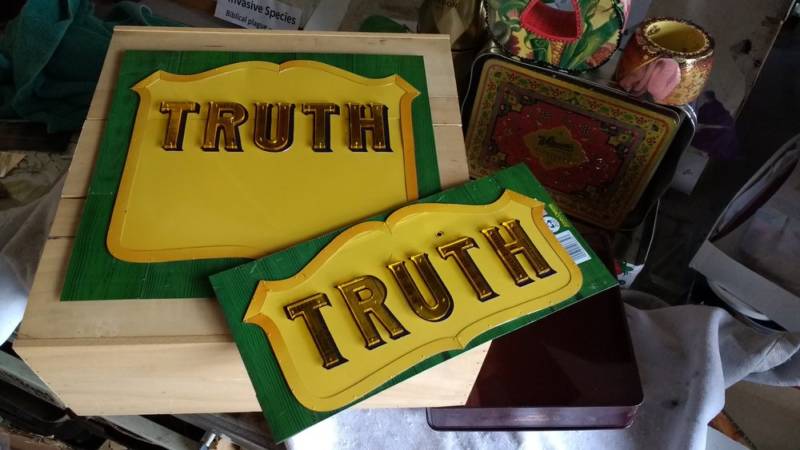
"caption": "Harriete Estel Berman's \"Truth\" fruit crate label inspired by the California Citrus label of a similar design. ",
"description": "Harriete Estel Berman's \"Truth\" fruit crate label inspired by the California Citrus label of a similar design. ",
"title": "Harriete Estel Berman's \"Truth\" fruit crate label inspired by the California Citrus label of a similar design.",
"credit": "Courtesy of Harriete Estel Berman",
"status": "inherit",
"isLoading": false,
"fetchFailed": false
},
"arts_13079112": {
"type": "attachments",
"id": "arts_13079112",
"meta": {
"index": "attachments_1716263798",
"site": "arts",
"id": "13079112",
"found": true
},
"parent": 13065329,
"imgSizes": {
"small": {
"file": "https://ww2.kqed.org/app/uploads/sites/2/2017/04/JulzHaleMary.Lab_.MAIN_-520x293.jpg",
"width": 520,
"mimeType": "image/jpeg",
"height": 293
},
"twentyfourteen-full-width": {
"file": "https://ww2.kqed.org/app/uploads/sites/2/2017/04/JulzHaleMary.Lab_.MAIN_-1038x576.jpg",
"width": 1038,
"mimeType": "image/jpeg",
"height": 576
},
"thumbnail": {
"file": "https://ww2.kqed.org/app/uploads/sites/2/2017/04/JulzHaleMary.Lab_.MAIN_-160x90.jpg",
"width": 160,
"mimeType": "image/jpeg",
"height": 90
},
"fd-sm": {
"file": "https://ww2.kqed.org/app/uploads/sites/2/2017/04/JulzHaleMary.Lab_.MAIN_-960x540.jpg",
"width": 960,
"mimeType": "image/jpeg",
"height": 540
},
"post-thumbnail": {
"file": "https://ww2.kqed.org/app/uploads/sites/2/2017/04/JulzHaleMary.Lab_.MAIN_-672x372.jpg",
"width": 672,
"mimeType": "image/jpeg",
"height": 372
},
"xsmall": {
"file": "https://ww2.kqed.org/app/uploads/sites/2/2017/04/JulzHaleMary.Lab_.MAIN_-375x211.jpg",
"width": 375,
"mimeType": "image/jpeg",
"height": 211
},
"kqedFullSize": {
"file": "https://ww2.kqed.org/app/uploads/sites/2/2017/04/JulzHaleMary.Lab_.MAIN_.jpg",
"width": 1920,
"height": 1080
},
"large": {
"file": "https://ww2.kqed.org/app/uploads/sites/2/2017/04/JulzHaleMary.Lab_.MAIN_-1020x574.jpg",
"width": 1020,
"mimeType": "image/jpeg",
"height": 574
},
"xlarge": {
"file": "https://ww2.kqed.org/app/uploads/sites/2/2017/04/JulzHaleMary.Lab_.MAIN_-1180x664.jpg",
"width": 1180,
"mimeType": "image/jpeg",
"height": 664
},
"guest-author-50": {
"file": "https://ww2.kqed.org/app/uploads/sites/2/2017/04/JulzHaleMary.Lab_.MAIN_-50x50.jpg",
"width": 50,
"mimeType": "image/jpeg",
"height": 50
},
"guest-author-96": {
"file": "https://ww2.kqed.org/app/uploads/sites/2/2017/04/JulzHaleMary.Lab_.MAIN_-96x96.jpg",
"width": 96,
"mimeType": "image/jpeg",
"height": 96
},
"medium": {
"file": "https://ww2.kqed.org/app/uploads/sites/2/2017/04/JulzHaleMary.Lab_.MAIN_-800x450.jpg",
"width": 800,
"mimeType": "image/jpeg",
"height": 450
},
"guest-author-64": {
"file": "https://ww2.kqed.org/app/uploads/sites/2/2017/04/JulzHaleMary.Lab_.MAIN_-64x64.jpg",
"width": 64,
"mimeType": "image/jpeg",
"height": 64
},
"guest-author-32": {
"file": "https://ww2.kqed.org/app/uploads/sites/2/2017/04/JulzHaleMary.Lab_.MAIN_-32x32.jpg",
"width": 32,
"mimeType": "image/jpeg",
"height": 32
},
"fd-lrg": {
"file": "https://ww2.kqed.org/app/uploads/sites/2/2017/04/JulzHaleMary.Lab_.MAIN_-1920x1080.jpg",
"width": 1920,
"mimeType": "image/jpeg",
"height": 1080
},
"fd-med": {
"file": "https://ww2.kqed.org/app/uploads/sites/2/2017/04/JulzHaleMary.Lab_.MAIN_-1180x664.jpg",
"width": 1180,
"mimeType": "image/jpeg",
"height": 664
},
"full-width": {
"file": "https://ww2.kqed.org/app/uploads/sites/2/2017/04/JulzHaleMary.Lab_.MAIN_-1920x1080.jpg",
"width": 1920,
"mimeType": "image/jpeg",
"height": 1080
},
"detail": {
"file": "https://ww2.kqed.org/app/uploads/sites/2/2017/04/JulzHaleMary.Lab_.MAIN_-150x150.jpg",
"width": 150,
"mimeType": "image/jpeg",
"height": 150
},
"medium_large": {
"file": "https://ww2.kqed.org/app/uploads/sites/2/2017/04/JulzHaleMary.Lab_.MAIN_-768x432.jpg",
"width": 768,
"mimeType": "image/jpeg",
"height": 432
},
"guest-author-128": {
"file": "https://ww2.kqed.org/app/uploads/sites/2/2017/04/JulzHaleMary.Lab_.MAIN_-128x128.jpg",
"width": 128,
"mimeType": "image/jpeg",
"height": 128
},
"xxsmall": {
"file": "https://ww2.kqed.org/app/uploads/sites/2/2017/04/JulzHaleMary.Lab_.MAIN_-240x135.jpg",
"width": 240,
"mimeType": "image/jpeg",
"height": 135
}
},
"publishDate": 1492645531,
"modified": 1492645572,
"caption": "Sophia Wang dressed for 'Trauma is a Party (of One).'",
"description": "Sophia Wang dressed for 'Trauma is a Party (of One).'",
"title": "JulzHaleMary.Lab.MAIN",
"credit": "Courtesy ROBERT DIVERS HERRICK",
"status": "inherit",
"isLoading": false,
"fetchFailed": false
},
"arts_13042307": {
"type": "attachments",
"id": "arts_13042307",
"meta": {
"index": "attachments_1716263798",
"site": "arts",
"id": "13042307",
"found": true
},
"parent": 13039627,
"imgSizes": {
"small": {
"file": "https://ww2.kqed.org/app/uploads/sites/2/2017/04/1086-Deyoung-COVER-520x293.jpg",
"width": 520,
"mimeType": "image/jpeg",
"height": 293
},
"twentyfourteen-full-width": {
"file": "https://ww2.kqed.org/app/uploads/sites/2/2017/04/1086-Deyoung-COVER-1038x576.jpg",
"width": 1038,
"mimeType": "image/jpeg",
"height": 576
},
"thumbnail": {
"file": "https://ww2.kqed.org/app/uploads/sites/2/2017/04/1086-Deyoung-COVER-160x90.jpg",
"width": 160,
"mimeType": "image/jpeg",
"height": 90
},
"fd-sm": {
"file": "https://ww2.kqed.org/app/uploads/sites/2/2017/04/1086-Deyoung-COVER-960x540.jpg",
"width": 960,
"mimeType": "image/jpeg",
"height": 540
},
"post-thumbnail": {
"file": "https://ww2.kqed.org/app/uploads/sites/2/2017/04/1086-Deyoung-COVER-672x372.jpg",
"width": 672,
"mimeType": "image/jpeg",
"height": 372
},
"xsmall": {
"file": "https://ww2.kqed.org/app/uploads/sites/2/2017/04/1086-Deyoung-COVER-375x211.jpg",
"width": 375,
"mimeType": "image/jpeg",
"height": 211
},
"kqedFullSize": {
"file": "https://ww2.kqed.org/app/uploads/sites/2/2017/04/1086-Deyoung-COVER.jpg",
"width": 1920,
"height": 1080
},
"large": {
"file": "https://ww2.kqed.org/app/uploads/sites/2/2017/04/1086-Deyoung-COVER-1020x574.jpg",
"width": 1020,
"mimeType": "image/jpeg",
"height": 574
},
"xlarge": {
"file": "https://ww2.kqed.org/app/uploads/sites/2/2017/04/1086-Deyoung-COVER-1180x664.jpg",
"width": 1180,
"mimeType": "image/jpeg",
"height": 664
},
"guest-author-50": {
"file": "https://ww2.kqed.org/app/uploads/sites/2/2017/04/1086-Deyoung-COVER-50x50.jpg",
"width": 50,
"mimeType": "image/jpeg",
"height": 50
},
"guest-author-96": {
"file": "https://ww2.kqed.org/app/uploads/sites/2/2017/04/1086-Deyoung-COVER-96x96.jpg",
"width": 96,
"mimeType": "image/jpeg",
"height": 96
},
"medium": {
"file": "https://ww2.kqed.org/app/uploads/sites/2/2017/04/1086-Deyoung-COVER-800x450.jpg",
"width": 800,
"mimeType": "image/jpeg",
"height": 450
},
"guest-author-64": {
"file": "https://ww2.kqed.org/app/uploads/sites/2/2017/04/1086-Deyoung-COVER-64x64.jpg",
"width": 64,
"mimeType": "image/jpeg",
"height": 64
},
"guest-author-32": {
"file": "https://ww2.kqed.org/app/uploads/sites/2/2017/04/1086-Deyoung-COVER-32x32.jpg",
"width": 32,
"mimeType": "image/jpeg",
"height": 32
},
"fd-lrg": {
"file": "https://ww2.kqed.org/app/uploads/sites/2/2017/04/1086-Deyoung-COVER-1920x1080.jpg",
"width": 1920,
"mimeType": "image/jpeg",
"height": 1080
},
"fd-med": {
"file": "https://ww2.kqed.org/app/uploads/sites/2/2017/04/1086-Deyoung-COVER-1180x664.jpg",
"width": 1180,
"mimeType": "image/jpeg",
"height": 664
},
"full-width": {
"file": "https://ww2.kqed.org/app/uploads/sites/2/2017/04/1086-Deyoung-COVER-1920x1080.jpg",
"width": 1920,
"mimeType": "image/jpeg",
"height": 1080
},
"detail": {
"file": "https://ww2.kqed.org/app/uploads/sites/2/2017/04/1086-Deyoung-COVER-150x150.jpg",
"width": 150,
"mimeType": "image/jpeg",
"height": 150
},
"medium_large": {
"file": "https://ww2.kqed.org/app/uploads/sites/2/2017/04/1086-Deyoung-COVER-768x432.jpg",
"width": 768,
"mimeType": "image/jpeg",
"height": 432
},
"guest-author-128": {
"file": "https://ww2.kqed.org/app/uploads/sites/2/2017/04/1086-Deyoung-COVER-128x128.jpg",
"width": 128,
"mimeType": "image/jpeg",
"height": 128
},
"xxsmall": {
"file": "https://ww2.kqed.org/app/uploads/sites/2/2017/04/1086-Deyoung-COVER-240x135.jpg",
"width": 240,
"mimeType": "image/jpeg",
"height": 135
}
},
"publishDate": 1492022385,
"modified": 1492022438,
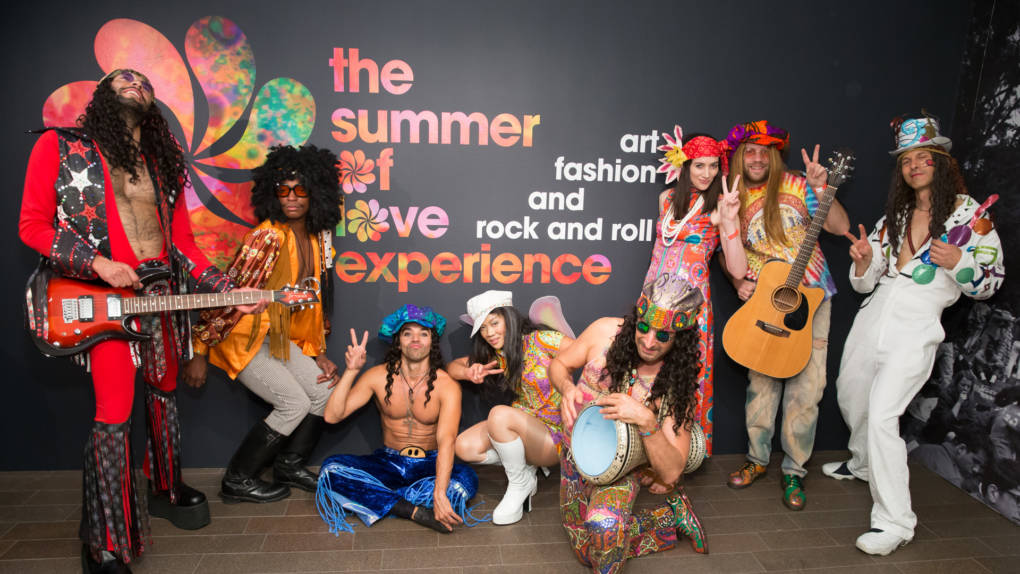
"caption": "Performers at 'The Summer of Love Experience' donor reception at de Young Museum.",
"description": "Performers at 'The Summer of Love Experience' donor reception at de Young Museum.",
"title": "The Summer of Love Experience Donor Reception",
"credit": "Devlin Shand for Drew Altizer Photography",
"status": "inherit",
"isLoading": false,
"fetchFailed": false
},
"pop_71434": {
"type": "attachments",
"id": "pop_71434",
"meta": {
"index": "attachments_1716263798",
"site": "pop",
"id": "71434",
"found": true
},
"parent": 71433,
"imgSizes": {
"small": {
"file": "https://ww2.kqed.org/app/uploads/sites/12/2017/03/gettyimages-642134888-684b52d092e804e93b27465ef63a95effc229af4-520x389.jpg",
"width": 520,
"mimeType": "image/jpeg",
"height": 389
},
"twentyfourteen-full-width": {
"file": "https://ww2.kqed.org/app/uploads/sites/12/2017/03/gettyimages-642134888-684b52d092e804e93b27465ef63a95effc229af4-1038x576.jpg",
"width": 1038,
"mimeType": "image/jpeg",
"height": 576
},
"thumbnail": {
"file": "https://ww2.kqed.org/app/uploads/sites/12/2017/03/gettyimages-642134888-684b52d092e804e93b27465ef63a95effc229af4-160x120.jpg",
"width": 160,
"mimeType": "image/jpeg",
"height": 120
},
"fd-sm": {
"file": "https://ww2.kqed.org/app/uploads/sites/12/2017/03/gettyimages-642134888-684b52d092e804e93b27465ef63a95effc229af4-960x719.jpg",
"width": 960,
"mimeType": "image/jpeg",
"height": 719
},
"post-thumbnail": {
"file": "https://ww2.kqed.org/app/uploads/sites/12/2017/03/gettyimages-642134888-684b52d092e804e93b27465ef63a95effc229af4-672x372.jpg",
"width": 672,
"mimeType": "image/jpeg",
"height": 372
},
"xsmall": {
"file": "https://ww2.kqed.org/app/uploads/sites/12/2017/03/gettyimages-642134888-684b52d092e804e93b27465ef63a95effc229af4-375x281.jpg",
"width": 375,
"mimeType": "image/jpeg",
"height": 281
},
"kqedFullSize": {
"file": "https://ww2.kqed.org/app/uploads/sites/12/2017/03/gettyimages-642134888-684b52d092e804e93b27465ef63a95effc229af4.jpg",
"width": 3154,
"height": 2362
},
"large": {
"file": "https://ww2.kqed.org/app/uploads/sites/12/2017/03/gettyimages-642134888-684b52d092e804e93b27465ef63a95effc229af4-1020x764.jpg",
"width": 1020,
"mimeType": "image/jpeg",
"height": 764
},
"xlarge": {
"file": "https://ww2.kqed.org/app/uploads/sites/12/2017/03/gettyimages-642134888-684b52d092e804e93b27465ef63a95effc229af4-1180x884.jpg",
"width": 1180,
"mimeType": "image/jpeg",
"height": 884
},
"guest-author-50": {
"file": "https://ww2.kqed.org/app/uploads/sites/12/2017/03/gettyimages-642134888-684b52d092e804e93b27465ef63a95effc229af4-50x50.jpg",
"width": 50,
"mimeType": "image/jpeg",
"height": 50
},
"guest-author-96": {
"file": "https://ww2.kqed.org/app/uploads/sites/12/2017/03/gettyimages-642134888-684b52d092e804e93b27465ef63a95effc229af4-96x96.jpg",
"width": 96,
"mimeType": "image/jpeg",
"height": 96
},
"medium": {
"file": "https://ww2.kqed.org/app/uploads/sites/12/2017/03/gettyimages-642134888-684b52d092e804e93b27465ef63a95effc229af4-800x599.jpg",
"width": 800,
"mimeType": "image/jpeg",
"height": 599
},
"guest-author-64": {
"file": "https://ww2.kqed.org/app/uploads/sites/12/2017/03/gettyimages-642134888-684b52d092e804e93b27465ef63a95effc229af4-64x64.jpg",
"width": 64,
"mimeType": "image/jpeg",
"height": 64
},
"guest-author-32": {
"file": "https://ww2.kqed.org/app/uploads/sites/12/2017/03/gettyimages-642134888-684b52d092e804e93b27465ef63a95effc229af4-32x32.jpg",
"width": 32,
"mimeType": "image/jpeg",
"height": 32
},
"fd-lrg": {
"file": "https://ww2.kqed.org/app/uploads/sites/12/2017/03/gettyimages-642134888-684b52d092e804e93b27465ef63a95effc229af4-1920x1438.jpg",
"width": 1920,
"mimeType": "image/jpeg",
"height": 1438
},
"fd-med": {
"file": "https://ww2.kqed.org/app/uploads/sites/12/2017/03/gettyimages-642134888-684b52d092e804e93b27465ef63a95effc229af4-1180x884.jpg",
"width": 1180,
"mimeType": "image/jpeg",
"height": 884
},
"full-width": {
"file": "https://ww2.kqed.org/app/uploads/sites/12/2017/03/gettyimages-642134888-684b52d092e804e93b27465ef63a95effc229af4-1920x1438.jpg",
"width": 1920,
"mimeType": "image/jpeg",
"height": 1438
},
"detail": {
"file": "https://ww2.kqed.org/app/uploads/sites/12/2017/03/gettyimages-642134888-684b52d092e804e93b27465ef63a95effc229af4-150x150.jpg",
"width": 150,
"mimeType": "image/jpeg",
"height": 150
},
"medium_large": {
"file": "https://ww2.kqed.org/app/uploads/sites/12/2017/03/gettyimages-642134888-684b52d092e804e93b27465ef63a95effc229af4-768x575.jpg",
"width": 768,
"mimeType": "image/jpeg",
"height": 575
},
"guest-author-128": {
"file": "https://ww2.kqed.org/app/uploads/sites/12/2017/03/gettyimages-642134888-684b52d092e804e93b27465ef63a95effc229af4-128x128.jpg",
"width": 128,
"mimeType": "image/jpeg",
"height": 128
},
"xxsmall": {
"file": "https://ww2.kqed.org/app/uploads/sites/12/2017/03/gettyimages-642134888-684b52d092e804e93b27465ef63a95effc229af4-240x180.jpg",
"width": 240,
"mimeType": "image/jpeg",
"height": 180
}
},
"publishDate": 1490333727,
"modified": 1490333774,
"caption": "Models pose at the end of the Marc Jacobs Runway Show at Park Avenue Armory on February 16, 2017 in New York City. In the past, Jacobs has been criticized for culturally insensitive runway shows. This year marked a change.",
"description": "Models pose at the end of the Marc Jacobs Runway Show at Park Avenue Armory on February 16, 2017 in New York City. In the past, Jacobs has been criticized for culturally insensitive runway shows. This year marked a change.",
"title": "Models pose at the end of the Marc Jacobs Runway Show at Park Avenue Armory on February 16, 2017 in New York City. In the past, Jacobs has been criticized for culturally insensitive runway shows. This year marked a change.",
"credit": "Photo: Peter White / Getty Images",
"status": "inherit",
"isLoading": false,
"fetchFailed": false
},
"arts_12758214": {
"type": "attachments",
"id": "arts_12758214",
"meta": {
"index": "attachments_1716263798",
"site": "arts",
"id": "12758214",
"found": true
},
"parent": 12758159,
"imgSizes": {
"small": {
"file": "https://ww2.kqed.org/app/uploads/sites/2/2017/02/Response-to-Community-Security-e1486927291324-520x293.jpg",
"width": 520,
"mimeType": "image/jpeg",
"height": 293
},
"twentyfourteen-full-width": {
"file": "https://ww2.kqed.org/app/uploads/sites/2/2017/02/Response-to-Community-Security-640x576.jpg",
"width": 640,
"mimeType": "image/jpeg",
"height": 576
},
"thumbnail": {
"file": "https://ww2.kqed.org/app/uploads/sites/2/2017/02/Response-to-Community-Security-e1486927291324-160x90.jpg",
"width": 160,
"mimeType": "image/jpeg",
"height": 90
},
"post-thumbnail": {
"file": "https://ww2.kqed.org/app/uploads/sites/2/2017/02/Response-to-Community-Security-640x372.jpg",
"width": 640,
"mimeType": "image/jpeg",
"height": 372
},
"xsmall": {
"file": "https://ww2.kqed.org/app/uploads/sites/2/2017/02/Response-to-Community-Security-e1486927291324-375x212.jpg",
"width": 375,
"mimeType": "image/jpeg",
"height": 212
},
"kqedFullSize": {
"file": "https://ww2.kqed.org/app/uploads/sites/2/2017/02/Response-to-Community-Security-e1486927291324.jpg",
"width": 638,
"height": 360
},
"guest-author-50": {
"file": "https://ww2.kqed.org/app/uploads/sites/2/2017/02/Response-to-Community-Security-e1486927291324-50x50.jpg",
"width": 50,
"mimeType": "image/jpeg",
"height": 50
},
"guest-author-96": {
"file": "https://ww2.kqed.org/app/uploads/sites/2/2017/02/Response-to-Community-Security-e1486927291324-96x96.jpg",
"width": 96,
"mimeType": "image/jpeg",
"height": 96
},
"guest-author-64": {
"file": "https://ww2.kqed.org/app/uploads/sites/2/2017/02/Response-to-Community-Security-e1486927291324-64x64.jpg",
"width": 64,
"mimeType": "image/jpeg",
"height": 64
},
"guest-author-32": {
"file": "https://ww2.kqed.org/app/uploads/sites/2/2017/02/Response-to-Community-Security-e1486927291324-32x32.jpg",
"width": 32,
"mimeType": "image/jpeg",
"height": 32
},
"detail": {
"file": "https://ww2.kqed.org/app/uploads/sites/2/2017/02/Response-to-Community-Security-e1486927291324-150x150.jpg",
"width": 150,
"mimeType": "image/jpeg",
"height": 150
},
"guest-author-128": {
"file": "https://ww2.kqed.org/app/uploads/sites/2/2017/02/Response-to-Community-Security-e1486927291324-128x128.jpg",
"width": 128,
"mimeType": "image/jpeg",
"height": 128
},
"xxsmall": {
"file": "https://ww2.kqed.org/app/uploads/sites/2/2017/02/Response-to-Community-Security-e1486927291324-240x135.jpg",
"width": 240,
"mimeType": "image/jpeg",
"height": 135
}
},
"publishDate": 1486927239,
"modified": 1486927499,
"caption": "These Standing Rock earrings by T.K. Butler are part of the Oakland-based jewelry designer’s line of wearable art protesting key issues in the Trump agenda. ",
"description": "These Standing Rock earrings by T.K. Butler are part of the Oakland-based jewelry designer’s line of wearable art protesting key issues in the Trump agenda. ",
"title": "Response to Community Security",
"credit": "Photo: T.K. Butler",
"status": "inherit",
"isLoading": false,
"fetchFailed": false
},
"arts_12780561": {
"type": "attachments",
"id": "arts_12780561",
"meta": {
"index": "attachments_1716263798",
"site": "arts",
"id": "12780561",
"found": true
},
"parent": 12777422,
"imgSizes": {
"small": {
"file": "https://ww2.kqed.org/app/uploads/sites/2/2017/02/HotCouture.Main_-520x325.jpg",
"width": 520,
"mimeType": "image/jpeg",
"height": 325
},
"twentyfourteen-full-width": {
"file": "https://ww2.kqed.org/app/uploads/sites/2/2017/02/HotCouture.Main_-1038x576.jpg",
"width": 1038,
"mimeType": "image/jpeg",
"height": 576
},
"thumbnail": {
"file": "https://ww2.kqed.org/app/uploads/sites/2/2017/02/HotCouture.Main_-160x100.jpg",
"width": 160,
"mimeType": "image/jpeg",
"height": 100
},
"fd-sm": {
"file": "https://ww2.kqed.org/app/uploads/sites/2/2017/02/HotCouture.Main_-960x600.jpg",
"width": 960,
"mimeType": "image/jpeg",
"height": 600
},
"post-thumbnail": {
"file": "https://ww2.kqed.org/app/uploads/sites/2/2017/02/HotCouture.Main_-672x372.jpg",
"width": 672,
"mimeType": "image/jpeg",
"height": 372
},
"xsmall": {
"file": "https://ww2.kqed.org/app/uploads/sites/2/2017/02/HotCouture.Main_-375x234.jpg",
"width": 375,
"mimeType": "image/jpeg",
"height": 234
},
"kqedFullSize": {
"file": "https://ww2.kqed.org/app/uploads/sites/2/2017/02/HotCouture.Main_.jpg",
"width": 1920,
"height": 1199
},
"large": {
"file": "https://ww2.kqed.org/app/uploads/sites/2/2017/02/HotCouture.Main_-1020x637.jpg",
"width": 1020,
"mimeType": "image/jpeg",
"height": 637
},
"xlarge": {
"file": "https://ww2.kqed.org/app/uploads/sites/2/2017/02/HotCouture.Main_-1180x737.jpg",
"width": 1180,
"mimeType": "image/jpeg",
"height": 737
},
"guest-author-50": {
"file": "https://ww2.kqed.org/app/uploads/sites/2/2017/02/HotCouture.Main_-50x50.jpg",
"width": 50,
"mimeType": "image/jpeg",
"height": 50
},
"guest-author-96": {
"file": "https://ww2.kqed.org/app/uploads/sites/2/2017/02/HotCouture.Main_-96x96.jpg",
"width": 96,
"mimeType": "image/jpeg",
"height": 96
},
"medium": {
"file": "https://ww2.kqed.org/app/uploads/sites/2/2017/02/HotCouture.Main_-800x500.jpg",
"width": 800,
"mimeType": "image/jpeg",
"height": 500
},
"guest-author-64": {
"file": "https://ww2.kqed.org/app/uploads/sites/2/2017/02/HotCouture.Main_-64x64.jpg",
"width": 64,
"mimeType": "image/jpeg",
"height": 64
},
"guest-author-32": {
"file": "https://ww2.kqed.org/app/uploads/sites/2/2017/02/HotCouture.Main_-32x32.jpg",
"width": 32,
"mimeType": "image/jpeg",
"height": 32
},
"fd-lrg": {
"file": "https://ww2.kqed.org/app/uploads/sites/2/2017/02/HotCouture.Main_-1920x1199.jpg",
"width": 1920,
"mimeType": "image/jpeg",
"height": 1199
},
"fd-med": {
"file": "https://ww2.kqed.org/app/uploads/sites/2/2017/02/HotCouture.Main_-1180x737.jpg",
"width": 1180,
"mimeType": "image/jpeg",
"height": 737
},
"full-width": {
"file": "https://ww2.kqed.org/app/uploads/sites/2/2017/02/HotCouture.Main_-1920x1199.jpg",
"width": 1920,
"mimeType": "image/jpeg",
"height": 1199
},
"detail": {
"file": "https://ww2.kqed.org/app/uploads/sites/2/2017/02/HotCouture.Main_-150x150.jpg",
"width": 150,
"mimeType": "image/jpeg",
"height": 150
},
"medium_large": {
"file": "https://ww2.kqed.org/app/uploads/sites/2/2017/02/HotCouture.Main_-768x480.jpg",
"width": 768,
"mimeType": "image/jpeg",
"height": 480
},
"guest-author-128": {
"file": "https://ww2.kqed.org/app/uploads/sites/2/2017/02/HotCouture.Main_-128x128.jpg",
"width": 128,
"mimeType": "image/jpeg",
"height": 128
},
"xxsmall": {
"file": "https://ww2.kqed.org/app/uploads/sites/2/2017/02/HotCouture.Main_-240x150.jpg",
"width": 240,
"mimeType": "image/jpeg",
"height": 150
}
},
"publishDate": 1487356938,
"modified": 1487361139,
"caption": "The runway at 'Hot Couture,' the Crucible's annual fashion show.",
"description": "The runway at 'Hot Couture,' the Crucible's annual fashion show.",
"title": "The runway at 'Hot Couture,' the Crucible's annual fashion show.",
"credit": "Photo: Benjamin Michel",
"status": "inherit",
"isLoading": false,
"fetchFailed": false
},
"arts_12767124": {
"type": "attachments",
"id": "arts_12767124",
"meta": {
"index": "attachments_1716263798",
"site": "arts",
"id": "12767124",
"found": true
},
"parent": 12764195,
"imgSizes": {
"small": {
"file": "https://ww2.kqed.org/app/uploads/sites/2/2017/02/ARTS_CUSTOMEBIKES_2_BUG-520x293.jpg",
"width": 520,
"mimeType": "image/jpeg",
"height": 293
},
"twentyfourteen-full-width": {
"file": "https://ww2.kqed.org/app/uploads/sites/2/2017/02/ARTS_CUSTOMEBIKES_2_BUG-1038x576.jpg",
"width": 1038,
"mimeType": "image/jpeg",
"height": 576
},
"thumbnail": {
"file": "https://ww2.kqed.org/app/uploads/sites/2/2017/02/ARTS_CUSTOMEBIKES_2_BUG-160x90.jpg",
"width": 160,
"mimeType": "image/jpeg",
"height": 90
},
"fd-sm": {
"file": "https://ww2.kqed.org/app/uploads/sites/2/2017/02/ARTS_CUSTOMEBIKES_2_BUG-960x540.jpg",
"width": 960,
"mimeType": "image/jpeg",
"height": 540
},
"post-thumbnail": {
"file": "https://ww2.kqed.org/app/uploads/sites/2/2017/02/ARTS_CUSTOMEBIKES_2_BUG-672x372.jpg",
"width": 672,
"mimeType": "image/jpeg",
"height": 372
},
"xsmall": {
"file": "https://ww2.kqed.org/app/uploads/sites/2/2017/02/ARTS_CUSTOMEBIKES_2_BUG-375x211.jpg",
"width": 375,
"mimeType": "image/jpeg",
"height": 211
},
"kqedFullSize": {
"file": "https://ww2.kqed.org/app/uploads/sites/2/2017/02/ARTS_CUSTOMEBIKES_2_BUG.jpg",
"width": 1920,
"height": 1080
},
"large": {
"file": "https://ww2.kqed.org/app/uploads/sites/2/2017/02/ARTS_CUSTOMEBIKES_2_BUG-1020x574.jpg",
"width": 1020,
"mimeType": "image/jpeg",
"height": 574
},
"xlarge": {
"file": "https://ww2.kqed.org/app/uploads/sites/2/2017/02/ARTS_CUSTOMEBIKES_2_BUG-1180x664.jpg",
"width": 1180,
"mimeType": "image/jpeg",
"height": 664
},
"guest-author-50": {
"file": "https://ww2.kqed.org/app/uploads/sites/2/2017/02/ARTS_CUSTOMEBIKES_2_BUG-50x50.jpg",
"width": 50,
"mimeType": "image/jpeg",
"height": 50
},
"guest-author-96": {
"file": "https://ww2.kqed.org/app/uploads/sites/2/2017/02/ARTS_CUSTOMEBIKES_2_BUG-96x96.jpg",
"width": 96,
"mimeType": "image/jpeg",
"height": 96
},
"medium": {
"file": "https://ww2.kqed.org/app/uploads/sites/2/2017/02/ARTS_CUSTOMEBIKES_2_BUG-800x450.jpg",
"width": 800,
"mimeType": "image/jpeg",
"height": 450
},
"guest-author-64": {
"file": "https://ww2.kqed.org/app/uploads/sites/2/2017/02/ARTS_CUSTOMEBIKES_2_BUG-64x64.jpg",
"width": 64,
"mimeType": "image/jpeg",
"height": 64
},
"guest-author-32": {
"file": "https://ww2.kqed.org/app/uploads/sites/2/2017/02/ARTS_CUSTOMEBIKES_2_BUG-32x32.jpg",
"width": 32,
"mimeType": "image/jpeg",
"height": 32
},
"fd-lrg": {
"file": "https://ww2.kqed.org/app/uploads/sites/2/2017/02/ARTS_CUSTOMEBIKES_2_BUG-1920x1080.jpg",
"width": 1920,
"mimeType": "image/jpeg",
"height": 1080
},
"fd-med": {
"file": "https://ww2.kqed.org/app/uploads/sites/2/2017/02/ARTS_CUSTOMEBIKES_2_BUG-1180x664.jpg",
"width": 1180,
"mimeType": "image/jpeg",
"height": 664
},
"full-width": {
"file": "https://ww2.kqed.org/app/uploads/sites/2/2017/02/ARTS_CUSTOMEBIKES_2_BUG-1920x1080.jpg",
"width": 1920,
"mimeType": "image/jpeg",
"height": 1080
},
"detail": {
"file": "https://ww2.kqed.org/app/uploads/sites/2/2017/02/ARTS_CUSTOMEBIKES_2_BUG-150x150.jpg",
"width": 150,
"mimeType": "image/jpeg",
"height": 150
},
"medium_large": {
"file": "https://ww2.kqed.org/app/uploads/sites/2/2017/02/ARTS_CUSTOMEBIKES_2_BUG-768x432.jpg",
"width": 768,
"mimeType": "image/jpeg",
"height": 432
},
"guest-author-128": {
"file": "https://ww2.kqed.org/app/uploads/sites/2/2017/02/ARTS_CUSTOMEBIKES_2_BUG-128x128.jpg",
"width": 128,
"mimeType": "image/jpeg",
"height": 128
},
"xxsmall": {
"file": "https://ww2.kqed.org/app/uploads/sites/2/2017/02/ARTS_CUSTOMEBIKES_2_BUG-240x135.jpg",
"width": 240,
"mimeType": "image/jpeg",
"height": 135
}
},
"publishDate": 1487094041,
"modified": 1487094041,
"caption": null,
"description": null,
"title": "ARTS_CUSTOMEBIKES_2_BUG",
"credit": null,
"status": "inherit",
"isLoading": false,
"fetchFailed": false
},
"arts_12767889": {
"type": "attachments",
"id": "arts_12767889",
"meta": {
"index": "attachments_1716263798",
"site": "arts",
"id": "12767889",
"found": true
},
"parent": 12767887,
"imgSizes": {
"small": {
"file": "https://ww2.kqed.org/app/uploads/sites/2/2017/02/Naeem-Khan-520x293.jpg",
"width": 520,
"mimeType": "image/jpeg",
"height": 293
},
"twentyfourteen-full-width": {
"file": "https://ww2.kqed.org/app/uploads/sites/2/2017/02/Naeem-Khan-1038x576.jpg",
"width": 1038,
"mimeType": "image/jpeg",
"height": 576
},
"thumbnail": {
"file": "https://ww2.kqed.org/app/uploads/sites/2/2017/02/Naeem-Khan-160x90.jpg",
"width": 160,
"mimeType": "image/jpeg",
"height": 90
},
"fd-sm": {
"file": "https://ww2.kqed.org/app/uploads/sites/2/2017/02/Naeem-Khan-960x540.jpg",
"width": 960,
"mimeType": "image/jpeg",
"height": 540
},
"post-thumbnail": {
"file": "https://ww2.kqed.org/app/uploads/sites/2/2017/02/Naeem-Khan-672x372.jpg",
"width": 672,
"mimeType": "image/jpeg",
"height": 372
},
"xsmall": {
"file": "https://ww2.kqed.org/app/uploads/sites/2/2017/02/Naeem-Khan-375x211.jpg",
"width": 375,
"mimeType": "image/jpeg",
"height": 211
},
"kqedFullSize": {
"file": "https://ww2.kqed.org/app/uploads/sites/2/2017/02/Naeem-Khan.jpg",
"width": 1920,
"height": 1080
},
"large": {
"file": "https://ww2.kqed.org/app/uploads/sites/2/2017/02/Naeem-Khan-1020x574.jpg",
"width": 1020,
"mimeType": "image/jpeg",
"height": 574
},
"xlarge": {
"file": "https://ww2.kqed.org/app/uploads/sites/2/2017/02/Naeem-Khan-1180x664.jpg",
"width": 1180,
"mimeType": "image/jpeg",
"height": 664
},
"guest-author-50": {
"file": "https://ww2.kqed.org/app/uploads/sites/2/2017/02/Naeem-Khan-50x50.jpg",
"width": 50,
"mimeType": "image/jpeg",
"height": 50
},
"guest-author-96": {
"file": "https://ww2.kqed.org/app/uploads/sites/2/2017/02/Naeem-Khan-96x96.jpg",
"width": 96,
"mimeType": "image/jpeg",
"height": 96
},
"medium": {
"file": "https://ww2.kqed.org/app/uploads/sites/2/2017/02/Naeem-Khan-800x450.jpg",
"width": 800,
"mimeType": "image/jpeg",
"height": 450
},
"guest-author-64": {
"file": "https://ww2.kqed.org/app/uploads/sites/2/2017/02/Naeem-Khan-64x64.jpg",
"width": 64,
"mimeType": "image/jpeg",
"height": 64
},
"guest-author-32": {
"file": "https://ww2.kqed.org/app/uploads/sites/2/2017/02/Naeem-Khan-32x32.jpg",
"width": 32,
"mimeType": "image/jpeg",
"height": 32
},
"fd-lrg": {
"file": "https://ww2.kqed.org/app/uploads/sites/2/2017/02/Naeem-Khan-1920x1080.jpg",
"width": 1920,
"mimeType": "image/jpeg",
"height": 1080
},
"fd-med": {
"file": "https://ww2.kqed.org/app/uploads/sites/2/2017/02/Naeem-Khan-1180x664.jpg",
"width": 1180,
"mimeType": "image/jpeg",
"height": 664
},
"full-width": {
"file": "https://ww2.kqed.org/app/uploads/sites/2/2017/02/Naeem-Khan-1920x1080.jpg",
"width": 1920,
"mimeType": "image/jpeg",
"height": 1080
},
"detail": {
"file": "https://ww2.kqed.org/app/uploads/sites/2/2017/02/Naeem-Khan-150x150.jpg",
"width": 150,
"mimeType": "image/jpeg",
"height": 150
},
"medium_large": {
"file": "https://ww2.kqed.org/app/uploads/sites/2/2017/02/Naeem-Khan-768x432.jpg",
"width": 768,
"mimeType": "image/jpeg",
"height": 432
},
"guest-author-128": {
"file": "https://ww2.kqed.org/app/uploads/sites/2/2017/02/Naeem-Khan-128x128.jpg",
"width": 128,
"mimeType": "image/jpeg",
"height": 128
},
"xxsmall": {
"file": "https://ww2.kqed.org/app/uploads/sites/2/2017/02/Naeem-Khan-240x135.jpg",
"width": 240,
"mimeType": "image/jpeg",
"height": 135
}
},
"publishDate": 1487109448,
"modified": 1487109591,
"caption": "Naeem Khan attends the Naeem Khan fashion show during New York Fashion Week in 2016. ",
"description": "Naeem Khan attends the Naeem Khan fashion show during New York Fashion Week in 2016. ",
"title": "Naeem Khan - Front Row - September 2016 - New York Fashion Week: The Shows",
"credit": "Photo: Nicholas Hunt/Getty Images for New York Fashion Week: The Shows",
"status": "inherit",
"isLoading": false,
"fetchFailed": false
}
},
"audioPlayerReducer": {
"postId": "stream_live",
"isPaused": true,
"isPlaying": false,
"pfsActive": false,
"pledgeModalIsOpen": true,
"playerDrawerIsOpen": false,
"liveAudioPlayStartedAt": 0,
"liveAudioPlayContext": ""
},
"authorsReducer": {
"byline_arts_13478980": {
"type": "authors",
"id": "byline_arts_13478980",
"meta": {
"override": true
},
"slug": "byline_arts_13478980",
"name": "Brooke Mazurek",
"isLoading": false
},
"byline_arts_13316454": {
"type": "authors",
"id": "byline_arts_13316454",
"meta": {
"override": true
},
"slug": "byline_arts_13316454",
"name": "Estefany Gonzalez",
"isLoading": false
},
"byline_arts_13153432": {
"type": "authors",
"id": "byline_arts_13153432",
"meta": {
"override": true
},
"slug": "byline_arts_13153432",
"name": "Brooke Mazurek",
"isLoading": false
},
"byline_arts_13114488": {
"type": "authors",
"id": "byline_arts_13114488",
"meta": {
"override": true
},
"slug": "byline_arts_13114488",
"name": "Camila Domonoske",
"isLoading": false
},
"byline_pop_71433": {
"type": "authors",
"id": "byline_pop_71433",
"meta": {
"override": true
},
"slug": "byline_pop_71433",
"name": "Karen Grigsby Bates",
"isLoading": false
},
"byline_arts_12780562": {
"type": "authors",
"id": "byline_arts_12780562",
"meta": {
"override": true
},
"slug": "byline_arts_12780562",
"name": "Benjamin Michel",
"isLoading": false
},
"byline_arts_12764195": {
"type": "authors",
"id": "byline_arts_12764195",
"meta": {
"override": true
},
"slug": "byline_arts_12764195",
"name": "Isara Krieger and Kelly Whalen",
"isLoading": false
},
"byline_arts_12767887": {
"type": "authors",
"id": "byline_arts_12767887",
"meta": {
"override": true
},
"slug": "byline_arts_12767887",
"name": "Associated Press",
"isLoading": false
},
"shotchkiss": {
"type": "authors",
"id": "61",
"meta": {
"index": "authors_1716337520",
"id": "61",
"found": true
},
"name": "Sarah Hotchkiss",
"firstName": "Sarah",
"lastName": "Hotchkiss",
"slug": "shotchkiss",
"email": "shotchkiss@kqed.org",
"display_author_email": true,
"staff_mastheads": [
"arts"
],
"title": "Senior Editor",
"bio": "Sarah Hotchkiss is a San Francisco \u003ca href=\"http://www.sarahhotchkiss.com\">artist\u003c/a> and arts writer. In 2019, she received the Dorothea & Leo Rabkin Foundation grant for visual art journalism and in 2020 she received a Society of Professional Journalists, Northern California award for excellence in arts and culture reporting.",
"avatar": "https://secure.gravatar.com/avatar/bc662df144b3d27fd8b1b6f1c2a420d34e91e53154d411bb7ad353cc8b6cea8d?s=600&d=blank&r=g",
"twitter": null,
"bluesky": null,
"facebook": null,
"instagram": null,
"linkedin": null,
"sites": [
{
"site": "",
"roles": [
"editor"
]
},
{
"site": "arts",
"roles": [
"Contributor",
"administrator"
]
},
{
"site": "artschool",
"roles": [
"administrator"
]
},
{
"site": "news",
"roles": [
"editor"
]
},
{
"site": "pop",
"roles": [
"administrator"
]
},
{
"site": "bayareabites",
"roles": [
"editor"
]
},
{
"site": "spark",
"roles": [
"editor"
]
},
{
"site": "checkplease",
"roles": [
"editor"
]
}
],
"headData": {
"title": "Sarah Hotchkiss | KQED",
"description": "Senior Editor",
"ogImgSrc": "https://secure.gravatar.com/avatar/bc662df144b3d27fd8b1b6f1c2a420d34e91e53154d411bb7ad353cc8b6cea8d?s=600&d=blank&r=g",
"twImgSrc": "https://secure.gravatar.com/avatar/bc662df144b3d27fd8b1b6f1c2a420d34e91e53154d411bb7ad353cc8b6cea8d?s=600&d=blank&r=g"
},
"isLoading": false,
"link": "/author/shotchkiss"
},
"esilvers": {
"type": "authors",
"id": "7237",
"meta": {
"index": "authors_1716337520",
"id": "7237",
"found": true
},
"name": "Emma Silvers",
"firstName": "Emma",
"lastName": "Silvers",
"slug": "esilvers",
"email": "esilvers@kqed.org",
"display_author_email": false,
"staff_mastheads": [],
"title": "KQED Contributor",
"bio": "Emma Silvers is an editor at KQED Arts and a former digital producer at KQED News. Born and raised in the Bay Area, she has previously been an arts and entertainment editor at the \u003cem>San Francisco Chronicle\u003c/em>, \u003cem>SF Weekly\u003c/em> and the \u003cem>San Francisco Bay Guardian.\u003c/em> \u003ca href=\"https://www.emmasilvers.com\">Her work\u003c/a> has also appeared in \u003cem>Rolling Stone\u003c/em>, Pitchfork and \u003cem>Mother Jones\u003c/em>. In 2017 she was the recipient of the Society of Professional Journalists-Northern California's award for arts and culture reporting. In 1993 she \u003ca href=\"https://www.kqed.org/pop/16759/wait-what-my-coworker-was-a-voice-over-hyperventilator-for-jurassic-park\">hyperventilated in \u003cem>Jurassic Park\u003c/em>\u003c/a>.",
"avatar": "https://secure.gravatar.com/avatar/247beada39b88ea5759db1f51dba05cf?s=600&d=blank&r=g",
"twitter": "emmaruthless",
"facebook": null,
"instagram": null,
"linkedin": null,
"sites": [
{
"site": "arts",
"roles": [
"editor"
]
},
{
"site": "news",
"roles": [
"editor"
]
},
{
"site": "pop",
"roles": [
"contributor"
]
},
{
"site": "bayareabites",
"roles": [
"editor"
]
},
{
"site": "food",
"roles": [
"contributor"
]
},
{
"site": "liveblog",
"roles": [
"editor"
]
}
],
"headData": {
"title": "Emma Silvers | KQED",
"description": "KQED Contributor",
"ogImgSrc": "https://secure.gravatar.com/avatar/247beada39b88ea5759db1f51dba05cf?s=600&d=blank&r=g",
"twImgSrc": "https://secure.gravatar.com/avatar/247beada39b88ea5759db1f51dba05cf?s=600&d=blank&r=g"
},
"isLoading": false,
"link": "/author/esilvers"
},
"cveltman": {
"type": "authors",
"id": "8608",
"meta": {
"index": "authors_1716337520",
"id": "8608",
"found": true
},
"name": "Chloe Veltman",
"firstName": "Chloe",
"lastName": "Veltman",
"slug": "cveltman",
"email": "cveltman@kqed.org",
"display_author_email": true,
"staff_mastheads": [],
"title": "Arts and Culture Reporter",
"bio": "Chloe Veltman is a former arts and culture reporter for KQED. Prior to joining the organization, she launched and led the arts bureau at Colorado Public Radio, served as the Bay Area's culture columnist for the New York Times, and was the founder, host and executive producer of VoiceBox, a national award-winning weekly podcast/radio show and live events series all about the human voice. Chloe is the recipient of numerous prizes, grants and fellowships including a Webby Award for her work on interactive storytelling, both the John S Knight Journalism Fellowship and Humanities Center Fellowship at Stanford University, the Sundance Arts Writing Fellowship and a Library of Congress Research Fellowship. She is the author of the book \"On Acting\" and has appeared as a guest lecturer at Yale University and the San Francisco Conservatory of Music among other institutions. She holds a BA in english literature from King's College, Cambridge, and a Masters in Dramaturgy from the Central School of Speech and Drama/Harvard Institute for Advanced Theater Training.\r\n\u003ca href=\"https://www.chloeveltman.com\">www.chloeveltman.com\u003c/a>",
"avatar": "https://secure.gravatar.com/avatar/55403394b00a1ddab683952c2eb2cf85?s=600&d=blank&r=g",
"twitter": "chloeveltman",
"facebook": null,
"instagram": null,
"linkedin": null,
"sites": [
{
"site": "arts",
"roles": []
},
{
"site": "news",
"roles": [
"author"
]
},
{
"site": "pop",
"roles": [
"editor"
]
},
{
"site": "science",
"roles": []
}
],
"headData": {
"title": "Chloe Veltman | KQED",
"description": "Arts and Culture Reporter",
"ogImgSrc": "https://secure.gravatar.com/avatar/55403394b00a1ddab683952c2eb2cf85?s=600&d=blank&r=g",
"twImgSrc": "https://secure.gravatar.com/avatar/55403394b00a1ddab683952c2eb2cf85?s=600&d=blank&r=g"
},
"isLoading": false,
"link": "/author/cveltman"
},
"crnoveno": {
"type": "authors",
"id": "11208",
"meta": {
"index": "authors_1716337520",
"id": "11208",
"found": true
},
"name": "Creo Noveno",
"firstName": "Creo",
"lastName": "Noveno",
"slug": "crnoveno",
"email": "creonoveno@gmail.com",
"display_author_email": false,
"staff_mastheads": [],
"title": "KQED Contributor",
"bio": null,
"avatar": "https://secure.gravatar.com/avatar/0df6606b8e36036309fd287052246d01?s=600&d=blank&r=g",
"twitter": null,
"facebook": null,
"instagram": null,
"linkedin": null,
"sites": [
{
"site": "arts",
"roles": [
"subscriber"
]
},
{
"site": "pop",
"roles": [
"contributor"
]
}
],
"headData": {
"title": "Creo Noveno | KQED",
"description": "KQED Contributor",
"ogImgSrc": "https://secure.gravatar.com/avatar/0df6606b8e36036309fd287052246d01?s=600&d=blank&r=g",
"twImgSrc": "https://secure.gravatar.com/avatar/0df6606b8e36036309fd287052246d01?s=600&d=blank&r=g"
},
"isLoading": false,
"link": "/author/crnoveno"
},
"sburke": {
"type": "authors",
"id": "11323",
"meta": {
"index": "authors_1716337520",
"id": "11323",
"found": true
},
"name": "Sarah Burke",
"firstName": "Sarah",
"lastName": "Burke",
"slug": "sburke",
"email": "sarahlburke@gmail.com",
"display_author_email": false,
"staff_mastheads": [],
"title": "KQED Contributor",
"bio": "Sarah Burke is a journalist, critic, and curator living and working in Oakland, California. She is a regular contributor to KQED's Culture Cue, for which she writes about topics at the intersection of art, culture, and identity. Her work has been recognized with first place awards from the American Association of Alternative Newsmedia and The Society of Professional Journalists. Previously, she served as Managing Editor at the \u003cem>East Bay Express\u003c/em>. Find her on twitter at \u003ca href=\"https://twitter.com/sarahlubyburke\">@sarahlubyburke. \u003c/a>",
"avatar": "https://secure.gravatar.com/avatar/ea2a423eaf2fff65d31ec42d2a88bb6b96668e41e653ffa1945172c043a786b2?s=600&d=blank&r=g",
"twitter": "sarahlubyburke",
"bluesky": null,
"facebook": null,
"instagram": null,
"linkedin": null,
"sites": [
{
"site": "arts",
"roles": [
"subscriber"
]
}
],
"headData": {
"title": "Sarah Burke | KQED",
"description": "KQED Contributor",
"ogImgSrc": "https://secure.gravatar.com/avatar/ea2a423eaf2fff65d31ec42d2a88bb6b96668e41e653ffa1945172c043a786b2?s=600&d=blank&r=g",
"twImgSrc": "https://secure.gravatar.com/avatar/ea2a423eaf2fff65d31ec42d2a88bb6b96668e41e653ffa1945172c043a786b2?s=600&d=blank&r=g"
},
"isLoading": false,
"link": "/author/sburke"
}
},
"pagesReducer": {
"arts_category_design": {
"type": "terms",
"id": "arts_76",
"meta": {
"index": "terms_1716263798",
"site": "arts",
"id": "76",
"score": 12.560158
},
"featImg": null,
"name": "Fashion/Design",
"description": null,
"taxonomy": "category",
"headData": {
"twImgId": null,
"twTitle": null,
"ogTitle": null,
"ogImgId": null,
"twDescription": null,
"description": null,
"title": "Fashion/Design Archives | KQED Arts",
"ogDescription": null
},
"ttid": 77,
"slug": "design",
"isLoading": false,
"title": "Fashion/Design",
"pageMeta": {
"site": "arts",
"WpPageTemplate": "page-topic-editorial",
"currentPage": 15
},
"blocks": [
{
"blockName": "kqed/post-list",
"attrs": {
"layout": "cardArticle2",
"query": "posts/arts?category=design",
"seeMore": false,
"paginated": true,
"page": 15
}
},
{
"blockName": "kqed/ad"
}
]
}
},
"pfsSessionReducer": {},
"postsReducer": {
"stream_live": {
"type": "live",
"id": "stream_live",
"audioUrl": "https://streams.kqed.org/kqedradio",
"title": "Live Stream",
"excerpt": "Live Stream information currently unavailable.",
"link": "/radio",
"featImg": "",
"label": {
"name": "KQED Live",
"link": "/"
}
},
"stream_kqedNewscast": {
"type": "posts",
"id": "stream_kqedNewscast",
"audioUrl": "https://www.kqed.org/.stream/anon/radio/RDnews/newscast.mp3?_=1",
"title": "KQED Newscast",
"featImg": "",
"label": {
"name": "88.5 FM",
"link": "/"
}
},
"arts_13478980": {
"type": "posts",
"id": "arts_13478980",
"meta": {
"index": "posts_1716263798",
"site": "arts",
"id": "13478980",
"score": null,
"sort": [
1497988808000
]
},
"parent": 0,
"labelTerm": {
"site": "arts",
"term": 137
},
"blocks": [],
"publishDate": 1497988808,
"format": "image",
"title": "Anita Pallenberg Was No Simple Muse",
"headTitle": "Anita Pallenberg Was No Simple Muse | KQED",
"content": "\u003cp>Arguably, no single rock musician has had a greater ripple effect on both men’s and women’s fashion than Keith Richards. Things that shouldn’t have made sense — from Nudie suits and scarves as belts, to cheetah-prints and graphic striped trousers mixed with polka dots — always looked effortless on him. Unbeknownst to many at the time, it was Anita Pallenberg’s closet from which Richard was pulling.\u003c/p>\n\u003cp>“As a kid I wanted to dress like Keith Richards, I wasn’t at all interested in women’s fashion, it was guys in bands I wanted to emulate,” British designer Pamela Hogg tells NPR Music. “But it was a long time before I realized Anita was behind all these great looks, they couldn’t help but be influenced by her amazing sense of style, it was contagious.” She and Pallenberg would eventually connect in a coffee shop in Paris in the 1980’s, and their friendship would result in Pallenberg walking Hogg’s runway during London Fashion Week in 2016.\u003c/p>\n\u003cp>When Pallenberg, a German-Italian actress and model, died last week at 73 she was remembered foremost, if headlines are any guide, as The Rolling Stones’ “muse and rock-star girlfriend of Keith Richards. She was, clearly, much more than that — an icon and creator in her own right, the baddest of the bad girls, an incendiary force who helped the Stones \u003cem>become \u003c/em>the Stones. Pallenberg was the one who shook the shy, awkward schoolboys out of the band’s system and helped extricate their inner outlaws. The truth is, it’s hard to imagine what the Rolling Stones would have would have looked like had Pallenberg never made her way backstage at a show in 1965.\u003c/p>\n\u003cfigure id=\"attachment_13478982\" class=\"wp-caption alignright\" style=\"max-width: 800px\">\u003cimg loading=\"lazy\" decoding=\"async\" src=\"https://ww2.kqed.org/arts/wp-content/uploads/sites/2/2017/06/gettyimages-187170584_vert-2bd40e2e2879e6b440b982b91d29ea649e1a9608-800x1066.jpg\" alt=\"Keith Richards with Anita Pallenberg in 1970.\" width=\"800\" height=\"1066\" class=\"size-medium wp-image-13478982\" srcset=\"https://cdn.kqed.org/wp-content/uploads/sites/2/2017/06/gettyimages-187170584_vert-2bd40e2e2879e6b440b982b91d29ea649e1a9608-800x1066.jpg 800w, https://cdn.kqed.org/wp-content/uploads/sites/2/2017/06/gettyimages-187170584_vert-2bd40e2e2879e6b440b982b91d29ea649e1a9608-160x213.jpg 160w, https://cdn.kqed.org/wp-content/uploads/sites/2/2017/06/gettyimages-187170584_vert-2bd40e2e2879e6b440b982b91d29ea649e1a9608-768x1024.jpg 768w, https://cdn.kqed.org/wp-content/uploads/sites/2/2017/06/gettyimages-187170584_vert-2bd40e2e2879e6b440b982b91d29ea649e1a9608-1020x1360.jpg 1020w, https://cdn.kqed.org/wp-content/uploads/sites/2/2017/06/gettyimages-187170584_vert-2bd40e2e2879e6b440b982b91d29ea649e1a9608-1920x2560.jpg 1920w, https://cdn.kqed.org/wp-content/uploads/sites/2/2017/06/gettyimages-187170584_vert-2bd40e2e2879e6b440b982b91d29ea649e1a9608-1180x1573.jpg 1180w, https://cdn.kqed.org/wp-content/uploads/sites/2/2017/06/gettyimages-187170584_vert-2bd40e2e2879e6b440b982b91d29ea649e1a9608-960x1280.jpg 960w, https://cdn.kqed.org/wp-content/uploads/sites/2/2017/06/gettyimages-187170584_vert-2bd40e2e2879e6b440b982b91d29ea649e1a9608-240x320.jpg 240w, https://cdn.kqed.org/wp-content/uploads/sites/2/2017/06/gettyimages-187170584_vert-2bd40e2e2879e6b440b982b91d29ea649e1a9608-375x500.jpg 375w, https://cdn.kqed.org/wp-content/uploads/sites/2/2017/06/gettyimages-187170584_vert-2bd40e2e2879e6b440b982b91d29ea649e1a9608-520x693.jpg 520w\" sizes=\"(max-width: 800px) 100vw, 800px\">\u003cfigcaption class=\"wp-caption-text\">Keith Richards with Anita Pallenberg in 1970. \u003ccite>(Mark and Colleen Hayward/Redferns)\u003c/cite>\u003c/figcaption>\u003c/figure>\n\u003cp>By the time she moved into an apartment with then-guitarist Brian Jones in 1966, The Rolling Stones had ditched its matching houndstooth coats for a mix of tailored blazers, skinny ties, slacks and polo shirts, in an attempt to out-fab the Fab Four. “The Beatles are all over the place, like a bag of f****** fleas, right? And you’ve got another good band. The thing is not to try and regurgitate the Beatles. So we’re going to have to be the anti-Beatles,” Richards wrote in his 2010 memoir, \u003cem>Life\u003c/em>.\u003c/p>\n\u003cp>From feathered boas, furs, satins and velvets, Pallenberg’s extravagant and imaginative style quickly became the band’s own. “[Anita and Brian] were both dauntless shoppers and excessively vain. Hours and hours were spent putting on clothes and taking them off again. Heaps of scarves, hats, shirts and boots flew out of drawers and trunks. Unending trying on of outfits, primping and sashaying,” Marianne Faithfull, a close friend of Pallenberg’s, wrote in her 2010 autobiography, \u003cem>Faithfull\u003c/em>. “I would sit mesmerized for hours, watching them preening in the mirror, trying on each other’s clothes. All roles and gender would evaporate in these narcissistic performances where Anita would turn Brian into the Sun King, Francoise Hardy or the mirror image of herself.”\u003c/p>\n\u003cp>[ad fullwidth]\u003c/p>\n\u003cp>The contrast of the Stones’ raw, blues-inflected sound with the decadence of their appearance would transform the band into cultural icons, not just pop stars. And unlike artists who come up with new looks for different album cycles, once the Stones began following Pallenberg’s lead, they continued cultivating that singular look for the decades to come. Within the band’s style entity, individual members had nuances — shimmying Mick Jagger, for example, was the more flamboyant of the bunch, while Charlie Watts opted for a more tailored look.\u003c/p>\n\u003cp>\u003c/p>\n\u003cp>Like Faithfull, who wrote that Pallenberg was “dazzling, beautiful, hypnotic and unsettling” and that “other women evaporated next to her,” Hogg concedes that, more than the clothes themselves, it was Pallenberg’s spirit that made her such a phenomenon. “Her personality made her style work, she was a free spirit with only her rules to follow or break. She had natural style, you can’t buy that. You instantly knew you were in the company of a caliber woman.” \u003c/p>\n\u003cdiv class=\"fullattribution\">Copyright 2017 NPR. To see more, visit http://www.npr.org/.\u003cimg decoding=\"async\" src=\"https://www.google-analytics.com/__utm.gif?utmac=UA-5828686-4&utmdt=Anita+Pallenberg+Was+No+Simple+Muse&utme=8(APIKey)9(MDAxOTAwOTE4MDEyMTkxMDAzNjczZDljZA004)\">\u003c/div>\n\n",
"stats": {
"hasVideo": false,
"hasChartOrMap": false,
"hasAudio": false,
"hasPolis": false,
"wordCount": 740,
"hasGoogleForm": false,
"hasGallery": false,
"hasHearkenModule": false,
"iframeSrcs": [],
"paragraphCount": 9
},
"modified": 1705030289,
"excerpt": "In the wake of her death last week at the age of 73, Pallenberg was most-often referred to as a 'girlfriend' — she was, in fact the source of The Rolling Stones' next-stage fashion sense.",
"headData": {
"twImgId": "",
"twTitle": "",
"ogTitle": "",
"ogImgId": "",
"twDescription": "",
"description": "In the wake of her death last week at the age of 73, Pallenberg was most-often referred to as a 'girlfriend' — she was, in fact the source of The Rolling Stones' next-stage fashion sense.",
"title": "Anita Pallenberg Was No Simple Muse | KQED",
"ogDescription": "",
"schema": {
"@context": "https://schema.org",
"@type": "Article",
"headline": "Anita Pallenberg Was No Simple Muse",
"datePublished": "2017-06-20T13:00:08-07:00",
"dateModified": "2024-01-11T19:31:29-08:00",
"image": "https://cdn.kqed.org/wp-content/uploads/2020/02/KQED-OG-Image@1x.png"
}
},
"guestAuthors": [],
"slug": "anita-pallenberg-was-no-simple-muse",
"status": "publish",
"nprApiLink": "http://api.npr.org/query?id=533665461&apiKey=MDAxOTAwOTE4MDEyMTkxMDAzNjczZDljZA004",
"nprByline": "Brooke Mazurek",
"nprStoryDate": "Tue, 20 Jun 2017 12:53:00 -0400",
"nprLastModifiedDate": "Tue, 20 Jun 2017 12:53:08 -0400",
"sticky": false,
"nprHtmlLink": "http://www.npr.org/sections/therecord/2017/06/20/533665461/anita-pallenberg-was-no-simple-muse?ft=nprml&f=533665461",
"nprImageAgency": "Getty Images",
"nprImageCredit": "Archivio Cameraphoto Epoche",
"nprStoryId": "533665461",
"nprRetrievedStory": "1",
"nprPubDate": "Tue, 20 Jun 2017 12:53:00 -0400",
"path": "/arts/13478980/anita-pallenberg-was-no-simple-muse",
"audioTrackLength": null,
"parsedContent": [
{
"type": "contentString",
"content": "\u003cdiv class=\"post-body\">\u003cp>\u003cp>Arguably, no single rock musician has had a greater ripple effect on both men’s and women’s fashion than Keith Richards. Things that shouldn’t have made sense — from Nudie suits and scarves as belts, to cheetah-prints and graphic striped trousers mixed with polka dots — always looked effortless on him. Unbeknownst to many at the time, it was Anita Pallenberg’s closet from which Richard was pulling.\u003c/p>\n\u003cp>“As a kid I wanted to dress like Keith Richards, I wasn’t at all interested in women’s fashion, it was guys in bands I wanted to emulate,” British designer Pamela Hogg tells NPR Music. “But it was a long time before I realized Anita was behind all these great looks, they couldn’t help but be influenced by her amazing sense of style, it was contagious.” She and Pallenberg would eventually connect in a coffee shop in Paris in the 1980’s, and their friendship would result in Pallenberg walking Hogg’s runway during London Fashion Week in 2016.\u003c/p>\n\u003cp>When Pallenberg, a German-Italian actress and model, died last week at 73 she was remembered foremost, if headlines are any guide, as The Rolling Stones’ “muse and rock-star girlfriend of Keith Richards. She was, clearly, much more than that — an icon and creator in her own right, the baddest of the bad girls, an incendiary force who helped the Stones \u003cem>become \u003c/em>the Stones. Pallenberg was the one who shook the shy, awkward schoolboys out of the band’s system and helped extricate their inner outlaws. The truth is, it’s hard to imagine what the Rolling Stones would have would have looked like had Pallenberg never made her way backstage at a show in 1965.\u003c/p>\n\u003cfigure id=\"attachment_13478982\" class=\"wp-caption alignright\" style=\"max-width: 800px\">\u003cimg loading=\"lazy\" decoding=\"async\" src=\"https://ww2.kqed.org/arts/wp-content/uploads/sites/2/2017/06/gettyimages-187170584_vert-2bd40e2e2879e6b440b982b91d29ea649e1a9608-800x1066.jpg\" alt=\"Keith Richards with Anita Pallenberg in 1970.\" width=\"800\" height=\"1066\" class=\"size-medium wp-image-13478982\" srcset=\"https://cdn.kqed.org/wp-content/uploads/sites/2/2017/06/gettyimages-187170584_vert-2bd40e2e2879e6b440b982b91d29ea649e1a9608-800x1066.jpg 800w, https://cdn.kqed.org/wp-content/uploads/sites/2/2017/06/gettyimages-187170584_vert-2bd40e2e2879e6b440b982b91d29ea649e1a9608-160x213.jpg 160w, https://cdn.kqed.org/wp-content/uploads/sites/2/2017/06/gettyimages-187170584_vert-2bd40e2e2879e6b440b982b91d29ea649e1a9608-768x1024.jpg 768w, https://cdn.kqed.org/wp-content/uploads/sites/2/2017/06/gettyimages-187170584_vert-2bd40e2e2879e6b440b982b91d29ea649e1a9608-1020x1360.jpg 1020w, https://cdn.kqed.org/wp-content/uploads/sites/2/2017/06/gettyimages-187170584_vert-2bd40e2e2879e6b440b982b91d29ea649e1a9608-1920x2560.jpg 1920w, https://cdn.kqed.org/wp-content/uploads/sites/2/2017/06/gettyimages-187170584_vert-2bd40e2e2879e6b440b982b91d29ea649e1a9608-1180x1573.jpg 1180w, https://cdn.kqed.org/wp-content/uploads/sites/2/2017/06/gettyimages-187170584_vert-2bd40e2e2879e6b440b982b91d29ea649e1a9608-960x1280.jpg 960w, https://cdn.kqed.org/wp-content/uploads/sites/2/2017/06/gettyimages-187170584_vert-2bd40e2e2879e6b440b982b91d29ea649e1a9608-240x320.jpg 240w, https://cdn.kqed.org/wp-content/uploads/sites/2/2017/06/gettyimages-187170584_vert-2bd40e2e2879e6b440b982b91d29ea649e1a9608-375x500.jpg 375w, https://cdn.kqed.org/wp-content/uploads/sites/2/2017/06/gettyimages-187170584_vert-2bd40e2e2879e6b440b982b91d29ea649e1a9608-520x693.jpg 520w\" sizes=\"(max-width: 800px) 100vw, 800px\">\u003cfigcaption class=\"wp-caption-text\">Keith Richards with Anita Pallenberg in 1970. \u003ccite>(Mark and Colleen Hayward/Redferns)\u003c/cite>\u003c/figcaption>\u003c/figure>\n\u003cp>By the time she moved into an apartment with then-guitarist Brian Jones in 1966, The Rolling Stones had ditched its matching houndstooth coats for a mix of tailored blazers, skinny ties, slacks and polo shirts, in an attempt to out-fab the Fab Four. “The Beatles are all over the place, like a bag of f****** fleas, right? And you’ve got another good band. The thing is not to try and regurgitate the Beatles. So we’re going to have to be the anti-Beatles,” Richards wrote in his 2010 memoir, \u003cem>Life\u003c/em>.\u003c/p>\n\u003cp>From feathered boas, furs, satins and velvets, Pallenberg’s extravagant and imaginative style quickly became the band’s own. “[Anita and Brian] were both dauntless shoppers and excessively vain. Hours and hours were spent putting on clothes and taking them off again. Heaps of scarves, hats, shirts and boots flew out of drawers and trunks. Unending trying on of outfits, primping and sashaying,” Marianne Faithfull, a close friend of Pallenberg’s, wrote in her 2010 autobiography, \u003cem>Faithfull\u003c/em>. “I would sit mesmerized for hours, watching them preening in the mirror, trying on each other’s clothes. All roles and gender would evaporate in these narcissistic performances where Anita would turn Brian into the Sun King, Francoise Hardy or the mirror image of herself.”\u003c/p>\n\u003cp>\u003c/p>\u003c/div>",
"attributes": {
"named": {},
"numeric": []
}
},
{
"type": "component",
"content": "",
"name": "ad",
"attributes": {
"named": {
"label": "fullwidth"
},
"numeric": [
"fullwidth"
]
}
},
{
"type": "contentString",
"content": "\u003cdiv class=\"post-body\">\u003cp>\u003c/p>\n\u003cp>The contrast of the Stones’ raw, blues-inflected sound with the decadence of their appearance would transform the band into cultural icons, not just pop stars. And unlike artists who come up with new looks for different album cycles, once the Stones began following Pallenberg’s lead, they continued cultivating that singular look for the decades to come. Within the band’s style entity, individual members had nuances — shimmying Mick Jagger, for example, was the more flamboyant of the bunch, while Charlie Watts opted for a more tailored look.\u003c/p>\n\u003cp>\u003c/p>\n\u003cp>Like Faithfull, who wrote that Pallenberg was “dazzling, beautiful, hypnotic and unsettling” and that “other women evaporated next to her,” Hogg concedes that, more than the clothes themselves, it was Pallenberg’s spirit that made her such a phenomenon. “Her personality made her style work, she was a free spirit with only her rules to follow or break. She had natural style, you can’t buy that. You instantly knew you were in the company of a caliber woman.” \u003c/p>\n\u003cdiv class=\"fullattribution\">Copyright 2017 NPR. To see more, visit http://www.npr.org/.\u003cimg decoding=\"async\" src=\"https://www.google-analytics.com/__utm.gif?utmac=UA-5828686-4&utmdt=Anita+Pallenberg+Was+No+Simple+Muse&utme=8(APIKey)9(MDAxOTAwOTE4MDEyMTkxMDAzNjczZDljZA004)\">\u003c/div>\n\n\u003c/div>\u003c/p>",
"attributes": {
"named": {},
"numeric": []
}
}
],
"link": "/arts/13478980/anita-pallenberg-was-no-simple-muse",
"authors": [
"byline_arts_13478980"
],
"categories": [
"arts_76",
"arts_69",
"arts_235"
],
"tags": [
"arts_1118",
"arts_596",
"arts_1091"
],
"affiliates": [
"arts_137"
],
"featImg": "arts_13478981",
"label": "arts_137"
},
"arts_13316454": {
"type": "posts",
"id": "arts_13316454",
"meta": {
"index": "posts_1716263798",
"site": "arts",
"id": "13316454",
"score": null,
"sort": [
1495901060000
]
},
"parent": 0,
"labelTerm": {
"site": "arts"
},
"blocks": [],
"publishDate": 1495901060,
"format": "image",
"title": "Photos: BottleRock 2017, Day One",
"headTitle": "Photos: BottleRock 2017, Day One | KQED",
"content": "\u003cp>BottleRock returned to the Napa Valley Friday, with a headlining set by \u003ca href=\"https://ww2.kqed.org/pop/2015/10/22/i-would-sincerely-like-to-meet-a-person-who-enjoys-maroon-5/\" target=\"_blank\" rel=\"noopener\">your favorite band\u003c/a> Maroon 5 and a lineup that included Modest Mouse, Macklemore, Silversun Pickups and more. \u003c/p>\n\u003cp>Our photographer Estefany Gonzalez was on the scene; click on a photo below to activate a slideshow from the day.\u003c/p>\n\u003cp>[gallery type=\"rectangular\" size=\"full\" ids=\"13316456,13316455,13316460,13316461,13316463,13316464,13316465,13316466,13316468,13316467,13316469,13316470,13316471,13316472,13316473,13316474,13316475,13316458,13316477,13316476,13316478,13316479,13316480,13316457,13316481,13316482,13316483,13316484,13316462,13316485,13316486,13316487,13316488,13316489,13316490,13316459,13316491,13316492,13316493\"]\u003c/p>\n\u003cp>[ad fullwidth]\u003c/p>\u003cp>\u003c/p>\n",
"stats": {
"hasVideo": false,
"hasChartOrMap": false,
"hasAudio": false,
"hasPolis": false,
"wordCount": 96,
"hasGoogleForm": false,
"hasGallery": true,
"hasHearkenModule": false,
"iframeSrcs": [],
"paragraphCount": 5
},
"modified": 1705030520,
"excerpt": "BottleRock rolled into Napa on Friday, with a headlining set by Maroon 5 and a lineup including Modest Mouse, Macklemore, Silversun Pickups and more. \r\n",
"headData": {
"twImgId": "",
"twTitle": "",
"ogTitle": "",
"ogImgId": "",
"twDescription": "",
"description": "BottleRock rolled into Napa on Friday, with a headlining set by Maroon 5 and a lineup including Modest Mouse, Macklemore, Silversun Pickups and more. \r\n",
"title": "Photos: BottleRock 2017, Day One | KQED",
"ogDescription": "",
"schema": {
"@context": "https://schema.org",
"@type": "Article",
"headline": "Photos: BottleRock 2017, Day One",
"datePublished": "2017-05-27T09:04:20-07:00",
"dateModified": "2024-01-11T19:35:20-08:00",
"image": "https://cdn.kqed.org/wp-content/uploads/2020/02/KQED-OG-Image@1x.png"
}
},
"guestAuthors": [],
"slug": "bottlerock-photos-maroon-5-macklemore-2017-day-one",
"status": "publish",
"nprByline": "Estefany Gonzalez",
"sticky": false,
"path": "/arts/13316454/bottlerock-photos-maroon-5-macklemore-2017-day-one",
"audioTrackLength": null,
"parsedContent": [
{
"type": "contentString",
"content": "\u003cdiv class=\"post-body\">\u003cp>\u003cp>BottleRock returned to the Napa Valley Friday, with a headlining set by \u003ca href=\"https://ww2.kqed.org/pop/2015/10/22/i-would-sincerely-like-to-meet-a-person-who-enjoys-maroon-5/\" target=\"_blank\" rel=\"noopener\">your favorite band\u003c/a> Maroon 5 and a lineup that included Modest Mouse, Macklemore, Silversun Pickups and more. \u003c/p>\n\u003cp>Our photographer Estefany Gonzalez was on the scene; click on a photo below to activate a slideshow from the day.\u003c/p>\n\u003cp>\u003c/p>\u003c/div>",
"attributes": {
"named": {},
"numeric": []
}
},
{
"type": "component",
"content": "",
"name": "gallery",
"attributes": {
"named": {
"type": "rectangular",
"size": "full",
"ids": "13316456,13316455,13316460,13316461,13316463,13316464,13316465,13316466,13316468,13316467,13316469,13316470,13316471,13316472,13316473,13316474,13316475,13316458,13316477,13316476,13316478,13316479,13316480,13316457,13316481,13316482,13316483,13316484,13316462,13316485,13316486,13316487,13316488,13316489,13316490,13316459,13316491,13316492,13316493",
"label": ""
},
"numeric": []
}
},
{
"type": "contentString",
"content": "\u003cdiv class=\"post-body\">\u003cp>\u003c/p>\n\u003cp>\u003c/p>\u003c/div>",
"attributes": {
"named": {},
"numeric": []
}
},
{
"type": "component",
"content": "",
"name": "ad",
"attributes": {
"named": {
"label": "fullwidth"
},
"numeric": [
"fullwidth"
]
}
},
{
"type": "contentString",
"content": "\u003cdiv class=\"post-body\">\u003cp>\u003c/p>\u003cp>\u003c/p>\n\u003c/div>\u003c/p>",
"attributes": {
"named": {},
"numeric": []
}
}
],
"link": "/arts/13316454/bottlerock-photos-maroon-5-macklemore-2017-day-one",
"authors": [
"byline_arts_13316454"
],
"categories": [
"arts_76",
"arts_69",
"arts_235"
],
"tags": [
"arts_1853",
"arts_1118",
"arts_1694",
"arts_596",
"arts_822"
],
"featImg": "arts_13316496",
"label": "arts"
},
"arts_13153432": {
"type": "posts",
"id": "arts_13153432",
"meta": {
"index": "posts_1716263798",
"site": "arts",
"id": "13153432",
"score": null,
"sort": [
1493834291000
]
},
"parent": 0,
"labelTerm": {
"site": "arts",
"term": 137
},
"blocks": [],
"publishDate": 1493834291,
"format": "standard",
"title": "Is Pharrell, the First Man to Model a Chanel Bag, Pushing Any Boundaries?",
"headTitle": "Is Pharrell, the First Man to Model a Chanel Bag, Pushing Any Boundaries? | KQED",
"content": "\u003cp>Last week, \u003ca href=\"http://www.npr.org/artists/122029835/pharrell-williams\" target=\"_blank\" rel=\"noopener\">Pharrell Williams\u003c/a> made history as the first man to ever front a handbag campaign for Chanel. In a \u003ca href=\"https://www.youtube.com/watch?v=EsrSVuY6Fto\" target=\"_blank\" rel=\"noopener\">video released\u003c/a> by the historic Parisian fashion house, the musician enters an empty soundstage wearing one of the brand’s tweed blazers, while the camera pans to the black alligator and lambskin hobo bag hanging beside him. Though Kristen Stewart, Cara Delevingne and couture muse Caroline de Maigret will also take part in the campaign, Karl Lagerfeld, who has helmed Chanel since 1983, said his intention was to show that the bag can be worn in “many different circumstances.” For instance, by men who may (or may not) be 11-time Grammy winners.\u003c/p>\n\u003cp>The partnership comes as gender binaries have become increasingly conflated on the runways over the past two years. Alessandro Michele’s \u003ca href=\"http://www.vogue.com/fashion-shows/fall-2017-menswear/gucci/slideshow/collection#21\" target=\"_blank\" rel=\"noopener\">Gucci collections\u003c/a> — an androgynous combustion of sequins, lace and all-over mesh — and \u003ca href=\"http://www.vogue.com/fashion-shows/fall-2017-ready-to-wear/calvin-klein#collection\" target=\"_blank\" rel=\"noopener\">Raf Simons’ debut runway for Calvin Klein\u003c/a> in February are two highly successful recent examples that have palpably set a different tone on the red carpet. Comfortably wearing Chanel womenswear isn’t entirely new for Pharrell either; he sported a peach tweed blazer for the 2016 Grammy Awards, walked the Metiers d’Art pre-fall runway in December at the Ritz Paris and regularly piles on the brand’s fine jewelry. He also dipped his toes in the unisex footwear market last year, creating a collection of super-saturated \u003ca href=\"http://footwearnews.com/2015/fashion/athletic-outdoor/pharrells-adidas-originals-supercolor-superstar-pack-19746/\" target=\"_blank\" rel=\"noopener\">Stan Smith sneakers for Adidas\u003c/a>, part of a partnership going back to 2014, that sold out in less than 48 hours.\u003c/p>\n\u003cp>https://www.instagram.com/p/BTm-74alTYt/\u003c/p>\n\u003cp>But Adidas sneakers — which have been part of the hip-hop conversation since before Run DMC’s \u003ca href=\"https://www.youtube.com/watch?v=JNua1lFDuDI\" target=\"_blank\" rel=\"noopener\">1986 song “My Adidas”\u003c/a> — are one thing. That the guy who got his start as one-half of the Neptunes and subsequently went on to produce music for Jay Z is suggesting straight men can and \u003cem>should\u003c/em> make their girlfriend’s handbag their own? It goes completely against the historically masculine core and “the clearly defined gender roles within the hip-hop world,” says Elena Romero, an Adjunct Assistant Professor at the Fashion Institute of Technology and the author of \u003cem>Free Stylin’: How Hip Hop Changed the Fashion Industry\u003c/em>.\u003c/p>\n\u003cp>You could argue that Pharrell’s Chanel is yet another thread woven into the long-established practice of male hip-hop artists challenging – or reorienting — gender identity and the associations of certain pieces by incorporating traditionally female elements into their aesthetic. Take, for example, the diamond studs that became a symbol of machismo and success in the 90’s when worn by hip-hop moguls like P. Diddy, Tupac and Jay Z. The adoption of skinny jeans in lieu of the oversized is another far-reaching, highly noticeable shift. Lace, which was historically worn by men in the 17th century to connote wealth and later\u003cstrong> \u003c/strong>came to epitomize bridal femininity, became bohemian when worn by Jimi Hendrix and flamboyant through Prince. But it was Wiz Khalifa, a burgeoning style star with a street-meets-stoner flare, who made the textile edgy when he sported an unbuttoned black lace blouse by Saint Laurent’s Hedi Slimane. (Khalifa’s style consultant \u003ca href=\"http://www.billboard.com/articles/columns/hip-hop/6866036/ian-connor-talks-working-kanye-west-waves\" target=\"_blank\" rel=\"noopener\">eventually went to work for Kanye\u003c/a>.) The heavily tattooed Atlanta rapper Young Thug, who has drawn comparisons to Andre 3000, stunned by slipping into a heavily ruffled Alessandro Trincone gown for the \u003ca href=\"https://itunes.apple.com/us/album/jeffery/id1146718343\" target=\"_blank\" rel=\"noopener\">cover of his 2016 mixtape\u003c/a>. And Jaden Smith, who has long promoted the importance of experimenting with personal style, wore head-to-toe womenswear for \u003ca href=\"https://www.fastcompany.com/3055076/jaden-smith-is-the-new-face-of-louis-vuitton-womenswear\" target=\"_blank\" rel=\"noopener\">Louis Vuitton’s Summer/Spring 2016 Final Fantasy-themed campaign\u003c/a>.\u003c/p>\n\u003cp>[ad fullwidth]\u003c/p>\n\u003cp>Whether or not you consider each of these to be fashion anomalies, they are all statements on masculinity within the hip-hop world.\u003c/p>\n\u003cp>But should we expect these boundaries to continue blurring? Romero doesn’t think so. “There are several artists who have taken fashion to an extreme — think Pharrell, Kanye, A$AP Rocky. However, eclectic dressing is for a few. I don’t see the average hip-hop head ever wearing skirts or traditional women’s clothes. Most guys look at this as being ‘gay’ and socially unacceptable.”\u003c/p>\n\u003cp>Instead, she points to early female rappers as the ones who had the greatest impact on gender identity. “In the early days of hip-hop, most young ladies dressed like the fellas, myself included. The exception would be the hairstyle and the accessories. We wore brass buckle name belts, shell-top Adidas, colored Lee jeans and Le Tigré shirts, sheepskin coats, and gazelle-style glasses just like the guys,” she says. “To some degree, early women in hip-hop dressed down as a way to fit in with the boys — whether through music, dance, or art. Once able to be comfortable in the spotlight, there was room to experiment.”\u003c/p>\n\u003cp>Essentially, early female hip-hop pioneers wanted to communicate the strength of their lyrical abilities, and therefore downplayed their sexuality as a means of letting their talent shine. Romero cites Roxanne Shante, Salt-N-Pepa, MC Lyte, and Queen Latifah — who brought an afro-centric sensibility — as examples. “Missy Elliot was super sporty,” she says. B-girls like Rokafella, as her name implied, had to ‘Rock like the fellas.'”\u003c/p>\n\u003cp>\u003c/p>\n\u003cp>One of the hip-hop world’s greatest problems, she says, is the over-sexualization of the black body and the notion that “selling sex is equally as important as demonstrating lyrical talent.” So while Pharrell’s decision to proudly wear the $4,000 Chanel handbag hopefully inspires more men to keep experimenting, maybe it’s time for women MC’s to start making their way into menswear campaigns. \u003c/p>\n\u003cdiv class=\"fullattribution\">Copyright 2017 NPR. To see more, visit http://www.npr.org/.\u003cimg decoding=\"async\" src=\"https://www.google-analytics.com/__utm.gif?utmac=UA-5828686-4&utmdt=Is+Pharrell%2C+The+First+Man+To+Model+A+Chanel+Bag%2C+Pushing+Any+Boundaries%3F&utme=8(APIKey)9(MDAxOTAwOTE4MDEyMTkxMDAzNjczZDljZA004)\">\u003c/div>\n\n",
"stats": {
"hasVideo": false,
"hasChartOrMap": false,
"hasAudio": false,
"hasPolis": false,
"wordCount": 997,
"hasGoogleForm": false,
"hasGallery": false,
"hasHearkenModule": false,
"iframeSrcs": [],
"paragraphCount": 11
},
"modified": 1705030762,
"excerpt": "In promoting a $4,000 handbag, is the producer widening the boundaries of hip-hop fashion?",
"headData": {
"twImgId": "",
"twTitle": "",
"ogTitle": "",
"ogImgId": "",
"twDescription": "",
"description": "In promoting a $4,000 handbag, is the producer widening the boundaries of hip-hop fashion?",
"title": "Is Pharrell, the First Man to Model a Chanel Bag, Pushing Any Boundaries? | KQED",
"ogDescription": "",
"schema": {
"@context": "https://schema.org",
"@type": "Article",
"headline": "Is Pharrell, the First Man to Model a Chanel Bag, Pushing Any Boundaries?",
"datePublished": "2017-05-03T10:58:11-07:00",
"dateModified": "2024-01-11T19:39:22-08:00",
"image": "https://cdn.kqed.org/wp-content/uploads/2020/02/KQED-OG-Image@1x.png"
}
},
"guestAuthors": [],
"slug": "is-pharrell-the-first-man-to-model-a-chanel-bag-pushing-any-boundaries",
"status": "publish",
"nprApiLink": "http://api.npr.org/query?id=526614279&apiKey=MDAxOTAwOTE4MDEyMTkxMDAzNjczZDljZA004",
"nprByline": "Brooke Mazurek",
"nprStoryDate": "Wed, 03 May 2017 09:30:00 -0400",
"nprLastModifiedDate": "Wed, 03 May 2017 10:39:23 -0400",
"sticky": false,
"nprHtmlLink": "http://www.npr.org/sections/therecord/2017/05/03/526614279/is-pharrell-the-first-man-to-model-a-chanel-bag-pushing-any-boundaries?ft=nprml&f=526614279",
"nprImageAgency": "Getty Images for CHANEL",
"nprImageCredit": "Donato Sardella",
"nprStoryId": "526614279",
"nprRetrievedStory": "1",
"nprPubDate": "Wed, 03 May 2017 10:39:00 -0400",
"path": "/arts/13153432/is-pharrell-the-first-man-to-model-a-chanel-bag-pushing-any-boundaries",
"audioTrackLength": null,
"parsedContent": [
{
"type": "contentString",
"content": "\u003cdiv class=\"post-body\">\u003cp>\u003cp>Last week, \u003ca href=\"http://www.npr.org/artists/122029835/pharrell-williams\" target=\"_blank\" rel=\"noopener\">Pharrell Williams\u003c/a> made history as the first man to ever front a handbag campaign for Chanel. In a \u003ca href=\"https://www.youtube.com/watch?v=EsrSVuY6Fto\" target=\"_blank\" rel=\"noopener\">video released\u003c/a> by the historic Parisian fashion house, the musician enters an empty soundstage wearing one of the brand’s tweed blazers, while the camera pans to the black alligator and lambskin hobo bag hanging beside him. Though Kristen Stewart, Cara Delevingne and couture muse Caroline de Maigret will also take part in the campaign, Karl Lagerfeld, who has helmed Chanel since 1983, said his intention was to show that the bag can be worn in “many different circumstances.” For instance, by men who may (or may not) be 11-time Grammy winners.\u003c/p>\n\u003cp>The partnership comes as gender binaries have become increasingly conflated on the runways over the past two years. Alessandro Michele’s \u003ca href=\"http://www.vogue.com/fashion-shows/fall-2017-menswear/gucci/slideshow/collection#21\" target=\"_blank\" rel=\"noopener\">Gucci collections\u003c/a> — an androgynous combustion of sequins, lace and all-over mesh — and \u003ca href=\"http://www.vogue.com/fashion-shows/fall-2017-ready-to-wear/calvin-klein#collection\" target=\"_blank\" rel=\"noopener\">Raf Simons’ debut runway for Calvin Klein\u003c/a> in February are two highly successful recent examples that have palpably set a different tone on the red carpet. Comfortably wearing Chanel womenswear isn’t entirely new for Pharrell either; he sported a peach tweed blazer for the 2016 Grammy Awards, walked the Metiers d’Art pre-fall runway in December at the Ritz Paris and regularly piles on the brand’s fine jewelry. He also dipped his toes in the unisex footwear market last year, creating a collection of super-saturated \u003ca href=\"http://footwearnews.com/2015/fashion/athletic-outdoor/pharrells-adidas-originals-supercolor-superstar-pack-19746/\" target=\"_blank\" rel=\"noopener\">Stan Smith sneakers for Adidas\u003c/a>, part of a partnership going back to 2014, that sold out in less than 48 hours.\u003c/p>\u003c/p>\u003c/div>",
"attributes": {
"named": {},
"numeric": []
}
},
{
"type": "component",
"content": "",
"name": "instagramLink",
"attributes": {
"named": {
"instagramUrl": "https://www.instagram.com/p/BTm-74alTYt/"
},
"numeric": []
}
},
{
"type": "contentString",
"content": "\u003cdiv class=\"post-body\">\u003cp>\u003cp>But Adidas sneakers — which have been part of the hip-hop conversation since before Run DMC’s \u003ca href=\"https://www.youtube.com/watch?v=JNua1lFDuDI\" target=\"_blank\" rel=\"noopener\">1986 song “My Adidas”\u003c/a> — are one thing. That the guy who got his start as one-half of the Neptunes and subsequently went on to produce music for Jay Z is suggesting straight men can and \u003cem>should\u003c/em> make their girlfriend’s handbag their own? It goes completely against the historically masculine core and “the clearly defined gender roles within the hip-hop world,” says Elena Romero, an Adjunct Assistant Professor at the Fashion Institute of Technology and the author of \u003cem>Free Stylin’: How Hip Hop Changed the Fashion Industry\u003c/em>.\u003c/p>\n\u003cp>You could argue that Pharrell’s Chanel is yet another thread woven into the long-established practice of male hip-hop artists challenging – or reorienting — gender identity and the associations of certain pieces by incorporating traditionally female elements into their aesthetic. Take, for example, the diamond studs that became a symbol of machismo and success in the 90’s when worn by hip-hop moguls like P. Diddy, Tupac and Jay Z. The adoption of skinny jeans in lieu of the oversized is another far-reaching, highly noticeable shift. Lace, which was historically worn by men in the 17th century to connote wealth and later\u003cstrong> \u003c/strong>came to epitomize bridal femininity, became bohemian when worn by Jimi Hendrix and flamboyant through Prince. But it was Wiz Khalifa, a burgeoning style star with a street-meets-stoner flare, who made the textile edgy when he sported an unbuttoned black lace blouse by Saint Laurent’s Hedi Slimane. (Khalifa’s style consultant \u003ca href=\"http://www.billboard.com/articles/columns/hip-hop/6866036/ian-connor-talks-working-kanye-west-waves\" target=\"_blank\" rel=\"noopener\">eventually went to work for Kanye\u003c/a>.) The heavily tattooed Atlanta rapper Young Thug, who has drawn comparisons to Andre 3000, stunned by slipping into a heavily ruffled Alessandro Trincone gown for the \u003ca href=\"https://itunes.apple.com/us/album/jeffery/id1146718343\" target=\"_blank\" rel=\"noopener\">cover of his 2016 mixtape\u003c/a>. And Jaden Smith, who has long promoted the importance of experimenting with personal style, wore head-to-toe womenswear for \u003ca href=\"https://www.fastcompany.com/3055076/jaden-smith-is-the-new-face-of-louis-vuitton-womenswear\" target=\"_blank\" rel=\"noopener\">Louis Vuitton’s Summer/Spring 2016 Final Fantasy-themed campaign\u003c/a>.\u003c/p>\n\u003cp>\u003c/p>\u003c/div>",
"attributes": {
"named": {},
"numeric": []
}
},
{
"type": "component",
"content": "",
"name": "ad",
"attributes": {
"named": {
"label": "fullwidth"
},
"numeric": [
"fullwidth"
]
}
},
{
"type": "contentString",
"content": "\u003cdiv class=\"post-body\">\u003cp>\u003c/p>\n\u003cp>Whether or not you consider each of these to be fashion anomalies, they are all statements on masculinity within the hip-hop world.\u003c/p>\n\u003cp>But should we expect these boundaries to continue blurring? Romero doesn’t think so. “There are several artists who have taken fashion to an extreme — think Pharrell, Kanye, A$AP Rocky. However, eclectic dressing is for a few. I don’t see the average hip-hop head ever wearing skirts or traditional women’s clothes. Most guys look at this as being ‘gay’ and socially unacceptable.”\u003c/p>\n\u003cp>Instead, she points to early female rappers as the ones who had the greatest impact on gender identity. “In the early days of hip-hop, most young ladies dressed like the fellas, myself included. The exception would be the hairstyle and the accessories. We wore brass buckle name belts, shell-top Adidas, colored Lee jeans and Le Tigré shirts, sheepskin coats, and gazelle-style glasses just like the guys,” she says. “To some degree, early women in hip-hop dressed down as a way to fit in with the boys — whether through music, dance, or art. Once able to be comfortable in the spotlight, there was room to experiment.”\u003c/p>\n\u003cp>Essentially, early female hip-hop pioneers wanted to communicate the strength of their lyrical abilities, and therefore downplayed their sexuality as a means of letting their talent shine. Romero cites Roxanne Shante, Salt-N-Pepa, MC Lyte, and Queen Latifah — who brought an afro-centric sensibility — as examples. “Missy Elliot was super sporty,” she says. B-girls like Rokafella, as her name implied, had to ‘Rock like the fellas.'”\u003c/p>\n\u003cp>\u003c/p>\n\u003cp>One of the hip-hop world’s greatest problems, she says, is the over-sexualization of the black body and the notion that “selling sex is equally as important as demonstrating lyrical talent.” So while Pharrell’s decision to proudly wear the $4,000 Chanel handbag hopefully inspires more men to keep experimenting, maybe it’s time for women MC’s to start making their way into menswear campaigns. \u003c/p>\n\u003cdiv class=\"fullattribution\">Copyright 2017 NPR. To see more, visit http://www.npr.org/.\u003cimg decoding=\"async\" src=\"https://www.google-analytics.com/__utm.gif?utmac=UA-5828686-4&utmdt=Is+Pharrell%2C+The+First+Man+To+Model+A+Chanel+Bag%2C+Pushing+Any+Boundaries%3F&utme=8(APIKey)9(MDAxOTAwOTE4MDEyMTkxMDAzNjczZDljZA004)\">\u003c/div>\n\n\u003c/div>\u003c/p>",
"attributes": {
"named": {},
"numeric": []
}
}
],
"link": "/arts/13153432/is-pharrell-the-first-man-to-model-a-chanel-bag-pushing-any-boundaries",
"authors": [
"byline_arts_13153432"
],
"categories": [
"arts_76",
"arts_235"
],
"tags": [
"arts_1448",
"arts_596"
],
"affiliates": [
"arts_137"
],
"featImg": "arts_13153433",
"label": "arts_137"
},
"arts_13114488": {
"type": "posts",
"id": "arts_13114488",
"meta": {
"index": "posts_1716263798",
"site": "arts",
"id": "13114488",
"score": null,
"sort": [
1493249581000
]
},
"guestAuthors": [],
"slug": "the-high-price-of-fake-authenticity-425-muddy-jeans-inspire-mockery",
"title": "The High Price of Fake Authenticity: $425 'Muddy' Jeans Inspire Mockery",
"publishDate": 1493249581,
"format": "standard",
"headTitle": "The High Price of Fake Authenticity: $425 ‘Muddy’ Jeans Inspire Mockery | KQED",
"labelTerm": {
"term": 137,
"site": "arts"
},
"content": "\u003cp>Straight-leg. Five-pocket. Medium-blue. And for the finishing touch, a “caked-on muddy coating.”\u003c/p>\n\u003cp>For just $425, \u003ca href=\"http://shop.nordstrom.com/s/prps-barracuda-straight-leg-jeans/4457245\" target=\"_blank\" rel=\"noopener\">these PRPS jeans\u003c/a> can be yours.\u003c/p>\n\u003cp>But you can make fun of them free. And that’s a bargain the Internet couldn’t pass up.\u003c/p>\n\u003cp>Now-deleted reviews on Nordstrom’s site celebrated the way the jeans mimicked the fruits of hard labor, “without ever having to leave my BMW.” “Perfectly match my stick on calluses,” one user wrote.\u003c/p>\n\u003cp>On social media, countless people made the same joke: Heck, \u003cem>I’ll\u003c/em> sell you pants like that …\u003c/p>\n\u003cp>[ad fullwidth]\u003c/p>\n\u003cp>The pants, according to their description on the Nordstrom site, “embody rugged, Americana workwear that’s seen some hard-working action” and show “you’re not afraid to get down and dirty.” Except, of course, the pants have never seen action and the wearer only \u003cem>looks \u003c/em>dirty. (The look is pretty convincing, though; there’s even some shine on that mud.)\u003c/p>\n\u003cp>Mike Rowe, the former host of \u003cem>Dirty Jobs \u003c/em>and a longtime advocate for the value of skilled trades, had one of the most popular, and most thoughtful, responses.\u003c/p>\n\u003cp>He noted that the fake-dirty jeans seem to value the \u003cem>idea \u003c/em>of work. “What they don’t value — obviously — is authenticity,” he \u003ca href=\"https://www.facebook.com/TheRealMikeRowe/posts/1512621355414669\" target=\"_blank\" rel=\"noopener\">wrote on Facebook\u003c/a>:\u003c/p>\n\u003cblockquote>\n\u003cp>“But forget the jeans themselves for a moment, and their price, and look again at the actual description. ‘Rugged Americana’ is now synonymous with a ‘caked-on, muddy coating.’ Not real mud. Fake mud. Something to foster the illusion of work. The illusion of effort. Or perhaps, for those who actually buy them, the illusion of sanity.\u003c/p>\n\u003cp>“The Barracuda Straight Leg Jeans aren’t pants. They’re not even fashion. They’re a costume for wealthy people who see work as ironic — not iconic.”\u003c/p>\n\u003c/blockquote>\n\u003cp>The jeans aren’t alone. PRPS, a premium denim brand known for its “heavily distressed” styles, offers other besmirched denim options, including a pair of pants “prominently defined” by \u003ca href=\"http://shop.nordstrom.com/s/prps-demon-slim-straight-leg-jeans/4457246?origin=keywordsearch-personalizedsort&fashioncolor=INDIGO\" target=\"_blank\" rel=\"noopener\">dirt smudges\u003c/a> and a “\u003ca href=\"http://shop.nordstrom.com/s/prps-mud-denim-jacket/4457254?origin=keywordsearch-personalizedsort&fashioncolor=INDIGO\" target=\"_blank\" rel=\"noopener\">mud denim jacket\u003c/a>” with “caked-on and baked-in muddy smears.” There are pants \u003ca href=\"http://shop.nordstrom.com/s/prps-barracuda-destroyed-straight-leg-jeans/4457247\" target=\"_blank\" rel=\"noopener\">destroyed\u003c/a> to the point of being “abstract art.”\u003c/p>\n\u003cp>Speaking of which, if you’d rather imitate a \u003cem>different \u003c/em>kind of work, you can purchase “slouchy joggers” \u003ca href=\"http://shop.nordstrom.com/s/prps-damiana-splatter-paint-stretch-woven-jogger-pants/4351559\" target=\"_blank\" rel=\"noopener\">with paint splatters\u003c/a> that look “as though they stepped straight out of the art studio.”\u003c/p>\n\u003cp>And if your first thought was, “just $425? Do they have anything pricier?” … well, yes. It’s not available on Nordstrom’s site, but PRPS does sell \u003ca href=\"https://www.prpsjeans.com/collections/prps-noir/products/demon-selvedge-spectrum?variant=31558021129\" target=\"_blank\" rel=\"noopener\">$900 selvedge jeans\u003c/a> with distinctly dirtlike stains.\u003c/p>\n\u003cp>The fake-mud-splattered PRPS jeans aren’t new; the look was featured in PRPS’s \u003ca href=\"http://shop.nordstrom.com/s/prps-damiana-splatter-paint-stretch-woven-jogger-pants/4351559\" target=\"_blank\" rel=\"noopener\">fall 2016 lineup\u003c/a>, though they didn’t hit the spotlight until this week.\u003c/p>\n\u003cp>“In all honesty, PRPS have been making jeans like this, with mud, oil, dirt, paint, distressing on mammoth scales for many years, and nobody has really spoken out about it,” says Lorna Burford, founder and editor of \u003ca href=\"http://thejeansblog.com/\" target=\"_blank\" rel=\"noopener\">The Jeans Blog\u003c/a>.\u003c/p>\n\u003cp>And the price tag, while high for premium denim, is pretty average for PRPS, she says. Burford thinks Nordstrom’s description of the jeans — actually invoking hard labor in the ad copy — might have been the reason these particular pants have taken so much flak.\u003c/p>\n\u003cp>Pricey dirty clothes aren’t just a premium-denim issue.\u003c/p>\n\u003cp>In \u003ca href=\"https://researchbank.rmit.edu.au/eserv/rmit:12001/Rhodes.pdf\" target=\"_blank\" rel=\"noopener\">a 2010 thesis\u003c/a> on “dressing poor,” Australian curator and editor Kate Louise Rhodes described the political implications of dirt “worn as a deliberate accessory” in high fashion.\u003c/p>\n\u003cp>She traced a brief history, from the intentional stains of Vivienne Westwood and Malcolm McLaren in the ’70s to literally moldy couture presented by Martin Margiela in the late ’90s — and countless examples of fake-torn or fake-stained garments.\u003c/p>\n\u003cp>Rhodes argued that such looks can generate an “aura of authenticity” while raising philosophical and moral questions about what it means to be mimicking stereotypes of poverty in the expensive world of high fashion.\u003c/p>\n\u003cp>Nordstorm has not responded to NPR’s inquiries. A spokesman for PRPS said the brand is not available for comment.\u003c/p>\n\u003cp>But the denim line provides a hint at its philosophy \u003ca href=\"https://www.prpsjeans.com/pages/about-us\">on its website\u003c/a> — where the idea of craft, precision and meticulous detail is applied to tears and smears.\u003c/p>\n\u003cp>“Each loving stitch and rip suggests a job well done,” PRPS writes at one point. At another, it says garments “stitch the soul of ancestral American jeans … onto modern silhouettes that bear the old stains proudly.”\u003c/p>\n\u003cp>And then there’s that pesky word: authenticity. The word pops up \u003ca href=\"https://twitter.com/ORMMexico/status/10039322084\">again\u003c/a> and \u003ca href=\"https://probusnyc.com/collections/prps-jeans\">again\u003c/a> as PRPS founder Donwan Harrell \u003ca href=\"https://denimology.com/2011/03/qa_with_donwan_harrell_-_founder_and_designer_of_prps_jeans_not_ready\">describes his values\u003c/a>.\u003c/p>\n\u003cp>The brand uses denim woven on vintage looms. Harrell started it in response to what he \u003ca href=\"http://www.gq-magazine.co.uk/article/japanese-selvedge-jeans-prps-denim-expert\">saw\u003c/a> as a lack\u003cem> \u003c/em>of “authentic” jeans on the market. Even the name — PRPS, as in Purpose — is a callback to a time when jeans were designed as workwear, with a real function.\u003c/p>\n\u003cp>In \u003ca href=\"https://www.youtube.com/watch?v=cj5UTzVP6fE\">an interview last year\u003c/a>, Harrell invoked authenticity — or the emulation thereof — as a core design principle.\u003c/p>\n\u003cp>\u003c/p>\n\u003cp>“Every significant detail within the jean is built for the purpose of looking authentic,” he said. \u003c/p>\n\u003cdiv class=\"fullattribution\">Copyright 2017 NPR. To see more, visit http://www.npr.org/.\u003cimg decoding=\"async\" src=\"https://www.google-analytics.com/__utm.gif?utmac=UA-5828686-4&utmdt=The+High+Price+Of+Fake+Authenticity%3A+%24425+%27Muddy%27+Jeans+Inspire+Mockery&utme=8(APIKey)9(MDAxOTAwOTE4MDEyMTkxMDAzNjczZDljZA004)\">\u003c/div>\n\n",
"blocks": [],
"excerpt": "This week, the Internet discovered that Nordstrom sells premium denim with a \"crackled, caked-on muddy coating\" — that is, fake dirt. Former \u003cem>Dirty Jobs\u003c/em> host Mike Rowe had some thoughts about that.",
"status": "publish",
"parent": 0,
"modified": 1726770892,
"stats": {
"hasAudio": false,
"hasVideo": false,
"hasChartOrMap": false,
"iframeSrcs": [],
"hasGoogleForm": false,
"hasGallery": false,
"hasHearkenModule": false,
"hasPolis": false,
"paragraphCount": 29,
"wordCount": 933
},
"headData": {
"title": "The High Price of Fake Authenticity: $425 'Muddy' Jeans Inspire Mockery | KQED",
"description": "This week, the Internet discovered that Nordstrom sells premium denim with a "crackled, caked-on muddy coating" — that is, fake dirt. Former Dirty Jobs host Mike Rowe had some thoughts about that.",
"ogTitle": "",
"ogDescription": "",
"ogImgId": "",
"twTitle": "",
"twDescription": "",
"twImgId": "",
"schema": {
"@context": "https://schema.org",
"@type": "Article",
"headline": "The High Price of Fake Authenticity: $425 'Muddy' Jeans Inspire Mockery",
"datePublished": "2017-04-26T16:33:01-07:00",
"dateModified": "2024-09-19T11:34:52-07:00",
"image": "https://cdn.kqed.org/wp-content/uploads/2020/02/KQED-OG-Image@1x.png"
}
},
"sticky": false,
"nprImageCredit": "Nordstrom",
"nprByline": "Camila Domonoske",
"nprImageAgency": "Screenshot by NPR",
"nprStoryId": "525733709",
"nprApiLink": "http://api.npr.org/query?id=525733709&apiKey=MDAxOTAwOTE4MDEyMTkxMDAzNjczZDljZA004",
"nprHtmlLink": "http://www.npr.org/sections/thetwo-way/2017/04/26/525733709/the-high-price-of-fake-authenticity-425-muddy-jeans-inspire-mockery?ft=nprml&f=525733709",
"nprRetrievedStory": "1",
"nprPubDate": "Wed, 26 Apr 2017 17:21:00 -0400",
"nprStoryDate": "Wed, 26 Apr 2017 15:31:00 -0400",
"nprLastModifiedDate": "Wed, 26 Apr 2017 17:21:14 -0400",
"path": "/arts/13114488/the-high-price-of-fake-authenticity-425-muddy-jeans-inspire-mockery",
"audioTrackLength": null,
"parsedContent": [
{
"type": "contentString",
"content": "\u003cdiv class=\"post-body\">\u003cp>\u003cp>Straight-leg. Five-pocket. Medium-blue. And for the finishing touch, a “caked-on muddy coating.”\u003c/p>\n\u003cp>For just $425, \u003ca href=\"http://shop.nordstrom.com/s/prps-barracuda-straight-leg-jeans/4457245\" target=\"_blank\" rel=\"noopener\">these PRPS jeans\u003c/a> can be yours.\u003c/p>\n\u003cp>But you can make fun of them free. And that’s a bargain the Internet couldn’t pass up.\u003c/p>\n\u003cp>Now-deleted reviews on Nordstrom’s site celebrated the way the jeans mimicked the fruits of hard labor, “without ever having to leave my BMW.” “Perfectly match my stick on calluses,” one user wrote.\u003c/p>\n\u003cp>On social media, countless people made the same joke: Heck, \u003cem>I’ll\u003c/em> sell you pants like that …\u003c/p>\n\u003cp>\u003c/p>\u003c/div>",
"attributes": {
"named": {},
"numeric": []
}
},
{
"type": "component",
"content": "",
"name": "ad",
"attributes": {
"named": {
"label": "fullwidth"
},
"numeric": [
"fullwidth"
]
}
},
{
"type": "contentString",
"content": "\u003cdiv class=\"post-body\">\u003cp>\u003c/p>\n\u003cp>The pants, according to their description on the Nordstrom site, “embody rugged, Americana workwear that’s seen some hard-working action” and show “you’re not afraid to get down and dirty.” Except, of course, the pants have never seen action and the wearer only \u003cem>looks \u003c/em>dirty. (The look is pretty convincing, though; there’s even some shine on that mud.)\u003c/p>\n\u003cp>Mike Rowe, the former host of \u003cem>Dirty Jobs \u003c/em>and a longtime advocate for the value of skilled trades, had one of the most popular, and most thoughtful, responses.\u003c/p>\n\u003cp>He noted that the fake-dirty jeans seem to value the \u003cem>idea \u003c/em>of work. “What they don’t value — obviously — is authenticity,” he \u003ca href=\"https://www.facebook.com/TheRealMikeRowe/posts/1512621355414669\" target=\"_blank\" rel=\"noopener\">wrote on Facebook\u003c/a>:\u003c/p>\n\u003cblockquote>\n\u003cp>“But forget the jeans themselves for a moment, and their price, and look again at the actual description. ‘Rugged Americana’ is now synonymous with a ‘caked-on, muddy coating.’ Not real mud. Fake mud. Something to foster the illusion of work. The illusion of effort. Or perhaps, for those who actually buy them, the illusion of sanity.\u003c/p>\n\u003cp>“The Barracuda Straight Leg Jeans aren’t pants. They’re not even fashion. They’re a costume for wealthy people who see work as ironic — not iconic.”\u003c/p>\n\u003c/blockquote>\n\u003cp>The jeans aren’t alone. PRPS, a premium denim brand known for its “heavily distressed” styles, offers other besmirched denim options, including a pair of pants “prominently defined” by \u003ca href=\"http://shop.nordstrom.com/s/prps-demon-slim-straight-leg-jeans/4457246?origin=keywordsearch-personalizedsort&fashioncolor=INDIGO\" target=\"_blank\" rel=\"noopener\">dirt smudges\u003c/a> and a “\u003ca href=\"http://shop.nordstrom.com/s/prps-mud-denim-jacket/4457254?origin=keywordsearch-personalizedsort&fashioncolor=INDIGO\" target=\"_blank\" rel=\"noopener\">mud denim jacket\u003c/a>” with “caked-on and baked-in muddy smears.” There are pants \u003ca href=\"http://shop.nordstrom.com/s/prps-barracuda-destroyed-straight-leg-jeans/4457247\" target=\"_blank\" rel=\"noopener\">destroyed\u003c/a> to the point of being “abstract art.”\u003c/p>\n\u003cp>Speaking of which, if you’d rather imitate a \u003cem>different \u003c/em>kind of work, you can purchase “slouchy joggers” \u003ca href=\"http://shop.nordstrom.com/s/prps-damiana-splatter-paint-stretch-woven-jogger-pants/4351559\" target=\"_blank\" rel=\"noopener\">with paint splatters\u003c/a> that look “as though they stepped straight out of the art studio.”\u003c/p>\n\u003cp>And if your first thought was, “just $425? Do they have anything pricier?” … well, yes. It’s not available on Nordstrom’s site, but PRPS does sell \u003ca href=\"https://www.prpsjeans.com/collections/prps-noir/products/demon-selvedge-spectrum?variant=31558021129\" target=\"_blank\" rel=\"noopener\">$900 selvedge jeans\u003c/a> with distinctly dirtlike stains.\u003c/p>\n\u003cp>The fake-mud-splattered PRPS jeans aren’t new; the look was featured in PRPS’s \u003ca href=\"http://shop.nordstrom.com/s/prps-damiana-splatter-paint-stretch-woven-jogger-pants/4351559\" target=\"_blank\" rel=\"noopener\">fall 2016 lineup\u003c/a>, though they didn’t hit the spotlight until this week.\u003c/p>\n\u003cp>“In all honesty, PRPS have been making jeans like this, with mud, oil, dirt, paint, distressing on mammoth scales for many years, and nobody has really spoken out about it,” says Lorna Burford, founder and editor of \u003ca href=\"http://thejeansblog.com/\" target=\"_blank\" rel=\"noopener\">The Jeans Blog\u003c/a>.\u003c/p>\n\u003cp>And the price tag, while high for premium denim, is pretty average for PRPS, she says. Burford thinks Nordstrom’s description of the jeans — actually invoking hard labor in the ad copy — might have been the reason these particular pants have taken so much flak.\u003c/p>\n\u003cp>Pricey dirty clothes aren’t just a premium-denim issue.\u003c/p>\n\u003cp>In \u003ca href=\"https://researchbank.rmit.edu.au/eserv/rmit:12001/Rhodes.pdf\" target=\"_blank\" rel=\"noopener\">a 2010 thesis\u003c/a> on “dressing poor,” Australian curator and editor Kate Louise Rhodes described the political implications of dirt “worn as a deliberate accessory” in high fashion.\u003c/p>\n\u003cp>She traced a brief history, from the intentional stains of Vivienne Westwood and Malcolm McLaren in the ’70s to literally moldy couture presented by Martin Margiela in the late ’90s — and countless examples of fake-torn or fake-stained garments.\u003c/p>\n\u003cp>Rhodes argued that such looks can generate an “aura of authenticity” while raising philosophical and moral questions about what it means to be mimicking stereotypes of poverty in the expensive world of high fashion.\u003c/p>\n\u003cp>Nordstorm has not responded to NPR’s inquiries. A spokesman for PRPS said the brand is not available for comment.\u003c/p>\n\u003cp>But the denim line provides a hint at its philosophy \u003ca href=\"https://www.prpsjeans.com/pages/about-us\">on its website\u003c/a> — where the idea of craft, precision and meticulous detail is applied to tears and smears.\u003c/p>\n\u003cp>“Each loving stitch and rip suggests a job well done,” PRPS writes at one point. At another, it says garments “stitch the soul of ancestral American jeans … onto modern silhouettes that bear the old stains proudly.”\u003c/p>\n\u003cp>And then there’s that pesky word: authenticity. The word pops up \u003ca href=\"https://twitter.com/ORMMexico/status/10039322084\">again\u003c/a> and \u003ca href=\"https://probusnyc.com/collections/prps-jeans\">again\u003c/a> as PRPS founder Donwan Harrell \u003ca href=\"https://denimology.com/2011/03/qa_with_donwan_harrell_-_founder_and_designer_of_prps_jeans_not_ready\">describes his values\u003c/a>.\u003c/p>\n\u003cp>The brand uses denim woven on vintage looms. Harrell started it in response to what he \u003ca href=\"http://www.gq-magazine.co.uk/article/japanese-selvedge-jeans-prps-denim-expert\">saw\u003c/a> as a lack\u003cem> \u003c/em>of “authentic” jeans on the market. Even the name — PRPS, as in Purpose — is a callback to a time when jeans were designed as workwear, with a real function.\u003c/p>\n\u003cp>In \u003ca href=\"https://www.youtube.com/watch?v=cj5UTzVP6fE\">an interview last year\u003c/a>, Harrell invoked authenticity — or the emulation thereof — as a core design principle.\u003c/p>\n\u003cp>\u003c/p>\n\u003cp>“Every significant detail within the jean is built for the purpose of looking authentic,” he said. \u003c/p>\n\u003cdiv class=\"fullattribution\">Copyright 2017 NPR. To see more, visit http://www.npr.org/.\u003cimg decoding=\"async\" src=\"https://www.google-analytics.com/__utm.gif?utmac=UA-5828686-4&utmdt=The+High+Price+Of+Fake+Authenticity%3A+%24425+%27Muddy%27+Jeans+Inspire+Mockery&utme=8(APIKey)9(MDAxOTAwOTE4MDEyMTkxMDAzNjczZDljZA004)\">\u003c/div>\n\n\u003c/div>\u003c/p>",
"attributes": {
"named": {},
"numeric": []
}
}
],
"link": "/arts/13114488/the-high-price-of-fake-authenticity-425-muddy-jeans-inspire-mockery",
"authors": [
"byline_arts_13114488"
],
"categories": [
"arts_76",
"arts_235"
],
"tags": [
"arts_1448",
"arts_596"
],
"affiliates": [
"arts_137"
],
"featImg": "arts_13114489",
"label": "arts_137"
},
"arts_13008658": {
"type": "posts",
"id": "arts_13008658",
"meta": {
"index": "posts_1716263798",
"site": "arts",
"id": "13008658",
"score": null,
"sort": [
1493060415000
]
},
"parent": 0,
"labelTerm": {
"site": "arts"
},
"blocks": [],
"publishDate": 1493060415,
"format": "standard",
"title": "Fabricating 'Truth,' One Tin Can Bracelet at a Time",
"headTitle": "Fabricating ‘Truth,’ One Tin Can Bracelet at a Time | KQED",
"content": "\u003cp>In the process of creating a new piece for her recycled fruit crate label series entitled \u003ca href=\"http://harrieteestelberman.com/truth-california-collection\" target=\"_blank\" rel=\"noopener\">\u003cem>The California Collection\u003c/em>\u003c/a>, San Mateo artist \u003ca href=\"http://harrieteestelberman.com/\" target=\"blank\" rel=\"noopener\">Harriete Estel Berman\u003c/a> found herself drawn to a simply-designed 1930s Sunkist label.\u003c/p>\n\u003cp>Most historic fruit crate labels were typically embellished with images and illustrations that marketed their wares. But the Sunkist label just read “truth,” in a striking golden font.\u003c/p>\n\u003cfigure id=\"attachment_13008673\" class=\"wp-caption aligncenter\" style=\"max-width: 500px\">\u003cimg loading=\"lazy\" decoding=\"async\" class=\"size-full wp-image-13008673\" src=\"https://ww2.kqed.org/arts/wp-content/uploads/sites/2/2017/04/trust-fruit-crate-label.jpg\" alt=\"The 1930 Gavilan Citrus Association's "Truth" fruit crate label which inspired Berman's project.\" width=\"500\" height=\"463\" srcset=\"https://cdn.kqed.org/wp-content/uploads/sites/2/2017/04/trust-fruit-crate-label.jpg 500w, https://cdn.kqed.org/wp-content/uploads/sites/2/2017/04/trust-fruit-crate-label-160x148.jpg 160w, https://cdn.kqed.org/wp-content/uploads/sites/2/2017/04/trust-fruit-crate-label-240x222.jpg 240w, https://cdn.kqed.org/wp-content/uploads/sites/2/2017/04/trust-fruit-crate-label-375x347.jpg 375w\" sizes=\"(max-width: 500px) 100vw, 500px\">\u003cfigcaption class=\"wp-caption-text\">The 1930 Gavilan Citrus Association’s “Truth” fruit crate label which inspired Berman’s project. \u003ccite>(Courtesy of Harriete Estel Berman)\u003c/cite>\u003c/figcaption>\u003c/figure>\n\u003cp>“In a time when truth was a terribly powerful concept, I felt like it needed nothing else, so I put it away,” Berman says. “But three years later, after the election with 45 — President Donald Trump — we’re faced with this new reality which seems to get worse all the time.” She says the Trump administration’s cries of “\u003ca href=\"http://www.kqed.org/news/story/2017/02/17/226641/with_fake_news_trump_moves_from_alternative_facts_to?source=npr&category=politics\" target=\"_blank\" rel=\"noopener\">fake news\u003c/a>” and alternative facts have made her realize truth was not quite as absolute as she thought it once was.\u003c/p>\n\u003cp>\u003ca href=\"http://ww2.kqed.org/arts/2017/01/18/first-100-days-art-in-the-age-of-trump/\">\u003cimg loading=\"lazy\" decoding=\"async\" class=\"alignright size-full wp-image-12667846\" src=\"https://ww2.kqed.org/arts/wp-content/uploads/sites/2/2017/01/100Days_300x300z-1.jpg\" alt=\"100Days_300x300z\" width=\"300\" height=\"300\" srcset=\"https://cdn.kqed.org/wp-content/uploads/sites/2/2017/01/100Days_300x300z-1.jpg 300w, https://cdn.kqed.org/wp-content/uploads/sites/2/2017/01/100Days_300x300z-1-160x160.jpg 160w, https://cdn.kqed.org/wp-content/uploads/sites/2/2017/01/100Days_300x300z-1-240x240.jpg 240w, https://cdn.kqed.org/wp-content/uploads/sites/2/2017/01/100Days_300x300z-1-32x32.jpg 32w, https://cdn.kqed.org/wp-content/uploads/sites/2/2017/01/100Days_300x300z-1-50x50.jpg 50w, https://cdn.kqed.org/wp-content/uploads/sites/2/2017/01/100Days_300x300z-1-64x64.jpg 64w, https://cdn.kqed.org/wp-content/uploads/sites/2/2017/01/100Days_300x300z-1-96x96.jpg 96w, https://cdn.kqed.org/wp-content/uploads/sites/2/2017/01/100Days_300x300z-1-128x128.jpg 128w, https://cdn.kqed.org/wp-content/uploads/sites/2/2017/01/100Days_300x300z-1-150x150.jpg 150w\" sizes=\"(max-width: 300px) 100vw, 300px\">\u003c/a>\u003c/p>\n\u003cp>For the past three decades, Berman has created recycled sculptures and jewelry imbued with critical commentary on everything from \u003ca href=\"http://harrieteestelberman.com/checking-the-cost-of-gun-violence\" target=\"_blank\" rel=\"noopener\">gun violence\u003c/a> to the \u003ca href=\"http://harrieteestelberman.com/identity-bracelets-1\" target=\"_blank\" rel=\"noopener\">creation of identity\u003c/a> within consumer society. \u003cspan style=\"font-weight: 400\">Her \u003cem>California Collection\u003c/em> jewelry series re-purposes fruit crate labels and tin cans to create accessories that reflect on California’s simultaneously consumerist and green culture. Her creative output includes circuit board bracelets inspired by Silicon Valley’s flourishing tech industry and recycled milk bottles transformed into delicately textured jewelry.\u003c/span>\u003c/p>\n\u003cp>[ad fullwidth]\u003c/p>\n\u003cp>But in \u003cem>\u003ca href=\"http://harrieteestelberman.com/truth-california-collection\" target=\"_blank\" rel=\"noopener\">Truth\u003c/a>\u003c/em>, the latest addition to her \u003cem>California Collection\u003c/em> series, Berman confronts the current administration’s destabilization of the idea of “truth” \u003cspan style=\"font-weight: 400\">and examines our own responsibility in this new moral climate. \u003c/span>“I’m looking at this word ‘truth’ and I’m here actually, literally fabricating truth – the same way the administration is,” she says.\u003c/p>\n\u003cfigure id=\"attachment_13008674\" class=\"wp-caption alignleft\" style=\"max-width: 300px\">\u003cimg loading=\"lazy\" decoding=\"async\" class=\"size-full wp-image-13008674\" src=\"https://ww2.kqed.org/arts/wp-content/uploads/sites/2/2017/04/HarrieteEstelBermaninthestudio-.jpg\" alt=\"Harriete in the studio. \" width=\"300\" height=\"450\" srcset=\"https://cdn.kqed.org/wp-content/uploads/sites/2/2017/04/HarrieteEstelBermaninthestudio-.jpg 300w, https://cdn.kqed.org/wp-content/uploads/sites/2/2017/04/HarrieteEstelBermaninthestudio--160x240.jpg 160w, https://cdn.kqed.org/wp-content/uploads/sites/2/2017/04/HarrieteEstelBermaninthestudio--240x360.jpg 240w\" sizes=\"(max-width: 300px) 100vw, 300px\">\u003cfigcaption class=\"wp-caption-text\">Harriete in the studio. \u003ccite>(Photo: Aryn Shelander)\u003c/cite>\u003c/figcaption>\u003c/figure>\n\u003cp>Berman is currently in the process of creating two jewelry pieces that explore the roots of Trump’s current agenda against truth, respectively named \u003cem>Alternative Facts\u003c/em> and \u003cem>Circular Logic. \u003c/em>She spares no symbolism in the construction of each bracelet: \u003cem>Alternative Facts\u003c/em> is formed around a web-like structure echoing the administration’s recent \u003ca href=\"https://ww2.kqed.org/news/2017/03/20/fbi-chief-confirms-agency-is-probing-links-between-russia-trump-associates/\" target=\"_blank\" rel=\"noopener\">web of alleged collusion\u003c/a> with Russia; the face of the bracelet itself is printed with nutritional facts, which Berman considers another instance of “alternative facts” that we experience in our daily lives.\u003c/p>\n\u003cp>Berman’s decades of overtly political work are informed by the historically activist history of jewelry. The artist has taken notes from the patriotic “V for Victory” brooch that was popular during World War II, and peace sign jewelry protesting American involvement in the Vietnam war. Berman believes artists are messengers of a society, as their works are in direct conversation with the values and politics of the current culture.\u003c/p>\n\u003cfigure id=\"attachment_13008675\" class=\"wp-caption aligncenter\" style=\"max-width: 800px\">\u003cimg loading=\"lazy\" decoding=\"async\" class=\"size-medium wp-image-13008675\" src=\"https://ww2.kqed.org/arts/wp-content/uploads/sites/2/2017/04/IMG_20170329_185953408-800x450.jpg\" alt='The \"Alternative Facts\" bracelet in progress.' width=\"800\" height=\"450\" srcset=\"https://cdn.kqed.org/wp-content/uploads/sites/2/2017/04/IMG_20170329_185953408-800x450.jpg 800w, https://cdn.kqed.org/wp-content/uploads/sites/2/2017/04/IMG_20170329_185953408-160x90.jpg 160w, https://cdn.kqed.org/wp-content/uploads/sites/2/2017/04/IMG_20170329_185953408-768x432.jpg 768w, https://cdn.kqed.org/wp-content/uploads/sites/2/2017/04/IMG_20170329_185953408-1020x574.jpg 1020w, https://cdn.kqed.org/wp-content/uploads/sites/2/2017/04/IMG_20170329_185953408-1920x1080.jpg 1920w, https://cdn.kqed.org/wp-content/uploads/sites/2/2017/04/IMG_20170329_185953408-1180x664.jpg 1180w, https://cdn.kqed.org/wp-content/uploads/sites/2/2017/04/IMG_20170329_185953408-960x540.jpg 960w, https://cdn.kqed.org/wp-content/uploads/sites/2/2017/04/IMG_20170329_185953408-240x135.jpg 240w, https://cdn.kqed.org/wp-content/uploads/sites/2/2017/04/IMG_20170329_185953408-375x211.jpg 375w, https://cdn.kqed.org/wp-content/uploads/sites/2/2017/04/IMG_20170329_185953408-520x293.jpg 520w, https://cdn.kqed.org/wp-content/uploads/sites/2/2017/04/IMG_20170329_185953408.jpg 2048w\" sizes=\"(max-width: 800px) 100vw, 800px\">\u003cfigcaption class=\"wp-caption-text\">The “Alternative Facts” bracelet in progress. \u003ccite>(Courtesy of Harriete Estel Berman)\u003c/cite>\u003c/figcaption>\u003c/figure>\n\u003cp>“\u003cspan style=\"font-weight: 400\">We generally look at past civilizations through their art, from cave paintings to jewelry found at burial sites,” she says.\u003c/span>\u003cb> “\u003c/b>It’s how we evaluate their culture. It’s the most concrete voice that we have.”\u003c/p>\n\u003cp>Berman channels her reflections on politics through making jewelry. But she says the responsibility lies not only on the shoulders of artists to create work that responds to and resists the actions of the current administration.\u003c/p>\n\u003cp>“E\u003cb>\u003cspan style=\"font-weight: 400\">verything is in such an upheaval, and our elected representatives need the support of their constituents,” Berman says. “\u003c/span>\u003c/b>W\u003cb>\u003cspan style=\"font-weight: 400\">e can no longer assume that our government is going to run consistently and fairly without our voice. So you must do anything you can do to raise your voice.”\u003c/span>\u003c/b>\u003c/p>\n\u003cp>\u003c/p>\n\u003cp>\u003cimg loading=\"lazy\" decoding=\"async\" class=\"aligncenter size-medium wp-image-12127869\" src=\"https://ww2.kqed.org/arts/wp-content/uploads/sites/2/2016/09/Q.Logo_.Break_-800x78.jpg\" alt=\"Q.Logo.Break\" width=\"800\" height=\"78\" srcset=\"https://cdn.kqed.org/wp-content/uploads/sites/2/2016/09/Q.Logo_.Break_.jpg 800w, https://cdn.kqed.org/wp-content/uploads/sites/2/2016/09/Q.Logo_.Break_-400x39.jpg 400w, https://cdn.kqed.org/wp-content/uploads/sites/2/2016/09/Q.Logo_.Break_-768x75.jpg 768w\" sizes=\"(max-width: 800px) 100vw, 800px\">\u003c/p>\n\n",
"stats": {
"hasVideo": false,
"hasChartOrMap": false,
"hasAudio": false,
"hasPolis": false,
"wordCount": 653,
"hasGoogleForm": false,
"hasGallery": false,
"hasHearkenModule": false,
"iframeSrcs": [],
"paragraphCount": 14
},
"modified": 1705030868,
"excerpt": "Harriet Berman's jewelry confronts the current administration’s destabilization of the idea of truth.",
"headData": {
"twImgId": "",
"twTitle": "",
"ogTitle": "",
"ogImgId": "",
"twDescription": "",
"description": "Harriet Berman's jewelry confronts the current administration’s destabilization of the idea of truth.",
"title": "Fabricating 'Truth,' One Tin Can Bracelet at a Time | KQED",
"ogDescription": "",
"schema": {
"@context": "https://schema.org",
"@type": "Article",
"headline": "Fabricating 'Truth,' One Tin Can Bracelet at a Time",
"datePublished": "2017-04-24T12:00:15-07:00",
"dateModified": "2024-01-11T19:41:08-08:00",
"image": "https://cdn.kqed.org/wp-content/uploads/2020/02/KQED-OG-Image@1x.png"
}
},
"guestAuthors": [],
"slug": "fabricating-truth-one-tin-can-bracelet-at-a-time",
"status": "publish",
"sticky": false,
"path": "/arts/13008658/fabricating-truth-one-tin-can-bracelet-at-a-time",
"audioTrackLength": null,
"parsedContent": [
{
"type": "contentString",
"content": "\u003cdiv class=\"post-body\">\u003cp>\u003cp>In the process of creating a new piece for her recycled fruit crate label series entitled \u003ca href=\"http://harrieteestelberman.com/truth-california-collection\" target=\"_blank\" rel=\"noopener\">\u003cem>The California Collection\u003c/em>\u003c/a>, San Mateo artist \u003ca href=\"http://harrieteestelberman.com/\" target=\"blank\" rel=\"noopener\">Harriete Estel Berman\u003c/a> found herself drawn to a simply-designed 1930s Sunkist label.\u003c/p>\n\u003cp>Most historic fruit crate labels were typically embellished with images and illustrations that marketed their wares. But the Sunkist label just read “truth,” in a striking golden font.\u003c/p>\n\u003cfigure id=\"attachment_13008673\" class=\"wp-caption aligncenter\" style=\"max-width: 500px\">\u003cimg loading=\"lazy\" decoding=\"async\" class=\"size-full wp-image-13008673\" src=\"https://ww2.kqed.org/arts/wp-content/uploads/sites/2/2017/04/trust-fruit-crate-label.jpg\" alt=\"The 1930 Gavilan Citrus Association's "Truth" fruit crate label which inspired Berman's project.\" width=\"500\" height=\"463\" srcset=\"https://cdn.kqed.org/wp-content/uploads/sites/2/2017/04/trust-fruit-crate-label.jpg 500w, https://cdn.kqed.org/wp-content/uploads/sites/2/2017/04/trust-fruit-crate-label-160x148.jpg 160w, https://cdn.kqed.org/wp-content/uploads/sites/2/2017/04/trust-fruit-crate-label-240x222.jpg 240w, https://cdn.kqed.org/wp-content/uploads/sites/2/2017/04/trust-fruit-crate-label-375x347.jpg 375w\" sizes=\"(max-width: 500px) 100vw, 500px\">\u003cfigcaption class=\"wp-caption-text\">The 1930 Gavilan Citrus Association’s “Truth” fruit crate label which inspired Berman’s project. \u003ccite>(Courtesy of Harriete Estel Berman)\u003c/cite>\u003c/figcaption>\u003c/figure>\n\u003cp>“In a time when truth was a terribly powerful concept, I felt like it needed nothing else, so I put it away,” Berman says. “But three years later, after the election with 45 — President Donald Trump — we’re faced with this new reality which seems to get worse all the time.” She says the Trump administration’s cries of “\u003ca href=\"http://www.kqed.org/news/story/2017/02/17/226641/with_fake_news_trump_moves_from_alternative_facts_to?source=npr&category=politics\" target=\"_blank\" rel=\"noopener\">fake news\u003c/a>” and alternative facts have made her realize truth was not quite as absolute as she thought it once was.\u003c/p>\n\u003cp>\u003ca href=\"http://ww2.kqed.org/arts/2017/01/18/first-100-days-art-in-the-age-of-trump/\">\u003cimg loading=\"lazy\" decoding=\"async\" class=\"alignright size-full wp-image-12667846\" src=\"https://ww2.kqed.org/arts/wp-content/uploads/sites/2/2017/01/100Days_300x300z-1.jpg\" alt=\"100Days_300x300z\" width=\"300\" height=\"300\" srcset=\"https://cdn.kqed.org/wp-content/uploads/sites/2/2017/01/100Days_300x300z-1.jpg 300w, https://cdn.kqed.org/wp-content/uploads/sites/2/2017/01/100Days_300x300z-1-160x160.jpg 160w, https://cdn.kqed.org/wp-content/uploads/sites/2/2017/01/100Days_300x300z-1-240x240.jpg 240w, https://cdn.kqed.org/wp-content/uploads/sites/2/2017/01/100Days_300x300z-1-32x32.jpg 32w, https://cdn.kqed.org/wp-content/uploads/sites/2/2017/01/100Days_300x300z-1-50x50.jpg 50w, https://cdn.kqed.org/wp-content/uploads/sites/2/2017/01/100Days_300x300z-1-64x64.jpg 64w, https://cdn.kqed.org/wp-content/uploads/sites/2/2017/01/100Days_300x300z-1-96x96.jpg 96w, https://cdn.kqed.org/wp-content/uploads/sites/2/2017/01/100Days_300x300z-1-128x128.jpg 128w, https://cdn.kqed.org/wp-content/uploads/sites/2/2017/01/100Days_300x300z-1-150x150.jpg 150w\" sizes=\"(max-width: 300px) 100vw, 300px\">\u003c/a>\u003c/p>\n\u003cp>For the past three decades, Berman has created recycled sculptures and jewelry imbued with critical commentary on everything from \u003ca href=\"http://harrieteestelberman.com/checking-the-cost-of-gun-violence\" target=\"_blank\" rel=\"noopener\">gun violence\u003c/a> to the \u003ca href=\"http://harrieteestelberman.com/identity-bracelets-1\" target=\"_blank\" rel=\"noopener\">creation of identity\u003c/a> within consumer society. \u003cspan style=\"font-weight: 400\">Her \u003cem>California Collection\u003c/em> jewelry series re-purposes fruit crate labels and tin cans to create accessories that reflect on California’s simultaneously consumerist and green culture. Her creative output includes circuit board bracelets inspired by Silicon Valley’s flourishing tech industry and recycled milk bottles transformed into delicately textured jewelry.\u003c/span>\u003c/p>\n\u003cp>\u003c/p>\u003c/div>",
"attributes": {
"named": {},
"numeric": []
}
},
{
"type": "component",
"content": "",
"name": "ad",
"attributes": {
"named": {
"label": "fullwidth"
},
"numeric": [
"fullwidth"
]
}
},
{
"type": "contentString",
"content": "\u003cdiv class=\"post-body\">\u003cp>\u003c/p>\n\u003cp>But in \u003cem>\u003ca href=\"http://harrieteestelberman.com/truth-california-collection\" target=\"_blank\" rel=\"noopener\">Truth\u003c/a>\u003c/em>, the latest addition to her \u003cem>California Collection\u003c/em> series, Berman confronts the current administration’s destabilization of the idea of “truth” \u003cspan style=\"font-weight: 400\">and examines our own responsibility in this new moral climate. \u003c/span>“I’m looking at this word ‘truth’ and I’m here actually, literally fabricating truth – the same way the administration is,” she says.\u003c/p>\n\u003cfigure id=\"attachment_13008674\" class=\"wp-caption alignleft\" style=\"max-width: 300px\">\u003cimg loading=\"lazy\" decoding=\"async\" class=\"size-full wp-image-13008674\" src=\"https://ww2.kqed.org/arts/wp-content/uploads/sites/2/2017/04/HarrieteEstelBermaninthestudio-.jpg\" alt=\"Harriete in the studio. \" width=\"300\" height=\"450\" srcset=\"https://cdn.kqed.org/wp-content/uploads/sites/2/2017/04/HarrieteEstelBermaninthestudio-.jpg 300w, https://cdn.kqed.org/wp-content/uploads/sites/2/2017/04/HarrieteEstelBermaninthestudio--160x240.jpg 160w, https://cdn.kqed.org/wp-content/uploads/sites/2/2017/04/HarrieteEstelBermaninthestudio--240x360.jpg 240w\" sizes=\"(max-width: 300px) 100vw, 300px\">\u003cfigcaption class=\"wp-caption-text\">Harriete in the studio. \u003ccite>(Photo: Aryn Shelander)\u003c/cite>\u003c/figcaption>\u003c/figure>\n\u003cp>Berman is currently in the process of creating two jewelry pieces that explore the roots of Trump’s current agenda against truth, respectively named \u003cem>Alternative Facts\u003c/em> and \u003cem>Circular Logic. \u003c/em>She spares no symbolism in the construction of each bracelet: \u003cem>Alternative Facts\u003c/em> is formed around a web-like structure echoing the administration’s recent \u003ca href=\"https://ww2.kqed.org/news/2017/03/20/fbi-chief-confirms-agency-is-probing-links-between-russia-trump-associates/\" target=\"_blank\" rel=\"noopener\">web of alleged collusion\u003c/a> with Russia; the face of the bracelet itself is printed with nutritional facts, which Berman considers another instance of “alternative facts” that we experience in our daily lives.\u003c/p>\n\u003cp>Berman’s decades of overtly political work are informed by the historically activist history of jewelry. The artist has taken notes from the patriotic “V for Victory” brooch that was popular during World War II, and peace sign jewelry protesting American involvement in the Vietnam war. Berman believes artists are messengers of a society, as their works are in direct conversation with the values and politics of the current culture.\u003c/p>\n\u003cfigure id=\"attachment_13008675\" class=\"wp-caption aligncenter\" style=\"max-width: 800px\">\u003cimg loading=\"lazy\" decoding=\"async\" class=\"size-medium wp-image-13008675\" src=\"https://ww2.kqed.org/arts/wp-content/uploads/sites/2/2017/04/IMG_20170329_185953408-800x450.jpg\" alt='The \"Alternative Facts\" bracelet in progress.' width=\"800\" height=\"450\" srcset=\"https://cdn.kqed.org/wp-content/uploads/sites/2/2017/04/IMG_20170329_185953408-800x450.jpg 800w, https://cdn.kqed.org/wp-content/uploads/sites/2/2017/04/IMG_20170329_185953408-160x90.jpg 160w, https://cdn.kqed.org/wp-content/uploads/sites/2/2017/04/IMG_20170329_185953408-768x432.jpg 768w, https://cdn.kqed.org/wp-content/uploads/sites/2/2017/04/IMG_20170329_185953408-1020x574.jpg 1020w, https://cdn.kqed.org/wp-content/uploads/sites/2/2017/04/IMG_20170329_185953408-1920x1080.jpg 1920w, https://cdn.kqed.org/wp-content/uploads/sites/2/2017/04/IMG_20170329_185953408-1180x664.jpg 1180w, https://cdn.kqed.org/wp-content/uploads/sites/2/2017/04/IMG_20170329_185953408-960x540.jpg 960w, https://cdn.kqed.org/wp-content/uploads/sites/2/2017/04/IMG_20170329_185953408-240x135.jpg 240w, https://cdn.kqed.org/wp-content/uploads/sites/2/2017/04/IMG_20170329_185953408-375x211.jpg 375w, https://cdn.kqed.org/wp-content/uploads/sites/2/2017/04/IMG_20170329_185953408-520x293.jpg 520w, https://cdn.kqed.org/wp-content/uploads/sites/2/2017/04/IMG_20170329_185953408.jpg 2048w\" sizes=\"(max-width: 800px) 100vw, 800px\">\u003cfigcaption class=\"wp-caption-text\">The “Alternative Facts” bracelet in progress. \u003ccite>(Courtesy of Harriete Estel Berman)\u003c/cite>\u003c/figcaption>\u003c/figure>\n\u003cp>“\u003cspan style=\"font-weight: 400\">We generally look at past civilizations through their art, from cave paintings to jewelry found at burial sites,” she says.\u003c/span>\u003cb> “\u003c/b>It’s how we evaluate their culture. It’s the most concrete voice that we have.”\u003c/p>\n\u003cp>Berman channels her reflections on politics through making jewelry. But she says the responsibility lies not only on the shoulders of artists to create work that responds to and resists the actions of the current administration.\u003c/p>\n\u003cp>“E\u003cb>\u003cspan style=\"font-weight: 400\">verything is in such an upheaval, and our elected representatives need the support of their constituents,” Berman says. “\u003c/span>\u003c/b>W\u003cb>\u003cspan style=\"font-weight: 400\">e can no longer assume that our government is going to run consistently and fairly without our voice. So you must do anything you can do to raise your voice.”\u003c/span>\u003c/b>\u003c/p>\n\u003cp>\u003c/p>\n\u003cp>\u003cimg loading=\"lazy\" decoding=\"async\" class=\"aligncenter size-medium wp-image-12127869\" src=\"https://ww2.kqed.org/arts/wp-content/uploads/sites/2/2016/09/Q.Logo_.Break_-800x78.jpg\" alt=\"Q.Logo.Break\" width=\"800\" height=\"78\" srcset=\"https://cdn.kqed.org/wp-content/uploads/sites/2/2016/09/Q.Logo_.Break_.jpg 800w, https://cdn.kqed.org/wp-content/uploads/sites/2/2016/09/Q.Logo_.Break_-400x39.jpg 400w, https://cdn.kqed.org/wp-content/uploads/sites/2/2016/09/Q.Logo_.Break_-768x75.jpg 768w\" sizes=\"(max-width: 800px) 100vw, 800px\">\u003c/p>\n\n\u003c/div>\u003c/p>",
"attributes": {
"named": {},
"numeric": []
}
}
],
"link": "/arts/13008658/fabricating-truth-one-tin-can-bracelet-at-a-time",
"authors": [
"11208"
],
"categories": [
"arts_76",
"arts_70"
],
"tags": [
"arts_1642",
"arts_1119",
"arts_1118",
"arts_596"
],
"featImg": "arts_13008670",
"label": "arts"
},
"arts_13065329": {
"type": "posts",
"id": "arts_13065329",
"meta": {
"index": "posts_1716263798",
"site": "arts",
"id": "13065329",
"score": null,
"sort": [
1492646439000
]
},
"guestAuthors": [],
"slug": "a-fashion-party-for-working-through-trauma",
"title": "A Fashion Party for Working Through Trauma",
"publishDate": 1492646439,
"format": "image",
"headTitle": "A Fashion Party for Working Through Trauma | KQED",
"labelTerm": {
"site": "arts"
},
"content": "\u003cp>Sophia Wang emerges from the side of the runway crawling on all fours. With her dark hair creepily combed over her face, her body is completely obscured by a draped, black garment. As she sluggishly traverses the runway, the packed crowd applauds.\u003c/p>\n\u003cp>At this fashion show — plotted by artist Julz Hale Mary — the lights are low, the music is bumping, and the ensembles are meant to visualize various states of mental health, translating feelings into fashion. Here, the outfit worn by Wang represents familiar feelings for many.\u003c/p>\n\u003cp>Julz Hale Mary, a Bay Area multimedia and performance artist who traffics in satire, hyperbole, and drag — and uses the pronoun “they” — named the night \u003cem>Trauma is a Party (of One)\u003c/em>. The concept: an attempt to de-stigmatize and de-pathologize mental health conditions by expressing them artistically as something you wear, then strutting them down a runway — mainly for fun.\u003c/p>\n\u003cp>“Femme people and queers tend to be the ones that are most enmeshed in pathologies of various kinds,” says Mary. “They were heavily stigmatized throughout history, and still to this day, just for being gender variant or not agreeing with the patriarchy — so this is a very deep rich history.\u003c/p>\n\u003cp>“‘Crazy’ is the present-day pathology or stigma, and I wanted to do a show that queered that and celebrated it — since that’s what being queer is all about… and basically I just wanted to look fabulous while doing it.”\u003c/p>\n\u003cp>[ad fullwidth]\u003c/p>\n\u003cp>Mary has worked at a mental health nonprofit for the past six years, and has been personally engaging in somatic therapy for just as long. Meanwhile, they’ve become a practicing performance artist, both in queer clubs like Aunt Charlie’s and more “fine art spaces” such as the Yerba Buena Center for the Arts. With an assortment of wigs and a saccharine giggle, Mary typically puts live caricatures in comical narratives to bust open heavy subject matter and break down binaries of understanding. In this instance, that’s the dichotomy of “sick” and “sane.”\u003c/p>\n\u003cfigure id=\"attachment_13069644\" class=\"wp-caption alignright\" style=\"max-width: 800px\">\u003cimg loading=\"lazy\" decoding=\"async\" class=\"size-medium wp-image-13069644\" src=\"https://ww2.kqed.org/arts/wp-content/uploads/sites/2/2017/04/170415_TheLab_TraumaIsAPartyOfOne_RDH_145-800x1120.jpg\" alt=' A look from \"Trauma is a Party (of One).\"' width=\"800\" height=\"1120\" srcset=\"https://cdn.kqed.org/wp-content/uploads/sites/2/2017/04/170415_TheLab_TraumaIsAPartyOfOne_RDH_145-800x1120.jpg 800w, https://cdn.kqed.org/wp-content/uploads/sites/2/2017/04/170415_TheLab_TraumaIsAPartyOfOne_RDH_145-160x224.jpg 160w, https://cdn.kqed.org/wp-content/uploads/sites/2/2017/04/170415_TheLab_TraumaIsAPartyOfOne_RDH_145-768x1075.jpg 768w, https://cdn.kqed.org/wp-content/uploads/sites/2/2017/04/170415_TheLab_TraumaIsAPartyOfOne_RDH_145-1020x1428.jpg 1020w, https://cdn.kqed.org/wp-content/uploads/sites/2/2017/04/170415_TheLab_TraumaIsAPartyOfOne_RDH_145-1180x1652.jpg 1180w, https://cdn.kqed.org/wp-content/uploads/sites/2/2017/04/170415_TheLab_TraumaIsAPartyOfOne_RDH_145-960x1344.jpg 960w, https://cdn.kqed.org/wp-content/uploads/sites/2/2017/04/170415_TheLab_TraumaIsAPartyOfOne_RDH_145-240x336.jpg 240w, https://cdn.kqed.org/wp-content/uploads/sites/2/2017/04/170415_TheLab_TraumaIsAPartyOfOne_RDH_145-375x525.jpg 375w, https://cdn.kqed.org/wp-content/uploads/sites/2/2017/04/170415_TheLab_TraumaIsAPartyOfOne_RDH_145-520x728.jpg 520w, https://cdn.kqed.org/wp-content/uploads/sites/2/2017/04/170415_TheLab_TraumaIsAPartyOfOne_RDH_145.jpg 1463w\" sizes=\"(max-width: 800px) 100vw, 800px\">\u003cfigcaption class=\"wp-caption-text\">A look from “Trauma is a Party (of One).” \u003ccite>(Courtesy ROBERT DIVERS HERRICK. )\u003c/cite>\u003c/figcaption>\u003c/figure>\n\u003cp>Somatic therapy, too, breaks down the binary between mind and body, treating them as one interconnected system. As Mary describes it from their own experience, patients are encouraged to understand their mental states in terms of the physical symptoms that they feel (rather than simply a diagnosis). “You’re like: ‘[Anxiety] feels really light and airy in my chest, but weighted down at the same time,’” Mary explains. “So the word kind of loses meaning.”\u003c/p>\n\u003cp>Inspired by that technique, Mary imagined what various mental health conditions would look like as ensembles. “I’ve experienced these things in some form or another,” says Mary, “so it was really just like, well, let me just do a little session with myself — dive right into my body and see what’s going on.” Seamstress Bobbi Rohs then actualized the sketches.\u003c/p>\n\u003cp>For models, Mary chose artists that they admire: Wang, Craig Calderwood, Persia, and Titania Kumeh. On the night of the show, though, they’re barely recognizable. Calderwood stalks the stage in a slinky, pink dress surrounded by a see-through plastic box constructed by artist Rik Lee Leipold. Another model emerges in a draped coat made up of a wrapped duvet, then drops it halfway through to reveal a flamboyant spandex outfit and manic dance moves. In another look, the model is covered head to toe (without eyeholes, even) in a long, fitted dress made of fabric covered in cut-outs of what look to be Mary’s anxiously clenched teeth.\u003c/p>\n\u003cfigure id=\"attachment_13077986\" class=\"wp-caption alignnone\" style=\"max-width: 800px\">\u003cimg loading=\"lazy\" decoding=\"async\" class=\"size-medium wp-image-13077986\" src=\"https://ww2.kqed.org/arts/wp-content/uploads/sites/2/2017/04/3V4B2689-800x533.jpg\" alt='Titania Kumeh in \"Trauma is a Party (of One).\" ' width=\"800\" height=\"533\" srcset=\"https://cdn.kqed.org/wp-content/uploads/sites/2/2017/04/3V4B2689-800x533.jpg 800w, https://cdn.kqed.org/wp-content/uploads/sites/2/2017/04/3V4B2689-160x107.jpg 160w, https://cdn.kqed.org/wp-content/uploads/sites/2/2017/04/3V4B2689-768x512.jpg 768w, https://cdn.kqed.org/wp-content/uploads/sites/2/2017/04/3V4B2689-1020x680.jpg 1020w, https://cdn.kqed.org/wp-content/uploads/sites/2/2017/04/3V4B2689-1920x1280.jpg 1920w, https://cdn.kqed.org/wp-content/uploads/sites/2/2017/04/3V4B2689-1180x787.jpg 1180w, https://cdn.kqed.org/wp-content/uploads/sites/2/2017/04/3V4B2689-960x640.jpg 960w, https://cdn.kqed.org/wp-content/uploads/sites/2/2017/04/3V4B2689-240x160.jpg 240w, https://cdn.kqed.org/wp-content/uploads/sites/2/2017/04/3V4B2689-375x250.jpg 375w, https://cdn.kqed.org/wp-content/uploads/sites/2/2017/04/3V4B2689-520x347.jpg 520w, https://cdn.kqed.org/wp-content/uploads/sites/2/2017/04/3V4B2689.jpg 2048w\" sizes=\"(max-width: 800px) 100vw, 800px\">\u003cfigcaption class=\"wp-caption-text\">Titania Kumeh in ‘Trauma is a Party (of One).’ \u003ccite>(Courtesy Shot in the City Productions)\u003c/cite>\u003c/figcaption>\u003c/figure>\n\u003cp>Rather than announcing which outfits are inspired by which pathologies, Mary left those connections intentionally vague in order to eliminate the boxes in which people are placed by mental health professionals. “All of a sudden, it doesn’t look like, maybe, a bipolar person,” says Mary, “it just looks like someone is going through something.”\u003c/p>\n\u003cp>The fashion show was also framed as having been put on by a fictional mental health nonprofit. To that end, Amber Fargano and Vishinna Turner played “Cisters to the Cistem,” a kind of trans-exclusionary girl gang within the workforce that attempted to make all the models “jump through their hoops” — literally, hula hoops. The institutional jab also included a condescending executive director named “Dean Ile” and a villainous head clinician.\u003c/p>\n\u003cp>“There is such a dark reality of this supposedly feel-good nonprofit industrial complex and how it masks power imbalances through messages of equality,” says Mary. “So, I just really wanted to bring this darkness to the screen: The state doesn’t care about you as a client or as a counselor.”\u003c/p>\n\u003cfigure id=\"attachment_13069647\" class=\"wp-caption alignnone\" style=\"max-width: 800px\">\u003cimg loading=\"lazy\" decoding=\"async\" class=\"wp-image-13069647 size-medium\" src=\"https://ww2.kqed.org/arts/wp-content/uploads/sites/2/2017/04/170415_TheLab_TraumaIsAPartyOfOne_RDH_250-800x1120.jpg\" alt='A look from \"Trauma is a Party (of One).\"' width=\"800\" height=\"1120\" srcset=\"https://cdn.kqed.org/wp-content/uploads/sites/2/2017/04/170415_TheLab_TraumaIsAPartyOfOne_RDH_250-800x1120.jpg 800w, https://cdn.kqed.org/wp-content/uploads/sites/2/2017/04/170415_TheLab_TraumaIsAPartyOfOne_RDH_250-160x224.jpg 160w, https://cdn.kqed.org/wp-content/uploads/sites/2/2017/04/170415_TheLab_TraumaIsAPartyOfOne_RDH_250-768x1075.jpg 768w, https://cdn.kqed.org/wp-content/uploads/sites/2/2017/04/170415_TheLab_TraumaIsAPartyOfOne_RDH_250-1020x1428.jpg 1020w, https://cdn.kqed.org/wp-content/uploads/sites/2/2017/04/170415_TheLab_TraumaIsAPartyOfOne_RDH_250-1180x1652.jpg 1180w, https://cdn.kqed.org/wp-content/uploads/sites/2/2017/04/170415_TheLab_TraumaIsAPartyOfOne_RDH_250-960x1344.jpg 960w, https://cdn.kqed.org/wp-content/uploads/sites/2/2017/04/170415_TheLab_TraumaIsAPartyOfOne_RDH_250-240x336.jpg 240w, https://cdn.kqed.org/wp-content/uploads/sites/2/2017/04/170415_TheLab_TraumaIsAPartyOfOne_RDH_250-375x525.jpg 375w, https://cdn.kqed.org/wp-content/uploads/sites/2/2017/04/170415_TheLab_TraumaIsAPartyOfOne_RDH_250-520x728.jpg 520w, https://cdn.kqed.org/wp-content/uploads/sites/2/2017/04/170415_TheLab_TraumaIsAPartyOfOne_RDH_250.jpg 1463w\" sizes=\"(max-width: 800px) 100vw, 800px\">\u003cfigcaption class=\"wp-caption-text\">Titania Kumeh in ‘Trauma is a Party (of One).’ \u003ccite>(Courtesy ROBERT DIVERS HERRICK)\u003c/cite>\u003c/figcaption>\u003c/figure>\n\u003cp>The almost absurd dissonance between the subject matter that Mary chooses and their bubbly hilarious approach is a constant within their body of work — and a strategy, they say, to help people acknowledge and process content that might otherwise just shut them down emotionally or simply push them away.\u003c/p>\n\u003cp>“I don’t think fun is bad, it just is another way of coping,” says Mary. “Kids do it all the time, and I was one of those kids, and I think it actually brought me a lot of joy and strength to tap into that playful childlike quality of role play.\u003c/p>\n\u003cp>“I’m not for everyone, but I’m for the people that want a site to process their anger and want to do it in a way that keeps them buoyant and that helps them spiral up rather than spiral down.”\u003c/p>\n\u003cp>\u003c/p>\n\u003cp>\u003cimg loading=\"lazy\" decoding=\"async\" class=\"aligncenter size-full wp-image-12127869\" src=\"https://ww2.kqed.org/arts/wp-content/uploads/sites/2/2016/09/Q.Logo_.Break_.jpg\" alt=\"Q.Logo.Break\" width=\"800\" height=\"78\" srcset=\"https://cdn.kqed.org/wp-content/uploads/sites/2/2016/09/Q.Logo_.Break_.jpg 800w, https://cdn.kqed.org/wp-content/uploads/sites/2/2016/09/Q.Logo_.Break_-400x39.jpg 400w, https://cdn.kqed.org/wp-content/uploads/sites/2/2016/09/Q.Logo_.Break_-768x75.jpg 768w\" sizes=\"(max-width: 800px) 100vw, 800px\">\u003c/p>\n\n",
"blocks": [],
"excerpt": "At Julz Hale Mary's 'Trauma is a Party (of One),' fashion served to de-stigmatize and de-pathologize mental health conditions by expressing them on the runway.",
"status": "publish",
"parent": 0,
"modified": 1730752010,
"stats": {
"hasAudio": false,
"hasVideo": false,
"hasChartOrMap": false,
"iframeSrcs": [],
"hasGoogleForm": false,
"hasGallery": false,
"hasHearkenModule": false,
"hasPolis": false,
"paragraphCount": 18,
"wordCount": 1021
},
"headData": {
"title": "A Fashion Party for Working Through Trauma | KQED",
"description": "At Julz Hale Mary's 'Trauma is a Party (of One),' fashion served to de-stigmatize and de-pathologize mental health conditions by expressing them on the runway.",
"ogTitle": "",
"ogDescription": "",
"ogImgId": "",
"twTitle": "",
"twDescription": "",
"twImgId": "",
"schema": {
"@context": "https://schema.org",
"@type": "Article",
"headline": "A Fashion Party for Working Through Trauma",
"datePublished": "2017-04-19T17:00:39-07:00",
"dateModified": "2024-11-04T12:26:50-08:00",
"image": "https://cdn.kqed.org/wp-content/uploads/2020/02/KQED-OG-Image@1x.png"
}
},
"sticky": false,
"templateType": "standard",
"featuredImageType": "standard",
"excludeFromSiteSearch": "Include",
"articleAge": "0",
"path": "/arts/13065329/a-fashion-party-for-working-through-trauma",
"audioTrackLength": null,
"parsedContent": [
{
"type": "contentString",
"content": "\u003cdiv class=\"post-body\">\u003cp>\u003cp>Sophia Wang emerges from the side of the runway crawling on all fours. With her dark hair creepily combed over her face, her body is completely obscured by a draped, black garment. As she sluggishly traverses the runway, the packed crowd applauds.\u003c/p>\n\u003cp>At this fashion show — plotted by artist Julz Hale Mary — the lights are low, the music is bumping, and the ensembles are meant to visualize various states of mental health, translating feelings into fashion. Here, the outfit worn by Wang represents familiar feelings for many.\u003c/p>\n\u003cp>Julz Hale Mary, a Bay Area multimedia and performance artist who traffics in satire, hyperbole, and drag — and uses the pronoun “they” — named the night \u003cem>Trauma is a Party (of One)\u003c/em>. The concept: an attempt to de-stigmatize and de-pathologize mental health conditions by expressing them artistically as something you wear, then strutting them down a runway — mainly for fun.\u003c/p>\n\u003cp>“Femme people and queers tend to be the ones that are most enmeshed in pathologies of various kinds,” says Mary. “They were heavily stigmatized throughout history, and still to this day, just for being gender variant or not agreeing with the patriarchy — so this is a very deep rich history.\u003c/p>\n\u003cp>“‘Crazy’ is the present-day pathology or stigma, and I wanted to do a show that queered that and celebrated it — since that’s what being queer is all about… and basically I just wanted to look fabulous while doing it.”\u003c/p>\n\u003cp>\u003c/p>\u003c/div>",
"attributes": {
"named": {},
"numeric": []
}
},
{
"type": "component",
"content": "",
"name": "ad",
"attributes": {
"named": {
"label": "fullwidth"
},
"numeric": [
"fullwidth"
]
}
},
{
"type": "contentString",
"content": "\u003cdiv class=\"post-body\">\u003cp>\u003c/p>\n\u003cp>Mary has worked at a mental health nonprofit for the past six years, and has been personally engaging in somatic therapy for just as long. Meanwhile, they’ve become a practicing performance artist, both in queer clubs like Aunt Charlie’s and more “fine art spaces” such as the Yerba Buena Center for the Arts. With an assortment of wigs and a saccharine giggle, Mary typically puts live caricatures in comical narratives to bust open heavy subject matter and break down binaries of understanding. In this instance, that’s the dichotomy of “sick” and “sane.”\u003c/p>\n\u003cfigure id=\"attachment_13069644\" class=\"wp-caption alignright\" style=\"max-width: 800px\">\u003cimg loading=\"lazy\" decoding=\"async\" class=\"size-medium wp-image-13069644\" src=\"https://ww2.kqed.org/arts/wp-content/uploads/sites/2/2017/04/170415_TheLab_TraumaIsAPartyOfOne_RDH_145-800x1120.jpg\" alt=' A look from \"Trauma is a Party (of One).\"' width=\"800\" height=\"1120\" srcset=\"https://cdn.kqed.org/wp-content/uploads/sites/2/2017/04/170415_TheLab_TraumaIsAPartyOfOne_RDH_145-800x1120.jpg 800w, https://cdn.kqed.org/wp-content/uploads/sites/2/2017/04/170415_TheLab_TraumaIsAPartyOfOne_RDH_145-160x224.jpg 160w, https://cdn.kqed.org/wp-content/uploads/sites/2/2017/04/170415_TheLab_TraumaIsAPartyOfOne_RDH_145-768x1075.jpg 768w, https://cdn.kqed.org/wp-content/uploads/sites/2/2017/04/170415_TheLab_TraumaIsAPartyOfOne_RDH_145-1020x1428.jpg 1020w, https://cdn.kqed.org/wp-content/uploads/sites/2/2017/04/170415_TheLab_TraumaIsAPartyOfOne_RDH_145-1180x1652.jpg 1180w, https://cdn.kqed.org/wp-content/uploads/sites/2/2017/04/170415_TheLab_TraumaIsAPartyOfOne_RDH_145-960x1344.jpg 960w, https://cdn.kqed.org/wp-content/uploads/sites/2/2017/04/170415_TheLab_TraumaIsAPartyOfOne_RDH_145-240x336.jpg 240w, https://cdn.kqed.org/wp-content/uploads/sites/2/2017/04/170415_TheLab_TraumaIsAPartyOfOne_RDH_145-375x525.jpg 375w, https://cdn.kqed.org/wp-content/uploads/sites/2/2017/04/170415_TheLab_TraumaIsAPartyOfOne_RDH_145-520x728.jpg 520w, https://cdn.kqed.org/wp-content/uploads/sites/2/2017/04/170415_TheLab_TraumaIsAPartyOfOne_RDH_145.jpg 1463w\" sizes=\"(max-width: 800px) 100vw, 800px\">\u003cfigcaption class=\"wp-caption-text\">A look from “Trauma is a Party (of One).” \u003ccite>(Courtesy ROBERT DIVERS HERRICK. )\u003c/cite>\u003c/figcaption>\u003c/figure>\n\u003cp>Somatic therapy, too, breaks down the binary between mind and body, treating them as one interconnected system. As Mary describes it from their own experience, patients are encouraged to understand their mental states in terms of the physical symptoms that they feel (rather than simply a diagnosis). “You’re like: ‘[Anxiety] feels really light and airy in my chest, but weighted down at the same time,’” Mary explains. “So the word kind of loses meaning.”\u003c/p>\n\u003cp>Inspired by that technique, Mary imagined what various mental health conditions would look like as ensembles. “I’ve experienced these things in some form or another,” says Mary, “so it was really just like, well, let me just do a little session with myself — dive right into my body and see what’s going on.” Seamstress Bobbi Rohs then actualized the sketches.\u003c/p>\n\u003cp>For models, Mary chose artists that they admire: Wang, Craig Calderwood, Persia, and Titania Kumeh. On the night of the show, though, they’re barely recognizable. Calderwood stalks the stage in a slinky, pink dress surrounded by a see-through plastic box constructed by artist Rik Lee Leipold. Another model emerges in a draped coat made up of a wrapped duvet, then drops it halfway through to reveal a flamboyant spandex outfit and manic dance moves. In another look, the model is covered head to toe (without eyeholes, even) in a long, fitted dress made of fabric covered in cut-outs of what look to be Mary’s anxiously clenched teeth.\u003c/p>\n\u003cfigure id=\"attachment_13077986\" class=\"wp-caption alignnone\" style=\"max-width: 800px\">\u003cimg loading=\"lazy\" decoding=\"async\" class=\"size-medium wp-image-13077986\" src=\"https://ww2.kqed.org/arts/wp-content/uploads/sites/2/2017/04/3V4B2689-800x533.jpg\" alt='Titania Kumeh in \"Trauma is a Party (of One).\" ' width=\"800\" height=\"533\" srcset=\"https://cdn.kqed.org/wp-content/uploads/sites/2/2017/04/3V4B2689-800x533.jpg 800w, https://cdn.kqed.org/wp-content/uploads/sites/2/2017/04/3V4B2689-160x107.jpg 160w, https://cdn.kqed.org/wp-content/uploads/sites/2/2017/04/3V4B2689-768x512.jpg 768w, https://cdn.kqed.org/wp-content/uploads/sites/2/2017/04/3V4B2689-1020x680.jpg 1020w, https://cdn.kqed.org/wp-content/uploads/sites/2/2017/04/3V4B2689-1920x1280.jpg 1920w, https://cdn.kqed.org/wp-content/uploads/sites/2/2017/04/3V4B2689-1180x787.jpg 1180w, https://cdn.kqed.org/wp-content/uploads/sites/2/2017/04/3V4B2689-960x640.jpg 960w, https://cdn.kqed.org/wp-content/uploads/sites/2/2017/04/3V4B2689-240x160.jpg 240w, https://cdn.kqed.org/wp-content/uploads/sites/2/2017/04/3V4B2689-375x250.jpg 375w, https://cdn.kqed.org/wp-content/uploads/sites/2/2017/04/3V4B2689-520x347.jpg 520w, https://cdn.kqed.org/wp-content/uploads/sites/2/2017/04/3V4B2689.jpg 2048w\" sizes=\"(max-width: 800px) 100vw, 800px\">\u003cfigcaption class=\"wp-caption-text\">Titania Kumeh in ‘Trauma is a Party (of One).’ \u003ccite>(Courtesy Shot in the City Productions)\u003c/cite>\u003c/figcaption>\u003c/figure>\n\u003cp>Rather than announcing which outfits are inspired by which pathologies, Mary left those connections intentionally vague in order to eliminate the boxes in which people are placed by mental health professionals. “All of a sudden, it doesn’t look like, maybe, a bipolar person,” says Mary, “it just looks like someone is going through something.”\u003c/p>\n\u003cp>The fashion show was also framed as having been put on by a fictional mental health nonprofit. To that end, Amber Fargano and Vishinna Turner played “Cisters to the Cistem,” a kind of trans-exclusionary girl gang within the workforce that attempted to make all the models “jump through their hoops” — literally, hula hoops. The institutional jab also included a condescending executive director named “Dean Ile” and a villainous head clinician.\u003c/p>\n\u003cp>“There is such a dark reality of this supposedly feel-good nonprofit industrial complex and how it masks power imbalances through messages of equality,” says Mary. “So, I just really wanted to bring this darkness to the screen: The state doesn’t care about you as a client or as a counselor.”\u003c/p>\n\u003cfigure id=\"attachment_13069647\" class=\"wp-caption alignnone\" style=\"max-width: 800px\">\u003cimg loading=\"lazy\" decoding=\"async\" class=\"wp-image-13069647 size-medium\" src=\"https://ww2.kqed.org/arts/wp-content/uploads/sites/2/2017/04/170415_TheLab_TraumaIsAPartyOfOne_RDH_250-800x1120.jpg\" alt='A look from \"Trauma is a Party (of One).\"' width=\"800\" height=\"1120\" srcset=\"https://cdn.kqed.org/wp-content/uploads/sites/2/2017/04/170415_TheLab_TraumaIsAPartyOfOne_RDH_250-800x1120.jpg 800w, https://cdn.kqed.org/wp-content/uploads/sites/2/2017/04/170415_TheLab_TraumaIsAPartyOfOne_RDH_250-160x224.jpg 160w, https://cdn.kqed.org/wp-content/uploads/sites/2/2017/04/170415_TheLab_TraumaIsAPartyOfOne_RDH_250-768x1075.jpg 768w, https://cdn.kqed.org/wp-content/uploads/sites/2/2017/04/170415_TheLab_TraumaIsAPartyOfOne_RDH_250-1020x1428.jpg 1020w, https://cdn.kqed.org/wp-content/uploads/sites/2/2017/04/170415_TheLab_TraumaIsAPartyOfOne_RDH_250-1180x1652.jpg 1180w, https://cdn.kqed.org/wp-content/uploads/sites/2/2017/04/170415_TheLab_TraumaIsAPartyOfOne_RDH_250-960x1344.jpg 960w, https://cdn.kqed.org/wp-content/uploads/sites/2/2017/04/170415_TheLab_TraumaIsAPartyOfOne_RDH_250-240x336.jpg 240w, https://cdn.kqed.org/wp-content/uploads/sites/2/2017/04/170415_TheLab_TraumaIsAPartyOfOne_RDH_250-375x525.jpg 375w, https://cdn.kqed.org/wp-content/uploads/sites/2/2017/04/170415_TheLab_TraumaIsAPartyOfOne_RDH_250-520x728.jpg 520w, https://cdn.kqed.org/wp-content/uploads/sites/2/2017/04/170415_TheLab_TraumaIsAPartyOfOne_RDH_250.jpg 1463w\" sizes=\"(max-width: 800px) 100vw, 800px\">\u003cfigcaption class=\"wp-caption-text\">Titania Kumeh in ‘Trauma is a Party (of One).’ \u003ccite>(Courtesy ROBERT DIVERS HERRICK)\u003c/cite>\u003c/figcaption>\u003c/figure>\n\u003cp>The almost absurd dissonance between the subject matter that Mary chooses and their bubbly hilarious approach is a constant within their body of work — and a strategy, they say, to help people acknowledge and process content that might otherwise just shut them down emotionally or simply push them away.\u003c/p>\n\u003cp>“I don’t think fun is bad, it just is another way of coping,” says Mary. “Kids do it all the time, and I was one of those kids, and I think it actually brought me a lot of joy and strength to tap into that playful childlike quality of role play.\u003c/p>\n\u003cp>“I’m not for everyone, but I’m for the people that want a site to process their anger and want to do it in a way that keeps them buoyant and that helps them spiral up rather than spiral down.”\u003c/p>\n\u003cp>\u003c/p>\n\u003cp>\u003cimg loading=\"lazy\" decoding=\"async\" class=\"aligncenter size-full wp-image-12127869\" src=\"https://ww2.kqed.org/arts/wp-content/uploads/sites/2/2016/09/Q.Logo_.Break_.jpg\" alt=\"Q.Logo.Break\" width=\"800\" height=\"78\" srcset=\"https://cdn.kqed.org/wp-content/uploads/sites/2/2016/09/Q.Logo_.Break_.jpg 800w, https://cdn.kqed.org/wp-content/uploads/sites/2/2016/09/Q.Logo_.Break_-400x39.jpg 400w, https://cdn.kqed.org/wp-content/uploads/sites/2/2016/09/Q.Logo_.Break_-768x75.jpg 768w\" sizes=\"(max-width: 800px) 100vw, 800px\">\u003c/p>\n\n\u003c/div>\u003c/p>",
"attributes": {
"named": {},
"numeric": []
}
}
],
"link": "/arts/13065329/a-fashion-party-for-working-through-trauma",
"authors": [
"11323"
],
"categories": [
"arts_76"
],
"tags": [
"arts_1696",
"arts_1118",
"arts_596"
],
"featImg": "arts_13079112",
"label": "arts"
},
"arts_13039627": {
"type": "posts",
"id": "arts_13039627",
"meta": {
"index": "posts_1716263798",
"site": "arts",
"id": "13039627",
"score": null,
"sort": [
1492030784000
]
},
"guestAuthors": [],
"slug": "de-young-summer-of-love-50th-anniversary",
"title": "At the de Young, the 'Summer of Love Experience' Is a Broken Record",
"publishDate": 1492030784,
"format": "image",
"headTitle": "At the de Young, the ‘Summer of Love Experience’ Is a Broken Record | KQED",
"labelTerm": {
"site": "arts"
},
"content": "\u003cp>It was a stormy evening on Thursday, April 6, but inside the lobby of the \u003ca href=\"https://deyoung.famsf.org/\" target=\"_blank\" rel=\"noopener noreferrer\">de Young Museum\u003c/a>, a warm glow emanated from lava lamps propped on the makeshift bar. Large, flower-adorned peace signs topped a pair of appetizer tables (pita and hummus, couscous salads, goblets of shrimp) while an ambiguous psychedelic tribute band—decked out in bell-bottoms, colorful vests and questionable Afro wigs—swayed on platforms and played bongos in front of a neon-lit wall.\u003c/p>\n\u003cp>Yes, this was the press preview/donor reception for the museum’s new exhibit celebrating the 50th anniversary of the Summer of Love. \u003ca href=\"https://deyoung.famsf.org/summer-love-art-fashion-and-rock-roll\" target=\"_blank\" rel=\"noopener noreferrer\">\u003ci>The Summer of Love Experience: Art, Fashion, and Rock & Roll\u003c/i>\u003c/a>, on view now through Aug. 20, is the kind of programming every San Francisco institution is apparently required to produce by law (a.k.a. a strong promotion from \u003ca href=\"http://www.sftravel.com/summer-love-2017\" target=\"_blank\" rel=\"noopener noreferrer\">the city’s tourism bureau\u003c/a>) during the summer of 2017. Haven’t you heard? There are concerts, talks, and photo shows. There’s a \u003ca href=\"https://magicbussf.com/tour/anniversary-summer-of-love/\" target=\"_blank\" rel=\"noopener noreferrer\">Magic Bus Experience\u003c/a>. There’s an ongoing \u003ca href=\"http://summerof.love/event/love-boutique-opening-reception-penthouse-five-inside-neiman-marcus-union-square/\" target=\"_blank\" rel=\"noopener noreferrer\">’60s fashion boutique at the Neiman Marcus penthouse in Union Square\u003c/a>.\u003c/p>\n\u003cfigure id=\"attachment_13042303\" class=\"wp-caption aligncenter\" style=\"max-width: 1200px\">\u003cimg loading=\"lazy\" decoding=\"async\" class=\"size-full wp-image-13042303\" src=\"https://ww2.kqed.org/arts/wp-content/uploads/sites/2/2017/04/0864-Deyoung-170406_1200.jpg\" alt=\"Performers "protesting" at 'The Summer of Love Experience' donor reception at de Young Museum.\" width=\"1200\" height=\"800\" srcset=\"https://cdn.kqed.org/wp-content/uploads/sites/2/2017/04/0864-Deyoung-170406_1200.jpg 1200w, https://cdn.kqed.org/wp-content/uploads/sites/2/2017/04/0864-Deyoung-170406_1200-160x107.jpg 160w, https://cdn.kqed.org/wp-content/uploads/sites/2/2017/04/0864-Deyoung-170406_1200-800x533.jpg 800w, https://cdn.kqed.org/wp-content/uploads/sites/2/2017/04/0864-Deyoung-170406_1200-768x512.jpg 768w, https://cdn.kqed.org/wp-content/uploads/sites/2/2017/04/0864-Deyoung-170406_1200-1020x680.jpg 1020w, https://cdn.kqed.org/wp-content/uploads/sites/2/2017/04/0864-Deyoung-170406_1200-1180x787.jpg 1180w, https://cdn.kqed.org/wp-content/uploads/sites/2/2017/04/0864-Deyoung-170406_1200-960x640.jpg 960w, https://cdn.kqed.org/wp-content/uploads/sites/2/2017/04/0864-Deyoung-170406_1200-240x160.jpg 240w, https://cdn.kqed.org/wp-content/uploads/sites/2/2017/04/0864-Deyoung-170406_1200-375x250.jpg 375w, https://cdn.kqed.org/wp-content/uploads/sites/2/2017/04/0864-Deyoung-170406_1200-520x347.jpg 520w\" sizes=\"auto, (max-width: 1200px) 100vw, 1200px\">\u003cfigcaption class=\"wp-caption-text\">Performers “protesting” at ‘The Summer of Love Experience’ donor reception at de Young Museum. \u003ccite>(Devlin Shand for Drew Altizer Photography)\u003c/cite>\u003c/figcaption>\u003c/figure>\n\u003cp>And, for an hour or so on Thursday night at the de Young—as the band turned into a team of cutesy, costumed “protesters” who picked up “Make Love Not War” signs and paraded groovily through the party with their bongos \u003ci>at the precise moment\u003c/i> every journalist in the room got a push notification announcing the U.S. had just launched missiles into Syria—there was a degree of tone-deafness that bordered on surreal. It was, in fact, the perfect encapsulation of the entire exhibition’s myopia.\u003c/p>\n\u003cp>Let’s get one thing out of the way: We are not convinced any of this summer’s grand re-telling is necessary. As California natives in our early 30s, we’ve grown up in the persistent shadow of the Summer of Love, a specter of San Francisco in the sixties as sacred text—the prophets Jerry Garcia, Ken Kesey and Bill Graham untouchable in their retroactive glory. These people, and this era, are not lacking memorialization: the stories of the Haight-Ashbury, the Human Be-In, the drugs, the free love—they have been told many times, by many people, in books and movies and American history courses.\u003c/p>\n\u003cfigure id=\"attachment_13042313\" class=\"wp-caption aligncenter\" style=\"max-width: 1200px\">\u003cimg loading=\"lazy\" decoding=\"async\" class=\"size-full wp-image-13042313\" src=\"https://ww2.kqed.org/arts/wp-content/uploads/sites/2/2017/04/2017_DEY_SOL_Exhibition_Install_V59_1200.jpg\" alt=\"Installation view of Haight Street Gallery in 'The Summer of Love Experience.'\" width=\"1200\" height=\"900\" srcset=\"https://cdn.kqed.org/wp-content/uploads/sites/2/2017/04/2017_DEY_SOL_Exhibition_Install_V59_1200.jpg 1200w, https://cdn.kqed.org/wp-content/uploads/sites/2/2017/04/2017_DEY_SOL_Exhibition_Install_V59_1200-160x120.jpg 160w, https://cdn.kqed.org/wp-content/uploads/sites/2/2017/04/2017_DEY_SOL_Exhibition_Install_V59_1200-800x600.jpg 800w, https://cdn.kqed.org/wp-content/uploads/sites/2/2017/04/2017_DEY_SOL_Exhibition_Install_V59_1200-768x576.jpg 768w, https://cdn.kqed.org/wp-content/uploads/sites/2/2017/04/2017_DEY_SOL_Exhibition_Install_V59_1200-1020x765.jpg 1020w, https://cdn.kqed.org/wp-content/uploads/sites/2/2017/04/2017_DEY_SOL_Exhibition_Install_V59_1200-1180x885.jpg 1180w, https://cdn.kqed.org/wp-content/uploads/sites/2/2017/04/2017_DEY_SOL_Exhibition_Install_V59_1200-960x720.jpg 960w, https://cdn.kqed.org/wp-content/uploads/sites/2/2017/04/2017_DEY_SOL_Exhibition_Install_V59_1200-240x180.jpg 240w, https://cdn.kqed.org/wp-content/uploads/sites/2/2017/04/2017_DEY_SOL_Exhibition_Install_V59_1200-375x281.jpg 375w, https://cdn.kqed.org/wp-content/uploads/sites/2/2017/04/2017_DEY_SOL_Exhibition_Install_V59_1200-520x390.jpg 520w\" sizes=\"auto, (max-width: 1200px) 100vw, 1200px\">\u003cfigcaption class=\"wp-caption-text\">Installation view of Haight Street Gallery in ‘The Summer of Love Experience.’ \u003ccite>(Courtesy of FAMSF)\u003c/cite>\u003c/figcaption>\u003c/figure>\n\u003cp>The way yet another rehashing might justify itself, then, is by adding something new to this fairly recent history. (See BAMPFA’s excellent \u003ci>\u003ca href=\"https://ww2.kqed.org/arts/2017/02/28/at-bampfa-hippie-modernism-proves-the-fight-for-utopia-is-far-from-over/\" target=\"_blank\" rel=\"noopener noreferrer\">Hippie Modernism: The Struggle for Utopia\u003c/a>\u003c/i>, for example.) Give us an exhibit that offers a clear-eyed critique of what truthfully was a brief social experiment, notes its shortcomings along with its joys. Give us context. At the very least, give us some intellectual honesty: an exploration of what really happened, who it affected, why it ended, and how it shaped the San Francisco (and United States) we currently inhabit.\u003c/p>\n\u003cp>[ad fullwidth]\u003c/p>\n\u003cp>Perhaps some of this summer’s yet-unopened exhibits will offer this. \u003ci>The Summer of Love Experience\u003c/i> at the de Young does not.\u003c/p>\n\u003cfigure id=\"attachment_13042304\" class=\"wp-caption aligncenter\" style=\"max-width: 1200px\">\u003cimg loading=\"lazy\" decoding=\"async\" class=\"size-full wp-image-13042304\" src=\"https://ww2.kqed.org/arts/wp-content/uploads/sites/2/2017/04/1202-DeYoung-170406_1200.jpg\" alt=\"A museum-goer inside Bill Ham's 'Kinetic Light Painting, 2016-2017.\" width=\"1200\" height=\"800\" srcset=\"https://cdn.kqed.org/wp-content/uploads/sites/2/2017/04/1202-DeYoung-170406_1200.jpg 1200w, https://cdn.kqed.org/wp-content/uploads/sites/2/2017/04/1202-DeYoung-170406_1200-160x107.jpg 160w, https://cdn.kqed.org/wp-content/uploads/sites/2/2017/04/1202-DeYoung-170406_1200-800x533.jpg 800w, https://cdn.kqed.org/wp-content/uploads/sites/2/2017/04/1202-DeYoung-170406_1200-768x512.jpg 768w, https://cdn.kqed.org/wp-content/uploads/sites/2/2017/04/1202-DeYoung-170406_1200-1020x680.jpg 1020w, https://cdn.kqed.org/wp-content/uploads/sites/2/2017/04/1202-DeYoung-170406_1200-1180x787.jpg 1180w, https://cdn.kqed.org/wp-content/uploads/sites/2/2017/04/1202-DeYoung-170406_1200-960x640.jpg 960w, https://cdn.kqed.org/wp-content/uploads/sites/2/2017/04/1202-DeYoung-170406_1200-240x160.jpg 240w, https://cdn.kqed.org/wp-content/uploads/sites/2/2017/04/1202-DeYoung-170406_1200-375x250.jpg 375w, https://cdn.kqed.org/wp-content/uploads/sites/2/2017/04/1202-DeYoung-170406_1200-520x347.jpg 520w\" sizes=\"auto, (max-width: 1200px) 100vw, 1200px\">\u003cfigcaption class=\"wp-caption-text\">A museum-goer inside Bill Ham’s ‘Kinetic Light Painting, 2016-2017. \u003ccite>(Drew Altizer Photography)\u003c/cite>\u003c/figcaption>\u003c/figure>\n\u003cp>What it does provide is a bright, colorful celebration of the aesthetics of the time period, and if you are fascinated by those, as many will be, by all means go see it. Over the long, weaving course of 10 galleries—including one selfie-ready space designed by liquid light show veteran Bill Ham—we get psychedelic rock show posters on top of posters, a giant bedspread once intended for Grateful Dead guitarist Bob Weir, record sleeves, book covers, and pins (so many pins). Somehow overwhelming without diving beneath the surface of the era’s aesthetics, the show seems intent on proving it’s possible to have, at the same time, too much and not enough.\u003c/p>\n\u003cp>We’ll allow there are interesting artifacts to behold: The collection of nearly 150 posters and handbills from Bay Area music venues anchors the exhibition, and many of them are indeed beautiful. The area devoted to demonstrating the lithographic process by which they were made is also worthwhile; Stanley Mouse, Wes Wilson and their compatriots from this era of poster art deserve all the recognition they’ve received over the past 50 years.\u003c/p>\n\u003cfigure id=\"attachment_13042306\" class=\"wp-caption aligncenter\" style=\"max-width: 1200px\">\u003cimg loading=\"lazy\" decoding=\"async\" class=\"size-full wp-image-13042306\" src=\"https://ww2.kqed.org/arts/wp-content/uploads/sites/2/2017/04/Schnepf_Summer-of-Love_1200.jpg\" alt=\"Left: Bob Schnepf, 'Summer of Love/City of San Francisco,' 1967. Right: Victor Moscoso, Pablo Ferro film advertisement, 1967.\" width=\"1200\" height=\"802\" srcset=\"https://cdn.kqed.org/wp-content/uploads/sites/2/2017/04/Schnepf_Summer-of-Love_1200.jpg 1200w, https://cdn.kqed.org/wp-content/uploads/sites/2/2017/04/Schnepf_Summer-of-Love_1200-160x107.jpg 160w, https://cdn.kqed.org/wp-content/uploads/sites/2/2017/04/Schnepf_Summer-of-Love_1200-800x535.jpg 800w, https://cdn.kqed.org/wp-content/uploads/sites/2/2017/04/Schnepf_Summer-of-Love_1200-768x513.jpg 768w, https://cdn.kqed.org/wp-content/uploads/sites/2/2017/04/Schnepf_Summer-of-Love_1200-1020x682.jpg 1020w, https://cdn.kqed.org/wp-content/uploads/sites/2/2017/04/Schnepf_Summer-of-Love_1200-1180x789.jpg 1180w, https://cdn.kqed.org/wp-content/uploads/sites/2/2017/04/Schnepf_Summer-of-Love_1200-960x642.jpg 960w, https://cdn.kqed.org/wp-content/uploads/sites/2/2017/04/Schnepf_Summer-of-Love_1200-240x160.jpg 240w, https://cdn.kqed.org/wp-content/uploads/sites/2/2017/04/Schnepf_Summer-of-Love_1200-375x251.jpg 375w, https://cdn.kqed.org/wp-content/uploads/sites/2/2017/04/Schnepf_Summer-of-Love_1200-520x348.jpg 520w\" sizes=\"auto, (max-width: 1200px) 100vw, 1200px\">\u003cfigcaption class=\"wp-caption-text\">Left: Bob Schnepf, ‘Summer of Love/City of San Francisco,’ 1967. Right: Victor Moscoso, Pablo Ferro film advertisement, 1967. \u003ccite>(Courtesy of FAMSF)\u003c/cite>\u003c/figcaption>\u003c/figure>\n\u003cp>But after reading a short explanation of \u003ca href=\"https://ww2.kqed.org/arts/2016/11/10/hyde-street-rock-how-wally-heider-and-the-tenderloin-shaped-the-san-francisco-sound/\" target=\"_blank\" rel=\"noopener noreferrer\">The San Francisco Sound\u003c/a>, one is also left with the feeling that we’re being asked (yet again) to revere this era for the sake of reverence, in the name of pure rose-colored folklore, and in the dullest kind of vacuum. Sure, the Grateful Dead and Jefferson Airplane have come to represent not just a musical moment but a tribe, a lifestyle. Can we discuss what came after? What bands they influenced, or even what they stood for? Where can their nonconformist message still be felt in present-day San Francisco, where capitalism run amok has made it difficult if not impossible for artists to survive? Put bluntly: \u003cem>Why are we still talking about this\u003c/em>? If it’s for reasons other than to tickle donors and tourists who came of age during this period and will smile fondly at the memories, please show us those.\u003c/p>\n\u003cp>In the meantime: Right this way, please. We have Jerry Garcia’s hat.\u003c/p>\n\u003cp>\u003ci>The Summer of Love Experience\u003c/i> does devote a considerable amount of floorspace to the era’s clothing designers and trends, a welcome bit of tangibility in an otherwise ephemera-filled exhibition. Mannequins sport customized jeans, maxi peasant dresses and Native American-inspired leather fringe; Birgitta Bjerke’s crocheted work is a standout. Behind this vitrine—drumroll please—we even have the companion piece to Garcia’s Uncle Sam headgear: Janis Joplin’s handbag, intricately embroidered by Linda Gravenites.\u003c/p>\n\u003cfigure id=\"attachment_13042314\" class=\"wp-caption aligncenter\" style=\"max-width: 1200px\">\u003cimg loading=\"lazy\" decoding=\"async\" class=\"size-full wp-image-13042314\" src=\"https://ww2.kqed.org/arts/wp-content/uploads/sites/2/2017/04/L16_56_6_2_V5_8_1200.jpg\" alt=\"Linda Gravenites, Handbag, ca. 1967.\" width=\"1200\" height=\"1883\" srcset=\"https://cdn.kqed.org/wp-content/uploads/sites/2/2017/04/L16_56_6_2_V5_8_1200.jpg 1200w, https://cdn.kqed.org/wp-content/uploads/sites/2/2017/04/L16_56_6_2_V5_8_1200-160x251.jpg 160w, https://cdn.kqed.org/wp-content/uploads/sites/2/2017/04/L16_56_6_2_V5_8_1200-800x1255.jpg 800w, https://cdn.kqed.org/wp-content/uploads/sites/2/2017/04/L16_56_6_2_V5_8_1200-768x1205.jpg 768w, https://cdn.kqed.org/wp-content/uploads/sites/2/2017/04/L16_56_6_2_V5_8_1200-1020x1601.jpg 1020w, https://cdn.kqed.org/wp-content/uploads/sites/2/2017/04/L16_56_6_2_V5_8_1200-1180x1852.jpg 1180w, https://cdn.kqed.org/wp-content/uploads/sites/2/2017/04/L16_56_6_2_V5_8_1200-960x1506.jpg 960w, https://cdn.kqed.org/wp-content/uploads/sites/2/2017/04/L16_56_6_2_V5_8_1200-240x377.jpg 240w, https://cdn.kqed.org/wp-content/uploads/sites/2/2017/04/L16_56_6_2_V5_8_1200-375x588.jpg 375w, https://cdn.kqed.org/wp-content/uploads/sites/2/2017/04/L16_56_6_2_V5_8_1200-520x816.jpg 520w\" sizes=\"auto, (max-width: 1200px) 100vw, 1200px\">\u003cfigcaption class=\"wp-caption-text\">Linda Gravenites, Handbag, ca. 1967. \u003ccite>(Courtesy of FAMSF)\u003c/cite>\u003c/figcaption>\u003c/figure>\n\u003cp>But in these textiles, another missed opportunity: The exhibition catalog mentions the San Francisco Redevelopment Agency’s 1960s campaign to destroy the historically black Fillmore neighborhood—but only in the context of the boon this displacement provided to the city’s thrift stores, and hence, to the hippies fashioning creative costumes from flea market finds. Really. In the exhibition itself, this shameful “urban renewal” in the Fillmore bears no mention. (Also in the catalog but not in the show: the draft-dodging origins of tie-dye at the Haight’s Free Store, explored in Detour’s immersive \u003ca href=\"https://ww2.kqed.org/arts/2016/01/13/haight-ashbury-peter-coyote-tour/\" target=\"_blank\" rel=\"noopener noreferrer\">Haight-Ashbury Walking Tour\u003c/a>.)\u003c/p>\n\u003cp>The final gallery, before the exhibition empties into \u003ci>The Summer of Love Experience\u003c/i> gift shop, tries to sum up the politics of the era in a grab-bag of issues: the Black Panthers, the Pill, Vietnam War protests, draft resistance, sex positivity. If it’s intended to be a summation, a nod to the era’s enduring legacy and a connecting thread to the present, the result is tepid at best—especially with the wall text’s vague rah-rah claim that “fifty years later, government policies resulting from such interventions render a way of life in the West that would have been unimaginable to all but the surest of sixties visionaries.” This final gallery would have benefited from a few more pieces and a lot more breathing room, especially considering the overwhelming whiteness and maleness of the characters we’ve been taught to celebrate from this time period in San Francisco’s history—none of whom receive substantial critique in the preceding rooms.\u003c/p>\n\u003cfigure id=\"attachment_13042305\" class=\"wp-caption aligncenter\" style=\"max-width: 1200px\">\u003cimg loading=\"lazy\" decoding=\"async\" class=\"size-full wp-image-13042305\" src=\"https://ww2.kqed.org/arts/wp-content/uploads/sites/2/2017/04/L16_56_15_1_V1_8_1200.jpg\" alt=\"Birgitta Bjerke (100% Birgitta), 'Pioneer,' ca. 1972-1973.\" width=\"1200\" height=\"959\" srcset=\"https://cdn.kqed.org/wp-content/uploads/sites/2/2017/04/L16_56_15_1_V1_8_1200.jpg 1200w, https://cdn.kqed.org/wp-content/uploads/sites/2/2017/04/L16_56_15_1_V1_8_1200-160x128.jpg 160w, https://cdn.kqed.org/wp-content/uploads/sites/2/2017/04/L16_56_15_1_V1_8_1200-800x639.jpg 800w, https://cdn.kqed.org/wp-content/uploads/sites/2/2017/04/L16_56_15_1_V1_8_1200-768x614.jpg 768w, https://cdn.kqed.org/wp-content/uploads/sites/2/2017/04/L16_56_15_1_V1_8_1200-1020x815.jpg 1020w, https://cdn.kqed.org/wp-content/uploads/sites/2/2017/04/L16_56_15_1_V1_8_1200-1180x943.jpg 1180w, https://cdn.kqed.org/wp-content/uploads/sites/2/2017/04/L16_56_15_1_V1_8_1200-960x767.jpg 960w, https://cdn.kqed.org/wp-content/uploads/sites/2/2017/04/L16_56_15_1_V1_8_1200-240x192.jpg 240w, https://cdn.kqed.org/wp-content/uploads/sites/2/2017/04/L16_56_15_1_V1_8_1200-375x300.jpg 375w, https://cdn.kqed.org/wp-content/uploads/sites/2/2017/04/L16_56_15_1_V1_8_1200-520x416.jpg 520w\" sizes=\"auto, (max-width: 1200px) 100vw, 1200px\">\u003cfigcaption class=\"wp-caption-text\">Birgitta Bjerke (100% Birgitta), ‘Pioneer,’ ca. 1972-1973. \u003ccite>(Courtesy of FAMSF)\u003c/cite>\u003c/figcaption>\u003c/figure>\n\u003cp>The Panthers, in particular—who had, by the summer of 1967, opened a storefront in Oakland, published their Ten-Point Program, and garnered national attention for entering the California State Assembly carrying guns to protest the Mulford Act—are represented only by a handful of Ruth Marion Baruch and Pirkle Jones photographs, unless we missed something. The movement was far better represented in the \u003ca href=\"http://museumca.org/gallery/all-power-people-black-panthers-50\" target=\"_blank\" rel=\"noopener noreferrer\">Oakland Museum of California’s sprawling and comprehensive 2016 exhibit\u003c/a>.\u003c/p>\n\u003cp>Back upstairs on Thursday night, the party—“anti-war protesters” and all—was just getting going. While attendees drank lime green Midori-and-tequila cocktails labeled “battery acid” to the sounds of “White Rabbit,” we asked one of the sign-carrying protesters if he was, in fact, pulling double duty as part of the band. The be-wigged gentleman, carrying light-up bowling pins, answered, “We’re all in the band called life, man.”\u003c/p>\n\u003cp>Near the exit, a de Young employee handed us each a bright Gerbera daisy. Then we made our way through the rain and wind to the faux street signs marking the entrance to the building—each one noting an “intersection” of the past and present: hippie and hipster, free love and marriage equality. A strong gust whipped the flowers from our hands right about then, which was fine. There were new notifications on our phones to check. Likely, there was something fresh worth protesting.\u003c/p>\n\u003cp>\u003cimg loading=\"lazy\" decoding=\"async\" class=\"aligncenter size-full wp-image-12127869\" src=\"https://ww2.kqed.org/arts/wp-content/uploads/sites/2/2016/09/Q.Logo_.Break_.jpg\" alt=\"Q.Logo.Break\" width=\"800\" height=\"78\" srcset=\"https://cdn.kqed.org/wp-content/uploads/sites/2/2016/09/Q.Logo_.Break_.jpg 800w, https://cdn.kqed.org/wp-content/uploads/sites/2/2016/09/Q.Logo_.Break_-400x39.jpg 400w, https://cdn.kqed.org/wp-content/uploads/sites/2/2016/09/Q.Logo_.Break_-768x75.jpg 768w\" sizes=\"auto, (max-width: 800px) 100vw, 800px\">\u003c/p>\n\u003cp>[ad floatright]\u003c/p>\n\u003cp>\u003ci>‘The Summer of Love Experience: Art, Fashion, and Rock & Roll’ is on view at San Francisco’s de Young Museum through Aug. 20. For tickets and more information, \u003ca href=\"https://deyoung.famsf.org/summer-love-art-fashion-and-rock-roll\" target=\"_blank\" rel=\"noopener noreferrer\">click here\u003c/a>.\u003c/i>\u003c/p>\n\n",
"blocks": [],
"excerpt": "In honor of the Summer of Love's 50th anniversary, the museum rehashes surface-level aesthetics, fashion and ephemera from 1967 — with barely any connection to today.",
"status": "publish",
"parent": 0,
"modified": 1753208817,
"stats": {
"hasAudio": false,
"hasVideo": false,
"hasChartOrMap": false,
"iframeSrcs": [],
"hasGoogleForm": false,
"hasGallery": false,
"hasHearkenModule": false,
"hasPolis": false,
"paragraphCount": 20,
"wordCount": 1656
},
"headData": {
"title": "At the de Young, the 'Summer of Love Experience' Is a Broken Record | KQED",
"description": "In honor of the Summer of Love's 50th anniversary, the museum rehashes surface-level aesthetics, fashion and ephemera from 1967 — with barely any connection to today.",
"ogTitle": "",
"ogDescription": "",
"ogImgId": "",
"twTitle": "",
"twDescription": "",
"twImgId": "",
"schema": {
"@context": "https://schema.org",
"@type": "Article",
"headline": "At the de Young, the 'Summer of Love Experience' Is a Broken Record",
"datePublished": "2017-04-12T13:59:44-07:00",
"dateModified": "2025-07-22T11:26:57-07:00",
"image": "https://cdn.kqed.org/wp-content/uploads/2020/02/KQED-OG-Image@1x.png"
}
},
"sticky": false,
"templateType": "standard",
"featuredImageType": "standard",
"excludeFromSiteSearch": "Include",
"path": "/arts/13039627/de-young-summer-of-love-50th-anniversary",
"audioTrackLength": null,
"parsedContent": [
{
"type": "contentString",
"content": "\u003cdiv class=\"post-body\">\u003cp>\u003cp>It was a stormy evening on Thursday, April 6, but inside the lobby of the \u003ca href=\"https://deyoung.famsf.org/\" target=\"_blank\" rel=\"noopener noreferrer\">de Young Museum\u003c/a>, a warm glow emanated from lava lamps propped on the makeshift bar. Large, flower-adorned peace signs topped a pair of appetizer tables (pita and hummus, couscous salads, goblets of shrimp) while an ambiguous psychedelic tribute band—decked out in bell-bottoms, colorful vests and questionable Afro wigs—swayed on platforms and played bongos in front of a neon-lit wall.\u003c/p>\n\u003cp>Yes, this was the press preview/donor reception for the museum’s new exhibit celebrating the 50th anniversary of the Summer of Love. \u003ca href=\"https://deyoung.famsf.org/summer-love-art-fashion-and-rock-roll\" target=\"_blank\" rel=\"noopener noreferrer\">\u003ci>The Summer of Love Experience: Art, Fashion, and Rock & Roll\u003c/i>\u003c/a>, on view now through Aug. 20, is the kind of programming every San Francisco institution is apparently required to produce by law (a.k.a. a strong promotion from \u003ca href=\"http://www.sftravel.com/summer-love-2017\" target=\"_blank\" rel=\"noopener noreferrer\">the city’s tourism bureau\u003c/a>) during the summer of 2017. Haven’t you heard? There are concerts, talks, and photo shows. There’s a \u003ca href=\"https://magicbussf.com/tour/anniversary-summer-of-love/\" target=\"_blank\" rel=\"noopener noreferrer\">Magic Bus Experience\u003c/a>. There’s an ongoing \u003ca href=\"http://summerof.love/event/love-boutique-opening-reception-penthouse-five-inside-neiman-marcus-union-square/\" target=\"_blank\" rel=\"noopener noreferrer\">’60s fashion boutique at the Neiman Marcus penthouse in Union Square\u003c/a>.\u003c/p>\n\u003cfigure id=\"attachment_13042303\" class=\"wp-caption aligncenter\" style=\"max-width: 1200px\">\u003cimg loading=\"lazy\" decoding=\"async\" class=\"size-full wp-image-13042303\" src=\"https://ww2.kqed.org/arts/wp-content/uploads/sites/2/2017/04/0864-Deyoung-170406_1200.jpg\" alt=\"Performers "protesting" at 'The Summer of Love Experience' donor reception at de Young Museum.\" width=\"1200\" height=\"800\" srcset=\"https://cdn.kqed.org/wp-content/uploads/sites/2/2017/04/0864-Deyoung-170406_1200.jpg 1200w, https://cdn.kqed.org/wp-content/uploads/sites/2/2017/04/0864-Deyoung-170406_1200-160x107.jpg 160w, https://cdn.kqed.org/wp-content/uploads/sites/2/2017/04/0864-Deyoung-170406_1200-800x533.jpg 800w, https://cdn.kqed.org/wp-content/uploads/sites/2/2017/04/0864-Deyoung-170406_1200-768x512.jpg 768w, https://cdn.kqed.org/wp-content/uploads/sites/2/2017/04/0864-Deyoung-170406_1200-1020x680.jpg 1020w, https://cdn.kqed.org/wp-content/uploads/sites/2/2017/04/0864-Deyoung-170406_1200-1180x787.jpg 1180w, https://cdn.kqed.org/wp-content/uploads/sites/2/2017/04/0864-Deyoung-170406_1200-960x640.jpg 960w, https://cdn.kqed.org/wp-content/uploads/sites/2/2017/04/0864-Deyoung-170406_1200-240x160.jpg 240w, https://cdn.kqed.org/wp-content/uploads/sites/2/2017/04/0864-Deyoung-170406_1200-375x250.jpg 375w, https://cdn.kqed.org/wp-content/uploads/sites/2/2017/04/0864-Deyoung-170406_1200-520x347.jpg 520w\" sizes=\"auto, (max-width: 1200px) 100vw, 1200px\">\u003cfigcaption class=\"wp-caption-text\">Performers “protesting” at ‘The Summer of Love Experience’ donor reception at de Young Museum. \u003ccite>(Devlin Shand for Drew Altizer Photography)\u003c/cite>\u003c/figcaption>\u003c/figure>\n\u003cp>And, for an hour or so on Thursday night at the de Young—as the band turned into a team of cutesy, costumed “protesters” who picked up “Make Love Not War” signs and paraded groovily through the party with their bongos \u003ci>at the precise moment\u003c/i> every journalist in the room got a push notification announcing the U.S. had just launched missiles into Syria—there was a degree of tone-deafness that bordered on surreal. It was, in fact, the perfect encapsulation of the entire exhibition’s myopia.\u003c/p>\n\u003cp>Let’s get one thing out of the way: We are not convinced any of this summer’s grand re-telling is necessary. As California natives in our early 30s, we’ve grown up in the persistent shadow of the Summer of Love, a specter of San Francisco in the sixties as sacred text—the prophets Jerry Garcia, Ken Kesey and Bill Graham untouchable in their retroactive glory. These people, and this era, are not lacking memorialization: the stories of the Haight-Ashbury, the Human Be-In, the drugs, the free love—they have been told many times, by many people, in books and movies and American history courses.\u003c/p>\n\u003cfigure id=\"attachment_13042313\" class=\"wp-caption aligncenter\" style=\"max-width: 1200px\">\u003cimg loading=\"lazy\" decoding=\"async\" class=\"size-full wp-image-13042313\" src=\"https://ww2.kqed.org/arts/wp-content/uploads/sites/2/2017/04/2017_DEY_SOL_Exhibition_Install_V59_1200.jpg\" alt=\"Installation view of Haight Street Gallery in 'The Summer of Love Experience.'\" width=\"1200\" height=\"900\" srcset=\"https://cdn.kqed.org/wp-content/uploads/sites/2/2017/04/2017_DEY_SOL_Exhibition_Install_V59_1200.jpg 1200w, https://cdn.kqed.org/wp-content/uploads/sites/2/2017/04/2017_DEY_SOL_Exhibition_Install_V59_1200-160x120.jpg 160w, https://cdn.kqed.org/wp-content/uploads/sites/2/2017/04/2017_DEY_SOL_Exhibition_Install_V59_1200-800x600.jpg 800w, https://cdn.kqed.org/wp-content/uploads/sites/2/2017/04/2017_DEY_SOL_Exhibition_Install_V59_1200-768x576.jpg 768w, https://cdn.kqed.org/wp-content/uploads/sites/2/2017/04/2017_DEY_SOL_Exhibition_Install_V59_1200-1020x765.jpg 1020w, https://cdn.kqed.org/wp-content/uploads/sites/2/2017/04/2017_DEY_SOL_Exhibition_Install_V59_1200-1180x885.jpg 1180w, https://cdn.kqed.org/wp-content/uploads/sites/2/2017/04/2017_DEY_SOL_Exhibition_Install_V59_1200-960x720.jpg 960w, https://cdn.kqed.org/wp-content/uploads/sites/2/2017/04/2017_DEY_SOL_Exhibition_Install_V59_1200-240x180.jpg 240w, https://cdn.kqed.org/wp-content/uploads/sites/2/2017/04/2017_DEY_SOL_Exhibition_Install_V59_1200-375x281.jpg 375w, https://cdn.kqed.org/wp-content/uploads/sites/2/2017/04/2017_DEY_SOL_Exhibition_Install_V59_1200-520x390.jpg 520w\" sizes=\"auto, (max-width: 1200px) 100vw, 1200px\">\u003cfigcaption class=\"wp-caption-text\">Installation view of Haight Street Gallery in ‘The Summer of Love Experience.’ \u003ccite>(Courtesy of FAMSF)\u003c/cite>\u003c/figcaption>\u003c/figure>\n\u003cp>The way yet another rehashing might justify itself, then, is by adding something new to this fairly recent history. (See BAMPFA’s excellent \u003ci>\u003ca href=\"https://ww2.kqed.org/arts/2017/02/28/at-bampfa-hippie-modernism-proves-the-fight-for-utopia-is-far-from-over/\" target=\"_blank\" rel=\"noopener noreferrer\">Hippie Modernism: The Struggle for Utopia\u003c/a>\u003c/i>, for example.) Give us an exhibit that offers a clear-eyed critique of what truthfully was a brief social experiment, notes its shortcomings along with its joys. Give us context. At the very least, give us some intellectual honesty: an exploration of what really happened, who it affected, why it ended, and how it shaped the San Francisco (and United States) we currently inhabit.\u003c/p>\n\u003cp>\u003c/p>\u003c/div>",
"attributes": {
"named": {},
"numeric": []
}
},
{
"type": "component",
"content": "",
"name": "ad",
"attributes": {
"named": {
"label": "fullwidth"
},
"numeric": [
"fullwidth"
]
}
},
{
"type": "contentString",
"content": "\u003cdiv class=\"post-body\">\u003cp>\u003c/p>\n\u003cp>Perhaps some of this summer’s yet-unopened exhibits will offer this. \u003ci>The Summer of Love Experience\u003c/i> at the de Young does not.\u003c/p>\n\u003cfigure id=\"attachment_13042304\" class=\"wp-caption aligncenter\" style=\"max-width: 1200px\">\u003cimg loading=\"lazy\" decoding=\"async\" class=\"size-full wp-image-13042304\" src=\"https://ww2.kqed.org/arts/wp-content/uploads/sites/2/2017/04/1202-DeYoung-170406_1200.jpg\" alt=\"A museum-goer inside Bill Ham's 'Kinetic Light Painting, 2016-2017.\" width=\"1200\" height=\"800\" srcset=\"https://cdn.kqed.org/wp-content/uploads/sites/2/2017/04/1202-DeYoung-170406_1200.jpg 1200w, https://cdn.kqed.org/wp-content/uploads/sites/2/2017/04/1202-DeYoung-170406_1200-160x107.jpg 160w, https://cdn.kqed.org/wp-content/uploads/sites/2/2017/04/1202-DeYoung-170406_1200-800x533.jpg 800w, https://cdn.kqed.org/wp-content/uploads/sites/2/2017/04/1202-DeYoung-170406_1200-768x512.jpg 768w, https://cdn.kqed.org/wp-content/uploads/sites/2/2017/04/1202-DeYoung-170406_1200-1020x680.jpg 1020w, https://cdn.kqed.org/wp-content/uploads/sites/2/2017/04/1202-DeYoung-170406_1200-1180x787.jpg 1180w, https://cdn.kqed.org/wp-content/uploads/sites/2/2017/04/1202-DeYoung-170406_1200-960x640.jpg 960w, https://cdn.kqed.org/wp-content/uploads/sites/2/2017/04/1202-DeYoung-170406_1200-240x160.jpg 240w, https://cdn.kqed.org/wp-content/uploads/sites/2/2017/04/1202-DeYoung-170406_1200-375x250.jpg 375w, https://cdn.kqed.org/wp-content/uploads/sites/2/2017/04/1202-DeYoung-170406_1200-520x347.jpg 520w\" sizes=\"auto, (max-width: 1200px) 100vw, 1200px\">\u003cfigcaption class=\"wp-caption-text\">A museum-goer inside Bill Ham’s ‘Kinetic Light Painting, 2016-2017. \u003ccite>(Drew Altizer Photography)\u003c/cite>\u003c/figcaption>\u003c/figure>\n\u003cp>What it does provide is a bright, colorful celebration of the aesthetics of the time period, and if you are fascinated by those, as many will be, by all means go see it. Over the long, weaving course of 10 galleries—including one selfie-ready space designed by liquid light show veteran Bill Ham—we get psychedelic rock show posters on top of posters, a giant bedspread once intended for Grateful Dead guitarist Bob Weir, record sleeves, book covers, and pins (so many pins). Somehow overwhelming without diving beneath the surface of the era’s aesthetics, the show seems intent on proving it’s possible to have, at the same time, too much and not enough.\u003c/p>\n\u003cp>We’ll allow there are interesting artifacts to behold: The collection of nearly 150 posters and handbills from Bay Area music venues anchors the exhibition, and many of them are indeed beautiful. The area devoted to demonstrating the lithographic process by which they were made is also worthwhile; Stanley Mouse, Wes Wilson and their compatriots from this era of poster art deserve all the recognition they’ve received over the past 50 years.\u003c/p>\n\u003cfigure id=\"attachment_13042306\" class=\"wp-caption aligncenter\" style=\"max-width: 1200px\">\u003cimg loading=\"lazy\" decoding=\"async\" class=\"size-full wp-image-13042306\" src=\"https://ww2.kqed.org/arts/wp-content/uploads/sites/2/2017/04/Schnepf_Summer-of-Love_1200.jpg\" alt=\"Left: Bob Schnepf, 'Summer of Love/City of San Francisco,' 1967. Right: Victor Moscoso, Pablo Ferro film advertisement, 1967.\" width=\"1200\" height=\"802\" srcset=\"https://cdn.kqed.org/wp-content/uploads/sites/2/2017/04/Schnepf_Summer-of-Love_1200.jpg 1200w, https://cdn.kqed.org/wp-content/uploads/sites/2/2017/04/Schnepf_Summer-of-Love_1200-160x107.jpg 160w, https://cdn.kqed.org/wp-content/uploads/sites/2/2017/04/Schnepf_Summer-of-Love_1200-800x535.jpg 800w, https://cdn.kqed.org/wp-content/uploads/sites/2/2017/04/Schnepf_Summer-of-Love_1200-768x513.jpg 768w, https://cdn.kqed.org/wp-content/uploads/sites/2/2017/04/Schnepf_Summer-of-Love_1200-1020x682.jpg 1020w, https://cdn.kqed.org/wp-content/uploads/sites/2/2017/04/Schnepf_Summer-of-Love_1200-1180x789.jpg 1180w, https://cdn.kqed.org/wp-content/uploads/sites/2/2017/04/Schnepf_Summer-of-Love_1200-960x642.jpg 960w, https://cdn.kqed.org/wp-content/uploads/sites/2/2017/04/Schnepf_Summer-of-Love_1200-240x160.jpg 240w, https://cdn.kqed.org/wp-content/uploads/sites/2/2017/04/Schnepf_Summer-of-Love_1200-375x251.jpg 375w, https://cdn.kqed.org/wp-content/uploads/sites/2/2017/04/Schnepf_Summer-of-Love_1200-520x348.jpg 520w\" sizes=\"auto, (max-width: 1200px) 100vw, 1200px\">\u003cfigcaption class=\"wp-caption-text\">Left: Bob Schnepf, ‘Summer of Love/City of San Francisco,’ 1967. Right: Victor Moscoso, Pablo Ferro film advertisement, 1967. \u003ccite>(Courtesy of FAMSF)\u003c/cite>\u003c/figcaption>\u003c/figure>\n\u003cp>But after reading a short explanation of \u003ca href=\"https://ww2.kqed.org/arts/2016/11/10/hyde-street-rock-how-wally-heider-and-the-tenderloin-shaped-the-san-francisco-sound/\" target=\"_blank\" rel=\"noopener noreferrer\">The San Francisco Sound\u003c/a>, one is also left with the feeling that we’re being asked (yet again) to revere this era for the sake of reverence, in the name of pure rose-colored folklore, and in the dullest kind of vacuum. Sure, the Grateful Dead and Jefferson Airplane have come to represent not just a musical moment but a tribe, a lifestyle. Can we discuss what came after? What bands they influenced, or even what they stood for? Where can their nonconformist message still be felt in present-day San Francisco, where capitalism run amok has made it difficult if not impossible for artists to survive? Put bluntly: \u003cem>Why are we still talking about this\u003c/em>? If it’s for reasons other than to tickle donors and tourists who came of age during this period and will smile fondly at the memories, please show us those.\u003c/p>\n\u003cp>In the meantime: Right this way, please. We have Jerry Garcia’s hat.\u003c/p>\n\u003cp>\u003ci>The Summer of Love Experience\u003c/i> does devote a considerable amount of floorspace to the era’s clothing designers and trends, a welcome bit of tangibility in an otherwise ephemera-filled exhibition. Mannequins sport customized jeans, maxi peasant dresses and Native American-inspired leather fringe; Birgitta Bjerke’s crocheted work is a standout. Behind this vitrine—drumroll please—we even have the companion piece to Garcia’s Uncle Sam headgear: Janis Joplin’s handbag, intricately embroidered by Linda Gravenites.\u003c/p>\n\u003cfigure id=\"attachment_13042314\" class=\"wp-caption aligncenter\" style=\"max-width: 1200px\">\u003cimg loading=\"lazy\" decoding=\"async\" class=\"size-full wp-image-13042314\" src=\"https://ww2.kqed.org/arts/wp-content/uploads/sites/2/2017/04/L16_56_6_2_V5_8_1200.jpg\" alt=\"Linda Gravenites, Handbag, ca. 1967.\" width=\"1200\" height=\"1883\" srcset=\"https://cdn.kqed.org/wp-content/uploads/sites/2/2017/04/L16_56_6_2_V5_8_1200.jpg 1200w, https://cdn.kqed.org/wp-content/uploads/sites/2/2017/04/L16_56_6_2_V5_8_1200-160x251.jpg 160w, https://cdn.kqed.org/wp-content/uploads/sites/2/2017/04/L16_56_6_2_V5_8_1200-800x1255.jpg 800w, https://cdn.kqed.org/wp-content/uploads/sites/2/2017/04/L16_56_6_2_V5_8_1200-768x1205.jpg 768w, https://cdn.kqed.org/wp-content/uploads/sites/2/2017/04/L16_56_6_2_V5_8_1200-1020x1601.jpg 1020w, https://cdn.kqed.org/wp-content/uploads/sites/2/2017/04/L16_56_6_2_V5_8_1200-1180x1852.jpg 1180w, https://cdn.kqed.org/wp-content/uploads/sites/2/2017/04/L16_56_6_2_V5_8_1200-960x1506.jpg 960w, https://cdn.kqed.org/wp-content/uploads/sites/2/2017/04/L16_56_6_2_V5_8_1200-240x377.jpg 240w, https://cdn.kqed.org/wp-content/uploads/sites/2/2017/04/L16_56_6_2_V5_8_1200-375x588.jpg 375w, https://cdn.kqed.org/wp-content/uploads/sites/2/2017/04/L16_56_6_2_V5_8_1200-520x816.jpg 520w\" sizes=\"auto, (max-width: 1200px) 100vw, 1200px\">\u003cfigcaption class=\"wp-caption-text\">Linda Gravenites, Handbag, ca. 1967. \u003ccite>(Courtesy of FAMSF)\u003c/cite>\u003c/figcaption>\u003c/figure>\n\u003cp>But in these textiles, another missed opportunity: The exhibition catalog mentions the San Francisco Redevelopment Agency’s 1960s campaign to destroy the historically black Fillmore neighborhood—but only in the context of the boon this displacement provided to the city’s thrift stores, and hence, to the hippies fashioning creative costumes from flea market finds. Really. In the exhibition itself, this shameful “urban renewal” in the Fillmore bears no mention. (Also in the catalog but not in the show: the draft-dodging origins of tie-dye at the Haight’s Free Store, explored in Detour’s immersive \u003ca href=\"https://ww2.kqed.org/arts/2016/01/13/haight-ashbury-peter-coyote-tour/\" target=\"_blank\" rel=\"noopener noreferrer\">Haight-Ashbury Walking Tour\u003c/a>.)\u003c/p>\n\u003cp>The final gallery, before the exhibition empties into \u003ci>The Summer of Love Experience\u003c/i> gift shop, tries to sum up the politics of the era in a grab-bag of issues: the Black Panthers, the Pill, Vietnam War protests, draft resistance, sex positivity. If it’s intended to be a summation, a nod to the era’s enduring legacy and a connecting thread to the present, the result is tepid at best—especially with the wall text’s vague rah-rah claim that “fifty years later, government policies resulting from such interventions render a way of life in the West that would have been unimaginable to all but the surest of sixties visionaries.” This final gallery would have benefited from a few more pieces and a lot more breathing room, especially considering the overwhelming whiteness and maleness of the characters we’ve been taught to celebrate from this time period in San Francisco’s history—none of whom receive substantial critique in the preceding rooms.\u003c/p>\n\u003cfigure id=\"attachment_13042305\" class=\"wp-caption aligncenter\" style=\"max-width: 1200px\">\u003cimg loading=\"lazy\" decoding=\"async\" class=\"size-full wp-image-13042305\" src=\"https://ww2.kqed.org/arts/wp-content/uploads/sites/2/2017/04/L16_56_15_1_V1_8_1200.jpg\" alt=\"Birgitta Bjerke (100% Birgitta), 'Pioneer,' ca. 1972-1973.\" width=\"1200\" height=\"959\" srcset=\"https://cdn.kqed.org/wp-content/uploads/sites/2/2017/04/L16_56_15_1_V1_8_1200.jpg 1200w, https://cdn.kqed.org/wp-content/uploads/sites/2/2017/04/L16_56_15_1_V1_8_1200-160x128.jpg 160w, https://cdn.kqed.org/wp-content/uploads/sites/2/2017/04/L16_56_15_1_V1_8_1200-800x639.jpg 800w, https://cdn.kqed.org/wp-content/uploads/sites/2/2017/04/L16_56_15_1_V1_8_1200-768x614.jpg 768w, https://cdn.kqed.org/wp-content/uploads/sites/2/2017/04/L16_56_15_1_V1_8_1200-1020x815.jpg 1020w, https://cdn.kqed.org/wp-content/uploads/sites/2/2017/04/L16_56_15_1_V1_8_1200-1180x943.jpg 1180w, https://cdn.kqed.org/wp-content/uploads/sites/2/2017/04/L16_56_15_1_V1_8_1200-960x767.jpg 960w, https://cdn.kqed.org/wp-content/uploads/sites/2/2017/04/L16_56_15_1_V1_8_1200-240x192.jpg 240w, https://cdn.kqed.org/wp-content/uploads/sites/2/2017/04/L16_56_15_1_V1_8_1200-375x300.jpg 375w, https://cdn.kqed.org/wp-content/uploads/sites/2/2017/04/L16_56_15_1_V1_8_1200-520x416.jpg 520w\" sizes=\"auto, (max-width: 1200px) 100vw, 1200px\">\u003cfigcaption class=\"wp-caption-text\">Birgitta Bjerke (100% Birgitta), ‘Pioneer,’ ca. 1972-1973. \u003ccite>(Courtesy of FAMSF)\u003c/cite>\u003c/figcaption>\u003c/figure>\n\u003cp>The Panthers, in particular—who had, by the summer of 1967, opened a storefront in Oakland, published their Ten-Point Program, and garnered national attention for entering the California State Assembly carrying guns to protest the Mulford Act—are represented only by a handful of Ruth Marion Baruch and Pirkle Jones photographs, unless we missed something. The movement was far better represented in the \u003ca href=\"http://museumca.org/gallery/all-power-people-black-panthers-50\" target=\"_blank\" rel=\"noopener noreferrer\">Oakland Museum of California’s sprawling and comprehensive 2016 exhibit\u003c/a>.\u003c/p>\n\u003cp>Back upstairs on Thursday night, the party—“anti-war protesters” and all—was just getting going. While attendees drank lime green Midori-and-tequila cocktails labeled “battery acid” to the sounds of “White Rabbit,” we asked one of the sign-carrying protesters if he was, in fact, pulling double duty as part of the band. The be-wigged gentleman, carrying light-up bowling pins, answered, “We’re all in the band called life, man.”\u003c/p>\n\u003cp>Near the exit, a de Young employee handed us each a bright Gerbera daisy. Then we made our way through the rain and wind to the faux street signs marking the entrance to the building—each one noting an “intersection” of the past and present: hippie and hipster, free love and marriage equality. A strong gust whipped the flowers from our hands right about then, which was fine. There were new notifications on our phones to check. Likely, there was something fresh worth protesting.\u003c/p>\n\u003cp>\u003cimg loading=\"lazy\" decoding=\"async\" class=\"aligncenter size-full wp-image-12127869\" src=\"https://ww2.kqed.org/arts/wp-content/uploads/sites/2/2016/09/Q.Logo_.Break_.jpg\" alt=\"Q.Logo.Break\" width=\"800\" height=\"78\" srcset=\"https://cdn.kqed.org/wp-content/uploads/sites/2/2016/09/Q.Logo_.Break_.jpg 800w, https://cdn.kqed.org/wp-content/uploads/sites/2/2016/09/Q.Logo_.Break_-400x39.jpg 400w, https://cdn.kqed.org/wp-content/uploads/sites/2/2016/09/Q.Logo_.Break_-768x75.jpg 768w\" sizes=\"auto, (max-width: 800px) 100vw, 800px\">\u003c/p>\n\u003cp>\u003c/p>\u003c/div>",
"attributes": {
"named": {},
"numeric": []
}
},
{
"type": "component",
"content": "",
"name": "ad",
"attributes": {
"named": {
"label": "floatright"
},
"numeric": [
"floatright"
]
}
},
{
"type": "contentString",
"content": "\u003cdiv class=\"post-body\">\u003cp>\u003c/p>\n\u003cp>\u003ci>‘The Summer of Love Experience: Art, Fashion, and Rock & Roll’ is on view at San Francisco’s de Young Museum through Aug. 20. For tickets and more information, \u003ca href=\"https://deyoung.famsf.org/summer-love-art-fashion-and-rock-roll\" target=\"_blank\" rel=\"noopener noreferrer\">click here\u003c/a>.\u003c/i>\u003c/p>\n\n\u003c/div>\u003c/p>",
"attributes": {
"named": {},
"numeric": []
}
}
],
"link": "/arts/13039627/de-young-summer-of-love-50th-anniversary",
"authors": [
"7237",
"61"
],
"categories": [
"arts_76",
"arts_69",
"arts_70"
],
"tags": [
"arts_5426",
"arts_1346",
"arts_1210",
"arts_1118",
"arts_1845",
"arts_1846",
"arts_6387",
"arts_596",
"arts_769",
"arts_1146",
"arts_1761",
"arts_2996",
"arts_2473"
],
"featImg": "arts_13042307",
"label": "arts"
},
"pop_71433": {
"type": "posts",
"id": "pop_71433",
"meta": {
"index": "posts_1716263798",
"site": "pop",
"id": "71433",
"score": null,
"sort": [
1490792447000
]
},
"parent": 0,
"labelTerm": {
"site": "pop"
},
"blocks": [],
"publishDate": 1490792447,
"format": "standard",
"disqusTitle": "On Fashion Runways, Inclusion Is About More Than Color",
"title": "On Fashion Runways, Inclusion Is About More Than Color",
"headTitle": "KQED Pop | KQED Arts",
"content": "\u003cp>Designers are rolling out their spring lines and the runways are looking more diverse than ever. But the comparative abundance of models who are people of color didn't happen overnight.\u003c/p>\n\u003cp>There was the occasional — very occasional — model who wasn't white in the 50s and early 60s on runways. But African-American models put American couture on the map in 1973 when they walked the runway in France in what's become known as \u003ca href=\"http://www.npr.org/2015/03/19/393823017/how-a-1970s-fashion-faceoff-put-american-designers-in-the-spotlight\">The Battle of Versailles\u003c/a>.\u003c/p>\n\u003cp>Almost instantly, black models were The Thing for a brief, halcyon period. But by the mid-80s, with a few glorious exceptions, the catwalks had regained a distinctly milky aspect.\u003c/p>\n\u003cp>Many designers' casting directors — the people choose models for shows — would specify they wanted a \"certain look.\" And for a long time that look was very, very pale.\u003c/p>\n\u003cp>Things got so monochromatic that in 2013 Bethann Hardison, a former model and modeling agency owner, and supermodels Iman and Naomi Campbell formed an organization called Diversity Coalition, to insist on runways that included women of color. The Coalition even penned a manifesto addressed to the international fashion industry, saying the runways needed to be a lot more varied in hue, especially at the darker end of the spectrum.\u003c/p>\n\u003cp>[ad fullwidth]\u003c/p>\n\u003cp>\"The decision to use basically all-white models reveals a trait that is unbecoming to modern society,\" the authors wrote.\u003c/p>\n\u003cp>Then they named names.\u003c/p>\n\u003cp>That, said James Scully, is what gets people's attention. Scully, a model, casting director and activist, recently wrote \u003ca href=\"http://www.thefashionspot.com/runway-news/737855-james-scully-calls-out-balenciaga-and-lanvin-casting/\">an Instagram post\u003c/a> that claimed that the House of Lanvin had requested no women of color be included in the go-sees for casting its latest show.\u003c/p>\n\u003cp>Lanvin insisted that was incorrect—but in the end, 6 women of color were in its lineup.\u003c/p>\n\u003cp>Earlier this month, The Fashion Spot, an online forum for fashion insiders, released its \u003ca href=\"http://www.thefashionspot.com/runway-news/740117-runway-diversity-report-fall-2017/\">Runway Diversity Report\u003c/a> for Fall 2017. The report surveyed 241 shows during the fall 2017 season. Almost 28 percent of the models in those shows, collectively, were people of color. The report looked at national and international runways and found the highest racial diversity across the four major participating cities (New York, London, Milan, and Paris) was in New York, where 31.5 percent of the models were people of color.\u003c/p>\n\u003cp>Jennifer Davidson, editor in chief of The Fashion Spot, told \u003cem>The\u003c/em> \u003cem>New York Times\u003c/em> \"I personally don't think 31.5 is enough, but it's definitely an improvement.\"\u003c/p>\n\u003cp>It's a tricky thing, casting. Directors have a vision for their lines — but what if that vision doesn't include a more inclusive palette? \"It's an aesthetic decision, it's not personal\" used to be a standard response from some designers. Marc Jacobs is one of the designers the Diversity Coalition called out in 2013 for being diversity-impoverished. He again found himself in the fashion world's crosshairs last year when he sent mostly white models down the runway in rainbow-colored yarn dreadlocks.\u003c/p>\n\u003cp>Jacobs was mystified at some of the outrage from people who charged him with cultural appropriation. Openly questioning why \u003ca href=\"https://www.theguardian.com/fashion/2016/sep/20/marc-jacobs-apologises-using-white-models-dreadlocks-cultural-\">white models wearing dreadlocks\u003c/a> was offensive, he suggested that his critics wouldn't \"criticize women of color for straightening their hair.\" Eventually Jacobs \u003ca href=\"http://www.usmagazine.com/stylish/news/marc-jacobs-apologizes-for-dreadlocks-comments-w440863\">apologized on Instagram\u003c/a> \"for the lack of sensitivity unintentionally expressed by my brevity.\"\u003c/p>\n\u003cp>And, tellingly, he was among the designers with one of the most diverse runway lineups for fall 2017 — 66 percent models of color (see photo above).\u003c/p>\n\u003cp>The Fashion Spot has begun to tabulate not just racial diversity, but other kinds as well: designers that use older models, models who are transgender and plus-sized models. Of those groups, there has been more representation of plus-sized women than any other difference, but the door has been opened for other kinds of diversity. (Dolce & Gabbana dressed Italian nonnas (gramdmas) in its current campaign, and have for a few seasons. At J Crew, entire families replaced models to show off the retailer's wares.)\u003c/p>\n\u003cp>\u003c/p>\n\u003cp>These steps are not only good, but smart: the world, and fashion's consumer base, is getting more varied by the day. Having the runway mirror the real world a little more closely will lead to the industry's favorite sound: ka-ching, ka-ching.\u003c/p>\n\u003cdiv class=\"fullattribution\">\u003cem>Copyright 2017 NPR. To see more, visit http://www.npr.org/.\u003cimg src=\"https://www.google-analytics.com/__utm.gif?utmac=UA-5828686-4&utmdt=On+Fashion+Runways%2C+Inclusion+Is+About+More+Than+Color&utme=8(APIKey)9(MDAxOTAwOTE4MDEyMTkxMDAzNjczZDljZA004)\">\u003c/em>\u003c/div>\n\n",
"disqusIdentifier": "71433 https://ww2.kqed.org/pop/?p=71433",
"disqusUrl": "https://ww2.kqed.org/pop/2017/03/29/on-fashion-runways-inclusion-is-about-more-than-color/",
"stats": {
"hasVideo": false,
"hasChartOrMap": false,
"hasAudio": false,
"hasPolis": false,
"wordCount": 727,
"hasGoogleForm": false,
"hasGallery": false,
"hasHearkenModule": false,
"iframeSrcs": [],
"paragraphCount": 18
},
"modified": 1490333932,
"excerpt": "It's a tricky thing, casting. Directors have a vision for their lines — but what if that vision doesn't include a more inclusive palette?",
"headData": {
"twImgId": "",
"twTitle": "",
"ogTitle": "",
"ogImgId": "",
"twDescription": "",
"description": "It's a tricky thing, casting. Directors have a vision for their lines — but what if that vision doesn't include a more inclusive palette?",
"title": "On Fashion Runways, Inclusion Is About More Than Color | KQED",
"ogDescription": "",
"schema": {
"@context": "https://schema.org",
"@type": "Article",
"headline": "On Fashion Runways, Inclusion Is About More Than Color",
"datePublished": "2017-03-29T06:00:47-07:00",
"dateModified": "2017-03-23T22:38:52-07:00",
"image": "https://cdn.kqed.org/wp-content/uploads/2020/02/KQED-OG-Image@1x.png"
}
},
"guestAuthors": [],
"slug": "on-fashion-runways-inclusion-is-about-more-than-color",
"status": "publish",
"nprApiLink": "http://api.npr.org/query?id=520589244&apiKey=MDAxOTAwOTE4MDEyMTkxMDAzNjczZDljZA004",
"nprByline": "Karen Grigsby Bates",
"nprStoryDate": "Tue, 21 Mar 2017 17:21:00 -0400",
"nprLastModifiedDate": "Tue, 21 Mar 2017 17:21:17 -0400",
"nprHtmlLink": "http://www.npr.org/sections/codeswitch/2017/03/21/520589244/on-fashion-runways-inclusion-is-about-more-than-color?ft=nprml&f=520589244",
"nprImageAgency": "Getty Images",
"nprImageCredit": "Peter White",
"nprStoryId": "520589244",
"nprRetrievedStory": "1",
"nprPubDate": "Tue, 21 Mar 2017 17:20:00 -0400",
"path": "/pop/71433/on-fashion-runways-inclusion-is-about-more-than-color",
"audioTrackLength": null,
"parsedContent": [
{
"type": "contentString",
"content": "\u003cdiv class=\"post-body\">\u003cp>\u003cp>Designers are rolling out their spring lines and the runways are looking more diverse than ever. But the comparative abundance of models who are people of color didn't happen overnight.\u003c/p>\n\u003cp>There was the occasional — very occasional — model who wasn't white in the 50s and early 60s on runways. But African-American models put American couture on the map in 1973 when they walked the runway in France in what's become known as \u003ca href=\"http://www.npr.org/2015/03/19/393823017/how-a-1970s-fashion-faceoff-put-american-designers-in-the-spotlight\">The Battle of Versailles\u003c/a>.\u003c/p>\n\u003cp>Almost instantly, black models were The Thing for a brief, halcyon period. But by the mid-80s, with a few glorious exceptions, the catwalks had regained a distinctly milky aspect.\u003c/p>\n\u003cp>Many designers' casting directors — the people choose models for shows — would specify they wanted a \"certain look.\" And for a long time that look was very, very pale.\u003c/p>\n\u003cp>Things got so monochromatic that in 2013 Bethann Hardison, a former model and modeling agency owner, and supermodels Iman and Naomi Campbell formed an organization called Diversity Coalition, to insist on runways that included women of color. The Coalition even penned a manifesto addressed to the international fashion industry, saying the runways needed to be a lot more varied in hue, especially at the darker end of the spectrum.\u003c/p>\n\u003cp>\u003c/p>\u003c/div>",
"attributes": {
"named": {},
"numeric": []
}
},
{
"type": "component",
"content": "",
"name": "ad",
"attributes": {
"named": {
"label": "fullwidth"
},
"numeric": [
"fullwidth"
]
}
},
{
"type": "contentString",
"content": "\u003cdiv class=\"post-body\">\u003cp>\u003c/p>\n\u003cp>\"The decision to use basically all-white models reveals a trait that is unbecoming to modern society,\" the authors wrote.\u003c/p>\n\u003cp>Then they named names.\u003c/p>\n\u003cp>That, said James Scully, is what gets people's attention. Scully, a model, casting director and activist, recently wrote \u003ca href=\"http://www.thefashionspot.com/runway-news/737855-james-scully-calls-out-balenciaga-and-lanvin-casting/\">an Instagram post\u003c/a> that claimed that the House of Lanvin had requested no women of color be included in the go-sees for casting its latest show.\u003c/p>\n\u003cp>Lanvin insisted that was incorrect—but in the end, 6 women of color were in its lineup.\u003c/p>\n\u003cp>Earlier this month, The Fashion Spot, an online forum for fashion insiders, released its \u003ca href=\"http://www.thefashionspot.com/runway-news/740117-runway-diversity-report-fall-2017/\">Runway Diversity Report\u003c/a> for Fall 2017. The report surveyed 241 shows during the fall 2017 season. Almost 28 percent of the models in those shows, collectively, were people of color. The report looked at national and international runways and found the highest racial diversity across the four major participating cities (New York, London, Milan, and Paris) was in New York, where 31.5 percent of the models were people of color.\u003c/p>\n\u003cp>Jennifer Davidson, editor in chief of The Fashion Spot, told \u003cem>The\u003c/em> \u003cem>New York Times\u003c/em> \"I personally don't think 31.5 is enough, but it's definitely an improvement.\"\u003c/p>\n\u003cp>It's a tricky thing, casting. Directors have a vision for their lines — but what if that vision doesn't include a more inclusive palette? \"It's an aesthetic decision, it's not personal\" used to be a standard response from some designers. Marc Jacobs is one of the designers the Diversity Coalition called out in 2013 for being diversity-impoverished. He again found himself in the fashion world's crosshairs last year when he sent mostly white models down the runway in rainbow-colored yarn dreadlocks.\u003c/p>\n\u003cp>Jacobs was mystified at some of the outrage from people who charged him with cultural appropriation. Openly questioning why \u003ca href=\"https://www.theguardian.com/fashion/2016/sep/20/marc-jacobs-apologises-using-white-models-dreadlocks-cultural-\">white models wearing dreadlocks\u003c/a> was offensive, he suggested that his critics wouldn't \"criticize women of color for straightening their hair.\" Eventually Jacobs \u003ca href=\"http://www.usmagazine.com/stylish/news/marc-jacobs-apologizes-for-dreadlocks-comments-w440863\">apologized on Instagram\u003c/a> \"for the lack of sensitivity unintentionally expressed by my brevity.\"\u003c/p>\n\u003cp>And, tellingly, he was among the designers with one of the most diverse runway lineups for fall 2017 — 66 percent models of color (see photo above).\u003c/p>\n\u003cp>The Fashion Spot has begun to tabulate not just racial diversity, but other kinds as well: designers that use older models, models who are transgender and plus-sized models. Of those groups, there has been more representation of plus-sized women than any other difference, but the door has been opened for other kinds of diversity. (Dolce & Gabbana dressed Italian nonnas (gramdmas) in its current campaign, and have for a few seasons. At J Crew, entire families replaced models to show off the retailer's wares.)\u003c/p>\n\u003cp>\u003c/p>\n\u003cp>These steps are not only good, but smart: the world, and fashion's consumer base, is getting more varied by the day. Having the runway mirror the real world a little more closely will lead to the industry's favorite sound: ka-ching, ka-ching.\u003c/p>\n\u003cdiv class=\"fullattribution\">\u003cem>Copyright 2017 NPR. To see more, visit http://www.npr.org/.\u003cimg src=\"https://www.google-analytics.com/__utm.gif?utmac=UA-5828686-4&utmdt=On+Fashion+Runways%2C+Inclusion+Is+About+More+Than+Color&utme=8(APIKey)9(MDAxOTAwOTE4MDEyMTkxMDAzNjczZDljZA004)\">\u003c/em>\u003c/div>\n\n\u003c/div>\u003c/p>",
"attributes": {
"named": {},
"numeric": []
}
}
],
"link": "/pop/71433/on-fashion-runways-inclusion-is-about-more-than-color",
"authors": [
"byline_pop_71433"
],
"categories": [
"pop_56"
],
"featImg": "pop_71434",
"label": "pop"
},
"arts_12758159": {
"type": "posts",
"id": "arts_12758159",
"meta": {
"index": "posts_1716263798",
"site": "arts",
"id": "12758159",
"score": null,
"sort": [
1487433603000
]
},
"parent": 0,
"labelTerm": {
"site": "arts"
},
"blocks": [],
"publishDate": 1487433603,
"format": "standard",
"title": "Lending an Ear to the Trump Resistance",
"headTitle": "Lending an Ear to the Trump Resistance | KQED",
"content": "\u003cp>While many people around the country choose to protest the Trump administration’s policies by waving colorful banners, T.K. Butler is choosing to broadcast her feelings from her earlobes.\u003c/p>\n\u003cp>The Oakland-based jewelry designer and activist, who also goes by Tru FireElectric, has created a line of eye-catching earrings that effectively act as small-scale billboards. Each one-of-a-kind pair makes a statement about three of the President’s key focus areas: immigration, community security and “America First.”\u003c/p>\n\u003cfigure id=\"attachment_12758406\" class=\"wp-caption aligncenter\" style=\"max-width: 800px\">\u003cimg loading=\"lazy\" decoding=\"async\" class=\"size-medium wp-image-12758406\" src=\"https://ww2.kqed.org/arts/wp-content/uploads/sites/2/2017/02/TK-Butler-e1486927618450-800x450.jpg\" alt=\"Oakland-based jewelry designer T.K. Butler.\" width=\"800\" height=\"450\" srcset=\"https://cdn.kqed.org/wp-content/uploads/sites/2/2017/02/TK-Butler-e1486927618450-800x450.jpg 800w, https://cdn.kqed.org/wp-content/uploads/sites/2/2017/02/TK-Butler-e1486927618450-160x90.jpg 160w, https://cdn.kqed.org/wp-content/uploads/sites/2/2017/02/TK-Butler-e1486927618450-768x432.jpg 768w, https://cdn.kqed.org/wp-content/uploads/sites/2/2017/02/TK-Butler-e1486927618450-1020x574.jpg 1020w, https://cdn.kqed.org/wp-content/uploads/sites/2/2017/02/TK-Butler-e1486927618450-1180x664.jpg 1180w, https://cdn.kqed.org/wp-content/uploads/sites/2/2017/02/TK-Butler-e1486927618450-960x541.jpg 960w, https://cdn.kqed.org/wp-content/uploads/sites/2/2017/02/TK-Butler-e1486927618450-240x135.jpg 240w, https://cdn.kqed.org/wp-content/uploads/sites/2/2017/02/TK-Butler-e1486927618450-375x211.jpg 375w, https://cdn.kqed.org/wp-content/uploads/sites/2/2017/02/TK-Butler-e1486927618450-520x293.jpg 520w, https://cdn.kqed.org/wp-content/uploads/sites/2/2017/02/TK-Butler-e1486927618450.jpg 1822w\" sizes=\"(max-width: 800px) 100vw, 800px\">\u003cfigcaption class=\"wp-caption-text\">Oakland-based jewelry designer T.K. Butler. \u003ccite>(Photo: Courtesy T.K. Butler)\u003c/cite>\u003c/figcaption>\u003c/figure>\n\u003cp>“My earrings are for the purpose of demonstrating, opening dialogue and building bridges in the political realm,” Butler says.\u003c/p>\n\u003cp>Her work has been seen at the Oakland Museum of California and is available for purchase \u003ca href=\"http://www.focusonthecreative.com/\" target=\"_blank\" rel=\"noopener\">online\u003c/a> and at various stores, including Concept Forty-Seven in Oakland.\u003c/p>\n\u003cp>\u003ca href=\"http://ww2.kqed.org/arts/2017/01/18/first-100-days-art-in-the-age-of-trump/\">\u003cimg loading=\"lazy\" decoding=\"async\" src=\"https://ww2.kqed.org/arts/wp-content/uploads/sites/2/2017/01/100Days_300x300z-1.jpg\" alt=\"100Days_300x300z\" width=\"300\" height=\"300\" class=\"alignright size-full wp-image-12667846\" srcset=\"https://cdn.kqed.org/wp-content/uploads/sites/2/2017/01/100Days_300x300z-1.jpg 300w, https://cdn.kqed.org/wp-content/uploads/sites/2/2017/01/100Days_300x300z-1-160x160.jpg 160w, https://cdn.kqed.org/wp-content/uploads/sites/2/2017/01/100Days_300x300z-1-240x240.jpg 240w, https://cdn.kqed.org/wp-content/uploads/sites/2/2017/01/100Days_300x300z-1-32x32.jpg 32w, https://cdn.kqed.org/wp-content/uploads/sites/2/2017/01/100Days_300x300z-1-50x50.jpg 50w, https://cdn.kqed.org/wp-content/uploads/sites/2/2017/01/100Days_300x300z-1-64x64.jpg 64w, https://cdn.kqed.org/wp-content/uploads/sites/2/2017/01/100Days_300x300z-1-96x96.jpg 96w, https://cdn.kqed.org/wp-content/uploads/sites/2/2017/01/100Days_300x300z-1-128x128.jpg 128w, https://cdn.kqed.org/wp-content/uploads/sites/2/2017/01/100Days_300x300z-1-150x150.jpg 150w\" sizes=\"(max-width: 300px) 100vw, 300px\">\u003c/a>\u003c/p>\n\u003cp>[ad fullwidth]\u003c/p>\n\u003cp>KQED recently chatted with the artist about her unusual form of activism.\u003c/p>\n\u003cp>\u003cstrong>Why make earrings as a form of protest against the Trump administration?\u003c/strong>\u003c/p>\n\u003cp>As an artist, it’s my duty to comment on the social climate and times. Art is not created to solicit understanding, but rather to provoke emotion. Knowing I have the power to impact people’s feelings means I have a chance to counterbalance the emotions triggered by the Trump presidency into a validated, humane and empowering narrative of redress.\u003c/p>\n\u003cfigure id=\"attachment_12758409\" class=\"wp-caption aligncenter\" style=\"max-width: 800px\">\u003cimg loading=\"lazy\" decoding=\"async\" class=\"size-medium wp-image-12758409\" src=\"https://ww2.kqed.org/arts/wp-content/uploads/sites/2/2017/02/Response-to-America-First1-800x1067.jpg\" alt=\"America First-inspired earrings by T.K. Butler.\" width=\"800\" height=\"1067\" srcset=\"https://cdn.kqed.org/wp-content/uploads/sites/2/2017/02/Response-to-America-First1-800x1067.jpg 800w, https://cdn.kqed.org/wp-content/uploads/sites/2/2017/02/Response-to-America-First1-160x213.jpg 160w, https://cdn.kqed.org/wp-content/uploads/sites/2/2017/02/Response-to-America-First1-768x1024.jpg 768w, https://cdn.kqed.org/wp-content/uploads/sites/2/2017/02/Response-to-America-First1-1020x1360.jpg 1020w, https://cdn.kqed.org/wp-content/uploads/sites/2/2017/02/Response-to-America-First1-1180x1573.jpg 1180w, https://cdn.kqed.org/wp-content/uploads/sites/2/2017/02/Response-to-America-First1-960x1280.jpg 960w, https://cdn.kqed.org/wp-content/uploads/sites/2/2017/02/Response-to-America-First1-240x320.jpg 240w, https://cdn.kqed.org/wp-content/uploads/sites/2/2017/02/Response-to-America-First1-375x500.jpg 375w, https://cdn.kqed.org/wp-content/uploads/sites/2/2017/02/Response-to-America-First1-520x693.jpg 520w, https://cdn.kqed.org/wp-content/uploads/sites/2/2017/02/Response-to-America-First1.jpg 1536w\" sizes=\"(max-width: 800px) 100vw, 800px\">\u003cfigcaption class=\"wp-caption-text\">America First-inspired earrings by T.K. Butler. \u003ccite>(Photo: T.K. Butler)\u003c/cite>\u003c/figcaption>\u003c/figure>\n\u003cp>\u003cstrong>What materials do you use?\u003c/strong>\u003c/p>\n\u003cp>The materials speak to me. I really enjoy working with wire and paint. I love using recyclable items to recapture times lost into new visions that communicate how never giving up and surviving through life’s struggles are possible. Adding texture to my earrings helps tell stories of possibility. Anything can be a canvas and a canvas can become anything.\u003c/p>\n\u003cp>\u003cstrong>Tell us about your process.\u003c/strong>\u003c/p>\n\u003cp>\u003cspan style=\"font-weight: 400\">I don’t have one. I create each earring differently. This means I don’t know what or how I will conceive, design, create or work or what materials are at my disposal until it happens. I don’t sketch, force, or push concepts. I produce earrings based on what I have and what’s available to make them. As mentioned above, I love to use wire and paint. But if a customer asks me to make something I’ve never done before, I give it a shot and figure out how on earth to do it.\u003c/span>\u003c/p>\n\u003cfigure id=\"attachment_12758412\" class=\"wp-caption aligncenter\" style=\"max-width: 600px\">\u003cimg loading=\"lazy\" decoding=\"async\" class=\"size-full wp-image-12758412\" src=\"https://ww2.kqed.org/arts/wp-content/uploads/sites/2/2017/02/Response-to-Immigration.jpg\" alt=\"Immigration-themed earrings by T.K. Butler\" width=\"600\" height=\"800\" srcset=\"https://cdn.kqed.org/wp-content/uploads/sites/2/2017/02/Response-to-Immigration.jpg 600w, https://cdn.kqed.org/wp-content/uploads/sites/2/2017/02/Response-to-Immigration-160x213.jpg 160w, https://cdn.kqed.org/wp-content/uploads/sites/2/2017/02/Response-to-Immigration-240x320.jpg 240w, https://cdn.kqed.org/wp-content/uploads/sites/2/2017/02/Response-to-Immigration-375x500.jpg 375w, https://cdn.kqed.org/wp-content/uploads/sites/2/2017/02/Response-to-Immigration-520x693.jpg 520w\" sizes=\"(max-width: 600px) 100vw, 600px\">\u003cfigcaption class=\"wp-caption-text\">Immigration-themed earrings by T.K. Butler. \u003ccite>(Photo: T.K. Butler)\u003c/cite>\u003c/figcaption>\u003c/figure>\n\u003cp>\u003cstrong>What do you hope you can achieve, activism-wise, with these earrings?\u003c/strong>\u003c/p>\n\u003cp>While wearing my earrings, I hope people will feel seen and heard. I want them to become aware of how my earrings share a special place on their bodies as they themselves inhabit a special place in the world. My earrings will make them feel like they are in good company, so they won’t feel alone. I want my customers to be imparted with a totem that represents a core value they are fighting to preserve or need to activate. I want them to feel their political and spiritual awakening through my art.\u003c/p>\n\u003cp>\u003cstrong>Your earrings cater mainly to a female audience. How do these earrings help to empower women in Trump’s era?\u003c/strong>\u003c/p>\n\u003cp>My earrings are specifically speaking to objectification because they are not mere lifeless objects. I breathe life into my earrings and they become a living art form. Women testify to these earrings giving them life. I want them to remember their true identity when embodying the free spirit of my art.\u003c/p>\n\u003cfigure id=\"attachment_12758415\" class=\"wp-caption aligncenter\" style=\"max-width: 600px\">\u003cimg loading=\"lazy\" decoding=\"async\" class=\"size-full wp-image-12758415\" src=\"https://ww2.kqed.org/arts/wp-content/uploads/sites/2/2017/02/Response-to-Community-Security1.jpg\" alt=\"T.K. Butler earrings aimed at addressing community security.\" width=\"600\" height=\"800\" srcset=\"https://cdn.kqed.org/wp-content/uploads/sites/2/2017/02/Response-to-Community-Security1.jpg 600w, https://cdn.kqed.org/wp-content/uploads/sites/2/2017/02/Response-to-Community-Security1-160x213.jpg 160w, https://cdn.kqed.org/wp-content/uploads/sites/2/2017/02/Response-to-Community-Security1-240x320.jpg 240w, https://cdn.kqed.org/wp-content/uploads/sites/2/2017/02/Response-to-Community-Security1-375x500.jpg 375w, https://cdn.kqed.org/wp-content/uploads/sites/2/2017/02/Response-to-Community-Security1-520x693.jpg 520w\" sizes=\"(max-width: 600px) 100vw, 600px\">\u003cfigcaption class=\"wp-caption-text\">T.K. Butler earrings aimed at addressing community security. \u003ccite>(Photo: T.K. Butler)\u003c/cite>\u003c/figcaption>\u003c/figure>\n\u003cp>\u003cimg loading=\"lazy\" decoding=\"async\" src=\"https://ww2.kqed.org/arts/wp-content/uploads/sites/2/2016/09/Q.Logo_.Break_.jpg\" alt=\"Q.Logo.Break\" width=\"800\" height=\"78\" class=\"aligncenter size-full wp-image-12127869\" srcset=\"https://cdn.kqed.org/wp-content/uploads/sites/2/2016/09/Q.Logo_.Break_.jpg 800w, https://cdn.kqed.org/wp-content/uploads/sites/2/2016/09/Q.Logo_.Break_-400x39.jpg 400w, https://cdn.kqed.org/wp-content/uploads/sites/2/2016/09/Q.Logo_.Break_-768x75.jpg 768w\" sizes=\"(max-width: 800px) 100vw, 800px\">\u003c/p>\n\u003cp>\u003c/p>\n\u003cp>\u003cem>More from T.K. Butler can be found at \u003ca href=\"http://www.focusonthecreative.com/\" target=\"_blank\" rel=\"noopener\">her site\u003c/a>.\u003c/em>\u003c/p>\n\n",
"stats": {
"hasVideo": false,
"hasChartOrMap": false,
"hasAudio": false,
"hasPolis": false,
"wordCount": 634,
"hasGoogleForm": false,
"hasGallery": false,
"hasHearkenModule": false,
"iframeSrcs": [],
"paragraphCount": 20
},
"modified": 1705031502,
"excerpt": "In her eye-catching earring designs, Oakland-based jewelry artist T.K. Butler addresses immigration, community security and “America First.\"",
"headData": {
"twImgId": "",
"twTitle": "",
"ogTitle": "",
"ogImgId": "",
"twDescription": "",
"description": "In her eye-catching earring designs, Oakland-based jewelry artist T.K. Butler addresses immigration, community security and “America First."",
"title": "Lending an Ear to the Trump Resistance | KQED",
"ogDescription": "",
"schema": {
"@context": "https://schema.org",
"@type": "Article",
"headline": "Lending an Ear to the Trump Resistance",
"datePublished": "2017-02-18T08:00:03-08:00",
"dateModified": "2024-01-11T19:51:42-08:00",
"image": "https://cdn.kqed.org/wp-content/uploads/2020/02/KQED-OG-Image@1x.png"
}
},
"guestAuthors": [],
"slug": "lending-an-ear-to-the-trump-resistance",
"status": "publish",
"sticky": false,
"path": "/arts/12758159/lending-an-ear-to-the-trump-resistance",
"audioTrackLength": null,
"parsedContent": [
{
"type": "contentString",
"content": "\u003cdiv class=\"post-body\">\u003cp>\u003cp>While many people around the country choose to protest the Trump administration’s policies by waving colorful banners, T.K. Butler is choosing to broadcast her feelings from her earlobes.\u003c/p>\n\u003cp>The Oakland-based jewelry designer and activist, who also goes by Tru FireElectric, has created a line of eye-catching earrings that effectively act as small-scale billboards. Each one-of-a-kind pair makes a statement about three of the President’s key focus areas: immigration, community security and “America First.”\u003c/p>\n\u003cfigure id=\"attachment_12758406\" class=\"wp-caption aligncenter\" style=\"max-width: 800px\">\u003cimg loading=\"lazy\" decoding=\"async\" class=\"size-medium wp-image-12758406\" src=\"https://ww2.kqed.org/arts/wp-content/uploads/sites/2/2017/02/TK-Butler-e1486927618450-800x450.jpg\" alt=\"Oakland-based jewelry designer T.K. Butler.\" width=\"800\" height=\"450\" srcset=\"https://cdn.kqed.org/wp-content/uploads/sites/2/2017/02/TK-Butler-e1486927618450-800x450.jpg 800w, https://cdn.kqed.org/wp-content/uploads/sites/2/2017/02/TK-Butler-e1486927618450-160x90.jpg 160w, https://cdn.kqed.org/wp-content/uploads/sites/2/2017/02/TK-Butler-e1486927618450-768x432.jpg 768w, https://cdn.kqed.org/wp-content/uploads/sites/2/2017/02/TK-Butler-e1486927618450-1020x574.jpg 1020w, https://cdn.kqed.org/wp-content/uploads/sites/2/2017/02/TK-Butler-e1486927618450-1180x664.jpg 1180w, https://cdn.kqed.org/wp-content/uploads/sites/2/2017/02/TK-Butler-e1486927618450-960x541.jpg 960w, https://cdn.kqed.org/wp-content/uploads/sites/2/2017/02/TK-Butler-e1486927618450-240x135.jpg 240w, https://cdn.kqed.org/wp-content/uploads/sites/2/2017/02/TK-Butler-e1486927618450-375x211.jpg 375w, https://cdn.kqed.org/wp-content/uploads/sites/2/2017/02/TK-Butler-e1486927618450-520x293.jpg 520w, https://cdn.kqed.org/wp-content/uploads/sites/2/2017/02/TK-Butler-e1486927618450.jpg 1822w\" sizes=\"(max-width: 800px) 100vw, 800px\">\u003cfigcaption class=\"wp-caption-text\">Oakland-based jewelry designer T.K. Butler. \u003ccite>(Photo: Courtesy T.K. Butler)\u003c/cite>\u003c/figcaption>\u003c/figure>\n\u003cp>“My earrings are for the purpose of demonstrating, opening dialogue and building bridges in the political realm,” Butler says.\u003c/p>\n\u003cp>Her work has been seen at the Oakland Museum of California and is available for purchase \u003ca href=\"http://www.focusonthecreative.com/\" target=\"_blank\" rel=\"noopener\">online\u003c/a> and at various stores, including Concept Forty-Seven in Oakland.\u003c/p>\n\u003cp>\u003ca href=\"http://ww2.kqed.org/arts/2017/01/18/first-100-days-art-in-the-age-of-trump/\">\u003cimg loading=\"lazy\" decoding=\"async\" src=\"https://ww2.kqed.org/arts/wp-content/uploads/sites/2/2017/01/100Days_300x300z-1.jpg\" alt=\"100Days_300x300z\" width=\"300\" height=\"300\" class=\"alignright size-full wp-image-12667846\" srcset=\"https://cdn.kqed.org/wp-content/uploads/sites/2/2017/01/100Days_300x300z-1.jpg 300w, https://cdn.kqed.org/wp-content/uploads/sites/2/2017/01/100Days_300x300z-1-160x160.jpg 160w, https://cdn.kqed.org/wp-content/uploads/sites/2/2017/01/100Days_300x300z-1-240x240.jpg 240w, https://cdn.kqed.org/wp-content/uploads/sites/2/2017/01/100Days_300x300z-1-32x32.jpg 32w, https://cdn.kqed.org/wp-content/uploads/sites/2/2017/01/100Days_300x300z-1-50x50.jpg 50w, https://cdn.kqed.org/wp-content/uploads/sites/2/2017/01/100Days_300x300z-1-64x64.jpg 64w, https://cdn.kqed.org/wp-content/uploads/sites/2/2017/01/100Days_300x300z-1-96x96.jpg 96w, https://cdn.kqed.org/wp-content/uploads/sites/2/2017/01/100Days_300x300z-1-128x128.jpg 128w, https://cdn.kqed.org/wp-content/uploads/sites/2/2017/01/100Days_300x300z-1-150x150.jpg 150w\" sizes=\"(max-width: 300px) 100vw, 300px\">\u003c/a>\u003c/p>\n\u003cp>\u003c/p>\u003c/div>",
"attributes": {
"named": {},
"numeric": []
}
},
{
"type": "component",
"content": "",
"name": "ad",
"attributes": {
"named": {
"label": "fullwidth"
},
"numeric": [
"fullwidth"
]
}
},
{
"type": "contentString",
"content": "\u003cdiv class=\"post-body\">\u003cp>\u003c/p>\n\u003cp>KQED recently chatted with the artist about her unusual form of activism.\u003c/p>\n\u003cp>\u003cstrong>Why make earrings as a form of protest against the Trump administration?\u003c/strong>\u003c/p>\n\u003cp>As an artist, it’s my duty to comment on the social climate and times. Art is not created to solicit understanding, but rather to provoke emotion. Knowing I have the power to impact people’s feelings means I have a chance to counterbalance the emotions triggered by the Trump presidency into a validated, humane and empowering narrative of redress.\u003c/p>\n\u003cfigure id=\"attachment_12758409\" class=\"wp-caption aligncenter\" style=\"max-width: 800px\">\u003cimg loading=\"lazy\" decoding=\"async\" class=\"size-medium wp-image-12758409\" src=\"https://ww2.kqed.org/arts/wp-content/uploads/sites/2/2017/02/Response-to-America-First1-800x1067.jpg\" alt=\"America First-inspired earrings by T.K. Butler.\" width=\"800\" height=\"1067\" srcset=\"https://cdn.kqed.org/wp-content/uploads/sites/2/2017/02/Response-to-America-First1-800x1067.jpg 800w, https://cdn.kqed.org/wp-content/uploads/sites/2/2017/02/Response-to-America-First1-160x213.jpg 160w, https://cdn.kqed.org/wp-content/uploads/sites/2/2017/02/Response-to-America-First1-768x1024.jpg 768w, https://cdn.kqed.org/wp-content/uploads/sites/2/2017/02/Response-to-America-First1-1020x1360.jpg 1020w, https://cdn.kqed.org/wp-content/uploads/sites/2/2017/02/Response-to-America-First1-1180x1573.jpg 1180w, https://cdn.kqed.org/wp-content/uploads/sites/2/2017/02/Response-to-America-First1-960x1280.jpg 960w, https://cdn.kqed.org/wp-content/uploads/sites/2/2017/02/Response-to-America-First1-240x320.jpg 240w, https://cdn.kqed.org/wp-content/uploads/sites/2/2017/02/Response-to-America-First1-375x500.jpg 375w, https://cdn.kqed.org/wp-content/uploads/sites/2/2017/02/Response-to-America-First1-520x693.jpg 520w, https://cdn.kqed.org/wp-content/uploads/sites/2/2017/02/Response-to-America-First1.jpg 1536w\" sizes=\"(max-width: 800px) 100vw, 800px\">\u003cfigcaption class=\"wp-caption-text\">America First-inspired earrings by T.K. Butler. \u003ccite>(Photo: T.K. Butler)\u003c/cite>\u003c/figcaption>\u003c/figure>\n\u003cp>\u003cstrong>What materials do you use?\u003c/strong>\u003c/p>\n\u003cp>The materials speak to me. I really enjoy working with wire and paint. I love using recyclable items to recapture times lost into new visions that communicate how never giving up and surviving through life’s struggles are possible. Adding texture to my earrings helps tell stories of possibility. Anything can be a canvas and a canvas can become anything.\u003c/p>\n\u003cp>\u003cstrong>Tell us about your process.\u003c/strong>\u003c/p>\n\u003cp>\u003cspan style=\"font-weight: 400\">I don’t have one. I create each earring differently. This means I don’t know what or how I will conceive, design, create or work or what materials are at my disposal until it happens. I don’t sketch, force, or push concepts. I produce earrings based on what I have and what’s available to make them. As mentioned above, I love to use wire and paint. But if a customer asks me to make something I’ve never done before, I give it a shot and figure out how on earth to do it.\u003c/span>\u003c/p>\n\u003cfigure id=\"attachment_12758412\" class=\"wp-caption aligncenter\" style=\"max-width: 600px\">\u003cimg loading=\"lazy\" decoding=\"async\" class=\"size-full wp-image-12758412\" src=\"https://ww2.kqed.org/arts/wp-content/uploads/sites/2/2017/02/Response-to-Immigration.jpg\" alt=\"Immigration-themed earrings by T.K. Butler\" width=\"600\" height=\"800\" srcset=\"https://cdn.kqed.org/wp-content/uploads/sites/2/2017/02/Response-to-Immigration.jpg 600w, https://cdn.kqed.org/wp-content/uploads/sites/2/2017/02/Response-to-Immigration-160x213.jpg 160w, https://cdn.kqed.org/wp-content/uploads/sites/2/2017/02/Response-to-Immigration-240x320.jpg 240w, https://cdn.kqed.org/wp-content/uploads/sites/2/2017/02/Response-to-Immigration-375x500.jpg 375w, https://cdn.kqed.org/wp-content/uploads/sites/2/2017/02/Response-to-Immigration-520x693.jpg 520w\" sizes=\"(max-width: 600px) 100vw, 600px\">\u003cfigcaption class=\"wp-caption-text\">Immigration-themed earrings by T.K. Butler. \u003ccite>(Photo: T.K. Butler)\u003c/cite>\u003c/figcaption>\u003c/figure>\n\u003cp>\u003cstrong>What do you hope you can achieve, activism-wise, with these earrings?\u003c/strong>\u003c/p>\n\u003cp>While wearing my earrings, I hope people will feel seen and heard. I want them to become aware of how my earrings share a special place on their bodies as they themselves inhabit a special place in the world. My earrings will make them feel like they are in good company, so they won’t feel alone. I want my customers to be imparted with a totem that represents a core value they are fighting to preserve or need to activate. I want them to feel their political and spiritual awakening through my art.\u003c/p>\n\u003cp>\u003cstrong>Your earrings cater mainly to a female audience. How do these earrings help to empower women in Trump’s era?\u003c/strong>\u003c/p>\n\u003cp>My earrings are specifically speaking to objectification because they are not mere lifeless objects. I breathe life into my earrings and they become a living art form. Women testify to these earrings giving them life. I want them to remember their true identity when embodying the free spirit of my art.\u003c/p>\n\u003cfigure id=\"attachment_12758415\" class=\"wp-caption aligncenter\" style=\"max-width: 600px\">\u003cimg loading=\"lazy\" decoding=\"async\" class=\"size-full wp-image-12758415\" src=\"https://ww2.kqed.org/arts/wp-content/uploads/sites/2/2017/02/Response-to-Community-Security1.jpg\" alt=\"T.K. Butler earrings aimed at addressing community security.\" width=\"600\" height=\"800\" srcset=\"https://cdn.kqed.org/wp-content/uploads/sites/2/2017/02/Response-to-Community-Security1.jpg 600w, https://cdn.kqed.org/wp-content/uploads/sites/2/2017/02/Response-to-Community-Security1-160x213.jpg 160w, https://cdn.kqed.org/wp-content/uploads/sites/2/2017/02/Response-to-Community-Security1-240x320.jpg 240w, https://cdn.kqed.org/wp-content/uploads/sites/2/2017/02/Response-to-Community-Security1-375x500.jpg 375w, https://cdn.kqed.org/wp-content/uploads/sites/2/2017/02/Response-to-Community-Security1-520x693.jpg 520w\" sizes=\"(max-width: 600px) 100vw, 600px\">\u003cfigcaption class=\"wp-caption-text\">T.K. Butler earrings aimed at addressing community security. \u003ccite>(Photo: T.K. Butler)\u003c/cite>\u003c/figcaption>\u003c/figure>\n\u003cp>\u003cimg loading=\"lazy\" decoding=\"async\" src=\"https://ww2.kqed.org/arts/wp-content/uploads/sites/2/2016/09/Q.Logo_.Break_.jpg\" alt=\"Q.Logo.Break\" width=\"800\" height=\"78\" class=\"aligncenter size-full wp-image-12127869\" srcset=\"https://cdn.kqed.org/wp-content/uploads/sites/2/2016/09/Q.Logo_.Break_.jpg 800w, https://cdn.kqed.org/wp-content/uploads/sites/2/2016/09/Q.Logo_.Break_-400x39.jpg 400w, https://cdn.kqed.org/wp-content/uploads/sites/2/2016/09/Q.Logo_.Break_-768x75.jpg 768w\" sizes=\"(max-width: 800px) 100vw, 800px\">\u003c/p>\n\u003cp>\u003c/p>\n\u003cp>\u003cem>More from T.K. Butler can be found at \u003ca href=\"http://www.focusonthecreative.com/\" target=\"_blank\" rel=\"noopener\">her site\u003c/a>.\u003c/em>\u003c/p>\n\n\u003c/div>\u003c/p>",
"attributes": {
"named": {},
"numeric": []
}
}
],
"link": "/arts/12758159/lending-an-ear-to-the-trump-resistance",
"authors": [
"8608"
],
"categories": [
"arts_76"
],
"tags": [
"arts_1642",
"arts_596",
"arts_989"
],
"featImg": "arts_12758214",
"label": "arts"
},
"arts_12780562": {
"type": "posts",
"id": "arts_12780562",
"meta": {
"index": "posts_1716263798",
"site": "arts",
"id": "12780562",
"score": null,
"sort": [
1487358455000
]
},
"parent": 0,
"labelTerm": {
"site": "arts"
},
"blocks": [],
"publishDate": 1487358455,
"format": "image",
"title": "Photos: This Year's 'Hot Couture' Fashion at The Crucible in Oakland",
"headTitle": "Photos: This Year’s ‘Hot Couture’ Fashion at The Crucible in Oakland | KQED",
"content": "\u003cp>Flames, finesse, and fashion — that’s the annual tradition at The Crucible’s ‘Hot Couture,’ which kicked off Feb. 16 at the collective’s studios in Oakland.\u003c/p>\n\u003cp>As designers took inspiration from Prince (this year’s theme: “The Beautiful Ones”) and ten different design teams showed their creations, our photographer Benjamin Michel was on hand to capture the heat. Scroll through the photos below, and find more details and ticket info. about Hot Couture — running through Sunday, Feb. 19 — at The Crucible’s site \u003ca href=\"http://thecrucible.org/event/hot-couture-2017/\" target=\"_blank\" rel=\"noopener\">here\u003c/a>.\u003c/p>\n\u003cp>[gallery type=\"slideshow\" size=\"full\" ids=\"12780535,12780538,12780536,12780559,12780542,12780548,12780534,12780537,12780541,12780540,12780547,12780560,12780549,12780533,12780532,12780539,12780543,12780546,12780558,12780553,12780550,12780554,12780544,12780551,12780545,12780555,12780557,12780556,12780552,12780531\"]\u003c/p>\n\u003cp>\u003cimg loading=\"lazy\" decoding=\"async\" src=\"https://ww2.kqed.org/arts/wp-content/uploads/sites/2/2016/09/Q.Logo_.Break_.jpg\" alt=\"Q.Logo.Break\" width=\"800\" height=\"78\" class=\"aligncenter size-full wp-image-12127869\" srcset=\"https://cdn.kqed.org/wp-content/uploads/sites/2/2016/09/Q.Logo_.Break_.jpg 800w, https://cdn.kqed.org/wp-content/uploads/sites/2/2016/09/Q.Logo_.Break_-400x39.jpg 400w, https://cdn.kqed.org/wp-content/uploads/sites/2/2016/09/Q.Logo_.Break_-768x75.jpg 768w\" sizes=\"(max-width: 800px) 100vw, 800px\">\u003c/p>\n\u003cp>[ad fullwidth]\u003c/p>\u003cp>\u003c/p>\n",
"stats": {
"hasVideo": false,
"hasChartOrMap": false,
"hasAudio": false,
"hasPolis": false,
"wordCount": 135,
"hasGoogleForm": false,
"hasGallery": true,
"hasHearkenModule": false,
"iframeSrcs": [],
"paragraphCount": 6
},
"modified": 1705031512,
"excerpt": "Flames, finesse, and fashion takes center stage at The Crucible's 'Hot Couture,' which kicked off Feb. 16 in Oakland.",
"headData": {
"twImgId": "",
"twTitle": "",
"ogTitle": "",
"ogImgId": "",
"twDescription": "",
"description": "Flames, finesse, and fashion takes center stage at The Crucible's 'Hot Couture,' which kicked off Feb. 16 in Oakland.",
"title": "Photos: This Year's 'Hot Couture' Fashion at The Crucible in Oakland | KQED",
"ogDescription": "",
"schema": {
"@context": "https://schema.org",
"@type": "Article",
"headline": "Photos: This Year's 'Hot Couture' Fashion at The Crucible in Oakland",
"datePublished": "2017-02-17T11:07:35-08:00",
"dateModified": "2024-01-11T19:51:52-08:00",
"image": "https://cdn.kqed.org/wp-content/uploads/2020/02/KQED-OG-Image@1x.png"
}
},
"guestAuthors": [],
"slug": "photos-this-years-hot-couture-fashion-at-the-crucible-in-oakland",
"status": "publish",
"nprByline": "Benjamin Michel",
"sticky": false,
"path": "/arts/12780562/photos-this-years-hot-couture-fashion-at-the-crucible-in-oakland",
"audioTrackLength": null,
"parsedContent": [
{
"type": "contentString",
"content": "\u003cdiv class=\"post-body\">\u003cp>\u003cp>Flames, finesse, and fashion — that’s the annual tradition at The Crucible’s ‘Hot Couture,’ which kicked off Feb. 16 at the collective’s studios in Oakland.\u003c/p>\n\u003cp>As designers took inspiration from Prince (this year’s theme: “The Beautiful Ones”) and ten different design teams showed their creations, our photographer Benjamin Michel was on hand to capture the heat. Scroll through the photos below, and find more details and ticket info. about Hot Couture — running through Sunday, Feb. 19 — at The Crucible’s site \u003ca href=\"http://thecrucible.org/event/hot-couture-2017/\" target=\"_blank\" rel=\"noopener\">here\u003c/a>.\u003c/p>\n\u003cp>\u003c/p>\u003c/div>",
"attributes": {
"named": {},
"numeric": []
}
},
{
"type": "component",
"content": "",
"name": "gallery",
"attributes": {
"named": {
"type": "slideshow",
"size": "full",
"ids": "12780535,12780538,12780536,12780559,12780542,12780548,12780534,12780537,12780541,12780540,12780547,12780560,12780549,12780533,12780532,12780539,12780543,12780546,12780558,12780553,12780550,12780554,12780544,12780551,12780545,12780555,12780557,12780556,12780552,12780531",
"label": ""
},
"numeric": []
}
},
{
"type": "contentString",
"content": "\u003cdiv class=\"post-body\">\u003cp>\u003c/p>\n\u003cp>\u003cimg loading=\"lazy\" decoding=\"async\" src=\"https://ww2.kqed.org/arts/wp-content/uploads/sites/2/2016/09/Q.Logo_.Break_.jpg\" alt=\"Q.Logo.Break\" width=\"800\" height=\"78\" class=\"aligncenter size-full wp-image-12127869\" srcset=\"https://cdn.kqed.org/wp-content/uploads/sites/2/2016/09/Q.Logo_.Break_.jpg 800w, https://cdn.kqed.org/wp-content/uploads/sites/2/2016/09/Q.Logo_.Break_-400x39.jpg 400w, https://cdn.kqed.org/wp-content/uploads/sites/2/2016/09/Q.Logo_.Break_-768x75.jpg 768w\" sizes=\"(max-width: 800px) 100vw, 800px\">\u003c/p>\n\u003cp>\u003c/p>\u003c/div>",
"attributes": {
"named": {},
"numeric": []
}
},
{
"type": "component",
"content": "",
"name": "ad",
"attributes": {
"named": {
"label": "fullwidth"
},
"numeric": [
"fullwidth"
]
}
},
{
"type": "contentString",
"content": "\u003cdiv class=\"post-body\">\u003cp>\u003c/p>\u003cp>\u003c/p>\n\u003c/div>\u003c/p>",
"attributes": {
"named": {},
"numeric": []
}
}
],
"link": "/arts/12780562/photos-this-years-hot-couture-fashion-at-the-crucible-in-oakland",
"authors": [
"byline_arts_12780562"
],
"categories": [
"arts_76"
],
"tags": [
"arts_1696",
"arts_1118",
"arts_596",
"arts_822"
],
"featImg": "arts_12780561",
"label": "arts"
},
"arts_12764195": {
"type": "posts",
"id": "arts_12764195",
"meta": {
"index": "posts_1716263798",
"site": "arts",
"id": "12764195",
"score": null,
"sort": [
1487113207000
]
},
"guestAuthors": [],
"slug": "boolander-bamboo-bike-to-bring-eco-sense-and-eccentricity-to-climate-ride",
"title": "'Boolander' Bamboo Bike to Bring Eco Sense and Eccentricity to Climate Ride",
"publishDate": 1487113207,
"format": "video",
"headTitle": "‘Boolander’ Bamboo Bike to Bring Eco Sense and Eccentricity to Climate Ride | KQED",
"labelTerm": {
"site": "arts"
},
"content": "\u003cp>\u003ca href=\"http://ww2.kqed.org/arts/2017/01/18/first-100-days-art-in-the-age-of-trump/\">\u003cimg loading=\"lazy\" decoding=\"async\" class=\"alignright size-full wp-image-12667846\" src=\"https://ww2.kqed.org/arts/wp-content/uploads/sites/2/2017/01/100Days_300x300z-1.jpg\" alt=\"100Days_300x300z\" width=\"300\" height=\"300\" srcset=\"https://cdn.kqed.org/wp-content/uploads/sites/2/2017/01/100Days_300x300z-1.jpg 300w, https://cdn.kqed.org/wp-content/uploads/sites/2/2017/01/100Days_300x300z-1-160x160.jpg 160w, https://cdn.kqed.org/wp-content/uploads/sites/2/2017/01/100Days_300x300z-1-240x240.jpg 240w, https://cdn.kqed.org/wp-content/uploads/sites/2/2017/01/100Days_300x300z-1-32x32.jpg 32w, https://cdn.kqed.org/wp-content/uploads/sites/2/2017/01/100Days_300x300z-1-50x50.jpg 50w, https://cdn.kqed.org/wp-content/uploads/sites/2/2017/01/100Days_300x300z-1-64x64.jpg 64w, https://cdn.kqed.org/wp-content/uploads/sites/2/2017/01/100Days_300x300z-1-96x96.jpg 96w, https://cdn.kqed.org/wp-content/uploads/sites/2/2017/01/100Days_300x300z-1-128x128.jpg 128w, https://cdn.kqed.org/wp-content/uploads/sites/2/2017/01/100Days_300x300z-1-150x150.jpg 150w\" sizes=\"(max-width: 300px) 100vw, 300px\">\u003c/a>\u003c/p>\n\u003cp>When cyclists from around the country participate in the four-day \u003ca href=\"http://www.climateride.org/events/death-valley-ride\" target=\"_blank\" rel=\"noopener\">Climate Ride\u003c/a> in Death Valley next week to raise awareness of and support for environmental organizations, Paul Freedman is certain to turn heads riding atop his “Boolander.”\u003c/p>\n\u003cp>That’s the name the 39-year-old, San Francisco-based artist, bicycle maker and activist has given to the fantastical-looking, bamboo-framed tandem he custom-built to make a point about the environmental benefits of using sustainable materials and pedal power.\u003c/p>\n\u003cp>“To sit up high, riding on a goofy tall bike, I’m a reminder, not everyone has to ride in a car — things can be different,” Freedman says.\u003c/p>\n\u003cp>\u003cimg loading=\"lazy\" decoding=\"async\" class=\"aligncenter size-medium wp-image-12767122\" src=\"https://ww2.kqed.org/arts/wp-content/uploads/sites/2/2017/02/ARTS_CUSTOMEBIKES_BUG-800x450.jpg\" alt=\"ARTS_CUSTOMEBIKES_BUG\" width=\"800\" height=\"450\" srcset=\"https://cdn.kqed.org/wp-content/uploads/sites/2/2017/02/ARTS_CUSTOMEBIKES_BUG-800x450.jpg 800w, https://cdn.kqed.org/wp-content/uploads/sites/2/2017/02/ARTS_CUSTOMEBIKES_BUG-160x90.jpg 160w, https://cdn.kqed.org/wp-content/uploads/sites/2/2017/02/ARTS_CUSTOMEBIKES_BUG-768x432.jpg 768w, https://cdn.kqed.org/wp-content/uploads/sites/2/2017/02/ARTS_CUSTOMEBIKES_BUG-1020x574.jpg 1020w, https://cdn.kqed.org/wp-content/uploads/sites/2/2017/02/ARTS_CUSTOMEBIKES_BUG.jpg 1920w, https://cdn.kqed.org/wp-content/uploads/sites/2/2017/02/ARTS_CUSTOMEBIKES_BUG-1180x664.jpg 1180w, https://cdn.kqed.org/wp-content/uploads/sites/2/2017/02/ARTS_CUSTOMEBIKES_BUG-960x540.jpg 960w, https://cdn.kqed.org/wp-content/uploads/sites/2/2017/02/ARTS_CUSTOMEBIKES_BUG-240x135.jpg 240w, https://cdn.kqed.org/wp-content/uploads/sites/2/2017/02/ARTS_CUSTOMEBIKES_BUG-375x211.jpg 375w, https://cdn.kqed.org/wp-content/uploads/sites/2/2017/02/ARTS_CUSTOMEBIKES_BUG-520x293.jpg 520w\" sizes=\"(max-width: 800px) 100vw, 800px\">\u003c/p>\n\u003cp>[ad fullwidth]\u003c/p>\n\u003cp>Unlike most tandem bikes where riders sit front and back, Freedman’s design allows for a rider on top and another below, like on a double-decker bus. The Boolander also has optional swing-out landers or roots that stabilize the rig when mounting, dismounting, starting, and stopping.\u003c/p>\n\u003cp>Freedman has never owned a car. The Massachusetts-native moved to the Bay Area in 2000 for a job in tech, but quickly fell into the Bay Area bike community. In 2003, Freedman founded \u003ca href=\"http://rockthebike.com/store/\" target=\"_blank\" rel=\"noopener\">Rock the Bike\u003c/a>, an Oakland-based non-profit that provides pedal-power bikes and generators for public events. Two of Rock the Bike’s generators were used at the main protest camp at Standing Rock last fall.\u003c/p>\n\u003cp>\u003ca href=\"http://ww2.kqed.org/arts/2017/01/18/first-100-days-art-in-the-age-of-trump/\">\u003cimg loading=\"lazy\" decoding=\"async\" class=\"alignright size-full wp-image-12667846\" src=\"https://ww2.kqed.org/arts/wp-content/uploads/sites/2/2017/01/100Days_300x300z-1.jpg\" alt=\"100Days_300x300z\" width=\"300\" height=\"300\" srcset=\"https://cdn.kqed.org/wp-content/uploads/sites/2/2017/01/100Days_300x300z-1.jpg 300w, https://cdn.kqed.org/wp-content/uploads/sites/2/2017/01/100Days_300x300z-1-160x160.jpg 160w, https://cdn.kqed.org/wp-content/uploads/sites/2/2017/01/100Days_300x300z-1-240x240.jpg 240w, https://cdn.kqed.org/wp-content/uploads/sites/2/2017/01/100Days_300x300z-1-32x32.jpg 32w, https://cdn.kqed.org/wp-content/uploads/sites/2/2017/01/100Days_300x300z-1-50x50.jpg 50w, https://cdn.kqed.org/wp-content/uploads/sites/2/2017/01/100Days_300x300z-1-64x64.jpg 64w, https://cdn.kqed.org/wp-content/uploads/sites/2/2017/01/100Days_300x300z-1-96x96.jpg 96w, https://cdn.kqed.org/wp-content/uploads/sites/2/2017/01/100Days_300x300z-1-128x128.jpg 128w, https://cdn.kqed.org/wp-content/uploads/sites/2/2017/01/100Days_300x300z-1-150x150.jpg 150w\" sizes=\"(max-width: 300px) 100vw, 300px\">\u003c/a>\u003c/p>\n\u003cp>Freedman is also passionate about custom art bikes. His first creation, a tree-shaped bike named “El Arbor,” has become a fixture at many environment-themed events.\u003c/p>\n\u003cp>Facing the culture of climate denial coming from President Trump’s White House, Freedman hopes the Boolander will play a small role in helping to sustain and grow participation in the climate movement.\u003c/p>\n\u003cp>In December, he brought the Boolander to a “Stand Up for Science” rally organized by the grassroots climate change advocacy organization \u003ca href=\"https://350.org/\" target=\"_blank\" rel=\"noopener\">350.org\u003c/a>, where attendees lined up for a chance to go for a ride. “The important part of a rally are a lot of people showing up,” Freedman says. “But having things to do and see to make it fun can motivate people to go to the next one.”\u003c/p>\n\u003cp>The 200-mile Climate Ride, which begins on Saturday, Feb. 25, is going to be a test of the Boolander’s mettle: Freedman (who says he’ll be riding solo this time) will ascend from below sea level to more than 5,000-feet in elevation on the bike. And he plans to \u003ca href=\"http://TinyURL.com/hm4yehc\" target=\"_blank\" rel=\"noopener\">raise money\u003c/a> while he’s at it, splitting the donations he raises between Bike East Bay, 350.org, and the \u003ca href=\"http://www.climatedisobedience.org/\" target=\"_blank\" rel=\"noopener\">Climate Disobedience Center\u003c/a>.\u003c/p>\n\u003cp>\u003cem>— Video by Isara Krieger, Text by Kelly Whalen \u003c/em>\u003c/p>\n\u003cp>\u003c/p>\n\u003cp>\u003cimg loading=\"lazy\" decoding=\"async\" class=\"aligncenter size-full wp-image-12127869\" src=\"https://ww2.kqed.org/arts/wp-content/uploads/sites/2/2016/09/Q.Logo_.Break_.jpg\" alt=\"Q.Logo.Break\" width=\"800\" height=\"78\" srcset=\"https://cdn.kqed.org/wp-content/uploads/sites/2/2016/09/Q.Logo_.Break_.jpg 800w, https://cdn.kqed.org/wp-content/uploads/sites/2/2016/09/Q.Logo_.Break_-400x39.jpg 400w, https://cdn.kqed.org/wp-content/uploads/sites/2/2016/09/Q.Logo_.Break_-768x75.jpg 768w\" sizes=\"(max-width: 800px) 100vw, 800px\">\u003c/p>\n\n",
"blocks": [],
"excerpt": "San Francisco's Paul Freedman turns heads riding atop his sustainably-made, custom-built bamboo art bike.",
"status": "publish",
"parent": 0,
"modified": 1726704340,
"stats": {
"hasAudio": false,
"hasVideo": false,
"hasChartOrMap": false,
"iframeSrcs": [],
"hasGoogleForm": false,
"hasGallery": false,
"hasHearkenModule": false,
"hasPolis": false,
"paragraphCount": 16,
"wordCount": 476
},
"headData": {
"title": "'Boolander' Bamboo Bike to Bring Eco Sense and Eccentricity to Climate Ride | KQED",
"description": "San Francisco's Paul Freedman turns heads riding atop his sustainably-made, custom-built bamboo art bike.",
"ogTitle": "",
"ogDescription": "",
"ogImgId": "",
"twTitle": "",
"twDescription": "",
"twImgId": "",
"schema": {
"@context": "https://schema.org",
"@type": "Article",
"headline": "'Boolander' Bamboo Bike to Bring Eco Sense and Eccentricity to Climate Ride",
"datePublished": "2017-02-14T15:00:07-08:00",
"dateModified": "2024-09-18T17:05:40-07:00",
"image": "https://cdn.kqed.org/wp-content/uploads/2020/02/KQED-OG-Image@1x.png"
}
},
"videoEmbed": "https://www.youtube.com/watch?v=BuS2I0ebzJA&feature=youtu.be",
"sticky": false,
"nprByline": "Isara Krieger and Kelly Whalen",
"path": "/arts/12764195/boolander-bamboo-bike-to-bring-eco-sense-and-eccentricity-to-climate-ride",
"audioTrackLength": null,
"parsedContent": [
{
"type": "contentString",
"content": "\u003cdiv class=\"post-body\">\u003cp>\u003cp>\u003ca href=\"http://ww2.kqed.org/arts/2017/01/18/first-100-days-art-in-the-age-of-trump/\">\u003cimg loading=\"lazy\" decoding=\"async\" class=\"alignright size-full wp-image-12667846\" src=\"https://ww2.kqed.org/arts/wp-content/uploads/sites/2/2017/01/100Days_300x300z-1.jpg\" alt=\"100Days_300x300z\" width=\"300\" height=\"300\" srcset=\"https://cdn.kqed.org/wp-content/uploads/sites/2/2017/01/100Days_300x300z-1.jpg 300w, https://cdn.kqed.org/wp-content/uploads/sites/2/2017/01/100Days_300x300z-1-160x160.jpg 160w, https://cdn.kqed.org/wp-content/uploads/sites/2/2017/01/100Days_300x300z-1-240x240.jpg 240w, https://cdn.kqed.org/wp-content/uploads/sites/2/2017/01/100Days_300x300z-1-32x32.jpg 32w, https://cdn.kqed.org/wp-content/uploads/sites/2/2017/01/100Days_300x300z-1-50x50.jpg 50w, https://cdn.kqed.org/wp-content/uploads/sites/2/2017/01/100Days_300x300z-1-64x64.jpg 64w, https://cdn.kqed.org/wp-content/uploads/sites/2/2017/01/100Days_300x300z-1-96x96.jpg 96w, https://cdn.kqed.org/wp-content/uploads/sites/2/2017/01/100Days_300x300z-1-128x128.jpg 128w, https://cdn.kqed.org/wp-content/uploads/sites/2/2017/01/100Days_300x300z-1-150x150.jpg 150w\" sizes=\"(max-width: 300px) 100vw, 300px\">\u003c/a>\u003c/p>\n\u003cp>When cyclists from around the country participate in the four-day \u003ca href=\"http://www.climateride.org/events/death-valley-ride\" target=\"_blank\" rel=\"noopener\">Climate Ride\u003c/a> in Death Valley next week to raise awareness of and support for environmental organizations, Paul Freedman is certain to turn heads riding atop his “Boolander.”\u003c/p>\n\u003cp>That’s the name the 39-year-old, San Francisco-based artist, bicycle maker and activist has given to the fantastical-looking, bamboo-framed tandem he custom-built to make a point about the environmental benefits of using sustainable materials and pedal power.\u003c/p>\n\u003cp>“To sit up high, riding on a goofy tall bike, I’m a reminder, not everyone has to ride in a car — things can be different,” Freedman says.\u003c/p>\n\u003cp>\u003cimg loading=\"lazy\" decoding=\"async\" class=\"aligncenter size-medium wp-image-12767122\" src=\"https://ww2.kqed.org/arts/wp-content/uploads/sites/2/2017/02/ARTS_CUSTOMEBIKES_BUG-800x450.jpg\" alt=\"ARTS_CUSTOMEBIKES_BUG\" width=\"800\" height=\"450\" srcset=\"https://cdn.kqed.org/wp-content/uploads/sites/2/2017/02/ARTS_CUSTOMEBIKES_BUG-800x450.jpg 800w, https://cdn.kqed.org/wp-content/uploads/sites/2/2017/02/ARTS_CUSTOMEBIKES_BUG-160x90.jpg 160w, https://cdn.kqed.org/wp-content/uploads/sites/2/2017/02/ARTS_CUSTOMEBIKES_BUG-768x432.jpg 768w, https://cdn.kqed.org/wp-content/uploads/sites/2/2017/02/ARTS_CUSTOMEBIKES_BUG-1020x574.jpg 1020w, https://cdn.kqed.org/wp-content/uploads/sites/2/2017/02/ARTS_CUSTOMEBIKES_BUG.jpg 1920w, https://cdn.kqed.org/wp-content/uploads/sites/2/2017/02/ARTS_CUSTOMEBIKES_BUG-1180x664.jpg 1180w, https://cdn.kqed.org/wp-content/uploads/sites/2/2017/02/ARTS_CUSTOMEBIKES_BUG-960x540.jpg 960w, https://cdn.kqed.org/wp-content/uploads/sites/2/2017/02/ARTS_CUSTOMEBIKES_BUG-240x135.jpg 240w, https://cdn.kqed.org/wp-content/uploads/sites/2/2017/02/ARTS_CUSTOMEBIKES_BUG-375x211.jpg 375w, https://cdn.kqed.org/wp-content/uploads/sites/2/2017/02/ARTS_CUSTOMEBIKES_BUG-520x293.jpg 520w\" sizes=\"(max-width: 800px) 100vw, 800px\">\u003c/p>\n\u003cp>\u003c/p>\u003c/div>",
"attributes": {
"named": {},
"numeric": []
}
},
{
"type": "component",
"content": "",
"name": "ad",
"attributes": {
"named": {
"label": "fullwidth"
},
"numeric": [
"fullwidth"
]
}
},
{
"type": "contentString",
"content": "\u003cdiv class=\"post-body\">\u003cp>\u003c/p>\n\u003cp>Unlike most tandem bikes where riders sit front and back, Freedman’s design allows for a rider on top and another below, like on a double-decker bus. The Boolander also has optional swing-out landers or roots that stabilize the rig when mounting, dismounting, starting, and stopping.\u003c/p>\n\u003cp>Freedman has never owned a car. The Massachusetts-native moved to the Bay Area in 2000 for a job in tech, but quickly fell into the Bay Area bike community. In 2003, Freedman founded \u003ca href=\"http://rockthebike.com/store/\" target=\"_blank\" rel=\"noopener\">Rock the Bike\u003c/a>, an Oakland-based non-profit that provides pedal-power bikes and generators for public events. Two of Rock the Bike’s generators were used at the main protest camp at Standing Rock last fall.\u003c/p>\n\u003cp>\u003ca href=\"http://ww2.kqed.org/arts/2017/01/18/first-100-days-art-in-the-age-of-trump/\">\u003cimg loading=\"lazy\" decoding=\"async\" class=\"alignright size-full wp-image-12667846\" src=\"https://ww2.kqed.org/arts/wp-content/uploads/sites/2/2017/01/100Days_300x300z-1.jpg\" alt=\"100Days_300x300z\" width=\"300\" height=\"300\" srcset=\"https://cdn.kqed.org/wp-content/uploads/sites/2/2017/01/100Days_300x300z-1.jpg 300w, https://cdn.kqed.org/wp-content/uploads/sites/2/2017/01/100Days_300x300z-1-160x160.jpg 160w, https://cdn.kqed.org/wp-content/uploads/sites/2/2017/01/100Days_300x300z-1-240x240.jpg 240w, https://cdn.kqed.org/wp-content/uploads/sites/2/2017/01/100Days_300x300z-1-32x32.jpg 32w, https://cdn.kqed.org/wp-content/uploads/sites/2/2017/01/100Days_300x300z-1-50x50.jpg 50w, https://cdn.kqed.org/wp-content/uploads/sites/2/2017/01/100Days_300x300z-1-64x64.jpg 64w, https://cdn.kqed.org/wp-content/uploads/sites/2/2017/01/100Days_300x300z-1-96x96.jpg 96w, https://cdn.kqed.org/wp-content/uploads/sites/2/2017/01/100Days_300x300z-1-128x128.jpg 128w, https://cdn.kqed.org/wp-content/uploads/sites/2/2017/01/100Days_300x300z-1-150x150.jpg 150w\" sizes=\"(max-width: 300px) 100vw, 300px\">\u003c/a>\u003c/p>\n\u003cp>Freedman is also passionate about custom art bikes. His first creation, a tree-shaped bike named “El Arbor,” has become a fixture at many environment-themed events.\u003c/p>\n\u003cp>Facing the culture of climate denial coming from President Trump’s White House, Freedman hopes the Boolander will play a small role in helping to sustain and grow participation in the climate movement.\u003c/p>\n\u003cp>In December, he brought the Boolander to a “Stand Up for Science” rally organized by the grassroots climate change advocacy organization \u003ca href=\"https://350.org/\" target=\"_blank\" rel=\"noopener\">350.org\u003c/a>, where attendees lined up for a chance to go for a ride. “The important part of a rally are a lot of people showing up,” Freedman says. “But having things to do and see to make it fun can motivate people to go to the next one.”\u003c/p>\n\u003cp>The 200-mile Climate Ride, which begins on Saturday, Feb. 25, is going to be a test of the Boolander’s mettle: Freedman (who says he’ll be riding solo this time) will ascend from below sea level to more than 5,000-feet in elevation on the bike. And he plans to \u003ca href=\"http://TinyURL.com/hm4yehc\" target=\"_blank\" rel=\"noopener\">raise money\u003c/a> while he’s at it, splitting the donations he raises between Bike East Bay, 350.org, and the \u003ca href=\"http://www.climatedisobedience.org/\" target=\"_blank\" rel=\"noopener\">Climate Disobedience Center\u003c/a>.\u003c/p>\n\u003cp>\u003cem>— Video by Isara Krieger, Text by Kelly Whalen \u003c/em>\u003c/p>\n\u003cp>\u003c/p>\n\u003cp>\u003cimg loading=\"lazy\" decoding=\"async\" class=\"aligncenter size-full wp-image-12127869\" src=\"https://ww2.kqed.org/arts/wp-content/uploads/sites/2/2016/09/Q.Logo_.Break_.jpg\" alt=\"Q.Logo.Break\" width=\"800\" height=\"78\" srcset=\"https://cdn.kqed.org/wp-content/uploads/sites/2/2016/09/Q.Logo_.Break_.jpg 800w, https://cdn.kqed.org/wp-content/uploads/sites/2/2016/09/Q.Logo_.Break_-400x39.jpg 400w, https://cdn.kqed.org/wp-content/uploads/sites/2/2016/09/Q.Logo_.Break_-768x75.jpg 768w\" sizes=\"(max-width: 800px) 100vw, 800px\">\u003c/p>\n\n\u003c/div>\u003c/p>",
"attributes": {
"named": {},
"numeric": []
}
}
],
"link": "/arts/12764195/boolander-bamboo-bike-to-bring-eco-sense-and-eccentricity-to-climate-ride",
"authors": [
"byline_arts_12764195"
],
"categories": [
"arts_76",
"arts_235"
],
"tags": [
"arts_3137",
"arts_1118",
"arts_596",
"arts_905",
"arts_1007"
],
"featImg": "arts_12767124",
"label": "arts"
},
"arts_12767887": {
"type": "posts",
"id": "arts_12767887",
"meta": {
"index": "posts_1716263798",
"site": "arts",
"id": "12767887",
"score": null,
"sort": [
1487109616000
]
},
"guestAuthors": [],
"slug": "naeem-khan-uses-maya-angelou-poem-to-close-emotional-show",
"title": "Naeem Khan Uses Maya Angelou Poem to Close Emotional Show",
"publishDate": 1487109616,
"format": "standard",
"headTitle": "Naeem Khan Uses Maya Angelou Poem to Close Emotional Show | KQED",
"labelTerm": {
"site": "arts"
},
"content": "\u003cp>This Fashion Week, designers have come up with widely varying ways to comment, either overtly or not, on the nation’s political situation. Naeem Khan decided to use poetry.\u003c/p>\n\u003cp>As the final design made its way down the runway on Tuesday — a grand, glistening, golden bridal gown, with a gold floral crown and a cascading veil with a black-and-gold train — the soundtrack played Maya Angelou reading her poem, “Human Family.”\u003c/p>\n\u003cp>“The variety of our skin tones can confuse, bemuse, delight, brown and pink and beige and purple, tan and blue and white,” the poem reads in part.\u003c/p>\n\u003cp>It closes by saying, three times: “We are more alike, my friends, than we are unalike.”\u003c/p>\n\u003cp>Backstage, Khan spoke about President Donald Trump’s travel ban and its potential impact on the fashion industry.\u003c/p>\n\u003cp>[ad fullwidth]\u003c/p>\n\u003cp>“You look at the fashion business, it drives the economy of our country,” said Khan, who was born in India and is a U.S. citizen. “It’s the third or fourth largest business in America. You cannot have a business so big and have a travel ban.”\u003c/p>\n\u003cp>He added: “You look across all the designers … we bring diversity. And we make business by being all together to create newness mixed with volume mixed with so many amazing, beautiful things that come from different parts of the world. So we cannot have a travel ban. Especially if it’s confined to one community. I mean that is absolutely not acceptable because that’s not our Constitution.”\u003c/p>\n\u003cp>Khan was a favorite designer of former first lady Michelle Obama, and famously designed the shimmering gown she wore to the India state dinner — her first.\u003c/p>\n\u003cp>There were plenty of equally shimmering gowns at Tuesday’s runway show, including a few striking Deco-inspired looks — in gold metallic thread, or sequins. Khan also showed flouncy party dresses in tea length; a silvery sequined dress with ruffle straps and a peplum detail looked like almost like a very chic suit of armor. Embellishment was still key; Khan said he had experimented with new types of embroidery and placing sequins at different angles, to create texture and catch the light.\u003c/p>\n\u003cp>The collection began with somewhat more casual looks, part of an effort by Khan to expand more into daywear — animal print coats, print dresses, or a beaded jacket over drawstring pants. In an especially bright ensemble, high embroidered boots matched the embroidery on the dress, for shoulder-to-toe color.\u003c/p>\n\u003cp>“The inspiration was this larger-than-life woman who is my client, who is all the women I dress,” Khan said. “There are women across the world who wear my clothes, so how do I take different art from different parts of the world in today’s climate to show … diversity and beauty? This is the collection.”\u003c/p>\n\u003cp>Among the guests was actress Mandy Moore, star of TV’s “This Is Us.” She opted against a dress, given the weather, and wore one of Khan’s beaded, full-length vests.\u003c/p>\n\u003cp>\u003c/p>\n\u003cp>“I just have been introduced to Naeem’s stuff,” she said. “I wore one of his dresses to the Golden Globes this year and was floored by how empowered I felt.”\u003c/p>\n\n",
"blocks": [],
"excerpt": "Naeem Khan decided to use poetry to comment on the nation's political situation during Fashion Week",
"status": "publish",
"parent": 0,
"modified": 1726707882,
"stats": {
"hasAudio": false,
"hasVideo": false,
"hasChartOrMap": false,
"iframeSrcs": [],
"hasGoogleForm": false,
"hasGallery": false,
"hasHearkenModule": false,
"hasPolis": false,
"paragraphCount": 15,
"wordCount": 568
},
"headData": {
"title": "Naeem Khan Uses Maya Angelou Poem to Close Emotional Show | KQED",
"description": "Naeem Khan decided to use poetry to comment on the nation's political situation during Fashion Week",
"ogTitle": "",
"ogDescription": "",
"ogImgId": "",
"twTitle": "",
"twDescription": "",
"twImgId": "",
"schema": {
"@context": "https://schema.org",
"@type": "Article",
"headline": "Naeem Khan Uses Maya Angelou Poem to Close Emotional Show",
"datePublished": "2017-02-14T14:00:16-08:00",
"dateModified": "2024-09-18T18:04:42-07:00",
"image": "https://cdn.kqed.org/wp-content/uploads/2020/02/KQED-OG-Image@1x.png"
}
},
"sticky": false,
"nprByline": "Associated Press",
"path": "/arts/12767887/naeem-khan-uses-maya-angelou-poem-to-close-emotional-show",
"audioTrackLength": null,
"parsedContent": [
{
"type": "contentString",
"content": "\u003cdiv class=\"post-body\">\u003cp>\u003cp>This Fashion Week, designers have come up with widely varying ways to comment, either overtly or not, on the nation’s political situation. Naeem Khan decided to use poetry.\u003c/p>\n\u003cp>As the final design made its way down the runway on Tuesday — a grand, glistening, golden bridal gown, with a gold floral crown and a cascading veil with a black-and-gold train — the soundtrack played Maya Angelou reading her poem, “Human Family.”\u003c/p>\n\u003cp>“The variety of our skin tones can confuse, bemuse, delight, brown and pink and beige and purple, tan and blue and white,” the poem reads in part.\u003c/p>\n\u003cp>It closes by saying, three times: “We are more alike, my friends, than we are unalike.”\u003c/p>\n\u003cp>Backstage, Khan spoke about President Donald Trump’s travel ban and its potential impact on the fashion industry.\u003c/p>\n\u003cp>\u003c/p>\u003c/div>",
"attributes": {
"named": {},
"numeric": []
}
},
{
"type": "component",
"content": "",
"name": "ad",
"attributes": {
"named": {
"label": "fullwidth"
},
"numeric": [
"fullwidth"
]
}
},
{
"type": "contentString",
"content": "\u003cdiv class=\"post-body\">\u003cp>\u003c/p>\n\u003cp>“You look at the fashion business, it drives the economy of our country,” said Khan, who was born in India and is a U.S. citizen. “It’s the third or fourth largest business in America. You cannot have a business so big and have a travel ban.”\u003c/p>\n\u003cp>He added: “You look across all the designers … we bring diversity. And we make business by being all together to create newness mixed with volume mixed with so many amazing, beautiful things that come from different parts of the world. So we cannot have a travel ban. Especially if it’s confined to one community. I mean that is absolutely not acceptable because that’s not our Constitution.”\u003c/p>\n\u003cp>Khan was a favorite designer of former first lady Michelle Obama, and famously designed the shimmering gown she wore to the India state dinner — her first.\u003c/p>\n\u003cp>There were plenty of equally shimmering gowns at Tuesday’s runway show, including a few striking Deco-inspired looks — in gold metallic thread, or sequins. Khan also showed flouncy party dresses in tea length; a silvery sequined dress with ruffle straps and a peplum detail looked like almost like a very chic suit of armor. Embellishment was still key; Khan said he had experimented with new types of embroidery and placing sequins at different angles, to create texture and catch the light.\u003c/p>\n\u003cp>The collection began with somewhat more casual looks, part of an effort by Khan to expand more into daywear — animal print coats, print dresses, or a beaded jacket over drawstring pants. In an especially bright ensemble, high embroidered boots matched the embroidery on the dress, for shoulder-to-toe color.\u003c/p>\n\u003cp>“The inspiration was this larger-than-life woman who is my client, who is all the women I dress,” Khan said. “There are women across the world who wear my clothes, so how do I take different art from different parts of the world in today’s climate to show … diversity and beauty? This is the collection.”\u003c/p>\n\u003cp>Among the guests was actress Mandy Moore, star of TV’s “This Is Us.” She opted against a dress, given the weather, and wore one of Khan’s beaded, full-length vests.\u003c/p>\n\u003cp>\u003c/p>\n\u003cp>“I just have been introduced to Naeem’s stuff,” she said. “I wore one of his dresses to the Golden Globes this year and was floored by how empowered I felt.”\u003c/p>\n\n\u003c/div>\u003c/p>",
"attributes": {
"named": {},
"numeric": []
}
}
],
"link": "/arts/12767887/naeem-khan-uses-maya-angelou-poem-to-close-emotional-show",
"authors": [
"byline_arts_12767887"
],
"categories": [
"arts_76",
"arts_235"
],
"tags": [
"arts_596",
"arts_1427"
],
"featImg": "arts_12767889",
"label": "arts"
}
},
"podcastsReducer": {
"isFetching": false,
"fetchFailed": false,
"hasFetched": false,
"podcasts": {}
},
"radioProgramsReducer": {
"isFetching": false,
"fetchFailed": false,
"hasFetched": false,
"radioPrograms": {}
},
"radioSearchSegmentsReducer": {},
"programsReducer": {
"all-things-considered": {
"id": "all-things-considered",
"title": "All Things Considered",
"info": "Every weekday, \u003cem>All Things Considered\u003c/em> hosts Robert Siegel, Audie Cornish, Ari Shapiro, and Kelly McEvers present the program's trademark mix of news, interviews, commentaries, reviews, and offbeat features. Michel Martin hosts on the weekends.",
"airtime": "MON-FRI 1pm-2pm, 4:30pm-6:30pm\u003cbr />SAT-SUN 5pm-6pm",
"imageSrc": "https://cdn.kqed.org/wp-content/uploads/2024/04/All-Things-Considered-Podcast-Tile-360x360-1.jpg",
"officialWebsiteLink": "https://www.npr.org/programs/all-things-considered/",
"meta": {
"site": "news",
"source": "npr"
},
"link": "/radio/program/all-things-considered"
},
"american-suburb-podcast": {
"id": "american-suburb-podcast",
"title": "American Suburb: The Podcast",
"tagline": "The flip side of gentrification, told through one town",
"info": "Gentrification is changing cities across America, forcing people from neighborhoods they have long called home. Call them the displaced. Now those priced out of the Bay Area are looking for a better life in an unlikely place. American Suburb follows this migration to one California town along the Delta, 45 miles from San Francisco. But is this once sleepy suburb ready for them?",
"imageSrc": "https://cdn.kqed.org/wp-content/uploads/2024/04/American-Suburb-Podcast-Tile-703x703-1.jpg",
"officialWebsiteLink": "/news/series/american-suburb-podcast",
"meta": {
"site": "news",
"source": "kqed",
"order": 19
},
"link": "/news/series/american-suburb-podcast/",
"subscribe": {
"npr": "https://rpb3r.app.goo.gl/RBrW",
"apple": "https://itunes.apple.com/WebObjects/MZStore.woa/wa/viewPodcast?mt=2&id=1287748328",
"tuneIn": "https://tunein.com/radio/American-Suburb-p1086805/",
"rss": "https://ww2.kqed.org/news/series/american-suburb-podcast/feed/podcast",
"google": "https://podcasts.google.com/feed/aHR0cHM6Ly9mZWVkcy5tZWdhcGhvbmUuZm0vS1FJTkMzMDExODgxNjA5"
}
},
"baycurious": {
"id": "baycurious",
"title": "Bay Curious",
"tagline": "Exploring the Bay Area, one question at a time",
"info": "KQED’s new podcast, Bay Curious, gets to the bottom of the mysteries — both profound and peculiar — that give the Bay Area its unique identity. And we’ll do it with your help! You ask the questions. You decide what Bay Curious investigates. And you join us on the journey to find the answers.",
"imageSrc": "https://cdn.kqed.org/wp-content/uploads/2024/04/Bay-Curious-Podcast-Tile-703x703-1.jpg",
"imageAlt": "KQED Bay Curious",
"officialWebsiteLink": "/news/series/baycurious",
"meta": {
"site": "news",
"source": "kqed",
"order": 3
},
"link": "/podcasts/baycurious",
"subscribe": {
"apple": "https://podcasts.apple.com/us/podcast/bay-curious/id1172473406",
"npr": "https://www.npr.org/podcasts/500557090/bay-curious",
"rss": "https://ww2.kqed.org/news/category/bay-curious-podcast/feed/podcast",
"amazon": "https://music.amazon.com/podcasts/9a90d476-aa04-455d-9a4c-0871ed6216d4/bay-curious",
"stitcher": "https://www.stitcher.com/podcast/kqed/bay-curious",
"spotify": "https://open.spotify.com/show/6O76IdmhixfijmhTZLIJ8k"
}
},
"bbc-world-service": {
"id": "bbc-world-service",
"title": "BBC World Service",
"info": "The day's top stories from BBC News compiled twice daily in the week, once at weekends.",
"airtime": "MON-FRI 9pm-10pm, TUE-FRI 1am-2am",
"imageSrc": "https://cdn.kqed.org/wp-content/uploads/2024/04/BBC-World-Service-Podcast-Tile-360x360-1.jpg",
"officialWebsiteLink": "https://www.bbc.co.uk/sounds/play/live:bbc_world_service",
"meta": {
"site": "news",
"source": "BBC World Service"
},
"link": "/radio/program/bbc-world-service",
"subscribe": {
"apple": "https://itunes.apple.com/us/podcast/global-news-podcast/id135067274?mt=2",
"tuneIn": "https://tunein.com/radio/BBC-World-Service-p455581/",
"rss": "https://podcasts.files.bbci.co.uk/p02nq0gn.rss"
}
},
"californiareport": {
"id": "californiareport",
"title": "The California Report",
"tagline": "California, day by day",
"info": "KQED’s statewide radio news program providing daily coverage of issues, trends and public policy decisions.",
"imageSrc": "https://cdn.kqed.org/wp-content/uploads/2024/04/The-California-Report-Podcast-Tile-703x703-1.jpg",
"imageAlt": "KQED The California Report",
"officialWebsiteLink": "/californiareport",
"meta": {
"site": "news",
"source": "kqed",
"order": 8
},
"link": "/californiareport",
"subscribe": {
"apple": "https://podcasts.apple.com/us/podcast/kqeds-the-california-report/id79681292",
"amazon": "https://music.amazon.com/podcasts/26099305-72af-4542-9dde-ac1807fe36d5/kqed-s-the-california-report",
"npr": "https://www.npr.org/podcasts/432285393/the-california-report",
"stitcher": "https://www.stitcher.com/podcast/kqedfm-kqeds-the-california-report-podcast-8838",
"rss": "https://ww2.kqed.org/news/tag/tcram/feed/podcast"
}
},
"californiareportmagazine": {
"id": "californiareportmagazine",
"title": "The California Report Magazine",
"tagline": "Your state, your stories",
"info": "Every week, The California Report Magazine takes you on a road trip for the ears: to visit the places and meet the people who make California unique. The in-depth storytelling podcast from the California Report.",
"airtime": "FRI 4:30pm-5pm, 6:30pm-7pm, 11pm-11:30pm",
"imageSrc": "https://cdn.kqed.org/wp-content/uploads/2024/04/The-California-Report-Magazine-Podcast-Tile-703x703-1.jpg",
"imageAlt": "KQED The California Report Magazine",
"officialWebsiteLink": "/californiareportmagazine",
"meta": {
"site": "news",
"source": "kqed",
"order": 10
},
"link": "/californiareportmagazine",
"subscribe": {
"apple": "https://podcasts.apple.com/us/podcast/the-california-report-magazine/id1314750545",
"google": "https://podcasts.google.com/feed/aHR0cHM6Ly9mZWVkcy5tZWdhcGhvbmUuZm0vS1FJTkM3NjkwNjk1OTAz",
"npr": "https://www.npr.org/podcasts/564733126/the-california-report-magazine",
"stitcher": "https://www.stitcher.com/podcast/kqed/the-california-report-magazine",
"rss": "https://ww2.kqed.org/news/tag/tcrmag/feed/podcast"
}
},
"city-arts": {
"id": "city-arts",
"title": "City Arts & Lectures",
"info": "A one-hour radio program to hear celebrated writers, artists and thinkers address contemporary ideas and values, often discussing the creative process. Please note: tapes or transcripts are not available",
"imageSrc": "https://ww2.kqed.org/radio/wp-content/uploads/sites/50/2018/05/cityartsandlecture-300x300.jpg",
"officialWebsiteLink": "https://www.cityarts.net/",
"airtime": "SUN 1pm-2pm, TUE 10pm, WED 1am",
"meta": {
"site": "news",
"source": "City Arts & Lectures"
},
"link": "https://www.cityarts.net",
"subscribe": {
"tuneIn": "https://tunein.com/radio/City-Arts-and-Lectures-p692/",
"rss": "https://www.cityarts.net/feed/"
}
},
"closealltabs": {
"id": "closealltabs",
"title": "Close All Tabs",
"tagline": "Your irreverent guide to the trends redefining our world",
"info": "Close All Tabs breaks down how digital culture shapes our world through thoughtful insights and irreverent humor.",
"imageSrc": "https://cdn.kqed.org/wp-content/uploads/2025/02/CAT_2_Tile-scaled.jpg",
"imageAlt": "KQED Close All Tabs",
"officialWebsiteLink": "/podcasts/closealltabs",
"meta": {
"site": "news",
"source": "kqed",
"order": 1
},
"link": "/podcasts/closealltabs",
"subscribe": {
"apple": "https://podcasts.apple.com/us/podcast/close-all-tabs/id214663465",
"rss": "https://feeds.megaphone.fm/KQINC6993880386",
"amazon": "https://music.amazon.com/podcasts/92d9d4ac-67a3-4eed-b10a-fb45d45b1ef2/close-all-tabs",
"spotify": "https://open.spotify.com/show/6LAJFHnGK1pYXYzv6SIol6?si=deb0cae19813417c"
}
},
"code-switch-life-kit": {
"id": "code-switch-life-kit",
"title": "Code Switch / Life Kit",
"info": "\u003cem>Code Switch\u003c/em>, which listeners will hear in the first part of the hour, has fearless and much-needed conversations about race. Hosted by journalists of color, the show tackles the subject of race head-on, exploring how it impacts every part of society — from politics and pop culture to history, sports and more.\u003cbr />\u003cbr />\u003cem>Life Kit\u003c/em>, which will be in the second part of the hour, guides you through spaces and feelings no one prepares you for — from finances to mental health, from workplace microaggressions to imposter syndrome, from relationships to parenting. The show features experts with real world experience and shares their knowledge. Because everyone needs a little help being human.\u003cbr />\u003cbr />\u003ca href=\"https://www.npr.org/podcasts/510312/codeswitch\">\u003cem>Code Switch\u003c/em> offical site and podcast\u003c/a>\u003cbr />\u003ca href=\"https://www.npr.org/lifekit\">\u003cem>Life Kit\u003c/em> offical site and podcast\u003c/a>\u003cbr />",
"airtime": "SUN 9pm-10pm",
"imageSrc": "https://cdn.kqed.org/wp-content/uploads/2024/04/Code-Switch-Life-Kit-Podcast-Tile-360x360-1.jpg",
"meta": {
"site": "radio",
"source": "npr"
},
"link": "/radio/program/code-switch-life-kit",
"subscribe": {
"apple": "https://podcasts.apple.com/podcast/1112190608?mt=2&at=11l79Y&ct=nprdirectory",
"google": "https://podcasts.google.com/feed/aHR0cHM6Ly93d3cubnByLm9yZy9yc3MvcG9kY2FzdC5waHA_aWQ9NTEwMzEy",
"spotify": "https://open.spotify.com/show/3bExJ9JQpkwNhoHvaIIuyV",
"rss": "https://feeds.npr.org/510312/podcast.xml"
}
},
"commonwealth-club": {
"id": "commonwealth-club",
"title": "Commonwealth Club of California Podcast",
"info": "The Commonwealth Club of California is the nation's oldest and largest public affairs forum. As a non-partisan forum, The Club brings to the public airwaves diverse viewpoints on important topics. The Club's weekly radio broadcast - the oldest in the U.S., dating back to 1924 - is carried across the nation on public radio stations and is now podcasting. Our website archive features audio of our recent programs, as well as selected speeches from our long and distinguished history. This podcast feed is usually updated twice a week and is always un-edited.",
"airtime": "THU 10pm, FRI 1am",
"imageSrc": "https://cdn.kqed.org/wp-content/uploads/2024/04/Commonwealth-Club-Podcast-Tile-360x360-1.jpg",
"officialWebsiteLink": "https://www.commonwealthclub.org/podcasts",
"meta": {
"site": "news",
"source": "Commonwealth Club of California"
},
"link": "/radio/program/commonwealth-club",
"subscribe": {
"apple": "https://itunes.apple.com/us/podcast/commonwealth-club-of-california-podcast/id976334034?mt=2",
"google": "https://podcasts.google.com/feed/aHR0cDovL3d3dy5jb21tb253ZWFsdGhjbHViLm9yZy9hdWRpby9wb2RjYXN0L3dlZWtseS54bWw",
"tuneIn": "https://tunein.com/radio/Commonwealth-Club-of-California-p1060/"
}
},
"forum": {
"id": "forum",
"title": "Forum",
"tagline": "The conversation starts here",
"info": "KQED’s live call-in program discussing local, state, national and international issues, as well as in-depth interviews.",
"airtime": "MON-FRI 9am-11am, 10pm-11pm",
"imageSrc": "https://cdn.kqed.org/wp-content/uploads/2024/04/Forum-Podcast-Tile-703x703-1.jpg",
"imageAlt": "KQED Forum with Mina Kim and Alexis Madrigal",
"officialWebsiteLink": "/forum",
"meta": {
"site": "news",
"source": "kqed",
"order": 9
},
"link": "/forum",
"subscribe": {
"apple": "https://podcasts.apple.com/us/podcast/kqeds-forum/id73329719",
"google": "https://podcasts.google.com/feed/aHR0cHM6Ly9mZWVkcy5tZWdhcGhvbmUuZm0vS1FJTkM5NTU3MzgxNjMz",
"npr": "https://www.npr.org/podcasts/432307980/forum",
"stitcher": "https://www.stitcher.com/podcast/kqedfm-kqeds-forum-podcast",
"rss": "https://feeds.megaphone.fm/KQINC9557381633"
}
},
"freakonomics-radio": {
"id": "freakonomics-radio",
"title": "Freakonomics Radio",
"info": "Freakonomics Radio is a one-hour award-winning podcast and public-radio project hosted by Stephen Dubner, with co-author Steve Levitt as a regular guest. It is produced in partnership with WNYC.",
"imageSrc": "https://ww2.kqed.org/news/wp-content/uploads/sites/10/2018/05/freakonomicsRadio.png",
"officialWebsiteLink": "http://freakonomics.com/",
"airtime": "SUN 1am-2am, SAT 3pm-4pm",
"meta": {
"site": "radio",
"source": "WNYC"
},
"link": "/radio/program/freakonomics-radio",
"subscribe": {
"npr": "https://rpb3r.app.goo.gl/4s8b",
"apple": "https://itunes.apple.com/us/podcast/freakonomics-radio/id354668519",
"tuneIn": "https://tunein.com/podcasts/WNYC-Podcasts/Freakonomics-Radio-p272293/",
"rss": "https://feeds.feedburner.com/freakonomicsradio"
}
},
"fresh-air": {
"id": "fresh-air",
"title": "Fresh Air",
"info": "Hosted by Terry Gross, \u003cem>Fresh Air from WHYY\u003c/em> is the Peabody Award-winning weekday magazine of contemporary arts and issues. One of public radio's most popular programs, Fresh Air features intimate conversations with today's biggest luminaries.",
"airtime": "MON-FRI 7pm-8pm",
"imageSrc": "https://cdn.kqed.org/wp-content/uploads/2024/04/Fresh-Air-Podcast-Tile-360x360-1.jpg",
"officialWebsiteLink": "https://www.npr.org/programs/fresh-air/",
"meta": {
"site": "radio",
"source": "npr"
},
"link": "/radio/program/fresh-air",
"subscribe": {
"npr": "https://rpb3r.app.goo.gl/4s8b",
"apple": "https://itunes.apple.com/WebObjects/MZStore.woa/wa/viewPodcast?s=143441&mt=2&id=214089682&at=11l79Y&ct=nprdirectory",
"tuneIn": "https://tunein.com/radio/Fresh-Air-p17/",
"rss": "https://feeds.npr.org/381444908/podcast.xml"
}
},
"here-and-now": {
"id": "here-and-now",
"title": "Here & Now",
"info": "A live production of NPR and WBUR Boston, in collaboration with stations across the country, Here & Now reflects the fluid world of news as it's happening in the middle of the day, with timely, in-depth news, interviews and conversation. Hosted by Robin Young, Jeremy Hobson and Tonya Mosley.",
"airtime": "MON-THU 11am-12pm",
"imageSrc": "https://cdn.kqed.org/wp-content/uploads/2024/04/Here-And-Now-Podcast-Tile-360x360-1.jpg",
"officialWebsiteLink": "http://www.wbur.org/hereandnow",
"meta": {
"site": "news",
"source": "npr"
},
"link": "/radio/program/here-and-now",
"subsdcribe": {
"apple": "https://itunes.apple.com/WebObjects/MZStore.woa/wa/viewPodcast?mt=2&id=426698661",
"tuneIn": "https://tunein.com/radio/Here--Now-p211/",
"rss": "https://feeds.npr.org/510051/podcast.xml"
}
},
"hidden-brain": {
"id": "hidden-brain",
"title": "Hidden Brain",
"info": "Shankar Vedantam uses science and storytelling to reveal the unconscious patterns that drive human behavior, shape our choices and direct our relationships.",
"imageSrc": "https://ww2.kqed.org/radio/wp-content/uploads/sites/50/2018/05/hiddenbrain.jpg",
"officialWebsiteLink": "https://www.npr.org/series/423302056/hidden-brain",
"airtime": "SUN 7pm-8pm",
"meta": {
"site": "news",
"source": "NPR"
},
"link": "/radio/program/hidden-brain",
"subscribe": {
"apple": "https://itunes.apple.com/us/podcast/hidden-brain/id1028908750?mt=2",
"tuneIn": "https://tunein.com/podcasts/Science-Podcasts/Hidden-Brain-p787503/",
"rss": "https://feeds.npr.org/510308/podcast.xml"
}
},
"how-i-built-this": {
"id": "how-i-built-this",
"title": "How I Built This with Guy Raz",
"info": "Guy Raz dives into the stories behind some of the world's best known companies. How I Built This weaves a narrative journey about innovators, entrepreneurs and idealists—and the movements they built.",
"imageSrc": "https://ww2.kqed.org/news/wp-content/uploads/sites/10/2018/05/howIBuiltThis.png",
"officialWebsiteLink": "https://www.npr.org/podcasts/510313/how-i-built-this",
"airtime": "SUN 7:30pm-8pm",
"meta": {
"site": "news",
"source": "npr"
},
"link": "/radio/program/how-i-built-this",
"subscribe": {
"npr": "https://rpb3r.app.goo.gl/3zxy",
"apple": "https://itunes.apple.com/us/podcast/how-i-built-this-with-guy-raz/id1150510297?mt=2",
"tuneIn": "https://tunein.com/podcasts/Arts--Culture-Podcasts/How-I-Built-This-p910896/",
"rss": "https://feeds.npr.org/510313/podcast.xml"
}
},
"hyphenacion": {
"id": "hyphenacion",
"title": "Hyphenación",
"tagline": "Where conversation and cultura meet",
"info": "What kind of no sabo word is Hyphenación? For us, it’s about living within a hyphenation. Like being a third-gen Mexican-American from the Texas border now living that Bay Area Chicano life. Like Xorje! Each week we bring together a couple of hyphenated Latinos to talk all about personal life choices: family, careers, relationships, belonging … everything is on the table. ",
"imageSrc": "https://cdn.kqed.org/wp-content/uploads/2025/03/Hyphenacion_FinalAssets_PodcastTile.png",
"imageAlt": "KQED Hyphenación",
"officialWebsiteLink": "/podcasts/hyphenacion",
"meta": {
"site": "news",
"source": "kqed",
"order": 15
},
"link": "/podcasts/hyphenacion",
"subscribe": {
"apple": "https://podcasts.apple.com/us/podcast/hyphenaci%C3%B3n/id1191591838",
"spotify": "https://open.spotify.com/show/2p3Fifq96nw9BPcmFdIq0o?si=39209f7b25774f38",
"youtube": "https://www.youtube.com/c/kqedarts",
"amazon": "https://music.amazon.com/podcasts/6c3dd23c-93fb-4aab-97ba-1725fa6315f1/hyphenaci%C3%B3n",
"rss": "https://feeds.megaphone.fm/KQINC2275451163"
}
},
"jerrybrown": {
"id": "jerrybrown",
"title": "The Political Mind of Jerry Brown",
"tagline": "Lessons from a lifetime in politics",
"info": "The Political Mind of Jerry Brown brings listeners the wisdom of the former Governor, Mayor, and presidential candidate. Scott Shafer interviewed Brown for more than 40 hours, covering the former governor's life and half-century in the political game – and Brown has some lessons he'd like to share. ",
"imageSrc": "https://cdn.kqed.org/wp-content/uploads/2024/04/The-Political-Mind-of-Jerry-Brown-Podcast-Tile-703x703-1.jpg",
"imageAlt": "KQED The Political Mind of Jerry Brown",
"officialWebsiteLink": "/podcasts/jerrybrown",
"meta": {
"site": "news",
"source": "kqed",
"order": 18
},
"link": "/podcasts/jerrybrown",
"subscribe": {
"npr": "https://www.npr.org/podcasts/790253322/the-political-mind-of-jerry-brown",
"apple": "https://itunes.apple.com/us/podcast/id1492194549",
"rss": "https://ww2.kqed.org/news/series/jerrybrown/feed/podcast/",
"tuneIn": "http://tun.in/pjGcK",
"stitcher": "https://www.stitcher.com/podcast/kqed/the-political-mind-of-jerry-brown",
"spotify": "https://open.spotify.com/show/54C1dmuyFyKMFttY6X2j6r?si=K8SgRCoISNK6ZbjpXrX5-w",
"amazon": "https://music.amazon.com/podcasts/44420f75-3b0e-4301-ab3b-16da6b09e543/the-political-mind-of-jerry-brown"
}
},
"latino-usa": {
"id": "latino-usa",
"title": "Latino USA",
"airtime": "MON 1am-2am, SUN 6pm-7pm",
"info": "Latino USA, the radio journal of news and culture, is the only national, English-language radio program produced from a Latino perspective.",
"imageSrc": "https://ww2.kqed.org/radio/wp-content/uploads/sites/50/2018/04/latinoUsa.jpg",
"officialWebsiteLink": "http://latinousa.org/",
"meta": {
"site": "news",
"source": "npr"
},
"link": "/radio/program/latino-usa",
"subscribe": {
"npr": "https://rpb3r.app.goo.gl/xtTd",
"apple": "https://itunes.apple.com/WebObjects/MZStore.woa/wa/viewPodcast?s=143441&mt=2&id=79681317&at=11l79Y&ct=nprdirectory",
"tuneIn": "https://tunein.com/radio/Latino-USA-p621/",
"rss": "https://feeds.npr.org/510016/podcast.xml"
}
},
"marketplace": {
"id": "marketplace",
"title": "Marketplace",
"info": "Our flagship program, helmed by Kai Ryssdal, examines what the day in money delivered, through stories, conversations, newsworthy numbers and more. Updated Monday through Friday at about 3:30 p.m. PT.",
"airtime": "MON-FRI 4pm-4:30pm, MON-WED 6:30pm-7pm",
"imageSrc": "https://cdn.kqed.org/wp-content/uploads/2024/04/Marketplace-Podcast-Tile-360x360-1.jpg",
"officialWebsiteLink": "https://www.marketplace.org/",
"meta": {
"site": "news",
"source": "American Public Media"
},
"link": "/radio/program/marketplace",
"subscribe": {
"apple": "https://itunes.apple.com/WebObjects/MZStore.woa/wa/viewPodcast?s=143441&mt=2&id=201853034&at=11l79Y&ct=nprdirectory",
"tuneIn": "https://tunein.com/radio/APM-Marketplace-p88/",
"rss": "https://feeds.publicradio.org/public_feeds/marketplace-pm/rss/rss"
}
},
"masters-of-scale": {
"id": "masters-of-scale",
"title": "Masters of Scale",
"info": "Masters of Scale is an original podcast in which LinkedIn co-founder and Greylock Partner Reid Hoffman sets out to describe and prove theories that explain how great entrepreneurs take their companies from zero to a gazillion in ingenious fashion.",
"airtime": "Every other Wednesday June 12 through October 16 at 8pm (repeats Thursdays at 2am)",
"imageSrc": "https://cdn.kqed.org/wp-content/uploads/2024/04/Masters-of-Scale-Podcast-Tile-360x360-1.jpg",
"officialWebsiteLink": "https://mastersofscale.com/",
"meta": {
"site": "radio",
"source": "WaitWhat"
},
"link": "/radio/program/masters-of-scale",
"subscribe": {
"apple": "http://mastersofscale.app.link/",
"rss": "https://rss.art19.com/masters-of-scale"
}
},
"mindshift": {
"id": "mindshift",
"title": "MindShift",
"tagline": "A podcast about the future of learning and how we raise our kids",
"info": "The MindShift podcast explores the innovations in education that are shaping how kids learn. Hosts Ki Sung and Katrina Schwartz introduce listeners to educators, researchers, parents and students who are developing effective ways to improve how kids learn. We cover topics like how fed-up administrators are developing surprising tactics to deal with classroom disruptions; how listening to podcasts are helping kids develop reading skills; the consequences of overparenting; and why interdisciplinary learning can engage students on all ends of the traditional achievement spectrum. This podcast is part of the MindShift education site, a division of KQED News. KQED is an NPR/PBS member station based in San Francisco. You can also visit the MindShift website for episodes and supplemental blog posts or tweet us \u003ca href=\"https://twitter.com/MindShiftKQED\">@MindShiftKQED\u003c/a> or visit us at \u003ca href=\"/mindshift\">MindShift.KQED.org\u003c/a>",
"imageSrc": "https://cdn.kqed.org/wp-content/uploads/2024/04/Mindshift-Podcast-Tile-703x703-1.jpg",
"imageAlt": "KQED MindShift: How We Will Learn",
"officialWebsiteLink": "/mindshift/",
"meta": {
"site": "news",
"source": "kqed",
"order": 12
},
"link": "/podcasts/mindshift",
"subscribe": {
"apple": "https://podcasts.apple.com/us/podcast/mindshift-podcast/id1078765985",
"google": "https://podcasts.google.com/feed/aHR0cHM6Ly9mZWVkcy5tZWdhcGhvbmUuZm0vS1FJTkM1NzY0NjAwNDI5",
"npr": "https://www.npr.org/podcasts/464615685/mind-shift-podcast",
"stitcher": "https://www.stitcher.com/podcast/kqed/stories-teachers-share",
"spotify": "https://open.spotify.com/show/0MxSpNYZKNprFLCl7eEtyx"
}
},
"morning-edition": {
"id": "morning-edition",
"title": "Morning Edition",
"info": "\u003cem>Morning Edition\u003c/em> takes listeners around the country and the world with multi-faceted stories and commentaries every weekday. Hosts Steve Inskeep, David Greene and Rachel Martin bring you the latest breaking news and features to prepare you for the day.",
"airtime": "MON-FRI 3am-9am",
"imageSrc": "https://cdn.kqed.org/wp-content/uploads/2024/04/Morning-Edition-Podcast-Tile-360x360-1.jpg",
"officialWebsiteLink": "https://www.npr.org/programs/morning-edition/",
"meta": {
"site": "news",
"source": "npr"
},
"link": "/radio/program/morning-edition"
},
"onourwatch": {
"id": "onourwatch",
"title": "On Our Watch",
"tagline": "Deeply-reported investigative journalism",
"info": "For decades, the process for how police police themselves has been inconsistent – if not opaque. In some states, like California, these proceedings were completely hidden. After a new police transparency law unsealed scores of internal affairs files, our reporters set out to examine these cases and the shadow world of police discipline. On Our Watch brings listeners into the rooms where officers are questioned and witnesses are interrogated to find out who this system is really protecting. Is it the officers, or the public they've sworn to serve?",
"imageSrc": "https://cdn.kqed.org/wp-content/uploads/2024/04/On-Our-Watch-Podcast-Tile-703x703-1.jpg",
"imageAlt": "On Our Watch from NPR and KQED",
"officialWebsiteLink": "/podcasts/onourwatch",
"meta": {
"site": "news",
"source": "kqed",
"order": 11
},
"link": "/podcasts/onourwatch",
"subscribe": {
"apple": "https://podcasts.apple.com/podcast/id1567098962",
"google": "https://podcasts.google.com/feed/aHR0cHM6Ly9mZWVkcy5ucHIub3JnLzUxMDM2MC9wb2RjYXN0LnhtbD9zYz1nb29nbGVwb2RjYXN0cw",
"npr": "https://rpb3r.app.goo.gl/onourwatch",
"spotify": "https://open.spotify.com/show/0OLWoyizopu6tY1XiuX70x",
"tuneIn": "https://tunein.com/radio/On-Our-Watch-p1436229/",
"stitcher": "https://www.stitcher.com/show/on-our-watch",
"rss": "https://feeds.npr.org/510360/podcast.xml"
}
},
"on-the-media": {
"id": "on-the-media",
"title": "On The Media",
"info": "Our weekly podcast explores how the media 'sausage' is made, casts an incisive eye on fluctuations in the marketplace of ideas, and examines threats to the freedom of information and expression in America and abroad. For one hour a week, the show tries to lift the veil from the process of \"making media,\" especially news media, because it's through that lens that we see the world and the world sees us",
"airtime": "SUN 2pm-3pm, MON 12am-1am",
"imageSrc": "https://ww2.kqed.org/radio/wp-content/uploads/sites/50/2018/04/onTheMedia.png",
"officialWebsiteLink": "https://www.wnycstudios.org/shows/otm",
"meta": {
"site": "news",
"source": "wnyc"
},
"link": "/radio/program/on-the-media",
"subscribe": {
"apple": "https://itunes.apple.com/us/podcast/on-the-media/id73330715?mt=2",
"tuneIn": "https://tunein.com/radio/On-the-Media-p69/",
"rss": "http://feeds.wnyc.org/onthemedia"
}
},
"pbs-newshour": {
"id": "pbs-newshour",
"title": "PBS NewsHour",
"info": "Analysis, background reports and updates from the PBS NewsHour putting today's news in context.",
"airtime": "MON-FRI 3pm-4pm",
"imageSrc": "https://cdn.kqed.org/wp-content/uploads/2024/04/PBS-News-Hour-Podcast-Tile-360x360-1.jpg",
"officialWebsiteLink": "https://www.pbs.org/newshour/",
"meta": {
"site": "news",
"source": "pbs"
},
"link": "/radio/program/pbs-newshour",
"subscribe": {
"apple": "https://itunes.apple.com/us/podcast/pbs-newshour-full-show/id394432287?mt=2",
"tuneIn": "https://tunein.com/radio/PBS-NewsHour---Full-Show-p425698/",
"rss": "https://www.pbs.org/newshour/feeds/rss/podcasts/show"
}
},
"perspectives": {
"id": "perspectives",
"title": "Perspectives",
"tagline": "KQED's series of daily listener commentaries since 1991",
"info": "KQED's series of daily listener commentaries since 1991.",
"imageSrc": "https://cdn.kqed.org/wp-content/uploads/2025/01/Perspectives_Tile_Final.jpg",
"imageAlt": "KQED Perspectives",
"officialWebsiteLink": "/perspectives/",
"meta": {
"site": "radio",
"source": "kqed",
"order": 14
},
"link": "/perspectives",
"subscribe": {
"apple": "https://podcasts.apple.com/us/podcast/id73801135",
"npr": "https://www.npr.org/podcasts/432309616/perspectives",
"rss": "https://ww2.kqed.org/perspectives/category/perspectives/feed/",
"google": "https://podcasts.google.com/feed/aHR0cHM6Ly93dzIua3FlZC5vcmcvcGVyc3BlY3RpdmVzL2NhdGVnb3J5L3BlcnNwZWN0aXZlcy9mZWVkLw"
}
},
"planet-money": {
"id": "planet-money",
"title": "Planet Money",
"info": "The economy explained. Imagine you could call up a friend and say, Meet me at the bar and tell me what's going on with the economy. Now imagine that's actually a fun evening.",
"airtime": "SUN 3pm-4pm",
"imageSrc": "https://ww2.kqed.org/radio/wp-content/uploads/sites/50/2018/04/planetmoney.jpg",
"officialWebsiteLink": "https://www.npr.org/sections/money/",
"meta": {
"site": "news",
"source": "npr"
},
"link": "/radio/program/planet-money",
"subscribe": {
"npr": "https://rpb3r.app.goo.gl/M4f5",
"apple": "https://itunes.apple.com/us/podcast/planet-money/id290783428?mt=2",
"tuneIn": "https://tunein.com/podcasts/Business--Economics-Podcasts/Planet-Money-p164680/",
"rss": "https://feeds.npr.org/510289/podcast.xml"
}
},
"politicalbreakdown": {
"id": "politicalbreakdown",
"title": "Political Breakdown",
"tagline": "Politics from a personal perspective",
"info": "Political Breakdown is a new series that explores the political intersection of California and the nation. Each week hosts Scott Shafer and Marisa Lagos are joined with a new special guest to unpack politics -- with personality — and offer an insider’s glimpse at how politics happens.",
"airtime": "THU 6:30pm-7pm",
"imageSrc": "https://cdn.kqed.org/wp-content/uploads/2024/04/Political-Breakdown-2024-Podcast-Tile-703x703-1.jpg",
"imageAlt": "KQED Political Breakdown",
"officialWebsiteLink": "/podcasts/politicalbreakdown",
"meta": {
"site": "radio",
"source": "kqed",
"order": 5
},
"link": "/podcasts/politicalbreakdown",
"subscribe": {
"apple": "https://podcasts.apple.com/us/podcast/political-breakdown/id1327641087",
"amazon": "https://music.amazon.com/podcasts/e0c2d153-ad36-4c8d-901d-f1da6a724824/political-breakdown",
"npr": "https://www.npr.org/podcasts/572155894/political-breakdown",
"stitcher": "https://www.stitcher.com/podcast/kqed/political-breakdown",
"spotify": "https://open.spotify.com/show/07RVyIjIdk2WDuVehvBMoN",
"rss": "https://ww2.kqed.org/news/tag/political-breakdown/feed/podcast"
}
},
"possible": {
"id": "possible",
"title": "Possible",
"info": "Possible is hosted by entrepreneur Reid Hoffman and writer Aria Finger. Together in Possible, Hoffman and Finger lead enlightening discussions about building a brighter collective future. The show features interviews with visionary guests like Trevor Noah, Sam Altman and Janette Sadik-Khan. Possible paints an optimistic portrait of the world we can create through science, policy, business, art and our shared humanity. It asks: What if everything goes right for once? How can we get there? Each episode also includes a short fiction story generated by advanced AI GPT-4, serving as a thought-provoking springboard to speculate how humanity could leverage technology for good.",
"airtime": "SUN 2pm",
"imageSrc": "https://cdn.kqed.org/wp-content/uploads/2024/04/Possible-Podcast-Tile-360x360-1.jpg",
"officialWebsiteLink": "https://www.possible.fm/",
"meta": {
"site": "news",
"source": "Possible"
},
"link": "/radio/program/possible",
"subscribe": {
"apple": "https://podcasts.apple.com/us/podcast/possible/id1677184070",
"spotify": "https://open.spotify.com/show/730YpdUSNlMyPQwNnyjp4k"
}
},
"pri-the-world": {
"id": "pri-the-world",
"title": "PRI's The World: Latest Edition",
"info": "Each weekday, host Marco Werman and his team of producers bring you the world's most interesting stories in an hour of radio that reminds us just how small our planet really is.",
"airtime": "MON-FRI 2pm-3pm",
"imageSrc": "https://cdn.kqed.org/wp-content/uploads/2024/04/The-World-Podcast-Tile-360x360-1.jpg",
"officialWebsiteLink": "https://www.pri.org/programs/the-world",
"meta": {
"site": "news",
"source": "PRI"
},
"link": "/radio/program/pri-the-world",
"subscribe": {
"apple": "https://itunes.apple.com/us/podcast/pris-the-world-latest-edition/id278196007?mt=2",
"tuneIn": "https://tunein.com/podcasts/News--Politics-Podcasts/PRIs-The-World-p24/",
"rss": "http://feeds.feedburner.com/pri/theworld"
}
},
"radiolab": {
"id": "radiolab",
"title": "Radiolab",
"info": "A two-time Peabody Award-winner, Radiolab is an investigation told through sounds and stories, and centered around one big idea. In the Radiolab world, information sounds like music and science and culture collide. Hosted by Jad Abumrad and Robert Krulwich, the show is designed for listeners who demand skepticism, but appreciate wonder. WNYC Studios is the producer of other leading podcasts including Freakonomics Radio, Death, Sex & Money, On the Media and many more.",
"airtime": "SUN 12am-1am, SAT 2pm-3pm",
"imageSrc": "https://ww2.kqed.org/radio/wp-content/uploads/sites/50/2018/04/radiolab1400.png",
"officialWebsiteLink": "https://www.wnycstudios.org/shows/radiolab/",
"meta": {
"site": "science",
"source": "WNYC"
},
"link": "/radio/program/radiolab",
"subscribe": {
"apple": "https://itunes.apple.com/us/podcast/radiolab/id152249110?mt=2",
"tuneIn": "https://tunein.com/radio/RadioLab-p68032/",
"rss": "https://feeds.wnyc.org/radiolab"
}
},
"reveal": {
"id": "reveal",
"title": "Reveal",
"info": "Created by The Center for Investigative Reporting and PRX, Reveal is public radios first one-hour weekly radio show and podcast dedicated to investigative reporting. Credible, fact based and without a partisan agenda, Reveal combines the power and artistry of driveway moment storytelling with data-rich reporting on critically important issues. The result is stories that inform and inspire, arming our listeners with information to right injustices, hold the powerful accountable and improve lives.Reveal is hosted by Al Letson and showcases the award-winning work of CIR and newsrooms large and small across the nation. In a radio and podcast market crowded with choices, Reveal focuses on important and often surprising stories that illuminate the world for our listeners.",
"airtime": "SAT 4pm-5pm",
"imageSrc": "https://ww2.kqed.org/radio/wp-content/uploads/sites/50/2018/04/reveal300px.png",
"officialWebsiteLink": "https://www.revealnews.org/episodes/",
"meta": {
"site": "news",
"source": "npr"
},
"link": "/radio/program/reveal",
"subscribe": {
"apple": "https://itunes.apple.com/us/podcast/reveal/id886009669",
"tuneIn": "https://tunein.com/radio/Reveal-p679597/",
"rss": "http://feeds.revealradio.org/revealpodcast"
}
},
"rightnowish": {
"id": "rightnowish",
"title": "Rightnowish",
"tagline": "Art is where you find it",
"info": "Rightnowish digs into life in the Bay Area right now… ish. Journalist Pendarvis Harshaw takes us to galleries painted on the sides of liquor stores in West Oakland. We'll dance in warehouses in the Bayview, make smoothies with kids in South Berkeley, and listen to classical music in a 1984 Cutlass Supreme in Richmond. Every week, Pen talks to movers and shakers about how the Bay Area shapes what they create, and how they shape the place we call home.",
"imageSrc": "https://cdn.kqed.org/wp-content/uploads/2024/04/Rightnowish-Podcast-Tile-500x500-1.jpg",
"imageAlt": "KQED Rightnowish with Pendarvis Harshaw",
"officialWebsiteLink": "/podcasts/rightnowish",
"meta": {
"site": "arts",
"source": "kqed",
"order": 16
},
"link": "/podcasts/rightnowish",
"subscribe": {
"npr": "https://www.npr.org/podcasts/721590300/rightnowish",
"rss": "https://ww2.kqed.org/arts/programs/rightnowish/feed/podcast",
"apple": "https://podcasts.apple.com/us/podcast/rightnowish/id1482187648",
"stitcher": "https://www.stitcher.com/podcast/kqed/rightnowish",
"google": "https://podcasts.google.com/feed/aHR0cHM6Ly9mZWVkcy5tZWdhcGhvbmUuZm0vS1FJTkMxMjU5MTY3NDc4",
"spotify": "https://open.spotify.com/show/7kEJuafTzTVan7B78ttz1I"
}
},
"science-friday": {
"id": "science-friday",
"title": "Science Friday",
"info": "Science Friday is a weekly science talk show, broadcast live over public radio stations nationwide. Each week, the show focuses on science topics that are in the news and tries to bring an educated, balanced discussion to bear on the scientific issues at hand. Panels of expert guests join host Ira Flatow, a veteran science journalist, to discuss science and to take questions from listeners during the call-in portion of the program.",
"airtime": "FRI 11am-1pm",
"imageSrc": "https://cdn.kqed.org/wp-content/uploads/2024/04/Science-Friday-Podcast-Tile-360x360-1.jpg",
"officialWebsiteLink": "https://www.wnycstudios.org/shows/science-friday",
"meta": {
"site": "news",
"source": "npr"
},
"link": "/radio/program/science-friday",
"subscribe": {
"apple": "https://itunes.apple.com/WebObjects/MZStore.woa/wa/viewPodcast?s=143441&mt=2&id=73329284&at=11l79Y&ct=nprdirectory",
"tuneIn": "https://tunein.com/radio/Science-Friday-p394/",
"rss": "http://feeds.wnyc.org/science-friday"
}
},
"snap-judgment": {
"id": "snap-judgment",
"title": "Snap Judgment",
"tagline": "Real stories with killer beats",
"info": "The Snap Judgment radio show and podcast mixes real stories with killer beats to produce cinematic, dramatic radio. Snap's musical brand of storytelling dares listeners to see the world through the eyes of another. This is storytelling... with a BEAT!! Snap first aired on public radio stations nationwide in July 2010. Today, Snap Judgment airs on over 450 public radio stations and is brought to the airwaves by KQED & PRX.",
"airtime": "SAT 1pm-2pm, 9pm-10pm",
"imageSrc": "https://cdn.kqed.org/wp-content/uploads/2024/05/Snap-Judgment-Podcast-Tile-703x703-1.jpg",
"imageAlt": "KQED Snap Judgment",
"officialWebsiteLink": "https://snapjudgment.org",
"meta": {
"site": "arts",
"source": "kqed",
"order": 4
},
"link": "https://snapjudgment.org",
"subscribe": {
"apple": "https://podcasts.apple.com/us/podcast/snap-judgment/id283657561",
"npr": "https://www.npr.org/podcasts/449018144/snap-judgment",
"stitcher": "https://www.pandora.com/podcast/snap-judgment/PC:241?source=stitcher-sunset",
"spotify": "https://open.spotify.com/show/3Cct7ZWmxHNAtLgBTqjC5v",
"rss": "https://snap.feed.snapjudgment.org/"
}
},
"soldout": {
"id": "soldout",
"title": "SOLD OUT: Rethinking Housing in America",
"tagline": "A new future for housing",
"info": "Sold Out: Rethinking Housing in America",
"imageSrc": "https://cdn.kqed.org/wp-content/uploads/2024/04/Sold-Out-Podcast-Tile-703x703-1.jpg",
"imageAlt": "KQED Sold Out: Rethinking Housing in America",
"officialWebsiteLink": "/podcasts/soldout",
"meta": {
"site": "news",
"source": "kqed",
"order": 13
},
"link": "/podcasts/soldout",
"subscribe": {
"npr": "https://www.npr.org/podcasts/911586047/s-o-l-d-o-u-t-a-new-future-for-housing",
"apple": "https://podcasts.apple.com/us/podcast/introducing-sold-out-rethinking-housing-in-america/id1531354937",
"rss": "https://feeds.megaphone.fm/soldout",
"spotify": "https://open.spotify.com/show/38dTBSk2ISFoPiyYNoKn1X",
"stitcher": "https://www.stitcher.com/podcast/kqed/sold-out-rethinking-housing-in-america",
"tunein": "https://tunein.com/radio/SOLD-OUT-Rethinking-Housing-in-America-p1365871/"
}
},
"spooked": {
"id": "spooked",
"title": "Spooked",
"tagline": "True-life supernatural stories",
"info": "",
"imageSrc": "https://cdn.kqed.org/wp-content/uploads/2024/10/Spooked-Podcast-Tile-703x703-1.jpg",
"imageAlt": "KQED Spooked",
"officialWebsiteLink": "https://spookedpodcast.org/",
"meta": {
"site": "news",
"source": "kqed",
"order": 7
},
"link": "https://spookedpodcast.org/",
"subscribe": {
"apple": "https://podcasts.apple.com/us/podcast/spooked/id1279361017",
"npr": "https://www.npr.org/podcasts/549547848/snap-judgment-presents-spooked",
"spotify": "https://open.spotify.com/show/76571Rfl3m7PLJQZKQIGCT",
"rss": "https://feeds.simplecast.com/TBotaapn"
}
},
"tech-nation": {
"id": "tech-nation",
"title": "Tech Nation Radio Podcast",
"info": "Tech Nation is a weekly public radio program, hosted by Dr. Moira Gunn. Founded in 1993, it has grown from a simple interview show to a multi-faceted production, featuring conversations with noted technology and science leaders, and a weekly science and technology-related commentary.",
"airtime": "FRI 10pm",
"imageSrc": "https://cdn.kqed.org/wp-content/uploads/2024/04/Tech-Nation-Radio-Podcast-Tile-360x360-1.jpg",
"officialWebsiteLink": "http://technation.podomatic.com/",
"meta": {
"site": "science",
"source": "Tech Nation Media"
},
"link": "/radio/program/tech-nation",
"subscribe": {
"rss": "https://technation.podomatic.com/rss2.xml"
}
},
"ted-radio-hour": {
"id": "ted-radio-hour",
"title": "TED Radio Hour",
"info": "The TED Radio Hour is a journey through fascinating ideas, astonishing inventions, fresh approaches to old problems, and new ways to think and create.",
"airtime": "SUN 3pm-4pm, SAT 10pm-11pm",
"imageSrc": "https://ww2.kqed.org/radio/wp-content/uploads/sites/50/2018/04/tedRadioHour.jpg",
"officialWebsiteLink": "https://www.npr.org/programs/ted-radio-hour/?showDate=2018-06-22",
"meta": {
"site": "news",
"source": "npr"
},
"link": "/radio/program/ted-radio-hour",
"subscribe": {
"npr": "https://rpb3r.app.goo.gl/8vsS",
"apple": "https://itunes.apple.com/WebObjects/MZStore.woa/wa/viewPodcast?s=143441&mt=2&id=523121474&at=11l79Y&ct=nprdirectory",
"tuneIn": "https://tunein.com/radio/TED-Radio-Hour-p418021/",
"rss": "https://feeds.npr.org/510298/podcast.xml"
}
},
"thebay": {
"id": "thebay",
"title": "The Bay",
"tagline": "Local news to keep you rooted",
"info": "Host Devin Katayama walks you through the biggest story of the day with reporters and newsmakers.",
"imageSrc": "https://cdn.kqed.org/wp-content/uploads/2024/04/The-Bay-Podcast-Tile-703x703-1.jpg",
"imageAlt": "KQED The Bay",
"officialWebsiteLink": "/podcasts/thebay",
"meta": {
"site": "radio",
"source": "kqed",
"order": 2
},
"link": "/podcasts/thebay",
"subscribe": {
"apple": "https://podcasts.apple.com/us/podcast/the-bay/id1350043452",
"amazon": "https://music.amazon.com/podcasts/d800ea4c-7a2c-42f2-b861-edaf78a5db0b/the-bay",
"npr": "https://www.npr.org/podcasts/586725995/the-bay",
"stitcher": "https://www.stitcher.com/podcast/kqed/the-bay",
"spotify": "https://open.spotify.com/show/4BIKBKIujizLHlIlBNaAqQ",
"rss": "https://feeds.megaphone.fm/KQINC8259786327"
}
},
"thelatest": {
"id": "thelatest",
"title": "The Latest",
"tagline": "Trusted local news in real time",
"info": "",
"imageSrc": "https://cdn.kqed.org/wp-content/uploads/2025/05/The-Latest-2025-Podcast-Tile-703x703-1.jpg",
"imageAlt": "KQED The Latest",
"officialWebsiteLink": "/thelatest",
"meta": {
"site": "news",
"source": "kqed",
"order": 6
},
"link": "/thelatest",
"subscribe": {
"apple": "https://podcasts.apple.com/us/podcast/the-latest-from-kqed/id1197721799",
"npr": "https://www.npr.org/podcasts/1257949365/the-latest-from-k-q-e-d",
"spotify": "https://open.spotify.com/show/5KIIXMgM9GTi5AepwOYvIZ?si=bd3053fec7244dba",
"rss": "https://feeds.megaphone.fm/KQINC9137121918"
}
},
"theleap": {
"id": "theleap",
"title": "The Leap",
"tagline": "What if you closed your eyes, and jumped?",
"info": "Stories about people making dramatic, risky changes, told by award-winning public radio reporter Judy Campbell.",
"imageSrc": "https://cdn.kqed.org/wp-content/uploads/2024/04/The-Leap-Podcast-Tile-703x703-1.jpg",
"imageAlt": "KQED The Leap",
"officialWebsiteLink": "/podcasts/theleap",
"meta": {
"site": "news",
"source": "kqed",
"order": 17
},
"link": "/podcasts/theleap",
"subscribe": {
"apple": "https://podcasts.apple.com/us/podcast/the-leap/id1046668171",
"npr": "https://www.npr.org/podcasts/447248267/the-leap",
"stitcher": "https://www.stitcher.com/podcast/kqed/the-leap",
"spotify": "https://open.spotify.com/show/3sSlVHHzU0ytLwuGs1SD1U",
"rss": "https://ww2.kqed.org/news/programs/the-leap/feed/podcast"
}
},
"the-moth-radio-hour": {
"id": "the-moth-radio-hour",
"title": "The Moth Radio Hour",
"info": "Since its launch in 1997, The Moth has presented thousands of true stories, told live and without notes, to standing-room-only crowds worldwide. Moth storytellers stand alone, under a spotlight, with only a microphone and a roomful of strangers. The storyteller and the audience embark on a high-wire act of shared experience which is both terrifying and exhilarating. Since 2008, The Moth podcast has featured many of our favorite stories told live on Moth stages around the country. For information on all of our programs and live events, visit themoth.org.",
"airtime": "SAT 8pm-9pm and SUN 11am-12pm",
"imageSrc": "https://ww2.kqed.org/radio/wp-content/uploads/sites/50/2018/04/theMoth.jpg",
"officialWebsiteLink": "https://themoth.org/",
"meta": {
"site": "arts",
"source": "prx"
},
"link": "/radio/program/the-moth-radio-hour",
"subscribe": {
"apple": "https://itunes.apple.com/us/podcast/the-moth-podcast/id275699983?mt=2",
"tuneIn": "https://tunein.com/radio/The-Moth-p273888/",
"rss": "http://feeds.themoth.org/themothpodcast"
}
},
"the-new-yorker-radio-hour": {
"id": "the-new-yorker-radio-hour",
"title": "The New Yorker Radio Hour",
"info": "The New Yorker Radio Hour is a weekly program presented by the magazine's editor, David Remnick, and produced by WNYC Studios and The New Yorker. Each episode features a diverse mix of interviews, profiles, storytelling, and an occasional burst of humor inspired by the magazine, and shaped by its writers, artists, and editors. This isn't a radio version of a magazine, but something all its own, reflecting the rich possibilities of audio storytelling and conversation. Theme music for the show was composed and performed by Merrill Garbus of tUnE-YArDs.",
"airtime": "SAT 10am-11am",
"imageSrc": "https://cdn.kqed.org/wp-content/uploads/2024/04/The-New-Yorker-Podcast-Tile-360x360-1.jpg",
"officialWebsiteLink": "https://www.wnycstudios.org/shows/tnyradiohour",
"meta": {
"site": "arts",
"source": "WNYC"
},
"link": "/radio/program/the-new-yorker-radio-hour",
"subscribe": {
"apple": "https://itunes.apple.com/us/podcast/id1050430296",
"tuneIn": "https://tunein.com/podcasts/WNYC-Podcasts/New-Yorker-Radio-Hour-p803804/",
"rss": "https://feeds.feedburner.com/newyorkerradiohour"
}
},
"the-sam-sanders-show": {
"id": "the-sam-sanders-show",
"title": "The Sam Sanders Show",
"info": "One of public radio's most dynamic voices, Sam Sanders helped launch The NPR Politics Podcast and hosted NPR's hit show It's Been A Minute. Now, the award-winning host returns with something brand new, The Sam Sanders Show. Every week, Sam Sanders and friends dig into the culture that shapes our lives: what's driving the biggest trends, how artists really think, and even the memes you can't stop scrolling past. Sam is beloved for his way of unpacking the world and bringing you up close to fresh currents and engaging conversations. The Sam Sanders Show is smart, funny and always a good time.",
"airtime": "FRI 12-1pm AND SAT 11am-12pm",
"imageSrc": "https://cdn.kqed.org/wp-content/uploads/2025/11/The-Sam-Sanders-Show-Podcast-Tile-400x400-1.jpg",
"officialWebsiteLink": "https://www.kcrw.com/shows/the-sam-sanders-show/latest",
"meta": {
"site": "arts",
"source": "KCRW"
},
"link": "https://www.kcrw.com/shows/the-sam-sanders-show/latest",
"subscribe": {
"rss": "https://feed.cdnstream1.com/zjb/feed/download/ac/28/59/ac28594c-e1d0-4231-8728-61865cdc80e8.xml"
}
},
"the-splendid-table": {
"id": "the-splendid-table",
"title": "The Splendid Table",
"info": "\u003cem>The Splendid Table\u003c/em> hosts our nation's conversations about cooking, sustainability and food culture.",
"imageSrc": "https://cdn.kqed.org/wp-content/uploads/2024/04/The-Splendid-Table-Podcast-Tile-360x360-1.jpg",
"officialWebsiteLink": "https://www.splendidtable.org/",
"airtime": "SUN 10-11 pm",
"meta": {
"site": "radio",
"source": "npr"
},
"link": "/radio/program/the-splendid-table"
},
"this-american-life": {
"id": "this-american-life",
"title": "This American Life",
"info": "This American Life is a weekly public radio show, heard by 2.2 million people on more than 500 stations. Another 2.5 million people download the weekly podcast. It is hosted by Ira Glass, produced in collaboration with Chicago Public Media, delivered to stations by PRX The Public Radio Exchange, and has won all of the major broadcasting awards.",
"airtime": "SAT 12pm-1pm, 7pm-8pm",
"imageSrc": "https://ww2.kqed.org/radio/wp-content/uploads/sites/50/2018/04/thisAmericanLife.png",
"officialWebsiteLink": "https://www.thisamericanlife.org/",
"meta": {
"site": "news",
"source": "wbez"
},
"link": "/radio/program/this-american-life",
"subscribe": {
"apple": "https://itunes.apple.com/WebObjects/MZStore.woa/wa/viewPodcast?s=143441&mt=2&id=201671138&at=11l79Y&ct=nprdirectory",
"rss": "https://www.thisamericanlife.org/podcast/rss.xml"
}
},
"tinydeskradio": {
"id": "tinydeskradio",
"title": "Tiny Desk Radio",
"info": "We're bringing the best of Tiny Desk to the airwaves, only on public radio.",
"airtime": "SUN 8pm and SAT 9pm",
"imageSrc": "https://cdn.kqed.org/wp-content/uploads/2025/04/300x300-For-Member-Station-Logo-Tiny-Desk-Radio-@2x.png",
"officialWebsiteLink": "https://www.npr.org/series/g-s1-52030/tiny-desk-radio",
"meta": {
"site": "news",
"source": "npr"
},
"link": "/radio/program/tinydeskradio",
"subscribe": {
"rss": "https://feeds.npr.org/g-s1-52030/rss.xml"
}
},
"wait-wait-dont-tell-me": {
"id": "wait-wait-dont-tell-me",
"title": "Wait Wait... Don't Tell Me!",
"info": "Peter Sagal and Bill Kurtis host the weekly NPR News quiz show alongside some of the best and brightest news and entertainment personalities.",
"airtime": "SUN 10am-11am, SAT 11am-12pm, SAT 6pm-7pm",
"imageSrc": "https://cdn.kqed.org/wp-content/uploads/2024/04/Wait-Wait-Podcast-Tile-300x300-1.jpg",
"officialWebsiteLink": "https://www.npr.org/programs/wait-wait-dont-tell-me/",
"meta": {
"site": "news",
"source": "npr"
},
"link": "/radio/program/wait-wait-dont-tell-me",
"subscribe": {
"npr": "https://rpb3r.app.goo.gl/Xogv",
"apple": "https://itunes.apple.com/WebObjects/MZStore.woa/wa/viewPodcast?s=143441&mt=2&id=121493804&at=11l79Y&ct=nprdirectory",
"tuneIn": "https://tunein.com/radio/Wait-Wait-Dont-Tell-Me-p46/",
"rss": "https://feeds.npr.org/344098539/podcast.xml"
}
},
"weekend-edition-saturday": {
"id": "weekend-edition-saturday",
"title": "Weekend Edition Saturday",
"info": "Weekend Edition Saturday wraps up the week's news and offers a mix of analysis and features on a wide range of topics, including arts, sports, entertainment, and human interest stories. The two-hour program is hosted by NPR's Peabody Award-winning Scott Simon.",
"airtime": "SAT 5am-10am",
"imageSrc": "https://cdn.kqed.org/wp-content/uploads/2024/04/Weekend-Edition-Podcast-Tile-360x360-1.jpg",
"officialWebsiteLink": "https://www.npr.org/programs/weekend-edition-saturday/",
"meta": {
"site": "news",
"source": "npr"
},
"link": "/radio/program/weekend-edition-saturday"
},
"weekend-edition-sunday": {
"id": "weekend-edition-sunday",
"title": "Weekend Edition Sunday",
"info": "Weekend Edition Sunday features interviews with newsmakers, artists, scientists, politicians, musicians, writers, theologians and historians. The program has covered news events from Nelson Mandela's 1990 release from a South African prison to the capture of Saddam Hussein.",
"airtime": "SUN 5am-10am",
"imageSrc": "https://cdn.kqed.org/wp-content/uploads/2024/04/Weekend-Edition-Podcast-Tile-360x360-1.jpg",
"officialWebsiteLink": "https://www.npr.org/programs/weekend-edition-sunday/",
"meta": {
"site": "news",
"source": "npr"
},
"link": "/radio/program/weekend-edition-sunday"
}
},
"racesReducer": {},
"racesGenElectionReducer": {},
"racesGenElection2026Reducer": {},
"radioSchedulesReducer": {},
"listsReducer": {
"posts/arts?category=design": {
"isFetching": false,
"latestQuery": {
"from": 168,
"size": 12
},
"vitalsOnly": false,
"totalRequested": 12,
"isLoading": false,
"isLoadingMore": true,
"total": {
"value": 226,
"relation": "eq"
},
"items": [
"arts_13478980",
"arts_13316454",
"arts_13153432",
"arts_13114488",
"arts_13008658",
"arts_13065329",
"arts_13039627",
"pop_71433",
"arts_12758159",
"arts_12780562",
"arts_12764195",
"arts_12767887"
],
"complete": true
}
},
"recallGuideReducer": {
"intros": {},
"policy": {},
"candidates": {}
},
"savedArticleReducer": {
"articles": [],
"status": {}
},
"newslettersReducer": {
"isFetching": false,
"fetchFailed": false,
"hasFetched": false,
"newsletters": {},
"isSubscribing": false,
"isUnsubscribing": false,
"subscribedNewsletters": {}
},
"termsReducer": {
"about": {
"name": "About",
"type": "terms",
"id": "about",
"slug": "about",
"link": "/about",
"taxonomy": "site"
},
"arts": {
"name": "Arts & Culture",
"grouping": [
"arts",
"pop",
"trulyca"
],
"description": "KQED Arts provides daily in-depth coverage of the Bay Area's music, art, film, performing arts, literature and arts news, as well as cultural commentary and criticism.",
"type": "terms",
"id": "arts",
"slug": "arts",
"link": "/arts",
"taxonomy": "site"
},
"artschool": {
"name": "Art School",
"parent": "arts",
"type": "terms",
"id": "artschool",
"slug": "artschool",
"link": "/artschool",
"taxonomy": "site"
},
"bayareabites": {
"name": "KQED food",
"grouping": [
"food",
"bayareabites",
"checkplease"
],
"parent": "food",
"type": "terms",
"id": "bayareabites",
"slug": "bayareabites",
"link": "/food",
"taxonomy": "site"
},
"bayareahiphop": {
"name": "Bay Area Hiphop",
"type": "terms",
"id": "bayareahiphop",
"slug": "bayareahiphop",
"link": "/bayareahiphop",
"taxonomy": "site"
},
"campaign21": {
"name": "Campaign 21",
"type": "terms",
"id": "campaign21",
"slug": "campaign21",
"link": "/campaign21",
"taxonomy": "site"
},
"careers": {
"name": "Careers",
"type": "terms",
"id": "careers",
"slug": "careers",
"link": "/careers",
"taxonomy": "site"
},
"checkplease": {
"name": "KQED food",
"grouping": [
"food",
"bayareabites",
"checkplease"
],
"parent": "food",
"type": "terms",
"id": "checkplease",
"slug": "checkplease",
"link": "/food",
"taxonomy": "site"
},
"education": {
"name": "Education",
"grouping": [
"education"
],
"type": "terms",
"id": "education",
"slug": "education",
"link": "/education",
"taxonomy": "site"
},
"elections": {
"name": "Elections",
"type": "terms",
"id": "elections",
"slug": "elections",
"link": "/elections",
"taxonomy": "site"
},
"events": {
"name": "Events",
"type": "terms",
"id": "events",
"slug": "events",
"link": "/events",
"taxonomy": "site"
},
"event": {
"name": "Event",
"alias": "events",
"type": "terms",
"id": "event",
"slug": "event",
"link": "/event",
"taxonomy": "site"
},
"filmschoolshorts": {
"name": "Film School Shorts",
"type": "terms",
"id": "filmschoolshorts",
"slug": "filmschoolshorts",
"link": "/filmschoolshorts",
"taxonomy": "site"
},
"food": {
"name": "KQED food",
"grouping": [
"food",
"bayareabites",
"checkplease"
],
"type": "terms",
"id": "food",
"slug": "food",
"link": "/food",
"taxonomy": "site"
},
"forum": {
"name": "Forum",
"relatedContentQuery": "posts/forum?",
"parent": "news",
"type": "terms",
"id": "forum",
"slug": "forum",
"link": "/forum",
"taxonomy": "site"
},
"futureofyou": {
"name": "Future of You",
"grouping": [
"science",
"futureofyou"
],
"parent": "science",
"type": "terms",
"id": "futureofyou",
"slug": "futureofyou",
"link": "/futureofyou",
"taxonomy": "site"
},
"jpepinheart": {
"name": "KQED food",
"relatedContentQuery": "posts/food,bayareabites,checkplease",
"parent": "food",
"type": "terms",
"id": "jpepinheart",
"slug": "jpepinheart",
"link": "/food",
"taxonomy": "site"
},
"liveblog": {
"name": "Live Blog",
"type": "terms",
"id": "liveblog",
"slug": "liveblog",
"link": "/liveblog",
"taxonomy": "site"
},
"livetv": {
"name": "Live TV",
"parent": "tv",
"type": "terms",
"id": "livetv",
"slug": "livetv",
"link": "/livetv",
"taxonomy": "site"
},
"lowdown": {
"name": "The Lowdown",
"relatedContentQuery": "posts/lowdown?",
"parent": "news",
"type": "terms",
"id": "lowdown",
"slug": "lowdown",
"link": "/lowdown",
"taxonomy": "site"
},
"mindshift": {
"name": "Mindshift",
"parent": "news",
"description": "MindShift explores the future of education by highlighting the innovative – and sometimes counterintuitive – ways educators and parents are helping all children succeed.",
"type": "terms",
"id": "mindshift",
"slug": "mindshift",
"link": "/mindshift",
"taxonomy": "site"
},
"news": {
"name": "News",
"grouping": [
"news",
"forum"
],
"type": "terms",
"id": "news",
"slug": "news",
"link": "/news",
"taxonomy": "site"
},
"newsletters": {
"name": "newsletters",
"type": "terms",
"id": "newsletters",
"slug": "newsletters",
"link": "/newsletters",
"taxonomy": "site"
},
"perspectives": {
"name": "Perspectives",
"parent": "radio",
"type": "terms",
"id": "perspectives",
"slug": "perspectives",
"link": "/perspectives",
"taxonomy": "site"
},
"podcasts": {
"name": "Podcasts",
"type": "terms",
"id": "podcasts",
"slug": "podcasts",
"link": "/podcasts",
"taxonomy": "site"
},
"pop": {
"name": "Pop",
"parent": "arts",
"type": "terms",
"id": "pop",
"slug": "pop",
"link": "/pop",
"taxonomy": "site"
},
"pressroom": {
"name": "Pressroom",
"type": "terms",
"id": "pressroom",
"slug": "pressroom",
"link": "/pressroom",
"taxonomy": "site"
},
"quest": {
"name": "Quest",
"parent": "science",
"type": "terms",
"id": "quest",
"slug": "quest",
"link": "/quest",
"taxonomy": "site"
},
"radio": {
"name": "Radio",
"grouping": [
"forum",
"perspectives"
],
"description": "Listen to KQED Public Radio – home of Forum and The California Report – on 88.5 FM in San Francisco, 89.3 FM in Sacramento, 88.3 FM in Santa Rosa and 88.1 FM in Martinez.",
"type": "terms",
"id": "radio",
"slug": "radio",
"link": "/radio",
"taxonomy": "site"
},
"root": {
"name": "KQED",
"image": "https://ww2.kqed.org/app/uploads/2020/02/KQED-OG-Image@1x.png",
"imageWidth": 1200,
"imageHeight": 630,
"headData": {
"title": "KQED | News, Radio, Podcasts, TV | Public Media for Northern California",
"description": "KQED provides public radio, television, and independent reporting on issues that matter to the Bay Area. We’re the NPR and PBS member station for Northern California."
},
"type": "terms",
"id": "root",
"slug": "root",
"link": "/root",
"taxonomy": "site"
},
"science": {
"name": "Science",
"grouping": [
"science",
"futureofyou"
],
"description": "KQED Science brings you award-winning science and environment coverage from the Bay Area and beyond.",
"type": "terms",
"id": "science",
"slug": "science",
"link": "/science",
"taxonomy": "site"
},
"stateofhealth": {
"name": "State of Health",
"parent": "science",
"type": "terms",
"id": "stateofhealth",
"slug": "stateofhealth",
"link": "/stateofhealth",
"taxonomy": "site"
},
"support": {
"name": "Support",
"type": "terms",
"id": "support",
"slug": "support",
"link": "/support",
"taxonomy": "site"
},
"thedolist": {
"name": "The Do List",
"parent": "arts",
"type": "terms",
"id": "thedolist",
"slug": "thedolist",
"link": "/thedolist",
"taxonomy": "site"
},
"trulyca": {
"name": "Truly CA",
"grouping": [
"arts",
"pop",
"trulyca"
],
"parent": "arts",
"type": "terms",
"id": "trulyca",
"slug": "trulyca",
"link": "/trulyca",
"taxonomy": "site"
},
"tv": {
"name": "TV",
"type": "terms",
"id": "tv",
"slug": "tv",
"link": "/tv",
"taxonomy": "site"
},
"voterguide": {
"name": "Voter Guide",
"parent": "elections",
"alias": "elections",
"type": "terms",
"id": "voterguide",
"slug": "voterguide",
"link": "/voterguide",
"taxonomy": "site"
},
"guiaelectoral": {
"name": "Guia Electoral",
"parent": "elections",
"alias": "elections",
"type": "terms",
"id": "guiaelectoral",
"slug": "guiaelectoral",
"link": "/guiaelectoral",
"taxonomy": "site"
},
"arts_category_design": {
"isLoading": true
},
"arts_76": {
"type": "terms",
"id": "arts_76",
"meta": {
"index": "terms_1716263798",
"site": "arts",
"id": "76",
"found": true
},
"relationships": {},
"featImg": null,
"name": "Fashion/Design",
"description": null,
"taxonomy": "category",
"headData": {
"twImgId": null,
"twTitle": null,
"ogTitle": null,
"ogImgId": null,
"twDescription": null,
"description": null,
"title": "Fashion/Design Archives | KQED Arts",
"ogDescription": null
},
"ttid": 77,
"slug": "design",
"isLoading": false,
"link": "/arts/category/design"
},
"arts_69": {
"type": "terms",
"id": "arts_69",
"meta": {
"index": "terms_1716263798",
"site": "arts",
"id": "69",
"found": true
},
"relationships": {},
"featImg": null,
"name": "Music",
"description": null,
"taxonomy": "category",
"headData": {
"twImgId": null,
"twTitle": null,
"ogTitle": null,
"ogImgId": null,
"twDescription": null,
"description": null,
"title": "Music Archives | KQED Arts",
"ogDescription": null
},
"ttid": 70,
"slug": "music",
"isLoading": false,
"link": "/arts/category/music"
},
"arts_235": {
"type": "terms",
"id": "arts_235",
"meta": {
"index": "terms_1716263798",
"site": "arts",
"id": "235",
"found": true
},
"relationships": {},
"featImg": null,
"name": "News",
"description": null,
"taxonomy": "category",
"headData": {
"twImgId": null,
"twTitle": null,
"ogTitle": null,
"ogImgId": null,
"twDescription": null,
"description": null,
"title": "News Archives | KQED Arts",
"ogDescription": null
},
"ttid": 236,
"slug": "news",
"isLoading": false,
"link": "/arts/category/news"
},
"arts_1118": {
"type": "terms",
"id": "arts_1118",
"meta": {
"index": "terms_1716263798",
"site": "arts",
"id": "1118",
"found": true
},
"relationships": {},
"featImg": null,
"name": "featured",
"description": null,
"taxonomy": "tag",
"headData": {
"twImgId": null,
"twTitle": null,
"ogTitle": null,
"ogImgId": null,
"twDescription": null,
"description": null,
"title": "featured Archives | KQED Arts",
"ogDescription": null
},
"ttid": 1135,
"slug": "featured",
"isLoading": false,
"link": "/arts/tag/featured"
},
"arts_596": {
"type": "terms",
"id": "arts_596",
"meta": {
"index": "terms_1716263798",
"site": "arts",
"id": "596",
"found": true
},
"relationships": {},
"featImg": null,
"name": "ntv",
"description": null,
"taxonomy": "tag",
"headData": {
"twImgId": null,
"twTitle": null,
"ogTitle": null,
"ogImgId": null,
"twDescription": null,
"description": null,
"title": "ntv Archives | KQED Arts",
"ogDescription": null
},
"ttid": 602,
"slug": "ntv",
"isLoading": false,
"link": "/arts/tag/ntv"
},
"arts_1091": {
"type": "terms",
"id": "arts_1091",
"meta": {
"index": "terms_1716263798",
"site": "arts",
"id": "1091",
"found": true
},
"relationships": {},
"featImg": null,
"name": "obit",
"description": null,
"taxonomy": "tag",
"headData": {
"twImgId": null,
"twTitle": null,
"ogTitle": null,
"ogImgId": null,
"twDescription": null,
"description": null,
"title": "obit Archives | KQED Arts",
"ogDescription": null
},
"ttid": 1108,
"slug": "obit",
"isLoading": false,
"link": "/arts/tag/obit"
},
"arts_137": {
"type": "terms",
"id": "arts_137",
"meta": {
"index": "terms_1716263798",
"site": "arts",
"id": "137",
"found": true
},
"relationships": {},
"featImg": "https://ww2.kqed.org/app/uploads/sites/2/2014/04/logo-npr-lg1.png",
"name": "NPR",
"description": null,
"taxonomy": "affiliate",
"headData": {
"twImgId": null,
"twTitle": null,
"ogTitle": null,
"ogImgId": null,
"twDescription": null,
"description": null,
"title": "NPR Archives | KQED Arts",
"ogDescription": null
},
"ttid": 138,
"slug": "npr",
"isLoading": false,
"link": "/arts/affiliate/npr"
},
"arts_1853": {
"type": "terms",
"id": "arts_1853",
"meta": {
"index": "terms_1716263798",
"site": "arts",
"id": "1853",
"found": true
},
"relationships": {},
"featImg": null,
"name": "bottlerock",
"description": null,
"taxonomy": "tag",
"headData": {
"twImgId": null,
"twTitle": null,
"ogTitle": null,
"ogImgId": null,
"twDescription": null,
"description": null,
"title": "bottlerock Archives | KQED Arts",
"ogDescription": null
},
"ttid": 1865,
"slug": "bottlerock",
"isLoading": false,
"link": "/arts/tag/bottlerock"
},
"arts_1694": {
"type": "terms",
"id": "arts_1694",
"meta": {
"index": "terms_1716263798",
"site": "arts",
"id": "1694",
"found": true
},
"relationships": {},
"featImg": null,
"name": "music festivals",
"description": null,
"taxonomy": "tag",
"headData": {
"twImgId": null,
"twTitle": null,
"ogTitle": null,
"ogImgId": null,
"twDescription": null,
"description": null,
"title": "music festivals Archives | KQED Arts",
"ogDescription": null
},
"ttid": 1706,
"slug": "music-festivals",
"isLoading": false,
"link": "/arts/tag/music-festivals"
},
"arts_822": {
"type": "terms",
"id": "arts_822",
"meta": {
"index": "terms_1716263798",
"site": "arts",
"id": "822",
"found": true
},
"relationships": {},
"featImg": null,
"name": "photography",
"description": null,
"taxonomy": "tag",
"headData": {
"twImgId": null,
"twTitle": null,
"ogTitle": null,
"ogImgId": null,
"twDescription": null,
"description": null,
"title": "photography Archives | KQED Arts",
"ogDescription": null
},
"ttid": 840,
"slug": "photography",
"isLoading": false,
"link": "/arts/tag/photography"
},
"arts_1448": {
"type": "terms",
"id": "arts_1448",
"meta": {
"index": "terms_1716263798",
"site": "arts",
"id": "1448",
"found": true
},
"relationships": {},
"featImg": null,
"name": "art wire",
"description": null,
"taxonomy": "tag",
"headData": {
"twImgId": null,
"twTitle": null,
"ogTitle": null,
"ogImgId": null,
"twDescription": null,
"description": null,
"title": "art wire Archives | KQED Arts",
"ogDescription": null
},
"ttid": 1460,
"slug": "art-wire",
"isLoading": false,
"link": "/arts/tag/art-wire"
},
"arts_70": {
"type": "terms",
"id": "arts_70",
"meta": {
"index": "terms_1716263798",
"site": "arts",
"id": "70",
"found": true
},
"relationships": {},
"featImg": null,
"name": "Visual Arts",
"description": null,
"taxonomy": "category",
"headData": {
"twImgId": null,
"twTitle": null,
"ogTitle": null,
"ogImgId": null,
"twDescription": null,
"description": null,
"title": "Visual Arts Archives | KQED Arts",
"ogDescription": null
},
"ttid": 71,
"slug": "visualarts",
"isLoading": false,
"link": "/arts/category/visualarts"
},
"arts_1642": {
"type": "terms",
"id": "arts_1642",
"meta": {
"index": "terms_1716263798",
"site": "arts",
"id": "1642",
"found": true
},
"relationships": {},
"featImg": null,
"name": "#100daysart",
"description": null,
"taxonomy": "tag",
"headData": {
"twImgId": null,
"twTitle": null,
"ogTitle": null,
"ogImgId": null,
"twDescription": null,
"description": null,
"title": "#100daysart Archives | KQED Arts",
"ogDescription": null
},
"ttid": 1654,
"slug": "100daysart",
"isLoading": false,
"link": "/arts/tag/100daysart"
},
"arts_1119": {
"type": "terms",
"id": "arts_1119",
"meta": {
"index": "terms_1716263798",
"site": "arts",
"id": "1119",
"found": true
},
"relationships": {},
"featImg": null,
"name": "feature",
"description": null,
"taxonomy": "tag",
"headData": {
"twImgId": null,
"twTitle": null,
"ogTitle": null,
"ogImgId": null,
"twDescription": null,
"description": null,
"title": "feature Archives | KQED Arts",
"ogDescription": null
},
"ttid": 1136,
"slug": "feature",
"isLoading": false,
"link": "/arts/tag/feature"
},
"arts_1696": {
"type": "terms",
"id": "arts_1696",
"meta": {
"index": "terms_1716263798",
"site": "arts",
"id": "1696",
"found": true
},
"relationships": {},
"featImg": null,
"name": "fashion",
"description": null,
"taxonomy": "tag",
"headData": {
"twImgId": null,
"twTitle": null,
"ogTitle": null,
"ogImgId": null,
"twDescription": null,
"description": null,
"title": "fashion Archives | KQED Arts",
"ogDescription": null
},
"ttid": 1708,
"slug": "fashion",
"isLoading": false,
"link": "/arts/tag/fashion"
},
"arts_5426": {
"type": "terms",
"id": "arts_5426",
"meta": {
"index": "terms_1716263798",
"site": "arts",
"id": "5426",
"found": true
},
"relationships": {},
"name": "1960s",
"slug": "1960s",
"taxonomy": "tag",
"description": null,
"featImg": null,
"headData": {
"title": "1960s | KQED Arts",
"description": null,
"ogTitle": null,
"ogDescription": null,
"ogImgId": null,
"twTitle": null,
"twDescription": null,
"twImgId": null
},
"ttid": 5438,
"isLoading": false,
"link": "/arts/tag/1960s"
},
"arts_1346": {
"type": "terms",
"id": "arts_1346",
"meta": {
"index": "terms_1716263798",
"site": "arts",
"id": "1346",
"found": true
},
"relationships": {},
"featImg": null,
"name": "Black Panthers",
"description": null,
"taxonomy": "tag",
"headData": {
"twImgId": null,
"twTitle": null,
"ogTitle": null,
"ogImgId": null,
"twDescription": null,
"description": null,
"title": "Black Panthers Archives | KQED Arts",
"ogDescription": null
},
"ttid": 1358,
"slug": "black-panthers",
"isLoading": false,
"link": "/arts/tag/black-panthers"
},
"arts_1210": {
"type": "terms",
"id": "arts_1210",
"meta": {
"index": "terms_1716263798",
"site": "arts",
"id": "1210",
"found": true
},
"relationships": {},
"featImg": null,
"name": "de Young Museum",
"description": null,
"taxonomy": "tag",
"headData": {
"twImgId": null,
"twTitle": null,
"ogTitle": null,
"ogImgId": null,
"twDescription": null,
"description": null,
"title": "de Young Museum Archives | KQED Arts",
"ogDescription": null
},
"ttid": 1222,
"slug": "de-young-museum",
"isLoading": false,
"link": "/arts/tag/de-young-museum"
},
"arts_1845": {
"type": "terms",
"id": "arts_1845",
"meta": {
"index": "terms_1716263798",
"site": "arts",
"id": "1845",
"found": true
},
"relationships": {},
"featImg": null,
"name": "Grateful Dead",
"description": null,
"taxonomy": "tag",
"headData": {
"twImgId": null,
"twTitle": null,
"ogTitle": null,
"ogImgId": null,
"twDescription": null,
"description": null,
"title": "Grateful Dead Archives | KQED Arts",
"ogDescription": null
},
"ttid": 1857,
"slug": "grateful-dead",
"isLoading": false,
"link": "/arts/tag/grateful-dead"
},
"arts_1846": {
"type": "terms",
"id": "arts_1846",
"meta": {
"index": "terms_1716263798",
"site": "arts",
"id": "1846",
"found": true
},
"relationships": {},
"featImg": null,
"name": "Janis Joplin",
"description": null,
"taxonomy": "tag",
"headData": {
"twImgId": null,
"twTitle": null,
"ogTitle": null,
"ogImgId": null,
"twDescription": null,
"description": null,
"title": "Janis Joplin Archives | KQED Arts",
"ogDescription": null
},
"ttid": 1858,
"slug": "janis-joplin",
"isLoading": false,
"link": "/arts/tag/janis-joplin"
},
"arts_6387": {
"type": "terms",
"id": "arts_6387",
"meta": {
"index": "terms_1716263798",
"site": "arts",
"id": "6387",
"found": true
},
"relationships": {},
"featImg": null,
"name": "music venues",
"description": null,
"taxonomy": "tag",
"headData": {
"twImgId": null,
"twTitle": null,
"ogTitle": null,
"ogImgId": null,
"twDescription": null,
"description": null,
"title": "music venues Archives | KQED Arts",
"ogDescription": null
},
"ttid": 6399,
"slug": "music-venues",
"isLoading": false,
"link": "/arts/tag/music-venues"
},
"arts_769": {
"type": "terms",
"id": "arts_769",
"meta": {
"index": "terms_1716263798",
"site": "arts",
"id": "769",
"found": true
},
"relationships": {},
"featImg": null,
"name": "review",
"description": null,
"taxonomy": "tag",
"headData": {
"twImgId": null,
"twTitle": null,
"ogTitle": null,
"ogImgId": null,
"twDescription": null,
"description": null,
"title": "review Archives | KQED Arts",
"ogDescription": null
},
"ttid": 787,
"slug": "review",
"isLoading": false,
"link": "/arts/tag/review"
},
"arts_1146": {
"type": "terms",
"id": "arts_1146",
"meta": {
"index": "terms_1716263798",
"site": "arts",
"id": "1146",
"found": true
},
"relationships": {},
"featImg": null,
"name": "San Francisco",
"description": null,
"taxonomy": "tag",
"headData": {
"twImgId": null,
"twTitle": null,
"ogTitle": null,
"ogImgId": null,
"twDescription": null,
"description": null,
"title": "San Francisco Archives | KQED Arts",
"ogDescription": null
},
"ttid": 701,
"slug": "san-francisco",
"isLoading": false,
"link": "/arts/tag/san-francisco"
},
"arts_1761": {
"type": "terms",
"id": "arts_1761",
"meta": {
"index": "terms_1716263798",
"site": "arts",
"id": "1761",
"found": true
},
"relationships": {},
"featImg": null,
"name": "summer of love",
"description": null,
"taxonomy": "tag",
"headData": {
"twImgId": null,
"twTitle": null,
"ogTitle": null,
"ogImgId": null,
"twDescription": null,
"description": null,
"title": "summer of love Archives | KQED Arts",
"ogDescription": null
},
"ttid": 1773,
"slug": "summer-of-love",
"isLoading": false,
"link": "/arts/tag/summer-of-love"
},
"arts_2996": {
"type": "terms",
"id": "arts_2996",
"meta": {
"index": "terms_1716263798",
"site": "arts",
"id": "2996",
"found": true
},
"relationships": {},
"featImg": null,
"name": "the fillmore",
"description": null,
"taxonomy": "tag",
"headData": {
"twImgId": null,
"twTitle": null,
"ogTitle": null,
"ogImgId": null,
"twDescription": null,
"description": null,
"title": "the fillmore Archives | KQED Arts",
"ogDescription": null
},
"ttid": 3008,
"slug": "the-fillmore",
"isLoading": false,
"link": "/arts/tag/the-fillmore"
},
"arts_2473": {
"type": "terms",
"id": "arts_2473",
"meta": {
"index": "terms_1716263798",
"site": "arts",
"id": "2473",
"found": true
},
"relationships": {},
"featImg": null,
"name": "Vietnam",
"description": null,
"taxonomy": "tag",
"headData": {
"twImgId": null,
"twTitle": null,
"ogTitle": null,
"ogImgId": null,
"twDescription": null,
"description": null,
"title": "Vietnam Archives | KQED Arts",
"ogDescription": null
},
"ttid": 2485,
"slug": "vietnam",
"isLoading": false,
"link": "/arts/tag/vietnam"
},
"pop_56": {
"type": "terms",
"id": "pop_56",
"meta": {
"index": "terms_1716263798",
"site": "pop",
"id": "56",
"found": true
},
"relationships": {},
"featImg": null,
"name": "Fashion",
"description": null,
"taxonomy": "category",
"headData": {
"twImgId": null,
"twTitle": null,
"ogTitle": null,
"ogImgId": null,
"twDescription": null,
"description": null,
"title": "Fashion Archives | KQED Arts",
"ogDescription": null
},
"ttid": 56,
"slug": "fashion",
"isLoading": false,
"link": "/pop/category/fashion"
},
"arts_989": {
"type": "terms",
"id": "arts_989",
"meta": {
"index": "terms_1716263798",
"site": "arts",
"id": "989",
"found": true
},
"relationships": {},
"featImg": null,
"name": "Q&A",
"description": null,
"taxonomy": "tag",
"headData": {
"twImgId": null,
"twTitle": null,
"ogTitle": null,
"ogImgId": null,
"twDescription": null,
"description": null,
"title": "Q&A Archives | KQED Arts",
"ogDescription": null
},
"ttid": 1007,
"slug": "qa",
"isLoading": false,
"link": "/arts/tag/qa"
},
"arts_3137": {
"type": "terms",
"id": "arts_3137",
"meta": {
"index": "terms_1716263798",
"site": "arts",
"id": "3137",
"found": true
},
"relationships": {},
"featImg": null,
"name": "close up",
"description": null,
"taxonomy": "tag",
"headData": {
"twImgId": null,
"twTitle": null,
"ogTitle": null,
"ogImgId": null,
"twDescription": null,
"description": null,
"title": "close up Archives | KQED Arts",
"ogDescription": null
},
"ttid": 3149,
"slug": "close-up",
"isLoading": false,
"link": "/arts/tag/close-up"
},
"arts_905": {
"type": "terms",
"id": "arts_905",
"meta": {
"index": "terms_1716263798",
"site": "arts",
"id": "905",
"found": true
},
"relationships": {},
"featImg": null,
"name": "rock",
"description": null,
"taxonomy": "tag",
"headData": {
"twImgId": null,
"twTitle": null,
"ogTitle": null,
"ogImgId": null,
"twDescription": null,
"description": null,
"title": "rock Archives | KQED Arts",
"ogDescription": null
},
"ttid": 923,
"slug": "rock",
"isLoading": false,
"link": "/arts/tag/rock"
},
"arts_1007": {
"type": "terms",
"id": "arts_1007",
"meta": {
"index": "terms_1716263798",
"site": "arts",
"id": "1007",
"found": true
},
"relationships": {},
"featImg": null,
"name": "video",
"description": null,
"taxonomy": "tag",
"headData": {
"twImgId": null,
"twTitle": null,
"ogTitle": null,
"ogImgId": null,
"twDescription": null,
"description": null,
"title": "video Archives | KQED Arts",
"ogDescription": null
},
"ttid": 1024,
"slug": "video",
"isLoading": false,
"link": "/arts/tag/video"
},
"arts_1427": {
"type": "terms",
"id": "arts_1427",
"meta": {
"index": "terms_1716263798",
"site": "arts",
"id": "1427",
"found": true
},
"relationships": {},
"featImg": null,
"name": "wire",
"description": null,
"taxonomy": "tag",
"headData": {
"twImgId": null,
"twTitle": null,
"ogTitle": null,
"ogImgId": null,
"twDescription": null,
"description": null,
"title": "wire Archives | KQED Arts",
"ogDescription": null
},
"ttid": 1439,
"slug": "wire",
"isLoading": false,
"link": "/arts/tag/wire"
}
},
"userPermissionsReducer": {
"wpLoggedIn": false
},
"eventsReducer": {},
"fssReducer": {},
"tvDailyScheduleReducer": {},
"tvWeeklyScheduleReducer": {},
"tvPrimetimeScheduleReducer": {},
"tvMonthlyScheduleReducer": {},
"userAccountReducer": {
"user": {
"email": null,
"emailStatus": "EMAIL_UNVALIDATED",
"loggedStatus": "LOGGED_OUT",
"loggingChecked": false,
"articles": [],
"firstName": null,
"lastName": null,
"phoneNumber": null,
"fetchingMembership": false,
"membershipError": false,
"memberships": [
{
"id": null,
"startDate": null,
"firstName": null,
"lastName": null,
"familyNumber": null,
"memberNumber": null,
"memberSince": null,
"expirationDate": null,
"pfsEligible": false,
"isSustaining": false,
"membershipLevel": "Prospect",
"membershipStatus": "Non Member",
"lastGiftDate": null,
"renewalDate": null,
"lastDonationAmount": null
}
]
},
"authModal": {
"isOpen": false,
"view": "LANDING_VIEW"
},
"error": null
},
"youthMediaReducer": {},
"checkPleaseReducer": {
"filterData": {
"region": {
"key": "Restaurant Region",
"filters": [
"Any Region"
]
},
"cuisine": {
"key": "Restaurant Cuisine",
"filters": [
"Any Cuisine"
]
}
},
"restaurantDataById": {},
"restaurantIdsSorted": [],
"error": null
},
"userAgentReducer": {
"userAgent": "Mozilla/5.0 AppleWebKit/537.36 (KHTML, like Gecko; compatible; ClaudeBot/1.0; +claudebot@anthropic.com)",
"isBot": true
},
"requestOutcomesReducer": {
"notFound": []
}
}