window.__IS_SSR__=true
window.__INITIAL_STATE__={
"attachmentsReducer": {
"audio_0": {
"type": "attachments",
"id": "audio_0",
"imgSizes": {
"kqedFullSize": {
"file": "https://ww2.kqed.org/news/wp-content/themes/KQED-unified/img/audio_bgs/background0.jpg"
}
}
},
"audio_1": {
"type": "attachments",
"id": "audio_1",
"imgSizes": {
"kqedFullSize": {
"file": "https://ww2.kqed.org/news/wp-content/themes/KQED-unified/img/audio_bgs/background1.jpg"
}
}
},
"audio_2": {
"type": "attachments",
"id": "audio_2",
"imgSizes": {
"kqedFullSize": {
"file": "https://ww2.kqed.org/news/wp-content/themes/KQED-unified/img/audio_bgs/background2.jpg"
}
}
},
"audio_3": {
"type": "attachments",
"id": "audio_3",
"imgSizes": {
"kqedFullSize": {
"file": "https://ww2.kqed.org/news/wp-content/themes/KQED-unified/img/audio_bgs/background3.jpg"
}
}
},
"audio_4": {
"type": "attachments",
"id": "audio_4",
"imgSizes": {
"kqedFullSize": {
"file": "https://ww2.kqed.org/news/wp-content/themes/KQED-unified/img/audio_bgs/background4.jpg"
}
}
},
"placeholder": {
"type": "attachments",
"id": "placeholder",
"imgSizes": {
"thumbnail": {
"file": "https://cdn.kqed.org/wp-content/uploads/2024/12/KQED-Default-Image-816638274-2000x1333-1-160x107.jpg",
"width": 160,
"height": 107,
"mimeType": "image/jpeg"
},
"medium": {
"file": "https://cdn.kqed.org/wp-content/uploads/2024/12/KQED-Default-Image-816638274-2000x1333-1-800x533.jpg",
"width": 800,
"height": 533,
"mimeType": "image/jpeg"
},
"medium_large": {
"file": "https://cdn.kqed.org/wp-content/uploads/2024/12/KQED-Default-Image-816638274-2000x1333-1-768x512.jpg",
"width": 768,
"height": 512,
"mimeType": "image/jpeg"
},
"large": {
"file": "https://cdn.kqed.org/wp-content/uploads/2024/12/KQED-Default-Image-816638274-2000x1333-1-1020x680.jpg",
"width": 1020,
"height": 680,
"mimeType": "image/jpeg"
},
"1536x1536": {
"file": "https://cdn.kqed.org/wp-content/uploads/2024/12/KQED-Default-Image-816638274-2000x1333-1-1536x1024.jpg",
"width": 1536,
"height": 1024,
"mimeType": "image/jpeg"
},
"fd-lrg": {
"file": "https://cdn.kqed.org/wp-content/uploads/2024/12/KQED-Default-Image-816638274-2000x1333-1-1536x1024.jpg",
"width": 1536,
"height": 1024,
"mimeType": "image/jpeg"
},
"fd-med": {
"file": "https://cdn.kqed.org/wp-content/uploads/2024/12/KQED-Default-Image-816638274-2000x1333-1-1020x680.jpg",
"width": 1020,
"height": 680,
"mimeType": "image/jpeg"
},
"fd-sm": {
"file": "https://cdn.kqed.org/wp-content/uploads/2024/12/KQED-Default-Image-816638274-2000x1333-1-800x533.jpg",
"width": 800,
"height": 533,
"mimeType": "image/jpeg"
},
"post-thumbnail": {
"file": "https://cdn.kqed.org/wp-content/uploads/2024/12/KQED-Default-Image-816638274-2000x1333-1-672x372.jpg",
"width": 672,
"height": 372,
"mimeType": "image/jpeg"
},
"twentyfourteen-full-width": {
"file": "https://cdn.kqed.org/wp-content/uploads/2024/12/KQED-Default-Image-816638274-2000x1333-1-1038x576.jpg",
"width": 1038,
"height": 576,
"mimeType": "image/jpeg"
},
"xxsmall": {
"file": "https://cdn.kqed.org/wp-content/uploads/2024/12/KQED-Default-Image-816638274-2000x1333-1-160x107.jpg",
"width": 160,
"height": 107,
"mimeType": "image/jpeg"
},
"xsmall": {
"file": "https://cdn.kqed.org/wp-content/uploads/2024/12/KQED-Default-Image-816638274-2000x1333-1-672x372.jpg",
"width": 672,
"height": 372,
"mimeType": "image/jpeg"
},
"small": {
"file": "https://cdn.kqed.org/wp-content/uploads/2024/12/KQED-Default-Image-816638274-2000x1333-1-672x372.jpg",
"width": 672,
"height": 372,
"mimeType": "image/jpeg"
},
"xlarge": {
"file": "https://cdn.kqed.org/wp-content/uploads/2024/12/KQED-Default-Image-816638274-2000x1333-1-1020x680.jpg",
"width": 1020,
"height": 680,
"mimeType": "image/jpeg"
},
"full-width": {
"file": "https://cdn.kqed.org/wp-content/uploads/2024/12/KQED-Default-Image-816638274-2000x1333-1-1920x1280.jpg",
"width": 1920,
"height": 1280,
"mimeType": "image/jpeg"
},
"guest-author-32": {
"file": "https://cdn.kqed.org/wp-content/uploads/2025/01/KQED-Default-Image-816638274-1333x1333-1-160x160.jpg",
"width": 32,
"height": 32,
"mimeType": "image/jpeg"
},
"guest-author-50": {
"file": "https://cdn.kqed.org/wp-content/uploads/2025/01/KQED-Default-Image-816638274-1333x1333-1-160x160.jpg",
"width": 50,
"height": 50,
"mimeType": "image/jpeg"
},
"guest-author-64": {
"file": "https://cdn.kqed.org/wp-content/uploads/2025/01/KQED-Default-Image-816638274-1333x1333-1-160x160.jpg",
"width": 64,
"height": 64,
"mimeType": "image/jpeg"
},
"guest-author-96": {
"file": "https://cdn.kqed.org/wp-content/uploads/2025/01/KQED-Default-Image-816638274-1333x1333-1-160x160.jpg",
"width": 96,
"height": 96,
"mimeType": "image/jpeg"
},
"guest-author-128": {
"file": "https://cdn.kqed.org/wp-content/uploads/2025/01/KQED-Default-Image-816638274-1333x1333-1-160x160.jpg",
"width": 128,
"height": 128,
"mimeType": "image/jpeg"
},
"detail": {
"file": "https://cdn.kqed.org/wp-content/uploads/2025/01/KQED-Default-Image-816638274-1333x1333-1-160x160.jpg",
"width": 160,
"height": 160,
"mimeType": "image/jpeg"
},
"kqedFullSize": {
"file": "https://cdn.kqed.org/wp-content/uploads/2024/12/KQED-Default-Image-816638274-2000x1333-1.jpg",
"width": 2000,
"height": 1333
}
}
},
"arts_10656760": {
"type": "attachments",
"id": "arts_10656760",
"meta": {
"index": "attachments_1716263798",
"site": "arts",
"id": "10656760",
"found": true
},
"parent": 0,
"imgSizes": {
"twentyfourteen-full-width": {
"file": "https://ww2.kqed.org/app/uploads/sites/2/2015/05/OaklandBallet_Massine1-e1431640656766-1038x576.jpg",
"width": 1038,
"mimeType": "image/jpeg",
"height": 576
},
"thumbnail": {
"file": "https://ww2.kqed.org/app/uploads/sites/2/2015/05/OaklandBallet_Massine1-e1431640656766-400x264.jpg",
"width": 400,
"mimeType": "image/jpeg",
"height": 264
},
"fd-sm": {
"file": "https://ww2.kqed.org/app/uploads/sites/2/2015/05/OaklandBallet_Massine1-e1431640656766-960x633.jpg",
"width": 960,
"mimeType": "image/jpeg",
"height": 633
},
"post-thumbnail": {
"file": "https://ww2.kqed.org/app/uploads/sites/2/2015/05/OaklandBallet_Massine1-e1431640656766-672x372.jpg",
"width": 672,
"mimeType": "image/jpeg",
"height": 372
},
"kqedFullSize": {
"file": "https://ww2.kqed.org/app/uploads/sites/2/2015/05/OaklandBallet_Massine1-e1431640656766.jpg",
"width": 3380,
"height": 2227
},
"large": {
"file": "https://ww2.kqed.org/app/uploads/sites/2/2015/05/OaklandBallet_Massine1-e1431640656766-1180x777.jpg",
"width": 1180,
"mimeType": "image/jpeg",
"height": 777
},
"guest-author-96": {
"file": "https://ww2.kqed.org/app/uploads/sites/2/2015/05/OaklandBallet_Massine1-e1431640656766-96x96.jpg",
"width": 96,
"mimeType": "image/jpeg",
"height": 96
},
"medium": {
"file": "https://ww2.kqed.org/app/uploads/sites/2/2015/05/OaklandBallet_Massine1-e1431640656766-800x527.jpg",
"width": 800,
"mimeType": "image/jpeg",
"height": 527
},
"guest-author-64": {
"file": "https://ww2.kqed.org/app/uploads/sites/2/2015/05/OaklandBallet_Massine1-e1431640656766-64x64.jpg",
"width": 64,
"mimeType": "image/jpeg",
"height": 64
},
"guest-author-32": {
"file": "https://ww2.kqed.org/app/uploads/sites/2/2015/05/OaklandBallet_Massine1-e1431640656766-32x32.jpg",
"width": 32,
"mimeType": "image/jpeg",
"height": 32
},
"fd-med": {
"file": "https://ww2.kqed.org/app/uploads/sites/2/2015/05/OaklandBallet_Massine1-e1431640656766-1180x777.jpg",
"width": 1180,
"mimeType": "image/jpeg",
"height": 777
},
"detail": {
"file": "https://ww2.kqed.org/app/uploads/sites/2/2015/05/OaklandBallet_Massine1-e1431640656766-75x75.jpg",
"width": 75,
"mimeType": "image/jpeg",
"height": 75
},
"guest-author-128": {
"file": "https://ww2.kqed.org/app/uploads/sites/2/2015/05/OaklandBallet_Massine1-e1431640656766-128x128.jpg",
"width": 128,
"mimeType": "image/jpeg",
"height": 128
}
},
"publishDate": 1431627366,
"modified": 1431640696,
"caption": "Current Oakland Ballet dancers Tyler Rhoads and Daphne Lee in Leonide Massine's \"La Boutique Fantasque.\" (Photo: David DeSilva) ",
"description": null,
"title": "OaklandBallet_Massine1",
"credit": null,
"status": "inherit",
"isLoading": false,
"fetchFailed": false
},
"arts_10549617": {
"type": "attachments",
"id": "arts_10549617",
"meta": {
"index": "attachments_1716263798",
"site": "arts",
"id": "10549617",
"found": true
},
"parent": 10549122,
"imgSizes": {
"twentyfourteen-full-width": {
"file": "https://ww2.kqed.org/app/uploads/sites/2/2015/04/newposterframe_forsite-1038x576.jpg",
"width": 1038,
"mimeType": "image/jpeg",
"height": 576
},
"thumbnail": {
"file": "https://ww2.kqed.org/app/uploads/sites/2/2015/04/newposterframe_forsite-400x225.jpg",
"width": 400,
"mimeType": "image/jpeg",
"height": 225
},
"fd-sm": {
"file": "https://ww2.kqed.org/app/uploads/sites/2/2015/04/newposterframe_forsite-320x180.jpg",
"width": 320,
"mimeType": "image/jpeg",
"height": 180
},
"post-thumbnail": {
"file": "https://ww2.kqed.org/app/uploads/sites/2/2015/04/newposterframe_forsite-672x372.jpg",
"width": 672,
"mimeType": "image/jpeg",
"height": 372
},
"kqedFullSize": {
"file": "https://ww2.kqed.org/app/uploads/sites/2/2015/04/newposterframe_forsite.jpg",
"width": 1200,
"height": 675
},
"large": {
"file": "https://ww2.kqed.org/app/uploads/sites/2/2015/04/newposterframe_forsite-1180x664.jpg",
"width": 1180,
"mimeType": "image/jpeg",
"height": 664
},
"guest-author-96": {
"file": "https://ww2.kqed.org/app/uploads/sites/2/2015/04/newposterframe_forsite-96x96.jpg",
"width": 96,
"mimeType": "image/jpeg",
"height": 96
},
"medium": {
"file": "https://ww2.kqed.org/app/uploads/sites/2/2015/04/newposterframe_forsite-800x450.jpg",
"width": 800,
"mimeType": "image/jpeg",
"height": 450
},
"guest-author-64": {
"file": "https://ww2.kqed.org/app/uploads/sites/2/2015/04/newposterframe_forsite-64x64.jpg",
"width": 64,
"mimeType": "image/jpeg",
"height": 64
},
"guest-author-32": {
"file": "https://ww2.kqed.org/app/uploads/sites/2/2015/04/newposterframe_forsite-32x32.jpg",
"width": 32,
"mimeType": "image/jpeg",
"height": 32
},
"fd-lrg": {
"file": "https://ww2.kqed.org/app/uploads/sites/2/2015/04/newposterframe_forsite-1180x664.jpg",
"width": 1180,
"mimeType": "image/jpeg",
"height": 664
},
"fd-med": {
"file": "https://ww2.kqed.org/app/uploads/sites/2/2015/04/newposterframe_forsite-768x432.jpg",
"width": 768,
"mimeType": "image/jpeg",
"height": 432
},
"detail": {
"file": "https://ww2.kqed.org/app/uploads/sites/2/2015/04/newposterframe_forsite-75x75.jpg",
"width": 75,
"mimeType": "image/jpeg",
"height": 75
},
"guest-author-128": {
"file": "https://ww2.kqed.org/app/uploads/sites/2/2015/04/newposterframe_forsite-128x128.jpg",
"width": 128,
"mimeType": "image/jpeg",
"height": 128
}
},
"publishDate": 1428720080,
"modified": 1428720080,
"caption": null,
"description": null,
"title": "newposterframe_forsite",
"credit": null,
"status": "inherit",
"isLoading": false,
"fetchFailed": false
},
"arts_10545683": {
"type": "attachments",
"id": "arts_10545683",
"meta": {
"index": "attachments_1716263798",
"site": "arts",
"id": "10545683",
"found": true
},
"parent": 10545681,
"imgSizes": {
"thumbnail": {
"file": "https://ww2.kqed.org/app/uploads/sites/2/2015/04/Mythilidoubts_lead-size-400x225.jpg",
"width": 400,
"mimeType": "image/jpeg",
"height": 225
},
"fd-sm": {
"file": "https://ww2.kqed.org/app/uploads/sites/2/2015/04/Mythilidoubts_lead-size-320x180.jpg",
"width": 320,
"mimeType": "image/jpeg",
"height": 180
},
"post-thumbnail": {
"file": "https://ww2.kqed.org/app/uploads/sites/2/2015/04/Mythilidoubts_lead-size-672x372.jpg",
"width": 672,
"mimeType": "image/jpeg",
"height": 372
},
"kqedFullSize": {
"file": "https://ww2.kqed.org/app/uploads/sites/2/2015/04/Mythilidoubts_lead-size.jpg",
"width": 800,
"height": 450
},
"fd-med": {
"file": "https://ww2.kqed.org/app/uploads/sites/2/2015/04/Mythilidoubts_lead-size-768x432.jpg",
"width": 768,
"mimeType": "image/jpeg",
"height": 432
},
"guest-author-96": {
"file": "https://ww2.kqed.org/app/uploads/sites/2/2015/04/Mythilidoubts_lead-size-96x96.jpg",
"width": 96,
"mimeType": "image/jpeg",
"height": 96
},
"medium": {
"file": "https://ww2.kqed.org/app/uploads/sites/2/2015/04/Mythilidoubts_lead-size-800x450.jpg",
"width": 800,
"mimeType": "image/jpeg",
"height": 450
},
"guest-author-64": {
"file": "https://ww2.kqed.org/app/uploads/sites/2/2015/04/Mythilidoubts_lead-size-64x64.jpg",
"width": 64,
"mimeType": "image/jpeg",
"height": 64
},
"detail": {
"file": "https://ww2.kqed.org/app/uploads/sites/2/2015/04/Mythilidoubts_lead-size-75x75.jpg",
"width": 75,
"mimeType": "image/jpeg",
"height": 75
},
"guest-author-32": {
"file": "https://ww2.kqed.org/app/uploads/sites/2/2015/04/Mythilidoubts_lead-size-32x32.jpg",
"width": 32,
"mimeType": "image/jpeg",
"height": 32
},
"guest-author-128": {
"file": "https://ww2.kqed.org/app/uploads/sites/2/2015/04/Mythilidoubts_lead-size-128x128.jpg",
"width": 128,
"mimeType": "image/jpeg",
"height": 128
}
},
"publishDate": 1428599553,
"modified": 1428599739,
"caption": "Dancer and founder of the Abhinaya Dance School of San Jose, Mythili Kumar will receive a Silicon Valley Creates Legacy Laureate Award this month. (photo Viggy Mokkarala)",
"description": null,
"title": "Mythilidoubts_lead-size",
"credit": null,
"status": "inherit",
"isLoading": false,
"fetchFailed": false
},
"arts_10141669": {
"type": "attachments",
"id": "arts_10141669",
"meta": {
"index": "attachments_1716263798",
"site": "arts",
"id": "10141669",
"found": true
},
"parent": 10141610,
"imgSizes": {
"twentyfourteen-full-width": {
"file": "https://ww2.kqed.org/app/uploads/sites/2/2014/09/The-old-woman_lead-1038x576.jpg",
"width": 1038,
"mimeType": "image/jpeg",
"height": 576
},
"thumbnail": {
"file": "https://ww2.kqed.org/app/uploads/sites/2/2014/09/The-old-woman_lead-400x225.jpg",
"width": 400,
"mimeType": "image/jpeg",
"height": 225
},
"post-thumbnail": {
"file": "https://ww2.kqed.org/app/uploads/sites/2/2014/09/The-old-woman_lead-672x372.jpg",
"width": 672,
"mimeType": "image/jpeg",
"height": 372
},
"kqedFullSize": {
"file": "https://ww2.kqed.org/app/uploads/sites/2/2014/09/The-old-woman_lead.jpg",
"width": 1152,
"height": 648
},
"guest-author-96": {
"file": "https://ww2.kqed.org/app/uploads/sites/2/2014/09/The-old-woman_lead-96x96.jpg",
"width": 96,
"mimeType": "image/jpeg",
"height": 96
},
"medium": {
"file": "https://ww2.kqed.org/app/uploads/sites/2/2014/09/The-old-woman_lead-300x168.jpg",
"width": 300,
"mimeType": "image/jpeg",
"height": 168
},
"guest-author-64": {
"file": "https://ww2.kqed.org/app/uploads/sites/2/2014/09/The-old-woman_lead-64x64.jpg",
"width": 64,
"mimeType": "image/jpeg",
"height": 64
},
"detail": {
"file": "https://ww2.kqed.org/app/uploads/sites/2/2014/09/The-old-woman_lead-75x75.jpg",
"width": 75,
"mimeType": "image/jpeg",
"height": 75
},
"guest-author-32": {
"file": "https://ww2.kqed.org/app/uploads/sites/2/2014/09/The-old-woman_lead-32x32.jpg",
"width": 32,
"mimeType": "image/jpeg",
"height": 32
},
"guest-author-128": {
"file": "https://ww2.kqed.org/app/uploads/sites/2/2014/09/The-old-woman_lead-128x128.jpg",
"width": 128,
"mimeType": "image/jpeg",
"height": 128
}
},
"publishDate": 1409702155,
"modified": 1409702155,
"caption": "Willem Dafoe (left) and Mikhail Baryshnikov in Robert Wilson production of Daniil Kharms' \"The Old Woman,\" at Cal Presents",
"description": null,
"title": "The-old-woman_lead",
"credit": null,
"status": "inherit",
"isLoading": false,
"fetchFailed": false
},
"arts_10140608": {
"type": "attachments",
"id": "arts_10140608",
"meta": {
"index": "attachments_1716263798",
"site": "arts",
"id": "10140608",
"found": true
},
"parent": 10140588,
"imgSizes": {
"thumbnail": {
"file": "https://ww2.kqed.org/app/uploads/sites/2/2014/08/way-of-rain-lead_edited-400x225.jpg",
"width": 400,
"mimeType": "image/jpeg",
"height": 225
},
"post-thumbnail": {
"file": "https://ww2.kqed.org/app/uploads/sites/2/2014/08/way-of-rain-lead_edited-672x372.jpg",
"width": 672,
"mimeType": "image/jpeg",
"height": 372
},
"kqedFullSize": {
"file": "https://ww2.kqed.org/app/uploads/sites/2/2014/08/way-of-rain-lead_edited.jpg",
"width": 800,
"height": 450
},
"guest-author-96": {
"file": "https://ww2.kqed.org/app/uploads/sites/2/2014/08/way-of-rain-lead_edited-96x96.jpg",
"width": 96,
"mimeType": "image/jpeg",
"height": 96
},
"medium": {
"file": "https://ww2.kqed.org/app/uploads/sites/2/2014/08/way-of-rain-lead_edited-300x168.jpg",
"width": 300,
"mimeType": "image/jpeg",
"height": 168
},
"guest-author-64": {
"file": "https://ww2.kqed.org/app/uploads/sites/2/2014/08/way-of-rain-lead_edited-64x64.jpg",
"width": 64,
"mimeType": "image/jpeg",
"height": 64
},
"detail": {
"file": "https://ww2.kqed.org/app/uploads/sites/2/2014/08/way-of-rain-lead_edited-75x75.jpg",
"width": 75,
"mimeType": "image/jpeg",
"height": 75
},
"guest-author-32": {
"file": "https://ww2.kqed.org/app/uploads/sites/2/2014/08/way-of-rain-lead_edited-32x32.jpg",
"width": 32,
"mimeType": "image/jpeg",
"height": 32
},
"guest-author-128": {
"file": "https://ww2.kqed.org/app/uploads/sites/2/2014/08/way-of-rain-lead_edited-128x128.jpg",
"width": 128,
"mimeType": "image/jpeg",
"height": 128
}
},
"publishDate": 1408073134,
"modified": 1408073134,
"caption": "Sibylle Szaggars Redford's \"The Way of the Rain,\" in Yountville, will feature a performance by her husband, Robert Redford. Photo by Jason Koerner.",
"description": null,
"title": "way-of-rain-lead_edited",
"credit": null,
"status": "inherit",
"isLoading": false,
"fetchFailed": false
},
"arts_10140482": {
"type": "attachments",
"id": "arts_10140482",
"meta": {
"index": "attachments_1716263798",
"site": "arts",
"id": "10140482",
"found": true
},
"parent": 10140465,
"imgSizes": {
"twentyfourteen-full-width": {
"file": "https://ww2.kqed.org/app/uploads/sites/2/2014/08/C_JoeGoode_29Gestures_140506_Road-edited-1038x576.jpg",
"width": 1038,
"mimeType": "image/jpeg",
"height": 576
},
"thumbnail": {
"file": "https://ww2.kqed.org/app/uploads/sites/2/2014/08/C_JoeGoode_29Gestures_140506_Road-edited-400x225.jpg",
"width": 400,
"mimeType": "image/jpeg",
"height": 225
},
"post-thumbnail": {
"file": "https://ww2.kqed.org/app/uploads/sites/2/2014/08/C_JoeGoode_29Gestures_140506_Road-edited-672x372.jpg",
"width": 672,
"mimeType": "image/jpeg",
"height": 372
},
"kqedFullSize": {
"file": "https://ww2.kqed.org/app/uploads/sites/2/2014/08/C_JoeGoode_29Gestures_140506_Road-edited.jpg",
"width": 1200,
"height": 675
},
"guest-author-96": {
"file": "https://ww2.kqed.org/app/uploads/sites/2/2014/08/C_JoeGoode_29Gestures_140506_Road-edited-96x96.jpg",
"width": 96,
"mimeType": "image/jpeg",
"height": 96
},
"medium": {
"file": "https://ww2.kqed.org/app/uploads/sites/2/2014/08/C_JoeGoode_29Gestures_140506_Road-edited-300x168.jpg",
"width": 300,
"mimeType": "image/jpeg",
"height": 168
},
"guest-author-64": {
"file": "https://ww2.kqed.org/app/uploads/sites/2/2014/08/C_JoeGoode_29Gestures_140506_Road-edited-64x64.jpg",
"width": 64,
"mimeType": "image/jpeg",
"height": 64
},
"detail": {
"file": "https://ww2.kqed.org/app/uploads/sites/2/2014/08/C_JoeGoode_29Gestures_140506_Road-edited-75x75.jpg",
"width": 75,
"mimeType": "image/jpeg",
"height": 75
},
"guest-author-32": {
"file": "https://ww2.kqed.org/app/uploads/sites/2/2014/08/C_JoeGoode_29Gestures_140506_Road-edited-32x32.jpg",
"width": 32,
"mimeType": "image/jpeg",
"height": 32
},
"guest-author-128": {
"file": "https://ww2.kqed.org/app/uploads/sites/2/2014/08/C_JoeGoode_29Gestures_140506_Road-edited-128x128.jpg",
"width": 128,
"mimeType": "image/jpeg",
"height": 128
}
},
"publishDate": 1407895009,
"modified": 1407895009,
"caption": "Joe Goode Performance Group’s Melecio Estrella in “29 Effeminate Gestures.” Photo by RJ Muna",
"description": null,
"title": "C_JoeGoode_29Gestures_140506_Road-edited",
"credit": null,
"status": "inherit",
"isLoading": false,
"fetchFailed": false
},
"arts_10137486": {
"type": "attachments",
"id": "arts_10137486",
"meta": {
"index": "attachments_1716263798",
"site": "arts",
"id": "10137486",
"found": true
},
"parent": 10137470,
"imgSizes": {
"twentyfourteen-full-width": {
"file": "https://ww2.kqed.org/app/uploads/sites/2/2014/06/summer-guide-image-cropped-1038x576.jpg",
"width": 1038,
"mimeType": "image/jpeg",
"height": 576
},
"thumbnail": {
"file": "https://ww2.kqed.org/app/uploads/sites/2/2014/06/summer-guide-image-cropped-400x258.jpg",
"width": 400,
"mimeType": "image/jpeg",
"height": 258
},
"post-thumbnail": {
"file": "https://ww2.kqed.org/app/uploads/sites/2/2014/06/summer-guide-image-cropped-672x372.jpg",
"width": 672,
"mimeType": "image/jpeg",
"height": 372
},
"kqedFullSize": {
"file": "https://ww2.kqed.org/app/uploads/sites/2/2014/06/summer-guide-image-cropped.jpg",
"width": 1200,
"height": 775
},
"guest-author-96": {
"file": "https://ww2.kqed.org/app/uploads/sites/2/2014/06/summer-guide-image-cropped-96x96.jpg",
"width": 96,
"mimeType": "image/jpeg",
"height": 96
},
"medium": {
"file": "https://ww2.kqed.org/app/uploads/sites/2/2014/06/summer-guide-image-cropped-300x193.jpg",
"width": 300,
"mimeType": "image/jpeg",
"height": 193
},
"guest-author-64": {
"file": "https://ww2.kqed.org/app/uploads/sites/2/2014/06/summer-guide-image-cropped-64x64.jpg",
"width": 64,
"mimeType": "image/jpeg",
"height": 64
},
"detail": {
"file": "https://ww2.kqed.org/app/uploads/sites/2/2014/06/summer-guide-image-cropped-75x75.jpg",
"width": 75,
"mimeType": "image/jpeg",
"height": 75
},
"guest-author-32": {
"file": "https://ww2.kqed.org/app/uploads/sites/2/2014/06/summer-guide-image-cropped-32x32.jpg",
"width": 32,
"mimeType": "image/jpeg",
"height": 32
},
"guest-author-128": {
"file": "https://ww2.kqed.org/app/uploads/sites/2/2014/06/summer-guide-image-cropped-128x128.jpg",
"width": 128,
"mimeType": "image/jpeg",
"height": 128
}
},
"publishDate": 1402350964,
"modified": 1402350964,
"caption": null,
"description": null,
"title": "summer-guide-image-cropped",
"credit": null,
"status": "inherit",
"isLoading": false,
"fetchFailed": false
},
"arts_10029402": {
"type": "attachments",
"id": "arts_10029402",
"meta": {
"index": "attachments_1716263798",
"site": "arts",
"id": "10029402",
"found": true
},
"parent": 29402,
"imgSizes": {
"kqedFullSize": {
"file": "https://ww2.kqed.org/app/uploads/sites/2/2010/05/men-think-248x1406.jpg",
"width": 248,
"height": 140
},
"detail": {
"file": "https://ww2.kqed.org/app/uploads/sites/2/2010/05/men-think-248x1406-75x75.jpg",
"width": 75,
"mimeType": "image/jpeg",
"height": 75
}
},
"publishDate": 1273094883,
"modified": 1273094883,
"caption": null,
"description": null,
"title": "Men Think They are Better Than Grass-",
"credit": null,
"status": "inherit",
"isLoading": false,
"fetchFailed": false
}
},
"audioPlayerReducer": {
"postId": "stream_live",
"isPaused": true,
"isPlaying": false,
"pfsActive": false,
"pledgeModalIsOpen": true,
"playerDrawerIsOpen": false,
"liveAudioPlayStartedAt": 0,
"liveAudioPlayContext": ""
},
"authorsReducer": {
"byline_arts_10141610": {
"type": "authors",
"id": "byline_arts_10141610",
"meta": {
"override": true
},
"slug": "byline_arts_10141610",
"name": "Cy Musiker and David Wiegand",
"isLoading": false
},
"byline_arts_22426": {
"type": "authors",
"id": "byline_arts_22426",
"meta": {
"override": true
},
"slug": "byline_arts_22426",
"name": "Philip Mayard",
"isLoading": false
},
"byline_arts_21981": {
"type": "authors",
"id": "byline_arts_21981",
"meta": {
"override": true
},
"slug": "byline_arts_21981",
"name": "Philip Mayard",
"isLoading": false
},
"byline_arts_20887": {
"type": "authors",
"id": "byline_arts_20887",
"meta": {
"override": true
},
"slug": "byline_arts_20887",
"name": "Philip Mayard",
"isLoading": false
},
"marktaylor-2": {
"type": "authors",
"id": "8",
"meta": {
"index": "authors_1716337520",
"id": "8",
"found": true
},
"name": "Mark Taylor",
"firstName": "Mark",
"lastName": "Taylor",
"slug": "marktaylor-2",
"email": "mark@emptypictures.net",
"display_author_email": false,
"staff_mastheads": [],
"title": null,
"bio": "Mark Taylor founded KQED Arts in 2005 and served as Senior Interactive Producer for Arts and Culture through 2014. Taylor was the online arts editor of KQED's daily arts blog for nine years and created the station's first web-original podcasts, Gallery Crawl and The Writers' Block.\r\n\r\nTaylor is an experimental filmmaker and visual artist whose work has been collected by the Library of Congress, Stanford University and the New York Museum of Modern Art, among many others. He teaches Media Studies at the University of San Francisco and is exploring the connection between film and food. \u003ca href=\"http://emptypictures.net/\">Visit Mark Taylor's website\u003c/a> at emptypictures.net.",
"avatar": "https://secure.gravatar.com/avatar/3452322b4dec4379500b11b74718f5da?s=600&d=blank&r=g",
"twitter": null,
"facebook": null,
"instagram": null,
"linkedin": null,
"sites": [
{
"site": "arts",
"roles": [
"Administrator",
"contributor"
]
},
{
"site": "bayareabites",
"roles": [
"author"
]
},
{
"site": "checkplease",
"roles": [
"subscriber"
]
},
{
"site": "food",
"roles": [
"contributor"
]
}
],
"headData": {
"title": "Mark Taylor | KQED",
"description": null,
"ogImgSrc": "https://secure.gravatar.com/avatar/3452322b4dec4379500b11b74718f5da?s=600&d=blank&r=g",
"twImgSrc": "https://secure.gravatar.com/avatar/3452322b4dec4379500b11b74718f5da?s=600&d=blank&r=g"
},
"isLoading": false,
"link": "/author/marktaylor-2"
},
"tstuart": {
"type": "authors",
"id": "39",
"meta": {
"index": "authors_1716337520",
"id": "39",
"found": true
},
"name": "Tessa Stuart",
"firstName": "Tessa",
"lastName": "Stuart",
"slug": "tstuart",
"email": "FAKE_tstuart@kqed.org",
"display_author_email": false,
"staff_mastheads": [],
"title": null,
"bio": "Tessa recently graduated from UC Berkeley, where she studied Rhetoric. Her work has appeared in \u003ci>The East Bay Express\u003c/i>, \u003ci>The Daily Californian\u003c/i>, Politico, UWire and \u003ci>Carmel Magazine\u003c/i>, and she likes to keep things pithy.",
"avatar": "https://secure.gravatar.com/avatar/98ae1cb0c7b0e0cc101a829c50b7d2cf?s=600&d=blank&r=g",
"twitter": null,
"facebook": null,
"instagram": null,
"linkedin": null,
"sites": [
{
"site": "arts",
"roles": [
"Contributor",
"subscriber"
]
}
],
"headData": {
"title": "Tessa Stuart | KQED",
"description": null,
"ogImgSrc": "https://secure.gravatar.com/avatar/98ae1cb0c7b0e0cc101a829c50b7d2cf?s=600&d=blank&r=g",
"twImgSrc": "https://secure.gravatar.com/avatar/98ae1cb0c7b0e0cc101a829c50b7d2cf?s=600&d=blank&r=g"
},
"isLoading": false,
"link": "/author/tstuart"
},
"kqedarts": {
"type": "authors",
"id": "92",
"meta": {
"index": "authors_1716337520",
"id": "92",
"found": true
},
"name": "KQED Arts",
"firstName": "KQED",
"lastName": "Arts",
"slug": "kqedarts",
"email": "arts@kqed.org",
"display_author_email": false,
"staff_mastheads": [],
"title": "KQED Staff",
"bio": null,
"avatar": "https://secure.gravatar.com/avatar/321c9ebfeb7736f9e55366a6d3399ab0?s=600&d=blank&r=g",
"twitter": null,
"facebook": null,
"instagram": "https://www.instagram.com/kqed_arts/",
"linkedin": null,
"sites": [
{
"site": "arts",
"roles": [
"contributor"
]
},
{
"site": "pop",
"roles": [
"contributor"
]
},
{
"site": "science",
"roles": [
"author"
]
},
{
"site": "food",
"roles": [
"contributor"
]
}
],
"headData": {
"title": "KQED Arts | KQED",
"description": "KQED Staff",
"ogImgSrc": "https://secure.gravatar.com/avatar/321c9ebfeb7736f9e55366a6d3399ab0?s=600&d=blank&r=g",
"twImgSrc": "https://secure.gravatar.com/avatar/321c9ebfeb7736f9e55366a6d3399ab0?s=600&d=blank&r=g"
},
"isLoading": false,
"link": "/author/kqedarts"
},
"gmeline": {
"type": "authors",
"id": "185",
"meta": {
"index": "authors_1716337520",
"id": "185",
"found": true
},
"name": "Gabe Meline",
"firstName": "Gabe",
"lastName": "Meline",
"slug": "gmeline",
"email": "gmeline@kqed.org",
"display_author_email": true,
"staff_mastheads": [
"arts"
],
"title": "Senior Editor, KQED Arts & Culture",
"bio": "Gabe Meline entered journalism at age 15 making photocopied zines, and has since earned awards from the Edward R. Murrow Awards, the Society for Professional Journalists, the Online Journalism Awards, the Association of Alternative Newsweeklies and the California Newspaper Publishers Association. Prior to KQED, he was the editor of the \u003cem>North Bay Bohemian\u003c/em> and a touring musician. He lives with his wife and daughter in his hometown of Santa Rosa, CA.",
"avatar": "https://secure.gravatar.com/avatar/5bebe57be0d8bc2dd318934feb47299e2d2d10cba28d09d8d7afb389a2ce2bdd?s=600&d=blank&r=g",
"twitter": null,
"bluesky": null,
"facebook": null,
"instagram": null,
"linkedin": null,
"sites": [
{
"site": "",
"roles": [
"editor"
]
},
{
"site": "arts",
"roles": [
"administrator"
]
},
{
"site": "artschool",
"roles": [
"editor"
]
},
{
"site": "news",
"roles": [
"author"
]
},
{
"site": "pop",
"roles": [
"editor"
]
},
{
"site": "bayareabites",
"roles": [
"editor"
]
},
{
"site": "food",
"roles": [
"editor"
]
},
{
"site": "forum",
"roles": [
"administrator"
]
},
{
"site": "liveblog",
"roles": [
"editor"
]
},
{
"site": "hiphop",
"roles": [
"editor"
]
}
],
"headData": {
"title": "Gabe Meline | KQED",
"description": "Senior Editor, KQED Arts & Culture",
"ogImgSrc": "https://secure.gravatar.com/avatar/5bebe57be0d8bc2dd318934feb47299e2d2d10cba28d09d8d7afb389a2ce2bdd?s=600&d=blank&r=g",
"twImgSrc": "https://secure.gravatar.com/avatar/5bebe57be0d8bc2dd318934feb47299e2d2d10cba28d09d8d7afb389a2ce2bdd?s=600&d=blank&r=g"
},
"isLoading": false,
"link": "/author/gmeline"
},
"rachelhoward": {
"type": "authors",
"id": "3230",
"meta": {
"index": "authors_1716337520",
"id": "3230",
"found": true
},
"name": "Rachel Howard",
"firstName": "Rachel",
"lastName": "Howard",
"slug": "rachelhoward",
"email": "rachel.howard@gmail.com",
"display_author_email": false,
"staff_mastheads": [],
"title": null,
"bio": null,
"avatar": "https://secure.gravatar.com/avatar/85c20c5d086abe72135f4286b5cc3f69?s=600&d=blank&r=g",
"twitter": null,
"facebook": null,
"instagram": null,
"linkedin": null,
"sites": [
{
"site": "arts",
"roles": [
"contributor"
]
}
],
"headData": {
"title": "Rachel Howard | KQED",
"description": null,
"ogImgSrc": "https://secure.gravatar.com/avatar/85c20c5d086abe72135f4286b5cc3f69?s=600&d=blank&r=g",
"twImgSrc": "https://secure.gravatar.com/avatar/85c20c5d086abe72135f4286b5cc3f69?s=600&d=blank&r=g"
},
"isLoading": false,
"link": "/author/rachelhoward"
},
"kwhalen": {
"type": "authors",
"id": "3248",
"meta": {
"index": "authors_1716337520",
"id": "3248",
"found": true
},
"name": "Kelly Whalen",
"firstName": "Kelly",
"lastName": "Whalen",
"slug": "kwhalen",
"email": "kwhalen@kqed.org",
"display_author_email": false,
"staff_mastheads": [],
"title": "Senior Video Producer",
"bio": "Kelly Whalen is a filmmaker and educator who directs and produces social justice documentaries and award-winning arts and culture web series. She is the creator of KQED Arts’ three-time Webby Award-winning YouTube series \u003cem>If Cities Could Dance\u003c/em>, featuring dancers across the country representing their cities’ signature moves, and the director of \u003cem>When the Waters Get Deep\u003c/em>, a documentary about Oakland-based artists SOL Development and their work toward healing their communities’ trauma from gun violence.",
"avatar": "https://secure.gravatar.com/avatar/1a2b57e8a13abdcfc3d4966d9c0e1512?s=600&d=blank&r=g",
"twitter": "kellyfilmmaker",
"facebook": null,
"instagram": null,
"linkedin": null,
"sites": [
{
"site": "arts",
"roles": [
"subscriber"
]
}
],
"headData": {
"title": "Kelly Whalen | KQED",
"description": "Senior Video Producer",
"ogImgSrc": "https://secure.gravatar.com/avatar/1a2b57e8a13abdcfc3d4966d9c0e1512?s=600&d=blank&r=g",
"twImgSrc": "https://secure.gravatar.com/avatar/1a2b57e8a13abdcfc3d4966d9c0e1512?s=600&d=blank&r=g"
},
"isLoading": false,
"link": "/author/kwhalen"
}
},
"pagesReducer": {
"arts_category_dance": {
"type": "terms",
"id": "arts_966",
"meta": {
"index": "terms_1716263798",
"site": "arts",
"id": "966",
"score": 12.286901
},
"featImg": null,
"name": "Dance",
"description": null,
"taxonomy": "category",
"headData": {
"twImgId": null,
"twTitle": null,
"ogTitle": null,
"ogImgId": null,
"twDescription": null,
"description": null,
"title": "Dance Archives | KQED Arts",
"ogDescription": null
},
"ttid": 984,
"slug": "dance",
"isLoading": false,
"title": "Dance",
"pageMeta": {
"site": "arts",
"WpPageTemplate": "page-topic-editorial",
"currentPage": 38
},
"blocks": [
{
"blockName": "kqed/post-list",
"attrs": {
"layout": "cardArticle2",
"query": "posts/arts?category=dance",
"seeMore": false,
"paginated": true,
"page": 38
}
},
{
"blockName": "kqed/ad"
}
]
}
},
"pfsSessionReducer": {},
"postsReducer": {
"stream_live": {
"type": "live",
"id": "stream_live",
"audioUrl": "https://streams.kqed.org/kqedradio",
"title": "Live Stream",
"excerpt": "Live Stream information currently unavailable.",
"link": "/radio",
"featImg": "",
"label": {
"name": "KQED Live",
"link": "/"
}
},
"stream_kqedNewscast": {
"type": "posts",
"id": "stream_kqedNewscast",
"audioUrl": "https://www.kqed.org/.stream/anon/radio/RDnews/newscast.mp3?_=1",
"title": "KQED Newscast",
"featImg": "",
"label": {
"name": "88.5 FM",
"link": "/"
}
},
"arts_10657257": {
"type": "posts",
"id": "arts_10657257",
"meta": {
"index": "posts_1716263798",
"site": "arts",
"id": "10657257",
"score": null,
"sort": [
1431716417000
]
},
"parent": 0,
"labelTerm": {
"site": "arts"
},
"blocks": [],
"publishDate": 1431716417,
"format": "standard",
"title": "A 50-Year-Old Ballet Company Picks Itself Up, Dusts Itself Off",
"headTitle": "A 50-Year-Old Ballet Company Picks Itself Up, Dusts Itself Off | KQED",
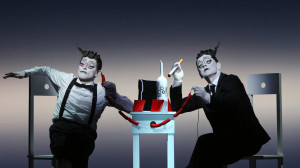
"content": "\u003caside class=\"event-info alignright\">\n\u003cfigure>\u003ca href=\"http://ww2.kqed.org/arts/programs/the-do-list/\">\u003cimg decoding=\"async\" src=\"http://ww2.kqed.org/wp-content/themes/KQED-unified/img/thedolist_icon.png\" alt=\"\" width=\"100\">\u003c/a>\u003c/figure>\n\u003ch3>\u003ca href=\"http://ww2.kqed.org/arts/the-do-list/oakland-ballet-50th-anniversary/\" target=\"_blank\" rel=\"noopener\">Event Information\u003c/a>\u003c/h3>\n\u003ch2>Oakland Ballet 50th Anniversary\u003c/h2>\n\u003cdiv class=\"event-desc\">The East Bay dance company celebrates its past and looks to the future with a one-off performance.\u003c/div>\n\u003cdiv class=\"event-dates\">\n\u003ch4>May 23, 2015\u003c/h4>\n\u003c/div>\n\u003cdiv class=\"event-venue\">Paramount Theater\u003c/div>\n\u003cul>\n\u003cli>\u003ca href=\"http://ww2.kqed.org/arts/the-do-list/oakland-ballet-50th-anniversary/\" target=\"_blank\" rel=\"noopener\">Details and tickets\u003c/a>\u003c/li>\n\u003c/ul>\n\u003c/aside>\n\u003cp>On a recent Friday, the rapping of pointe shoes emanated from the third floor of downtown Oakland’s \u003ca href=\"http://mccatheater.com/\">Malonga Casquelourd Center for the Arts\u003c/a>.\u003c/p>\n\u003cp>In the north studio, choreographer Amy Seiwert worked with five Oakland Ballet dancers to nail the timing of a phrase she’d just created to Vivaldi. Across the hall, in the south studio, former Oakland Ballet star Michael Lowe helped a couple find the right grip for a tricky spiraling lift in his world premiere.\u003c/p>\n\u003cp>Small and bright-eyed, Oakland Ballet artistic director Graham Lustig sat watching.\u003c/p>\n\u003cp>“It’s so exhilarating to be in the studio with these artists and dancers,” Lustig said, then crisply listed off the last names of some of the choreographers of local, national and international acclaim who feature in Oakland Ballet’s 50th anniversary celebration on May 23rd. “One moment we’re doing Fokine, then Massine, then Moses, then King, then Seiwert, then Lowe.”\u003c/p>\n\u003cp>The future of Oakland Ballet depends on the show’s success.\u003c/p>\n\u003cp>[ad fullwidth]\u003c/p>\n\u003cp>Under founding artistic director Ronn Guidi, Oakland Ballet built an international reputation for meticulous, energetic resurrections of nearly-lost classics by masters like Michel Fokine and Leonide Massine. The company also regularly commissioned leading Bay Area choreographers like Robert Moses and Alonzo King.\u003c/p>\n\u003cfigure id=\"attachment_10656762\" class=\"wp-caption alignright\" style=\"max-width: 400px\">\u003ca href=\"http://ww2.kqed.org/arts/wp-content/uploads/sites/2/2015/05/OaklandBallet_Erickson2015.jpg\">\u003cimg loading=\"lazy\" decoding=\"async\" class=\"wp-image-10656762 size-thumbnail\" src=\"http://ww2.kqed.org/arts/wp-content/uploads/sites/2/2015/05/OaklandBallet_Erickson2015-400x560.jpg\" alt=\"\" width=\"400\" height=\"560\" srcset=\"https://cdn.kqed.org/wp-content/uploads/sites/2/2015/05/OaklandBallet_Erickson2015-400x560.jpg 400w, https://cdn.kqed.org/wp-content/uploads/sites/2/2015/05/OaklandBallet_Erickson2015-429x600.jpg 429w, https://cdn.kqed.org/wp-content/uploads/sites/2/2015/05/OaklandBallet_Erickson2015-843x1180.jpg 843w, https://cdn.kqed.org/wp-content/uploads/sites/2/2015/05/OaklandBallet_Erickson2015-1180x1652.jpg 1180w, https://cdn.kqed.org/wp-content/uploads/sites/2/2015/05/OaklandBallet_Erickson2015-960x1344.jpg 960w\" sizes=\"(max-width: 400px) 100vw, 400px\">\u003c/a>\u003cfigcaption class=\"wp-caption-text\">Current Oakland Ballet dancers Emily Kerr and Taurean Green in a world premiere ballet by former Oakland Ballet dancer Betsy Erickson. (Photo: David DeSilva)\u003c/figcaption>\u003c/figure>\n\u003cp>Those glory days ended in 2000, when Guidi retired and his successor, former Dance Theatre of Harlem star Karen Brown, began a bumpy ride that ended with the company closing in 2006.\u003c/p>\n\u003cp>Among other challenges, Brown was forced to liquidate the company’s resplendent costume stash to repay a loan to the city of Oakland.\u003c/p>\n\u003cp>Guidi brought the Oakland Ballet back, tentatively, from 2007-2009. But not until 2010 did the company embark once more on a steady path with the appointment of Lustig.\u003c/p>\n\u003cp>The former artistic director of American Repertory Ballet in New Jersey, Lustig launched the annual presentation of his own “Nutcracker,” brought back the Oakland Ballet’s school and summer training programs, and presented several modest spring programs.\u003c/p>\n\u003cp>Lustig has also faced setbacks: A 2012 program had to be postponed to 2013 due to low ticket sales. He’s counting on the 50th anniversary to “raise the artistic profile of the company.”\u003c/p>\n\u003cp>Saturday’s one-off “Five Decades of Oakland Ballet” performance will intermix excerpts of the historical works with a full-length performance of one watershed ballet, Vaslav Nijinsky’s erotic “Afternoon of a Faun,” from 1912 and six short commissioned ballets.\u003c/p>\n\u003cp>“It’s like a choreographic feast,” Lustig said. “You have classic dishes and nouveau dishes, and you can taste everything. I wanted to put my arms around the whole history of the company.”\u003c/p>\n\u003cfigure id=\"attachment_10656616\" class=\"wp-caption alignright\" style=\"max-width: 400px\">\u003ca href=\"http://ww2.kqed.org/arts/wp-content/uploads/sites/2/2015/05/Scheherazade.jpg\">\u003cimg loading=\"lazy\" decoding=\"async\" class=\"size-thumbnail wp-image-10656616\" src=\"http://ww2.kqed.org/arts/wp-content/uploads/sites/2/2015/05/Scheherazade-400x538.jpg\" alt=\"Joy Gim and Ron Thiele in Oakland Ballet's 1990 performance of Michel Fokine's "Scheherazade." (Photo: John Markowski)\" width=\"400\" height=\"538\" srcset=\"https://cdn.kqed.org/wp-content/uploads/sites/2/2015/05/Scheherazade-400x538.jpg 400w, https://cdn.kqed.org/wp-content/uploads/sites/2/2015/05/Scheherazade-446x600.jpg 446w, https://cdn.kqed.org/wp-content/uploads/sites/2/2015/05/Scheherazade-877x1180.jpg 877w, https://cdn.kqed.org/wp-content/uploads/sites/2/2015/05/Scheherazade-1180x1587.jpg 1180w, https://cdn.kqed.org/wp-content/uploads/sites/2/2015/05/Scheherazade-960x1291.jpg 960w\" sizes=\"(max-width: 400px) 100vw, 400px\">\u003c/a>\u003cfigcaption class=\"wp-caption-text\">Joy Gim and Ron Thiele in Oakland Ballet’s 1990 performance of Michel Fokine’s “Scheherazade.” (Photo: John Markowski)\u003c/figcaption>\u003c/figure>\n\u003cp>The following day at Laney College, company members will repeat the six world premieres alongside performances by nine other East Bay dance groups, from a belly dance troupe to street dancers the Turffeinz.\u003c/p>\n\u003cp>Lustig has needed to rent costumes from other companies for this weekend’s performances.\u003c/p>\n\u003cp>“I can’t afford for this company to be in an ivory tower,” Lustig said. “We have to be right on the ground. That’s how I see the future of this company whether we’re doing Diaghilev or the Turffeinz.”\u003c/p>\n\u003cp>By “Diaghilev,” Lustig means Sergei Diaghilev, the famous impresario who created the avant-garde Ballets Russes company, which between 1909 and 1929 scandalized all of Europe and revolutionized dance by pairing leading composers like Igor Stravinsky and designers such as Coco Chanel with the most daring choreographers of the era — Nijinsky and his sister, Bronislova Nijinska, to name but two.\u003c/p>\n\u003cp>In addition to the full-length ballet “Afternoon of a Faun,” Saturday’s program will also feature excerpts from four other Diaghilev-era works: Fokine’s “Petrouchka,” Massine’s “La Boutique Fantasque,” and Nijinska’s “Le Train Bleu” and “Les Biches.”\u003c/p>\n\u003cp>These are the works that merited Oakland Ballet a place in books like “No Fixed Points: Dance in the 20th Century,” a weighty tome that cites Oakland Ballet as “a true bootstraps operation” that “gained a national reputation” when Guidi invited Eugene Loring to stage his forgotten masterpiece Billy the Kid on the company in 1973. An excerpt from Billy also features on Saturday’s program.\u003c/p>\n\u003cp>Lustig’s personal connection to these works seems to have won over key players from Oakland Ballet’s past.\u003c/p>\n\u003cfigure id=\"attachment_10656615\" class=\"wp-caption alignright\" style=\"max-width: 400px\">\u003ca href=\"http://ww2.kqed.org/arts/wp-content/uploads/sites/2/2015/05/Le-Train-Bleu.jpg\">\u003cimg loading=\"lazy\" decoding=\"async\" class=\"size-thumbnail wp-image-10656615\" src=\"http://ww2.kqed.org/arts/wp-content/uploads/sites/2/2015/05/Le-Train-Bleu-400x252.jpg\" alt=\"Oakland Ballet in Bronislava Nijinksa's "Le Train Bleu" in 1996. (Photo: Emilio Mercado)\" width=\"400\" height=\"252\" srcset=\"https://cdn.kqed.org/wp-content/uploads/sites/2/2015/05/Le-Train-Bleu-400x252.jpg 400w, https://cdn.kqed.org/wp-content/uploads/sites/2/2015/05/Le-Train-Bleu-800x505.jpg 800w, https://cdn.kqed.org/wp-content/uploads/sites/2/2015/05/Le-Train-Bleu-1180x744.jpg 1180w, https://cdn.kqed.org/wp-content/uploads/sites/2/2015/05/Le-Train-Bleu-960x605.jpg 960w\" sizes=\"(max-width: 400px) 100vw, 400px\">\u003c/a>\u003cfigcaption class=\"wp-caption-text\">Oakland Ballet in Bronislava Nijinksa’s “Le Train Bleu” in 1996. (Photo: Emilio Mercado)\u003c/figcaption>\u003c/figure>\n\u003cp>Lowe, an Oakland Ballet star from 1972-2000, learned the role of the dashing tennis player in Nijinska’s whimsical “Le Train Bleu” directly from Nijinksa’s daughter, and will coach this restaging. He and Lustig both learned Fokine’s “Petrouchka” from legendary dancer Nikolai Beriozov in the 1970s.\u003c/p>\n\u003cp>“There’s a trust that arises from the similarity in our backgrounds,” Lowe said.\u003c/p>\n\u003cp>Guidi has even given his personal blessing to Lustig’s 50th anniversary program-something he did not do during Karen Brown’s tenure. The Oakland Ballet’s board is growing – it now has 10 members — and major funders like the Fleishhacker Foundation and the Osher Foundation have reinstated their support. Most importantly, the dancers seem motivated and happy.\u003c/p>\n\u003cp>\u003c/p>\n\u003cp>“Graham has a knack for picking dancers who have a strong work ethic,” dancer Emily Kerr said. “The rapport in the studio is wonderful. I just wish we had a 30-week season. I look at how we dance together at the end of four weeks and I think, imagine what we could do over 30. But I’m hopeful that can happen in the future.”\u003c/p>\n\n",
"stats": {
"hasVideo": false,
"hasChartOrMap": false,
"hasAudio": false,
"hasPolis": false,
"wordCount": 1093,
"hasGoogleForm": false,
"hasGallery": false,
"hasHearkenModule": false,
"iframeSrcs": [],
"paragraphCount": 26
},
"modified": 1705047108,
"excerpt": "The Oakland Ballet has gone through rough times and now marks its golden anniversary with performances this weekend that look to its past – and its future.",
"headData": {
"twImgId": "",
"twTitle": "",
"ogTitle": "",
"ogImgId": "",
"twDescription": "",
"description": "The Oakland Ballet has gone through rough times and now marks its golden anniversary with performances this weekend that look to its past – and its future.",
"title": "A 50-Year-Old Ballet Company Picks Itself Up, Dusts Itself Off | KQED",
"ogDescription": "",
"schema": {
"@context": "https://schema.org",
"@type": "Article",
"headline": "A 50-Year-Old Ballet Company Picks Itself Up, Dusts Itself Off",
"datePublished": "2015-05-15T12:00:17-07:00",
"dateModified": "2024-01-12T00:11:48-08:00",
"image": "https://cdn.kqed.org/wp-content/uploads/2020/02/KQED-OG-Image@1x.png"
}
},
"guestAuthors": [],
"slug": "at-50-oakland-ballet-looks-to-the-past-has-high-hopes-for-the-future",
"status": "publish",
"sticky": false,
"path": "/arts/10657257/at-50-oakland-ballet-looks-to-the-past-has-high-hopes-for-the-future",
"audioTrackLength": null,
"parsedContent": [
{
"type": "contentString",
"content": "\u003cdiv class=\"post-body\">\u003cp>\u003caside class=\"event-info alignright\">\n\u003cfigure>\u003ca href=\"http://ww2.kqed.org/arts/programs/the-do-list/\">\u003cimg decoding=\"async\" src=\"http://ww2.kqed.org/wp-content/themes/KQED-unified/img/thedolist_icon.png\" alt=\"\" width=\"100\">\u003c/a>\u003c/figure>\n\u003ch3>\u003ca href=\"http://ww2.kqed.org/arts/the-do-list/oakland-ballet-50th-anniversary/\" target=\"_blank\" rel=\"noopener\">Event Information\u003c/a>\u003c/h3>\n\u003ch2>Oakland Ballet 50th Anniversary\u003c/h2>\n\u003cdiv class=\"event-desc\">The East Bay dance company celebrates its past and looks to the future with a one-off performance.\u003c/div>\n\u003cdiv class=\"event-dates\">\n\u003ch4>May 23, 2015\u003c/h4>\n\u003c/div>\n\u003cdiv class=\"event-venue\">Paramount Theater\u003c/div>\n\u003cul>\n\u003cli>\u003ca href=\"http://ww2.kqed.org/arts/the-do-list/oakland-ballet-50th-anniversary/\" target=\"_blank\" rel=\"noopener\">Details and tickets\u003c/a>\u003c/li>\n\u003c/ul>\n\u003c/aside>\n\u003cp>On a recent Friday, the rapping of pointe shoes emanated from the third floor of downtown Oakland’s \u003ca href=\"http://mccatheater.com/\">Malonga Casquelourd Center for the Arts\u003c/a>.\u003c/p>\n\u003cp>In the north studio, choreographer Amy Seiwert worked with five Oakland Ballet dancers to nail the timing of a phrase she’d just created to Vivaldi. Across the hall, in the south studio, former Oakland Ballet star Michael Lowe helped a couple find the right grip for a tricky spiraling lift in his world premiere.\u003c/p>\n\u003cp>Small and bright-eyed, Oakland Ballet artistic director Graham Lustig sat watching.\u003c/p>\n\u003cp>“It’s so exhilarating to be in the studio with these artists and dancers,” Lustig said, then crisply listed off the last names of some of the choreographers of local, national and international acclaim who feature in Oakland Ballet’s 50th anniversary celebration on May 23rd. “One moment we’re doing Fokine, then Massine, then Moses, then King, then Seiwert, then Lowe.”\u003c/p>\n\u003cp>The future of Oakland Ballet depends on the show’s success.\u003c/p>\n\u003cp>\u003c/p>\u003c/div>",
"attributes": {
"named": {},
"numeric": []
}
},
{
"type": "component",
"content": "",
"name": "ad",
"attributes": {
"named": {
"label": "fullwidth"
},
"numeric": [
"fullwidth"
]
}
},
{
"type": "contentString",
"content": "\u003cdiv class=\"post-body\">\u003cp>\u003c/p>\n\u003cp>Under founding artistic director Ronn Guidi, Oakland Ballet built an international reputation for meticulous, energetic resurrections of nearly-lost classics by masters like Michel Fokine and Leonide Massine. The company also regularly commissioned leading Bay Area choreographers like Robert Moses and Alonzo King.\u003c/p>\n\u003cfigure id=\"attachment_10656762\" class=\"wp-caption alignright\" style=\"max-width: 400px\">\u003ca href=\"http://ww2.kqed.org/arts/wp-content/uploads/sites/2/2015/05/OaklandBallet_Erickson2015.jpg\">\u003cimg loading=\"lazy\" decoding=\"async\" class=\"wp-image-10656762 size-thumbnail\" src=\"http://ww2.kqed.org/arts/wp-content/uploads/sites/2/2015/05/OaklandBallet_Erickson2015-400x560.jpg\" alt=\"\" width=\"400\" height=\"560\" srcset=\"https://cdn.kqed.org/wp-content/uploads/sites/2/2015/05/OaklandBallet_Erickson2015-400x560.jpg 400w, https://cdn.kqed.org/wp-content/uploads/sites/2/2015/05/OaklandBallet_Erickson2015-429x600.jpg 429w, https://cdn.kqed.org/wp-content/uploads/sites/2/2015/05/OaklandBallet_Erickson2015-843x1180.jpg 843w, https://cdn.kqed.org/wp-content/uploads/sites/2/2015/05/OaklandBallet_Erickson2015-1180x1652.jpg 1180w, https://cdn.kqed.org/wp-content/uploads/sites/2/2015/05/OaklandBallet_Erickson2015-960x1344.jpg 960w\" sizes=\"(max-width: 400px) 100vw, 400px\">\u003c/a>\u003cfigcaption class=\"wp-caption-text\">Current Oakland Ballet dancers Emily Kerr and Taurean Green in a world premiere ballet by former Oakland Ballet dancer Betsy Erickson. (Photo: David DeSilva)\u003c/figcaption>\u003c/figure>\n\u003cp>Those glory days ended in 2000, when Guidi retired and his successor, former Dance Theatre of Harlem star Karen Brown, began a bumpy ride that ended with the company closing in 2006.\u003c/p>\n\u003cp>Among other challenges, Brown was forced to liquidate the company’s resplendent costume stash to repay a loan to the city of Oakland.\u003c/p>\n\u003cp>Guidi brought the Oakland Ballet back, tentatively, from 2007-2009. But not until 2010 did the company embark once more on a steady path with the appointment of Lustig.\u003c/p>\n\u003cp>The former artistic director of American Repertory Ballet in New Jersey, Lustig launched the annual presentation of his own “Nutcracker,” brought back the Oakland Ballet’s school and summer training programs, and presented several modest spring programs.\u003c/p>\n\u003cp>Lustig has also faced setbacks: A 2012 program had to be postponed to 2013 due to low ticket sales. He’s counting on the 50th anniversary to “raise the artistic profile of the company.”\u003c/p>\n\u003cp>Saturday’s one-off “Five Decades of Oakland Ballet” performance will intermix excerpts of the historical works with a full-length performance of one watershed ballet, Vaslav Nijinsky’s erotic “Afternoon of a Faun,” from 1912 and six short commissioned ballets.\u003c/p>\n\u003cp>“It’s like a choreographic feast,” Lustig said. “You have classic dishes and nouveau dishes, and you can taste everything. I wanted to put my arms around the whole history of the company.”\u003c/p>\n\u003cfigure id=\"attachment_10656616\" class=\"wp-caption alignright\" style=\"max-width: 400px\">\u003ca href=\"http://ww2.kqed.org/arts/wp-content/uploads/sites/2/2015/05/Scheherazade.jpg\">\u003cimg loading=\"lazy\" decoding=\"async\" class=\"size-thumbnail wp-image-10656616\" src=\"http://ww2.kqed.org/arts/wp-content/uploads/sites/2/2015/05/Scheherazade-400x538.jpg\" alt=\"Joy Gim and Ron Thiele in Oakland Ballet's 1990 performance of Michel Fokine's "Scheherazade." (Photo: John Markowski)\" width=\"400\" height=\"538\" srcset=\"https://cdn.kqed.org/wp-content/uploads/sites/2/2015/05/Scheherazade-400x538.jpg 400w, https://cdn.kqed.org/wp-content/uploads/sites/2/2015/05/Scheherazade-446x600.jpg 446w, https://cdn.kqed.org/wp-content/uploads/sites/2/2015/05/Scheherazade-877x1180.jpg 877w, https://cdn.kqed.org/wp-content/uploads/sites/2/2015/05/Scheherazade-1180x1587.jpg 1180w, https://cdn.kqed.org/wp-content/uploads/sites/2/2015/05/Scheherazade-960x1291.jpg 960w\" sizes=\"(max-width: 400px) 100vw, 400px\">\u003c/a>\u003cfigcaption class=\"wp-caption-text\">Joy Gim and Ron Thiele in Oakland Ballet’s 1990 performance of Michel Fokine’s “Scheherazade.” (Photo: John Markowski)\u003c/figcaption>\u003c/figure>\n\u003cp>The following day at Laney College, company members will repeat the six world premieres alongside performances by nine other East Bay dance groups, from a belly dance troupe to street dancers the Turffeinz.\u003c/p>\n\u003cp>Lustig has needed to rent costumes from other companies for this weekend’s performances.\u003c/p>\n\u003cp>“I can’t afford for this company to be in an ivory tower,” Lustig said. “We have to be right on the ground. That’s how I see the future of this company whether we’re doing Diaghilev or the Turffeinz.”\u003c/p>\n\u003cp>By “Diaghilev,” Lustig means Sergei Diaghilev, the famous impresario who created the avant-garde Ballets Russes company, which between 1909 and 1929 scandalized all of Europe and revolutionized dance by pairing leading composers like Igor Stravinsky and designers such as Coco Chanel with the most daring choreographers of the era — Nijinsky and his sister, Bronislova Nijinska, to name but two.\u003c/p>\n\u003cp>In addition to the full-length ballet “Afternoon of a Faun,” Saturday’s program will also feature excerpts from four other Diaghilev-era works: Fokine’s “Petrouchka,” Massine’s “La Boutique Fantasque,” and Nijinska’s “Le Train Bleu” and “Les Biches.”\u003c/p>\n\u003cp>These are the works that merited Oakland Ballet a place in books like “No Fixed Points: Dance in the 20th Century,” a weighty tome that cites Oakland Ballet as “a true bootstraps operation” that “gained a national reputation” when Guidi invited Eugene Loring to stage his forgotten masterpiece Billy the Kid on the company in 1973. An excerpt from Billy also features on Saturday’s program.\u003c/p>\n\u003cp>Lustig’s personal connection to these works seems to have won over key players from Oakland Ballet’s past.\u003c/p>\n\u003cfigure id=\"attachment_10656615\" class=\"wp-caption alignright\" style=\"max-width: 400px\">\u003ca href=\"http://ww2.kqed.org/arts/wp-content/uploads/sites/2/2015/05/Le-Train-Bleu.jpg\">\u003cimg loading=\"lazy\" decoding=\"async\" class=\"size-thumbnail wp-image-10656615\" src=\"http://ww2.kqed.org/arts/wp-content/uploads/sites/2/2015/05/Le-Train-Bleu-400x252.jpg\" alt=\"Oakland Ballet in Bronislava Nijinksa's "Le Train Bleu" in 1996. (Photo: Emilio Mercado)\" width=\"400\" height=\"252\" srcset=\"https://cdn.kqed.org/wp-content/uploads/sites/2/2015/05/Le-Train-Bleu-400x252.jpg 400w, https://cdn.kqed.org/wp-content/uploads/sites/2/2015/05/Le-Train-Bleu-800x505.jpg 800w, https://cdn.kqed.org/wp-content/uploads/sites/2/2015/05/Le-Train-Bleu-1180x744.jpg 1180w, https://cdn.kqed.org/wp-content/uploads/sites/2/2015/05/Le-Train-Bleu-960x605.jpg 960w\" sizes=\"(max-width: 400px) 100vw, 400px\">\u003c/a>\u003cfigcaption class=\"wp-caption-text\">Oakland Ballet in Bronislava Nijinksa’s “Le Train Bleu” in 1996. (Photo: Emilio Mercado)\u003c/figcaption>\u003c/figure>\n\u003cp>Lowe, an Oakland Ballet star from 1972-2000, learned the role of the dashing tennis player in Nijinska’s whimsical “Le Train Bleu” directly from Nijinksa’s daughter, and will coach this restaging. He and Lustig both learned Fokine’s “Petrouchka” from legendary dancer Nikolai Beriozov in the 1970s.\u003c/p>\n\u003cp>“There’s a trust that arises from the similarity in our backgrounds,” Lowe said.\u003c/p>\n\u003cp>Guidi has even given his personal blessing to Lustig’s 50th anniversary program-something he did not do during Karen Brown’s tenure. The Oakland Ballet’s board is growing – it now has 10 members — and major funders like the Fleishhacker Foundation and the Osher Foundation have reinstated their support. Most importantly, the dancers seem motivated and happy.\u003c/p>\n\u003cp>\u003c/p>\n\u003cp>“Graham has a knack for picking dancers who have a strong work ethic,” dancer Emily Kerr said. “The rapport in the studio is wonderful. I just wish we had a 30-week season. I look at how we dance together at the end of four weeks and I think, imagine what we could do over 30. But I’m hopeful that can happen in the future.”\u003c/p>\n\n\u003c/div>\u003c/p>",
"attributes": {
"named": {},
"numeric": []
}
}
],
"link": "/arts/10657257/at-50-oakland-ballet-looks-to-the-past-has-high-hopes-for-the-future",
"authors": [
"3230"
],
"categories": [
"arts_966"
],
"tags": [
"arts_596",
"arts_1143",
"arts_918"
],
"featImg": "arts_10656760",
"label": "arts"
},
"arts_10549122": {
"type": "posts",
"id": "arts_10549122",
"meta": {
"index": "posts_1716263798",
"site": "arts",
"id": "10549122",
"score": null,
"sort": [
1428722216000
]
},
"guestAuthors": [],
"slug": "cultural-duet-dancers-honor-californias-mexican-punjabi-heritage",
"title": "Cultural Duet: Dancers Honor California’s Mexican-Punjabi Heritage",
"publishDate": 1428722216,
"format": "video",
"headTitle": "Cultural Duet: Dancers Honor California’s Mexican-Punjabi Heritage | KQED",
"labelTerm": {
"term": 140,
"site": "arts"
},
"content": "\u003caside class=\"event-info alignright\">\n\u003cfigure>\u003ca href=\"http://ww2.kqed.org/arts/programs/the-do-list/\">\u003cimg decoding=\"async\" src=\"http://ww2.kqed.org/wp-content/themes/KQED-unified/img/thedolist_icon.png\" alt=\"\" width=\"100\">\u003c/a>\u003c/figure>\n\u003ch3>\u003ca href=\"http://ww2.kqed.org/arts/the-do-list/half-and-halves/\" target=\"_blank\" rel=\"noopener\">Event Information\u003c/a>\u003c/h3>\n\u003ch2>‘Half and Halves’\u003c/h2>\n\u003cdiv class=\"event-desc\">A dance exploration of the Punjabi-Mexican communities of California.\u003c/div>\n\u003cdiv class=\"event-dates\">\n\u003ch4>April 10 – April 11, 2015\u003c/h4>\n\u003c/div>\n\u003cdiv class=\"event-venue\">Jewish Community Center of San Francisco\u003c/div>\n\u003cul>\n\u003cli>\u003ca href=\"http://ww2.kqed.org/arts/the-do-list/half-and-halves/\" target=\"_blank\" rel=\"noopener\">Details and tickets\u003c/a>\u003c/li>\n\u003c/ul>\n\u003c/aside>\n\u003cp>“Half and halves” are what the children of Punjabi fathers and Mexican mothers in California’s early 20th- century migrant farming communities sometimes called themselves. In honor of these children and the 400-some families who straddled two distinct cultures, local dance companies \u003ca href=\"http://www.duniyadance.com\" target=\"_blank\" rel=\"noopener\">Duniya Dance and Drum Company\u003c/a> and \u003ca href=\"http://www.ensambles-sf.com\" target=\"_blank\" rel=\"noopener\">Ensambles Ballet Folklórico de San Francisco\u003c/a> are staging \u003cem>Half and Halves\u003c/em>, mixing Bhangra and Mexican folkloric ballet.\u003c/p>\n\u003cp>In the early 1900s, U.S. immigration laws restricted the families of male Indian laborers from entering the country. Most of the early immigrants intended to work a few years in the United States and then return home. As they became established in farming or successful in business, some stayed, often marrying Mexican women they met in the fields.\u003c/p>\n\u003cp>For the staging of \u003cem>Half and Halves\u003c/em>, the artistic directors captured oral histories with Punjabi-Mexican Californians. Video clips of interviews are integrated into the performance and reveal some of the creative ways families were able to bring their cultures and traditions together. It was customary for one Mexican wife to add carnitas to the Indian flat bread roti and saag at dinner. Another told a story of how their Sikh father, who believed in cremation, agreed to have his ashes buried next to his Catholic wife so they could be near one another, while still following their own beliefs.\u003c/p>\n\u003cp>[ad fullwidth]\u003c/p>\u003cp>\u003c/p>\n",
"blocks": [],
"excerpt": "Mixing bhangra and Mexican folkloric styles, dancers explore the Punjabi-Mexican communities that took root early in the 20th century when farm workers from India married Mexican women.",
"status": "publish",
"parent": 0,
"modified": 1726788454,
"stats": {
"hasAudio": false,
"hasVideo": false,
"hasChartOrMap": false,
"iframeSrcs": [],
"hasGoogleForm": false,
"hasGallery": false,
"hasHearkenModule": false,
"hasPolis": false,
"paragraphCount": 5,
"wordCount": 270
},
"headData": {
"title": "Cultural Duet: Dancers Honor California’s Mexican-Punjabi Heritage | KQED",
"description": "Mixing bhangra and Mexican folkloric styles, dancers explore the Punjabi-Mexican communities that took root early in the 20th century when farm workers from India married Mexican women.",
"ogTitle": "",
"ogDescription": "",
"ogImgId": "",
"twTitle": "",
"twDescription": "",
"twImgId": "",
"schema": {
"@context": "https://schema.org",
"@type": "Article",
"headline": "Cultural Duet: Dancers Honor California’s Mexican-Punjabi Heritage",
"datePublished": "2015-04-10T20:16:56-07:00",
"dateModified": "2024-09-19T16:27:34-07:00",
"image": "https://cdn.kqed.org/wp-content/uploads/2020/02/KQED-OG-Image@1x.png"
}
},
"videoEmbed": "http://youtu.be/CzpgvCZQjkY",
"sticky": false,
"path": "/arts/10549122/cultural-duet-dancers-honor-californias-mexican-punjabi-heritage",
"audioTrackLength": null,
"parsedContent": [
{
"type": "contentString",
"content": "\u003cdiv class=\"post-body\">\u003cp>\u003caside class=\"event-info alignright\">\n\u003cfigure>\u003ca href=\"http://ww2.kqed.org/arts/programs/the-do-list/\">\u003cimg decoding=\"async\" src=\"http://ww2.kqed.org/wp-content/themes/KQED-unified/img/thedolist_icon.png\" alt=\"\" width=\"100\">\u003c/a>\u003c/figure>\n\u003ch3>\u003ca href=\"http://ww2.kqed.org/arts/the-do-list/half-and-halves/\" target=\"_blank\" rel=\"noopener\">Event Information\u003c/a>\u003c/h3>\n\u003ch2>‘Half and Halves’\u003c/h2>\n\u003cdiv class=\"event-desc\">A dance exploration of the Punjabi-Mexican communities of California.\u003c/div>\n\u003cdiv class=\"event-dates\">\n\u003ch4>April 10 – April 11, 2015\u003c/h4>\n\u003c/div>\n\u003cdiv class=\"event-venue\">Jewish Community Center of San Francisco\u003c/div>\n\u003cul>\n\u003cli>\u003ca href=\"http://ww2.kqed.org/arts/the-do-list/half-and-halves/\" target=\"_blank\" rel=\"noopener\">Details and tickets\u003c/a>\u003c/li>\n\u003c/ul>\n\u003c/aside>\n\u003cp>“Half and halves” are what the children of Punjabi fathers and Mexican mothers in California’s early 20th- century migrant farming communities sometimes called themselves. In honor of these children and the 400-some families who straddled two distinct cultures, local dance companies \u003ca href=\"http://www.duniyadance.com\" target=\"_blank\" rel=\"noopener\">Duniya Dance and Drum Company\u003c/a> and \u003ca href=\"http://www.ensambles-sf.com\" target=\"_blank\" rel=\"noopener\">Ensambles Ballet Folklórico de San Francisco\u003c/a> are staging \u003cem>Half and Halves\u003c/em>, mixing Bhangra and Mexican folkloric ballet.\u003c/p>\n\u003cp>In the early 1900s, U.S. immigration laws restricted the families of male Indian laborers from entering the country. Most of the early immigrants intended to work a few years in the United States and then return home. As they became established in farming or successful in business, some stayed, often marrying Mexican women they met in the fields.\u003c/p>\n\u003cp>For the staging of \u003cem>Half and Halves\u003c/em>, the artistic directors captured oral histories with Punjabi-Mexican Californians. Video clips of interviews are integrated into the performance and reveal some of the creative ways families were able to bring their cultures and traditions together. It was customary for one Mexican wife to add carnitas to the Indian flat bread roti and saag at dinner. Another told a story of how their Sikh father, who believed in cremation, agreed to have his ashes buried next to his Catholic wife so they could be near one another, while still following their own beliefs.\u003c/p>\n\u003cp>\u003c/p>\u003c/div>",
"attributes": {
"named": {},
"numeric": []
}
},
{
"type": "component",
"content": "",
"name": "ad",
"attributes": {
"named": {
"label": "fullwidth"
},
"numeric": [
"fullwidth"
]
}
},
{
"type": "contentString",
"content": "\u003cdiv class=\"post-body\">\u003cp>\u003c/p>\u003cp>\u003c/p>\n\u003c/div>\u003c/p>",
"attributes": {
"named": {},
"numeric": []
}
}
],
"link": "/arts/10549122/cultural-duet-dancers-honor-californias-mexican-punjabi-heritage",
"authors": [
"3248"
],
"programs": [
"arts_140"
],
"categories": [
"arts_966"
],
"tags": [
"arts_879",
"arts_877",
"arts_596"
],
"featImg": "arts_10549617",
"label": "arts_140"
},
"arts_10545681": {
"type": "posts",
"id": "arts_10545681",
"meta": {
"index": "posts_1716263798",
"site": "arts",
"id": "10545681",
"score": null,
"sort": [
1428606009000
]
},
"parent": 0,
"labelTerm": {
"site": "arts"
},
"blocks": [],
"publishDate": 1428606009,
"format": "standard",
"title": "San Jose South Indian Dancer and Teacher Honored for Lifetime Service",
"headTitle": "San Jose South Indian Dancer and Teacher Honored for Lifetime Service | KQED",
"content": "\u003caside class=\"event-info alignright\">\n\u003cfigure>\u003ca href=\"http://ww2.kqed.org/arts/programs/the-do-list/\">\u003cimg decoding=\"async\" src=\"http://ww2.kqed.org/wp-content/themes/KQED-unified/img/thedolist_icon.png\" alt=\"\" width=\"100\">\u003c/a>\u003c/figure>\n\u003ch3>\u003ca href=\"http://ww2.kqed.org/arts/the-do-list/abhinaya-dance-company/\" target=\"_blank\" rel=\"noopener\">Event Information\u003c/a>\u003c/h3>\n\u003ch2>‘Bharatanatyam – Temple Legacy’\u003c/h2>\n\u003cdiv class=\"event-desc\">Abhinaya Dance Company 35th anniversary performance with special guests.\u003c/div>\n\u003cdiv class=\"event-dates\">\n\u003ch4>April 12, 2015\u003c/h4>\n\u003c/div>\n\u003cdiv class=\"event-venue\">Cubberly Theater, Palo Alto\u003c/div>\n\u003cul>\n\u003cli>\u003ca href=\"http://ww2.kqed.org/arts/the-do-list/abhinaya-dance-company/\" target=\"_blank\" rel=\"noopener\">Details and tickets\u003c/a>\u003c/li>\n\u003c/ul>\n\u003c/aside>\n\u003cp>In 1978, Mythili Kumar moved from Central India to California because a Rotary Club gave her a full scholarship to UC Davis as a “cultural ambassador.” Surely the Club had little idea just how dazzling an ambassador Kumar would turn out to be.\u003c/p>\n\u003cp>Kumar had trained in a variety of classical Indian dance forms and was especially skilled as a performer of Bharatanatyam, a South Indian style passed down by temple dancers who used its elaborate gesture language — called \u003cem>abhinaya — \u003c/em>to reenact Hindu epics. After graduating (with a degree in nutrition), Kumar married and settled in San Jose, where Indian families soon began begging her to teach their daughters to dance. Her husband — then a Stanford professor — was all for it, and in 1980 the Abhinaya Dance School of San Jose was born.\u003c/p>\n\u003cp>Today the Abhinaya school has trained more than 100 Bharatanatyam dancers to the point of giving their \u003cem>arangetram\u003c/em>, a rigorous solo debut that marks a dancer’s arrival as a professional dancer. The 14-member Abhinaya Dance Company, founded in 1986, has performed nationally and internationally. And Kumar herself has been honored with a long list of prestigious \u003ca href=\"http://abhinaya.org/about-2/artistic-directorfounder/\">awards and fellowships\u003c/a>. On April 22\u003csup>nd\u003c/sup>, she will collect one more when Silicon Valley Creates recognizes Kumar’s 35 years of artistic accomplishment by presenting her with its \u003ca href=\"http://www.svcreates.org/page/Legacy_Laureate\">Legacy Laureate Award\u003c/a>. This Sunday, the Abhinaya Dance Company will present a special concert featuring guests flown in from India.\u003c/p>\n\u003cfigure id=\"attachment_10545799\" class=\"wp-caption aligncenter\" style=\"max-width: 800px\">\u003ca href=\"http://ww2.kqed.org/arts/wp-content/uploads/sites/2/2015/04/mythli-daugthers-resized.jpg\">\u003cimg loading=\"lazy\" decoding=\"async\" class=\"wp-image-10545799 size-full\" src=\"http://ww2.kqed.org/arts/wp-content/uploads/sites/2/2015/04/mythli-daugthers-resized.jpg\" alt=\"Kumar's daughters are also accomplished dancers. Shown here, right to left: Rasika Kumar and Malavika Kumar, with Yatrika Ajaya and Sindhu Natarajan. (photo Mukund Gunti) \" width=\"800\" height=\"400\" srcset=\"https://cdn.kqed.org/wp-content/uploads/sites/2/2015/04/mythli-daugthers-resized.jpg 800w, https://cdn.kqed.org/wp-content/uploads/sites/2/2015/04/mythli-daugthers-resized-400x200.jpg 400w, https://cdn.kqed.org/wp-content/uploads/sites/2/2015/04/mythli-daugthers-resized-768x384.jpg 768w, https://cdn.kqed.org/wp-content/uploads/sites/2/2015/04/mythli-daugthers-resized-320x160.jpg 320w\" sizes=\"(max-width: 800px) 100vw, 800px\">\u003c/a>\u003cfigcaption class=\"wp-caption-text\">Kumar’s daughters are also accomplished dancers. Shown here, right to left: Rasika Kumar and Malavika Kumar, with Yatrika Ajaya and Sindhu Natarajan. (photo Mukund Gunti)\u003c/figcaption>\u003c/figure>\n\u003cp>Everything Kumar does seems driven by a sense of service rather than from personal ambition. On a recent Friday, after returning from the airport where she picked up special concert guest Indra Rajan, Kumar asked if we could delay our interview 20 minutes so that she could serve her now 85-year-old former teacher a homemade lunch.\u003c/p>\n\u003cp>Kumar returns often to India to visit Rajan, her living connection to a sophisticated cultural past that immigrant families hope to keep alive in their children. For many Indians who immigrated, Kumar says, “When they were growing up in India the focus was on studying and getting a job, not learning music at home.” Now these immigrants are excited to give their children a cultural experience they never had.\u003c/p>\n\u003cp>[ad fullwidth]\u003c/p>\n\u003cp>At a time when Bollywood threatens to overshadow classical Indian history, Bharatanatyam quickly connects children to a full heritage. “If you consider ballet class,” Kumar says, “at four or five years old, all they do is run across the stage.” By contrast, in training for Bharatanatyam, there’s an emphasis from the beginning on the culture that inspired the dance: “It’s not movement alone, it’s knowledge of the mythologies behind it. Dedication, perfecting the technique—that comes later.”\u003c/p>\n\u003cp>Surprisingly, connections to other cultures have also come, thanks to the initiative of the San Francisco Ethnic Dance Festival. “Without the Ethnic Dance Festival,” Kumar insists, “we would have remained in our own separate world.” Backstage festival conversations with San Jose Taiko led, for example, to a 1993 world premiere collaboration with the Japanese drumming troupe. “Talking with the taiko drummers, you see we have the same rhythms,” Kumar says. “Still, putting two cultural forms together is not easy. The process involves a lot of difficult compromise.”\u003c/p>\n\u003cp>Less difficult was the project of expanding Abhinaya’s productions beyond Hindu epics and into contemporary tales of social justice. The rarified gestural language of classical Indian dancing is unexpectedly easy to follow and adaptable, because it has long been the practice in India and the US to verbally narrate the action for the audience either before the dancing or during. Kumar has been especially innovative on this front, even having another character within her evening-length production of \u003cem>Gandhi\u003c/em> tell the flashback action about to be danced by Gandhi from the side of the stage, as though the character were recalling a memory.\u003c/p>\n\u003cp>“Any kind of story is possible with our gestures, not just stories of gods and goddesses,” Kumar believes. “And you can take combinations of steps that are ancient and bring something contemporary to [them].”\u003c/p>\n\u003cp>Now Kumar’s daughters are doing just that. Both Malavika and Rasika Kumar dance with Abhinaya. Malavika, an attorney, is renowned for her \u003cem>nattuvangram\u003c/em>, or vocal leadership of the live orchestra, while Rasika, a software engineer at Google, has launched her own choreography career. A 2013 solo concert of hers called \u003cem>Courage\u003c/em> included a dance about Rosa Parks.\u003c/p>\n\u003cp>\u003c/p>\n\u003cp>Rasika, Malavika and other Abhinaya members will surely be listening closely this Sunday when their mother’s guru, Rajan, and fellow special guest Nandini Ramani lecture and demonstrate. Kumar will dance, too, and plans to restage her full-evening production of \u003cem>Gandhi\u003c/em> this fall. She says her daughters will not yet let her retire, but even when they do, “I always will teach. And when we teach, in this art form, we create.”\u003c/p>\n\n",
"stats": {
"hasVideo": false,
"hasChartOrMap": false,
"hasAudio": false,
"hasPolis": false,
"wordCount": 915,
"hasGoogleForm": false,
"hasGallery": false,
"hasHearkenModule": false,
"iframeSrcs": [],
"paragraphCount": 13
},
"modified": 1705047313,
"excerpt": "Mythili Kumar's Abhinaya Dance School of San Jose will celebrate it's 35th year this weekend with a special concert. Meanwhile, Silicon Valley Creates will honor Kumar's accomplishments by making her a Legacy Laureate .",
"headData": {
"twImgId": "",
"twTitle": "",
"ogTitle": "",
"ogImgId": "",
"twDescription": "",
"description": "Mythili Kumar's Abhinaya Dance School of San Jose will celebrate it's 35th year this weekend with a special concert. Meanwhile, Silicon Valley Creates will honor Kumar's accomplishments by making her a Legacy Laureate .",
"title": "San Jose South Indian Dancer and Teacher Honored for Lifetime Service | KQED",
"ogDescription": "",
"schema": {
"@context": "https://schema.org",
"@type": "Article",
"headline": "San Jose South Indian Dancer and Teacher Honored for Lifetime Service",
"datePublished": "2015-04-09T12:00:09-07:00",
"dateModified": "2024-01-12T00:15:13-08:00",
"image": "https://cdn.kqed.org/wp-content/uploads/2020/02/KQED-OG-Image@1x.png"
}
},
"guestAuthors": [],
"slug": "san-jose-south-indian-dancer-and-teacher-honored-for-lifetime-of-service",
"status": "publish",
"sticky": false,
"path": "/arts/10545681/san-jose-south-indian-dancer-and-teacher-honored-for-lifetime-of-service",
"audioTrackLength": null,
"parsedContent": [
{
"type": "contentString",
"content": "\u003cdiv class=\"post-body\">\u003cp>\u003caside class=\"event-info alignright\">\n\u003cfigure>\u003ca href=\"http://ww2.kqed.org/arts/programs/the-do-list/\">\u003cimg decoding=\"async\" src=\"http://ww2.kqed.org/wp-content/themes/KQED-unified/img/thedolist_icon.png\" alt=\"\" width=\"100\">\u003c/a>\u003c/figure>\n\u003ch3>\u003ca href=\"http://ww2.kqed.org/arts/the-do-list/abhinaya-dance-company/\" target=\"_blank\" rel=\"noopener\">Event Information\u003c/a>\u003c/h3>\n\u003ch2>‘Bharatanatyam – Temple Legacy’\u003c/h2>\n\u003cdiv class=\"event-desc\">Abhinaya Dance Company 35th anniversary performance with special guests.\u003c/div>\n\u003cdiv class=\"event-dates\">\n\u003ch4>April 12, 2015\u003c/h4>\n\u003c/div>\n\u003cdiv class=\"event-venue\">Cubberly Theater, Palo Alto\u003c/div>\n\u003cul>\n\u003cli>\u003ca href=\"http://ww2.kqed.org/arts/the-do-list/abhinaya-dance-company/\" target=\"_blank\" rel=\"noopener\">Details and tickets\u003c/a>\u003c/li>\n\u003c/ul>\n\u003c/aside>\n\u003cp>In 1978, Mythili Kumar moved from Central India to California because a Rotary Club gave her a full scholarship to UC Davis as a “cultural ambassador.” Surely the Club had little idea just how dazzling an ambassador Kumar would turn out to be.\u003c/p>\n\u003cp>Kumar had trained in a variety of classical Indian dance forms and was especially skilled as a performer of Bharatanatyam, a South Indian style passed down by temple dancers who used its elaborate gesture language — called \u003cem>abhinaya — \u003c/em>to reenact Hindu epics. After graduating (with a degree in nutrition), Kumar married and settled in San Jose, where Indian families soon began begging her to teach their daughters to dance. Her husband — then a Stanford professor — was all for it, and in 1980 the Abhinaya Dance School of San Jose was born.\u003c/p>\n\u003cp>Today the Abhinaya school has trained more than 100 Bharatanatyam dancers to the point of giving their \u003cem>arangetram\u003c/em>, a rigorous solo debut that marks a dancer’s arrival as a professional dancer. The 14-member Abhinaya Dance Company, founded in 1986, has performed nationally and internationally. And Kumar herself has been honored with a long list of prestigious \u003ca href=\"http://abhinaya.org/about-2/artistic-directorfounder/\">awards and fellowships\u003c/a>. On April 22\u003csup>nd\u003c/sup>, she will collect one more when Silicon Valley Creates recognizes Kumar’s 35 years of artistic accomplishment by presenting her with its \u003ca href=\"http://www.svcreates.org/page/Legacy_Laureate\">Legacy Laureate Award\u003c/a>. This Sunday, the Abhinaya Dance Company will present a special concert featuring guests flown in from India.\u003c/p>\n\u003cfigure id=\"attachment_10545799\" class=\"wp-caption aligncenter\" style=\"max-width: 800px\">\u003ca href=\"http://ww2.kqed.org/arts/wp-content/uploads/sites/2/2015/04/mythli-daugthers-resized.jpg\">\u003cimg loading=\"lazy\" decoding=\"async\" class=\"wp-image-10545799 size-full\" src=\"http://ww2.kqed.org/arts/wp-content/uploads/sites/2/2015/04/mythli-daugthers-resized.jpg\" alt=\"Kumar's daughters are also accomplished dancers. Shown here, right to left: Rasika Kumar and Malavika Kumar, with Yatrika Ajaya and Sindhu Natarajan. (photo Mukund Gunti) \" width=\"800\" height=\"400\" srcset=\"https://cdn.kqed.org/wp-content/uploads/sites/2/2015/04/mythli-daugthers-resized.jpg 800w, https://cdn.kqed.org/wp-content/uploads/sites/2/2015/04/mythli-daugthers-resized-400x200.jpg 400w, https://cdn.kqed.org/wp-content/uploads/sites/2/2015/04/mythli-daugthers-resized-768x384.jpg 768w, https://cdn.kqed.org/wp-content/uploads/sites/2/2015/04/mythli-daugthers-resized-320x160.jpg 320w\" sizes=\"(max-width: 800px) 100vw, 800px\">\u003c/a>\u003cfigcaption class=\"wp-caption-text\">Kumar’s daughters are also accomplished dancers. Shown here, right to left: Rasika Kumar and Malavika Kumar, with Yatrika Ajaya and Sindhu Natarajan. (photo Mukund Gunti)\u003c/figcaption>\u003c/figure>\n\u003cp>Everything Kumar does seems driven by a sense of service rather than from personal ambition. On a recent Friday, after returning from the airport where she picked up special concert guest Indra Rajan, Kumar asked if we could delay our interview 20 minutes so that she could serve her now 85-year-old former teacher a homemade lunch.\u003c/p>\n\u003cp>Kumar returns often to India to visit Rajan, her living connection to a sophisticated cultural past that immigrant families hope to keep alive in their children. For many Indians who immigrated, Kumar says, “When they were growing up in India the focus was on studying and getting a job, not learning music at home.” Now these immigrants are excited to give their children a cultural experience they never had.\u003c/p>\n\u003cp>\u003c/p>\u003c/div>",
"attributes": {
"named": {},
"numeric": []
}
},
{
"type": "component",
"content": "",
"name": "ad",
"attributes": {
"named": {
"label": "fullwidth"
},
"numeric": [
"fullwidth"
]
}
},
{
"type": "contentString",
"content": "\u003cdiv class=\"post-body\">\u003cp>\u003c/p>\n\u003cp>At a time when Bollywood threatens to overshadow classical Indian history, Bharatanatyam quickly connects children to a full heritage. “If you consider ballet class,” Kumar says, “at four or five years old, all they do is run across the stage.” By contrast, in training for Bharatanatyam, there’s an emphasis from the beginning on the culture that inspired the dance: “It’s not movement alone, it’s knowledge of the mythologies behind it. Dedication, perfecting the technique—that comes later.”\u003c/p>\n\u003cp>Surprisingly, connections to other cultures have also come, thanks to the initiative of the San Francisco Ethnic Dance Festival. “Without the Ethnic Dance Festival,” Kumar insists, “we would have remained in our own separate world.” Backstage festival conversations with San Jose Taiko led, for example, to a 1993 world premiere collaboration with the Japanese drumming troupe. “Talking with the taiko drummers, you see we have the same rhythms,” Kumar says. “Still, putting two cultural forms together is not easy. The process involves a lot of difficult compromise.”\u003c/p>\n\u003cp>Less difficult was the project of expanding Abhinaya’s productions beyond Hindu epics and into contemporary tales of social justice. The rarified gestural language of classical Indian dancing is unexpectedly easy to follow and adaptable, because it has long been the practice in India and the US to verbally narrate the action for the audience either before the dancing or during. Kumar has been especially innovative on this front, even having another character within her evening-length production of \u003cem>Gandhi\u003c/em> tell the flashback action about to be danced by Gandhi from the side of the stage, as though the character were recalling a memory.\u003c/p>\n\u003cp>“Any kind of story is possible with our gestures, not just stories of gods and goddesses,” Kumar believes. “And you can take combinations of steps that are ancient and bring something contemporary to [them].”\u003c/p>\n\u003cp>Now Kumar’s daughters are doing just that. Both Malavika and Rasika Kumar dance with Abhinaya. Malavika, an attorney, is renowned for her \u003cem>nattuvangram\u003c/em>, or vocal leadership of the live orchestra, while Rasika, a software engineer at Google, has launched her own choreography career. A 2013 solo concert of hers called \u003cem>Courage\u003c/em> included a dance about Rosa Parks.\u003c/p>\n\u003cp>\u003c/p>\n\u003cp>Rasika, Malavika and other Abhinaya members will surely be listening closely this Sunday when their mother’s guru, Rajan, and fellow special guest Nandini Ramani lecture and demonstrate. Kumar will dance, too, and plans to restage her full-evening production of \u003cem>Gandhi\u003c/em> this fall. She says her daughters will not yet let her retire, but even when they do, “I always will teach. And when we teach, in this art form, we create.”\u003c/p>\n\n\u003c/div>\u003c/p>",
"attributes": {
"named": {},
"numeric": []
}
}
],
"link": "/arts/10545681/san-jose-south-indian-dancer-and-teacher-honored-for-lifetime-of-service",
"authors": [
"3230"
],
"categories": [
"arts_966"
],
"tags": [
"arts_596"
],
"featImg": "arts_10545683",
"label": "arts"
},
"arts_10141610": {
"type": "posts",
"id": "arts_10141610",
"meta": {
"index": "posts_1716263798",
"site": "arts",
"id": "10141610",
"score": null,
"sort": [
1409749249000
]
},
"guestAuthors": [],
"slug": "what-to-do-this-fall-from-who-else-the-do-list-hosts",
"title": "Arts Preview: What To Do this Fall from (Who Else?) the 'Do List' Hosts",
"publishDate": 1409749249,
"format": "standard",
"headTitle": "Arts Preview: What To Do this Fall from (Who Else?) the ‘Do List’ Hosts | KQED",
"labelTerm": {
"site": "arts"
},
"content": "\u003caside class=\"aligncenter\">\n\u003ch4>Listen to Cy Musiker and David Wiegand discuss their lists on \u003ci>Forum\u003c/i>, which aired on Sept. 3, 2014\u003c/h4>\n\u003cp>http://www.kqed.org/.stream/anon/radio/forum/2014/09/20140903bforum.mp3\u003cbr>\n\u003c/p>\u003c/aside>\n\u003cp>\u003ca href=\"http://ww2.kqed.org/arts/series/fall-arts-preview-2014/\" target=\"_blank\" rel=\"noopener\">\u003cimg loading=\"lazy\" decoding=\"async\" src=\"http://ww2.kqed.org/arts/wp-content/uploads/sites/2/2014/09/FallArtsPreview-300x250-3.png\" alt=\"FAll arts preview 2014\" width=\"300\" height=\"250\" class=\"alignright size-full wp-image-10136791\">\u003c/a>As co-hosts of \u003cem>The Do List\u003c/em> – KQED’s weekly radio arts-calendar program — Cy Musiker and David Wiegand are masters at reading through reams of press releases, announcements and listings to find the Bay Area’s gold-star arts and entertainment events.\u003c/p>\n\u003cp>Each September, as theaters, arts organizations and artists of all kinds roll out their schedules of some of the year’s most important offerings, Cy and David each compile their own must-see lists. Below are the \u003cem>Do List\u003c/em> hosts’ picks for fall’s top shows and events.\u003c/p>\n\u003ch2>DAVID WIEGAND’S LIST\u003c/h2>\n\u003cp> \u003c/p>\n\u003cdiv class=\"callout noborder\">\n\u003cfigure id=\"attachment_10141671\" class=\"wp-caption alignleft\" style=\"max-width: 400px\">\u003ca href=\"http://ww2.kqed.org/arts/wp-content/uploads/sites/2/2014/09/Weill-Hall-Audra1.jpg\">\u003cimg loading=\"lazy\" decoding=\"async\" class=\"size-thumbnail wp-image-10141671\" src=\"http://ww2.kqed.org/arts/wp-content/uploads/sites/2/2014/09/Weill-Hall-Audra1-400x266.jpg\" alt=\"Audra McDonald will perform at Weill Hall\" width=\"400\" height=\"266\" srcset=\"https://cdn.kqed.org/wp-content/uploads/sites/2/2014/09/Weill-Hall-Audra1-400x266.jpg 400w, https://cdn.kqed.org/wp-content/uploads/sites/2/2014/09/Weill-Hall-Audra1-300x199.jpg 300w, https://cdn.kqed.org/wp-content/uploads/sites/2/2014/09/Weill-Hall-Audra1.jpg 640w\" sizes=\"(max-width: 400px) 100vw, 400px\">\u003c/a>\u003cfigcaption class=\"wp-caption-text\">Audra McDonald will perform at Weill Hall\u003c/figcaption>\u003c/figure>\n\u003ch3>Weill Hall, Schroeder Hall, Green Music Center\u003c/h3>\n\u003ch5>Sept. 3, Sonoma State University, Rohnert Park\u003cbr>\n\u003ca href=\"http://gmc.sonoma.edu/\" target=\"_blank\" rel=\"noopener\">Information and tickets\u003c/a>\u003c/h5>\n\u003cp>Weill Hall and the Green Music Center have become a major Bay Area venue, as evidenced by this year’s offerings: Elvis Costello and the Imposters (Sept 3, Weill); the intriguing singer Storm Large, with her band, Le Bonheur (Oct. 5, Schroeder); San Francisco Symphony (Oct. 16, Weill); Laurie Anderson (Oct. 25, Weill) and the great Audra McDonald (Dec. 5, Weill) are just part of the rich mix of pop, jazz, classical and country music you’ll find in the North Bay.\u003c/p>\n\u003c/div>\n\u003cdiv class=\"callout noborder\">\n\u003cfigure id=\"attachment_10141666\" class=\"wp-caption alignleft\" style=\"max-width: 400px\">\u003ca href=\"http://ww2.kqed.org/arts/wp-content/uploads/sites/2/2014/09/Pippin_ed.jpg\">\u003cimg loading=\"lazy\" decoding=\"async\" class=\"wp-image-10141666 size-thumbnail\" src=\"http://ww2.kqed.org/arts/wp-content/uploads/sites/2/2014/09/Pippin_ed-400x266.jpg\" alt='The cast of \"Pippin\"' width=\"400\" height=\"266\" srcset=\"https://cdn.kqed.org/wp-content/uploads/sites/2/2014/09/Pippin_ed-400x266.jpg 400w, https://cdn.kqed.org/wp-content/uploads/sites/2/2014/09/Pippin_ed-300x199.jpg 300w, https://cdn.kqed.org/wp-content/uploads/sites/2/2014/09/Pippin_ed.jpg 640w\" sizes=\"(max-width: 400px) 100vw, 400px\">\u003c/a>\u003cfigcaption class=\"wp-caption-text\">The cast of \u003cem>Pippin\u003c/em>\u003c/figcaption>\u003c/figure>\n\u003ch3>\u003ci>Pippin\u003c/i>\u003c/h3>\n\u003ch5>Sept. 23 to Oct. 19,\u003cbr>\nGolden Gate Theatre, San Francisco\u003cbr>\n\u003ca href=\"http://www.san-francisco-theater.com/theaters/golden-gate-theater/pippin.php\" target=\"_blank\" rel=\"noopener\">Information and Tickets\u003c/a>\u003c/h5>\n\u003cp>Stephen Schwartz’s endearingly weird musical about Charles the X won some Tonys when it premiered on Broadway with a cast that included Jill Clayburgh, Ben Vereen and Irene “Granny Clampett” Ryan. It is a true charmer by the composer of \u003cem>Wicked\u003c/em> and was long overdue for the Broadway revival of last year, which settles in for almost a month at the Golden Gate. Grab your own “Little Corner of the Sky” and get your ticket now.\u003c/p>\n\u003c/div>\n\u003cdiv class=\"callout noborder\">\n\u003cfigure id=\"attachment_10141665\" class=\"wp-caption alignleft\" style=\"max-width: 400px\">\u003ca href=\"http://ww2.kqed.org/arts/wp-content/uploads/sites/2/2014/09/Mack-Morris-ed.jpg\">\u003cimg loading=\"lazy\" decoding=\"async\" class=\"size-thumbnail wp-image-10141665\" src=\"http://ww2.kqed.org/arts/wp-content/uploads/sites/2/2014/09/Mack-Morris-ed-400x266.jpg\" alt=\"Photo, Amber Star Merkens\" width=\"400\" height=\"266\" srcset=\"https://cdn.kqed.org/wp-content/uploads/sites/2/2014/09/Mack-Morris-ed-400x266.jpg 400w, https://cdn.kqed.org/wp-content/uploads/sites/2/2014/09/Mack-Morris-ed-300x199.jpg 300w, https://cdn.kqed.org/wp-content/uploads/sites/2/2014/09/Mack-Morris-ed.jpg 640w\" sizes=\"(max-width: 400px) 100vw, 400px\">\u003c/a>\u003cfigcaption class=\"wp-caption-text\">Photo, Amber Star Merkens\u003c/figcaption>\u003c/figure>\n\u003ch3>Mark Morris Dance Group and Music Ensemble\u003c/h3>\n\u003ch5>Sept. 25-28,\u003cbr>\nCal Performances, UC Berkeley\u003cbr>\n\u003ca href=\"http://calperformances.org/performances/2014-15/dance/mark-morris-dance-group.php\" target=\"_blank\" rel=\"noopener\">Information and tickets\u003c/a>\u003c/h5>\n\u003cp>The Bay Area is Mark Morris’ home away from home, but it’s rare for him to bring his company here with two mixed rep programs. In addition, only one of the dances has been seen before in our neck of the woods, his wonderfully loopy take on \u003cem>The Rite of Spring, \u003c/em> \u003cem>Spring, Spring, Spring,\u003c/em> with Stravinsky’s music reconceived by jazz trio The Bad Plus. Morris remains one of the most vital forces in dance, as both a modernist and an adoring classicist.\u003c/p>\n\u003c/div>\n\u003cdiv class=\"callout noborder\">\n\u003cfigure id=\"attachment_10141673\" class=\"wp-caption alignleft\" style=\"max-width: 400px\">\u003ca href=\"http://ww2.kqed.org/arts/wp-content/uploads/sites/2/2014/09/Sam-smith.jpg\">\u003cimg loading=\"lazy\" decoding=\"async\" class=\"size-thumbnail wp-image-10141673\" src=\"http://ww2.kqed.org/arts/wp-content/uploads/sites/2/2014/09/Sam-smith-400x266.jpg\" alt=\"Sam Smith\" width=\"400\" height=\"266\" srcset=\"https://cdn.kqed.org/wp-content/uploads/sites/2/2014/09/Sam-smith-400x266.jpg 400w, https://cdn.kqed.org/wp-content/uploads/sites/2/2014/09/Sam-smith-300x199.jpg 300w, https://cdn.kqed.org/wp-content/uploads/sites/2/2014/09/Sam-smith.jpg 1000w\" sizes=\"(max-width: 400px) 100vw, 400px\">\u003c/a>\u003cfigcaption class=\"wp-caption-text\">Sam Smith\u003c/figcaption>\u003c/figure>\n\u003ch3>Sam Smith\u003c/h3>\n\u003ch5>Sept. 28,\u003cbr>\nFox Theatre, Oakland\u003c/h5>\n\u003cp>Yes, it’s sold out, but if you can snag a ticket, take out a second mortgage to pay for it. Or at least download his CD. His appearance on \u003cem>Saturday Night Live\u003c/em> this year confirmed he is one of the most gifted, original talents in pop music in quite some time. His other-worldly vocals combined with the heartbreaking lyricism of his songwriting make Smith the voice of the year. Any year, for that matter.\u003c/p>\n\u003c/div>\n\u003cdiv class=\"callout noborder\">\n\u003cfigure id=\"attachment_10141667\" class=\"wp-caption alignleft\" style=\"max-width: 400px\">\u003ca href=\"http://ww2.kqed.org/arts/wp-content/uploads/sites/2/2014/09/Pixies-black-francis.jpg\">\u003cimg loading=\"lazy\" decoding=\"async\" class=\"size-thumbnail wp-image-10141667\" src=\"http://ww2.kqed.org/arts/wp-content/uploads/sites/2/2014/09/Pixies-black-francis-400x266.jpg\" alt=\"Black Francis of The Pixies\" width=\"400\" height=\"266\" srcset=\"https://cdn.kqed.org/wp-content/uploads/sites/2/2014/09/Pixies-black-francis-400x266.jpg 400w, https://cdn.kqed.org/wp-content/uploads/sites/2/2014/09/Pixies-black-francis-300x199.jpg 300w, https://cdn.kqed.org/wp-content/uploads/sites/2/2014/09/Pixies-black-francis.jpg 640w\" sizes=\"(max-width: 400px) 100vw, 400px\">\u003c/a>\u003cfigcaption class=\"wp-caption-text\">The Pixies’ Black Francis\u003c/figcaption>\u003c/figure>\n\u003ch3>The Pixies\u003c/h3>\n\u003ch5>Sept. 30,\u003cbr>\nMasonic Auditorium, San Francisco\u003cbr>\n\u003ca href=\"http://www.livenation.com/events/361743-sep-30-2014-pixies\" target=\"_blank\" rel=\"noopener\">Information and tickets\u003c/a>\u003c/h5>\n\u003cp>Talk about Boston strong — the Pixies have been going strong since 1986 (despite a hiatus from 1993-2004). Bassist Kim Deal is no longer with the band, but Black Francis is and they still put on one of the best live shows you’ll ever attend. You can also check out the newly revamped Masonic, which now becomes a major venue in the Bay Area pop music scene.\u003c/p>\n\u003c/div>\n\u003cdiv class=\"callout noborder\">\n\u003cfigure id=\"attachment_10141663\" class=\"wp-caption alignleft\" style=\"max-width: 400px\">\u003ca href=\"http://ww2.kqed.org/arts/wp-content/uploads/sites/2/2014/09/Hardly-Strictly-Lucinda-ed.jpg\">\u003cimg loading=\"lazy\" decoding=\"async\" class=\"size-thumbnail wp-image-10141663\" src=\"http://ww2.kqed.org/arts/wp-content/uploads/sites/2/2014/09/Hardly-Strictly-Lucinda-ed-400x266.jpg\" alt=\"Lucinda Williams \" width=\"400\" height=\"266\" srcset=\"https://cdn.kqed.org/wp-content/uploads/sites/2/2014/09/Hardly-Strictly-Lucinda-ed-400x266.jpg 400w, https://cdn.kqed.org/wp-content/uploads/sites/2/2014/09/Hardly-Strictly-Lucinda-ed-300x199.jpg 300w, https://cdn.kqed.org/wp-content/uploads/sites/2/2014/09/Hardly-Strictly-Lucinda-ed.jpg 640w\" sizes=\"(max-width: 400px) 100vw, 400px\">\u003c/a>\u003cfigcaption class=\"wp-caption-text\">Lucinda Williams will play Hardly Strictly\u003c/figcaption>\u003c/figure>\n\u003ch3>Hardly Strictly Bluegrass 2014\u003c/h3>\n\u003ch5>Oct. 3-5,\u003cbr>\nGolden Gate Park, San Francisco\u003cbr>\n\u003ca href=\"http://www.hardlystrictlybluegrass.com/2014/\" target=\"_blank\" rel=\"noopener\">Information\u003c/a>\u003c/h5>\n\u003cp>The late Warren Hellman’s greatest gift to the city he loved remains the Hardly Strictly Bluegrass Festival, which is not only a jaw-dropping showcase for great music — not to mention free of charge — but remains the best-organized annual outdoor concert in San Francisco. The 14th edition of the festival includes Lucinda Williams, Ralph Stanley, Ryan Adams, Yo La Tengo, Cibo Matto, X, Chris Isaak and, of course, the silver-haired, golden-voiced Emmylou Harris.\u003c/p>\n\u003c/div>\n\u003cdiv class=\"callout noborder\">\n\u003cfigure id=\"attachment_10141685\" class=\"wp-caption alignleft\" style=\"max-width: 400px\">\u003ca href=\"http://ww2.kqed.org/arts/wp-content/uploads/sites/2/2014/09/Keith-Haring-ed2.jpg\">\u003cimg loading=\"lazy\" decoding=\"async\" class=\"size-thumbnail wp-image-10141685\" src=\"http://ww2.kqed.org/arts/wp-content/uploads/sites/2/2014/09/Keith-Haring-ed2-400x406.jpg\" alt=\"Keith Haring, Untitled, 1982\" width=\"400\" height=\"406\" srcset=\"https://cdn.kqed.org/wp-content/uploads/sites/2/2014/09/Keith-Haring-ed2-400x406.jpg 400w, https://cdn.kqed.org/wp-content/uploads/sites/2/2014/09/Keith-Haring-ed2-32x32.jpg 32w, https://cdn.kqed.org/wp-content/uploads/sites/2/2014/09/Keith-Haring-ed2-64x64.jpg 64w, https://cdn.kqed.org/wp-content/uploads/sites/2/2014/09/Keith-Haring-ed2-96x96.jpg 96w, https://cdn.kqed.org/wp-content/uploads/sites/2/2014/09/Keith-Haring-ed2-75x75.jpg 75w, https://cdn.kqed.org/wp-content/uploads/sites/2/2014/09/Keith-Haring-ed2.jpg 640w\" sizes=\"(max-width: 400px) 100vw, 400px\">\u003c/a>\u003cfigcaption class=\"wp-caption-text\">Keith Haring, Untitled, 1982\u003c/figcaption>\u003c/figure>\n\u003ch3>Keith Haring, \u003ci>The Political Line\u003c/i>\u003c/h3>\n\u003ch5>Nov. 8 to Feb. 16,\u003cbr>\nDe Young Museum, San Francisco\u003cbr>\n\u003ca href=\"https://deyoung.famsf.org/press-room/keith-haring-political-line\" target=\"_blank\" rel=\"noopener\">Information and tickets\u003c/a>\u003c/h5>\n\u003cp>Although Keith Haring rose to prominence in the 1980s and died in 1990, to view his art only in historical context is to miss its timeless value. Haring, who brought street art into galleries and public consciousness in an unprecedented way, endures. The show at the de Young marks the first major exhibit of Haring’s work on the West Coast in 20 years. The 130 paintings, sculptures and drawings it comprises tell us not only how much we’ve evolved over the last 30 years, but how relevant his sensibility remains to our lives today.\u003c/p>\n\u003c/div>\n\u003cdiv class=\"callout noborder\">\n\u003cfigure id=\"attachment_10141662\" class=\"wp-caption alignleft\" style=\"max-width: 400px\">\u003ca href=\"http://ww2.kqed.org/arts/wp-content/uploads/sites/2/2014/09/Curlew-River-ed.jpg\">\u003cimg loading=\"lazy\" decoding=\"async\" class=\"size-thumbnail wp-image-10141662\" src=\"http://ww2.kqed.org/arts/wp-content/uploads/sites/2/2014/09/Curlew-River-ed-400x266.jpg\" alt=\"Photo courtesy Cal Performances\" width=\"400\" height=\"266\" srcset=\"https://cdn.kqed.org/wp-content/uploads/sites/2/2014/09/Curlew-River-ed-400x266.jpg 400w, https://cdn.kqed.org/wp-content/uploads/sites/2/2014/09/Curlew-River-ed-300x199.jpg 300w, https://cdn.kqed.org/wp-content/uploads/sites/2/2014/09/Curlew-River-ed.jpg 640w\" sizes=\"(max-width: 400px) 100vw, 400px\">\u003c/a>\u003cfigcaption class=\"wp-caption-text\">Photo courtesy Cal Performances\u003c/figcaption>\u003c/figure>\n\u003ch3>Benjamin Britten, \u003ci>Curlew River\u003c/i>\u003c/h3>\n\u003ch5>Nov. 14 and 15,\u003cbr>\nBarbican Centre and Cal Performances, UC Berkeley\u003cbr>\n\u003ca href=\"http://calperformances.org/performances/2014-15/special-events/britten-curlew-river.php\" target=\"_blank\" rel=\"noopener\">Information and tickets \u003c/a>\u003c/h5>\n\u003cp>The centennial of Benjamin Britten’s birth in 2013 reminded us of his artistic greatness — and that there is so much more to him than the \u003cem>War Requiem\u003c/em> and \u003cem>Peter Grimes.\u003c/em> Britten wrote \u003cem>Curlew River\u003c/em> as a so-called “church parable” after he traveled to Japan with singer (and life partner) Peter Pears and witnessed Noh theatre. This Cal Performances co-production with the Barbican Theatre is the first major Bay Area production of the brilliantly disturbing work since Chantlicleer staged it at Theatre Artaud in 1995. British tenor Ian Bostridge will play the lead role of the Madwoman, created for Pears.\u003c/p>\n\u003c/div>\n\u003cdiv class=\"callout noborder\">\n\u003cfigure id=\"attachment_10141668\" class=\"wp-caption alignleft\" style=\"max-width: 400px\">\u003ca href=\"http://ww2.kqed.org/arts/wp-content/uploads/sites/2/2014/09/promises-promises-ed.jpg\">\u003cimg loading=\"lazy\" decoding=\"async\" class=\"size-thumbnail wp-image-10141668\" src=\"http://ww2.kqed.org/arts/wp-content/uploads/sites/2/2014/09/promises-promises-ed-400x266.jpg\" alt=\"Poster for <i>Promises, Promises</i>\" width=\"400\" height=\"266\" srcset=\"https://cdn.kqed.org/wp-content/uploads/sites/2/2014/09/promises-promises-ed-400x266.jpg 400w, https://cdn.kqed.org/wp-content/uploads/sites/2/2014/09/promises-promises-ed-300x199.jpg 300w, https://cdn.kqed.org/wp-content/uploads/sites/2/2014/09/promises-promises-ed.jpg 640w\" sizes=\"(max-width: 400px) 100vw, 400px\">\u003c/a>\u003cfigcaption class=\"wp-caption-text\">Poster for \u003ci>Promises, Promises\u003c/i>\u003c/figcaption>\u003c/figure>\n\u003ch3>\u003cem>Promises, Promises\u003c/em>\u003c/h3>\n\u003ch5>Nov. 18 to Jan. 10,\u003cbr>\nSF Playhouse, San Francisco\u003cbr>\n\u003ca href=\"http://sfplayhouse.org/sfph/promises-promises/\" target=\"_blank\" rel=\"noopener\">Information and tickets \u003c/a>\u003c/h5>\n\u003cp>The 1968 musical represented a kind of bookend with another show of its era, \u003cem>Hair.\u003c/em> In their way, both shows represented attempts by Broadway to become more with it, as we said in the day. \u003cem>Hair\u003c/em> got naked, \u003cem>Promises, Promises\u003c/em> got Burt Bacharach and Hal David, who created the music for a stage treatment of Billy Wilder’s \u003cem>The Apartment.\u003c/em> You know the title song; other hits from the show were “I Say a Little Prayer,” “A House Is Not a Home” and “I’ll Never Fall in Love Again.” How groovy for SF Playhouse to revive this \u003cem>Mad Men\u003c/em>-era benchmark.\u003c/p>\n\u003c/div>\n\u003cdiv class=\"callout noborder\">\n\u003cfigure id=\"attachment_10141687\" class=\"wp-caption alignleft\" style=\"max-width: 400px\">\u003ca href=\"http://ww2.kqed.org/arts/wp-content/uploads/sites/2/2014/09/TheOldWoman8_credit_detail.jpg\">\u003cimg loading=\"lazy\" decoding=\"async\" class=\"size-thumbnail wp-image-10141687\" src=\"http://ww2.kqed.org/arts/wp-content/uploads/sites/2/2014/09/TheOldWoman8_credit_detail-400x266.jpg\" alt=\"Photo Courtesy Cal Performances\" width=\"400\" height=\"266\" srcset=\"https://cdn.kqed.org/wp-content/uploads/sites/2/2014/09/TheOldWoman8_credit_detail-400x266.jpg 400w, https://cdn.kqed.org/wp-content/uploads/sites/2/2014/09/TheOldWoman8_credit_detail-300x200.jpg 300w, https://cdn.kqed.org/wp-content/uploads/sites/2/2014/09/TheOldWoman8_credit_detail.jpg 640w\" sizes=\"(max-width: 400px) 100vw, 400px\">\u003c/a>\u003cfigcaption class=\"wp-caption-text\">Photo Courtesy Cal Performances\u003c/figcaption>\u003c/figure>\n\u003ch3>\u003ci>The Old Woman\u003c/i>\u003c/h3>\n\u003ch5>Nov. 21-23,\u003cbr>\nCal Performances, UC Berkeley\u003cbr>\n\u003ca href=\"http://calperformances.org/performances/2014-15/special-events/robert-wilson-mikhail-baryshnikov-willem-dafoe-the-old-woman.php\" target=\"_blank\" rel=\"noopener\">Information and tickets\u003c/a>\u003c/h5>\n\u003cp>Put legendary avant-garde director Robert Wilson together with Mikhail Baryshnikov and Willem Dafoe and you’re not in for a revival of \u003cem>Charley’s Aunt.\u003c/em> Wilson oversees the production of Russian poet Daniil Kharms’ take on a surreal, disorienting world invaded by an unwanted houseguest. The producers bill it as a black comedy with envelope-pushing elements of vaudeville and abstract storytelling.\u003c/p>\n\u003c/div>\n\u003ch2>CY MUSIKER’S LIST\u003c/h2>\n\u003cdiv class=\"callout noborder\">\n\u003cfigure id=\"attachment_10141691\" class=\"wp-caption alignleft\" style=\"max-width: 400px\">\u003ca href=\"http://ww2.kqed.org/arts/wp-content/uploads/sites/2/2014/09/Rapture-Blister-Burn-ed.jpg\">\u003cimg loading=\"lazy\" decoding=\"async\" class=\"size-thumbnail wp-image-10141691\" src=\"http://ww2.kqed.org/arts/wp-content/uploads/sites/2/2014/09/Rapture-Blister-Burn-ed-400x285.jpg\" alt=\"Photo by David Allen\" width=\"400\" height=\"285\" srcset=\"https://cdn.kqed.org/wp-content/uploads/sites/2/2014/09/Rapture-Blister-Burn-ed-400x285.jpg 400w, https://cdn.kqed.org/wp-content/uploads/sites/2/2014/09/Rapture-Blister-Burn-ed-300x214.jpg 300w, https://cdn.kqed.org/wp-content/uploads/sites/2/2014/09/Rapture-Blister-Burn-ed.jpg 640w\" sizes=\"(max-width: 400px) 100vw, 400px\">\u003c/a>\u003cfigcaption class=\"wp-caption-text\">Photo by David Allen\u003c/figcaption>\u003c/figure>\n\u003ch3>\u003cem>Rapture, Blister, Burn\u003c/em>\u003c/h3>\n\u003ch5>Aug. 29 to Sept. 28,\u003cbr>\nAurora Theatre, San Francisco\u003cbr>\n\u003ca href=\"https://auroratheatre.org/index.php?option=com_theatre&view=show&id=99\" target=\"_blank\" rel=\"noopener\">Information and tickets\u003c/a>\u003c/h5>\n\u003cp>Gina Gionfriddo wrote the sexually provocative and funny-as-hell Pulitzer Prize nominee \u003cem>Becky Shaw,\u003c/em> which got a terrific mounting at San Francisco Playhouse a few years ago. In \u003cem>Rapture, Blister, Burn\u003c/em> (a finalist for the 2013 Pulitzer), she offers theme and variations on modern feminism, the role of a wife and mother and what director Desdemona Chiang calls the stigma of spinsterhood. Chiang praises Gionfriddo’s writing as “effortless dialogue” – and she’s funny.\u003c/p>\n\u003c/div>\n\u003cdiv class=\"callout noborder\">\n\u003cfigure id=\"attachment_10141692\" class=\"wp-caption alignleft\" style=\"max-width: 400px\">\u003ca href=\"http://ww2.kqed.org/arts/wp-content/uploads/sites/2/2014/09/MTT-20th-ed.jpg\">\u003cimg loading=\"lazy\" decoding=\"async\" class=\"size-thumbnail wp-image-10141692\" src=\"http://ww2.kqed.org/arts/wp-content/uploads/sites/2/2014/09/MTT-20th-ed-400x266.jpg\" alt=\"Michael Tilson Thomas with the SF Symphony\" width=\"400\" height=\"266\" srcset=\"https://cdn.kqed.org/wp-content/uploads/sites/2/2014/09/MTT-20th-ed-400x266.jpg 400w, https://cdn.kqed.org/wp-content/uploads/sites/2/2014/09/MTT-20th-ed-300x200.jpg 300w, https://cdn.kqed.org/wp-content/uploads/sites/2/2014/09/MTT-20th-ed.jpg 640w\" sizes=\"(max-width: 400px) 100vw, 400px\">\u003c/a>\u003cfigcaption class=\"wp-caption-text\">Michael Tilson Thomas with the SF Symphony\u003c/figcaption>\u003c/figure>\n\u003ch3>MTT’s 20th Year with San Francisco Symphony\u003c/h3>\n\u003ch5>Season opens Sept. 3,\u003cbr>\nDavies Hall, San Francisco\u003cbr>\n\u003ca href=\"http://www.sfsymphony.org/\" target=\"_blank\" rel=\"noopener\">Information and tickets\u003c/a>\u003c/h5>\n\u003cp>San Francisco Symphony Music Director Michael Tilson Thomas, who turns 70 in December, has led the company since 1995, and it’s been an exciting and enlightening time. He’s brought contemporary works to Davies Hall on a regular basis, still a rare thing for mainstream orchestras, and produced Grammy winning recordings of Mahler. And MTT somehow managed to avoid any taint from the bitter labor strife of last spring. MTT has programmed lots of Beethoven this season, but also a John Adams commission. And the SFS will record Mason Bates’ \u003cem>Alternative Energy\u003c/em> during live performances Sept. 9 to 13. The colossal piece for orchestra and sampled sound was fabulous when the Chicago Symphony performed it here in 2012.\u003c/p>\n\u003c/div>\n\u003cdiv class=\"callout noborder\">\n\u003cfigure id=\"attachment_10141693\" class=\"wp-caption alignleft\" style=\"max-width: 400px\">\u003ca href=\"http://ww2.kqed.org/arts/wp-content/uploads/sites/2/2014/09/robert-frank-ed.jpg\">\u003cimg loading=\"lazy\" decoding=\"async\" class=\"wp-image-10141693 size-thumbnail\" src=\"http://ww2.kqed.org/arts/wp-content/uploads/sites/2/2014/09/robert-frank-ed-400x266.jpg\" alt='Robert Frank. \"Detroit, 1955\"' width=\"400\" height=\"266\" srcset=\"https://cdn.kqed.org/wp-content/uploads/sites/2/2014/09/robert-frank-ed-400x266.jpg 400w, https://cdn.kqed.org/wp-content/uploads/sites/2/2014/09/robert-frank-ed-300x200.jpg 300w, https://cdn.kqed.org/wp-content/uploads/sites/2/2014/09/robert-frank-ed.jpg 640w\" sizes=\"(max-width: 400px) 100vw, 400px\">\u003c/a>\u003cfigcaption class=\"wp-caption-text\">Robert Frank. “Detroit, 1955”\u003c/figcaption>\u003c/figure>\n\u003ch3>The Anderson Collection and Robert Frank\u003c/h3>\n\u003ch5>\u003cem>Robert Frank in America,\u003c/em>\u003cbr>\nSept. 10 to Jan. 5\u003cbr>\n\u003ca href=\"http://museum.stanford.edu/news_room/frank.html\" target=\"_blank\" rel=\"noopener\">Information\u003c/a>\u003cbr>\nAnderson Collection opening day,\u003cbr>\nSept. 21\u003cbr>\n\u003ca href=\"https://anderson.stanford.edu/\" target=\"_blank\" rel=\"noopener\">Information and tickets \u003c/a>\u003c/h5>\n\u003cp>On Sept. 21, Stanford University opens a new museum devoted to the Anderson Collection, a jaw-droppingly fine selection of contemporary art by the likes of Rothko, Diebenkorn, de Kooning, Mitchell and Pollock, donated to the school by its Palo Alto neighbors Harry and Mary Anderson. Then go next door to the Cantor for the photo exhibit \u003cem>Robert Frank in America.\u003c/em> The photographs, largely drawn from the Cantor’s own permanent collection, form a vital addendum to Frank’s seminal 1959 photo essay, \u003cem>The Americans.\u003c/em> That book’s honest recording of American faces and scenes threw a shadow on the idea that America was a land of suburban bliss. Stanford is offering timed tickets for the Anderson collection, to avoid crowds, but admission to the new museum and the Cantor is, as always, free.\u003c/p>\n\u003c/div>\n\u003cdiv class=\"callout noborder\">\n\u003cfigure id=\"attachment_10141694\" class=\"wp-caption alignleft\" style=\"max-width: 400px\">\u003ca href=\"http://ww2.kqed.org/arts/wp-content/uploads/sites/2/2014/09/SFJAZZ-ed.jpg\">\u003cimg loading=\"lazy\" decoding=\"async\" class=\"size-thumbnail wp-image-10141694\" src=\"http://ww2.kqed.org/arts/wp-content/uploads/sites/2/2014/09/SFJAZZ-ed-400x266.jpg\" alt=\"Joshua Redman. Photo, Richard Conde\" width=\"400\" height=\"266\" srcset=\"https://cdn.kqed.org/wp-content/uploads/sites/2/2014/09/SFJAZZ-ed-400x266.jpg 400w, https://cdn.kqed.org/wp-content/uploads/sites/2/2014/09/SFJAZZ-ed-300x200.jpg 300w, https://cdn.kqed.org/wp-content/uploads/sites/2/2014/09/SFJAZZ-ed.jpg 640w\" sizes=\"(max-width: 400px) 100vw, 400px\">\u003c/a>\u003cfigcaption class=\"wp-caption-text\">Joshua Redman. Photo, Richard Conde\u003c/figcaption>\u003c/figure>\n\u003ch3>SFJAZZ Season 3\u003c/h3>\n\u003ch5>Sept. 11,\u003cbr>\nSFJAZZ Center, San Francisco\u003cbr>\n\u003ca href=\"http://www.sfjazz.org/\" target=\"_blank\" rel=\"noopener\">Information and tickets\u003c/a>\u003c/h5>\n\u003cp>Season 3 at the center offers some shows that should dazzle: the thoughtful saxophonist Joshua Redman, a founding member of the SFJAZZ Collective, brings his trio to play Oct. 2-5; tabla master Zakir Hussain reunites with Charles Lloyd and Eric Harland Oct 9-12; and Ravi Coltrane and a handpicked ensemble do a tribute to Coltrane senior’s seminal \u003cem>A Love Supreme.\u003c/em> Wow.\u003c/p>\n\u003c/div>\n\u003cdiv class=\"callout noborder\">\n\u003cfigure id=\"attachment_10141695\" class=\"wp-caption alignleft\" style=\"max-width: 400px\">\u003ca href=\"http://ww2.kqed.org/arts/wp-content/uploads/sites/2/2014/09/Brandy-Clark-ed.jpg\">\u003cimg loading=\"lazy\" decoding=\"async\" class=\"size-thumbnail wp-image-10141695\" src=\"http://ww2.kqed.org/arts/wp-content/uploads/sites/2/2014/09/Brandy-Clark-ed-400x266.jpg\" alt=\"Brandy Clark. Photo Becky Fluke\" width=\"400\" height=\"266\" srcset=\"https://cdn.kqed.org/wp-content/uploads/sites/2/2014/09/Brandy-Clark-ed-400x266.jpg 400w, https://cdn.kqed.org/wp-content/uploads/sites/2/2014/09/Brandy-Clark-ed-300x200.jpg 300w, https://cdn.kqed.org/wp-content/uploads/sites/2/2014/09/Brandy-Clark-ed.jpg 640w\" sizes=\"(max-width: 400px) 100vw, 400px\">\u003c/a>\u003cfigcaption class=\"wp-caption-text\">Brandy Clark. Photo Becky Fluke\u003c/figcaption>\u003c/figure>\n\u003ch3>Jennifer Nettles with Brandy Clark\u003c/h3>\n\u003ch5>Sept. 11,\u003cbr>\nWells Fargo Center, Santa Rosa\u003cbr>\n\u003ca href=\"http://tickets.wellsfargocenterarts.org/single/eventDetail.aspx?p=1433\" target=\"_blank\" rel=\"noopener\">Information and tickets \u003c/a>\u003c/h5>\n\u003cp>No one puts stories to country music better than Brandy Clark. Every song on her debut album last year, \u003cem>12 Stories,\u003c/em> was a winner, full of humor and heartache. She’s touring in support of country star Jennifer Nettles, for whom Clark wrote a number about an abusive husband called “His Hands.” It should be a great show and a chance to support the stirrings of a feminist wave in country music.\u003c/p>\n\u003c/div>\n\u003cp>http://youtu.be/xySHuL7hDEk\u003c/p>\n\u003cdiv class=\"callout noborder\">\n\u003cfigure id=\"attachment_10141717\" class=\"wp-caption alignleft\" style=\"max-width: 400px\">\u003ca href=\"http://ww2.kqed.org/arts/wp-content/uploads/sites/2/2014/09/Patricia-LockwoodTwitterCrop.jpg\">\u003cimg loading=\"lazy\" decoding=\"async\" class=\"size-thumbnail wp-image-10141717\" src=\"http://ww2.kqed.org/arts/wp-content/uploads/sites/2/2014/09/Patricia-LockwoodTwitterCrop-400x264.jpg\" alt=\"Patricia Lockwood\" width=\"400\" height=\"264\" srcset=\"https://cdn.kqed.org/wp-content/uploads/sites/2/2014/09/Patricia-LockwoodTwitterCrop-400x264.jpg 400w, https://cdn.kqed.org/wp-content/uploads/sites/2/2014/09/Patricia-LockwoodTwitterCrop-300x198.jpg 300w, https://cdn.kqed.org/wp-content/uploads/sites/2/2014/09/Patricia-LockwoodTwitterCrop.jpg 524w\" sizes=\"(max-width: 400px) 100vw, 400px\">\u003c/a>\u003cfigcaption class=\"wp-caption-text\">Patricia Lockwood \u003ccite>(Courtesy of Twitter)\u003c/cite>\u003c/figcaption>\u003c/figure>\n\u003ch3>Patricia Lockwood\u003c/h3>\n\u003ch5>Sept. 22,\u003cbr>\nJewish Community Center, San Francisco\u003cbr>\n\u003ca href=\"https://www.jccsf.org/arts-ideas/lectures/literary/patricia-lockwood/\" target=\"_blank\" rel=\"noopener\">Information and tickets\u003c/a>\u003c/h5>\n\u003cp>Lockwood has become famous for “Rape Joke,” a not-at-all funny poem that reads like a series of brilliant and disturbing tweets exploring the often twisted relations between a rapist and his victim. Her most recent book of poems, \u003cem>Motherland Fatherland Homelandsexuals,\u003c/em> is full of odd and sexually explicit ideas that include a deer that does porn, a talking basketball and the Loch Ness Monster. A literary event that’s likely to sell out — for a poet who’s anything but.\u003c/p>\n\u003c/div>\n\u003cdiv class=\"callout noborder\">\n\u003cfigure id=\"attachment_10141054\" class=\"wp-caption alignleft\" style=\"max-width: 400px\">\u003ca href=\"http://ww2.kqed.org/arts/wp-content/uploads/sites/2/2014/08/AiWeiWei.jpg\">\u003cimg loading=\"lazy\" decoding=\"async\" class=\"size-thumbnail wp-image-10141054\" src=\"http://ww2.kqed.org/arts/wp-content/uploads/sites/2/2014/08/AiWeiWei-400x200.jpg\" alt=\"Ai Weiwei in the elevator when taken into custody by the police, Sichuan, China, 2009; Courtesy the artist\" width=\"400\" height=\"200\" srcset=\"https://cdn.kqed.org/wp-content/uploads/sites/2/2014/08/AiWeiWei-400x200.jpg 400w, https://cdn.kqed.org/wp-content/uploads/sites/2/2014/08/AiWeiWei-300x150.jpg 300w, https://cdn.kqed.org/wp-content/uploads/sites/2/2014/08/AiWeiWei.jpg 640w\" sizes=\"(max-width: 400px) 100vw, 400px\">\u003c/a>\u003cfigcaption class=\"wp-caption-text\">Ai Weiwei in the elevator when taken into custody by the police, Sichuan, China, 2009; Courtesy the artist\u003c/figcaption>\u003c/figure>\n\u003ch3>@Large: Ai Weiwei on Alcatraz\u003c/h3>\n\u003ch5>Sept. 27 to April 26,\u003cbr>\nAlcatraz Island\u003cbr>\n\u003ca href=\"http://www.for-site.org/project/ai-weiwei-alcatraz/\" target=\"_blank\" rel=\"noopener\">Information and tickets\u003c/a>\u003c/h5>\n\u003cp>Beijing’s Ai Weiwei is one of the world’s foremost artists and human-rights activists. The Chinese government once jailed him for 81 days and currently limits his travel. Now he’s overseeing a set of art installations on the meaning of confinement and political speech in what was once America’s most formidable military and federal prison. Kudos to San Francisco’s For-Site Foundation for commissioning the work, (Ai is taking no fee), and to the administrators at the Golden Gate National Recreation Area for giving Ai artistic freedom. Getting to Alcatraz will be half the fun and half the battle. Admission will be free, but you’ll have to ride the heavily booked \u003ca href=\"http://www.alcatrazislandtickets.com/\" target=\"_blank\" rel=\"noopener\">Alcatraz Ferry\u003c/a> to the island (adults $38.00). Best to reserve a full 90 days in advance (the furthest ahead you can book).\u003c/p>\n\u003c/div>\n\u003cdiv class=\"callout noborder\">\n\u003cfigure id=\"attachment_10141697\" class=\"wp-caption alignleft\" style=\"max-width: 400px\">\u003ca href=\"http://ww2.kqed.org/arts/wp-content/uploads/sites/2/2014/09/Bengsons-ed.jpg\">\u003cimg loading=\"lazy\" decoding=\"async\" class=\"size-thumbnail wp-image-10141697\" src=\"http://ww2.kqed.org/arts/wp-content/uploads/sites/2/2014/09/Bengsons-ed-400x266.jpg\" alt=\"Photo, Mark Leialoha\" width=\"400\" height=\"266\" srcset=\"https://cdn.kqed.org/wp-content/uploads/sites/2/2014/09/Bengsons-ed-400x266.jpg 400w, https://cdn.kqed.org/wp-content/uploads/sites/2/2014/09/Bengsons-ed-300x200.jpg 300w, https://cdn.kqed.org/wp-content/uploads/sites/2/2014/09/Bengsons-ed.jpg 640w\" sizes=\"(max-width: 400px) 100vw, 400px\">\u003c/a>\u003cfigcaption class=\"wp-caption-text\">Photo, Mark Leialoha\u003c/figcaption>\u003c/figure>\n\u003ch3>The Bengsons\u003c/h3>\n\u003ch5>Sept. 29,\u003cbr>\nFreight and Salvage, Berkeley\u003cbr>\n\u003ca href=\"http://www.thefreight.org/bengsons-shaina-taub-friends\" target=\"_blank\" rel=\"noopener\">Information and tickets\u003c/a>\u003c/h5>\n\u003cp>Shaun and Abigail Bengson have carved out a unique niche that combines experimental, folk-alt-art-rock and musical theatre. Their \u003cem>Hundred Days\u003c/em> at Z Space early this year tenderly wedded lush folk-rock with a gender-reversed take on La Boheme. Brilliant.\u003c/p>\n\u003c/div>\n\u003cp>http://youtu.be/a3dg-3EXBag\u003c/p>\n\u003cdiv class=\"callout noborder\">\n\u003cfigure id=\"attachment_10141698\" class=\"wp-caption alignleft\" style=\"max-width: 400px\">\u003ca href=\"http://ww2.kqed.org/arts/wp-content/uploads/sites/2/2014/09/Stlawrence-ed.jpg\">\u003cimg loading=\"lazy\" decoding=\"async\" class=\"size-thumbnail wp-image-10141698\" src=\"http://ww2.kqed.org/arts/wp-content/uploads/sites/2/2014/09/Stlawrence-ed-400x266.jpg\" alt=\"Photo, Eric Cheng\" width=\"400\" height=\"266\" srcset=\"https://cdn.kqed.org/wp-content/uploads/sites/2/2014/09/Stlawrence-ed-400x266.jpg 400w, https://cdn.kqed.org/wp-content/uploads/sites/2/2014/09/Stlawrence-ed-300x200.jpg 300w, https://cdn.kqed.org/wp-content/uploads/sites/2/2014/09/Stlawrence-ed.jpg 640w\" sizes=\"(max-width: 400px) 100vw, 400px\">\u003c/a>\u003cfigcaption class=\"wp-caption-text\">Photo, Eric Cheng\u003c/figcaption>\u003c/figure>\n\u003ch3>St Lawrence String Quartet\u003c/h3>\n\u003ch5>Starting Oct. 10,\u003cbr>\nVarious locations\u003cbr>\n\u003ca href=\"http://www.slsq.com/\" target=\"_blank\" rel=\"noopener\">Information and tickets\u003c/a>\u003c/h5>\n\u003cp>Stanford’s resident St. Lawrence String Quartet is one of the best in the world. This fall the group, led by the charming Geoff Nuttall, is continuing the celebration of its 25th anniversary with a series of concerts at Stanford and around the Bay, including new work written for the quartet by Berkeley’s John Adams and Stanford composers Jonathan Berger and Jaroslaw Kapuscinski. \u003ca href=\"https://live.stanford.edu/calendar/october-2014/st-lawrence-string-quartet\" target=\"_blank\" rel=\"noopener\">Local concerts begin Oct. 19\u003c/a> with one at Bing Hall, and \u003ca href=\"http://calperformances.org/performances/2014-15/chamber-orchestra/st-lawrence-string-quartet.php\" target=\"_blank\" rel=\"noopener\">another Nov. 23\u003c/a> at UC Berkeley’s Hertz Hall.\u003c/p>\n\u003c/div>\n\u003cdiv class=\"callout noborder\">\n\u003cfigure id=\"attachment_10140839\" class=\"wp-caption alignleft\" style=\"max-width: 400px\">\u003ca href=\"http://ww2.kqed.org/arts/wp-content/uploads/sites/2/2014/08/fall014-partyppl.jpg\">\u003cimg loading=\"lazy\" decoding=\"async\" class=\"wp-image-10140839 size-thumbnail\" src=\"http://ww2.kqed.org/arts/wp-content/uploads/sites/2/2014/08/fall014-partyppl-400x266.jpg\" alt=\"Party People; photo: Jenny Graham\" width=\"400\" height=\"266\" srcset=\"https://cdn.kqed.org/wp-content/uploads/sites/2/2014/08/fall014-partyppl-400x266.jpg 400w, https://cdn.kqed.org/wp-content/uploads/sites/2/2014/08/fall014-partyppl-300x200.jpg 300w, https://cdn.kqed.org/wp-content/uploads/sites/2/2014/08/fall014-partyppl.jpg 640w\" sizes=\"(max-width: 400px) 100vw, 400px\">\u003c/a>\u003cfigcaption class=\"wp-caption-text\">\u003ci>Party People\u003c/i>; photo: Jenny Graham\u003c/figcaption>\u003c/figure>\n\u003ch3>\u003ci>Party People\u003c/i>\u003c/h3>\n\u003ch5>Oct. 17 to Nov. 16,\u003cbr>\nBerkeley Rep, Berkeley\u003cbr>\n\u003ca href=\"http://www.berkeleyrep.org/season/1415/8235.asp\" target=\"_blank\" rel=\"noopener\">Information and tickets\u003c/a>\u003c/h5>\n\u003cp>The NYC troupe Universes debuted this show about the Black Panthers and the Young Lords at the Oregon Shakespeare Festival in 2012. It’s based on interviews with leaders and rank-and-file members of the two radical groups. The formidable Liesl Tommy, Berkeley Rep’s assistant artistic director, is directing as she did in 2012, and she says she’s helping Universes polish the script for an audience that will include some who know the Panthers’ story firsthand. And it’s a musical, filled with jazz, blues, hip-hop, boleros and salsa. A great prelude for the 50th anniversary (1966) of the founding of the Black Panthers in Oakland.\u003c/p>\n\u003c/div>\n\u003cp>http://youtu.be/1QgK7HEZrng\u003c/p>\n\u003cp>[ad fullwidth]\u003c/p>\u003cp>[ad floatright]\u003c/p>\n",
"blocks": [],
"excerpt": "Each September, as theaters, arts organizations and artists of all kinds roll out schedules of the year’s most important shows, Cy Musiker and David Wiegand — hosts of KQED’s \u003cem>The Do List\u003c/em> -- compile their own lists of gold-star arts and entertainment events.",
"status": "publish",
"parent": 0,
"modified": 1726703130,
"stats": {
"hasAudio": true,
"hasVideo": false,
"hasChartOrMap": false,
"iframeSrcs": [],
"hasGoogleForm": false,
"hasGallery": false,
"hasHearkenModule": false,
"hasPolis": false,
"paragraphCount": 24,
"wordCount": 2370
},
"headData": {
"title": "Arts Preview: What To Do this Fall from (Who Else?) the 'Do List' Hosts | KQED",
"description": "Each September, as theaters, arts organizations and artists of all kinds roll out schedules of the year’s most important shows, Cy Musiker and David Wiegand — hosts of KQED’s The Do List -- compile their own lists of gold-star arts and entertainment events.",
"ogTitle": "",
"ogDescription": "",
"ogImgId": "",
"twTitle": "",
"twDescription": "",
"twImgId": "",
"schema": {
"@context": "https://schema.org",
"@type": "Article",
"headline": "Arts Preview: What To Do this Fall from (Who Else?) the 'Do List' Hosts",
"datePublished": "2014-09-03T06:00:49-07:00",
"dateModified": "2024-09-18T16:45:30-07:00",
"image": "https://cdn.kqed.org/wp-content/uploads/2020/02/KQED-OG-Image@1x.png"
}
},
"sticky": false,
"nprByline": "Cy Musiker and David Wiegand",
"path": "/arts/10141610/what-to-do-this-fall-from-who-else-the-do-list-hosts",
"audioUrl": "http://www.kqed.org/.stream/anon/radio/forum/2014/09/20140903bforum.mp3",
"audioDuration": null,
"audioTrackLength": null,
"parsedContent": [
{
"type": "contentString",
"content": "\u003cdiv class=\"post-body\">\u003cp>\u003caside class=\"aligncenter\">\n\u003ch4>Listen to Cy Musiker and David Wiegand discuss their lists on \u003ci>Forum\u003c/i>, which aired on Sept. 3, 2014\u003c/h4>\n\u003cp>http://www.kqed.org/.stream/anon/radio/forum/2014/09/20140903bforum.mp3\u003cbr>\n\u003c/p>\u003c/aside>\n\u003cp>\u003ca href=\"http://ww2.kqed.org/arts/series/fall-arts-preview-2014/\" target=\"_blank\" rel=\"noopener\">\u003cimg loading=\"lazy\" decoding=\"async\" src=\"http://ww2.kqed.org/arts/wp-content/uploads/sites/2/2014/09/FallArtsPreview-300x250-3.png\" alt=\"FAll arts preview 2014\" width=\"300\" height=\"250\" class=\"alignright size-full wp-image-10136791\">\u003c/a>As co-hosts of \u003cem>The Do List\u003c/em> – KQED’s weekly radio arts-calendar program — Cy Musiker and David Wiegand are masters at reading through reams of press releases, announcements and listings to find the Bay Area’s gold-star arts and entertainment events.\u003c/p>\n\u003cp>Each September, as theaters, arts organizations and artists of all kinds roll out their schedules of some of the year’s most important offerings, Cy and David each compile their own must-see lists. Below are the \u003cem>Do List\u003c/em> hosts’ picks for fall’s top shows and events.\u003c/p>\n\u003ch2>DAVID WIEGAND’S LIST\u003c/h2>\n\u003cp> \u003c/p>\n\u003cdiv class=\"callout noborder\">\n\u003cfigure id=\"attachment_10141671\" class=\"wp-caption alignleft\" style=\"max-width: 400px\">\u003ca href=\"http://ww2.kqed.org/arts/wp-content/uploads/sites/2/2014/09/Weill-Hall-Audra1.jpg\">\u003cimg loading=\"lazy\" decoding=\"async\" class=\"size-thumbnail wp-image-10141671\" src=\"http://ww2.kqed.org/arts/wp-content/uploads/sites/2/2014/09/Weill-Hall-Audra1-400x266.jpg\" alt=\"Audra McDonald will perform at Weill Hall\" width=\"400\" height=\"266\" srcset=\"https://cdn.kqed.org/wp-content/uploads/sites/2/2014/09/Weill-Hall-Audra1-400x266.jpg 400w, https://cdn.kqed.org/wp-content/uploads/sites/2/2014/09/Weill-Hall-Audra1-300x199.jpg 300w, https://cdn.kqed.org/wp-content/uploads/sites/2/2014/09/Weill-Hall-Audra1.jpg 640w\" sizes=\"(max-width: 400px) 100vw, 400px\">\u003c/a>\u003cfigcaption class=\"wp-caption-text\">Audra McDonald will perform at Weill Hall\u003c/figcaption>\u003c/figure>\n\u003ch3>Weill Hall, Schroeder Hall, Green Music Center\u003c/h3>\n\u003ch5>Sept. 3, Sonoma State University, Rohnert Park\u003cbr>\n\u003ca href=\"http://gmc.sonoma.edu/\" target=\"_blank\" rel=\"noopener\">Information and tickets\u003c/a>\u003c/h5>\n\u003cp>Weill Hall and the Green Music Center have become a major Bay Area venue, as evidenced by this year’s offerings: Elvis Costello and the Imposters (Sept 3, Weill); the intriguing singer Storm Large, with her band, Le Bonheur (Oct. 5, Schroeder); San Francisco Symphony (Oct. 16, Weill); Laurie Anderson (Oct. 25, Weill) and the great Audra McDonald (Dec. 5, Weill) are just part of the rich mix of pop, jazz, classical and country music you’ll find in the North Bay.\u003c/p>\n\u003c/div>\n\u003cdiv class=\"callout noborder\">\n\u003cfigure id=\"attachment_10141666\" class=\"wp-caption alignleft\" style=\"max-width: 400px\">\u003ca href=\"http://ww2.kqed.org/arts/wp-content/uploads/sites/2/2014/09/Pippin_ed.jpg\">\u003cimg loading=\"lazy\" decoding=\"async\" class=\"wp-image-10141666 size-thumbnail\" src=\"http://ww2.kqed.org/arts/wp-content/uploads/sites/2/2014/09/Pippin_ed-400x266.jpg\" alt='The cast of \"Pippin\"' width=\"400\" height=\"266\" srcset=\"https://cdn.kqed.org/wp-content/uploads/sites/2/2014/09/Pippin_ed-400x266.jpg 400w, https://cdn.kqed.org/wp-content/uploads/sites/2/2014/09/Pippin_ed-300x199.jpg 300w, https://cdn.kqed.org/wp-content/uploads/sites/2/2014/09/Pippin_ed.jpg 640w\" sizes=\"(max-width: 400px) 100vw, 400px\">\u003c/a>\u003cfigcaption class=\"wp-caption-text\">The cast of \u003cem>Pippin\u003c/em>\u003c/figcaption>\u003c/figure>\n\u003ch3>\u003ci>Pippin\u003c/i>\u003c/h3>\n\u003ch5>Sept. 23 to Oct. 19,\u003cbr>\nGolden Gate Theatre, San Francisco\u003cbr>\n\u003ca href=\"http://www.san-francisco-theater.com/theaters/golden-gate-theater/pippin.php\" target=\"_blank\" rel=\"noopener\">Information and Tickets\u003c/a>\u003c/h5>\n\u003cp>Stephen Schwartz’s endearingly weird musical about Charles the X won some Tonys when it premiered on Broadway with a cast that included Jill Clayburgh, Ben Vereen and Irene “Granny Clampett” Ryan. It is a true charmer by the composer of \u003cem>Wicked\u003c/em> and was long overdue for the Broadway revival of last year, which settles in for almost a month at the Golden Gate. Grab your own “Little Corner of the Sky” and get your ticket now.\u003c/p>\n\u003c/div>\n\u003cdiv class=\"callout noborder\">\n\u003cfigure id=\"attachment_10141665\" class=\"wp-caption alignleft\" style=\"max-width: 400px\">\u003ca href=\"http://ww2.kqed.org/arts/wp-content/uploads/sites/2/2014/09/Mack-Morris-ed.jpg\">\u003cimg loading=\"lazy\" decoding=\"async\" class=\"size-thumbnail wp-image-10141665\" src=\"http://ww2.kqed.org/arts/wp-content/uploads/sites/2/2014/09/Mack-Morris-ed-400x266.jpg\" alt=\"Photo, Amber Star Merkens\" width=\"400\" height=\"266\" srcset=\"https://cdn.kqed.org/wp-content/uploads/sites/2/2014/09/Mack-Morris-ed-400x266.jpg 400w, https://cdn.kqed.org/wp-content/uploads/sites/2/2014/09/Mack-Morris-ed-300x199.jpg 300w, https://cdn.kqed.org/wp-content/uploads/sites/2/2014/09/Mack-Morris-ed.jpg 640w\" sizes=\"(max-width: 400px) 100vw, 400px\">\u003c/a>\u003cfigcaption class=\"wp-caption-text\">Photo, Amber Star Merkens\u003c/figcaption>\u003c/figure>\n\u003ch3>Mark Morris Dance Group and Music Ensemble\u003c/h3>\n\u003ch5>Sept. 25-28,\u003cbr>\nCal Performances, UC Berkeley\u003cbr>\n\u003ca href=\"http://calperformances.org/performances/2014-15/dance/mark-morris-dance-group.php\" target=\"_blank\" rel=\"noopener\">Information and tickets\u003c/a>\u003c/h5>\n\u003cp>The Bay Area is Mark Morris’ home away from home, but it’s rare for him to bring his company here with two mixed rep programs. In addition, only one of the dances has been seen before in our neck of the woods, his wonderfully loopy take on \u003cem>The Rite of Spring, \u003c/em> \u003cem>Spring, Spring, Spring,\u003c/em> with Stravinsky’s music reconceived by jazz trio The Bad Plus. Morris remains one of the most vital forces in dance, as both a modernist and an adoring classicist.\u003c/p>\n\u003c/div>\n\u003cdiv class=\"callout noborder\">\n\u003cfigure id=\"attachment_10141673\" class=\"wp-caption alignleft\" style=\"max-width: 400px\">\u003ca href=\"http://ww2.kqed.org/arts/wp-content/uploads/sites/2/2014/09/Sam-smith.jpg\">\u003cimg loading=\"lazy\" decoding=\"async\" class=\"size-thumbnail wp-image-10141673\" src=\"http://ww2.kqed.org/arts/wp-content/uploads/sites/2/2014/09/Sam-smith-400x266.jpg\" alt=\"Sam Smith\" width=\"400\" height=\"266\" srcset=\"https://cdn.kqed.org/wp-content/uploads/sites/2/2014/09/Sam-smith-400x266.jpg 400w, https://cdn.kqed.org/wp-content/uploads/sites/2/2014/09/Sam-smith-300x199.jpg 300w, https://cdn.kqed.org/wp-content/uploads/sites/2/2014/09/Sam-smith.jpg 1000w\" sizes=\"(max-width: 400px) 100vw, 400px\">\u003c/a>\u003cfigcaption class=\"wp-caption-text\">Sam Smith\u003c/figcaption>\u003c/figure>\n\u003ch3>Sam Smith\u003c/h3>\n\u003ch5>Sept. 28,\u003cbr>\nFox Theatre, Oakland\u003c/h5>\n\u003cp>Yes, it’s sold out, but if you can snag a ticket, take out a second mortgage to pay for it. Or at least download his CD. His appearance on \u003cem>Saturday Night Live\u003c/em> this year confirmed he is one of the most gifted, original talents in pop music in quite some time. His other-worldly vocals combined with the heartbreaking lyricism of his songwriting make Smith the voice of the year. Any year, for that matter.\u003c/p>\n\u003c/div>\n\u003cdiv class=\"callout noborder\">\n\u003cfigure id=\"attachment_10141667\" class=\"wp-caption alignleft\" style=\"max-width: 400px\">\u003ca href=\"http://ww2.kqed.org/arts/wp-content/uploads/sites/2/2014/09/Pixies-black-francis.jpg\">\u003cimg loading=\"lazy\" decoding=\"async\" class=\"size-thumbnail wp-image-10141667\" src=\"http://ww2.kqed.org/arts/wp-content/uploads/sites/2/2014/09/Pixies-black-francis-400x266.jpg\" alt=\"Black Francis of The Pixies\" width=\"400\" height=\"266\" srcset=\"https://cdn.kqed.org/wp-content/uploads/sites/2/2014/09/Pixies-black-francis-400x266.jpg 400w, https://cdn.kqed.org/wp-content/uploads/sites/2/2014/09/Pixies-black-francis-300x199.jpg 300w, https://cdn.kqed.org/wp-content/uploads/sites/2/2014/09/Pixies-black-francis.jpg 640w\" sizes=\"(max-width: 400px) 100vw, 400px\">\u003c/a>\u003cfigcaption class=\"wp-caption-text\">The Pixies’ Black Francis\u003c/figcaption>\u003c/figure>\n\u003ch3>The Pixies\u003c/h3>\n\u003ch5>Sept. 30,\u003cbr>\nMasonic Auditorium, San Francisco\u003cbr>\n\u003ca href=\"http://www.livenation.com/events/361743-sep-30-2014-pixies\" target=\"_blank\" rel=\"noopener\">Information and tickets\u003c/a>\u003c/h5>\n\u003cp>Talk about Boston strong — the Pixies have been going strong since 1986 (despite a hiatus from 1993-2004). Bassist Kim Deal is no longer with the band, but Black Francis is and they still put on one of the best live shows you’ll ever attend. You can also check out the newly revamped Masonic, which now becomes a major venue in the Bay Area pop music scene.\u003c/p>\n\u003c/div>\n\u003cdiv class=\"callout noborder\">\n\u003cfigure id=\"attachment_10141663\" class=\"wp-caption alignleft\" style=\"max-width: 400px\">\u003ca href=\"http://ww2.kqed.org/arts/wp-content/uploads/sites/2/2014/09/Hardly-Strictly-Lucinda-ed.jpg\">\u003cimg loading=\"lazy\" decoding=\"async\" class=\"size-thumbnail wp-image-10141663\" src=\"http://ww2.kqed.org/arts/wp-content/uploads/sites/2/2014/09/Hardly-Strictly-Lucinda-ed-400x266.jpg\" alt=\"Lucinda Williams \" width=\"400\" height=\"266\" srcset=\"https://cdn.kqed.org/wp-content/uploads/sites/2/2014/09/Hardly-Strictly-Lucinda-ed-400x266.jpg 400w, https://cdn.kqed.org/wp-content/uploads/sites/2/2014/09/Hardly-Strictly-Lucinda-ed-300x199.jpg 300w, https://cdn.kqed.org/wp-content/uploads/sites/2/2014/09/Hardly-Strictly-Lucinda-ed.jpg 640w\" sizes=\"(max-width: 400px) 100vw, 400px\">\u003c/a>\u003cfigcaption class=\"wp-caption-text\">Lucinda Williams will play Hardly Strictly\u003c/figcaption>\u003c/figure>\n\u003ch3>Hardly Strictly Bluegrass 2014\u003c/h3>\n\u003ch5>Oct. 3-5,\u003cbr>\nGolden Gate Park, San Francisco\u003cbr>\n\u003ca href=\"http://www.hardlystrictlybluegrass.com/2014/\" target=\"_blank\" rel=\"noopener\">Information\u003c/a>\u003c/h5>\n\u003cp>The late Warren Hellman’s greatest gift to the city he loved remains the Hardly Strictly Bluegrass Festival, which is not only a jaw-dropping showcase for great music — not to mention free of charge — but remains the best-organized annual outdoor concert in San Francisco. The 14th edition of the festival includes Lucinda Williams, Ralph Stanley, Ryan Adams, Yo La Tengo, Cibo Matto, X, Chris Isaak and, of course, the silver-haired, golden-voiced Emmylou Harris.\u003c/p>\n\u003c/div>\n\u003cdiv class=\"callout noborder\">\n\u003cfigure id=\"attachment_10141685\" class=\"wp-caption alignleft\" style=\"max-width: 400px\">\u003ca href=\"http://ww2.kqed.org/arts/wp-content/uploads/sites/2/2014/09/Keith-Haring-ed2.jpg\">\u003cimg loading=\"lazy\" decoding=\"async\" class=\"size-thumbnail wp-image-10141685\" src=\"http://ww2.kqed.org/arts/wp-content/uploads/sites/2/2014/09/Keith-Haring-ed2-400x406.jpg\" alt=\"Keith Haring, Untitled, 1982\" width=\"400\" height=\"406\" srcset=\"https://cdn.kqed.org/wp-content/uploads/sites/2/2014/09/Keith-Haring-ed2-400x406.jpg 400w, https://cdn.kqed.org/wp-content/uploads/sites/2/2014/09/Keith-Haring-ed2-32x32.jpg 32w, https://cdn.kqed.org/wp-content/uploads/sites/2/2014/09/Keith-Haring-ed2-64x64.jpg 64w, https://cdn.kqed.org/wp-content/uploads/sites/2/2014/09/Keith-Haring-ed2-96x96.jpg 96w, https://cdn.kqed.org/wp-content/uploads/sites/2/2014/09/Keith-Haring-ed2-75x75.jpg 75w, https://cdn.kqed.org/wp-content/uploads/sites/2/2014/09/Keith-Haring-ed2.jpg 640w\" sizes=\"(max-width: 400px) 100vw, 400px\">\u003c/a>\u003cfigcaption class=\"wp-caption-text\">Keith Haring, Untitled, 1982\u003c/figcaption>\u003c/figure>\n\u003ch3>Keith Haring, \u003ci>The Political Line\u003c/i>\u003c/h3>\n\u003ch5>Nov. 8 to Feb. 16,\u003cbr>\nDe Young Museum, San Francisco\u003cbr>\n\u003ca href=\"https://deyoung.famsf.org/press-room/keith-haring-political-line\" target=\"_blank\" rel=\"noopener\">Information and tickets\u003c/a>\u003c/h5>\n\u003cp>Although Keith Haring rose to prominence in the 1980s and died in 1990, to view his art only in historical context is to miss its timeless value. Haring, who brought street art into galleries and public consciousness in an unprecedented way, endures. The show at the de Young marks the first major exhibit of Haring’s work on the West Coast in 20 years. The 130 paintings, sculptures and drawings it comprises tell us not only how much we’ve evolved over the last 30 years, but how relevant his sensibility remains to our lives today.\u003c/p>\n\u003c/div>\n\u003cdiv class=\"callout noborder\">\n\u003cfigure id=\"attachment_10141662\" class=\"wp-caption alignleft\" style=\"max-width: 400px\">\u003ca href=\"http://ww2.kqed.org/arts/wp-content/uploads/sites/2/2014/09/Curlew-River-ed.jpg\">\u003cimg loading=\"lazy\" decoding=\"async\" class=\"size-thumbnail wp-image-10141662\" src=\"http://ww2.kqed.org/arts/wp-content/uploads/sites/2/2014/09/Curlew-River-ed-400x266.jpg\" alt=\"Photo courtesy Cal Performances\" width=\"400\" height=\"266\" srcset=\"https://cdn.kqed.org/wp-content/uploads/sites/2/2014/09/Curlew-River-ed-400x266.jpg 400w, https://cdn.kqed.org/wp-content/uploads/sites/2/2014/09/Curlew-River-ed-300x199.jpg 300w, https://cdn.kqed.org/wp-content/uploads/sites/2/2014/09/Curlew-River-ed.jpg 640w\" sizes=\"(max-width: 400px) 100vw, 400px\">\u003c/a>\u003cfigcaption class=\"wp-caption-text\">Photo courtesy Cal Performances\u003c/figcaption>\u003c/figure>\n\u003ch3>Benjamin Britten, \u003ci>Curlew River\u003c/i>\u003c/h3>\n\u003ch5>Nov. 14 and 15,\u003cbr>\nBarbican Centre and Cal Performances, UC Berkeley\u003cbr>\n\u003ca href=\"http://calperformances.org/performances/2014-15/special-events/britten-curlew-river.php\" target=\"_blank\" rel=\"noopener\">Information and tickets \u003c/a>\u003c/h5>\n\u003cp>The centennial of Benjamin Britten’s birth in 2013 reminded us of his artistic greatness — and that there is so much more to him than the \u003cem>War Requiem\u003c/em> and \u003cem>Peter Grimes.\u003c/em> Britten wrote \u003cem>Curlew River\u003c/em> as a so-called “church parable” after he traveled to Japan with singer (and life partner) Peter Pears and witnessed Noh theatre. This Cal Performances co-production with the Barbican Theatre is the first major Bay Area production of the brilliantly disturbing work since Chantlicleer staged it at Theatre Artaud in 1995. British tenor Ian Bostridge will play the lead role of the Madwoman, created for Pears.\u003c/p>\n\u003c/div>\n\u003cdiv class=\"callout noborder\">\n\u003cfigure id=\"attachment_10141668\" class=\"wp-caption alignleft\" style=\"max-width: 400px\">\u003ca href=\"http://ww2.kqed.org/arts/wp-content/uploads/sites/2/2014/09/promises-promises-ed.jpg\">\u003cimg loading=\"lazy\" decoding=\"async\" class=\"size-thumbnail wp-image-10141668\" src=\"http://ww2.kqed.org/arts/wp-content/uploads/sites/2/2014/09/promises-promises-ed-400x266.jpg\" alt=\"Poster for <i>Promises, Promises</i>\" width=\"400\" height=\"266\" srcset=\"https://cdn.kqed.org/wp-content/uploads/sites/2/2014/09/promises-promises-ed-400x266.jpg 400w, https://cdn.kqed.org/wp-content/uploads/sites/2/2014/09/promises-promises-ed-300x199.jpg 300w, https://cdn.kqed.org/wp-content/uploads/sites/2/2014/09/promises-promises-ed.jpg 640w\" sizes=\"(max-width: 400px) 100vw, 400px\">\u003c/a>\u003cfigcaption class=\"wp-caption-text\">Poster for \u003ci>Promises, Promises\u003c/i>\u003c/figcaption>\u003c/figure>\n\u003ch3>\u003cem>Promises, Promises\u003c/em>\u003c/h3>\n\u003ch5>Nov. 18 to Jan. 10,\u003cbr>\nSF Playhouse, San Francisco\u003cbr>\n\u003ca href=\"http://sfplayhouse.org/sfph/promises-promises/\" target=\"_blank\" rel=\"noopener\">Information and tickets \u003c/a>\u003c/h5>\n\u003cp>The 1968 musical represented a kind of bookend with another show of its era, \u003cem>Hair.\u003c/em> In their way, both shows represented attempts by Broadway to become more with it, as we said in the day. \u003cem>Hair\u003c/em> got naked, \u003cem>Promises, Promises\u003c/em> got Burt Bacharach and Hal David, who created the music for a stage treatment of Billy Wilder’s \u003cem>The Apartment.\u003c/em> You know the title song; other hits from the show were “I Say a Little Prayer,” “A House Is Not a Home” and “I’ll Never Fall in Love Again.” How groovy for SF Playhouse to revive this \u003cem>Mad Men\u003c/em>-era benchmark.\u003c/p>\n\u003c/div>\n\u003cdiv class=\"callout noborder\">\n\u003cfigure id=\"attachment_10141687\" class=\"wp-caption alignleft\" style=\"max-width: 400px\">\u003ca href=\"http://ww2.kqed.org/arts/wp-content/uploads/sites/2/2014/09/TheOldWoman8_credit_detail.jpg\">\u003cimg loading=\"lazy\" decoding=\"async\" class=\"size-thumbnail wp-image-10141687\" src=\"http://ww2.kqed.org/arts/wp-content/uploads/sites/2/2014/09/TheOldWoman8_credit_detail-400x266.jpg\" alt=\"Photo Courtesy Cal Performances\" width=\"400\" height=\"266\" srcset=\"https://cdn.kqed.org/wp-content/uploads/sites/2/2014/09/TheOldWoman8_credit_detail-400x266.jpg 400w, https://cdn.kqed.org/wp-content/uploads/sites/2/2014/09/TheOldWoman8_credit_detail-300x200.jpg 300w, https://cdn.kqed.org/wp-content/uploads/sites/2/2014/09/TheOldWoman8_credit_detail.jpg 640w\" sizes=\"(max-width: 400px) 100vw, 400px\">\u003c/a>\u003cfigcaption class=\"wp-caption-text\">Photo Courtesy Cal Performances\u003c/figcaption>\u003c/figure>\n\u003ch3>\u003ci>The Old Woman\u003c/i>\u003c/h3>\n\u003ch5>Nov. 21-23,\u003cbr>\nCal Performances, UC Berkeley\u003cbr>\n\u003ca href=\"http://calperformances.org/performances/2014-15/special-events/robert-wilson-mikhail-baryshnikov-willem-dafoe-the-old-woman.php\" target=\"_blank\" rel=\"noopener\">Information and tickets\u003c/a>\u003c/h5>\n\u003cp>Put legendary avant-garde director Robert Wilson together with Mikhail Baryshnikov and Willem Dafoe and you’re not in for a revival of \u003cem>Charley’s Aunt.\u003c/em> Wilson oversees the production of Russian poet Daniil Kharms’ take on a surreal, disorienting world invaded by an unwanted houseguest. The producers bill it as a black comedy with envelope-pushing elements of vaudeville and abstract storytelling.\u003c/p>\n\u003c/div>\n\u003ch2>CY MUSIKER’S LIST\u003c/h2>\n\u003cdiv class=\"callout noborder\">\n\u003cfigure id=\"attachment_10141691\" class=\"wp-caption alignleft\" style=\"max-width: 400px\">\u003ca href=\"http://ww2.kqed.org/arts/wp-content/uploads/sites/2/2014/09/Rapture-Blister-Burn-ed.jpg\">\u003cimg loading=\"lazy\" decoding=\"async\" class=\"size-thumbnail wp-image-10141691\" src=\"http://ww2.kqed.org/arts/wp-content/uploads/sites/2/2014/09/Rapture-Blister-Burn-ed-400x285.jpg\" alt=\"Photo by David Allen\" width=\"400\" height=\"285\" srcset=\"https://cdn.kqed.org/wp-content/uploads/sites/2/2014/09/Rapture-Blister-Burn-ed-400x285.jpg 400w, https://cdn.kqed.org/wp-content/uploads/sites/2/2014/09/Rapture-Blister-Burn-ed-300x214.jpg 300w, https://cdn.kqed.org/wp-content/uploads/sites/2/2014/09/Rapture-Blister-Burn-ed.jpg 640w\" sizes=\"(max-width: 400px) 100vw, 400px\">\u003c/a>\u003cfigcaption class=\"wp-caption-text\">Photo by David Allen\u003c/figcaption>\u003c/figure>\n\u003ch3>\u003cem>Rapture, Blister, Burn\u003c/em>\u003c/h3>\n\u003ch5>Aug. 29 to Sept. 28,\u003cbr>\nAurora Theatre, San Francisco\u003cbr>\n\u003ca href=\"https://auroratheatre.org/index.php?option=com_theatre&view=show&id=99\" target=\"_blank\" rel=\"noopener\">Information and tickets\u003c/a>\u003c/h5>\n\u003cp>Gina Gionfriddo wrote the sexually provocative and funny-as-hell Pulitzer Prize nominee \u003cem>Becky Shaw,\u003c/em> which got a terrific mounting at San Francisco Playhouse a few years ago. In \u003cem>Rapture, Blister, Burn\u003c/em> (a finalist for the 2013 Pulitzer), she offers theme and variations on modern feminism, the role of a wife and mother and what director Desdemona Chiang calls the stigma of spinsterhood. Chiang praises Gionfriddo’s writing as “effortless dialogue” – and she’s funny.\u003c/p>\n\u003c/div>\n\u003cdiv class=\"callout noborder\">\n\u003cfigure id=\"attachment_10141692\" class=\"wp-caption alignleft\" style=\"max-width: 400px\">\u003ca href=\"http://ww2.kqed.org/arts/wp-content/uploads/sites/2/2014/09/MTT-20th-ed.jpg\">\u003cimg loading=\"lazy\" decoding=\"async\" class=\"size-thumbnail wp-image-10141692\" src=\"http://ww2.kqed.org/arts/wp-content/uploads/sites/2/2014/09/MTT-20th-ed-400x266.jpg\" alt=\"Michael Tilson Thomas with the SF Symphony\" width=\"400\" height=\"266\" srcset=\"https://cdn.kqed.org/wp-content/uploads/sites/2/2014/09/MTT-20th-ed-400x266.jpg 400w, https://cdn.kqed.org/wp-content/uploads/sites/2/2014/09/MTT-20th-ed-300x200.jpg 300w, https://cdn.kqed.org/wp-content/uploads/sites/2/2014/09/MTT-20th-ed.jpg 640w\" sizes=\"(max-width: 400px) 100vw, 400px\">\u003c/a>\u003cfigcaption class=\"wp-caption-text\">Michael Tilson Thomas with the SF Symphony\u003c/figcaption>\u003c/figure>\n\u003ch3>MTT’s 20th Year with San Francisco Symphony\u003c/h3>\n\u003ch5>Season opens Sept. 3,\u003cbr>\nDavies Hall, San Francisco\u003cbr>\n\u003ca href=\"http://www.sfsymphony.org/\" target=\"_blank\" rel=\"noopener\">Information and tickets\u003c/a>\u003c/h5>\n\u003cp>San Francisco Symphony Music Director Michael Tilson Thomas, who turns 70 in December, has led the company since 1995, and it’s been an exciting and enlightening time. He’s brought contemporary works to Davies Hall on a regular basis, still a rare thing for mainstream orchestras, and produced Grammy winning recordings of Mahler. And MTT somehow managed to avoid any taint from the bitter labor strife of last spring. MTT has programmed lots of Beethoven this season, but also a John Adams commission. And the SFS will record Mason Bates’ \u003cem>Alternative Energy\u003c/em> during live performances Sept. 9 to 13. The colossal piece for orchestra and sampled sound was fabulous when the Chicago Symphony performed it here in 2012.\u003c/p>\n\u003c/div>\n\u003cdiv class=\"callout noborder\">\n\u003cfigure id=\"attachment_10141693\" class=\"wp-caption alignleft\" style=\"max-width: 400px\">\u003ca href=\"http://ww2.kqed.org/arts/wp-content/uploads/sites/2/2014/09/robert-frank-ed.jpg\">\u003cimg loading=\"lazy\" decoding=\"async\" class=\"wp-image-10141693 size-thumbnail\" src=\"http://ww2.kqed.org/arts/wp-content/uploads/sites/2/2014/09/robert-frank-ed-400x266.jpg\" alt='Robert Frank. \"Detroit, 1955\"' width=\"400\" height=\"266\" srcset=\"https://cdn.kqed.org/wp-content/uploads/sites/2/2014/09/robert-frank-ed-400x266.jpg 400w, https://cdn.kqed.org/wp-content/uploads/sites/2/2014/09/robert-frank-ed-300x200.jpg 300w, https://cdn.kqed.org/wp-content/uploads/sites/2/2014/09/robert-frank-ed.jpg 640w\" sizes=\"(max-width: 400px) 100vw, 400px\">\u003c/a>\u003cfigcaption class=\"wp-caption-text\">Robert Frank. “Detroit, 1955”\u003c/figcaption>\u003c/figure>\n\u003ch3>The Anderson Collection and Robert Frank\u003c/h3>\n\u003ch5>\u003cem>Robert Frank in America,\u003c/em>\u003cbr>\nSept. 10 to Jan. 5\u003cbr>\n\u003ca href=\"http://museum.stanford.edu/news_room/frank.html\" target=\"_blank\" rel=\"noopener\">Information\u003c/a>\u003cbr>\nAnderson Collection opening day,\u003cbr>\nSept. 21\u003cbr>\n\u003ca href=\"https://anderson.stanford.edu/\" target=\"_blank\" rel=\"noopener\">Information and tickets \u003c/a>\u003c/h5>\n\u003cp>On Sept. 21, Stanford University opens a new museum devoted to the Anderson Collection, a jaw-droppingly fine selection of contemporary art by the likes of Rothko, Diebenkorn, de Kooning, Mitchell and Pollock, donated to the school by its Palo Alto neighbors Harry and Mary Anderson. Then go next door to the Cantor for the photo exhibit \u003cem>Robert Frank in America.\u003c/em> The photographs, largely drawn from the Cantor’s own permanent collection, form a vital addendum to Frank’s seminal 1959 photo essay, \u003cem>The Americans.\u003c/em> That book’s honest recording of American faces and scenes threw a shadow on the idea that America was a land of suburban bliss. Stanford is offering timed tickets for the Anderson collection, to avoid crowds, but admission to the new museum and the Cantor is, as always, free.\u003c/p>\n\u003c/div>\n\u003cdiv class=\"callout noborder\">\n\u003cfigure id=\"attachment_10141694\" class=\"wp-caption alignleft\" style=\"max-width: 400px\">\u003ca href=\"http://ww2.kqed.org/arts/wp-content/uploads/sites/2/2014/09/SFJAZZ-ed.jpg\">\u003cimg loading=\"lazy\" decoding=\"async\" class=\"size-thumbnail wp-image-10141694\" src=\"http://ww2.kqed.org/arts/wp-content/uploads/sites/2/2014/09/SFJAZZ-ed-400x266.jpg\" alt=\"Joshua Redman. Photo, Richard Conde\" width=\"400\" height=\"266\" srcset=\"https://cdn.kqed.org/wp-content/uploads/sites/2/2014/09/SFJAZZ-ed-400x266.jpg 400w, https://cdn.kqed.org/wp-content/uploads/sites/2/2014/09/SFJAZZ-ed-300x200.jpg 300w, https://cdn.kqed.org/wp-content/uploads/sites/2/2014/09/SFJAZZ-ed.jpg 640w\" sizes=\"(max-width: 400px) 100vw, 400px\">\u003c/a>\u003cfigcaption class=\"wp-caption-text\">Joshua Redman. Photo, Richard Conde\u003c/figcaption>\u003c/figure>\n\u003ch3>SFJAZZ Season 3\u003c/h3>\n\u003ch5>Sept. 11,\u003cbr>\nSFJAZZ Center, San Francisco\u003cbr>\n\u003ca href=\"http://www.sfjazz.org/\" target=\"_blank\" rel=\"noopener\">Information and tickets\u003c/a>\u003c/h5>\n\u003cp>Season 3 at the center offers some shows that should dazzle: the thoughtful saxophonist Joshua Redman, a founding member of the SFJAZZ Collective, brings his trio to play Oct. 2-5; tabla master Zakir Hussain reunites with Charles Lloyd and Eric Harland Oct 9-12; and Ravi Coltrane and a handpicked ensemble do a tribute to Coltrane senior’s seminal \u003cem>A Love Supreme.\u003c/em> Wow.\u003c/p>\n\u003c/div>\n\u003cdiv class=\"callout noborder\">\n\u003cfigure id=\"attachment_10141695\" class=\"wp-caption alignleft\" style=\"max-width: 400px\">\u003ca href=\"http://ww2.kqed.org/arts/wp-content/uploads/sites/2/2014/09/Brandy-Clark-ed.jpg\">\u003cimg loading=\"lazy\" decoding=\"async\" class=\"size-thumbnail wp-image-10141695\" src=\"http://ww2.kqed.org/arts/wp-content/uploads/sites/2/2014/09/Brandy-Clark-ed-400x266.jpg\" alt=\"Brandy Clark. Photo Becky Fluke\" width=\"400\" height=\"266\" srcset=\"https://cdn.kqed.org/wp-content/uploads/sites/2/2014/09/Brandy-Clark-ed-400x266.jpg 400w, https://cdn.kqed.org/wp-content/uploads/sites/2/2014/09/Brandy-Clark-ed-300x200.jpg 300w, https://cdn.kqed.org/wp-content/uploads/sites/2/2014/09/Brandy-Clark-ed.jpg 640w\" sizes=\"(max-width: 400px) 100vw, 400px\">\u003c/a>\u003cfigcaption class=\"wp-caption-text\">Brandy Clark. Photo Becky Fluke\u003c/figcaption>\u003c/figure>\n\u003ch3>Jennifer Nettles with Brandy Clark\u003c/h3>\n\u003ch5>Sept. 11,\u003cbr>\nWells Fargo Center, Santa Rosa\u003cbr>\n\u003ca href=\"http://tickets.wellsfargocenterarts.org/single/eventDetail.aspx?p=1433\" target=\"_blank\" rel=\"noopener\">Information and tickets \u003c/a>\u003c/h5>\n\u003cp>No one puts stories to country music better than Brandy Clark. Every song on her debut album last year, \u003cem>12 Stories,\u003c/em> was a winner, full of humor and heartache. She’s touring in support of country star Jennifer Nettles, for whom Clark wrote a number about an abusive husband called “His Hands.” It should be a great show and a chance to support the stirrings of a feminist wave in country music.\u003c/p>\n\u003c/div>\u003c/p>\u003cp>\u003cspan class='utils-parseShortcode-shortcodes-__youtubeShortcode__embedYoutube'>\n \u003cspan class='utils-parseShortcode-shortcodes-__youtubeShortcode__embedYoutubeInside'>\n \u003ciframe\n loading='lazy'\n class='utils-parseShortcode-shortcodes-__youtubeShortcode__youtubePlayer'\n type='text/html'\n src='//www.youtube.com/embed/xySHuL7hDEk'\n title='//www.youtube.com/embed/xySHuL7hDEk'\n allowfullscreen='true'\n style='border:0;'>\u003c/iframe>\n \u003c/span>\n \u003c/span>\u003c/p>\u003cp>\u003cdiv class=\"callout noborder\">\n\u003cfigure id=\"attachment_10141717\" class=\"wp-caption alignleft\" style=\"max-width: 400px\">\u003ca href=\"http://ww2.kqed.org/arts/wp-content/uploads/sites/2/2014/09/Patricia-LockwoodTwitterCrop.jpg\">\u003cimg loading=\"lazy\" decoding=\"async\" class=\"size-thumbnail wp-image-10141717\" src=\"http://ww2.kqed.org/arts/wp-content/uploads/sites/2/2014/09/Patricia-LockwoodTwitterCrop-400x264.jpg\" alt=\"Patricia Lockwood\" width=\"400\" height=\"264\" srcset=\"https://cdn.kqed.org/wp-content/uploads/sites/2/2014/09/Patricia-LockwoodTwitterCrop-400x264.jpg 400w, https://cdn.kqed.org/wp-content/uploads/sites/2/2014/09/Patricia-LockwoodTwitterCrop-300x198.jpg 300w, https://cdn.kqed.org/wp-content/uploads/sites/2/2014/09/Patricia-LockwoodTwitterCrop.jpg 524w\" sizes=\"(max-width: 400px) 100vw, 400px\">\u003c/a>\u003cfigcaption class=\"wp-caption-text\">Patricia Lockwood \u003ccite>(Courtesy of Twitter)\u003c/cite>\u003c/figcaption>\u003c/figure>\n\u003ch3>Patricia Lockwood\u003c/h3>\n\u003ch5>Sept. 22,\u003cbr>\nJewish Community Center, San Francisco\u003cbr>\n\u003ca href=\"https://www.jccsf.org/arts-ideas/lectures/literary/patricia-lockwood/\" target=\"_blank\" rel=\"noopener\">Information and tickets\u003c/a>\u003c/h5>\n\u003cp>Lockwood has become famous for “Rape Joke,” a not-at-all funny poem that reads like a series of brilliant and disturbing tweets exploring the often twisted relations between a rapist and his victim. Her most recent book of poems, \u003cem>Motherland Fatherland Homelandsexuals,\u003c/em> is full of odd and sexually explicit ideas that include a deer that does porn, a talking basketball and the Loch Ness Monster. A literary event that’s likely to sell out — for a poet who’s anything but.\u003c/p>\n\u003c/div>\n\u003cdiv class=\"callout noborder\">\n\u003cfigure id=\"attachment_10141054\" class=\"wp-caption alignleft\" style=\"max-width: 400px\">\u003ca href=\"http://ww2.kqed.org/arts/wp-content/uploads/sites/2/2014/08/AiWeiWei.jpg\">\u003cimg loading=\"lazy\" decoding=\"async\" class=\"size-thumbnail wp-image-10141054\" src=\"http://ww2.kqed.org/arts/wp-content/uploads/sites/2/2014/08/AiWeiWei-400x200.jpg\" alt=\"Ai Weiwei in the elevator when taken into custody by the police, Sichuan, China, 2009; Courtesy the artist\" width=\"400\" height=\"200\" srcset=\"https://cdn.kqed.org/wp-content/uploads/sites/2/2014/08/AiWeiWei-400x200.jpg 400w, https://cdn.kqed.org/wp-content/uploads/sites/2/2014/08/AiWeiWei-300x150.jpg 300w, https://cdn.kqed.org/wp-content/uploads/sites/2/2014/08/AiWeiWei.jpg 640w\" sizes=\"(max-width: 400px) 100vw, 400px\">\u003c/a>\u003cfigcaption class=\"wp-caption-text\">Ai Weiwei in the elevator when taken into custody by the police, Sichuan, China, 2009; Courtesy the artist\u003c/figcaption>\u003c/figure>\n\u003ch3>@Large: Ai Weiwei on Alcatraz\u003c/h3>\n\u003ch5>Sept. 27 to April 26,\u003cbr>\nAlcatraz Island\u003cbr>\n\u003ca href=\"http://www.for-site.org/project/ai-weiwei-alcatraz/\" target=\"_blank\" rel=\"noopener\">Information and tickets\u003c/a>\u003c/h5>\n\u003cp>Beijing’s Ai Weiwei is one of the world’s foremost artists and human-rights activists. The Chinese government once jailed him for 81 days and currently limits his travel. Now he’s overseeing a set of art installations on the meaning of confinement and political speech in what was once America’s most formidable military and federal prison. Kudos to San Francisco’s For-Site Foundation for commissioning the work, (Ai is taking no fee), and to the administrators at the Golden Gate National Recreation Area for giving Ai artistic freedom. Getting to Alcatraz will be half the fun and half the battle. Admission will be free, but you’ll have to ride the heavily booked \u003ca href=\"http://www.alcatrazislandtickets.com/\" target=\"_blank\" rel=\"noopener\">Alcatraz Ferry\u003c/a> to the island (adults $38.00). Best to reserve a full 90 days in advance (the furthest ahead you can book).\u003c/p>\n\u003c/div>\n\u003cdiv class=\"callout noborder\">\n\u003cfigure id=\"attachment_10141697\" class=\"wp-caption alignleft\" style=\"max-width: 400px\">\u003ca href=\"http://ww2.kqed.org/arts/wp-content/uploads/sites/2/2014/09/Bengsons-ed.jpg\">\u003cimg loading=\"lazy\" decoding=\"async\" class=\"size-thumbnail wp-image-10141697\" src=\"http://ww2.kqed.org/arts/wp-content/uploads/sites/2/2014/09/Bengsons-ed-400x266.jpg\" alt=\"Photo, Mark Leialoha\" width=\"400\" height=\"266\" srcset=\"https://cdn.kqed.org/wp-content/uploads/sites/2/2014/09/Bengsons-ed-400x266.jpg 400w, https://cdn.kqed.org/wp-content/uploads/sites/2/2014/09/Bengsons-ed-300x200.jpg 300w, https://cdn.kqed.org/wp-content/uploads/sites/2/2014/09/Bengsons-ed.jpg 640w\" sizes=\"(max-width: 400px) 100vw, 400px\">\u003c/a>\u003cfigcaption class=\"wp-caption-text\">Photo, Mark Leialoha\u003c/figcaption>\u003c/figure>\n\u003ch3>The Bengsons\u003c/h3>\n\u003ch5>Sept. 29,\u003cbr>\nFreight and Salvage, Berkeley\u003cbr>\n\u003ca href=\"http://www.thefreight.org/bengsons-shaina-taub-friends\" target=\"_blank\" rel=\"noopener\">Information and tickets\u003c/a>\u003c/h5>\n\u003cp>Shaun and Abigail Bengson have carved out a unique niche that combines experimental, folk-alt-art-rock and musical theatre. Their \u003cem>Hundred Days\u003c/em> at Z Space early this year tenderly wedded lush folk-rock with a gender-reversed take on La Boheme. Brilliant.\u003c/p>\n\u003c/div>\u003c/p>\u003cp>\u003cspan class='utils-parseShortcode-shortcodes-__youtubeShortcode__embedYoutube'>\n \u003cspan class='utils-parseShortcode-shortcodes-__youtubeShortcode__embedYoutubeInside'>\n \u003ciframe\n loading='lazy'\n class='utils-parseShortcode-shortcodes-__youtubeShortcode__youtubePlayer'\n type='text/html'\n src='//www.youtube.com/embed/a3dg-3EXBag'\n title='//www.youtube.com/embed/a3dg-3EXBag'\n allowfullscreen='true'\n style='border:0;'>\u003c/iframe>\n \u003c/span>\n \u003c/span>\u003c/p>\u003cp>\u003cdiv class=\"callout noborder\">\n\u003cfigure id=\"attachment_10141698\" class=\"wp-caption alignleft\" style=\"max-width: 400px\">\u003ca href=\"http://ww2.kqed.org/arts/wp-content/uploads/sites/2/2014/09/Stlawrence-ed.jpg\">\u003cimg loading=\"lazy\" decoding=\"async\" class=\"size-thumbnail wp-image-10141698\" src=\"http://ww2.kqed.org/arts/wp-content/uploads/sites/2/2014/09/Stlawrence-ed-400x266.jpg\" alt=\"Photo, Eric Cheng\" width=\"400\" height=\"266\" srcset=\"https://cdn.kqed.org/wp-content/uploads/sites/2/2014/09/Stlawrence-ed-400x266.jpg 400w, https://cdn.kqed.org/wp-content/uploads/sites/2/2014/09/Stlawrence-ed-300x200.jpg 300w, https://cdn.kqed.org/wp-content/uploads/sites/2/2014/09/Stlawrence-ed.jpg 640w\" sizes=\"(max-width: 400px) 100vw, 400px\">\u003c/a>\u003cfigcaption class=\"wp-caption-text\">Photo, Eric Cheng\u003c/figcaption>\u003c/figure>\n\u003ch3>St Lawrence String Quartet\u003c/h3>\n\u003ch5>Starting Oct. 10,\u003cbr>\nVarious locations\u003cbr>\n\u003ca href=\"http://www.slsq.com/\" target=\"_blank\" rel=\"noopener\">Information and tickets\u003c/a>\u003c/h5>\n\u003cp>Stanford’s resident St. Lawrence String Quartet is one of the best in the world. This fall the group, led by the charming Geoff Nuttall, is continuing the celebration of its 25th anniversary with a series of concerts at Stanford and around the Bay, including new work written for the quartet by Berkeley’s John Adams and Stanford composers Jonathan Berger and Jaroslaw Kapuscinski. \u003ca href=\"https://live.stanford.edu/calendar/october-2014/st-lawrence-string-quartet\" target=\"_blank\" rel=\"noopener\">Local concerts begin Oct. 19\u003c/a> with one at Bing Hall, and \u003ca href=\"http://calperformances.org/performances/2014-15/chamber-orchestra/st-lawrence-string-quartet.php\" target=\"_blank\" rel=\"noopener\">another Nov. 23\u003c/a> at UC Berkeley’s Hertz Hall.\u003c/p>\n\u003c/div>\n\u003cdiv class=\"callout noborder\">\n\u003cfigure id=\"attachment_10140839\" class=\"wp-caption alignleft\" style=\"max-width: 400px\">\u003ca href=\"http://ww2.kqed.org/arts/wp-content/uploads/sites/2/2014/08/fall014-partyppl.jpg\">\u003cimg loading=\"lazy\" decoding=\"async\" class=\"wp-image-10140839 size-thumbnail\" src=\"http://ww2.kqed.org/arts/wp-content/uploads/sites/2/2014/08/fall014-partyppl-400x266.jpg\" alt=\"Party People; photo: Jenny Graham\" width=\"400\" height=\"266\" srcset=\"https://cdn.kqed.org/wp-content/uploads/sites/2/2014/08/fall014-partyppl-400x266.jpg 400w, https://cdn.kqed.org/wp-content/uploads/sites/2/2014/08/fall014-partyppl-300x200.jpg 300w, https://cdn.kqed.org/wp-content/uploads/sites/2/2014/08/fall014-partyppl.jpg 640w\" sizes=\"(max-width: 400px) 100vw, 400px\">\u003c/a>\u003cfigcaption class=\"wp-caption-text\">\u003ci>Party People\u003c/i>; photo: Jenny Graham\u003c/figcaption>\u003c/figure>\n\u003ch3>\u003ci>Party People\u003c/i>\u003c/h3>\n\u003ch5>Oct. 17 to Nov. 16,\u003cbr>\nBerkeley Rep, Berkeley\u003cbr>\n\u003ca href=\"http://www.berkeleyrep.org/season/1415/8235.asp\" target=\"_blank\" rel=\"noopener\">Information and tickets\u003c/a>\u003c/h5>\n\u003cp>The NYC troupe Universes debuted this show about the Black Panthers and the Young Lords at the Oregon Shakespeare Festival in 2012. It’s based on interviews with leaders and rank-and-file members of the two radical groups. The formidable Liesl Tommy, Berkeley Rep’s assistant artistic director, is directing as she did in 2012, and she says she’s helping Universes polish the script for an audience that will include some who know the Panthers’ story firsthand. And it’s a musical, filled with jazz, blues, hip-hop, boleros and salsa. A great prelude for the 50th anniversary (1966) of the founding of the Black Panthers in Oakland.\u003c/p>\n\u003c/div>\u003c/p>\u003cp>\u003cspan class='utils-parseShortcode-shortcodes-__youtubeShortcode__embedYoutube'>\n \u003cspan class='utils-parseShortcode-shortcodes-__youtubeShortcode__embedYoutubeInside'>\n \u003ciframe\n loading='lazy'\n class='utils-parseShortcode-shortcodes-__youtubeShortcode__youtubePlayer'\n type='text/html'\n src='//www.youtube.com/embed/1QgK7HEZrng'\n title='//www.youtube.com/embed/1QgK7HEZrng'\n allowfullscreen='true'\n style='border:0;'>\u003c/iframe>\n \u003c/span>\n \u003c/span>\u003c/p>\u003cp>\u003cp>\u003c/p>\u003c/div>",
"attributes": {
"named": {},
"numeric": []
}
},
{
"type": "component",
"content": "",
"name": "ad",
"attributes": {
"named": {
"label": "fullwidth"
},
"numeric": [
"fullwidth"
]
}
},
{
"type": "contentString",
"content": "\u003cdiv class=\"post-body\">\u003cp>\u003c/p>\u003cp>\u003c/p>\u003c/div>",
"attributes": {
"named": {},
"numeric": []
}
},
{
"type": "component",
"content": "",
"name": "ad",
"attributes": {
"named": {
"label": "floatright"
},
"numeric": [
"floatright"
]
}
},
{
"type": "contentString",
"content": "\u003cdiv class=\"post-body\">\u003cp>\u003c/p>\n\u003c/div>\u003c/p>",
"attributes": {
"named": {},
"numeric": []
}
}
],
"link": "/arts/10141610/what-to-do-this-fall-from-who-else-the-do-list-hosts",
"authors": [
"byline_arts_10141610"
],
"categories": [
"arts_966",
"arts_69",
"arts_967",
"arts_70"
],
"tags": [
"arts_1006",
"arts_596"
],
"featImg": "arts_10141669",
"label": "arts"
},
"arts_10140588": {
"type": "posts",
"id": "arts_10140588",
"meta": {
"index": "posts_1716263798",
"site": "arts",
"id": "10140588",
"score": null,
"sort": [
1409058017000
]
},
"guestAuthors": [],
"slug": "excursions-north-ten-of-the-north-bays-must-see-art-events-this-fall",
"title": "Excursions North: Ten of the North Bay’s Must-See Art Events this Fall",
"publishDate": 1409058017,
"format": "standard",
"headTitle": "Excursions North: Ten of the North Bay’s Must-See Art Events this Fall | KQED",
"labelTerm": {
"site": "arts"
},
"content": "\u003cp>\u003ca href=\"http://ww2.kqed.org/arts/series/fall-arts-preview-2014/\" target=\"_blank\" rel=\"noopener\">\u003cimg loading=\"lazy\" decoding=\"async\" src=\"http://ww2.kqed.org/arts/wp-content/uploads/sites/2/2014/09/FallArtsPreview-300x250-3.png\" alt=\"FAll arts preview 2014\" width=\"300\" height=\"250\" class=\"alignright size-full wp-image-10136791\">\u003c/a>Across the bridge to Marin, Napa and Sonoma Counties, lies a quieter atmosphere with a more rural arts culture, albeit one rich in creativity and unafraid to occasionally push the envelope. With the goal of providing a diverse range of the most compelling events in wine country, we’ve pared down the next three months to the absolute must-dos and must-sees north of the Golden Gate.\u003cbr>\nHere are ten reasons to build some extra time into your North Bay weekend excursion this fall.\u003c/p>\n\u003cdiv class=\"callout noborder\">\n\u003cfigure id=\"attachment_10140592\" class=\"wp-caption alignleft\" style=\"max-width: 400px\">\u003ca href=\"http://ww2.kqed.org/arts/wp-content/uploads/sites/2/2014/08/OnesandZeroes-ed.jpg\">\u003cimg loading=\"lazy\" decoding=\"async\" class=\"size-thumbnail wp-image-10140592\" src=\"http://ww2.kqed.org/arts/wp-content/uploads/sites/2/2014/08/OnesandZeroes-ed-400x266.jpg\" alt=\"1. Simon Pyle, “2013-07-09 14.54.11.jpg,” 2014.\" width=\"400\" height=\"266\" srcset=\"https://cdn.kqed.org/wp-content/uploads/sites/2/2014/08/OnesandZeroes-ed-400x266.jpg 400w, https://cdn.kqed.org/wp-content/uploads/sites/2/2014/08/OnesandZeroes-ed-300x200.jpg 300w, https://cdn.kqed.org/wp-content/uploads/sites/2/2014/08/OnesandZeroes-ed.jpg 640w\" sizes=\"(max-width: 400px) 100vw, 400px\">\u003c/a>\u003cfigcaption class=\"wp-caption-text\">1. Simon Pyle, “2013-07-09 14.54.11.jpg,” 2014.\u003c/figcaption>\u003c/figure>\n\u003ch3>Ones and Zeros\u003c/h3>\n\u003ch5>Through Sept. 28\u003cbr>\nDi Rosa, Napa\u003cbr>\n\u003ca href=\"http://www.dirosaart.org/2014/06/13/ones-and-zeros/\" target=\"_blank\" rel=\"noopener\">Tickets and information\u003c/a>\u003c/h5>\n\u003cp>The gorgeous di Rosa preserve in Napa presents seven contemporary artists who reflect on how technological developments are shaping our lives. The exhibit’s work ranges from that of award-winning Bay Area artist \u003ca href=\"http://www.simonpyle.com/\" target=\"_blank\" rel=\"noopener\">Simon Pyle\u003c/a>, who holds up a literal magnifying glass to the modern world’s ubiquitous digital screen; to pieces by \u003ca href=\"http://aaronfinnis.com/\" target=\"_blank\" rel=\"noopener\">Aaron Finnis\u003c/a>, who became known for adhering acrylic prints onto furniture surfaces from IKEA. The exhibition’s artists – including \u003ca href=\"http://charlesgute.com/\" target=\"_blank\" rel=\"noopener\">Charles Gute\u003c/a>, \u003ca href=\"http://www.mattlipps.com/\" target=\"_blank\" rel=\"noopener\">Matt Lipps\u003c/a>, \u003ca href=\"http://www.sanazmazinani.com/\" target=\"_blank\" rel=\"noopener\">Sanaz Mazinani\u003c/a>, \u003ca href=\"http://www.stephaniesyjuco.com/\" target=\"_blank\" rel=\"noopener\">Stephanie Syjuco\u003c/a> and \u003ca href=\"http://www.margowolowiec.com/\" target=\"_blank\" rel=\"noopener\">Margo Wolowiec\u003c/a> — don’t necessarily work in the digital realm, but like everybody living in the year 2014, they’re certainly surrounded by it. \u003ci>(NOTE: Make sure to call ahead and check to see if the gallery is open, as it was reportedly damaged in the recent earthquake.)\u003c/i>\u003c/p>\u003c/div>\n\u003cdiv class=\"callout noborder\">\n\u003cfigure id=\"attachment_10140593\" class=\"wp-caption alignleft\" style=\"max-width: 400px\">\u003ca href=\"http://ww2.kqed.org/arts/wp-content/uploads/sites/2/2014/08/fetch-clay-ed.jpg\">\u003cimg loading=\"lazy\" decoding=\"async\" class=\"size-thumbnail wp-image-10140593\" src=\"http://ww2.kqed.org/arts/wp-content/uploads/sites/2/2014/08/fetch-clay-ed-400x266.jpg\" alt=\"2. Eddie Ray Jackson as Muhammad Ali. \" width=\"400\" height=\"266\" srcset=\"https://cdn.kqed.org/wp-content/uploads/sites/2/2014/08/fetch-clay-ed-400x266.jpg 400w, https://cdn.kqed.org/wp-content/uploads/sites/2/2014/08/fetch-clay-ed-300x200.jpg 300w, https://cdn.kqed.org/wp-content/uploads/sites/2/2014/08/fetch-clay-ed.jpg 640w\" sizes=\"(max-width: 400px) 100vw, 400px\">\u003c/a>\u003cfigcaption class=\"wp-caption-text\">Eddie Ray Jackson as Muhammad Ali. Photo by Ed Smith\u003c/figcaption>\u003c/figure>\n\u003ch3>\u003ci>Fetch Clay, Make Man\u003c/i>\u003c/h3>\n\u003ch5>Through Sept. 7\u003cbr>\nMarin Theatre Co., Mill Valley\u003cbr>\n\u003ca href=\"http://marintheatre.org/productions/fetch-clay-make-man/\" target=\"_blank\" rel=\"noopener\">Tickets and information \u003c/a>\u003c/h5>\n\u003cp>Marin Theatre Company – the North Bay’s most consistently rewarding theater group — presents the West Coast premiere of SWill Power’s new play, which examines the unexpected but historically based camaraderie between Muhammad Ali and Stepin Fetchit, whose 1930s film persona became synonymous with racial stereotyping. Directed by Derrick Saunders, a newcomer to the area who turned heads with August Wilson’s \u003cem>Fences\u003c/em> at MTC in the spring, the script recalls the freer, more undefined roles in the civil rights era, when a black firebrand like Ali (Eddie Ray Jackson) could befriend a dubious celebrity like Fetchit — played here by Roscoe Gorman, beloved for his role as Gordon on \u003cem>Sesame Street.\u003c/em> \u003c/p>\u003c/div>\n\u003cdiv class=\"callout noborder\">\n\u003cfigure id=\"attachment_10140594\" class=\"wp-caption alignleft\" style=\"max-width: 400px\">\u003ca href=\"http://ww2.kqed.org/arts/wp-content/uploads/sites/2/2014/08/sausalito-ed.jpg\">\u003cimg loading=\"lazy\" decoding=\"async\" class=\"wp-image-10140594 size-thumbnail\" src=\"http://ww2.kqed.org/arts/wp-content/uploads/sites/2/2014/08/sausalito-ed-400x266.jpg\" alt=\"3. Crowds gather in Marinship Park for the Sausalito Art Festival.\" width=\"400\" height=\"266\" srcset=\"https://cdn.kqed.org/wp-content/uploads/sites/2/2014/08/sausalito-ed-400x266.jpg 400w, https://cdn.kqed.org/wp-content/uploads/sites/2/2014/08/sausalito-ed-300x200.jpg 300w, https://cdn.kqed.org/wp-content/uploads/sites/2/2014/08/sausalito-ed.jpg 640w\" sizes=\"(max-width: 400px) 100vw, 400px\">\u003c/a>\u003cfigcaption class=\"wp-caption-text\">Crowds gather for the Sausalito Art Festival.\u003c/figcaption>\u003c/figure>\n\u003ch3>Sausalito Art Festival\u003c/h3>\n\u003ch5>Aug. 30-Sept. 1\u003cbr>\nMarinship Park, Sausalito\u003cbr>\n\u003ca href=\"http://sausalitoartfestival.org/\" target=\"_blank\" rel=\"noopener\">Tickets and information\u003c/a>\u003c/h5>\n\u003cp>Now in its 62nd year, this venerable outdoor festival showcases the work of over 260 artists in Sausalito’s waterfront Marinship Park. Painting, sculpture, mixed media, digital media, fiber, photography, printmaking, woodworking… It’s all here, with a breezy, wear-your-big-floppy-hat atmosphere and live music right on the water. Live entertainment includes \u003ca href=\"http://www.tajblues.com/\" target=\"_blank\" rel=\"noopener\">Taj Mahal,\u003c/a> \u003ca href=\"http://www.jackiegreene.com/\" target=\"_blank\" rel=\"noopener\">Jackie Greene,\u003c/a> \u003ca href=\"http://www.towerofpower.com/\" target=\"_blank\" rel=\"noopener\">Tower of Power\u003c/a> and more. And the fabulously strange Bay Model, a gigantic working model of the San Francisco Bay created by the Army Corps of Engineers and housed in a warehouse-sized room, is right on site.\n\u003c/p>\u003c/div>\n\u003cdiv class=\"callout noborder\">\n\u003cfigure id=\"attachment_10140596\" class=\"wp-caption alignleft\" style=\"max-width: 400px\">\u003ca href=\"http://ww2.kqed.org/arts/wp-content/uploads/sites/2/2014/08/NB.4.HomeTour-ed.jpg\">\u003cimg loading=\"lazy\" decoding=\"async\" class=\"size-thumbnail wp-image-10140596\" src=\"http://ww2.kqed.org/arts/wp-content/uploads/sites/2/2014/08/NB.4.HomeTour-ed-400x266.jpg\" alt=\"A houseboat on Sausalito’s Issaquah dock.\" width=\"400\" height=\"266\" srcset=\"https://cdn.kqed.org/wp-content/uploads/sites/2/2014/08/NB.4.HomeTour-ed-400x266.jpg 400w, https://cdn.kqed.org/wp-content/uploads/sites/2/2014/08/NB.4.HomeTour-ed-300x200.jpg 300w, https://cdn.kqed.org/wp-content/uploads/sites/2/2014/08/NB.4.HomeTour-ed.jpg 640w\" sizes=\"(max-width: 400px) 100vw, 400px\">\u003c/a>\u003cfigcaption class=\"wp-caption-text\">A houseboat on Sausalito’s Issaquah dock.\u003c/figcaption>\u003c/figure>\n\u003ch3>The Artistry of Waterfront Living\u003c/h3>\n\u003ch5>Sept. 20\u003cbr>\nRichardson Bay, Sausalito\u003cbr>\n\u003ca href=\"http://floatinghomes.org/\" target=\"_blank\" rel=\"noopener\">Tickets and information\u003c/a>\u003c/h5>\n\u003cp>Everyone’s got a touch of voyeurism. To those of us for whom this streak extends to other people’s homes, re-watching \u003cem>Rear Window\u003c/em> isn’t enough. Enter the Sausalito Floating Homes Tour, which annually invites looky-loos of all stripes into the unique houseboats of Richardson Bay. Some custom-built for the water, others repurposed ships, the houseboats’ unusual shapes and features stand in defiance of the modern suburban tract. Sausalito’s houseboat community has long been an enclave for artists, so in addition to the architectural marvels, expect to see private studios and collections on the tour.\n\u003c/p>\u003c/div>\n\u003cdiv class=\"callout noborder\">\n\u003cfigure id=\"attachment_10140597\" class=\"wp-caption alignleft\" style=\"max-width: 400px\">\u003ca href=\"http://ww2.kqed.org/arts/wp-content/uploads/sites/2/2014/08/trombone-shorty-edited.jpg\">\u003cimg loading=\"lazy\" decoding=\"async\" class=\"wp-image-10140597 size-thumbnail\" src=\"http://ww2.kqed.org/arts/wp-content/uploads/sites/2/2014/08/trombone-shorty-edited-400x266.jpg\" alt=\"Trombone Shorty.\" width=\"400\" height=\"266\" srcset=\"https://cdn.kqed.org/wp-content/uploads/sites/2/2014/08/trombone-shorty-edited-400x266.jpg 400w, https://cdn.kqed.org/wp-content/uploads/sites/2/2014/08/trombone-shorty-edited-300x200.jpg 300w, https://cdn.kqed.org/wp-content/uploads/sites/2/2014/08/trombone-shorty-edited.jpg 640w\" sizes=\"(max-width: 400px) 100vw, 400px\">\u003c/a>\u003cfigcaption class=\"wp-caption-text\">Trombone Shorty will perform in Guerneville.\u003c/figcaption>\u003c/figure>\n\u003ch3>Russian River Blues & Jazz Festival\u003c/h3>\n\u003ch5>Sept. 20-21\u003cbr>\nJohnson’s Beach, Guerneville\u003cbr>\n\u003ca href=\"http://www.russianriverfestivals.com/\" target=\"_blank\" rel=\"noopener\">Tickets and information\u003c/a> \u003c/h5>\n\u003cp>Perpetually stuck in the 1950s, Johnson’s Beach, in Guerneville, features wooden restrooms, Catskills-style resort cabins, and dirt-cheap prices at the snack bar. Once a year, it hosts this festival, which has featured everyone from Chet Baker to B.B. King over the years. This year’s lineup includes the dynamic New Orleans firebrand \u003ca href=\"http://www.tromboneshorty.com/\" target=\"_blank\" rel=\"noopener\">Trombone Shorty,\u003c/a> modern Texas blues guitarist \u003ca href=\"http://www.garyclarkjr.com/\" target=\"_blank\" rel=\"noopener\">Gary Clark Jr.,\u003c/a> Oakland-bred soul singer \u003ca href=\"https://www.facebook.com/goapele\" target=\"_blank\" rel=\"noopener\">Goapele,\u003c/a> funk bassist \u003ca href=\"http://www.larrygraham.com/\" target=\"_blank\" rel=\"noopener\">Larry Graham\u003c/a> and others over a two-day stretch. Surrounded by redwoods and lined directly by the Russian River, the setting is pure West Sonoma County. Bring a towel and a swimsuit, and take advantage of those concession prices while they last — this classic beach resort just went up for sale.\n\u003c/p>\u003c/div>\n\u003cdiv class=\"callout noborder\">\n\u003cfigure id=\"attachment_10140598\" class=\"wp-caption alignleft\" style=\"max-width: 400px\">\u003ca href=\"http://ww2.kqed.org/arts/wp-content/uploads/sites/2/2014/08/mill-valley-ed.jpg\">\u003cimg loading=\"lazy\" decoding=\"async\" class=\"size-thumbnail wp-image-10140598\" src=\"http://ww2.kqed.org/arts/wp-content/uploads/sites/2/2014/08/mill-valley-ed-400x266.jpg\" alt=\"Lupita Nyong'o at the 2013 Mill Valley Film Festival.\" width=\"400\" height=\"266\" srcset=\"https://cdn.kqed.org/wp-content/uploads/sites/2/2014/08/mill-valley-ed-400x266.jpg 400w, https://cdn.kqed.org/wp-content/uploads/sites/2/2014/08/mill-valley-ed-300x200.jpg 300w, https://cdn.kqed.org/wp-content/uploads/sites/2/2014/08/mill-valley-ed.jpg 640w\" sizes=\"(max-width: 400px) 100vw, 400px\">\u003c/a>\u003cfigcaption class=\"wp-caption-text\">Lupita Nyong’o at the 2013 Mill Valley Film Festival.\u003c/figcaption>\u003c/figure>\n\u003ch3>Mill Valley Film Festival\u003c/h3>\n\u003ch5>Oct. 2-12\u003cbr>\nVarious Marin County theaters\u003cbr>\n\u003ca href=\"http://www.mvff.com/\" target=\"_blank\" rel=\"noopener\">Tickets and information\u003c/a>\u003c/h5>\n\u003cp>Always ahead of the curve, this widely hailed film festival unfailingly hosts anticipated premieres in advance of their for-your-consideration December release, along with an impressive slate of stars. Though this year’s schedule isn’t announced until Sept. 9, the 2013-fest hosted Ben Stiller, Dakota Fanning, Lupita Nyong’o, Jared Leto, Bruce Dern, Chiwetel Ejiofor and more, including the members of Metallica. Excellently programmed, the festival is perfect chance to get acquainted with the films and stars that everyone will be talking about come Oscar season.\u003c/p>\u003c/div>\n\u003cdiv class=\"callout noborder\">\n\u003cfigure id=\"attachment_10140599\" class=\"wp-caption alignleft\" style=\"max-width: 400px\">\u003ca href=\"http://ww2.kqed.org/arts/wp-content/uploads/sites/2/2014/08/rain-ed.jpg\">\u003cimg loading=\"lazy\" decoding=\"async\" class=\"wp-image-10140599 size-thumbnail\" src=\"http://ww2.kqed.org/arts/wp-content/uploads/sites/2/2014/08/rain-ed-400x266.jpg\" alt=\"A Miami performance of </em>The Way of the Rain.</em> \" width=\"400\" height=\"266\" srcset=\"https://cdn.kqed.org/wp-content/uploads/sites/2/2014/08/rain-ed-400x266.jpg 400w, https://cdn.kqed.org/wp-content/uploads/sites/2/2014/08/rain-ed-300x199.jpg 300w, https://cdn.kqed.org/wp-content/uploads/sites/2/2014/08/rain-ed.jpg 640w\" sizes=\"(max-width: 400px) 100vw, 400px\">\u003c/a>\u003cfigcaption class=\"wp-caption-text\">Dancers, “The Way of the Rain.” Photo by Jason Koerner\u003c/figcaption>\u003c/figure>\n\u003ch3>Sibylle Szaggars Redford, \u003ci>The Way of the Rain\u003c/i>\u003c/h3>\n\u003ch5>Oct. 18\u003cbr>\nLincoln Theater, Yountville\u003cbr>\n\u003ca href=\"http://lincolntheater.com/shows/?page=event&eid=4988&edid=17135\" target=\"_blank\" rel=\"noopener\">Tickets and information\u003c/a>\u003c/h5>\n\u003cp>Sibylle Szaggars Redford describes herself as an environmental artist, though the average Joe would probably just call her the wife of Robert Redford. Not to live in her husband’s shadow, she’s crafted this intriguing homage to the planet Earth that combines dance and music amidst her own colorful hanging tapestries, or “rain paintings.” Conjuring the unifying themes of nature through choreography, live music (flute, vibraphone, cello, piano), projections and lighting, the show gets a big boost with spoken word by Robert Redford himself.\n\u003c/p>\u003c/div>\n\u003cdiv class=\"callout noborder\">\n\u003cfigure id=\"attachment_10140600\" class=\"wp-caption alignleft\" style=\"max-width: 400px\">\u003ca href=\"http://ww2.kqed.org/arts/wp-content/uploads/sites/2/2014/08/bell-edited.jpg\">\u003cimg loading=\"lazy\" decoding=\"async\" class=\"size-thumbnail wp-image-10140600\" src=\"http://ww2.kqed.org/arts/wp-content/uploads/sites/2/2014/08/bell-edited-400x266.jpg\" alt=\"Joshua Bell. Photo by Eric Kabik\" width=\"400\" height=\"266\" srcset=\"https://cdn.kqed.org/wp-content/uploads/sites/2/2014/08/bell-edited-400x266.jpg 400w, https://cdn.kqed.org/wp-content/uploads/sites/2/2014/08/bell-edited-300x200.jpg 300w, https://cdn.kqed.org/wp-content/uploads/sites/2/2014/08/bell-edited.jpg 640w\" sizes=\"(max-width: 400px) 100vw, 400px\">\u003c/a>\u003cfigcaption class=\"wp-caption-text\">Joshua Bell. Photo by Eric Kabik\u003c/figcaption>\u003c/figure>\n\u003ch3>Joshua Bell in Recital\u003c/h3>\n\u003ch5>Oct. 24\u003cbr>\nWells Fargo Center, Santa Rosa\u003cbr>\n\u003ca href=\"http://santarosasymphony.org/14_15_events/event_joshua_bell.asp\" target=\"_blank\" rel=\"noopener\">Tickets and information\u003c/a>\u003c/h5>\n\u003cp>It was a story that was \u003ca href=\"https://www.youtube.com/watch?v=hnOPu0_YWhw\" target=\"_blank\" rel=\"noopener\">born to go viral:\u003c/a> the morning that violin phenomenon Joshua Bell performed in a Washington, D.C., subway station, dressed discreetly as a regular busker, and watched as commuters rushed past, too busy to witness world-class musicianship. The Grammy-Award winner made a whopping $32 in change and small bills tossed into his open violin case. When Bell appears in Santa Rosa with pianist Alessio Bax, expect slightly more recognition when the two perform sonatas for violin and piano by Schubert, Grieg and Prokofiev. Ever the populist, the violinist promises to autograph programs and recordings in the lobby afterward.\n\u003c/p>\u003c/div>\n\u003cdiv class=\"callout noborder\">\n\u003cfigure id=\"attachment_10140601\" class=\"wp-caption alignleft\" style=\"max-width: 400px\">\u003ca href=\"http://ww2.kqed.org/arts/wp-content/uploads/sites/2/2014/08/laurie-anderson-edited.jpg\">\u003cimg loading=\"lazy\" decoding=\"async\" class=\"size-thumbnail wp-image-10140601\" src=\"http://ww2.kqed.org/arts/wp-content/uploads/sites/2/2014/08/laurie-anderson-edited-400x266.jpg\" alt=\"Laurie Anderson\" width=\"400\" height=\"266\" srcset=\"https://cdn.kqed.org/wp-content/uploads/sites/2/2014/08/laurie-anderson-edited-400x266.jpg 400w, https://cdn.kqed.org/wp-content/uploads/sites/2/2014/08/laurie-anderson-edited-300x200.jpg 300w, https://cdn.kqed.org/wp-content/uploads/sites/2/2014/08/laurie-anderson-edited.jpg 640w\" sizes=\"(max-width: 400px) 100vw, 400px\">\u003c/a>\u003cfigcaption class=\"wp-caption-text\">The ever-unpredictable Laurie Anderson.\u003c/figcaption>\u003c/figure>\n\u003ch3>Laurie Anderson, \u003ci>Language of the Future\u003c/i>\u003c/h3>\n\u003ch5>Oct. 25\u003cbr>\nGreen Music Center, Rohnert Park\u003cbr>\n\u003ca href=\"http://gmc.sonoma.edu/event/2102623-laurie-anderson\" target=\"_blank\" rel=\"noopener\">Tickets and information\u003c/a>\u003c/h5>\n\u003cp>Whether she’s lecturing, singing, performing electronic music, or just hanging herself upside down in the street by her ankles, Laurie Anderson never fails to surprise. The quintessential noisy New Yorker, Anderson has introduced an element of calm into her personal life (she collaborated recently with the San Francisco Zen Center), but don’t let that fool you into thinking her live act will be meditative or quiet. In a touring show called \u003cem>The Language of the Future\u003c/em> (the phrase comes from her 1983 work \u003cem>United States\u003c/em>), Anderson dwells on what kind of terrorism, exactly, is happening in America. Over the past year, the NSA, Edward Snowden, drones and immigration have cropped up as themes in the show, which, in trademark Anderson fashion, is always subject to change. With her electronic violin, laptop,and rotating cast of musicians, Anderson consistently inspires deeper questions about the world we live in.\u003c/p>\u003c/div>\n\u003cdiv class=\"callout noborder\">\n\u003cfigure id=\"attachment_10140602\" class=\"wp-caption alignleft\" style=\"max-width: 400px\">\u003ca href=\"http://ww2.kqed.org/arts/wp-content/uploads/sites/2/2014/08/bodega-edited.jpg\">\u003cimg loading=\"lazy\" decoding=\"async\" class=\"wp-image-10140602 size-thumbnail\" src=\"http://ww2.kqed.org/arts/wp-content/uploads/sites/2/2014/08/bodega-edited-400x266.jpg\" alt=\"Turk Murphy and Lu Watters at a PG&E protest on Bodega Head. \" width=\"400\" height=\"266\" srcset=\"https://cdn.kqed.org/wp-content/uploads/sites/2/2014/08/bodega-edited-400x266.jpg 400w, https://cdn.kqed.org/wp-content/uploads/sites/2/2014/08/bodega-edited-300x200.jpg 300w, https://cdn.kqed.org/wp-content/uploads/sites/2/2014/08/bodega-edited.jpg 640w\" sizes=\"(max-width: 400px) 100vw, 400px\">\u003c/a>\u003cfigcaption class=\"wp-caption-text\">Turk Murphy and Lu Watters at a protest on Bodega Head. Photo Courtesy Sonoma County Library\u003c/figcaption>\u003c/figure>\n\u003ch3>The Hole in the Head\u003c/h3>\n\u003ch5>Nov. 1–Feb. 8 \u003cbr>\nSonoma County Museum, Santa Rosa\u003cbr>\n\u003ca href=\"http://www.sonomacountymuseum.org/exhibits/upcoming-exhibitions.aspx\" target=\"_blank\" rel=\"noopener\">Tickets and information\u003c/a> \u003c/h5>\n\u003cp>Anyone who’s been to the Sonoma Coast can hardly believe their ears when they hear that PG&E once planned a nuclear power plant right on the shores of Bodega Head. But in the late ’60s, such a project got as far as the excavation process before a steady stream of activists finally shut it down. This mammoth exhibit encompasses art, music, video and artifacts related to the protests, which often included San Francisco Dixieland revivalists Turk Murphy and Lu Watters playing anti-nuclear jazz to the PG&E crews working on the scenic coastline. The first of its kind, the exhibit explores the roots of an environmental movement that coalesced under what’s now viewed as an insane proposal.\u003c/p>\u003c/div>\n\u003cp>[ad fullwidth]\u003c/p>\u003cp>[ad floatright]\u003c/p>\n",
"blocks": [],
"excerpt": "Across the bridge to Marin, Napa and Sonoma Counties lies a quieter atmosphere with a more rural arts culture, albeit one rich in creativity and unafraid to occasionally push the envelope. With a mind to a diverse range of the most compelling events in wine country, we’ve pared down the next three months to the absolute must-dos and must-sees north of the Golden Gate.",
"status": "publish",
"parent": 0,
"modified": 1726703234,
"stats": {
"hasAudio": false,
"hasVideo": false,
"hasChartOrMap": false,
"iframeSrcs": [],
"hasGoogleForm": false,
"hasGallery": false,
"hasHearkenModule": false,
"hasPolis": false,
"paragraphCount": 13,
"wordCount": 1481
},
"headData": {
"title": "Excursions North: Ten of the North Bay’s Must-See Art Events this Fall | KQED",
"description": "Across the bridge to Marin, Napa and Sonoma Counties lies a quieter atmosphere with a more rural arts culture, albeit one rich in creativity and unafraid to occasionally push the envelope. With a mind to a diverse range of the most compelling events in wine country, we’ve pared down the next three months to the absolute must-dos and must-sees north of the Golden Gate.",
"ogTitle": "",
"ogDescription": "",
"ogImgId": "",
"twTitle": "",
"twDescription": "",
"twImgId": "",
"schema": {
"@context": "https://schema.org",
"@type": "Article",
"headline": "Excursions North: Ten of the North Bay’s Must-See Art Events this Fall",
"datePublished": "2014-08-26T06:00:17-07:00",
"dateModified": "2024-09-18T16:47:14-07:00",
"image": "https://cdn.kqed.org/wp-content/uploads/2020/02/KQED-OG-Image@1x.png"
}
},
"sticky": false,
"path": "/arts/10140588/excursions-north-ten-of-the-north-bays-must-see-art-events-this-fall",
"audioTrackLength": null,
"parsedContent": [
{
"type": "contentString",
"content": "\u003cdiv class=\"post-body\">\u003cp>\u003cp>\u003ca href=\"http://ww2.kqed.org/arts/series/fall-arts-preview-2014/\" target=\"_blank\" rel=\"noopener\">\u003cimg loading=\"lazy\" decoding=\"async\" src=\"http://ww2.kqed.org/arts/wp-content/uploads/sites/2/2014/09/FallArtsPreview-300x250-3.png\" alt=\"FAll arts preview 2014\" width=\"300\" height=\"250\" class=\"alignright size-full wp-image-10136791\">\u003c/a>Across the bridge to Marin, Napa and Sonoma Counties, lies a quieter atmosphere with a more rural arts culture, albeit one rich in creativity and unafraid to occasionally push the envelope. With the goal of providing a diverse range of the most compelling events in wine country, we’ve pared down the next three months to the absolute must-dos and must-sees north of the Golden Gate.\u003cbr>\nHere are ten reasons to build some extra time into your North Bay weekend excursion this fall.\u003c/p>\n\u003cdiv class=\"callout noborder\">\n\u003cfigure id=\"attachment_10140592\" class=\"wp-caption alignleft\" style=\"max-width: 400px\">\u003ca href=\"http://ww2.kqed.org/arts/wp-content/uploads/sites/2/2014/08/OnesandZeroes-ed.jpg\">\u003cimg loading=\"lazy\" decoding=\"async\" class=\"size-thumbnail wp-image-10140592\" src=\"http://ww2.kqed.org/arts/wp-content/uploads/sites/2/2014/08/OnesandZeroes-ed-400x266.jpg\" alt=\"1. Simon Pyle, “2013-07-09 14.54.11.jpg,” 2014.\" width=\"400\" height=\"266\" srcset=\"https://cdn.kqed.org/wp-content/uploads/sites/2/2014/08/OnesandZeroes-ed-400x266.jpg 400w, https://cdn.kqed.org/wp-content/uploads/sites/2/2014/08/OnesandZeroes-ed-300x200.jpg 300w, https://cdn.kqed.org/wp-content/uploads/sites/2/2014/08/OnesandZeroes-ed.jpg 640w\" sizes=\"(max-width: 400px) 100vw, 400px\">\u003c/a>\u003cfigcaption class=\"wp-caption-text\">1. Simon Pyle, “2013-07-09 14.54.11.jpg,” 2014.\u003c/figcaption>\u003c/figure>\n\u003ch3>Ones and Zeros\u003c/h3>\n\u003ch5>Through Sept. 28\u003cbr>\nDi Rosa, Napa\u003cbr>\n\u003ca href=\"http://www.dirosaart.org/2014/06/13/ones-and-zeros/\" target=\"_blank\" rel=\"noopener\">Tickets and information\u003c/a>\u003c/h5>\n\u003cp>The gorgeous di Rosa preserve in Napa presents seven contemporary artists who reflect on how technological developments are shaping our lives. The exhibit’s work ranges from that of award-winning Bay Area artist \u003ca href=\"http://www.simonpyle.com/\" target=\"_blank\" rel=\"noopener\">Simon Pyle\u003c/a>, who holds up a literal magnifying glass to the modern world’s ubiquitous digital screen; to pieces by \u003ca href=\"http://aaronfinnis.com/\" target=\"_blank\" rel=\"noopener\">Aaron Finnis\u003c/a>, who became known for adhering acrylic prints onto furniture surfaces from IKEA. The exhibition’s artists – including \u003ca href=\"http://charlesgute.com/\" target=\"_blank\" rel=\"noopener\">Charles Gute\u003c/a>, \u003ca href=\"http://www.mattlipps.com/\" target=\"_blank\" rel=\"noopener\">Matt Lipps\u003c/a>, \u003ca href=\"http://www.sanazmazinani.com/\" target=\"_blank\" rel=\"noopener\">Sanaz Mazinani\u003c/a>, \u003ca href=\"http://www.stephaniesyjuco.com/\" target=\"_blank\" rel=\"noopener\">Stephanie Syjuco\u003c/a> and \u003ca href=\"http://www.margowolowiec.com/\" target=\"_blank\" rel=\"noopener\">Margo Wolowiec\u003c/a> — don’t necessarily work in the digital realm, but like everybody living in the year 2014, they’re certainly surrounded by it. \u003ci>(NOTE: Make sure to call ahead and check to see if the gallery is open, as it was reportedly damaged in the recent earthquake.)\u003c/i>\u003c/p>\u003c/div>\n\u003cdiv class=\"callout noborder\">\n\u003cfigure id=\"attachment_10140593\" class=\"wp-caption alignleft\" style=\"max-width: 400px\">\u003ca href=\"http://ww2.kqed.org/arts/wp-content/uploads/sites/2/2014/08/fetch-clay-ed.jpg\">\u003cimg loading=\"lazy\" decoding=\"async\" class=\"size-thumbnail wp-image-10140593\" src=\"http://ww2.kqed.org/arts/wp-content/uploads/sites/2/2014/08/fetch-clay-ed-400x266.jpg\" alt=\"2. Eddie Ray Jackson as Muhammad Ali. \" width=\"400\" height=\"266\" srcset=\"https://cdn.kqed.org/wp-content/uploads/sites/2/2014/08/fetch-clay-ed-400x266.jpg 400w, https://cdn.kqed.org/wp-content/uploads/sites/2/2014/08/fetch-clay-ed-300x200.jpg 300w, https://cdn.kqed.org/wp-content/uploads/sites/2/2014/08/fetch-clay-ed.jpg 640w\" sizes=\"(max-width: 400px) 100vw, 400px\">\u003c/a>\u003cfigcaption class=\"wp-caption-text\">Eddie Ray Jackson as Muhammad Ali. Photo by Ed Smith\u003c/figcaption>\u003c/figure>\n\u003ch3>\u003ci>Fetch Clay, Make Man\u003c/i>\u003c/h3>\n\u003ch5>Through Sept. 7\u003cbr>\nMarin Theatre Co., Mill Valley\u003cbr>\n\u003ca href=\"http://marintheatre.org/productions/fetch-clay-make-man/\" target=\"_blank\" rel=\"noopener\">Tickets and information \u003c/a>\u003c/h5>\n\u003cp>Marin Theatre Company – the North Bay’s most consistently rewarding theater group — presents the West Coast premiere of SWill Power’s new play, which examines the unexpected but historically based camaraderie between Muhammad Ali and Stepin Fetchit, whose 1930s film persona became synonymous with racial stereotyping. Directed by Derrick Saunders, a newcomer to the area who turned heads with August Wilson’s \u003cem>Fences\u003c/em> at MTC in the spring, the script recalls the freer, more undefined roles in the civil rights era, when a black firebrand like Ali (Eddie Ray Jackson) could befriend a dubious celebrity like Fetchit — played here by Roscoe Gorman, beloved for his role as Gordon on \u003cem>Sesame Street.\u003c/em> \u003c/p>\u003c/div>\n\u003cdiv class=\"callout noborder\">\n\u003cfigure id=\"attachment_10140594\" class=\"wp-caption alignleft\" style=\"max-width: 400px\">\u003ca href=\"http://ww2.kqed.org/arts/wp-content/uploads/sites/2/2014/08/sausalito-ed.jpg\">\u003cimg loading=\"lazy\" decoding=\"async\" class=\"wp-image-10140594 size-thumbnail\" src=\"http://ww2.kqed.org/arts/wp-content/uploads/sites/2/2014/08/sausalito-ed-400x266.jpg\" alt=\"3. Crowds gather in Marinship Park for the Sausalito Art Festival.\" width=\"400\" height=\"266\" srcset=\"https://cdn.kqed.org/wp-content/uploads/sites/2/2014/08/sausalito-ed-400x266.jpg 400w, https://cdn.kqed.org/wp-content/uploads/sites/2/2014/08/sausalito-ed-300x200.jpg 300w, https://cdn.kqed.org/wp-content/uploads/sites/2/2014/08/sausalito-ed.jpg 640w\" sizes=\"(max-width: 400px) 100vw, 400px\">\u003c/a>\u003cfigcaption class=\"wp-caption-text\">Crowds gather for the Sausalito Art Festival.\u003c/figcaption>\u003c/figure>\n\u003ch3>Sausalito Art Festival\u003c/h3>\n\u003ch5>Aug. 30-Sept. 1\u003cbr>\nMarinship Park, Sausalito\u003cbr>\n\u003ca href=\"http://sausalitoartfestival.org/\" target=\"_blank\" rel=\"noopener\">Tickets and information\u003c/a>\u003c/h5>\n\u003cp>Now in its 62nd year, this venerable outdoor festival showcases the work of over 260 artists in Sausalito’s waterfront Marinship Park. Painting, sculpture, mixed media, digital media, fiber, photography, printmaking, woodworking… It’s all here, with a breezy, wear-your-big-floppy-hat atmosphere and live music right on the water. Live entertainment includes \u003ca href=\"http://www.tajblues.com/\" target=\"_blank\" rel=\"noopener\">Taj Mahal,\u003c/a> \u003ca href=\"http://www.jackiegreene.com/\" target=\"_blank\" rel=\"noopener\">Jackie Greene,\u003c/a> \u003ca href=\"http://www.towerofpower.com/\" target=\"_blank\" rel=\"noopener\">Tower of Power\u003c/a> and more. And the fabulously strange Bay Model, a gigantic working model of the San Francisco Bay created by the Army Corps of Engineers and housed in a warehouse-sized room, is right on site.\n\u003c/p>\u003c/div>\n\u003cdiv class=\"callout noborder\">\n\u003cfigure id=\"attachment_10140596\" class=\"wp-caption alignleft\" style=\"max-width: 400px\">\u003ca href=\"http://ww2.kqed.org/arts/wp-content/uploads/sites/2/2014/08/NB.4.HomeTour-ed.jpg\">\u003cimg loading=\"lazy\" decoding=\"async\" class=\"size-thumbnail wp-image-10140596\" src=\"http://ww2.kqed.org/arts/wp-content/uploads/sites/2/2014/08/NB.4.HomeTour-ed-400x266.jpg\" alt=\"A houseboat on Sausalito’s Issaquah dock.\" width=\"400\" height=\"266\" srcset=\"https://cdn.kqed.org/wp-content/uploads/sites/2/2014/08/NB.4.HomeTour-ed-400x266.jpg 400w, https://cdn.kqed.org/wp-content/uploads/sites/2/2014/08/NB.4.HomeTour-ed-300x200.jpg 300w, https://cdn.kqed.org/wp-content/uploads/sites/2/2014/08/NB.4.HomeTour-ed.jpg 640w\" sizes=\"(max-width: 400px) 100vw, 400px\">\u003c/a>\u003cfigcaption class=\"wp-caption-text\">A houseboat on Sausalito’s Issaquah dock.\u003c/figcaption>\u003c/figure>\n\u003ch3>The Artistry of Waterfront Living\u003c/h3>\n\u003ch5>Sept. 20\u003cbr>\nRichardson Bay, Sausalito\u003cbr>\n\u003ca href=\"http://floatinghomes.org/\" target=\"_blank\" rel=\"noopener\">Tickets and information\u003c/a>\u003c/h5>\n\u003cp>Everyone’s got a touch of voyeurism. To those of us for whom this streak extends to other people’s homes, re-watching \u003cem>Rear Window\u003c/em> isn’t enough. Enter the Sausalito Floating Homes Tour, which annually invites looky-loos of all stripes into the unique houseboats of Richardson Bay. Some custom-built for the water, others repurposed ships, the houseboats’ unusual shapes and features stand in defiance of the modern suburban tract. Sausalito’s houseboat community has long been an enclave for artists, so in addition to the architectural marvels, expect to see private studios and collections on the tour.\n\u003c/p>\u003c/div>\n\u003cdiv class=\"callout noborder\">\n\u003cfigure id=\"attachment_10140597\" class=\"wp-caption alignleft\" style=\"max-width: 400px\">\u003ca href=\"http://ww2.kqed.org/arts/wp-content/uploads/sites/2/2014/08/trombone-shorty-edited.jpg\">\u003cimg loading=\"lazy\" decoding=\"async\" class=\"wp-image-10140597 size-thumbnail\" src=\"http://ww2.kqed.org/arts/wp-content/uploads/sites/2/2014/08/trombone-shorty-edited-400x266.jpg\" alt=\"Trombone Shorty.\" width=\"400\" height=\"266\" srcset=\"https://cdn.kqed.org/wp-content/uploads/sites/2/2014/08/trombone-shorty-edited-400x266.jpg 400w, https://cdn.kqed.org/wp-content/uploads/sites/2/2014/08/trombone-shorty-edited-300x200.jpg 300w, https://cdn.kqed.org/wp-content/uploads/sites/2/2014/08/trombone-shorty-edited.jpg 640w\" sizes=\"(max-width: 400px) 100vw, 400px\">\u003c/a>\u003cfigcaption class=\"wp-caption-text\">Trombone Shorty will perform in Guerneville.\u003c/figcaption>\u003c/figure>\n\u003ch3>Russian River Blues & Jazz Festival\u003c/h3>\n\u003ch5>Sept. 20-21\u003cbr>\nJohnson’s Beach, Guerneville\u003cbr>\n\u003ca href=\"http://www.russianriverfestivals.com/\" target=\"_blank\" rel=\"noopener\">Tickets and information\u003c/a> \u003c/h5>\n\u003cp>Perpetually stuck in the 1950s, Johnson’s Beach, in Guerneville, features wooden restrooms, Catskills-style resort cabins, and dirt-cheap prices at the snack bar. Once a year, it hosts this festival, which has featured everyone from Chet Baker to B.B. King over the years. This year’s lineup includes the dynamic New Orleans firebrand \u003ca href=\"http://www.tromboneshorty.com/\" target=\"_blank\" rel=\"noopener\">Trombone Shorty,\u003c/a> modern Texas blues guitarist \u003ca href=\"http://www.garyclarkjr.com/\" target=\"_blank\" rel=\"noopener\">Gary Clark Jr.,\u003c/a> Oakland-bred soul singer \u003ca href=\"https://www.facebook.com/goapele\" target=\"_blank\" rel=\"noopener\">Goapele,\u003c/a> funk bassist \u003ca href=\"http://www.larrygraham.com/\" target=\"_blank\" rel=\"noopener\">Larry Graham\u003c/a> and others over a two-day stretch. Surrounded by redwoods and lined directly by the Russian River, the setting is pure West Sonoma County. Bring a towel and a swimsuit, and take advantage of those concession prices while they last — this classic beach resort just went up for sale.\n\u003c/p>\u003c/div>\n\u003cdiv class=\"callout noborder\">\n\u003cfigure id=\"attachment_10140598\" class=\"wp-caption alignleft\" style=\"max-width: 400px\">\u003ca href=\"http://ww2.kqed.org/arts/wp-content/uploads/sites/2/2014/08/mill-valley-ed.jpg\">\u003cimg loading=\"lazy\" decoding=\"async\" class=\"size-thumbnail wp-image-10140598\" src=\"http://ww2.kqed.org/arts/wp-content/uploads/sites/2/2014/08/mill-valley-ed-400x266.jpg\" alt=\"Lupita Nyong'o at the 2013 Mill Valley Film Festival.\" width=\"400\" height=\"266\" srcset=\"https://cdn.kqed.org/wp-content/uploads/sites/2/2014/08/mill-valley-ed-400x266.jpg 400w, https://cdn.kqed.org/wp-content/uploads/sites/2/2014/08/mill-valley-ed-300x200.jpg 300w, https://cdn.kqed.org/wp-content/uploads/sites/2/2014/08/mill-valley-ed.jpg 640w\" sizes=\"(max-width: 400px) 100vw, 400px\">\u003c/a>\u003cfigcaption class=\"wp-caption-text\">Lupita Nyong’o at the 2013 Mill Valley Film Festival.\u003c/figcaption>\u003c/figure>\n\u003ch3>Mill Valley Film Festival\u003c/h3>\n\u003ch5>Oct. 2-12\u003cbr>\nVarious Marin County theaters\u003cbr>\n\u003ca href=\"http://www.mvff.com/\" target=\"_blank\" rel=\"noopener\">Tickets and information\u003c/a>\u003c/h5>\n\u003cp>Always ahead of the curve, this widely hailed film festival unfailingly hosts anticipated premieres in advance of their for-your-consideration December release, along with an impressive slate of stars. Though this year’s schedule isn’t announced until Sept. 9, the 2013-fest hosted Ben Stiller, Dakota Fanning, Lupita Nyong’o, Jared Leto, Bruce Dern, Chiwetel Ejiofor and more, including the members of Metallica. Excellently programmed, the festival is perfect chance to get acquainted with the films and stars that everyone will be talking about come Oscar season.\u003c/p>\u003c/div>\n\u003cdiv class=\"callout noborder\">\n\u003cfigure id=\"attachment_10140599\" class=\"wp-caption alignleft\" style=\"max-width: 400px\">\u003ca href=\"http://ww2.kqed.org/arts/wp-content/uploads/sites/2/2014/08/rain-ed.jpg\">\u003cimg loading=\"lazy\" decoding=\"async\" class=\"wp-image-10140599 size-thumbnail\" src=\"http://ww2.kqed.org/arts/wp-content/uploads/sites/2/2014/08/rain-ed-400x266.jpg\" alt=\"A Miami performance of </em>The Way of the Rain.</em> \" width=\"400\" height=\"266\" srcset=\"https://cdn.kqed.org/wp-content/uploads/sites/2/2014/08/rain-ed-400x266.jpg 400w, https://cdn.kqed.org/wp-content/uploads/sites/2/2014/08/rain-ed-300x199.jpg 300w, https://cdn.kqed.org/wp-content/uploads/sites/2/2014/08/rain-ed.jpg 640w\" sizes=\"(max-width: 400px) 100vw, 400px\">\u003c/a>\u003cfigcaption class=\"wp-caption-text\">Dancers, “The Way of the Rain.” Photo by Jason Koerner\u003c/figcaption>\u003c/figure>\n\u003ch3>Sibylle Szaggars Redford, \u003ci>The Way of the Rain\u003c/i>\u003c/h3>\n\u003ch5>Oct. 18\u003cbr>\nLincoln Theater, Yountville\u003cbr>\n\u003ca href=\"http://lincolntheater.com/shows/?page=event&eid=4988&edid=17135\" target=\"_blank\" rel=\"noopener\">Tickets and information\u003c/a>\u003c/h5>\n\u003cp>Sibylle Szaggars Redford describes herself as an environmental artist, though the average Joe would probably just call her the wife of Robert Redford. Not to live in her husband’s shadow, she’s crafted this intriguing homage to the planet Earth that combines dance and music amidst her own colorful hanging tapestries, or “rain paintings.” Conjuring the unifying themes of nature through choreography, live music (flute, vibraphone, cello, piano), projections and lighting, the show gets a big boost with spoken word by Robert Redford himself.\n\u003c/p>\u003c/div>\n\u003cdiv class=\"callout noborder\">\n\u003cfigure id=\"attachment_10140600\" class=\"wp-caption alignleft\" style=\"max-width: 400px\">\u003ca href=\"http://ww2.kqed.org/arts/wp-content/uploads/sites/2/2014/08/bell-edited.jpg\">\u003cimg loading=\"lazy\" decoding=\"async\" class=\"size-thumbnail wp-image-10140600\" src=\"http://ww2.kqed.org/arts/wp-content/uploads/sites/2/2014/08/bell-edited-400x266.jpg\" alt=\"Joshua Bell. Photo by Eric Kabik\" width=\"400\" height=\"266\" srcset=\"https://cdn.kqed.org/wp-content/uploads/sites/2/2014/08/bell-edited-400x266.jpg 400w, https://cdn.kqed.org/wp-content/uploads/sites/2/2014/08/bell-edited-300x200.jpg 300w, https://cdn.kqed.org/wp-content/uploads/sites/2/2014/08/bell-edited.jpg 640w\" sizes=\"(max-width: 400px) 100vw, 400px\">\u003c/a>\u003cfigcaption class=\"wp-caption-text\">Joshua Bell. Photo by Eric Kabik\u003c/figcaption>\u003c/figure>\n\u003ch3>Joshua Bell in Recital\u003c/h3>\n\u003ch5>Oct. 24\u003cbr>\nWells Fargo Center, Santa Rosa\u003cbr>\n\u003ca href=\"http://santarosasymphony.org/14_15_events/event_joshua_bell.asp\" target=\"_blank\" rel=\"noopener\">Tickets and information\u003c/a>\u003c/h5>\n\u003cp>It was a story that was \u003ca href=\"https://www.youtube.com/watch?v=hnOPu0_YWhw\" target=\"_blank\" rel=\"noopener\">born to go viral:\u003c/a> the morning that violin phenomenon Joshua Bell performed in a Washington, D.C., subway station, dressed discreetly as a regular busker, and watched as commuters rushed past, too busy to witness world-class musicianship. The Grammy-Award winner made a whopping $32 in change and small bills tossed into his open violin case. When Bell appears in Santa Rosa with pianist Alessio Bax, expect slightly more recognition when the two perform sonatas for violin and piano by Schubert, Grieg and Prokofiev. Ever the populist, the violinist promises to autograph programs and recordings in the lobby afterward.\n\u003c/p>\u003c/div>\n\u003cdiv class=\"callout noborder\">\n\u003cfigure id=\"attachment_10140601\" class=\"wp-caption alignleft\" style=\"max-width: 400px\">\u003ca href=\"http://ww2.kqed.org/arts/wp-content/uploads/sites/2/2014/08/laurie-anderson-edited.jpg\">\u003cimg loading=\"lazy\" decoding=\"async\" class=\"size-thumbnail wp-image-10140601\" src=\"http://ww2.kqed.org/arts/wp-content/uploads/sites/2/2014/08/laurie-anderson-edited-400x266.jpg\" alt=\"Laurie Anderson\" width=\"400\" height=\"266\" srcset=\"https://cdn.kqed.org/wp-content/uploads/sites/2/2014/08/laurie-anderson-edited-400x266.jpg 400w, https://cdn.kqed.org/wp-content/uploads/sites/2/2014/08/laurie-anderson-edited-300x200.jpg 300w, https://cdn.kqed.org/wp-content/uploads/sites/2/2014/08/laurie-anderson-edited.jpg 640w\" sizes=\"(max-width: 400px) 100vw, 400px\">\u003c/a>\u003cfigcaption class=\"wp-caption-text\">The ever-unpredictable Laurie Anderson.\u003c/figcaption>\u003c/figure>\n\u003ch3>Laurie Anderson, \u003ci>Language of the Future\u003c/i>\u003c/h3>\n\u003ch5>Oct. 25\u003cbr>\nGreen Music Center, Rohnert Park\u003cbr>\n\u003ca href=\"http://gmc.sonoma.edu/event/2102623-laurie-anderson\" target=\"_blank\" rel=\"noopener\">Tickets and information\u003c/a>\u003c/h5>\n\u003cp>Whether she’s lecturing, singing, performing electronic music, or just hanging herself upside down in the street by her ankles, Laurie Anderson never fails to surprise. The quintessential noisy New Yorker, Anderson has introduced an element of calm into her personal life (she collaborated recently with the San Francisco Zen Center), but don’t let that fool you into thinking her live act will be meditative or quiet. In a touring show called \u003cem>The Language of the Future\u003c/em> (the phrase comes from her 1983 work \u003cem>United States\u003c/em>), Anderson dwells on what kind of terrorism, exactly, is happening in America. Over the past year, the NSA, Edward Snowden, drones and immigration have cropped up as themes in the show, which, in trademark Anderson fashion, is always subject to change. With her electronic violin, laptop,and rotating cast of musicians, Anderson consistently inspires deeper questions about the world we live in.\u003c/p>\u003c/div>\n\u003cdiv class=\"callout noborder\">\n\u003cfigure id=\"attachment_10140602\" class=\"wp-caption alignleft\" style=\"max-width: 400px\">\u003ca href=\"http://ww2.kqed.org/arts/wp-content/uploads/sites/2/2014/08/bodega-edited.jpg\">\u003cimg loading=\"lazy\" decoding=\"async\" class=\"wp-image-10140602 size-thumbnail\" src=\"http://ww2.kqed.org/arts/wp-content/uploads/sites/2/2014/08/bodega-edited-400x266.jpg\" alt=\"Turk Murphy and Lu Watters at a PG&E protest on Bodega Head. \" width=\"400\" height=\"266\" srcset=\"https://cdn.kqed.org/wp-content/uploads/sites/2/2014/08/bodega-edited-400x266.jpg 400w, https://cdn.kqed.org/wp-content/uploads/sites/2/2014/08/bodega-edited-300x200.jpg 300w, https://cdn.kqed.org/wp-content/uploads/sites/2/2014/08/bodega-edited.jpg 640w\" sizes=\"(max-width: 400px) 100vw, 400px\">\u003c/a>\u003cfigcaption class=\"wp-caption-text\">Turk Murphy and Lu Watters at a protest on Bodega Head. Photo Courtesy Sonoma County Library\u003c/figcaption>\u003c/figure>\n\u003ch3>The Hole in the Head\u003c/h3>\n\u003ch5>Nov. 1–Feb. 8 \u003cbr>\nSonoma County Museum, Santa Rosa\u003cbr>\n\u003ca href=\"http://www.sonomacountymuseum.org/exhibits/upcoming-exhibitions.aspx\" target=\"_blank\" rel=\"noopener\">Tickets and information\u003c/a> \u003c/h5>\n\u003cp>Anyone who’s been to the Sonoma Coast can hardly believe their ears when they hear that PG&E once planned a nuclear power plant right on the shores of Bodega Head. But in the late ’60s, such a project got as far as the excavation process before a steady stream of activists finally shut it down. This mammoth exhibit encompasses art, music, video and artifacts related to the protests, which often included San Francisco Dixieland revivalists Turk Murphy and Lu Watters playing anti-nuclear jazz to the PG&E crews working on the scenic coastline. The first of its kind, the exhibit explores the roots of an environmental movement that coalesced under what’s now viewed as an insane proposal.\u003c/p>\u003c/div>\n\u003cp>\u003c/p>\u003c/div>",
"attributes": {
"named": {},
"numeric": []
}
},
{
"type": "component",
"content": "",
"name": "ad",
"attributes": {
"named": {
"label": "fullwidth"
},
"numeric": [
"fullwidth"
]
}
},
{
"type": "contentString",
"content": "\u003cdiv class=\"post-body\">\u003cp>\u003c/p>\u003cp>\u003c/p>\u003c/div>",
"attributes": {
"named": {},
"numeric": []
}
},
{
"type": "component",
"content": "",
"name": "ad",
"attributes": {
"named": {
"label": "floatright"
},
"numeric": [
"floatright"
]
}
},
{
"type": "contentString",
"content": "\u003cdiv class=\"post-body\">\u003cp>\u003c/p>\n\u003c/div>\u003c/p>",
"attributes": {
"named": {},
"numeric": []
}
}
],
"link": "/arts/10140588/excursions-north-ten-of-the-north-bays-must-see-art-events-this-fall",
"authors": [
"185"
],
"categories": [
"arts_966",
"arts_967"
],
"tags": [
"arts_1006",
"arts_596"
],
"featImg": "arts_10140608",
"label": "arts"
},
"arts_10140465": {
"type": "posts",
"id": "arts_10140465",
"meta": {
"index": "posts_1716263798",
"site": "arts",
"id": "10140465",
"score": null,
"sort": [
1408971624000
]
},
"guestAuthors": [],
"slug": "fall-dance-preview-get-your-kicks-at-these-10-upcoming-shows",
"title": "Fall Dance Preview: Get Your Kicks at These 10 Upcoming Shows",
"publishDate": 1408971624,
"format": "standard",
"headTitle": "Fall Dance Preview: Get Your Kicks at These 10 Upcoming Shows | KQED",
"labelTerm": {
"site": "arts"
},
"content": "\u003cp>\u003ca href=\"http://ww2.kqed.org/arts/series/fall-arts-preview-2014/\" target=\"_blank\" rel=\"noopener\">\u003cimg loading=\"lazy\" decoding=\"async\" class=\"alignright size-full wp-image-10136791\" src=\"http://ww2.kqed.org/arts/wp-content/uploads/sites/2/2014/09/FallArtsPreview-300x250-3.png\" alt=\"FAll arts preview 2014\" width=\"300\" height=\"250\">\u003c/a>There’s something about the free-spiritedness of the Bay Area that has made it a playground for dance since our own Isadora Duncan first taught us to move unhampered by corsets or social constraints. Bay Area choreographers will keep channeling that freedom this fall while stepping to a wide range of influences and beats. The Indian rhythms of tabla master Zakir Hussain will again stir the ballet dancers of Lines, while Indian Kathak master Chitresh Das will see what happens when the fire of flamenco powers his footwork. Garrett + Moulton’s lush movers will take inspiration from Mahler, while Muisi-kongo Malonga will reach into the roots of her family’s native Congo.\u003c/p>\n\u003cp>A trio of boundary-pushing visitors — Mark Morris, Sasha Waltz, and Ohad Naharin — will bring fresh influence from afar, while homegrown Joe Goode, a personality of Isadora-sized charisma and originality, will pass his classic solo on to the next generation. And for a fitting finale, the Bay Area’s own Jess Curtis, now based part-time in Berlin, will give us a playful, possibly sobering glimpse of San Francisco’s future.\u003c/p>\n\u003cdiv class=\"callout noborder\">\n\u003cfigure id=\"attachment_10140488\" class=\"wp-caption alignleft\" style=\"max-width: 400px\">\u003ca href=\"http://ww2.kqed.org/arts/wp-content/uploads/sites/2/2014/08/West-Wave_edited.jpg\">\u003cimg loading=\"lazy\" decoding=\"async\" class=\"size-thumbnail wp-image-10140488\" src=\"http://ww2.kqed.org/arts/wp-content/uploads/sites/2/2014/08/West-Wave_edited-400x266.jpg\" alt=\"Maria Basile in Donald McKayle's “Angelitos Negros.”\" width=\"400\" height=\"266\" srcset=\"https://cdn.kqed.org/wp-content/uploads/sites/2/2014/08/West-Wave_edited-400x266.jpg 400w, https://cdn.kqed.org/wp-content/uploads/sites/2/2014/08/West-Wave_edited-300x200.jpg 300w, https://cdn.kqed.org/wp-content/uploads/sites/2/2014/08/West-Wave_edited.jpg 640w\" sizes=\"(max-width: 400px) 100vw, 400px\">\u003c/a>\u003cfigcaption class=\"wp-caption-text\">Maria Basile in Donald McKayle’s “Angelitos Negros.” Photo by Thomas Hassing\u003c/figcaption>\u003c/figure>\n\u003ch3>West Wave Dance Festival\u003c/h3>\n\u003ch5>Sept. 3-7\u003cbr>\nZ Space, San Francisco\u003cbr>\n\u003ca href=\"http://www.westwavesf.org/\" target=\"_blank\" rel=\"noopener\">Tickets and Information\u003c/a>\u003c/h5>\n\u003cp>This year’s West Wave Dance Festival, “Dance Around the Bay,” provides a geographic sampler of the Bay Area’s dance bounty, including a program of East Bay choreographers on September 4th and North Bay artists on September 5th, all presented in San Francisco’s Z Space. The likely high point? The South Bay program on September 6th, when San Jose’s sjDANCEco will perform rarely seen masterworks by two geniuses of 20th-century modern dance, Jose Limon and Donald McKayle.\u003c/p>\n\u003c/div>\n\u003cdiv class=\"callout noborder\">\n\u003cfigure id=\"attachment_10140466\" class=\"wp-caption alignleft\" style=\"max-width: 400px\">\u003ca href=\"http://ww2.kqed.org/arts/wp-content/uploads/sites/2/2014/08/moulton_edited.jpg\">\u003cimg loading=\"lazy\" decoding=\"async\" class=\"wp-image-10140466 size-thumbnail\" src=\"http://ww2.kqed.org/arts/wp-content/uploads/sites/2/2014/08/moulton_edited-400x266.jpg\" alt=\"Tegan Schwab in Garrett & Moulton’s The Luminous Edge.\" width=\"400\" height=\"266\" srcset=\"https://cdn.kqed.org/wp-content/uploads/sites/2/2014/08/moulton_edited-400x266.jpg 400w, https://cdn.kqed.org/wp-content/uploads/sites/2/2014/08/moulton_edited-300x199.jpg 300w, https://cdn.kqed.org/wp-content/uploads/sites/2/2014/08/moulton_edited.jpg 1391w\" sizes=\"(max-width: 400px) 100vw, 400px\">\u003c/a>\u003cfigcaption class=\"wp-caption-text\">Tegan Schwab in Garrett & Moulton’s \u003cem>The Luminous Edge.\u003c/em> Photo by RJ Muna.\u003c/figcaption>\u003c/figure>\n\u003ch3>Garrett + Moulton, ‘The Luminous Edge’\u003c/h3>\n\u003ch5>Sept. 18-21\u003cbr>\nYerba Buena Center for the Arts, San Francisco\u003cbr>\n\u003ca href=\"http://tickets.ybca.org/single/PSDetail.aspx?psn=18988\" target=\"_blank\" rel=\"noopener\">Tickets and Information\u003c/a>\u003c/h5>\n\u003cp>The local creative team of Janice Garrett and Charles Moulton make dances that are lyrical, quirky and tender. \u003cem>The Luminous Edge\u003c/em> is their third work to use a movement choir (this time of 18 members) to enhance the dreamy interactions of six exquisitely trained main dancers. Accompanying the dancers will be a seven-member music ensemble and local contralto Karen Clark. Gustav Mahler’s song cycle \u003cem>Kindertotenlider\u003c/em> (\u003cem>Songs on the Death of Children\u003c/em>) provides the foundation for explorations of loss.\u003c/p>\n\u003c/div>\n\u003cdiv class=\"callout noborder\">\n\u003cfigure id=\"attachment_10140486\" class=\"wp-caption alignleft\" style=\"max-width: 400px\">\u003ca href=\"http://ww2.kqed.org/arts/wp-content/uploads/sites/2/2014/08/mark-morris_edited.jpg\">\u003cimg loading=\"lazy\" decoding=\"async\" class=\"wp-image-10140486 size-thumbnail\" src=\"http://ww2.kqed.org/arts/wp-content/uploads/sites/2/2014/08/mark-morris_edited-400x266.jpg\" alt=\"The Mark Morris's “Crosswalk.” set to music by Carl Maria von Weber.\" width=\"400\" height=\"266\" srcset=\"https://cdn.kqed.org/wp-content/uploads/sites/2/2014/08/mark-morris_edited-400x266.jpg 400w, https://cdn.kqed.org/wp-content/uploads/sites/2/2014/08/mark-morris_edited-300x200.jpg 300w, https://cdn.kqed.org/wp-content/uploads/sites/2/2014/08/mark-morris_edited.jpg 640w\" sizes=\"(max-width: 400px) 100vw, 400px\">\u003c/a>\u003cfigcaption class=\"wp-caption-text\">The Mark Morris’s “Crosswalk.” Photo by Elaine Mayson.\u003c/figcaption>\u003c/figure>\n\u003ch3>Mark Morris Dance Group\u003c/h3>\n\u003ch5>Sept. 25-28\u003cbr>\nZellerbach Hall, Berkeley\u003cbr>\n\u003ca href=\"http://calperformances.org/performances/2014-15/dance/mark-morris-dance-group.php\" target=\"_blank\" rel=\"noopener\">Tickets and information\u003c/a>\u003c/h5>\n\u003cp>Last season’ visit from the Mark Morris Dance Group brought us his brilliant staging of the opera \u003cem>Acis and Galatea\u003c/em>, but denied us the chance to catch up with his company’s wide-ranging repertory. So we’re well overdue for these two musically intrepid programs coming to UC Berkeley’s Cal Performances, which include dances set to Samuel Barber, Carl Maria von Weber and Scottish folk songs as arranged by Beethoven. We’ll also get a reprise of Morris’s offbeat take on Stravinsky’s eternally shocking \u003cem>Rite of Spring\u003c/em>, as cheerfully interpreted by jazz trio The Bad Plus, who will provide live accompaniment.\u003c/p>\n\u003c/div>\n\u003cdiv class=\"callout noborder\">\n\u003cfigure id=\"attachment_10140468\" class=\"wp-caption alignleft\" style=\"max-width: 400px\">\u003ca href=\"http://ww2.kqed.org/arts/wp-content/uploads/sites/2/2014/08/joe-goode-wonderboy-edited.jpg\">\u003cimg loading=\"lazy\" decoding=\"async\" class=\"wp-image-10140468 size-thumbnail\" src=\"http://ww2.kqed.org/arts/wp-content/uploads/sites/2/2014/08/joe-goode-wonderboy-edited-400x266.jpg\" alt=\"Melecio Estrella in Joe Goode’s “Wonderboy.” \" width=\"400\" height=\"266\" srcset=\"https://cdn.kqed.org/wp-content/uploads/sites/2/2014/08/joe-goode-wonderboy-edited-400x266.jpg 400w, https://cdn.kqed.org/wp-content/uploads/sites/2/2014/08/joe-goode-wonderboy-edited-300x200.jpg 300w, https://cdn.kqed.org/wp-content/uploads/sites/2/2014/08/joe-goode-wonderboy-edited.jpg 652w\" sizes=\"(max-width: 400px) 100vw, 400px\">\u003c/a>\u003cfigcaption class=\"wp-caption-text\">Melecio Estrella in “Wonderboy.” Photo by RJ Muna.\u003c/figcaption>\u003c/figure>\n\u003ch3>Joe Goode Performance Group\u003c/h3>\n\u003ch5>Sept. 25-Oct 4\u003cbr>\nZ Space, San Francisco\u003cbr>\n\u003ca href=\"http://zspace.org/new-work/wonderboy-29-effeminate-gestures\" target=\"_blank\" rel=\"noopener\">Tickets and information\u003c/a>\u003c/h5>\n\u003cp>Twenty-seven years ago, Joe Goode made a seismic impact on Bay Area dance with his landmark solo “29 Effeminate Gestures.” His big-hearted, campy combination of movement and spoken drama shook up stereotypes and created a distinctive new flavor of dance theater. Now in his sixties, Goode is passing this iconic solo on to company member Melecio Estrella. It will be performed alongside 2008’s magical “Wonderboy,” with puppetry by Basil Twist.\u003c/p>\n\u003c/div>\n\u003cdiv class=\"callout noborder\">\n\u003cfigure id=\"attachment_10140469\" class=\"wp-caption alignleft\" style=\"max-width: 400px\">\u003ca href=\"http://ww2.kqed.org/arts/wp-content/uploads/sites/2/2014/08/yatra-edited.jpg\">\u003cimg loading=\"lazy\" decoding=\"async\" class=\"wp-image-10140469 size-thumbnail\" src=\"http://ww2.kqed.org/arts/wp-content/uploads/sites/2/2014/08/yatra-edited-400x266.jpg\" alt=\"Chitresh Das and Antonio Hidalgo Paz. \" width=\"400\" height=\"266\" srcset=\"https://cdn.kqed.org/wp-content/uploads/sites/2/2014/08/yatra-edited-400x266.jpg 400w, https://cdn.kqed.org/wp-content/uploads/sites/2/2014/08/yatra-edited-300x200.jpg 300w, https://cdn.kqed.org/wp-content/uploads/sites/2/2014/08/yatra-edited.jpg 858w\" sizes=\"(max-width: 400px) 100vw, 400px\">\u003c/a>\u003cfigcaption class=\"wp-caption-text\">Chitresh Das and Antonio Hidalgo Paz.\u003c/figcaption>\u003c/figure>\n\u003ch3>Chitresh Das Dance Company, ‘Yatra: Journey from India to Spain’\u003c/h3>\n\u003ch5>Sept. 27-28\u003cbr>\nPalace of Fine Arts Theatre, San Francisco\u003cbr>\n\u003ca href=\"http://www.kathak.org/site/kathak/content.php?type=1&id=10243\" target=\"_blank\" rel=\"noopener\">Tickets and information\u003c/a>\u003c/h5>\n\u003cp>He took the fierce foot-pounding rhythms of Indian Kathak dancing head-to-head with tap in \u003cem>India Jazz Suites. \u003c/em> Now San Francisco’s own Chitresh Das, in his seventies and powerful as ever, stages a showdown with Spanish flamenco star Antonio Hidalgo. With live accompaniment from top-notch Spanish and Indian musicians, this feast of improvisation is sure to be a spectacle for eyes and ears.\u003c/p>\n\u003c/div>\n\u003cp>https://www.youtube.com/watch?v=QQU0qpmsfuU\u003c/p>\n\u003cdiv class=\"callout noborder\">\n\u003cfigure id=\"attachment_10140467\" class=\"wp-caption alignleft\" style=\"max-width: 400px\">\u003ca href=\"http://ww2.kqed.org/arts/wp-content/uploads/sites/2/2014/08/Sasha-Waltz-edited.jpg\">\u003cimg loading=\"lazy\" decoding=\"async\" class=\"wp-image-10140467 size-thumbnail\" src=\"http://ww2.kqed.org/arts/wp-content/uploads/sites/2/2014/08/Sasha-Waltz-edited-400x266.jpg\" alt=\"From Sasha Waltz's Impromptus.\" width=\"400\" height=\"266\" srcset=\"https://cdn.kqed.org/wp-content/uploads/sites/2/2014/08/Sasha-Waltz-edited-400x266.jpg 400w, https://cdn.kqed.org/wp-content/uploads/sites/2/2014/08/Sasha-Waltz-edited-300x200.jpg 300w, https://cdn.kqed.org/wp-content/uploads/sites/2/2014/08/Sasha-Waltz-edited.jpg 1299w\" sizes=\"(max-width: 400px) 100vw, 400px\">\u003c/a>\u003cfigcaption class=\"wp-caption-text\">From Sasha Waltz’s Impromptus. Photo by Sebastian Bolesch\u003c/figcaption>\u003c/figure>\n\u003ch3>Sasha Waltz & Guests, ‘Impromptus’\u003c/h3>\n\u003ch5>Oct. 24-25\u003cbr>\nZellerbach Hall, Berkeley\u003cbr>\n\u003ca href=\"http://calperformances.org/performances/2014-15/dance/sasha-waltz-guests.php\" target=\"_blank\" rel=\"noopener\">Tickets and information\u003c/a>\u003c/h5>\n\u003cp>Like Ohad Naharin (see below), Berlin-based choreographer Sasha Waltz wields tremendous influence on the world stage. Carrying forward a starkly emotional and explosive aesthetic that can be traced back to German Expressionism and the birth of modern dance after World War I, Waltz will bring 2004’s \u003cem>Impromptus, \u003c/em> an intimate setting of Schubert Impromptus and lieder featuring seven dancers and live music by pianist Cristina Marton and mezzo-soprano Ruth Sandhoff.\u003c/p>\n\u003c/div>\n\u003caside class=\"aligncenter\">[vimeo 54163991 w=640&h=360]\u003c/aside>\n\u003cdiv class=\"callout noborder\">\n\u003cfigure id=\"attachment_10140487\" class=\"wp-caption alignleft\" style=\"max-width: 400px\">\u003ca href=\"http://ww2.kqed.org/arts/wp-content/uploads/sites/2/2014/08/SFP-Batsheva-edited.jpg\">\u003cimg loading=\"lazy\" decoding=\"async\" class=\"wp-image-10140487 size-thumbnail\" src=\"http://ww2.kqed.org/arts/wp-content/uploads/sites/2/2014/08/SFP-Batsheva-edited-400x266.jpg\" alt=\"Batsheva Dance Company. \" width=\"400\" height=\"266\" srcset=\"https://cdn.kqed.org/wp-content/uploads/sites/2/2014/08/SFP-Batsheva-edited-400x266.jpg 400w, https://cdn.kqed.org/wp-content/uploads/sites/2/2014/08/SFP-Batsheva-edited-300x200.jpg 300w, https://cdn.kqed.org/wp-content/uploads/sites/2/2014/08/SFP-Batsheva-edited.jpg 640w\" sizes=\"(max-width: 400px) 100vw, 400px\">\u003c/a>\u003cfigcaption class=\"wp-caption-text\">Batsheva Dance Company. Photo by Gadi Dagon.\u003c/figcaption>\u003c/figure>\n\u003ch3>Batsheva Dance Company, ‘Sadeh21’\u003c/h3>\n\u003ch5>Nov. 6-7\u003cbr>\nYerba Buena Center for the Arts, San Francisco\u003cbr>\n\u003ca href=\"http://sfperformances.org/performances/1415/Batsheva.html\" target=\"_blank\" rel=\"noopener\">Tickets and information\u003c/a>\u003c/h5>\n\u003cp>Batsheva is the urgent must-see of fall, bringing explosively honest movement from Israel and a vision of dance at its most fearless and forward-thinking from artistic director Ohad Naharin. For this rare visit to the Bay Area, celebrating the company’s 50th anniversary, these daredevil dancers will bring \u003cem>Sadeh21, \u003c/em> a series of rubber-limbed “studies” (sadeh is “study” in Hebrew) showcasing Naharin’s celebrated \u003ca href=\"http://en.wikipedia.org/wiki/Gaga_(movement_language)\" target=\"_blank\" rel=\"noopener\">“Gaga”\u003c/a> movement technique, and building to a devastating reflection on violence.\u003c/p>\n\u003c/div>\n\u003cp>http://youtu.be/A6RWvh0JMv8\u003c/p>\n\u003cdiv class=\"callout noborder\">\n\u003cfigure id=\"attachment_10140652\" class=\"wp-caption alignleft\" style=\"max-width: 400px\">\u003ca href=\"http://ww2.kqed.org/arts/wp-content/uploads/sites/2/2014/08/malonga_edited1.jpg\">\u003cimg loading=\"lazy\" decoding=\"async\" class=\"size-thumbnail wp-image-10140652\" src=\"http://ww2.kqed.org/arts/wp-content/uploads/sites/2/2014/08/malonga_edited1-400x266.jpg\" alt=\"Muisi-kongo Malonga\" width=\"400\" height=\"266\" srcset=\"https://cdn.kqed.org/wp-content/uploads/sites/2/2014/08/malonga_edited1-400x266.jpg 400w, https://cdn.kqed.org/wp-content/uploads/sites/2/2014/08/malonga_edited1-300x200.jpg 300w, https://cdn.kqed.org/wp-content/uploads/sites/2/2014/08/malonga_edited1.jpg 640w\" sizes=\"(max-width: 400px) 100vw, 400px\">\u003c/a>\u003cfigcaption class=\"wp-caption-text\">Muisi-kongo Malonga in <emKimpa Vita!\u003c/figcaption>\u003c/figure>\n\u003ch3>Muisi-kongo Malonga, ‘Kimpa Vita!’\u003c/h3>\n\u003ch5>CounterPulse, San Francisco\u003cbr>\nNov. 7-16\u003cbr>\n\u003ca href=\"https://counterpulse.secure.force.com/ticket#details_a0Si0000004y5sTEAQ\" target=\"_blank\" rel=\"noopener\">Tickets and information \u003c/a>\u003c/h5>\n\u003cp>Muisi-kongo Malonga is the daughter of Oakland’s revered and much-mourned master of Congolese dance and drumming, Malonga Casquelourd, and the director of the roof-raising company her father founded, Fua Dia Congo. She now steps out as an artist in her own right with her first full-length work, \u003cem>Kimpa Vita! \u003c/em> Part of CounterPulse’s “Performing Diaspora” series, Malonga’s \u003cem>Kimpa Vita! \u003c/em> will use dance, drumming and theater to explore the life of 17th century prophet and martyr Mama Kimpa Vita, known as the Congolese Joan of Arc.\u003c/p>\n\u003c/div>\n\u003cdiv class=\"callout noborder\">\n\u003cfigure id=\"attachment_10140484\" class=\"wp-caption alignleft\" style=\"max-width: 400px\">\u003ca href=\"http://ww2.kqed.org/arts/wp-content/uploads/sites/2/2014/08/lines-edited.jpg\">\u003cimg loading=\"lazy\" decoding=\"async\" class=\"wp-image-10140484 size-thumbnail\" src=\"http://ww2.kqed.org/arts/wp-content/uploads/sites/2/2014/08/lines-edited-400x266.jpg\" alt=\"Lines Ballet’s Kara Wilkes and Yujin Kim. \" width=\"400\" height=\"266\" srcset=\"https://cdn.kqed.org/wp-content/uploads/sites/2/2014/08/lines-edited-400x266.jpg 400w, https://cdn.kqed.org/wp-content/uploads/sites/2/2014/08/lines-edited-300x199.jpg 300w, https://cdn.kqed.org/wp-content/uploads/sites/2/2014/08/lines-edited-1440x959.jpg 1440w, https://cdn.kqed.org/wp-content/uploads/sites/2/2014/08/lines-edited.jpg 1685w\" sizes=\"(max-width: 400px) 100vw, 400px\">\u003c/a>\u003cfigcaption class=\"wp-caption-text\">Lines Ballet’s Kara Wilkes and Yujin Kim. Photo by RJ Muna.\u003c/figcaption>\u003c/figure>\n\u003ch3>Alonzo King Lines Ballet, ‘Rasa’\u003c/h3>\n\u003ch5>Nov. 14-23\u003cbr>\nYerba Buena Center for the Arts, San Francisco\u003cbr>\n\u003ca href=\"http://www.linesballet.org/performances/current-season/\" target=\"_blank\" rel=\"noopener\">Tickets and information\u003c/a>\u003c/h5>\n\u003cp>Over his 22 years of making otherworldly ballets in San Francisco, Lines artistic director Alonzo King has collaborated with everyone from jazz saxophonist Pharoah Sanders to Japanese koto master Miya Masaoka. But his most joyous and transporting collaboration, in my opinion, is his 2007 work Rasa, with live music by Indian tabla virtuoso Zakir Hussain. For the fall home season, Hussain will be back, channeling his rhythmic energies through a new generation of sleek, fearless Lines dancers.\u003c/p>\n\u003c/div>\n\u003cdiv class=\"callout noborder\">\n\u003cfigure id=\"attachment_10140483\" class=\"wp-caption alignleft\" style=\"max-width: 400px\">\u003ca href=\"http://ww2.kqed.org/arts/wp-content/uploads/sites/2/2014/08/jess-curtis_edited.jpg\">\u003cimg loading=\"lazy\" decoding=\"async\" class=\"wp-image-10140483 size-thumbnail\" src=\"http://ww2.kqed.org/arts/wp-content/uploads/sites/2/2014/08/jess-curtis_edited-400x266.jpg\" alt=\"A member of Jess Curtis/Gravity.\" width=\"400\" height=\"266\" srcset=\"https://cdn.kqed.org/wp-content/uploads/sites/2/2014/08/jess-curtis_edited-400x266.jpg 400w, https://cdn.kqed.org/wp-content/uploads/sites/2/2014/08/jess-curtis_edited-300x200.jpg 300w, https://cdn.kqed.org/wp-content/uploads/sites/2/2014/08/jess-curtis_edited.jpg 640w\" sizes=\"(max-width: 400px) 100vw, 400px\">\u003c/a>\u003cfigcaption class=\"wp-caption-text\">Dancer Rachael Dichter. Photo by Robbie Sweeny\u003c/figcaption>\u003c/figure>\n\u003ch3>New Work by Jess Curtis/Gravity\u003c/h3>\n\u003ch5>Dec. 4-14\u003cbr>\nCounterPulse, San Francisco\u003cbr>\n\u003ca href=\"https://counterpulse.secure.force.com/ticket#details_a0Si0000004yp1fEAA\" target=\"_blank\" rel=\"noopener\">Tickets and information\u003c/a>\u003c/h5>\n\u003cp>Born of the seminal counter-cultural collective Contraband, Jess Curtis now divides his time between SF and Berlin, where he is wired in with the vanguard of intellectual dance. His work combines an irrepressible braininess with sharp social commentary and genuine physical vulnerability. His new project “about the disappearance of SF as we know it,” is turning the culture of relentless online self-promotion back on itself with a \u003ca href=\"https://www.facebook.com/TheDanceThatDocumentsItself\" target=\"_blank\" rel=\"noopener\">Facebook page\u003c/a> where Curtis is collecting raw material for the dance.\u003c/p>\n\u003c/div>\n\u003cp>[ad fullwidth]\u003c/p>\u003cp>[ad floatright]\u003c/p>\n",
"blocks": [],
"excerpt": "There’s something about the free-spiritedness of the Bay Area that has made it a playground for dance since our own Isadora Duncan first taught us to move unhampered by corsets or social constraints. Bay Area choreographers will keep channeling that freedom this fall while stepping to a wide range of influences and beats.",
"status": "publish",
"parent": 0,
"modified": 1726703282,
"stats": {
"hasAudio": false,
"hasVideo": true,
"hasChartOrMap": false,
"iframeSrcs": [],
"hasGoogleForm": false,
"hasGallery": false,
"hasHearkenModule": false,
"hasPolis": false,
"paragraphCount": 14,
"wordCount": 1332
},
"headData": {
"title": "Fall Dance Preview: Get Your Kicks at These 10 Upcoming Shows | KQED",
"description": "There’s something about the free-spiritedness of the Bay Area that has made it a playground for dance since our own Isadora Duncan first taught us to move unhampered by corsets or social constraints. Bay Area choreographers will keep channeling that freedom this fall while stepping to a wide range of influences and beats.",
"ogTitle": "",
"ogDescription": "",
"ogImgId": "",
"twTitle": "",
"twDescription": "",
"twImgId": "",
"schema": {
"@context": "https://schema.org",
"@type": "Article",
"headline": "Fall Dance Preview: Get Your Kicks at These 10 Upcoming Shows",
"datePublished": "2014-08-25T06:00:24-07:00",
"dateModified": "2024-09-18T16:48:02-07:00",
"image": "https://cdn.kqed.org/wp-content/uploads/2020/02/KQED-OG-Image@1x.png"
}
},
"sticky": false,
"path": "/arts/10140465/fall-dance-preview-get-your-kicks-at-these-10-upcoming-shows",
"audioTrackLength": null,
"parsedContent": [
{
"type": "contentString",
"content": "\u003cdiv class=\"post-body\">\u003cp>\u003cp>\u003ca href=\"http://ww2.kqed.org/arts/series/fall-arts-preview-2014/\" target=\"_blank\" rel=\"noopener\">\u003cimg loading=\"lazy\" decoding=\"async\" class=\"alignright size-full wp-image-10136791\" src=\"http://ww2.kqed.org/arts/wp-content/uploads/sites/2/2014/09/FallArtsPreview-300x250-3.png\" alt=\"FAll arts preview 2014\" width=\"300\" height=\"250\">\u003c/a>There’s something about the free-spiritedness of the Bay Area that has made it a playground for dance since our own Isadora Duncan first taught us to move unhampered by corsets or social constraints. Bay Area choreographers will keep channeling that freedom this fall while stepping to a wide range of influences and beats. The Indian rhythms of tabla master Zakir Hussain will again stir the ballet dancers of Lines, while Indian Kathak master Chitresh Das will see what happens when the fire of flamenco powers his footwork. Garrett + Moulton’s lush movers will take inspiration from Mahler, while Muisi-kongo Malonga will reach into the roots of her family’s native Congo.\u003c/p>\n\u003cp>A trio of boundary-pushing visitors — Mark Morris, Sasha Waltz, and Ohad Naharin — will bring fresh influence from afar, while homegrown Joe Goode, a personality of Isadora-sized charisma and originality, will pass his classic solo on to the next generation. And for a fitting finale, the Bay Area’s own Jess Curtis, now based part-time in Berlin, will give us a playful, possibly sobering glimpse of San Francisco’s future.\u003c/p>\n\u003cdiv class=\"callout noborder\">\n\u003cfigure id=\"attachment_10140488\" class=\"wp-caption alignleft\" style=\"max-width: 400px\">\u003ca href=\"http://ww2.kqed.org/arts/wp-content/uploads/sites/2/2014/08/West-Wave_edited.jpg\">\u003cimg loading=\"lazy\" decoding=\"async\" class=\"size-thumbnail wp-image-10140488\" src=\"http://ww2.kqed.org/arts/wp-content/uploads/sites/2/2014/08/West-Wave_edited-400x266.jpg\" alt=\"Maria Basile in Donald McKayle's “Angelitos Negros.”\" width=\"400\" height=\"266\" srcset=\"https://cdn.kqed.org/wp-content/uploads/sites/2/2014/08/West-Wave_edited-400x266.jpg 400w, https://cdn.kqed.org/wp-content/uploads/sites/2/2014/08/West-Wave_edited-300x200.jpg 300w, https://cdn.kqed.org/wp-content/uploads/sites/2/2014/08/West-Wave_edited.jpg 640w\" sizes=\"(max-width: 400px) 100vw, 400px\">\u003c/a>\u003cfigcaption class=\"wp-caption-text\">Maria Basile in Donald McKayle’s “Angelitos Negros.” Photo by Thomas Hassing\u003c/figcaption>\u003c/figure>\n\u003ch3>West Wave Dance Festival\u003c/h3>\n\u003ch5>Sept. 3-7\u003cbr>\nZ Space, San Francisco\u003cbr>\n\u003ca href=\"http://www.westwavesf.org/\" target=\"_blank\" rel=\"noopener\">Tickets and Information\u003c/a>\u003c/h5>\n\u003cp>This year’s West Wave Dance Festival, “Dance Around the Bay,” provides a geographic sampler of the Bay Area’s dance bounty, including a program of East Bay choreographers on September 4th and North Bay artists on September 5th, all presented in San Francisco’s Z Space. The likely high point? The South Bay program on September 6th, when San Jose’s sjDANCEco will perform rarely seen masterworks by two geniuses of 20th-century modern dance, Jose Limon and Donald McKayle.\u003c/p>\n\u003c/div>\n\u003cdiv class=\"callout noborder\">\n\u003cfigure id=\"attachment_10140466\" class=\"wp-caption alignleft\" style=\"max-width: 400px\">\u003ca href=\"http://ww2.kqed.org/arts/wp-content/uploads/sites/2/2014/08/moulton_edited.jpg\">\u003cimg loading=\"lazy\" decoding=\"async\" class=\"wp-image-10140466 size-thumbnail\" src=\"http://ww2.kqed.org/arts/wp-content/uploads/sites/2/2014/08/moulton_edited-400x266.jpg\" alt=\"Tegan Schwab in Garrett & Moulton’s The Luminous Edge.\" width=\"400\" height=\"266\" srcset=\"https://cdn.kqed.org/wp-content/uploads/sites/2/2014/08/moulton_edited-400x266.jpg 400w, https://cdn.kqed.org/wp-content/uploads/sites/2/2014/08/moulton_edited-300x199.jpg 300w, https://cdn.kqed.org/wp-content/uploads/sites/2/2014/08/moulton_edited.jpg 1391w\" sizes=\"(max-width: 400px) 100vw, 400px\">\u003c/a>\u003cfigcaption class=\"wp-caption-text\">Tegan Schwab in Garrett & Moulton’s \u003cem>The Luminous Edge.\u003c/em> Photo by RJ Muna.\u003c/figcaption>\u003c/figure>\n\u003ch3>Garrett + Moulton, ‘The Luminous Edge’\u003c/h3>\n\u003ch5>Sept. 18-21\u003cbr>\nYerba Buena Center for the Arts, San Francisco\u003cbr>\n\u003ca href=\"http://tickets.ybca.org/single/PSDetail.aspx?psn=18988\" target=\"_blank\" rel=\"noopener\">Tickets and Information\u003c/a>\u003c/h5>\n\u003cp>The local creative team of Janice Garrett and Charles Moulton make dances that are lyrical, quirky and tender. \u003cem>The Luminous Edge\u003c/em> is their third work to use a movement choir (this time of 18 members) to enhance the dreamy interactions of six exquisitely trained main dancers. Accompanying the dancers will be a seven-member music ensemble and local contralto Karen Clark. Gustav Mahler’s song cycle \u003cem>Kindertotenlider\u003c/em> (\u003cem>Songs on the Death of Children\u003c/em>) provides the foundation for explorations of loss.\u003c/p>\n\u003c/div>\n\u003cdiv class=\"callout noborder\">\n\u003cfigure id=\"attachment_10140486\" class=\"wp-caption alignleft\" style=\"max-width: 400px\">\u003ca href=\"http://ww2.kqed.org/arts/wp-content/uploads/sites/2/2014/08/mark-morris_edited.jpg\">\u003cimg loading=\"lazy\" decoding=\"async\" class=\"wp-image-10140486 size-thumbnail\" src=\"http://ww2.kqed.org/arts/wp-content/uploads/sites/2/2014/08/mark-morris_edited-400x266.jpg\" alt=\"The Mark Morris's “Crosswalk.” set to music by Carl Maria von Weber.\" width=\"400\" height=\"266\" srcset=\"https://cdn.kqed.org/wp-content/uploads/sites/2/2014/08/mark-morris_edited-400x266.jpg 400w, https://cdn.kqed.org/wp-content/uploads/sites/2/2014/08/mark-morris_edited-300x200.jpg 300w, https://cdn.kqed.org/wp-content/uploads/sites/2/2014/08/mark-morris_edited.jpg 640w\" sizes=\"(max-width: 400px) 100vw, 400px\">\u003c/a>\u003cfigcaption class=\"wp-caption-text\">The Mark Morris’s “Crosswalk.” Photo by Elaine Mayson.\u003c/figcaption>\u003c/figure>\n\u003ch3>Mark Morris Dance Group\u003c/h3>\n\u003ch5>Sept. 25-28\u003cbr>\nZellerbach Hall, Berkeley\u003cbr>\n\u003ca href=\"http://calperformances.org/performances/2014-15/dance/mark-morris-dance-group.php\" target=\"_blank\" rel=\"noopener\">Tickets and information\u003c/a>\u003c/h5>\n\u003cp>Last season’ visit from the Mark Morris Dance Group brought us his brilliant staging of the opera \u003cem>Acis and Galatea\u003c/em>, but denied us the chance to catch up with his company’s wide-ranging repertory. So we’re well overdue for these two musically intrepid programs coming to UC Berkeley’s Cal Performances, which include dances set to Samuel Barber, Carl Maria von Weber and Scottish folk songs as arranged by Beethoven. We’ll also get a reprise of Morris’s offbeat take on Stravinsky’s eternally shocking \u003cem>Rite of Spring\u003c/em>, as cheerfully interpreted by jazz trio The Bad Plus, who will provide live accompaniment.\u003c/p>\n\u003c/div>\n\u003cdiv class=\"callout noborder\">\n\u003cfigure id=\"attachment_10140468\" class=\"wp-caption alignleft\" style=\"max-width: 400px\">\u003ca href=\"http://ww2.kqed.org/arts/wp-content/uploads/sites/2/2014/08/joe-goode-wonderboy-edited.jpg\">\u003cimg loading=\"lazy\" decoding=\"async\" class=\"wp-image-10140468 size-thumbnail\" src=\"http://ww2.kqed.org/arts/wp-content/uploads/sites/2/2014/08/joe-goode-wonderboy-edited-400x266.jpg\" alt=\"Melecio Estrella in Joe Goode’s “Wonderboy.” \" width=\"400\" height=\"266\" srcset=\"https://cdn.kqed.org/wp-content/uploads/sites/2/2014/08/joe-goode-wonderboy-edited-400x266.jpg 400w, https://cdn.kqed.org/wp-content/uploads/sites/2/2014/08/joe-goode-wonderboy-edited-300x200.jpg 300w, https://cdn.kqed.org/wp-content/uploads/sites/2/2014/08/joe-goode-wonderboy-edited.jpg 652w\" sizes=\"(max-width: 400px) 100vw, 400px\">\u003c/a>\u003cfigcaption class=\"wp-caption-text\">Melecio Estrella in “Wonderboy.” Photo by RJ Muna.\u003c/figcaption>\u003c/figure>\n\u003ch3>Joe Goode Performance Group\u003c/h3>\n\u003ch5>Sept. 25-Oct 4\u003cbr>\nZ Space, San Francisco\u003cbr>\n\u003ca href=\"http://zspace.org/new-work/wonderboy-29-effeminate-gestures\" target=\"_blank\" rel=\"noopener\">Tickets and information\u003c/a>\u003c/h5>\n\u003cp>Twenty-seven years ago, Joe Goode made a seismic impact on Bay Area dance with his landmark solo “29 Effeminate Gestures.” His big-hearted, campy combination of movement and spoken drama shook up stereotypes and created a distinctive new flavor of dance theater. Now in his sixties, Goode is passing this iconic solo on to company member Melecio Estrella. It will be performed alongside 2008’s magical “Wonderboy,” with puppetry by Basil Twist.\u003c/p>\n\u003c/div>\n\u003cdiv class=\"callout noborder\">\n\u003cfigure id=\"attachment_10140469\" class=\"wp-caption alignleft\" style=\"max-width: 400px\">\u003ca href=\"http://ww2.kqed.org/arts/wp-content/uploads/sites/2/2014/08/yatra-edited.jpg\">\u003cimg loading=\"lazy\" decoding=\"async\" class=\"wp-image-10140469 size-thumbnail\" src=\"http://ww2.kqed.org/arts/wp-content/uploads/sites/2/2014/08/yatra-edited-400x266.jpg\" alt=\"Chitresh Das and Antonio Hidalgo Paz. \" width=\"400\" height=\"266\" srcset=\"https://cdn.kqed.org/wp-content/uploads/sites/2/2014/08/yatra-edited-400x266.jpg 400w, https://cdn.kqed.org/wp-content/uploads/sites/2/2014/08/yatra-edited-300x200.jpg 300w, https://cdn.kqed.org/wp-content/uploads/sites/2/2014/08/yatra-edited.jpg 858w\" sizes=\"(max-width: 400px) 100vw, 400px\">\u003c/a>\u003cfigcaption class=\"wp-caption-text\">Chitresh Das and Antonio Hidalgo Paz.\u003c/figcaption>\u003c/figure>\n\u003ch3>Chitresh Das Dance Company, ‘Yatra: Journey from India to Spain’\u003c/h3>\n\u003ch5>Sept. 27-28\u003cbr>\nPalace of Fine Arts Theatre, San Francisco\u003cbr>\n\u003ca href=\"http://www.kathak.org/site/kathak/content.php?type=1&id=10243\" target=\"_blank\" rel=\"noopener\">Tickets and information\u003c/a>\u003c/h5>\n\u003cp>He took the fierce foot-pounding rhythms of Indian Kathak dancing head-to-head with tap in \u003cem>India Jazz Suites. \u003c/em> Now San Francisco’s own Chitresh Das, in his seventies and powerful as ever, stages a showdown with Spanish flamenco star Antonio Hidalgo. With live accompaniment from top-notch Spanish and Indian musicians, this feast of improvisation is sure to be a spectacle for eyes and ears.\u003c/p>\n\u003c/div>\u003c/p>\u003cp>\u003cspan class='utils-parseShortcode-shortcodes-__youtubeShortcode__embedYoutube'>\n \u003cspan class='utils-parseShortcode-shortcodes-__youtubeShortcode__embedYoutubeInside'>\n \u003ciframe\n loading='lazy'\n class='utils-parseShortcode-shortcodes-__youtubeShortcode__youtubePlayer'\n type='text/html'\n src='//www.youtube.com/embed/QQU0qpmsfuU'\n title='//www.youtube.com/embed/QQU0qpmsfuU'\n allowfullscreen='true'\n style='border:0;'>\u003c/iframe>\n \u003c/span>\n \u003c/span>\u003c/p>\u003cp>\u003cdiv class=\"callout noborder\">\n\u003cfigure id=\"attachment_10140467\" class=\"wp-caption alignleft\" style=\"max-width: 400px\">\u003ca href=\"http://ww2.kqed.org/arts/wp-content/uploads/sites/2/2014/08/Sasha-Waltz-edited.jpg\">\u003cimg loading=\"lazy\" decoding=\"async\" class=\"wp-image-10140467 size-thumbnail\" src=\"http://ww2.kqed.org/arts/wp-content/uploads/sites/2/2014/08/Sasha-Waltz-edited-400x266.jpg\" alt=\"From Sasha Waltz's Impromptus.\" width=\"400\" height=\"266\" srcset=\"https://cdn.kqed.org/wp-content/uploads/sites/2/2014/08/Sasha-Waltz-edited-400x266.jpg 400w, https://cdn.kqed.org/wp-content/uploads/sites/2/2014/08/Sasha-Waltz-edited-300x200.jpg 300w, https://cdn.kqed.org/wp-content/uploads/sites/2/2014/08/Sasha-Waltz-edited.jpg 1299w\" sizes=\"(max-width: 400px) 100vw, 400px\">\u003c/a>\u003cfigcaption class=\"wp-caption-text\">From Sasha Waltz’s Impromptus. Photo by Sebastian Bolesch\u003c/figcaption>\u003c/figure>\n\u003ch3>Sasha Waltz & Guests, ‘Impromptus’\u003c/h3>\n\u003ch5>Oct. 24-25\u003cbr>\nZellerbach Hall, Berkeley\u003cbr>\n\u003ca href=\"http://calperformances.org/performances/2014-15/dance/sasha-waltz-guests.php\" target=\"_blank\" rel=\"noopener\">Tickets and information\u003c/a>\u003c/h5>\n\u003cp>Like Ohad Naharin (see below), Berlin-based choreographer Sasha Waltz wields tremendous influence on the world stage. Carrying forward a starkly emotional and explosive aesthetic that can be traced back to German Expressionism and the birth of modern dance after World War I, Waltz will bring 2004’s \u003cem>Impromptus, \u003c/em> an intimate setting of Schubert Impromptus and lieder featuring seven dancers and live music by pianist Cristina Marton and mezzo-soprano Ruth Sandhoff.\u003c/p>\n\u003c/div>\n\u003caside class=\"aligncenter\">\u003c/p>\u003c/div>",
"attributes": {
"named": {},
"numeric": []
}
},
{
"type": "component",
"content": "",
"name": "vimeo",
"attributes": {
"named": {
"w": "640&h=360",
"label": "54163991"
},
"numeric": [
"54163991"
]
}
},
{
"type": "contentString",
"content": "\u003cdiv class=\"post-body\">\u003cp>\u003c/aside>\n\u003cdiv class=\"callout noborder\">\n\u003cfigure id=\"attachment_10140487\" class=\"wp-caption alignleft\" style=\"max-width: 400px\">\u003ca href=\"http://ww2.kqed.org/arts/wp-content/uploads/sites/2/2014/08/SFP-Batsheva-edited.jpg\">\u003cimg loading=\"lazy\" decoding=\"async\" class=\"wp-image-10140487 size-thumbnail\" src=\"http://ww2.kqed.org/arts/wp-content/uploads/sites/2/2014/08/SFP-Batsheva-edited-400x266.jpg\" alt=\"Batsheva Dance Company. \" width=\"400\" height=\"266\" srcset=\"https://cdn.kqed.org/wp-content/uploads/sites/2/2014/08/SFP-Batsheva-edited-400x266.jpg 400w, https://cdn.kqed.org/wp-content/uploads/sites/2/2014/08/SFP-Batsheva-edited-300x200.jpg 300w, https://cdn.kqed.org/wp-content/uploads/sites/2/2014/08/SFP-Batsheva-edited.jpg 640w\" sizes=\"(max-width: 400px) 100vw, 400px\">\u003c/a>\u003cfigcaption class=\"wp-caption-text\">Batsheva Dance Company. Photo by Gadi Dagon.\u003c/figcaption>\u003c/figure>\n\u003ch3>Batsheva Dance Company, ‘Sadeh21’\u003c/h3>\n\u003ch5>Nov. 6-7\u003cbr>\nYerba Buena Center for the Arts, San Francisco\u003cbr>\n\u003ca href=\"http://sfperformances.org/performances/1415/Batsheva.html\" target=\"_blank\" rel=\"noopener\">Tickets and information\u003c/a>\u003c/h5>\n\u003cp>Batsheva is the urgent must-see of fall, bringing explosively honest movement from Israel and a vision of dance at its most fearless and forward-thinking from artistic director Ohad Naharin. For this rare visit to the Bay Area, celebrating the company’s 50th anniversary, these daredevil dancers will bring \u003cem>Sadeh21, \u003c/em> a series of rubber-limbed “studies” (sadeh is “study” in Hebrew) showcasing Naharin’s celebrated \u003ca href=\"http://en.wikipedia.org/wiki/Gaga_(movement_language)\" target=\"_blank\" rel=\"noopener\">“Gaga”\u003c/a> movement technique, and building to a devastating reflection on violence.\u003c/p>\n\u003c/div>\u003c/p>\u003cp>\u003cspan class='utils-parseShortcode-shortcodes-__youtubeShortcode__embedYoutube'>\n \u003cspan class='utils-parseShortcode-shortcodes-__youtubeShortcode__embedYoutubeInside'>\n \u003ciframe\n loading='lazy'\n class='utils-parseShortcode-shortcodes-__youtubeShortcode__youtubePlayer'\n type='text/html'\n src='//www.youtube.com/embed/A6RWvh0JMv8'\n title='//www.youtube.com/embed/A6RWvh0JMv8'\n allowfullscreen='true'\n style='border:0;'>\u003c/iframe>\n \u003c/span>\n \u003c/span>\u003c/p>\u003cp>\u003cdiv class=\"callout noborder\">\n\u003cfigure id=\"attachment_10140652\" class=\"wp-caption alignleft\" style=\"max-width: 400px\">\u003ca href=\"http://ww2.kqed.org/arts/wp-content/uploads/sites/2/2014/08/malonga_edited1.jpg\">\u003cimg loading=\"lazy\" decoding=\"async\" class=\"size-thumbnail wp-image-10140652\" src=\"http://ww2.kqed.org/arts/wp-content/uploads/sites/2/2014/08/malonga_edited1-400x266.jpg\" alt=\"Muisi-kongo Malonga\" width=\"400\" height=\"266\" srcset=\"https://cdn.kqed.org/wp-content/uploads/sites/2/2014/08/malonga_edited1-400x266.jpg 400w, https://cdn.kqed.org/wp-content/uploads/sites/2/2014/08/malonga_edited1-300x200.jpg 300w, https://cdn.kqed.org/wp-content/uploads/sites/2/2014/08/malonga_edited1.jpg 640w\" sizes=\"(max-width: 400px) 100vw, 400px\">\u003c/a>\u003cfigcaption class=\"wp-caption-text\">Muisi-kongo Malonga in <emKimpa Vita!\u003c/figcaption>\u003c/figure>\n\u003ch3>Muisi-kongo Malonga, ‘Kimpa Vita!’\u003c/h3>\n\u003ch5>CounterPulse, San Francisco\u003cbr>\nNov. 7-16\u003cbr>\n\u003ca href=\"https://counterpulse.secure.force.com/ticket#details_a0Si0000004y5sTEAQ\" target=\"_blank\" rel=\"noopener\">Tickets and information \u003c/a>\u003c/h5>\n\u003cp>Muisi-kongo Malonga is the daughter of Oakland’s revered and much-mourned master of Congolese dance and drumming, Malonga Casquelourd, and the director of the roof-raising company her father founded, Fua Dia Congo. She now steps out as an artist in her own right with her first full-length work, \u003cem>Kimpa Vita! \u003c/em> Part of CounterPulse’s “Performing Diaspora” series, Malonga’s \u003cem>Kimpa Vita! \u003c/em> will use dance, drumming and theater to explore the life of 17th century prophet and martyr Mama Kimpa Vita, known as the Congolese Joan of Arc.\u003c/p>\n\u003c/div>\n\u003cdiv class=\"callout noborder\">\n\u003cfigure id=\"attachment_10140484\" class=\"wp-caption alignleft\" style=\"max-width: 400px\">\u003ca href=\"http://ww2.kqed.org/arts/wp-content/uploads/sites/2/2014/08/lines-edited.jpg\">\u003cimg loading=\"lazy\" decoding=\"async\" class=\"wp-image-10140484 size-thumbnail\" src=\"http://ww2.kqed.org/arts/wp-content/uploads/sites/2/2014/08/lines-edited-400x266.jpg\" alt=\"Lines Ballet’s Kara Wilkes and Yujin Kim. \" width=\"400\" height=\"266\" srcset=\"https://cdn.kqed.org/wp-content/uploads/sites/2/2014/08/lines-edited-400x266.jpg 400w, https://cdn.kqed.org/wp-content/uploads/sites/2/2014/08/lines-edited-300x199.jpg 300w, https://cdn.kqed.org/wp-content/uploads/sites/2/2014/08/lines-edited-1440x959.jpg 1440w, https://cdn.kqed.org/wp-content/uploads/sites/2/2014/08/lines-edited.jpg 1685w\" sizes=\"(max-width: 400px) 100vw, 400px\">\u003c/a>\u003cfigcaption class=\"wp-caption-text\">Lines Ballet’s Kara Wilkes and Yujin Kim. Photo by RJ Muna.\u003c/figcaption>\u003c/figure>\n\u003ch3>Alonzo King Lines Ballet, ‘Rasa’\u003c/h3>\n\u003ch5>Nov. 14-23\u003cbr>\nYerba Buena Center for the Arts, San Francisco\u003cbr>\n\u003ca href=\"http://www.linesballet.org/performances/current-season/\" target=\"_blank\" rel=\"noopener\">Tickets and information\u003c/a>\u003c/h5>\n\u003cp>Over his 22 years of making otherworldly ballets in San Francisco, Lines artistic director Alonzo King has collaborated with everyone from jazz saxophonist Pharoah Sanders to Japanese koto master Miya Masaoka. But his most joyous and transporting collaboration, in my opinion, is his 2007 work Rasa, with live music by Indian tabla virtuoso Zakir Hussain. For the fall home season, Hussain will be back, channeling his rhythmic energies through a new generation of sleek, fearless Lines dancers.\u003c/p>\n\u003c/div>\n\u003cdiv class=\"callout noborder\">\n\u003cfigure id=\"attachment_10140483\" class=\"wp-caption alignleft\" style=\"max-width: 400px\">\u003ca href=\"http://ww2.kqed.org/arts/wp-content/uploads/sites/2/2014/08/jess-curtis_edited.jpg\">\u003cimg loading=\"lazy\" decoding=\"async\" class=\"wp-image-10140483 size-thumbnail\" src=\"http://ww2.kqed.org/arts/wp-content/uploads/sites/2/2014/08/jess-curtis_edited-400x266.jpg\" alt=\"A member of Jess Curtis/Gravity.\" width=\"400\" height=\"266\" srcset=\"https://cdn.kqed.org/wp-content/uploads/sites/2/2014/08/jess-curtis_edited-400x266.jpg 400w, https://cdn.kqed.org/wp-content/uploads/sites/2/2014/08/jess-curtis_edited-300x200.jpg 300w, https://cdn.kqed.org/wp-content/uploads/sites/2/2014/08/jess-curtis_edited.jpg 640w\" sizes=\"(max-width: 400px) 100vw, 400px\">\u003c/a>\u003cfigcaption class=\"wp-caption-text\">Dancer Rachael Dichter. Photo by Robbie Sweeny\u003c/figcaption>\u003c/figure>\n\u003ch3>New Work by Jess Curtis/Gravity\u003c/h3>\n\u003ch5>Dec. 4-14\u003cbr>\nCounterPulse, San Francisco\u003cbr>\n\u003ca href=\"https://counterpulse.secure.force.com/ticket#details_a0Si0000004yp1fEAA\" target=\"_blank\" rel=\"noopener\">Tickets and information\u003c/a>\u003c/h5>\n\u003cp>Born of the seminal counter-cultural collective Contraband, Jess Curtis now divides his time between SF and Berlin, where he is wired in with the vanguard of intellectual dance. His work combines an irrepressible braininess with sharp social commentary and genuine physical vulnerability. His new project “about the disappearance of SF as we know it,” is turning the culture of relentless online self-promotion back on itself with a \u003ca href=\"https://www.facebook.com/TheDanceThatDocumentsItself\" target=\"_blank\" rel=\"noopener\">Facebook page\u003c/a> where Curtis is collecting raw material for the dance.\u003c/p>\n\u003c/div>\n\u003cp>\u003c/p>\u003c/div>",
"attributes": {
"named": {},
"numeric": []
}
},
{
"type": "component",
"content": "",
"name": "ad",
"attributes": {
"named": {
"label": "fullwidth"
},
"numeric": [
"fullwidth"
]
}
},
{
"type": "contentString",
"content": "\u003cdiv class=\"post-body\">\u003cp>\u003c/p>\u003cp>\u003c/p>\u003c/div>",
"attributes": {
"named": {},
"numeric": []
}
},
{
"type": "component",
"content": "",
"name": "ad",
"attributes": {
"named": {
"label": "floatright"
},
"numeric": [
"floatright"
]
}
},
{
"type": "contentString",
"content": "\u003cdiv class=\"post-body\">\u003cp>\u003c/p>\n\u003c/div>\u003c/p>",
"attributes": {
"named": {},
"numeric": []
}
}
],
"link": "/arts/10140465/fall-dance-preview-get-your-kicks-at-these-10-upcoming-shows",
"authors": [
"3230"
],
"categories": [
"arts_966"
],
"tags": [
"arts_1006",
"arts_596"
],
"featImg": "arts_10140482",
"label": "arts"
},
"arts_10137470": {
"type": "posts",
"id": "arts_10137470",
"meta": {
"index": "posts_1716263798",
"site": "arts",
"id": "10137470",
"score": null,
"sort": [
1402344013000
]
},
"guestAuthors": [],
"slug": "sizzling-summer-arts-kqeds-hot-summer-days-and-night-guide",
"title": "Sizzling Summer Arts: KQED’s Hot Summer Days and Night Guide",
"publishDate": 1402344013,
"format": "standard",
"headTitle": "Sizzling Summer Arts: KQED’s Hot Summer Days and Night Guide | KQED",
"labelTerm": {
"site": "arts"
},
"content": null,
"blocks": [],
"excerpt": "Our critics pick for the season’s best concerts, books, movies, outdoor plays, visual arts and more.",
"status": "publish",
"parent": 0,
"modified": 1726788483,
"stats": {
"hasAudio": false,
"hasVideo": false,
"hasChartOrMap": false,
"iframeSrcs": [],
"hasGoogleForm": false,
"hasGallery": false,
"hasHearkenModule": false,
"hasPolis": false,
"paragraphCount": 0,
"wordCount": 0
},
"headData": {
"title": "Sizzling Summer Arts: KQED’s Hot Summer Days and Night Guide | KQED",
"description": "Our critics pick for the season’s best concerts, books, movies, outdoor plays, visual arts and more.",
"ogTitle": "",
"ogDescription": "",
"ogImgId": "",
"twTitle": "",
"twDescription": "",
"twImgId": "",
"schema": {
"@context": "https://schema.org",
"@type": "Article",
"headline": "Sizzling Summer Arts: KQED’s Hot Summer Days and Night Guide",
"datePublished": "2014-06-09T13:00:13-07:00",
"dateModified": "2024-09-19T16:28:03-07:00",
"image": "https://cdn.kqed.org/wp-content/uploads/2020/02/KQED-OG-Image@1x.png"
}
},
"redirect": {
"type": "term",
"taxonomy": "series",
"site": "arts",
"slug": "summer-arts-guide-2014"
},
"rssmiSourceLink": "http://ww2.kqed.org/arts/series/summer-arts-guide-2014/",
"sticky": false,
"path": "/arts/10137470/sizzling-summer-arts-kqeds-hot-summer-days-and-night-guide",
"audioTrackLength": null,
"link": "/arts/series/summer-arts-guide-2014",
"authors": [
"92"
],
"categories": [
"arts_966",
"arts_74",
"arts_69",
"arts_967",
"arts_70"
],
"tags": [
"arts_1006",
"arts_596"
],
"featImg": "arts_10137486",
"label": "arts"
},
"arts_29402": {
"type": "posts",
"id": "arts_29402",
"meta": {
"index": "posts_1716263798",
"site": "arts",
"id": "29402",
"score": null,
"sort": [
1273094883000
]
},
"parent": 0,
"labelTerm": {
"site": "arts"
},
"blocks": [],
"publishDate": 1273094883,
"format": "standard",
"title": "Men Think They are Better Than Grass",
"headTitle": "Men Think They are Better Than Grass | KQED",
"content": "\u003cp>\u003cb>Men Think They are Better Than Grass\u003c/b>, a new performance created by the Deborah Slater Dance Theater, takes its title and inspiration from a number of poems by the deep ecologist W.S. Merwin. The central idea behind deep ecology is that humans should not feel an entitlement toward the environment. Instead, deep ecologists argue, humans should consider themselves as just one factor in a dynamic, closed system, and accept that they do not have the right to interfere with the environment except to satisfy basic needs.\u003c/p>\n\u003cp>Part of what is impressive about \u003cb>Men Think They Are Better Than Grass\u003c/b> is how fully the dance company was able to create a performance that embodies the closed system concept that deep ecologists speak of. Dancers perform to the sound of Merwin’s poems read aloud by different voices, some of which (like KQED’s own Michael Krasny, holler!) might be familiar. At the same time a host of other elements — an original score, environmental sounds, lighting design, and video projected throughout the performance — create a closed system of their own, and each element within the system feeds back on the others: the words on the music, the dancers on the words, the light on the dancers.\u003c/p>\n\u003cp>Swathes of blue cloth hang from the ceiling. A few small potted plants occupy the corners of the room. A large translucent bowl catches a steady drip of water throughout the show. When the dancers arrive on stage, dressed in pinstripes, carrying briefcases and stomping hurriedly at right angles, light shines on the blue swathes, revealing them as sheets of plastic. The plastic later becomes a character in the performance; sheets curl up to the ceiling with an effect similar to burning, others fall to the ground, entangling the dancers. The show is remarkably effective at subtle suggestion without patronizing the audience, and the plastic is one example.\u003c/p>\n\u003cp>\u003cb>Men Think\u003c/b> was two years in development — and it shows. From the set and the lighting design, the poems and the voices that read them, even the site of the staging, with its rough-hewn wooden floors, every single detail is meticulously selected, designed, and interwoven to maximum effect. At times, though, the layering of so many elements makes it difficult to choose where to focus your attention. While the performance can be viewed as an interesting analogy to the A.D.D. way many of us live our lives today, the show walks a fine line between stimulation and inundation.\u003c/p>\n\u003cp>While there are a number of elements at work in \u003cb>Men Think They Are Better Than Grass\u003c/b>, the most fascinating is the interaction between poetry and dance. I wasn’t immediately sold on the idea of choreographing dance to poetry rather than (or sometimes in addition to) music. The more I thought about it though, the more natural the pairing seemed — poetry manipulates language, a tool we employ everyday, to express concepts or ideas in new ways. Dance does the same, exposing the possibilities of movement, with bodies as its raw material. In the end, it was the pliability of language and bodies highlighted by the performance that stuck with me. It left me optimistic about the power of human ingenuity, with particular regard to the show’s central theme, our realtionship with the environment. If we can think up new ways to do things with our words and our bodies, solutions to our other problems can’t be far off.\u003c/p>\n\u003cp>[ad fullwidth]\u003c/p>\n\u003cp>\u003c/p>\n\u003cp>\u003cb>Men Think They Are Better Than Grass\u003c/b> runs through May 9, 2010 at Theater Artaud, 450 Florida Street in San Francisco. Performances are at 8pm Thursday through Saturday, and 5pm Sunday. For \u003ca href=\"http://www.deborahslater.org/\">tickets and information\u003c/a> visit DeborahSlater.org.\u003c/p>\n\n",
"stats": {
"hasVideo": false,
"hasChartOrMap": false,
"hasAudio": false,
"hasPolis": false,
"wordCount": 625,
"hasGoogleForm": false,
"hasGallery": false,
"hasHearkenModule": false,
"iframeSrcs": [],
"paragraphCount": 8
},
"modified": 1705052163,
"excerpt": "What is impressive about \u003cb>Men Think They Are Better Than Grass\u003c/b> is how fully the dance company was able to create a performance that embodies the closed system concept that deep ecologists speak of.",
"headData": {
"twImgId": "",
"twTitle": "",
"ogTitle": "",
"ogImgId": "",
"twDescription": "",
"description": "What is impressive about Men Think They Are Better Than Grass is how fully the dance company was able to create a performance that embodies the closed system concept that deep ecologists speak of.",
"title": "Men Think They are Better Than Grass | KQED",
"ogDescription": "",
"schema": {
"@context": "https://schema.org",
"@type": "Article",
"headline": "Men Think They are Better Than Grass",
"datePublished": "2010-05-05T14:28:03-07:00",
"dateModified": "2024-01-12T01:36:03-08:00",
"image": "https://cdn.kqed.org/wp-content/uploads/2020/02/KQED-OG-Image@1x.png"
}
},
"guestAuthors": [],
"slug": "men_think_they_are_better_than_grass",
"status": "publish",
"sourceUrl": "http://www.kqed.org/arts/category/performance/performance-review/",
"sticky": false,
"path": "/arts/29402/men_think_they_are_better_than_grass",
"audioTrackLength": null,
"parsedContent": [
{
"type": "contentString",
"content": "\u003cdiv class=\"post-body\">\u003cp>\u003cp>\u003cb>Men Think They are Better Than Grass\u003c/b>, a new performance created by the Deborah Slater Dance Theater, takes its title and inspiration from a number of poems by the deep ecologist W.S. Merwin. The central idea behind deep ecology is that humans should not feel an entitlement toward the environment. Instead, deep ecologists argue, humans should consider themselves as just one factor in a dynamic, closed system, and accept that they do not have the right to interfere with the environment except to satisfy basic needs.\u003c/p>\n\u003cp>Part of what is impressive about \u003cb>Men Think They Are Better Than Grass\u003c/b> is how fully the dance company was able to create a performance that embodies the closed system concept that deep ecologists speak of. Dancers perform to the sound of Merwin’s poems read aloud by different voices, some of which (like KQED’s own Michael Krasny, holler!) might be familiar. At the same time a host of other elements — an original score, environmental sounds, lighting design, and video projected throughout the performance — create a closed system of their own, and each element within the system feeds back on the others: the words on the music, the dancers on the words, the light on the dancers.\u003c/p>\n\u003cp>Swathes of blue cloth hang from the ceiling. A few small potted plants occupy the corners of the room. A large translucent bowl catches a steady drip of water throughout the show. When the dancers arrive on stage, dressed in pinstripes, carrying briefcases and stomping hurriedly at right angles, light shines on the blue swathes, revealing them as sheets of plastic. The plastic later becomes a character in the performance; sheets curl up to the ceiling with an effect similar to burning, others fall to the ground, entangling the dancers. The show is remarkably effective at subtle suggestion without patronizing the audience, and the plastic is one example.\u003c/p>\n\u003cp>\u003cb>Men Think\u003c/b> was two years in development — and it shows. From the set and the lighting design, the poems and the voices that read them, even the site of the staging, with its rough-hewn wooden floors, every single detail is meticulously selected, designed, and interwoven to maximum effect. At times, though, the layering of so many elements makes it difficult to choose where to focus your attention. While the performance can be viewed as an interesting analogy to the A.D.D. way many of us live our lives today, the show walks a fine line between stimulation and inundation.\u003c/p>\n\u003cp>While there are a number of elements at work in \u003cb>Men Think They Are Better Than Grass\u003c/b>, the most fascinating is the interaction between poetry and dance. I wasn’t immediately sold on the idea of choreographing dance to poetry rather than (or sometimes in addition to) music. The more I thought about it though, the more natural the pairing seemed — poetry manipulates language, a tool we employ everyday, to express concepts or ideas in new ways. Dance does the same, exposing the possibilities of movement, with bodies as its raw material. In the end, it was the pliability of language and bodies highlighted by the performance that stuck with me. It left me optimistic about the power of human ingenuity, with particular regard to the show’s central theme, our realtionship with the environment. If we can think up new ways to do things with our words and our bodies, solutions to our other problems can’t be far off.\u003c/p>\n\u003cp>\u003c/p>\u003c/div>",
"attributes": {
"named": {},
"numeric": []
}
},
{
"type": "component",
"content": "",
"name": "ad",
"attributes": {
"named": {
"label": "fullwidth"
},
"numeric": [
"fullwidth"
]
}
},
{
"type": "contentString",
"content": "\u003cdiv class=\"post-body\">\u003cp>\u003c/p>\n\u003cp>\u003c/p>\n\u003cp>\u003cb>Men Think They Are Better Than Grass\u003c/b> runs through May 9, 2010 at Theater Artaud, 450 Florida Street in San Francisco. Performances are at 8pm Thursday through Saturday, and 5pm Sunday. For \u003ca href=\"http://www.deborahslater.org/\">tickets and information\u003c/a> visit DeborahSlater.org.\u003c/p>\n\n\u003c/div>\u003c/p>",
"attributes": {
"named": {},
"numeric": []
}
}
],
"link": "/arts/29402/men_think_they_are_better_than_grass",
"authors": [
"39"
],
"categories": [
"arts_966"
],
"featImg": "arts_10029402",
"label": "arts"
},
"arts_22426": {
"type": "posts",
"id": "arts_22426",
"meta": {
"index": "posts_1716263798",
"site": "arts",
"id": "22426",
"score": null,
"sort": [
1205279069000
]
},
"parent": 0,
"labelTerm": {
"site": "arts"
},
"blocks": [],
"publishDate": 1205279069,
"format": "standard",
"title": "SF Ballet at 75: Program Four",
"headTitle": "SF Ballet at 75: Program Four | KQED",
"content": "\u003cp>Although I’m extremely passionate about the performing arts, I can’t say I’m outwardly emotional about it. I’ve seen hundreds, if not thousands, of live productions over the last four decades, but I can only think of a handful of performances which have brought me to tears. For as much as I love dance, I honestly don’t recall ever having cried at a ballet performance. Much to my surprise, San Francisco Ballet’s \u003cb>West Side Story Suite\u003c/b> had me sobbing like a baby long after the lights came up. Could I BE a bigger cliché?\u003c/p>\n\u003cp>The finale of Program Four, a three-work tribute to \u003ca href=\"http://en.wikipedia.org/wiki/Jerome_Robbins\" target=\"offsite\" rel=\"noopener\">Jerome Robbins\u003c/a>, the piece tests the dancers’ physical endurance, emotional range and even their vocal cords. Yes, you read that right, these dancers aren’t just incredible athletes, a few of them are actually decent singers too. Although last Thursday’s performance marked the San Francisco Ballet premiere of \u003cb>West Side Story Suite\u003c/b>, at Saturday evening’s performance, corps member Shannon Roberts stepped confidently into the role of Anita. It’s nearly impossible to not recall Rita Moreno’s voice in the strains of “America,” but Roberts brought the house down with a spirited if not occasionally breathless performance, while fellow corps member Spanish-born Dores Andre gave the audience a sweetly endearing Maria, a role she was clearly born to play. Robbins’ legendary fight scenes still pack a gymnastic punch in the gut and his uncanny ability to tell a story through dance remains unmatched. Garrett Anderson, Rory Hohenstein and Peirre-Francois Vilanoba turn in steamy performances as Tony, Riff (leader of the Jets) and Bernardo (leader of the Sharks).\u003c/p>\n\u003cp>\u003cb>West Side Story Suite\u003c/b> isn’t so much a retelling of the Romeo and Juliet tragedy as it is a choreographic riff on the themes of the musical, a format that allowed Robbins to completely alter the ending of the traditional story with his breathtaking \u003cb>Somewhere Ballet\u003c/b>, a gorgeous, dreamlike sequence that brings the entire company back to the stage. It’s an unexpected thrill to hear the voices of these dancers, and there couldn’t be a more crowd-pleasing and emotionally stirring vehicle than \u003cb>West Side Story Suite\u003c/b>.\u003c/p>\n\u003cp>The evening opens with Robbins’ charming \u003cb>Fancy Free\u003c/b>, a rollicking tale of three wide-eyed sailors (at this performance exuberantly danced by Garrett Anderson, Davit Karapetyan and Pascal Molat) living it up on a drunken free night in New York City. The sailors pick up two girls, and a fight develops over which sailor will be left without a date. The sailors attempt to out-dance each other, but when the girls are unable to choose, another fight ensues and the girls slip away. The sailors make up, but when another girl passes their way, it’s clear that boys will be boys.\u003c/p>\n\u003cp>It’s interesting to note that Robbins, an original member of \u003ca href=\"http://www.abt.org/\" target=\"offsite\" rel=\"noopener\">American Ballet Theatre\u003c/a>, created the choreography for \u003cb>Fancy Free\u003c/b> while on tour with the company, working closely through correspondence with a then young, unknown composer in New York, Leonard Bernstein.\u003c/p>\n\u003cp>[ad fullwidth]\u003c/p>\n\u003cp>Many outside of the ballet world realize that Robbins’ five-decade career reached far beyond the billboards of Broadway. He was ballet master of the New York City Ballet and worked almost exclusively in classical dance throughout the ’70s. One of the most famous works he created for NYCB was \u003cb>In the Night\u003c/b>, set to the lilting strains of Chopin’s \u003cb>Nocturnes\u003c/b> for solo piano. The piece consists of three partnered dances, which converge only briefly near the conclusion. Yuan Yuan Tan, Ruben Marten, Katita Waldo and Pierre-Francois Vilanoba are certainly among the most technically proficient of SFB’s company of dancers, but it was the confidence and supremely elegant style of Lorena Feijoo and Damian Smith that drew the most enthusiastic response from the audience.\u003c/p>\n\u003cp>At the end of the evening, my companion and I noticed a couple of dancers leaving the theater through the stage door. Not surprisingly, they looked pretty tired. As we walked back to our car, sniffling, sighing, wiping our eyes and feeling rather emotionally spent, it struck me that San Francisco Ballet’s mixed repertory programs don’t just put the dancers and musicians to the test — Artistic Director Helgi Tomasson’s wildly varied programming, thankfully, also asks a lot of the audience.\u003c/p>\n\u003cp>\u003c/p>\n\u003cp>Program Four of \u003cb>San Francisco Ballet at 75\u003c/b>, \u003cb>A Tribute to Jerome Robbins\u003c/b> has been extended through Thursday, March 20, 2008.\u003c/p>\n\n",
"stats": {
"hasVideo": false,
"hasChartOrMap": false,
"hasAudio": false,
"hasPolis": false,
"wordCount": 777,
"hasGoogleForm": false,
"hasGallery": false,
"hasHearkenModule": false,
"iframeSrcs": [],
"paragraphCount": 10
},
"modified": 1705053199,
"excerpt": "Although I'm extremely passionate about the performing arts, I can't say I'm outwardly emotional about it. I've seen hundreds, if not thousands, of live productions over the last four decades, but I can only think of a handful of performances which have brought me to tears. For as much as I love dance, I honestly don't recall ever having cried at a ballet performance. Much to my surprise, San Francisco Ballet's \u003cb>West Side Story Suite\u003c/b> had me sobbing like a baby long after the lights came up. Could I BE a bigger cliché? ",
"headData": {
"twImgId": "",
"twTitle": "",
"ogTitle": "",
"ogImgId": "",
"twDescription": "",
"description": "Although I'm extremely passionate about the performing arts, I can't say I'm outwardly emotional about it. I've seen hundreds, if not thousands, of live productions over the last four decades, but I can only think of a handful of performances which have brought me to tears. For as much as I love dance, I honestly don't recall ever having cried at a ballet performance. Much to my surprise, San Francisco Ballet's West Side Story Suite had me sobbing like a baby long after the lights came up. Could I BE a bigger cliché? ",
"title": "SF Ballet at 75: Program Four | KQED",
"ogDescription": "",
"schema": {
"@context": "https://schema.org",
"@type": "Article",
"headline": "SF Ballet at 75: Program Four",
"datePublished": "2008-03-11T16:44:29-07:00",
"dateModified": "2024-01-12T01:53:19-08:00",
"image": "https://cdn.kqed.org/wp-content/uploads/2020/02/KQED-OG-Image@1x.png"
}
},
"guestAuthors": [],
"slug": "sf_ballet_at_75_program_four",
"status": "publish",
"sourceUrl": "http://www.kqed.org/arts/category/performance/performance-review/",
"nprByline": "Philip Mayard",
"sticky": false,
"path": "/arts/22426/sf_ballet_at_75_program_four",
"audioTrackLength": null,
"parsedContent": [
{
"type": "contentString",
"content": "\u003cdiv class=\"post-body\">\u003cp>\u003cp>Although I’m extremely passionate about the performing arts, I can’t say I’m outwardly emotional about it. I’ve seen hundreds, if not thousands, of live productions over the last four decades, but I can only think of a handful of performances which have brought me to tears. For as much as I love dance, I honestly don’t recall ever having cried at a ballet performance. Much to my surprise, San Francisco Ballet’s \u003cb>West Side Story Suite\u003c/b> had me sobbing like a baby long after the lights came up. Could I BE a bigger cliché?\u003c/p>\n\u003cp>The finale of Program Four, a three-work tribute to \u003ca href=\"http://en.wikipedia.org/wiki/Jerome_Robbins\" target=\"offsite\" rel=\"noopener\">Jerome Robbins\u003c/a>, the piece tests the dancers’ physical endurance, emotional range and even their vocal cords. Yes, you read that right, these dancers aren’t just incredible athletes, a few of them are actually decent singers too. Although last Thursday’s performance marked the San Francisco Ballet premiere of \u003cb>West Side Story Suite\u003c/b>, at Saturday evening’s performance, corps member Shannon Roberts stepped confidently into the role of Anita. It’s nearly impossible to not recall Rita Moreno’s voice in the strains of “America,” but Roberts brought the house down with a spirited if not occasionally breathless performance, while fellow corps member Spanish-born Dores Andre gave the audience a sweetly endearing Maria, a role she was clearly born to play. Robbins’ legendary fight scenes still pack a gymnastic punch in the gut and his uncanny ability to tell a story through dance remains unmatched. Garrett Anderson, Rory Hohenstein and Peirre-Francois Vilanoba turn in steamy performances as Tony, Riff (leader of the Jets) and Bernardo (leader of the Sharks).\u003c/p>\n\u003cp>\u003cb>West Side Story Suite\u003c/b> isn’t so much a retelling of the Romeo and Juliet tragedy as it is a choreographic riff on the themes of the musical, a format that allowed Robbins to completely alter the ending of the traditional story with his breathtaking \u003cb>Somewhere Ballet\u003c/b>, a gorgeous, dreamlike sequence that brings the entire company back to the stage. It’s an unexpected thrill to hear the voices of these dancers, and there couldn’t be a more crowd-pleasing and emotionally stirring vehicle than \u003cb>West Side Story Suite\u003c/b>.\u003c/p>\n\u003cp>The evening opens with Robbins’ charming \u003cb>Fancy Free\u003c/b>, a rollicking tale of three wide-eyed sailors (at this performance exuberantly danced by Garrett Anderson, Davit Karapetyan and Pascal Molat) living it up on a drunken free night in New York City. The sailors pick up two girls, and a fight develops over which sailor will be left without a date. The sailors attempt to out-dance each other, but when the girls are unable to choose, another fight ensues and the girls slip away. The sailors make up, but when another girl passes their way, it’s clear that boys will be boys.\u003c/p>\n\u003cp>It’s interesting to note that Robbins, an original member of \u003ca href=\"http://www.abt.org/\" target=\"offsite\" rel=\"noopener\">American Ballet Theatre\u003c/a>, created the choreography for \u003cb>Fancy Free\u003c/b> while on tour with the company, working closely through correspondence with a then young, unknown composer in New York, Leonard Bernstein.\u003c/p>\n\u003cp>\u003c/p>\u003c/div>",
"attributes": {
"named": {},
"numeric": []
}
},
{
"type": "component",
"content": "",
"name": "ad",
"attributes": {
"named": {
"label": "fullwidth"
},
"numeric": [
"fullwidth"
]
}
},
{
"type": "contentString",
"content": "\u003cdiv class=\"post-body\">\u003cp>\u003c/p>\n\u003cp>Many outside of the ballet world realize that Robbins’ five-decade career reached far beyond the billboards of Broadway. He was ballet master of the New York City Ballet and worked almost exclusively in classical dance throughout the ’70s. One of the most famous works he created for NYCB was \u003cb>In the Night\u003c/b>, set to the lilting strains of Chopin’s \u003cb>Nocturnes\u003c/b> for solo piano. The piece consists of three partnered dances, which converge only briefly near the conclusion. Yuan Yuan Tan, Ruben Marten, Katita Waldo and Pierre-Francois Vilanoba are certainly among the most technically proficient of SFB’s company of dancers, but it was the confidence and supremely elegant style of Lorena Feijoo and Damian Smith that drew the most enthusiastic response from the audience.\u003c/p>\n\u003cp>At the end of the evening, my companion and I noticed a couple of dancers leaving the theater through the stage door. Not surprisingly, they looked pretty tired. As we walked back to our car, sniffling, sighing, wiping our eyes and feeling rather emotionally spent, it struck me that San Francisco Ballet’s mixed repertory programs don’t just put the dancers and musicians to the test — Artistic Director Helgi Tomasson’s wildly varied programming, thankfully, also asks a lot of the audience.\u003c/p>\n\u003cp>\u003c/p>\n\u003cp>Program Four of \u003cb>San Francisco Ballet at 75\u003c/b>, \u003cb>A Tribute to Jerome Robbins\u003c/b> has been extended through Thursday, March 20, 2008.\u003c/p>\n\n\u003c/div>\u003c/p>",
"attributes": {
"named": {},
"numeric": []
}
}
],
"link": "/arts/22426/sf_ballet_at_75_program_four",
"authors": [
"byline_arts_22426"
],
"categories": [
"arts_966"
],
"label": "arts"
},
"arts_21981": {
"type": "posts",
"id": "arts_21981",
"meta": {
"index": "posts_1716263798",
"site": "arts",
"id": "21981",
"score": null,
"sort": [
1202327398000
]
},
"parent": 0,
"labelTerm": {
"site": "arts"
},
"blocks": [],
"publishDate": 1202327398,
"format": "standard",
"title": "San Francisco Ballet at 75",
"headTitle": "San Francisco Ballet at 75 | KQED",
"content": "\u003cp>San Francisco Ballet’s 75th anniversary season opened in grand style with two mixed repertory programs that were clearly chosen to showcase not only the technical mettle of this, the oldest professional dance troupe in America, but the versatility of a company which the \u003ci>New York Times\u003c/i> has proclaimed as “one of the most spectacular success stories of the arts in America.”\u003c/p>\n\u003cp>Program One opens with \u003cb>Filling Station\u003c/b>, a charming tribute to its choreographer Lew Christiansen. It’s a sweetly appropriate piece to open this special season, as the Christiansen brothers are perhaps the most important figures in the company’s colorful history. Willam was the company’s first artistic director, while brother Harold was director of the San Francisco Ballet (SFB) School, positions they held for around 30 years. When Lew became co-director in 1951, he brought \u003cb>Filling Station\u003c/b> into the company’s repertoire.\u003c/p>\n\u003cp>When \u003cb>Filling Station\u003c/b> was created in 1938, the piece marked the beginning of a new era of dance in the United States, a period which saw choreographers such as Agnes de Mille and Jerome Robbins throwing aside the highbrow stateliness of European ballet, thus creating a uniquely American form of entertainment that would appeal to far greater audiences than ever before.\u003c/p>\n\u003cp>In this latest staging of \u003cb>Filling Station\u003c/b>, soloist Rory Hohenstein steps confidently into the leading role of Mac the gas station attendant, gliding across the stage like a modern-day Gene Kelly. It’s just another day at the station — a couple of truck drivers (Matthew Stewart and Aaron Orza) pull in, a family of tourists (Steven Norman, Courtney Clarkson and Margaret Karl) stop to ask for directions — until a wealthy girl (hilariously performed by Katita Waldo) and her companion (Val Caniparoli) stumble in, having had more than a few cocktails. A drunken pas de deux is followed by the arrival of a gangster (Gaetano Amico), and a very entertaining “chase scene” performed with only the light of handheld flashlights for illumination — an old theatrical trick, to be sure, but still lots of fun.\u003c/p>\n\u003cp>Fast-forward seven decades, with SFB Artistic Director Helgi Tomasson’s gorgeously intricate \u003cb>7 for Eight\u003c/b>, which the company debuted in 2004. Although the piece is set to the somewhat formal, almost ceremonial music of Johann Sebastian Bach, Tomasson’s choreography has a distinctively neoclassical, if not downright modern feel. Nutnaree Pipit-Suksun is absolutely breathtaking in the opening pas de deux with Tiit Helimets. Pipit-Suksun holds every arabesque with sheer confidence and executes every turn and gesture with an unbridled sense of joy. It’s no wonder she’s quickly become one of SFB’s most popular performers (and one of the company’s “poster-girls”). Other outstanding performances are given by Tina LeBlanc, back from last season’s heart-stopping injury, and Gennadi Nedvigin and Nicolas Blanc, two of the company’s strongest men, especially impressive in a grueling series of lifts in the fourth movement.\u003c/p>\n\u003cp>[ad fullwidth]\u003c/p>\n\u003cp>Program One concludes with \u003cb>Diamonds\u003c/b>, the third of George Balanchine’s four-part \u003cb>Jewels\u003c/b> ballet, last seen at SFB in 2003. Set to Tchaikovsky’s Symphony No. 3, this is glittery “tights-and-tutus” ballet in all its froofy glory, with Yuan Yuan Tan and Ruben Martin leading a mammoth cast of 34 dancers through its paces. On a night when audience reactions seemed surprisingly subdued, the traditional beauty, geometric complexity and over-the-top spectacle of \u003cb>Diamonds\u003c/b> — another thematic nod to the company’s 75th anniversary — brought the house down.\u003c/p>\n\u003cp>Program Two begins with Balanchine’s \u003cb>Divertimento No. 15\u003c/b>, which debuted on the SFB stage last season. Set to a six-movement chamber musical score by Wolfgang Amadeus Mozart, the piece is a deceptively complex work. With its soft tutus and austere tunics, minimalist music, symmetrical choreography and comparatively modest staging (only in the first and last movements do all 16 dancers appear on stage simultaneously), \u003cb>Divertimento No. 15\u003c/b> is a sublimely understated testimony to the refined beauty of classical ballet, and perhaps the perfect antidote to Balanchine’s somewhat audacious \u003cb>Diamonds\u003c/b>. Although the three men (Nicolas Blanc, Gennadi Nedvegin and Hansuke Yamamoto) achieved terrific performances at Thursday’s opening night, \u003cb>Divertimento No. 15\u003c/b> is a showcase for SFB’s luminous female dancers, most notably Rachel Veselli, Katita Waldo and Vanessa Zahorian.\u003c/p>\n\u003cp>Pianist Nataly’a Feygina takes center stage in Mark Morris’s \u003cb>Drink to Me Only With Thine Eyes\u003c/b>. One of Morris’s first commissions, Morris created \u003cb>Drink to Me\u003c/b> for American Ballet Theater in 1988 (it premiered at SFB in 1996). Twenty years later, it’s interesting to see how Morris was, even at an early point in his career, beginning to put his own quirky spin on the classical ballet idiom. And yet, Morris is unswervingly respectful to the music; every flick of the wrist or flex of the foot seems unquestionably appropriate. With a rollicking contemporary piano score by 20th century composer Virgil Thomson, \u003cb>Drink to Me\u003c/b> gives the male dancers, particularly Ruben Martin and James Sofranko, more opportunities to shine than perhaps any other work in the first two programs of SFB’s season.\u003c/p>\n\u003cp>The finale of Program #2 is the return of Yuri Possokhov’s captivating \u003cb>Firebird\u003c/b>, a show-stopping mélange of explosive (literally) theatricality that’s destined to become a staple of the company’s repertoire. With a love-struck couple, a villain, a host of monsters and villagers, and a magical creature who arrives just in the knick of time, this one-act \u003cb>Firebird\u003c/b> might be described as a “mini-story ballet” — it’s like \u003cb>Swan Lake\u003c/b> without all the endless gesturing and convoluted story lines which make full-length ballets so interminable for many. Damian Smith and Rachel Viselli make for a wonderfully romantic coupling as the Prince and Princess, while Pascal Molat throws caution to the wind as the evil Kaschei, but the undisputed star of the evening is Yuan Yuan Tan in the title role. Set to the quintessential Russian masterpiece by Igor Stravinsky, the piece debuted last season to mixed reviews, but it’s a crowd-pleaser which finally got this staid audience off its feet.\u003c/p>\n\u003cp>[ad floatright]\u003c/p>\n\u003cp>Programs One and Two continue at San Francisco’s War Memorial Opera House through February 10, 2008.\u003c/p>\n\n",
"stats": {
"hasVideo": false,
"hasChartOrMap": false,
"hasAudio": false,
"hasPolis": false,
"wordCount": 1090,
"hasGoogleForm": false,
"hasGallery": false,
"hasHearkenModule": false,
"iframeSrcs": [],
"paragraphCount": 12
},
"modified": 1705053239,
"excerpt": "San Francisco Ballet's 75th anniversary season opened in grand style with two mixed repertory programs that were clearly chosen to showcase not only the technical mettle of this, the oldest professional dance troupe in America, but the versatility of a company which the \u003ci>New York Times\u003c/i> has proclaimed as \"one of the most spectacular success stories of the arts in America.\"",
"headData": {
"twImgId": "",
"twTitle": "",
"ogTitle": "",
"ogImgId": "",
"twDescription": "",
"description": "San Francisco Ballet's 75th anniversary season opened in grand style with two mixed repertory programs that were clearly chosen to showcase not only the technical mettle of this, the oldest professional dance troupe in America, but the versatility of a company which the New York Times has proclaimed as "one of the most spectacular success stories of the arts in America."",
"title": "San Francisco Ballet at 75 | KQED",
"ogDescription": "",
"schema": {
"@context": "https://schema.org",
"@type": "Article",
"headline": "San Francisco Ballet at 75",
"datePublished": "2008-02-06T11:49:58-08:00",
"dateModified": "2024-01-12T01:53:59-08:00",
"image": "https://cdn.kqed.org/wp-content/uploads/2020/02/KQED-OG-Image@1x.png"
}
},
"guestAuthors": [],
"slug": "san_francisco_ballet_at_75",
"status": "publish",
"sourceUrl": "http://www.kqed.org/arts/category/performance/performance-review/",
"nprByline": "Philip Mayard",
"sticky": false,
"path": "/arts/21981/san_francisco_ballet_at_75",
"audioTrackLength": null,
"parsedContent": [
{
"type": "contentString",
"content": "\u003cdiv class=\"post-body\">\u003cp>\u003cp>San Francisco Ballet’s 75th anniversary season opened in grand style with two mixed repertory programs that were clearly chosen to showcase not only the technical mettle of this, the oldest professional dance troupe in America, but the versatility of a company which the \u003ci>New York Times\u003c/i> has proclaimed as “one of the most spectacular success stories of the arts in America.”\u003c/p>\n\u003cp>Program One opens with \u003cb>Filling Station\u003c/b>, a charming tribute to its choreographer Lew Christiansen. It’s a sweetly appropriate piece to open this special season, as the Christiansen brothers are perhaps the most important figures in the company’s colorful history. Willam was the company’s first artistic director, while brother Harold was director of the San Francisco Ballet (SFB) School, positions they held for around 30 years. When Lew became co-director in 1951, he brought \u003cb>Filling Station\u003c/b> into the company’s repertoire.\u003c/p>\n\u003cp>When \u003cb>Filling Station\u003c/b> was created in 1938, the piece marked the beginning of a new era of dance in the United States, a period which saw choreographers such as Agnes de Mille and Jerome Robbins throwing aside the highbrow stateliness of European ballet, thus creating a uniquely American form of entertainment that would appeal to far greater audiences than ever before.\u003c/p>\n\u003cp>In this latest staging of \u003cb>Filling Station\u003c/b>, soloist Rory Hohenstein steps confidently into the leading role of Mac the gas station attendant, gliding across the stage like a modern-day Gene Kelly. It’s just another day at the station — a couple of truck drivers (Matthew Stewart and Aaron Orza) pull in, a family of tourists (Steven Norman, Courtney Clarkson and Margaret Karl) stop to ask for directions — until a wealthy girl (hilariously performed by Katita Waldo) and her companion (Val Caniparoli) stumble in, having had more than a few cocktails. A drunken pas de deux is followed by the arrival of a gangster (Gaetano Amico), and a very entertaining “chase scene” performed with only the light of handheld flashlights for illumination — an old theatrical trick, to be sure, but still lots of fun.\u003c/p>\n\u003cp>Fast-forward seven decades, with SFB Artistic Director Helgi Tomasson’s gorgeously intricate \u003cb>7 for Eight\u003c/b>, which the company debuted in 2004. Although the piece is set to the somewhat formal, almost ceremonial music of Johann Sebastian Bach, Tomasson’s choreography has a distinctively neoclassical, if not downright modern feel. Nutnaree Pipit-Suksun is absolutely breathtaking in the opening pas de deux with Tiit Helimets. Pipit-Suksun holds every arabesque with sheer confidence and executes every turn and gesture with an unbridled sense of joy. It’s no wonder she’s quickly become one of SFB’s most popular performers (and one of the company’s “poster-girls”). Other outstanding performances are given by Tina LeBlanc, back from last season’s heart-stopping injury, and Gennadi Nedvigin and Nicolas Blanc, two of the company’s strongest men, especially impressive in a grueling series of lifts in the fourth movement.\u003c/p>\n\u003cp>\u003c/p>\u003c/div>",
"attributes": {
"named": {},
"numeric": []
}
},
{
"type": "component",
"content": "",
"name": "ad",
"attributes": {
"named": {
"label": "fullwidth"
},
"numeric": [
"fullwidth"
]
}
},
{
"type": "contentString",
"content": "\u003cdiv class=\"post-body\">\u003cp>\u003c/p>\n\u003cp>Program One concludes with \u003cb>Diamonds\u003c/b>, the third of George Balanchine’s four-part \u003cb>Jewels\u003c/b> ballet, last seen at SFB in 2003. Set to Tchaikovsky’s Symphony No. 3, this is glittery “tights-and-tutus” ballet in all its froofy glory, with Yuan Yuan Tan and Ruben Martin leading a mammoth cast of 34 dancers through its paces. On a night when audience reactions seemed surprisingly subdued, the traditional beauty, geometric complexity and over-the-top spectacle of \u003cb>Diamonds\u003c/b> — another thematic nod to the company’s 75th anniversary — brought the house down.\u003c/p>\n\u003cp>Program Two begins with Balanchine’s \u003cb>Divertimento No. 15\u003c/b>, which debuted on the SFB stage last season. Set to a six-movement chamber musical score by Wolfgang Amadeus Mozart, the piece is a deceptively complex work. With its soft tutus and austere tunics, minimalist music, symmetrical choreography and comparatively modest staging (only in the first and last movements do all 16 dancers appear on stage simultaneously), \u003cb>Divertimento No. 15\u003c/b> is a sublimely understated testimony to the refined beauty of classical ballet, and perhaps the perfect antidote to Balanchine’s somewhat audacious \u003cb>Diamonds\u003c/b>. Although the three men (Nicolas Blanc, Gennadi Nedvegin and Hansuke Yamamoto) achieved terrific performances at Thursday’s opening night, \u003cb>Divertimento No. 15\u003c/b> is a showcase for SFB’s luminous female dancers, most notably Rachel Veselli, Katita Waldo and Vanessa Zahorian.\u003c/p>\n\u003cp>Pianist Nataly’a Feygina takes center stage in Mark Morris’s \u003cb>Drink to Me Only With Thine Eyes\u003c/b>. One of Morris’s first commissions, Morris created \u003cb>Drink to Me\u003c/b> for American Ballet Theater in 1988 (it premiered at SFB in 1996). Twenty years later, it’s interesting to see how Morris was, even at an early point in his career, beginning to put his own quirky spin on the classical ballet idiom. And yet, Morris is unswervingly respectful to the music; every flick of the wrist or flex of the foot seems unquestionably appropriate. With a rollicking contemporary piano score by 20th century composer Virgil Thomson, \u003cb>Drink to Me\u003c/b> gives the male dancers, particularly Ruben Martin and James Sofranko, more opportunities to shine than perhaps any other work in the first two programs of SFB’s season.\u003c/p>\n\u003cp>The finale of Program #2 is the return of Yuri Possokhov’s captivating \u003cb>Firebird\u003c/b>, a show-stopping mélange of explosive (literally) theatricality that’s destined to become a staple of the company’s repertoire. With a love-struck couple, a villain, a host of monsters and villagers, and a magical creature who arrives just in the knick of time, this one-act \u003cb>Firebird\u003c/b> might be described as a “mini-story ballet” — it’s like \u003cb>Swan Lake\u003c/b> without all the endless gesturing and convoluted story lines which make full-length ballets so interminable for many. Damian Smith and Rachel Viselli make for a wonderfully romantic coupling as the Prince and Princess, while Pascal Molat throws caution to the wind as the evil Kaschei, but the undisputed star of the evening is Yuan Yuan Tan in the title role. Set to the quintessential Russian masterpiece by Igor Stravinsky, the piece debuted last season to mixed reviews, but it’s a crowd-pleaser which finally got this staid audience off its feet.\u003c/p>\n\u003cp>\u003c/p>\u003c/div>",
"attributes": {
"named": {},
"numeric": []
}
},
{
"type": "component",
"content": "",
"name": "ad",
"attributes": {
"named": {
"label": "floatright"
},
"numeric": [
"floatright"
]
}
},
{
"type": "contentString",
"content": "\u003cdiv class=\"post-body\">\u003cp>\u003c/p>\n\u003cp>Programs One and Two continue at San Francisco’s War Memorial Opera House through February 10, 2008.\u003c/p>\n\n\u003c/div>\u003c/p>",
"attributes": {
"named": {},
"numeric": []
}
}
],
"link": "/arts/21981/san_francisco_ballet_at_75",
"authors": [
"byline_arts_21981"
],
"categories": [
"arts_966"
],
"label": "arts"
},
"arts_20887": {
"type": "posts",
"id": "arts_20887",
"meta": {
"index": "posts_1716263798",
"site": "arts",
"id": "20887",
"score": null,
"sort": [
1197337926000
]
},
"guestAuthors": [],
"slug": "cirque_du_soleil_kooza",
"title": "Cirque du Soleil: Kooza",
"publishDate": 1197337926,
"format": "standard",
"headTitle": "Cirque du Soleil: Kooza | KQED",
"labelTerm": {
"site": "arts"
},
"content": "\u003cp>Last Friday night, as my companion and I strolled through the South of Market on our way to opening night of \u003cb>Kooza\u003c/b>, I caught a glimpse of Cirque du Soleil’s mammoth blue and yellow “Grand Chapiteau” (big top) in the parking lot of A.T.&T. Park, and I found myself feeling a bit nostalgic. I remembered so vividly seeing my first Cirque touring production — \u003cb>Quidam\u003c/b> — about ten years ago, and being so absolutely astounded by the thrilling athleticism and exquisite artistry of the performers, the unparalleled creativity of the choreographers and designers, and the sheer ingenuity of the production team (who pack a monster of a show into a fleet of trucks every six weeks or so), that I immediately ran out and bought tickets for my entire family for Christmas.\u003c/p>\n\u003cp>Since then, I’ve seen and loved numerous other Cirque tours, as well as their decadent Las Vegas productions. I’ve got the Cirque website bookmarked and I’m in their e-mail club. As hard as I try to resist, I almost always end up purchasing a shopping bag full of [ridiculously overpriced] merchandise every time I attend a production. Much to the chagrin of my theatre-snob friends, I’ve become somewhat of a “Cirque-head.”\u003c/p>\n\u003cp>And so, I wonder if it’s because I’m so well-acquainted with this brilliant company’s work that I walked away from \u003cb>Kooza\u003c/b> feeling a little underwhelmed. Don’t get me wrong, it’s a gorgeous show, and the performers are fabulously gifted athletes who absolutely deserved the enthusiastic standing ovation received on opening night. But, \u003cb>Kooza\u003c/b>, which is making its U.S. premiere here in San Francisco, just doesn’t feel as aesthetically consistent or as tightly executed as other Cirque productions I’ve seen over the last decade.\u003c/p>\n\u003cp>The title of the show, inspired by the Sanskrit word “koza” which means “box” or “treasure,” is a nod to the concept of the production as a “circus in a box.” The show’s writer and director David Shiner, who began his career as a street mime in Paris before becoming one of Cirque’s most revered clowns, envisioned \u003cb>Kooza\u003c/b> as a return to the origins of Cirque du Soleil, combining acrobatic performance and the art of clowning. Indeed \u003cb>Kooza\u003c/b> is by design the most “circus-y” of all the Cirque productions, with a line-up of slapstick clowns, high-wire artists and acrobats not unlike those found at a Ringling Brothers show.\u003c/p>\n\u003cp>The fabulously ornate set by Stephane Roy, was conceived to resemble a public square that morphs into a circus ring, and features a massive traveling tower and layers of sheer tapestries which unfold like a giant origami sculpture. At the same time, according to press materials, “there has been no attempt to conceal or disguise the acrobatic equipment… Everything is done out in the open with simplicity and transparency in order to concentrate the audience’s attention on the artists and acrobatic performances.” OK, fair enough; I just found it a little difficult at times to concentrate on the performers, when stagehands were clearly having a few technical difficulties with enormous props and safety equipment (which is thankfully incorporated on the more daring acts).\u003c/p>\n\u003cp>[ad fullwidth]\u003c/p>\n\u003cp>As with all Cirque productions, \u003cb>Kooza\u003c/b> features a dazzling array of gloriously ornate costumes, these by designer Marie-Chantale Vaillancourt, but the “look” of the production feels uneven, if not contradictory. While Act I features glistening acrobats in Indian-inspired, vaguely Wizard of Oz-esque attire and contortionists in sleek metallic bodysuits in vibrant shades of red and orange, Act II opens with a lavish black and white Vegas-celebrates-Halloween production number, complete with whimsical skeleton costumes and showgirls in elaborate feather headpieces and high heels. Still, when taken act by act, few theatrical companies in the world can create a tableaux as beautiful and compelling as the Cirque team, particularly when accompanied by the quirky music of Jean-Francois Cote and spectacular lighting by Martin Labrecque.\u003c/p>\n\u003cp>And of course, the extraordinary talent, uncompromised training and sheer bravery of every performer on stage can’t be overstated. A chiseled gymnast catapults high over the stage and into the arms of his comrades, a trio of waif-like contortionists bend their spines into a freakish variety of silhouettes, a muscular unicyclist wheels his way around the stage while lifting and twisting his partner around his neck like a well-worn scarf, a juggler effortlessly manipulates a mind-boggling assortment of props. Although there are no “stars” in Cirque productions, two daring young men stand out as this production’s biggest crowd-pleasers, leaping through, around and on top of a colossal, rotating steel contraption appropriately called the “Wheel of Death,” eliciting numerous rounds of gasps and screams from the audience.\u003c/p>\n\u003cp>While \u003cb>Kooza\u003c/b> may not be as artistically innovative or as finely tuned as other Cirque productions, it’s still an enormously enjoyable show, and a great option for family entertainment during the otherwise bland holiday theatrical season.\u003c/p>\n\u003cp>\u003c/p>\n\u003cp>Cirque du Soleil’s \u003cb>Kooza\u003c/b> runs through Janury 20, 2008 in San Francisco and then moves to San Jose January 31 – March 2, 2008. Purchase tickets for \u003ca href=\"http://www.cirquedusoleil.com/CirqueDuSoleil/en/showstickets/kooza/intro/intro.htm\" target=\"offsite\" rel=\"noopener\">San Francisco\u003c/a> and \u003ca href=\"http://www.cirquedusoleil.com/CirqueDuSoleil/en/showstickets/kooza/tickets/sanjose.htm\" target=\"offsite\" rel=\"noopener\">San Jose\u003c/a> performances (at cirquedusoleil.com).\u003c/p>\n\n",
"blocks": [],
"excerpt": "Last Friday night, as my companion and I strolled through the South of Market on our way to opening night of \u003cb>Kooza\u003c/b>, I caught a glimpse of Cirque du Soleil's mammoth blue and yellow \"Grand Chapiteau\" (big top) in the parking lot of A.T.&T. Park, and I found myself feeling a bit nostalgic. I remembered so vividly seeing my first Cirque touring production -- \u003cb>Quidam\u003c/b> -- about ten years ago, and being so absolutely astounded by the thrilling athleticism and exquisite artistry of the performers, the unparalleled creativity of the choreographers and designers, and the sheer ingenuity of the production team (who pack a monster of a show into a fleet of trucks every six weeks or so), that I immediately ran out and bought tickets for my entire family for Christmas. ",
"status": "publish",
"parent": 0,
"modified": 1726782232,
"stats": {
"hasAudio": false,
"hasVideo": false,
"hasChartOrMap": false,
"iframeSrcs": [],
"hasGoogleForm": false,
"hasGallery": false,
"hasHearkenModule": false,
"hasPolis": false,
"paragraphCount": 11,
"wordCount": 921
},
"headData": {
"title": "Cirque du Soleil: Kooza | KQED",
"description": "Last Friday night, as my companion and I strolled through the South of Market on our way to opening night of Kooza, I caught a glimpse of Cirque du Soleil's mammoth blue and yellow "Grand Chapiteau" (big top) in the parking lot of A.T.&T. Park, and I found myself feeling a bit nostalgic. I remembered so vividly seeing my first Cirque touring production -- Quidam -- about ten years ago, and being so absolutely astounded by the thrilling athleticism and exquisite artistry of the performers, the unparalleled creativity of the choreographers and designers, and the sheer ingenuity of the production team (who pack a monster of a show into a fleet of trucks every six weeks or so), that I immediately ran out and bought tickets for my entire family for Christmas. ",
"ogTitle": "",
"ogDescription": "",
"ogImgId": "",
"twTitle": "",
"twDescription": "",
"twImgId": "",
"schema": {
"@context": "https://schema.org",
"@type": "Article",
"headline": "Cirque du Soleil: Kooza",
"datePublished": "2007-12-10T17:52:06-08:00",
"dateModified": "2024-09-19T14:43:52-07:00",
"image": "https://cdn.kqed.org/wp-content/uploads/2020/02/KQED-OG-Image@1x.png"
}
},
"sourceUrl": "http://www.kqed.org/arts/category/performance/performance-review/",
"sticky": false,
"nprByline": "Philip Mayard",
"path": "/arts/20887/cirque_du_soleil_kooza",
"audioTrackLength": null,
"parsedContent": [
{
"type": "contentString",
"content": "\u003cdiv class=\"post-body\">\u003cp>\u003cp>Last Friday night, as my companion and I strolled through the South of Market on our way to opening night of \u003cb>Kooza\u003c/b>, I caught a glimpse of Cirque du Soleil’s mammoth blue and yellow “Grand Chapiteau” (big top) in the parking lot of A.T.&T. Park, and I found myself feeling a bit nostalgic. I remembered so vividly seeing my first Cirque touring production — \u003cb>Quidam\u003c/b> — about ten years ago, and being so absolutely astounded by the thrilling athleticism and exquisite artistry of the performers, the unparalleled creativity of the choreographers and designers, and the sheer ingenuity of the production team (who pack a monster of a show into a fleet of trucks every six weeks or so), that I immediately ran out and bought tickets for my entire family for Christmas.\u003c/p>\n\u003cp>Since then, I’ve seen and loved numerous other Cirque tours, as well as their decadent Las Vegas productions. I’ve got the Cirque website bookmarked and I’m in their e-mail club. As hard as I try to resist, I almost always end up purchasing a shopping bag full of [ridiculously overpriced] merchandise every time I attend a production. Much to the chagrin of my theatre-snob friends, I’ve become somewhat of a “Cirque-head.”\u003c/p>\n\u003cp>And so, I wonder if it’s because I’m so well-acquainted with this brilliant company’s work that I walked away from \u003cb>Kooza\u003c/b> feeling a little underwhelmed. Don’t get me wrong, it’s a gorgeous show, and the performers are fabulously gifted athletes who absolutely deserved the enthusiastic standing ovation received on opening night. But, \u003cb>Kooza\u003c/b>, which is making its U.S. premiere here in San Francisco, just doesn’t feel as aesthetically consistent or as tightly executed as other Cirque productions I’ve seen over the last decade.\u003c/p>\n\u003cp>The title of the show, inspired by the Sanskrit word “koza” which means “box” or “treasure,” is a nod to the concept of the production as a “circus in a box.” The show’s writer and director David Shiner, who began his career as a street mime in Paris before becoming one of Cirque’s most revered clowns, envisioned \u003cb>Kooza\u003c/b> as a return to the origins of Cirque du Soleil, combining acrobatic performance and the art of clowning. Indeed \u003cb>Kooza\u003c/b> is by design the most “circus-y” of all the Cirque productions, with a line-up of slapstick clowns, high-wire artists and acrobats not unlike those found at a Ringling Brothers show.\u003c/p>\n\u003cp>The fabulously ornate set by Stephane Roy, was conceived to resemble a public square that morphs into a circus ring, and features a massive traveling tower and layers of sheer tapestries which unfold like a giant origami sculpture. At the same time, according to press materials, “there has been no attempt to conceal or disguise the acrobatic equipment… Everything is done out in the open with simplicity and transparency in order to concentrate the audience’s attention on the artists and acrobatic performances.” OK, fair enough; I just found it a little difficult at times to concentrate on the performers, when stagehands were clearly having a few technical difficulties with enormous props and safety equipment (which is thankfully incorporated on the more daring acts).\u003c/p>\n\u003cp>\u003c/p>\u003c/div>",
"attributes": {
"named": {},
"numeric": []
}
},
{
"type": "component",
"content": "",
"name": "ad",
"attributes": {
"named": {
"label": "fullwidth"
},
"numeric": [
"fullwidth"
]
}
},
{
"type": "contentString",
"content": "\u003cdiv class=\"post-body\">\u003cp>\u003c/p>\n\u003cp>As with all Cirque productions, \u003cb>Kooza\u003c/b> features a dazzling array of gloriously ornate costumes, these by designer Marie-Chantale Vaillancourt, but the “look” of the production feels uneven, if not contradictory. While Act I features glistening acrobats in Indian-inspired, vaguely Wizard of Oz-esque attire and contortionists in sleek metallic bodysuits in vibrant shades of red and orange, Act II opens with a lavish black and white Vegas-celebrates-Halloween production number, complete with whimsical skeleton costumes and showgirls in elaborate feather headpieces and high heels. Still, when taken act by act, few theatrical companies in the world can create a tableaux as beautiful and compelling as the Cirque team, particularly when accompanied by the quirky music of Jean-Francois Cote and spectacular lighting by Martin Labrecque.\u003c/p>\n\u003cp>And of course, the extraordinary talent, uncompromised training and sheer bravery of every performer on stage can’t be overstated. A chiseled gymnast catapults high over the stage and into the arms of his comrades, a trio of waif-like contortionists bend their spines into a freakish variety of silhouettes, a muscular unicyclist wheels his way around the stage while lifting and twisting his partner around his neck like a well-worn scarf, a juggler effortlessly manipulates a mind-boggling assortment of props. Although there are no “stars” in Cirque productions, two daring young men stand out as this production’s biggest crowd-pleasers, leaping through, around and on top of a colossal, rotating steel contraption appropriately called the “Wheel of Death,” eliciting numerous rounds of gasps and screams from the audience.\u003c/p>\n\u003cp>While \u003cb>Kooza\u003c/b> may not be as artistically innovative or as finely tuned as other Cirque productions, it’s still an enormously enjoyable show, and a great option for family entertainment during the otherwise bland holiday theatrical season.\u003c/p>\n\u003cp>\u003c/p>\n\u003cp>Cirque du Soleil’s \u003cb>Kooza\u003c/b> runs through Janury 20, 2008 in San Francisco and then moves to San Jose January 31 – March 2, 2008. Purchase tickets for \u003ca href=\"http://www.cirquedusoleil.com/CirqueDuSoleil/en/showstickets/kooza/intro/intro.htm\" target=\"offsite\" rel=\"noopener\">San Francisco\u003c/a> and \u003ca href=\"http://www.cirquedusoleil.com/CirqueDuSoleil/en/showstickets/kooza/tickets/sanjose.htm\" target=\"offsite\" rel=\"noopener\">San Jose\u003c/a> performances (at cirquedusoleil.com).\u003c/p>\n\n\u003c/div>\u003c/p>",
"attributes": {
"named": {},
"numeric": []
}
}
],
"link": "/arts/20887/cirque_du_soleil_kooza",
"authors": [
"byline_arts_20887"
],
"categories": [
"arts_966"
],
"label": "arts"
},
"arts_20521": {
"type": "posts",
"id": "arts_20521",
"meta": {
"index": "posts_1716263798",
"site": "arts",
"id": "20521",
"score": null,
"sort": [
1195336348000
]
},
"parent": 0,
"labelTerm": {
"site": "arts"
},
"blocks": [],
"publishDate": 1195336348,
"format": "standard",
"title": "Pina Bausch: Ten Chi",
"headTitle": "Pina Bausch: Ten Chi | KQED",
"content": "\u003cp>The last time Pina Bausch and Tanztheater Wuppertal came to town, they performed the glorious \u003cb>Nelken\u003c/b>. Before the show, the curtains were left open to reveal a stage covered in upright carnations that would end up pummeled and smashed flat by the end of the performance. The dancers, both male and female, struggled with their costumes — dingy, light pink slips with thin shoulder straps falling and skirts threatening to rise — while they told bawdy stories of love and loss and created stunning tableaux by combining simple props in unexpected combinations. When they danced, the movement was downright LUSTY. \u003cb>Nelken\u003c/b> was as close to perfect as performance art can get.\u003c/p>\n\u003cp>Bausch’s latest creation, \u003cb>Ten Chi\u003c/b> (Next Time), is more like a series of postcards from Japan. Written and performed by THIS group of German tourists, these postcards feel more like tone poems, fragmented descriptions of surreal dreams, scenes from German cabaret and alternately funny or puzzling bits of vaudeville. \u003cb>Ten Chi\u003c/b> lacks the cohesiveness of \u003cb>Nelken\u003c/b>, but contains enough surprising sights and sounds to make it worth the trip.\u003c/p>\n\u003cp>Pina Bausch is a bit of a cut up. She creates an expansive collage out of items both obvious and obscure and then stands back and comments on the creation (and the experience of creation) with wit and a broad sense of humor. Alternately puzzling, poetic or laugh-out-loud funny, images arise from a stage mysteriously populated by a whale fin and eventually covered in a snowstorm of cherry blossoms. There is a generous helping of food and sex, birds and fish, Japanese hand gestures, kabuki, “kimono, bonsai, samurai,” Polynesian dance movement and even Japanese horror film. It’s like watching the ebb and flow of the ocean to see what will wash up on the beach.\u003c/p>\n\u003cp>What I loved about Bausch and company’s approach is that they didn’t try to create something that would seem Japanese. They remain thoroughly European throughout, adding Japanese gestures to their movement, as if to prove they have been to Japan and have observed. Their purpose in going was to skim the surface and bring it back to the workshop to analyze their own thoughts and feelings about it. These tourists knew that they would end up the attraction.\u003c/p>\n\u003cp>Runs through Sunday, November 18, 2007 at Zellerbach Hall in Berkeley. For \u003ca href=\"http://www.calperfs.berkeley.edu/\" target=\"offsite\" rel=\"noopener\">tickets and information\u003c/a> visit calperfs.berkeley.edu.\u003c/p>\n\u003cp>[ad fullwidth]\u003c/p>\u003cp>\u003c/p>\n",
"stats": {
"hasVideo": false,
"hasChartOrMap": false,
"hasAudio": false,
"hasPolis": false,
"wordCount": 406,
"hasGoogleForm": false,
"hasGallery": false,
"hasHearkenModule": false,
"iframeSrcs": [],
"paragraphCount": 7
},
"modified": 1705053318,
"excerpt": "The last time Pina Bausch and Tanztheater Wuppertal came to town, they performed the glorious \u003cb>Nelken\u003c/b>. Before the show, the curtains were left open to reveal a stage covered in upright carnations that would end up pummeled and smashed flat by the end of the performance. The dancers, both male and female, struggled with their costumes -- dingy, light pink slips with thin shoulder straps falling and skirts threatening to rise -- while they told bawdy stories of love and loss and created stunning tableaux by combining simple props in unexpected combinations. When they danced, the movement was downright LUSTY. \u003cb>Nelken\u003c/b> was as close to perfect as performance art can get.",
"headData": {
"twImgId": "",
"twTitle": "",
"ogTitle": "",
"ogImgId": "",
"twDescription": "",
"description": "The last time Pina Bausch and Tanztheater Wuppertal came to town, they performed the glorious Nelken. Before the show, the curtains were left open to reveal a stage covered in upright carnations that would end up pummeled and smashed flat by the end of the performance. The dancers, both male and female, struggled with their costumes -- dingy, light pink slips with thin shoulder straps falling and skirts threatening to rise -- while they told bawdy stories of love and loss and created stunning tableaux by combining simple props in unexpected combinations. When they danced, the movement was downright LUSTY. Nelken was as close to perfect as performance art can get.",
"title": "Pina Bausch: Ten Chi | KQED",
"ogDescription": "",
"schema": {
"@context": "https://schema.org",
"@type": "Article",
"headline": "Pina Bausch: Ten Chi",
"datePublished": "2007-11-17T13:52:28-08:00",
"dateModified": "2024-01-12T01:55:18-08:00",
"image": "https://cdn.kqed.org/wp-content/uploads/2020/02/KQED-OG-Image@1x.png"
}
},
"guestAuthors": [],
"slug": "pina_bausch_ten_chi",
"status": "publish",
"sourceUrl": "http://www.kqed.org/arts/category/performance/performance-review/",
"sticky": false,
"path": "/arts/20521/pina_bausch_ten_chi",
"audioTrackLength": null,
"parsedContent": [
{
"type": "contentString",
"content": "\u003cdiv class=\"post-body\">\u003cp>\u003cp>The last time Pina Bausch and Tanztheater Wuppertal came to town, they performed the glorious \u003cb>Nelken\u003c/b>. Before the show, the curtains were left open to reveal a stage covered in upright carnations that would end up pummeled and smashed flat by the end of the performance. The dancers, both male and female, struggled with their costumes — dingy, light pink slips with thin shoulder straps falling and skirts threatening to rise — while they told bawdy stories of love and loss and created stunning tableaux by combining simple props in unexpected combinations. When they danced, the movement was downright LUSTY. \u003cb>Nelken\u003c/b> was as close to perfect as performance art can get.\u003c/p>\n\u003cp>Bausch’s latest creation, \u003cb>Ten Chi\u003c/b> (Next Time), is more like a series of postcards from Japan. Written and performed by THIS group of German tourists, these postcards feel more like tone poems, fragmented descriptions of surreal dreams, scenes from German cabaret and alternately funny or puzzling bits of vaudeville. \u003cb>Ten Chi\u003c/b> lacks the cohesiveness of \u003cb>Nelken\u003c/b>, but contains enough surprising sights and sounds to make it worth the trip.\u003c/p>\n\u003cp>Pina Bausch is a bit of a cut up. She creates an expansive collage out of items both obvious and obscure and then stands back and comments on the creation (and the experience of creation) with wit and a broad sense of humor. Alternately puzzling, poetic or laugh-out-loud funny, images arise from a stage mysteriously populated by a whale fin and eventually covered in a snowstorm of cherry blossoms. There is a generous helping of food and sex, birds and fish, Japanese hand gestures, kabuki, “kimono, bonsai, samurai,” Polynesian dance movement and even Japanese horror film. It’s like watching the ebb and flow of the ocean to see what will wash up on the beach.\u003c/p>\n\u003cp>What I loved about Bausch and company’s approach is that they didn’t try to create something that would seem Japanese. They remain thoroughly European throughout, adding Japanese gestures to their movement, as if to prove they have been to Japan and have observed. Their purpose in going was to skim the surface and bring it back to the workshop to analyze their own thoughts and feelings about it. These tourists knew that they would end up the attraction.\u003c/p>\n\u003cp>Runs through Sunday, November 18, 2007 at Zellerbach Hall in Berkeley. For \u003ca href=\"http://www.calperfs.berkeley.edu/\" target=\"offsite\" rel=\"noopener\">tickets and information\u003c/a> visit calperfs.berkeley.edu.\u003c/p>\n\u003cp>\u003c/p>\u003c/div>",
"attributes": {
"named": {},
"numeric": []
}
},
{
"type": "component",
"content": "",
"name": "ad",
"attributes": {
"named": {
"label": "fullwidth"
},
"numeric": [
"fullwidth"
]
}
},
{
"type": "contentString",
"content": "\u003cdiv class=\"post-body\">\u003cp>\u003c/p>\u003cp>\u003c/p>\n\u003c/div>\u003c/p>",
"attributes": {
"named": {},
"numeric": []
}
}
],
"link": "/arts/20521/pina_bausch_ten_chi",
"authors": [
"8"
],
"categories": [
"arts_966"
],
"label": "arts"
}
},
"podcastsReducer": {
"isFetching": false,
"fetchFailed": false,
"hasFetched": false,
"podcasts": {}
},
"radioProgramsReducer": {
"isFetching": false,
"fetchFailed": false,
"hasFetched": false,
"radioPrograms": {}
},
"radioSearchSegmentsReducer": {},
"programsReducer": {
"all-things-considered": {
"id": "all-things-considered",
"title": "All Things Considered",
"info": "Every weekday, \u003cem>All Things Considered\u003c/em> hosts Robert Siegel, Audie Cornish, Ari Shapiro, and Kelly McEvers present the program's trademark mix of news, interviews, commentaries, reviews, and offbeat features. Michel Martin hosts on the weekends.",
"airtime": "MON-FRI 1pm-2pm, 4:30pm-6:30pm\u003cbr />SAT-SUN 5pm-6pm",
"imageSrc": "https://cdn.kqed.org/wp-content/uploads/2024/04/All-Things-Considered-Podcast-Tile-360x360-1.jpg",
"officialWebsiteLink": "https://www.npr.org/programs/all-things-considered/",
"meta": {
"site": "news",
"source": "npr"
},
"link": "/radio/program/all-things-considered"
},
"american-suburb-podcast": {
"id": "american-suburb-podcast",
"title": "American Suburb: The Podcast",
"tagline": "The flip side of gentrification, told through one town",
"info": "Gentrification is changing cities across America, forcing people from neighborhoods they have long called home. Call them the displaced. Now those priced out of the Bay Area are looking for a better life in an unlikely place. American Suburb follows this migration to one California town along the Delta, 45 miles from San Francisco. But is this once sleepy suburb ready for them?",
"imageSrc": "https://cdn.kqed.org/wp-content/uploads/2024/04/American-Suburb-Podcast-Tile-703x703-1.jpg",
"officialWebsiteLink": "/news/series/american-suburb-podcast",
"meta": {
"site": "news",
"source": "kqed",
"order": 19
},
"link": "/news/series/american-suburb-podcast/",
"subscribe": {
"npr": "https://rpb3r.app.goo.gl/RBrW",
"apple": "https://itunes.apple.com/WebObjects/MZStore.woa/wa/viewPodcast?mt=2&id=1287748328",
"tuneIn": "https://tunein.com/radio/American-Suburb-p1086805/",
"rss": "https://ww2.kqed.org/news/series/american-suburb-podcast/feed/podcast",
"google": "https://podcasts.google.com/feed/aHR0cHM6Ly9mZWVkcy5tZWdhcGhvbmUuZm0vS1FJTkMzMDExODgxNjA5"
}
},
"baycurious": {
"id": "baycurious",
"title": "Bay Curious",
"tagline": "Exploring the Bay Area, one question at a time",
"info": "KQED’s new podcast, Bay Curious, gets to the bottom of the mysteries — both profound and peculiar — that give the Bay Area its unique identity. And we’ll do it with your help! You ask the questions. You decide what Bay Curious investigates. And you join us on the journey to find the answers.",
"imageSrc": "https://cdn.kqed.org/wp-content/uploads/2024/04/Bay-Curious-Podcast-Tile-703x703-1.jpg",
"imageAlt": "KQED Bay Curious",
"officialWebsiteLink": "/news/series/baycurious",
"meta": {
"site": "news",
"source": "kqed",
"order": 3
},
"link": "/podcasts/baycurious",
"subscribe": {
"apple": "https://podcasts.apple.com/us/podcast/bay-curious/id1172473406",
"npr": "https://www.npr.org/podcasts/500557090/bay-curious",
"rss": "https://ww2.kqed.org/news/category/bay-curious-podcast/feed/podcast",
"amazon": "https://music.amazon.com/podcasts/9a90d476-aa04-455d-9a4c-0871ed6216d4/bay-curious",
"stitcher": "https://www.stitcher.com/podcast/kqed/bay-curious",
"spotify": "https://open.spotify.com/show/6O76IdmhixfijmhTZLIJ8k"
}
},
"bbc-world-service": {
"id": "bbc-world-service",
"title": "BBC World Service",
"info": "The day's top stories from BBC News compiled twice daily in the week, once at weekends.",
"airtime": "MON-FRI 9pm-10pm, TUE-FRI 1am-2am",
"imageSrc": "https://cdn.kqed.org/wp-content/uploads/2024/04/BBC-World-Service-Podcast-Tile-360x360-1.jpg",
"officialWebsiteLink": "https://www.bbc.co.uk/sounds/play/live:bbc_world_service",
"meta": {
"site": "news",
"source": "BBC World Service"
},
"link": "/radio/program/bbc-world-service",
"subscribe": {
"apple": "https://itunes.apple.com/us/podcast/global-news-podcast/id135067274?mt=2",
"tuneIn": "https://tunein.com/radio/BBC-World-Service-p455581/",
"rss": "https://podcasts.files.bbci.co.uk/p02nq0gn.rss"
}
},
"californiareport": {
"id": "californiareport",
"title": "The California Report",
"tagline": "California, day by day",
"info": "KQED’s statewide radio news program providing daily coverage of issues, trends and public policy decisions.",
"imageSrc": "https://cdn.kqed.org/wp-content/uploads/2024/04/The-California-Report-Podcast-Tile-703x703-1.jpg",
"imageAlt": "KQED The California Report",
"officialWebsiteLink": "/californiareport",
"meta": {
"site": "news",
"source": "kqed",
"order": 8
},
"link": "/californiareport",
"subscribe": {
"apple": "https://podcasts.apple.com/us/podcast/kqeds-the-california-report/id79681292",
"amazon": "https://music.amazon.com/podcasts/26099305-72af-4542-9dde-ac1807fe36d5/kqed-s-the-california-report",
"npr": "https://www.npr.org/podcasts/432285393/the-california-report",
"stitcher": "https://www.stitcher.com/podcast/kqedfm-kqeds-the-california-report-podcast-8838",
"rss": "https://ww2.kqed.org/news/tag/tcram/feed/podcast"
}
},
"californiareportmagazine": {
"id": "californiareportmagazine",
"title": "The California Report Magazine",
"tagline": "Your state, your stories",
"info": "Every week, The California Report Magazine takes you on a road trip for the ears: to visit the places and meet the people who make California unique. The in-depth storytelling podcast from the California Report.",
"airtime": "FRI 4:30pm-5pm, 6:30pm-7pm, 11pm-11:30pm",
"imageSrc": "https://cdn.kqed.org/wp-content/uploads/2024/04/The-California-Report-Magazine-Podcast-Tile-703x703-1.jpg",
"imageAlt": "KQED The California Report Magazine",
"officialWebsiteLink": "/californiareportmagazine",
"meta": {
"site": "news",
"source": "kqed",
"order": 10
},
"link": "/californiareportmagazine",
"subscribe": {
"apple": "https://podcasts.apple.com/us/podcast/the-california-report-magazine/id1314750545",
"google": "https://podcasts.google.com/feed/aHR0cHM6Ly9mZWVkcy5tZWdhcGhvbmUuZm0vS1FJTkM3NjkwNjk1OTAz",
"npr": "https://www.npr.org/podcasts/564733126/the-california-report-magazine",
"stitcher": "https://www.stitcher.com/podcast/kqed/the-california-report-magazine",
"rss": "https://ww2.kqed.org/news/tag/tcrmag/feed/podcast"
}
},
"city-arts": {
"id": "city-arts",
"title": "City Arts & Lectures",
"info": "A one-hour radio program to hear celebrated writers, artists and thinkers address contemporary ideas and values, often discussing the creative process. Please note: tapes or transcripts are not available",
"imageSrc": "https://ww2.kqed.org/radio/wp-content/uploads/sites/50/2018/05/cityartsandlecture-300x300.jpg",
"officialWebsiteLink": "https://www.cityarts.net/",
"airtime": "SUN 1pm-2pm, TUE 10pm, WED 1am",
"meta": {
"site": "news",
"source": "City Arts & Lectures"
},
"link": "https://www.cityarts.net",
"subscribe": {
"tuneIn": "https://tunein.com/radio/City-Arts-and-Lectures-p692/",
"rss": "https://www.cityarts.net/feed/"
}
},
"closealltabs": {
"id": "closealltabs",
"title": "Close All Tabs",
"tagline": "Your irreverent guide to the trends redefining our world",
"info": "Close All Tabs breaks down how digital culture shapes our world through thoughtful insights and irreverent humor.",
"imageSrc": "https://cdn.kqed.org/wp-content/uploads/2025/02/CAT_2_Tile-scaled.jpg",
"imageAlt": "KQED Close All Tabs",
"officialWebsiteLink": "/podcasts/closealltabs",
"meta": {
"site": "news",
"source": "kqed",
"order": 1
},
"link": "/podcasts/closealltabs",
"subscribe": {
"apple": "https://podcasts.apple.com/us/podcast/close-all-tabs/id214663465",
"rss": "https://feeds.megaphone.fm/KQINC6993880386",
"amazon": "https://music.amazon.com/podcasts/92d9d4ac-67a3-4eed-b10a-fb45d45b1ef2/close-all-tabs",
"spotify": "https://open.spotify.com/show/6LAJFHnGK1pYXYzv6SIol6?si=deb0cae19813417c"
}
},
"code-switch-life-kit": {
"id": "code-switch-life-kit",
"title": "Code Switch / Life Kit",
"info": "\u003cem>Code Switch\u003c/em>, which listeners will hear in the first part of the hour, has fearless and much-needed conversations about race. Hosted by journalists of color, the show tackles the subject of race head-on, exploring how it impacts every part of society — from politics and pop culture to history, sports and more.\u003cbr />\u003cbr />\u003cem>Life Kit\u003c/em>, which will be in the second part of the hour, guides you through spaces and feelings no one prepares you for — from finances to mental health, from workplace microaggressions to imposter syndrome, from relationships to parenting. The show features experts with real world experience and shares their knowledge. Because everyone needs a little help being human.\u003cbr />\u003cbr />\u003ca href=\"https://www.npr.org/podcasts/510312/codeswitch\">\u003cem>Code Switch\u003c/em> offical site and podcast\u003c/a>\u003cbr />\u003ca href=\"https://www.npr.org/lifekit\">\u003cem>Life Kit\u003c/em> offical site and podcast\u003c/a>\u003cbr />",
"airtime": "SUN 9pm-10pm",
"imageSrc": "https://cdn.kqed.org/wp-content/uploads/2024/04/Code-Switch-Life-Kit-Podcast-Tile-360x360-1.jpg",
"meta": {
"site": "radio",
"source": "npr"
},
"link": "/radio/program/code-switch-life-kit",
"subscribe": {
"apple": "https://podcasts.apple.com/podcast/1112190608?mt=2&at=11l79Y&ct=nprdirectory",
"google": "https://podcasts.google.com/feed/aHR0cHM6Ly93d3cubnByLm9yZy9yc3MvcG9kY2FzdC5waHA_aWQ9NTEwMzEy",
"spotify": "https://open.spotify.com/show/3bExJ9JQpkwNhoHvaIIuyV",
"rss": "https://feeds.npr.org/510312/podcast.xml"
}
},
"commonwealth-club": {
"id": "commonwealth-club",
"title": "Commonwealth Club of California Podcast",
"info": "The Commonwealth Club of California is the nation's oldest and largest public affairs forum. As a non-partisan forum, The Club brings to the public airwaves diverse viewpoints on important topics. The Club's weekly radio broadcast - the oldest in the U.S., dating back to 1924 - is carried across the nation on public radio stations and is now podcasting. Our website archive features audio of our recent programs, as well as selected speeches from our long and distinguished history. This podcast feed is usually updated twice a week and is always un-edited.",
"airtime": "THU 10pm, FRI 1am",
"imageSrc": "https://cdn.kqed.org/wp-content/uploads/2024/04/Commonwealth-Club-Podcast-Tile-360x360-1.jpg",
"officialWebsiteLink": "https://www.commonwealthclub.org/podcasts",
"meta": {
"site": "news",
"source": "Commonwealth Club of California"
},
"link": "/radio/program/commonwealth-club",
"subscribe": {
"apple": "https://itunes.apple.com/us/podcast/commonwealth-club-of-california-podcast/id976334034?mt=2",
"google": "https://podcasts.google.com/feed/aHR0cDovL3d3dy5jb21tb253ZWFsdGhjbHViLm9yZy9hdWRpby9wb2RjYXN0L3dlZWtseS54bWw",
"tuneIn": "https://tunein.com/radio/Commonwealth-Club-of-California-p1060/"
}
},
"forum": {
"id": "forum",
"title": "Forum",
"tagline": "The conversation starts here",
"info": "KQED’s live call-in program discussing local, state, national and international issues, as well as in-depth interviews.",
"airtime": "MON-FRI 9am-11am, 10pm-11pm",
"imageSrc": "https://cdn.kqed.org/wp-content/uploads/2024/04/Forum-Podcast-Tile-703x703-1.jpg",
"imageAlt": "KQED Forum with Mina Kim and Alexis Madrigal",
"officialWebsiteLink": "/forum",
"meta": {
"site": "news",
"source": "kqed",
"order": 9
},
"link": "/forum",
"subscribe": {
"apple": "https://podcasts.apple.com/us/podcast/kqeds-forum/id73329719",
"google": "https://podcasts.google.com/feed/aHR0cHM6Ly9mZWVkcy5tZWdhcGhvbmUuZm0vS1FJTkM5NTU3MzgxNjMz",
"npr": "https://www.npr.org/podcasts/432307980/forum",
"stitcher": "https://www.stitcher.com/podcast/kqedfm-kqeds-forum-podcast",
"rss": "https://feeds.megaphone.fm/KQINC9557381633"
}
},
"freakonomics-radio": {
"id": "freakonomics-radio",
"title": "Freakonomics Radio",
"info": "Freakonomics Radio is a one-hour award-winning podcast and public-radio project hosted by Stephen Dubner, with co-author Steve Levitt as a regular guest. It is produced in partnership with WNYC.",
"imageSrc": "https://ww2.kqed.org/news/wp-content/uploads/sites/10/2018/05/freakonomicsRadio.png",
"officialWebsiteLink": "http://freakonomics.com/",
"airtime": "SUN 1am-2am, SAT 3pm-4pm",
"meta": {
"site": "radio",
"source": "WNYC"
},
"link": "/radio/program/freakonomics-radio",
"subscribe": {
"npr": "https://rpb3r.app.goo.gl/4s8b",
"apple": "https://itunes.apple.com/us/podcast/freakonomics-radio/id354668519",
"tuneIn": "https://tunein.com/podcasts/WNYC-Podcasts/Freakonomics-Radio-p272293/",
"rss": "https://feeds.feedburner.com/freakonomicsradio"
}
},
"fresh-air": {
"id": "fresh-air",
"title": "Fresh Air",
"info": "Hosted by Terry Gross, \u003cem>Fresh Air from WHYY\u003c/em> is the Peabody Award-winning weekday magazine of contemporary arts and issues. One of public radio's most popular programs, Fresh Air features intimate conversations with today's biggest luminaries.",
"airtime": "MON-FRI 7pm-8pm",
"imageSrc": "https://cdn.kqed.org/wp-content/uploads/2024/04/Fresh-Air-Podcast-Tile-360x360-1.jpg",
"officialWebsiteLink": "https://www.npr.org/programs/fresh-air/",
"meta": {
"site": "radio",
"source": "npr"
},
"link": "/radio/program/fresh-air",
"subscribe": {
"npr": "https://rpb3r.app.goo.gl/4s8b",
"apple": "https://itunes.apple.com/WebObjects/MZStore.woa/wa/viewPodcast?s=143441&mt=2&id=214089682&at=11l79Y&ct=nprdirectory",
"tuneIn": "https://tunein.com/radio/Fresh-Air-p17/",
"rss": "https://feeds.npr.org/381444908/podcast.xml"
}
},
"here-and-now": {
"id": "here-and-now",
"title": "Here & Now",
"info": "A live production of NPR and WBUR Boston, in collaboration with stations across the country, Here & Now reflects the fluid world of news as it's happening in the middle of the day, with timely, in-depth news, interviews and conversation. Hosted by Robin Young, Jeremy Hobson and Tonya Mosley.",
"airtime": "MON-THU 11am-12pm",
"imageSrc": "https://cdn.kqed.org/wp-content/uploads/2024/04/Here-And-Now-Podcast-Tile-360x360-1.jpg",
"officialWebsiteLink": "http://www.wbur.org/hereandnow",
"meta": {
"site": "news",
"source": "npr"
},
"link": "/radio/program/here-and-now",
"subsdcribe": {
"apple": "https://itunes.apple.com/WebObjects/MZStore.woa/wa/viewPodcast?mt=2&id=426698661",
"tuneIn": "https://tunein.com/radio/Here--Now-p211/",
"rss": "https://feeds.npr.org/510051/podcast.xml"
}
},
"hidden-brain": {
"id": "hidden-brain",
"title": "Hidden Brain",
"info": "Shankar Vedantam uses science and storytelling to reveal the unconscious patterns that drive human behavior, shape our choices and direct our relationships.",
"imageSrc": "https://ww2.kqed.org/radio/wp-content/uploads/sites/50/2018/05/hiddenbrain.jpg",
"officialWebsiteLink": "https://www.npr.org/series/423302056/hidden-brain",
"airtime": "SUN 7pm-8pm",
"meta": {
"site": "news",
"source": "NPR"
},
"link": "/radio/program/hidden-brain",
"subscribe": {
"apple": "https://itunes.apple.com/us/podcast/hidden-brain/id1028908750?mt=2",
"tuneIn": "https://tunein.com/podcasts/Science-Podcasts/Hidden-Brain-p787503/",
"rss": "https://feeds.npr.org/510308/podcast.xml"
}
},
"how-i-built-this": {
"id": "how-i-built-this",
"title": "How I Built This with Guy Raz",
"info": "Guy Raz dives into the stories behind some of the world's best known companies. How I Built This weaves a narrative journey about innovators, entrepreneurs and idealists—and the movements they built.",
"imageSrc": "https://ww2.kqed.org/news/wp-content/uploads/sites/10/2018/05/howIBuiltThis.png",
"officialWebsiteLink": "https://www.npr.org/podcasts/510313/how-i-built-this",
"airtime": "SUN 7:30pm-8pm",
"meta": {
"site": "news",
"source": "npr"
},
"link": "/radio/program/how-i-built-this",
"subscribe": {
"npr": "https://rpb3r.app.goo.gl/3zxy",
"apple": "https://itunes.apple.com/us/podcast/how-i-built-this-with-guy-raz/id1150510297?mt=2",
"tuneIn": "https://tunein.com/podcasts/Arts--Culture-Podcasts/How-I-Built-This-p910896/",
"rss": "https://feeds.npr.org/510313/podcast.xml"
}
},
"hyphenacion": {
"id": "hyphenacion",
"title": "Hyphenación",
"tagline": "Where conversation and cultura meet",
"info": "What kind of no sabo word is Hyphenación? For us, it’s about living within a hyphenation. Like being a third-gen Mexican-American from the Texas border now living that Bay Area Chicano life. Like Xorje! Each week we bring together a couple of hyphenated Latinos to talk all about personal life choices: family, careers, relationships, belonging … everything is on the table. ",
"imageSrc": "https://cdn.kqed.org/wp-content/uploads/2025/03/Hyphenacion_FinalAssets_PodcastTile.png",
"imageAlt": "KQED Hyphenación",
"officialWebsiteLink": "/podcasts/hyphenacion",
"meta": {
"site": "news",
"source": "kqed",
"order": 15
},
"link": "/podcasts/hyphenacion",
"subscribe": {
"apple": "https://podcasts.apple.com/us/podcast/hyphenaci%C3%B3n/id1191591838",
"spotify": "https://open.spotify.com/show/2p3Fifq96nw9BPcmFdIq0o?si=39209f7b25774f38",
"youtube": "https://www.youtube.com/c/kqedarts",
"amazon": "https://music.amazon.com/podcasts/6c3dd23c-93fb-4aab-97ba-1725fa6315f1/hyphenaci%C3%B3n",
"rss": "https://feeds.megaphone.fm/KQINC2275451163"
}
},
"jerrybrown": {
"id": "jerrybrown",
"title": "The Political Mind of Jerry Brown",
"tagline": "Lessons from a lifetime in politics",
"info": "The Political Mind of Jerry Brown brings listeners the wisdom of the former Governor, Mayor, and presidential candidate. Scott Shafer interviewed Brown for more than 40 hours, covering the former governor's life and half-century in the political game – and Brown has some lessons he'd like to share. ",
"imageSrc": "https://cdn.kqed.org/wp-content/uploads/2024/04/The-Political-Mind-of-Jerry-Brown-Podcast-Tile-703x703-1.jpg",
"imageAlt": "KQED The Political Mind of Jerry Brown",
"officialWebsiteLink": "/podcasts/jerrybrown",
"meta": {
"site": "news",
"source": "kqed",
"order": 18
},
"link": "/podcasts/jerrybrown",
"subscribe": {
"npr": "https://www.npr.org/podcasts/790253322/the-political-mind-of-jerry-brown",
"apple": "https://itunes.apple.com/us/podcast/id1492194549",
"rss": "https://ww2.kqed.org/news/series/jerrybrown/feed/podcast/",
"tuneIn": "http://tun.in/pjGcK",
"stitcher": "https://www.stitcher.com/podcast/kqed/the-political-mind-of-jerry-brown",
"spotify": "https://open.spotify.com/show/54C1dmuyFyKMFttY6X2j6r?si=K8SgRCoISNK6ZbjpXrX5-w",
"amazon": "https://music.amazon.com/podcasts/44420f75-3b0e-4301-ab3b-16da6b09e543/the-political-mind-of-jerry-brown"
}
},
"latino-usa": {
"id": "latino-usa",
"title": "Latino USA",
"airtime": "MON 1am-2am, SUN 6pm-7pm",
"info": "Latino USA, the radio journal of news and culture, is the only national, English-language radio program produced from a Latino perspective.",
"imageSrc": "https://ww2.kqed.org/radio/wp-content/uploads/sites/50/2018/04/latinoUsa.jpg",
"officialWebsiteLink": "http://latinousa.org/",
"meta": {
"site": "news",
"source": "npr"
},
"link": "/radio/program/latino-usa",
"subscribe": {
"npr": "https://rpb3r.app.goo.gl/xtTd",
"apple": "https://itunes.apple.com/WebObjects/MZStore.woa/wa/viewPodcast?s=143441&mt=2&id=79681317&at=11l79Y&ct=nprdirectory",
"tuneIn": "https://tunein.com/radio/Latino-USA-p621/",
"rss": "https://feeds.npr.org/510016/podcast.xml"
}
},
"marketplace": {
"id": "marketplace",
"title": "Marketplace",
"info": "Our flagship program, helmed by Kai Ryssdal, examines what the day in money delivered, through stories, conversations, newsworthy numbers and more. Updated Monday through Friday at about 3:30 p.m. PT.",
"airtime": "MON-FRI 4pm-4:30pm, MON-WED 6:30pm-7pm",
"imageSrc": "https://cdn.kqed.org/wp-content/uploads/2024/04/Marketplace-Podcast-Tile-360x360-1.jpg",
"officialWebsiteLink": "https://www.marketplace.org/",
"meta": {
"site": "news",
"source": "American Public Media"
},
"link": "/radio/program/marketplace",
"subscribe": {
"apple": "https://itunes.apple.com/WebObjects/MZStore.woa/wa/viewPodcast?s=143441&mt=2&id=201853034&at=11l79Y&ct=nprdirectory",
"tuneIn": "https://tunein.com/radio/APM-Marketplace-p88/",
"rss": "https://feeds.publicradio.org/public_feeds/marketplace-pm/rss/rss"
}
},
"masters-of-scale": {
"id": "masters-of-scale",
"title": "Masters of Scale",
"info": "Masters of Scale is an original podcast in which LinkedIn co-founder and Greylock Partner Reid Hoffman sets out to describe and prove theories that explain how great entrepreneurs take their companies from zero to a gazillion in ingenious fashion.",
"airtime": "Every other Wednesday June 12 through October 16 at 8pm (repeats Thursdays at 2am)",
"imageSrc": "https://cdn.kqed.org/wp-content/uploads/2024/04/Masters-of-Scale-Podcast-Tile-360x360-1.jpg",
"officialWebsiteLink": "https://mastersofscale.com/",
"meta": {
"site": "radio",
"source": "WaitWhat"
},
"link": "/radio/program/masters-of-scale",
"subscribe": {
"apple": "http://mastersofscale.app.link/",
"rss": "https://rss.art19.com/masters-of-scale"
}
},
"mindshift": {
"id": "mindshift",
"title": "MindShift",
"tagline": "A podcast about the future of learning and how we raise our kids",
"info": "The MindShift podcast explores the innovations in education that are shaping how kids learn. Hosts Ki Sung and Katrina Schwartz introduce listeners to educators, researchers, parents and students who are developing effective ways to improve how kids learn. We cover topics like how fed-up administrators are developing surprising tactics to deal with classroom disruptions; how listening to podcasts are helping kids develop reading skills; the consequences of overparenting; and why interdisciplinary learning can engage students on all ends of the traditional achievement spectrum. This podcast is part of the MindShift education site, a division of KQED News. KQED is an NPR/PBS member station based in San Francisco. You can also visit the MindShift website for episodes and supplemental blog posts or tweet us \u003ca href=\"https://twitter.com/MindShiftKQED\">@MindShiftKQED\u003c/a> or visit us at \u003ca href=\"/mindshift\">MindShift.KQED.org\u003c/a>",
"imageSrc": "https://cdn.kqed.org/wp-content/uploads/2024/04/Mindshift-Podcast-Tile-703x703-1.jpg",
"imageAlt": "KQED MindShift: How We Will Learn",
"officialWebsiteLink": "/mindshift/",
"meta": {
"site": "news",
"source": "kqed",
"order": 12
},
"link": "/podcasts/mindshift",
"subscribe": {
"apple": "https://podcasts.apple.com/us/podcast/mindshift-podcast/id1078765985",
"google": "https://podcasts.google.com/feed/aHR0cHM6Ly9mZWVkcy5tZWdhcGhvbmUuZm0vS1FJTkM1NzY0NjAwNDI5",
"npr": "https://www.npr.org/podcasts/464615685/mind-shift-podcast",
"stitcher": "https://www.stitcher.com/podcast/kqed/stories-teachers-share",
"spotify": "https://open.spotify.com/show/0MxSpNYZKNprFLCl7eEtyx"
}
},
"morning-edition": {
"id": "morning-edition",
"title": "Morning Edition",
"info": "\u003cem>Morning Edition\u003c/em> takes listeners around the country and the world with multi-faceted stories and commentaries every weekday. Hosts Steve Inskeep, David Greene and Rachel Martin bring you the latest breaking news and features to prepare you for the day.",
"airtime": "MON-FRI 3am-9am",
"imageSrc": "https://cdn.kqed.org/wp-content/uploads/2024/04/Morning-Edition-Podcast-Tile-360x360-1.jpg",
"officialWebsiteLink": "https://www.npr.org/programs/morning-edition/",
"meta": {
"site": "news",
"source": "npr"
},
"link": "/radio/program/morning-edition"
},
"onourwatch": {
"id": "onourwatch",
"title": "On Our Watch",
"tagline": "Deeply-reported investigative journalism",
"info": "For decades, the process for how police police themselves has been inconsistent – if not opaque. In some states, like California, these proceedings were completely hidden. After a new police transparency law unsealed scores of internal affairs files, our reporters set out to examine these cases and the shadow world of police discipline. On Our Watch brings listeners into the rooms where officers are questioned and witnesses are interrogated to find out who this system is really protecting. Is it the officers, or the public they've sworn to serve?",
"imageSrc": "https://cdn.kqed.org/wp-content/uploads/2024/04/On-Our-Watch-Podcast-Tile-703x703-1.jpg",
"imageAlt": "On Our Watch from NPR and KQED",
"officialWebsiteLink": "/podcasts/onourwatch",
"meta": {
"site": "news",
"source": "kqed",
"order": 11
},
"link": "/podcasts/onourwatch",
"subscribe": {
"apple": "https://podcasts.apple.com/podcast/id1567098962",
"google": "https://podcasts.google.com/feed/aHR0cHM6Ly9mZWVkcy5ucHIub3JnLzUxMDM2MC9wb2RjYXN0LnhtbD9zYz1nb29nbGVwb2RjYXN0cw",
"npr": "https://rpb3r.app.goo.gl/onourwatch",
"spotify": "https://open.spotify.com/show/0OLWoyizopu6tY1XiuX70x",
"tuneIn": "https://tunein.com/radio/On-Our-Watch-p1436229/",
"stitcher": "https://www.stitcher.com/show/on-our-watch",
"rss": "https://feeds.npr.org/510360/podcast.xml"
}
},
"on-the-media": {
"id": "on-the-media",
"title": "On The Media",
"info": "Our weekly podcast explores how the media 'sausage' is made, casts an incisive eye on fluctuations in the marketplace of ideas, and examines threats to the freedom of information and expression in America and abroad. For one hour a week, the show tries to lift the veil from the process of \"making media,\" especially news media, because it's through that lens that we see the world and the world sees us",
"airtime": "SUN 2pm-3pm, MON 12am-1am",
"imageSrc": "https://ww2.kqed.org/radio/wp-content/uploads/sites/50/2018/04/onTheMedia.png",
"officialWebsiteLink": "https://www.wnycstudios.org/shows/otm",
"meta": {
"site": "news",
"source": "wnyc"
},
"link": "/radio/program/on-the-media",
"subscribe": {
"apple": "https://itunes.apple.com/us/podcast/on-the-media/id73330715?mt=2",
"tuneIn": "https://tunein.com/radio/On-the-Media-p69/",
"rss": "http://feeds.wnyc.org/onthemedia"
}
},
"pbs-newshour": {
"id": "pbs-newshour",
"title": "PBS NewsHour",
"info": "Analysis, background reports and updates from the PBS NewsHour putting today's news in context.",
"airtime": "MON-FRI 3pm-4pm",
"imageSrc": "https://cdn.kqed.org/wp-content/uploads/2024/04/PBS-News-Hour-Podcast-Tile-360x360-1.jpg",
"officialWebsiteLink": "https://www.pbs.org/newshour/",
"meta": {
"site": "news",
"source": "pbs"
},
"link": "/radio/program/pbs-newshour",
"subscribe": {
"apple": "https://itunes.apple.com/us/podcast/pbs-newshour-full-show/id394432287?mt=2",
"tuneIn": "https://tunein.com/radio/PBS-NewsHour---Full-Show-p425698/",
"rss": "https://www.pbs.org/newshour/feeds/rss/podcasts/show"
}
},
"perspectives": {
"id": "perspectives",
"title": "Perspectives",
"tagline": "KQED's series of daily listener commentaries since 1991",
"info": "KQED's series of daily listener commentaries since 1991.",
"imageSrc": "https://cdn.kqed.org/wp-content/uploads/2025/01/Perspectives_Tile_Final.jpg",
"imageAlt": "KQED Perspectives",
"officialWebsiteLink": "/perspectives/",
"meta": {
"site": "radio",
"source": "kqed",
"order": 14
},
"link": "/perspectives",
"subscribe": {
"apple": "https://podcasts.apple.com/us/podcast/id73801135",
"npr": "https://www.npr.org/podcasts/432309616/perspectives",
"rss": "https://ww2.kqed.org/perspectives/category/perspectives/feed/",
"google": "https://podcasts.google.com/feed/aHR0cHM6Ly93dzIua3FlZC5vcmcvcGVyc3BlY3RpdmVzL2NhdGVnb3J5L3BlcnNwZWN0aXZlcy9mZWVkLw"
}
},
"planet-money": {
"id": "planet-money",
"title": "Planet Money",
"info": "The economy explained. Imagine you could call up a friend and say, Meet me at the bar and tell me what's going on with the economy. Now imagine that's actually a fun evening.",
"airtime": "SUN 3pm-4pm",
"imageSrc": "https://ww2.kqed.org/radio/wp-content/uploads/sites/50/2018/04/planetmoney.jpg",
"officialWebsiteLink": "https://www.npr.org/sections/money/",
"meta": {
"site": "news",
"source": "npr"
},
"link": "/radio/program/planet-money",
"subscribe": {
"npr": "https://rpb3r.app.goo.gl/M4f5",
"apple": "https://itunes.apple.com/us/podcast/planet-money/id290783428?mt=2",
"tuneIn": "https://tunein.com/podcasts/Business--Economics-Podcasts/Planet-Money-p164680/",
"rss": "https://feeds.npr.org/510289/podcast.xml"
}
},
"politicalbreakdown": {
"id": "politicalbreakdown",
"title": "Political Breakdown",
"tagline": "Politics from a personal perspective",
"info": "Political Breakdown is a new series that explores the political intersection of California and the nation. Each week hosts Scott Shafer and Marisa Lagos are joined with a new special guest to unpack politics -- with personality — and offer an insider’s glimpse at how politics happens.",
"airtime": "THU 6:30pm-7pm",
"imageSrc": "https://cdn.kqed.org/wp-content/uploads/2024/04/Political-Breakdown-2024-Podcast-Tile-703x703-1.jpg",
"imageAlt": "KQED Political Breakdown",
"officialWebsiteLink": "/podcasts/politicalbreakdown",
"meta": {
"site": "radio",
"source": "kqed",
"order": 5
},
"link": "/podcasts/politicalbreakdown",
"subscribe": {
"apple": "https://podcasts.apple.com/us/podcast/political-breakdown/id1327641087",
"amazon": "https://music.amazon.com/podcasts/e0c2d153-ad36-4c8d-901d-f1da6a724824/political-breakdown",
"npr": "https://www.npr.org/podcasts/572155894/political-breakdown",
"stitcher": "https://www.stitcher.com/podcast/kqed/political-breakdown",
"spotify": "https://open.spotify.com/show/07RVyIjIdk2WDuVehvBMoN",
"rss": "https://ww2.kqed.org/news/tag/political-breakdown/feed/podcast"
}
},
"possible": {
"id": "possible",
"title": "Possible",
"info": "Possible is hosted by entrepreneur Reid Hoffman and writer Aria Finger. Together in Possible, Hoffman and Finger lead enlightening discussions about building a brighter collective future. The show features interviews with visionary guests like Trevor Noah, Sam Altman and Janette Sadik-Khan. Possible paints an optimistic portrait of the world we can create through science, policy, business, art and our shared humanity. It asks: What if everything goes right for once? How can we get there? Each episode also includes a short fiction story generated by advanced AI GPT-4, serving as a thought-provoking springboard to speculate how humanity could leverage technology for good.",
"airtime": "SUN 2pm",
"imageSrc": "https://cdn.kqed.org/wp-content/uploads/2024/04/Possible-Podcast-Tile-360x360-1.jpg",
"officialWebsiteLink": "https://www.possible.fm/",
"meta": {
"site": "news",
"source": "Possible"
},
"link": "/radio/program/possible",
"subscribe": {
"apple": "https://podcasts.apple.com/us/podcast/possible/id1677184070",
"spotify": "https://open.spotify.com/show/730YpdUSNlMyPQwNnyjp4k"
}
},
"pri-the-world": {
"id": "pri-the-world",
"title": "PRI's The World: Latest Edition",
"info": "Each weekday, host Marco Werman and his team of producers bring you the world's most interesting stories in an hour of radio that reminds us just how small our planet really is.",
"airtime": "MON-FRI 2pm-3pm",
"imageSrc": "https://cdn.kqed.org/wp-content/uploads/2024/04/The-World-Podcast-Tile-360x360-1.jpg",
"officialWebsiteLink": "https://www.pri.org/programs/the-world",
"meta": {
"site": "news",
"source": "PRI"
},
"link": "/radio/program/pri-the-world",
"subscribe": {
"apple": "https://itunes.apple.com/us/podcast/pris-the-world-latest-edition/id278196007?mt=2",
"tuneIn": "https://tunein.com/podcasts/News--Politics-Podcasts/PRIs-The-World-p24/",
"rss": "http://feeds.feedburner.com/pri/theworld"
}
},
"radiolab": {
"id": "radiolab",
"title": "Radiolab",
"info": "A two-time Peabody Award-winner, Radiolab is an investigation told through sounds and stories, and centered around one big idea. In the Radiolab world, information sounds like music and science and culture collide. Hosted by Jad Abumrad and Robert Krulwich, the show is designed for listeners who demand skepticism, but appreciate wonder. WNYC Studios is the producer of other leading podcasts including Freakonomics Radio, Death, Sex & Money, On the Media and many more.",
"airtime": "SUN 12am-1am, SAT 2pm-3pm",
"imageSrc": "https://ww2.kqed.org/radio/wp-content/uploads/sites/50/2018/04/radiolab1400.png",
"officialWebsiteLink": "https://www.wnycstudios.org/shows/radiolab/",
"meta": {
"site": "science",
"source": "WNYC"
},
"link": "/radio/program/radiolab",
"subscribe": {
"apple": "https://itunes.apple.com/us/podcast/radiolab/id152249110?mt=2",
"tuneIn": "https://tunein.com/radio/RadioLab-p68032/",
"rss": "https://feeds.wnyc.org/radiolab"
}
},
"reveal": {
"id": "reveal",
"title": "Reveal",
"info": "Created by The Center for Investigative Reporting and PRX, Reveal is public radios first one-hour weekly radio show and podcast dedicated to investigative reporting. Credible, fact based and without a partisan agenda, Reveal combines the power and artistry of driveway moment storytelling with data-rich reporting on critically important issues. The result is stories that inform and inspire, arming our listeners with information to right injustices, hold the powerful accountable and improve lives.Reveal is hosted by Al Letson and showcases the award-winning work of CIR and newsrooms large and small across the nation. In a radio and podcast market crowded with choices, Reveal focuses on important and often surprising stories that illuminate the world for our listeners.",
"airtime": "SAT 4pm-5pm",
"imageSrc": "https://ww2.kqed.org/radio/wp-content/uploads/sites/50/2018/04/reveal300px.png",
"officialWebsiteLink": "https://www.revealnews.org/episodes/",
"meta": {
"site": "news",
"source": "npr"
},
"link": "/radio/program/reveal",
"subscribe": {
"apple": "https://itunes.apple.com/us/podcast/reveal/id886009669",
"tuneIn": "https://tunein.com/radio/Reveal-p679597/",
"rss": "http://feeds.revealradio.org/revealpodcast"
}
},
"rightnowish": {
"id": "rightnowish",
"title": "Rightnowish",
"tagline": "Art is where you find it",
"info": "Rightnowish digs into life in the Bay Area right now… ish. Journalist Pendarvis Harshaw takes us to galleries painted on the sides of liquor stores in West Oakland. We'll dance in warehouses in the Bayview, make smoothies with kids in South Berkeley, and listen to classical music in a 1984 Cutlass Supreme in Richmond. Every week, Pen talks to movers and shakers about how the Bay Area shapes what they create, and how they shape the place we call home.",
"imageSrc": "https://cdn.kqed.org/wp-content/uploads/2024/04/Rightnowish-Podcast-Tile-500x500-1.jpg",
"imageAlt": "KQED Rightnowish with Pendarvis Harshaw",
"officialWebsiteLink": "/podcasts/rightnowish",
"meta": {
"site": "arts",
"source": "kqed",
"order": 16
},
"link": "/podcasts/rightnowish",
"subscribe": {
"npr": "https://www.npr.org/podcasts/721590300/rightnowish",
"rss": "https://ww2.kqed.org/arts/programs/rightnowish/feed/podcast",
"apple": "https://podcasts.apple.com/us/podcast/rightnowish/id1482187648",
"stitcher": "https://www.stitcher.com/podcast/kqed/rightnowish",
"google": "https://podcasts.google.com/feed/aHR0cHM6Ly9mZWVkcy5tZWdhcGhvbmUuZm0vS1FJTkMxMjU5MTY3NDc4",
"spotify": "https://open.spotify.com/show/7kEJuafTzTVan7B78ttz1I"
}
},
"science-friday": {
"id": "science-friday",
"title": "Science Friday",
"info": "Science Friday is a weekly science talk show, broadcast live over public radio stations nationwide. Each week, the show focuses on science topics that are in the news and tries to bring an educated, balanced discussion to bear on the scientific issues at hand. Panels of expert guests join host Ira Flatow, a veteran science journalist, to discuss science and to take questions from listeners during the call-in portion of the program.",
"airtime": "FRI 11am-1pm",
"imageSrc": "https://cdn.kqed.org/wp-content/uploads/2024/04/Science-Friday-Podcast-Tile-360x360-1.jpg",
"officialWebsiteLink": "https://www.wnycstudios.org/shows/science-friday",
"meta": {
"site": "news",
"source": "npr"
},
"link": "/radio/program/science-friday",
"subscribe": {
"apple": "https://itunes.apple.com/WebObjects/MZStore.woa/wa/viewPodcast?s=143441&mt=2&id=73329284&at=11l79Y&ct=nprdirectory",
"tuneIn": "https://tunein.com/radio/Science-Friday-p394/",
"rss": "http://feeds.wnyc.org/science-friday"
}
},
"snap-judgment": {
"id": "snap-judgment",
"title": "Snap Judgment",
"tagline": "Real stories with killer beats",
"info": "The Snap Judgment radio show and podcast mixes real stories with killer beats to produce cinematic, dramatic radio. Snap's musical brand of storytelling dares listeners to see the world through the eyes of another. This is storytelling... with a BEAT!! Snap first aired on public radio stations nationwide in July 2010. Today, Snap Judgment airs on over 450 public radio stations and is brought to the airwaves by KQED & PRX.",
"airtime": "SAT 1pm-2pm, 9pm-10pm",
"imageSrc": "https://cdn.kqed.org/wp-content/uploads/2024/05/Snap-Judgment-Podcast-Tile-703x703-1.jpg",
"imageAlt": "KQED Snap Judgment",
"officialWebsiteLink": "https://snapjudgment.org",
"meta": {
"site": "arts",
"source": "kqed",
"order": 4
},
"link": "https://snapjudgment.org",
"subscribe": {
"apple": "https://podcasts.apple.com/us/podcast/snap-judgment/id283657561",
"npr": "https://www.npr.org/podcasts/449018144/snap-judgment",
"stitcher": "https://www.pandora.com/podcast/snap-judgment/PC:241?source=stitcher-sunset",
"spotify": "https://open.spotify.com/show/3Cct7ZWmxHNAtLgBTqjC5v",
"rss": "https://snap.feed.snapjudgment.org/"
}
},
"soldout": {
"id": "soldout",
"title": "SOLD OUT: Rethinking Housing in America",
"tagline": "A new future for housing",
"info": "Sold Out: Rethinking Housing in America",
"imageSrc": "https://cdn.kqed.org/wp-content/uploads/2024/04/Sold-Out-Podcast-Tile-703x703-1.jpg",
"imageAlt": "KQED Sold Out: Rethinking Housing in America",
"officialWebsiteLink": "/podcasts/soldout",
"meta": {
"site": "news",
"source": "kqed",
"order": 13
},
"link": "/podcasts/soldout",
"subscribe": {
"npr": "https://www.npr.org/podcasts/911586047/s-o-l-d-o-u-t-a-new-future-for-housing",
"apple": "https://podcasts.apple.com/us/podcast/introducing-sold-out-rethinking-housing-in-america/id1531354937",
"rss": "https://feeds.megaphone.fm/soldout",
"spotify": "https://open.spotify.com/show/38dTBSk2ISFoPiyYNoKn1X",
"stitcher": "https://www.stitcher.com/podcast/kqed/sold-out-rethinking-housing-in-america",
"tunein": "https://tunein.com/radio/SOLD-OUT-Rethinking-Housing-in-America-p1365871/"
}
},
"spooked": {
"id": "spooked",
"title": "Spooked",
"tagline": "True-life supernatural stories",
"info": "",
"imageSrc": "https://cdn.kqed.org/wp-content/uploads/2024/10/Spooked-Podcast-Tile-703x703-1.jpg",
"imageAlt": "KQED Spooked",
"officialWebsiteLink": "https://spookedpodcast.org/",
"meta": {
"site": "news",
"source": "kqed",
"order": 7
},
"link": "https://spookedpodcast.org/",
"subscribe": {
"apple": "https://podcasts.apple.com/us/podcast/spooked/id1279361017",
"npr": "https://www.npr.org/podcasts/549547848/snap-judgment-presents-spooked",
"spotify": "https://open.spotify.com/show/76571Rfl3m7PLJQZKQIGCT",
"rss": "https://feeds.simplecast.com/TBotaapn"
}
},
"tech-nation": {
"id": "tech-nation",
"title": "Tech Nation Radio Podcast",
"info": "Tech Nation is a weekly public radio program, hosted by Dr. Moira Gunn. Founded in 1993, it has grown from a simple interview show to a multi-faceted production, featuring conversations with noted technology and science leaders, and a weekly science and technology-related commentary.",
"airtime": "FRI 10pm",
"imageSrc": "https://cdn.kqed.org/wp-content/uploads/2024/04/Tech-Nation-Radio-Podcast-Tile-360x360-1.jpg",
"officialWebsiteLink": "http://technation.podomatic.com/",
"meta": {
"site": "science",
"source": "Tech Nation Media"
},
"link": "/radio/program/tech-nation",
"subscribe": {
"rss": "https://technation.podomatic.com/rss2.xml"
}
},
"ted-radio-hour": {
"id": "ted-radio-hour",
"title": "TED Radio Hour",
"info": "The TED Radio Hour is a journey through fascinating ideas, astonishing inventions, fresh approaches to old problems, and new ways to think and create.",
"airtime": "SUN 3pm-4pm, SAT 10pm-11pm",
"imageSrc": "https://ww2.kqed.org/radio/wp-content/uploads/sites/50/2018/04/tedRadioHour.jpg",
"officialWebsiteLink": "https://www.npr.org/programs/ted-radio-hour/?showDate=2018-06-22",
"meta": {
"site": "news",
"source": "npr"
},
"link": "/radio/program/ted-radio-hour",
"subscribe": {
"npr": "https://rpb3r.app.goo.gl/8vsS",
"apple": "https://itunes.apple.com/WebObjects/MZStore.woa/wa/viewPodcast?s=143441&mt=2&id=523121474&at=11l79Y&ct=nprdirectory",
"tuneIn": "https://tunein.com/radio/TED-Radio-Hour-p418021/",
"rss": "https://feeds.npr.org/510298/podcast.xml"
}
},
"thebay": {
"id": "thebay",
"title": "The Bay",
"tagline": "Local news to keep you rooted",
"info": "Host Devin Katayama walks you through the biggest story of the day with reporters and newsmakers.",
"imageSrc": "https://cdn.kqed.org/wp-content/uploads/2024/04/The-Bay-Podcast-Tile-703x703-1.jpg",
"imageAlt": "KQED The Bay",
"officialWebsiteLink": "/podcasts/thebay",
"meta": {
"site": "radio",
"source": "kqed",
"order": 2
},
"link": "/podcasts/thebay",
"subscribe": {
"apple": "https://podcasts.apple.com/us/podcast/the-bay/id1350043452",
"amazon": "https://music.amazon.com/podcasts/d800ea4c-7a2c-42f2-b861-edaf78a5db0b/the-bay",
"npr": "https://www.npr.org/podcasts/586725995/the-bay",
"stitcher": "https://www.stitcher.com/podcast/kqed/the-bay",
"spotify": "https://open.spotify.com/show/4BIKBKIujizLHlIlBNaAqQ",
"rss": "https://feeds.megaphone.fm/KQINC8259786327"
}
},
"thelatest": {
"id": "thelatest",
"title": "The Latest",
"tagline": "Trusted local news in real time",
"info": "",
"imageSrc": "https://cdn.kqed.org/wp-content/uploads/2025/05/The-Latest-2025-Podcast-Tile-703x703-1.jpg",
"imageAlt": "KQED The Latest",
"officialWebsiteLink": "/thelatest",
"meta": {
"site": "news",
"source": "kqed",
"order": 6
},
"link": "/thelatest",
"subscribe": {
"apple": "https://podcasts.apple.com/us/podcast/the-latest-from-kqed/id1197721799",
"npr": "https://www.npr.org/podcasts/1257949365/the-latest-from-k-q-e-d",
"spotify": "https://open.spotify.com/show/5KIIXMgM9GTi5AepwOYvIZ?si=bd3053fec7244dba",
"rss": "https://feeds.megaphone.fm/KQINC9137121918"
}
},
"theleap": {
"id": "theleap",
"title": "The Leap",
"tagline": "What if you closed your eyes, and jumped?",
"info": "Stories about people making dramatic, risky changes, told by award-winning public radio reporter Judy Campbell.",
"imageSrc": "https://cdn.kqed.org/wp-content/uploads/2024/04/The-Leap-Podcast-Tile-703x703-1.jpg",
"imageAlt": "KQED The Leap",
"officialWebsiteLink": "/podcasts/theleap",
"meta": {
"site": "news",
"source": "kqed",
"order": 17
},
"link": "/podcasts/theleap",
"subscribe": {
"apple": "https://podcasts.apple.com/us/podcast/the-leap/id1046668171",
"npr": "https://www.npr.org/podcasts/447248267/the-leap",
"stitcher": "https://www.stitcher.com/podcast/kqed/the-leap",
"spotify": "https://open.spotify.com/show/3sSlVHHzU0ytLwuGs1SD1U",
"rss": "https://ww2.kqed.org/news/programs/the-leap/feed/podcast"
}
},
"the-moth-radio-hour": {
"id": "the-moth-radio-hour",
"title": "The Moth Radio Hour",
"info": "Since its launch in 1997, The Moth has presented thousands of true stories, told live and without notes, to standing-room-only crowds worldwide. Moth storytellers stand alone, under a spotlight, with only a microphone and a roomful of strangers. The storyteller and the audience embark on a high-wire act of shared experience which is both terrifying and exhilarating. Since 2008, The Moth podcast has featured many of our favorite stories told live on Moth stages around the country. For information on all of our programs and live events, visit themoth.org.",
"airtime": "SAT 8pm-9pm and SUN 11am-12pm",
"imageSrc": "https://ww2.kqed.org/radio/wp-content/uploads/sites/50/2018/04/theMoth.jpg",
"officialWebsiteLink": "https://themoth.org/",
"meta": {
"site": "arts",
"source": "prx"
},
"link": "/radio/program/the-moth-radio-hour",
"subscribe": {
"apple": "https://itunes.apple.com/us/podcast/the-moth-podcast/id275699983?mt=2",
"tuneIn": "https://tunein.com/radio/The-Moth-p273888/",
"rss": "http://feeds.themoth.org/themothpodcast"
}
},
"the-new-yorker-radio-hour": {
"id": "the-new-yorker-radio-hour",
"title": "The New Yorker Radio Hour",
"info": "The New Yorker Radio Hour is a weekly program presented by the magazine's editor, David Remnick, and produced by WNYC Studios and The New Yorker. Each episode features a diverse mix of interviews, profiles, storytelling, and an occasional burst of humor inspired by the magazine, and shaped by its writers, artists, and editors. This isn't a radio version of a magazine, but something all its own, reflecting the rich possibilities of audio storytelling and conversation. Theme music for the show was composed and performed by Merrill Garbus of tUnE-YArDs.",
"airtime": "SAT 10am-11am",
"imageSrc": "https://cdn.kqed.org/wp-content/uploads/2024/04/The-New-Yorker-Podcast-Tile-360x360-1.jpg",
"officialWebsiteLink": "https://www.wnycstudios.org/shows/tnyradiohour",
"meta": {
"site": "arts",
"source": "WNYC"
},
"link": "/radio/program/the-new-yorker-radio-hour",
"subscribe": {
"apple": "https://itunes.apple.com/us/podcast/id1050430296",
"tuneIn": "https://tunein.com/podcasts/WNYC-Podcasts/New-Yorker-Radio-Hour-p803804/",
"rss": "https://feeds.feedburner.com/newyorkerradiohour"
}
},
"the-sam-sanders-show": {
"id": "the-sam-sanders-show",
"title": "The Sam Sanders Show",
"info": "One of public radio's most dynamic voices, Sam Sanders helped launch The NPR Politics Podcast and hosted NPR's hit show It's Been A Minute. Now, the award-winning host returns with something brand new, The Sam Sanders Show. Every week, Sam Sanders and friends dig into the culture that shapes our lives: what's driving the biggest trends, how artists really think, and even the memes you can't stop scrolling past. Sam is beloved for his way of unpacking the world and bringing you up close to fresh currents and engaging conversations. The Sam Sanders Show is smart, funny and always a good time.",
"airtime": "FRI 12-1pm AND SAT 11am-12pm",
"imageSrc": "https://cdn.kqed.org/wp-content/uploads/2025/11/The-Sam-Sanders-Show-Podcast-Tile-400x400-1.jpg",
"officialWebsiteLink": "https://www.kcrw.com/shows/the-sam-sanders-show/latest",
"meta": {
"site": "arts",
"source": "KCRW"
},
"link": "https://www.kcrw.com/shows/the-sam-sanders-show/latest",
"subscribe": {
"rss": "https://feed.cdnstream1.com/zjb/feed/download/ac/28/59/ac28594c-e1d0-4231-8728-61865cdc80e8.xml"
}
},
"the-splendid-table": {
"id": "the-splendid-table",
"title": "The Splendid Table",
"info": "\u003cem>The Splendid Table\u003c/em> hosts our nation's conversations about cooking, sustainability and food culture.",
"imageSrc": "https://cdn.kqed.org/wp-content/uploads/2024/04/The-Splendid-Table-Podcast-Tile-360x360-1.jpg",
"officialWebsiteLink": "https://www.splendidtable.org/",
"airtime": "SUN 10-11 pm",
"meta": {
"site": "radio",
"source": "npr"
},
"link": "/radio/program/the-splendid-table"
},
"this-american-life": {
"id": "this-american-life",
"title": "This American Life",
"info": "This American Life is a weekly public radio show, heard by 2.2 million people on more than 500 stations. Another 2.5 million people download the weekly podcast. It is hosted by Ira Glass, produced in collaboration with Chicago Public Media, delivered to stations by PRX The Public Radio Exchange, and has won all of the major broadcasting awards.",
"airtime": "SAT 12pm-1pm, 7pm-8pm",
"imageSrc": "https://ww2.kqed.org/radio/wp-content/uploads/sites/50/2018/04/thisAmericanLife.png",
"officialWebsiteLink": "https://www.thisamericanlife.org/",
"meta": {
"site": "news",
"source": "wbez"
},
"link": "/radio/program/this-american-life",
"subscribe": {
"apple": "https://itunes.apple.com/WebObjects/MZStore.woa/wa/viewPodcast?s=143441&mt=2&id=201671138&at=11l79Y&ct=nprdirectory",
"rss": "https://www.thisamericanlife.org/podcast/rss.xml"
}
},
"tinydeskradio": {
"id": "tinydeskradio",
"title": "Tiny Desk Radio",
"info": "We're bringing the best of Tiny Desk to the airwaves, only on public radio.",
"airtime": "SUN 8pm and SAT 9pm",
"imageSrc": "https://cdn.kqed.org/wp-content/uploads/2025/04/300x300-For-Member-Station-Logo-Tiny-Desk-Radio-@2x.png",
"officialWebsiteLink": "https://www.npr.org/series/g-s1-52030/tiny-desk-radio",
"meta": {
"site": "news",
"source": "npr"
},
"link": "/radio/program/tinydeskradio",
"subscribe": {
"rss": "https://feeds.npr.org/g-s1-52030/rss.xml"
}
},
"wait-wait-dont-tell-me": {
"id": "wait-wait-dont-tell-me",
"title": "Wait Wait... Don't Tell Me!",
"info": "Peter Sagal and Bill Kurtis host the weekly NPR News quiz show alongside some of the best and brightest news and entertainment personalities.",
"airtime": "SUN 10am-11am, SAT 11am-12pm, SAT 6pm-7pm",
"imageSrc": "https://cdn.kqed.org/wp-content/uploads/2024/04/Wait-Wait-Podcast-Tile-300x300-1.jpg",
"officialWebsiteLink": "https://www.npr.org/programs/wait-wait-dont-tell-me/",
"meta": {
"site": "news",
"source": "npr"
},
"link": "/radio/program/wait-wait-dont-tell-me",
"subscribe": {
"npr": "https://rpb3r.app.goo.gl/Xogv",
"apple": "https://itunes.apple.com/WebObjects/MZStore.woa/wa/viewPodcast?s=143441&mt=2&id=121493804&at=11l79Y&ct=nprdirectory",
"tuneIn": "https://tunein.com/radio/Wait-Wait-Dont-Tell-Me-p46/",
"rss": "https://feeds.npr.org/344098539/podcast.xml"
}
},
"weekend-edition-saturday": {
"id": "weekend-edition-saturday",
"title": "Weekend Edition Saturday",
"info": "Weekend Edition Saturday wraps up the week's news and offers a mix of analysis and features on a wide range of topics, including arts, sports, entertainment, and human interest stories. The two-hour program is hosted by NPR's Peabody Award-winning Scott Simon.",
"airtime": "SAT 5am-10am",
"imageSrc": "https://cdn.kqed.org/wp-content/uploads/2024/04/Weekend-Edition-Podcast-Tile-360x360-1.jpg",
"officialWebsiteLink": "https://www.npr.org/programs/weekend-edition-saturday/",
"meta": {
"site": "news",
"source": "npr"
},
"link": "/radio/program/weekend-edition-saturday"
},
"weekend-edition-sunday": {
"id": "weekend-edition-sunday",
"title": "Weekend Edition Sunday",
"info": "Weekend Edition Sunday features interviews with newsmakers, artists, scientists, politicians, musicians, writers, theologians and historians. The program has covered news events from Nelson Mandela's 1990 release from a South African prison to the capture of Saddam Hussein.",
"airtime": "SUN 5am-10am",
"imageSrc": "https://cdn.kqed.org/wp-content/uploads/2024/04/Weekend-Edition-Podcast-Tile-360x360-1.jpg",
"officialWebsiteLink": "https://www.npr.org/programs/weekend-edition-sunday/",
"meta": {
"site": "news",
"source": "npr"
},
"link": "/radio/program/weekend-edition-sunday"
}
},
"racesReducer": {},
"racesGenElectionReducer": {},
"racesGenElection2026Reducer": {},
"racesGenElection2026PresidentialReducer": {},
"radioSchedulesReducer": {},
"listsReducer": {
"posts/arts?category=dance": {
"isFetching": false,
"latestQuery": {
"from": 444,
"size": 12
},
"vitalsOnly": false,
"totalRequested": 12,
"isLoading": false,
"isLoadingMore": true,
"total": {
"value": 463,
"relation": "eq"
},
"items": [
"arts_10657257",
"arts_10549122",
"arts_10545681",
"arts_10141610",
"arts_10140588",
"arts_10140465",
"arts_10137470",
"arts_29402",
"arts_22426",
"arts_21981",
"arts_20887",
"arts_20521"
],
"complete": true
}
},
"recallGuideReducer": {
"intros": {},
"policy": {},
"candidates": {}
},
"savedArticleReducer": {
"articles": [],
"status": {}
},
"newslettersReducer": {
"isFetching": false,
"fetchFailed": false,
"hasFetched": false,
"newsletters": {},
"isSubscribing": false,
"isUnsubscribing": false,
"subscribedNewsletters": {}
},
"termsReducer": {
"about": {
"name": "About",
"type": "terms",
"id": "about",
"slug": "about",
"link": "/about",
"taxonomy": "site"
},
"arts": {
"name": "Arts & Culture",
"grouping": [
"arts",
"pop",
"trulyca"
],
"description": "KQED Arts provides daily in-depth coverage of the Bay Area's music, art, film, performing arts, literature and arts news, as well as cultural commentary and criticism.",
"type": "terms",
"id": "arts",
"slug": "arts",
"link": "/arts",
"taxonomy": "site"
},
"artschool": {
"name": "Art School",
"parent": "arts",
"type": "terms",
"id": "artschool",
"slug": "artschool",
"link": "/artschool",
"taxonomy": "site"
},
"bayareabites": {
"name": "KQED food",
"grouping": [
"food",
"bayareabites",
"checkplease"
],
"parent": "food",
"type": "terms",
"id": "bayareabites",
"slug": "bayareabites",
"link": "/food",
"taxonomy": "site"
},
"bayareahiphop": {
"name": "Bay Area Hiphop",
"type": "terms",
"id": "bayareahiphop",
"slug": "bayareahiphop",
"link": "/bayareahiphop",
"taxonomy": "site"
},
"campaign21": {
"name": "Campaign 21",
"type": "terms",
"id": "campaign21",
"slug": "campaign21",
"link": "/campaign21",
"taxonomy": "site"
},
"careers": {
"name": "Careers",
"type": "terms",
"id": "careers",
"slug": "careers",
"link": "/careers",
"taxonomy": "site"
},
"checkplease": {
"name": "KQED food",
"grouping": [
"food",
"bayareabites",
"checkplease"
],
"parent": "food",
"type": "terms",
"id": "checkplease",
"slug": "checkplease",
"link": "/food",
"taxonomy": "site"
},
"education": {
"name": "Education",
"grouping": [
"education"
],
"type": "terms",
"id": "education",
"slug": "education",
"link": "/education",
"taxonomy": "site"
},
"elections": {
"name": "Elections",
"type": "terms",
"id": "elections",
"slug": "elections",
"link": "/elections",
"taxonomy": "site"
},
"events": {
"name": "Events",
"type": "terms",
"id": "events",
"slug": "events",
"link": "/events",
"taxonomy": "site"
},
"event": {
"name": "Event",
"alias": "events",
"type": "terms",
"id": "event",
"slug": "event",
"link": "/event",
"taxonomy": "site"
},
"filmschoolshorts": {
"name": "Film School Shorts",
"type": "terms",
"id": "filmschoolshorts",
"slug": "filmschoolshorts",
"link": "/filmschoolshorts",
"taxonomy": "site"
},
"food": {
"name": "KQED food",
"grouping": [
"food",
"bayareabites",
"checkplease"
],
"type": "terms",
"id": "food",
"slug": "food",
"link": "/food",
"taxonomy": "site"
},
"forum": {
"name": "Forum",
"relatedContentQuery": "posts/forum?",
"parent": "news",
"type": "terms",
"id": "forum",
"slug": "forum",
"link": "/forum",
"taxonomy": "site"
},
"futureofyou": {
"name": "Future of You",
"grouping": [
"science",
"futureofyou"
],
"parent": "science",
"type": "terms",
"id": "futureofyou",
"slug": "futureofyou",
"link": "/futureofyou",
"taxonomy": "site"
},
"jpepinheart": {
"name": "KQED food",
"relatedContentQuery": "posts/food,bayareabites,checkplease",
"parent": "food",
"type": "terms",
"id": "jpepinheart",
"slug": "jpepinheart",
"link": "/food",
"taxonomy": "site"
},
"liveblog": {
"name": "Live Blog",
"type": "terms",
"id": "liveblog",
"slug": "liveblog",
"link": "/liveblog",
"taxonomy": "site"
},
"livetv": {
"name": "Live TV",
"parent": "tv",
"type": "terms",
"id": "livetv",
"slug": "livetv",
"link": "/livetv",
"taxonomy": "site"
},
"lowdown": {
"name": "The Lowdown",
"relatedContentQuery": "posts/lowdown?",
"parent": "news",
"type": "terms",
"id": "lowdown",
"slug": "lowdown",
"link": "/lowdown",
"taxonomy": "site"
},
"mindshift": {
"name": "Mindshift",
"parent": "news",
"description": "MindShift explores the future of education by highlighting the innovative – and sometimes counterintuitive – ways educators and parents are helping all children succeed.",
"type": "terms",
"id": "mindshift",
"slug": "mindshift",
"link": "/mindshift",
"taxonomy": "site"
},
"news": {
"name": "News",
"grouping": [
"news",
"forum"
],
"type": "terms",
"id": "news",
"slug": "news",
"link": "/news",
"taxonomy": "site"
},
"newsletters": {
"name": "newsletters",
"type": "terms",
"id": "newsletters",
"slug": "newsletters",
"link": "/newsletters",
"taxonomy": "site"
},
"perspectives": {
"name": "Perspectives",
"parent": "radio",
"type": "terms",
"id": "perspectives",
"slug": "perspectives",
"link": "/perspectives",
"taxonomy": "site"
},
"podcasts": {
"name": "Podcasts",
"type": "terms",
"id": "podcasts",
"slug": "podcasts",
"link": "/podcasts",
"taxonomy": "site"
},
"pop": {
"name": "Pop",
"parent": "arts",
"type": "terms",
"id": "pop",
"slug": "pop",
"link": "/pop",
"taxonomy": "site"
},
"pressroom": {
"name": "Pressroom",
"type": "terms",
"id": "pressroom",
"slug": "pressroom",
"link": "/pressroom",
"taxonomy": "site"
},
"quest": {
"name": "Quest",
"parent": "science",
"type": "terms",
"id": "quest",
"slug": "quest",
"link": "/quest",
"taxonomy": "site"
},
"radio": {
"name": "Radio",
"grouping": [
"forum",
"perspectives"
],
"description": "Listen to KQED Public Radio – home of Forum and The California Report – on 88.5 FM in San Francisco, 89.3 FM in Sacramento, 88.3 FM in Santa Rosa and 88.1 FM in Martinez.",
"type": "terms",
"id": "radio",
"slug": "radio",
"link": "/radio",
"taxonomy": "site"
},
"root": {
"name": "KQED",
"image": "https://ww2.kqed.org/app/uploads/2020/02/KQED-OG-Image@1x.png",
"imageWidth": 1200,
"imageHeight": 630,
"headData": {
"title": "KQED | News, Radio, Podcasts, TV | Public Media for Northern California",
"description": "KQED provides public radio, television, and independent reporting on issues that matter to the Bay Area. We’re the NPR and PBS member station for Northern California."
},
"type": "terms",
"id": "root",
"slug": "root",
"link": "/root",
"taxonomy": "site"
},
"science": {
"name": "Science",
"grouping": [
"science",
"futureofyou"
],
"description": "KQED Science brings you award-winning science and environment coverage from the Bay Area and beyond.",
"type": "terms",
"id": "science",
"slug": "science",
"link": "/science",
"taxonomy": "site"
},
"stateofhealth": {
"name": "State of Health",
"parent": "science",
"type": "terms",
"id": "stateofhealth",
"slug": "stateofhealth",
"link": "/stateofhealth",
"taxonomy": "site"
},
"support": {
"name": "Support",
"type": "terms",
"id": "support",
"slug": "support",
"link": "/support",
"taxonomy": "site"
},
"thedolist": {
"name": "The Do List",
"parent": "arts",
"type": "terms",
"id": "thedolist",
"slug": "thedolist",
"link": "/thedolist",
"taxonomy": "site"
},
"trulyca": {
"name": "Truly CA",
"grouping": [
"arts",
"pop",
"trulyca"
],
"parent": "arts",
"type": "terms",
"id": "trulyca",
"slug": "trulyca",
"link": "/trulyca",
"taxonomy": "site"
},
"tv": {
"name": "TV",
"type": "terms",
"id": "tv",
"slug": "tv",
"link": "/tv",
"taxonomy": "site"
},
"voterguide": {
"name": "Voter Guide",
"parent": "elections",
"alias": "elections",
"type": "terms",
"id": "voterguide",
"slug": "voterguide",
"link": "/voterguide",
"taxonomy": "site"
},
"guiaelectoral": {
"name": "Guia Electoral",
"parent": "elections",
"alias": "elections",
"type": "terms",
"id": "guiaelectoral",
"slug": "guiaelectoral",
"link": "/guiaelectoral",
"taxonomy": "site"
},
"arts_category_dance": {
"isLoading": true
},
"arts_966": {
"type": "terms",
"id": "arts_966",
"meta": {
"index": "terms_1716263798",
"site": "arts",
"id": "966",
"found": true
},
"relationships": {},
"featImg": null,
"name": "Dance",
"description": null,
"taxonomy": "category",
"headData": {
"twImgId": null,
"twTitle": null,
"ogTitle": null,
"ogImgId": null,
"twDescription": null,
"description": null,
"title": "Dance Archives | KQED Arts",
"ogDescription": null
},
"ttid": 984,
"slug": "dance",
"isLoading": false,
"link": "/arts/category/dance"
},
"arts_596": {
"type": "terms",
"id": "arts_596",
"meta": {
"index": "terms_1716263798",
"site": "arts",
"id": "596",
"found": true
},
"relationships": {},
"featImg": null,
"name": "ntv",
"description": null,
"taxonomy": "tag",
"headData": {
"twImgId": null,
"twTitle": null,
"ogTitle": null,
"ogImgId": null,
"twDescription": null,
"description": null,
"title": "ntv Archives | KQED Arts",
"ogDescription": null
},
"ttid": 602,
"slug": "ntv",
"isLoading": false,
"link": "/arts/tag/ntv"
},
"arts_1143": {
"type": "terms",
"id": "arts_1143",
"meta": {
"index": "terms_1716263798",
"site": "arts",
"id": "1143",
"found": true
},
"relationships": {},
"featImg": null,
"name": "Oakland",
"description": null,
"taxonomy": "tag",
"headData": {
"twImgId": null,
"twTitle": null,
"ogTitle": null,
"ogImgId": null,
"twDescription": null,
"description": null,
"title": "Oakland Archives | KQED Arts",
"ogDescription": null
},
"ttid": 692,
"slug": "oakland",
"isLoading": false,
"link": "/arts/tag/oakland"
},
"arts_918": {
"type": "terms",
"id": "arts_918",
"meta": {
"index": "terms_1716263798",
"site": "arts",
"id": "918",
"found": true
},
"relationships": {},
"featImg": null,
"name": "Oakland Ballet",
"description": null,
"taxonomy": "tag",
"headData": {
"twImgId": null,
"twTitle": null,
"ogTitle": null,
"ogImgId": null,
"twDescription": null,
"description": null,
"title": "Oakland Ballet Archives | KQED Arts",
"ogDescription": null
},
"ttid": 936,
"slug": "oakland-ballet",
"isLoading": false,
"link": "/arts/tag/oakland-ballet"
},
"arts_140": {
"type": "terms",
"id": "arts_140",
"meta": {
"index": "terms_1716263798",
"site": "arts",
"id": "140",
"found": true
},
"relationships": {},
"name": "The Do List",
"slug": "the-do-list",
"taxonomy": "program",
"description": null,
"featImg": "https://cdn.kqed.org/wp-content/uploads/sites/2/2015/11/The-Do-LIst-logo-2014-horizontal-015.png",
"headData": {
"title": "The Do List Archives | KQED Arts",
"description": null,
"ogTitle": null,
"ogDescription": null,
"ogImgId": null,
"twTitle": null,
"twDescription": null,
"twImgId": null
},
"ttid": 141,
"isLoading": false,
"link": "/arts/program/the-do-list"
},
"arts_879": {
"type": "terms",
"id": "arts_879",
"meta": {
"index": "terms_1716263798",
"site": "arts",
"id": "879",
"found": true
},
"relationships": {},
"featImg": null,
"name": "dance",
"description": "Covering dance events in the Bay Area and more.",
"taxonomy": "tag",
"headData": {
"twImgId": null,
"twTitle": null,
"ogTitle": null,
"ogImgId": null,
"twDescription": null,
"description": "Covering dance events in the Bay Area and more.",
"title": "dance Archives | KQED Arts",
"ogDescription": null
},
"ttid": 897,
"slug": "dance",
"isLoading": false,
"link": "/arts/tag/dance"
},
"arts_877": {
"type": "terms",
"id": "arts_877",
"meta": {
"index": "terms_1716263798",
"site": "arts",
"id": "877",
"found": true
},
"relationships": {},
"featImg": null,
"name": "Mexican American",
"description": null,
"taxonomy": "tag",
"headData": {
"twImgId": null,
"twTitle": null,
"ogTitle": null,
"ogImgId": null,
"twDescription": null,
"description": null,
"title": "Mexican American Archives | KQED Arts",
"ogDescription": null
},
"ttid": 895,
"slug": "mexican-american",
"isLoading": false,
"link": "/arts/tag/mexican-american"
},
"arts_69": {
"type": "terms",
"id": "arts_69",
"meta": {
"index": "terms_1716263798",
"site": "arts",
"id": "69",
"found": true
},
"relationships": {},
"featImg": null,
"name": "Music",
"description": null,
"taxonomy": "category",
"headData": {
"twImgId": null,
"twTitle": null,
"ogTitle": null,
"ogImgId": null,
"twDescription": null,
"description": null,
"title": "Music Archives | KQED Arts",
"ogDescription": null
},
"ttid": 70,
"slug": "music",
"isLoading": false,
"link": "/arts/category/music"
},
"arts_967": {
"type": "terms",
"id": "arts_967",
"meta": {
"index": "terms_1716263798",
"site": "arts",
"id": "967",
"found": true
},
"relationships": {},
"featImg": null,
"name": "Theater",
"description": null,
"taxonomy": "category",
"headData": {
"twImgId": null,
"twTitle": null,
"ogTitle": null,
"ogImgId": null,
"twDescription": null,
"description": null,
"title": "Theater Archives | KQED Arts",
"ogDescription": null
},
"ttid": 985,
"slug": "theater",
"isLoading": false,
"link": "/arts/category/theater"
},
"arts_70": {
"type": "terms",
"id": "arts_70",
"meta": {
"index": "terms_1716263798",
"site": "arts",
"id": "70",
"found": true
},
"relationships": {},
"featImg": null,
"name": "Visual Arts",
"description": null,
"taxonomy": "category",
"headData": {
"twImgId": null,
"twTitle": null,
"ogTitle": null,
"ogImgId": null,
"twDescription": null,
"description": null,
"title": "Visual Arts Archives | KQED Arts",
"ogDescription": null
},
"ttid": 71,
"slug": "visualarts",
"isLoading": false,
"link": "/arts/category/visualarts"
},
"arts_1006": {
"type": "terms",
"id": "arts_1006",
"meta": {
"index": "terms_1716263798",
"site": "arts",
"id": "1006",
"found": true
},
"relationships": {},
"featImg": null,
"name": "guide",
"description": null,
"taxonomy": "tag",
"headData": {
"twImgId": null,
"twTitle": null,
"ogTitle": null,
"ogImgId": null,
"twDescription": null,
"description": null,
"title": "guide Archives | KQED Arts",
"ogDescription": null
},
"ttid": 1023,
"slug": "guide",
"isLoading": false,
"link": "/arts/tag/guide"
},
"arts_74": {
"type": "terms",
"id": "arts_74",
"meta": {
"index": "terms_1716263798",
"site": "arts",
"id": "74",
"found": true
},
"relationships": {},
"featImg": null,
"name": "Movies",
"description": null,
"taxonomy": "category",
"headData": {
"twImgId": null,
"twTitle": null,
"ogTitle": null,
"ogImgId": null,
"twDescription": null,
"description": null,
"title": "Movies Archives | KQED Arts",
"ogDescription": null
},
"ttid": 75,
"slug": "movies",
"isLoading": false,
"link": "/arts/category/movies"
}
},
"userPermissionsReducer": {
"wpLoggedIn": false
},
"eventsReducer": {},
"fssReducer": {},
"tvDailyScheduleReducer": {},
"tvWeeklyScheduleReducer": {},
"tvPrimetimeScheduleReducer": {},
"tvMonthlyScheduleReducer": {},
"userAccountReducer": {
"user": {
"email": null,
"emailStatus": "EMAIL_UNVALIDATED",
"loggedStatus": "LOGGED_OUT",
"loggingChecked": false,
"articles": [],
"firstName": null,
"lastName": null,
"phoneNumber": null,
"fetchingMembership": false,
"membershipError": false,
"memberships": [
{
"id": null,
"startDate": null,
"firstName": null,
"lastName": null,
"familyNumber": null,
"memberNumber": null,
"memberSince": null,
"expirationDate": null,
"pfsEligible": false,
"isSustaining": false,
"membershipLevel": "Prospect",
"membershipStatus": "Non Member",
"lastGiftDate": null,
"renewalDate": null,
"lastDonationAmount": null
}
]
},
"authModal": {
"isOpen": false,
"view": "LANDING_VIEW"
},
"error": null
},
"youthMediaReducer": {},
"checkPleaseReducer": {
"filterData": {
"region": {
"key": "Restaurant Region",
"filters": [
"Any Region"
]
},
"cuisine": {
"key": "Restaurant Cuisine",
"filters": [
"Any Cuisine"
]
}
},
"restaurantDataById": {},
"restaurantIdsSorted": [],
"error": null
},
"userAgentReducer": {
"userAgent": "Mozilla/5.0 AppleWebKit/537.36 (KHTML, like Gecko; compatible; ClaudeBot/1.0; +claudebot@anthropic.com)",
"isBot": true
},
"requestOutcomesReducer": {
"notFound": []
}
}