Windham Hill Records Celebrates 50 Years of a ‘Quiet Revolution’
Founded in a Palo Alto garage in 1976, this startup cultivated a maverick image, defied industry practices and seized the public’s imagination with a steady flow of innovation.
No, it’s not Apple Computers, although Steve Jobs was a fan. Windham Hill Records, an unlikely venture that celebrates its 50th anniversary this month, would go on to sell millions of albums by a disparate roster of musicians unnoticed by other labels.
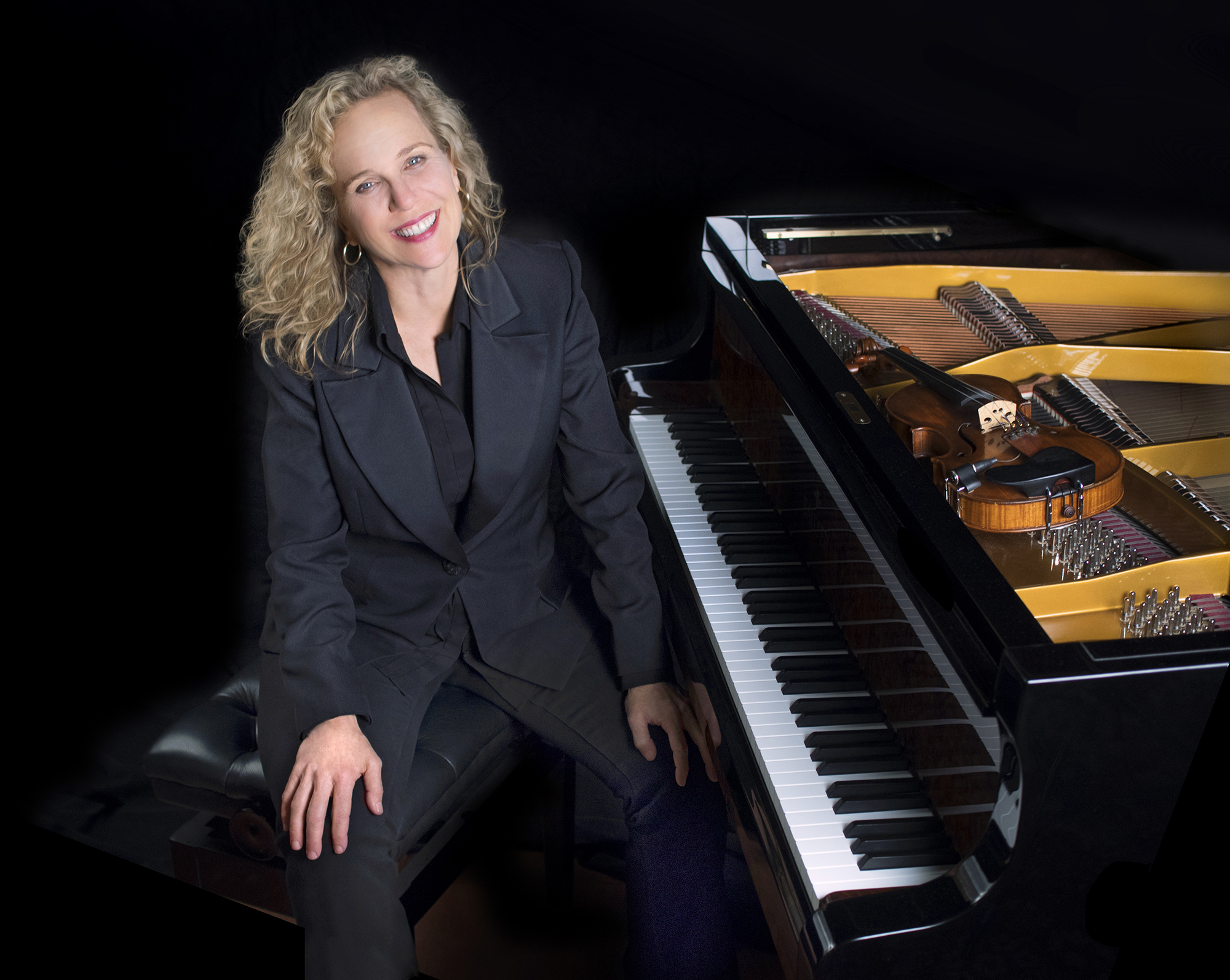
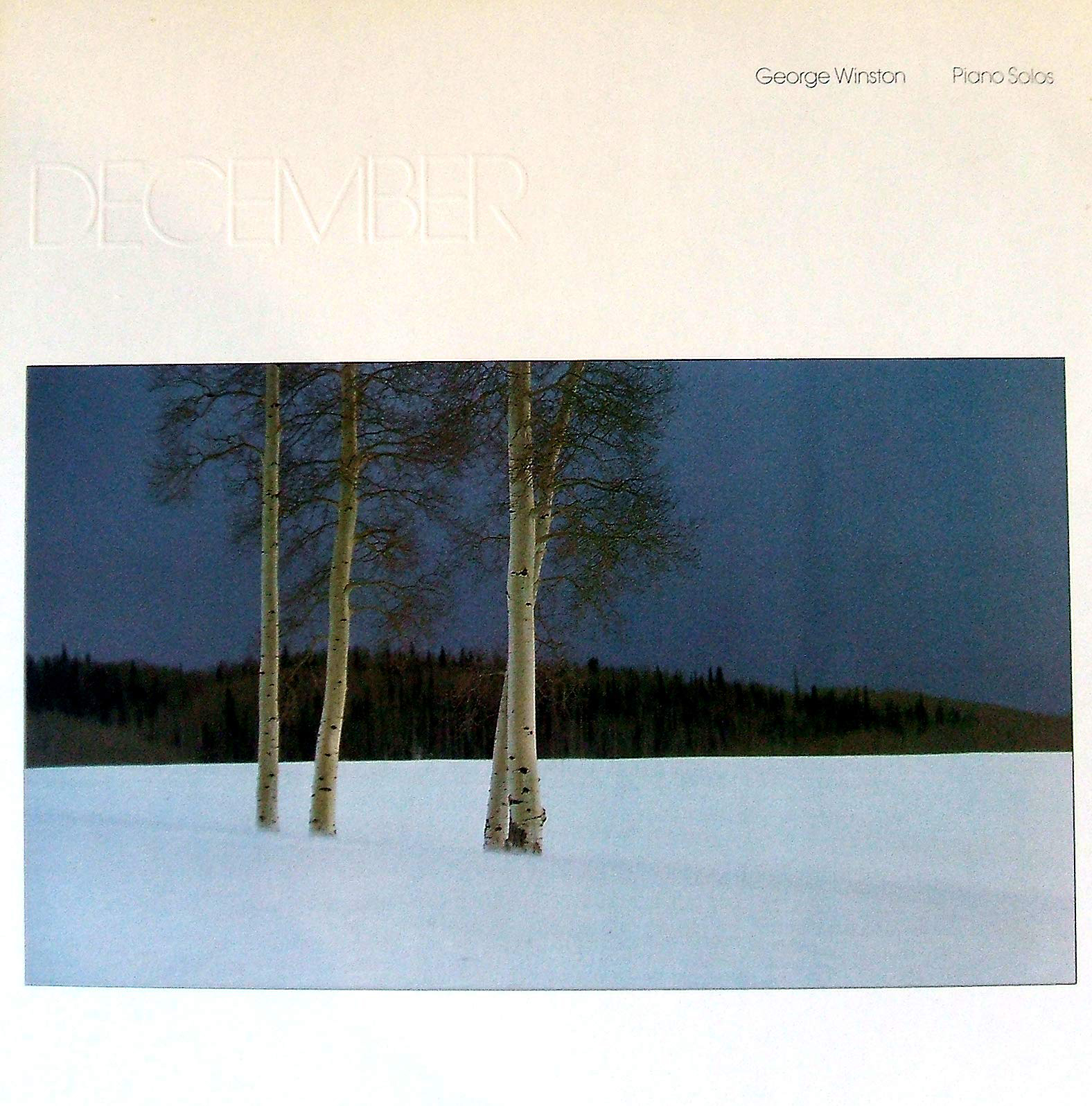
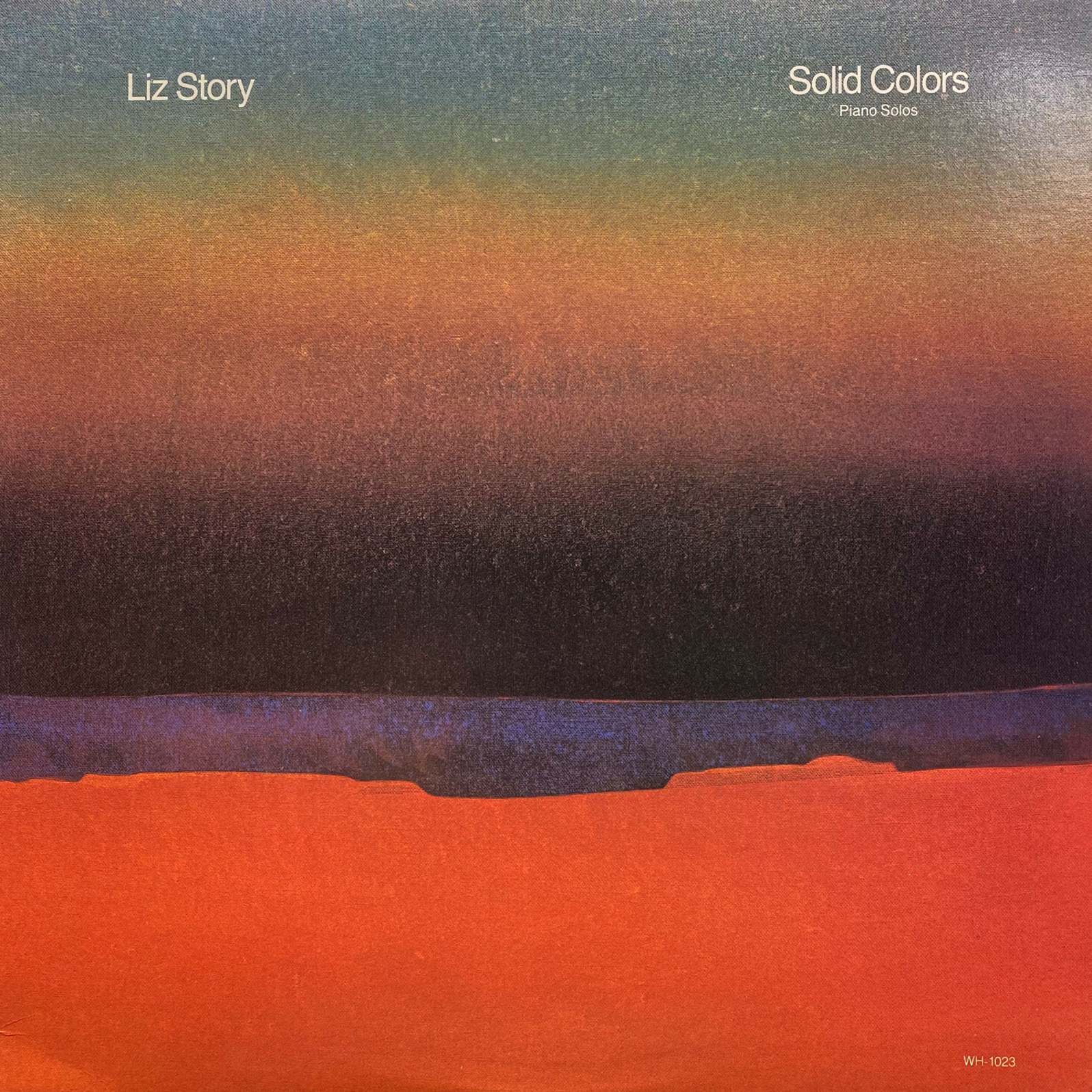
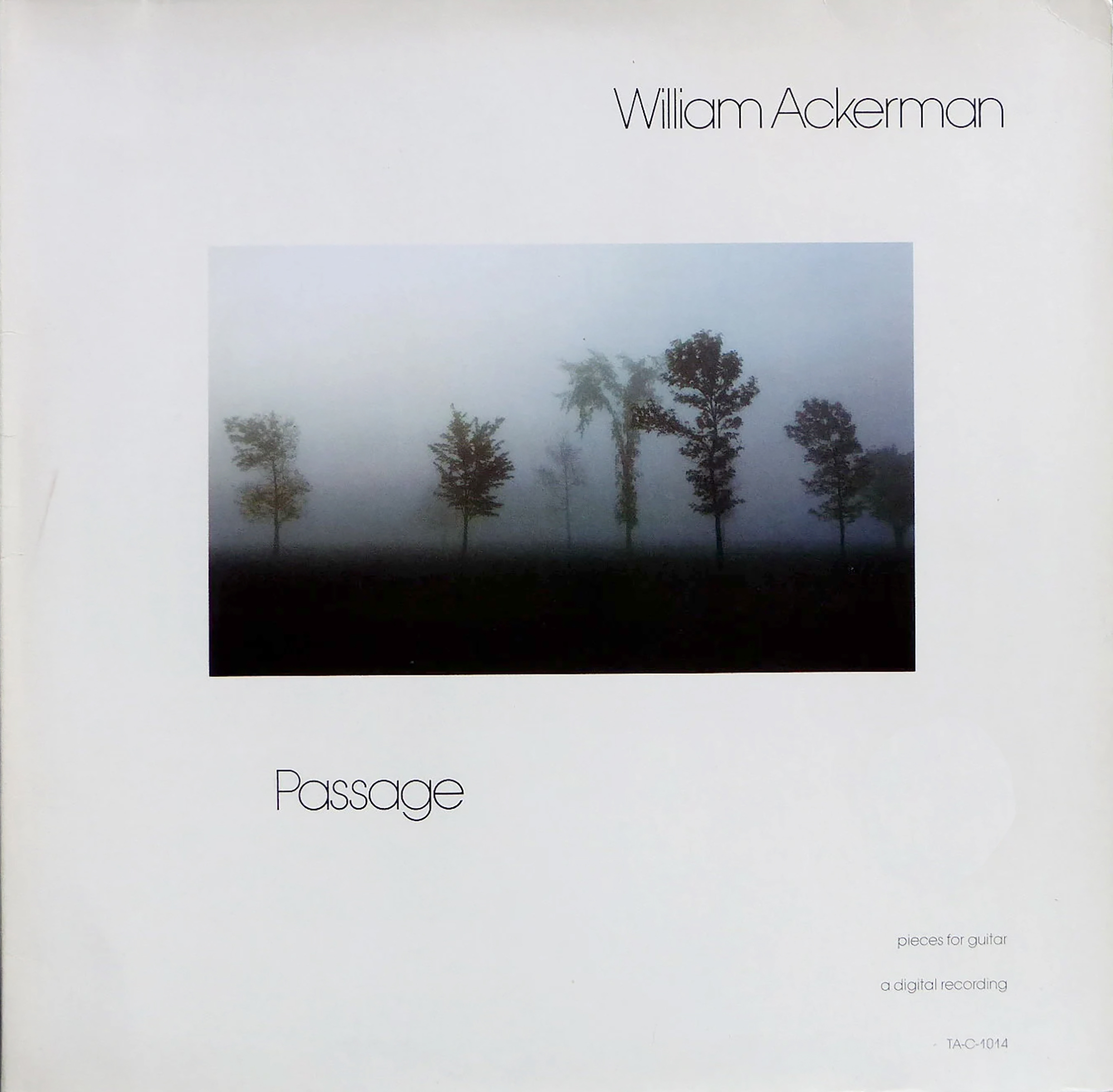
The fingerstyle guitarist Will Ackerman and wife Anne Robinson launched Windham Hill as a way to distribute his first album. Within a few years, the label had become home to a stylistically polyglot menagerie of musicians, including guitarist Michael Hedges, fiddler Darol Anger, pianist George Winston, multi-instrumentalist Barbara Higbie, pianist Liz Story, and the duo Tuck and Patti.
During its heyday from 1979–1995, the label thrived as a ubiquitous part of the American soundscape, filling bookstores, cafes, and living rooms with music of mostly acoustic origin that defied easy categorization. (Is prominence began to fade after it was acquired by the German-American company BMG in 1992.)
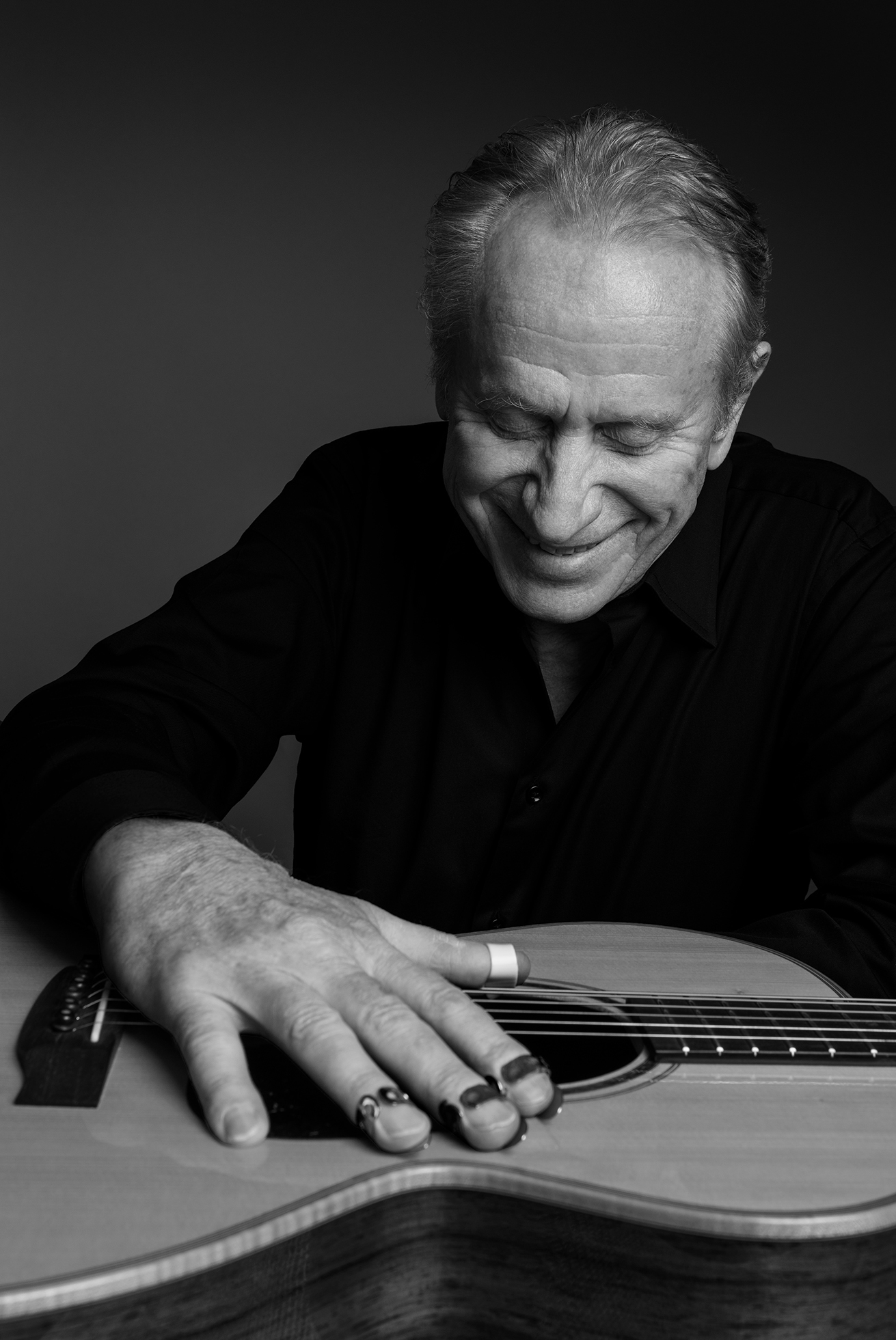
A 50th anniversary celebration of Windham Hill on Nov. 1, at the Freight in Berkeley, brings together an unprecedented roster of musicians who recorded for the label. Guitarist Alex de Grassi, Ackerman’s cousin and fellow Windham Hill pioneer, will be on hand, as will Higbie, Anger, and pianists Scott Cossu, Fred Simon, and Ira Stein. Ackerman himself will travel from Vermont to perform his original music for the first time in decades.
The occasion has him considering his legacy with Windham Hill.
“Looking at the overall picture, I’m proud of it,” Ackerman tells KQED. “The history is so meaningful to me, and now it feels so alive. I’m given credit, and my instincts were good, but it was never a concept. It was a matter of dealing with whatever crazy shit was going on.”
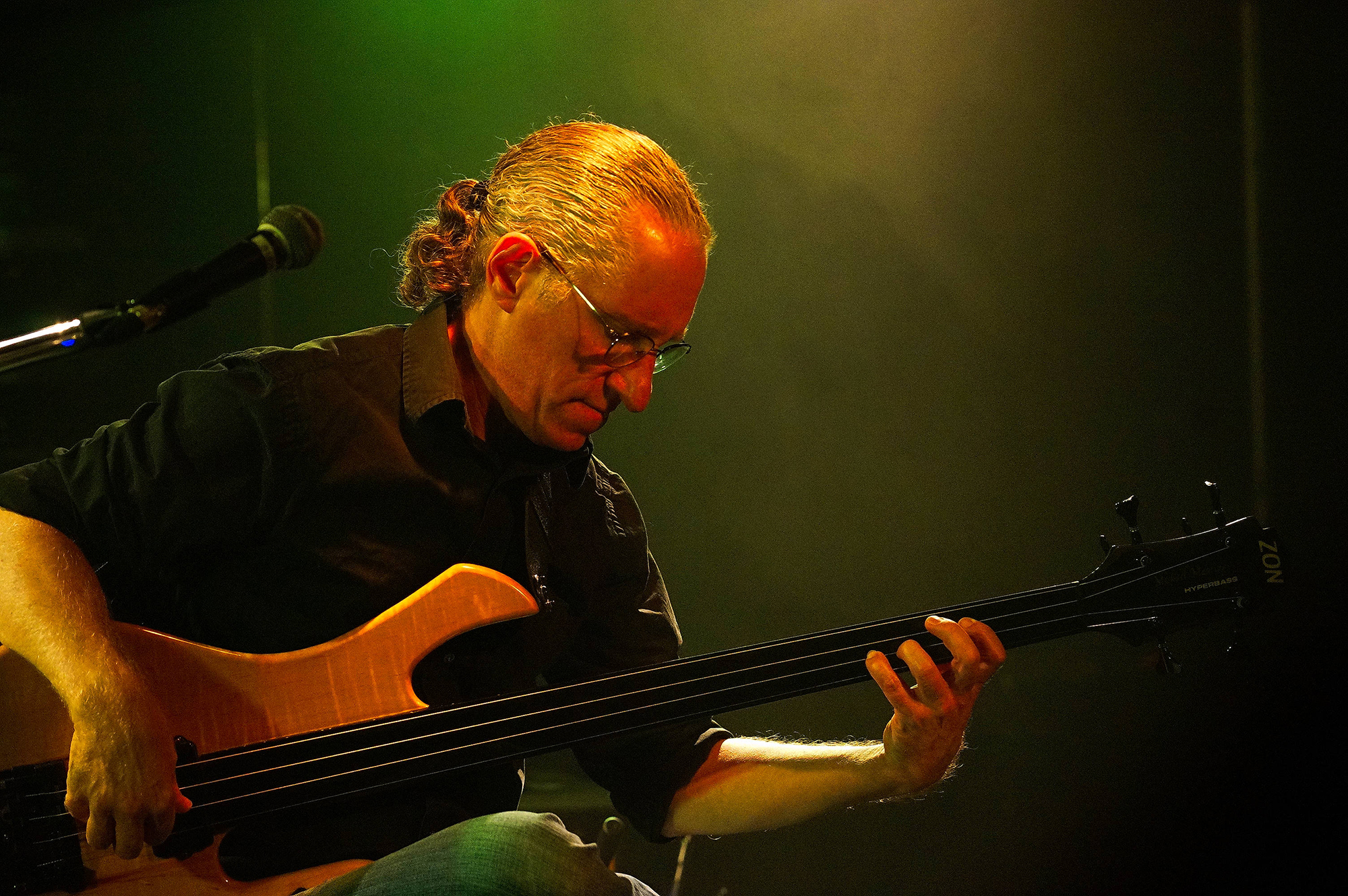
Also performing at the celebration is Oakland-based electric bassist Michael Manring. Like many former labelmates, he went on to a prolific and varied career. While he describes himself as the “black sheep” of a label that focused on acoustic instruments, he worked at the center of its action via his partnership with the esteemed guitarist Michael Hedges, who died in a car accident in 1997.
Manring looks back on Windham Hill not as a bohemian pose, but as an authentically countercultural force, and “the last spark of 1960s heterodoxy,” he says.
“Their first ad had the words ‘jazz,’ ‘classical,’ ‘rock’ and ‘pop’ crossed out. It was that feeling we don’t have to conform to any particular rules,” Manring adds.
There’s some irony that Windham Hill came to be pegged as an early purveyor of new age music, a category in which it was frequently nominated, and at times won, at the Grammy Awards. The umbrella term “new age” covered a vast array of ambient and electronic music that wasn’t associated with Windham Hill’s overall aesthetic.
One reason the new age label stuck is that many Windham Hill artists drew direct inspiration from the natural world. (A cross-section can be found in Winston’s album titles alone, such as Forest, Plains and Winter Into Spring.)
In the midst of making A Quiet Revolution: The Story of Windham Hill Records, East Bay documentarian Tal Skloot addresses the “new age” question in his film.
Windham Hill musicians “came from all over the map,” Skloot says. “Mike Marshall and Darol Anger from bluegrass, Barbara Higbie from minimalism and African rhythms, and George Winston called his music ‘folk piano.’ Philip Aaberg drew on Copland, which was so different than Liz Story’s classical influence.”
Skloot will film the Freight concert for use in the documentary, and will screen a 10-minute excerpt at the concert from the work-in-progress. The program also includes a conversation with Michael Hedges’ son and brother, who are making a documentary titled Oracle: The Life & Music of Michael Hedges.
No musician has done more to keep the label’s legacy alive than Higbie, who for many years organized and directed a Winter Solstice tour, inspired by Windham Hill’s hit CD compilation series. This year, the tour has downsized into just one date at the Freight on Dec. 20.
Efforts to memorialize the label’s cultural impact can rightly be seen as a response to inattentive corporate oversight. As a tiny niche that’s now part of the massive Sony Music empire, the Windham Hill catalog has languished for decades, with many albums hard to find or unavailable.
Manring’s 1994 cult instrumental heavy metal album Thonk sold out after a few years, and “the company refused to make it available in any format more for 20 years,” he says. Meanwhile, it became a top-downloaded title on Napster.
Public demand is high enough that veteran Windham Hill producer Bob Duskis, who went on to found Six Degrees Records, recently spearheaded a Kickstarter campaign to create A Winter’s Solstice Celebration, a new iteration of the seasonal favorite on the 40th anniversary of the original release.
The affection for the label’s music today is not hard to comprehend. In a world dominated by Apple and the digital realm that it shaped, Windham Hill offers an alternative to AI and cold algorithms, centering the human touch on instruments made of wood.
But as explored in A Quiet Revolution, the two Palo Alto-born companies shared more than geography.
“Steve Jobs was a huge fan of Windham Hill,” Skloot said. “Liz Story’s music was in Apple’s first how-to disc for the Macintosh. There’s definitely a synergy. Windham Hill was this homegrown artist-based label, and that’s what many fans love about it.”
‘Windham Hill 50th Anniversary Live’ takes place Sunday, Nov. 1, at The Freight in Berkeley. Performers include Will Ackerman, Liz Story, Alex de Grassi, Barbara Higbie, Darol Anger, Michael Manring, Scott Cossu, Fred Simon, and Ira Stein. Tickets and more information here.