In ‘Fjord,’ a Religious Family Navigates Norway’s ‘Enlightened’ Norms
Cristian Mungiu’s 2007 neorealist masterpiece, 4 Months, 3 Weeks and 2 Days, followed the agonizing quest of two young Romanian women seeking an illegal abortion. Set in the 1980s during the long-running dictatorship of Nicolae Ceaușescu, the film immersed us in the desperation of ordinary people thwarted and threatened by a ruthless, repressive system.
In his riveting new film, Fjord (opening Friday, Oct. 9 in the Bay Area), Mungiu again considers the threats to personal freedom posed by political structures and self-righteous bureaucrats. Instead of a communist country in the old Soviet bloc, however, the setting is socially enlightened, present-day Norway.
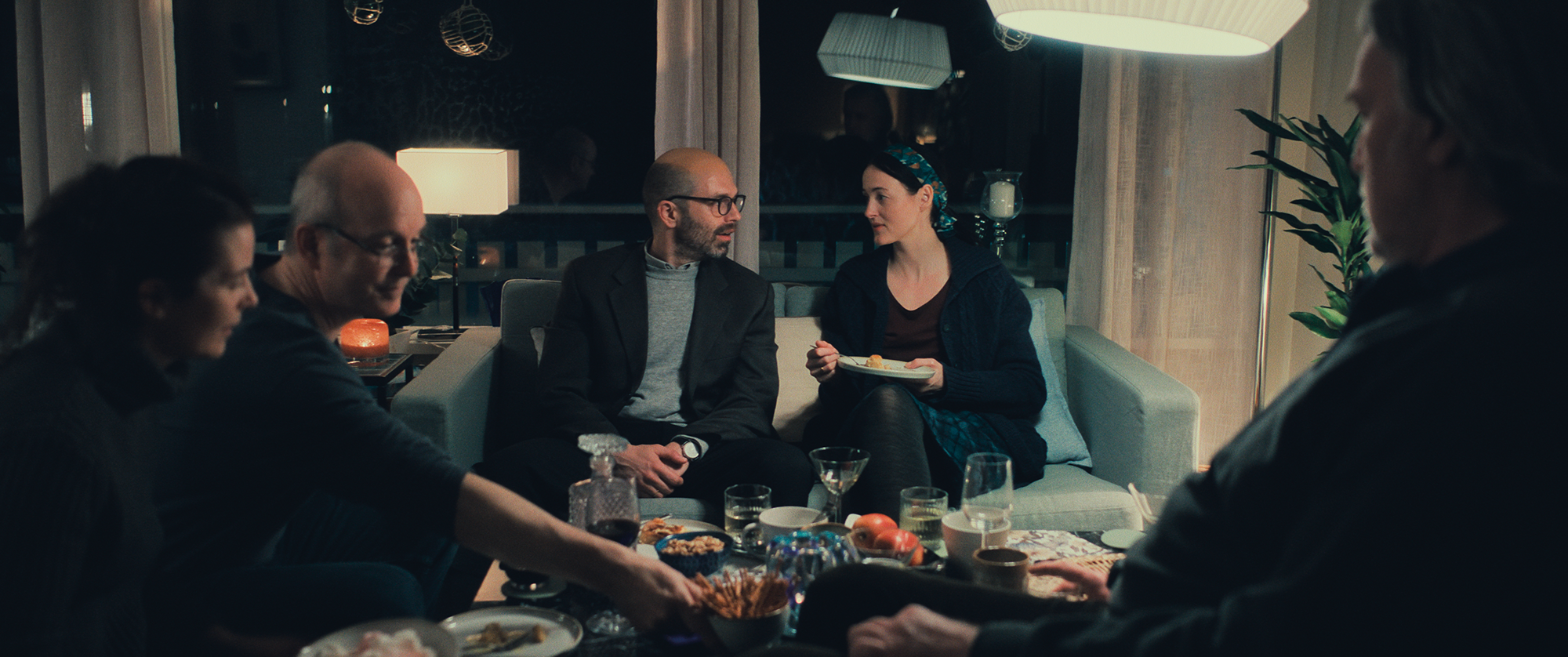
Fjord, which won the Palme d’Or at the Cannes Film Festival, unfolds within a welcoming community defined by physical proximity and relationships, where English is used to bridge any gaps. Notwithstanding its star casting, it is a low-key ensemble piece that is devoid of showcase moments. Though Fjord is never less than involving, it lacks the emotional power of 4 Months, which also won the Palme d’Or.
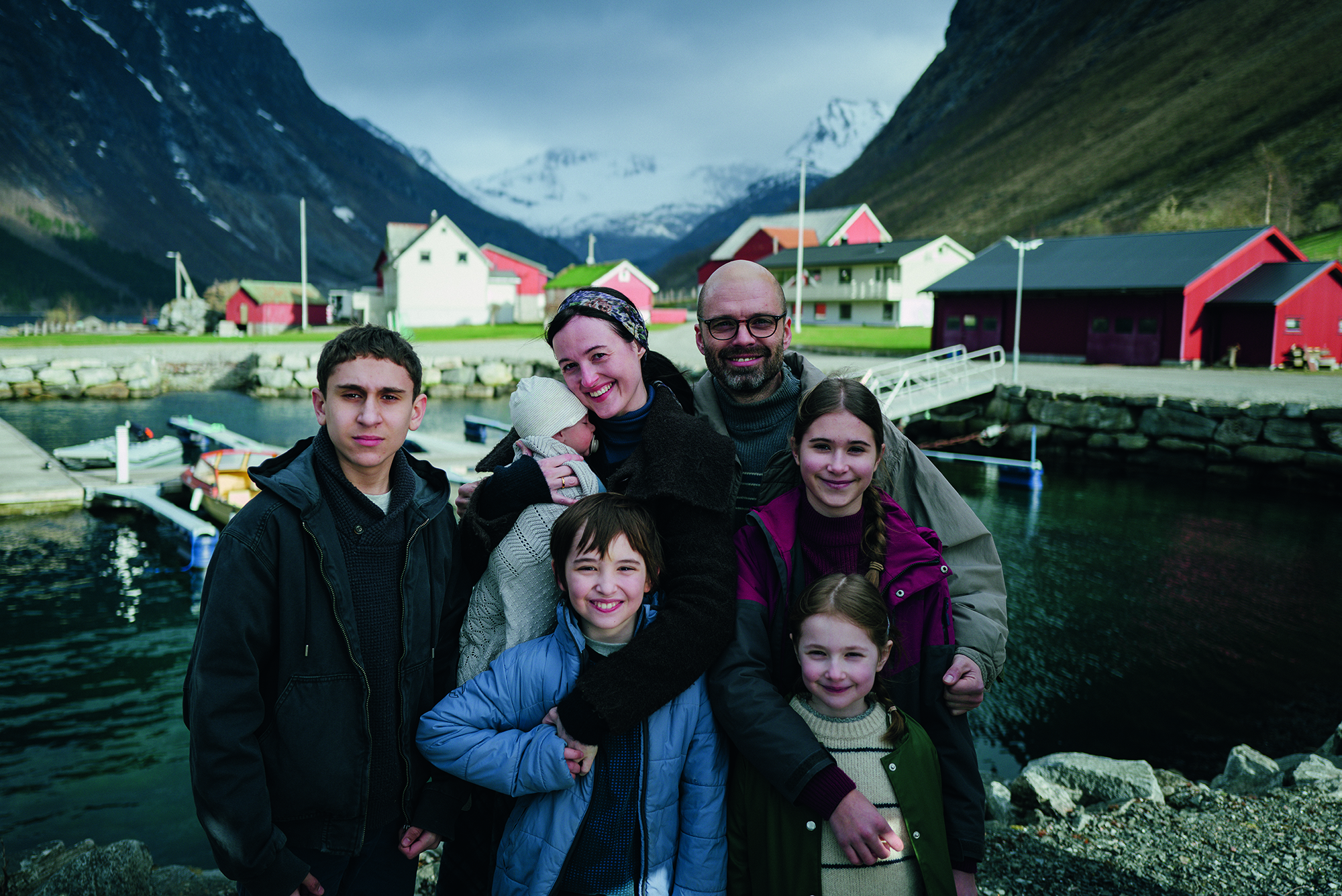
The Gheorghiu clan — Mihai (Sebastian Stan, A Different Man, The Apprentice), Lisbet (Renate Reinsve, brilliant in last year’s Sentimental Value) and their five young children — have just arrived in a remote Norwegian town from Mihai’s native Romania. The pristine and stark environment evokes a new beginning, and a clean slate from whatever may have impelled the IT engineer and nurse to pick up and move their family to Lisbet’s country.
The early scenes have a faintly ominous tinge, which we might attribute to the awkwardness of meeting new coworkers and the anxiousness of making new friends. The flip side of that, the feeling of otherness that colors the locals’ perception of the newcomers, is the religiosity of the Gheorghius. When Mihai idly plays a hymn on the organ in the break room, what initially seems to be harmless noodling feels uncomfortably like inappropriate evangelizing.
Meanwhile, the oldest children, Elia (Vanessa Ceban) and Emmanuel (Jonathan Ciprian Breazu), who are sheltered and therefore young for their age, fall under the sway of a neighboring teenage girl. The impulsive Noora (Henrikke Lund-Olsen) lures them on an illicit late-night motorboat ride that seems designed to foreshadow horrible tragedies of youthful bad judgement.
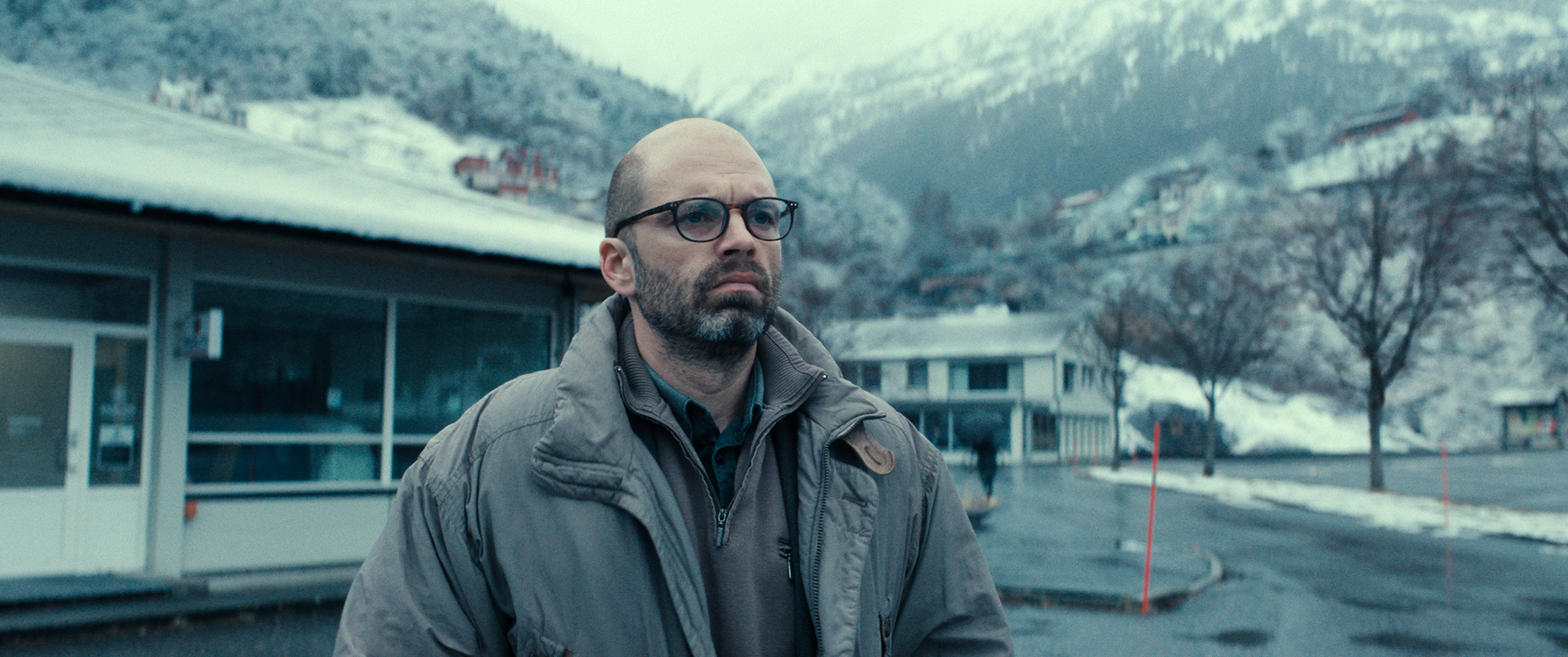
I guess I’m still scarred nearly three decades later by The Ice Storm, because parental indifference and neglect is the furthest thing from Mungiu’s mind as director. On the contrary, it’s an accusation that Mihai hit Elia — a charge, perhaps, instigated by language barriers, amplified by cultural differences and inflated by religious prejudices — that turns Fjord on its head.
The film’s early sequences had pointed toward dual tracks: Mihai and Lisbet on one and Elia and Emmanuel on the other. Mihai’s potentially devastating criminal problem shifts the film’s structure to a talky legal procedural (with the foreigner Mihai in the crosshairs) on the one hand and Lisbet’s struggles as a mother and neighbor on the other.
4 Months made us feel its protagonists’ nightmarish dilemma without resorting to melodrama. Fjord evokes a sense of injustice, and flashes of outrage, but not much else. That’s in part due to Mungui’s avoidance of emotional outbursts, close-ups, dramatic music and other techniques of audience manipulation.
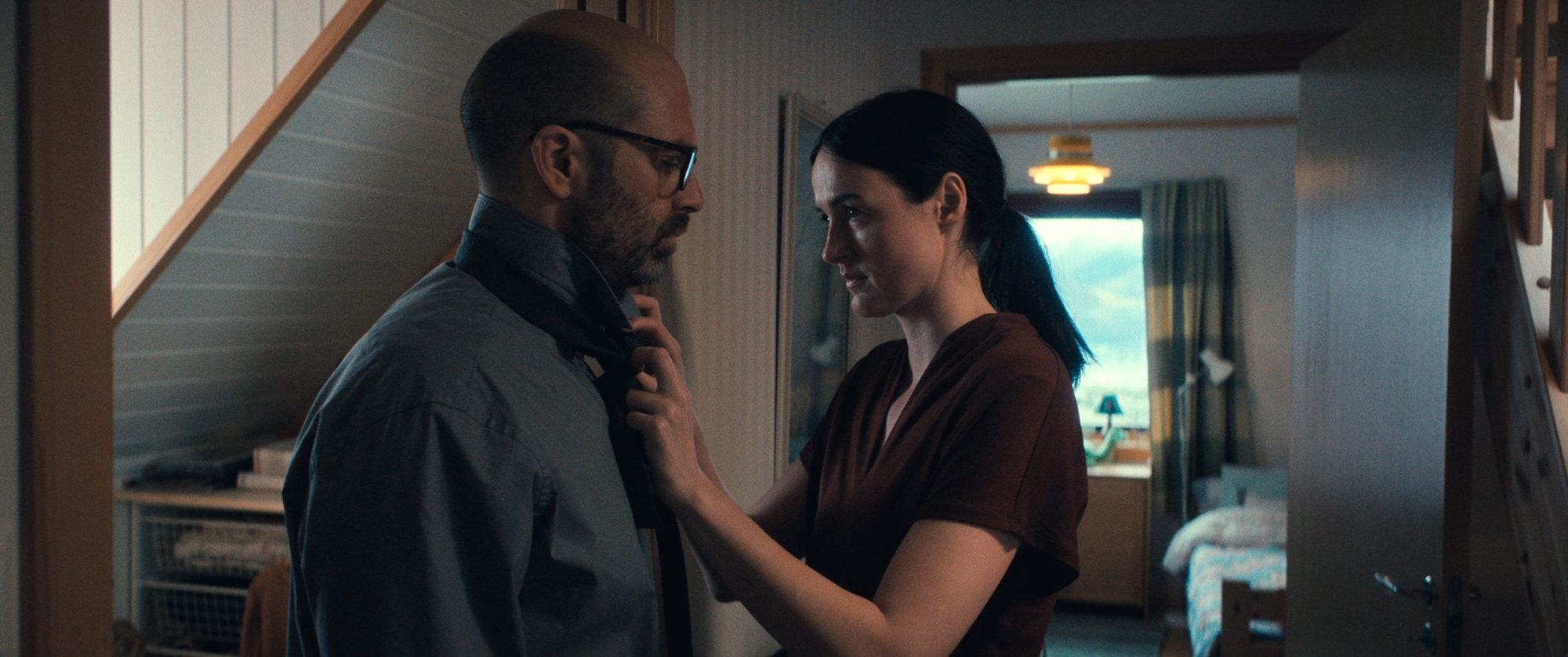
Consequently, in lieu of a visceral emotional experience, we are given an intellectual conundrum. In trying to protect children from adults, has this enlightened Norwegian society lost its judgement and common sense? Are police and prosecutors doing their jobs diligently and properly or are they bigots who, because the Gheorghius are Christians and not Muslims, plausibly deny their xenophobia?
It’s possible, I suppose, to see Fjord as a critique of so-called woke liberalism—the nanny state dialed up to 11 and misguidedly doing more harm than good. I doubt this is Mungiu’s intent, because it invites viewers across the political spectrum to retreat into, rather than examine, their belief systems, biases and values.
In 1975, Swiss director Alain Tanner tapped into the zeitgeist with Jonah Who Will be 25 in the Year 2000, an arthouse hit that depicted a post-hippie, post-revolutionary, quasi-utopian European society. The thirtysomething parents in the film — and by extension, their country — were messy and mistake-prone, sure, but well-intentioned, kind and optimistic.
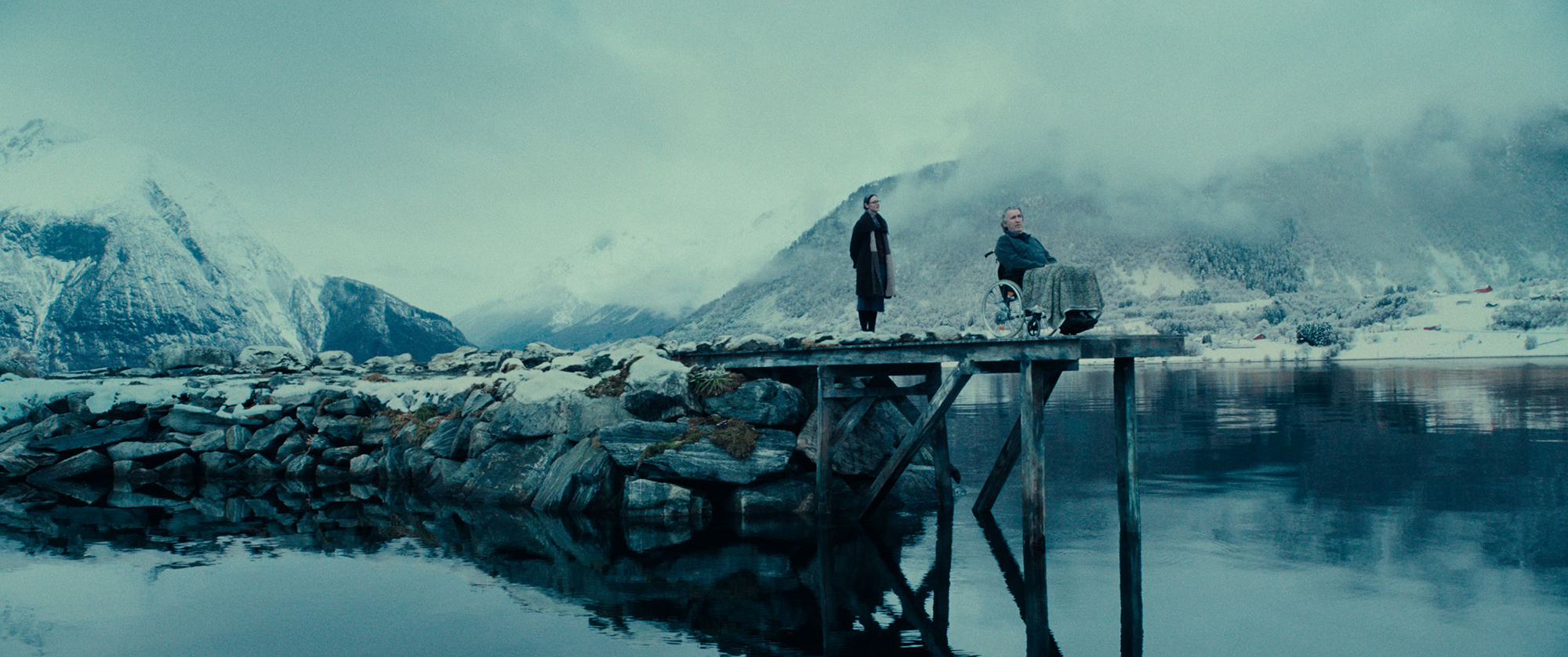
Maybe Fjord depicts the inevitable aftermath of that generation of permissiveness and experimentation. The instincts to nurture and protect still exist, but they are swaddled in too many regulations, rules and procedures.
Mingiu aims to position the Gheorghius as victims of an implacable system with endless power and resources. They have few options, and their decisions should have us on pins and needles. Even before its curious final shot, though, Fjord feels like a parable more than real life.
‘Fjord’ opens in Bay Area theaters on Friday, Oct. 9.