How a Bauhaus-Trained Potter Built an Art School in Guerneville
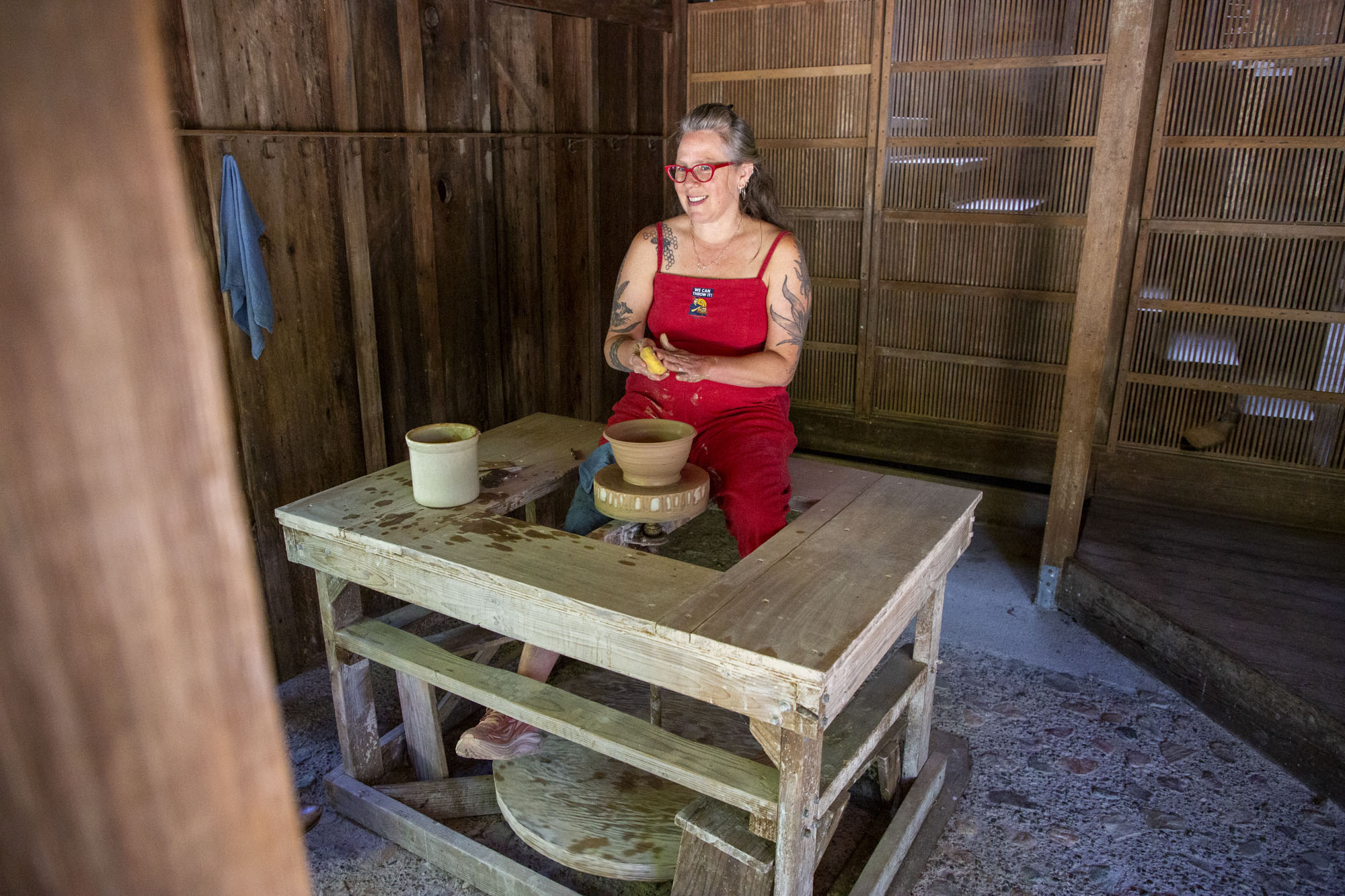
James Dahl, now 80, still recalls the silence of the workshop during his time as a student at Pond Farm Pottery in the summers of 1968 and 1969. There was no electricity in the barn where the students worked. The only sounds were the whir of the old-fashioned kick-wheel and an occasional hand slapping clay. That and the voice of master potter Marguerite Wildenhain.
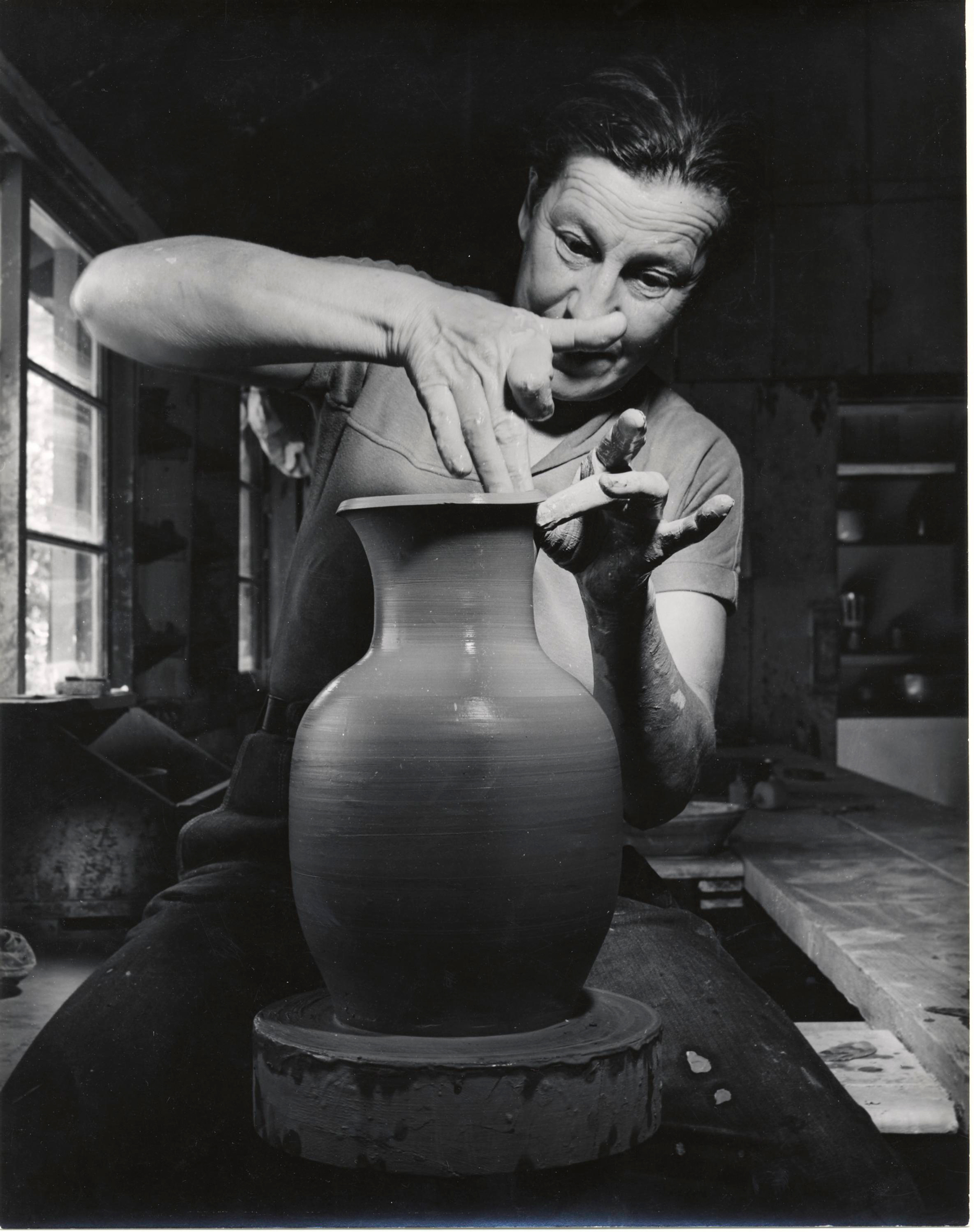
“When you walk through that gate, and you walk up to the barn, you park your ego at the gate,” Dahl says. “I can still hear her voice, ‘Oh, James, you’re torturing the clay. Stop. Cut it off the wheel and start all over.’” (It’s common for beginners to work the clay too long.)
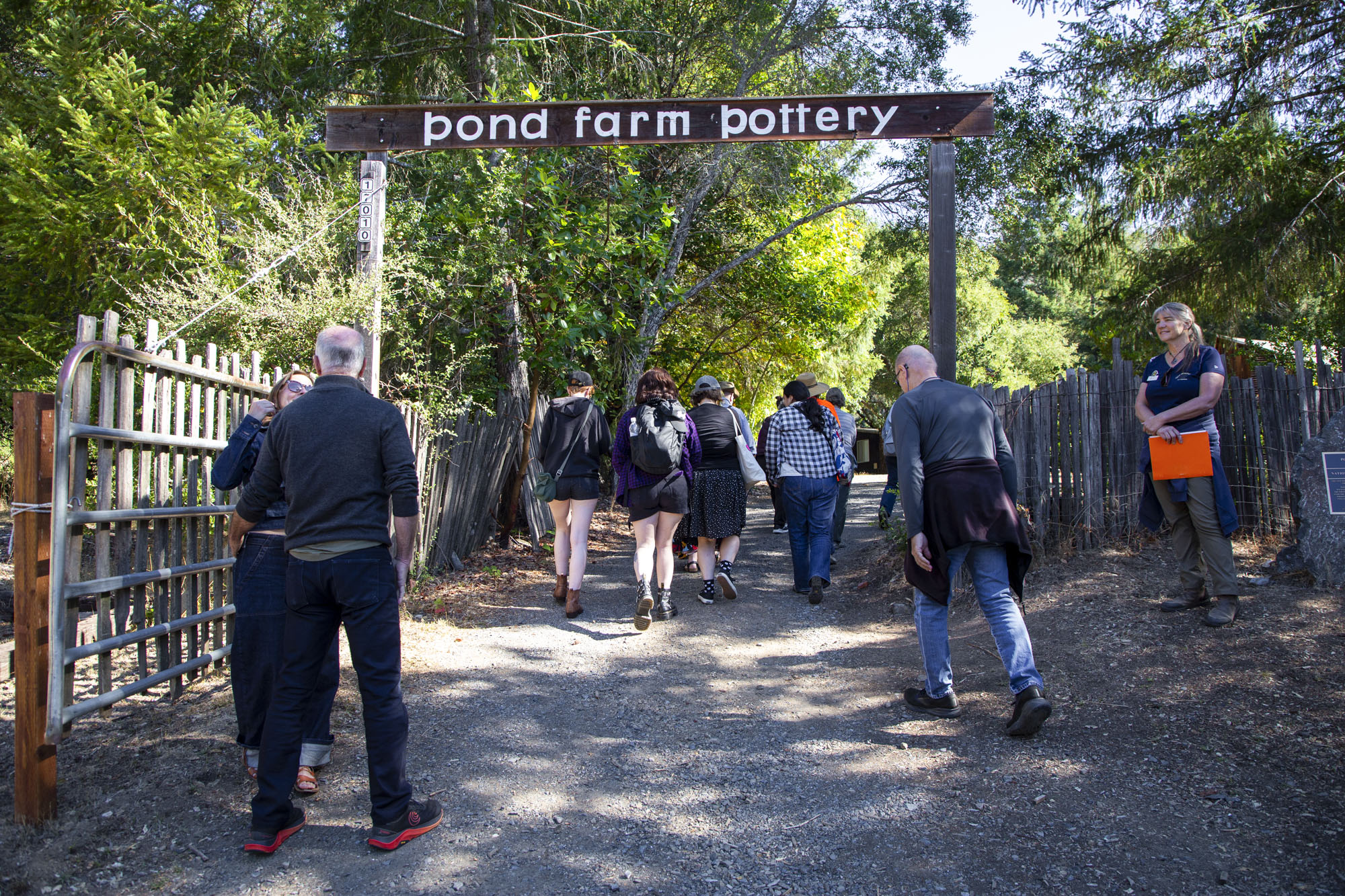
Nestled atop a Guerneville hill in what is now Armstrong Redwoods are the remains of Pond Farm Pottery — once a summer workshop and training ground run by Wildenhain. A French-born potter of Jewish ancestry, Wildenhain trained at the Bauhaus school in Germany, ran a pottery shop in the Netherlands and immigrated to the United States in 1940 to escape the Nazi invasion. She taught summer workshops at the site from 1952 until 1980.
At a moment when San Francisco’s last nonprofit art school, California College of the Arts, is about to close its doors for good, many are turning to alternative models of arts education. In recent years, a number of small-scale and DIY “schools” have cropped up around the Bay Area, including Bathers Library, Present Company and Salmon Creek Arts, and the forthcoming Art + Water and California Academy of Studio Arts.
The history of Pond Farm offers a blueprint for how artists might share their knowledge moving forward, with a focus on gradually building skills, one summer — or in this case, one pot — at a time.
‘One doesn’t find a place, one makes a place’
Wildenhain was perhaps never meant to teach in an institution that did not demand a full immersion into artistic life.
She bristled against a more traditional art school. Shortly after her move to the U.S., she briefly taught at what was then the California College of Arts and Crafts (CCAC), but referred to it as “College of Farts and Craps,” because she felt the students were not committed to a demanding life of craft. Instead, she began her own experimental school, modeled after her training in Germany.
Every summer about 25 students would come to the Guerneville property for a six to nine week course in which they would work on the wheel from 8 a.m. to 3 p.m. With an emphasis on the process, the pots would not be fired and kept, but recycled (aka destroyed). Once students mastered a bowl or a vase, they would move on to the next form in Wildenhain’s strict program.
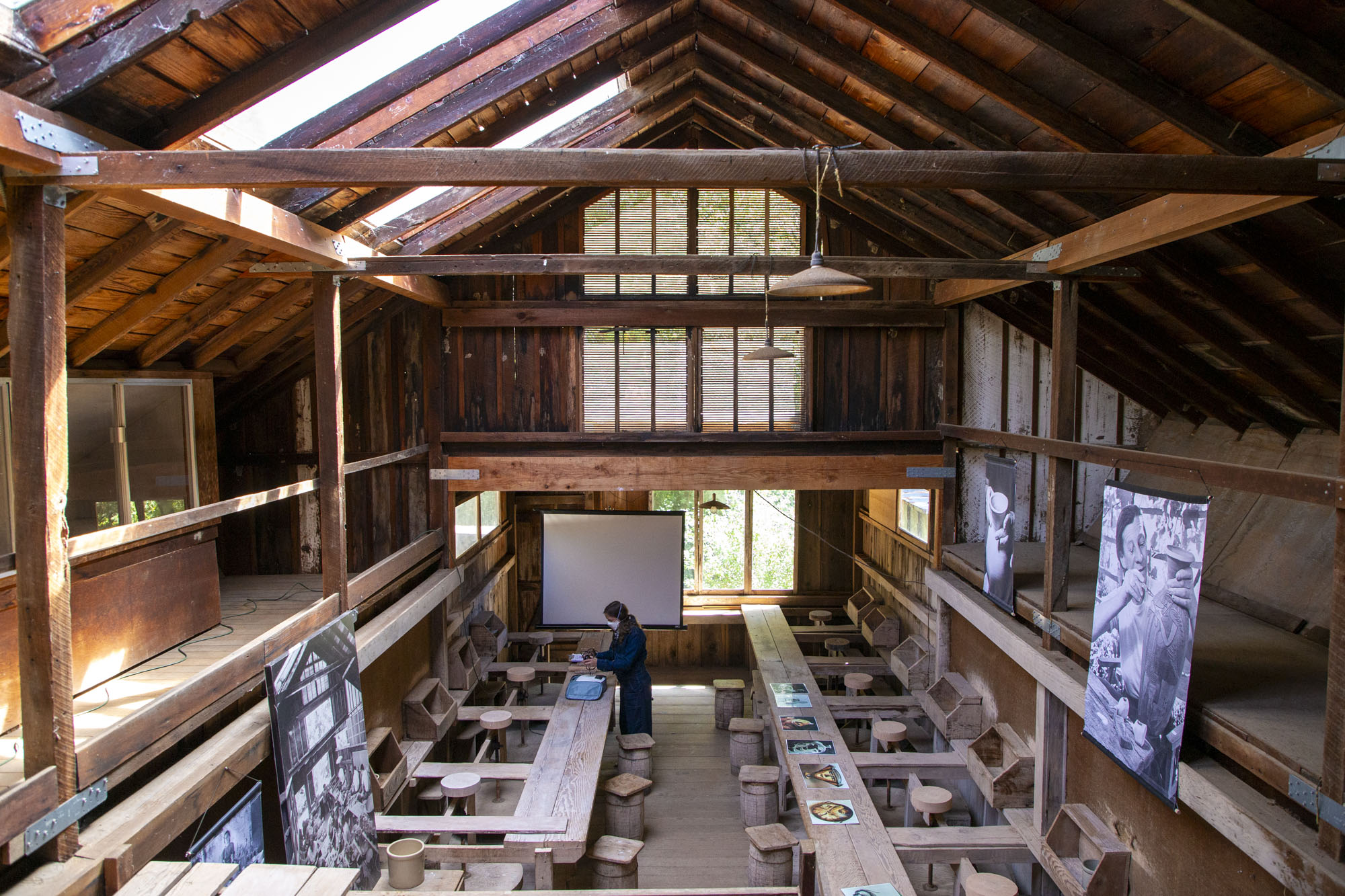
The idea was not to value the object, but instead the experience of making it. Wildenhain wrote in her second book, The Invisible Core: A Potter’s Life and Thoughts, “Pond Farm is not a ‘school’; it is actually a way of life.”
The summer workshop amenities were bare bones. Students rented rooms in nearby Guerneville and hiked the four miles to the barn, or else camped nearby. They were responsible for their own food. (Wildenhain herself did not own a refrigerator until the early 1960s.)
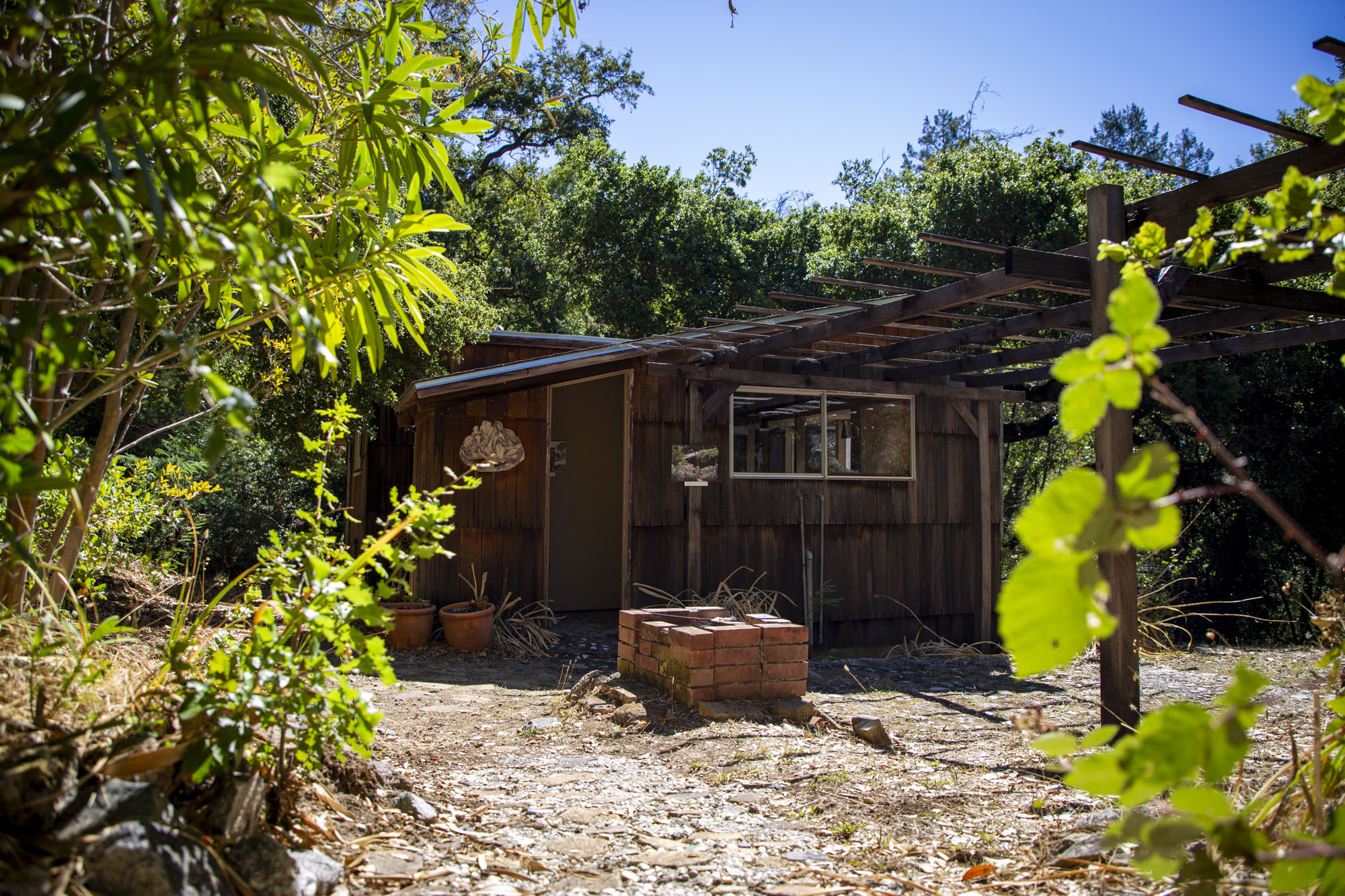
She was able to create this school and way of life with the assistance of Gordon and Jane Herr. The couple first met Wildenhain in the Netherlands in 1938, when they tried to recruit artists to begin an artist’s colony in California. The Herrs purchased 160 acres in 1939 and for a few years the vision of an artist colony, in the form of Pond Farm Workshop, became reality. The artist colony did not last, but Wildenhain built a small cabin and renovated a barn for summer classes, and eventually bought eight acres of land from the Herrs.
In a 2023 Pond Farm documentary, Wildenhain says, “One does not find a place, one makes a place.”
The death and rebirth of Pond Farm
After Wildenhain’s death in 1985, the buildings of Pond Farm Pottery began to fall into disrepair. Though Wildenhain was once well known within the ceramics and Bay Area arts communities — Ruth Asawa was a close friend — knowledge of Wildenhain’s artwork and teaching career also dwindled.
“She kind of faded as the site itself was falling apart,” says Laurie Prothro, a board member of Pond Farm Partners, a nonprofit group that works with the Stewards of the Coast and Redwoods and California State Parks, to run education programs at the site.
Pond Farm was named a National Historic Landmark in 2023. “Pond Farm Pottery is a remarkable place and one that signifies the role of women, immigrants, and the arts in the rich mosaic of our nation’s history,” said State Historic Preservation Officer Julianne Polanco when the site was designated.
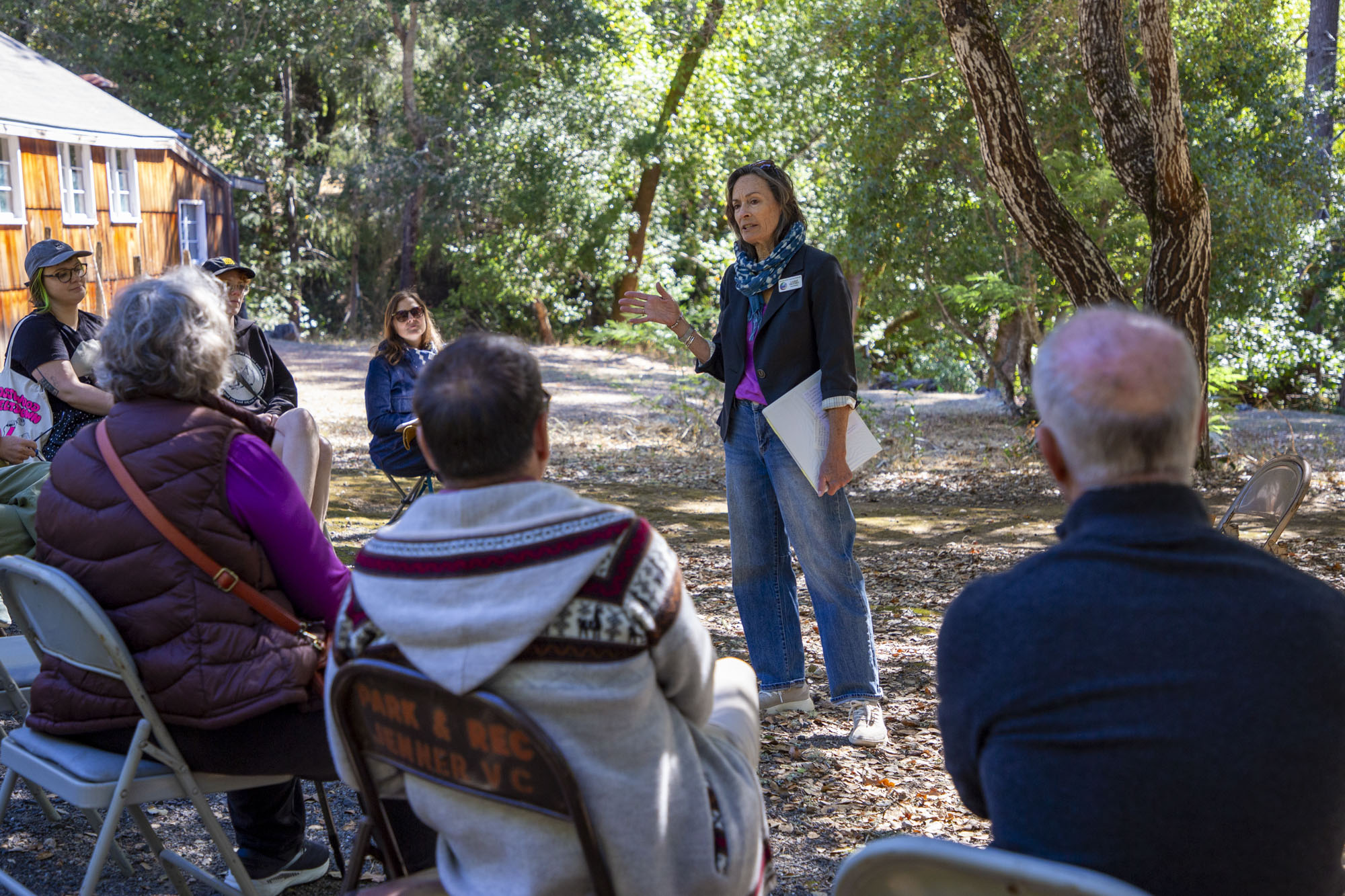
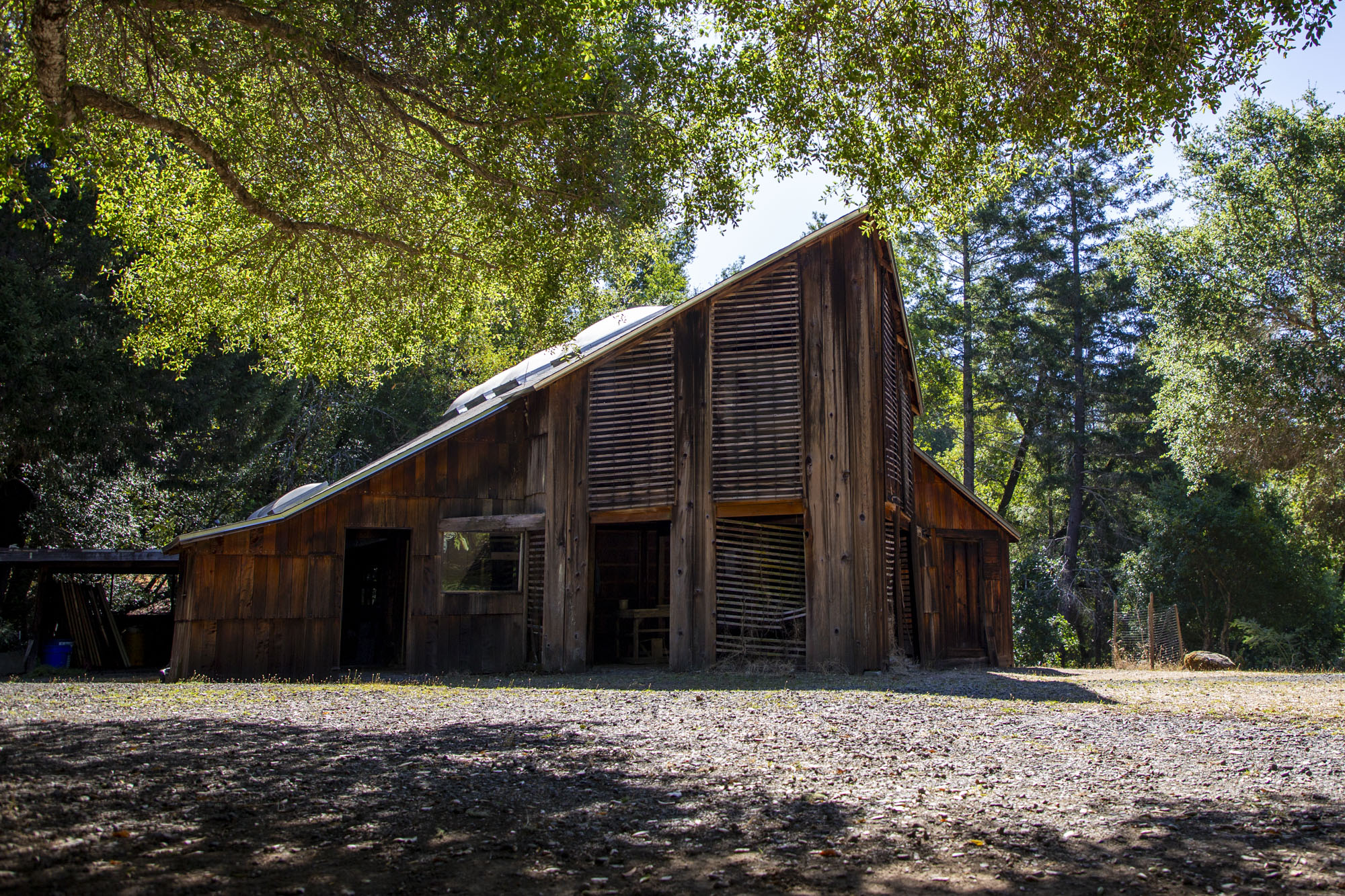
Prothro says the place’s magic comes from its history. She now helps run an artist-in-residence program and trains new docents. When she gives tours she says it’s fun to meet potters who have studied with people who studied with Marguerite. “They’ll walk in the barn,” she says, “and they’ll just say, ‘Oh, this looks exactly like my teacher’s studio.’”
Former students describe their time at Pond Farm Pottery as challenging. But for many, the experience of working with Wildenhain shaped both their life and work. “She was a really amazing person in that she lived this kind of remote, isolated life, and yet she was spearheading so much in her connections with the art world,” Prothro says.
Jane Rekedal, now 73, was a student at Pond Farm in the summers of 1975 and 1976. She says she often gets tears in her eyes when returning to the site. “ Pond Farm is like holy ground,” she says. “It is the home of the master. It’s hallowed … it’s like a magic kingdom to a potter.”
Rekedal met her husband at Pond Farm and continues to do pottery from her home and studio near Santa Cruz. “There’s a spirit of that community that I feel when I go there,” she explains, “and it’s like belonging to a really special family.”
A master teacher and master potter
Dahl and other students like Rekadal return to Pond Farm occasionally to provide demonstrations on the pottery wheel after docent-lead tours induct visitors into the history and legacy of the place.
“She was a master teacher as well as a master potter,” Dahl says.
Rekedal says Wildenhain always knew what each student needed. “Everyone was on their individual path,” she says. Some would progress through a certain form faster, and others would need more time.
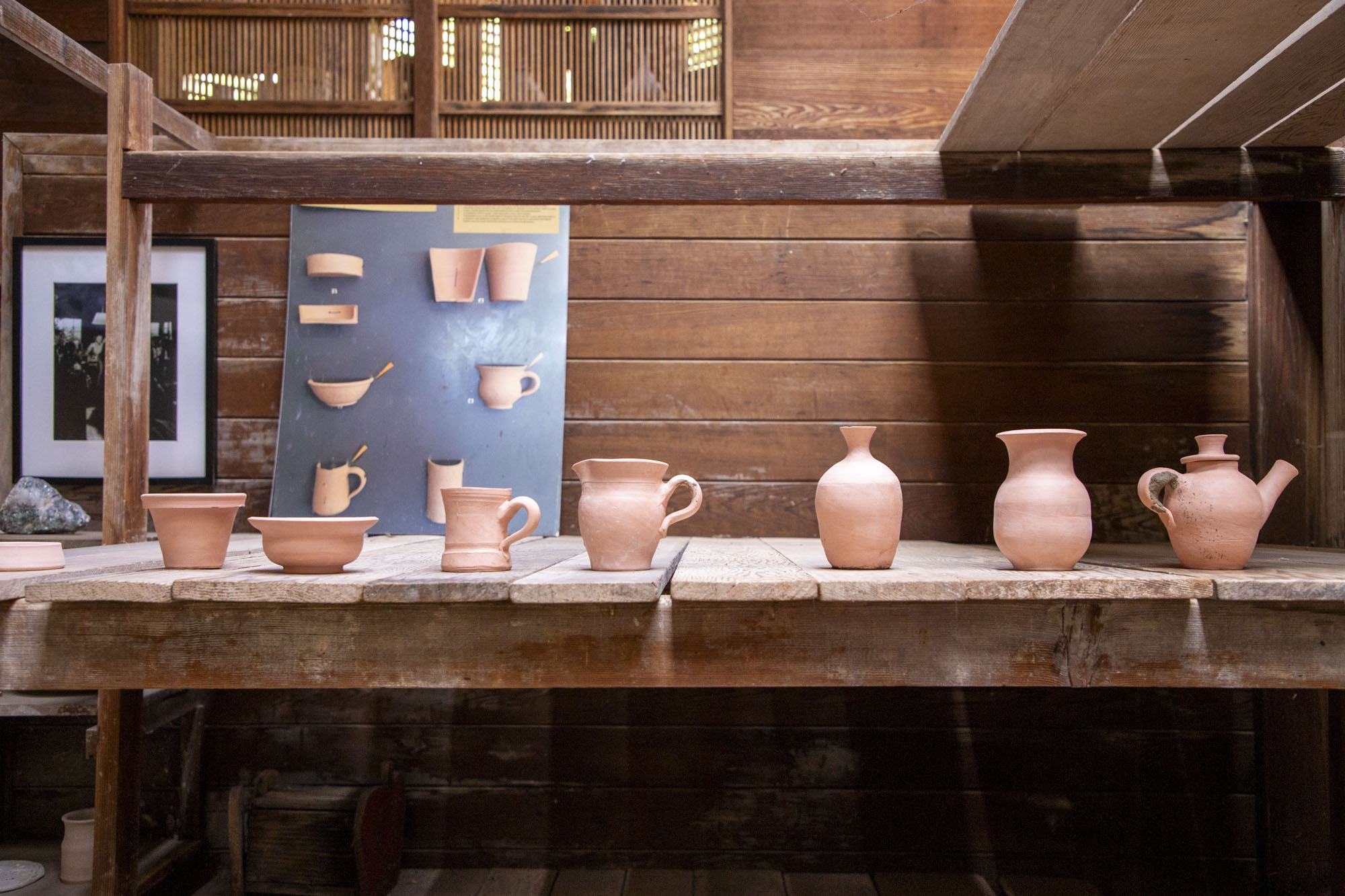
“Every student had their own assignment, and it was custom tailored to where they were in their skill level and what they needed,” Rekekal explains, adding that sometimes students would end up doing something longer than they wanted to.
Dahl recalls how he had to make pitchers for several days, and after a while, he couldn’t think of any other forms. “I thought she was gonna chew me out,” he says. “Instead, she said, ‘Great. This is perfect. Now, this is where the creativity begins.’”
Dahl says he still loves making pots. Despite being a bit slower as he ages, “I’m still coming up with new forms and new shapes.” He thanks Marguerite for helping him find that lifetime of creativity.