‘African Stew,’ Set In Oakland, Reflects Playwright’s Own Bay Area Roots
Lisa B. Thompson sets her plays in cities that are personally meaningful. Monroe, a Great Migration story, was inspired by her mother’s hometown in Louisiana. Her son was born in Albany, New York, which became the setting for Underground, a political thriller about the movement for civil rights in the United States.
“I’ve just picked different cities that I love,” Thompson said. “I want to make sure that I give them certain love letters.”
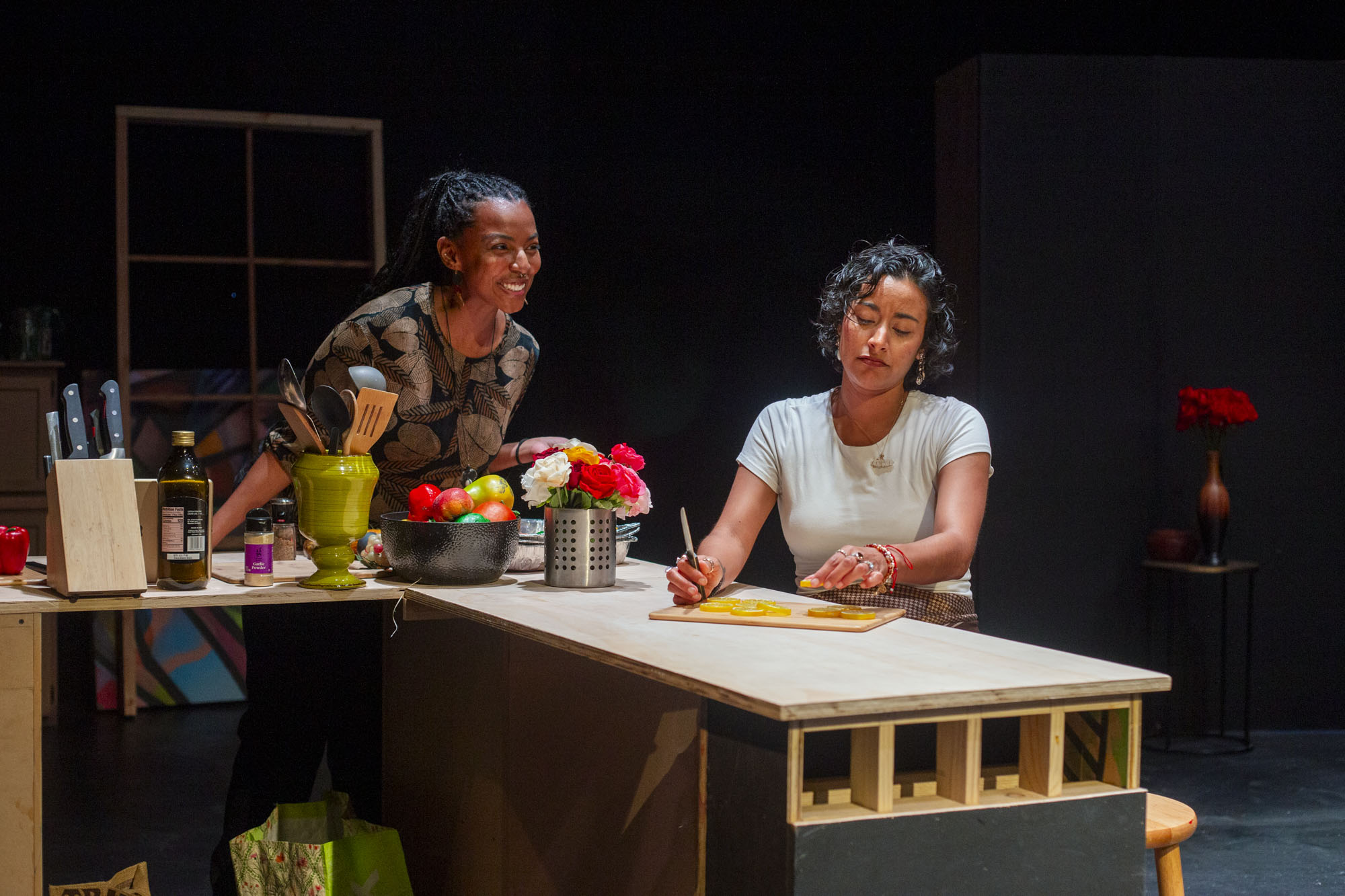
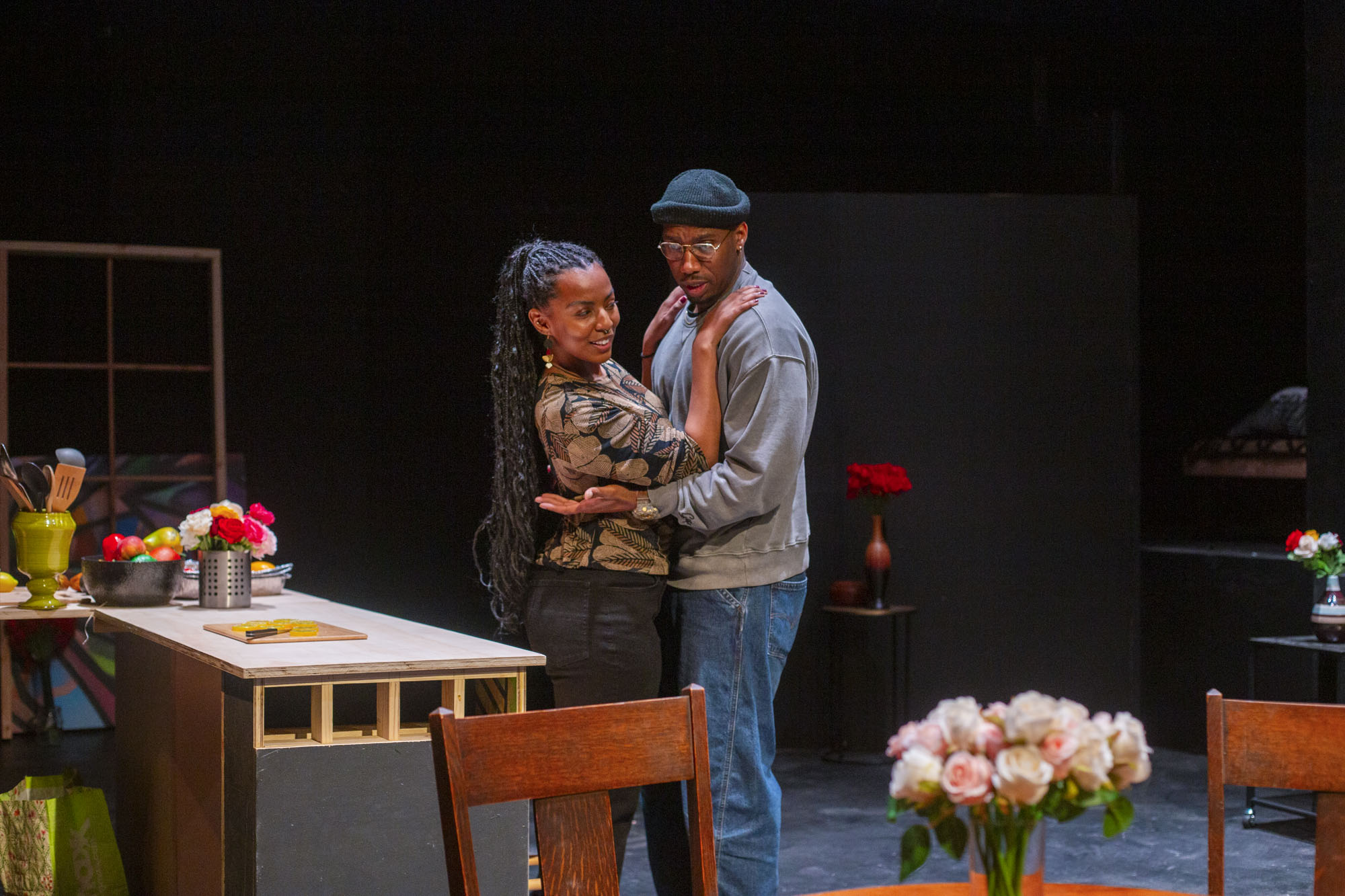
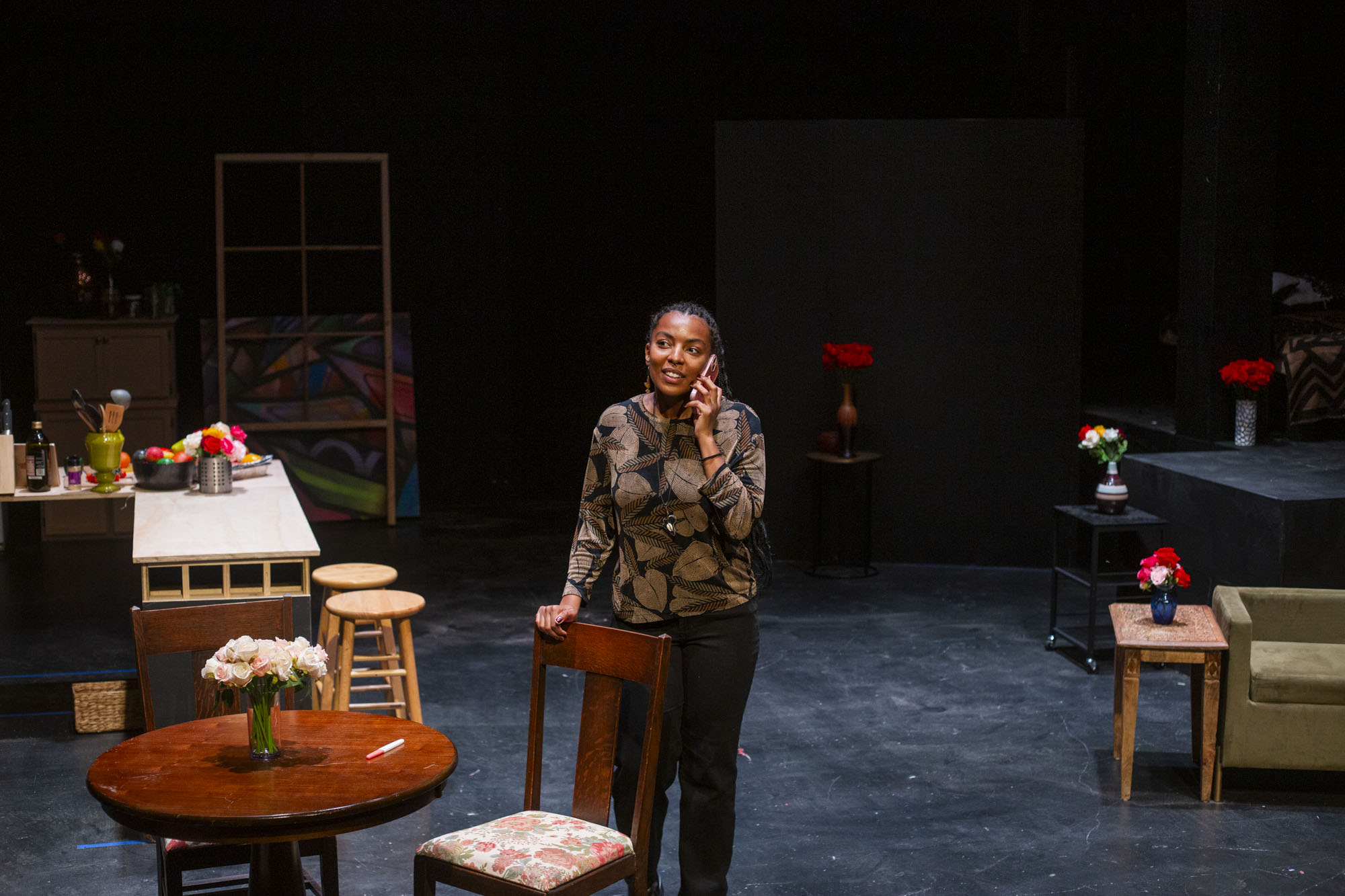
Thompson returns to her Bay Area roots for her latest play, African Stew, which makes its world premiere on Thursday, Sept. 10. Presented by Lorraine Hansberry Theatre (which also put on Thompson’s 2024 play The Black Feminist Guide to the Human Body) and directed by Edris Cooper-Anifowoshe, African Stew explores intergenerational and cultural tensions that arise when the families of a newly engaged African American woman and a Nigerian man get together for a meal in Oakland.
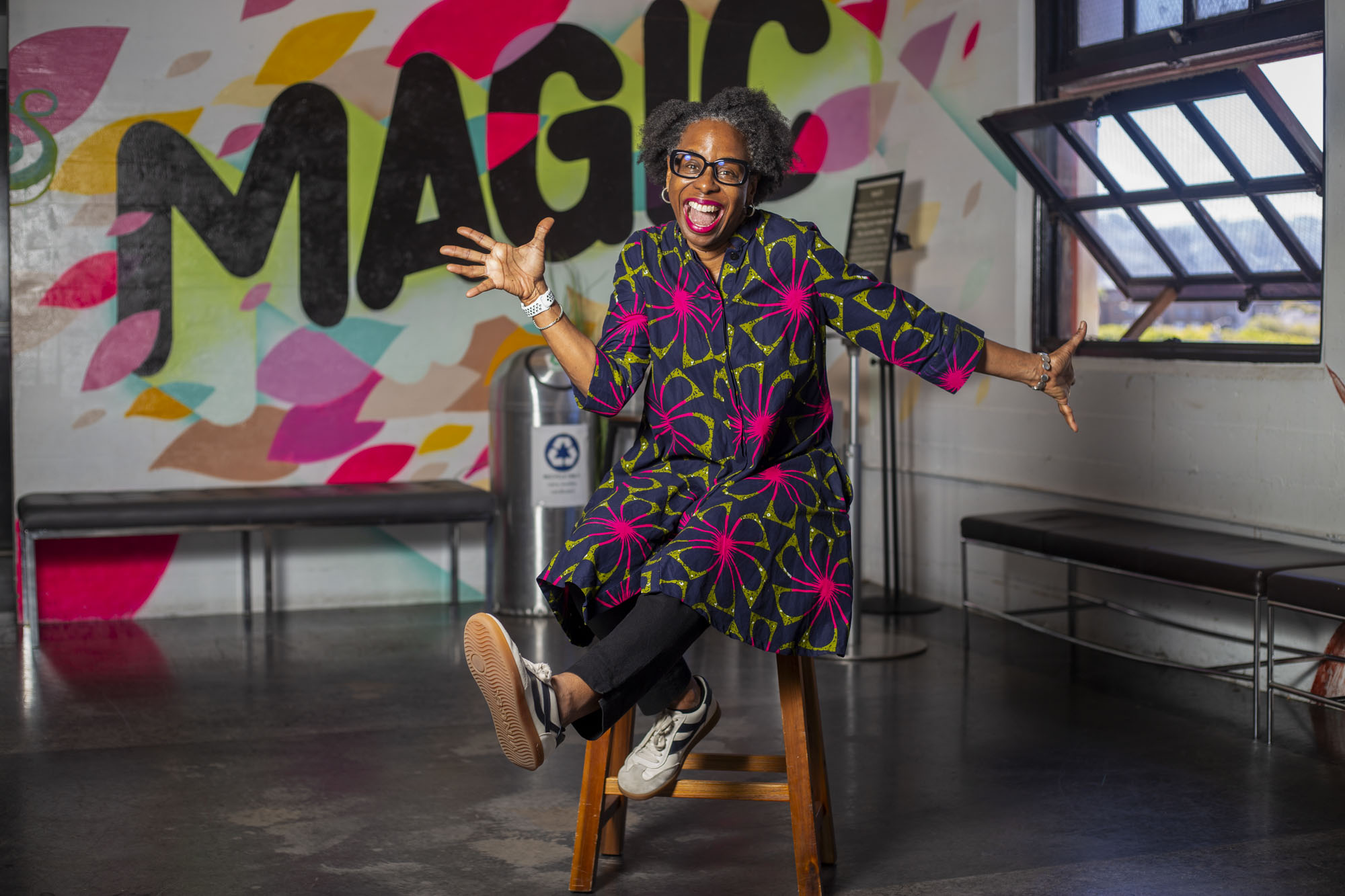
A running theme in Thompson’s work is the lives of of Black middle-class people. Her hit play Single Black Female, which premiered in her hometown of San Francisco and enjoyed a successful off-Broadway run (directed by a then-unknown Colman Domingo), is a two-woman show of comic vignettes about thirtysomething, educated African American women.
“In that play, it was a way for me to kind of unpack things that I was exploring in my dissertation, which is about Black middle-class women and how they move in the world as women,” said Thompson, also a professor in the Department of African and African Diaspora Studies at the University of Texas at Austin.
Thompson recently talked with KQED’s Brian Watt about growing up in the Bay Area, the genesis of African Stew and the current state of theater.
This conversation has been edited for brevity and clarity.
Brian Watt: Families meeting and sizing each other up — that’s fodder for comedy and drama. Tell us more about this story.
Lisa B. Thompson: I thought it was time for an in-house conversation about the fact that there are broad differences and some deep similarities between Africans who grew up in the continent and African Americans who grew in the diaspora, particularly those in the U.S. It’s a fun play to see how the dads are measuring each other. Also, the moms, figuring out who’s going to be the one pushing the wedding and helping the daughter direct the wedding. Is it going to be mom or the mother-in-law? These kinds of conventional things, but adding that extra African diaspora twist that I think is going to make people fall out of their seats.
So how did the idea come to you?
This is a love letter to my son, who has an African American mother and a father who is Yoruba from Nigeria. I think about the world that he’s encountering and how he’s perceived. In many spaces, he’s perceived as royalty and assumed to be brilliant because the name we gave him is a Yoruba name. So what does it mean for all of us, including myself, to carry a legacy of a continent that you aren’t unfamiliar with? The reason why is a historic tragedy, a breach of humanity, and it is still unresolved. For me, to think about something that’s complex and difficult, sometimes it’s easier to get through using comedy.
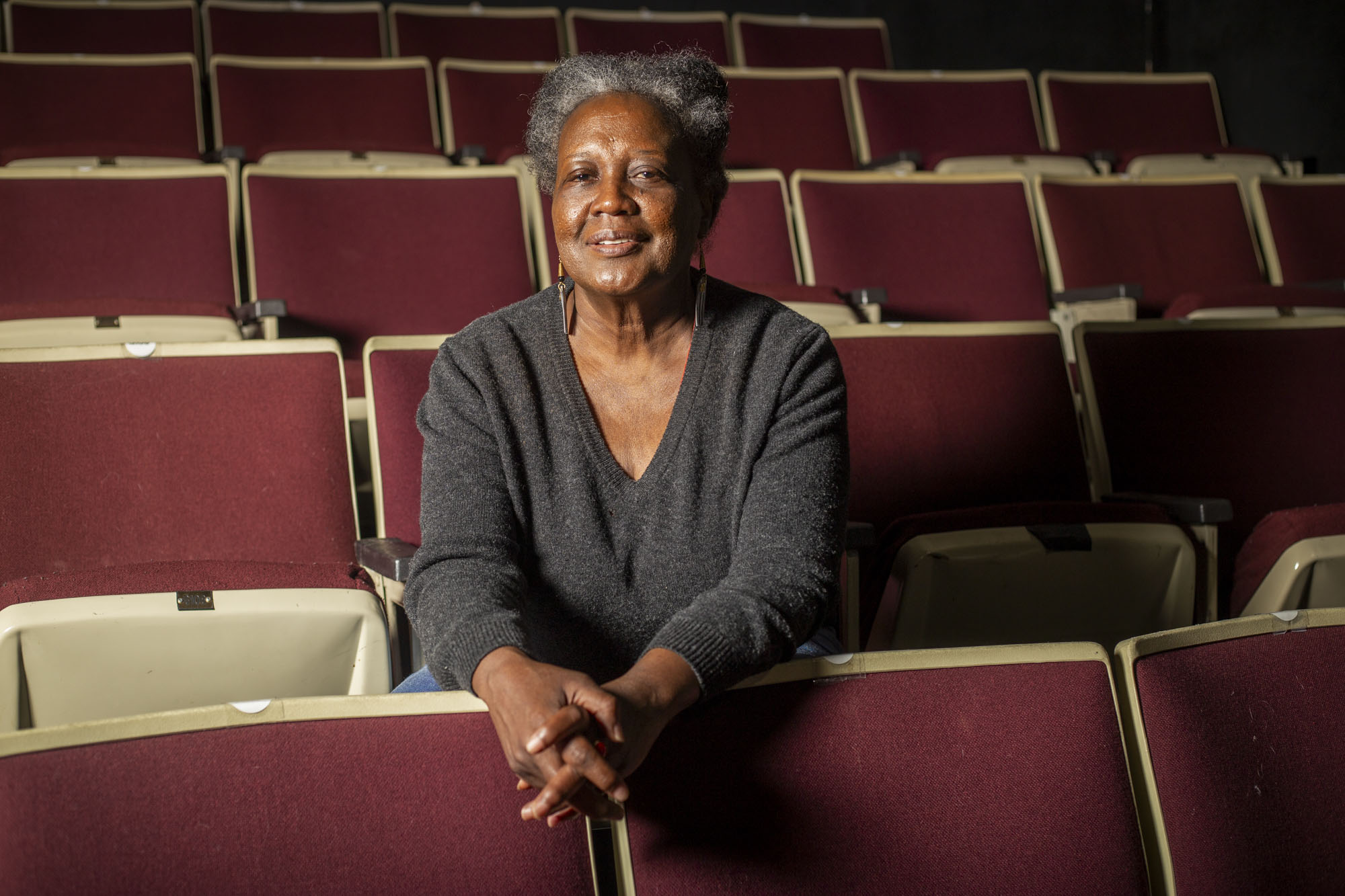
Since I live in Oakland, I have to ask: Why is Oakland the setting?
Oakland is very special to me. I grew up in San Francisco, but I lived in Oakland while I was a graduate student, and my grandmother lived there when I was child. She was the grand lady.
You have talked about the blessings of a strong Black family, and elders, and growing old. Have you maybe drawn on that for African Stew?
For me, I’ve never understood this whole generational tension, because I’m obsessed with people in my family, from the infants to the elders. I loved spending time with my grandmother, helping her with sewing. We’re incomplete if we don’t spend time during the week with somebody who’s somewhere between zero and 10 years old and somebody who’s over 70. Otherwise, you’re not in touch with full humanity.
Let me ask you about this moment in theater. When you’re looking at the landscape of the kinds of stories that make it to the stage, outside Broadway, even off-Broadway, what do you make of it?
We’re losing developmental opportunities for new playwrights, so less people are going to grad school for it. I’m so proud of the playwrights that continue to persevere in this shrinking environment. I am happy to see what’s being produced despite all of that, because the actual theaters are closing, as well. So I feel like art’s going to art. We cannot suppress this stuff.
I should also note that a lot of playwrights that are doing work, who are first-generation or African immigrants, are part of the reason why I wrote this play. [It’s] because I want to be in conversation with them, and have this conversation across the diaspora.
‘African Stew’ runs Sept. 10–27 in the Magic Theatre space at the Fort Mason Center for Arts and Culture in San Francisco. Tickets and more information here.