
Why does this race matter?
Nine candidates are vying for one seat representing San Francisco’s southeastern edge. The role comes with legacy issues, like the contaminated Hunters Point Naval Shipyard and the area’s huge development potential. Whoever wins the race will need to delicately balance the interests of fierce community advocates, business leaders and developers.
Candidates
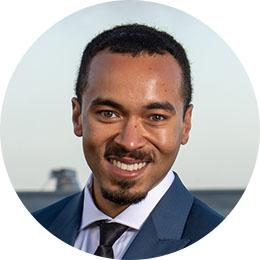
Pearci “PJ” Bastiany IIMPA graduate student and small business owner
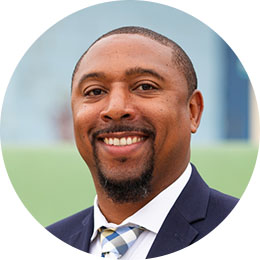
Dion-Jay “DJ” BrookterFormer CEO of Young Community Developers
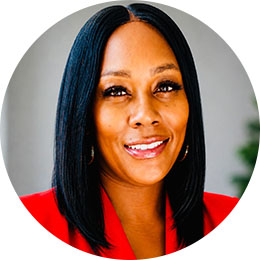
Deandra BryantEmergency-housing case manager and advocate for children with disabilities
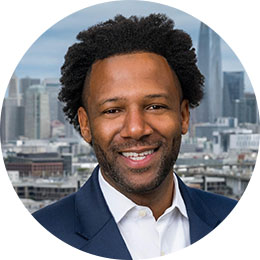
Theo EllingtonExecutive director of the Ruth William Bayview Opera House
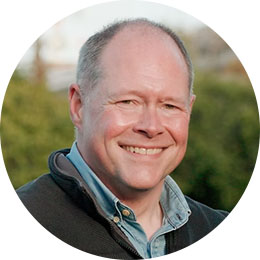
J.R. EpplerSmall business attorney
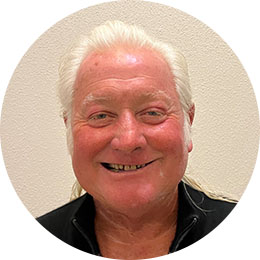
Ellsworth “Ell” M. Jennison, Jr.Carpenter
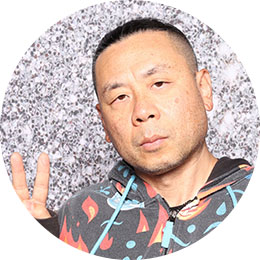
Mike Trouble LinSmall-business consultant
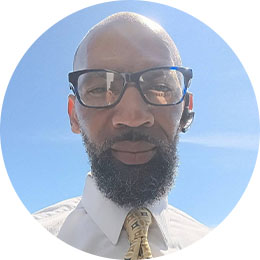
Jamo MuhammadCEO of We Got Winners Big Brother Program
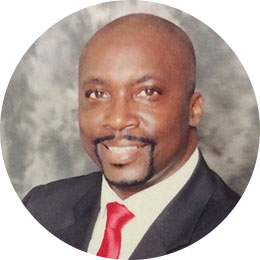
Shawn M. RichardCEO and executive director, Brothers Against Guns
Positions on Key Issues
Candidate summaries are based on interviews with the candidates, questionnaires, statements made at debates and public events, and past news coverage.
District 10 is a sprawling part of the city spanning from Potrero Hill to the Bayview to Visitacion Valley. How do you plan to represent the diverse interests within this large patch of San Francisco?
Bastiany believes there isn’t a “one-size-fits-all” approach for the sprawling district. He says the district has “enormous potential” and to understand what the community truly wants, he plans to hold neighborhood weekend and evening office hours. He also plans to create a “community cabinet” where residents are paid to review items such as development proposals, transit changes and public safety plans.
Brookter recognizes that District 10 isn’t just one community. To effectively represent the district means understanding “the differences” between each neighborhood and the issues that connect them, such as housing stability, public safety and transportation. He thinks a “districtwide agenda” could address “neighborhood-specific issues and needs,” like keeping people housed, creating good jobs and making sure every neighborhood receives city investment.
Bryant believes the many “distinct neighborhoods” within District 10 should “never have to compete with one another for meaningful representation at City Hall.” As a lifelong District 10 resident, she says she has a “personal understanding” of what it is like to have decisions be made around you rather than with you. She plans to hold regular neighborhood-based meetings to make sure District 10 residents aren’t an “afterthought.”
Ellington says that as a third-generation San Franciscan born and raised in Bayview, he is running for supervisor so the city can be an affordable and safe place to live. Ellington believes every neighborhood in the district “deserves the same focus, urgency and resources as the rest” of the city. If elected, he said he will publish anything that gets funded and delivered, “so every family can measure whether their supervisor is working for them.”
Eppler says the struggle the next supervisor will have is to convince the city and developers that “investment in the southeast will pay dividends for the rest of the city.” The Potrero Hill resident would like to see the district become more self-reliant, rather than relying on “downtown.” He says this shift could happen by building housing at a broad range of rates, investing in a faster transportation corridor and reenergizing its industrial base.
Jennison says every part of the district should receive “equal attention.” Between Potrero Hill and the Bayview, he’s lived in the district for 48 years and says he'd advocate for the area with “an open mind” by representing the needs of all communities.
Lin says he would use his tech background in user-centered research to represent “all District 10 voices.” Because “Asian and Latino voices are currently underrepresented,” he would advocate for more language translation services. He’s lived in the district since 1998 and says he’s “seen firsthand the stark contrast in wealth and poverty in my district.”
Muhammad says District 10 has more undeveloped land than most others in the city. But he says residents' “legitimate concerns” are often overlooked by developers or city interests. If elected, he plans to represent communities' needs as development pressures mount.
Richard says that because the district is one of the most diverse in San Francisco, he would open at least one satellite office so residents can “voice their concerns and issues daily.” He believes representation “is not about treating every neighborhood the same,” but about “understanding what each community needs” and then pushing the city for funding for neighborhood-specific needs.
How do you plan to take up the issue of the cleanup of the Hunters Point Naval Shipyard if you become supervisor?
Bastiany advocates for a complete and transparent cleanup of the shipyard. He said he would “challenge the Navy’s remediation” and push for a “resident-led oversight structure” for an independent technical review of the work. He opposes housing plans for “affected parcels without independently verified cleanup and community confidence.” He envisions a “community-benefit-driven” future once the cleanup is finished. This could include clean-energy manufacturing, shipbuilding and waterfront access.
Brookter says the cleanup would be one of his top priorities. He says his approach would put “public health before politics, truth before development and repair before rhetoric." He says the “burden is on the government to prove” to the public that “the land is safe.” Brookter said he would fight for an independent review of the cleanup and that the community must have “meaningful decision-making” in what happens next in the cleanup process.
Bryant believes residents deserve reliable information about the cleanup process and any potential health risks. She plans to advocate for “independent, credible testing” and transparency and clear communication with the public. She also thinks residents should have a “meaningful role in oversight and decision-making.”
Ellington lives in a neighborhood within the shipyard’s footprint. He says the cleanup's history has led him to a simple conclusion: “Nobody takes anyone's word for it.” As supervisor, Ellington says he will insist upon independent verification of testing before land is transferred, publicly track every delay and demand space for community involvement. He said he would also fight for health screening, because “exposure records kept today are the evidence families will need tomorrow.”
Eppler believes the community needs more transparency regarding environmental remediation by the Navy and other agencies. As supervisor, he wants a level of safety in the cleanup that residents feel comfortable with, and says areas close to where people live “certainly need to be cleaned up to the highest standards.” He says the shipyard cleanup should not be rushed and that it should deliver economic opportunity and improvements in public health.
Jennison says promises for a “total clean-up” of the shipyard have not been fulfilled. He thinks the rest of the site should be used for industrial interests, “not housing.” The site could host green energy projects such as solar, wind or “a brand new electric power plant.” He says industrial uses would “provide great jobs” for District 10 residents.
Lin’s approach for the shipyard includes three strategies: prove it’s safe before anyone digs, hit bad contractors where it hurts and make honest testing available to the public online. He said his rule would be simple: “No building permits, no land handoffs and no breaking ground until independent inspectors test the soil and prove 100% that it is safe for our families.”
Muhammad says his family has been directly affected by the contamination at the shipyard. He says the city needs to get serious about whether the shipyard can ever be fully cleaned up. If elected, he plans to bring a community voice to the Board of Supervisors chambers.
Richard says because residents have “waited too long for a cleanup they can trust,” he plans to make the shipyard a top priority. He says he would push for greater transparency from the federal government and regulatory agencies because “residents should never have to wonder whether the ground beneath their homes, schools, parks and neighborhoods is safe.” He also believes redevelopment should “not come at the expense of public health” and should not displace longtime residents.
What are your top three priorities for District 10 if elected? Explain why.
Bastiany's campaign priorities include housing stability and affordability, environmental justice and economic opportunity and community safety with accountability. He says communities within the district have borne “outsized pollution and infrastructure burdens” and believes residents should be able to remain in their communities as redevelopment promises materialize. He also wants to hold “police accountable for excessive force and civil rights violations.”
Brookter said if elected, he would prioritize housing stability, economic opportunity, quality education and delivering results through “effective government.” He says he would prioritize producing affordable housing, strengthening public schools and making city government “more effective, accountable and responsive” to the needs of all neighborhoods. He believes District 10 “deserves to be prioritized” because it has “endured disproportionate harm” for generations.
Bryant says her main goals are to be “interconnected and reflect” residents’ immediate concerns and the long-term work needed so families can “thrive in the district.” She plans to hold to three tenets: increasing local jobs and economic opportunity, investing in community safety and violence prevention and making sure communities are safe and affordable. Bryant says her priorities are grounded in her upbringing in Bayview-Hunters Point.
Ellington aims to make housing, transportation and business and economic development central to his campaign. With thousands of homes slated for the district, he wants to ensure “affordability starts with the people already here.” Ellington said he would also fight for a regional transit funding measure for service “on the lines working people actually ride” and hold the SFMTA to publish on-time standards.
Eppler’s main priorities center around housing, transit and infrastructure. He describes his priorities as “building complete, vibrant and connected neighborhoods.” He wants to ensure the district gets the resources it needs because “it’s been overlooked by the city.” This includes street cleaning, grocery stores, pharmacies and other things “people need for daily life.” He is also focused on speeding up the T-Line by prioritizing signals to get from Sunnydale to Chinatown in less than 40 minutes.
Jennison says his top priorities include improving youth education by increasing teacher wages, developing a music program within the district and improving language skills. He would advocate for a “much-needed grocery store” in the Bayview. He also would like to see “a world-class park on the shore of India Basin.”
Lin plans to make three areas his top priorities if elected: building more homes near public transit, bringing people to merchant corridors with art and keeping blocks safe with beat cops and smart technology.
Muhammad’s top priorities include creating more opportunities for young people to thrive within the district.“As our children go, so do we as a community,” he says. Public safety is also a priority, as he runs a Big Brother program. As the grandson of one of the members of the Big 5 of Bayview — community leaders and political activists from the 1960s and ’70s — environmental justice is a big part of his campaign.
Richard’s top three priorities include public safety, economic development and housing and community stability. He believes all residents “deserve to feel safe” in their community. He says he will fight to attract good-paying jobs and make sure new development creates “real opportunities” for residents. As developers start to build thousands of new homes in the district, Richard says he would make sure existing residents aren’t “pushed out.”
Key Supporters
This list represents notable organizations and individuals who have taken a position on the ballot measure or candidate, or who are funding campaigns in support or opposition. This list is not exhaustive, and may be updated.
For Bastiany
- Gun Sense Voter
For Brookter
- Connie Chan, supervisor, San Francisco
- Shamann Walton, supervisor, San Francisco
- California Working Families Party
- Harvey Milk LGBTQ Democratic Club
For Bryant
- N/A
For Ellington
- Willie Brown, former mayor, San Francisco
- Arieann Harrison, founder and executive director, Marie Harrison Community Foundation
- Eleni Kounalakis, California lieutenant governor
- San Francisco Building and Construction Trades Council
- San Francisco Democratic Party
For Eppler
- Keith Goldstein, president, Potrero Dogpatch Merchant Association
- SF League of Pissed Off Voters
- Sierra Club
- United Educators of San Francisco
For Jennison
- N/A
For Lin
- N/A
For Muhammad
- N/A
For Richard
- N/A