window.__IS_SSR__=true
window.__INITIAL_STATE__={
"attachmentsReducer": {
"audio_0": {
"type": "attachments",
"id": "audio_0",
"imgSizes": {
"kqedFullSize": {
"file": "https://ww2.kqed.org/news/wp-content/themes/KQED-unified/img/audio_bgs/background0.jpg"
}
}
},
"audio_1": {
"type": "attachments",
"id": "audio_1",
"imgSizes": {
"kqedFullSize": {
"file": "https://ww2.kqed.org/news/wp-content/themes/KQED-unified/img/audio_bgs/background1.jpg"
}
}
},
"audio_2": {
"type": "attachments",
"id": "audio_2",
"imgSizes": {
"kqedFullSize": {
"file": "https://ww2.kqed.org/news/wp-content/themes/KQED-unified/img/audio_bgs/background2.jpg"
}
}
},
"audio_3": {
"type": "attachments",
"id": "audio_3",
"imgSizes": {
"kqedFullSize": {
"file": "https://ww2.kqed.org/news/wp-content/themes/KQED-unified/img/audio_bgs/background3.jpg"
}
}
},
"audio_4": {
"type": "attachments",
"id": "audio_4",
"imgSizes": {
"kqedFullSize": {
"file": "https://ww2.kqed.org/news/wp-content/themes/KQED-unified/img/audio_bgs/background4.jpg"
}
}
},
"placeholder": {
"type": "attachments",
"id": "placeholder",
"imgSizes": {
"thumbnail": {
"file": "https://cdn.kqed.org/wp-content/uploads/2024/12/KQED-Default-Image-816638274-2000x1333-1-160x107.jpg",
"width": 160,
"height": 107,
"mimeType": "image/jpeg"
},
"medium": {
"file": "https://cdn.kqed.org/wp-content/uploads/2024/12/KQED-Default-Image-816638274-2000x1333-1-800x533.jpg",
"width": 800,
"height": 533,
"mimeType": "image/jpeg"
},
"medium_large": {
"file": "https://cdn.kqed.org/wp-content/uploads/2024/12/KQED-Default-Image-816638274-2000x1333-1-768x512.jpg",
"width": 768,
"height": 512,
"mimeType": "image/jpeg"
},
"large": {
"file": "https://cdn.kqed.org/wp-content/uploads/2024/12/KQED-Default-Image-816638274-2000x1333-1-1020x680.jpg",
"width": 1020,
"height": 680,
"mimeType": "image/jpeg"
},
"1536x1536": {
"file": "https://cdn.kqed.org/wp-content/uploads/2024/12/KQED-Default-Image-816638274-2000x1333-1-1536x1024.jpg",
"width": 1536,
"height": 1024,
"mimeType": "image/jpeg"
},
"fd-lrg": {
"file": "https://cdn.kqed.org/wp-content/uploads/2024/12/KQED-Default-Image-816638274-2000x1333-1-1536x1024.jpg",
"width": 1536,
"height": 1024,
"mimeType": "image/jpeg"
},
"fd-med": {
"file": "https://cdn.kqed.org/wp-content/uploads/2024/12/KQED-Default-Image-816638274-2000x1333-1-1020x680.jpg",
"width": 1020,
"height": 680,
"mimeType": "image/jpeg"
},
"fd-sm": {
"file": "https://cdn.kqed.org/wp-content/uploads/2024/12/KQED-Default-Image-816638274-2000x1333-1-800x533.jpg",
"width": 800,
"height": 533,
"mimeType": "image/jpeg"
},
"post-thumbnail": {
"file": "https://cdn.kqed.org/wp-content/uploads/2024/12/KQED-Default-Image-816638274-2000x1333-1-672x372.jpg",
"width": 672,
"height": 372,
"mimeType": "image/jpeg"
},
"twentyfourteen-full-width": {
"file": "https://cdn.kqed.org/wp-content/uploads/2024/12/KQED-Default-Image-816638274-2000x1333-1-1038x576.jpg",
"width": 1038,
"height": 576,
"mimeType": "image/jpeg"
},
"xxsmall": {
"file": "https://cdn.kqed.org/wp-content/uploads/2024/12/KQED-Default-Image-816638274-2000x1333-1-160x107.jpg",
"width": 160,
"height": 107,
"mimeType": "image/jpeg"
},
"xsmall": {
"file": "https://cdn.kqed.org/wp-content/uploads/2024/12/KQED-Default-Image-816638274-2000x1333-1-672x372.jpg",
"width": 672,
"height": 372,
"mimeType": "image/jpeg"
},
"small": {
"file": "https://cdn.kqed.org/wp-content/uploads/2024/12/KQED-Default-Image-816638274-2000x1333-1-672x372.jpg",
"width": 672,
"height": 372,
"mimeType": "image/jpeg"
},
"xlarge": {
"file": "https://cdn.kqed.org/wp-content/uploads/2024/12/KQED-Default-Image-816638274-2000x1333-1-1020x680.jpg",
"width": 1020,
"height": 680,
"mimeType": "image/jpeg"
},
"full-width": {
"file": "https://cdn.kqed.org/wp-content/uploads/2024/12/KQED-Default-Image-816638274-2000x1333-1-1920x1280.jpg",
"width": 1920,
"height": 1280,
"mimeType": "image/jpeg"
},
"guest-author-32": {
"file": "https://cdn.kqed.org/wp-content/uploads/2025/01/KQED-Default-Image-816638274-1333x1333-1-160x160.jpg",
"width": 32,
"height": 32,
"mimeType": "image/jpeg"
},
"guest-author-50": {
"file": "https://cdn.kqed.org/wp-content/uploads/2025/01/KQED-Default-Image-816638274-1333x1333-1-160x160.jpg",
"width": 50,
"height": 50,
"mimeType": "image/jpeg"
},
"guest-author-64": {
"file": "https://cdn.kqed.org/wp-content/uploads/2025/01/KQED-Default-Image-816638274-1333x1333-1-160x160.jpg",
"width": 64,
"height": 64,
"mimeType": "image/jpeg"
},
"guest-author-96": {
"file": "https://cdn.kqed.org/wp-content/uploads/2025/01/KQED-Default-Image-816638274-1333x1333-1-160x160.jpg",
"width": 96,
"height": 96,
"mimeType": "image/jpeg"
},
"guest-author-128": {
"file": "https://cdn.kqed.org/wp-content/uploads/2025/01/KQED-Default-Image-816638274-1333x1333-1-160x160.jpg",
"width": 128,
"height": 128,
"mimeType": "image/jpeg"
},
"detail": {
"file": "https://cdn.kqed.org/wp-content/uploads/2025/01/KQED-Default-Image-816638274-1333x1333-1-160x160.jpg",
"width": 160,
"height": 160,
"mimeType": "image/jpeg"
},
"kqedFullSize": {
"file": "https://cdn.kqed.org/wp-content/uploads/2024/12/KQED-Default-Image-816638274-2000x1333-1.jpg",
"width": 2000,
"height": 1333
}
}
},
"stateofhealth_13064": {
"type": "attachments",
"id": "stateofhealth_13064",
"meta": {
"index": "attachments_1716263798",
"site": "stateofhealth",
"id": "13064",
"found": true
},
"parent": 13062,
"imgSizes": {
"twentyfourteen-full-width": {
"file": "https://ww2.kqed.org/app/uploads/sites/27/2013/05/1-Intro-1038x576.jpg",
"width": 1038,
"mimeType": "image/jpeg",
"height": 576
},
"thumbnail": {
"file": "https://ww2.kqed.org/app/uploads/sites/27/2013/05/1-Intro-400x300.jpg",
"width": 400,
"mimeType": "image/jpeg",
"height": 300
},
"fd-sm": {
"file": "https://ww2.kqed.org/app/uploads/sites/27/2013/05/1-Intro-320x240.jpg",
"width": 320,
"mimeType": "image/jpeg",
"height": 240
},
"post-thumbnail": {
"file": "https://ww2.kqed.org/app/uploads/sites/27/2013/05/1-Intro-672x372.jpg",
"width": 672,
"mimeType": "image/jpeg",
"height": 372
},
"kqedFullSize": {
"file": "https://ww2.kqed.org/app/uploads/sites/27/2013/05/1-Intro.jpg",
"width": 1440,
"height": 1080
},
"large": {
"file": "https://ww2.kqed.org/app/uploads/sites/27/2013/05/1-Intro-1440x1080.jpg",
"width": 1440,
"mimeType": "image/jpeg",
"height": 1080
},
"guest-author-96": {
"file": "https://ww2.kqed.org/app/uploads/sites/27/2013/05/1-Intro-96x96.jpg",
"width": 96,
"mimeType": "image/jpeg",
"height": 96
},
"medium": {
"file": "https://ww2.kqed.org/app/uploads/sites/27/2013/05/1-Intro-800x600.jpg",
"width": 800,
"mimeType": "image/jpeg",
"height": 600
},
"guest-author-64": {
"file": "https://ww2.kqed.org/app/uploads/sites/27/2013/05/1-Intro-64x64.jpg",
"width": 64,
"mimeType": "image/jpeg",
"height": 64
},
"guest-author-32": {
"file": "https://ww2.kqed.org/app/uploads/sites/27/2013/05/1-Intro-32x32.jpg",
"width": 32,
"mimeType": "image/jpeg",
"height": 32
},
"fd-lrg": {
"file": "https://ww2.kqed.org/app/uploads/sites/27/2013/05/1-Intro-1180x885.jpg",
"width": 1180,
"mimeType": "image/jpeg",
"height": 885
},
"fd-med": {
"file": "https://ww2.kqed.org/app/uploads/sites/27/2013/05/1-Intro-768x576.jpg",
"width": 768,
"mimeType": "image/jpeg",
"height": 576
},
"detail": {
"file": "https://ww2.kqed.org/app/uploads/sites/27/2013/05/1-Intro-75x75.jpg",
"width": 75,
"mimeType": "image/jpeg",
"height": 75
},
"guest-author-128": {
"file": "https://ww2.kqed.org/app/uploads/sites/27/2013/05/1-Intro-128x128.jpg",
"width": 128,
"mimeType": "image/jpeg",
"height": 128
}
},
"publishDate": 1370039855,
"modified": 1370039855,
"caption": "(Andy Warner/KQED)",
"description": "confused about obamacare",
"title": "1 Intro",
"credit": null,
"status": "inherit",
"isLoading": false,
"fetchFailed": false
},
"stateofhealth_13027": {
"type": "attachments",
"id": "stateofhealth_13027",
"meta": {
"index": "attachments_1716263798",
"site": "stateofhealth",
"id": "13027",
"found": true
},
"parent": 13018,
"imgSizes": {
"twentyfourteen-full-width": {
"file": "https://ww2.kqed.org/app/uploads/sites/27/2013/05/pennstatenews_Flickr-1038x576.jpg",
"width": 1038,
"mimeType": "image/jpeg",
"height": 576
},
"thumbnail": {
"file": "https://ww2.kqed.org/app/uploads/sites/27/2013/05/pennstatenews_Flickr-400x308.jpg",
"width": 400,
"mimeType": "image/jpeg",
"height": 308
},
"fd-sm": {
"file": "https://ww2.kqed.org/app/uploads/sites/27/2013/05/pennstatenews_Flickr-320x246.jpg",
"width": 320,
"mimeType": "image/jpeg",
"height": 246
},
"post-thumbnail": {
"file": "https://ww2.kqed.org/app/uploads/sites/27/2013/05/pennstatenews_Flickr-672x372.jpg",
"width": 672,
"mimeType": "image/jpeg",
"height": 372
},
"kqedFullSize": {
"file": "https://ww2.kqed.org/app/uploads/sites/27/2013/05/pennstatenews_Flickr.jpg",
"width": 2014,
"height": 1549
},
"large": {
"file": "https://ww2.kqed.org/app/uploads/sites/27/2013/05/pennstatenews_Flickr-1440x1108.jpg",
"width": 1440,
"mimeType": "image/jpeg",
"height": 1108
},
"guest-author-96": {
"file": "https://ww2.kqed.org/app/uploads/sites/27/2013/05/pennstatenews_Flickr-96x96.jpg",
"width": 96,
"mimeType": "image/jpeg",
"height": 96
},
"medium": {
"file": "https://ww2.kqed.org/app/uploads/sites/27/2013/05/pennstatenews_Flickr-800x615.jpg",
"width": 800,
"mimeType": "image/jpeg",
"height": 615
},
"guest-author-64": {
"file": "https://ww2.kqed.org/app/uploads/sites/27/2013/05/pennstatenews_Flickr-64x64.jpg",
"width": 64,
"mimeType": "image/jpeg",
"height": 64
},
"guest-author-32": {
"file": "https://ww2.kqed.org/app/uploads/sites/27/2013/05/pennstatenews_Flickr-32x32.jpg",
"width": 32,
"mimeType": "image/jpeg",
"height": 32
},
"fd-lrg": {
"file": "https://ww2.kqed.org/app/uploads/sites/27/2013/05/pennstatenews_Flickr-1180x908.jpg",
"width": 1180,
"mimeType": "image/jpeg",
"height": 908
},
"fd-med": {
"file": "https://ww2.kqed.org/app/uploads/sites/27/2013/05/pennstatenews_Flickr-768x591.jpg",
"width": 768,
"mimeType": "image/jpeg",
"height": 591
},
"detail": {
"file": "https://ww2.kqed.org/app/uploads/sites/27/2013/05/pennstatenews_Flickr-75x75.jpg",
"width": 75,
"mimeType": "image/jpeg",
"height": 75
},
"guest-author-128": {
"file": "https://ww2.kqed.org/app/uploads/sites/27/2013/05/pennstatenews_Flickr-128x128.jpg",
"width": 128,
"mimeType": "image/jpeg",
"height": 128
}
},
"publishDate": 1369937601,
"modified": 1369937601,
"caption": null,
"description": "Students make their way across Shortlidge Road between Simmons and McElwain residence halls, likely headed to their 8 a.m. classes. Summer session classes end on Wednesday, Aug. 11, and commencement is Saturday, Aug. 14.",
"title": "pennstatenews_Flickr",
"credit": null,
"status": "inherit",
"isLoading": false,
"fetchFailed": false
},
"stateofhealth_13022": {
"type": "attachments",
"id": "stateofhealth_13022",
"meta": {
"index": "attachments_1716263798",
"site": "stateofhealth",
"id": "13022",
"found": true
},
"parent": 13011,
"imgSizes": {
"thumbnail": {
"file": "https://ww2.kqed.org/app/uploads/sites/27/2013/05/96226495-e1382074913159-400x267.jpg",
"width": 400,
"mimeType": "image/jpeg",
"height": 267
},
"fd-sm": {
"file": "https://ww2.kqed.org/app/uploads/sites/27/2013/05/96226495-e1382074913159-320x214.jpg",
"width": 320,
"mimeType": "image/jpeg",
"height": 214
},
"post-thumbnail": {
"file": "https://ww2.kqed.org/app/uploads/sites/27/2013/05/96226495-e1382074913159-640x372.jpg",
"width": 640,
"mimeType": "image/jpeg",
"height": 372
},
"kqedFullSize": {
"file": "https://ww2.kqed.org/app/uploads/sites/27/2013/05/96226495-e1382074913159.jpg",
"width": 640,
"height": 427
},
"guest-author-96": {
"file": "https://ww2.kqed.org/app/uploads/sites/27/2013/05/96226495-e1382074913159-96x96.jpg",
"width": 96,
"mimeType": "image/jpeg",
"height": 96
},
"guest-author-64": {
"file": "https://ww2.kqed.org/app/uploads/sites/27/2013/05/96226495-e1382074913159-64x64.jpg",
"width": 64,
"mimeType": "image/jpeg",
"height": 64
},
"detail": {
"file": "https://ww2.kqed.org/app/uploads/sites/27/2013/05/96226495-e1382074913159-75x75.jpg",
"width": 75,
"mimeType": "image/jpeg",
"height": 75
},
"guest-author-32": {
"file": "https://ww2.kqed.org/app/uploads/sites/27/2013/05/96226495-e1382074913159-32x32.jpg",
"width": 32,
"mimeType": "image/jpeg",
"height": 32
},
"guest-author-128": {
"file": "https://ww2.kqed.org/app/uploads/sites/27/2013/05/96226495-e1382074913159-128x128.jpg",
"width": 128,
"mimeType": "image/jpeg",
"height": 128
}
},
"publishDate": 1369932209,
"modified": 1369932209,
"caption": "(Getty Images)",
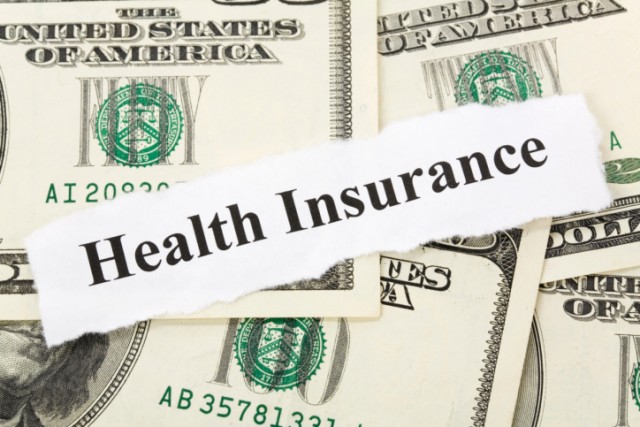
"description": "Headline of Health Insurance for background; money; thinkstock image",
"title": "Health Insurance",
"credit": null,
"status": "inherit",
"isLoading": false,
"fetchFailed": false
},
"stateofhealth_12967": {
"type": "attachments",
"id": "stateofhealth_12967",
"meta": {
"index": "attachments_1716263798",
"site": "stateofhealth",
"id": "12967",
"found": true
},
"parent": 12943,
"imgSizes": {
"twentyfourteen-full-width": {
"file": "https://ww2.kqed.org/app/uploads/sites/27/2013/05/RS4926_photo-Dave2-1038x576.jpg",
"width": 1038,
"mimeType": "image/jpeg",
"height": 576
},
"thumbnail": {
"file": "https://ww2.kqed.org/app/uploads/sites/27/2013/05/RS4926_photo-Dave2-400x300.jpg",
"width": 400,
"mimeType": "image/jpeg",
"height": 300
},
"fd-sm": {
"file": "https://ww2.kqed.org/app/uploads/sites/27/2013/05/RS4926_photo-Dave2-320x240.jpg",
"width": 320,
"mimeType": "image/jpeg",
"height": 240
},
"post-thumbnail": {
"file": "https://ww2.kqed.org/app/uploads/sites/27/2013/05/RS4926_photo-Dave2-672x372.jpg",
"width": 672,
"mimeType": "image/jpeg",
"height": 372
},
"kqedFullSize": {
"file": "https://ww2.kqed.org/app/uploads/sites/27/2013/05/RS4926_photo-Dave2.jpg",
"width": 1632,
"height": 1224
},
"large": {
"file": "https://ww2.kqed.org/app/uploads/sites/27/2013/05/RS4926_photo-Dave2-1440x1080.jpg",
"width": 1440,
"mimeType": "image/jpeg",
"height": 1080
},
"guest-author-96": {
"file": "https://ww2.kqed.org/app/uploads/sites/27/2013/05/RS4926_photo-Dave2-96x96.jpg",
"width": 96,
"mimeType": "image/jpeg",
"height": 96
},
"medium": {
"file": "https://ww2.kqed.org/app/uploads/sites/27/2013/05/RS4926_photo-Dave2-800x600.jpg",
"width": 800,
"mimeType": "image/jpeg",
"height": 600
},
"guest-author-64": {
"file": "https://ww2.kqed.org/app/uploads/sites/27/2013/05/RS4926_photo-Dave2-64x64.jpg",
"width": 64,
"mimeType": "image/jpeg",
"height": 64
},
"guest-author-32": {
"file": "https://ww2.kqed.org/app/uploads/sites/27/2013/05/RS4926_photo-Dave2-32x32.jpg",
"width": 32,
"mimeType": "image/jpeg",
"height": 32
},
"fd-lrg": {
"file": "https://ww2.kqed.org/app/uploads/sites/27/2013/05/RS4926_photo-Dave2-1180x885.jpg",
"width": 1180,
"mimeType": "image/jpeg",
"height": 885
},
"fd-med": {
"file": "https://ww2.kqed.org/app/uploads/sites/27/2013/05/RS4926_photo-Dave2-768x576.jpg",
"width": 768,
"mimeType": "image/jpeg",
"height": 576
},
"detail": {
"file": "https://ww2.kqed.org/app/uploads/sites/27/2013/05/RS4926_photo-Dave2-75x75.jpg",
"width": 75,
"mimeType": "image/jpeg",
"height": 75
},
"guest-author-128": {
"file": "https://ww2.kqed.org/app/uploads/sites/27/2013/05/RS4926_photo-Dave2-128x128.jpg",
"width": 128,
"mimeType": "image/jpeg",
"height": 128
}
},
"publishDate": 1369409796,
"modified": 1369409796,
"caption": "David Kim, brother of KQED health reporter Mina Kim, is 29-years-old and uninsured. (Mina Kim/KQED)",
"description": null,
"title": "RS4926_photo Dave2",
"credit": null,
"status": "inherit",
"isLoading": false,
"fetchFailed": false
},
"stateofhealth_12938": {
"type": "attachments",
"id": "stateofhealth_12938",
"meta": {
"index": "attachments_1716263798",
"site": "stateofhealth",
"id": "12938",
"found": true
},
"parent": 12907,
"imgSizes": {
"thumbnail": {
"file": "https://ww2.kqed.org/app/uploads/sites/27/2013/05/RS2064_doctor-and-patient-Joe-Raedle_Getty-Images-lpr-e1386715964428-400x266.jpg",
"width": 400,
"mimeType": "image/jpeg",
"height": 266
},
"fd-sm": {
"file": "https://ww2.kqed.org/app/uploads/sites/27/2013/05/RS2064_doctor-and-patient-Joe-Raedle_Getty-Images-lpr-e1386715964428-320x213.jpg",
"width": 320,
"mimeType": "image/jpeg",
"height": 213
},
"post-thumbnail": {
"file": "https://ww2.kqed.org/app/uploads/sites/27/2013/05/RS2064_doctor-and-patient-Joe-Raedle_Getty-Images-lpr-e1386715964428-640x372.jpg",
"width": 640,
"mimeType": "image/jpeg",
"height": 372
},
"kqedFullSize": {
"file": "https://ww2.kqed.org/app/uploads/sites/27/2013/05/RS2064_doctor-and-patient-Joe-Raedle_Getty-Images-lpr-e1386715964428.jpg",
"width": 640,
"height": 426
},
"guest-author-96": {
"file": "https://ww2.kqed.org/app/uploads/sites/27/2013/05/RS2064_doctor-and-patient-Joe-Raedle_Getty-Images-lpr-e1386715964428-96x96.jpg",
"width": 96,
"mimeType": "image/jpeg",
"height": 96
},
"guest-author-64": {
"file": "https://ww2.kqed.org/app/uploads/sites/27/2013/05/RS2064_doctor-and-patient-Joe-Raedle_Getty-Images-lpr-e1386715964428-64x64.jpg",
"width": 64,
"mimeType": "image/jpeg",
"height": 64
},
"detail": {
"file": "https://ww2.kqed.org/app/uploads/sites/27/2013/05/RS2064_doctor-and-patient-Joe-Raedle_Getty-Images-lpr-e1386715964428-75x75.jpg",
"width": 75,
"mimeType": "image/jpeg",
"height": 75
},
"guest-author-32": {
"file": "https://ww2.kqed.org/app/uploads/sites/27/2013/05/RS2064_doctor-and-patient-Joe-Raedle_Getty-Images-lpr-e1386715964428-32x32.jpg",
"width": 32,
"mimeType": "image/jpeg",
"height": 32
},
"guest-author-128": {
"file": "https://ww2.kqed.org/app/uploads/sites/27/2013/05/RS2064_doctor-and-patient-Joe-Raedle_Getty-Images-lpr-e1386715964428-128x128.jpg",
"width": 128,
"mimeType": "image/jpeg",
"height": 128
}
},
"publishDate": 1369362439,
"modified": 1369362439,
"caption": "(Joe Raedle/Getty Images)",
"description": "doctor with patient",
"title": "RS2064_doctor and patient Joe Raedle_Getty Images-lpr",
"credit": null,
"status": "inherit",
"isLoading": false,
"fetchFailed": false
},
"stateofhealth_9899": {
"type": "attachments",
"id": "stateofhealth_9899",
"meta": {
"index": "attachments_1716263798",
"site": "stateofhealth",
"id": "9899",
"found": true
},
"parent": 9891,
"imgSizes": {
"thumbnail": {
"file": "https://ww2.kqed.org/app/uploads/sites/27/2013/01/brown20130110-e1389301025994-400x286.jpg",
"width": 400,
"mimeType": "image/jpeg",
"height": 286
},
"fd-sm": {
"file": "https://ww2.kqed.org/app/uploads/sites/27/2013/01/brown20130110-e1389301025994-320x229.jpg",
"width": 320,
"mimeType": "image/jpeg",
"height": 229
},
"post-thumbnail": {
"file": "https://ww2.kqed.org/app/uploads/sites/27/2013/01/brown20130110-e1389301025994-640x372.jpg",
"width": 640,
"mimeType": "image/jpeg",
"height": 372
},
"kqedFullSize": {
"file": "https://ww2.kqed.org/app/uploads/sites/27/2013/01/brown20130110-e1389301025994.jpg",
"width": 640,
"height": 458
},
"guest-author-96": {
"file": "https://ww2.kqed.org/app/uploads/sites/27/2013/01/brown20130110-e1389301025994-96x96.jpg",
"width": 96,
"mimeType": "image/jpeg",
"height": 96
},
"guest-author-64": {
"file": "https://ww2.kqed.org/app/uploads/sites/27/2013/01/brown20130110-e1389301025994-64x64.jpg",
"width": 64,
"mimeType": "image/jpeg",
"height": 64
},
"detail": {
"file": "https://ww2.kqed.org/app/uploads/sites/27/2013/01/brown20130110-e1389301025994-75x75.jpg",
"width": 75,
"mimeType": "image/jpeg",
"height": 75
},
"guest-author-32": {
"file": "https://ww2.kqed.org/app/uploads/sites/27/2013/01/brown20130110-e1389301025994-32x32.jpg",
"width": 32,
"mimeType": "image/jpeg",
"height": 32
},
"guest-author-128": {
"file": "https://ww2.kqed.org/app/uploads/sites/27/2013/01/brown20130110-e1389301025994-128x128.jpg",
"width": 128,
"mimeType": "image/jpeg",
"height": 128
}
},
"publishDate": 1357939293,
"modified": 1357939293,
"caption": "(Justin Sullivan/Getty Images)",
"description": "Gov. Brown is proposing the counties share the financial cost of the Medicaid expansion. January 11, 2013. (Justin Sullivan/Getty Images)",
"title": "(Justin Sullivan/Getty Images)",
"credit": null,
"status": "inherit",
"isLoading": false,
"fetchFailed": false
},
"stateofhealth_12498": {
"type": "attachments",
"id": "stateofhealth_12498",
"meta": {
"index": "attachments_1716263798",
"site": "stateofhealth",
"id": "12498",
"found": true
},
"parent": 12488,
"imgSizes": {
"thumbnail": {
"file": "https://ww2.kqed.org/app/uploads/sites/27/2013/05/Dollars_Stethoscope_GettyImages_Thinkstock-400x267.jpg",
"width": 400,
"mimeType": "image/jpeg",
"height": 267
},
"fd-sm": {
"file": "https://ww2.kqed.org/app/uploads/sites/27/2013/05/Dollars_Stethoscope_GettyImages_Thinkstock-320x213.jpg",
"width": 320,
"mimeType": "image/jpeg",
"height": 213
},
"kqedFullSize": {
"file": "https://ww2.kqed.org/app/uploads/sites/27/2013/05/Dollars_Stethoscope_GettyImages_Thinkstock.jpg",
"width": 507,
"height": 338
},
"guest-author-96": {
"file": "https://ww2.kqed.org/app/uploads/sites/27/2013/05/Dollars_Stethoscope_GettyImages_Thinkstock-96x96.jpg",
"width": 96,
"mimeType": "image/jpeg",
"height": 96
},
"guest-author-64": {
"file": "https://ww2.kqed.org/app/uploads/sites/27/2013/05/Dollars_Stethoscope_GettyImages_Thinkstock-64x64.jpg",
"width": 64,
"mimeType": "image/jpeg",
"height": 64
},
"detail": {
"file": "https://ww2.kqed.org/app/uploads/sites/27/2013/05/Dollars_Stethoscope_GettyImages_Thinkstock-75x75.jpg",
"width": 75,
"mimeType": "image/jpeg",
"height": 75
},
"guest-author-32": {
"file": "https://ww2.kqed.org/app/uploads/sites/27/2013/05/Dollars_Stethoscope_GettyImages_Thinkstock-32x32.jpg",
"width": 32,
"mimeType": "image/jpeg",
"height": 32
},
"guest-author-128": {
"file": "https://ww2.kqed.org/app/uploads/sites/27/2013/05/Dollars_Stethoscope_GettyImages_Thinkstock-128x128.jpg",
"width": 128,
"mimeType": "image/jpeg",
"height": 128
}
},
"publishDate": 1367522671,
"modified": 1367522671,
"caption": "Tax credits for small businesses offering health insurance have been available since the health law was passed in 2010. (Photo/Getty Images)",
"description": "Stethoscope on money background",
"title": "Dollars_Stethoscope_GettyImages_Thinkstock",
"credit": null,
"status": "inherit",
"isLoading": false,
"fetchFailed": false
},
"stateofhealth_12441": {
"type": "attachments",
"id": "stateofhealth_12441",
"meta": {
"index": "attachments_1716263798",
"site": "stateofhealth",
"id": "12441",
"found": true
},
"parent": 12435,
"imgSizes": {
"twentyfourteen-full-width": {
"file": "https://ww2.kqed.org/app/uploads/sites/27/2013/04/Obama-1038x576.jpg",
"width": 1038,
"mimeType": "image/jpeg",
"height": 576
},
"thumbnail": {
"file": "https://ww2.kqed.org/app/uploads/sites/27/2013/04/Obama-400x267.jpg",
"width": 400,
"mimeType": "image/jpeg",
"height": 267
},
"fd-sm": {
"file": "https://ww2.kqed.org/app/uploads/sites/27/2013/04/Obama-320x213.jpg",
"width": 320,
"mimeType": "image/jpeg",
"height": 213
},
"post-thumbnail": {
"file": "https://ww2.kqed.org/app/uploads/sites/27/2013/04/Obama-672x372.jpg",
"width": 672,
"mimeType": "image/jpeg",
"height": 372
},
"kqedFullSize": {
"file": "https://ww2.kqed.org/app/uploads/sites/27/2013/04/Obama.jpg",
"width": 3000,
"height": 2000
},
"large": {
"file": "https://ww2.kqed.org/app/uploads/sites/27/2013/04/Obama-1440x960.jpg",
"width": 1440,
"mimeType": "image/jpeg",
"height": 960
},
"guest-author-96": {
"file": "https://ww2.kqed.org/app/uploads/sites/27/2013/04/Obama-96x96.jpg",
"width": 96,
"mimeType": "image/jpeg",
"height": 96
},
"medium": {
"file": "https://ww2.kqed.org/app/uploads/sites/27/2013/04/Obama-800x533.jpg",
"width": 800,
"mimeType": "image/jpeg",
"height": 533
},
"guest-author-64": {
"file": "https://ww2.kqed.org/app/uploads/sites/27/2013/04/Obama-64x64.jpg",
"width": 64,
"mimeType": "image/jpeg",
"height": 64
},
"guest-author-32": {
"file": "https://ww2.kqed.org/app/uploads/sites/27/2013/04/Obama-32x32.jpg",
"width": 32,
"mimeType": "image/jpeg",
"height": 32
},
"fd-lrg": {
"file": "https://ww2.kqed.org/app/uploads/sites/27/2013/04/Obama-1180x787.jpg",
"width": 1180,
"mimeType": "image/jpeg",
"height": 787
},
"fd-med": {
"file": "https://ww2.kqed.org/app/uploads/sites/27/2013/04/Obama-768x512.jpg",
"width": 768,
"mimeType": "image/jpeg",
"height": 512
},
"detail": {
"file": "https://ww2.kqed.org/app/uploads/sites/27/2013/04/Obama-75x75.jpg",
"width": 75,
"mimeType": "image/jpeg",
"height": 75
},
"guest-author-128": {
"file": "https://ww2.kqed.org/app/uploads/sites/27/2013/04/Obama-128x128.jpg",
"width": 128,
"mimeType": "image/jpeg",
"height": 128
}
},
"publishDate": 1367344772,
"modified": 1367344772,
"caption": null,
"description": "<> on April 30, 2013 in Washington, DC.",
"title": "President Obama Takes Questions From The Press During News Conference",
"credit": null,
"status": "inherit",
"isLoading": false,
"fetchFailed": false
},
"stateofhealth_12372": {
"type": "attachments",
"id": "stateofhealth_12372",
"meta": {
"index": "attachments_1716263798",
"site": "stateofhealth",
"id": "12372",
"found": true
},
"parent": 12366,
"imgSizes": {
"twentyfourteen-full-width": {
"file": "https://ww2.kqed.org/app/uploads/sites/27/2013/04/HIV_KathleenClanon_MinaKim-1038x576.jpg",
"width": 1038,
"mimeType": "image/jpeg",
"height": 576
},
"thumbnail": {
"file": "https://ww2.kqed.org/app/uploads/sites/27/2013/04/HIV_KathleenClanon_MinaKim-400x267.jpg",
"width": 400,
"mimeType": "image/jpeg",
"height": 267
},
"fd-sm": {
"file": "https://ww2.kqed.org/app/uploads/sites/27/2013/04/HIV_KathleenClanon_MinaKim-320x214.jpg",
"width": 320,
"mimeType": "image/jpeg",
"height": 214
},
"post-thumbnail": {
"file": "https://ww2.kqed.org/app/uploads/sites/27/2013/04/HIV_KathleenClanon_MinaKim-672x372.jpg",
"width": 672,
"mimeType": "image/jpeg",
"height": 372
},
"kqedFullSize": {
"file": "https://ww2.kqed.org/app/uploads/sites/27/2013/04/HIV_KathleenClanon_MinaKim.jpg",
"width": 1280,
"height": 854
},
"guest-author-96": {
"file": "https://ww2.kqed.org/app/uploads/sites/27/2013/04/HIV_KathleenClanon_MinaKim-96x96.jpg",
"width": 96,
"mimeType": "image/jpeg",
"height": 96
},
"medium": {
"file": "https://ww2.kqed.org/app/uploads/sites/27/2013/04/HIV_KathleenClanon_MinaKim-800x534.jpg",
"width": 800,
"mimeType": "image/jpeg",
"height": 534
},
"guest-author-64": {
"file": "https://ww2.kqed.org/app/uploads/sites/27/2013/04/HIV_KathleenClanon_MinaKim-64x64.jpg",
"width": 64,
"mimeType": "image/jpeg",
"height": 64
},
"guest-author-32": {
"file": "https://ww2.kqed.org/app/uploads/sites/27/2013/04/HIV_KathleenClanon_MinaKim-32x32.jpg",
"width": 32,
"mimeType": "image/jpeg",
"height": 32
},
"fd-lrg": {
"file": "https://ww2.kqed.org/app/uploads/sites/27/2013/04/HIV_KathleenClanon_MinaKim-1180x787.jpg",
"width": 1180,
"mimeType": "image/jpeg",
"height": 787
},
"fd-med": {
"file": "https://ww2.kqed.org/app/uploads/sites/27/2013/04/HIV_KathleenClanon_MinaKim-768x512.jpg",
"width": 768,
"mimeType": "image/jpeg",
"height": 512
},
"detail": {
"file": "https://ww2.kqed.org/app/uploads/sites/27/2013/04/HIV_KathleenClanon_MinaKim-75x75.jpg",
"width": 75,
"mimeType": "image/jpeg",
"height": 75
},
"guest-author-128": {
"file": "https://ww2.kqed.org/app/uploads/sites/27/2013/04/HIV_KathleenClanon_MinaKim-128x128.jpg",
"width": 128,
"mimeType": "image/jpeg",
"height": 128
}
},
"publishDate": 1366983530,
"modified": 1366983530,
"caption": "Dr. Kathleen Clanon talks to patient Andrew Solis about keeping his HIV under control. Clanon worries her patients will have disruptions in their care if they don't navigate the changes coming under federal health reform. (Mina Kim/KQED)",
"description": "Dr. Kathleen Clanon, HIV",
"title": "HIV_KathleenClanon_MinaKim",
"credit": null,
"status": "inherit",
"isLoading": false,
"fetchFailed": false
},
"stateofhealth_12159": {
"type": "attachments",
"id": "stateofhealth_12159",
"meta": {
"index": "attachments_1716263798",
"site": "stateofhealth",
"id": "12159",
"found": true
},
"parent": 12149,
"imgSizes": {
"thumbnail": {
"file": "https://ww2.kqed.org/app/uploads/sites/27/2013/04/ElderHands_GettyImages-400x267.jpg",
"width": 400,
"mimeType": "image/jpeg",
"height": 267
},
"fd-sm": {
"file": "https://ww2.kqed.org/app/uploads/sites/27/2013/04/ElderHands_GettyImages-320x213.jpg",
"width": 320,
"mimeType": "image/jpeg",
"height": 213
},
"kqedFullSize": {
"file": "https://ww2.kqed.org/app/uploads/sites/27/2013/04/ElderHands_GettyImages.jpg",
"width": 507,
"height": 338
},
"guest-author-96": {
"file": "https://ww2.kqed.org/app/uploads/sites/27/2013/04/ElderHands_GettyImages-96x96.jpg",
"width": 96,
"mimeType": "image/jpeg",
"height": 96
},
"guest-author-64": {
"file": "https://ww2.kqed.org/app/uploads/sites/27/2013/04/ElderHands_GettyImages-64x64.jpg",
"width": 64,
"mimeType": "image/jpeg",
"height": 64
},
"detail": {
"file": "https://ww2.kqed.org/app/uploads/sites/27/2013/04/ElderHands_GettyImages-75x75.jpg",
"width": 75,
"mimeType": "image/jpeg",
"height": 75
},
"guest-author-32": {
"file": "https://ww2.kqed.org/app/uploads/sites/27/2013/04/ElderHands_GettyImages-32x32.jpg",
"width": 32,
"mimeType": "image/jpeg",
"height": 32
},
"guest-author-128": {
"file": "https://ww2.kqed.org/app/uploads/sites/27/2013/04/ElderHands_GettyImages-128x128.jpg",
"width": 128,
"mimeType": "image/jpeg",
"height": 128
}
},
"publishDate": 1366261262,
"modified": 1366261262,
"caption": "(Getty Images)",
"description": "Doctor holding patient's hand",
"title": "ElderHands_GettyImages",
"credit": null,
"status": "inherit",
"isLoading": false,
"fetchFailed": false
}
},
"audioPlayerReducer": {
"postId": "stream_live",
"isPaused": true,
"isPlaying": false,
"pfsActive": false,
"pledgeModalIsOpen": true,
"playerDrawerIsOpen": false,
"liveAudioPlayStartedAt": 0,
"liveAudioPlayContext": ""
},
"authorsReducer": {
"lisaaliferis": {
"type": "authors",
"id": "240",
"meta": {
"index": "authors_1716337520",
"id": "240",
"found": true
},
"name": "Lisa Aliferis",
"firstName": "Lisa",
"lastName": "Aliferis",
"slug": "lisaaliferis",
"email": "laliferis@kqed.org",
"display_author_email": false,
"staff_mastheads": [],
"title": "KQED Contributor",
"bio": "Lisa Aliferis is the founding editor of KQED's \u003cem>State of Health\u003c/em> blog. Since 2011, she's been writing and editing stories for the site. Before taking up blogging, she toiled for many years (more than we can count) producing health stories for television, including\u003cem> Dateline NBC\u003c/em> and San Francisco's CBS affiliate, KPIX-TV. She also wrote up a \u003ca title=\"http://www.kqed.org/news/health/obamacare/obamacare-guide.jsp\" href=\"http://www.kqed.org/news/health/obamacare/obamacare-guide.jsp\">handy guide to the Affordable Care Act\u003c/a>, especially for Californians. Her work has been honored for many awards. Most recently she was a finalist for \"Best Topical Reporting\" from the Online News Association. You can follow her on Twitter: \u003ca title=\"https://twitter.com/laliferis\" href=\"https://twitter.com/laliferis\">@laliferis\u003c/a>",
"avatar": "https://secure.gravatar.com/avatar/86c339d5cdcb0dcd2b6cf5d7c3f5886b?s=600&d=mm&r=g",
"twitter": "laliferis",
"facebook": null,
"instagram": null,
"linkedin": null,
"sites": [
{
"site": "news",
"roles": [
"subscriber"
]
},
{
"site": "futureofyou",
"roles": [
"subscriber"
]
},
{
"site": "stateofhealth",
"roles": [
"subscriber"
]
},
{
"site": "science",
"roles": [
"subscriber"
]
},
{
"site": "food",
"roles": []
}
],
"headData": {
"title": "Lisa Aliferis | KQED",
"description": "KQED Contributor",
"ogImgSrc": "https://secure.gravatar.com/avatar/86c339d5cdcb0dcd2b6cf5d7c3f5886b?s=600&d=mm&r=g",
"twImgSrc": "https://secure.gravatar.com/avatar/86c339d5cdcb0dcd2b6cf5d7c3f5886b?s=600&d=mm&r=g"
},
"isLoading": false,
"link": "/author/lisaaliferis"
},
"state-of-health": {
"type": "authors",
"id": "8344",
"meta": {
"index": "authors_1716337520",
"id": "8344",
"found": true
},
"name": "State of Health",
"firstName": "State of Health",
"lastName": null,
"slug": "state-of-health",
"email": "stateofhealth@kqed.org",
"display_author_email": false,
"staff_mastheads": [],
"title": null,
"bio": null,
"avatar": "https://secure.gravatar.com/avatar/66de4bf6d331fa7402bba1ffe8135e17?s=600&d=blank&r=g",
"twitter": null,
"facebook": null,
"instagram": null,
"linkedin": null,
"sites": [
{
"site": "arts",
"roles": [
"author"
]
},
{
"site": "stateofhealth",
"roles": [
"editor"
]
}
],
"headData": {
"title": "State of Health | KQED",
"description": null,
"ogImgSrc": "https://secure.gravatar.com/avatar/66de4bf6d331fa7402bba1ffe8135e17?s=600&d=blank&r=g",
"twImgSrc": "https://secure.gravatar.com/avatar/66de4bf6d331fa7402bba1ffe8135e17?s=600&d=blank&r=g"
},
"isLoading": false,
"link": "/author/state-of-health"
}
},
"pagesReducer": {
"stateofhealth_category_reform": {
"type": "terms",
"id": "stateofhealth_15",
"meta": {
"index": "terms_1716263798",
"site": "stateofhealth",
"id": "15",
"score": 13.558132
},
"featImg": null,
"name": "Obamacare",
"description": "The Affordable Care Act celebrates its seventh birthday this year. California has embraced the law, but will it survive a new Congress and President? \r\n",
"taxonomy": "category",
"headData": {
"twImgId": null,
"twTitle": null,
"ogTitle": null,
"ogImgId": null,
"twDescription": null,
"description": "The Affordable Care Act celebrates its seventh birthday this year. California has embraced the law, but will it survive a new Congress and President?",
"title": "Obamacare Archives | KQED Arts",
"ogDescription": null
},
"ttid": 15,
"slug": "reform",
"isLoading": false,
"title": "Obamacare",
"pageMeta": {
"site": "stateofhealth",
"WpPageTemplate": "page-topic-editorial",
"currentPage": 27
},
"blocks": [
{
"blockName": "kqed/company-paragraph",
"content": "The Affordable Care Act celebrates its seventh birthday this year. California has embraced the law, but will it survive a new Congress and President? \r\n"
},
{
"blockName": "kqed/post-list",
"attrs": {
"layout": "cardArticle2",
"query": "posts/stateofhealth?category=reform",
"seeMore": false,
"paginated": true,
"page": 27
}
},
{
"blockName": "kqed/ad"
}
]
}
},
"pfsSessionReducer": {},
"postsReducer": {
"stream_live": {
"type": "live",
"id": "stream_live",
"audioUrl": "https://hls.kqed.org/hls/kqed_app/playlist.m3u8",
"title": "Live Stream",
"excerpt": "Live Stream information currently unavailable.",
"link": "/radio",
"featImg": "",
"label": {
"name": "KQED Live",
"link": "/"
}
},
"stream_kqedNewscast": {
"type": "posts",
"id": "stream_kqedNewscast",
"audioUrl": "https://www.kqed.org/.stream/anon/radio/RDnews/newscast.mp3?_=1",
"title": "KQED Newscast",
"featImg": "",
"label": {
"name": "88.5 FM",
"link": "/"
}
},
"stateofhealth_13062": {
"type": "posts",
"id": "stateofhealth_13062",
"meta": {
"index": "posts_1716263798",
"site": "stateofhealth",
"id": "13062",
"score": null,
"sort": [
1370268051000
]
},
"parent": 0,
"labelTerm": {
"site": "stateofhealth"
},
"blocks": [],
"publishDate": 1370268051,
"format": "aside",
"disqusTitle": "Confused About Obamacare? Check Out KQED's Guide",
"title": "Confused About Obamacare? Check Out KQED's Guide",
"headTitle": "State of Health | KQED News",
"content": "\u003cfigure id=\"attachment_13064\" class=\"wp-caption aligncenter\" style=\"max-width: 620px\">\u003ca href=\"http://www.kqed.org/news/health/obamacare/obamacare-guide.jsp\">\u003cimg class=\"size-large wp-image-13064 \" src=\"http://ww2.kqed.org/stateofhealth/wp-content/uploads/sites/27/2013/05/1-Intro-620x465.jpg\" alt=\"(Andy Warner/KQED)\" width=\"620\" height=\"465\">\u003c/a>\u003cfigcaption class=\"wp-caption-text\">(Andy Warner/KQED)\u003c/figcaption>\u003c/figure>\n\u003cp>The clock is ticking.\u003c/p>\n\u003cp>It's now less than seven months until Obamacare goes fully into effect. On Jan. 1 most Americans will be required to have health insurance or pay a fine. Here in California, 7 million people are uninsured.\u003c/p>\n\u003cp>Whether you love it, hate it or are just plain confused, the Affordable Care Act is the law of the land. Many people have questions about how the ACA affects themselves and their families. But it can be hard to find a central place to get your questions answered.\u003c/p>\n\u003caside class=\"pullquote alignleft\">\u003ca href=\"http://www.kqed.org/news/health/obamacare/obamacare-guide.jsp\" target=\"_blank\">Check out KQED's guide: Obamacare Explained\u003c/a>\u003c/aside>\n\u003cp>For example, if you want to find out about the new marketplace, you can visit \u003ca href=\"http://www.coveredca.com\" target=\"_blank\">Covered California\u003c/a>, the state's new health insurance marketplace. But that won't help you if you get your insurance through your job, or if you're on Medicare or Medi-Cal. You could probably learn a lot from the federal government's \u003ca href=\"http://www.healthcare.gov\" target=\"_blank\">website about the health law\u003c/a>, but that's not specific to California.\u003c/p>\n\u003cp>That's why we produced \u003ca href=\"http://www.kqed.org/news/health/obamacare/obamacare-guide.jsp\" target=\"_blank\">Obamacare Explained: A Guide for Californians\u003c/a>. We describe, in \u003c!--more-->straightforward language, how Obamacare affects you, here in the state. There are different sections for different people: people who have insurance, people who don't have insurance, and people who own small businesses. Select the category that describes you and read about how the health law affects your health insurance -- or how to get health insurance, if you are uninsured.\u003c/p>\n\u003cp>[ad fullwidth]\u003c/p>\n\u003cp>Our guide answers the questions you've probably been asking. How will my job-based health insurance be affected? Anything going on with Medicare that I should be aware of? What about those subsidies I keep hearing about?\u003c/p>\n\u003cp>All those questions and more are answered in the guide. \u003ca href=\"http://www.kqed.org/news/health/obamacare/obamacare-guide.jsp\" target=\"_blank\">Take a look\u003c/a>.\u003c/p>\n\u003cp>\u003c/p>\n\u003cp>\u003cem>Editor's Note: We're grateful to the \u003ca href=\"http://kff.org/health-reform/\" target=\"_blank\">Kaiser Family Foundation \u003c/a>for giving the guide an advance read and helping to clarify technical details. But for you wonks out there, if you catch any errors, those are ours, not theirs.\u003c/em>\u003c/p>\n\n",
"disqusIdentifier": "13062 http://blogs.kqed.org/stateofhealth/?p=13062",
"disqusUrl": "https://ww2.kqed.org/stateofhealth/2013/06/03/confused-about-obamacare-check-out-kqeds-guide/",
"stats": {
"hasVideo": false,
"hasChartOrMap": false,
"hasAudio": false,
"hasPolis": false,
"wordCount": 337,
"hasGoogleForm": false,
"hasGallery": false,
"hasHearkenModule": false,
"iframeSrcs": [],
"paragraphCount": 10
},
"modified": 1370365477,
"excerpt": "The clock is ticking.\r\n\r\nIt's now less than six months until Obamacare goes fully into effect. On Jan. 1 most Americans will be required to have health insurance or pay a fine. Here in California, 7 million people are uninsured.\r\n\r\nWhether you love it, hate it or are just plain confused, the Affordable Care Act is the law of the land. Many people have questions about how the ACA affects themselves and their families. But there's no central place Californians can go to get their questions answered.",
"headData": {
"twImgId": "",
"twTitle": "",
"ogTitle": "",
"ogImgId": "",
"twDescription": "",
"description": "The clock is ticking.\r\n\r\nIt's now less than six months until Obamacare goes fully into effect. On Jan. 1 most Americans will be required to have health insurance or pay a fine. Here in California, 7 million people are uninsured.\r\n\r\nWhether you love it, hate it or are just plain confused, the Affordable Care Act is the law of the land. Many people have questions about how the ACA affects themselves and their families. But there's no central place Californians can go to get their questions answered.",
"title": "Confused About Obamacare? Check Out KQED's Guide | KQED",
"ogDescription": "",
"schema": {
"@context": "https://schema.org",
"@type": "Article",
"headline": "Confused About Obamacare? Check Out KQED's Guide",
"datePublished": "2013-06-03T07:00:51-07:00",
"dateModified": "2013-06-04T10:04:37-07:00",
"image": "https://cdn.kqed.org/wp-content/uploads/2020/02/KQED-OG-Image@1x.png"
}
},
"guestAuthors": [],
"slug": "confused-about-obamacare-check-out-kqeds-guide",
"status": "publish",
"path": "/stateofhealth/13062/confused-about-obamacare-check-out-kqeds-guide",
"audioTrackLength": null,
"parsedContent": [
{
"type": "contentString",
"content": "\u003cdiv class=\"post-body\">\u003cp>\u003cfigure id=\"attachment_13064\" class=\"wp-caption aligncenter\" style=\"max-width: 620px\">\u003ca href=\"http://www.kqed.org/news/health/obamacare/obamacare-guide.jsp\">\u003cimg class=\"size-large wp-image-13064 \" src=\"http://ww2.kqed.org/stateofhealth/wp-content/uploads/sites/27/2013/05/1-Intro-620x465.jpg\" alt=\"(Andy Warner/KQED)\" width=\"620\" height=\"465\">\u003c/a>\u003cfigcaption class=\"wp-caption-text\">(Andy Warner/KQED)\u003c/figcaption>\u003c/figure>\n\u003cp>The clock is ticking.\u003c/p>\n\u003cp>It's now less than seven months until Obamacare goes fully into effect. On Jan. 1 most Americans will be required to have health insurance or pay a fine. Here in California, 7 million people are uninsured.\u003c/p>\n\u003cp>Whether you love it, hate it or are just plain confused, the Affordable Care Act is the law of the land. Many people have questions about how the ACA affects themselves and their families. But it can be hard to find a central place to get your questions answered.\u003c/p>\n\u003caside class=\"pullquote alignleft\">\u003ca href=\"http://www.kqed.org/news/health/obamacare/obamacare-guide.jsp\" target=\"_blank\">Check out KQED's guide: Obamacare Explained\u003c/a>\u003c/aside>\n\u003cp>For example, if you want to find out about the new marketplace, you can visit \u003ca href=\"http://www.coveredca.com\" target=\"_blank\">Covered California\u003c/a>, the state's new health insurance marketplace. But that won't help you if you get your insurance through your job, or if you're on Medicare or Medi-Cal. You could probably learn a lot from the federal government's \u003ca href=\"http://www.healthcare.gov\" target=\"_blank\">website about the health law\u003c/a>, but that's not specific to California.\u003c/p>\n\u003cp>That's why we produced \u003ca href=\"http://www.kqed.org/news/health/obamacare/obamacare-guide.jsp\" target=\"_blank\">Obamacare Explained: A Guide for Californians\u003c/a>. We describe, in \u003c!--more-->straightforward language, how Obamacare affects you, here in the state. There are different sections for different people: people who have insurance, people who don't have insurance, and people who own small businesses. Select the category that describes you and read about how the health law affects your health insurance -- or how to get health insurance, if you are uninsured.\u003c/p>\n\u003cp>\u003c/p>\u003c/div>",
"attributes": {
"named": {},
"numeric": []
}
},
{
"type": "component",
"content": "",
"name": "ad",
"attributes": {
"named": {
"label": "fullwidth"
},
"numeric": [
"fullwidth"
]
}
},
{
"type": "contentString",
"content": "\u003cdiv class=\"post-body\">\u003cp>\u003c/p>\n\u003cp>Our guide answers the questions you've probably been asking. How will my job-based health insurance be affected? Anything going on with Medicare that I should be aware of? What about those subsidies I keep hearing about?\u003c/p>\n\u003cp>All those questions and more are answered in the guide. \u003ca href=\"http://www.kqed.org/news/health/obamacare/obamacare-guide.jsp\" target=\"_blank\">Take a look\u003c/a>.\u003c/p>\n\u003cp>\u003c/p>\n\u003cp>\u003cem>Editor's Note: We're grateful to the \u003ca href=\"http://kff.org/health-reform/\" target=\"_blank\">Kaiser Family Foundation \u003c/a>for giving the guide an advance read and helping to clarify technical details. But for you wonks out there, if you catch any errors, those are ours, not theirs.\u003c/em>\u003c/p>\n\n\u003c/div>\u003c/p>",
"attributes": {
"named": {},
"numeric": []
}
}
],
"link": "/stateofhealth/13062/confused-about-obamacare-check-out-kqeds-guide",
"authors": [
"240"
],
"categories": [
"stateofhealth_15"
],
"tags": [
"stateofhealth_38",
"stateofhealth_365"
],
"featImg": "stateofhealth_13064",
"label": "stateofhealth"
},
"stateofhealth_13018": {
"type": "posts",
"id": "stateofhealth_13018",
"meta": {
"index": "posts_1716263798",
"site": "stateofhealth",
"id": "13018",
"score": null,
"sort": [
1369951311000
]
},
"parent": 0,
"labelTerm": {
"site": "stateofhealth"
},
"blocks": [],
"publishDate": 1369951311,
"format": "aside",
"disqusTitle": "Health Law Protected Young Adults From High Hospital Bills",
"title": "Health Law Protected Young Adults From High Hospital Bills",
"headTitle": "State of Health | KQED News",
"content": "\u003cp>\u003cstrong>By Sarah Varney,\u003c/strong> \u003ca href=\"http://capsules.kaiserhealthnews.org/index.php/2013/05/study-health-law-protected-young-adults-from-high-hospital-bills/\" target=\"_blank\">Kaiser Health News\u003c/a>\u003c/p>\n\u003cfigure id=\"attachment_13033\" class=\"wp-caption alignleft\" style=\"max-width: 300px\">\u003ca href=\"http://www.flickr.com/photos/indoloony/330206142/in/photostream/\">\u003cimg class=\"size-medium wp-image-13033\" title=\"\" src=\"http://ww2.kqed.org/stateofhealth/wp-content/uploads/sites/27/2013/05/330206142_f213d64916_b-300x200.jpg\" alt=\"Researchers report that the Affordable Care Act shifted $147 million from individuals -- or hospitals, in the form of uncompensated care -- to private insurance plans. (Indoloony/Flickr)\" width=\"300\" height=\"200\">\u003c/a>\u003cfigcaption class=\"wp-caption-text\">Researchers report that the Affordable Care Act shifted $147 million from individuals -- or hospitals, in the form of uncompensated care -- to private insurance plans. (Indoloony/Flickr)\u003c/figcaption>\u003c/figure>\n\u003cp>Researchers at the RAND Corporation set out to find some hard data on one aspect of the health law: Does having medical insurance protect young adults from the financial ruin that often comes with a major injury or illness?\u003c/p>\n\u003cp>The quick answer: Yes, it does.\u003c/p>\n\u003cp>Since September 2010, the Affordable Care Act has allowed young adults to remain on their parents’ medical insurance until they turn 26, and an estimated \u003ca href=\"http://aspe.hhs.gov/aspe/gaininginsurance/rb.shtml\">3.1 million young people\u003c/a> have taken advantage of the new rule.\u003c/p>\n\u003cp>The RAND researchers looked at nearly a half a million visits young adults made to emergency departments around the country before and after the under-26 provision took effect.\u003c/p>\n\u003cp>[ad fullwidth]\u003c/p>\n\u003cp>“We looked at just the most serious conditions,” said Andrew Mulcahy, an associate policy researcher at the RAND Corporation. Mulcahy and his colleagues pored over actual hospital records for bone fractures, poison, traumatic brain injuries, and other incidents that would require an urgent trip to the hospital.\u003c!--more-->\u003c/p>\n\u003cp>The RAND analysis, \u003ca href=\"http://www.nejm.org/doi/full/10.1056/NEJMsa1212779\" target=\"_blank\">published Wednesday in the New England Journal of Medicine\u003c/a>, found that the new law resulted in $147 million in hospital bills charged to private insurance companies in 2011.\u003c/p>\n\u003cp>“Some of those costs would have been born by individuals,” said Mulcahy. “Some of those costs would have been ultimately been born by hospitals as uncompensated care.”\u003c/p>\n\u003cp>Indeed, as might be expected when any uninsured people gain coverage, the young adults insured under their parents’ plans were shielded from the potentially catastrophic costs of a medical emergency.\u003c/p>\n\u003cp>“That’s exactly what the law intended,” said \u003ca href=\"http://www.chcf.org/about/staff/marian-mulkey\">Marian Mulkey\u003c/a>, director of Health Reform and Public Programs Initiative at the non-partisan California HealthCare Foundation.\u003c/p>\n\u003cp>But the millions of newly insured adults didn’t come for free, added Mulkey. “The cost of covering those people was spread over all the people with similar coverage who paid a little bit more in their premiums,” she said.\u003c/p>\n\u003cp>Those added premium costs were likely to be fairly low, since young adults consume much less health care and can help to balance out the higher medical bills of their parents and other older workers.\u003c/p>\n\u003cp>For hospitals though, more insured customers is unequivocally good news, especially when those new customers have private insurance which pays more than Medicare or Medicaid.\u003c/p>\n\u003cp>One of the goals of the health law was to reduce the number of unpaid hospital bills, said Joseph Antos, a health care policy expert at the right-leaning \u003ca href=\"http://www.aei.org/\">American Enterprise Institute\u003c/a>. To the extent that people sign up for insurance when the online marketplaces open in the fall – and more young adults continue to sign up on their parents’ plans – that just might work.\u003c/p>\n\u003cp>\u003c/p>\n\u003cp>“Then I think we’ll be successful in reducing uncompensated care,” Antos said. “In other words, more of those services will be paid fully, and more of those services will be paid at a higher rate than they were before.”\u003c/p>\n\n",
"disqusIdentifier": "13018 http://blogs.kqed.org/stateofhealth/?p=13018",
"disqusUrl": "https://ww2.kqed.org/stateofhealth/2013/05/30/health-law-protected-young-adults-from-high-hospital-bills/",
"stats": {
"hasVideo": false,
"hasChartOrMap": false,
"hasAudio": false,
"hasPolis": false,
"wordCount": 538,
"hasGoogleForm": false,
"hasGallery": false,
"hasHearkenModule": false,
"iframeSrcs": [],
"paragraphCount": 17
},
"modified": 1369951311,
"excerpt": "Researchers at the RAND Corporation set out to find some hard data on one aspect of the health law: Does having medical insurance protect young adults from the financial ruin that often comes with a major injury or illness? The quick answer: Yes, it does.\r\n\r\nSince September 2010, the Affordable Care Act has allowed young adults to remain on their parents’ medical insurance until they turn 26, and an estimated 3.1 million young people have taken advantage of the new rule.",
"headData": {
"twImgId": "",
"twTitle": "",
"ogTitle": "",
"ogImgId": "",
"twDescription": "",
"description": "Researchers at the RAND Corporation set out to find some hard data on one aspect of the health law: Does having medical insurance protect young adults from the financial ruin that often comes with a major injury or illness? The quick answer: Yes, it does.\r\n\r\nSince September 2010, the Affordable Care Act has allowed young adults to remain on their parents’ medical insurance until they turn 26, and an estimated 3.1 million young people have taken advantage of the new rule.",
"title": "Health Law Protected Young Adults From High Hospital Bills | KQED",
"ogDescription": "",
"schema": {
"@context": "https://schema.org",
"@type": "Article",
"headline": "Health Law Protected Young Adults From High Hospital Bills",
"datePublished": "2013-05-30T15:01:51-07:00",
"dateModified": "2013-05-30T15:01:51-07:00",
"image": "https://cdn.kqed.org/wp-content/uploads/2020/02/KQED-OG-Image@1x.png"
}
},
"guestAuthors": [],
"slug": "health-law-protected-young-adults-from-high-hospital-bills",
"status": "publish",
"path": "/stateofhealth/13018/health-law-protected-young-adults-from-high-hospital-bills",
"audioTrackLength": null,
"parsedContent": [
{
"type": "contentString",
"content": "\u003cdiv class=\"post-body\">\u003cp>\u003cp>\u003cstrong>By Sarah Varney,\u003c/strong> \u003ca href=\"http://capsules.kaiserhealthnews.org/index.php/2013/05/study-health-law-protected-young-adults-from-high-hospital-bills/\" target=\"_blank\">Kaiser Health News\u003c/a>\u003c/p>\n\u003cfigure id=\"attachment_13033\" class=\"wp-caption alignleft\" style=\"max-width: 300px\">\u003ca href=\"http://www.flickr.com/photos/indoloony/330206142/in/photostream/\">\u003cimg class=\"size-medium wp-image-13033\" title=\"\" src=\"http://ww2.kqed.org/stateofhealth/wp-content/uploads/sites/27/2013/05/330206142_f213d64916_b-300x200.jpg\" alt=\"Researchers report that the Affordable Care Act shifted $147 million from individuals -- or hospitals, in the form of uncompensated care -- to private insurance plans. (Indoloony/Flickr)\" width=\"300\" height=\"200\">\u003c/a>\u003cfigcaption class=\"wp-caption-text\">Researchers report that the Affordable Care Act shifted $147 million from individuals -- or hospitals, in the form of uncompensated care -- to private insurance plans. (Indoloony/Flickr)\u003c/figcaption>\u003c/figure>\n\u003cp>Researchers at the RAND Corporation set out to find some hard data on one aspect of the health law: Does having medical insurance protect young adults from the financial ruin that often comes with a major injury or illness?\u003c/p>\n\u003cp>The quick answer: Yes, it does.\u003c/p>\n\u003cp>Since September 2010, the Affordable Care Act has allowed young adults to remain on their parents’ medical insurance until they turn 26, and an estimated \u003ca href=\"http://aspe.hhs.gov/aspe/gaininginsurance/rb.shtml\">3.1 million young people\u003c/a> have taken advantage of the new rule.\u003c/p>\n\u003cp>The RAND researchers looked at nearly a half a million visits young adults made to emergency departments around the country before and after the under-26 provision took effect.\u003c/p>\n\u003cp>\u003c/p>\u003c/div>",
"attributes": {
"named": {},
"numeric": []
}
},
{
"type": "component",
"content": "",
"name": "ad",
"attributes": {
"named": {
"label": "fullwidth"
},
"numeric": [
"fullwidth"
]
}
},
{
"type": "contentString",
"content": "\u003cdiv class=\"post-body\">\u003cp>\u003c/p>\n\u003cp>“We looked at just the most serious conditions,” said Andrew Mulcahy, an associate policy researcher at the RAND Corporation. Mulcahy and his colleagues pored over actual hospital records for bone fractures, poison, traumatic brain injuries, and other incidents that would require an urgent trip to the hospital.\u003c!--more-->\u003c/p>\n\u003cp>The RAND analysis, \u003ca href=\"http://www.nejm.org/doi/full/10.1056/NEJMsa1212779\" target=\"_blank\">published Wednesday in the New England Journal of Medicine\u003c/a>, found that the new law resulted in $147 million in hospital bills charged to private insurance companies in 2011.\u003c/p>\n\u003cp>“Some of those costs would have been born by individuals,” said Mulcahy. “Some of those costs would have been ultimately been born by hospitals as uncompensated care.”\u003c/p>\n\u003cp>Indeed, as might be expected when any uninsured people gain coverage, the young adults insured under their parents’ plans were shielded from the potentially catastrophic costs of a medical emergency.\u003c/p>\n\u003cp>“That’s exactly what the law intended,” said \u003ca href=\"http://www.chcf.org/about/staff/marian-mulkey\">Marian Mulkey\u003c/a>, director of Health Reform and Public Programs Initiative at the non-partisan California HealthCare Foundation.\u003c/p>\n\u003cp>But the millions of newly insured adults didn’t come for free, added Mulkey. “The cost of covering those people was spread over all the people with similar coverage who paid a little bit more in their premiums,” she said.\u003c/p>\n\u003cp>Those added premium costs were likely to be fairly low, since young adults consume much less health care and can help to balance out the higher medical bills of their parents and other older workers.\u003c/p>\n\u003cp>For hospitals though, more insured customers is unequivocally good news, especially when those new customers have private insurance which pays more than Medicare or Medicaid.\u003c/p>\n\u003cp>One of the goals of the health law was to reduce the number of unpaid hospital bills, said Joseph Antos, a health care policy expert at the right-leaning \u003ca href=\"http://www.aei.org/\">American Enterprise Institute\u003c/a>. To the extent that people sign up for insurance when the online marketplaces open in the fall – and more young adults continue to sign up on their parents’ plans – that just might work.\u003c/p>\n\u003cp>\u003c/p>\n\u003cp>“Then I think we’ll be successful in reducing uncompensated care,” Antos said. “In other words, more of those services will be paid fully, and more of those services will be paid at a higher rate than they were before.”\u003c/p>\n\n\u003c/div>\u003c/p>",
"attributes": {
"named": {},
"numeric": []
}
}
],
"link": "/stateofhealth/13018/health-law-protected-young-adults-from-high-hospital-bills",
"authors": [
"240"
],
"categories": [
"stateofhealth_15"
],
"tags": [
"stateofhealth_482",
"stateofhealth_365"
],
"featImg": "stateofhealth_13027",
"label": "stateofhealth"
},
"stateofhealth_13011": {
"type": "posts",
"id": "stateofhealth_13011",
"meta": {
"index": "posts_1716263798",
"site": "stateofhealth",
"id": "13011",
"score": null,
"sort": [
1369870763000
]
},
"parent": 0,
"labelTerm": {
"site": "stateofhealth"
},
"blocks": [],
"publishDate": 1369870763,
"format": "aside",
"disqusTitle": "Why California's Obamacare Premiums Are Lower Than Expected",
"title": "Why California's Obamacare Premiums Are Lower Than Expected",
"headTitle": "State of Health | KQED News",
"content": "\u003cdiv>\n\u003cp>\u003cstrong>Dan Diamond, \u003ca href=\"http://www.californiahealthline.org/road-to-reform/2013/low-costs-and-narrow-networks-inside-covered-california.aspx\" target=\"_blank\">California Healthline\u003c/a>\u003c/strong>\u003c/p>\n\u003c/div>\n\u003cdiv>\n\u003cfigure id=\"attachment_13022\" class=\"wp-caption alignleft\" style=\"max-width: 300px\">\u003cimg class=\"size-medium wp-image-13022\" title=\"\" src=\"http://ww2.kqed.org/stateofhealth/wp-content/uploads/sites/27/2013/05/96226495-300x200.jpg\" alt=\"(Getty Images)\" width=\"300\" height=\"200\">\u003cfigcaption class=\"wp-caption-text\">(Getty Images)\u003c/figcaption>\u003c/figure>\n\u003cp>No Aetna. No United.\u003c/p>\n\u003cp>No Cedars-Sinai.\u003c/p>\n\u003cp>Covered California's list of participating health care providers and insurers \u003ca href=\"http://ww2.kqed.org/stateofhealth/2013/05/23/californias-health-insurance-exchange-sets-plans-premiums-no-apparent-rate-shock/\" target=\"_blank\">is out\u003c/a>, and it's possibly more notable for who \u003cem>isn't \u003c/em>partaking in the state's new health insurance exchange rather than for who is.\u003c/p>\n\u003cp>The reasons for the big-name absences are manifold, ranging from payer strategy to high hospital prices to even accusations of gamesmanship. And they help explain the caution that -- despite news that premiums \u003ca href=\"http://www.californiahealthline.org/articles/2013/5/24/state-exchange-reveals-premium-rates-participating-insurers.aspx\">will be far lower than expected\u003c/a> -- the exchange transition may be bumpier than some early, optimistic reports suggest.\u003c/p>\n\u003cp>\u003cstrong>Why Top Payers are Absent\u003c/strong>\u003c/p>\n\u003cp>According to representatives for Aetna, United and Cigna, the firms are \u003ca href=\"http://www.californiahealthline.org/articles/2013/5/23/aetna-cigna-unitedhealth-opt-out-of-state-insurance-exchange.aspx\">sitting out California's exchange\u003c/a> because they're taking a wait-and-see approach.\u003c/p>\n\u003cp>\"We are simply taking the time to carefully evaluate and better understand how the exchanges will work to ensure we are best prepared to participate meaningfully in their development,\" a \u003ca href=\"http://www.latimes.com/business/la-fi-health-insure-20130523,0,807264,full.story\" target=\"_blank\">United spokesperson told\u003c/a> Chad Terhune at the \u003cem>Los Angeles Times.\u003c!--more-->\u003c/em>\u003c/p>\n\u003cp>Top health plans have made similar moves in other states. For example, Regence BlueCross BlueShield -- Oregon's largest health plan, based on enrollment numbers -- recently pulled out of that state's insurance exchange. Anonymous observers \u003ca href=\"http://www.thelundreport.org/resource/regence_bluecross_blueshield_pulls_out_of_oregon%E2%80%99s_insurance_exchange\" target=\"_blank\">groused to the Lund Report \u003c/a>that by sitting out of Cover Oregon, Regence \"is setting themselves up to compete by not participating in the exchange and not gamble on a risky population that they can't predict.\"\u003c/p>\n\u003cp>(According to Regence, the company instead wanted to launch a separate plan called BridgeSpan, which will be focused on serving the needs of individual consumers.)\u003c/p>\n\u003cp>United and Cigna are \u003ca href=\"http://www.georgiahealthnews.com/2013/05/7-insurers-plan-participate-georgia-exchange/\" target=\"_blank\">sitting out\u003c/a> of Georgia's health insurance exchange, too.\u003c/p>\n\u003cp>Bob Laszewski, president of Health Policy and Strategy Associates, thinks the payers' absences are predictable.\u003c/p>\n\u003cp>\"It's absolutely no surprise,\" that the national plans are sitting out of exchanges like Covered California, he told California Healthline.\u003c/p>\n\u003cp>Unlike the 2006 launch of Medicare Part D, \"which was like the Oklahoma land rush,\" Laszewski said, where national players felt they had \"to get in and get share, because all these Medicare patients would be signing up on Day 1 -- growth in the exchanges [is expected] to be very slow. There's not a big upside to being in on Day 1.\"\u003c/p>\n\u003cp>And that's especially true given the probable downsides. The population that will likely seek initial coverage through the exchanges may be less healthy; if customers encounter administrative problems related to launch, insurers could face brushback; and national plans could strain their IT resources if they are trying to participate in multiple state exchanges. \"The big guys are limiting their involvement to the places where they feel they need to be for market share,\" Laszewski concluded.\u003c/p>\n\u003cp>\u003cstrong>Why Some Top Providers Are MIA\u003c/strong>\u003c/p>\n\u003cp>At the same time, some premier provider networks also are absent from the exchange -- although that decision may have been out of their hands.\u003c/p>\n\u003cp>Cedars-Sinai wasn't included in any exchange plans, and UCLA Medical Center's network also was mostly excluded, \u003ca href=\"http://articles.latimes.com/2013/may/24/business/la-fi-health-rates-deals-20130525\" target=\"_blank\">Terhune also reports\u003c/a>.\u003c/p>\n\u003cp>The rationale for leaving the providers off many payers' lists: They cost too much. Cedars-Sinai is among the \u003ca href=\"http://articles.latimes.com/2013/may/17/business/la-fi-cedars-hospital-prices-20130517\" target=\"_blank\">most expensive hospitals\u003c/a> in the nation, based on the list price of its procedures, and UCLA Medical Center's charges also rank above average.\u003c/p>\n\u003cp>\"If we want to keep costs down, something has to give,\" said Betsy Imholz, special projects director for Consumers Union, \u003ca href=\"http://www.upi.com/Top_News/US/2013/05/25/Covered-California-to-offer-limited-choice-of-providers/UPI-99881369512281/\" target=\"_blank\">told UPI\u003c/a>.\u003c/p>\n\u003cp>Narrowing a provider network in hopes of controlling spending, and specifically excluding Cedars-Sinai and UCLA, isn't a new trend; Anthem Blue Cross \u003ca href=\"http://articles.latimes.com/2012/sep/21/business/la-fi-hospital-costs-20120921\" target=\"_blank\">moved to cut\u003c/a> both high-cost providers from a plan offered to Los Angeles city workers last year. And since 2008, thousands of California businesses and agencies have opted for \u003ca href=\"http://www.californiahealthline.org/articles/2011/4/4/many-calif-employers-opting-for-hmos-with-slim-provider-networks.aspx\" target=\"_blank\">narrow-network plans\u003c/a> of their own in hopes of lowering health costs.\u003c/p>\n\u003cp>But will narrow networks work? And will consumers care?\u003c/p>\n\u003cp>Evidence from Massachusetts -- which instituted its own health insurance mandate and exchange half-a-dozen years ago -- suggests that the model can succeed \"when plans contract with providers that are pursuing a low-cost strategy, rather than with those that are simply granting temporary discounts to pick up volume,\" David E. Williams, president of the \u003ca href=\"http://www.healthbusinessgroup.com/\" target=\"_blank\">Health Business Group\u003c/a>, told \u003cem>California Healthline.\u003c/em>\u003c/p>\n\u003cp>For example, Williams cites Fallon Community Health Plan in Massachusetts, which \"partners with Steward Health Care System to offer a narrow network product for about 20% less than comparable plans with broader networks.\" The plan has been popular with certain individuals and employers who are purchasing coverage through the state's Health Connector and can see side-by-side pricing, Williams adds.\u003c/p>\n\u003cp>Takeaways and Questions\u003c/p>\n\u003cp>Meanwhile, California officials have tried to stress that consumers won't suffer for the absences of various payers and providers; for example, the 13 health insurers selected for the exchange -- out of 33 applicants -- will still offer access to roughly 80% of California health providers, the officials told Terhune.\u003c/p>\n\u003cp>And theoretically, the Golden State's \"active-purchaser\" approach means that the plans in the exchange are \"the cream of the crop,\" Sarah Kliff writes at the \u003cem>Washington Post\u003c/em>'s \"\u003ca href=\"http://www.washingtonpost.com/blogs/wonkblog/wp/2013/05/28/california-didnt-have-rate-shock-but-california-isnt-like-most-other-states/\" target=\"_blank\">Wonkblog\u003c/a>.\" That helped to tamp down premiums to lower-than-expected levels.\u003c/p>\n\u003cp>But Laszewski thinks that the attempt to explain Covered California's seemingly low-cost premiums relies on a comparison that isn't apples-to-apples, but \"a case of apples to oranges to grapefruit,\" he \u003ca href=\"http://healthpolicyandmarket.blogspot.com/2013/05/rate-shock-in-californiathe-new-health.html\" target=\"_blank\">writes at his blog\u003c/a>, Health Care Policy and Marketplace Review.\u003c/p>\n\u003cp>For example, the \u003cem>Los Angeles Times \u003c/em>notes that the average premium for individual plans sold through eHealthInsurance in California last year was $177 per month, whereas Covered California's average premium for the three lowest Silver plans statewide will be about 81 percent higher at $321 per month, although with more comprehensive benefits.\u003c/p>\n\u003cp>\"For those insured right now, and the estimated 40% that won't be eligible for a federal premium subsidy, that sure looks like rate shock to me,\" Laszewski writes. \"For the 60% who will get a subsidy, this means the taxpayers are going to have to fork out lots more money.\"\u003c/p>\n\u003cp>And for all the focus on Covered California, only a minority of state residents -- about five million Californians, or roughly one-sixth of the Golden State's population -- are expected to gain coverage through the exchange.\u003c/p>\n\u003cp>So what about the other 13 million who get their health coverage through their employers and \u003ca href=\"http://www.chcf.org/publications/2013/03/data-viz-health-plans\" target=\"_blank\">group plans\u003c/a>? The key question, \u003ca href=\"https://twitter.com/ChasRoades/status/338666122066939904\" target=\"_blank\">according to Chas Roades\u003c/a>, the Advisory Board Company's chief research officer, is the \"impact of exchange plans on [employer-sponsored insurance]. My guess is we'll see lower actuarial values and narrower networks quickly adopted.\" (The Advisory Board Company publishes \u003cem>California Healthline.)\u003c/em>\u003c/p>\n\u003c/div>\n\u003cp>[ad fullwidth]\u003c/p>\u003cp>[ad floatright]\u003c/p>\n",
"disqusIdentifier": "13011 http://blogs.kqed.org/stateofhealth/?p=13011",
"disqusUrl": "https://ww2.kqed.org/stateofhealth/2013/05/29/why-californias-obamacare-premiums-are-lower-than-expected/",
"stats": {
"hasVideo": false,
"hasChartOrMap": false,
"hasAudio": false,
"hasPolis": false,
"wordCount": 1153,
"hasGoogleForm": false,
"hasGallery": false,
"hasHearkenModule": false,
"iframeSrcs": [],
"paragraphCount": 34
},
"modified": 1370041509,
"excerpt": "Covered California's list of participating health care providers and insurers is out, and it's possibly more notable for who isn't partaking in the state's new health insurance exchange rather than for who is.\r\n\r\nThe reasons for the big-name absences are manifold, ranging from payer strategy to high hospital prices to even accusations of gamesmanship. And they help explain the caution that -- despite news that premiums will be far lower than expected -- the exchange transition may be bumpier than some early, optimistic reports suggest.",
"headData": {
"twImgId": "",
"twTitle": "",
"ogTitle": "",
"ogImgId": "",
"twDescription": "",
"description": "Covered California's list of participating health care providers and insurers is out, and it's possibly more notable for who isn't partaking in the state's new health insurance exchange rather than for who is.\r\n\r\nThe reasons for the big-name absences are manifold, ranging from payer strategy to high hospital prices to even accusations of gamesmanship. And they help explain the caution that -- despite news that premiums will be far lower than expected -- the exchange transition may be bumpier than some early, optimistic reports suggest.",
"title": "Why California's Obamacare Premiums Are Lower Than Expected | KQED",
"ogDescription": "",
"schema": {
"@context": "https://schema.org",
"@type": "Article",
"headline": "Why California's Obamacare Premiums Are Lower Than Expected",
"datePublished": "2013-05-29T16:39:23-07:00",
"dateModified": "2013-05-31T16:05:09-07:00",
"image": "https://cdn.kqed.org/wp-content/uploads/2020/02/KQED-OG-Image@1x.png"
}
},
"guestAuthors": [],
"slug": "why-californias-obamacare-premiums-are-lower-than-expected",
"status": "publish",
"path": "/stateofhealth/13011/why-californias-obamacare-premiums-are-lower-than-expected",
"audioTrackLength": null,
"parsedContent": [
{
"type": "contentString",
"content": "\u003cdiv class=\"post-body\">\u003cp>\u003cdiv>\n\u003cp>\u003cstrong>Dan Diamond, \u003ca href=\"http://www.californiahealthline.org/road-to-reform/2013/low-costs-and-narrow-networks-inside-covered-california.aspx\" target=\"_blank\">California Healthline\u003c/a>\u003c/strong>\u003c/p>\n\u003c/div>\n\u003cdiv>\n\u003cfigure id=\"attachment_13022\" class=\"wp-caption alignleft\" style=\"max-width: 300px\">\u003cimg class=\"size-medium wp-image-13022\" title=\"\" src=\"http://ww2.kqed.org/stateofhealth/wp-content/uploads/sites/27/2013/05/96226495-300x200.jpg\" alt=\"(Getty Images)\" width=\"300\" height=\"200\">\u003cfigcaption class=\"wp-caption-text\">(Getty Images)\u003c/figcaption>\u003c/figure>\n\u003cp>No Aetna. No United.\u003c/p>\n\u003cp>No Cedars-Sinai.\u003c/p>\n\u003cp>Covered California's list of participating health care providers and insurers \u003ca href=\"http://ww2.kqed.org/stateofhealth/2013/05/23/californias-health-insurance-exchange-sets-plans-premiums-no-apparent-rate-shock/\" target=\"_blank\">is out\u003c/a>, and it's possibly more notable for who \u003cem>isn't \u003c/em>partaking in the state's new health insurance exchange rather than for who is.\u003c/p>\n\u003cp>The reasons for the big-name absences are manifold, ranging from payer strategy to high hospital prices to even accusations of gamesmanship. And they help explain the caution that -- despite news that premiums \u003ca href=\"http://www.californiahealthline.org/articles/2013/5/24/state-exchange-reveals-premium-rates-participating-insurers.aspx\">will be far lower than expected\u003c/a> -- the exchange transition may be bumpier than some early, optimistic reports suggest.\u003c/p>\n\u003cp>\u003cstrong>Why Top Payers are Absent\u003c/strong>\u003c/p>\n\u003cp>According to representatives for Aetna, United and Cigna, the firms are \u003ca href=\"http://www.californiahealthline.org/articles/2013/5/23/aetna-cigna-unitedhealth-opt-out-of-state-insurance-exchange.aspx\">sitting out California's exchange\u003c/a> because they're taking a wait-and-see approach.\u003c/p>\n\u003cp>\"We are simply taking the time to carefully evaluate and better understand how the exchanges will work to ensure we are best prepared to participate meaningfully in their development,\" a \u003ca href=\"http://www.latimes.com/business/la-fi-health-insure-20130523,0,807264,full.story\" target=\"_blank\">United spokesperson told\u003c/a> Chad Terhune at the \u003cem>Los Angeles Times.\u003c!--more-->\u003c/em>\u003c/p>\n\u003cp>Top health plans have made similar moves in other states. For example, Regence BlueCross BlueShield -- Oregon's largest health plan, based on enrollment numbers -- recently pulled out of that state's insurance exchange. Anonymous observers \u003ca href=\"http://www.thelundreport.org/resource/regence_bluecross_blueshield_pulls_out_of_oregon%E2%80%99s_insurance_exchange\" target=\"_blank\">groused to the Lund Report \u003c/a>that by sitting out of Cover Oregon, Regence \"is setting themselves up to compete by not participating in the exchange and not gamble on a risky population that they can't predict.\"\u003c/p>\n\u003cp>(According to Regence, the company instead wanted to launch a separate plan called BridgeSpan, which will be focused on serving the needs of individual consumers.)\u003c/p>\n\u003cp>United and Cigna are \u003ca href=\"http://www.georgiahealthnews.com/2013/05/7-insurers-plan-participate-georgia-exchange/\" target=\"_blank\">sitting out\u003c/a> of Georgia's health insurance exchange, too.\u003c/p>\n\u003cp>Bob Laszewski, president of Health Policy and Strategy Associates, thinks the payers' absences are predictable.\u003c/p>\n\u003cp>\"It's absolutely no surprise,\" that the national plans are sitting out of exchanges like Covered California, he told California Healthline.\u003c/p>\n\u003cp>Unlike the 2006 launch of Medicare Part D, \"which was like the Oklahoma land rush,\" Laszewski said, where national players felt they had \"to get in and get share, because all these Medicare patients would be signing up on Day 1 -- growth in the exchanges [is expected] to be very slow. There's not a big upside to being in on Day 1.\"\u003c/p>\n\u003cp>And that's especially true given the probable downsides. The population that will likely seek initial coverage through the exchanges may be less healthy; if customers encounter administrative problems related to launch, insurers could face brushback; and national plans could strain their IT resources if they are trying to participate in multiple state exchanges. \"The big guys are limiting their involvement to the places where they feel they need to be for market share,\" Laszewski concluded.\u003c/p>\n\u003cp>\u003cstrong>Why Some Top Providers Are MIA\u003c/strong>\u003c/p>\n\u003cp>At the same time, some premier provider networks also are absent from the exchange -- although that decision may have been out of their hands.\u003c/p>\n\u003cp>Cedars-Sinai wasn't included in any exchange plans, and UCLA Medical Center's network also was mostly excluded, \u003ca href=\"http://articles.latimes.com/2013/may/24/business/la-fi-health-rates-deals-20130525\" target=\"_blank\">Terhune also reports\u003c/a>.\u003c/p>\n\u003cp>The rationale for leaving the providers off many payers' lists: They cost too much. Cedars-Sinai is among the \u003ca href=\"http://articles.latimes.com/2013/may/17/business/la-fi-cedars-hospital-prices-20130517\" target=\"_blank\">most expensive hospitals\u003c/a> in the nation, based on the list price of its procedures, and UCLA Medical Center's charges also rank above average.\u003c/p>\n\u003cp>\"If we want to keep costs down, something has to give,\" said Betsy Imholz, special projects director for Consumers Union, \u003ca href=\"http://www.upi.com/Top_News/US/2013/05/25/Covered-California-to-offer-limited-choice-of-providers/UPI-99881369512281/\" target=\"_blank\">told UPI\u003c/a>.\u003c/p>\n\u003cp>Narrowing a provider network in hopes of controlling spending, and specifically excluding Cedars-Sinai and UCLA, isn't a new trend; Anthem Blue Cross \u003ca href=\"http://articles.latimes.com/2012/sep/21/business/la-fi-hospital-costs-20120921\" target=\"_blank\">moved to cut\u003c/a> both high-cost providers from a plan offered to Los Angeles city workers last year. And since 2008, thousands of California businesses and agencies have opted for \u003ca href=\"http://www.californiahealthline.org/articles/2011/4/4/many-calif-employers-opting-for-hmos-with-slim-provider-networks.aspx\" target=\"_blank\">narrow-network plans\u003c/a> of their own in hopes of lowering health costs.\u003c/p>\n\u003cp>But will narrow networks work? And will consumers care?\u003c/p>\n\u003cp>Evidence from Massachusetts -- which instituted its own health insurance mandate and exchange half-a-dozen years ago -- suggests that the model can succeed \"when plans contract with providers that are pursuing a low-cost strategy, rather than with those that are simply granting temporary discounts to pick up volume,\" David E. Williams, president of the \u003ca href=\"http://www.healthbusinessgroup.com/\" target=\"_blank\">Health Business Group\u003c/a>, told \u003cem>California Healthline.\u003c/em>\u003c/p>\n\u003cp>For example, Williams cites Fallon Community Health Plan in Massachusetts, which \"partners with Steward Health Care System to offer a narrow network product for about 20% less than comparable plans with broader networks.\" The plan has been popular with certain individuals and employers who are purchasing coverage through the state's Health Connector and can see side-by-side pricing, Williams adds.\u003c/p>\n\u003cp>Takeaways and Questions\u003c/p>\n\u003cp>Meanwhile, California officials have tried to stress that consumers won't suffer for the absences of various payers and providers; for example, the 13 health insurers selected for the exchange -- out of 33 applicants -- will still offer access to roughly 80% of California health providers, the officials told Terhune.\u003c/p>\n\u003cp>And theoretically, the Golden State's \"active-purchaser\" approach means that the plans in the exchange are \"the cream of the crop,\" Sarah Kliff writes at the \u003cem>Washington Post\u003c/em>'s \"\u003ca href=\"http://www.washingtonpost.com/blogs/wonkblog/wp/2013/05/28/california-didnt-have-rate-shock-but-california-isnt-like-most-other-states/\" target=\"_blank\">Wonkblog\u003c/a>.\" That helped to tamp down premiums to lower-than-expected levels.\u003c/p>\n\u003cp>But Laszewski thinks that the attempt to explain Covered California's seemingly low-cost premiums relies on a comparison that isn't apples-to-apples, but \"a case of apples to oranges to grapefruit,\" he \u003ca href=\"http://healthpolicyandmarket.blogspot.com/2013/05/rate-shock-in-californiathe-new-health.html\" target=\"_blank\">writes at his blog\u003c/a>, Health Care Policy and Marketplace Review.\u003c/p>\n\u003cp>For example, the \u003cem>Los Angeles Times \u003c/em>notes that the average premium for individual plans sold through eHealthInsurance in California last year was $177 per month, whereas Covered California's average premium for the three lowest Silver plans statewide will be about 81 percent higher at $321 per month, although with more comprehensive benefits.\u003c/p>\n\u003cp>\"For those insured right now, and the estimated 40% that won't be eligible for a federal premium subsidy, that sure looks like rate shock to me,\" Laszewski writes. \"For the 60% who will get a subsidy, this means the taxpayers are going to have to fork out lots more money.\"\u003c/p>\n\u003cp>And for all the focus on Covered California, only a minority of state residents -- about five million Californians, or roughly one-sixth of the Golden State's population -- are expected to gain coverage through the exchange.\u003c/p>\n\u003cp>So what about the other 13 million who get their health coverage through their employers and \u003ca href=\"http://www.chcf.org/publications/2013/03/data-viz-health-plans\" target=\"_blank\">group plans\u003c/a>? The key question, \u003ca href=\"https://twitter.com/ChasRoades/status/338666122066939904\" target=\"_blank\">according to Chas Roades\u003c/a>, the Advisory Board Company's chief research officer, is the \"impact of exchange plans on [employer-sponsored insurance]. My guess is we'll see lower actuarial values and narrower networks quickly adopted.\" (The Advisory Board Company publishes \u003cem>California Healthline.)\u003c/em>\u003c/p>\n\u003c/div>\n\u003cp>\u003c/p>\u003c/div>",
"attributes": {
"named": {},
"numeric": []
}
},
{
"type": "component",
"content": "",
"name": "ad",
"attributes": {
"named": {
"label": "fullwidth"
},
"numeric": [
"fullwidth"
]
}
},
{
"type": "contentString",
"content": "\u003cdiv class=\"post-body\">\u003cp>\u003c/p>\u003cp>\u003c/p>\u003c/div>",
"attributes": {
"named": {},
"numeric": []
}
},
{
"type": "component",
"content": "",
"name": "ad",
"attributes": {
"named": {
"label": "floatright"
},
"numeric": [
"floatright"
]
}
},
{
"type": "contentString",
"content": "\u003cdiv class=\"post-body\">\u003cp>\u003c/p>\n\u003c/div>\u003c/p>",
"attributes": {
"named": {},
"numeric": []
}
}
],
"link": "/stateofhealth/13011/why-californias-obamacare-premiums-are-lower-than-expected",
"authors": [
"8344"
],
"categories": [
"stateofhealth_15"
],
"tags": [
"stateofhealth_38",
"stateofhealth_368",
"stateofhealth_261",
"stateofhealth_365"
],
"featImg": "stateofhealth_13022",
"label": "stateofhealth"
},
"stateofhealth_12943": {
"type": "posts",
"id": "stateofhealth_12943",
"meta": {
"index": "posts_1716263798",
"site": "stateofhealth",
"id": "12943",
"score": null,
"sort": [
1369407955000
]
},
"parent": 0,
"labelTerm": {
"site": "stateofhealth"
},
"blocks": [],
"publishDate": 1369407955,
"format": "aside",
"disqusTitle": "Young Adults Will Make or Break Obamacare in California",
"title": "Young Adults Will Make or Break Obamacare in California",
"headTitle": "State of Health | KQED News",
"content": "\u003cp>\u003cem>\u003c/em>\u003cstrong>By Mina Kim, KQED\u003c/strong>\u003c/p>\n\u003cfigure id=\"attachment_12967\" class=\"wp-caption alignleft\" style=\"max-width: 300px\">\u003cimg class=\"size-medium wp-image-12967 \" src=\"http://ww2.kqed.org/stateofhealth/wp-content/uploads/sites/27/2013/05/RS4926_photo-Dave2-300x225.jpg\" alt=\"David Kim, brother of KQED health reporter Mina Kim, is 29-years-old and uninsured. (Mina Kim/KQED)\" width=\"300\" height=\"225\">\u003cfigcaption class=\"wp-caption-text\">David Kim, brother of KQED health reporter Mina Kim, is 29-years-old and uninsured. He is considering whether to buy insurance on the health care marketplace if he doesn't have employer-based coverage next year. (Mina Kim/KQED)\u003c/figcaption>\u003c/figure>\n\u003cp>Most of us know someone who doesn’t have health insurance. In my case, it’s my little brother, David Kim.\u003c/p>\n\u003cp>David is 29-years-old and recently earned an advanced degree in international relations. He hasn’t been able to land a full-time job with health benefits. The two jobs he has now are temporary, and with such a precarious work situation, he just doesn’t think he can afford health insurance.\u003c/p>\n\u003cp>“I’m totally aware that if I get sick then I’m doomed financially,” Dave told me over a lunch break. “And maybe that's not a very financially sound decision to make, but it is nonetheless a risk that, for the time being, I’m prepared to take.”\u003c/p>\n\u003cp>Young adults —18 to 34-year-olds — make up \u003ca href=\"http://www.chcf.org/~/media/MEDIA%20LIBRARY%20Files/PDF/C/PDF%20CaliforniaUninsured2012.pdf\" target=\"_blank\">more than 40 percent\u003c/a> of California’s uninsured, though they make up less than 30 percent of the population. And according to many health reform advocates, they’re the ones who could make or break Obamacare.\u003c/p>\n\u003caside class=\"pullquote alignleft\">“If we get only sick people, and don’t get the young, healthy people into the insurance system, it’s going to mean premiums are much higher.” \u003c/aside>\n\u003cp>“The success of this law really does depend on getting young people insured, and frankly getting everyone insured,” said Larry Levitt, a health policy and insurance expert for the Kaiser Family Foundation.\u003c/p>\n\u003cp>[ad fullwidth]\u003c/p>\n\u003cp>In less than five months, a key piece of Obamacare will go live: state-based insurance marketplaces, called Covered California here. That means millions of Californians looking for coverage for themselves or their families will be able to go online and enroll in qualified health plans regardless of their medical history. Many will get help from federal subsidies. But if the exchange doesn't enroll enough young, healthy people, insurers will have to hike everyone’s premiums.\u003c!--more-->\u003c/p>\n\u003cp>“Insurance premiums are set based on the pool of people who are buying coverage,” Levitt said. “If we get only sick people, and don’t get the young, healthy people into the insurance system, it’s going to mean premiums are much higher.”\u003c/p>\n\u003cp>On Thursday, Covered California \u003ca href=\"http://ww2.kqed.org/stateofhealth/2013/05/23/californias-health-insurance-exchange-sets-plans-premiums-no-apparent-rate-shock/\" target=\"_blank\">released plans and premiums\u003c/a> for 2014.\u003c/p>\n\u003cp>\u003cstrong>Obamacare's Incentives for Young Adults\u003c/strong>\u003c/p>\n\u003cp>The health law has plenty of incentives to engage young people in insurance. They can stay on a parent's health plan until they’re 26-years-old. Some will qualify for expanded Medi-Cal, the state’s health insurance program for the poor. On Covered California, there will be federal tax credits to help people buy insurance. Individuals who make up to about $46,000 a year (or about $94,000 for a family of four) are eligible for the tax credits. People under 30 will also have the option of buying bare-bones, catastrophic plans with low premiums.\u003c/p>\n\u003cfigure id=\"attachment_12946\" class=\"wp-caption alignright\" style=\"max-width: 300px\">\u003cimg class=\"size-medium wp-image-12946\" title=\"\" src=\"http://ww2.kqed.org/stateofhealth/wp-content/uploads/sites/27/2013/05/RS4928_Tamika-Butler-300x225.jpg\" alt=\"Tamika Butler shows off a mobile app that explains the federal health law's benefits for young people. Butler runs the California chapter of Young Invincibles, an advocacy group. (Mina Kim/KQED)\" width=\"300\" height=\"225\">\u003cfigcaption class=\"wp-caption-text\">Tamika Butler shows off a mobile app that explains the federal health law's benefits for young people. Butler runs the California chapter of Young Invincibles, an advocacy group. (Mina Kim/KQED)\u003c/figcaption>\u003c/figure>\n\u003cp>Still, getting young adults to buy insurance won’t be easy, Levitt warns. The financial penalty for not having coverage next year is fairly small -- $95 or one percent of income, whichever is greater. Also, fears abound that young people’s premiums will skyrocket because the health law limits the difference in price between plans for the young and old. And there's still just a lot of confusion about health reform.\u003c/p>\n\u003cp>“This generation has very low levels of insurance literacy,\" Tamika Butler tells me. She runs the Los Angeles-based chapter of Young Invincibles, a nonprofit advocacy group trying to get the word out about the health law’s benefits. Her group has launched a \u003ca href=\"https://www.facebook.com/together.invincible\" target=\"_blank\">social media\u003c/a> \u003ca href=\"https://twitter.com/YI_Care\" target=\"_blank\">outreach campaign\u003c/a> and a \u003ca href=\"http://younginvincibles.org/promotion/young-invincibles-theres-an-app-for-that/\" target=\"_blank\">mobile app\u003c/a> that helps people find and rate cheap health care and answer questions about the Affordable Care Act. According to Butler, young adults are gateways to getting hard-to-reach minority communities insured.\u003c/p>\n\u003cp>“Young adults are really the leaders of their communities, of their families,” Butler said. “You see it when there's a young child translating for a parent at school, or helping them figure out a complicated financial aid form, and it’s the same for health care.”\u003c/p>\n\u003cp>Butler said it’s a misconception that most young people shun health insurance because they believe they’re indestructible. She says her groups’ polls and outreach activities have shown that the more young people learn about coverage, the more they want it.\u003c/p>\n\u003cp>Peter Lee who runs Covered California said the exchange is planning to launch a major media campaign aimed at young people this summer and to reach out to students on college campuses, at trade schools and those who work at low-wage jobs.\u003c/p>\n\u003cp>“We’ve been having focus groups, surveys and young people throughout California aren’t saying they don’t want to have health insurance,” Lee said. “They’re saying they can’t afford it, and they are looking for the security that health insurance provides.”\u003c/p>\n\u003cp>My brother David said he has felt a bit vulnerable without health coverage and will look into plans on the exchange.\u003c/p>\n\u003cp>“Just the other day I went ice skating,\" David said. “I went at the wall like full speed, and my skate edge slipped. I almost [went] face first into the wall, and at that point I was reminded that I don’t have health insurance.”\u003c/p>\n\u003cp>Covered California officials unveiled Thursday, a list of the health plans and rates they expect to offer on the exchange in October. The enrollment period will run through March 2014.\u003c/p>\n\u003cp>\u003c/p>\n\u003cp>\u003cstrong>Listen to Mina Kim's Story:\u003c/strong>\u003cbr>\n\u003cobject width=\"335\" height=\"85\" classid=\"d27cdb6e-ae6d-11cf-96b8-444553540000\" codebase=\"http://download.macromedia.com/pub/shockwave/cabs/flash/swflash.cab#version=6,0,40,0\">\u003cparam name=\"flashvars\" value=\"file=http://www.kqed.org/radio/archives/R201305230850a.xml\">\u003cparam name=\"src\" value=\"http://www.kqed.org/assets/flash/kqedplayer.swf\">\u003cembed width=\"335\" height=\"85\" type=\"application/x-shockwave-flash\" src=\"http://www.kqed.org/assets/flash/kqedplayer.swf\" flashvars=\"file=http://www.kqed.org/radio/archives/R201305230850a.xml\">\u003c/embed>\u003c/object>\u003c/p>\n\n",
"disqusIdentifier": "12943 http://blogs.kqed.org/stateofhealth/?p=12943",
"disqusUrl": "https://ww2.kqed.org/stateofhealth/2013/05/24/young-adults-key-to-obamacare-in-california/",
"stats": {
"hasVideo": false,
"hasChartOrMap": false,
"hasAudio": false,
"hasPolis": false,
"wordCount": 1031,
"hasGoogleForm": false,
"hasGallery": false,
"hasHearkenModule": false,
"iframeSrcs": [],
"paragraphCount": 23
},
"modified": 1369951628,
"excerpt": "Most of us know someone who doesn’t have health insurance. In my case, it’s my little brother, David Kim.\r\n\r\nDavid is 29-years-old and recently earned an advanced degree in international relations. He hasn’t been able to land a full-time job with health benefits. The two jobs he has now are temporary, and with such a precarious work situation, he just doesn’t think he can afford health insurance.",
"headData": {
"twImgId": "",
"twTitle": "",
"ogTitle": "",
"ogImgId": "",
"twDescription": "",
"description": "Most of us know someone who doesn’t have health insurance. In my case, it’s my little brother, David Kim.\r\n\r\nDavid is 29-years-old and recently earned an advanced degree in international relations. He hasn’t been able to land a full-time job with health benefits. The two jobs he has now are temporary, and with such a precarious work situation, he just doesn’t think he can afford health insurance.",
"title": "Young Adults Will Make or Break Obamacare in California | KQED",
"ogDescription": "",
"schema": {
"@context": "https://schema.org",
"@type": "Article",
"headline": "Young Adults Will Make or Break Obamacare in California",
"datePublished": "2013-05-24T08:05:55-07:00",
"dateModified": "2013-05-30T15:07:08-07:00",
"image": "https://cdn.kqed.org/wp-content/uploads/2020/02/KQED-OG-Image@1x.png"
}
},
"guestAuthors": [],
"slug": "young-adults-key-to-obamacare-in-california",
"status": "publish",
"path": "/stateofhealth/12943/young-adults-key-to-obamacare-in-california",
"audioTrackLength": null,
"parsedContent": [
{
"type": "contentString",
"content": "\u003cdiv class=\"post-body\">\u003cp>\u003cp>\u003cem>\u003c/em>\u003cstrong>By Mina Kim, KQED\u003c/strong>\u003c/p>\n\u003cfigure id=\"attachment_12967\" class=\"wp-caption alignleft\" style=\"max-width: 300px\">\u003cimg class=\"size-medium wp-image-12967 \" src=\"http://ww2.kqed.org/stateofhealth/wp-content/uploads/sites/27/2013/05/RS4926_photo-Dave2-300x225.jpg\" alt=\"David Kim, brother of KQED health reporter Mina Kim, is 29-years-old and uninsured. (Mina Kim/KQED)\" width=\"300\" height=\"225\">\u003cfigcaption class=\"wp-caption-text\">David Kim, brother of KQED health reporter Mina Kim, is 29-years-old and uninsured. He is considering whether to buy insurance on the health care marketplace if he doesn't have employer-based coverage next year. (Mina Kim/KQED)\u003c/figcaption>\u003c/figure>\n\u003cp>Most of us know someone who doesn’t have health insurance. In my case, it’s my little brother, David Kim.\u003c/p>\n\u003cp>David is 29-years-old and recently earned an advanced degree in international relations. He hasn’t been able to land a full-time job with health benefits. The two jobs he has now are temporary, and with such a precarious work situation, he just doesn’t think he can afford health insurance.\u003c/p>\n\u003cp>“I’m totally aware that if I get sick then I’m doomed financially,” Dave told me over a lunch break. “And maybe that's not a very financially sound decision to make, but it is nonetheless a risk that, for the time being, I’m prepared to take.”\u003c/p>\n\u003cp>Young adults —18 to 34-year-olds — make up \u003ca href=\"http://www.chcf.org/~/media/MEDIA%20LIBRARY%20Files/PDF/C/PDF%20CaliforniaUninsured2012.pdf\" target=\"_blank\">more than 40 percent\u003c/a> of California’s uninsured, though they make up less than 30 percent of the population. And according to many health reform advocates, they’re the ones who could make or break Obamacare.\u003c/p>\n\u003caside class=\"pullquote alignleft\">“If we get only sick people, and don’t get the young, healthy people into the insurance system, it’s going to mean premiums are much higher.” \u003c/aside>\n\u003cp>“The success of this law really does depend on getting young people insured, and frankly getting everyone insured,” said Larry Levitt, a health policy and insurance expert for the Kaiser Family Foundation.\u003c/p>\n\u003cp>\u003c/p>\u003c/div>",
"attributes": {
"named": {},
"numeric": []
}
},
{
"type": "component",
"content": "",
"name": "ad",
"attributes": {
"named": {
"label": "fullwidth"
},
"numeric": [
"fullwidth"
]
}
},
{
"type": "contentString",
"content": "\u003cdiv class=\"post-body\">\u003cp>\u003c/p>\n\u003cp>In less than five months, a key piece of Obamacare will go live: state-based insurance marketplaces, called Covered California here. That means millions of Californians looking for coverage for themselves or their families will be able to go online and enroll in qualified health plans regardless of their medical history. Many will get help from federal subsidies. But if the exchange doesn't enroll enough young, healthy people, insurers will have to hike everyone’s premiums.\u003c!--more-->\u003c/p>\n\u003cp>“Insurance premiums are set based on the pool of people who are buying coverage,” Levitt said. “If we get only sick people, and don’t get the young, healthy people into the insurance system, it’s going to mean premiums are much higher.”\u003c/p>\n\u003cp>On Thursday, Covered California \u003ca href=\"http://ww2.kqed.org/stateofhealth/2013/05/23/californias-health-insurance-exchange-sets-plans-premiums-no-apparent-rate-shock/\" target=\"_blank\">released plans and premiums\u003c/a> for 2014.\u003c/p>\n\u003cp>\u003cstrong>Obamacare's Incentives for Young Adults\u003c/strong>\u003c/p>\n\u003cp>The health law has plenty of incentives to engage young people in insurance. They can stay on a parent's health plan until they’re 26-years-old. Some will qualify for expanded Medi-Cal, the state’s health insurance program for the poor. On Covered California, there will be federal tax credits to help people buy insurance. Individuals who make up to about $46,000 a year (or about $94,000 for a family of four) are eligible for the tax credits. People under 30 will also have the option of buying bare-bones, catastrophic plans with low premiums.\u003c/p>\n\u003cfigure id=\"attachment_12946\" class=\"wp-caption alignright\" style=\"max-width: 300px\">\u003cimg class=\"size-medium wp-image-12946\" title=\"\" src=\"http://ww2.kqed.org/stateofhealth/wp-content/uploads/sites/27/2013/05/RS4928_Tamika-Butler-300x225.jpg\" alt=\"Tamika Butler shows off a mobile app that explains the federal health law's benefits for young people. Butler runs the California chapter of Young Invincibles, an advocacy group. (Mina Kim/KQED)\" width=\"300\" height=\"225\">\u003cfigcaption class=\"wp-caption-text\">Tamika Butler shows off a mobile app that explains the federal health law's benefits for young people. Butler runs the California chapter of Young Invincibles, an advocacy group. (Mina Kim/KQED)\u003c/figcaption>\u003c/figure>\n\u003cp>Still, getting young adults to buy insurance won’t be easy, Levitt warns. The financial penalty for not having coverage next year is fairly small -- $95 or one percent of income, whichever is greater. Also, fears abound that young people’s premiums will skyrocket because the health law limits the difference in price between plans for the young and old. And there's still just a lot of confusion about health reform.\u003c/p>\n\u003cp>“This generation has very low levels of insurance literacy,\" Tamika Butler tells me. She runs the Los Angeles-based chapter of Young Invincibles, a nonprofit advocacy group trying to get the word out about the health law’s benefits. Her group has launched a \u003ca href=\"https://www.facebook.com/together.invincible\" target=\"_blank\">social media\u003c/a> \u003ca href=\"https://twitter.com/YI_Care\" target=\"_blank\">outreach campaign\u003c/a> and a \u003ca href=\"http://younginvincibles.org/promotion/young-invincibles-theres-an-app-for-that/\" target=\"_blank\">mobile app\u003c/a> that helps people find and rate cheap health care and answer questions about the Affordable Care Act. According to Butler, young adults are gateways to getting hard-to-reach minority communities insured.\u003c/p>\n\u003cp>“Young adults are really the leaders of their communities, of their families,” Butler said. “You see it when there's a young child translating for a parent at school, or helping them figure out a complicated financial aid form, and it’s the same for health care.”\u003c/p>\n\u003cp>Butler said it’s a misconception that most young people shun health insurance because they believe they’re indestructible. She says her groups’ polls and outreach activities have shown that the more young people learn about coverage, the more they want it.\u003c/p>\n\u003cp>Peter Lee who runs Covered California said the exchange is planning to launch a major media campaign aimed at young people this summer and to reach out to students on college campuses, at trade schools and those who work at low-wage jobs.\u003c/p>\n\u003cp>“We’ve been having focus groups, surveys and young people throughout California aren’t saying they don’t want to have health insurance,” Lee said. “They’re saying they can’t afford it, and they are looking for the security that health insurance provides.”\u003c/p>\n\u003cp>My brother David said he has felt a bit vulnerable without health coverage and will look into plans on the exchange.\u003c/p>\n\u003cp>“Just the other day I went ice skating,\" David said. “I went at the wall like full speed, and my skate edge slipped. I almost [went] face first into the wall, and at that point I was reminded that I don’t have health insurance.”\u003c/p>\n\u003cp>Covered California officials unveiled Thursday, a list of the health plans and rates they expect to offer on the exchange in October. The enrollment period will run through March 2014.\u003c/p>\n\u003cp>\u003c/p>\n\u003cp>\u003cstrong>Listen to Mina Kim's Story:\u003c/strong>\u003cbr>\n\u003cobject width=\"335\" height=\"85\" classid=\"d27cdb6e-ae6d-11cf-96b8-444553540000\" codebase=\"http://download.macromedia.com/pub/shockwave/cabs/flash/swflash.cab#version=6,0,40,0\">\u003cparam name=\"flashvars\" value=\"file=http://www.kqed.org/radio/archives/R201305230850a.xml\">\u003cparam name=\"src\" value=\"http://www.kqed.org/assets/flash/kqedplayer.swf\">\u003cembed width=\"335\" height=\"85\" type=\"application/x-shockwave-flash\" src=\"http://www.kqed.org/assets/flash/kqedplayer.swf\" flashvars=\"file=http://www.kqed.org/radio/archives/R201305230850a.xml\">\u003c/embed>\u003c/object>\u003c/p>\n\n\u003c/div>\u003c/p>",
"attributes": {
"named": {},
"numeric": []
}
}
],
"link": "/stateofhealth/12943/young-adults-key-to-obamacare-in-california",
"authors": [
"8344"
],
"categories": [
"stateofhealth_12",
"stateofhealth_15"
],
"tags": [
"stateofhealth_38",
"stateofhealth_365",
"stateofhealth_461"
],
"featImg": "stateofhealth_12967",
"label": "stateofhealth"
},
"stateofhealth_12907": {
"type": "posts",
"id": "stateofhealth_12907",
"meta": {
"index": "posts_1716263798",
"site": "stateofhealth",
"id": "12907",
"score": null,
"sort": [
1369325748000
]
},
"parent": 0,
"labelTerm": {
"site": "stateofhealth"
},
"blocks": [],
"publishDate": 1369325748,
"format": "aside",
"disqusTitle": "Calif's Health Insurance Exchange Sets Plans, Premiums; No Apparent 'Rate Shock'",
"title": "Calif's Health Insurance Exchange Sets Plans, Premiums; No Apparent 'Rate Shock'",
"headTitle": "State of Health | KQED News",
"content": "\u003cfigure id=\"attachment_14199\" class=\"wp-caption aligncenter\" style=\"max-width: 640px\">\u003cimg class=\" wp-image-14199\" src=\"http://ww2.kqed.org/stateofhealth/wp-content/uploads/sites/27/2013/05/RS170_108160554-scr-640x426.jpg\" alt=\"RS170_108160554-scr\" width=\"640\" height=\"426\">\u003cfigcaption class=\"wp-caption-text\">(Joe Raedle/Getty Images)\u003c/figcaption>\u003c/figure>\n\u003cp>\u003cstrong>Update: Aug. 7, 2013: \u003c/strong>Covered California announced Wednesday that 12 insurance companies have formally signed contracts with the agency to offer plans on the new marketplace. Since the initial announcement (below), one company, Ventura County Health Plan, has withdrawn from offering coverage on the marketplace. The following companies will offer plans on the marketplace, although not all companies will offer plans in every region of California:\u003c/p>\n\u003caside class=\"pullquote alignright\">\u003ca href=\"http://www.kqed.org/news/health/obamacare/obamacare-guide.jsp\" target=\"_blank\">Learn more about Obamacare; check out KQED's guide, specifically for Californians\u003c/a>\u003c/aside>\n\u003cp>· Alameda Alliance for Health\u003c/p>\n\u003cp>· Anthem Blue Cross of California\u003c/p>\n\u003cp>· Blue Shield of California\u003c/p>\n\u003cp>· Chinese Community Health Plan\u003c/p>\n\u003cp>[ad fullwidth]\u003c/p>\n\u003cp>· Contra Costa Health Plan\u003c/p>\n\u003cp>· Health Net\u003c/p>\n\u003cp>· Kaiser Permanente\u003c/p>\n\u003cp>· L.A. Care Health Plan\u003c/p>\n\u003cp>· Molina Healthcare\u003c/p>\n\u003cp>· Sharp Health Plan\u003c/p>\n\u003cp>· Valley Health Plan\u003c/p>\n\u003cp>· Western Health Advantage\u003c/p>\n\u003cp>Last week, Covered California \u003ca href=\"http://ww2.kqed.org/stateofhealth/2013/08/01/covered-california-sets-small-business-marketplace-plans-premiums/\" target=\"_blank\">announced\u003c/a> tentative plans and premiums for its small business marketplace, also called SHOP.\u003c/p>\n\u003cp>\u003cstrong>ORIGINAL POST:\u003c/strong>\u003c/p>\n\u003cp>The state's health insurance exchange, Covered California, announced Thursday morning the plans and premiums that will be available to millions of Californians.\u003c/p>\n\u003cp>And what everyone wants to know is: how much will it cost. Experts had warned of \"\u003ca href=\"http://ww2.kqed.org/stateofhealth/2013/03/27/health-care-overhaul-actuaries-say-costs-could-go-up-32-percent/\">rate shock\u003c/a>,\" that premiums might skyrocket for all kinds of reasons. That has not happened.\u003c/p>\n\u003cp>Covered California says that individuals will pay an average premium of $321 per month for a \"silver\" plan. (More on silver plans below.) Many people will be eligible for subsidies to reduce that cost further.\u003c/p>\n\u003cp>Across the state, people who had been working toward this day seemed to heave a collective sigh of relief.\u003c/p>\n\u003cp>\"This is a home run for consumers in every region of California,\" said Peter Lee, executive director of Covered California, in a release to reporters. \"Californians should be proud of how not only health plans in this state, but doctors, medical groups and hospitals have stepped up -- creating a market that will allow millions of consumers to enroll in affordably priced products.\"\u003c/p>\n\u003caside class=\"pullquote alignright\">\u003ca href=\"http://www.coveredca.com/news/PDFs/CC_Health_Plans_Booklet.pdf\">Look up a sample of plans, premiums offered in your area.\u003c/a> \u003c/aside>\n\u003cp>Charles Bacchi, executive vice president with the California Association of Health Plans called it an \"important day\" and commended both insurance companies and providers for working together \"to deliver quality, affordable health care. We couldn't have done this without providers willing to join us to make the Affordable Care Act a success,\" he said in a reference to provider groups working to keep rates low.\u003c/p>\n\u003cp>The plans on the exchange are required to offer a standard set of comprehensive benefits. It's hard to compare premiums next year to what's in place this year, since there is no standard set of benefits at present. Covered California chose as the best comparison the average premium for a small business plan. The rates in Covered California range from 2 percent above to 29 percent below that benchmark.\u003c!--more-->\u003c/p>\n\u003cp>\"It's nice to have a good news day in California,\" said Daniel Zingale, senior vice president of The California Endowment. \"It turns out there's power in numbers when it comes to … health plans.\"\u003c/p>\n\u003cp>\u003cstrong>13 Plans Selected for the Insurance Exchange\u003c/strong>\u003c/p>\n\u003cp>The selected plans and premiums are still subject to review by state regulators. Covered California has picked 13 plans, including Anthem Blue Cross, Blue Shield of California, Health Net and Kaiser as well as many regional plans and some country-sponsored health plans. Those include Alameda Alliance for Health, Chinese Community Health Plan, Contra Costa Health Services, L.A. Care Health Plan, Molina Helathcare, Sharp Health Paln, Valley Health Plan, Ventura County Health Care Plan and Western Health Advantage. \u003ca href=\"http://www.coveredca.com/news/PDFs/CC_Health_Plans_Booklet.pdf\">You can look up your own region\u003c/a> and see what plans and premiums you can choose from.\u003c/p>\n\u003caside class=\"pullquote alignleft\">\"Everything will be quite standardized and literally charted out. So you can look across lines and compare plans.\" -- \u003cem>Betsy Imholz, Consumers Union\u003c/em>\u003c/aside>\n\u003cp>Plans will be offered in tiers of coverage: platinum, gold, silver, bronze. The platinum plans have the highest premiums but you will pay less when you see the doctor; the bronze plans have the lowest premium, meaning you will pay more when you see the doctor.\u003c/p>\n\u003cp>The \"silver\" plan mentioned above is in the middle. It has the same standard set of benefits as the other plans, and has a $2,000 annual deductible. Still, preventive care and some other services are outside the deductible -- people would pay only a co-pay when they see the doctor.\u003c/p>\n\u003cp>When setting an individual's premium, insurance plans in the exchange may look at only three factors: age, where you live and family size. Insurance companies may no longer use your health condition or your health history to set premiums. People may no longer be turned down for pre-existing conditions.\u003c/p>\n\u003cp>Subsidies are available for people making from 138 to 400 percent of the federal poverty level – or about $15,500 to $45,000 for an individual or about $31,000 to $92,000 for a family of four.\u003c/p>\n\u003cp>\u003cstrong>Breakdown on Premiums, Before and After Subsidy\u003c/strong>\u003c/p>\n\u003cp>Covered California provided tables of average rates for a 21-year-old and a 40-year-old single person. For the 21-year-old buying the most affordable silver plan, the premium is $216 per month. But depending on income, the 21-year-old may get a subsidy, making the price that person would pay range from $44 per month to $216 per month.\u003c/p>\n\u003cp>The premium for a 40-year-old buying the most affordable silver plan will be $276. But depending on the subsidy, that 40-year-old will pay from $40 to the full $276.\u003c/p>\n\u003cp>Starting this fall, people will be able to go online and look up plans and rates across the board for themselves or their families.\u003c/p>\n\u003cp>\"Everything will be quite standardized and literally charted out,\" said Betsy Imholz, special projects director for Consumers Union. \"So you can look across lines and compare plans.\"\u003c/p>\n\u003cp>On average, people in the larger metropolitan areas in California will be able to choose from among five different plans. Covered California says that even in rural areas where options have typically been sparse, people will have two or three health plans to choose from.\u003c/p>\n\u003cp>\"We were particularly concerned about Californians in rural parts of the state,\" Zingale said. \"So it's a relief to see that they will have doctors, hospitals and health benefits available in those areas.\"\u003c/p>\n\u003cp>But not everyone was delighted. Jay Nelson is a 33-year-old attorney who lives with his wife and three children in Oakland. Nelson does not have employer-based insurance, although his firm is looking into options. He has been unable to afford insurance for his family. Nelson said he was disappointed the premiums were not cheaper.\u003c/p>\n\u003cp>\"We're exactly in that income level that is essentially uninsurable,\" he said. \"We make too much money to qualify for any help, but we don't make enough money to pay for this … comfortably.\"\u003c/p>\n\u003cp>Bacchi acknowledged that while the Covered California premiums are generally \"positive news,\" that's not the case for everyone. \"The reality is that there are some people who will pay more than they currently pay. That's because the Affordable Care Act requires increased benefits and it also imposes less cost sharing on the enrollee through deductibles and co-pays.\"\u003c/p>\n\u003cp>Plans and premiums for Covered California's small business exchange are expected to be announced in June, and a major \u003ca href=\"http://ww2.kqed.org/stateofhealth/2013/05/14/californias-health-insurance-exchange-builds-critical-outreach-network/\">education and outreach campaign\u003c/a> will launch this summer.\u003c/p>\n\u003cp>\u003cstrong>Learn More:\u003c/strong>\u003c/p>\n\u003cp>[ad floatright]\u003c/p>\n\u003cp>Listen to a discussion of the new plans and premiums on KQED's Forum:\u003cbr>\n\u003cobject width=\"335\" height=\"85\" classid=\"d27cdb6e-ae6d-11cf-96b8-444553540000\" codebase=\"http://download.macromedia.com/pub/shockwave/cabs/flash/swflash.cab#version=6,0,40,0\">\u003cparam name=\"flashvars\" value=\"file=http://www.kqed.org/radio/archives/R201305240900.xml\">\u003cparam name=\"src\" value=\"http://www.kqed.org/assets/flash/kqedplayer.swf\">\u003cembed width=\"335\" height=\"85\" type=\"application/x-shockwave-flash\" src=\"http://www.kqed.org/assets/flash/kqedplayer.swf\" flashvars=\"file=http://www.kqed.org/radio/archives/R201305240900.xml\">\u003c/embed>\u003c/object>\u003c/p>\n\n",
"disqusIdentifier": "12907 http://blogs.kqed.org/stateofhealth/?p=12907",
"disqusUrl": "https://ww2.kqed.org/stateofhealth/2013/05/23/californias-health-insurance-exchange-sets-plans-premiums-no-apparent-rate-shock/",
"stats": {
"hasVideo": false,
"hasChartOrMap": false,
"hasAudio": false,
"hasPolis": false,
"wordCount": 1332,
"hasGoogleForm": false,
"hasGallery": false,
"hasHearkenModule": false,
"iframeSrcs": [],
"paragraphCount": 44
},
"modified": 1377118703,
"excerpt": "The state's health insurance exchange, Covered California, announced Thursday morning the plans and premiums that will be available to people statewide to millions of Californians.\r\n\r\nAnd what everyone wants to know is: how much will it cost. Experts had warned of \"rate shock,\" that premiums might skyrocket for all kinds of reasons.\r\n\r\nThat does not appear to be the case. Covered California says that individuals will pay an average premium of $321 per month for a \"silver\" plan.",
"headData": {
"twImgId": "",
"twTitle": "",
"ogTitle": "",
"ogImgId": "",
"twDescription": "",
"description": "The state's health insurance exchange, Covered California, announced Thursday morning the plans and premiums that will be available to people statewide to millions of Californians.\r\n\r\nAnd what everyone wants to know is: how much will it cost. Experts had warned of "rate shock," that premiums might skyrocket for all kinds of reasons.\r\n\r\nThat does not appear to be the case. Covered California says that individuals will pay an average premium of $321 per month for a "silver" plan.",
"title": "Calif's Health Insurance Exchange Sets Plans, Premiums; No Apparent 'Rate Shock' | KQED",
"ogDescription": "",
"schema": {
"@context": "https://schema.org",
"@type": "Article",
"headline": "Calif's Health Insurance Exchange Sets Plans, Premiums; No Apparent 'Rate Shock'",
"datePublished": "2013-05-23T09:15:48-07:00",
"dateModified": "2013-08-21T13:58:23-07:00",
"image": "https://cdn.kqed.org/wp-content/uploads/2020/02/KQED-OG-Image@1x.png"
}
},
"guestAuthors": [],
"slug": "californias-health-insurance-exchange-sets-plans-premiums-no-apparent-rate-shock",
"status": "publish",
"path": "/stateofhealth/12907/californias-health-insurance-exchange-sets-plans-premiums-no-apparent-rate-shock",
"audioTrackLength": null,
"parsedContent": [
{
"type": "contentString",
"content": "\u003cdiv class=\"post-body\">\u003cp>\u003cfigure id=\"attachment_14199\" class=\"wp-caption aligncenter\" style=\"max-width: 640px\">\u003cimg class=\" wp-image-14199\" src=\"http://ww2.kqed.org/stateofhealth/wp-content/uploads/sites/27/2013/05/RS170_108160554-scr-640x426.jpg\" alt=\"RS170_108160554-scr\" width=\"640\" height=\"426\">\u003cfigcaption class=\"wp-caption-text\">(Joe Raedle/Getty Images)\u003c/figcaption>\u003c/figure>\n\u003cp>\u003cstrong>Update: Aug. 7, 2013: \u003c/strong>Covered California announced Wednesday that 12 insurance companies have formally signed contracts with the agency to offer plans on the new marketplace. Since the initial announcement (below), one company, Ventura County Health Plan, has withdrawn from offering coverage on the marketplace. The following companies will offer plans on the marketplace, although not all companies will offer plans in every region of California:\u003c/p>\n\u003caside class=\"pullquote alignright\">\u003ca href=\"http://www.kqed.org/news/health/obamacare/obamacare-guide.jsp\" target=\"_blank\">Learn more about Obamacare; check out KQED's guide, specifically for Californians\u003c/a>\u003c/aside>\n\u003cp>· Alameda Alliance for Health\u003c/p>\n\u003cp>· Anthem Blue Cross of California\u003c/p>\n\u003cp>· Blue Shield of California\u003c/p>\n\u003cp>· Chinese Community Health Plan\u003c/p>\n\u003cp>\u003c/p>\u003c/div>",
"attributes": {
"named": {},
"numeric": []
}
},
{
"type": "component",
"content": "",
"name": "ad",
"attributes": {
"named": {
"label": "fullwidth"
},
"numeric": [
"fullwidth"
]
}
},
{
"type": "contentString",
"content": "\u003cdiv class=\"post-body\">\u003cp>\u003c/p>\n\u003cp>· Contra Costa Health Plan\u003c/p>\n\u003cp>· Health Net\u003c/p>\n\u003cp>· Kaiser Permanente\u003c/p>\n\u003cp>· L.A. Care Health Plan\u003c/p>\n\u003cp>· Molina Healthcare\u003c/p>\n\u003cp>· Sharp Health Plan\u003c/p>\n\u003cp>· Valley Health Plan\u003c/p>\n\u003cp>· Western Health Advantage\u003c/p>\n\u003cp>Last week, Covered California \u003ca href=\"http://ww2.kqed.org/stateofhealth/2013/08/01/covered-california-sets-small-business-marketplace-plans-premiums/\" target=\"_blank\">announced\u003c/a> tentative plans and premiums for its small business marketplace, also called SHOP.\u003c/p>\n\u003cp>\u003cstrong>ORIGINAL POST:\u003c/strong>\u003c/p>\n\u003cp>The state's health insurance exchange, Covered California, announced Thursday morning the plans and premiums that will be available to millions of Californians.\u003c/p>\n\u003cp>And what everyone wants to know is: how much will it cost. Experts had warned of \"\u003ca href=\"http://ww2.kqed.org/stateofhealth/2013/03/27/health-care-overhaul-actuaries-say-costs-could-go-up-32-percent/\">rate shock\u003c/a>,\" that premiums might skyrocket for all kinds of reasons. That has not happened.\u003c/p>\n\u003cp>Covered California says that individuals will pay an average premium of $321 per month for a \"silver\" plan. (More on silver plans below.) Many people will be eligible for subsidies to reduce that cost further.\u003c/p>\n\u003cp>Across the state, people who had been working toward this day seemed to heave a collective sigh of relief.\u003c/p>\n\u003cp>\"This is a home run for consumers in every region of California,\" said Peter Lee, executive director of Covered California, in a release to reporters. \"Californians should be proud of how not only health plans in this state, but doctors, medical groups and hospitals have stepped up -- creating a market that will allow millions of consumers to enroll in affordably priced products.\"\u003c/p>\n\u003caside class=\"pullquote alignright\">\u003ca href=\"http://www.coveredca.com/news/PDFs/CC_Health_Plans_Booklet.pdf\">Look up a sample of plans, premiums offered in your area.\u003c/a> \u003c/aside>\n\u003cp>Charles Bacchi, executive vice president with the California Association of Health Plans called it an \"important day\" and commended both insurance companies and providers for working together \"to deliver quality, affordable health care. We couldn't have done this without providers willing to join us to make the Affordable Care Act a success,\" he said in a reference to provider groups working to keep rates low.\u003c/p>\n\u003cp>The plans on the exchange are required to offer a standard set of comprehensive benefits. It's hard to compare premiums next year to what's in place this year, since there is no standard set of benefits at present. Covered California chose as the best comparison the average premium for a small business plan. The rates in Covered California range from 2 percent above to 29 percent below that benchmark.\u003c!--more-->\u003c/p>\n\u003cp>\"It's nice to have a good news day in California,\" said Daniel Zingale, senior vice president of The California Endowment. \"It turns out there's power in numbers when it comes to … health plans.\"\u003c/p>\n\u003cp>\u003cstrong>13 Plans Selected for the Insurance Exchange\u003c/strong>\u003c/p>\n\u003cp>The selected plans and premiums are still subject to review by state regulators. Covered California has picked 13 plans, including Anthem Blue Cross, Blue Shield of California, Health Net and Kaiser as well as many regional plans and some country-sponsored health plans. Those include Alameda Alliance for Health, Chinese Community Health Plan, Contra Costa Health Services, L.A. Care Health Plan, Molina Helathcare, Sharp Health Paln, Valley Health Plan, Ventura County Health Care Plan and Western Health Advantage. \u003ca href=\"http://www.coveredca.com/news/PDFs/CC_Health_Plans_Booklet.pdf\">You can look up your own region\u003c/a> and see what plans and premiums you can choose from.\u003c/p>\n\u003caside class=\"pullquote alignleft\">\"Everything will be quite standardized and literally charted out. So you can look across lines and compare plans.\" -- \u003cem>Betsy Imholz, Consumers Union\u003c/em>\u003c/aside>\n\u003cp>Plans will be offered in tiers of coverage: platinum, gold, silver, bronze. The platinum plans have the highest premiums but you will pay less when you see the doctor; the bronze plans have the lowest premium, meaning you will pay more when you see the doctor.\u003c/p>\n\u003cp>The \"silver\" plan mentioned above is in the middle. It has the same standard set of benefits as the other plans, and has a $2,000 annual deductible. Still, preventive care and some other services are outside the deductible -- people would pay only a co-pay when they see the doctor.\u003c/p>\n\u003cp>When setting an individual's premium, insurance plans in the exchange may look at only three factors: age, where you live and family size. Insurance companies may no longer use your health condition or your health history to set premiums. People may no longer be turned down for pre-existing conditions.\u003c/p>\n\u003cp>Subsidies are available for people making from 138 to 400 percent of the federal poverty level – or about $15,500 to $45,000 for an individual or about $31,000 to $92,000 for a family of four.\u003c/p>\n\u003cp>\u003cstrong>Breakdown on Premiums, Before and After Subsidy\u003c/strong>\u003c/p>\n\u003cp>Covered California provided tables of average rates for a 21-year-old and a 40-year-old single person. For the 21-year-old buying the most affordable silver plan, the premium is $216 per month. But depending on income, the 21-year-old may get a subsidy, making the price that person would pay range from $44 per month to $216 per month.\u003c/p>\n\u003cp>The premium for a 40-year-old buying the most affordable silver plan will be $276. But depending on the subsidy, that 40-year-old will pay from $40 to the full $276.\u003c/p>\n\u003cp>Starting this fall, people will be able to go online and look up plans and rates across the board for themselves or their families.\u003c/p>\n\u003cp>\"Everything will be quite standardized and literally charted out,\" said Betsy Imholz, special projects director for Consumers Union. \"So you can look across lines and compare plans.\"\u003c/p>\n\u003cp>On average, people in the larger metropolitan areas in California will be able to choose from among five different plans. Covered California says that even in rural areas where options have typically been sparse, people will have two or three health plans to choose from.\u003c/p>\n\u003cp>\"We were particularly concerned about Californians in rural parts of the state,\" Zingale said. \"So it's a relief to see that they will have doctors, hospitals and health benefits available in those areas.\"\u003c/p>\n\u003cp>But not everyone was delighted. Jay Nelson is a 33-year-old attorney who lives with his wife and three children in Oakland. Nelson does not have employer-based insurance, although his firm is looking into options. He has been unable to afford insurance for his family. Nelson said he was disappointed the premiums were not cheaper.\u003c/p>\n\u003cp>\"We're exactly in that income level that is essentially uninsurable,\" he said. \"We make too much money to qualify for any help, but we don't make enough money to pay for this … comfortably.\"\u003c/p>\n\u003cp>Bacchi acknowledged that while the Covered California premiums are generally \"positive news,\" that's not the case for everyone. \"The reality is that there are some people who will pay more than they currently pay. That's because the Affordable Care Act requires increased benefits and it also imposes less cost sharing on the enrollee through deductibles and co-pays.\"\u003c/p>\n\u003cp>Plans and premiums for Covered California's small business exchange are expected to be announced in June, and a major \u003ca href=\"http://ww2.kqed.org/stateofhealth/2013/05/14/californias-health-insurance-exchange-builds-critical-outreach-network/\">education and outreach campaign\u003c/a> will launch this summer.\u003c/p>\n\u003cp>\u003cstrong>Learn More:\u003c/strong>\u003c/p>\n\u003cp>\u003c/p>\u003c/div>",
"attributes": {
"named": {},
"numeric": []
}
},
{
"type": "component",
"content": "",
"name": "ad",
"attributes": {
"named": {
"label": "floatright"
},
"numeric": [
"floatright"
]
}
},
{
"type": "contentString",
"content": "\u003cdiv class=\"post-body\">\u003cp>\u003c/p>\n\u003cp>Listen to a discussion of the new plans and premiums on KQED's Forum:\u003cbr>\n\u003cobject width=\"335\" height=\"85\" classid=\"d27cdb6e-ae6d-11cf-96b8-444553540000\" codebase=\"http://download.macromedia.com/pub/shockwave/cabs/flash/swflash.cab#version=6,0,40,0\">\u003cparam name=\"flashvars\" value=\"file=http://www.kqed.org/radio/archives/R201305240900.xml\">\u003cparam name=\"src\" value=\"http://www.kqed.org/assets/flash/kqedplayer.swf\">\u003cembed width=\"335\" height=\"85\" type=\"application/x-shockwave-flash\" src=\"http://www.kqed.org/assets/flash/kqedplayer.swf\" flashvars=\"file=http://www.kqed.org/radio/archives/R201305240900.xml\">\u003c/embed>\u003c/object>\u003c/p>\n\n\u003c/div>\u003c/p>",
"attributes": {
"named": {},
"numeric": []
}
}
],
"link": "/stateofhealth/12907/californias-health-insurance-exchange-sets-plans-premiums-no-apparent-rate-shock",
"authors": [
"240"
],
"categories": [
"stateofhealth_15",
"stateofhealth_14"
],
"tags": [
"stateofhealth_368",
"stateofhealth_231",
"stateofhealth_261",
"stateofhealth_365"
],
"featImg": "stateofhealth_12938",
"label": "stateofhealth"
},
"stateofhealth_12745": {
"type": "posts",
"id": "stateofhealth_12745",
"meta": {
"index": "posts_1716263798",
"site": "stateofhealth",
"id": "12745",
"score": null,
"sort": [
1368619228000
]
},
"parent": 0,
"labelTerm": {
"site": "stateofhealth"
},
"blocks": [],
"publishDate": 1368619228,
"format": "aside",
"disqusTitle": "Brown Backs State-Run Medi-Cal Expansion",
"title": "Brown Backs State-Run Medi-Cal Expansion",
"headTitle": "State of Health | KQED News",
"content": "\u003cp>\u003cstrong>By Mina Kim\u003c/strong>\u003c/p>\n\u003cfigure id=\"attachment_9899\" class=\"wp-caption alignleft\" style=\"max-width: 300px\">\u003cimg class=\"size-medium wp-image-9899\" title=\"\" src=\"http://ww2.kqed.org/stateofhealth/wp-content/uploads/sites/27/2013/01/brown20130110-300x214.jpg\" alt=\"(Justin Sullivan/Getty Images)\" width=\"300\" height=\"214\">\u003cfigcaption class=\"wp-caption-text\">(Justin Sullivan/Getty Images)\u003c/figcaption>\u003c/figure>\n\u003cp>Gov. Jerry Brown's revised budget plan is a mixed bag for health advocates and some county officials.\u003c/p>\n\u003cp>Brown said the state would take the lead on a key provision of the federal health law -- expanding Medi-Cal to more than one million Californians. Brown scrapped earlier plans to consider a more complicated, county-based system.\u003c/p>\n\u003cp>But Brown anticipates recouping more than $300 million from the counties next fiscal year -- money that pays for public health programs and care for the uninsured. Brown's rationale? With the full implementation of federal health reform next year, more people will enroll in Medi-Cal and fewer people will show up to county emergency rooms.\u003c/p>\n\u003cp>Farrah McDaid Ting with the California State Association of Counties says Brown's proposal makes no sense. She says plenty of people will still rely on county services in 2014.\u003cstrong>\u003cem>\u003c/em>\u003c/strong>\u003c/p>\n\u003cp>[ad fullwidth]\u003c/p>\n\u003cp>They are \"people who qualify for Medi-Cal but don't sign up, people who have a hard time signing up or staying on programs, the undocumented in our communities and those who are in between private health plans,” McDaid Ting said. “We need to retain enough funds to serve those people.”\u003c!--more-->\u003c/p>\n\u003cp>That could be 3 to 4 million Californians who remain uninsured even after federal health reform is fully implemented, according to projections from UC Berkeley and UCLA. Brown and state health officials say they are developing a \"mechanism\" that will determine county savings based on real data.\u003c/p>\n\u003cp>Advocates fanned out across California Tuesday holding five statewide rallies, including one in front of state offices in Oakland, where they called for a rollback of cuts to adult dental care, children's nutrition programs and other social services.\u003cstrong>\u003cem> \u003c/em>\u003c/strong>\u003c/p>\n\u003cp>“I think the most important number to remember is that one in four children in California are in poverty now,” Jamila Edwards Harris with the Children's Defense Fund said. “And that number has only risen since budget cuts over the last five years.”\u003c/p>\n\u003cp>\u003c/p>\n\u003cp>Brown's budget also continues pending cuts to Medi-Cal providers, a plan that has been \u003ca href=\"http://ww2.kqed.org/stateofhealth/2013/02/26/obama-administration-files-brief-in-support-of-medi-cal-provider-cuts/\" target=\"_blank\">tied up in federal court\u003c/a> since it passed in 2011.\u003c/p>\n\n",
"disqusIdentifier": "12745 http://blogs.kqed.org/stateofhealth/?p=12745",
"disqusUrl": "https://ww2.kqed.org/stateofhealth/2013/05/15/brown-now-backs-state-run-medi-cal-expansion/",
"stats": {
"hasVideo": false,
"hasChartOrMap": false,
"hasAudio": false,
"hasPolis": false,
"wordCount": 373,
"hasGoogleForm": false,
"hasGallery": false,
"hasHearkenModule": false,
"iframeSrcs": [],
"paragraphCount": 12
},
"modified": 1371246818,
"excerpt": "Gov. Jerry Brown's revised budget plan is a mixed bag for health advocates and some county officials.\r\n\r\nBrown said the state would take the lead on a key provision of the federal health law -- expanding Medi-Cal to more than one million Californians. Brown scrapped earlier plans to consider a more complicated, county-based system.",
"headData": {
"twImgId": "",
"twTitle": "",
"ogTitle": "",
"ogImgId": "",
"twDescription": "",
"description": "Gov. Jerry Brown's revised budget plan is a mixed bag for health advocates and some county officials.\r\n\r\nBrown said the state would take the lead on a key provision of the federal health law -- expanding Medi-Cal to more than one million Californians. Brown scrapped earlier plans to consider a more complicated, county-based system.",
"title": "Brown Backs State-Run Medi-Cal Expansion | KQED",
"ogDescription": "",
"schema": {
"@context": "https://schema.org",
"@type": "Article",
"headline": "Brown Backs State-Run Medi-Cal Expansion",
"datePublished": "2013-05-15T05:00:28-07:00",
"dateModified": "2013-06-14T14:53:38-07:00",
"image": "https://cdn.kqed.org/wp-content/uploads/2020/02/KQED-OG-Image@1x.png"
}
},
"guestAuthors": [],
"slug": "brown-now-backs-state-run-medi-cal-expansion",
"status": "publish",
"path": "/stateofhealth/12745/brown-now-backs-state-run-medi-cal-expansion",
"audioTrackLength": null,
"parsedContent": [
{
"type": "contentString",
"content": "\u003cdiv class=\"post-body\">\u003cp>\u003cp>\u003cstrong>By Mina Kim\u003c/strong>\u003c/p>\n\u003cfigure id=\"attachment_9899\" class=\"wp-caption alignleft\" style=\"max-width: 300px\">\u003cimg class=\"size-medium wp-image-9899\" title=\"\" src=\"http://ww2.kqed.org/stateofhealth/wp-content/uploads/sites/27/2013/01/brown20130110-300x214.jpg\" alt=\"(Justin Sullivan/Getty Images)\" width=\"300\" height=\"214\">\u003cfigcaption class=\"wp-caption-text\">(Justin Sullivan/Getty Images)\u003c/figcaption>\u003c/figure>\n\u003cp>Gov. Jerry Brown's revised budget plan is a mixed bag for health advocates and some county officials.\u003c/p>\n\u003cp>Brown said the state would take the lead on a key provision of the federal health law -- expanding Medi-Cal to more than one million Californians. Brown scrapped earlier plans to consider a more complicated, county-based system.\u003c/p>\n\u003cp>But Brown anticipates recouping more than $300 million from the counties next fiscal year -- money that pays for public health programs and care for the uninsured. Brown's rationale? With the full implementation of federal health reform next year, more people will enroll in Medi-Cal and fewer people will show up to county emergency rooms.\u003c/p>\n\u003cp>Farrah McDaid Ting with the California State Association of Counties says Brown's proposal makes no sense. She says plenty of people will still rely on county services in 2014.\u003cstrong>\u003cem>\u003c/em>\u003c/strong>\u003c/p>\n\u003cp>\u003c/p>\u003c/div>",
"attributes": {
"named": {},
"numeric": []
}
},
{
"type": "component",
"content": "",
"name": "ad",
"attributes": {
"named": {
"label": "fullwidth"
},
"numeric": [
"fullwidth"
]
}
},
{
"type": "contentString",
"content": "\u003cdiv class=\"post-body\">\u003cp>\u003c/p>\n\u003cp>They are \"people who qualify for Medi-Cal but don't sign up, people who have a hard time signing up or staying on programs, the undocumented in our communities and those who are in between private health plans,” McDaid Ting said. “We need to retain enough funds to serve those people.”\u003c!--more-->\u003c/p>\n\u003cp>That could be 3 to 4 million Californians who remain uninsured even after federal health reform is fully implemented, according to projections from UC Berkeley and UCLA. Brown and state health officials say they are developing a \"mechanism\" that will determine county savings based on real data.\u003c/p>\n\u003cp>Advocates fanned out across California Tuesday holding five statewide rallies, including one in front of state offices in Oakland, where they called for a rollback of cuts to adult dental care, children's nutrition programs and other social services.\u003cstrong>\u003cem> \u003c/em>\u003c/strong>\u003c/p>\n\u003cp>“I think the most important number to remember is that one in four children in California are in poverty now,” Jamila Edwards Harris with the Children's Defense Fund said. “And that number has only risen since budget cuts over the last five years.”\u003c/p>\n\u003cp>\u003c/p>\n\u003cp>Brown's budget also continues pending cuts to Medi-Cal providers, a plan that has been \u003ca href=\"http://ww2.kqed.org/stateofhealth/2013/02/26/obama-administration-files-brief-in-support-of-medi-cal-provider-cuts/\" target=\"_blank\">tied up in federal court\u003c/a> since it passed in 2011.\u003c/p>\n\n\u003c/div>\u003c/p>",
"attributes": {
"named": {},
"numeric": []
}
}
],
"link": "/stateofhealth/12745/brown-now-backs-state-run-medi-cal-expansion",
"authors": [
"240"
],
"categories": [
"stateofhealth_15",
"stateofhealth_14"
],
"tags": [
"stateofhealth_38",
"stateofhealth_263",
"stateofhealth_99"
],
"featImg": "stateofhealth_9899",
"label": "stateofhealth"
},
"stateofhealth_12733": {
"type": "posts",
"id": "stateofhealth_12733",
"meta": {
"index": "posts_1716263798",
"site": "stateofhealth",
"id": "12733",
"score": null,
"sort": [
1368576392000
]
},
"parent": 0,
"labelTerm": {
"site": "stateofhealth"
},
"blocks": [],
"publishDate": 1368576392,
"format": "aside",
"disqusTitle": "California's Health Insurance Exchange Builds Critical Outreach Network",
"title": "California's Health Insurance Exchange Builds Critical Outreach Network",
"headTitle": "State of Health | KQED News",
"content": "\u003cp>Covered California, the state's health insurance exchange, announced the recipients of $37 million in education and outreach grants on Tuesday. It's a critical step in the drive toward the full implementation of the federal health law on Jan. 1. \"This program now belongs to California ... and to Californians, and we have to make it work,\" said Dr. Robert Ross, a Covered California board member.\u003c/p>\n\u003cp>The grants were awarded to 48 lead organizations, which will be supported by 226 community partner groups. They will focus on education and outreach to the 5.3 million Californians the exchange seeks to enroll, with an estimated 2.6 million of those people eligible for subsidies to help them afford insurance. Five of the recipients will target their outreach to small businesses.\u003c/p>\n\u003cp>Californians will be able to shop for insurance on the new marketplace starting Oct. 1, with coverage going into effect on Jan. 1. Most people must have insurance or pay a penalty. In 2014 the penalty is $95 per person or 1 percent of income (whichever is greater), and the penalty rises to $695 or 2.5 percent of income (again, whichever is greater) by 2016. \u003c!--more-->\u003c/p>\n\u003cp>Many of the 5.3 million outreach workers will try to reach are currently uninsured or often unfamiliar with insurance as a product. Peter Lee, executive director of Covered California, acknowledged the significant outreach work in front of them. \"What it's going to take on Jan. 1, 2014, is partnership,\" he said in a press conference. \"It's a huge task, but it's a task that's doable.\"\u003c/p>\n\u003cp>\u003ca href=\"http://www.healthexchange.ca.gov/Documents/COVERED%20CA%20-%20Grantee%20Profiles%20-%205-14-13.pdf\" target=\"_blank\">The grant recipients\u003c/a> are charged with outreach and education only, not enrolling people into a plan. Actual enrollment will come later. Much of \"what we're doing now is putting fertilizer out there,\" Lee said. \"We're starting to till the soil to get people educated, so when it comes to open enrollment we can harvest huge enrollment.\"\u003c/p>\n\u003cp>[ad fullwidth]\u003c/p>\n\u003cp>Community Health Councils, an umbrella advocacy group in Los Angeles, received a $1 million grant. Sonya Vasquez, CHC's policy director, also acknowledged the \"short window of time\" that groups have to do outreach, but said her organization is ready to \"meet people where they work, play, pray, live and access services. Our goal is to have one-on-one communication\" and ensure people know how to enroll.\u003c/p>\n\u003cp>Enrollment will come later this summer by \"assisters,\" who will be trained and certified by Covered California to help individuals with the actual sign-up process.\u003c/p>\n\u003cp>More than 200 organizations that applied for the grants. In a release, Covered California said organizations not chosen can apply to become \"Assister Enrollment Entities.\"\u003c/p>\n\u003cp>Lee joked that Californians can expect airwaves to be buzzing with ads this summer as Covered California starts an advertising campaign to inform people about the new insurance marketplace.\u003c/p>\n\u003cp>Ross, the board member, praised Covered California for being nimble, but then echoed President Obama's \u003ca href=\"http://ww2.kqed.org/stateofhealth/2013/04/30/what-president-obama-wants-you-to-know-about-obamacare/\" target=\"_blank\">recent remarks\u003c/a> to expect \"glitches\" as full implementation takes place. \"We know it's not going to be perfect on Jan. 1,\" Ross said. \"We will have bumps; we will have bruises, but we will continue to move forward.\"\u003c/p>\n\u003cp>\u003c/p>\n\u003cp> \u003c/p>\n\n",
"disqusIdentifier": "12733 http://blogs.kqed.org/stateofhealth/?p=12733",
"disqusUrl": "https://ww2.kqed.org/stateofhealth/2013/05/14/californias-health-insurance-exchange-builds-critical-outreach-network/",
"stats": {
"hasVideo": false,
"hasChartOrMap": false,
"hasAudio": false,
"hasPolis": false,
"wordCount": 531,
"hasGoogleForm": false,
"hasGallery": false,
"hasHearkenModule": false,
"iframeSrcs": [],
"paragraphCount": 12
},
"modified": 1368595218,
"excerpt": "Covered California, the state's health insurance exchange, announced the recipients of $37 million in education and outreach grants on Tuesday. It's a critical step in the drive toward the full implementation of the federal health law on Jan. 1. \"This program now belongs to California ... and to Californians, and we have to make it work,\" said Dr. Robert Ross, a Covered California board member.",
"headData": {
"twImgId": "",
"twTitle": "",
"ogTitle": "",
"ogImgId": "",
"twDescription": "",
"description": "Covered California, the state's health insurance exchange, announced the recipients of $37 million in education and outreach grants on Tuesday. It's a critical step in the drive toward the full implementation of the federal health law on Jan. 1. "This program now belongs to California ... and to Californians, and we have to make it work," said Dr. Robert Ross, a Covered California board member.",
"title": "California's Health Insurance Exchange Builds Critical Outreach Network | KQED",
"ogDescription": "",
"schema": {
"@context": "https://schema.org",
"@type": "Article",
"headline": "California's Health Insurance Exchange Builds Critical Outreach Network",
"datePublished": "2013-05-14T17:06:32-07:00",
"dateModified": "2013-05-14T22:20:18-07:00",
"image": "https://cdn.kqed.org/wp-content/uploads/2020/02/KQED-OG-Image@1x.png"
}
},
"guestAuthors": [],
"slug": "californias-health-insurance-exchange-builds-critical-outreach-network",
"status": "publish",
"path": "/stateofhealth/12733/californias-health-insurance-exchange-builds-critical-outreach-network",
"audioTrackLength": null,
"parsedContent": [
{
"type": "contentString",
"content": "\u003cdiv class=\"post-body\">\u003cp>\u003cp>Covered California, the state's health insurance exchange, announced the recipients of $37 million in education and outreach grants on Tuesday. It's a critical step in the drive toward the full implementation of the federal health law on Jan. 1. \"This program now belongs to California ... and to Californians, and we have to make it work,\" said Dr. Robert Ross, a Covered California board member.\u003c/p>\n\u003cp>The grants were awarded to 48 lead organizations, which will be supported by 226 community partner groups. They will focus on education and outreach to the 5.3 million Californians the exchange seeks to enroll, with an estimated 2.6 million of those people eligible for subsidies to help them afford insurance. Five of the recipients will target their outreach to small businesses.\u003c/p>\n\u003cp>Californians will be able to shop for insurance on the new marketplace starting Oct. 1, with coverage going into effect on Jan. 1. Most people must have insurance or pay a penalty. In 2014 the penalty is $95 per person or 1 percent of income (whichever is greater), and the penalty rises to $695 or 2.5 percent of income (again, whichever is greater) by 2016. \u003c!--more-->\u003c/p>\n\u003cp>Many of the 5.3 million outreach workers will try to reach are currently uninsured or often unfamiliar with insurance as a product. Peter Lee, executive director of Covered California, acknowledged the significant outreach work in front of them. \"What it's going to take on Jan. 1, 2014, is partnership,\" he said in a press conference. \"It's a huge task, but it's a task that's doable.\"\u003c/p>\n\u003cp>\u003ca href=\"http://www.healthexchange.ca.gov/Documents/COVERED%20CA%20-%20Grantee%20Profiles%20-%205-14-13.pdf\" target=\"_blank\">The grant recipients\u003c/a> are charged with outreach and education only, not enrolling people into a plan. Actual enrollment will come later. Much of \"what we're doing now is putting fertilizer out there,\" Lee said. \"We're starting to till the soil to get people educated, so when it comes to open enrollment we can harvest huge enrollment.\"\u003c/p>\n\u003cp>\u003c/p>\u003c/div>",
"attributes": {
"named": {},
"numeric": []
}
},
{
"type": "component",
"content": "",
"name": "ad",
"attributes": {
"named": {
"label": "fullwidth"
},
"numeric": [
"fullwidth"
]
}
},
{
"type": "contentString",
"content": "\u003cdiv class=\"post-body\">\u003cp>\u003c/p>\n\u003cp>Community Health Councils, an umbrella advocacy group in Los Angeles, received a $1 million grant. Sonya Vasquez, CHC's policy director, also acknowledged the \"short window of time\" that groups have to do outreach, but said her organization is ready to \"meet people where they work, play, pray, live and access services. Our goal is to have one-on-one communication\" and ensure people know how to enroll.\u003c/p>\n\u003cp>Enrollment will come later this summer by \"assisters,\" who will be trained and certified by Covered California to help individuals with the actual sign-up process.\u003c/p>\n\u003cp>More than 200 organizations that applied for the grants. In a release, Covered California said organizations not chosen can apply to become \"Assister Enrollment Entities.\"\u003c/p>\n\u003cp>Lee joked that Californians can expect airwaves to be buzzing with ads this summer as Covered California starts an advertising campaign to inform people about the new insurance marketplace.\u003c/p>\n\u003cp>Ross, the board member, praised Covered California for being nimble, but then echoed President Obama's \u003ca href=\"http://ww2.kqed.org/stateofhealth/2013/04/30/what-president-obama-wants-you-to-know-about-obamacare/\" target=\"_blank\">recent remarks\u003c/a> to expect \"glitches\" as full implementation takes place. \"We know it's not going to be perfect on Jan. 1,\" Ross said. \"We will have bumps; we will have bruises, but we will continue to move forward.\"\u003c/p>\n\u003cp>\u003c/p>\n\u003cp> \u003c/p>\n\n\u003c/div>\u003c/p>",
"attributes": {
"named": {},
"numeric": []
}
}
],
"link": "/stateofhealth/12733/californias-health-insurance-exchange-builds-critical-outreach-network",
"authors": [
"240"
],
"categories": [
"stateofhealth_166",
"stateofhealth_15"
],
"tags": [
"stateofhealth_38",
"stateofhealth_368",
"stateofhealth_365"
],
"label": "stateofhealth"
},
"stateofhealth_12488": {
"type": "posts",
"id": "stateofhealth_12488",
"meta": {
"index": "posts_1716263798",
"site": "stateofhealth",
"id": "12488",
"score": null,
"sort": [
1367522948000
]
},
"parent": 0,
"labelTerm": {
"site": "stateofhealth"
},
"blocks": [],
"publishDate": 1367522948,
"format": "aside",
"disqusTitle": "Hey, Small Business Owners -- Obamacare Tax Credits Available Now",
"title": "Hey, Small Business Owners -- Obamacare Tax Credits Available Now",
"headTitle": "State of Health | KQED News",
"content": "\u003cp>\u003cstrong>Confusion about the health law reigns for many small businesses\u003c/strong>\u003c/p>\n\u003cp>\u003cstrong>By Kelley Weiss, \u003ca href=\"http://centerforhealthreporting.org/blog/small-businesses-still-largely-confused-about-obamacare1103\" target=\"_blank\">CHCF Center for Health Reporting\u003c/a>\u003c/strong>\u003c/p>\n\u003cfigure id=\"attachment_12498\" class=\"wp-caption alignleft\" style=\"max-width: 300px\">\u003ca href=\"http://ww2.kqed.org/stateofhealth/2013/05/02/hey-small-business-owners-obamacare-tax-credits-available-now/dollars_stethoscope_gettyimages_thinkstock/\" rel=\"attachment wp-att-12498\">\u003cimg class=\"size-medium wp-image-12498\" title=\"\" src=\"http://ww2.kqed.org/stateofhealth/wp-content/uploads/sites/27/2013/05/Dollars_Stethoscope_GettyImages_Thinkstock-300x200.jpg\" alt=\"Tax credits for small businesses offering health insurance have been available since the health law was passed in 2010. (Photo/Getty Images)\" width=\"300\" height=\"200\">\u003c/a>\u003cfigcaption class=\"wp-caption-text\">Tax credits for small businesses offering health insurance have been available since the health law was passed in 2010. (Photo/Getty Images)\u003c/figcaption>\u003c/figure>\n\u003cp>With less than a year to go before the full rollout of Obamacare, many business owners are still scratching their heads over what it will mean for them.\u003c/p>\n\u003cp>In fact, most still wrongly believe they’ll have to offer health insurance to their employees, according to a \u003ca href=\"http://news.ehealthinsurance.com/_ir/68/20132/eHealth%20Spring%202013%20Small%20Bus%20Survey.pdf\" target=\"_blank\">recent eHealth survey\u003c/a>. While businesses with 50 or more full time employees will have to pay a $2,000 penalty per worker if they do not offer health insurance, there is no penalty for smaller businesses.\u003c/p>\n\u003cp>Another commonly misunderstood part of the health care law is the role of the tax code. John Gonzales [also with the Center for Health Reporting] \u003ca href=\"http://centerforhealthreporting.org/article/taxed-or-subsidized-%E2%80%93-choice-health-uninsured-californians1096\" target=\"_blank\">has more details\u003c/a> about how paying your taxes and Obamacare works. It’s the bedrock of enforcing the law and subsidizing premiums for people to buy insurance.\u003c/p>\n\u003cp>[ad fullwidth]\u003c/p>\n\u003cp>At an event about taxes and Obamacare, UCLA health care economist Dylan Roby gave a somewhat grim picture. He says widespread ignorance and varying degrees of hostility towards the health care law persist among business owners.\u003c/p>\n\u003cp>“Many of these employers, especially on the smaller level, are not that great about maintaining a relationship with the government,” Roby says.\u003c!--more-->\u003c/p>\n\u003cp>Take, for example, the \u003ca href=\"http://www.irs.gov/uac/Small-Business-Health-Care-Tax-Credit-for-Small-Employers\" target=\"_blank\">small business tax credits\u003c/a> that have been available since 2010, when Obamacare passed. The U.S. Government Accountability Office last year estimated that \u003ca href=\"http://www.gao.gov/products/GAO-12-549\" target=\"_blank\">less than 5 percent of eligible businesses have claimed the credit\u003c/a>. This isn’t a big surprise to Larry Levitt of the Kaiser Family Foundation.\u003c/p>\n\u003cp>“It’s about as exciting as picking health insurance and doing your taxes and that’s what we’re combining here,” Levitt says.\u003c/p>\n\u003cp>These business owners are potentially leaving money on the table. If you're a small business owner who has been offering health insurance at any point since 2010, \u003ca href=\"http://www.smallbusinessmajority.org/hc-reform-faq/#1a\" target=\"_blank\">you may qualify for a tax credit\u003c/a>. You can file a revised tax return to collect it.\u003c/p>\n\u003cp>Another break for businesses trying to purchase health insurance for their workers could come from the new “marketplace” called \u003ca href=\"http://www.coveredca.com/\" target=\"_blank\">Covered California\u003c/a>.\u003c/p>\n\u003cp>This state-run exchange is supposed to even the playing field for small businesses that can pay almost 20 percent more than larger ones for health insurance. Currently a little under half of California’s small businesses offer health insurance to their employees.\u003c/p>\n\u003cp>On the flip side, those $2,000-per-employee penalties for large businesses that don’t offer health insurance start next year. But this will affect less than 5 percent of businesses. That’s because in California, and nationally, most businesses are considered small, meaning they have fewer than 50 employees.\u003c/p>\n\u003cp>Allan Zaremberg, head of the California Chamber of Commerce, says it’s a daunting task for businesses to keep the carrot and stick aspects of Obamacare straight.\u003c/p>\n\u003cp>“There is a heck of a lot of confusion about tax credits and costs and do I put him in the exchange or take the penalties,” Zaremberg says.\u003c/p>\n\u003cp>Allan says he’s not convinced the stick approach will work with businesses. He says they’ll be weighing if taking a couple thousand-dollar penalty per employee for not offering coverage would actually be cheaper.\u003c/p>\n\u003cp>“I’m not always sure that you can scare them with a monetary penalty. And certainly for a small employer there is none,” Zaremberg says.\u003c/p>\n\u003cp>\u003c/p>\n\u003cp>Now the push is on to educate businesses about the potential benefits of Obamacare. USA Today and Kaiser Health News report that \u003ca href=\"http://www.usatoday.com/story/money/personalfinance/2013/04/06/healthcare-enrollment-communication/2056819/?utm_source=feedburner&utm_medium=feed&utm_campaign=Feed%3A+UsatodaycomMoney-Waggoner+%28Money+-+Waggoner%29\" target=\"_blank\">California has budgeted about $250 million to help consumers\u003c/a>, including small businesses. But few experts are saying it’ll be easy.\u003c/p>\n\n",
"disqusIdentifier": "12488 http://blogs.kqed.org/stateofhealth/?p=12488",
"disqusUrl": "https://ww2.kqed.org/stateofhealth/2013/05/02/hey-small-business-owners-obamacare-tax-credits-available-now/",
"stats": {
"hasVideo": false,
"hasChartOrMap": false,
"hasAudio": false,
"hasPolis": false,
"wordCount": 660,
"hasGoogleForm": false,
"hasGallery": false,
"hasHearkenModule": false,
"iframeSrcs": [],
"paragraphCount": 20
},
"modified": 1367614513,
"excerpt": "With less than a year to go before the full rollout of Obamacare, many business owners are still scratching their heads over what it will mean for them.\r\n\r\nIn fact, most still wrongly believe they’ll have to offer health insurance to their employees, according to a recent eHealth survey.\r\n\r\nAnother commonly misunderstood part of the health care law is the role of the tax code. The Center’s John Gonzales has more details about how paying your taxes and Obamacare works here. It’s the bedrock of enforcing and offsetting costs for people to buy insurance.",
"headData": {
"twImgId": "",
"twTitle": "",
"ogTitle": "",
"ogImgId": "",
"twDescription": "",
"description": "With less than a year to go before the full rollout of Obamacare, many business owners are still scratching their heads over what it will mean for them.\r\n\r\nIn fact, most still wrongly believe they’ll have to offer health insurance to their employees, according to a recent eHealth survey.\r\n\r\nAnother commonly misunderstood part of the health care law is the role of the tax code. The Center’s John Gonzales has more details about how paying your taxes and Obamacare works here. It’s the bedrock of enforcing and offsetting costs for people to buy insurance.",
"title": "Hey, Small Business Owners -- Obamacare Tax Credits Available Now | KQED",
"ogDescription": "",
"schema": {
"@context": "https://schema.org",
"@type": "Article",
"headline": "Hey, Small Business Owners -- Obamacare Tax Credits Available Now",
"datePublished": "2013-05-02T12:29:08-07:00",
"dateModified": "2013-05-03T13:55:13-07:00",
"image": "https://cdn.kqed.org/wp-content/uploads/2020/02/KQED-OG-Image@1x.png"
}
},
"guestAuthors": [],
"slug": "hey-small-business-owners-obamacare-tax-credits-available-now",
"status": "publish",
"path": "/stateofhealth/12488/hey-small-business-owners-obamacare-tax-credits-available-now",
"audioTrackLength": null,
"parsedContent": [
{
"type": "contentString",
"content": "\u003cdiv class=\"post-body\">\u003cp>\u003cp>\u003cstrong>Confusion about the health law reigns for many small businesses\u003c/strong>\u003c/p>\n\u003cp>\u003cstrong>By Kelley Weiss, \u003ca href=\"http://centerforhealthreporting.org/blog/small-businesses-still-largely-confused-about-obamacare1103\" target=\"_blank\">CHCF Center for Health Reporting\u003c/a>\u003c/strong>\u003c/p>\n\u003cfigure id=\"attachment_12498\" class=\"wp-caption alignleft\" style=\"max-width: 300px\">\u003ca href=\"http://ww2.kqed.org/stateofhealth/2013/05/02/hey-small-business-owners-obamacare-tax-credits-available-now/dollars_stethoscope_gettyimages_thinkstock/\" rel=\"attachment wp-att-12498\">\u003cimg class=\"size-medium wp-image-12498\" title=\"\" src=\"http://ww2.kqed.org/stateofhealth/wp-content/uploads/sites/27/2013/05/Dollars_Stethoscope_GettyImages_Thinkstock-300x200.jpg\" alt=\"Tax credits for small businesses offering health insurance have been available since the health law was passed in 2010. (Photo/Getty Images)\" width=\"300\" height=\"200\">\u003c/a>\u003cfigcaption class=\"wp-caption-text\">Tax credits for small businesses offering health insurance have been available since the health law was passed in 2010. (Photo/Getty Images)\u003c/figcaption>\u003c/figure>\n\u003cp>With less than a year to go before the full rollout of Obamacare, many business owners are still scratching their heads over what it will mean for them.\u003c/p>\n\u003cp>In fact, most still wrongly believe they’ll have to offer health insurance to their employees, according to a \u003ca href=\"http://news.ehealthinsurance.com/_ir/68/20132/eHealth%20Spring%202013%20Small%20Bus%20Survey.pdf\" target=\"_blank\">recent eHealth survey\u003c/a>. While businesses with 50 or more full time employees will have to pay a $2,000 penalty per worker if they do not offer health insurance, there is no penalty for smaller businesses.\u003c/p>\n\u003cp>Another commonly misunderstood part of the health care law is the role of the tax code. John Gonzales [also with the Center for Health Reporting] \u003ca href=\"http://centerforhealthreporting.org/article/taxed-or-subsidized-%E2%80%93-choice-health-uninsured-californians1096\" target=\"_blank\">has more details\u003c/a> about how paying your taxes and Obamacare works. It’s the bedrock of enforcing the law and subsidizing premiums for people to buy insurance.\u003c/p>\n\u003cp>\u003c/p>\u003c/div>",
"attributes": {
"named": {},
"numeric": []
}
},
{
"type": "component",
"content": "",
"name": "ad",
"attributes": {
"named": {
"label": "fullwidth"
},
"numeric": [
"fullwidth"
]
}
},
{
"type": "contentString",
"content": "\u003cdiv class=\"post-body\">\u003cp>\u003c/p>\n\u003cp>At an event about taxes and Obamacare, UCLA health care economist Dylan Roby gave a somewhat grim picture. He says widespread ignorance and varying degrees of hostility towards the health care law persist among business owners.\u003c/p>\n\u003cp>“Many of these employers, especially on the smaller level, are not that great about maintaining a relationship with the government,” Roby says.\u003c!--more-->\u003c/p>\n\u003cp>Take, for example, the \u003ca href=\"http://www.irs.gov/uac/Small-Business-Health-Care-Tax-Credit-for-Small-Employers\" target=\"_blank\">small business tax credits\u003c/a> that have been available since 2010, when Obamacare passed. The U.S. Government Accountability Office last year estimated that \u003ca href=\"http://www.gao.gov/products/GAO-12-549\" target=\"_blank\">less than 5 percent of eligible businesses have claimed the credit\u003c/a>. This isn’t a big surprise to Larry Levitt of the Kaiser Family Foundation.\u003c/p>\n\u003cp>“It’s about as exciting as picking health insurance and doing your taxes and that’s what we’re combining here,” Levitt says.\u003c/p>\n\u003cp>These business owners are potentially leaving money on the table. If you're a small business owner who has been offering health insurance at any point since 2010, \u003ca href=\"http://www.smallbusinessmajority.org/hc-reform-faq/#1a\" target=\"_blank\">you may qualify for a tax credit\u003c/a>. You can file a revised tax return to collect it.\u003c/p>\n\u003cp>Another break for businesses trying to purchase health insurance for their workers could come from the new “marketplace” called \u003ca href=\"http://www.coveredca.com/\" target=\"_blank\">Covered California\u003c/a>.\u003c/p>\n\u003cp>This state-run exchange is supposed to even the playing field for small businesses that can pay almost 20 percent more than larger ones for health insurance. Currently a little under half of California’s small businesses offer health insurance to their employees.\u003c/p>\n\u003cp>On the flip side, those $2,000-per-employee penalties for large businesses that don’t offer health insurance start next year. But this will affect less than 5 percent of businesses. That’s because in California, and nationally, most businesses are considered small, meaning they have fewer than 50 employees.\u003c/p>\n\u003cp>Allan Zaremberg, head of the California Chamber of Commerce, says it’s a daunting task for businesses to keep the carrot and stick aspects of Obamacare straight.\u003c/p>\n\u003cp>“There is a heck of a lot of confusion about tax credits and costs and do I put him in the exchange or take the penalties,” Zaremberg says.\u003c/p>\n\u003cp>Allan says he’s not convinced the stick approach will work with businesses. He says they’ll be weighing if taking a couple thousand-dollar penalty per employee for not offering coverage would actually be cheaper.\u003c/p>\n\u003cp>“I’m not always sure that you can scare them with a monetary penalty. And certainly for a small employer there is none,” Zaremberg says.\u003c/p>\n\u003cp>\u003c/p>\n\u003cp>Now the push is on to educate businesses about the potential benefits of Obamacare. USA Today and Kaiser Health News report that \u003ca href=\"http://www.usatoday.com/story/money/personalfinance/2013/04/06/healthcare-enrollment-communication/2056819/?utm_source=feedburner&utm_medium=feed&utm_campaign=Feed%3A+UsatodaycomMoney-Waggoner+%28Money+-+Waggoner%29\" target=\"_blank\">California has budgeted about $250 million to help consumers\u003c/a>, including small businesses. But few experts are saying it’ll be easy.\u003c/p>\n\n\u003c/div>\u003c/p>",
"attributes": {
"named": {},
"numeric": []
}
}
],
"link": "/stateofhealth/12488/hey-small-business-owners-obamacare-tax-credits-available-now",
"authors": [
"8344"
],
"categories": [
"stateofhealth_15"
],
"tags": [
"stateofhealth_294",
"stateofhealth_38",
"stateofhealth_365"
],
"featImg": "stateofhealth_12498",
"label": "stateofhealth"
},
"stateofhealth_12435": {
"type": "posts",
"id": "stateofhealth_12435",
"meta": {
"index": "posts_1716263798",
"site": "stateofhealth",
"id": "12435",
"score": null,
"sort": [
1367359164000
]
},
"parent": 0,
"labelTerm": {
"site": "stateofhealth"
},
"blocks": [],
"publishDate": 1367359164,
"format": "aside",
"disqusTitle": "What President Obama Wants You To Know About Obamacare",
"title": "What President Obama Wants You To Know About Obamacare",
"headTitle": "State of Health | KQED News",
"content": "\u003cp>\u003cstrong>The president talks up the health care overhaul at Tuesday's press conference\u003c/strong>\u003c/p>\n\u003cfigure id=\"attachment_12441\" class=\"wp-caption alignleft\" style=\"max-width: 300px\">\u003ca href=\"http://ww2.kqed.org/stateofhealth/2013/04/30/what-president-obama-wants-you-to-know-about-obamacare/president-obama-takes-questions-from-the-press-during-news-conference/\" rel=\"attachment wp-att-12441\">\u003cimg class=\"size-medium wp-image-12441 \" src=\"http://ww2.kqed.org/stateofhealth/wp-content/uploads/sites/27/2013/04/Obama-300x200.jpg\" alt=\"President Obama Takes Questions From The Press During News Conference. \" width=\"300\" height=\"200\">\u003c/a>\u003cfigcaption class=\"wp-caption-text\">The health care overhaul is \"a big complicated piece of business,\" President Obama told reporters during Tuesday's news conference. (Alex Wong/Getty Images)\u003c/figcaption>\u003c/figure>\n\u003cp>If you're one of the millions of people confused about Obamacare, the president took a few minutes on Tuesday to reiterate his main messages about the federal health law.\u003c/p>\n\u003cp>\"For the 85 to 90 percent of Americans who already have health insurance, they're already experiencing most of the benefits of the Affordable Care Act even if they don't know it,\" the president said.\u003c/p>\n\u003cp>He called insurance \"stronger, better, more secure,\" for people than before the law's passage. \"Full stop. That's it. Now they don't have to worry about anything else.\"\u003c/p>\n\u003cp>President Obama specifically mentioned three benefits of the ACA already in place:\u003c/p>\n\u003cul>\n\u003cli>Children can stay on their parents' plan until age 26\u003c/li>\n\u003cli>Your insurance company cannot drop you if you get sick\u003c/li>\n\u003cli>You get free preventive care with no co-pay and no deductible (including many cancer screening tests)\u003c/li>\n\u003c/ul>\n\u003cp>The law also has banned lifetime caps on coverage. For people who have employer-based insurance or Medicare, most of the changes required by the law are already in place.\u003c/p>\n\u003cp>[ad fullwidth]\u003c/p>\n\u003cp>For people who do not have insurance -- or who buy insurance for themselves or their families -- \"implementation issues\" remain, the president said.\u003c!--more-->\u003c/p>\n\u003cp>\"... What we're doing is we're setting up a pool so that they can all pool together and get a better deal from insurance companies,\" the president said. \"And those who can't afford it, we're going to provide them with some subsidies. That's it. I mean, that's what's left to implement because the other stuff's been implemented, and it's working fine.\"\u003c/p>\n\u003cp>But the challenge in setting up that system is \"still a big complicated piece of business,\" he acknowledged.\u003c/p>\n\u003cp>A big complicated piece of business indeed.\u003c/p>\n\u003cp>It's been three years since California became the first state in the country to pass legislation to set up a marketplace, now called \u003ca href=\"http://www.coveredca.com\" target=\"_blank\">Covered California\u003c/a>. Covered California has been moving full steam ahead, but the clock is ticking down rapidly to Oct.1 when the online marketplace must open for people to begin shopping for insurance. Coverage will start on Jan. 1, 2014.\u003c/p>\n\u003cp>\u003cstrong>\"Glitches and bumps\" ahead\u003c/strong>\u003c/p>\n\u003cp>The president was clear there's still a long ahead. \"And the last point I'll make,\" he said, \"even if we do everything perfectly, there'll still be, you know, glitches and bumps, and there'll be stories that can be written that says, oh, look, this thing's, you know, not working the way it's supposed to, and this happened and that happened. And that's pretty much true of every government program that's ever been set up.\"\u003c/p>\n\u003cp>The president's remarks came on the same day that a \u003ca href=\"http://www.kff.org/kaiserpolls/8439.cfm\" target=\"_blank\">new poll\u003c/a> showed some troubling gaps in the public's understanding of the law.\u003c/p>\n\u003cp>\u003c/p>\n\u003cp>More than 40 percent of Americans are unaware that the ACA is still the \"law of the land,\" according to the poll conducted by the non-partisan Kaiser Family Foundation. And just under half of Americans say they so not understand how the law will affect themselves or their families.\u003c/p>\n\n",
"disqusIdentifier": "12435 http://blogs.kqed.org/stateofhealth/?p=12435",
"disqusUrl": "https://ww2.kqed.org/stateofhealth/2013/04/30/what-president-obama-wants-you-to-know-about-obamacare/",
"stats": {
"hasVideo": false,
"hasChartOrMap": false,
"hasAudio": false,
"hasPolis": false,
"wordCount": 559,
"hasGoogleForm": false,
"hasGallery": false,
"hasHearkenModule": false,
"iframeSrcs": [],
"paragraphCount": 17
},
"modified": 1367523133,
"excerpt": "If you're one of the millions of people confused about Obamacare, the president took a few minutes on Tuesday to reiterate his main messages about the federal health law. \r\n\r\n\"For the 85 to 90 percent of Americans who already have health insurance, they're already experiencing most of the benefits of the Affordable Care Act even if they don't know it,\" the president said.",
"headData": {
"twImgId": "",
"twTitle": "",
"ogTitle": "",
"ogImgId": "",
"twDescription": "",
"description": "If you're one of the millions of people confused about Obamacare, the president took a few minutes on Tuesday to reiterate his main messages about the federal health law. \r\n\r\n"For the 85 to 90 percent of Americans who already have health insurance, they're already experiencing most of the benefits of the Affordable Care Act even if they don't know it," the president said.",
"title": "What President Obama Wants You To Know About Obamacare | KQED",
"ogDescription": "",
"schema": {
"@context": "https://schema.org",
"@type": "Article",
"headline": "What President Obama Wants You To Know About Obamacare",
"datePublished": "2013-04-30T14:59:24-07:00",
"dateModified": "2013-05-02T12:32:13-07:00",
"image": "https://cdn.kqed.org/wp-content/uploads/2020/02/KQED-OG-Image@1x.png"
}
},
"guestAuthors": [],
"slug": "what-president-obama-wants-you-to-know-about-obamacare",
"status": "publish",
"path": "/stateofhealth/12435/what-president-obama-wants-you-to-know-about-obamacare",
"audioTrackLength": null,
"parsedContent": [
{
"type": "contentString",
"content": "\u003cdiv class=\"post-body\">\u003cp>\u003cp>\u003cstrong>The president talks up the health care overhaul at Tuesday's press conference\u003c/strong>\u003c/p>\n\u003cfigure id=\"attachment_12441\" class=\"wp-caption alignleft\" style=\"max-width: 300px\">\u003ca href=\"http://ww2.kqed.org/stateofhealth/2013/04/30/what-president-obama-wants-you-to-know-about-obamacare/president-obama-takes-questions-from-the-press-during-news-conference/\" rel=\"attachment wp-att-12441\">\u003cimg class=\"size-medium wp-image-12441 \" src=\"http://ww2.kqed.org/stateofhealth/wp-content/uploads/sites/27/2013/04/Obama-300x200.jpg\" alt=\"President Obama Takes Questions From The Press During News Conference. \" width=\"300\" height=\"200\">\u003c/a>\u003cfigcaption class=\"wp-caption-text\">The health care overhaul is \"a big complicated piece of business,\" President Obama told reporters during Tuesday's news conference. (Alex Wong/Getty Images)\u003c/figcaption>\u003c/figure>\n\u003cp>If you're one of the millions of people confused about Obamacare, the president took a few minutes on Tuesday to reiterate his main messages about the federal health law.\u003c/p>\n\u003cp>\"For the 85 to 90 percent of Americans who already have health insurance, they're already experiencing most of the benefits of the Affordable Care Act even if they don't know it,\" the president said.\u003c/p>\n\u003cp>He called insurance \"stronger, better, more secure,\" for people than before the law's passage. \"Full stop. That's it. Now they don't have to worry about anything else.\"\u003c/p>\n\u003cp>President Obama specifically mentioned three benefits of the ACA already in place:\u003c/p>\n\u003cul>\n\u003cli>Children can stay on their parents' plan until age 26\u003c/li>\n\u003cli>Your insurance company cannot drop you if you get sick\u003c/li>\n\u003cli>You get free preventive care with no co-pay and no deductible (including many cancer screening tests)\u003c/li>\n\u003c/ul>\n\u003cp>The law also has banned lifetime caps on coverage. For people who have employer-based insurance or Medicare, most of the changes required by the law are already in place.\u003c/p>\n\u003cp>\u003c/p>\u003c/div>",
"attributes": {
"named": {},
"numeric": []
}
},
{
"type": "component",
"content": "",
"name": "ad",
"attributes": {
"named": {
"label": "fullwidth"
},
"numeric": [
"fullwidth"
]
}
},
{
"type": "contentString",
"content": "\u003cdiv class=\"post-body\">\u003cp>\u003c/p>\n\u003cp>For people who do not have insurance -- or who buy insurance for themselves or their families -- \"implementation issues\" remain, the president said.\u003c!--more-->\u003c/p>\n\u003cp>\"... What we're doing is we're setting up a pool so that they can all pool together and get a better deal from insurance companies,\" the president said. \"And those who can't afford it, we're going to provide them with some subsidies. That's it. I mean, that's what's left to implement because the other stuff's been implemented, and it's working fine.\"\u003c/p>\n\u003cp>But the challenge in setting up that system is \"still a big complicated piece of business,\" he acknowledged.\u003c/p>\n\u003cp>A big complicated piece of business indeed.\u003c/p>\n\u003cp>It's been three years since California became the first state in the country to pass legislation to set up a marketplace, now called \u003ca href=\"http://www.coveredca.com\" target=\"_blank\">Covered California\u003c/a>. Covered California has been moving full steam ahead, but the clock is ticking down rapidly to Oct.1 when the online marketplace must open for people to begin shopping for insurance. Coverage will start on Jan. 1, 2014.\u003c/p>\n\u003cp>\u003cstrong>\"Glitches and bumps\" ahead\u003c/strong>\u003c/p>\n\u003cp>The president was clear there's still a long ahead. \"And the last point I'll make,\" he said, \"even if we do everything perfectly, there'll still be, you know, glitches and bumps, and there'll be stories that can be written that says, oh, look, this thing's, you know, not working the way it's supposed to, and this happened and that happened. And that's pretty much true of every government program that's ever been set up.\"\u003c/p>\n\u003cp>The president's remarks came on the same day that a \u003ca href=\"http://www.kff.org/kaiserpolls/8439.cfm\" target=\"_blank\">new poll\u003c/a> showed some troubling gaps in the public's understanding of the law.\u003c/p>\n\u003cp>\u003c/p>\n\u003cp>More than 40 percent of Americans are unaware that the ACA is still the \"law of the land,\" according to the poll conducted by the non-partisan Kaiser Family Foundation. And just under half of Americans say they so not understand how the law will affect themselves or their families.\u003c/p>\n\n\u003c/div>\u003c/p>",
"attributes": {
"named": {},
"numeric": []
}
}
],
"link": "/stateofhealth/12435/what-president-obama-wants-you-to-know-about-obamacare",
"authors": [
"240"
],
"categories": [
"stateofhealth_15"
],
"tags": [
"stateofhealth_294",
"stateofhealth_38",
"stateofhealth_365"
],
"featImg": "stateofhealth_12441",
"label": "stateofhealth"
},
"stateofhealth_12366": {
"type": "posts",
"id": "stateofhealth_12366",
"meta": {
"index": "posts_1716263798",
"site": "stateofhealth",
"id": "12366",
"score": null,
"sort": [
1366983736000
]
},
"parent": 0,
"labelTerm": {
"site": "stateofhealth"
},
"blocks": [],
"publishDate": 1366983736,
"format": "aside",
"disqusTitle": "Doctors Fear HIV Patients Will Fall Through Cracks As Obamacare Rolls Out",
"title": "Doctors Fear HIV Patients Will Fall Through Cracks As Obamacare Rolls Out",
"headTitle": "State of Health | KQED News",
"content": "\u003cp>\u003cstrong>Public health implications as people who stop taking HIV medications can quickly become infectious\u003c/strong>\u003c/p>\n\u003cfigure id=\"attachment_12372\" class=\"wp-caption alignleft\" style=\"max-width: 300px\">\u003ca href=\"http://ww2.kqed.org/stateofhealth/2013/04/26/doctors-fear-hiv-patients-will-fall-through-cracks-as-obamacare-rolls-out/hiv_kathleenclanon_minakim/\" rel=\"attachment wp-att-12372\">\u003cimg class=\"size-medium wp-image-12372\" title=\"\" src=\"http://ww2.kqed.org/stateofhealth/wp-content/uploads/sites/27/2013/04/HIV_KathleenClanon_MinaKim-300x200.jpg\" alt=\"Dr. Kathleen Clanon talks to patient Andrew Solis about keeping his HIV under control. Clanon worries her patients will have disruptions in their care if they don't navigate the changes coming under federal health reform. (Mina Kim/KQED)\" width=\"300\" height=\"200\">\u003c/a>\u003cfigcaption class=\"wp-caption-text\">Dr. Kathleen Clanon talks to patient Andrew Solis about keeping his HIV under control. Clanon worries her patients will have disruptions in their care if they don't navigate the changes coming under federal health reform. (Mina Kim/KQED)\u003c/figcaption>\u003c/figure>\n\u003cp>A major goal of the federal health care law is that millions of people who currently do not have health insurance will have improved access to care. But the massive overhaul is also expected to be widely disruptive, and doctors worry that many people with chronic illness could suffer during the changeover, as KQED's Mina Kim details today on \u003ca href=\"http://www.californiareport.org/archive/R201304260850/b\" target=\"_blank\">The California Report\u003c/a>.\u003c/p>\n\u003cp>Kim tells the story of 33-year-old Andrew Solis who stopped taking HIV medications more than a year ago after becoming addicted to methamphetamine while in a \"rocky relationship.\" He resumed treatment at the Oakland Highland Hospital HIV clinic last October after ending the relationship.\u003c/p>\n\u003cp>Solis has been able to get back in to treatment fairly easily, Kiim reports. But changes coming under the Affordable Care Act could complicate care for clinic patients, says Kathleen Clanon, chief medical officer at Highland Hospital.\u003c!--more-->\u003c/p>\n\u003cp>From Kim's report:\u003c/p>\n\u003cblockquote>\u003cp>\"They are all poor basically. It's been 15 years or so since HIV was really a disease in the U.S. of middle-class men. It's been a disease of poverty in the U.S., really, for about 15 years now.\"\u003c/p>\n\u003cp>Right now, low-income patients without insurance get their health care paid for by the federal Ryan White program which only covers HIV related care. In order for them to get the full benefits of the Affordable Care Act, they'll need to move to a more traditional insurance-based care. For starters, they'll have to first choose an insurance carrier and a primary care doctor and Clanon says, that won't always be easy.\u003c/p>\n\u003cp>\"Most of the information that goes to people about their choices and how they're becoming insured is going to come by snail mail, and people who are low-income frequently don't have stable addresses, and the majority of my patients don't have regular access to the internet.\"\u003c/p>\n\u003cp>If her patients don't fill out the paperwork, they will be automatically assigned to a primary doctor -- one that Clanon says is unlikely to have a specialty in HIV care. Or worse, she fears her patients won't tell their new doctor that they're infected, because of stigma surrounding people with the virus.\u003c/p>\n\u003cp>\"I have a patient that I saw about a month ago, he needed to move in with his mom. However she was so afraid of him that she was making him eat in his room off paper plates that she would then throw away. So stigma will make it difficult for people to fix any weirdness that happens in terms of where they get assigned.\"\u003c/p>\n\u003cp>And people with HIV, Clanon says, don't have time to be away from treatment.\u003c/p>\n\u003cp>\"Within a week, ten days, two weeks, if you stop taking your HIV medication, the virus comes back. And treatment interruptions are dangerous for people with HIV, they're dangerous for their health, and they're dangerous for our whole community because during that time that person is infectious to others.\"\u003c/p>\u003c/blockquote>\n\u003cp>Still, the Affordable Care Act earmarks money to deal with all that paperwork. Covered California, the state's new health insurance marketplace will soon announce grants totaling $49 million for education and outreach. Much of the money is expected to be awarded to community groups which have extensive networks in ethnic and low-income populations -- the very people who might have the most trouble navigating the new system.\u003c/p>\n\u003cp>[ad fullwidth]\u003c/p>\n\u003cp>The primary goal of that outreach is simply to get people enrolled in a health insurance plan. But Dana Howard, a spokesman with Covered California says these \"assisters\" will also be charged with helping people directly. \"Assisters are there to say, 'Let's figure out who you're seeing. Let's find a plan that has your network in there and find the one that has the best price,'\" Howard described.\u003c/p>\n\u003cp>Anthony Wright of Health Access, a statewide consumer advocacy group, was a bit more circumspect, saying, \"that is the hope\" when asked if assisters would help make sure people made it into a plan that includes their current doctor.\u003c/p>\n\u003cp>In the meantime, Dr. Clanon is moving ahead on her own, Kim reports. Two staff members at Highland's HIV clinic are becoming experts in the Affordable Care Act. They're also working with insurance plans to make sure that one of their HIV/AIDS doctors can be listed as a primary care provider.\u003c/p>\n\u003cp>Again, from Kim's report:\u003c/p>\n\u003cblockquote>\u003cp>Clanon says her clinic is ahead of the game, but she worries about clinics in rural areas or clinics with fewer resources. To help them along, Clanon's been traveling up and down the state talking with other HIV providers about ways to prepare for health reform.\u003c/p>\u003c/blockquote>\n\u003cp>\u003c/p>\n\u003cp>\u003cem>This post has been updated to include a quote and information from Dana Howard of Covered California. It also corrects the amount of money to be granted for education and outreach.\u003c/em>\u003c/p>\n\n",
"disqusIdentifier": "12366 http://blogs.kqed.org/stateofhealth/?p=12366",
"disqusUrl": "https://ww2.kqed.org/stateofhealth/2013/04/26/doctors-fear-hiv-patients-will-fall-through-cracks-as-obamacare-rolls-out/",
"stats": {
"hasVideo": false,
"hasChartOrMap": false,
"hasAudio": false,
"hasPolis": false,
"wordCount": 876,
"hasGoogleForm": false,
"hasGallery": false,
"hasHearkenModule": false,
"iframeSrcs": [],
"paragraphCount": 21
},
"modified": 1367359743,
"excerpt": "A major goal of the federal health care law is that millions of people who currently do not have health insurance will have improved access to care. But the massive overhaul is also expected to be widely disruptive, and doctors worry that many people with chronic illness could suffer during the changeover, as KQED's Mina Kim details today on The California Report.\r\n\r\nKim tells the story of 33-year-old Andrew Solis who stopped taking HIV medications more than a year ago after becoming addicted to methamphetamine while in a \"rocky relationship.\" He resumed treatment at the Oakland Highland Hospital HIV clinic last October after ending the relationship.",
"headData": {
"twImgId": "",
"twTitle": "",
"ogTitle": "",
"ogImgId": "",
"twDescription": "",
"description": "A major goal of the federal health care law is that millions of people who currently do not have health insurance will have improved access to care. But the massive overhaul is also expected to be widely disruptive, and doctors worry that many people with chronic illness could suffer during the changeover, as KQED's Mina Kim details today on The California Report.\r\n\r\nKim tells the story of 33-year-old Andrew Solis who stopped taking HIV medications more than a year ago after becoming addicted to methamphetamine while in a "rocky relationship." He resumed treatment at the Oakland Highland Hospital HIV clinic last October after ending the relationship.",
"title": "Doctors Fear HIV Patients Will Fall Through Cracks As Obamacare Rolls Out | KQED",
"ogDescription": "",
"schema": {
"@context": "https://schema.org",
"@type": "Article",
"headline": "Doctors Fear HIV Patients Will Fall Through Cracks As Obamacare Rolls Out",
"datePublished": "2013-04-26T06:42:16-07:00",
"dateModified": "2013-04-30T15:09:03-07:00",
"image": "https://cdn.kqed.org/wp-content/uploads/2020/02/KQED-OG-Image@1x.png"
}
},
"guestAuthors": [],
"slug": "doctors-fear-hiv-patients-will-fall-through-cracks-as-obamacare-rolls-out",
"status": "publish",
"path": "/stateofhealth/12366/doctors-fear-hiv-patients-will-fall-through-cracks-as-obamacare-rolls-out",
"audioTrackLength": null,
"parsedContent": [
{
"type": "contentString",
"content": "\u003cdiv class=\"post-body\">\u003cp>\u003cp>\u003cstrong>Public health implications as people who stop taking HIV medications can quickly become infectious\u003c/strong>\u003c/p>\n\u003cfigure id=\"attachment_12372\" class=\"wp-caption alignleft\" style=\"max-width: 300px\">\u003ca href=\"http://ww2.kqed.org/stateofhealth/2013/04/26/doctors-fear-hiv-patients-will-fall-through-cracks-as-obamacare-rolls-out/hiv_kathleenclanon_minakim/\" rel=\"attachment wp-att-12372\">\u003cimg class=\"size-medium wp-image-12372\" title=\"\" src=\"http://ww2.kqed.org/stateofhealth/wp-content/uploads/sites/27/2013/04/HIV_KathleenClanon_MinaKim-300x200.jpg\" alt=\"Dr. Kathleen Clanon talks to patient Andrew Solis about keeping his HIV under control. Clanon worries her patients will have disruptions in their care if they don't navigate the changes coming under federal health reform. (Mina Kim/KQED)\" width=\"300\" height=\"200\">\u003c/a>\u003cfigcaption class=\"wp-caption-text\">Dr. Kathleen Clanon talks to patient Andrew Solis about keeping his HIV under control. Clanon worries her patients will have disruptions in their care if they don't navigate the changes coming under federal health reform. (Mina Kim/KQED)\u003c/figcaption>\u003c/figure>\n\u003cp>A major goal of the federal health care law is that millions of people who currently do not have health insurance will have improved access to care. But the massive overhaul is also expected to be widely disruptive, and doctors worry that many people with chronic illness could suffer during the changeover, as KQED's Mina Kim details today on \u003ca href=\"http://www.californiareport.org/archive/R201304260850/b\" target=\"_blank\">The California Report\u003c/a>.\u003c/p>\n\u003cp>Kim tells the story of 33-year-old Andrew Solis who stopped taking HIV medications more than a year ago after becoming addicted to methamphetamine while in a \"rocky relationship.\" He resumed treatment at the Oakland Highland Hospital HIV clinic last October after ending the relationship.\u003c/p>\n\u003cp>Solis has been able to get back in to treatment fairly easily, Kiim reports. But changes coming under the Affordable Care Act could complicate care for clinic patients, says Kathleen Clanon, chief medical officer at Highland Hospital.\u003c!--more-->\u003c/p>\n\u003cp>From Kim's report:\u003c/p>\n\u003cblockquote>\u003cp>\"They are all poor basically. It's been 15 years or so since HIV was really a disease in the U.S. of middle-class men. It's been a disease of poverty in the U.S., really, for about 15 years now.\"\u003c/p>\n\u003cp>Right now, low-income patients without insurance get their health care paid for by the federal Ryan White program which only covers HIV related care. In order for them to get the full benefits of the Affordable Care Act, they'll need to move to a more traditional insurance-based care. For starters, they'll have to first choose an insurance carrier and a primary care doctor and Clanon says, that won't always be easy.\u003c/p>\n\u003cp>\"Most of the information that goes to people about their choices and how they're becoming insured is going to come by snail mail, and people who are low-income frequently don't have stable addresses, and the majority of my patients don't have regular access to the internet.\"\u003c/p>\n\u003cp>If her patients don't fill out the paperwork, they will be automatically assigned to a primary doctor -- one that Clanon says is unlikely to have a specialty in HIV care. Or worse, she fears her patients won't tell their new doctor that they're infected, because of stigma surrounding people with the virus.\u003c/p>\n\u003cp>\"I have a patient that I saw about a month ago, he needed to move in with his mom. However she was so afraid of him that she was making him eat in his room off paper plates that she would then throw away. So stigma will make it difficult for people to fix any weirdness that happens in terms of where they get assigned.\"\u003c/p>\n\u003cp>And people with HIV, Clanon says, don't have time to be away from treatment.\u003c/p>\n\u003cp>\"Within a week, ten days, two weeks, if you stop taking your HIV medication, the virus comes back. And treatment interruptions are dangerous for people with HIV, they're dangerous for their health, and they're dangerous for our whole community because during that time that person is infectious to others.\"\u003c/p>\u003c/blockquote>\n\u003cp>Still, the Affordable Care Act earmarks money to deal with all that paperwork. Covered California, the state's new health insurance marketplace will soon announce grants totaling $49 million for education and outreach. Much of the money is expected to be awarded to community groups which have extensive networks in ethnic and low-income populations -- the very people who might have the most trouble navigating the new system.\u003c/p>\n\u003cp>\u003c/p>\u003c/div>",
"attributes": {
"named": {},
"numeric": []
}
},
{
"type": "component",
"content": "",
"name": "ad",
"attributes": {
"named": {
"label": "fullwidth"
},
"numeric": [
"fullwidth"
]
}
},
{
"type": "contentString",
"content": "\u003cdiv class=\"post-body\">\u003cp>\u003c/p>\n\u003cp>The primary goal of that outreach is simply to get people enrolled in a health insurance plan. But Dana Howard, a spokesman with Covered California says these \"assisters\" will also be charged with helping people directly. \"Assisters are there to say, 'Let's figure out who you're seeing. Let's find a plan that has your network in there and find the one that has the best price,'\" Howard described.\u003c/p>\n\u003cp>Anthony Wright of Health Access, a statewide consumer advocacy group, was a bit more circumspect, saying, \"that is the hope\" when asked if assisters would help make sure people made it into a plan that includes their current doctor.\u003c/p>\n\u003cp>In the meantime, Dr. Clanon is moving ahead on her own, Kim reports. Two staff members at Highland's HIV clinic are becoming experts in the Affordable Care Act. They're also working with insurance plans to make sure that one of their HIV/AIDS doctors can be listed as a primary care provider.\u003c/p>\n\u003cp>Again, from Kim's report:\u003c/p>\n\u003cblockquote>\u003cp>Clanon says her clinic is ahead of the game, but she worries about clinics in rural areas or clinics with fewer resources. To help them along, Clanon's been traveling up and down the state talking with other HIV providers about ways to prepare for health reform.\u003c/p>\u003c/blockquote>\n\u003cp>\u003c/p>\n\u003cp>\u003cem>This post has been updated to include a quote and information from Dana Howard of Covered California. It also corrects the amount of money to be granted for education and outreach.\u003c/em>\u003c/p>\n\n\u003c/div>\u003c/p>",
"attributes": {
"named": {},
"numeric": []
}
}
],
"link": "/stateofhealth/12366/doctors-fear-hiv-patients-will-fall-through-cracks-as-obamacare-rolls-out",
"authors": [
"240"
],
"categories": [
"stateofhealth_15"
],
"tags": [
"stateofhealth_294",
"stateofhealth_313",
"stateofhealth_365"
],
"featImg": "stateofhealth_12372",
"label": "stateofhealth"
},
"stateofhealth_12149": {
"type": "posts",
"id": "stateofhealth_12149",
"meta": {
"index": "posts_1716263798",
"site": "stateofhealth",
"id": "12149",
"score": null,
"sort": [
1366290872000
]
},
"parent": 0,
"labelTerm": {
"site": "stateofhealth"
},
"blocks": [],
"publishDate": 1366290872,
"format": "aside",
"disqusTitle": "The View From 30,000 Feet: The Intersection of Medicine, Ethics and Money",
"title": "The View From 30,000 Feet: The Intersection of Medicine, Ethics and Money",
"headTitle": "State of Health | KQED News",
"content": "\u003cfigure id=\"attachment_12159\" class=\"wp-caption alignleft\" style=\"max-width: 300px\">\u003ca href=\"http://ww2.kqed.org/stateofhealth/2013/04/18/the-view-from-30000-feet-the-intersection-of-medicine-ethics-and-money/elderhands_gettyimages/\" rel=\"attachment wp-att-12159\">\u003cimg class=\"size-medium wp-image-12159\" title=\"\" src=\"http://ww2.kqed.org/stateofhealth/wp-content/uploads/sites/27/2013/04/ElderHands_GettyImages-300x200.jpg\" alt=\"(Getty Images)\" width=\"300\" height=\"200\">\u003c/a>\u003cfigcaption class=\"wp-caption-text\">(Getty Images)\u003c/figcaption>\u003c/figure>\n\u003cp>As we're barreling along toward Jan. 1 and the full implementation of Obamacare, it seems that questions of ethics are embedded in just about every discussion of the practice of medicine and how it will change in the coming years. San Francisco's Commonwealth Club asked me to explore the issue recently by moderating a discussion featuring three prominent Bay Area physicians that the club had invited to participate.\u003c/p>\n\u003cp>The formal title of the event was \"\u003ca href=\"http://www.commonwealthclub.org/events/2013-03-28/improving-ethics-and-practice-medicine\" target=\"_blank\">Improving the Ethics and Practice of Medicine\u003c/a>,\" but pretty quickly money came right into play.\u003c/p>\n\u003caside class=\"pullquote alignright\">\"We have to come up with the best possible distribution of those resources, so we do the greatest good for the greatest number.\"\u003c/aside>\n\u003cp>Dr. Josh Adler, chief medical officer of UCSF, started off by talking about the \"age-old principle in care of patients\": Do no harm. And he spoke of patient safety. But then he got right into the cost of health care. We don't have unlimited resources, ranging from doctors and nurses to hospital beds, he pointed out. \"We have to come up with the best possible distribution of those resources, so we do the greatest good for the greatest number.\"\u003c/p>\n\u003cp>He talked about \"appropriate stewardship\" of limited resources in considering both the health of the individual and the health of broader populations.\u003c!--more-->\u003c/p>\n\u003cp>But being a good steward creates conflict for the doctor in the treatment room, argued Dr. Victoria Sweet, who practiced for 20 years at Laguna Honda Hospital. She is also a historian and author of the book \"\u003ca href=\"http://www.victoriasweet.com/the-book/about-gods-hotel/\" target=\"_blank\">God's Hotel: A Doctor, a Hospital and a Pilgrimage to the Heart of Medicine\u003c/a>,\" where she writes about the concept of what she calls \"slow medicine.\" How can a doctor be both a steward to his patient and a steward of the nation's health care resources? \"I can't believe how stressful these ... often opposing ethical imperatives are for a doctor,\" Sweet said.\u003c/p>\n\u003cp>[ad fullwidth]\u003c/p>\n\u003cp>\u003cstrong>Disruptive changes necessary\u003c/strong>\u003cstrong>\u003c/strong>\u003c/p>\n\u003cp>To reconcile those opposing imperatives (and righting much about what's wrong in American health care), we need a restructuring of the whole system, argued Dr. Robert Pearl, CEO of Kaiser Permanente Medical Group. He said this restructuring goes beyond Obamacare, which he said is about providing access to the uninsured. This restructuring would move the United States from \"a system rewarding volume to one that focuses on outcomes, that we start to value prevention\" as a way to not only keep patients healthy but also to reduce cost. (There it is again: money.)\u003c/p>\n\u003cp>Pearl said this \"will be very disruptive. These changes will fundamentally alter how physicians practice and how patients receive care, but I think from an ethical perspective they are the right answer.\"\u003c/p>\n\u003cp>He linked this fundamental reorganization to improvements in patient safety -- too many patients are harmed while they are receiving care. (Start with sponges left inside a patient after surgery or a patient who picks up an infection while in the hospital.)\u003c/p>\n\u003cp>Pearl pointed specifically to how hospitals are reimbursed and how the way the money flows fights against patient safety. Right now, Pearl said, the typical U.S. hospital makes about a 4 percent profit margin. But ironically, \"four percent of the people that are there are because of a medical error -- pressure sore, central line infections. If they'd avoided developing the complications, [the hospital] would be out of business.\" (\u003ca href=\"http://jama.jamanetwork.com/article.aspx?articleid=1679400\" target=\"_blank\">A study \u003c/a>published in JAMA on Wednesday confirmed how hospitals profit when patients suffer surgical errors.)\u003c/p>\n\u003cp>Sweet was doubtful about the prospect of radical systemwide overhaul, but then drew applause when she said Kaiser \"does a fantastic job\" and proposed turning over \"the whole system to Kaiser and let them do it.\"\u003c/p>\n\u003cp>Even UCSF's Josh Adler was smiling and called Kaiser \"groundbreaking,\" but still offered that \"what universities bring to the pie is really pushing the next great thing that might happen\" -- he named organ transplantation and genomic medicine for starters. He said,\"The universities do have a role to create that innovation and exploration,\" and quipped that he felt his job was safe for a little longer.\u003c/p>\n\u003cp>\u003cstrong>More primary care providers needed -- but not just physicians\u003c/strong>\u003c/p>\n\u003cp>One specific area where Adler saw a role for systemwide change was to allow non-physician professionals -- nurse practitioners, pharmacists and medical assistants, to name a few -- to practice at the \"top of their license.\" With more than 30 million currently uninsured Americans gaining health insurance through Obamacare starting in January, the United States will need a lot more primary care providers to treat those people. But doctors traditionally have been oriented toward protecting their incomes (money again) and have been opposed to letting other types of professionals in on their turf.\u003c/p>\n\u003cp>I asked Adler if he thought doctors were behaving ethically when they organized against allowing nurse practitioners or other non-MDs to provide expanded primary care.\u003c/p>\n\u003cp>\"I think it's wrong,\" Adler said bluntly. \"I think protecting patient care only within the realm of physicians is a bad strategy for the United States.\"\u003c/p>\n\u003cp>\u003cstrong>Calls for better end-of-life care\u003c/strong>\u003c/p>\n\u003cp>Perhaps nowhere in medicine is the question of ethics more challenging than in end-of-life care. Sweet urged everyone attending the panel to at the very least write a letter outlining \"who you are as a person and how you value freedom, lack of pain, life.\" Absent some kind of specific directive to loved ones -- even a conversation, Sweet said -- the presumption is \"you would want everything done.\"\u003c/p>\n\u003cp>Adler expanded on Sweet's point, saying that these discussions are not just for people at the \"very, very end of life\" but even the \"very, very sick.\" He cited a program at UCSF where people with heart failure were talked to explicitly and clearly about their preferences. These were not patients who were terminally ill. Many of these people were frequently hospitalized. But, upon careful discussion, some of those patients opted not be hospitalized again and to simply go with comfort care. \"But the amazing thing,\" Adler said, \"is those patients lived longer than those people who kept coming back to the hospital for aggressive care.\"\u003c/p>\n\u003cp>Pearl agreed. \"Physicians are very bad at telling patients bad news,\" he said. \"Patients are much stronger than we as doctors believe. ... Once people feel like they have control, they're not victims ... they live longer and live better.\"\u003c/p>\n\u003cp>As the discussion wrapped up, we returned to the looming Jan. 1 implementation of Obamacare. \"It's going to be a bumpy ride,\" Adler said, \"but we are on the right path and our desire is to stay on the path until we get it right.\"\u003c/p>\n\u003cp>\"There's a broad way that the American medical system is stuck in the 19th century and has to move into the 21st century,\" Pearl said. \"To me that's an ethical issue, and it's not going to get resolved on Jan. 1, 2014. I think it will be an evolution in our society over a five-to-10-year period.\"\u003c/p>\n\u003cp>[ad floatright]\u003c/p>\n\u003cp>\u003cem>\u003cstrong>Watch the one-hour discussion\u003c/strong>:\u003c/em>\u003cbr>\n[youtube http://www.youtube.com/watch?v=8i4dWP2_SrE]\u003c/p>\n\n",
"disqusIdentifier": "12149 http://blogs.kqed.org/stateofhealth/?p=12149",
"disqusUrl": "https://ww2.kqed.org/stateofhealth/2013/04/18/the-view-from-30000-feet-the-intersection-of-medicine-ethics-and-money/",
"stats": {
"hasVideo": true,
"hasChartOrMap": false,
"hasAudio": false,
"hasPolis": false,
"wordCount": 1182,
"hasGoogleForm": false,
"hasGallery": false,
"hasHearkenModule": false,
"iframeSrcs": [],
"paragraphCount": 25
},
"modified": 1366398114,
"excerpt": "As we're barreling along toward Jan. 1 and the full implementation of Obamacare, it seems that questions of ethics are embedded in just about every discussion of the practice of medicine and how it will change in the coming years. San Francisco's Commonwealth Club asked me to explore the issue recently by moderating a discussion featuring three prominent Bay Area physicians that the club had invited to participate.",
"headData": {
"twImgId": "",
"twTitle": "",
"ogTitle": "",
"ogImgId": "",
"twDescription": "",
"description": "As we're barreling along toward Jan. 1 and the full implementation of Obamacare, it seems that questions of ethics are embedded in just about every discussion of the practice of medicine and how it will change in the coming years. San Francisco's Commonwealth Club asked me to explore the issue recently by moderating a discussion featuring three prominent Bay Area physicians that the club had invited to participate.",
"title": "The View From 30,000 Feet: The Intersection of Medicine, Ethics and Money | KQED",
"ogDescription": "",
"schema": {
"@context": "https://schema.org",
"@type": "Article",
"headline": "The View From 30,000 Feet: The Intersection of Medicine, Ethics and Money",
"datePublished": "2013-04-18T06:14:32-07:00",
"dateModified": "2013-04-19T12:01:54-07:00",
"image": "https://cdn.kqed.org/wp-content/uploads/2020/02/KQED-OG-Image@1x.png"
}
},
"guestAuthors": [],
"slug": "the-view-from-30000-feet-the-intersection-of-medicine-ethics-and-money",
"status": "publish",
"path": "/stateofhealth/12149/the-view-from-30000-feet-the-intersection-of-medicine-ethics-and-money",
"audioTrackLength": null,
"parsedContent": [
{
"type": "contentString",
"content": "\u003cdiv class=\"post-body\">\u003cp>\u003cfigure id=\"attachment_12159\" class=\"wp-caption alignleft\" style=\"max-width: 300px\">\u003ca href=\"http://ww2.kqed.org/stateofhealth/2013/04/18/the-view-from-30000-feet-the-intersection-of-medicine-ethics-and-money/elderhands_gettyimages/\" rel=\"attachment wp-att-12159\">\u003cimg class=\"size-medium wp-image-12159\" title=\"\" src=\"http://ww2.kqed.org/stateofhealth/wp-content/uploads/sites/27/2013/04/ElderHands_GettyImages-300x200.jpg\" alt=\"(Getty Images)\" width=\"300\" height=\"200\">\u003c/a>\u003cfigcaption class=\"wp-caption-text\">(Getty Images)\u003c/figcaption>\u003c/figure>\n\u003cp>As we're barreling along toward Jan. 1 and the full implementation of Obamacare, it seems that questions of ethics are embedded in just about every discussion of the practice of medicine and how it will change in the coming years. San Francisco's Commonwealth Club asked me to explore the issue recently by moderating a discussion featuring three prominent Bay Area physicians that the club had invited to participate.\u003c/p>\n\u003cp>The formal title of the event was \"\u003ca href=\"http://www.commonwealthclub.org/events/2013-03-28/improving-ethics-and-practice-medicine\" target=\"_blank\">Improving the Ethics and Practice of Medicine\u003c/a>,\" but pretty quickly money came right into play.\u003c/p>\n\u003caside class=\"pullquote alignright\">\"We have to come up with the best possible distribution of those resources, so we do the greatest good for the greatest number.\"\u003c/aside>\n\u003cp>Dr. Josh Adler, chief medical officer of UCSF, started off by talking about the \"age-old principle in care of patients\": Do no harm. And he spoke of patient safety. But then he got right into the cost of health care. We don't have unlimited resources, ranging from doctors and nurses to hospital beds, he pointed out. \"We have to come up with the best possible distribution of those resources, so we do the greatest good for the greatest number.\"\u003c/p>\n\u003cp>He talked about \"appropriate stewardship\" of limited resources in considering both the health of the individual and the health of broader populations.\u003c!--more-->\u003c/p>\n\u003cp>But being a good steward creates conflict for the doctor in the treatment room, argued Dr. Victoria Sweet, who practiced for 20 years at Laguna Honda Hospital. She is also a historian and author of the book \"\u003ca href=\"http://www.victoriasweet.com/the-book/about-gods-hotel/\" target=\"_blank\">God's Hotel: A Doctor, a Hospital and a Pilgrimage to the Heart of Medicine\u003c/a>,\" where she writes about the concept of what she calls \"slow medicine.\" How can a doctor be both a steward to his patient and a steward of the nation's health care resources? \"I can't believe how stressful these ... often opposing ethical imperatives are for a doctor,\" Sweet said.\u003c/p>\n\u003cp>\u003c/p>\u003c/div>",
"attributes": {
"named": {},
"numeric": []
}
},
{
"type": "component",
"content": "",
"name": "ad",
"attributes": {
"named": {
"label": "fullwidth"
},
"numeric": [
"fullwidth"
]
}
},
{
"type": "contentString",
"content": "\u003cdiv class=\"post-body\">\u003cp>\u003c/p>\n\u003cp>\u003cstrong>Disruptive changes necessary\u003c/strong>\u003cstrong>\u003c/strong>\u003c/p>\n\u003cp>To reconcile those opposing imperatives (and righting much about what's wrong in American health care), we need a restructuring of the whole system, argued Dr. Robert Pearl, CEO of Kaiser Permanente Medical Group. He said this restructuring goes beyond Obamacare, which he said is about providing access to the uninsured. This restructuring would move the United States from \"a system rewarding volume to one that focuses on outcomes, that we start to value prevention\" as a way to not only keep patients healthy but also to reduce cost. (There it is again: money.)\u003c/p>\n\u003cp>Pearl said this \"will be very disruptive. These changes will fundamentally alter how physicians practice and how patients receive care, but I think from an ethical perspective they are the right answer.\"\u003c/p>\n\u003cp>He linked this fundamental reorganization to improvements in patient safety -- too many patients are harmed while they are receiving care. (Start with sponges left inside a patient after surgery or a patient who picks up an infection while in the hospital.)\u003c/p>\n\u003cp>Pearl pointed specifically to how hospitals are reimbursed and how the way the money flows fights against patient safety. Right now, Pearl said, the typical U.S. hospital makes about a 4 percent profit margin. But ironically, \"four percent of the people that are there are because of a medical error -- pressure sore, central line infections. If they'd avoided developing the complications, [the hospital] would be out of business.\" (\u003ca href=\"http://jama.jamanetwork.com/article.aspx?articleid=1679400\" target=\"_blank\">A study \u003c/a>published in JAMA on Wednesday confirmed how hospitals profit when patients suffer surgical errors.)\u003c/p>\n\u003cp>Sweet was doubtful about the prospect of radical systemwide overhaul, but then drew applause when she said Kaiser \"does a fantastic job\" and proposed turning over \"the whole system to Kaiser and let them do it.\"\u003c/p>\n\u003cp>Even UCSF's Josh Adler was smiling and called Kaiser \"groundbreaking,\" but still offered that \"what universities bring to the pie is really pushing the next great thing that might happen\" -- he named organ transplantation and genomic medicine for starters. He said,\"The universities do have a role to create that innovation and exploration,\" and quipped that he felt his job was safe for a little longer.\u003c/p>\n\u003cp>\u003cstrong>More primary care providers needed -- but not just physicians\u003c/strong>\u003c/p>\n\u003cp>One specific area where Adler saw a role for systemwide change was to allow non-physician professionals -- nurse practitioners, pharmacists and medical assistants, to name a few -- to practice at the \"top of their license.\" With more than 30 million currently uninsured Americans gaining health insurance through Obamacare starting in January, the United States will need a lot more primary care providers to treat those people. But doctors traditionally have been oriented toward protecting their incomes (money again) and have been opposed to letting other types of professionals in on their turf.\u003c/p>\n\u003cp>I asked Adler if he thought doctors were behaving ethically when they organized against allowing nurse practitioners or other non-MDs to provide expanded primary care.\u003c/p>\n\u003cp>\"I think it's wrong,\" Adler said bluntly. \"I think protecting patient care only within the realm of physicians is a bad strategy for the United States.\"\u003c/p>\n\u003cp>\u003cstrong>Calls for better end-of-life care\u003c/strong>\u003c/p>\n\u003cp>Perhaps nowhere in medicine is the question of ethics more challenging than in end-of-life care. Sweet urged everyone attending the panel to at the very least write a letter outlining \"who you are as a person and how you value freedom, lack of pain, life.\" Absent some kind of specific directive to loved ones -- even a conversation, Sweet said -- the presumption is \"you would want everything done.\"\u003c/p>\n\u003cp>Adler expanded on Sweet's point, saying that these discussions are not just for people at the \"very, very end of life\" but even the \"very, very sick.\" He cited a program at UCSF where people with heart failure were talked to explicitly and clearly about their preferences. These were not patients who were terminally ill. Many of these people were frequently hospitalized. But, upon careful discussion, some of those patients opted not be hospitalized again and to simply go with comfort care. \"But the amazing thing,\" Adler said, \"is those patients lived longer than those people who kept coming back to the hospital for aggressive care.\"\u003c/p>\n\u003cp>Pearl agreed. \"Physicians are very bad at telling patients bad news,\" he said. \"Patients are much stronger than we as doctors believe. ... Once people feel like they have control, they're not victims ... they live longer and live better.\"\u003c/p>\n\u003cp>As the discussion wrapped up, we returned to the looming Jan. 1 implementation of Obamacare. \"It's going to be a bumpy ride,\" Adler said, \"but we are on the right path and our desire is to stay on the path until we get it right.\"\u003c/p>\n\u003cp>\"There's a broad way that the American medical system is stuck in the 19th century and has to move into the 21st century,\" Pearl said. \"To me that's an ethical issue, and it's not going to get resolved on Jan. 1, 2014. I think it will be an evolution in our society over a five-to-10-year period.\"\u003c/p>\n\u003cp>\u003c/p>\u003c/div>",
"attributes": {
"named": {},
"numeric": []
}
},
{
"type": "component",
"content": "",
"name": "ad",
"attributes": {
"named": {
"label": "floatright"
},
"numeric": [
"floatright"
]
}
},
{
"type": "contentString",
"content": "\u003cdiv class=\"post-body\">\u003cp>\u003c/p>\n\u003cp>\u003cem>\u003cstrong>Watch the one-hour discussion\u003c/strong>:\u003c/em>\u003cbr>\n\u003c/p>\u003cp>\u003cspan class='utils-parseShortcode-shortcodes-__youtubeShortcode__embedYoutube'>\n \u003cspan class='utils-parseShortcode-shortcodes-__youtubeShortcode__embedYoutubeInside'>\n \u003ciframe\n loading='lazy'\n class='utils-parseShortcode-shortcodes-__youtubeShortcode__youtubePlayer'\n type='text/html'\n src='//www.youtube.com/embed/8i4dWP2_SrE'\n title='//www.youtube.com/embed/8i4dWP2_SrE'\n allowfullscreen='true'\n style='border:0;'>\u003c/iframe>\n \u003c/span>\n \u003c/span>\u003c/p>\u003cp>\u003c/p>\n\n\u003c/div>\u003c/p>",
"attributes": {
"named": {},
"numeric": []
}
}
],
"link": "/stateofhealth/12149/the-view-from-30000-feet-the-intersection-of-medicine-ethics-and-money",
"authors": [
"240"
],
"categories": [
"stateofhealth_15",
"stateofhealth_14"
],
"tags": [
"stateofhealth_461"
],
"featImg": "stateofhealth_12159",
"label": "stateofhealth"
},
"stateofhealth_12116": {
"type": "posts",
"id": "stateofhealth_12116",
"meta": {
"index": "posts_1716263798",
"site": "stateofhealth",
"id": "12116",
"score": null,
"sort": [
1366047202000
]
},
"parent": 0,
"labelTerm": {
"site": "stateofhealth"
},
"blocks": [],
"publishDate": 1366047202,
"format": "aside",
"disqusTitle": "Just in Time for Tax Day: What This Year's Taxes Have To Do With Next Year's Obamacare",
"title": "Just in Time for Tax Day: What This Year's Taxes Have To Do With Next Year's Obamacare",
"headTitle": "State of Health | KQED News",
"content": "\u003cp>By John M. Gonzales, \u003ca href=\"http://centerforhealthreporting.org/article/taxed-or-subsidized-%E2%80%93-choice-health-uninsured-californians1096\" target=\"_blank\">CHCF Center for Health Reporting\u003c/a>\u003c/p>\n\u003cfigure id=\"attachment_12127\" class=\"wp-caption alignleft\" style=\"max-width: 300px\">\u003ca href=\"http://ww2.kqed.org/stateofhealth/2013/04/15/just-in-time-for-tax-day-what-this-years-taxes-have-to-do-with-next-years-obamacare/tax-form-with-stethoscope/\" rel=\"attachment wp-att-12127\">\u003cimg class=\"size-medium wp-image-12127\" src=\"http://ww2.kqed.org/stateofhealth/wp-content/uploads/sites/27/2013/04/1040Stethoscope-300x163.jpg\" alt=\"Tax Form with Stethoscope\" width=\"300\" height=\"163\">\u003c/a>\u003cfigcaption class=\"wp-caption-text\">The income you declare this year will be used to determine if you're eligible for a health insurance subsidy starting in January. (Getty Images)\u003c/figcaption>\u003c/figure>\n\u003cp>If you’re among millions of uninsured Californians eligible for government-subsidized insurance, the ripples of health reform start with Monday’s tax deadline.\u003c/p>\n\u003cp>First, the government will use your return this year as its first yardstick for how much of a subsidy or tax break it contributes to your health coverage next year. And second, if you don’t have health insurance a year from now, a penalty will be added to your federal tax bill.\u003c/p>\n\u003cp>These are among ways the federal tax code will increasingly be at the forefront of health reform’s implementation. Other provisions are also kicking in as the countdown continues toward full operation of the Affordable Care Act on Jan. 1.\u003c/p>\n\u003cp>The provision that will provide the biggest boost to taxpayers is the one that offers subsidies for uninsured people who obtain coverage through new insurance exchanges.\u003c/p>\n\u003cp>[ad fullwidth]\u003c/p>\n\u003cp>“It’s a tremendous deal for the people who are currently uninsured,” said Larry Levitt, senior vice president at the Kaiser Family Foundation.\u003c!--more-->\u003c/p>\n\u003cp>“That’s not to tell you that the coverage will be free. The coverage will come with deductibles and co-pays,” said Levitt. “It will start with your current tax return, and ask everyone [to give notice] if their circumstances have changed.”\u003c/p>\n\u003cp>The subsidies could also create a good deal of confusion for participants in the exchanges, and in some cases come back to haunt. If your income goes up substantially during the year, for example, you could have to give back all, or some, of the tax break.\u003c/p>\n\u003cp>Oscar Hidalgo, spokesman for Covered California, the state’s recently created health reform insurance marketplace, said staff are shaping plans to work with enrollees “to report changes in income that may change the amount of their subsidy.”\u003c/p>\n\u003cp>Even if enrollees promptly report such changes to the insurance exchange, though, they could still receive an unexpected tax bill, said Levitt.\u003c/p>\n\u003cp>For example, if an exchange enrollee was unemployed during the beginning of 2014, he would receive a substantial subsidy for insurance. If he then got a job with health insurance that pays about $46,000 a year, there would be no way for the government to recover the subsidy until taxes were filed.\u003c/p>\n\u003cp>Such an enrollee wouldn’t literally get a bill in the mail, but the IRS would then reconcile that benefit on his next tax return -- in 2015 -- creating a tax liability.\u003c/p>\n\u003cp>Currently, the reduced tax credit amounts that people could have to give back are capped according to a sliding scale. They range from $300 for a person making about $23,000, to $1,250 for someone making about $45,000. However, there is legislation pending that seeks to remove the caps entirely.\u003c/p>\n\u003cp>Of course, the subsidy could also work to someone’s benefit. If a person fell upon hard times and made less money, or lost a job, his tax credit would increase.\u003c/p>\n\u003cp>“There undoubtedly will be cases where people get either pleasant, or nasty, surprises,” said Levitt.\u003c/p>\n\u003cp>“These are all new things for people,” he said. Health reform “will ultimately provide a lot of benefits, but it’s also going to generate a lot of confusion.”\u003c/p>\n\u003cp>The tax penalties, which won’t be assessed until 2015, are tied to the “individual mandate,” the linchpin of health reform that the Supreme Court ruled constitutional in the summer.\u003c/p>\n\u003cp>The mandate operates on a principle of personal responsibility -- and the government’s belief that average Americans will buy into the expansion of health coverage as long as it’s affordable.\u003c/p>\n\u003cp>For those who don't buy insurance, the penalties will range from $95 in the first year, to at least $695 in later years.\u003c/p>\n\u003cp>To get people statewide informed about the new insurance options, Covered California has initiated a $43 million outreach campaign.\u003c/p>\n\u003cp>It includes a direct outreach campaign that has compiled \u003ca href=\"http://www.healthexchange.ca.gov/Pages/OutrchandEdProg.aspx\">a 13-page list\u003c/a> of institutions that want to participate. School districts, community clinics, and churches are seeking grant funds that require them to reach into their communities and provide information on how to enroll.\u003c/p>\n\u003cp>\u003cem>John M. Gonzales is a senior writer at the \u003c/em>\u003ca href=\"http://www.centerforhealthreporting.org/\">\u003cem>CHCF Center for Health Reporting\u003c/em>\u003c/a>\u003cem>. Based at the \u003c/em>\u003ca href=\"http://annenberg.usc.edu/\">\u003cem>USC Annenberg School for Communication and Journalism\u003c/em>\u003c/a>\u003cem>, it is funded by the nonpartisan \u003c/em>\u003ca href=\"http://www.chcf.org/\">\u003cem>California HealthCare Foundation\u003c/em>\u003c/a>\u003cem>.\u003c/em>\u003c/p>\n\u003cp>\u003c/p>\n\u003cp> \u003c/p>\n\n",
"disqusIdentifier": "12116 http://blogs.kqed.org/stateofhealth/?p=12116",
"disqusUrl": "https://ww2.kqed.org/stateofhealth/2013/04/15/just-in-time-for-tax-day-what-this-years-taxes-have-to-do-with-next-years-obamacare/",
"stats": {
"hasVideo": false,
"hasChartOrMap": false,
"hasAudio": false,
"hasPolis": false,
"wordCount": 774,
"hasGoogleForm": false,
"hasGallery": false,
"hasHearkenModule": false,
"iframeSrcs": [],
"paragraphCount": 24
},
"modified": 1366154702,
"excerpt": "If you’re among millions of uninsured Californians eligible for government-subsidized insurance, the ripples of health reform start with Monday’s tax deadline.\r\n\r\nThe government will use your return as its first yardstick for how much of a tax break it contributes to your health coverage. And if you don’t have government-mandated health insurance a year from now, a penalty will be added to your federal tax obligations.",
"headData": {
"twImgId": "",
"twTitle": "",
"ogTitle": "",
"ogImgId": "",
"twDescription": "",
"description": "If you’re among millions of uninsured Californians eligible for government-subsidized insurance, the ripples of health reform start with Monday’s tax deadline.\r\n\r\nThe government will use your return as its first yardstick for how much of a tax break it contributes to your health coverage. And if you don’t have government-mandated health insurance a year from now, a penalty will be added to your federal tax obligations.",
"title": "Just in Time for Tax Day: What This Year's Taxes Have To Do With Next Year's Obamacare | KQED",
"ogDescription": "",
"schema": {
"@context": "https://schema.org",
"@type": "Article",
"headline": "Just in Time for Tax Day: What This Year's Taxes Have To Do With Next Year's Obamacare",
"datePublished": "2013-04-15T10:33:22-07:00",
"dateModified": "2013-04-16T16:25:02-07:00",
"image": "https://cdn.kqed.org/wp-content/uploads/2020/02/KQED-OG-Image@1x.png"
}
},
"guestAuthors": [],
"slug": "just-in-time-for-tax-day-what-this-years-taxes-have-to-do-with-next-years-obamacare",
"status": "publish",
"path": "/stateofhealth/12116/just-in-time-for-tax-day-what-this-years-taxes-have-to-do-with-next-years-obamacare",
"audioTrackLength": null,
"parsedContent": [
{
"type": "contentString",
"content": "\u003cdiv class=\"post-body\">\u003cp>\u003cp>By John M. Gonzales, \u003ca href=\"http://centerforhealthreporting.org/article/taxed-or-subsidized-%E2%80%93-choice-health-uninsured-californians1096\" target=\"_blank\">CHCF Center for Health Reporting\u003c/a>\u003c/p>\n\u003cfigure id=\"attachment_12127\" class=\"wp-caption alignleft\" style=\"max-width: 300px\">\u003ca href=\"http://ww2.kqed.org/stateofhealth/2013/04/15/just-in-time-for-tax-day-what-this-years-taxes-have-to-do-with-next-years-obamacare/tax-form-with-stethoscope/\" rel=\"attachment wp-att-12127\">\u003cimg class=\"size-medium wp-image-12127\" src=\"http://ww2.kqed.org/stateofhealth/wp-content/uploads/sites/27/2013/04/1040Stethoscope-300x163.jpg\" alt=\"Tax Form with Stethoscope\" width=\"300\" height=\"163\">\u003c/a>\u003cfigcaption class=\"wp-caption-text\">The income you declare this year will be used to determine if you're eligible for a health insurance subsidy starting in January. (Getty Images)\u003c/figcaption>\u003c/figure>\n\u003cp>If you’re among millions of uninsured Californians eligible for government-subsidized insurance, the ripples of health reform start with Monday’s tax deadline.\u003c/p>\n\u003cp>First, the government will use your return this year as its first yardstick for how much of a subsidy or tax break it contributes to your health coverage next year. And second, if you don’t have health insurance a year from now, a penalty will be added to your federal tax bill.\u003c/p>\n\u003cp>These are among ways the federal tax code will increasingly be at the forefront of health reform’s implementation. Other provisions are also kicking in as the countdown continues toward full operation of the Affordable Care Act on Jan. 1.\u003c/p>\n\u003cp>The provision that will provide the biggest boost to taxpayers is the one that offers subsidies for uninsured people who obtain coverage through new insurance exchanges.\u003c/p>\n\u003cp>\u003c/p>\u003c/div>",
"attributes": {
"named": {},
"numeric": []
}
},
{
"type": "component",
"content": "",
"name": "ad",
"attributes": {
"named": {
"label": "fullwidth"
},
"numeric": [
"fullwidth"
]
}
},
{
"type": "contentString",
"content": "\u003cdiv class=\"post-body\">\u003cp>\u003c/p>\n\u003cp>“It’s a tremendous deal for the people who are currently uninsured,” said Larry Levitt, senior vice president at the Kaiser Family Foundation.\u003c!--more-->\u003c/p>\n\u003cp>“That’s not to tell you that the coverage will be free. The coverage will come with deductibles and co-pays,” said Levitt. “It will start with your current tax return, and ask everyone [to give notice] if their circumstances have changed.”\u003c/p>\n\u003cp>The subsidies could also create a good deal of confusion for participants in the exchanges, and in some cases come back to haunt. If your income goes up substantially during the year, for example, you could have to give back all, or some, of the tax break.\u003c/p>\n\u003cp>Oscar Hidalgo, spokesman for Covered California, the state’s recently created health reform insurance marketplace, said staff are shaping plans to work with enrollees “to report changes in income that may change the amount of their subsidy.”\u003c/p>\n\u003cp>Even if enrollees promptly report such changes to the insurance exchange, though, they could still receive an unexpected tax bill, said Levitt.\u003c/p>\n\u003cp>For example, if an exchange enrollee was unemployed during the beginning of 2014, he would receive a substantial subsidy for insurance. If he then got a job with health insurance that pays about $46,000 a year, there would be no way for the government to recover the subsidy until taxes were filed.\u003c/p>\n\u003cp>Such an enrollee wouldn’t literally get a bill in the mail, but the IRS would then reconcile that benefit on his next tax return -- in 2015 -- creating a tax liability.\u003c/p>\n\u003cp>Currently, the reduced tax credit amounts that people could have to give back are capped according to a sliding scale. They range from $300 for a person making about $23,000, to $1,250 for someone making about $45,000. However, there is legislation pending that seeks to remove the caps entirely.\u003c/p>\n\u003cp>Of course, the subsidy could also work to someone’s benefit. If a person fell upon hard times and made less money, or lost a job, his tax credit would increase.\u003c/p>\n\u003cp>“There undoubtedly will be cases where people get either pleasant, or nasty, surprises,” said Levitt.\u003c/p>\n\u003cp>“These are all new things for people,” he said. Health reform “will ultimately provide a lot of benefits, but it’s also going to generate a lot of confusion.”\u003c/p>\n\u003cp>The tax penalties, which won’t be assessed until 2015, are tied to the “individual mandate,” the linchpin of health reform that the Supreme Court ruled constitutional in the summer.\u003c/p>\n\u003cp>The mandate operates on a principle of personal responsibility -- and the government’s belief that average Americans will buy into the expansion of health coverage as long as it’s affordable.\u003c/p>\n\u003cp>For those who don't buy insurance, the penalties will range from $95 in the first year, to at least $695 in later years.\u003c/p>\n\u003cp>To get people statewide informed about the new insurance options, Covered California has initiated a $43 million outreach campaign.\u003c/p>\n\u003cp>It includes a direct outreach campaign that has compiled \u003ca href=\"http://www.healthexchange.ca.gov/Pages/OutrchandEdProg.aspx\">a 13-page list\u003c/a> of institutions that want to participate. School districts, community clinics, and churches are seeking grant funds that require them to reach into their communities and provide information on how to enroll.\u003c/p>\n\u003cp>\u003cem>John M. Gonzales is a senior writer at the \u003c/em>\u003ca href=\"http://www.centerforhealthreporting.org/\">\u003cem>CHCF Center for Health Reporting\u003c/em>\u003c/a>\u003cem>. Based at the \u003c/em>\u003ca href=\"http://annenberg.usc.edu/\">\u003cem>USC Annenberg School for Communication and Journalism\u003c/em>\u003c/a>\u003cem>, it is funded by the nonpartisan \u003c/em>\u003ca href=\"http://www.chcf.org/\">\u003cem>California HealthCare Foundation\u003c/em>\u003c/a>\u003cem>.\u003c/em>\u003c/p>\n\u003cp>\u003c/p>\n\u003cp> \u003c/p>\n\n\u003c/div>\u003c/p>",
"attributes": {
"named": {},
"numeric": []
}
}
],
"link": "/stateofhealth/12116/just-in-time-for-tax-day-what-this-years-taxes-have-to-do-with-next-years-obamacare",
"authors": [
"8344"
],
"categories": [
"stateofhealth_15"
],
"tags": [
"stateofhealth_294",
"stateofhealth_365",
"stateofhealth_498"
],
"label": "stateofhealth"
}
},
"podcastsReducer": {
"isFetching": false,
"fetchFailed": false,
"hasFetched": false,
"podcasts": {}
},
"radioProgramsReducer": {
"isFetching": false,
"fetchFailed": false,
"hasFetched": false,
"radioPrograms": {}
},
"radioSearchSegmentsReducer": {},
"programsReducer": {
"all-things-considered": {
"id": "all-things-considered",
"title": "All Things Considered",
"info": "Every weekday, \u003cem>All Things Considered\u003c/em> hosts Robert Siegel, Audie Cornish, Ari Shapiro, and Kelly McEvers present the program's trademark mix of news, interviews, commentaries, reviews, and offbeat features. Michel Martin hosts on the weekends.",
"airtime": "MON-FRI 1pm-2pm, 4:30pm-6:30pm\u003cbr />SAT-SUN 5pm-6pm",
"imageSrc": "https://cdn.kqed.org/wp-content/uploads/2024/04/All-Things-Considered-Podcast-Tile-360x360-1.jpg",
"officialWebsiteLink": "https://www.npr.org/programs/all-things-considered/",
"meta": {
"site": "news",
"source": "npr"
},
"link": "/radio/program/all-things-considered"
},
"american-suburb-podcast": {
"id": "american-suburb-podcast",
"title": "American Suburb: The Podcast",
"tagline": "The flip side of gentrification, told through one town",
"info": "Gentrification is changing cities across America, forcing people from neighborhoods they have long called home. Call them the displaced. Now those priced out of the Bay Area are looking for a better life in an unlikely place. American Suburb follows this migration to one California town along the Delta, 45 miles from San Francisco. But is this once sleepy suburb ready for them?",
"imageSrc": "https://cdn.kqed.org/wp-content/uploads/2024/04/American-Suburb-Podcast-Tile-703x703-1.jpg",
"officialWebsiteLink": "/news/series/american-suburb-podcast",
"meta": {
"site": "news",
"source": "kqed",
"order": 19
},
"link": "/news/series/american-suburb-podcast/",
"subscribe": {
"npr": "https://rpb3r.app.goo.gl/RBrW",
"apple": "https://itunes.apple.com/WebObjects/MZStore.woa/wa/viewPodcast?mt=2&id=1287748328",
"tuneIn": "https://tunein.com/radio/American-Suburb-p1086805/",
"rss": "https://ww2.kqed.org/news/series/american-suburb-podcast/feed/podcast",
"google": "https://podcasts.google.com/feed/aHR0cHM6Ly9mZWVkcy5tZWdhcGhvbmUuZm0vS1FJTkMzMDExODgxNjA5"
}
},
"baycurious": {
"id": "baycurious",
"title": "Bay Curious",
"tagline": "Exploring the Bay Area, one question at a time",
"info": "KQED’s new podcast, Bay Curious, gets to the bottom of the mysteries — both profound and peculiar — that give the Bay Area its unique identity. And we’ll do it with your help! You ask the questions. You decide what Bay Curious investigates. And you join us on the journey to find the answers.",
"imageSrc": "https://cdn.kqed.org/wp-content/uploads/2024/04/Bay-Curious-Podcast-Tile-703x703-1.jpg",
"imageAlt": "KQED Bay Curious",
"officialWebsiteLink": "/news/series/baycurious",
"meta": {
"site": "news",
"source": "kqed",
"order": 3
},
"link": "/podcasts/baycurious",
"subscribe": {
"apple": "https://podcasts.apple.com/us/podcast/bay-curious/id1172473406",
"npr": "https://www.npr.org/podcasts/500557090/bay-curious",
"rss": "https://ww2.kqed.org/news/category/bay-curious-podcast/feed/podcast",
"amazon": "https://music.amazon.com/podcasts/9a90d476-aa04-455d-9a4c-0871ed6216d4/bay-curious",
"stitcher": "https://www.stitcher.com/podcast/kqed/bay-curious",
"spotify": "https://open.spotify.com/show/6O76IdmhixfijmhTZLIJ8k"
}
},
"bbc-world-service": {
"id": "bbc-world-service",
"title": "BBC World Service",
"info": "The day's top stories from BBC News compiled twice daily in the week, once at weekends.",
"airtime": "MON-FRI 9pm-10pm, TUE-FRI 1am-2am",
"imageSrc": "https://cdn.kqed.org/wp-content/uploads/2024/04/BBC-World-Service-Podcast-Tile-360x360-1.jpg",
"officialWebsiteLink": "https://www.bbc.co.uk/sounds/play/live:bbc_world_service",
"meta": {
"site": "news",
"source": "BBC World Service"
},
"link": "/radio/program/bbc-world-service",
"subscribe": {
"apple": "https://itunes.apple.com/us/podcast/global-news-podcast/id135067274?mt=2",
"tuneIn": "https://tunein.com/radio/BBC-World-Service-p455581/",
"rss": "https://podcasts.files.bbci.co.uk/p02nq0gn.rss"
}
},
"californiareport": {
"id": "californiareport",
"title": "The California Report",
"tagline": "California, day by day",
"info": "KQED’s statewide radio news program providing daily coverage of issues, trends and public policy decisions.",
"imageSrc": "https://cdn.kqed.org/wp-content/uploads/2024/04/The-California-Report-Podcast-Tile-703x703-1.jpg",
"imageAlt": "KQED The California Report",
"officialWebsiteLink": "/californiareport",
"meta": {
"site": "news",
"source": "kqed",
"order": 8
},
"link": "/californiareport",
"subscribe": {
"apple": "https://podcasts.apple.com/us/podcast/kqeds-the-california-report/id79681292",
"amazon": "https://music.amazon.com/podcasts/26099305-72af-4542-9dde-ac1807fe36d5/kqed-s-the-california-report",
"npr": "https://www.npr.org/podcasts/432285393/the-california-report",
"stitcher": "https://www.stitcher.com/podcast/kqedfm-kqeds-the-california-report-podcast-8838",
"rss": "https://ww2.kqed.org/news/tag/tcram/feed/podcast"
}
},
"californiareportmagazine": {
"id": "californiareportmagazine",
"title": "The California Report Magazine",
"tagline": "Your state, your stories",
"info": "Every week, The California Report Magazine takes you on a road trip for the ears: to visit the places and meet the people who make California unique. The in-depth storytelling podcast from the California Report.",
"airtime": "FRI 4:30pm-5pm, 6:30pm-7pm, 11pm-11:30pm",
"imageSrc": "https://cdn.kqed.org/wp-content/uploads/2024/04/The-California-Report-Magazine-Podcast-Tile-703x703-1.jpg",
"imageAlt": "KQED The California Report Magazine",
"officialWebsiteLink": "/californiareportmagazine",
"meta": {
"site": "news",
"source": "kqed",
"order": 10
},
"link": "/californiareportmagazine",
"subscribe": {
"apple": "https://podcasts.apple.com/us/podcast/the-california-report-magazine/id1314750545",
"google": "https://podcasts.google.com/feed/aHR0cHM6Ly9mZWVkcy5tZWdhcGhvbmUuZm0vS1FJTkM3NjkwNjk1OTAz",
"npr": "https://www.npr.org/podcasts/564733126/the-california-report-magazine",
"stitcher": "https://www.stitcher.com/podcast/kqed/the-california-report-magazine",
"rss": "https://ww2.kqed.org/news/tag/tcrmag/feed/podcast"
}
},
"city-arts": {
"id": "city-arts",
"title": "City Arts & Lectures",
"info": "A one-hour radio program to hear celebrated writers, artists and thinkers address contemporary ideas and values, often discussing the creative process. Please note: tapes or transcripts are not available",
"imageSrc": "https://ww2.kqed.org/radio/wp-content/uploads/sites/50/2018/05/cityartsandlecture-300x300.jpg",
"officialWebsiteLink": "https://www.cityarts.net/",
"airtime": "SUN 1pm-2pm, TUE 10pm, WED 1am",
"meta": {
"site": "news",
"source": "City Arts & Lectures"
},
"link": "https://www.cityarts.net",
"subscribe": {
"tuneIn": "https://tunein.com/radio/City-Arts-and-Lectures-p692/",
"rss": "https://www.cityarts.net/feed/"
}
},
"closealltabs": {
"id": "closealltabs",
"title": "Close All Tabs",
"tagline": "Your irreverent guide to the trends redefining our world",
"info": "Close All Tabs breaks down how digital culture shapes our world through thoughtful insights and irreverent humor.",
"imageSrc": "https://cdn.kqed.org/wp-content/uploads/2025/02/CAT_2_Tile-scaled.jpg",
"imageAlt": "KQED Close All Tabs",
"officialWebsiteLink": "/podcasts/closealltabs",
"meta": {
"site": "news",
"source": "kqed",
"order": 1
},
"link": "/podcasts/closealltabs",
"subscribe": {
"apple": "https://podcasts.apple.com/us/podcast/close-all-tabs/id214663465",
"rss": "https://feeds.megaphone.fm/KQINC6993880386",
"amazon": "https://music.amazon.com/podcasts/92d9d4ac-67a3-4eed-b10a-fb45d45b1ef2/close-all-tabs",
"spotify": "https://open.spotify.com/show/6LAJFHnGK1pYXYzv6SIol6?si=deb0cae19813417c"
}
},
"code-switch-life-kit": {
"id": "code-switch-life-kit",
"title": "Code Switch / Life Kit",
"info": "\u003cem>Code Switch\u003c/em>, which listeners will hear in the first part of the hour, has fearless and much-needed conversations about race. Hosted by journalists of color, the show tackles the subject of race head-on, exploring how it impacts every part of society — from politics and pop culture to history, sports and more.\u003cbr />\u003cbr />\u003cem>Life Kit\u003c/em>, which will be in the second part of the hour, guides you through spaces and feelings no one prepares you for — from finances to mental health, from workplace microaggressions to imposter syndrome, from relationships to parenting. The show features experts with real world experience and shares their knowledge. Because everyone needs a little help being human.\u003cbr />\u003cbr />\u003ca href=\"https://www.npr.org/podcasts/510312/codeswitch\">\u003cem>Code Switch\u003c/em> offical site and podcast\u003c/a>\u003cbr />\u003ca href=\"https://www.npr.org/lifekit\">\u003cem>Life Kit\u003c/em> offical site and podcast\u003c/a>\u003cbr />",
"airtime": "SUN 9pm-10pm",
"imageSrc": "https://cdn.kqed.org/wp-content/uploads/2024/04/Code-Switch-Life-Kit-Podcast-Tile-360x360-1.jpg",
"meta": {
"site": "radio",
"source": "npr"
},
"link": "/radio/program/code-switch-life-kit",
"subscribe": {
"apple": "https://podcasts.apple.com/podcast/1112190608?mt=2&at=11l79Y&ct=nprdirectory",
"google": "https://podcasts.google.com/feed/aHR0cHM6Ly93d3cubnByLm9yZy9yc3MvcG9kY2FzdC5waHA_aWQ9NTEwMzEy",
"spotify": "https://open.spotify.com/show/3bExJ9JQpkwNhoHvaIIuyV",
"rss": "https://feeds.npr.org/510312/podcast.xml"
}
},
"commonwealth-club": {
"id": "commonwealth-club",
"title": "Commonwealth Club of California Podcast",
"info": "The Commonwealth Club of California is the nation's oldest and largest public affairs forum. As a non-partisan forum, The Club brings to the public airwaves diverse viewpoints on important topics. The Club's weekly radio broadcast - the oldest in the U.S., dating back to 1924 - is carried across the nation on public radio stations and is now podcasting. Our website archive features audio of our recent programs, as well as selected speeches from our long and distinguished history. This podcast feed is usually updated twice a week and is always un-edited.",
"airtime": "THU 10pm, FRI 1am",
"imageSrc": "https://cdn.kqed.org/wp-content/uploads/2024/04/Commonwealth-Club-Podcast-Tile-360x360-1.jpg",
"officialWebsiteLink": "https://www.commonwealthclub.org/podcasts",
"meta": {
"site": "news",
"source": "Commonwealth Club of California"
},
"link": "/radio/program/commonwealth-club",
"subscribe": {
"apple": "https://itunes.apple.com/us/podcast/commonwealth-club-of-california-podcast/id976334034?mt=2",
"google": "https://podcasts.google.com/feed/aHR0cDovL3d3dy5jb21tb253ZWFsdGhjbHViLm9yZy9hdWRpby9wb2RjYXN0L3dlZWtseS54bWw",
"tuneIn": "https://tunein.com/radio/Commonwealth-Club-of-California-p1060/"
}
},
"forum": {
"id": "forum",
"title": "Forum",
"tagline": "The conversation starts here",
"info": "KQED’s live call-in program discussing local, state, national and international issues, as well as in-depth interviews.",
"airtime": "MON-FRI 9am-11am, 10pm-11pm",
"imageSrc": "https://cdn.kqed.org/wp-content/uploads/2024/04/Forum-Podcast-Tile-703x703-1.jpg",
"imageAlt": "KQED Forum with Mina Kim and Alexis Madrigal",
"officialWebsiteLink": "/forum",
"meta": {
"site": "news",
"source": "kqed",
"order": 9
},
"link": "/forum",
"subscribe": {
"apple": "https://podcasts.apple.com/us/podcast/kqeds-forum/id73329719",
"google": "https://podcasts.google.com/feed/aHR0cHM6Ly9mZWVkcy5tZWdhcGhvbmUuZm0vS1FJTkM5NTU3MzgxNjMz",
"npr": "https://www.npr.org/podcasts/432307980/forum",
"stitcher": "https://www.stitcher.com/podcast/kqedfm-kqeds-forum-podcast",
"rss": "https://feeds.megaphone.fm/KQINC9557381633"
}
},
"freakonomics-radio": {
"id": "freakonomics-radio",
"title": "Freakonomics Radio",
"info": "Freakonomics Radio is a one-hour award-winning podcast and public-radio project hosted by Stephen Dubner, with co-author Steve Levitt as a regular guest. It is produced in partnership with WNYC.",
"imageSrc": "https://ww2.kqed.org/news/wp-content/uploads/sites/10/2018/05/freakonomicsRadio.png",
"officialWebsiteLink": "http://freakonomics.com/",
"airtime": "SUN 1am-2am, SAT 3pm-4pm",
"meta": {
"site": "radio",
"source": "WNYC"
},
"link": "/radio/program/freakonomics-radio",
"subscribe": {
"npr": "https://rpb3r.app.goo.gl/4s8b",
"apple": "https://itunes.apple.com/us/podcast/freakonomics-radio/id354668519",
"tuneIn": "https://tunein.com/podcasts/WNYC-Podcasts/Freakonomics-Radio-p272293/",
"rss": "https://feeds.feedburner.com/freakonomicsradio"
}
},
"fresh-air": {
"id": "fresh-air",
"title": "Fresh Air",
"info": "Hosted by Terry Gross, \u003cem>Fresh Air from WHYY\u003c/em> is the Peabody Award-winning weekday magazine of contemporary arts and issues. One of public radio's most popular programs, Fresh Air features intimate conversations with today's biggest luminaries.",
"airtime": "MON-FRI 7pm-8pm",
"imageSrc": "https://cdn.kqed.org/wp-content/uploads/2024/04/Fresh-Air-Podcast-Tile-360x360-1.jpg",
"officialWebsiteLink": "https://www.npr.org/programs/fresh-air/",
"meta": {
"site": "radio",
"source": "npr"
},
"link": "/radio/program/fresh-air",
"subscribe": {
"npr": "https://rpb3r.app.goo.gl/4s8b",
"apple": "https://itunes.apple.com/WebObjects/MZStore.woa/wa/viewPodcast?s=143441&mt=2&id=214089682&at=11l79Y&ct=nprdirectory",
"tuneIn": "https://tunein.com/radio/Fresh-Air-p17/",
"rss": "https://feeds.npr.org/381444908/podcast.xml"
}
},
"here-and-now": {
"id": "here-and-now",
"title": "Here & Now",
"info": "A live production of NPR and WBUR Boston, in collaboration with stations across the country, Here & Now reflects the fluid world of news as it's happening in the middle of the day, with timely, in-depth news, interviews and conversation. Hosted by Robin Young, Jeremy Hobson and Tonya Mosley.",
"airtime": "MON-THU 11am-12pm",
"imageSrc": "https://cdn.kqed.org/wp-content/uploads/2024/04/Here-And-Now-Podcast-Tile-360x360-1.jpg",
"officialWebsiteLink": "http://www.wbur.org/hereandnow",
"meta": {
"site": "news",
"source": "npr"
},
"link": "/radio/program/here-and-now",
"subsdcribe": {
"apple": "https://itunes.apple.com/WebObjects/MZStore.woa/wa/viewPodcast?mt=2&id=426698661",
"tuneIn": "https://tunein.com/radio/Here--Now-p211/",
"rss": "https://feeds.npr.org/510051/podcast.xml"
}
},
"hidden-brain": {
"id": "hidden-brain",
"title": "Hidden Brain",
"info": "Shankar Vedantam uses science and storytelling to reveal the unconscious patterns that drive human behavior, shape our choices and direct our relationships.",
"imageSrc": "https://ww2.kqed.org/radio/wp-content/uploads/sites/50/2018/05/hiddenbrain.jpg",
"officialWebsiteLink": "https://www.npr.org/series/423302056/hidden-brain",
"airtime": "SUN 7pm-8pm",
"meta": {
"site": "news",
"source": "NPR"
},
"link": "/radio/program/hidden-brain",
"subscribe": {
"apple": "https://itunes.apple.com/us/podcast/hidden-brain/id1028908750?mt=2",
"tuneIn": "https://tunein.com/podcasts/Science-Podcasts/Hidden-Brain-p787503/",
"rss": "https://feeds.npr.org/510308/podcast.xml"
}
},
"how-i-built-this": {
"id": "how-i-built-this",
"title": "How I Built This with Guy Raz",
"info": "Guy Raz dives into the stories behind some of the world's best known companies. How I Built This weaves a narrative journey about innovators, entrepreneurs and idealists—and the movements they built.",
"imageSrc": "https://ww2.kqed.org/news/wp-content/uploads/sites/10/2018/05/howIBuiltThis.png",
"officialWebsiteLink": "https://www.npr.org/podcasts/510313/how-i-built-this",
"airtime": "SUN 7:30pm-8pm",
"meta": {
"site": "news",
"source": "npr"
},
"link": "/radio/program/how-i-built-this",
"subscribe": {
"npr": "https://rpb3r.app.goo.gl/3zxy",
"apple": "https://itunes.apple.com/us/podcast/how-i-built-this-with-guy-raz/id1150510297?mt=2",
"tuneIn": "https://tunein.com/podcasts/Arts--Culture-Podcasts/How-I-Built-This-p910896/",
"rss": "https://feeds.npr.org/510313/podcast.xml"
}
},
"hyphenacion": {
"id": "hyphenacion",
"title": "Hyphenación",
"tagline": "Where conversation and cultura meet",
"info": "What kind of no sabo word is Hyphenación? For us, it’s about living within a hyphenation. Like being a third-gen Mexican-American from the Texas border now living that Bay Area Chicano life. Like Xorje! Each week we bring together a couple of hyphenated Latinos to talk all about personal life choices: family, careers, relationships, belonging … everything is on the table. ",
"imageSrc": "https://cdn.kqed.org/wp-content/uploads/2025/03/Hyphenacion_FinalAssets_PodcastTile.png",
"imageAlt": "KQED Hyphenación",
"officialWebsiteLink": "/podcasts/hyphenacion",
"meta": {
"site": "news",
"source": "kqed",
"order": 15
},
"link": "/podcasts/hyphenacion",
"subscribe": {
"apple": "https://podcasts.apple.com/us/podcast/hyphenaci%C3%B3n/id1191591838",
"spotify": "https://open.spotify.com/show/2p3Fifq96nw9BPcmFdIq0o?si=39209f7b25774f38",
"youtube": "https://www.youtube.com/c/kqedarts",
"amazon": "https://music.amazon.com/podcasts/6c3dd23c-93fb-4aab-97ba-1725fa6315f1/hyphenaci%C3%B3n",
"rss": "https://feeds.megaphone.fm/KQINC2275451163"
}
},
"jerrybrown": {
"id": "jerrybrown",
"title": "The Political Mind of Jerry Brown",
"tagline": "Lessons from a lifetime in politics",
"info": "The Political Mind of Jerry Brown brings listeners the wisdom of the former Governor, Mayor, and presidential candidate. Scott Shafer interviewed Brown for more than 40 hours, covering the former governor's life and half-century in the political game – and Brown has some lessons he'd like to share. ",
"imageSrc": "https://cdn.kqed.org/wp-content/uploads/2024/04/The-Political-Mind-of-Jerry-Brown-Podcast-Tile-703x703-1.jpg",
"imageAlt": "KQED The Political Mind of Jerry Brown",
"officialWebsiteLink": "/podcasts/jerrybrown",
"meta": {
"site": "news",
"source": "kqed",
"order": 18
},
"link": "/podcasts/jerrybrown",
"subscribe": {
"npr": "https://www.npr.org/podcasts/790253322/the-political-mind-of-jerry-brown",
"apple": "https://itunes.apple.com/us/podcast/id1492194549",
"rss": "https://ww2.kqed.org/news/series/jerrybrown/feed/podcast/",
"tuneIn": "http://tun.in/pjGcK",
"stitcher": "https://www.stitcher.com/podcast/kqed/the-political-mind-of-jerry-brown",
"spotify": "https://open.spotify.com/show/54C1dmuyFyKMFttY6X2j6r?si=K8SgRCoISNK6ZbjpXrX5-w",
"amazon": "https://music.amazon.com/podcasts/44420f75-3b0e-4301-ab3b-16da6b09e543/the-political-mind-of-jerry-brown"
}
},
"latino-usa": {
"id": "latino-usa",
"title": "Latino USA",
"airtime": "MON 1am-2am, SUN 6pm-7pm",
"info": "Latino USA, the radio journal of news and culture, is the only national, English-language radio program produced from a Latino perspective.",
"imageSrc": "https://ww2.kqed.org/radio/wp-content/uploads/sites/50/2018/04/latinoUsa.jpg",
"officialWebsiteLink": "http://latinousa.org/",
"meta": {
"site": "news",
"source": "npr"
},
"link": "/radio/program/latino-usa",
"subscribe": {
"npr": "https://rpb3r.app.goo.gl/xtTd",
"apple": "https://itunes.apple.com/WebObjects/MZStore.woa/wa/viewPodcast?s=143441&mt=2&id=79681317&at=11l79Y&ct=nprdirectory",
"tuneIn": "https://tunein.com/radio/Latino-USA-p621/",
"rss": "https://feeds.npr.org/510016/podcast.xml"
}
},
"marketplace": {
"id": "marketplace",
"title": "Marketplace",
"info": "Our flagship program, helmed by Kai Ryssdal, examines what the day in money delivered, through stories, conversations, newsworthy numbers and more. Updated Monday through Friday at about 3:30 p.m. PT.",
"airtime": "MON-FRI 4pm-4:30pm, MON-WED 6:30pm-7pm",
"imageSrc": "https://cdn.kqed.org/wp-content/uploads/2024/04/Marketplace-Podcast-Tile-360x360-1.jpg",
"officialWebsiteLink": "https://www.marketplace.org/",
"meta": {
"site": "news",
"source": "American Public Media"
},
"link": "/radio/program/marketplace",
"subscribe": {
"apple": "https://itunes.apple.com/WebObjects/MZStore.woa/wa/viewPodcast?s=143441&mt=2&id=201853034&at=11l79Y&ct=nprdirectory",
"tuneIn": "https://tunein.com/radio/APM-Marketplace-p88/",
"rss": "https://feeds.publicradio.org/public_feeds/marketplace-pm/rss/rss"
}
},
"masters-of-scale": {
"id": "masters-of-scale",
"title": "Masters of Scale",
"info": "Masters of Scale is an original podcast in which LinkedIn co-founder and Greylock Partner Reid Hoffman sets out to describe and prove theories that explain how great entrepreneurs take their companies from zero to a gazillion in ingenious fashion.",
"airtime": "Every other Wednesday June 12 through October 16 at 8pm (repeats Thursdays at 2am)",
"imageSrc": "https://cdn.kqed.org/wp-content/uploads/2024/04/Masters-of-Scale-Podcast-Tile-360x360-1.jpg",
"officialWebsiteLink": "https://mastersofscale.com/",
"meta": {
"site": "radio",
"source": "WaitWhat"
},
"link": "/radio/program/masters-of-scale",
"subscribe": {
"apple": "http://mastersofscale.app.link/",
"rss": "https://rss.art19.com/masters-of-scale"
}
},
"mindshift": {
"id": "mindshift",
"title": "MindShift",
"tagline": "A podcast about the future of learning and how we raise our kids",
"info": "The MindShift podcast explores the innovations in education that are shaping how kids learn. Hosts Ki Sung and Katrina Schwartz introduce listeners to educators, researchers, parents and students who are developing effective ways to improve how kids learn. We cover topics like how fed-up administrators are developing surprising tactics to deal with classroom disruptions; how listening to podcasts are helping kids develop reading skills; the consequences of overparenting; and why interdisciplinary learning can engage students on all ends of the traditional achievement spectrum. This podcast is part of the MindShift education site, a division of KQED News. KQED is an NPR/PBS member station based in San Francisco. You can also visit the MindShift website for episodes and supplemental blog posts or tweet us \u003ca href=\"https://twitter.com/MindShiftKQED\">@MindShiftKQED\u003c/a> or visit us at \u003ca href=\"/mindshift\">MindShift.KQED.org\u003c/a>",
"imageSrc": "https://cdn.kqed.org/wp-content/uploads/2024/04/Mindshift-Podcast-Tile-703x703-1.jpg",
"imageAlt": "KQED MindShift: How We Will Learn",
"officialWebsiteLink": "/mindshift/",
"meta": {
"site": "news",
"source": "kqed",
"order": 12
},
"link": "/podcasts/mindshift",
"subscribe": {
"apple": "https://podcasts.apple.com/us/podcast/mindshift-podcast/id1078765985",
"google": "https://podcasts.google.com/feed/aHR0cHM6Ly9mZWVkcy5tZWdhcGhvbmUuZm0vS1FJTkM1NzY0NjAwNDI5",
"npr": "https://www.npr.org/podcasts/464615685/mind-shift-podcast",
"stitcher": "https://www.stitcher.com/podcast/kqed/stories-teachers-share",
"spotify": "https://open.spotify.com/show/0MxSpNYZKNprFLCl7eEtyx"
}
},
"morning-edition": {
"id": "morning-edition",
"title": "Morning Edition",
"info": "\u003cem>Morning Edition\u003c/em> takes listeners around the country and the world with multi-faceted stories and commentaries every weekday. Hosts Steve Inskeep, David Greene and Rachel Martin bring you the latest breaking news and features to prepare you for the day.",
"airtime": "MON-FRI 3am-9am",
"imageSrc": "https://cdn.kqed.org/wp-content/uploads/2024/04/Morning-Edition-Podcast-Tile-360x360-1.jpg",
"officialWebsiteLink": "https://www.npr.org/programs/morning-edition/",
"meta": {
"site": "news",
"source": "npr"
},
"link": "/radio/program/morning-edition"
},
"onourwatch": {
"id": "onourwatch",
"title": "On Our Watch",
"tagline": "Deeply-reported investigative journalism",
"info": "For decades, the process for how police police themselves has been inconsistent – if not opaque. In some states, like California, these proceedings were completely hidden. After a new police transparency law unsealed scores of internal affairs files, our reporters set out to examine these cases and the shadow world of police discipline. On Our Watch brings listeners into the rooms where officers are questioned and witnesses are interrogated to find out who this system is really protecting. Is it the officers, or the public they've sworn to serve?",
"imageSrc": "https://cdn.kqed.org/wp-content/uploads/2024/04/On-Our-Watch-Podcast-Tile-703x703-1.jpg",
"imageAlt": "On Our Watch from NPR and KQED",
"officialWebsiteLink": "/podcasts/onourwatch",
"meta": {
"site": "news",
"source": "kqed",
"order": 11
},
"link": "/podcasts/onourwatch",
"subscribe": {
"apple": "https://podcasts.apple.com/podcast/id1567098962",
"google": "https://podcasts.google.com/feed/aHR0cHM6Ly9mZWVkcy5ucHIub3JnLzUxMDM2MC9wb2RjYXN0LnhtbD9zYz1nb29nbGVwb2RjYXN0cw",
"npr": "https://rpb3r.app.goo.gl/onourwatch",
"spotify": "https://open.spotify.com/show/0OLWoyizopu6tY1XiuX70x",
"tuneIn": "https://tunein.com/radio/On-Our-Watch-p1436229/",
"stitcher": "https://www.stitcher.com/show/on-our-watch",
"rss": "https://feeds.npr.org/510360/podcast.xml"
}
},
"on-the-media": {
"id": "on-the-media",
"title": "On The Media",
"info": "Our weekly podcast explores how the media 'sausage' is made, casts an incisive eye on fluctuations in the marketplace of ideas, and examines threats to the freedom of information and expression in America and abroad. For one hour a week, the show tries to lift the veil from the process of \"making media,\" especially news media, because it's through that lens that we see the world and the world sees us",
"airtime": "SUN 2pm-3pm, MON 12am-1am",
"imageSrc": "https://ww2.kqed.org/radio/wp-content/uploads/sites/50/2018/04/onTheMedia.png",
"officialWebsiteLink": "https://www.wnycstudios.org/shows/otm",
"meta": {
"site": "news",
"source": "wnyc"
},
"link": "/radio/program/on-the-media",
"subscribe": {
"apple": "https://itunes.apple.com/us/podcast/on-the-media/id73330715?mt=2",
"tuneIn": "https://tunein.com/radio/On-the-Media-p69/",
"rss": "http://feeds.wnyc.org/onthemedia"
}
},
"pbs-newshour": {
"id": "pbs-newshour",
"title": "PBS NewsHour",
"info": "Analysis, background reports and updates from the PBS NewsHour putting today's news in context.",
"airtime": "MON-FRI 3pm-4pm",
"imageSrc": "https://cdn.kqed.org/wp-content/uploads/2024/04/PBS-News-Hour-Podcast-Tile-360x360-1.jpg",
"officialWebsiteLink": "https://www.pbs.org/newshour/",
"meta": {
"site": "news",
"source": "pbs"
},
"link": "/radio/program/pbs-newshour",
"subscribe": {
"apple": "https://itunes.apple.com/us/podcast/pbs-newshour-full-show/id394432287?mt=2",
"tuneIn": "https://tunein.com/radio/PBS-NewsHour---Full-Show-p425698/",
"rss": "https://www.pbs.org/newshour/feeds/rss/podcasts/show"
}
},
"perspectives": {
"id": "perspectives",
"title": "Perspectives",
"tagline": "KQED's series of daily listener commentaries since 1991",
"info": "KQED's series of daily listener commentaries since 1991.",
"imageSrc": "https://cdn.kqed.org/wp-content/uploads/2025/01/Perspectives_Tile_Final.jpg",
"imageAlt": "KQED Perspectives",
"officialWebsiteLink": "/perspectives/",
"meta": {
"site": "radio",
"source": "kqed",
"order": 14
},
"link": "/perspectives",
"subscribe": {
"apple": "https://podcasts.apple.com/us/podcast/id73801135",
"npr": "https://www.npr.org/podcasts/432309616/perspectives",
"rss": "https://ww2.kqed.org/perspectives/category/perspectives/feed/",
"google": "https://podcasts.google.com/feed/aHR0cHM6Ly93dzIua3FlZC5vcmcvcGVyc3BlY3RpdmVzL2NhdGVnb3J5L3BlcnNwZWN0aXZlcy9mZWVkLw"
}
},
"planet-money": {
"id": "planet-money",
"title": "Planet Money",
"info": "The economy explained. Imagine you could call up a friend and say, Meet me at the bar and tell me what's going on with the economy. Now imagine that's actually a fun evening.",
"airtime": "SUN 3pm-4pm",
"imageSrc": "https://ww2.kqed.org/radio/wp-content/uploads/sites/50/2018/04/planetmoney.jpg",
"officialWebsiteLink": "https://www.npr.org/sections/money/",
"meta": {
"site": "news",
"source": "npr"
},
"link": "/radio/program/planet-money",
"subscribe": {
"npr": "https://rpb3r.app.goo.gl/M4f5",
"apple": "https://itunes.apple.com/us/podcast/planet-money/id290783428?mt=2",
"tuneIn": "https://tunein.com/podcasts/Business--Economics-Podcasts/Planet-Money-p164680/",
"rss": "https://feeds.npr.org/510289/podcast.xml"
}
},
"politicalbreakdown": {
"id": "politicalbreakdown",
"title": "Political Breakdown",
"tagline": "Politics from a personal perspective",
"info": "Political Breakdown is a new series that explores the political intersection of California and the nation. Each week hosts Scott Shafer and Marisa Lagos are joined with a new special guest to unpack politics -- with personality — and offer an insider’s glimpse at how politics happens.",
"airtime": "THU 6:30pm-7pm",
"imageSrc": "https://cdn.kqed.org/wp-content/uploads/2024/04/Political-Breakdown-2024-Podcast-Tile-703x703-1.jpg",
"imageAlt": "KQED Political Breakdown",
"officialWebsiteLink": "/podcasts/politicalbreakdown",
"meta": {
"site": "radio",
"source": "kqed",
"order": 5
},
"link": "/podcasts/politicalbreakdown",
"subscribe": {
"apple": "https://podcasts.apple.com/us/podcast/political-breakdown/id1327641087",
"amazon": "https://music.amazon.com/podcasts/e0c2d153-ad36-4c8d-901d-f1da6a724824/political-breakdown",
"npr": "https://www.npr.org/podcasts/572155894/political-breakdown",
"stitcher": "https://www.stitcher.com/podcast/kqed/political-breakdown",
"spotify": "https://open.spotify.com/show/07RVyIjIdk2WDuVehvBMoN",
"rss": "https://ww2.kqed.org/news/tag/political-breakdown/feed/podcast"
}
},
"possible": {
"id": "possible",
"title": "Possible",
"info": "Possible is hosted by entrepreneur Reid Hoffman and writer Aria Finger. Together in Possible, Hoffman and Finger lead enlightening discussions about building a brighter collective future. The show features interviews with visionary guests like Trevor Noah, Sam Altman and Janette Sadik-Khan. Possible paints an optimistic portrait of the world we can create through science, policy, business, art and our shared humanity. It asks: What if everything goes right for once? How can we get there? Each episode also includes a short fiction story generated by advanced AI GPT-4, serving as a thought-provoking springboard to speculate how humanity could leverage technology for good.",
"airtime": "SUN 2pm",
"imageSrc": "https://cdn.kqed.org/wp-content/uploads/2024/04/Possible-Podcast-Tile-360x360-1.jpg",
"officialWebsiteLink": "https://www.possible.fm/",
"meta": {
"site": "news",
"source": "Possible"
},
"link": "/radio/program/possible",
"subscribe": {
"apple": "https://podcasts.apple.com/us/podcast/possible/id1677184070",
"spotify": "https://open.spotify.com/show/730YpdUSNlMyPQwNnyjp4k"
}
},
"pri-the-world": {
"id": "pri-the-world",
"title": "PRI's The World: Latest Edition",
"info": "Each weekday, host Marco Werman and his team of producers bring you the world's most interesting stories in an hour of radio that reminds us just how small our planet really is.",
"airtime": "MON-FRI 2pm-3pm",
"imageSrc": "https://cdn.kqed.org/wp-content/uploads/2024/04/The-World-Podcast-Tile-360x360-1.jpg",
"officialWebsiteLink": "https://www.pri.org/programs/the-world",
"meta": {
"site": "news",
"source": "PRI"
},
"link": "/radio/program/pri-the-world",
"subscribe": {
"apple": "https://itunes.apple.com/us/podcast/pris-the-world-latest-edition/id278196007?mt=2",
"tuneIn": "https://tunein.com/podcasts/News--Politics-Podcasts/PRIs-The-World-p24/",
"rss": "http://feeds.feedburner.com/pri/theworld"
}
},
"radiolab": {
"id": "radiolab",
"title": "Radiolab",
"info": "A two-time Peabody Award-winner, Radiolab is an investigation told through sounds and stories, and centered around one big idea. In the Radiolab world, information sounds like music and science and culture collide. Hosted by Jad Abumrad and Robert Krulwich, the show is designed for listeners who demand skepticism, but appreciate wonder. WNYC Studios is the producer of other leading podcasts including Freakonomics Radio, Death, Sex & Money, On the Media and many more.",
"airtime": "SUN 12am-1am, SAT 2pm-3pm",
"imageSrc": "https://ww2.kqed.org/radio/wp-content/uploads/sites/50/2018/04/radiolab1400.png",
"officialWebsiteLink": "https://www.wnycstudios.org/shows/radiolab/",
"meta": {
"site": "science",
"source": "WNYC"
},
"link": "/radio/program/radiolab",
"subscribe": {
"apple": "https://itunes.apple.com/us/podcast/radiolab/id152249110?mt=2",
"tuneIn": "https://tunein.com/radio/RadioLab-p68032/",
"rss": "https://feeds.wnyc.org/radiolab"
}
},
"reveal": {
"id": "reveal",
"title": "Reveal",
"info": "Created by The Center for Investigative Reporting and PRX, Reveal is public radios first one-hour weekly radio show and podcast dedicated to investigative reporting. Credible, fact based and without a partisan agenda, Reveal combines the power and artistry of driveway moment storytelling with data-rich reporting on critically important issues. The result is stories that inform and inspire, arming our listeners with information to right injustices, hold the powerful accountable and improve lives.Reveal is hosted by Al Letson and showcases the award-winning work of CIR and newsrooms large and small across the nation. In a radio and podcast market crowded with choices, Reveal focuses on important and often surprising stories that illuminate the world for our listeners.",
"airtime": "SAT 4pm-5pm",
"imageSrc": "https://ww2.kqed.org/radio/wp-content/uploads/sites/50/2018/04/reveal300px.png",
"officialWebsiteLink": "https://www.revealnews.org/episodes/",
"meta": {
"site": "news",
"source": "npr"
},
"link": "/radio/program/reveal",
"subscribe": {
"apple": "https://itunes.apple.com/us/podcast/reveal/id886009669",
"tuneIn": "https://tunein.com/radio/Reveal-p679597/",
"rss": "http://feeds.revealradio.org/revealpodcast"
}
},
"rightnowish": {
"id": "rightnowish",
"title": "Rightnowish",
"tagline": "Art is where you find it",
"info": "Rightnowish digs into life in the Bay Area right now… ish. Journalist Pendarvis Harshaw takes us to galleries painted on the sides of liquor stores in West Oakland. We'll dance in warehouses in the Bayview, make smoothies with kids in South Berkeley, and listen to classical music in a 1984 Cutlass Supreme in Richmond. Every week, Pen talks to movers and shakers about how the Bay Area shapes what they create, and how they shape the place we call home.",
"imageSrc": "https://cdn.kqed.org/wp-content/uploads/2024/04/Rightnowish-Podcast-Tile-500x500-1.jpg",
"imageAlt": "KQED Rightnowish with Pendarvis Harshaw",
"officialWebsiteLink": "/podcasts/rightnowish",
"meta": {
"site": "arts",
"source": "kqed",
"order": 16
},
"link": "/podcasts/rightnowish",
"subscribe": {
"npr": "https://www.npr.org/podcasts/721590300/rightnowish",
"rss": "https://ww2.kqed.org/arts/programs/rightnowish/feed/podcast",
"apple": "https://podcasts.apple.com/us/podcast/rightnowish/id1482187648",
"stitcher": "https://www.stitcher.com/podcast/kqed/rightnowish",
"google": "https://podcasts.google.com/feed/aHR0cHM6Ly9mZWVkcy5tZWdhcGhvbmUuZm0vS1FJTkMxMjU5MTY3NDc4",
"spotify": "https://open.spotify.com/show/7kEJuafTzTVan7B78ttz1I"
}
},
"science-friday": {
"id": "science-friday",
"title": "Science Friday",
"info": "Science Friday is a weekly science talk show, broadcast live over public radio stations nationwide. Each week, the show focuses on science topics that are in the news and tries to bring an educated, balanced discussion to bear on the scientific issues at hand. Panels of expert guests join host Ira Flatow, a veteran science journalist, to discuss science and to take questions from listeners during the call-in portion of the program.",
"airtime": "FRI 11am-1pm",
"imageSrc": "https://cdn.kqed.org/wp-content/uploads/2024/04/Science-Friday-Podcast-Tile-360x360-1.jpg",
"officialWebsiteLink": "https://www.wnycstudios.org/shows/science-friday",
"meta": {
"site": "news",
"source": "npr"
},
"link": "/radio/program/science-friday",
"subscribe": {
"apple": "https://itunes.apple.com/WebObjects/MZStore.woa/wa/viewPodcast?s=143441&mt=2&id=73329284&at=11l79Y&ct=nprdirectory",
"tuneIn": "https://tunein.com/radio/Science-Friday-p394/",
"rss": "http://feeds.wnyc.org/science-friday"
}
},
"snap-judgment": {
"id": "snap-judgment",
"title": "Snap Judgment",
"tagline": "Real stories with killer beats",
"info": "The Snap Judgment radio show and podcast mixes real stories with killer beats to produce cinematic, dramatic radio. Snap's musical brand of storytelling dares listeners to see the world through the eyes of another. This is storytelling... with a BEAT!! Snap first aired on public radio stations nationwide in July 2010. Today, Snap Judgment airs on over 450 public radio stations and is brought to the airwaves by KQED & PRX.",
"airtime": "SAT 1pm-2pm, 9pm-10pm",
"imageSrc": "https://cdn.kqed.org/wp-content/uploads/2024/05/Snap-Judgment-Podcast-Tile-703x703-1.jpg",
"imageAlt": "KQED Snap Judgment",
"officialWebsiteLink": "https://snapjudgment.org",
"meta": {
"site": "arts",
"source": "kqed",
"order": 4
},
"link": "https://snapjudgment.org",
"subscribe": {
"apple": "https://podcasts.apple.com/us/podcast/snap-judgment/id283657561",
"npr": "https://www.npr.org/podcasts/449018144/snap-judgment",
"stitcher": "https://www.pandora.com/podcast/snap-judgment/PC:241?source=stitcher-sunset",
"spotify": "https://open.spotify.com/show/3Cct7ZWmxHNAtLgBTqjC5v",
"rss": "https://snap.feed.snapjudgment.org/"
}
},
"soldout": {
"id": "soldout",
"title": "SOLD OUT: Rethinking Housing in America",
"tagline": "A new future for housing",
"info": "Sold Out: Rethinking Housing in America",
"imageSrc": "https://cdn.kqed.org/wp-content/uploads/2024/04/Sold-Out-Podcast-Tile-703x703-1.jpg",
"imageAlt": "KQED Sold Out: Rethinking Housing in America",
"officialWebsiteLink": "/podcasts/soldout",
"meta": {
"site": "news",
"source": "kqed",
"order": 13
},
"link": "/podcasts/soldout",
"subscribe": {
"npr": "https://www.npr.org/podcasts/911586047/s-o-l-d-o-u-t-a-new-future-for-housing",
"apple": "https://podcasts.apple.com/us/podcast/introducing-sold-out-rethinking-housing-in-america/id1531354937",
"rss": "https://feeds.megaphone.fm/soldout",
"spotify": "https://open.spotify.com/show/38dTBSk2ISFoPiyYNoKn1X",
"stitcher": "https://www.stitcher.com/podcast/kqed/sold-out-rethinking-housing-in-america",
"tunein": "https://tunein.com/radio/SOLD-OUT-Rethinking-Housing-in-America-p1365871/"
}
},
"spooked": {
"id": "spooked",
"title": "Spooked",
"tagline": "True-life supernatural stories",
"info": "",
"imageSrc": "https://cdn.kqed.org/wp-content/uploads/2024/10/Spooked-Podcast-Tile-703x703-1.jpg",
"imageAlt": "KQED Spooked",
"officialWebsiteLink": "https://spookedpodcast.org/",
"meta": {
"site": "news",
"source": "kqed",
"order": 7
},
"link": "https://spookedpodcast.org/",
"subscribe": {
"apple": "https://podcasts.apple.com/us/podcast/spooked/id1279361017",
"npr": "https://www.npr.org/podcasts/549547848/snap-judgment-presents-spooked",
"spotify": "https://open.spotify.com/show/76571Rfl3m7PLJQZKQIGCT",
"rss": "https://feeds.simplecast.com/TBotaapn"
}
},
"tech-nation": {
"id": "tech-nation",
"title": "Tech Nation Radio Podcast",
"info": "Tech Nation is a weekly public radio program, hosted by Dr. Moira Gunn. Founded in 1993, it has grown from a simple interview show to a multi-faceted production, featuring conversations with noted technology and science leaders, and a weekly science and technology-related commentary.",
"airtime": "FRI 10pm",
"imageSrc": "https://cdn.kqed.org/wp-content/uploads/2024/04/Tech-Nation-Radio-Podcast-Tile-360x360-1.jpg",
"officialWebsiteLink": "http://technation.podomatic.com/",
"meta": {
"site": "science",
"source": "Tech Nation Media"
},
"link": "/radio/program/tech-nation",
"subscribe": {
"rss": "https://technation.podomatic.com/rss2.xml"
}
},
"ted-radio-hour": {
"id": "ted-radio-hour",
"title": "TED Radio Hour",
"info": "The TED Radio Hour is a journey through fascinating ideas, astonishing inventions, fresh approaches to old problems, and new ways to think and create.",
"airtime": "SUN 3pm-4pm, SAT 10pm-11pm",
"imageSrc": "https://ww2.kqed.org/radio/wp-content/uploads/sites/50/2018/04/tedRadioHour.jpg",
"officialWebsiteLink": "https://www.npr.org/programs/ted-radio-hour/?showDate=2018-06-22",
"meta": {
"site": "news",
"source": "npr"
},
"link": "/radio/program/ted-radio-hour",
"subscribe": {
"npr": "https://rpb3r.app.goo.gl/8vsS",
"apple": "https://itunes.apple.com/WebObjects/MZStore.woa/wa/viewPodcast?s=143441&mt=2&id=523121474&at=11l79Y&ct=nprdirectory",
"tuneIn": "https://tunein.com/radio/TED-Radio-Hour-p418021/",
"rss": "https://feeds.npr.org/510298/podcast.xml"
}
},
"thebay": {
"id": "thebay",
"title": "The Bay",
"tagline": "Local news to keep you rooted",
"info": "Host Devin Katayama walks you through the biggest story of the day with reporters and newsmakers.",
"imageSrc": "https://cdn.kqed.org/wp-content/uploads/2024/04/The-Bay-Podcast-Tile-703x703-1.jpg",
"imageAlt": "KQED The Bay",
"officialWebsiteLink": "/podcasts/thebay",
"meta": {
"site": "radio",
"source": "kqed",
"order": 2
},
"link": "/podcasts/thebay",
"subscribe": {
"apple": "https://podcasts.apple.com/us/podcast/the-bay/id1350043452",
"amazon": "https://music.amazon.com/podcasts/d800ea4c-7a2c-42f2-b861-edaf78a5db0b/the-bay",
"npr": "https://www.npr.org/podcasts/586725995/the-bay",
"stitcher": "https://www.stitcher.com/podcast/kqed/the-bay",
"spotify": "https://open.spotify.com/show/4BIKBKIujizLHlIlBNaAqQ",
"rss": "https://feeds.megaphone.fm/KQINC8259786327"
}
},
"thelatest": {
"id": "thelatest",
"title": "The Latest",
"tagline": "Trusted local news in real time",
"info": "",
"imageSrc": "https://cdn.kqed.org/wp-content/uploads/2025/05/The-Latest-2025-Podcast-Tile-703x703-1.jpg",
"imageAlt": "KQED The Latest",
"officialWebsiteLink": "/thelatest",
"meta": {
"site": "news",
"source": "kqed",
"order": 6
},
"link": "/thelatest",
"subscribe": {
"apple": "https://podcasts.apple.com/us/podcast/the-latest-from-kqed/id1197721799",
"npr": "https://www.npr.org/podcasts/1257949365/the-latest-from-k-q-e-d",
"spotify": "https://open.spotify.com/show/5KIIXMgM9GTi5AepwOYvIZ?si=bd3053fec7244dba",
"rss": "https://feeds.megaphone.fm/KQINC9137121918"
}
},
"theleap": {
"id": "theleap",
"title": "The Leap",
"tagline": "What if you closed your eyes, and jumped?",
"info": "Stories about people making dramatic, risky changes, told by award-winning public radio reporter Judy Campbell.",
"imageSrc": "https://cdn.kqed.org/wp-content/uploads/2024/04/The-Leap-Podcast-Tile-703x703-1.jpg",
"imageAlt": "KQED The Leap",
"officialWebsiteLink": "/podcasts/theleap",
"meta": {
"site": "news",
"source": "kqed",
"order": 17
},
"link": "/podcasts/theleap",
"subscribe": {
"apple": "https://podcasts.apple.com/us/podcast/the-leap/id1046668171",
"npr": "https://www.npr.org/podcasts/447248267/the-leap",
"stitcher": "https://www.stitcher.com/podcast/kqed/the-leap",
"spotify": "https://open.spotify.com/show/3sSlVHHzU0ytLwuGs1SD1U",
"rss": "https://ww2.kqed.org/news/programs/the-leap/feed/podcast"
}
},
"the-moth-radio-hour": {
"id": "the-moth-radio-hour",
"title": "The Moth Radio Hour",
"info": "Since its launch in 1997, The Moth has presented thousands of true stories, told live and without notes, to standing-room-only crowds worldwide. Moth storytellers stand alone, under a spotlight, with only a microphone and a roomful of strangers. The storyteller and the audience embark on a high-wire act of shared experience which is both terrifying and exhilarating. Since 2008, The Moth podcast has featured many of our favorite stories told live on Moth stages around the country. For information on all of our programs and live events, visit themoth.org.",
"airtime": "SAT 8pm-9pm and SUN 11am-12pm",
"imageSrc": "https://ww2.kqed.org/radio/wp-content/uploads/sites/50/2018/04/theMoth.jpg",
"officialWebsiteLink": "https://themoth.org/",
"meta": {
"site": "arts",
"source": "prx"
},
"link": "/radio/program/the-moth-radio-hour",
"subscribe": {
"apple": "https://itunes.apple.com/us/podcast/the-moth-podcast/id275699983?mt=2",
"tuneIn": "https://tunein.com/radio/The-Moth-p273888/",
"rss": "http://feeds.themoth.org/themothpodcast"
}
},
"the-new-yorker-radio-hour": {
"id": "the-new-yorker-radio-hour",
"title": "The New Yorker Radio Hour",
"info": "The New Yorker Radio Hour is a weekly program presented by the magazine's editor, David Remnick, and produced by WNYC Studios and The New Yorker. Each episode features a diverse mix of interviews, profiles, storytelling, and an occasional burst of humor inspired by the magazine, and shaped by its writers, artists, and editors. This isn't a radio version of a magazine, but something all its own, reflecting the rich possibilities of audio storytelling and conversation. Theme music for the show was composed and performed by Merrill Garbus of tUnE-YArDs.",
"airtime": "SAT 10am-11am",
"imageSrc": "https://cdn.kqed.org/wp-content/uploads/2024/04/The-New-Yorker-Podcast-Tile-360x360-1.jpg",
"officialWebsiteLink": "https://www.wnycstudios.org/shows/tnyradiohour",
"meta": {
"site": "arts",
"source": "WNYC"
},
"link": "/radio/program/the-new-yorker-radio-hour",
"subscribe": {
"apple": "https://itunes.apple.com/us/podcast/id1050430296",
"tuneIn": "https://tunein.com/podcasts/WNYC-Podcasts/New-Yorker-Radio-Hour-p803804/",
"rss": "https://feeds.feedburner.com/newyorkerradiohour"
}
},
"the-sam-sanders-show": {
"id": "the-sam-sanders-show",
"title": "The Sam Sanders Show",
"info": "One of public radio's most dynamic voices, Sam Sanders helped launch The NPR Politics Podcast and hosted NPR's hit show It's Been A Minute. Now, the award-winning host returns with something brand new, The Sam Sanders Show. Every week, Sam Sanders and friends dig into the culture that shapes our lives: what's driving the biggest trends, how artists really think, and even the memes you can't stop scrolling past. Sam is beloved for his way of unpacking the world and bringing you up close to fresh currents and engaging conversations. The Sam Sanders Show is smart, funny and always a good time.",
"airtime": "FRI 12-1pm AND SAT 11am-12pm",
"imageSrc": "https://cdn.kqed.org/wp-content/uploads/2025/11/The-Sam-Sanders-Show-Podcast-Tile-400x400-1.jpg",
"officialWebsiteLink": "https://www.kcrw.com/shows/the-sam-sanders-show/latest",
"meta": {
"site": "arts",
"source": "KCRW"
},
"link": "https://www.kcrw.com/shows/the-sam-sanders-show/latest",
"subscribe": {
"rss": "https://feed.cdnstream1.com/zjb/feed/download/ac/28/59/ac28594c-e1d0-4231-8728-61865cdc80e8.xml"
}
},
"the-splendid-table": {
"id": "the-splendid-table",
"title": "The Splendid Table",
"info": "\u003cem>The Splendid Table\u003c/em> hosts our nation's conversations about cooking, sustainability and food culture.",
"imageSrc": "https://cdn.kqed.org/wp-content/uploads/2024/04/The-Splendid-Table-Podcast-Tile-360x360-1.jpg",
"officialWebsiteLink": "https://www.splendidtable.org/",
"airtime": "SUN 10-11 pm",
"meta": {
"site": "radio",
"source": "npr"
},
"link": "/radio/program/the-splendid-table"
},
"this-american-life": {
"id": "this-american-life",
"title": "This American Life",
"info": "This American Life is a weekly public radio show, heard by 2.2 million people on more than 500 stations. Another 2.5 million people download the weekly podcast. It is hosted by Ira Glass, produced in collaboration with Chicago Public Media, delivered to stations by PRX The Public Radio Exchange, and has won all of the major broadcasting awards.",
"airtime": "SAT 12pm-1pm, 7pm-8pm",
"imageSrc": "https://ww2.kqed.org/radio/wp-content/uploads/sites/50/2018/04/thisAmericanLife.png",
"officialWebsiteLink": "https://www.thisamericanlife.org/",
"meta": {
"site": "news",
"source": "wbez"
},
"link": "/radio/program/this-american-life",
"subscribe": {
"apple": "https://itunes.apple.com/WebObjects/MZStore.woa/wa/viewPodcast?s=143441&mt=2&id=201671138&at=11l79Y&ct=nprdirectory",
"rss": "https://www.thisamericanlife.org/podcast/rss.xml"
}
},
"tinydeskradio": {
"id": "tinydeskradio",
"title": "Tiny Desk Radio",
"info": "We're bringing the best of Tiny Desk to the airwaves, only on public radio.",
"airtime": "SUN 8pm and SAT 9pm",
"imageSrc": "https://cdn.kqed.org/wp-content/uploads/2025/04/300x300-For-Member-Station-Logo-Tiny-Desk-Radio-@2x.png",
"officialWebsiteLink": "https://www.npr.org/series/g-s1-52030/tiny-desk-radio",
"meta": {
"site": "news",
"source": "npr"
},
"link": "/radio/program/tinydeskradio",
"subscribe": {
"rss": "https://feeds.npr.org/g-s1-52030/rss.xml"
}
},
"wait-wait-dont-tell-me": {
"id": "wait-wait-dont-tell-me",
"title": "Wait Wait... Don't Tell Me!",
"info": "Peter Sagal and Bill Kurtis host the weekly NPR News quiz show alongside some of the best and brightest news and entertainment personalities.",
"airtime": "SUN 10am-11am, SAT 11am-12pm, SAT 6pm-7pm",
"imageSrc": "https://cdn.kqed.org/wp-content/uploads/2024/04/Wait-Wait-Podcast-Tile-300x300-1.jpg",
"officialWebsiteLink": "https://www.npr.org/programs/wait-wait-dont-tell-me/",
"meta": {
"site": "news",
"source": "npr"
},
"link": "/radio/program/wait-wait-dont-tell-me",
"subscribe": {
"npr": "https://rpb3r.app.goo.gl/Xogv",
"apple": "https://itunes.apple.com/WebObjects/MZStore.woa/wa/viewPodcast?s=143441&mt=2&id=121493804&at=11l79Y&ct=nprdirectory",
"tuneIn": "https://tunein.com/radio/Wait-Wait-Dont-Tell-Me-p46/",
"rss": "https://feeds.npr.org/344098539/podcast.xml"
}
},
"weekend-edition-saturday": {
"id": "weekend-edition-saturday",
"title": "Weekend Edition Saturday",
"info": "Weekend Edition Saturday wraps up the week's news and offers a mix of analysis and features on a wide range of topics, including arts, sports, entertainment, and human interest stories. The two-hour program is hosted by NPR's Peabody Award-winning Scott Simon.",
"airtime": "SAT 5am-10am",
"imageSrc": "https://cdn.kqed.org/wp-content/uploads/2024/04/Weekend-Edition-Podcast-Tile-360x360-1.jpg",
"officialWebsiteLink": "https://www.npr.org/programs/weekend-edition-saturday/",
"meta": {
"site": "news",
"source": "npr"
},
"link": "/radio/program/weekend-edition-saturday"
},
"weekend-edition-sunday": {
"id": "weekend-edition-sunday",
"title": "Weekend Edition Sunday",
"info": "Weekend Edition Sunday features interviews with newsmakers, artists, scientists, politicians, musicians, writers, theologians and historians. The program has covered news events from Nelson Mandela's 1990 release from a South African prison to the capture of Saddam Hussein.",
"airtime": "SUN 5am-10am",
"imageSrc": "https://cdn.kqed.org/wp-content/uploads/2024/04/Weekend-Edition-Podcast-Tile-360x360-1.jpg",
"officialWebsiteLink": "https://www.npr.org/programs/weekend-edition-sunday/",
"meta": {
"site": "news",
"source": "npr"
},
"link": "/radio/program/weekend-edition-sunday"
}
},
"racesReducer": {},
"racesGenElectionReducer": {},
"racesGenElection2026Reducer": {},
"racesGeneralEl2026Reducer": {},
"radioSchedulesReducer": {},
"listsReducer": {
"posts/stateofhealth?category=reform": {
"isFetching": false,
"latestQuery": {
"from": 312,
"size": 12
},
"vitalsOnly": false,
"totalRequested": 12,
"isLoading": false,
"isLoadingMore": true,
"total": {
"value": 450,
"relation": "eq"
},
"items": [
"stateofhealth_13062",
"stateofhealth_13018",
"stateofhealth_13011",
"stateofhealth_12943",
"stateofhealth_12907",
"stateofhealth_12745",
"stateofhealth_12733",
"stateofhealth_12488",
"stateofhealth_12435",
"stateofhealth_12366",
"stateofhealth_12149",
"stateofhealth_12116"
],
"complete": true
}
},
"recallGuideReducer": {
"intros": {},
"policy": {},
"candidates": {}
},
"savedArticleReducer": {
"articles": [],
"status": {}
},
"newslettersReducer": {
"isFetching": false,
"fetchFailed": false,
"hasFetched": false,
"newsletters": {},
"isSubscribing": false,
"isUnsubscribing": false,
"subscribedNewsletters": {}
},
"termsReducer": {
"about": {
"name": "About",
"type": "terms",
"id": "about",
"slug": "about",
"link": "/about",
"taxonomy": "site"
},
"arts": {
"name": "Arts & Culture",
"grouping": [
"arts",
"pop",
"trulyca"
],
"description": "KQED Arts provides daily in-depth coverage of the Bay Area's music, art, film, performing arts, literature and arts news, as well as cultural commentary and criticism.",
"type": "terms",
"id": "arts",
"slug": "arts",
"link": "/arts",
"taxonomy": "site"
},
"artschool": {
"name": "Art School",
"parent": "arts",
"type": "terms",
"id": "artschool",
"slug": "artschool",
"link": "/artschool",
"taxonomy": "site"
},
"bayareabites": {
"name": "KQED food",
"grouping": [
"food",
"bayareabites",
"checkplease"
],
"parent": "food",
"type": "terms",
"id": "bayareabites",
"slug": "bayareabites",
"link": "/food",
"taxonomy": "site"
},
"bayareahiphop": {
"name": "Bay Area Hiphop",
"type": "terms",
"id": "bayareahiphop",
"slug": "bayareahiphop",
"link": "/bayareahiphop",
"taxonomy": "site"
},
"campaign21": {
"name": "Campaign 21",
"type": "terms",
"id": "campaign21",
"slug": "campaign21",
"link": "/campaign21",
"taxonomy": "site"
},
"careers": {
"name": "Careers",
"type": "terms",
"id": "careers",
"slug": "careers",
"link": "/careers",
"taxonomy": "site"
},
"checkplease": {
"name": "KQED food",
"grouping": [
"food",
"bayareabites",
"checkplease"
],
"parent": "food",
"type": "terms",
"id": "checkplease",
"slug": "checkplease",
"link": "/food",
"taxonomy": "site"
},
"education": {
"name": "Education",
"grouping": [
"education"
],
"type": "terms",
"id": "education",
"slug": "education",
"link": "/education",
"taxonomy": "site"
},
"elections": {
"name": "Elections",
"type": "terms",
"id": "elections",
"slug": "elections",
"link": "/elections",
"taxonomy": "site"
},
"events": {
"name": "Events",
"type": "terms",
"id": "events",
"slug": "events",
"link": "/events",
"taxonomy": "site"
},
"event": {
"name": "Event",
"alias": "events",
"type": "terms",
"id": "event",
"slug": "event",
"link": "/event",
"taxonomy": "site"
},
"filmschoolshorts": {
"name": "Film School Shorts",
"type": "terms",
"id": "filmschoolshorts",
"slug": "filmschoolshorts",
"link": "/filmschoolshorts",
"taxonomy": "site"
},
"food": {
"name": "KQED food",
"grouping": [
"food",
"bayareabites",
"checkplease"
],
"type": "terms",
"id": "food",
"slug": "food",
"link": "/food",
"taxonomy": "site"
},
"forum": {
"name": "Forum",
"relatedContentQuery": "posts/forum?",
"parent": "news",
"type": "terms",
"id": "forum",
"slug": "forum",
"link": "/forum",
"taxonomy": "site"
},
"futureofyou": {
"name": "Future of You",
"grouping": [
"science",
"futureofyou"
],
"parent": "science",
"type": "terms",
"id": "futureofyou",
"slug": "futureofyou",
"link": "/futureofyou",
"taxonomy": "site"
},
"jpepinheart": {
"name": "KQED food",
"relatedContentQuery": "posts/food,bayareabites,checkplease",
"parent": "food",
"type": "terms",
"id": "jpepinheart",
"slug": "jpepinheart",
"link": "/food",
"taxonomy": "site"
},
"liveblog": {
"name": "Live Blog",
"type": "terms",
"id": "liveblog",
"slug": "liveblog",
"link": "/liveblog",
"taxonomy": "site"
},
"livetv": {
"name": "Live TV",
"parent": "tv",
"type": "terms",
"id": "livetv",
"slug": "livetv",
"link": "/livetv",
"taxonomy": "site"
},
"lowdown": {
"name": "The Lowdown",
"relatedContentQuery": "posts/lowdown?",
"parent": "news",
"type": "terms",
"id": "lowdown",
"slug": "lowdown",
"link": "/lowdown",
"taxonomy": "site"
},
"mindshift": {
"name": "Mindshift",
"parent": "news",
"description": "MindShift explores the future of education by highlighting the innovative – and sometimes counterintuitive – ways educators and parents are helping all children succeed.",
"type": "terms",
"id": "mindshift",
"slug": "mindshift",
"link": "/mindshift",
"taxonomy": "site"
},
"news": {
"name": "News",
"grouping": [
"news",
"forum"
],
"type": "terms",
"id": "news",
"slug": "news",
"link": "/news",
"taxonomy": "site"
},
"newsletters": {
"name": "newsletters",
"type": "terms",
"id": "newsletters",
"slug": "newsletters",
"link": "/newsletters",
"taxonomy": "site"
},
"perspectives": {
"name": "Perspectives",
"parent": "radio",
"type": "terms",
"id": "perspectives",
"slug": "perspectives",
"link": "/perspectives",
"taxonomy": "site"
},
"podcasts": {
"name": "Podcasts",
"type": "terms",
"id": "podcasts",
"slug": "podcasts",
"link": "/podcasts",
"taxonomy": "site"
},
"pop": {
"name": "Pop",
"parent": "arts",
"type": "terms",
"id": "pop",
"slug": "pop",
"link": "/pop",
"taxonomy": "site"
},
"pressroom": {
"name": "Pressroom",
"type": "terms",
"id": "pressroom",
"slug": "pressroom",
"link": "/pressroom",
"taxonomy": "site"
},
"quest": {
"name": "Quest",
"parent": "science",
"type": "terms",
"id": "quest",
"slug": "quest",
"link": "/quest",
"taxonomy": "site"
},
"radio": {
"name": "Radio",
"grouping": [
"forum",
"perspectives"
],
"description": "Listen to KQED Public Radio – home of Forum and The California Report – on 88.5 FM in San Francisco, 89.3 FM in Sacramento, 88.3 FM in Santa Rosa and 88.1 FM in Martinez.",
"type": "terms",
"id": "radio",
"slug": "radio",
"link": "/radio",
"taxonomy": "site"
},
"root": {
"name": "KQED",
"image": "https://ww2.kqed.org/app/uploads/2020/02/KQED-OG-Image@1x.png",
"imageWidth": 1200,
"imageHeight": 630,
"headData": {
"title": "KQED | News, Radio, Podcasts, TV | Public Media for Northern California",
"description": "KQED provides public radio, television, and independent reporting on issues that matter to the Bay Area. We’re the NPR and PBS member station for Northern California."
},
"type": "terms",
"id": "root",
"slug": "root",
"link": "/root",
"taxonomy": "site"
},
"science": {
"name": "Science",
"grouping": [
"science",
"futureofyou"
],
"description": "KQED Science brings you award-winning science and environment coverage from the Bay Area and beyond.",
"type": "terms",
"id": "science",
"slug": "science",
"link": "/science",
"taxonomy": "site"
},
"stateofhealth": {
"name": "State of Health",
"parent": "science",
"type": "terms",
"id": "stateofhealth",
"slug": "stateofhealth",
"link": "/stateofhealth",
"taxonomy": "site"
},
"support": {
"name": "Support",
"type": "terms",
"id": "support",
"slug": "support",
"link": "/support",
"taxonomy": "site"
},
"thedolist": {
"name": "The Do List",
"parent": "arts",
"type": "terms",
"id": "thedolist",
"slug": "thedolist",
"link": "/thedolist",
"taxonomy": "site"
},
"trulyca": {
"name": "Truly CA",
"grouping": [
"arts",
"pop",
"trulyca"
],
"parent": "arts",
"type": "terms",
"id": "trulyca",
"slug": "trulyca",
"link": "/trulyca",
"taxonomy": "site"
},
"tv": {
"name": "TV",
"type": "terms",
"id": "tv",
"slug": "tv",
"link": "/tv",
"taxonomy": "site"
},
"voterguide": {
"name": "Voter Guide",
"parent": "elections",
"alias": "elections",
"type": "terms",
"id": "voterguide",
"slug": "voterguide",
"link": "/voterguide",
"taxonomy": "site"
},
"guiaelectoral": {
"name": "Guia Electoral",
"parent": "elections",
"alias": "elections",
"type": "terms",
"id": "guiaelectoral",
"slug": "guiaelectoral",
"link": "/guiaelectoral",
"taxonomy": "site"
},
"stateofhealth_category_reform": {
"isLoading": true
},
"stateofhealth_15": {
"type": "terms",
"id": "stateofhealth_15",
"meta": {
"index": "terms_1716263798",
"site": "stateofhealth",
"id": "15",
"found": true
},
"relationships": {},
"featImg": null,
"name": "Obamacare",
"description": "The Affordable Care Act celebrates its seventh birthday this year. California has embraced the law, but will it survive a new Congress and President? \r\n",
"taxonomy": "category",
"headData": {
"twImgId": null,
"twTitle": null,
"ogTitle": null,
"ogImgId": null,
"twDescription": null,
"description": "The Affordable Care Act celebrates its seventh birthday this year. California has embraced the law, but will it survive a new Congress and President?",
"title": "Obamacare Archives | KQED Arts",
"ogDescription": null
},
"ttid": 15,
"slug": "reform",
"isLoading": false,
"link": "/stateofhealth/category/reform"
},
"stateofhealth_38": {
"type": "terms",
"id": "stateofhealth_38",
"meta": {
"index": "terms_1716263798",
"site": "stateofhealth",
"id": "38",
"found": true
},
"relationships": {},
"featImg": null,
"name": "Affordable Care Act",
"description": null,
"taxonomy": "tag",
"headData": {
"twImgId": null,
"twTitle": null,
"ogTitle": null,
"ogImgId": null,
"twDescription": null,
"description": null,
"title": "Affordable Care Act Archives | KQED Arts",
"ogDescription": null
},
"ttid": 38,
"slug": "affordable-care-act",
"isLoading": false,
"link": "/stateofhealth/tag/affordable-care-act"
},
"stateofhealth_365": {
"type": "terms",
"id": "stateofhealth_365",
"meta": {
"index": "terms_1716263798",
"site": "stateofhealth",
"id": "365",
"found": true
},
"relationships": {},
"featImg": null,
"name": "Obamacare",
"description": null,
"taxonomy": "tag",
"headData": {
"twImgId": null,
"twTitle": null,
"ogTitle": null,
"ogImgId": null,
"twDescription": null,
"description": null,
"title": "Obamacare Archives | KQED Arts",
"ogDescription": null
},
"ttid": 366,
"slug": "obamacare",
"isLoading": false,
"link": "/stateofhealth/tag/obamacare"
},
"stateofhealth_482": {
"type": "terms",
"id": "stateofhealth_482",
"meta": {
"index": "terms_1716263798",
"site": "stateofhealth",
"id": "482",
"found": true
},
"relationships": {},
"featImg": null,
"name": "Health Care Costs",
"description": null,
"taxonomy": "tag",
"headData": {
"twImgId": null,
"twTitle": null,
"ogTitle": null,
"ogImgId": null,
"twDescription": null,
"description": null,
"title": "Health Care Costs Archives | KQED Arts",
"ogDescription": null
},
"ttid": 483,
"slug": "health-care-costs",
"isLoading": false,
"link": "/stateofhealth/tag/health-care-costs"
},
"stateofhealth_368": {
"type": "terms",
"id": "stateofhealth_368",
"meta": {
"index": "terms_1716263798",
"site": "stateofhealth",
"id": "368",
"found": true
},
"relationships": {},
"featImg": null,
"name": "Covered California",
"description": null,
"taxonomy": "tag",
"headData": {
"twImgId": null,
"twTitle": null,
"ogTitle": null,
"ogImgId": null,
"twDescription": null,
"description": null,
"title": "Covered California Archives | KQED Arts",
"ogDescription": null
},
"ttid": 369,
"slug": "covered-california",
"isLoading": false,
"link": "/stateofhealth/tag/covered-california"
},
"stateofhealth_261": {
"type": "terms",
"id": "stateofhealth_261",
"meta": {
"index": "terms_1716263798",
"site": "stateofhealth",
"id": "261",
"found": true
},
"relationships": {},
"featImg": null,
"name": "Health Insurance Premiums",
"description": null,
"taxonomy": "tag",
"headData": {
"twImgId": null,
"twTitle": null,
"ogTitle": null,
"ogImgId": null,
"twDescription": null,
"description": null,
"title": "Health Insurance Premiums Archives | KQED Arts",
"ogDescription": null
},
"ttid": 261,
"slug": "health-insurance-premiums",
"isLoading": false,
"link": "/stateofhealth/tag/health-insurance-premiums"
},
"stateofhealth_12": {
"type": "terms",
"id": "stateofhealth_12",
"meta": {
"index": "terms_1716263798",
"site": "stateofhealth",
"id": "12",
"found": true
},
"relationships": {},
"featImg": null,
"name": "Living Healthy",
"description": "Health is about much more than medicine. We show you what's new to help you attain and maintain a healthy life",
"taxonomy": "category",
"headData": {
"twImgId": null,
"twTitle": null,
"ogTitle": null,
"ogImgId": null,
"twDescription": null,
"description": "Health is about much more than medicine. We show you what's new to help you attain and maintain a healthy life",
"title": "Living Healthy Archives | KQED Arts",
"ogDescription": null
},
"ttid": 12,
"slug": "living-healthy",
"isLoading": false,
"link": "/stateofhealth/category/living-healthy"
},
"stateofhealth_461": {
"type": "terms",
"id": "stateofhealth_461",
"meta": {
"index": "terms_1716263798",
"site": "stateofhealth",
"id": "461",
"found": true
},
"relationships": {},
"featImg": null,
"name": "Science",
"description": null,
"taxonomy": "tag",
"headData": {
"twImgId": null,
"twTitle": null,
"ogTitle": null,
"ogImgId": null,
"twDescription": null,
"description": null,
"title": "Science Archives | KQED Arts",
"ogDescription": null
},
"ttid": 462,
"slug": "science",
"isLoading": false,
"link": "/stateofhealth/tag/science"
},
"stateofhealth_14": {
"type": "terms",
"id": "stateofhealth_14",
"meta": {
"index": "terms_1716263798",
"site": "stateofhealth",
"id": "14",
"found": true
},
"relationships": {},
"featImg": null,
"name": "Policy",
"description": "Actions by people in power – lawmakers, regulators and the like – can make a difference to your health, for better or for worse. We keep you informed",
"taxonomy": "category",
"headData": {
"twImgId": null,
"twTitle": null,
"ogTitle": null,
"ogImgId": null,
"twDescription": null,
"description": "Actions by people in power – lawmakers, regulators and the like – can make a difference to your health, for better or for worse. We keep you informed",
"title": "Policy Archives | KQED Arts",
"ogDescription": null
},
"ttid": 14,
"slug": "policy",
"isLoading": false,
"link": "/stateofhealth/category/policy"
},
"stateofhealth_231": {
"type": "terms",
"id": "stateofhealth_231",
"meta": {
"index": "terms_1716263798",
"site": "stateofhealth",
"id": "231",
"found": true
},
"relationships": {},
"featImg": null,
"name": "Health Insurance Exchange",
"description": null,
"taxonomy": "tag",
"headData": {
"twImgId": null,
"twTitle": null,
"ogTitle": null,
"ogImgId": null,
"twDescription": null,
"description": null,
"title": "Health Insurance Exchange Archives | KQED Arts",
"ogDescription": null
},
"ttid": 231,
"slug": "health-insurance-exchange",
"isLoading": false,
"link": "/stateofhealth/tag/health-insurance-exchange"
},
"stateofhealth_263": {
"type": "terms",
"id": "stateofhealth_263",
"meta": {
"index": "terms_1716263798",
"site": "stateofhealth",
"id": "263",
"found": true
},
"relationships": {},
"featImg": null,
"name": "California Budget",
"description": null,
"taxonomy": "tag",
"headData": {
"twImgId": null,
"twTitle": null,
"ogTitle": null,
"ogImgId": null,
"twDescription": null,
"description": null,
"title": "California Budget Archives | KQED Arts",
"ogDescription": null
},
"ttid": 263,
"slug": "california-budget",
"isLoading": false,
"link": "/stateofhealth/tag/california-budget"
},
"stateofhealth_99": {
"type": "terms",
"id": "stateofhealth_99",
"meta": {
"index": "terms_1716263798",
"site": "stateofhealth",
"id": "99",
"found": true
},
"relationships": {},
"featImg": null,
"name": "Medi-Cal",
"description": null,
"taxonomy": "tag",
"headData": {
"twImgId": null,
"twTitle": null,
"ogTitle": null,
"ogImgId": null,
"twDescription": null,
"description": null,
"title": "Medi-Cal Archives | KQED Arts",
"ogDescription": null
},
"ttid": 99,
"slug": "medi-cal",
"isLoading": false,
"link": "/stateofhealth/tag/medi-cal"
},
"stateofhealth_166": {
"type": "terms",
"id": "stateofhealth_166",
"meta": {
"index": "terms_1716263798",
"site": "stateofhealth",
"id": "166",
"found": true
},
"relationships": {},
"featImg": null,
"name": "KQED blogs",
"description": null,
"taxonomy": "category",
"headData": {
"twImgId": null,
"twTitle": null,
"ogTitle": null,
"ogImgId": null,
"twDescription": null,
"description": null,
"title": "KQED blogs Archives | KQED Arts",
"ogDescription": null
},
"ttid": 166,
"slug": "kqed-blogs",
"isLoading": false,
"link": "/stateofhealth/category/kqed-blogs"
},
"stateofhealth_294": {
"type": "terms",
"id": "stateofhealth_294",
"meta": {
"index": "terms_1716263798",
"site": "stateofhealth",
"id": "294",
"found": true
},
"relationships": {},
"featImg": null,
"name": "ACA",
"description": null,
"taxonomy": "tag",
"headData": {
"twImgId": null,
"twTitle": null,
"ogTitle": null,
"ogImgId": null,
"twDescription": null,
"description": null,
"title": "ACA Archives | KQED Arts",
"ogDescription": null
},
"ttid": 295,
"slug": "aca",
"isLoading": false,
"link": "/stateofhealth/tag/aca"
},
"stateofhealth_313": {
"type": "terms",
"id": "stateofhealth_313",
"meta": {
"index": "terms_1716263798",
"site": "stateofhealth",
"id": "313",
"found": true
},
"relationships": {},
"featImg": null,
"name": "HIV/AIDS",
"description": null,
"taxonomy": "tag",
"headData": {
"twImgId": null,
"twTitle": null,
"ogTitle": null,
"ogImgId": null,
"twDescription": null,
"description": null,
"title": "HIV/AIDS Archives | KQED Arts",
"ogDescription": null
},
"ttid": 314,
"slug": "hivaids",
"isLoading": false,
"link": "/stateofhealth/tag/hivaids"
},
"stateofhealth_498": {
"type": "terms",
"id": "stateofhealth_498",
"meta": {
"index": "terms_1716263798",
"site": "stateofhealth",
"id": "498",
"found": true
},
"relationships": {},
"featImg": null,
"name": "Taxes",
"description": null,
"taxonomy": "tag",
"headData": {
"twImgId": null,
"twTitle": null,
"ogTitle": null,
"ogImgId": null,
"twDescription": null,
"description": null,
"title": "Taxes Archives | KQED Arts",
"ogDescription": null
},
"ttid": 499,
"slug": "taxes",
"isLoading": false,
"link": "/stateofhealth/tag/taxes"
}
},
"userPermissionsReducer": {
"wpLoggedIn": false
},
"eventsReducer": {},
"fssReducer": {},
"tvDailyScheduleReducer": {},
"tvWeeklyScheduleReducer": {},
"tvPrimetimeScheduleReducer": {},
"tvMonthlyScheduleReducer": {},
"userAccountReducer": {
"user": {
"email": null,
"emailStatus": "EMAIL_UNVALIDATED",
"loggedStatus": "LOGGED_OUT",
"loggingChecked": false,
"articles": [],
"firstName": null,
"lastName": null,
"phoneNumber": null,
"fetchingMembership": false,
"membershipError": false,
"memberships": [
{
"id": null,
"startDate": null,
"firstName": null,
"lastName": null,
"familyNumber": null,
"memberNumber": null,
"memberSince": null,
"expirationDate": null,
"pfsEligible": false,
"isSustaining": false,
"membershipLevel": "Prospect",
"membershipStatus": "Non Member",
"lastGiftDate": null,
"renewalDate": null,
"lastDonationAmount": null
}
]
},
"authModal": {
"isOpen": false,
"view": "LANDING_VIEW"
},
"error": null
},
"youthMediaReducer": {},
"checkPleaseReducer": {
"filterData": {
"region": {
"key": "Restaurant Region",
"filters": [
"Any Region"
]
},
"cuisine": {
"key": "Restaurant Cuisine",
"filters": [
"Any Cuisine"
]
}
},
"restaurantDataById": {},
"restaurantIdsSorted": [],
"error": null
},
"userAgentReducer": {
"userAgent": "Mozilla/5.0 AppleWebKit/537.36 (KHTML, like Gecko; compatible; ClaudeBot/1.0; +claudebot@anthropic.com)",
"isBot": true
},
"requestOutcomesReducer": {
"notFound": []
},
"navPromosReducer": {
"isFetching": false,
"fetchFailed": false,
"hasFetched": true,
"promos": {
"news": {
"name": "2026 Voter Guide",
"link": "/voterguide",
"imageURL": "https://cdn.kqed.org/wp-content/uploads/2026/10/Nav-News-Nov2026ElectionCoverage@2x-7bd4aad4.png",
"description": "Get informed in minutes with our Voter Guide for California’s November 3 election."
},
"podcasts-radio": {},
"video-tv": {},
"events": {},
"support": {}
}
}
}