window.__IS_SSR__=true
window.__INITIAL_STATE__={
"attachmentsReducer": {
"audio_0": {
"type": "attachments",
"id": "audio_0",
"imgSizes": {
"kqedFullSize": {
"file": "https://ww2.kqed.org/news/wp-content/themes/KQED-unified/img/audio_bgs/background0.jpg"
}
}
},
"audio_1": {
"type": "attachments",
"id": "audio_1",
"imgSizes": {
"kqedFullSize": {
"file": "https://ww2.kqed.org/news/wp-content/themes/KQED-unified/img/audio_bgs/background1.jpg"
}
}
},
"audio_2": {
"type": "attachments",
"id": "audio_2",
"imgSizes": {
"kqedFullSize": {
"file": "https://ww2.kqed.org/news/wp-content/themes/KQED-unified/img/audio_bgs/background2.jpg"
}
}
},
"audio_3": {
"type": "attachments",
"id": "audio_3",
"imgSizes": {
"kqedFullSize": {
"file": "https://ww2.kqed.org/news/wp-content/themes/KQED-unified/img/audio_bgs/background3.jpg"
}
}
},
"audio_4": {
"type": "attachments",
"id": "audio_4",
"imgSizes": {
"kqedFullSize": {
"file": "https://ww2.kqed.org/news/wp-content/themes/KQED-unified/img/audio_bgs/background4.jpg"
}
}
},
"placeholder": {
"type": "attachments",
"id": "placeholder",
"imgSizes": {
"thumbnail": {
"file": "https://cdn.kqed.org/wp-content/uploads/2024/12/KQED-Default-Image-816638274-2000x1333-1-160x107.jpg",
"width": 160,
"height": 107,
"mimeType": "image/jpeg"
},
"medium": {
"file": "https://cdn.kqed.org/wp-content/uploads/2024/12/KQED-Default-Image-816638274-2000x1333-1-800x533.jpg",
"width": 800,
"height": 533,
"mimeType": "image/jpeg"
},
"medium_large": {
"file": "https://cdn.kqed.org/wp-content/uploads/2024/12/KQED-Default-Image-816638274-2000x1333-1-768x512.jpg",
"width": 768,
"height": 512,
"mimeType": "image/jpeg"
},
"large": {
"file": "https://cdn.kqed.org/wp-content/uploads/2024/12/KQED-Default-Image-816638274-2000x1333-1-1020x680.jpg",
"width": 1020,
"height": 680,
"mimeType": "image/jpeg"
},
"1536x1536": {
"file": "https://cdn.kqed.org/wp-content/uploads/2024/12/KQED-Default-Image-816638274-2000x1333-1-1536x1024.jpg",
"width": 1536,
"height": 1024,
"mimeType": "image/jpeg"
},
"fd-lrg": {
"file": "https://cdn.kqed.org/wp-content/uploads/2024/12/KQED-Default-Image-816638274-2000x1333-1-1536x1024.jpg",
"width": 1536,
"height": 1024,
"mimeType": "image/jpeg"
},
"fd-med": {
"file": "https://cdn.kqed.org/wp-content/uploads/2024/12/KQED-Default-Image-816638274-2000x1333-1-1020x680.jpg",
"width": 1020,
"height": 680,
"mimeType": "image/jpeg"
},
"fd-sm": {
"file": "https://cdn.kqed.org/wp-content/uploads/2024/12/KQED-Default-Image-816638274-2000x1333-1-800x533.jpg",
"width": 800,
"height": 533,
"mimeType": "image/jpeg"
},
"post-thumbnail": {
"file": "https://cdn.kqed.org/wp-content/uploads/2024/12/KQED-Default-Image-816638274-2000x1333-1-672x372.jpg",
"width": 672,
"height": 372,
"mimeType": "image/jpeg"
},
"twentyfourteen-full-width": {
"file": "https://cdn.kqed.org/wp-content/uploads/2024/12/KQED-Default-Image-816638274-2000x1333-1-1038x576.jpg",
"width": 1038,
"height": 576,
"mimeType": "image/jpeg"
},
"xxsmall": {
"file": "https://cdn.kqed.org/wp-content/uploads/2024/12/KQED-Default-Image-816638274-2000x1333-1-160x107.jpg",
"width": 160,
"height": 107,
"mimeType": "image/jpeg"
},
"xsmall": {
"file": "https://cdn.kqed.org/wp-content/uploads/2024/12/KQED-Default-Image-816638274-2000x1333-1-672x372.jpg",
"width": 672,
"height": 372,
"mimeType": "image/jpeg"
},
"small": {
"file": "https://cdn.kqed.org/wp-content/uploads/2024/12/KQED-Default-Image-816638274-2000x1333-1-672x372.jpg",
"width": 672,
"height": 372,
"mimeType": "image/jpeg"
},
"xlarge": {
"file": "https://cdn.kqed.org/wp-content/uploads/2024/12/KQED-Default-Image-816638274-2000x1333-1-1020x680.jpg",
"width": 1020,
"height": 680,
"mimeType": "image/jpeg"
},
"full-width": {
"file": "https://cdn.kqed.org/wp-content/uploads/2024/12/KQED-Default-Image-816638274-2000x1333-1-1920x1280.jpg",
"width": 1920,
"height": 1280,
"mimeType": "image/jpeg"
},
"guest-author-32": {
"file": "https://cdn.kqed.org/wp-content/uploads/2025/01/KQED-Default-Image-816638274-1333x1333-1-160x160.jpg",
"width": 32,
"height": 32,
"mimeType": "image/jpeg"
},
"guest-author-50": {
"file": "https://cdn.kqed.org/wp-content/uploads/2025/01/KQED-Default-Image-816638274-1333x1333-1-160x160.jpg",
"width": 50,
"height": 50,
"mimeType": "image/jpeg"
},
"guest-author-64": {
"file": "https://cdn.kqed.org/wp-content/uploads/2025/01/KQED-Default-Image-816638274-1333x1333-1-160x160.jpg",
"width": 64,
"height": 64,
"mimeType": "image/jpeg"
},
"guest-author-96": {
"file": "https://cdn.kqed.org/wp-content/uploads/2025/01/KQED-Default-Image-816638274-1333x1333-1-160x160.jpg",
"width": 96,
"height": 96,
"mimeType": "image/jpeg"
},
"guest-author-128": {
"file": "https://cdn.kqed.org/wp-content/uploads/2025/01/KQED-Default-Image-816638274-1333x1333-1-160x160.jpg",
"width": 128,
"height": 128,
"mimeType": "image/jpeg"
},
"detail": {
"file": "https://cdn.kqed.org/wp-content/uploads/2025/01/KQED-Default-Image-816638274-1333x1333-1-160x160.jpg",
"width": 160,
"height": 160,
"mimeType": "image/jpeg"
},
"kqedFullSize": {
"file": "https://cdn.kqed.org/wp-content/uploads/2024/12/KQED-Default-Image-816638274-2000x1333-1.jpg",
"width": 2000,
"height": 1333
}
}
},
"science_1970583": {
"type": "attachments",
"id": "science_1970583",
"meta": {
"index": "attachments_1716263798",
"site": "science",
"id": "1970583",
"found": true
},
"parent": 1970581,
"imgSizes": {
"twentyfourteen-full-width": {
"file": "https://cdn.kqed.org/wp-content/uploads/sites/35/2020/10/dsc02840_slide-156ffe8681254744e0ae0018f4d403f22afe665d-1038x576.jpg",
"width": 1038,
"mimeType": "image/jpeg",
"height": 576
},
"thumbnail": {
"file": "https://cdn.kqed.org/wp-content/uploads/sites/35/2020/10/dsc02840_slide-156ffe8681254744e0ae0018f4d403f22afe665d-160x107.jpg",
"width": 160,
"mimeType": "image/jpeg",
"height": 107
},
"post-thumbnail": {
"file": "https://cdn.kqed.org/wp-content/uploads/sites/35/2020/10/dsc02840_slide-156ffe8681254744e0ae0018f4d403f22afe665d-672x372.jpg",
"width": 672,
"mimeType": "image/jpeg",
"height": 372
},
"kqedFullSize": {
"file": "https://cdn.kqed.org/wp-content/uploads/sites/35/2020/10/dsc02840_slide-156ffe8681254744e0ae0018f4d403f22afe665d-scaled.jpg",
"width": 2560,
"height": 1706
},
"2048x2048": {
"file": "https://cdn.kqed.org/wp-content/uploads/sites/35/2020/10/dsc02840_slide-156ffe8681254744e0ae0018f4d403f22afe665d-2048x1365.jpg",
"width": 2048,
"mimeType": "image/jpeg",
"height": 1365
},
"large": {
"file": "https://cdn.kqed.org/wp-content/uploads/sites/35/2020/10/dsc02840_slide-156ffe8681254744e0ae0018f4d403f22afe665d-1020x680.jpg",
"width": 1020,
"mimeType": "image/jpeg",
"height": 680
},
"1536x1536": {
"file": "https://cdn.kqed.org/wp-content/uploads/sites/35/2020/10/dsc02840_slide-156ffe8681254744e0ae0018f4d403f22afe665d-1536x1024.jpg",
"width": 1536,
"mimeType": "image/jpeg",
"height": 1024
},
"full-width": {
"file": "https://cdn.kqed.org/wp-content/uploads/sites/35/2020/10/dsc02840_slide-156ffe8681254744e0ae0018f4d403f22afe665d-1920x1280.jpg",
"width": 1920,
"mimeType": "image/jpeg",
"height": 1280
},
"medium": {
"file": "https://cdn.kqed.org/wp-content/uploads/sites/35/2020/10/dsc02840_slide-156ffe8681254744e0ae0018f4d403f22afe665d-800x533.jpg",
"width": 800,
"mimeType": "image/jpeg",
"height": 533
},
"medium_large": {
"file": "https://cdn.kqed.org/wp-content/uploads/sites/35/2020/10/dsc02840_slide-156ffe8681254744e0ae0018f4d403f22afe665d-768x512.jpg",
"width": 768,
"mimeType": "image/jpeg",
"height": 512
}
},
"publishDate": 1603298909,
"modified": 1715712866,
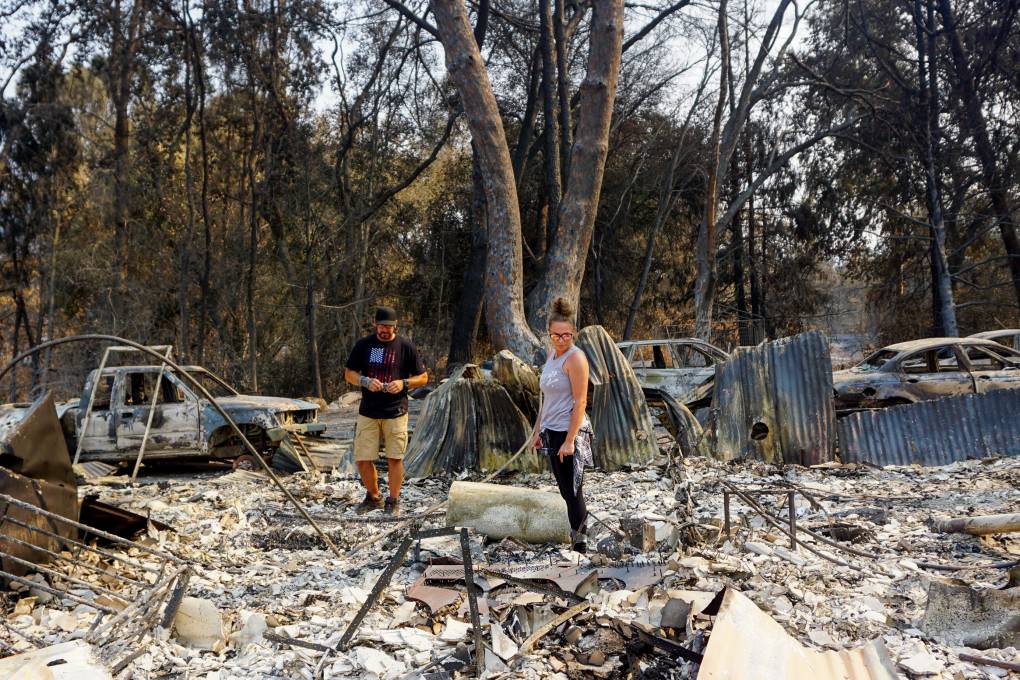
"caption": "Ryan and Jennifer Montano search through the remains of their Vacaville, California, home, which was destroyed in the LNU Lightning Complex Fire in August 2020.",
"description": null,
"title": "Ryan and Jennifer Montano search through the remains of their Vacaville, Calif., home, destroyed in the LNU Lightning Complex Fire in August.",
"credit": "Lauren Sommer/NPR",
"status": "inherit",
"altTag": null,
"isLoading": false,
"fetchFailed": false
},
"science_1991592": {
"type": "attachments",
"id": "science_1991592",
"meta": {
"index": "attachments_1716263798",
"site": "science",
"id": "1991592",
"found": true
},
"parent": 1991580,
"imgSizes": {
"twentyfourteen-full-width": {
"file": "https://cdn.kqed.org/wp-content/uploads/sites/35/2024/02/026_Meyers_CaldorFire_08312021_qut-1038x576.jpg",
"width": 1038,
"mimeType": "image/jpeg",
"height": 576
},
"thumbnail": {
"file": "https://cdn.kqed.org/wp-content/uploads/sites/35/2024/02/026_Meyers_CaldorFire_08312021_qut-160x107.jpg",
"width": 160,
"mimeType": "image/jpeg",
"height": 107
},
"post-thumbnail": {
"file": "https://cdn.kqed.org/wp-content/uploads/sites/35/2024/02/026_Meyers_CaldorFire_08312021_qut-672x372.jpg",
"width": 672,
"mimeType": "image/jpeg",
"height": 372
},
"kqedFullSize": {
"file": "https://cdn.kqed.org/wp-content/uploads/sites/35/2024/02/026_Meyers_CaldorFire_08312021_qut.jpg",
"width": 1920,
"height": 1280
},
"large": {
"file": "https://cdn.kqed.org/wp-content/uploads/sites/35/2024/02/026_Meyers_CaldorFire_08312021_qut-1020x680.jpg",
"width": 1020,
"mimeType": "image/jpeg",
"height": 680
},
"1536x1536": {
"file": "https://cdn.kqed.org/wp-content/uploads/sites/35/2024/02/026_Meyers_CaldorFire_08312021_qut-1536x1024.jpg",
"width": 1536,
"mimeType": "image/jpeg",
"height": 1024
},
"medium": {
"file": "https://cdn.kqed.org/wp-content/uploads/sites/35/2024/02/026_Meyers_CaldorFire_08312021_qut-800x533.jpg",
"width": 800,
"mimeType": "image/jpeg",
"height": 533
},
"medium_large": {
"file": "https://cdn.kqed.org/wp-content/uploads/sites/35/2024/02/026_Meyers_CaldorFire_08312021_qut-768x512.jpg",
"width": 768,
"mimeType": "image/jpeg",
"height": 512
}
},
"publishDate": 1708989539,
"modified": 1708989637,
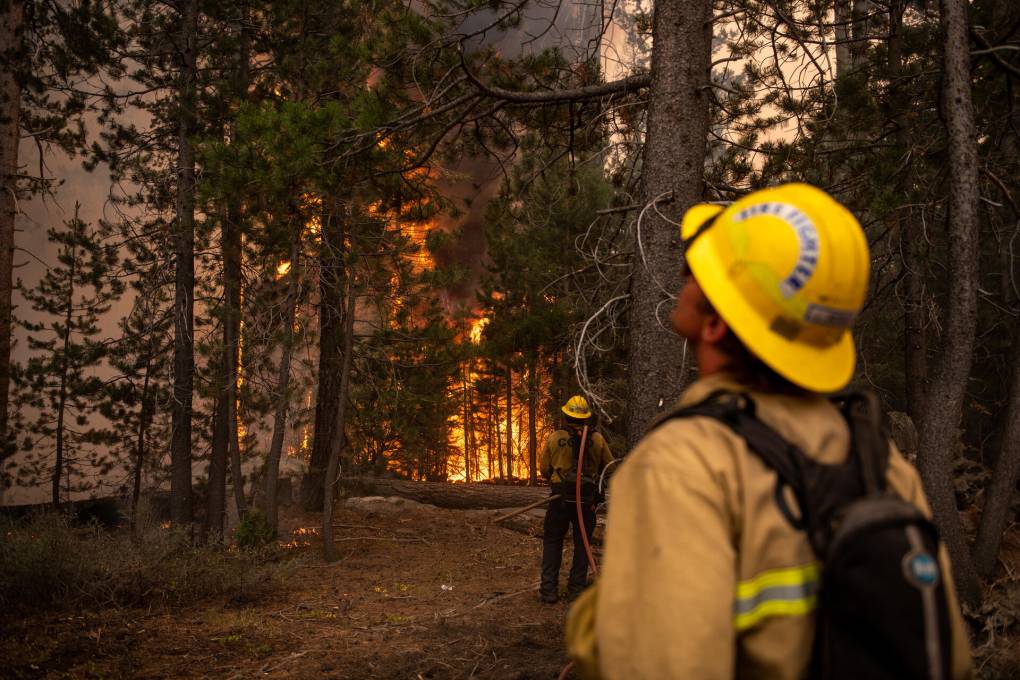
"caption": "Jesse Kohler (right) and Nick Garcia from the Carson City Fire Department battle the Caldor Fire off of Highway 50 near Chiapa Drive on Aug. 31, 2021.",
"description": null,
"title": "026_Meyers_CaldorFire_08312021_qut",
"credit": "Beth LaBerge/KQED",
"status": "inherit",
"altTag": "Two men wearing fire safety helmets, uniforms, and equipment look towards a fire in a forest.",
"isLoading": false,
"fetchFailed": false
},
"science_1985412": {
"type": "attachments",
"id": "science_1985412",
"meta": {
"index": "attachments_1716263798",
"site": "science",
"id": "1985412",
"found": true
},
"parent": 1985440,
"imgSizes": {
"twentyfourteen-full-width": {
"file": "https://ww2.kqed.org/app/uploads/sites/35/2023/11/230626-HousingNevadaCoWildfire-28-BL-qut-1038x576.jpg",
"width": 1038,
"mimeType": "image/jpeg",
"height": 576
},
"thumbnail": {
"file": "https://ww2.kqed.org/app/uploads/sites/35/2023/11/230626-HousingNevadaCoWildfire-28-BL-qut-160x107.jpg",
"width": 160,
"mimeType": "image/jpeg",
"height": 107
},
"post-thumbnail": {
"file": "https://ww2.kqed.org/app/uploads/sites/35/2023/11/230626-HousingNevadaCoWildfire-28-BL-qut-672x372.jpg",
"width": 672,
"mimeType": "image/jpeg",
"height": 372
},
"kqedFullSize": {
"file": "https://ww2.kqed.org/app/uploads/sites/35/2023/11/230626-HousingNevadaCoWildfire-28-BL-qut.jpg",
"width": 1920,
"height": 1280
},
"large": {
"file": "https://ww2.kqed.org/app/uploads/sites/35/2023/11/230626-HousingNevadaCoWildfire-28-BL-qut-1020x680.jpg",
"width": 1020,
"mimeType": "image/jpeg",
"height": 680
},
"1536x1536": {
"file": "https://ww2.kqed.org/app/uploads/sites/35/2023/11/230626-HousingNevadaCoWildfire-28-BL-qut-1536x1024.jpg",
"width": 1536,
"mimeType": "image/jpeg",
"height": 1024
},
"medium": {
"file": "https://ww2.kqed.org/app/uploads/sites/35/2023/11/230626-HousingNevadaCoWildfire-28-BL-qut-800x533.jpg",
"width": 800,
"mimeType": "image/jpeg",
"height": 533
},
"medium_large": {
"file": "https://ww2.kqed.org/app/uploads/sites/35/2023/11/230626-HousingNevadaCoWildfire-28-BL-qut-768x512.jpg",
"width": 768,
"mimeType": "image/jpeg",
"height": 512
}
},
"publishDate": 1700082684,
"modified": 1700188343,
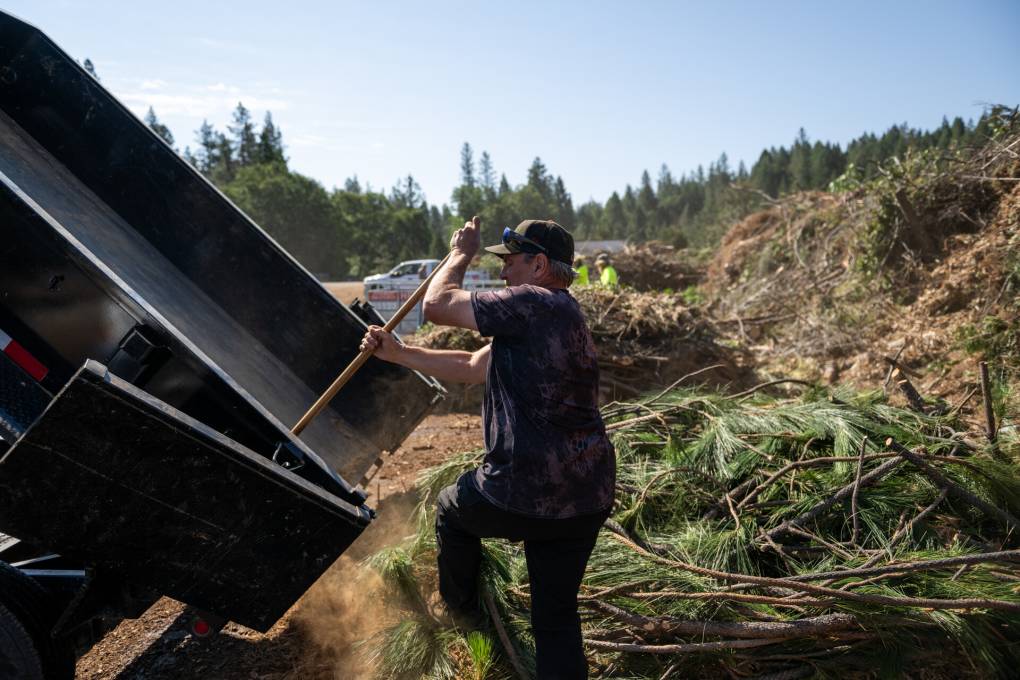
"caption": "Mario Denning unloads green waste from their vehicle during a free residential disposal hosted by the Fire Safe Council of Nevada County in Grass Valley on June 26, 2023.",
"description": null,
"title": "230626-HousingNevadaCoWildfire-28-BL-qut",
"credit": "Beth LaBerge/KQED",
"status": "inherit",
"altTag": "A man uses a tool to remove debris from a truck bed. Behind him is a pile of tree branches and other green waste.",
"isLoading": false,
"fetchFailed": false
},
"science_1985396": {
"type": "attachments",
"id": "science_1985396",
"meta": {
"index": "attachments_1716263798",
"site": "science",
"id": "1985396",
"found": true
},
"parent": 0,
"imgSizes": {
"twentyfourteen-full-width": {
"file": "https://ww2.kqed.org/app/uploads/sites/35/2023/11/GettyImages-978122074-qut-1038x576.jpg",
"width": 1038,
"mimeType": "image/jpeg",
"height": 576
},
"thumbnail": {
"file": "https://ww2.kqed.org/app/uploads/sites/35/2023/11/GettyImages-978122074-qut-160x107.jpg",
"width": 160,
"mimeType": "image/jpeg",
"height": 107
},
"post-thumbnail": {
"file": "https://ww2.kqed.org/app/uploads/sites/35/2023/11/GettyImages-978122074-qut-672x372.jpg",
"width": 672,
"mimeType": "image/jpeg",
"height": 372
},
"kqedFullSize": {
"file": "https://ww2.kqed.org/app/uploads/sites/35/2023/11/GettyImages-978122074-qut.jpg",
"width": 1920,
"height": 1280
},
"large": {
"file": "https://ww2.kqed.org/app/uploads/sites/35/2023/11/GettyImages-978122074-qut-1020x680.jpg",
"width": 1020,
"mimeType": "image/jpeg",
"height": 680
},
"1536x1536": {
"file": "https://ww2.kqed.org/app/uploads/sites/35/2023/11/GettyImages-978122074-qut-1536x1024.jpg",
"width": 1536,
"mimeType": "image/jpeg",
"height": 1024
},
"medium": {
"file": "https://ww2.kqed.org/app/uploads/sites/35/2023/11/GettyImages-978122074-qut-800x533.jpg",
"width": 800,
"mimeType": "image/jpeg",
"height": 533
},
"medium_large": {
"file": "https://ww2.kqed.org/app/uploads/sites/35/2023/11/GettyImages-978122074-qut-768x512.jpg",
"width": 768,
"mimeType": "image/jpeg",
"height": 512
}
},
"publishDate": 1700080244,
"modified": 1700085996,
"caption": "The new proposal aims to fund burying 2,000 miles of power lines by 2026, with PG&E asserting that it will support wildfire mitigation, promote clean energy growth and reduce the risk of sparking Northern California wildfires.",
"description": null,
"title": "Investigators Blame California Utility PG&E For 2017 Wine Country Fires",
"credit": "Justin Sullivan/Getty Images",
"status": "inherit",
"altTag": "The back of a blue PG&E truck is seen.",
"isLoading": false,
"fetchFailed": false
},
"science_1985296": {
"type": "attachments",
"id": "science_1985296",
"meta": {
"index": "attachments_1716263798",
"site": "science",
"id": "1985296",
"found": true
},
"parent": 1985295,
"imgSizes": {
"twentyfourteen-full-width": {
"file": "https://ww2.kqed.org/app/uploads/sites/35/2023/11/ap20216281153675_custom-1d05a45fb29ce62970daa40e712f1e61d079949e-1038x576.jpg",
"width": 1038,
"mimeType": "image/jpeg",
"height": 576
},
"thumbnail": {
"file": "https://ww2.kqed.org/app/uploads/sites/35/2023/11/ap20216281153675_custom-1d05a45fb29ce62970daa40e712f1e61d079949e-160x107.jpg",
"width": 160,
"mimeType": "image/jpeg",
"height": 107
},
"post-thumbnail": {
"file": "https://ww2.kqed.org/app/uploads/sites/35/2023/11/ap20216281153675_custom-1d05a45fb29ce62970daa40e712f1e61d079949e-672x372.jpg",
"width": 672,
"mimeType": "image/jpeg",
"height": 372
},
"kqedFullSize": {
"file": "https://ww2.kqed.org/app/uploads/sites/35/2023/11/ap20216281153675_custom-1d05a45fb29ce62970daa40e712f1e61d079949e-scaled.jpg",
"width": 2560,
"height": 1705
},
"2048x2048": {
"file": "https://ww2.kqed.org/app/uploads/sites/35/2023/11/ap20216281153675_custom-1d05a45fb29ce62970daa40e712f1e61d079949e-2048x1364.jpg",
"width": 2048,
"mimeType": "image/jpeg",
"height": 1364
},
"large": {
"file": "https://ww2.kqed.org/app/uploads/sites/35/2023/11/ap20216281153675_custom-1d05a45fb29ce62970daa40e712f1e61d079949e-1020x679.jpg",
"width": 1020,
"mimeType": "image/jpeg",
"height": 679
},
"1536x1536": {
"file": "https://ww2.kqed.org/app/uploads/sites/35/2023/11/ap20216281153675_custom-1d05a45fb29ce62970daa40e712f1e61d079949e-1536x1023.jpg",
"width": 1536,
"mimeType": "image/jpeg",
"height": 1023
},
"full-width": {
"file": "https://ww2.kqed.org/app/uploads/sites/35/2023/11/ap20216281153675_custom-1d05a45fb29ce62970daa40e712f1e61d079949e-1920x1279.jpg",
"width": 1920,
"mimeType": "image/jpeg",
"height": 1279
},
"medium": {
"file": "https://ww2.kqed.org/app/uploads/sites/35/2023/11/ap20216281153675_custom-1d05a45fb29ce62970daa40e712f1e61d079949e-800x533.jpg",
"width": 800,
"mimeType": "image/jpeg",
"height": 533
},
"medium_large": {
"file": "https://ww2.kqed.org/app/uploads/sites/35/2023/11/ap20216281153675_custom-1d05a45fb29ce62970daa40e712f1e61d079949e-768x511.jpg",
"width": 768,
"mimeType": "image/jpeg",
"height": 511
}
},
"publishDate": 1699981444,
"modified": 1699988123,
"caption": "Windmills near Whitewater, Calif., in 2020. Reducing fossil fuel use and investing more in renewable energy sources such as wind will help the U.S. avoid billions of dollars of economic costs and help Americans live longer, healthier lives according to the Fifth National Climate Assessment.",
"description": "Windmills near Whitewater, Calif., in 2020. Reducing fossil fuel use and investing more in renewable energy sources such as wind will help the U.S. avoid billions of dollars of economic costs and help Americans live longer, healthier lives according to the Fifth National Climate Assessment.",
"title": "Windmills near Whitewater, Calif.",
"credit": "AP Photo/Ringo H.W. Chiu",
"status": "inherit",
"altTag": "Windmills are seen on a backdrop of orange skies.",
"isLoading": false,
"fetchFailed": false
},
"science_1985180": {
"type": "attachments",
"id": "science_1985180",
"meta": {
"index": "attachments_1716263798",
"site": "science",
"id": "1985180",
"found": true
},
"parent": 1985175,
"imgSizes": {
"twentyfourteen-full-width": {
"file": "https://ww2.kqed.org/app/uploads/sites/35/2023/11/GettyImages-1177682057-qut-1038x576.jpg",
"width": 1038,
"mimeType": "image/jpeg",
"height": 576
},
"thumbnail": {
"file": "https://ww2.kqed.org/app/uploads/sites/35/2023/11/GettyImages-1177682057-qut-160x90.jpg",
"width": 160,
"mimeType": "image/jpeg",
"height": 90
},
"post-thumbnail": {
"file": "https://ww2.kqed.org/app/uploads/sites/35/2023/11/GettyImages-1177682057-qut-672x372.jpg",
"width": 672,
"mimeType": "image/jpeg",
"height": 372
},
"kqedFullSize": {
"file": "https://ww2.kqed.org/app/uploads/sites/35/2023/11/GettyImages-1177682057-qut.jpg",
"width": 1920,
"height": 1079
},
"large": {
"file": "https://ww2.kqed.org/app/uploads/sites/35/2023/11/GettyImages-1177682057-qut-1020x573.jpg",
"width": 1020,
"mimeType": "image/jpeg",
"height": 573
},
"1536x1536": {
"file": "https://ww2.kqed.org/app/uploads/sites/35/2023/11/GettyImages-1177682057-qut-1536x863.jpg",
"width": 1536,
"mimeType": "image/jpeg",
"height": 863
},
"medium": {
"file": "https://ww2.kqed.org/app/uploads/sites/35/2023/11/GettyImages-1177682057-qut-800x450.jpg",
"width": 800,
"mimeType": "image/jpeg",
"height": 450
},
"medium_large": {
"file": "https://ww2.kqed.org/app/uploads/sites/35/2023/11/GettyImages-1177682057-qut-768x432.jpg",
"width": 768,
"mimeType": "image/jpeg",
"height": 432
}
},
"publishDate": 1699579723,
"modified": 1699820978,
"caption": "Residential properties that were destroyed in the Camp Fire are cleaned up and ready for rebuilding, October 2, 2019 in Paradise, California. ",
"description": null,
"title": "US-CALIFORNIA-FIRES-ANNIVERSARY",
"credit": "ROBYN BECK/AFP via Getty Images",
"status": "inherit",
"altTag": null,
"isLoading": false,
"fetchFailed": false
},
"science_1985183": {
"type": "attachments",
"id": "science_1985183",
"meta": {
"index": "attachments_1716263798",
"site": "science",
"id": "1985183",
"found": true
},
"title": "231110-PRESCRIBED BURN-DV-KQED",
"publishDate": 1699618546,
"status": "inherit",
"parent": 0,
"modified": 1751401762,
"caption": "Lighting a prescribed fire in the Six Rivers National Forest.",
"credit": "Danielle Venton/KQED",
"altTag": "A person wearing a hard hat walks through a forest with a device to start fires.",
"description": null,
"imgSizes": {
"medium": {
"file": "https://cdn.kqed.org/wp-content/uploads/sites/35/2023/11/231110-PRESCRIBED-BURN-DV-KQED-800x533.jpg",
"width": 800,
"height": 533,
"mimeType": "image/jpeg"
},
"large": {
"file": "https://cdn.kqed.org/wp-content/uploads/sites/35/2023/11/231110-PRESCRIBED-BURN-DV-KQED-1020x680.jpg",
"width": 1020,
"height": 680,
"mimeType": "image/jpeg"
},
"thumbnail": {
"file": "https://cdn.kqed.org/wp-content/uploads/sites/35/2023/11/231110-PRESCRIBED-BURN-DV-KQED-160x107.jpg",
"width": 160,
"height": 107,
"mimeType": "image/jpeg"
},
"medium_large": {
"file": "https://cdn.kqed.org/wp-content/uploads/sites/35/2023/11/231110-PRESCRIBED-BURN-DV-KQED-768x512.jpg",
"width": 768,
"height": 512,
"mimeType": "image/jpeg"
},
"1536x1536": {
"file": "https://cdn.kqed.org/wp-content/uploads/sites/35/2023/11/231110-PRESCRIBED-BURN-DV-KQED-1536x1024.jpg",
"width": 1536,
"height": 1024,
"mimeType": "image/jpeg"
},
"post-thumbnail": {
"file": "https://cdn.kqed.org/wp-content/uploads/sites/35/2023/11/231110-PRESCRIBED-BURN-DV-KQED-672x372.jpg",
"width": 672,
"height": 372,
"mimeType": "image/jpeg"
},
"twentyfourteen-full-width": {
"file": "https://cdn.kqed.org/wp-content/uploads/sites/35/2023/11/231110-PRESCRIBED-BURN-DV-KQED-1038x576.jpg",
"width": 1038,
"height": 576,
"mimeType": "image/jpeg"
},
"full-width": {
"file": "https://cdn.kqed.org/wp-content/uploads/sites/35/2023/11/231110-PRESCRIBED-BURN-DV-KQED-1920x1280.jpg",
"width": 1920,
"height": 1280,
"mimeType": "image/jpeg"
},
"kqedFullSize": {
"file": "https://cdn.kqed.org/wp-content/uploads/sites/35/2023/11/231110-PRESCRIBED-BURN-DV-KQED.jpg",
"width": 2000,
"height": 1333
}
},
"isLoading": false,
"fetchFailed": false
},
"science_1985030": {
"type": "attachments",
"id": "science_1985030",
"meta": {
"index": "attachments_1716263798",
"site": "science",
"id": "1985030",
"found": true
},
"parent": 1985028,
"imgSizes": {
"twentyfourteen-full-width": {
"file": "https://ww2.kqed.org/app/uploads/sites/35/2023/11/GettyImages-1234219639-qut-1038x576.jpg",
"width": 1038,
"mimeType": "image/jpeg",
"height": 576
},
"thumbnail": {
"file": "https://ww2.kqed.org/app/uploads/sites/35/2023/11/GettyImages-1234219639-qut-160x105.jpg",
"width": 160,
"mimeType": "image/jpeg",
"height": 105
},
"post-thumbnail": {
"file": "https://ww2.kqed.org/app/uploads/sites/35/2023/11/GettyImages-1234219639-qut-672x372.jpg",
"width": 672,
"mimeType": "image/jpeg",
"height": 372
},
"kqedFullSize": {
"file": "https://ww2.kqed.org/app/uploads/sites/35/2023/11/GettyImages-1234219639-qut.jpg",
"width": 1920,
"height": 1258
},
"large": {
"file": "https://ww2.kqed.org/app/uploads/sites/35/2023/11/GettyImages-1234219639-qut-1020x668.jpg",
"width": 1020,
"mimeType": "image/jpeg",
"height": 668
},
"1536x1536": {
"file": "https://ww2.kqed.org/app/uploads/sites/35/2023/11/GettyImages-1234219639-qut-1536x1006.jpg",
"width": 1536,
"mimeType": "image/jpeg",
"height": 1006
},
"medium": {
"file": "https://ww2.kqed.org/app/uploads/sites/35/2023/11/GettyImages-1234219639-qut-800x524.jpg",
"width": 800,
"mimeType": "image/jpeg",
"height": 524
},
"medium_large": {
"file": "https://ww2.kqed.org/app/uploads/sites/35/2023/11/GettyImages-1234219639-qut-768x503.jpg",
"width": 768,
"mimeType": "image/jpeg",
"height": 503
}
},
"publishDate": 1698847115,
"modified": 1698879371,
"caption": "A PG&E truck drives past a house in Quincy, California, near the massive Dixie Fire on July 26, 2021. ",
"description": null,
"title": "US-CLIMATE-CALIFORNIA-WILDFIRE",
"credit": null,
"status": "inherit",
"altTag": "A blurry utility truck drives through a wildfire zone.",
"isLoading": false,
"fetchFailed": false
},
"science_1984698": {
"type": "attachments",
"id": "science_1984698",
"meta": {
"index": "attachments_1716263798",
"site": "science",
"id": "1984698",
"found": true
},
"parent": 1984697,
"imgSizes": {
"twentyfourteen-full-width": {
"file": "https://ww2.kqed.org/app/uploads/sites/35/2023/10/horizontal-image-1038x576.png",
"width": 1038,
"mimeType": "image/png",
"height": 576
},
"thumbnail": {
"file": "https://ww2.kqed.org/app/uploads/sites/35/2023/10/horizontal-image-160x90.png",
"width": 160,
"mimeType": "image/png",
"height": 90
},
"post-thumbnail": {
"file": "https://ww2.kqed.org/app/uploads/sites/35/2023/10/horizontal-image-672x372.png",
"width": 672,
"mimeType": "image/png",
"height": 372
},
"kqedFullSize": {
"file": "https://ww2.kqed.org/app/uploads/sites/35/2023/10/horizontal-image.png",
"width": 1920,
"height": 1080
},
"large": {
"file": "https://ww2.kqed.org/app/uploads/sites/35/2023/10/horizontal-image-1020x574.png",
"width": 1020,
"mimeType": "image/png",
"height": 574
},
"1536x1536": {
"file": "https://ww2.kqed.org/app/uploads/sites/35/2023/10/horizontal-image-1536x864.png",
"width": 1536,
"mimeType": "image/png",
"height": 864
},
"medium": {
"file": "https://ww2.kqed.org/app/uploads/sites/35/2023/10/horizontal-image-800x450.png",
"width": 800,
"mimeType": "image/png",
"height": 450
},
"medium_large": {
"file": "https://ww2.kqed.org/app/uploads/sites/35/2023/10/horizontal-image-768x432.png",
"width": 768,
"mimeType": "image/png",
"height": 432
}
},
"publishDate": 1697238524,
"modified": 1697238524,
"caption": null,
"description": null,
"title": "horizontal image",
"credit": null,
"status": "inherit",
"altTag": null,
"isLoading": false,
"fetchFailed": false
},
"science_1984596": {
"type": "attachments",
"id": "science_1984596",
"meta": {
"index": "attachments_1716263798",
"site": "science",
"id": "1984596",
"found": true
},
"parent": 1984593,
"imgSizes": {
"twentyfourteen-full-width": {
"file": "https://ww2.kqed.org/app/uploads/sites/35/2023/10/GettyImages-1499051639-qut-1038x576.jpg",
"width": 1038,
"mimeType": "image/jpeg",
"height": 576
},
"thumbnail": {
"file": "https://ww2.kqed.org/app/uploads/sites/35/2023/10/GettyImages-1499051639-qut-160x108.jpg",
"width": 160,
"mimeType": "image/jpeg",
"height": 108
},
"post-thumbnail": {
"file": "https://ww2.kqed.org/app/uploads/sites/35/2023/10/GettyImages-1499051639-qut-672x372.jpg",
"width": 672,
"mimeType": "image/jpeg",
"height": 372
},
"kqedFullSize": {
"file": "https://ww2.kqed.org/app/uploads/sites/35/2023/10/GettyImages-1499051639-qut.jpg",
"width": 1920,
"height": 1290
},
"large": {
"file": "https://ww2.kqed.org/app/uploads/sites/35/2023/10/GettyImages-1499051639-qut-1020x685.jpg",
"width": 1020,
"mimeType": "image/jpeg",
"height": 685
},
"1536x1536": {
"file": "https://ww2.kqed.org/app/uploads/sites/35/2023/10/GettyImages-1499051639-qut-1536x1032.jpg",
"width": 1536,
"mimeType": "image/jpeg",
"height": 1032
},
"medium": {
"file": "https://ww2.kqed.org/app/uploads/sites/35/2023/10/GettyImages-1499051639-qut-800x538.jpg",
"width": 800,
"mimeType": "image/jpeg",
"height": 538
},
"medium_large": {
"file": "https://ww2.kqed.org/app/uploads/sites/35/2023/10/GettyImages-1499051639-qut-768x516.jpg",
"width": 768,
"mimeType": "image/jpeg",
"height": 516
}
},
"publishDate": 1696879875,
"modified": 1696963796,
"caption": "Marin County firefighters hike up a hill during a controlled burn training on June 16, 2023 in San Rafael. ",
"description": null,
"title": "California Firefighters Set Controlled Burns As Part Of Wildfire Training",
"credit": "Justin Sullivan/Getty Images",
"status": "inherit",
"altTag": "Firefighters in yellow jackets and helmets hike up a hill into a gray mist.",
"isLoading": false,
"fetchFailed": false
},
"science_1984300": {
"type": "attachments",
"id": "science_1984300",
"meta": {
"index": "attachments_1716263798",
"site": "science",
"id": "1984300",
"found": true
},
"parent": 1984299,
"imgSizes": {
"twentyfourteen-full-width": {
"file": "https://ww2.kqed.org/app/uploads/sites/35/2023/09/gettyimages-1258514923-d0f342ea312f778d880004356d38fea701661e61-1038x576.jpg",
"width": 1038,
"mimeType": "image/jpeg",
"height": 576
},
"thumbnail": {
"file": "https://ww2.kqed.org/app/uploads/sites/35/2023/09/gettyimages-1258514923-d0f342ea312f778d880004356d38fea701661e61-160x120.jpg",
"width": 160,
"mimeType": "image/jpeg",
"height": 120
},
"post-thumbnail": {
"file": "https://ww2.kqed.org/app/uploads/sites/35/2023/09/gettyimages-1258514923-d0f342ea312f778d880004356d38fea701661e61-672x372.jpg",
"width": 672,
"mimeType": "image/jpeg",
"height": 372
},
"kqedFullSize": {
"file": "https://ww2.kqed.org/app/uploads/sites/35/2023/09/gettyimages-1258514923-d0f342ea312f778d880004356d38fea701661e61-scaled.jpg",
"width": 2560,
"height": 1920
},
"2048x2048": {
"file": "https://ww2.kqed.org/app/uploads/sites/35/2023/09/gettyimages-1258514923-d0f342ea312f778d880004356d38fea701661e61-2048x1536.jpg",
"width": 2048,
"mimeType": "image/jpeg",
"height": 1536
},
"large": {
"file": "https://ww2.kqed.org/app/uploads/sites/35/2023/09/gettyimages-1258514923-d0f342ea312f778d880004356d38fea701661e61-1020x765.jpg",
"width": 1020,
"mimeType": "image/jpeg",
"height": 765
},
"1536x1536": {
"file": "https://ww2.kqed.org/app/uploads/sites/35/2023/09/gettyimages-1258514923-d0f342ea312f778d880004356d38fea701661e61-1536x1152.jpg",
"width": 1536,
"mimeType": "image/jpeg",
"height": 1152
},
"full-width": {
"file": "https://ww2.kqed.org/app/uploads/sites/35/2023/09/gettyimages-1258514923-d0f342ea312f778d880004356d38fea701661e61-1920x1440.jpg",
"width": 1920,
"mimeType": "image/jpeg",
"height": 1440
},
"medium": {
"file": "https://ww2.kqed.org/app/uploads/sites/35/2023/09/gettyimages-1258514923-d0f342ea312f778d880004356d38fea701661e61-800x600.jpg",
"width": 800,
"mimeType": "image/jpeg",
"height": 600
},
"medium_large": {
"file": "https://ww2.kqed.org/app/uploads/sites/35/2023/09/gettyimages-1258514923-d0f342ea312f778d880004356d38fea701661e61-768x576.jpg",
"width": 768,
"mimeType": "image/jpeg",
"height": 576
}
},
"publishDate": 1695240918,
"modified": 1695252129,
"caption": "Smoky haze from wildfires in Canada obscures New York City's Empire State Building this year. The air in the US has improved over the past 50 years, but smoke pollution from growing wildfires erodes much of that progress.",
"description": null,
"title": "Smoky haze from wildfire",
"credit": "David Dee Delgado/Getty Images",
"status": "inherit",
"altTag": "Orange skies and smoke is seen in a city amongst buildings.",
"isLoading": false,
"fetchFailed": false
},
"science_1984231": {
"type": "attachments",
"id": "science_1984231",
"meta": {
"index": "attachments_1716263798",
"site": "science",
"id": "1984231",
"found": true
},
"parent": 1984229,
"imgSizes": {
"twentyfourteen-full-width": {
"file": "https://ww2.kqed.org/app/uploads/sites/35/2023/09/2023-08-joshuatressjojavedesert-kramirez_31_custom-6abe04048b5975f182a9e05de2107f72d9559663-1038x576.jpg",
"width": 1038,
"mimeType": "image/jpeg",
"height": 576
},
"thumbnail": {
"file": "https://ww2.kqed.org/app/uploads/sites/35/2023/09/2023-08-joshuatressjojavedesert-kramirez_31_custom-6abe04048b5975f182a9e05de2107f72d9559663-160x107.jpg",
"width": 160,
"mimeType": "image/jpeg",
"height": 107
},
"post-thumbnail": {
"file": "https://ww2.kqed.org/app/uploads/sites/35/2023/09/2023-08-joshuatressjojavedesert-kramirez_31_custom-6abe04048b5975f182a9e05de2107f72d9559663-672x372.jpg",
"width": 672,
"mimeType": "image/jpeg",
"height": 372
},
"kqedFullSize": {
"file": "https://ww2.kqed.org/app/uploads/sites/35/2023/09/2023-08-joshuatressjojavedesert-kramirez_31_custom-6abe04048b5975f182a9e05de2107f72d9559663-scaled.jpg",
"width": 2560,
"height": 1705
},
"2048x2048": {
"file": "https://ww2.kqed.org/app/uploads/sites/35/2023/09/2023-08-joshuatressjojavedesert-kramirez_31_custom-6abe04048b5975f182a9e05de2107f72d9559663-2048x1364.jpg",
"width": 2048,
"mimeType": "image/jpeg",
"height": 1364
},
"large": {
"file": "https://ww2.kqed.org/app/uploads/sites/35/2023/09/2023-08-joshuatressjojavedesert-kramirez_31_custom-6abe04048b5975f182a9e05de2107f72d9559663-1020x679.jpg",
"width": 1020,
"mimeType": "image/jpeg",
"height": 679
},
"1536x1536": {
"file": "https://ww2.kqed.org/app/uploads/sites/35/2023/09/2023-08-joshuatressjojavedesert-kramirez_31_custom-6abe04048b5975f182a9e05de2107f72d9559663-1536x1023.jpg",
"width": 1536,
"mimeType": "image/jpeg",
"height": 1023
},
"full-width": {
"file": "https://ww2.kqed.org/app/uploads/sites/35/2023/09/2023-08-joshuatressjojavedesert-kramirez_31_custom-6abe04048b5975f182a9e05de2107f72d9559663-1920x1279.jpg",
"width": 1920,
"mimeType": "image/jpeg",
"height": 1279
},
"medium": {
"file": "https://ww2.kqed.org/app/uploads/sites/35/2023/09/2023-08-joshuatressjojavedesert-kramirez_31_custom-6abe04048b5975f182a9e05de2107f72d9559663-800x533.jpg",
"width": 800,
"mimeType": "image/jpeg",
"height": 533
},
"medium_large": {
"file": "https://ww2.kqed.org/app/uploads/sites/35/2023/09/2023-08-joshuatressjojavedesert-kramirez_31_custom-6abe04048b5975f182a9e05de2107f72d9559663-768x511.jpg",
"width": 768,
"mimeType": "image/jpeg",
"height": 511
}
},
"publishDate": 1694105137,
"modified": 1694125214,
"caption": "Charred carcasses of Mojave yuccas, Joshua trees and chollas are seen at the edge of the York Fire in San Bernardino County, inside Mojave National Preserve.",
"description": null,
"title": "Charred carcasses of Mojave yuccas, Joshua trees and chollas are seen at the edge of the York Fire in San Bernardino County, California, inside Mojave National Preserve.",
"credit": "Krystal Ramirez/NPR",
"status": "inherit",
"altTag": "Dry landscape dotted with small burnt plants under a blue sky.",
"isLoading": false,
"fetchFailed": false
}
},
"audioPlayerReducer": {
"postId": "stream_live",
"isPaused": true,
"isPlaying": false,
"pfsActive": false,
"pledgeModalIsOpen": true,
"playerDrawerIsOpen": false,
"liveAudioPlayStartedAt": 0,
"liveAudioPlayContext": ""
},
"authorsReducer": {
"byline_science_1985295": {
"type": "authors",
"id": "byline_science_1985295",
"meta": {
"override": true
},
"slug": "byline_science_1985295",
"name": "Alejandra Borunda, Lauren Sommer, Rebecca Hersher",
"isLoading": false
},
"byline_science_1984299": {
"type": "authors",
"id": "byline_science_1984299",
"meta": {
"override": true
},
"slug": "byline_science_1984299",
"name": "\u003ca href=\"https://www.npr.org/people/1193795778/alejandra-borunda\">Alejandra Borunda\u003c/a>",
"isLoading": false
},
"byline_science_1984229": {
"type": "authors",
"id": "byline_science_1984229",
"meta": {
"override": true
},
"slug": "byline_science_1984229",
"name": "\u003ca href=\"https://www.npr.org/people/859339295/christopher-intagliata\">Christopher Intagliata\u003c/a>",
"isLoading": false
},
"ekelly": {
"type": "authors",
"id": "3211",
"meta": {
"index": "authors_1716337520",
"id": "3211",
"found": true
},
"name": "Erika Kelly",
"firstName": "Erika",
"lastName": "Kelly",
"slug": "ekelly",
"email": "ekelly@KQED.org",
"display_author_email": true,
"staff_mastheads": [
"news"
],
"title": "Deputy Managing Editor",
"bio": "Erika Kelly is deputy managing editor of KQED's newsroom, working with teams covering housing, climate, health, labor and the arts. Previously, she was the senior editor of KQED’s housing affordability desk, leading the team that produced the award winning podcast Sold Out: Rethinking Housing in America. She is a graduate of the Medill School of Journalism and a native of the Greater Chicagoland Area.",
"avatar": "https://secure.gravatar.com/avatar/3653973f475e2af06d52444628a0023a48f83905a9d7ce3a4e45e5ecebcb4230?s=600&d=blank&r=g",
"twitter": null,
"bluesky": null,
"facebook": null,
"instagram": null,
"linkedin": null,
"sites": [
{
"site": "",
"roles": [
"editor"
]
},
{
"site": "arts",
"roles": [
"administrator"
]
},
{
"site": "news",
"roles": [
"administrator"
]
},
{
"site": "science",
"roles": [
"administrator"
]
},
{
"site": "liveblog",
"roles": [
"administrator"
]
}
],
"headData": {
"title": "Erika Kelly | KQED",
"description": "Deputy Managing Editor",
"ogImgSrc": "https://secure.gravatar.com/avatar/3653973f475e2af06d52444628a0023a48f83905a9d7ce3a4e45e5ecebcb4230?s=600&d=blank&r=g",
"twImgSrc": "https://secure.gravatar.com/avatar/3653973f475e2af06d52444628a0023a48f83905a9d7ce3a4e45e5ecebcb4230?s=600&d=blank&r=g"
},
"isLoading": false,
"link": "/author/ekelly"
},
"dventon": {
"type": "authors",
"id": "11088",
"meta": {
"index": "authors_1716337520",
"id": "11088",
"found": true
},
"name": "Danielle Venton",
"firstName": "Danielle",
"lastName": "Venton",
"slug": "dventon",
"email": "dventon@kqed.org",
"display_author_email": true,
"staff_mastheads": [
"science"
],
"title": "Science reporter",
"bio": "Danielle Venton is a reporter for KQED Science. She covers wildfires, space and oceans (though she is prone to sea sickness).\r\n\r\nBefore joining KQED in 2015, Danielle was a staff reporter at KRCB in Sonoma County and a freelancer. She studied science communication at UC Santa Cruz and formerly worked at CERN in Geneva, Switzerland where she wrote about computing. She lives in Sonoma County and enjoys backpacking.",
"avatar": "https://secure.gravatar.com/avatar/37b292b5c40c8d93959c4f48d73b5286f41b7abd8588277e941905a3ed4c801c?s=600&d=blank&r=g",
"twitter": "DanielleVenton",
"bluesky": null,
"facebook": null,
"instagram": null,
"linkedin": null,
"sites": [
{
"site": "arts",
"roles": [
"contributor"
]
},
{
"site": "news",
"roles": [
"editor"
]
},
{
"site": "futureofyou",
"roles": [
"editor"
]
},
{
"site": "science",
"roles": [
"editor"
]
},
{
"site": "liveblog",
"roles": [
"contributor"
]
}
],
"headData": {
"title": "Danielle Venton | KQED",
"description": "Science reporter",
"ogImgSrc": "https://secure.gravatar.com/avatar/37b292b5c40c8d93959c4f48d73b5286f41b7abd8588277e941905a3ed4c801c?s=600&d=blank&r=g",
"twImgSrc": "https://secure.gravatar.com/avatar/37b292b5c40c8d93959c4f48d73b5286f41b7abd8588277e941905a3ed4c801c?s=600&d=blank&r=g"
},
"isLoading": false,
"link": "/author/dventon"
},
"dcronin": {
"type": "authors",
"id": "11362",
"meta": {
"index": "authors_1716337520",
"id": "11362",
"found": true
},
"name": "Dana Cronin",
"firstName": "Dana",
"lastName": "Cronin",
"slug": "dcronin",
"email": "dcronin@KQED.org",
"display_author_email": true,
"staff_mastheads": [],
"title": "KQED Contributor",
"bio": "Dana Cronin is a reporter for KQED News. She loves writing stories about climate change, environmental issues, food and agriculture. She's reported across the country, from Colorado to Washington D.C. to Illinois, and has won numerous awards for her coverage. Her work is regularly featured on national broadcasts, including NPR’s Morning Edition, All Things Considered, PBS Newshour and Science Friday. She lives in Oakland and has an avocado tree in her back yard.",
"avatar": "https://secure.gravatar.com/avatar/b242755225e2f85f37c259df1f4cdfa36dc82f17dcf79e697fb392d658d1750b?s=600&d=blank&r=g",
"twitter": "DanaHCronin",
"bluesky": null,
"facebook": null,
"instagram": null,
"linkedin": null,
"sites": [
{
"site": "arts",
"roles": [
"author"
]
},
{
"site": "news",
"roles": [
"editor"
]
},
{
"site": "science",
"roles": [
"author"
]
},
{
"site": "liveblog",
"roles": [
"author"
]
}
],
"headData": {
"title": "Dana Cronin | KQED",
"description": "KQED Contributor",
"ogImgSrc": "https://secure.gravatar.com/avatar/b242755225e2f85f37c259df1f4cdfa36dc82f17dcf79e697fb392d658d1750b?s=600&d=blank&r=g",
"twImgSrc": "https://secure.gravatar.com/avatar/b242755225e2f85f37c259df1f4cdfa36dc82f17dcf79e697fb392d658d1750b?s=600&d=blank&r=g"
},
"isLoading": false,
"link": "/author/dcronin"
},
"kevinstark": {
"type": "authors",
"id": "11608",
"meta": {
"index": "authors_1716337520",
"id": "11608",
"found": true
},
"name": "Kevin Stark",
"firstName": "Kevin",
"lastName": "Stark",
"slug": "kevinstark",
"email": "kstark@kqed.org",
"display_author_email": true,
"staff_mastheads": [
"science"
],
"title": "Senior Editor",
"bio": "Kevin is a senior editor for KQED Science, managing the station's health and climate desks. His journalism career began in the Pacific Northwest, and he later became a lead reporter for the San Francisco Public Press. His work has appeared in Pacific Standard magazine, the Energy News Network, the Center for Investigative Reporting's Reveal and WBEZ in Chicago. Kevin joined KQED in 2019, and has covered issues related to energy, wildfire, climate change and the environment.",
"avatar": "https://secure.gravatar.com/avatar/365aaa4b597d3a8374f67504ff0facd323d7906e8eb4be0a7efd2427408e802c?s=600&d=blank&r=g",
"twitter": "starkkev",
"bluesky": null,
"facebook": null,
"instagram": null,
"linkedin": null,
"sites": [
{
"site": "",
"roles": [
"editor"
]
},
{
"site": "news",
"roles": [
"editor"
]
},
{
"site": "science",
"roles": [
"administrator"
]
}
],
"headData": {
"title": "Kevin Stark | KQED",
"description": "Senior Editor",
"ogImgSrc": "https://secure.gravatar.com/avatar/365aaa4b597d3a8374f67504ff0facd323d7906e8eb4be0a7efd2427408e802c?s=600&d=blank&r=g",
"twImgSrc": "https://secure.gravatar.com/avatar/365aaa4b597d3a8374f67504ff0facd323d7906e8eb4be0a7efd2427408e802c?s=600&d=blank&r=g"
},
"isLoading": false,
"link": "/author/kevinstark"
},
"ebaldassari": {
"type": "authors",
"id": "11652",
"meta": {
"index": "authors_1716337520",
"id": "11652",
"found": true
},
"name": "Erin Baldassari",
"firstName": "Erin",
"lastName": "Baldassari",
"slug": "ebaldassari",
"email": "ebaldassari@KQED.org",
"display_author_email": true,
"staff_mastheads": [
"news"
],
"title": "Senior Editor",
"bio": "Erin Baldassari oversees the housing and early childhood education and care desks, as well as several of the station’s enterprise and accountability reporters. She joined KQED in 2020 to cover housing and co-host its housing podcast, \u003cem>SOLD OUT: Rethinking Housing in America\u003c/em>. Prior to that, she worked as a print journalist for roughly a decade, most recently at the \u003cem>Mercury News\u003c/em> and \u003cem>East Bay Times\u003c/em>, where she served on its 2017 Pulitzer Prize-winning team for coverage of the Ghost Ship Fire in Oakland. A Tufts University alumna, Erin grew up in the foothills of the Sierra Nevada mountains and in Sonoma County.",
"avatar": "https://secure.gravatar.com/avatar/5e95cad64a8ca08288082212e199d2b0cbeb4fd8e8ef5339395f361032bbe005?s=600&d=blank&r=g",
"twitter": null,
"bluesky": null,
"facebook": null,
"instagram": null,
"linkedin": null,
"sites": [
{
"site": "news",
"roles": [
"edit_others_posts",
"editor"
]
},
{
"site": "science",
"roles": [
"editor"
]
},
{
"site": "liveblog",
"roles": [
"editor"
]
}
],
"headData": {
"title": "Erin Baldassari | KQED",
"description": "Senior Editor",
"ogImgSrc": "https://secure.gravatar.com/avatar/5e95cad64a8ca08288082212e199d2b0cbeb4fd8e8ef5339395f361032bbe005?s=600&d=blank&r=g",
"twImgSrc": "https://secure.gravatar.com/avatar/5e95cad64a8ca08288082212e199d2b0cbeb4fd8e8ef5339395f361032bbe005?s=600&d=blank&r=g"
},
"isLoading": false,
"link": "/author/ebaldassari"
}
},
"pagesReducer": {
"science_tag_wildfire": {
"type": "terms",
"id": "science_113",
"meta": {
"index": "terms_1716263798",
"site": "science",
"id": "113",
"score": 8.673303
},
"featImg": null,
"name": "wildfire",
"description": null,
"taxonomy": "tag",
"headData": {
"twImgId": null,
"twTitle": null,
"ogTitle": null,
"ogImgId": null,
"twDescription": null,
"description": null,
"title": "wildfire Archives | KQED Science",
"ogDescription": null
},
"ttid": 117,
"slug": "wildfire",
"isLoading": false,
"title": "wildfire",
"pageMeta": {
"site": "science",
"WpPageTemplate": "page-topic-editorial",
"currentPage": 2
},
"blocks": [
{
"blockName": "kqed/post-list",
"attrs": {
"layout": "cardArticle2",
"query": "posts/science?tag=wildfire",
"seeMore": false,
"paginated": true,
"page": 2
}
},
{
"blockName": "kqed/ad"
}
]
}
},
"pfsSessionReducer": {},
"postsReducer": {
"stream_live": {
"type": "live",
"id": "stream_live",
"audioUrl": "https://hls.kqed.org/hls/kqed_app/playlist.m3u8",
"title": "Live Stream",
"excerpt": "Live Stream information currently unavailable.",
"link": "/radio",
"featImg": "",
"label": {
"name": "KQED Live",
"link": "/"
}
},
"stream_kqedNewscast": {
"type": "posts",
"id": "stream_kqedNewscast",
"audioUrl": "https://www.kqed.org/.stream/anon/radio/RDnews/newscast.mp3?_=1",
"title": "KQED Newscast",
"featImg": "",
"label": {
"name": "88.5 FM",
"link": "/"
}
},
"science_1992803": {
"type": "posts",
"id": "science_1992803",
"meta": {
"index": "posts_1716263798",
"site": "science",
"id": "1992803",
"score": null,
"sort": [
1715711087000
]
},
"parent": 0,
"labelTerm": {
"site": "science"
},
"blocks": [],
"publishDate": 1715711087,
"format": "standard",
"title": "Newsom Seeks Faster Track for Home Insurance Rate Hikes as Market Shrinks",
"headTitle": "Newsom Seeks Faster Track for Home Insurance Rate Hikes as Market Shrinks | KQED",
"content": "\u003cp>With wildfire risk and inflation making new homeowners insurance policies \u003ca href=\"https://www.kqed.org/news/11980757/state-insurance-chief-tries-to-fix-insurance-market-hit-by-climate-change-rising-premiums-and-canceled-policies\">increasingly difficult to find in California\u003c/a>, Gov. Gavin Newsom is pushing to fast-track new regulations that could speed up state reviews of requested rate hikes by insurers.\u003c/p>\n\u003cp>The rules Newsom requested by executive order last fall are part of a series of proposed changes from the California Department of Insurance that would go into effect at the end of this year. But speaking on Friday at a press conference, Newsom said he didn’t think that would be soon enough.\u003c/p>\n\u003cp>“December? I don’t think we have that much time,” Newsom said. “We need to move. We need to move.”\u003c/p>\n\u003cp>He plans to work with legislators on a trailer bill, to be attached to the state budget, that could go into effect July 1, enacting regulatory changes to streamline the information insurance companies have to provide to the state when they want to make a change to their rates, whether those are increases or decreases. The proposed changes covered by the trailer bill would also impose time limits on how long the insurance department has to approve or deny those requests.\u003c/p>\n\u003cp>Currently, this can take many months, even several years. It’s a major complaint from the insurance industry, which has seen a growing number of insurers \u003ca href=\"https://www.kqed.org/science/1992401/homeowners-insurance-market-stretched-even-thinner-as-2-more-companies-leave-california\">pull out of California’s homeowners market\u003c/a> in recent months. From their perspective, by the time a rate increase is approved, it’s already out of date. Newsom wants to see this take only two months at most.\u003c/p>\n\u003cp>[ad fullwidth]\u003c/p>\n\u003cp>“We need to get this rate ruling process done, and that’s why we want to expedite it over a 60-day period. We need to stabilize this market. We need to send the right signals,” he said.\u003c/p>\n\u003cp>Leaders of the state’s powerful Consumer Watchdog organization pushed back on Newsom’s proposal, \u003ca href=\"https://www.latimes.com/business/story/2024-05-13/california-governor-newsom-insurance-rates-fair-plan\">saying it could become a “rubber stamp” for proposed rate increases\u003c/a>.\u003c/p>\n\u003cp>Meanwhile, the insurance department will continue working on the rest of a suite of regulatory overhauls under what it is calling the \u003ca href=\"https://www.insurance.ca.gov/01-consumers/180-climate-change/SustainableInsuranceStrategy.cfm\">Sustainable Insurance Strategy\u003c/a>. This includes allowing insurers to use forward-looking models to set rates instead of just historical data; allowing some reinsurance costs — reinsurance is insurance for insurance companies — into customer rates; and requiring insurers to write a lot more coverage in risky parts of the state, with the goal of de-populating the teetering FAIR Plan, California’s insurer of last resort.\u003c/p>\n\u003cp>California’s Insurance Commissioner Ricardo Lara wrote on X, formerly Twitter, that he appreciated the governor’s support and agreed quick action was needed.\u003c/p>\n\u003cp>Jill Epstein, CEO of the Independent Insurance Agents and Brokers of California, said it was hard to know exactly what to think about the bill until details were released.\u003c/p>\n\u003cp>“Certainly, we would welcome anything that will expedite this process,” Epstein said. “It sounds great, and I hope it’s meaningful when it gets put in print.”\u003c/p>\n\u003cp>The announcement could be a major step toward assuaging the concerns of insurers operating in California.\u003c/p>\n\u003cp>[aside label=\"Related Stories\" postID=\"science_1992401,news_11980757,science_1985175\"]“I’ve been watching this happen over the last three, four or five years. And we reached that tipping point, and we fell over it,” said Karl Susman, owner of Susman Insurance Agency. “And so now everyone is rushing to try and fix the problem that has been occurring slowly. So, on one hand, I’m shocked that they’re taking this as seriously as they, frankly, should have been for quite some time.”\u003c/p>\n\u003cp>On the other hand, he said, Newsom’s action on something that is already part of the Sustainable Insurance Strategy could signal to private insurance carriers that the state is serious about enacting changes. He said that may encourage them to start re-entering the insurance market sooner than the end of this year.\u003c/p>\n\u003cp>Already, in a recent insurance hearing, one major company said it would return to the state once reforms are enacted. “If the regulations were in effect today, we would begin selling new homeowner insurance policies tomorrow,” said Gerald Zimmerman, senior vice president of government relations for Allstate.\u003c/p>\n\u003cp>Still, the changes will not likely immediately relieve homeowners paying for insurance policies. “It’s still going to be a while,” Epstein said. “And when I say relief, let’s be clear that people’s premiums and the rates are going up. Everyone agrees that [will happen]. So when I say relief, I mean relief from a market that is so stressed.”\u003c/p>\n\u003cp>She pointed to the FAIR Plan, which is so over-committed and under-resourced it is nearing a breaking point.\u003c/p>\n\u003cp>\u003c/p>\n\u003cp>“We need more options,” Epstein said. “The way it all works, the more options we have for our consumers, the more stable our market, the lower the prices will get. And that’s where we were for so many years. And we need to get back.”\u003c/p>\n\n",
"stats": {
"hasVideo": false,
"hasChartOrMap": false,
"hasAudio": false,
"hasPolis": false,
"wordCount": 863,
"hasGoogleForm": false,
"hasGallery": false,
"hasHearkenModule": false,
"iframeSrcs": [],
"paragraphCount": 20
},
"modified": 1715713022,
"excerpt": "With wildfire risk and inflation destabilizing California's homeowners insurance market, Gov. Gavin Newsom is pushing to fast-track new regulatory changes.",
"headData": {
"twImgId": "",
"twTitle": "",
"ogTitle": "",
"ogImgId": "",
"twDescription": "",
"description": "With wildfire risk and inflation destabilizing California's homeowners insurance market, Gov. Gavin Newsom is pushing to fast-track new regulatory changes.",
"title": "Newsom Seeks Faster Track for Home Insurance Rate Hikes as Market Shrinks | KQED",
"ogDescription": "",
"schema": {
"@context": "https://schema.org",
"@type": "Article",
"headline": "Newsom Seeks Faster Track for Home Insurance Rate Hikes as Market Shrinks",
"datePublished": "2024-05-14T11:24:47-07:00",
"dateModified": "2024-05-14T11:57:02-07:00",
"image": "https://cdn.kqed.org/wp-content/uploads/2020/02/KQED-OG-Image@1x.png"
}
},
"guestAuthors": [],
"slug": "newsom-seeks-faster-track-for-home-insurance-rate-hikes-as-market-shrinks",
"status": "publish",
"excludeFromSiteSearch": "Include",
"sticky": false,
"articleAge": "0",
"nprStoryId": "kqed-1992803",
"path": "/science/1992803/newsom-seeks-faster-track-for-home-insurance-rate-hikes-as-market-shrinks",
"audioTrackLength": null,
"parsedContent": [
{
"type": "contentString",
"content": "\u003cdiv class=\"post-body\">\u003cp>\u003cp>With wildfire risk and inflation making new homeowners insurance policies \u003ca href=\"https://www.kqed.org/news/11980757/state-insurance-chief-tries-to-fix-insurance-market-hit-by-climate-change-rising-premiums-and-canceled-policies\">increasingly difficult to find in California\u003c/a>, Gov. Gavin Newsom is pushing to fast-track new regulations that could speed up state reviews of requested rate hikes by insurers.\u003c/p>\n\u003cp>The rules Newsom requested by executive order last fall are part of a series of proposed changes from the California Department of Insurance that would go into effect at the end of this year. But speaking on Friday at a press conference, Newsom said he didn’t think that would be soon enough.\u003c/p>\n\u003cp>“December? I don’t think we have that much time,” Newsom said. “We need to move. We need to move.”\u003c/p>\n\u003cp>He plans to work with legislators on a trailer bill, to be attached to the state budget, that could go into effect July 1, enacting regulatory changes to streamline the information insurance companies have to provide to the state when they want to make a change to their rates, whether those are increases or decreases. The proposed changes covered by the trailer bill would also impose time limits on how long the insurance department has to approve or deny those requests.\u003c/p>\n\u003cp>Currently, this can take many months, even several years. It’s a major complaint from the insurance industry, which has seen a growing number of insurers \u003ca href=\"https://www.kqed.org/science/1992401/homeowners-insurance-market-stretched-even-thinner-as-2-more-companies-leave-california\">pull out of California’s homeowners market\u003c/a> in recent months. From their perspective, by the time a rate increase is approved, it’s already out of date. Newsom wants to see this take only two months at most.\u003c/p>\n\u003cp>\u003c/p>\u003c/div>",
"attributes": {
"named": {},
"numeric": []
}
},
{
"type": "component",
"content": "",
"name": "ad",
"attributes": {
"named": {
"label": "fullwidth"
},
"numeric": [
"fullwidth"
]
}
},
{
"type": "contentString",
"content": "\u003cdiv class=\"post-body\">\u003cp>\u003c/p>\n\u003cp>“We need to get this rate ruling process done, and that’s why we want to expedite it over a 60-day period. We need to stabilize this market. We need to send the right signals,” he said.\u003c/p>\n\u003cp>Leaders of the state’s powerful Consumer Watchdog organization pushed back on Newsom’s proposal, \u003ca href=\"https://www.latimes.com/business/story/2024-05-13/california-governor-newsom-insurance-rates-fair-plan\">saying it could become a “rubber stamp” for proposed rate increases\u003c/a>.\u003c/p>\n\u003cp>Meanwhile, the insurance department will continue working on the rest of a suite of regulatory overhauls under what it is calling the \u003ca href=\"https://www.insurance.ca.gov/01-consumers/180-climate-change/SustainableInsuranceStrategy.cfm\">Sustainable Insurance Strategy\u003c/a>. This includes allowing insurers to use forward-looking models to set rates instead of just historical data; allowing some reinsurance costs — reinsurance is insurance for insurance companies — into customer rates; and requiring insurers to write a lot more coverage in risky parts of the state, with the goal of de-populating the teetering FAIR Plan, California’s insurer of last resort.\u003c/p>\n\u003cp>California’s Insurance Commissioner Ricardo Lara wrote on X, formerly Twitter, that he appreciated the governor’s support and agreed quick action was needed.\u003c/p>\n\u003cp>Jill Epstein, CEO of the Independent Insurance Agents and Brokers of California, said it was hard to know exactly what to think about the bill until details were released.\u003c/p>\n\u003cp>“Certainly, we would welcome anything that will expedite this process,” Epstein said. “It sounds great, and I hope it’s meaningful when it gets put in print.”\u003c/p>\n\u003cp>The announcement could be a major step toward assuaging the concerns of insurers operating in California.\u003c/p>\n\u003cp>\u003c/p>\u003c/div>",
"attributes": {
"named": {},
"numeric": []
}
},
{
"type": "component",
"content": "",
"name": "aside",
"attributes": {
"named": {
"label": "Related Stories ",
"postid": "science_1992401,news_11980757,science_1985175"
},
"numeric": []
}
},
{
"type": "contentString",
"content": "\u003cdiv class=\"post-body\">\u003cp>“I’ve been watching this happen over the last three, four or five years. And we reached that tipping point, and we fell over it,” said Karl Susman, owner of Susman Insurance Agency. “And so now everyone is rushing to try and fix the problem that has been occurring slowly. So, on one hand, I’m shocked that they’re taking this as seriously as they, frankly, should have been for quite some time.”\u003c/p>\n\u003cp>On the other hand, he said, Newsom’s action on something that is already part of the Sustainable Insurance Strategy could signal to private insurance carriers that the state is serious about enacting changes. He said that may encourage them to start re-entering the insurance market sooner than the end of this year.\u003c/p>\n\u003cp>Already, in a recent insurance hearing, one major company said it would return to the state once reforms are enacted. “If the regulations were in effect today, we would begin selling new homeowner insurance policies tomorrow,” said Gerald Zimmerman, senior vice president of government relations for Allstate.\u003c/p>\n\u003cp>Still, the changes will not likely immediately relieve homeowners paying for insurance policies. “It’s still going to be a while,” Epstein said. “And when I say relief, let’s be clear that people’s premiums and the rates are going up. Everyone agrees that [will happen]. So when I say relief, I mean relief from a market that is so stressed.”\u003c/p>\n\u003cp>She pointed to the FAIR Plan, which is so over-committed and under-resourced it is nearing a breaking point.\u003c/p>\n\u003cp>\u003c/p>\n\u003cp>“We need more options,” Epstein said. “The way it all works, the more options we have for our consumers, the more stable our market, the lower the prices will get. And that’s where we were for so many years. And we need to get back.”\u003c/p>\n\n\u003c/div>\u003c/p>",
"attributes": {
"named": {},
"numeric": []
}
}
],
"link": "/science/1992803/newsom-seeks-faster-track-for-home-insurance-rate-hikes-as-market-shrinks",
"authors": [
"11088"
],
"categories": [
"science_31",
"science_35",
"science_40",
"science_4450"
],
"tags": [
"science_5178",
"science_5275",
"science_5274",
"science_3779",
"science_113"
],
"featImg": "science_1970583",
"label": "science"
},
"science_1991580": {
"type": "posts",
"id": "science_1991580",
"meta": {
"index": "posts_1716263798",
"site": "science",
"id": "1991580",
"score": null,
"sort": [
1709047812000
]
},
"parent": 0,
"labelTerm": {
"site": "science"
},
"blocks": [],
"publishDate": 1709047812,
"format": "standard",
"title": "California Legislators Introduce Bills to Enhance Wildfire Safety Measures",
"headTitle": "California Legislators Introduce Bills to Enhance Wildfire Safety Measures | KQED",
"content": "\u003cp>California has enjoyed a few relatively quiet wildfire seasons, but lawmakers are still focused on lowering the state’s risk and have introduced a number of fire-focused bills in the last few weeks. Here’s a roundup of some of the bills working their way through Sacramento.\u003c/p>\n\u003cp>Legislation recently introduced by state Sen. Bill Dodd (D-Napa) aims to push utilities like Pacific Gas and Electric Co. toward the fastest and most cost-effective improvements when upgrading power lines and other equipment for wildfire safety. It’s an effort to save money for ratepayers who have to cover the costs of infrastructure improvements.\u003c/p>\n\u003cp>[pullquote size=\"medium\" align=\"right\" citation=\"State Sen. Bill Dodd\"]‘In other words, utilities need to get the biggest bang for the buck when they do projects. That way, we protect our communities from wildfires sooner and avoid unwarranted rate increases as we’re forced to absorb the cost of these improvements.’[/pullquote]Utilities, such as PG&E, at the urging of the state, have taken steps to increase undergrounding — the practice of burying power lines to prevent them from touching off megafires — but the costs of doing so have resulted in large increases in electrical bills.\u003c/p>\n\u003cp>“As utilities make upgrades to their systems to keep us safe from wildfire, we must ensure they identify projects that have the biggest impact and can be completed in the shortest amount of time for the least amount of money,” Dodd said in a press release.\u003c/p>\n\u003cp>“In other words, utilities need to get the biggest bang for the buck when they do projects. That way, we protect our communities from wildfires sooner and avoid unwarranted rate increases as we’re forced to absorb the cost of these improvements.”\u003c/p>\n\u003cp>[ad fullwidth]\u003c/p>\n\u003cp>Recently, the California Public Utilities Commission \u003ca href=\"https://www.cpuc.ca.gov/news-and-updates/all-news/cpuc-prioritizes-safety-reliability-and-affordability-in-pge-rate-case-2023\">approved a rate increase\u003c/a>, allowing PG&E to clear a revenue of $13.5 billion in 2023. This increase of $1.3 billion was to help the utility pay for burying 1,230 miles of power lines over three years. (PG&E said the plan is also funding investments in other wildfire mitigation work and the growth of clean energy.) It costs about $3 million to bury one mile of overhead lines. In response, the average PG&E customer’s bill has gone up by \u003ca href=\"https://www.pgecurrents.com/articles/3903-energy-bill-s-ahead-lower-energy-costs\">$34.50 per month\u003c/a>.\u003c/p>\n\u003cp>[aside postID=\"science_1971666,news_11970558,science_1985398\" label=\"Related Stories\"]But PG&E wants to bury more than 10,000 miles over the next decade, which could send electricity rates even higher.\u003c/p>\n\u003cp>Dodd’s bill, \u003ca href=\"https://legiscan.com/CA/text/SB1003/id/291251\">SB 1003\u003c/a>, would require utilities to consider the benefits and tradeoffs of other options, such as, such as insulating wires. Adding insulation to wires is far less expensive, around $800,000 per mile, can happen far more quickly, and, in some circumstances, can be as safe.\u003c/p>\n\u003cp>“Undergrounding lines in high-risk areas is important and needs to continue in a targeted manner, but we also need to advance faster, cheaper methods to maximize safety today,” Dodd said. “It’s all about maximizing benefit while minimizing ratepayer costs.”\u003c/p>\n\u003cp>Reached for comment, Mike Toney, executive director of the Utility Reform Network, a consumer advocacy organization, said the bill was “right on target in terms of telling the utilities and telling the Public Utilities Commission that we need to find the least cost solutions when it comes to wildfire safety and that insulating overhead power lines is so much cheaper and so much faster, and just as safe as burying them underground.”\u003c/p>\n\u003cp>PG&E said in a statement to KQED that it is reviewing the legislation and has not taken a position on it at this time. \u003c/p>\n\u003ch2>Other proposed wildfire bills focus on safety planning, roadside clearing and smoke impacts\u003c/h2>\n\u003cp>Dodd has also introduced \u003ca href=\"https://legiscan.com/CA/text/SB1014/id/2915484\">SB 1014\u003c/a>, the California Wildfire Mitigation Strategic Planning Act. Its goal is to encourage coordination across state and federal agencies and investor-owned utilities — all of whom are spending a lot of money on wildfire mitigation. Currently, there is no framework in place to encourage comprehensive planning between, for example, a community fire safety project, PG&E and CalFire.\u003c/p>\n\u003cp>“Preventing catastrophic wildfire requires strong coordination between all of our investments,” Michael Wara said in a statement. Wara directs the Climate and Energy Policy Program at Stanford University. He consulted on the proposed legislation. “Building on current efforts, this bill would create a planning structure to maximize the effectiveness of California’s work to reduce the impacts of wildfire. As California spends more to prevent catastrophic wildfire, we should also make sure that these investments go as far as possible in keeping residents safe. This bill creates a planning structure that does just that and ensures that all our efforts are well coordinated.”\u003c/p>\n\u003cp>\u003ca href=\"https://www.pacificbio.org/publications/wildfire_studies/Roads_And_Wildfires_2007.pdf\">Humans start most wildfires, and most human-started wildfires happen near a road, from things like equipment striking a spark or a cigarette butt being tossed out a window\u003c/a>. The third piece of wildfire-related legislation introduced by Dodd is designed to ease the red tape of getting approval to clear combustible brush and trees along roads.\u003c/p>\n\u003cp>\u003ca href=\"https://legiscan.com/CA/text/SB1159/id/2929089\">SB 1159\u003c/a> would ask the state’s Natural Resources Agency to consider exempting roadside clearing projects meant to reduce wildfire risk from environmental review. The aim is to speed up the work, improve evacuation routes and reduce the financial burden of environmental review on small local agencies and communities.\u003c/p>\n\u003cp>Sen. Marie Alvarado-Gil, D-Jackson, has also introduced a bill designed to help the state understand the health impacts of wildfire smoke. \u003ca href=\"https://legiscan.com/CA/text/SB945/2023\">SB 945\u003c/a> would allow state agencies to keep tabs on smoke exposure and its impact on Californian’s health.\u003c/p>\n\u003cp>“Ensuring the well-being of our communities means understanding the true impact of wildfire smoke. Our bill aims to unveil the impacts on our population, emphasizing the urgent need to address forest health for a resilient and healthier California,” Alvarado-Gil said in a press release.\u003c/p>\n\u003cp>\u003c/p>\n\u003cp>\u003ca href=\"https://www.kqed.org/science/1971666/california-wildfires-killed-106-people-two-years-ago-researchers-say-the-smoke-killed-3652\">Researchers estimate\u003c/a> that intense smoke kills more people than flames during catastrophic wildfires. During the 2018 season, California wildfires officially killed 106 people. UC Irvine scientists estimated that, when the harms from air pollution were folded in, thousands of additional people — 3,652 — died as a result of the fires.\u003c/p>\n\n",
"stats": {
"hasVideo": false,
"hasChartOrMap": false,
"hasAudio": false,
"hasPolis": false,
"wordCount": 1067,
"hasGoogleForm": false,
"hasGallery": false,
"hasHearkenModule": false,
"iframeSrcs": [],
"paragraphCount": 20
},
"modified": 1709079973,
"excerpt": "While California has enjoyed a few relatively quiet wildfire seasons, lawmakers are still focused on lowering the state’s risk and have introduced a number of fire-focused bills recently.",
"headData": {
"twImgId": "",
"twTitle": "",
"ogTitle": "",
"ogImgId": "",
"twDescription": "",
"description": "While California has enjoyed a few relatively quiet wildfire seasons, lawmakers are still focused on lowering the state’s risk and have introduced a number of fire-focused bills recently.",
"title": "California Legislators Introduce Bills to Enhance Wildfire Safety Measures | KQED",
"ogDescription": "",
"schema": {
"@context": "https://schema.org",
"@type": "Article",
"headline": "California Legislators Introduce Bills to Enhance Wildfire Safety Measures",
"datePublished": "2024-02-27T07:30:12-08:00",
"dateModified": "2024-02-27T16:26:13-08:00",
"image": "https://cdn.kqed.org/wp-content/uploads/2020/02/KQED-OG-Image@1x.png"
}
},
"guestAuthors": [],
"slug": "california-legislators-introduce-bills-to-enhance-wildfire-safety-measures",
"status": "publish",
"excludeFromSiteSearch": "Include",
"sticky": false,
"articleAge": "0",
"path": "/science/1991580/california-legislators-introduce-bills-to-enhance-wildfire-safety-measures",
"audioTrackLength": null,
"parsedContent": [
{
"type": "contentString",
"content": "\u003cdiv class=\"post-body\">\u003cp>\u003cp>California has enjoyed a few relatively quiet wildfire seasons, but lawmakers are still focused on lowering the state’s risk and have introduced a number of fire-focused bills in the last few weeks. Here’s a roundup of some of the bills working their way through Sacramento.\u003c/p>\n\u003cp>Legislation recently introduced by state Sen. Bill Dodd (D-Napa) aims to push utilities like Pacific Gas and Electric Co. toward the fastest and most cost-effective improvements when upgrading power lines and other equipment for wildfire safety. It’s an effort to save money for ratepayers who have to cover the costs of infrastructure improvements.\u003c/p>\n\u003cp>\u003c/p>\u003c/div>",
"attributes": {
"named": {},
"numeric": []
}
},
{
"type": "component",
"content": "‘In other words, utilities need to get the biggest bang for the buck when they do projects. That way, we protect our communities from wildfires sooner and avoid unwarranted rate increases as we’re forced to absorb the cost of these improvements.’",
"name": "pullquote",
"attributes": {
"named": {
"size": "medium",
"align": "right",
"citation": "State Sen. Bill Dodd",
"label": ""
},
"numeric": []
}
},
{
"type": "contentString",
"content": "\u003cdiv class=\"post-body\">\u003cp>Utilities, such as PG&E, at the urging of the state, have taken steps to increase undergrounding — the practice of burying power lines to prevent them from touching off megafires — but the costs of doing so have resulted in large increases in electrical bills.\u003c/p>\n\u003cp>“As utilities make upgrades to their systems to keep us safe from wildfire, we must ensure they identify projects that have the biggest impact and can be completed in the shortest amount of time for the least amount of money,” Dodd said in a press release.\u003c/p>\n\u003cp>“In other words, utilities need to get the biggest bang for the buck when they do projects. That way, we protect our communities from wildfires sooner and avoid unwarranted rate increases as we’re forced to absorb the cost of these improvements.”\u003c/p>\n\u003cp>\u003c/p>\u003c/div>",
"attributes": {
"named": {},
"numeric": []
}
},
{
"type": "component",
"content": "",
"name": "ad",
"attributes": {
"named": {
"label": "fullwidth"
},
"numeric": [
"fullwidth"
]
}
},
{
"type": "contentString",
"content": "\u003cdiv class=\"post-body\">\u003cp>\u003c/p>\n\u003cp>Recently, the California Public Utilities Commission \u003ca href=\"https://www.cpuc.ca.gov/news-and-updates/all-news/cpuc-prioritizes-safety-reliability-and-affordability-in-pge-rate-case-2023\">approved a rate increase\u003c/a>, allowing PG&E to clear a revenue of $13.5 billion in 2023. This increase of $1.3 billion was to help the utility pay for burying 1,230 miles of power lines over three years. (PG&E said the plan is also funding investments in other wildfire mitigation work and the growth of clean energy.) It costs about $3 million to bury one mile of overhead lines. In response, the average PG&E customer’s bill has gone up by \u003ca href=\"https://www.pgecurrents.com/articles/3903-energy-bill-s-ahead-lower-energy-costs\">$34.50 per month\u003c/a>.\u003c/p>\n\u003cp>\u003c/p>\u003c/div>",
"attributes": {
"named": {},
"numeric": []
}
},
{
"type": "component",
"content": "",
"name": "aside",
"attributes": {
"named": {
"postid": "science_1971666,news_11970558,science_1985398",
"label": "Related Stories "
},
"numeric": []
}
},
{
"type": "contentString",
"content": "\u003cdiv class=\"post-body\">\u003cp>But PG&E wants to bury more than 10,000 miles over the next decade, which could send electricity rates even higher.\u003c/p>\n\u003cp>Dodd’s bill, \u003ca href=\"https://legiscan.com/CA/text/SB1003/id/291251\">SB 1003\u003c/a>, would require utilities to consider the benefits and tradeoffs of other options, such as, such as insulating wires. Adding insulation to wires is far less expensive, around $800,000 per mile, can happen far more quickly, and, in some circumstances, can be as safe.\u003c/p>\n\u003cp>“Undergrounding lines in high-risk areas is important and needs to continue in a targeted manner, but we also need to advance faster, cheaper methods to maximize safety today,” Dodd said. “It’s all about maximizing benefit while minimizing ratepayer costs.”\u003c/p>\n\u003cp>Reached for comment, Mike Toney, executive director of the Utility Reform Network, a consumer advocacy organization, said the bill was “right on target in terms of telling the utilities and telling the Public Utilities Commission that we need to find the least cost solutions when it comes to wildfire safety and that insulating overhead power lines is so much cheaper and so much faster, and just as safe as burying them underground.”\u003c/p>\n\u003cp>PG&E said in a statement to KQED that it is reviewing the legislation and has not taken a position on it at this time. \u003c/p>\n\u003ch2>Other proposed wildfire bills focus on safety planning, roadside clearing and smoke impacts\u003c/h2>\n\u003cp>Dodd has also introduced \u003ca href=\"https://legiscan.com/CA/text/SB1014/id/2915484\">SB 1014\u003c/a>, the California Wildfire Mitigation Strategic Planning Act. Its goal is to encourage coordination across state and federal agencies and investor-owned utilities — all of whom are spending a lot of money on wildfire mitigation. Currently, there is no framework in place to encourage comprehensive planning between, for example, a community fire safety project, PG&E and CalFire.\u003c/p>\n\u003cp>“Preventing catastrophic wildfire requires strong coordination between all of our investments,” Michael Wara said in a statement. Wara directs the Climate and Energy Policy Program at Stanford University. He consulted on the proposed legislation. “Building on current efforts, this bill would create a planning structure to maximize the effectiveness of California’s work to reduce the impacts of wildfire. As California spends more to prevent catastrophic wildfire, we should also make sure that these investments go as far as possible in keeping residents safe. This bill creates a planning structure that does just that and ensures that all our efforts are well coordinated.”\u003c/p>\n\u003cp>\u003ca href=\"https://www.pacificbio.org/publications/wildfire_studies/Roads_And_Wildfires_2007.pdf\">Humans start most wildfires, and most human-started wildfires happen near a road, from things like equipment striking a spark or a cigarette butt being tossed out a window\u003c/a>. The third piece of wildfire-related legislation introduced by Dodd is designed to ease the red tape of getting approval to clear combustible brush and trees along roads.\u003c/p>\n\u003cp>\u003ca href=\"https://legiscan.com/CA/text/SB1159/id/2929089\">SB 1159\u003c/a> would ask the state’s Natural Resources Agency to consider exempting roadside clearing projects meant to reduce wildfire risk from environmental review. The aim is to speed up the work, improve evacuation routes and reduce the financial burden of environmental review on small local agencies and communities.\u003c/p>\n\u003cp>Sen. Marie Alvarado-Gil, D-Jackson, has also introduced a bill designed to help the state understand the health impacts of wildfire smoke. \u003ca href=\"https://legiscan.com/CA/text/SB945/2023\">SB 945\u003c/a> would allow state agencies to keep tabs on smoke exposure and its impact on Californian’s health.\u003c/p>\n\u003cp>“Ensuring the well-being of our communities means understanding the true impact of wildfire smoke. Our bill aims to unveil the impacts on our population, emphasizing the urgent need to address forest health for a resilient and healthier California,” Alvarado-Gil said in a press release.\u003c/p>\n\u003cp>\u003c/p>\n\u003cp>\u003ca href=\"https://www.kqed.org/science/1971666/california-wildfires-killed-106-people-two-years-ago-researchers-say-the-smoke-killed-3652\">Researchers estimate\u003c/a> that intense smoke kills more people than flames during catastrophic wildfires. During the 2018 season, California wildfires officially killed 106 people. UC Irvine scientists estimated that, when the harms from air pollution were folded in, thousands of additional people — 3,652 — died as a result of the fires.\u003c/p>\n\n\u003c/div>\u003c/p>",
"attributes": {
"named": {},
"numeric": []
}
}
],
"link": "/science/1991580/california-legislators-introduce-bills-to-enhance-wildfire-safety-measures",
"authors": [
"11088"
],
"categories": [
"science_40",
"science_4450"
],
"tags": [
"science_4417",
"science_4414",
"science_5249",
"science_113",
"science_1498",
"science_3693"
],
"featImg": "science_1991592",
"label": "science"
},
"science_1985440": {
"type": "posts",
"id": "science_1985440",
"meta": {
"index": "posts_1716263798",
"site": "science",
"id": "1985440",
"score": null,
"sort": [
1700511569000
]
},
"guestAuthors": [],
"slug": "draft-living-in-californias-sierra-foothills-residents-confront-climate-change",
"title": "Facing the Fire: California's Sierra Foothills Residents Race to Adapt",
"publishDate": 1700511569,
"format": "standard",
"headTitle": "Facing the Fire: California’s Sierra Foothills Residents Race to Adapt | KQED",
"labelTerm": {
"term": 5140,
"site": "science"
},
"content": "\u003cp>\u003cem>This story is part of the third season of KQED’s podcast Sold Out: Rethinking Housing in America. You can \u003ca href=\"https://www.kqed.org/podcasts/soldout\" data-stringify-link=\"https://www.kqed.org/podcasts/soldout\" data-sk=\"tooltip_parent\">find that series here\u003c/a> and read about why \u003ca href=\"https://www.kqed.org/science/1984697/why-kqed-focused-a-season-of-its-housing-podcast-on-climate-change#:~:text=Sold%20Out%20Is%20Back%20With%20Season%203&text=Host%20Erin%20Baldassari%20leads%20a,an%20affordable%20place%20to%20live.\" data-stringify-link=\"https://www.kqed.org/science/1984697/why-kqed-focused-a-season-of-its-housing-podcast-on-climate-change#:~:text=Sold%20Out%20Is%20Back%20With%20Season%203&text=Host%20Erin%20Baldassari%20leads%20a,an%20affordable%20place%20to%20live.\" data-sk=\"tooltip_parent\">KQED chose to focus a season of its housing podcast on climate change\u003c/a>.\u003c/em>\u003c/p>\n\u003cp>[dropcap]S[/dropcap]hari Wilson woke up and stared at the sun, dull and orange against a ruddy sky. She checked the Air Quality Index app on her phone and put on a mask.\u003c/p>\n\u003cp>“I felt just kind of down,” she said. “You know, there’s that orange sky, gray day.”\u003c/p>\n\u003cp>Like millions of people across the Midwest and Northeast this past June, she saw smoke from Canadian wildfires. Though the fires were thousands of miles away, she couldn’t shake an uneasy feeling.\u003c/p>\n\u003cp>“I felt trapped in the smoke,” she said. “And it made me think a lot about my friends in California.”\u003c/p>\n\u003cp>Shari Wilson and her husband had moved back to their home state of Michigan less than a year prior. Before that, they had spent nearly four decades in California, more than half of it in Nevada City, a small town on the western slope of the Sierra Nevada mountains, about an hour’s drive from Lake Tahoe.\u003c/p>\n\u003cfigure id=\"attachment_1985405\" class=\"wp-caption aligncenter\" style=\"max-width: 1920px\">\u003cimg loading=\"lazy\" decoding=\"async\" class=\"wp-image-1985405 size-full\" src=\"https://ww2.kqed.org/app/uploads/sites/35/2023/11/230815-BlueForestInitiative-61-BL-qut.jpg\" alt=\"\" width=\"1920\" height=\"1280\" srcset=\"https://cdn.kqed.org/wp-content/uploads/sites/35/2023/11/230815-BlueForestInitiative-61-BL-qut.jpg 1920w, https://cdn.kqed.org/wp-content/uploads/sites/35/2023/11/230815-BlueForestInitiative-61-BL-qut-800x533.jpg 800w, https://cdn.kqed.org/wp-content/uploads/sites/35/2023/11/230815-BlueForestInitiative-61-BL-qut-1020x680.jpg 1020w, https://cdn.kqed.org/wp-content/uploads/sites/35/2023/11/230815-BlueForestInitiative-61-BL-qut-160x107.jpg 160w, https://cdn.kqed.org/wp-content/uploads/sites/35/2023/11/230815-BlueForestInitiative-61-BL-qut-768x512.jpg 768w, https://cdn.kqed.org/wp-content/uploads/sites/35/2023/11/230815-BlueForestInitiative-61-BL-qut-1536x1024.jpg 1536w\" sizes=\"(max-width: 1920px) 100vw, 1920px\">\u003cfigcaption class=\"wp-caption-text\">Dark clouds roll into Nevada City, Nevada County, on Aug. 15, 2023.\u003c/figcaption>\u003c/figure>\n\u003cp>The quintessential Gold Rush-era town, complete with a vibrant arts scene and quaint, historic downtown, is surrounded by pine forests. Shari Wilson’s husband, Mark Wilson, said when they first moved there, those trees were a big part of the draw.\u003c/p>\n\u003cp>“We had a great evergreen tree that grew two feet away from our deck,” he said. “We thought, ‘This is so great, we can watch the birds.’”\u003c/p>\n\u003cp>For more than two decades, the idea that a wildfire could level their house seemed distant. The \u003ca href=\"https://www.pressdemocrat.com/article/news/a-walk-in-the-ashes-of-the-tubbs-fire-five-years-later-in-sonoma-county/\">2017 Tubbs Fire\u003c/a> in California’s wine country brought it home.\u003c/p>\n\u003cp>The fire tore through a suburban neighborhood, killing 22 people. A year later, \u003ca href=\"https://www.latimes.com/california/story/2023-08-20/five-years-after-the-camp-fire-paradise-survivors-see-hard-future-for-maui\">the Camp Fire\u003c/a> decimated the town of Paradise and killed 85 people.\u003c/p>\n\u003cp>“That made it real,” Mark Wilson said. “And it became a real feeling that this could easily happen to us tomorrow.”\u003c/p>\n\u003cfigure id=\"attachment_1985421\" class=\"wp-caption alignnone\" style=\"max-width: 1920px\">\u003cimg loading=\"lazy\" decoding=\"async\" class=\"size-full wp-image-1985421\" src=\"https://ww2.kqed.org/app/uploads/sites/35/2023/11/230809-SoldOutParadise-59-BL-qut.jpg\" alt=\"A sign in the form of a cross sits next to the side of a road in dusk light.\" width=\"1920\" height=\"1280\" srcset=\"https://cdn.kqed.org/wp-content/uploads/sites/35/2023/11/230809-SoldOutParadise-59-BL-qut.jpg 1920w, https://cdn.kqed.org/wp-content/uploads/sites/35/2023/11/230809-SoldOutParadise-59-BL-qut-800x533.jpg 800w, https://cdn.kqed.org/wp-content/uploads/sites/35/2023/11/230809-SoldOutParadise-59-BL-qut-1020x680.jpg 1020w, https://cdn.kqed.org/wp-content/uploads/sites/35/2023/11/230809-SoldOutParadise-59-BL-qut-160x107.jpg 160w, https://cdn.kqed.org/wp-content/uploads/sites/35/2023/11/230809-SoldOutParadise-59-BL-qut-768x512.jpg 768w, https://cdn.kqed.org/wp-content/uploads/sites/35/2023/11/230809-SoldOutParadise-59-BL-qut-1536x1024.jpg 1536w\" sizes=\"(max-width: 1920px) 100vw, 1920px\">\u003cfigcaption class=\"wp-caption-text\">A memorial reads, ‘Faith, Hope, Paradise,’ in Paradise on Aug. 9, 2023. The Camp Fire, a deadly fire that destroyed much of the towns of Paradise and Concow, swept through the area in 2018. \u003ccite>(Beth LaBerge/KQED)\u003c/cite>\u003c/figcaption>\u003c/figure>\n\u003cp>The couple started thinking about where else to live. Shari Wilson was quick to say it wasn’t just due to the fires. “We aren’t climate refugees,” she said. They both grew up in Michigan and wanted to live close to family.\u003c/p>\n\u003cp>But when this summer’s smoke began to blot out the sun, Mark Wilson said it was a grim reminder.\u003c/p>\n\u003cp>“It made me sad because it was a reminder that it’s not just California. It’s not just in one place. It’s everywhere,” he said. “And no matter where you go, climate change is going to catch up with you.”\u003c/p>\n\u003cfigure id=\"attachment_1985407\" class=\"wp-caption alignnone\" style=\"max-width: 1920px\">\u003cimg loading=\"lazy\" decoding=\"async\" class=\"wp-image-1985407 size-full\" src=\"https://ww2.kqed.org/app/uploads/sites/35/2023/11/230627-HousingNevadaCoWildfire-19-BL-qut.jpg\" alt=\"A red sign with white lettering is nailed to a tree.\" width=\"1920\" height=\"1280\" srcset=\"https://cdn.kqed.org/wp-content/uploads/sites/35/2023/11/230627-HousingNevadaCoWildfire-19-BL-qut.jpg 1920w, https://cdn.kqed.org/wp-content/uploads/sites/35/2023/11/230627-HousingNevadaCoWildfire-19-BL-qut-800x533.jpg 800w, https://cdn.kqed.org/wp-content/uploads/sites/35/2023/11/230627-HousingNevadaCoWildfire-19-BL-qut-1020x680.jpg 1020w, https://cdn.kqed.org/wp-content/uploads/sites/35/2023/11/230627-HousingNevadaCoWildfire-19-BL-qut-160x107.jpg 160w, https://cdn.kqed.org/wp-content/uploads/sites/35/2023/11/230627-HousingNevadaCoWildfire-19-BL-qut-768x512.jpg 768w, https://cdn.kqed.org/wp-content/uploads/sites/35/2023/11/230627-HousingNevadaCoWildfire-19-BL-qut-1536x1024.jpg 1536w\" sizes=\"(max-width: 1920px) 100vw, 1920px\">\u003cfigcaption class=\"wp-caption-text\">A sign advertising defensible space clearance for wildfire preparation hangs on a tree along the San Juan Ridge near Nevada City on June 27, 2023. The area is heavily forested and borders the Yuba River near historic towns that date back to the 1849 California Gold Rush. \u003ccite>(Beth LaBerge/KQED)\u003c/cite>\u003c/figcaption>\u003c/figure>\n\u003cp>As rising global temperatures bake the surrounding pine trees, oaks and madrones of the Sierra Nevada mountains, residents living in its scattered communities have a choice: to remain in the fire’s path or hedge their bets elsewhere.\u003c/p>\n\u003cp>It is a question my family found ourselves facing, but in reverse, after my partner inherited a house in Nevada County. It is a place where we both spent our childhoods and where we hoped to one day raise our daughter.\u003c/p>\n\u003cp>Fire has always been part of the bargain of living there. But as climate change fuels wildfires of unprecedented proportions, it’s rewriting the terms of that old agreement. As it does, that’s forced us, like many in the forested foothills, to renegotiate what we’re willing to do — and how much we’re willing to risk — to live there.\u003c/p>\n\u003cp>\u003c!-- iframe plugin v.4.3 wordpress.org/plugins/iframe/ -->\u003cbr>\n\u003ciframe loading=\"lazy\" frameborder=\"0\" height=\"200\" scrolling=\"no\" src=\"https://playlist.megaphone.fm/?e=KQINC1360589321&light=true\" width=\"100%\" class=\"iframe-class\">\u003c/iframe>\u003c/p>\n\u003cp>In Nevada County, measures to mitigate the threat of wildfires are underway, but their effectiveness has been stunted by decades of land management policies that sought to suppress all fires and led to an overabundance of brush and trees. Now, residents are racing to make up for lost time.\u003c/p>\n\u003cp>For communities across the globe similarly poised on the knife’s edge of catastrophe — whether the threat is rising seas, stronger hurricanes or longer periods of extreme heat — the question is how to preserve and protect these places, or as retired fire scientist and Nevada County resident Jo Ann Fites-Kaufman put it, “What does it mean to live in different environments? What does it mean to grow up in an area? What does it mean to be human?”\u003c/p>\n\u003ch2>Barbara’s house\u003c/h2>\n\u003cp>My partner’s mom, Barbara, was 79 when she passed away.\u003c/p>\n\u003cp>She left behind a two-bedroom Mediterranean-style home with an orange exterior, its hue varied and weathered, one wall splashed robin’s egg blue. Situated on a 13-acre property in the northwestern corner of Nevada County, the house is not only a mausoleum of her artifacts but a physical manifestation of her memory.\u003c/p>\n\u003cp>Barbara had suffered a stroke, and we spent 10 days in the hospital hoping for an improvement in her condition that never came. During that time, and in the weeks after she passed away, the house was a vessel for our grief. It held us because it held so much of her.\u003c/p>\n\u003cfigure id=\"attachment_1985313\" class=\"wp-caption alignnone\" style=\"max-width: 1920px\">\u003cimg loading=\"lazy\" decoding=\"async\" class=\"wp-image-1985313 size-full\" src=\"https://ww2.kqed.org/app/uploads/sites/35/2023/11/230627-SoldOutBarbaraHouse-Barbaras-House_North-San-Juan_1-EB.jpg\" alt=\"A one level house with a tile roof is surrounded by trees.\" width=\"1920\" height=\"1273\" srcset=\"https://cdn.kqed.org/wp-content/uploads/sites/35/2023/11/230627-SoldOutBarbaraHouse-Barbaras-House_North-San-Juan_1-EB.jpg 1920w, https://cdn.kqed.org/wp-content/uploads/sites/35/2023/11/230627-SoldOutBarbaraHouse-Barbaras-House_North-San-Juan_1-EB-800x530.jpg 800w, https://cdn.kqed.org/wp-content/uploads/sites/35/2023/11/230627-SoldOutBarbaraHouse-Barbaras-House_North-San-Juan_1-EB-1020x676.jpg 1020w, https://cdn.kqed.org/wp-content/uploads/sites/35/2023/11/230627-SoldOutBarbaraHouse-Barbaras-House_North-San-Juan_1-EB-160x106.jpg 160w, https://cdn.kqed.org/wp-content/uploads/sites/35/2023/11/230627-SoldOutBarbaraHouse-Barbaras-House_North-San-Juan_1-EB-768x509.jpg 768w, https://cdn.kqed.org/wp-content/uploads/sites/35/2023/11/230627-SoldOutBarbaraHouse-Barbaras-House_North-San-Juan_1-EB-1536x1018.jpg 1536w\" sizes=\"(max-width: 1920px) 100vw, 1920px\">\u003cfigcaption class=\"wp-caption-text\">Barbara built her home with wildfires in mind. The walls are made from a concrete-like material a foot thick that’s rated to withstand 12 hours of burning. S-shaped tiles line the roof, and a gravel driveway encircles the home. Photographed in August 2023. \u003ccite>(Erin Baldassari/KQED)\u003c/cite>\u003c/figcaption>\u003c/figure>\n\u003cp>When we finally turned off the lights and locked the doors to return home to the Bay Area, we did so reluctantly, wondering how and when we might move our lives there. Beneath our decision was an emerging hope for our not-yet-one-year-old daughter — that, although she would never know her grandmother, she might know the house her grandmother built.\u003c/p>\n\u003cp>That summer, smoke from two dozen wildfires loomed over Nevada County and drifted across the state. On one particularly bad day in the Bay Area, it grew so thick \u003ca href=\"https://www.newyorker.com/culture/video-dept/the-day-the-san-francisco-sky-turned-orange\">daylight turned to dusk\u003c/a>. It was then when I first began to wonder what kind of future our daughter might inherit if we chose to move to Nevada County, and what it would be like to live in a place where my own memories were constantly clashing with new realities.\u003c/p>\n\u003ch2>Nothing left to burn\u003c/h2>\n\u003cp>They call her the voice of doom.\u003c/p>\n\u003cp>From her home office overlooking the Yuba River in Nevada County, Pascale Fusshoeller translates the precise, militaristic jargon of wildland firefighting departments into English, conveying need-to-know information on a fire’s origins, its speed and direction to readers across the region.\u003c/p>\n\u003cfigure id=\"attachment_1985197\" class=\"wp-caption alignnone\" style=\"max-width: 2000px\">\u003cimg loading=\"lazy\" decoding=\"async\" class=\"size-full wp-image-1985197\" src=\"https://ww2.kqed.org/app/uploads/sites/35/2023/11/RS66840_230626-HousingNevadaCoWildfire-70-BL-KQED.jpg\" alt=\"The charred remains of burnt trees stand out from newly grown plants in a field.\" width=\"2000\" height=\"1333\" srcset=\"https://cdn.kqed.org/wp-content/uploads/sites/35/2023/11/RS66840_230626-HousingNevadaCoWildfire-70-BL-KQED.jpg 2000w, https://cdn.kqed.org/wp-content/uploads/sites/35/2023/11/RS66840_230626-HousingNevadaCoWildfire-70-BL-KQED-800x533.jpg 800w, https://cdn.kqed.org/wp-content/uploads/sites/35/2023/11/RS66840_230626-HousingNevadaCoWildfire-70-BL-KQED-1020x680.jpg 1020w, https://cdn.kqed.org/wp-content/uploads/sites/35/2023/11/RS66840_230626-HousingNevadaCoWildfire-70-BL-KQED-160x107.jpg 160w, https://cdn.kqed.org/wp-content/uploads/sites/35/2023/11/RS66840_230626-HousingNevadaCoWildfire-70-BL-KQED-768x512.jpg 768w, https://cdn.kqed.org/wp-content/uploads/sites/35/2023/11/RS66840_230626-HousingNevadaCoWildfire-70-BL-KQED-1536x1024.jpg 1536w, https://cdn.kqed.org/wp-content/uploads/sites/35/2023/11/RS66840_230626-HousingNevadaCoWildfire-70-BL-KQED-1920x1280.jpg 1920w\" sizes=\"(max-width: 2000px) 100vw, 2000px\">\u003cfigcaption class=\"wp-caption-text\">Jim Mathias, Wildfire Prevention and Safety Manager of the Fire Safe Council of Nevada County, drives through an area of the county burned by wildfire on June 26, 2023. \u003ccite>(Beth LaBerge/KQED)\u003c/cite>\u003c/figcaption>\u003c/figure>\n\u003cp>Fusshoeller co-founded and edits YubaNet.com, which began in 1999 as the Internet burgeoned from niche to mainstream. She and her wife, Susan Levitz, both career journalists, intended to run a community events page.\u003c/p>\n\u003cp>That changed, Fusshoeller said, the day the site went live, and she spotted a towering plume of smoke rising from the ridge facing their home.\u003c/p>\n\u003cp>“That’s how we got into fire information,” she said. She hasn’t looked back. “It helps people.”\u003c/p>\n\u003cfigure id=\"attachment_1985203\" class=\"wp-caption alignnone\" style=\"max-width: 2000px\">\u003cimg loading=\"lazy\" decoding=\"async\" class=\"size-full wp-image-1985203\" src=\"https://ww2.kqed.org/app/uploads/sites/35/2023/11/231110-BEAR-TRAP-PRESCRIBED-BURN_NEVADA-COUNTY_05-EB-KQED.jpg\" alt=\"People wearing hard hats work digging in a forest.\" width=\"2000\" height=\"1333\" srcset=\"https://cdn.kqed.org/wp-content/uploads/sites/35/2023/11/231110-BEAR-TRAP-PRESCRIBED-BURN_NEVADA-COUNTY_05-EB-KQED.jpg 2000w, https://cdn.kqed.org/wp-content/uploads/sites/35/2023/11/231110-BEAR-TRAP-PRESCRIBED-BURN_NEVADA-COUNTY_05-EB-KQED-800x533.jpg 800w, https://cdn.kqed.org/wp-content/uploads/sites/35/2023/11/231110-BEAR-TRAP-PRESCRIBED-BURN_NEVADA-COUNTY_05-EB-KQED-1020x680.jpg 1020w, https://cdn.kqed.org/wp-content/uploads/sites/35/2023/11/231110-BEAR-TRAP-PRESCRIBED-BURN_NEVADA-COUNTY_05-EB-KQED-160x107.jpg 160w, https://cdn.kqed.org/wp-content/uploads/sites/35/2023/11/231110-BEAR-TRAP-PRESCRIBED-BURN_NEVADA-COUNTY_05-EB-KQED-768x512.jpg 768w, https://cdn.kqed.org/wp-content/uploads/sites/35/2023/11/231110-BEAR-TRAP-PRESCRIBED-BURN_NEVADA-COUNTY_05-EB-KQED-1536x1024.jpg 1536w, https://cdn.kqed.org/wp-content/uploads/sites/35/2023/11/231110-BEAR-TRAP-PRESCRIBED-BURN_NEVADA-COUNTY_05-EB-KQED-1920x1280.jpg 1920w\" sizes=\"(max-width: 2000px) 100vw, 2000px\">\u003cfigcaption class=\"wp-caption-text\">Crew members from the Fire Safe Council of Nevada County walk to the site where they performed a ‘mop up’ following a prescribed burn in Nevada County on June 21, 2023. Using hand tools, the crew members will ensure that all of the fire has been extinguished. \u003ccite>(Erin Baldassari/KQED)\u003c/cite>\u003c/figcaption>\u003c/figure>\n\u003cp>For Fusshoeller, this means that whenever a fire occurs in the Sierra Nevada mountains, her days start early and end late.\u003c/p>\n\u003cp>\u003ca href=\"https://www.nbcnews.com/news/us-news/there-s-no-more-typical-wildfire-season-california-it-may-n934521\">It used to be\u003c/a> that fire season began in August and wrapped up by the end of September. Now, she says if there is a “fire season” at all, it begins in May and ends in November.\u003c/p>\n\u003cp>“And of course, some years, there’s large fires in December,” she added.\u003c/p>\n\u003cp>As global temperatures rise, so, too, does the number of wildfires. According to the Intergovernmental Panel on Climate Change, across the western United States, human-caused climate change has doubled the cumulative area burned by wildfires over natural levels since 1984.\u003c/p>\n\u003cfigure id=\"attachment_1985422\" class=\"wp-caption alignnone\" style=\"max-width: 2006px\">\u003cimg loading=\"lazy\" decoding=\"async\" class=\"size-full wp-image-1985422\" src=\"https://ww2.kqed.org/app/uploads/sites/35/2023/11/IPCC_AR6_WGII_Figure_2_FAQ_2.3.1.png\" alt=\"\" width=\"2006\" height=\"728\" srcset=\"https://cdn.kqed.org/wp-content/uploads/sites/35/2023/11/IPCC_AR6_WGII_Figure_2_FAQ_2.3.1.png 2006w, https://cdn.kqed.org/wp-content/uploads/sites/35/2023/11/IPCC_AR6_WGII_Figure_2_FAQ_2.3.1-800x290.png 800w, https://cdn.kqed.org/wp-content/uploads/sites/35/2023/11/IPCC_AR6_WGII_Figure_2_FAQ_2.3.1-1020x370.png 1020w, https://cdn.kqed.org/wp-content/uploads/sites/35/2023/11/IPCC_AR6_WGII_Figure_2_FAQ_2.3.1-160x58.png 160w, https://cdn.kqed.org/wp-content/uploads/sites/35/2023/11/IPCC_AR6_WGII_Figure_2_FAQ_2.3.1-768x279.png 768w, https://cdn.kqed.org/wp-content/uploads/sites/35/2023/11/IPCC_AR6_WGII_Figure_2_FAQ_2.3.1-1536x557.png 1536w, https://cdn.kqed.org/wp-content/uploads/sites/35/2023/11/IPCC_AR6_WGII_Figure_2_FAQ_2.3.1-1920x697.png 1920w\" sizes=\"(max-width: 2006px) 100vw, 2006px\">\u003cfigcaption class=\"wp-caption-text\">Figure FAQ2.3.1 | (a) Springs Fire, May 2, 2013, Thousand Oaks, California, USA (photo by Michael Robinson Chávez, Los Angeles Times). (b) Cumulative area burned by wildfire in the western USA, with (orange) and without (yellow) the increased heat and aridity of climate change. \u003ccite>(IPCC Sixth Assessment Report)\u003c/cite>\u003c/figcaption>\u003c/figure>\n\u003cp>Patrick Gonzalez, a forest ecologist and climate change scientist at UC Berkeley, said the problem is particularly acute in California, where \u003ca href=\"https://www.scientificamerican.com/article/western-megadrought-is-the-worst-in-1-200-years/#:~:text=An%20exceptionally%20dry%20year%20in%202021%20helped%20break%20the%20record,least%20a%20couple%20of%20decades.\">a prolonged drought in recent years\u003c/a> has dried out plants and soils.\u003c/p>\n\u003cp>“In Northern and Central California, almost all of the increase in burned area [over natural levels] has come from human-caused climate change since 1996,” he said.\u003c/p>\n\u003cp>In California, \u003ca href=\"https://34c031f8-c9fd-4018-8c5a-4159cdff6b0d-cdn-endpoint.azureedge.net/-/media/calfire-website/our-impact/fire-statistics/featured-items/top20_destruction.pdf?rev=ee6ea855632a4b56a46adea1d3c8022f&hash=5B8B3A1A35CBB52CB0ED7A010F0B52E0\">18 of the state’s 20 most destructive wildfires (PDF)\u003c/a> have occurred since 2003. Nevada County had been spared. Looking at a map, Fusshoeller noted that all the surrounding counties had experienced large and destructive wildfires during that time.\u003c/p>\n\u003cp>“That’s not to say that one day we will not have a large catastrophic fire here,” she said. Nevada County shares the same mix of vegetation, topography and climate conditions. “There is nothing else left to burn in the foothills.”\u003c/p>\n\u003cp>[ad fullwidth]\u003c/p>\n\u003ch2>The forerunner\u003c/h2>\n\u003cp>There is something very Californian about believing it’s possible to survive anywhere.\u003c/p>\n\u003cp>Joan Didion knew this. In her 1968 collection of essays, \u003cem>Slouching Toward Bethlehem\u003c/em>, Didion wrote of the desert metropolis’ clime, “Los Angeles weather is the weather of catastrophe, of apocalypse, and, just as the reliably long and bitter winters of New England determine the way life is lived there, so the violence and the unpredictability of the Santa Ana affect the entire quality of life in Los Angeles, accentuate its impermanence, its unreliability.”\u003c/p>\n\u003cp>The same could be said of the entire state. Where early white settlers found a floodplain, they built their capital city, Sacramento. And even amid the rubble of the city’s most destructive earthquake, San Franciscans nonetheless rebuilt.\u003c/p>\n\u003cfigure id=\"attachment_1985404\" class=\"wp-caption alignnone\" style=\"max-width: 1920px\">\u003cimg loading=\"lazy\" decoding=\"async\" class=\"size-full wp-image-1985404\" src=\"https://ww2.kqed.org/app/uploads/sites/35/2023/11/SoldOut-Diptych-02.jpg\" alt=\"Left: Dark smoke billows above a structure. Right: Light gray and reddish smoke rises above a home surrounded by trees.\" width=\"1920\" height=\"923\" srcset=\"https://cdn.kqed.org/wp-content/uploads/sites/35/2023/11/SoldOut-Diptych-02.jpg 1920w, https://cdn.kqed.org/wp-content/uploads/sites/35/2023/11/SoldOut-Diptych-02-800x385.jpg 800w, https://cdn.kqed.org/wp-content/uploads/sites/35/2023/11/SoldOut-Diptych-02-1020x490.jpg 1020w, https://cdn.kqed.org/wp-content/uploads/sites/35/2023/11/SoldOut-Diptych-02-160x77.jpg 160w, https://cdn.kqed.org/wp-content/uploads/sites/35/2023/11/SoldOut-Diptych-02-768x369.jpg 768w, https://cdn.kqed.org/wp-content/uploads/sites/35/2023/11/SoldOut-Diptych-02-1536x738.jpg 1536w\" sizes=\"(max-width: 1920px) 100vw, 1920px\">\u003cfigcaption class=\"wp-caption-text\">Left: A column of smoke rises behind a house in Lake Wildwood, California, as Mark and Kathy Baldassari prepare to evacuate from the 49er Fire on Sept. 11, 1988. Right: Smoke from the 49er Fire rises behind homes in Lake Wildwood, a small community in Nevada County, on Sept. 11, 1988. The fire burned through nearly 36,000 acres and destroyed almost 150 homes, making it California’s third most destructive wildfire at the time. Now, it’s not even in the top 20. \u003ccite>(Courtesy of Mark and Kathy Baldassari)\u003c/cite>\u003c/figcaption>\u003c/figure>\n\u003cp>My own earliest memory, if an infant can be said to have one, is of a thick column of gray and black smoke rising behind my family’s house the day we evacuated from a wildfire.\u003c/p>\n\u003cp>\u003ca href=\"https://www.theunion.com/opinion/49er-fire-memories-where-were-you-30-years-ago-today/article_960384f0-6667-5f66-a6f9-fb0508006a76.html\">It was Sept. 11, 1988\u003c/a>. I was just over a year old. My dad would later describe the fire’s path: not a continuous wall, but jagged, like fingers on a hand, touching some homes, refusing others — sparing ours.\u003c/p>\n\u003cp>“And you kind of wonder why,” he mused, “why did it spare that house and burn that one?”\u003c/p>\n\u003cp>It was called the 49er Fire because it broke out near Highway 49 in Nevada County. It tore through nearly 36,000 acres of forest and grasslands and destroyed almost 150 homes. At the time, it was the state’s \u003ca href=\"https://www.cbsnews.com/sacramento/news/49er-fire-destruction/\">third-largest wildfire\u003c/a> and is still the county’s most destructive.\u003c/p>\n\u003cfigure id=\"attachment_1985219\" class=\"wp-caption alignnone\" style=\"max-width: 2000px\">\u003cimg loading=\"lazy\" decoding=\"async\" class=\"size-full wp-image-1985219\" src=\"https://ww2.kqed.org/app/uploads/sites/35/2023/11/231110-SO-S3-E6-SCAN-1-KQED.jpg\" alt=\"Several houses beside fire-scorched terrain.\" width=\"2000\" height=\"1543\" srcset=\"https://cdn.kqed.org/wp-content/uploads/sites/35/2023/11/231110-SO-S3-E6-SCAN-1-KQED.jpg 2000w, https://cdn.kqed.org/wp-content/uploads/sites/35/2023/11/231110-SO-S3-E6-SCAN-1-KQED-800x617.jpg 800w, https://cdn.kqed.org/wp-content/uploads/sites/35/2023/11/231110-SO-S3-E6-SCAN-1-KQED-1020x787.jpg 1020w, https://cdn.kqed.org/wp-content/uploads/sites/35/2023/11/231110-SO-S3-E6-SCAN-1-KQED-160x123.jpg 160w, https://cdn.kqed.org/wp-content/uploads/sites/35/2023/11/231110-SO-S3-E6-SCAN-1-KQED-768x593.jpg 768w, https://cdn.kqed.org/wp-content/uploads/sites/35/2023/11/231110-SO-S3-E6-SCAN-1-KQED-1536x1185.jpg 1536w, https://cdn.kqed.org/wp-content/uploads/sites/35/2023/11/231110-SO-S3-E6-SCAN-1-KQED-1920x1481.jpg 1920w\" sizes=\"(max-width: 2000px) 100vw, 2000px\">\u003cfigcaption class=\"wp-caption-text\">The 1988 49er Fire burned through nearly 36,000 acres in Nevada County and destroyed almost 150 homes. \u003ccite>(Courtesy of Mark and Kathy Baldassari)\u003c/cite>\u003c/figcaption>\u003c/figure>\n\u003cp>In a prediction that feels prescient today, Jerry Partain, then-director of California’s Department of Forestry and Fire Protection, now called Cal Fire, \u003ca href=\"https://www.newspapers.com/image/624226617/?clipping_id=115881062&fcfToken=eyJhbGciOiJIUzI1NiIsInR5cCI6IkpXVCJ9.eyJmcmVlLXZpZXctaWQiOjYyNDIyNjYxNywiaWF0IjoxNjk4OTU1MDA4LCJleHAiOjE2OTkwNDE0MDh9.s5IFZHnqPAFNjR2pbvWX3mHL3voE5oItjgwOsPg0Srk\">told \u003cem>The Sacramento Bee\u003c/em>\u003c/a>, “This [fire] is the classic. This is what we’ve been preaching about for the past several years. This is just the forerunner.”\u003c/p>\n\u003cp>What Partain had been preaching about — fireproofing homes and managing the surrounding vegetation — is now a familiar sermon to anyone living in Northern California today, but one that was met with obstinance by the willful inhabitants of that era, a generally unyielding lot with a profound distrust of government matronism and a deep reverence for stick-to-itiveness, the miner’s luck and the sanctity of private property.\u003c/p>\n\u003cp>Speaking with \u003cem>The Sacramento Bee\u003c/em>, Partain stood in front of a map detailing the fire’s course, acknowledging there was no way to save every home. “It will continue to happen in the future,” he said.\u003c/p>\n\u003cfigure id=\"attachment_1985217\" class=\"wp-caption alignnone\" style=\"max-width: 2000px\">\u003cimg loading=\"lazy\" decoding=\"async\" class=\"wp-image-1985217 size-full\" src=\"https://ww2.kqed.org/app/uploads/sites/35/2023/11/231110-SIERRA-STORYTELLING-FESTIVAL_NORTH-SAN-JUAN01-EB-KQED.jpg\" alt=\"People sit on blankets and fold out chairs in a grassy space.\" width=\"2000\" height=\"1333\" srcset=\"https://cdn.kqed.org/wp-content/uploads/sites/35/2023/11/231110-SIERRA-STORYTELLING-FESTIVAL_NORTH-SAN-JUAN01-EB-KQED.jpg 2000w, https://cdn.kqed.org/wp-content/uploads/sites/35/2023/11/231110-SIERRA-STORYTELLING-FESTIVAL_NORTH-SAN-JUAN01-EB-KQED-800x533.jpg 800w, https://cdn.kqed.org/wp-content/uploads/sites/35/2023/11/231110-SIERRA-STORYTELLING-FESTIVAL_NORTH-SAN-JUAN01-EB-KQED-1020x680.jpg 1020w, https://cdn.kqed.org/wp-content/uploads/sites/35/2023/11/231110-SIERRA-STORYTELLING-FESTIVAL_NORTH-SAN-JUAN01-EB-KQED-160x107.jpg 160w, https://cdn.kqed.org/wp-content/uploads/sites/35/2023/11/231110-SIERRA-STORYTELLING-FESTIVAL_NORTH-SAN-JUAN01-EB-KQED-768x512.jpg 768w, https://cdn.kqed.org/wp-content/uploads/sites/35/2023/11/231110-SIERRA-STORYTELLING-FESTIVAL_NORTH-SAN-JUAN01-EB-KQED-1536x1024.jpg 1536w, https://cdn.kqed.org/wp-content/uploads/sites/35/2023/11/231110-SIERRA-STORYTELLING-FESTIVAL_NORTH-SAN-JUAN01-EB-KQED-1920x1280.jpg 1920w\" sizes=\"(max-width: 2000px) 100vw, 2000px\">\u003cfigcaption class=\"wp-caption-text\">Attendees lounge on the grass during the dinner hour at the Sierra Storytelling Festival at the North Columbia Schoolhouse Cultural Center in North San Juan on July 8, 2023. (Photo by Erin Baldassari/KQED) \u003ccite>(Erin Baldassari/KQED)\u003c/cite>\u003c/figcaption>\u003c/figure>\n\u003cp>With the future came more residents, living with more risk. Between 1990 and 2010, the county’s population \u003ca href=\"https://www.nevadacountyca.gov/378/Demographics-Statistics\">grew 26%\u003c/a>, mirroring a trend seen across the \u003ca href=\"https://www.usfa.fema.gov/downloads/pdf/publications/wui-issues-resolutions-report.pdf\">country (PDF)\u003c/a> as more people than ever flooded into wildland areas.\u003c/p>\n\u003cp>In California, nearly \u003ca href=\"https://silvis.forest.wisc.edu/data/wui-change/\">half of all homes built during that time period\u003c/a> were constructed in areas designated at “high or extreme risk of wildfire,” according to the Center for Insurance Policy and Research. Nevada County was no exception, where more than \u003ca href=\"https://www.nevadacountyca.gov/CivicAlerts.aspx?AID=5247\">nine out of every 10\u003c/a> residents live in “high or very high” fire hazard zones.\u003c/p>\n\u003cp>That wildfires have become more destructive over the past 40 years is simple math, UC Berkeley’s Gonzalez said. “The losses of homes and people, who sadly die in a wildfire, is a function of the number of people who live in fire-prone areas,” he said.\u003c/p>\n\u003cfigure id=\"attachment_1985215\" class=\"wp-caption alignnone\" style=\"max-width: 2000px\">\u003cimg loading=\"lazy\" decoding=\"async\" class=\"wp-image-1985215 size-full\" src=\"https://ww2.kqed.org/app/uploads/sites/35/2023/11/231110-PRESCRIBED-BURN_PENN-VALLEY_NEVADA-COUNTY14-EB-KQED.jpg\" alt=\"The smoldering remains of a fire near a house.\" width=\"2000\" height=\"1333\" srcset=\"https://cdn.kqed.org/wp-content/uploads/sites/35/2023/11/231110-PRESCRIBED-BURN_PENN-VALLEY_NEVADA-COUNTY14-EB-KQED.jpg 2000w, https://cdn.kqed.org/wp-content/uploads/sites/35/2023/11/231110-PRESCRIBED-BURN_PENN-VALLEY_NEVADA-COUNTY14-EB-KQED-800x533.jpg 800w, https://cdn.kqed.org/wp-content/uploads/sites/35/2023/11/231110-PRESCRIBED-BURN_PENN-VALLEY_NEVADA-COUNTY14-EB-KQED-1020x680.jpg 1020w, https://cdn.kqed.org/wp-content/uploads/sites/35/2023/11/231110-PRESCRIBED-BURN_PENN-VALLEY_NEVADA-COUNTY14-EB-KQED-160x107.jpg 160w, https://cdn.kqed.org/wp-content/uploads/sites/35/2023/11/231110-PRESCRIBED-BURN_PENN-VALLEY_NEVADA-COUNTY14-EB-KQED-768x512.jpg 768w, https://cdn.kqed.org/wp-content/uploads/sites/35/2023/11/231110-PRESCRIBED-BURN_PENN-VALLEY_NEVADA-COUNTY14-EB-KQED-1536x1024.jpg 1536w, https://cdn.kqed.org/wp-content/uploads/sites/35/2023/11/231110-PRESCRIBED-BURN_PENN-VALLEY_NEVADA-COUNTY14-EB-KQED-1920x1280.jpg 1920w\" sizes=\"(max-width: 2000px) 100vw, 2000px\">\u003cfigcaption class=\"wp-caption-text\">A controlled fire burns near a home on a private property in Penn Valley, a small, rural community in Nevada County, California, on June 22, 2023. \u003ccite>(Erin Baldassari/KQED)\u003c/cite>\u003c/figcaption>\u003c/figure>\n\u003cp>He continued: “Climate change is exacerbating the risk. So, that makes it even more important [to limit] the number of people who move into or build new houses in fire-prone areas.”\u003c/p>\n\u003ch2>Brute reckoning\u003c/h2>\n\u003cp>The 49er Fire left its mark on my psyche, attuning me to dry, summer winds, focusing my attention on anything that could produce an errant spark, and heightening my awareness, early on, of my own precarity.\u003c/p>\n\u003cp>But for many in Nevada County, myself included, it was still only a glimpse into a distant future. Brute reckoning came much later, in 2018, with the Camp Fire in Paradise, California, which is one county away from Nevada County.\u003c/p>\n\u003cfigure id=\"attachment_1985409\" class=\"wp-caption alignnone\" style=\"max-width: 1920px\">\u003cimg loading=\"lazy\" decoding=\"async\" class=\"wp-image-1985409 size-full\" src=\"https://ww2.kqed.org/app/uploads/sites/35/2023/11/230626-HousingNevadaCoWildfire-19-BL-qut.jpg\" alt=\"Trucks with piles of logs in the truck beds form a line in a lot near a wooded area.\" width=\"1920\" height=\"1280\" srcset=\"https://cdn.kqed.org/wp-content/uploads/sites/35/2023/11/230626-HousingNevadaCoWildfire-19-BL-qut.jpg 1920w, https://cdn.kqed.org/wp-content/uploads/sites/35/2023/11/230626-HousingNevadaCoWildfire-19-BL-qut-800x533.jpg 800w, https://cdn.kqed.org/wp-content/uploads/sites/35/2023/11/230626-HousingNevadaCoWildfire-19-BL-qut-1020x680.jpg 1020w, https://cdn.kqed.org/wp-content/uploads/sites/35/2023/11/230626-HousingNevadaCoWildfire-19-BL-qut-160x107.jpg 160w, https://cdn.kqed.org/wp-content/uploads/sites/35/2023/11/230626-HousingNevadaCoWildfire-19-BL-qut-768x512.jpg 768w, https://cdn.kqed.org/wp-content/uploads/sites/35/2023/11/230626-HousingNevadaCoWildfire-19-BL-qut-1536x1024.jpg 1536w\" sizes=\"(max-width: 1920px) 100vw, 1920px\">\u003cfigcaption class=\"wp-caption-text\">Vehicles filled with green waste wait in line during a free residential disposal hosted by the Fire Safe Council of Nevada County in Grass Valley on June 26, 2023. Residents can bring all tree and plant trimmings, weeds, leaves, branches, and pine needles, except for some plants like scotch broom and poison oak, in an effort to create defensible space on their properties. \u003ccite>(Beth LaBerge/KQED)\u003c/cite>\u003c/figcaption>\u003c/figure>\n\u003cp>YubaNet’s Fusshoeller held a town hall event a week after the fire began. Minutes after the doors opened, the seats had filled to capacity, followed by the building’s overflow rooms.\u003c/p>\n\u003cp>“And then there were still people outside,” Fusshoeller recalled. “It was the whole community. They were scared.”\u003c/p>\n\u003cp>The fire became a wake-up call — and a rallying cry.\u003c/p>\n\u003cp>“We regularly hear that this is the next Camp Fire,” said Jamie Jones, the executive director of the Fire Safe Council of Nevada County, a nonprofit formed in the wake of the 49er Fire.\u003c/p>\n\u003cfigure id=\"attachment_1985202\" class=\"wp-caption alignnone\" style=\"max-width: 2000px\">\u003cimg loading=\"lazy\" decoding=\"async\" class=\"size-full wp-image-1985202\" src=\"https://ww2.kqed.org/app/uploads/sites/35/2023/11/231110-BEAR-TRAP-PRESCRIBED-BURN_NEVADA-COUNTY_01-EB-KQED.jpg\" alt=\"A group of people wearing hard hats walk along a roadway beside a stretch of burnt forest.\" width=\"2000\" height=\"1333\" srcset=\"https://cdn.kqed.org/wp-content/uploads/sites/35/2023/11/231110-BEAR-TRAP-PRESCRIBED-BURN_NEVADA-COUNTY_01-EB-KQED.jpg 2000w, https://cdn.kqed.org/wp-content/uploads/sites/35/2023/11/231110-BEAR-TRAP-PRESCRIBED-BURN_NEVADA-COUNTY_01-EB-KQED-800x533.jpg 800w, https://cdn.kqed.org/wp-content/uploads/sites/35/2023/11/231110-BEAR-TRAP-PRESCRIBED-BURN_NEVADA-COUNTY_01-EB-KQED-1020x680.jpg 1020w, https://cdn.kqed.org/wp-content/uploads/sites/35/2023/11/231110-BEAR-TRAP-PRESCRIBED-BURN_NEVADA-COUNTY_01-EB-KQED-160x107.jpg 160w, https://cdn.kqed.org/wp-content/uploads/sites/35/2023/11/231110-BEAR-TRAP-PRESCRIBED-BURN_NEVADA-COUNTY_01-EB-KQED-768x512.jpg 768w, https://cdn.kqed.org/wp-content/uploads/sites/35/2023/11/231110-BEAR-TRAP-PRESCRIBED-BURN_NEVADA-COUNTY_01-EB-KQED-1536x1024.jpg 1536w, https://cdn.kqed.org/wp-content/uploads/sites/35/2023/11/231110-BEAR-TRAP-PRESCRIBED-BURN_NEVADA-COUNTY_01-EB-KQED-1920x1280.jpg 1920w\" sizes=\"(max-width: 2000px) 100vw, 2000px\">\u003cfigcaption class=\"wp-caption-text\">Crew members from the Fire Safe Council of Nevada County walk to the site where they were performing a ‘mop up’ following a prescribed burn in Nevada County on June 21, 2023. \u003ccite>(Erin Baldassari/KQED)\u003c/cite>\u003c/figcaption>\u003c/figure>\n\u003cp>“We have watersheds that if a fire starts on the wrong day and the wrong conditions — or you could call it the right conditions — we could have a potential catastrophic loss like Paradise did,” she said.\u003c/p>\n\u003cp>Spurred by that rallying cry, Jones’ organization ballooned from three employees to more than 50, with its own land management crew, \u003ca href=\"https://www.areyoufiresafe.com/programs/defensible-space-advisory-visit-dsav\">free advisory visits\u003c/a> for homeowners, a \u003ca href=\"https://www.areyoufiresafe.com/programs/chipping-program\">roving wood-chipper\u003c/a>, and a robust grant-writing department, among \u003ca href=\"https://www.areyoufiresafe.com/programs\">other initiatives\u003c/a>.\u003c/p>\n\u003cp>“It became a huge priority to fund [wildfire] mitigation work,” Jones said. “We just kind of grabbed the bull by the horns and said, ‘We’ll do it. We’ll be that large nonprofit to work in this space.’”\u003c/p>\n\u003cfigure id=\"attachment_1985191\" class=\"wp-caption alignnone\" style=\"max-width: 2000px\">\u003cimg loading=\"lazy\" decoding=\"async\" class=\"wp-image-1985191 size-full\" src=\"https://ww2.kqed.org/app/uploads/sites/35/2023/11/RS66792_230626-HousingNevadaCoWildfire-08-BL-KQED.jpg\" alt=\"Two people use a rake-like device to remove all of the dried green waste from the bed of a truck.\" width=\"2000\" height=\"1333\" srcset=\"https://cdn.kqed.org/wp-content/uploads/sites/35/2023/11/RS66792_230626-HousingNevadaCoWildfire-08-BL-KQED.jpg 2000w, https://cdn.kqed.org/wp-content/uploads/sites/35/2023/11/RS66792_230626-HousingNevadaCoWildfire-08-BL-KQED-800x533.jpg 800w, https://cdn.kqed.org/wp-content/uploads/sites/35/2023/11/RS66792_230626-HousingNevadaCoWildfire-08-BL-KQED-1020x680.jpg 1020w, https://cdn.kqed.org/wp-content/uploads/sites/35/2023/11/RS66792_230626-HousingNevadaCoWildfire-08-BL-KQED-160x107.jpg 160w, https://cdn.kqed.org/wp-content/uploads/sites/35/2023/11/RS66792_230626-HousingNevadaCoWildfire-08-BL-KQED-768x512.jpg 768w, https://cdn.kqed.org/wp-content/uploads/sites/35/2023/11/RS66792_230626-HousingNevadaCoWildfire-08-BL-KQED-1536x1024.jpg 1536w, https://cdn.kqed.org/wp-content/uploads/sites/35/2023/11/RS66792_230626-HousingNevadaCoWildfire-08-BL-KQED-1920x1280.jpg 1920w\" sizes=\"(max-width: 2000px) 100vw, 2000px\">\u003cfigcaption class=\"wp-caption-text\">Employees help people unload green waste during a free residential disposal hosted by the Fire Safe Council of Nevada County in Grass Valley on June 26, 2023. Residents can bring all tree and plant trimmings, weeds, leaves, branches, and pine needles, except for some plants like scotch broom and poison oak, in an effort to create defensible space on their properties. \u003ccite>(Beth LaBerge/KQED)\u003c/cite>\u003c/figcaption>\u003c/figure>\n\u003cp>But the Camp Fire also incited residents to act. Today, Nevada County, with a population of just over \u003ca href=\"https://www.census.gov/quickfacts/fact/table/nevadacountycalifornia/PST045222\">100,000 people\u003c/a>, boasts the highest number of \u003ca href=\"https://www.nfpa.org/education-and-research/wildfire/firewise-usa\">Firewise Communities\u003c/a> in the country — a program run by the National Fire Protection Association (NFPA) that encourages neighborhoods to organize and collectively complete fire safety projects, such as thinning trees along evacuation routes and clearing excess brush on individual properties.\u003c/p>\n\u003cp>Before the Camp Fire, Jones said there were 22 Firewise Communities in the county. As of October, there were 94, according to the NFPA.\u003c/p>\n\u003cp>“I think it speaks volumes to how committed our community is to protecting their families, their loved ones, their neighbors, and the community that we live in,” Jones said.\u003c/p>\n\u003cp>Still, she said \u003ca href=\"https://www.capradio.org/articles/2021/06/23/newsom-misled-the-public-about-wildfire-prevention-efforts-ahead-of-worst-fire-season-on-record/\">progress remains stilted in other ways\u003c/a>. For instance, Gov. Gavin Newsom in 2019 \u003ca href=\"https://www.gov.ca.gov/2020/01/29/governor-newsom-announces-completion-of-emergency-projects-to-protect-wildfire-vulnerable-communities/\">fast-tracked 35 wildfire defense projects\u003c/a> across the state, including one in Nevada County, the \u003ca href=\"https://www.nevadacountyca.gov/3748/Ponderosa-West-Grass-Valley-Defense-Zone#:~:text=The%20shaded%20fuel%20break%20lies,Newtown%20Road%20to%20the%20north.\">Ponderosa West Grass Valley Defense Zone shaded fuel break\u003c/a>.\u003c/p>\n\u003cp>The \u003ca href=\"https://www.ponderosawestproject.org/\">project\u003c/a> provided free brush clearing on residents’ properties to allow firefighters to more easily defend the town of Grass Valley. But four years after the first phase began, many of the property owners have failed to maintain their land.\u003c/p>\n\u003cfigure id=\"attachment_1985410\" class=\"wp-caption alignnone\" style=\"max-width: 1920px\">\u003cimg loading=\"lazy\" decoding=\"async\" class=\"size-full wp-image-1985410\" src=\"https://ww2.kqed.org/app/uploads/sites/35/2023/11/230626-HousingNevadaCoWildfire-75-BL-qut-1.jpg\" alt=\"One hand holds up a paper map while the other hand points to an area on the map.\" width=\"1920\" height=\"1280\" srcset=\"https://cdn.kqed.org/wp-content/uploads/sites/35/2023/11/230626-HousingNevadaCoWildfire-75-BL-qut-1.jpg 1920w, https://cdn.kqed.org/wp-content/uploads/sites/35/2023/11/230626-HousingNevadaCoWildfire-75-BL-qut-1-800x533.jpg 800w, https://cdn.kqed.org/wp-content/uploads/sites/35/2023/11/230626-HousingNevadaCoWildfire-75-BL-qut-1-1020x680.jpg 1020w, https://cdn.kqed.org/wp-content/uploads/sites/35/2023/11/230626-HousingNevadaCoWildfire-75-BL-qut-1-160x107.jpg 160w, https://cdn.kqed.org/wp-content/uploads/sites/35/2023/11/230626-HousingNevadaCoWildfire-75-BL-qut-1-768x512.jpg 768w, https://cdn.kqed.org/wp-content/uploads/sites/35/2023/11/230626-HousingNevadaCoWildfire-75-BL-qut-1-1536x1024.jpg 1536w\" sizes=\"(max-width: 1920px) 100vw, 1920px\">\u003cfigcaption class=\"wp-caption-text\">Jim Mathias, the wildfire prevention and safety manager of the Fire Safe Council of Nevada County, holds a map of a plan for a shaded fuel break in southern Nevada County on June 26, 2023. \u003ccite>(Beth LaBerge/KQED)\u003c/cite>\u003c/figcaption>\u003c/figure>\n\u003cp>On a recent tour, Jones pointed to a property where the homeowner had positioned himself as a poster child of compliance. Crispy brush and small trees, perfect kindling for a big wildfire, now crowded beneath towering oak and manzanita trees.\u003c/p>\n\u003cp>“He sold two years into the project,” she lamented. The new property owner never picked up the work. Continued compliance requires constant care — and a long memory.\u003c/p>\n\u003ch2>Our place on the planet\u003c/h2>\n\u003cp>As the spokesperson for the Nevada City Rancheria Nisenan Tribe, Shelly Covert carries with her a cultural memory that spans centuries. What it takes to live in wildland areas today, she said, is in some ways not so different from when her relatives lived freely off the land — and that is constant tending.\u003c/p>\n\u003cp>For her relatives, that meant cutting trees, harvesting smaller branches, and collecting reeds — work now done with chainsaws and machines.\u003c/p>\n\u003cfigure id=\"attachment_1985420\" class=\"wp-caption alignnone\" style=\"max-width: 2560px\">\u003cimg loading=\"lazy\" decoding=\"async\" class=\"wp-image-1985420 size-full\" src=\"https://ww2.kqed.org/app/uploads/sites/35/2023/11/GettyImages-1241501048-scaled.jpg\" alt=\"A woman's face is reflected in a mirror with brown writing.\" width=\"2560\" height=\"1707\" srcset=\"https://cdn.kqed.org/wp-content/uploads/sites/35/2023/11/GettyImages-1241501048-scaled.jpg 2560w, https://cdn.kqed.org/wp-content/uploads/sites/35/2023/11/GettyImages-1241501048-800x533.jpg 800w, https://cdn.kqed.org/wp-content/uploads/sites/35/2023/11/GettyImages-1241501048-1020x680.jpg 1020w, https://cdn.kqed.org/wp-content/uploads/sites/35/2023/11/GettyImages-1241501048-160x107.jpg 160w, https://cdn.kqed.org/wp-content/uploads/sites/35/2023/11/GettyImages-1241501048-768x512.jpg 768w, https://cdn.kqed.org/wp-content/uploads/sites/35/2023/11/GettyImages-1241501048-1536x1024.jpg 1536w, https://cdn.kqed.org/wp-content/uploads/sites/35/2023/11/GettyImages-1241501048-2048x1365.jpg 2048w, https://cdn.kqed.org/wp-content/uploads/sites/35/2023/11/GettyImages-1241501048-1920x1280.jpg 1920w\" sizes=\"(max-width: 2560px) 100vw, 2560px\">\u003cfigcaption class=\"wp-caption-text\">Shelly Covert, spokesperson for the Nevada City Rancheria Nisenan Tribe, in Nevada City, on June 6, 2022. \u003ccite>(Robert Gauthier/Los Angeles Times via Getty Images)\u003c/cite>\u003c/figcaption>\u003c/figure>\n\u003cp>The difference, she said, is that the Nisenan used these materials in their homes, acorn granaries, tools and baskets. That these same actions also made the forests more resilient to — and protected the Nisenan from — catastrophic wildfires was secondary. Today, the accumulation of these same plant materials is a burden.\u003c/p>\n\u003cp>“Nobody wants it,” she said. “So, how are forests ever going to be tended in that way again when we don’t need the freaking stuff that’s all over the ground?”\u003c/p>\n\u003cp>Nevada County’s Fire Safe Council is trying to help relieve that burden with a free \u003ca href=\"https://www.areyoufiresafe.com/programs/residential-green-waste-disposal-2023\">green waste disposal site\u003c/a> in Grass Valley. This past June, on the last day it was open for the season, crews heaped logs into towering piles, mounded branches atop each other, and stacked firewood for the taking.\u003c/p>\n\u003cfigure id=\"attachment_1985193\" class=\"wp-caption alignnone\" style=\"max-width: 2000px\">\u003cimg loading=\"lazy\" decoding=\"async\" class=\"wp-image-1985193 size-full\" src=\"https://ww2.kqed.org/app/uploads/sites/35/2023/11/RS66813_230626-HousingNevadaCoWildfire-38-BL-KQED.jpg\" alt=\"A person wearing a large wicker hat and sunglasses stands in front of piles of wood and speaks to the driver of a vehicle.\" width=\"2000\" height=\"1333\" srcset=\"https://cdn.kqed.org/wp-content/uploads/sites/35/2023/11/RS66813_230626-HousingNevadaCoWildfire-38-BL-KQED.jpg 2000w, https://cdn.kqed.org/wp-content/uploads/sites/35/2023/11/RS66813_230626-HousingNevadaCoWildfire-38-BL-KQED-800x533.jpg 800w, https://cdn.kqed.org/wp-content/uploads/sites/35/2023/11/RS66813_230626-HousingNevadaCoWildfire-38-BL-KQED-1020x680.jpg 1020w, https://cdn.kqed.org/wp-content/uploads/sites/35/2023/11/RS66813_230626-HousingNevadaCoWildfire-38-BL-KQED-160x107.jpg 160w, https://cdn.kqed.org/wp-content/uploads/sites/35/2023/11/RS66813_230626-HousingNevadaCoWildfire-38-BL-KQED-768x512.jpg 768w, https://cdn.kqed.org/wp-content/uploads/sites/35/2023/11/RS66813_230626-HousingNevadaCoWildfire-38-BL-KQED-1536x1024.jpg 1536w, https://cdn.kqed.org/wp-content/uploads/sites/35/2023/11/RS66813_230626-HousingNevadaCoWildfire-38-BL-KQED-1920x1280.jpg 1920w\" sizes=\"(max-width: 2000px) 100vw, 2000px\">\u003cfigcaption class=\"wp-caption-text\">Jonny Sjobeck (left) talks with Roland Harrison during a free green waste residential disposal hosted by the Fire Safe Council of Nevada County in Grass Valley on June 26, 2023. Residents can bring all tree and plant trimmings, weeds, leaves, branches, and pine needles, except for some plants like scotch broom and poison oak, in an effort to create defensible space on their properties. \u003ccite>(Beth LaBerge/KQED)\u003c/cite>\u003c/figcaption>\u003c/figure>\n\u003cp>Suzi and Doug Clipperton waited in line for their turn to unload the towering pile of branches in the back of their truck. They had moved to the county from Palm Springs two years ago, and though their property is relatively small, at one acre, it still produces an abundance of vegetation.\u003c/p>\n\u003cp>Without the green waste disposal site, Suzi Clipperton said she would be forced to pay to get rid of the materials at the dump.\u003c/p>\n\u003cp>“It’s so expensive, even the green waste,” she said. “Over $25 a truckload, over and over several times a month.”\u003c/p>\n\u003cp>Getting to a truly sustainable lifestyle in the forested foothills is still a long way off, Covert said.\u003c/p>\n\u003cp>“It’s just the way we’ve built our built lives,” she said.\u003c/p>\n\u003cp>But that’s not what people, myself included, want to talk to her about these days. All we want to talk to her about is how to use fire to fight fire.\u003c/p>\n\u003cfigure id=\"attachment_1985211\" class=\"wp-caption alignnone\" style=\"max-width: 2000px\">\u003cimg loading=\"lazy\" decoding=\"async\" class=\"size-full wp-image-1985211\" src=\"https://ww2.kqed.org/app/uploads/sites/35/2023/11/231110-PRESCRIBED-BURN_PENN-VALLEY_NEVADA-COUNTY06-EB-KQED.jpg\" alt=\"A person holds a device to dried grass to start a fire.\" width=\"2000\" height=\"1333\" srcset=\"https://cdn.kqed.org/wp-content/uploads/sites/35/2023/11/231110-PRESCRIBED-BURN_PENN-VALLEY_NEVADA-COUNTY06-EB-KQED.jpg 2000w, https://cdn.kqed.org/wp-content/uploads/sites/35/2023/11/231110-PRESCRIBED-BURN_PENN-VALLEY_NEVADA-COUNTY06-EB-KQED-800x533.jpg 800w, https://cdn.kqed.org/wp-content/uploads/sites/35/2023/11/231110-PRESCRIBED-BURN_PENN-VALLEY_NEVADA-COUNTY06-EB-KQED-1020x680.jpg 1020w, https://cdn.kqed.org/wp-content/uploads/sites/35/2023/11/231110-PRESCRIBED-BURN_PENN-VALLEY_NEVADA-COUNTY06-EB-KQED-160x107.jpg 160w, https://cdn.kqed.org/wp-content/uploads/sites/35/2023/11/231110-PRESCRIBED-BURN_PENN-VALLEY_NEVADA-COUNTY06-EB-KQED-768x512.jpg 768w, https://cdn.kqed.org/wp-content/uploads/sites/35/2023/11/231110-PRESCRIBED-BURN_PENN-VALLEY_NEVADA-COUNTY06-EB-KQED-1536x1024.jpg 1536w, https://cdn.kqed.org/wp-content/uploads/sites/35/2023/11/231110-PRESCRIBED-BURN_PENN-VALLEY_NEVADA-COUNTY06-EB-KQED-1920x1280.jpg 1920w\" sizes=\"(max-width: 2000px) 100vw, 2000px\">\u003cfigcaption class=\"wp-caption-text\">Dylan Drummond wields a drip torch, which he uses to ignite grasses during a prescribed burn on a private property in Penn Valley, a small, rural community in Nevada County on June 22, 2023. The burn aims to reduce the brush and grasses that fuel megafires while also helping to restore native plants to the region. \u003ccite>(Erin Baldassari/KQED)\u003c/cite>\u003c/figcaption>\u003c/figure>\n\u003cp>The practice, called controlled or prescribed burns, has gained momentum in recent years as a way to clear the brush and grasses that fuel megafires. But Covert’s relatives also burned the land to remove bug infestations from trees, clear land for hunting and travel and promote certain kinds of plants. Public officials have been increasingly turning to her to tap into the tribe’s cultural knowledge.\u003c/p>\n\u003cp>On one hand, Covert said she appreciates having a seat at the table, an opportunity her grandparents were never afforded. On the other, she said it’s hard for her not to roll her eyes during those same meetings.\u003c/p>\n\u003cp>“Don’t tell me those old people didn’t sit there and say, ‘You can’t not burn the land.’ It was unfathomable to them,” she said. “We have to burn the land, and we have to burn our dead.”\u003c/p>\n\u003cfigure id=\"attachment_1985413\" class=\"wp-caption alignnone\" style=\"max-width: 1920px\">\u003cimg loading=\"lazy\" decoding=\"async\" class=\"size-full wp-image-1985413\" src=\"https://ww2.kqed.org/app/uploads/sites/35/2023/11/Prescribed-Burn_Penn-Valley_Nevada-County15-qut.jpg\" alt=\"Green plants sprout from a burned land.\" width=\"1920\" height=\"1280\" srcset=\"https://cdn.kqed.org/wp-content/uploads/sites/35/2023/11/Prescribed-Burn_Penn-Valley_Nevada-County15-qut.jpg 1920w, https://cdn.kqed.org/wp-content/uploads/sites/35/2023/11/Prescribed-Burn_Penn-Valley_Nevada-County15-qut-800x533.jpg 800w, https://cdn.kqed.org/wp-content/uploads/sites/35/2023/11/Prescribed-Burn_Penn-Valley_Nevada-County15-qut-1020x680.jpg 1020w, https://cdn.kqed.org/wp-content/uploads/sites/35/2023/11/Prescribed-Burn_Penn-Valley_Nevada-County15-qut-160x107.jpg 160w, https://cdn.kqed.org/wp-content/uploads/sites/35/2023/11/Prescribed-Burn_Penn-Valley_Nevada-County15-qut-768x512.jpg 768w, https://cdn.kqed.org/wp-content/uploads/sites/35/2023/11/Prescribed-Burn_Penn-Valley_Nevada-County15-qut-1536x1024.jpg 1536w\" sizes=\"(max-width: 1920px) 100vw, 1920px\">\u003cfigcaption class=\"wp-caption-text\">This yampa root survives a prescribed burn on a private property in Penn Valley, a small, rural community in Nevada County, California, on June 22, 2023. \u003ccite>(Erin Baldassari/KQED)\u003c/cite>\u003c/figcaption>\u003c/figure>\n\u003cp>When white settlers arrived during the Gold Rush, they not only outlawed the practice of burning the land but also the Nisenan practice of cremating their dead. And, while government officials now recognize fire as essential to maintaining forest health, Nisenan cremations are still outlawed.\u003c/p>\n\u003cp>During those ceremonies, the nearest female relatives of the deceased would mix pine pitch with ash to blacken their heads and shoulders, washing their faces only after the mixture had worn off, thus defining the period of mourning. Other relatives and friends gathered around to sing and cry. Every year, an annual mourning ceremony, or “Second Burning,” was held for everyone who died that year.\u003c/p>\n\u003cp>“My grandma said that the old ladies used to wipe each other’s tears and hold each other up because they were so fraught with sadness,” Covert said.\u003c/p>\n\u003cp>To Covert, burning the land and burning the dead are not two practices with distinct purposes and outcomes. They are the same practice for the same purpose of binding humanity to all other life and to the land.\u003c/p>\n\u003cfigure id=\"attachment_1985210\" class=\"wp-caption alignnone\" style=\"max-width: 2000px\">\u003cimg loading=\"lazy\" decoding=\"async\" class=\"size-full wp-image-1985210\" src=\"https://ww2.kqed.org/app/uploads/sites/35/2023/11/231110-PRESCRIBED-BURN_PENN-VALLEY_NEVADA-COUNTY04-EB-KQED.jpg\" alt=\"A fire burns dried grasses around the truck of a tree.\" width=\"2000\" height=\"1333\" srcset=\"https://cdn.kqed.org/wp-content/uploads/sites/35/2023/11/231110-PRESCRIBED-BURN_PENN-VALLEY_NEVADA-COUNTY04-EB-KQED.jpg 2000w, https://cdn.kqed.org/wp-content/uploads/sites/35/2023/11/231110-PRESCRIBED-BURN_PENN-VALLEY_NEVADA-COUNTY04-EB-KQED-800x533.jpg 800w, https://cdn.kqed.org/wp-content/uploads/sites/35/2023/11/231110-PRESCRIBED-BURN_PENN-VALLEY_NEVADA-COUNTY04-EB-KQED-1020x680.jpg 1020w, https://cdn.kqed.org/wp-content/uploads/sites/35/2023/11/231110-PRESCRIBED-BURN_PENN-VALLEY_NEVADA-COUNTY04-EB-KQED-160x107.jpg 160w, https://cdn.kqed.org/wp-content/uploads/sites/35/2023/11/231110-PRESCRIBED-BURN_PENN-VALLEY_NEVADA-COUNTY04-EB-KQED-768x512.jpg 768w, https://cdn.kqed.org/wp-content/uploads/sites/35/2023/11/231110-PRESCRIBED-BURN_PENN-VALLEY_NEVADA-COUNTY04-EB-KQED-1536x1024.jpg 1536w, https://cdn.kqed.org/wp-content/uploads/sites/35/2023/11/231110-PRESCRIBED-BURN_PENN-VALLEY_NEVADA-COUNTY04-EB-KQED-1920x1280.jpg 1920w\" sizes=\"(max-width: 2000px) 100vw, 2000px\">\u003cfigcaption class=\"wp-caption-text\">Workers perform a prescribed burn on a private property in Penn Valley, a small, rural community in Nevada County on June 22, 2023. \u003ccite>(Erin Baldassari/KQED)\u003c/cite>\u003c/figcaption>\u003c/figure>\n\u003cp>She said the cremation ceremony is at the core: “It is the kickstarter of all these other protocols that come into play that are respect for the land, respect for the animals, respect for the spirit, respect for one another. And that’s it.”\u003c/p>\n\u003cp>It is the foundation that allows them to see themselves as both indebted to a place and responsible for it.\u003c/p>\n\u003cp>“We have thumbs. We can light fire. We can pull and tend the rubbish in the forests,” Covert said. “That is our place on this planet.”\u003c/p>\n\u003ch2>Good fire\u003c/h2>\n\u003cp>In a small community on the western flank of Nevada County, atop a ridge overlooking Lake Wildwood, where the 49er Fire raged 35 years ago, three young men holding drip torches set fire to the land.\u003c/p>\n\u003cp>It was an abnormally cool June day. The crew of roughly a dozen, dressed in flannel shirts, blue jeans and boots, worked methodically downhill. Some held water bladders to douse fires burning into tree roots. Others were posted at control lines to ensure the fire stayed within its boundaries. One roamed the perimeter on a motorcycle to watch for spotfires.\u003c/p>\n\u003cfigure id=\"attachment_1985414\" class=\"wp-caption alignnone\" style=\"max-width: 1920px\">\u003cimg loading=\"lazy\" decoding=\"async\" class=\"size-full wp-image-1985414\" src=\"https://ww2.kqed.org/app/uploads/sites/35/2023/11/Prescribed-Burn_Penn-Valley_Nevada-County11-qut.jpg\" alt=\"A man holds a water hose near a smoked filled forest area.\" width=\"1920\" height=\"1280\" srcset=\"https://cdn.kqed.org/wp-content/uploads/sites/35/2023/11/Prescribed-Burn_Penn-Valley_Nevada-County11-qut.jpg 1920w, https://cdn.kqed.org/wp-content/uploads/sites/35/2023/11/Prescribed-Burn_Penn-Valley_Nevada-County11-qut-800x533.jpg 800w, https://cdn.kqed.org/wp-content/uploads/sites/35/2023/11/Prescribed-Burn_Penn-Valley_Nevada-County11-qut-1020x680.jpg 1020w, https://cdn.kqed.org/wp-content/uploads/sites/35/2023/11/Prescribed-Burn_Penn-Valley_Nevada-County11-qut-160x107.jpg 160w, https://cdn.kqed.org/wp-content/uploads/sites/35/2023/11/Prescribed-Burn_Penn-Valley_Nevada-County11-qut-768x512.jpg 768w, https://cdn.kqed.org/wp-content/uploads/sites/35/2023/11/Prescribed-Burn_Penn-Valley_Nevada-County11-qut-1536x1024.jpg 1536w\" sizes=\"(max-width: 1920px) 100vw, 1920px\">\u003cfigcaption class=\"wp-caption-text\">Kevin Bratton uses a hose to douse the roots of a pine tree during a prescribed burn on a private property in Penn Valley, a small, rural community in Nevada County on June 22, 2023. \u003ccite>(Erin Baldassari/KQED)\u003c/cite>\u003c/figcaption>\u003c/figure>\n\u003cp>They were lighting a controlled burn on the roughly 80-acre property, with the twin goals of reducing the wildfire risk and promoting native plants, which often need the low-intensity fires to drop seeds or sprout from dormancy.\u003c/p>\n\u003cp>“When you see the effects of fire, it all makes sense,” said Tim Van Wagner, an organic farmer in Nevada County and broadcast burn practitioner, who led the burn that day. “All of a sudden, you actually realize the insanity of how we have been able to suppress fire and the damage it’s done.”\u003c/p>\n\u003cp>The more fuel there is to burn, the hotter the fire becomes, and the more likely they are to \u003ca href=\"https://www.latimes.com/california/story/2022-07-20/california-forests-are-vanishing-as-wildfires-worsen\">permanently incinerate\u003c/a> even the most fire-adapted forests.\u003c/p>\n\u003cfigure id=\"attachment_1985214\" class=\"wp-caption alignnone\" style=\"max-width: 2000px\">\u003cimg loading=\"lazy\" decoding=\"async\" class=\"size-full wp-image-1985214\" src=\"https://ww2.kqed.org/app/uploads/sites/35/2023/11/231110-PRESCRIBED-BURN_PENN-VALLEY_NEVADA-COUNTY13-EB-KQED.jpg\" alt=\"A person in a baseball cap walks through a smokey open space.\" width=\"2000\" height=\"1333\" srcset=\"https://cdn.kqed.org/wp-content/uploads/sites/35/2023/11/231110-PRESCRIBED-BURN_PENN-VALLEY_NEVADA-COUNTY13-EB-KQED.jpg 2000w, https://cdn.kqed.org/wp-content/uploads/sites/35/2023/11/231110-PRESCRIBED-BURN_PENN-VALLEY_NEVADA-COUNTY13-EB-KQED-800x533.jpg 800w, https://cdn.kqed.org/wp-content/uploads/sites/35/2023/11/231110-PRESCRIBED-BURN_PENN-VALLEY_NEVADA-COUNTY13-EB-KQED-1020x680.jpg 1020w, https://cdn.kqed.org/wp-content/uploads/sites/35/2023/11/231110-PRESCRIBED-BURN_PENN-VALLEY_NEVADA-COUNTY13-EB-KQED-160x107.jpg 160w, https://cdn.kqed.org/wp-content/uploads/sites/35/2023/11/231110-PRESCRIBED-BURN_PENN-VALLEY_NEVADA-COUNTY13-EB-KQED-768x512.jpg 768w, https://cdn.kqed.org/wp-content/uploads/sites/35/2023/11/231110-PRESCRIBED-BURN_PENN-VALLEY_NEVADA-COUNTY13-EB-KQED-1536x1024.jpg 1536w, https://cdn.kqed.org/wp-content/uploads/sites/35/2023/11/231110-PRESCRIBED-BURN_PENN-VALLEY_NEVADA-COUNTY13-EB-KQED-1920x1280.jpg 1920w\" sizes=\"(max-width: 2000px) 100vw, 2000px\">\u003cfigcaption class=\"wp-caption-text\">Tim Van Wagner, a broadcast burn practitioner, oversees a prescribed burn on a private property in Penn Valley, a small, rural community in Nevada County on June 22, 2023. \u003ccite>(Erin Baldassari/KQED)\u003c/cite>\u003c/figcaption>\u003c/figure>\n\u003cp>But bringing “good fire” back hasn’t been easy, said fire historian and author Stephen Pyne.\u003c/p>\n\u003cp>“We spent 50 years trying to take all fire out of the landscape,” he said, “and we’ve spent 50 years trying to put good fire back in.”\u003c/p>\n\u003cp>Federal regulators restricted broadcast burns beginning in 1910, following a particularly fearsome spate of fires known as the “Big Blowup,” when some 3 million acres of forestland in Idaho and Montana \u003ca href=\"https://www.fs.usda.gov/Internet/FSE_DOCUMENTS/stelprdb5444731.pdf\">burned over the course of two short days (PDF)\u003c/a>, killing 86 people — the most in US history, until \u003ca href=\"https://www.nbcnews.com/news/us-news/maui-hawaii-fires-death-toll-rcna105387\">this year’s fires in Maui\u003c/a>. By the time the National Parks Service \u003ca href=\"https://www.motherjones.com/environment/2019/11/californias-wildfire-controlled-prescribed-burns-native-americans/#:~:text=In%201968%2C%20the%20National%20Park,introduced%20fire%20to%20their%20landscapes.\">changed its policy\u003c/a> in 1968, areas that had been accustomed to periodic fires were overloaded with fuels.\u003c/p>\n\u003cp>Combine that excess vegetation with rising temperatures, and Pyne said existing models of fire behavior no longer hold.\u003c/p>\n\u003cp>“They are being overwhelmed,” he said. “We’re seeing it in Canada now and parts of the Mediterranean, as well as parts of the U.S., and we’re creating a new world out of this.”\u003c/p>\n\u003cp>Humans once controlled fire. Now, Pyne said fire is controlling us.\u003c/p>\n\u003cp>“We’ve taken what had always been our best friend, and we’re making it our worst enemy,” he said. “Even if we tame the climate, we remove the fossil fuel part of it, we still have a relentless obligation to work with fire in the lands that remain.”\u003c/p>\n\u003cfigure id=\"attachment_1985415\" class=\"wp-caption alignnone\" style=\"max-width: 1920px\">\u003cimg loading=\"lazy\" decoding=\"async\" class=\"size-full wp-image-1985415\" src=\"https://ww2.kqed.org/app/uploads/sites/35/2023/11/Prescribed-Burn_Penn-Valley_Nevada-County02-qut.jpg\" alt=\"A man looks up and away from the camera while holding his arm out while brush burns nearby.\" width=\"1920\" height=\"1280\" srcset=\"https://cdn.kqed.org/wp-content/uploads/sites/35/2023/11/Prescribed-Burn_Penn-Valley_Nevada-County02-qut.jpg 1920w, https://cdn.kqed.org/wp-content/uploads/sites/35/2023/11/Prescribed-Burn_Penn-Valley_Nevada-County02-qut-800x533.jpg 800w, https://cdn.kqed.org/wp-content/uploads/sites/35/2023/11/Prescribed-Burn_Penn-Valley_Nevada-County02-qut-1020x680.jpg 1020w, https://cdn.kqed.org/wp-content/uploads/sites/35/2023/11/Prescribed-Burn_Penn-Valley_Nevada-County02-qut-160x107.jpg 160w, https://cdn.kqed.org/wp-content/uploads/sites/35/2023/11/Prescribed-Burn_Penn-Valley_Nevada-County02-qut-768x512.jpg 768w, https://cdn.kqed.org/wp-content/uploads/sites/35/2023/11/Prescribed-Burn_Penn-Valley_Nevada-County02-qut-1536x1024.jpg 1536w\" sizes=\"(max-width: 1920px) 100vw, 1920px\">\u003cfigcaption class=\"wp-caption-text\">Tim Van Wagner, a broadcast burn practitioner, oversees a prescribed burn on private property in Penn Valley, a small, rural community in Nevada County, on June 22, 2023. \u003ccite>(Erin Baldassari/KQED)\u003c/cite>\u003c/figcaption>\u003c/figure>\n\u003cp>In California, policy leaders from Gov. Newsom down to local leaders are encouraging controlled burns. But the process has been hampered, \u003ca href=\"https://www.kqed.org/science/1979560/cal-fire-fumbles-key-responsibilities-to-prevent-catastrophic-wildfires-despite-historic-budget\">in part\u003c/a>, by the slow rollout of its certification program for burn bosses. The designation is crucial for people like Van Wagner because it would allow them to tap into a \u003ca href=\"https://wildfiretaskforce.org/prescribed-fire-liability-claims-fund-pilot/#:~:text=Administered%20by%20CAL%20FIRE%2C%20the,burn%20boss%20or%20cultural%20practitioner.\">$20 million pool of insurance to cover damages from fires set under prescribed conditions\u003c/a>. But, as of August, there were \u003ca href=\"https://osfm.fire.ca.gov/divisions/state-fire-training/cfstes-professional-certification/state-certified-prescribed-fire-burn-boss/\">only two dozen state-certified burn bosses\u003c/a> in the state.\u003c/p>\n\u003cp>“It hasn’t been a smooth process,” said Van Wagner, who is in the process of obtaining the certification. Without access to insurance, “it can be a basic game-over,” he said.\u003c/p>\n\u003cfigure id=\"attachment_1985401\" class=\"wp-caption alignnone\" style=\"max-width: 1920px\">\u003cimg loading=\"lazy\" decoding=\"async\" class=\"wp-image-1985401 size-full\" src=\"https://ww2.kqed.org/app/uploads/sites/35/2023/11/SoldOut-Diptych-01.jpg\" alt=\"Left: A man walks through dry yellow grasses while using a torch to light the grass on fire.\" width=\"1920\" height=\"881\" srcset=\"https://cdn.kqed.org/wp-content/uploads/sites/35/2023/11/SoldOut-Diptych-01.jpg 1920w, https://cdn.kqed.org/wp-content/uploads/sites/35/2023/11/SoldOut-Diptych-01-800x367.jpg 800w, https://cdn.kqed.org/wp-content/uploads/sites/35/2023/11/SoldOut-Diptych-01-1020x468.jpg 1020w, https://cdn.kqed.org/wp-content/uploads/sites/35/2023/11/SoldOut-Diptych-01-160x73.jpg 160w, https://cdn.kqed.org/wp-content/uploads/sites/35/2023/11/SoldOut-Diptych-01-768x352.jpg 768w, https://cdn.kqed.org/wp-content/uploads/sites/35/2023/11/SoldOut-Diptych-01-1536x705.jpg 1536w\" sizes=\"(max-width: 1920px) 100vw, 1920px\">\u003cfigcaption class=\"wp-caption-text\">Dylan Drummond wields a drip torch, which he uses to ignite grasses during a prescribed burn on private property in Penn Valley, a small, rural community in Nevada County, on June 22, 2023. The burn aims to reduce the brush and grasses that fuel mega-fires while also helping to restore native plants to the region. \u003ccite>(Erin Baldassari/KQED)\u003c/cite>\u003c/figcaption>\u003c/figure>\n\u003cp>According to the U.S. Forest Service, \u003ca href=\"https://www.fs.usda.gov/news/releases/statement-forest-service-chief-randy-moore-announcing-pause-prescribed-fire\">fewer than 1%\u003c/a> of controlled burns get out of control, but they still make neighbors nervous.\u003c/p>\n\u003cp>“It’s foreign to most people,” Van Wagner said. “So, there’s more of a fear response than understanding.”\u003c/p>\n\u003cp>For Fancy Fechser, who owns the Nevada County property where Van Wagner was burning, learning to live with fire is part of what it means to live in the foothills. She and her husband moved there with their family from Los Angeles in 2021.\u003c/p>\n\u003cp>“It’s the luck of the draw here, and that’s something you have to live with,” she said. “But the control you can have — I mean, I feel so much better now that we did this.”\u003c/p>\n\u003cfigure id=\"attachment_1985417\" class=\"wp-caption alignnone\" style=\"max-width: 1920px\">\u003cimg loading=\"lazy\" decoding=\"async\" class=\"size-full wp-image-1985417\" src=\"https://ww2.kqed.org/app/uploads/sites/35/2023/11/Fancy-Fechser_Penn-Valley_01-qut.jpg\" alt=\"Two people stand on the side of a hill with a forest behind them.\" width=\"1920\" height=\"1280\" srcset=\"https://cdn.kqed.org/wp-content/uploads/sites/35/2023/11/Fancy-Fechser_Penn-Valley_01-qut.jpg 1920w, https://cdn.kqed.org/wp-content/uploads/sites/35/2023/11/Fancy-Fechser_Penn-Valley_01-qut-800x533.jpg 800w, https://cdn.kqed.org/wp-content/uploads/sites/35/2023/11/Fancy-Fechser_Penn-Valley_01-qut-1020x680.jpg 1020w, https://cdn.kqed.org/wp-content/uploads/sites/35/2023/11/Fancy-Fechser_Penn-Valley_01-qut-160x107.jpg 160w, https://cdn.kqed.org/wp-content/uploads/sites/35/2023/11/Fancy-Fechser_Penn-Valley_01-qut-768x512.jpg 768w, https://cdn.kqed.org/wp-content/uploads/sites/35/2023/11/Fancy-Fechser_Penn-Valley_01-qut-1536x1024.jpg 1536w\" sizes=\"(max-width: 1920px) 100vw, 1920px\">\u003cfigcaption class=\"wp-caption-text\">Fancy Fechser (right) talks with prescribed burn practitioner Tim Van Wagner following a prescribed burn on her property in Penn Valley on June 16, 2023. \u003ccite>(Beth LaBerge/KQED)\u003c/cite>\u003c/figcaption>\u003c/figure>\n\u003cp>Fechser hopes that in the long run, the work done here will make both her property and the surrounding community safer from megafires and that it’ll be more resilient for the climate changes to come.\u003c/p>\n\u003cp>“I don’t love looking at a charred backyard, but I know the point,” she said. “We have to look in the future here.”\u003c/p>\n\u003ch2>Grieving the future\u003c/h2>\n\u003cp>For Oakland-based journalist Erica Hellerstein, part of looking into California’s future means grieving — not a lost past, but a future that may never come to be.\u003c/p>\n\u003cp>Reflecting on this idea in a \u003ca href=\"https://www.codastory.com/rewriting-history/grieving-california/\">2022 Coda Story essay\u003c/a>, she wrote, “A building that burns can be rebuilt. But if fire incinerates a state of mind, can that be put back together?”\u003c/p>\n\u003cfigure id=\"attachment_1985209\" class=\"wp-caption alignnone\" style=\"max-width: 2000px\">\u003cimg loading=\"lazy\" decoding=\"async\" class=\"size-full wp-image-1985209\" src=\"https://ww2.kqed.org/app/uploads/sites/35/2023/11/231110-ERICA-HELLERSTEIN_OAKLAND_03-EB-KQED.jpg\" alt=\"A person with long hairs sits in front of a bookshelf indoors.\" width=\"2000\" height=\"1333\" srcset=\"https://cdn.kqed.org/wp-content/uploads/sites/35/2023/11/231110-ERICA-HELLERSTEIN_OAKLAND_03-EB-KQED.jpg 2000w, https://cdn.kqed.org/wp-content/uploads/sites/35/2023/11/231110-ERICA-HELLERSTEIN_OAKLAND_03-EB-KQED-800x533.jpg 800w, https://cdn.kqed.org/wp-content/uploads/sites/35/2023/11/231110-ERICA-HELLERSTEIN_OAKLAND_03-EB-KQED-1020x680.jpg 1020w, https://cdn.kqed.org/wp-content/uploads/sites/35/2023/11/231110-ERICA-HELLERSTEIN_OAKLAND_03-EB-KQED-160x107.jpg 160w, https://cdn.kqed.org/wp-content/uploads/sites/35/2023/11/231110-ERICA-HELLERSTEIN_OAKLAND_03-EB-KQED-768x512.jpg 768w, https://cdn.kqed.org/wp-content/uploads/sites/35/2023/11/231110-ERICA-HELLERSTEIN_OAKLAND_03-EB-KQED-1536x1024.jpg 1536w, https://cdn.kqed.org/wp-content/uploads/sites/35/2023/11/231110-ERICA-HELLERSTEIN_OAKLAND_03-EB-KQED-1920x1280.jpg 1920w\" sizes=\"(max-width: 2000px) 100vw, 2000px\">\u003cfigcaption class=\"wp-caption-text\">Oakland-based journalist Erica Hellerstein poses for a portrait in her apartment overlooking Lake Merritt on June 30, 2023. In her Coda Story essay, Grieving California, she explored feelings of climate anxiety associated with grief — specifically, ‘grieving a future that may never come to pass’ as a result of warming global temperatures. \u003ccite>(Erin Baldassari/KQED)\u003c/cite>\u003c/figcaption>\u003c/figure>\n\u003cp>Hellerstein remembers the rupture when her memories of the past severed from her expectations of the future. It was September 2020, and smoke from fires burning across the state had smothered the sky. She watched, with jarring dissonance, as partygoers in hazmat masks waited outside a nightclub in San Francisco.\u003c/p>\n\u003cp>“They were just pretending everything was normal,” she said. “That was another turning point for me, just cognitively of being like, ‘OK, yeah, things are really not what I remember from my childhood growing up here.’”\u003c/p>\n\u003cp>For me, it was visiting Paradise this summer five years after the Camp Fire ravaged the area, and seeing its pine trees replaced with shrubby manzanita and sprouting oaks. As fires and drought kill the mixed conifer trees that give the Sierra foothills their signature beauty, other plants more accustomed to Southern California’s clime are slowly replacing them.\u003c/p>\n\u003cfigure id=\"attachment_1985418\" class=\"wp-caption alignnone\" style=\"max-width: 1920px\">\u003cimg loading=\"lazy\" decoding=\"async\" class=\"size-full wp-image-1985418\" src=\"https://ww2.kqed.org/app/uploads/sites/35/2023/11/230809-SoldOutParadise-46-BL-qut.jpg\" alt=\"A house sits on a hillside dotted with green shrubs and dry grasses in the foreground.\" width=\"1920\" height=\"1280\" srcset=\"https://cdn.kqed.org/wp-content/uploads/sites/35/2023/11/230809-SoldOutParadise-46-BL-qut.jpg 1920w, https://cdn.kqed.org/wp-content/uploads/sites/35/2023/11/230809-SoldOutParadise-46-BL-qut-800x533.jpg 800w, https://cdn.kqed.org/wp-content/uploads/sites/35/2023/11/230809-SoldOutParadise-46-BL-qut-1020x680.jpg 1020w, https://cdn.kqed.org/wp-content/uploads/sites/35/2023/11/230809-SoldOutParadise-46-BL-qut-160x107.jpg 160w, https://cdn.kqed.org/wp-content/uploads/sites/35/2023/11/230809-SoldOutParadise-46-BL-qut-768x512.jpg 768w, https://cdn.kqed.org/wp-content/uploads/sites/35/2023/11/230809-SoldOutParadise-46-BL-qut-1536x1024.jpg 1536w\" sizes=\"(max-width: 1920px) 100vw, 1920px\">\u003cfigcaption class=\"wp-caption-text\">Empty lots dot the side of a residential area of Paradise on Aug. 9, 2023. The Camp Fire, a deadly fire that destroyed much of the towns of Paradise and Concow, swept through the area in 2018. \u003ccite>(Beth LaBerge/KQED)\u003c/cite>\u003c/figcaption>\u003c/figure>\n\u003cp>These pine trees — whose smell, earthy and fresh after the first fall rain, is permanently imprinted in my olfactory memory — are some of the most threatened. Of all the impacts climate change may bring, their prospective loss is one I haven’t quite reconciled.\u003c/p>\n\u003cp>“There’s so much grief there because we’ve had it so good in our life,” said Sam Hinrichs, a resident of Nevada County for 35 years. “We’ve had it so good, and we didn’t pay attention to that.”\u003c/p>\n\u003cp>Hinrichs was once a volunteer firefighter and used to do wildfire mitigation work. Now, she sits on the board of the North San Juan Fire Protection District in Nevada County. She’s keenly aware of her own risk of living three miles down a gravel road, surrounded by forest.\u003c/p>\n\u003cp>“I do look at those climate maps, and I see where the danger zones are,” she said. “I think about fire every day, all the time.”\u003c/p>\n\u003cfigure id=\"attachment_1985419\" class=\"wp-caption alignnone\" style=\"max-width: 1920px\">\u003cimg loading=\"lazy\" decoding=\"async\" class=\"size-full wp-image-1985419\" src=\"https://ww2.kqed.org/app/uploads/sites/35/2023/11/Inimim-Forest_San-Juan-Ridge_05-qut.jpg\" alt=\"A dead tree is surrounded by green trees.\" width=\"1920\" height=\"1280\" srcset=\"https://cdn.kqed.org/wp-content/uploads/sites/35/2023/11/Inimim-Forest_San-Juan-Ridge_05-qut.jpg 1920w, https://cdn.kqed.org/wp-content/uploads/sites/35/2023/11/Inimim-Forest_San-Juan-Ridge_05-qut-800x533.jpg 800w, https://cdn.kqed.org/wp-content/uploads/sites/35/2023/11/Inimim-Forest_San-Juan-Ridge_05-qut-1020x680.jpg 1020w, https://cdn.kqed.org/wp-content/uploads/sites/35/2023/11/Inimim-Forest_San-Juan-Ridge_05-qut-160x107.jpg 160w, https://cdn.kqed.org/wp-content/uploads/sites/35/2023/11/Inimim-Forest_San-Juan-Ridge_05-qut-768x512.jpg 768w, https://cdn.kqed.org/wp-content/uploads/sites/35/2023/11/Inimim-Forest_San-Juan-Ridge_05-qut-1536x1024.jpg 1536w\" sizes=\"(max-width: 1920px) 100vw, 1920px\">\u003cfigcaption class=\"wp-caption-text\">A dead tree stands in the Inimim Forest on Aug. 9, 2023. A prolonged drought in California that began in 2000 and has been the most extreme since the 1500s has resulted in significant tree mortality. The mixed conifer trees of the mid-elevation Sierra Nevada Foothills are particularly threatened. \u003ccite>(Erin Baldassari/KQED)\u003c/cite>\u003c/figcaption>\u003c/figure>\n\u003cp>She’s watched the pine trees around her house turn brown from bark beetles that thrive in hotter weather and overproduce, killing the trees they feed on. It’s something she wants her son, Stanley, to see, so he can learn what to do about it.\u003c/p>\n\u003cp>Though he’s only 6 years old, she’s already gotten him involved in tending their land, identifying which pine and cedar trees to fell, their seedlings replanted upslope, where it’s cooler, and which Black Oaks that can tolerate warmer weather, to leave in place.\u003c/p>\n\u003cp>“I’m not feeling precious about [the pines] anymore,” she said. “I just want to give him skills for resilience and noticing what needs to happen.”\u003c/p>\n\u003cfigure id=\"attachment_1985423\" class=\"wp-caption alignnone\" style=\"max-width: 1920px\">\u003cimg loading=\"lazy\" decoding=\"async\" class=\"size-full wp-image-1985423\" src=\"https://ww2.kqed.org/app/uploads/sites/35/2023/11/Inimim-Forest_San-Juan-Ridge_03-qut.jpg\" alt=\"A clearing in a wooded area.\" width=\"1920\" height=\"1280\" srcset=\"https://cdn.kqed.org/wp-content/uploads/sites/35/2023/11/Inimim-Forest_San-Juan-Ridge_03-qut.jpg 1920w, https://cdn.kqed.org/wp-content/uploads/sites/35/2023/11/Inimim-Forest_San-Juan-Ridge_03-qut-800x533.jpg 800w, https://cdn.kqed.org/wp-content/uploads/sites/35/2023/11/Inimim-Forest_San-Juan-Ridge_03-qut-1020x680.jpg 1020w, https://cdn.kqed.org/wp-content/uploads/sites/35/2023/11/Inimim-Forest_San-Juan-Ridge_03-qut-160x107.jpg 160w, https://cdn.kqed.org/wp-content/uploads/sites/35/2023/11/Inimim-Forest_San-Juan-Ridge_03-qut-768x512.jpg 768w, https://cdn.kqed.org/wp-content/uploads/sites/35/2023/11/Inimim-Forest_San-Juan-Ridge_03-qut-1536x1024.jpg 1536w\" sizes=\"(max-width: 1920px) 100vw, 1920px\">\u003cfigcaption class=\"wp-caption-text\">A significantly thinned area of the Inimim Forest on the San Juan Ridge in Nevada County on Aug. 9, 2023, co-managed by the federal Bureau of Land Management and the Yuba Watershed Institute, a local nonprofit that got its start in the back-to-the-land movement of the 1970s. The management plan has thinned the forest, allowing light to filter through the trees and keeping brush close to the ground, making the area more likely to survive a wildfire. \u003ccite>(Erin Baldassari/KQED)\u003c/cite>\u003c/figcaption>\u003c/figure>\n\u003cp>Noticing, and knowing, what needs to happen is not an innate skill. It’s one Hinrichs developed from growing up in the area and from hand-clearing most of her 17-acre property. Using chainsaws and pole saws, she’s worked acre-by-acre, determining which plants hold birds’ nests or provide cover for nursing deers and which can be removed. It’s a labor-intensive process, but it also gives her unique insight into the forest’s health.\u003c/p>\n\u003cp>“The quail have come back since we’ve done this clearing,” she said. “I had only 12 quail, and now we’re up to like, 40, which is really cool.”\u003c/p>\n\u003cp>Hinrichs cannot know whether these efforts will be enough to save her home from a wildfire. Like many in this more remote part of the county, she lives without an insurer willing to cover her losses, relying instead on her own prevention efforts of hand-clearing the land and using prescribed fire to reduce her risk.\u003c/p>\n\u003cp>“I married this land. I’ve made this my project,” she said. “If my house burns down, I’ll build another one. Probably. I’m trying to make it so my house doesn’t burn down, but fire is also just part of this place.”\u003c/p>\n\u003ch2>Taking care\u003c/h2>\n\u003cp>In her book, \u003cem>Fire Monks: Zen Mind Meets Wildfire\u003c/em>, Berkeley author Colleen Morton Busch describes how a group of Buddhist monks at the Tassajara Zen Center in California’s Carmel Valley prepared for a wildfire bearing down on them.\u003c/p>\n\u003cp>It was 2008, during the \u003ca href=\"https://www.sfgate.com/news/article/Tassajara-monks-practice-Zen-of-firefighting-3277372.php\">Basin Complex Fire\u003c/a>, and there was a debate among the monks and their students about the Zen Buddhist idea of non-attachment. Some argued to let the monastery burn.\u003c/p>\n\u003cfigure id=\"attachment_1985206\" class=\"wp-caption alignnone\" style=\"max-width: 2000px\">\u003cimg loading=\"lazy\" decoding=\"async\" class=\"size-full wp-image-1985206\" src=\"https://ww2.kqed.org/app/uploads/sites/35/2023/11/231110-COLLEEN-MORTON-BUSCH_BERKELEY_02-EB-KQED.jpg\" alt=\"A person with glasses sits at a table in an indoor setting.\" width=\"2000\" height=\"1333\" srcset=\"https://cdn.kqed.org/wp-content/uploads/sites/35/2023/11/231110-COLLEEN-MORTON-BUSCH_BERKELEY_02-EB-KQED.jpg 2000w, https://cdn.kqed.org/wp-content/uploads/sites/35/2023/11/231110-COLLEEN-MORTON-BUSCH_BERKELEY_02-EB-KQED-800x533.jpg 800w, https://cdn.kqed.org/wp-content/uploads/sites/35/2023/11/231110-COLLEEN-MORTON-BUSCH_BERKELEY_02-EB-KQED-1020x680.jpg 1020w, https://cdn.kqed.org/wp-content/uploads/sites/35/2023/11/231110-COLLEEN-MORTON-BUSCH_BERKELEY_02-EB-KQED-160x107.jpg 160w, https://cdn.kqed.org/wp-content/uploads/sites/35/2023/11/231110-COLLEEN-MORTON-BUSCH_BERKELEY_02-EB-KQED-768x512.jpg 768w, https://cdn.kqed.org/wp-content/uploads/sites/35/2023/11/231110-COLLEEN-MORTON-BUSCH_BERKELEY_02-EB-KQED-1536x1024.jpg 1536w, https://cdn.kqed.org/wp-content/uploads/sites/35/2023/11/231110-COLLEEN-MORTON-BUSCH_BERKELEY_02-EB-KQED-1920x1280.jpg 1920w\" sizes=\"(max-width: 2000px) 100vw, 2000px\">\u003cfigcaption class=\"wp-caption-text\">Berkeley author Colleen Morton Busch poses for a portrait at her home on Sept. 19, 2023. Morton Busch is the author of ‘Fire Monks: Zen Mind Meets Wildfire,’ which describes the ways a group of monks at the Tassajara Zen Center in California’s Carmel Valley prepared and then defended against a wildfire bearing down on them. \u003ccite>(Erin Baldassari/KQED)\u003c/cite>\u003c/figcaption>\u003c/figure>\n\u003cp>In the end, a group of five decided to stay and defend it. Morton-Busch wrote:\u003c/p>\n\u003cp>A clever Zen teacher might say that standing back and letting the monastery burn belies a kind of attachment to the idea of non-attachment. That trying to save it when it could all burn anyway is true non-attachment. In trying to save Tassajara from the fire, or your own life from disaster, you can’t be sure you will. In fact, you can lose everything you love in a moment. And that’s not a reason to give up. If anything, it’s a reason to turn toward the fire, recognizing it as a force of both creation and destruction and to take care of what’s right in front of you because that’s all you actually have.\u003c/p>\n\u003cp>In some ways, the fire bearing down on Tassajara is a lot like climate change — a planetary fire bearing down on all of us.\u003c/p>\n\u003cp>In other ways, it is very different. The monks had one fire to contend with, but across the globe, we all face a different climate. It may be a hurricane in one area, record-breaking temperatures in another, deadly wildfires one year, heavy rains the next.\u003c/p>\n\u003cp>Then, there are the ways these changes quietly manifest, and are mourned or endured, in each heart and mind.\u003c/p>\n\u003cp>When Barbara was alive, and in the years since she passed away, most of our monthly trips up there were, and still are, spent tending the land.\u003c/p>\n\u003cfigure id=\"attachment_1985469\" class=\"wp-caption alignnone\" style=\"max-width: 1920px\">\u003cimg loading=\"lazy\" decoding=\"async\" class=\"size-full wp-image-1985469\" src=\"https://ww2.kqed.org/app/uploads/sites/35/2023/11/Barbaras-House_North-San-Juan_3-qut.jpg\" alt=\"A river and bank with trees.\" width=\"1920\" height=\"1273\" srcset=\"https://cdn.kqed.org/wp-content/uploads/sites/35/2023/11/Barbaras-House_North-San-Juan_3-qut.jpg 1920w, https://cdn.kqed.org/wp-content/uploads/sites/35/2023/11/Barbaras-House_North-San-Juan_3-qut-800x530.jpg 800w, https://cdn.kqed.org/wp-content/uploads/sites/35/2023/11/Barbaras-House_North-San-Juan_3-qut-1020x676.jpg 1020w, https://cdn.kqed.org/wp-content/uploads/sites/35/2023/11/Barbaras-House_North-San-Juan_3-qut-160x106.jpg 160w, https://cdn.kqed.org/wp-content/uploads/sites/35/2023/11/Barbaras-House_North-San-Juan_3-qut-768x509.jpg 768w, https://cdn.kqed.org/wp-content/uploads/sites/35/2023/11/Barbaras-House_North-San-Juan_3-qut-1536x1018.jpg 1536w\" sizes=\"(max-width: 1920px) 100vw, 1920px\">\u003cfigcaption class=\"wp-caption-text\">The Yuba River winds through the Sierra Nevada foothills north of Hoyt’s Crossing in August 2023. The river is one of many world-class amenities that lure people to the area. \u003ccite>(Erin Baldassari/KQED)\u003c/cite>\u003c/figcaption>\u003c/figure>\n\u003cp>In a continuous cycle of labor defined by the seasons, we begin after the first fall rain, limbing trees and pulling the flammable and invasive scotch broom. In the spring, we mow down annual grasses to preemptively rob the summer’s fires of their fuel. This year, I’ll bring my now four-year-old along with me. Together, we’ll gather branches from the ground to stack for kindling. And hopefully one day, we’ll both learn how to put good fire on the ground.\u003c/p>\n\u003cp>There is something liberating about this labor, which is itself a daily act of defiance.\u003c/p>\n\u003cp>It is here, in Nevada County and places like it, where no veneer of denialism can cover the stark realities already underway and where there is little time to brood over what is to come because there is too much work to be done now.\u003c/p>\n\u003cp>In these places, precariously poised on the knife’s edge of a shifting climate, the choice is clear: leave or turn toward the fire.\u003c/p>\n\u003cp>[ad floatright]\u003c/p>\n",
"blocks": [],
"excerpt": "In the Sierra Nevada foothills, residents confront what it means to live in fire country in an era of increasingly destructive wildfires.",
"status": "publish",
"parent": 0,
"modified": 1727134555,
"stats": {
"hasAudio": true,
"hasVideo": false,
"hasChartOrMap": false,
"iframeSrcs": [],
"hasGoogleForm": false,
"hasGallery": false,
"hasHearkenModule": false,
"hasPolis": false,
"paragraphCount": 139,
"wordCount": 6958
},
"headData": {
"title": "Facing the Fire: California's Sierra Foothills Residents Race to Adapt | KQED",
"description": "In the Sierra Nevada foothills, residents confront what it means to live in fire country in an era of increasingly destructive wildfires.",
"ogTitle": "",
"ogDescription": "",
"ogImgId": "",
"twTitle": "",
"twDescription": "",
"twImgId": "",
"schema": {
"@context": "https://schema.org",
"@type": "Article",
"headline": "Facing the Fire: California's Sierra Foothills Residents Race to Adapt",
"datePublished": "2023-11-20T12:19:29-08:00",
"dateModified": "2024-09-23T16:35:55-07:00",
"image": "https://cdn.kqed.org/wp-content/uploads/2020/02/KQED-OG-Image@1x.png"
}
},
"sticky": false,
"excludeFromSiteSearch": "Include",
"articleAge": "0",
"path": "/science/1985440/draft-living-in-californias-sierra-foothills-residents-confront-climate-change",
"audioTrackLength": null,
"parsedContent": [
{
"type": "contentString",
"content": "\u003cdiv class=\"post-body\">\u003cp>\u003cp>\u003cem>This story is part of the third season of KQED’s podcast Sold Out: Rethinking Housing in America. You can \u003ca href=\"https://www.kqed.org/podcasts/soldout\" data-stringify-link=\"https://www.kqed.org/podcasts/soldout\" data-sk=\"tooltip_parent\">find that series here\u003c/a> and read about why \u003ca href=\"https://www.kqed.org/science/1984697/why-kqed-focused-a-season-of-its-housing-podcast-on-climate-change#:~:text=Sold%20Out%20Is%20Back%20With%20Season%203&text=Host%20Erin%20Baldassari%20leads%20a,an%20affordable%20place%20to%20live.\" data-stringify-link=\"https://www.kqed.org/science/1984697/why-kqed-focused-a-season-of-its-housing-podcast-on-climate-change#:~:text=Sold%20Out%20Is%20Back%20With%20Season%203&text=Host%20Erin%20Baldassari%20leads%20a,an%20affordable%20place%20to%20live.\" data-sk=\"tooltip_parent\">KQED chose to focus a season of its housing podcast on climate change\u003c/a>.\u003c/em>\u003c/p>\n\u003cp>\u003c/p>\u003cp>\u003cspan class=\"utils-parseShortcode-shortcodes-__dropcapShortcode__dropcap\">S\u003c/span>\u003c/p>\u003cp>hari Wilson woke up and stared at the sun, dull and orange against a ruddy sky. She checked the Air Quality Index app on her phone and put on a mask.\u003c/p>\n\u003cp>“I felt just kind of down,” she said. “You know, there’s that orange sky, gray day.”\u003c/p>\n\u003cp>Like millions of people across the Midwest and Northeast this past June, she saw smoke from Canadian wildfires. Though the fires were thousands of miles away, she couldn’t shake an uneasy feeling.\u003c/p>\n\u003cp>“I felt trapped in the smoke,” she said. “And it made me think a lot about my friends in California.”\u003c/p>\n\u003cp>Shari Wilson and her husband had moved back to their home state of Michigan less than a year prior. Before that, they had spent nearly four decades in California, more than half of it in Nevada City, a small town on the western slope of the Sierra Nevada mountains, about an hour’s drive from Lake Tahoe.\u003c/p>\n\u003cfigure id=\"attachment_1985405\" class=\"wp-caption aligncenter\" style=\"max-width: 1920px\">\u003cimg loading=\"lazy\" decoding=\"async\" class=\"wp-image-1985405 size-full\" src=\"https://ww2.kqed.org/app/uploads/sites/35/2023/11/230815-BlueForestInitiative-61-BL-qut.jpg\" alt=\"\" width=\"1920\" height=\"1280\" srcset=\"https://cdn.kqed.org/wp-content/uploads/sites/35/2023/11/230815-BlueForestInitiative-61-BL-qut.jpg 1920w, https://cdn.kqed.org/wp-content/uploads/sites/35/2023/11/230815-BlueForestInitiative-61-BL-qut-800x533.jpg 800w, https://cdn.kqed.org/wp-content/uploads/sites/35/2023/11/230815-BlueForestInitiative-61-BL-qut-1020x680.jpg 1020w, https://cdn.kqed.org/wp-content/uploads/sites/35/2023/11/230815-BlueForestInitiative-61-BL-qut-160x107.jpg 160w, https://cdn.kqed.org/wp-content/uploads/sites/35/2023/11/230815-BlueForestInitiative-61-BL-qut-768x512.jpg 768w, https://cdn.kqed.org/wp-content/uploads/sites/35/2023/11/230815-BlueForestInitiative-61-BL-qut-1536x1024.jpg 1536w\" sizes=\"(max-width: 1920px) 100vw, 1920px\">\u003cfigcaption class=\"wp-caption-text\">Dark clouds roll into Nevada City, Nevada County, on Aug. 15, 2023.\u003c/figcaption>\u003c/figure>\n\u003cp>The quintessential Gold Rush-era town, complete with a vibrant arts scene and quaint, historic downtown, is surrounded by pine forests. Shari Wilson’s husband, Mark Wilson, said when they first moved there, those trees were a big part of the draw.\u003c/p>\n\u003cp>“We had a great evergreen tree that grew two feet away from our deck,” he said. “We thought, ‘This is so great, we can watch the birds.’”\u003c/p>\n\u003cp>For more than two decades, the idea that a wildfire could level their house seemed distant. The \u003ca href=\"https://www.pressdemocrat.com/article/news/a-walk-in-the-ashes-of-the-tubbs-fire-five-years-later-in-sonoma-county/\">2017 Tubbs Fire\u003c/a> in California’s wine country brought it home.\u003c/p>\n\u003cp>The fire tore through a suburban neighborhood, killing 22 people. A year later, \u003ca href=\"https://www.latimes.com/california/story/2023-08-20/five-years-after-the-camp-fire-paradise-survivors-see-hard-future-for-maui\">the Camp Fire\u003c/a> decimated the town of Paradise and killed 85 people.\u003c/p>\n\u003cp>“That made it real,” Mark Wilson said. “And it became a real feeling that this could easily happen to us tomorrow.”\u003c/p>\n\u003cfigure id=\"attachment_1985421\" class=\"wp-caption alignnone\" style=\"max-width: 1920px\">\u003cimg loading=\"lazy\" decoding=\"async\" class=\"size-full wp-image-1985421\" src=\"https://ww2.kqed.org/app/uploads/sites/35/2023/11/230809-SoldOutParadise-59-BL-qut.jpg\" alt=\"A sign in the form of a cross sits next to the side of a road in dusk light.\" width=\"1920\" height=\"1280\" srcset=\"https://cdn.kqed.org/wp-content/uploads/sites/35/2023/11/230809-SoldOutParadise-59-BL-qut.jpg 1920w, https://cdn.kqed.org/wp-content/uploads/sites/35/2023/11/230809-SoldOutParadise-59-BL-qut-800x533.jpg 800w, https://cdn.kqed.org/wp-content/uploads/sites/35/2023/11/230809-SoldOutParadise-59-BL-qut-1020x680.jpg 1020w, https://cdn.kqed.org/wp-content/uploads/sites/35/2023/11/230809-SoldOutParadise-59-BL-qut-160x107.jpg 160w, https://cdn.kqed.org/wp-content/uploads/sites/35/2023/11/230809-SoldOutParadise-59-BL-qut-768x512.jpg 768w, https://cdn.kqed.org/wp-content/uploads/sites/35/2023/11/230809-SoldOutParadise-59-BL-qut-1536x1024.jpg 1536w\" sizes=\"(max-width: 1920px) 100vw, 1920px\">\u003cfigcaption class=\"wp-caption-text\">A memorial reads, ‘Faith, Hope, Paradise,’ in Paradise on Aug. 9, 2023. The Camp Fire, a deadly fire that destroyed much of the towns of Paradise and Concow, swept through the area in 2018. \u003ccite>(Beth LaBerge/KQED)\u003c/cite>\u003c/figcaption>\u003c/figure>\n\u003cp>The couple started thinking about where else to live. Shari Wilson was quick to say it wasn’t just due to the fires. “We aren’t climate refugees,” she said. They both grew up in Michigan and wanted to live close to family.\u003c/p>\n\u003cp>But when this summer’s smoke began to blot out the sun, Mark Wilson said it was a grim reminder.\u003c/p>\n\u003cp>“It made me sad because it was a reminder that it’s not just California. It’s not just in one place. It’s everywhere,” he said. “And no matter where you go, climate change is going to catch up with you.”\u003c/p>\n\u003cfigure id=\"attachment_1985407\" class=\"wp-caption alignnone\" style=\"max-width: 1920px\">\u003cimg loading=\"lazy\" decoding=\"async\" class=\"wp-image-1985407 size-full\" src=\"https://ww2.kqed.org/app/uploads/sites/35/2023/11/230627-HousingNevadaCoWildfire-19-BL-qut.jpg\" alt=\"A red sign with white lettering is nailed to a tree.\" width=\"1920\" height=\"1280\" srcset=\"https://cdn.kqed.org/wp-content/uploads/sites/35/2023/11/230627-HousingNevadaCoWildfire-19-BL-qut.jpg 1920w, https://cdn.kqed.org/wp-content/uploads/sites/35/2023/11/230627-HousingNevadaCoWildfire-19-BL-qut-800x533.jpg 800w, https://cdn.kqed.org/wp-content/uploads/sites/35/2023/11/230627-HousingNevadaCoWildfire-19-BL-qut-1020x680.jpg 1020w, https://cdn.kqed.org/wp-content/uploads/sites/35/2023/11/230627-HousingNevadaCoWildfire-19-BL-qut-160x107.jpg 160w, https://cdn.kqed.org/wp-content/uploads/sites/35/2023/11/230627-HousingNevadaCoWildfire-19-BL-qut-768x512.jpg 768w, https://cdn.kqed.org/wp-content/uploads/sites/35/2023/11/230627-HousingNevadaCoWildfire-19-BL-qut-1536x1024.jpg 1536w\" sizes=\"(max-width: 1920px) 100vw, 1920px\">\u003cfigcaption class=\"wp-caption-text\">A sign advertising defensible space clearance for wildfire preparation hangs on a tree along the San Juan Ridge near Nevada City on June 27, 2023. The area is heavily forested and borders the Yuba River near historic towns that date back to the 1849 California Gold Rush. \u003ccite>(Beth LaBerge/KQED)\u003c/cite>\u003c/figcaption>\u003c/figure>\n\u003cp>As rising global temperatures bake the surrounding pine trees, oaks and madrones of the Sierra Nevada mountains, residents living in its scattered communities have a choice: to remain in the fire’s path or hedge their bets elsewhere.\u003c/p>\n\u003cp>It is a question my family found ourselves facing, but in reverse, after my partner inherited a house in Nevada County. It is a place where we both spent our childhoods and where we hoped to one day raise our daughter.\u003c/p>\n\u003cp>Fire has always been part of the bargain of living there. But as climate change fuels wildfires of unprecedented proportions, it’s rewriting the terms of that old agreement. As it does, that’s forced us, like many in the forested foothills, to renegotiate what we’re willing to do — and how much we’re willing to risk — to live there.\u003c/p>\n\u003cp>\u003c!-- iframe plugin v.4.3 wordpress.org/plugins/iframe/ -->\u003cbr>\n\u003ciframe loading=\"lazy\" frameborder=\"0\" height=\"200\" scrolling=\"no\" src=\"https://playlist.megaphone.fm/?e=KQINC1360589321&light=true\" width=\"100%\" class=\"iframe-class\">\u003c/iframe>\u003c/p>\n\u003cp>In Nevada County, measures to mitigate the threat of wildfires are underway, but their effectiveness has been stunted by decades of land management policies that sought to suppress all fires and led to an overabundance of brush and trees. Now, residents are racing to make up for lost time.\u003c/p>\n\u003cp>For communities across the globe similarly poised on the knife’s edge of catastrophe — whether the threat is rising seas, stronger hurricanes or longer periods of extreme heat — the question is how to preserve and protect these places, or as retired fire scientist and Nevada County resident Jo Ann Fites-Kaufman put it, “What does it mean to live in different environments? What does it mean to grow up in an area? What does it mean to be human?”\u003c/p>\n\u003ch2>Barbara’s house\u003c/h2>\n\u003cp>My partner’s mom, Barbara, was 79 when she passed away.\u003c/p>\n\u003cp>She left behind a two-bedroom Mediterranean-style home with an orange exterior, its hue varied and weathered, one wall splashed robin’s egg blue. Situated on a 13-acre property in the northwestern corner of Nevada County, the house is not only a mausoleum of her artifacts but a physical manifestation of her memory.\u003c/p>\n\u003cp>Barbara had suffered a stroke, and we spent 10 days in the hospital hoping for an improvement in her condition that never came. During that time, and in the weeks after she passed away, the house was a vessel for our grief. It held us because it held so much of her.\u003c/p>\n\u003cfigure id=\"attachment_1985313\" class=\"wp-caption alignnone\" style=\"max-width: 1920px\">\u003cimg loading=\"lazy\" decoding=\"async\" class=\"wp-image-1985313 size-full\" src=\"https://ww2.kqed.org/app/uploads/sites/35/2023/11/230627-SoldOutBarbaraHouse-Barbaras-House_North-San-Juan_1-EB.jpg\" alt=\"A one level house with a tile roof is surrounded by trees.\" width=\"1920\" height=\"1273\" srcset=\"https://cdn.kqed.org/wp-content/uploads/sites/35/2023/11/230627-SoldOutBarbaraHouse-Barbaras-House_North-San-Juan_1-EB.jpg 1920w, https://cdn.kqed.org/wp-content/uploads/sites/35/2023/11/230627-SoldOutBarbaraHouse-Barbaras-House_North-San-Juan_1-EB-800x530.jpg 800w, https://cdn.kqed.org/wp-content/uploads/sites/35/2023/11/230627-SoldOutBarbaraHouse-Barbaras-House_North-San-Juan_1-EB-1020x676.jpg 1020w, https://cdn.kqed.org/wp-content/uploads/sites/35/2023/11/230627-SoldOutBarbaraHouse-Barbaras-House_North-San-Juan_1-EB-160x106.jpg 160w, https://cdn.kqed.org/wp-content/uploads/sites/35/2023/11/230627-SoldOutBarbaraHouse-Barbaras-House_North-San-Juan_1-EB-768x509.jpg 768w, https://cdn.kqed.org/wp-content/uploads/sites/35/2023/11/230627-SoldOutBarbaraHouse-Barbaras-House_North-San-Juan_1-EB-1536x1018.jpg 1536w\" sizes=\"(max-width: 1920px) 100vw, 1920px\">\u003cfigcaption class=\"wp-caption-text\">Barbara built her home with wildfires in mind. The walls are made from a concrete-like material a foot thick that’s rated to withstand 12 hours of burning. S-shaped tiles line the roof, and a gravel driveway encircles the home. Photographed in August 2023. \u003ccite>(Erin Baldassari/KQED)\u003c/cite>\u003c/figcaption>\u003c/figure>\n\u003cp>When we finally turned off the lights and locked the doors to return home to the Bay Area, we did so reluctantly, wondering how and when we might move our lives there. Beneath our decision was an emerging hope for our not-yet-one-year-old daughter — that, although she would never know her grandmother, she might know the house her grandmother built.\u003c/p>\n\u003cp>That summer, smoke from two dozen wildfires loomed over Nevada County and drifted across the state. On one particularly bad day in the Bay Area, it grew so thick \u003ca href=\"https://www.newyorker.com/culture/video-dept/the-day-the-san-francisco-sky-turned-orange\">daylight turned to dusk\u003c/a>. It was then when I first began to wonder what kind of future our daughter might inherit if we chose to move to Nevada County, and what it would be like to live in a place where my own memories were constantly clashing with new realities.\u003c/p>\n\u003ch2>Nothing left to burn\u003c/h2>\n\u003cp>They call her the voice of doom.\u003c/p>\n\u003cp>From her home office overlooking the Yuba River in Nevada County, Pascale Fusshoeller translates the precise, militaristic jargon of wildland firefighting departments into English, conveying need-to-know information on a fire’s origins, its speed and direction to readers across the region.\u003c/p>\n\u003cfigure id=\"attachment_1985197\" class=\"wp-caption alignnone\" style=\"max-width: 2000px\">\u003cimg loading=\"lazy\" decoding=\"async\" class=\"size-full wp-image-1985197\" src=\"https://ww2.kqed.org/app/uploads/sites/35/2023/11/RS66840_230626-HousingNevadaCoWildfire-70-BL-KQED.jpg\" alt=\"The charred remains of burnt trees stand out from newly grown plants in a field.\" width=\"2000\" height=\"1333\" srcset=\"https://cdn.kqed.org/wp-content/uploads/sites/35/2023/11/RS66840_230626-HousingNevadaCoWildfire-70-BL-KQED.jpg 2000w, https://cdn.kqed.org/wp-content/uploads/sites/35/2023/11/RS66840_230626-HousingNevadaCoWildfire-70-BL-KQED-800x533.jpg 800w, https://cdn.kqed.org/wp-content/uploads/sites/35/2023/11/RS66840_230626-HousingNevadaCoWildfire-70-BL-KQED-1020x680.jpg 1020w, https://cdn.kqed.org/wp-content/uploads/sites/35/2023/11/RS66840_230626-HousingNevadaCoWildfire-70-BL-KQED-160x107.jpg 160w, https://cdn.kqed.org/wp-content/uploads/sites/35/2023/11/RS66840_230626-HousingNevadaCoWildfire-70-BL-KQED-768x512.jpg 768w, https://cdn.kqed.org/wp-content/uploads/sites/35/2023/11/RS66840_230626-HousingNevadaCoWildfire-70-BL-KQED-1536x1024.jpg 1536w, https://cdn.kqed.org/wp-content/uploads/sites/35/2023/11/RS66840_230626-HousingNevadaCoWildfire-70-BL-KQED-1920x1280.jpg 1920w\" sizes=\"(max-width: 2000px) 100vw, 2000px\">\u003cfigcaption class=\"wp-caption-text\">Jim Mathias, Wildfire Prevention and Safety Manager of the Fire Safe Council of Nevada County, drives through an area of the county burned by wildfire on June 26, 2023. \u003ccite>(Beth LaBerge/KQED)\u003c/cite>\u003c/figcaption>\u003c/figure>\n\u003cp>Fusshoeller co-founded and edits YubaNet.com, which began in 1999 as the Internet burgeoned from niche to mainstream. She and her wife, Susan Levitz, both career journalists, intended to run a community events page.\u003c/p>\n\u003cp>That changed, Fusshoeller said, the day the site went live, and she spotted a towering plume of smoke rising from the ridge facing their home.\u003c/p>\n\u003cp>“That’s how we got into fire information,” she said. She hasn’t looked back. “It helps people.”\u003c/p>\n\u003cfigure id=\"attachment_1985203\" class=\"wp-caption alignnone\" style=\"max-width: 2000px\">\u003cimg loading=\"lazy\" decoding=\"async\" class=\"size-full wp-image-1985203\" src=\"https://ww2.kqed.org/app/uploads/sites/35/2023/11/231110-BEAR-TRAP-PRESCRIBED-BURN_NEVADA-COUNTY_05-EB-KQED.jpg\" alt=\"People wearing hard hats work digging in a forest.\" width=\"2000\" height=\"1333\" srcset=\"https://cdn.kqed.org/wp-content/uploads/sites/35/2023/11/231110-BEAR-TRAP-PRESCRIBED-BURN_NEVADA-COUNTY_05-EB-KQED.jpg 2000w, https://cdn.kqed.org/wp-content/uploads/sites/35/2023/11/231110-BEAR-TRAP-PRESCRIBED-BURN_NEVADA-COUNTY_05-EB-KQED-800x533.jpg 800w, https://cdn.kqed.org/wp-content/uploads/sites/35/2023/11/231110-BEAR-TRAP-PRESCRIBED-BURN_NEVADA-COUNTY_05-EB-KQED-1020x680.jpg 1020w, https://cdn.kqed.org/wp-content/uploads/sites/35/2023/11/231110-BEAR-TRAP-PRESCRIBED-BURN_NEVADA-COUNTY_05-EB-KQED-160x107.jpg 160w, https://cdn.kqed.org/wp-content/uploads/sites/35/2023/11/231110-BEAR-TRAP-PRESCRIBED-BURN_NEVADA-COUNTY_05-EB-KQED-768x512.jpg 768w, https://cdn.kqed.org/wp-content/uploads/sites/35/2023/11/231110-BEAR-TRAP-PRESCRIBED-BURN_NEVADA-COUNTY_05-EB-KQED-1536x1024.jpg 1536w, https://cdn.kqed.org/wp-content/uploads/sites/35/2023/11/231110-BEAR-TRAP-PRESCRIBED-BURN_NEVADA-COUNTY_05-EB-KQED-1920x1280.jpg 1920w\" sizes=\"(max-width: 2000px) 100vw, 2000px\">\u003cfigcaption class=\"wp-caption-text\">Crew members from the Fire Safe Council of Nevada County walk to the site where they performed a ‘mop up’ following a prescribed burn in Nevada County on June 21, 2023. Using hand tools, the crew members will ensure that all of the fire has been extinguished. \u003ccite>(Erin Baldassari/KQED)\u003c/cite>\u003c/figcaption>\u003c/figure>\n\u003cp>For Fusshoeller, this means that whenever a fire occurs in the Sierra Nevada mountains, her days start early and end late.\u003c/p>\n\u003cp>\u003ca href=\"https://www.nbcnews.com/news/us-news/there-s-no-more-typical-wildfire-season-california-it-may-n934521\">It used to be\u003c/a> that fire season began in August and wrapped up by the end of September. Now, she says if there is a “fire season” at all, it begins in May and ends in November.\u003c/p>\n\u003cp>“And of course, some years, there’s large fires in December,” she added.\u003c/p>\n\u003cp>As global temperatures rise, so, too, does the number of wildfires. According to the Intergovernmental Panel on Climate Change, across the western United States, human-caused climate change has doubled the cumulative area burned by wildfires over natural levels since 1984.\u003c/p>\n\u003cfigure id=\"attachment_1985422\" class=\"wp-caption alignnone\" style=\"max-width: 2006px\">\u003cimg loading=\"lazy\" decoding=\"async\" class=\"size-full wp-image-1985422\" src=\"https://ww2.kqed.org/app/uploads/sites/35/2023/11/IPCC_AR6_WGII_Figure_2_FAQ_2.3.1.png\" alt=\"\" width=\"2006\" height=\"728\" srcset=\"https://cdn.kqed.org/wp-content/uploads/sites/35/2023/11/IPCC_AR6_WGII_Figure_2_FAQ_2.3.1.png 2006w, https://cdn.kqed.org/wp-content/uploads/sites/35/2023/11/IPCC_AR6_WGII_Figure_2_FAQ_2.3.1-800x290.png 800w, https://cdn.kqed.org/wp-content/uploads/sites/35/2023/11/IPCC_AR6_WGII_Figure_2_FAQ_2.3.1-1020x370.png 1020w, https://cdn.kqed.org/wp-content/uploads/sites/35/2023/11/IPCC_AR6_WGII_Figure_2_FAQ_2.3.1-160x58.png 160w, https://cdn.kqed.org/wp-content/uploads/sites/35/2023/11/IPCC_AR6_WGII_Figure_2_FAQ_2.3.1-768x279.png 768w, https://cdn.kqed.org/wp-content/uploads/sites/35/2023/11/IPCC_AR6_WGII_Figure_2_FAQ_2.3.1-1536x557.png 1536w, https://cdn.kqed.org/wp-content/uploads/sites/35/2023/11/IPCC_AR6_WGII_Figure_2_FAQ_2.3.1-1920x697.png 1920w\" sizes=\"(max-width: 2006px) 100vw, 2006px\">\u003cfigcaption class=\"wp-caption-text\">Figure FAQ2.3.1 | (a) Springs Fire, May 2, 2013, Thousand Oaks, California, USA (photo by Michael Robinson Chávez, Los Angeles Times). (b) Cumulative area burned by wildfire in the western USA, with (orange) and without (yellow) the increased heat and aridity of climate change. \u003ccite>(IPCC Sixth Assessment Report)\u003c/cite>\u003c/figcaption>\u003c/figure>\n\u003cp>Patrick Gonzalez, a forest ecologist and climate change scientist at UC Berkeley, said the problem is particularly acute in California, where \u003ca href=\"https://www.scientificamerican.com/article/western-megadrought-is-the-worst-in-1-200-years/#:~:text=An%20exceptionally%20dry%20year%20in%202021%20helped%20break%20the%20record,least%20a%20couple%20of%20decades.\">a prolonged drought in recent years\u003c/a> has dried out plants and soils.\u003c/p>\n\u003cp>“In Northern and Central California, almost all of the increase in burned area [over natural levels] has come from human-caused climate change since 1996,” he said.\u003c/p>\n\u003cp>In California, \u003ca href=\"https://34c031f8-c9fd-4018-8c5a-4159cdff6b0d-cdn-endpoint.azureedge.net/-/media/calfire-website/our-impact/fire-statistics/featured-items/top20_destruction.pdf?rev=ee6ea855632a4b56a46adea1d3c8022f&hash=5B8B3A1A35CBB52CB0ED7A010F0B52E0\">18 of the state’s 20 most destructive wildfires (PDF)\u003c/a> have occurred since 2003. Nevada County had been spared. Looking at a map, Fusshoeller noted that all the surrounding counties had experienced large and destructive wildfires during that time.\u003c/p>\n\u003cp>“That’s not to say that one day we will not have a large catastrophic fire here,” she said. Nevada County shares the same mix of vegetation, topography and climate conditions. “There is nothing else left to burn in the foothills.”\u003c/p>\n\u003cp>\u003c/p>\u003c/div>",
"attributes": {
"named": {},
"numeric": []
}
},
{
"type": "component",
"content": "",
"name": "ad",
"attributes": {
"named": {
"label": "fullwidth"
},
"numeric": [
"fullwidth"
]
}
},
{
"type": "contentString",
"content": "\u003cdiv class=\"post-body\">\u003cp>\u003c/p>\n\u003ch2>The forerunner\u003c/h2>\n\u003cp>There is something very Californian about believing it’s possible to survive anywhere.\u003c/p>\n\u003cp>Joan Didion knew this. In her 1968 collection of essays, \u003cem>Slouching Toward Bethlehem\u003c/em>, Didion wrote of the desert metropolis’ clime, “Los Angeles weather is the weather of catastrophe, of apocalypse, and, just as the reliably long and bitter winters of New England determine the way life is lived there, so the violence and the unpredictability of the Santa Ana affect the entire quality of life in Los Angeles, accentuate its impermanence, its unreliability.”\u003c/p>\n\u003cp>The same could be said of the entire state. Where early white settlers found a floodplain, they built their capital city, Sacramento. And even amid the rubble of the city’s most destructive earthquake, San Franciscans nonetheless rebuilt.\u003c/p>\n\u003cfigure id=\"attachment_1985404\" class=\"wp-caption alignnone\" style=\"max-width: 1920px\">\u003cimg loading=\"lazy\" decoding=\"async\" class=\"size-full wp-image-1985404\" src=\"https://ww2.kqed.org/app/uploads/sites/35/2023/11/SoldOut-Diptych-02.jpg\" alt=\"Left: Dark smoke billows above a structure. Right: Light gray and reddish smoke rises above a home surrounded by trees.\" width=\"1920\" height=\"923\" srcset=\"https://cdn.kqed.org/wp-content/uploads/sites/35/2023/11/SoldOut-Diptych-02.jpg 1920w, https://cdn.kqed.org/wp-content/uploads/sites/35/2023/11/SoldOut-Diptych-02-800x385.jpg 800w, https://cdn.kqed.org/wp-content/uploads/sites/35/2023/11/SoldOut-Diptych-02-1020x490.jpg 1020w, https://cdn.kqed.org/wp-content/uploads/sites/35/2023/11/SoldOut-Diptych-02-160x77.jpg 160w, https://cdn.kqed.org/wp-content/uploads/sites/35/2023/11/SoldOut-Diptych-02-768x369.jpg 768w, https://cdn.kqed.org/wp-content/uploads/sites/35/2023/11/SoldOut-Diptych-02-1536x738.jpg 1536w\" sizes=\"(max-width: 1920px) 100vw, 1920px\">\u003cfigcaption class=\"wp-caption-text\">Left: A column of smoke rises behind a house in Lake Wildwood, California, as Mark and Kathy Baldassari prepare to evacuate from the 49er Fire on Sept. 11, 1988. Right: Smoke from the 49er Fire rises behind homes in Lake Wildwood, a small community in Nevada County, on Sept. 11, 1988. The fire burned through nearly 36,000 acres and destroyed almost 150 homes, making it California’s third most destructive wildfire at the time. Now, it’s not even in the top 20. \u003ccite>(Courtesy of Mark and Kathy Baldassari)\u003c/cite>\u003c/figcaption>\u003c/figure>\n\u003cp>My own earliest memory, if an infant can be said to have one, is of a thick column of gray and black smoke rising behind my family’s house the day we evacuated from a wildfire.\u003c/p>\n\u003cp>\u003ca href=\"https://www.theunion.com/opinion/49er-fire-memories-where-were-you-30-years-ago-today/article_960384f0-6667-5f66-a6f9-fb0508006a76.html\">It was Sept. 11, 1988\u003c/a>. I was just over a year old. My dad would later describe the fire’s path: not a continuous wall, but jagged, like fingers on a hand, touching some homes, refusing others — sparing ours.\u003c/p>\n\u003cp>“And you kind of wonder why,” he mused, “why did it spare that house and burn that one?”\u003c/p>\n\u003cp>It was called the 49er Fire because it broke out near Highway 49 in Nevada County. It tore through nearly 36,000 acres of forest and grasslands and destroyed almost 150 homes. At the time, it was the state’s \u003ca href=\"https://www.cbsnews.com/sacramento/news/49er-fire-destruction/\">third-largest wildfire\u003c/a> and is still the county’s most destructive.\u003c/p>\n\u003cfigure id=\"attachment_1985219\" class=\"wp-caption alignnone\" style=\"max-width: 2000px\">\u003cimg loading=\"lazy\" decoding=\"async\" class=\"size-full wp-image-1985219\" src=\"https://ww2.kqed.org/app/uploads/sites/35/2023/11/231110-SO-S3-E6-SCAN-1-KQED.jpg\" alt=\"Several houses beside fire-scorched terrain.\" width=\"2000\" height=\"1543\" srcset=\"https://cdn.kqed.org/wp-content/uploads/sites/35/2023/11/231110-SO-S3-E6-SCAN-1-KQED.jpg 2000w, https://cdn.kqed.org/wp-content/uploads/sites/35/2023/11/231110-SO-S3-E6-SCAN-1-KQED-800x617.jpg 800w, https://cdn.kqed.org/wp-content/uploads/sites/35/2023/11/231110-SO-S3-E6-SCAN-1-KQED-1020x787.jpg 1020w, https://cdn.kqed.org/wp-content/uploads/sites/35/2023/11/231110-SO-S3-E6-SCAN-1-KQED-160x123.jpg 160w, https://cdn.kqed.org/wp-content/uploads/sites/35/2023/11/231110-SO-S3-E6-SCAN-1-KQED-768x593.jpg 768w, https://cdn.kqed.org/wp-content/uploads/sites/35/2023/11/231110-SO-S3-E6-SCAN-1-KQED-1536x1185.jpg 1536w, https://cdn.kqed.org/wp-content/uploads/sites/35/2023/11/231110-SO-S3-E6-SCAN-1-KQED-1920x1481.jpg 1920w\" sizes=\"(max-width: 2000px) 100vw, 2000px\">\u003cfigcaption class=\"wp-caption-text\">The 1988 49er Fire burned through nearly 36,000 acres in Nevada County and destroyed almost 150 homes. \u003ccite>(Courtesy of Mark and Kathy Baldassari)\u003c/cite>\u003c/figcaption>\u003c/figure>\n\u003cp>In a prediction that feels prescient today, Jerry Partain, then-director of California’s Department of Forestry and Fire Protection, now called Cal Fire, \u003ca href=\"https://www.newspapers.com/image/624226617/?clipping_id=115881062&fcfToken=eyJhbGciOiJIUzI1NiIsInR5cCI6IkpXVCJ9.eyJmcmVlLXZpZXctaWQiOjYyNDIyNjYxNywiaWF0IjoxNjk4OTU1MDA4LCJleHAiOjE2OTkwNDE0MDh9.s5IFZHnqPAFNjR2pbvWX3mHL3voE5oItjgwOsPg0Srk\">told \u003cem>The Sacramento Bee\u003c/em>\u003c/a>, “This [fire] is the classic. This is what we’ve been preaching about for the past several years. This is just the forerunner.”\u003c/p>\n\u003cp>What Partain had been preaching about — fireproofing homes and managing the surrounding vegetation — is now a familiar sermon to anyone living in Northern California today, but one that was met with obstinance by the willful inhabitants of that era, a generally unyielding lot with a profound distrust of government matronism and a deep reverence for stick-to-itiveness, the miner’s luck and the sanctity of private property.\u003c/p>\n\u003cp>Speaking with \u003cem>The Sacramento Bee\u003c/em>, Partain stood in front of a map detailing the fire’s course, acknowledging there was no way to save every home. “It will continue to happen in the future,” he said.\u003c/p>\n\u003cfigure id=\"attachment_1985217\" class=\"wp-caption alignnone\" style=\"max-width: 2000px\">\u003cimg loading=\"lazy\" decoding=\"async\" class=\"wp-image-1985217 size-full\" src=\"https://ww2.kqed.org/app/uploads/sites/35/2023/11/231110-SIERRA-STORYTELLING-FESTIVAL_NORTH-SAN-JUAN01-EB-KQED.jpg\" alt=\"People sit on blankets and fold out chairs in a grassy space.\" width=\"2000\" height=\"1333\" srcset=\"https://cdn.kqed.org/wp-content/uploads/sites/35/2023/11/231110-SIERRA-STORYTELLING-FESTIVAL_NORTH-SAN-JUAN01-EB-KQED.jpg 2000w, https://cdn.kqed.org/wp-content/uploads/sites/35/2023/11/231110-SIERRA-STORYTELLING-FESTIVAL_NORTH-SAN-JUAN01-EB-KQED-800x533.jpg 800w, https://cdn.kqed.org/wp-content/uploads/sites/35/2023/11/231110-SIERRA-STORYTELLING-FESTIVAL_NORTH-SAN-JUAN01-EB-KQED-1020x680.jpg 1020w, https://cdn.kqed.org/wp-content/uploads/sites/35/2023/11/231110-SIERRA-STORYTELLING-FESTIVAL_NORTH-SAN-JUAN01-EB-KQED-160x107.jpg 160w, https://cdn.kqed.org/wp-content/uploads/sites/35/2023/11/231110-SIERRA-STORYTELLING-FESTIVAL_NORTH-SAN-JUAN01-EB-KQED-768x512.jpg 768w, https://cdn.kqed.org/wp-content/uploads/sites/35/2023/11/231110-SIERRA-STORYTELLING-FESTIVAL_NORTH-SAN-JUAN01-EB-KQED-1536x1024.jpg 1536w, https://cdn.kqed.org/wp-content/uploads/sites/35/2023/11/231110-SIERRA-STORYTELLING-FESTIVAL_NORTH-SAN-JUAN01-EB-KQED-1920x1280.jpg 1920w\" sizes=\"(max-width: 2000px) 100vw, 2000px\">\u003cfigcaption class=\"wp-caption-text\">Attendees lounge on the grass during the dinner hour at the Sierra Storytelling Festival at the North Columbia Schoolhouse Cultural Center in North San Juan on July 8, 2023. (Photo by Erin Baldassari/KQED) \u003ccite>(Erin Baldassari/KQED)\u003c/cite>\u003c/figcaption>\u003c/figure>\n\u003cp>With the future came more residents, living with more risk. Between 1990 and 2010, the county’s population \u003ca href=\"https://www.nevadacountyca.gov/378/Demographics-Statistics\">grew 26%\u003c/a>, mirroring a trend seen across the \u003ca href=\"https://www.usfa.fema.gov/downloads/pdf/publications/wui-issues-resolutions-report.pdf\">country (PDF)\u003c/a> as more people than ever flooded into wildland areas.\u003c/p>\n\u003cp>In California, nearly \u003ca href=\"https://silvis.forest.wisc.edu/data/wui-change/\">half of all homes built during that time period\u003c/a> were constructed in areas designated at “high or extreme risk of wildfire,” according to the Center for Insurance Policy and Research. Nevada County was no exception, where more than \u003ca href=\"https://www.nevadacountyca.gov/CivicAlerts.aspx?AID=5247\">nine out of every 10\u003c/a> residents live in “high or very high” fire hazard zones.\u003c/p>\n\u003cp>That wildfires have become more destructive over the past 40 years is simple math, UC Berkeley’s Gonzalez said. “The losses of homes and people, who sadly die in a wildfire, is a function of the number of people who live in fire-prone areas,” he said.\u003c/p>\n\u003cfigure id=\"attachment_1985215\" class=\"wp-caption alignnone\" style=\"max-width: 2000px\">\u003cimg loading=\"lazy\" decoding=\"async\" class=\"wp-image-1985215 size-full\" src=\"https://ww2.kqed.org/app/uploads/sites/35/2023/11/231110-PRESCRIBED-BURN_PENN-VALLEY_NEVADA-COUNTY14-EB-KQED.jpg\" alt=\"The smoldering remains of a fire near a house.\" width=\"2000\" height=\"1333\" srcset=\"https://cdn.kqed.org/wp-content/uploads/sites/35/2023/11/231110-PRESCRIBED-BURN_PENN-VALLEY_NEVADA-COUNTY14-EB-KQED.jpg 2000w, https://cdn.kqed.org/wp-content/uploads/sites/35/2023/11/231110-PRESCRIBED-BURN_PENN-VALLEY_NEVADA-COUNTY14-EB-KQED-800x533.jpg 800w, https://cdn.kqed.org/wp-content/uploads/sites/35/2023/11/231110-PRESCRIBED-BURN_PENN-VALLEY_NEVADA-COUNTY14-EB-KQED-1020x680.jpg 1020w, https://cdn.kqed.org/wp-content/uploads/sites/35/2023/11/231110-PRESCRIBED-BURN_PENN-VALLEY_NEVADA-COUNTY14-EB-KQED-160x107.jpg 160w, https://cdn.kqed.org/wp-content/uploads/sites/35/2023/11/231110-PRESCRIBED-BURN_PENN-VALLEY_NEVADA-COUNTY14-EB-KQED-768x512.jpg 768w, https://cdn.kqed.org/wp-content/uploads/sites/35/2023/11/231110-PRESCRIBED-BURN_PENN-VALLEY_NEVADA-COUNTY14-EB-KQED-1536x1024.jpg 1536w, https://cdn.kqed.org/wp-content/uploads/sites/35/2023/11/231110-PRESCRIBED-BURN_PENN-VALLEY_NEVADA-COUNTY14-EB-KQED-1920x1280.jpg 1920w\" sizes=\"(max-width: 2000px) 100vw, 2000px\">\u003cfigcaption class=\"wp-caption-text\">A controlled fire burns near a home on a private property in Penn Valley, a small, rural community in Nevada County, California, on June 22, 2023. \u003ccite>(Erin Baldassari/KQED)\u003c/cite>\u003c/figcaption>\u003c/figure>\n\u003cp>He continued: “Climate change is exacerbating the risk. So, that makes it even more important [to limit] the number of people who move into or build new houses in fire-prone areas.”\u003c/p>\n\u003ch2>Brute reckoning\u003c/h2>\n\u003cp>The 49er Fire left its mark on my psyche, attuning me to dry, summer winds, focusing my attention on anything that could produce an errant spark, and heightening my awareness, early on, of my own precarity.\u003c/p>\n\u003cp>But for many in Nevada County, myself included, it was still only a glimpse into a distant future. Brute reckoning came much later, in 2018, with the Camp Fire in Paradise, California, which is one county away from Nevada County.\u003c/p>\n\u003cfigure id=\"attachment_1985409\" class=\"wp-caption alignnone\" style=\"max-width: 1920px\">\u003cimg loading=\"lazy\" decoding=\"async\" class=\"wp-image-1985409 size-full\" src=\"https://ww2.kqed.org/app/uploads/sites/35/2023/11/230626-HousingNevadaCoWildfire-19-BL-qut.jpg\" alt=\"Trucks with piles of logs in the truck beds form a line in a lot near a wooded area.\" width=\"1920\" height=\"1280\" srcset=\"https://cdn.kqed.org/wp-content/uploads/sites/35/2023/11/230626-HousingNevadaCoWildfire-19-BL-qut.jpg 1920w, https://cdn.kqed.org/wp-content/uploads/sites/35/2023/11/230626-HousingNevadaCoWildfire-19-BL-qut-800x533.jpg 800w, https://cdn.kqed.org/wp-content/uploads/sites/35/2023/11/230626-HousingNevadaCoWildfire-19-BL-qut-1020x680.jpg 1020w, https://cdn.kqed.org/wp-content/uploads/sites/35/2023/11/230626-HousingNevadaCoWildfire-19-BL-qut-160x107.jpg 160w, https://cdn.kqed.org/wp-content/uploads/sites/35/2023/11/230626-HousingNevadaCoWildfire-19-BL-qut-768x512.jpg 768w, https://cdn.kqed.org/wp-content/uploads/sites/35/2023/11/230626-HousingNevadaCoWildfire-19-BL-qut-1536x1024.jpg 1536w\" sizes=\"(max-width: 1920px) 100vw, 1920px\">\u003cfigcaption class=\"wp-caption-text\">Vehicles filled with green waste wait in line during a free residential disposal hosted by the Fire Safe Council of Nevada County in Grass Valley on June 26, 2023. Residents can bring all tree and plant trimmings, weeds, leaves, branches, and pine needles, except for some plants like scotch broom and poison oak, in an effort to create defensible space on their properties. \u003ccite>(Beth LaBerge/KQED)\u003c/cite>\u003c/figcaption>\u003c/figure>\n\u003cp>YubaNet’s Fusshoeller held a town hall event a week after the fire began. Minutes after the doors opened, the seats had filled to capacity, followed by the building’s overflow rooms.\u003c/p>\n\u003cp>“And then there were still people outside,” Fusshoeller recalled. “It was the whole community. They were scared.”\u003c/p>\n\u003cp>The fire became a wake-up call — and a rallying cry.\u003c/p>\n\u003cp>“We regularly hear that this is the next Camp Fire,” said Jamie Jones, the executive director of the Fire Safe Council of Nevada County, a nonprofit formed in the wake of the 49er Fire.\u003c/p>\n\u003cfigure id=\"attachment_1985202\" class=\"wp-caption alignnone\" style=\"max-width: 2000px\">\u003cimg loading=\"lazy\" decoding=\"async\" class=\"size-full wp-image-1985202\" src=\"https://ww2.kqed.org/app/uploads/sites/35/2023/11/231110-BEAR-TRAP-PRESCRIBED-BURN_NEVADA-COUNTY_01-EB-KQED.jpg\" alt=\"A group of people wearing hard hats walk along a roadway beside a stretch of burnt forest.\" width=\"2000\" height=\"1333\" srcset=\"https://cdn.kqed.org/wp-content/uploads/sites/35/2023/11/231110-BEAR-TRAP-PRESCRIBED-BURN_NEVADA-COUNTY_01-EB-KQED.jpg 2000w, https://cdn.kqed.org/wp-content/uploads/sites/35/2023/11/231110-BEAR-TRAP-PRESCRIBED-BURN_NEVADA-COUNTY_01-EB-KQED-800x533.jpg 800w, https://cdn.kqed.org/wp-content/uploads/sites/35/2023/11/231110-BEAR-TRAP-PRESCRIBED-BURN_NEVADA-COUNTY_01-EB-KQED-1020x680.jpg 1020w, https://cdn.kqed.org/wp-content/uploads/sites/35/2023/11/231110-BEAR-TRAP-PRESCRIBED-BURN_NEVADA-COUNTY_01-EB-KQED-160x107.jpg 160w, https://cdn.kqed.org/wp-content/uploads/sites/35/2023/11/231110-BEAR-TRAP-PRESCRIBED-BURN_NEVADA-COUNTY_01-EB-KQED-768x512.jpg 768w, https://cdn.kqed.org/wp-content/uploads/sites/35/2023/11/231110-BEAR-TRAP-PRESCRIBED-BURN_NEVADA-COUNTY_01-EB-KQED-1536x1024.jpg 1536w, https://cdn.kqed.org/wp-content/uploads/sites/35/2023/11/231110-BEAR-TRAP-PRESCRIBED-BURN_NEVADA-COUNTY_01-EB-KQED-1920x1280.jpg 1920w\" sizes=\"(max-width: 2000px) 100vw, 2000px\">\u003cfigcaption class=\"wp-caption-text\">Crew members from the Fire Safe Council of Nevada County walk to the site where they were performing a ‘mop up’ following a prescribed burn in Nevada County on June 21, 2023. \u003ccite>(Erin Baldassari/KQED)\u003c/cite>\u003c/figcaption>\u003c/figure>\n\u003cp>“We have watersheds that if a fire starts on the wrong day and the wrong conditions — or you could call it the right conditions — we could have a potential catastrophic loss like Paradise did,” she said.\u003c/p>\n\u003cp>Spurred by that rallying cry, Jones’ organization ballooned from three employees to more than 50, with its own land management crew, \u003ca href=\"https://www.areyoufiresafe.com/programs/defensible-space-advisory-visit-dsav\">free advisory visits\u003c/a> for homeowners, a \u003ca href=\"https://www.areyoufiresafe.com/programs/chipping-program\">roving wood-chipper\u003c/a>, and a robust grant-writing department, among \u003ca href=\"https://www.areyoufiresafe.com/programs\">other initiatives\u003c/a>.\u003c/p>\n\u003cp>“It became a huge priority to fund [wildfire] mitigation work,” Jones said. “We just kind of grabbed the bull by the horns and said, ‘We’ll do it. We’ll be that large nonprofit to work in this space.’”\u003c/p>\n\u003cfigure id=\"attachment_1985191\" class=\"wp-caption alignnone\" style=\"max-width: 2000px\">\u003cimg loading=\"lazy\" decoding=\"async\" class=\"wp-image-1985191 size-full\" src=\"https://ww2.kqed.org/app/uploads/sites/35/2023/11/RS66792_230626-HousingNevadaCoWildfire-08-BL-KQED.jpg\" alt=\"Two people use a rake-like device to remove all of the dried green waste from the bed of a truck.\" width=\"2000\" height=\"1333\" srcset=\"https://cdn.kqed.org/wp-content/uploads/sites/35/2023/11/RS66792_230626-HousingNevadaCoWildfire-08-BL-KQED.jpg 2000w, https://cdn.kqed.org/wp-content/uploads/sites/35/2023/11/RS66792_230626-HousingNevadaCoWildfire-08-BL-KQED-800x533.jpg 800w, https://cdn.kqed.org/wp-content/uploads/sites/35/2023/11/RS66792_230626-HousingNevadaCoWildfire-08-BL-KQED-1020x680.jpg 1020w, https://cdn.kqed.org/wp-content/uploads/sites/35/2023/11/RS66792_230626-HousingNevadaCoWildfire-08-BL-KQED-160x107.jpg 160w, https://cdn.kqed.org/wp-content/uploads/sites/35/2023/11/RS66792_230626-HousingNevadaCoWildfire-08-BL-KQED-768x512.jpg 768w, https://cdn.kqed.org/wp-content/uploads/sites/35/2023/11/RS66792_230626-HousingNevadaCoWildfire-08-BL-KQED-1536x1024.jpg 1536w, https://cdn.kqed.org/wp-content/uploads/sites/35/2023/11/RS66792_230626-HousingNevadaCoWildfire-08-BL-KQED-1920x1280.jpg 1920w\" sizes=\"(max-width: 2000px) 100vw, 2000px\">\u003cfigcaption class=\"wp-caption-text\">Employees help people unload green waste during a free residential disposal hosted by the Fire Safe Council of Nevada County in Grass Valley on June 26, 2023. Residents can bring all tree and plant trimmings, weeds, leaves, branches, and pine needles, except for some plants like scotch broom and poison oak, in an effort to create defensible space on their properties. \u003ccite>(Beth LaBerge/KQED)\u003c/cite>\u003c/figcaption>\u003c/figure>\n\u003cp>But the Camp Fire also incited residents to act. Today, Nevada County, with a population of just over \u003ca href=\"https://www.census.gov/quickfacts/fact/table/nevadacountycalifornia/PST045222\">100,000 people\u003c/a>, boasts the highest number of \u003ca href=\"https://www.nfpa.org/education-and-research/wildfire/firewise-usa\">Firewise Communities\u003c/a> in the country — a program run by the National Fire Protection Association (NFPA) that encourages neighborhoods to organize and collectively complete fire safety projects, such as thinning trees along evacuation routes and clearing excess brush on individual properties.\u003c/p>\n\u003cp>Before the Camp Fire, Jones said there were 22 Firewise Communities in the county. As of October, there were 94, according to the NFPA.\u003c/p>\n\u003cp>“I think it speaks volumes to how committed our community is to protecting their families, their loved ones, their neighbors, and the community that we live in,” Jones said.\u003c/p>\n\u003cp>Still, she said \u003ca href=\"https://www.capradio.org/articles/2021/06/23/newsom-misled-the-public-about-wildfire-prevention-efforts-ahead-of-worst-fire-season-on-record/\">progress remains stilted in other ways\u003c/a>. For instance, Gov. Gavin Newsom in 2019 \u003ca href=\"https://www.gov.ca.gov/2020/01/29/governor-newsom-announces-completion-of-emergency-projects-to-protect-wildfire-vulnerable-communities/\">fast-tracked 35 wildfire defense projects\u003c/a> across the state, including one in Nevada County, the \u003ca href=\"https://www.nevadacountyca.gov/3748/Ponderosa-West-Grass-Valley-Defense-Zone#:~:text=The%20shaded%20fuel%20break%20lies,Newtown%20Road%20to%20the%20north.\">Ponderosa West Grass Valley Defense Zone shaded fuel break\u003c/a>.\u003c/p>\n\u003cp>The \u003ca href=\"https://www.ponderosawestproject.org/\">project\u003c/a> provided free brush clearing on residents’ properties to allow firefighters to more easily defend the town of Grass Valley. But four years after the first phase began, many of the property owners have failed to maintain their land.\u003c/p>\n\u003cfigure id=\"attachment_1985410\" class=\"wp-caption alignnone\" style=\"max-width: 1920px\">\u003cimg loading=\"lazy\" decoding=\"async\" class=\"size-full wp-image-1985410\" src=\"https://ww2.kqed.org/app/uploads/sites/35/2023/11/230626-HousingNevadaCoWildfire-75-BL-qut-1.jpg\" alt=\"One hand holds up a paper map while the other hand points to an area on the map.\" width=\"1920\" height=\"1280\" srcset=\"https://cdn.kqed.org/wp-content/uploads/sites/35/2023/11/230626-HousingNevadaCoWildfire-75-BL-qut-1.jpg 1920w, https://cdn.kqed.org/wp-content/uploads/sites/35/2023/11/230626-HousingNevadaCoWildfire-75-BL-qut-1-800x533.jpg 800w, https://cdn.kqed.org/wp-content/uploads/sites/35/2023/11/230626-HousingNevadaCoWildfire-75-BL-qut-1-1020x680.jpg 1020w, https://cdn.kqed.org/wp-content/uploads/sites/35/2023/11/230626-HousingNevadaCoWildfire-75-BL-qut-1-160x107.jpg 160w, https://cdn.kqed.org/wp-content/uploads/sites/35/2023/11/230626-HousingNevadaCoWildfire-75-BL-qut-1-768x512.jpg 768w, https://cdn.kqed.org/wp-content/uploads/sites/35/2023/11/230626-HousingNevadaCoWildfire-75-BL-qut-1-1536x1024.jpg 1536w\" sizes=\"(max-width: 1920px) 100vw, 1920px\">\u003cfigcaption class=\"wp-caption-text\">Jim Mathias, the wildfire prevention and safety manager of the Fire Safe Council of Nevada County, holds a map of a plan for a shaded fuel break in southern Nevada County on June 26, 2023. \u003ccite>(Beth LaBerge/KQED)\u003c/cite>\u003c/figcaption>\u003c/figure>\n\u003cp>On a recent tour, Jones pointed to a property where the homeowner had positioned himself as a poster child of compliance. Crispy brush and small trees, perfect kindling for a big wildfire, now crowded beneath towering oak and manzanita trees.\u003c/p>\n\u003cp>“He sold two years into the project,” she lamented. The new property owner never picked up the work. Continued compliance requires constant care — and a long memory.\u003c/p>\n\u003ch2>Our place on the planet\u003c/h2>\n\u003cp>As the spokesperson for the Nevada City Rancheria Nisenan Tribe, Shelly Covert carries with her a cultural memory that spans centuries. What it takes to live in wildland areas today, she said, is in some ways not so different from when her relatives lived freely off the land — and that is constant tending.\u003c/p>\n\u003cp>For her relatives, that meant cutting trees, harvesting smaller branches, and collecting reeds — work now done with chainsaws and machines.\u003c/p>\n\u003cfigure id=\"attachment_1985420\" class=\"wp-caption alignnone\" style=\"max-width: 2560px\">\u003cimg loading=\"lazy\" decoding=\"async\" class=\"wp-image-1985420 size-full\" src=\"https://ww2.kqed.org/app/uploads/sites/35/2023/11/GettyImages-1241501048-scaled.jpg\" alt=\"A woman's face is reflected in a mirror with brown writing.\" width=\"2560\" height=\"1707\" srcset=\"https://cdn.kqed.org/wp-content/uploads/sites/35/2023/11/GettyImages-1241501048-scaled.jpg 2560w, https://cdn.kqed.org/wp-content/uploads/sites/35/2023/11/GettyImages-1241501048-800x533.jpg 800w, https://cdn.kqed.org/wp-content/uploads/sites/35/2023/11/GettyImages-1241501048-1020x680.jpg 1020w, https://cdn.kqed.org/wp-content/uploads/sites/35/2023/11/GettyImages-1241501048-160x107.jpg 160w, https://cdn.kqed.org/wp-content/uploads/sites/35/2023/11/GettyImages-1241501048-768x512.jpg 768w, https://cdn.kqed.org/wp-content/uploads/sites/35/2023/11/GettyImages-1241501048-1536x1024.jpg 1536w, https://cdn.kqed.org/wp-content/uploads/sites/35/2023/11/GettyImages-1241501048-2048x1365.jpg 2048w, https://cdn.kqed.org/wp-content/uploads/sites/35/2023/11/GettyImages-1241501048-1920x1280.jpg 1920w\" sizes=\"(max-width: 2560px) 100vw, 2560px\">\u003cfigcaption class=\"wp-caption-text\">Shelly Covert, spokesperson for the Nevada City Rancheria Nisenan Tribe, in Nevada City, on June 6, 2022. \u003ccite>(Robert Gauthier/Los Angeles Times via Getty Images)\u003c/cite>\u003c/figcaption>\u003c/figure>\n\u003cp>The difference, she said, is that the Nisenan used these materials in their homes, acorn granaries, tools and baskets. That these same actions also made the forests more resilient to — and protected the Nisenan from — catastrophic wildfires was secondary. Today, the accumulation of these same plant materials is a burden.\u003c/p>\n\u003cp>“Nobody wants it,” she said. “So, how are forests ever going to be tended in that way again when we don’t need the freaking stuff that’s all over the ground?”\u003c/p>\n\u003cp>Nevada County’s Fire Safe Council is trying to help relieve that burden with a free \u003ca href=\"https://www.areyoufiresafe.com/programs/residential-green-waste-disposal-2023\">green waste disposal site\u003c/a> in Grass Valley. This past June, on the last day it was open for the season, crews heaped logs into towering piles, mounded branches atop each other, and stacked firewood for the taking.\u003c/p>\n\u003cfigure id=\"attachment_1985193\" class=\"wp-caption alignnone\" style=\"max-width: 2000px\">\u003cimg loading=\"lazy\" decoding=\"async\" class=\"wp-image-1985193 size-full\" src=\"https://ww2.kqed.org/app/uploads/sites/35/2023/11/RS66813_230626-HousingNevadaCoWildfire-38-BL-KQED.jpg\" alt=\"A person wearing a large wicker hat and sunglasses stands in front of piles of wood and speaks to the driver of a vehicle.\" width=\"2000\" height=\"1333\" srcset=\"https://cdn.kqed.org/wp-content/uploads/sites/35/2023/11/RS66813_230626-HousingNevadaCoWildfire-38-BL-KQED.jpg 2000w, https://cdn.kqed.org/wp-content/uploads/sites/35/2023/11/RS66813_230626-HousingNevadaCoWildfire-38-BL-KQED-800x533.jpg 800w, https://cdn.kqed.org/wp-content/uploads/sites/35/2023/11/RS66813_230626-HousingNevadaCoWildfire-38-BL-KQED-1020x680.jpg 1020w, https://cdn.kqed.org/wp-content/uploads/sites/35/2023/11/RS66813_230626-HousingNevadaCoWildfire-38-BL-KQED-160x107.jpg 160w, https://cdn.kqed.org/wp-content/uploads/sites/35/2023/11/RS66813_230626-HousingNevadaCoWildfire-38-BL-KQED-768x512.jpg 768w, https://cdn.kqed.org/wp-content/uploads/sites/35/2023/11/RS66813_230626-HousingNevadaCoWildfire-38-BL-KQED-1536x1024.jpg 1536w, https://cdn.kqed.org/wp-content/uploads/sites/35/2023/11/RS66813_230626-HousingNevadaCoWildfire-38-BL-KQED-1920x1280.jpg 1920w\" sizes=\"(max-width: 2000px) 100vw, 2000px\">\u003cfigcaption class=\"wp-caption-text\">Jonny Sjobeck (left) talks with Roland Harrison during a free green waste residential disposal hosted by the Fire Safe Council of Nevada County in Grass Valley on June 26, 2023. Residents can bring all tree and plant trimmings, weeds, leaves, branches, and pine needles, except for some plants like scotch broom and poison oak, in an effort to create defensible space on their properties. \u003ccite>(Beth LaBerge/KQED)\u003c/cite>\u003c/figcaption>\u003c/figure>\n\u003cp>Suzi and Doug Clipperton waited in line for their turn to unload the towering pile of branches in the back of their truck. They had moved to the county from Palm Springs two years ago, and though their property is relatively small, at one acre, it still produces an abundance of vegetation.\u003c/p>\n\u003cp>Without the green waste disposal site, Suzi Clipperton said she would be forced to pay to get rid of the materials at the dump.\u003c/p>\n\u003cp>“It’s so expensive, even the green waste,” she said. “Over $25 a truckload, over and over several times a month.”\u003c/p>\n\u003cp>Getting to a truly sustainable lifestyle in the forested foothills is still a long way off, Covert said.\u003c/p>\n\u003cp>“It’s just the way we’ve built our built lives,” she said.\u003c/p>\n\u003cp>But that’s not what people, myself included, want to talk to her about these days. All we want to talk to her about is how to use fire to fight fire.\u003c/p>\n\u003cfigure id=\"attachment_1985211\" class=\"wp-caption alignnone\" style=\"max-width: 2000px\">\u003cimg loading=\"lazy\" decoding=\"async\" class=\"size-full wp-image-1985211\" src=\"https://ww2.kqed.org/app/uploads/sites/35/2023/11/231110-PRESCRIBED-BURN_PENN-VALLEY_NEVADA-COUNTY06-EB-KQED.jpg\" alt=\"A person holds a device to dried grass to start a fire.\" width=\"2000\" height=\"1333\" srcset=\"https://cdn.kqed.org/wp-content/uploads/sites/35/2023/11/231110-PRESCRIBED-BURN_PENN-VALLEY_NEVADA-COUNTY06-EB-KQED.jpg 2000w, https://cdn.kqed.org/wp-content/uploads/sites/35/2023/11/231110-PRESCRIBED-BURN_PENN-VALLEY_NEVADA-COUNTY06-EB-KQED-800x533.jpg 800w, https://cdn.kqed.org/wp-content/uploads/sites/35/2023/11/231110-PRESCRIBED-BURN_PENN-VALLEY_NEVADA-COUNTY06-EB-KQED-1020x680.jpg 1020w, https://cdn.kqed.org/wp-content/uploads/sites/35/2023/11/231110-PRESCRIBED-BURN_PENN-VALLEY_NEVADA-COUNTY06-EB-KQED-160x107.jpg 160w, https://cdn.kqed.org/wp-content/uploads/sites/35/2023/11/231110-PRESCRIBED-BURN_PENN-VALLEY_NEVADA-COUNTY06-EB-KQED-768x512.jpg 768w, https://cdn.kqed.org/wp-content/uploads/sites/35/2023/11/231110-PRESCRIBED-BURN_PENN-VALLEY_NEVADA-COUNTY06-EB-KQED-1536x1024.jpg 1536w, https://cdn.kqed.org/wp-content/uploads/sites/35/2023/11/231110-PRESCRIBED-BURN_PENN-VALLEY_NEVADA-COUNTY06-EB-KQED-1920x1280.jpg 1920w\" sizes=\"(max-width: 2000px) 100vw, 2000px\">\u003cfigcaption class=\"wp-caption-text\">Dylan Drummond wields a drip torch, which he uses to ignite grasses during a prescribed burn on a private property in Penn Valley, a small, rural community in Nevada County on June 22, 2023. The burn aims to reduce the brush and grasses that fuel megafires while also helping to restore native plants to the region. \u003ccite>(Erin Baldassari/KQED)\u003c/cite>\u003c/figcaption>\u003c/figure>\n\u003cp>The practice, called controlled or prescribed burns, has gained momentum in recent years as a way to clear the brush and grasses that fuel megafires. But Covert’s relatives also burned the land to remove bug infestations from trees, clear land for hunting and travel and promote certain kinds of plants. Public officials have been increasingly turning to her to tap into the tribe’s cultural knowledge.\u003c/p>\n\u003cp>On one hand, Covert said she appreciates having a seat at the table, an opportunity her grandparents were never afforded. On the other, she said it’s hard for her not to roll her eyes during those same meetings.\u003c/p>\n\u003cp>“Don’t tell me those old people didn’t sit there and say, ‘You can’t not burn the land.’ It was unfathomable to them,” she said. “We have to burn the land, and we have to burn our dead.”\u003c/p>\n\u003cfigure id=\"attachment_1985413\" class=\"wp-caption alignnone\" style=\"max-width: 1920px\">\u003cimg loading=\"lazy\" decoding=\"async\" class=\"size-full wp-image-1985413\" src=\"https://ww2.kqed.org/app/uploads/sites/35/2023/11/Prescribed-Burn_Penn-Valley_Nevada-County15-qut.jpg\" alt=\"Green plants sprout from a burned land.\" width=\"1920\" height=\"1280\" srcset=\"https://cdn.kqed.org/wp-content/uploads/sites/35/2023/11/Prescribed-Burn_Penn-Valley_Nevada-County15-qut.jpg 1920w, https://cdn.kqed.org/wp-content/uploads/sites/35/2023/11/Prescribed-Burn_Penn-Valley_Nevada-County15-qut-800x533.jpg 800w, https://cdn.kqed.org/wp-content/uploads/sites/35/2023/11/Prescribed-Burn_Penn-Valley_Nevada-County15-qut-1020x680.jpg 1020w, https://cdn.kqed.org/wp-content/uploads/sites/35/2023/11/Prescribed-Burn_Penn-Valley_Nevada-County15-qut-160x107.jpg 160w, https://cdn.kqed.org/wp-content/uploads/sites/35/2023/11/Prescribed-Burn_Penn-Valley_Nevada-County15-qut-768x512.jpg 768w, https://cdn.kqed.org/wp-content/uploads/sites/35/2023/11/Prescribed-Burn_Penn-Valley_Nevada-County15-qut-1536x1024.jpg 1536w\" sizes=\"(max-width: 1920px) 100vw, 1920px\">\u003cfigcaption class=\"wp-caption-text\">This yampa root survives a prescribed burn on a private property in Penn Valley, a small, rural community in Nevada County, California, on June 22, 2023. \u003ccite>(Erin Baldassari/KQED)\u003c/cite>\u003c/figcaption>\u003c/figure>\n\u003cp>When white settlers arrived during the Gold Rush, they not only outlawed the practice of burning the land but also the Nisenan practice of cremating their dead. And, while government officials now recognize fire as essential to maintaining forest health, Nisenan cremations are still outlawed.\u003c/p>\n\u003cp>During those ceremonies, the nearest female relatives of the deceased would mix pine pitch with ash to blacken their heads and shoulders, washing their faces only after the mixture had worn off, thus defining the period of mourning. Other relatives and friends gathered around to sing and cry. Every year, an annual mourning ceremony, or “Second Burning,” was held for everyone who died that year.\u003c/p>\n\u003cp>“My grandma said that the old ladies used to wipe each other’s tears and hold each other up because they were so fraught with sadness,” Covert said.\u003c/p>\n\u003cp>To Covert, burning the land and burning the dead are not two practices with distinct purposes and outcomes. They are the same practice for the same purpose of binding humanity to all other life and to the land.\u003c/p>\n\u003cfigure id=\"attachment_1985210\" class=\"wp-caption alignnone\" style=\"max-width: 2000px\">\u003cimg loading=\"lazy\" decoding=\"async\" class=\"size-full wp-image-1985210\" src=\"https://ww2.kqed.org/app/uploads/sites/35/2023/11/231110-PRESCRIBED-BURN_PENN-VALLEY_NEVADA-COUNTY04-EB-KQED.jpg\" alt=\"A fire burns dried grasses around the truck of a tree.\" width=\"2000\" height=\"1333\" srcset=\"https://cdn.kqed.org/wp-content/uploads/sites/35/2023/11/231110-PRESCRIBED-BURN_PENN-VALLEY_NEVADA-COUNTY04-EB-KQED.jpg 2000w, https://cdn.kqed.org/wp-content/uploads/sites/35/2023/11/231110-PRESCRIBED-BURN_PENN-VALLEY_NEVADA-COUNTY04-EB-KQED-800x533.jpg 800w, https://cdn.kqed.org/wp-content/uploads/sites/35/2023/11/231110-PRESCRIBED-BURN_PENN-VALLEY_NEVADA-COUNTY04-EB-KQED-1020x680.jpg 1020w, https://cdn.kqed.org/wp-content/uploads/sites/35/2023/11/231110-PRESCRIBED-BURN_PENN-VALLEY_NEVADA-COUNTY04-EB-KQED-160x107.jpg 160w, https://cdn.kqed.org/wp-content/uploads/sites/35/2023/11/231110-PRESCRIBED-BURN_PENN-VALLEY_NEVADA-COUNTY04-EB-KQED-768x512.jpg 768w, https://cdn.kqed.org/wp-content/uploads/sites/35/2023/11/231110-PRESCRIBED-BURN_PENN-VALLEY_NEVADA-COUNTY04-EB-KQED-1536x1024.jpg 1536w, https://cdn.kqed.org/wp-content/uploads/sites/35/2023/11/231110-PRESCRIBED-BURN_PENN-VALLEY_NEVADA-COUNTY04-EB-KQED-1920x1280.jpg 1920w\" sizes=\"(max-width: 2000px) 100vw, 2000px\">\u003cfigcaption class=\"wp-caption-text\">Workers perform a prescribed burn on a private property in Penn Valley, a small, rural community in Nevada County on June 22, 2023. \u003ccite>(Erin Baldassari/KQED)\u003c/cite>\u003c/figcaption>\u003c/figure>\n\u003cp>She said the cremation ceremony is at the core: “It is the kickstarter of all these other protocols that come into play that are respect for the land, respect for the animals, respect for the spirit, respect for one another. And that’s it.”\u003c/p>\n\u003cp>It is the foundation that allows them to see themselves as both indebted to a place and responsible for it.\u003c/p>\n\u003cp>“We have thumbs. We can light fire. We can pull and tend the rubbish in the forests,” Covert said. “That is our place on this planet.”\u003c/p>\n\u003ch2>Good fire\u003c/h2>\n\u003cp>In a small community on the western flank of Nevada County, atop a ridge overlooking Lake Wildwood, where the 49er Fire raged 35 years ago, three young men holding drip torches set fire to the land.\u003c/p>\n\u003cp>It was an abnormally cool June day. The crew of roughly a dozen, dressed in flannel shirts, blue jeans and boots, worked methodically downhill. Some held water bladders to douse fires burning into tree roots. Others were posted at control lines to ensure the fire stayed within its boundaries. One roamed the perimeter on a motorcycle to watch for spotfires.\u003c/p>\n\u003cfigure id=\"attachment_1985414\" class=\"wp-caption alignnone\" style=\"max-width: 1920px\">\u003cimg loading=\"lazy\" decoding=\"async\" class=\"size-full wp-image-1985414\" src=\"https://ww2.kqed.org/app/uploads/sites/35/2023/11/Prescribed-Burn_Penn-Valley_Nevada-County11-qut.jpg\" alt=\"A man holds a water hose near a smoked filled forest area.\" width=\"1920\" height=\"1280\" srcset=\"https://cdn.kqed.org/wp-content/uploads/sites/35/2023/11/Prescribed-Burn_Penn-Valley_Nevada-County11-qut.jpg 1920w, https://cdn.kqed.org/wp-content/uploads/sites/35/2023/11/Prescribed-Burn_Penn-Valley_Nevada-County11-qut-800x533.jpg 800w, https://cdn.kqed.org/wp-content/uploads/sites/35/2023/11/Prescribed-Burn_Penn-Valley_Nevada-County11-qut-1020x680.jpg 1020w, https://cdn.kqed.org/wp-content/uploads/sites/35/2023/11/Prescribed-Burn_Penn-Valley_Nevada-County11-qut-160x107.jpg 160w, https://cdn.kqed.org/wp-content/uploads/sites/35/2023/11/Prescribed-Burn_Penn-Valley_Nevada-County11-qut-768x512.jpg 768w, https://cdn.kqed.org/wp-content/uploads/sites/35/2023/11/Prescribed-Burn_Penn-Valley_Nevada-County11-qut-1536x1024.jpg 1536w\" sizes=\"(max-width: 1920px) 100vw, 1920px\">\u003cfigcaption class=\"wp-caption-text\">Kevin Bratton uses a hose to douse the roots of a pine tree during a prescribed burn on a private property in Penn Valley, a small, rural community in Nevada County on June 22, 2023. \u003ccite>(Erin Baldassari/KQED)\u003c/cite>\u003c/figcaption>\u003c/figure>\n\u003cp>They were lighting a controlled burn on the roughly 80-acre property, with the twin goals of reducing the wildfire risk and promoting native plants, which often need the low-intensity fires to drop seeds or sprout from dormancy.\u003c/p>\n\u003cp>“When you see the effects of fire, it all makes sense,” said Tim Van Wagner, an organic farmer in Nevada County and broadcast burn practitioner, who led the burn that day. “All of a sudden, you actually realize the insanity of how we have been able to suppress fire and the damage it’s done.”\u003c/p>\n\u003cp>The more fuel there is to burn, the hotter the fire becomes, and the more likely they are to \u003ca href=\"https://www.latimes.com/california/story/2022-07-20/california-forests-are-vanishing-as-wildfires-worsen\">permanently incinerate\u003c/a> even the most fire-adapted forests.\u003c/p>\n\u003cfigure id=\"attachment_1985214\" class=\"wp-caption alignnone\" style=\"max-width: 2000px\">\u003cimg loading=\"lazy\" decoding=\"async\" class=\"size-full wp-image-1985214\" src=\"https://ww2.kqed.org/app/uploads/sites/35/2023/11/231110-PRESCRIBED-BURN_PENN-VALLEY_NEVADA-COUNTY13-EB-KQED.jpg\" alt=\"A person in a baseball cap walks through a smokey open space.\" width=\"2000\" height=\"1333\" srcset=\"https://cdn.kqed.org/wp-content/uploads/sites/35/2023/11/231110-PRESCRIBED-BURN_PENN-VALLEY_NEVADA-COUNTY13-EB-KQED.jpg 2000w, https://cdn.kqed.org/wp-content/uploads/sites/35/2023/11/231110-PRESCRIBED-BURN_PENN-VALLEY_NEVADA-COUNTY13-EB-KQED-800x533.jpg 800w, https://cdn.kqed.org/wp-content/uploads/sites/35/2023/11/231110-PRESCRIBED-BURN_PENN-VALLEY_NEVADA-COUNTY13-EB-KQED-1020x680.jpg 1020w, https://cdn.kqed.org/wp-content/uploads/sites/35/2023/11/231110-PRESCRIBED-BURN_PENN-VALLEY_NEVADA-COUNTY13-EB-KQED-160x107.jpg 160w, https://cdn.kqed.org/wp-content/uploads/sites/35/2023/11/231110-PRESCRIBED-BURN_PENN-VALLEY_NEVADA-COUNTY13-EB-KQED-768x512.jpg 768w, https://cdn.kqed.org/wp-content/uploads/sites/35/2023/11/231110-PRESCRIBED-BURN_PENN-VALLEY_NEVADA-COUNTY13-EB-KQED-1536x1024.jpg 1536w, https://cdn.kqed.org/wp-content/uploads/sites/35/2023/11/231110-PRESCRIBED-BURN_PENN-VALLEY_NEVADA-COUNTY13-EB-KQED-1920x1280.jpg 1920w\" sizes=\"(max-width: 2000px) 100vw, 2000px\">\u003cfigcaption class=\"wp-caption-text\">Tim Van Wagner, a broadcast burn practitioner, oversees a prescribed burn on a private property in Penn Valley, a small, rural community in Nevada County on June 22, 2023. \u003ccite>(Erin Baldassari/KQED)\u003c/cite>\u003c/figcaption>\u003c/figure>\n\u003cp>But bringing “good fire” back hasn’t been easy, said fire historian and author Stephen Pyne.\u003c/p>\n\u003cp>“We spent 50 years trying to take all fire out of the landscape,” he said, “and we’ve spent 50 years trying to put good fire back in.”\u003c/p>\n\u003cp>Federal regulators restricted broadcast burns beginning in 1910, following a particularly fearsome spate of fires known as the “Big Blowup,” when some 3 million acres of forestland in Idaho and Montana \u003ca href=\"https://www.fs.usda.gov/Internet/FSE_DOCUMENTS/stelprdb5444731.pdf\">burned over the course of two short days (PDF)\u003c/a>, killing 86 people — the most in US history, until \u003ca href=\"https://www.nbcnews.com/news/us-news/maui-hawaii-fires-death-toll-rcna105387\">this year’s fires in Maui\u003c/a>. By the time the National Parks Service \u003ca href=\"https://www.motherjones.com/environment/2019/11/californias-wildfire-controlled-prescribed-burns-native-americans/#:~:text=In%201968%2C%20the%20National%20Park,introduced%20fire%20to%20their%20landscapes.\">changed its policy\u003c/a> in 1968, areas that had been accustomed to periodic fires were overloaded with fuels.\u003c/p>\n\u003cp>Combine that excess vegetation with rising temperatures, and Pyne said existing models of fire behavior no longer hold.\u003c/p>\n\u003cp>“They are being overwhelmed,” he said. “We’re seeing it in Canada now and parts of the Mediterranean, as well as parts of the U.S., and we’re creating a new world out of this.”\u003c/p>\n\u003cp>Humans once controlled fire. Now, Pyne said fire is controlling us.\u003c/p>\n\u003cp>“We’ve taken what had always been our best friend, and we’re making it our worst enemy,” he said. “Even if we tame the climate, we remove the fossil fuel part of it, we still have a relentless obligation to work with fire in the lands that remain.”\u003c/p>\n\u003cfigure id=\"attachment_1985415\" class=\"wp-caption alignnone\" style=\"max-width: 1920px\">\u003cimg loading=\"lazy\" decoding=\"async\" class=\"size-full wp-image-1985415\" src=\"https://ww2.kqed.org/app/uploads/sites/35/2023/11/Prescribed-Burn_Penn-Valley_Nevada-County02-qut.jpg\" alt=\"A man looks up and away from the camera while holding his arm out while brush burns nearby.\" width=\"1920\" height=\"1280\" srcset=\"https://cdn.kqed.org/wp-content/uploads/sites/35/2023/11/Prescribed-Burn_Penn-Valley_Nevada-County02-qut.jpg 1920w, https://cdn.kqed.org/wp-content/uploads/sites/35/2023/11/Prescribed-Burn_Penn-Valley_Nevada-County02-qut-800x533.jpg 800w, https://cdn.kqed.org/wp-content/uploads/sites/35/2023/11/Prescribed-Burn_Penn-Valley_Nevada-County02-qut-1020x680.jpg 1020w, https://cdn.kqed.org/wp-content/uploads/sites/35/2023/11/Prescribed-Burn_Penn-Valley_Nevada-County02-qut-160x107.jpg 160w, https://cdn.kqed.org/wp-content/uploads/sites/35/2023/11/Prescribed-Burn_Penn-Valley_Nevada-County02-qut-768x512.jpg 768w, https://cdn.kqed.org/wp-content/uploads/sites/35/2023/11/Prescribed-Burn_Penn-Valley_Nevada-County02-qut-1536x1024.jpg 1536w\" sizes=\"(max-width: 1920px) 100vw, 1920px\">\u003cfigcaption class=\"wp-caption-text\">Tim Van Wagner, a broadcast burn practitioner, oversees a prescribed burn on private property in Penn Valley, a small, rural community in Nevada County, on June 22, 2023. \u003ccite>(Erin Baldassari/KQED)\u003c/cite>\u003c/figcaption>\u003c/figure>\n\u003cp>In California, policy leaders from Gov. Newsom down to local leaders are encouraging controlled burns. But the process has been hampered, \u003ca href=\"https://www.kqed.org/science/1979560/cal-fire-fumbles-key-responsibilities-to-prevent-catastrophic-wildfires-despite-historic-budget\">in part\u003c/a>, by the slow rollout of its certification program for burn bosses. The designation is crucial for people like Van Wagner because it would allow them to tap into a \u003ca href=\"https://wildfiretaskforce.org/prescribed-fire-liability-claims-fund-pilot/#:~:text=Administered%20by%20CAL%20FIRE%2C%20the,burn%20boss%20or%20cultural%20practitioner.\">$20 million pool of insurance to cover damages from fires set under prescribed conditions\u003c/a>. But, as of August, there were \u003ca href=\"https://osfm.fire.ca.gov/divisions/state-fire-training/cfstes-professional-certification/state-certified-prescribed-fire-burn-boss/\">only two dozen state-certified burn bosses\u003c/a> in the state.\u003c/p>\n\u003cp>“It hasn’t been a smooth process,” said Van Wagner, who is in the process of obtaining the certification. Without access to insurance, “it can be a basic game-over,” he said.\u003c/p>\n\u003cfigure id=\"attachment_1985401\" class=\"wp-caption alignnone\" style=\"max-width: 1920px\">\u003cimg loading=\"lazy\" decoding=\"async\" class=\"wp-image-1985401 size-full\" src=\"https://ww2.kqed.org/app/uploads/sites/35/2023/11/SoldOut-Diptych-01.jpg\" alt=\"Left: A man walks through dry yellow grasses while using a torch to light the grass on fire.\" width=\"1920\" height=\"881\" srcset=\"https://cdn.kqed.org/wp-content/uploads/sites/35/2023/11/SoldOut-Diptych-01.jpg 1920w, https://cdn.kqed.org/wp-content/uploads/sites/35/2023/11/SoldOut-Diptych-01-800x367.jpg 800w, https://cdn.kqed.org/wp-content/uploads/sites/35/2023/11/SoldOut-Diptych-01-1020x468.jpg 1020w, https://cdn.kqed.org/wp-content/uploads/sites/35/2023/11/SoldOut-Diptych-01-160x73.jpg 160w, https://cdn.kqed.org/wp-content/uploads/sites/35/2023/11/SoldOut-Diptych-01-768x352.jpg 768w, https://cdn.kqed.org/wp-content/uploads/sites/35/2023/11/SoldOut-Diptych-01-1536x705.jpg 1536w\" sizes=\"(max-width: 1920px) 100vw, 1920px\">\u003cfigcaption class=\"wp-caption-text\">Dylan Drummond wields a drip torch, which he uses to ignite grasses during a prescribed burn on private property in Penn Valley, a small, rural community in Nevada County, on June 22, 2023. The burn aims to reduce the brush and grasses that fuel mega-fires while also helping to restore native plants to the region. \u003ccite>(Erin Baldassari/KQED)\u003c/cite>\u003c/figcaption>\u003c/figure>\n\u003cp>According to the U.S. Forest Service, \u003ca href=\"https://www.fs.usda.gov/news/releases/statement-forest-service-chief-randy-moore-announcing-pause-prescribed-fire\">fewer than 1%\u003c/a> of controlled burns get out of control, but they still make neighbors nervous.\u003c/p>\n\u003cp>“It’s foreign to most people,” Van Wagner said. “So, there’s more of a fear response than understanding.”\u003c/p>\n\u003cp>For Fancy Fechser, who owns the Nevada County property where Van Wagner was burning, learning to live with fire is part of what it means to live in the foothills. She and her husband moved there with their family from Los Angeles in 2021.\u003c/p>\n\u003cp>“It’s the luck of the draw here, and that’s something you have to live with,” she said. “But the control you can have — I mean, I feel so much better now that we did this.”\u003c/p>\n\u003cfigure id=\"attachment_1985417\" class=\"wp-caption alignnone\" style=\"max-width: 1920px\">\u003cimg loading=\"lazy\" decoding=\"async\" class=\"size-full wp-image-1985417\" src=\"https://ww2.kqed.org/app/uploads/sites/35/2023/11/Fancy-Fechser_Penn-Valley_01-qut.jpg\" alt=\"Two people stand on the side of a hill with a forest behind them.\" width=\"1920\" height=\"1280\" srcset=\"https://cdn.kqed.org/wp-content/uploads/sites/35/2023/11/Fancy-Fechser_Penn-Valley_01-qut.jpg 1920w, https://cdn.kqed.org/wp-content/uploads/sites/35/2023/11/Fancy-Fechser_Penn-Valley_01-qut-800x533.jpg 800w, https://cdn.kqed.org/wp-content/uploads/sites/35/2023/11/Fancy-Fechser_Penn-Valley_01-qut-1020x680.jpg 1020w, https://cdn.kqed.org/wp-content/uploads/sites/35/2023/11/Fancy-Fechser_Penn-Valley_01-qut-160x107.jpg 160w, https://cdn.kqed.org/wp-content/uploads/sites/35/2023/11/Fancy-Fechser_Penn-Valley_01-qut-768x512.jpg 768w, https://cdn.kqed.org/wp-content/uploads/sites/35/2023/11/Fancy-Fechser_Penn-Valley_01-qut-1536x1024.jpg 1536w\" sizes=\"(max-width: 1920px) 100vw, 1920px\">\u003cfigcaption class=\"wp-caption-text\">Fancy Fechser (right) talks with prescribed burn practitioner Tim Van Wagner following a prescribed burn on her property in Penn Valley on June 16, 2023. \u003ccite>(Beth LaBerge/KQED)\u003c/cite>\u003c/figcaption>\u003c/figure>\n\u003cp>Fechser hopes that in the long run, the work done here will make both her property and the surrounding community safer from megafires and that it’ll be more resilient for the climate changes to come.\u003c/p>\n\u003cp>“I don’t love looking at a charred backyard, but I know the point,” she said. “We have to look in the future here.”\u003c/p>\n\u003ch2>Grieving the future\u003c/h2>\n\u003cp>For Oakland-based journalist Erica Hellerstein, part of looking into California’s future means grieving — not a lost past, but a future that may never come to be.\u003c/p>\n\u003cp>Reflecting on this idea in a \u003ca href=\"https://www.codastory.com/rewriting-history/grieving-california/\">2022 Coda Story essay\u003c/a>, she wrote, “A building that burns can be rebuilt. But if fire incinerates a state of mind, can that be put back together?”\u003c/p>\n\u003cfigure id=\"attachment_1985209\" class=\"wp-caption alignnone\" style=\"max-width: 2000px\">\u003cimg loading=\"lazy\" decoding=\"async\" class=\"size-full wp-image-1985209\" src=\"https://ww2.kqed.org/app/uploads/sites/35/2023/11/231110-ERICA-HELLERSTEIN_OAKLAND_03-EB-KQED.jpg\" alt=\"A person with long hairs sits in front of a bookshelf indoors.\" width=\"2000\" height=\"1333\" srcset=\"https://cdn.kqed.org/wp-content/uploads/sites/35/2023/11/231110-ERICA-HELLERSTEIN_OAKLAND_03-EB-KQED.jpg 2000w, https://cdn.kqed.org/wp-content/uploads/sites/35/2023/11/231110-ERICA-HELLERSTEIN_OAKLAND_03-EB-KQED-800x533.jpg 800w, https://cdn.kqed.org/wp-content/uploads/sites/35/2023/11/231110-ERICA-HELLERSTEIN_OAKLAND_03-EB-KQED-1020x680.jpg 1020w, https://cdn.kqed.org/wp-content/uploads/sites/35/2023/11/231110-ERICA-HELLERSTEIN_OAKLAND_03-EB-KQED-160x107.jpg 160w, https://cdn.kqed.org/wp-content/uploads/sites/35/2023/11/231110-ERICA-HELLERSTEIN_OAKLAND_03-EB-KQED-768x512.jpg 768w, https://cdn.kqed.org/wp-content/uploads/sites/35/2023/11/231110-ERICA-HELLERSTEIN_OAKLAND_03-EB-KQED-1536x1024.jpg 1536w, https://cdn.kqed.org/wp-content/uploads/sites/35/2023/11/231110-ERICA-HELLERSTEIN_OAKLAND_03-EB-KQED-1920x1280.jpg 1920w\" sizes=\"(max-width: 2000px) 100vw, 2000px\">\u003cfigcaption class=\"wp-caption-text\">Oakland-based journalist Erica Hellerstein poses for a portrait in her apartment overlooking Lake Merritt on June 30, 2023. In her Coda Story essay, Grieving California, she explored feelings of climate anxiety associated with grief — specifically, ‘grieving a future that may never come to pass’ as a result of warming global temperatures. \u003ccite>(Erin Baldassari/KQED)\u003c/cite>\u003c/figcaption>\u003c/figure>\n\u003cp>Hellerstein remembers the rupture when her memories of the past severed from her expectations of the future. It was September 2020, and smoke from fires burning across the state had smothered the sky. She watched, with jarring dissonance, as partygoers in hazmat masks waited outside a nightclub in San Francisco.\u003c/p>\n\u003cp>“They were just pretending everything was normal,” she said. “That was another turning point for me, just cognitively of being like, ‘OK, yeah, things are really not what I remember from my childhood growing up here.’”\u003c/p>\n\u003cp>For me, it was visiting Paradise this summer five years after the Camp Fire ravaged the area, and seeing its pine trees replaced with shrubby manzanita and sprouting oaks. As fires and drought kill the mixed conifer trees that give the Sierra foothills their signature beauty, other plants more accustomed to Southern California’s clime are slowly replacing them.\u003c/p>\n\u003cfigure id=\"attachment_1985418\" class=\"wp-caption alignnone\" style=\"max-width: 1920px\">\u003cimg loading=\"lazy\" decoding=\"async\" class=\"size-full wp-image-1985418\" src=\"https://ww2.kqed.org/app/uploads/sites/35/2023/11/230809-SoldOutParadise-46-BL-qut.jpg\" alt=\"A house sits on a hillside dotted with green shrubs and dry grasses in the foreground.\" width=\"1920\" height=\"1280\" srcset=\"https://cdn.kqed.org/wp-content/uploads/sites/35/2023/11/230809-SoldOutParadise-46-BL-qut.jpg 1920w, https://cdn.kqed.org/wp-content/uploads/sites/35/2023/11/230809-SoldOutParadise-46-BL-qut-800x533.jpg 800w, https://cdn.kqed.org/wp-content/uploads/sites/35/2023/11/230809-SoldOutParadise-46-BL-qut-1020x680.jpg 1020w, https://cdn.kqed.org/wp-content/uploads/sites/35/2023/11/230809-SoldOutParadise-46-BL-qut-160x107.jpg 160w, https://cdn.kqed.org/wp-content/uploads/sites/35/2023/11/230809-SoldOutParadise-46-BL-qut-768x512.jpg 768w, https://cdn.kqed.org/wp-content/uploads/sites/35/2023/11/230809-SoldOutParadise-46-BL-qut-1536x1024.jpg 1536w\" sizes=\"(max-width: 1920px) 100vw, 1920px\">\u003cfigcaption class=\"wp-caption-text\">Empty lots dot the side of a residential area of Paradise on Aug. 9, 2023. The Camp Fire, a deadly fire that destroyed much of the towns of Paradise and Concow, swept through the area in 2018. \u003ccite>(Beth LaBerge/KQED)\u003c/cite>\u003c/figcaption>\u003c/figure>\n\u003cp>These pine trees — whose smell, earthy and fresh after the first fall rain, is permanently imprinted in my olfactory memory — are some of the most threatened. Of all the impacts climate change may bring, their prospective loss is one I haven’t quite reconciled.\u003c/p>\n\u003cp>“There’s so much grief there because we’ve had it so good in our life,” said Sam Hinrichs, a resident of Nevada County for 35 years. “We’ve had it so good, and we didn’t pay attention to that.”\u003c/p>\n\u003cp>Hinrichs was once a volunteer firefighter and used to do wildfire mitigation work. Now, she sits on the board of the North San Juan Fire Protection District in Nevada County. She’s keenly aware of her own risk of living three miles down a gravel road, surrounded by forest.\u003c/p>\n\u003cp>“I do look at those climate maps, and I see where the danger zones are,” she said. “I think about fire every day, all the time.”\u003c/p>\n\u003cfigure id=\"attachment_1985419\" class=\"wp-caption alignnone\" style=\"max-width: 1920px\">\u003cimg loading=\"lazy\" decoding=\"async\" class=\"size-full wp-image-1985419\" src=\"https://ww2.kqed.org/app/uploads/sites/35/2023/11/Inimim-Forest_San-Juan-Ridge_05-qut.jpg\" alt=\"A dead tree is surrounded by green trees.\" width=\"1920\" height=\"1280\" srcset=\"https://cdn.kqed.org/wp-content/uploads/sites/35/2023/11/Inimim-Forest_San-Juan-Ridge_05-qut.jpg 1920w, https://cdn.kqed.org/wp-content/uploads/sites/35/2023/11/Inimim-Forest_San-Juan-Ridge_05-qut-800x533.jpg 800w, https://cdn.kqed.org/wp-content/uploads/sites/35/2023/11/Inimim-Forest_San-Juan-Ridge_05-qut-1020x680.jpg 1020w, https://cdn.kqed.org/wp-content/uploads/sites/35/2023/11/Inimim-Forest_San-Juan-Ridge_05-qut-160x107.jpg 160w, https://cdn.kqed.org/wp-content/uploads/sites/35/2023/11/Inimim-Forest_San-Juan-Ridge_05-qut-768x512.jpg 768w, https://cdn.kqed.org/wp-content/uploads/sites/35/2023/11/Inimim-Forest_San-Juan-Ridge_05-qut-1536x1024.jpg 1536w\" sizes=\"(max-width: 1920px) 100vw, 1920px\">\u003cfigcaption class=\"wp-caption-text\">A dead tree stands in the Inimim Forest on Aug. 9, 2023. A prolonged drought in California that began in 2000 and has been the most extreme since the 1500s has resulted in significant tree mortality. The mixed conifer trees of the mid-elevation Sierra Nevada Foothills are particularly threatened. \u003ccite>(Erin Baldassari/KQED)\u003c/cite>\u003c/figcaption>\u003c/figure>\n\u003cp>She’s watched the pine trees around her house turn brown from bark beetles that thrive in hotter weather and overproduce, killing the trees they feed on. It’s something she wants her son, Stanley, to see, so he can learn what to do about it.\u003c/p>\n\u003cp>Though he’s only 6 years old, she’s already gotten him involved in tending their land, identifying which pine and cedar trees to fell, their seedlings replanted upslope, where it’s cooler, and which Black Oaks that can tolerate warmer weather, to leave in place.\u003c/p>\n\u003cp>“I’m not feeling precious about [the pines] anymore,” she said. “I just want to give him skills for resilience and noticing what needs to happen.”\u003c/p>\n\u003cfigure id=\"attachment_1985423\" class=\"wp-caption alignnone\" style=\"max-width: 1920px\">\u003cimg loading=\"lazy\" decoding=\"async\" class=\"size-full wp-image-1985423\" src=\"https://ww2.kqed.org/app/uploads/sites/35/2023/11/Inimim-Forest_San-Juan-Ridge_03-qut.jpg\" alt=\"A clearing in a wooded area.\" width=\"1920\" height=\"1280\" srcset=\"https://cdn.kqed.org/wp-content/uploads/sites/35/2023/11/Inimim-Forest_San-Juan-Ridge_03-qut.jpg 1920w, https://cdn.kqed.org/wp-content/uploads/sites/35/2023/11/Inimim-Forest_San-Juan-Ridge_03-qut-800x533.jpg 800w, https://cdn.kqed.org/wp-content/uploads/sites/35/2023/11/Inimim-Forest_San-Juan-Ridge_03-qut-1020x680.jpg 1020w, https://cdn.kqed.org/wp-content/uploads/sites/35/2023/11/Inimim-Forest_San-Juan-Ridge_03-qut-160x107.jpg 160w, https://cdn.kqed.org/wp-content/uploads/sites/35/2023/11/Inimim-Forest_San-Juan-Ridge_03-qut-768x512.jpg 768w, https://cdn.kqed.org/wp-content/uploads/sites/35/2023/11/Inimim-Forest_San-Juan-Ridge_03-qut-1536x1024.jpg 1536w\" sizes=\"(max-width: 1920px) 100vw, 1920px\">\u003cfigcaption class=\"wp-caption-text\">A significantly thinned area of the Inimim Forest on the San Juan Ridge in Nevada County on Aug. 9, 2023, co-managed by the federal Bureau of Land Management and the Yuba Watershed Institute, a local nonprofit that got its start in the back-to-the-land movement of the 1970s. The management plan has thinned the forest, allowing light to filter through the trees and keeping brush close to the ground, making the area more likely to survive a wildfire. \u003ccite>(Erin Baldassari/KQED)\u003c/cite>\u003c/figcaption>\u003c/figure>\n\u003cp>Noticing, and knowing, what needs to happen is not an innate skill. It’s one Hinrichs developed from growing up in the area and from hand-clearing most of her 17-acre property. Using chainsaws and pole saws, she’s worked acre-by-acre, determining which plants hold birds’ nests or provide cover for nursing deers and which can be removed. It’s a labor-intensive process, but it also gives her unique insight into the forest’s health.\u003c/p>\n\u003cp>“The quail have come back since we’ve done this clearing,” she said. “I had only 12 quail, and now we’re up to like, 40, which is really cool.”\u003c/p>\n\u003cp>Hinrichs cannot know whether these efforts will be enough to save her home from a wildfire. Like many in this more remote part of the county, she lives without an insurer willing to cover her losses, relying instead on her own prevention efforts of hand-clearing the land and using prescribed fire to reduce her risk.\u003c/p>\n\u003cp>“I married this land. I’ve made this my project,” she said. “If my house burns down, I’ll build another one. Probably. I’m trying to make it so my house doesn’t burn down, but fire is also just part of this place.”\u003c/p>\n\u003ch2>Taking care\u003c/h2>\n\u003cp>In her book, \u003cem>Fire Monks: Zen Mind Meets Wildfire\u003c/em>, Berkeley author Colleen Morton Busch describes how a group of Buddhist monks at the Tassajara Zen Center in California’s Carmel Valley prepared for a wildfire bearing down on them.\u003c/p>\n\u003cp>It was 2008, during the \u003ca href=\"https://www.sfgate.com/news/article/Tassajara-monks-practice-Zen-of-firefighting-3277372.php\">Basin Complex Fire\u003c/a>, and there was a debate among the monks and their students about the Zen Buddhist idea of non-attachment. Some argued to let the monastery burn.\u003c/p>\n\u003cfigure id=\"attachment_1985206\" class=\"wp-caption alignnone\" style=\"max-width: 2000px\">\u003cimg loading=\"lazy\" decoding=\"async\" class=\"size-full wp-image-1985206\" src=\"https://ww2.kqed.org/app/uploads/sites/35/2023/11/231110-COLLEEN-MORTON-BUSCH_BERKELEY_02-EB-KQED.jpg\" alt=\"A person with glasses sits at a table in an indoor setting.\" width=\"2000\" height=\"1333\" srcset=\"https://cdn.kqed.org/wp-content/uploads/sites/35/2023/11/231110-COLLEEN-MORTON-BUSCH_BERKELEY_02-EB-KQED.jpg 2000w, https://cdn.kqed.org/wp-content/uploads/sites/35/2023/11/231110-COLLEEN-MORTON-BUSCH_BERKELEY_02-EB-KQED-800x533.jpg 800w, https://cdn.kqed.org/wp-content/uploads/sites/35/2023/11/231110-COLLEEN-MORTON-BUSCH_BERKELEY_02-EB-KQED-1020x680.jpg 1020w, https://cdn.kqed.org/wp-content/uploads/sites/35/2023/11/231110-COLLEEN-MORTON-BUSCH_BERKELEY_02-EB-KQED-160x107.jpg 160w, https://cdn.kqed.org/wp-content/uploads/sites/35/2023/11/231110-COLLEEN-MORTON-BUSCH_BERKELEY_02-EB-KQED-768x512.jpg 768w, https://cdn.kqed.org/wp-content/uploads/sites/35/2023/11/231110-COLLEEN-MORTON-BUSCH_BERKELEY_02-EB-KQED-1536x1024.jpg 1536w, https://cdn.kqed.org/wp-content/uploads/sites/35/2023/11/231110-COLLEEN-MORTON-BUSCH_BERKELEY_02-EB-KQED-1920x1280.jpg 1920w\" sizes=\"(max-width: 2000px) 100vw, 2000px\">\u003cfigcaption class=\"wp-caption-text\">Berkeley author Colleen Morton Busch poses for a portrait at her home on Sept. 19, 2023. Morton Busch is the author of ‘Fire Monks: Zen Mind Meets Wildfire,’ which describes the ways a group of monks at the Tassajara Zen Center in California’s Carmel Valley prepared and then defended against a wildfire bearing down on them. \u003ccite>(Erin Baldassari/KQED)\u003c/cite>\u003c/figcaption>\u003c/figure>\n\u003cp>In the end, a group of five decided to stay and defend it. Morton-Busch wrote:\u003c/p>\n\u003cp>A clever Zen teacher might say that standing back and letting the monastery burn belies a kind of attachment to the idea of non-attachment. That trying to save it when it could all burn anyway is true non-attachment. In trying to save Tassajara from the fire, or your own life from disaster, you can’t be sure you will. In fact, you can lose everything you love in a moment. And that’s not a reason to give up. If anything, it’s a reason to turn toward the fire, recognizing it as a force of both creation and destruction and to take care of what’s right in front of you because that’s all you actually have.\u003c/p>\n\u003cp>In some ways, the fire bearing down on Tassajara is a lot like climate change — a planetary fire bearing down on all of us.\u003c/p>\n\u003cp>In other ways, it is very different. The monks had one fire to contend with, but across the globe, we all face a different climate. It may be a hurricane in one area, record-breaking temperatures in another, deadly wildfires one year, heavy rains the next.\u003c/p>\n\u003cp>Then, there are the ways these changes quietly manifest, and are mourned or endured, in each heart and mind.\u003c/p>\n\u003cp>When Barbara was alive, and in the years since she passed away, most of our monthly trips up there were, and still are, spent tending the land.\u003c/p>\n\u003cfigure id=\"attachment_1985469\" class=\"wp-caption alignnone\" style=\"max-width: 1920px\">\u003cimg loading=\"lazy\" decoding=\"async\" class=\"size-full wp-image-1985469\" src=\"https://ww2.kqed.org/app/uploads/sites/35/2023/11/Barbaras-House_North-San-Juan_3-qut.jpg\" alt=\"A river and bank with trees.\" width=\"1920\" height=\"1273\" srcset=\"https://cdn.kqed.org/wp-content/uploads/sites/35/2023/11/Barbaras-House_North-San-Juan_3-qut.jpg 1920w, https://cdn.kqed.org/wp-content/uploads/sites/35/2023/11/Barbaras-House_North-San-Juan_3-qut-800x530.jpg 800w, https://cdn.kqed.org/wp-content/uploads/sites/35/2023/11/Barbaras-House_North-San-Juan_3-qut-1020x676.jpg 1020w, https://cdn.kqed.org/wp-content/uploads/sites/35/2023/11/Barbaras-House_North-San-Juan_3-qut-160x106.jpg 160w, https://cdn.kqed.org/wp-content/uploads/sites/35/2023/11/Barbaras-House_North-San-Juan_3-qut-768x509.jpg 768w, https://cdn.kqed.org/wp-content/uploads/sites/35/2023/11/Barbaras-House_North-San-Juan_3-qut-1536x1018.jpg 1536w\" sizes=\"(max-width: 1920px) 100vw, 1920px\">\u003cfigcaption class=\"wp-caption-text\">The Yuba River winds through the Sierra Nevada foothills north of Hoyt’s Crossing in August 2023. The river is one of many world-class amenities that lure people to the area. \u003ccite>(Erin Baldassari/KQED)\u003c/cite>\u003c/figcaption>\u003c/figure>\n\u003cp>In a continuous cycle of labor defined by the seasons, we begin after the first fall rain, limbing trees and pulling the flammable and invasive scotch broom. In the spring, we mow down annual grasses to preemptively rob the summer’s fires of their fuel. This year, I’ll bring my now four-year-old along with me. Together, we’ll gather branches from the ground to stack for kindling. And hopefully one day, we’ll both learn how to put good fire on the ground.\u003c/p>\n\u003cp>There is something liberating about this labor, which is itself a daily act of defiance.\u003c/p>\n\u003cp>It is here, in Nevada County and places like it, where no veneer of denialism can cover the stark realities already underway and where there is little time to brood over what is to come because there is too much work to be done now.\u003c/p>\n\u003cp>In these places, precariously poised on the knife’s edge of a shifting climate, the choice is clear: leave or turn toward the fire.\u003c/p>\n\u003cp>\u003c/p>\u003c/div>",
"attributes": {
"named": {},
"numeric": []
}
},
{
"type": "component",
"content": "",
"name": "ad",
"attributes": {
"named": {
"label": "floatright"
},
"numeric": [
"floatright"
]
}
},
{
"type": "contentString",
"content": "\u003cdiv class=\"post-body\">\u003cp>\u003c/p>\n\u003c/div>\u003c/p>",
"attributes": {
"named": {},
"numeric": []
}
}
],
"link": "/science/1985440/draft-living-in-californias-sierra-foothills-residents-confront-climate-change",
"authors": [
"11652"
],
"programs": [
"science_5140"
],
"categories": [
"science_31",
"science_40",
"science_5141",
"science_4450"
],
"tags": [
"science_5178",
"science_4877",
"science_194",
"science_4414",
"science_3779",
"science_109",
"science_5072",
"science_5094",
"science_5073",
"science_113"
],
"featImg": "science_1985412",
"label": "science_5140"
},
"science_1985398": {
"type": "posts",
"id": "science_1985398",
"meta": {
"index": "posts_1716263798",
"site": "science",
"id": "1985398",
"score": null,
"sort": [
1700251246000
]
},
"guestAuthors": [],
"slug": "california-regulators-set-to-vote-on-pges-newest-rate-increase-plan",
"title": "PG&E Gets Green Light to Raise Rates for Wildfire Prevention Efforts",
"publishDate": 1700251246,
"format": "standard",
"headTitle": "PG&E Gets Green Light to Raise Rates for Wildfire Prevention Efforts | KQED",
"labelTerm": {
"site": "science"
},
"content": "\u003cp>\u003cstrong>Update 11:45 a.m., Friday: \u003c/strong>State energy regulators approved a plan Thursday that allows PG&E to raise rates on its customers to help the utility pay for burying power lines to prevent wildfires, as well as investments in clean energy.\u003c/p>\n\u003cp>PG&E plans to put more than 1,200 miles of lines underground in the most wildfire-prone parts of the state. The utility wanted to do more, but regulators said that plan was too expensive and didn’t think PG&E could complete the work on time.\u003c/p>\n\u003cp>“The alternate proposed decision reflects our expectation that PG&E must substantially drive down risks from its infrastructure and improve overall safety for ratepayers,” said Alice Busching Reynolds, president of the California Public Utilities Commission.\u003c/p>\n\u003cp>Ratepayers will see an average increase of about $30 a month on their bills next year.\u003c/p>\n\u003cp>\u003cstrong>Original story, 7:30 a.m., Thursday: \u003c/strong>California regulators plan to resume a vote on Thursday on whether to approve PG&E’s latest rate increase proposal, which has an estimated price tag of nearly $6 billion. If approved, the plan would result in an estimated monthly average customer rate increase of about $40.\u003c/p>\n\u003cp>The proposal would pay for the utility to bury 2,000 miles of its power lines by 2026. PG&E has said the plan would also fund investments in other wildfire mitigation work and clean energy growth, and it has argued that the undergrounding plan would help prevent its equipment from touching off the next big Northern California wildfire.\u003c/p>\n\u003cp>The California Public Utilities Commission bristled at the cost of PG&E’s proposal and expressed skepticism that the company could complete the undergrounding work on time.\u003c/p>\n\u003cp>The utility needs state approval to raise customer rates and to pay for the costly undergrounding.\u003c/p>\n\u003cp>[ad fullwidth]\u003c/p>\n\u003cp>Officials have released two alternative proposals. They intended to vote on the various options earlier this month but pushed that back until Thursday’s meeting.\u003c/p>\n\u003cp>The plans ask PG&E to keep more lines above ground but install protective covers to insulate them.\u003c/p>\n\u003cp>One proposal would allow the company to bury 200 miles of line and install 1,800 miles of insulation and other safety measures.\u003c/p>\n\u003cp>The second plan would install 1,230 miles of line underground.\u003c/p>\n\u003cp>Both plans would result in an estimated average monthly bill increase of just over $30, or about $10 less per month than PG&E’s plan, \u003ca href=\"https://www.cpuc.ca.gov/-/media/cpuc-website/industries-and-topics/documents/pge/grcs/updatedfaq-pge-grc-111323.pdf\">according to a commission fact sheet\u003c/a>. [aside postID=science_1985295 hero='https://ww2.kqed.org/app/uploads/sites/35/2023/11/fema-1_custom-b66ce655e4b269118416609d9fcc1af1f259f12a-s1300-c85.jpg']PG&E’s equipment sparked the 2018 Camp Fire that killed 85 people, burned 13,900 homes and destroyed much of the town of Paradise.\u003c/p>\n\u003cp>The utility eventually pleaded guilty to 84 counts of involuntary manslaughter for its role in igniting the fire.\u003c/p>\n\u003cp>PG&E filed for bankruptcy in January 2019 when it was faced with shelling out billions of dollars in damages to the victims of these and other wildfires started by its equipment.\u003c/p>\n\u003cp>The utility’s infrastructure also started the 2021 Dixie Fire, which torched more than a million acres and burned all the way across the Sierra Nevada.\u003c/p>\n\u003cp>\u003ca href=\"https://www.kqed.org/science/1950703/climate-change-is-driving-californias-wildfires-the-kincade-fire-not-so-much\">Climate change has greatly amplified\u003c/a> California’s wildfire risk, especially in PG&E’s territory. A problem that has also been exacerbated by more people moving into forested areas and fire officials suppressing wildfires over many decades.\u003c/p>\n\u003cp>In recent years, PG&E has shut off power to especially at-risk neighborhoods during strong, dry wind storms — and the utility argues its undergrounding plans would prevent the need for these “public safety power shutoffs.”\u003c/p>\n\u003cp>Once approved by the commission, customers would see changes to their bills beginning Jan. 1, 2024.\u003c/p>\n\u003cp>\u003c/p>\n",
"blocks": [],
"excerpt": "The utility wanted to do more, but regulators said that plan for burying power lines was too expensive and didn’t think PG&E could complete the work on time.",
"status": "publish",
"parent": 0,
"modified": 1725576819,
"stats": {
"hasAudio": false,
"hasVideo": false,
"hasChartOrMap": false,
"iframeSrcs": [],
"hasGoogleForm": false,
"hasGallery": false,
"hasHearkenModule": false,
"hasPolis": false,
"paragraphCount": 21,
"wordCount": 645
},
"headData": {
"title": "PG&E Gets Green Light to Raise Rates for Wildfire Prevention Efforts | KQED",
"description": "The utility wanted to do more, but regulators said that plan for burying power lines was too expensive and didn’t think PG&E could complete the work on time.",
"ogTitle": "",
"ogDescription": "",
"ogImgId": "",
"twTitle": "",
"twDescription": "",
"twImgId": "",
"schema": {
"@context": "https://schema.org",
"@type": "Article",
"headline": "PG&E Gets Green Light to Raise Rates for Wildfire Prevention Efforts",
"datePublished": "2023-11-17T12:00:46-08:00",
"dateModified": "2024-09-05T15:53:39-07:00",
"image": "https://cdn.kqed.org/wp-content/uploads/2020/02/KQED-OG-Image@1x.png"
}
},
"sticky": false,
"templateType": "standard",
"featuredImageType": "standard",
"excludeFromSiteSearch": "Include",
"articleAge": "0",
"path": "/science/1985398/california-regulators-set-to-vote-on-pges-newest-rate-increase-plan",
"audioTrackLength": null,
"parsedContent": [
{
"type": "contentString",
"content": "\u003cdiv class=\"post-body\">\u003cp>\u003cp>\u003cstrong>Update 11:45 a.m., Friday: \u003c/strong>State energy regulators approved a plan Thursday that allows PG&E to raise rates on its customers to help the utility pay for burying power lines to prevent wildfires, as well as investments in clean energy.\u003c/p>\n\u003cp>PG&E plans to put more than 1,200 miles of lines underground in the most wildfire-prone parts of the state. The utility wanted to do more, but regulators said that plan was too expensive and didn’t think PG&E could complete the work on time.\u003c/p>\n\u003cp>“The alternate proposed decision reflects our expectation that PG&E must substantially drive down risks from its infrastructure and improve overall safety for ratepayers,” said Alice Busching Reynolds, president of the California Public Utilities Commission.\u003c/p>\n\u003cp>Ratepayers will see an average increase of about $30 a month on their bills next year.\u003c/p>\n\u003cp>\u003cstrong>Original story, 7:30 a.m., Thursday: \u003c/strong>California regulators plan to resume a vote on Thursday on whether to approve PG&E’s latest rate increase proposal, which has an estimated price tag of nearly $6 billion. If approved, the plan would result in an estimated monthly average customer rate increase of about $40.\u003c/p>\n\u003cp>The proposal would pay for the utility to bury 2,000 miles of its power lines by 2026. PG&E has said the plan would also fund investments in other wildfire mitigation work and clean energy growth, and it has argued that the undergrounding plan would help prevent its equipment from touching off the next big Northern California wildfire.\u003c/p>\n\u003cp>The California Public Utilities Commission bristled at the cost of PG&E’s proposal and expressed skepticism that the company could complete the undergrounding work on time.\u003c/p>\n\u003cp>The utility needs state approval to raise customer rates and to pay for the costly undergrounding.\u003c/p>\n\u003cp>\u003c/p>\u003c/div>",
"attributes": {
"named": {},
"numeric": []
}
},
{
"type": "component",
"content": "",
"name": "ad",
"attributes": {
"named": {
"label": "fullwidth"
},
"numeric": [
"fullwidth"
]
}
},
{
"type": "contentString",
"content": "\u003cdiv class=\"post-body\">\u003cp>\u003c/p>\n\u003cp>Officials have released two alternative proposals. They intended to vote on the various options earlier this month but pushed that back until Thursday’s meeting.\u003c/p>\n\u003cp>The plans ask PG&E to keep more lines above ground but install protective covers to insulate them.\u003c/p>\n\u003cp>One proposal would allow the company to bury 200 miles of line and install 1,800 miles of insulation and other safety measures.\u003c/p>\n\u003cp>The second plan would install 1,230 miles of line underground.\u003c/p>\n\u003cp>Both plans would result in an estimated average monthly bill increase of just over $30, or about $10 less per month than PG&E’s plan, \u003ca href=\"https://www.cpuc.ca.gov/-/media/cpuc-website/industries-and-topics/documents/pge/grcs/updatedfaq-pge-grc-111323.pdf\">according to a commission fact sheet\u003c/a>. \u003c/p>\u003c/div>",
"attributes": {
"named": {},
"numeric": []
}
},
{
"type": "component",
"content": "",
"name": "aside",
"attributes": {
"named": {
"postid": "science_1985295",
"hero": "https://ww2.kqed.org/app/uploads/sites/35/2023/11/fema-1_custom-b66ce655e4b269118416609d9fcc1af1f259f12a-s1300-c85.jpg",
"label": ""
},
"numeric": []
}
},
{
"type": "contentString",
"content": "\u003cdiv class=\"post-body\">\u003cp>PG&E’s equipment sparked the 2018 Camp Fire that killed 85 people, burned 13,900 homes and destroyed much of the town of Paradise.\u003c/p>\n\u003cp>The utility eventually pleaded guilty to 84 counts of involuntary manslaughter for its role in igniting the fire.\u003c/p>\n\u003cp>PG&E filed for bankruptcy in January 2019 when it was faced with shelling out billions of dollars in damages to the victims of these and other wildfires started by its equipment.\u003c/p>\n\u003cp>The utility’s infrastructure also started the 2021 Dixie Fire, which torched more than a million acres and burned all the way across the Sierra Nevada.\u003c/p>\n\u003cp>\u003ca href=\"https://www.kqed.org/science/1950703/climate-change-is-driving-californias-wildfires-the-kincade-fire-not-so-much\">Climate change has greatly amplified\u003c/a> California’s wildfire risk, especially in PG&E’s territory. A problem that has also been exacerbated by more people moving into forested areas and fire officials suppressing wildfires over many decades.\u003c/p>\n\u003cp>In recent years, PG&E has shut off power to especially at-risk neighborhoods during strong, dry wind storms — and the utility argues its undergrounding plans would prevent the need for these “public safety power shutoffs.”\u003c/p>\n\u003cp>Once approved by the commission, customers would see changes to their bills beginning Jan. 1, 2024.\u003c/p>\n\u003cp>\u003c/p>\n\u003c/div>\u003c/p>",
"attributes": {
"named": {},
"numeric": []
}
}
],
"link": "/science/1985398/california-regulators-set-to-vote-on-pges-newest-rate-increase-plan",
"authors": [
"11608"
],
"categories": [
"science_31",
"science_40",
"science_4450"
],
"tags": [
"science_4877",
"science_194",
"science_4417",
"science_136",
"science_113"
],
"featImg": "science_1985396",
"label": "science"
},
"science_1985295": {
"type": "posts",
"id": "science_1985295",
"meta": {
"index": "posts_1716263798",
"site": "science",
"id": "1985295",
"score": null,
"sort": [
1699999247000
]
},
"guestAuthors": [],
"slug": "how-climate-change-affects-your-life-in-the-us",
"title": "How Climate Change Affects Your Life in the US",
"publishDate": 1699999247,
"format": "aside",
"headTitle": "How Climate Change Affects Your Life in the US | KQED",
"labelTerm": {},
"content": "\u003cfigure id=\"attachment_1985305\" class=\"wp-caption alignnone\" style=\"max-width: 1300px\">\u003cimg loading=\"lazy\" decoding=\"async\" class=\"size-full wp-image-1985305\" src=\"https://ww2.kqed.org/app/uploads/sites/35/2023/11/fema-1_custom-b66ce655e4b269118416609d9fcc1af1f259f12a-s1300-c85.jpg\" alt=\"\" width=\"1300\" height=\"867\" srcset=\"https://cdn.kqed.org/wp-content/uploads/sites/35/2023/11/fema-1_custom-b66ce655e4b269118416609d9fcc1af1f259f12a-s1300-c85.jpg 1300w, https://cdn.kqed.org/wp-content/uploads/sites/35/2023/11/fema-1_custom-b66ce655e4b269118416609d9fcc1af1f259f12a-s1300-c85-800x534.jpg 800w, https://cdn.kqed.org/wp-content/uploads/sites/35/2023/11/fema-1_custom-b66ce655e4b269118416609d9fcc1af1f259f12a-s1300-c85-1020x680.jpg 1020w, https://cdn.kqed.org/wp-content/uploads/sites/35/2023/11/fema-1_custom-b66ce655e4b269118416609d9fcc1af1f259f12a-s1300-c85-160x107.jpg 160w, https://cdn.kqed.org/wp-content/uploads/sites/35/2023/11/fema-1_custom-b66ce655e4b269118416609d9fcc1af1f259f12a-s1300-c85-768x512.jpg 768w\" sizes=\"(max-width: 1300px) 100vw, 1300px\">\u003cfigcaption class=\"wp-caption-text\">Climate change causes tens of billions of dollars in economic damage in the United States every year, according to a new assessment. Many survivors of climate-driven disasters, including hurricanes, floods and wildfires, struggle for months or even years to repair their homes or find new stable housing. Here, a Louisiana home damaged by a hurricane sits waiting for unaffordable repairs. \u003ccite>(Ryan Kellman/NPR)\u003c/cite>\u003c/figcaption>\u003c/figure>\n\u003cp>Climate change is expensive, deadly and preventable, according to the new National Climate Assessment, the most sweeping, sophisticated federal analysis of climate change compiled to date.\u003c/p>\n\u003cp>Released every five years, the National Climate Assessment is a congressionally mandated evaluation of the effects of climate change on American life. This new fifth edition paints a picture of a nation simultaneously beset by climate-driven disasters and capable of dramatically reducing emissions of planet-warming gasses in the near future.\u003c/p>\n\u003cp>This is the first time the assessment includes standalone chapters about climate change’s toll on the American economy, as well as the complex social factors driving climate change and the nation’s responses. And, unlike past installments, the new assessment draws heavily from social science, including history, sociology, philosophy and Indigenous studies.\u003c/p>\n\u003cp>The new approach adds context and relevance to the assessment’s robust scientific findings and underscores the disproportionate danger that climate change poses to poor people, marginalized communities, older Americans, and those who work outdoors.\u003c/p>\n\u003cp>“Climate change affects us all, but it doesn’t affect us all equally,” says climate scientist Katharine Hayhoe, one of the authors of the assessment. But threaded throughout the report are case studies and research summaries highlighting ways “climate action can create a more resilient and just country,” she says.\u003c/p>\n\u003cp>[ad fullwidth]\u003c/p>\n\u003cp>This is also the first time the National Climate Assessment will be translated into Spanish, although the Spanish-language version won’t be available until the spring, according to the White House.\u003c/p>\n\u003cp>The National Climate Assessment is extremely influential in legal and policy circles, and affects everything from court cases about who should foot the bill for wildfire damage to local decisions about how tall to build coastal flood barriers. “It really shapes the way that people understand, and therefore act, in relation to climate change,” says Michael Burger, the director of the Sabin Center for Climate Change Law at Columbia University.\u003c/p>\n\u003cp>Hundreds of scientists from universities, industry, and federal agencies contributed to the report. They reviewed cutting-edge research published since the last report and contextualized it in decades of foundational climate research.\u003c/p>\n\u003cp>The fifth edition of the assessment arrives as millions of Americans struggle with the effects of a hotter Earth. Dramatic and deadly wildfires, floods and heat waves killed hundreds of people in the United States in 2023.\u003c/p>\n\u003cp>And, while federal spending on renewable energy and disaster preparedness has increased, the U.S. is also \u003ca href=\"https://www.npr.org/2023/03/29/1166802809/gulf-of-mexico-oil-gas-leases-drilling\">investing in new fossil fuel infrastructure\u003c/a> that is incompatible with avoiding catastrophic warming later this century.\u003c/p>\n\u003cp>Here are the three big takeaways from the \u003ca href=\"https://nca2023.globalchange.gov/\">Fifth National Climate Assessment\u003c/a>. More information about the specific effects of climate change in your area can be found in the assessment’s \u003ca href=\"https://nca2023.globalchange.gov/chapter/22/\">regional chapters\u003c/a>.\u003c/p>\n\u003cfigure id=\"attachment_1985296\" class=\"wp-caption alignnone\" style=\"max-width: 2560px\">\u003cimg loading=\"lazy\" decoding=\"async\" class=\"size-full wp-image-1985296\" src=\"https://ww2.kqed.org/app/uploads/sites/35/2023/11/ap20216281153675_custom-1d05a45fb29ce62970daa40e712f1e61d079949e-scaled.jpg\" alt=\"Windmills is seen on a backdrop of orange skies.\" width=\"2560\" height=\"1705\" srcset=\"https://cdn.kqed.org/wp-content/uploads/sites/35/2023/11/ap20216281153675_custom-1d05a45fb29ce62970daa40e712f1e61d079949e-scaled.jpg 2560w, https://cdn.kqed.org/wp-content/uploads/sites/35/2023/11/ap20216281153675_custom-1d05a45fb29ce62970daa40e712f1e61d079949e-800x533.jpg 800w, https://cdn.kqed.org/wp-content/uploads/sites/35/2023/11/ap20216281153675_custom-1d05a45fb29ce62970daa40e712f1e61d079949e-1020x679.jpg 1020w, https://cdn.kqed.org/wp-content/uploads/sites/35/2023/11/ap20216281153675_custom-1d05a45fb29ce62970daa40e712f1e61d079949e-160x107.jpg 160w, https://cdn.kqed.org/wp-content/uploads/sites/35/2023/11/ap20216281153675_custom-1d05a45fb29ce62970daa40e712f1e61d079949e-768x511.jpg 768w, https://cdn.kqed.org/wp-content/uploads/sites/35/2023/11/ap20216281153675_custom-1d05a45fb29ce62970daa40e712f1e61d079949e-1536x1023.jpg 1536w, https://cdn.kqed.org/wp-content/uploads/sites/35/2023/11/ap20216281153675_custom-1d05a45fb29ce62970daa40e712f1e61d079949e-2048x1364.jpg 2048w, https://cdn.kqed.org/wp-content/uploads/sites/35/2023/11/ap20216281153675_custom-1d05a45fb29ce62970daa40e712f1e61d079949e-1920x1279.jpg 1920w\" sizes=\"(max-width: 2560px) 100vw, 2560px\">\u003cfigcaption class=\"wp-caption-text\">Windmills near Whitewater, Calif., in 2020. Reducing fossil fuel use and investing more in renewable energy sources such as wind will help the U.S. avoid billions of dollars of economic costs and help Americans live longer, healthier lives, according to the Fifth National Climate Assessment. \u003ccite>(AP Photo/Ringo H.W. Chiu)\u003c/cite>\u003c/figcaption>\u003c/figure>\n\u003ch2>Climate change makes life more expensive\u003c/h2>\n\u003cp>Food, housing, labor — it all gets pricier as the Earth heats up, according to the National Climate Assessment.\u003c/p>\n\u003cp>Climate-driven weather disasters, like heat waves, floods, hurricanes and wildfires, are particularly expensive. They destroy homes and businesses, wreck crops and create supply shortages by delaying trucks, ships and trains. Such disasters make it more likely that families will go bankrupt, and that municipal governments will run deficits, the authors note.\u003c/p>\n\u003cp>Weather-related disasters in the U.S. cause about $150 billion each year in direct losses, according to the report. That’s a lot of money — roughly equal to the annual budget for the Energy Department — and it’s only expected to go up as the Earth gets hotter.\u003c/p>\n\u003cp>\u003c!-- iframe plugin v.4.3 wordpress.org/plugins/iframe/ -->\u003cbr>\n\u003ciframe loading=\"lazy\" src=\"https://apps.npr.org/dailygraphics/graphics/billion-dollar-disasters-us-20231107/?initialWidth=1288&childId=responsive-embed-billion-dollar-disasters-us-20231107&parentTitle=How%20climate%20change%20affects%20life%20in%20the%20U.S.%20%3A%20NPR&parentUrl=https%3A%2F%2Fwww.npr.org%2F2023%2F11%2F14%2F1206506962%2Fclimate-change-affects-your-life-in-3-big-ways-a-new-report-warns\" width=\"1000\" height=\"850\" scrolling=\"yes\" class=\"iframe-class\" frameborder=\"0\">\u003c/iframe>\u003c/p>\n\u003cp>And that’s all before factoring in the less obvious or tangible costs of climate change. For example, healthcare bills for people who are sicker because of extreme heat or have respiratory illness brought on by breathing in mold after a flood. Exposure to wildfire smoke alone costs billions of dollars a year in lost earnings, the assessment notes — a burden that falls disproportionately on poor people who work outdoors.\u003c/p>\n\u003cp>“The research indicates that people who are lower income have more trouble adapting [to climate change] because adaptation comes at a cost,” says Solomon Hsiang, a climate economist at the University of California, Berkeley and a lead author of the assessment.\u003c/p>\n\u003cp>For example, one of the simplest ways to adapt to severe heat waves is to run your air conditioner more. But “if people can’t pay for it, then [they] can’t protect themselves,” explains Hsiang.\u003c/p>\n\u003cp>And the hotter it gets, the more profound the economic harm, assessment warns. Twice as much planetary warming leads to more than twice as much economic harm, the assessment warns.\u003c/p>\n\u003cp>\u003cimg loading=\"lazy\" decoding=\"async\" class=\"alignnone size-full wp-image-1985298\" src=\"https://ww2.kqed.org/app/uploads/sites/35/2023/11/20230825-_dsc8063_slide-4e6669f7eb264958eac6f36ad2bfc98e49e293db-scaled.jpg\" alt=\"\" width=\"2560\" height=\"1706\" srcset=\"https://cdn.kqed.org/wp-content/uploads/sites/35/2023/11/20230825-_dsc8063_slide-4e6669f7eb264958eac6f36ad2bfc98e49e293db-scaled.jpg 2560w, https://cdn.kqed.org/wp-content/uploads/sites/35/2023/11/20230825-_dsc8063_slide-4e6669f7eb264958eac6f36ad2bfc98e49e293db-800x533.jpg 800w, https://cdn.kqed.org/wp-content/uploads/sites/35/2023/11/20230825-_dsc8063_slide-4e6669f7eb264958eac6f36ad2bfc98e49e293db-1020x680.jpg 1020w, https://cdn.kqed.org/wp-content/uploads/sites/35/2023/11/20230825-_dsc8063_slide-4e6669f7eb264958eac6f36ad2bfc98e49e293db-160x107.jpg 160w, https://cdn.kqed.org/wp-content/uploads/sites/35/2023/11/20230825-_dsc8063_slide-4e6669f7eb264958eac6f36ad2bfc98e49e293db-768x512.jpg 768w, https://cdn.kqed.org/wp-content/uploads/sites/35/2023/11/20230825-_dsc8063_slide-4e6669f7eb264958eac6f36ad2bfc98e49e293db-1536x1023.jpg 1536w, https://cdn.kqed.org/wp-content/uploads/sites/35/2023/11/20230825-_dsc8063_slide-4e6669f7eb264958eac6f36ad2bfc98e49e293db-2048x1365.jpg 2048w, https://cdn.kqed.org/wp-content/uploads/sites/35/2023/11/20230825-_dsc8063_slide-4e6669f7eb264958eac6f36ad2bfc98e49e293db-1920x1279.jpg 1920w\" sizes=\"(max-width: 2560px) 100vw, 2560px\">\u003c/p>\n\u003ch2>Climate change makes people sick and often kills them\u003c/h2>\n\u003cp>Since the previous NCA was released five years ago, the health costs of climate change have gone from theoretical to personal for many Americans.\u003c/p>\n\u003cp>The most obvious risk? Extreme weather, particularly heat, says Mary Hayden, the lead author of the chapter examining human health. Heat waves have become hotter, longer, and more dangerous, and they’re hitting areas that aren’t ready for them — like the “record-shattering” heat dome that descended on the Pacific Northwest in 2021 and caused hundreds of deaths.\u003c/p>\n\u003cp>But it’s not just heat. Wildfire smoke can send people thousands of miles from the fires to hospitals with respiratory problems and heart disease complications. Hurricanes can disrupt people’s access to healthcare: when a clinic is flooded or people are displaced, for example, \u003ca href=\"https://www.ncbi.nlm.nih.gov/pmc/articles/PMC9529177/\">kidney patients can’t get dialysis treatment\u003c/a>.\u003c/p>\n\u003cp>In most cases, the people who bear the brunt of the disasters are those already at risk: poor communities, communities of color, women, people with disabilities, and other marginalized groups. Temperatures in formerly redlined neighborhoods in cities across the country can\u003ca href=\"https://www.npr.org/2020/01/14/795961381/racist-housing-practices-from-the-1930s-linked-to-hotter-neighborhoods-today\"> soar nearly 15 degrees Fahrenheit hotter\u003c/a> than wealthier areas just blocks away, putting residents at a much higher risk of heat exposure.\u003c/p>\n\u003cp>The assessment also homes in on research tracking less-obvious health impacts. Living through climate disasters, for example, can leave lasting emotional scars. “We’re not just talking about [people’s] physical health — we’re talking about their mental health. We’re talking about their spiritual health. We’re talking about the health and well-being of communities that are being affected by this,” Hayden says.\u003c/p>\n\u003cp>That means recognizing the long-term effects on communities like Paradise, California, where people still deal with \u003ca href=\"https://www.mdpi.com/1660-4601/18/4/1487\">deep emotional trauma\u003c/a> five years after their town burned in the 2018 Camp Fire. The report also flags the growing emotional toll on children and young people, for whom anxiety about the future of the planet is bleeding into all parts of their lives.\u003c/p>\n\u003cp>\u003cimg loading=\"lazy\" decoding=\"async\" class=\"alignnone size-full wp-image-1985299\" src=\"https://ww2.kqed.org/app/uploads/sites/35/2023/11/mg_2639-enhanced-nr-e29d7c7e3b36de7b81d92f4533a05120d38427f0.jpg\" alt=\"\" width=\"2220\" height=\"1665\" srcset=\"https://cdn.kqed.org/wp-content/uploads/sites/35/2023/11/mg_2639-enhanced-nr-e29d7c7e3b36de7b81d92f4533a05120d38427f0.jpg 2220w, https://cdn.kqed.org/wp-content/uploads/sites/35/2023/11/mg_2639-enhanced-nr-e29d7c7e3b36de7b81d92f4533a05120d38427f0-800x600.jpg 800w, https://cdn.kqed.org/wp-content/uploads/sites/35/2023/11/mg_2639-enhanced-nr-e29d7c7e3b36de7b81d92f4533a05120d38427f0-1020x765.jpg 1020w, https://cdn.kqed.org/wp-content/uploads/sites/35/2023/11/mg_2639-enhanced-nr-e29d7c7e3b36de7b81d92f4533a05120d38427f0-160x120.jpg 160w, https://cdn.kqed.org/wp-content/uploads/sites/35/2023/11/mg_2639-enhanced-nr-e29d7c7e3b36de7b81d92f4533a05120d38427f0-768x576.jpg 768w, https://cdn.kqed.org/wp-content/uploads/sites/35/2023/11/mg_2639-enhanced-nr-e29d7c7e3b36de7b81d92f4533a05120d38427f0-1536x1152.jpg 1536w, https://cdn.kqed.org/wp-content/uploads/sites/35/2023/11/mg_2639-enhanced-nr-e29d7c7e3b36de7b81d92f4533a05120d38427f0-2048x1536.jpg 2048w, https://cdn.kqed.org/wp-content/uploads/sites/35/2023/11/mg_2639-enhanced-nr-e29d7c7e3b36de7b81d92f4533a05120d38427f0-1920x1440.jpg 1920w\" sizes=\"(max-width: 2220px) 100vw, 2220px\">\u003c/p>\n\u003ch2>Climate change threatens people’s special, sacred places and practices\u003c/h2>\n\u003cp>The places, cultural practices, and traditions that anchor many communities are also in flux because of climate change.\u003c/p>\n\u003cp>Fishing communities are seeing their livelihoods shift or collapse. The Northeast’s iconic lobster fishery, the single most economically valuable in the country, has\u003ca href=\"https://nca5preview.globalchange.gov/chapter/10/#key-message-2\"> withered as marine heatwaves sweep through the regional seas\u003c/a>. Shrinking snowpack and too-warm temperatures are interrupting opportunities for beloved recreational activities,\u003ca href=\"https://nca5preview.globalchange.gov/chapter/27/#key-message-3\"> like skiing or ice fishing\u003c/a>.\u003c/p>\n\u003cp>Indigenous communities are being forced to adjust to new climate realities, which are disrupting traditional food-gathering traditions. In Palau, a monthly tradition of catching fish at a particularly low tide has been upset by sea-level rise, which keeps water levels too high to trap fish in the historically used\u003ca href=\"https://nca5preview.globalchange.gov/chapter/30/#fig-30-6\"> places\u003c/a>. Sea-level rise is also forcing coastal communities to \u003ca href=\"https://www.npr.org/2023/11/06/1204923950/arizona-california-new-jersey-climate-flood-wildfire-drought-building-homes\">re-think their very existence,\u003c/a> pulling apart the social fabric that has developed over generations.\u003c/p>\n\u003cp>But many communities — Indigenous people, farmers and fishers, groups that have lived tightly connected to their environments for a long time — have deep stores of resilience from which to draw, says Elizabeth Marino, a sociologist and the lead author of the chapter on social transformations. “There is quite a lot of wisdom in place to adapt to and even mitigate climate change,” she says. “It allows people to come up with solutions that fit the lives that they lead, and that’s also a place of hope.”\u003c/p>\n\u003ch2>The fixes to climate change can make Americans’ lives better\u003c/h2>\n\u003cp>The fifth assessment lays out a stark picture of the climate challenges the U.S. faces. Keeping planetary warming to “well below” 2 degrees Celsius (3.6 degrees Fahrenheit), the goal of the international Paris Agreement will require immediate, enormous cuts to fossil fuel emissions in the U.S. and beyond. Keeping warming below 1.5 degrees Celsius (2.7 degrees Fahrenheit), an ambitious target written into the Agreement, will be even harder, the report says.\u003c/p>\n\u003cp>But it also points out many successful efforts underway to adapt to the new reality and to prevent worse outcomes.\u003c/p>\n\u003cp>“It’s not the message that if we don’t hit 1.5 degrees, we’re all going to die,” Hayhoe says. “It’s the message that everything we do matters. Every 10th of a degree of warming we avoid, there’s a benefit to that.”\u003c/p>\n\u003cp>Addressing fossil fuel-driven climate change can also help people live healthier lives, stresses J. Jason West, the lead author of a chapter on air quality. Dialing back fossil fuel emissions would help prevent further climate change and also lessen the kinds of air pollution most harmful to human health.” There really is a lot of opportunity to take action that would resolve both of those problems at the same time,” West says.\u003c/p>\n\u003cp>There’s been a subtle shift in the report’s perspective since the last one, says Candis Callison, a sociologist and author of the report. There’s now a clear acknowledgment, developed through years of rigorous research, that the fossil fuel-powered society the U.S. built over generations was profoundly unjust. Many pollution-producing coal or gas power plants were \u003ca href=\"https://www.npr.org/2021/12/05/1061600376/communities-of-color-face-disproportionate-exposure-to-pollution\">sited in communities of color\u003c/a> rather than white communities, affecting people’s health outcomes for generations. And decisions about land and water use for energy extraction \u003ca href=\"https://www.npr.org/2023/04/27/1172273665/tribal-nations-were-once-excluded-from-colorado-river-talks-now-theyre-key-playe\">often excluded tribal communities\u003c/a>, with consequences still playing out today.\u003c/p>\n\u003cp>[ad floatright]\u003c/p>\n\u003cp>The transition forward can look different, she says. “Climate change actually provides us with an opportunity to address some of those inequities and injustices — and to respond to these impacts,” Callison says. “That’s really a powerful thing.”\u003c/p>\n\u003cdiv class=\"fullattribution\">\u003cem>Copyright 2023 NPR. To see more, visit https://www.npr.org.\u003cimg decoding=\"async\" src=\"https://www.google-analytics.com/__utm.gif?utmac=UA-5828686-4&utmdt=Climate+change+affects+your+life+in+3+big+ways%2C+a+new+report+warns&utme=8(APIKey)9(MDAxOTAwOTE4MDEyMTkxMDAzNjczZDljZA004)\">\u003c/em>\u003c/div>\n\n",
"blocks": [],
"excerpt": "Climate change costs tens of billions of dollars each year, harms Americans' health and disrupts everyday life, including how we work, eat, play and mourn, according to a major new assessment.",
"status": "publish",
"parent": 0,
"modified": 1725575920,
"stats": {
"hasAudio": false,
"hasVideo": false,
"hasChartOrMap": true,
"iframeSrcs": [
"https://apps.npr.org/dailygraphics/graphics/billion-dollar-disasters-us-20231107/"
],
"hasGoogleForm": false,
"hasGallery": false,
"hasHearkenModule": false,
"hasPolis": false,
"paragraphCount": 39,
"wordCount": 1897
},
"headData": {
"title": "How Climate Change Affects Your Life in the US | KQED",
"description": "Climate change costs tens of billions of dollars each year, harms Americans' health and disrupts everyday life, including how we work, eat, play and mourn, according to a major new assessment.",
"ogTitle": "",
"ogDescription": "",
"ogImgId": "",
"twTitle": "",
"twDescription": "",
"twImgId": "",
"schema": {
"@context": "https://schema.org",
"@type": "Article",
"headline": "How Climate Change Affects Your Life in the US",
"datePublished": "2023-11-14T14:00:47-08:00",
"dateModified": "2024-09-05T15:38:40-07:00",
"image": "https://cdn.kqed.org/wp-content/uploads/2020/02/KQED-OG-Image@1x.png"
}
},
"source": "NPR",
"sticky": false,
"nprImageCredit": "Ringo H.W. Chiu",
"nprByline": "Alejandra Borunda, Lauren Sommer, Rebecca Hersher",
"nprImageAgency": "AP",
"nprStoryId": "1206506962",
"nprApiLink": "http://api.npr.org/query?id=1206506962&apiKey=MDAxOTAwOTE4MDEyMTkxMDAzNjczZDljZA004",
"nprHtmlLink": "https://www.npr.org/2023/11/14/1206506962/climate-change-affects-your-life-in-3-big-ways-a-new-report-warns?ft=nprml&f=1206506962",
"nprRetrievedStory": "1",
"nprPubDate": "Tue, 14 Nov 2023 08:07:00 -0500",
"nprStoryDate": "Tue, 14 Nov 2023 05:00:46 -0500",
"nprLastModifiedDate": "Tue, 14 Nov 2023 05:37:33 -0500",
"nprAudio": "https://play.podtrac.com/npr-191676894/ondemand.npr.org/anon.npr-mp3/npr/me/2023/11/20231114_me_climate_change_affects_your_life_in_3_big_ways_a_new_report_warns.mp3?orgId=1&topicId=1167&d=211&p=3&story=1206506962&ft=nprml&f=1206506962",
"nprAudioM3u": "http://api.npr.org/m3u/11212836760-e56aaa.m3u?orgId=1&topicId=1167&d=211&p=3&story=1206506962&ft=nprml&f=1206506962",
"excludeFromSiteSearch": "Include",
"showOnAuthorArchivePages": "No",
"articleAge": "0",
"path": "/science/1985295/how-climate-change-affects-your-life-in-the-us",
"audioUrl": "https://play.podtrac.com/npr-191676894/ondemand.npr.org/anon.npr-mp3/npr/me/2023/11/20231114_me_climate_change_affects_your_life_in_3_big_ways_a_new_report_warns.mp3?orgId=1&topicId=1167&d=211&p=3&story=1206506962&ft=nprml&f=1206506962",
"audioTrackLength": null,
"parsedContent": [
{
"type": "contentString",
"content": "\u003cdiv class=\"post-body\">\u003cp>\u003cfigure id=\"attachment_1985305\" class=\"wp-caption alignnone\" style=\"max-width: 1300px\">\u003cimg loading=\"lazy\" decoding=\"async\" class=\"size-full wp-image-1985305\" src=\"https://ww2.kqed.org/app/uploads/sites/35/2023/11/fema-1_custom-b66ce655e4b269118416609d9fcc1af1f259f12a-s1300-c85.jpg\" alt=\"\" width=\"1300\" height=\"867\" srcset=\"https://cdn.kqed.org/wp-content/uploads/sites/35/2023/11/fema-1_custom-b66ce655e4b269118416609d9fcc1af1f259f12a-s1300-c85.jpg 1300w, https://cdn.kqed.org/wp-content/uploads/sites/35/2023/11/fema-1_custom-b66ce655e4b269118416609d9fcc1af1f259f12a-s1300-c85-800x534.jpg 800w, https://cdn.kqed.org/wp-content/uploads/sites/35/2023/11/fema-1_custom-b66ce655e4b269118416609d9fcc1af1f259f12a-s1300-c85-1020x680.jpg 1020w, https://cdn.kqed.org/wp-content/uploads/sites/35/2023/11/fema-1_custom-b66ce655e4b269118416609d9fcc1af1f259f12a-s1300-c85-160x107.jpg 160w, https://cdn.kqed.org/wp-content/uploads/sites/35/2023/11/fema-1_custom-b66ce655e4b269118416609d9fcc1af1f259f12a-s1300-c85-768x512.jpg 768w\" sizes=\"(max-width: 1300px) 100vw, 1300px\">\u003cfigcaption class=\"wp-caption-text\">Climate change causes tens of billions of dollars in economic damage in the United States every year, according to a new assessment. Many survivors of climate-driven disasters, including hurricanes, floods and wildfires, struggle for months or even years to repair their homes or find new stable housing. Here, a Louisiana home damaged by a hurricane sits waiting for unaffordable repairs. \u003ccite>(Ryan Kellman/NPR)\u003c/cite>\u003c/figcaption>\u003c/figure>\n\u003cp>Climate change is expensive, deadly and preventable, according to the new National Climate Assessment, the most sweeping, sophisticated federal analysis of climate change compiled to date.\u003c/p>\n\u003cp>Released every five years, the National Climate Assessment is a congressionally mandated evaluation of the effects of climate change on American life. This new fifth edition paints a picture of a nation simultaneously beset by climate-driven disasters and capable of dramatically reducing emissions of planet-warming gasses in the near future.\u003c/p>\n\u003cp>This is the first time the assessment includes standalone chapters about climate change’s toll on the American economy, as well as the complex social factors driving climate change and the nation’s responses. And, unlike past installments, the new assessment draws heavily from social science, including history, sociology, philosophy and Indigenous studies.\u003c/p>\n\u003cp>The new approach adds context and relevance to the assessment’s robust scientific findings and underscores the disproportionate danger that climate change poses to poor people, marginalized communities, older Americans, and those who work outdoors.\u003c/p>\n\u003cp>“Climate change affects us all, but it doesn’t affect us all equally,” says climate scientist Katharine Hayhoe, one of the authors of the assessment. But threaded throughout the report are case studies and research summaries highlighting ways “climate action can create a more resilient and just country,” she says.\u003c/p>\n\u003cp>\u003c/p>\u003c/div>",
"attributes": {
"named": {},
"numeric": []
}
},
{
"type": "component",
"content": "",
"name": "ad",
"attributes": {
"named": {
"label": "fullwidth"
},
"numeric": [
"fullwidth"
]
}
},
{
"type": "contentString",
"content": "\u003cdiv class=\"post-body\">\u003cp>\u003c/p>\n\u003cp>This is also the first time the National Climate Assessment will be translated into Spanish, although the Spanish-language version won’t be available until the spring, according to the White House.\u003c/p>\n\u003cp>The National Climate Assessment is extremely influential in legal and policy circles, and affects everything from court cases about who should foot the bill for wildfire damage to local decisions about how tall to build coastal flood barriers. “It really shapes the way that people understand, and therefore act, in relation to climate change,” says Michael Burger, the director of the Sabin Center for Climate Change Law at Columbia University.\u003c/p>\n\u003cp>Hundreds of scientists from universities, industry, and federal agencies contributed to the report. They reviewed cutting-edge research published since the last report and contextualized it in decades of foundational climate research.\u003c/p>\n\u003cp>The fifth edition of the assessment arrives as millions of Americans struggle with the effects of a hotter Earth. Dramatic and deadly wildfires, floods and heat waves killed hundreds of people in the United States in 2023.\u003c/p>\n\u003cp>And, while federal spending on renewable energy and disaster preparedness has increased, the U.S. is also \u003ca href=\"https://www.npr.org/2023/03/29/1166802809/gulf-of-mexico-oil-gas-leases-drilling\">investing in new fossil fuel infrastructure\u003c/a> that is incompatible with avoiding catastrophic warming later this century.\u003c/p>\n\u003cp>Here are the three big takeaways from the \u003ca href=\"https://nca2023.globalchange.gov/\">Fifth National Climate Assessment\u003c/a>. More information about the specific effects of climate change in your area can be found in the assessment’s \u003ca href=\"https://nca2023.globalchange.gov/chapter/22/\">regional chapters\u003c/a>.\u003c/p>\n\u003cfigure id=\"attachment_1985296\" class=\"wp-caption alignnone\" style=\"max-width: 2560px\">\u003cimg loading=\"lazy\" decoding=\"async\" class=\"size-full wp-image-1985296\" src=\"https://ww2.kqed.org/app/uploads/sites/35/2023/11/ap20216281153675_custom-1d05a45fb29ce62970daa40e712f1e61d079949e-scaled.jpg\" alt=\"Windmills is seen on a backdrop of orange skies.\" width=\"2560\" height=\"1705\" srcset=\"https://cdn.kqed.org/wp-content/uploads/sites/35/2023/11/ap20216281153675_custom-1d05a45fb29ce62970daa40e712f1e61d079949e-scaled.jpg 2560w, https://cdn.kqed.org/wp-content/uploads/sites/35/2023/11/ap20216281153675_custom-1d05a45fb29ce62970daa40e712f1e61d079949e-800x533.jpg 800w, https://cdn.kqed.org/wp-content/uploads/sites/35/2023/11/ap20216281153675_custom-1d05a45fb29ce62970daa40e712f1e61d079949e-1020x679.jpg 1020w, https://cdn.kqed.org/wp-content/uploads/sites/35/2023/11/ap20216281153675_custom-1d05a45fb29ce62970daa40e712f1e61d079949e-160x107.jpg 160w, https://cdn.kqed.org/wp-content/uploads/sites/35/2023/11/ap20216281153675_custom-1d05a45fb29ce62970daa40e712f1e61d079949e-768x511.jpg 768w, https://cdn.kqed.org/wp-content/uploads/sites/35/2023/11/ap20216281153675_custom-1d05a45fb29ce62970daa40e712f1e61d079949e-1536x1023.jpg 1536w, https://cdn.kqed.org/wp-content/uploads/sites/35/2023/11/ap20216281153675_custom-1d05a45fb29ce62970daa40e712f1e61d079949e-2048x1364.jpg 2048w, https://cdn.kqed.org/wp-content/uploads/sites/35/2023/11/ap20216281153675_custom-1d05a45fb29ce62970daa40e712f1e61d079949e-1920x1279.jpg 1920w\" sizes=\"(max-width: 2560px) 100vw, 2560px\">\u003cfigcaption class=\"wp-caption-text\">Windmills near Whitewater, Calif., in 2020. Reducing fossil fuel use and investing more in renewable energy sources such as wind will help the U.S. avoid billions of dollars of economic costs and help Americans live longer, healthier lives, according to the Fifth National Climate Assessment. \u003ccite>(AP Photo/Ringo H.W. Chiu)\u003c/cite>\u003c/figcaption>\u003c/figure>\n\u003ch2>Climate change makes life more expensive\u003c/h2>\n\u003cp>Food, housing, labor — it all gets pricier as the Earth heats up, according to the National Climate Assessment.\u003c/p>\n\u003cp>Climate-driven weather disasters, like heat waves, floods, hurricanes and wildfires, are particularly expensive. They destroy homes and businesses, wreck crops and create supply shortages by delaying trucks, ships and trains. Such disasters make it more likely that families will go bankrupt, and that municipal governments will run deficits, the authors note.\u003c/p>\n\u003cp>Weather-related disasters in the U.S. cause about $150 billion each year in direct losses, according to the report. That’s a lot of money — roughly equal to the annual budget for the Energy Department — and it’s only expected to go up as the Earth gets hotter.\u003c/p>\n\u003cp>\u003c!-- iframe plugin v.4.3 wordpress.org/plugins/iframe/ -->\u003cbr>\n\u003ciframe loading=\"lazy\" src=\"https://apps.npr.org/dailygraphics/graphics/billion-dollar-disasters-us-20231107/?initialWidth=1288&childId=responsive-embed-billion-dollar-disasters-us-20231107&parentTitle=How%20climate%20change%20affects%20life%20in%20the%20U.S.%20%3A%20NPR&parentUrl=https%3A%2F%2Fwww.npr.org%2F2023%2F11%2F14%2F1206506962%2Fclimate-change-affects-your-life-in-3-big-ways-a-new-report-warns\" width=\"1000\" height=\"850\" scrolling=\"yes\" class=\"iframe-class\" frameborder=\"0\">\u003c/iframe>\u003c/p>\n\u003cp>And that’s all before factoring in the less obvious or tangible costs of climate change. For example, healthcare bills for people who are sicker because of extreme heat or have respiratory illness brought on by breathing in mold after a flood. Exposure to wildfire smoke alone costs billions of dollars a year in lost earnings, the assessment notes — a burden that falls disproportionately on poor people who work outdoors.\u003c/p>\n\u003cp>“The research indicates that people who are lower income have more trouble adapting [to climate change] because adaptation comes at a cost,” says Solomon Hsiang, a climate economist at the University of California, Berkeley and a lead author of the assessment.\u003c/p>\n\u003cp>For example, one of the simplest ways to adapt to severe heat waves is to run your air conditioner more. But “if people can’t pay for it, then [they] can’t protect themselves,” explains Hsiang.\u003c/p>\n\u003cp>And the hotter it gets, the more profound the economic harm, assessment warns. Twice as much planetary warming leads to more than twice as much economic harm, the assessment warns.\u003c/p>\n\u003cp>\u003cimg loading=\"lazy\" decoding=\"async\" class=\"alignnone size-full wp-image-1985298\" src=\"https://ww2.kqed.org/app/uploads/sites/35/2023/11/20230825-_dsc8063_slide-4e6669f7eb264958eac6f36ad2bfc98e49e293db-scaled.jpg\" alt=\"\" width=\"2560\" height=\"1706\" srcset=\"https://cdn.kqed.org/wp-content/uploads/sites/35/2023/11/20230825-_dsc8063_slide-4e6669f7eb264958eac6f36ad2bfc98e49e293db-scaled.jpg 2560w, https://cdn.kqed.org/wp-content/uploads/sites/35/2023/11/20230825-_dsc8063_slide-4e6669f7eb264958eac6f36ad2bfc98e49e293db-800x533.jpg 800w, https://cdn.kqed.org/wp-content/uploads/sites/35/2023/11/20230825-_dsc8063_slide-4e6669f7eb264958eac6f36ad2bfc98e49e293db-1020x680.jpg 1020w, https://cdn.kqed.org/wp-content/uploads/sites/35/2023/11/20230825-_dsc8063_slide-4e6669f7eb264958eac6f36ad2bfc98e49e293db-160x107.jpg 160w, https://cdn.kqed.org/wp-content/uploads/sites/35/2023/11/20230825-_dsc8063_slide-4e6669f7eb264958eac6f36ad2bfc98e49e293db-768x512.jpg 768w, https://cdn.kqed.org/wp-content/uploads/sites/35/2023/11/20230825-_dsc8063_slide-4e6669f7eb264958eac6f36ad2bfc98e49e293db-1536x1023.jpg 1536w, https://cdn.kqed.org/wp-content/uploads/sites/35/2023/11/20230825-_dsc8063_slide-4e6669f7eb264958eac6f36ad2bfc98e49e293db-2048x1365.jpg 2048w, https://cdn.kqed.org/wp-content/uploads/sites/35/2023/11/20230825-_dsc8063_slide-4e6669f7eb264958eac6f36ad2bfc98e49e293db-1920x1279.jpg 1920w\" sizes=\"(max-width: 2560px) 100vw, 2560px\">\u003c/p>\n\u003ch2>Climate change makes people sick and often kills them\u003c/h2>\n\u003cp>Since the previous NCA was released five years ago, the health costs of climate change have gone from theoretical to personal for many Americans.\u003c/p>\n\u003cp>The most obvious risk? Extreme weather, particularly heat, says Mary Hayden, the lead author of the chapter examining human health. Heat waves have become hotter, longer, and more dangerous, and they’re hitting areas that aren’t ready for them — like the “record-shattering” heat dome that descended on the Pacific Northwest in 2021 and caused hundreds of deaths.\u003c/p>\n\u003cp>But it’s not just heat. Wildfire smoke can send people thousands of miles from the fires to hospitals with respiratory problems and heart disease complications. Hurricanes can disrupt people’s access to healthcare: when a clinic is flooded or people are displaced, for example, \u003ca href=\"https://www.ncbi.nlm.nih.gov/pmc/articles/PMC9529177/\">kidney patients can’t get dialysis treatment\u003c/a>.\u003c/p>\n\u003cp>In most cases, the people who bear the brunt of the disasters are those already at risk: poor communities, communities of color, women, people with disabilities, and other marginalized groups. Temperatures in formerly redlined neighborhoods in cities across the country can\u003ca href=\"https://www.npr.org/2020/01/14/795961381/racist-housing-practices-from-the-1930s-linked-to-hotter-neighborhoods-today\"> soar nearly 15 degrees Fahrenheit hotter\u003c/a> than wealthier areas just blocks away, putting residents at a much higher risk of heat exposure.\u003c/p>\n\u003cp>The assessment also homes in on research tracking less-obvious health impacts. Living through climate disasters, for example, can leave lasting emotional scars. “We’re not just talking about [people’s] physical health — we’re talking about their mental health. We’re talking about their spiritual health. We’re talking about the health and well-being of communities that are being affected by this,” Hayden says.\u003c/p>\n\u003cp>That means recognizing the long-term effects on communities like Paradise, California, where people still deal with \u003ca href=\"https://www.mdpi.com/1660-4601/18/4/1487\">deep emotional trauma\u003c/a> five years after their town burned in the 2018 Camp Fire. The report also flags the growing emotional toll on children and young people, for whom anxiety about the future of the planet is bleeding into all parts of their lives.\u003c/p>\n\u003cp>\u003cimg loading=\"lazy\" decoding=\"async\" class=\"alignnone size-full wp-image-1985299\" src=\"https://ww2.kqed.org/app/uploads/sites/35/2023/11/mg_2639-enhanced-nr-e29d7c7e3b36de7b81d92f4533a05120d38427f0.jpg\" alt=\"\" width=\"2220\" height=\"1665\" srcset=\"https://cdn.kqed.org/wp-content/uploads/sites/35/2023/11/mg_2639-enhanced-nr-e29d7c7e3b36de7b81d92f4533a05120d38427f0.jpg 2220w, https://cdn.kqed.org/wp-content/uploads/sites/35/2023/11/mg_2639-enhanced-nr-e29d7c7e3b36de7b81d92f4533a05120d38427f0-800x600.jpg 800w, https://cdn.kqed.org/wp-content/uploads/sites/35/2023/11/mg_2639-enhanced-nr-e29d7c7e3b36de7b81d92f4533a05120d38427f0-1020x765.jpg 1020w, https://cdn.kqed.org/wp-content/uploads/sites/35/2023/11/mg_2639-enhanced-nr-e29d7c7e3b36de7b81d92f4533a05120d38427f0-160x120.jpg 160w, https://cdn.kqed.org/wp-content/uploads/sites/35/2023/11/mg_2639-enhanced-nr-e29d7c7e3b36de7b81d92f4533a05120d38427f0-768x576.jpg 768w, https://cdn.kqed.org/wp-content/uploads/sites/35/2023/11/mg_2639-enhanced-nr-e29d7c7e3b36de7b81d92f4533a05120d38427f0-1536x1152.jpg 1536w, https://cdn.kqed.org/wp-content/uploads/sites/35/2023/11/mg_2639-enhanced-nr-e29d7c7e3b36de7b81d92f4533a05120d38427f0-2048x1536.jpg 2048w, https://cdn.kqed.org/wp-content/uploads/sites/35/2023/11/mg_2639-enhanced-nr-e29d7c7e3b36de7b81d92f4533a05120d38427f0-1920x1440.jpg 1920w\" sizes=\"(max-width: 2220px) 100vw, 2220px\">\u003c/p>\n\u003ch2>Climate change threatens people’s special, sacred places and practices\u003c/h2>\n\u003cp>The places, cultural practices, and traditions that anchor many communities are also in flux because of climate change.\u003c/p>\n\u003cp>Fishing communities are seeing their livelihoods shift or collapse. The Northeast’s iconic lobster fishery, the single most economically valuable in the country, has\u003ca href=\"https://nca5preview.globalchange.gov/chapter/10/#key-message-2\"> withered as marine heatwaves sweep through the regional seas\u003c/a>. Shrinking snowpack and too-warm temperatures are interrupting opportunities for beloved recreational activities,\u003ca href=\"https://nca5preview.globalchange.gov/chapter/27/#key-message-3\"> like skiing or ice fishing\u003c/a>.\u003c/p>\n\u003cp>Indigenous communities are being forced to adjust to new climate realities, which are disrupting traditional food-gathering traditions. In Palau, a monthly tradition of catching fish at a particularly low tide has been upset by sea-level rise, which keeps water levels too high to trap fish in the historically used\u003ca href=\"https://nca5preview.globalchange.gov/chapter/30/#fig-30-6\"> places\u003c/a>. Sea-level rise is also forcing coastal communities to \u003ca href=\"https://www.npr.org/2023/11/06/1204923950/arizona-california-new-jersey-climate-flood-wildfire-drought-building-homes\">re-think their very existence,\u003c/a> pulling apart the social fabric that has developed over generations.\u003c/p>\n\u003cp>But many communities — Indigenous people, farmers and fishers, groups that have lived tightly connected to their environments for a long time — have deep stores of resilience from which to draw, says Elizabeth Marino, a sociologist and the lead author of the chapter on social transformations. “There is quite a lot of wisdom in place to adapt to and even mitigate climate change,” she says. “It allows people to come up with solutions that fit the lives that they lead, and that’s also a place of hope.”\u003c/p>\n\u003ch2>The fixes to climate change can make Americans’ lives better\u003c/h2>\n\u003cp>The fifth assessment lays out a stark picture of the climate challenges the U.S. faces. Keeping planetary warming to “well below” 2 degrees Celsius (3.6 degrees Fahrenheit), the goal of the international Paris Agreement will require immediate, enormous cuts to fossil fuel emissions in the U.S. and beyond. Keeping warming below 1.5 degrees Celsius (2.7 degrees Fahrenheit), an ambitious target written into the Agreement, will be even harder, the report says.\u003c/p>\n\u003cp>But it also points out many successful efforts underway to adapt to the new reality and to prevent worse outcomes.\u003c/p>\n\u003cp>“It’s not the message that if we don’t hit 1.5 degrees, we’re all going to die,” Hayhoe says. “It’s the message that everything we do matters. Every 10th of a degree of warming we avoid, there’s a benefit to that.”\u003c/p>\n\u003cp>Addressing fossil fuel-driven climate change can also help people live healthier lives, stresses J. Jason West, the lead author of a chapter on air quality. Dialing back fossil fuel emissions would help prevent further climate change and also lessen the kinds of air pollution most harmful to human health.” There really is a lot of opportunity to take action that would resolve both of those problems at the same time,” West says.\u003c/p>\n\u003cp>There’s been a subtle shift in the report’s perspective since the last one, says Candis Callison, a sociologist and author of the report. There’s now a clear acknowledgment, developed through years of rigorous research, that the fossil fuel-powered society the U.S. built over generations was profoundly unjust. Many pollution-producing coal or gas power plants were \u003ca href=\"https://www.npr.org/2021/12/05/1061600376/communities-of-color-face-disproportionate-exposure-to-pollution\">sited in communities of color\u003c/a> rather than white communities, affecting people’s health outcomes for generations. And decisions about land and water use for energy extraction \u003ca href=\"https://www.npr.org/2023/04/27/1172273665/tribal-nations-were-once-excluded-from-colorado-river-talks-now-theyre-key-playe\">often excluded tribal communities\u003c/a>, with consequences still playing out today.\u003c/p>\n\u003cp>\u003c/p>\u003c/div>",
"attributes": {
"named": {},
"numeric": []
}
},
{
"type": "component",
"content": "",
"name": "ad",
"attributes": {
"named": {
"label": "floatright"
},
"numeric": [
"floatright"
]
}
},
{
"type": "contentString",
"content": "\u003cdiv class=\"post-body\">\u003cp>\u003c/p>\n\u003cp>The transition forward can look different, she says. “Climate change actually provides us with an opportunity to address some of those inequities and injustices — and to respond to these impacts,” Callison says. “That’s really a powerful thing.”\u003c/p>\n\u003cdiv class=\"fullattribution\">\u003cem>Copyright 2023 NPR. To see more, visit https://www.npr.org.\u003cimg decoding=\"async\" src=\"https://www.google-analytics.com/__utm.gif?utmac=UA-5828686-4&utmdt=Climate+change+affects+your+life+in+3+big+ways%2C+a+new+report+warns&utme=8(APIKey)9(MDAxOTAwOTE4MDEyMTkxMDAzNjczZDljZA004)\">\u003c/em>\u003c/div>\n\n\u003c/div>\u003c/p>",
"attributes": {
"named": {},
"numeric": []
}
}
],
"link": "/science/1985295/how-climate-change-affects-your-life-in-the-us",
"authors": [
"byline_science_1985295"
],
"categories": [
"science_31",
"science_39",
"science_40",
"science_4450"
],
"tags": [
"science_182",
"science_194",
"science_3780",
"science_5181",
"science_113"
],
"featImg": "science_1985296",
"label": "source_science_1985295"
},
"science_1985175": {
"type": "posts",
"id": "science_1985175",
"meta": {
"index": "posts_1716263798",
"site": "science",
"id": "1985175",
"score": null,
"sort": [
1699887607000
]
},
"guestAuthors": [],
"slug": "insurance-in-california-is-changing-heres-how-it-may-affect-you",
"title": "Insurance In California Is Changing. Here's How It May Affect You",
"publishDate": 1699887607,
"format": "image",
"headTitle": "Insurance In California Is Changing. Here’s How It May Affect You | KQED",
"labelTerm": {},
"content": "\u003cp>\u003cem>This story is part of the third season of KQED’s podcast Sold Out: Rethinking Housing in America. You can \u003ca href=\"https://www.kqed.org/podcasts/soldout\">find that series here\u003c/a> and read about why \u003ca href=\"https://www.kqed.org/science/1984697/why-kqed-focused-a-season-of-its-housing-podcast-on-climate-change#:~:text=Sold%20Out%20Is%20Back%20With%20Season%203&text=Host%20Erin%20Baldassari%20leads%20a,an%20affordable%20place%20to%20live.\">KQED chose to focus a season of its housing podcast on climate change\u003c/a>.\u003c/em>\u003c/p>\n\u003cp>For most people, insurance is the first line of defense against climate change. When struck by wildfire, flooding or other calamity, an adequate insurance policy can come to the rescue. It’s like a financial first responder, an ambulance full of money to help people back onto their feet. Insurance is the reason something bad happening to you, like losing your home in a wildfire, doesn’t guarantee a slide into poverty.\u003c/p>\n\u003cp>But the industry is in serious trouble. Climate disasters around the state, especially worsening wildfires, threaten the current business model and millions of middle-class Californians. Climate risks exist everywhere. However, California is notable for companies racing out of Dodge. Seven of the top 12 insurance companies in the state, including Allstate, State Farm, Farmers Insurance and American International Group (AIG), have left California or pulled back from offering new policies in the last year.\u003c/p>\n\u003cp>As the Golden State grapples with the devastating consequences of increasingly frequent and intense wildfires, California officials are crafting a major overhaul to insurance regulations. It is meant to stop the exodus of companies and promote market stability, but it will almost certainly mean that insurance premiums will rise. Here is what we know, what to expect, and how it may affect you.\u003c/p>\n\u003cp>\u003c!-- iframe plugin v.4.3 wordpress.org/plugins/iframe/ -->\u003cbr>\n\u003ciframe loading=\"lazy\" frameborder=\"0\" height=\"200\" scrolling=\"no\" src=\"https://playlist.megaphone.fm/?e=KQINC3046460401&light=true\" width=\"100%\" class=\"iframe-class\">\u003c/iframe>\u003c/p>\n\u003ch3>\u003cstrong>Jump straight to:\u003c/strong>\u003c/h3>\n\u003cul>\n\u003cli style=\"list-style-type: none\">\n\u003cul>\n\u003cli>\n\u003ch5>\u003ca href=\"#action\">\u003cstrong>California announces action, at last\u003c/strong>\u003c/a>\u003c/h5>\n\u003c/li>\n\u003cli>\n\u003ch5>\u003ca href=\"#trouble\">\u003cstrong>Why the insurance market is in trouble\u003c/strong>\u003c/a>\u003c/h5>\n\u003c/li>\n\u003cli>\n\u003ch5>\u003ca href=\"#afoot\">\u003cstrong>Change is afoot\u003c/strong>\u003c/a>\u003c/h5>\n\u003c/li>\n\u003cli>\n\u003ch5>\u003ca href=\"#deep\">\u003cstrong>Dive deep: How insurance works\u003c/strong>\u003c/a>\u003c/h5>\n\u003c/li>\n\u003cli>\n\u003ch5>\u003ca href=\"#fair\">\u003cstrong>The FAIR plan: California’s least-loved insurer\u003c/strong>\u003c/a>\u003c/h5>\n\u003c/li>\n\u003cli>\n\u003ch5>\u003ca href=\"#mean\">\u003cstrong>What will the changes mean?\u003c/strong>\u003c/a>\u003c/h5>\n\u003c/li>\n\u003cli>\n\u003ch5>\u003ca href=\"#next\">\u003cstrong>What comes next\u003c/strong>\u003c/a>\u003c/h5>\n\u003c/li>\n\u003c/ul>\n\u003c/li>\n\u003c/ul>\n\u003ch3>\u003ca id=\"action\">\u003c/a>California announces action, at last\u003c/h3>\n\u003cp>For the better part of the last year, California did not make any structural changes to its insurance marketplace despite the ballooning crisis and the urgency of the problem.\u003c/p>\n\u003cp>[ad fullwidth]\u003c/p>\n\u003cp>“Structural changes are not sexy,” said Sashi Sabaratnam, former mayor of Mill Valley and manager of Sonoma County’s UC Cooperative Extension wildfire vegetation mitigation program. “Making those changes [won’t] win anybody big fans or win elections. You need somebody with the kind of political courage to look at the problem and really be able to take the heat for making those structural changes.”[pullquote align='right' citation='State Sen. Bill Dodd']‘To state the obvious, we do not have a stable insurance market. And when you don’t have that, a lot of things can go awfully wrong.’[/pullquote]\u003c/p>\n\u003cp>Some members of the state legislature considered putting forth a bill to fix some of the many problems. But the effort dissolved at the last minute before the close of the legislative session. Some officials were reportedly afraid they would not be seen as being tough enough on insurance companies and felt that maintaining the status quo would be politically safer.[pullquote align='right' citation='Insurance Commissioner Ricardo Lara']‘Modernizing our insurance market is not going to be easy or happen overnight. We are in really unchartered territory, and we must make difficult choices when the world is changing rapidly.’[/pullquote]State Sen. Bill Dodd (D-Napa) said he was disappointed when the legislative effort fell through.\u003c/p>\n\u003cp>“To state the obvious, we do not have a stable insurance market. And when you don’t have that, a lot of things can go awfully wrong,” he said in the hours after the legislative collapse. “High costs force people to go naked without insurance. That’s happening all over my district. It’s going to affect home and business mortgages because if you can’t get insurance, your mortgages will get called in.”\u003c/p>\n\u003cp>When the state legislature stepped back from the problem, it placed increased pressure on California Insurance Commissioner Ricardo Lara, who had mostly avoided talking about making big regulatory changes all year. Instead, he largely focused on talking about reducing the risk of wildfire through mitigation.\u003c/p>\n\u003cp>As important as mitigation is, Sabaratnam said, “It means nothing if you do not deal with those structural issues.”\u003c/p>\n\u003cp>Insurance commissioner is an elected position, but Lara was re-elected in 2022, so his seat is secure until his term ends in 2026. That ought to give him a little room to breathe, suggested Sabaratnam.\u003c/p>\n\u003cp>Still, an \u003ca href=\"https://www.gov.ca.gov/2023/09/21/governor-newsom-signs-executive-order-to-strengthen-property-insurance-market/\">executive order from Gov. Gavin Newsom urging the insurance commission to take swift action\u003c/a> to strengthen the property market apparently gave Lara enough political cover to announce changes.\u003c/p>\n\u003cp>In September, he announced that a significant regulatory overhaul would be in place by the end of next year.\u003c/p>\n\u003cp>“California’s current regulatory framework does not meet our needs,” Lara said. “We need to update regulations.”\u003c/p>\n\u003cp>All that is to say, policymakers felt strongly that someone needed to do something. Just who would do what took the better part of a year to figure out.\u003c/p>\n\u003cp>And, as anticipated by policy experts, few people cheered. Some TV news outlets framed the announced changes as a win for the insurance industry. Advocacy groups personally attacked Lara. The powerful Consumer Watchdog even attacked other advocacy groups who expressed some support for Lara’s changes.\u003c/p>\n\u003cfigure id=\"attachment_1985224\" class=\"wp-caption alignright\" style=\"max-width: 1920px\">\u003cimg loading=\"lazy\" decoding=\"async\" class=\"size-full wp-image-1985224\" src=\"https://ww2.kqed.org/app/uploads/sites/35/2023/11/IMG_9350-qut.jpg\" alt=\"A couple embraces next to a Weed Community Center sign made of wood.\" width=\"1920\" height=\"1440\" srcset=\"https://cdn.kqed.org/wp-content/uploads/sites/35/2023/11/IMG_9350-qut.jpg 1920w, https://cdn.kqed.org/wp-content/uploads/sites/35/2023/11/IMG_9350-qut-800x600.jpg 800w, https://cdn.kqed.org/wp-content/uploads/sites/35/2023/11/IMG_9350-qut-1020x765.jpg 1020w, https://cdn.kqed.org/wp-content/uploads/sites/35/2023/11/IMG_9350-qut-160x120.jpg 160w, https://cdn.kqed.org/wp-content/uploads/sites/35/2023/11/IMG_9350-qut-768x576.jpg 768w, https://cdn.kqed.org/wp-content/uploads/sites/35/2023/11/IMG_9350-qut-1536x1152.jpg 1536w\" sizes=\"(max-width: 1920px) 100vw, 1920px\">\u003cfigcaption class=\"wp-caption-text\">After losing two homes in the Mill Fire of 2022, Chester and Denise Hopkins are working to help the Lincoln Heights neighborhood of Weed rebuild. Many of their neighbors were underinsured or had no insurance. That’s part of what’s determining who can stay and rebuild. They’re committed to staying but don’t know how many of their neighbors will. “We’re putting our trust in God that we have at least 50 % [coming back],” Denise Hopkins said. \u003ccite>(Danielle Venton/KQED)\u003c/cite>\u003c/figcaption>\u003c/figure>\n\u003ch3>\u003ca id=\"trouble\">\u003c/a>Why the insurance market is in trouble\u003c/h3>\n\u003cp>Perhaps curiously, home insurance in California \u003ca href=\"https://www.forbes.com/advisor/homeowners-insurance/average-cost-homeowners-insurance/\">actually costs less than in other states with the same sorts of climate risks\u003c/a>. From the insurance industry’s point of view, this is a sign that risk in California is not priced accurately.\u003c/p>\n\u003cp>Companies trace this situation back to 1988, when voters approved a law limiting how much insurance companies could raise rates and said the state has to approve. It was a voter-backed initiative that attempted to improve insurance for consumers, protecting them from arbitrary insurance rate hikes.\u003c/p>\n\u003cp>Groups that did not like a proposed rate hike could intervene and recoup the legal and administrative costs of doing so. Insurance companies had to set rates tied to historical data from the past 20 years of losses, but they could not look forward to estimates of future losses.\u003c/p>\n\u003cp>The 1988 measure — Proposition 103 — was prompted by skyrocketing auto insurance, but it also worked on home insurance. The \u003ca href=\"https://consumerfed.org/press_release/30-years-and-154-billion-of-savings-californias-proposition-103-insurance-reforms-still-saving-drivers-money/\">law has saved Californians billions of dollars\u003c/a>, but insurance companies, who have had to shell out tens of billions of dollars to cover losses from the Camp, Tubbs, Thomas, LNU Lightning Complex, Dixie and other major fires in recent years, hate this rule. Many have effectively said, ‘Hey, we are not doing this anymore.’\u003c/p>\n\u003cp>Parr Schoolman, Allstate’s chief risk officer, told California insurance officials at a hearing this year that the company needs to be able to raise prices or else it would drop more individual customers or even totally leave the state’s home insurance market.\u003c/p>\n\u003cp>The current system makes it very difficult for insurance companies to get rate increases of anything more than 7%. It can take years. Typically, the state does not grant requests in total.\u003c/p>\n\u003cp>So, from an insurance company’s perspective, their rates lag years behind the actual price of the risk they are insuring. Meanwhile, reinsurance, which is insurance for insurers, has skyrocketed, along with construction costs and other expenses impacted by inflation. That is all laid against the backdrop of jaw-slackening wildfire losses, which have wiped out decades of profits, particularly in 2017 and 2018.\u003c/p>\n\u003ch3>\u003ca id=\"afoot\">\u003c/a>Change is afoot\u003c/h3>\n\u003cp>The big elements of Lara’s \u003ca href=\"https://www.insurance.ca.gov/0400-news/0100-press-releases/2023/release051-2023.cfm\">announced changes\u003c/a> include:\u003c/p>\n\u003cul>\n\u003cli style=\"list-style-type: none\">\n\u003cul>\n\u003cli>An agreement with insurance companies to write more policies and collectively offer coverage to at least 85% of homeowners in high wildfire-risk areas. This would allow homeowners currently on the state’s insurer of last resort, the FAIR plan, to transition back to the normal market.\u003c/li>\n\u003cli>Allowing insurance companies to use forward-looking climate catastrophe models instead of historical data about risk.\u003c/li>\n\u003cli>Letting companies pass on California-related reinsurance costs.\u003c/li>\n\u003cli>Increase California Department of Insurance staffing to allow rate increases to be approved faster.\u003c/li>\n\u003c/ul>\n\u003c/li>\n\u003c/ul>\n\u003cp>Some consumer advocates and ensuing news coverage suggested it was a victory and bailout for the insurance industry. One of the most strident opposing voices comes from Consumer Watchdog, which has spent years attacking not only the insurance industry but the insurance commissioner himself.\u003c/p>\n\u003cp>The consumer protection organizations painted Lara as an industry insider and said the deal would not guarantee coverage and would increase premiums. In response, the commission pointed out in recently released data that Consumer Watchdog has also benefited from collecting $8.9 million over a decade in compensation for its work-challenging rate increases. Proposition 103 allows members of the public to intervene on behalf of ratepayers and apply for compensation for the expenses of doing so. That money \u003ca href=\"https://www.insurance.ca.gov/01-consumers/150-other-prog/01-intervenor/upload/CDI_Public-Chart_Total-Compensations-Awarder-to-Intervenors.pdf\">comes from insurers, who pass those costs on to their customers\u003c/a>.\u003c/p>\n\u003cp>Amy Bach, executive director of United Policyholders, an organization that advocates for insurance customers, dismissed Consumer Watchdog’s view as ignoring the very real threats to the market. Some of the announced changes will likely mean higher premiums. But what is most important, Bach said, was that a compromise would be workable for both consumers and insurers.\u003c/p>\n\u003cp>“I don’t like [all the changes],” Bach said. “Using catastrophe models and passing on some reinsurance costs? As far as I know, every other state in the union does that — it is not the end of the world. But what is the end of the world if [the insurance flight] keeps going on like this?”\u003c/p>\n\u003cp>While public utilities are legally required to serve customers, insurance companies can do business in the state or not, as they please.\u003c/p>\n\u003cp>“To stop selling insurance entirely the way that [insurance companies are] doing suggests to me that they are genuinely worried about the adequacy of their rates,” Bach said.\u003c/p>\n\u003cp>If the insurance market collapses in the state, people can’t buy homes or sell homes. Most homes have mortgages, and banks won’t lend money unless it’s insured. If the real estate industry collapses, it will reverberate through the entire economy.\u003c/p>\n\u003cp>California is not the only market with insurance troubles. Around the nation, climate-driven disasters are accelerating price hikes, coverage withdrawals and instability.\u003c/p>\n\u003cp>If insurance market trends continue on the current path, Sen. Sheldon Whitehouse (D-Rhode Island), speaking at a congressional hearing this year, said it puts the global economy at systemic risk.\u003c/p>\n\u003cp>The term “global systemic risk,” he said, “has a rather bland quality to it. But it describes something that is anything but bland.”\u003c/p>\n\u003cp>It is bland in the way talking about subprime mortgages seemed in 2007, just before they triggered a global financial meltdown. The current insurance market situation poses the same kind of risk to the economy.\u003c/p>\n\u003cfigure id=\"attachment_1983896\" class=\"wp-caption alignright\" style=\"max-width: 2000px\">\u003cimg loading=\"lazy\" decoding=\"async\" class=\"size-full wp-image-1983896\" src=\"https://ww2.kqed.org/app/uploads/sites/35/2023/08/230810-JASON-MAJORS-DV-KQED_1.jpg\" alt=\"A man in sunglasses stands in an outdoor setting.\" width=\"2000\" height=\"1333\" srcset=\"https://cdn.kqed.org/wp-content/uploads/sites/35/2023/08/230810-JASON-MAJORS-DV-KQED_1.jpg 2000w, https://cdn.kqed.org/wp-content/uploads/sites/35/2023/08/230810-JASON-MAJORS-DV-KQED_1-800x533.jpg 800w, https://cdn.kqed.org/wp-content/uploads/sites/35/2023/08/230810-JASON-MAJORS-DV-KQED_1-1020x680.jpg 1020w, https://cdn.kqed.org/wp-content/uploads/sites/35/2023/08/230810-JASON-MAJORS-DV-KQED_1-160x107.jpg 160w, https://cdn.kqed.org/wp-content/uploads/sites/35/2023/08/230810-JASON-MAJORS-DV-KQED_1-768x512.jpg 768w, https://cdn.kqed.org/wp-content/uploads/sites/35/2023/08/230810-JASON-MAJORS-DV-KQED_1-1536x1024.jpg 1536w, https://cdn.kqed.org/wp-content/uploads/sites/35/2023/08/230810-JASON-MAJORS-DV-KQED_1-1920x1280.jpg 1920w\" sizes=\"(max-width: 2000px) 100vw, 2000px\">\u003cfigcaption class=\"wp-caption-text\">Jason Majors in front of the creek bordering his former property. His home outside Santa Rosa survived nearly half a dozen fires in recent years. Despite his efforts to mitigate hazards around his house, Majors was dropped by insurance carriers numerous times. And when he decided to sell his house, prospective buyers had trouble finding insurance coverage. He had to drop the price four times before the home was sold. \u003ccite>(Danielle Venton/KQED)\u003c/cite>\u003c/figcaption>\u003c/figure>\n\u003ch3>\u003ca id=\"deep\">\u003c/a>Dive deep: How insurance works\u003c/h3>\n\u003cp>There are three different ways you can get home insurance in California. By way of a high school lunchroom analogy: You can eat with the “the cool kids,” the “not-cool kids,” or the vice principal, who is your last choice, but it might be better than having lunch alone.\u003c/p>\n\u003cp>The cool kids are the “admitted market.” They are licensed to sell in the state, California has to approve rate increases, and if the company fails, California will pay out the claims. Being a cool kid comes with a lot of rules, but if you are a company that wants to sell in bulk to Californians, this is the route you need to go. These companies, like Allstate, State Farm or Farmers, are generally best to have your insurance with. But they have scaled back their offerings in wildfire-prone parts of the state.\u003c/p>\n\u003cp>Then there’s the “not-cool-kids.” These are specialty or surplus lines of coverage from companies such as Lloyds of London, Chubb Custom Insurance Company or Spinnaker Specialty Insurance. They’ll write riskier policies for homeowners or businesses, but they are also more high-risk themselves. They’re not guaranteed if they fail, which means more exposure for a consumer. And they can basically charge what they want. These rates are typically more expensive.\u003c/p>\n\u003cp>The vice principal is the FAIR Plan, the state’s insurer of last resort. It is expensive, and the coverage is lousy. But you can get some coverage when no one else will take you.\u003c/p>\n\u003ch3>\u003ca id=\"fair\">\u003c/a>The FAIR plan: California’s least-loved insurer\u003c/h3>\n\u003cp>The \u003ca href=\"https://www.cfpnet.com/about-fair-plan/\">FAIR plan\u003c/a> stands for Fair Access to Insurance Requirements, and it’s derisively known as “the un-fair plan” by some of its customers, who feel frustrated they have to use it. It was one of those well-intentioned solutions created to fill a need, but it has ballooned and taken on the dimensions of its own problem.\u003c/p>\n\u003cp>The FAIR plan now has 330,000 policyholders. That’s up from 140,000 in 2018 before insurance companies began their flight from California. More people are using it today than were ever intended to. This places the financial foundation of the plan on really shaky ground. And the more people who join, the worse it gets.\u003c/p>\n\u003cp>The FAIR plan is regulated by the state but it’s funding is guaranteed by private insurers. California\u003ca href=\"https://www.latimes.com/local/lanow/la-me-ln-watts-riots-explainer-20150715-htmlstory.html\"> created it after the Watts Riots in the 1960s\u003c/a>, when years of simmering anger and distrust had built up between mostly Black residents of the Watts neighborhood and police around Los Angeles exploded for days of unrest. Following those days, \u003ca href=\"https://www.nytimes.com/1992/05/04/business/riots-raise-concerns-about-insurance-redlining.html\">insurance companies began canceling policies for homeowners and businesses\u003c/a>. The FAIR plan was crafted to provide homeowners and businesses some coverage when nothing else was available. Most states have their own version.\u003c/p>\n\u003cp>“The Fair Plan, which is supposed to be sort of a temporary last resort insurance policy, is becoming a permanent insurance policy for many people in high fire risk areas in California,” said Michael Wara, a climate and energy lawyer and researcher at the Stanford Woods Institute for the Environment.\u003c/p>\n\u003cp>“The economic structure of the FAIR plan is that homeowners pay a lot more money for less insurance,” he added. “And hopefully that’s enough. The reality is it’s not.”\u003c/p>\n\u003cp>Apart from offering fairly poor coverage, the FAIR plan is just about one big disaster away from not having enough money to pay claims to its customers.\u003c/p>\n\u003cp>“If the FAIR plan were a regular insurer, the insurance department would have to step in and shut it down because it’s so undercapitalized,” Wara said.\u003c/p>\n\u003cp>If there were a big fire, something on the scale of the Tubbs Fire or Camp Fire, in an area where the FAIR Plan covered many homes, the plan would then charge insurers in the admitted market, aka the “cool kids,” for the rest of the money. In insurance jargon, this is called “levying an assessment.”\u003c/p>\n\u003cp>Here is the scary thing: insurance companies do not have the money saved for this, and they are not allowed to make up the deficit by charging their customers more, so many of them would probably go bankrupt. Other companies would offload policies, basically firing their customers, to try to become financially stable again. The whole market could collapse.\u003c/p>\n\u003cp>That would stop the buying and selling of homes and also the building of any new ones. California is doing a lot to build more houses, but if the insurance market collapses, that progress will evaporate.\u003c/p>\n\u003cp>“One entity that is going to sell a lot of houses is a builder,” Wara said. “And if they can’t sell their houses because the people that want to buy them with a mortgage can’t get insurance. It threatens everything that we’re trying to do to make the state more affordable and more equitable.”\u003c/p>\n\u003cfigure id=\"attachment_1985222\" class=\"wp-caption aligncenter\" style=\"max-width: 1920px\">\u003cimg loading=\"lazy\" decoding=\"async\" class=\"size-full wp-image-1985222\" src=\"https://ww2.kqed.org/app/uploads/sites/35/2023/11/230815-BlueForestInitiative-29-BL-qut.jpg\" alt=\"\" width=\"1920\" height=\"1280\" srcset=\"https://cdn.kqed.org/wp-content/uploads/sites/35/2023/11/230815-BlueForestInitiative-29-BL-qut.jpg 1920w, https://cdn.kqed.org/wp-content/uploads/sites/35/2023/11/230815-BlueForestInitiative-29-BL-qut-800x533.jpg 800w, https://cdn.kqed.org/wp-content/uploads/sites/35/2023/11/230815-BlueForestInitiative-29-BL-qut-1020x680.jpg 1020w, https://cdn.kqed.org/wp-content/uploads/sites/35/2023/11/230815-BlueForestInitiative-29-BL-qut-160x107.jpg 160w, https://cdn.kqed.org/wp-content/uploads/sites/35/2023/11/230815-BlueForestInitiative-29-BL-qut-768x512.jpg 768w, https://cdn.kqed.org/wp-content/uploads/sites/35/2023/11/230815-BlueForestInitiative-29-BL-qut-1536x1024.jpg 1536w\" sizes=\"(max-width: 1920px) 100vw, 1920px\">\u003cfigcaption class=\"wp-caption-text\">An area of the National Forest is thinned as a fuel management technique, removing brush and understory vegetation and allowing water to go into ground storage rather than feeding vegetation, near Camptonville, Calif., on Aug. 15, 2023. Fuel management includes thinning, chipping, burning, and removing fuels to reduce the amount of burnable vegetation. \u003ccite>(Beth LaBerge/KQED)\u003c/cite>\u003c/figcaption>\u003c/figure>\n\u003ch3>\u003ca id=\"mean\">\u003c/a>What will the changes mean?\u003c/h3>\n\u003cp>The changes coming to California’s market are a start, but no one seems to think they’re sufficient on their own, least of all officials at the state’s insurance department.\u003c/p>\n\u003cp>“Modernizing our insurance market is not going to be easy or happen overnight,” Lara said. “We are in really unchartered territory, and we must make difficult choices when the world is changing rapidly.”\u003c/p>\n\u003cp>While no consumers, elected officials, or consumer advocates want to see prices increase, there is a sense that the era of cheap insurance is over for good.\u003c/p>\n\u003cp>“Do I like the days when people were paying a thousand bucks a year for their home insurance? Of course, everybody liked it,” said Bach from United Policyholders. “But we don’t have that option anymore, so something has to change.”\u003c/p>\n\u003cp>However, how much rates may increase is an open question. One of the few people who has studied how rates rise using historical data versus catastrophic data is \u003ca href=\"https://www.milliman.com/en/insight/wildfire-catastrophe-models-california-ratemaking\">Nancy Watkins, an actuary at Milliman, an independent consulting firm\u003c/a>.\u003c/p>\n\u003cp>A \u003ca href=\"https://www.milliman.com/-/media/milliman/pdfs/2022-articles/10-19-22_pci-pifc-cdi-summary.ashx\">2022 study she did indicated that using catastrophic models did not necessarily mean higher rates\u003c/a>. Her work also found that rates were more stable using modeling and, crucially, that models could incorporate wildfire preparation into risk estimates — something historic data fails at.\u003c/p>\n\u003cp>That can \u003ca href=\"https://www.carriermanagement.com/features/2023/08/29/252411.htm?bypass=9c98e38eb4bd3d9fa4d836afcadbaa24\">incentivize home- and community-level fire mitigation work\u003c/a>, something she and many fire and insurance experts hope is the way of the future.\u003c/p>\n\u003cfigure id=\"attachment_1985179\" class=\"wp-caption alignnone\" style=\"max-width: 1920px\">\u003cimg loading=\"lazy\" decoding=\"async\" class=\"size-full wp-image-1985179\" src=\"https://ww2.kqed.org/app/uploads/sites/35/2023/11/Bear-Trap-Prescribed-Burn_Nevada-County_05-qut.jpg\" alt=\"A person in a yellow jacket brings a hand tool down in a sweeping motion to the ground. \" width=\"1920\" height=\"1280\" srcset=\"https://cdn.kqed.org/wp-content/uploads/sites/35/2023/11/Bear-Trap-Prescribed-Burn_Nevada-County_05-qut.jpg 1920w, https://cdn.kqed.org/wp-content/uploads/sites/35/2023/11/Bear-Trap-Prescribed-Burn_Nevada-County_05-qut-800x533.jpg 800w, https://cdn.kqed.org/wp-content/uploads/sites/35/2023/11/Bear-Trap-Prescribed-Burn_Nevada-County_05-qut-1020x680.jpg 1020w, https://cdn.kqed.org/wp-content/uploads/sites/35/2023/11/Bear-Trap-Prescribed-Burn_Nevada-County_05-qut-160x107.jpg 160w, https://cdn.kqed.org/wp-content/uploads/sites/35/2023/11/Bear-Trap-Prescribed-Burn_Nevada-County_05-qut-768x512.jpg 768w, https://cdn.kqed.org/wp-content/uploads/sites/35/2023/11/Bear-Trap-Prescribed-Burn_Nevada-County_05-qut-1536x1024.jpg 1536w\" sizes=\"(max-width: 1920px) 100vw, 1920px\">\u003cfigcaption class=\"wp-caption-text\">Crewmembers from the Fire Safe Council of Nevada County walk to the site where they performed ” mop-up” after a prescribed burn on June 21, 2023. Controlled burns like this are one of the best ways communities can reduce the risk from megafire. \u003ccite>(Erin Baldassari/KQED)\u003c/cite>\u003c/figcaption>\u003c/figure>\n\u003ch3>\u003ca id=\"next\">\u003c/a>What comes next\u003c/h3>\n\u003cp>In the coming months, the state’s insurance department will shape the new regulations and implement reforms. Michael Soller, spokesperson for the department, said this work would focus on a couple of fronts, with some tasks being administrative in nature and some taking place through public meetings and hearings. The state will:\u003c/p>\n\u003cul>\n\u003cli style=\"list-style-type: none\">\n\u003cul>\n\u003cli>Create maps of where they will require insurance companies to write more policies, offering coverage to 85% of homeowners.\u003c/li>\n\u003cli>Evaluate catastrophe models and consider the creation of a new public model, owned by the state, versus adopting existing models made by companies.\u003c/li>\n\u003cli>Consider incorporating some California-related reinsurance costs into rates.\u003c/li>\n\u003cli>Hire more staff.\u003c/li>\n\u003cli>Deny intervenor petitions by advocacy groups that replicate the work already being done by staff.\u003c/li>\n\u003c/ul>\n\u003c/li>\n\u003c/ul>\n\u003cp>Bach said following the announcement of coming reforms, she hoped the exodus would be staunched. But she said many companies still seem wary of offering coverage. She thinks they’re afraid advocates, like Consumer Watchdog, will sue to block the changes. “I think that’s part of the problem of why nothing has really shifted since the announcement,” she said.\u003c/p>\n\u003cp>The nature of hard problems is that there are no easy, short-term wins, policy expert Sabratnam said.\u003c/p>\n\u003cp>“If these changes are made and people’s rates go up and some people still lose their insurance and some people still go on the FAIR Plan, people will then turn around and say, ‘Well look, you didn’t succeed, you failed,’” Sabaratnam said.\u003c/p>\n\u003cp>But, she added, structural change is what is needed, even if it is unpopular.\u003c/p>\n\u003cp>[ad floatright]\u003c/p>\n\u003cp>“Everything else is just a Band-Aid,” she said.\u003c/p>\n\n",
"blocks": [],
"excerpt": "California insurance officials are crafting a major overhaul to regulations following an exodus of companies fleeing the state as climate change amplifies wildfire risk.",
"status": "publish",
"parent": 0,
"modified": 1727134558,
"stats": {
"hasAudio": true,
"hasVideo": false,
"hasChartOrMap": false,
"iframeSrcs": [],
"hasGoogleForm": false,
"hasGallery": false,
"hasHearkenModule": false,
"hasPolis": false,
"paragraphCount": 66,
"wordCount": 3490
},
"headData": {
"title": "Insurance In California Is Changing. Here's How It May Affect You | KQED",
"description": "California insurance officials are crafting a major overhaul to regulations following an exodus of companies fleeing the state as climate change amplifies wildfire risk.",
"ogTitle": "",
"ogDescription": "",
"ogImgId": "",
"twTitle": "",
"twDescription": "",
"twImgId": "",
"schema": {
"@context": "https://schema.org",
"@type": "Article",
"headline": "Insurance In California Is Changing. Here's How It May Affect You",
"datePublished": "2023-11-13T07:00:07-08:00",
"dateModified": "2024-09-23T16:35:58-07:00",
"image": "https://cdn.kqed.org/wp-content/uploads/2020/02/KQED-OG-Image@1x.png"
}
},
"source": "Sold Out",
"sticky": false,
"excludeFromSiteSearch": "Include",
"articleAge": "0",
"path": "/science/1985175/insurance-in-california-is-changing-heres-how-it-may-affect-you",
"audioTrackLength": null,
"parsedContent": [
{
"type": "contentString",
"content": "\u003cdiv class=\"post-body\">\u003cp>\u003cp>\u003cem>This story is part of the third season of KQED’s podcast Sold Out: Rethinking Housing in America. You can \u003ca href=\"https://www.kqed.org/podcasts/soldout\">find that series here\u003c/a> and read about why \u003ca href=\"https://www.kqed.org/science/1984697/why-kqed-focused-a-season-of-its-housing-podcast-on-climate-change#:~:text=Sold%20Out%20Is%20Back%20With%20Season%203&text=Host%20Erin%20Baldassari%20leads%20a,an%20affordable%20place%20to%20live.\">KQED chose to focus a season of its housing podcast on climate change\u003c/a>.\u003c/em>\u003c/p>\n\u003cp>For most people, insurance is the first line of defense against climate change. When struck by wildfire, flooding or other calamity, an adequate insurance policy can come to the rescue. It’s like a financial first responder, an ambulance full of money to help people back onto their feet. Insurance is the reason something bad happening to you, like losing your home in a wildfire, doesn’t guarantee a slide into poverty.\u003c/p>\n\u003cp>But the industry is in serious trouble. Climate disasters around the state, especially worsening wildfires, threaten the current business model and millions of middle-class Californians. Climate risks exist everywhere. However, California is notable for companies racing out of Dodge. Seven of the top 12 insurance companies in the state, including Allstate, State Farm, Farmers Insurance and American International Group (AIG), have left California or pulled back from offering new policies in the last year.\u003c/p>\n\u003cp>As the Golden State grapples with the devastating consequences of increasingly frequent and intense wildfires, California officials are crafting a major overhaul to insurance regulations. It is meant to stop the exodus of companies and promote market stability, but it will almost certainly mean that insurance premiums will rise. Here is what we know, what to expect, and how it may affect you.\u003c/p>\n\u003cp>\u003c!-- iframe plugin v.4.3 wordpress.org/plugins/iframe/ -->\u003cbr>\n\u003ciframe loading=\"lazy\" frameborder=\"0\" height=\"200\" scrolling=\"no\" src=\"https://playlist.megaphone.fm/?e=KQINC3046460401&light=true\" width=\"100%\" class=\"iframe-class\">\u003c/iframe>\u003c/p>\n\u003ch3>\u003cstrong>Jump straight to:\u003c/strong>\u003c/h3>\n\u003cul>\n\u003cli style=\"list-style-type: none\">\n\u003cul>\n\u003cli>\n\u003ch5>\u003ca href=\"#action\">\u003cstrong>California announces action, at last\u003c/strong>\u003c/a>\u003c/h5>\n\u003c/li>\n\u003cli>\n\u003ch5>\u003ca href=\"#trouble\">\u003cstrong>Why the insurance market is in trouble\u003c/strong>\u003c/a>\u003c/h5>\n\u003c/li>\n\u003cli>\n\u003ch5>\u003ca href=\"#afoot\">\u003cstrong>Change is afoot\u003c/strong>\u003c/a>\u003c/h5>\n\u003c/li>\n\u003cli>\n\u003ch5>\u003ca href=\"#deep\">\u003cstrong>Dive deep: How insurance works\u003c/strong>\u003c/a>\u003c/h5>\n\u003c/li>\n\u003cli>\n\u003ch5>\u003ca href=\"#fair\">\u003cstrong>The FAIR plan: California’s least-loved insurer\u003c/strong>\u003c/a>\u003c/h5>\n\u003c/li>\n\u003cli>\n\u003ch5>\u003ca href=\"#mean\">\u003cstrong>What will the changes mean?\u003c/strong>\u003c/a>\u003c/h5>\n\u003c/li>\n\u003cli>\n\u003ch5>\u003ca href=\"#next\">\u003cstrong>What comes next\u003c/strong>\u003c/a>\u003c/h5>\n\u003c/li>\n\u003c/ul>\n\u003c/li>\n\u003c/ul>\n\u003ch3>\u003ca id=\"action\">\u003c/a>California announces action, at last\u003c/h3>\n\u003cp>For the better part of the last year, California did not make any structural changes to its insurance marketplace despite the ballooning crisis and the urgency of the problem.\u003c/p>\n\u003cp>\u003c/p>\u003c/div>",
"attributes": {
"named": {},
"numeric": []
}
},
{
"type": "component",
"content": "",
"name": "ad",
"attributes": {
"named": {
"label": "fullwidth"
},
"numeric": [
"fullwidth"
]
}
},
{
"type": "contentString",
"content": "\u003cdiv class=\"post-body\">\u003cp>\u003c/p>\n\u003cp>“Structural changes are not sexy,” said Sashi Sabaratnam, former mayor of Mill Valley and manager of Sonoma County’s UC Cooperative Extension wildfire vegetation mitigation program. “Making those changes [won’t] win anybody big fans or win elections. You need somebody with the kind of political courage to look at the problem and really be able to take the heat for making those structural changes.”\u003c/p>\u003c/div>",
"attributes": {
"named": {},
"numeric": []
}
},
{
"type": "component",
"content": "‘To state the obvious, we do not have a stable insurance market. And when you don’t have that, a lot of things can go awfully wrong.’",
"name": "pullquote",
"attributes": {
"named": {
"align": "right",
"citation": "State Sen. Bill Dodd",
"label": ""
},
"numeric": []
}
},
{
"type": "contentString",
"content": "\u003cdiv class=\"post-body\">\u003cp>\u003c/p>\n\u003cp>Some members of the state legislature considered putting forth a bill to fix some of the many problems. But the effort dissolved at the last minute before the close of the legislative session. Some officials were reportedly afraid they would not be seen as being tough enough on insurance companies and felt that maintaining the status quo would be politically safer.\u003c/p>\u003c/div>",
"attributes": {
"named": {},
"numeric": []
}
},
{
"type": "component",
"content": "‘Modernizing our insurance market is not going to be easy or happen overnight. We are in really unchartered territory, and we must make difficult choices when the world is changing rapidly.’",
"name": "pullquote",
"attributes": {
"named": {
"align": "right",
"citation": "Insurance Commissioner Ricardo Lara",
"label": ""
},
"numeric": []
}
},
{
"type": "contentString",
"content": "\u003cdiv class=\"post-body\">\u003cp>State Sen. Bill Dodd (D-Napa) said he was disappointed when the legislative effort fell through.\u003c/p>\n\u003cp>“To state the obvious, we do not have a stable insurance market. And when you don’t have that, a lot of things can go awfully wrong,” he said in the hours after the legislative collapse. “High costs force people to go naked without insurance. That’s happening all over my district. It’s going to affect home and business mortgages because if you can’t get insurance, your mortgages will get called in.”\u003c/p>\n\u003cp>When the state legislature stepped back from the problem, it placed increased pressure on California Insurance Commissioner Ricardo Lara, who had mostly avoided talking about making big regulatory changes all year. Instead, he largely focused on talking about reducing the risk of wildfire through mitigation.\u003c/p>\n\u003cp>As important as mitigation is, Sabaratnam said, “It means nothing if you do not deal with those structural issues.”\u003c/p>\n\u003cp>Insurance commissioner is an elected position, but Lara was re-elected in 2022, so his seat is secure until his term ends in 2026. That ought to give him a little room to breathe, suggested Sabaratnam.\u003c/p>\n\u003cp>Still, an \u003ca href=\"https://www.gov.ca.gov/2023/09/21/governor-newsom-signs-executive-order-to-strengthen-property-insurance-market/\">executive order from Gov. Gavin Newsom urging the insurance commission to take swift action\u003c/a> to strengthen the property market apparently gave Lara enough political cover to announce changes.\u003c/p>\n\u003cp>In September, he announced that a significant regulatory overhaul would be in place by the end of next year.\u003c/p>\n\u003cp>“California’s current regulatory framework does not meet our needs,” Lara said. “We need to update regulations.”\u003c/p>\n\u003cp>All that is to say, policymakers felt strongly that someone needed to do something. Just who would do what took the better part of a year to figure out.\u003c/p>\n\u003cp>And, as anticipated by policy experts, few people cheered. Some TV news outlets framed the announced changes as a win for the insurance industry. Advocacy groups personally attacked Lara. The powerful Consumer Watchdog even attacked other advocacy groups who expressed some support for Lara’s changes.\u003c/p>\n\u003cfigure id=\"attachment_1985224\" class=\"wp-caption alignright\" style=\"max-width: 1920px\">\u003cimg loading=\"lazy\" decoding=\"async\" class=\"size-full wp-image-1985224\" src=\"https://ww2.kqed.org/app/uploads/sites/35/2023/11/IMG_9350-qut.jpg\" alt=\"A couple embraces next to a Weed Community Center sign made of wood.\" width=\"1920\" height=\"1440\" srcset=\"https://cdn.kqed.org/wp-content/uploads/sites/35/2023/11/IMG_9350-qut.jpg 1920w, https://cdn.kqed.org/wp-content/uploads/sites/35/2023/11/IMG_9350-qut-800x600.jpg 800w, https://cdn.kqed.org/wp-content/uploads/sites/35/2023/11/IMG_9350-qut-1020x765.jpg 1020w, https://cdn.kqed.org/wp-content/uploads/sites/35/2023/11/IMG_9350-qut-160x120.jpg 160w, https://cdn.kqed.org/wp-content/uploads/sites/35/2023/11/IMG_9350-qut-768x576.jpg 768w, https://cdn.kqed.org/wp-content/uploads/sites/35/2023/11/IMG_9350-qut-1536x1152.jpg 1536w\" sizes=\"(max-width: 1920px) 100vw, 1920px\">\u003cfigcaption class=\"wp-caption-text\">After losing two homes in the Mill Fire of 2022, Chester and Denise Hopkins are working to help the Lincoln Heights neighborhood of Weed rebuild. Many of their neighbors were underinsured or had no insurance. That’s part of what’s determining who can stay and rebuild. They’re committed to staying but don’t know how many of their neighbors will. “We’re putting our trust in God that we have at least 50 % [coming back],” Denise Hopkins said. \u003ccite>(Danielle Venton/KQED)\u003c/cite>\u003c/figcaption>\u003c/figure>\n\u003ch3>\u003ca id=\"trouble\">\u003c/a>Why the insurance market is in trouble\u003c/h3>\n\u003cp>Perhaps curiously, home insurance in California \u003ca href=\"https://www.forbes.com/advisor/homeowners-insurance/average-cost-homeowners-insurance/\">actually costs less than in other states with the same sorts of climate risks\u003c/a>. From the insurance industry’s point of view, this is a sign that risk in California is not priced accurately.\u003c/p>\n\u003cp>Companies trace this situation back to 1988, when voters approved a law limiting how much insurance companies could raise rates and said the state has to approve. It was a voter-backed initiative that attempted to improve insurance for consumers, protecting them from arbitrary insurance rate hikes.\u003c/p>\n\u003cp>Groups that did not like a proposed rate hike could intervene and recoup the legal and administrative costs of doing so. Insurance companies had to set rates tied to historical data from the past 20 years of losses, but they could not look forward to estimates of future losses.\u003c/p>\n\u003cp>The 1988 measure — Proposition 103 — was prompted by skyrocketing auto insurance, but it also worked on home insurance. The \u003ca href=\"https://consumerfed.org/press_release/30-years-and-154-billion-of-savings-californias-proposition-103-insurance-reforms-still-saving-drivers-money/\">law has saved Californians billions of dollars\u003c/a>, but insurance companies, who have had to shell out tens of billions of dollars to cover losses from the Camp, Tubbs, Thomas, LNU Lightning Complex, Dixie and other major fires in recent years, hate this rule. Many have effectively said, ‘Hey, we are not doing this anymore.’\u003c/p>\n\u003cp>Parr Schoolman, Allstate’s chief risk officer, told California insurance officials at a hearing this year that the company needs to be able to raise prices or else it would drop more individual customers or even totally leave the state’s home insurance market.\u003c/p>\n\u003cp>The current system makes it very difficult for insurance companies to get rate increases of anything more than 7%. It can take years. Typically, the state does not grant requests in total.\u003c/p>\n\u003cp>So, from an insurance company’s perspective, their rates lag years behind the actual price of the risk they are insuring. Meanwhile, reinsurance, which is insurance for insurers, has skyrocketed, along with construction costs and other expenses impacted by inflation. That is all laid against the backdrop of jaw-slackening wildfire losses, which have wiped out decades of profits, particularly in 2017 and 2018.\u003c/p>\n\u003ch3>\u003ca id=\"afoot\">\u003c/a>Change is afoot\u003c/h3>\n\u003cp>The big elements of Lara’s \u003ca href=\"https://www.insurance.ca.gov/0400-news/0100-press-releases/2023/release051-2023.cfm\">announced changes\u003c/a> include:\u003c/p>\n\u003cul>\n\u003cli style=\"list-style-type: none\">\n\u003cul>\n\u003cli>An agreement with insurance companies to write more policies and collectively offer coverage to at least 85% of homeowners in high wildfire-risk areas. This would allow homeowners currently on the state’s insurer of last resort, the FAIR plan, to transition back to the normal market.\u003c/li>\n\u003cli>Allowing insurance companies to use forward-looking climate catastrophe models instead of historical data about risk.\u003c/li>\n\u003cli>Letting companies pass on California-related reinsurance costs.\u003c/li>\n\u003cli>Increase California Department of Insurance staffing to allow rate increases to be approved faster.\u003c/li>\n\u003c/ul>\n\u003c/li>\n\u003c/ul>\n\u003cp>Some consumer advocates and ensuing news coverage suggested it was a victory and bailout for the insurance industry. One of the most strident opposing voices comes from Consumer Watchdog, which has spent years attacking not only the insurance industry but the insurance commissioner himself.\u003c/p>\n\u003cp>The consumer protection organizations painted Lara as an industry insider and said the deal would not guarantee coverage and would increase premiums. In response, the commission pointed out in recently released data that Consumer Watchdog has also benefited from collecting $8.9 million over a decade in compensation for its work-challenging rate increases. Proposition 103 allows members of the public to intervene on behalf of ratepayers and apply for compensation for the expenses of doing so. That money \u003ca href=\"https://www.insurance.ca.gov/01-consumers/150-other-prog/01-intervenor/upload/CDI_Public-Chart_Total-Compensations-Awarder-to-Intervenors.pdf\">comes from insurers, who pass those costs on to their customers\u003c/a>.\u003c/p>\n\u003cp>Amy Bach, executive director of United Policyholders, an organization that advocates for insurance customers, dismissed Consumer Watchdog’s view as ignoring the very real threats to the market. Some of the announced changes will likely mean higher premiums. But what is most important, Bach said, was that a compromise would be workable for both consumers and insurers.\u003c/p>\n\u003cp>“I don’t like [all the changes],” Bach said. “Using catastrophe models and passing on some reinsurance costs? As far as I know, every other state in the union does that — it is not the end of the world. But what is the end of the world if [the insurance flight] keeps going on like this?”\u003c/p>\n\u003cp>While public utilities are legally required to serve customers, insurance companies can do business in the state or not, as they please.\u003c/p>\n\u003cp>“To stop selling insurance entirely the way that [insurance companies are] doing suggests to me that they are genuinely worried about the adequacy of their rates,” Bach said.\u003c/p>\n\u003cp>If the insurance market collapses in the state, people can’t buy homes or sell homes. Most homes have mortgages, and banks won’t lend money unless it’s insured. If the real estate industry collapses, it will reverberate through the entire economy.\u003c/p>\n\u003cp>California is not the only market with insurance troubles. Around the nation, climate-driven disasters are accelerating price hikes, coverage withdrawals and instability.\u003c/p>\n\u003cp>If insurance market trends continue on the current path, Sen. Sheldon Whitehouse (D-Rhode Island), speaking at a congressional hearing this year, said it puts the global economy at systemic risk.\u003c/p>\n\u003cp>The term “global systemic risk,” he said, “has a rather bland quality to it. But it describes something that is anything but bland.”\u003c/p>\n\u003cp>It is bland in the way talking about subprime mortgages seemed in 2007, just before they triggered a global financial meltdown. The current insurance market situation poses the same kind of risk to the economy.\u003c/p>\n\u003cfigure id=\"attachment_1983896\" class=\"wp-caption alignright\" style=\"max-width: 2000px\">\u003cimg loading=\"lazy\" decoding=\"async\" class=\"size-full wp-image-1983896\" src=\"https://ww2.kqed.org/app/uploads/sites/35/2023/08/230810-JASON-MAJORS-DV-KQED_1.jpg\" alt=\"A man in sunglasses stands in an outdoor setting.\" width=\"2000\" height=\"1333\" srcset=\"https://cdn.kqed.org/wp-content/uploads/sites/35/2023/08/230810-JASON-MAJORS-DV-KQED_1.jpg 2000w, https://cdn.kqed.org/wp-content/uploads/sites/35/2023/08/230810-JASON-MAJORS-DV-KQED_1-800x533.jpg 800w, https://cdn.kqed.org/wp-content/uploads/sites/35/2023/08/230810-JASON-MAJORS-DV-KQED_1-1020x680.jpg 1020w, https://cdn.kqed.org/wp-content/uploads/sites/35/2023/08/230810-JASON-MAJORS-DV-KQED_1-160x107.jpg 160w, https://cdn.kqed.org/wp-content/uploads/sites/35/2023/08/230810-JASON-MAJORS-DV-KQED_1-768x512.jpg 768w, https://cdn.kqed.org/wp-content/uploads/sites/35/2023/08/230810-JASON-MAJORS-DV-KQED_1-1536x1024.jpg 1536w, https://cdn.kqed.org/wp-content/uploads/sites/35/2023/08/230810-JASON-MAJORS-DV-KQED_1-1920x1280.jpg 1920w\" sizes=\"(max-width: 2000px) 100vw, 2000px\">\u003cfigcaption class=\"wp-caption-text\">Jason Majors in front of the creek bordering his former property. His home outside Santa Rosa survived nearly half a dozen fires in recent years. Despite his efforts to mitigate hazards around his house, Majors was dropped by insurance carriers numerous times. And when he decided to sell his house, prospective buyers had trouble finding insurance coverage. He had to drop the price four times before the home was sold. \u003ccite>(Danielle Venton/KQED)\u003c/cite>\u003c/figcaption>\u003c/figure>\n\u003ch3>\u003ca id=\"deep\">\u003c/a>Dive deep: How insurance works\u003c/h3>\n\u003cp>There are three different ways you can get home insurance in California. By way of a high school lunchroom analogy: You can eat with the “the cool kids,” the “not-cool kids,” or the vice principal, who is your last choice, but it might be better than having lunch alone.\u003c/p>\n\u003cp>The cool kids are the “admitted market.” They are licensed to sell in the state, California has to approve rate increases, and if the company fails, California will pay out the claims. Being a cool kid comes with a lot of rules, but if you are a company that wants to sell in bulk to Californians, this is the route you need to go. These companies, like Allstate, State Farm or Farmers, are generally best to have your insurance with. But they have scaled back their offerings in wildfire-prone parts of the state.\u003c/p>\n\u003cp>Then there’s the “not-cool-kids.” These are specialty or surplus lines of coverage from companies such as Lloyds of London, Chubb Custom Insurance Company or Spinnaker Specialty Insurance. They’ll write riskier policies for homeowners or businesses, but they are also more high-risk themselves. They’re not guaranteed if they fail, which means more exposure for a consumer. And they can basically charge what they want. These rates are typically more expensive.\u003c/p>\n\u003cp>The vice principal is the FAIR Plan, the state’s insurer of last resort. It is expensive, and the coverage is lousy. But you can get some coverage when no one else will take you.\u003c/p>\n\u003ch3>\u003ca id=\"fair\">\u003c/a>The FAIR plan: California’s least-loved insurer\u003c/h3>\n\u003cp>The \u003ca href=\"https://www.cfpnet.com/about-fair-plan/\">FAIR plan\u003c/a> stands for Fair Access to Insurance Requirements, and it’s derisively known as “the un-fair plan” by some of its customers, who feel frustrated they have to use it. It was one of those well-intentioned solutions created to fill a need, but it has ballooned and taken on the dimensions of its own problem.\u003c/p>\n\u003cp>The FAIR plan now has 330,000 policyholders. That’s up from 140,000 in 2018 before insurance companies began their flight from California. More people are using it today than were ever intended to. This places the financial foundation of the plan on really shaky ground. And the more people who join, the worse it gets.\u003c/p>\n\u003cp>The FAIR plan is regulated by the state but it’s funding is guaranteed by private insurers. California\u003ca href=\"https://www.latimes.com/local/lanow/la-me-ln-watts-riots-explainer-20150715-htmlstory.html\"> created it after the Watts Riots in the 1960s\u003c/a>, when years of simmering anger and distrust had built up between mostly Black residents of the Watts neighborhood and police around Los Angeles exploded for days of unrest. Following those days, \u003ca href=\"https://www.nytimes.com/1992/05/04/business/riots-raise-concerns-about-insurance-redlining.html\">insurance companies began canceling policies for homeowners and businesses\u003c/a>. The FAIR plan was crafted to provide homeowners and businesses some coverage when nothing else was available. Most states have their own version.\u003c/p>\n\u003cp>“The Fair Plan, which is supposed to be sort of a temporary last resort insurance policy, is becoming a permanent insurance policy for many people in high fire risk areas in California,” said Michael Wara, a climate and energy lawyer and researcher at the Stanford Woods Institute for the Environment.\u003c/p>\n\u003cp>“The economic structure of the FAIR plan is that homeowners pay a lot more money for less insurance,” he added. “And hopefully that’s enough. The reality is it’s not.”\u003c/p>\n\u003cp>Apart from offering fairly poor coverage, the FAIR plan is just about one big disaster away from not having enough money to pay claims to its customers.\u003c/p>\n\u003cp>“If the FAIR plan were a regular insurer, the insurance department would have to step in and shut it down because it’s so undercapitalized,” Wara said.\u003c/p>\n\u003cp>If there were a big fire, something on the scale of the Tubbs Fire or Camp Fire, in an area where the FAIR Plan covered many homes, the plan would then charge insurers in the admitted market, aka the “cool kids,” for the rest of the money. In insurance jargon, this is called “levying an assessment.”\u003c/p>\n\u003cp>Here is the scary thing: insurance companies do not have the money saved for this, and they are not allowed to make up the deficit by charging their customers more, so many of them would probably go bankrupt. Other companies would offload policies, basically firing their customers, to try to become financially stable again. The whole market could collapse.\u003c/p>\n\u003cp>That would stop the buying and selling of homes and also the building of any new ones. California is doing a lot to build more houses, but if the insurance market collapses, that progress will evaporate.\u003c/p>\n\u003cp>“One entity that is going to sell a lot of houses is a builder,” Wara said. “And if they can’t sell their houses because the people that want to buy them with a mortgage can’t get insurance. It threatens everything that we’re trying to do to make the state more affordable and more equitable.”\u003c/p>\n\u003cfigure id=\"attachment_1985222\" class=\"wp-caption aligncenter\" style=\"max-width: 1920px\">\u003cimg loading=\"lazy\" decoding=\"async\" class=\"size-full wp-image-1985222\" src=\"https://ww2.kqed.org/app/uploads/sites/35/2023/11/230815-BlueForestInitiative-29-BL-qut.jpg\" alt=\"\" width=\"1920\" height=\"1280\" srcset=\"https://cdn.kqed.org/wp-content/uploads/sites/35/2023/11/230815-BlueForestInitiative-29-BL-qut.jpg 1920w, https://cdn.kqed.org/wp-content/uploads/sites/35/2023/11/230815-BlueForestInitiative-29-BL-qut-800x533.jpg 800w, https://cdn.kqed.org/wp-content/uploads/sites/35/2023/11/230815-BlueForestInitiative-29-BL-qut-1020x680.jpg 1020w, https://cdn.kqed.org/wp-content/uploads/sites/35/2023/11/230815-BlueForestInitiative-29-BL-qut-160x107.jpg 160w, https://cdn.kqed.org/wp-content/uploads/sites/35/2023/11/230815-BlueForestInitiative-29-BL-qut-768x512.jpg 768w, https://cdn.kqed.org/wp-content/uploads/sites/35/2023/11/230815-BlueForestInitiative-29-BL-qut-1536x1024.jpg 1536w\" sizes=\"(max-width: 1920px) 100vw, 1920px\">\u003cfigcaption class=\"wp-caption-text\">An area of the National Forest is thinned as a fuel management technique, removing brush and understory vegetation and allowing water to go into ground storage rather than feeding vegetation, near Camptonville, Calif., on Aug. 15, 2023. Fuel management includes thinning, chipping, burning, and removing fuels to reduce the amount of burnable vegetation. \u003ccite>(Beth LaBerge/KQED)\u003c/cite>\u003c/figcaption>\u003c/figure>\n\u003ch3>\u003ca id=\"mean\">\u003c/a>What will the changes mean?\u003c/h3>\n\u003cp>The changes coming to California’s market are a start, but no one seems to think they’re sufficient on their own, least of all officials at the state’s insurance department.\u003c/p>\n\u003cp>“Modernizing our insurance market is not going to be easy or happen overnight,” Lara said. “We are in really unchartered territory, and we must make difficult choices when the world is changing rapidly.”\u003c/p>\n\u003cp>While no consumers, elected officials, or consumer advocates want to see prices increase, there is a sense that the era of cheap insurance is over for good.\u003c/p>\n\u003cp>“Do I like the days when people were paying a thousand bucks a year for their home insurance? Of course, everybody liked it,” said Bach from United Policyholders. “But we don’t have that option anymore, so something has to change.”\u003c/p>\n\u003cp>However, how much rates may increase is an open question. One of the few people who has studied how rates rise using historical data versus catastrophic data is \u003ca href=\"https://www.milliman.com/en/insight/wildfire-catastrophe-models-california-ratemaking\">Nancy Watkins, an actuary at Milliman, an independent consulting firm\u003c/a>.\u003c/p>\n\u003cp>A \u003ca href=\"https://www.milliman.com/-/media/milliman/pdfs/2022-articles/10-19-22_pci-pifc-cdi-summary.ashx\">2022 study she did indicated that using catastrophic models did not necessarily mean higher rates\u003c/a>. Her work also found that rates were more stable using modeling and, crucially, that models could incorporate wildfire preparation into risk estimates — something historic data fails at.\u003c/p>\n\u003cp>That can \u003ca href=\"https://www.carriermanagement.com/features/2023/08/29/252411.htm?bypass=9c98e38eb4bd3d9fa4d836afcadbaa24\">incentivize home- and community-level fire mitigation work\u003c/a>, something she and many fire and insurance experts hope is the way of the future.\u003c/p>\n\u003cfigure id=\"attachment_1985179\" class=\"wp-caption alignnone\" style=\"max-width: 1920px\">\u003cimg loading=\"lazy\" decoding=\"async\" class=\"size-full wp-image-1985179\" src=\"https://ww2.kqed.org/app/uploads/sites/35/2023/11/Bear-Trap-Prescribed-Burn_Nevada-County_05-qut.jpg\" alt=\"A person in a yellow jacket brings a hand tool down in a sweeping motion to the ground. \" width=\"1920\" height=\"1280\" srcset=\"https://cdn.kqed.org/wp-content/uploads/sites/35/2023/11/Bear-Trap-Prescribed-Burn_Nevada-County_05-qut.jpg 1920w, https://cdn.kqed.org/wp-content/uploads/sites/35/2023/11/Bear-Trap-Prescribed-Burn_Nevada-County_05-qut-800x533.jpg 800w, https://cdn.kqed.org/wp-content/uploads/sites/35/2023/11/Bear-Trap-Prescribed-Burn_Nevada-County_05-qut-1020x680.jpg 1020w, https://cdn.kqed.org/wp-content/uploads/sites/35/2023/11/Bear-Trap-Prescribed-Burn_Nevada-County_05-qut-160x107.jpg 160w, https://cdn.kqed.org/wp-content/uploads/sites/35/2023/11/Bear-Trap-Prescribed-Burn_Nevada-County_05-qut-768x512.jpg 768w, https://cdn.kqed.org/wp-content/uploads/sites/35/2023/11/Bear-Trap-Prescribed-Burn_Nevada-County_05-qut-1536x1024.jpg 1536w\" sizes=\"(max-width: 1920px) 100vw, 1920px\">\u003cfigcaption class=\"wp-caption-text\">Crewmembers from the Fire Safe Council of Nevada County walk to the site where they performed ” mop-up” after a prescribed burn on June 21, 2023. Controlled burns like this are one of the best ways communities can reduce the risk from megafire. \u003ccite>(Erin Baldassari/KQED)\u003c/cite>\u003c/figcaption>\u003c/figure>\n\u003ch3>\u003ca id=\"next\">\u003c/a>What comes next\u003c/h3>\n\u003cp>In the coming months, the state’s insurance department will shape the new regulations and implement reforms. Michael Soller, spokesperson for the department, said this work would focus on a couple of fronts, with some tasks being administrative in nature and some taking place through public meetings and hearings. The state will:\u003c/p>\n\u003cul>\n\u003cli style=\"list-style-type: none\">\n\u003cul>\n\u003cli>Create maps of where they will require insurance companies to write more policies, offering coverage to 85% of homeowners.\u003c/li>\n\u003cli>Evaluate catastrophe models and consider the creation of a new public model, owned by the state, versus adopting existing models made by companies.\u003c/li>\n\u003cli>Consider incorporating some California-related reinsurance costs into rates.\u003c/li>\n\u003cli>Hire more staff.\u003c/li>\n\u003cli>Deny intervenor petitions by advocacy groups that replicate the work already being done by staff.\u003c/li>\n\u003c/ul>\n\u003c/li>\n\u003c/ul>\n\u003cp>Bach said following the announcement of coming reforms, she hoped the exodus would be staunched. But she said many companies still seem wary of offering coverage. She thinks they’re afraid advocates, like Consumer Watchdog, will sue to block the changes. “I think that’s part of the problem of why nothing has really shifted since the announcement,” she said.\u003c/p>\n\u003cp>The nature of hard problems is that there are no easy, short-term wins, policy expert Sabratnam said.\u003c/p>\n\u003cp>“If these changes are made and people’s rates go up and some people still lose their insurance and some people still go on the FAIR Plan, people will then turn around and say, ‘Well look, you didn’t succeed, you failed,’” Sabaratnam said.\u003c/p>\n\u003cp>But, she added, structural change is what is needed, even if it is unpopular.\u003c/p>\n\u003cp>\u003c/p>\u003c/div>",
"attributes": {
"named": {},
"numeric": []
}
},
{
"type": "component",
"content": "",
"name": "ad",
"attributes": {
"named": {
"label": "floatright"
},
"numeric": [
"floatright"
]
}
},
{
"type": "contentString",
"content": "\u003cdiv class=\"post-body\">\u003cp>\u003c/p>\n\u003cp>“Everything else is just a Band-Aid,” she said.\u003c/p>\n\n\u003c/div>\u003c/p>",
"attributes": {
"named": {},
"numeric": []
}
}
],
"link": "/science/1985175/insurance-in-california-is-changing-heres-how-it-may-affect-you",
"authors": [
"11088"
],
"programs": [
"science_5140"
],
"categories": [
"science_31",
"science_40",
"science_5141",
"science_4450"
],
"tags": [
"science_194",
"science_4417",
"science_4414",
"science_5072",
"science_5094",
"science_5073",
"science_113"
],
"featImg": "science_1985180",
"label": "source_science_1985175"
},
"science_1985230": {
"type": "posts",
"id": "science_1985230",
"meta": {
"index": "posts_1716263798",
"site": "science",
"id": "1985230",
"score": null,
"sort": [
1699653602000
]
},
"parent": 0,
"labelTerm": {
"site": "science"
},
"blocks": [],
"publishDate": 1699653602,
"format": "standard",
"title": "Stanford Researchers Publish First Paper to Quantify How Much Protection We Get From Beneficial Fires",
"headTitle": "Stanford Researchers Publish First Paper to Quantify How Much Protection We Get From Beneficial Fires | KQED",
"content": "\u003cp>Five years after the Camp Fire, the deadliest fire in California’s recorded history, the state is still grappling with how to prevent wildfire destruction and live in harmony with natural fire.\u003c/p>\n\u003cp>\u003ca href=\"https://news.stanford.edu/2023/11/10/valuing-prescribed-fire\">New research published Friday\u003c/a> from Stanford University and Columbia University points the way forward. In it, researchers quantify for the first time the magnitude of protection an area enjoys following a mild, beneficial fire — such as a prescribed fire — and how long that protection lasts.\u003c/p>\n\u003cp>The authors find that after an area has experienced low-intensity fire, the likelihood of a future high-intensity fire — the kind that grows out of control and takes out neighborhoods — is reduced by 64%. The protection lasts at least six years and then diminishes after that.\u003c/p>\n\u003cp>“It totally substantiates what we already see on the ground and what we already know to be true, which is that low- to moderate-severity fire begets more of the same,” said Lenya Quinn-Davidson, the director of the UC Ag and Natural Resources Fire Network.\u003c/p>\n\u003cp>[ad fullwidth]\u003c/p>\n\u003cp>Xiao Wu, lead author, hopes policy makers will pay attention.\u003c/p>\n\u003cp>“We really provide a practical solution to fight against wildfires,” said Wu, now at Columbia University. “This is a critical moment for both federal and state policymakers.”\u003c/p>\n\u003cp>Congress is currently reassessing the U.S. Forest Service’s wildfire strategy as part of reauthorizing the Farm Bill. Both the U.S. Forest Service and the state of California are proposing dramatically increasing their use of prescribed fire.\u003c/p>\n\u003cp>The research may also find an audience among local officials and the public health community.\u003c/p>\n\u003cp>“There are debates in terms of the risk and the benefits of using prescribed fire,” Wu said. “This could help fill out the terms of that cost-benefit equation.”\u003c/p>\n\u003cfigure id=\"attachment_1985184\" class=\"wp-caption aligncenter\" style=\"max-width: 1500px\">\u003cimg loading=\"lazy\" decoding=\"async\" class=\"size-full wp-image-1985184\" src=\"https://ww2.kqed.org/app/uploads/sites/35/2023/11/RxFireEffects.jpg\" alt=\"A chart showing an upward trend.\" width=\"1500\" height=\"911\" srcset=\"https://cdn.kqed.org/wp-content/uploads/sites/35/2023/11/RxFireEffects.jpg 1500w, https://cdn.kqed.org/wp-content/uploads/sites/35/2023/11/RxFireEffects-800x486.jpg 800w, https://cdn.kqed.org/wp-content/uploads/sites/35/2023/11/RxFireEffects-1020x619.jpg 1020w, https://cdn.kqed.org/wp-content/uploads/sites/35/2023/11/RxFireEffects-160x97.jpg 160w, https://cdn.kqed.org/wp-content/uploads/sites/35/2023/11/RxFireEffects-768x466.jpg 768w\" sizes=\"(max-width: 1500px) 100vw, 1500px\">\u003cfigcaption class=\"wp-caption-text\">Researchers found that low-intensity fires reduced risk of high-intensity fires in conifer forests by about 60%. The benefits wane over time. \u003ccite>(Wu, et al. / Science Advances)\u003c/cite>\u003c/figcaption>\u003c/figure>\n\u003cp>While prescribed and low-intensity to moderate-intensity fires tend to leave an area much safer, they do come with risks of their own. Prescribed burns generate smoke and in some rare instances can escape control. Also, this research indicates there is little advantage to burning too often — it would just produce needless smoke.\u003c/p>\n\u003cp>To do the analysis, the research team looked at 20 years of satellite data in California over most of the state’s forested areas. Satellites can detect not just the location but also the intensity of, or heat radiated by, a fire. After analyzing all detectable fires and categorizing for intensity, the team could then see how likely a high-intensity fire was to burn in the same area in subsequent years.[aside postID=\"science_1984593,science_1983015,news_11961878\" label=\"Related Coverage\"]To gather enough data for a robust statistical analysis, the researchers included low-intensity natural fires alongside prescribed fires. These fires mostly stay on the ground and do not destroy tree canopy. The authors say this is the first study to assess how much protection, both in size and duration, beneficial fires give at such a large scale — in all forests in California.\u003c/p>\n\u003cp>Quinn-Davidson, who frequently advises policy makers on fire resiliency, says this paper points to an important, but often overlooked fact: a mild wildfire can be just as good as a prescribed fire for cleaning up overgrown vegetation and promoting fire safety.\u003c/p>\n\u003cp>“It doesn’t matter if it’s prescribed fire or if it’s wildfire, if it’s having good effects on the ground. Those effects last for multiple years and change the trajectory of future fire,” she said, adding this should spur more conversations about intentionally managing wildfires to behave like prescribed fires.\u003c/p>\n\u003cp>“We can’t keep talking about wildfires if it’s always catastrophic. We need to assess where the areas that had good fire are and what that’s going to mean for the next fire that comes through. And this paper helps us think about that.”\u003c/p>\n\u003cp>\u003c/p>\n",
"stats": {
"hasVideo": false,
"hasChartOrMap": false,
"hasAudio": false,
"hasPolis": false,
"wordCount": 689,
"hasGoogleForm": false,
"hasGallery": false,
"hasHearkenModule": false,
"iframeSrcs": [],
"paragraphCount": 16
},
"modified": 1704845837,
"excerpt": "New research from Stanford and Columbia quantifies, for the first time, the magnitude of protection an area enjoys following a mild, beneficial fire — such as a prescribed burn — and how long that lasts. \r\n",
"headData": {
"twImgId": "",
"twTitle": "",
"ogTitle": "",
"ogImgId": "",
"twDescription": "",
"description": "New research from Stanford and Columbia quantifies, for the first time, the magnitude of protection an area enjoys following a mild, beneficial fire — such as a prescribed burn — and how long that lasts. \r\n",
"title": "Stanford Researchers Publish First Paper to Quantify How Much Protection We Get From Beneficial Fires | KQED",
"ogDescription": "",
"schema": {
"@context": "https://schema.org",
"@type": "Article",
"headline": "Stanford Researchers Publish First Paper to Quantify How Much Protection We Get From Beneficial Fires",
"datePublished": "2023-11-10T14:00:02-08:00",
"dateModified": "2024-01-09T16:17:17-08:00",
"image": "https://cdn.kqed.org/wp-content/uploads/2020/02/KQED-OG-Image@1x.png"
}
},
"guestAuthors": [],
"slug": "stanford-researchers-publish-first-paper-to-quantify-how-much-protection-we-get-from-beneficial-fires",
"status": "publish",
"excludeFromSiteSearch": "Include",
"sticky": false,
"articleAge": "0",
"path": "/science/1985230/stanford-researchers-publish-first-paper-to-quantify-how-much-protection-we-get-from-beneficial-fires",
"audioTrackLength": null,
"parsedContent": [
{
"type": "contentString",
"content": "\u003cdiv class=\"post-body\">\u003cp>\u003cp>Five years after the Camp Fire, the deadliest fire in California’s recorded history, the state is still grappling with how to prevent wildfire destruction and live in harmony with natural fire.\u003c/p>\n\u003cp>\u003ca href=\"https://news.stanford.edu/2023/11/10/valuing-prescribed-fire\">New research published Friday\u003c/a> from Stanford University and Columbia University points the way forward. In it, researchers quantify for the first time the magnitude of protection an area enjoys following a mild, beneficial fire — such as a prescribed fire — and how long that protection lasts.\u003c/p>\n\u003cp>The authors find that after an area has experienced low-intensity fire, the likelihood of a future high-intensity fire — the kind that grows out of control and takes out neighborhoods — is reduced by 64%. The protection lasts at least six years and then diminishes after that.\u003c/p>\n\u003cp>“It totally substantiates what we already see on the ground and what we already know to be true, which is that low- to moderate-severity fire begets more of the same,” said Lenya Quinn-Davidson, the director of the UC Ag and Natural Resources Fire Network.\u003c/p>\n\u003cp>\u003c/p>\u003c/div>",
"attributes": {
"named": {},
"numeric": []
}
},
{
"type": "component",
"content": "",
"name": "ad",
"attributes": {
"named": {
"label": "fullwidth"
},
"numeric": [
"fullwidth"
]
}
},
{
"type": "contentString",
"content": "\u003cdiv class=\"post-body\">\u003cp>\u003c/p>\n\u003cp>Xiao Wu, lead author, hopes policy makers will pay attention.\u003c/p>\n\u003cp>“We really provide a practical solution to fight against wildfires,” said Wu, now at Columbia University. “This is a critical moment for both federal and state policymakers.”\u003c/p>\n\u003cp>Congress is currently reassessing the U.S. Forest Service’s wildfire strategy as part of reauthorizing the Farm Bill. Both the U.S. Forest Service and the state of California are proposing dramatically increasing their use of prescribed fire.\u003c/p>\n\u003cp>The research may also find an audience among local officials and the public health community.\u003c/p>\n\u003cp>“There are debates in terms of the risk and the benefits of using prescribed fire,” Wu said. “This could help fill out the terms of that cost-benefit equation.”\u003c/p>\n\u003cfigure id=\"attachment_1985184\" class=\"wp-caption aligncenter\" style=\"max-width: 1500px\">\u003cimg loading=\"lazy\" decoding=\"async\" class=\"size-full wp-image-1985184\" src=\"https://ww2.kqed.org/app/uploads/sites/35/2023/11/RxFireEffects.jpg\" alt=\"A chart showing an upward trend.\" width=\"1500\" height=\"911\" srcset=\"https://cdn.kqed.org/wp-content/uploads/sites/35/2023/11/RxFireEffects.jpg 1500w, https://cdn.kqed.org/wp-content/uploads/sites/35/2023/11/RxFireEffects-800x486.jpg 800w, https://cdn.kqed.org/wp-content/uploads/sites/35/2023/11/RxFireEffects-1020x619.jpg 1020w, https://cdn.kqed.org/wp-content/uploads/sites/35/2023/11/RxFireEffects-160x97.jpg 160w, https://cdn.kqed.org/wp-content/uploads/sites/35/2023/11/RxFireEffects-768x466.jpg 768w\" sizes=\"(max-width: 1500px) 100vw, 1500px\">\u003cfigcaption class=\"wp-caption-text\">Researchers found that low-intensity fires reduced risk of high-intensity fires in conifer forests by about 60%. The benefits wane over time. \u003ccite>(Wu, et al. / Science Advances)\u003c/cite>\u003c/figcaption>\u003c/figure>\n\u003cp>While prescribed and low-intensity to moderate-intensity fires tend to leave an area much safer, they do come with risks of their own. Prescribed burns generate smoke and in some rare instances can escape control. Also, this research indicates there is little advantage to burning too often — it would just produce needless smoke.\u003c/p>\n\u003cp>To do the analysis, the research team looked at 20 years of satellite data in California over most of the state’s forested areas. Satellites can detect not just the location but also the intensity of, or heat radiated by, a fire. After analyzing all detectable fires and categorizing for intensity, the team could then see how likely a high-intensity fire was to burn in the same area in subsequent years.\u003c/p>\u003c/div>",
"attributes": {
"named": {},
"numeric": []
}
},
{
"type": "component",
"content": "",
"name": "aside",
"attributes": {
"named": {
"postid": "science_1984593,science_1983015,news_11961878",
"label": "Related Coverage "
},
"numeric": []
}
},
{
"type": "contentString",
"content": "\u003cdiv class=\"post-body\">\u003cp>To gather enough data for a robust statistical analysis, the researchers included low-intensity natural fires alongside prescribed fires. These fires mostly stay on the ground and do not destroy tree canopy. The authors say this is the first study to assess how much protection, both in size and duration, beneficial fires give at such a large scale — in all forests in California.\u003c/p>\n\u003cp>Quinn-Davidson, who frequently advises policy makers on fire resiliency, says this paper points to an important, but often overlooked fact: a mild wildfire can be just as good as a prescribed fire for cleaning up overgrown vegetation and promoting fire safety.\u003c/p>\n\u003cp>“It doesn’t matter if it’s prescribed fire or if it’s wildfire, if it’s having good effects on the ground. Those effects last for multiple years and change the trajectory of future fire,” she said, adding this should spur more conversations about intentionally managing wildfires to behave like prescribed fires.\u003c/p>\n\u003cp>“We can’t keep talking about wildfires if it’s always catastrophic. We need to assess where the areas that had good fire are and what that’s going to mean for the next fire that comes through. And this paper helps us think about that.”\u003c/p>\n\u003cp>\u003c/p>\n\u003c/div>\u003c/p>",
"attributes": {
"named": {},
"numeric": []
}
}
],
"link": "/science/1985230/stanford-researchers-publish-first-paper-to-quantify-how-much-protection-we-get-from-beneficial-fires",
"authors": [
"11088"
],
"categories": [
"science_40",
"science_4450"
],
"tags": [
"science_959",
"science_113",
"science_1498",
"science_3693"
],
"featImg": "science_1985183",
"label": "science"
},
"science_1985028": {
"type": "posts",
"id": "science_1985028",
"meta": {
"index": "posts_1716263798",
"site": "science",
"id": "1985028",
"score": null,
"sort": [
1698879027000
]
},
"parent": 0,
"labelTerm": {
"site": "science"
},
"blocks": [],
"publishDate": 1698879027,
"format": "standard",
"title": "Skeptical State Regulators Delay Vote on PG&E’s $6 Billion Plan to Bury Power Lines",
"headTitle": "Skeptical State Regulators Delay Vote on PG&E’s $6 Billion Plan to Bury Power Lines | KQED",
"content": "\u003cp>California regulators have punted a vote on whether to approve PG&E’s ambitious proposal to bury 2,000 miles of its power lines by 2026, which the utility claims is necessary to prevent the next big California wildfire.\u003c/p>\n\u003cp>The commission intended to vote on the proposal this Thursday but will instead take up the issue at its next meeting on Nov. 16. It did not offer any explanation for the delay.\u003c/p>\n\u003cp>The utility needs state approval to raise customer rates to pay for the incredibly costly project.\u003c/p>\n\u003cp>Officials at the California Public Utilities Commission have balked at the utility’s plan with a nearly $6 billion estimated price tag — which would result in an estimated monthly average customer rate increase of about $40. The commission has also cast serious doubt on the company’s ability to complete the undergrounding work on time. PG&E says the plan would also fund investments in other wildfire mitigation work and the growth of clean energy.\u003c/p>\n\u003cp>Commissioner John Reynolds grilled PG&E executives in a testy exchange at a hearing last month.\u003c/p>\n\u003cp>[ad fullwidth]\u003c/p>\n\u003cp>“We are, again, in a circumstance where you’ve proposed a scale of this kind of work that you have no track record of delivering on,” he said. “The certainty around your ability to deliver is an important and large question mark surrounding your proposal as it stands.”\u003c/p>\n\u003cp>“It’s uncontroverted here that PG&E has never delivered the scale of undergrounding that you’ve proposed here,” Reynolds said. “I have concerns that any failure to meet the plans as you propose them will result in customers paying for work that doesn’t get done.”\u003c/p>\n\u003cp>Equipment from PG&E, California’s largest utility, is responsible for starting some of the state’s largest and most destructive megafires in recent years, including the 2021 Dixie Fire — California’s largest individual wildfire on record, which burned one million acres and crossed the Sierra Nevada — and the 2018 Camp Fire that killed 85 people and torched much of the town of Paradise, destroying more than 13,900 homes.\u003c/p>\n\u003cp>[aside label=\"related coverage\" tag=\"pge\"]Faced with paying tens of billions of dollars in damages to victims of wildfires that were started by its equipment, \u003ca href=\"https://www.kqed.org/news/11721763/pge-just-filed-for-bankruptcy-heres-what-happens-next\">PG&E filed for bankruptcy\u003c/a> in Jan. 2019. The following year, \u003ca href=\"https://www.latimes.com/california/story/2020-03-23/pge-pleads-guilty-to-84-counts-of-manslaughter-over-paradise-fire\">it pleaded guilty\u003c/a> to 84 counts of involuntary manslaughter for its role in sparking the Camp Fire.\u003c/p>\n\u003cp>\u003ca href=\"https://www.kqed.org/science/1950703/climate-change-is-driving-californias-wildfires-the-kincade-fire-not-so-much\">Climate change has greatly amplified\u003c/a> California’s wildfire risk. Meanwhile, the state’s longtime fire suppression policies of trying to stomp out every fire has helped load forests with fuel to burn, further exacerbating the problem.\u003c/p>\n\u003cp>PG&E’s power lines zigzag across these tinderbox forests, and the utility — as part of a last-ditch effort to prevent wildfires — has begun cutting power to communities in vulnerable areas for days at a time during strong wind storms, a policy it calls “public safety power shutoffs.”\u003c/p>\n\u003cp>The utility argues that burying the equipment underground is a safer alternative that would obviate the need for these planned outages.\u003c/p>\n\u003cp>At the commission hearing in October, PG&E Chief Operating Officer Sumeet Singh argued the company needs to underground its lines to ensure the safety and reliability of its energy services.\u003c/p>\n\u003cp>“It is critical that we have the needed funding to continue to make our systems safer for our customers and our hometowns that we have the privilege to serve,” Singh said.\u003c/p>\n\u003cp>“This is a shockingly expensive plan and it will have major impacts on retail rates,” said Severin Borenstein, a UC Berkeley energy economist. “And, of course, everyone is concerned about that.”\u003c/p>\n\u003cp>In asking ratepayers to foot the bill for this project, he added, PG&E has little incentive to try to minimize the costs.\u003c/p>\n\u003cp>“If they can do something that involves a lot of capital expenditures, they get to earn a rate of return on that,” Borenstein said. “And the rates of return that utilities have been earning are likely well above the real cost of raising funds. And so there’s profit in there and they have an incentive to over-invest.”\u003c/p>\n\u003cp>Utilities all over the country, particularly in fire-prone regions, face similar challenges, he noted.\u003c/p>\n\u003cp>“I think there’s a very valid question of what to do and whether doing this primarily through undergrounding lines is the right policy,” Borenstein said.\u003c/p>\n\u003cp>No matter what path utilities take, the larger debate is over who should bear the costs: company shareholders, ratepayers or the state. “The real question is, does society bear them through raising utility rates or does society bear them through paying for them through the state budget,” he said.\u003c/p>\n\u003cp>Regulators have also floated two less-costly, alternate plans — which they will also consider later this month — in which the company would keep more of its lines above ground but install protective covers to insulate them.\u003c/p>\n\u003cp>One plan would allow the company to bury just 200 miles of line and install 1,800 miles of insulation and other safety measures, while the second would let it put 1,230 miles underground — resulting in an estimated average monthly bill increase of just over $30, or about $10 less per month than PG&E’s plan, \u003ca href=\"https://www.cpuc.ca.gov/-/media/cpuc-website/industries-and-topics/documents/pge/grcs/updated_faq-pge-grc-103023.pdf\">according to a commission fact sheet\u003c/a>.\u003c/p>\n\u003cp>But Singh, at last month’s hearing, pushed back on the alternate proposals, contending that burying the lines would be significantly safer and that the company could drive down project costs by purchasing equipment in bulk and guaranteeing work for its contractors.\u003c/p>\n\u003cp>Consumer groups have also pushed back hard on PG&E’s plan, saying it would be too expensive for ratepayers.\u003c/p>\n\u003cp>“We are deeply concerned that double-digit rate increases will affect the financial security of older adults and their families,” said Michael Murray, director of business integration for AARP. “Particularly at a time when housing, food, health care prices are climbing. And if PG&E gets what it’s asking for, that’s what would happen.”\u003c/p>\n\u003cp>AARP members delivered 14,000 petitions to state regulators last spring voicing concerns about the potential rate increase.\u003c/p>\n\u003cp>[ad floatright]\u003c/p>\n\u003cp>“It’s PG&E’s responsibility to improve wildfire safety without placing an even heavier financial burden on its customers,” Murray said.\u003c/p>\n\n",
"stats": {
"hasVideo": false,
"hasChartOrMap": false,
"hasAudio": false,
"hasPolis": false,
"wordCount": 1104,
"hasGoogleForm": false,
"hasGallery": false,
"hasHearkenModule": false,
"iframeSrcs": [],
"paragraphCount": 29
},
"modified": 1704845844,
"excerpt": "The utility has proposed burying 2,000 miles of its power lines by 2026 — and raising customer rates to pay for it — in an effort to prevent its equipment from sparking the next big California fire.",
"headData": {
"twImgId": "",
"twTitle": "",
"ogTitle": "",
"ogImgId": "",
"twDescription": "",
"description": "The utility has proposed burying 2,000 miles of its power lines by 2026 — and raising customer rates to pay for it — in an effort to prevent its equipment from sparking the next big California fire.",
"title": "Skeptical State Regulators Delay Vote on PG&E’s $6 Billion Plan to Bury Power Lines | KQED",
"ogDescription": "",
"schema": {
"@context": "https://schema.org",
"@type": "Article",
"headline": "Skeptical State Regulators Delay Vote on PG&E’s $6 Billion Plan to Bury Power Lines",
"datePublished": "2023-11-01T15:50:27-07:00",
"dateModified": "2024-01-09T16:17:24-08:00",
"image": "https://cdn.kqed.org/wp-content/uploads/2020/02/KQED-OG-Image@1x.png"
}
},
"guestAuthors": [],
"slug": "pge-wants-to-bury-power-lines-to-prevent-wildfires-but-itll-cost",
"status": "publish",
"templateType": "standard",
"excludeFromSiteSearch": "Include",
"featuredImageType": "standard",
"sticky": false,
"articleAge": "0",
"path": "/science/1985028/pge-wants-to-bury-power-lines-to-prevent-wildfires-but-itll-cost",
"audioTrackLength": null,
"parsedContent": [
{
"type": "contentString",
"content": "\u003cdiv class=\"post-body\">\u003cp>\u003cp>California regulators have punted a vote on whether to approve PG&E’s ambitious proposal to bury 2,000 miles of its power lines by 2026, which the utility claims is necessary to prevent the next big California wildfire.\u003c/p>\n\u003cp>The commission intended to vote on the proposal this Thursday but will instead take up the issue at its next meeting on Nov. 16. It did not offer any explanation for the delay.\u003c/p>\n\u003cp>The utility needs state approval to raise customer rates to pay for the incredibly costly project.\u003c/p>\n\u003cp>Officials at the California Public Utilities Commission have balked at the utility’s plan with a nearly $6 billion estimated price tag — which would result in an estimated monthly average customer rate increase of about $40. The commission has also cast serious doubt on the company’s ability to complete the undergrounding work on time. PG&E says the plan would also fund investments in other wildfire mitigation work and the growth of clean energy.\u003c/p>\n\u003cp>Commissioner John Reynolds grilled PG&E executives in a testy exchange at a hearing last month.\u003c/p>\n\u003cp>\u003c/p>\u003c/div>",
"attributes": {
"named": {},
"numeric": []
}
},
{
"type": "component",
"content": "",
"name": "ad",
"attributes": {
"named": {
"label": "fullwidth"
},
"numeric": [
"fullwidth"
]
}
},
{
"type": "contentString",
"content": "\u003cdiv class=\"post-body\">\u003cp>\u003c/p>\n\u003cp>“We are, again, in a circumstance where you’ve proposed a scale of this kind of work that you have no track record of delivering on,” he said. “The certainty around your ability to deliver is an important and large question mark surrounding your proposal as it stands.”\u003c/p>\n\u003cp>“It’s uncontroverted here that PG&E has never delivered the scale of undergrounding that you’ve proposed here,” Reynolds said. “I have concerns that any failure to meet the plans as you propose them will result in customers paying for work that doesn’t get done.”\u003c/p>\n\u003cp>Equipment from PG&E, California’s largest utility, is responsible for starting some of the state’s largest and most destructive megafires in recent years, including the 2021 Dixie Fire — California’s largest individual wildfire on record, which burned one million acres and crossed the Sierra Nevada — and the 2018 Camp Fire that killed 85 people and torched much of the town of Paradise, destroying more than 13,900 homes.\u003c/p>\n\u003cp>\u003c/p>\u003c/div>",
"attributes": {
"named": {},
"numeric": []
}
},
{
"type": "component",
"content": "",
"name": "aside",
"attributes": {
"named": {
"label": "related coverage ",
"tag": "pge"
},
"numeric": []
}
},
{
"type": "contentString",
"content": "\u003cdiv class=\"post-body\">\u003cp>Faced with paying tens of billions of dollars in damages to victims of wildfires that were started by its equipment, \u003ca href=\"https://www.kqed.org/news/11721763/pge-just-filed-for-bankruptcy-heres-what-happens-next\">PG&E filed for bankruptcy\u003c/a> in Jan. 2019. The following year, \u003ca href=\"https://www.latimes.com/california/story/2020-03-23/pge-pleads-guilty-to-84-counts-of-manslaughter-over-paradise-fire\">it pleaded guilty\u003c/a> to 84 counts of involuntary manslaughter for its role in sparking the Camp Fire.\u003c/p>\n\u003cp>\u003ca href=\"https://www.kqed.org/science/1950703/climate-change-is-driving-californias-wildfires-the-kincade-fire-not-so-much\">Climate change has greatly amplified\u003c/a> California’s wildfire risk. Meanwhile, the state’s longtime fire suppression policies of trying to stomp out every fire has helped load forests with fuel to burn, further exacerbating the problem.\u003c/p>\n\u003cp>PG&E’s power lines zigzag across these tinderbox forests, and the utility — as part of a last-ditch effort to prevent wildfires — has begun cutting power to communities in vulnerable areas for days at a time during strong wind storms, a policy it calls “public safety power shutoffs.”\u003c/p>\n\u003cp>The utility argues that burying the equipment underground is a safer alternative that would obviate the need for these planned outages.\u003c/p>\n\u003cp>At the commission hearing in October, PG&E Chief Operating Officer Sumeet Singh argued the company needs to underground its lines to ensure the safety and reliability of its energy services.\u003c/p>\n\u003cp>“It is critical that we have the needed funding to continue to make our systems safer for our customers and our hometowns that we have the privilege to serve,” Singh said.\u003c/p>\n\u003cp>“This is a shockingly expensive plan and it will have major impacts on retail rates,” said Severin Borenstein, a UC Berkeley energy economist. “And, of course, everyone is concerned about that.”\u003c/p>\n\u003cp>In asking ratepayers to foot the bill for this project, he added, PG&E has little incentive to try to minimize the costs.\u003c/p>\n\u003cp>“If they can do something that involves a lot of capital expenditures, they get to earn a rate of return on that,” Borenstein said. “And the rates of return that utilities have been earning are likely well above the real cost of raising funds. And so there’s profit in there and they have an incentive to over-invest.”\u003c/p>\n\u003cp>Utilities all over the country, particularly in fire-prone regions, face similar challenges, he noted.\u003c/p>\n\u003cp>“I think there’s a very valid question of what to do and whether doing this primarily through undergrounding lines is the right policy,” Borenstein said.\u003c/p>\n\u003cp>No matter what path utilities take, the larger debate is over who should bear the costs: company shareholders, ratepayers or the state. “The real question is, does society bear them through raising utility rates or does society bear them through paying for them through the state budget,” he said.\u003c/p>\n\u003cp>Regulators have also floated two less-costly, alternate plans — which they will also consider later this month — in which the company would keep more of its lines above ground but install protective covers to insulate them.\u003c/p>\n\u003cp>One plan would allow the company to bury just 200 miles of line and install 1,800 miles of insulation and other safety measures, while the second would let it put 1,230 miles underground — resulting in an estimated average monthly bill increase of just over $30, or about $10 less per month than PG&E’s plan, \u003ca href=\"https://www.cpuc.ca.gov/-/media/cpuc-website/industries-and-topics/documents/pge/grcs/updated_faq-pge-grc-103023.pdf\">according to a commission fact sheet\u003c/a>.\u003c/p>\n\u003cp>But Singh, at last month’s hearing, pushed back on the alternate proposals, contending that burying the lines would be significantly safer and that the company could drive down project costs by purchasing equipment in bulk and guaranteeing work for its contractors.\u003c/p>\n\u003cp>Consumer groups have also pushed back hard on PG&E’s plan, saying it would be too expensive for ratepayers.\u003c/p>\n\u003cp>“We are deeply concerned that double-digit rate increases will affect the financial security of older adults and their families,” said Michael Murray, director of business integration for AARP. “Particularly at a time when housing, food, health care prices are climbing. And if PG&E gets what it’s asking for, that’s what would happen.”\u003c/p>\n\u003cp>AARP members delivered 14,000 petitions to state regulators last spring voicing concerns about the potential rate increase.\u003c/p>\n\u003cp>\u003c/p>\u003c/div>",
"attributes": {
"named": {},
"numeric": []
}
},
{
"type": "component",
"content": "",
"name": "ad",
"attributes": {
"named": {
"label": "floatright"
},
"numeric": [
"floatright"
]
}
},
{
"type": "contentString",
"content": "\u003cdiv class=\"post-body\">\u003cp>\u003c/p>\n\u003cp>“It’s PG&E’s responsibility to improve wildfire safety without placing an even heavier financial burden on its customers,” Murray said.\u003c/p>\n\n\u003c/div>\u003c/p>",
"attributes": {
"named": {},
"numeric": []
}
}
],
"link": "/science/1985028/pge-wants-to-bury-power-lines-to-prevent-wildfires-but-itll-cost",
"authors": [
"11608"
],
"categories": [
"science_31",
"science_35",
"science_40",
"science_4450"
],
"tags": [
"science_194",
"science_134",
"science_4417",
"science_136",
"science_113"
],
"featImg": "science_1985030",
"label": "science"
},
"science_1984697": {
"type": "posts",
"id": "science_1984697",
"meta": {
"index": "posts_1716263798",
"site": "science",
"id": "1984697",
"score": null,
"sort": [
1697454016000
]
},
"guestAuthors": [],
"slug": "why-kqed-focused-a-season-of-its-housing-podcast-on-climate-change",
"title": "Why KQED Focused a Season of Its Housing Podcast on Climate Change",
"publishDate": 1697454016,
"format": "standard",
"headTitle": "Why KQED Focused a Season of Its Housing Podcast on Climate Change | KQED",
"labelTerm": {},
"content": "\u003cp>Both housing and climate change are huge problems that seem in many ways unsolvable. As a result, many of us feel so powerless or discouraged that we turn away. The third season of KQED’s podcast Sold Out: Rethinking Housing in America, tells the stories of people who cannot turn away.\u003c/p>\n\u003cp>Our reporters have traveled across the state, listening to stories of Californians who are fighting to make a home here.\u003c/p>\n\u003cp>\u003c!-- iframe plugin v.4.3 wordpress.org/plugins/iframe/ -->\u003cbr>\n\u003ciframe loading=\"lazy\" frameborder=\"0\" height=\"200\" scrolling=\"no\" src=\"https://playlist.megaphone.fm/?e=KQINC5961654916&light=true\" width=\"100%\" class=\"iframe-class\">\u003c/iframe>\u003c/p>\n\u003cp>You’ll hear from a teenager whose family fled Pajaro following ferocious winter flooding only to struggle to find an affordable place to live. You’ll hear from a mom living on the streets of Fresno, fighting to keep her son from baking during summer heat waves even as temperatures soared north of 110 degrees Fahrenheit. And there’s the story of a group of neighbors along one block in Oakland, who have banded together to try and ditch their gasoline appliances and electrify.\u003c/p>\n\u003cp>We look at efforts to lower risk for homeowners in wildfire country, where the widespread loss of home insurance is rattling communities at their foundations. We also examine how San Jose is trying to build more infill housing, and in the process atone for California’s total devotion to sprawling suburbs and single family homes.\u003c/p>\n\u003cp>[ad fullwidth]\u003c/p>\n\u003cp>The season is anchored by KQED Housing Correspondent Erin Baldassari, who brings us into her own story as she grapples with whether it’s safe to move her family back home to the fire-prone Sierra Nevada foothills where she grew up.\u003c/p>\n\u003cp>Here’s the thing about climate and housing: the two problems are thoroughly intertwined. It’s just that, individually, they are so big and unwieldy that we don’t often consider how they compound.\u003c/p>\n\u003cp>The soaring cost of living pushes Californians out of cities and into the path of floods and fires. It also forces millions to drive more and emit more carbon pollution, further warming the planet. When disaster does strike, and people must flee, there’s nowhere affordable left for them to go. For many, it’s a fast track to homelessness — a state that, as one homelessness expert told reporter Vanessa Rancaño, is “on the bleeding edge” of this climate emergency.\u003c/p>\n\u003cp>Let’s be clear about what this project is not: it’s not a postmortem on the California Dream, one of those California-Is-Burning-Up or I’m-Fleeing-California stories. This is our attempt to do the opposite.\u003c/p>\n\u003cp>\u003c/p>\n\u003cp>We stare straight into the headlights of two seemingly intractable problems, and shepherd out the solutions from the people who are actively working to protect their communities.\u003c/p>\n\n",
"blocks": [],
"excerpt": "The third season of KQED’s podcast Sold Out: Rethinking Housing in America, tells the stories of people who cannot turn away.",
"status": "publish",
"parent": 0,
"modified": 1727134579,
"stats": {
"hasAudio": true,
"hasVideo": false,
"hasChartOrMap": false,
"iframeSrcs": [],
"hasGoogleForm": false,
"hasGallery": false,
"hasHearkenModule": false,
"hasPolis": false,
"paragraphCount": 12,
"wordCount": 455
},
"headData": {
"title": "Why KQED Focused a Season of Its Housing Podcast on Climate Change | KQED",
"description": "The third season of KQED’s podcast Sold Out: Rethinking Housing in America, tells the stories of people who cannot turn away.",
"ogTitle": "",
"ogDescription": "",
"ogImgId": "",
"twTitle": "",
"twDescription": "",
"twImgId": "",
"schema": {
"@context": "https://schema.org",
"@type": "Article",
"headline": "Why KQED Focused a Season of Its Housing Podcast on Climate Change",
"datePublished": "2023-10-16T04:00:16-07:00",
"dateModified": "2024-09-23T16:36:19-07:00",
"image": "https://cdn.kqed.org/wp-content/uploads/2020/02/KQED-OG-Image@1x.png"
}
},
"source": "Sold Out",
"sticky": false,
"excludeFromSiteSearch": "Include",
"articleAge": "0",
"path": "/science/1984697/why-kqed-focused-a-season-of-its-housing-podcast-on-climate-change",
"audioTrackLength": null,
"parsedContent": [
{
"type": "contentString",
"content": "\u003cdiv class=\"post-body\">\u003cp>\u003cp>Both housing and climate change are huge problems that seem in many ways unsolvable. As a result, many of us feel so powerless or discouraged that we turn away. The third season of KQED’s podcast Sold Out: Rethinking Housing in America, tells the stories of people who cannot turn away.\u003c/p>\n\u003cp>Our reporters have traveled across the state, listening to stories of Californians who are fighting to make a home here.\u003c/p>\n\u003cp>\u003c!-- iframe plugin v.4.3 wordpress.org/plugins/iframe/ -->\u003cbr>\n\u003ciframe loading=\"lazy\" frameborder=\"0\" height=\"200\" scrolling=\"no\" src=\"https://playlist.megaphone.fm/?e=KQINC5961654916&light=true\" width=\"100%\" class=\"iframe-class\">\u003c/iframe>\u003c/p>\n\u003cp>You’ll hear from a teenager whose family fled Pajaro following ferocious winter flooding only to struggle to find an affordable place to live. You’ll hear from a mom living on the streets of Fresno, fighting to keep her son from baking during summer heat waves even as temperatures soared north of 110 degrees Fahrenheit. And there’s the story of a group of neighbors along one block in Oakland, who have banded together to try and ditch their gasoline appliances and electrify.\u003c/p>\n\u003cp>We look at efforts to lower risk for homeowners in wildfire country, where the widespread loss of home insurance is rattling communities at their foundations. We also examine how San Jose is trying to build more infill housing, and in the process atone for California’s total devotion to sprawling suburbs and single family homes.\u003c/p>\n\u003cp>\u003c/p>\u003c/div>",
"attributes": {
"named": {},
"numeric": []
}
},
{
"type": "component",
"content": "",
"name": "ad",
"attributes": {
"named": {
"label": "fullwidth"
},
"numeric": [
"fullwidth"
]
}
},
{
"type": "contentString",
"content": "\u003cdiv class=\"post-body\">\u003cp>\u003c/p>\n\u003cp>The season is anchored by KQED Housing Correspondent Erin Baldassari, who brings us into her own story as she grapples with whether it’s safe to move her family back home to the fire-prone Sierra Nevada foothills where she grew up.\u003c/p>\n\u003cp>Here’s the thing about climate and housing: the two problems are thoroughly intertwined. It’s just that, individually, they are so big and unwieldy that we don’t often consider how they compound.\u003c/p>\n\u003cp>The soaring cost of living pushes Californians out of cities and into the path of floods and fires. It also forces millions to drive more and emit more carbon pollution, further warming the planet. When disaster does strike, and people must flee, there’s nowhere affordable left for them to go. For many, it’s a fast track to homelessness — a state that, as one homelessness expert told reporter Vanessa Rancaño, is “on the bleeding edge” of this climate emergency.\u003c/p>\n\u003cp>Let’s be clear about what this project is not: it’s not a postmortem on the California Dream, one of those California-Is-Burning-Up or I’m-Fleeing-California stories. This is our attempt to do the opposite.\u003c/p>\n\u003cp>\u003c/p>\n\u003cp>We stare straight into the headlights of two seemingly intractable problems, and shepherd out the solutions from the people who are actively working to protect their communities.\u003c/p>\n\n\u003c/div>\u003c/p>",
"attributes": {
"named": {},
"numeric": []
}
}
],
"link": "/science/1984697/why-kqed-focused-a-season-of-its-housing-podcast-on-climate-change",
"authors": [
"11608",
"3211"
],
"programs": [
"science_5140"
],
"categories": [
"science_31",
"science_35",
"science_40",
"science_5141",
"science_4450"
],
"tags": [
"science_194",
"science_3448",
"science_2184",
"science_5072",
"science_5094",
"science_5073",
"science_113"
],
"featImg": "science_1984698",
"label": "source_science_1984697"
},
"science_1984593": {
"type": "posts",
"id": "science_1984593",
"meta": {
"index": "posts_1716263798",
"site": "science",
"id": "1984593",
"score": null,
"sort": [
1696935641000
]
},
"parent": 0,
"labelTerm": {},
"blocks": [],
"publishDate": 1696935641,
"format": "standard",
"title": "This Was a Good Year for Prescribed Burns. Why Didn't California Do More?",
"headTitle": "This Was a Good Year for Prescribed Burns. Why Didn’t California Do More? | KQED",
"content": "\u003cp>For forest managers to conduct prescribed burns, weather conditions have to be just right: not too hot or windy.\u003c/p>\n\u003cp>“Not too damp, but also not too dry. Just right, Goldilocks, in the middle,” said UCLA climate scientist Daniel Swain.\u003c/p>\n\u003cp>Overall, experts say more prescribed burning is needed across California to prevent out-of-control megafires. That fact is even more pronounced in cool, wet years like this one.\u003c/p>\n\u003cp>[ad fullwidth]\u003c/p>\n\u003cp>Mild weather conditions provided the perfect backdrop for fire agencies to conduct large-scale controlled burns, which \u003ca href=\"https://www.kqed.org/science/1973196/the-karuk-used-fire-to-manage-the-forest-for-centuries-now-they-want-to-do-that-again\" target=\"_blank\" rel=\"noopener\">help prevent\u003c/a> extreme wildfires.\u003c/p>\n\u003cp>“Most days this year that were favorable for it, there really wasn’t much-prescribed fire activity,” Swain said.\u003c/p>\n\u003cp>Prescribed burning is expected to get harder with climate change. \u003ca href=\"https://www.nature.com/articles/s43247-023-00993-1\" target=\"_blank\" rel=\"noopener\">New research\u003c/a> shows the number of safe burn days across the West is expected to drop by 17% by the year 2060. The Bay Area could lose as many as 30 ideal burn days each year.\u003c/p>\n\u003cp>“If we’re already not doing enough, and climate change is going to come along and make it significantly harder, then what hope do we have for really scaling this up in the way that many ecologists and fire scientists think we should be doing?” said Swain, who co-authored the research.\u003c/p>\n\u003cp>[pullquote size=\"medium\" align=\"right\" citation=\"Gregg Bratcher, division chief, Cal Fire\"]‘This year was rough. By the time we were getting windows to actually get some prescribed fire done, we were walking into fire season.’[/pullquote]For a century, California has suppressed wildfires. Today, the state’s forests are overgrown and littered with fuel — primed to burn. Ecologists and Indigenous tribal groups have long criticized forest managers for not using “good fire,” as it’s sometimes called, to help keep forests in check.\u003c/p>\n\u003cp>“The floors are littered with trees and brush and invasive species that have taken over,” said Yurok tribe member Elizabeth Azzuz. “When that happens, it kills all the native and indigenous plants in the understory.”\u003c/p>\n\u003cp>Azzuz directs Indigenous and family burning for the \u003ca href=\"https://www.culturalfire.org/\" target=\"_blank\" rel=\"noopener\">Cultural Fire Management Council\u003c/a> and facilitates controlled burns on Yurok tribal land located in far Northern California along the Klamath Basin. Typically, they can only conduct two burns per year. But this year, given the weather, they managed to squeeze in one additional burn in June.\u003c/p>\n\u003cp>“It’s rare that we get a June burn window, very rare,” she said.\u003c/p>\n\u003cp>The state’s fire agency did conduct prescribed burns this year — though fewer than normal, said Gregg Bratcher, who oversees Cal Fire’s prescribed fire program in Sacramento.\u003c/p>\n\u003cp>“This year was rough,” he said. “By the time we were getting windows to actually get some prescribed fire done, we were walking into fire season.”\u003c/p>\n\u003cp>[aside postID=arts_13925067 hero='https://ww2.kqed.org/app/uploads/sites/2/2023/02/DSC04885-1020x680.jpg']While the climate models may have shown wide open windows for controlled burns, Bratcher said the rainy, wet winter and spring months made it difficult to light fires.\u003c/p>\n\u003cp>“We lost a lot of burn days because it was just too wet,” he said.\u003c/p>\n\u003cp>All that rain did tamp down California’s wildfire season this year. The state experienced far fewer and less destructive fires. Lightning touched off some of the biggest ones that burned across remote areas in Northern California.\u003c/p>\n\u003cp>Due to safe weather conditions and their remoteness, forest managers and tribes allowed them to burn.\u003c/p>\n\u003cp>“These fires have been doing really important work,” said Tony Marks-Block, ecological anthropologist at CSU East Bay, adding that these types of ecologically beneficial fire have been largely eliminated by fire suppression since last century. “In future years when lightning strikes again, or there’s an accidental fire initiated by a person, that fire will not be as extreme because there’s less fuel to burn.”\u003c/p>\n\u003cp>Smoke from those fires did drift down and dirty the air across the Bay Area for several days in September. Marks-Block said these kinds of low severity fires can produce poor air quality but “they reduce the likelihood of future catastrophic fire events and longer periods of poor air quality.”\u003c/p>\n\u003cp>Californians might need to get used to shorter periods of semi-regular, smoky conditions to avoid weeks-long stretches of choking, hazardous air like the Bay Area lived through during the firestorms of 2020.\u003c/p>\n\u003cp>Going forward, Cal Fire’s Bratcher said the agency may have to rely more on managing the forest by hand during wet years like this one, using chainsaws and wood chippers.\u003c/p>\n\u003cp>“The landscape will dictate what tools in the toolbox we can use,” he said.\u003c/p>\n\u003cp>While prescribed burning is one of the best ways to manage the forests, they can’t rely on it exclusively.\u003c/p>\n\u003cp>\u003c/p>\n",
"stats": {
"hasVideo": false,
"hasChartOrMap": false,
"hasAudio": false,
"hasPolis": false,
"wordCount": 823,
"hasGoogleForm": false,
"hasGallery": false,
"hasHearkenModule": false,
"iframeSrcs": [],
"paragraphCount": 25
},
"modified": 1704845878,
"excerpt": "California needs way more prescribed burns to prevent out-of-control megafires.",
"headData": {
"twImgId": "",
"twTitle": "",
"ogTitle": "",
"ogImgId": "",
"twDescription": "",
"description": "California needs way more prescribed burns to prevent out-of-control megafires.",
"title": "This Was a Good Year for Prescribed Burns. Why Didn't California Do More? | KQED",
"ogDescription": "",
"schema": {
"@context": "https://schema.org",
"@type": "Article",
"headline": "This Was a Good Year for Prescribed Burns. Why Didn't California Do More?",
"datePublished": "2023-10-10T04:00:41-07:00",
"dateModified": "2024-01-09T16:17:58-08:00",
"image": "https://cdn.kqed.org/wp-content/uploads/2020/02/KQED-OG-Image@1x.png"
}
},
"guestAuthors": [],
"slug": "a-good-year-for-good-fire-california-didnt-take-avantage",
"status": "publish",
"excludeFromSiteSearch": "Include",
"sticky": false,
"source": "Wildfire",
"articleAge": "0",
"path": "/science/1984593/a-good-year-for-good-fire-california-didnt-take-avantage",
"audioTrackLength": null,
"parsedContent": [
{
"type": "contentString",
"content": "\u003cdiv class=\"post-body\">\u003cp>\u003cp>For forest managers to conduct prescribed burns, weather conditions have to be just right: not too hot or windy.\u003c/p>\n\u003cp>“Not too damp, but also not too dry. Just right, Goldilocks, in the middle,” said UCLA climate scientist Daniel Swain.\u003c/p>\n\u003cp>Overall, experts say more prescribed burning is needed across California to prevent out-of-control megafires. That fact is even more pronounced in cool, wet years like this one.\u003c/p>\n\u003cp>\u003c/p>\u003c/div>",
"attributes": {
"named": {},
"numeric": []
}
},
{
"type": "component",
"content": "",
"name": "ad",
"attributes": {
"named": {
"label": "fullwidth"
},
"numeric": [
"fullwidth"
]
}
},
{
"type": "contentString",
"content": "\u003cdiv class=\"post-body\">\u003cp>\u003c/p>\n\u003cp>Mild weather conditions provided the perfect backdrop for fire agencies to conduct large-scale controlled burns, which \u003ca href=\"https://www.kqed.org/science/1973196/the-karuk-used-fire-to-manage-the-forest-for-centuries-now-they-want-to-do-that-again\" target=\"_blank\" rel=\"noopener\">help prevent\u003c/a> extreme wildfires.\u003c/p>\n\u003cp>“Most days this year that were favorable for it, there really wasn’t much-prescribed fire activity,” Swain said.\u003c/p>\n\u003cp>Prescribed burning is expected to get harder with climate change. \u003ca href=\"https://www.nature.com/articles/s43247-023-00993-1\" target=\"_blank\" rel=\"noopener\">New research\u003c/a> shows the number of safe burn days across the West is expected to drop by 17% by the year 2060. The Bay Area could lose as many as 30 ideal burn days each year.\u003c/p>\n\u003cp>“If we’re already not doing enough, and climate change is going to come along and make it significantly harder, then what hope do we have for really scaling this up in the way that many ecologists and fire scientists think we should be doing?” said Swain, who co-authored the research.\u003c/p>\n\u003cp>\u003c/p>\u003c/div>",
"attributes": {
"named": {},
"numeric": []
}
},
{
"type": "component",
"content": "‘This year was rough. By the time we were getting windows to actually get some prescribed fire done, we were walking into fire season.’",
"name": "pullquote",
"attributes": {
"named": {
"size": "medium",
"align": "right",
"citation": "Gregg Bratcher, division chief, Cal Fire",
"label": ""
},
"numeric": []
}
},
{
"type": "contentString",
"content": "\u003cdiv class=\"post-body\">\u003cp>For a century, California has suppressed wildfires. Today, the state’s forests are overgrown and littered with fuel — primed to burn. Ecologists and Indigenous tribal groups have long criticized forest managers for not using “good fire,” as it’s sometimes called, to help keep forests in check.\u003c/p>\n\u003cp>“The floors are littered with trees and brush and invasive species that have taken over,” said Yurok tribe member Elizabeth Azzuz. “When that happens, it kills all the native and indigenous plants in the understory.”\u003c/p>\n\u003cp>Azzuz directs Indigenous and family burning for the \u003ca href=\"https://www.culturalfire.org/\" target=\"_blank\" rel=\"noopener\">Cultural Fire Management Council\u003c/a> and facilitates controlled burns on Yurok tribal land located in far Northern California along the Klamath Basin. Typically, they can only conduct two burns per year. But this year, given the weather, they managed to squeeze in one additional burn in June.\u003c/p>\n\u003cp>“It’s rare that we get a June burn window, very rare,” she said.\u003c/p>\n\u003cp>The state’s fire agency did conduct prescribed burns this year — though fewer than normal, said Gregg Bratcher, who oversees Cal Fire’s prescribed fire program in Sacramento.\u003c/p>\n\u003cp>“This year was rough,” he said. “By the time we were getting windows to actually get some prescribed fire done, we were walking into fire season.”\u003c/p>\n\u003cp>\u003c/p>\u003c/div>",
"attributes": {
"named": {},
"numeric": []
}
},
{
"type": "component",
"content": "",
"name": "aside",
"attributes": {
"named": {
"postid": "arts_13925067",
"hero": "https://ww2.kqed.org/app/uploads/sites/2/2023/02/DSC04885-1020x680.jpg",
"label": ""
},
"numeric": []
}
},
{
"type": "contentString",
"content": "\u003cdiv class=\"post-body\">\u003cp>While the climate models may have shown wide open windows for controlled burns, Bratcher said the rainy, wet winter and spring months made it difficult to light fires.\u003c/p>\n\u003cp>“We lost a lot of burn days because it was just too wet,” he said.\u003c/p>\n\u003cp>All that rain did tamp down California’s wildfire season this year. The state experienced far fewer and less destructive fires. Lightning touched off some of the biggest ones that burned across remote areas in Northern California.\u003c/p>\n\u003cp>Due to safe weather conditions and their remoteness, forest managers and tribes allowed them to burn.\u003c/p>\n\u003cp>“These fires have been doing really important work,” said Tony Marks-Block, ecological anthropologist at CSU East Bay, adding that these types of ecologically beneficial fire have been largely eliminated by fire suppression since last century. “In future years when lightning strikes again, or there’s an accidental fire initiated by a person, that fire will not be as extreme because there’s less fuel to burn.”\u003c/p>\n\u003cp>Smoke from those fires did drift down and dirty the air across the Bay Area for several days in September. Marks-Block said these kinds of low severity fires can produce poor air quality but “they reduce the likelihood of future catastrophic fire events and longer periods of poor air quality.”\u003c/p>\n\u003cp>Californians might need to get used to shorter periods of semi-regular, smoky conditions to avoid weeks-long stretches of choking, hazardous air like the Bay Area lived through during the firestorms of 2020.\u003c/p>\n\u003cp>Going forward, Cal Fire’s Bratcher said the agency may have to rely more on managing the forest by hand during wet years like this one, using chainsaws and wood chippers.\u003c/p>\n\u003cp>“The landscape will dictate what tools in the toolbox we can use,” he said.\u003c/p>\n\u003cp>While prescribed burning is one of the best ways to manage the forests, they can’t rely on it exclusively.\u003c/p>\n\u003cp>\u003c/p>\n\u003c/div>\u003c/p>",
"attributes": {
"named": {},
"numeric": []
}
}
],
"link": "/science/1984593/a-good-year-for-good-fire-california-didnt-take-avantage",
"authors": [
"11362"
],
"categories": [
"science_31",
"science_35",
"science_40",
"science_4450"
],
"tags": [
"science_5194",
"science_113"
],
"featImg": "science_1984596",
"label": "source_science_1984593"
},
"science_1984299": {
"type": "posts",
"id": "science_1984299",
"meta": {
"index": "posts_1716263798",
"site": "science",
"id": "1984299",
"score": null,
"sort": [
1695306643000
]
},
"parent": 0,
"labelTerm": {},
"blocks": [],
"publishDate": 1695306643,
"format": "standard",
"title": "How Wildfire Smoke Is Erasing Years of Progress Toward Cleaning Up America's Air",
"headTitle": "How Wildfire Smoke Is Erasing Years of Progress Toward Cleaning Up America’s Air | KQED",
"content": "\u003cp>Over the last few decades, air in the U.S. has undergone a remarkable transformation: pollution levels of health-damaging tiny particles have dropped by roughly 40% since 2000, primarily thanks to the country’s decades-long effort to improve air quality through the Clean Air Act, a landmark environmental law.\u003c/p>\n\u003cp>Smoke from wildfires fueled by human-driven climate change, however, has erased roughly 25% of those air quality gains, according to \u003ca href=\"https://www.nature.com/articles/s41586-023-06522-6\">a new study\u003c/a> published Wednesday in \u003cem>Nature\u003c/em>. “We’ve seen really remarkable improvements in air quality,” says Marissa Childs, one of the authors of the study and a researcher at Harvard’s Center for the Environment. “But wildfire smoke is undoing that progress in many states.”\u003c/p>\n\u003cp>[ad fullwidth]\u003c/p>\n\u003cp>The effects are more pronounced in Western states, where smoke-laden days have become an annual fact of life. \u003ca href=\"https://www.npr.org/2022/10/25/1131279317/pacific-northwest-schools-cancel-outdoor-activities-when-air-quality-is-unhealth\">Schools\u003c/a>\u003ca href=\"https://www.npr.org/transcripts/550656850\"> keep kids inside during recess\u003c/a>; \u003ca href=\"https://www.npr.org/2023/08/25/1195926923/canada-wildfire-smoke-asthma-cdc-new-york-hospital-visits\">emergency rooms\u003c/a> know to prepare when wildfires break out nearby. The study found that since 2016, in states like California, Washington, and Oregon, wildfire smoke has added enough pollution to the air to wipe out nearly half of the total air quality gains made from 2000 onward.\u003c/p>\n\u003cp>The Midwest, South, and eastern states are not immune. “This is impacting way more places than we used to think and at a larger scale,” says Childs. Even before this year’s\u003ca href=\"https://www.npr.org/2023/08/22/1195154996/some-of-canadas-wildfires-likely-made-worse-by-human-driven-climate-change\"> Canadian wildfires\u003c/a> blanketed the Eastern seaboard in thick smoke, smoke plumes regularly tanked air quality far from\u003ca href=\"https://www.npr.org/2023/06/26/1184393713/canadas-wildfires-are-part-of-a-worrying-trend-but-theyre-not-without-precedent\"> the actual wildfires\u003c/a>.\u003c/p>\n\u003ch2>The Clean Air Act worked until now\u003c/h2>\n\u003cp>The bipartisan Clean Air Act, signed into law in 1970, has had remarkable success cleaning up \u003ca href=\"https://www.npr.org/2023/06/19/1179670466/air-pollution-satellite-baltimore-climate-change\">the nation’s air\u003c/a>. In its first few decades, levels of the six major pollutants it addressed dropped by \u003ca href=\"https://www.epa.gov/clean-air-act-overview/40th-anniversary-clean-air-act\">more than 40%\u003c/a>. Since 2000, the drop has continued nearly everywhere in the country.\u003c/p>\n\u003cp>[pullquote align=\"right\" size=\"medium\" citation=\"Marissa Childs, author and researcher, Harvard's Center for the Environment\"]‘We’ve seen really remarkable improvements in air quality. But wildfire smoke is undoing that progress in many states.’[/pullquote]One major target of the Clean Air Act is PM2.5 — tiny particles about 30 times smaller than the diameter of a human hair. Many different sources contribute to PM2.5 including dust, and soot from burning coal or gas. The super-small particles are also produced when anything burns such as forests, grasslands, and houses.\u003c/p>\n\u003cp>Closing or retiring coal and gas-fired power plants cut PM2.5 levels nearby. So did improving car and truck fuel efficiency and pollution-control technologies like catalytic converters — though pollution levels near major roadways still often exceed the EPA’s daily standard. Nationally, PM2.5 levels dropped \u003ca href=\"https://www.epa.gov/air-trends/particulate-matter-pm25-trends\">another 42% between 2000 and 2022\u003c/a>.\u003c/p>\n\u003cp>“Overall, there was a big improvement — but it was not shared equitably,” says Tarik Benmarhnia, an environmental epidemiologist at the University of California, San Diego. Communities of colo\u003ca href=\"https://www.npr.org/2023/06/19/1179670466/air-pollution-satellite-baltimore-climate-change\">r remained exposed to higher pollution\u003c/a>,\u003ca href=\"https://ehp.niehs.nih.gov/doi/full/10.1289/EHP8584\"> even as total levels dropped\u003c/a>. Black communities in particular breathe in much more heavy pollution from \u003ca href=\"https://www.science.org/doi/full/10.1126/sciadv.abf4491\">cars, heavy industry, and construction\u003c/a> than any other groups. That’s a pattern that holds nationwide and over decades, including into today’s efforts to cut back fossil fuel pollution, which are at risk of \u003ca href=\"https://www.nature.com/articles/s41467-023-41131-x\">continuing the disparities\u003c/a>.\u003c/p>\n\u003ch2>More smoke is not good for anyone’s health\u003c/h2>\n\u003cp>Overall, the country’s air was getting cleaner. But Childs, who was living in California at the time watching wildfire seasons break record after record, could tell that wasn’t the whole story.\u003c/p>\n\u003cp>Scientists were pinpointing how climate change exacerbated the burns. The answer, they found over and over, \u003ca href=\"https://www.pnas.org/doi/10.1073/pnas.2213815120\">was a lot\u003c/a>. Hotter, drier conditions sucked more moisture out of vegetation, priming it to burn explosively and extensively when a spark happened to catch.[aside postID='science_1926793,science_1930023,news_11834305' label='Related coverage']Decades and even centuries of fire suppression — the long-held policy of the U.S. Forest Service and other agencies — also fed the wildfires. Many habitats across the Western U.S. evolved to experience frequent burns, which cleared away excess fuel, and Indigenous communities often used fire to keep those habitats open as well. Now forests are packed with \u003ca href=\"https://esajournals.onlinelibrary.wiley.com/doi/full/10.1002/ecs2.3250\">many more trees\u003c/a>.\u003c/p>\n\u003cp>The combination has led to wildfires that burn 10 times the acreage as 50 years ago. Massive, destructive burn years like 2020 are projected to become much more common as \u003ca href=\"https://www.nature.com/articles/s43247-021-00299-0\">climate change marches forward\u003c/a>, though \u003ca href=\"https://www.fs.usda.gov/features/professionals-prepare-for-prescribed-burn#:~:text=Prescribed%20fire%20helps%20reduce%20wildfire,less%20available%20material%20to%20burn.\">aggressive forest management\u003c/a> could blunt some of the worst outcomes,\u003ca href=\"https://www.npr.org/transcripts/1126912268\"> research shows\u003c/a>. And wildfires are not just tied to the West. This year, wildfires burned from Canada’s East to West coasts and deep into Louisiana.\u003c/p>\n\u003cp>Christopher Migliaccio, an immunologist at the University of Montana, studies the impact of wildfire smoke on human health. When he moved to Montana in 2000, wildfires weren’t top-of-mind for most people. But within the past decade, “the concern has gotten huge,” he says. “And it’s gone global.”\u003c/p>\n\u003cp>That’s because the health impacts leak well outside the immediate realm of the fires. Smoke, and all its fine particles, can travel thousands of miles. “When you see a wildfire smoke plume, you see that pollution. Essentially, the smoke that you’re seeing is PM2.5,” says Colleen Reid, an environmental public health expert at the University of Colorado, Boulder.\u003c/p>\n\u003cp>It’s not yet completely clear if \u003ca href=\"https://www.npr.org/2022/05/17/1099482986/eliminating-fossil-fuel-air-pollution-would-save-about-50-000-lives-study-finds\">wildfire smoke particles\u003c/a> induce different health outcomes than PM2.5 from other sources, like roadways, though \u003ca href=\"https://www.npr.org/sections/health-shots/2021/03/05/973848360/study-finds-wildfire-smoke-more-harmful-to-humans-than-pollution-from-cars\">some research points that direction\u003c/a>. But the tiny particles from fires and other pollution sources are so small they cross from lungs into the bloodstream, driving inflammation throughout the body. Even short-term exposure to wildfire smoke makes lung problems like asthma worse, as well as a panoply of other health issues, from heart attacks to neurological issues.\u003c/p>\n\u003cp>Migliaccio \u003ca href=\"https://pubmed.ncbi.nlm.nih.gov/32764367/\">led a study\u003c/a> that followed Montanans exposed to extremely high doses of smoke for 49 straight days in 2017. It found their lung function was depressed for at least two years afterward.\u003c/p>\n\u003cp>In 41 states, air quality had been getting better between 2000 and the 2010s. But as wildfires exploded, those improvements stopped or even reversed. Smoke was responsible for just intermittent “exceedances,” when air pollution exceeds EPA’s limits, in the early part of the record. By 2020-2022, wildfire smoke was the primary cause of bad air in four western states and a major contributor in 17 others.\u003c/p>\n\u003ch2>Solutions are not straightforward\u003c/h2>\n\u003cp>Wildfires are a natural and necessary ecological reality in many parts of the country. But research predicts the frequency and size of fires will\u003ca href=\"https://www.nature.com/articles/s43247-021-00299-0\"> grow precipitously in coming decades\u003c/a>, increasing peoples’ exposure to smoke.\u003c/p>\n\u003cp>The Clean Air Act effectively regulates point-source pollution, like soot from power plants. It is less effective at regulating risk from smoke, which drifts across state borders and affects people far from the wildfires themselves.\u003c/p>\n\u003cp>Dialing back the climate pressures that exacerbate wildfires is critical, says Childs. But so is creating forest and fire management policies that reduce exposure to very high concentrations of smoke. That could be, somewhat counterintuitively, increasing the number of \u003cem>prescribed\u003c/em> fires, which can lessen the risk of catastrophic wildfires, though they also generate local smoke plumes.\u003c/p>\n\u003cp>In the meantime, people can take steps to protect themselves from inevitable smoke exposure, says Reid. Installing air filters in your home — and keeping them clean — can go a long way. Health experts recommend wearing N95 or KN95 masks if you have to go outdoors, and to avoid exercise in smoky air if possible.\u003c/p>\n\u003cdiv class=\"fullattribution\">Copyright 2023 NPR. To see more, visit https://www.npr.org.\u003cimg decoding=\"async\" src=\"https://www.google-analytics.com/__utm.gif?utmac=UA-5828686-4&utmdt=How+wildfire+smoke+is+erasing+years+of+progress+toward+cleaning+up+America%27s+air&utme=8(APIKey)9(MDAxOTAwOTE4MDEyMTkxMDAzNjczZDljZA004)\">\u003c/div>\n\u003cp>[ad floatright]\u003c/p>\n",
"stats": {
"hasVideo": false,
"hasChartOrMap": false,
"hasAudio": false,
"hasPolis": false,
"wordCount": 1294,
"hasGoogleForm": false,
"hasGallery": false,
"hasHearkenModule": false,
"iframeSrcs": [],
"paragraphCount": 22
},
"modified": 1704845898,
"excerpt": "A new study finds that smoke from massive wildfires has eroded about a quarter of the air quality gains from the last few decades. ",
"headData": {
"twImgId": "",
"twTitle": "",
"ogTitle": "",
"ogImgId": "",
"twDescription": "",
"description": "A new study finds that smoke from massive wildfires has eroded about a quarter of the air quality gains from the last few decades. ",
"title": "How Wildfire Smoke Is Erasing Years of Progress Toward Cleaning Up America's Air | KQED",
"ogDescription": "",
"schema": {
"@context": "https://schema.org",
"@type": "Article",
"headline": "How Wildfire Smoke Is Erasing Years of Progress Toward Cleaning Up America's Air",
"datePublished": "2023-09-21T07:30:43-07:00",
"dateModified": "2024-01-09T16:18:18-08:00",
"image": "https://cdn.kqed.org/wp-content/uploads/2020/02/KQED-OG-Image@1x.png"
}
},
"guestAuthors": [],
"slug": "how-wildfire-smoke-is-erasing-years-of-progress-toward-cleaning-up-americas-air",
"status": "publish",
"nprApiLink": "http://api.npr.org/query?id=1200143622&apiKey=MDAxOTAwOTE4MDEyMTkxMDAzNjczZDljZA004",
"nprStoryDate": "Wed, 20 Sep 2023 11:00:20 -0400",
"excludeFromSiteSearch": "Include",
"nprLastModifiedDate": "Wed, 20 Sep 2023 11:40:59 -0400",
"nprHtmlLink": "https://www.npr.org/2023/09/20/1200143622/how-wildfire-smoke-is-erasing-years-of-progress-toward-cleaning-up-americas-air?ft=nprml&f=1200143622",
"nprImageAgency": "David Dee Delgado/Getty Images",
"source": "NPR",
"nprStoryId": "1200143622",
"sourceUrl": "https://www.kqed.org/news/affiliate/npr",
"nprByline": "\u003ca href=\"https://www.npr.org/people/1193795778/alejandra-borunda\">Alejandra Borunda\u003c/a>",
"sticky": false,
"showOnAuthorArchivePages": "No",
"articleAge": "0",
"nprRetrievedStory": "1",
"nprPubDate": "Wed, 20 Sep 2023 11:40:00 -0400",
"path": "/science/1984299/how-wildfire-smoke-is-erasing-years-of-progress-toward-cleaning-up-americas-air",
"audioTrackLength": null,
"parsedContent": [
{
"type": "contentString",
"content": "\u003cdiv class=\"post-body\">\u003cp>\u003cp>Over the last few decades, air in the U.S. has undergone a remarkable transformation: pollution levels of health-damaging tiny particles have dropped by roughly 40% since 2000, primarily thanks to the country’s decades-long effort to improve air quality through the Clean Air Act, a landmark environmental law.\u003c/p>\n\u003cp>Smoke from wildfires fueled by human-driven climate change, however, has erased roughly 25% of those air quality gains, according to \u003ca href=\"https://www.nature.com/articles/s41586-023-06522-6\">a new study\u003c/a> published Wednesday in \u003cem>Nature\u003c/em>. “We’ve seen really remarkable improvements in air quality,” says Marissa Childs, one of the authors of the study and a researcher at Harvard’s Center for the Environment. “But wildfire smoke is undoing that progress in many states.”\u003c/p>\n\u003cp>\u003c/p>\u003c/div>",
"attributes": {
"named": {},
"numeric": []
}
},
{
"type": "component",
"content": "",
"name": "ad",
"attributes": {
"named": {
"label": "fullwidth"
},
"numeric": [
"fullwidth"
]
}
},
{
"type": "contentString",
"content": "\u003cdiv class=\"post-body\">\u003cp>\u003c/p>\n\u003cp>The effects are more pronounced in Western states, where smoke-laden days have become an annual fact of life. \u003ca href=\"https://www.npr.org/2022/10/25/1131279317/pacific-northwest-schools-cancel-outdoor-activities-when-air-quality-is-unhealth\">Schools\u003c/a>\u003ca href=\"https://www.npr.org/transcripts/550656850\"> keep kids inside during recess\u003c/a>; \u003ca href=\"https://www.npr.org/2023/08/25/1195926923/canada-wildfire-smoke-asthma-cdc-new-york-hospital-visits\">emergency rooms\u003c/a> know to prepare when wildfires break out nearby. The study found that since 2016, in states like California, Washington, and Oregon, wildfire smoke has added enough pollution to the air to wipe out nearly half of the total air quality gains made from 2000 onward.\u003c/p>\n\u003cp>The Midwest, South, and eastern states are not immune. “This is impacting way more places than we used to think and at a larger scale,” says Childs. Even before this year’s\u003ca href=\"https://www.npr.org/2023/08/22/1195154996/some-of-canadas-wildfires-likely-made-worse-by-human-driven-climate-change\"> Canadian wildfires\u003c/a> blanketed the Eastern seaboard in thick smoke, smoke plumes regularly tanked air quality far from\u003ca href=\"https://www.npr.org/2023/06/26/1184393713/canadas-wildfires-are-part-of-a-worrying-trend-but-theyre-not-without-precedent\"> the actual wildfires\u003c/a>.\u003c/p>\n\u003ch2>The Clean Air Act worked until now\u003c/h2>\n\u003cp>The bipartisan Clean Air Act, signed into law in 1970, has had remarkable success cleaning up \u003ca href=\"https://www.npr.org/2023/06/19/1179670466/air-pollution-satellite-baltimore-climate-change\">the nation’s air\u003c/a>. In its first few decades, levels of the six major pollutants it addressed dropped by \u003ca href=\"https://www.epa.gov/clean-air-act-overview/40th-anniversary-clean-air-act\">more than 40%\u003c/a>. Since 2000, the drop has continued nearly everywhere in the country.\u003c/p>\n\u003cp>\u003c/p>\u003c/div>",
"attributes": {
"named": {},
"numeric": []
}
},
{
"type": "component",
"content": "‘We’ve seen really remarkable improvements in air quality. But wildfire smoke is undoing that progress in many states.’",
"name": "pullquote",
"attributes": {
"named": {
"align": "right",
"size": "medium",
"citation": "Marissa Childs, author and researcher, Harvard's Center for the Environment",
"label": ""
},
"numeric": []
}
},
{
"type": "contentString",
"content": "\u003cdiv class=\"post-body\">\u003cp>One major target of the Clean Air Act is PM2.5 — tiny particles about 30 times smaller than the diameter of a human hair. Many different sources contribute to PM2.5 including dust, and soot from burning coal or gas. The super-small particles are also produced when anything burns such as forests, grasslands, and houses.\u003c/p>\n\u003cp>Closing or retiring coal and gas-fired power plants cut PM2.5 levels nearby. So did improving car and truck fuel efficiency and pollution-control technologies like catalytic converters — though pollution levels near major roadways still often exceed the EPA’s daily standard. Nationally, PM2.5 levels dropped \u003ca href=\"https://www.epa.gov/air-trends/particulate-matter-pm25-trends\">another 42% between 2000 and 2022\u003c/a>.\u003c/p>\n\u003cp>“Overall, there was a big improvement — but it was not shared equitably,” says Tarik Benmarhnia, an environmental epidemiologist at the University of California, San Diego. Communities of colo\u003ca href=\"https://www.npr.org/2023/06/19/1179670466/air-pollution-satellite-baltimore-climate-change\">r remained exposed to higher pollution\u003c/a>,\u003ca href=\"https://ehp.niehs.nih.gov/doi/full/10.1289/EHP8584\"> even as total levels dropped\u003c/a>. Black communities in particular breathe in much more heavy pollution from \u003ca href=\"https://www.science.org/doi/full/10.1126/sciadv.abf4491\">cars, heavy industry, and construction\u003c/a> than any other groups. That’s a pattern that holds nationwide and over decades, including into today’s efforts to cut back fossil fuel pollution, which are at risk of \u003ca href=\"https://www.nature.com/articles/s41467-023-41131-x\">continuing the disparities\u003c/a>.\u003c/p>\n\u003ch2>More smoke is not good for anyone’s health\u003c/h2>\n\u003cp>Overall, the country’s air was getting cleaner. But Childs, who was living in California at the time watching wildfire seasons break record after record, could tell that wasn’t the whole story.\u003c/p>\n\u003cp>Scientists were pinpointing how climate change exacerbated the burns. The answer, they found over and over, \u003ca href=\"https://www.pnas.org/doi/10.1073/pnas.2213815120\">was a lot\u003c/a>. Hotter, drier conditions sucked more moisture out of vegetation, priming it to burn explosively and extensively when a spark happened to catch.\u003c/p>\u003c/div>",
"attributes": {
"named": {},
"numeric": []
}
},
{
"type": "component",
"content": "",
"name": "aside",
"attributes": {
"named": {
"postid": "science_1926793,science_1930023,news_11834305",
"label": "Related coverage "
},
"numeric": []
}
},
{
"type": "contentString",
"content": "\u003cdiv class=\"post-body\">\u003cp>Decades and even centuries of fire suppression — the long-held policy of the U.S. Forest Service and other agencies — also fed the wildfires. Many habitats across the Western U.S. evolved to experience frequent burns, which cleared away excess fuel, and Indigenous communities often used fire to keep those habitats open as well. Now forests are packed with \u003ca href=\"https://esajournals.onlinelibrary.wiley.com/doi/full/10.1002/ecs2.3250\">many more trees\u003c/a>.\u003c/p>\n\u003cp>The combination has led to wildfires that burn 10 times the acreage as 50 years ago. Massive, destructive burn years like 2020 are projected to become much more common as \u003ca href=\"https://www.nature.com/articles/s43247-021-00299-0\">climate change marches forward\u003c/a>, though \u003ca href=\"https://www.fs.usda.gov/features/professionals-prepare-for-prescribed-burn#:~:text=Prescribed%20fire%20helps%20reduce%20wildfire,less%20available%20material%20to%20burn.\">aggressive forest management\u003c/a> could blunt some of the worst outcomes,\u003ca href=\"https://www.npr.org/transcripts/1126912268\"> research shows\u003c/a>. And wildfires are not just tied to the West. This year, wildfires burned from Canada’s East to West coasts and deep into Louisiana.\u003c/p>\n\u003cp>Christopher Migliaccio, an immunologist at the University of Montana, studies the impact of wildfire smoke on human health. When he moved to Montana in 2000, wildfires weren’t top-of-mind for most people. But within the past decade, “the concern has gotten huge,” he says. “And it’s gone global.”\u003c/p>\n\u003cp>That’s because the health impacts leak well outside the immediate realm of the fires. Smoke, and all its fine particles, can travel thousands of miles. “When you see a wildfire smoke plume, you see that pollution. Essentially, the smoke that you’re seeing is PM2.5,” says Colleen Reid, an environmental public health expert at the University of Colorado, Boulder.\u003c/p>\n\u003cp>It’s not yet completely clear if \u003ca href=\"https://www.npr.org/2022/05/17/1099482986/eliminating-fossil-fuel-air-pollution-would-save-about-50-000-lives-study-finds\">wildfire smoke particles\u003c/a> induce different health outcomes than PM2.5 from other sources, like roadways, though \u003ca href=\"https://www.npr.org/sections/health-shots/2021/03/05/973848360/study-finds-wildfire-smoke-more-harmful-to-humans-than-pollution-from-cars\">some research points that direction\u003c/a>. But the tiny particles from fires and other pollution sources are so small they cross from lungs into the bloodstream, driving inflammation throughout the body. Even short-term exposure to wildfire smoke makes lung problems like asthma worse, as well as a panoply of other health issues, from heart attacks to neurological issues.\u003c/p>\n\u003cp>Migliaccio \u003ca href=\"https://pubmed.ncbi.nlm.nih.gov/32764367/\">led a study\u003c/a> that followed Montanans exposed to extremely high doses of smoke for 49 straight days in 2017. It found their lung function was depressed for at least two years afterward.\u003c/p>\n\u003cp>In 41 states, air quality had been getting better between 2000 and the 2010s. But as wildfires exploded, those improvements stopped or even reversed. Smoke was responsible for just intermittent “exceedances,” when air pollution exceeds EPA’s limits, in the early part of the record. By 2020-2022, wildfire smoke was the primary cause of bad air in four western states and a major contributor in 17 others.\u003c/p>\n\u003ch2>Solutions are not straightforward\u003c/h2>\n\u003cp>Wildfires are a natural and necessary ecological reality in many parts of the country. But research predicts the frequency and size of fires will\u003ca href=\"https://www.nature.com/articles/s43247-021-00299-0\"> grow precipitously in coming decades\u003c/a>, increasing peoples’ exposure to smoke.\u003c/p>\n\u003cp>The Clean Air Act effectively regulates point-source pollution, like soot from power plants. It is less effective at regulating risk from smoke, which drifts across state borders and affects people far from the wildfires themselves.\u003c/p>\n\u003cp>Dialing back the climate pressures that exacerbate wildfires is critical, says Childs. But so is creating forest and fire management policies that reduce exposure to very high concentrations of smoke. That could be, somewhat counterintuitively, increasing the number of \u003cem>prescribed\u003c/em> fires, which can lessen the risk of catastrophic wildfires, though they also generate local smoke plumes.\u003c/p>\n\u003cp>In the meantime, people can take steps to protect themselves from inevitable smoke exposure, says Reid. Installing air filters in your home — and keeping them clean — can go a long way. Health experts recommend wearing N95 or KN95 masks if you have to go outdoors, and to avoid exercise in smoky air if possible.\u003c/p>\n\u003cdiv class=\"fullattribution\">Copyright 2023 NPR. To see more, visit https://www.npr.org.\u003cimg decoding=\"async\" src=\"https://www.google-analytics.com/__utm.gif?utmac=UA-5828686-4&utmdt=How+wildfire+smoke+is+erasing+years+of+progress+toward+cleaning+up+America%27s+air&utme=8(APIKey)9(MDAxOTAwOTE4MDEyMTkxMDAzNjczZDljZA004)\">\u003c/div>\n\u003cp>\u003c/p>\u003c/div>",
"attributes": {
"named": {},
"numeric": []
}
},
{
"type": "component",
"content": "",
"name": "ad",
"attributes": {
"named": {
"label": "floatright"
},
"numeric": [
"floatright"
]
}
},
{
"type": "contentString",
"content": "\u003cdiv class=\"post-body\">\u003cp>\u003c/p>\n\u003c/div>\u003c/p>",
"attributes": {
"named": {},
"numeric": []
}
}
],
"link": "/science/1984299/how-wildfire-smoke-is-erasing-years-of-progress-toward-cleaning-up-americas-air",
"authors": [
"byline_science_1984299"
],
"categories": [
"science_31",
"science_40",
"science_4450"
],
"tags": [
"science_505",
"science_524",
"science_959",
"science_3463",
"science_113"
],
"featImg": "science_1984300",
"label": "source_science_1984299"
},
"science_1984229": {
"type": "posts",
"id": "science_1984229",
"meta": {
"index": "posts_1716263798",
"site": "science",
"id": "1984229",
"score": null,
"sort": [
1694183413000
]
},
"parent": 0,
"labelTerm": {},
"blocks": [],
"publishDate": 1694183413,
"format": "standard",
"title": "In a Charred Moonscape, a Band of Hopeful Workers Try to Save the Joshua Tree",
"headTitle": "In a Charred Moonscape, a Band of Hopeful Workers Try to Save the Joshua Tree | KQED",
"content": "\u003cp>\u003cem>“The Country since leaving the Colorado has been a dry rocky sandy Barren desert.”\u003c/em> — Jedediah Smith, 1826.\u003c/p>\n\u003cp>Early western explorers who ventured into the Mojave Desert, like Jedediah Smith, often mischaracterized it as a barren landscape, devoid of life.\u003c/p>\n\u003cp>Yet a closer inspection of these sweeping landscapes reveals soil-hugging carpets of springtime flowers, native grasses and fragrant shrubs, alongside the more obvious cacti and succulents.\u003c/p>\n\u003cp>Where the desert lives up to its stereotype is after a wildfire.\u003c/p>\n\u003cp>In the shadow of last month’s York Fire in California’s Mojave National Preserve, almost nothing is left amid the rocks and sand, except the charred carcasses of Mojave yuccas, Joshua trees, and chollas. The soil is a mottled brown and black, and some plants have been reduced to mere silhouettes of char on the ground.\u003c/p>\n\u003cfigure id=\"attachment_1984232\" class=\"wp-caption alignnone\" style=\"max-width: 2560px\">\u003cimg loading=\"lazy\" decoding=\"async\" class=\"size-full wp-image-1984232\" src=\"https://ww2.kqed.org/app/uploads/sites/35/2023/09/mojave-fire-duo-update_custom-a3c213912e6160eaecee2d97b08fdc7b6034e2bc-scaled.jpg\" alt=\"Two photos side-by-side,burnt desert plants in an arid landscape with blue skies behind and hills on the horizon in the left photo.\" width=\"2560\" height=\"1901\" srcset=\"https://cdn.kqed.org/wp-content/uploads/sites/35/2023/09/mojave-fire-duo-update_custom-a3c213912e6160eaecee2d97b08fdc7b6034e2bc-scaled.jpg 2560w, https://cdn.kqed.org/wp-content/uploads/sites/35/2023/09/mojave-fire-duo-update_custom-a3c213912e6160eaecee2d97b08fdc7b6034e2bc-800x594.jpg 800w, https://cdn.kqed.org/wp-content/uploads/sites/35/2023/09/mojave-fire-duo-update_custom-a3c213912e6160eaecee2d97b08fdc7b6034e2bc-1020x757.jpg 1020w, https://cdn.kqed.org/wp-content/uploads/sites/35/2023/09/mojave-fire-duo-update_custom-a3c213912e6160eaecee2d97b08fdc7b6034e2bc-160x119.jpg 160w, https://cdn.kqed.org/wp-content/uploads/sites/35/2023/09/mojave-fire-duo-update_custom-a3c213912e6160eaecee2d97b08fdc7b6034e2bc-768x570.jpg 768w, https://cdn.kqed.org/wp-content/uploads/sites/35/2023/09/mojave-fire-duo-update_custom-a3c213912e6160eaecee2d97b08fdc7b6034e2bc-1536x1141.jpg 1536w, https://cdn.kqed.org/wp-content/uploads/sites/35/2023/09/mojave-fire-duo-update_custom-a3c213912e6160eaecee2d97b08fdc7b6034e2bc-2048x1521.jpg 2048w, https://cdn.kqed.org/wp-content/uploads/sites/35/2023/09/mojave-fire-duo-update_custom-a3c213912e6160eaecee2d97b08fdc7b6034e2bc-1920x1426.jpg 1920w\" sizes=\"(max-width: 2560px) 100vw, 2560px\">\u003cfigcaption class=\"wp-caption-text\">A scorched Joshua tree (left) and a burned barrel cactus are remnants of the York Fire. \u003ccite>(Krystal Ramirez/NPR)\u003c/cite>\u003c/figcaption>\u003c/figure>\n\u003cp>The moonscape is the result of a fire that burned quickly and widely, engulfing roughly 130 square miles of the preserve — including picturesque Caruthers Canyon, a boulder-strewn spot popular with campers.\u003c/p>\n\u003cp>“Caruthers Canyon is the prettiest place we had. It was a beautiful little pinyon-juniper forest up there,” says Debra Hughson, who is the preserve’s deputy superintendent. “When the pinyon-juniper burns, it doesn’t come back. Not in my lifetime. Not in your lifetime. Maybe never.”\u003c/p>\n\u003ch2>There may be no going back\u003c/h2>\n\u003cp>This latest wildfire comes as a reminder of the unpredictable future facing some of the desert’s most iconic residents. Warmer, drier temperatures are already stressing the preserve’s spindly Joshua trees. Models predict those warming trends will leave Joshua trees with fewer suitable places to live. Scroll forward in time, Hughson says, and their range shrinks: “It melts like an ice cube on a hot sidewalk.” On top of that, in recent years wide-ranging wildfires are also pushing the succulents into greater peril.\u003c/p>\n\u003cp>“They’re already living on the edge,” Hughson says. “What we’re doing here globally is we’re cranking up the temperature, and here we’re also cranking down the rainfall, the precipitation.” Joshua trees, she explains, are having a hard time keeping up with such swift climate changes. “Then you get a major stressor like this, that just erases the chalkboard.”\u003c/p>\n\u003cfigure id=\"attachment_1984233\" class=\"wp-caption alignnone\" style=\"max-width: 2560px\">\u003cimg loading=\"lazy\" decoding=\"async\" class=\"size-full wp-image-1984233\" src=\"https://ww2.kqed.org/app/uploads/sites/35/2023/09/2023-08-joshuatressjojavedesert-kramirez_06_custom-1bfcaa4dc80a136adcb22d55f96c66e6c9aa9524-scaled.jpg\" alt=\"\" width=\"2560\" height=\"1705\" srcset=\"https://cdn.kqed.org/wp-content/uploads/sites/35/2023/09/2023-08-joshuatressjojavedesert-kramirez_06_custom-1bfcaa4dc80a136adcb22d55f96c66e6c9aa9524-scaled.jpg 2560w, https://cdn.kqed.org/wp-content/uploads/sites/35/2023/09/2023-08-joshuatressjojavedesert-kramirez_06_custom-1bfcaa4dc80a136adcb22d55f96c66e6c9aa9524-800x533.jpg 800w, https://cdn.kqed.org/wp-content/uploads/sites/35/2023/09/2023-08-joshuatressjojavedesert-kramirez_06_custom-1bfcaa4dc80a136adcb22d55f96c66e6c9aa9524-1020x679.jpg 1020w, https://cdn.kqed.org/wp-content/uploads/sites/35/2023/09/2023-08-joshuatressjojavedesert-kramirez_06_custom-1bfcaa4dc80a136adcb22d55f96c66e6c9aa9524-160x107.jpg 160w, https://cdn.kqed.org/wp-content/uploads/sites/35/2023/09/2023-08-joshuatressjojavedesert-kramirez_06_custom-1bfcaa4dc80a136adcb22d55f96c66e6c9aa9524-768x511.jpg 768w, https://cdn.kqed.org/wp-content/uploads/sites/35/2023/09/2023-08-joshuatressjojavedesert-kramirez_06_custom-1bfcaa4dc80a136adcb22d55f96c66e6c9aa9524-1536x1023.jpg 1536w, https://cdn.kqed.org/wp-content/uploads/sites/35/2023/09/2023-08-joshuatressjojavedesert-kramirez_06_custom-1bfcaa4dc80a136adcb22d55f96c66e6c9aa9524-2048x1364.jpg 2048w, https://cdn.kqed.org/wp-content/uploads/sites/35/2023/09/2023-08-joshuatressjojavedesert-kramirez_06_custom-1bfcaa4dc80a136adcb22d55f96c66e6c9aa9524-1920x1279.jpg 1920w\" sizes=\"(max-width: 2560px) 100vw, 2560px\">\u003cfigcaption class=\"wp-caption-text\">Debra Hughson is the deputy superintendent at Mojave National Preserve. She says Joshua trees are struggling to keep up with such swift climate changes. \u003ccite>(Krystal Ramirez/NPR)\u003c/cite>\u003c/figcaption>\u003c/figure>\n\u003cp>What she means is the park’s dense Joshua tree forests may never come back after a fire. A grassy savannah might rise up to replace them, with a few Joshua trees scattered throughout as a reminder of what once was.\u003c/p>\n\u003cp>Nowhere is that potential future on greater display than along Morning Star Mine Road, which cuts across the northern reaches of the preserve. On one side of the road there is a Joshua tree forest so dense it looks like a green wall at a distance, with a rich understory of drab greenish-gray bushes. On the other side there’s a graveyard of blackened Joshua trees with sun-bleached buds. The ground is mostly bare, aside from patches of grass, and the color palette is black, white and shades of tan.\u003c/p>\n\u003cfigure id=\"attachment_1984234\" class=\"wp-caption alignnone\" style=\"max-width: 2560px\">\u003cimg loading=\"lazy\" decoding=\"async\" class=\"size-full wp-image-1984234\" src=\"https://ww2.kqed.org/app/uploads/sites/35/2023/09/2023-08-joshuatressjojavedesert-kramirez_09_custom-6507473b7144787a889fad9d2f2a6b59823c0e74-scaled.jpg\" alt=\"\" width=\"2560\" height=\"1705\" srcset=\"https://cdn.kqed.org/wp-content/uploads/sites/35/2023/09/2023-08-joshuatressjojavedesert-kramirez_09_custom-6507473b7144787a889fad9d2f2a6b59823c0e74-scaled.jpg 2560w, https://cdn.kqed.org/wp-content/uploads/sites/35/2023/09/2023-08-joshuatressjojavedesert-kramirez_09_custom-6507473b7144787a889fad9d2f2a6b59823c0e74-800x533.jpg 800w, https://cdn.kqed.org/wp-content/uploads/sites/35/2023/09/2023-08-joshuatressjojavedesert-kramirez_09_custom-6507473b7144787a889fad9d2f2a6b59823c0e74-1020x679.jpg 1020w, https://cdn.kqed.org/wp-content/uploads/sites/35/2023/09/2023-08-joshuatressjojavedesert-kramirez_09_custom-6507473b7144787a889fad9d2f2a6b59823c0e74-160x107.jpg 160w, https://cdn.kqed.org/wp-content/uploads/sites/35/2023/09/2023-08-joshuatressjojavedesert-kramirez_09_custom-6507473b7144787a889fad9d2f2a6b59823c0e74-768x511.jpg 768w, https://cdn.kqed.org/wp-content/uploads/sites/35/2023/09/2023-08-joshuatressjojavedesert-kramirez_09_custom-6507473b7144787a889fad9d2f2a6b59823c0e74-1536x1023.jpg 1536w, https://cdn.kqed.org/wp-content/uploads/sites/35/2023/09/2023-08-joshuatressjojavedesert-kramirez_09_custom-6507473b7144787a889fad9d2f2a6b59823c0e74-2048x1364.jpg 2048w, https://cdn.kqed.org/wp-content/uploads/sites/35/2023/09/2023-08-joshuatressjojavedesert-kramirez_09_custom-6507473b7144787a889fad9d2f2a6b59823c0e74-1920x1279.jpg 1920w\" sizes=\"(max-width: 2560px) 100vw, 2560px\">\u003cfigcaption class=\"wp-caption-text\">Plant remains hang over Valley View Ranch, one of the sites that burned in the 2020 Dome Fire at Mojave National Preserve. \u003ccite>(Krystal Ramirez/NPR)\u003c/cite>\u003c/figcaption>\u003c/figure>\n\u003cp>The road was a firebreak during the 2020 Dome Fire. Flames destroyed an estimated 1.3 million Joshua trees on Cima Dome, an area that was once the park’s grandest example of dense Joshua tree woodland. The area’s relatively high elevation was supposed to serve as a sort of sanctuary — a climate refuge where Joshua trees could continue to thrive amid hotter, drier conditions elsewhere in their range. Then, the fire came – an unexpected destabilizing force that casts that long-term trajectory into question.\u003c/p>\n\u003cp>Hughson trained as a geologist. She talks about the future of the Joshua tree and what might happen at Cima Dome as if she still assesses these seismic ecological changes at the tempo of geologic time. “In the end,” she says, “the desert is going to tell us what it’s going to be and it’s going to show us what it’s going to be.”\u003c/p>\n\u003cp>[ad fullwidth]\u003c/p>\n\u003ch2>Replanting hope in the desert\u003c/h2>\n\u003cp>Scientists are not waiting to see what the desert becomes. They’re actively intervening with an ambitious years-long project to replant some 4,000 Joshua trees at Cima Dome.\u003c/p>\n\u003cp>Biological science technician Erin Knight walks through a graveyard of dead Joshua trees, near the remains of an old cattle operation called Valley View Ranch. Some of the plants have toppled to the ground. Others still stand, but they’re falling to pieces; the branches that once stretched up to the sky now dangle and sway eerily in the desert wind.\u003c/p>\n\u003cfigure id=\"attachment_1984235\" class=\"wp-caption alignnone\" style=\"max-width: 2560px\">\u003cimg loading=\"lazy\" decoding=\"async\" class=\"size-full wp-image-1984235\" src=\"https://ww2.kqed.org/app/uploads/sites/35/2023/09/2023-08-joshuatressjojavedesert-kramirez_05_custom-ddf67a8272af1d1f6982f41a639e917fbd5b81b8-scaled.jpg\" alt=\"\" width=\"2560\" height=\"1705\" srcset=\"https://cdn.kqed.org/wp-content/uploads/sites/35/2023/09/2023-08-joshuatressjojavedesert-kramirez_05_custom-ddf67a8272af1d1f6982f41a639e917fbd5b81b8-scaled.jpg 2560w, https://cdn.kqed.org/wp-content/uploads/sites/35/2023/09/2023-08-joshuatressjojavedesert-kramirez_05_custom-ddf67a8272af1d1f6982f41a639e917fbd5b81b8-800x533.jpg 800w, https://cdn.kqed.org/wp-content/uploads/sites/35/2023/09/2023-08-joshuatressjojavedesert-kramirez_05_custom-ddf67a8272af1d1f6982f41a639e917fbd5b81b8-1020x679.jpg 1020w, https://cdn.kqed.org/wp-content/uploads/sites/35/2023/09/2023-08-joshuatressjojavedesert-kramirez_05_custom-ddf67a8272af1d1f6982f41a639e917fbd5b81b8-160x107.jpg 160w, https://cdn.kqed.org/wp-content/uploads/sites/35/2023/09/2023-08-joshuatressjojavedesert-kramirez_05_custom-ddf67a8272af1d1f6982f41a639e917fbd5b81b8-768x511.jpg 768w, https://cdn.kqed.org/wp-content/uploads/sites/35/2023/09/2023-08-joshuatressjojavedesert-kramirez_05_custom-ddf67a8272af1d1f6982f41a639e917fbd5b81b8-1536x1023.jpg 1536w, https://cdn.kqed.org/wp-content/uploads/sites/35/2023/09/2023-08-joshuatressjojavedesert-kramirez_05_custom-ddf67a8272af1d1f6982f41a639e917fbd5b81b8-2048x1364.jpg 2048w, https://cdn.kqed.org/wp-content/uploads/sites/35/2023/09/2023-08-joshuatressjojavedesert-kramirez_05_custom-ddf67a8272af1d1f6982f41a639e917fbd5b81b8-1920x1279.jpg 1920w\" sizes=\"(max-width: 2560px) 100vw, 2560px\">\u003cfigcaption class=\"wp-caption-text\">Erin Knight is a biological science technician at the Mojave National Preserve. \u003ccite>(Krystal Ramirez/NPR)\u003c/cite>\u003c/figcaption>\u003c/figure>\n\u003cp>“Kind of our own little chandelier here in the desert,” Knight jokes.\u003c/p>\n\u003cp>Small chicken wire cages are scattered throughout the grove. This is where volunteers have planted baby Joshua trees, in hopes of resurrecting the century-old giants that perished here. Knight crouches down near one of the cages, and checks a numbered tag.\u003c/p>\n\u003cp>She says this seedling was planted on Nov. 6 last year, and a volunteer named it Bratislava — the capital of Slovakia. Unfortunately, this one’s dead, as are many others at this site. In fact, in the two years this project’s been underway, 80% of the roughly 1,900 Joshua trees planted in the burn scar of the Dome Fire have died.\u003c/p>\n\u003cfigure id=\"attachment_1984230\" class=\"wp-caption alignnone\" style=\"max-width: 2560px\">\u003cimg loading=\"lazy\" decoding=\"async\" class=\"size-full wp-image-1984230\" src=\"https://ww2.kqed.org/app/uploads/sites/35/2023/09/2023-08-joshuatressjojavedesert-kramirez_17-edit_custom-bbcb6de0b000d7a4b78bf4dfdc7a988596b6668a-scaled.jpg\" alt=\"\" width=\"2560\" height=\"1705\" srcset=\"https://cdn.kqed.org/wp-content/uploads/sites/35/2023/09/2023-08-joshuatressjojavedesert-kramirez_17-edit_custom-bbcb6de0b000d7a4b78bf4dfdc7a988596b6668a-scaled.jpg 2560w, https://cdn.kqed.org/wp-content/uploads/sites/35/2023/09/2023-08-joshuatressjojavedesert-kramirez_17-edit_custom-bbcb6de0b000d7a4b78bf4dfdc7a988596b6668a-800x533.jpg 800w, https://cdn.kqed.org/wp-content/uploads/sites/35/2023/09/2023-08-joshuatressjojavedesert-kramirez_17-edit_custom-bbcb6de0b000d7a4b78bf4dfdc7a988596b6668a-1020x679.jpg 1020w, https://cdn.kqed.org/wp-content/uploads/sites/35/2023/09/2023-08-joshuatressjojavedesert-kramirez_17-edit_custom-bbcb6de0b000d7a4b78bf4dfdc7a988596b6668a-160x107.jpg 160w, https://cdn.kqed.org/wp-content/uploads/sites/35/2023/09/2023-08-joshuatressjojavedesert-kramirez_17-edit_custom-bbcb6de0b000d7a4b78bf4dfdc7a988596b6668a-768x511.jpg 768w, https://cdn.kqed.org/wp-content/uploads/sites/35/2023/09/2023-08-joshuatressjojavedesert-kramirez_17-edit_custom-bbcb6de0b000d7a4b78bf4dfdc7a988596b6668a-1536x1023.jpg 1536w, https://cdn.kqed.org/wp-content/uploads/sites/35/2023/09/2023-08-joshuatressjojavedesert-kramirez_17-edit_custom-bbcb6de0b000d7a4b78bf4dfdc7a988596b6668a-2048x1364.jpg 2048w, https://cdn.kqed.org/wp-content/uploads/sites/35/2023/09/2023-08-joshuatressjojavedesert-kramirez_17-edit_custom-bbcb6de0b000d7a4b78bf4dfdc7a988596b6668a-1920x1279.jpg 1920w\" sizes=\"(max-width: 2560px) 100vw, 2560px\">\u003cfigcaption class=\"wp-caption-text\">Charred carcasses of Mojave yuccas, Joshua trees and chollas are seen at the edge of the York Fire in San Bernardino County, California, inside Mojave National Preserve. \u003ccite>(Krystal Ramirez/NPR)\u003c/cite>\u003c/figcaption>\u003c/figure>\n\u003cp>“Unfortunately, restoring Joshua trees is more of an art than a science, and sometimes it works out really well and sometimes it doesn’t,” Hughson says. Some of the baby Joshua trees have been eaten, especially those without a cage. Others die of thirst, though volunteers and scientists at the preserve make their best efforts to water the baby seedlings.\u003c/p>\n\u003cp>“There’s been hundreds and hundreds of volunteers that have participated. We even had a camel train packing water into these,” Hughson says. Restoration work in the desert, she explains, is not for the faint of heart.\u003c/p>\n\u003cfigure id=\"attachment_1984236\" class=\"wp-caption alignnone\" style=\"max-width: 2560px\">\u003cimg loading=\"lazy\" decoding=\"async\" class=\"size-full wp-image-1984236\" src=\"https://ww2.kqed.org/app/uploads/sites/35/2023/09/2023-08-joshuatressjojavedesert-kramirez_14_custom-3ed023c31490c2b4a8b0f4afe63ddd822f9ecd46-scaled.jpg\" alt=\"\" width=\"2560\" height=\"1705\" srcset=\"https://cdn.kqed.org/wp-content/uploads/sites/35/2023/09/2023-08-joshuatressjojavedesert-kramirez_14_custom-3ed023c31490c2b4a8b0f4afe63ddd822f9ecd46-scaled.jpg 2560w, https://cdn.kqed.org/wp-content/uploads/sites/35/2023/09/2023-08-joshuatressjojavedesert-kramirez_14_custom-3ed023c31490c2b4a8b0f4afe63ddd822f9ecd46-800x533.jpg 800w, https://cdn.kqed.org/wp-content/uploads/sites/35/2023/09/2023-08-joshuatressjojavedesert-kramirez_14_custom-3ed023c31490c2b4a8b0f4afe63ddd822f9ecd46-1020x679.jpg 1020w, https://cdn.kqed.org/wp-content/uploads/sites/35/2023/09/2023-08-joshuatressjojavedesert-kramirez_14_custom-3ed023c31490c2b4a8b0f4afe63ddd822f9ecd46-160x107.jpg 160w, https://cdn.kqed.org/wp-content/uploads/sites/35/2023/09/2023-08-joshuatressjojavedesert-kramirez_14_custom-3ed023c31490c2b4a8b0f4afe63ddd822f9ecd46-768x511.jpg 768w, https://cdn.kqed.org/wp-content/uploads/sites/35/2023/09/2023-08-joshuatressjojavedesert-kramirez_14_custom-3ed023c31490c2b4a8b0f4afe63ddd822f9ecd46-1536x1023.jpg 1536w, https://cdn.kqed.org/wp-content/uploads/sites/35/2023/09/2023-08-joshuatressjojavedesert-kramirez_14_custom-3ed023c31490c2b4a8b0f4afe63ddd822f9ecd46-2048x1364.jpg 2048w, https://cdn.kqed.org/wp-content/uploads/sites/35/2023/09/2023-08-joshuatressjojavedesert-kramirez_14_custom-3ed023c31490c2b4a8b0f4afe63ddd822f9ecd46-1920x1279.jpg 1920w\" sizes=\"(max-width: 2560px) 100vw, 2560px\">\u003cfigcaption class=\"wp-caption-text\">Supervisory park ranger Sierra Willoughby waters a baby Joshua tree, named ‘Lychee,’ inside its protective cage. \u003ccite>(Krystal Ramirez/NPR)\u003c/cite>\u003c/figcaption>\u003c/figure>\n\u003cp>“It’s a tale of failed experiments,” Hughson says. “Go look at the literature on restoration in the desert, especially the Mojave Desert. And OK, ‘Well, this didn’t work.’ Another paper on, ‘Well, that didn’t work.’ ‘OK, well, we tried this, and we failed miserably.’ And the stories of success are very rare.”\u003c/p>\n\u003cp>Still, hundreds of these Joshua tree seedlings have survived. Knight’s colleague Ryan McRae found one nearby. It’s only a few inches tall, and looks like the top of a baby pineapple. Knight looks up its name, and says it’s called “Lychee.”\u003c/p>\n\u003cfigure id=\"attachment_1984237\" class=\"wp-caption alignnone\" style=\"max-width: 2560px\">\u003cimg loading=\"lazy\" decoding=\"async\" class=\"size-full wp-image-1984237\" src=\"https://ww2.kqed.org/app/uploads/sites/35/2023/09/2023-08-joshuatressjojavedesert-kramirez_59_custom-a8038b813b6ae0c89086f9158f89aaae227e6e4d-scaled.jpg\" alt=\"\" width=\"2560\" height=\"1705\" srcset=\"https://cdn.kqed.org/wp-content/uploads/sites/35/2023/09/2023-08-joshuatressjojavedesert-kramirez_59_custom-a8038b813b6ae0c89086f9158f89aaae227e6e4d-scaled.jpg 2560w, https://cdn.kqed.org/wp-content/uploads/sites/35/2023/09/2023-08-joshuatressjojavedesert-kramirez_59_custom-a8038b813b6ae0c89086f9158f89aaae227e6e4d-800x533.jpg 800w, https://cdn.kqed.org/wp-content/uploads/sites/35/2023/09/2023-08-joshuatressjojavedesert-kramirez_59_custom-a8038b813b6ae0c89086f9158f89aaae227e6e4d-1020x679.jpg 1020w, https://cdn.kqed.org/wp-content/uploads/sites/35/2023/09/2023-08-joshuatressjojavedesert-kramirez_59_custom-a8038b813b6ae0c89086f9158f89aaae227e6e4d-160x107.jpg 160w, https://cdn.kqed.org/wp-content/uploads/sites/35/2023/09/2023-08-joshuatressjojavedesert-kramirez_59_custom-a8038b813b6ae0c89086f9158f89aaae227e6e4d-768x511.jpg 768w, https://cdn.kqed.org/wp-content/uploads/sites/35/2023/09/2023-08-joshuatressjojavedesert-kramirez_59_custom-a8038b813b6ae0c89086f9158f89aaae227e6e4d-1536x1023.jpg 1536w, https://cdn.kqed.org/wp-content/uploads/sites/35/2023/09/2023-08-joshuatressjojavedesert-kramirez_59_custom-a8038b813b6ae0c89086f9158f89aaae227e6e4d-2048x1364.jpg 2048w, https://cdn.kqed.org/wp-content/uploads/sites/35/2023/09/2023-08-joshuatressjojavedesert-kramirez_59_custom-a8038b813b6ae0c89086f9158f89aaae227e6e4d-1920x1279.jpg 1920w\" sizes=\"(max-width: 2560px) 100vw, 2560px\">\u003cfigcaption class=\"wp-caption-text\">A surviving Joshua tree inside the Mojave National Preserve. \u003ccite>(Krystal Ramirez/NPR)\u003c/cite>\u003c/figcaption>\u003c/figure>\n\u003cp>It’s still tiny, and McRae points out one of the huge challenges of restoring a forest with two-inch-tall seedlings. “These Joshua trees only grow about 1.5 to 2 inches per year. So if you can imagine a 10-foot-tall tree or so, you can get an idea of how many years or decades it would take to get to that height.” At a conservative 1.5 inches per year — it would take at least 80 years to return this area back to the way it was before the fire.\u003c/p>\n\u003cp>“We probably won’t see it in any of our lives,” Knight says.\u003c/p>\n\u003ch2>Preparing for the future\u003c/h2>\n\u003cp>Kelso is an old railroad town in another corner of the park near a giant field of sand dunes. Behind a 1920s schoolhouse, there’s a small beige building with two bright teal doors reading BOYS and GIRLS. There’s no sign from the outside, but the GIRLS room is now a makeshift field lab.\u003c/p>\n\u003cfigure id=\"attachment_1984238\" class=\"wp-caption alignnone\" style=\"max-width: 2560px\">\u003cimg loading=\"lazy\" decoding=\"async\" class=\"size-full wp-image-1984238\" src=\"https://ww2.kqed.org/app/uploads/sites/35/2023/09/2023-08-joshuatressjojavedesert-kramirez_40_custom-002484d6c789abb2a9ed1eb900b6a035bd37bd13-scaled.jpg\" alt=\"\" width=\"2560\" height=\"1705\" srcset=\"https://cdn.kqed.org/wp-content/uploads/sites/35/2023/09/2023-08-joshuatressjojavedesert-kramirez_40_custom-002484d6c789abb2a9ed1eb900b6a035bd37bd13-scaled.jpg 2560w, https://cdn.kqed.org/wp-content/uploads/sites/35/2023/09/2023-08-joshuatressjojavedesert-kramirez_40_custom-002484d6c789abb2a9ed1eb900b6a035bd37bd13-800x533.jpg 800w, https://cdn.kqed.org/wp-content/uploads/sites/35/2023/09/2023-08-joshuatressjojavedesert-kramirez_40_custom-002484d6c789abb2a9ed1eb900b6a035bd37bd13-1020x679.jpg 1020w, https://cdn.kqed.org/wp-content/uploads/sites/35/2023/09/2023-08-joshuatressjojavedesert-kramirez_40_custom-002484d6c789abb2a9ed1eb900b6a035bd37bd13-160x107.jpg 160w, https://cdn.kqed.org/wp-content/uploads/sites/35/2023/09/2023-08-joshuatressjojavedesert-kramirez_40_custom-002484d6c789abb2a9ed1eb900b6a035bd37bd13-768x511.jpg 768w, https://cdn.kqed.org/wp-content/uploads/sites/35/2023/09/2023-08-joshuatressjojavedesert-kramirez_40_custom-002484d6c789abb2a9ed1eb900b6a035bd37bd13-1536x1023.jpg 1536w, https://cdn.kqed.org/wp-content/uploads/sites/35/2023/09/2023-08-joshuatressjojavedesert-kramirez_40_custom-002484d6c789abb2a9ed1eb900b6a035bd37bd13-2048x1364.jpg 2048w, https://cdn.kqed.org/wp-content/uploads/sites/35/2023/09/2023-08-joshuatressjojavedesert-kramirez_40_custom-002484d6c789abb2a9ed1eb900b6a035bd37bd13-1920x1279.jpg 1920w\" sizes=\"(max-width: 2560px) 100vw, 2560px\">\u003cfigcaption class=\"wp-caption-text\">Seed technician Christina Sanchez stands outside the old restroom that’s been converted into a seed lab, behind the historic Kelso schoolhouse. \u003ccite>(Krystal Ramirez/NPR)\u003c/cite>\u003c/figcaption>\u003c/figure>\n\u003cp>“This is our seed lab,” says Christina Sanchez, a seed technician. “This is where we’re sorting all of the Joshua tree seeds, and where we store them before they go to the nursery.” The nursery is a facility near Lake Mead, where rows of pots contain baby Joshua tree sprouts, ready to be transplanted into the wild.\u003c/p>\n\u003cp>Sanchez pulls over a big bucket, full of cream-colored Joshua tree fruits she and her team have collected. She takes one out and shakes it: “Sounds like a little rattle,” she says. The seeds are about the size of roma tomatoes, but they’re brittle and hard. She breaks one open with a crack, and reveals the black hockey-puck-like seeds inside.\u003c/p>\n\u003cp>A curious contraption that looks like a cross between an ant farm and a pinball machine hooks up to a shop vac blower. It’s a seed cleaning machine, and when Sanchez switches on the blower, the seeds flutter through the chutes inside.\u003c/p>\n\u003cfigure id=\"attachment_1984239\" class=\"wp-caption alignnone\" style=\"max-width: 2560px\">\u003cimg loading=\"lazy\" decoding=\"async\" class=\"size-full wp-image-1984239\" src=\"https://ww2.kqed.org/app/uploads/sites/35/2023/09/mojave-fire-trio_custom-0b8a68fcf7b1839732e5970ecf3b645e51c7554e-scaled.jpg\" alt=\"\" width=\"2560\" height=\"1812\" srcset=\"https://cdn.kqed.org/wp-content/uploads/sites/35/2023/09/mojave-fire-trio_custom-0b8a68fcf7b1839732e5970ecf3b645e51c7554e-scaled.jpg 2560w, https://cdn.kqed.org/wp-content/uploads/sites/35/2023/09/mojave-fire-trio_custom-0b8a68fcf7b1839732e5970ecf3b645e51c7554e-800x566.jpg 800w, https://cdn.kqed.org/wp-content/uploads/sites/35/2023/09/mojave-fire-trio_custom-0b8a68fcf7b1839732e5970ecf3b645e51c7554e-1020x722.jpg 1020w, https://cdn.kqed.org/wp-content/uploads/sites/35/2023/09/mojave-fire-trio_custom-0b8a68fcf7b1839732e5970ecf3b645e51c7554e-160x113.jpg 160w, https://cdn.kqed.org/wp-content/uploads/sites/35/2023/09/mojave-fire-trio_custom-0b8a68fcf7b1839732e5970ecf3b645e51c7554e-768x544.jpg 768w, https://cdn.kqed.org/wp-content/uploads/sites/35/2023/09/mojave-fire-trio_custom-0b8a68fcf7b1839732e5970ecf3b645e51c7554e-1536x1087.jpg 1536w, https://cdn.kqed.org/wp-content/uploads/sites/35/2023/09/mojave-fire-trio_custom-0b8a68fcf7b1839732e5970ecf3b645e51c7554e-2048x1449.jpg 2048w, https://cdn.kqed.org/wp-content/uploads/sites/35/2023/09/mojave-fire-trio_custom-0b8a68fcf7b1839732e5970ecf3b645e51c7554e-1920x1359.jpg 1920w\" sizes=\"(max-width: 2560px) 100vw, 2560px\">\u003cfigcaption class=\"wp-caption-text\">Clockwise from top left: Sanchez opens Joshua tree seed pods. Right: She then separates the seeds with a seed cleaning machine. Bottom left: Sanchez shows a handful of seeds after they have been separated. \u003ccite>(Krystal Ramirez/NPR)\u003c/cite>\u003c/figcaption>\u003c/figure>\n\u003cp>From here, she’ll dump the viable seeds into big jars, labeled with the collection site, and put them in a big chest freezer. The freezer is already half full of jars brimming with some 300,000 Joshua tree seeds.\u003c/p>\n\u003cp>“This is the future of the species,” Sanchez says. “This deep freezer here, this is holding our future.”\u003c/p>\n\u003cp>Many of the Joshua tree seedlings planted so far have died, raising the question whether collecting and storing seeds is a gesture of hope.\u003c/p>\n\u003cp>“We’re going to lose a species if we don’t try,” she says. “We just gotta keep trying.”\u003c/p>\n\u003cfigure id=\"attachment_1984240\" class=\"wp-caption alignnone\" style=\"max-width: 2560px\">\u003cimg loading=\"lazy\" decoding=\"async\" class=\"size-full wp-image-1984240\" src=\"https://ww2.kqed.org/app/uploads/sites/35/2023/09/2023-08-joshuatressjojavedesert-kramirez_52_custom-5e07e098f0aa839d06d569bafc0c04cc54a3d7ed-scaled.jpg\" alt=\"\" width=\"2560\" height=\"1705\" srcset=\"https://cdn.kqed.org/wp-content/uploads/sites/35/2023/09/2023-08-joshuatressjojavedesert-kramirez_52_custom-5e07e098f0aa839d06d569bafc0c04cc54a3d7ed-scaled.jpg 2560w, https://cdn.kqed.org/wp-content/uploads/sites/35/2023/09/2023-08-joshuatressjojavedesert-kramirez_52_custom-5e07e098f0aa839d06d569bafc0c04cc54a3d7ed-800x533.jpg 800w, https://cdn.kqed.org/wp-content/uploads/sites/35/2023/09/2023-08-joshuatressjojavedesert-kramirez_52_custom-5e07e098f0aa839d06d569bafc0c04cc54a3d7ed-1020x679.jpg 1020w, https://cdn.kqed.org/wp-content/uploads/sites/35/2023/09/2023-08-joshuatressjojavedesert-kramirez_52_custom-5e07e098f0aa839d06d569bafc0c04cc54a3d7ed-160x107.jpg 160w, https://cdn.kqed.org/wp-content/uploads/sites/35/2023/09/2023-08-joshuatressjojavedesert-kramirez_52_custom-5e07e098f0aa839d06d569bafc0c04cc54a3d7ed-768x511.jpg 768w, https://cdn.kqed.org/wp-content/uploads/sites/35/2023/09/2023-08-joshuatressjojavedesert-kramirez_52_custom-5e07e098f0aa839d06d569bafc0c04cc54a3d7ed-1536x1023.jpg 1536w, https://cdn.kqed.org/wp-content/uploads/sites/35/2023/09/2023-08-joshuatressjojavedesert-kramirez_52_custom-5e07e098f0aa839d06d569bafc0c04cc54a3d7ed-2048x1364.jpg 2048w, https://cdn.kqed.org/wp-content/uploads/sites/35/2023/09/2023-08-joshuatressjojavedesert-kramirez_52_custom-5e07e098f0aa839d06d569bafc0c04cc54a3d7ed-1920x1279.jpg 1920w\" sizes=\"(max-width: 2560px) 100vw, 2560px\">\u003cfigcaption class=\"wp-caption-text\">Sanchez stands next to a chest freezer holding a jar of Joshua tree seeds that were harvested prior to the York Fire. The freezer is already half full of jars brimming with roughly 300,000 Joshua tree seeds. \u003ccite>(Krystal Ramirez/NPR)\u003c/cite>\u003c/figcaption>\u003c/figure>\n\u003cp>Debra Hughson acknowledges that the replanting effort is just a “drop in the ocean,” given the massive losses of Joshua trees here in recent years. “That’s a few hundred we’ve managed, in a landscape that had 1.3 million,” she says. “So you can do the math.”\u003c/p>\n\u003cp>Numbers aside, Hughson expresses skepticism that people really have much of a role in “rebuilding” wilderness. “I don’t think that wilderness areas can be built. They can be designated, but nature created it,” she says. “We seem to be capable of destroying it … but we can’t create something that we don’t really even understand.”\u003c/p>\n\u003cfigure id=\"attachment_1984241\" class=\"wp-caption alignnone\" style=\"max-width: 2560px\">\u003cimg loading=\"lazy\" decoding=\"async\" class=\"size-full wp-image-1984241\" src=\"https://ww2.kqed.org/app/uploads/sites/35/2023/09/2023-08-joshuatressjojavedesert-kramirez_11_custom-02457637f193030b8433188b613f4e908e2d1e06-scaled.jpg\" alt=\"\" width=\"2560\" height=\"1705\" srcset=\"https://cdn.kqed.org/wp-content/uploads/sites/35/2023/09/2023-08-joshuatressjojavedesert-kramirez_11_custom-02457637f193030b8433188b613f4e908e2d1e06-scaled.jpg 2560w, https://cdn.kqed.org/wp-content/uploads/sites/35/2023/09/2023-08-joshuatressjojavedesert-kramirez_11_custom-02457637f193030b8433188b613f4e908e2d1e06-800x533.jpg 800w, https://cdn.kqed.org/wp-content/uploads/sites/35/2023/09/2023-08-joshuatressjojavedesert-kramirez_11_custom-02457637f193030b8433188b613f4e908e2d1e06-1020x679.jpg 1020w, https://cdn.kqed.org/wp-content/uploads/sites/35/2023/09/2023-08-joshuatressjojavedesert-kramirez_11_custom-02457637f193030b8433188b613f4e908e2d1e06-160x107.jpg 160w, https://cdn.kqed.org/wp-content/uploads/sites/35/2023/09/2023-08-joshuatressjojavedesert-kramirez_11_custom-02457637f193030b8433188b613f4e908e2d1e06-768x511.jpg 768w, https://cdn.kqed.org/wp-content/uploads/sites/35/2023/09/2023-08-joshuatressjojavedesert-kramirez_11_custom-02457637f193030b8433188b613f4e908e2d1e06-1536x1023.jpg 1536w, https://cdn.kqed.org/wp-content/uploads/sites/35/2023/09/2023-08-joshuatressjojavedesert-kramirez_11_custom-02457637f193030b8433188b613f4e908e2d1e06-2048x1364.jpg 2048w, https://cdn.kqed.org/wp-content/uploads/sites/35/2023/09/2023-08-joshuatressjojavedesert-kramirez_11_custom-02457637f193030b8433188b613f4e908e2d1e06-1920x1279.jpg 1920w\" sizes=\"(max-width: 2560px) 100vw, 2560px\">\u003cfigcaption class=\"wp-caption-text\">A Banana yucca sprouts in the burned landscape near Valley View Ranch. \u003ccite>(Krystal Ramirez/NPR)\u003c/cite>\u003c/figcaption>\u003c/figure>\n\u003cp>Even so, the replanting project continues in October. The goal is to get 2,000 more Joshua trees in the ground over the next two years, and as before, \u003ca href=\"https://www.nps.gov/moja/getinvolved/cima-dome-joshua-tree-forest-restoration.htm\">the preserve is relying on wilderness-savvy volunteers\u003c/a>. That human aspect, Hughson says, might be one of the most compelling reasons to do what seems very difficult, if not near impossible, on an ecological scale.\u003c/p>\n\u003cp>“It makes us feel better. You know, psychologically, there were a lot of people that got a lot of good feelings and satisfaction from helping with the Joshua tree planting,” she says. “And to try to help makes you feel better about yourself and more hopeful about the future. And that in itself is a valuable thing.”\u003c/p>\n\u003cdiv class=\"fullattribution\">Copyright 2023 NPR. To see more, visit https://www.npr.org.\u003cimg decoding=\"async\" src=\"https://www.google-analytics.com/__utm.gif?utmac=UA-5828686-4&utmdt=In+a+charred+moonscape%2C+a+band+of+hopeful+workers+try+to+save+the+Joshua+tree&utme=8(APIKey)9(MDAxOTAwOTE4MDEyMTkxMDAzNjczZDljZA004)\">\u003c/div>\n\u003cp>[ad floatright]\u003c/p>\n",
"stats": {
"hasVideo": false,
"hasChartOrMap": false,
"hasAudio": false,
"hasPolis": false,
"wordCount": 2126,
"hasGoogleForm": false,
"hasGallery": false,
"hasHearkenModule": false,
"iframeSrcs": [],
"paragraphCount": 38
},
"modified": 1704845905,
"excerpt": "After flames destroyed 1.3 million Joshua trees in Mojave National Preserve, biologists began replanting seedlings. But many have died, and now another fire has torched more of the iconic succulents. ",
"headData": {
"twImgId": "",
"twTitle": "",
"ogTitle": "",
"ogImgId": "",
"twDescription": "",
"description": "After flames destroyed 1.3 million Joshua trees in Mojave National Preserve, biologists began replanting seedlings. But many have died, and now another fire has torched more of the iconic succulents. ",
"title": "In a Charred Moonscape, a Band of Hopeful Workers Try to Save the Joshua Tree | KQED",
"ogDescription": "",
"schema": {
"@context": "https://schema.org",
"@type": "Article",
"headline": "In a Charred Moonscape, a Band of Hopeful Workers Try to Save the Joshua Tree",
"datePublished": "2023-09-08T07:30:13-07:00",
"dateModified": "2024-01-09T16:18:25-08:00",
"image": "https://cdn.kqed.org/wp-content/uploads/2020/02/KQED-OG-Image@1x.png"
}
},
"guestAuthors": [],
"slug": "in-a-charred-moonscape-a-band-of-hopeful-workers-try-to-save-the-joshua-tree",
"status": "publish",
"nprApiLink": "http://api.npr.org/query?id=1196581569&apiKey=MDAxOTAwOTE4MDEyMTkxMDAzNjczZDljZA004",
"nprStoryDate": "Thu, 07 Sep 2023 05:00:33 -0400",
"excludeFromSiteSearch": "Include",
"nprLastModifiedDate": "Thu, 07 Sep 2023 11:12:01 -0400",
"nprHtmlLink": "https://www.npr.org/sections/pictureshow/2023/09/07/1196581569/climate-change-wildfire-joshua-tree-mojave-national-preserve?ft=nprml&f=1196581569",
"nprAudio": "https://play.podtrac.com/npr-191676894/edge1.pod.npr.org/anon.npr-mp3/npr/atc/2023/08/20230818_atc_mojave_burning.mp3?orgId=1&topicId=1025&d=320&story=1196581569&awCollectionId=1&awEpisodeId=1196581569&ft=nprml&f=1196581569",
"nprImageAgency": "Krystal Ramirez for NPR",
"source": "NPR",
"nprAudioM3u": "http://api.npr.org/m3u/11196582233-658e70.m3u?orgId=1&topicId=1025&d=320&story=1196581569&ft=nprml&f=1196581569",
"nprStoryId": "1196581569",
"sourceUrl": "https://www.npr.org/",
"nprByline": "\u003ca href=\"https://www.npr.org/people/859339295/christopher-intagliata\">Christopher Intagliata\u003c/a>",
"sticky": false,
"showOnAuthorArchivePages": "No",
"articleAge": "0",
"nprRetrievedStory": "1",
"nprPubDate": "Thu, 07 Sep 2023 11:12:00 -0400",
"path": "/science/1984229/in-a-charred-moonscape-a-band-of-hopeful-workers-try-to-save-the-joshua-tree",
"audioUrl": "https://play.podtrac.com/npr-191676894/edge1.pod.npr.org/anon.npr-mp3/npr/atc/2023/08/20230818_atc_mojave_burning.mp3?orgId=1&topicId=1025&d=320&story=1196581569&awCollectionId=1&awEpisodeId=1196581569&ft=nprml&f=1196581569",
"audioTrackLength": null,
"parsedContent": [
{
"type": "contentString",
"content": "\u003cdiv class=\"post-body\">\u003cp>\u003cp>\u003cem>“The Country since leaving the Colorado has been a dry rocky sandy Barren desert.”\u003c/em> — Jedediah Smith, 1826.\u003c/p>\n\u003cp>Early western explorers who ventured into the Mojave Desert, like Jedediah Smith, often mischaracterized it as a barren landscape, devoid of life.\u003c/p>\n\u003cp>Yet a closer inspection of these sweeping landscapes reveals soil-hugging carpets of springtime flowers, native grasses and fragrant shrubs, alongside the more obvious cacti and succulents.\u003c/p>\n\u003cp>Where the desert lives up to its stereotype is after a wildfire.\u003c/p>\n\u003cp>In the shadow of last month’s York Fire in California’s Mojave National Preserve, almost nothing is left amid the rocks and sand, except the charred carcasses of Mojave yuccas, Joshua trees, and chollas. The soil is a mottled brown and black, and some plants have been reduced to mere silhouettes of char on the ground.\u003c/p>\n\u003cfigure id=\"attachment_1984232\" class=\"wp-caption alignnone\" style=\"max-width: 2560px\">\u003cimg loading=\"lazy\" decoding=\"async\" class=\"size-full wp-image-1984232\" src=\"https://ww2.kqed.org/app/uploads/sites/35/2023/09/mojave-fire-duo-update_custom-a3c213912e6160eaecee2d97b08fdc7b6034e2bc-scaled.jpg\" alt=\"Two photos side-by-side,burnt desert plants in an arid landscape with blue skies behind and hills on the horizon in the left photo.\" width=\"2560\" height=\"1901\" srcset=\"https://cdn.kqed.org/wp-content/uploads/sites/35/2023/09/mojave-fire-duo-update_custom-a3c213912e6160eaecee2d97b08fdc7b6034e2bc-scaled.jpg 2560w, https://cdn.kqed.org/wp-content/uploads/sites/35/2023/09/mojave-fire-duo-update_custom-a3c213912e6160eaecee2d97b08fdc7b6034e2bc-800x594.jpg 800w, https://cdn.kqed.org/wp-content/uploads/sites/35/2023/09/mojave-fire-duo-update_custom-a3c213912e6160eaecee2d97b08fdc7b6034e2bc-1020x757.jpg 1020w, https://cdn.kqed.org/wp-content/uploads/sites/35/2023/09/mojave-fire-duo-update_custom-a3c213912e6160eaecee2d97b08fdc7b6034e2bc-160x119.jpg 160w, https://cdn.kqed.org/wp-content/uploads/sites/35/2023/09/mojave-fire-duo-update_custom-a3c213912e6160eaecee2d97b08fdc7b6034e2bc-768x570.jpg 768w, https://cdn.kqed.org/wp-content/uploads/sites/35/2023/09/mojave-fire-duo-update_custom-a3c213912e6160eaecee2d97b08fdc7b6034e2bc-1536x1141.jpg 1536w, https://cdn.kqed.org/wp-content/uploads/sites/35/2023/09/mojave-fire-duo-update_custom-a3c213912e6160eaecee2d97b08fdc7b6034e2bc-2048x1521.jpg 2048w, https://cdn.kqed.org/wp-content/uploads/sites/35/2023/09/mojave-fire-duo-update_custom-a3c213912e6160eaecee2d97b08fdc7b6034e2bc-1920x1426.jpg 1920w\" sizes=\"(max-width: 2560px) 100vw, 2560px\">\u003cfigcaption class=\"wp-caption-text\">A scorched Joshua tree (left) and a burned barrel cactus are remnants of the York Fire. \u003ccite>(Krystal Ramirez/NPR)\u003c/cite>\u003c/figcaption>\u003c/figure>\n\u003cp>The moonscape is the result of a fire that burned quickly and widely, engulfing roughly 130 square miles of the preserve — including picturesque Caruthers Canyon, a boulder-strewn spot popular with campers.\u003c/p>\n\u003cp>“Caruthers Canyon is the prettiest place we had. It was a beautiful little pinyon-juniper forest up there,” says Debra Hughson, who is the preserve’s deputy superintendent. “When the pinyon-juniper burns, it doesn’t come back. Not in my lifetime. Not in your lifetime. Maybe never.”\u003c/p>\n\u003ch2>There may be no going back\u003c/h2>\n\u003cp>This latest wildfire comes as a reminder of the unpredictable future facing some of the desert’s most iconic residents. Warmer, drier temperatures are already stressing the preserve’s spindly Joshua trees. Models predict those warming trends will leave Joshua trees with fewer suitable places to live. Scroll forward in time, Hughson says, and their range shrinks: “It melts like an ice cube on a hot sidewalk.” On top of that, in recent years wide-ranging wildfires are also pushing the succulents into greater peril.\u003c/p>\n\u003cp>“They’re already living on the edge,” Hughson says. “What we’re doing here globally is we’re cranking up the temperature, and here we’re also cranking down the rainfall, the precipitation.” Joshua trees, she explains, are having a hard time keeping up with such swift climate changes. “Then you get a major stressor like this, that just erases the chalkboard.”\u003c/p>\n\u003cfigure id=\"attachment_1984233\" class=\"wp-caption alignnone\" style=\"max-width: 2560px\">\u003cimg loading=\"lazy\" decoding=\"async\" class=\"size-full wp-image-1984233\" src=\"https://ww2.kqed.org/app/uploads/sites/35/2023/09/2023-08-joshuatressjojavedesert-kramirez_06_custom-1bfcaa4dc80a136adcb22d55f96c66e6c9aa9524-scaled.jpg\" alt=\"\" width=\"2560\" height=\"1705\" srcset=\"https://cdn.kqed.org/wp-content/uploads/sites/35/2023/09/2023-08-joshuatressjojavedesert-kramirez_06_custom-1bfcaa4dc80a136adcb22d55f96c66e6c9aa9524-scaled.jpg 2560w, https://cdn.kqed.org/wp-content/uploads/sites/35/2023/09/2023-08-joshuatressjojavedesert-kramirez_06_custom-1bfcaa4dc80a136adcb22d55f96c66e6c9aa9524-800x533.jpg 800w, https://cdn.kqed.org/wp-content/uploads/sites/35/2023/09/2023-08-joshuatressjojavedesert-kramirez_06_custom-1bfcaa4dc80a136adcb22d55f96c66e6c9aa9524-1020x679.jpg 1020w, https://cdn.kqed.org/wp-content/uploads/sites/35/2023/09/2023-08-joshuatressjojavedesert-kramirez_06_custom-1bfcaa4dc80a136adcb22d55f96c66e6c9aa9524-160x107.jpg 160w, https://cdn.kqed.org/wp-content/uploads/sites/35/2023/09/2023-08-joshuatressjojavedesert-kramirez_06_custom-1bfcaa4dc80a136adcb22d55f96c66e6c9aa9524-768x511.jpg 768w, https://cdn.kqed.org/wp-content/uploads/sites/35/2023/09/2023-08-joshuatressjojavedesert-kramirez_06_custom-1bfcaa4dc80a136adcb22d55f96c66e6c9aa9524-1536x1023.jpg 1536w, https://cdn.kqed.org/wp-content/uploads/sites/35/2023/09/2023-08-joshuatressjojavedesert-kramirez_06_custom-1bfcaa4dc80a136adcb22d55f96c66e6c9aa9524-2048x1364.jpg 2048w, https://cdn.kqed.org/wp-content/uploads/sites/35/2023/09/2023-08-joshuatressjojavedesert-kramirez_06_custom-1bfcaa4dc80a136adcb22d55f96c66e6c9aa9524-1920x1279.jpg 1920w\" sizes=\"(max-width: 2560px) 100vw, 2560px\">\u003cfigcaption class=\"wp-caption-text\">Debra Hughson is the deputy superintendent at Mojave National Preserve. She says Joshua trees are struggling to keep up with such swift climate changes. \u003ccite>(Krystal Ramirez/NPR)\u003c/cite>\u003c/figcaption>\u003c/figure>\n\u003cp>What she means is the park’s dense Joshua tree forests may never come back after a fire. A grassy savannah might rise up to replace them, with a few Joshua trees scattered throughout as a reminder of what once was.\u003c/p>\n\u003cp>Nowhere is that potential future on greater display than along Morning Star Mine Road, which cuts across the northern reaches of the preserve. On one side of the road there is a Joshua tree forest so dense it looks like a green wall at a distance, with a rich understory of drab greenish-gray bushes. On the other side there’s a graveyard of blackened Joshua trees with sun-bleached buds. The ground is mostly bare, aside from patches of grass, and the color palette is black, white and shades of tan.\u003c/p>\n\u003cfigure id=\"attachment_1984234\" class=\"wp-caption alignnone\" style=\"max-width: 2560px\">\u003cimg loading=\"lazy\" decoding=\"async\" class=\"size-full wp-image-1984234\" src=\"https://ww2.kqed.org/app/uploads/sites/35/2023/09/2023-08-joshuatressjojavedesert-kramirez_09_custom-6507473b7144787a889fad9d2f2a6b59823c0e74-scaled.jpg\" alt=\"\" width=\"2560\" height=\"1705\" srcset=\"https://cdn.kqed.org/wp-content/uploads/sites/35/2023/09/2023-08-joshuatressjojavedesert-kramirez_09_custom-6507473b7144787a889fad9d2f2a6b59823c0e74-scaled.jpg 2560w, https://cdn.kqed.org/wp-content/uploads/sites/35/2023/09/2023-08-joshuatressjojavedesert-kramirez_09_custom-6507473b7144787a889fad9d2f2a6b59823c0e74-800x533.jpg 800w, https://cdn.kqed.org/wp-content/uploads/sites/35/2023/09/2023-08-joshuatressjojavedesert-kramirez_09_custom-6507473b7144787a889fad9d2f2a6b59823c0e74-1020x679.jpg 1020w, https://cdn.kqed.org/wp-content/uploads/sites/35/2023/09/2023-08-joshuatressjojavedesert-kramirez_09_custom-6507473b7144787a889fad9d2f2a6b59823c0e74-160x107.jpg 160w, https://cdn.kqed.org/wp-content/uploads/sites/35/2023/09/2023-08-joshuatressjojavedesert-kramirez_09_custom-6507473b7144787a889fad9d2f2a6b59823c0e74-768x511.jpg 768w, https://cdn.kqed.org/wp-content/uploads/sites/35/2023/09/2023-08-joshuatressjojavedesert-kramirez_09_custom-6507473b7144787a889fad9d2f2a6b59823c0e74-1536x1023.jpg 1536w, https://cdn.kqed.org/wp-content/uploads/sites/35/2023/09/2023-08-joshuatressjojavedesert-kramirez_09_custom-6507473b7144787a889fad9d2f2a6b59823c0e74-2048x1364.jpg 2048w, https://cdn.kqed.org/wp-content/uploads/sites/35/2023/09/2023-08-joshuatressjojavedesert-kramirez_09_custom-6507473b7144787a889fad9d2f2a6b59823c0e74-1920x1279.jpg 1920w\" sizes=\"(max-width: 2560px) 100vw, 2560px\">\u003cfigcaption class=\"wp-caption-text\">Plant remains hang over Valley View Ranch, one of the sites that burned in the 2020 Dome Fire at Mojave National Preserve. \u003ccite>(Krystal Ramirez/NPR)\u003c/cite>\u003c/figcaption>\u003c/figure>\n\u003cp>The road was a firebreak during the 2020 Dome Fire. Flames destroyed an estimated 1.3 million Joshua trees on Cima Dome, an area that was once the park’s grandest example of dense Joshua tree woodland. The area’s relatively high elevation was supposed to serve as a sort of sanctuary — a climate refuge where Joshua trees could continue to thrive amid hotter, drier conditions elsewhere in their range. Then, the fire came – an unexpected destabilizing force that casts that long-term trajectory into question.\u003c/p>\n\u003cp>Hughson trained as a geologist. She talks about the future of the Joshua tree and what might happen at Cima Dome as if she still assesses these seismic ecological changes at the tempo of geologic time. “In the end,” she says, “the desert is going to tell us what it’s going to be and it’s going to show us what it’s going to be.”\u003c/p>\n\u003cp>\u003c/p>\u003c/div>",
"attributes": {
"named": {},
"numeric": []
}
},
{
"type": "component",
"content": "",
"name": "ad",
"attributes": {
"named": {
"label": "fullwidth"
},
"numeric": [
"fullwidth"
]
}
},
{
"type": "contentString",
"content": "\u003cdiv class=\"post-body\">\u003cp>\u003c/p>\n\u003ch2>Replanting hope in the desert\u003c/h2>\n\u003cp>Scientists are not waiting to see what the desert becomes. They’re actively intervening with an ambitious years-long project to replant some 4,000 Joshua trees at Cima Dome.\u003c/p>\n\u003cp>Biological science technician Erin Knight walks through a graveyard of dead Joshua trees, near the remains of an old cattle operation called Valley View Ranch. Some of the plants have toppled to the ground. Others still stand, but they’re falling to pieces; the branches that once stretched up to the sky now dangle and sway eerily in the desert wind.\u003c/p>\n\u003cfigure id=\"attachment_1984235\" class=\"wp-caption alignnone\" style=\"max-width: 2560px\">\u003cimg loading=\"lazy\" decoding=\"async\" class=\"size-full wp-image-1984235\" src=\"https://ww2.kqed.org/app/uploads/sites/35/2023/09/2023-08-joshuatressjojavedesert-kramirez_05_custom-ddf67a8272af1d1f6982f41a639e917fbd5b81b8-scaled.jpg\" alt=\"\" width=\"2560\" height=\"1705\" srcset=\"https://cdn.kqed.org/wp-content/uploads/sites/35/2023/09/2023-08-joshuatressjojavedesert-kramirez_05_custom-ddf67a8272af1d1f6982f41a639e917fbd5b81b8-scaled.jpg 2560w, https://cdn.kqed.org/wp-content/uploads/sites/35/2023/09/2023-08-joshuatressjojavedesert-kramirez_05_custom-ddf67a8272af1d1f6982f41a639e917fbd5b81b8-800x533.jpg 800w, https://cdn.kqed.org/wp-content/uploads/sites/35/2023/09/2023-08-joshuatressjojavedesert-kramirez_05_custom-ddf67a8272af1d1f6982f41a639e917fbd5b81b8-1020x679.jpg 1020w, https://cdn.kqed.org/wp-content/uploads/sites/35/2023/09/2023-08-joshuatressjojavedesert-kramirez_05_custom-ddf67a8272af1d1f6982f41a639e917fbd5b81b8-160x107.jpg 160w, https://cdn.kqed.org/wp-content/uploads/sites/35/2023/09/2023-08-joshuatressjojavedesert-kramirez_05_custom-ddf67a8272af1d1f6982f41a639e917fbd5b81b8-768x511.jpg 768w, https://cdn.kqed.org/wp-content/uploads/sites/35/2023/09/2023-08-joshuatressjojavedesert-kramirez_05_custom-ddf67a8272af1d1f6982f41a639e917fbd5b81b8-1536x1023.jpg 1536w, https://cdn.kqed.org/wp-content/uploads/sites/35/2023/09/2023-08-joshuatressjojavedesert-kramirez_05_custom-ddf67a8272af1d1f6982f41a639e917fbd5b81b8-2048x1364.jpg 2048w, https://cdn.kqed.org/wp-content/uploads/sites/35/2023/09/2023-08-joshuatressjojavedesert-kramirez_05_custom-ddf67a8272af1d1f6982f41a639e917fbd5b81b8-1920x1279.jpg 1920w\" sizes=\"(max-width: 2560px) 100vw, 2560px\">\u003cfigcaption class=\"wp-caption-text\">Erin Knight is a biological science technician at the Mojave National Preserve. \u003ccite>(Krystal Ramirez/NPR)\u003c/cite>\u003c/figcaption>\u003c/figure>\n\u003cp>“Kind of our own little chandelier here in the desert,” Knight jokes.\u003c/p>\n\u003cp>Small chicken wire cages are scattered throughout the grove. This is where volunteers have planted baby Joshua trees, in hopes of resurrecting the century-old giants that perished here. Knight crouches down near one of the cages, and checks a numbered tag.\u003c/p>\n\u003cp>She says this seedling was planted on Nov. 6 last year, and a volunteer named it Bratislava — the capital of Slovakia. Unfortunately, this one’s dead, as are many others at this site. In fact, in the two years this project’s been underway, 80% of the roughly 1,900 Joshua trees planted in the burn scar of the Dome Fire have died.\u003c/p>\n\u003cfigure id=\"attachment_1984230\" class=\"wp-caption alignnone\" style=\"max-width: 2560px\">\u003cimg loading=\"lazy\" decoding=\"async\" class=\"size-full wp-image-1984230\" src=\"https://ww2.kqed.org/app/uploads/sites/35/2023/09/2023-08-joshuatressjojavedesert-kramirez_17-edit_custom-bbcb6de0b000d7a4b78bf4dfdc7a988596b6668a-scaled.jpg\" alt=\"\" width=\"2560\" height=\"1705\" srcset=\"https://cdn.kqed.org/wp-content/uploads/sites/35/2023/09/2023-08-joshuatressjojavedesert-kramirez_17-edit_custom-bbcb6de0b000d7a4b78bf4dfdc7a988596b6668a-scaled.jpg 2560w, https://cdn.kqed.org/wp-content/uploads/sites/35/2023/09/2023-08-joshuatressjojavedesert-kramirez_17-edit_custom-bbcb6de0b000d7a4b78bf4dfdc7a988596b6668a-800x533.jpg 800w, https://cdn.kqed.org/wp-content/uploads/sites/35/2023/09/2023-08-joshuatressjojavedesert-kramirez_17-edit_custom-bbcb6de0b000d7a4b78bf4dfdc7a988596b6668a-1020x679.jpg 1020w, https://cdn.kqed.org/wp-content/uploads/sites/35/2023/09/2023-08-joshuatressjojavedesert-kramirez_17-edit_custom-bbcb6de0b000d7a4b78bf4dfdc7a988596b6668a-160x107.jpg 160w, https://cdn.kqed.org/wp-content/uploads/sites/35/2023/09/2023-08-joshuatressjojavedesert-kramirez_17-edit_custom-bbcb6de0b000d7a4b78bf4dfdc7a988596b6668a-768x511.jpg 768w, https://cdn.kqed.org/wp-content/uploads/sites/35/2023/09/2023-08-joshuatressjojavedesert-kramirez_17-edit_custom-bbcb6de0b000d7a4b78bf4dfdc7a988596b6668a-1536x1023.jpg 1536w, https://cdn.kqed.org/wp-content/uploads/sites/35/2023/09/2023-08-joshuatressjojavedesert-kramirez_17-edit_custom-bbcb6de0b000d7a4b78bf4dfdc7a988596b6668a-2048x1364.jpg 2048w, https://cdn.kqed.org/wp-content/uploads/sites/35/2023/09/2023-08-joshuatressjojavedesert-kramirez_17-edit_custom-bbcb6de0b000d7a4b78bf4dfdc7a988596b6668a-1920x1279.jpg 1920w\" sizes=\"(max-width: 2560px) 100vw, 2560px\">\u003cfigcaption class=\"wp-caption-text\">Charred carcasses of Mojave yuccas, Joshua trees and chollas are seen at the edge of the York Fire in San Bernardino County, California, inside Mojave National Preserve. \u003ccite>(Krystal Ramirez/NPR)\u003c/cite>\u003c/figcaption>\u003c/figure>\n\u003cp>“Unfortunately, restoring Joshua trees is more of an art than a science, and sometimes it works out really well and sometimes it doesn’t,” Hughson says. Some of the baby Joshua trees have been eaten, especially those without a cage. Others die of thirst, though volunteers and scientists at the preserve make their best efforts to water the baby seedlings.\u003c/p>\n\u003cp>“There’s been hundreds and hundreds of volunteers that have participated. We even had a camel train packing water into these,” Hughson says. Restoration work in the desert, she explains, is not for the faint of heart.\u003c/p>\n\u003cfigure id=\"attachment_1984236\" class=\"wp-caption alignnone\" style=\"max-width: 2560px\">\u003cimg loading=\"lazy\" decoding=\"async\" class=\"size-full wp-image-1984236\" src=\"https://ww2.kqed.org/app/uploads/sites/35/2023/09/2023-08-joshuatressjojavedesert-kramirez_14_custom-3ed023c31490c2b4a8b0f4afe63ddd822f9ecd46-scaled.jpg\" alt=\"\" width=\"2560\" height=\"1705\" srcset=\"https://cdn.kqed.org/wp-content/uploads/sites/35/2023/09/2023-08-joshuatressjojavedesert-kramirez_14_custom-3ed023c31490c2b4a8b0f4afe63ddd822f9ecd46-scaled.jpg 2560w, https://cdn.kqed.org/wp-content/uploads/sites/35/2023/09/2023-08-joshuatressjojavedesert-kramirez_14_custom-3ed023c31490c2b4a8b0f4afe63ddd822f9ecd46-800x533.jpg 800w, https://cdn.kqed.org/wp-content/uploads/sites/35/2023/09/2023-08-joshuatressjojavedesert-kramirez_14_custom-3ed023c31490c2b4a8b0f4afe63ddd822f9ecd46-1020x679.jpg 1020w, https://cdn.kqed.org/wp-content/uploads/sites/35/2023/09/2023-08-joshuatressjojavedesert-kramirez_14_custom-3ed023c31490c2b4a8b0f4afe63ddd822f9ecd46-160x107.jpg 160w, https://cdn.kqed.org/wp-content/uploads/sites/35/2023/09/2023-08-joshuatressjojavedesert-kramirez_14_custom-3ed023c31490c2b4a8b0f4afe63ddd822f9ecd46-768x511.jpg 768w, https://cdn.kqed.org/wp-content/uploads/sites/35/2023/09/2023-08-joshuatressjojavedesert-kramirez_14_custom-3ed023c31490c2b4a8b0f4afe63ddd822f9ecd46-1536x1023.jpg 1536w, https://cdn.kqed.org/wp-content/uploads/sites/35/2023/09/2023-08-joshuatressjojavedesert-kramirez_14_custom-3ed023c31490c2b4a8b0f4afe63ddd822f9ecd46-2048x1364.jpg 2048w, https://cdn.kqed.org/wp-content/uploads/sites/35/2023/09/2023-08-joshuatressjojavedesert-kramirez_14_custom-3ed023c31490c2b4a8b0f4afe63ddd822f9ecd46-1920x1279.jpg 1920w\" sizes=\"(max-width: 2560px) 100vw, 2560px\">\u003cfigcaption class=\"wp-caption-text\">Supervisory park ranger Sierra Willoughby waters a baby Joshua tree, named ‘Lychee,’ inside its protective cage. \u003ccite>(Krystal Ramirez/NPR)\u003c/cite>\u003c/figcaption>\u003c/figure>\n\u003cp>“It’s a tale of failed experiments,” Hughson says. “Go look at the literature on restoration in the desert, especially the Mojave Desert. And OK, ‘Well, this didn’t work.’ Another paper on, ‘Well, that didn’t work.’ ‘OK, well, we tried this, and we failed miserably.’ And the stories of success are very rare.”\u003c/p>\n\u003cp>Still, hundreds of these Joshua tree seedlings have survived. Knight’s colleague Ryan McRae found one nearby. It’s only a few inches tall, and looks like the top of a baby pineapple. Knight looks up its name, and says it’s called “Lychee.”\u003c/p>\n\u003cfigure id=\"attachment_1984237\" class=\"wp-caption alignnone\" style=\"max-width: 2560px\">\u003cimg loading=\"lazy\" decoding=\"async\" class=\"size-full wp-image-1984237\" src=\"https://ww2.kqed.org/app/uploads/sites/35/2023/09/2023-08-joshuatressjojavedesert-kramirez_59_custom-a8038b813b6ae0c89086f9158f89aaae227e6e4d-scaled.jpg\" alt=\"\" width=\"2560\" height=\"1705\" srcset=\"https://cdn.kqed.org/wp-content/uploads/sites/35/2023/09/2023-08-joshuatressjojavedesert-kramirez_59_custom-a8038b813b6ae0c89086f9158f89aaae227e6e4d-scaled.jpg 2560w, https://cdn.kqed.org/wp-content/uploads/sites/35/2023/09/2023-08-joshuatressjojavedesert-kramirez_59_custom-a8038b813b6ae0c89086f9158f89aaae227e6e4d-800x533.jpg 800w, https://cdn.kqed.org/wp-content/uploads/sites/35/2023/09/2023-08-joshuatressjojavedesert-kramirez_59_custom-a8038b813b6ae0c89086f9158f89aaae227e6e4d-1020x679.jpg 1020w, https://cdn.kqed.org/wp-content/uploads/sites/35/2023/09/2023-08-joshuatressjojavedesert-kramirez_59_custom-a8038b813b6ae0c89086f9158f89aaae227e6e4d-160x107.jpg 160w, https://cdn.kqed.org/wp-content/uploads/sites/35/2023/09/2023-08-joshuatressjojavedesert-kramirez_59_custom-a8038b813b6ae0c89086f9158f89aaae227e6e4d-768x511.jpg 768w, https://cdn.kqed.org/wp-content/uploads/sites/35/2023/09/2023-08-joshuatressjojavedesert-kramirez_59_custom-a8038b813b6ae0c89086f9158f89aaae227e6e4d-1536x1023.jpg 1536w, https://cdn.kqed.org/wp-content/uploads/sites/35/2023/09/2023-08-joshuatressjojavedesert-kramirez_59_custom-a8038b813b6ae0c89086f9158f89aaae227e6e4d-2048x1364.jpg 2048w, https://cdn.kqed.org/wp-content/uploads/sites/35/2023/09/2023-08-joshuatressjojavedesert-kramirez_59_custom-a8038b813b6ae0c89086f9158f89aaae227e6e4d-1920x1279.jpg 1920w\" sizes=\"(max-width: 2560px) 100vw, 2560px\">\u003cfigcaption class=\"wp-caption-text\">A surviving Joshua tree inside the Mojave National Preserve. \u003ccite>(Krystal Ramirez/NPR)\u003c/cite>\u003c/figcaption>\u003c/figure>\n\u003cp>It’s still tiny, and McRae points out one of the huge challenges of restoring a forest with two-inch-tall seedlings. “These Joshua trees only grow about 1.5 to 2 inches per year. So if you can imagine a 10-foot-tall tree or so, you can get an idea of how many years or decades it would take to get to that height.” At a conservative 1.5 inches per year — it would take at least 80 years to return this area back to the way it was before the fire.\u003c/p>\n\u003cp>“We probably won’t see it in any of our lives,” Knight says.\u003c/p>\n\u003ch2>Preparing for the future\u003c/h2>\n\u003cp>Kelso is an old railroad town in another corner of the park near a giant field of sand dunes. Behind a 1920s schoolhouse, there’s a small beige building with two bright teal doors reading BOYS and GIRLS. There’s no sign from the outside, but the GIRLS room is now a makeshift field lab.\u003c/p>\n\u003cfigure id=\"attachment_1984238\" class=\"wp-caption alignnone\" style=\"max-width: 2560px\">\u003cimg loading=\"lazy\" decoding=\"async\" class=\"size-full wp-image-1984238\" src=\"https://ww2.kqed.org/app/uploads/sites/35/2023/09/2023-08-joshuatressjojavedesert-kramirez_40_custom-002484d6c789abb2a9ed1eb900b6a035bd37bd13-scaled.jpg\" alt=\"\" width=\"2560\" height=\"1705\" srcset=\"https://cdn.kqed.org/wp-content/uploads/sites/35/2023/09/2023-08-joshuatressjojavedesert-kramirez_40_custom-002484d6c789abb2a9ed1eb900b6a035bd37bd13-scaled.jpg 2560w, https://cdn.kqed.org/wp-content/uploads/sites/35/2023/09/2023-08-joshuatressjojavedesert-kramirez_40_custom-002484d6c789abb2a9ed1eb900b6a035bd37bd13-800x533.jpg 800w, https://cdn.kqed.org/wp-content/uploads/sites/35/2023/09/2023-08-joshuatressjojavedesert-kramirez_40_custom-002484d6c789abb2a9ed1eb900b6a035bd37bd13-1020x679.jpg 1020w, https://cdn.kqed.org/wp-content/uploads/sites/35/2023/09/2023-08-joshuatressjojavedesert-kramirez_40_custom-002484d6c789abb2a9ed1eb900b6a035bd37bd13-160x107.jpg 160w, https://cdn.kqed.org/wp-content/uploads/sites/35/2023/09/2023-08-joshuatressjojavedesert-kramirez_40_custom-002484d6c789abb2a9ed1eb900b6a035bd37bd13-768x511.jpg 768w, https://cdn.kqed.org/wp-content/uploads/sites/35/2023/09/2023-08-joshuatressjojavedesert-kramirez_40_custom-002484d6c789abb2a9ed1eb900b6a035bd37bd13-1536x1023.jpg 1536w, https://cdn.kqed.org/wp-content/uploads/sites/35/2023/09/2023-08-joshuatressjojavedesert-kramirez_40_custom-002484d6c789abb2a9ed1eb900b6a035bd37bd13-2048x1364.jpg 2048w, https://cdn.kqed.org/wp-content/uploads/sites/35/2023/09/2023-08-joshuatressjojavedesert-kramirez_40_custom-002484d6c789abb2a9ed1eb900b6a035bd37bd13-1920x1279.jpg 1920w\" sizes=\"(max-width: 2560px) 100vw, 2560px\">\u003cfigcaption class=\"wp-caption-text\">Seed technician Christina Sanchez stands outside the old restroom that’s been converted into a seed lab, behind the historic Kelso schoolhouse. \u003ccite>(Krystal Ramirez/NPR)\u003c/cite>\u003c/figcaption>\u003c/figure>\n\u003cp>“This is our seed lab,” says Christina Sanchez, a seed technician. “This is where we’re sorting all of the Joshua tree seeds, and where we store them before they go to the nursery.” The nursery is a facility near Lake Mead, where rows of pots contain baby Joshua tree sprouts, ready to be transplanted into the wild.\u003c/p>\n\u003cp>Sanchez pulls over a big bucket, full of cream-colored Joshua tree fruits she and her team have collected. She takes one out and shakes it: “Sounds like a little rattle,” she says. The seeds are about the size of roma tomatoes, but they’re brittle and hard. She breaks one open with a crack, and reveals the black hockey-puck-like seeds inside.\u003c/p>\n\u003cp>A curious contraption that looks like a cross between an ant farm and a pinball machine hooks up to a shop vac blower. It’s a seed cleaning machine, and when Sanchez switches on the blower, the seeds flutter through the chutes inside.\u003c/p>\n\u003cfigure id=\"attachment_1984239\" class=\"wp-caption alignnone\" style=\"max-width: 2560px\">\u003cimg loading=\"lazy\" decoding=\"async\" class=\"size-full wp-image-1984239\" src=\"https://ww2.kqed.org/app/uploads/sites/35/2023/09/mojave-fire-trio_custom-0b8a68fcf7b1839732e5970ecf3b645e51c7554e-scaled.jpg\" alt=\"\" width=\"2560\" height=\"1812\" srcset=\"https://cdn.kqed.org/wp-content/uploads/sites/35/2023/09/mojave-fire-trio_custom-0b8a68fcf7b1839732e5970ecf3b645e51c7554e-scaled.jpg 2560w, https://cdn.kqed.org/wp-content/uploads/sites/35/2023/09/mojave-fire-trio_custom-0b8a68fcf7b1839732e5970ecf3b645e51c7554e-800x566.jpg 800w, https://cdn.kqed.org/wp-content/uploads/sites/35/2023/09/mojave-fire-trio_custom-0b8a68fcf7b1839732e5970ecf3b645e51c7554e-1020x722.jpg 1020w, https://cdn.kqed.org/wp-content/uploads/sites/35/2023/09/mojave-fire-trio_custom-0b8a68fcf7b1839732e5970ecf3b645e51c7554e-160x113.jpg 160w, https://cdn.kqed.org/wp-content/uploads/sites/35/2023/09/mojave-fire-trio_custom-0b8a68fcf7b1839732e5970ecf3b645e51c7554e-768x544.jpg 768w, https://cdn.kqed.org/wp-content/uploads/sites/35/2023/09/mojave-fire-trio_custom-0b8a68fcf7b1839732e5970ecf3b645e51c7554e-1536x1087.jpg 1536w, https://cdn.kqed.org/wp-content/uploads/sites/35/2023/09/mojave-fire-trio_custom-0b8a68fcf7b1839732e5970ecf3b645e51c7554e-2048x1449.jpg 2048w, https://cdn.kqed.org/wp-content/uploads/sites/35/2023/09/mojave-fire-trio_custom-0b8a68fcf7b1839732e5970ecf3b645e51c7554e-1920x1359.jpg 1920w\" sizes=\"(max-width: 2560px) 100vw, 2560px\">\u003cfigcaption class=\"wp-caption-text\">Clockwise from top left: Sanchez opens Joshua tree seed pods. Right: She then separates the seeds with a seed cleaning machine. Bottom left: Sanchez shows a handful of seeds after they have been separated. \u003ccite>(Krystal Ramirez/NPR)\u003c/cite>\u003c/figcaption>\u003c/figure>\n\u003cp>From here, she’ll dump the viable seeds into big jars, labeled with the collection site, and put them in a big chest freezer. The freezer is already half full of jars brimming with some 300,000 Joshua tree seeds.\u003c/p>\n\u003cp>“This is the future of the species,” Sanchez says. “This deep freezer here, this is holding our future.”\u003c/p>\n\u003cp>Many of the Joshua tree seedlings planted so far have died, raising the question whether collecting and storing seeds is a gesture of hope.\u003c/p>\n\u003cp>“We’re going to lose a species if we don’t try,” she says. “We just gotta keep trying.”\u003c/p>\n\u003cfigure id=\"attachment_1984240\" class=\"wp-caption alignnone\" style=\"max-width: 2560px\">\u003cimg loading=\"lazy\" decoding=\"async\" class=\"size-full wp-image-1984240\" src=\"https://ww2.kqed.org/app/uploads/sites/35/2023/09/2023-08-joshuatressjojavedesert-kramirez_52_custom-5e07e098f0aa839d06d569bafc0c04cc54a3d7ed-scaled.jpg\" alt=\"\" width=\"2560\" height=\"1705\" srcset=\"https://cdn.kqed.org/wp-content/uploads/sites/35/2023/09/2023-08-joshuatressjojavedesert-kramirez_52_custom-5e07e098f0aa839d06d569bafc0c04cc54a3d7ed-scaled.jpg 2560w, https://cdn.kqed.org/wp-content/uploads/sites/35/2023/09/2023-08-joshuatressjojavedesert-kramirez_52_custom-5e07e098f0aa839d06d569bafc0c04cc54a3d7ed-800x533.jpg 800w, https://cdn.kqed.org/wp-content/uploads/sites/35/2023/09/2023-08-joshuatressjojavedesert-kramirez_52_custom-5e07e098f0aa839d06d569bafc0c04cc54a3d7ed-1020x679.jpg 1020w, https://cdn.kqed.org/wp-content/uploads/sites/35/2023/09/2023-08-joshuatressjojavedesert-kramirez_52_custom-5e07e098f0aa839d06d569bafc0c04cc54a3d7ed-160x107.jpg 160w, https://cdn.kqed.org/wp-content/uploads/sites/35/2023/09/2023-08-joshuatressjojavedesert-kramirez_52_custom-5e07e098f0aa839d06d569bafc0c04cc54a3d7ed-768x511.jpg 768w, https://cdn.kqed.org/wp-content/uploads/sites/35/2023/09/2023-08-joshuatressjojavedesert-kramirez_52_custom-5e07e098f0aa839d06d569bafc0c04cc54a3d7ed-1536x1023.jpg 1536w, https://cdn.kqed.org/wp-content/uploads/sites/35/2023/09/2023-08-joshuatressjojavedesert-kramirez_52_custom-5e07e098f0aa839d06d569bafc0c04cc54a3d7ed-2048x1364.jpg 2048w, https://cdn.kqed.org/wp-content/uploads/sites/35/2023/09/2023-08-joshuatressjojavedesert-kramirez_52_custom-5e07e098f0aa839d06d569bafc0c04cc54a3d7ed-1920x1279.jpg 1920w\" sizes=\"(max-width: 2560px) 100vw, 2560px\">\u003cfigcaption class=\"wp-caption-text\">Sanchez stands next to a chest freezer holding a jar of Joshua tree seeds that were harvested prior to the York Fire. The freezer is already half full of jars brimming with roughly 300,000 Joshua tree seeds. \u003ccite>(Krystal Ramirez/NPR)\u003c/cite>\u003c/figcaption>\u003c/figure>\n\u003cp>Debra Hughson acknowledges that the replanting effort is just a “drop in the ocean,” given the massive losses of Joshua trees here in recent years. “That’s a few hundred we’ve managed, in a landscape that had 1.3 million,” she says. “So you can do the math.”\u003c/p>\n\u003cp>Numbers aside, Hughson expresses skepticism that people really have much of a role in “rebuilding” wilderness. “I don’t think that wilderness areas can be built. They can be designated, but nature created it,” she says. “We seem to be capable of destroying it … but we can’t create something that we don’t really even understand.”\u003c/p>\n\u003cfigure id=\"attachment_1984241\" class=\"wp-caption alignnone\" style=\"max-width: 2560px\">\u003cimg loading=\"lazy\" decoding=\"async\" class=\"size-full wp-image-1984241\" src=\"https://ww2.kqed.org/app/uploads/sites/35/2023/09/2023-08-joshuatressjojavedesert-kramirez_11_custom-02457637f193030b8433188b613f4e908e2d1e06-scaled.jpg\" alt=\"\" width=\"2560\" height=\"1705\" srcset=\"https://cdn.kqed.org/wp-content/uploads/sites/35/2023/09/2023-08-joshuatressjojavedesert-kramirez_11_custom-02457637f193030b8433188b613f4e908e2d1e06-scaled.jpg 2560w, https://cdn.kqed.org/wp-content/uploads/sites/35/2023/09/2023-08-joshuatressjojavedesert-kramirez_11_custom-02457637f193030b8433188b613f4e908e2d1e06-800x533.jpg 800w, https://cdn.kqed.org/wp-content/uploads/sites/35/2023/09/2023-08-joshuatressjojavedesert-kramirez_11_custom-02457637f193030b8433188b613f4e908e2d1e06-1020x679.jpg 1020w, https://cdn.kqed.org/wp-content/uploads/sites/35/2023/09/2023-08-joshuatressjojavedesert-kramirez_11_custom-02457637f193030b8433188b613f4e908e2d1e06-160x107.jpg 160w, https://cdn.kqed.org/wp-content/uploads/sites/35/2023/09/2023-08-joshuatressjojavedesert-kramirez_11_custom-02457637f193030b8433188b613f4e908e2d1e06-768x511.jpg 768w, https://cdn.kqed.org/wp-content/uploads/sites/35/2023/09/2023-08-joshuatressjojavedesert-kramirez_11_custom-02457637f193030b8433188b613f4e908e2d1e06-1536x1023.jpg 1536w, https://cdn.kqed.org/wp-content/uploads/sites/35/2023/09/2023-08-joshuatressjojavedesert-kramirez_11_custom-02457637f193030b8433188b613f4e908e2d1e06-2048x1364.jpg 2048w, https://cdn.kqed.org/wp-content/uploads/sites/35/2023/09/2023-08-joshuatressjojavedesert-kramirez_11_custom-02457637f193030b8433188b613f4e908e2d1e06-1920x1279.jpg 1920w\" sizes=\"(max-width: 2560px) 100vw, 2560px\">\u003cfigcaption class=\"wp-caption-text\">A Banana yucca sprouts in the burned landscape near Valley View Ranch. \u003ccite>(Krystal Ramirez/NPR)\u003c/cite>\u003c/figcaption>\u003c/figure>\n\u003cp>Even so, the replanting project continues in October. The goal is to get 2,000 more Joshua trees in the ground over the next two years, and as before, \u003ca href=\"https://www.nps.gov/moja/getinvolved/cima-dome-joshua-tree-forest-restoration.htm\">the preserve is relying on wilderness-savvy volunteers\u003c/a>. That human aspect, Hughson says, might be one of the most compelling reasons to do what seems very difficult, if not near impossible, on an ecological scale.\u003c/p>\n\u003cp>“It makes us feel better. You know, psychologically, there were a lot of people that got a lot of good feelings and satisfaction from helping with the Joshua tree planting,” she says. “And to try to help makes you feel better about yourself and more hopeful about the future. And that in itself is a valuable thing.”\u003c/p>\n\u003cdiv class=\"fullattribution\">Copyright 2023 NPR. To see more, visit https://www.npr.org.\u003cimg decoding=\"async\" src=\"https://www.google-analytics.com/__utm.gif?utmac=UA-5828686-4&utmdt=In+a+charred+moonscape%2C+a+band+of+hopeful+workers+try+to+save+the+Joshua+tree&utme=8(APIKey)9(MDAxOTAwOTE4MDEyMTkxMDAzNjczZDljZA004)\">\u003c/div>\n\u003cp>\u003c/p>\u003c/div>",
"attributes": {
"named": {},
"numeric": []
}
},
{
"type": "component",
"content": "",
"name": "ad",
"attributes": {
"named": {
"label": "floatright"
},
"numeric": [
"floatright"
]
}
},
{
"type": "contentString",
"content": "\u003cdiv class=\"post-body\">\u003cp>\u003c/p>\n\u003c/div>\u003c/p>",
"attributes": {
"named": {},
"numeric": []
}
}
],
"link": "/science/1984229/in-a-charred-moonscape-a-band-of-hopeful-workers-try-to-save-the-joshua-tree",
"authors": [
"byline_science_1984229"
],
"categories": [
"science_31",
"science_35",
"science_40",
"science_4450"
],
"tags": [
"science_5178",
"science_182",
"science_205",
"science_112",
"science_438",
"science_113"
],
"featImg": "science_1984231",
"label": "source_science_1984229"
}
},
"podcastsReducer": {
"isFetching": false,
"fetchFailed": false,
"hasFetched": false,
"podcasts": {}
},
"radioProgramsReducer": {
"isFetching": false,
"fetchFailed": false,
"hasFetched": false,
"radioPrograms": {}
},
"radioSearchSegmentsReducer": {},
"programsReducer": {
"all-things-considered": {
"id": "all-things-considered",
"title": "All Things Considered",
"info": "Every weekday, \u003cem>All Things Considered\u003c/em> hosts Robert Siegel, Audie Cornish, Ari Shapiro, and Kelly McEvers present the program's trademark mix of news, interviews, commentaries, reviews, and offbeat features. Michel Martin hosts on the weekends.",
"airtime": "MON-FRI 1pm-2pm, 4:30pm-6:30pm\u003cbr />SAT-SUN 5pm-6pm",
"imageSrc": "https://cdn.kqed.org/wp-content/uploads/2024/04/All-Things-Considered-Podcast-Tile-360x360-1.jpg",
"officialWebsiteLink": "https://www.npr.org/programs/all-things-considered/",
"meta": {
"site": "news",
"source": "npr"
},
"link": "/radio/program/all-things-considered"
},
"american-suburb-podcast": {
"id": "american-suburb-podcast",
"title": "American Suburb: The Podcast",
"tagline": "The flip side of gentrification, told through one town",
"info": "Gentrification is changing cities across America, forcing people from neighborhoods they have long called home. Call them the displaced. Now those priced out of the Bay Area are looking for a better life in an unlikely place. American Suburb follows this migration to one California town along the Delta, 45 miles from San Francisco. But is this once sleepy suburb ready for them?",
"imageSrc": "https://cdn.kqed.org/wp-content/uploads/2024/04/American-Suburb-Podcast-Tile-703x703-1.jpg",
"officialWebsiteLink": "/news/series/american-suburb-podcast",
"meta": {
"site": "news",
"source": "kqed",
"order": 19
},
"link": "/news/series/american-suburb-podcast/",
"subscribe": {
"npr": "https://rpb3r.app.goo.gl/RBrW",
"apple": "https://itunes.apple.com/WebObjects/MZStore.woa/wa/viewPodcast?mt=2&id=1287748328",
"tuneIn": "https://tunein.com/radio/American-Suburb-p1086805/",
"rss": "https://ww2.kqed.org/news/series/american-suburb-podcast/feed/podcast",
"google": "https://podcasts.google.com/feed/aHR0cHM6Ly9mZWVkcy5tZWdhcGhvbmUuZm0vS1FJTkMzMDExODgxNjA5"
}
},
"baycurious": {
"id": "baycurious",
"title": "Bay Curious",
"tagline": "Exploring the Bay Area, one question at a time",
"info": "KQED’s new podcast, Bay Curious, gets to the bottom of the mysteries — both profound and peculiar — that give the Bay Area its unique identity. And we’ll do it with your help! You ask the questions. You decide what Bay Curious investigates. And you join us on the journey to find the answers.",
"imageSrc": "https://cdn.kqed.org/wp-content/uploads/2024/04/Bay-Curious-Podcast-Tile-703x703-1.jpg",
"imageAlt": "KQED Bay Curious",
"officialWebsiteLink": "/news/series/baycurious",
"meta": {
"site": "news",
"source": "kqed",
"order": 3
},
"link": "/podcasts/baycurious",
"subscribe": {
"apple": "https://podcasts.apple.com/us/podcast/bay-curious/id1172473406",
"npr": "https://www.npr.org/podcasts/500557090/bay-curious",
"rss": "https://ww2.kqed.org/news/category/bay-curious-podcast/feed/podcast",
"amazon": "https://music.amazon.com/podcasts/9a90d476-aa04-455d-9a4c-0871ed6216d4/bay-curious",
"stitcher": "https://www.stitcher.com/podcast/kqed/bay-curious",
"spotify": "https://open.spotify.com/show/6O76IdmhixfijmhTZLIJ8k"
}
},
"bbc-world-service": {
"id": "bbc-world-service",
"title": "BBC World Service",
"info": "The day's top stories from BBC News compiled twice daily in the week, once at weekends.",
"airtime": "MON-FRI 9pm-10pm, TUE-FRI 1am-2am",
"imageSrc": "https://cdn.kqed.org/wp-content/uploads/2024/04/BBC-World-Service-Podcast-Tile-360x360-1.jpg",
"officialWebsiteLink": "https://www.bbc.co.uk/sounds/play/live:bbc_world_service",
"meta": {
"site": "news",
"source": "BBC World Service"
},
"link": "/radio/program/bbc-world-service",
"subscribe": {
"apple": "https://itunes.apple.com/us/podcast/global-news-podcast/id135067274?mt=2",
"tuneIn": "https://tunein.com/radio/BBC-World-Service-p455581/",
"rss": "https://podcasts.files.bbci.co.uk/p02nq0gn.rss"
}
},
"californiareport": {
"id": "californiareport",
"title": "The California Report",
"tagline": "California, day by day",
"info": "KQED’s statewide radio news program providing daily coverage of issues, trends and public policy decisions.",
"imageSrc": "https://cdn.kqed.org/wp-content/uploads/2024/04/The-California-Report-Podcast-Tile-703x703-1.jpg",
"imageAlt": "KQED The California Report",
"officialWebsiteLink": "/californiareport",
"meta": {
"site": "news",
"source": "kqed",
"order": 8
},
"link": "/californiareport",
"subscribe": {
"apple": "https://podcasts.apple.com/us/podcast/kqeds-the-california-report/id79681292",
"amazon": "https://music.amazon.com/podcasts/26099305-72af-4542-9dde-ac1807fe36d5/kqed-s-the-california-report",
"npr": "https://www.npr.org/podcasts/432285393/the-california-report",
"stitcher": "https://www.stitcher.com/podcast/kqedfm-kqeds-the-california-report-podcast-8838",
"rss": "https://ww2.kqed.org/news/tag/tcram/feed/podcast"
}
},
"californiareportmagazine": {
"id": "californiareportmagazine",
"title": "The California Report Magazine",
"tagline": "Your state, your stories",
"info": "Every week, The California Report Magazine takes you on a road trip for the ears: to visit the places and meet the people who make California unique. The in-depth storytelling podcast from the California Report.",
"airtime": "FRI 4:30pm-5pm, 6:30pm-7pm, 11pm-11:30pm",
"imageSrc": "https://cdn.kqed.org/wp-content/uploads/2024/04/The-California-Report-Magazine-Podcast-Tile-703x703-1.jpg",
"imageAlt": "KQED The California Report Magazine",
"officialWebsiteLink": "/californiareportmagazine",
"meta": {
"site": "news",
"source": "kqed",
"order": 10
},
"link": "/californiareportmagazine",
"subscribe": {
"apple": "https://podcasts.apple.com/us/podcast/the-california-report-magazine/id1314750545",
"google": "https://podcasts.google.com/feed/aHR0cHM6Ly9mZWVkcy5tZWdhcGhvbmUuZm0vS1FJTkM3NjkwNjk1OTAz",
"npr": "https://www.npr.org/podcasts/564733126/the-california-report-magazine",
"stitcher": "https://www.stitcher.com/podcast/kqed/the-california-report-magazine",
"rss": "https://ww2.kqed.org/news/tag/tcrmag/feed/podcast"
}
},
"city-arts": {
"id": "city-arts",
"title": "City Arts & Lectures",
"info": "A one-hour radio program to hear celebrated writers, artists and thinkers address contemporary ideas and values, often discussing the creative process. Please note: tapes or transcripts are not available",
"imageSrc": "https://ww2.kqed.org/radio/wp-content/uploads/sites/50/2018/05/cityartsandlecture-300x300.jpg",
"officialWebsiteLink": "https://www.cityarts.net/",
"airtime": "SUN 1pm-2pm, TUE 10pm, WED 1am",
"meta": {
"site": "news",
"source": "City Arts & Lectures"
},
"link": "https://www.cityarts.net",
"subscribe": {
"tuneIn": "https://tunein.com/radio/City-Arts-and-Lectures-p692/",
"rss": "https://www.cityarts.net/feed/"
}
},
"closealltabs": {
"id": "closealltabs",
"title": "Close All Tabs",
"tagline": "Your irreverent guide to the trends redefining our world",
"info": "Close All Tabs breaks down how digital culture shapes our world through thoughtful insights and irreverent humor.",
"imageSrc": "https://cdn.kqed.org/wp-content/uploads/2025/02/CAT_2_Tile-scaled.jpg",
"imageAlt": "KQED Close All Tabs",
"officialWebsiteLink": "/podcasts/closealltabs",
"meta": {
"site": "news",
"source": "kqed",
"order": 1
},
"link": "/podcasts/closealltabs",
"subscribe": {
"apple": "https://podcasts.apple.com/us/podcast/close-all-tabs/id214663465",
"rss": "https://feeds.megaphone.fm/KQINC6993880386",
"amazon": "https://music.amazon.com/podcasts/92d9d4ac-67a3-4eed-b10a-fb45d45b1ef2/close-all-tabs",
"spotify": "https://open.spotify.com/show/6LAJFHnGK1pYXYzv6SIol6?si=deb0cae19813417c"
}
},
"code-switch-life-kit": {
"id": "code-switch-life-kit",
"title": "Code Switch / Life Kit",
"info": "\u003cem>Code Switch\u003c/em>, which listeners will hear in the first part of the hour, has fearless and much-needed conversations about race. Hosted by journalists of color, the show tackles the subject of race head-on, exploring how it impacts every part of society — from politics and pop culture to history, sports and more.\u003cbr />\u003cbr />\u003cem>Life Kit\u003c/em>, which will be in the second part of the hour, guides you through spaces and feelings no one prepares you for — from finances to mental health, from workplace microaggressions to imposter syndrome, from relationships to parenting. The show features experts with real world experience and shares their knowledge. Because everyone needs a little help being human.\u003cbr />\u003cbr />\u003ca href=\"https://www.npr.org/podcasts/510312/codeswitch\">\u003cem>Code Switch\u003c/em> offical site and podcast\u003c/a>\u003cbr />\u003ca href=\"https://www.npr.org/lifekit\">\u003cem>Life Kit\u003c/em> offical site and podcast\u003c/a>\u003cbr />",
"airtime": "SUN 9pm-10pm",
"imageSrc": "https://cdn.kqed.org/wp-content/uploads/2024/04/Code-Switch-Life-Kit-Podcast-Tile-360x360-1.jpg",
"meta": {
"site": "radio",
"source": "npr"
},
"link": "/radio/program/code-switch-life-kit",
"subscribe": {
"apple": "https://podcasts.apple.com/podcast/1112190608?mt=2&at=11l79Y&ct=nprdirectory",
"google": "https://podcasts.google.com/feed/aHR0cHM6Ly93d3cubnByLm9yZy9yc3MvcG9kY2FzdC5waHA_aWQ9NTEwMzEy",
"spotify": "https://open.spotify.com/show/3bExJ9JQpkwNhoHvaIIuyV",
"rss": "https://feeds.npr.org/510312/podcast.xml"
}
},
"commonwealth-club": {
"id": "commonwealth-club",
"title": "Commonwealth Club of California Podcast",
"info": "The Commonwealth Club of California is the nation's oldest and largest public affairs forum. As a non-partisan forum, The Club brings to the public airwaves diverse viewpoints on important topics. The Club's weekly radio broadcast - the oldest in the U.S., dating back to 1924 - is carried across the nation on public radio stations and is now podcasting. Our website archive features audio of our recent programs, as well as selected speeches from our long and distinguished history. This podcast feed is usually updated twice a week and is always un-edited.",
"airtime": "THU 10pm, FRI 1am",
"imageSrc": "https://cdn.kqed.org/wp-content/uploads/2024/04/Commonwealth-Club-Podcast-Tile-360x360-1.jpg",
"officialWebsiteLink": "https://www.commonwealthclub.org/podcasts",
"meta": {
"site": "news",
"source": "Commonwealth Club of California"
},
"link": "/radio/program/commonwealth-club",
"subscribe": {
"apple": "https://itunes.apple.com/us/podcast/commonwealth-club-of-california-podcast/id976334034?mt=2",
"google": "https://podcasts.google.com/feed/aHR0cDovL3d3dy5jb21tb253ZWFsdGhjbHViLm9yZy9hdWRpby9wb2RjYXN0L3dlZWtseS54bWw",
"tuneIn": "https://tunein.com/radio/Commonwealth-Club-of-California-p1060/"
}
},
"forum": {
"id": "forum",
"title": "Forum",
"tagline": "The conversation starts here",
"info": "KQED’s live call-in program discussing local, state, national and international issues, as well as in-depth interviews.",
"airtime": "MON-FRI 9am-11am, 10pm-11pm",
"imageSrc": "https://cdn.kqed.org/wp-content/uploads/2024/04/Forum-Podcast-Tile-703x703-1.jpg",
"imageAlt": "KQED Forum with Mina Kim and Alexis Madrigal",
"officialWebsiteLink": "/forum",
"meta": {
"site": "news",
"source": "kqed",
"order": 9
},
"link": "/forum",
"subscribe": {
"apple": "https://podcasts.apple.com/us/podcast/kqeds-forum/id73329719",
"google": "https://podcasts.google.com/feed/aHR0cHM6Ly9mZWVkcy5tZWdhcGhvbmUuZm0vS1FJTkM5NTU3MzgxNjMz",
"npr": "https://www.npr.org/podcasts/432307980/forum",
"stitcher": "https://www.stitcher.com/podcast/kqedfm-kqeds-forum-podcast",
"rss": "https://feeds.megaphone.fm/KQINC9557381633"
}
},
"freakonomics-radio": {
"id": "freakonomics-radio",
"title": "Freakonomics Radio",
"info": "Freakonomics Radio is a one-hour award-winning podcast and public-radio project hosted by Stephen Dubner, with co-author Steve Levitt as a regular guest. It is produced in partnership with WNYC.",
"imageSrc": "https://ww2.kqed.org/news/wp-content/uploads/sites/10/2018/05/freakonomicsRadio.png",
"officialWebsiteLink": "http://freakonomics.com/",
"airtime": "SUN 1am-2am, SAT 3pm-4pm",
"meta": {
"site": "radio",
"source": "WNYC"
},
"link": "/radio/program/freakonomics-radio",
"subscribe": {
"npr": "https://rpb3r.app.goo.gl/4s8b",
"apple": "https://itunes.apple.com/us/podcast/freakonomics-radio/id354668519",
"tuneIn": "https://tunein.com/podcasts/WNYC-Podcasts/Freakonomics-Radio-p272293/",
"rss": "https://feeds.feedburner.com/freakonomicsradio"
}
},
"fresh-air": {
"id": "fresh-air",
"title": "Fresh Air",
"info": "Hosted by Terry Gross, \u003cem>Fresh Air from WHYY\u003c/em> is the Peabody Award-winning weekday magazine of contemporary arts and issues. One of public radio's most popular programs, Fresh Air features intimate conversations with today's biggest luminaries.",
"airtime": "MON-FRI 7pm-8pm",
"imageSrc": "https://cdn.kqed.org/wp-content/uploads/2024/04/Fresh-Air-Podcast-Tile-360x360-1.jpg",
"officialWebsiteLink": "https://www.npr.org/programs/fresh-air/",
"meta": {
"site": "radio",
"source": "npr"
},
"link": "/radio/program/fresh-air",
"subscribe": {
"npr": "https://rpb3r.app.goo.gl/4s8b",
"apple": "https://itunes.apple.com/WebObjects/MZStore.woa/wa/viewPodcast?s=143441&mt=2&id=214089682&at=11l79Y&ct=nprdirectory",
"tuneIn": "https://tunein.com/radio/Fresh-Air-p17/",
"rss": "https://feeds.npr.org/381444908/podcast.xml"
}
},
"here-and-now": {
"id": "here-and-now",
"title": "Here & Now",
"info": "A live production of NPR and WBUR Boston, in collaboration with stations across the country, Here & Now reflects the fluid world of news as it's happening in the middle of the day, with timely, in-depth news, interviews and conversation. Hosted by Robin Young, Jeremy Hobson and Tonya Mosley.",
"airtime": "MON-THU 11am-12pm",
"imageSrc": "https://cdn.kqed.org/wp-content/uploads/2024/04/Here-And-Now-Podcast-Tile-360x360-1.jpg",
"officialWebsiteLink": "http://www.wbur.org/hereandnow",
"meta": {
"site": "news",
"source": "npr"
},
"link": "/radio/program/here-and-now",
"subsdcribe": {
"apple": "https://itunes.apple.com/WebObjects/MZStore.woa/wa/viewPodcast?mt=2&id=426698661",
"tuneIn": "https://tunein.com/radio/Here--Now-p211/",
"rss": "https://feeds.npr.org/510051/podcast.xml"
}
},
"hidden-brain": {
"id": "hidden-brain",
"title": "Hidden Brain",
"info": "Shankar Vedantam uses science and storytelling to reveal the unconscious patterns that drive human behavior, shape our choices and direct our relationships.",
"imageSrc": "https://ww2.kqed.org/radio/wp-content/uploads/sites/50/2018/05/hiddenbrain.jpg",
"officialWebsiteLink": "https://www.npr.org/series/423302056/hidden-brain",
"airtime": "SUN 7pm-8pm",
"meta": {
"site": "news",
"source": "NPR"
},
"link": "/radio/program/hidden-brain",
"subscribe": {
"apple": "https://itunes.apple.com/us/podcast/hidden-brain/id1028908750?mt=2",
"tuneIn": "https://tunein.com/podcasts/Science-Podcasts/Hidden-Brain-p787503/",
"rss": "https://feeds.npr.org/510308/podcast.xml"
}
},
"how-i-built-this": {
"id": "how-i-built-this",
"title": "How I Built This with Guy Raz",
"info": "Guy Raz dives into the stories behind some of the world's best known companies. How I Built This weaves a narrative journey about innovators, entrepreneurs and idealists—and the movements they built.",
"imageSrc": "https://ww2.kqed.org/news/wp-content/uploads/sites/10/2018/05/howIBuiltThis.png",
"officialWebsiteLink": "https://www.npr.org/podcasts/510313/how-i-built-this",
"airtime": "SUN 7:30pm-8pm",
"meta": {
"site": "news",
"source": "npr"
},
"link": "/radio/program/how-i-built-this",
"subscribe": {
"npr": "https://rpb3r.app.goo.gl/3zxy",
"apple": "https://itunes.apple.com/us/podcast/how-i-built-this-with-guy-raz/id1150510297?mt=2",
"tuneIn": "https://tunein.com/podcasts/Arts--Culture-Podcasts/How-I-Built-This-p910896/",
"rss": "https://feeds.npr.org/510313/podcast.xml"
}
},
"hyphenacion": {
"id": "hyphenacion",
"title": "Hyphenación",
"tagline": "Where conversation and cultura meet",
"info": "What kind of no sabo word is Hyphenación? For us, it’s about living within a hyphenation. Like being a third-gen Mexican-American from the Texas border now living that Bay Area Chicano life. Like Xorje! Each week we bring together a couple of hyphenated Latinos to talk all about personal life choices: family, careers, relationships, belonging … everything is on the table. ",
"imageSrc": "https://cdn.kqed.org/wp-content/uploads/2025/03/Hyphenacion_FinalAssets_PodcastTile.png",
"imageAlt": "KQED Hyphenación",
"officialWebsiteLink": "/podcasts/hyphenacion",
"meta": {
"site": "news",
"source": "kqed",
"order": 15
},
"link": "/podcasts/hyphenacion",
"subscribe": {
"apple": "https://podcasts.apple.com/us/podcast/hyphenaci%C3%B3n/id1191591838",
"spotify": "https://open.spotify.com/show/2p3Fifq96nw9BPcmFdIq0o?si=39209f7b25774f38",
"youtube": "https://www.youtube.com/c/kqedarts",
"amazon": "https://music.amazon.com/podcasts/6c3dd23c-93fb-4aab-97ba-1725fa6315f1/hyphenaci%C3%B3n",
"rss": "https://feeds.megaphone.fm/KQINC2275451163"
}
},
"jerrybrown": {
"id": "jerrybrown",
"title": "The Political Mind of Jerry Brown",
"tagline": "Lessons from a lifetime in politics",
"info": "The Political Mind of Jerry Brown brings listeners the wisdom of the former Governor, Mayor, and presidential candidate. Scott Shafer interviewed Brown for more than 40 hours, covering the former governor's life and half-century in the political game – and Brown has some lessons he'd like to share. ",
"imageSrc": "https://cdn.kqed.org/wp-content/uploads/2024/04/The-Political-Mind-of-Jerry-Brown-Podcast-Tile-703x703-1.jpg",
"imageAlt": "KQED The Political Mind of Jerry Brown",
"officialWebsiteLink": "/podcasts/jerrybrown",
"meta": {
"site": "news",
"source": "kqed",
"order": 18
},
"link": "/podcasts/jerrybrown",
"subscribe": {
"npr": "https://www.npr.org/podcasts/790253322/the-political-mind-of-jerry-brown",
"apple": "https://itunes.apple.com/us/podcast/id1492194549",
"rss": "https://ww2.kqed.org/news/series/jerrybrown/feed/podcast/",
"tuneIn": "http://tun.in/pjGcK",
"stitcher": "https://www.stitcher.com/podcast/kqed/the-political-mind-of-jerry-brown",
"spotify": "https://open.spotify.com/show/54C1dmuyFyKMFttY6X2j6r?si=K8SgRCoISNK6ZbjpXrX5-w",
"amazon": "https://music.amazon.com/podcasts/44420f75-3b0e-4301-ab3b-16da6b09e543/the-political-mind-of-jerry-brown"
}
},
"latino-usa": {
"id": "latino-usa",
"title": "Latino USA",
"airtime": "MON 1am-2am, SUN 6pm-7pm",
"info": "Latino USA, the radio journal of news and culture, is the only national, English-language radio program produced from a Latino perspective.",
"imageSrc": "https://ww2.kqed.org/radio/wp-content/uploads/sites/50/2018/04/latinoUsa.jpg",
"officialWebsiteLink": "http://latinousa.org/",
"meta": {
"site": "news",
"source": "npr"
},
"link": "/radio/program/latino-usa",
"subscribe": {
"npr": "https://rpb3r.app.goo.gl/xtTd",
"apple": "https://itunes.apple.com/WebObjects/MZStore.woa/wa/viewPodcast?s=143441&mt=2&id=79681317&at=11l79Y&ct=nprdirectory",
"tuneIn": "https://tunein.com/radio/Latino-USA-p621/",
"rss": "https://feeds.npr.org/510016/podcast.xml"
}
},
"marketplace": {
"id": "marketplace",
"title": "Marketplace",
"info": "Our flagship program, helmed by Kai Ryssdal, examines what the day in money delivered, through stories, conversations, newsworthy numbers and more. Updated Monday through Friday at about 3:30 p.m. PT.",
"airtime": "MON-FRI 4pm-4:30pm, MON-WED 6:30pm-7pm",
"imageSrc": "https://cdn.kqed.org/wp-content/uploads/2024/04/Marketplace-Podcast-Tile-360x360-1.jpg",
"officialWebsiteLink": "https://www.marketplace.org/",
"meta": {
"site": "news",
"source": "American Public Media"
},
"link": "/radio/program/marketplace",
"subscribe": {
"apple": "https://itunes.apple.com/WebObjects/MZStore.woa/wa/viewPodcast?s=143441&mt=2&id=201853034&at=11l79Y&ct=nprdirectory",
"tuneIn": "https://tunein.com/radio/APM-Marketplace-p88/",
"rss": "https://feeds.publicradio.org/public_feeds/marketplace-pm/rss/rss"
}
},
"masters-of-scale": {
"id": "masters-of-scale",
"title": "Masters of Scale",
"info": "Masters of Scale is an original podcast in which LinkedIn co-founder and Greylock Partner Reid Hoffman sets out to describe and prove theories that explain how great entrepreneurs take their companies from zero to a gazillion in ingenious fashion.",
"airtime": "Every other Wednesday June 12 through October 16 at 8pm (repeats Thursdays at 2am)",
"imageSrc": "https://cdn.kqed.org/wp-content/uploads/2024/04/Masters-of-Scale-Podcast-Tile-360x360-1.jpg",
"officialWebsiteLink": "https://mastersofscale.com/",
"meta": {
"site": "radio",
"source": "WaitWhat"
},
"link": "/radio/program/masters-of-scale",
"subscribe": {
"apple": "http://mastersofscale.app.link/",
"rss": "https://rss.art19.com/masters-of-scale"
}
},
"mindshift": {
"id": "mindshift",
"title": "MindShift",
"tagline": "A podcast about the future of learning and how we raise our kids",
"info": "The MindShift podcast explores the innovations in education that are shaping how kids learn. Hosts Ki Sung and Katrina Schwartz introduce listeners to educators, researchers, parents and students who are developing effective ways to improve how kids learn. We cover topics like how fed-up administrators are developing surprising tactics to deal with classroom disruptions; how listening to podcasts are helping kids develop reading skills; the consequences of overparenting; and why interdisciplinary learning can engage students on all ends of the traditional achievement spectrum. This podcast is part of the MindShift education site, a division of KQED News. KQED is an NPR/PBS member station based in San Francisco. You can also visit the MindShift website for episodes and supplemental blog posts or tweet us \u003ca href=\"https://twitter.com/MindShiftKQED\">@MindShiftKQED\u003c/a> or visit us at \u003ca href=\"/mindshift\">MindShift.KQED.org\u003c/a>",
"imageSrc": "https://cdn.kqed.org/wp-content/uploads/2024/04/Mindshift-Podcast-Tile-703x703-1.jpg",
"imageAlt": "KQED MindShift: How We Will Learn",
"officialWebsiteLink": "/mindshift/",
"meta": {
"site": "news",
"source": "kqed",
"order": 12
},
"link": "/podcasts/mindshift",
"subscribe": {
"apple": "https://podcasts.apple.com/us/podcast/mindshift-podcast/id1078765985",
"google": "https://podcasts.google.com/feed/aHR0cHM6Ly9mZWVkcy5tZWdhcGhvbmUuZm0vS1FJTkM1NzY0NjAwNDI5",
"npr": "https://www.npr.org/podcasts/464615685/mind-shift-podcast",
"stitcher": "https://www.stitcher.com/podcast/kqed/stories-teachers-share",
"spotify": "https://open.spotify.com/show/0MxSpNYZKNprFLCl7eEtyx"
}
},
"morning-edition": {
"id": "morning-edition",
"title": "Morning Edition",
"info": "\u003cem>Morning Edition\u003c/em> takes listeners around the country and the world with multi-faceted stories and commentaries every weekday. Hosts Steve Inskeep, David Greene and Rachel Martin bring you the latest breaking news and features to prepare you for the day.",
"airtime": "MON-FRI 3am-9am",
"imageSrc": "https://cdn.kqed.org/wp-content/uploads/2024/04/Morning-Edition-Podcast-Tile-360x360-1.jpg",
"officialWebsiteLink": "https://www.npr.org/programs/morning-edition/",
"meta": {
"site": "news",
"source": "npr"
},
"link": "/radio/program/morning-edition"
},
"onourwatch": {
"id": "onourwatch",
"title": "On Our Watch",
"tagline": "Deeply-reported investigative journalism",
"info": "For decades, the process for how police police themselves has been inconsistent – if not opaque. In some states, like California, these proceedings were completely hidden. After a new police transparency law unsealed scores of internal affairs files, our reporters set out to examine these cases and the shadow world of police discipline. On Our Watch brings listeners into the rooms where officers are questioned and witnesses are interrogated to find out who this system is really protecting. Is it the officers, or the public they've sworn to serve?",
"imageSrc": "https://cdn.kqed.org/wp-content/uploads/2024/04/On-Our-Watch-Podcast-Tile-703x703-1.jpg",
"imageAlt": "On Our Watch from NPR and KQED",
"officialWebsiteLink": "/podcasts/onourwatch",
"meta": {
"site": "news",
"source": "kqed",
"order": 11
},
"link": "/podcasts/onourwatch",
"subscribe": {
"apple": "https://podcasts.apple.com/podcast/id1567098962",
"google": "https://podcasts.google.com/feed/aHR0cHM6Ly9mZWVkcy5ucHIub3JnLzUxMDM2MC9wb2RjYXN0LnhtbD9zYz1nb29nbGVwb2RjYXN0cw",
"npr": "https://rpb3r.app.goo.gl/onourwatch",
"spotify": "https://open.spotify.com/show/0OLWoyizopu6tY1XiuX70x",
"tuneIn": "https://tunein.com/radio/On-Our-Watch-p1436229/",
"stitcher": "https://www.stitcher.com/show/on-our-watch",
"rss": "https://feeds.npr.org/510360/podcast.xml"
}
},
"on-the-media": {
"id": "on-the-media",
"title": "On The Media",
"info": "Our weekly podcast explores how the media 'sausage' is made, casts an incisive eye on fluctuations in the marketplace of ideas, and examines threats to the freedom of information and expression in America and abroad. For one hour a week, the show tries to lift the veil from the process of \"making media,\" especially news media, because it's through that lens that we see the world and the world sees us",
"airtime": "SUN 2pm-3pm, MON 12am-1am",
"imageSrc": "https://ww2.kqed.org/radio/wp-content/uploads/sites/50/2018/04/onTheMedia.png",
"officialWebsiteLink": "https://www.wnycstudios.org/shows/otm",
"meta": {
"site": "news",
"source": "wnyc"
},
"link": "/radio/program/on-the-media",
"subscribe": {
"apple": "https://itunes.apple.com/us/podcast/on-the-media/id73330715?mt=2",
"tuneIn": "https://tunein.com/radio/On-the-Media-p69/",
"rss": "http://feeds.wnyc.org/onthemedia"
}
},
"pbs-newshour": {
"id": "pbs-newshour",
"title": "PBS NewsHour",
"info": "Analysis, background reports and updates from the PBS NewsHour putting today's news in context.",
"airtime": "MON-FRI 3pm-4pm",
"imageSrc": "https://cdn.kqed.org/wp-content/uploads/2024/04/PBS-News-Hour-Podcast-Tile-360x360-1.jpg",
"officialWebsiteLink": "https://www.pbs.org/newshour/",
"meta": {
"site": "news",
"source": "pbs"
},
"link": "/radio/program/pbs-newshour",
"subscribe": {
"apple": "https://itunes.apple.com/us/podcast/pbs-newshour-full-show/id394432287?mt=2",
"tuneIn": "https://tunein.com/radio/PBS-NewsHour---Full-Show-p425698/",
"rss": "https://www.pbs.org/newshour/feeds/rss/podcasts/show"
}
},
"perspectives": {
"id": "perspectives",
"title": "Perspectives",
"tagline": "KQED's series of daily listener commentaries since 1991",
"info": "KQED's series of daily listener commentaries since 1991.",
"imageSrc": "https://cdn.kqed.org/wp-content/uploads/2025/01/Perspectives_Tile_Final.jpg",
"imageAlt": "KQED Perspectives",
"officialWebsiteLink": "/perspectives/",
"meta": {
"site": "radio",
"source": "kqed",
"order": 14
},
"link": "/perspectives",
"subscribe": {
"apple": "https://podcasts.apple.com/us/podcast/id73801135",
"npr": "https://www.npr.org/podcasts/432309616/perspectives",
"rss": "https://ww2.kqed.org/perspectives/category/perspectives/feed/",
"google": "https://podcasts.google.com/feed/aHR0cHM6Ly93dzIua3FlZC5vcmcvcGVyc3BlY3RpdmVzL2NhdGVnb3J5L3BlcnNwZWN0aXZlcy9mZWVkLw"
}
},
"planet-money": {
"id": "planet-money",
"title": "Planet Money",
"info": "The economy explained. Imagine you could call up a friend and say, Meet me at the bar and tell me what's going on with the economy. Now imagine that's actually a fun evening.",
"airtime": "SUN 3pm-4pm",
"imageSrc": "https://ww2.kqed.org/radio/wp-content/uploads/sites/50/2018/04/planetmoney.jpg",
"officialWebsiteLink": "https://www.npr.org/sections/money/",
"meta": {
"site": "news",
"source": "npr"
},
"link": "/radio/program/planet-money",
"subscribe": {
"npr": "https://rpb3r.app.goo.gl/M4f5",
"apple": "https://itunes.apple.com/us/podcast/planet-money/id290783428?mt=2",
"tuneIn": "https://tunein.com/podcasts/Business--Economics-Podcasts/Planet-Money-p164680/",
"rss": "https://feeds.npr.org/510289/podcast.xml"
}
},
"politicalbreakdown": {
"id": "politicalbreakdown",
"title": "Political Breakdown",
"tagline": "Politics from a personal perspective",
"info": "Political Breakdown is a new series that explores the political intersection of California and the nation. Each week hosts Scott Shafer and Marisa Lagos are joined with a new special guest to unpack politics -- with personality — and offer an insider’s glimpse at how politics happens.",
"airtime": "THU 6:30pm-7pm",
"imageSrc": "https://cdn.kqed.org/wp-content/uploads/2024/04/Political-Breakdown-2024-Podcast-Tile-703x703-1.jpg",
"imageAlt": "KQED Political Breakdown",
"officialWebsiteLink": "/podcasts/politicalbreakdown",
"meta": {
"site": "radio",
"source": "kqed",
"order": 5
},
"link": "/podcasts/politicalbreakdown",
"subscribe": {
"apple": "https://podcasts.apple.com/us/podcast/political-breakdown/id1327641087",
"amazon": "https://music.amazon.com/podcasts/e0c2d153-ad36-4c8d-901d-f1da6a724824/political-breakdown",
"npr": "https://www.npr.org/podcasts/572155894/political-breakdown",
"stitcher": "https://www.stitcher.com/podcast/kqed/political-breakdown",
"spotify": "https://open.spotify.com/show/07RVyIjIdk2WDuVehvBMoN",
"rss": "https://ww2.kqed.org/news/tag/political-breakdown/feed/podcast"
}
},
"possible": {
"id": "possible",
"title": "Possible",
"info": "Possible is hosted by entrepreneur Reid Hoffman and writer Aria Finger. Together in Possible, Hoffman and Finger lead enlightening discussions about building a brighter collective future. The show features interviews with visionary guests like Trevor Noah, Sam Altman and Janette Sadik-Khan. Possible paints an optimistic portrait of the world we can create through science, policy, business, art and our shared humanity. It asks: What if everything goes right for once? How can we get there? Each episode also includes a short fiction story generated by advanced AI GPT-4, serving as a thought-provoking springboard to speculate how humanity could leverage technology for good.",
"airtime": "SUN 2pm",
"imageSrc": "https://cdn.kqed.org/wp-content/uploads/2024/04/Possible-Podcast-Tile-360x360-1.jpg",
"officialWebsiteLink": "https://www.possible.fm/",
"meta": {
"site": "news",
"source": "Possible"
},
"link": "/radio/program/possible",
"subscribe": {
"apple": "https://podcasts.apple.com/us/podcast/possible/id1677184070",
"spotify": "https://open.spotify.com/show/730YpdUSNlMyPQwNnyjp4k"
}
},
"pri-the-world": {
"id": "pri-the-world",
"title": "PRI's The World: Latest Edition",
"info": "Each weekday, host Marco Werman and his team of producers bring you the world's most interesting stories in an hour of radio that reminds us just how small our planet really is.",
"airtime": "MON-FRI 2pm-3pm",
"imageSrc": "https://cdn.kqed.org/wp-content/uploads/2024/04/The-World-Podcast-Tile-360x360-1.jpg",
"officialWebsiteLink": "https://www.pri.org/programs/the-world",
"meta": {
"site": "news",
"source": "PRI"
},
"link": "/radio/program/pri-the-world",
"subscribe": {
"apple": "https://itunes.apple.com/us/podcast/pris-the-world-latest-edition/id278196007?mt=2",
"tuneIn": "https://tunein.com/podcasts/News--Politics-Podcasts/PRIs-The-World-p24/",
"rss": "http://feeds.feedburner.com/pri/theworld"
}
},
"radiolab": {
"id": "radiolab",
"title": "Radiolab",
"info": "A two-time Peabody Award-winner, Radiolab is an investigation told through sounds and stories, and centered around one big idea. In the Radiolab world, information sounds like music and science and culture collide. Hosted by Jad Abumrad and Robert Krulwich, the show is designed for listeners who demand skepticism, but appreciate wonder. WNYC Studios is the producer of other leading podcasts including Freakonomics Radio, Death, Sex & Money, On the Media and many more.",
"airtime": "SUN 12am-1am, SAT 2pm-3pm",
"imageSrc": "https://ww2.kqed.org/radio/wp-content/uploads/sites/50/2018/04/radiolab1400.png",
"officialWebsiteLink": "https://www.wnycstudios.org/shows/radiolab/",
"meta": {
"site": "science",
"source": "WNYC"
},
"link": "/radio/program/radiolab",
"subscribe": {
"apple": "https://itunes.apple.com/us/podcast/radiolab/id152249110?mt=2",
"tuneIn": "https://tunein.com/radio/RadioLab-p68032/",
"rss": "https://feeds.wnyc.org/radiolab"
}
},
"reveal": {
"id": "reveal",
"title": "Reveal",
"info": "Created by The Center for Investigative Reporting and PRX, Reveal is public radios first one-hour weekly radio show and podcast dedicated to investigative reporting. Credible, fact based and without a partisan agenda, Reveal combines the power and artistry of driveway moment storytelling with data-rich reporting on critically important issues. The result is stories that inform and inspire, arming our listeners with information to right injustices, hold the powerful accountable and improve lives.Reveal is hosted by Al Letson and showcases the award-winning work of CIR and newsrooms large and small across the nation. In a radio and podcast market crowded with choices, Reveal focuses on important and often surprising stories that illuminate the world for our listeners.",
"airtime": "SAT 4pm-5pm",
"imageSrc": "https://ww2.kqed.org/radio/wp-content/uploads/sites/50/2018/04/reveal300px.png",
"officialWebsiteLink": "https://www.revealnews.org/episodes/",
"meta": {
"site": "news",
"source": "npr"
},
"link": "/radio/program/reveal",
"subscribe": {
"apple": "https://itunes.apple.com/us/podcast/reveal/id886009669",
"tuneIn": "https://tunein.com/radio/Reveal-p679597/",
"rss": "http://feeds.revealradio.org/revealpodcast"
}
},
"rightnowish": {
"id": "rightnowish",
"title": "Rightnowish",
"tagline": "Art is where you find it",
"info": "Rightnowish digs into life in the Bay Area right now… ish. Journalist Pendarvis Harshaw takes us to galleries painted on the sides of liquor stores in West Oakland. We'll dance in warehouses in the Bayview, make smoothies with kids in South Berkeley, and listen to classical music in a 1984 Cutlass Supreme in Richmond. Every week, Pen talks to movers and shakers about how the Bay Area shapes what they create, and how they shape the place we call home.",
"imageSrc": "https://cdn.kqed.org/wp-content/uploads/2024/04/Rightnowish-Podcast-Tile-500x500-1.jpg",
"imageAlt": "KQED Rightnowish with Pendarvis Harshaw",
"officialWebsiteLink": "/podcasts/rightnowish",
"meta": {
"site": "arts",
"source": "kqed",
"order": 16
},
"link": "/podcasts/rightnowish",
"subscribe": {
"npr": "https://www.npr.org/podcasts/721590300/rightnowish",
"rss": "https://ww2.kqed.org/arts/programs/rightnowish/feed/podcast",
"apple": "https://podcasts.apple.com/us/podcast/rightnowish/id1482187648",
"stitcher": "https://www.stitcher.com/podcast/kqed/rightnowish",
"google": "https://podcasts.google.com/feed/aHR0cHM6Ly9mZWVkcy5tZWdhcGhvbmUuZm0vS1FJTkMxMjU5MTY3NDc4",
"spotify": "https://open.spotify.com/show/7kEJuafTzTVan7B78ttz1I"
}
},
"science-friday": {
"id": "science-friday",
"title": "Science Friday",
"info": "Science Friday is a weekly science talk show, broadcast live over public radio stations nationwide. Each week, the show focuses on science topics that are in the news and tries to bring an educated, balanced discussion to bear on the scientific issues at hand. Panels of expert guests join host Ira Flatow, a veteran science journalist, to discuss science and to take questions from listeners during the call-in portion of the program.",
"airtime": "FRI 11am-1pm",
"imageSrc": "https://cdn.kqed.org/wp-content/uploads/2024/04/Science-Friday-Podcast-Tile-360x360-1.jpg",
"officialWebsiteLink": "https://www.wnycstudios.org/shows/science-friday",
"meta": {
"site": "news",
"source": "npr"
},
"link": "/radio/program/science-friday",
"subscribe": {
"apple": "https://itunes.apple.com/WebObjects/MZStore.woa/wa/viewPodcast?s=143441&mt=2&id=73329284&at=11l79Y&ct=nprdirectory",
"tuneIn": "https://tunein.com/radio/Science-Friday-p394/",
"rss": "http://feeds.wnyc.org/science-friday"
}
},
"snap-judgment": {
"id": "snap-judgment",
"title": "Snap Judgment",
"tagline": "Real stories with killer beats",
"info": "The Snap Judgment radio show and podcast mixes real stories with killer beats to produce cinematic, dramatic radio. Snap's musical brand of storytelling dares listeners to see the world through the eyes of another. This is storytelling... with a BEAT!! Snap first aired on public radio stations nationwide in July 2010. Today, Snap Judgment airs on over 450 public radio stations and is brought to the airwaves by KQED & PRX.",
"airtime": "SAT 1pm-2pm, 9pm-10pm",
"imageSrc": "https://cdn.kqed.org/wp-content/uploads/2024/05/Snap-Judgment-Podcast-Tile-703x703-1.jpg",
"imageAlt": "KQED Snap Judgment",
"officialWebsiteLink": "https://snapjudgment.org",
"meta": {
"site": "arts",
"source": "kqed",
"order": 4
},
"link": "https://snapjudgment.org",
"subscribe": {
"apple": "https://podcasts.apple.com/us/podcast/snap-judgment/id283657561",
"npr": "https://www.npr.org/podcasts/449018144/snap-judgment",
"stitcher": "https://www.pandora.com/podcast/snap-judgment/PC:241?source=stitcher-sunset",
"spotify": "https://open.spotify.com/show/3Cct7ZWmxHNAtLgBTqjC5v",
"rss": "https://snap.feed.snapjudgment.org/"
}
},
"soldout": {
"id": "soldout",
"title": "SOLD OUT: Rethinking Housing in America",
"tagline": "A new future for housing",
"info": "Sold Out: Rethinking Housing in America",
"imageSrc": "https://cdn.kqed.org/wp-content/uploads/2024/04/Sold-Out-Podcast-Tile-703x703-1.jpg",
"imageAlt": "KQED Sold Out: Rethinking Housing in America",
"officialWebsiteLink": "/podcasts/soldout",
"meta": {
"site": "news",
"source": "kqed",
"order": 13
},
"link": "/podcasts/soldout",
"subscribe": {
"npr": "https://www.npr.org/podcasts/911586047/s-o-l-d-o-u-t-a-new-future-for-housing",
"apple": "https://podcasts.apple.com/us/podcast/introducing-sold-out-rethinking-housing-in-america/id1531354937",
"rss": "https://feeds.megaphone.fm/soldout",
"spotify": "https://open.spotify.com/show/38dTBSk2ISFoPiyYNoKn1X",
"stitcher": "https://www.stitcher.com/podcast/kqed/sold-out-rethinking-housing-in-america",
"tunein": "https://tunein.com/radio/SOLD-OUT-Rethinking-Housing-in-America-p1365871/"
}
},
"spooked": {
"id": "spooked",
"title": "Spooked",
"tagline": "True-life supernatural stories",
"info": "",
"imageSrc": "https://cdn.kqed.org/wp-content/uploads/2024/10/Spooked-Podcast-Tile-703x703-1.jpg",
"imageAlt": "KQED Spooked",
"officialWebsiteLink": "https://spookedpodcast.org/",
"meta": {
"site": "news",
"source": "kqed",
"order": 7
},
"link": "https://spookedpodcast.org/",
"subscribe": {
"apple": "https://podcasts.apple.com/us/podcast/spooked/id1279361017",
"npr": "https://www.npr.org/podcasts/549547848/snap-judgment-presents-spooked",
"spotify": "https://open.spotify.com/show/76571Rfl3m7PLJQZKQIGCT",
"rss": "https://feeds.simplecast.com/TBotaapn"
}
},
"tech-nation": {
"id": "tech-nation",
"title": "Tech Nation Radio Podcast",
"info": "Tech Nation is a weekly public radio program, hosted by Dr. Moira Gunn. Founded in 1993, it has grown from a simple interview show to a multi-faceted production, featuring conversations with noted technology and science leaders, and a weekly science and technology-related commentary.",
"airtime": "FRI 10pm",
"imageSrc": "https://cdn.kqed.org/wp-content/uploads/2024/04/Tech-Nation-Radio-Podcast-Tile-360x360-1.jpg",
"officialWebsiteLink": "http://technation.podomatic.com/",
"meta": {
"site": "science",
"source": "Tech Nation Media"
},
"link": "/radio/program/tech-nation",
"subscribe": {
"rss": "https://technation.podomatic.com/rss2.xml"
}
},
"ted-radio-hour": {
"id": "ted-radio-hour",
"title": "TED Radio Hour",
"info": "The TED Radio Hour is a journey through fascinating ideas, astonishing inventions, fresh approaches to old problems, and new ways to think and create.",
"airtime": "SUN 3pm-4pm, SAT 10pm-11pm",
"imageSrc": "https://ww2.kqed.org/radio/wp-content/uploads/sites/50/2018/04/tedRadioHour.jpg",
"officialWebsiteLink": "https://www.npr.org/programs/ted-radio-hour/?showDate=2018-06-22",
"meta": {
"site": "news",
"source": "npr"
},
"link": "/radio/program/ted-radio-hour",
"subscribe": {
"npr": "https://rpb3r.app.goo.gl/8vsS",
"apple": "https://itunes.apple.com/WebObjects/MZStore.woa/wa/viewPodcast?s=143441&mt=2&id=523121474&at=11l79Y&ct=nprdirectory",
"tuneIn": "https://tunein.com/radio/TED-Radio-Hour-p418021/",
"rss": "https://feeds.npr.org/510298/podcast.xml"
}
},
"thebay": {
"id": "thebay",
"title": "The Bay",
"tagline": "Local news to keep you rooted",
"info": "Host Devin Katayama walks you through the biggest story of the day with reporters and newsmakers.",
"imageSrc": "https://cdn.kqed.org/wp-content/uploads/2024/04/The-Bay-Podcast-Tile-703x703-1.jpg",
"imageAlt": "KQED The Bay",
"officialWebsiteLink": "/podcasts/thebay",
"meta": {
"site": "radio",
"source": "kqed",
"order": 2
},
"link": "/podcasts/thebay",
"subscribe": {
"apple": "https://podcasts.apple.com/us/podcast/the-bay/id1350043452",
"amazon": "https://music.amazon.com/podcasts/d800ea4c-7a2c-42f2-b861-edaf78a5db0b/the-bay",
"npr": "https://www.npr.org/podcasts/586725995/the-bay",
"stitcher": "https://www.stitcher.com/podcast/kqed/the-bay",
"spotify": "https://open.spotify.com/show/4BIKBKIujizLHlIlBNaAqQ",
"rss": "https://feeds.megaphone.fm/KQINC8259786327"
}
},
"thelatest": {
"id": "thelatest",
"title": "The Latest",
"tagline": "Trusted local news in real time",
"info": "",
"imageSrc": "https://cdn.kqed.org/wp-content/uploads/2025/05/The-Latest-2025-Podcast-Tile-703x703-1.jpg",
"imageAlt": "KQED The Latest",
"officialWebsiteLink": "/thelatest",
"meta": {
"site": "news",
"source": "kqed",
"order": 6
},
"link": "/thelatest",
"subscribe": {
"apple": "https://podcasts.apple.com/us/podcast/the-latest-from-kqed/id1197721799",
"npr": "https://www.npr.org/podcasts/1257949365/the-latest-from-k-q-e-d",
"spotify": "https://open.spotify.com/show/5KIIXMgM9GTi5AepwOYvIZ?si=bd3053fec7244dba",
"rss": "https://feeds.megaphone.fm/KQINC9137121918"
}
},
"theleap": {
"id": "theleap",
"title": "The Leap",
"tagline": "What if you closed your eyes, and jumped?",
"info": "Stories about people making dramatic, risky changes, told by award-winning public radio reporter Judy Campbell.",
"imageSrc": "https://cdn.kqed.org/wp-content/uploads/2024/04/The-Leap-Podcast-Tile-703x703-1.jpg",
"imageAlt": "KQED The Leap",
"officialWebsiteLink": "/podcasts/theleap",
"meta": {
"site": "news",
"source": "kqed",
"order": 17
},
"link": "/podcasts/theleap",
"subscribe": {
"apple": "https://podcasts.apple.com/us/podcast/the-leap/id1046668171",
"npr": "https://www.npr.org/podcasts/447248267/the-leap",
"stitcher": "https://www.stitcher.com/podcast/kqed/the-leap",
"spotify": "https://open.spotify.com/show/3sSlVHHzU0ytLwuGs1SD1U",
"rss": "https://ww2.kqed.org/news/programs/the-leap/feed/podcast"
}
},
"the-moth-radio-hour": {
"id": "the-moth-radio-hour",
"title": "The Moth Radio Hour",
"info": "Since its launch in 1997, The Moth has presented thousands of true stories, told live and without notes, to standing-room-only crowds worldwide. Moth storytellers stand alone, under a spotlight, with only a microphone and a roomful of strangers. The storyteller and the audience embark on a high-wire act of shared experience which is both terrifying and exhilarating. Since 2008, The Moth podcast has featured many of our favorite stories told live on Moth stages around the country. For information on all of our programs and live events, visit themoth.org.",
"airtime": "SAT 8pm-9pm and SUN 11am-12pm",
"imageSrc": "https://ww2.kqed.org/radio/wp-content/uploads/sites/50/2018/04/theMoth.jpg",
"officialWebsiteLink": "https://themoth.org/",
"meta": {
"site": "arts",
"source": "prx"
},
"link": "/radio/program/the-moth-radio-hour",
"subscribe": {
"apple": "https://itunes.apple.com/us/podcast/the-moth-podcast/id275699983?mt=2",
"tuneIn": "https://tunein.com/radio/The-Moth-p273888/",
"rss": "http://feeds.themoth.org/themothpodcast"
}
},
"the-new-yorker-radio-hour": {
"id": "the-new-yorker-radio-hour",
"title": "The New Yorker Radio Hour",
"info": "The New Yorker Radio Hour is a weekly program presented by the magazine's editor, David Remnick, and produced by WNYC Studios and The New Yorker. Each episode features a diverse mix of interviews, profiles, storytelling, and an occasional burst of humor inspired by the magazine, and shaped by its writers, artists, and editors. This isn't a radio version of a magazine, but something all its own, reflecting the rich possibilities of audio storytelling and conversation. Theme music for the show was composed and performed by Merrill Garbus of tUnE-YArDs.",
"airtime": "SAT 10am-11am",
"imageSrc": "https://cdn.kqed.org/wp-content/uploads/2024/04/The-New-Yorker-Podcast-Tile-360x360-1.jpg",
"officialWebsiteLink": "https://www.wnycstudios.org/shows/tnyradiohour",
"meta": {
"site": "arts",
"source": "WNYC"
},
"link": "/radio/program/the-new-yorker-radio-hour",
"subscribe": {
"apple": "https://itunes.apple.com/us/podcast/id1050430296",
"tuneIn": "https://tunein.com/podcasts/WNYC-Podcasts/New-Yorker-Radio-Hour-p803804/",
"rss": "https://feeds.feedburner.com/newyorkerradiohour"
}
},
"the-sam-sanders-show": {
"id": "the-sam-sanders-show",
"title": "The Sam Sanders Show",
"info": "One of public radio's most dynamic voices, Sam Sanders helped launch The NPR Politics Podcast and hosted NPR's hit show It's Been A Minute. Now, the award-winning host returns with something brand new, The Sam Sanders Show. Every week, Sam Sanders and friends dig into the culture that shapes our lives: what's driving the biggest trends, how artists really think, and even the memes you can't stop scrolling past. Sam is beloved for his way of unpacking the world and bringing you up close to fresh currents and engaging conversations. The Sam Sanders Show is smart, funny and always a good time.",
"airtime": "FRI 12-1pm AND SAT 11am-12pm",
"imageSrc": "https://cdn.kqed.org/wp-content/uploads/2025/11/The-Sam-Sanders-Show-Podcast-Tile-400x400-1.jpg",
"officialWebsiteLink": "https://www.kcrw.com/shows/the-sam-sanders-show/latest",
"meta": {
"site": "arts",
"source": "KCRW"
},
"link": "https://www.kcrw.com/shows/the-sam-sanders-show/latest",
"subscribe": {
"rss": "https://feed.cdnstream1.com/zjb/feed/download/ac/28/59/ac28594c-e1d0-4231-8728-61865cdc80e8.xml"
}
},
"the-splendid-table": {
"id": "the-splendid-table",
"title": "The Splendid Table",
"info": "\u003cem>The Splendid Table\u003c/em> hosts our nation's conversations about cooking, sustainability and food culture.",
"imageSrc": "https://cdn.kqed.org/wp-content/uploads/2024/04/The-Splendid-Table-Podcast-Tile-360x360-1.jpg",
"officialWebsiteLink": "https://www.splendidtable.org/",
"airtime": "SUN 10-11 pm",
"meta": {
"site": "radio",
"source": "npr"
},
"link": "/radio/program/the-splendid-table"
},
"this-american-life": {
"id": "this-american-life",
"title": "This American Life",
"info": "This American Life is a weekly public radio show, heard by 2.2 million people on more than 500 stations. Another 2.5 million people download the weekly podcast. It is hosted by Ira Glass, produced in collaboration with Chicago Public Media, delivered to stations by PRX The Public Radio Exchange, and has won all of the major broadcasting awards.",
"airtime": "SAT 12pm-1pm, 7pm-8pm",
"imageSrc": "https://ww2.kqed.org/radio/wp-content/uploads/sites/50/2018/04/thisAmericanLife.png",
"officialWebsiteLink": "https://www.thisamericanlife.org/",
"meta": {
"site": "news",
"source": "wbez"
},
"link": "/radio/program/this-american-life",
"subscribe": {
"apple": "https://itunes.apple.com/WebObjects/MZStore.woa/wa/viewPodcast?s=143441&mt=2&id=201671138&at=11l79Y&ct=nprdirectory",
"rss": "https://www.thisamericanlife.org/podcast/rss.xml"
}
},
"tinydeskradio": {
"id": "tinydeskradio",
"title": "Tiny Desk Radio",
"info": "We're bringing the best of Tiny Desk to the airwaves, only on public radio.",
"airtime": "SUN 8pm and SAT 9pm",
"imageSrc": "https://cdn.kqed.org/wp-content/uploads/2025/04/300x300-For-Member-Station-Logo-Tiny-Desk-Radio-@2x.png",
"officialWebsiteLink": "https://www.npr.org/series/g-s1-52030/tiny-desk-radio",
"meta": {
"site": "news",
"source": "npr"
},
"link": "/radio/program/tinydeskradio",
"subscribe": {
"rss": "https://feeds.npr.org/g-s1-52030/rss.xml"
}
},
"wait-wait-dont-tell-me": {
"id": "wait-wait-dont-tell-me",
"title": "Wait Wait... Don't Tell Me!",
"info": "Peter Sagal and Bill Kurtis host the weekly NPR News quiz show alongside some of the best and brightest news and entertainment personalities.",
"airtime": "SUN 10am-11am, SAT 11am-12pm, SAT 6pm-7pm",
"imageSrc": "https://cdn.kqed.org/wp-content/uploads/2024/04/Wait-Wait-Podcast-Tile-300x300-1.jpg",
"officialWebsiteLink": "https://www.npr.org/programs/wait-wait-dont-tell-me/",
"meta": {
"site": "news",
"source": "npr"
},
"link": "/radio/program/wait-wait-dont-tell-me",
"subscribe": {
"npr": "https://rpb3r.app.goo.gl/Xogv",
"apple": "https://itunes.apple.com/WebObjects/MZStore.woa/wa/viewPodcast?s=143441&mt=2&id=121493804&at=11l79Y&ct=nprdirectory",
"tuneIn": "https://tunein.com/radio/Wait-Wait-Dont-Tell-Me-p46/",
"rss": "https://feeds.npr.org/344098539/podcast.xml"
}
},
"weekend-edition-saturday": {
"id": "weekend-edition-saturday",
"title": "Weekend Edition Saturday",
"info": "Weekend Edition Saturday wraps up the week's news and offers a mix of analysis and features on a wide range of topics, including arts, sports, entertainment, and human interest stories. The two-hour program is hosted by NPR's Peabody Award-winning Scott Simon.",
"airtime": "SAT 5am-10am",
"imageSrc": "https://cdn.kqed.org/wp-content/uploads/2024/04/Weekend-Edition-Podcast-Tile-360x360-1.jpg",
"officialWebsiteLink": "https://www.npr.org/programs/weekend-edition-saturday/",
"meta": {
"site": "news",
"source": "npr"
},
"link": "/radio/program/weekend-edition-saturday"
},
"weekend-edition-sunday": {
"id": "weekend-edition-sunday",
"title": "Weekend Edition Sunday",
"info": "Weekend Edition Sunday features interviews with newsmakers, artists, scientists, politicians, musicians, writers, theologians and historians. The program has covered news events from Nelson Mandela's 1990 release from a South African prison to the capture of Saddam Hussein.",
"airtime": "SUN 5am-10am",
"imageSrc": "https://cdn.kqed.org/wp-content/uploads/2024/04/Weekend-Edition-Podcast-Tile-360x360-1.jpg",
"officialWebsiteLink": "https://www.npr.org/programs/weekend-edition-sunday/",
"meta": {
"site": "news",
"source": "npr"
},
"link": "/radio/program/weekend-edition-sunday"
}
},
"racesReducer": {},
"racesGenElectionReducer": {},
"racesGenElection2026Reducer": {},
"racesGeneralEl2026Reducer": {},
"radioSchedulesReducer": {},
"listsReducer": {
"posts/science?tag=wildfire": {
"isFetching": false,
"latestQuery": {
"from": 12,
"size": 12
},
"vitalsOnly": false,
"totalRequested": 12,
"isLoading": false,
"isLoadingMore": true,
"total": {
"value": 221,
"relation": "eq"
},
"items": [
"science_1992803",
"science_1991580",
"science_1985440",
"science_1985398",
"science_1985295",
"science_1985175",
"science_1985230",
"science_1985028",
"science_1984697",
"science_1984593",
"science_1984299",
"science_1984229"
],
"complete": true
}
},
"recallGuideReducer": {
"intros": {},
"policy": {},
"candidates": {}
},
"savedArticleReducer": {
"articles": [],
"status": {}
},
"newslettersReducer": {
"isFetching": false,
"fetchFailed": false,
"hasFetched": false,
"newsletters": {},
"isSubscribing": false,
"isUnsubscribing": false,
"subscribedNewsletters": {}
},
"termsReducer": {
"about": {
"name": "About",
"type": "terms",
"id": "about",
"slug": "about",
"link": "/about",
"taxonomy": "site"
},
"arts": {
"name": "Arts & Culture",
"grouping": [
"arts",
"pop",
"trulyca"
],
"description": "KQED Arts provides daily in-depth coverage of the Bay Area's music, art, film, performing arts, literature and arts news, as well as cultural commentary and criticism.",
"type": "terms",
"id": "arts",
"slug": "arts",
"link": "/arts",
"taxonomy": "site"
},
"artschool": {
"name": "Art School",
"parent": "arts",
"type": "terms",
"id": "artschool",
"slug": "artschool",
"link": "/artschool",
"taxonomy": "site"
},
"bayareabites": {
"name": "KQED food",
"grouping": [
"food",
"bayareabites",
"checkplease"
],
"parent": "food",
"type": "terms",
"id": "bayareabites",
"slug": "bayareabites",
"link": "/food",
"taxonomy": "site"
},
"bayareahiphop": {
"name": "Bay Area Hiphop",
"type": "terms",
"id": "bayareahiphop",
"slug": "bayareahiphop",
"link": "/bayareahiphop",
"taxonomy": "site"
},
"campaign21": {
"name": "Campaign 21",
"type": "terms",
"id": "campaign21",
"slug": "campaign21",
"link": "/campaign21",
"taxonomy": "site"
},
"careers": {
"name": "Careers",
"type": "terms",
"id": "careers",
"slug": "careers",
"link": "/careers",
"taxonomy": "site"
},
"checkplease": {
"name": "KQED food",
"grouping": [
"food",
"bayareabites",
"checkplease"
],
"parent": "food",
"type": "terms",
"id": "checkplease",
"slug": "checkplease",
"link": "/food",
"taxonomy": "site"
},
"education": {
"name": "Education",
"grouping": [
"education"
],
"type": "terms",
"id": "education",
"slug": "education",
"link": "/education",
"taxonomy": "site"
},
"elections": {
"name": "Elections",
"type": "terms",
"id": "elections",
"slug": "elections",
"link": "/elections",
"taxonomy": "site"
},
"events": {
"name": "Events",
"type": "terms",
"id": "events",
"slug": "events",
"link": "/events",
"taxonomy": "site"
},
"event": {
"name": "Event",
"alias": "events",
"type": "terms",
"id": "event",
"slug": "event",
"link": "/event",
"taxonomy": "site"
},
"filmschoolshorts": {
"name": "Film School Shorts",
"type": "terms",
"id": "filmschoolshorts",
"slug": "filmschoolshorts",
"link": "/filmschoolshorts",
"taxonomy": "site"
},
"food": {
"name": "KQED food",
"grouping": [
"food",
"bayareabites",
"checkplease"
],
"type": "terms",
"id": "food",
"slug": "food",
"link": "/food",
"taxonomy": "site"
},
"forum": {
"name": "Forum",
"relatedContentQuery": "posts/forum?",
"parent": "news",
"type": "terms",
"id": "forum",
"slug": "forum",
"link": "/forum",
"taxonomy": "site"
},
"futureofyou": {
"name": "Future of You",
"grouping": [
"science",
"futureofyou"
],
"parent": "science",
"type": "terms",
"id": "futureofyou",
"slug": "futureofyou",
"link": "/futureofyou",
"taxonomy": "site"
},
"jpepinheart": {
"name": "KQED food",
"relatedContentQuery": "posts/food,bayareabites,checkplease",
"parent": "food",
"type": "terms",
"id": "jpepinheart",
"slug": "jpepinheart",
"link": "/food",
"taxonomy": "site"
},
"liveblog": {
"name": "Live Blog",
"type": "terms",
"id": "liveblog",
"slug": "liveblog",
"link": "/liveblog",
"taxonomy": "site"
},
"livetv": {
"name": "Live TV",
"parent": "tv",
"type": "terms",
"id": "livetv",
"slug": "livetv",
"link": "/livetv",
"taxonomy": "site"
},
"lowdown": {
"name": "The Lowdown",
"relatedContentQuery": "posts/lowdown?",
"parent": "news",
"type": "terms",
"id": "lowdown",
"slug": "lowdown",
"link": "/lowdown",
"taxonomy": "site"
},
"mindshift": {
"name": "Mindshift",
"parent": "news",
"description": "MindShift explores the future of education by highlighting the innovative – and sometimes counterintuitive – ways educators and parents are helping all children succeed.",
"type": "terms",
"id": "mindshift",
"slug": "mindshift",
"link": "/mindshift",
"taxonomy": "site"
},
"news": {
"name": "News",
"grouping": [
"news",
"forum"
],
"type": "terms",
"id": "news",
"slug": "news",
"link": "/news",
"taxonomy": "site"
},
"newsletters": {
"name": "newsletters",
"type": "terms",
"id": "newsletters",
"slug": "newsletters",
"link": "/newsletters",
"taxonomy": "site"
},
"perspectives": {
"name": "Perspectives",
"parent": "radio",
"type": "terms",
"id": "perspectives",
"slug": "perspectives",
"link": "/perspectives",
"taxonomy": "site"
},
"podcasts": {
"name": "Podcasts",
"type": "terms",
"id": "podcasts",
"slug": "podcasts",
"link": "/podcasts",
"taxonomy": "site"
},
"pop": {
"name": "Pop",
"parent": "arts",
"type": "terms",
"id": "pop",
"slug": "pop",
"link": "/pop",
"taxonomy": "site"
},
"pressroom": {
"name": "Pressroom",
"type": "terms",
"id": "pressroom",
"slug": "pressroom",
"link": "/pressroom",
"taxonomy": "site"
},
"quest": {
"name": "Quest",
"parent": "science",
"type": "terms",
"id": "quest",
"slug": "quest",
"link": "/quest",
"taxonomy": "site"
},
"radio": {
"name": "Radio",
"grouping": [
"forum",
"perspectives"
],
"description": "Listen to KQED Public Radio – home of Forum and The California Report – on 88.5 FM in San Francisco, 89.3 FM in Sacramento, 88.3 FM in Santa Rosa and 88.1 FM in Martinez.",
"type": "terms",
"id": "radio",
"slug": "radio",
"link": "/radio",
"taxonomy": "site"
},
"root": {
"name": "KQED",
"image": "https://ww2.kqed.org/app/uploads/2020/02/KQED-OG-Image@1x.png",
"imageWidth": 1200,
"imageHeight": 630,
"headData": {
"title": "KQED | News, Radio, Podcasts, TV | Public Media for Northern California",
"description": "KQED provides public radio, television, and independent reporting on issues that matter to the Bay Area. We’re the NPR and PBS member station for Northern California."
},
"type": "terms",
"id": "root",
"slug": "root",
"link": "/root",
"taxonomy": "site"
},
"science": {
"name": "Science",
"grouping": [
"science",
"futureofyou"
],
"description": "KQED Science brings you award-winning science and environment coverage from the Bay Area and beyond.",
"type": "terms",
"id": "science",
"slug": "science",
"link": "/science",
"taxonomy": "site"
},
"stateofhealth": {
"name": "State of Health",
"parent": "science",
"type": "terms",
"id": "stateofhealth",
"slug": "stateofhealth",
"link": "/stateofhealth",
"taxonomy": "site"
},
"support": {
"name": "Support",
"type": "terms",
"id": "support",
"slug": "support",
"link": "/support",
"taxonomy": "site"
},
"thedolist": {
"name": "The Do List",
"parent": "arts",
"type": "terms",
"id": "thedolist",
"slug": "thedolist",
"link": "/thedolist",
"taxonomy": "site"
},
"trulyca": {
"name": "Truly CA",
"grouping": [
"arts",
"pop",
"trulyca"
],
"parent": "arts",
"type": "terms",
"id": "trulyca",
"slug": "trulyca",
"link": "/trulyca",
"taxonomy": "site"
},
"tv": {
"name": "TV",
"type": "terms",
"id": "tv",
"slug": "tv",
"link": "/tv",
"taxonomy": "site"
},
"voterguide": {
"name": "Voter Guide",
"parent": "elections",
"alias": "elections",
"type": "terms",
"id": "voterguide",
"slug": "voterguide",
"link": "/voterguide",
"taxonomy": "site"
},
"guiaelectoral": {
"name": "Guia Electoral",
"parent": "elections",
"alias": "elections",
"type": "terms",
"id": "guiaelectoral",
"slug": "guiaelectoral",
"link": "/guiaelectoral",
"taxonomy": "site"
},
"science_tag_wildfire": {
"isLoading": true
},
"science_113": {
"type": "terms",
"id": "science_113",
"meta": {
"index": "terms_1716263798",
"site": "science",
"id": "113",
"found": true
},
"relationships": {},
"featImg": null,
"name": "wildfire",
"description": null,
"taxonomy": "tag",
"headData": {
"twImgId": null,
"twTitle": null,
"ogTitle": null,
"ogImgId": null,
"twDescription": null,
"description": null,
"title": "wildfire Archives | KQED Science",
"ogDescription": null
},
"ttid": 117,
"slug": "wildfire",
"isLoading": false,
"link": "/science/tag/wildfire"
},
"source_science_1985295": {
"type": "terms",
"id": "source_science_1985295",
"meta": {
"override": true
},
"name": "NPR",
"isLoading": false
},
"source_science_1985175": {
"type": "terms",
"id": "source_science_1985175",
"meta": {
"override": true
},
"name": "Sold Out",
"isLoading": false
},
"source_science_1984697": {
"type": "terms",
"id": "source_science_1984697",
"meta": {
"override": true
},
"name": "Sold Out",
"isLoading": false
},
"source_science_1984593": {
"type": "terms",
"id": "source_science_1984593",
"meta": {
"override": true
},
"name": "Wildfire",
"isLoading": false
},
"source_science_1984299": {
"type": "terms",
"id": "source_science_1984299",
"meta": {
"override": true
},
"name": "NPR",
"link": "https://www.kqed.org/news/affiliate/npr",
"isLoading": false
},
"source_science_1984229": {
"type": "terms",
"id": "source_science_1984229",
"meta": {
"override": true
},
"name": "NPR",
"link": "https://www.npr.org/",
"isLoading": false
},
"science_31": {
"type": "terms",
"id": "science_31",
"meta": {
"index": "terms_1716263798",
"site": "science",
"id": "31",
"found": true
},
"relationships": {},
"featImg": null,
"name": "Climate",
"description": null,
"taxonomy": "category",
"headData": {
"twImgId": null,
"twTitle": null,
"ogTitle": null,
"ogImgId": null,
"twDescription": null,
"description": null,
"title": "Climate Archives | KQED Science",
"ogDescription": null
},
"ttid": 33,
"slug": "climate",
"isLoading": false,
"link": "/science/category/climate"
},
"science_35": {
"type": "terms",
"id": "science_35",
"meta": {
"index": "terms_1716263798",
"site": "science",
"id": "35",
"found": true
},
"relationships": {},
"featImg": null,
"name": "Environment",
"description": null,
"taxonomy": "category",
"headData": {
"twImgId": null,
"twTitle": null,
"ogTitle": null,
"ogImgId": null,
"twDescription": null,
"description": null,
"title": "Environment Archives | KQED Science",
"ogDescription": null
},
"ttid": 37,
"slug": "environment",
"isLoading": false,
"link": "/science/category/environment"
},
"science_40": {
"type": "terms",
"id": "science_40",
"meta": {
"index": "terms_1716263798",
"site": "science",
"id": "40",
"found": true
},
"relationships": {},
"featImg": null,
"name": "News",
"description": null,
"taxonomy": "category",
"headData": {
"twImgId": null,
"twTitle": null,
"ogTitle": null,
"ogImgId": null,
"twDescription": null,
"description": null,
"title": "News Archives | KQED Science",
"ogDescription": null
},
"ttid": 42,
"slug": "news",
"isLoading": false,
"link": "/science/category/news"
},
"science_4450": {
"type": "terms",
"id": "science_4450",
"meta": {
"index": "terms_1716263798",
"site": "science",
"id": "4450",
"found": true
},
"relationships": {},
"featImg": null,
"name": "Science",
"description": null,
"taxonomy": "category",
"headData": {
"twImgId": null,
"twTitle": null,
"ogTitle": null,
"ogImgId": null,
"twDescription": null,
"description": null,
"title": "Science Archives | KQED Science",
"ogDescription": null
},
"ttid": 4450,
"slug": "science",
"isLoading": false,
"link": "/science/category/science"
},
"science_5178": {
"type": "terms",
"id": "science_5178",
"meta": {
"index": "terms_1716263798",
"site": "science",
"id": "5178",
"found": true
},
"relationships": {},
"featImg": null,
"name": "California",
"description": null,
"taxonomy": "tag",
"headData": {
"twImgId": null,
"twTitle": null,
"ogTitle": null,
"ogImgId": null,
"twDescription": null,
"description": null,
"title": "California Archives | KQED Science",
"ogDescription": null
},
"ttid": 5178,
"slug": "california",
"isLoading": false,
"link": "/science/tag/california"
},
"science_5275": {
"type": "terms",
"id": "science_5275",
"meta": {
"index": "terms_1716263798",
"site": "science",
"id": "5275",
"found": true
},
"relationships": {},
"featImg": null,
"name": "California insurance",
"description": null,
"taxonomy": "tag",
"headData": {
"twImgId": null,
"twTitle": null,
"ogTitle": null,
"ogImgId": null,
"twDescription": null,
"description": null,
"title": "California insurance Archives | KQED Science",
"ogDescription": null
},
"ttid": 5275,
"slug": "california-insurance",
"isLoading": false,
"link": "/science/tag/california-insurance"
},
"science_5274": {
"type": "terms",
"id": "science_5274",
"meta": {
"index": "terms_1716263798",
"site": "science",
"id": "5274",
"found": true
},
"relationships": {},
"featImg": null,
"name": "fire insurance",
"description": null,
"taxonomy": "tag",
"headData": {
"twImgId": null,
"twTitle": null,
"ogTitle": null,
"ogImgId": null,
"twDescription": null,
"description": null,
"title": "fire insurance Archives | KQED Science",
"ogDescription": null
},
"ttid": 5274,
"slug": "fire-insurance",
"isLoading": false,
"link": "/science/tag/fire-insurance"
},
"science_3779": {
"type": "terms",
"id": "science_3779",
"meta": {
"index": "terms_1716263798",
"site": "science",
"id": "3779",
"found": true
},
"relationships": {},
"featImg": null,
"name": "housing",
"description": null,
"taxonomy": "tag",
"headData": {
"twImgId": null,
"twTitle": null,
"ogTitle": null,
"ogImgId": null,
"twDescription": null,
"description": null,
"title": "housing Archives | KQED Science",
"ogDescription": null
},
"ttid": 3779,
"slug": "housing",
"isLoading": false,
"link": "/science/tag/housing"
},
"science_5217": {
"type": "terms",
"id": "science_5217",
"meta": {
"index": "terms_1716263798",
"site": "science",
"id": "5217",
"found": true
},
"relationships": {},
"featImg": null,
"name": "California",
"description": null,
"taxonomy": "interest",
"headData": {
"twImgId": null,
"twTitle": null,
"ogTitle": null,
"ogImgId": null,
"twDescription": null,
"description": null,
"title": "California Archives | KQED Science",
"ogDescription": null
},
"ttid": 5217,
"slug": "california",
"isLoading": false,
"link": "/science/interest/california"
},
"science_5229": {
"type": "terms",
"id": "science_5229",
"meta": {
"index": "terms_1716263798",
"site": "science",
"id": "5229",
"found": true
},
"relationships": {},
"featImg": null,
"name": "Climate",
"description": null,
"taxonomy": "interest",
"headData": {
"twImgId": null,
"twTitle": null,
"ogTitle": null,
"ogImgId": null,
"twDescription": null,
"description": null,
"title": "Climate Archives | KQED Science",
"ogDescription": null
},
"ttid": 5229,
"slug": "climate",
"isLoading": false,
"link": "/science/interest/climate"
},
"science_5218": {
"type": "terms",
"id": "science_5218",
"meta": {
"index": "terms_1716263798",
"site": "science",
"id": "5218",
"found": true
},
"relationships": {},
"featImg": null,
"name": "Housing",
"description": null,
"taxonomy": "interest",
"headData": {
"twImgId": null,
"twTitle": null,
"ogTitle": null,
"ogImgId": null,
"twDescription": null,
"description": null,
"title": "Housing Archives | KQED Science",
"ogDescription": null
},
"ttid": 5218,
"slug": "housing",
"isLoading": false,
"link": "/science/interest/housing"
},
"science_5212": {
"type": "terms",
"id": "science_5212",
"meta": {
"index": "terms_1716263798",
"site": "science",
"id": "5212",
"found": true
},
"relationships": {},
"featImg": null,
"name": "News",
"description": null,
"taxonomy": "interest",
"headData": {
"twImgId": null,
"twTitle": null,
"ogTitle": null,
"ogImgId": null,
"twDescription": null,
"description": null,
"title": "News Archives | KQED Science",
"ogDescription": null
},
"ttid": 5212,
"slug": "news",
"isLoading": false,
"link": "/science/interest/news"
},
"science_5216": {
"type": "terms",
"id": "science_5216",
"meta": {
"index": "terms_1716263798",
"site": "science",
"id": "5216",
"found": true
},
"relationships": {},
"featImg": null,
"name": "Science",
"description": null,
"taxonomy": "interest",
"headData": {
"twImgId": null,
"twTitle": null,
"ogTitle": null,
"ogImgId": null,
"twDescription": null,
"description": null,
"title": "Science Archives | KQED Science",
"ogDescription": null
},
"ttid": 5216,
"slug": "science",
"isLoading": false,
"link": "/science/interest/science"
},
"science_4417": {
"type": "terms",
"id": "science_4417",
"meta": {
"index": "terms_1716263798",
"site": "science",
"id": "4417",
"found": true
},
"relationships": {},
"featImg": null,
"name": "featured-news",
"description": null,
"taxonomy": "tag",
"headData": {
"twImgId": null,
"twTitle": null,
"ogTitle": null,
"ogImgId": null,
"twDescription": null,
"description": null,
"title": "featured-news Archives | KQED Science",
"ogDescription": null
},
"ttid": 4417,
"slug": "featured-news",
"isLoading": false,
"link": "/science/tag/featured-news"
},
"science_4414": {
"type": "terms",
"id": "science_4414",
"meta": {
"index": "terms_1716263798",
"site": "science",
"id": "4414",
"found": true
},
"relationships": {},
"featImg": null,
"name": "featured-science",
"description": null,
"taxonomy": "tag",
"headData": {
"twImgId": null,
"twTitle": null,
"ogTitle": null,
"ogImgId": null,
"twDescription": null,
"description": null,
"title": "featured-science Archives | KQED Science",
"ogDescription": null
},
"ttid": 4414,
"slug": "featured-science",
"isLoading": false,
"link": "/science/tag/featured-science"
},
"science_5249": {
"type": "terms",
"id": "science_5249",
"meta": {
"index": "terms_1716263798",
"site": "science",
"id": "5249",
"found": true
},
"relationships": {},
"featImg": null,
"name": "legislation",
"description": null,
"taxonomy": "tag",
"headData": {
"twImgId": null,
"twTitle": null,
"ogTitle": null,
"ogImgId": null,
"twDescription": null,
"description": null,
"title": "legislation Archives | KQED Science",
"ogDescription": null
},
"ttid": 5249,
"slug": "legislation",
"isLoading": false,
"link": "/science/tag/legislation"
},
"science_1498": {
"type": "terms",
"id": "science_1498",
"meta": {
"index": "terms_1716263798",
"site": "science",
"id": "1498",
"found": true
},
"relationships": {},
"featImg": null,
"name": "wildfire prevention",
"description": null,
"taxonomy": "tag",
"headData": {
"twImgId": null,
"twTitle": null,
"ogTitle": null,
"ogImgId": null,
"twDescription": null,
"description": null,
"title": "wildfire prevention Archives | KQED Science",
"ogDescription": null
},
"ttid": 1507,
"slug": "wildfire-prevention",
"isLoading": false,
"link": "/science/tag/wildfire-prevention"
},
"science_3693": {
"type": "terms",
"id": "science_3693",
"meta": {
"index": "terms_1716263798",
"site": "science",
"id": "3693",
"found": true
},
"relationships": {},
"featImg": null,
"name": "wildfire smoke",
"description": null,
"taxonomy": "tag",
"headData": {
"twImgId": null,
"twTitle": null,
"ogTitle": null,
"ogImgId": null,
"twDescription": null,
"description": null,
"title": "wildfire smoke Archives | KQED Science",
"ogDescription": null
},
"ttid": 3693,
"slug": "wildfire-smoke",
"isLoading": false,
"link": "/science/tag/wildfire-smoke"
},
"science_5140": {
"type": "terms",
"id": "science_5140",
"meta": {
"index": "terms_1716263798",
"site": "science",
"id": "5140",
"found": true
},
"relationships": {},
"featImg": null,
"name": "SOLD OUT",
"description": null,
"taxonomy": "program",
"headData": {
"twImgId": null,
"twTitle": null,
"ogTitle": null,
"ogImgId": null,
"twDescription": null,
"description": null,
"title": "SOLD OUT Archives | KQED Science",
"ogDescription": null
},
"ttid": 5140,
"slug": "sold-out",
"isLoading": false,
"link": "/science/program/sold-out"
},
"science_5141": {
"type": "terms",
"id": "science_5141",
"meta": {
"index": "terms_1716263798",
"site": "science",
"id": "5141",
"found": true
},
"relationships": {},
"featImg": null,
"name": "Podcast",
"description": null,
"taxonomy": "category",
"headData": {
"twImgId": null,
"twTitle": null,
"ogTitle": null,
"ogImgId": null,
"twDescription": null,
"description": null,
"title": "Podcast Archives | KQED Science",
"ogDescription": null
},
"ttid": 5141,
"slug": "podcast",
"isLoading": false,
"link": "/science/category/podcast"
},
"science_4877": {
"type": "terms",
"id": "science_4877",
"meta": {
"index": "terms_1716263798",
"site": "science",
"id": "4877",
"found": true
},
"relationships": {},
"featImg": null,
"name": "California Wildfire",
"description": null,
"taxonomy": "tag",
"headData": {
"twImgId": null,
"twTitle": null,
"ogTitle": null,
"ogImgId": null,
"twDescription": null,
"description": null,
"title": "California Wildfire Archives | KQED Science",
"ogDescription": null
},
"ttid": 4877,
"slug": "california-wildfire",
"isLoading": false,
"link": "/science/tag/california-wildfire"
},
"science_194": {
"type": "terms",
"id": "science_194",
"meta": {
"index": "terms_1716263798",
"site": "science",
"id": "194",
"found": true
},
"relationships": {},
"featImg": null,
"name": "climate change",
"description": null,
"taxonomy": "tag",
"headData": {
"twImgId": null,
"twTitle": null,
"ogTitle": null,
"ogImgId": null,
"twDescription": null,
"description": null,
"title": "climate change Archives | KQED Science",
"ogDescription": null
},
"ttid": 198,
"slug": "climate-change",
"isLoading": false,
"link": "/science/tag/climate-change"
},
"science_109": {
"type": "terms",
"id": "science_109",
"meta": {
"index": "terms_1716263798",
"site": "science",
"id": "109",
"found": true
},
"relationships": {},
"featImg": null,
"name": "sierra nevada",
"description": null,
"taxonomy": "tag",
"headData": {
"twImgId": null,
"twTitle": null,
"ogTitle": null,
"ogImgId": null,
"twDescription": null,
"description": null,
"title": "sierra nevada Archives | KQED Science",
"ogDescription": null
},
"ttid": 113,
"slug": "sierra-nevada",
"isLoading": false,
"link": "/science/tag/sierra-nevada"
},
"science_5072": {
"type": "terms",
"id": "science_5072",
"meta": {
"index": "terms_1716263798",
"site": "science",
"id": "5072",
"found": true
},
"relationships": {},
"featImg": null,
"name": "Sold Out",
"description": null,
"taxonomy": "tag",
"headData": {
"twImgId": null,
"twTitle": null,
"ogTitle": null,
"ogImgId": null,
"twDescription": null,
"description": null,
"title": "Sold Out Archives | KQED Science",
"ogDescription": null
},
"ttid": 5072,
"slug": "sold-out",
"isLoading": false,
"link": "/science/tag/sold-out"
},
"science_5094": {
"type": "terms",
"id": "science_5094",
"meta": {
"index": "terms_1716263798",
"site": "science",
"id": "5094",
"found": true
},
"relationships": {},
"featImg": null,
"name": "sold out season 3",
"description": null,
"taxonomy": "tag",
"headData": {
"twImgId": null,
"twTitle": null,
"ogTitle": null,
"ogImgId": null,
"twDescription": null,
"description": null,
"title": "sold out season 3 Archives | KQED Science",
"ogDescription": null
},
"ttid": 5094,
"slug": "sold-out-season-3",
"isLoading": false,
"link": "/science/tag/sold-out-season-3"
},
"science_5073": {
"type": "terms",
"id": "science_5073",
"meta": {
"index": "terms_1716263798",
"site": "science",
"id": "5073",
"found": true
},
"relationships": {},
"featImg": null,
"name": "soldout",
"description": null,
"taxonomy": "tag",
"headData": {
"twImgId": null,
"twTitle": null,
"ogTitle": null,
"ogImgId": null,
"twDescription": null,
"description": null,
"title": "soldout Archives | KQED Science",
"ogDescription": null
},
"ttid": 5073,
"slug": "soldout",
"isLoading": false,
"link": "/science/tag/soldout"
},
"science_136": {
"type": "terms",
"id": "science_136",
"meta": {
"index": "terms_1716263798",
"site": "science",
"id": "136",
"found": true
},
"relationships": {},
"featImg": null,
"name": "PG&E",
"description": null,
"taxonomy": "tag",
"headData": {
"twImgId": null,
"twTitle": null,
"ogTitle": null,
"ogImgId": null,
"twDescription": null,
"description": null,
"title": "PG&E Archives | KQED Science",
"ogDescription": null
},
"ttid": 140,
"slug": "pge",
"isLoading": false,
"link": "/science/tag/pge"
},
"science_39": {
"type": "terms",
"id": "science_39",
"meta": {
"index": "terms_1716263798",
"site": "science",
"id": "39",
"found": true
},
"relationships": {},
"featImg": null,
"name": "Health",
"description": null,
"taxonomy": "category",
"headData": {
"twImgId": null,
"twTitle": null,
"ogTitle": null,
"ogImgId": null,
"twDescription": null,
"description": null,
"title": "Health Archives | KQED Science",
"ogDescription": null
},
"ttid": 41,
"slug": "health",
"isLoading": false,
"link": "/science/category/health"
},
"science_182": {
"type": "terms",
"id": "science_182",
"meta": {
"index": "terms_1716263798",
"site": "science",
"id": "182",
"found": true
},
"relationships": {},
"featImg": null,
"name": "climate",
"description": null,
"taxonomy": "tag",
"headData": {
"twImgId": null,
"twTitle": null,
"ogTitle": null,
"ogImgId": null,
"twDescription": null,
"description": null,
"title": "climate Archives | KQED Science",
"ogDescription": null
},
"ttid": 186,
"slug": "climate-2",
"isLoading": false,
"link": "/science/tag/climate-2"
},
"science_3780": {
"type": "terms",
"id": "science_3780",
"meta": {
"index": "terms_1716263798",
"site": "science",
"id": "3780",
"found": true
},
"relationships": {},
"featImg": null,
"name": "economics",
"description": null,
"taxonomy": "tag",
"headData": {
"twImgId": null,
"twTitle": null,
"ogTitle": null,
"ogImgId": null,
"twDescription": null,
"description": null,
"title": "economics Archives | KQED Science",
"ogDescription": null
},
"ttid": 3780,
"slug": "economics",
"isLoading": false,
"link": "/science/tag/economics"
},
"science_5181": {
"type": "terms",
"id": "science_5181",
"meta": {
"index": "terms_1716263798",
"site": "science",
"id": "5181",
"found": true
},
"relationships": {},
"featImg": null,
"name": "health",
"description": null,
"taxonomy": "tag",
"headData": {
"twImgId": null,
"twTitle": null,
"ogTitle": null,
"ogImgId": null,
"twDescription": null,
"description": null,
"title": "health Archives | KQED Science",
"ogDescription": null
},
"ttid": 5181,
"slug": "health",
"isLoading": false,
"link": "/science/tag/health"
},
"science_959": {
"type": "terms",
"id": "science_959",
"meta": {
"index": "terms_1716263798",
"site": "science",
"id": "959",
"found": true
},
"relationships": {},
"featImg": null,
"name": "prescribed burning",
"description": null,
"taxonomy": "tag",
"headData": {
"twImgId": null,
"twTitle": null,
"ogTitle": null,
"ogImgId": null,
"twDescription": null,
"description": null,
"title": "prescribed burning Archives | KQED Science",
"ogDescription": null
},
"ttid": 966,
"slug": "prescribed-burning",
"isLoading": false,
"link": "/science/tag/prescribed-burning"
},
"science_134": {
"type": "terms",
"id": "science_134",
"meta": {
"index": "terms_1716263798",
"site": "science",
"id": "134",
"found": true
},
"relationships": {},
"featImg": null,
"name": "energy",
"description": null,
"taxonomy": "tag",
"headData": {
"twImgId": null,
"twTitle": null,
"ogTitle": null,
"ogImgId": null,
"twDescription": null,
"description": null,
"title": "energy Archives | KQED Science",
"ogDescription": null
},
"ttid": 138,
"slug": "energy-2",
"isLoading": false,
"link": "/science/tag/energy-2"
},
"science_3448": {
"type": "terms",
"id": "science_3448",
"meta": {
"index": "terms_1716263798",
"site": "science",
"id": "3448",
"found": true
},
"relationships": {},
"featImg": null,
"name": "flood",
"description": null,
"taxonomy": "tag",
"headData": {
"twImgId": null,
"twTitle": null,
"ogTitle": null,
"ogImgId": null,
"twDescription": null,
"description": null,
"title": "flood Archives | KQED Science",
"ogDescription": null
},
"ttid": 3448,
"slug": "flood",
"isLoading": false,
"link": "/science/tag/flood"
},
"science_2184": {
"type": "terms",
"id": "science_2184",
"meta": {
"index": "terms_1716263798",
"site": "science",
"id": "2184",
"found": true
},
"relationships": {},
"featImg": null,
"name": "heat",
"description": null,
"taxonomy": "tag",
"headData": {
"twImgId": null,
"twTitle": null,
"ogTitle": null,
"ogImgId": null,
"twDescription": null,
"description": null,
"title": "heat Archives | KQED Science",
"ogDescription": null
},
"ttid": 2196,
"slug": "heat",
"isLoading": false,
"link": "/science/tag/heat"
},
"science_5194": {
"type": "terms",
"id": "science_5194",
"meta": {
"index": "terms_1716263798",
"site": "science",
"id": "5194",
"found": true
},
"relationships": {},
"featImg": null,
"name": "CAL FIRE",
"description": null,
"taxonomy": "tag",
"headData": {
"twImgId": null,
"twTitle": null,
"ogTitle": null,
"ogImgId": null,
"twDescription": null,
"description": null,
"title": "CAL FIRE Archives | KQED Science",
"ogDescription": null
},
"ttid": 5194,
"slug": "cal-fire",
"isLoading": false,
"link": "/science/tag/cal-fire"
},
"science_505": {
"type": "terms",
"id": "science_505",
"meta": {
"index": "terms_1716263798",
"site": "science",
"id": "505",
"found": true
},
"relationships": {},
"featImg": null,
"name": "air pollution",
"description": null,
"taxonomy": "tag",
"headData": {
"twImgId": null,
"twTitle": null,
"ogTitle": null,
"ogImgId": null,
"twDescription": null,
"description": null,
"title": "air pollution Archives | KQED Science",
"ogDescription": null
},
"ttid": 511,
"slug": "air-pollution",
"isLoading": false,
"link": "/science/tag/air-pollution"
},
"science_524": {
"type": "terms",
"id": "science_524",
"meta": {
"index": "terms_1716263798",
"site": "science",
"id": "524",
"found": true
},
"relationships": {},
"featImg": null,
"name": "air quality",
"description": null,
"taxonomy": "tag",
"headData": {
"twImgId": null,
"twTitle": null,
"ogTitle": null,
"ogImgId": null,
"twDescription": null,
"description": null,
"title": "air quality Archives | KQED Science",
"ogDescription": null
},
"ttid": 530,
"slug": "air-quality",
"isLoading": false,
"link": "/science/tag/air-quality"
},
"science_3463": {
"type": "terms",
"id": "science_3463",
"meta": {
"index": "terms_1716263798",
"site": "science",
"id": "3463",
"found": true
},
"relationships": {},
"featImg": null,
"name": "smoke",
"description": null,
"taxonomy": "tag",
"headData": {
"twImgId": null,
"twTitle": null,
"ogTitle": null,
"ogImgId": null,
"twDescription": null,
"description": null,
"title": "smoke Archives | KQED Science",
"ogDescription": null
},
"ttid": 3463,
"slug": "smoke",
"isLoading": false,
"link": "/science/tag/smoke"
},
"science_205": {
"type": "terms",
"id": "science_205",
"meta": {
"index": "terms_1716263798",
"site": "science",
"id": "205",
"found": true
},
"relationships": {},
"featImg": null,
"name": "conservation",
"description": null,
"taxonomy": "tag",
"headData": {
"twImgId": null,
"twTitle": null,
"ogTitle": null,
"ogImgId": null,
"twDescription": null,
"description": null,
"title": "conservation Archives | KQED Science",
"ogDescription": null
},
"ttid": 209,
"slug": "conservation",
"isLoading": false,
"link": "/science/tag/conservation"
},
"science_112": {
"type": "terms",
"id": "science_112",
"meta": {
"index": "terms_1716263798",
"site": "science",
"id": "112",
"found": true
},
"relationships": {},
"featImg": null,
"name": "fire",
"description": null,
"taxonomy": "tag",
"headData": {
"twImgId": null,
"twTitle": null,
"ogTitle": null,
"ogImgId": null,
"twDescription": null,
"description": null,
"title": "fire Archives | KQED Science",
"ogDescription": null
},
"ttid": 116,
"slug": "fire",
"isLoading": false,
"link": "/science/tag/fire"
},
"science_438": {
"type": "terms",
"id": "science_438",
"meta": {
"index": "terms_1716263798",
"site": "science",
"id": "438",
"found": true
},
"relationships": {},
"featImg": null,
"name": "Mojave",
"description": null,
"taxonomy": "tag",
"headData": {
"twImgId": null,
"twTitle": null,
"ogTitle": null,
"ogImgId": null,
"twDescription": null,
"description": null,
"title": "Mojave Archives | KQED Science",
"ogDescription": null
},
"ttid": 444,
"slug": "mojave",
"isLoading": false,
"link": "/science/tag/mojave"
}
},
"userPermissionsReducer": {
"wpLoggedIn": false
},
"eventsReducer": {},
"fssReducer": {},
"tvDailyScheduleReducer": {},
"tvWeeklyScheduleReducer": {},
"tvPrimetimeScheduleReducer": {},
"tvMonthlyScheduleReducer": {},
"userAccountReducer": {
"user": {
"email": null,
"emailStatus": "EMAIL_UNVALIDATED",
"loggedStatus": "LOGGED_OUT",
"loggingChecked": false,
"articles": [],
"firstName": null,
"lastName": null,
"phoneNumber": null,
"fetchingMembership": false,
"membershipError": false,
"memberships": [
{
"id": null,
"startDate": null,
"firstName": null,
"lastName": null,
"familyNumber": null,
"memberNumber": null,
"memberSince": null,
"expirationDate": null,
"pfsEligible": false,
"isSustaining": false,
"membershipLevel": "Prospect",
"membershipStatus": "Non Member",
"lastGiftDate": null,
"renewalDate": null,
"lastDonationAmount": null
}
]
},
"authModal": {
"isOpen": false,
"view": "LANDING_VIEW"
},
"error": null
},
"youthMediaReducer": {},
"checkPleaseReducer": {
"filterData": {
"region": {
"key": "Restaurant Region",
"filters": [
"Any Region"
]
},
"cuisine": {
"key": "Restaurant Cuisine",
"filters": [
"Any Cuisine"
]
}
},
"restaurantDataById": {},
"restaurantIdsSorted": [],
"error": null
},
"userAgentReducer": {
"userAgent": "Mozilla/5.0 AppleWebKit/537.36 (KHTML, like Gecko; compatible; ClaudeBot/1.0; +claudebot@anthropic.com)",
"isBot": true
},
"requestOutcomesReducer": {
"notFound": []
},
"navPromosReducer": {
"isFetching": false,
"fetchFailed": false,
"hasFetched": true,
"promos": {
"news": {},
"podcasts-radio": {},
"video-tv": {},
"events": {},
"support": {
"name": "Shop exclusive Bay Area offers",
"link": "https://shop.kqed.org/",
"imageURL": "https://cdn.kqed.org/wp-content/uploads/2026/11/Nav-Support-KQED-Marketplace@2x-e29b8111.png",
"description": "100% of net proceeds go to support KQED’s mission."
}
}
}
}