window.__IS_SSR__=true
window.__INITIAL_STATE__={
"attachmentsReducer": {
"audio_0": {
"type": "attachments",
"id": "audio_0",
"imgSizes": {
"kqedFullSize": {
"file": "https://ww2.kqed.org/news/wp-content/themes/KQED-unified/img/audio_bgs/background0.jpg"
}
}
},
"audio_1": {
"type": "attachments",
"id": "audio_1",
"imgSizes": {
"kqedFullSize": {
"file": "https://ww2.kqed.org/news/wp-content/themes/KQED-unified/img/audio_bgs/background1.jpg"
}
}
},
"audio_2": {
"type": "attachments",
"id": "audio_2",
"imgSizes": {
"kqedFullSize": {
"file": "https://ww2.kqed.org/news/wp-content/themes/KQED-unified/img/audio_bgs/background2.jpg"
}
}
},
"audio_3": {
"type": "attachments",
"id": "audio_3",
"imgSizes": {
"kqedFullSize": {
"file": "https://ww2.kqed.org/news/wp-content/themes/KQED-unified/img/audio_bgs/background3.jpg"
}
}
},
"audio_4": {
"type": "attachments",
"id": "audio_4",
"imgSizes": {
"kqedFullSize": {
"file": "https://ww2.kqed.org/news/wp-content/themes/KQED-unified/img/audio_bgs/background4.jpg"
}
}
},
"placeholder": {
"type": "attachments",
"id": "placeholder",
"imgSizes": {
"thumbnail": {
"file": "https://cdn.kqed.org/wp-content/uploads/2024/12/KQED-Default-Image-816638274-2000x1333-1-160x107.jpg",
"width": 160,
"height": 107,
"mimeType": "image/jpeg"
},
"medium": {
"file": "https://cdn.kqed.org/wp-content/uploads/2024/12/KQED-Default-Image-816638274-2000x1333-1-800x533.jpg",
"width": 800,
"height": 533,
"mimeType": "image/jpeg"
},
"medium_large": {
"file": "https://cdn.kqed.org/wp-content/uploads/2024/12/KQED-Default-Image-816638274-2000x1333-1-768x512.jpg",
"width": 768,
"height": 512,
"mimeType": "image/jpeg"
},
"large": {
"file": "https://cdn.kqed.org/wp-content/uploads/2024/12/KQED-Default-Image-816638274-2000x1333-1-1020x680.jpg",
"width": 1020,
"height": 680,
"mimeType": "image/jpeg"
},
"1536x1536": {
"file": "https://cdn.kqed.org/wp-content/uploads/2024/12/KQED-Default-Image-816638274-2000x1333-1-1536x1024.jpg",
"width": 1536,
"height": 1024,
"mimeType": "image/jpeg"
},
"fd-lrg": {
"file": "https://cdn.kqed.org/wp-content/uploads/2024/12/KQED-Default-Image-816638274-2000x1333-1-1536x1024.jpg",
"width": 1536,
"height": 1024,
"mimeType": "image/jpeg"
},
"fd-med": {
"file": "https://cdn.kqed.org/wp-content/uploads/2024/12/KQED-Default-Image-816638274-2000x1333-1-1020x680.jpg",
"width": 1020,
"height": 680,
"mimeType": "image/jpeg"
},
"fd-sm": {
"file": "https://cdn.kqed.org/wp-content/uploads/2024/12/KQED-Default-Image-816638274-2000x1333-1-800x533.jpg",
"width": 800,
"height": 533,
"mimeType": "image/jpeg"
},
"post-thumbnail": {
"file": "https://cdn.kqed.org/wp-content/uploads/2024/12/KQED-Default-Image-816638274-2000x1333-1-672x372.jpg",
"width": 672,
"height": 372,
"mimeType": "image/jpeg"
},
"twentyfourteen-full-width": {
"file": "https://cdn.kqed.org/wp-content/uploads/2024/12/KQED-Default-Image-816638274-2000x1333-1-1038x576.jpg",
"width": 1038,
"height": 576,
"mimeType": "image/jpeg"
},
"xxsmall": {
"file": "https://cdn.kqed.org/wp-content/uploads/2024/12/KQED-Default-Image-816638274-2000x1333-1-160x107.jpg",
"width": 160,
"height": 107,
"mimeType": "image/jpeg"
},
"xsmall": {
"file": "https://cdn.kqed.org/wp-content/uploads/2024/12/KQED-Default-Image-816638274-2000x1333-1-672x372.jpg",
"width": 672,
"height": 372,
"mimeType": "image/jpeg"
},
"small": {
"file": "https://cdn.kqed.org/wp-content/uploads/2024/12/KQED-Default-Image-816638274-2000x1333-1-672x372.jpg",
"width": 672,
"height": 372,
"mimeType": "image/jpeg"
},
"xlarge": {
"file": "https://cdn.kqed.org/wp-content/uploads/2024/12/KQED-Default-Image-816638274-2000x1333-1-1020x680.jpg",
"width": 1020,
"height": 680,
"mimeType": "image/jpeg"
},
"full-width": {
"file": "https://cdn.kqed.org/wp-content/uploads/2024/12/KQED-Default-Image-816638274-2000x1333-1-1920x1280.jpg",
"width": 1920,
"height": 1280,
"mimeType": "image/jpeg"
},
"guest-author-32": {
"file": "https://cdn.kqed.org/wp-content/uploads/2025/01/KQED-Default-Image-816638274-1333x1333-1-160x160.jpg",
"width": 32,
"height": 32,
"mimeType": "image/jpeg"
},
"guest-author-50": {
"file": "https://cdn.kqed.org/wp-content/uploads/2025/01/KQED-Default-Image-816638274-1333x1333-1-160x160.jpg",
"width": 50,
"height": 50,
"mimeType": "image/jpeg"
},
"guest-author-64": {
"file": "https://cdn.kqed.org/wp-content/uploads/2025/01/KQED-Default-Image-816638274-1333x1333-1-160x160.jpg",
"width": 64,
"height": 64,
"mimeType": "image/jpeg"
},
"guest-author-96": {
"file": "https://cdn.kqed.org/wp-content/uploads/2025/01/KQED-Default-Image-816638274-1333x1333-1-160x160.jpg",
"width": 96,
"height": 96,
"mimeType": "image/jpeg"
},
"guest-author-128": {
"file": "https://cdn.kqed.org/wp-content/uploads/2025/01/KQED-Default-Image-816638274-1333x1333-1-160x160.jpg",
"width": 128,
"height": 128,
"mimeType": "image/jpeg"
},
"detail": {
"file": "https://cdn.kqed.org/wp-content/uploads/2025/01/KQED-Default-Image-816638274-1333x1333-1-160x160.jpg",
"width": 160,
"height": 160,
"mimeType": "image/jpeg"
},
"kqedFullSize": {
"file": "https://cdn.kqed.org/wp-content/uploads/2024/12/KQED-Default-Image-816638274-2000x1333-1.jpg",
"width": 2000,
"height": 1333
}
}
},
"pressroom_10810": {
"type": "attachments",
"id": "pressroom_10810",
"meta": {
"index": "attachments_1716263798",
"site": "pressroom",
"id": "10810",
"found": true
},
"parent": 10803,
"imgSizes": {
"thumbnail": {
"file": "https://ww2.kqed.org/app/uploads/sites/63/2019/05/DeepLook_AtPixar_Final-160x75.jpg",
"width": 160,
"mimeType": "image/jpeg",
"height": 75
},
"post-thumbnail": {
"file": "https://ww2.kqed.org/app/uploads/sites/63/2019/05/DeepLook_AtPixar_Final-672x372.jpg",
"width": 672,
"mimeType": "image/jpeg",
"height": 372
},
"kqedFullSize": {
"file": "https://ww2.kqed.org/app/uploads/sites/63/2019/05/DeepLook_AtPixar_Final.jpg",
"width": 958,
"height": 448
},
"medium": {
"file": "https://ww2.kqed.org/app/uploads/sites/63/2019/05/DeepLook_AtPixar_Final-800x374.jpg",
"width": 800,
"mimeType": "image/jpeg",
"height": 374
},
"medium_large": {
"file": "https://ww2.kqed.org/app/uploads/sites/63/2019/05/DeepLook_AtPixar_Final-768x359.jpg",
"width": 768,
"mimeType": "image/jpeg",
"height": 359
}
},
"publishDate": 1558745950,
"modified": 1558746710,
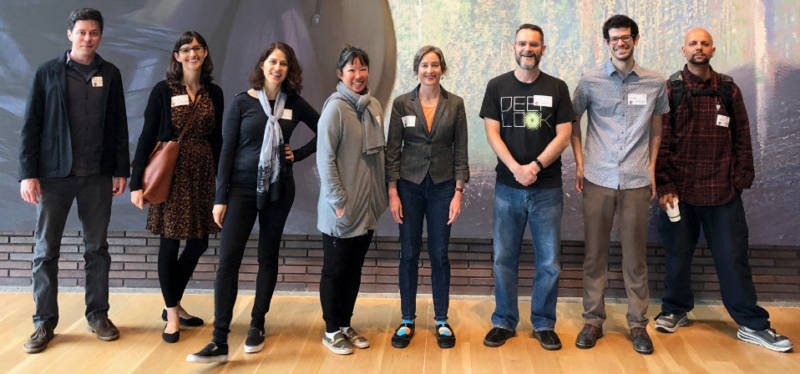
"caption": "The Deep Look team visiting Pixar Animation Studios in Emeryville, California, September 28, 2018. (L-R) Josh Cassidy, Lauren Sommer, Kia Simon, Jenny Oh, Gabriela Quirós, Craig Rosa, Seth Samuel and Teodros Hailye.",
"description": null,
"title": "The Deep Look Team at Pixar",
"credit": null,
"status": "inherit",
"isLoading": false,
"fetchFailed": false
},
"pressroom_10779": {
"type": "attachments",
"id": "pressroom_10779",
"meta": {
"index": "attachments_1716263798",
"site": "pressroom",
"id": "10779",
"found": true
},
"parent": 10774,
"imgSizes": {
"twentyfourteen-full-width": {
"file": "https://ww2.kqed.org/app/uploads/sites/63/2019/05/1104-Joseph-explores-Bangkok-and-Beyond-1038x576.jpg",
"width": 1038,
"mimeType": "image/jpeg",
"height": 576
},
"thumbnail": {
"file": "https://ww2.kqed.org/app/uploads/sites/63/2019/05/1104-Joseph-explores-Bangkok-and-Beyond-160x130.jpg",
"width": 160,
"mimeType": "image/jpeg",
"height": 130
},
"post-thumbnail": {
"file": "https://ww2.kqed.org/app/uploads/sites/63/2019/05/1104-Joseph-explores-Bangkok-and-Beyond-672x372.jpg",
"width": 672,
"mimeType": "image/jpeg",
"height": 372
},
"kqedFullSize": {
"file": "https://ww2.kqed.org/app/uploads/sites/63/2019/05/1104-Joseph-explores-Bangkok-and-Beyond.jpg",
"width": 2292,
"height": 1866
},
"large": {
"file": "https://ww2.kqed.org/app/uploads/sites/63/2019/05/1104-Joseph-explores-Bangkok-and-Beyond-1020x830.jpg",
"width": 1020,
"mimeType": "image/jpeg",
"height": 830
},
"complete_open_graph": {
"file": "https://ww2.kqed.org/app/uploads/sites/63/2019/05/1104-Joseph-explores-Bangkok-and-Beyond-1200x977.jpg",
"width": 1200,
"mimeType": "image/jpeg",
"height": 977
},
"full-width": {
"file": "https://ww2.kqed.org/app/uploads/sites/63/2019/05/1104-Joseph-explores-Bangkok-and-Beyond-1920x1563.jpg",
"width": 1920,
"mimeType": "image/jpeg",
"height": 1563
},
"medium": {
"file": "https://ww2.kqed.org/app/uploads/sites/63/2019/05/1104-Joseph-explores-Bangkok-and-Beyond-800x651.jpg",
"width": 800,
"mimeType": "image/jpeg",
"height": 651
},
"medium_large": {
"file": "https://ww2.kqed.org/app/uploads/sites/63/2019/05/1104-Joseph-explores-Bangkok-and-Beyond-768x625.jpg",
"width": 768,
"mimeType": "image/jpeg",
"height": 625
}
},
"publishDate": 1557174313,
"modified": 1557174391,
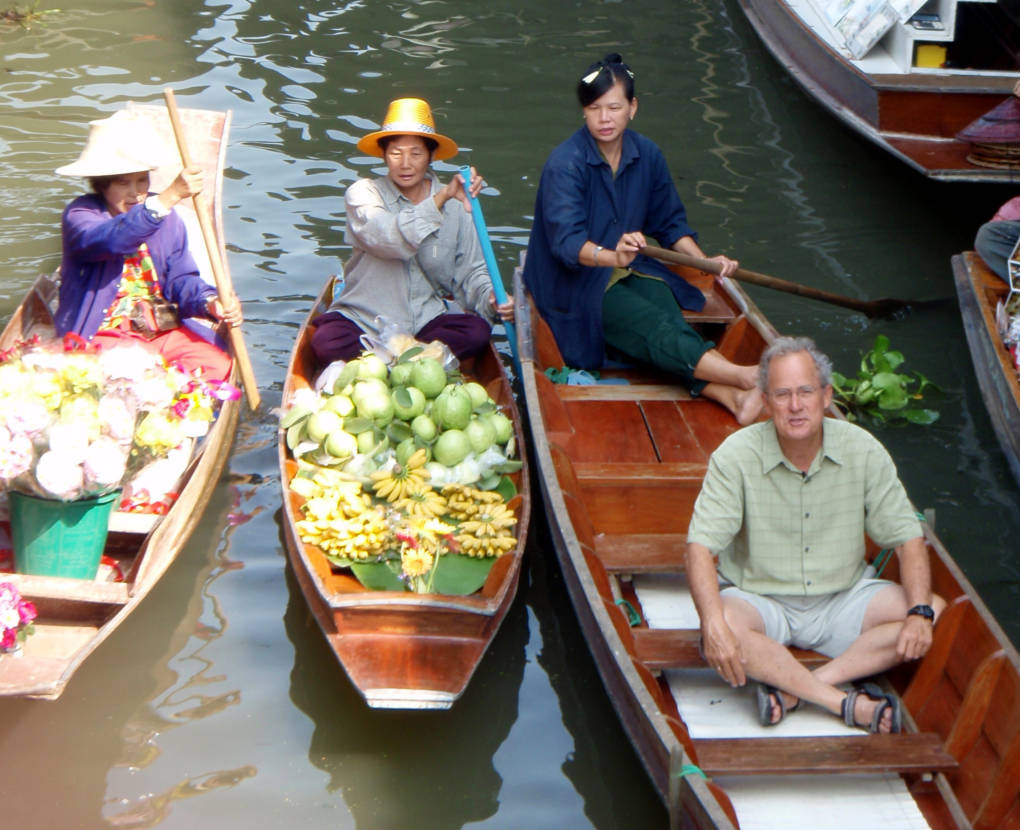
"caption": "Joseph explores Bangkok and Beyond",
"description": null,
"title": "1104",
"credit": "Travelscope",
"status": "inherit",
"isLoading": false,
"fetchFailed": false
},
"pressroom_10765": {
"type": "attachments",
"id": "pressroom_10765",
"meta": {
"index": "attachments_1716263798",
"site": "pressroom",
"id": "10765",
"found": true
},
"parent": 10763,
"imgSizes": {
"twentyfourteen-full-width": {
"file": "https://ww2.kqed.org/app/uploads/sites/63/2019/05/Image-from-iOS-1-1038x576.jpg",
"width": 1038,
"mimeType": "image/jpeg",
"height": 576
},
"thumbnail": {
"file": "https://ww2.kqed.org/app/uploads/sites/63/2019/05/Image-from-iOS-1-160x80.jpg",
"width": 160,
"mimeType": "image/jpeg",
"height": 80
},
"post-thumbnail": {
"file": "https://ww2.kqed.org/app/uploads/sites/63/2019/05/Image-from-iOS-1-672x372.jpg",
"width": 672,
"mimeType": "image/jpeg",
"height": 372
},
"kqedFullSize": {
"file": "https://ww2.kqed.org/app/uploads/sites/63/2019/05/Image-from-iOS-1.jpg",
"width": 2160,
"height": 1080
},
"large": {
"file": "https://ww2.kqed.org/app/uploads/sites/63/2019/05/Image-from-iOS-1-1020x510.jpg",
"width": 1020,
"mimeType": "image/jpeg",
"height": 510
},
"complete_open_graph": {
"file": "https://ww2.kqed.org/app/uploads/sites/63/2019/05/Image-from-iOS-1-1200x600.jpg",
"width": 1200,
"mimeType": "image/jpeg",
"height": 600
},
"full-width": {
"file": "https://ww2.kqed.org/app/uploads/sites/63/2019/05/Image-from-iOS-1-1920x960.jpg",
"width": 1920,
"mimeType": "image/jpeg",
"height": 960
},
"medium": {
"file": "https://ww2.kqed.org/app/uploads/sites/63/2019/05/Image-from-iOS-1-800x400.jpg",
"width": 800,
"mimeType": "image/jpeg",
"height": 400
},
"medium_large": {
"file": "https://ww2.kqed.org/app/uploads/sites/63/2019/05/Image-from-iOS-1-768x384.jpg",
"width": 768,
"mimeType": "image/jpeg",
"height": 384
}
},
"publishDate": 1556842244,
"modified": 1583878056,
"caption": null,
"description": null,
"title": null,
"credit": null,
"status": "inherit",
"isLoading": false,
"fetchFailed": false
},
"pressroom_10783": {
"type": "attachments",
"id": "pressroom_10783",
"meta": {
"index": "attachments_1716263798",
"site": "pressroom",
"id": "10783",
"found": true
},
"parent": 10774,
"imgSizes": {
"thumbnail": {
"file": "https://ww2.kqed.org/app/uploads/sites/63/2019/05/1105-Joseph-explores-Canadas-Rideau-Canal-1-160x107.jpg",
"width": 160,
"mimeType": "image/jpeg",
"height": 107
},
"post-thumbnail": {
"file": "https://ww2.kqed.org/app/uploads/sites/63/2019/05/1105-Joseph-explores-Canadas-Rideau-Canal-1-672x372.jpg",
"width": 672,
"mimeType": "image/jpeg",
"height": 372
},
"kqedFullSize": {
"file": "https://ww2.kqed.org/app/uploads/sites/63/2019/05/1105-Joseph-explores-Canadas-Rideau-Canal-1.jpg",
"width": 850,
"height": 567
},
"medium": {
"file": "https://ww2.kqed.org/app/uploads/sites/63/2019/05/1105-Joseph-explores-Canadas-Rideau-Canal-1-800x534.jpg",
"width": 800,
"mimeType": "image/jpeg",
"height": 534
},
"medium_large": {
"file": "https://ww2.kqed.org/app/uploads/sites/63/2019/05/1105-Joseph-explores-Canadas-Rideau-Canal-1-768x512.jpg",
"width": 768,
"mimeType": "image/jpeg",
"height": 512
}
},
"publishDate": 1557176317,
"modified": 1557176344,
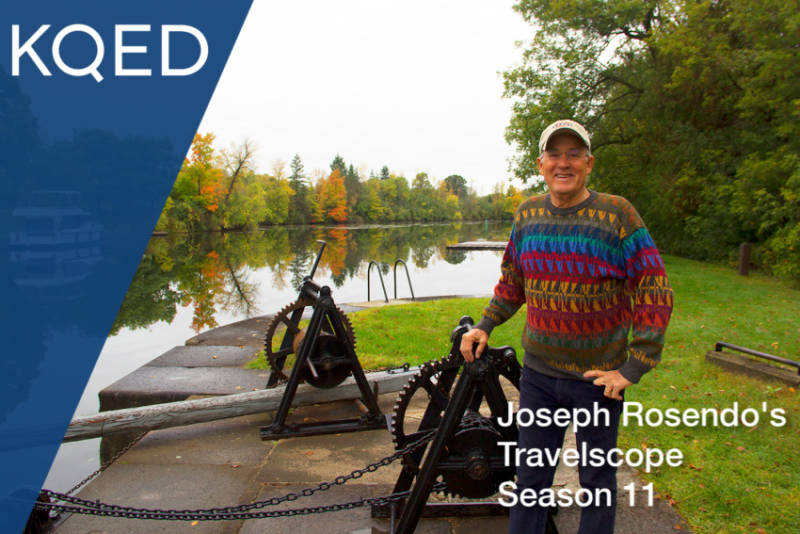
"caption": "Joseph explores Canada's Rideau Canal",
"description": null,
"title": "#1105",
"credit": null,
"status": "inherit",
"isLoading": false,
"fetchFailed": false
},
"pressroom_10683": {
"type": "attachments",
"id": "pressroom_10683",
"meta": {
"index": "attachments_1716263798",
"site": "pressroom",
"id": "10683",
"found": true
},
"parent": 10681,
"imgSizes": {
"twentyfourteen-full-width": {
"file": "https://ww2.kqed.org/app/uploads/sites/63/2019/04/delinda-fullcrop-3016-1038x576.jpg",
"width": 1038,
"mimeType": "image/jpeg",
"height": 576
},
"thumbnail": {
"file": "https://ww2.kqed.org/app/uploads/sites/63/2019/04/delinda-fullcrop-3016-160x240.jpg",
"width": 160,
"mimeType": "image/jpeg",
"height": 240
},
"post-thumbnail": {
"file": "https://ww2.kqed.org/app/uploads/sites/63/2019/04/delinda-fullcrop-3016-672x372.jpg",
"width": 672,
"mimeType": "image/jpeg",
"height": 372
},
"kqedFullSize": {
"file": "https://ww2.kqed.org/app/uploads/sites/63/2019/04/delinda-fullcrop-3016.jpg",
"width": 1400,
"height": 2100
},
"large": {
"file": "https://ww2.kqed.org/app/uploads/sites/63/2019/04/delinda-fullcrop-3016-1020x1530.jpg",
"width": 1020,
"mimeType": "image/jpeg",
"height": 1530
},
"complete_open_graph": {
"file": "https://ww2.kqed.org/app/uploads/sites/63/2019/04/delinda-fullcrop-3016-800x1200.jpg",
"width": 800,
"mimeType": "image/jpeg",
"height": 1200
},
"medium": {
"file": "https://ww2.kqed.org/app/uploads/sites/63/2019/04/delinda-fullcrop-3016-800x1200.jpg",
"width": 800,
"mimeType": "image/jpeg",
"height": 1200
},
"medium_large": {
"file": "https://ww2.kqed.org/app/uploads/sites/63/2019/04/delinda-fullcrop-3016-768x1152.jpg",
"width": 768,
"mimeType": "image/jpeg",
"height": 1152
}
},
"publishDate": 1556058180,
"modified": 1556058180,
"caption": null,
"description": null,
"title": "delinda-fullcrop-3016",
"credit": null,
"status": "inherit",
"isLoading": false,
"fetchFailed": false
},
"pressroom_10602": {
"type": "attachments",
"id": "pressroom_10602",
"meta": {
"index": "attachments_1716263798",
"site": "pressroom",
"id": "10602",
"found": true
},
"parent": 10593,
"imgSizes": {
"twentyfourteen-full-width": {
"file": "https://ww2.kqed.org/app/uploads/sites/63/2019/04/Millenialmedia-consumption-3-1038x576.jpg",
"width": 1038,
"mimeType": "image/jpeg",
"height": 576
},
"thumbnail": {
"file": "https://ww2.kqed.org/app/uploads/sites/63/2019/04/Millenialmedia-consumption-3-160x90.jpg",
"width": 160,
"mimeType": "image/jpeg",
"height": 90
},
"post-thumbnail": {
"file": "https://ww2.kqed.org/app/uploads/sites/63/2019/04/Millenialmedia-consumption-3-672x372.jpg",
"width": 672,
"mimeType": "image/jpeg",
"height": 372
},
"kqedFullSize": {
"file": "https://ww2.kqed.org/app/uploads/sites/63/2019/04/Millenialmedia-consumption-3.jpg",
"width": 1500,
"height": 845
},
"large": {
"file": "https://ww2.kqed.org/app/uploads/sites/63/2019/04/Millenialmedia-consumption-3-1020x575.jpg",
"width": 1020,
"mimeType": "image/jpeg",
"height": 575
},
"complete_open_graph": {
"file": "https://ww2.kqed.org/app/uploads/sites/63/2019/04/Millenialmedia-consumption-3-1200x676.jpg",
"width": 1200,
"mimeType": "image/jpeg",
"height": 676
},
"guest-author-50": {
"file": "https://ww2.kqed.org/app/uploads/sites/63/2019/04/Millenialmedia-consumption-3-50x50.jpg",
"width": 50,
"mimeType": "image/jpeg",
"height": 50
},
"guest-author-96": {
"file": "https://ww2.kqed.org/app/uploads/sites/63/2019/04/Millenialmedia-consumption-3-96x96.jpg",
"width": 96,
"mimeType": "image/jpeg",
"height": 96
},
"medium": {
"file": "https://ww2.kqed.org/app/uploads/sites/63/2019/04/Millenialmedia-consumption-3-800x451.jpg",
"width": 800,
"mimeType": "image/jpeg",
"height": 451
},
"guest-author-64": {
"file": "https://ww2.kqed.org/app/uploads/sites/63/2019/04/Millenialmedia-consumption-3-64x64.jpg",
"width": 64,
"mimeType": "image/jpeg",
"height": 64
},
"guest-author-32": {
"file": "https://ww2.kqed.org/app/uploads/sites/63/2019/04/Millenialmedia-consumption-3-32x32.jpg",
"width": 32,
"mimeType": "image/jpeg",
"height": 32
},
"medium_large": {
"file": "https://ww2.kqed.org/app/uploads/sites/63/2019/04/Millenialmedia-consumption-3-768x433.jpg",
"width": 768,
"mimeType": "image/jpeg",
"height": 433
},
"guest-author-128": {
"file": "https://ww2.kqed.org/app/uploads/sites/63/2019/04/Millenialmedia-consumption-3-128x128.jpg",
"width": 128,
"mimeType": "image/jpeg",
"height": 128
}
},
"publishDate": 1555019573,
"modified": 1555019573,
"caption": null,
"description": null,
"title": "Millenialmedia consumption (3)",
"credit": null,
"status": "inherit",
"isLoading": false,
"fetchFailed": false
},
"pressroom_10589": {
"type": "attachments",
"id": "pressroom_10589",
"meta": {
"index": "attachments_1716263798",
"site": "pressroom",
"id": "10589",
"found": true
},
"parent": 10587,
"imgSizes": {
"thumbnail": {
"file": "https://ww2.kqed.org/app/uploads/sites/63/2019/04/Michael_Isip_10_small-160x128.jpg",
"width": 160,
"mimeType": "image/jpeg",
"height": 128
},
"post-thumbnail": {
"file": "https://ww2.kqed.org/app/uploads/sites/63/2019/04/Michael_Isip_10_small-500x372.jpg",
"width": 500,
"mimeType": "image/jpeg",
"height": 372
},
"kqedFullSize": {
"file": "https://ww2.kqed.org/app/uploads/sites/63/2019/04/Michael_Isip_10_small.jpg",
"width": 500,
"height": 400
},
"guest-author-50": {
"file": "https://ww2.kqed.org/app/uploads/sites/63/2019/04/Michael_Isip_10_small-50x50.jpg",
"width": 50,
"mimeType": "image/jpeg",
"height": 50
},
"guest-author-96": {
"file": "https://ww2.kqed.org/app/uploads/sites/63/2019/04/Michael_Isip_10_small-96x96.jpg",
"width": 96,
"mimeType": "image/jpeg",
"height": 96
},
"guest-author-64": {
"file": "https://ww2.kqed.org/app/uploads/sites/63/2019/04/Michael_Isip_10_small-64x64.jpg",
"width": 64,
"mimeType": "image/jpeg",
"height": 64
},
"guest-author-32": {
"file": "https://ww2.kqed.org/app/uploads/sites/63/2019/04/Michael_Isip_10_small-32x32.jpg",
"width": 32,
"mimeType": "image/jpeg",
"height": 32
},
"guest-author-128": {
"file": "https://ww2.kqed.org/app/uploads/sites/63/2019/04/Michael_Isip_10_small-128x128.jpg",
"width": 128,
"mimeType": "image/jpeg",
"height": 128
}
},
"publishDate": 1554838635,
"modified": 1554840481,
"caption": "Michael Isip, KQED President, at the KQED offices in San Francisco, Calif., Friday, March 29, 2019.\n",
"description": null,
"title": "Michael_Isip_10_small",
"credit": "Photo: Alison Yin. ",
"status": "inherit",
"isLoading": false,
"fetchFailed": false
},
"pressroom_10564": {
"type": "attachments",
"id": "pressroom_10564",
"meta": {
"index": "attachments_1716263798",
"site": "pressroom",
"id": "10564",
"found": true
},
"parent": 10562,
"imgSizes": {
"twentyfourteen-full-width": {
"file": "https://ww2.kqed.org/app/uploads/sites/63/2019/01/maria-miller-1920x1680-768x672-768x576.jpg",
"width": 768,
"mimeType": "image/jpeg",
"height": 576
},
"thumbnail": {
"file": "https://ww2.kqed.org/app/uploads/sites/63/2019/01/maria-miller-1920x1680-768x672-160x140.jpg",
"width": 160,
"mimeType": "image/jpeg",
"height": 140
},
"post-thumbnail": {
"file": "https://ww2.kqed.org/app/uploads/sites/63/2019/01/maria-miller-1920x1680-768x672-672x372.jpg",
"width": 672,
"mimeType": "image/jpeg",
"height": 372
},
"kqedFullSize": {
"file": "https://ww2.kqed.org/app/uploads/sites/63/2019/01/maria-miller-1920x1680-768x672.jpg",
"width": 768,
"height": 672
},
"guest-author-50": {
"file": "https://ww2.kqed.org/app/uploads/sites/63/2019/01/maria-miller-1920x1680-768x672-50x50.jpg",
"width": 50,
"mimeType": "image/jpeg",
"height": 50
},
"guest-author-96": {
"file": "https://ww2.kqed.org/app/uploads/sites/63/2019/01/maria-miller-1920x1680-768x672-96x96.jpg",
"width": 96,
"mimeType": "image/jpeg",
"height": 96
},
"guest-author-64": {
"file": "https://ww2.kqed.org/app/uploads/sites/63/2019/01/maria-miller-1920x1680-768x672-64x64.jpg",
"width": 64,
"mimeType": "image/jpeg",
"height": 64
},
"guest-author-32": {
"file": "https://ww2.kqed.org/app/uploads/sites/63/2019/01/maria-miller-1920x1680-768x672-32x32.jpg",
"width": 32,
"mimeType": "image/jpeg",
"height": 32
},
"medium_large": {
"file": "https://ww2.kqed.org/app/uploads/sites/63/2019/01/maria-miller-1920x1680-768x672-768x672.jpg",
"width": 768,
"mimeType": "image/jpeg",
"height": 672
},
"guest-author-128": {
"file": "https://ww2.kqed.org/app/uploads/sites/63/2019/01/maria-miller-1920x1680-768x672-128x128.jpg",
"width": 128,
"mimeType": "image/jpeg",
"height": 128
}
},
"publishDate": 1548704107,
"modified": 1548704135,
"caption": "Maria Miller. Courtesy KQED.",
"description": null,
"title": "maria-miller-1920x1680-768x672",
"credit": null,
"status": "inherit",
"isLoading": false,
"fetchFailed": false
},
"pressroom_10544": {
"type": "attachments",
"id": "pressroom_10544",
"meta": {
"index": "attachments_1716263798",
"site": "pressroom",
"id": "10544",
"found": true
},
"parent": 10525,
"imgSizes": {
"small": {
"file": "https://ww2.kqed.org/app/uploads/sites/63/2019/01/KQED-Corner-View-520x301.jpg",
"width": 520,
"mimeType": "image/jpeg",
"height": 301
},
"twentyfourteen-full-width": {
"file": "https://ww2.kqed.org/app/uploads/sites/63/2019/01/KQED-Corner-View-1038x576.jpg",
"width": 1038,
"mimeType": "image/jpeg",
"height": 576
},
"thumbnail": {
"file": "https://ww2.kqed.org/app/uploads/sites/63/2019/01/KQED-Corner-View-160x93.jpg",
"width": 160,
"mimeType": "image/jpeg",
"height": 93
},
"fd-sm": {
"file": "https://ww2.kqed.org/app/uploads/sites/63/2019/01/KQED-Corner-View-960x556.jpg",
"width": 960,
"mimeType": "image/jpeg",
"height": 556
},
"post-thumbnail": {
"file": "https://ww2.kqed.org/app/uploads/sites/63/2019/01/KQED-Corner-View-672x372.jpg",
"width": 672,
"mimeType": "image/jpeg",
"height": 372
},
"xsmall": {
"file": "https://ww2.kqed.org/app/uploads/sites/63/2019/01/KQED-Corner-View-375x217.jpg",
"width": 375,
"mimeType": "image/jpeg",
"height": 217
},
"kqedFullSize": {
"file": "https://ww2.kqed.org/app/uploads/sites/63/2019/01/KQED-Corner-View.jpg",
"width": 3483,
"height": 2016
},
"large": {
"file": "https://ww2.kqed.org/app/uploads/sites/63/2019/01/KQED-Corner-View-1020x590.jpg",
"width": 1020,
"mimeType": "image/jpeg",
"height": 590
},
"xlarge": {
"file": "https://ww2.kqed.org/app/uploads/sites/63/2019/01/KQED-Corner-View-1180x683.jpg",
"width": 1180,
"mimeType": "image/jpeg",
"height": 683
},
"complete_open_graph": {
"file": "https://ww2.kqed.org/app/uploads/sites/63/2019/01/KQED-Corner-View-1200x695.jpg",
"width": 1200,
"mimeType": "image/jpeg",
"height": 695
},
"guest-author-50": {
"file": "https://ww2.kqed.org/app/uploads/sites/63/2019/01/KQED-Corner-View-50x50.jpg",
"width": 50,
"mimeType": "image/jpeg",
"height": 50
},
"guest-author-96": {
"file": "https://ww2.kqed.org/app/uploads/sites/63/2019/01/KQED-Corner-View-96x96.jpg",
"width": 96,
"mimeType": "image/jpeg",
"height": 96
},
"medium": {
"file": "https://ww2.kqed.org/app/uploads/sites/63/2019/01/KQED-Corner-View-800x463.jpg",
"width": 800,
"mimeType": "image/jpeg",
"height": 463
},
"guest-author-64": {
"file": "https://ww2.kqed.org/app/uploads/sites/63/2019/01/KQED-Corner-View-64x64.jpg",
"width": 64,
"mimeType": "image/jpeg",
"height": 64
},
"guest-author-32": {
"file": "https://ww2.kqed.org/app/uploads/sites/63/2019/01/KQED-Corner-View-32x32.jpg",
"width": 32,
"mimeType": "image/jpeg",
"height": 32
},
"fd-lrg": {
"file": "https://ww2.kqed.org/app/uploads/sites/63/2019/01/KQED-Corner-View-1920x1111.jpg",
"width": 1920,
"mimeType": "image/jpeg",
"height": 1111
},
"fd-med": {
"file": "https://ww2.kqed.org/app/uploads/sites/63/2019/01/KQED-Corner-View-1180x683.jpg",
"width": 1180,
"mimeType": "image/jpeg",
"height": 683
},
"full-width": {
"file": "https://ww2.kqed.org/app/uploads/sites/63/2019/01/KQED-Corner-View-1920x1111.jpg",
"width": 1920,
"mimeType": "image/jpeg",
"height": 1111
},
"medium_large": {
"file": "https://ww2.kqed.org/app/uploads/sites/63/2019/01/KQED-Corner-View-768x445.jpg",
"width": 768,
"mimeType": "image/jpeg",
"height": 445
},
"guest-author-128": {
"file": "https://ww2.kqed.org/app/uploads/sites/63/2019/01/KQED-Corner-View-128x128.jpg",
"width": 128,
"mimeType": "image/jpeg",
"height": 128
},
"xxsmall": {
"file": "https://ww2.kqed.org/app/uploads/sites/63/2019/01/KQED-Corner-View-240x139.jpg",
"width": 240,
"mimeType": "image/jpeg",
"height": 139
}
},
"publishDate": 1547231719,
"modified": 1547231786,
"caption": "Designed by the award-winning architectural team at EHDD, the new building will showcase KQED’s inclusive, community-minded and ambitious vision for the future of public media.",
"description": null,
"title": "KQED Corner View",
"credit": "Rendering courtesy of EHDD Architects.",
"status": "inherit",
"isLoading": false,
"fetchFailed": false
}
},
"audioPlayerReducer": {
"postId": "stream_live",
"isPaused": true,
"isPlaying": false,
"pfsActive": false,
"pledgeModalIsOpen": true,
"playerDrawerIsOpen": false,
"liveAudioPlayStartedAt": 0,
"liveAudioPlayContext": ""
},
"authorsReducer": {
"sevdaeris": {
"type": "authors",
"id": "6364",
"meta": {
"index": "authors_1716337520",
"id": "6364",
"found": true
},
"name": "Sevda Eris",
"firstName": "Sevda",
"lastName": "Eris",
"slug": "sevdaeris",
"email": "seris@kqed.org",
"display_author_email": false,
"staff_mastheads": [],
"title": "Director of Audience Engagement",
"bio": null,
"avatar": "https://secure.gravatar.com/avatar/c99311b4355095e2f7f01ea8bf8e6fba?s=600&d=mm&r=g",
"twitter": null,
"facebook": null,
"instagram": null,
"linkedin": null,
"sites": [
{
"site": "about",
"roles": []
},
{
"site": "science",
"roles": []
},
{
"site": "pressroom",
"roles": []
}
],
"headData": {
"title": "Sevda Eris | KQED",
"description": "Director of Audience Engagement",
"ogImgSrc": "https://secure.gravatar.com/avatar/c99311b4355095e2f7f01ea8bf8e6fba?s=600&d=mm&r=g",
"twImgSrc": "https://secure.gravatar.com/avatar/c99311b4355095e2f7f01ea8bf8e6fba?s=600&d=mm&r=g"
},
"isLoading": false,
"link": "/author/sevdaeris"
},
"ahenderson": {
"type": "authors",
"id": "11272",
"meta": {
"index": "authors_1716337520",
"id": "11272",
"found": true
},
"name": "Aine Henderson",
"firstName": "Aine",
"lastName": "Henderson",
"slug": "ahenderson",
"email": "ahenderson@KQED.org",
"display_author_email": false,
"staff_mastheads": [],
"title": "KQED Contributor",
"bio": null,
"avatar": "https://secure.gravatar.com/avatar/52eb8bcbf0bb97068e4ad609525e763c?s=600&d=blank&r=g",
"twitter": null,
"facebook": null,
"instagram": null,
"linkedin": null,
"sites": [
{
"site": "arts",
"roles": [
"editor"
]
},
{
"site": "about",
"roles": [
"editor"
]
},
{
"site": "trulyca",
"roles": [
"administrator",
"author",
"editor"
]
},
{
"site": "pressroom",
"roles": [
"editor"
]
},
{
"site": "filmschoolshorts",
"roles": [
"editor"
]
}
],
"headData": {
"title": "Aine Henderson | KQED",
"description": "KQED Contributor",
"ogImgSrc": "https://secure.gravatar.com/avatar/52eb8bcbf0bb97068e4ad609525e763c?s=600&d=blank&r=g",
"twImgSrc": "https://secure.gravatar.com/avatar/52eb8bcbf0bb97068e4ad609525e763c?s=600&d=blank&r=g"
},
"isLoading": false,
"link": "/author/ahenderson"
},
"pcavagnaro": {
"type": "authors",
"id": "11352",
"meta": {
"index": "authors_1716337520",
"id": "11352",
"found": true
},
"name": "Peter Cavagnaro",
"firstName": "Peter",
"lastName": "Cavagnaro",
"slug": "pcavagnaro",
"email": "pcavagnaro@KQED.org",
"display_author_email": true,
"staff_mastheads": [],
"title": "KQED Contributor",
"bio": "Peter Cavagnaro is the Director of Communications and External Affairs at KQED, where he has served since 2016. Over that period he has served in a number audience facing capacities that incorporate public relations, marketing, internal communications, event management and government relations. He previously worked at the Berkeley Art Museum and Pacific Film Archive, where he oversaw public relations and social media for the museum for seven years, and led communications around the institution's downtown building project. He is a graduate of UC Berkeley and lives in Berkeley with his wife, daughter, and adorable King Charles Cavalier spaniel.",
"avatar": "https://secure.gravatar.com/avatar/179f15dc9d7650d96ecb02ee99ec7fa06eb5703b03421251a8f414b32b935a54?s=600&d=mm&r=g",
"twitter": null,
"bluesky": null,
"facebook": null,
"instagram": null,
"linkedin": "https://www.linkedin.com/in/peter-cavagnaro",
"sites": [
{
"site": "",
"roles": [
"editor"
]
},
{
"site": "about",
"roles": [
"administrator"
]
},
{
"site": "pressroom",
"roles": [
"administrator"
]
},
{
"site": "events",
"roles": [
"editor"
]
}
],
"headData": {
"title": "Peter Cavagnaro | KQED",
"description": "KQED Contributor",
"ogImgSrc": "https://secure.gravatar.com/avatar/179f15dc9d7650d96ecb02ee99ec7fa06eb5703b03421251a8f414b32b935a54?s=600&d=mm&r=g",
"twImgSrc": "https://secure.gravatar.com/avatar/179f15dc9d7650d96ecb02ee99ec7fa06eb5703b03421251a8f414b32b935a54?s=600&d=mm&r=g"
},
"isLoading": false,
"link": "/author/pcavagnaro"
}
},
"pagesReducer": {
"pressroom_category_uncategorized": {
"type": "terms",
"id": "pressroom_1",
"meta": {
"index": "terms_1716263798",
"site": "pressroom",
"id": "1",
"score": 11.463909
},
"featImg": null,
"name": "Uncategorized",
"description": null,
"taxonomy": "category",
"headData": {
"twImgId": null,
"twTitle": null,
"ogTitle": null,
"ogImgId": null,
"twDescription": null,
"description": null,
"title": "Uncategorized | KQED Arts",
"ogDescription": null
},
"ttid": 1,
"slug": "uncategorized",
"isLoading": false,
"title": "Uncategorized",
"pageMeta": {
"site": "pressroom",
"WpPageTemplate": "page-topic-company",
"currentPage": 15
},
"blocks": [
{
"blockName": "kqed/post-list",
"attrs": {
"layout": "cardCompany2",
"query": "posts/pressroom?category=uncategorized",
"seeMore": false,
"paginated": true,
"page": 15
}
},
{
"blockName": "kqed/ad"
}
]
}
},
"pfsSessionReducer": {},
"postsReducer": {
"stream_live": {
"type": "live",
"id": "stream_live",
"audioUrl": "https://streams.kqed.org/kqedradio",
"title": "Live Stream",
"excerpt": "Live Stream information currently unavailable.",
"link": "/radio",
"featImg": "",
"label": {
"name": "KQED Live",
"link": "/"
}
},
"stream_kqedNewscast": {
"type": "posts",
"id": "stream_kqedNewscast",
"audioUrl": "https://www.kqed.org/.stream/anon/radio/RDnews/newscast.mp3?_=1",
"title": "KQED Newscast",
"featImg": "",
"label": {
"name": "88.5 FM",
"link": "/"
}
},
"pressroom_10803": {
"type": "posts",
"id": "pressroom_10803",
"meta": {
"index": "posts_1716263798",
"site": "pressroom",
"id": "10803",
"score": null,
"sort": [
1560355232000
]
},
"parent": 0,
"labelTerm": {
"site": "pressroom"
},
"blocks": [],
"publishDate": 1560355232,
"format": "standard",
"disqusTitle": "KQED’s Nature Series Deep Look Hits One Million YouTube Subscribers",
"title": "KQED’s Nature Series Deep Look Hits One Million YouTube Subscribers",
"headTitle": "KQED's Pressroom | About KQED",
"content": "\u003cp>San Francisco, CA, June 12, 2019 – KQED’s award-winning nature series \u003cem>\u003ca href=\"http://www.youtube.com/kqeddeeplook\">Deep Look\u003c/a>\u003c/em> has crossed the prestigious one million subscribers mark on YouTube, earning it a coveted gold play button. The series has built its popularity exploring big science concepts by going very small, combining the cinematic tradition of PBS nature documentaries with the short, personal, question-driven style of popular YouTube shows.\u003c/p>\n\u003cfigure id=\"attachment_1943091\" class=\"wp-caption alignleft\" style=\"max-width: 300px\">\u003cimg class=\"size-small wp-image-1943091\" src=\"https://ww2.kqed.org/pressroom/wp-content/uploads/sites/63/2019/06/DeepLook_Gold-Play-Button.jpg\" alt=\"\" width=\"300\" height=\"200\">\u003cfigcaption class=\"wp-caption-text\">\u003cem>Deep Look\u003c/em>'s 1 Million YouTube Subscribers Gold Play Button Plaque\u003c/figcaption>\u003c/figure>\n\u003cp>\"\u003cem>Deep Look \u003c/em>is the first station-produced \u003ca href=\"https://www.pbs.org/digital-studios/\">PBS Digital Studios\u003c/a> series to hit one million subscribers, and the PBSDS team and I are thrilled. The series has earned its spot as one of the best science series online with its combination of incredible macro footage and memorable stories from some of the smallest (and sometimes weirdest) corners of the natural world. \u003cem>Deep Look\u003c/em> is a great example of what happens when PBS stations combine their storytelling and production skills with an engaging digital-first approach. We are proud to have KQED’s \u003cem>Deep Look\u003c/em> in the PBS Digital Studios family, and can’t wait to see where the show goes next,” says Adam Dylewski, PBS Digital Studios’ director of programming.\u003c/p>\n\u003cp>“From our first video about the pygmy sea horse’s incredible camouflage to our latest video about the fearsome wormlion and its sandy pit, \u003cem>Deep Look\u003c/em> reveals and shares the wonder of nature just beyond the edge of our visible world,” says Craig Rosa, \u003cem>Deep Look\u003c/em>’s series producer. “We truly love making these episodes, but it’s so incredible that the series has resonated with so many viewers across the globe. We want to thank our subscribers and fans who got us to this wonderful milestone.”\u003c/p>\n\u003cp>\u003cem>Deep Look\u003c/em>’s unique three-to-five minute episodes are shot in ultra-HD (4K), using macro cinematography and video microscopy and are released approximately twice a month. \u003cem>Deep Look\u003c/em> was originally created to reach a millennial audience on YouTube and it has achieved this goal. Seventy percent of \u003cem>Deep Look\u003c/em> viewers are aged 18-34, much younger than the traditional PBS primetime viewer whose average age is over 65. Since the series launched in October 2014 in collaboration with PBS Digital Studios, it has produced over 90 episodes receiving more than 100 million views overall and will be releasing its 100th episode this September.\u003c/p>\n\u003cp>“Filming wildlife is always unpredictable. Animals are usually on their own schedule and we have to work hard to capture their often tiny but amazing behaviors. A big part of that is working with scientists to figure out what we can film,” says Josh Cassidy, \u003cem>Deep Look\u003c/em>’s lead producer and cinematographer, who also came up with the original concept for the series. “Besides our fans, we also want to thank all of the researchers we’ve worked with over the years for giving us access to their labs and research. We’d never be able to tell so many different types of stories without their expertise.”\u003c/p>\n\u003cp>[ad fullwidth]\u003c/p>\n\u003cp>\u003cem>Deep Look\u003c/em>’s top five most popular videos to date are: \u003ca href=\"https://www.kqed.org/science/728086/how-mosquitoes-use-six-needles-to-suck-your-blood\">\u003cem>How Mosquitoes Use Six Needles to Suck Your Blood\u003c/em>\u003c/a> (14 million views); \u003ca href=\"https://www.kqed.org/science/523936/this-mushroom-starts-killing-you-before-you-even-realize-it\">\u003cem>This Mushroom Starts Killing You Before You Even Realize It\u003c/em>\u003c/a> (5.8 million views); \u003ca>\u003cem>\u003ca href=\"https://www.kqed.org/science/28759/what-happens-when-you-put-a-hummingbird-in-a-wind-tunnel\">What Happens When You Put A Hummingbird in A Wind Tunnel\u003c/a>\u003c/em>\u003c/a> (5 million views); \u003ca>\u003cem>\u003ca href=\"https://www.kqed.org/science/1937775/these-hairworms-eat-a-cricket-alive-and-control-its-mind\">These Hairworms Eat a Cricket Alive and Control Its Mind\u003c/a>\u003c/em>\u003c/a> (4.8 million views); and \u003ca href=\"https://www.kqed.org/science/1920972/how-ticks-dig-in-with-a-mouth-full-of-hooks\">\u003cem>How Ticks Dig In with A Mouth Full of Hooks\u003c/em>\u003c/a> (3.7 million views.)\u003c/p>\n\u003cp>“A few of our most popular videos show something unexpected about a creature that we know or have a relationship with,” says \u003cem>Deep Look\u003c/em> coordinating producer Gabriela Quirós, who produced popular episodes about the anatomy of mosquito and tick bites. “Other times viewers are riveted by the sheer grossness of a natural phenomenon, like in our video where long hairworms come out of a cricket’s rear end. That’s nature for you: It’s beautiful and gross.”\u003c/p>\n\u003cp>“\u003cem>Deep Look\u003c/em> asks how and why things happen at a very tiny scale and out of that we have discovered some pretty universal truths,” says Lauren Sommer, KQED science reporter and \u003cem>Deep Look\u003c/em>’s host. “There’s betrayal, cooperation and surprise – all the things that make great stories.”\u003c/p>\n\u003cp>\u003cem>Deep Look\u003c/em> produces 20 videos per year and is currently running a \u003ca href=\"http://www.patreon.com/deeplook\">Patreon campaign \u003c/a>to fundraise for a special filming expedition to Oaxaca, Mexico. The entire series with accompanying articles can be accessed at \u003ca href=\"http://www.kqed.org/deeplook\" target=\"_blank\" rel=\"noopener\">KQED.org/DeepLook\u003c/a> and on \u003ca href=\"https://www.youtube.com/kqeddeeplook\" target=\"_blank\" rel=\"noopener\">YouTube.com/KqedDeepLook\u003c/a>.\u003c/p>\n\u003cp>\u003cstrong>The Team\u003c/strong>\u003cbr>\n\u003cem>Deep Look\u003c/em>’s award-winning production team includes: Lauren Sommer, host and writer; Craig Rosa, series producer; Josh Cassidy, lead producer and cinematographer; Gabriela Quirós, coordinating producer, and Jenny Oh, producer. Each episode has an original score by Seth Samuel, as well as additional editing and motion graphics by Kia Simon. Many episodes also include special animations by Teodros Hailye. \u003cem>Deep Look\u003c/em> alumni over the years include Amy Standen, host and writer; Elliott Kennerson, producer, editor and post-production coordinator; Laura Klivans, host and writer, and Emily Harris post-production coordinator.\u003c/p>\n\u003cp>\u003cstrong>Awards\u003c/strong>\u003cbr>\n\u003cem>Deep Look\u003c/em> has won numerous awards:\u003cbr>\n\u003cspan>•\u003c/span> June 2019, Northern California Emmy® Award in the Health/Science/ Environment- Feature/Segment category for \u003cem>\u003ca href=\"https://www.kqed.org/science/1917913/why-the-male-black-widow-spider-is-a-real-home-wrecker\">Why the Male Black Widow is a Real Home Wrecker\u003c/a>\u003c/em>\u003cbr>\n\u003cspan>•\u003c/span> October 2018, SPJ NorCal Excellence in Journalism Award for Science, Environment and Health Reporting (TV/video) for episodes about \u003ca href=\"https://www.kqed.org/science/1916487/with-california-drought-over-fewer-sierra-pines-dying\">bark beetles\u003c/a>, \u003ca href=\"https://www.kqed.org/science/1920972/how-ticks-dig-in-with-a-mouth-full-of-hooks\">tick bites\u003c/a>, \u003ca href=\"https://www.kqed.org/science/1921659/take-two-leeches-and-call-me-in-the-morning\">leeches\u003c/a> and \u003ca href=\"https://www.kqed.org/science/1914209/daddy-longlegs-risk-life-and-especially-limb-to-survive\">daddy longlegs \u003c/a>\u003cbr>\n\u003cspan>•\u003c/span> September 2018, Jackson Hole Science Media Award for Best Short Form Series\u003cbr>\n\u003cspan>•\u003c/span> June 2018, Northern California Emmy® Award in the Health/Science Environment-Feature/Segment category for \u003cem>\u003ca href=\"https://www.kqed.org/science/1917469/praying-mantis-love-is-waaay-weirder-than-you-think-deep-look\">Praying Mantis Love is Waaay Weirder Than You Think\u003c/a>\u003c/em>\u003cbr>\n\u003cspan>•\u003c/span> June 2017, a Northern California Emmy® Award in the Health/Science/Environment-Feature/ Segment category for \u003cem>\u003ca href=\"https://www.kqed.org/science/1109305/the-snail-smashing-fish-spearing-eye-popping-mantis-shrimp\">The Snail-Smashing, Fish-Spearing, Eye-Popping Mantis Shrimp\u003c/a>\u003c/em>\u003cbr>\n\u003cspan>•\u003c/span> April 2017, a Webby People’s Voice Award in the Science and Education Film and Video category for \u003cem>\u003ca href=\"https://www.kqed.org/science/728086/how-mosquitoes-use-six-needles-to-suck-your-blood\">How Mosquitoes Use Six Needles to Suck Your Blood\u003c/a>\u003c/em>\u003cbr>\n\u003cspan>•\u003c/span> October 2015, Jackson Hole Wildlife Film Festival Best Limited Series – Short Form.\u003c/p>\n\u003cp>\u003cstrong>Funders\u003c/strong>\u003cbr>\nFunding for \u003cem>Deep Look\u003c/em> is provided in part by PBS Digital Studios. \u003cem>Deep Look\u003c/em> is a project of KQED Science, which is supported by the National Science Foundation, the S. D. Bechtel, Jr. Foundation, the Dirk and Charlene Kabcenell Foundation, the Vadasz Family Foundation, the Fuhs Family Foundation Fund, Campaign 21 and the members of KQED.\u003c/p>\n\u003cp>\u003cstrong>About PBS Digital Studios\u003c/strong>\u003cbr>\nPBS has long brought the public original, thought-provoking programming. \u003ca href=\"https://www.youtube.com/pbsdigitalstudios\">PBS Digital Studios (PBSDS)\u003c/a> takes that same mission and applies it to the Internet age. Working with creators from across the web, its network of short-form video series showcases the best of the Internet while also celebrating the best parts of public television.\u003c/p>\n\u003cp>\u003cstrong>About KQED Science\u003c/strong>\u003cbr>\n\u003ca href=\"http://www.kqed.org/science\">KQED Science \u003c/a>is the largest science and environment journalism and education unit in the Western United States. The science unit explores science and environment news, trends and events from the San Francisco Bay Area and beyond with its award-winning, multimedia reporting. The unit produces weekly radio reports, the YouTube nature series \u003cem>\u003ca href=\"http://www.kqed.org/deeplook\">Deep Look\u003c/a>\u003c/em>, and features posts from prominent science outlets and experts. It also engages with its audience on social media, through community events and through partnerships with renowned science centers and institutions. Discover more about the unit at \u003ca href=\"http://www.kqed.org/science\">KQED.org/science\u003c/a>.\u003c/p>\n\u003cp>[ad floatright]\u003c/p>\n\u003cp>\u003cstrong>About KQED\u003c/strong>\u003cbr>\n\u003ca href=\"http://www.kqed.org\">KQED\u003c/a> serves the people of Northern California with a public-supported alternative to commercial media. An NPR and PBS affiliate based in San Francisco, KQED is home to one of the most listened-to public radio stations in the nation, one of the highest-rated public television services and an award-winning education program helping students and educators thrive in 21st-century classrooms. A trusted news source and leader and innovator in interactive technology, KQED takes people of all ages on journeys of exploration — exposing them to new people, places and ideas.\u003c/p>\n\n",
"disqusIdentifier": "10803 https://ww2.kqed.org/pressroom/?p=10803",
"disqusUrl": "https://ww2.kqed.org/pressroom/2019/06/12/deeplook1million/",
"stats": {
"hasVideo": false,
"hasChartOrMap": false,
"hasAudio": false,
"hasPolis": false,
"wordCount": 1357,
"hasGoogleForm": false,
"hasGallery": false,
"hasHearkenModule": false,
"iframeSrcs": [],
"paragraphCount": 17
},
"modified": 1560378991,
"excerpt": "KQED’s award-winning nature series Deep Look has crossed one million subscribers on YouTube, earning it a coveted gold play button.",
"headData": {
"twImgId": "",
"twTitle": "",
"ogTitle": "",
"ogImgId": "",
"twDescription": "",
"description": "KQED’s award-winning nature series Deep Look has crossed one million subscribers on YouTube, earning it a coveted gold play button.",
"title": "KQED’s Nature Series Deep Look Hits One Million YouTube Subscribers | KQED",
"ogDescription": "",
"schema": {
"@context": "https://schema.org",
"@type": "Article",
"headline": "KQED’s Nature Series Deep Look Hits One Million YouTube Subscribers",
"datePublished": "2019-06-12T09:00:32-07:00",
"dateModified": "2019-06-12T15:36:31-07:00",
"image": "https://cdn.kqed.org/wp-content/uploads/2020/02/KQED-OG-Image@1x.png"
}
},
"guestAuthors": [],
"slug": "deeplook1million",
"status": "publish",
"path": "/pressroom/10803/deeplook1million",
"audioTrackLength": null,
"parsedContent": [
{
"type": "contentString",
"content": "\u003cdiv class=\"post-body\">\u003cp>\u003cp>San Francisco, CA, June 12, 2019 – KQED’s award-winning nature series \u003cem>\u003ca href=\"http://www.youtube.com/kqeddeeplook\">Deep Look\u003c/a>\u003c/em> has crossed the prestigious one million subscribers mark on YouTube, earning it a coveted gold play button. The series has built its popularity exploring big science concepts by going very small, combining the cinematic tradition of PBS nature documentaries with the short, personal, question-driven style of popular YouTube shows.\u003c/p>\n\u003cfigure id=\"attachment_1943091\" class=\"wp-caption alignleft\" style=\"max-width: 300px\">\u003cimg class=\"size-small wp-image-1943091\" src=\"https://ww2.kqed.org/pressroom/wp-content/uploads/sites/63/2019/06/DeepLook_Gold-Play-Button.jpg\" alt=\"\" width=\"300\" height=\"200\">\u003cfigcaption class=\"wp-caption-text\">\u003cem>Deep Look\u003c/em>'s 1 Million YouTube Subscribers Gold Play Button Plaque\u003c/figcaption>\u003c/figure>\n\u003cp>\"\u003cem>Deep Look \u003c/em>is the first station-produced \u003ca href=\"https://www.pbs.org/digital-studios/\">PBS Digital Studios\u003c/a> series to hit one million subscribers, and the PBSDS team and I are thrilled. The series has earned its spot as one of the best science series online with its combination of incredible macro footage and memorable stories from some of the smallest (and sometimes weirdest) corners of the natural world. \u003cem>Deep Look\u003c/em> is a great example of what happens when PBS stations combine their storytelling and production skills with an engaging digital-first approach. We are proud to have KQED’s \u003cem>Deep Look\u003c/em> in the PBS Digital Studios family, and can’t wait to see where the show goes next,” says Adam Dylewski, PBS Digital Studios’ director of programming.\u003c/p>\n\u003cp>“From our first video about the pygmy sea horse’s incredible camouflage to our latest video about the fearsome wormlion and its sandy pit, \u003cem>Deep Look\u003c/em> reveals and shares the wonder of nature just beyond the edge of our visible world,” says Craig Rosa, \u003cem>Deep Look\u003c/em>’s series producer. “We truly love making these episodes, but it’s so incredible that the series has resonated with so many viewers across the globe. We want to thank our subscribers and fans who got us to this wonderful milestone.”\u003c/p>\n\u003cp>\u003cem>Deep Look\u003c/em>’s unique three-to-five minute episodes are shot in ultra-HD (4K), using macro cinematography and video microscopy and are released approximately twice a month. \u003cem>Deep Look\u003c/em> was originally created to reach a millennial audience on YouTube and it has achieved this goal. Seventy percent of \u003cem>Deep Look\u003c/em> viewers are aged 18-34, much younger than the traditional PBS primetime viewer whose average age is over 65. Since the series launched in October 2014 in collaboration with PBS Digital Studios, it has produced over 90 episodes receiving more than 100 million views overall and will be releasing its 100th episode this September.\u003c/p>\n\u003cp>“Filming wildlife is always unpredictable. Animals are usually on their own schedule and we have to work hard to capture their often tiny but amazing behaviors. A big part of that is working with scientists to figure out what we can film,” says Josh Cassidy, \u003cem>Deep Look\u003c/em>’s lead producer and cinematographer, who also came up with the original concept for the series. “Besides our fans, we also want to thank all of the researchers we’ve worked with over the years for giving us access to their labs and research. We’d never be able to tell so many different types of stories without their expertise.”\u003c/p>\n\u003cp>\u003c/p>\u003c/div>",
"attributes": {
"named": {},
"numeric": []
}
},
{
"type": "component",
"content": "",
"name": "ad",
"attributes": {
"named": {
"label": "fullwidth"
},
"numeric": [
"fullwidth"
]
}
},
{
"type": "contentString",
"content": "\u003cdiv class=\"post-body\">\u003cp>\u003c/p>\n\u003cp>\u003cem>Deep Look\u003c/em>’s top five most popular videos to date are: \u003ca href=\"https://www.kqed.org/science/728086/how-mosquitoes-use-six-needles-to-suck-your-blood\">\u003cem>How Mosquitoes Use Six Needles to Suck Your Blood\u003c/em>\u003c/a> (14 million views); \u003ca href=\"https://www.kqed.org/science/523936/this-mushroom-starts-killing-you-before-you-even-realize-it\">\u003cem>This Mushroom Starts Killing You Before You Even Realize It\u003c/em>\u003c/a> (5.8 million views); \u003ca>\u003cem>\u003ca href=\"https://www.kqed.org/science/28759/what-happens-when-you-put-a-hummingbird-in-a-wind-tunnel\">What Happens When You Put A Hummingbird in A Wind Tunnel\u003c/a>\u003c/em>\u003c/a> (5 million views); \u003ca>\u003cem>\u003ca href=\"https://www.kqed.org/science/1937775/these-hairworms-eat-a-cricket-alive-and-control-its-mind\">These Hairworms Eat a Cricket Alive and Control Its Mind\u003c/a>\u003c/em>\u003c/a> (4.8 million views); and \u003ca href=\"https://www.kqed.org/science/1920972/how-ticks-dig-in-with-a-mouth-full-of-hooks\">\u003cem>How Ticks Dig In with A Mouth Full of Hooks\u003c/em>\u003c/a> (3.7 million views.)\u003c/p>\n\u003cp>“A few of our most popular videos show something unexpected about a creature that we know or have a relationship with,” says \u003cem>Deep Look\u003c/em> coordinating producer Gabriela Quirós, who produced popular episodes about the anatomy of mosquito and tick bites. “Other times viewers are riveted by the sheer grossness of a natural phenomenon, like in our video where long hairworms come out of a cricket’s rear end. That’s nature for you: It’s beautiful and gross.”\u003c/p>\n\u003cp>“\u003cem>Deep Look\u003c/em> asks how and why things happen at a very tiny scale and out of that we have discovered some pretty universal truths,” says Lauren Sommer, KQED science reporter and \u003cem>Deep Look\u003c/em>’s host. “There’s betrayal, cooperation and surprise – all the things that make great stories.”\u003c/p>\n\u003cp>\u003cem>Deep Look\u003c/em> produces 20 videos per year and is currently running a \u003ca href=\"http://www.patreon.com/deeplook\">Patreon campaign \u003c/a>to fundraise for a special filming expedition to Oaxaca, Mexico. The entire series with accompanying articles can be accessed at \u003ca href=\"http://www.kqed.org/deeplook\" target=\"_blank\" rel=\"noopener\">KQED.org/DeepLook\u003c/a> and on \u003ca href=\"https://www.youtube.com/kqeddeeplook\" target=\"_blank\" rel=\"noopener\">YouTube.com/KqedDeepLook\u003c/a>.\u003c/p>\n\u003cp>\u003cstrong>The Team\u003c/strong>\u003cbr>\n\u003cem>Deep Look\u003c/em>’s award-winning production team includes: Lauren Sommer, host and writer; Craig Rosa, series producer; Josh Cassidy, lead producer and cinematographer; Gabriela Quirós, coordinating producer, and Jenny Oh, producer. Each episode has an original score by Seth Samuel, as well as additional editing and motion graphics by Kia Simon. Many episodes also include special animations by Teodros Hailye. \u003cem>Deep Look\u003c/em> alumni over the years include Amy Standen, host and writer; Elliott Kennerson, producer, editor and post-production coordinator; Laura Klivans, host and writer, and Emily Harris post-production coordinator.\u003c/p>\n\u003cp>\u003cstrong>Awards\u003c/strong>\u003cbr>\n\u003cem>Deep Look\u003c/em> has won numerous awards:\u003cbr>\n\u003cspan>•\u003c/span> June 2019, Northern California Emmy® Award in the Health/Science/ Environment- Feature/Segment category for \u003cem>\u003ca href=\"https://www.kqed.org/science/1917913/why-the-male-black-widow-spider-is-a-real-home-wrecker\">Why the Male Black Widow is a Real Home Wrecker\u003c/a>\u003c/em>\u003cbr>\n\u003cspan>•\u003c/span> October 2018, SPJ NorCal Excellence in Journalism Award for Science, Environment and Health Reporting (TV/video) for episodes about \u003ca href=\"https://www.kqed.org/science/1916487/with-california-drought-over-fewer-sierra-pines-dying\">bark beetles\u003c/a>, \u003ca href=\"https://www.kqed.org/science/1920972/how-ticks-dig-in-with-a-mouth-full-of-hooks\">tick bites\u003c/a>, \u003ca href=\"https://www.kqed.org/science/1921659/take-two-leeches-and-call-me-in-the-morning\">leeches\u003c/a> and \u003ca href=\"https://www.kqed.org/science/1914209/daddy-longlegs-risk-life-and-especially-limb-to-survive\">daddy longlegs \u003c/a>\u003cbr>\n\u003cspan>•\u003c/span> September 2018, Jackson Hole Science Media Award for Best Short Form Series\u003cbr>\n\u003cspan>•\u003c/span> June 2018, Northern California Emmy® Award in the Health/Science Environment-Feature/Segment category for \u003cem>\u003ca href=\"https://www.kqed.org/science/1917469/praying-mantis-love-is-waaay-weirder-than-you-think-deep-look\">Praying Mantis Love is Waaay Weirder Than You Think\u003c/a>\u003c/em>\u003cbr>\n\u003cspan>•\u003c/span> June 2017, a Northern California Emmy® Award in the Health/Science/Environment-Feature/ Segment category for \u003cem>\u003ca href=\"https://www.kqed.org/science/1109305/the-snail-smashing-fish-spearing-eye-popping-mantis-shrimp\">The Snail-Smashing, Fish-Spearing, Eye-Popping Mantis Shrimp\u003c/a>\u003c/em>\u003cbr>\n\u003cspan>•\u003c/span> April 2017, a Webby People’s Voice Award in the Science and Education Film and Video category for \u003cem>\u003ca href=\"https://www.kqed.org/science/728086/how-mosquitoes-use-six-needles-to-suck-your-blood\">How Mosquitoes Use Six Needles to Suck Your Blood\u003c/a>\u003c/em>\u003cbr>\n\u003cspan>•\u003c/span> October 2015, Jackson Hole Wildlife Film Festival Best Limited Series – Short Form.\u003c/p>\n\u003cp>\u003cstrong>Funders\u003c/strong>\u003cbr>\nFunding for \u003cem>Deep Look\u003c/em> is provided in part by PBS Digital Studios. \u003cem>Deep Look\u003c/em> is a project of KQED Science, which is supported by the National Science Foundation, the S. D. Bechtel, Jr. Foundation, the Dirk and Charlene Kabcenell Foundation, the Vadasz Family Foundation, the Fuhs Family Foundation Fund, Campaign 21 and the members of KQED.\u003c/p>\n\u003cp>\u003cstrong>About PBS Digital Studios\u003c/strong>\u003cbr>\nPBS has long brought the public original, thought-provoking programming. \u003ca href=\"https://www.youtube.com/pbsdigitalstudios\">PBS Digital Studios (PBSDS)\u003c/a> takes that same mission and applies it to the Internet age. Working with creators from across the web, its network of short-form video series showcases the best of the Internet while also celebrating the best parts of public television.\u003c/p>\n\u003cp>\u003cstrong>About KQED Science\u003c/strong>\u003cbr>\n\u003ca href=\"http://www.kqed.org/science\">KQED Science \u003c/a>is the largest science and environment journalism and education unit in the Western United States. The science unit explores science and environment news, trends and events from the San Francisco Bay Area and beyond with its award-winning, multimedia reporting. The unit produces weekly radio reports, the YouTube nature series \u003cem>\u003ca href=\"http://www.kqed.org/deeplook\">Deep Look\u003c/a>\u003c/em>, and features posts from prominent science outlets and experts. It also engages with its audience on social media, through community events and through partnerships with renowned science centers and institutions. Discover more about the unit at \u003ca href=\"http://www.kqed.org/science\">KQED.org/science\u003c/a>.\u003c/p>\n\u003cp>\u003c/p>\u003c/div>",
"attributes": {
"named": {},
"numeric": []
}
},
{
"type": "component",
"content": "",
"name": "ad",
"attributes": {
"named": {
"label": "floatright"
},
"numeric": [
"floatright"
]
}
},
{
"type": "contentString",
"content": "\u003cdiv class=\"post-body\">\u003cp>\u003c/p>\n\u003cp>\u003cstrong>About KQED\u003c/strong>\u003cbr>\n\u003ca href=\"http://www.kqed.org\">KQED\u003c/a> serves the people of Northern California with a public-supported alternative to commercial media. An NPR and PBS affiliate based in San Francisco, KQED is home to one of the most listened-to public radio stations in the nation, one of the highest-rated public television services and an award-winning education program helping students and educators thrive in 21st-century classrooms. A trusted news source and leader and innovator in interactive technology, KQED takes people of all ages on journeys of exploration — exposing them to new people, places and ideas.\u003c/p>\n\n\u003c/div>\u003c/p>",
"attributes": {
"named": {},
"numeric": []
}
}
],
"link": "/pressroom/10803/deeplook1million",
"authors": [
"6364"
],
"categories": [
"pressroom_635",
"pressroom_3",
"pressroom_35",
"pressroom_1"
],
"tags": [
"pressroom_637",
"pressroom_166",
"pressroom_216",
"pressroom_303",
"pressroom_315",
"pressroom_335",
"pressroom_388",
"pressroom_636",
"pressroom_411",
"pressroom_412",
"pressroom_474",
"pressroom_584"
],
"featImg": "pressroom_10810",
"label": "pressroom"
},
"pressroom_10794": {
"type": "posts",
"id": "pressroom_10794",
"meta": {
"index": "posts_1716263798",
"site": "pressroom",
"id": "10794",
"score": null,
"sort": [
1558723239000
]
},
"parent": 0,
"labelTerm": {},
"blocks": [],
"publishDate": 1558723239,
"format": "standard",
"disqusTitle": "Joseph Rosendo's Travelscope takes home 3 Telly Awards",
"title": "Joseph Rosendo's Travelscope takes home 3 Telly Awards",
"headTitle": "KQED's Pressroom | About KQED",
"content": "\u003cp>\u003cstrong>May 2019\u003c/strong> – \u003ca href=\"http://travelscope.net/season/season-10-overview/\">Season 10\u003c/a> of the Emmy Award-winning series Joseph Rosendo’s Travelscope received three more Telly Awards for its cultural travel series bringing its total \u003ca href=\"http://travelscope.net/awards/\">Telly Tally to 47\u003c/a>!\u003c/p>\n\u003cp>Founded in 1979, the Telly Awards honors video and television made for all screens and is judged by The Telly Award Judging Council; a group of leading video and television experts from some of the most prestigious companies in entertainment, publishing, advertising, and emerging technology.\u003c/p>\n\u003cp>\"Fantastic! Three more bronze pals to add to our Telly gang” says Emmy-winning director and host \u003ca href=\"http://travelscope.net/about/bio/\">Joseph Rosendo\u003c/a>, “It is an abundance of riches that proves that not only do our millions of viewers appreciate the care we take and the efforts we make to create a quality, culturally-sensitive show that strives to make a difference in our world, but our peers recognize and value our endeavors as well. We’re grateful to American Public Television and PBS — the guardians of quality television — for giving us the opportunity to be a window for our viewers to the amazing people and cultures with whom we share our planet — which has such wonders in it! I’m thankful to our talented crew and all the wonderful people I’ve met in 40 years as a travel journalist who allowed me to tell their stories. Stay tuned for more award-winning adventures!”\u003c/p>\n\u003cp>Joseph Rosendo’s Travelscope episodes honored with 2019 Telly Awards:\u003c/p>\n\u003cp>\u003ca href=\"http://travelscope.net/episodes/season-10/mekong-river-adventure-1/\">Mekong River Adventure\u003c/a> – Part 1\u003c/p>\n\u003cp>[ad fullwidth]\u003c/p>\n\u003cp>\u003ca href=\"http://travelscope.net/episodes/season-10/mekong-river-adventure-1/\">Mekong River Adventure\u003c/a> – Part 1 – for cinematography\u003c/p>\n\u003cp>\u003ca href=\"http://travelscope.net/episodes/season-10/myanmar-irrawaddy-river-adventure/\">Myanmar Irrawaddy River Journey\u003c/a>\u003c/p>\n\u003cp>In addition to the 2018 Telly Awards, Joseph Rosendo’s Travelscope has been previously honored with 44 Tellys. Travelscope has also won six National Emmys and received 19 Emmy nominations. \u003ca href=\"http://travelscope.net/awards/\">A complete list of Travelscope awards is available here\u003c/a>.\u003c/p>\n\u003cp>Presented by KQED and distributed by American Public Television to PBS and Public Television stations,\u003ca href=\"http://travelscope.net/\"> over 120 episodes of Joseph Rosendo’s Travelscope\u003c/a> are available on your local PBS station, Create TV and Amazon Video. Season 11 will be released August 2019. Travelscope thanks its Season 10 funders, \u003ca href=\"https://www.evaair.com/en-us/index.html\">EVA Air\u003c/a> and \u003ca href=\"http://www.nojetlag.com/\">No Jet\u003c/a> Lag.\u003c/p>\n\u003cp>\u003c/p>\n\u003cp>\u003ca href=\"http://travelscope.net/press/joseph-rosendos-travelscope-honored-with-three-telly-awards/\">Click here for Press Contact Information\u003c/a>\u003c/p>\n\n",
"disqusIdentifier": "10794 https://ww2.kqed.org/pressroom/?p=10794",
"disqusUrl": "https://ww2.kqed.org/pressroom/2019/05/24/joseph-rosendos-travelscope-takes-home-3-telly-awards/",
"stats": {
"hasVideo": false,
"hasChartOrMap": false,
"hasAudio": false,
"hasPolis": false,
"wordCount": 371,
"hasGoogleForm": false,
"hasGallery": false,
"hasHearkenModule": false,
"iframeSrcs": [],
"paragraphCount": 12
},
"modified": 1558723403,
"excerpt": "Joseph Rosendo's Travelscope honored with three Telly Awards.",
"headData": {
"twImgId": "",
"twTitle": "",
"ogTitle": "",
"ogImgId": "",
"twDescription": "",
"description": "Joseph Rosendo's Travelscope honored with three Telly Awards.",
"title": "Joseph Rosendo's Travelscope takes home 3 Telly Awards | KQED",
"ogDescription": "",
"schema": {
"@context": "https://schema.org",
"@type": "Article",
"headline": "Joseph Rosendo's Travelscope takes home 3 Telly Awards",
"datePublished": "2019-05-24T11:40:39-07:00",
"dateModified": "2019-05-24T11:43:23-07:00",
"image": "https://cdn.kqed.org/wp-content/uploads/2020/02/KQED-OG-Image@1x.png"
}
},
"guestAuthors": [],
"slug": "joseph-rosendos-travelscope-takes-home-3-telly-awards",
"status": "publish",
"sourceUrl": "http://travelscope.net/press/joseph-rosendos-travelscope-honored-with-three-telly-awards/",
"source": "Telly Awards",
"path": "/pressroom/10794/joseph-rosendos-travelscope-takes-home-3-telly-awards",
"audioTrackLength": null,
"parsedContent": [
{
"type": "contentString",
"content": "\u003cdiv class=\"post-body\">\u003cp>\u003cp>\u003cstrong>May 2019\u003c/strong> – \u003ca href=\"http://travelscope.net/season/season-10-overview/\">Season 10\u003c/a> of the Emmy Award-winning series Joseph Rosendo’s Travelscope received three more Telly Awards for its cultural travel series bringing its total \u003ca href=\"http://travelscope.net/awards/\">Telly Tally to 47\u003c/a>!\u003c/p>\n\u003cp>Founded in 1979, the Telly Awards honors video and television made for all screens and is judged by The Telly Award Judging Council; a group of leading video and television experts from some of the most prestigious companies in entertainment, publishing, advertising, and emerging technology.\u003c/p>\n\u003cp>\"Fantastic! Three more bronze pals to add to our Telly gang” says Emmy-winning director and host \u003ca href=\"http://travelscope.net/about/bio/\">Joseph Rosendo\u003c/a>, “It is an abundance of riches that proves that not only do our millions of viewers appreciate the care we take and the efforts we make to create a quality, culturally-sensitive show that strives to make a difference in our world, but our peers recognize and value our endeavors as well. We’re grateful to American Public Television and PBS — the guardians of quality television — for giving us the opportunity to be a window for our viewers to the amazing people and cultures with whom we share our planet — which has such wonders in it! I’m thankful to our talented crew and all the wonderful people I’ve met in 40 years as a travel journalist who allowed me to tell their stories. Stay tuned for more award-winning adventures!”\u003c/p>\n\u003cp>Joseph Rosendo’s Travelscope episodes honored with 2019 Telly Awards:\u003c/p>\n\u003cp>\u003ca href=\"http://travelscope.net/episodes/season-10/mekong-river-adventure-1/\">Mekong River Adventure\u003c/a> – Part 1\u003c/p>\n\u003cp>\u003c/p>\u003c/div>",
"attributes": {
"named": {},
"numeric": []
}
},
{
"type": "component",
"content": "",
"name": "ad",
"attributes": {
"named": {
"label": "fullwidth"
},
"numeric": [
"fullwidth"
]
}
},
{
"type": "contentString",
"content": "\u003cdiv class=\"post-body\">\u003cp>\u003c/p>\n\u003cp>\u003ca href=\"http://travelscope.net/episodes/season-10/mekong-river-adventure-1/\">Mekong River Adventure\u003c/a> – Part 1 – for cinematography\u003c/p>\n\u003cp>\u003ca href=\"http://travelscope.net/episodes/season-10/myanmar-irrawaddy-river-adventure/\">Myanmar Irrawaddy River Journey\u003c/a>\u003c/p>\n\u003cp>In addition to the 2018 Telly Awards, Joseph Rosendo’s Travelscope has been previously honored with 44 Tellys. Travelscope has also won six National Emmys and received 19 Emmy nominations. \u003ca href=\"http://travelscope.net/awards/\">A complete list of Travelscope awards is available here\u003c/a>.\u003c/p>\n\u003cp>Presented by KQED and distributed by American Public Television to PBS and Public Television stations,\u003ca href=\"http://travelscope.net/\"> over 120 episodes of Joseph Rosendo’s Travelscope\u003c/a> are available on your local PBS station, Create TV and Amazon Video. Season 11 will be released August 2019. Travelscope thanks its Season 10 funders, \u003ca href=\"https://www.evaair.com/en-us/index.html\">EVA Air\u003c/a> and \u003ca href=\"http://www.nojetlag.com/\">No Jet\u003c/a> Lag.\u003c/p>\n\u003cp>\u003c/p>\n\u003cp>\u003ca href=\"http://travelscope.net/press/joseph-rosendos-travelscope-honored-with-three-telly-awards/\">Click here for Press Contact Information\u003c/a>\u003c/p>\n\n\u003c/div>\u003c/p>",
"attributes": {
"named": {},
"numeric": []
}
}
],
"link": "/pressroom/10794/joseph-rosendos-travelscope-takes-home-3-telly-awards",
"authors": [
"11272"
],
"categories": [
"pressroom_42",
"pressroom_1"
],
"tags": [
"pressroom_296",
"pressroom_634",
"pressroom_550"
],
"featImg": "pressroom_10779",
"label": "source_pressroom_10794"
},
"pressroom_10763": {
"type": "posts",
"id": "pressroom_10763",
"meta": {
"index": "posts_1716263798",
"site": "pressroom",
"id": "10763",
"score": null,
"sort": [
1557424739000
]
},
"parent": 0,
"labelTerm": {
"site": "pressroom"
},
"blocks": [],
"publishDate": 1557424739,
"format": "standard",
"disqusTitle": "KQED Launches Truth Be Told Podcast",
"title": "KQED Launches Truth Be Told Podcast",
"headTitle": "KQED's Pressroom | About KQED",
"content": "\u003cp>\u003cstrong>\u003cem>Advice show made for and by people of color debuts on May 16\u003c/em>\u003cbr>\n\u003c/strong>\u003c/p>\n\u003cp>An advice column is one of the most American of things, but whose America? If Miss Manners and Dear Abby tell you how to blend in and behave, KQED’s new podcast \u003cstrong>\u003cem>Truth Be Told\u003c/em>\u003c/strong> explores how you can be you in a world that doesn’t always want you to\u003cem> be\u003c/em>.\u003c/p>\n\u003cp>Hosted by Tonya Mosley, the six-part series made by and for people of color speaks to the unique yet universal challenges people of color face in the United States. It’s like the friend you call after a long, exhausting day – the one who will laugh, cry, scream and moan with you. The one who gets it.\u003c/p>\n\u003cp>\u003cimg class=\"size-thumbnail wp-image-10766 alignleft\" src=\"https://ww2.kqed.org/pressroom/wp-content/uploads/sites/63/2019/05/TBTpodcasttile_01-1-160x160.jpg\" alt=\"\" width=\"160\" height=\"160\" srcset=\"https://ww2.kqed.org/app/uploads/sites/63/2019/05/TBTpodcasttile_01-1-160x160.jpg 160w, https://ww2.kqed.org/app/uploads/sites/63/2019/05/TBTpodcasttile_01-1-800x800.jpg 800w, https://ww2.kqed.org/app/uploads/sites/63/2019/05/TBTpodcasttile_01-1-768x768.jpg 768w, https://ww2.kqed.org/app/uploads/sites/63/2019/05/TBTpodcasttile_01-1-1020x1020.jpg 1020w, https://ww2.kqed.org/app/uploads/sites/63/2019/05/TBTpodcasttile_01-1.jpg 1080w\" sizes=\"(max-width: 160px) 100vw, 160px\">Through unfiltered advice, Mosley takes on audience questions, digging into what it means to not just to survive, but to thrive, as a person of color in America. Is it okay to take seek out pleasure when the world around us seems to be burning? Am I having a child just to make \u003cem>mi mamá\u003c/em> happy? Is it worth it to keep ties with estranged relatives? Am I Latina, Black or Asian enough? How have white supremacy and legacies of colonization shaped who we find attractive?\u003c/p>\n\u003cp>In search of answers to these questions and more, Mosley travels from San Francisco to Detroit to New York to meet with “Wise Ones,” unconventional experts whose wisdom stems from their lived experiences, studies and artistry. People like adrienne maree brown, author of \u003cem>Octavia's Brood\u003c/em> & \u003cem>Pleasure Activism\u003c/em>; Casey Gerald, author of \u003cem>There Will Be No Miracles Here\u003c/em>; Jeff Chang, author of\u003cem> Can’t Stop Won’t Stop\u003c/em>; and even Tonya’s 92-year-old grandmother Ernestine Mosley.\u003c/p>\n\u003cp>[ad fullwidth]\u003c/p>\n\u003cp>Profoundly personal and resonantly universal, \u003cem>Truth Be Told\u003c/em> transforms into more than an advice show — it’s a liberation journey paved with laughter and love, centering the voices, stories, joy and wisdom of people of color.\u003c/p>\n\u003cp>\u003ca href=\"https://www.kqed.org/podcasts/truthbetold/\">\u003cstrong> \u003c/strong>\u003cstrong>Listen to the Trailer and Preview the Series\u003c/strong>\u003c/a>\u003c/p>\n\u003cp>\u003cem>Truth Be Told\u003c/em> launches on \u003cstrong>Thursday, May 16\u003c/strong>. Subscribe for free on \u003cstrong>Apple Podcasts\u003c/strong>, \u003cstrong>NPR One\u003c/strong>, \u003cstrong>Spotify, \u003c/strong>or wherever you get your podcasts. Or visit \u003ca href=\"https://www.kqed.org/podcasts/truthbetold/\">kqed.org/podcasts/truthbetold\u003c/a>.\u003c/p>\n\u003cp>\u003cstrong>\u003cu>About the Host\u003c/u>\u003c/strong>\u003cu>\u003cbr>\n\u003c/u>\u003cstrong>Tonya Mosley\u003c/strong> has always been fascinated by stories that illustrate the complexities of the human condition. As a journalist, she has used her curiosity and tenacity to find and expose truths for the greater good of society. Tonya currently serves as the Silicon Valley bureau chief for KQED, leading a team of journalists covering the impacts of technology companies on society.\u003c/p>\n\u003cp>Prior to KQED, Tonya served as a television correspondent for \u003cem>Al Jazeera America\u003c/em> and reporter and anchor in several cities throughout the country. In 2015, she was awarded a John S. Knight Journalism Fellowship at Stanford University where she co-created a workshop for journalists on the impacts of implicit bias, and co-wrote a Belgian/American experimental study on the effects of protest coverage.\u003c/p>\n\u003cp>Tonya has won several national awards for her work, including an Emmy Award in 2016 for her televised piece “Beyond Ferguson,” and a national Edward R. Murrow award for her public radio series “Black in Seattle.”\u003c/p>\n\u003cp>\u003c/p>\n\u003cp>\u003cstrong>\u003cu>About KQED\u003c/u>\u003c/strong>\u003cu>\u003cbr>\n\u003c/u>KQED serves the people of Northern California with a public-supported alternative to commercial media. An NPR and PBS affiliate based in San Francisco, KQED is home to one of the most listened-to public radio stations in the nation, one of the highest-rated public television services and an award-winning education program helping students and educators thrive in 21st century classrooms. A trusted news source and leader and innovator in interactive technology, KQED takes people of all ages on journeys of exploration — exposing them to new people, places and ideas. \u003ca href=\"http://www.kqed.org\">kqed.org\u003c/a>\u003c/p>\n\n",
"disqusIdentifier": "10763 https://ww2.kqed.org/pressroom/?p=10763",
"disqusUrl": "https://ww2.kqed.org/pressroom/2019/05/09/tbt/",
"stats": {
"hasVideo": false,
"hasChartOrMap": false,
"hasAudio": false,
"hasPolis": false,
"wordCount": 644,
"hasGoogleForm": false,
"hasGallery": false,
"hasHearkenModule": false,
"iframeSrcs": [],
"paragraphCount": 13
},
"modified": 1557532883,
"excerpt": null,
"headData": {
"twImgId": "",
"twTitle": "",
"ogTitle": "",
"ogImgId": "",
"twDescription": "",
"description": "Advice show made for and by people of color debuts on May 16 An advice column is one of the most American of things, but whose America? If Miss Manners and Dear Abby tell you how to blend in and behave, KQED’s new podcast Truth Be Told explores how you can be you in a",
"title": "KQED Launches Truth Be Told Podcast | KQED",
"ogDescription": "",
"schema": {
"@context": "https://schema.org",
"@type": "Article",
"headline": "KQED Launches Truth Be Told Podcast",
"datePublished": "2019-05-09T10:58:59-07:00",
"dateModified": "2019-05-10T17:01:23-07:00",
"image": "https://cdn.kqed.org/wp-content/uploads/2020/02/KQED-OG-Image@1x.png"
}
},
"guestAuthors": [],
"slug": "tbt",
"status": "publish",
"path": "/pressroom/10763/tbt",
"audioTrackLength": null,
"parsedContent": [
{
"type": "contentString",
"content": "\u003cdiv class=\"post-body\">\u003cp>\u003cp>\u003cstrong>\u003cem>Advice show made for and by people of color debuts on May 16\u003c/em>\u003cbr>\n\u003c/strong>\u003c/p>\n\u003cp>An advice column is one of the most American of things, but whose America? If Miss Manners and Dear Abby tell you how to blend in and behave, KQED’s new podcast \u003cstrong>\u003cem>Truth Be Told\u003c/em>\u003c/strong> explores how you can be you in a world that doesn’t always want you to\u003cem> be\u003c/em>.\u003c/p>\n\u003cp>Hosted by Tonya Mosley, the six-part series made by and for people of color speaks to the unique yet universal challenges people of color face in the United States. It’s like the friend you call after a long, exhausting day – the one who will laugh, cry, scream and moan with you. The one who gets it.\u003c/p>\n\u003cp>\u003cimg class=\"size-thumbnail wp-image-10766 alignleft\" src=\"https://ww2.kqed.org/pressroom/wp-content/uploads/sites/63/2019/05/TBTpodcasttile_01-1-160x160.jpg\" alt=\"\" width=\"160\" height=\"160\" srcset=\"https://ww2.kqed.org/app/uploads/sites/63/2019/05/TBTpodcasttile_01-1-160x160.jpg 160w, https://ww2.kqed.org/app/uploads/sites/63/2019/05/TBTpodcasttile_01-1-800x800.jpg 800w, https://ww2.kqed.org/app/uploads/sites/63/2019/05/TBTpodcasttile_01-1-768x768.jpg 768w, https://ww2.kqed.org/app/uploads/sites/63/2019/05/TBTpodcasttile_01-1-1020x1020.jpg 1020w, https://ww2.kqed.org/app/uploads/sites/63/2019/05/TBTpodcasttile_01-1.jpg 1080w\" sizes=\"(max-width: 160px) 100vw, 160px\">Through unfiltered advice, Mosley takes on audience questions, digging into what it means to not just to survive, but to thrive, as a person of color in America. Is it okay to take seek out pleasure when the world around us seems to be burning? Am I having a child just to make \u003cem>mi mamá\u003c/em> happy? Is it worth it to keep ties with estranged relatives? Am I Latina, Black or Asian enough? How have white supremacy and legacies of colonization shaped who we find attractive?\u003c/p>\n\u003cp>In search of answers to these questions and more, Mosley travels from San Francisco to Detroit to New York to meet with “Wise Ones,” unconventional experts whose wisdom stems from their lived experiences, studies and artistry. People like adrienne maree brown, author of \u003cem>Octavia's Brood\u003c/em> & \u003cem>Pleasure Activism\u003c/em>; Casey Gerald, author of \u003cem>There Will Be No Miracles Here\u003c/em>; Jeff Chang, author of\u003cem> Can’t Stop Won’t Stop\u003c/em>; and even Tonya’s 92-year-old grandmother Ernestine Mosley.\u003c/p>\n\u003cp>\u003c/p>\u003c/div>",
"attributes": {
"named": {},
"numeric": []
}
},
{
"type": "component",
"content": "",
"name": "ad",
"attributes": {
"named": {
"label": "fullwidth"
},
"numeric": [
"fullwidth"
]
}
},
{
"type": "contentString",
"content": "\u003cdiv class=\"post-body\">\u003cp>\u003c/p>\n\u003cp>Profoundly personal and resonantly universal, \u003cem>Truth Be Told\u003c/em> transforms into more than an advice show — it’s a liberation journey paved with laughter and love, centering the voices, stories, joy and wisdom of people of color.\u003c/p>\n\u003cp>\u003ca href=\"https://www.kqed.org/podcasts/truthbetold/\">\u003cstrong> \u003c/strong>\u003cstrong>Listen to the Trailer and Preview the Series\u003c/strong>\u003c/a>\u003c/p>\n\u003cp>\u003cem>Truth Be Told\u003c/em> launches on \u003cstrong>Thursday, May 16\u003c/strong>. Subscribe for free on \u003cstrong>Apple Podcasts\u003c/strong>, \u003cstrong>NPR One\u003c/strong>, \u003cstrong>Spotify, \u003c/strong>or wherever you get your podcasts. Or visit \u003ca href=\"https://www.kqed.org/podcasts/truthbetold/\">kqed.org/podcasts/truthbetold\u003c/a>.\u003c/p>\n\u003cp>\u003cstrong>\u003cu>About the Host\u003c/u>\u003c/strong>\u003cu>\u003cbr>\n\u003c/u>\u003cstrong>Tonya Mosley\u003c/strong> has always been fascinated by stories that illustrate the complexities of the human condition. As a journalist, she has used her curiosity and tenacity to find and expose truths for the greater good of society. Tonya currently serves as the Silicon Valley bureau chief for KQED, leading a team of journalists covering the impacts of technology companies on society.\u003c/p>\n\u003cp>Prior to KQED, Tonya served as a television correspondent for \u003cem>Al Jazeera America\u003c/em> and reporter and anchor in several cities throughout the country. In 2015, she was awarded a John S. Knight Journalism Fellowship at Stanford University where she co-created a workshop for journalists on the impacts of implicit bias, and co-wrote a Belgian/American experimental study on the effects of protest coverage.\u003c/p>\n\u003cp>Tonya has won several national awards for her work, including an Emmy Award in 2016 for her televised piece “Beyond Ferguson,” and a national Edward R. Murrow award for her public radio series “Black in Seattle.”\u003c/p>\n\u003cp>\u003c/p>\n\u003cp>\u003cstrong>\u003cu>About KQED\u003c/u>\u003c/strong>\u003cu>\u003cbr>\n\u003c/u>KQED serves the people of Northern California with a public-supported alternative to commercial media. An NPR and PBS affiliate based in San Francisco, KQED is home to one of the most listened-to public radio stations in the nation, one of the highest-rated public television services and an award-winning education program helping students and educators thrive in 21st century classrooms. A trusted news source and leader and innovator in interactive technology, KQED takes people of all ages on journeys of exploration — exposing them to new people, places and ideas. \u003ca href=\"http://www.kqed.org\">kqed.org\u003c/a>\u003c/p>\n\n\u003c/div>\u003c/p>",
"attributes": {
"named": {},
"numeric": []
}
}
],
"link": "/pressroom/10763/tbt",
"authors": [
"11352"
],
"categories": [
"pressroom_1"
],
"tags": [
"pressroom_216"
],
"featImg": "pressroom_10765",
"label": "pressroom"
},
"pressroom_10774": {
"type": "posts",
"id": "pressroom_10774",
"meta": {
"index": "posts_1716263798",
"site": "pressroom",
"id": "10774",
"score": null,
"sort": [
1557178133000
]
},
"parent": 0,
"labelTerm": {
"site": "pressroom"
},
"blocks": [],
"publishDate": 1557178133,
"format": "standard",
"disqusTitle": "Travelscope Season 11",
"title": "Travelscope Season 11",
"headTitle": "KQED's Pressroom | About KQED",
"content": "\u003ch6 style=\"text-align: left\">\u003cb>Joseph Rosendo’s Travelscope - Season 11\u003c/b>\u003c/h6>\n\u003ch6 style=\"text-align: left\">\u003cem>\u003cspan style=\"font-weight: 400\">Season 11 premieres in August of 2019. Check your local station for listing.\u003c/span>\u003c/em>\u003c/h6>\n\u003ch6 style=\"text-align: left\">\u003cspan style=\"font-weight: 400\">Joseph Rosendo’s Travelscope continues the excellence in content and production that viewers have come to expect from the Travelscope team. The 11th season of this Emmy award-winning series covers the globe from North America to Africa to Asia. Starting close to home with town and country experiences in Maine’s largest city, Portland, and the naturally rich Blue Hill Peninsula, Joseph then hops across the border to Canada for an episode that features Ottawa, Canada’s capital and the World Heritage Rideau Canal, as well as the colorful towns and villages along the historic waterway. In Africa we join Joseph in Zambia for a wildlife safari in South Luangwa National Park and then follow the Zambezi River to Victoria Falls. In Taiwan we explore the Taroko Gorge, a truly magnificent national park. Further adventures will take viewers on journeys that expand their minds and open their hearts. Season 11 allows viewers to accept the world’s invitation to visit and experience our planet, its people and animals in all their glory.\u003c/span>\u003c/h6>\n\u003cp>[gallery type=\"slideshow\" size=\"full\" ids=\"10776,10777,10778,10779,10780,10781\"]\u003c/p>\n\u003ch6 style=\"text-align: left\">\u003cb>1101 - Taiwan – Mountain Beauty, Villages & Cultures – Part 1\u003c/b>\u003c/h6>\n\u003ch6 style=\"text-align: left\">\u003cspan style=\"font-weight: 400\">Joseph explores Taiwan’s most stunning natural attraction and national park — The Taroko Gorge — which highlights the mountain beauty, villages and cultures of \u003c/span>\u003ci>\u003cspan style=\"font-weight: 400\">Ilha Formosa\u003c/span>\u003c/i>\u003cspan style=\"font-weight: 400\">. His journey takes him on hikes through the marble gorge, across dramatic suspension bridges, to stunning waterfalls and up mountain slopes where Taiwan’s native beauty is spread out before him. His journey continues in one of Taiwan’s 200 “Leisure Farms,” \u003c/span>\u003cspan style=\"font-weight: 400\">which offer locals and visitors rural settings, traditional folk activities, creative cuisines and “Do It Yourself” arts and crafts which complement Taiwan’s mountain beauty, villages and cultural experiences. \u003c/span>\u003c/h6>\n\u003ch6 style=\"text-align: left\">\u003cb>1102 - Taiwan – Mountain Beauty, Villages & Culture – Part 2\u003c/b>\u003c/h6>\n\u003ch6 style=\"text-align: left\">\u003cspan style=\"font-weight: 400\">In this Taiwan episode Joseph \u003c/span>\u003cspan style=\"font-weight: 400\">leaves the forested heights of Taroko National Park and continues his explorations of Taiwan’s small, cultural mountain villages. \u003c/span>\u003cspan style=\"font-weight: 400\">In their historic “Old Streets” he explores artisan shops, local restaurants and colorful temples for a hearty taste of Taiwanese culture. \u003c/span>\u003cspan style=\"font-weight: 400\"> He also discovers more of Taiwan’s original people through their food, arts & crafts, customs and traditions. He tries his hand at indigo cloth dying with the Hakka people, witnesses traditional Tayan weaving and participates in the equally somber and joyous Pasta'ay\u003c/span>\u003cspan style=\"font-weight: 400\"> Festival of the indigenous Saisiyat Tribe. Here he joins in their festival of Blessing, Atonement and Forgiveness.\u003c/span>\u003c/h6>\n\u003ch6 style=\"text-align: left\">\u003cb>1103 - Maine – Town & Country\u003c/b>\u003c/h6>\n\u003ch6 style=\"text-align: left\">\u003cspan style=\"font-weight: 400\">Join Joseph on a Maine adventure that uncovers Maine’s Town and Country pleasures while focusing on its greatest resource — its people. From brew masters to boat builders, from the Oyster Lady to the Lobsterman Family, Joseph meets the Mainers that carrying on the traditions and maritime heritage of Maine and those that are in the forefront of innovation and change. Travel with Joseph as he explores the historic sites, chic shops and fine restaurants of Portland, and discovers the joys of going off-the-beaten-track in the fishing villages and towns of the beautiful Blue Hill Peninsula. On his travels Joseph hikes, bikes, sails, kayaks, dines and samples the citified and rural pleasures of the country’s most forested state. He uncovers little-known attractions while he also experiences Maine’s tried and true one. It’s a Down East Maine Down Home journey.\u003c/span>\u003c/h6>\n\u003ch6 style=\"text-align: left\">\u003cb>1104 - Thailand – Bangkok and Beyond\u003c/b>\u003cspan style=\"font-weight: 400\"> - \u003c/span>\u003cspan style=\"font-weight: 400\">From grand palaces to Buddhist temples, from white sandy beaches to tropical forests, Thailand is the land of smiles. And most Thai adventures begin in Bangkok. From Chatuchak, a bustling market in the heart of the city, to encounters with holy men and visits to some of Thailand’s richest of temples, Joseph’s Thai adventures expand the mind and touch the heart. Thailand is rich in cultural connections and Joseph experiences them in Bangkok, but also along the River Kwai where the beauty of the river belies the horrors that occurred there during the Second World War. Joseph’s Thai journey is an emotional roller coaster that spans the range from joyous celebration to meditative contemplation. Along the way there are diverse activities to fill the sultry Thai days.\u003c/span>\u003c/h6>\n\u003ch6 style=\"text-align: left\">\u003cb>1105 - Cruising Canada: Ottawa and the Rideau Canal\u003c/b>\u003c/h6>\n\u003ch6 style=\"text-align: left\">\u003cspan style=\"font-weight: 400\">The Rideau Canal is a UNESCO World Heritage Site, a popular tourist and recreational attraction and the oldest continuously operating canal system in North America. At every bend along the scenic engineering miracle the traveler is gifted with a world of surprises in its adjacent cities, towns and villages. \u003c/span>\u003c/h6>\n\u003ch6 style=\"text-align: left\">\u003cspan style=\"font-weight: 400\">Joseph begins his Rideau Canal journey in Ottawa where he explores the capital’s diverse neighborhoods, historic landmarks, farmer’s markets and hip restaurants. From the Ottawa Locks he climbs aboard his personal craft and pilots the luxury vessel along the canal’s watery trail on placid waters through thick forests to picturesque communities. He grinds flour in an ancient mill, samples “butter tarts” with the Gingerbread Man, blows glass “witch balls” and helps First Nations craftspeople build a birch bark canoe. From visiting a cannabis factory to dining on maple syrup soaked flapjacks and cranking open the 19\u003c/span>\u003cspan style=\"font-weight: 400\">th\u003c/span>\u003cspan style=\"font-weight: 400\"> century locks by hand, Joseph’s Rideau Canal adventure pleases the senses and touches the heart.\u003c/span>\u003c/h6>\n\u003ch6 style=\"text-align: left\">\u003cb>1106 - Zambia - Bush & River Safari - \u003c/b>\u003cspan style=\"font-weight: 400\">Magnificent, wild and culturally rich, Zambia is everything you think Africa is and more. Still unspoiled and untamed, Zambia is the “Real Africa.” Joseph first flies into the South Luangwa National Park for astonishing wildlife and cultural encounters. We join Joseph on village visits, jeep excursions as well as on a walking safari for close encounters with the King of Beasts! He then heads south along the great Zambezi River. There he canoes through “Hippo City”, visits with a pride of lions, and for the icing on the cake journeys to Victoria Falls or as the locals call it, \u003c/span>\u003ci>\u003cspan style=\"font-weight: 400\">Mosi-oa-Tunya\u003c/span>\u003c/i>\u003cspan style=\"font-weight: 400\"> — “The Smoke that Thunders.” In one of the world’s great wonders he swims in the “Devil’s Pool” and leans out into the 300-foot abyss. In the end, he discovers that although Zambia’s wildlife is impressive and its natural wonders, breathtaking, it is the majesty of its people’s gentle smiles, open hearts, and quiet strength that outshines it all!\u003c/span>\u003c/h6>\n\u003ch6 style=\"text-align: left\">\u003cspan style=\"font-weight: 400\">Underwritten by: EVA Airways & No Jet Lag\u003c/span>\u003c/h6>\n\u003ch6 style=\"text-align: left\">\u003cspan style=\"font-weight: 400\">Local Underwriting: available with non-compete of national underwriter\u003c/span>\u003c/h6>\n\u003ch6 style=\"text-align: left\">\u003cspan style=\"font-weight: 400\">Producer: Julie Rosendo, \u003c/span>\u003ca href=\"mailto:julie@travelscope.net\">\u003cspan style=\"font-weight: 400\">julie@travelscope.net\u003c/span>\u003c/a>\u003c/h6>\n\u003ch6 style=\"text-align: left\">\u003cspan style=\"font-weight: 400\">Presenting Station: KQED, San Francisco\u003c/span>\u003c/h6>\n\u003ch6 style=\"text-align: left\">\u003cspan style=\"font-weight: 400\">Publicity & PR: Julie Rosendo, \u003c/span>\u003ca href=\"mailto:Julie@travelscope.net\">\u003cspan style=\"font-weight: 400\">Julie@travelscope.net\u003c/span>\u003c/a>\u003cspan style=\"font-weight: 400\"> \u003c/span>\u003c/h6>\n\u003cp> \u003c/p>\n\u003cp>About APT:\u003c/p>\n\u003cp>\u003cu>American Public Television \u003c/u>(APT) is the leading syndicator of high-quality, top-rated programming to the nation’s public television stations. For more than 10 years, APT has annually distributed one-third or more of the top 100 highest-rated public television titles in the U.S. Founded in 1961, among its 250 new program titles per year, APT programs include prominent documentaries, performance, news and current affairs programs, dramas, how-to programs, children’s series and classic movies. \u003cem>America’s Test Kitchen From Cook’s Illustrated\u003c/em>, \u003cem>Cook’s Country, AfroPoP, Rick Steves’ Europe\u003c/em>, \u003cem>Chris Kimball’s Milk Street Television\u003c/em>, \u003cem>Front and Center\u003c/em>, \u003cem>Doc Martin\u003c/em>, \u003cem>Nightly Business Report\u003c/em>, \u003cem>Midsomer Murders\u003c/em>, \u003cem>A Place to Call Home, Lidia’s Kitchen\u003c/em>, \u003cem>Globe Trekker\u003c/em>, \u003cem>New Orleans Cooking with Kevin Belton, Simply Ming\u003c/em>, and \u003cem>P. Allen Smith’s Garden Home \u003c/em>are a sampling of APT’s programs, considered some of the most popular on public television.\u003c/p>\n\u003cp>APT licenses programs internationally through its APT Worldwide service. Entering its 13th year, Create®TV — featuring the best of public television’s lifestyle programming — is distributed by American Public Television. APT also distributes WORLD™, public television’s premier news, science and documentary channel. To find out more about APT’s programs and services, visit APTonline.org.\u003c/p>\n\u003ch6>\u003cspan style=\"color: #444444;font-family: 'Arial','sans-serif';font-size: 9pt\">About KQED\u003c/span>\u003c/h6>\n\u003ch6>\u003cspan style=\"color: #444444;font-family: 'Arial','sans-serif';font-size: 9pt\">KQED serves the people of Northern California with a public-supported alternative to commercial media. An NPR and PBS affiliate based in San Francisco, KQED is home to one of the most-listened-to public radio stations in the nation, one of the highest-rated public television services and an award-winning education program helping students and educators thrive in 21st-century classrooms. A trusted news source and leader and innovator in interactive technology, KQED takes people of all ages on journeys of exploration — exposing them to new people, places, and ideas.\u003c/span>\u003c/h6>\n\u003ch6 style=\"text-align: left\">\u003c/h6>\n\u003cp>[ad fullwidth]\u003c/p>\u003cp>[ad floatright]\u003c/p>\n",
"disqusIdentifier": "10774 https://ww2.kqed.org/pressroom/?p=10774",
"disqusUrl": "https://ww2.kqed.org/pressroom/2019/05/06/travelscope-season-11/",
"stats": {
"hasVideo": false,
"hasChartOrMap": false,
"hasAudio": false,
"hasPolis": false,
"wordCount": 1540,
"hasGoogleForm": false,
"hasGallery": true,
"hasHearkenModule": false,
"iframeSrcs": [],
"paragraphCount": 6
},
"modified": 1557178239,
"excerpt": "The 11th season of this Emmy award-winning series covers the globe from North America to Africa to Asia.",
"headData": {
"twImgId": "",
"twTitle": "",
"ogTitle": "",
"ogImgId": "",
"twDescription": "",
"description": "The 11th season of this Emmy award-winning series covers the globe from North America to Africa to Asia.",
"title": "Travelscope Season 11 | KQED",
"ogDescription": "",
"schema": {
"@context": "https://schema.org",
"@type": "Article",
"headline": "Travelscope Season 11",
"datePublished": "2019-05-06T14:28:53-07:00",
"dateModified": "2019-05-06T14:30:39-07:00",
"image": "https://cdn.kqed.org/wp-content/uploads/2020/02/KQED-OG-Image@1x.png"
}
},
"guestAuthors": [],
"slug": "travelscope-season-11",
"status": "publish",
"path": "/pressroom/10774/travelscope-season-11",
"audioTrackLength": null,
"parsedContent": [
{
"type": "contentString",
"content": "\u003cdiv class=\"post-body\">\u003cp>\u003ch6 style=\"text-align: left\">\u003cb>Joseph Rosendo’s Travelscope - Season 11\u003c/b>\u003c/h6>\n\u003ch6 style=\"text-align: left\">\u003cem>\u003cspan style=\"font-weight: 400\">Season 11 premieres in August of 2019. Check your local station for listing.\u003c/span>\u003c/em>\u003c/h6>\n\u003ch6 style=\"text-align: left\">\u003cspan style=\"font-weight: 400\">Joseph Rosendo’s Travelscope continues the excellence in content and production that viewers have come to expect from the Travelscope team. The 11th season of this Emmy award-winning series covers the globe from North America to Africa to Asia. Starting close to home with town and country experiences in Maine’s largest city, Portland, and the naturally rich Blue Hill Peninsula, Joseph then hops across the border to Canada for an episode that features Ottawa, Canada’s capital and the World Heritage Rideau Canal, as well as the colorful towns and villages along the historic waterway. In Africa we join Joseph in Zambia for a wildlife safari in South Luangwa National Park and then follow the Zambezi River to Victoria Falls. In Taiwan we explore the Taroko Gorge, a truly magnificent national park. Further adventures will take viewers on journeys that expand their minds and open their hearts. Season 11 allows viewers to accept the world’s invitation to visit and experience our planet, its people and animals in all their glory.\u003c/span>\u003c/h6>\n\u003cp>\u003c/p>\u003c/div>",
"attributes": {
"named": {},
"numeric": []
}
},
{
"type": "component",
"content": "",
"name": "gallery",
"attributes": {
"named": {
"type": "slideshow",
"size": "full",
"ids": "10776,10777,10778,10779,10780,10781",
"label": ""
},
"numeric": []
}
},
{
"type": "contentString",
"content": "\u003cdiv class=\"post-body\">\u003cp>\u003c/p>\n\u003ch6 style=\"text-align: left\">\u003cb>1101 - Taiwan – Mountain Beauty, Villages & Cultures – Part 1\u003c/b>\u003c/h6>\n\u003ch6 style=\"text-align: left\">\u003cspan style=\"font-weight: 400\">Joseph explores Taiwan’s most stunning natural attraction and national park — The Taroko Gorge — which highlights the mountain beauty, villages and cultures of \u003c/span>\u003ci>\u003cspan style=\"font-weight: 400\">Ilha Formosa\u003c/span>\u003c/i>\u003cspan style=\"font-weight: 400\">. His journey takes him on hikes through the marble gorge, across dramatic suspension bridges, to stunning waterfalls and up mountain slopes where Taiwan’s native beauty is spread out before him. His journey continues in one of Taiwan’s 200 “Leisure Farms,” \u003c/span>\u003cspan style=\"font-weight: 400\">which offer locals and visitors rural settings, traditional folk activities, creative cuisines and “Do It Yourself” arts and crafts which complement Taiwan’s mountain beauty, villages and cultural experiences. \u003c/span>\u003c/h6>\n\u003ch6 style=\"text-align: left\">\u003cb>1102 - Taiwan – Mountain Beauty, Villages & Culture – Part 2\u003c/b>\u003c/h6>\n\u003ch6 style=\"text-align: left\">\u003cspan style=\"font-weight: 400\">In this Taiwan episode Joseph \u003c/span>\u003cspan style=\"font-weight: 400\">leaves the forested heights of Taroko National Park and continues his explorations of Taiwan’s small, cultural mountain villages. \u003c/span>\u003cspan style=\"font-weight: 400\">In their historic “Old Streets” he explores artisan shops, local restaurants and colorful temples for a hearty taste of Taiwanese culture. \u003c/span>\u003cspan style=\"font-weight: 400\"> He also discovers more of Taiwan’s original people through their food, arts & crafts, customs and traditions. He tries his hand at indigo cloth dying with the Hakka people, witnesses traditional Tayan weaving and participates in the equally somber and joyous Pasta'ay\u003c/span>\u003cspan style=\"font-weight: 400\"> Festival of the indigenous Saisiyat Tribe. Here he joins in their festival of Blessing, Atonement and Forgiveness.\u003c/span>\u003c/h6>\n\u003ch6 style=\"text-align: left\">\u003cb>1103 - Maine – Town & Country\u003c/b>\u003c/h6>\n\u003ch6 style=\"text-align: left\">\u003cspan style=\"font-weight: 400\">Join Joseph on a Maine adventure that uncovers Maine’s Town and Country pleasures while focusing on its greatest resource — its people. From brew masters to boat builders, from the Oyster Lady to the Lobsterman Family, Joseph meets the Mainers that carrying on the traditions and maritime heritage of Maine and those that are in the forefront of innovation and change. Travel with Joseph as he explores the historic sites, chic shops and fine restaurants of Portland, and discovers the joys of going off-the-beaten-track in the fishing villages and towns of the beautiful Blue Hill Peninsula. On his travels Joseph hikes, bikes, sails, kayaks, dines and samples the citified and rural pleasures of the country’s most forested state. He uncovers little-known attractions while he also experiences Maine’s tried and true one. It’s a Down East Maine Down Home journey.\u003c/span>\u003c/h6>\n\u003ch6 style=\"text-align: left\">\u003cb>1104 - Thailand – Bangkok and Beyond\u003c/b>\u003cspan style=\"font-weight: 400\"> - \u003c/span>\u003cspan style=\"font-weight: 400\">From grand palaces to Buddhist temples, from white sandy beaches to tropical forests, Thailand is the land of smiles. And most Thai adventures begin in Bangkok. From Chatuchak, a bustling market in the heart of the city, to encounters with holy men and visits to some of Thailand’s richest of temples, Joseph’s Thai adventures expand the mind and touch the heart. Thailand is rich in cultural connections and Joseph experiences them in Bangkok, but also along the River Kwai where the beauty of the river belies the horrors that occurred there during the Second World War. Joseph’s Thai journey is an emotional roller coaster that spans the range from joyous celebration to meditative contemplation. Along the way there are diverse activities to fill the sultry Thai days.\u003c/span>\u003c/h6>\n\u003ch6 style=\"text-align: left\">\u003cb>1105 - Cruising Canada: Ottawa and the Rideau Canal\u003c/b>\u003c/h6>\n\u003ch6 style=\"text-align: left\">\u003cspan style=\"font-weight: 400\">The Rideau Canal is a UNESCO World Heritage Site, a popular tourist and recreational attraction and the oldest continuously operating canal system in North America. At every bend along the scenic engineering miracle the traveler is gifted with a world of surprises in its adjacent cities, towns and villages. \u003c/span>\u003c/h6>\n\u003ch6 style=\"text-align: left\">\u003cspan style=\"font-weight: 400\">Joseph begins his Rideau Canal journey in Ottawa where he explores the capital’s diverse neighborhoods, historic landmarks, farmer’s markets and hip restaurants. From the Ottawa Locks he climbs aboard his personal craft and pilots the luxury vessel along the canal’s watery trail on placid waters through thick forests to picturesque communities. He grinds flour in an ancient mill, samples “butter tarts” with the Gingerbread Man, blows glass “witch balls” and helps First Nations craftspeople build a birch bark canoe. From visiting a cannabis factory to dining on maple syrup soaked flapjacks and cranking open the 19\u003c/span>\u003cspan style=\"font-weight: 400\">th\u003c/span>\u003cspan style=\"font-weight: 400\"> century locks by hand, Joseph’s Rideau Canal adventure pleases the senses and touches the heart.\u003c/span>\u003c/h6>\n\u003ch6 style=\"text-align: left\">\u003cb>1106 - Zambia - Bush & River Safari - \u003c/b>\u003cspan style=\"font-weight: 400\">Magnificent, wild and culturally rich, Zambia is everything you think Africa is and more. Still unspoiled and untamed, Zambia is the “Real Africa.” Joseph first flies into the South Luangwa National Park for astonishing wildlife and cultural encounters. We join Joseph on village visits, jeep excursions as well as on a walking safari for close encounters with the King of Beasts! He then heads south along the great Zambezi River. There he canoes through “Hippo City”, visits with a pride of lions, and for the icing on the cake journeys to Victoria Falls or as the locals call it, \u003c/span>\u003ci>\u003cspan style=\"font-weight: 400\">Mosi-oa-Tunya\u003c/span>\u003c/i>\u003cspan style=\"font-weight: 400\"> — “The Smoke that Thunders.” In one of the world’s great wonders he swims in the “Devil’s Pool” and leans out into the 300-foot abyss. In the end, he discovers that although Zambia’s wildlife is impressive and its natural wonders, breathtaking, it is the majesty of its people’s gentle smiles, open hearts, and quiet strength that outshines it all!\u003c/span>\u003c/h6>\n\u003ch6 style=\"text-align: left\">\u003cspan style=\"font-weight: 400\">Underwritten by: EVA Airways & No Jet Lag\u003c/span>\u003c/h6>\n\u003ch6 style=\"text-align: left\">\u003cspan style=\"font-weight: 400\">Local Underwriting: available with non-compete of national underwriter\u003c/span>\u003c/h6>\n\u003ch6 style=\"text-align: left\">\u003cspan style=\"font-weight: 400\">Producer: Julie Rosendo, \u003c/span>\u003ca href=\"mailto:julie@travelscope.net\">\u003cspan style=\"font-weight: 400\">julie@travelscope.net\u003c/span>\u003c/a>\u003c/h6>\n\u003ch6 style=\"text-align: left\">\u003cspan style=\"font-weight: 400\">Presenting Station: KQED, San Francisco\u003c/span>\u003c/h6>\n\u003ch6 style=\"text-align: left\">\u003cspan style=\"font-weight: 400\">Publicity & PR: Julie Rosendo, \u003c/span>\u003ca href=\"mailto:Julie@travelscope.net\">\u003cspan style=\"font-weight: 400\">Julie@travelscope.net\u003c/span>\u003c/a>\u003cspan style=\"font-weight: 400\"> \u003c/span>\u003c/h6>\n\u003cp> \u003c/p>\n\u003cp>About APT:\u003c/p>\n\u003cp>\u003cu>American Public Television \u003c/u>(APT) is the leading syndicator of high-quality, top-rated programming to the nation’s public television stations. For more than 10 years, APT has annually distributed one-third or more of the top 100 highest-rated public television titles in the U.S. Founded in 1961, among its 250 new program titles per year, APT programs include prominent documentaries, performance, news and current affairs programs, dramas, how-to programs, children’s series and classic movies. \u003cem>America’s Test Kitchen From Cook’s Illustrated\u003c/em>, \u003cem>Cook’s Country, AfroPoP, Rick Steves’ Europe\u003c/em>, \u003cem>Chris Kimball’s Milk Street Television\u003c/em>, \u003cem>Front and Center\u003c/em>, \u003cem>Doc Martin\u003c/em>, \u003cem>Nightly Business Report\u003c/em>, \u003cem>Midsomer Murders\u003c/em>, \u003cem>A Place to Call Home, Lidia’s Kitchen\u003c/em>, \u003cem>Globe Trekker\u003c/em>, \u003cem>New Orleans Cooking with Kevin Belton, Simply Ming\u003c/em>, and \u003cem>P. Allen Smith’s Garden Home \u003c/em>are a sampling of APT’s programs, considered some of the most popular on public television.\u003c/p>\n\u003cp>APT licenses programs internationally through its APT Worldwide service. Entering its 13th year, Create®TV — featuring the best of public television’s lifestyle programming — is distributed by American Public Television. APT also distributes WORLD™, public television’s premier news, science and documentary channel. To find out more about APT’s programs and services, visit APTonline.org.\u003c/p>\n\u003ch6>\u003cspan style=\"color: #444444;font-family: 'Arial','sans-serif';font-size: 9pt\">About KQED\u003c/span>\u003c/h6>\n\u003ch6>\u003cspan style=\"color: #444444;font-family: 'Arial','sans-serif';font-size: 9pt\">KQED serves the people of Northern California with a public-supported alternative to commercial media. An NPR and PBS affiliate based in San Francisco, KQED is home to one of the most-listened-to public radio stations in the nation, one of the highest-rated public television services and an award-winning education program helping students and educators thrive in 21st-century classrooms. A trusted news source and leader and innovator in interactive technology, KQED takes people of all ages on journeys of exploration — exposing them to new people, places, and ideas.\u003c/span>\u003c/h6>\n\u003ch6 style=\"text-align: left\">\u003c/h6>\n\u003cp>\u003c/p>\u003c/div>",
"attributes": {
"named": {},
"numeric": []
}
},
{
"type": "component",
"content": "",
"name": "ad",
"attributes": {
"named": {
"label": "fullwidth"
},
"numeric": [
"fullwidth"
]
}
},
{
"type": "contentString",
"content": "\u003cdiv class=\"post-body\">\u003cp>\u003c/p>\u003cp>\u003c/p>\u003c/div>",
"attributes": {
"named": {},
"numeric": []
}
},
{
"type": "component",
"content": "",
"name": "ad",
"attributes": {
"named": {
"label": "floatright"
},
"numeric": [
"floatright"
]
}
},
{
"type": "contentString",
"content": "\u003cdiv class=\"post-body\">\u003cp>\u003c/p>\n\u003c/div>\u003c/p>",
"attributes": {
"named": {},
"numeric": []
}
}
],
"link": "/pressroom/10774/travelscope-season-11",
"authors": [
"11272"
],
"categories": [
"pressroom_74",
"pressroom_42",
"pressroom_1"
],
"tags": [
"pressroom_632",
"pressroom_296",
"pressroom_631",
"pressroom_550"
],
"featImg": "pressroom_10783",
"label": "pressroom"
},
"pressroom_10681": {
"type": "posts",
"id": "pressroom_10681",
"meta": {
"index": "posts_1716263798",
"site": "pressroom",
"id": "10681",
"score": null,
"sort": [
1556126641000
]
},
"parent": 0,
"labelTerm": {
"site": "pressroom"
},
"blocks": [],
"publishDate": 1556126641,
"format": "standard",
"disqusTitle": "DeLinda Mrowka Becomes KQED’s First Chief Audience Officer",
"title": "DeLinda Mrowka Becomes KQED’s First Chief Audience Officer",
"headTitle": "KQED's Pressroom | About KQED",
"content": "\u003cp>KQED, the public media organization serving Northern California, announces the promotion of DeLinda Mrowka to the newly created position of Chief Audience Officer. In this executive role, Mrowka is responsible for extending brand, deepening audience engagement and growth and strengthening the membership and corporate sponsorship programs for one of the largest stations in public media. The establishment of the position reinforces KQED’s strategic focus on increasing audience loyalty and the relationships that drive the station’s primary sources of revenue and support.\u003c/p>\n\u003cp>Mrowka has more than fifteen years of experience working in a broad range of leadership roles within public media. She started her KQED career in 2013 as the station’s executive director of marketing and communications before being promoted to vice president of corporate sponsorship in 2015. In 2017 she was again promoted to vice president of marketing, with broad responsibilities overseeing the audience development, marketing, digital fundraising and corporate sponsorship teams.\u003c/p>\n\u003cp>“DeLinda is the perfect forward-thinking executive to step into this critical role for KQED,” says President & CEO Michael Isip. “She is passionate and bold in taking action — key attributes in the work of ensuring that we keep up with our changing audience needs and behaviors.”\u003c/p>\n\u003cp>Throughout her tenure at KQED, Mrowka has shown a unique ability for assembling talented, results-oriented teams that work across the organization to help facilitate strategic goals. Under her leadership, the corporate sponsorship team generated its highest overall revenue and tripled digital sponsorship revenue. She created a wholly new audience development team with expertise in social, email and digital fundraising that works closely with content, membership and corporate sponsorship teams. And she developed an audience intelligence team that gathers, analyzes and delivers insights on how audiences and members are engaging with the station and platforms.\u003c/p>\n\u003cp>“In my role, we’ll work to understand our audiences’ needs better in order to deliver on our mission and provide them with greater value,” says Mrowka. “There will be exciting new opportunities to foster deeper engagement in our new headquarters and as we continue to grow more diverse in the ways we serve audiences.”\u003c/p>\n\u003cp>[ad fullwidth]\u003c/p>\n\u003cp>Prior to joining KQED, Mrowka was executive director of the Public Awareness Initiative for the Corporation for Public Broadcasting (CPB), senior director of marketing and media relations at WETA, and the director of business affairs for Oliver Productions. She is on the Board of Directors of Greater Public, which supports public media organizations by ensuring a sustainable financial future.\u003c/p>\n\u003cp>\u003c/p>\n\u003cp>\u003cu>About KQED\u003c/u>\u003cu>\u003cbr>\n\u003c/u>KQED serves the people of Northern California with a public-supported alternative to commercial media. An NPR and PBS affiliate based in San Francisco, KQED is home to one of the most listened-to public radio stations in the nation, one of the highest-rated public television services and an award-winning education program helping students and educators thrive in 21st century classrooms. A trusted news source and leader and innovator in interactive technology, KQED takes people of all ages on journeys of exploration — exposing them to new people, places and ideas. \u003ca href=\"http://www.kqed.org\">kqed.org\u003c/a>\u003c/p>\n\n",
"disqusIdentifier": "10681 https://ww2.kqed.org/pressroom/?p=10681",
"disqusUrl": "https://ww2.kqed.org/pressroom/2019/04/24/mrowka/",
"stats": {
"hasVideo": false,
"hasChartOrMap": false,
"hasAudio": false,
"hasPolis": false,
"wordCount": 526,
"hasGoogleForm": false,
"hasGallery": false,
"hasHearkenModule": false,
"iframeSrcs": [],
"paragraphCount": 9
},
"modified": 1556126641,
"excerpt": null,
"headData": {
"twImgId": "",
"twTitle": "",
"ogTitle": "",
"ogImgId": "",
"twDescription": "",
"description": "KQED, the public media organization serving Northern California, announces the promotion of DeLinda Mrowka to the newly created position of Chief Audience Officer. In this executive role, Mrowka is responsible for extending brand, deepening audience engagement and growth and strengthening the membership and corporate sponsorship programs for one of the largest stations in public media. The",
"title": "DeLinda Mrowka Becomes KQED’s First Chief Audience Officer | KQED",
"ogDescription": "",
"schema": {
"@context": "https://schema.org",
"@type": "Article",
"headline": "DeLinda Mrowka Becomes KQED’s First Chief Audience Officer",
"datePublished": "2019-04-24T10:24:01-07:00",
"dateModified": "2019-04-24T10:24:01-07:00",
"image": "https://cdn.kqed.org/wp-content/uploads/2020/02/KQED-OG-Image@1x.png"
}
},
"guestAuthors": [],
"slug": "mrowka",
"status": "publish",
"path": "/pressroom/10681/mrowka",
"audioTrackLength": null,
"parsedContent": [
{
"type": "contentString",
"content": "\u003cdiv class=\"post-body\">\u003cp>\u003cp>KQED, the public media organization serving Northern California, announces the promotion of DeLinda Mrowka to the newly created position of Chief Audience Officer. In this executive role, Mrowka is responsible for extending brand, deepening audience engagement and growth and strengthening the membership and corporate sponsorship programs for one of the largest stations in public media. The establishment of the position reinforces KQED’s strategic focus on increasing audience loyalty and the relationships that drive the station’s primary sources of revenue and support.\u003c/p>\n\u003cp>Mrowka has more than fifteen years of experience working in a broad range of leadership roles within public media. She started her KQED career in 2013 as the station’s executive director of marketing and communications before being promoted to vice president of corporate sponsorship in 2015. In 2017 she was again promoted to vice president of marketing, with broad responsibilities overseeing the audience development, marketing, digital fundraising and corporate sponsorship teams.\u003c/p>\n\u003cp>“DeLinda is the perfect forward-thinking executive to step into this critical role for KQED,” says President & CEO Michael Isip. “She is passionate and bold in taking action — key attributes in the work of ensuring that we keep up with our changing audience needs and behaviors.”\u003c/p>\n\u003cp>Throughout her tenure at KQED, Mrowka has shown a unique ability for assembling talented, results-oriented teams that work across the organization to help facilitate strategic goals. Under her leadership, the corporate sponsorship team generated its highest overall revenue and tripled digital sponsorship revenue. She created a wholly new audience development team with expertise in social, email and digital fundraising that works closely with content, membership and corporate sponsorship teams. And she developed an audience intelligence team that gathers, analyzes and delivers insights on how audiences and members are engaging with the station and platforms.\u003c/p>\n\u003cp>“In my role, we’ll work to understand our audiences’ needs better in order to deliver on our mission and provide them with greater value,” says Mrowka. “There will be exciting new opportunities to foster deeper engagement in our new headquarters and as we continue to grow more diverse in the ways we serve audiences.”\u003c/p>\n\u003cp>\u003c/p>\u003c/div>",
"attributes": {
"named": {},
"numeric": []
}
},
{
"type": "component",
"content": "",
"name": "ad",
"attributes": {
"named": {
"label": "fullwidth"
},
"numeric": [
"fullwidth"
]
}
},
{
"type": "contentString",
"content": "\u003cdiv class=\"post-body\">\u003cp>\u003c/p>\n\u003cp>Prior to joining KQED, Mrowka was executive director of the Public Awareness Initiative for the Corporation for Public Broadcasting (CPB), senior director of marketing and media relations at WETA, and the director of business affairs for Oliver Productions. She is on the Board of Directors of Greater Public, which supports public media organizations by ensuring a sustainable financial future.\u003c/p>\n\u003cp>\u003c/p>\n\u003cp>\u003cu>About KQED\u003c/u>\u003cu>\u003cbr>\n\u003c/u>KQED serves the people of Northern California with a public-supported alternative to commercial media. An NPR and PBS affiliate based in San Francisco, KQED is home to one of the most listened-to public radio stations in the nation, one of the highest-rated public television services and an award-winning education program helping students and educators thrive in 21st century classrooms. A trusted news source and leader and innovator in interactive technology, KQED takes people of all ages on journeys of exploration — exposing them to new people, places and ideas. \u003ca href=\"http://www.kqed.org\">kqed.org\u003c/a>\u003c/p>\n\n\u003c/div>\u003c/p>",
"attributes": {
"named": {},
"numeric": []
}
}
],
"link": "/pressroom/10681/mrowka",
"authors": [
"11352"
],
"categories": [
"pressroom_1"
],
"tags": [
"pressroom_216"
],
"featImg": "pressroom_10683",
"label": "pressroom"
},
"pressroom_10593": {
"type": "posts",
"id": "pressroom_10593",
"meta": {
"index": "posts_1716263798",
"site": "pressroom",
"id": "10593",
"score": null,
"sort": [
1555521315000
]
},
"parent": 0,
"labelTerm": {
"site": "pressroom"
},
"blocks": [],
"publishDate": 1555521315,
"format": "standard",
"disqusTitle": "KQED and Partners Receive $3 Million National Science Foundation Grant",
"title": "KQED and Partners Receive $3 Million National Science Foundation Grant",
"headTitle": "KQED's Pressroom | About KQED",
"content": "\u003cp>\u003cstrong>\u003cem>Grant Explores How Best to Engage Millennials with Science Media In Partnership with Texas Tech University and Yale Law School\u003c/em>\u003c/strong>\u003c/p>\n\u003cp>\u003cstrong>\u003cem>Project Builds on Science Curiosity Research and First-Ever National Millennial Science Media Survey \u003c/em>\u003c/strong>\u003c/p>\n\u003cp>Northern California PBS and NPR member station \u003ca href=\"https://www.kqed.org/\">KQED\u003c/a> and its partners have received a $3 million grant award from the \u003ca href=\"https://www.nsf.gov/\">National Science Foundation (NSF)\u003c/a> for the project \u003cem>\u003cstrong>Cracking the Code: Influencing Millennial Science Engagement\u003c/strong>\u003c/em>. The grant will run through September 2021, providing funding for a new, major science media research initiative. \u003c/p>\n\u003cp>This unique project aims to:\u003c/p>\n\u003cul>\n\u003cli>\u003cstrong>Identify and analyze the interests, motivations and behaviors of millennials\u003c/strong> and their media habits in relation to various types of science content \u003c/li>\n\u003cli>\u003cstrong>Test a range of public media science content \u003c/strong>including text, audio, graphics and video using multiple media platforms, audience research and engagement tactics to learn how to better meet millennials’ needs around scientific news and information \u003c/li>\n\u003cli>\u003cstrong>Develop a set of best practices for journalists and media companies to reach and engage millennials with science media\u003c/strong> by leveraging the combined expertise of science media professionals and science communication academics\u003c/li>\n\u003c/ul>\n\u003cp>The three-year project is spearheaded by \u003ca href=\"https://www.kqed.org/science/about\">Sue Ellen McCann of KQED’s science unit\u003c/a> and also includes Sevda Eris and Jen Brady of KQED’s science engagement staff. KQED’s team will be working in close collaboration with \u003ca href=\"https://www.depts.ttu.edu/comc/faculty/faculty/alandrum.php\">Asheley Landrum of the Science Communication and Cognition Lab of Texas Tech University\u003c/a> with consultation by \u003ca href=\"http://www.culturalcognition.net/kahan/\">Dan Kahan of Yale Law School’s Cultural Cognition Project\u003c/a>. KQED will adapt and expand on Landrum and Kahan’s earlier \u003ca href=\"https://onlinelibrary.wiley.com/doi/full/10.1111/pops.12396\">joint research on science curiosity\u003c/a> to increase the engagement with its existing science audience and also to reach new under-engaged or “missing” audiences within the millennial generation.\u003c/p>\n\u003cp>“We are thrilled to receive such generous NSF funding to work with renowned science communication academics to help us use new research tools and methodologies to better reach and engage millennials with our science coverage,” says Sue Ellen McCann, KQED’s executive in charge of science. “Ultimately, this is a professional development project that will help us create a new model for engaging the generation that’s driving the evolution of media.” \u003c/p>\n\u003cp>“Dan and I are excited to use our extensive research on the science of science communication and science curiosity as a springboard for helping KQED and the overall public media system figure out how best to optimize their great science content for engaging millennials,” says Asheley Landrum of Texas Tech University. \u003c/p>\n\u003cp>\"It is a tremendously gratifying experience to be working with KQED on this project. This is exactly the sort of collaboration between scholars and professional communicators needed to advance the science of science communication,\" says Dan Kahan of Yale Law School.\u003c/p>\n\u003cp>\u003cstrong>Why Millennials?\u003c/strong>\u003cbr />\nMillennials, born between 1981 and 1996, are projected to soon be the largest and most diverse adult generation in the U.S. They have already radically changed media consumption habits and will continue to do so. The future of public understanding of science and critical public policy decisions will require millennials to comprehend data and findings from modern science and technology reported in today’s vast and fractured media landscape. \u003c/p>\n\u003cp>Because the media landscape is changing rapidly, science media producers need more effective strategies for communicating scientific information to this generation that sparks their curiosity and connection to science. KQED believes the future of public media depends on reaching and keeping this critical audience engaged.\u003c/p>\n\u003cp>\u003cstrong>Project Timeline\u003c/strong>\u003cbr />\nThe summary of the \u003cem>Cracking the Code \u003c/em>project timeline is as follows:\u003c/p>\n\u003cul>\n\u003cli>\u003cstrong>Discovery, January - September 2018\u003c/strong>: Conduct first-ever millennial science media survey\u003c/li>\n\u003cli>\u003cstrong>Develop Audience Profiles, October 2018 - March 2019\u003c/strong>: Develop millennial science engagement profiles looking at both millennials who are public media inclined and those who are not\u003c/li>\n\u003cli>\u003cstrong>Research Testing, April 2019 - March 2021\u003c/strong>: Design eight testing cycles that test KQED’s science media content areas including science news reports; videos from its \u003cem>\u003ca href=\"https://www.kqed.org/science/series/deep-look\">Deep Look\u003c/a> \u003c/em>YouTube science and nature series; science information design; and engagement tactics such as social media, events and newsletters \u003c/li>\n\u003cli>\u003cstrong>Review and Report, April - September 2021\u003c/strong>: Research data, analysis of testing and periodic updates, including a final report, will be available on the websites of KQED and The Center for the Advancement of Informal Science Education (CAISE)\u003c/li>\n\u003c/ul>\n\u003cp>The project’s website, \u003cstrong>\u003ca href=\"https://www.kqed.org/science/tag/cracking-the-code\" rel=\"noopener\" target=\"_blank\">KQED.org/CrackingtheCode\u003c/a>\u003c/strong>, will feature regular updates on findings throughout the project’s lifecycle and include the final report.\u003c/p>\n\u003cp>\u003cstrong>Preliminary Research and Science Media Partners\u003c/strong>\u003cbr />\nThe \u003cem>Cracking the Code\u003c/em> project builds on the joint science curiosity research of Landrum and Kahan as well as the first-ever national millennial science media habits survey conducted in the spring and summer of 2018. This exploratory survey was executed by \u003ca href=\"https://jacobsmedia.com/\">Jacobs Media Strategies\u003c/a> and made possible by a grant from the \u003ca href=\"https://www.templeton.org/\">Templeton Religion Trust\u003c/a> and \u003ca href=\"https://www.templetonworldcharity.org/\">Temple World Charity Foundation\u003c/a> and included the collaboration of Landrum and Kahan and several renowned media partners: \u003ca href=\"https://www.npr.org/\">NPR News\u003c/a>, \u003cem>\u003ca href=\"https://www.pbs.org/newshour/\">PBS NewsHour\u003c/a>\u003c/em> (WNET), \u003ca href=\"https://www.pbs.org/digital-studios/\">PBS Digital Studios\u003c/a>, \u003cem>\u003ca href=\"https://www.sciencefriday.com/\">Science Friday\u003c/a> \u003c/em>(WNYC Studios), \u003cem>\u003ca href=\"http://www.pbs.org/wnet/nature/\">Nature\u003c/a>\u003c/em> (WNET), \u003cem>\u003ca href=\"https://www.pbs.org/wgbh/nova/\">NOVA\u003c/a>\u003c/em> (WGBH), \u003ca href=\"https://www.unctv.org/\">UNC-TV Public Media North Carolina\u003c/a> and \u003ca href=\"https://www.tpt.org/\">Twin Cities PBS\u003c/a> and \u003cem>\u003ca href=\"https://www.scientificamerican.com/\">Scientific American\u003c/a>\u003c/em>.\u003c/p>\n\u003cp>KQED also commissioned a second millennial science media habits survey spearheaded by Texas Tech University and The Cultural Cognition Project at Yale Law School to verify the results of the first survey. The second survey was conducted January-February 2019 by \u003ca href=\"https://www.asc.upenn.edu/people/faculty/matthew-motta-phd\">Matthew Motta, a postdoctoral fellow of the Annenberg Public Policy Center of the University of Pennsylvania\u003c/a> and the Cultural Cognition Project at Yale Law School. \u003c/p>\n\u003cp>\u003cstrong>Key Findings from the Surveys\u003c/strong>\u003cbr />\nAlthough the two surveys varied on their findings for the level of science curiosity of millennials — which may be due, at least in part, to the different methods and survey companies used to sample participants — \u003cstrong>both surveys did conclude that millennials form a substantial part of a “missing audience” for science media content\u003c/strong>.\u003c/p>\n\u003cp>Additional key takeaways include:\u003c/p>\n\u003cul>\n\u003cli>Millennials make up about a quarter to a third of the missing audience, depending on platform; meaning that they are represented in the missing audience in a way that is roughly proportional to their size of the US population. The same seems to be true for people of color\u003c/li>\n\u003cli>College educated individuals and especially women are overrepresented in the missing audience relative to their size of the US population\u003c/li>\n\u003cli>Online video and social media are the top two sources for science content consumption among all millennials\u003c/li>\n\u003cli>When it comes to science content discovery, millennials are most likely to rely on their own instinct, rather than recommendations or familiar/trusted sources\u003c/li>\n\u003c/ul>\n\u003cp>\u003ca href=\"http://ww2.kqed.org/pressroom/wp-content/uploads/sites/63/2019/04/KQED-Surveys-FINAL041619-2.pdf\">The results of both surveys and summary findings can be found here.\u003c/a> \u003c/p>\n\u003cp>\u003cstrong>About the Researchers\u003c/strong>\u003cbr />\n\u003ca href=\"https://www.depts.ttu.edu/comc/faculty/faculty/alandrum.php\">Asheley R. Landrum \u003c/a>is an assistant professor of science communication in the \u003ca href=\"https://www.depts.ttu.edu/comc/\">College of Media and Communication at Texas Tech University\u003c/a> and is a co-principal investigator on the NSF grant. Her research lab, the \u003ca href=\"http://www.scicommcog.com/\">Science Communication and Cognition Lab\u003c/a>, investigates how cultural values and worldviews influence people's selection and processing of science media and how these phenomena develop from childhood into adulthood. This work bridges theories from communication, psychology, political science and public policy.\u003c/p>\n\u003cp>\u003ca href=\"http://www.culturalcognition.net/kahan/\">Dan Kahan\u003c/a> is the Elizabeth K. Dollard Professor of Law and Professor of Psychology at Yale Law School. He leads the \u003ca href=\"http://www.culturalcognition.net/blog/\">Cultural Cognition Project\u003c/a>, a group of scholars interested in studying how cultural values shape public risk perceptions and related policy beliefs. Cultural cognition refers to the tendency of individuals to conform their beliefs about disputed matters of fact to values that define their cultural identities. The Project also has an explicit normative objective: to identify processes of democratic decision-making by which society can resolve culturally grounded differences in belief in a manner that is both congenial to persons of diverse cultural outlooks and consistent with sound public policymaking.\u003c/p>\n\u003cp>\u003cstrong>Evaluation\u003c/strong>\u003cbr />\nThe evaluation of this project will be conducted by \u003ca href=\"http://rockman.com/about/team/scott-burg/\">Scott Burg\u003c/a>, a senior research associate at \u003ca href=\"http://rockman.com/\">Rockman et al\u003c/a>, an independent evaluation, research and consulting firm focusing on studies of education, technology and media.\u003c/p>\n\u003cp>\u003cstrong>Funders\u003c/strong>\u003cbr />\nMajor funding for this project is provided by the \u003ca href=\"https://www.nsf.gov/\">National Science Foundation\u003c/a>. Both surveys were generously funded by the \u003ca href=\"https://www.templeton.org/\">Templeton Religion Trust\u003c/a> and \u003ca href=\"https://www.templetonworldcharity.org/\">Temple World Charity Foundation\u003c/a> with additional funding from the National Science Foundation. The verification survey received further funding from the \u003ca href=\"https://www.asc.upenn.edu/research/research-centers/annenberg-public-policy-center\">Annenberg Public Policy Center of the University of Pennsylvania\u003c/a>.\u003c/p>\n\u003cp>\u003cstrong>About KQED Science\u003c/strong>\u003cbr />\n\u003ca href=\"https://www.kqed.org/science\">KQED Science\u003c/a> is the largest science and environment journalism and education unit in the Western United States. The science unit explores science and environment news, trends and events from the San Francisco Bay Area and beyond with its award-winning, multimedia reporting. The unit produces weekly radio reports, a YouTube nature series \u003cem>\u003ca href=\"https://www.kqed.org/science/series/deep-look\">Deep Look\u003c/a>\u003c/em>, resources for science teachers and other educators and blog posts from prominent science experts. It also engages with its audience on social media, through community events and through partnerships with renowned science centers and institutions. Discover more about the unit at \u003ca href=\"https://www.kqed.org/science/about\">KQED.org/science\u003c/a>.\u003c/p>\n\u003cp>\u003cstrong>About KQED\u003c/strong>\u003cbr />\n\u003ca href=\"https://www.kqed.org/\">KQED\u003c/a> serves the people of Northern California with a public-supported alternative to commercial media. An NPR and PBS affiliate based in San Francisco, KQED is home to one of the most listened-to public radio stations in the nation and one of the highest-rated public television services. It also has an award-winning education program that helps students and educators thrive in 21st century classrooms. A trusted news source and leader and innovator in interactive media, KQED takes people of all ages on journeys of exploration — exposing them to new people, places and ideas. \u003ca href=\"https://www.kqed.org/\">KQED.org\u003c/a>\u003c/p>\n",
"disqusIdentifier": "10593 https://ww2.kqed.org/pressroom/?p=10593",
"disqusUrl": "https://ww2.kqed.org/pressroom/2019/04/17/kqed-nsf-millennial-grant/",
"stats": {
"hasVideo": false,
"hasChartOrMap": false,
"hasAudio": false,
"hasPolis": false,
"wordCount": 1558,
"hasGoogleForm": false,
"hasGallery": false,
"hasHearkenModule": false,
"iframeSrcs": [],
"paragraphCount": 23
},
"modified": 1556043798,
"excerpt": "Grant Explores How Best to Engage Millennials with Science Media In Partnership with Texas Tech University and Yale Law School; Project Builds on Science Curiosity Research and First-Ever National Millennial Science Media Survey ",
"headData": {
"twImgId": "",
"twTitle": "",
"ogTitle": "",
"ogImgId": "",
"twDescription": "",
"description": "Grant Explores How Best to Engage Millennials with Science Media In Partnership with Texas Tech University and Yale Law School; Project Builds on Science Curiosity Research and First-Ever National Millennial Science Media Survey ",
"title": "KQED and Partners Receive $3 Million National Science Foundation Grant | KQED",
"ogDescription": "",
"schema": {
"@context": "https://schema.org",
"@type": "Article",
"headline": "KQED and Partners Receive $3 Million National Science Foundation Grant",
"datePublished": "2019-04-17T10:15:15-07:00",
"dateModified": "2019-04-23T11:23:18-07:00",
"image": "https://cdn.kqed.org/wp-content/uploads/2020/02/KQED-OG-Image@1x.png"
}
},
"guestAuthors": [],
"slug": "kqed-nsf-millennial-grant",
"status": "publish",
"templateType": "standard",
"featuredImageType": "standard",
"path": "/pressroom/10593/kqed-nsf-millennial-grant",
"audioTrackLength": null,
"parsedContent": [
{
"type": "contentString",
"content": "\u003cdiv class=\"post-body\">\u003cp>\u003cp>\u003cstrong>\u003cem>Grant Explores How Best to Engage Millennials with Science Media In Partnership with Texas Tech University and Yale Law School\u003c/em>\u003c/strong>\u003c/p>\n\u003cp>\u003cstrong>\u003cem>Project Builds on Science Curiosity Research and First-Ever National Millennial Science Media Survey \u003c/em>\u003c/strong>\u003c/p>\n\u003cp>Northern California PBS and NPR member station \u003ca href=\"https://www.kqed.org/\">KQED\u003c/a> and its partners have received a $3 million grant award from the \u003ca href=\"https://www.nsf.gov/\">National Science Foundation (NSF)\u003c/a> for the project \u003cem>\u003cstrong>Cracking the Code: Influencing Millennial Science Engagement\u003c/strong>\u003c/em>. The grant will run through September 2021, providing funding for a new, major science media research initiative. \u003c/p>\n\u003cp>This unique project aims to:\u003c/p>\n\u003cul>\n\u003cli>\u003cstrong>Identify and analyze the interests, motivations and behaviors of millennials\u003c/strong> and their media habits in relation to various types of science content \u003c/li>\n\u003cli>\u003cstrong>Test a range of public media science content \u003c/strong>including text, audio, graphics and video using multiple media platforms, audience research and engagement tactics to learn how to better meet millennials’ needs around scientific news and information \u003c/li>\n\u003cli>\u003cstrong>Develop a set of best practices for journalists and media companies to reach and engage millennials with science media\u003c/strong> by leveraging the combined expertise of science media professionals and science communication academics\u003c/li>\n\u003c/ul>\n\u003cp>The three-year project is spearheaded by \u003ca href=\"https://www.kqed.org/science/about\">Sue Ellen McCann of KQED’s science unit\u003c/a> and also includes Sevda Eris and Jen Brady of KQED’s science engagement staff. KQED’s team will be working in close collaboration with \u003ca href=\"https://www.depts.ttu.edu/comc/faculty/faculty/alandrum.php\">Asheley Landrum of the Science Communication and Cognition Lab of Texas Tech University\u003c/a> with consultation by \u003ca href=\"http://www.culturalcognition.net/kahan/\">Dan Kahan of Yale Law School’s Cultural Cognition Project\u003c/a>. KQED will adapt and expand on Landrum and Kahan’s earlier \u003ca href=\"https://onlinelibrary.wiley.com/doi/full/10.1111/pops.12396\">joint research on science curiosity\u003c/a> to increase the engagement with its existing science audience and also to reach new under-engaged or “missing” audiences within the millennial generation.\u003c/p>\n\u003cp>“We are thrilled to receive such generous NSF funding to work with renowned science communication academics to help us use new research tools and methodologies to better reach and engage millennials with our science coverage,” says Sue Ellen McCann, KQED’s executive in charge of science. “Ultimately, this is a professional development project that will help us create a new model for engaging the generation that’s driving the evolution of media.” \u003c/p>\n\u003cp>“Dan and I are excited to use our extensive research on the science of science communication and science curiosity as a springboard for helping KQED and the overall public media system figure out how best to optimize their great science content for engaging millennials,” says Asheley Landrum of Texas Tech University. \u003c/p>\n\u003cp>\"It is a tremendously gratifying experience to be working with KQED on this project. This is exactly the sort of collaboration between scholars and professional communicators needed to advance the science of science communication,\" says Dan Kahan of Yale Law School.\u003c/p>\n\u003cp>\u003cstrong>Why Millennials?\u003c/strong>\u003cbr />\nMillennials, born between 1981 and 1996, are projected to soon be the largest and most diverse adult generation in the U.S. They have already radically changed media consumption habits and will continue to do so. The future of public understanding of science and critical public policy decisions will require millennials to comprehend data and findings from modern science and technology reported in today’s vast and fractured media landscape. \u003c/p>\n\u003cp>Because the media landscape is changing rapidly, science media producers need more effective strategies for communicating scientific information to this generation that sparks their curiosity and connection to science. KQED believes the future of public media depends on reaching and keeping this critical audience engaged.\u003c/p>\n\u003cp>\u003cstrong>Project Timeline\u003c/strong>\u003cbr />\nThe summary of the \u003cem>Cracking the Code \u003c/em>project timeline is as follows:\u003c/p>\n\u003cul>\n\u003cli>\u003cstrong>Discovery, January - September 2018\u003c/strong>: Conduct first-ever millennial science media survey\u003c/li>\n\u003cli>\u003cstrong>Develop Audience Profiles, October 2018 - March 2019\u003c/strong>: Develop millennial science engagement profiles looking at both millennials who are public media inclined and those who are not\u003c/li>\n\u003cli>\u003cstrong>Research Testing, April 2019 - March 2021\u003c/strong>: Design eight testing cycles that test KQED’s science media content areas including science news reports; videos from its \u003cem>\u003ca href=\"https://www.kqed.org/science/series/deep-look\">Deep Look\u003c/a> \u003c/em>YouTube science and nature series; science information design; and engagement tactics such as social media, events and newsletters \u003c/li>\n\u003cli>\u003cstrong>Review and Report, April - September 2021\u003c/strong>: Research data, analysis of testing and periodic updates, including a final report, will be available on the websites of KQED and The Center for the Advancement of Informal Science Education (CAISE)\u003c/li>\n\u003c/ul>\n\u003cp>The project’s website, \u003cstrong>\u003ca href=\"https://www.kqed.org/science/tag/cracking-the-code\" rel=\"noopener\" target=\"_blank\">KQED.org/CrackingtheCode\u003c/a>\u003c/strong>, will feature regular updates on findings throughout the project’s lifecycle and include the final report.\u003c/p>\n\u003cp>\u003cstrong>Preliminary Research and Science Media Partners\u003c/strong>\u003cbr />\nThe \u003cem>Cracking the Code\u003c/em> project builds on the joint science curiosity research of Landrum and Kahan as well as the first-ever national millennial science media habits survey conducted in the spring and summer of 2018. This exploratory survey was executed by \u003ca href=\"https://jacobsmedia.com/\">Jacobs Media Strategies\u003c/a> and made possible by a grant from the \u003ca href=\"https://www.templeton.org/\">Templeton Religion Trust\u003c/a> and \u003ca href=\"https://www.templetonworldcharity.org/\">Temple World Charity Foundation\u003c/a> and included the collaboration of Landrum and Kahan and several renowned media partners: \u003ca href=\"https://www.npr.org/\">NPR News\u003c/a>, \u003cem>\u003ca href=\"https://www.pbs.org/newshour/\">PBS NewsHour\u003c/a>\u003c/em> (WNET), \u003ca href=\"https://www.pbs.org/digital-studios/\">PBS Digital Studios\u003c/a>, \u003cem>\u003ca href=\"https://www.sciencefriday.com/\">Science Friday\u003c/a> \u003c/em>(WNYC Studios), \u003cem>\u003ca href=\"http://www.pbs.org/wnet/nature/\">Nature\u003c/a>\u003c/em> (WNET), \u003cem>\u003ca href=\"https://www.pbs.org/wgbh/nova/\">NOVA\u003c/a>\u003c/em> (WGBH), \u003ca href=\"https://www.unctv.org/\">UNC-TV Public Media North Carolina\u003c/a> and \u003ca href=\"https://www.tpt.org/\">Twin Cities PBS\u003c/a> and \u003cem>\u003ca href=\"https://www.scientificamerican.com/\">Scientific American\u003c/a>\u003c/em>.\u003c/p>\n\u003cp>KQED also commissioned a second millennial science media habits survey spearheaded by Texas Tech University and The Cultural Cognition Project at Yale Law School to verify the results of the first survey. The second survey was conducted January-February 2019 by \u003ca href=\"https://www.asc.upenn.edu/people/faculty/matthew-motta-phd\">Matthew Motta, a postdoctoral fellow of the Annenberg Public Policy Center of the University of Pennsylvania\u003c/a> and the Cultural Cognition Project at Yale Law School. \u003c/p>\n\u003cp>\u003cstrong>Key Findings from the Surveys\u003c/strong>\u003cbr />\nAlthough the two surveys varied on their findings for the level of science curiosity of millennials — which may be due, at least in part, to the different methods and survey companies used to sample participants — \u003cstrong>both surveys did conclude that millennials form a substantial part of a “missing audience” for science media content\u003c/strong>.\u003c/p>\n\u003cp>Additional key takeaways include:\u003c/p>\n\u003cul>\n\u003cli>Millennials make up about a quarter to a third of the missing audience, depending on platform; meaning that they are represented in the missing audience in a way that is roughly proportional to their size of the US population. The same seems to be true for people of color\u003c/li>\n\u003cli>College educated individuals and especially women are overrepresented in the missing audience relative to their size of the US population\u003c/li>\n\u003cli>Online video and social media are the top two sources for science content consumption among all millennials\u003c/li>\n\u003cli>When it comes to science content discovery, millennials are most likely to rely on their own instinct, rather than recommendations or familiar/trusted sources\u003c/li>\n\u003c/ul>\n\u003cp>\u003ca href=\"http://ww2.kqed.org/pressroom/wp-content/uploads/sites/63/2019/04/KQED-Surveys-FINAL041619-2.pdf\">The results of both surveys and summary findings can be found here.\u003c/a> \u003c/p>\n\u003cp>\u003cstrong>About the Researchers\u003c/strong>\u003cbr />\n\u003ca href=\"https://www.depts.ttu.edu/comc/faculty/faculty/alandrum.php\">Asheley R. Landrum \u003c/a>is an assistant professor of science communication in the \u003ca href=\"https://www.depts.ttu.edu/comc/\">College of Media and Communication at Texas Tech University\u003c/a> and is a co-principal investigator on the NSF grant. Her research lab, the \u003ca href=\"http://www.scicommcog.com/\">Science Communication and Cognition Lab\u003c/a>, investigates how cultural values and worldviews influence people's selection and processing of science media and how these phenomena develop from childhood into adulthood. This work bridges theories from communication, psychology, political science and public policy.\u003c/p>\n\u003cp>\u003ca href=\"http://www.culturalcognition.net/kahan/\">Dan Kahan\u003c/a> is the Elizabeth K. Dollard Professor of Law and Professor of Psychology at Yale Law School. He leads the \u003ca href=\"http://www.culturalcognition.net/blog/\">Cultural Cognition Project\u003c/a>, a group of scholars interested in studying how cultural values shape public risk perceptions and related policy beliefs. Cultural cognition refers to the tendency of individuals to conform their beliefs about disputed matters of fact to values that define their cultural identities. The Project also has an explicit normative objective: to identify processes of democratic decision-making by which society can resolve culturally grounded differences in belief in a manner that is both congenial to persons of diverse cultural outlooks and consistent with sound public policymaking.\u003c/p>\n\u003cp>\u003cstrong>Evaluation\u003c/strong>\u003cbr />\nThe evaluation of this project will be conducted by \u003ca href=\"http://rockman.com/about/team/scott-burg/\">Scott Burg\u003c/a>, a senior research associate at \u003ca href=\"http://rockman.com/\">Rockman et al\u003c/a>, an independent evaluation, research and consulting firm focusing on studies of education, technology and media.\u003c/p>\n\u003cp>\u003cstrong>Funders\u003c/strong>\u003cbr />\nMajor funding for this project is provided by the \u003ca href=\"https://www.nsf.gov/\">National Science Foundation\u003c/a>. Both surveys were generously funded by the \u003ca href=\"https://www.templeton.org/\">Templeton Religion Trust\u003c/a> and \u003ca href=\"https://www.templetonworldcharity.org/\">Temple World Charity Foundation\u003c/a> with additional funding from the National Science Foundation. The verification survey received further funding from the \u003ca href=\"https://www.asc.upenn.edu/research/research-centers/annenberg-public-policy-center\">Annenberg Public Policy Center of the University of Pennsylvania\u003c/a>.\u003c/p>\n\u003cp>\u003cstrong>About KQED Science\u003c/strong>\u003cbr />\n\u003ca href=\"https://www.kqed.org/science\">KQED Science\u003c/a> is the largest science and environment journalism and education unit in the Western United States. The science unit explores science and environment news, trends and events from the San Francisco Bay Area and beyond with its award-winning, multimedia reporting. The unit produces weekly radio reports, a YouTube nature series \u003cem>\u003ca href=\"https://www.kqed.org/science/series/deep-look\">Deep Look\u003c/a>\u003c/em>, resources for science teachers and other educators and blog posts from prominent science experts. It also engages with its audience on social media, through community events and through partnerships with renowned science centers and institutions. Discover more about the unit at \u003ca href=\"https://www.kqed.org/science/about\">KQED.org/science\u003c/a>.\u003c/p>\n\u003cp>\u003cstrong>About KQED\u003c/strong>\u003cbr />\n\u003ca href=\"https://www.kqed.org/\">KQED\u003c/a> serves the people of Northern California with a public-supported alternative to commercial media. An NPR and PBS affiliate based in San Francisco, KQED is home to one of the most listened-to public radio stations in the nation and one of the highest-rated public television services. It also has an award-winning education program that helps students and educators thrive in 21st century classrooms. A trusted news source and leader and innovator in interactive media, KQED takes people of all ages on journeys of exploration — exposing them to new people, places and ideas. \u003ca href=\"https://www.kqed.org/\">KQED.org\u003c/a>\u003c/p>\n\u003c/div>\u003c/p>",
"attributes": {
"named": {},
"numeric": []
}
}
],
"link": "/pressroom/10593/kqed-nsf-millennial-grant",
"authors": [
"6364"
],
"categories": [
"pressroom_35",
"pressroom_1"
],
"tags": [
"pressroom_625",
"pressroom_624",
"pressroom_216",
"pressroom_303",
"pressroom_315",
"pressroom_343",
"pressroom_621",
"pressroom_387",
"pressroom_623",
"pressroom_474",
"pressroom_622"
],
"featImg": "pressroom_10602",
"label": "pressroom"
},
"pressroom_10587": {
"type": "posts",
"id": "pressroom_10587",
"meta": {
"index": "posts_1716263798",
"site": "pressroom",
"id": "10587",
"score": null,
"sort": [
1554897605000
]
},
"parent": 0,
"labelTerm": {
"site": "pressroom"
},
"blocks": [],
"publishDate": 1554897605,
"format": "standard",
"disqusTitle": "Michael Isip Becomes the 10th President & CEO of KQED",
"title": "Michael Isip Becomes the 10th President & CEO of KQED",
"headTitle": "KQED's Pressroom | About KQED",
"content": "\u003cp>Northern California PBS and NPR member station KQED formally introduced Michael Isip as its new president & CEO today. Isip joined KQED in 2001 and has played a critical role in KQED’s growth and transformation into a 21\u003csup>st\u003c/sup> century multimedia organization, serving in a number of senior-level roles. He succeeds John Boland, who recently announced his retirement and who will remain with KQED as president emeritus through September 2019.\u003c/p>\n\u003cp>“We couldn’t be more excited and fortunate to elevate Michael to president & CEO,” said KQED Board Chair Hank Barry. “Working closely alongside John, Michael led and executed many of the strategic initiatives that have enabled KQED to become one of the largest and most successful public media institutions in the country. KQED and the people of the Bay Area will benefit from Michael’s tremendous leadership abilities and strategic vision, and especially his deep commitment and passion for public service.“\u003c/p>\n\u003cp>Isip joined KQED in June 2001 as executive producer in TV Productions, and moved into numerous roles that ultimately expanded his scope of responsibility to include television and radio production and programming, education, broadcast, digital and IT, engineering and operations, facilities and revenue. One of Isip’s most impactful contributions to KQED was reorganizing KQED’s content division away from distribution platforms (TV, radio, online) to a structure of multimedia teams for news, arts, science and education. This restructure facilitated greater collaboration across KQED and increased digital content and services. Today, KQED’s total audience and membership are at all-time highs.\u003c/p>\n\u003cp>“KQED will build and strengthen community using every means possible,” says Isip. \"We will combine media, journalism and technology for good, and strive to be the leading convener of civic and civil dialogue in the Bay Area. We will inform with coverage that not only values how our community feels, but what we know to be accurate, factual and true. Our coverage will inspire by enabling audiences to explore the wonders of science and discover, experience and explore the Bay Area arts and culture. And, our educational services will continue to expand by involving youth and empowering them to create digital media, collaborate and learn critical thinking skills.”\u003c/p>\n\u003cp>Isip’s depth of experience leading complex projects and change will especially benefit KQED, as much of his immediate focus will be to shepherd the station through a major renovation of its San Francisco headquarters, beginning this summer. Designed by the award-winning architectural team at EHDD, the redesigned KQED headquarters “will become a place of trust for our community — more open, inviting and accessible for individuals to come and not only connect with the station, but with each other,” says Isip.\u003c/p>\n\u003cp>[ad fullwidth]\u003c/p>\n\u003cp>Isip aspires not only for a high-tech, but also a “high touch” future for KQED: “We know that when media is used as a force for good, we inspire curiosity, foster understanding and empathy, and build bridges across differences.\"\u003c/p>\n\u003cp>Prior to coming to KQED, Isip led local production as an executive producer at KVIE Public Television in Sacramento. He started his career at WLS-TV in Chicago. He is a senior fellow for the American Leadership Forum - Silicon Valley. He is also on the board of directors for Public Radio International and Public Radio Exchange (PRI/PRX), American Documentary Inc., producer of the PBS documentary series POV, and is a former director of Pacific Islanders in Communications (PIC).\u003c/p>\n\u003cp>\u003c/p>\n\u003cp>\u003cu>About KQED\u003c/u>\u003cu>\u003cbr>\n\u003c/u>KQED serves the people of Northern California with a public-supported alternative to commercial media. An NPR and PBS affiliate based in San Francisco, KQED is home to one of the most listened-to public radio stations in the nation, one of the highest-rated public television services and an award-winning education program helping students and educators thrive in 21st century classrooms. A trusted news source and leader and innovator in interactive technology, KQED takes people of all ages on journeys of exploration — exposing them to new people, places and ideas. \u003ca href=\"http://www.kqed.org\">kqed.org\u003c/a>\u003c/p>\n\n",
"disqusIdentifier": "10587 https://ww2.kqed.org/pressroom/?p=10587",
"disqusUrl": "https://ww2.kqed.org/pressroom/2019/04/10/michael-isip/",
"stats": {
"hasVideo": false,
"hasChartOrMap": false,
"hasAudio": false,
"hasPolis": false,
"wordCount": 684,
"hasGoogleForm": false,
"hasGallery": false,
"hasHearkenModule": false,
"iframeSrcs": [],
"paragraphCount": 10
},
"modified": 1561494683,
"excerpt": null,
"headData": {
"twImgId": "",
"twTitle": "",
"ogTitle": "",
"ogImgId": "",
"twDescription": "",
"description": "Northern California PBS and NPR member station KQED formally introduced Michael Isip as its new president & CEO today. Isip joined KQED in 2001 and has played a critical role in KQED’s growth and transformation into a 21st century multimedia organization, serving in a number of senior-level roles. He succeeds John Boland, who recently announced",
"title": "Michael Isip Becomes the 10th President & CEO of KQED | KQED",
"ogDescription": "",
"schema": {
"@context": "https://schema.org",
"@type": "Article",
"headline": "Michael Isip Becomes the 10th President & CEO of KQED",
"datePublished": "2019-04-10T05:00:05-07:00",
"dateModified": "2019-06-25T13:31:23-07:00",
"image": "https://cdn.kqed.org/wp-content/uploads/2020/02/KQED-OG-Image@1x.png"
}
},
"guestAuthors": [],
"slug": "michael-isip",
"status": "publish",
"path": "/pressroom/10587/michael-isip",
"audioTrackLength": null,
"parsedContent": [
{
"type": "contentString",
"content": "\u003cdiv class=\"post-body\">\u003cp>\u003cp>Northern California PBS and NPR member station KQED formally introduced Michael Isip as its new president & CEO today. Isip joined KQED in 2001 and has played a critical role in KQED’s growth and transformation into a 21\u003csup>st\u003c/sup> century multimedia organization, serving in a number of senior-level roles. He succeeds John Boland, who recently announced his retirement and who will remain with KQED as president emeritus through September 2019.\u003c/p>\n\u003cp>“We couldn’t be more excited and fortunate to elevate Michael to president & CEO,” said KQED Board Chair Hank Barry. “Working closely alongside John, Michael led and executed many of the strategic initiatives that have enabled KQED to become one of the largest and most successful public media institutions in the country. KQED and the people of the Bay Area will benefit from Michael’s tremendous leadership abilities and strategic vision, and especially his deep commitment and passion for public service.“\u003c/p>\n\u003cp>Isip joined KQED in June 2001 as executive producer in TV Productions, and moved into numerous roles that ultimately expanded his scope of responsibility to include television and radio production and programming, education, broadcast, digital and IT, engineering and operations, facilities and revenue. One of Isip’s most impactful contributions to KQED was reorganizing KQED’s content division away from distribution platforms (TV, radio, online) to a structure of multimedia teams for news, arts, science and education. This restructure facilitated greater collaboration across KQED and increased digital content and services. Today, KQED’s total audience and membership are at all-time highs.\u003c/p>\n\u003cp>“KQED will build and strengthen community using every means possible,” says Isip. \"We will combine media, journalism and technology for good, and strive to be the leading convener of civic and civil dialogue in the Bay Area. We will inform with coverage that not only values how our community feels, but what we know to be accurate, factual and true. Our coverage will inspire by enabling audiences to explore the wonders of science and discover, experience and explore the Bay Area arts and culture. And, our educational services will continue to expand by involving youth and empowering them to create digital media, collaborate and learn critical thinking skills.”\u003c/p>\n\u003cp>Isip’s depth of experience leading complex projects and change will especially benefit KQED, as much of his immediate focus will be to shepherd the station through a major renovation of its San Francisco headquarters, beginning this summer. Designed by the award-winning architectural team at EHDD, the redesigned KQED headquarters “will become a place of trust for our community — more open, inviting and accessible for individuals to come and not only connect with the station, but with each other,” says Isip.\u003c/p>\n\u003cp>\u003c/p>\u003c/div>",
"attributes": {
"named": {},
"numeric": []
}
},
{
"type": "component",
"content": "",
"name": "ad",
"attributes": {
"named": {
"label": "fullwidth"
},
"numeric": [
"fullwidth"
]
}
},
{
"type": "contentString",
"content": "\u003cdiv class=\"post-body\">\u003cp>\u003c/p>\n\u003cp>Isip aspires not only for a high-tech, but also a “high touch” future for KQED: “We know that when media is used as a force for good, we inspire curiosity, foster understanding and empathy, and build bridges across differences.\"\u003c/p>\n\u003cp>Prior to coming to KQED, Isip led local production as an executive producer at KVIE Public Television in Sacramento. He started his career at WLS-TV in Chicago. He is a senior fellow for the American Leadership Forum - Silicon Valley. He is also on the board of directors for Public Radio International and Public Radio Exchange (PRI/PRX), American Documentary Inc., producer of the PBS documentary series POV, and is a former director of Pacific Islanders in Communications (PIC).\u003c/p>\n\u003cp>\u003c/p>\n\u003cp>\u003cu>About KQED\u003c/u>\u003cu>\u003cbr>\n\u003c/u>KQED serves the people of Northern California with a public-supported alternative to commercial media. An NPR and PBS affiliate based in San Francisco, KQED is home to one of the most listened-to public radio stations in the nation, one of the highest-rated public television services and an award-winning education program helping students and educators thrive in 21st century classrooms. A trusted news source and leader and innovator in interactive technology, KQED takes people of all ages on journeys of exploration — exposing them to new people, places and ideas. \u003ca href=\"http://www.kqed.org\">kqed.org\u003c/a>\u003c/p>\n\n\u003c/div>\u003c/p>",
"attributes": {
"named": {},
"numeric": []
}
}
],
"link": "/pressroom/10587/michael-isip",
"authors": [
"11352"
],
"categories": [
"pressroom_1"
],
"tags": [
"pressroom_216"
],
"featImg": "pressroom_10589",
"label": "pressroom"
},
"pressroom_10562": {
"type": "posts",
"id": "pressroom_10562",
"meta": {
"index": "posts_1716263798",
"site": "pressroom",
"id": "10562",
"score": null,
"sort": [
1548679161000
]
},
"parent": 0,
"labelTerm": {
"site": "pressroom"
},
"blocks": [],
"publishDate": 1548679161,
"format": "standard",
"disqusTitle": "KQED Promotes Maria Miller to Chief Administrative Officer",
"title": "KQED Promotes Maria Miller to Chief Administrative Officer",
"headTitle": "KQED's Pressroom | About KQED",
"content": "\u003cp>KQED announces the promotion of Maria Miller to the position of Chief Administrative Officer. Miller will be responsible for ensuring the efficient and effective performance of KQED by strategizing, developing, planning, and implementing effective operational and administrative functions. Since June 2016 Miller has served as Vice President, Human Resources & Chief Labor/Employment Councel at the station. In her new role, Miller’s portfolio expands from human resources and labor relations to include the key operational areas of television and radio broadcast services, television engineering and operations, informational technology, systems engineering and facilities.\u003c/p>\n\u003cp>Miller will focus her teams on prioritizing both intradepartmental and interdepartmental operations. The goal is to continue to facilitate a high-performing and customer-service focused culture across the station's core operations. One of Miller’s top priorities will be to ensure that KQED’s TV and radio broadcast, production and IT teams have the support and resources to maintain the seamless continuity of operations and service through the renovation of the station’s headquarters in San Francisco’s Mission District and temporary move to downtown San Francisco.\u003c/p>\n\u003cp>In her short tenure at KQED, Miller has already led an impressive string of institution-wide initiatives, including successful contract negotiations with NABET and SAG-AFTRA; implementation of a new payroll and human resources management platform; expanding formal and informal professional development programs and workshops for staff; launching a new diversity and inclusivity initiative; improving health benefits packages for staff; and upgraded performance management protocols and tools.\u003c/p>\n\u003cp>“The breadth of Maria’s work at KQED has provided her with an unparalleled understanding of operations and staff,” says President Elect & Chief Operating Office Michael Isip. “Her proven ability to lead and engage staff, as well as successfully execute organizational priorities and complex projects will be one of critical value to us during this period of exciting change.”\u003c/p>\n\u003cp>Prior to joining KQED, Miler worked for Bayer Healthcare in Berkeley, CA as their Deputy Director of Labor Relations. Before Bayer, she worked for ABM Industries as the Vice President of Human Resources over several large business units, and previously as Deputy General Counsel, Labor/Employment Law. Miller has a J.D. from the University of San Francisco School of Law and B.S. in Political Science from Santa Clara University. She is an active member of the California State Bar Association and has her SPHR certification (Senior Professional in Human Resources).\u003c/p>\n\u003cp>[ad fullwidth]\u003c/p>\n\u003cp>\u003c/p>\n\u003cp>\u003cstrong>\u003cu>About KQED\u003c/u>\u003c/strong>KQED serves the people of Northern California with a public-supported alternative to commercial media. An NPR and PBS affiliate based in San Francisco, KQED is home to one of the most listened-to public radio stations in the nation, one of the highest-rated public television services and an award-winning education program helping students and educators thrive in 21st-century classrooms. A trusted news source and leader and innovator in interactive technology, KQED takes people of all ages on journeys of exploration — exposing them to new people, places and ideas. \u003ca href=\"https://www.kqed.org\">kqed.org\u003c/a>\u003c/p>\n\n",
"disqusIdentifier": "10562 https://ww2.kqed.org/pressroom/?p=10562",
"disqusUrl": "https://ww2.kqed.org/pressroom/2019/01/28/cao/",
"stats": {
"hasVideo": false,
"hasChartOrMap": false,
"hasAudio": false,
"hasPolis": false,
"wordCount": 511,
"hasGoogleForm": false,
"hasGallery": false,
"hasHearkenModule": false,
"iframeSrcs": [],
"paragraphCount": 8
},
"modified": 1554501116,
"excerpt": null,
"headData": {
"twImgId": "",
"twTitle": "",
"ogTitle": "",
"ogImgId": "",
"twDescription": "",
"description": "KQED announces the promotion of Maria Miller to the position of Chief Administrative Officer. Miller will be responsible for ensuring the efficient and effective performance of KQED by strategizing, developing, planning, and implementing effective operational and administrative functions. Since June 2016 Miller has served as Vice President, Human Resources & Chief Labor/Employment Councel at the station.",
"title": "KQED Promotes Maria Miller to Chief Administrative Officer | KQED",
"ogDescription": "",
"schema": {
"@context": "https://schema.org",
"@type": "Article",
"headline": "KQED Promotes Maria Miller to Chief Administrative Officer",
"datePublished": "2019-01-28T04:39:21-08:00",
"dateModified": "2019-04-05T14:51:56-07:00",
"image": "https://cdn.kqed.org/wp-content/uploads/2020/02/KQED-OG-Image@1x.png"
}
},
"guestAuthors": [],
"slug": "cao",
"status": "publish",
"templateType": "standard",
"featuredImageType": "standard",
"path": "/pressroom/10562/cao",
"audioTrackLength": null,
"parsedContent": [
{
"type": "contentString",
"content": "\u003cdiv class=\"post-body\">\u003cp>\u003cp>KQED announces the promotion of Maria Miller to the position of Chief Administrative Officer. Miller will be responsible for ensuring the efficient and effective performance of KQED by strategizing, developing, planning, and implementing effective operational and administrative functions. Since June 2016 Miller has served as Vice President, Human Resources & Chief Labor/Employment Councel at the station. In her new role, Miller’s portfolio expands from human resources and labor relations to include the key operational areas of television and radio broadcast services, television engineering and operations, informational technology, systems engineering and facilities.\u003c/p>\n\u003cp>Miller will focus her teams on prioritizing both intradepartmental and interdepartmental operations. The goal is to continue to facilitate a high-performing and customer-service focused culture across the station's core operations. One of Miller’s top priorities will be to ensure that KQED’s TV and radio broadcast, production and IT teams have the support and resources to maintain the seamless continuity of operations and service through the renovation of the station’s headquarters in San Francisco’s Mission District and temporary move to downtown San Francisco.\u003c/p>\n\u003cp>In her short tenure at KQED, Miller has already led an impressive string of institution-wide initiatives, including successful contract negotiations with NABET and SAG-AFTRA; implementation of a new payroll and human resources management platform; expanding formal and informal professional development programs and workshops for staff; launching a new diversity and inclusivity initiative; improving health benefits packages for staff; and upgraded performance management protocols and tools.\u003c/p>\n\u003cp>“The breadth of Maria’s work at KQED has provided her with an unparalleled understanding of operations and staff,” says President Elect & Chief Operating Office Michael Isip. “Her proven ability to lead and engage staff, as well as successfully execute organizational priorities and complex projects will be one of critical value to us during this period of exciting change.”\u003c/p>\n\u003cp>Prior to joining KQED, Miler worked for Bayer Healthcare in Berkeley, CA as their Deputy Director of Labor Relations. Before Bayer, she worked for ABM Industries as the Vice President of Human Resources over several large business units, and previously as Deputy General Counsel, Labor/Employment Law. Miller has a J.D. from the University of San Francisco School of Law and B.S. in Political Science from Santa Clara University. She is an active member of the California State Bar Association and has her SPHR certification (Senior Professional in Human Resources).\u003c/p>\n\u003cp>\u003c/p>\u003c/div>",
"attributes": {
"named": {},
"numeric": []
}
},
{
"type": "component",
"content": "",
"name": "ad",
"attributes": {
"named": {
"label": "fullwidth"
},
"numeric": [
"fullwidth"
]
}
},
{
"type": "contentString",
"content": "\u003cdiv class=\"post-body\">\u003cp>\u003c/p>\n\u003cp>\u003c/p>\n\u003cp>\u003cstrong>\u003cu>About KQED\u003c/u>\u003c/strong>KQED serves the people of Northern California with a public-supported alternative to commercial media. An NPR and PBS affiliate based in San Francisco, KQED is home to one of the most listened-to public radio stations in the nation, one of the highest-rated public television services and an award-winning education program helping students and educators thrive in 21st-century classrooms. A trusted news source and leader and innovator in interactive technology, KQED takes people of all ages on journeys of exploration — exposing them to new people, places and ideas. \u003ca href=\"https://www.kqed.org\">kqed.org\u003c/a>\u003c/p>\n\n\u003c/div>\u003c/p>",
"attributes": {
"named": {},
"numeric": []
}
}
],
"link": "/pressroom/10562/cao",
"authors": [
"11352"
],
"categories": [
"pressroom_1"
],
"featImg": "pressroom_10564",
"label": "pressroom"
},
"pressroom_10525": {
"type": "posts",
"id": "pressroom_10525",
"meta": {
"index": "posts_1716263798",
"site": "pressroom",
"id": "10525",
"score": null,
"sort": [
1547774589000
]
},
"parent": 0,
"labelTerm": {
"site": "pressroom"
},
"blocks": [],
"publishDate": 1547774589,
"format": "standard",
"disqusTitle": "KQED Headquarters to be Redesigned to Better Serve the Bay Area",
"title": "KQED Headquarters to be Redesigned to Better Serve the Bay Area",
"headTitle": "KQED's Pressroom | About KQED",
"content": "\u003cp>\u003cb>Community, transparency, collaboration and innovation are at the heart of the design by EHDD Architects.\u003c/b>\u003c/p>\n\u003cp>\u003cspan style=\"font-weight: 400\">KQED’s Board of Directors announced that KQED will be embarking on a major two-year renovation project of its headquarters at 2601 Mariposa Street in San Francisco. The redesigned building is the essential next step in KQED’s transformation to meet the changing needs of the Bay Area community now, and for generations to come. Designed by the award-winning architectural team at EHDD, the new building will showcase KQED’s inclusive, community-minded and ambitious vision for the future of public media.\u003c/span>\u003c/p>\n\u003cp>\u003cspan style=\"font-weight: 400\">“Over the past five years, KQED has undergone a dramatic transformation from a traditional broadcaster to a digital multimedia journalism and education service aligned to the 21\u003c/span>\u003cspan style=\"font-weight: 400\">st\u003c/span>\u003cspan style=\"font-weight: 400\"> century needs of the people of the Bay Area,” says KQED President and CEO John Boland. “As a result, we have experienced tremendous growth in both the number of people we serve and our staff size. Our headquarters building in San Francisco was built for the KQED of 25 years ago, so we must transform the facility for the KQED of today.”\u003c/span>\u003c/p>\n\u003cp>\u003cspan style=\"font-weight: 400\">Community has always been at the center of KQED’s mission, and is the guiding principle of the new design, which envisions an accessible building that mirrors the innovative spirit of the Bay Area. The dynamic glass facade of the new headquarters reflects KQED’s commitment to transparency. The lifted corner entry, the expanded new lobby and new programming spaces, including a rooftop event space, create a vibrant and welcoming place to convene, connect and engage with all that KQED does. “KQED has emerged as an important convener of community dialogue and our renovated building will include new spaces where the Bay Area community can come in to connect with our journalists, civic and cultural thought leaders and with each other,” says Boland.\u003c/span>\u003c/p>\n\u003cfigure id=\"attachment_10542\" class=\"wp-caption alignnone\" style=\"max-width: 800px\">\u003cimg class=\"size-medium wp-image-10542\" src=\"https://ww2.kqed.org/pressroom/wp-content/uploads/sites/63/2019/01/KQED-Lobby-800x459.jpg\" alt=\"\" width=\"800\" height=\"459\" srcset=\"https://ww2.kqed.org/app/uploads/sites/63/2019/01/KQED-Lobby-800x459.jpg 800w, https://ww2.kqed.org/app/uploads/sites/63/2019/01/KQED-Lobby-160x92.jpg 160w, https://ww2.kqed.org/app/uploads/sites/63/2019/01/KQED-Lobby-768x441.jpg 768w, https://ww2.kqed.org/app/uploads/sites/63/2019/01/KQED-Lobby-1020x586.jpg 1020w, https://ww2.kqed.org/app/uploads/sites/63/2019/01/KQED-Lobby-1200x689.jpg 1200w, https://ww2.kqed.org/app/uploads/sites/63/2019/01/KQED-Lobby-1180x677.jpg 1180w, https://ww2.kqed.org/app/uploads/sites/63/2019/01/KQED-Lobby-960x551.jpg 960w, https://ww2.kqed.org/app/uploads/sites/63/2019/01/KQED-Lobby-240x138.jpg 240w, https://ww2.kqed.org/app/uploads/sites/63/2019/01/KQED-Lobby-375x215.jpg 375w, https://ww2.kqed.org/app/uploads/sites/63/2019/01/KQED-Lobby-520x299.jpg 520w\" sizes=\"(max-width: 800px) 100vw, 800px\">\u003cfigcaption class=\"wp-caption-text\">The reenvisioned lobby with an entrance on the corner of Bryant and Mariposa Streets is one of the many new community spaces at the KQED Headquarters designed by EHDD Architects. \u003ccite>(Rendering courtesy of EHDD Architects.)\u003c/cite>\u003c/figcaption>\u003c/figure>\n\u003cp>\u003cspan style=\"font-weight: 400\">EHDD Principal Rebecca Sharkey adds: “It‘s an honor to create a new building for a thriving media organization that plays such an important role in the Bay Area and beyond. We know that the new building will not only help support KQED’s transformation, but also become an important community space for the neighborhood, the city and the region.”\u003c/span>\u003c/p>\n\u003cp>[ad fullwidth]\u003c/p>\n\u003cp>\u003cspan style=\"font-weight: 400\">2601 Mariposa has been KQED’s home since 1992 when KQED was primarily a television and radio station with 200 employees. The current building reflects the industrial nature of broadcast production at that time. A quarter of a century later, KQED has more than 450 employees with a transformed organizational structure built on cross-platform collaboration, community engagement and innovation. At a time when trust in media is at an all-time low, 2.5 million people — almost half of Bay Area adults — use a KQED service each week. The current building cannot support KQED as it operates now, and as it continues to grow in the future. Reimagined office and production spaces will create an open and bright 21st-century workplace with maximum flexibility. The new layout will be more conducive to collaboration and innovation, and can accommodate up to 40 percent further growth.\u003c/span>\u003c/p>\n\u003cfigure id=\"attachment_10543\" class=\"wp-caption alignnone\" style=\"max-width: 800px\">\u003cimg class=\"size-medium wp-image-10543\" src=\"https://ww2.kqed.org/pressroom/wp-content/uploads/sites/63/2019/01/KQED-Newsroom-800x450.jpg\" alt=\"\" width=\"800\" height=\"450\" srcset=\"https://ww2.kqed.org/app/uploads/sites/63/2019/01/KQED-Newsroom-800x450.jpg 800w, https://ww2.kqed.org/app/uploads/sites/63/2019/01/KQED-Newsroom-160x90.jpg 160w, https://ww2.kqed.org/app/uploads/sites/63/2019/01/KQED-Newsroom-768x432.jpg 768w, https://ww2.kqed.org/app/uploads/sites/63/2019/01/KQED-Newsroom-1020x573.jpg 1020w, https://ww2.kqed.org/app/uploads/sites/63/2019/01/KQED-Newsroom-1200x675.jpg 1200w, https://ww2.kqed.org/app/uploads/sites/63/2019/01/KQED-Newsroom-1180x663.jpg 1180w, https://ww2.kqed.org/app/uploads/sites/63/2019/01/KQED-Newsroom-960x540.jpg 960w, https://ww2.kqed.org/app/uploads/sites/63/2019/01/KQED-Newsroom-240x135.jpg 240w, https://ww2.kqed.org/app/uploads/sites/63/2019/01/KQED-Newsroom-375x211.jpg 375w, https://ww2.kqed.org/app/uploads/sites/63/2019/01/KQED-Newsroom-520x292.jpg 520w\" sizes=\"(max-width: 800px) 100vw, 800px\">\u003cfigcaption class=\"wp-caption-text\">Reimagined office and production spaces, including the newsroom, will create an open and bright 21st-century workplace with maximum flexibility conducive to collaboration and innovation. \u003ccite>(Rendering courtesy of EHDD Architects.)\u003c/cite>\u003c/figcaption>\u003c/figure>\n\u003cp>\u003cspan style=\"font-weight: 400\">The project is expected to cost $91 million, which includes construction hard costs and soft costs, as well as transition costs and a budget for contingencies.\u003c/span>\u003cspan style=\"font-weight: 400\"> Th\u003c/span>\u003cspan style=\"font-weight: 400\">e renovation project will be supported by funds from Campaign 21, KQED’s ongoing campaign to transform the organization by increasing content-creation capacity and funding internal innovation. The Campaign 21 Chair Anne Avis says: “I am proud that KQED is committed to factual reporting, serving the community and embracing innovation. Campaign 21 is allowing KQED to grow faster and smarter to meet the challenges of our new media landscape. Our new headquarters will unleash KQED's potential as a trusted community resource. We are grateful and excited for this opportunity to join the Bay Area community to invest in KQED's future.\"\u003c/span>\u003cb>\u003c/b>\u003c/p>\n\u003cp>\u003cspan style=\"font-weight: 400\">The KQED Board of Directors voted to renovate the current headquarters, which KQED owns, after a year-long due diligence process. Working with real estate consultant David Polatnick of Polatnick Properties, they explored more than 40 purchase or lease options for buildings and land in San Francisco, Oakland and the northern Peninsula. The board concluded that renovation was the best and most cost-effective option. Construction is expected to begin in the summer of 2019 with KQED staff relocating to a temporary office location at 50 Beale Street. The new headquarters will be open in the winter of 2021. All of KQED’s broadcast and digital services will continue uninterrupted during the transition.\u003c/span>\u003c/p>\n\u003cp>\u003ca href=\"https://ww2.kqed.org/pressroom/wp-content/uploads/sites/63/2019/01/2601-Mariposa-Architectural-Fact-Sheet.pdf\" target=\"_blank\" rel=\"noopener\">\u003cstrong>Architectural fact sheet for the planned design (PDF)\u003c/strong>\u003c/a>\u003c/p>\n\u003cp>\u003cb>PRESS CONTACTS:\u003cbr>\n\u003c/b>\u003cspan style=\"font-weight: 400\">Peter Cavagnaro, \u003c/span>\u003cspan style=\"font-weight: 400\">Manager, Marketing & Communications\u003cbr>\n\u003c/span>\u003ca href=\"mailto:pcavagnaro@kqed.org\">\u003cspan style=\"font-weight: 400\">pcavagnaro@kqed.org\u003c/span>\u003c/a>\u003cspan style=\"font-weight: 400\">, 415.553.8451\u003c/span>\u003c/p>\n\u003cp>\u003cb>ABOUT KQED\u003c/b>\u003cbr>\n\u003cspan style=\"font-weight: 400\">KQED serves the people of Northern California with a public-supported alternative to commercial media. An NPR and PBS affiliate based in San Francisco, KQED is home to one of the most listened-to public radio stations in the nation, one of the highest-rated public television services and an award-winning education program helping students and educators thrive in 21st-century classrooms. A trusted news source and leader and innovator in interactive technology, KQED takes people of all ages on journeys of exploration — exposing them to new people, places and ideas. \u003c/span>\u003ca href=\"http://www.kqed.org/\">\u003cspan style=\"font-weight: 400\">www.kqed.org\u003c/span>\u003c/a>\u003c/p>\n\u003cp>[ad floatright]\u003c/p>\n\u003cp>\u003cb>ABOUT EHDD\u003c/b>\u003cbr>\nFounded in 1946, EHDD's appreciation for the past and compelling interest in what lies ahead is evidenced in their work - EHDD is designing a collectively greater future for their clients, society and the environment. Valuing collaboration and mutualism, they champion the missions of their clients. They seek to understand and design in harmony with client’s vision because - like their clients - they are keenly attuned to how the space will be experienced. EHDD seeks to create built environments that enhance our culture, honor the natural environment, and respect and delight the people who use them. Headquartered in San Francisco, EHDD serves clients around the world in Civic and Workplace, Higher Education, Museums, Science Centers, Aquariums, K-12, Science & Technology, Multi-family Residential. EHDD is a Top 10 AIA COTE honoree, and featured in \"The Habits of High-Performance Firms, Lessons from frequent winners of the AIA COTE Top Ten Award, 1997-2016\". \u003ca href=\"http://www.ehdd.com\">www.ehdd.com\u003c/a>\u003c/p>\n\n",
"disqusIdentifier": "10525 https://ww2.kqed.org/pressroom/?p=10525",
"disqusUrl": "https://ww2.kqed.org/pressroom/2019/01/18/kqed-building/",
"stats": {
"hasVideo": false,
"hasChartOrMap": false,
"hasAudio": false,
"hasPolis": false,
"wordCount": 1129,
"hasGoogleForm": false,
"hasGallery": false,
"hasHearkenModule": false,
"iframeSrcs": [],
"paragraphCount": 14
},
"modified": 1561494738,
"excerpt": null,
"headData": {
"twImgId": "",
"twTitle": "",
"ogTitle": "",
"ogImgId": "",
"twDescription": "",
"description": "Community, transparency, collaboration and innovation are at the heart of the design by EHDD Architects. KQED’s Board of Directors announced that KQED will be embarking on a major two-year renovation project of its headquarters at 2601 Mariposa Street in San Francisco. The redesigned building is the essential next step in KQED’s transformation to meet the",
"title": "KQED Headquarters to be Redesigned to Better Serve the Bay Area | KQED",
"ogDescription": "",
"schema": {
"@context": "https://schema.org",
"@type": "Article",
"headline": "KQED Headquarters to be Redesigned to Better Serve the Bay Area",
"datePublished": "2019-01-17T17:23:09-08:00",
"dateModified": "2019-06-25T13:32:18-07:00",
"image": "https://cdn.kqed.org/wp-content/uploads/2020/02/KQED-OG-Image@1x.png"
}
},
"guestAuthors": [],
"slug": "kqed-building",
"status": "publish",
"templateType": "standard",
"featuredImageType": "standard",
"path": "/pressroom/10525/kqed-building",
"audioTrackLength": null,
"parsedContent": [
{
"type": "contentString",
"content": "\u003cdiv class=\"post-body\">\u003cp>\u003cp>\u003cb>Community, transparency, collaboration and innovation are at the heart of the design by EHDD Architects.\u003c/b>\u003c/p>\n\u003cp>\u003cspan style=\"font-weight: 400\">KQED’s Board of Directors announced that KQED will be embarking on a major two-year renovation project of its headquarters at 2601 Mariposa Street in San Francisco. The redesigned building is the essential next step in KQED’s transformation to meet the changing needs of the Bay Area community now, and for generations to come. Designed by the award-winning architectural team at EHDD, the new building will showcase KQED’s inclusive, community-minded and ambitious vision for the future of public media.\u003c/span>\u003c/p>\n\u003cp>\u003cspan style=\"font-weight: 400\">“Over the past five years, KQED has undergone a dramatic transformation from a traditional broadcaster to a digital multimedia journalism and education service aligned to the 21\u003c/span>\u003cspan style=\"font-weight: 400\">st\u003c/span>\u003cspan style=\"font-weight: 400\"> century needs of the people of the Bay Area,” says KQED President and CEO John Boland. “As a result, we have experienced tremendous growth in both the number of people we serve and our staff size. Our headquarters building in San Francisco was built for the KQED of 25 years ago, so we must transform the facility for the KQED of today.”\u003c/span>\u003c/p>\n\u003cp>\u003cspan style=\"font-weight: 400\">Community has always been at the center of KQED’s mission, and is the guiding principle of the new design, which envisions an accessible building that mirrors the innovative spirit of the Bay Area. The dynamic glass facade of the new headquarters reflects KQED’s commitment to transparency. The lifted corner entry, the expanded new lobby and new programming spaces, including a rooftop event space, create a vibrant and welcoming place to convene, connect and engage with all that KQED does. “KQED has emerged as an important convener of community dialogue and our renovated building will include new spaces where the Bay Area community can come in to connect with our journalists, civic and cultural thought leaders and with each other,” says Boland.\u003c/span>\u003c/p>\n\u003cfigure id=\"attachment_10542\" class=\"wp-caption alignnone\" style=\"max-width: 800px\">\u003cimg class=\"size-medium wp-image-10542\" src=\"https://ww2.kqed.org/pressroom/wp-content/uploads/sites/63/2019/01/KQED-Lobby-800x459.jpg\" alt=\"\" width=\"800\" height=\"459\" srcset=\"https://ww2.kqed.org/app/uploads/sites/63/2019/01/KQED-Lobby-800x459.jpg 800w, https://ww2.kqed.org/app/uploads/sites/63/2019/01/KQED-Lobby-160x92.jpg 160w, https://ww2.kqed.org/app/uploads/sites/63/2019/01/KQED-Lobby-768x441.jpg 768w, https://ww2.kqed.org/app/uploads/sites/63/2019/01/KQED-Lobby-1020x586.jpg 1020w, https://ww2.kqed.org/app/uploads/sites/63/2019/01/KQED-Lobby-1200x689.jpg 1200w, https://ww2.kqed.org/app/uploads/sites/63/2019/01/KQED-Lobby-1180x677.jpg 1180w, https://ww2.kqed.org/app/uploads/sites/63/2019/01/KQED-Lobby-960x551.jpg 960w, https://ww2.kqed.org/app/uploads/sites/63/2019/01/KQED-Lobby-240x138.jpg 240w, https://ww2.kqed.org/app/uploads/sites/63/2019/01/KQED-Lobby-375x215.jpg 375w, https://ww2.kqed.org/app/uploads/sites/63/2019/01/KQED-Lobby-520x299.jpg 520w\" sizes=\"(max-width: 800px) 100vw, 800px\">\u003cfigcaption class=\"wp-caption-text\">The reenvisioned lobby with an entrance on the corner of Bryant and Mariposa Streets is one of the many new community spaces at the KQED Headquarters designed by EHDD Architects. \u003ccite>(Rendering courtesy of EHDD Architects.)\u003c/cite>\u003c/figcaption>\u003c/figure>\n\u003cp>\u003cspan style=\"font-weight: 400\">EHDD Principal Rebecca Sharkey adds: “It‘s an honor to create a new building for a thriving media organization that plays such an important role in the Bay Area and beyond. We know that the new building will not only help support KQED’s transformation, but also become an important community space for the neighborhood, the city and the region.”\u003c/span>\u003c/p>\n\u003cp>\u003c/p>\u003c/div>",
"attributes": {
"named": {},
"numeric": []
}
},
{
"type": "component",
"content": "",
"name": "ad",
"attributes": {
"named": {
"label": "fullwidth"
},
"numeric": [
"fullwidth"
]
}
},
{
"type": "contentString",
"content": "\u003cdiv class=\"post-body\">\u003cp>\u003c/p>\n\u003cp>\u003cspan style=\"font-weight: 400\">2601 Mariposa has been KQED’s home since 1992 when KQED was primarily a television and radio station with 200 employees. The current building reflects the industrial nature of broadcast production at that time. A quarter of a century later, KQED has more than 450 employees with a transformed organizational structure built on cross-platform collaboration, community engagement and innovation. At a time when trust in media is at an all-time low, 2.5 million people — almost half of Bay Area adults — use a KQED service each week. The current building cannot support KQED as it operates now, and as it continues to grow in the future. Reimagined office and production spaces will create an open and bright 21st-century workplace with maximum flexibility. The new layout will be more conducive to collaboration and innovation, and can accommodate up to 40 percent further growth.\u003c/span>\u003c/p>\n\u003cfigure id=\"attachment_10543\" class=\"wp-caption alignnone\" style=\"max-width: 800px\">\u003cimg class=\"size-medium wp-image-10543\" src=\"https://ww2.kqed.org/pressroom/wp-content/uploads/sites/63/2019/01/KQED-Newsroom-800x450.jpg\" alt=\"\" width=\"800\" height=\"450\" srcset=\"https://ww2.kqed.org/app/uploads/sites/63/2019/01/KQED-Newsroom-800x450.jpg 800w, https://ww2.kqed.org/app/uploads/sites/63/2019/01/KQED-Newsroom-160x90.jpg 160w, https://ww2.kqed.org/app/uploads/sites/63/2019/01/KQED-Newsroom-768x432.jpg 768w, https://ww2.kqed.org/app/uploads/sites/63/2019/01/KQED-Newsroom-1020x573.jpg 1020w, https://ww2.kqed.org/app/uploads/sites/63/2019/01/KQED-Newsroom-1200x675.jpg 1200w, https://ww2.kqed.org/app/uploads/sites/63/2019/01/KQED-Newsroom-1180x663.jpg 1180w, https://ww2.kqed.org/app/uploads/sites/63/2019/01/KQED-Newsroom-960x540.jpg 960w, https://ww2.kqed.org/app/uploads/sites/63/2019/01/KQED-Newsroom-240x135.jpg 240w, https://ww2.kqed.org/app/uploads/sites/63/2019/01/KQED-Newsroom-375x211.jpg 375w, https://ww2.kqed.org/app/uploads/sites/63/2019/01/KQED-Newsroom-520x292.jpg 520w\" sizes=\"(max-width: 800px) 100vw, 800px\">\u003cfigcaption class=\"wp-caption-text\">Reimagined office and production spaces, including the newsroom, will create an open and bright 21st-century workplace with maximum flexibility conducive to collaboration and innovation. \u003ccite>(Rendering courtesy of EHDD Architects.)\u003c/cite>\u003c/figcaption>\u003c/figure>\n\u003cp>\u003cspan style=\"font-weight: 400\">The project is expected to cost $91 million, which includes construction hard costs and soft costs, as well as transition costs and a budget for contingencies.\u003c/span>\u003cspan style=\"font-weight: 400\"> Th\u003c/span>\u003cspan style=\"font-weight: 400\">e renovation project will be supported by funds from Campaign 21, KQED’s ongoing campaign to transform the organization by increasing content-creation capacity and funding internal innovation. The Campaign 21 Chair Anne Avis says: “I am proud that KQED is committed to factual reporting, serving the community and embracing innovation. Campaign 21 is allowing KQED to grow faster and smarter to meet the challenges of our new media landscape. Our new headquarters will unleash KQED's potential as a trusted community resource. We are grateful and excited for this opportunity to join the Bay Area community to invest in KQED's future.\"\u003c/span>\u003cb>\u003c/b>\u003c/p>\n\u003cp>\u003cspan style=\"font-weight: 400\">The KQED Board of Directors voted to renovate the current headquarters, which KQED owns, after a year-long due diligence process. Working with real estate consultant David Polatnick of Polatnick Properties, they explored more than 40 purchase or lease options for buildings and land in San Francisco, Oakland and the northern Peninsula. The board concluded that renovation was the best and most cost-effective option. Construction is expected to begin in the summer of 2019 with KQED staff relocating to a temporary office location at 50 Beale Street. The new headquarters will be open in the winter of 2021. All of KQED’s broadcast and digital services will continue uninterrupted during the transition.\u003c/span>\u003c/p>\n\u003cp>\u003ca href=\"https://ww2.kqed.org/pressroom/wp-content/uploads/sites/63/2019/01/2601-Mariposa-Architectural-Fact-Sheet.pdf\" target=\"_blank\" rel=\"noopener\">\u003cstrong>Architectural fact sheet for the planned design (PDF)\u003c/strong>\u003c/a>\u003c/p>\n\u003cp>\u003cb>PRESS CONTACTS:\u003cbr>\n\u003c/b>\u003cspan style=\"font-weight: 400\">Peter Cavagnaro, \u003c/span>\u003cspan style=\"font-weight: 400\">Manager, Marketing & Communications\u003cbr>\n\u003c/span>\u003ca href=\"mailto:pcavagnaro@kqed.org\">\u003cspan style=\"font-weight: 400\">pcavagnaro@kqed.org\u003c/span>\u003c/a>\u003cspan style=\"font-weight: 400\">, 415.553.8451\u003c/span>\u003c/p>\n\u003cp>\u003cb>ABOUT KQED\u003c/b>\u003cbr>\n\u003cspan style=\"font-weight: 400\">KQED serves the people of Northern California with a public-supported alternative to commercial media. An NPR and PBS affiliate based in San Francisco, KQED is home to one of the most listened-to public radio stations in the nation, one of the highest-rated public television services and an award-winning education program helping students and educators thrive in 21st-century classrooms. A trusted news source and leader and innovator in interactive technology, KQED takes people of all ages on journeys of exploration — exposing them to new people, places and ideas. \u003c/span>\u003ca href=\"http://www.kqed.org/\">\u003cspan style=\"font-weight: 400\">www.kqed.org\u003c/span>\u003c/a>\u003c/p>\n\u003cp>\u003c/p>\u003c/div>",
"attributes": {
"named": {},
"numeric": []
}
},
{
"type": "component",
"content": "",
"name": "ad",
"attributes": {
"named": {
"label": "floatright"
},
"numeric": [
"floatright"
]
}
},
{
"type": "contentString",
"content": "\u003cdiv class=\"post-body\">\u003cp>\u003c/p>\n\u003cp>\u003cb>ABOUT EHDD\u003c/b>\u003cbr>\nFounded in 1946, EHDD's appreciation for the past and compelling interest in what lies ahead is evidenced in their work - EHDD is designing a collectively greater future for their clients, society and the environment. Valuing collaboration and mutualism, they champion the missions of their clients. They seek to understand and design in harmony with client’s vision because - like their clients - they are keenly attuned to how the space will be experienced. EHDD seeks to create built environments that enhance our culture, honor the natural environment, and respect and delight the people who use them. Headquartered in San Francisco, EHDD serves clients around the world in Civic and Workplace, Higher Education, Museums, Science Centers, Aquariums, K-12, Science & Technology, Multi-family Residential. EHDD is a Top 10 AIA COTE honoree, and featured in \"The Habits of High-Performance Firms, Lessons from frequent winners of the AIA COTE Top Ten Award, 1997-2016\". \u003ca href=\"http://www.ehdd.com\">www.ehdd.com\u003c/a>\u003c/p>\n\n\u003c/div>\u003c/p>",
"attributes": {
"named": {},
"numeric": []
}
}
],
"link": "/pressroom/10525/kqed-building",
"authors": [
"11352"
],
"categories": [
"pressroom_1"
],
"tags": [
"pressroom_216"
],
"featImg": "pressroom_10544",
"label": "pressroom"
}
},
"podcastsReducer": {
"isFetching": false,
"fetchFailed": false,
"hasFetched": false,
"podcasts": {}
},
"radioProgramsReducer": {
"isFetching": false,
"fetchFailed": false,
"hasFetched": false,
"radioPrograms": {}
},
"radioSearchSegmentsReducer": {},
"programsReducer": {
"all-things-considered": {
"id": "all-things-considered",
"title": "All Things Considered",
"info": "Every weekday, \u003cem>All Things Considered\u003c/em> hosts Robert Siegel, Audie Cornish, Ari Shapiro, and Kelly McEvers present the program's trademark mix of news, interviews, commentaries, reviews, and offbeat features. Michel Martin hosts on the weekends.",
"airtime": "MON-FRI 1pm-2pm, 4:30pm-6:30pm\u003cbr />SAT-SUN 5pm-6pm",
"imageSrc": "https://cdn.kqed.org/wp-content/uploads/2024/04/All-Things-Considered-Podcast-Tile-360x360-1.jpg",
"officialWebsiteLink": "https://www.npr.org/programs/all-things-considered/",
"meta": {
"site": "news",
"source": "npr"
},
"link": "/radio/program/all-things-considered"
},
"american-suburb-podcast": {
"id": "american-suburb-podcast",
"title": "American Suburb: The Podcast",
"tagline": "The flip side of gentrification, told through one town",
"info": "Gentrification is changing cities across America, forcing people from neighborhoods they have long called home. Call them the displaced. Now those priced out of the Bay Area are looking for a better life in an unlikely place. American Suburb follows this migration to one California town along the Delta, 45 miles from San Francisco. But is this once sleepy suburb ready for them?",
"imageSrc": "https://cdn.kqed.org/wp-content/uploads/2024/04/American-Suburb-Podcast-Tile-703x703-1.jpg",
"officialWebsiteLink": "/news/series/american-suburb-podcast",
"meta": {
"site": "news",
"source": "kqed",
"order": 19
},
"link": "/news/series/american-suburb-podcast/",
"subscribe": {
"npr": "https://rpb3r.app.goo.gl/RBrW",
"apple": "https://itunes.apple.com/WebObjects/MZStore.woa/wa/viewPodcast?mt=2&id=1287748328",
"tuneIn": "https://tunein.com/radio/American-Suburb-p1086805/",
"rss": "https://ww2.kqed.org/news/series/american-suburb-podcast/feed/podcast",
"google": "https://podcasts.google.com/feed/aHR0cHM6Ly9mZWVkcy5tZWdhcGhvbmUuZm0vS1FJTkMzMDExODgxNjA5"
}
},
"baycurious": {
"id": "baycurious",
"title": "Bay Curious",
"tagline": "Exploring the Bay Area, one question at a time",
"info": "KQED’s new podcast, Bay Curious, gets to the bottom of the mysteries — both profound and peculiar — that give the Bay Area its unique identity. And we’ll do it with your help! You ask the questions. You decide what Bay Curious investigates. And you join us on the journey to find the answers.",
"imageSrc": "https://cdn.kqed.org/wp-content/uploads/2024/04/Bay-Curious-Podcast-Tile-703x703-1.jpg",
"imageAlt": "KQED Bay Curious",
"officialWebsiteLink": "/news/series/baycurious",
"meta": {
"site": "news",
"source": "kqed",
"order": 3
},
"link": "/podcasts/baycurious",
"subscribe": {
"apple": "https://podcasts.apple.com/us/podcast/bay-curious/id1172473406",
"npr": "https://www.npr.org/podcasts/500557090/bay-curious",
"rss": "https://ww2.kqed.org/news/category/bay-curious-podcast/feed/podcast",
"amazon": "https://music.amazon.com/podcasts/9a90d476-aa04-455d-9a4c-0871ed6216d4/bay-curious",
"stitcher": "https://www.stitcher.com/podcast/kqed/bay-curious",
"spotify": "https://open.spotify.com/show/6O76IdmhixfijmhTZLIJ8k"
}
},
"bbc-world-service": {
"id": "bbc-world-service",
"title": "BBC World Service",
"info": "The day's top stories from BBC News compiled twice daily in the week, once at weekends.",
"airtime": "MON-FRI 9pm-10pm, TUE-FRI 1am-2am",
"imageSrc": "https://cdn.kqed.org/wp-content/uploads/2024/04/BBC-World-Service-Podcast-Tile-360x360-1.jpg",
"officialWebsiteLink": "https://www.bbc.co.uk/sounds/play/live:bbc_world_service",
"meta": {
"site": "news",
"source": "BBC World Service"
},
"link": "/radio/program/bbc-world-service",
"subscribe": {
"apple": "https://itunes.apple.com/us/podcast/global-news-podcast/id135067274?mt=2",
"tuneIn": "https://tunein.com/radio/BBC-World-Service-p455581/",
"rss": "https://podcasts.files.bbci.co.uk/p02nq0gn.rss"
}
},
"californiareport": {
"id": "californiareport",
"title": "The California Report",
"tagline": "California, day by day",
"info": "KQED’s statewide radio news program providing daily coverage of issues, trends and public policy decisions.",
"imageSrc": "https://cdn.kqed.org/wp-content/uploads/2024/04/The-California-Report-Podcast-Tile-703x703-1.jpg",
"imageAlt": "KQED The California Report",
"officialWebsiteLink": "/californiareport",
"meta": {
"site": "news",
"source": "kqed",
"order": 8
},
"link": "/californiareport",
"subscribe": {
"apple": "https://podcasts.apple.com/us/podcast/kqeds-the-california-report/id79681292",
"amazon": "https://music.amazon.com/podcasts/26099305-72af-4542-9dde-ac1807fe36d5/kqed-s-the-california-report",
"npr": "https://www.npr.org/podcasts/432285393/the-california-report",
"stitcher": "https://www.stitcher.com/podcast/kqedfm-kqeds-the-california-report-podcast-8838",
"rss": "https://ww2.kqed.org/news/tag/tcram/feed/podcast"
}
},
"californiareportmagazine": {
"id": "californiareportmagazine",
"title": "The California Report Magazine",
"tagline": "Your state, your stories",
"info": "Every week, The California Report Magazine takes you on a road trip for the ears: to visit the places and meet the people who make California unique. The in-depth storytelling podcast from the California Report.",
"airtime": "FRI 4:30pm-5pm, 6:30pm-7pm, 11pm-11:30pm",
"imageSrc": "https://cdn.kqed.org/wp-content/uploads/2024/04/The-California-Report-Magazine-Podcast-Tile-703x703-1.jpg",
"imageAlt": "KQED The California Report Magazine",
"officialWebsiteLink": "/californiareportmagazine",
"meta": {
"site": "news",
"source": "kqed",
"order": 10
},
"link": "/californiareportmagazine",
"subscribe": {
"apple": "https://podcasts.apple.com/us/podcast/the-california-report-magazine/id1314750545",
"google": "https://podcasts.google.com/feed/aHR0cHM6Ly9mZWVkcy5tZWdhcGhvbmUuZm0vS1FJTkM3NjkwNjk1OTAz",
"npr": "https://www.npr.org/podcasts/564733126/the-california-report-magazine",
"stitcher": "https://www.stitcher.com/podcast/kqed/the-california-report-magazine",
"rss": "https://ww2.kqed.org/news/tag/tcrmag/feed/podcast"
}
},
"city-arts": {
"id": "city-arts",
"title": "City Arts & Lectures",
"info": "A one-hour radio program to hear celebrated writers, artists and thinkers address contemporary ideas and values, often discussing the creative process. Please note: tapes or transcripts are not available",
"imageSrc": "https://ww2.kqed.org/radio/wp-content/uploads/sites/50/2018/05/cityartsandlecture-300x300.jpg",
"officialWebsiteLink": "https://www.cityarts.net/",
"airtime": "SUN 1pm-2pm, TUE 10pm, WED 1am",
"meta": {
"site": "news",
"source": "City Arts & Lectures"
},
"link": "https://www.cityarts.net",
"subscribe": {
"tuneIn": "https://tunein.com/radio/City-Arts-and-Lectures-p692/",
"rss": "https://www.cityarts.net/feed/"
}
},
"closealltabs": {
"id": "closealltabs",
"title": "Close All Tabs",
"tagline": "Your irreverent guide to the trends redefining our world",
"info": "Close All Tabs breaks down how digital culture shapes our world through thoughtful insights and irreverent humor.",
"imageSrc": "https://cdn.kqed.org/wp-content/uploads/2025/02/CAT_2_Tile-scaled.jpg",
"imageAlt": "KQED Close All Tabs",
"officialWebsiteLink": "/podcasts/closealltabs",
"meta": {
"site": "news",
"source": "kqed",
"order": 1
},
"link": "/podcasts/closealltabs",
"subscribe": {
"apple": "https://podcasts.apple.com/us/podcast/close-all-tabs/id214663465",
"rss": "https://feeds.megaphone.fm/KQINC6993880386",
"amazon": "https://music.amazon.com/podcasts/92d9d4ac-67a3-4eed-b10a-fb45d45b1ef2/close-all-tabs",
"spotify": "https://open.spotify.com/show/6LAJFHnGK1pYXYzv6SIol6?si=deb0cae19813417c"
}
},
"code-switch-life-kit": {
"id": "code-switch-life-kit",
"title": "Code Switch / Life Kit",
"info": "\u003cem>Code Switch\u003c/em>, which listeners will hear in the first part of the hour, has fearless and much-needed conversations about race. Hosted by journalists of color, the show tackles the subject of race head-on, exploring how it impacts every part of society — from politics and pop culture to history, sports and more.\u003cbr />\u003cbr />\u003cem>Life Kit\u003c/em>, which will be in the second part of the hour, guides you through spaces and feelings no one prepares you for — from finances to mental health, from workplace microaggressions to imposter syndrome, from relationships to parenting. The show features experts with real world experience and shares their knowledge. Because everyone needs a little help being human.\u003cbr />\u003cbr />\u003ca href=\"https://www.npr.org/podcasts/510312/codeswitch\">\u003cem>Code Switch\u003c/em> offical site and podcast\u003c/a>\u003cbr />\u003ca href=\"https://www.npr.org/lifekit\">\u003cem>Life Kit\u003c/em> offical site and podcast\u003c/a>\u003cbr />",
"airtime": "SUN 9pm-10pm",
"imageSrc": "https://cdn.kqed.org/wp-content/uploads/2024/04/Code-Switch-Life-Kit-Podcast-Tile-360x360-1.jpg",
"meta": {
"site": "radio",
"source": "npr"
},
"link": "/radio/program/code-switch-life-kit",
"subscribe": {
"apple": "https://podcasts.apple.com/podcast/1112190608?mt=2&at=11l79Y&ct=nprdirectory",
"google": "https://podcasts.google.com/feed/aHR0cHM6Ly93d3cubnByLm9yZy9yc3MvcG9kY2FzdC5waHA_aWQ9NTEwMzEy",
"spotify": "https://open.spotify.com/show/3bExJ9JQpkwNhoHvaIIuyV",
"rss": "https://feeds.npr.org/510312/podcast.xml"
}
},
"commonwealth-club": {
"id": "commonwealth-club",
"title": "Commonwealth Club of California Podcast",
"info": "The Commonwealth Club of California is the nation's oldest and largest public affairs forum. As a non-partisan forum, The Club brings to the public airwaves diverse viewpoints on important topics. The Club's weekly radio broadcast - the oldest in the U.S., dating back to 1924 - is carried across the nation on public radio stations and is now podcasting. Our website archive features audio of our recent programs, as well as selected speeches from our long and distinguished history. This podcast feed is usually updated twice a week and is always un-edited.",
"airtime": "THU 10pm, FRI 1am",
"imageSrc": "https://cdn.kqed.org/wp-content/uploads/2024/04/Commonwealth-Club-Podcast-Tile-360x360-1.jpg",
"officialWebsiteLink": "https://www.commonwealthclub.org/podcasts",
"meta": {
"site": "news",
"source": "Commonwealth Club of California"
},
"link": "/radio/program/commonwealth-club",
"subscribe": {
"apple": "https://itunes.apple.com/us/podcast/commonwealth-club-of-california-podcast/id976334034?mt=2",
"google": "https://podcasts.google.com/feed/aHR0cDovL3d3dy5jb21tb253ZWFsdGhjbHViLm9yZy9hdWRpby9wb2RjYXN0L3dlZWtseS54bWw",
"tuneIn": "https://tunein.com/radio/Commonwealth-Club-of-California-p1060/"
}
},
"forum": {
"id": "forum",
"title": "Forum",
"tagline": "The conversation starts here",
"info": "KQED’s live call-in program discussing local, state, national and international issues, as well as in-depth interviews.",
"airtime": "MON-FRI 9am-11am, 10pm-11pm",
"imageSrc": "https://cdn.kqed.org/wp-content/uploads/2024/04/Forum-Podcast-Tile-703x703-1.jpg",
"imageAlt": "KQED Forum with Mina Kim and Alexis Madrigal",
"officialWebsiteLink": "/forum",
"meta": {
"site": "news",
"source": "kqed",
"order": 9
},
"link": "/forum",
"subscribe": {
"apple": "https://podcasts.apple.com/us/podcast/kqeds-forum/id73329719",
"google": "https://podcasts.google.com/feed/aHR0cHM6Ly9mZWVkcy5tZWdhcGhvbmUuZm0vS1FJTkM5NTU3MzgxNjMz",
"npr": "https://www.npr.org/podcasts/432307980/forum",
"stitcher": "https://www.stitcher.com/podcast/kqedfm-kqeds-forum-podcast",
"rss": "https://feeds.megaphone.fm/KQINC9557381633"
}
},
"freakonomics-radio": {
"id": "freakonomics-radio",
"title": "Freakonomics Radio",
"info": "Freakonomics Radio is a one-hour award-winning podcast and public-radio project hosted by Stephen Dubner, with co-author Steve Levitt as a regular guest. It is produced in partnership with WNYC.",
"imageSrc": "https://ww2.kqed.org/news/wp-content/uploads/sites/10/2018/05/freakonomicsRadio.png",
"officialWebsiteLink": "http://freakonomics.com/",
"airtime": "SUN 1am-2am, SAT 3pm-4pm",
"meta": {
"site": "radio",
"source": "WNYC"
},
"link": "/radio/program/freakonomics-radio",
"subscribe": {
"npr": "https://rpb3r.app.goo.gl/4s8b",
"apple": "https://itunes.apple.com/us/podcast/freakonomics-radio/id354668519",
"tuneIn": "https://tunein.com/podcasts/WNYC-Podcasts/Freakonomics-Radio-p272293/",
"rss": "https://feeds.feedburner.com/freakonomicsradio"
}
},
"fresh-air": {
"id": "fresh-air",
"title": "Fresh Air",
"info": "Hosted by Terry Gross, \u003cem>Fresh Air from WHYY\u003c/em> is the Peabody Award-winning weekday magazine of contemporary arts and issues. One of public radio's most popular programs, Fresh Air features intimate conversations with today's biggest luminaries.",
"airtime": "MON-FRI 7pm-8pm",
"imageSrc": "https://cdn.kqed.org/wp-content/uploads/2024/04/Fresh-Air-Podcast-Tile-360x360-1.jpg",
"officialWebsiteLink": "https://www.npr.org/programs/fresh-air/",
"meta": {
"site": "radio",
"source": "npr"
},
"link": "/radio/program/fresh-air",
"subscribe": {
"npr": "https://rpb3r.app.goo.gl/4s8b",
"apple": "https://itunes.apple.com/WebObjects/MZStore.woa/wa/viewPodcast?s=143441&mt=2&id=214089682&at=11l79Y&ct=nprdirectory",
"tuneIn": "https://tunein.com/radio/Fresh-Air-p17/",
"rss": "https://feeds.npr.org/381444908/podcast.xml"
}
},
"here-and-now": {
"id": "here-and-now",
"title": "Here & Now",
"info": "A live production of NPR and WBUR Boston, in collaboration with stations across the country, Here & Now reflects the fluid world of news as it's happening in the middle of the day, with timely, in-depth news, interviews and conversation. Hosted by Robin Young, Jeremy Hobson and Tonya Mosley.",
"airtime": "MON-THU 11am-12pm",
"imageSrc": "https://cdn.kqed.org/wp-content/uploads/2024/04/Here-And-Now-Podcast-Tile-360x360-1.jpg",
"officialWebsiteLink": "http://www.wbur.org/hereandnow",
"meta": {
"site": "news",
"source": "npr"
},
"link": "/radio/program/here-and-now",
"subsdcribe": {
"apple": "https://itunes.apple.com/WebObjects/MZStore.woa/wa/viewPodcast?mt=2&id=426698661",
"tuneIn": "https://tunein.com/radio/Here--Now-p211/",
"rss": "https://feeds.npr.org/510051/podcast.xml"
}
},
"hidden-brain": {
"id": "hidden-brain",
"title": "Hidden Brain",
"info": "Shankar Vedantam uses science and storytelling to reveal the unconscious patterns that drive human behavior, shape our choices and direct our relationships.",
"imageSrc": "https://ww2.kqed.org/radio/wp-content/uploads/sites/50/2018/05/hiddenbrain.jpg",
"officialWebsiteLink": "https://www.npr.org/series/423302056/hidden-brain",
"airtime": "SUN 7pm-8pm",
"meta": {
"site": "news",
"source": "NPR"
},
"link": "/radio/program/hidden-brain",
"subscribe": {
"apple": "https://itunes.apple.com/us/podcast/hidden-brain/id1028908750?mt=2",
"tuneIn": "https://tunein.com/podcasts/Science-Podcasts/Hidden-Brain-p787503/",
"rss": "https://feeds.npr.org/510308/podcast.xml"
}
},
"how-i-built-this": {
"id": "how-i-built-this",
"title": "How I Built This with Guy Raz",
"info": "Guy Raz dives into the stories behind some of the world's best known companies. How I Built This weaves a narrative journey about innovators, entrepreneurs and idealists—and the movements they built.",
"imageSrc": "https://ww2.kqed.org/news/wp-content/uploads/sites/10/2018/05/howIBuiltThis.png",
"officialWebsiteLink": "https://www.npr.org/podcasts/510313/how-i-built-this",
"airtime": "SUN 7:30pm-8pm",
"meta": {
"site": "news",
"source": "npr"
},
"link": "/radio/program/how-i-built-this",
"subscribe": {
"npr": "https://rpb3r.app.goo.gl/3zxy",
"apple": "https://itunes.apple.com/us/podcast/how-i-built-this-with-guy-raz/id1150510297?mt=2",
"tuneIn": "https://tunein.com/podcasts/Arts--Culture-Podcasts/How-I-Built-This-p910896/",
"rss": "https://feeds.npr.org/510313/podcast.xml"
}
},
"hyphenacion": {
"id": "hyphenacion",
"title": "Hyphenación",
"tagline": "Where conversation and cultura meet",
"info": "What kind of no sabo word is Hyphenación? For us, it’s about living within a hyphenation. Like being a third-gen Mexican-American from the Texas border now living that Bay Area Chicano life. Like Xorje! Each week we bring together a couple of hyphenated Latinos to talk all about personal life choices: family, careers, relationships, belonging … everything is on the table. ",
"imageSrc": "https://cdn.kqed.org/wp-content/uploads/2025/03/Hyphenacion_FinalAssets_PodcastTile.png",
"imageAlt": "KQED Hyphenación",
"officialWebsiteLink": "/podcasts/hyphenacion",
"meta": {
"site": "news",
"source": "kqed",
"order": 15
},
"link": "/podcasts/hyphenacion",
"subscribe": {
"apple": "https://podcasts.apple.com/us/podcast/hyphenaci%C3%B3n/id1191591838",
"spotify": "https://open.spotify.com/show/2p3Fifq96nw9BPcmFdIq0o?si=39209f7b25774f38",
"youtube": "https://www.youtube.com/c/kqedarts",
"amazon": "https://music.amazon.com/podcasts/6c3dd23c-93fb-4aab-97ba-1725fa6315f1/hyphenaci%C3%B3n",
"rss": "https://feeds.megaphone.fm/KQINC2275451163"
}
},
"jerrybrown": {
"id": "jerrybrown",
"title": "The Political Mind of Jerry Brown",
"tagline": "Lessons from a lifetime in politics",
"info": "The Political Mind of Jerry Brown brings listeners the wisdom of the former Governor, Mayor, and presidential candidate. Scott Shafer interviewed Brown for more than 40 hours, covering the former governor's life and half-century in the political game – and Brown has some lessons he'd like to share. ",
"imageSrc": "https://cdn.kqed.org/wp-content/uploads/2024/04/The-Political-Mind-of-Jerry-Brown-Podcast-Tile-703x703-1.jpg",
"imageAlt": "KQED The Political Mind of Jerry Brown",
"officialWebsiteLink": "/podcasts/jerrybrown",
"meta": {
"site": "news",
"source": "kqed",
"order": 18
},
"link": "/podcasts/jerrybrown",
"subscribe": {
"npr": "https://www.npr.org/podcasts/790253322/the-political-mind-of-jerry-brown",
"apple": "https://itunes.apple.com/us/podcast/id1492194549",
"rss": "https://ww2.kqed.org/news/series/jerrybrown/feed/podcast/",
"tuneIn": "http://tun.in/pjGcK",
"stitcher": "https://www.stitcher.com/podcast/kqed/the-political-mind-of-jerry-brown",
"spotify": "https://open.spotify.com/show/54C1dmuyFyKMFttY6X2j6r?si=K8SgRCoISNK6ZbjpXrX5-w",
"amazon": "https://music.amazon.com/podcasts/44420f75-3b0e-4301-ab3b-16da6b09e543/the-political-mind-of-jerry-brown"
}
},
"latino-usa": {
"id": "latino-usa",
"title": "Latino USA",
"airtime": "MON 1am-2am, SUN 6pm-7pm",
"info": "Latino USA, the radio journal of news and culture, is the only national, English-language radio program produced from a Latino perspective.",
"imageSrc": "https://ww2.kqed.org/radio/wp-content/uploads/sites/50/2018/04/latinoUsa.jpg",
"officialWebsiteLink": "http://latinousa.org/",
"meta": {
"site": "news",
"source": "npr"
},
"link": "/radio/program/latino-usa",
"subscribe": {
"npr": "https://rpb3r.app.goo.gl/xtTd",
"apple": "https://itunes.apple.com/WebObjects/MZStore.woa/wa/viewPodcast?s=143441&mt=2&id=79681317&at=11l79Y&ct=nprdirectory",
"tuneIn": "https://tunein.com/radio/Latino-USA-p621/",
"rss": "https://feeds.npr.org/510016/podcast.xml"
}
},
"marketplace": {
"id": "marketplace",
"title": "Marketplace",
"info": "Our flagship program, helmed by Kai Ryssdal, examines what the day in money delivered, through stories, conversations, newsworthy numbers and more. Updated Monday through Friday at about 3:30 p.m. PT.",
"airtime": "MON-FRI 4pm-4:30pm, MON-WED 6:30pm-7pm",
"imageSrc": "https://cdn.kqed.org/wp-content/uploads/2024/04/Marketplace-Podcast-Tile-360x360-1.jpg",
"officialWebsiteLink": "https://www.marketplace.org/",
"meta": {
"site": "news",
"source": "American Public Media"
},
"link": "/radio/program/marketplace",
"subscribe": {
"apple": "https://itunes.apple.com/WebObjects/MZStore.woa/wa/viewPodcast?s=143441&mt=2&id=201853034&at=11l79Y&ct=nprdirectory",
"tuneIn": "https://tunein.com/radio/APM-Marketplace-p88/",
"rss": "https://feeds.publicradio.org/public_feeds/marketplace-pm/rss/rss"
}
},
"masters-of-scale": {
"id": "masters-of-scale",
"title": "Masters of Scale",
"info": "Masters of Scale is an original podcast in which LinkedIn co-founder and Greylock Partner Reid Hoffman sets out to describe and prove theories that explain how great entrepreneurs take their companies from zero to a gazillion in ingenious fashion.",
"airtime": "Every other Wednesday June 12 through October 16 at 8pm (repeats Thursdays at 2am)",
"imageSrc": "https://cdn.kqed.org/wp-content/uploads/2024/04/Masters-of-Scale-Podcast-Tile-360x360-1.jpg",
"officialWebsiteLink": "https://mastersofscale.com/",
"meta": {
"site": "radio",
"source": "WaitWhat"
},
"link": "/radio/program/masters-of-scale",
"subscribe": {
"apple": "http://mastersofscale.app.link/",
"rss": "https://rss.art19.com/masters-of-scale"
}
},
"mindshift": {
"id": "mindshift",
"title": "MindShift",
"tagline": "A podcast about the future of learning and how we raise our kids",
"info": "The MindShift podcast explores the innovations in education that are shaping how kids learn. Hosts Ki Sung and Katrina Schwartz introduce listeners to educators, researchers, parents and students who are developing effective ways to improve how kids learn. We cover topics like how fed-up administrators are developing surprising tactics to deal with classroom disruptions; how listening to podcasts are helping kids develop reading skills; the consequences of overparenting; and why interdisciplinary learning can engage students on all ends of the traditional achievement spectrum. This podcast is part of the MindShift education site, a division of KQED News. KQED is an NPR/PBS member station based in San Francisco. You can also visit the MindShift website for episodes and supplemental blog posts or tweet us \u003ca href=\"https://twitter.com/MindShiftKQED\">@MindShiftKQED\u003c/a> or visit us at \u003ca href=\"/mindshift\">MindShift.KQED.org\u003c/a>",
"imageSrc": "https://cdn.kqed.org/wp-content/uploads/2024/04/Mindshift-Podcast-Tile-703x703-1.jpg",
"imageAlt": "KQED MindShift: How We Will Learn",
"officialWebsiteLink": "/mindshift/",
"meta": {
"site": "news",
"source": "kqed",
"order": 12
},
"link": "/podcasts/mindshift",
"subscribe": {
"apple": "https://podcasts.apple.com/us/podcast/mindshift-podcast/id1078765985",
"google": "https://podcasts.google.com/feed/aHR0cHM6Ly9mZWVkcy5tZWdhcGhvbmUuZm0vS1FJTkM1NzY0NjAwNDI5",
"npr": "https://www.npr.org/podcasts/464615685/mind-shift-podcast",
"stitcher": "https://www.stitcher.com/podcast/kqed/stories-teachers-share",
"spotify": "https://open.spotify.com/show/0MxSpNYZKNprFLCl7eEtyx"
}
},
"morning-edition": {
"id": "morning-edition",
"title": "Morning Edition",
"info": "\u003cem>Morning Edition\u003c/em> takes listeners around the country and the world with multi-faceted stories and commentaries every weekday. Hosts Steve Inskeep, David Greene and Rachel Martin bring you the latest breaking news and features to prepare you for the day.",
"airtime": "MON-FRI 3am-9am",
"imageSrc": "https://cdn.kqed.org/wp-content/uploads/2024/04/Morning-Edition-Podcast-Tile-360x360-1.jpg",
"officialWebsiteLink": "https://www.npr.org/programs/morning-edition/",
"meta": {
"site": "news",
"source": "npr"
},
"link": "/radio/program/morning-edition"
},
"onourwatch": {
"id": "onourwatch",
"title": "On Our Watch",
"tagline": "Deeply-reported investigative journalism",
"info": "For decades, the process for how police police themselves has been inconsistent – if not opaque. In some states, like California, these proceedings were completely hidden. After a new police transparency law unsealed scores of internal affairs files, our reporters set out to examine these cases and the shadow world of police discipline. On Our Watch brings listeners into the rooms where officers are questioned and witnesses are interrogated to find out who this system is really protecting. Is it the officers, or the public they've sworn to serve?",
"imageSrc": "https://cdn.kqed.org/wp-content/uploads/2024/04/On-Our-Watch-Podcast-Tile-703x703-1.jpg",
"imageAlt": "On Our Watch from NPR and KQED",
"officialWebsiteLink": "/podcasts/onourwatch",
"meta": {
"site": "news",
"source": "kqed",
"order": 11
},
"link": "/podcasts/onourwatch",
"subscribe": {
"apple": "https://podcasts.apple.com/podcast/id1567098962",
"google": "https://podcasts.google.com/feed/aHR0cHM6Ly9mZWVkcy5ucHIub3JnLzUxMDM2MC9wb2RjYXN0LnhtbD9zYz1nb29nbGVwb2RjYXN0cw",
"npr": "https://rpb3r.app.goo.gl/onourwatch",
"spotify": "https://open.spotify.com/show/0OLWoyizopu6tY1XiuX70x",
"tuneIn": "https://tunein.com/radio/On-Our-Watch-p1436229/",
"stitcher": "https://www.stitcher.com/show/on-our-watch",
"rss": "https://feeds.npr.org/510360/podcast.xml"
}
},
"on-the-media": {
"id": "on-the-media",
"title": "On The Media",
"info": "Our weekly podcast explores how the media 'sausage' is made, casts an incisive eye on fluctuations in the marketplace of ideas, and examines threats to the freedom of information and expression in America and abroad. For one hour a week, the show tries to lift the veil from the process of \"making media,\" especially news media, because it's through that lens that we see the world and the world sees us",
"airtime": "SUN 2pm-3pm, MON 12am-1am",
"imageSrc": "https://ww2.kqed.org/radio/wp-content/uploads/sites/50/2018/04/onTheMedia.png",
"officialWebsiteLink": "https://www.wnycstudios.org/shows/otm",
"meta": {
"site": "news",
"source": "wnyc"
},
"link": "/radio/program/on-the-media",
"subscribe": {
"apple": "https://itunes.apple.com/us/podcast/on-the-media/id73330715?mt=2",
"tuneIn": "https://tunein.com/radio/On-the-Media-p69/",
"rss": "http://feeds.wnyc.org/onthemedia"
}
},
"pbs-newshour": {
"id": "pbs-newshour",
"title": "PBS NewsHour",
"info": "Analysis, background reports and updates from the PBS NewsHour putting today's news in context.",
"airtime": "MON-FRI 3pm-4pm",
"imageSrc": "https://cdn.kqed.org/wp-content/uploads/2024/04/PBS-News-Hour-Podcast-Tile-360x360-1.jpg",
"officialWebsiteLink": "https://www.pbs.org/newshour/",
"meta": {
"site": "news",
"source": "pbs"
},
"link": "/radio/program/pbs-newshour",
"subscribe": {
"apple": "https://itunes.apple.com/us/podcast/pbs-newshour-full-show/id394432287?mt=2",
"tuneIn": "https://tunein.com/radio/PBS-NewsHour---Full-Show-p425698/",
"rss": "https://www.pbs.org/newshour/feeds/rss/podcasts/show"
}
},
"perspectives": {
"id": "perspectives",
"title": "Perspectives",
"tagline": "KQED's series of daily listener commentaries since 1991",
"info": "KQED's series of daily listener commentaries since 1991.",
"imageSrc": "https://cdn.kqed.org/wp-content/uploads/2025/01/Perspectives_Tile_Final.jpg",
"imageAlt": "KQED Perspectives",
"officialWebsiteLink": "/perspectives/",
"meta": {
"site": "radio",
"source": "kqed",
"order": 14
},
"link": "/perspectives",
"subscribe": {
"apple": "https://podcasts.apple.com/us/podcast/id73801135",
"npr": "https://www.npr.org/podcasts/432309616/perspectives",
"rss": "https://ww2.kqed.org/perspectives/category/perspectives/feed/",
"google": "https://podcasts.google.com/feed/aHR0cHM6Ly93dzIua3FlZC5vcmcvcGVyc3BlY3RpdmVzL2NhdGVnb3J5L3BlcnNwZWN0aXZlcy9mZWVkLw"
}
},
"planet-money": {
"id": "planet-money",
"title": "Planet Money",
"info": "The economy explained. Imagine you could call up a friend and say, Meet me at the bar and tell me what's going on with the economy. Now imagine that's actually a fun evening.",
"airtime": "SUN 3pm-4pm",
"imageSrc": "https://ww2.kqed.org/radio/wp-content/uploads/sites/50/2018/04/planetmoney.jpg",
"officialWebsiteLink": "https://www.npr.org/sections/money/",
"meta": {
"site": "news",
"source": "npr"
},
"link": "/radio/program/planet-money",
"subscribe": {
"npr": "https://rpb3r.app.goo.gl/M4f5",
"apple": "https://itunes.apple.com/us/podcast/planet-money/id290783428?mt=2",
"tuneIn": "https://tunein.com/podcasts/Business--Economics-Podcasts/Planet-Money-p164680/",
"rss": "https://feeds.npr.org/510289/podcast.xml"
}
},
"politicalbreakdown": {
"id": "politicalbreakdown",
"title": "Political Breakdown",
"tagline": "Politics from a personal perspective",
"info": "Political Breakdown is a new series that explores the political intersection of California and the nation. Each week hosts Scott Shafer and Marisa Lagos are joined with a new special guest to unpack politics -- with personality — and offer an insider’s glimpse at how politics happens.",
"airtime": "THU 6:30pm-7pm",
"imageSrc": "https://cdn.kqed.org/wp-content/uploads/2024/04/Political-Breakdown-2024-Podcast-Tile-703x703-1.jpg",
"imageAlt": "KQED Political Breakdown",
"officialWebsiteLink": "/podcasts/politicalbreakdown",
"meta": {
"site": "radio",
"source": "kqed",
"order": 5
},
"link": "/podcasts/politicalbreakdown",
"subscribe": {
"apple": "https://podcasts.apple.com/us/podcast/political-breakdown/id1327641087",
"amazon": "https://music.amazon.com/podcasts/e0c2d153-ad36-4c8d-901d-f1da6a724824/political-breakdown",
"npr": "https://www.npr.org/podcasts/572155894/political-breakdown",
"stitcher": "https://www.stitcher.com/podcast/kqed/political-breakdown",
"spotify": "https://open.spotify.com/show/07RVyIjIdk2WDuVehvBMoN",
"rss": "https://ww2.kqed.org/news/tag/political-breakdown/feed/podcast"
}
},
"possible": {
"id": "possible",
"title": "Possible",
"info": "Possible is hosted by entrepreneur Reid Hoffman and writer Aria Finger. Together in Possible, Hoffman and Finger lead enlightening discussions about building a brighter collective future. The show features interviews with visionary guests like Trevor Noah, Sam Altman and Janette Sadik-Khan. Possible paints an optimistic portrait of the world we can create through science, policy, business, art and our shared humanity. It asks: What if everything goes right for once? How can we get there? Each episode also includes a short fiction story generated by advanced AI GPT-4, serving as a thought-provoking springboard to speculate how humanity could leverage technology for good.",
"airtime": "SUN 2pm",
"imageSrc": "https://cdn.kqed.org/wp-content/uploads/2024/04/Possible-Podcast-Tile-360x360-1.jpg",
"officialWebsiteLink": "https://www.possible.fm/",
"meta": {
"site": "news",
"source": "Possible"
},
"link": "/radio/program/possible",
"subscribe": {
"apple": "https://podcasts.apple.com/us/podcast/possible/id1677184070",
"spotify": "https://open.spotify.com/show/730YpdUSNlMyPQwNnyjp4k"
}
},
"pri-the-world": {
"id": "pri-the-world",
"title": "PRI's The World: Latest Edition",
"info": "Each weekday, host Marco Werman and his team of producers bring you the world's most interesting stories in an hour of radio that reminds us just how small our planet really is.",
"airtime": "MON-FRI 2pm-3pm",
"imageSrc": "https://cdn.kqed.org/wp-content/uploads/2024/04/The-World-Podcast-Tile-360x360-1.jpg",
"officialWebsiteLink": "https://www.pri.org/programs/the-world",
"meta": {
"site": "news",
"source": "PRI"
},
"link": "/radio/program/pri-the-world",
"subscribe": {
"apple": "https://itunes.apple.com/us/podcast/pris-the-world-latest-edition/id278196007?mt=2",
"tuneIn": "https://tunein.com/podcasts/News--Politics-Podcasts/PRIs-The-World-p24/",
"rss": "http://feeds.feedburner.com/pri/theworld"
}
},
"radiolab": {
"id": "radiolab",
"title": "Radiolab",
"info": "A two-time Peabody Award-winner, Radiolab is an investigation told through sounds and stories, and centered around one big idea. In the Radiolab world, information sounds like music and science and culture collide. Hosted by Jad Abumrad and Robert Krulwich, the show is designed for listeners who demand skepticism, but appreciate wonder. WNYC Studios is the producer of other leading podcasts including Freakonomics Radio, Death, Sex & Money, On the Media and many more.",
"airtime": "SUN 12am-1am, SAT 2pm-3pm",
"imageSrc": "https://ww2.kqed.org/radio/wp-content/uploads/sites/50/2018/04/radiolab1400.png",
"officialWebsiteLink": "https://www.wnycstudios.org/shows/radiolab/",
"meta": {
"site": "science",
"source": "WNYC"
},
"link": "/radio/program/radiolab",
"subscribe": {
"apple": "https://itunes.apple.com/us/podcast/radiolab/id152249110?mt=2",
"tuneIn": "https://tunein.com/radio/RadioLab-p68032/",
"rss": "https://feeds.wnyc.org/radiolab"
}
},
"reveal": {
"id": "reveal",
"title": "Reveal",
"info": "Created by The Center for Investigative Reporting and PRX, Reveal is public radios first one-hour weekly radio show and podcast dedicated to investigative reporting. Credible, fact based and without a partisan agenda, Reveal combines the power and artistry of driveway moment storytelling with data-rich reporting on critically important issues. The result is stories that inform and inspire, arming our listeners with information to right injustices, hold the powerful accountable and improve lives.Reveal is hosted by Al Letson and showcases the award-winning work of CIR and newsrooms large and small across the nation. In a radio and podcast market crowded with choices, Reveal focuses on important and often surprising stories that illuminate the world for our listeners.",
"airtime": "SAT 4pm-5pm",
"imageSrc": "https://ww2.kqed.org/radio/wp-content/uploads/sites/50/2018/04/reveal300px.png",
"officialWebsiteLink": "https://www.revealnews.org/episodes/",
"meta": {
"site": "news",
"source": "npr"
},
"link": "/radio/program/reveal",
"subscribe": {
"apple": "https://itunes.apple.com/us/podcast/reveal/id886009669",
"tuneIn": "https://tunein.com/radio/Reveal-p679597/",
"rss": "http://feeds.revealradio.org/revealpodcast"
}
},
"rightnowish": {
"id": "rightnowish",
"title": "Rightnowish",
"tagline": "Art is where you find it",
"info": "Rightnowish digs into life in the Bay Area right now… ish. Journalist Pendarvis Harshaw takes us to galleries painted on the sides of liquor stores in West Oakland. We'll dance in warehouses in the Bayview, make smoothies with kids in South Berkeley, and listen to classical music in a 1984 Cutlass Supreme in Richmond. Every week, Pen talks to movers and shakers about how the Bay Area shapes what they create, and how they shape the place we call home.",
"imageSrc": "https://cdn.kqed.org/wp-content/uploads/2024/04/Rightnowish-Podcast-Tile-500x500-1.jpg",
"imageAlt": "KQED Rightnowish with Pendarvis Harshaw",
"officialWebsiteLink": "/podcasts/rightnowish",
"meta": {
"site": "arts",
"source": "kqed",
"order": 16
},
"link": "/podcasts/rightnowish",
"subscribe": {
"npr": "https://www.npr.org/podcasts/721590300/rightnowish",
"rss": "https://ww2.kqed.org/arts/programs/rightnowish/feed/podcast",
"apple": "https://podcasts.apple.com/us/podcast/rightnowish/id1482187648",
"stitcher": "https://www.stitcher.com/podcast/kqed/rightnowish",
"google": "https://podcasts.google.com/feed/aHR0cHM6Ly9mZWVkcy5tZWdhcGhvbmUuZm0vS1FJTkMxMjU5MTY3NDc4",
"spotify": "https://open.spotify.com/show/7kEJuafTzTVan7B78ttz1I"
}
},
"science-friday": {
"id": "science-friday",
"title": "Science Friday",
"info": "Science Friday is a weekly science talk show, broadcast live over public radio stations nationwide. Each week, the show focuses on science topics that are in the news and tries to bring an educated, balanced discussion to bear on the scientific issues at hand. Panels of expert guests join host Ira Flatow, a veteran science journalist, to discuss science and to take questions from listeners during the call-in portion of the program.",
"airtime": "FRI 11am-1pm",
"imageSrc": "https://cdn.kqed.org/wp-content/uploads/2024/04/Science-Friday-Podcast-Tile-360x360-1.jpg",
"officialWebsiteLink": "https://www.wnycstudios.org/shows/science-friday",
"meta": {
"site": "news",
"source": "npr"
},
"link": "/radio/program/science-friday",
"subscribe": {
"apple": "https://itunes.apple.com/WebObjects/MZStore.woa/wa/viewPodcast?s=143441&mt=2&id=73329284&at=11l79Y&ct=nprdirectory",
"tuneIn": "https://tunein.com/radio/Science-Friday-p394/",
"rss": "http://feeds.wnyc.org/science-friday"
}
},
"snap-judgment": {
"id": "snap-judgment",
"title": "Snap Judgment",
"tagline": "Real stories with killer beats",
"info": "The Snap Judgment radio show and podcast mixes real stories with killer beats to produce cinematic, dramatic radio. Snap's musical brand of storytelling dares listeners to see the world through the eyes of another. This is storytelling... with a BEAT!! Snap first aired on public radio stations nationwide in July 2010. Today, Snap Judgment airs on over 450 public radio stations and is brought to the airwaves by KQED & PRX.",
"airtime": "SAT 1pm-2pm, 9pm-10pm",
"imageSrc": "https://cdn.kqed.org/wp-content/uploads/2024/05/Snap-Judgment-Podcast-Tile-703x703-1.jpg",
"imageAlt": "KQED Snap Judgment",
"officialWebsiteLink": "https://snapjudgment.org",
"meta": {
"site": "arts",
"source": "kqed",
"order": 4
},
"link": "https://snapjudgment.org",
"subscribe": {
"apple": "https://podcasts.apple.com/us/podcast/snap-judgment/id283657561",
"npr": "https://www.npr.org/podcasts/449018144/snap-judgment",
"stitcher": "https://www.pandora.com/podcast/snap-judgment/PC:241?source=stitcher-sunset",
"spotify": "https://open.spotify.com/show/3Cct7ZWmxHNAtLgBTqjC5v",
"rss": "https://snap.feed.snapjudgment.org/"
}
},
"soldout": {
"id": "soldout",
"title": "SOLD OUT: Rethinking Housing in America",
"tagline": "A new future for housing",
"info": "Sold Out: Rethinking Housing in America",
"imageSrc": "https://cdn.kqed.org/wp-content/uploads/2024/04/Sold-Out-Podcast-Tile-703x703-1.jpg",
"imageAlt": "KQED Sold Out: Rethinking Housing in America",
"officialWebsiteLink": "/podcasts/soldout",
"meta": {
"site": "news",
"source": "kqed",
"order": 13
},
"link": "/podcasts/soldout",
"subscribe": {
"npr": "https://www.npr.org/podcasts/911586047/s-o-l-d-o-u-t-a-new-future-for-housing",
"apple": "https://podcasts.apple.com/us/podcast/introducing-sold-out-rethinking-housing-in-america/id1531354937",
"rss": "https://feeds.megaphone.fm/soldout",
"spotify": "https://open.spotify.com/show/38dTBSk2ISFoPiyYNoKn1X",
"stitcher": "https://www.stitcher.com/podcast/kqed/sold-out-rethinking-housing-in-america",
"tunein": "https://tunein.com/radio/SOLD-OUT-Rethinking-Housing-in-America-p1365871/"
}
},
"spooked": {
"id": "spooked",
"title": "Spooked",
"tagline": "True-life supernatural stories",
"info": "",
"imageSrc": "https://cdn.kqed.org/wp-content/uploads/2024/10/Spooked-Podcast-Tile-703x703-1.jpg",
"imageAlt": "KQED Spooked",
"officialWebsiteLink": "https://spookedpodcast.org/",
"meta": {
"site": "news",
"source": "kqed",
"order": 7
},
"link": "https://spookedpodcast.org/",
"subscribe": {
"apple": "https://podcasts.apple.com/us/podcast/spooked/id1279361017",
"npr": "https://www.npr.org/podcasts/549547848/snap-judgment-presents-spooked",
"spotify": "https://open.spotify.com/show/76571Rfl3m7PLJQZKQIGCT",
"rss": "https://feeds.simplecast.com/TBotaapn"
}
},
"tech-nation": {
"id": "tech-nation",
"title": "Tech Nation Radio Podcast",
"info": "Tech Nation is a weekly public radio program, hosted by Dr. Moira Gunn. Founded in 1993, it has grown from a simple interview show to a multi-faceted production, featuring conversations with noted technology and science leaders, and a weekly science and technology-related commentary.",
"airtime": "FRI 10pm",
"imageSrc": "https://cdn.kqed.org/wp-content/uploads/2024/04/Tech-Nation-Radio-Podcast-Tile-360x360-1.jpg",
"officialWebsiteLink": "http://technation.podomatic.com/",
"meta": {
"site": "science",
"source": "Tech Nation Media"
},
"link": "/radio/program/tech-nation",
"subscribe": {
"rss": "https://technation.podomatic.com/rss2.xml"
}
},
"ted-radio-hour": {
"id": "ted-radio-hour",
"title": "TED Radio Hour",
"info": "The TED Radio Hour is a journey through fascinating ideas, astonishing inventions, fresh approaches to old problems, and new ways to think and create.",
"airtime": "SUN 3pm-4pm, SAT 10pm-11pm",
"imageSrc": "https://ww2.kqed.org/radio/wp-content/uploads/sites/50/2018/04/tedRadioHour.jpg",
"officialWebsiteLink": "https://www.npr.org/programs/ted-radio-hour/?showDate=2018-06-22",
"meta": {
"site": "news",
"source": "npr"
},
"link": "/radio/program/ted-radio-hour",
"subscribe": {
"npr": "https://rpb3r.app.goo.gl/8vsS",
"apple": "https://itunes.apple.com/WebObjects/MZStore.woa/wa/viewPodcast?s=143441&mt=2&id=523121474&at=11l79Y&ct=nprdirectory",
"tuneIn": "https://tunein.com/radio/TED-Radio-Hour-p418021/",
"rss": "https://feeds.npr.org/510298/podcast.xml"
}
},
"thebay": {
"id": "thebay",
"title": "The Bay",
"tagline": "Local news to keep you rooted",
"info": "Host Devin Katayama walks you through the biggest story of the day with reporters and newsmakers.",
"imageSrc": "https://cdn.kqed.org/wp-content/uploads/2024/04/The-Bay-Podcast-Tile-703x703-1.jpg",
"imageAlt": "KQED The Bay",
"officialWebsiteLink": "/podcasts/thebay",
"meta": {
"site": "radio",
"source": "kqed",
"order": 2
},
"link": "/podcasts/thebay",
"subscribe": {
"apple": "https://podcasts.apple.com/us/podcast/the-bay/id1350043452",
"amazon": "https://music.amazon.com/podcasts/d800ea4c-7a2c-42f2-b861-edaf78a5db0b/the-bay",
"npr": "https://www.npr.org/podcasts/586725995/the-bay",
"stitcher": "https://www.stitcher.com/podcast/kqed/the-bay",
"spotify": "https://open.spotify.com/show/4BIKBKIujizLHlIlBNaAqQ",
"rss": "https://feeds.megaphone.fm/KQINC8259786327"
}
},
"thelatest": {
"id": "thelatest",
"title": "The Latest",
"tagline": "Trusted local news in real time",
"info": "",
"imageSrc": "https://cdn.kqed.org/wp-content/uploads/2025/05/The-Latest-2025-Podcast-Tile-703x703-1.jpg",
"imageAlt": "KQED The Latest",
"officialWebsiteLink": "/thelatest",
"meta": {
"site": "news",
"source": "kqed",
"order": 6
},
"link": "/thelatest",
"subscribe": {
"apple": "https://podcasts.apple.com/us/podcast/the-latest-from-kqed/id1197721799",
"npr": "https://www.npr.org/podcasts/1257949365/the-latest-from-k-q-e-d",
"spotify": "https://open.spotify.com/show/5KIIXMgM9GTi5AepwOYvIZ?si=bd3053fec7244dba",
"rss": "https://feeds.megaphone.fm/KQINC9137121918"
}
},
"theleap": {
"id": "theleap",
"title": "The Leap",
"tagline": "What if you closed your eyes, and jumped?",
"info": "Stories about people making dramatic, risky changes, told by award-winning public radio reporter Judy Campbell.",
"imageSrc": "https://cdn.kqed.org/wp-content/uploads/2024/04/The-Leap-Podcast-Tile-703x703-1.jpg",
"imageAlt": "KQED The Leap",
"officialWebsiteLink": "/podcasts/theleap",
"meta": {
"site": "news",
"source": "kqed",
"order": 17
},
"link": "/podcasts/theleap",
"subscribe": {
"apple": "https://podcasts.apple.com/us/podcast/the-leap/id1046668171",
"npr": "https://www.npr.org/podcasts/447248267/the-leap",
"stitcher": "https://www.stitcher.com/podcast/kqed/the-leap",
"spotify": "https://open.spotify.com/show/3sSlVHHzU0ytLwuGs1SD1U",
"rss": "https://ww2.kqed.org/news/programs/the-leap/feed/podcast"
}
},
"the-moth-radio-hour": {
"id": "the-moth-radio-hour",
"title": "The Moth Radio Hour",
"info": "Since its launch in 1997, The Moth has presented thousands of true stories, told live and without notes, to standing-room-only crowds worldwide. Moth storytellers stand alone, under a spotlight, with only a microphone and a roomful of strangers. The storyteller and the audience embark on a high-wire act of shared experience which is both terrifying and exhilarating. Since 2008, The Moth podcast has featured many of our favorite stories told live on Moth stages around the country. For information on all of our programs and live events, visit themoth.org.",
"airtime": "SAT 8pm-9pm and SUN 11am-12pm",
"imageSrc": "https://ww2.kqed.org/radio/wp-content/uploads/sites/50/2018/04/theMoth.jpg",
"officialWebsiteLink": "https://themoth.org/",
"meta": {
"site": "arts",
"source": "prx"
},
"link": "/radio/program/the-moth-radio-hour",
"subscribe": {
"apple": "https://itunes.apple.com/us/podcast/the-moth-podcast/id275699983?mt=2",
"tuneIn": "https://tunein.com/radio/The-Moth-p273888/",
"rss": "http://feeds.themoth.org/themothpodcast"
}
},
"the-new-yorker-radio-hour": {
"id": "the-new-yorker-radio-hour",
"title": "The New Yorker Radio Hour",
"info": "The New Yorker Radio Hour is a weekly program presented by the magazine's editor, David Remnick, and produced by WNYC Studios and The New Yorker. Each episode features a diverse mix of interviews, profiles, storytelling, and an occasional burst of humor inspired by the magazine, and shaped by its writers, artists, and editors. This isn't a radio version of a magazine, but something all its own, reflecting the rich possibilities of audio storytelling and conversation. Theme music for the show was composed and performed by Merrill Garbus of tUnE-YArDs.",
"airtime": "SAT 10am-11am",
"imageSrc": "https://cdn.kqed.org/wp-content/uploads/2024/04/The-New-Yorker-Podcast-Tile-360x360-1.jpg",
"officialWebsiteLink": "https://www.wnycstudios.org/shows/tnyradiohour",
"meta": {
"site": "arts",
"source": "WNYC"
},
"link": "/radio/program/the-new-yorker-radio-hour",
"subscribe": {
"apple": "https://itunes.apple.com/us/podcast/id1050430296",
"tuneIn": "https://tunein.com/podcasts/WNYC-Podcasts/New-Yorker-Radio-Hour-p803804/",
"rss": "https://feeds.feedburner.com/newyorkerradiohour"
}
},
"the-sam-sanders-show": {
"id": "the-sam-sanders-show",
"title": "The Sam Sanders Show",
"info": "One of public radio's most dynamic voices, Sam Sanders helped launch The NPR Politics Podcast and hosted NPR's hit show It's Been A Minute. Now, the award-winning host returns with something brand new, The Sam Sanders Show. Every week, Sam Sanders and friends dig into the culture that shapes our lives: what's driving the biggest trends, how artists really think, and even the memes you can't stop scrolling past. Sam is beloved for his way of unpacking the world and bringing you up close to fresh currents and engaging conversations. The Sam Sanders Show is smart, funny and always a good time.",
"airtime": "FRI 12-1pm AND SAT 11am-12pm",
"imageSrc": "https://cdn.kqed.org/wp-content/uploads/2025/11/The-Sam-Sanders-Show-Podcast-Tile-400x400-1.jpg",
"officialWebsiteLink": "https://www.kcrw.com/shows/the-sam-sanders-show/latest",
"meta": {
"site": "arts",
"source": "KCRW"
},
"link": "https://www.kcrw.com/shows/the-sam-sanders-show/latest",
"subscribe": {
"rss": "https://feed.cdnstream1.com/zjb/feed/download/ac/28/59/ac28594c-e1d0-4231-8728-61865cdc80e8.xml"
}
},
"the-splendid-table": {
"id": "the-splendid-table",
"title": "The Splendid Table",
"info": "\u003cem>The Splendid Table\u003c/em> hosts our nation's conversations about cooking, sustainability and food culture.",
"imageSrc": "https://cdn.kqed.org/wp-content/uploads/2024/04/The-Splendid-Table-Podcast-Tile-360x360-1.jpg",
"officialWebsiteLink": "https://www.splendidtable.org/",
"airtime": "SUN 10-11 pm",
"meta": {
"site": "radio",
"source": "npr"
},
"link": "/radio/program/the-splendid-table"
},
"this-american-life": {
"id": "this-american-life",
"title": "This American Life",
"info": "This American Life is a weekly public radio show, heard by 2.2 million people on more than 500 stations. Another 2.5 million people download the weekly podcast. It is hosted by Ira Glass, produced in collaboration with Chicago Public Media, delivered to stations by PRX The Public Radio Exchange, and has won all of the major broadcasting awards.",
"airtime": "SAT 12pm-1pm, 7pm-8pm",
"imageSrc": "https://ww2.kqed.org/radio/wp-content/uploads/sites/50/2018/04/thisAmericanLife.png",
"officialWebsiteLink": "https://www.thisamericanlife.org/",
"meta": {
"site": "news",
"source": "wbez"
},
"link": "/radio/program/this-american-life",
"subscribe": {
"apple": "https://itunes.apple.com/WebObjects/MZStore.woa/wa/viewPodcast?s=143441&mt=2&id=201671138&at=11l79Y&ct=nprdirectory",
"rss": "https://www.thisamericanlife.org/podcast/rss.xml"
}
},
"tinydeskradio": {
"id": "tinydeskradio",
"title": "Tiny Desk Radio",
"info": "We're bringing the best of Tiny Desk to the airwaves, only on public radio.",
"airtime": "SUN 8pm and SAT 9pm",
"imageSrc": "https://cdn.kqed.org/wp-content/uploads/2025/04/300x300-For-Member-Station-Logo-Tiny-Desk-Radio-@2x.png",
"officialWebsiteLink": "https://www.npr.org/series/g-s1-52030/tiny-desk-radio",
"meta": {
"site": "news",
"source": "npr"
},
"link": "/radio/program/tinydeskradio",
"subscribe": {
"rss": "https://feeds.npr.org/g-s1-52030/rss.xml"
}
},
"wait-wait-dont-tell-me": {
"id": "wait-wait-dont-tell-me",
"title": "Wait Wait... Don't Tell Me!",
"info": "Peter Sagal and Bill Kurtis host the weekly NPR News quiz show alongside some of the best and brightest news and entertainment personalities.",
"airtime": "SUN 10am-11am, SAT 11am-12pm, SAT 6pm-7pm",
"imageSrc": "https://cdn.kqed.org/wp-content/uploads/2024/04/Wait-Wait-Podcast-Tile-300x300-1.jpg",
"officialWebsiteLink": "https://www.npr.org/programs/wait-wait-dont-tell-me/",
"meta": {
"site": "news",
"source": "npr"
},
"link": "/radio/program/wait-wait-dont-tell-me",
"subscribe": {
"npr": "https://rpb3r.app.goo.gl/Xogv",
"apple": "https://itunes.apple.com/WebObjects/MZStore.woa/wa/viewPodcast?s=143441&mt=2&id=121493804&at=11l79Y&ct=nprdirectory",
"tuneIn": "https://tunein.com/radio/Wait-Wait-Dont-Tell-Me-p46/",
"rss": "https://feeds.npr.org/344098539/podcast.xml"
}
},
"weekend-edition-saturday": {
"id": "weekend-edition-saturday",
"title": "Weekend Edition Saturday",
"info": "Weekend Edition Saturday wraps up the week's news and offers a mix of analysis and features on a wide range of topics, including arts, sports, entertainment, and human interest stories. The two-hour program is hosted by NPR's Peabody Award-winning Scott Simon.",
"airtime": "SAT 5am-10am",
"imageSrc": "https://cdn.kqed.org/wp-content/uploads/2024/04/Weekend-Edition-Podcast-Tile-360x360-1.jpg",
"officialWebsiteLink": "https://www.npr.org/programs/weekend-edition-saturday/",
"meta": {
"site": "news",
"source": "npr"
},
"link": "/radio/program/weekend-edition-saturday"
},
"weekend-edition-sunday": {
"id": "weekend-edition-sunday",
"title": "Weekend Edition Sunday",
"info": "Weekend Edition Sunday features interviews with newsmakers, artists, scientists, politicians, musicians, writers, theologians and historians. The program has covered news events from Nelson Mandela's 1990 release from a South African prison to the capture of Saddam Hussein.",
"airtime": "SUN 5am-10am",
"imageSrc": "https://cdn.kqed.org/wp-content/uploads/2024/04/Weekend-Edition-Podcast-Tile-360x360-1.jpg",
"officialWebsiteLink": "https://www.npr.org/programs/weekend-edition-sunday/",
"meta": {
"site": "news",
"source": "npr"
},
"link": "/radio/program/weekend-edition-sunday"
}
},
"racesReducer": {},
"racesGenElectionReducer": {},
"racesGenElection2026Reducer": {},
"racesGenElection2026PresidentialReducer": {},
"radioSchedulesReducer": {},
"listsReducer": {
"posts/pressroom?category=uncategorized": {
"isFetching": false,
"latestQuery": {
"from": 126,
"size": 9
},
"vitalsOnly": false,
"totalRequested": 9,
"isLoading": false,
"isLoadingMore": true,
"total": {
"value": 208,
"relation": "eq"
},
"items": [
"pressroom_10803",
"pressroom_10794",
"pressroom_10763",
"pressroom_10774",
"pressroom_10681",
"pressroom_10593",
"pressroom_10587",
"pressroom_10562",
"pressroom_10525"
],
"complete": true
}
},
"recallGuideReducer": {
"intros": {},
"policy": {},
"candidates": {}
},
"savedArticleReducer": {
"articles": [],
"status": {}
},
"newslettersReducer": {
"isFetching": false,
"fetchFailed": false,
"hasFetched": false,
"newsletters": {},
"isSubscribing": false,
"isUnsubscribing": false,
"subscribedNewsletters": {}
},
"termsReducer": {
"about": {
"name": "About",
"type": "terms",
"id": "about",
"slug": "about",
"link": "/about",
"taxonomy": "site"
},
"arts": {
"name": "Arts & Culture",
"grouping": [
"arts",
"pop",
"trulyca"
],
"description": "KQED Arts provides daily in-depth coverage of the Bay Area's music, art, film, performing arts, literature and arts news, as well as cultural commentary and criticism.",
"type": "terms",
"id": "arts",
"slug": "arts",
"link": "/arts",
"taxonomy": "site"
},
"artschool": {
"name": "Art School",
"parent": "arts",
"type": "terms",
"id": "artschool",
"slug": "artschool",
"link": "/artschool",
"taxonomy": "site"
},
"bayareabites": {
"name": "KQED food",
"grouping": [
"food",
"bayareabites",
"checkplease"
],
"parent": "food",
"type": "terms",
"id": "bayareabites",
"slug": "bayareabites",
"link": "/food",
"taxonomy": "site"
},
"bayareahiphop": {
"name": "Bay Area Hiphop",
"type": "terms",
"id": "bayareahiphop",
"slug": "bayareahiphop",
"link": "/bayareahiphop",
"taxonomy": "site"
},
"campaign21": {
"name": "Campaign 21",
"type": "terms",
"id": "campaign21",
"slug": "campaign21",
"link": "/campaign21",
"taxonomy": "site"
},
"careers": {
"name": "Careers",
"type": "terms",
"id": "careers",
"slug": "careers",
"link": "/careers",
"taxonomy": "site"
},
"checkplease": {
"name": "KQED food",
"grouping": [
"food",
"bayareabites",
"checkplease"
],
"parent": "food",
"type": "terms",
"id": "checkplease",
"slug": "checkplease",
"link": "/food",
"taxonomy": "site"
},
"education": {
"name": "Education",
"grouping": [
"education"
],
"type": "terms",
"id": "education",
"slug": "education",
"link": "/education",
"taxonomy": "site"
},
"elections": {
"name": "Elections",
"type": "terms",
"id": "elections",
"slug": "elections",
"link": "/elections",
"taxonomy": "site"
},
"events": {
"name": "Events",
"type": "terms",
"id": "events",
"slug": "events",
"link": "/events",
"taxonomy": "site"
},
"event": {
"name": "Event",
"alias": "events",
"type": "terms",
"id": "event",
"slug": "event",
"link": "/event",
"taxonomy": "site"
},
"filmschoolshorts": {
"name": "Film School Shorts",
"type": "terms",
"id": "filmschoolshorts",
"slug": "filmschoolshorts",
"link": "/filmschoolshorts",
"taxonomy": "site"
},
"food": {
"name": "KQED food",
"grouping": [
"food",
"bayareabites",
"checkplease"
],
"type": "terms",
"id": "food",
"slug": "food",
"link": "/food",
"taxonomy": "site"
},
"forum": {
"name": "Forum",
"relatedContentQuery": "posts/forum?",
"parent": "news",
"type": "terms",
"id": "forum",
"slug": "forum",
"link": "/forum",
"taxonomy": "site"
},
"futureofyou": {
"name": "Future of You",
"grouping": [
"science",
"futureofyou"
],
"parent": "science",
"type": "terms",
"id": "futureofyou",
"slug": "futureofyou",
"link": "/futureofyou",
"taxonomy": "site"
},
"jpepinheart": {
"name": "KQED food",
"relatedContentQuery": "posts/food,bayareabites,checkplease",
"parent": "food",
"type": "terms",
"id": "jpepinheart",
"slug": "jpepinheart",
"link": "/food",
"taxonomy": "site"
},
"liveblog": {
"name": "Live Blog",
"type": "terms",
"id": "liveblog",
"slug": "liveblog",
"link": "/liveblog",
"taxonomy": "site"
},
"livetv": {
"name": "Live TV",
"parent": "tv",
"type": "terms",
"id": "livetv",
"slug": "livetv",
"link": "/livetv",
"taxonomy": "site"
},
"lowdown": {
"name": "The Lowdown",
"relatedContentQuery": "posts/lowdown?",
"parent": "news",
"type": "terms",
"id": "lowdown",
"slug": "lowdown",
"link": "/lowdown",
"taxonomy": "site"
},
"mindshift": {
"name": "Mindshift",
"parent": "news",
"description": "MindShift explores the future of education by highlighting the innovative – and sometimes counterintuitive – ways educators and parents are helping all children succeed.",
"type": "terms",
"id": "mindshift",
"slug": "mindshift",
"link": "/mindshift",
"taxonomy": "site"
},
"news": {
"name": "News",
"grouping": [
"news",
"forum"
],
"type": "terms",
"id": "news",
"slug": "news",
"link": "/news",
"taxonomy": "site"
},
"newsletters": {
"name": "newsletters",
"type": "terms",
"id": "newsletters",
"slug": "newsletters",
"link": "/newsletters",
"taxonomy": "site"
},
"perspectives": {
"name": "Perspectives",
"parent": "radio",
"type": "terms",
"id": "perspectives",
"slug": "perspectives",
"link": "/perspectives",
"taxonomy": "site"
},
"podcasts": {
"name": "Podcasts",
"type": "terms",
"id": "podcasts",
"slug": "podcasts",
"link": "/podcasts",
"taxonomy": "site"
},
"pop": {
"name": "Pop",
"parent": "arts",
"type": "terms",
"id": "pop",
"slug": "pop",
"link": "/pop",
"taxonomy": "site"
},
"pressroom": {
"name": "Pressroom",
"type": "terms",
"id": "pressroom",
"slug": "pressroom",
"link": "/pressroom",
"taxonomy": "site"
},
"quest": {
"name": "Quest",
"parent": "science",
"type": "terms",
"id": "quest",
"slug": "quest",
"link": "/quest",
"taxonomy": "site"
},
"radio": {
"name": "Radio",
"grouping": [
"forum",
"perspectives"
],
"description": "Listen to KQED Public Radio – home of Forum and The California Report – on 88.5 FM in San Francisco, 89.3 FM in Sacramento, 88.3 FM in Santa Rosa and 88.1 FM in Martinez.",
"type": "terms",
"id": "radio",
"slug": "radio",
"link": "/radio",
"taxonomy": "site"
},
"root": {
"name": "KQED",
"image": "https://ww2.kqed.org/app/uploads/2020/02/KQED-OG-Image@1x.png",
"imageWidth": 1200,
"imageHeight": 630,
"headData": {
"title": "KQED | News, Radio, Podcasts, TV | Public Media for Northern California",
"description": "KQED provides public radio, television, and independent reporting on issues that matter to the Bay Area. We’re the NPR and PBS member station for Northern California."
},
"type": "terms",
"id": "root",
"slug": "root",
"link": "/root",
"taxonomy": "site"
},
"science": {
"name": "Science",
"grouping": [
"science",
"futureofyou"
],
"description": "KQED Science brings you award-winning science and environment coverage from the Bay Area and beyond.",
"type": "terms",
"id": "science",
"slug": "science",
"link": "/science",
"taxonomy": "site"
},
"stateofhealth": {
"name": "State of Health",
"parent": "science",
"type": "terms",
"id": "stateofhealth",
"slug": "stateofhealth",
"link": "/stateofhealth",
"taxonomy": "site"
},
"support": {
"name": "Support",
"type": "terms",
"id": "support",
"slug": "support",
"link": "/support",
"taxonomy": "site"
},
"thedolist": {
"name": "The Do List",
"parent": "arts",
"type": "terms",
"id": "thedolist",
"slug": "thedolist",
"link": "/thedolist",
"taxonomy": "site"
},
"trulyca": {
"name": "Truly CA",
"grouping": [
"arts",
"pop",
"trulyca"
],
"parent": "arts",
"type": "terms",
"id": "trulyca",
"slug": "trulyca",
"link": "/trulyca",
"taxonomy": "site"
},
"tv": {
"name": "TV",
"type": "terms",
"id": "tv",
"slug": "tv",
"link": "/tv",
"taxonomy": "site"
},
"voterguide": {
"name": "Voter Guide",
"parent": "elections",
"alias": "elections",
"type": "terms",
"id": "voterguide",
"slug": "voterguide",
"link": "/voterguide",
"taxonomy": "site"
},
"guiaelectoral": {
"name": "Guia Electoral",
"parent": "elections",
"alias": "elections",
"type": "terms",
"id": "guiaelectoral",
"slug": "guiaelectoral",
"link": "/guiaelectoral",
"taxonomy": "site"
},
"pressroom_category_uncategorized": {
"isLoading": true
},
"pressroom_1": {
"type": "terms",
"id": "pressroom_1",
"meta": {
"index": "terms_1716263798",
"site": "pressroom",
"id": "1",
"found": true
},
"relationships": {},
"featImg": null,
"name": "Uncategorized",
"description": null,
"taxonomy": "category",
"headData": {
"twImgId": null,
"twTitle": null,
"ogTitle": null,
"ogImgId": null,
"twDescription": null,
"description": null,
"title": "Uncategorized | KQED Arts",
"ogDescription": null
},
"ttid": 1,
"slug": "uncategorized",
"isLoading": false,
"link": "/pressroom/category/uncategorized"
},
"source_pressroom_10794": {
"type": "terms",
"id": "source_pressroom_10794",
"meta": {
"override": true
},
"name": "Telly Awards",
"link": "http://travelscope.net/press/joseph-rosendos-travelscope-honored-with-three-telly-awards/",
"isLoading": false
},
"pressroom_635": {
"type": "terms",
"id": "pressroom_635",
"meta": {
"index": "terms_1716263798",
"site": "pressroom",
"id": "635",
"found": true
},
"relationships": {},
"featImg": null,
"name": "Deep Look",
"description": null,
"taxonomy": "category",
"headData": {
"twImgId": null,
"twTitle": null,
"ogTitle": null,
"ogImgId": null,
"twDescription": null,
"description": null,
"title": "Deep Look | KQED Arts",
"ogDescription": null
},
"ttid": 635,
"slug": "deep-look",
"isLoading": false,
"link": "/pressroom/category/deep-look"
},
"pressroom_3": {
"type": "terms",
"id": "pressroom_3",
"meta": {
"index": "terms_1716263798",
"site": "pressroom",
"id": "3",
"found": true
},
"relationships": {},
"featImg": null,
"name": "featured",
"description": null,
"taxonomy": "category",
"headData": {
"twImgId": null,
"twTitle": null,
"ogTitle": null,
"ogImgId": null,
"twDescription": null,
"description": null,
"title": "featured | KQED Arts",
"ogDescription": null
},
"ttid": 3,
"slug": "featured",
"isLoading": false,
"link": "/pressroom/category/featured"
},
"pressroom_35": {
"type": "terms",
"id": "pressroom_35",
"meta": {
"index": "terms_1716263798",
"site": "pressroom",
"id": "35",
"found": true
},
"relationships": {},
"featImg": null,
"name": "News & Events",
"description": "News about KQED and events organized and sponsored by KQED.",
"taxonomy": "category",
"headData": {
"twImgId": null,
"twTitle": null,
"ogTitle": null,
"ogImgId": null,
"twDescription": null,
"description": "News about KQED and events organized and sponsored by KQED.",
"title": "News & Events | KQED Arts",
"ogDescription": null
},
"ttid": 35,
"slug": "kqednewsandevents-kqededucation",
"isLoading": false,
"link": "/pressroom/category/kqednewsandevents-kqededucation"
},
"pressroom_637": {
"type": "terms",
"id": "pressroom_637",
"meta": {
"index": "terms_1716263798",
"site": "pressroom",
"id": "637",
"found": true
},
"relationships": {},
"featImg": null,
"name": "animals",
"description": null,
"taxonomy": "tag",
"headData": {
"twImgId": null,
"twTitle": null,
"ogTitle": null,
"ogImgId": null,
"twDescription": null,
"description": null,
"title": "animals | KQED Arts",
"ogDescription": null
},
"ttid": 637,
"slug": "animals",
"isLoading": false,
"link": "/pressroom/tag/animals"
},
"pressroom_166": {
"type": "terms",
"id": "pressroom_166",
"meta": {
"index": "terms_1716263798",
"site": "pressroom",
"id": "166",
"found": true
},
"relationships": {},
"featImg": null,
"name": "deep look",
"description": null,
"taxonomy": "tag",
"headData": {
"twImgId": null,
"twTitle": null,
"ogTitle": null,
"ogImgId": null,
"twDescription": null,
"description": null,
"title": "deep look | KQED Arts",
"ogDescription": null
},
"ttid": 166,
"slug": "deep-look",
"isLoading": false,
"link": "/pressroom/tag/deep-look"
},
"pressroom_216": {
"type": "terms",
"id": "pressroom_216",
"meta": {
"index": "terms_1716263798",
"site": "pressroom",
"id": "216",
"found": true
},
"relationships": {},
"featImg": null,
"name": "featured",
"description": null,
"taxonomy": "tag",
"headData": {
"twImgId": null,
"twTitle": null,
"ogTitle": null,
"ogImgId": null,
"twDescription": null,
"description": null,
"title": "featured | KQED Arts",
"ogDescription": null
},
"ttid": 216,
"slug": "featured",
"isLoading": false,
"link": "/pressroom/tag/featured"
},
"pressroom_303": {
"type": "terms",
"id": "pressroom_303",
"meta": {
"index": "terms_1716263798",
"site": "pressroom",
"id": "303",
"found": true
},
"relationships": {},
"featImg": null,
"name": "KQED",
"description": null,
"taxonomy": "tag",
"headData": {
"twImgId": null,
"twTitle": null,
"ogTitle": null,
"ogImgId": null,
"twDescription": null,
"description": null,
"title": "KQED | KQED Arts",
"ogDescription": null
},
"ttid": 303,
"slug": "kqed",
"isLoading": false,
"link": "/pressroom/tag/kqed"
},
"pressroom_315": {
"type": "terms",
"id": "pressroom_315",
"meta": {
"index": "terms_1716263798",
"site": "pressroom",
"id": "315",
"found": true
},
"relationships": {},
"featImg": null,
"name": "KQED Science",
"description": null,
"taxonomy": "tag",
"headData": {
"twImgId": null,
"twTitle": null,
"ogTitle": null,
"ogImgId": null,
"twDescription": null,
"description": null,
"title": "KQED Science | KQED Arts",
"ogDescription": null
},
"ttid": 315,
"slug": "kqed-science",
"isLoading": false,
"link": "/pressroom/tag/kqed-science"
},
"pressroom_335": {
"type": "terms",
"id": "pressroom_335",
"meta": {
"index": "terms_1716263798",
"site": "pressroom",
"id": "335",
"found": true
},
"relationships": {},
"featImg": null,
"name": "macro cinematography and video microscopy",
"description": null,
"taxonomy": "tag",
"headData": {
"twImgId": null,
"twTitle": null,
"ogTitle": null,
"ogImgId": null,
"twDescription": null,
"description": null,
"title": "macro cinematography and video microscopy | KQED Arts",
"ogDescription": null
},
"ttid": 335,
"slug": "macro-cinematography-and-video-microscopy",
"isLoading": false,
"link": "/pressroom/tag/macro-cinematography-and-video-microscopy"
},
"pressroom_388": {
"type": "terms",
"id": "pressroom_388",
"meta": {
"index": "terms_1716263798",
"site": "pressroom",
"id": "388",
"found": true
},
"relationships": {},
"featImg": null,
"name": "nature",
"description": null,
"taxonomy": "tag",
"headData": {
"twImgId": null,
"twTitle": null,
"ogTitle": null,
"ogImgId": null,
"twDescription": null,
"description": null,
"title": "nature | KQED Arts",
"ogDescription": null
},
"ttid": 388,
"slug": "nature",
"isLoading": false,
"link": "/pressroom/tag/nature"
},
"pressroom_636": {
"type": "terms",
"id": "pressroom_636",
"meta": {
"index": "terms_1716263798",
"site": "pressroom",
"id": "636",
"found": true
},
"relationships": {},
"featImg": null,
"name": "nature series",
"description": null,
"taxonomy": "tag",
"headData": {
"twImgId": null,
"twTitle": null,
"ogTitle": null,
"ogImgId": null,
"twDescription": null,
"description": null,
"title": "nature series | KQED Arts",
"ogDescription": null
},
"ttid": 636,
"slug": "nature-series",
"isLoading": false,
"link": "/pressroom/tag/nature-series"
},
"pressroom_411": {
"type": "terms",
"id": "pressroom_411",
"meta": {
"index": "terms_1716263798",
"site": "pressroom",
"id": "411",
"found": true
},
"relationships": {},
"featImg": null,
"name": "pbs",
"description": null,
"taxonomy": "tag",
"headData": {
"twImgId": null,
"twTitle": null,
"ogTitle": null,
"ogImgId": null,
"twDescription": null,
"description": null,
"title": "pbs | KQED Arts",
"ogDescription": null
},
"ttid": 411,
"slug": "pbs",
"isLoading": false,
"link": "/pressroom/tag/pbs"
},
"pressroom_412": {
"type": "terms",
"id": "pressroom_412",
"meta": {
"index": "terms_1716263798",
"site": "pressroom",
"id": "412",
"found": true
},
"relationships": {},
"featImg": null,
"name": "PBS Digital Studios",
"description": null,
"taxonomy": "tag",
"headData": {
"twImgId": null,
"twTitle": null,
"ogTitle": null,
"ogImgId": null,
"twDescription": null,
"description": null,
"title": "PBS Digital Studios | KQED Arts",
"ogDescription": null
},
"ttid": 412,
"slug": "pbs-digital-studios",
"isLoading": false,
"link": "/pressroom/tag/pbs-digital-studios"
},
"pressroom_474": {
"type": "terms",
"id": "pressroom_474",
"meta": {
"index": "terms_1716263798",
"site": "pressroom",
"id": "474",
"found": true
},
"relationships": {},
"featImg": null,
"name": "science",
"description": null,
"taxonomy": "tag",
"headData": {
"twImgId": null,
"twTitle": null,
"ogTitle": null,
"ogImgId": null,
"twDescription": null,
"description": null,
"title": "science | KQED Arts",
"ogDescription": null
},
"ttid": 474,
"slug": "science",
"isLoading": false,
"link": "/pressroom/tag/science"
},
"pressroom_584": {
"type": "terms",
"id": "pressroom_584",
"meta": {
"index": "terms_1716263798",
"site": "pressroom",
"id": "584",
"found": true
},
"relationships": {},
"featImg": null,
"name": "YouTube",
"description": null,
"taxonomy": "tag",
"headData": {
"twImgId": null,
"twTitle": null,
"ogTitle": null,
"ogImgId": null,
"twDescription": null,
"description": null,
"title": "YouTube | KQED Arts",
"ogDescription": null
},
"ttid": 584,
"slug": "youtube",
"isLoading": false,
"link": "/pressroom/tag/youtube"
},
"pressroom_42": {
"type": "terms",
"id": "pressroom_42",
"meta": {
"index": "terms_1716263798",
"site": "pressroom",
"id": "42",
"found": true
},
"relationships": {},
"featImg": null,
"name": "Public Television",
"description": "Programs and specials airing on KQED 9, KQED Plus or other KQED channels, including programs produced by KQED and PBS.",
"taxonomy": "category",
"headData": {
"twImgId": null,
"twTitle": null,
"ogTitle": null,
"ogImgId": null,
"twDescription": null,
"description": "Programs and specials airing on KQED 9, KQED Plus or other KQED channels, including programs produced by KQED and PBS.",
"title": "Public Television | KQED Arts",
"ogDescription": null
},
"ttid": 42,
"slug": "kqedpublictelevision-kqednewsandevents",
"isLoading": false,
"link": "/pressroom/category/kqedpublictelevision-kqednewsandevents"
},
"pressroom_296": {
"type": "terms",
"id": "pressroom_296",
"meta": {
"index": "terms_1716263798",
"site": "pressroom",
"id": "296",
"found": true
},
"relationships": {},
"featImg": null,
"name": "joseph rosendo",
"description": null,
"taxonomy": "tag",
"headData": {
"twImgId": null,
"twTitle": null,
"ogTitle": null,
"ogImgId": null,
"twDescription": null,
"description": null,
"title": "joseph rosendo | KQED Arts",
"ogDescription": null
},
"ttid": 296,
"slug": "joseph-rosendo",
"isLoading": false,
"link": "/pressroom/tag/joseph-rosendo"
},
"pressroom_634": {
"type": "terms",
"id": "pressroom_634",
"meta": {
"index": "terms_1716263798",
"site": "pressroom",
"id": "634",
"found": true
},
"relationships": {},
"featImg": null,
"name": "Telly Awards",
"description": null,
"taxonomy": "tag",
"headData": {
"twImgId": null,
"twTitle": null,
"ogTitle": null,
"ogImgId": null,
"twDescription": null,
"description": null,
"title": "Telly Awards | KQED Arts",
"ogDescription": null
},
"ttid": 634,
"slug": "telly-awards",
"isLoading": false,
"link": "/pressroom/tag/telly-awards"
},
"pressroom_550": {
"type": "terms",
"id": "pressroom_550",
"meta": {
"index": "terms_1716263798",
"site": "pressroom",
"id": "550",
"found": true
},
"relationships": {},
"featImg": null,
"name": "travelscope",
"description": null,
"taxonomy": "tag",
"headData": {
"twImgId": null,
"twTitle": null,
"ogTitle": null,
"ogImgId": null,
"twDescription": null,
"description": null,
"title": "travelscope | KQED Arts",
"ogDescription": null
},
"ttid": 550,
"slug": "travelscope",
"isLoading": false,
"link": "/pressroom/tag/travelscope"
},
"pressroom_74": {
"type": "terms",
"id": "pressroom_74",
"meta": {
"index": "terms_1716263798",
"site": "pressroom",
"id": "74",
"found": true
},
"relationships": {},
"featImg": null,
"name": "KQED Presents",
"description": null,
"taxonomy": "category",
"headData": {
"twImgId": null,
"twTitle": null,
"ogTitle": null,
"ogImgId": null,
"twDescription": null,
"description": null,
"title": "KQED Presents | KQED Arts",
"ogDescription": null
},
"ttid": 74,
"slug": "kqed-presents",
"isLoading": false,
"link": "/pressroom/category/kqed-presents"
},
"pressroom_632": {
"type": "terms",
"id": "pressroom_632",
"meta": {
"index": "terms_1716263798",
"site": "pressroom",
"id": "632",
"found": true
},
"relationships": {},
"featImg": null,
"name": "American Public Television",
"description": null,
"taxonomy": "tag",
"headData": {
"twImgId": null,
"twTitle": null,
"ogTitle": null,
"ogImgId": null,
"twDescription": null,
"description": null,
"title": "American Public Television | KQED Arts",
"ogDescription": null
},
"ttid": 632,
"slug": "american-public-television",
"isLoading": false,
"link": "/pressroom/tag/american-public-television"
},
"pressroom_631": {
"type": "terms",
"id": "pressroom_631",
"meta": {
"index": "terms_1716263798",
"site": "pressroom",
"id": "631",
"found": true
},
"relationships": {},
"featImg": null,
"name": "Season 11 Travelscope",
"description": null,
"taxonomy": "tag",
"headData": {
"twImgId": null,
"twTitle": null,
"ogTitle": null,
"ogImgId": null,
"twDescription": null,
"description": null,
"title": "Season 11 Travelscope | KQED Arts",
"ogDescription": null
},
"ttid": 631,
"slug": "season-11-travelscope",
"isLoading": false,
"link": "/pressroom/tag/season-11-travelscope"
},
"pressroom_625": {
"type": "terms",
"id": "pressroom_625",
"meta": {
"index": "terms_1716263798",
"site": "pressroom",
"id": "625",
"found": true
},
"relationships": {},
"featImg": null,
"name": "cracking-the-code",
"description": null,
"taxonomy": "tag",
"headData": {
"twImgId": null,
"twTitle": null,
"ogTitle": null,
"ogImgId": null,
"twDescription": null,
"description": null,
"title": "cracking-the-code | KQED Arts",
"ogDescription": null
},
"ttid": 625,
"slug": "cracking-the-code",
"isLoading": false,
"link": "/pressroom/tag/cracking-the-code"
},
"pressroom_624": {
"type": "terms",
"id": "pressroom_624",
"meta": {
"index": "terms_1716263798",
"site": "pressroom",
"id": "624",
"found": true
},
"relationships": {},
"featImg": null,
"name": "crackingthecode",
"description": null,
"taxonomy": "tag",
"headData": {
"twImgId": null,
"twTitle": null,
"ogTitle": null,
"ogImgId": null,
"twDescription": null,
"description": null,
"title": "crackingthecode | KQED Arts",
"ogDescription": null
},
"ttid": 624,
"slug": "crackingthecode",
"isLoading": false,
"link": "/pressroom/tag/crackingthecode"
},
"pressroom_343": {
"type": "terms",
"id": "pressroom_343",
"meta": {
"index": "terms_1716263798",
"site": "pressroom",
"id": "343",
"found": true
},
"relationships": {},
"featImg": null,
"name": "media",
"description": null,
"taxonomy": "tag",
"headData": {
"twImgId": null,
"twTitle": null,
"ogTitle": null,
"ogImgId": null,
"twDescription": null,
"description": null,
"title": "media | KQED Arts",
"ogDescription": null
},
"ttid": 343,
"slug": "media",
"isLoading": false,
"link": "/pressroom/tag/media"
},
"pressroom_621": {
"type": "terms",
"id": "pressroom_621",
"meta": {
"index": "terms_1716263798",
"site": "pressroom",
"id": "621",
"found": true
},
"relationships": {},
"featImg": null,
"name": "millennials",
"description": null,
"taxonomy": "tag",
"headData": {
"twImgId": null,
"twTitle": null,
"ogTitle": null,
"ogImgId": null,
"twDescription": null,
"description": null,
"title": "millennials | KQED Arts",
"ogDescription": null
},
"ttid": 621,
"slug": "millennials",
"isLoading": false,
"link": "/pressroom/tag/millennials"
},
"pressroom_387": {
"type": "terms",
"id": "pressroom_387",
"meta": {
"index": "terms_1716263798",
"site": "pressroom",
"id": "387",
"found": true
},
"relationships": {},
"featImg": null,
"name": "National Science Foundation",
"description": null,
"taxonomy": "tag",
"headData": {
"twImgId": null,
"twTitle": null,
"ogTitle": null,
"ogImgId": null,
"twDescription": null,
"description": null,
"title": "National Science Foundation | KQED Arts",
"ogDescription": null
},
"ttid": 387,
"slug": "national-science-foundation",
"isLoading": false,
"link": "/pressroom/tag/national-science-foundation"
},
"pressroom_623": {
"type": "terms",
"id": "pressroom_623",
"meta": {
"index": "terms_1716263798",
"site": "pressroom",
"id": "623",
"found": true
},
"relationships": {},
"featImg": null,
"name": "public media",
"description": null,
"taxonomy": "tag",
"headData": {
"twImgId": null,
"twTitle": null,
"ogTitle": null,
"ogImgId": null,
"twDescription": null,
"description": null,
"title": "public media | KQED Arts",
"ogDescription": null
},
"ttid": 623,
"slug": "public-media",
"isLoading": false,
"link": "/pressroom/tag/public-media"
},
"pressroom_622": {
"type": "terms",
"id": "pressroom_622",
"meta": {
"index": "terms_1716263798",
"site": "pressroom",
"id": "622",
"found": true
},
"relationships": {},
"featImg": null,
"name": "science curiosity",
"description": null,
"taxonomy": "tag",
"headData": {
"twImgId": null,
"twTitle": null,
"ogTitle": null,
"ogImgId": null,
"twDescription": null,
"description": null,
"title": "science curiosity | KQED Arts",
"ogDescription": null
},
"ttid": 622,
"slug": "science-curiosity",
"isLoading": false,
"link": "/pressroom/tag/science-curiosity"
}
},
"userPermissionsReducer": {
"wpLoggedIn": false
},
"eventsReducer": {},
"fssReducer": {},
"tvDailyScheduleReducer": {},
"tvWeeklyScheduleReducer": {},
"tvPrimetimeScheduleReducer": {},
"tvMonthlyScheduleReducer": {},
"userAccountReducer": {
"user": {
"email": null,
"emailStatus": "EMAIL_UNVALIDATED",
"loggedStatus": "LOGGED_OUT",
"loggingChecked": false,
"articles": [],
"firstName": null,
"lastName": null,
"phoneNumber": null,
"fetchingMembership": false,
"membershipError": false,
"memberships": [
{
"id": null,
"startDate": null,
"firstName": null,
"lastName": null,
"familyNumber": null,
"memberNumber": null,
"memberSince": null,
"expirationDate": null,
"pfsEligible": false,
"isSustaining": false,
"membershipLevel": "Prospect",
"membershipStatus": "Non Member",
"lastGiftDate": null,
"renewalDate": null,
"lastDonationAmount": null
}
]
},
"authModal": {
"isOpen": false,
"view": "LANDING_VIEW"
},
"error": null
},
"youthMediaReducer": {},
"checkPleaseReducer": {
"filterData": {
"region": {
"key": "Restaurant Region",
"filters": [
"Any Region"
]
},
"cuisine": {
"key": "Restaurant Cuisine",
"filters": [
"Any Cuisine"
]
}
},
"restaurantDataById": {},
"restaurantIdsSorted": [],
"error": null
},
"userAgentReducer": {
"userAgent": "Mozilla/5.0 AppleWebKit/537.36 (KHTML, like Gecko; compatible; ClaudeBot/1.0; +claudebot@anthropic.com)",
"isBot": true
},
"requestOutcomesReducer": {
"notFound": []
},
"navPromosReducer": {
"isFetching": false,
"fetchFailed": false,
"hasFetched": true,
"promos": {
"news": {
"name": "2026 Voter Guide",
"link": "/voterguide",
"imageURL": "https://cdn.kqed.org/wp-content/uploads/2026/10/Nav-News-Nov2026ElectionCoverage@2x-7bd4aad4.png",
"description": "Get informed in minutes with our Voter Guide for California’s November 3 election."
},
"podcasts-radio": {},
"video-tv": {},
"events": {},
"support": {}
}
}
}