window.__IS_SSR__=true
window.__INITIAL_STATE__={
"attachmentsReducer": {
"audio_0": {
"type": "attachments",
"id": "audio_0",
"imgSizes": {
"kqedFullSize": {
"file": "https://ww2.kqed.org/news/wp-content/themes/KQED-unified/img/audio_bgs/background0.jpg"
}
}
},
"audio_1": {
"type": "attachments",
"id": "audio_1",
"imgSizes": {
"kqedFullSize": {
"file": "https://ww2.kqed.org/news/wp-content/themes/KQED-unified/img/audio_bgs/background1.jpg"
}
}
},
"audio_2": {
"type": "attachments",
"id": "audio_2",
"imgSizes": {
"kqedFullSize": {
"file": "https://ww2.kqed.org/news/wp-content/themes/KQED-unified/img/audio_bgs/background2.jpg"
}
}
},
"audio_3": {
"type": "attachments",
"id": "audio_3",
"imgSizes": {
"kqedFullSize": {
"file": "https://ww2.kqed.org/news/wp-content/themes/KQED-unified/img/audio_bgs/background3.jpg"
}
}
},
"audio_4": {
"type": "attachments",
"id": "audio_4",
"imgSizes": {
"kqedFullSize": {
"file": "https://ww2.kqed.org/news/wp-content/themes/KQED-unified/img/audio_bgs/background4.jpg"
}
}
},
"placeholder": {
"type": "attachments",
"id": "placeholder",
"imgSizes": {
"thumbnail": {
"file": "https://cdn.kqed.org/wp-content/uploads/2024/12/KQED-Default-Image-816638274-2000x1333-1-160x107.jpg",
"width": 160,
"height": 107,
"mimeType": "image/jpeg"
},
"medium": {
"file": "https://cdn.kqed.org/wp-content/uploads/2024/12/KQED-Default-Image-816638274-2000x1333-1-800x533.jpg",
"width": 800,
"height": 533,
"mimeType": "image/jpeg"
},
"medium_large": {
"file": "https://cdn.kqed.org/wp-content/uploads/2024/12/KQED-Default-Image-816638274-2000x1333-1-768x512.jpg",
"width": 768,
"height": 512,
"mimeType": "image/jpeg"
},
"large": {
"file": "https://cdn.kqed.org/wp-content/uploads/2024/12/KQED-Default-Image-816638274-2000x1333-1-1020x680.jpg",
"width": 1020,
"height": 680,
"mimeType": "image/jpeg"
},
"1536x1536": {
"file": "https://cdn.kqed.org/wp-content/uploads/2024/12/KQED-Default-Image-816638274-2000x1333-1-1536x1024.jpg",
"width": 1536,
"height": 1024,
"mimeType": "image/jpeg"
},
"fd-lrg": {
"file": "https://cdn.kqed.org/wp-content/uploads/2024/12/KQED-Default-Image-816638274-2000x1333-1-1536x1024.jpg",
"width": 1536,
"height": 1024,
"mimeType": "image/jpeg"
},
"fd-med": {
"file": "https://cdn.kqed.org/wp-content/uploads/2024/12/KQED-Default-Image-816638274-2000x1333-1-1020x680.jpg",
"width": 1020,
"height": 680,
"mimeType": "image/jpeg"
},
"fd-sm": {
"file": "https://cdn.kqed.org/wp-content/uploads/2024/12/KQED-Default-Image-816638274-2000x1333-1-800x533.jpg",
"width": 800,
"height": 533,
"mimeType": "image/jpeg"
},
"post-thumbnail": {
"file": "https://cdn.kqed.org/wp-content/uploads/2024/12/KQED-Default-Image-816638274-2000x1333-1-672x372.jpg",
"width": 672,
"height": 372,
"mimeType": "image/jpeg"
},
"twentyfourteen-full-width": {
"file": "https://cdn.kqed.org/wp-content/uploads/2024/12/KQED-Default-Image-816638274-2000x1333-1-1038x576.jpg",
"width": 1038,
"height": 576,
"mimeType": "image/jpeg"
},
"xxsmall": {
"file": "https://cdn.kqed.org/wp-content/uploads/2024/12/KQED-Default-Image-816638274-2000x1333-1-160x107.jpg",
"width": 160,
"height": 107,
"mimeType": "image/jpeg"
},
"xsmall": {
"file": "https://cdn.kqed.org/wp-content/uploads/2024/12/KQED-Default-Image-816638274-2000x1333-1-672x372.jpg",
"width": 672,
"height": 372,
"mimeType": "image/jpeg"
},
"small": {
"file": "https://cdn.kqed.org/wp-content/uploads/2024/12/KQED-Default-Image-816638274-2000x1333-1-672x372.jpg",
"width": 672,
"height": 372,
"mimeType": "image/jpeg"
},
"xlarge": {
"file": "https://cdn.kqed.org/wp-content/uploads/2024/12/KQED-Default-Image-816638274-2000x1333-1-1020x680.jpg",
"width": 1020,
"height": 680,
"mimeType": "image/jpeg"
},
"full-width": {
"file": "https://cdn.kqed.org/wp-content/uploads/2024/12/KQED-Default-Image-816638274-2000x1333-1-1920x1280.jpg",
"width": 1920,
"height": 1280,
"mimeType": "image/jpeg"
},
"guest-author-32": {
"file": "https://cdn.kqed.org/wp-content/uploads/2025/01/KQED-Default-Image-816638274-1333x1333-1-160x160.jpg",
"width": 32,
"height": 32,
"mimeType": "image/jpeg"
},
"guest-author-50": {
"file": "https://cdn.kqed.org/wp-content/uploads/2025/01/KQED-Default-Image-816638274-1333x1333-1-160x160.jpg",
"width": 50,
"height": 50,
"mimeType": "image/jpeg"
},
"guest-author-64": {
"file": "https://cdn.kqed.org/wp-content/uploads/2025/01/KQED-Default-Image-816638274-1333x1333-1-160x160.jpg",
"width": 64,
"height": 64,
"mimeType": "image/jpeg"
},
"guest-author-96": {
"file": "https://cdn.kqed.org/wp-content/uploads/2025/01/KQED-Default-Image-816638274-1333x1333-1-160x160.jpg",
"width": 96,
"height": 96,
"mimeType": "image/jpeg"
},
"guest-author-128": {
"file": "https://cdn.kqed.org/wp-content/uploads/2025/01/KQED-Default-Image-816638274-1333x1333-1-160x160.jpg",
"width": 128,
"height": 128,
"mimeType": "image/jpeg"
},
"detail": {
"file": "https://cdn.kqed.org/wp-content/uploads/2025/01/KQED-Default-Image-816638274-1333x1333-1-160x160.jpg",
"width": 160,
"height": 160,
"mimeType": "image/jpeg"
},
"kqedFullSize": {
"file": "https://cdn.kqed.org/wp-content/uploads/2024/12/KQED-Default-Image-816638274-2000x1333-1.jpg",
"width": 2000,
"height": 1333
}
}
},
"news_11671271": {
"type": "attachments",
"id": "news_11671271",
"meta": {
"index": "attachments_1716263798",
"site": "news",
"id": "11671271",
"found": true
},
"parent": 11671261,
"imgSizes": {
"small": {
"file": "https://ww2.kqed.org/app/uploads/sites/10/2018/05/RecyclingBalesStacked-520x378.jpg",
"width": 520,
"mimeType": "image/jpeg",
"height": 378
},
"twentyfourteen-full-width": {
"file": "https://ww2.kqed.org/app/uploads/sites/10/2018/05/RecyclingBalesStacked-1038x576.jpg",
"width": 1038,
"mimeType": "image/jpeg",
"height": 576
},
"thumbnail": {
"file": "https://ww2.kqed.org/app/uploads/sites/10/2018/05/RecyclingBalesStacked-160x116.jpg",
"width": 160,
"mimeType": "image/jpeg",
"height": 116
},
"fd-sm": {
"file": "https://ww2.kqed.org/app/uploads/sites/10/2018/05/RecyclingBalesStacked-960x698.jpg",
"width": 960,
"mimeType": "image/jpeg",
"height": 698
},
"post-thumbnail": {
"file": "https://ww2.kqed.org/app/uploads/sites/10/2018/05/RecyclingBalesStacked-672x372.jpg",
"width": 672,
"mimeType": "image/jpeg",
"height": 372
},
"xsmall": {
"file": "https://ww2.kqed.org/app/uploads/sites/10/2018/05/RecyclingBalesStacked-375x273.jpg",
"width": 375,
"mimeType": "image/jpeg",
"height": 273
},
"kqedFullSize": {
"file": "https://ww2.kqed.org/app/uploads/sites/10/2018/05/RecyclingBalesStacked.jpg",
"width": 1920,
"height": 1396
},
"large": {
"file": "https://ww2.kqed.org/app/uploads/sites/10/2018/05/RecyclingBalesStacked-1020x742.jpg",
"width": 1020,
"mimeType": "image/jpeg",
"height": 742
},
"xlarge": {
"file": "https://ww2.kqed.org/app/uploads/sites/10/2018/05/RecyclingBalesStacked-1180x858.jpg",
"width": 1180,
"mimeType": "image/jpeg",
"height": 858
},
"complete_open_graph": {
"file": "https://ww2.kqed.org/app/uploads/sites/10/2018/05/RecyclingBalesStacked-1200x873.jpg",
"width": 1200,
"mimeType": "image/jpeg",
"height": 873
},
"guest-author-50": {
"file": "https://ww2.kqed.org/app/uploads/sites/10/2018/05/RecyclingBalesStacked-50x50.jpg",
"width": 50,
"mimeType": "image/jpeg",
"height": 50
},
"guest-author-96": {
"file": "https://ww2.kqed.org/app/uploads/sites/10/2018/05/RecyclingBalesStacked-96x96.jpg",
"width": 96,
"mimeType": "image/jpeg",
"height": 96
},
"medium": {
"file": "https://ww2.kqed.org/app/uploads/sites/10/2018/05/RecyclingBalesStacked-800x582.jpg",
"width": 800,
"mimeType": "image/jpeg",
"height": 582
},
"guest-author-64": {
"file": "https://ww2.kqed.org/app/uploads/sites/10/2018/05/RecyclingBalesStacked-64x64.jpg",
"width": 64,
"mimeType": "image/jpeg",
"height": 64
},
"guest-author-32": {
"file": "https://ww2.kqed.org/app/uploads/sites/10/2018/05/RecyclingBalesStacked-32x32.jpg",
"width": 32,
"mimeType": "image/jpeg",
"height": 32
},
"fd-lrg": {
"file": "https://ww2.kqed.org/app/uploads/sites/10/2018/05/RecyclingBalesStacked-1920x1396.jpg",
"width": 1920,
"mimeType": "image/jpeg",
"height": 1396
},
"fd-med": {
"file": "https://ww2.kqed.org/app/uploads/sites/10/2018/05/RecyclingBalesStacked-1180x858.jpg",
"width": 1180,
"mimeType": "image/jpeg",
"height": 858
},
"full-width": {
"file": "https://ww2.kqed.org/app/uploads/sites/10/2018/05/RecyclingBalesStacked-1920x1396.jpg",
"width": 1920,
"mimeType": "image/jpeg",
"height": 1396
},
"detail": {
"file": "https://ww2.kqed.org/app/uploads/sites/10/2018/05/RecyclingBalesStacked-150x150.jpg",
"width": 150,
"mimeType": "image/jpeg",
"height": 150
},
"guest-author-128": {
"file": "https://ww2.kqed.org/app/uploads/sites/10/2018/05/RecyclingBalesStacked-128x128.jpg",
"width": 128,
"mimeType": "image/jpeg",
"height": 128
},
"xxsmall": {
"file": "https://ww2.kqed.org/app/uploads/sites/10/2018/05/RecyclingBalesStacked-240x175.jpg",
"width": 240,
"mimeType": "image/jpeg",
"height": 175
}
},
"publishDate": 1527622135,
"modified": 1527622195,
"caption": "Joseph Kalpakoff, president of San Joaquin Valley recycling company Mid Valley Disposal, stands in front of a 4-bale-high stack of recycled paper, some of the hundreds of bales waiting to be exported.",
"description": "Joseph Kalpakoff, president of San Joaquin Valley recycling company Mid Valley Disposal, stands in front of a 4-bale-high stack of recycled paper, some of the hundreds of bales waiting to be exported.",
"title": "RecyclingBalesStacked",
"credit": "Kerry Klein/Valley Public Radio",
"status": "inherit",
"isLoading": false,
"fetchFailed": false
},
"news_11661711": {
"type": "attachments",
"id": "news_11661711",
"meta": {
"index": "attachments_1716263798",
"site": "news",
"id": "11661711",
"found": true
},
"parent": 11661709,
"imgSizes": {
"small": {
"file": "https://ww2.kqed.org/app/uploads/sites/10/2018/04/RS11744_IMG_0004-520x390.jpg",
"width": 520,
"mimeType": "image/jpeg",
"height": 390
},
"twentyfourteen-full-width": {
"file": "https://ww2.kqed.org/app/uploads/sites/10/2018/04/RS11744_IMG_0004-1038x576.jpg",
"width": 1038,
"mimeType": "image/jpeg",
"height": 576
},
"thumbnail": {
"file": "https://ww2.kqed.org/app/uploads/sites/10/2018/04/RS11744_IMG_0004-160x120.jpg",
"width": 160,
"mimeType": "image/jpeg",
"height": 120
},
"fd-sm": {
"file": "https://ww2.kqed.org/app/uploads/sites/10/2018/04/RS11744_IMG_0004-960x720.jpg",
"width": 960,
"mimeType": "image/jpeg",
"height": 720
},
"post-thumbnail": {
"file": "https://ww2.kqed.org/app/uploads/sites/10/2018/04/RS11744_IMG_0004-672x372.jpg",
"width": 672,
"mimeType": "image/jpeg",
"height": 372
},
"xsmall": {
"file": "https://ww2.kqed.org/app/uploads/sites/10/2018/04/RS11744_IMG_0004-375x281.jpg",
"width": 375,
"mimeType": "image/jpeg",
"height": 281
},
"kqedFullSize": {
"file": "https://ww2.kqed.org/app/uploads/sites/10/2018/04/RS11744_IMG_0004.jpg",
"width": 2048,
"height": 1536
},
"large": {
"file": "https://ww2.kqed.org/app/uploads/sites/10/2018/04/RS11744_IMG_0004-1020x765.jpg",
"width": 1020,
"mimeType": "image/jpeg",
"height": 765
},
"xlarge": {
"file": "https://ww2.kqed.org/app/uploads/sites/10/2018/04/RS11744_IMG_0004-1180x885.jpg",
"width": 1180,
"mimeType": "image/jpeg",
"height": 885
},
"complete_open_graph": {
"file": "https://ww2.kqed.org/app/uploads/sites/10/2018/04/RS11744_IMG_0004-1200x900.jpg",
"width": 1200,
"mimeType": "image/jpeg",
"height": 900
},
"guest-author-50": {
"file": "https://ww2.kqed.org/app/uploads/sites/10/2018/04/RS11744_IMG_0004-50x50.jpg",
"width": 50,
"mimeType": "image/jpeg",
"height": 50
},
"guest-author-96": {
"file": "https://ww2.kqed.org/app/uploads/sites/10/2018/04/RS11744_IMG_0004-96x96.jpg",
"width": 96,
"mimeType": "image/jpeg",
"height": 96
},
"medium": {
"file": "https://ww2.kqed.org/app/uploads/sites/10/2018/04/RS11744_IMG_0004-800x600.jpg",
"width": 800,
"mimeType": "image/jpeg",
"height": 600
},
"guest-author-64": {
"file": "https://ww2.kqed.org/app/uploads/sites/10/2018/04/RS11744_IMG_0004-64x64.jpg",
"width": 64,
"mimeType": "image/jpeg",
"height": 64
},
"guest-author-32": {
"file": "https://ww2.kqed.org/app/uploads/sites/10/2018/04/RS11744_IMG_0004-32x32.jpg",
"width": 32,
"mimeType": "image/jpeg",
"height": 32
},
"fd-lrg": {
"file": "https://ww2.kqed.org/app/uploads/sites/10/2018/04/RS11744_IMG_0004-1920x1440.jpg",
"width": 1920,
"mimeType": "image/jpeg",
"height": 1440
},
"fd-med": {
"file": "https://ww2.kqed.org/app/uploads/sites/10/2018/04/RS11744_IMG_0004-1180x885.jpg",
"width": 1180,
"mimeType": "image/jpeg",
"height": 885
},
"full-width": {
"file": "https://ww2.kqed.org/app/uploads/sites/10/2018/04/RS11744_IMG_0004-1920x1440.jpg",
"width": 1920,
"mimeType": "image/jpeg",
"height": 1440
},
"detail": {
"file": "https://ww2.kqed.org/app/uploads/sites/10/2018/04/RS11744_IMG_0004-150x150.jpg",
"width": 150,
"mimeType": "image/jpeg",
"height": 150
},
"guest-author-128": {
"file": "https://ww2.kqed.org/app/uploads/sites/10/2018/04/RS11744_IMG_0004-128x128.jpg",
"width": 128,
"mimeType": "image/jpeg",
"height": 128
},
"xxsmall": {
"file": "https://ww2.kqed.org/app/uploads/sites/10/2018/04/RS11744_IMG_0004-240x180.jpg",
"width": 240,
"mimeType": "image/jpeg",
"height": 180
}
},
"publishDate": 1523559820,
"modified": 1523559871,
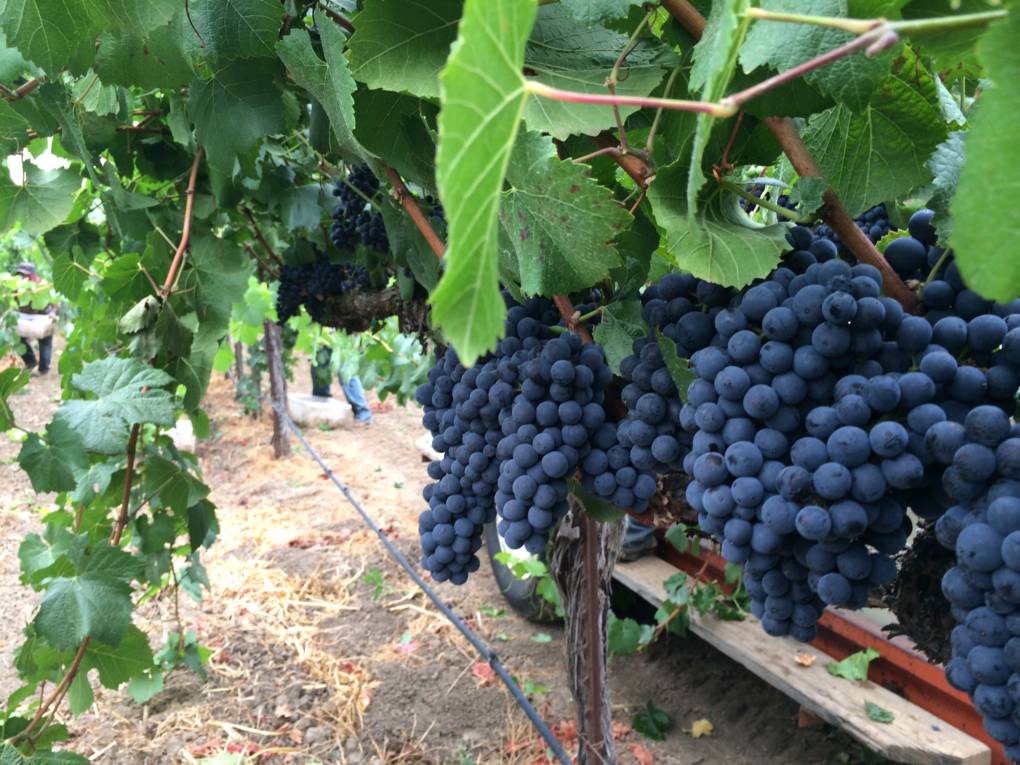
"caption": "Clusters of Pinot Noir grapes ready to be picked at Trefethen Family Vineyards in Napa.",
"description": null,
"title": "RS11744_IMG_0004",
"credit": "Mina Kim/KQED",
"status": "inherit",
"isLoading": false,
"fetchFailed": false
},
"news_11660614": {
"type": "attachments",
"id": "news_11660614",
"meta": {
"index": "attachments_1716263798",
"site": "news",
"id": "11660614",
"found": true
},
"parent": 11660613,
"imgSizes": {
"small": {
"file": "https://ww2.kqed.org/app/uploads/sites/10/2018/04/wine-520x241.jpg",
"width": 520,
"mimeType": "image/jpeg",
"height": 241
},
"thumbnail": {
"file": "https://ww2.kqed.org/app/uploads/sites/10/2018/04/wine-160x74.jpg",
"width": 160,
"mimeType": "image/jpeg",
"height": 74
},
"fd-sm": {
"file": "https://ww2.kqed.org/app/uploads/sites/10/2018/04/wine-960x444.jpg",
"width": 960,
"mimeType": "image/jpeg",
"height": 444
},
"post-thumbnail": {
"file": "https://ww2.kqed.org/app/uploads/sites/10/2018/04/wine-672x372.jpg",
"width": 672,
"mimeType": "image/jpeg",
"height": 372
},
"xsmall": {
"file": "https://ww2.kqed.org/app/uploads/sites/10/2018/04/wine-375x174.jpg",
"width": 375,
"mimeType": "image/jpeg",
"height": 174
},
"kqedFullSize": {
"file": "https://ww2.kqed.org/app/uploads/sites/10/2018/04/wine.jpg",
"width": 1024,
"height": 474
},
"large": {
"file": "https://ww2.kqed.org/app/uploads/sites/10/2018/04/wine-1020x472.jpg",
"width": 1020,
"mimeType": "image/jpeg",
"height": 472
},
"guest-author-50": {
"file": "https://ww2.kqed.org/app/uploads/sites/10/2018/04/wine-50x50.jpg",
"width": 50,
"mimeType": "image/jpeg",
"height": 50
},
"guest-author-96": {
"file": "https://ww2.kqed.org/app/uploads/sites/10/2018/04/wine-96x96.jpg",
"width": 96,
"mimeType": "image/jpeg",
"height": 96
},
"medium": {
"file": "https://ww2.kqed.org/app/uploads/sites/10/2018/04/wine-800x370.jpg",
"width": 800,
"mimeType": "image/jpeg",
"height": 370
},
"guest-author-64": {
"file": "https://ww2.kqed.org/app/uploads/sites/10/2018/04/wine-64x64.jpg",
"width": 64,
"mimeType": "image/jpeg",
"height": 64
},
"guest-author-32": {
"file": "https://ww2.kqed.org/app/uploads/sites/10/2018/04/wine-32x32.jpg",
"width": 32,
"mimeType": "image/jpeg",
"height": 32
},
"detail": {
"file": "https://ww2.kqed.org/app/uploads/sites/10/2018/04/wine-150x150.jpg",
"width": 150,
"mimeType": "image/jpeg",
"height": 150
},
"guest-author-128": {
"file": "https://ww2.kqed.org/app/uploads/sites/10/2018/04/wine-128x128.jpg",
"width": 128,
"mimeType": "image/jpeg",
"height": 128
},
"xxsmall": {
"file": "https://ww2.kqed.org/app/uploads/sites/10/2018/04/wine-240x111.jpg",
"width": 240,
"mimeType": "image/jpeg",
"height": 111
}
},
"publishDate": 1523145720,
"modified": 1523146116,
"caption": "The Honig Wine vineyards are worried about a proposed 25 percent tax in China on U.S. exports that could hurt their business.",
"description": "The Honig Wine vineyards are worried about a proposed 25 percent tax in China on U.S. exports that could hurt their business.",
"title": "wine",
"credit": "Devin Cruz Photography/KPCC",
"status": "inherit",
"isLoading": false,
"fetchFailed": false
}
},
"audioPlayerReducer": {
"postId": "stream_live",
"isPaused": true,
"isPlaying": false,
"pfsActive": false,
"pledgeModalIsOpen": true,
"playerDrawerIsOpen": false,
"liveAudioPlayStartedAt": 0,
"liveAudioPlayContext": ""
},
"authorsReducer": {
"byline_news_11738288": {
"type": "authors",
"id": "byline_news_11738288",
"meta": {
"override": true
},
"slug": "byline_news_11738288",
"name": "\u003cstrong>\u003ca href=”XXX”>Martha Groves\u003c/a>\u003cbr />\u003ca href=”https://calmatters.org/”>CALmatters\u003c/a>\u003c/strong>",
"isLoading": false
},
"byline_news_11671261": {
"type": "authors",
"id": "byline_news_11671261",
"meta": {
"override": true
},
"slug": "byline_news_11671261",
"name": "\u003cstrong>\u003ca href=\"http://kvpr.org/people/kerry-klein\">Kerry Klein\u003c/a>\u003c/strong>",
"isLoading": false
},
"byline_news_11661709": {
"type": "authors",
"id": "byline_news_11661709",
"meta": {
"override": true
},
"slug": "byline_news_11661709",
"name": "\u003cstrong>Julian M. Alston, Daniel Sumner, and Olena Sambucci\u003c/strong>\u003cbr />for \u003cem>\u003ca href=\"https://theconversation.com/us\">The Conversation\u003c/a>\u003c/em>",
"isLoading": false
},
"byline_news_11660613": {
"type": "authors",
"id": "byline_news_11660613",
"meta": {
"override": true
},
"slug": "byline_news_11660613",
"name": "KPCC Staff and Take Two",
"isLoading": false
}
},
"pagesReducer": {
"news_tag_trade-war": {
"type": "terms",
"id": "news_22934",
"meta": {
"index": "terms_1716263798",
"site": "news",
"id": "22934",
"score": 10.404608
},
"featImg": null,
"name": "trade war",
"description": null,
"taxonomy": "tag",
"headData": {
"twImgId": null,
"twTitle": null,
"ogTitle": null,
"ogImgId": null,
"twDescription": null,
"description": null,
"title": "trade war Archives | KQED News",
"ogDescription": null
},
"ttid": 22951,
"slug": "trade-war",
"isLoading": false,
"title": "trade war",
"pageMeta": {
"site": "news",
"WpPageTemplate": "page-topic-editorial",
"currentPage": 2
},
"blocks": [
{
"blockName": "kqed/post-list",
"attrs": {
"layout": "cardArticle2",
"query": "posts/news?tag=trade-war",
"seeMore": false,
"paginated": true,
"page": 2
}
},
{
"blockName": "kqed/ad"
}
]
}
},
"pfsSessionReducer": {},
"postsReducer": {
"stream_live": {
"type": "live",
"id": "stream_live",
"audioUrl": "https://streams.kqed.org/kqedradio",
"title": "Live Stream",
"excerpt": "Live Stream information currently unavailable.",
"link": "/radio",
"featImg": "",
"label": {
"name": "KQED Live",
"link": "/"
}
},
"stream_kqedNewscast": {
"type": "posts",
"id": "stream_kqedNewscast",
"audioUrl": "https://www.kqed.org/.stream/anon/radio/RDnews/newscast.mp3?_=1",
"title": "KQED Newscast",
"featImg": "",
"label": {
"name": "88.5 FM",
"link": "/"
}
},
"news_11738288": {
"type": "posts",
"id": "news_11738288",
"meta": {
"index": "posts_1716263798",
"site": "news",
"id": "11738288",
"score": null,
"sort": [
1554576300000
]
},
"guestAuthors": [],
"slug": "a-year-into-trumps-trade-turmoil-an-iconic-california-industry-struggles-to-resist",
"title": "A Year into Trump’s Trade Turmoil, an Iconic California Industry Struggles to Resist",
"publishDate": 1554576300,
"format": "standard",
"headTitle": "A Year into Trump’s Trade Turmoil, an Iconic California Industry Struggles to Resist | KQED",
"labelTerm": {},
"content": "\u003cp>The old joke about the California lieutenant governor’s office has been that its occupant’s main duty is to wake up in the morning, see whether the governor is still alive and, if so, go back to bed.\u003c/p>\n\u003cp>But that was before Gov. Gavin Newsom made Eleni Kounalakis his \u003ca href=\"https://www.gov.ca.gov/2019/02/28/international-affairs-and-trade/\" target=\"_blank\" rel=\"noopener\">point woman\u003c/a> on President Donald Trump’s trade wars.\u003c/p>\n\u003cp>Now, California’s lieutenant governor is among the busier officeholders in Sacramento—hustling to meet with members of Congress, federal agencies and trade organizations and deploying \u003ca href=\"https://calmatters.org/articles/commentary/california-foreign-trade/\" target=\"_blank\" rel=\"noopener\">whatever influence she can\u003c/a> to protect California’s place in the world market.\u003c/p>\n\u003cp>She has her work cut out for her. It has been a year since Trump sent a collective shudder through California’s economy, imposing taxes on imported steel and aluminum that in turn prompted China to impose new tariffs on agricultural products.\u003c/p>\n\u003cp>India and other countries soon followed suit, setting tariffs as high as 100% on some of California’s high-value crops. Since then, the Trump administration has engaged in trade brinkmanship on many fronts—including on-again, off-again threats to \u003ca href=\"https://www.latimes.com/politics/la-na-pol-trump-border-closing-calexico-california-20190404-story.html\" target=\"_blank\" rel=\"noopener\">close the Mexican border\u003c/a>. Meanwhile, a bevy of signature California products—almonds, pistachios, walnuts, wine grapes, oranges, dairy—have teetered on the verge of becoming collateral damage.\u003c/p>\n\u003cp>[ad fullwidth]\u003c/p>\n\u003cp>So far, the worst-case scenario has not come to pass, and some products, such as pistachios, have survived relatively unscathed, at least for now. But the damage has not been insignificant, either.\u003c/p>\n\u003cp>In a \u003ca href=\"https://aic.ucdavis.edu/2018/08/08/new-tariffs-tax-economic-prospects-of-tree-nut-and-fruit-industries/\" target=\"_blank\" rel=\"noopener\">report last August\u003c/a>, Daniel A. Sumner, an economist with UC Davis’ Agricultural Issues Center and Department of Agricultural and Resource Economics, projected that higher tariffs could cost major U.S. fruit and nut industries $2.64 billion per year in exports to countries imposing the higher levies; the economic blow could rise to as much as $3.34 billion because of lower prices in alternative markets.\u003c/p>\n\u003cp>And some fears have been entirely realized. Sales of California oranges to China are off by more than half, broader problems in the state dairy industry have been exacerbated by trade tussles, and the almond and wine industries have struggled to cope with price pressures and punishing tariffs.\u003c/p>\n\u003cp>“Whenever you have an atmosphere of uncertainty, it creates a chilling effect,” Kounalakis said in an interview. “Customers in Asia will look for alternatives elsewhere.”\u003c/p>\n\u003cp>And, she added, if customers find suppliers in other countries—say, Turkey for pistachios or New Zealand for wine—it could be hard for California to win them back.\u003c/p>\n\u003ch2>‘America First’\u003c/h2>\n\u003cp>As he had vowed on the campaign trail, Trump since taking office has hewed to an “America first” protectionist stance, pushing back against Republicans’ traditional embrace of open markets. He pulled out of the 12-country Trans-Pacific Partnership and pushed for a reboot of the North American Free Trade Agreement. The resulting United States-Mexico-Canada Agreement (USMCA)—what some describe as NAFTA 2.0—faces an uphill battle for ratification in the now Democratic-controlled House.\u003c/p>\n\u003cp>In January 2018, Trump—saying he wanted to protect U.S. manufacturers from unfair trade practices and to reduce the $375-billion trade deficit with China—slapped steep tariffs on imports of washing machines and solar energy cells and panels from nations including China and South Korea. He warned of and subsequently delivered on tariffs on steel, aluminum and other products from China.\u003c/p>\n\u003cp>China ratcheted things up by imposing bruising tariffs on agricultural products, including commodities such as soybeans and corn (which come primarily from the Midwest) and products for which California is revered.\u003c/p>\n\u003cp>To ease the burden on hard-hit farmers throughout the country, the U.S. Department of Agriculture has paid out billions of dollars in aid, mostly to producers of soybean, corn and other commodities. Most California growers did not qualify for direct payments, but some sold products to the federal food-purchase program, which feeds needy U.S. residents; some grower groups received funds to help market their products overseas.\u003c/p>\n\u003cp>\u003cimg loading=\"lazy\" decoding=\"async\" class=\"alignleft size-medium wp-image-11738309\" src=\"https://ww2.kqed.org/news/wp-content/uploads/sites/10/2019/04/TRADE-Graphic-800x1151.jpg\" alt=\"\" width=\"800\" height=\"1151\" srcset=\"https://cdn.kqed.org/wp-content/uploads/sites/10/2019/04/TRADE-Graphic-800x1151.jpg 800w, https://cdn.kqed.org/wp-content/uploads/sites/10/2019/04/TRADE-Graphic-160x230.jpg 160w, https://cdn.kqed.org/wp-content/uploads/sites/10/2019/04/TRADE-Graphic-1020x1467.jpg 1020w, https://cdn.kqed.org/wp-content/uploads/sites/10/2019/04/TRADE-Graphic-834x1200.jpg 834w, https://cdn.kqed.org/wp-content/uploads/sites/10/2019/04/TRADE-Graphic-1920x2761.jpg 1920w, https://cdn.kqed.org/wp-content/uploads/sites/10/2019/04/TRADE-Graphic.jpg 1424w\" sizes=\"auto, (max-width: 800px) 100vw, 800px\">\u003c/p>\n\u003cp>When it comes to trade with China, a huge and growing market, billions of dollars and tens of thousands of jobs are at stake in California. According to the UC Davis Agricultural Issues Center, the state’s top five agricultural exports in 2017 just to China and Hong Kong amounted to more than $1.6 billion.\u003c/p>\n\u003cp>Overall, almonds are California’s leading agricultural export, with a value of nearly $4.5 billion in foreign sales in 2017; 70% of the almond crop grown in the state is exported. Almond exports now face a 50% tariff in China.\u003c/p>\n\u003cp>California has 6,800 almond growers, most of them small to medium-size, family-run enterprises. A study by the Almond Board of California found that the crop generated more than 100,000 jobs, mostly in the Central Valley. The industry contributes about $11 billion annually to the state’s economy.\u003c/p>\n\u003cp>Because China is the state’s third-largest export destination, the industry is seeing ill effects, said Julie Adams, vice president of global technical and regulatory affairs for the Almond Board of California.\u003c/p>\n\u003cp>“A 10 percent tariff went to 50 percent,” she said. “The uncertainty and concern about how long these retaliatory tariffs would be in place caused the industry to be more cautious in commitments and purchasing.”\u003c/p>\n\u003ch2>Lost Hours, Lucky Breaks\u003c/h2>\n\u003cp>Monte Vista Farming Co. in the Central Valley town of Denair, Calif., is a vertically integrated company that grows, hulls, processes and markets almonds and almond products.\u003c/p>\n\u003cp>“What China has been for our industry for a long time was a sponge to absorb additional supply,” Monte Vista Chief Executive Jonathan Hoff said in an interview. “We can typically rely on them to take large amounts of volume in a short time when we have excess volume to ship. So not knowing whether or not we’ll be able to rely on that market … really influences our forecast for net earnings on the farm.”\u003c/p>\n\u003cp>Moreover, he said, because China did not take large amounts of volume during the September-to-December selling window, Hoff’s company has been forced to rent warehouses and buy additional storage bins to hold unsold crop. The company has also reduced employees’ hours at hulling facilities. The circumstances have put pressure on pricing, and Hoff expects the average return per acre to decline significantly.\u003c/p>\n\u003cp>California pistachio growers, who produce 99% of the nation’s crop, bemoan the ongoing uncertainty, but they got a couple of lucky breaks. China for years had imposed a 5% tariff on the state’s pistachios. In retaliation, it raised the level to 15% and then 45%.\u003c/p>\n\u003cp>For unknown reasons, China left the tariff on roasted pistachios at 15%. Meanwhile, Iran, another source, lost much of its crop to a freeze. Although Chinese buyers typically prefer to buy raw pistachios and do the roasting themselves, they switched their allegiance. Shipments to China from California were up 9.5% for the start of the new fiscal year, said Richard Matoian, executive director of the American Pistachio Growers, a trade group in Fresno.\u003c/p>\n\u003cp>Orange growers weren’t so fortunate. China started with a 15%tariff that hit apple, cherry and grape “guys right between the eyes,” said Joel Nelsen, strategic advisor and past president of California Citrus Mutual, an advocacy group in Exeter for the state’s 2,500 family citrus growers. Then the Chinese added hefty tariffs to oranges and other commodities. Prices headed out of sight, with the result that business is off by more than half.\u003c/p>\n\u003cp>For wine grape growers, tariffs have been a double whammy. U.S.-imposed levies have raised significantly the cost of steel products—wire, stakes, metal posts—needed to establish vineyards.\u003c/p>\n\u003cp>Under the Trump administration, “things have gotten a lot more bumpy,” said John Aguirre, president of the California Assn. of Winegrape Growers in Sacramento. “We see a much softer market for wine grapes.”\u003c/p>\n\u003cp>The industry is concerned about continued access to China, which had been a growing market. Last September, China added a 10% tariff on U.S. wine imports, atop a previous 15% tariff increase implemented in April 2018.\u003c/p>\n\u003cp>Then there’s the uncertainty surrounding the renegotiated North American Free Trade Agreement, given that Canada is the industry’s largest export market. “Our thoughts have been: Do no harm,” Aguirre said.\u003c/p>\n\u003ch2>A State Trade Policy?\u003c/h2>\n\u003cp>Since trade policy is mostly determined at the federal level, California officials such as Kounalakis have only a limited ability to make a difference. Still, the lieutenant governor—a former ambassador to Hungary during the Obama administration—notes that the state’s size and stake in the market make it critical that California strive to be heard.\u003c/p>\n\u003cfigure id=\"attachment_11738312\" class=\"wp-caption aligncenter\" style=\"max-width: 800px\">\u003cimg loading=\"lazy\" decoding=\"async\" class=\"wp-image-11738312 size-medium\" src=\"https://ww2.kqed.org/news/wp-content/uploads/sites/10/2019/04/RS36427_trade-Photo-2-qut-800x552.jpg\" alt=\"\" width=\"800\" height=\"552\" srcset=\"https://cdn.kqed.org/wp-content/uploads/sites/10/2019/04/RS36427_trade-Photo-2-qut-800x552.jpg 800w, https://cdn.kqed.org/wp-content/uploads/sites/10/2019/04/RS36427_trade-Photo-2-qut-160x110.jpg 160w, https://cdn.kqed.org/wp-content/uploads/sites/10/2019/04/RS36427_trade-Photo-2-qut-1020x703.jpg 1020w, https://cdn.kqed.org/wp-content/uploads/sites/10/2019/04/RS36427_trade-Photo-2-qut-1200x828.jpg 1200w, https://cdn.kqed.org/wp-content/uploads/sites/10/2019/04/RS36427_trade-Photo-2-qut.jpg 1920w\" sizes=\"auto, (max-width: 800px) 100vw, 800px\">\u003cfigcaption class=\"wp-caption-text\">Lt. Gov. Eleni Kounalakis and Chief Business and Economic Advisor Lenny Mendonca flank Gov. Gavin Newsom. (Michael Miller/ California Department of Water Resources)\u003c/figcaption>\u003c/figure>\n\u003cp>Officially, Kounalakis will head a new interagency committee on state development on trade and work with Newsom’s economic advisor, Lenny Mendonca, “to strengthen our foreign relations and advance our interests abroad,” as Newsom put it in \u003ca href=\"https://www.gov.ca.gov/2019/02/28/international-affairs-and-trade/\" target=\"_blank\" rel=\"noopener\">announcing her post\u003c/a>.\u003c/p>\n\u003cp>Practically, what that means is that she has been meeting with the California congressional delegation and officials from the U.S. Department of Agriculture and other relevant agencies to educate them about the importance of the state’s agriculture and to lobby for free-flowing markets.\u003c/p>\n\u003cp>Among her priorities will be improving coordination among state agencies that deal with trade and reopening a trade office in Mexico to expand California’s presence.\u003cbr>\nAnd, she notes, she has a vote of confidence that \u003ca href=\"https://www.latimes.com/politics/la-pol-ca-road-map-jerry-brown-gavin-newsom-connection-20190106-story.html\" target=\"_blank\" rel=\"noopener\">Newsom didn’t get\u003c/a> when, during California’s 2011 climb out of the recession, he put forward his own statewide economic plan as Gov. Jerry Brown’s lieutenant governor. (Brown, consumed with a statewide budget deficit, took issue and appointed a statewide jobs czar, pre-empting Newsom’s plans.)\u003c/p>\n\u003cp>But the economic landscape under Trump is a far cry from the one California faced in 2011, with even more uncertainty in the near future. Will the president continue to waffle on his threat to close the southern border with Mexico, a move that observers say could wreak havoc with daily economic back-and-forth? Will Congress, with its new Democratic House majority, approve the USMCA? Will Trump and Chinese President Xi Jinping come to terms?\u003c/p>\n\u003cp>“We don’t know what the long-term strategy is,” said Sara Neagu-Reed, associate director of the California Farm Bureau Federation’s federal policy division. “There is some sense of hope with future trade negotiations. … The more markets we can open up, the better. … With that said, [we must] continue to present the administration with the impacts our growers are seeing in China, Canada and the European Union.”\u003cbr>\nThat, says the Almond Board’s Adams, is why California needs all the help it can get—even from historically underutilized statewide offices—and why “the fact that the governor is making trade a focus of the lieutenant governor is important.”\u003cbr>\nKounalakis agrees.\u003c/p>\n\u003cp>“For anyone who thinks that this international portfolio is, you know, having tea and going on trips,” Kounalakis recently joked during a panel discussion in Sacramento, “that’s not what this is about.”\u003c/p>\n\u003cp>[ad floatright]\u003c/p>\n\u003cp>\u003cem>CALmatters.org is a nonprofit, nonpartisan media venture explaining California policies and politics.\u003c/em>\u003c/p>\n\n",
"blocks": [],
"excerpt": "Signature California products—almonds, pistachios, walnuts, wine grapes, oranges, dairy—have teetered on the verge of becoming collateral damage.",
"status": "publish",
"parent": 0,
"modified": 1738179005,
"stats": {
"hasAudio": false,
"hasVideo": false,
"hasChartOrMap": false,
"iframeSrcs": [],
"hasGoogleForm": false,
"hasGallery": false,
"hasHearkenModule": false,
"hasPolis": false,
"paragraphCount": 40,
"wordCount": 1953
},
"headData": {
"title": "A Year into Trump’s Trade Turmoil, an Iconic California Industry Struggles to Resist | KQED",
"description": "Signature California products—almonds, pistachios, walnuts, wine grapes, oranges, dairy—have teetered on the verge of becoming collateral damage.",
"ogTitle": "",
"ogDescription": "",
"ogImgId": "",
"twTitle": "",
"twDescription": "",
"twImgId": "",
"schema": {
"@context": "https://schema.org",
"@type": "NewsArticle",
"headline": "A Year into Trump’s Trade Turmoil, an Iconic California Industry Struggles to Resist",
"datePublished": "2019-04-06T11:45:00-07:00",
"dateModified": "2025-01-29T11:30:05-08:00",
"image": "https://cdn.kqed.org/wp-content/uploads/2020/02/KQED-OG-Image@1x.png",
"isAccessibleForFree": "True",
"publisher": {
"@type": "NewsMediaOrganization",
"@id": "https://www.kqed.org/#organization",
"name": "KQED",
"logo": "https://cdn.kqed.org/wp-content/uploads/2020/02/KQED-OG-Image@1x.png",
"url": "https://www.kqed.org",
"sameAs": [
"https://www.facebook.com/KQED",
"https://twitter.com/KQED",
"https://www.instagram.com/kqed/",
"https://www.tiktok.com/@kqedofficial",
"https://www.linkedin.com/company/kqed",
"https://www.youtube.com/channel/UCeC0IOo7i1P_61zVUWbJ4nw"
]
}
}
},
"source": "CALmatters",
"sourceUrl": "https://calmatters.org/",
"sticky": false,
"nprByline": "\u003cstrong>\u003ca href=”XXX”>Martha Groves\u003c/a>\u003cbr />\u003ca href=”https://calmatters.org/”>CALmatters\u003c/a>\u003c/strong>",
"path": "/news/11738288/a-year-into-trumps-trade-turmoil-an-iconic-california-industry-struggles-to-resist",
"audioTrackLength": null,
"parsedContent": [
{
"type": "contentString",
"content": "\u003cdiv class=\"post-body\">\u003cp>\u003cp>The old joke about the California lieutenant governor’s office has been that its occupant’s main duty is to wake up in the morning, see whether the governor is still alive and, if so, go back to bed.\u003c/p>\n\u003cp>But that was before Gov. Gavin Newsom made Eleni Kounalakis his \u003ca href=\"https://www.gov.ca.gov/2019/02/28/international-affairs-and-trade/\" target=\"_blank\" rel=\"noopener\">point woman\u003c/a> on President Donald Trump’s trade wars.\u003c/p>\n\u003cp>Now, California’s lieutenant governor is among the busier officeholders in Sacramento—hustling to meet with members of Congress, federal agencies and trade organizations and deploying \u003ca href=\"https://calmatters.org/articles/commentary/california-foreign-trade/\" target=\"_blank\" rel=\"noopener\">whatever influence she can\u003c/a> to protect California’s place in the world market.\u003c/p>\n\u003cp>She has her work cut out for her. It has been a year since Trump sent a collective shudder through California’s economy, imposing taxes on imported steel and aluminum that in turn prompted China to impose new tariffs on agricultural products.\u003c/p>\n\u003cp>India and other countries soon followed suit, setting tariffs as high as 100% on some of California’s high-value crops. Since then, the Trump administration has engaged in trade brinkmanship on many fronts—including on-again, off-again threats to \u003ca href=\"https://www.latimes.com/politics/la-na-pol-trump-border-closing-calexico-california-20190404-story.html\" target=\"_blank\" rel=\"noopener\">close the Mexican border\u003c/a>. Meanwhile, a bevy of signature California products—almonds, pistachios, walnuts, wine grapes, oranges, dairy—have teetered on the verge of becoming collateral damage.\u003c/p>\n\u003cp>\u003c/p>\u003c/div>",
"attributes": {
"named": {},
"numeric": []
}
},
{
"type": "component",
"content": "",
"name": "ad",
"attributes": {
"named": {
"label": "fullwidth"
},
"numeric": [
"fullwidth"
]
}
},
{
"type": "contentString",
"content": "\u003cdiv class=\"post-body\">\u003cp>\u003c/p>\n\u003cp>So far, the worst-case scenario has not come to pass, and some products, such as pistachios, have survived relatively unscathed, at least for now. But the damage has not been insignificant, either.\u003c/p>\n\u003cp>In a \u003ca href=\"https://aic.ucdavis.edu/2018/08/08/new-tariffs-tax-economic-prospects-of-tree-nut-and-fruit-industries/\" target=\"_blank\" rel=\"noopener\">report last August\u003c/a>, Daniel A. Sumner, an economist with UC Davis’ Agricultural Issues Center and Department of Agricultural and Resource Economics, projected that higher tariffs could cost major U.S. fruit and nut industries $2.64 billion per year in exports to countries imposing the higher levies; the economic blow could rise to as much as $3.34 billion because of lower prices in alternative markets.\u003c/p>\n\u003cp>And some fears have been entirely realized. Sales of California oranges to China are off by more than half, broader problems in the state dairy industry have been exacerbated by trade tussles, and the almond and wine industries have struggled to cope with price pressures and punishing tariffs.\u003c/p>\n\u003cp>“Whenever you have an atmosphere of uncertainty, it creates a chilling effect,” Kounalakis said in an interview. “Customers in Asia will look for alternatives elsewhere.”\u003c/p>\n\u003cp>And, she added, if customers find suppliers in other countries—say, Turkey for pistachios or New Zealand for wine—it could be hard for California to win them back.\u003c/p>\n\u003ch2>‘America First’\u003c/h2>\n\u003cp>As he had vowed on the campaign trail, Trump since taking office has hewed to an “America first” protectionist stance, pushing back against Republicans’ traditional embrace of open markets. He pulled out of the 12-country Trans-Pacific Partnership and pushed for a reboot of the North American Free Trade Agreement. The resulting United States-Mexico-Canada Agreement (USMCA)—what some describe as NAFTA 2.0—faces an uphill battle for ratification in the now Democratic-controlled House.\u003c/p>\n\u003cp>In January 2018, Trump—saying he wanted to protect U.S. manufacturers from unfair trade practices and to reduce the $375-billion trade deficit with China—slapped steep tariffs on imports of washing machines and solar energy cells and panels from nations including China and South Korea. He warned of and subsequently delivered on tariffs on steel, aluminum and other products from China.\u003c/p>\n\u003cp>China ratcheted things up by imposing bruising tariffs on agricultural products, including commodities such as soybeans and corn (which come primarily from the Midwest) and products for which California is revered.\u003c/p>\n\u003cp>To ease the burden on hard-hit farmers throughout the country, the U.S. Department of Agriculture has paid out billions of dollars in aid, mostly to producers of soybean, corn and other commodities. Most California growers did not qualify for direct payments, but some sold products to the federal food-purchase program, which feeds needy U.S. residents; some grower groups received funds to help market their products overseas.\u003c/p>\n\u003cp>\u003cimg loading=\"lazy\" decoding=\"async\" class=\"alignleft size-medium wp-image-11738309\" src=\"https://ww2.kqed.org/news/wp-content/uploads/sites/10/2019/04/TRADE-Graphic-800x1151.jpg\" alt=\"\" width=\"800\" height=\"1151\" srcset=\"https://cdn.kqed.org/wp-content/uploads/sites/10/2019/04/TRADE-Graphic-800x1151.jpg 800w, https://cdn.kqed.org/wp-content/uploads/sites/10/2019/04/TRADE-Graphic-160x230.jpg 160w, https://cdn.kqed.org/wp-content/uploads/sites/10/2019/04/TRADE-Graphic-1020x1467.jpg 1020w, https://cdn.kqed.org/wp-content/uploads/sites/10/2019/04/TRADE-Graphic-834x1200.jpg 834w, https://cdn.kqed.org/wp-content/uploads/sites/10/2019/04/TRADE-Graphic-1920x2761.jpg 1920w, https://cdn.kqed.org/wp-content/uploads/sites/10/2019/04/TRADE-Graphic.jpg 1424w\" sizes=\"auto, (max-width: 800px) 100vw, 800px\">\u003c/p>\n\u003cp>When it comes to trade with China, a huge and growing market, billions of dollars and tens of thousands of jobs are at stake in California. According to the UC Davis Agricultural Issues Center, the state’s top five agricultural exports in 2017 just to China and Hong Kong amounted to more than $1.6 billion.\u003c/p>\n\u003cp>Overall, almonds are California’s leading agricultural export, with a value of nearly $4.5 billion in foreign sales in 2017; 70% of the almond crop grown in the state is exported. Almond exports now face a 50% tariff in China.\u003c/p>\n\u003cp>California has 6,800 almond growers, most of them small to medium-size, family-run enterprises. A study by the Almond Board of California found that the crop generated more than 100,000 jobs, mostly in the Central Valley. The industry contributes about $11 billion annually to the state’s economy.\u003c/p>\n\u003cp>Because China is the state’s third-largest export destination, the industry is seeing ill effects, said Julie Adams, vice president of global technical and regulatory affairs for the Almond Board of California.\u003c/p>\n\u003cp>“A 10 percent tariff went to 50 percent,” she said. “The uncertainty and concern about how long these retaliatory tariffs would be in place caused the industry to be more cautious in commitments and purchasing.”\u003c/p>\n\u003ch2>Lost Hours, Lucky Breaks\u003c/h2>\n\u003cp>Monte Vista Farming Co. in the Central Valley town of Denair, Calif., is a vertically integrated company that grows, hulls, processes and markets almonds and almond products.\u003c/p>\n\u003cp>“What China has been for our industry for a long time was a sponge to absorb additional supply,” Monte Vista Chief Executive Jonathan Hoff said in an interview. “We can typically rely on them to take large amounts of volume in a short time when we have excess volume to ship. So not knowing whether or not we’ll be able to rely on that market … really influences our forecast for net earnings on the farm.”\u003c/p>\n\u003cp>Moreover, he said, because China did not take large amounts of volume during the September-to-December selling window, Hoff’s company has been forced to rent warehouses and buy additional storage bins to hold unsold crop. The company has also reduced employees’ hours at hulling facilities. The circumstances have put pressure on pricing, and Hoff expects the average return per acre to decline significantly.\u003c/p>\n\u003cp>California pistachio growers, who produce 99% of the nation’s crop, bemoan the ongoing uncertainty, but they got a couple of lucky breaks. China for years had imposed a 5% tariff on the state’s pistachios. In retaliation, it raised the level to 15% and then 45%.\u003c/p>\n\u003cp>For unknown reasons, China left the tariff on roasted pistachios at 15%. Meanwhile, Iran, another source, lost much of its crop to a freeze. Although Chinese buyers typically prefer to buy raw pistachios and do the roasting themselves, they switched their allegiance. Shipments to China from California were up 9.5% for the start of the new fiscal year, said Richard Matoian, executive director of the American Pistachio Growers, a trade group in Fresno.\u003c/p>\n\u003cp>Orange growers weren’t so fortunate. China started with a 15%tariff that hit apple, cherry and grape “guys right between the eyes,” said Joel Nelsen, strategic advisor and past president of California Citrus Mutual, an advocacy group in Exeter for the state’s 2,500 family citrus growers. Then the Chinese added hefty tariffs to oranges and other commodities. Prices headed out of sight, with the result that business is off by more than half.\u003c/p>\n\u003cp>For wine grape growers, tariffs have been a double whammy. U.S.-imposed levies have raised significantly the cost of steel products—wire, stakes, metal posts—needed to establish vineyards.\u003c/p>\n\u003cp>Under the Trump administration, “things have gotten a lot more bumpy,” said John Aguirre, president of the California Assn. of Winegrape Growers in Sacramento. “We see a much softer market for wine grapes.”\u003c/p>\n\u003cp>The industry is concerned about continued access to China, which had been a growing market. Last September, China added a 10% tariff on U.S. wine imports, atop a previous 15% tariff increase implemented in April 2018.\u003c/p>\n\u003cp>Then there’s the uncertainty surrounding the renegotiated North American Free Trade Agreement, given that Canada is the industry’s largest export market. “Our thoughts have been: Do no harm,” Aguirre said.\u003c/p>\n\u003ch2>A State Trade Policy?\u003c/h2>\n\u003cp>Since trade policy is mostly determined at the federal level, California officials such as Kounalakis have only a limited ability to make a difference. Still, the lieutenant governor—a former ambassador to Hungary during the Obama administration—notes that the state’s size and stake in the market make it critical that California strive to be heard.\u003c/p>\n\u003cfigure id=\"attachment_11738312\" class=\"wp-caption aligncenter\" style=\"max-width: 800px\">\u003cimg loading=\"lazy\" decoding=\"async\" class=\"wp-image-11738312 size-medium\" src=\"https://ww2.kqed.org/news/wp-content/uploads/sites/10/2019/04/RS36427_trade-Photo-2-qut-800x552.jpg\" alt=\"\" width=\"800\" height=\"552\" srcset=\"https://cdn.kqed.org/wp-content/uploads/sites/10/2019/04/RS36427_trade-Photo-2-qut-800x552.jpg 800w, https://cdn.kqed.org/wp-content/uploads/sites/10/2019/04/RS36427_trade-Photo-2-qut-160x110.jpg 160w, https://cdn.kqed.org/wp-content/uploads/sites/10/2019/04/RS36427_trade-Photo-2-qut-1020x703.jpg 1020w, https://cdn.kqed.org/wp-content/uploads/sites/10/2019/04/RS36427_trade-Photo-2-qut-1200x828.jpg 1200w, https://cdn.kqed.org/wp-content/uploads/sites/10/2019/04/RS36427_trade-Photo-2-qut.jpg 1920w\" sizes=\"auto, (max-width: 800px) 100vw, 800px\">\u003cfigcaption class=\"wp-caption-text\">Lt. Gov. Eleni Kounalakis and Chief Business and Economic Advisor Lenny Mendonca flank Gov. Gavin Newsom. (Michael Miller/ California Department of Water Resources)\u003c/figcaption>\u003c/figure>\n\u003cp>Officially, Kounalakis will head a new interagency committee on state development on trade and work with Newsom’s economic advisor, Lenny Mendonca, “to strengthen our foreign relations and advance our interests abroad,” as Newsom put it in \u003ca href=\"https://www.gov.ca.gov/2019/02/28/international-affairs-and-trade/\" target=\"_blank\" rel=\"noopener\">announcing her post\u003c/a>.\u003c/p>\n\u003cp>Practically, what that means is that she has been meeting with the California congressional delegation and officials from the U.S. Department of Agriculture and other relevant agencies to educate them about the importance of the state’s agriculture and to lobby for free-flowing markets.\u003c/p>\n\u003cp>Among her priorities will be improving coordination among state agencies that deal with trade and reopening a trade office in Mexico to expand California’s presence.\u003cbr>\nAnd, she notes, she has a vote of confidence that \u003ca href=\"https://www.latimes.com/politics/la-pol-ca-road-map-jerry-brown-gavin-newsom-connection-20190106-story.html\" target=\"_blank\" rel=\"noopener\">Newsom didn’t get\u003c/a> when, during California’s 2011 climb out of the recession, he put forward his own statewide economic plan as Gov. Jerry Brown’s lieutenant governor. (Brown, consumed with a statewide budget deficit, took issue and appointed a statewide jobs czar, pre-empting Newsom’s plans.)\u003c/p>\n\u003cp>But the economic landscape under Trump is a far cry from the one California faced in 2011, with even more uncertainty in the near future. Will the president continue to waffle on his threat to close the southern border with Mexico, a move that observers say could wreak havoc with daily economic back-and-forth? Will Congress, with its new Democratic House majority, approve the USMCA? Will Trump and Chinese President Xi Jinping come to terms?\u003c/p>\n\u003cp>“We don’t know what the long-term strategy is,” said Sara Neagu-Reed, associate director of the California Farm Bureau Federation’s federal policy division. “There is some sense of hope with future trade negotiations. … The more markets we can open up, the better. … With that said, [we must] continue to present the administration with the impacts our growers are seeing in China, Canada and the European Union.”\u003cbr>\nThat, says the Almond Board’s Adams, is why California needs all the help it can get—even from historically underutilized statewide offices—and why “the fact that the governor is making trade a focus of the lieutenant governor is important.”\u003cbr>\nKounalakis agrees.\u003c/p>\n\u003cp>“For anyone who thinks that this international portfolio is, you know, having tea and going on trips,” Kounalakis recently joked during a panel discussion in Sacramento, “that’s not what this is about.”\u003c/p>\n\u003cp>\u003c/p>\u003c/div>",
"attributes": {
"named": {},
"numeric": []
}
},
{
"type": "component",
"content": "",
"name": "ad",
"attributes": {
"named": {
"label": "floatright"
},
"numeric": [
"floatright"
]
}
},
{
"type": "contentString",
"content": "\u003cdiv class=\"post-body\">\u003cp>\u003c/p>\n\u003cp>\u003cem>CALmatters.org is a nonprofit, nonpartisan media venture explaining California policies and politics.\u003c/em>\u003c/p>\n\n\u003c/div>\u003c/p>",
"attributes": {
"named": {},
"numeric": []
}
}
],
"link": "/news/11738288/a-year-into-trumps-trade-turmoil-an-iconic-california-industry-struggles-to-resist",
"authors": [
"byline_news_11738288"
],
"programs": [
"news_72"
],
"categories": [
"news_24114",
"news_8",
"news_33520"
],
"tags": [
"news_1323",
"news_19542",
"news_17041",
"news_18696",
"news_22934"
],
"affiliates": [
"news_18481"
],
"featImg": "news_11738290",
"label": "source_news_11738288"
},
"news_11671261": {
"type": "posts",
"id": "news_11671261",
"meta": {
"index": "posts_1716263798",
"site": "news",
"id": "11671261",
"score": null,
"sort": [
1527632917000
]
},
"guestAuthors": [],
"slug": "fears-grow-among-central-valley-recyclers-as-china-denies-u-s-recyclables",
"title": "Fears Grow Among Central Valley Recyclers as China Denies U.S. Recyclables",
"publishDate": 1527632917,
"format": "audio",
"headTitle": "Fears Grow Among Central Valley Recyclers as China Denies U.S. Recyclables | KQED",
"labelTerm": {},
"content": "\u003cp>While tariffs on the steel and agriculture industries have taken center stage in the trade conflict between the U.S. and China, that conflict has quietly moved into another less visible sector. It’s greatly disrupted the recycling industry.\u003c/p>\n\u003cp>The U.S. is coming to the end of a 30-day suspension on all recycling going to China. But China has set some new rules about what can be recycled going forward.\u003c/p>\n\u003cp>Those new policies are already affecting businesses, but over time they could impact residents and city governments and even undermine state environmental policy.\u003c/p>\n\u003ch3>Recyclables Pile Up\u003c/h3>\n\u003cp>Among the warehouses and distribution centers in south Fresno, the calls of egrets, herons and great horned owls may seem a little out of place. But they serve a purpose: This is a transfer station for Mid Valley Disposal, one of the biggest trash and recycling collectors in the San Joaquin Valley, and these recordings of bird calls help keep pests out of scrap materials trucked in each day.\u003c/p>\n\u003cp>Joseph Kalpakoff, president of Mid Valley Disposal, says pest control is especially important now, because his property is filling up fast. He points to a wall of paper bales around 10 feet high.\u003c/p>\n\u003cp>[ad fullwidth]\u003c/p>\n\u003cp>“You’re probably looking at a couple hundred tons of mixed paper in just this part of the parking lot,” he says. Six months ago, it would have been empty.\u003c/p>\n\u003caside class=\"pullquote alignright\">‘Right now the market is upset, and it’s upside-down for recyclers.’\u003ccite>Joseph Kalpakoff\u003c/cite>\u003c/aside>\n\u003cp>These bales are the final product made from the bottles, cans and cardboard boxes left at the curbside by hundreds of thousands of residents of Fresno and three surrounding counties. They’ve been sorted and separated by a maze of conveyor belts, fast-moving machines and human pickers, and ultimately binned and baled into the cubes stacked in front of Kalpakoff.\u003c/p>\n\u003cp>He says his transfer station used to move out bales like this within just a few days — but now hundreds of them are sprinkled throughout the property, in empty corners and unused parking lots.\u003c/p>\n\u003cp>“Right now the market is upset, and it’s upside-down for recyclers,” says Kalpakoff.\u003c/p>\n\u003cp>Why? Because a new policy in China leaves huge amounts of the U.S.’s recyclables without a destination. Stockpiling them is one option, but permits limit how many bales can be stacked. If Kalpakoff hits that ceiling, he may have to start sending his recyclables to landfills — something some other companies have already resorted to.\u003c/p>\n\u003cfigure id=\"attachment_11671267\" class=\"wp-caption aligncenter\" style=\"max-width: 800px\">\u003cimg loading=\"lazy\" decoding=\"async\" class=\"size-medium wp-image-11671267\" src=\"https://ww2.kqed.org/news/wp-content/uploads/sites/10/2018/05/ValleyRecyclingMain-800x580.jpg\" alt=\"Restrictions on imports of recyclables into China have left recycling companies scrambling to find space to stockpile materials while they find new destinations for them.\" width=\"800\" height=\"580\" srcset=\"https://cdn.kqed.org/wp-content/uploads/sites/10/2018/05/ValleyRecyclingMain.jpg 800w, https://cdn.kqed.org/wp-content/uploads/sites/10/2018/05/ValleyRecyclingMain-160x116.jpg 160w, https://cdn.kqed.org/wp-content/uploads/sites/10/2018/05/ValleyRecyclingMain-240x174.jpg 240w, https://cdn.kqed.org/wp-content/uploads/sites/10/2018/05/ValleyRecyclingMain-375x272.jpg 375w, https://cdn.kqed.org/wp-content/uploads/sites/10/2018/05/ValleyRecyclingMain-520x377.jpg 520w\" sizes=\"(max-width: 800px) 100vw, 800px\">\u003cfigcaption class=\"wp-caption-text\">Restrictions on imports of recyclables into China have left recycling companies scrambling to find space to stockpile materials while they find new destinations for them. \u003ccite>(Kerry Klein/Valley Public Radio)\u003c/cite>\u003c/figcaption>\u003c/figure>\n\u003cp>Some Central Valley cities are responding by raising fees, and running recycling outreach campaigns. “Yeah, It’s a challenge,” Kalpakoff says. “It’s a challenge for not only us, but the entire industry.”\u003c/p>\n\u003cp>The U.S. prides itself that it recycles about a third of its solid waste. California set an ambitious goal to recycle 75 percent of its waste by 2020. But the U.S. can’t process all that material, so we ship a huge amount overseas. The biggest importer is China, which takes about a third of our scrap materials.\u003c/p>\n\u003cp>But that changed in March, when China cracked down on contamination — basically unwanted material — like the plastic bags, hubcaps and flip-flops I watch sorters pull off a conveyor belt. China dropped its acceptable contamination rate dramatically from 7 percent of each bale to just half a percent.\u003c/p>\n\u003cp>“The contamination level that’s coming in on the curbside is averaging between 30 and 40 percent right now,” Kalpakoff says. “It’s a challenge to make that 0.5 percent.”\u003c/p>\n\u003cp>The new policy also banned 24 products, mostly paper and plastics. On May 4, China stopped importing all U.S. recycling for 30 days.\u003c/p>\n\u003cp>Why such big changes?\u003c/p>\n\u003cp>The Chinese government claims it’s a push for the environment. These policies arose from a program loosely translated as “National Sword,” which aims to cut down on imports of foreign waste. Adina Adler of the Institute of Scrap Recycling Industries says recycling wasn’t the main target, but it became a casualty. She says while the policies themselves aren’t unreasonable, they were made without consulting the recycling industry.\u003c/p>\n\u003cp>“So they’re done without an understanding of what is the existing recycling technology and how it can produce and to what tolerances,” she says.\u003c/p>\n\u003cfigure id=\"attachment_11671273\" class=\"wp-caption aligncenter\" style=\"max-width: 800px\">\u003cimg loading=\"lazy\" decoding=\"async\" class=\"size-medium wp-image-11671273\" src=\"https://ww2.kqed.org/news/wp-content/uploads/sites/10/2018/05/RecyclingBales-800x553.jpg\" alt=\"Permits limit how many bales can be stored at recycling facilities. With China's new 30-day ban on all U.S. recyclables, Joseph Kalpakoff worries that Mid Valley disposal could reach that limit and need to start sending bales to landfills.\" width=\"800\" height=\"553\" srcset=\"https://cdn.kqed.org/wp-content/uploads/sites/10/2018/05/RecyclingBales-800x553.jpg 800w, https://cdn.kqed.org/wp-content/uploads/sites/10/2018/05/RecyclingBales-160x111.jpg 160w, https://cdn.kqed.org/wp-content/uploads/sites/10/2018/05/RecyclingBales-1020x706.jpg 1020w, https://cdn.kqed.org/wp-content/uploads/sites/10/2018/05/RecyclingBales.jpg 1200w, https://cdn.kqed.org/wp-content/uploads/sites/10/2018/05/RecyclingBales-1180x816.jpg 1180w, https://cdn.kqed.org/wp-content/uploads/sites/10/2018/05/RecyclingBales-960x664.jpg 960w, https://cdn.kqed.org/wp-content/uploads/sites/10/2018/05/RecyclingBales-240x166.jpg 240w, https://cdn.kqed.org/wp-content/uploads/sites/10/2018/05/RecyclingBales-375x259.jpg 375w, https://cdn.kqed.org/wp-content/uploads/sites/10/2018/05/RecyclingBales-520x360.jpg 520w\" sizes=\"(max-width: 800px) 100vw, 800px\">\u003cfigcaption class=\"wp-caption-text\">Permits limit how many bales can be stored at recycling facilities. With China’s new 30-day ban on all U.S. recyclables, Joseph Kalpakoff worries that Mid Valley Disposal could reach that limit and need to start sending bales to landfills. \u003ccite>(Kerry Klein/Valley Public Radio)\u003c/cite>\u003c/figcaption>\u003c/figure>\n\u003ch3>How China’s Policies Could Make California Cities Run Afoul of State Law\u003c/h3>\n\u003cp>China’s environmental bent began years ago. But Kate O’Neill, a professor of environmental science and policy at UC Berkeley, says the most recent move (the ban starting on May 4) certainly had suspicious timing.\u003c/p>\n\u003cp>“I think the latest has to do more with the current tensions over trade with the Trump administration,” she says.\u003c/p>\n\u003cp>These policies have consequences beyond just recycling companies. In California, if too many recyclables end up in landfills, entire cities could end up in violation of state laws that require waste to be diverted away from dumps.\u003c/p>\n\u003cp>O’Neill says this is an opportunity to redesign the entire recycling industry.\u003c/p>\n\u003cp>“It means they have to get a lot more creative and really start pushing for better infrastructure at home to recycle a lot of the paper and plastic that we produce,” she says.\u003c/p>\n\u003cp>Some public agencies are already making changes. Bakersfield has proposed increasing recycling fees, in part because of China’s new policies. Starting in June, Fresno will be re-educating residents on what’s recyclable and what’s not. The state agency Cal Recycle is encouraging regulators to loosen restrictions on how many bales recycling companies like Mid Valley can stockpile.\u003c/p>\n\u003cp>[ad floatright]\u003c/p>\n\u003cp>None of these, however, are fast enough for Joseph Kalpakoff. He’s worried about the future. But he has at least one idea: He may buy more bird calls to keep the critters out of his growing stockpile.\u003c/p>\n\n",
"blocks": [],
"excerpt": "The U.S. is coming to the end of a 30-day suspension on all recycling going to China. But China has set some new rules about what can be recycled going forward.",
"status": "publish",
"parent": 0,
"modified": 1721152947,
"stats": {
"hasAudio": false,
"hasVideo": false,
"hasChartOrMap": false,
"iframeSrcs": [],
"hasGoogleForm": false,
"hasGallery": false,
"hasHearkenModule": false,
"hasPolis": false,
"paragraphCount": 27,
"wordCount": 1086
},
"headData": {
"title": "Fears Grow Among Central Valley Recyclers as China Denies U.S. Recyclables | KQED",
"description": "The U.S. is coming to the end of a 30-day suspension on all recycling going to China. But China has set some new rules about what can be recycled going forward.",
"ogTitle": "",
"ogDescription": "",
"ogImgId": "",
"twTitle": "",
"twDescription": "",
"twImgId": "",
"schema": {
"@context": "https://schema.org",
"@type": "NewsArticle",
"headline": "Fears Grow Among Central Valley Recyclers as China Denies U.S. Recyclables",
"datePublished": "2018-05-29T15:28:37-07:00",
"dateModified": "2024-07-16T11:02:27-07:00",
"image": "https://cdn.kqed.org/wp-content/uploads/2020/02/KQED-OG-Image@1x.png",
"isAccessibleForFree": "True",
"publisher": {
"@type": "NewsMediaOrganization",
"@id": "https://www.kqed.org/#organization",
"name": "KQED",
"logo": "https://cdn.kqed.org/wp-content/uploads/2020/02/KQED-OG-Image@1x.png",
"url": "https://www.kqed.org",
"sameAs": [
"https://www.facebook.com/KQED",
"https://twitter.com/KQED",
"https://www.instagram.com/kqed/",
"https://www.tiktok.com/@kqedofficial",
"https://www.linkedin.com/company/kqed",
"https://www.youtube.com/channel/UCeC0IOo7i1P_61zVUWbJ4nw"
]
}
}
},
"source": "Valley Public Radio",
"sourceUrl": "http://kvpr.org/",
"audioUrl": "https://www.kqed.org/.stream/anon/radio/tcr/2018/05/KleinRecyclingTCRAM180529.mp3",
"sticky": false,
"nprByline": "\u003cstrong>\u003ca href=\"http://kvpr.org/people/kerry-klein\">Kerry Klein\u003c/a>\u003c/strong>",
"path": "/news/11671261/fears-grow-among-central-valley-recyclers-as-china-denies-u-s-recyclables",
"audioDuration": 227000,
"audioTrackLength": null,
"parsedContent": [
{
"type": "contentString",
"content": "\u003cdiv class=\"post-body\">\u003cp>\u003cp>While tariffs on the steel and agriculture industries have taken center stage in the trade conflict between the U.S. and China, that conflict has quietly moved into another less visible sector. It’s greatly disrupted the recycling industry.\u003c/p>\n\u003cp>The U.S. is coming to the end of a 30-day suspension on all recycling going to China. But China has set some new rules about what can be recycled going forward.\u003c/p>\n\u003cp>Those new policies are already affecting businesses, but over time they could impact residents and city governments and even undermine state environmental policy.\u003c/p>\n\u003ch3>Recyclables Pile Up\u003c/h3>\n\u003cp>Among the warehouses and distribution centers in south Fresno, the calls of egrets, herons and great horned owls may seem a little out of place. But they serve a purpose: This is a transfer station for Mid Valley Disposal, one of the biggest trash and recycling collectors in the San Joaquin Valley, and these recordings of bird calls help keep pests out of scrap materials trucked in each day.\u003c/p>\n\u003cp>Joseph Kalpakoff, president of Mid Valley Disposal, says pest control is especially important now, because his property is filling up fast. He points to a wall of paper bales around 10 feet high.\u003c/p>\n\u003cp>\u003c/p>\u003c/div>",
"attributes": {
"named": {},
"numeric": []
}
},
{
"type": "component",
"content": "",
"name": "ad",
"attributes": {
"named": {
"label": "fullwidth"
},
"numeric": [
"fullwidth"
]
}
},
{
"type": "contentString",
"content": "\u003cdiv class=\"post-body\">\u003cp>\u003c/p>\n\u003cp>“You’re probably looking at a couple hundred tons of mixed paper in just this part of the parking lot,” he says. Six months ago, it would have been empty.\u003c/p>\n\u003caside class=\"pullquote alignright\">‘Right now the market is upset, and it’s upside-down for recyclers.’\u003ccite>Joseph Kalpakoff\u003c/cite>\u003c/aside>\n\u003cp>These bales are the final product made from the bottles, cans and cardboard boxes left at the curbside by hundreds of thousands of residents of Fresno and three surrounding counties. They’ve been sorted and separated by a maze of conveyor belts, fast-moving machines and human pickers, and ultimately binned and baled into the cubes stacked in front of Kalpakoff.\u003c/p>\n\u003cp>He says his transfer station used to move out bales like this within just a few days — but now hundreds of them are sprinkled throughout the property, in empty corners and unused parking lots.\u003c/p>\n\u003cp>“Right now the market is upset, and it’s upside-down for recyclers,” says Kalpakoff.\u003c/p>\n\u003cp>Why? Because a new policy in China leaves huge amounts of the U.S.’s recyclables without a destination. Stockpiling them is one option, but permits limit how many bales can be stacked. If Kalpakoff hits that ceiling, he may have to start sending his recyclables to landfills — something some other companies have already resorted to.\u003c/p>\n\u003cfigure id=\"attachment_11671267\" class=\"wp-caption aligncenter\" style=\"max-width: 800px\">\u003cimg loading=\"lazy\" decoding=\"async\" class=\"size-medium wp-image-11671267\" src=\"https://ww2.kqed.org/news/wp-content/uploads/sites/10/2018/05/ValleyRecyclingMain-800x580.jpg\" alt=\"Restrictions on imports of recyclables into China have left recycling companies scrambling to find space to stockpile materials while they find new destinations for them.\" width=\"800\" height=\"580\" srcset=\"https://cdn.kqed.org/wp-content/uploads/sites/10/2018/05/ValleyRecyclingMain.jpg 800w, https://cdn.kqed.org/wp-content/uploads/sites/10/2018/05/ValleyRecyclingMain-160x116.jpg 160w, https://cdn.kqed.org/wp-content/uploads/sites/10/2018/05/ValleyRecyclingMain-240x174.jpg 240w, https://cdn.kqed.org/wp-content/uploads/sites/10/2018/05/ValleyRecyclingMain-375x272.jpg 375w, https://cdn.kqed.org/wp-content/uploads/sites/10/2018/05/ValleyRecyclingMain-520x377.jpg 520w\" sizes=\"(max-width: 800px) 100vw, 800px\">\u003cfigcaption class=\"wp-caption-text\">Restrictions on imports of recyclables into China have left recycling companies scrambling to find space to stockpile materials while they find new destinations for them. \u003ccite>(Kerry Klein/Valley Public Radio)\u003c/cite>\u003c/figcaption>\u003c/figure>\n\u003cp>Some Central Valley cities are responding by raising fees, and running recycling outreach campaigns. “Yeah, It’s a challenge,” Kalpakoff says. “It’s a challenge for not only us, but the entire industry.”\u003c/p>\n\u003cp>The U.S. prides itself that it recycles about a third of its solid waste. California set an ambitious goal to recycle 75 percent of its waste by 2020. But the U.S. can’t process all that material, so we ship a huge amount overseas. The biggest importer is China, which takes about a third of our scrap materials.\u003c/p>\n\u003cp>But that changed in March, when China cracked down on contamination — basically unwanted material — like the plastic bags, hubcaps and flip-flops I watch sorters pull off a conveyor belt. China dropped its acceptable contamination rate dramatically from 7 percent of each bale to just half a percent.\u003c/p>\n\u003cp>“The contamination level that’s coming in on the curbside is averaging between 30 and 40 percent right now,” Kalpakoff says. “It’s a challenge to make that 0.5 percent.”\u003c/p>\n\u003cp>The new policy also banned 24 products, mostly paper and plastics. On May 4, China stopped importing all U.S. recycling for 30 days.\u003c/p>\n\u003cp>Why such big changes?\u003c/p>\n\u003cp>The Chinese government claims it’s a push for the environment. These policies arose from a program loosely translated as “National Sword,” which aims to cut down on imports of foreign waste. Adina Adler of the Institute of Scrap Recycling Industries says recycling wasn’t the main target, but it became a casualty. She says while the policies themselves aren’t unreasonable, they were made without consulting the recycling industry.\u003c/p>\n\u003cp>“So they’re done without an understanding of what is the existing recycling technology and how it can produce and to what tolerances,” she says.\u003c/p>\n\u003cfigure id=\"attachment_11671273\" class=\"wp-caption aligncenter\" style=\"max-width: 800px\">\u003cimg loading=\"lazy\" decoding=\"async\" class=\"size-medium wp-image-11671273\" src=\"https://ww2.kqed.org/news/wp-content/uploads/sites/10/2018/05/RecyclingBales-800x553.jpg\" alt=\"Permits limit how many bales can be stored at recycling facilities. With China's new 30-day ban on all U.S. recyclables, Joseph Kalpakoff worries that Mid Valley disposal could reach that limit and need to start sending bales to landfills.\" width=\"800\" height=\"553\" srcset=\"https://cdn.kqed.org/wp-content/uploads/sites/10/2018/05/RecyclingBales-800x553.jpg 800w, https://cdn.kqed.org/wp-content/uploads/sites/10/2018/05/RecyclingBales-160x111.jpg 160w, https://cdn.kqed.org/wp-content/uploads/sites/10/2018/05/RecyclingBales-1020x706.jpg 1020w, https://cdn.kqed.org/wp-content/uploads/sites/10/2018/05/RecyclingBales.jpg 1200w, https://cdn.kqed.org/wp-content/uploads/sites/10/2018/05/RecyclingBales-1180x816.jpg 1180w, https://cdn.kqed.org/wp-content/uploads/sites/10/2018/05/RecyclingBales-960x664.jpg 960w, https://cdn.kqed.org/wp-content/uploads/sites/10/2018/05/RecyclingBales-240x166.jpg 240w, https://cdn.kqed.org/wp-content/uploads/sites/10/2018/05/RecyclingBales-375x259.jpg 375w, https://cdn.kqed.org/wp-content/uploads/sites/10/2018/05/RecyclingBales-520x360.jpg 520w\" sizes=\"(max-width: 800px) 100vw, 800px\">\u003cfigcaption class=\"wp-caption-text\">Permits limit how many bales can be stored at recycling facilities. With China’s new 30-day ban on all U.S. recyclables, Joseph Kalpakoff worries that Mid Valley Disposal could reach that limit and need to start sending bales to landfills. \u003ccite>(Kerry Klein/Valley Public Radio)\u003c/cite>\u003c/figcaption>\u003c/figure>\n\u003ch3>How China’s Policies Could Make California Cities Run Afoul of State Law\u003c/h3>\n\u003cp>China’s environmental bent began years ago. But Kate O’Neill, a professor of environmental science and policy at UC Berkeley, says the most recent move (the ban starting on May 4) certainly had suspicious timing.\u003c/p>\n\u003cp>“I think the latest has to do more with the current tensions over trade with the Trump administration,” she says.\u003c/p>\n\u003cp>These policies have consequences beyond just recycling companies. In California, if too many recyclables end up in landfills, entire cities could end up in violation of state laws that require waste to be diverted away from dumps.\u003c/p>\n\u003cp>O’Neill says this is an opportunity to redesign the entire recycling industry.\u003c/p>\n\u003cp>“It means they have to get a lot more creative and really start pushing for better infrastructure at home to recycle a lot of the paper and plastic that we produce,” she says.\u003c/p>\n\u003cp>Some public agencies are already making changes. Bakersfield has proposed increasing recycling fees, in part because of China’s new policies. Starting in June, Fresno will be re-educating residents on what’s recyclable and what’s not. The state agency Cal Recycle is encouraging regulators to loosen restrictions on how many bales recycling companies like Mid Valley can stockpile.\u003c/p>\n\u003cp>\u003c/p>\u003c/div>",
"attributes": {
"named": {},
"numeric": []
}
},
{
"type": "component",
"content": "",
"name": "ad",
"attributes": {
"named": {
"label": "floatright"
},
"numeric": [
"floatright"
]
}
},
{
"type": "contentString",
"content": "\u003cdiv class=\"post-body\">\u003cp>\u003c/p>\n\u003cp>None of these, however, are fast enough for Joseph Kalpakoff. He’s worried about the future. But he has at least one idea: He may buy more bird calls to keep the critters out of his growing stockpile.\u003c/p>\n\n\u003c/div>\u003c/p>",
"attributes": {
"named": {},
"numeric": []
}
}
],
"link": "/news/11671261/fears-grow-among-central-valley-recyclers-as-china-denies-u-s-recyclables",
"authors": [
"byline_news_11671261"
],
"programs": [
"news_72"
],
"categories": [
"news_1758",
"news_19906",
"news_8",
"news_13"
],
"tags": [
"news_311",
"news_37",
"news_382",
"news_22934"
],
"affiliates": [
"news_18382"
],
"featImg": "news_11671271",
"label": "source_news_11671261"
},
"news_11661709": {
"type": "posts",
"id": "news_11661709",
"meta": {
"index": "posts_1716263798",
"site": "news",
"id": "11661709",
"score": null,
"sort": [
1523649668000
]
},
"guestAuthors": [],
"slug": "should-california-winemakers-be-worried-about-chinas-tariffs",
"title": "Should California Winemakers Be Worried About China's Tariffs?",
"publishDate": 1523649668,
"format": "standard",
"headTitle": "Should California Winemakers Be Worried About China’s Tariffs? | KQED",
"labelTerm": {
"term": 72,
"site": "news"
},
"content": "\u003cp>\u003cem>\u003ca href=\"https://theconversation.com/profiles/julian-m-alston-460054\">Julian M. Alston\u003c/a> is Director of the Robert Mondavi Institute Center for Wine Economics; \u003ca href=\"https://theconversation.com/profiles/daniel-sumner-164021\">Daniel Sumner\u003c/a> is Frank H. Buck, Jr, Distinguished Professor of Agricultural and Resource Economics; and \u003ca href=\"https://theconversation.com/profiles/olena-sambucci-460055\">Olena Sambucci\u003c/a> is a Postdoctoral Scholar in Agricultural and Resource Economics, all at the \u003ca href=\"http://theconversation.com/institutions/university-of-california-davis-1312\">University of California, Davis\u003c/a>\u003c/em>\u003c/p>\n\u003cp>California’s vintners and grape growers are among the latest potential victims in the escalating trade spat between the U.S. and China.\u003c/p>\n\u003cp>Responding to U.S. plans to impose import duties on goods from China, the Chinese Ministry of Commerce \u003ca href=\"https://www.nytimes.com/2018/04/01/world/asia/china-tariffs-united-states.html\">reciprocated\u003c/a> by introducing new tariffs on 128 U.S. products, including an additional 15 percent import tariff on wine.\u003c/p>\n\u003cp>Wine producers in California are concerned about the immediate and longer-term implications of this new tariff, on top of those already in place. \u003ca href=\"http://www.lodinews.com/news/article_cb943f44-395d-11e8-9d3b-5b199814232a.html\">Reports have already begun to circulate\u003c/a> about orders being canceled, redirected or renegotiated as a result.\u003c/p>\n\u003cp>How worried should U.S. winemakers be?\u003c/p>\n\u003ch2>The U.S. Wine Industry\u003c/h2>\n\u003cp>The U.S. is a major player in the global wine industry both in terms of consumption and production.\u003c/p>\n\u003cp>[ad fullwidth]\u003c/p>\n\u003cp>Americans \u003ca href=\"https://www.cambridge.org/core/books/wine-globalization/united-states/F91DB4F30BC37145AC9B92F37C2AA5D7\">consumed 3.59 billion liters of wine\u003c/a> in 2016, or about 11.1 liters per person. About a third of that was imported.\u003c/p>\n\u003cp>In terms of production, the U.S. \u003ca href=\"http://www.wineinstitute.org/files/World_Wine_Production_by_Country_2015.pdf\">ranks fourth\u003c/a> after Italy, France and Spain – \u003ca href=\"https://www.wineinstitute.org/resources/statistics/article83\">making more than 3 billion liters\u003c/a> in 2016. California produced about 85 percent of that.\u003c/p>\n\u003cp>While the vast majority of U.S. wine is consumed domestically, about 10 percent is shipped overseas. In 2017, the U.S. \u003ca href=\"https://www.cambridge.org/core/books/wine-globalization/united-states/F91DB4F30BC37145AC9B92F37C2AA5D7\">exported 380 million liters\u003c/a> of wine worth US$1.46 billion. Canada was the top destination, importing 28 percent of the total, followed by the U.K. with 15 percent, Hong Kong at 8 percent and Japan with 6 percent.\u003c/p>\n\u003cp>\u003c!-- iframe plugin v.4.3 wordpress.org/plugins/iframe/ -->\u003cbr>\n\u003ciframe loading=\"lazy\" id=\"4lR2z\" class=\"tc-infographic-datawrapper\" src=\"https://datawrapper.dwcdn.net/4lR2z/4/\" height=\"600px\" width=\"100%\" style=\"border: none\" frameborder=\"0\" scrolling=\"yes\">\u003c/iframe>\u003c/p>\n\u003ch2>China’s Small Share\u003c/h2>\n\u003cp>China, for its part, imports quite a bit of wine. Very little, however, comes from the U.S.\u003c/p>\n\u003cp>China imported some $2.37 billion worth of wine in 2016, most of which came from the European Union. Only \u003ca href=\"https://atlas.media.mit.edu/en/visualize/tree_map/hs92/export/usa/show/2204/2016/\">$76 million\u003c/a>, or 2.2 percent, was American.\u003c/p>\n\u003cp>\u003c!-- iframe plugin v.4.3 wordpress.org/plugins/iframe/ -->\u003cbr>\n\u003ciframe loading=\"lazy\" id=\"sAd9I\" class=\"tc-infographic-datawrapper\" src=\"https://datawrapper.dwcdn.net/sAd9I/4/\" height=\"600px\" width=\"100%\" style=\"border: none\" frameborder=\"0\" scrolling=\"yes\">\u003c/iframe>\u003c/p>\n\u003cp>That puts China sixth among top destinations for U.S. wine exports, with a share of about 5 percent.\u003c/p>\n\u003cp>These \u003ca href=\"https://www.adelaide.edu.au/wine-econ/pubs/working_papers/WP0517.pdf\">figures underestimate\u003c/a> the true value somewhat because more than half of Hong Kong’s imports are then shipped or smuggled to China. Even allowing for these adjustments, Chinese consumption of U.S. wine makes up less than 1 percent of the total value of American production.\u003c/p>\n\u003cp>It’s clear that at the moment China is not all that important to most California wine producers. Why then are U.S. wine producers anxious about new tariffs disrupting trade to this relatively minor market?\u003c/p>\n\u003cp>It’s all about the future. \u003c/p>\n\u003cp>Although per capita consumption of wine in China remains very low, China is the world’s fastest-growing wine market and is expected to soon become the second largest, after the U.S.\u003c/p>\n\u003cp>From 2000 to 2016, \u003ca href=\"https://www.adelaide.edu.au/wine-econ/pubs/working_papers/WP0517.pdf\">Chinese wine consumption soared\u003c/a> from 219 million liters in 2000 to 1.24 billion liters in 2016. \u003ca href=\"https://www.adelaide.edu.au/wine-econ/pubs/working_papers/WP0517.pdf\">Some observers estimate\u003c/a> growth was even higher. Much of that consumption was imported – especially in the premium wine segment.\u003c/p>\n\u003cp>\u003ca href=\"https://www.cambridge.org/core/books/wine-globalization/asia-and-other-emerging-regions/85F1403DA98F8B4BB57F837734D91589\">Economists who have studied these markets\u003c/a> project further significant growth in China’s demand for wine, including premium wine imports.\u003c/p>\n\u003cp>This would make getting pushed out of China especially troubling at a time when global per-capita wine consumption has been declining, especially in Europe.\u003c/p>\n\u003cp>\u003c!-- iframe plugin v.4.3 wordpress.org/plugins/iframe/ -->\u003cbr>\n\u003ciframe loading=\"lazy\" id=\"WKNFE\" class=\"tc-infographic-datawrapper\" src=\"https://datawrapper.dwcdn.net/WKNFE/1/\" height=\"600px\" width=\"100%\" style=\"border: none\" frameborder=\"0\" scrolling=\"yes\">\u003c/iframe>\u003c/p>\n\u003ch2>Already at a Disadvantage\u003c/h2>\n\u003cp>Even without the new tax, U.S. exporters were facing a tilted playing field that would have constrained the potential for increasing California’s market share.\u003c/p>\n\u003cp>Without the new tariffs, China already collected a tariff of 14 percent on most U.S. wine – though it can reach as high as 20 percent in some categories. In contrast, \u003ca href=\"https://www.adelaide.edu.au/wine-econ/pubs/working_papers/WP0517.pdf\">wine from some countries\u003c/a>, such as Chile, Georgia, New Zealand and, starting next year, Australia, enter China duty-free.\u003c/p>\n\u003cp>With the new tariff in effect, most American wines will incur duties of 29 percent.\u003c/p>\n\u003cp>Hong Kong, however, does offer a back door to U.S. wine. The China-governed island phased out its own steep tariffs on wine imports a decade ago. This has created an incentive for smuggling.\u003c/p>\n\u003ch2>A Market Lost?\u003c/h2>\n\u003cp>So what does all this mean?\u003c/p>\n\u003cp>Given the small share of total U.S. wine currently going to China, the new tariff would not likely have a material effect on the American wine industry, whether in terms of domestic prices or producer bottom lines. Still, it will be disruptive for particular businesses especially in the near term.\u003c/p>\n\u003cp>The real concern for American wine producers is that high tariffs applied today may make U.S. wine too expensive and cause them to miss out as hundreds of millions of Chinese middle-income consumers increase their wine consumption over the next decade.\u003c/p>\n\u003cp>\u003cimg loading=\"lazy\" decoding=\"async\" src=\"https://counter.theconversation.com/content/94607/count.gif?distributor=republish-lightbox-basic\" alt=\"The Conversation\" width=\"1\" height=\"1\">More broadly, if the trade spat escalates to a trade war, serious damage will be done to all of U.S. agriculture, including grape and wine producers. Even more troubling, if the loss of trade causes broader damage to the U.S. economy, it could even affect demand for California wine in its most important market: the United States.\u003c/p>\n\u003cp>\u003c/p>\n\u003cp>\u003cem>This article was originally published on \u003ca href=\"https://theconversation.com/should-california-winemakers-be-worried-about-chinas-tariffs-94607\">The Conversation\u003c/a>.\u003c/em>\u003c/p>\n\n",
"blocks": [],
"excerpt": "Right now, China isn’t all that important to most California wine producers. So why are they anxious? It’s all about the future.",
"status": "publish",
"parent": 0,
"modified": 1721153712,
"stats": {
"hasAudio": false,
"hasVideo": false,
"hasChartOrMap": true,
"iframeSrcs": [
"https://datawrapper.dwcdn.net/4lR2z/4/",
"https://datawrapper.dwcdn.net/sAd9I/4/",
"https://datawrapper.dwcdn.net/WKNFE/1/"
],
"hasGoogleForm": false,
"hasGallery": false,
"hasHearkenModule": false,
"hasPolis": false,
"paragraphCount": 33,
"wordCount": 882
},
"headData": {
"title": "Should California Winemakers Be Worried About China's Tariffs? | KQED",
"description": "Right now, China isn’t all that important to most California wine producers. So why are they anxious? It’s all about the future.",
"ogTitle": "",
"ogDescription": "",
"ogImgId": "",
"twTitle": "",
"twDescription": "",
"twImgId": "",
"schema": {
"@context": "https://schema.org",
"@type": "NewsArticle",
"headline": "Should California Winemakers Be Worried About China's Tariffs?",
"datePublished": "2018-04-13T13:01:08-07:00",
"dateModified": "2024-07-16T11:15:12-07:00",
"image": "https://cdn.kqed.org/wp-content/uploads/2020/02/KQED-OG-Image@1x.png",
"isAccessibleForFree": "True",
"publisher": {
"@type": "NewsMediaOrganization",
"@id": "https://www.kqed.org/#organization",
"name": "KQED",
"logo": "https://cdn.kqed.org/wp-content/uploads/2020/02/KQED-OG-Image@1x.png",
"url": "https://www.kqed.org",
"sameAs": [
"https://www.facebook.com/KQED",
"https://twitter.com/KQED",
"https://www.instagram.com/kqed/",
"https://www.tiktok.com/@kqedofficial",
"https://www.linkedin.com/company/kqed",
"https://www.youtube.com/channel/UCeC0IOo7i1P_61zVUWbJ4nw"
]
}
}
},
"sticky": false,
"nprByline": "\u003cstrong>Julian M. Alston, Daniel Sumner, and Olena Sambucci\u003c/strong>\u003cbr />for \u003cem>\u003ca href=\"https://theconversation.com/us\">The Conversation\u003c/a>\u003c/em>",
"path": "/news/11661709/should-california-winemakers-be-worried-about-chinas-tariffs",
"audioTrackLength": null,
"parsedContent": [
{
"type": "contentString",
"content": "\u003cdiv class=\"post-body\">\u003cp>\u003cp>\u003cem>\u003ca href=\"https://theconversation.com/profiles/julian-m-alston-460054\">Julian M. Alston\u003c/a> is Director of the Robert Mondavi Institute Center for Wine Economics; \u003ca href=\"https://theconversation.com/profiles/daniel-sumner-164021\">Daniel Sumner\u003c/a> is Frank H. Buck, Jr, Distinguished Professor of Agricultural and Resource Economics; and \u003ca href=\"https://theconversation.com/profiles/olena-sambucci-460055\">Olena Sambucci\u003c/a> is a Postdoctoral Scholar in Agricultural and Resource Economics, all at the \u003ca href=\"http://theconversation.com/institutions/university-of-california-davis-1312\">University of California, Davis\u003c/a>\u003c/em>\u003c/p>\n\u003cp>California’s vintners and grape growers are among the latest potential victims in the escalating trade spat between the U.S. and China.\u003c/p>\n\u003cp>Responding to U.S. plans to impose import duties on goods from China, the Chinese Ministry of Commerce \u003ca href=\"https://www.nytimes.com/2018/04/01/world/asia/china-tariffs-united-states.html\">reciprocated\u003c/a> by introducing new tariffs on 128 U.S. products, including an additional 15 percent import tariff on wine.\u003c/p>\n\u003cp>Wine producers in California are concerned about the immediate and longer-term implications of this new tariff, on top of those already in place. \u003ca href=\"http://www.lodinews.com/news/article_cb943f44-395d-11e8-9d3b-5b199814232a.html\">Reports have already begun to circulate\u003c/a> about orders being canceled, redirected or renegotiated as a result.\u003c/p>\n\u003cp>How worried should U.S. winemakers be?\u003c/p>\n\u003ch2>The U.S. Wine Industry\u003c/h2>\n\u003cp>The U.S. is a major player in the global wine industry both in terms of consumption and production.\u003c/p>\n\u003cp>\u003c/p>\u003c/div>",
"attributes": {
"named": {},
"numeric": []
}
},
{
"type": "component",
"content": "",
"name": "ad",
"attributes": {
"named": {
"label": "fullwidth"
},
"numeric": [
"fullwidth"
]
}
},
{
"type": "contentString",
"content": "\u003cdiv class=\"post-body\">\u003cp>\u003c/p>\n\u003cp>Americans \u003ca href=\"https://www.cambridge.org/core/books/wine-globalization/united-states/F91DB4F30BC37145AC9B92F37C2AA5D7\">consumed 3.59 billion liters of wine\u003c/a> in 2016, or about 11.1 liters per person. About a third of that was imported.\u003c/p>\n\u003cp>In terms of production, the U.S. \u003ca href=\"http://www.wineinstitute.org/files/World_Wine_Production_by_Country_2015.pdf\">ranks fourth\u003c/a> after Italy, France and Spain – \u003ca href=\"https://www.wineinstitute.org/resources/statistics/article83\">making more than 3 billion liters\u003c/a> in 2016. California produced about 85 percent of that.\u003c/p>\n\u003cp>While the vast majority of U.S. wine is consumed domestically, about 10 percent is shipped overseas. In 2017, the U.S. \u003ca href=\"https://www.cambridge.org/core/books/wine-globalization/united-states/F91DB4F30BC37145AC9B92F37C2AA5D7\">exported 380 million liters\u003c/a> of wine worth US$1.46 billion. Canada was the top destination, importing 28 percent of the total, followed by the U.K. with 15 percent, Hong Kong at 8 percent and Japan with 6 percent.\u003c/p>\n\u003cp>\u003c!-- iframe plugin v.4.3 wordpress.org/plugins/iframe/ -->\u003cbr>\n\u003ciframe loading=\"lazy\" id=\"4lR2z\" class=\"tc-infographic-datawrapper\" src=\"https://datawrapper.dwcdn.net/4lR2z/4/\" height=\"600px\" width=\"100%\" style=\"border: none\" frameborder=\"0\" scrolling=\"yes\">\u003c/iframe>\u003c/p>\n\u003ch2>China’s Small Share\u003c/h2>\n\u003cp>China, for its part, imports quite a bit of wine. Very little, however, comes from the U.S.\u003c/p>\n\u003cp>China imported some $2.37 billion worth of wine in 2016, most of which came from the European Union. Only \u003ca href=\"https://atlas.media.mit.edu/en/visualize/tree_map/hs92/export/usa/show/2204/2016/\">$76 million\u003c/a>, or 2.2 percent, was American.\u003c/p>\n\u003cp>\u003c!-- iframe plugin v.4.3 wordpress.org/plugins/iframe/ -->\u003cbr>\n\u003ciframe loading=\"lazy\" id=\"sAd9I\" class=\"tc-infographic-datawrapper\" src=\"https://datawrapper.dwcdn.net/sAd9I/4/\" height=\"600px\" width=\"100%\" style=\"border: none\" frameborder=\"0\" scrolling=\"yes\">\u003c/iframe>\u003c/p>\n\u003cp>That puts China sixth among top destinations for U.S. wine exports, with a share of about 5 percent.\u003c/p>\n\u003cp>These \u003ca href=\"https://www.adelaide.edu.au/wine-econ/pubs/working_papers/WP0517.pdf\">figures underestimate\u003c/a> the true value somewhat because more than half of Hong Kong’s imports are then shipped or smuggled to China. Even allowing for these adjustments, Chinese consumption of U.S. wine makes up less than 1 percent of the total value of American production.\u003c/p>\n\u003cp>It’s clear that at the moment China is not all that important to most California wine producers. Why then are U.S. wine producers anxious about new tariffs disrupting trade to this relatively minor market?\u003c/p>\n\u003cp>It’s all about the future. \u003c/p>\n\u003cp>Although per capita consumption of wine in China remains very low, China is the world’s fastest-growing wine market and is expected to soon become the second largest, after the U.S.\u003c/p>\n\u003cp>From 2000 to 2016, \u003ca href=\"https://www.adelaide.edu.au/wine-econ/pubs/working_papers/WP0517.pdf\">Chinese wine consumption soared\u003c/a> from 219 million liters in 2000 to 1.24 billion liters in 2016. \u003ca href=\"https://www.adelaide.edu.au/wine-econ/pubs/working_papers/WP0517.pdf\">Some observers estimate\u003c/a> growth was even higher. Much of that consumption was imported – especially in the premium wine segment.\u003c/p>\n\u003cp>\u003ca href=\"https://www.cambridge.org/core/books/wine-globalization/asia-and-other-emerging-regions/85F1403DA98F8B4BB57F837734D91589\">Economists who have studied these markets\u003c/a> project further significant growth in China’s demand for wine, including premium wine imports.\u003c/p>\n\u003cp>This would make getting pushed out of China especially troubling at a time when global per-capita wine consumption has been declining, especially in Europe.\u003c/p>\n\u003cp>\u003c!-- iframe plugin v.4.3 wordpress.org/plugins/iframe/ -->\u003cbr>\n\u003ciframe loading=\"lazy\" id=\"WKNFE\" class=\"tc-infographic-datawrapper\" src=\"https://datawrapper.dwcdn.net/WKNFE/1/\" height=\"600px\" width=\"100%\" style=\"border: none\" frameborder=\"0\" scrolling=\"yes\">\u003c/iframe>\u003c/p>\n\u003ch2>Already at a Disadvantage\u003c/h2>\n\u003cp>Even without the new tax, U.S. exporters were facing a tilted playing field that would have constrained the potential for increasing California’s market share.\u003c/p>\n\u003cp>Without the new tariffs, China already collected a tariff of 14 percent on most U.S. wine – though it can reach as high as 20 percent in some categories. In contrast, \u003ca href=\"https://www.adelaide.edu.au/wine-econ/pubs/working_papers/WP0517.pdf\">wine from some countries\u003c/a>, such as Chile, Georgia, New Zealand and, starting next year, Australia, enter China duty-free.\u003c/p>\n\u003cp>With the new tariff in effect, most American wines will incur duties of 29 percent.\u003c/p>\n\u003cp>Hong Kong, however, does offer a back door to U.S. wine. The China-governed island phased out its own steep tariffs on wine imports a decade ago. This has created an incentive for smuggling.\u003c/p>\n\u003ch2>A Market Lost?\u003c/h2>\n\u003cp>So what does all this mean?\u003c/p>\n\u003cp>Given the small share of total U.S. wine currently going to China, the new tariff would not likely have a material effect on the American wine industry, whether in terms of domestic prices or producer bottom lines. Still, it will be disruptive for particular businesses especially in the near term.\u003c/p>\n\u003cp>The real concern for American wine producers is that high tariffs applied today may make U.S. wine too expensive and cause them to miss out as hundreds of millions of Chinese middle-income consumers increase their wine consumption over the next decade.\u003c/p>\n\u003cp>\u003cimg loading=\"lazy\" decoding=\"async\" src=\"https://counter.theconversation.com/content/94607/count.gif?distributor=republish-lightbox-basic\" alt=\"The Conversation\" width=\"1\" height=\"1\">More broadly, if the trade spat escalates to a trade war, serious damage will be done to all of U.S. agriculture, including grape and wine producers. Even more troubling, if the loss of trade causes broader damage to the U.S. economy, it could even affect demand for California wine in its most important market: the United States.\u003c/p>\n\u003cp>\u003c/p>\n\u003cp>\u003cem>This article was originally published on \u003ca href=\"https://theconversation.com/should-california-winemakers-be-worried-about-chinas-tariffs-94607\">The Conversation\u003c/a>.\u003c/em>\u003c/p>\n\n\u003c/div>\u003c/p>",
"attributes": {
"named": {},
"numeric": []
}
}
],
"link": "/news/11661709/should-california-winemakers-be-worried-about-chinas-tariffs",
"authors": [
"byline_news_11661709"
],
"programs": [
"news_72"
],
"categories": [
"news_1758",
"news_8",
"news_13"
],
"tags": [
"news_6565",
"news_4981",
"news_22934",
"news_1275",
"news_6926",
"news_21991"
],
"featImg": "news_11661711",
"label": "news_72"
},
"news_11660613": {
"type": "posts",
"id": "news_11660613",
"meta": {
"index": "posts_1716263798",
"site": "news",
"id": "11660613",
"score": null,
"sort": [
1523146249000
]
},
"guestAuthors": [],
"slug": "california-wineries-brace-for-bottle-shock-as-us-china-trade-war-escalates",
"title": "California Wineries Brace for Bottle Shock as US-China Trade War Escalates",
"publishDate": 1523146249,
"format": "standard",
"headTitle": "California Wineries Brace for Bottle Shock as US-China Trade War Escalates | KQED",
"labelTerm": {},
"content": "\u003cp>All week, the United States and China have been going back forth, threatening to impose tariffs on each other’s goods. Friday morning, the trade war escalated once again, with China saying it was ready to strike back “forcefully” at the new U.S. tariffs.\u003c/p>\n\u003cp>Among the products that could feel the burn of a 25 percent tax in China are California exports, including fruits and wine. It’s just a proposal at this point, but already it’s shaking up the market.\u003c/p>\n\u003cp>“We have been working very hard and growing our presence and educating people on wine and Napa Valley and our brand for over ten years now,” said Stephanie Honig, who is in charge of international sales at Honig Wines in Napa Valley. “We go about once a year and work with our importer and try to get the brand visible in the Chinese market.”\u003c/p>\n\u003cp>Honig Wines markets a premium Cabernet Sauvignon. The Chinese clientele they go after are what they call “aspirational buyers,” someone who, as Honig described, flies coach but is looking to fly business class. Or drives a BMW but is looking to trade up to a Rolls-Royce.\u003c/p>\n\u003cp>“Someone who steps out and says, ‘Okay, I want to buy a nice bottle of wine, but it’s not nothing. I’m spending money on it,'” Honig said.\u003c/p>\n\u003cp>[ad fullwidth]\u003c/p>\n\u003cp>While the size of the market is small, the appetite there is sizable.\u003c/p>\n\u003cp>“People are very interested. It’s still a small portion of the market, and there’s a lot of room for growth,” Honig explained. “Our wine, for example, our Napa Valley Cabernet Sauvignon, is our most widely sold wine in China. And if you purchase it here in our tasting room, you would pay $50 a bottle. If you purchase it in China, it’s about $100 a bottle.”\u003c/p>\n\u003caside class=\"alignright\">\n\u003ch3>Read More About How the Trade War Could Affect California\u003c/h3>\n\u003cp>\u003c/p>\n\u003cul>\n\u003cli>\n\u003ca href=\"https://www.kqed.org/news/11658284/california-wine-nuts-and-fruit-stand-to-lose-in-a-trump-trade-war-with-china\" target=\"_blank\" rel=\"noopener\">California Wine, Nuts and Fruit Stand to Lose in a Trump Trade War With China\u003c/a>\n\u003c/li>\n\u003c/ul>\n\u003c/aside>\n\u003cp>If the threatened tariffs go through, China would see the cost of those bottles increase to $115 to $120. Honig said that would be quite a blow for her winery and other vineyards like it, especially considering the competition.\u003c/p>\n\u003cblockquote>\u003cp>“It’s a huge problem because obviously China is open to wines from all over the world, and people from Australia and New Zealand are very connected to that market. So, as those tariffs go to zero and ours increase, the gap just widens so much more and we become so much less competitive in that market, so it’s a step back.”\u003c/p>\u003c/blockquote>\n\u003cp>But despite the hardships the possible tariff may bring on, Honig said there are no plans to de-emphasize the company’s focus on its Chinese clients.\u003c/p>\n\u003cp>\u003c/p>\n\u003cp>“You don’t want to leave a market or discontinue your presence because it’s very hard to get back in,” Honig said. “You want to keep your relationships, keep your presence. Some people have loyalty and have the means to continue to support. We’ll all be there when we come out on the other side.”\u003c/p>\n\n",
"blocks": [],
"excerpt": "The Honig Wine vineyards are among many wine exporters in California that are worried about a proposed 25 percent tax in China on U.S. exports.",
"status": "publish",
"parent": 0,
"modified": 1721153717,
"stats": {
"hasAudio": false,
"hasVideo": false,
"hasChartOrMap": false,
"iframeSrcs": [],
"hasGoogleForm": false,
"hasGallery": false,
"hasHearkenModule": false,
"hasPolis": false,
"paragraphCount": 14,
"wordCount": 555
},
"headData": {
"title": "California Wineries Brace for Bottle Shock as US-China Trade War Escalates | KQED",
"description": "The Honig Wine vineyards are among many wine exporters in California that are worried about a proposed 25 percent tax in China on U.S. exports.",
"ogTitle": "",
"ogDescription": "",
"ogImgId": "",
"twTitle": "",
"twDescription": "",
"twImgId": "",
"schema": {
"@context": "https://schema.org",
"@type": "NewsArticle",
"headline": "California Wineries Brace for Bottle Shock as US-China Trade War Escalates",
"datePublished": "2018-04-07T17:10:49-07:00",
"dateModified": "2024-07-16T11:15:17-07:00",
"image": "https://cdn.kqed.org/wp-content/uploads/2020/02/KQED-OG-Image@1x.png",
"isAccessibleForFree": "True",
"publisher": {
"@type": "NewsMediaOrganization",
"@id": "https://www.kqed.org/#organization",
"name": "KQED",
"logo": "https://cdn.kqed.org/wp-content/uploads/2020/02/KQED-OG-Image@1x.png",
"url": "https://www.kqed.org",
"sameAs": [
"https://www.facebook.com/KQED",
"https://twitter.com/KQED",
"https://www.instagram.com/kqed/",
"https://www.tiktok.com/@kqedofficial",
"https://www.linkedin.com/company/kqed",
"https://www.youtube.com/channel/UCeC0IOo7i1P_61zVUWbJ4nw"
]
}
}
},
"source": "KPCC",
"sourceUrl": "www.scpr.org",
"sticky": false,
"nprByline": "KPCC Staff and Take Two",
"path": "/news/11660613/california-wineries-brace-for-bottle-shock-as-us-china-trade-war-escalates",
"audioTrackLength": null,
"parsedContent": [
{
"type": "contentString",
"content": "\u003cdiv class=\"post-body\">\u003cp>\u003cp>All week, the United States and China have been going back forth, threatening to impose tariffs on each other’s goods. Friday morning, the trade war escalated once again, with China saying it was ready to strike back “forcefully” at the new U.S. tariffs.\u003c/p>\n\u003cp>Among the products that could feel the burn of a 25 percent tax in China are California exports, including fruits and wine. It’s just a proposal at this point, but already it’s shaking up the market.\u003c/p>\n\u003cp>“We have been working very hard and growing our presence and educating people on wine and Napa Valley and our brand for over ten years now,” said Stephanie Honig, who is in charge of international sales at Honig Wines in Napa Valley. “We go about once a year and work with our importer and try to get the brand visible in the Chinese market.”\u003c/p>\n\u003cp>Honig Wines markets a premium Cabernet Sauvignon. The Chinese clientele they go after are what they call “aspirational buyers,” someone who, as Honig described, flies coach but is looking to fly business class. Or drives a BMW but is looking to trade up to a Rolls-Royce.\u003c/p>\n\u003cp>“Someone who steps out and says, ‘Okay, I want to buy a nice bottle of wine, but it’s not nothing. I’m spending money on it,'” Honig said.\u003c/p>\n\u003cp>\u003c/p>\u003c/div>",
"attributes": {
"named": {},
"numeric": []
}
},
{
"type": "component",
"content": "",
"name": "ad",
"attributes": {
"named": {
"label": "fullwidth"
},
"numeric": [
"fullwidth"
]
}
},
{
"type": "contentString",
"content": "\u003cdiv class=\"post-body\">\u003cp>\u003c/p>\n\u003cp>While the size of the market is small, the appetite there is sizable.\u003c/p>\n\u003cp>“People are very interested. It’s still a small portion of the market, and there’s a lot of room for growth,” Honig explained. “Our wine, for example, our Napa Valley Cabernet Sauvignon, is our most widely sold wine in China. And if you purchase it here in our tasting room, you would pay $50 a bottle. If you purchase it in China, it’s about $100 a bottle.”\u003c/p>\n\u003caside class=\"alignright\">\n\u003ch3>Read More About How the Trade War Could Affect California\u003c/h3>\n\u003cp>\u003c/p>\n\u003cul>\n\u003cli>\n\u003ca href=\"https://www.kqed.org/news/11658284/california-wine-nuts-and-fruit-stand-to-lose-in-a-trump-trade-war-with-china\" target=\"_blank\" rel=\"noopener\">California Wine, Nuts and Fruit Stand to Lose in a Trump Trade War With China\u003c/a>\n\u003c/li>\n\u003c/ul>\n\u003c/aside>\n\u003cp>If the threatened tariffs go through, China would see the cost of those bottles increase to $115 to $120. Honig said that would be quite a blow for her winery and other vineyards like it, especially considering the competition.\u003c/p>\n\u003cblockquote>\u003cp>“It’s a huge problem because obviously China is open to wines from all over the world, and people from Australia and New Zealand are very connected to that market. So, as those tariffs go to zero and ours increase, the gap just widens so much more and we become so much less competitive in that market, so it’s a step back.”\u003c/p>\u003c/blockquote>\n\u003cp>But despite the hardships the possible tariff may bring on, Honig said there are no plans to de-emphasize the company’s focus on its Chinese clients.\u003c/p>\n\u003cp>\u003c/p>\n\u003cp>“You don’t want to leave a market or discontinue your presence because it’s very hard to get back in,” Honig said. “You want to keep your relationships, keep your presence. Some people have loyalty and have the means to continue to support. We’ll all be there when we come out on the other side.”\u003c/p>\n\n\u003c/div>\u003c/p>",
"attributes": {
"named": {},
"numeric": []
}
}
],
"link": "/news/11660613/california-wineries-brace-for-bottle-shock-as-us-china-trade-war-escalates",
"authors": [
"byline_news_11660613"
],
"programs": [
"news_72"
],
"categories": [
"news_1758",
"news_8"
],
"tags": [
"news_22934",
"news_31210"
],
"affiliates": [
"news_7055"
],
"featImg": "news_11660614",
"label": "source_news_11660613"
}
},
"podcastsReducer": {
"isFetching": false,
"fetchFailed": false,
"hasFetched": false,
"podcasts": {}
},
"radioProgramsReducer": {
"isFetching": false,
"fetchFailed": false,
"hasFetched": false,
"radioPrograms": {}
},
"radioSearchSegmentsReducer": {},
"programsReducer": {
"all-things-considered": {
"id": "all-things-considered",
"title": "All Things Considered",
"info": "Every weekday, \u003cem>All Things Considered\u003c/em> hosts Robert Siegel, Audie Cornish, Ari Shapiro, and Kelly McEvers present the program's trademark mix of news, interviews, commentaries, reviews, and offbeat features. Michel Martin hosts on the weekends.",
"airtime": "MON-FRI 1pm-2pm, 4:30pm-6:30pm\u003cbr />SAT-SUN 5pm-6pm",
"imageSrc": "https://cdn.kqed.org/wp-content/uploads/2024/04/All-Things-Considered-Podcast-Tile-360x360-1.jpg",
"officialWebsiteLink": "https://www.npr.org/programs/all-things-considered/",
"meta": {
"site": "news",
"source": "npr"
},
"link": "/radio/program/all-things-considered"
},
"american-suburb-podcast": {
"id": "american-suburb-podcast",
"title": "American Suburb: The Podcast",
"tagline": "The flip side of gentrification, told through one town",
"info": "Gentrification is changing cities across America, forcing people from neighborhoods they have long called home. Call them the displaced. Now those priced out of the Bay Area are looking for a better life in an unlikely place. American Suburb follows this migration to one California town along the Delta, 45 miles from San Francisco. But is this once sleepy suburb ready for them?",
"imageSrc": "https://cdn.kqed.org/wp-content/uploads/2024/04/American-Suburb-Podcast-Tile-703x703-1.jpg",
"officialWebsiteLink": "/news/series/american-suburb-podcast",
"meta": {
"site": "news",
"source": "kqed",
"order": 19
},
"link": "/news/series/american-suburb-podcast/",
"subscribe": {
"npr": "https://rpb3r.app.goo.gl/RBrW",
"apple": "https://itunes.apple.com/WebObjects/MZStore.woa/wa/viewPodcast?mt=2&id=1287748328",
"tuneIn": "https://tunein.com/radio/American-Suburb-p1086805/",
"rss": "https://ww2.kqed.org/news/series/american-suburb-podcast/feed/podcast",
"google": "https://podcasts.google.com/feed/aHR0cHM6Ly9mZWVkcy5tZWdhcGhvbmUuZm0vS1FJTkMzMDExODgxNjA5"
}
},
"baycurious": {
"id": "baycurious",
"title": "Bay Curious",
"tagline": "Exploring the Bay Area, one question at a time",
"info": "KQED’s new podcast, Bay Curious, gets to the bottom of the mysteries — both profound and peculiar — that give the Bay Area its unique identity. And we’ll do it with your help! You ask the questions. You decide what Bay Curious investigates. And you join us on the journey to find the answers.",
"imageSrc": "https://cdn.kqed.org/wp-content/uploads/2024/04/Bay-Curious-Podcast-Tile-703x703-1.jpg",
"imageAlt": "KQED Bay Curious",
"officialWebsiteLink": "/news/series/baycurious",
"meta": {
"site": "news",
"source": "kqed",
"order": 3
},
"link": "/podcasts/baycurious",
"subscribe": {
"apple": "https://podcasts.apple.com/us/podcast/bay-curious/id1172473406",
"npr": "https://www.npr.org/podcasts/500557090/bay-curious",
"rss": "https://ww2.kqed.org/news/category/bay-curious-podcast/feed/podcast",
"amazon": "https://music.amazon.com/podcasts/9a90d476-aa04-455d-9a4c-0871ed6216d4/bay-curious",
"stitcher": "https://www.stitcher.com/podcast/kqed/bay-curious",
"spotify": "https://open.spotify.com/show/6O76IdmhixfijmhTZLIJ8k"
}
},
"bbc-world-service": {
"id": "bbc-world-service",
"title": "BBC World Service",
"info": "The day's top stories from BBC News compiled twice daily in the week, once at weekends.",
"airtime": "MON-FRI 9pm-10pm, TUE-FRI 1am-2am",
"imageSrc": "https://cdn.kqed.org/wp-content/uploads/2024/04/BBC-World-Service-Podcast-Tile-360x360-1.jpg",
"officialWebsiteLink": "https://www.bbc.co.uk/sounds/play/live:bbc_world_service",
"meta": {
"site": "news",
"source": "BBC World Service"
},
"link": "/radio/program/bbc-world-service",
"subscribe": {
"apple": "https://itunes.apple.com/us/podcast/global-news-podcast/id135067274?mt=2",
"tuneIn": "https://tunein.com/radio/BBC-World-Service-p455581/",
"rss": "https://podcasts.files.bbci.co.uk/p02nq0gn.rss"
}
},
"californiareport": {
"id": "californiareport",
"title": "The California Report",
"tagline": "California, day by day",
"info": "KQED’s statewide radio news program providing daily coverage of issues, trends and public policy decisions.",
"imageSrc": "https://cdn.kqed.org/wp-content/uploads/2024/04/The-California-Report-Podcast-Tile-703x703-1.jpg",
"imageAlt": "KQED The California Report",
"officialWebsiteLink": "/californiareport",
"meta": {
"site": "news",
"source": "kqed",
"order": 8
},
"link": "/californiareport",
"subscribe": {
"apple": "https://podcasts.apple.com/us/podcast/kqeds-the-california-report/id79681292",
"amazon": "https://music.amazon.com/podcasts/26099305-72af-4542-9dde-ac1807fe36d5/kqed-s-the-california-report",
"npr": "https://www.npr.org/podcasts/432285393/the-california-report",
"stitcher": "https://www.stitcher.com/podcast/kqedfm-kqeds-the-california-report-podcast-8838",
"rss": "https://ww2.kqed.org/news/tag/tcram/feed/podcast"
}
},
"californiareportmagazine": {
"id": "californiareportmagazine",
"title": "The California Report Magazine",
"tagline": "Your state, your stories",
"info": "Every week, The California Report Magazine takes you on a road trip for the ears: to visit the places and meet the people who make California unique. The in-depth storytelling podcast from the California Report.",
"airtime": "FRI 4:30pm-5pm, 6:30pm-7pm, 11pm-11:30pm",
"imageSrc": "https://cdn.kqed.org/wp-content/uploads/2024/04/The-California-Report-Magazine-Podcast-Tile-703x703-1.jpg",
"imageAlt": "KQED The California Report Magazine",
"officialWebsiteLink": "/californiareportmagazine",
"meta": {
"site": "news",
"source": "kqed",
"order": 10
},
"link": "/californiareportmagazine",
"subscribe": {
"apple": "https://podcasts.apple.com/us/podcast/the-california-report-magazine/id1314750545",
"google": "https://podcasts.google.com/feed/aHR0cHM6Ly9mZWVkcy5tZWdhcGhvbmUuZm0vS1FJTkM3NjkwNjk1OTAz",
"npr": "https://www.npr.org/podcasts/564733126/the-california-report-magazine",
"stitcher": "https://www.stitcher.com/podcast/kqed/the-california-report-magazine",
"rss": "https://ww2.kqed.org/news/tag/tcrmag/feed/podcast"
}
},
"city-arts": {
"id": "city-arts",
"title": "City Arts & Lectures",
"info": "A one-hour radio program to hear celebrated writers, artists and thinkers address contemporary ideas and values, often discussing the creative process. Please note: tapes or transcripts are not available",
"imageSrc": "https://ww2.kqed.org/radio/wp-content/uploads/sites/50/2018/05/cityartsandlecture-300x300.jpg",
"officialWebsiteLink": "https://www.cityarts.net/",
"airtime": "SUN 1pm-2pm, TUE 10pm, WED 1am",
"meta": {
"site": "news",
"source": "City Arts & Lectures"
},
"link": "https://www.cityarts.net",
"subscribe": {
"tuneIn": "https://tunein.com/radio/City-Arts-and-Lectures-p692/",
"rss": "https://www.cityarts.net/feed/"
}
},
"closealltabs": {
"id": "closealltabs",
"title": "Close All Tabs",
"tagline": "Your irreverent guide to the trends redefining our world",
"info": "Close All Tabs breaks down how digital culture shapes our world through thoughtful insights and irreverent humor.",
"imageSrc": "https://cdn.kqed.org/wp-content/uploads/2025/02/CAT_2_Tile-scaled.jpg",
"imageAlt": "KQED Close All Tabs",
"officialWebsiteLink": "/podcasts/closealltabs",
"meta": {
"site": "news",
"source": "kqed",
"order": 1
},
"link": "/podcasts/closealltabs",
"subscribe": {
"apple": "https://podcasts.apple.com/us/podcast/close-all-tabs/id214663465",
"rss": "https://feeds.megaphone.fm/KQINC6993880386",
"amazon": "https://music.amazon.com/podcasts/92d9d4ac-67a3-4eed-b10a-fb45d45b1ef2/close-all-tabs",
"spotify": "https://open.spotify.com/show/6LAJFHnGK1pYXYzv6SIol6?si=deb0cae19813417c"
}
},
"code-switch-life-kit": {
"id": "code-switch-life-kit",
"title": "Code Switch / Life Kit",
"info": "\u003cem>Code Switch\u003c/em>, which listeners will hear in the first part of the hour, has fearless and much-needed conversations about race. Hosted by journalists of color, the show tackles the subject of race head-on, exploring how it impacts every part of society — from politics and pop culture to history, sports and more.\u003cbr />\u003cbr />\u003cem>Life Kit\u003c/em>, which will be in the second part of the hour, guides you through spaces and feelings no one prepares you for — from finances to mental health, from workplace microaggressions to imposter syndrome, from relationships to parenting. The show features experts with real world experience and shares their knowledge. Because everyone needs a little help being human.\u003cbr />\u003cbr />\u003ca href=\"https://www.npr.org/podcasts/510312/codeswitch\">\u003cem>Code Switch\u003c/em> offical site and podcast\u003c/a>\u003cbr />\u003ca href=\"https://www.npr.org/lifekit\">\u003cem>Life Kit\u003c/em> offical site and podcast\u003c/a>\u003cbr />",
"airtime": "SUN 9pm-10pm",
"imageSrc": "https://cdn.kqed.org/wp-content/uploads/2024/04/Code-Switch-Life-Kit-Podcast-Tile-360x360-1.jpg",
"meta": {
"site": "radio",
"source": "npr"
},
"link": "/radio/program/code-switch-life-kit",
"subscribe": {
"apple": "https://podcasts.apple.com/podcast/1112190608?mt=2&at=11l79Y&ct=nprdirectory",
"google": "https://podcasts.google.com/feed/aHR0cHM6Ly93d3cubnByLm9yZy9yc3MvcG9kY2FzdC5waHA_aWQ9NTEwMzEy",
"spotify": "https://open.spotify.com/show/3bExJ9JQpkwNhoHvaIIuyV",
"rss": "https://feeds.npr.org/510312/podcast.xml"
}
},
"commonwealth-club": {
"id": "commonwealth-club",
"title": "Commonwealth Club of California Podcast",
"info": "The Commonwealth Club of California is the nation's oldest and largest public affairs forum. As a non-partisan forum, The Club brings to the public airwaves diverse viewpoints on important topics. The Club's weekly radio broadcast - the oldest in the U.S., dating back to 1924 - is carried across the nation on public radio stations and is now podcasting. Our website archive features audio of our recent programs, as well as selected speeches from our long and distinguished history. This podcast feed is usually updated twice a week and is always un-edited.",
"airtime": "THU 10pm, FRI 1am",
"imageSrc": "https://cdn.kqed.org/wp-content/uploads/2024/04/Commonwealth-Club-Podcast-Tile-360x360-1.jpg",
"officialWebsiteLink": "https://www.commonwealthclub.org/podcasts",
"meta": {
"site": "news",
"source": "Commonwealth Club of California"
},
"link": "/radio/program/commonwealth-club",
"subscribe": {
"apple": "https://itunes.apple.com/us/podcast/commonwealth-club-of-california-podcast/id976334034?mt=2",
"google": "https://podcasts.google.com/feed/aHR0cDovL3d3dy5jb21tb253ZWFsdGhjbHViLm9yZy9hdWRpby9wb2RjYXN0L3dlZWtseS54bWw",
"tuneIn": "https://tunein.com/radio/Commonwealth-Club-of-California-p1060/"
}
},
"forum": {
"id": "forum",
"title": "Forum",
"tagline": "The conversation starts here",
"info": "KQED’s live call-in program discussing local, state, national and international issues, as well as in-depth interviews.",
"airtime": "MON-FRI 9am-11am, 10pm-11pm",
"imageSrc": "https://cdn.kqed.org/wp-content/uploads/2024/04/Forum-Podcast-Tile-703x703-1.jpg",
"imageAlt": "KQED Forum with Mina Kim and Alexis Madrigal",
"officialWebsiteLink": "/forum",
"meta": {
"site": "news",
"source": "kqed",
"order": 9
},
"link": "/forum",
"subscribe": {
"apple": "https://podcasts.apple.com/us/podcast/kqeds-forum/id73329719",
"google": "https://podcasts.google.com/feed/aHR0cHM6Ly9mZWVkcy5tZWdhcGhvbmUuZm0vS1FJTkM5NTU3MzgxNjMz",
"npr": "https://www.npr.org/podcasts/432307980/forum",
"stitcher": "https://www.stitcher.com/podcast/kqedfm-kqeds-forum-podcast",
"rss": "https://feeds.megaphone.fm/KQINC9557381633"
}
},
"freakonomics-radio": {
"id": "freakonomics-radio",
"title": "Freakonomics Radio",
"info": "Freakonomics Radio is a one-hour award-winning podcast and public-radio project hosted by Stephen Dubner, with co-author Steve Levitt as a regular guest. It is produced in partnership with WNYC.",
"imageSrc": "https://ww2.kqed.org/news/wp-content/uploads/sites/10/2018/05/freakonomicsRadio.png",
"officialWebsiteLink": "http://freakonomics.com/",
"airtime": "SUN 1am-2am, SAT 3pm-4pm",
"meta": {
"site": "radio",
"source": "WNYC"
},
"link": "/radio/program/freakonomics-radio",
"subscribe": {
"npr": "https://rpb3r.app.goo.gl/4s8b",
"apple": "https://itunes.apple.com/us/podcast/freakonomics-radio/id354668519",
"tuneIn": "https://tunein.com/podcasts/WNYC-Podcasts/Freakonomics-Radio-p272293/",
"rss": "https://feeds.feedburner.com/freakonomicsradio"
}
},
"fresh-air": {
"id": "fresh-air",
"title": "Fresh Air",
"info": "Hosted by Terry Gross, \u003cem>Fresh Air from WHYY\u003c/em> is the Peabody Award-winning weekday magazine of contemporary arts and issues. One of public radio's most popular programs, Fresh Air features intimate conversations with today's biggest luminaries.",
"airtime": "MON-FRI 7pm-8pm",
"imageSrc": "https://cdn.kqed.org/wp-content/uploads/2024/04/Fresh-Air-Podcast-Tile-360x360-1.jpg",
"officialWebsiteLink": "https://www.npr.org/programs/fresh-air/",
"meta": {
"site": "radio",
"source": "npr"
},
"link": "/radio/program/fresh-air",
"subscribe": {
"npr": "https://rpb3r.app.goo.gl/4s8b",
"apple": "https://itunes.apple.com/WebObjects/MZStore.woa/wa/viewPodcast?s=143441&mt=2&id=214089682&at=11l79Y&ct=nprdirectory",
"tuneIn": "https://tunein.com/radio/Fresh-Air-p17/",
"rss": "https://feeds.npr.org/381444908/podcast.xml"
}
},
"here-and-now": {
"id": "here-and-now",
"title": "Here & Now",
"info": "A live production of NPR and WBUR Boston, in collaboration with stations across the country, Here & Now reflects the fluid world of news as it's happening in the middle of the day, with timely, in-depth news, interviews and conversation. Hosted by Robin Young, Jeremy Hobson and Tonya Mosley.",
"airtime": "MON-THU 11am-12pm",
"imageSrc": "https://cdn.kqed.org/wp-content/uploads/2024/04/Here-And-Now-Podcast-Tile-360x360-1.jpg",
"officialWebsiteLink": "http://www.wbur.org/hereandnow",
"meta": {
"site": "news",
"source": "npr"
},
"link": "/radio/program/here-and-now",
"subsdcribe": {
"apple": "https://itunes.apple.com/WebObjects/MZStore.woa/wa/viewPodcast?mt=2&id=426698661",
"tuneIn": "https://tunein.com/radio/Here--Now-p211/",
"rss": "https://feeds.npr.org/510051/podcast.xml"
}
},
"hidden-brain": {
"id": "hidden-brain",
"title": "Hidden Brain",
"info": "Shankar Vedantam uses science and storytelling to reveal the unconscious patterns that drive human behavior, shape our choices and direct our relationships.",
"imageSrc": "https://ww2.kqed.org/radio/wp-content/uploads/sites/50/2018/05/hiddenbrain.jpg",
"officialWebsiteLink": "https://www.npr.org/series/423302056/hidden-brain",
"airtime": "SUN 7pm-8pm",
"meta": {
"site": "news",
"source": "NPR"
},
"link": "/radio/program/hidden-brain",
"subscribe": {
"apple": "https://itunes.apple.com/us/podcast/hidden-brain/id1028908750?mt=2",
"tuneIn": "https://tunein.com/podcasts/Science-Podcasts/Hidden-Brain-p787503/",
"rss": "https://feeds.npr.org/510308/podcast.xml"
}
},
"how-i-built-this": {
"id": "how-i-built-this",
"title": "How I Built This with Guy Raz",
"info": "Guy Raz dives into the stories behind some of the world's best known companies. How I Built This weaves a narrative journey about innovators, entrepreneurs and idealists—and the movements they built.",
"imageSrc": "https://ww2.kqed.org/news/wp-content/uploads/sites/10/2018/05/howIBuiltThis.png",
"officialWebsiteLink": "https://www.npr.org/podcasts/510313/how-i-built-this",
"airtime": "SUN 7:30pm-8pm",
"meta": {
"site": "news",
"source": "npr"
},
"link": "/radio/program/how-i-built-this",
"subscribe": {
"npr": "https://rpb3r.app.goo.gl/3zxy",
"apple": "https://itunes.apple.com/us/podcast/how-i-built-this-with-guy-raz/id1150510297?mt=2",
"tuneIn": "https://tunein.com/podcasts/Arts--Culture-Podcasts/How-I-Built-This-p910896/",
"rss": "https://feeds.npr.org/510313/podcast.xml"
}
},
"hyphenacion": {
"id": "hyphenacion",
"title": "Hyphenación",
"tagline": "Where conversation and cultura meet",
"info": "What kind of no sabo word is Hyphenación? For us, it’s about living within a hyphenation. Like being a third-gen Mexican-American from the Texas border now living that Bay Area Chicano life. Like Xorje! Each week we bring together a couple of hyphenated Latinos to talk all about personal life choices: family, careers, relationships, belonging … everything is on the table. ",
"imageSrc": "https://cdn.kqed.org/wp-content/uploads/2025/03/Hyphenacion_FinalAssets_PodcastTile.png",
"imageAlt": "KQED Hyphenación",
"officialWebsiteLink": "/podcasts/hyphenacion",
"meta": {
"site": "news",
"source": "kqed",
"order": 15
},
"link": "/podcasts/hyphenacion",
"subscribe": {
"apple": "https://podcasts.apple.com/us/podcast/hyphenaci%C3%B3n/id1191591838",
"spotify": "https://open.spotify.com/show/2p3Fifq96nw9BPcmFdIq0o?si=39209f7b25774f38",
"youtube": "https://www.youtube.com/c/kqedarts",
"amazon": "https://music.amazon.com/podcasts/6c3dd23c-93fb-4aab-97ba-1725fa6315f1/hyphenaci%C3%B3n",
"rss": "https://feeds.megaphone.fm/KQINC2275451163"
}
},
"jerrybrown": {
"id": "jerrybrown",
"title": "The Political Mind of Jerry Brown",
"tagline": "Lessons from a lifetime in politics",
"info": "The Political Mind of Jerry Brown brings listeners the wisdom of the former Governor, Mayor, and presidential candidate. Scott Shafer interviewed Brown for more than 40 hours, covering the former governor's life and half-century in the political game – and Brown has some lessons he'd like to share. ",
"imageSrc": "https://cdn.kqed.org/wp-content/uploads/2024/04/The-Political-Mind-of-Jerry-Brown-Podcast-Tile-703x703-1.jpg",
"imageAlt": "KQED The Political Mind of Jerry Brown",
"officialWebsiteLink": "/podcasts/jerrybrown",
"meta": {
"site": "news",
"source": "kqed",
"order": 18
},
"link": "/podcasts/jerrybrown",
"subscribe": {
"npr": "https://www.npr.org/podcasts/790253322/the-political-mind-of-jerry-brown",
"apple": "https://itunes.apple.com/us/podcast/id1492194549",
"rss": "https://ww2.kqed.org/news/series/jerrybrown/feed/podcast/",
"tuneIn": "http://tun.in/pjGcK",
"stitcher": "https://www.stitcher.com/podcast/kqed/the-political-mind-of-jerry-brown",
"spotify": "https://open.spotify.com/show/54C1dmuyFyKMFttY6X2j6r?si=K8SgRCoISNK6ZbjpXrX5-w",
"amazon": "https://music.amazon.com/podcasts/44420f75-3b0e-4301-ab3b-16da6b09e543/the-political-mind-of-jerry-brown"
}
},
"latino-usa": {
"id": "latino-usa",
"title": "Latino USA",
"airtime": "MON 1am-2am, SUN 6pm-7pm",
"info": "Latino USA, the radio journal of news and culture, is the only national, English-language radio program produced from a Latino perspective.",
"imageSrc": "https://ww2.kqed.org/radio/wp-content/uploads/sites/50/2018/04/latinoUsa.jpg",
"officialWebsiteLink": "http://latinousa.org/",
"meta": {
"site": "news",
"source": "npr"
},
"link": "/radio/program/latino-usa",
"subscribe": {
"npr": "https://rpb3r.app.goo.gl/xtTd",
"apple": "https://itunes.apple.com/WebObjects/MZStore.woa/wa/viewPodcast?s=143441&mt=2&id=79681317&at=11l79Y&ct=nprdirectory",
"tuneIn": "https://tunein.com/radio/Latino-USA-p621/",
"rss": "https://feeds.npr.org/510016/podcast.xml"
}
},
"marketplace": {
"id": "marketplace",
"title": "Marketplace",
"info": "Our flagship program, helmed by Kai Ryssdal, examines what the day in money delivered, through stories, conversations, newsworthy numbers and more. Updated Monday through Friday at about 3:30 p.m. PT.",
"airtime": "MON-FRI 4pm-4:30pm, MON-WED 6:30pm-7pm",
"imageSrc": "https://cdn.kqed.org/wp-content/uploads/2024/04/Marketplace-Podcast-Tile-360x360-1.jpg",
"officialWebsiteLink": "https://www.marketplace.org/",
"meta": {
"site": "news",
"source": "American Public Media"
},
"link": "/radio/program/marketplace",
"subscribe": {
"apple": "https://itunes.apple.com/WebObjects/MZStore.woa/wa/viewPodcast?s=143441&mt=2&id=201853034&at=11l79Y&ct=nprdirectory",
"tuneIn": "https://tunein.com/radio/APM-Marketplace-p88/",
"rss": "https://feeds.publicradio.org/public_feeds/marketplace-pm/rss/rss"
}
},
"masters-of-scale": {
"id": "masters-of-scale",
"title": "Masters of Scale",
"info": "Masters of Scale is an original podcast in which LinkedIn co-founder and Greylock Partner Reid Hoffman sets out to describe and prove theories that explain how great entrepreneurs take their companies from zero to a gazillion in ingenious fashion.",
"airtime": "Every other Wednesday June 12 through October 16 at 8pm (repeats Thursdays at 2am)",
"imageSrc": "https://cdn.kqed.org/wp-content/uploads/2024/04/Masters-of-Scale-Podcast-Tile-360x360-1.jpg",
"officialWebsiteLink": "https://mastersofscale.com/",
"meta": {
"site": "radio",
"source": "WaitWhat"
},
"link": "/radio/program/masters-of-scale",
"subscribe": {
"apple": "http://mastersofscale.app.link/",
"rss": "https://rss.art19.com/masters-of-scale"
}
},
"mindshift": {
"id": "mindshift",
"title": "MindShift",
"tagline": "A podcast about the future of learning and how we raise our kids",
"info": "The MindShift podcast explores the innovations in education that are shaping how kids learn. Hosts Ki Sung and Katrina Schwartz introduce listeners to educators, researchers, parents and students who are developing effective ways to improve how kids learn. We cover topics like how fed-up administrators are developing surprising tactics to deal with classroom disruptions; how listening to podcasts are helping kids develop reading skills; the consequences of overparenting; and why interdisciplinary learning can engage students on all ends of the traditional achievement spectrum. This podcast is part of the MindShift education site, a division of KQED News. KQED is an NPR/PBS member station based in San Francisco. You can also visit the MindShift website for episodes and supplemental blog posts or tweet us \u003ca href=\"https://twitter.com/MindShiftKQED\">@MindShiftKQED\u003c/a> or visit us at \u003ca href=\"/mindshift\">MindShift.KQED.org\u003c/a>",
"imageSrc": "https://cdn.kqed.org/wp-content/uploads/2024/04/Mindshift-Podcast-Tile-703x703-1.jpg",
"imageAlt": "KQED MindShift: How We Will Learn",
"officialWebsiteLink": "/mindshift/",
"meta": {
"site": "news",
"source": "kqed",
"order": 12
},
"link": "/podcasts/mindshift",
"subscribe": {
"apple": "https://podcasts.apple.com/us/podcast/mindshift-podcast/id1078765985",
"google": "https://podcasts.google.com/feed/aHR0cHM6Ly9mZWVkcy5tZWdhcGhvbmUuZm0vS1FJTkM1NzY0NjAwNDI5",
"npr": "https://www.npr.org/podcasts/464615685/mind-shift-podcast",
"stitcher": "https://www.stitcher.com/podcast/kqed/stories-teachers-share",
"spotify": "https://open.spotify.com/show/0MxSpNYZKNprFLCl7eEtyx"
}
},
"morning-edition": {
"id": "morning-edition",
"title": "Morning Edition",
"info": "\u003cem>Morning Edition\u003c/em> takes listeners around the country and the world with multi-faceted stories and commentaries every weekday. Hosts Steve Inskeep, David Greene and Rachel Martin bring you the latest breaking news and features to prepare you for the day.",
"airtime": "MON-FRI 3am-9am",
"imageSrc": "https://cdn.kqed.org/wp-content/uploads/2024/04/Morning-Edition-Podcast-Tile-360x360-1.jpg",
"officialWebsiteLink": "https://www.npr.org/programs/morning-edition/",
"meta": {
"site": "news",
"source": "npr"
},
"link": "/radio/program/morning-edition"
},
"onourwatch": {
"id": "onourwatch",
"title": "On Our Watch",
"tagline": "Deeply-reported investigative journalism",
"info": "For decades, the process for how police police themselves has been inconsistent – if not opaque. In some states, like California, these proceedings were completely hidden. After a new police transparency law unsealed scores of internal affairs files, our reporters set out to examine these cases and the shadow world of police discipline. On Our Watch brings listeners into the rooms where officers are questioned and witnesses are interrogated to find out who this system is really protecting. Is it the officers, or the public they've sworn to serve?",
"imageSrc": "https://cdn.kqed.org/wp-content/uploads/2024/04/On-Our-Watch-Podcast-Tile-703x703-1.jpg",
"imageAlt": "On Our Watch from NPR and KQED",
"officialWebsiteLink": "/podcasts/onourwatch",
"meta": {
"site": "news",
"source": "kqed",
"order": 11
},
"link": "/podcasts/onourwatch",
"subscribe": {
"apple": "https://podcasts.apple.com/podcast/id1567098962",
"google": "https://podcasts.google.com/feed/aHR0cHM6Ly9mZWVkcy5ucHIub3JnLzUxMDM2MC9wb2RjYXN0LnhtbD9zYz1nb29nbGVwb2RjYXN0cw",
"npr": "https://rpb3r.app.goo.gl/onourwatch",
"spotify": "https://open.spotify.com/show/0OLWoyizopu6tY1XiuX70x",
"tuneIn": "https://tunein.com/radio/On-Our-Watch-p1436229/",
"stitcher": "https://www.stitcher.com/show/on-our-watch",
"rss": "https://feeds.npr.org/510360/podcast.xml"
}
},
"on-the-media": {
"id": "on-the-media",
"title": "On The Media",
"info": "Our weekly podcast explores how the media 'sausage' is made, casts an incisive eye on fluctuations in the marketplace of ideas, and examines threats to the freedom of information and expression in America and abroad. For one hour a week, the show tries to lift the veil from the process of \"making media,\" especially news media, because it's through that lens that we see the world and the world sees us",
"airtime": "SUN 2pm-3pm, MON 12am-1am",
"imageSrc": "https://ww2.kqed.org/radio/wp-content/uploads/sites/50/2018/04/onTheMedia.png",
"officialWebsiteLink": "https://www.wnycstudios.org/shows/otm",
"meta": {
"site": "news",
"source": "wnyc"
},
"link": "/radio/program/on-the-media",
"subscribe": {
"apple": "https://itunes.apple.com/us/podcast/on-the-media/id73330715?mt=2",
"tuneIn": "https://tunein.com/radio/On-the-Media-p69/",
"rss": "http://feeds.wnyc.org/onthemedia"
}
},
"pbs-newshour": {
"id": "pbs-newshour",
"title": "PBS NewsHour",
"info": "Analysis, background reports and updates from the PBS NewsHour putting today's news in context.",
"airtime": "MON-FRI 3pm-4pm",
"imageSrc": "https://cdn.kqed.org/wp-content/uploads/2024/04/PBS-News-Hour-Podcast-Tile-360x360-1.jpg",
"officialWebsiteLink": "https://www.pbs.org/newshour/",
"meta": {
"site": "news",
"source": "pbs"
},
"link": "/radio/program/pbs-newshour",
"subscribe": {
"apple": "https://itunes.apple.com/us/podcast/pbs-newshour-full-show/id394432287?mt=2",
"tuneIn": "https://tunein.com/radio/PBS-NewsHour---Full-Show-p425698/",
"rss": "https://www.pbs.org/newshour/feeds/rss/podcasts/show"
}
},
"perspectives": {
"id": "perspectives",
"title": "Perspectives",
"tagline": "KQED's series of daily listener commentaries since 1991",
"info": "KQED's series of daily listener commentaries since 1991.",
"imageSrc": "https://cdn.kqed.org/wp-content/uploads/2025/01/Perspectives_Tile_Final.jpg",
"imageAlt": "KQED Perspectives",
"officialWebsiteLink": "/perspectives/",
"meta": {
"site": "radio",
"source": "kqed",
"order": 14
},
"link": "/perspectives",
"subscribe": {
"apple": "https://podcasts.apple.com/us/podcast/id73801135",
"npr": "https://www.npr.org/podcasts/432309616/perspectives",
"rss": "https://ww2.kqed.org/perspectives/category/perspectives/feed/",
"google": "https://podcasts.google.com/feed/aHR0cHM6Ly93dzIua3FlZC5vcmcvcGVyc3BlY3RpdmVzL2NhdGVnb3J5L3BlcnNwZWN0aXZlcy9mZWVkLw"
}
},
"planet-money": {
"id": "planet-money",
"title": "Planet Money",
"info": "The economy explained. Imagine you could call up a friend and say, Meet me at the bar and tell me what's going on with the economy. Now imagine that's actually a fun evening.",
"airtime": "SUN 3pm-4pm",
"imageSrc": "https://ww2.kqed.org/radio/wp-content/uploads/sites/50/2018/04/planetmoney.jpg",
"officialWebsiteLink": "https://www.npr.org/sections/money/",
"meta": {
"site": "news",
"source": "npr"
},
"link": "/radio/program/planet-money",
"subscribe": {
"npr": "https://rpb3r.app.goo.gl/M4f5",
"apple": "https://itunes.apple.com/us/podcast/planet-money/id290783428?mt=2",
"tuneIn": "https://tunein.com/podcasts/Business--Economics-Podcasts/Planet-Money-p164680/",
"rss": "https://feeds.npr.org/510289/podcast.xml"
}
},
"politicalbreakdown": {
"id": "politicalbreakdown",
"title": "Political Breakdown",
"tagline": "Politics from a personal perspective",
"info": "Political Breakdown is a new series that explores the political intersection of California and the nation. Each week hosts Scott Shafer and Marisa Lagos are joined with a new special guest to unpack politics -- with personality — and offer an insider’s glimpse at how politics happens.",
"airtime": "THU 6:30pm-7pm",
"imageSrc": "https://cdn.kqed.org/wp-content/uploads/2024/04/Political-Breakdown-2024-Podcast-Tile-703x703-1.jpg",
"imageAlt": "KQED Political Breakdown",
"officialWebsiteLink": "/podcasts/politicalbreakdown",
"meta": {
"site": "radio",
"source": "kqed",
"order": 5
},
"link": "/podcasts/politicalbreakdown",
"subscribe": {
"apple": "https://podcasts.apple.com/us/podcast/political-breakdown/id1327641087",
"amazon": "https://music.amazon.com/podcasts/e0c2d153-ad36-4c8d-901d-f1da6a724824/political-breakdown",
"npr": "https://www.npr.org/podcasts/572155894/political-breakdown",
"stitcher": "https://www.stitcher.com/podcast/kqed/political-breakdown",
"spotify": "https://open.spotify.com/show/07RVyIjIdk2WDuVehvBMoN",
"rss": "https://ww2.kqed.org/news/tag/political-breakdown/feed/podcast"
}
},
"possible": {
"id": "possible",
"title": "Possible",
"info": "Possible is hosted by entrepreneur Reid Hoffman and writer Aria Finger. Together in Possible, Hoffman and Finger lead enlightening discussions about building a brighter collective future. The show features interviews with visionary guests like Trevor Noah, Sam Altman and Janette Sadik-Khan. Possible paints an optimistic portrait of the world we can create through science, policy, business, art and our shared humanity. It asks: What if everything goes right for once? How can we get there? Each episode also includes a short fiction story generated by advanced AI GPT-4, serving as a thought-provoking springboard to speculate how humanity could leverage technology for good.",
"airtime": "SUN 2pm",
"imageSrc": "https://cdn.kqed.org/wp-content/uploads/2024/04/Possible-Podcast-Tile-360x360-1.jpg",
"officialWebsiteLink": "https://www.possible.fm/",
"meta": {
"site": "news",
"source": "Possible"
},
"link": "/radio/program/possible",
"subscribe": {
"apple": "https://podcasts.apple.com/us/podcast/possible/id1677184070",
"spotify": "https://open.spotify.com/show/730YpdUSNlMyPQwNnyjp4k"
}
},
"pri-the-world": {
"id": "pri-the-world",
"title": "PRI's The World: Latest Edition",
"info": "Each weekday, host Marco Werman and his team of producers bring you the world's most interesting stories in an hour of radio that reminds us just how small our planet really is.",
"airtime": "MON-FRI 2pm-3pm",
"imageSrc": "https://cdn.kqed.org/wp-content/uploads/2024/04/The-World-Podcast-Tile-360x360-1.jpg",
"officialWebsiteLink": "https://www.pri.org/programs/the-world",
"meta": {
"site": "news",
"source": "PRI"
},
"link": "/radio/program/pri-the-world",
"subscribe": {
"apple": "https://itunes.apple.com/us/podcast/pris-the-world-latest-edition/id278196007?mt=2",
"tuneIn": "https://tunein.com/podcasts/News--Politics-Podcasts/PRIs-The-World-p24/",
"rss": "http://feeds.feedburner.com/pri/theworld"
}
},
"radiolab": {
"id": "radiolab",
"title": "Radiolab",
"info": "A two-time Peabody Award-winner, Radiolab is an investigation told through sounds and stories, and centered around one big idea. In the Radiolab world, information sounds like music and science and culture collide. Hosted by Jad Abumrad and Robert Krulwich, the show is designed for listeners who demand skepticism, but appreciate wonder. WNYC Studios is the producer of other leading podcasts including Freakonomics Radio, Death, Sex & Money, On the Media and many more.",
"airtime": "SUN 12am-1am, SAT 2pm-3pm",
"imageSrc": "https://ww2.kqed.org/radio/wp-content/uploads/sites/50/2018/04/radiolab1400.png",
"officialWebsiteLink": "https://www.wnycstudios.org/shows/radiolab/",
"meta": {
"site": "science",
"source": "WNYC"
},
"link": "/radio/program/radiolab",
"subscribe": {
"apple": "https://itunes.apple.com/us/podcast/radiolab/id152249110?mt=2",
"tuneIn": "https://tunein.com/radio/RadioLab-p68032/",
"rss": "https://feeds.wnyc.org/radiolab"
}
},
"reveal": {
"id": "reveal",
"title": "Reveal",
"info": "Created by The Center for Investigative Reporting and PRX, Reveal is public radios first one-hour weekly radio show and podcast dedicated to investigative reporting. Credible, fact based and without a partisan agenda, Reveal combines the power and artistry of driveway moment storytelling with data-rich reporting on critically important issues. The result is stories that inform and inspire, arming our listeners with information to right injustices, hold the powerful accountable and improve lives.Reveal is hosted by Al Letson and showcases the award-winning work of CIR and newsrooms large and small across the nation. In a radio and podcast market crowded with choices, Reveal focuses on important and often surprising stories that illuminate the world for our listeners.",
"airtime": "SAT 4pm-5pm",
"imageSrc": "https://ww2.kqed.org/radio/wp-content/uploads/sites/50/2018/04/reveal300px.png",
"officialWebsiteLink": "https://www.revealnews.org/episodes/",
"meta": {
"site": "news",
"source": "npr"
},
"link": "/radio/program/reveal",
"subscribe": {
"apple": "https://itunes.apple.com/us/podcast/reveal/id886009669",
"tuneIn": "https://tunein.com/radio/Reveal-p679597/",
"rss": "http://feeds.revealradio.org/revealpodcast"
}
},
"rightnowish": {
"id": "rightnowish",
"title": "Rightnowish",
"tagline": "Art is where you find it",
"info": "Rightnowish digs into life in the Bay Area right now… ish. Journalist Pendarvis Harshaw takes us to galleries painted on the sides of liquor stores in West Oakland. We'll dance in warehouses in the Bayview, make smoothies with kids in South Berkeley, and listen to classical music in a 1984 Cutlass Supreme in Richmond. Every week, Pen talks to movers and shakers about how the Bay Area shapes what they create, and how they shape the place we call home.",
"imageSrc": "https://cdn.kqed.org/wp-content/uploads/2024/04/Rightnowish-Podcast-Tile-500x500-1.jpg",
"imageAlt": "KQED Rightnowish with Pendarvis Harshaw",
"officialWebsiteLink": "/podcasts/rightnowish",
"meta": {
"site": "arts",
"source": "kqed",
"order": 16
},
"link": "/podcasts/rightnowish",
"subscribe": {
"npr": "https://www.npr.org/podcasts/721590300/rightnowish",
"rss": "https://ww2.kqed.org/arts/programs/rightnowish/feed/podcast",
"apple": "https://podcasts.apple.com/us/podcast/rightnowish/id1482187648",
"stitcher": "https://www.stitcher.com/podcast/kqed/rightnowish",
"google": "https://podcasts.google.com/feed/aHR0cHM6Ly9mZWVkcy5tZWdhcGhvbmUuZm0vS1FJTkMxMjU5MTY3NDc4",
"spotify": "https://open.spotify.com/show/7kEJuafTzTVan7B78ttz1I"
}
},
"science-friday": {
"id": "science-friday",
"title": "Science Friday",
"info": "Science Friday is a weekly science talk show, broadcast live over public radio stations nationwide. Each week, the show focuses on science topics that are in the news and tries to bring an educated, balanced discussion to bear on the scientific issues at hand. Panels of expert guests join host Ira Flatow, a veteran science journalist, to discuss science and to take questions from listeners during the call-in portion of the program.",
"airtime": "FRI 11am-1pm",
"imageSrc": "https://cdn.kqed.org/wp-content/uploads/2024/04/Science-Friday-Podcast-Tile-360x360-1.jpg",
"officialWebsiteLink": "https://www.wnycstudios.org/shows/science-friday",
"meta": {
"site": "news",
"source": "npr"
},
"link": "/radio/program/science-friday",
"subscribe": {
"apple": "https://itunes.apple.com/WebObjects/MZStore.woa/wa/viewPodcast?s=143441&mt=2&id=73329284&at=11l79Y&ct=nprdirectory",
"tuneIn": "https://tunein.com/radio/Science-Friday-p394/",
"rss": "http://feeds.wnyc.org/science-friday"
}
},
"snap-judgment": {
"id": "snap-judgment",
"title": "Snap Judgment",
"tagline": "Real stories with killer beats",
"info": "The Snap Judgment radio show and podcast mixes real stories with killer beats to produce cinematic, dramatic radio. Snap's musical brand of storytelling dares listeners to see the world through the eyes of another. This is storytelling... with a BEAT!! Snap first aired on public radio stations nationwide in July 2010. Today, Snap Judgment airs on over 450 public radio stations and is brought to the airwaves by KQED & PRX.",
"airtime": "SAT 1pm-2pm, 9pm-10pm",
"imageSrc": "https://cdn.kqed.org/wp-content/uploads/2024/05/Snap-Judgment-Podcast-Tile-703x703-1.jpg",
"imageAlt": "KQED Snap Judgment",
"officialWebsiteLink": "https://snapjudgment.org",
"meta": {
"site": "arts",
"source": "kqed",
"order": 4
},
"link": "https://snapjudgment.org",
"subscribe": {
"apple": "https://podcasts.apple.com/us/podcast/snap-judgment/id283657561",
"npr": "https://www.npr.org/podcasts/449018144/snap-judgment",
"stitcher": "https://www.pandora.com/podcast/snap-judgment/PC:241?source=stitcher-sunset",
"spotify": "https://open.spotify.com/show/3Cct7ZWmxHNAtLgBTqjC5v",
"rss": "https://snap.feed.snapjudgment.org/"
}
},
"soldout": {
"id": "soldout",
"title": "SOLD OUT: Rethinking Housing in America",
"tagline": "A new future for housing",
"info": "Sold Out: Rethinking Housing in America",
"imageSrc": "https://cdn.kqed.org/wp-content/uploads/2024/04/Sold-Out-Podcast-Tile-703x703-1.jpg",
"imageAlt": "KQED Sold Out: Rethinking Housing in America",
"officialWebsiteLink": "/podcasts/soldout",
"meta": {
"site": "news",
"source": "kqed",
"order": 13
},
"link": "/podcasts/soldout",
"subscribe": {
"npr": "https://www.npr.org/podcasts/911586047/s-o-l-d-o-u-t-a-new-future-for-housing",
"apple": "https://podcasts.apple.com/us/podcast/introducing-sold-out-rethinking-housing-in-america/id1531354937",
"rss": "https://feeds.megaphone.fm/soldout",
"spotify": "https://open.spotify.com/show/38dTBSk2ISFoPiyYNoKn1X",
"stitcher": "https://www.stitcher.com/podcast/kqed/sold-out-rethinking-housing-in-america",
"tunein": "https://tunein.com/radio/SOLD-OUT-Rethinking-Housing-in-America-p1365871/"
}
},
"spooked": {
"id": "spooked",
"title": "Spooked",
"tagline": "True-life supernatural stories",
"info": "",
"imageSrc": "https://cdn.kqed.org/wp-content/uploads/2024/10/Spooked-Podcast-Tile-703x703-1.jpg",
"imageAlt": "KQED Spooked",
"officialWebsiteLink": "https://spookedpodcast.org/",
"meta": {
"site": "news",
"source": "kqed",
"order": 7
},
"link": "https://spookedpodcast.org/",
"subscribe": {
"apple": "https://podcasts.apple.com/us/podcast/spooked/id1279361017",
"npr": "https://www.npr.org/podcasts/549547848/snap-judgment-presents-spooked",
"spotify": "https://open.spotify.com/show/76571Rfl3m7PLJQZKQIGCT",
"rss": "https://feeds.simplecast.com/TBotaapn"
}
},
"tech-nation": {
"id": "tech-nation",
"title": "Tech Nation Radio Podcast",
"info": "Tech Nation is a weekly public radio program, hosted by Dr. Moira Gunn. Founded in 1993, it has grown from a simple interview show to a multi-faceted production, featuring conversations with noted technology and science leaders, and a weekly science and technology-related commentary.",
"airtime": "FRI 10pm",
"imageSrc": "https://cdn.kqed.org/wp-content/uploads/2024/04/Tech-Nation-Radio-Podcast-Tile-360x360-1.jpg",
"officialWebsiteLink": "http://technation.podomatic.com/",
"meta": {
"site": "science",
"source": "Tech Nation Media"
},
"link": "/radio/program/tech-nation",
"subscribe": {
"rss": "https://technation.podomatic.com/rss2.xml"
}
},
"ted-radio-hour": {
"id": "ted-radio-hour",
"title": "TED Radio Hour",
"info": "The TED Radio Hour is a journey through fascinating ideas, astonishing inventions, fresh approaches to old problems, and new ways to think and create.",
"airtime": "SUN 3pm-4pm, SAT 10pm-11pm",
"imageSrc": "https://ww2.kqed.org/radio/wp-content/uploads/sites/50/2018/04/tedRadioHour.jpg",
"officialWebsiteLink": "https://www.npr.org/programs/ted-radio-hour/?showDate=2018-06-22",
"meta": {
"site": "news",
"source": "npr"
},
"link": "/radio/program/ted-radio-hour",
"subscribe": {
"npr": "https://rpb3r.app.goo.gl/8vsS",
"apple": "https://itunes.apple.com/WebObjects/MZStore.woa/wa/viewPodcast?s=143441&mt=2&id=523121474&at=11l79Y&ct=nprdirectory",
"tuneIn": "https://tunein.com/radio/TED-Radio-Hour-p418021/",
"rss": "https://feeds.npr.org/510298/podcast.xml"
}
},
"thebay": {
"id": "thebay",
"title": "The Bay",
"tagline": "Local news to keep you rooted",
"info": "Host Devin Katayama walks you through the biggest story of the day with reporters and newsmakers.",
"imageSrc": "https://cdn.kqed.org/wp-content/uploads/2024/04/The-Bay-Podcast-Tile-703x703-1.jpg",
"imageAlt": "KQED The Bay",
"officialWebsiteLink": "/podcasts/thebay",
"meta": {
"site": "radio",
"source": "kqed",
"order": 2
},
"link": "/podcasts/thebay",
"subscribe": {
"apple": "https://podcasts.apple.com/us/podcast/the-bay/id1350043452",
"amazon": "https://music.amazon.com/podcasts/d800ea4c-7a2c-42f2-b861-edaf78a5db0b/the-bay",
"npr": "https://www.npr.org/podcasts/586725995/the-bay",
"stitcher": "https://www.stitcher.com/podcast/kqed/the-bay",
"spotify": "https://open.spotify.com/show/4BIKBKIujizLHlIlBNaAqQ",
"rss": "https://feeds.megaphone.fm/KQINC8259786327"
}
},
"thelatest": {
"id": "thelatest",
"title": "The Latest",
"tagline": "Trusted local news in real time",
"info": "",
"imageSrc": "https://cdn.kqed.org/wp-content/uploads/2025/05/The-Latest-2025-Podcast-Tile-703x703-1.jpg",
"imageAlt": "KQED The Latest",
"officialWebsiteLink": "/thelatest",
"meta": {
"site": "news",
"source": "kqed",
"order": 6
},
"link": "/thelatest",
"subscribe": {
"apple": "https://podcasts.apple.com/us/podcast/the-latest-from-kqed/id1197721799",
"npr": "https://www.npr.org/podcasts/1257949365/the-latest-from-k-q-e-d",
"spotify": "https://open.spotify.com/show/5KIIXMgM9GTi5AepwOYvIZ?si=bd3053fec7244dba",
"rss": "https://feeds.megaphone.fm/KQINC9137121918"
}
},
"theleap": {
"id": "theleap",
"title": "The Leap",
"tagline": "What if you closed your eyes, and jumped?",
"info": "Stories about people making dramatic, risky changes, told by award-winning public radio reporter Judy Campbell.",
"imageSrc": "https://cdn.kqed.org/wp-content/uploads/2024/04/The-Leap-Podcast-Tile-703x703-1.jpg",
"imageAlt": "KQED The Leap",
"officialWebsiteLink": "/podcasts/theleap",
"meta": {
"site": "news",
"source": "kqed",
"order": 17
},
"link": "/podcasts/theleap",
"subscribe": {
"apple": "https://podcasts.apple.com/us/podcast/the-leap/id1046668171",
"npr": "https://www.npr.org/podcasts/447248267/the-leap",
"stitcher": "https://www.stitcher.com/podcast/kqed/the-leap",
"spotify": "https://open.spotify.com/show/3sSlVHHzU0ytLwuGs1SD1U",
"rss": "https://ww2.kqed.org/news/programs/the-leap/feed/podcast"
}
},
"the-moth-radio-hour": {
"id": "the-moth-radio-hour",
"title": "The Moth Radio Hour",
"info": "Since its launch in 1997, The Moth has presented thousands of true stories, told live and without notes, to standing-room-only crowds worldwide. Moth storytellers stand alone, under a spotlight, with only a microphone and a roomful of strangers. The storyteller and the audience embark on a high-wire act of shared experience which is both terrifying and exhilarating. Since 2008, The Moth podcast has featured many of our favorite stories told live on Moth stages around the country. For information on all of our programs and live events, visit themoth.org.",
"airtime": "SAT 8pm-9pm and SUN 11am-12pm",
"imageSrc": "https://ww2.kqed.org/radio/wp-content/uploads/sites/50/2018/04/theMoth.jpg",
"officialWebsiteLink": "https://themoth.org/",
"meta": {
"site": "arts",
"source": "prx"
},
"link": "/radio/program/the-moth-radio-hour",
"subscribe": {
"apple": "https://itunes.apple.com/us/podcast/the-moth-podcast/id275699983?mt=2",
"tuneIn": "https://tunein.com/radio/The-Moth-p273888/",
"rss": "http://feeds.themoth.org/themothpodcast"
}
},
"the-new-yorker-radio-hour": {
"id": "the-new-yorker-radio-hour",
"title": "The New Yorker Radio Hour",
"info": "The New Yorker Radio Hour is a weekly program presented by the magazine's editor, David Remnick, and produced by WNYC Studios and The New Yorker. Each episode features a diverse mix of interviews, profiles, storytelling, and an occasional burst of humor inspired by the magazine, and shaped by its writers, artists, and editors. This isn't a radio version of a magazine, but something all its own, reflecting the rich possibilities of audio storytelling and conversation. Theme music for the show was composed and performed by Merrill Garbus of tUnE-YArDs.",
"airtime": "SAT 10am-11am",
"imageSrc": "https://cdn.kqed.org/wp-content/uploads/2024/04/The-New-Yorker-Podcast-Tile-360x360-1.jpg",
"officialWebsiteLink": "https://www.wnycstudios.org/shows/tnyradiohour",
"meta": {
"site": "arts",
"source": "WNYC"
},
"link": "/radio/program/the-new-yorker-radio-hour",
"subscribe": {
"apple": "https://itunes.apple.com/us/podcast/id1050430296",
"tuneIn": "https://tunein.com/podcasts/WNYC-Podcasts/New-Yorker-Radio-Hour-p803804/",
"rss": "https://feeds.feedburner.com/newyorkerradiohour"
}
},
"the-sam-sanders-show": {
"id": "the-sam-sanders-show",
"title": "The Sam Sanders Show",
"info": "One of public radio's most dynamic voices, Sam Sanders helped launch The NPR Politics Podcast and hosted NPR's hit show It's Been A Minute. Now, the award-winning host returns with something brand new, The Sam Sanders Show. Every week, Sam Sanders and friends dig into the culture that shapes our lives: what's driving the biggest trends, how artists really think, and even the memes you can't stop scrolling past. Sam is beloved for his way of unpacking the world and bringing you up close to fresh currents and engaging conversations. The Sam Sanders Show is smart, funny and always a good time.",
"airtime": "FRI 12-1pm AND SAT 11am-12pm",
"imageSrc": "https://cdn.kqed.org/wp-content/uploads/2025/11/The-Sam-Sanders-Show-Podcast-Tile-400x400-1.jpg",
"officialWebsiteLink": "https://www.kcrw.com/shows/the-sam-sanders-show/latest",
"meta": {
"site": "arts",
"source": "KCRW"
},
"link": "https://www.kcrw.com/shows/the-sam-sanders-show/latest",
"subscribe": {
"rss": "https://feed.cdnstream1.com/zjb/feed/download/ac/28/59/ac28594c-e1d0-4231-8728-61865cdc80e8.xml"
}
},
"the-splendid-table": {
"id": "the-splendid-table",
"title": "The Splendid Table",
"info": "\u003cem>The Splendid Table\u003c/em> hosts our nation's conversations about cooking, sustainability and food culture.",
"imageSrc": "https://cdn.kqed.org/wp-content/uploads/2024/04/The-Splendid-Table-Podcast-Tile-360x360-1.jpg",
"officialWebsiteLink": "https://www.splendidtable.org/",
"airtime": "SUN 10-11 pm",
"meta": {
"site": "radio",
"source": "npr"
},
"link": "/radio/program/the-splendid-table"
},
"this-american-life": {
"id": "this-american-life",
"title": "This American Life",
"info": "This American Life is a weekly public radio show, heard by 2.2 million people on more than 500 stations. Another 2.5 million people download the weekly podcast. It is hosted by Ira Glass, produced in collaboration with Chicago Public Media, delivered to stations by PRX The Public Radio Exchange, and has won all of the major broadcasting awards.",
"airtime": "SAT 12pm-1pm, 7pm-8pm",
"imageSrc": "https://ww2.kqed.org/radio/wp-content/uploads/sites/50/2018/04/thisAmericanLife.png",
"officialWebsiteLink": "https://www.thisamericanlife.org/",
"meta": {
"site": "news",
"source": "wbez"
},
"link": "/radio/program/this-american-life",
"subscribe": {
"apple": "https://itunes.apple.com/WebObjects/MZStore.woa/wa/viewPodcast?s=143441&mt=2&id=201671138&at=11l79Y&ct=nprdirectory",
"rss": "https://www.thisamericanlife.org/podcast/rss.xml"
}
},
"tinydeskradio": {
"id": "tinydeskradio",
"title": "Tiny Desk Radio",
"info": "We're bringing the best of Tiny Desk to the airwaves, only on public radio.",
"airtime": "SUN 8pm and SAT 9pm",
"imageSrc": "https://cdn.kqed.org/wp-content/uploads/2025/04/300x300-For-Member-Station-Logo-Tiny-Desk-Radio-@2x.png",
"officialWebsiteLink": "https://www.npr.org/series/g-s1-52030/tiny-desk-radio",
"meta": {
"site": "news",
"source": "npr"
},
"link": "/radio/program/tinydeskradio",
"subscribe": {
"rss": "https://feeds.npr.org/g-s1-52030/rss.xml"
}
},
"wait-wait-dont-tell-me": {
"id": "wait-wait-dont-tell-me",
"title": "Wait Wait... Don't Tell Me!",
"info": "Peter Sagal and Bill Kurtis host the weekly NPR News quiz show alongside some of the best and brightest news and entertainment personalities.",
"airtime": "SUN 10am-11am, SAT 11am-12pm, SAT 6pm-7pm",
"imageSrc": "https://cdn.kqed.org/wp-content/uploads/2024/04/Wait-Wait-Podcast-Tile-300x300-1.jpg",
"officialWebsiteLink": "https://www.npr.org/programs/wait-wait-dont-tell-me/",
"meta": {
"site": "news",
"source": "npr"
},
"link": "/radio/program/wait-wait-dont-tell-me",
"subscribe": {
"npr": "https://rpb3r.app.goo.gl/Xogv",
"apple": "https://itunes.apple.com/WebObjects/MZStore.woa/wa/viewPodcast?s=143441&mt=2&id=121493804&at=11l79Y&ct=nprdirectory",
"tuneIn": "https://tunein.com/radio/Wait-Wait-Dont-Tell-Me-p46/",
"rss": "https://feeds.npr.org/344098539/podcast.xml"
}
},
"weekend-edition-saturday": {
"id": "weekend-edition-saturday",
"title": "Weekend Edition Saturday",
"info": "Weekend Edition Saturday wraps up the week's news and offers a mix of analysis and features on a wide range of topics, including arts, sports, entertainment, and human interest stories. The two-hour program is hosted by NPR's Peabody Award-winning Scott Simon.",
"airtime": "SAT 5am-10am",
"imageSrc": "https://cdn.kqed.org/wp-content/uploads/2024/04/Weekend-Edition-Podcast-Tile-360x360-1.jpg",
"officialWebsiteLink": "https://www.npr.org/programs/weekend-edition-saturday/",
"meta": {
"site": "news",
"source": "npr"
},
"link": "/radio/program/weekend-edition-saturday"
},
"weekend-edition-sunday": {
"id": "weekend-edition-sunday",
"title": "Weekend Edition Sunday",
"info": "Weekend Edition Sunday features interviews with newsmakers, artists, scientists, politicians, musicians, writers, theologians and historians. The program has covered news events from Nelson Mandela's 1990 release from a South African prison to the capture of Saddam Hussein.",
"airtime": "SUN 5am-10am",
"imageSrc": "https://cdn.kqed.org/wp-content/uploads/2024/04/Weekend-Edition-Podcast-Tile-360x360-1.jpg",
"officialWebsiteLink": "https://www.npr.org/programs/weekend-edition-sunday/",
"meta": {
"site": "news",
"source": "npr"
},
"link": "/radio/program/weekend-edition-sunday"
}
},
"racesReducer": {},
"racesGenElectionReducer": {},
"racesGenElection2026Reducer": {},
"racesGenElection2026PresidentialReducer": {},
"radioSchedulesReducer": {},
"listsReducer": {
"posts/news?tag=trade-war": {
"isFetching": false,
"latestQuery": {
"from": 12,
"size": 12
},
"vitalsOnly": false,
"totalRequested": 4,
"isLoading": false,
"isLoadingMore": true,
"total": {
"value": 16,
"relation": "eq"
},
"items": [
"news_11738288",
"news_11671261",
"news_11661709",
"news_11660613"
],
"complete": true
}
},
"recallGuideReducer": {
"intros": {},
"policy": {},
"candidates": {}
},
"savedArticleReducer": {
"articles": [],
"status": {}
},
"newslettersReducer": {
"isFetching": false,
"fetchFailed": false,
"hasFetched": false,
"newsletters": {},
"isSubscribing": false,
"isUnsubscribing": false,
"subscribedNewsletters": {}
},
"termsReducer": {
"about": {
"name": "About",
"type": "terms",
"id": "about",
"slug": "about",
"link": "/about",
"taxonomy": "site"
},
"arts": {
"name": "Arts & Culture",
"grouping": [
"arts",
"pop",
"trulyca"
],
"description": "KQED Arts provides daily in-depth coverage of the Bay Area's music, art, film, performing arts, literature and arts news, as well as cultural commentary and criticism.",
"type": "terms",
"id": "arts",
"slug": "arts",
"link": "/arts",
"taxonomy": "site"
},
"artschool": {
"name": "Art School",
"parent": "arts",
"type": "terms",
"id": "artschool",
"slug": "artschool",
"link": "/artschool",
"taxonomy": "site"
},
"bayareabites": {
"name": "KQED food",
"grouping": [
"food",
"bayareabites",
"checkplease"
],
"parent": "food",
"type": "terms",
"id": "bayareabites",
"slug": "bayareabites",
"link": "/food",
"taxonomy": "site"
},
"bayareahiphop": {
"name": "Bay Area Hiphop",
"type": "terms",
"id": "bayareahiphop",
"slug": "bayareahiphop",
"link": "/bayareahiphop",
"taxonomy": "site"
},
"campaign21": {
"name": "Campaign 21",
"type": "terms",
"id": "campaign21",
"slug": "campaign21",
"link": "/campaign21",
"taxonomy": "site"
},
"careers": {
"name": "Careers",
"type": "terms",
"id": "careers",
"slug": "careers",
"link": "/careers",
"taxonomy": "site"
},
"checkplease": {
"name": "KQED food",
"grouping": [
"food",
"bayareabites",
"checkplease"
],
"parent": "food",
"type": "terms",
"id": "checkplease",
"slug": "checkplease",
"link": "/food",
"taxonomy": "site"
},
"education": {
"name": "Education",
"grouping": [
"education"
],
"type": "terms",
"id": "education",
"slug": "education",
"link": "/education",
"taxonomy": "site"
},
"elections": {
"name": "Elections",
"type": "terms",
"id": "elections",
"slug": "elections",
"link": "/elections",
"taxonomy": "site"
},
"events": {
"name": "Events",
"type": "terms",
"id": "events",
"slug": "events",
"link": "/events",
"taxonomy": "site"
},
"event": {
"name": "Event",
"alias": "events",
"type": "terms",
"id": "event",
"slug": "event",
"link": "/event",
"taxonomy": "site"
},
"filmschoolshorts": {
"name": "Film School Shorts",
"type": "terms",
"id": "filmschoolshorts",
"slug": "filmschoolshorts",
"link": "/filmschoolshorts",
"taxonomy": "site"
},
"food": {
"name": "KQED food",
"grouping": [
"food",
"bayareabites",
"checkplease"
],
"type": "terms",
"id": "food",
"slug": "food",
"link": "/food",
"taxonomy": "site"
},
"forum": {
"name": "Forum",
"relatedContentQuery": "posts/forum?",
"parent": "news",
"type": "terms",
"id": "forum",
"slug": "forum",
"link": "/forum",
"taxonomy": "site"
},
"futureofyou": {
"name": "Future of You",
"grouping": [
"science",
"futureofyou"
],
"parent": "science",
"type": "terms",
"id": "futureofyou",
"slug": "futureofyou",
"link": "/futureofyou",
"taxonomy": "site"
},
"jpepinheart": {
"name": "KQED food",
"relatedContentQuery": "posts/food,bayareabites,checkplease",
"parent": "food",
"type": "terms",
"id": "jpepinheart",
"slug": "jpepinheart",
"link": "/food",
"taxonomy": "site"
},
"liveblog": {
"name": "Live Blog",
"type": "terms",
"id": "liveblog",
"slug": "liveblog",
"link": "/liveblog",
"taxonomy": "site"
},
"livetv": {
"name": "Live TV",
"parent": "tv",
"type": "terms",
"id": "livetv",
"slug": "livetv",
"link": "/livetv",
"taxonomy": "site"
},
"lowdown": {
"name": "The Lowdown",
"relatedContentQuery": "posts/lowdown?",
"parent": "news",
"type": "terms",
"id": "lowdown",
"slug": "lowdown",
"link": "/lowdown",
"taxonomy": "site"
},
"mindshift": {
"name": "Mindshift",
"parent": "news",
"description": "MindShift explores the future of education by highlighting the innovative – and sometimes counterintuitive – ways educators and parents are helping all children succeed.",
"type": "terms",
"id": "mindshift",
"slug": "mindshift",
"link": "/mindshift",
"taxonomy": "site"
},
"news": {
"name": "News",
"grouping": [
"news",
"forum"
],
"type": "terms",
"id": "news",
"slug": "news",
"link": "/news",
"taxonomy": "site"
},
"newsletters": {
"name": "newsletters",
"type": "terms",
"id": "newsletters",
"slug": "newsletters",
"link": "/newsletters",
"taxonomy": "site"
},
"perspectives": {
"name": "Perspectives",
"parent": "radio",
"type": "terms",
"id": "perspectives",
"slug": "perspectives",
"link": "/perspectives",
"taxonomy": "site"
},
"podcasts": {
"name": "Podcasts",
"type": "terms",
"id": "podcasts",
"slug": "podcasts",
"link": "/podcasts",
"taxonomy": "site"
},
"pop": {
"name": "Pop",
"parent": "arts",
"type": "terms",
"id": "pop",
"slug": "pop",
"link": "/pop",
"taxonomy": "site"
},
"pressroom": {
"name": "Pressroom",
"type": "terms",
"id": "pressroom",
"slug": "pressroom",
"link": "/pressroom",
"taxonomy": "site"
},
"quest": {
"name": "Quest",
"parent": "science",
"type": "terms",
"id": "quest",
"slug": "quest",
"link": "/quest",
"taxonomy": "site"
},
"radio": {
"name": "Radio",
"grouping": [
"forum",
"perspectives"
],
"description": "Listen to KQED Public Radio – home of Forum and The California Report – on 88.5 FM in San Francisco, 89.3 FM in Sacramento, 88.3 FM in Santa Rosa and 88.1 FM in Martinez.",
"type": "terms",
"id": "radio",
"slug": "radio",
"link": "/radio",
"taxonomy": "site"
},
"root": {
"name": "KQED",
"image": "https://ww2.kqed.org/app/uploads/2020/02/KQED-OG-Image@1x.png",
"imageWidth": 1200,
"imageHeight": 630,
"headData": {
"title": "KQED | News, Radio, Podcasts, TV | Public Media for Northern California",
"description": "KQED provides public radio, television, and independent reporting on issues that matter to the Bay Area. We’re the NPR and PBS member station for Northern California."
},
"type": "terms",
"id": "root",
"slug": "root",
"link": "/root",
"taxonomy": "site"
},
"science": {
"name": "Science",
"grouping": [
"science",
"futureofyou"
],
"description": "KQED Science brings you award-winning science and environment coverage from the Bay Area and beyond.",
"type": "terms",
"id": "science",
"slug": "science",
"link": "/science",
"taxonomy": "site"
},
"stateofhealth": {
"name": "State of Health",
"parent": "science",
"type": "terms",
"id": "stateofhealth",
"slug": "stateofhealth",
"link": "/stateofhealth",
"taxonomy": "site"
},
"support": {
"name": "Support",
"type": "terms",
"id": "support",
"slug": "support",
"link": "/support",
"taxonomy": "site"
},
"thedolist": {
"name": "The Do List",
"parent": "arts",
"type": "terms",
"id": "thedolist",
"slug": "thedolist",
"link": "/thedolist",
"taxonomy": "site"
},
"trulyca": {
"name": "Truly CA",
"grouping": [
"arts",
"pop",
"trulyca"
],
"parent": "arts",
"type": "terms",
"id": "trulyca",
"slug": "trulyca",
"link": "/trulyca",
"taxonomy": "site"
},
"tv": {
"name": "TV",
"type": "terms",
"id": "tv",
"slug": "tv",
"link": "/tv",
"taxonomy": "site"
},
"voterguide": {
"name": "Voter Guide",
"parent": "elections",
"alias": "elections",
"type": "terms",
"id": "voterguide",
"slug": "voterguide",
"link": "/voterguide",
"taxonomy": "site"
},
"guiaelectoral": {
"name": "Guia Electoral",
"parent": "elections",
"alias": "elections",
"type": "terms",
"id": "guiaelectoral",
"slug": "guiaelectoral",
"link": "/guiaelectoral",
"taxonomy": "site"
},
"news_tag_trade-war": {
"isLoading": true
},
"news_22934": {
"type": "terms",
"id": "news_22934",
"meta": {
"index": "terms_1716263798",
"site": "news",
"id": "22934",
"found": true
},
"relationships": {},
"featImg": null,
"name": "trade war",
"description": null,
"taxonomy": "tag",
"headData": {
"twImgId": null,
"twTitle": null,
"ogTitle": null,
"ogImgId": null,
"twDescription": null,
"description": null,
"title": "trade war Archives | KQED News",
"ogDescription": null
},
"ttid": 22951,
"slug": "trade-war",
"isLoading": false,
"link": "/news/tag/trade-war"
},
"source_news_11738288": {
"type": "terms",
"id": "source_news_11738288",
"meta": {
"override": true
},
"name": "CALmatters",
"link": "https://calmatters.org/",
"isLoading": false
},
"source_news_11671261": {
"type": "terms",
"id": "source_news_11671261",
"meta": {
"override": true
},
"name": "Valley Public Radio",
"link": "http://kvpr.org/",
"isLoading": false
},
"source_news_11660613": {
"type": "terms",
"id": "source_news_11660613",
"meta": {
"override": true
},
"name": "KPCC",
"link": "www.scpr.org",
"isLoading": false
},
"news_72": {
"type": "terms",
"id": "news_72",
"meta": {
"index": "terms_1716263798",
"site": "news",
"id": "72",
"found": true
},
"relationships": {},
"featImg": "https://ww2.kqed.org/app/uploads/sites/10/2014/10/TCR-2-Logo-Web-Banners-03.png",
"name": "The California Report",
"description": null,
"taxonomy": "program",
"headData": {
"twImgId": null,
"twTitle": null,
"ogTitle": null,
"ogImgId": null,
"twDescription": null,
"description": null,
"title": "The California Report Archives | KQED News",
"ogDescription": null
},
"ttid": 6969,
"slug": "the-california-report",
"isLoading": false,
"link": "/news/program/the-california-report"
},
"news_24114": {
"type": "terms",
"id": "news_24114",
"meta": {
"index": "terms_1716263798",
"site": "news",
"id": "24114",
"found": true
},
"relationships": {},
"featImg": null,
"name": "Food",
"description": null,
"taxonomy": "category",
"headData": {
"twImgId": null,
"twTitle": null,
"ogTitle": null,
"ogImgId": null,
"twDescription": null,
"description": null,
"title": "Food Archives | KQED News",
"ogDescription": null
},
"ttid": 24131,
"slug": "food",
"isLoading": false,
"link": "/news/category/food"
},
"news_8": {
"type": "terms",
"id": "news_8",
"meta": {
"index": "terms_1716263798",
"site": "news",
"id": "8",
"found": true
},
"relationships": {},
"featImg": null,
"name": "News",
"description": null,
"taxonomy": "category",
"headData": {
"twImgId": null,
"twTitle": null,
"ogTitle": null,
"ogImgId": null,
"twDescription": null,
"description": null,
"title": "News Archives | KQED News",
"ogDescription": null
},
"ttid": 8,
"slug": "news",
"isLoading": false,
"link": "/news/category/news"
},
"news_33520": {
"type": "terms",
"id": "news_33520",
"meta": {
"index": "terms_1716263798",
"site": "news",
"id": "33520",
"found": true
},
"relationships": {},
"featImg": null,
"name": "Podcast",
"description": null,
"taxonomy": "category",
"headData": {
"twImgId": null,
"twTitle": null,
"ogTitle": null,
"ogImgId": null,
"twDescription": null,
"description": null,
"title": "Podcast Archives | KQED News",
"ogDescription": null
},
"ttid": 33537,
"slug": "podcast",
"isLoading": false,
"link": "/news/category/podcast"
},
"news_1323": {
"type": "terms",
"id": "news_1323",
"meta": {
"index": "terms_1716263798",
"site": "news",
"id": "1323",
"found": true
},
"relationships": {},
"featImg": null,
"name": "Donald Trump",
"description": null,
"taxonomy": "tag",
"headData": {
"twImgId": null,
"twTitle": null,
"ogTitle": null,
"ogImgId": null,
"twDescription": null,
"description": null,
"title": "Donald Trump Archives | KQED News",
"ogDescription": null
},
"ttid": 1335,
"slug": "donald-trump",
"isLoading": false,
"link": "/news/tag/donald-trump"
},
"news_19542": {
"type": "terms",
"id": "news_19542",
"meta": {
"index": "terms_1716263798",
"site": "news",
"id": "19542",
"found": true
},
"relationships": {},
"featImg": null,
"name": "featured",
"description": null,
"taxonomy": "tag",
"headData": {
"twImgId": null,
"twTitle": null,
"ogTitle": null,
"ogImgId": null,
"twDescription": null,
"description": null,
"title": "featured Archives | KQED News",
"ogDescription": null
},
"ttid": 19559,
"slug": "featured",
"isLoading": false,
"link": "/news/tag/featured"
},
"news_17041": {
"type": "terms",
"id": "news_17041",
"meta": {
"index": "terms_1716263798",
"site": "news",
"id": "17041",
"found": true
},
"relationships": {},
"featImg": null,
"name": "the-california-report-featured",
"description": null,
"taxonomy": "tag",
"headData": {
"twImgId": null,
"twTitle": null,
"ogTitle": null,
"ogImgId": null,
"twDescription": null,
"description": null,
"title": "the-california-report-featured Archives | KQED News",
"ogDescription": null
},
"ttid": 17067,
"slug": "the-california-report-featured",
"isLoading": false,
"link": "/news/tag/the-california-report-featured"
},
"news_18696": {
"type": "terms",
"id": "news_18696",
"meta": {
"index": "terms_1716263798",
"site": "news",
"id": "18696",
"found": true
},
"relationships": {},
"featImg": null,
"name": "trade",
"description": null,
"taxonomy": "tag",
"headData": {
"twImgId": null,
"twTitle": null,
"ogTitle": null,
"ogImgId": null,
"twDescription": null,
"description": null,
"title": "trade Archives | KQED News",
"ogDescription": null
},
"ttid": 18713,
"slug": "trade",
"isLoading": false,
"link": "/news/tag/trade"
},
"news_18481": {
"type": "terms",
"id": "news_18481",
"meta": {
"index": "terms_1716263798",
"site": "news",
"id": "18481",
"found": true
},
"relationships": {},
"featImg": null,
"name": "CALmatters",
"description": null,
"taxonomy": "affiliate",
"headData": {
"twImgId": null,
"twTitle": null,
"ogTitle": null,
"ogImgId": null,
"twDescription": null,
"description": null,
"title": "CALmatters Archives | KQED Arts",
"ogDescription": null
},
"ttid": 18515,
"slug": "calmatters",
"isLoading": false,
"link": "/news/affiliate/calmatters"
},
"news_1758": {
"type": "terms",
"id": "news_1758",
"meta": {
"index": "terms_1716263798",
"site": "news",
"id": "1758",
"found": true
},
"relationships": {},
"featImg": null,
"name": "Economy",
"description": null,
"taxonomy": "category",
"headData": {
"twImgId": null,
"twTitle": null,
"ogTitle": null,
"ogImgId": null,
"twDescription": null,
"description": "Full coverage of the economy",
"title": "Economy Archives | KQED News",
"ogDescription": null
},
"ttid": 2648,
"slug": "economy",
"isLoading": false,
"link": "/news/category/economy"
},
"news_19906": {
"type": "terms",
"id": "news_19906",
"meta": {
"index": "terms_1716263798",
"site": "news",
"id": "19906",
"found": true
},
"relationships": {},
"featImg": null,
"name": "Environment",
"description": null,
"taxonomy": "category",
"headData": {
"twImgId": null,
"twTitle": null,
"ogTitle": null,
"ogImgId": null,
"twDescription": null,
"description": null,
"title": "Environment Archives | KQED News",
"ogDescription": null
},
"ttid": 19923,
"slug": "environment",
"isLoading": false,
"link": "/news/category/environment"
},
"news_13": {
"type": "terms",
"id": "news_13",
"meta": {
"index": "terms_1716263798",
"site": "news",
"id": "13",
"found": true
},
"relationships": {},
"name": "Politics",
"slug": "politics",
"taxonomy": "category",
"description": null,
"featImg": null,
"headData": {
"title": "Politics | KQED News",
"description": null,
"ogTitle": null,
"ogDescription": null,
"ogImgId": null,
"twTitle": null,
"twDescription": null,
"twImgId": null
},
"ttid": 13,
"isLoading": false,
"link": "/news/category/politics"
},
"news_311": {
"type": "terms",
"id": "news_311",
"meta": {
"index": "terms_1716263798",
"site": "news",
"id": "311",
"found": true
},
"relationships": {},
"featImg": null,
"name": "Central Valley",
"description": null,
"taxonomy": "tag",
"headData": {
"twImgId": null,
"twTitle": null,
"ogTitle": null,
"ogImgId": null,
"twDescription": null,
"description": null,
"title": "Central Valley Archives | KQED News",
"ogDescription": null
},
"ttid": 319,
"slug": "central-valley",
"isLoading": false,
"link": "/news/tag/central-valley"
},
"news_37": {
"type": "terms",
"id": "news_37",
"meta": {
"index": "terms_1716263798",
"site": "news",
"id": "37",
"found": true
},
"relationships": {},
"featImg": null,
"name": "Fresno",
"description": null,
"taxonomy": "tag",
"headData": {
"twImgId": null,
"twTitle": null,
"ogTitle": null,
"ogImgId": null,
"twDescription": null,
"description": null,
"title": "Fresno Archives | KQED News",
"ogDescription": null
},
"ttid": 37,
"slug": "fresno",
"isLoading": false,
"link": "/news/tag/fresno"
},
"news_382": {
"type": "terms",
"id": "news_382",
"meta": {
"index": "terms_1716263798",
"site": "news",
"id": "382",
"found": true
},
"relationships": {},
"featImg": null,
"name": "recycling",
"description": null,
"taxonomy": "tag",
"headData": {
"twImgId": null,
"twTitle": null,
"ogTitle": null,
"ogImgId": null,
"twDescription": null,
"description": null,
"title": "recycling Archives | KQED News",
"ogDescription": null
},
"ttid": 390,
"slug": "recycling",
"isLoading": false,
"link": "/news/tag/recycling"
},
"news_18382": {
"type": "terms",
"id": "news_18382",
"meta": {
"index": "terms_1716263798",
"site": "news",
"id": "18382",
"found": true
},
"relationships": {},
"featImg": null,
"name": "Valley Public Radio",
"description": null,
"taxonomy": "affiliate",
"headData": {
"twImgId": null,
"twTitle": null,
"ogTitle": null,
"ogImgId": null,
"twDescription": null,
"description": null,
"title": "Valley Public Radio Archives | KQED Arts",
"ogDescription": null
},
"ttid": 18416,
"slug": "valley-public-radio",
"isLoading": false,
"link": "/news/affiliate/valley-public-radio"
},
"news_6565": {
"type": "terms",
"id": "news_6565",
"meta": {
"index": "terms_1716263798",
"site": "news",
"id": "6565",
"found": true
},
"relationships": {},
"featImg": null,
"name": "Napa County",
"description": null,
"taxonomy": "tag",
"headData": {
"twImgId": null,
"twTitle": null,
"ogTitle": null,
"ogImgId": null,
"twDescription": null,
"description": null,
"title": "Napa County Archives | KQED News",
"ogDescription": null
},
"ttid": 6589,
"slug": "napa-county",
"isLoading": false,
"link": "/news/tag/napa-county"
},
"news_4981": {
"type": "terms",
"id": "news_4981",
"meta": {
"index": "terms_1716263798",
"site": "news",
"id": "4981",
"found": true
},
"relationships": {},
"featImg": null,
"name": "Sonoma County",
"description": null,
"taxonomy": "tag",
"headData": {
"twImgId": null,
"twTitle": null,
"ogTitle": null,
"ogImgId": null,
"twDescription": null,
"description": null,
"title": "Sonoma County Archives | KQED News",
"ogDescription": null
},
"ttid": 5000,
"slug": "sonoma-county",
"isLoading": false,
"link": "/news/tag/sonoma-county"
},
"news_1275": {
"type": "terms",
"id": "news_1275",
"meta": {
"index": "terms_1716263798",
"site": "news",
"id": "1275",
"found": true
},
"relationships": {},
"featImg": null,
"name": "wine",
"description": null,
"taxonomy": "tag",
"headData": {
"twImgId": null,
"twTitle": null,
"ogTitle": null,
"ogImgId": null,
"twDescription": null,
"description": null,
"title": "wine Archives | KQED News",
"ogDescription": null
},
"ttid": 1287,
"slug": "wine",
"isLoading": false,
"link": "/news/tag/wine"
},
"news_6926": {
"type": "terms",
"id": "news_6926",
"meta": {
"index": "terms_1716263798",
"site": "news",
"id": "6926",
"found": true
},
"relationships": {},
"featImg": null,
"name": "wine industry",
"description": null,
"taxonomy": "tag",
"headData": {
"twImgId": null,
"twTitle": null,
"ogTitle": null,
"ogImgId": null,
"twDescription": null,
"description": null,
"title": "wine industry Archives | KQED News",
"ogDescription": null
},
"ttid": 6950,
"slug": "wine-industry",
"isLoading": false,
"link": "/news/tag/wine-industry"
},
"news_21991": {
"type": "terms",
"id": "news_21991",
"meta": {
"index": "terms_1716263798",
"site": "news",
"id": "21991",
"found": true
},
"relationships": {},
"featImg": null,
"name": "wineries",
"description": null,
"taxonomy": "tag",
"headData": {
"twImgId": null,
"twTitle": null,
"ogTitle": null,
"ogImgId": null,
"twDescription": null,
"description": null,
"title": "wineries Archives | KQED News",
"ogDescription": null
},
"ttid": 22008,
"slug": "wineries",
"isLoading": false,
"link": "/news/tag/wineries"
},
"news_31210": {
"type": "terms",
"id": "news_31210",
"meta": {
"index": "terms_1716263798",
"site": "news",
"id": "31210",
"found": true
},
"relationships": {},
"name": "wine country fires",
"slug": "wine-country-fires",
"taxonomy": "tag",
"description": null,
"featImg": null,
"headData": {
"title": "wine country fires | KQED News",
"description": null,
"ogTitle": null,
"ogDescription": null,
"ogImgId": null,
"twTitle": null,
"twDescription": null,
"twImgId": null,
"metaRobotsNoIndex": "noindex"
},
"ttid": 31227,
"isLoading": false,
"link": "/news/tag/wine-country-fires"
},
"news_7055": {
"type": "terms",
"id": "news_7055",
"meta": {
"index": "terms_1716263798",
"site": "news",
"id": "7055",
"found": true
},
"relationships": {},
"featImg": null,
"name": "KPCC",
"description": null,
"taxonomy": "affiliate",
"headData": {
"twImgId": null,
"twTitle": null,
"ogTitle": null,
"ogImgId": null,
"twDescription": null,
"description": null,
"title": "KPCC Archives | KQED Arts",
"ogDescription": null
},
"ttid": 7082,
"slug": "kpcc",
"isLoading": false,
"link": "/news/affiliate/kpcc"
}
},
"userPermissionsReducer": {
"wpLoggedIn": false
},
"eventsReducer": {},
"fssReducer": {},
"tvDailyScheduleReducer": {},
"tvWeeklyScheduleReducer": {},
"tvPrimetimeScheduleReducer": {},
"tvMonthlyScheduleReducer": {},
"userAccountReducer": {
"user": {
"email": null,
"emailStatus": "EMAIL_UNVALIDATED",
"loggedStatus": "LOGGED_OUT",
"loggingChecked": false,
"articles": [],
"firstName": null,
"lastName": null,
"phoneNumber": null,
"fetchingMembership": false,
"membershipError": false,
"memberships": [
{
"id": null,
"startDate": null,
"firstName": null,
"lastName": null,
"familyNumber": null,
"memberNumber": null,
"memberSince": null,
"expirationDate": null,
"pfsEligible": false,
"isSustaining": false,
"membershipLevel": "Prospect",
"membershipStatus": "Non Member",
"lastGiftDate": null,
"renewalDate": null,
"lastDonationAmount": null
}
]
},
"authModal": {
"isOpen": false,
"view": "LANDING_VIEW"
},
"error": null
},
"youthMediaReducer": {},
"checkPleaseReducer": {
"filterData": {
"region": {
"key": "Restaurant Region",
"filters": [
"Any Region"
]
},
"cuisine": {
"key": "Restaurant Cuisine",
"filters": [
"Any Cuisine"
]
}
},
"restaurantDataById": {},
"restaurantIdsSorted": [],
"error": null
},
"userAgentReducer": {
"userAgent": "Mozilla/5.0 AppleWebKit/537.36 (KHTML, like Gecko; compatible; ClaudeBot/1.0; +claudebot@anthropic.com)",
"isBot": true
},
"requestOutcomesReducer": {
"notFound": []
}
}