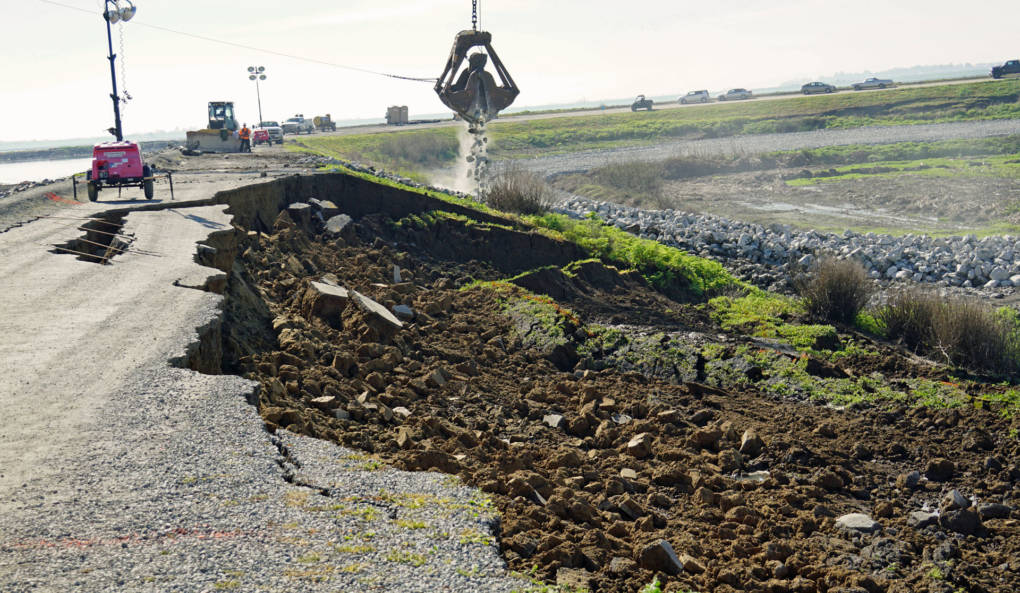
window.__IS_SSR__=true
window.__INITIAL_STATE__={
"attachmentsReducer": {
"audio_0": {
"type": "attachments",
"id": "audio_0",
"imgSizes": {
"kqedFullSize": {
"file": "https://ww2.kqed.org/news/wp-content/themes/KQED-unified/img/audio_bgs/background0.jpg"
}
}
},
"audio_1": {
"type": "attachments",
"id": "audio_1",
"imgSizes": {
"kqedFullSize": {
"file": "https://ww2.kqed.org/news/wp-content/themes/KQED-unified/img/audio_bgs/background1.jpg"
}
}
},
"audio_2": {
"type": "attachments",
"id": "audio_2",
"imgSizes": {
"kqedFullSize": {
"file": "https://ww2.kqed.org/news/wp-content/themes/KQED-unified/img/audio_bgs/background2.jpg"
}
}
},
"audio_3": {
"type": "attachments",
"id": "audio_3",
"imgSizes": {
"kqedFullSize": {
"file": "https://ww2.kqed.org/news/wp-content/themes/KQED-unified/img/audio_bgs/background3.jpg"
}
}
},
"audio_4": {
"type": "attachments",
"id": "audio_4",
"imgSizes": {
"kqedFullSize": {
"file": "https://ww2.kqed.org/news/wp-content/themes/KQED-unified/img/audio_bgs/background4.jpg"
}
}
},
"placeholder": {
"type": "attachments",
"id": "placeholder",
"imgSizes": {
"thumbnail": {
"file": "https://cdn.kqed.org/wp-content/uploads/2024/12/KQED-Default-Image-816638274-2000x1333-1-160x107.jpg",
"width": 160,
"height": 107,
"mimeType": "image/jpeg"
},
"medium": {
"file": "https://cdn.kqed.org/wp-content/uploads/2024/12/KQED-Default-Image-816638274-2000x1333-1-800x533.jpg",
"width": 800,
"height": 533,
"mimeType": "image/jpeg"
},
"medium_large": {
"file": "https://cdn.kqed.org/wp-content/uploads/2024/12/KQED-Default-Image-816638274-2000x1333-1-768x512.jpg",
"width": 768,
"height": 512,
"mimeType": "image/jpeg"
},
"large": {
"file": "https://cdn.kqed.org/wp-content/uploads/2024/12/KQED-Default-Image-816638274-2000x1333-1-1020x680.jpg",
"width": 1020,
"height": 680,
"mimeType": "image/jpeg"
},
"1536x1536": {
"file": "https://cdn.kqed.org/wp-content/uploads/2024/12/KQED-Default-Image-816638274-2000x1333-1-1536x1024.jpg",
"width": 1536,
"height": 1024,
"mimeType": "image/jpeg"
},
"fd-lrg": {
"file": "https://cdn.kqed.org/wp-content/uploads/2024/12/KQED-Default-Image-816638274-2000x1333-1-1536x1024.jpg",
"width": 1536,
"height": 1024,
"mimeType": "image/jpeg"
},
"fd-med": {
"file": "https://cdn.kqed.org/wp-content/uploads/2024/12/KQED-Default-Image-816638274-2000x1333-1-1020x680.jpg",
"width": 1020,
"height": 680,
"mimeType": "image/jpeg"
},
"fd-sm": {
"file": "https://cdn.kqed.org/wp-content/uploads/2024/12/KQED-Default-Image-816638274-2000x1333-1-800x533.jpg",
"width": 800,
"height": 533,
"mimeType": "image/jpeg"
},
"post-thumbnail": {
"file": "https://cdn.kqed.org/wp-content/uploads/2024/12/KQED-Default-Image-816638274-2000x1333-1-672x372.jpg",
"width": 672,
"height": 372,
"mimeType": "image/jpeg"
},
"twentyfourteen-full-width": {
"file": "https://cdn.kqed.org/wp-content/uploads/2024/12/KQED-Default-Image-816638274-2000x1333-1-1038x576.jpg",
"width": 1038,
"height": 576,
"mimeType": "image/jpeg"
},
"xxsmall": {
"file": "https://cdn.kqed.org/wp-content/uploads/2024/12/KQED-Default-Image-816638274-2000x1333-1-160x107.jpg",
"width": 160,
"height": 107,
"mimeType": "image/jpeg"
},
"xsmall": {
"file": "https://cdn.kqed.org/wp-content/uploads/2024/12/KQED-Default-Image-816638274-2000x1333-1-672x372.jpg",
"width": 672,
"height": 372,
"mimeType": "image/jpeg"
},
"small": {
"file": "https://cdn.kqed.org/wp-content/uploads/2024/12/KQED-Default-Image-816638274-2000x1333-1-672x372.jpg",
"width": 672,
"height": 372,
"mimeType": "image/jpeg"
},
"xlarge": {
"file": "https://cdn.kqed.org/wp-content/uploads/2024/12/KQED-Default-Image-816638274-2000x1333-1-1020x680.jpg",
"width": 1020,
"height": 680,
"mimeType": "image/jpeg"
},
"full-width": {
"file": "https://cdn.kqed.org/wp-content/uploads/2024/12/KQED-Default-Image-816638274-2000x1333-1-1920x1280.jpg",
"width": 1920,
"height": 1280,
"mimeType": "image/jpeg"
},
"guest-author-32": {
"file": "https://cdn.kqed.org/wp-content/uploads/2025/01/KQED-Default-Image-816638274-1333x1333-1-160x160.jpg",
"width": 32,
"height": 32,
"mimeType": "image/jpeg"
},
"guest-author-50": {
"file": "https://cdn.kqed.org/wp-content/uploads/2025/01/KQED-Default-Image-816638274-1333x1333-1-160x160.jpg",
"width": 50,
"height": 50,
"mimeType": "image/jpeg"
},
"guest-author-64": {
"file": "https://cdn.kqed.org/wp-content/uploads/2025/01/KQED-Default-Image-816638274-1333x1333-1-160x160.jpg",
"width": 64,
"height": 64,
"mimeType": "image/jpeg"
},
"guest-author-96": {
"file": "https://cdn.kqed.org/wp-content/uploads/2025/01/KQED-Default-Image-816638274-1333x1333-1-160x160.jpg",
"width": 96,
"height": 96,
"mimeType": "image/jpeg"
},
"guest-author-128": {
"file": "https://cdn.kqed.org/wp-content/uploads/2025/01/KQED-Default-Image-816638274-1333x1333-1-160x160.jpg",
"width": 128,
"height": 128,
"mimeType": "image/jpeg"
},
"detail": {
"file": "https://cdn.kqed.org/wp-content/uploads/2025/01/KQED-Default-Image-816638274-1333x1333-1-160x160.jpg",
"width": 160,
"height": 160,
"mimeType": "image/jpeg"
},
"kqedFullSize": {
"file": "https://cdn.kqed.org/wp-content/uploads/2024/12/KQED-Default-Image-816638274-2000x1333-1.jpg",
"width": 2000,
"height": 1333
}
}
},
"science_1431483": {
"type": "attachments",
"id": "science_1431483",
"meta": {
"index": "attachments_1716263798",
"site": "science",
"id": "1431483",
"found": true
},
"parent": 1431369,
"imgSizes": {
"small": {
"file": "https://ww2.kqed.org/app/uploads/sites/35/2017/02/Levee1-web-520x303.jpg",
"width": 520,
"mimeType": "image/jpeg",
"height": 303
},
"twentyfourteen-full-width": {
"file": "https://ww2.kqed.org/app/uploads/sites/35/2017/02/Levee1-web-1038x576.jpg",
"width": 1038,
"mimeType": "image/jpeg",
"height": 576
},
"thumbnail": {
"file": "https://ww2.kqed.org/app/uploads/sites/35/2017/02/Levee1-web-160x93.jpg",
"width": 160,
"mimeType": "image/jpeg",
"height": 93
},
"fd-sm": {
"file": "https://ww2.kqed.org/app/uploads/sites/35/2017/02/Levee1-web-960x559.jpg",
"width": 960,
"mimeType": "image/jpeg",
"height": 559
},
"post-thumbnail": {
"file": "https://ww2.kqed.org/app/uploads/sites/35/2017/02/Levee1-web-672x372.jpg",
"width": 672,
"mimeType": "image/jpeg",
"height": 372
},
"xsmall": {
"file": "https://ww2.kqed.org/app/uploads/sites/35/2017/02/Levee1-web-375x218.jpg",
"width": 375,
"mimeType": "image/jpeg",
"height": 218
},
"kqedFullSize": {
"file": "https://ww2.kqed.org/app/uploads/sites/35/2017/02/Levee1-web.jpg",
"width": 1920,
"height": 1117
},
"large": {
"file": "https://ww2.kqed.org/app/uploads/sites/35/2017/02/Levee1-web-1020x593.jpg",
"width": 1020,
"mimeType": "image/jpeg",
"height": 593
},
"xlarge": {
"file": "https://ww2.kqed.org/app/uploads/sites/35/2017/02/Levee1-web-1180x686.jpg",
"width": 1180,
"mimeType": "image/jpeg",
"height": 686
},
"guest-author-50": {
"file": "https://ww2.kqed.org/app/uploads/sites/35/2017/02/Levee1-web-50x50.jpg",
"width": 50,
"mimeType": "image/jpeg",
"height": 50
},
"guest-author-96": {
"file": "https://ww2.kqed.org/app/uploads/sites/35/2017/02/Levee1-web-96x96.jpg",
"width": 96,
"mimeType": "image/jpeg",
"height": 96
},
"medium": {
"file": "https://ww2.kqed.org/app/uploads/sites/35/2017/02/Levee1-web-800x465.jpg",
"width": 800,
"mimeType": "image/jpeg",
"height": 465
},
"guest-author-64": {
"file": "https://ww2.kqed.org/app/uploads/sites/35/2017/02/Levee1-web-64x64.jpg",
"width": 64,
"mimeType": "image/jpeg",
"height": 64
},
"guest-author-32": {
"file": "https://ww2.kqed.org/app/uploads/sites/35/2017/02/Levee1-web-32x32.jpg",
"width": 32,
"mimeType": "image/jpeg",
"height": 32
},
"fd-lrg": {
"file": "https://ww2.kqed.org/app/uploads/sites/35/2017/02/Levee1-web-1920x1117.jpg",
"width": 1920,
"mimeType": "image/jpeg",
"height": 1117
},
"fd-med": {
"file": "https://ww2.kqed.org/app/uploads/sites/35/2017/02/Levee1-web-1180x686.jpg",
"width": 1180,
"mimeType": "image/jpeg",
"height": 686
},
"full-width": {
"file": "https://ww2.kqed.org/app/uploads/sites/35/2017/02/Levee1-web-1920x1117.jpg",
"width": 1920,
"mimeType": "image/jpeg",
"height": 1117
},
"detail": {
"file": "https://ww2.kqed.org/app/uploads/sites/35/2017/02/Levee1-web-150x150.jpg",
"width": 150,
"mimeType": "image/jpeg",
"height": 150
},
"medium_large": {
"file": "https://ww2.kqed.org/app/uploads/sites/35/2017/02/Levee1-web-768x447.jpg",
"width": 768,
"mimeType": "image/jpeg",
"height": 447
},
"guest-author-128": {
"file": "https://ww2.kqed.org/app/uploads/sites/35/2017/02/Levee1-web-128x128.jpg",
"width": 128,
"mimeType": "image/jpeg",
"height": 128
},
"xxsmall": {
"file": "https://ww2.kqed.org/app/uploads/sites/35/2017/02/Levee1-web-240x140.jpg",
"width": 240,
"mimeType": "image/jpeg",
"height": 140
}
},
"publishDate": 1487981952,
"modified": 1487982021,
"caption": "Crews repair a weakened levee on Tyler Island in California's Delta.",
"description": null,
"title": "Levee1-web",
"credit": "Lauren Sommer/KQED",
"status": "inherit",
"isLoading": false,
"fetchFailed": false
},
"news_11196908": {
"type": "attachments",
"id": "news_11196908",
"meta": {
"index": "attachments_1716263798",
"site": "news",
"id": "11196908",
"found": true
},
"parent": 11196904,
"imgSizes": {
"small": {
"file": "https://ww2.kqed.org/app/uploads/sites/10/2016/11/DeltaBoyer-520x298.jpg",
"width": 520,
"mimeType": "image/jpeg",
"height": 298
},
"twentyfourteen-full-width": {
"file": "https://ww2.kqed.org/app/uploads/sites/10/2016/11/DeltaBoyer-1038x576.jpg",
"width": 1038,
"mimeType": "image/jpeg",
"height": 576
},
"thumbnail": {
"file": "https://ww2.kqed.org/app/uploads/sites/10/2016/11/DeltaBoyer-160x92.jpg",
"width": 160,
"mimeType": "image/jpeg",
"height": 92
},
"fd-sm": {
"file": "https://ww2.kqed.org/app/uploads/sites/10/2016/11/DeltaBoyer-960x551.jpg",
"width": 960,
"mimeType": "image/jpeg",
"height": 551
},
"post-thumbnail": {
"file": "https://ww2.kqed.org/app/uploads/sites/10/2016/11/DeltaBoyer-672x372.jpg",
"width": 672,
"mimeType": "image/jpeg",
"height": 372
},
"xsmall": {
"file": "https://ww2.kqed.org/app/uploads/sites/10/2016/11/DeltaBoyer-375x215.jpg",
"width": 375,
"mimeType": "image/jpeg",
"height": 215
},
"kqedFullSize": {
"file": "https://ww2.kqed.org/app/uploads/sites/10/2016/11/DeltaBoyer.jpg",
"width": 1920,
"height": 1101
},
"large": {
"file": "https://ww2.kqed.org/app/uploads/sites/10/2016/11/DeltaBoyer-1020x585.jpg",
"width": 1020,
"mimeType": "image/jpeg",
"height": 585
},
"xlarge": {
"file": "https://ww2.kqed.org/app/uploads/sites/10/2016/11/DeltaBoyer-1180x677.jpg",
"width": 1180,
"mimeType": "image/jpeg",
"height": 677
},
"guest-author-50": {
"file": "https://ww2.kqed.org/app/uploads/sites/10/2016/11/DeltaBoyer-50x50.jpg",
"width": 50,
"mimeType": "image/jpeg",
"height": 50
},
"guest-author-96": {
"file": "https://ww2.kqed.org/app/uploads/sites/10/2016/11/DeltaBoyer-96x96.jpg",
"width": 96,
"mimeType": "image/jpeg",
"height": 96
},
"medium": {
"file": "https://ww2.kqed.org/app/uploads/sites/10/2016/11/DeltaBoyer-800x459.jpg",
"width": 800,
"mimeType": "image/jpeg",
"height": 459
},
"guest-author-64": {
"file": "https://ww2.kqed.org/app/uploads/sites/10/2016/11/DeltaBoyer-64x64.jpg",
"width": 64,
"mimeType": "image/jpeg",
"height": 64
},
"guest-author-32": {
"file": "https://ww2.kqed.org/app/uploads/sites/10/2016/11/DeltaBoyer-32x32.jpg",
"width": 32,
"mimeType": "image/jpeg",
"height": 32
},
"jmtc-small-thumb": {
"file": "https://ww2.kqed.org/app/uploads/sites/10/2016/11/DeltaBoyer-280x150.jpg",
"width": 280,
"mimeType": "image/jpeg",
"height": 150
},
"fd-lrg": {
"file": "https://ww2.kqed.org/app/uploads/sites/10/2016/11/DeltaBoyer-1920x1101.jpg",
"width": 1920,
"mimeType": "image/jpeg",
"height": 1101
},
"fd-med": {
"file": "https://ww2.kqed.org/app/uploads/sites/10/2016/11/DeltaBoyer-1180x677.jpg",
"width": 1180,
"mimeType": "image/jpeg",
"height": 677
},
"full-width": {
"file": "https://ww2.kqed.org/app/uploads/sites/10/2016/11/DeltaBoyer-1920x1101.jpg",
"width": 1920,
"mimeType": "image/jpeg",
"height": 1101
},
"detail": {
"file": "https://ww2.kqed.org/app/uploads/sites/10/2016/11/DeltaBoyer-150x150.jpg",
"width": 150,
"mimeType": "image/jpeg",
"height": 150
},
"guest-author-128": {
"file": "https://ww2.kqed.org/app/uploads/sites/10/2016/11/DeltaBoyer-128x128.jpg",
"width": 128,
"mimeType": "image/jpeg",
"height": 128
},
"xxsmall": {
"file": "https://ww2.kqed.org/app/uploads/sites/10/2016/11/DeltaBoyer-240x138.jpg",
"width": 240,
"mimeType": "image/jpeg",
"height": 138
}
},
"publishDate": 1480468943,
"modified": 1480469045,
"caption": "The depleted Sacramento-San Joaquin Delta is suffering from water diversion to farms and cities. ",
"description": "The depleted Sacramento-San Joaquin Delta is suffering from water diversion to farms and cities. ",
"title": "deltaboyer",
"credit": "Mark Andrew Boyer/KQED",
"status": "inherit",
"isLoading": false,
"fetchFailed": false
},
"science_1103321": {
"type": "attachments",
"id": "science_1103321",
"meta": {
"index": "attachments_1716263798",
"site": "science",
"id": "1103321",
"found": true
},
"parent": 1103319,
"imgSizes": {
"small": {
"file": "https://ww2.kqed.org/app/uploads/sites/35/2016/10/almonds-flooding-520x416.jpeg",
"width": 520,
"mimeType": "image/jpeg",
"height": 416
},
"thumbnail": {
"file": "https://ww2.kqed.org/app/uploads/sites/35/2016/10/almonds-flooding-160x128.jpeg",
"width": 160,
"mimeType": "image/jpeg",
"height": 128
},
"post-thumbnail": {
"file": "https://ww2.kqed.org/app/uploads/sites/35/2016/10/almonds-flooding-600x372.jpeg",
"width": 600,
"mimeType": "image/jpeg",
"height": 372
},
"xsmall": {
"file": "https://ww2.kqed.org/app/uploads/sites/35/2016/10/almonds-flooding-375x300.jpeg",
"width": 375,
"mimeType": "image/jpeg",
"height": 300
},
"kqedFullSize": {
"file": "https://ww2.kqed.org/app/uploads/sites/35/2016/10/almonds-flooding.jpeg",
"width": 600,
"height": 480
},
"guest-author-50": {
"file": "https://ww2.kqed.org/app/uploads/sites/35/2016/10/almonds-flooding-50x50.jpeg",
"width": 50,
"mimeType": "image/jpeg",
"height": 50
},
"guest-author-96": {
"file": "https://ww2.kqed.org/app/uploads/sites/35/2016/10/almonds-flooding-96x96.jpeg",
"width": 96,
"mimeType": "image/jpeg",
"height": 96
},
"guest-author-64": {
"file": "https://ww2.kqed.org/app/uploads/sites/35/2016/10/almonds-flooding-64x64.jpeg",
"width": 64,
"mimeType": "image/jpeg",
"height": 64
},
"detail": {
"file": "https://ww2.kqed.org/app/uploads/sites/35/2016/10/almonds-flooding-150x150.jpeg",
"width": 150,
"mimeType": "image/jpeg",
"height": 150
},
"guest-author-32": {
"file": "https://ww2.kqed.org/app/uploads/sites/35/2016/10/almonds-flooding-32x32.jpeg",
"width": 32,
"mimeType": "image/jpeg",
"height": 32
},
"guest-author-128": {
"file": "https://ww2.kqed.org/app/uploads/sites/35/2016/10/almonds-flooding-128x128.jpeg",
"width": 128,
"mimeType": "image/jpeg",
"height": 128
},
"xxsmall": {
"file": "https://ww2.kqed.org/app/uploads/sites/35/2016/10/almonds-flooding-240x192.jpeg",
"width": 240,
"mimeType": "image/jpeg",
"height": 192
}
},
"publishDate": 1477312488,
"modified": 1477312517,
"caption": "An almond orchard in Stanislaus County was experimentally flooded in 2015 to test groundwater recharge and crop tolerance. This kind of water management may be possible on as much as 3.6 million acres (1.5 million hectares) in the state. ",
"description": null,
"title": "almonds flooding",
"credit": "John Westberg/Modesto Bee",
"status": "inherit",
"isLoading": false,
"fetchFailed": false
},
"science_865131": {
"type": "attachments",
"id": "science_865131",
"meta": {
"index": "attachments_1716263798",
"site": "science",
"id": "865131",
"found": true
},
"parent": 865130,
"imgSizes": {
"twentyfourteen-full-width": {
"file": "https://ww2.kqed.org/app/uploads/sites/35/2016/07/delta_smelt_USFWS_Peter_Johnsen-e1469120131795-1038x576.jpg",
"width": 1038,
"mimeType": "image/jpeg",
"height": 576
},
"thumbnail": {
"file": "https://ww2.kqed.org/app/uploads/sites/35/2016/07/delta_smelt_USFWS_Peter_Johnsen-e1469120131795-400x249.jpg",
"width": 400,
"mimeType": "image/jpeg",
"height": 249
},
"fd-sm": {
"file": "https://ww2.kqed.org/app/uploads/sites/35/2016/07/delta_smelt_USFWS_Peter_Johnsen-e1469120131795-960x597.jpg",
"width": 960,
"mimeType": "image/jpeg",
"height": 597
},
"post-thumbnail": {
"file": "https://ww2.kqed.org/app/uploads/sites/35/2016/07/delta_smelt_USFWS_Peter_Johnsen-e1469120131795-672x372.jpg",
"width": 672,
"mimeType": "image/jpeg",
"height": 372
},
"kqedFullSize": {
"file": "https://ww2.kqed.org/app/uploads/sites/35/2016/07/delta_smelt_USFWS_Peter_Johnsen-e1469120131795.jpg",
"width": 1710,
"height": 1063
},
"large": {
"file": "https://ww2.kqed.org/app/uploads/sites/35/2016/07/delta_smelt_USFWS_Peter_Johnsen-e1469120131795-1440x895.jpg",
"width": 1440,
"mimeType": "image/jpeg",
"height": 895
},
"guest-author-50": {
"file": "https://ww2.kqed.org/app/uploads/sites/35/2016/07/delta_smelt_USFWS_Peter_Johnsen-e1469120131795-50x50.jpg",
"width": 50,
"mimeType": "image/jpeg",
"height": 50
},
"guest-author-96": {
"file": "https://ww2.kqed.org/app/uploads/sites/35/2016/07/delta_smelt_USFWS_Peter_Johnsen-e1469120131795-96x96.jpg",
"width": 96,
"mimeType": "image/jpeg",
"height": 96
},
"medium": {
"file": "https://ww2.kqed.org/app/uploads/sites/35/2016/07/delta_smelt_USFWS_Peter_Johnsen-e1469120131795-800x497.jpg",
"width": 800,
"mimeType": "image/jpeg",
"height": 497
},
"guest-author-64": {
"file": "https://ww2.kqed.org/app/uploads/sites/35/2016/07/delta_smelt_USFWS_Peter_Johnsen-e1469120131795-64x64.jpg",
"width": 64,
"mimeType": "image/jpeg",
"height": 64
},
"guest-author-32": {
"file": "https://ww2.kqed.org/app/uploads/sites/35/2016/07/delta_smelt_USFWS_Peter_Johnsen-e1469120131795-32x32.jpg",
"width": 32,
"mimeType": "image/jpeg",
"height": 32
},
"fd-med": {
"file": "https://ww2.kqed.org/app/uploads/sites/35/2016/07/delta_smelt_USFWS_Peter_Johnsen-e1469120131795-1180x734.jpg",
"width": 1180,
"mimeType": "image/jpeg",
"height": 734
},
"detail": {
"file": "https://ww2.kqed.org/app/uploads/sites/35/2016/07/delta_smelt_USFWS_Peter_Johnsen-e1469120131795-150x150.jpg",
"width": 150,
"mimeType": "image/jpeg",
"height": 150
},
"medium_large": {
"file": "https://ww2.kqed.org/app/uploads/sites/35/2016/07/delta_smelt_USFWS_Peter_Johnsen-e1469120131795-768x477.jpg",
"width": 768,
"mimeType": "image/jpeg",
"height": 477
},
"guest-author-128": {
"file": "https://ww2.kqed.org/app/uploads/sites/35/2016/07/delta_smelt_USFWS_Peter_Johnsen-e1469120131795-128x128.jpg",
"width": 128,
"mimeType": "image/jpeg",
"height": 128
}
},
"publishDate": 1469120088,
"modified": 1469120447,
"caption": "Delta smelt is an endangered fish that lives in the San Francisco Bay-Delta.",
"description": null,
"title": "OLYMPUS DIGITAL CAMERA",
"credit": "Peter Johnsen/US Fish and Wildlife Service",
"status": "inherit",
"isLoading": false,
"fetchFailed": false
},
"news_11027033": {
"type": "attachments",
"id": "news_11027033",
"meta": {
"index": "attachments_1716263798",
"site": "news",
"id": "11027033",
"found": true
},
"parent": 11027031,
"imgSizes": {
"twentyfourteen-full-width": {
"file": "https://ww2.kqed.org/app/uploads/sites/10/2016/07/RS11498_alt_464-1038x576.jpg",
"width": 1038,
"mimeType": "image/jpeg",
"height": 576
},
"thumbnail": {
"file": "https://ww2.kqed.org/app/uploads/sites/10/2016/07/RS11498_alt_464-400x254.jpg",
"width": 400,
"mimeType": "image/jpeg",
"height": 254
},
"fd-sm": {
"file": "https://ww2.kqed.org/app/uploads/sites/10/2016/07/RS11498_alt_464-960x610.jpg",
"width": 960,
"mimeType": "image/jpeg",
"height": 610
},
"post-thumbnail": {
"file": "https://ww2.kqed.org/app/uploads/sites/10/2016/07/RS11498_alt_464-672x372.jpg",
"width": 672,
"mimeType": "image/jpeg",
"height": 372
},
"kqedFullSize": {
"file": "https://ww2.kqed.org/app/uploads/sites/10/2016/07/RS11498_alt_464.jpg",
"width": 1920,
"height": 1219
},
"large": {
"file": "https://ww2.kqed.org/app/uploads/sites/10/2016/07/RS11498_alt_464-1920x1219.jpg",
"width": 1920,
"mimeType": "image/jpeg",
"height": 1219
},
"guest-author-50": {
"file": "https://ww2.kqed.org/app/uploads/sites/10/2016/07/RS11498_alt_464-50x50.jpg",
"width": 50,
"mimeType": "image/jpeg",
"height": 50
},
"guest-author-96": {
"file": "https://ww2.kqed.org/app/uploads/sites/10/2016/07/RS11498_alt_464-96x96.jpg",
"width": 96,
"mimeType": "image/jpeg",
"height": 96
},
"medium": {
"file": "https://ww2.kqed.org/app/uploads/sites/10/2016/07/RS11498_alt_464-800x508.jpg",
"width": 800,
"mimeType": "image/jpeg",
"height": 508
},
"guest-author-64": {
"file": "https://ww2.kqed.org/app/uploads/sites/10/2016/07/RS11498_alt_464-64x64.jpg",
"width": 64,
"mimeType": "image/jpeg",
"height": 64
},
"guest-author-32": {
"file": "https://ww2.kqed.org/app/uploads/sites/10/2016/07/RS11498_alt_464-32x32.jpg",
"width": 32,
"mimeType": "image/jpeg",
"height": 32
},
"jmtc-small-thumb": {
"file": "https://ww2.kqed.org/app/uploads/sites/10/2016/07/RS11498_alt_464-280x150.jpg",
"width": 280,
"mimeType": "image/jpeg",
"height": 150
},
"fd-lrg": {
"file": "https://ww2.kqed.org/app/uploads/sites/10/2016/07/RS11498_alt_464-1920x1219.jpg",
"width": 1920,
"mimeType": "image/jpeg",
"height": 1219
},
"fd-med": {
"file": "https://ww2.kqed.org/app/uploads/sites/10/2016/07/RS11498_alt_464-1180x749.jpg",
"width": 1180,
"mimeType": "image/jpeg",
"height": 749
},
"detail": {
"file": "https://ww2.kqed.org/app/uploads/sites/10/2016/07/RS11498_alt_464-150x150.jpg",
"width": 150,
"mimeType": "image/jpeg",
"height": 150
},
"guest-author-128": {
"file": "https://ww2.kqed.org/app/uploads/sites/10/2016/07/RS11498_alt_464-128x128.jpg",
"width": 128,
"mimeType": "image/jpeg",
"height": 128
}
},
"publishDate": 1469132413,
"modified": 1469132512,
"caption": "An aerial view of the Sacramento-San Joaquin Delta in August 2014.",
"description": "An aerial view of the Sacramento-San Joaquin Delta in August 2014.",
"title": "RS11498_alt_464",
"credit": "Mark Andrew Boyer/KQED",
"status": "inherit",
"isLoading": false,
"fetchFailed": false
},
"news_10754971": {
"type": "attachments",
"id": "news_10754971",
"meta": {
"index": "attachments_1716263798",
"site": "news",
"id": "10754971",
"found": true
},
"parent": 10753756,
"imgSizes": {
"twentyfourteen-full-width": {
"file": "https://ww2.kqed.org/app/uploads/sites/10/2015/11/delta150924-1038x576.jpg",
"width": 1038,
"mimeType": "image/jpeg",
"height": 576
},
"thumbnail": {
"file": "https://ww2.kqed.org/app/uploads/sites/10/2015/11/delta150924-400x233.jpg",
"width": 400,
"mimeType": "image/jpeg",
"height": 233
},
"fd-sm": {
"file": "https://ww2.kqed.org/app/uploads/sites/10/2015/11/delta150924-960x560.jpg",
"width": 960,
"mimeType": "image/jpeg",
"height": 560
},
"post-thumbnail": {
"file": "https://ww2.kqed.org/app/uploads/sites/10/2015/11/delta150924-672x372.jpg",
"width": 672,
"mimeType": "image/jpeg",
"height": 372
},
"kqedFullSize": {
"file": "https://ww2.kqed.org/app/uploads/sites/10/2015/11/delta150924.jpg",
"width": 1919,
"height": 1120
},
"large": {
"file": "https://ww2.kqed.org/app/uploads/sites/10/2015/11/delta150924-1440x840.jpg",
"width": 1440,
"mimeType": "image/jpeg",
"height": 840
},
"guest-author-96": {
"file": "https://ww2.kqed.org/app/uploads/sites/10/2015/11/delta150924-96x96.jpg",
"width": 96,
"mimeType": "image/jpeg",
"height": 96
},
"medium": {
"file": "https://ww2.kqed.org/app/uploads/sites/10/2015/11/delta150924-800x467.jpg",
"width": 800,
"mimeType": "image/jpeg",
"height": 467
},
"guest-author-64": {
"file": "https://ww2.kqed.org/app/uploads/sites/10/2015/11/delta150924-64x64.jpg",
"width": 64,
"mimeType": "image/jpeg",
"height": 64
},
"guest-author-32": {
"file": "https://ww2.kqed.org/app/uploads/sites/10/2015/11/delta150924-32x32.jpg",
"width": 32,
"mimeType": "image/jpeg",
"height": 32
},
"jmtc-small-thumb": {
"file": "https://ww2.kqed.org/app/uploads/sites/10/2015/11/delta150924-280x150.jpg",
"width": 280,
"mimeType": "image/jpeg",
"height": 150
},
"fd-med": {
"file": "https://ww2.kqed.org/app/uploads/sites/10/2015/11/delta150924-1180x689.jpg",
"width": 1180,
"mimeType": "image/jpeg",
"height": 689
},
"detail": {
"file": "https://ww2.kqed.org/app/uploads/sites/10/2015/11/delta150924-75x75.jpg",
"width": 75,
"mimeType": "image/jpeg",
"height": 75
},
"guest-author-128": {
"file": "https://ww2.kqed.org/app/uploads/sites/10/2015/11/delta150924-128x128.jpg",
"width": 128,
"mimeType": "image/jpeg",
"height": 128
}
},
"publishDate": 1447273650,
"modified": 1460954761,
"caption": "Bouldin Island, at left center, is part of the Metropolitan Water District's planned 20,000-acre land purchase in the Delta. ",
"description": null,
"title": "Delta-Boldin Island",
"credit": "Dan Brekke/KQED",
"status": "inherit",
"isLoading": false,
"fetchFailed": false
},
"news_140099": {
"type": "attachments",
"id": "news_140099",
"meta": {
"index": "attachments_1716263798",
"site": "news",
"id": "140099",
"found": true
},
"parent": 140095,
"imgSizes": {
"kqedFullSize": {
"file": "https://ww2.kqed.org/app/uploads/sites/10/2014/06/sacsjdelta-e1414678002972.jpg",
"width": 1440,
"height": 982
}
},
"publishDate": 1403588161,
"modified": 1458845664,
"caption": "The Sacramento-San Joaquin Delta. ",
"description": "The Sacramento-San Joaquin Delta, focus of a battle over habitat restoration and a plan to build massive tunnels to improve shipments of water to the San Joaquin Valley and Southern California. Islands pictured include, from left to right: Bacon, Mandeville, Venice, Medford, Macdonald, Boldin, and Empire Tract.",
"title": "Sacramento-San Joaquin Delta",
"credit": "Dan Brekke/KQED",
"status": "inherit",
"isLoading": false,
"fetchFailed": false
},
"news_92504": {
"type": "attachments",
"id": "news_92504",
"meta": {
"index": "attachments_1716263798",
"site": "news",
"id": "92504",
"found": true
},
"parent": 92498,
"imgSizes": {
"kqedFullSize": {
"file": "https://ww2.kqed.org/app/uploads/sites/10/2013/03/DeltaSmelt.jpg",
"width": 700,
"height": 591
}
},
"publishDate": 1364329857,
"modified": 1421081793,
"caption": "A Delta smelt. The species has been the subject of a decade of endangered species litigation. (Lauren Sommer/KQED)",
"description": "A Delta smelt, subject of a decade of endangered species litigation. (Lauren Sommer/KQED)",
"title": "Delat smelt",
"credit": null,
"status": "inherit",
"isLoading": false,
"fetchFailed": false
},
"news_122000": {
"type": "attachments",
"id": "news_122000",
"meta": {
"index": "attachments_1716263798",
"site": "news",
"id": "122000",
"found": true
},
"parent": 121987,
"imgSizes": {
"kqedFullSize": {
"file": "https://ww2.kqed.org/app/uploads/sites/10/2013/12/RS3305_delta120111-scr-e1388098339777.jpg",
"width": 640,
"height": 427
}
},
"publishDate": 1388098297,
"modified": 1388098297,
"caption": "Part of the Sacramento-San Joaquin Delta. (California Department of Water Resources). ",
"description": "Part of the Sacramento-San Joaquin Delta, focus of a massive new water diversion and habitat restoration plan. (California Department of Water Resources). ",
"title": "Sacramento-San Joaquin Delta",
"credit": null,
"status": "inherit",
"isLoading": false,
"fetchFailed": false
}
},
"audioPlayerReducer": {
"postId": "stream_live",
"isPaused": true,
"isPlaying": false,
"pfsActive": false,
"pledgeModalIsOpen": true,
"playerDrawerIsOpen": false,
"liveAudioPlayStartedAt": 0,
"liveAudioPlayContext": ""
},
"authorsReducer": {
"byline_news_11196904": {
"type": "authors",
"id": "byline_news_11196904",
"meta": {
"override": true
},
"slug": "byline_news_11196904",
"name": "\u003cstrong>\u003ca href=\"https://calmatters.org/about/staff/julie-cart/\">Julie Cart\u003c/a>\u003cbr>\u003ca href=\"https://calmatters.org/\">CALmatters\u003c/a>\u003c/strong>",
"isLoading": false
},
"byline_science_1103319": {
"type": "authors",
"id": "byline_science_1103319",
"meta": {
"override": true
},
"slug": "byline_science_1103319",
"name": "Matt Weiser\u003c/br>Water Deeply",
"isLoading": false
},
"byline_science_865130": {
"type": "authors",
"id": "byline_science_865130",
"meta": {
"override": true
},
"slug": "byline_science_865130",
"name": "Michael Levitin\u003c/br>Water Deeply",
"isLoading": false
},
"byline_news_11027031": {
"type": "authors",
"id": "byline_news_11027031",
"meta": {
"override": true
},
"slug": "byline_news_11027031",
"name": "\u003cstrong>Associated Press\u003c/strong>",
"isLoading": false
},
"byline_news_10508141": {
"type": "authors",
"id": "byline_news_10508141",
"meta": {
"override": true
},
"slug": "byline_news_10508141",
"name": "\u003cstrong>Scott Smith and Janie Har\u003cbr />Associated Press\u003c/strong>",
"isLoading": false
},
"danbrekke": {
"type": "authors",
"id": "222",
"meta": {
"index": "authors_1716337520",
"id": "222",
"found": true
},
"name": "Dan Brekke",
"firstName": "Dan",
"lastName": "Brekke",
"slug": "danbrekke",
"email": "dbrekke@kqed.org",
"display_author_email": true,
"staff_mastheads": [
"news",
"science"
],
"title": "KQED Editor and Reporter",
"bio": "Dan Brekke is a reporter and editor for KQED News, responsible for coverage of topics ranging from California water issues to the Bay Area's transportation challenges. In a newsroom career that began in Chicago in 1972, Dan has worked for \u003cem>The San Francisco Examiner,\u003c/em> Wired and TechTV and has been published in The New York Times, The New York Times Magazine, Business 2.0, Salon and elsewhere.\r\n\r\nSince joining KQED in 2007, Dan has reported, edited and produced both radio and online features and breaking news pieces. He has shared as both editor and reporter in four Society of Professional Journalists Norcal Excellence in Journalism awards and one Edward R. Murrow regional award. He was chosen for a spring 2017 residency at the Mesa Refuge to advance his research on California salmon.\r\n\r\nEmail Dan at: \u003ca href=\"mailto:dbrekke@kqed.org\">dbrekke@kqed.org\u003c/a>\r\n\r\n\u003cstrong>Twitter:\u003c/strong> \u003ca href=\"https://twitter.com/danbrekke\" rel=\"noopener noreferrer\">twitter.com/danbrekke\u003c/a>\r\n\u003cstrong>Facebook:\u003c/strong> \u003ca href=\"https://www.facebook.com/danbrekke\" rel=\"noopener noreferrer\">www.facebook.com/danbrekke\u003c/a>\r\n\u003cstrong>LinkedIn:\u003c/strong> \u003ca href=\"https://www.linkedin.com/in/danbrekke\" rel=\"noopener noreferrer\">www.linkedin.com/in/danbrekke\u003c/a>",
"avatar": "https://secure.gravatar.com/avatar/c8126230345efca3f7aa89b1a402be45?s=600&d=mm&r=g",
"twitter": "danbrekke",
"facebook": null,
"instagram": "https://www.instagram.com/dan.brekke/",
"linkedin": "https://www.linkedin.com/in/danbrekke/",
"sites": [
{
"site": "news",
"roles": [
"administrator",
"create_posts"
]
},
{
"site": "stateofhealth",
"roles": [
"editor"
]
},
{
"site": "science",
"roles": [
"editor"
]
},
{
"site": "quest",
"roles": [
"contributor"
]
},
{
"site": "food",
"roles": [
"contributor"
]
},
{
"site": "forum",
"roles": [
"contributor"
]
},
{
"site": "liveblog",
"roles": [
"editor"
]
}
],
"headData": {
"title": "Dan Brekke | KQED",
"description": "KQED Editor and Reporter",
"ogImgSrc": "https://secure.gravatar.com/avatar/c8126230345efca3f7aa89b1a402be45?s=600&d=mm&r=g",
"twImgSrc": "https://secure.gravatar.com/avatar/c8126230345efca3f7aa89b1a402be45?s=600&d=mm&r=g"
},
"isLoading": false,
"link": "/author/danbrekke"
},
"kqednewsstaffandwires": {
"type": "authors",
"id": "237",
"meta": {
"index": "authors_1716337520",
"id": "237",
"found": true
},
"name": "KQED News Staff and Wires",
"firstName": "KQED News Staff and Wires",
"lastName": null,
"slug": "kqednewsstaffandwires",
"email": "onlinenewsstaff@kqed.org",
"display_author_email": false,
"staff_mastheads": [],
"title": null,
"bio": null,
"avatar": "https://secure.gravatar.com/avatar/72295af8ebbfbd19a4948f5271285664?s=600&d=blank&r=g",
"twitter": null,
"facebook": null,
"instagram": null,
"linkedin": null,
"sites": [
{
"site": "arts",
"roles": [
"contributor"
]
},
{
"site": "news",
"roles": [
"contributor"
]
},
{
"site": "lowdown",
"roles": [
"author"
]
},
{
"site": "stateofhealth",
"roles": [
"contributor"
]
},
{
"site": "food",
"roles": [
"author"
]
}
],
"headData": {
"title": "KQED News Staff and Wires | KQED",
"description": null,
"ogImgSrc": "https://secure.gravatar.com/avatar/72295af8ebbfbd19a4948f5271285664?s=600&d=blank&r=g",
"twImgSrc": "https://secure.gravatar.com/avatar/72295af8ebbfbd19a4948f5271285664?s=600&d=blank&r=g"
},
"isLoading": false,
"link": "/author/kqednewsstaffandwires"
},
"laurensommer": {
"type": "authors",
"id": "239",
"meta": {
"index": "authors_1716337520",
"id": "239",
"found": true
},
"name": "Lauren Sommer",
"firstName": "Lauren",
"lastName": "Sommer",
"slug": "laurensommer",
"email": "lsommer@kqed.org",
"display_author_email": false,
"staff_mastheads": [],
"title": "KQED Contributor",
"bio": "Lauren is a radio reporter formerly covering environment, water, and energy for KQED Science. As part of her day job, she has scaled Sierra Nevada peaks, run from charging elephant seals, and desperately tried to get her sea legs - all in pursuit of good radio. Her work has appeared on Marketplace, Living on Earth, Science Friday and NPR's Morning Edition and All Things Considered. You can find her on Twitter at \u003ca href=\"https://twitter.com/lesommer\">@lesommer\u003c/a>.",
"avatar": "https://secure.gravatar.com/avatar/33aa3772bb86c6ad45b8aca6a238bbdf?s=600&d=blank&r=g",
"twitter": null,
"facebook": null,
"instagram": null,
"linkedin": null,
"sites": [
{
"site": "news",
"roles": [
"author"
]
},
{
"site": "science",
"roles": [
"editor",
"manage_content_types",
"manage_taxonomies"
]
},
{
"site": "quest",
"roles": [
"editor"
]
}
],
"headData": {
"title": "Lauren Sommer | KQED",
"description": "KQED Contributor",
"ogImgSrc": "https://secure.gravatar.com/avatar/33aa3772bb86c6ad45b8aca6a238bbdf?s=600&d=blank&r=g",
"twImgSrc": "https://secure.gravatar.com/avatar/33aa3772bb86c6ad45b8aca6a238bbdf?s=600&d=blank&r=g"
},
"isLoading": false,
"link": "/author/laurensommer"
},
"sdetrow": {
"type": "authors",
"id": "256",
"meta": {
"index": "authors_1716337520",
"id": "256",
"found": true
},
"name": "Scott Detrow",
"firstName": "Scott",
"lastName": "Detrow",
"slug": "sdetrow",
"email": "sdetrow@kqed.org",
"display_author_email": false,
"staff_mastheads": [],
"title": null,
"bio": "Sacramento bureau chief Scott Detrow covers state government, politics and policy for KQED News and its statewide news program, The California Report.",
"avatar": "https://secure.gravatar.com/avatar/3271d0c151ba26452e3417f5ac251c30?s=600&d=blank&r=g",
"twitter": null,
"facebook": null,
"instagram": null,
"linkedin": null,
"sites": [
{
"site": "news",
"roles": [
"subscriber"
]
},
{
"site": "science",
"roles": [
"subscriber"
]
}
],
"headData": {
"title": "Scott Detrow | KQED",
"description": null,
"ogImgSrc": "https://secure.gravatar.com/avatar/3271d0c151ba26452e3417f5ac251c30?s=600&d=blank&r=g",
"twImgSrc": "https://secure.gravatar.com/avatar/3271d0c151ba26452e3417f5ac251c30?s=600&d=blank&r=g"
},
"isLoading": false,
"link": "/author/sdetrow"
},
"mpeterson": {
"type": "authors",
"id": "11223",
"meta": {
"index": "authors_1716337520",
"id": "11223",
"found": true
},
"name": "Molly Peterson",
"firstName": "Molly",
"lastName": "Peterson",
"slug": "mpeterson",
"email": "mpeterson@kqed.org",
"display_author_email": false,
"staff_mastheads": [],
"title": null,
"bio": "Molly Peterson reports for KQED science and news on climate change, catastrophe and risk. Previously she was environment correspondent at Southern California Public Radio. Her work has also appeared at The New York Times, The Guardian, on NPR, at High Country News, on Code Switch, and other national outlets. She has been honored with awards from Public Radio News Directors Incorporated, Investigative Reporters and Editors, the Society for Professional Journalists, the Los Angeles Press Club, and RTNDA Edward R. Murrow awards, among others.",
"avatar": "https://secure.gravatar.com/avatar/7908e2807131f776cc8165c649530b05?s=600&d=blank&r=g",
"twitter": "Mollydacious",
"facebook": null,
"instagram": "https://www.instagram.com/radiomolly/",
"linkedin": null,
"sites": [
{
"site": "news",
"roles": [
"subscriber"
]
},
{
"site": "futureofyou",
"roles": [
"editor"
]
},
{
"site": "science",
"roles": [
"editor"
]
}
],
"headData": {
"title": "Molly Peterson | KQED",
"description": null,
"ogImgSrc": "https://secure.gravatar.com/avatar/7908e2807131f776cc8165c649530b05?s=600&d=blank&r=g",
"twImgSrc": "https://secure.gravatar.com/avatar/7908e2807131f776cc8165c649530b05?s=600&d=blank&r=g"
},
"isLoading": false,
"link": "/author/mpeterson"
}
},
"pagesReducer": {
"news_tag_sacramento-san-joaquin-delta": {
"type": "terms",
"id": "news_2513",
"meta": {
"index": "terms_1716263798",
"site": "news",
"id": "2513",
"score": 9.304576
},
"featImg": null,
"name": "Sacramento-San Joaquin Delta",
"description": null,
"taxonomy": "tag",
"headData": {
"twImgId": null,
"twTitle": null,
"ogTitle": null,
"ogImgId": null,
"twDescription": null,
"description": null,
"title": "Sacramento-San Joaquin Delta Archives | KQED News",
"ogDescription": null
},
"ttid": 2528,
"slug": "sacramento-san-joaquin-delta",
"isLoading": false,
"title": "Sacramento-San Joaquin Delta",
"pageMeta": {
"site": "news",
"WpPageTemplate": "page-topic-editorial",
"currentPage": 2
},
"blocks": [
{
"blockName": "kqed/post-list",
"attrs": {
"layout": "cardArticle2",
"query": "posts/news?tag=sacramento-san-joaquin-delta",
"seeMore": false,
"paginated": true,
"page": 2
}
},
{
"blockName": "kqed/ad"
}
]
}
},
"pfsSessionReducer": {},
"postsReducer": {
"stream_live": {
"type": "live",
"id": "stream_live",
"audioUrl": "https://streams.kqed.org/kqedradio",
"title": "Live Stream",
"excerpt": "Live Stream information currently unavailable.",
"link": "/radio",
"featImg": "",
"label": {
"name": "KQED Live",
"link": "/"
}
},
"stream_kqedNewscast": {
"type": "posts",
"id": "stream_kqedNewscast",
"audioUrl": "https://www.kqed.org/.stream/anon/radio/RDnews/newscast.mp3?_=1",
"title": "KQED Newscast",
"featImg": "",
"label": {
"name": "88.5 FM",
"link": "/"
}
},
"science_1431369": {
"type": "posts",
"id": "science_1431369",
"meta": {
"index": "posts_1716263798",
"site": "science",
"id": "1431369",
"score": null,
"sort": [
1488209421000
]
},
"guestAuthors": [],
"slug": "californias-water-system-built-for-a-climate-we-no-longer-have",
"title": "California’s Water System Built for a Climate We No Longer Have",
"publishDate": 1488209421,
"format": "standard",
"headTitle": "California’s Water System Built for a Climate We No Longer Have | KQED",
"labelTerm": {
"term": 87,
"site": "science"
},
"content": "\u003cp>Many Californians are still in disbelief that after five years of too little water during the drought, now the problem is too much water.\u003c/p>\n\u003cp>Heavy winter storms have done more than cause problems at Oroville Dam, where thousands of people were evacuated after erosion of a critical spillway. They’ve also stressed thousands of miles of levees and flood infrastructure downstream of the major dams.\u003c/p>\n\u003cp>Some say it’s a wake-up call because the state’s warming climate could mean more of the same.\u003c/p>\n\u003cp>\u003cstrong>Downstream Stress\u003c/strong>\u003c/p>\n\u003cp>With rivers running high, levee patrols have been on high alert for any sign of damage. Earlier this month, 60 feet of levee collapsed on Tyler Island, near the town of Walnut Grove in the Sacramento-San Joaquin Delta.\u003c/p>\n\u003caside class=\"pullquote alignright\">‘Our water system was really built in an old climate. It’s a climate that is no longer the climate of California.’\u003cbr>\n\u003ccite>Noah Diffenbaugh, Stanford University\u003c/cite>\u003c/aside>\n\u003cp>A huge crane was brought in to dump rocks in the gash, in the hope of preventing the river from breaking through.\u003c/p>\n\u003cp>[ad fullwidth]\u003c/p>\n\u003cp>“Every hour we work, we’re safer,” said Mello, a farmer on the island who anxiously watched every rock load. “We’re not out of the woods yet by a long shot.”\u003c/p>\n\u003cp>Nearby farms and homes would be underwater without the levee, as the island sits 17 feet below sea level at its lowest point. Mello watched the levee disintegrate in just 15 minutes.\u003c/p>\n\u003cp>\u003cstrong>California’s ‘New Climate’\u003c/strong>\u003c/p>\n\u003cp>“This shouldn’t be a surprise,” says Noah Diffenbaugh, climate scientist at Stanford University. “It’s actually exactly what’s been predicted by scientists for at least 30 years.”\u003c/p>\n\u003cfigure id=\"attachment_1431485\" class=\"wp-caption aligncenter\" style=\"max-width: 640px\">\u003cimg loading=\"lazy\" decoding=\"async\" class=\"size-large wp-image-1431485\" src=\"https://ww2.kqed.org/science/wp-content/uploads/sites/35/2017/02/Levee2-web-1020x614.jpg\" alt=\"California's backlog of levee maintenance runs hundreds of millions of dollars. \" width=\"640\" height=\"385\" srcset=\"https://cdn.kqed.org/wp-content/uploads/sites/35/2017/02/Levee2-web-1020x614.jpg 1020w, https://cdn.kqed.org/wp-content/uploads/sites/35/2017/02/Levee2-web-160x96.jpg 160w, https://cdn.kqed.org/wp-content/uploads/sites/35/2017/02/Levee2-web-800x481.jpg 800w, https://cdn.kqed.org/wp-content/uploads/sites/35/2017/02/Levee2-web-768x462.jpg 768w, https://cdn.kqed.org/wp-content/uploads/sites/35/2017/02/Levee2-web.jpg 1920w, https://cdn.kqed.org/wp-content/uploads/sites/35/2017/02/Levee2-web-1180x710.jpg 1180w, https://cdn.kqed.org/wp-content/uploads/sites/35/2017/02/Levee2-web-960x578.jpg 960w, https://cdn.kqed.org/wp-content/uploads/sites/35/2017/02/Levee2-web-240x144.jpg 240w, https://cdn.kqed.org/wp-content/uploads/sites/35/2017/02/Levee2-web-375x226.jpg 375w, https://cdn.kqed.org/wp-content/uploads/sites/35/2017/02/Levee2-web-520x313.jpg 520w\" sizes=\"(max-width: 640px) 100vw, 640px\">\u003cfigcaption class=\"wp-caption-text\">California’s backlog of levee maintenance runs hundreds of millions of dollars. \u003ccite>(Lauren Sommer/KQED)\u003c/cite>\u003c/figcaption>\u003c/figure>\n\u003cp>Diffenbaugh says while drought and floods aren’t new for California, climate change could make them both more extreme.\u003c/p>\n\u003cp>“If it’s hot out, water is going to evaporate,” said Diffenbaugh. “And that’s what happens with soils. We’re getting more frequent occurrences of low precipitation leading to drought because the temperatures are higher.”\u003c/p>\n\u003cp>During wet years, warmer temperatures will cause more precipitation to fall as rain instead of snow. The snowpack is also showing signs of melting earlier.\u003c/p>\n\u003cp>On the contrary, California’s water system was designed a century ago, around having a predictable snowpack in the Sierra Nevada, which acts like frozen reservoir, storing water until the spring.\u003c/p>\n\u003cp>[contextly_sidebar id=”1Ml3NikETEPKAYD1HkA1KCiMZpc4D7eJ”]California’s flood system can handle that slow melt, but isn’t really equipped for a huge amount of runoff all at once, Diffenbaugh says.\u003c/p>\n\u003cp>“Our water system was really built in an old climate,” he says. “It’s a climate that is no longer the climate of California.”\u003c/p>\n\u003cp>\u003cstrong>Updating Infrastructure\u003c/strong>\u003c/p>\n\u003cp>As California’s dams have struggled to handle the influx of winter rain, some are calling for more water storage projects to be built.\u003c/p>\n\u003cp>“Clearly our water model isn’t working,” reads a \u003ca href=\"http://www.modbee.com/opinion/editorials/article133907709.html\" target=\"_blank\" rel=\"noopener\">recent editorial in the Modesto Bee\u003c/a>. “We need more dams.”\u003c/p>\n\u003cp>But even if dams are big enough to capture flood events, the channels below the dams may not be able to handle higher flows.\u003c/p>\n\u003cp>The spillway on Don Pedro Dam near Modesto \u003ca href=\"https://ww2.kqed.org/science/2017/02/17/another-california-dam-grapples-with-flood-danger/\" target=\"_blank\" rel=\"noopener\">was opened \u003c/a>\u003ca href=\"https://ww2.kqed.org/science/2017/02/17/another-california-dam-grapples-with-flood-danger/\" target=\"_blank\" rel=\"noopener\">recently \u003c/a> for the first time in 20 years, to prevent the reservoir from overflowing. But the amount of water operators could release has been limited by the capacity of the river channel below it.\u003c/p>\n\u003cfigure id=\"attachment_1431486\" class=\"wp-caption aligncenter\" style=\"max-width: 640px\">\u003cimg loading=\"lazy\" decoding=\"async\" class=\"size-large wp-image-1431486\" src=\"https://ww2.kqed.org/science/wp-content/uploads/sites/35/2017/02/Levee3-web-1020x583.jpg\" alt=\"A dredge drops rock on Tyler Island.\" width=\"640\" height=\"366\" srcset=\"https://cdn.kqed.org/wp-content/uploads/sites/35/2017/02/Levee3-web-1020x583.jpg 1020w, https://cdn.kqed.org/wp-content/uploads/sites/35/2017/02/Levee3-web-160x92.jpg 160w, https://cdn.kqed.org/wp-content/uploads/sites/35/2017/02/Levee3-web-800x458.jpg 800w, https://cdn.kqed.org/wp-content/uploads/sites/35/2017/02/Levee3-web-768x439.jpg 768w, https://cdn.kqed.org/wp-content/uploads/sites/35/2017/02/Levee3-web.jpg 1920w, https://cdn.kqed.org/wp-content/uploads/sites/35/2017/02/Levee3-web-1180x675.jpg 1180w, https://cdn.kqed.org/wp-content/uploads/sites/35/2017/02/Levee3-web-960x549.jpg 960w, https://cdn.kqed.org/wp-content/uploads/sites/35/2017/02/Levee3-web-240x137.jpg 240w, https://cdn.kqed.org/wp-content/uploads/sites/35/2017/02/Levee3-web-375x214.jpg 375w, https://cdn.kqed.org/wp-content/uploads/sites/35/2017/02/Levee3-web-520x297.jpg 520w\" sizes=\"(max-width: 640px) 100vw, 640px\">\u003cfigcaption class=\"wp-caption-text\">A dredge drops rock on the Tyler Island levee. \u003ccite>(Lauren Sommer/KQED)\u003c/cite>\u003c/figcaption>\u003c/figure>\n\u003cp>“This flood here has really tested us,” said Jay Lund, director of the Center for Watershed Sciences at UC Davis. “We’ve found we have quite a bit of levees to work on.”\u003c/p>\n\u003cp>Dams also aren’t the only option for storing water.\u003c/p>\n\u003cp>“The biggest source of water storage in California is groundwater and it always will be,” says Lund.\u003c/p>\n\u003cp>California has been experimenting with diverting floodwater onto fields, where it can seep into aquifers that were drawn down dramatically during the recent drought. That could potentially allow reservoirs to leave more room in the winter to catch extreme runoff events.\u003c/p>\n\u003cp>“If we’re able to move some of the storage to aquifers,” says Lund, “that should free up more storage in the reservoirs to capture that now bigger annual cycle of wet months.”.\u003c/p>\n\u003cp>The challenge for improving California’s flood readiness has long been funding.\u003c/p>\n\u003cp>The state has identified \u003ca href=\"http://www.ppic.org/main/blog_detail.asp?i=2232\" target=\"_blank\" rel=\"noopener\">billions of dollars of flood control projects\u003c/a> and levee maintenance that’s needed, as part of its Central Valley Flood Protection Plan.\u003c/p>\n\u003cp>“One of the big holes in our water system is that we don’t have very good regular funding for flood control,” notes Lund.\u003c/p>\n\u003cp>\u003c/p>\n\u003cp>On Friday, Gov. Jerry Brown announced plans to spend $437 million on improving flood infrastructure, with money from a combination of sources, including federal dollars and Proposition 1, which California voters passed in 2014.\u003c/p>\n\n",
"blocks": [],
"excerpt": "California is likely to see more extreme floods and drought with climate change, but the state's water infrastructure may not be ready.",
"status": "publish",
"parent": 0,
"modified": 1725578234,
"stats": {
"hasAudio": false,
"hasVideo": false,
"hasChartOrMap": false,
"iframeSrcs": [],
"hasGoogleForm": false,
"hasGallery": false,
"hasHearkenModule": false,
"hasPolis": false,
"paragraphCount": 32,
"wordCount": 871
},
"headData": {
"title": "California’s Water System Built for a Climate We No Longer Have | KQED",
"description": "California is likely to see more extreme floods and drought with climate change, but the state's water infrastructure may not be ready.",
"ogTitle": "",
"ogDescription": "",
"ogImgId": "",
"twTitle": "",
"twDescription": "",
"twImgId": "",
"schema": {
"@context": "https://schema.org",
"@type": "Article",
"headline": "California’s Water System Built for a Climate We No Longer Have",
"datePublished": "2017-02-27T07:30:21-08:00",
"dateModified": "2024-09-05T16:17:14-07:00",
"image": "https://cdn.kqed.org/wp-content/uploads/2020/02/KQED-OG-Image@1x.png"
}
},
"sticky": false,
"path": "/science/1431369/californias-water-system-built-for-a-climate-we-no-longer-have",
"audioTrackLength": null,
"parsedContent": [
{
"type": "contentString",
"content": "\u003cdiv class=\"post-body\">\u003cp>\u003cp>Many Californians are still in disbelief that after five years of too little water during the drought, now the problem is too much water.\u003c/p>\n\u003cp>Heavy winter storms have done more than cause problems at Oroville Dam, where thousands of people were evacuated after erosion of a critical spillway. They’ve also stressed thousands of miles of levees and flood infrastructure downstream of the major dams.\u003c/p>\n\u003cp>Some say it’s a wake-up call because the state’s warming climate could mean more of the same.\u003c/p>\n\u003cp>\u003cstrong>Downstream Stress\u003c/strong>\u003c/p>\n\u003cp>With rivers running high, levee patrols have been on high alert for any sign of damage. Earlier this month, 60 feet of levee collapsed on Tyler Island, near the town of Walnut Grove in the Sacramento-San Joaquin Delta.\u003c/p>\n\u003caside class=\"pullquote alignright\">‘Our water system was really built in an old climate. It’s a climate that is no longer the climate of California.’\u003cbr>\n\u003ccite>Noah Diffenbaugh, Stanford University\u003c/cite>\u003c/aside>\n\u003cp>A huge crane was brought in to dump rocks in the gash, in the hope of preventing the river from breaking through.\u003c/p>\n\u003cp>\u003c/p>\u003c/div>",
"attributes": {
"named": {},
"numeric": []
}
},
{
"type": "component",
"content": "",
"name": "ad",
"attributes": {
"named": {
"label": "fullwidth"
},
"numeric": [
"fullwidth"
]
}
},
{
"type": "contentString",
"content": "\u003cdiv class=\"post-body\">\u003cp>\u003c/p>\n\u003cp>“Every hour we work, we’re safer,” said Mello, a farmer on the island who anxiously watched every rock load. “We’re not out of the woods yet by a long shot.”\u003c/p>\n\u003cp>Nearby farms and homes would be underwater without the levee, as the island sits 17 feet below sea level at its lowest point. Mello watched the levee disintegrate in just 15 minutes.\u003c/p>\n\u003cp>\u003cstrong>California’s ‘New Climate’\u003c/strong>\u003c/p>\n\u003cp>“This shouldn’t be a surprise,” says Noah Diffenbaugh, climate scientist at Stanford University. “It’s actually exactly what’s been predicted by scientists for at least 30 years.”\u003c/p>\n\u003cfigure id=\"attachment_1431485\" class=\"wp-caption aligncenter\" style=\"max-width: 640px\">\u003cimg loading=\"lazy\" decoding=\"async\" class=\"size-large wp-image-1431485\" src=\"https://ww2.kqed.org/science/wp-content/uploads/sites/35/2017/02/Levee2-web-1020x614.jpg\" alt=\"California's backlog of levee maintenance runs hundreds of millions of dollars. \" width=\"640\" height=\"385\" srcset=\"https://cdn.kqed.org/wp-content/uploads/sites/35/2017/02/Levee2-web-1020x614.jpg 1020w, https://cdn.kqed.org/wp-content/uploads/sites/35/2017/02/Levee2-web-160x96.jpg 160w, https://cdn.kqed.org/wp-content/uploads/sites/35/2017/02/Levee2-web-800x481.jpg 800w, https://cdn.kqed.org/wp-content/uploads/sites/35/2017/02/Levee2-web-768x462.jpg 768w, https://cdn.kqed.org/wp-content/uploads/sites/35/2017/02/Levee2-web.jpg 1920w, https://cdn.kqed.org/wp-content/uploads/sites/35/2017/02/Levee2-web-1180x710.jpg 1180w, https://cdn.kqed.org/wp-content/uploads/sites/35/2017/02/Levee2-web-960x578.jpg 960w, https://cdn.kqed.org/wp-content/uploads/sites/35/2017/02/Levee2-web-240x144.jpg 240w, https://cdn.kqed.org/wp-content/uploads/sites/35/2017/02/Levee2-web-375x226.jpg 375w, https://cdn.kqed.org/wp-content/uploads/sites/35/2017/02/Levee2-web-520x313.jpg 520w\" sizes=\"(max-width: 640px) 100vw, 640px\">\u003cfigcaption class=\"wp-caption-text\">California’s backlog of levee maintenance runs hundreds of millions of dollars. \u003ccite>(Lauren Sommer/KQED)\u003c/cite>\u003c/figcaption>\u003c/figure>\n\u003cp>Diffenbaugh says while drought and floods aren’t new for California, climate change could make them both more extreme.\u003c/p>\n\u003cp>“If it’s hot out, water is going to evaporate,” said Diffenbaugh. “And that’s what happens with soils. We’re getting more frequent occurrences of low precipitation leading to drought because the temperatures are higher.”\u003c/p>\n\u003cp>During wet years, warmer temperatures will cause more precipitation to fall as rain instead of snow. The snowpack is also showing signs of melting earlier.\u003c/p>\n\u003cp>On the contrary, California’s water system was designed a century ago, around having a predictable snowpack in the Sierra Nevada, which acts like frozen reservoir, storing water until the spring.\u003c/p>\n\u003cp>\u003c/p>\u003cp>\u003c/p>\u003cp>California’s flood system can handle that slow melt, but isn’t really equipped for a huge amount of runoff all at once, Diffenbaugh says.\u003c/p>\n\u003cp>“Our water system was really built in an old climate,” he says. “It’s a climate that is no longer the climate of California.”\u003c/p>\n\u003cp>\u003cstrong>Updating Infrastructure\u003c/strong>\u003c/p>\n\u003cp>As California’s dams have struggled to handle the influx of winter rain, some are calling for more water storage projects to be built.\u003c/p>\n\u003cp>“Clearly our water model isn’t working,” reads a \u003ca href=\"http://www.modbee.com/opinion/editorials/article133907709.html\" target=\"_blank\" rel=\"noopener\">recent editorial in the Modesto Bee\u003c/a>. “We need more dams.”\u003c/p>\n\u003cp>But even if dams are big enough to capture flood events, the channels below the dams may not be able to handle higher flows.\u003c/p>\n\u003cp>The spillway on Don Pedro Dam near Modesto \u003ca href=\"https://ww2.kqed.org/science/2017/02/17/another-california-dam-grapples-with-flood-danger/\" target=\"_blank\" rel=\"noopener\">was opened \u003c/a>\u003ca href=\"https://ww2.kqed.org/science/2017/02/17/another-california-dam-grapples-with-flood-danger/\" target=\"_blank\" rel=\"noopener\">recently \u003c/a> for the first time in 20 years, to prevent the reservoir from overflowing. But the amount of water operators could release has been limited by the capacity of the river channel below it.\u003c/p>\n\u003cfigure id=\"attachment_1431486\" class=\"wp-caption aligncenter\" style=\"max-width: 640px\">\u003cimg loading=\"lazy\" decoding=\"async\" class=\"size-large wp-image-1431486\" src=\"https://ww2.kqed.org/science/wp-content/uploads/sites/35/2017/02/Levee3-web-1020x583.jpg\" alt=\"A dredge drops rock on Tyler Island.\" width=\"640\" height=\"366\" srcset=\"https://cdn.kqed.org/wp-content/uploads/sites/35/2017/02/Levee3-web-1020x583.jpg 1020w, https://cdn.kqed.org/wp-content/uploads/sites/35/2017/02/Levee3-web-160x92.jpg 160w, https://cdn.kqed.org/wp-content/uploads/sites/35/2017/02/Levee3-web-800x458.jpg 800w, https://cdn.kqed.org/wp-content/uploads/sites/35/2017/02/Levee3-web-768x439.jpg 768w, https://cdn.kqed.org/wp-content/uploads/sites/35/2017/02/Levee3-web.jpg 1920w, https://cdn.kqed.org/wp-content/uploads/sites/35/2017/02/Levee3-web-1180x675.jpg 1180w, https://cdn.kqed.org/wp-content/uploads/sites/35/2017/02/Levee3-web-960x549.jpg 960w, https://cdn.kqed.org/wp-content/uploads/sites/35/2017/02/Levee3-web-240x137.jpg 240w, https://cdn.kqed.org/wp-content/uploads/sites/35/2017/02/Levee3-web-375x214.jpg 375w, https://cdn.kqed.org/wp-content/uploads/sites/35/2017/02/Levee3-web-520x297.jpg 520w\" sizes=\"(max-width: 640px) 100vw, 640px\">\u003cfigcaption class=\"wp-caption-text\">A dredge drops rock on the Tyler Island levee. \u003ccite>(Lauren Sommer/KQED)\u003c/cite>\u003c/figcaption>\u003c/figure>\n\u003cp>“This flood here has really tested us,” said Jay Lund, director of the Center for Watershed Sciences at UC Davis. “We’ve found we have quite a bit of levees to work on.”\u003c/p>\n\u003cp>Dams also aren’t the only option for storing water.\u003c/p>\n\u003cp>“The biggest source of water storage in California is groundwater and it always will be,” says Lund.\u003c/p>\n\u003cp>California has been experimenting with diverting floodwater onto fields, where it can seep into aquifers that were drawn down dramatically during the recent drought. That could potentially allow reservoirs to leave more room in the winter to catch extreme runoff events.\u003c/p>\n\u003cp>“If we’re able to move some of the storage to aquifers,” says Lund, “that should free up more storage in the reservoirs to capture that now bigger annual cycle of wet months.”.\u003c/p>\n\u003cp>The challenge for improving California’s flood readiness has long been funding.\u003c/p>\n\u003cp>The state has identified \u003ca href=\"http://www.ppic.org/main/blog_detail.asp?i=2232\" target=\"_blank\" rel=\"noopener\">billions of dollars of flood control projects\u003c/a> and levee maintenance that’s needed, as part of its Central Valley Flood Protection Plan.\u003c/p>\n\u003cp>“One of the big holes in our water system is that we don’t have very good regular funding for flood control,” notes Lund.\u003c/p>\n\u003cp>\u003c/p>\n\u003cp>On Friday, Gov. Jerry Brown announced plans to spend $437 million on improving flood infrastructure, with money from a combination of sources, including federal dollars and Proposition 1, which California voters passed in 2014.\u003c/p>\n\n\u003c/div>\u003c/p>",
"attributes": {
"named": {},
"numeric": []
}
}
],
"link": "/science/1431369/californias-water-system-built-for-a-climate-we-no-longer-have",
"authors": [
"239"
],
"series": [
"science_87"
],
"categories": [
"science_31",
"science_35",
"science_40",
"science_98"
],
"tags": [
"science_194",
"science_1195",
"science_572",
"science_2828"
],
"featImg": "science_1431483",
"label": "science_87"
},
"news_11196904": {
"type": "posts",
"id": "news_11196904",
"meta": {
"index": "posts_1716263798",
"site": "news",
"id": "11196904",
"score": null,
"sort": [
1480494656000
]
},
"parent": 0,
"labelTerm": {},
"blocks": [],
"publishDate": 1480494656,
"format": "image",
"disqusTitle": "To Save S.F. Bay and Its Dying Delta, State Aims to Replumb California",
"title": "To Save S.F. Bay and Its Dying Delta, State Aims to Replumb California",
"headTitle": "The California Report | KQED News",
"content": "\u003cp>\u003cspan style=\"font-size: 4.6875em;float: left;line-height: 0.733em;padding: 0.05em 0.1em 0 0;font-family: times, serif, georgia\">T\u003c/span>he report’s findings were unequivocal: Given the current pace of water diversions, the San Francisco Bay and the Delta network of rivers and marshes are ecological goners, with many of its native fish species now experiencing a “sixth extinction,” environmental science’s most-dire definition of ecosystem collapse.\u003c/p>\n\u003cp>Once a vast, soaked marsh and channel fed by the gushing Sacramento and San Joaquin rivers, the Delta has diminished dramatically over the previous century as those rivers and their mountain tributaries have been diverted to irrigate Central Valley farms and Bay Area urbanity. With winnowing supplies of Chinook salmon available for food, Orcas off the coast are starving. So, too, are seals and fish-eating birds. And the Gulf of the Farallones, a national marine sanctuary, is suffering from a lack of freshwater fed by the Bay.\u003c/p>\n\u003cp>Those \u003ca href=\"http://thebayinstitute.org/sf-bay-freshwater-starved-estuary\">grim conclusions\u003c/a> in this fall’s report by scientists at the Bay Institute, an environmental group focused on the bay’s ecosystem, would normally have set off alarm bells -- except that those warnings have been sounding for decades. That’s about as long as state agencies have been in the planning process to re-plumb the region that supplies close to half of California’s water and supports world-leading agricultural production, fisheries and tourism.\u003c/p>\n\u003cp>The state’s goal: recalibrate the water flows that have drained vital rivers down to as low as 10 percent of their natural levels -- just a fifth of the 60 percent flow scientists say is necessary to preserve the ecosystem.\u003c/p>\n\u003caside class=\"pullquote alignright\">As is the way with California water policy, everyone’s share of water is going to be cut, so no one is happy.\u003c/aside>\n\u003cp>But the mechanism for change -- the state water board’s much-anticipated \u003ca href=\"http://www.waterboards.ca.gov/waterrights/water_issues/programs/bay_delta/bay_delta_plan/docs/091516_bay_delta_plan_update.pdf\">update to its Bay-Delta plan\u003c/a> -- is running “way, way behind,” according to board officials. The plan hasn’t had a significant update in more than two decades. And recent progress has been agonizingly slow.\u003c/p>\n\u003cp>[ad fullwidth]\u003c/p>\n\u003cp>The first of the plan’s phases -- setting targets for turning the tap on and off on the vanishing San Joaquin river, and for reducing water salinity -- has been six years in the making and runs thousands of pages long. It isn’t expected to be finalized until next summer.\u003c/p>\n\u003cp>After analyzing possible flow rates, the state board’s staff, in its draft, sets a target that would have to be met: an “adaptive range” of 30 to 50 percent of the average unimpeded water flow for the San Joaquin River and its key tributaries, the Merced, Stanislaus and Tuolumne rivers. Such a flow, averaging about 40 percent, will “provide reasonable protection of fish and wildlife while moderating impacts to water supply for drinking water and agriculture.”\u003c/p>\n\u003cfigure id=\"attachment_11196911\" class=\"wp-caption aligncenter\" style=\"max-width: 800px\">\u003cimg src=\"http://ww2.kqed.org/news/wp-content/uploads/sites/10/2016/11/Watershed-800x801.jpg\" alt=\"Fed by mountain tributaries, the San Joaquin River runs up the spine of California before flowing into Delta. \" width=\"800\" height=\"801\" class=\"size-medium wp-image-11196911\" srcset=\"https://ww2.kqed.org/app/uploads/sites/10/2016/11/Watershed-800x801.jpg 800w, https://ww2.kqed.org/app/uploads/sites/10/2016/11/Watershed-160x160.jpg 160w, https://ww2.kqed.org/app/uploads/sites/10/2016/11/Watershed-1020x1022.jpg 1020w, https://ww2.kqed.org/app/uploads/sites/10/2016/11/Watershed-960x962.jpg 960w, https://ww2.kqed.org/app/uploads/sites/10/2016/11/Watershed-240x240.jpg 240w, https://ww2.kqed.org/app/uploads/sites/10/2016/11/Watershed-375x376.jpg 375w, https://ww2.kqed.org/app/uploads/sites/10/2016/11/Watershed-520x521.jpg 520w, https://ww2.kqed.org/app/uploads/sites/10/2016/11/Watershed-32x32.jpg 32w, https://ww2.kqed.org/app/uploads/sites/10/2016/11/Watershed-50x50.jpg 50w, https://ww2.kqed.org/app/uploads/sites/10/2016/11/Watershed-64x64.jpg 64w, https://ww2.kqed.org/app/uploads/sites/10/2016/11/Watershed-96x96.jpg 96w, https://ww2.kqed.org/app/uploads/sites/10/2016/11/Watershed-128x128.jpg 128w, https://ww2.kqed.org/app/uploads/sites/10/2016/11/Watershed-150x150.jpg 150w, https://ww2.kqed.org/app/uploads/sites/10/2016/11/Watershed.jpg 1092w\" sizes=\"(max-width: 800px) 100vw, 800px\">\u003cfigcaption class=\"wp-caption-text\">Fed by mountain tributaries, the San Joaquin River runs up the spine of California before flowing into Delta.\u003c/figcaption>\u003c/figure>\n\u003cp>In a later phase, at best a few years down the road, the state will play the role of Solomon, determining which competing parties get what amount of water.\u003c/p>\n\u003cp>As is the way with California water policy, everyone’s share of water is going to be cut, so no one is happy. Farmers predict fallowing of crops, Bay Area officials say impeding development will drive up housing prices, rural counties say the policies are inhibiting growth, and environmental groups still insist that not enough water is being set aside to maintain the health of the complex water system and the fish and wildlife that depend on it.\u003c/p>\n\u003cp>And, as the tedious, divisive planning process creeps along, the region’s economy is at a standstill. Farms and harbors are in disrepair, private sector investments have withered, and residents are waiting for a consistent policy from Sacramento. Further adding to the uncertainty is the incipient presidency of Donald Trump, who, while campaigning in Fresno in May, proclaimed that it was “insane” to “shove water out to the sea” on behalf of endangered fish.\u003c/p>\n\u003cp>Nobody knows quite what to expect from a Trump administration, but it could try to undermine the state effort by withholding federal funds for restoration of the San Joaquin River and by relaxing federal Endangered Species Act protections. A Republican-controlled Congress also could weigh in by passing federal laws governing how water is divvied up.\u003c/p>\n\u003cp>\u003c!-- iframe plugin v.4.3 wordpress.org/plugins/iframe/ -->\u003cbr>\n\u003ciframe src=\"https://player.vimeo.com/video/192854703\" width=\"800\" height=\"400\" frameborder=\"0\" scrolling=\"yes\" class=\"iframe-class\">\u003c/iframe>\u003c/p>\n\u003cp>“We all know that the Delta as it exists today is not sustainable,” said Michael George, who serves as the \u003ca href=\"http://www.waterboards.ca.gov/water_issues/programs/delta_watermaster/\">Delta Watermaster\u003c/a> for the state Water Resources Control Board. “People have been waiting for a policy and no one is making any long term investments because the policy is so uncertain. There’s wariness. Nobody in the Delta wants Sacramento to do anything other than go away,”\u003c/p>\n\u003cp>There’s not enough water to satisfy all takers and that is not likely to change. What will have to change is the way scarce water supplies are allocated.\u003c/p>\n\u003cp>“It’s a game of musical chairs right now and we are missing about three chairs,” said Chris Scheuring, a water lawyer for the California Farm Bureau Federation, which is fighting to preserve water supplies on behalf of the state’s powerful agriculture industry. “It’s a zero-sum game and somebody has to lose. The drought has intensified. Climate change is on the horizon. We have a declining snow pack. This is putting us on the path of an epic train wreck.”\u003c/p>\n\u003cp>[contextly_sidebar id=\"0GTRc1ycrHuw6wLMwHNzxaYw9ah96JKo\"]\u003c/p>\n\u003cp>The situation has come down to powerful forces wrestling over a few drops. At any given time more than 80 percent of the water that would naturally flow through the various rivers, tributaries and sloughs feeding the Delta and Bay is siphoned off for storage, agricultural or municipal use. What comes out the south end, or into the San Francisco Bay, is often less a flow than a trickle. The San Joaquin River, for example, at some points has become almost a dry bed, its key tributaries also tapped (the Tuolumne, for example, feeds the Hetch Hetchy Reservoir that supports San Francisco.) As a result, last year less than 10 percent of the San Joaquin River’s water was available to replenish the Delta.\u003c/p>\n\u003cp>The catastrophic collapse of the estuary has driven the three-inch \u003ca href=\"https://www.fws.gov/sfbaydelta/species/delta_smelt.cfm\">Delta Smelt\u003c/a> to the brink of extinction and decimated the Sacramento Splittail, as well as two runs of chinook salmon, Central Valley steelhead, among others. The first phase of the state’s plan, by setting its 40 percent flow target, attempts to help fish populations recover.\u003c/p>\n\u003cfigure id=\"attachment_11196917\" class=\"wp-caption aligncenter\" style=\"max-width: 800px\">\u003cimg src=\"http://ww2.kqed.org/news/wp-content/uploads/sites/10/2016/11/Delta-Smelt-800x600.jpg\" alt=\"The tiny, endangered Delta Smelt is vanishing -- a consequence of an over-tapped estuary.\" width=\"800\" height=\"600\" class=\"size-medium wp-image-11196917\" srcset=\"https://ww2.kqed.org/app/uploads/sites/10/2016/11/Delta-Smelt-800x600.jpg 800w, https://ww2.kqed.org/app/uploads/sites/10/2016/11/Delta-Smelt-160x120.jpg 160w, https://ww2.kqed.org/app/uploads/sites/10/2016/11/Delta-Smelt-1020x765.jpg 1020w, https://ww2.kqed.org/app/uploads/sites/10/2016/11/Delta-Smelt-960x720.jpg 960w, https://ww2.kqed.org/app/uploads/sites/10/2016/11/Delta-Smelt-240x180.jpg 240w, https://ww2.kqed.org/app/uploads/sites/10/2016/11/Delta-Smelt-375x281.jpg 375w, https://ww2.kqed.org/app/uploads/sites/10/2016/11/Delta-Smelt-520x390.jpg 520w, https://ww2.kqed.org/app/uploads/sites/10/2016/11/Delta-Smelt.jpg 1024w\" sizes=\"(max-width: 800px) 100vw, 800px\">\u003cfigcaption class=\"wp-caption-text\">The tiny, endangered Delta Smelt is vanishing -- a consequence of an over-tapped estuary.\u003cbr> \u003ccite>(U.S. Fish and Wildlife Service)\u003c/cite>\u003c/figcaption>\u003c/figure>\n\u003cp>Although that flow would amount to a veritable flood in sections that are seeing less than 10 percent of natural levels, it would still be one-third below the board’s own \u003ca href=\"http://www.waterboards.ca.gov/waterrights/water_issues/programs/bay_delta/deltaflow/docs/final_rpt080310.pdf\">2010 analysis\u003c/a> that pegged 60 percent flow as best for fisheries recovery.\u003c/p>\n\u003cp>“If the 40 standard does anything beneficial for the fish, it sends them to extinction less quickly,” said Jon Rosenfield, the lead scientist on the Bay Institute report. “Chinook salmon are the hardiest fish species we know of. They colonized every watershed from Monterey through Alaska to Japan. If Chinook salmon cannot live in your rivers, something is very, very wrong.”\u003c/p>\n\u003cp>But water board chairwoman Felicia Marcus stressed that a 60 percent standard represents “what fish would have asked for if the fish could talk\" -- and that the final plan must balance the needs of all water users.\u003c/p>\n\u003cp>[contextly_sidebar id=\"zwUSnVdn9A9beMdKuq0HZiMu4qKojGZf\"]\u003c/p>\n\u003cp>“I was stunned to see that over half the time we are diverting 80 and as much as 90 percent of water out of these rivers. That’s gonna be tough on these fish,” she said. “At the same time, people have to realize you can’t put it all back. We’re coming to grips with where we’ve been and where we need to go. We need to figure out how to share the rivers and water more thoughtfully, between human use and nature.”\u003c/p>\n\u003cp>What’s good for the fish is often in conflict with the reality of a region that has been markedly altered by human hands. Nineteenth-century federal policy that favored bending nature to boost commerce meant draining the Delta’s marshes and swamps to make way for farming islands and ever-growing settlement. Today an \u003ca href=\"http://www.sfei.org/sites/default/files/biblio_files/DeltaTransformed_SFEI_110414.pdf\">estimated 98 \u003c/a>\u003ca href=\"http://www.sfei.org/sites/default/files/biblio_files/DeltaTransformed_SFEI_110414.pdf\">percent\u003c/a> of the Delta’s historic tidal wetlands have disappeared.\u003c/p>\n\u003cp>“We don’t have enough water to serve all of the demands that we put on it,” George said. It’s not farms versus fish, not cities versus rural areas, not North verses South. It’s an all-of-the-above crisis.\u003c/p>\n\u003cfigure id=\"attachment_11196919\" class=\"wp-caption aligncenter\" style=\"max-width: 800px\">\u003cimg src=\"http://ww2.kqed.org/news/wp-content/uploads/sites/10/2016/11/SeaLions-800x534.jpg\" alt=\"Wildlife on the Farallones -- a marine sanctuary outside San Francisco Bay -- are also suffering due to a lack of freshwater flowing from the Delta.\" width=\"800\" height=\"534\" class=\"size-medium wp-image-11196919\" srcset=\"https://ww2.kqed.org/app/uploads/sites/10/2016/11/SeaLions-800x534.jpg 800w, https://ww2.kqed.org/app/uploads/sites/10/2016/11/SeaLions-160x107.jpg 160w, https://ww2.kqed.org/app/uploads/sites/10/2016/11/SeaLions-960x640.jpg 960w, https://ww2.kqed.org/app/uploads/sites/10/2016/11/SeaLions-240x160.jpg 240w, https://ww2.kqed.org/app/uploads/sites/10/2016/11/SeaLions-375x250.jpg 375w, https://ww2.kqed.org/app/uploads/sites/10/2016/11/SeaLions-520x347.jpg 520w, https://ww2.kqed.org/app/uploads/sites/10/2016/11/SeaLions.jpg 1000w\" sizes=\"(max-width: 800px) 100vw, 800px\">\u003cfigcaption class=\"wp-caption-text\">Wildlife on the Farallones -- a marine sanctuary outside San Francisco Bay -- are also suffering due to a lack of freshwater flowing from the Delta.\u003c/figcaption>\u003c/figure>\n\u003cp>Much of the Delta’s farm-to-town economy is dormant, as investors have waited for consistent signals from Sacramento about the future of water policy. Farm machinery sits rusting and once-busy marinas and docks are choked with mats of invasive water hyacinth.\u003c/p>\n\u003cp>“The economy is stagnant, uncertainty about policy has been hanging there for a decade,” said Jeffrey Michael, director of the Center for Business and Policy Research at the University of the Pacific in Stockton.\u003c/p>\n\u003cp>The farm bureau’s Scheuring said growers have adopted new water methods that have enabled them to produce twice the value of crops with the same amount of water as they required 30 years ago. Now, he says, farmers can’t give up any more water.\u003c/p>\n\u003cp>Neither can San Francisco, according to Charles Sheehan, spokesman for the city’s Public Utilities Commission. The region’s 2.6 million frugal customers are already consuming water at less than half the statewide average, he said. Less water has meant shorter showers, browner public parks and, officials say, restrictive economic development. More restrictions could restrict new development, further driving up home prices.\u003c/p>\n\u003cp>The crisis also takes a toll on other industries. A federal \u003ca href=\"http://www.st.nmfs.noaa.gov/Assets/commercial/fus/fus15/documents/02_Commercial2015.pdf\">report\u003c/a> showed the value of California’s fishing harvest plummeted 53 percent last year.\u003c/p>\n\u003cp>Across the state, people are lining up to recount tales of water woes. Often at the top of their lungs. In recent months, Stanislaus County officials flatly accused state water officials of lying -- and the rhetoric at a Merced County Board of Supervisors meeting got so overheated that one citizen compared the impact of the Delta plan on farmers to the Holocaust.\u003c/p>\n\u003cp>\"It's not the most comfortable place to be, people are always mad at you,\" said Marcus, the state water board’s chair. \"But we are going to make these decisions. Either you help us make the decision or we are going to move.\"\u003c/p>\n\u003cp>[ad floatright]\u003c/p>\n\u003cp>\u003cem>CALmatters.org is a nonprofit news venture devoted to coverage of state policy and politics.\u003c/em>\u003c/p>\n\n",
"disqusIdentifier": "11196904 http://ww2.kqed.org/news/?p=11196904",
"disqusUrl": "https://ww2.kqed.org/news/2016/11/30/to-save-s-f-bay-and-its-dying-delta-state-aims-to-re-plumb-california/",
"stats": {
"hasVideo": true,
"hasChartOrMap": false,
"hasAudio": false,
"hasPolis": false,
"wordCount": 1862,
"hasGoogleForm": false,
"hasGallery": false,
"hasHearkenModule": false,
"iframeSrcs": [],
"paragraphCount": 35
},
"modified": 1480525768,
"excerpt": "With the current pace of water diversions, S.F. Bay and Sacramento-San Joaquin Delta are ecological goners, a recent report says.",
"headData": {
"twImgId": "",
"twTitle": "",
"ogTitle": "",
"ogImgId": "",
"twDescription": "",
"description": "With the current pace of water diversions, S.F. Bay and Sacramento-San Joaquin Delta are ecological goners, a recent report says.",
"title": "To Save S.F. Bay and Its Dying Delta, State Aims to Replumb California | KQED",
"ogDescription": "",
"schema": {
"@context": "https://schema.org",
"@type": "NewsArticle",
"headline": "To Save S.F. Bay and Its Dying Delta, State Aims to Replumb California",
"datePublished": "2016-11-30T00:30:56-08:00",
"dateModified": "2016-11-30T09:09:28-08:00",
"image": "https://cdn.kqed.org/wp-content/uploads/2020/02/KQED-OG-Image@1x.png",
"isAccessibleForFree": "True",
"publisher": {
"@type": "NewsMediaOrganization",
"@id": "https://www.kqed.org/#organization",
"name": "KQED",
"logo": "https://cdn.kqed.org/wp-content/uploads/2020/02/KQED-OG-Image@1x.png",
"url": "https://www.kqed.org",
"sameAs": [
"https://www.facebook.com/KQED",
"https://twitter.com/KQED",
"https://www.instagram.com/kqed/",
"https://www.tiktok.com/@kqedofficial",
"https://www.linkedin.com/company/kqed",
"https://www.youtube.com/channel/UCeC0IOo7i1P_61zVUWbJ4nw"
]
}
}
},
"guestAuthors": [],
"slug": "to-save-s-f-bay-and-its-dying-delta-state-aims-to-re-plumb-california",
"status": "publish",
"nprByline": "\u003cstrong>\u003ca href=\"https://calmatters.org/about/staff/julie-cart/\">Julie Cart\u003c/a>\u003cbr>\u003ca href=\"https://calmatters.org/\">CALmatters\u003c/a>\u003c/strong>",
"source": "CALmatters",
"path": "/news/11196904/to-save-s-f-bay-and-its-dying-delta-state-aims-to-re-plumb-california",
"audioTrackLength": null,
"parsedContent": [
{
"type": "contentString",
"content": "\u003cdiv class=\"post-body\">\u003cp>\u003cp>\u003cspan style=\"font-size: 4.6875em;float: left;line-height: 0.733em;padding: 0.05em 0.1em 0 0;font-family: times, serif, georgia\">T\u003c/span>he report’s findings were unequivocal: Given the current pace of water diversions, the San Francisco Bay and the Delta network of rivers and marshes are ecological goners, with many of its native fish species now experiencing a “sixth extinction,” environmental science’s most-dire definition of ecosystem collapse.\u003c/p>\n\u003cp>Once a vast, soaked marsh and channel fed by the gushing Sacramento and San Joaquin rivers, the Delta has diminished dramatically over the previous century as those rivers and their mountain tributaries have been diverted to irrigate Central Valley farms and Bay Area urbanity. With winnowing supplies of Chinook salmon available for food, Orcas off the coast are starving. So, too, are seals and fish-eating birds. And the Gulf of the Farallones, a national marine sanctuary, is suffering from a lack of freshwater fed by the Bay.\u003c/p>\n\u003cp>Those \u003ca href=\"http://thebayinstitute.org/sf-bay-freshwater-starved-estuary\">grim conclusions\u003c/a> in this fall’s report by scientists at the Bay Institute, an environmental group focused on the bay’s ecosystem, would normally have set off alarm bells -- except that those warnings have been sounding for decades. That’s about as long as state agencies have been in the planning process to re-plumb the region that supplies close to half of California’s water and supports world-leading agricultural production, fisheries and tourism.\u003c/p>\n\u003cp>The state’s goal: recalibrate the water flows that have drained vital rivers down to as low as 10 percent of their natural levels -- just a fifth of the 60 percent flow scientists say is necessary to preserve the ecosystem.\u003c/p>\n\u003caside class=\"pullquote alignright\">As is the way with California water policy, everyone’s share of water is going to be cut, so no one is happy.\u003c/aside>\n\u003cp>But the mechanism for change -- the state water board’s much-anticipated \u003ca href=\"http://www.waterboards.ca.gov/waterrights/water_issues/programs/bay_delta/bay_delta_plan/docs/091516_bay_delta_plan_update.pdf\">update to its Bay-Delta plan\u003c/a> -- is running “way, way behind,” according to board officials. The plan hasn’t had a significant update in more than two decades. And recent progress has been agonizingly slow.\u003c/p>\n\u003cp>\u003c/p>\u003c/div>",
"attributes": {
"named": {},
"numeric": []
}
},
{
"type": "component",
"content": "",
"name": "ad",
"attributes": {
"named": {
"label": "fullwidth"
},
"numeric": [
"fullwidth"
]
}
},
{
"type": "contentString",
"content": "\u003cdiv class=\"post-body\">\u003cp>\u003c/p>\n\u003cp>The first of the plan’s phases -- setting targets for turning the tap on and off on the vanishing San Joaquin river, and for reducing water salinity -- has been six years in the making and runs thousands of pages long. It isn’t expected to be finalized until next summer.\u003c/p>\n\u003cp>After analyzing possible flow rates, the state board’s staff, in its draft, sets a target that would have to be met: an “adaptive range” of 30 to 50 percent of the average unimpeded water flow for the San Joaquin River and its key tributaries, the Merced, Stanislaus and Tuolumne rivers. Such a flow, averaging about 40 percent, will “provide reasonable protection of fish and wildlife while moderating impacts to water supply for drinking water and agriculture.”\u003c/p>\n\u003cfigure id=\"attachment_11196911\" class=\"wp-caption aligncenter\" style=\"max-width: 800px\">\u003cimg src=\"http://ww2.kqed.org/news/wp-content/uploads/sites/10/2016/11/Watershed-800x801.jpg\" alt=\"Fed by mountain tributaries, the San Joaquin River runs up the spine of California before flowing into Delta. \" width=\"800\" height=\"801\" class=\"size-medium wp-image-11196911\" srcset=\"https://ww2.kqed.org/app/uploads/sites/10/2016/11/Watershed-800x801.jpg 800w, https://ww2.kqed.org/app/uploads/sites/10/2016/11/Watershed-160x160.jpg 160w, https://ww2.kqed.org/app/uploads/sites/10/2016/11/Watershed-1020x1022.jpg 1020w, https://ww2.kqed.org/app/uploads/sites/10/2016/11/Watershed-960x962.jpg 960w, https://ww2.kqed.org/app/uploads/sites/10/2016/11/Watershed-240x240.jpg 240w, https://ww2.kqed.org/app/uploads/sites/10/2016/11/Watershed-375x376.jpg 375w, https://ww2.kqed.org/app/uploads/sites/10/2016/11/Watershed-520x521.jpg 520w, https://ww2.kqed.org/app/uploads/sites/10/2016/11/Watershed-32x32.jpg 32w, https://ww2.kqed.org/app/uploads/sites/10/2016/11/Watershed-50x50.jpg 50w, https://ww2.kqed.org/app/uploads/sites/10/2016/11/Watershed-64x64.jpg 64w, https://ww2.kqed.org/app/uploads/sites/10/2016/11/Watershed-96x96.jpg 96w, https://ww2.kqed.org/app/uploads/sites/10/2016/11/Watershed-128x128.jpg 128w, https://ww2.kqed.org/app/uploads/sites/10/2016/11/Watershed-150x150.jpg 150w, https://ww2.kqed.org/app/uploads/sites/10/2016/11/Watershed.jpg 1092w\" sizes=\"(max-width: 800px) 100vw, 800px\">\u003cfigcaption class=\"wp-caption-text\">Fed by mountain tributaries, the San Joaquin River runs up the spine of California before flowing into Delta.\u003c/figcaption>\u003c/figure>\n\u003cp>In a later phase, at best a few years down the road, the state will play the role of Solomon, determining which competing parties get what amount of water.\u003c/p>\n\u003cp>As is the way with California water policy, everyone’s share of water is going to be cut, so no one is happy. Farmers predict fallowing of crops, Bay Area officials say impeding development will drive up housing prices, rural counties say the policies are inhibiting growth, and environmental groups still insist that not enough water is being set aside to maintain the health of the complex water system and the fish and wildlife that depend on it.\u003c/p>\n\u003cp>And, as the tedious, divisive planning process creeps along, the region’s economy is at a standstill. Farms and harbors are in disrepair, private sector investments have withered, and residents are waiting for a consistent policy from Sacramento. Further adding to the uncertainty is the incipient presidency of Donald Trump, who, while campaigning in Fresno in May, proclaimed that it was “insane” to “shove water out to the sea” on behalf of endangered fish.\u003c/p>\n\u003cp>Nobody knows quite what to expect from a Trump administration, but it could try to undermine the state effort by withholding federal funds for restoration of the San Joaquin River and by relaxing federal Endangered Species Act protections. A Republican-controlled Congress also could weigh in by passing federal laws governing how water is divvied up.\u003c/p>\n\u003cp>\u003c!-- iframe plugin v.4.3 wordpress.org/plugins/iframe/ -->\u003cbr>\n\u003ciframe src=\"https://player.vimeo.com/video/192854703\" width=\"800\" height=\"400\" frameborder=\"0\" scrolling=\"yes\" class=\"iframe-class\">\u003c/iframe>\u003c/p>\n\u003cp>“We all know that the Delta as it exists today is not sustainable,” said Michael George, who serves as the \u003ca href=\"http://www.waterboards.ca.gov/water_issues/programs/delta_watermaster/\">Delta Watermaster\u003c/a> for the state Water Resources Control Board. “People have been waiting for a policy and no one is making any long term investments because the policy is so uncertain. There’s wariness. Nobody in the Delta wants Sacramento to do anything other than go away,”\u003c/p>\n\u003cp>There’s not enough water to satisfy all takers and that is not likely to change. What will have to change is the way scarce water supplies are allocated.\u003c/p>\n\u003cp>“It’s a game of musical chairs right now and we are missing about three chairs,” said Chris Scheuring, a water lawyer for the California Farm Bureau Federation, which is fighting to preserve water supplies on behalf of the state’s powerful agriculture industry. “It’s a zero-sum game and somebody has to lose. The drought has intensified. Climate change is on the horizon. We have a declining snow pack. This is putting us on the path of an epic train wreck.”\u003c/p>\n\u003cp>\u003c/p>\u003cp>\u003c/p>\u003cp>\u003c/p>\n\u003cp>The situation has come down to powerful forces wrestling over a few drops. At any given time more than 80 percent of the water that would naturally flow through the various rivers, tributaries and sloughs feeding the Delta and Bay is siphoned off for storage, agricultural or municipal use. What comes out the south end, or into the San Francisco Bay, is often less a flow than a trickle. The San Joaquin River, for example, at some points has become almost a dry bed, its key tributaries also tapped (the Tuolumne, for example, feeds the Hetch Hetchy Reservoir that supports San Francisco.) As a result, last year less than 10 percent of the San Joaquin River’s water was available to replenish the Delta.\u003c/p>\n\u003cp>The catastrophic collapse of the estuary has driven the three-inch \u003ca href=\"https://www.fws.gov/sfbaydelta/species/delta_smelt.cfm\">Delta Smelt\u003c/a> to the brink of extinction and decimated the Sacramento Splittail, as well as two runs of chinook salmon, Central Valley steelhead, among others. The first phase of the state’s plan, by setting its 40 percent flow target, attempts to help fish populations recover.\u003c/p>\n\u003cfigure id=\"attachment_11196917\" class=\"wp-caption aligncenter\" style=\"max-width: 800px\">\u003cimg src=\"http://ww2.kqed.org/news/wp-content/uploads/sites/10/2016/11/Delta-Smelt-800x600.jpg\" alt=\"The tiny, endangered Delta Smelt is vanishing -- a consequence of an over-tapped estuary.\" width=\"800\" height=\"600\" class=\"size-medium wp-image-11196917\" srcset=\"https://ww2.kqed.org/app/uploads/sites/10/2016/11/Delta-Smelt-800x600.jpg 800w, https://ww2.kqed.org/app/uploads/sites/10/2016/11/Delta-Smelt-160x120.jpg 160w, https://ww2.kqed.org/app/uploads/sites/10/2016/11/Delta-Smelt-1020x765.jpg 1020w, https://ww2.kqed.org/app/uploads/sites/10/2016/11/Delta-Smelt-960x720.jpg 960w, https://ww2.kqed.org/app/uploads/sites/10/2016/11/Delta-Smelt-240x180.jpg 240w, https://ww2.kqed.org/app/uploads/sites/10/2016/11/Delta-Smelt-375x281.jpg 375w, https://ww2.kqed.org/app/uploads/sites/10/2016/11/Delta-Smelt-520x390.jpg 520w, https://ww2.kqed.org/app/uploads/sites/10/2016/11/Delta-Smelt.jpg 1024w\" sizes=\"(max-width: 800px) 100vw, 800px\">\u003cfigcaption class=\"wp-caption-text\">The tiny, endangered Delta Smelt is vanishing -- a consequence of an over-tapped estuary.\u003cbr> \u003ccite>(U.S. Fish and Wildlife Service)\u003c/cite>\u003c/figcaption>\u003c/figure>\n\u003cp>Although that flow would amount to a veritable flood in sections that are seeing less than 10 percent of natural levels, it would still be one-third below the board’s own \u003ca href=\"http://www.waterboards.ca.gov/waterrights/water_issues/programs/bay_delta/deltaflow/docs/final_rpt080310.pdf\">2010 analysis\u003c/a> that pegged 60 percent flow as best for fisheries recovery.\u003c/p>\n\u003cp>“If the 40 standard does anything beneficial for the fish, it sends them to extinction less quickly,” said Jon Rosenfield, the lead scientist on the Bay Institute report. “Chinook salmon are the hardiest fish species we know of. They colonized every watershed from Monterey through Alaska to Japan. If Chinook salmon cannot live in your rivers, something is very, very wrong.”\u003c/p>\n\u003cp>But water board chairwoman Felicia Marcus stressed that a 60 percent standard represents “what fish would have asked for if the fish could talk\" -- and that the final plan must balance the needs of all water users.\u003c/p>\n\u003cp>\u003c/p>\u003cp>\u003c/p>\u003cp>\u003c/p>\n\u003cp>“I was stunned to see that over half the time we are diverting 80 and as much as 90 percent of water out of these rivers. That’s gonna be tough on these fish,” she said. “At the same time, people have to realize you can’t put it all back. We’re coming to grips with where we’ve been and where we need to go. We need to figure out how to share the rivers and water more thoughtfully, between human use and nature.”\u003c/p>\n\u003cp>What’s good for the fish is often in conflict with the reality of a region that has been markedly altered by human hands. Nineteenth-century federal policy that favored bending nature to boost commerce meant draining the Delta’s marshes and swamps to make way for farming islands and ever-growing settlement. Today an \u003ca href=\"http://www.sfei.org/sites/default/files/biblio_files/DeltaTransformed_SFEI_110414.pdf\">estimated 98 \u003c/a>\u003ca href=\"http://www.sfei.org/sites/default/files/biblio_files/DeltaTransformed_SFEI_110414.pdf\">percent\u003c/a> of the Delta’s historic tidal wetlands have disappeared.\u003c/p>\n\u003cp>“We don’t have enough water to serve all of the demands that we put on it,” George said. It’s not farms versus fish, not cities versus rural areas, not North verses South. It’s an all-of-the-above crisis.\u003c/p>\n\u003cfigure id=\"attachment_11196919\" class=\"wp-caption aligncenter\" style=\"max-width: 800px\">\u003cimg src=\"http://ww2.kqed.org/news/wp-content/uploads/sites/10/2016/11/SeaLions-800x534.jpg\" alt=\"Wildlife on the Farallones -- a marine sanctuary outside San Francisco Bay -- are also suffering due to a lack of freshwater flowing from the Delta.\" width=\"800\" height=\"534\" class=\"size-medium wp-image-11196919\" srcset=\"https://ww2.kqed.org/app/uploads/sites/10/2016/11/SeaLions-800x534.jpg 800w, https://ww2.kqed.org/app/uploads/sites/10/2016/11/SeaLions-160x107.jpg 160w, https://ww2.kqed.org/app/uploads/sites/10/2016/11/SeaLions-960x640.jpg 960w, https://ww2.kqed.org/app/uploads/sites/10/2016/11/SeaLions-240x160.jpg 240w, https://ww2.kqed.org/app/uploads/sites/10/2016/11/SeaLions-375x250.jpg 375w, https://ww2.kqed.org/app/uploads/sites/10/2016/11/SeaLions-520x347.jpg 520w, https://ww2.kqed.org/app/uploads/sites/10/2016/11/SeaLions.jpg 1000w\" sizes=\"(max-width: 800px) 100vw, 800px\">\u003cfigcaption class=\"wp-caption-text\">Wildlife on the Farallones -- a marine sanctuary outside San Francisco Bay -- are also suffering due to a lack of freshwater flowing from the Delta.\u003c/figcaption>\u003c/figure>\n\u003cp>Much of the Delta’s farm-to-town economy is dormant, as investors have waited for consistent signals from Sacramento about the future of water policy. Farm machinery sits rusting and once-busy marinas and docks are choked with mats of invasive water hyacinth.\u003c/p>\n\u003cp>“The economy is stagnant, uncertainty about policy has been hanging there for a decade,” said Jeffrey Michael, director of the Center for Business and Policy Research at the University of the Pacific in Stockton.\u003c/p>\n\u003cp>The farm bureau’s Scheuring said growers have adopted new water methods that have enabled them to produce twice the value of crops with the same amount of water as they required 30 years ago. Now, he says, farmers can’t give up any more water.\u003c/p>\n\u003cp>Neither can San Francisco, according to Charles Sheehan, spokesman for the city’s Public Utilities Commission. The region’s 2.6 million frugal customers are already consuming water at less than half the statewide average, he said. Less water has meant shorter showers, browner public parks and, officials say, restrictive economic development. More restrictions could restrict new development, further driving up home prices.\u003c/p>\n\u003cp>The crisis also takes a toll on other industries. A federal \u003ca href=\"http://www.st.nmfs.noaa.gov/Assets/commercial/fus/fus15/documents/02_Commercial2015.pdf\">report\u003c/a> showed the value of California’s fishing harvest plummeted 53 percent last year.\u003c/p>\n\u003cp>Across the state, people are lining up to recount tales of water woes. Often at the top of their lungs. In recent months, Stanislaus County officials flatly accused state water officials of lying -- and the rhetoric at a Merced County Board of Supervisors meeting got so overheated that one citizen compared the impact of the Delta plan on farmers to the Holocaust.\u003c/p>\n\u003cp>\"It's not the most comfortable place to be, people are always mad at you,\" said Marcus, the state water board’s chair. \"But we are going to make these decisions. Either you help us make the decision or we are going to move.\"\u003c/p>\n\u003cp>\u003c/p>\u003c/div>",
"attributes": {
"named": {},
"numeric": []
}
},
{
"type": "component",
"content": "",
"name": "ad",
"attributes": {
"named": {
"label": "floatright"
},
"numeric": [
"floatright"
]
}
},
{
"type": "contentString",
"content": "\u003cdiv class=\"post-body\">\u003cp>\u003c/p>\n\u003cp>\u003cem>CALmatters.org is a nonprofit news venture devoted to coverage of state policy and politics.\u003c/em>\u003c/p>\n\n\u003c/div>\u003c/p>",
"attributes": {
"named": {},
"numeric": []
}
}
],
"link": "/news/11196904/to-save-s-f-bay-and-its-dying-delta-state-aims-to-re-plumb-california",
"authors": [
"byline_news_11196904"
],
"programs": [
"news_6944",
"news_72"
],
"categories": [
"news_19906",
"news_8",
"news_356"
],
"tags": [
"news_2513",
"news_17286",
"news_17041",
"news_6442"
],
"affiliates": [
"news_18481"
],
"featImg": "news_11196908",
"label": "source_news_11196904"
},
"science_1103319": {
"type": "posts",
"id": "science_1103319",
"meta": {
"index": "posts_1716263798",
"site": "science",
"id": "1103319",
"score": null,
"sort": [
1477312772000
]
},
"parent": 0,
"labelTerm": {},
"blocks": [],
"publishDate": 1477312772,
"format": "standard",
"title": "A Delta Tunnels Alternative: Embracing Flooding for Our Water Supply",
"headTitle": "A Delta Tunnels Alternative: Embracing Flooding for Our Water Supply | KQED",
"content": "\u003cp>When California officials got serious about building two giant tunnels to divert freshwater out of the Sacramento-San Joaquin Delta, it didn’t take critics long to propose alternatives.\u003c/p>\n\u003cp>One of the first was a grassroots scheme that, at first, seemed radical and counterintuitive: Let winter floods retake vast parts of the San Joaquin Valley – the very farmland that needs those Delta water diversions. The floods would recharge depleted groundwater that could then be used to irrigate the farms, preventing the need for Delta water exports.\u003c/p>\n\u003cp>The idea came in 2007 from Tom Zuckerman, then an attorney for the Central Delta Water Agency, one of many groups still battling the tunnel project. Zuckerman drafted it in the form of a 26-page “white paper” that he presented to the Delta Vision Blue Ribbon Task Force, a panel appointed by then-Governor Arnold Schwarzenegger.\u003c/p>\n\u003cp>The proposal was later incorporated by Restore the Delta, another group opposing the tunnels, into its broader “\u003ca href=\"http://ewccalifornia.org/reports/ewcwaterplan9-1-2015.pdf\" target=\"_blank\" rel=\"noopener\">Sustainable Water Plan for California\u003c/a>.” And then it largely faded from view.\u003c/p>\n\u003cp>“I have been kind of a voice in the wilderness on this subject,” said Zuckerman, who is now retired. “I talk about it constantly. And to this day I haven’t had any person or any entity say this is not a feasible approach.”\u003c/p>\n\u003cp>[ad fullwidth]\u003c/p>\n\u003cp>In recent years, other developments have focused fresh attention on California’s serious groundwater problems: The state’s ongoing drought, passage of the Sustainable Groundwater Management Act in 2014 and new scientific research into floodplain restoration and groundwater recharge.\u003c/p>\n\u003cp>As a result, Zuckerman’s idea no longer seems outlandish.\u003c/p>\n\u003cp>“That will not solve everything. There will be no silver bullet,” said David Gutierrez, executive manager of the Sustainable Groundwater Management Program at the California Department of Water Resources. “But it’s a combination of these ideas together that will help us do better than we’ve been doing in the past.”\u003c/p>\n\u003cp>Zuckerman’s proposal centers on reviving the \u003ca href=\"http://www.tularebasinwildlifepartners.org/history.html\" target=\"_blank\" rel=\"noopener\">historic Tulare Lake\u003c/a>, located in the Southern San Joaquin Valley between Fresno and Bakersfield. Before California was settled, it was the largest natural freshwater lake west of the Mississippi River, fed by snowmelt from numerous streams pouring out of the Southern Sierra Nevada.\u003c/p>\n\u003cfigure id=\"attachment_1103323\" class=\"wp-caption aligncenter\" style=\"max-width: 640px\">\u003cimg loading=\"lazy\" decoding=\"async\" class=\"size-full wp-image-1103323\" src=\"http://ww2.kqed.org/science/wp-content/uploads/sites/35/2016/10/tulare.jpg\" alt=\"The historic Tulare Lake, as shown on a map from 1873, was once the largest natural freshwater lake west of the Mississippi River. Some advocates believe that allowing periodic floods to revive the lake could ease water shortages in the San Joaquin Valley. D\" width=\"640\" height=\"346\" srcset=\"https://cdn.kqed.org/wp-content/uploads/sites/35/2016/10/tulare.jpg 640w, https://cdn.kqed.org/wp-content/uploads/sites/35/2016/10/tulare-160x87.jpg 160w, https://cdn.kqed.org/wp-content/uploads/sites/35/2016/10/tulare-240x130.jpg 240w, https://cdn.kqed.org/wp-content/uploads/sites/35/2016/10/tulare-375x203.jpg 375w, https://cdn.kqed.org/wp-content/uploads/sites/35/2016/10/tulare-520x281.jpg 520w\" sizes=\"(max-width: 640px) 100vw, 640px\">\u003cfigcaption class=\"wp-caption-text\">The historic Tulare Lake, as shown on a map from 1873, was once the largest natural freshwater lake west of the Mississippi River. Some advocates believe that allowing periodic floods to revive the lake could ease water shortages in the San Joaquin Valley. \u003ccite>(avid Rumsey/Historical Map Collection)\u003c/cite>\u003c/figcaption>\u003c/figure>\n\u003cp>He proposes to bring the lake back by strategically breaching levees and directing winter snowmelt back into the Tulare Basin.\u003c/p>\n\u003cp>The same process could be used further north in the San Joaquin Valley to recharge other aquifers, Zuckerman said. In this way, over time, the region could become self-reliant for its water needs.\u003c/p>\n\u003cp>“You start adding up these opportunities throughout the state, and you could drive the diversions from the Delta down, probably, to a quarter of what they are now,” he says. “Historically, diversions at that level have not proven injurious to the Delta environment.”\u003c/p>\n\u003cp>Gutierrez agrees the idea has merit. But he said it will never displace a significant amount of Delta water diversions. That’s because groundwater depletion in the San Joaquin Valley is \u003ca href=\"http://www.latimes.com/local/california/la-me-groundwater-20150318-story.html\" target=\"_blank\" rel=\"noopener\">so severe\u003c/a> that it will take a very long time to bring back. And flood-producing storms are actually somewhat rare in the San Joaquin Valley – on the order of once every 20 years.\u003c/p>\n\u003cp>In other words, he says, the region needs Delta water exports for a long time to come. Which is where the $15 billion tunnel project comes in. Known as \u003ca href=\"https://www.californiawaterfix.com/\" target=\"_blank\" rel=\"noopener\">California WaterFix\u003c/a>, it proposes improved infrastructure to divert Delta water to the San Joaquin Valley and the Los Angeles region.\u003c/p>\n\u003cp>“We’re not going to recharge the groundwater without some support from northern water,” Gutierrez said. “Both WaterFix and groundwater recharge are two tools that are going to have to be instituted.”\u003c/p>\n\u003cp>In many areas, the flooding Zuckerman proposes would not require any changes in land use, and would not harm existing crops.\u003c/p>\n\u003cp>In 2015, a University of California team published a \u003ca href=\"http://ucce.ucdavis.edu/files/repositoryfiles/cav6902p75-157800.pdf\" target=\"_blank\" rel=\"noopener\">study\u003c/a> on groundwater recharge potential throughout the state. It was based on an analysis of soil conditions capable of absorbing large amounts of floodwaters, and crop types that could withstand flooding.\u003c/p>\n\u003cp>The study found there are \u003cspan class=\"caps\">3.6\u003c/span> million acres (\u003cspan class=\"caps\">1.5\u003c/span> million hectares) of suitable soils with “excellent” or “good” potential for groundwater recharge. Crops identified as being tolerant of flooding include wine grapes, pears, prunes, walnuts and some types of almonds.\u003c/p>\n\u003cp>In total, the study concluded these lands could absorb as much as \u003cspan class=\"caps\">1.2\u003c/span>million acre-feet (\u003cspan class=\"caps\">1.4\u003c/span> billion cubic meters) of water per day. Five days of recharge at that rate would exceed a year’s worth of Delta water diversions.\u003c/p>\n\u003cp>The research team subsequently made their findings available in a web-based \u003ca href=\"http://casoilresource.lawr.ucdavis.edu/sagbi/\" target=\"_blank\" rel=\"noopener\">mapping tool\u003c/a>.\u003c/p>\n\u003cp>“I really think it’s doable – politically and economically – to do this as soon as people catch on that water on the floodplain is not a bad thing for agriculture,” said John Cain, director of conservation for California flood management at the environmental group American Rivers.\u003c/p>\n\u003cp>“This stuff is not theoretical,” he said. “People are jumping on board, and there are multiple projects to breach levees and create floodplains.”\u003c/p>\n\u003cp>One such project will reroute levees on Paradise Cut in the south Delta to create a new floodplain for the San Joaquin River near Lathrop. It was recently \u003ca href=\"http://deltaconservancy.ca.gov/active-prop-1-grants/\" target=\"_blank\" rel=\"nofollow noopener\">awarded\u003c/a> $\u003cspan class=\"caps\">2.1\u003c/span> million in grants by the Delta Conservancy.\u003c/p>\n\u003cp>The state Wildlife Conservation Board also recently funded two other floodplain restoration projects along the San Joaquin River near Firebaugh and at Great Valley Grasslands State Park.\u003c/p>\n\u003cp>Another motivation for these projects, Cain says, is flood protection. As old levees age, they become increasingly expensive to maintain, and the demand for state and federal funds to help with these projects increases. So local governments and levee agencies are looking for alternatives – including restoring floodplains to absorb the water instead.\u003c/p>\n\u003cp>The obligation to restore endangered fish species is another motivation. By refilling aquifers, rivers can remain wet longer through the year because their surface flow is naturally connected to groundwater.\u003c/p>\n\u003cp>Instead, many California rivers today are considered “losing” streams: Groundwater is so depleted that rivers flowing on the surface are constantly losing huge volumes of water to the aquifer. Yet it’s not enough to refill those aquifers, because groundwater is still getting pumped out too fast.\u003c/p>\n\u003cp>Gutierrez says the Sustainable Groundwater Management Act is poised to change this game. As the law takes effect over the next two decades, many water agencies will be required to find ways to recharge groundwater, especially in the San Joaquin Valley, where most aquifers are known to be in critical condition. He’s certain the solution in many cases will be floodplain restoration.\u003c/p>\n\u003cp>But it won’t work for all aquifers, because a century of land development has cut off their connection to floodwaters. For aquifers near levees, the solution is simple: Open the levee where water can spill onto the most porous soil. In other cases, new water diversion channels may have to be built. These costs will be passed on to water users, which could make the recharged groundwater very expensive.\u003c/p>\n\u003cp>Although Cain is a leading advocate for such projects, he said there probably aren’t enough groundwater recharge opportunities to offset a significant share of Delta water exports.\u003c/p>\n\u003cp class=\"fin\">“It’s hard to believe you’re going to meet large fractions of their demand,” he said. “I think it could be really quite good for some basins.”\u003c/p>\n\u003cp>[ad floatright]\u003c/p>\n\u003cp class=\"fin\">\u003ci>\u003cspan style=\"font-weight: 400\">This article originally appeared on \u003c/span>\u003c/i>\u003ca href=\"https://mail.kqed.org/owa/redir.aspx?C=9e4bb0e1a7d74f24ba4684ef2533053d&URL=https%3a%2f%2fwww.newsdeeply.com%2fwater\">\u003ci>\u003cspan style=\"font-weight: 400\">Water Deeply\u003c/span>\u003c/i>\u003c/a>\u003ci>\u003cspan style=\"font-weight: 400\">, and you can find it \u003c/span>\u003c/i>\u003ca href=\"https://www.newsdeeply.com/water/articles/2016/10/24/delta-tunnel-alternative-embracing-flooding-for-water-supply\" target=\"_blank\" rel=\"noopener\">\u003ci>\u003cspan style=\"font-weight: 400\">here\u003c/span>\u003c/i>\u003c/a>\u003ci>\u003cspan style=\"font-weight: 400\">. For important news about the California drought, you can \u003c/span>\u003c/i>\u003ca href=\"http://waterdeeply.us5.list-manage.com/subscribe?u=8b78e9a34ff7443ec1e8c62c6&id=2947becb78\" target=\"_blank\" rel=\"noopener\">\u003ci>\u003cspan style=\"font-weight: 400\">sign up\u003c/span>\u003c/i>\u003c/a>\u003ci>\u003cspan style=\"font-weight: 400\"> to the Water Deeply email list.\u003c/span>\u003c/i>\u003c/p>\n\n",
"stats": {
"hasVideo": false,
"hasChartOrMap": false,
"hasAudio": false,
"hasPolis": false,
"wordCount": 1392,
"hasGoogleForm": false,
"hasGallery": false,
"hasHearkenModule": false,
"iframeSrcs": [],
"paragraphCount": 32
},
"modified": 1704929497,
"excerpt": "Some critics of California’s Delta water tunnel project say allowing flooding to occur again in the San Joaquin Valley is a better alternative to the costly and controversial water infrastructure plan.",
"headData": {
"twImgId": "",
"twTitle": "",
"ogTitle": "",
"ogImgId": "",
"twDescription": "",
"description": "Some critics of California’s Delta water tunnel project say allowing flooding to occur again in the San Joaquin Valley is a better alternative to the costly and controversial water infrastructure plan.",
"title": "A Delta Tunnels Alternative: Embracing Flooding for Our Water Supply | KQED",
"ogDescription": "",
"schema": {
"@context": "https://schema.org",
"@type": "Article",
"headline": "A Delta Tunnels Alternative: Embracing Flooding for Our Water Supply",
"datePublished": "2016-10-24T05:39:32-07:00",
"dateModified": "2024-01-10T15:31:37-08:00",
"image": "https://cdn.kqed.org/wp-content/uploads/2020/02/KQED-OG-Image@1x.png"
}
},
"guestAuthors": [],
"slug": "a-delta-tunnels-alternative-embracing-flooding-for-our-water-supply",
"status": "publish",
"sourceUrl": "https://www.newsdeeply.com/water/articles/",
"nprByline": "Matt Weiser\u003c/br>Water Deeply",
"sticky": false,
"source": "Water Deeply",
"path": "/science/1103319/a-delta-tunnels-alternative-embracing-flooding-for-our-water-supply",
"audioTrackLength": null,
"parsedContent": [
{
"type": "contentString",
"content": "\u003cdiv class=\"post-body\">\u003cp>\u003cp>When California officials got serious about building two giant tunnels to divert freshwater out of the Sacramento-San Joaquin Delta, it didn’t take critics long to propose alternatives.\u003c/p>\n\u003cp>One of the first was a grassroots scheme that, at first, seemed radical and counterintuitive: Let winter floods retake vast parts of the San Joaquin Valley – the very farmland that needs those Delta water diversions. The floods would recharge depleted groundwater that could then be used to irrigate the farms, preventing the need for Delta water exports.\u003c/p>\n\u003cp>The idea came in 2007 from Tom Zuckerman, then an attorney for the Central Delta Water Agency, one of many groups still battling the tunnel project. Zuckerman drafted it in the form of a 26-page “white paper” that he presented to the Delta Vision Blue Ribbon Task Force, a panel appointed by then-Governor Arnold Schwarzenegger.\u003c/p>\n\u003cp>The proposal was later incorporated by Restore the Delta, another group opposing the tunnels, into its broader “\u003ca href=\"http://ewccalifornia.org/reports/ewcwaterplan9-1-2015.pdf\" target=\"_blank\" rel=\"noopener\">Sustainable Water Plan for California\u003c/a>.” And then it largely faded from view.\u003c/p>\n\u003cp>“I have been kind of a voice in the wilderness on this subject,” said Zuckerman, who is now retired. “I talk about it constantly. And to this day I haven’t had any person or any entity say this is not a feasible approach.”\u003c/p>\n\u003cp>\u003c/p>\u003c/div>",
"attributes": {
"named": {},
"numeric": []
}
},
{
"type": "component",
"content": "",
"name": "ad",
"attributes": {
"named": {
"label": "fullwidth"
},
"numeric": [
"fullwidth"
]
}
},
{
"type": "contentString",
"content": "\u003cdiv class=\"post-body\">\u003cp>\u003c/p>\n\u003cp>In recent years, other developments have focused fresh attention on California’s serious groundwater problems: The state’s ongoing drought, passage of the Sustainable Groundwater Management Act in 2014 and new scientific research into floodplain restoration and groundwater recharge.\u003c/p>\n\u003cp>As a result, Zuckerman’s idea no longer seems outlandish.\u003c/p>\n\u003cp>“That will not solve everything. There will be no silver bullet,” said David Gutierrez, executive manager of the Sustainable Groundwater Management Program at the California Department of Water Resources. “But it’s a combination of these ideas together that will help us do better than we’ve been doing in the past.”\u003c/p>\n\u003cp>Zuckerman’s proposal centers on reviving the \u003ca href=\"http://www.tularebasinwildlifepartners.org/history.html\" target=\"_blank\" rel=\"noopener\">historic Tulare Lake\u003c/a>, located in the Southern San Joaquin Valley between Fresno and Bakersfield. Before California was settled, it was the largest natural freshwater lake west of the Mississippi River, fed by snowmelt from numerous streams pouring out of the Southern Sierra Nevada.\u003c/p>\n\u003cfigure id=\"attachment_1103323\" class=\"wp-caption aligncenter\" style=\"max-width: 640px\">\u003cimg loading=\"lazy\" decoding=\"async\" class=\"size-full wp-image-1103323\" src=\"http://ww2.kqed.org/science/wp-content/uploads/sites/35/2016/10/tulare.jpg\" alt=\"The historic Tulare Lake, as shown on a map from 1873, was once the largest natural freshwater lake west of the Mississippi River. Some advocates believe that allowing periodic floods to revive the lake could ease water shortages in the San Joaquin Valley. D\" width=\"640\" height=\"346\" srcset=\"https://cdn.kqed.org/wp-content/uploads/sites/35/2016/10/tulare.jpg 640w, https://cdn.kqed.org/wp-content/uploads/sites/35/2016/10/tulare-160x87.jpg 160w, https://cdn.kqed.org/wp-content/uploads/sites/35/2016/10/tulare-240x130.jpg 240w, https://cdn.kqed.org/wp-content/uploads/sites/35/2016/10/tulare-375x203.jpg 375w, https://cdn.kqed.org/wp-content/uploads/sites/35/2016/10/tulare-520x281.jpg 520w\" sizes=\"(max-width: 640px) 100vw, 640px\">\u003cfigcaption class=\"wp-caption-text\">The historic Tulare Lake, as shown on a map from 1873, was once the largest natural freshwater lake west of the Mississippi River. Some advocates believe that allowing periodic floods to revive the lake could ease water shortages in the San Joaquin Valley. \u003ccite>(avid Rumsey/Historical Map Collection)\u003c/cite>\u003c/figcaption>\u003c/figure>\n\u003cp>He proposes to bring the lake back by strategically breaching levees and directing winter snowmelt back into the Tulare Basin.\u003c/p>\n\u003cp>The same process could be used further north in the San Joaquin Valley to recharge other aquifers, Zuckerman said. In this way, over time, the region could become self-reliant for its water needs.\u003c/p>\n\u003cp>“You start adding up these opportunities throughout the state, and you could drive the diversions from the Delta down, probably, to a quarter of what they are now,” he says. “Historically, diversions at that level have not proven injurious to the Delta environment.”\u003c/p>\n\u003cp>Gutierrez agrees the idea has merit. But he said it will never displace a significant amount of Delta water diversions. That’s because groundwater depletion in the San Joaquin Valley is \u003ca href=\"http://www.latimes.com/local/california/la-me-groundwater-20150318-story.html\" target=\"_blank\" rel=\"noopener\">so severe\u003c/a> that it will take a very long time to bring back. And flood-producing storms are actually somewhat rare in the San Joaquin Valley – on the order of once every 20 years.\u003c/p>\n\u003cp>In other words, he says, the region needs Delta water exports for a long time to come. Which is where the $15 billion tunnel project comes in. Known as \u003ca href=\"https://www.californiawaterfix.com/\" target=\"_blank\" rel=\"noopener\">California WaterFix\u003c/a>, it proposes improved infrastructure to divert Delta water to the San Joaquin Valley and the Los Angeles region.\u003c/p>\n\u003cp>“We’re not going to recharge the groundwater without some support from northern water,” Gutierrez said. “Both WaterFix and groundwater recharge are two tools that are going to have to be instituted.”\u003c/p>\n\u003cp>In many areas, the flooding Zuckerman proposes would not require any changes in land use, and would not harm existing crops.\u003c/p>\n\u003cp>In 2015, a University of California team published a \u003ca href=\"http://ucce.ucdavis.edu/files/repositoryfiles/cav6902p75-157800.pdf\" target=\"_blank\" rel=\"noopener\">study\u003c/a> on groundwater recharge potential throughout the state. It was based on an analysis of soil conditions capable of absorbing large amounts of floodwaters, and crop types that could withstand flooding.\u003c/p>\n\u003cp>The study found there are \u003cspan class=\"caps\">3.6\u003c/span> million acres (\u003cspan class=\"caps\">1.5\u003c/span> million hectares) of suitable soils with “excellent” or “good” potential for groundwater recharge. Crops identified as being tolerant of flooding include wine grapes, pears, prunes, walnuts and some types of almonds.\u003c/p>\n\u003cp>In total, the study concluded these lands could absorb as much as \u003cspan class=\"caps\">1.2\u003c/span>million acre-feet (\u003cspan class=\"caps\">1.4\u003c/span> billion cubic meters) of water per day. Five days of recharge at that rate would exceed a year’s worth of Delta water diversions.\u003c/p>\n\u003cp>The research team subsequently made their findings available in a web-based \u003ca href=\"http://casoilresource.lawr.ucdavis.edu/sagbi/\" target=\"_blank\" rel=\"noopener\">mapping tool\u003c/a>.\u003c/p>\n\u003cp>“I really think it’s doable – politically and economically – to do this as soon as people catch on that water on the floodplain is not a bad thing for agriculture,” said John Cain, director of conservation for California flood management at the environmental group American Rivers.\u003c/p>\n\u003cp>“This stuff is not theoretical,” he said. “People are jumping on board, and there are multiple projects to breach levees and create floodplains.”\u003c/p>\n\u003cp>One such project will reroute levees on Paradise Cut in the south Delta to create a new floodplain for the San Joaquin River near Lathrop. It was recently \u003ca href=\"http://deltaconservancy.ca.gov/active-prop-1-grants/\" target=\"_blank\" rel=\"nofollow noopener\">awarded\u003c/a> $\u003cspan class=\"caps\">2.1\u003c/span> million in grants by the Delta Conservancy.\u003c/p>\n\u003cp>The state Wildlife Conservation Board also recently funded two other floodplain restoration projects along the San Joaquin River near Firebaugh and at Great Valley Grasslands State Park.\u003c/p>\n\u003cp>Another motivation for these projects, Cain says, is flood protection. As old levees age, they become increasingly expensive to maintain, and the demand for state and federal funds to help with these projects increases. So local governments and levee agencies are looking for alternatives – including restoring floodplains to absorb the water instead.\u003c/p>\n\u003cp>The obligation to restore endangered fish species is another motivation. By refilling aquifers, rivers can remain wet longer through the year because their surface flow is naturally connected to groundwater.\u003c/p>\n\u003cp>Instead, many California rivers today are considered “losing” streams: Groundwater is so depleted that rivers flowing on the surface are constantly losing huge volumes of water to the aquifer. Yet it’s not enough to refill those aquifers, because groundwater is still getting pumped out too fast.\u003c/p>\n\u003cp>Gutierrez says the Sustainable Groundwater Management Act is poised to change this game. As the law takes effect over the next two decades, many water agencies will be required to find ways to recharge groundwater, especially in the San Joaquin Valley, where most aquifers are known to be in critical condition. He’s certain the solution in many cases will be floodplain restoration.\u003c/p>\n\u003cp>But it won’t work for all aquifers, because a century of land development has cut off their connection to floodwaters. For aquifers near levees, the solution is simple: Open the levee where water can spill onto the most porous soil. In other cases, new water diversion channels may have to be built. These costs will be passed on to water users, which could make the recharged groundwater very expensive.\u003c/p>\n\u003cp>Although Cain is a leading advocate for such projects, he said there probably aren’t enough groundwater recharge opportunities to offset a significant share of Delta water exports.\u003c/p>\n\u003cp class=\"fin\">“It’s hard to believe you’re going to meet large fractions of their demand,” he said. “I think it could be really quite good for some basins.”\u003c/p>\n\u003cp>\u003c/p>\u003c/div>",
"attributes": {
"named": {},
"numeric": []
}
},
{
"type": "component",
"content": "",
"name": "ad",
"attributes": {
"named": {
"label": "floatright"
},
"numeric": [
"floatright"
]
}
},
{
"type": "contentString",
"content": "\u003cdiv class=\"post-body\">\u003cp>\u003c/p>\n\u003cp class=\"fin\">\u003ci>\u003cspan style=\"font-weight: 400\">This article originally appeared on \u003c/span>\u003c/i>\u003ca href=\"https://mail.kqed.org/owa/redir.aspx?C=9e4bb0e1a7d74f24ba4684ef2533053d&URL=https%3a%2f%2fwww.newsdeeply.com%2fwater\">\u003ci>\u003cspan style=\"font-weight: 400\">Water Deeply\u003c/span>\u003c/i>\u003c/a>\u003ci>\u003cspan style=\"font-weight: 400\">, and you can find it \u003c/span>\u003c/i>\u003ca href=\"https://www.newsdeeply.com/water/articles/2016/10/24/delta-tunnel-alternative-embracing-flooding-for-water-supply\" target=\"_blank\" rel=\"noopener\">\u003ci>\u003cspan style=\"font-weight: 400\">here\u003c/span>\u003c/i>\u003c/a>\u003ci>\u003cspan style=\"font-weight: 400\">. For important news about the California drought, you can \u003c/span>\u003c/i>\u003ca href=\"http://waterdeeply.us5.list-manage.com/subscribe?u=8b78e9a34ff7443ec1e8c62c6&id=2947becb78\" target=\"_blank\" rel=\"noopener\">\u003ci>\u003cspan style=\"font-weight: 400\">sign up\u003c/span>\u003c/i>\u003c/a>\u003ci>\u003cspan style=\"font-weight: 400\"> to the Water Deeply email list.\u003c/span>\u003c/i>\u003c/p>\n\n\u003c/div>\u003c/p>",
"attributes": {
"named": {},
"numeric": []
}
}
],
"link": "/science/1103319/a-delta-tunnels-alternative-embracing-flooding-for-our-water-supply",
"authors": [
"byline_science_1103319"
],
"categories": [
"science_89",
"science_35",
"science_40",
"science_98"
],
"featImg": "science_1103321",
"label": "source_science_1103319"
},
"science_865130": {
"type": "posts",
"id": "science_865130",
"meta": {
"index": "posts_1716263798",
"site": "science",
"id": "865130",
"score": null,
"sort": [
1469121310000
]
},
"parent": 0,
"labelTerm": {},
"blocks": [],
"publishDate": 1469121310,
"format": "standard",
"title": "The Challenges to Saving California's Delta Smelt",
"headTitle": "The Challenges to Saving California’s Delta Smelt | KQED",
"content": "\u003cp>When a coalition of California and federal agencies announced a new Delta Smelt Resiliency Strategy last week, the ambitious plan to save the region’s nearly extinct fish grabbed headlines.\u003c/p>\n\u003cp>But whether most, or even parts, of the comprehensive program can realistically put in place the changes needed to rescue this endangered native species is another question.\u003c/p>\n\u003cp>[contextly_sidebar id=”4KxQnQMVx5qA1fh2KHGWXBm0pTjZzxgP”]“I understand what they are aiming at doing and why. But how achievable it is, and whether or not it will result in the desired outcome, is a different matter,” said Richard Connon, a toxicologist at UC Davis, who studies the impacts of contaminants on smelt and other fish.\u003c/p>\n\u003cp>From eliminating invasive aquatic weeds and increasing Delta water outflows to adding sediment to create more turbidity, the strategy is long on vision but potentially short on execution, he said. Take, for example, weed control in the Sacramento-San Joaquin Delta. It’s what Connon calls a “double-edged sword,” since physical removal of the plants is all but impossible, while the use of herbicides can have dangerous blowback effects such as killing off the phytoplankton that smelt need to feed on.\u003c/p>\n\u003cp>“This document was just an outline of what they’re proposing to do, rather than a step-by-step detail on how they’re going to do it,” Connon added. “Keeping up with the growth of these weeds is almost impossible. They haven’t provided sufficient data on how it’s going to be done.”\u003c/p>\n\u003cp>[ad fullwidth]\u003c/p>\n\u003cp>The plan, announced last Tuesday by the California Natural Resources Agency, is to be implemented by California’s Department of Water Resources, Department of Fish and Wildlife, and Division of Boating and Waterways, along with the U.S. Fish and Wildlife Service and Bureau of Reclamation. It addresses what it calls “a variety of methods” to revive smelt, which are currently at their lowest ever levels due to drought, increased water exports, predator fish, pollution and other conditions.\u003c/p>\n\u003cp>Among numerous goals, the plan calls for:\u003c/p>\n\u003cul>\n\u003cli>Releasing water from Sacramento Valley farm fields into the Yolo Bypass to increase the production of the zooplankton on which smelt feed.\u003c/li>\n\u003cli>Increasing outflows from the Delta to generate more brackish water.\u003c/li>\n\u003cli>Reoperating salinity control gates in Suisun Marsh.\u003c/li>\n\u003cli>Improving spawning conditions by adding more sand and gravel.\u003c/li>\n\u003cli>Reducing toxic algae blooms that are harmful to smelt.\u003c/li>\n\u003cli>Restoring 5,500 acres (2,225 hectares) of tidal wetlands.\u003c/li>\n\u003cli>Reducing stormwater contaminants polluting the estuary.\u003c/li>\n\u003c/ul>\n\u003cp>Due to be carried out over the next three years, parts of the strategy could face significant opposition, including potential lawsuits by farmers in the Central Valley demanding that more water, not less, be channeled to them rather than flushed out to sea to help a fish that is largely doomed anyway.\u003c/p>\n\u003cp>State officials are confident the approach is the right one. “With the best available science as our guide, we’re moving fast to improve conditions so that more young delta smelt survive this year and reproduce,” said California Department of Fish and Wildlife director Charlton H. Bonham in a statement.\u003c/p>\n\u003cp>But Connon isn’t the only one who doubts the efficacy of the plan. A spokesman for the U.S. Bureau of Reclamation, Shane Hunt, said the project appeared overly ambitious in scope. “We’re fairly confident we’ll get some water” to release as outflow, he told the Sacramento Bee, “but I don’t think we’ll get anywhere close to the top end of this range that’s in this document this year.”\u003c/p>\n\u003cp>An even harsher critic is Tom Cannon, a retired fisheries consultant and current adviser to the California Sportfishing Protection Alliance, who said the strategy offers too little too late, and is too unrealistic to have any significant impact. Foremost among its problems: “The plan has no way of getting the water.”\u003c/p>\n\u003cp>“Right now the agencies can mandate that we need 8,000 instead of 7,000 cubic feet of water per second [225/200 cubic meters] as outflow (into the San Francisco Bay and Suisun Bay), which is critical for smelt survival,” said Cannon. “But the plan says they’re not going to take people’s water and the farmers aren’t going to let them take their water, so they have no way of getting it unless they buy it, and they can’t get the money. You think a Republican Congress will give them money to buy water for the smelt to let it go into the ocean? They’d all laugh, 250 of them.”\u003c/p>\n\u003cp>Other individual parts of the strategy also don’t hold up, he said. For one, releasing water from the Sacramento Valley into the Yolo Bypass at this time of year would kill the smelt due to high summer temperatures (smelt can survive only in water in the low 70s F [low 20s C]). Second, the act of pumping turbid, sediment-rich Delta water south and replacing it with clear, warm reservoir water counters the goals of the strategy.\u003c/p>\n\u003cp>“They suck all of the larvae out of the Delta, all of the plankton they eat and all of their habitat, and they replace that water with reservoir water” that allows in lots of sunlight, encouraging the explosive growth of weeds that they’re trying to get rid of, said Cannon.\u003c/p>\n\u003cp>Some positive points stand out in the plan, such as the return to using salinity control gates to allow freshwater into Suisun Marsh while keeping saltwater out, and managing stormwater discharge to control the contaminant load into tributaries and rivers. “If they can actually control the amount of stormwater, hold it so contaminants can degrade before entering waterways, or divert it to wastewater treatment plants, that will diminish the contaminants that enter the Delta and improve the water quality at spawning sites,” said Connon of U.C. Davis.\u003c/p>\n\u003cp>Over the past 20 years, biologists have considered smelt to be the canary in the coal mine: a functionally extinct species that no longer serves any real ecological function other than as a warning for the entire Delta ecosystem. With the drought, their population crashed dramatically, raising the question of whether it is already too late to save them – and whether proposals such as the strategy released last week, without more structural changes to California’s water distribution rules, are convincing any longer.\u003c/p>\n\u003cp>[ad floatright]\u003c/p>\n\u003cp>“It is a public relations piece, a strategy to satisfy the Endangered Species Act,” said Cannon. “They have to do something so they come up with this plan, but it’s not going to help the smelt. If they want to save the smelt, either release more from the reservoirs or cut back the [water allocations to] farmers.”\u003c/p>\n\n",
"stats": {
"hasVideo": false,
"hasChartOrMap": false,
"hasAudio": false,
"hasPolis": false,
"wordCount": 1167,
"hasGoogleForm": false,
"hasGallery": false,
"hasHearkenModule": false,
"iframeSrcs": [],
"paragraphCount": 19
},
"modified": 1704929887,
"excerpt": "California agencies released a three-year plan to bring delta smelt back from the brink of extinction, but some of the goals and the overall feasibility of the plan have been questioned.",
"headData": {
"twImgId": "",
"twTitle": "",
"ogTitle": "",
"ogImgId": "",
"twDescription": "",
"description": "California agencies released a three-year plan to bring delta smelt back from the brink of extinction, but some of the goals and the overall feasibility of the plan have been questioned.",
"title": "The Challenges to Saving California's Delta Smelt | KQED",
"ogDescription": "",
"schema": {
"@context": "https://schema.org",
"@type": "Article",
"headline": "The Challenges to Saving California's Delta Smelt",
"datePublished": "2016-07-21T10:15:10-07:00",
"dateModified": "2024-01-10T15:38:07-08:00",
"image": "https://cdn.kqed.org/wp-content/uploads/2020/02/KQED-OG-Image@1x.png"
}
},
"guestAuthors": [],
"slug": "the-challenges-to-saving-californias-delta-smelt",
"status": "publish",
"sourceUrl": "https://www.newsdeeply.com/water/articles/",
"nprByline": "Michael Levitin\u003c/br>Water Deeply",
"sticky": false,
"source": "Water Deeply",
"path": "/science/865130/the-challenges-to-saving-californias-delta-smelt",
"audioTrackLength": null,
"parsedContent": [
{
"type": "contentString",
"content": "\u003cdiv class=\"post-body\">\u003cp>\u003cp>When a coalition of California and federal agencies announced a new Delta Smelt Resiliency Strategy last week, the ambitious plan to save the region’s nearly extinct fish grabbed headlines.\u003c/p>\n\u003cp>But whether most, or even parts, of the comprehensive program can realistically put in place the changes needed to rescue this endangered native species is another question.\u003c/p>\n\u003cp>\u003c/p>\u003cp>\u003c/p>\u003cp>“I understand what they are aiming at doing and why. But how achievable it is, and whether or not it will result in the desired outcome, is a different matter,” said Richard Connon, a toxicologist at UC Davis, who studies the impacts of contaminants on smelt and other fish.\u003c/p>\n\u003cp>From eliminating invasive aquatic weeds and increasing Delta water outflows to adding sediment to create more turbidity, the strategy is long on vision but potentially short on execution, he said. Take, for example, weed control in the Sacramento-San Joaquin Delta. It’s what Connon calls a “double-edged sword,” since physical removal of the plants is all but impossible, while the use of herbicides can have dangerous blowback effects such as killing off the phytoplankton that smelt need to feed on.\u003c/p>\n\u003cp>“This document was just an outline of what they’re proposing to do, rather than a step-by-step detail on how they’re going to do it,” Connon added. “Keeping up with the growth of these weeds is almost impossible. They haven’t provided sufficient data on how it’s going to be done.”\u003c/p>\n\u003cp>\u003c/p>\u003c/div>",
"attributes": {
"named": {},
"numeric": []
}
},
{
"type": "component",
"content": "",
"name": "ad",
"attributes": {
"named": {
"label": "fullwidth"
},
"numeric": [
"fullwidth"
]
}
},
{
"type": "contentString",
"content": "\u003cdiv class=\"post-body\">\u003cp>\u003c/p>\n\u003cp>The plan, announced last Tuesday by the California Natural Resources Agency, is to be implemented by California’s Department of Water Resources, Department of Fish and Wildlife, and Division of Boating and Waterways, along with the U.S. Fish and Wildlife Service and Bureau of Reclamation. It addresses what it calls “a variety of methods” to revive smelt, which are currently at their lowest ever levels due to drought, increased water exports, predator fish, pollution and other conditions.\u003c/p>\n\u003cp>Among numerous goals, the plan calls for:\u003c/p>\n\u003cul>\n\u003cli>Releasing water from Sacramento Valley farm fields into the Yolo Bypass to increase the production of the zooplankton on which smelt feed.\u003c/li>\n\u003cli>Increasing outflows from the Delta to generate more brackish water.\u003c/li>\n\u003cli>Reoperating salinity control gates in Suisun Marsh.\u003c/li>\n\u003cli>Improving spawning conditions by adding more sand and gravel.\u003c/li>\n\u003cli>Reducing toxic algae blooms that are harmful to smelt.\u003c/li>\n\u003cli>Restoring 5,500 acres (2,225 hectares) of tidal wetlands.\u003c/li>\n\u003cli>Reducing stormwater contaminants polluting the estuary.\u003c/li>\n\u003c/ul>\n\u003cp>Due to be carried out over the next three years, parts of the strategy could face significant opposition, including potential lawsuits by farmers in the Central Valley demanding that more water, not less, be channeled to them rather than flushed out to sea to help a fish that is largely doomed anyway.\u003c/p>\n\u003cp>State officials are confident the approach is the right one. “With the best available science as our guide, we’re moving fast to improve conditions so that more young delta smelt survive this year and reproduce,” said California Department of Fish and Wildlife director Charlton H. Bonham in a statement.\u003c/p>\n\u003cp>But Connon isn’t the only one who doubts the efficacy of the plan. A spokesman for the U.S. Bureau of Reclamation, Shane Hunt, said the project appeared overly ambitious in scope. “We’re fairly confident we’ll get some water” to release as outflow, he told the Sacramento Bee, “but I don’t think we’ll get anywhere close to the top end of this range that’s in this document this year.”\u003c/p>\n\u003cp>An even harsher critic is Tom Cannon, a retired fisheries consultant and current adviser to the California Sportfishing Protection Alliance, who said the strategy offers too little too late, and is too unrealistic to have any significant impact. Foremost among its problems: “The plan has no way of getting the water.”\u003c/p>\n\u003cp>“Right now the agencies can mandate that we need 8,000 instead of 7,000 cubic feet of water per second [225/200 cubic meters] as outflow (into the San Francisco Bay and Suisun Bay), which is critical for smelt survival,” said Cannon. “But the plan says they’re not going to take people’s water and the farmers aren’t going to let them take their water, so they have no way of getting it unless they buy it, and they can’t get the money. You think a Republican Congress will give them money to buy water for the smelt to let it go into the ocean? They’d all laugh, 250 of them.”\u003c/p>\n\u003cp>Other individual parts of the strategy also don’t hold up, he said. For one, releasing water from the Sacramento Valley into the Yolo Bypass at this time of year would kill the smelt due to high summer temperatures (smelt can survive only in water in the low 70s F [low 20s C]). Second, the act of pumping turbid, sediment-rich Delta water south and replacing it with clear, warm reservoir water counters the goals of the strategy.\u003c/p>\n\u003cp>“They suck all of the larvae out of the Delta, all of the plankton they eat and all of their habitat, and they replace that water with reservoir water” that allows in lots of sunlight, encouraging the explosive growth of weeds that they’re trying to get rid of, said Cannon.\u003c/p>\n\u003cp>Some positive points stand out in the plan, such as the return to using salinity control gates to allow freshwater into Suisun Marsh while keeping saltwater out, and managing stormwater discharge to control the contaminant load into tributaries and rivers. “If they can actually control the amount of stormwater, hold it so contaminants can degrade before entering waterways, or divert it to wastewater treatment plants, that will diminish the contaminants that enter the Delta and improve the water quality at spawning sites,” said Connon of U.C. Davis.\u003c/p>\n\u003cp>Over the past 20 years, biologists have considered smelt to be the canary in the coal mine: a functionally extinct species that no longer serves any real ecological function other than as a warning for the entire Delta ecosystem. With the drought, their population crashed dramatically, raising the question of whether it is already too late to save them – and whether proposals such as the strategy released last week, without more structural changes to California’s water distribution rules, are convincing any longer.\u003c/p>\n\u003cp>\u003c/p>\u003c/div>",
"attributes": {
"named": {},
"numeric": []
}
},
{
"type": "component",
"content": "",
"name": "ad",
"attributes": {
"named": {
"label": "floatright"
},
"numeric": [
"floatright"
]
}
},
{
"type": "contentString",
"content": "\u003cdiv class=\"post-body\">\u003cp>\u003c/p>\n\u003cp>“It is a public relations piece, a strategy to satisfy the Endangered Species Act,” said Cannon. “They have to do something so they come up with this plan, but it’s not going to help the smelt. If they want to save the smelt, either release more from the reservoirs or cut back the [water allocations to] farmers.”\u003c/p>\n\n\u003c/div>\u003c/p>",
"attributes": {
"named": {},
"numeric": []
}
}
],
"link": "/science/865130/the-challenges-to-saving-californias-delta-smelt",
"authors": [
"byline_science_865130"
],
"categories": [
"science_2874",
"science_35",
"science_40",
"science_98"
],
"featImg": "science_865131",
"label": "source_science_865130"
},
"news_11027031": {
"type": "posts",
"id": "news_11027031",
"meta": {
"index": "posts_1716263798",
"site": "news",
"id": "11027031",
"score": null,
"sort": [
1469133070000
]
},
"parent": 0,
"labelTerm": {
"site": "news",
"term": 72
},
"blocks": [],
"publishDate": 1469133070,
"format": "standard",
"disqusTitle": "State Supreme Court Ruling Clears Hurdle For Delta Water Project",
"title": "State Supreme Court Ruling Clears Hurdle For Delta Water Project",
"headTitle": "The California Report | KQED News",
"content": "\u003cp>California officials don't have to pay property owners to access their land and decide whether to move forward with a $15.7 billion plan to build two giant water tunnels that would supply drinking water for cities and irrigation for farmers, the California Supreme Court ruled unanimously Thursday.\u003c/p>\n\u003cp>The landowners in the \u003ca href=\"https://ww2.kqed.org/science/series/ca-delta/\" target=\"_blank\">Sacramento-San Joaquin Delta\u003c/a> in Central California had demanded payment for thousands of acres the state sought for pre-project testing, which would have added millions of dollars to the cost of the tunnels project.\u003c/p>\n\u003cp>State officials said being forced to rent the land for testing would have also set a dangerous precedent that would have driven up the costs of other California public works projects and made some of them too expensive.\u003c/p>\n\u003cp>The Supreme Court \u003ca href=\"http://www.courts.ca.gov/opinions/documents/S217738.PDF\" target=\"_blank\">ruled\u003c/a> 7-0 in the state's favor, giving Gov. Jerry Brown a major victory in his fight to build the tunnels.\u003c/p>\n\u003cp>State officials insisted the tests would not significantly interfere with or damage the land, and that the state should be required to compensate landowners only for any actual damage or interference.\u003c/p>\n\u003cp>[ad fullwidth]\u003c/p>\n\u003cp>Property owners said the tests the state plans to conduct on their land will be lengthy and invasive and constitute an occupation of their property. While the ruling specified no rent payments are required, it did affirm that landowners could seek and get compensation if they can show the pre-testing damages their land.\u003c/p>\n\u003cp>\"The court said you get damages, forget about occupancy,\" said Norman Matteoni, an attorney for one of the landowners.\u003c/p>\n\u003cp>Matteoni said the landowners are considering whether to appeal the case to the U.S. Supreme Court.\u003c/p>\n\u003cp>The project would run four-story-high twin pipes underground for 35 miles and eventually pull thousands of gallons of water a second from a stretch of the Sacramento River to cities and farms to the south.\u003c/p>\n\u003cp>Supporters say the project would ensure a more reliable water supply and protect fish species.\u003c/p>\n\u003cp>Opponents contend it would jeopardize delta farming and destroy vital \u003ca href=\"https://ww2.kqed.org/science/2014/10/30/why-californias-largest-estuary-no-longer-works-for-wildlife/\" target=\"_blank\">wildlife\u003c/a> habitat.\u003c/p>\n\u003cp>The testing involves access to about 150 properties covering tens of thousands of acres in San Joaquin, Contra Costa, Solano, Sacramento and Yolo counties, state officials said in court documents.\u003c/p>\n\u003cp>The environmental testing includes trapping wild animals and taking soil samples. For geological testing, experts would bore holes up to 8 inches in diameter and 205 feet into the ground. The holes would be filled after the testing is completed.\u003c/p>\n\u003cp>Attorneys for the Property Reserve Inc. landowner said in court documents that the preliminary project work would destroy crops and disrupt fertilizer and pesticide use.\u003c/p>\n\u003cp>\u003c/p>\n\u003cp>An appeals court in a 2-1 ruling two years ago sided with property owners, saying the testing constituted \"taking\" of private property. That court said that under California's state constitution, the property owners were entitled to a determination of the market value of the property rights the state was acquiring for the project.\u003c/p>\n\n",
"disqusIdentifier": "11027031 http://ww2.kqed.org/news/?p=11027031",
"disqusUrl": "https://ww2.kqed.org/news/2016/07/21/state-supreme-court-ruling-clears-hurdle-for-delta-water-project/",
"stats": {
"hasVideo": false,
"hasChartOrMap": false,
"hasAudio": false,
"hasPolis": false,
"wordCount": 487,
"hasGoogleForm": false,
"hasGallery": false,
"hasHearkenModule": false,
"iframeSrcs": [],
"paragraphCount": 17
},
"modified": 1469147671,
"excerpt": "Judges unanimously rule that property owners are not entitled to compensation for pre-project testing that doesn't damage land. Plaintiffs may appeal.",
"headData": {
"twImgId": "",
"twTitle": "",
"ogTitle": "",
"ogImgId": "",
"twDescription": "",
"description": "Judges unanimously rule that property owners are not entitled to compensation for pre-project testing that doesn't damage land. Plaintiffs may appeal.",
"title": "State Supreme Court Ruling Clears Hurdle For Delta Water Project | KQED",
"ogDescription": "",
"schema": {
"@context": "https://schema.org",
"@type": "NewsArticle",
"headline": "State Supreme Court Ruling Clears Hurdle For Delta Water Project",
"datePublished": "2016-07-21T13:31:10-07:00",
"dateModified": "2016-07-21T17:34:31-07:00",
"image": "https://cdn.kqed.org/wp-content/uploads/2020/02/KQED-OG-Image@1x.png",
"isAccessibleForFree": "True",
"publisher": {
"@type": "NewsMediaOrganization",
"@id": "https://www.kqed.org/#organization",
"name": "KQED",
"logo": "https://cdn.kqed.org/wp-content/uploads/2020/02/KQED-OG-Image@1x.png",
"url": "https://www.kqed.org",
"sameAs": [
"https://www.facebook.com/KQED",
"https://twitter.com/KQED",
"https://www.instagram.com/kqed/",
"https://www.tiktok.com/@kqedofficial",
"https://www.linkedin.com/company/kqed",
"https://www.youtube.com/channel/UCeC0IOo7i1P_61zVUWbJ4nw"
]
}
}
},
"guestAuthors": [],
"slug": "state-supreme-court-ruling-clears-hurdle-for-delta-water-project",
"status": "publish",
"nprByline": "\u003cstrong>Associated Press\u003c/strong>",
"path": "/news/11027031/state-supreme-court-ruling-clears-hurdle-for-delta-water-project",
"audioTrackLength": null,
"parsedContent": [
{
"type": "contentString",
"content": "\u003cdiv class=\"post-body\">\u003cp>\u003cp>California officials don't have to pay property owners to access their land and decide whether to move forward with a $15.7 billion plan to build two giant water tunnels that would supply drinking water for cities and irrigation for farmers, the California Supreme Court ruled unanimously Thursday.\u003c/p>\n\u003cp>The landowners in the \u003ca href=\"https://ww2.kqed.org/science/series/ca-delta/\" target=\"_blank\">Sacramento-San Joaquin Delta\u003c/a> in Central California had demanded payment for thousands of acres the state sought for pre-project testing, which would have added millions of dollars to the cost of the tunnels project.\u003c/p>\n\u003cp>State officials said being forced to rent the land for testing would have also set a dangerous precedent that would have driven up the costs of other California public works projects and made some of them too expensive.\u003c/p>\n\u003cp>The Supreme Court \u003ca href=\"http://www.courts.ca.gov/opinions/documents/S217738.PDF\" target=\"_blank\">ruled\u003c/a> 7-0 in the state's favor, giving Gov. Jerry Brown a major victory in his fight to build the tunnels.\u003c/p>\n\u003cp>State officials insisted the tests would not significantly interfere with or damage the land, and that the state should be required to compensate landowners only for any actual damage or interference.\u003c/p>\n\u003cp>\u003c/p>\u003c/div>",
"attributes": {
"named": {},
"numeric": []
}
},
{
"type": "component",
"content": "",
"name": "ad",
"attributes": {
"named": {
"label": "fullwidth"
},
"numeric": [
"fullwidth"
]
}
},
{
"type": "contentString",
"content": "\u003cdiv class=\"post-body\">\u003cp>\u003c/p>\n\u003cp>Property owners said the tests the state plans to conduct on their land will be lengthy and invasive and constitute an occupation of their property. While the ruling specified no rent payments are required, it did affirm that landowners could seek and get compensation if they can show the pre-testing damages their land.\u003c/p>\n\u003cp>\"The court said you get damages, forget about occupancy,\" said Norman Matteoni, an attorney for one of the landowners.\u003c/p>\n\u003cp>Matteoni said the landowners are considering whether to appeal the case to the U.S. Supreme Court.\u003c/p>\n\u003cp>The project would run four-story-high twin pipes underground for 35 miles and eventually pull thousands of gallons of water a second from a stretch of the Sacramento River to cities and farms to the south.\u003c/p>\n\u003cp>Supporters say the project would ensure a more reliable water supply and protect fish species.\u003c/p>\n\u003cp>Opponents contend it would jeopardize delta farming and destroy vital \u003ca href=\"https://ww2.kqed.org/science/2014/10/30/why-californias-largest-estuary-no-longer-works-for-wildlife/\" target=\"_blank\">wildlife\u003c/a> habitat.\u003c/p>\n\u003cp>The testing involves access to about 150 properties covering tens of thousands of acres in San Joaquin, Contra Costa, Solano, Sacramento and Yolo counties, state officials said in court documents.\u003c/p>\n\u003cp>The environmental testing includes trapping wild animals and taking soil samples. For geological testing, experts would bore holes up to 8 inches in diameter and 205 feet into the ground. The holes would be filled after the testing is completed.\u003c/p>\n\u003cp>Attorneys for the Property Reserve Inc. landowner said in court documents that the preliminary project work would destroy crops and disrupt fertilizer and pesticide use.\u003c/p>\n\u003cp>\u003c/p>\n\u003cp>An appeals court in a 2-1 ruling two years ago sided with property owners, saying the testing constituted \"taking\" of private property. That court said that under California's state constitution, the property owners were entitled to a determination of the market value of the property rights the state was acquiring for the project.\u003c/p>\n\n\u003c/div>\u003c/p>",
"attributes": {
"named": {},
"numeric": []
}
}
],
"link": "/news/11027031/state-supreme-court-ruling-clears-hurdle-for-delta-water-project",
"authors": [
"byline_news_11027031"
],
"programs": [
"news_6944",
"news_72"
],
"categories": [
"news_19906",
"news_8",
"news_356"
],
"tags": [
"news_548",
"news_19542",
"news_30",
"news_2513"
],
"featImg": "news_11027033",
"label": "news_72"
},
"news_10932338": {
"type": "posts",
"id": "news_10932338",
"meta": {
"index": "posts_1716263798",
"site": "news",
"id": "10932338",
"score": null,
"sort": [
1460958077000
]
},
"parent": 0,
"labelTerm": {
"site": "news",
"term": 72
},
"blocks": [],
"publishDate": 1460958077,
"format": "standard",
"disqusTitle": "Opponents Sue to Block L.A. Water District's Purchase of Delta Islands",
"title": "Opponents Sue to Block L.A. Water District's Purchase of Delta Islands",
"headTitle": "The California Report | KQED News",
"content": "\u003cp>Two counties, a pair of water agencies and conservation groups have joined together in a lawsuit to block the Metropolitan Water District's \u003ca href=\"http://ww2.kqed.org/news/2016/04/13/metropolitan-water-districts-175-million-land-deal-raises-alarms-in-delta\">$175 million acquisition\u003c/a> of four islands and part of a fifth in the Sacramento-San Joaquin Delta.\u003c/p>\n\u003cp>San Joaquin County, Contra Costa County, the Contra Costa County Water Agency, the Central Delta Water Agency, Food and Water Watch and the Planning and Conservation League argue in a suit filed last Thursday (\u003ca href=\"#mwdlawsuit\">embedded below\u003c/a>) that the purchase requires further review under the California Environmental Quality Act.\u003c/p>\n\u003cp>[contextly_sidebar id=\"rLO553hiyafmFhaQ3aWY2WAgXEsx5L2m\"]\u003c/p>\n\u003cp>Last month, Metropolitan filed for a categorical exemption of environmental review related to the purchase, a determination usually made when activity on the land will have no environmental impact.\u003c/p>\n\u003cp>“This is simply a purchase of land,” says Metropolitan spokesman Bob Muir.\u003c/p>\n\u003cp>[ad fullwidth]\u003c/p>\n\u003cp>Some of the land Metropolitan hopes to buy holds strategic importance to the \u003ca href=\"https://www.californiawaterfix.com\">California WaterFix\u003c/a>, a plan to replumb the state’s water delivery system sought by Southern California and San Joaquin Valley water interests and boosted by Gov. Jerry Brown. Anchoring the plan are twin tunnels that would carry water supplies around the Delta to points south. Bacon Island and Bouldin Island, two of the five parcels, are on the proposed tunnel route.\u003c/p>\n\u003cp>Metropolitan’s opponents want the water wholesaler’s executive board to rescind the sale and do a full environmental analysis.\u003c/p>\n\u003cp>“Metropolitan’s general manager [Jeff Kightlinger] has blatantly stated that one of the reasons for their purchase was to build giant tunnels that would direct water away from the estuary,” says Jonas Minton, water policy advisor for the Planning and Conservation League.\u003c/p>\n\u003cp>“San Joaquin County is not going to stand idly by and allow [Metropolitan] to circumvent California environmental laws and make up its own rules in order to bulldoze its way through the Delta,” San Joaquin County counsel Mark Myles said.\u003c/p>\n\u003cp>Other legal challenges to Metropolitan’s plans could follow. Neighbors to the five properties had signed an agreement in 2013 with then-owner Zurich American Corp., setting conditions on how the land can be used. Those neighbors, including the Central Delta Water Agency, have said they plan to exercise their rights under that agreement.\u003c/p>\n\u003cp>The Planning and Conservation League's Minton says that the purchase could be a bad deal for Metropolitan's ratepayers. If opponents derail the tunnel plan, he says, that would leave the district's customers on the hook for levee maintenance and habitat restoration on the five island properties, hundreds of miles away from their homes.\u003c/p>\n\u003cp>But Metropolitan’s Muir counters that the district has not decided how to use the properties yet, so a full study of the property would be premature.\u003c/p>\n\u003cp>“Once we decide if we plan to change the existing use, we will do the required environmental analysis,” Muir says.\u003c/p>\n\u003cp>Metropolitan’s executive board, which narrowly approved the sale in March, has delayed discussion of the land deal until May. Under the terms of the sales agreement, escrow is expected to close in early June.\u003c/p>\n\u003cp>\u003ca id=\"mwdlawsuit\">\u003c/a>\u003c/p>\n\u003cp>\u003c/p>\n\u003cp>\u003c!-- iframe plugin v.4.3 wordpress.org/plugins/iframe/ -->\u003cbr>\n\u003ciframe class=\"scribd_iframe_embed\" src=\"https://www.scribd.com/embeds/309475155/content?start_page=1&view_mode=scroll&show_recommendations=true\" data-auto-height=\"false\" data-aspect-ratio=\"undefined\" scrolling=\"no\" id=\"doc_31014\" width=\"100%\" height=\"600\" frameborder=\"0\">\u003c/iframe>\u003c/p>\n\n",
"disqusIdentifier": "10932338 http://ww2.kqed.org/news/?p=10932338",
"disqusUrl": "https://ww2.kqed.org/news/2016/04/17/opponents-sue-to-block-l-a-water-districts-purchase-of-delta-islands-2/",
"stats": {
"hasVideo": false,
"hasChartOrMap": false,
"hasAudio": false,
"hasPolis": false,
"wordCount": 522,
"hasGoogleForm": false,
"hasGallery": false,
"hasHearkenModule": false,
"iframeSrcs": [],
"paragraphCount": 18
},
"modified": 1461018881,
"excerpt": "Counties, water districts and conservationists come together to block deal that could pave the way for Delta tunnels. ",
"headData": {
"twImgId": "",
"twTitle": "",
"ogTitle": "",
"ogImgId": "",
"twDescription": "",
"description": "Counties, water districts and conservationists come together to block deal that could pave the way for Delta tunnels. ",
"title": "Opponents Sue to Block L.A. Water District's Purchase of Delta Islands | KQED",
"ogDescription": "",
"schema": {
"@context": "https://schema.org",
"@type": "NewsArticle",
"headline": "Opponents Sue to Block L.A. Water District's Purchase of Delta Islands",
"datePublished": "2016-04-17T22:41:17-07:00",
"dateModified": "2016-04-18T15:34:41-07:00",
"image": "https://cdn.kqed.org/wp-content/uploads/2020/02/KQED-OG-Image@1x.png",
"isAccessibleForFree": "True",
"publisher": {
"@type": "NewsMediaOrganization",
"@id": "https://www.kqed.org/#organization",
"name": "KQED",
"logo": "https://cdn.kqed.org/wp-content/uploads/2020/02/KQED-OG-Image@1x.png",
"url": "https://www.kqed.org",
"sameAs": [
"https://www.facebook.com/KQED",
"https://twitter.com/KQED",
"https://www.instagram.com/kqed/",
"https://www.tiktok.com/@kqedofficial",
"https://www.linkedin.com/company/kqed",
"https://www.youtube.com/channel/UCeC0IOo7i1P_61zVUWbJ4nw"
]
}
}
},
"guestAuthors": [],
"slug": "opponents-sue-to-block-l-a-water-districts-purchase-of-delta-islands-2",
"status": "publish",
"path": "/news/10932338/opponents-sue-to-block-l-a-water-districts-purchase-of-delta-islands-2",
"audioTrackLength": null,
"parsedContent": [
{
"type": "contentString",
"content": "\u003cdiv class=\"post-body\">\u003cp>\u003cp>Two counties, a pair of water agencies and conservation groups have joined together in a lawsuit to block the Metropolitan Water District's \u003ca href=\"http://ww2.kqed.org/news/2016/04/13/metropolitan-water-districts-175-million-land-deal-raises-alarms-in-delta\">$175 million acquisition\u003c/a> of four islands and part of a fifth in the Sacramento-San Joaquin Delta.\u003c/p>\n\u003cp>San Joaquin County, Contra Costa County, the Contra Costa County Water Agency, the Central Delta Water Agency, Food and Water Watch and the Planning and Conservation League argue in a suit filed last Thursday (\u003ca href=\"#mwdlawsuit\">embedded below\u003c/a>) that the purchase requires further review under the California Environmental Quality Act.\u003c/p>\n\u003cp>\u003c/p>\u003cp>\u003c/p>\u003cp>\u003c/p>\n\u003cp>Last month, Metropolitan filed for a categorical exemption of environmental review related to the purchase, a determination usually made when activity on the land will have no environmental impact.\u003c/p>\n\u003cp>“This is simply a purchase of land,” says Metropolitan spokesman Bob Muir.\u003c/p>\n\u003cp>\u003c/p>\u003c/div>",
"attributes": {
"named": {},
"numeric": []
}
},
{
"type": "component",
"content": "",
"name": "ad",
"attributes": {
"named": {
"label": "fullwidth"
},
"numeric": [
"fullwidth"
]
}
},
{
"type": "contentString",
"content": "\u003cdiv class=\"post-body\">\u003cp>\u003c/p>\n\u003cp>Some of the land Metropolitan hopes to buy holds strategic importance to the \u003ca href=\"https://www.californiawaterfix.com\">California WaterFix\u003c/a>, a plan to replumb the state’s water delivery system sought by Southern California and San Joaquin Valley water interests and boosted by Gov. Jerry Brown. Anchoring the plan are twin tunnels that would carry water supplies around the Delta to points south. Bacon Island and Bouldin Island, two of the five parcels, are on the proposed tunnel route.\u003c/p>\n\u003cp>Metropolitan’s opponents want the water wholesaler’s executive board to rescind the sale and do a full environmental analysis.\u003c/p>\n\u003cp>“Metropolitan’s general manager [Jeff Kightlinger] has blatantly stated that one of the reasons for their purchase was to build giant tunnels that would direct water away from the estuary,” says Jonas Minton, water policy advisor for the Planning and Conservation League.\u003c/p>\n\u003cp>“San Joaquin County is not going to stand idly by and allow [Metropolitan] to circumvent California environmental laws and make up its own rules in order to bulldoze its way through the Delta,” San Joaquin County counsel Mark Myles said.\u003c/p>\n\u003cp>Other legal challenges to Metropolitan’s plans could follow. Neighbors to the five properties had signed an agreement in 2013 with then-owner Zurich American Corp., setting conditions on how the land can be used. Those neighbors, including the Central Delta Water Agency, have said they plan to exercise their rights under that agreement.\u003c/p>\n\u003cp>The Planning and Conservation League's Minton says that the purchase could be a bad deal for Metropolitan's ratepayers. If opponents derail the tunnel plan, he says, that would leave the district's customers on the hook for levee maintenance and habitat restoration on the five island properties, hundreds of miles away from their homes.\u003c/p>\n\u003cp>But Metropolitan’s Muir counters that the district has not decided how to use the properties yet, so a full study of the property would be premature.\u003c/p>\n\u003cp>“Once we decide if we plan to change the existing use, we will do the required environmental analysis,” Muir says.\u003c/p>\n\u003cp>Metropolitan’s executive board, which narrowly approved the sale in March, has delayed discussion of the land deal until May. Under the terms of the sales agreement, escrow is expected to close in early June.\u003c/p>\n\u003cp>\u003ca id=\"mwdlawsuit\">\u003c/a>\u003c/p>\n\u003cp>\u003c/p>\n\u003cp>\u003c!-- iframe plugin v.4.3 wordpress.org/plugins/iframe/ -->\u003cbr>\n\u003ciframe class=\"scribd_iframe_embed\" src=\"https://www.scribd.com/embeds/309475155/content?start_page=1&view_mode=scroll&show_recommendations=true\" data-auto-height=\"false\" data-aspect-ratio=\"undefined\" scrolling=\"no\" id=\"doc_31014\" width=\"100%\" height=\"600\" frameborder=\"0\">\u003c/iframe>\u003c/p>\n\n\u003c/div>\u003c/p>",
"attributes": {
"named": {},
"numeric": []
}
}
],
"link": "/news/10932338/opponents-sue-to-block-l-a-water-districts-purchase-of-delta-islands-2",
"authors": [
"11223"
],
"programs": [
"news_72"
],
"categories": [
"news_19906",
"news_356"
],
"tags": [
"news_2513",
"news_17286",
"news_483"
],
"featImg": "news_10754971",
"label": "news_72"
},
"news_10907544": {
"type": "posts",
"id": "news_10907544",
"meta": {
"index": "posts_1716263798",
"site": "news",
"id": "10907544",
"score": null,
"sort": [
1458845968000
]
},
"parent": 0,
"labelTerm": {
"site": "news",
"term": 72
},
"blocks": [],
"publishDate": 1458845968,
"format": "standard",
"disqusTitle": "Feinstein, House Republicans Urge Obama to Rev Up Delta Pumps",
"title": "Feinstein, House Republicans Urge Obama to Rev Up Delta Pumps",
"headTitle": "The California Report | KQED News",
"content": "\u003cp>\u003cem>Updated, 7:15 p.m. Thursday. This post contains \u003ca href=\"#correction\">a correction\u003c/a>.\u003c/em>\u003c/p>\n\u003cp>California Sen. Dianne Feinstein wants President Obama to order an increase in water exports from the Sacramento-San Joaquin Delta to farms and cities to the south.\u003c/p>\n\u003cp>In a letter released Thursday, Feinstein expressed frustration that more water isn't being pumped south from the Delta despite an increase in flows down the Sacramento River triggered by recent storms. She blamed the agencies in charge of overseeing court-ordered actions to protect the Delta smelt and other imperiled fish species.\u003c/p>\n\u003cp>She decried \"a dogmatic adherence to a rigid set of operating criteria that continues to handcuff our ability to rebuild\" the state's water reserves.\u003c/p>\n\u003caside class=\"pullquote alignright\">'There are real-world consequences to the decisions being made in the Delta. ... That’s why we need to make sure we’re using every possible tool to make the right choices. Basing pumping decisions on better science and real-time monitoring is the least we can do.'\u003ccite>Sen. Dianne Feinstein\u003c/cite>\u003c/aside>\n\u003cp>A dozen Republican members of California's House delegation sent \u003ca href=\"https://kevinmccarthy.house.gov/media-center/press-releases/california-republicans-call-on-white-house-to-act-on-drought\" target=\"_blank\">a separate letter\u003c/a> calling on Obama to act. \u003c/p>\n\u003cp>[ad fullwidth]\u003c/p>\n\u003cp>\"We ... need specific leadership from our chief executive,\" said the letter released by House Majority Leader Kevin McCarthy, R-Bakersfield. \"That specific leadership is simple: a clear message to the relevant federal agencies to increase – not decrease – pumping over and above\" levels that have prevailed in recent weeks.\u003c/p>\n\u003cp>Exports from a federal pumping facility near Tracy are managed by three agencies -- the Bureau of Reclamation, Fish and Wildlife Service and National Marine Fisheries Service -- responsible for ensuring exports adhere to limits set in court-ordered plans to protect several endangered and threatened fish species. Those species include Delta smelt, Sacramento River winter- and spring-run chinook salmon and green sturgeon. \u003c/p>\n\u003cp>The congressional push to ship more water south is part of a \u003ca href=\"http://www.agalert.com/story/?id=9443\" target=\"_blank\">tide of criticism\u003c/a> from San Joaquin Valley farm interests that more water isn't being intercepted for human use after years of drought. Among \u003ca href=\"http://www.fresnobee.com/opinion/editorials/article65069552.html\" target=\"_blank\">the loudest voices\u003c/a> is the powerful Westlands Water District, a longtime Feinstein ally.\u003c/p>\n\u003cp>“I’ve watched ... the outrage with the government action that put the population of Flint [Michigan] at risk,\" said Westlands General Manager Tom Birmingham at \u003ca href=\"http://www.capitalpress.com/California/20160225/california-water-districts-appeal-to-fractured-congress-for-drought-relief\" target=\"_blank\">a House committee hearing in February\u003c/a>. \"But where’s the outrage with government policies that have created zero water supplies for communities in the San Joaquin Valley?”\u003c/p>\n\u003cp>Earlier this month, Feinstein \u003ca href=\"http://www.feinstein.senate.gov/public/index.cfm/press-releases?ID=5121D013-CB60-4245-84F1-5142093BDE03\" target=\"_blank\">appealed directly\u003c/a> to the responsible agencies to increase pumping, saying there was little evidence that the affected species, including nearly extinct Delta smelt and endangered winter-run chinook salmon, would be harmed.\u003c/p>\n\u003cp>The \u003ca href=\"http://www.waterdeeply.org/articles/2016/03/9853/rain-falls-tensions-rise-water/\" target=\"_blank\">agencies responded\u003c/a> that pumping was \u003ca href=\"http://switchboard.nrdc.org/blogs/kpoole/californias_water_projects_are.html\" target=\"_blank\">already at the limit\u003c/a> allowed under court-approved biological opinions developed under the Endangered Species Act.\u003c/p>\n\u003cp>In her letter to the president, Feinstein largely repeated her earlier criticism of Delta pumping operations, which she suggested are allowing massive quantities of water to flow out to sea that should be captured. She called for development of more flexible rules for deciding when pumping can be ramped up. \u003c/p>\n\u003cp>\"There are real-world consequences to the decisions being made in the Delta,\" Feinstein wrote. \"Sixty-nine communities in the southern San Joaquin Valley reported significant water supply and quality issues. And land is caving, bridges collapsing, as a result of overdrawn ground wells and subsidence. That’s why we need to make sure we’re using every possible tool to make the right choices. Basing pumping decisions on better science and real-time monitoring is the least we can do.\"\u003c/p>\n\u003cp>To understand a little of how the pumping limits work, it's necessary to consider how water flows in river channels near the twin pumping facilities -- state and federal -- in the southern Delta. Most of the water the facilities move is lifted into canals headed for San Luis Reservoir near Los Banos and points beyond. The pumps are so powerful they reverse the natural flow in a pair of channels called Old River and Middle River. That reverse flow, measured in negative cubic feet per second (cfs), can draw fish toward the pumps, cause them to get lost in the maze of Delta water channels and make them more vulnerable to predators. \u003c/p>\n\u003caside class=\"pullquote alignleft\">'When the senator ... calls on the president to order increased water exports from the Delta, she's really denying the science that's there and the agency expertise that's determined how much water could be exported in this year.'\u003ccite>Jon Rosenfield,\u003cbr>The Bay Institute\u003c/cite>\u003c/aside>\n\u003cp>For the past six weeks, the pumps have been pulling water at a rate that, while well below capacity, has resulted in an Old Middle River flow of -5,000 cubic feet per second. Now, enter concerns about the Delta smelt, a species that biologists say is \u003ca href=\"https://californiawaterblog.com/2015/03/18/prepare-for-extinction-of-delta-smelt/\" target=\"_blank\">close to extinction\u003c/a>. \u003c/p>\n\u003cp>The Smelt Working Group, which includes scientists from a half dozen state and federal agencies, says the presence of smelt larvae in the Delta now may necessitate slowing down the pumps to reduce the negative flow to -2,500 cfs or less. A formal determination from the Fish and Wildlife Service is expected Friday morning. \u003c/p>\n\u003cp>Jon Rosenfield, a conservation biologist with The Bay Institute, a San Francisco-based environmental group, said Thursday that Feinstein's letter virtually ignores the close, ongoing scientific scrutiny being brought to bear on Delta pumping operations and their impact on threatened species. \u003c/p>\n\u003cp>\"The senator has a long record of calling for the management of California resource to follow the science and to protect endangered species and our San Francisco Bay estuary,\" Rosenfield said. \"But when she calls on the president to order increased water exports from the Delta, she's really denying the science that's there and the agency expertise that's determined how much water could be exported in this year.\"\u003c/p>\n\u003cp>Rosenfield also challenges the often-repeated claim that California is allowing massive volumes of water to \"waste\" through the Delta to the Pacific Ocean. He says state and federal statistics show the lion's share of runoff from major storms through the end of February was captured for human use.\u003c/p>\n\u003cp>\"Between storage in upstream reservoirs, diversions, and exports from the Delta, people have captured between 65 and 75 percent of the runoff from the three major storm events that occurred between October and the end of February,\" Rosenfield said in a water season update earlier this month.\u003c/p>\n\u003cp>Rosenfield noted that just 25 percent of the natural flow of the San Joaquin River had made it to the Delta during the current water year, the rest having been dammed or diverted by water-rights holders upstream. He said the low flows in the San Joaquin -- which has also been affected by lower-than-average rain and snow in the river's watershed -- have played a central role in limiting exports from the Delta pumps.\u003c/p>\n\u003cp>Below: The full text of Sen. Feinstein's letter to President Obama:\u003c/p>\n\u003cp>The Honorable Barack Obama\u003cbr>\nThe White House\u003cbr>\n1600 Pennsylvania Avenue, N.W.\u003cbr>\nWashington, D.C. 20500\u003c/p>\n\u003cp>Dear Mr. President:\u003c/p>\n\u003cp>I ask you to direct the Bureau of Reclamation, Fish and Wildlife Service, and National Marine Fisheries Service to maximize pumping in the Sacramento-San Joaquin Delta to the maximum extent allowed under the Endangered Species Act and biological opinions. Water flows in the Sacramento River are the highest they have been in four years. Just last week, flows in the Sacramento were as high as 76,000 cubic feet per second. We’ve only seen flows that high twice in the past ten years, and not once during this drought. Yet the Bureau of Reclamation and Fish and Wildlife Service are now considering reducing pumping due to concerns about larval smelt.\u003c/p>\n\u003cp>Despite these high flows, rather than pumping as much water as possible without undue harm to the smelt, pumping levels remained constant for the past month (see Chart B below). Coupled with the fact that only three individual smelt were caught at the pumps this year, and that the most recent trawls revealed no Delta smelt in the south Delta, it seems to me that the agencies operate the system in a manner that may be contrary to the available data, culled from what is already a limited monitoring regime. I understand that the biological opinions impose a ceiling of -5,000 cubic feet per second, but the agencies have the discretion to exercise at least some flexibility to pump above that level.\u003c/p>\n\u003cp>To put this all in context, between January 1 and March 6 last year, 1.5 million acre feet of water flowed through the Delta and 745,000 acre feet were pumped out. During the same period this year, 5.5 million acre feet of water flowed through the Delta, but only 852,000 acre feet were pumped out (see Chart A below). If we can’t increase pumping during an El Niño year, then when else can we?\u003c/p>\n\u003cp>The agencies have also put California and the communities that depend on this water in a catch-22: Pumping is reduced when there are concerns about the presence of smelt caught as far away as 17 miles from the pumps. Yet agencies will also reduce pumping due to the absence of smelt, based on the idea that historically low smelt populations make detection difficult.\u003c/p>\n\u003cp>I believe that this year’s El Niño has highlighted a fundamental problem with our water system: A dogmatic adherence to a rigid set of operating criteria that continues to handcuff our ability to rebuild our reserves. We need a more nimble system. That’s why I included $150 million the past two years in the Energy and Water budget—so that decisions would be based on real-time data, rather than relying on intuition.\u003c/p>\n\u003cp>There are real-world consequences to the decisions being made in the Delta. 69 communities in the Southern San Joaquin Valley reported significant water supply and quality issues. And land is caving, bridges collapsing, as a result of overdrawn ground wells and subsidence. That’s why we need to make sure we’re using every possible tool to make the right choices. Basing pumping decisions on better science and real-time monitoring is the least we can do.\u003c/p>\n\u003cp>Sincerely,\u003c/p>\n\u003cp>Dianne Feinstein\u003cbr>\nUnited States Senator\u003c/p>\n\u003cp>[ad floatright]\u003c/p>\n\u003cp>\u003ca id=\"correction\">\u003c/a>\u003cbr>\n\u003cem>Correction: The original post incorrectly referred to the names of channels that experience negative flows during Delta pumping operations. The correct names are Old and Middle rivers, not Old Middle River. \u003c/em>\u003c/p>\n\n",
"disqusIdentifier": "10907544 http://ww2.kqed.org/news/?p=10907544",
"disqusUrl": "https://ww2.kqed.org/news/2016/03/24/feinstein-urges-obama-to-rev-up-delta-pumps/",
"stats": {
"hasVideo": false,
"hasChartOrMap": false,
"hasAudio": false,
"hasPolis": false,
"wordCount": 1757,
"hasGoogleForm": false,
"hasGallery": false,
"hasHearkenModule": false,
"iframeSrcs": [],
"paragraphCount": 35
},
"modified": 1458950667,
"excerpt": "Senator argues that, amid higher river flows after winter storms, strict limits on pumping are unnecessary to protect threatened fish.",
"headData": {
"twImgId": "",
"twTitle": "",
"ogTitle": "",
"ogImgId": "",
"twDescription": "",
"description": "Senator argues that, amid higher river flows after winter storms, strict limits on pumping are unnecessary to protect threatened fish.",
"title": "Feinstein, House Republicans Urge Obama to Rev Up Delta Pumps | KQED",
"ogDescription": "",
"schema": {
"@context": "https://schema.org",
"@type": "NewsArticle",
"headline": "Feinstein, House Republicans Urge Obama to Rev Up Delta Pumps",
"datePublished": "2016-03-24T11:59:28-07:00",
"dateModified": "2016-03-25T17:04:27-07:00",
"image": "https://cdn.kqed.org/wp-content/uploads/2020/02/KQED-OG-Image@1x.png",
"isAccessibleForFree": "True",
"publisher": {
"@type": "NewsMediaOrganization",
"@id": "https://www.kqed.org/#organization",
"name": "KQED",
"logo": "https://cdn.kqed.org/wp-content/uploads/2020/02/KQED-OG-Image@1x.png",
"url": "https://www.kqed.org",
"sameAs": [
"https://www.facebook.com/KQED",
"https://twitter.com/KQED",
"https://www.instagram.com/kqed/",
"https://www.tiktok.com/@kqedofficial",
"https://www.linkedin.com/company/kqed",
"https://www.youtube.com/channel/UCeC0IOo7i1P_61zVUWbJ4nw"
]
}
}
},
"guestAuthors": [],
"slug": "feinstein-urges-obama-to-rev-up-delta-pumps",
"status": "publish",
"path": "/news/10907544/feinstein-urges-obama-to-rev-up-delta-pumps",
"audioTrackLength": null,
"parsedContent": [
{
"type": "contentString",
"content": "\u003cdiv class=\"post-body\">\u003cp>\u003cp>\u003cem>Updated, 7:15 p.m. Thursday. This post contains \u003ca href=\"#correction\">a correction\u003c/a>.\u003c/em>\u003c/p>\n\u003cp>California Sen. Dianne Feinstein wants President Obama to order an increase in water exports from the Sacramento-San Joaquin Delta to farms and cities to the south.\u003c/p>\n\u003cp>In a letter released Thursday, Feinstein expressed frustration that more water isn't being pumped south from the Delta despite an increase in flows down the Sacramento River triggered by recent storms. She blamed the agencies in charge of overseeing court-ordered actions to protect the Delta smelt and other imperiled fish species.\u003c/p>\n\u003cp>She decried \"a dogmatic adherence to a rigid set of operating criteria that continues to handcuff our ability to rebuild\" the state's water reserves.\u003c/p>\n\u003caside class=\"pullquote alignright\">'There are real-world consequences to the decisions being made in the Delta. ... That’s why we need to make sure we’re using every possible tool to make the right choices. Basing pumping decisions on better science and real-time monitoring is the least we can do.'\u003ccite>Sen. Dianne Feinstein\u003c/cite>\u003c/aside>\n\u003cp>A dozen Republican members of California's House delegation sent \u003ca href=\"https://kevinmccarthy.house.gov/media-center/press-releases/california-republicans-call-on-white-house-to-act-on-drought\" target=\"_blank\">a separate letter\u003c/a> calling on Obama to act. \u003c/p>\n\u003cp>\u003c/p>\u003c/div>",
"attributes": {
"named": {},
"numeric": []
}
},
{
"type": "component",
"content": "",
"name": "ad",
"attributes": {
"named": {
"label": "fullwidth"
},
"numeric": [
"fullwidth"
]
}
},
{
"type": "contentString",
"content": "\u003cdiv class=\"post-body\">\u003cp>\u003c/p>\n\u003cp>\"We ... need specific leadership from our chief executive,\" said the letter released by House Majority Leader Kevin McCarthy, R-Bakersfield. \"That specific leadership is simple: a clear message to the relevant federal agencies to increase – not decrease – pumping over and above\" levels that have prevailed in recent weeks.\u003c/p>\n\u003cp>Exports from a federal pumping facility near Tracy are managed by three agencies -- the Bureau of Reclamation, Fish and Wildlife Service and National Marine Fisheries Service -- responsible for ensuring exports adhere to limits set in court-ordered plans to protect several endangered and threatened fish species. Those species include Delta smelt, Sacramento River winter- and spring-run chinook salmon and green sturgeon. \u003c/p>\n\u003cp>The congressional push to ship more water south is part of a \u003ca href=\"http://www.agalert.com/story/?id=9443\" target=\"_blank\">tide of criticism\u003c/a> from San Joaquin Valley farm interests that more water isn't being intercepted for human use after years of drought. Among \u003ca href=\"http://www.fresnobee.com/opinion/editorials/article65069552.html\" target=\"_blank\">the loudest voices\u003c/a> is the powerful Westlands Water District, a longtime Feinstein ally.\u003c/p>\n\u003cp>“I’ve watched ... the outrage with the government action that put the population of Flint [Michigan] at risk,\" said Westlands General Manager Tom Birmingham at \u003ca href=\"http://www.capitalpress.com/California/20160225/california-water-districts-appeal-to-fractured-congress-for-drought-relief\" target=\"_blank\">a House committee hearing in February\u003c/a>. \"But where’s the outrage with government policies that have created zero water supplies for communities in the San Joaquin Valley?”\u003c/p>\n\u003cp>Earlier this month, Feinstein \u003ca href=\"http://www.feinstein.senate.gov/public/index.cfm/press-releases?ID=5121D013-CB60-4245-84F1-5142093BDE03\" target=\"_blank\">appealed directly\u003c/a> to the responsible agencies to increase pumping, saying there was little evidence that the affected species, including nearly extinct Delta smelt and endangered winter-run chinook salmon, would be harmed.\u003c/p>\n\u003cp>The \u003ca href=\"http://www.waterdeeply.org/articles/2016/03/9853/rain-falls-tensions-rise-water/\" target=\"_blank\">agencies responded\u003c/a> that pumping was \u003ca href=\"http://switchboard.nrdc.org/blogs/kpoole/californias_water_projects_are.html\" target=\"_blank\">already at the limit\u003c/a> allowed under court-approved biological opinions developed under the Endangered Species Act.\u003c/p>\n\u003cp>In her letter to the president, Feinstein largely repeated her earlier criticism of Delta pumping operations, which she suggested are allowing massive quantities of water to flow out to sea that should be captured. She called for development of more flexible rules for deciding when pumping can be ramped up. \u003c/p>\n\u003cp>\"There are real-world consequences to the decisions being made in the Delta,\" Feinstein wrote. \"Sixty-nine communities in the southern San Joaquin Valley reported significant water supply and quality issues. And land is caving, bridges collapsing, as a result of overdrawn ground wells and subsidence. That’s why we need to make sure we’re using every possible tool to make the right choices. Basing pumping decisions on better science and real-time monitoring is the least we can do.\"\u003c/p>\n\u003cp>To understand a little of how the pumping limits work, it's necessary to consider how water flows in river channels near the twin pumping facilities -- state and federal -- in the southern Delta. Most of the water the facilities move is lifted into canals headed for San Luis Reservoir near Los Banos and points beyond. The pumps are so powerful they reverse the natural flow in a pair of channels called Old River and Middle River. That reverse flow, measured in negative cubic feet per second (cfs), can draw fish toward the pumps, cause them to get lost in the maze of Delta water channels and make them more vulnerable to predators. \u003c/p>\n\u003caside class=\"pullquote alignleft\">'When the senator ... calls on the president to order increased water exports from the Delta, she's really denying the science that's there and the agency expertise that's determined how much water could be exported in this year.'\u003ccite>Jon Rosenfield,\u003cbr>The Bay Institute\u003c/cite>\u003c/aside>\n\u003cp>For the past six weeks, the pumps have been pulling water at a rate that, while well below capacity, has resulted in an Old Middle River flow of -5,000 cubic feet per second. Now, enter concerns about the Delta smelt, a species that biologists say is \u003ca href=\"https://californiawaterblog.com/2015/03/18/prepare-for-extinction-of-delta-smelt/\" target=\"_blank\">close to extinction\u003c/a>. \u003c/p>\n\u003cp>The Smelt Working Group, which includes scientists from a half dozen state and federal agencies, says the presence of smelt larvae in the Delta now may necessitate slowing down the pumps to reduce the negative flow to -2,500 cfs or less. A formal determination from the Fish and Wildlife Service is expected Friday morning. \u003c/p>\n\u003cp>Jon Rosenfield, a conservation biologist with The Bay Institute, a San Francisco-based environmental group, said Thursday that Feinstein's letter virtually ignores the close, ongoing scientific scrutiny being brought to bear on Delta pumping operations and their impact on threatened species. \u003c/p>\n\u003cp>\"The senator has a long record of calling for the management of California resource to follow the science and to protect endangered species and our San Francisco Bay estuary,\" Rosenfield said. \"But when she calls on the president to order increased water exports from the Delta, she's really denying the science that's there and the agency expertise that's determined how much water could be exported in this year.\"\u003c/p>\n\u003cp>Rosenfield also challenges the often-repeated claim that California is allowing massive volumes of water to \"waste\" through the Delta to the Pacific Ocean. He says state and federal statistics show the lion's share of runoff from major storms through the end of February was captured for human use.\u003c/p>\n\u003cp>\"Between storage in upstream reservoirs, diversions, and exports from the Delta, people have captured between 65 and 75 percent of the runoff from the three major storm events that occurred between October and the end of February,\" Rosenfield said in a water season update earlier this month.\u003c/p>\n\u003cp>Rosenfield noted that just 25 percent of the natural flow of the San Joaquin River had made it to the Delta during the current water year, the rest having been dammed or diverted by water-rights holders upstream. He said the low flows in the San Joaquin -- which has also been affected by lower-than-average rain and snow in the river's watershed -- have played a central role in limiting exports from the Delta pumps.\u003c/p>\n\u003cp>Below: The full text of Sen. Feinstein's letter to President Obama:\u003c/p>\n\u003cp>The Honorable Barack Obama\u003cbr>\nThe White House\u003cbr>\n1600 Pennsylvania Avenue, N.W.\u003cbr>\nWashington, D.C. 20500\u003c/p>\n\u003cp>Dear Mr. President:\u003c/p>\n\u003cp>I ask you to direct the Bureau of Reclamation, Fish and Wildlife Service, and National Marine Fisheries Service to maximize pumping in the Sacramento-San Joaquin Delta to the maximum extent allowed under the Endangered Species Act and biological opinions. Water flows in the Sacramento River are the highest they have been in four years. Just last week, flows in the Sacramento were as high as 76,000 cubic feet per second. We’ve only seen flows that high twice in the past ten years, and not once during this drought. Yet the Bureau of Reclamation and Fish and Wildlife Service are now considering reducing pumping due to concerns about larval smelt.\u003c/p>\n\u003cp>Despite these high flows, rather than pumping as much water as possible without undue harm to the smelt, pumping levels remained constant for the past month (see Chart B below). Coupled with the fact that only three individual smelt were caught at the pumps this year, and that the most recent trawls revealed no Delta smelt in the south Delta, it seems to me that the agencies operate the system in a manner that may be contrary to the available data, culled from what is already a limited monitoring regime. I understand that the biological opinions impose a ceiling of -5,000 cubic feet per second, but the agencies have the discretion to exercise at least some flexibility to pump above that level.\u003c/p>\n\u003cp>To put this all in context, between January 1 and March 6 last year, 1.5 million acre feet of water flowed through the Delta and 745,000 acre feet were pumped out. During the same period this year, 5.5 million acre feet of water flowed through the Delta, but only 852,000 acre feet were pumped out (see Chart A below). If we can’t increase pumping during an El Niño year, then when else can we?\u003c/p>\n\u003cp>The agencies have also put California and the communities that depend on this water in a catch-22: Pumping is reduced when there are concerns about the presence of smelt caught as far away as 17 miles from the pumps. Yet agencies will also reduce pumping due to the absence of smelt, based on the idea that historically low smelt populations make detection difficult.\u003c/p>\n\u003cp>I believe that this year’s El Niño has highlighted a fundamental problem with our water system: A dogmatic adherence to a rigid set of operating criteria that continues to handcuff our ability to rebuild our reserves. We need a more nimble system. That’s why I included $150 million the past two years in the Energy and Water budget—so that decisions would be based on real-time data, rather than relying on intuition.\u003c/p>\n\u003cp>There are real-world consequences to the decisions being made in the Delta. 69 communities in the Southern San Joaquin Valley reported significant water supply and quality issues. And land is caving, bridges collapsing, as a result of overdrawn ground wells and subsidence. That’s why we need to make sure we’re using every possible tool to make the right choices. Basing pumping decisions on better science and real-time monitoring is the least we can do.\u003c/p>\n\u003cp>Sincerely,\u003c/p>\n\u003cp>Dianne Feinstein\u003cbr>\nUnited States Senator\u003c/p>\n\u003cp>\u003c/p>\u003c/div>",
"attributes": {
"named": {},
"numeric": []
}
},
{
"type": "component",
"content": "",
"name": "ad",
"attributes": {
"named": {
"label": "floatright"
},
"numeric": [
"floatright"
]
}
},
{
"type": "contentString",
"content": "\u003cdiv class=\"post-body\">\u003cp>\u003c/p>\n\u003cp>\u003ca id=\"correction\">\u003c/a>\u003cbr>\n\u003cem>Correction: The original post incorrectly referred to the names of channels that experience negative flows during Delta pumping operations. The correct names are Old and Middle rivers, not Old Middle River. \u003c/em>\u003c/p>\n\n\u003c/div>\u003c/p>",
"attributes": {
"named": {},
"numeric": []
}
}
],
"link": "/news/10907544/feinstein-urges-obama-to-rev-up-delta-pumps",
"authors": [
"222"
],
"programs": [
"news_6944",
"news_72"
],
"categories": [
"news_19906",
"news_13",
"news_356"
],
"tags": [
"news_274",
"news_19048",
"news_2513",
"news_17286"
],
"featImg": "news_140099",
"label": "news_72"
},
"news_10508141": {
"type": "posts",
"id": "news_10508141",
"meta": {
"index": "posts_1716263798",
"site": "news",
"id": "10508141",
"score": null,
"sort": [
1430425305000
]
},
"parent": 0,
"labelTerm": {
"site": "news",
"term": 72
},
"blocks": [],
"publishDate": 1430425305,
"format": "standard",
"disqusTitle": "Brown Defends Shift on Delta Habitat Plan",
"title": "Brown Defends Shift on Delta Habitat Plan",
"headTitle": "The California Report | KQED News",
"content": "\u003cp>Gov. Jerry Brown on Thursday defended a plan that dramatically scales back the amount of habitat restoration for the Sacramento-San Joaquin Delta while two giant tunnels are built to deliver water to farms and to millions of city dwellers to the south.\u003c/p>\n\u003cp>Brown said the new approach would accelerate the pace of the Delta habitat restoration while pursuing construction of the tunnels, which Brown argues are necessary for fixing the state's aging water infrastructure.\u003c/p>\n\u003cp>The revision of the environmental plan calls for restoring 30,000 acres for wetland and wildlife habitat — down from 100,000 acres. Brown called it the best path forward.\u003c/p>\n\u003cp>The amount of land targeted for environmental improvements changed because there was too much complexity in the original 50-year plan, given the need for permits from federal wildlife agencies against a backdrop of uncertain future effects of climate change, said Chuck Bonham, director of California's Department of Fish and Wildlife.\u003c/p>\n\u003cp>The original habitat upgrades were expected to cost $8 billion, and officials said the new plans announced Thursday will cost about $300 million.\u003c/p>\n\u003cp>[ad fullwidth]\u003c/p>\n\u003cp>\"We need to restore habitat in the Delta,\" Bonham said. \"We've known that for a long time. There's no dispute there. Let's get going and do it.\"\u003c/p>\n\u003cp>\"We can't just cross our fingers, hoping for the best in the Delta,\" Brown said. \"Fish populations are at an all-time low. Bold action is imperative.\"\u003c/p>\n\u003cp>But environmental and conservation groups criticized the plan.\u003c/p>\n\u003cp>Under development for eight years, the Bay Delta Conservation Plan supported by Brown calls for building two underground tunnels, 40 feet across and 30 miles long, to send water from the Sacramento River around the Delta. The water currently irrigates 3 million acres of farmland in the Central Valley and serves 25 million people as far south as San Diego. The projected cost of the tunnels is at least $15 billion.\u003c/p>\n\u003cp>The plan is designed to stabilize water supplies for cities and farms south of the Delta. But it has drawn strong opposition from delta farmers and environmentalists, who contend that the tunnels will allow saltwater from San Francisco Bay to degrade the delta's water quality and damage habitat for endangered salmon and for the Delta smelt, a small freshwater fish that biologists say is near extinction in the wild.\u003c/p>\n\u003cp>State officials decided to split their plans for the Delta into two parts — the construction of the tunnels and efforts to restore wildlife habitat along waterways.\u003c/p>\n\u003cp>\"Separating them doesn't change the science,\" said Barbara Barrigan-Parrilla, executive director of Restore the Delta and a critic of the plan. \"The tunnels are going to leave us with a permanent drought in the delta.\"\u003c/p>\n\u003cp>Bill Jennings, executive director of California Sportfishing Protection Alliance, said any water transported around the delta will only exacerbate poor water quality.\u003c/p>\n\u003cp>\"Habitat isn't simply acreage,\" he said. \"Habitat is adequate water and water quality.\"\u003c/p>\n\u003cp>Only about 5 percent of California's wetlands remain. Restoration projects will return at least some of the freshwater marshes and willow thickets, with trees along the water providing both food and shade to young fish, Bonham said, adding the effort will mark a \"decisive break from the obstacles of the past.\"\u003c/p>\n\u003cp>The new approach doesn't come with 50-year permits, which was a goal of the previous plan because that would shield central and Southern California water agencies from future cutbacks of delta water for endangered species protection. Bonham said the state couldn't achieve the longer approvals and now is seeking permits of 10 years or less.\u003c/p>\n\u003cp>Bonham said the scaled-back habitat restoration is more realistic to achieve in the remaining four years of the governor's term. He said it is unclear who will be leading the effort decades from now and what impact climate change will have on California's water picture or environmental regulations.\u003c/p>\n\u003cp>\u003c/p>\n\u003cp>Funds for the $300 million habitat restoration effort will come from a variety of sources, with $75 million from a water bond voters approved in November, officials said. Between $20 million and $30 million will come from cap-and-trade funds, and the rest will come through state budget allocations.\u003c/p>\n\n",
"disqusIdentifier": "10508141 http://ww2.kqed.org/news/?p=10508141",
"disqusUrl": "https://ww2.kqed.org/news/2015/04/30/brown-defends-shift-on-delta-habitat-plan/",
"stats": {
"hasVideo": false,
"hasChartOrMap": false,
"hasAudio": false,
"hasPolis": false,
"wordCount": 701,
"hasGoogleForm": false,
"hasGallery": false,
"hasHearkenModule": false,
"iframeSrcs": [],
"paragraphCount": 20
},
"modified": 1430428832,
"excerpt": "Governor says scaling back of plan still represents a bold step toward improving fragile ecosystem.",
"headData": {
"twImgId": "",
"twTitle": "",
"ogTitle": "",
"ogImgId": "",
"twDescription": "",
"description": "Governor says scaling back of plan still represents a bold step toward improving fragile ecosystem.",
"title": "Brown Defends Shift on Delta Habitat Plan | KQED",
"ogDescription": "",
"schema": {
"@context": "https://schema.org",
"@type": "NewsArticle",
"headline": "Brown Defends Shift on Delta Habitat Plan",
"datePublished": "2015-04-30T13:21:45-07:00",
"dateModified": "2015-04-30T14:20:32-07:00",
"image": "https://cdn.kqed.org/wp-content/uploads/2020/02/KQED-OG-Image@1x.png",
"isAccessibleForFree": "True",
"publisher": {
"@type": "NewsMediaOrganization",
"@id": "https://www.kqed.org/#organization",
"name": "KQED",
"logo": "https://cdn.kqed.org/wp-content/uploads/2020/02/KQED-OG-Image@1x.png",
"url": "https://www.kqed.org",
"sameAs": [
"https://www.facebook.com/KQED",
"https://twitter.com/KQED",
"https://www.instagram.com/kqed/",
"https://www.tiktok.com/@kqedofficial",
"https://www.linkedin.com/company/kqed",
"https://www.youtube.com/channel/UCeC0IOo7i1P_61zVUWbJ4nw"
]
}
}
},
"guestAuthors": [],
"slug": "brown-defends-shift-on-delta-habitat-plan",
"status": "publish",
"nprByline": "\u003cstrong>Scott Smith and Janie Har\u003cbr />Associated Press\u003c/strong>",
"path": "/news/10508141/brown-defends-shift-on-delta-habitat-plan",
"audioTrackLength": null,
"parsedContent": [
{
"type": "contentString",
"content": "\u003cdiv class=\"post-body\">\u003cp>\u003cp>Gov. Jerry Brown on Thursday defended a plan that dramatically scales back the amount of habitat restoration for the Sacramento-San Joaquin Delta while two giant tunnels are built to deliver water to farms and to millions of city dwellers to the south.\u003c/p>\n\u003cp>Brown said the new approach would accelerate the pace of the Delta habitat restoration while pursuing construction of the tunnels, which Brown argues are necessary for fixing the state's aging water infrastructure.\u003c/p>\n\u003cp>The revision of the environmental plan calls for restoring 30,000 acres for wetland and wildlife habitat — down from 100,000 acres. Brown called it the best path forward.\u003c/p>\n\u003cp>The amount of land targeted for environmental improvements changed because there was too much complexity in the original 50-year plan, given the need for permits from federal wildlife agencies against a backdrop of uncertain future effects of climate change, said Chuck Bonham, director of California's Department of Fish and Wildlife.\u003c/p>\n\u003cp>The original habitat upgrades were expected to cost $8 billion, and officials said the new plans announced Thursday will cost about $300 million.\u003c/p>\n\u003cp>\u003c/p>\u003c/div>",
"attributes": {
"named": {},
"numeric": []
}
},
{
"type": "component",
"content": "",
"name": "ad",
"attributes": {
"named": {
"label": "fullwidth"
},
"numeric": [
"fullwidth"
]
}
},
{
"type": "contentString",
"content": "\u003cdiv class=\"post-body\">\u003cp>\u003c/p>\n\u003cp>\"We need to restore habitat in the Delta,\" Bonham said. \"We've known that for a long time. There's no dispute there. Let's get going and do it.\"\u003c/p>\n\u003cp>\"We can't just cross our fingers, hoping for the best in the Delta,\" Brown said. \"Fish populations are at an all-time low. Bold action is imperative.\"\u003c/p>\n\u003cp>But environmental and conservation groups criticized the plan.\u003c/p>\n\u003cp>Under development for eight years, the Bay Delta Conservation Plan supported by Brown calls for building two underground tunnels, 40 feet across and 30 miles long, to send water from the Sacramento River around the Delta. The water currently irrigates 3 million acres of farmland in the Central Valley and serves 25 million people as far south as San Diego. The projected cost of the tunnels is at least $15 billion.\u003c/p>\n\u003cp>The plan is designed to stabilize water supplies for cities and farms south of the Delta. But it has drawn strong opposition from delta farmers and environmentalists, who contend that the tunnels will allow saltwater from San Francisco Bay to degrade the delta's water quality and damage habitat for endangered salmon and for the Delta smelt, a small freshwater fish that biologists say is near extinction in the wild.\u003c/p>\n\u003cp>State officials decided to split their plans for the Delta into two parts — the construction of the tunnels and efforts to restore wildlife habitat along waterways.\u003c/p>\n\u003cp>\"Separating them doesn't change the science,\" said Barbara Barrigan-Parrilla, executive director of Restore the Delta and a critic of the plan. \"The tunnels are going to leave us with a permanent drought in the delta.\"\u003c/p>\n\u003cp>Bill Jennings, executive director of California Sportfishing Protection Alliance, said any water transported around the delta will only exacerbate poor water quality.\u003c/p>\n\u003cp>\"Habitat isn't simply acreage,\" he said. \"Habitat is adequate water and water quality.\"\u003c/p>\n\u003cp>Only about 5 percent of California's wetlands remain. Restoration projects will return at least some of the freshwater marshes and willow thickets, with trees along the water providing both food and shade to young fish, Bonham said, adding the effort will mark a \"decisive break from the obstacles of the past.\"\u003c/p>\n\u003cp>The new approach doesn't come with 50-year permits, which was a goal of the previous plan because that would shield central and Southern California water agencies from future cutbacks of delta water for endangered species protection. Bonham said the state couldn't achieve the longer approvals and now is seeking permits of 10 years or less.\u003c/p>\n\u003cp>Bonham said the scaled-back habitat restoration is more realistic to achieve in the remaining four years of the governor's term. He said it is unclear who will be leading the effort decades from now and what impact climate change will have on California's water picture or environmental regulations.\u003c/p>\n\u003cp>\u003c/p>\n\u003cp>Funds for the $300 million habitat restoration effort will come from a variety of sources, with $75 million from a water bond voters approved in November, officials said. Between $20 million and $30 million will come from cap-and-trade funds, and the rest will come through state budget allocations.\u003c/p>\n\n\u003c/div>\u003c/p>",
"attributes": {
"named": {},
"numeric": []
}
}
],
"link": "/news/10508141/brown-defends-shift-on-delta-habitat-plan",
"authors": [
"byline_news_10508141"
],
"programs": [
"news_6944",
"news_72"
],
"categories": [
"news_19906",
"news_356"
],
"tags": [
"news_30",
"news_2513",
"news_17286",
"news_17041"
],
"featImg": "news_140099",
"label": "news_72"
},
"news_10404260": {
"type": "posts",
"id": "news_10404260",
"meta": {
"index": "posts_1716263798",
"site": "news",
"id": "10404260",
"score": null,
"sort": [
1421082109000
]
},
"parent": 0,
"labelTerm": {
"site": "news",
"term": 6944
},
"blocks": [],
"publishDate": 1421082109,
"format": "standard",
"disqusTitle": "U.S. Supreme Court Rejects Appeal of Delta Smelt Ruling",
"title": "U.S. Supreme Court Rejects Appeal of Delta Smelt Ruling",
"headTitle": "News Fix | KQED News",
"content": "\u003cp>The U.S. Supreme Court has left in place limits on water exports from the Sacramento-San Joaquin Delta to protect the Delta smelt.\u003c/p>\n\u003cp>The justices on Monday rejected appeals from San Joaquin Valley farmers and urban water districts that had challenged water-pumping restrictions put in place by the U.S. Fish and Wildlife Service in 2008 to protect the 3-inch smelt.\u003c/p>\n\u003cp>The 9th U.S. Circuit Court of Appeals in San Francisco last March upheld the Fish and Wildlife Service's 2008 biological opinion that controls were needed on the use of massive pumps that move water from Northern California through the delta and on to farms and cities to the south. Under the biological opinion, water exports are cut back at times of year when smelt are observed in the vicinity of the pumps.\u003c/p>\n\u003cp>U.S. District Court Judge Oliver W. Wanger of Fresno invalidated the biological opinion in 2010, finding that the pumping restrictions were an \"arbitrary and capricious\" measure with an inadequate scientific basis. He also ruled that the Fish and Wildlife Service had failed to adequately consider the human impacts of the pumping, but allowed the agency's measure to take effect during appeals.\u003c/p>\n\u003cp>The smelt case is one of two endangered species cases that have led to limits on delta pumping and years of litigation. The other centers on endangered and threatened Central Valley salmon, steelhead and other species. Wanger presided over that case, too, and struck down a biological opinion from the National Marine Fisheries Service that prescribed pumping limits to protect migrating fish.\u003c/p>\n\u003cp>[ad fullwidth]\u003c/p>\n\u003cp>Last month, the \u003ca href=\"http://ww2.kqed.org/news/2014/12/22/federal-appeals-ruling-upholds-protections-for-central-valley-salmon\">9th Circuit reversed Wanger\u003c/a> on the salmon case, too. The plaintiffs in that case are also expected to seek Supreme Court review of the 9th Circuit ruling.\u003c/p>\n\u003cp>\u003c/p>\n\u003cp>\u003cem>This post includes reporting from the Associated Press.\u003c/em>\u003c/p>\n\n",
"disqusIdentifier": "10404260 http://ww2.kqed.org/news/?p=10404260",
"disqusUrl": "https://ww2.kqed.org/news/2015/01/12/supreme-court-rejects-appeal-of-delta-smelt-ruling/",
"stats": {
"hasVideo": false,
"hasChartOrMap": false,
"hasAudio": false,
"hasPolis": false,
"wordCount": 303,
"hasGoogleForm": false,
"hasGallery": false,
"hasHearkenModule": false,
"iframeSrcs": [],
"paragraphCount": 9
},
"modified": 1421104432,
"excerpt": "Justices, without comment, decline challenge to Delta pumping restrictions designed to aid tiny fish.",
"headData": {
"twImgId": "",
"twTitle": "",
"ogTitle": "",
"ogImgId": "",
"twDescription": "",
"description": "Justices, without comment, decline challenge to Delta pumping restrictions designed to aid tiny fish.",
"title": "U.S. Supreme Court Rejects Appeal of Delta Smelt Ruling | KQED",
"ogDescription": "",
"schema": {
"@context": "https://schema.org",
"@type": "NewsArticle",
"headline": "U.S. Supreme Court Rejects Appeal of Delta Smelt Ruling",
"datePublished": "2015-01-12T09:01:49-08:00",
"dateModified": "2015-01-12T15:13:52-08:00",
"image": "https://cdn.kqed.org/wp-content/uploads/2020/02/KQED-OG-Image@1x.png",
"isAccessibleForFree": "True",
"publisher": {
"@type": "NewsMediaOrganization",
"@id": "https://www.kqed.org/#organization",
"name": "KQED",
"logo": "https://cdn.kqed.org/wp-content/uploads/2020/02/KQED-OG-Image@1x.png",
"url": "https://www.kqed.org",
"sameAs": [
"https://www.facebook.com/KQED",
"https://twitter.com/KQED",
"https://www.instagram.com/kqed/",
"https://www.tiktok.com/@kqedofficial",
"https://www.linkedin.com/company/kqed",
"https://www.youtube.com/channel/UCeC0IOo7i1P_61zVUWbJ4nw"
]
}
}
},
"guestAuthors": [],
"slug": "supreme-court-rejects-appeal-of-delta-smelt-ruling",
"status": "publish",
"path": "/news/10404260/supreme-court-rejects-appeal-of-delta-smelt-ruling",
"audioTrackLength": null,
"parsedContent": [
{
"type": "contentString",
"content": "\u003cdiv class=\"post-body\">\u003cp>\u003cp>The U.S. Supreme Court has left in place limits on water exports from the Sacramento-San Joaquin Delta to protect the Delta smelt.\u003c/p>\n\u003cp>The justices on Monday rejected appeals from San Joaquin Valley farmers and urban water districts that had challenged water-pumping restrictions put in place by the U.S. Fish and Wildlife Service in 2008 to protect the 3-inch smelt.\u003c/p>\n\u003cp>The 9th U.S. Circuit Court of Appeals in San Francisco last March upheld the Fish and Wildlife Service's 2008 biological opinion that controls were needed on the use of massive pumps that move water from Northern California through the delta and on to farms and cities to the south. Under the biological opinion, water exports are cut back at times of year when smelt are observed in the vicinity of the pumps.\u003c/p>\n\u003cp>U.S. District Court Judge Oliver W. Wanger of Fresno invalidated the biological opinion in 2010, finding that the pumping restrictions were an \"arbitrary and capricious\" measure with an inadequate scientific basis. He also ruled that the Fish and Wildlife Service had failed to adequately consider the human impacts of the pumping, but allowed the agency's measure to take effect during appeals.\u003c/p>\n\u003cp>The smelt case is one of two endangered species cases that have led to limits on delta pumping and years of litigation. The other centers on endangered and threatened Central Valley salmon, steelhead and other species. Wanger presided over that case, too, and struck down a biological opinion from the National Marine Fisheries Service that prescribed pumping limits to protect migrating fish.\u003c/p>\n\u003cp>\u003c/p>\u003c/div>",
"attributes": {
"named": {},
"numeric": []
}
},
{
"type": "component",
"content": "",
"name": "ad",
"attributes": {
"named": {
"label": "fullwidth"
},
"numeric": [
"fullwidth"
]
}
},
{
"type": "contentString",
"content": "\u003cdiv class=\"post-body\">\u003cp>\u003c/p>\n\u003cp>Last month, the \u003ca href=\"http://ww2.kqed.org/news/2014/12/22/federal-appeals-ruling-upholds-protections-for-central-valley-salmon\">9th Circuit reversed Wanger\u003c/a> on the salmon case, too. The plaintiffs in that case are also expected to seek Supreme Court review of the 9th Circuit ruling.\u003c/p>\n\u003cp>\u003c/p>\n\u003cp>\u003cem>This post includes reporting from the Associated Press.\u003c/em>\u003c/p>\n\n\u003c/div>\u003c/p>",
"attributes": {
"named": {},
"numeric": []
}
}
],
"link": "/news/10404260/supreme-court-rejects-appeal-of-delta-smelt-ruling",
"authors": [
"222"
],
"programs": [
"news_6944"
],
"categories": [
"news_19906",
"news_356"
],
"tags": [
"news_2513"
],
"featImg": "news_92504",
"label": "news_6944"
},
"news_121987": {
"type": "posts",
"id": "news_121987",
"meta": {
"index": "posts_1716263798",
"site": "news",
"id": "121987",
"score": null,
"sort": [
1388154637000
]
},
"parent": 0,
"labelTerm": {
"site": "news",
"term": 6944
},
"blocks": [],
"publishDate": 1388154637,
"format": "aside",
"disqusTitle": "Coming Face to Face With the Real Cost of the Delta Tunnel Plan ",
"title": "Coming Face to Face With the Real Cost of the Delta Tunnel Plan ",
"headTitle": "News Fix | KQED News",
"content": "\u003cfigure id=\"attachment_122000\" class=\"wp-caption aligncenter\" style=\"max-width: 640px\">\u003ca href=\"http://ww2.kqed.org/news/2013/12/26/coming-face-to-face-with-cost-of-delta-tunnel-plan/rs3305_delta120111-scr/\" rel=\"attachment wp-att-122000\">\u003cimg src=\"http://ww2.kqed.org/news/wp-content/uploads/sites/10/2013/12/RS3305_delta120111-scr-640x426.jpg\" alt=\"Part of the Sacramento-San Joaquin Delta, focus of a massive new water diversion and habitat restoration plan. (California Department of Water Resources). \" width=\"640\" height=\"426\" class=\"size-medium wp-image-122000\">\u003c/a>\u003cfigcaption class=\"wp-caption-text\">Part of the Sacramento-San Joaquin Delta, focus of a massive new water diversion and habitat restoration plan. (California Department of Water Resources).\u003c/figcaption>\u003c/figure>\n\u003cp>There are two ways to look at any big-ticket item you're going to buy using borrowed money. There's the sticker price — say the $30,000 you agree to pay Volkswagen or Toyota or Ford when you buy a new vehicle. And then there's the price of the money you borrow for the purchase. Let's say you take out a $30,000 loan to buy the car and agree to pay 5 percent interest over five years. You'll get your nice new ride and pay thousands more than the original price as you pay it off. \u003c/p>\n\u003cp>That same kind of calculation comes into play when considering much bigger purchases — you might think of them as \"projects\" — like Gov. Jerry Brown's plan to re-plumb the Sacramento-San Joaquin Delta by building twin 35-mile tunnels. The plan, which aims to improve the reliability of water shipments to the South Bay, San Joaquin Valley and Southern California while improving environmental conditions in the estuary, carries a big price tag — depending on whose numbers you're using, somewhere between $15 billion and $18 billion for the giant tunnels themselves and maybe $9 billion more for a hugely ambitious habitat restoration plan.\u003c/p>\n\u003cp>But that's just the estimated sticker price for the facility, which has been creeping upward ever since the early 1980s, when the cost of Brown's plan for a Peripheral Canal around the Delta was pegged at $1.3 billion. Of course, a dollar was a dollar then. Three years ago, \u003ca href=\"http://switchboard.nrdc.org/blogs/bnelson/BDCP%20Cost%20Illustration%20%282010-09-17%20Principals%29.pdf\" target=\"_blank\">the administration of Gov. Arnold Schwarzenegger estimated\u003c/a> the price of a new Delta \"conveyance facility\" — a canal or a tunnel — at $12 billion.\u003c/p>\n\u003cp>Those numbers look a lot different when you count the cost of financing. Instead of paying the bank for just a few years to buy a car, the farm and city water agencies that are supposed to bear the cost of building the tunnels and the taxpayers who will pay for habitat restoration and other environmental fixes will be paying off creditors — anyone who buys bonds for the projects — for decades. Natural Resources Defense Council lawyer Barry Nelson \u003ca href=\"http://switchboard.nrdc.org/blogs/bnelson/financing_the_delta_plan_-_con.html\" target=\"_blank\">pointed out in February 2011\u003c/a> that the Schwarzenegger administration's analysis suggested the 50-year cost of building, operating and financing a Delta tunnel and paying for habitat restoration would be $47 billion. \u003c/p>\n\u003cp>But it turns out that might be a low-ball estimate. \u003c/p>\n\u003cp>[ad fullwidth]\u003c/p>\n\u003cp>Paul Rogers, environmental reporter for the San Jose Mercury News and managing editor for \u003ca href=\"http://blogs.kqed.org/science/\" target=\"_blank\">KQED Science,\u003c/a> says in a story published today that a new analysis of the cost shows it might be as high as $67 billion. That number comes from a presentation last month to the Westlands Water District, which supplies more than 600 farms on about 1,000 square miles of the western San Joaquin. Rogers reports that a presentation from a Westlands staffer and a bond consultant presented three scenarios at a water district workshop last month: \u003c/p>\n\u003cblockquote>\u003cp>Each [scenario] considered bonds issued for 30 years at 5 percent interest. They pegged the cost to build the tunnels at $18 billion, and overall cost with financing at $42 billion to $58 billion.\u003c/p>\n\u003cp>When the $9 billion more in wetlands restoration, monitoring and other costs are included, the grand total is $51 billion to $67 billion.\u003c/p>\u003c/blockquote>\n\u003cp>As Rogers points out, those numbers could have a huge impact on the debate over whether to build the tunnels. On one hand, agencies like Westlands and L.A.'s Metropolitan Water District will have to decide whether they and their rate-payers can handle the cost, even when it's not completely certain yet how much water the project will deliver. On the other hand, deficit-wary voters will be asked at some point to approve bonds to help pay for the plan's environmental improvements. Rogers quotes Mark Cowin, chief of the state's Department of Water Resources:\u003c/p>\n\u003cblockquote>\u003cp>Cowin ... confirmed the estimates are accurate.\u003c/p>\n\u003cp>\"The assumptions they've made are reasonable,\" he said. \"But financing is confusing. There isn't any doubt about it. It's hard to relay information that the public understands. We need to be clear that if you add up the total debt service, that's a different type of calculation than the capital cost estimate. I would hope those two types of estimates aren't confused.\"\u003c/p>\u003c/blockquote>\n\u003cp>Cowin also poses what amounts to \u003cem>the\u003c/em> perennial question in the debate over what to do to restore the Delta, safeguard imperiled fish species like chinook salmon and make sure that valley farmers and cities near and far can get a reliable share of the water that flows through the estuary:\u003c/p>\n\u003cp>\u003c/p>\n\u003cp>\"What are the costs if we don't do it?\"\u003c/p>\n\n",
"disqusIdentifier": "121987 http://ww2.kqed.org/news/?p=121987",
"disqusUrl": "https://ww2.kqed.org/news/2013/12/27/coming-face-to-face-with-the-real-cost-of-the-delta-tunnel-plan/",
"stats": {
"hasVideo": false,
"hasChartOrMap": false,
"hasAudio": false,
"hasPolis": false,
"wordCount": 817,
"hasGoogleForm": false,
"hasGallery": false,
"hasHearkenModule": false,
"iframeSrcs": [],
"paragraphCount": 15
},
"modified": 1388164837,
"excerpt": "A presentation to San Joaquin irrigation district suggests total price tag could hit $67 billion. ",
"headData": {
"twImgId": "",
"twTitle": "",
"ogTitle": "",
"ogImgId": "",
"twDescription": "",
"description": "A presentation to San Joaquin irrigation district suggests total price tag could hit $67 billion. ",
"title": "Coming Face to Face With the Real Cost of the Delta Tunnel Plan | KQED",
"ogDescription": "",
"schema": {
"@context": "https://schema.org",
"@type": "NewsArticle",
"headline": "Coming Face to Face With the Real Cost of the Delta Tunnel Plan ",
"datePublished": "2013-12-27T06:30:37-08:00",
"dateModified": "2013-12-27T09:20:37-08:00",
"image": "https://cdn.kqed.org/wp-content/uploads/2020/02/KQED-OG-Image@1x.png",
"isAccessibleForFree": "True",
"publisher": {
"@type": "NewsMediaOrganization",
"@id": "https://www.kqed.org/#organization",
"name": "KQED",
"logo": "https://cdn.kqed.org/wp-content/uploads/2020/02/KQED-OG-Image@1x.png",
"url": "https://www.kqed.org",
"sameAs": [
"https://www.facebook.com/KQED",
"https://twitter.com/KQED",
"https://www.instagram.com/kqed/",
"https://www.tiktok.com/@kqedofficial",
"https://www.linkedin.com/company/kqed",
"https://www.youtube.com/channel/UCeC0IOo7i1P_61zVUWbJ4nw"
]
}
}
},
"guestAuthors": [],
"slug": "coming-face-to-face-with-the-real-cost-of-the-delta-tunnel-plan",
"status": "publish",
"customPermalink": "2013/12/26/coming-face-to-face-with-cost-of-delta-tunnel-plan/",
"path": "/news/121987/coming-face-to-face-with-the-real-cost-of-the-delta-tunnel-plan",
"audioTrackLength": null,
"parsedContent": [
{
"type": "contentString",
"content": "\u003cdiv class=\"post-body\">\u003cp>\u003cfigure id=\"attachment_122000\" class=\"wp-caption aligncenter\" style=\"max-width: 640px\">\u003ca href=\"http://ww2.kqed.org/news/2013/12/26/coming-face-to-face-with-cost-of-delta-tunnel-plan/rs3305_delta120111-scr/\" rel=\"attachment wp-att-122000\">\u003cimg src=\"http://ww2.kqed.org/news/wp-content/uploads/sites/10/2013/12/RS3305_delta120111-scr-640x426.jpg\" alt=\"Part of the Sacramento-San Joaquin Delta, focus of a massive new water diversion and habitat restoration plan. (California Department of Water Resources). \" width=\"640\" height=\"426\" class=\"size-medium wp-image-122000\">\u003c/a>\u003cfigcaption class=\"wp-caption-text\">Part of the Sacramento-San Joaquin Delta, focus of a massive new water diversion and habitat restoration plan. (California Department of Water Resources).\u003c/figcaption>\u003c/figure>\n\u003cp>There are two ways to look at any big-ticket item you're going to buy using borrowed money. There's the sticker price — say the $30,000 you agree to pay Volkswagen or Toyota or Ford when you buy a new vehicle. And then there's the price of the money you borrow for the purchase. Let's say you take out a $30,000 loan to buy the car and agree to pay 5 percent interest over five years. You'll get your nice new ride and pay thousands more than the original price as you pay it off. \u003c/p>\n\u003cp>That same kind of calculation comes into play when considering much bigger purchases — you might think of them as \"projects\" — like Gov. Jerry Brown's plan to re-plumb the Sacramento-San Joaquin Delta by building twin 35-mile tunnels. The plan, which aims to improve the reliability of water shipments to the South Bay, San Joaquin Valley and Southern California while improving environmental conditions in the estuary, carries a big price tag — depending on whose numbers you're using, somewhere between $15 billion and $18 billion for the giant tunnels themselves and maybe $9 billion more for a hugely ambitious habitat restoration plan.\u003c/p>\n\u003cp>But that's just the estimated sticker price for the facility, which has been creeping upward ever since the early 1980s, when the cost of Brown's plan for a Peripheral Canal around the Delta was pegged at $1.3 billion. Of course, a dollar was a dollar then. Three years ago, \u003ca href=\"http://switchboard.nrdc.org/blogs/bnelson/BDCP%20Cost%20Illustration%20%282010-09-17%20Principals%29.pdf\" target=\"_blank\">the administration of Gov. Arnold Schwarzenegger estimated\u003c/a> the price of a new Delta \"conveyance facility\" — a canal or a tunnel — at $12 billion.\u003c/p>\n\u003cp>Those numbers look a lot different when you count the cost of financing. Instead of paying the bank for just a few years to buy a car, the farm and city water agencies that are supposed to bear the cost of building the tunnels and the taxpayers who will pay for habitat restoration and other environmental fixes will be paying off creditors — anyone who buys bonds for the projects — for decades. Natural Resources Defense Council lawyer Barry Nelson \u003ca href=\"http://switchboard.nrdc.org/blogs/bnelson/financing_the_delta_plan_-_con.html\" target=\"_blank\">pointed out in February 2011\u003c/a> that the Schwarzenegger administration's analysis suggested the 50-year cost of building, operating and financing a Delta tunnel and paying for habitat restoration would be $47 billion. \u003c/p>\n\u003cp>But it turns out that might be a low-ball estimate. \u003c/p>\n\u003cp>\u003c/p>\u003c/div>",
"attributes": {
"named": {},
"numeric": []
}
},
{
"type": "component",
"content": "",
"name": "ad",
"attributes": {
"named": {
"label": "fullwidth"
},
"numeric": [
"fullwidth"
]
}
},
{
"type": "contentString",
"content": "\u003cdiv class=\"post-body\">\u003cp>\u003c/p>\n\u003cp>Paul Rogers, environmental reporter for the San Jose Mercury News and managing editor for \u003ca href=\"http://blogs.kqed.org/science/\" target=\"_blank\">KQED Science,\u003c/a> says in a story published today that a new analysis of the cost shows it might be as high as $67 billion. That number comes from a presentation last month to the Westlands Water District, which supplies more than 600 farms on about 1,000 square miles of the western San Joaquin. Rogers reports that a presentation from a Westlands staffer and a bond consultant presented three scenarios at a water district workshop last month: \u003c/p>\n\u003cblockquote>\u003cp>Each [scenario] considered bonds issued for 30 years at 5 percent interest. They pegged the cost to build the tunnels at $18 billion, and overall cost with financing at $42 billion to $58 billion.\u003c/p>\n\u003cp>When the $9 billion more in wetlands restoration, monitoring and other costs are included, the grand total is $51 billion to $67 billion.\u003c/p>\u003c/blockquote>\n\u003cp>As Rogers points out, those numbers could have a huge impact on the debate over whether to build the tunnels. On one hand, agencies like Westlands and L.A.'s Metropolitan Water District will have to decide whether they and their rate-payers can handle the cost, even when it's not completely certain yet how much water the project will deliver. On the other hand, deficit-wary voters will be asked at some point to approve bonds to help pay for the plan's environmental improvements. Rogers quotes Mark Cowin, chief of the state's Department of Water Resources:\u003c/p>\n\u003cblockquote>\u003cp>Cowin ... confirmed the estimates are accurate.\u003c/p>\n\u003cp>\"The assumptions they've made are reasonable,\" he said. \"But financing is confusing. There isn't any doubt about it. It's hard to relay information that the public understands. We need to be clear that if you add up the total debt service, that's a different type of calculation than the capital cost estimate. I would hope those two types of estimates aren't confused.\"\u003c/p>\u003c/blockquote>\n\u003cp>Cowin also poses what amounts to \u003cem>the\u003c/em> perennial question in the debate over what to do to restore the Delta, safeguard imperiled fish species like chinook salmon and make sure that valley farmers and cities near and far can get a reliable share of the water that flows through the estuary:\u003c/p>\n\u003cp>\u003c/p>\n\u003cp>\"What are the costs if we don't do it?\"\u003c/p>\n\n\u003c/div>\u003c/p>",
"attributes": {
"named": {},
"numeric": []
}
}
],
"link": "/news/121987/coming-face-to-face-with-the-real-cost-of-the-delta-tunnel-plan",
"authors": [
"222"
],
"programs": [
"news_6944"
],
"categories": [
"news_19906",
"news_356"
],
"tags": [
"news_4046",
"news_5428",
"news_5427",
"news_2513"
],
"featImg": "news_122000",
"label": "news_6944"
},
"news_103507": {
"type": "posts",
"id": "news_103507",
"meta": {
"index": "posts_1716263798",
"site": "news",
"id": "103507",
"score": null,
"sort": [
1373916602000
]
},
"parent": 0,
"labelTerm": {
"site": "news",
"term": 6944
},
"blocks": [],
"publishDate": 1373916602,
"format": "aside",
"disqusTitle": "Anti-Tunnel Group Says State Is Stealing Its Signs",
"title": "Anti-Tunnel Group Says State Is Stealing Its Signs",
"headTitle": "News Fix | KQED News",
"content": "\u003cp>Sign-stealing is a hallmark of local politics. But Stockton-based \u003ca href=\"http://www.restorethedelta.org/\">Restore The Delta\u003c/a> isn’t blaming a bunch of campaign volunteers for some missing protest signs. It’s blaming the California Department of Transportation.\u003c/p>\n\u003cfigure id=\"attachment_103508\" class=\"wp-caption alignleft\" style=\"max-width: 300px\">\u003cimg class=\"size-medium wp-image-103508\" src=\"http://ww2.kqed.org/news/wp-content/uploads/sites/10/2013/07/deltasign-300x199.jpg\" alt=\"The sign at the center of the controversy (Save Our Delta)\" width=\"300\" height=\"199\">\u003cfigcaption class=\"wp-caption-text\">The sign at the center of the controversy (Save Our Delta)\u003c/figcaption>\u003c/figure>\n\u003cp>The group opposes one of Gov. Jerry Brown’s top priorities: \u003ca href=\"http://ww2.kqed.org/news/2013/03/14/california-to-release-chapters-of-plan-to-restore-delta/\">two massive tunnels that would divert water from the Sacramento-San Joaquin Delta\u003c/a>. Save Our Delta’s executive director, Barbara Barrigan-Parrilla, said a Delta landowner witnessed Caltrans employees removing a “Save Our Delta -- Stop The Tunnels” sign from his property.\u003c/p>\n\u003cp>Barrigan-Parrilla confronted Caltrans about the move, and said a state official told her the agency is just enforcing laws keeping private signs at least 14 feet from state roads.\u003c/p>\n\u003cp>“We were definitely singled out at Restore The Delta. They went after our signs with our logo,” she said. “Whether it came directly from the governor’s office, or the head of Caltrans, or some midlevel or entry-level employee decided to do this, it does reflect the culture within state government on what the attitude is toward Delta communities.”\u003c/p>\n\u003cp>Caltrans hasn’t returned KQED’s calls for comment. \u003ca href=\"http://www.sacbee.com/2013/07/11/5559193/caltrans-yanks-anti-tunnel-signs.html\">But a spokesman confirmed the sign removals to the Sacramento Bee:\u003c/a>\u003c/p>\n\u003cblockquote>\u003cp>In response to an inquiry from The Bee, Caltrans spokesman Matt Rocco said a different state law is at work. He did not cite a specific legal code section, but said \"any private sign\" is forbidden within 14 feet of a state right of way.\u003c/p>\n\u003cp>\"Therefore,\" Rocco said, \"if signs are placed beyond the 14-foot limit from the pavement edge, they will not be removed.\"\u003c/p>\u003c/blockquote>\n\u003cp>But as Barrigan-Parrilla pointed out, it’s pretty hard to read a sign that’s more than 14 feet from the highway.\u003c/p>\n\u003cp>[ad fullwidth]\u003c/p>\u003cp>\u003c/p>\n",
"disqusIdentifier": "103507 http://ww2.kqed.org/news/?p=103507",
"disqusUrl": "https://ww2.kqed.org/news/2013/07/15/anti-tunnel-group-says-state-is-stealing-its-signs/",
"stats": {
"hasVideo": false,
"hasChartOrMap": false,
"hasAudio": false,
"hasPolis": false,
"wordCount": 314,
"hasGoogleForm": false,
"hasGallery": false,
"hasHearkenModule": false,
"iframeSrcs": [],
"paragraphCount": 10
},
"modified": 1373922421,
"excerpt": null,
"headData": {
"twImgId": "",
"twTitle": "",
"ogTitle": "",
"ogImgId": "",
"twDescription": "",
"description": "Sign-stealing is a hallmark of local politics. But Stockton-based Restore The Delta isn’t blaming a bunch of campaign volunteers for some missing protest signs. It’s blaming the California Department of Transportation. The group opposes one of Gov. Jerry Brown’s top priorities: two massive tunnels that would divert water from the Sacramento-San Joaquin Delta. Save Our",
"title": "Anti-Tunnel Group Says State Is Stealing Its Signs | KQED",
"ogDescription": "",
"schema": {
"@context": "https://schema.org",
"@type": "NewsArticle",
"headline": "Anti-Tunnel Group Says State Is Stealing Its Signs",
"datePublished": "2013-07-15T12:30:02-07:00",
"dateModified": "2013-07-15T14:07:01-07:00",
"image": "https://cdn.kqed.org/wp-content/uploads/2020/02/KQED-OG-Image@1x.png",
"isAccessibleForFree": "True",
"publisher": {
"@type": "NewsMediaOrganization",
"@id": "https://www.kqed.org/#organization",
"name": "KQED",
"logo": "https://cdn.kqed.org/wp-content/uploads/2020/02/KQED-OG-Image@1x.png",
"url": "https://www.kqed.org",
"sameAs": [
"https://www.facebook.com/KQED",
"https://twitter.com/KQED",
"https://www.instagram.com/kqed/",
"https://www.tiktok.com/@kqedofficial",
"https://www.linkedin.com/company/kqed",
"https://www.youtube.com/channel/UCeC0IOo7i1P_61zVUWbJ4nw"
]
}
}
},
"guestAuthors": [],
"slug": "anti-tunnel-group-says-state-is-stealing-its-signs",
"status": "publish",
"customPermalink": "RestoreDeltaTunnelsSigns/",
"path": "/news/103507/anti-tunnel-group-says-state-is-stealing-its-signs",
"audioTrackLength": null,
"parsedContent": [
{
"type": "contentString",
"content": "\u003cdiv class=\"post-body\">\u003cp>\u003cp>Sign-stealing is a hallmark of local politics. But Stockton-based \u003ca href=\"http://www.restorethedelta.org/\">Restore The Delta\u003c/a> isn’t blaming a bunch of campaign volunteers for some missing protest signs. It’s blaming the California Department of Transportation.\u003c/p>\n\u003cfigure id=\"attachment_103508\" class=\"wp-caption alignleft\" style=\"max-width: 300px\">\u003cimg class=\"size-medium wp-image-103508\" src=\"http://ww2.kqed.org/news/wp-content/uploads/sites/10/2013/07/deltasign-300x199.jpg\" alt=\"The sign at the center of the controversy (Save Our Delta)\" width=\"300\" height=\"199\">\u003cfigcaption class=\"wp-caption-text\">The sign at the center of the controversy (Save Our Delta)\u003c/figcaption>\u003c/figure>\n\u003cp>The group opposes one of Gov. Jerry Brown’s top priorities: \u003ca href=\"http://ww2.kqed.org/news/2013/03/14/california-to-release-chapters-of-plan-to-restore-delta/\">two massive tunnels that would divert water from the Sacramento-San Joaquin Delta\u003c/a>. Save Our Delta’s executive director, Barbara Barrigan-Parrilla, said a Delta landowner witnessed Caltrans employees removing a “Save Our Delta -- Stop The Tunnels” sign from his property.\u003c/p>\n\u003cp>Barrigan-Parrilla confronted Caltrans about the move, and said a state official told her the agency is just enforcing laws keeping private signs at least 14 feet from state roads.\u003c/p>\n\u003cp>“We were definitely singled out at Restore The Delta. They went after our signs with our logo,” she said. “Whether it came directly from the governor’s office, or the head of Caltrans, or some midlevel or entry-level employee decided to do this, it does reflect the culture within state government on what the attitude is toward Delta communities.”\u003c/p>\n\u003cp>Caltrans hasn’t returned KQED’s calls for comment. \u003ca href=\"http://www.sacbee.com/2013/07/11/5559193/caltrans-yanks-anti-tunnel-signs.html\">But a spokesman confirmed the sign removals to the Sacramento Bee:\u003c/a>\u003c/p>\n\u003cblockquote>\u003cp>In response to an inquiry from The Bee, Caltrans spokesman Matt Rocco said a different state law is at work. He did not cite a specific legal code section, but said \"any private sign\" is forbidden within 14 feet of a state right of way.\u003c/p>\n\u003cp>\"Therefore,\" Rocco said, \"if signs are placed beyond the 14-foot limit from the pavement edge, they will not be removed.\"\u003c/p>\u003c/blockquote>\n\u003cp>But as Barrigan-Parrilla pointed out, it’s pretty hard to read a sign that’s more than 14 feet from the highway.\u003c/p>\n\u003cp>\u003c/p>\u003c/div>",
"attributes": {
"named": {},
"numeric": []
}
},
{
"type": "component",
"content": "",
"name": "ad",
"attributes": {
"named": {
"label": "fullwidth"
},
"numeric": [
"fullwidth"
]
}
},
{
"type": "contentString",
"content": "\u003cdiv class=\"post-body\">\u003cp>\u003c/p>\u003cp>\u003c/p>\n\u003c/div>\u003c/p>",
"attributes": {
"named": {},
"numeric": []
}
}
],
"link": "/news/103507/anti-tunnel-group-says-state-is-stealing-its-signs",
"authors": [
"256"
],
"programs": [
"news_6944"
],
"categories": [
"news_19906",
"news_13"
],
"tags": [
"news_943",
"news_2513"
],
"label": "news_6944"
},
"news_100215": {
"type": "posts",
"id": "news_100215",
"meta": {
"index": "posts_1716263798",
"site": "news",
"id": "100215",
"score": null,
"sort": [
1371569218000
]
},
"parent": 0,
"labelTerm": {
"site": "news",
"term": 6944
},
"blocks": [],
"publishDate": 1371569218,
"format": "aside",
"disqusTitle": "Sacramento-San Joaquin Delta Plan Hit With Flood of Lawsuits",
"title": "Sacramento-San Joaquin Delta Plan Hit With Flood of Lawsuits",
"headTitle": "News Fix | KQED News",
"content": "\u003cp>FRESNO, Calif. (AP) — Several opposing groups have filed at least four lawsuits against a broad, long-range plan to manage the ailing Sacramento-San Joaquin River Delta that was adopted in May.\u003c/p>\n\u003cfigure id=\"attachment_71193\" class=\"wp-caption alignleft\" style=\"max-width: 300px\">\u003ca href=\"http://ww2.kqed.org/news/wp-content/uploads/sites/10/2012/07/Delta_042312_JoshC_8324.jpg\">\u003cimg class=\"size-medium wp-image-71193\" src=\"http://ww2.kqed.org/news/wp-content/uploads/sites/10/2012/07/Delta_042312_JoshC_8324-300x206.jpg\" alt=\"The Sacramento-San Joaquin Delta. (Josh Cassidy/KQED)\" width=\"300\" height=\"206\">\u003c/a>\u003cfigcaption class=\"wp-caption-text\">The Sacramento-San Joaquin Delta. (Josh Cassidy/KQED)\u003c/figcaption>\u003c/figure>\n\u003cp>The suits, filed over the course of the past month by environmental groups and water users, argue the Delta Plan does not fulfill its two co-equal goals of providing a more reliable water supply for millions of Californians and protecting and restoring the delta ecosystem.\u003c/p>\n\u003cp>Environmental groups say the plan would cause more water to be siphoned from the delta, causing further fish declines. Water contractors say the opposite would be true: that the plan would limit the water pumped, reducing water deliveries to cities and states.\u003c/p>\n\u003cp>Three of the lawsuits were filed on Friday, including two filed by environmental groups and one by the State Water Contractors. They follow a lawsuit filed by the Westlands Water District, one of the nation's largest water contractors, at the end of May.\u003c/p>\n\u003cp>The lawsuits seek a halt to and a redo of the plan. \u003c!--more-->\u003c/p>\n\u003cp>[ad fullwidth]\u003c/p>\n\u003cp>In 2009, spurred by the delta's rapid deterioration and the curtailments imposed on water pumping, the state legislature created the Delta Stewardship Council to come up with a plan to manage the estuary.\u003c/p>\n\u003caside class=\"pullquote alignleft\">\n\u003cul>\n\u003cli>\u003ca href=\"http://www.sacbee.com/2013/06/18/5504366/sacramento-san-joaquin-delta-plan.html\" target=\"_blank\">Sacramento Bee coverage\u003c/a>\u003c/li>\n\u003cli>\u003ca href=\"http://science.kqed.org/quest/audio/californias-deadlocked-delta-can-it-be-fixed/\" target=\"_blank\">California's Deadlocked Delta: Can It Be Fixed?\u003c/a> (KQED Science)\u003c/li>\n\u003c/ul>\n\u003c/aside>\n\u003cp>The Delta Plan does not call for specific construction projects but contains policies and recommendations. The $14 billion twin tunnel project, which is being developed through a separate federal and state initiative, will be incorporated into the plan if the tunnels are approved and permitted.\u003c/p>\n\u003cp>The plaintiffs in one of the suits, including AquAlliance and Friends of the River, say the plan failed to incorporate flow criteria, which specify the amount and timing of water necessary to restore the delta's fisheries.\u003c/p>\n\u003cp>The group says the plan also fails to analyze the impacts of the twin tunnel project on the environment, even though those tunnels will be incorporated into the Delta Plan once approved.\u003c/p>\n\u003cp>In another suit, the North Coast Rivers Alliance, Pacific Coast Federation of Fishermen's Associations and other groups say the plan accommodates unsustainable increases in water exports from the delta, which will thwart protection and restoration of the ecosystem.\u003c/p>\n\u003cp>Water contractors, on the other hand, say the plan goes beyond its intended scope and would result in substantial reductions in water deliveries.\u003c/p>\n\u003cp>In their lawsuit, the State Water Contractors say the Delta Plan could impede implementation of the twin tunnel project, which would carry water underground, replacing the delta's current pumping system and stabilizing water supplies.\u003c/p>\n\u003cp>They say the plan also fails to identify feasible replacement water sources for water users who will be required to reduce their reliance on delta water — and does not analyze the impacts of the plan outside of the delta region.\u003c/p>\n\u003cp>In a statement released on Monday, the Delta Stewardship Council defended its plan and said it was in line with what the Legislature intended.\u003c/p>\n\u003cp>\u003c/p>\n\u003cp>\"Environmental groups want us to be more restrictive; water agencies believe we're too restrictive. The Plan, however, actually walks the very careful line specified in the Delta Reform Act,\" said Chris Knopp, Executive Officer of the Delta Stewardship Council.\u003c/p>\n\n",
"disqusIdentifier": "100215 http://ww2.kqed.org/news/?p=100215",
"disqusUrl": "https://ww2.kqed.org/news/2013/06/18/sacramento-san-joaquin-delta-plan-hit-with-flood-of-lawsuits/",
"stats": {
"hasVideo": false,
"hasChartOrMap": false,
"hasAudio": false,
"hasPolis": false,
"wordCount": 550,
"hasGoogleForm": false,
"hasGallery": false,
"hasHearkenModule": false,
"iframeSrcs": [],
"paragraphCount": 17
},
"modified": 1371573319,
"excerpt": null,
"headData": {
"twImgId": "",
"twTitle": "",
"ogTitle": "",
"ogImgId": "",
"twDescription": "",
"description": "FRESNO, Calif. (AP) — Several opposing groups have filed at least four lawsuits against a broad, long-range plan to manage the ailing Sacramento-San Joaquin River Delta that was adopted in May. The suits, filed over the course of the past month by environmental groups and water users, argue the Delta Plan does not fulfill its",
"title": "Sacramento-San Joaquin Delta Plan Hit With Flood of Lawsuits | KQED",
"ogDescription": "",
"schema": {
"@context": "https://schema.org",
"@type": "NewsArticle",
"headline": "Sacramento-San Joaquin Delta Plan Hit With Flood of Lawsuits",
"datePublished": "2013-06-18T08:26:58-07:00",
"dateModified": "2013-06-18T09:35:19-07:00",
"image": "https://cdn.kqed.org/wp-content/uploads/2020/02/KQED-OG-Image@1x.png",
"isAccessibleForFree": "True",
"publisher": {
"@type": "NewsMediaOrganization",
"@id": "https://www.kqed.org/#organization",
"name": "KQED",
"logo": "https://cdn.kqed.org/wp-content/uploads/2020/02/KQED-OG-Image@1x.png",
"url": "https://www.kqed.org",
"sameAs": [
"https://www.facebook.com/KQED",
"https://twitter.com/KQED",
"https://www.instagram.com/kqed/",
"https://www.tiktok.com/@kqedofficial",
"https://www.linkedin.com/company/kqed",
"https://www.youtube.com/channel/UCeC0IOo7i1P_61zVUWbJ4nw"
]
}
}
},
"guestAuthors": [],
"slug": "sacramento-san-joaquin-delta-plan-hit-with-flood-of-lawsuits",
"status": "publish",
"customPermalink": "2013/06/18/california-delta-plan-lawsuits/",
"path": "/news/100215/sacramento-san-joaquin-delta-plan-hit-with-flood-of-lawsuits",
"audioTrackLength": null,
"parsedContent": [
{
"type": "contentString",
"content": "\u003cdiv class=\"post-body\">\u003cp>\u003cp>FRESNO, Calif. (AP) — Several opposing groups have filed at least four lawsuits against a broad, long-range plan to manage the ailing Sacramento-San Joaquin River Delta that was adopted in May.\u003c/p>\n\u003cfigure id=\"attachment_71193\" class=\"wp-caption alignleft\" style=\"max-width: 300px\">\u003ca href=\"http://ww2.kqed.org/news/wp-content/uploads/sites/10/2012/07/Delta_042312_JoshC_8324.jpg\">\u003cimg class=\"size-medium wp-image-71193\" src=\"http://ww2.kqed.org/news/wp-content/uploads/sites/10/2012/07/Delta_042312_JoshC_8324-300x206.jpg\" alt=\"The Sacramento-San Joaquin Delta. (Josh Cassidy/KQED)\" width=\"300\" height=\"206\">\u003c/a>\u003cfigcaption class=\"wp-caption-text\">The Sacramento-San Joaquin Delta. (Josh Cassidy/KQED)\u003c/figcaption>\u003c/figure>\n\u003cp>The suits, filed over the course of the past month by environmental groups and water users, argue the Delta Plan does not fulfill its two co-equal goals of providing a more reliable water supply for millions of Californians and protecting and restoring the delta ecosystem.\u003c/p>\n\u003cp>Environmental groups say the plan would cause more water to be siphoned from the delta, causing further fish declines. Water contractors say the opposite would be true: that the plan would limit the water pumped, reducing water deliveries to cities and states.\u003c/p>\n\u003cp>Three of the lawsuits were filed on Friday, including two filed by environmental groups and one by the State Water Contractors. They follow a lawsuit filed by the Westlands Water District, one of the nation's largest water contractors, at the end of May.\u003c/p>\n\u003cp>The lawsuits seek a halt to and a redo of the plan. \u003c!--more-->\u003c/p>\n\u003cp>\u003c/p>\u003c/div>",
"attributes": {
"named": {},
"numeric": []
}
},
{
"type": "component",
"content": "",
"name": "ad",
"attributes": {
"named": {
"label": "fullwidth"
},
"numeric": [
"fullwidth"
]
}
},
{
"type": "contentString",
"content": "\u003cdiv class=\"post-body\">\u003cp>\u003c/p>\n\u003cp>In 2009, spurred by the delta's rapid deterioration and the curtailments imposed on water pumping, the state legislature created the Delta Stewardship Council to come up with a plan to manage the estuary.\u003c/p>\n\u003caside class=\"pullquote alignleft\">\n\u003cul>\n\u003cli>\u003ca href=\"http://www.sacbee.com/2013/06/18/5504366/sacramento-san-joaquin-delta-plan.html\" target=\"_blank\">Sacramento Bee coverage\u003c/a>\u003c/li>\n\u003cli>\u003ca href=\"http://science.kqed.org/quest/audio/californias-deadlocked-delta-can-it-be-fixed/\" target=\"_blank\">California's Deadlocked Delta: Can It Be Fixed?\u003c/a> (KQED Science)\u003c/li>\n\u003c/ul>\n\u003c/aside>\n\u003cp>The Delta Plan does not call for specific construction projects but contains policies and recommendations. The $14 billion twin tunnel project, which is being developed through a separate federal and state initiative, will be incorporated into the plan if the tunnels are approved and permitted.\u003c/p>\n\u003cp>The plaintiffs in one of the suits, including AquAlliance and Friends of the River, say the plan failed to incorporate flow criteria, which specify the amount and timing of water necessary to restore the delta's fisheries.\u003c/p>\n\u003cp>The group says the plan also fails to analyze the impacts of the twin tunnel project on the environment, even though those tunnels will be incorporated into the Delta Plan once approved.\u003c/p>\n\u003cp>In another suit, the North Coast Rivers Alliance, Pacific Coast Federation of Fishermen's Associations and other groups say the plan accommodates unsustainable increases in water exports from the delta, which will thwart protection and restoration of the ecosystem.\u003c/p>\n\u003cp>Water contractors, on the other hand, say the plan goes beyond its intended scope and would result in substantial reductions in water deliveries.\u003c/p>\n\u003cp>In their lawsuit, the State Water Contractors say the Delta Plan could impede implementation of the twin tunnel project, which would carry water underground, replacing the delta's current pumping system and stabilizing water supplies.\u003c/p>\n\u003cp>They say the plan also fails to identify feasible replacement water sources for water users who will be required to reduce their reliance on delta water — and does not analyze the impacts of the plan outside of the delta region.\u003c/p>\n\u003cp>In a statement released on Monday, the Delta Stewardship Council defended its plan and said it was in line with what the Legislature intended.\u003c/p>\n\u003cp>\u003c/p>\n\u003cp>\"Environmental groups want us to be more restrictive; water agencies believe we're too restrictive. The Plan, however, actually walks the very careful line specified in the Delta Reform Act,\" said Chris Knopp, Executive Officer of the Delta Stewardship Council.\u003c/p>\n\n\u003c/div>\u003c/p>",
"attributes": {
"named": {},
"numeric": []
}
}
],
"link": "/news/100215/sacramento-san-joaquin-delta-plan-hit-with-flood-of-lawsuits",
"authors": [
"237"
],
"programs": [
"news_6944"
],
"categories": [
"news_19906",
"news_356"
],
"tags": [
"news_4046",
"news_2513"
],
"label": "news_6944"
}
},
"podcastsReducer": {
"isFetching": false,
"fetchFailed": false,
"hasFetched": false,
"podcasts": {}
},
"radioProgramsReducer": {
"isFetching": false,
"fetchFailed": false,
"hasFetched": false,
"radioPrograms": {}
},
"radioSearchSegmentsReducer": {},
"programsReducer": {
"all-things-considered": {
"id": "all-things-considered",
"title": "All Things Considered",
"info": "Every weekday, \u003cem>All Things Considered\u003c/em> hosts Robert Siegel, Audie Cornish, Ari Shapiro, and Kelly McEvers present the program's trademark mix of news, interviews, commentaries, reviews, and offbeat features. Michel Martin hosts on the weekends.",
"airtime": "MON-FRI 1pm-2pm, 4:30pm-6:30pm\u003cbr />SAT-SUN 5pm-6pm",
"imageSrc": "https://cdn.kqed.org/wp-content/uploads/2024/04/All-Things-Considered-Podcast-Tile-360x360-1.jpg",
"officialWebsiteLink": "https://www.npr.org/programs/all-things-considered/",
"meta": {
"site": "news",
"source": "npr"
},
"link": "/radio/program/all-things-considered"
},
"american-suburb-podcast": {
"id": "american-suburb-podcast",
"title": "American Suburb: The Podcast",
"tagline": "The flip side of gentrification, told through one town",
"info": "Gentrification is changing cities across America, forcing people from neighborhoods they have long called home. Call them the displaced. Now those priced out of the Bay Area are looking for a better life in an unlikely place. American Suburb follows this migration to one California town along the Delta, 45 miles from San Francisco. But is this once sleepy suburb ready for them?",
"imageSrc": "https://cdn.kqed.org/wp-content/uploads/2024/04/American-Suburb-Podcast-Tile-703x703-1.jpg",
"officialWebsiteLink": "/news/series/american-suburb-podcast",
"meta": {
"site": "news",
"source": "kqed",
"order": 19
},
"link": "/news/series/american-suburb-podcast/",
"subscribe": {
"npr": "https://rpb3r.app.goo.gl/RBrW",
"apple": "https://itunes.apple.com/WebObjects/MZStore.woa/wa/viewPodcast?mt=2&id=1287748328",
"tuneIn": "https://tunein.com/radio/American-Suburb-p1086805/",
"rss": "https://ww2.kqed.org/news/series/american-suburb-podcast/feed/podcast",
"google": "https://podcasts.google.com/feed/aHR0cHM6Ly9mZWVkcy5tZWdhcGhvbmUuZm0vS1FJTkMzMDExODgxNjA5"
}
},
"baycurious": {
"id": "baycurious",
"title": "Bay Curious",
"tagline": "Exploring the Bay Area, one question at a time",
"info": "KQED’s new podcast, Bay Curious, gets to the bottom of the mysteries — both profound and peculiar — that give the Bay Area its unique identity. And we’ll do it with your help! You ask the questions. You decide what Bay Curious investigates. And you join us on the journey to find the answers.",
"imageSrc": "https://cdn.kqed.org/wp-content/uploads/2024/04/Bay-Curious-Podcast-Tile-703x703-1.jpg",
"imageAlt": "KQED Bay Curious",
"officialWebsiteLink": "/news/series/baycurious",
"meta": {
"site": "news",
"source": "kqed",
"order": 3
},
"link": "/podcasts/baycurious",
"subscribe": {
"apple": "https://podcasts.apple.com/us/podcast/bay-curious/id1172473406",
"npr": "https://www.npr.org/podcasts/500557090/bay-curious",
"rss": "https://ww2.kqed.org/news/category/bay-curious-podcast/feed/podcast",
"amazon": "https://music.amazon.com/podcasts/9a90d476-aa04-455d-9a4c-0871ed6216d4/bay-curious",
"stitcher": "https://www.stitcher.com/podcast/kqed/bay-curious",
"spotify": "https://open.spotify.com/show/6O76IdmhixfijmhTZLIJ8k"
}
},
"bbc-world-service": {
"id": "bbc-world-service",
"title": "BBC World Service",
"info": "The day's top stories from BBC News compiled twice daily in the week, once at weekends.",
"airtime": "MON-FRI 9pm-10pm, TUE-FRI 1am-2am",
"imageSrc": "https://cdn.kqed.org/wp-content/uploads/2024/04/BBC-World-Service-Podcast-Tile-360x360-1.jpg",
"officialWebsiteLink": "https://www.bbc.co.uk/sounds/play/live:bbc_world_service",
"meta": {
"site": "news",
"source": "BBC World Service"
},
"link": "/radio/program/bbc-world-service",
"subscribe": {
"apple": "https://itunes.apple.com/us/podcast/global-news-podcast/id135067274?mt=2",
"tuneIn": "https://tunein.com/radio/BBC-World-Service-p455581/",
"rss": "https://podcasts.files.bbci.co.uk/p02nq0gn.rss"
}
},
"californiareport": {
"id": "californiareport",
"title": "The California Report",
"tagline": "California, day by day",
"info": "KQED’s statewide radio news program providing daily coverage of issues, trends and public policy decisions.",
"imageSrc": "https://cdn.kqed.org/wp-content/uploads/2024/04/The-California-Report-Podcast-Tile-703x703-1.jpg",
"imageAlt": "KQED The California Report",
"officialWebsiteLink": "/californiareport",
"meta": {
"site": "news",
"source": "kqed",
"order": 8
},
"link": "/californiareport",
"subscribe": {
"apple": "https://podcasts.apple.com/us/podcast/kqeds-the-california-report/id79681292",
"amazon": "https://music.amazon.com/podcasts/26099305-72af-4542-9dde-ac1807fe36d5/kqed-s-the-california-report",
"npr": "https://www.npr.org/podcasts/432285393/the-california-report",
"stitcher": "https://www.stitcher.com/podcast/kqedfm-kqeds-the-california-report-podcast-8838",
"rss": "https://ww2.kqed.org/news/tag/tcram/feed/podcast"
}
},
"californiareportmagazine": {
"id": "californiareportmagazine",
"title": "The California Report Magazine",
"tagline": "Your state, your stories",
"info": "Every week, The California Report Magazine takes you on a road trip for the ears: to visit the places and meet the people who make California unique. The in-depth storytelling podcast from the California Report.",
"airtime": "FRI 4:30pm-5pm, 6:30pm-7pm, 11pm-11:30pm",
"imageSrc": "https://cdn.kqed.org/wp-content/uploads/2024/04/The-California-Report-Magazine-Podcast-Tile-703x703-1.jpg",
"imageAlt": "KQED The California Report Magazine",
"officialWebsiteLink": "/californiareportmagazine",
"meta": {
"site": "news",
"source": "kqed",
"order": 10
},
"link": "/californiareportmagazine",
"subscribe": {
"apple": "https://podcasts.apple.com/us/podcast/the-california-report-magazine/id1314750545",
"google": "https://podcasts.google.com/feed/aHR0cHM6Ly9mZWVkcy5tZWdhcGhvbmUuZm0vS1FJTkM3NjkwNjk1OTAz",
"npr": "https://www.npr.org/podcasts/564733126/the-california-report-magazine",
"stitcher": "https://www.stitcher.com/podcast/kqed/the-california-report-magazine",
"rss": "https://ww2.kqed.org/news/tag/tcrmag/feed/podcast"
}
},
"city-arts": {
"id": "city-arts",
"title": "City Arts & Lectures",
"info": "A one-hour radio program to hear celebrated writers, artists and thinkers address contemporary ideas and values, often discussing the creative process. Please note: tapes or transcripts are not available",
"imageSrc": "https://ww2.kqed.org/radio/wp-content/uploads/sites/50/2018/05/cityartsandlecture-300x300.jpg",
"officialWebsiteLink": "https://www.cityarts.net/",
"airtime": "SUN 1pm-2pm, TUE 10pm, WED 1am",
"meta": {
"site": "news",
"source": "City Arts & Lectures"
},
"link": "https://www.cityarts.net",
"subscribe": {
"tuneIn": "https://tunein.com/radio/City-Arts-and-Lectures-p692/",
"rss": "https://www.cityarts.net/feed/"
}
},
"closealltabs": {
"id": "closealltabs",
"title": "Close All Tabs",
"tagline": "Your irreverent guide to the trends redefining our world",
"info": "Close All Tabs breaks down how digital culture shapes our world through thoughtful insights and irreverent humor.",
"imageSrc": "https://cdn.kqed.org/wp-content/uploads/2025/02/CAT_2_Tile-scaled.jpg",
"imageAlt": "KQED Close All Tabs",
"officialWebsiteLink": "/podcasts/closealltabs",
"meta": {
"site": "news",
"source": "kqed",
"order": 1
},
"link": "/podcasts/closealltabs",
"subscribe": {
"apple": "https://podcasts.apple.com/us/podcast/close-all-tabs/id214663465",
"rss": "https://feeds.megaphone.fm/KQINC6993880386",
"amazon": "https://music.amazon.com/podcasts/92d9d4ac-67a3-4eed-b10a-fb45d45b1ef2/close-all-tabs",
"spotify": "https://open.spotify.com/show/6LAJFHnGK1pYXYzv6SIol6?si=deb0cae19813417c"
}
},
"code-switch-life-kit": {
"id": "code-switch-life-kit",
"title": "Code Switch / Life Kit",
"info": "\u003cem>Code Switch\u003c/em>, which listeners will hear in the first part of the hour, has fearless and much-needed conversations about race. Hosted by journalists of color, the show tackles the subject of race head-on, exploring how it impacts every part of society — from politics and pop culture to history, sports and more.\u003cbr />\u003cbr />\u003cem>Life Kit\u003c/em>, which will be in the second part of the hour, guides you through spaces and feelings no one prepares you for — from finances to mental health, from workplace microaggressions to imposter syndrome, from relationships to parenting. The show features experts with real world experience and shares their knowledge. Because everyone needs a little help being human.\u003cbr />\u003cbr />\u003ca href=\"https://www.npr.org/podcasts/510312/codeswitch\">\u003cem>Code Switch\u003c/em> offical site and podcast\u003c/a>\u003cbr />\u003ca href=\"https://www.npr.org/lifekit\">\u003cem>Life Kit\u003c/em> offical site and podcast\u003c/a>\u003cbr />",
"airtime": "SUN 9pm-10pm",
"imageSrc": "https://cdn.kqed.org/wp-content/uploads/2024/04/Code-Switch-Life-Kit-Podcast-Tile-360x360-1.jpg",
"meta": {
"site": "radio",
"source": "npr"
},
"link": "/radio/program/code-switch-life-kit",
"subscribe": {
"apple": "https://podcasts.apple.com/podcast/1112190608?mt=2&at=11l79Y&ct=nprdirectory",
"google": "https://podcasts.google.com/feed/aHR0cHM6Ly93d3cubnByLm9yZy9yc3MvcG9kY2FzdC5waHA_aWQ9NTEwMzEy",
"spotify": "https://open.spotify.com/show/3bExJ9JQpkwNhoHvaIIuyV",
"rss": "https://feeds.npr.org/510312/podcast.xml"
}
},
"commonwealth-club": {
"id": "commonwealth-club",
"title": "Commonwealth Club of California Podcast",
"info": "The Commonwealth Club of California is the nation's oldest and largest public affairs forum. As a non-partisan forum, The Club brings to the public airwaves diverse viewpoints on important topics. The Club's weekly radio broadcast - the oldest in the U.S., dating back to 1924 - is carried across the nation on public radio stations and is now podcasting. Our website archive features audio of our recent programs, as well as selected speeches from our long and distinguished history. This podcast feed is usually updated twice a week and is always un-edited.",
"airtime": "THU 10pm, FRI 1am",
"imageSrc": "https://cdn.kqed.org/wp-content/uploads/2024/04/Commonwealth-Club-Podcast-Tile-360x360-1.jpg",
"officialWebsiteLink": "https://www.commonwealthclub.org/podcasts",
"meta": {
"site": "news",
"source": "Commonwealth Club of California"
},
"link": "/radio/program/commonwealth-club",
"subscribe": {
"apple": "https://itunes.apple.com/us/podcast/commonwealth-club-of-california-podcast/id976334034?mt=2",
"google": "https://podcasts.google.com/feed/aHR0cDovL3d3dy5jb21tb253ZWFsdGhjbHViLm9yZy9hdWRpby9wb2RjYXN0L3dlZWtseS54bWw",
"tuneIn": "https://tunein.com/radio/Commonwealth-Club-of-California-p1060/"
}
},
"forum": {
"id": "forum",
"title": "Forum",
"tagline": "The conversation starts here",
"info": "KQED’s live call-in program discussing local, state, national and international issues, as well as in-depth interviews.",
"airtime": "MON-FRI 9am-11am, 10pm-11pm",
"imageSrc": "https://cdn.kqed.org/wp-content/uploads/2024/04/Forum-Podcast-Tile-703x703-1.jpg",
"imageAlt": "KQED Forum with Mina Kim and Alexis Madrigal",
"officialWebsiteLink": "/forum",
"meta": {
"site": "news",
"source": "kqed",
"order": 9
},
"link": "/forum",
"subscribe": {
"apple": "https://podcasts.apple.com/us/podcast/kqeds-forum/id73329719",
"google": "https://podcasts.google.com/feed/aHR0cHM6Ly9mZWVkcy5tZWdhcGhvbmUuZm0vS1FJTkM5NTU3MzgxNjMz",
"npr": "https://www.npr.org/podcasts/432307980/forum",
"stitcher": "https://www.stitcher.com/podcast/kqedfm-kqeds-forum-podcast",
"rss": "https://feeds.megaphone.fm/KQINC9557381633"
}
},
"freakonomics-radio": {
"id": "freakonomics-radio",
"title": "Freakonomics Radio",
"info": "Freakonomics Radio is a one-hour award-winning podcast and public-radio project hosted by Stephen Dubner, with co-author Steve Levitt as a regular guest. It is produced in partnership with WNYC.",
"imageSrc": "https://ww2.kqed.org/news/wp-content/uploads/sites/10/2018/05/freakonomicsRadio.png",
"officialWebsiteLink": "http://freakonomics.com/",
"airtime": "SUN 1am-2am, SAT 3pm-4pm",
"meta": {
"site": "radio",
"source": "WNYC"
},
"link": "/radio/program/freakonomics-radio",
"subscribe": {
"npr": "https://rpb3r.app.goo.gl/4s8b",
"apple": "https://itunes.apple.com/us/podcast/freakonomics-radio/id354668519",
"tuneIn": "https://tunein.com/podcasts/WNYC-Podcasts/Freakonomics-Radio-p272293/",
"rss": "https://feeds.feedburner.com/freakonomicsradio"
}
},
"fresh-air": {
"id": "fresh-air",
"title": "Fresh Air",
"info": "Hosted by Terry Gross, \u003cem>Fresh Air from WHYY\u003c/em> is the Peabody Award-winning weekday magazine of contemporary arts and issues. One of public radio's most popular programs, Fresh Air features intimate conversations with today's biggest luminaries.",
"airtime": "MON-FRI 7pm-8pm",
"imageSrc": "https://cdn.kqed.org/wp-content/uploads/2024/04/Fresh-Air-Podcast-Tile-360x360-1.jpg",
"officialWebsiteLink": "https://www.npr.org/programs/fresh-air/",
"meta": {
"site": "radio",
"source": "npr"
},
"link": "/radio/program/fresh-air",
"subscribe": {
"npr": "https://rpb3r.app.goo.gl/4s8b",
"apple": "https://itunes.apple.com/WebObjects/MZStore.woa/wa/viewPodcast?s=143441&mt=2&id=214089682&at=11l79Y&ct=nprdirectory",
"tuneIn": "https://tunein.com/radio/Fresh-Air-p17/",
"rss": "https://feeds.npr.org/381444908/podcast.xml"
}
},
"here-and-now": {
"id": "here-and-now",
"title": "Here & Now",
"info": "A live production of NPR and WBUR Boston, in collaboration with stations across the country, Here & Now reflects the fluid world of news as it's happening in the middle of the day, with timely, in-depth news, interviews and conversation. Hosted by Robin Young, Jeremy Hobson and Tonya Mosley.",
"airtime": "MON-THU 11am-12pm",
"imageSrc": "https://cdn.kqed.org/wp-content/uploads/2024/04/Here-And-Now-Podcast-Tile-360x360-1.jpg",
"officialWebsiteLink": "http://www.wbur.org/hereandnow",
"meta": {
"site": "news",
"source": "npr"
},
"link": "/radio/program/here-and-now",
"subsdcribe": {
"apple": "https://itunes.apple.com/WebObjects/MZStore.woa/wa/viewPodcast?mt=2&id=426698661",
"tuneIn": "https://tunein.com/radio/Here--Now-p211/",
"rss": "https://feeds.npr.org/510051/podcast.xml"
}
},
"hidden-brain": {
"id": "hidden-brain",
"title": "Hidden Brain",
"info": "Shankar Vedantam uses science and storytelling to reveal the unconscious patterns that drive human behavior, shape our choices and direct our relationships.",
"imageSrc": "https://ww2.kqed.org/radio/wp-content/uploads/sites/50/2018/05/hiddenbrain.jpg",
"officialWebsiteLink": "https://www.npr.org/series/423302056/hidden-brain",
"airtime": "SUN 7pm-8pm",
"meta": {
"site": "news",
"source": "NPR"
},
"link": "/radio/program/hidden-brain",
"subscribe": {
"apple": "https://itunes.apple.com/us/podcast/hidden-brain/id1028908750?mt=2",
"tuneIn": "https://tunein.com/podcasts/Science-Podcasts/Hidden-Brain-p787503/",
"rss": "https://feeds.npr.org/510308/podcast.xml"
}
},
"how-i-built-this": {
"id": "how-i-built-this",
"title": "How I Built This with Guy Raz",
"info": "Guy Raz dives into the stories behind some of the world's best known companies. How I Built This weaves a narrative journey about innovators, entrepreneurs and idealists—and the movements they built.",
"imageSrc": "https://ww2.kqed.org/news/wp-content/uploads/sites/10/2018/05/howIBuiltThis.png",
"officialWebsiteLink": "https://www.npr.org/podcasts/510313/how-i-built-this",
"airtime": "SUN 7:30pm-8pm",
"meta": {
"site": "news",
"source": "npr"
},
"link": "/radio/program/how-i-built-this",
"subscribe": {
"npr": "https://rpb3r.app.goo.gl/3zxy",
"apple": "https://itunes.apple.com/us/podcast/how-i-built-this-with-guy-raz/id1150510297?mt=2",
"tuneIn": "https://tunein.com/podcasts/Arts--Culture-Podcasts/How-I-Built-This-p910896/",
"rss": "https://feeds.npr.org/510313/podcast.xml"
}
},
"hyphenacion": {
"id": "hyphenacion",
"title": "Hyphenación",
"tagline": "Where conversation and cultura meet",
"info": "What kind of no sabo word is Hyphenación? For us, it’s about living within a hyphenation. Like being a third-gen Mexican-American from the Texas border now living that Bay Area Chicano life. Like Xorje! Each week we bring together a couple of hyphenated Latinos to talk all about personal life choices: family, careers, relationships, belonging … everything is on the table. ",
"imageSrc": "https://cdn.kqed.org/wp-content/uploads/2025/03/Hyphenacion_FinalAssets_PodcastTile.png",
"imageAlt": "KQED Hyphenación",
"officialWebsiteLink": "/podcasts/hyphenacion",
"meta": {
"site": "news",
"source": "kqed",
"order": 15
},
"link": "/podcasts/hyphenacion",
"subscribe": {
"apple": "https://podcasts.apple.com/us/podcast/hyphenaci%C3%B3n/id1191591838",
"spotify": "https://open.spotify.com/show/2p3Fifq96nw9BPcmFdIq0o?si=39209f7b25774f38",
"youtube": "https://www.youtube.com/c/kqedarts",
"amazon": "https://music.amazon.com/podcasts/6c3dd23c-93fb-4aab-97ba-1725fa6315f1/hyphenaci%C3%B3n",
"rss": "https://feeds.megaphone.fm/KQINC2275451163"
}
},
"jerrybrown": {
"id": "jerrybrown",
"title": "The Political Mind of Jerry Brown",
"tagline": "Lessons from a lifetime in politics",
"info": "The Political Mind of Jerry Brown brings listeners the wisdom of the former Governor, Mayor, and presidential candidate. Scott Shafer interviewed Brown for more than 40 hours, covering the former governor's life and half-century in the political game – and Brown has some lessons he'd like to share. ",
"imageSrc": "https://cdn.kqed.org/wp-content/uploads/2024/04/The-Political-Mind-of-Jerry-Brown-Podcast-Tile-703x703-1.jpg",
"imageAlt": "KQED The Political Mind of Jerry Brown",
"officialWebsiteLink": "/podcasts/jerrybrown",
"meta": {
"site": "news",
"source": "kqed",
"order": 18
},
"link": "/podcasts/jerrybrown",
"subscribe": {
"npr": "https://www.npr.org/podcasts/790253322/the-political-mind-of-jerry-brown",
"apple": "https://itunes.apple.com/us/podcast/id1492194549",
"rss": "https://ww2.kqed.org/news/series/jerrybrown/feed/podcast/",
"tuneIn": "http://tun.in/pjGcK",
"stitcher": "https://www.stitcher.com/podcast/kqed/the-political-mind-of-jerry-brown",
"spotify": "https://open.spotify.com/show/54C1dmuyFyKMFttY6X2j6r?si=K8SgRCoISNK6ZbjpXrX5-w",
"amazon": "https://music.amazon.com/podcasts/44420f75-3b0e-4301-ab3b-16da6b09e543/the-political-mind-of-jerry-brown"
}
},
"latino-usa": {
"id": "latino-usa",
"title": "Latino USA",
"airtime": "MON 1am-2am, SUN 6pm-7pm",
"info": "Latino USA, the radio journal of news and culture, is the only national, English-language radio program produced from a Latino perspective.",
"imageSrc": "https://ww2.kqed.org/radio/wp-content/uploads/sites/50/2018/04/latinoUsa.jpg",
"officialWebsiteLink": "http://latinousa.org/",
"meta": {
"site": "news",
"source": "npr"
},
"link": "/radio/program/latino-usa",
"subscribe": {
"npr": "https://rpb3r.app.goo.gl/xtTd",
"apple": "https://itunes.apple.com/WebObjects/MZStore.woa/wa/viewPodcast?s=143441&mt=2&id=79681317&at=11l79Y&ct=nprdirectory",
"tuneIn": "https://tunein.com/radio/Latino-USA-p621/",
"rss": "https://feeds.npr.org/510016/podcast.xml"
}
},
"marketplace": {
"id": "marketplace",
"title": "Marketplace",
"info": "Our flagship program, helmed by Kai Ryssdal, examines what the day in money delivered, through stories, conversations, newsworthy numbers and more. Updated Monday through Friday at about 3:30 p.m. PT.",
"airtime": "MON-FRI 4pm-4:30pm, MON-WED 6:30pm-7pm",
"imageSrc": "https://cdn.kqed.org/wp-content/uploads/2024/04/Marketplace-Podcast-Tile-360x360-1.jpg",
"officialWebsiteLink": "https://www.marketplace.org/",
"meta": {
"site": "news",
"source": "American Public Media"
},
"link": "/radio/program/marketplace",
"subscribe": {
"apple": "https://itunes.apple.com/WebObjects/MZStore.woa/wa/viewPodcast?s=143441&mt=2&id=201853034&at=11l79Y&ct=nprdirectory",
"tuneIn": "https://tunein.com/radio/APM-Marketplace-p88/",
"rss": "https://feeds.publicradio.org/public_feeds/marketplace-pm/rss/rss"
}
},
"masters-of-scale": {
"id": "masters-of-scale",
"title": "Masters of Scale",
"info": "Masters of Scale is an original podcast in which LinkedIn co-founder and Greylock Partner Reid Hoffman sets out to describe and prove theories that explain how great entrepreneurs take their companies from zero to a gazillion in ingenious fashion.",
"airtime": "Every other Wednesday June 12 through October 16 at 8pm (repeats Thursdays at 2am)",
"imageSrc": "https://cdn.kqed.org/wp-content/uploads/2024/04/Masters-of-Scale-Podcast-Tile-360x360-1.jpg",
"officialWebsiteLink": "https://mastersofscale.com/",
"meta": {
"site": "radio",
"source": "WaitWhat"
},
"link": "/radio/program/masters-of-scale",
"subscribe": {
"apple": "http://mastersofscale.app.link/",
"rss": "https://rss.art19.com/masters-of-scale"
}
},
"mindshift": {
"id": "mindshift",
"title": "MindShift",
"tagline": "A podcast about the future of learning and how we raise our kids",
"info": "The MindShift podcast explores the innovations in education that are shaping how kids learn. Hosts Ki Sung and Katrina Schwartz introduce listeners to educators, researchers, parents and students who are developing effective ways to improve how kids learn. We cover topics like how fed-up administrators are developing surprising tactics to deal with classroom disruptions; how listening to podcasts are helping kids develop reading skills; the consequences of overparenting; and why interdisciplinary learning can engage students on all ends of the traditional achievement spectrum. This podcast is part of the MindShift education site, a division of KQED News. KQED is an NPR/PBS member station based in San Francisco. You can also visit the MindShift website for episodes and supplemental blog posts or tweet us \u003ca href=\"https://twitter.com/MindShiftKQED\">@MindShiftKQED\u003c/a> or visit us at \u003ca href=\"/mindshift\">MindShift.KQED.org\u003c/a>",
"imageSrc": "https://cdn.kqed.org/wp-content/uploads/2024/04/Mindshift-Podcast-Tile-703x703-1.jpg",
"imageAlt": "KQED MindShift: How We Will Learn",
"officialWebsiteLink": "/mindshift/",
"meta": {
"site": "news",
"source": "kqed",
"order": 12
},
"link": "/podcasts/mindshift",
"subscribe": {
"apple": "https://podcasts.apple.com/us/podcast/mindshift-podcast/id1078765985",
"google": "https://podcasts.google.com/feed/aHR0cHM6Ly9mZWVkcy5tZWdhcGhvbmUuZm0vS1FJTkM1NzY0NjAwNDI5",
"npr": "https://www.npr.org/podcasts/464615685/mind-shift-podcast",
"stitcher": "https://www.stitcher.com/podcast/kqed/stories-teachers-share",
"spotify": "https://open.spotify.com/show/0MxSpNYZKNprFLCl7eEtyx"
}
},
"morning-edition": {
"id": "morning-edition",
"title": "Morning Edition",
"info": "\u003cem>Morning Edition\u003c/em> takes listeners around the country and the world with multi-faceted stories and commentaries every weekday. Hosts Steve Inskeep, David Greene and Rachel Martin bring you the latest breaking news and features to prepare you for the day.",
"airtime": "MON-FRI 3am-9am",
"imageSrc": "https://cdn.kqed.org/wp-content/uploads/2024/04/Morning-Edition-Podcast-Tile-360x360-1.jpg",
"officialWebsiteLink": "https://www.npr.org/programs/morning-edition/",
"meta": {
"site": "news",
"source": "npr"
},
"link": "/radio/program/morning-edition"
},
"onourwatch": {
"id": "onourwatch",
"title": "On Our Watch",
"tagline": "Deeply-reported investigative journalism",
"info": "For decades, the process for how police police themselves has been inconsistent – if not opaque. In some states, like California, these proceedings were completely hidden. After a new police transparency law unsealed scores of internal affairs files, our reporters set out to examine these cases and the shadow world of police discipline. On Our Watch brings listeners into the rooms where officers are questioned and witnesses are interrogated to find out who this system is really protecting. Is it the officers, or the public they've sworn to serve?",
"imageSrc": "https://cdn.kqed.org/wp-content/uploads/2024/04/On-Our-Watch-Podcast-Tile-703x703-1.jpg",
"imageAlt": "On Our Watch from NPR and KQED",
"officialWebsiteLink": "/podcasts/onourwatch",
"meta": {
"site": "news",
"source": "kqed",
"order": 11
},
"link": "/podcasts/onourwatch",
"subscribe": {
"apple": "https://podcasts.apple.com/podcast/id1567098962",
"google": "https://podcasts.google.com/feed/aHR0cHM6Ly9mZWVkcy5ucHIub3JnLzUxMDM2MC9wb2RjYXN0LnhtbD9zYz1nb29nbGVwb2RjYXN0cw",
"npr": "https://rpb3r.app.goo.gl/onourwatch",
"spotify": "https://open.spotify.com/show/0OLWoyizopu6tY1XiuX70x",
"tuneIn": "https://tunein.com/radio/On-Our-Watch-p1436229/",
"stitcher": "https://www.stitcher.com/show/on-our-watch",
"rss": "https://feeds.npr.org/510360/podcast.xml"
}
},
"on-the-media": {
"id": "on-the-media",
"title": "On The Media",
"info": "Our weekly podcast explores how the media 'sausage' is made, casts an incisive eye on fluctuations in the marketplace of ideas, and examines threats to the freedom of information and expression in America and abroad. For one hour a week, the show tries to lift the veil from the process of \"making media,\" especially news media, because it's through that lens that we see the world and the world sees us",
"airtime": "SUN 2pm-3pm, MON 12am-1am",
"imageSrc": "https://ww2.kqed.org/radio/wp-content/uploads/sites/50/2018/04/onTheMedia.png",
"officialWebsiteLink": "https://www.wnycstudios.org/shows/otm",
"meta": {
"site": "news",
"source": "wnyc"
},
"link": "/radio/program/on-the-media",
"subscribe": {
"apple": "https://itunes.apple.com/us/podcast/on-the-media/id73330715?mt=2",
"tuneIn": "https://tunein.com/radio/On-the-Media-p69/",
"rss": "http://feeds.wnyc.org/onthemedia"
}
},
"pbs-newshour": {
"id": "pbs-newshour",
"title": "PBS NewsHour",
"info": "Analysis, background reports and updates from the PBS NewsHour putting today's news in context.",
"airtime": "MON-FRI 3pm-4pm",
"imageSrc": "https://cdn.kqed.org/wp-content/uploads/2024/04/PBS-News-Hour-Podcast-Tile-360x360-1.jpg",
"officialWebsiteLink": "https://www.pbs.org/newshour/",
"meta": {
"site": "news",
"source": "pbs"
},
"link": "/radio/program/pbs-newshour",
"subscribe": {
"apple": "https://itunes.apple.com/us/podcast/pbs-newshour-full-show/id394432287?mt=2",
"tuneIn": "https://tunein.com/radio/PBS-NewsHour---Full-Show-p425698/",
"rss": "https://www.pbs.org/newshour/feeds/rss/podcasts/show"
}
},
"perspectives": {
"id": "perspectives",
"title": "Perspectives",
"tagline": "KQED's series of daily listener commentaries since 1991",
"info": "KQED's series of daily listener commentaries since 1991.",
"imageSrc": "https://cdn.kqed.org/wp-content/uploads/2025/01/Perspectives_Tile_Final.jpg",
"imageAlt": "KQED Perspectives",
"officialWebsiteLink": "/perspectives/",
"meta": {
"site": "radio",
"source": "kqed",
"order": 14
},
"link": "/perspectives",
"subscribe": {
"apple": "https://podcasts.apple.com/us/podcast/id73801135",
"npr": "https://www.npr.org/podcasts/432309616/perspectives",
"rss": "https://ww2.kqed.org/perspectives/category/perspectives/feed/",
"google": "https://podcasts.google.com/feed/aHR0cHM6Ly93dzIua3FlZC5vcmcvcGVyc3BlY3RpdmVzL2NhdGVnb3J5L3BlcnNwZWN0aXZlcy9mZWVkLw"
}
},
"planet-money": {
"id": "planet-money",
"title": "Planet Money",
"info": "The economy explained. Imagine you could call up a friend and say, Meet me at the bar and tell me what's going on with the economy. Now imagine that's actually a fun evening.",
"airtime": "SUN 3pm-4pm",
"imageSrc": "https://ww2.kqed.org/radio/wp-content/uploads/sites/50/2018/04/planetmoney.jpg",
"officialWebsiteLink": "https://www.npr.org/sections/money/",
"meta": {
"site": "news",
"source": "npr"
},
"link": "/radio/program/planet-money",
"subscribe": {
"npr": "https://rpb3r.app.goo.gl/M4f5",
"apple": "https://itunes.apple.com/us/podcast/planet-money/id290783428?mt=2",
"tuneIn": "https://tunein.com/podcasts/Business--Economics-Podcasts/Planet-Money-p164680/",
"rss": "https://feeds.npr.org/510289/podcast.xml"
}
},
"politicalbreakdown": {
"id": "politicalbreakdown",
"title": "Political Breakdown",
"tagline": "Politics from a personal perspective",
"info": "Political Breakdown is a new series that explores the political intersection of California and the nation. Each week hosts Scott Shafer and Marisa Lagos are joined with a new special guest to unpack politics -- with personality — and offer an insider’s glimpse at how politics happens.",
"airtime": "THU 6:30pm-7pm",
"imageSrc": "https://cdn.kqed.org/wp-content/uploads/2024/04/Political-Breakdown-2024-Podcast-Tile-703x703-1.jpg",
"imageAlt": "KQED Political Breakdown",
"officialWebsiteLink": "/podcasts/politicalbreakdown",
"meta": {
"site": "radio",
"source": "kqed",
"order": 5
},
"link": "/podcasts/politicalbreakdown",
"subscribe": {
"apple": "https://podcasts.apple.com/us/podcast/political-breakdown/id1327641087",
"amazon": "https://music.amazon.com/podcasts/e0c2d153-ad36-4c8d-901d-f1da6a724824/political-breakdown",
"npr": "https://www.npr.org/podcasts/572155894/political-breakdown",
"stitcher": "https://www.stitcher.com/podcast/kqed/political-breakdown",
"spotify": "https://open.spotify.com/show/07RVyIjIdk2WDuVehvBMoN",
"rss": "https://ww2.kqed.org/news/tag/political-breakdown/feed/podcast"
}
},
"possible": {
"id": "possible",
"title": "Possible",
"info": "Possible is hosted by entrepreneur Reid Hoffman and writer Aria Finger. Together in Possible, Hoffman and Finger lead enlightening discussions about building a brighter collective future. The show features interviews with visionary guests like Trevor Noah, Sam Altman and Janette Sadik-Khan. Possible paints an optimistic portrait of the world we can create through science, policy, business, art and our shared humanity. It asks: What if everything goes right for once? How can we get there? Each episode also includes a short fiction story generated by advanced AI GPT-4, serving as a thought-provoking springboard to speculate how humanity could leverage technology for good.",
"airtime": "SUN 2pm",
"imageSrc": "https://cdn.kqed.org/wp-content/uploads/2024/04/Possible-Podcast-Tile-360x360-1.jpg",
"officialWebsiteLink": "https://www.possible.fm/",
"meta": {
"site": "news",
"source": "Possible"
},
"link": "/radio/program/possible",
"subscribe": {
"apple": "https://podcasts.apple.com/us/podcast/possible/id1677184070",
"spotify": "https://open.spotify.com/show/730YpdUSNlMyPQwNnyjp4k"
}
},
"pri-the-world": {
"id": "pri-the-world",
"title": "PRI's The World: Latest Edition",
"info": "Each weekday, host Marco Werman and his team of producers bring you the world's most interesting stories in an hour of radio that reminds us just how small our planet really is.",
"airtime": "MON-FRI 2pm-3pm",
"imageSrc": "https://cdn.kqed.org/wp-content/uploads/2024/04/The-World-Podcast-Tile-360x360-1.jpg",
"officialWebsiteLink": "https://www.pri.org/programs/the-world",
"meta": {
"site": "news",
"source": "PRI"
},
"link": "/radio/program/pri-the-world",
"subscribe": {
"apple": "https://itunes.apple.com/us/podcast/pris-the-world-latest-edition/id278196007?mt=2",
"tuneIn": "https://tunein.com/podcasts/News--Politics-Podcasts/PRIs-The-World-p24/",
"rss": "http://feeds.feedburner.com/pri/theworld"
}
},
"radiolab": {
"id": "radiolab",
"title": "Radiolab",
"info": "A two-time Peabody Award-winner, Radiolab is an investigation told through sounds and stories, and centered around one big idea. In the Radiolab world, information sounds like music and science and culture collide. Hosted by Jad Abumrad and Robert Krulwich, the show is designed for listeners who demand skepticism, but appreciate wonder. WNYC Studios is the producer of other leading podcasts including Freakonomics Radio, Death, Sex & Money, On the Media and many more.",
"airtime": "SUN 12am-1am, SAT 2pm-3pm",
"imageSrc": "https://ww2.kqed.org/radio/wp-content/uploads/sites/50/2018/04/radiolab1400.png",
"officialWebsiteLink": "https://www.wnycstudios.org/shows/radiolab/",
"meta": {
"site": "science",
"source": "WNYC"
},
"link": "/radio/program/radiolab",
"subscribe": {
"apple": "https://itunes.apple.com/us/podcast/radiolab/id152249110?mt=2",
"tuneIn": "https://tunein.com/radio/RadioLab-p68032/",
"rss": "https://feeds.wnyc.org/radiolab"
}
},
"reveal": {
"id": "reveal",
"title": "Reveal",
"info": "Created by The Center for Investigative Reporting and PRX, Reveal is public radios first one-hour weekly radio show and podcast dedicated to investigative reporting. Credible, fact based and without a partisan agenda, Reveal combines the power and artistry of driveway moment storytelling with data-rich reporting on critically important issues. The result is stories that inform and inspire, arming our listeners with information to right injustices, hold the powerful accountable and improve lives.Reveal is hosted by Al Letson and showcases the award-winning work of CIR and newsrooms large and small across the nation. In a radio and podcast market crowded with choices, Reveal focuses on important and often surprising stories that illuminate the world for our listeners.",
"airtime": "SAT 4pm-5pm",
"imageSrc": "https://ww2.kqed.org/radio/wp-content/uploads/sites/50/2018/04/reveal300px.png",
"officialWebsiteLink": "https://www.revealnews.org/episodes/",
"meta": {
"site": "news",
"source": "npr"
},
"link": "/radio/program/reveal",
"subscribe": {
"apple": "https://itunes.apple.com/us/podcast/reveal/id886009669",
"tuneIn": "https://tunein.com/radio/Reveal-p679597/",
"rss": "http://feeds.revealradio.org/revealpodcast"
}
},
"rightnowish": {
"id": "rightnowish",
"title": "Rightnowish",
"tagline": "Art is where you find it",
"info": "Rightnowish digs into life in the Bay Area right now… ish. Journalist Pendarvis Harshaw takes us to galleries painted on the sides of liquor stores in West Oakland. We'll dance in warehouses in the Bayview, make smoothies with kids in South Berkeley, and listen to classical music in a 1984 Cutlass Supreme in Richmond. Every week, Pen talks to movers and shakers about how the Bay Area shapes what they create, and how they shape the place we call home.",
"imageSrc": "https://cdn.kqed.org/wp-content/uploads/2024/04/Rightnowish-Podcast-Tile-500x500-1.jpg",
"imageAlt": "KQED Rightnowish with Pendarvis Harshaw",
"officialWebsiteLink": "/podcasts/rightnowish",
"meta": {
"site": "arts",
"source": "kqed",
"order": 16
},
"link": "/podcasts/rightnowish",
"subscribe": {
"npr": "https://www.npr.org/podcasts/721590300/rightnowish",
"rss": "https://ww2.kqed.org/arts/programs/rightnowish/feed/podcast",
"apple": "https://podcasts.apple.com/us/podcast/rightnowish/id1482187648",
"stitcher": "https://www.stitcher.com/podcast/kqed/rightnowish",
"google": "https://podcasts.google.com/feed/aHR0cHM6Ly9mZWVkcy5tZWdhcGhvbmUuZm0vS1FJTkMxMjU5MTY3NDc4",
"spotify": "https://open.spotify.com/show/7kEJuafTzTVan7B78ttz1I"
}
},
"science-friday": {
"id": "science-friday",
"title": "Science Friday",
"info": "Science Friday is a weekly science talk show, broadcast live over public radio stations nationwide. Each week, the show focuses on science topics that are in the news and tries to bring an educated, balanced discussion to bear on the scientific issues at hand. Panels of expert guests join host Ira Flatow, a veteran science journalist, to discuss science and to take questions from listeners during the call-in portion of the program.",
"airtime": "FRI 11am-1pm",
"imageSrc": "https://cdn.kqed.org/wp-content/uploads/2024/04/Science-Friday-Podcast-Tile-360x360-1.jpg",
"officialWebsiteLink": "https://www.wnycstudios.org/shows/science-friday",
"meta": {
"site": "news",
"source": "npr"
},
"link": "/radio/program/science-friday",
"subscribe": {
"apple": "https://itunes.apple.com/WebObjects/MZStore.woa/wa/viewPodcast?s=143441&mt=2&id=73329284&at=11l79Y&ct=nprdirectory",
"tuneIn": "https://tunein.com/radio/Science-Friday-p394/",
"rss": "http://feeds.wnyc.org/science-friday"
}
},
"snap-judgment": {
"id": "snap-judgment",
"title": "Snap Judgment",
"tagline": "Real stories with killer beats",
"info": "The Snap Judgment radio show and podcast mixes real stories with killer beats to produce cinematic, dramatic radio. Snap's musical brand of storytelling dares listeners to see the world through the eyes of another. This is storytelling... with a BEAT!! Snap first aired on public radio stations nationwide in July 2010. Today, Snap Judgment airs on over 450 public radio stations and is brought to the airwaves by KQED & PRX.",
"airtime": "SAT 1pm-2pm, 9pm-10pm",
"imageSrc": "https://cdn.kqed.org/wp-content/uploads/2024/05/Snap-Judgment-Podcast-Tile-703x703-1.jpg",
"imageAlt": "KQED Snap Judgment",
"officialWebsiteLink": "https://snapjudgment.org",
"meta": {
"site": "arts",
"source": "kqed",
"order": 4
},
"link": "https://snapjudgment.org",
"subscribe": {
"apple": "https://podcasts.apple.com/us/podcast/snap-judgment/id283657561",
"npr": "https://www.npr.org/podcasts/449018144/snap-judgment",
"stitcher": "https://www.pandora.com/podcast/snap-judgment/PC:241?source=stitcher-sunset",
"spotify": "https://open.spotify.com/show/3Cct7ZWmxHNAtLgBTqjC5v",
"rss": "https://snap.feed.snapjudgment.org/"
}
},
"soldout": {
"id": "soldout",
"title": "SOLD OUT: Rethinking Housing in America",
"tagline": "A new future for housing",
"info": "Sold Out: Rethinking Housing in America",
"imageSrc": "https://cdn.kqed.org/wp-content/uploads/2024/04/Sold-Out-Podcast-Tile-703x703-1.jpg",
"imageAlt": "KQED Sold Out: Rethinking Housing in America",
"officialWebsiteLink": "/podcasts/soldout",
"meta": {
"site": "news",
"source": "kqed",
"order": 13
},
"link": "/podcasts/soldout",
"subscribe": {
"npr": "https://www.npr.org/podcasts/911586047/s-o-l-d-o-u-t-a-new-future-for-housing",
"apple": "https://podcasts.apple.com/us/podcast/introducing-sold-out-rethinking-housing-in-america/id1531354937",
"rss": "https://feeds.megaphone.fm/soldout",
"spotify": "https://open.spotify.com/show/38dTBSk2ISFoPiyYNoKn1X",
"stitcher": "https://www.stitcher.com/podcast/kqed/sold-out-rethinking-housing-in-america",
"tunein": "https://tunein.com/radio/SOLD-OUT-Rethinking-Housing-in-America-p1365871/"
}
},
"spooked": {
"id": "spooked",
"title": "Spooked",
"tagline": "True-life supernatural stories",
"info": "",
"imageSrc": "https://cdn.kqed.org/wp-content/uploads/2024/10/Spooked-Podcast-Tile-703x703-1.jpg",
"imageAlt": "KQED Spooked",
"officialWebsiteLink": "https://spookedpodcast.org/",
"meta": {
"site": "news",
"source": "kqed",
"order": 7
},
"link": "https://spookedpodcast.org/",
"subscribe": {
"apple": "https://podcasts.apple.com/us/podcast/spooked/id1279361017",
"npr": "https://www.npr.org/podcasts/549547848/snap-judgment-presents-spooked",
"spotify": "https://open.spotify.com/show/76571Rfl3m7PLJQZKQIGCT",
"rss": "https://feeds.simplecast.com/TBotaapn"
}
},
"tech-nation": {
"id": "tech-nation",
"title": "Tech Nation Radio Podcast",
"info": "Tech Nation is a weekly public radio program, hosted by Dr. Moira Gunn. Founded in 1993, it has grown from a simple interview show to a multi-faceted production, featuring conversations with noted technology and science leaders, and a weekly science and technology-related commentary.",
"airtime": "FRI 10pm",
"imageSrc": "https://cdn.kqed.org/wp-content/uploads/2024/04/Tech-Nation-Radio-Podcast-Tile-360x360-1.jpg",
"officialWebsiteLink": "http://technation.podomatic.com/",
"meta": {
"site": "science",
"source": "Tech Nation Media"
},
"link": "/radio/program/tech-nation",
"subscribe": {
"rss": "https://technation.podomatic.com/rss2.xml"
}
},
"ted-radio-hour": {
"id": "ted-radio-hour",
"title": "TED Radio Hour",
"info": "The TED Radio Hour is a journey through fascinating ideas, astonishing inventions, fresh approaches to old problems, and new ways to think and create.",
"airtime": "SUN 3pm-4pm, SAT 10pm-11pm",
"imageSrc": "https://ww2.kqed.org/radio/wp-content/uploads/sites/50/2018/04/tedRadioHour.jpg",
"officialWebsiteLink": "https://www.npr.org/programs/ted-radio-hour/?showDate=2018-06-22",
"meta": {
"site": "news",
"source": "npr"
},
"link": "/radio/program/ted-radio-hour",
"subscribe": {
"npr": "https://rpb3r.app.goo.gl/8vsS",
"apple": "https://itunes.apple.com/WebObjects/MZStore.woa/wa/viewPodcast?s=143441&mt=2&id=523121474&at=11l79Y&ct=nprdirectory",
"tuneIn": "https://tunein.com/radio/TED-Radio-Hour-p418021/",
"rss": "https://feeds.npr.org/510298/podcast.xml"
}
},
"thebay": {
"id": "thebay",
"title": "The Bay",
"tagline": "Local news to keep you rooted",
"info": "Host Devin Katayama walks you through the biggest story of the day with reporters and newsmakers.",
"imageSrc": "https://cdn.kqed.org/wp-content/uploads/2024/04/The-Bay-Podcast-Tile-703x703-1.jpg",
"imageAlt": "KQED The Bay",
"officialWebsiteLink": "/podcasts/thebay",
"meta": {
"site": "radio",
"source": "kqed",
"order": 2
},
"link": "/podcasts/thebay",
"subscribe": {
"apple": "https://podcasts.apple.com/us/podcast/the-bay/id1350043452",
"amazon": "https://music.amazon.com/podcasts/d800ea4c-7a2c-42f2-b861-edaf78a5db0b/the-bay",
"npr": "https://www.npr.org/podcasts/586725995/the-bay",
"stitcher": "https://www.stitcher.com/podcast/kqed/the-bay",
"spotify": "https://open.spotify.com/show/4BIKBKIujizLHlIlBNaAqQ",
"rss": "https://feeds.megaphone.fm/KQINC8259786327"
}
},
"thelatest": {
"id": "thelatest",
"title": "The Latest",
"tagline": "Trusted local news in real time",
"info": "",
"imageSrc": "https://cdn.kqed.org/wp-content/uploads/2025/05/The-Latest-2025-Podcast-Tile-703x703-1.jpg",
"imageAlt": "KQED The Latest",
"officialWebsiteLink": "/thelatest",
"meta": {
"site": "news",
"source": "kqed",
"order": 6
},
"link": "/thelatest",
"subscribe": {
"apple": "https://podcasts.apple.com/us/podcast/the-latest-from-kqed/id1197721799",
"npr": "https://www.npr.org/podcasts/1257949365/the-latest-from-k-q-e-d",
"spotify": "https://open.spotify.com/show/5KIIXMgM9GTi5AepwOYvIZ?si=bd3053fec7244dba",
"rss": "https://feeds.megaphone.fm/KQINC9137121918"
}
},
"theleap": {
"id": "theleap",
"title": "The Leap",
"tagline": "What if you closed your eyes, and jumped?",
"info": "Stories about people making dramatic, risky changes, told by award-winning public radio reporter Judy Campbell.",
"imageSrc": "https://cdn.kqed.org/wp-content/uploads/2024/04/The-Leap-Podcast-Tile-703x703-1.jpg",
"imageAlt": "KQED The Leap",
"officialWebsiteLink": "/podcasts/theleap",
"meta": {
"site": "news",
"source": "kqed",
"order": 17
},
"link": "/podcasts/theleap",
"subscribe": {
"apple": "https://podcasts.apple.com/us/podcast/the-leap/id1046668171",
"npr": "https://www.npr.org/podcasts/447248267/the-leap",
"stitcher": "https://www.stitcher.com/podcast/kqed/the-leap",
"spotify": "https://open.spotify.com/show/3sSlVHHzU0ytLwuGs1SD1U",
"rss": "https://ww2.kqed.org/news/programs/the-leap/feed/podcast"
}
},
"the-moth-radio-hour": {
"id": "the-moth-radio-hour",
"title": "The Moth Radio Hour",
"info": "Since its launch in 1997, The Moth has presented thousands of true stories, told live and without notes, to standing-room-only crowds worldwide. Moth storytellers stand alone, under a spotlight, with only a microphone and a roomful of strangers. The storyteller and the audience embark on a high-wire act of shared experience which is both terrifying and exhilarating. Since 2008, The Moth podcast has featured many of our favorite stories told live on Moth stages around the country. For information on all of our programs and live events, visit themoth.org.",
"airtime": "SAT 8pm-9pm and SUN 11am-12pm",
"imageSrc": "https://ww2.kqed.org/radio/wp-content/uploads/sites/50/2018/04/theMoth.jpg",
"officialWebsiteLink": "https://themoth.org/",
"meta": {
"site": "arts",
"source": "prx"
},
"link": "/radio/program/the-moth-radio-hour",
"subscribe": {
"apple": "https://itunes.apple.com/us/podcast/the-moth-podcast/id275699983?mt=2",
"tuneIn": "https://tunein.com/radio/The-Moth-p273888/",
"rss": "http://feeds.themoth.org/themothpodcast"
}
},
"the-new-yorker-radio-hour": {
"id": "the-new-yorker-radio-hour",
"title": "The New Yorker Radio Hour",
"info": "The New Yorker Radio Hour is a weekly program presented by the magazine's editor, David Remnick, and produced by WNYC Studios and The New Yorker. Each episode features a diverse mix of interviews, profiles, storytelling, and an occasional burst of humor inspired by the magazine, and shaped by its writers, artists, and editors. This isn't a radio version of a magazine, but something all its own, reflecting the rich possibilities of audio storytelling and conversation. Theme music for the show was composed and performed by Merrill Garbus of tUnE-YArDs.",
"airtime": "SAT 10am-11am",
"imageSrc": "https://cdn.kqed.org/wp-content/uploads/2024/04/The-New-Yorker-Podcast-Tile-360x360-1.jpg",
"officialWebsiteLink": "https://www.wnycstudios.org/shows/tnyradiohour",
"meta": {
"site": "arts",
"source": "WNYC"
},
"link": "/radio/program/the-new-yorker-radio-hour",
"subscribe": {
"apple": "https://itunes.apple.com/us/podcast/id1050430296",
"tuneIn": "https://tunein.com/podcasts/WNYC-Podcasts/New-Yorker-Radio-Hour-p803804/",
"rss": "https://feeds.feedburner.com/newyorkerradiohour"
}
},
"the-sam-sanders-show": {
"id": "the-sam-sanders-show",
"title": "The Sam Sanders Show",
"info": "One of public radio's most dynamic voices, Sam Sanders helped launch The NPR Politics Podcast and hosted NPR's hit show It's Been A Minute. Now, the award-winning host returns with something brand new, The Sam Sanders Show. Every week, Sam Sanders and friends dig into the culture that shapes our lives: what's driving the biggest trends, how artists really think, and even the memes you can't stop scrolling past. Sam is beloved for his way of unpacking the world and bringing you up close to fresh currents and engaging conversations. The Sam Sanders Show is smart, funny and always a good time.",
"airtime": "FRI 12-1pm AND SAT 11am-12pm",
"imageSrc": "https://cdn.kqed.org/wp-content/uploads/2025/11/The-Sam-Sanders-Show-Podcast-Tile-400x400-1.jpg",
"officialWebsiteLink": "https://www.kcrw.com/shows/the-sam-sanders-show/latest",
"meta": {
"site": "arts",
"source": "KCRW"
},
"link": "https://www.kcrw.com/shows/the-sam-sanders-show/latest",
"subscribe": {
"rss": "https://feed.cdnstream1.com/zjb/feed/download/ac/28/59/ac28594c-e1d0-4231-8728-61865cdc80e8.xml"
}
},
"the-splendid-table": {
"id": "the-splendid-table",
"title": "The Splendid Table",
"info": "\u003cem>The Splendid Table\u003c/em> hosts our nation's conversations about cooking, sustainability and food culture.",
"imageSrc": "https://cdn.kqed.org/wp-content/uploads/2024/04/The-Splendid-Table-Podcast-Tile-360x360-1.jpg",
"officialWebsiteLink": "https://www.splendidtable.org/",
"airtime": "SUN 10-11 pm",
"meta": {
"site": "radio",
"source": "npr"
},
"link": "/radio/program/the-splendid-table"
},
"this-american-life": {
"id": "this-american-life",
"title": "This American Life",
"info": "This American Life is a weekly public radio show, heard by 2.2 million people on more than 500 stations. Another 2.5 million people download the weekly podcast. It is hosted by Ira Glass, produced in collaboration with Chicago Public Media, delivered to stations by PRX The Public Radio Exchange, and has won all of the major broadcasting awards.",
"airtime": "SAT 12pm-1pm, 7pm-8pm",
"imageSrc": "https://ww2.kqed.org/radio/wp-content/uploads/sites/50/2018/04/thisAmericanLife.png",
"officialWebsiteLink": "https://www.thisamericanlife.org/",
"meta": {
"site": "news",
"source": "wbez"
},
"link": "/radio/program/this-american-life",
"subscribe": {
"apple": "https://itunes.apple.com/WebObjects/MZStore.woa/wa/viewPodcast?s=143441&mt=2&id=201671138&at=11l79Y&ct=nprdirectory",
"rss": "https://www.thisamericanlife.org/podcast/rss.xml"
}
},
"tinydeskradio": {
"id": "tinydeskradio",
"title": "Tiny Desk Radio",
"info": "We're bringing the best of Tiny Desk to the airwaves, only on public radio.",
"airtime": "SUN 8pm and SAT 9pm",
"imageSrc": "https://cdn.kqed.org/wp-content/uploads/2025/04/300x300-For-Member-Station-Logo-Tiny-Desk-Radio-@2x.png",
"officialWebsiteLink": "https://www.npr.org/series/g-s1-52030/tiny-desk-radio",
"meta": {
"site": "news",
"source": "npr"
},
"link": "/radio/program/tinydeskradio",
"subscribe": {
"rss": "https://feeds.npr.org/g-s1-52030/rss.xml"
}
},
"wait-wait-dont-tell-me": {
"id": "wait-wait-dont-tell-me",
"title": "Wait Wait... Don't Tell Me!",
"info": "Peter Sagal and Bill Kurtis host the weekly NPR News quiz show alongside some of the best and brightest news and entertainment personalities.",
"airtime": "SUN 10am-11am, SAT 11am-12pm, SAT 6pm-7pm",
"imageSrc": "https://cdn.kqed.org/wp-content/uploads/2024/04/Wait-Wait-Podcast-Tile-300x300-1.jpg",
"officialWebsiteLink": "https://www.npr.org/programs/wait-wait-dont-tell-me/",
"meta": {
"site": "news",
"source": "npr"
},
"link": "/radio/program/wait-wait-dont-tell-me",
"subscribe": {
"npr": "https://rpb3r.app.goo.gl/Xogv",
"apple": "https://itunes.apple.com/WebObjects/MZStore.woa/wa/viewPodcast?s=143441&mt=2&id=121493804&at=11l79Y&ct=nprdirectory",
"tuneIn": "https://tunein.com/radio/Wait-Wait-Dont-Tell-Me-p46/",
"rss": "https://feeds.npr.org/344098539/podcast.xml"
}
},
"weekend-edition-saturday": {
"id": "weekend-edition-saturday",
"title": "Weekend Edition Saturday",
"info": "Weekend Edition Saturday wraps up the week's news and offers a mix of analysis and features on a wide range of topics, including arts, sports, entertainment, and human interest stories. The two-hour program is hosted by NPR's Peabody Award-winning Scott Simon.",
"airtime": "SAT 5am-10am",
"imageSrc": "https://cdn.kqed.org/wp-content/uploads/2024/04/Weekend-Edition-Podcast-Tile-360x360-1.jpg",
"officialWebsiteLink": "https://www.npr.org/programs/weekend-edition-saturday/",
"meta": {
"site": "news",
"source": "npr"
},
"link": "/radio/program/weekend-edition-saturday"
},
"weekend-edition-sunday": {
"id": "weekend-edition-sunday",
"title": "Weekend Edition Sunday",
"info": "Weekend Edition Sunday features interviews with newsmakers, artists, scientists, politicians, musicians, writers, theologians and historians. The program has covered news events from Nelson Mandela's 1990 release from a South African prison to the capture of Saddam Hussein.",
"airtime": "SUN 5am-10am",
"imageSrc": "https://cdn.kqed.org/wp-content/uploads/2024/04/Weekend-Edition-Podcast-Tile-360x360-1.jpg",
"officialWebsiteLink": "https://www.npr.org/programs/weekend-edition-sunday/",
"meta": {
"site": "news",
"source": "npr"
},
"link": "/radio/program/weekend-edition-sunday"
}
},
"racesReducer": {},
"racesGenElectionReducer": {},
"racesGenElection2026Reducer": {},
"radioSchedulesReducer": {},
"listsReducer": {
"posts/news?tag=sacramento-san-joaquin-delta": {
"isFetching": false,
"latestQuery": {
"from": 12,
"size": 12
},
"vitalsOnly": false,
"totalRequested": 12,
"isLoading": false,
"isLoadingMore": true,
"total": {
"value": 29,
"relation": "eq"
},
"items": [
"science_1431369",
"news_11196904",
"science_1103319",
"science_865130",
"news_11027031",
"news_10932338",
"news_10907544",
"news_10508141",
"news_10404260",
"news_121987",
"news_103507",
"news_100215"
],
"complete": true
}
},
"recallGuideReducer": {
"intros": {},
"policy": {},
"candidates": {}
},
"savedArticleReducer": {
"articles": [],
"status": {}
},
"newslettersReducer": {
"isFetching": false,
"fetchFailed": false,
"hasFetched": false,
"newsletters": {},
"isSubscribing": false,
"isUnsubscribing": false,
"subscribedNewsletters": {}
},
"termsReducer": {
"about": {
"name": "About",
"type": "terms",
"id": "about",
"slug": "about",
"link": "/about",
"taxonomy": "site"
},
"arts": {
"name": "Arts & Culture",
"grouping": [
"arts",
"pop",
"trulyca"
],
"description": "KQED Arts provides daily in-depth coverage of the Bay Area's music, art, film, performing arts, literature and arts news, as well as cultural commentary and criticism.",
"type": "terms",
"id": "arts",
"slug": "arts",
"link": "/arts",
"taxonomy": "site"
},
"artschool": {
"name": "Art School",
"parent": "arts",
"type": "terms",
"id": "artschool",
"slug": "artschool",
"link": "/artschool",
"taxonomy": "site"
},
"bayareabites": {
"name": "KQED food",
"grouping": [
"food",
"bayareabites",
"checkplease"
],
"parent": "food",
"type": "terms",
"id": "bayareabites",
"slug": "bayareabites",
"link": "/food",
"taxonomy": "site"
},
"bayareahiphop": {
"name": "Bay Area Hiphop",
"type": "terms",
"id": "bayareahiphop",
"slug": "bayareahiphop",
"link": "/bayareahiphop",
"taxonomy": "site"
},
"campaign21": {
"name": "Campaign 21",
"type": "terms",
"id": "campaign21",
"slug": "campaign21",
"link": "/campaign21",
"taxonomy": "site"
},
"careers": {
"name": "Careers",
"type": "terms",
"id": "careers",
"slug": "careers",
"link": "/careers",
"taxonomy": "site"
},
"checkplease": {
"name": "KQED food",
"grouping": [
"food",
"bayareabites",
"checkplease"
],
"parent": "food",
"type": "terms",
"id": "checkplease",
"slug": "checkplease",
"link": "/food",
"taxonomy": "site"
},
"education": {
"name": "Education",
"grouping": [
"education"
],
"type": "terms",
"id": "education",
"slug": "education",
"link": "/education",
"taxonomy": "site"
},
"elections": {
"name": "Elections",
"type": "terms",
"id": "elections",
"slug": "elections",
"link": "/elections",
"taxonomy": "site"
},
"events": {
"name": "Events",
"type": "terms",
"id": "events",
"slug": "events",
"link": "/events",
"taxonomy": "site"
},
"event": {
"name": "Event",
"alias": "events",
"type": "terms",
"id": "event",
"slug": "event",
"link": "/event",
"taxonomy": "site"
},
"filmschoolshorts": {
"name": "Film School Shorts",
"type": "terms",
"id": "filmschoolshorts",
"slug": "filmschoolshorts",
"link": "/filmschoolshorts",
"taxonomy": "site"
},
"food": {
"name": "KQED food",
"grouping": [
"food",
"bayareabites",
"checkplease"
],
"type": "terms",
"id": "food",
"slug": "food",
"link": "/food",
"taxonomy": "site"
},
"forum": {
"name": "Forum",
"relatedContentQuery": "posts/forum?",
"parent": "news",
"type": "terms",
"id": "forum",
"slug": "forum",
"link": "/forum",
"taxonomy": "site"
},
"futureofyou": {
"name": "Future of You",
"grouping": [
"science",
"futureofyou"
],
"parent": "science",
"type": "terms",
"id": "futureofyou",
"slug": "futureofyou",
"link": "/futureofyou",
"taxonomy": "site"
},
"jpepinheart": {
"name": "KQED food",
"relatedContentQuery": "posts/food,bayareabites,checkplease",
"parent": "food",
"type": "terms",
"id": "jpepinheart",
"slug": "jpepinheart",
"link": "/food",
"taxonomy": "site"
},
"liveblog": {
"name": "Live Blog",
"type": "terms",
"id": "liveblog",
"slug": "liveblog",
"link": "/liveblog",
"taxonomy": "site"
},
"livetv": {
"name": "Live TV",
"parent": "tv",
"type": "terms",
"id": "livetv",
"slug": "livetv",
"link": "/livetv",
"taxonomy": "site"
},
"lowdown": {
"name": "The Lowdown",
"relatedContentQuery": "posts/lowdown?",
"parent": "news",
"type": "terms",
"id": "lowdown",
"slug": "lowdown",
"link": "/lowdown",
"taxonomy": "site"
},
"mindshift": {
"name": "Mindshift",
"parent": "news",
"description": "MindShift explores the future of education by highlighting the innovative – and sometimes counterintuitive – ways educators and parents are helping all children succeed.",
"type": "terms",
"id": "mindshift",
"slug": "mindshift",
"link": "/mindshift",
"taxonomy": "site"
},
"news": {
"name": "News",
"grouping": [
"news",
"forum"
],
"type": "terms",
"id": "news",
"slug": "news",
"link": "/news",
"taxonomy": "site"
},
"newsletters": {
"name": "newsletters",
"type": "terms",
"id": "newsletters",
"slug": "newsletters",
"link": "/newsletters",
"taxonomy": "site"
},
"perspectives": {
"name": "Perspectives",
"parent": "radio",
"type": "terms",
"id": "perspectives",
"slug": "perspectives",
"link": "/perspectives",
"taxonomy": "site"
},
"podcasts": {
"name": "Podcasts",
"type": "terms",
"id": "podcasts",
"slug": "podcasts",
"link": "/podcasts",
"taxonomy": "site"
},
"pop": {
"name": "Pop",
"parent": "arts",
"type": "terms",
"id": "pop",
"slug": "pop",
"link": "/pop",
"taxonomy": "site"
},
"pressroom": {
"name": "Pressroom",
"type": "terms",
"id": "pressroom",
"slug": "pressroom",
"link": "/pressroom",
"taxonomy": "site"
},
"quest": {
"name": "Quest",
"parent": "science",
"type": "terms",
"id": "quest",
"slug": "quest",
"link": "/quest",
"taxonomy": "site"
},
"radio": {
"name": "Radio",
"grouping": [
"forum",
"perspectives"
],
"description": "Listen to KQED Public Radio – home of Forum and The California Report – on 88.5 FM in San Francisco, 89.3 FM in Sacramento, 88.3 FM in Santa Rosa and 88.1 FM in Martinez.",
"type": "terms",
"id": "radio",
"slug": "radio",
"link": "/radio",
"taxonomy": "site"
},
"root": {
"name": "KQED",
"image": "https://ww2.kqed.org/app/uploads/2020/02/KQED-OG-Image@1x.png",
"imageWidth": 1200,
"imageHeight": 630,
"headData": {
"title": "KQED | News, Radio, Podcasts, TV | Public Media for Northern California",
"description": "KQED provides public radio, television, and independent reporting on issues that matter to the Bay Area. We’re the NPR and PBS member station for Northern California."
},
"type": "terms",
"id": "root",
"slug": "root",
"link": "/root",
"taxonomy": "site"
},
"science": {
"name": "Science",
"grouping": [
"science",
"futureofyou"
],
"description": "KQED Science brings you award-winning science and environment coverage from the Bay Area and beyond.",
"type": "terms",
"id": "science",
"slug": "science",
"link": "/science",
"taxonomy": "site"
},
"stateofhealth": {
"name": "State of Health",
"parent": "science",
"type": "terms",
"id": "stateofhealth",
"slug": "stateofhealth",
"link": "/stateofhealth",
"taxonomy": "site"
},
"support": {
"name": "Support",
"type": "terms",
"id": "support",
"slug": "support",
"link": "/support",
"taxonomy": "site"
},
"thedolist": {
"name": "The Do List",
"parent": "arts",
"type": "terms",
"id": "thedolist",
"slug": "thedolist",
"link": "/thedolist",
"taxonomy": "site"
},
"trulyca": {
"name": "Truly CA",
"grouping": [
"arts",
"pop",
"trulyca"
],
"parent": "arts",
"type": "terms",
"id": "trulyca",
"slug": "trulyca",
"link": "/trulyca",
"taxonomy": "site"
},
"tv": {
"name": "TV",
"type": "terms",
"id": "tv",
"slug": "tv",
"link": "/tv",
"taxonomy": "site"
},
"voterguide": {
"name": "Voter Guide",
"parent": "elections",
"alias": "elections",
"type": "terms",
"id": "voterguide",
"slug": "voterguide",
"link": "/voterguide",
"taxonomy": "site"
},
"guiaelectoral": {
"name": "Guia Electoral",
"parent": "elections",
"alias": "elections",
"type": "terms",
"id": "guiaelectoral",
"slug": "guiaelectoral",
"link": "/guiaelectoral",
"taxonomy": "site"
},
"news_tag_sacramento-san-joaquin-delta": {
"isLoading": true
},
"news_2513": {
"type": "terms",
"id": "news_2513",
"meta": {
"index": "terms_1716263798",
"site": "news",
"id": "2513",
"found": true
},
"relationships": {},
"featImg": null,
"name": "Sacramento-San Joaquin Delta",
"description": null,
"taxonomy": "tag",
"headData": {
"twImgId": null,
"twTitle": null,
"ogTitle": null,
"ogImgId": null,
"twDescription": null,
"description": null,
"title": "Sacramento-San Joaquin Delta Archives | KQED News",
"ogDescription": null
},
"ttid": 2528,
"slug": "sacramento-san-joaquin-delta",
"isLoading": false,
"link": "/news/tag/sacramento-san-joaquin-delta"
},
"source_news_11196904": {
"type": "terms",
"id": "source_news_11196904",
"meta": {
"override": true
},
"name": "CALmatters",
"isLoading": false
},
"source_science_1103319": {
"type": "terms",
"id": "source_science_1103319",
"meta": {
"override": true
},
"name": "Water Deeply",
"link": "https://www.newsdeeply.com/water/articles/",
"isLoading": false
},
"source_science_865130": {
"type": "terms",
"id": "source_science_865130",
"meta": {
"override": true
},
"name": "Water Deeply",
"link": "https://www.newsdeeply.com/water/articles/",
"isLoading": false
},
"science_87": {
"type": "terms",
"id": "science_87",
"meta": {
"index": "terms_1716263798",
"site": "science",
"id": "87",
"found": true
},
"relationships": {},
"featImg": null,
"name": "California's Sacramento-San Joaquin Delta",
"description": "\u003cp>[caption id=\"attachment_11894\" width=\"1180px\"]\u003cimg src=\"https://ww2.kqed.org/science/wp-content/uploads/sites/35/2013/12/deltadiablo.jpg\" alt=\"The Delta at sunset.\" align=\"none\" width=\"1180px\"/> The Delta at sunset. (\u003ca href=\"http://www.flickr.com/photos/artolog/315963076/\">Art Siegel/Flickr\u003c/a>)[/caption]\u003c/p>\r\n\r\n\r\n\u003cp>If you live in California, chances are that the Sacramento-San Joaquin Delta matters to you. It’s the hub for California’s water supply. Two-thirds of Californians get their water from the vast inland Delta, which lies east of San Francisco Bay, at the confluence of California's two largest rivers, the Sacramento and San Joaquin. The water reaches cities from Silicon Valley to San Diego, and supplies millions of acres of Central Valley farmland through sprawling infrastructure projects built over the past century.But the Delta’s natural ecosystem has declined and it's become ground zero for the state’s most contentious battles over water and endangered species.\u003c/p>\u003cstrong>The Problem\u003c/strong>\u003cp>The Delta is home to a number of threatened or endangered species, including Delta smelt and Chinook salmon. Biologists point to a number of reasons for their decline. After the gold rush, farms replaced what was once a rich network of tidal wetlands. About \u003ca href=\"http://science.kqed.org/quest/delta-map/\">95 percent of the Delta’s historic habitat\u003c/a> has been lost. Upstream dams have altered the rivers’ flow, and fish die when they’re drawn toward the large pumps that divert water to the Bay Area and Southern California.\u003c/p>\u003cstrong>The Latest\u003c/strong>\u003cp>To protect fish species, limits were placed on how much water could be pumped out of the Delta. Now, Governor Jerry Brown is proposing a $24.5 billion fix, known as the Bay Delta Conservation Plan. Two 35-mile water tunnels would cross the Delta, bypassing the ecosystem from below. More than 100,000 acres of habitat would be restored. The majority of the costs would be covered by the water users.Concerns remain about whether the plan would help the Delta’s ecosystem recover. Farmers and other residents in the Delta region fear permanent changes to their way of life. And water consumers south of the Delta are reluctant to pay for the project if it doesn’t include assurances that adequate volumes of water are delivered.\u003c/p> \r\n",
"taxonomy": "series",
"headData": {
"twImgId": null,
"twTitle": null,
"ogTitle": null,
"ogImgId": null,
"twDescription": null,
"description": "[caption id=\"attachment_11894\" width=\"1180px\"] The Delta at sunset. (Art Siegel/Flickr)[/caption] If you live in California, chances are that the Sacramento-San Joaquin Delta matters to you. It’s the hub for California’s water supply. Two-thirds of Californians get their water from the vast inland Delta, which lies east of San Francisco Bay, at the confluence of California's two largest rivers, the Sacramento and San Joaquin. The water reaches cities from Silicon Valley to San Diego, and supplies millions of acres of Central Valley farmland through sprawling infrastructure projects built over the past century.But the Delta’s natural ecosystem has declined and it's become ground zero for the state’s most contentious battles over water and endangered species.The ProblemThe Delta is home to a number of threatened or endangered species, including Delta smelt and Chinook salmon. Biologists point to a number of reasons for their decline. After the gold rush, farms replaced what was once a rich network of tidal wetlands. About 95 percent of the Delta’s historic habitat has been lost. Upstream dams have altered the rivers’ flow, and fish die when they’re drawn toward the large pumps that divert water to the Bay Area and Southern California.The LatestTo protect fish species, limits were placed on how much water could be pumped out of the Delta. Now, Governor Jerry Brown is proposing a $24.5 billion fix, known as the Bay Delta Conservation Plan. Two 35-mile water tunnels would cross the Delta, bypassing the ecosystem from below. More than 100,000 acres of habitat would be restored. The majority of the costs would be covered by the water users.Concerns remain about whether the plan would help the Delta’s ecosystem recover. Farmers and other residents in the Delta region fear permanent changes to their way of life. And water consumers south of the Delta are reluctant to pay for the project if it doesn’t include assurances that adequate volumes of water are delivered.",
"title": "California's Sacramento-San Joaquin Delta Archives | KQED Science",
"ogDescription": null
},
"ttid": 90,
"slug": "ca-delta",
"isLoading": false,
"link": "/science/series/ca-delta"
},
"science_31": {
"type": "terms",
"id": "science_31",
"meta": {
"index": "terms_1716263798",
"site": "science",
"id": "31",
"found": true
},
"relationships": {},
"featImg": null,
"name": "Climate",
"description": null,
"taxonomy": "category",
"headData": {
"twImgId": null,
"twTitle": null,
"ogTitle": null,
"ogImgId": null,
"twDescription": null,
"description": null,
"title": "Climate Archives | KQED Science",
"ogDescription": null
},
"ttid": 33,
"slug": "climate",
"isLoading": false,
"link": "/science/category/climate"
},
"science_35": {
"type": "terms",
"id": "science_35",
"meta": {
"index": "terms_1716263798",
"site": "science",
"id": "35",
"found": true
},
"relationships": {},
"featImg": null,
"name": "Environment",
"description": null,
"taxonomy": "category",
"headData": {
"twImgId": null,
"twTitle": null,
"ogTitle": null,
"ogImgId": null,
"twDescription": null,
"description": null,
"title": "Environment Archives | KQED Science",
"ogDescription": null
},
"ttid": 37,
"slug": "environment",
"isLoading": false,
"link": "/science/category/environment"
},
"science_40": {
"type": "terms",
"id": "science_40",
"meta": {
"index": "terms_1716263798",
"site": "science",
"id": "40",
"found": true
},
"relationships": {},
"featImg": null,
"name": "News",
"description": null,
"taxonomy": "category",
"headData": {
"twImgId": null,
"twTitle": null,
"ogTitle": null,
"ogImgId": null,
"twDescription": null,
"description": null,
"title": "News Archives | KQED Science",
"ogDescription": null
},
"ttid": 42,
"slug": "news",
"isLoading": false,
"link": "/science/category/news"
},
"science_98": {
"type": "terms",
"id": "science_98",
"meta": {
"index": "terms_1716263798",
"site": "science",
"id": "98",
"found": true
},
"relationships": {},
"featImg": null,
"name": "Water",
"description": null,
"taxonomy": "category",
"headData": {
"twImgId": null,
"twTitle": null,
"ogTitle": null,
"ogImgId": null,
"twDescription": null,
"description": null,
"title": "Water Archives | KQED Science",
"ogDescription": null
},
"ttid": 102,
"slug": "water",
"isLoading": false,
"link": "/science/category/water"
},
"science_194": {
"type": "terms",
"id": "science_194",
"meta": {
"index": "terms_1716263798",
"site": "science",
"id": "194",
"found": true
},
"relationships": {},
"featImg": null,
"name": "climate change",
"description": null,
"taxonomy": "tag",
"headData": {
"twImgId": null,
"twTitle": null,
"ogTitle": null,
"ogImgId": null,
"twDescription": null,
"description": null,
"title": "climate change Archives | KQED Science",
"ogDescription": null
},
"ttid": 198,
"slug": "climate-change",
"isLoading": false,
"link": "/science/tag/climate-change"
},
"science_1195": {
"type": "terms",
"id": "science_1195",
"meta": {
"index": "terms_1716263798",
"site": "science",
"id": "1195",
"found": true
},
"relationships": {},
"featImg": null,
"name": "dams",
"description": null,
"taxonomy": "tag",
"headData": {
"twImgId": null,
"twTitle": null,
"ogTitle": null,
"ogImgId": null,
"twDescription": null,
"description": null,
"title": "dams Archives | KQED Science",
"ogDescription": null
},
"ttid": 1204,
"slug": "dams",
"isLoading": false,
"link": "/science/tag/dams"
},
"science_572": {
"type": "terms",
"id": "science_572",
"meta": {
"index": "terms_1716263798",
"site": "science",
"id": "572",
"found": true
},
"relationships": {},
"featImg": null,
"name": "drought",
"description": null,
"taxonomy": "tag",
"headData": {
"twImgId": null,
"twTitle": null,
"ogTitle": null,
"ogImgId": null,
"twDescription": null,
"description": null,
"title": "drought Archives | KQED Science",
"ogDescription": null
},
"ttid": 578,
"slug": "drought",
"isLoading": false,
"link": "/science/tag/drought"
},
"science_2828": {
"type": "terms",
"id": "science_2828",
"meta": {
"index": "terms_1716263798",
"site": "science",
"id": "2828",
"found": true
},
"relationships": {},
"featImg": null,
"name": "floods",
"description": null,
"taxonomy": "tag",
"headData": {
"twImgId": null,
"twTitle": null,
"ogTitle": null,
"ogImgId": null,
"twDescription": null,
"description": null,
"title": "floods Archives | KQED Science",
"ogDescription": null
},
"ttid": 2828,
"slug": "floods",
"isLoading": false,
"link": "/science/tag/floods"
},
"news_6944": {
"type": "terms",
"id": "news_6944",
"meta": {
"index": "terms_1716263798",
"site": "news",
"id": "6944",
"found": true
},
"relationships": {},
"featImg": "https://ww2.kqed.org/app/uploads/sites/10/2014/10/News-Fix-Logo-Web-Banners-04.png",
"name": "News Fix",
"description": null,
"taxonomy": "program",
"headData": {
"twImgId": null,
"twTitle": null,
"ogTitle": null,
"ogImgId": null,
"twDescription": null,
"description": "The News Fix is a daily news podcast from KQED that breaks down the latest headlines and provides in-depth analysis of the stories that matter to the Bay Area.",
"title": "News Fix - Daily Dose of Bay Area News | KQED",
"ogDescription": null
},
"ttid": 6968,
"slug": "news-fix",
"isLoading": false,
"link": "/news/program/news-fix"
},
"news_72": {
"type": "terms",
"id": "news_72",
"meta": {
"index": "terms_1716263798",
"site": "news",
"id": "72",
"found": true
},
"relationships": {},
"featImg": "https://ww2.kqed.org/app/uploads/sites/10/2014/10/TCR-2-Logo-Web-Banners-03.png",
"name": "The California Report",
"description": null,
"taxonomy": "program",
"headData": {
"twImgId": null,
"twTitle": null,
"ogTitle": null,
"ogImgId": null,
"twDescription": null,
"description": null,
"title": "The California Report Archives | KQED News",
"ogDescription": null
},
"ttid": 6969,
"slug": "the-california-report",
"isLoading": false,
"link": "/news/program/the-california-report"
},
"news_19906": {
"type": "terms",
"id": "news_19906",
"meta": {
"index": "terms_1716263798",
"site": "news",
"id": "19906",
"found": true
},
"relationships": {},
"featImg": null,
"name": "Environment",
"description": null,
"taxonomy": "category",
"headData": {
"twImgId": null,
"twTitle": null,
"ogTitle": null,
"ogImgId": null,
"twDescription": null,
"description": null,
"title": "Environment Archives | KQED News",
"ogDescription": null
},
"ttid": 19923,
"slug": "environment",
"isLoading": false,
"link": "/news/category/environment"
},
"news_8": {
"type": "terms",
"id": "news_8",
"meta": {
"index": "terms_1716263798",
"site": "news",
"id": "8",
"found": true
},
"relationships": {},
"featImg": null,
"name": "News",
"description": null,
"taxonomy": "category",
"headData": {
"twImgId": null,
"twTitle": null,
"ogTitle": null,
"ogImgId": null,
"twDescription": null,
"description": null,
"title": "News Archives | KQED News",
"ogDescription": null
},
"ttid": 8,
"slug": "news",
"isLoading": false,
"link": "/news/category/news"
},
"news_356": {
"type": "terms",
"id": "news_356",
"meta": {
"index": "terms_1716263798",
"site": "news",
"id": "356",
"found": true
},
"relationships": {},
"featImg": null,
"name": "Science",
"description": null,
"taxonomy": "category",
"headData": {
"twImgId": null,
"twTitle": null,
"ogTitle": null,
"ogImgId": null,
"twDescription": null,
"description": null,
"title": "Science Archives | KQED News",
"ogDescription": null
},
"ttid": 364,
"slug": "science",
"isLoading": false,
"link": "/news/category/science"
},
"news_17286": {
"type": "terms",
"id": "news_17286",
"meta": {
"index": "terms_1716263798",
"site": "news",
"id": "17286",
"found": true
},
"relationships": {},
"featImg": null,
"name": "tcr",
"description": null,
"taxonomy": "tag",
"headData": {
"twImgId": null,
"twTitle": null,
"ogTitle": null,
"ogImgId": null,
"twDescription": null,
"description": null,
"title": "tcr Archives | KQED News",
"ogDescription": null
},
"ttid": 17318,
"slug": "tcr",
"isLoading": false,
"link": "/news/tag/tcr"
},
"news_17041": {
"type": "terms",
"id": "news_17041",
"meta": {
"index": "terms_1716263798",
"site": "news",
"id": "17041",
"found": true
},
"relationships": {},
"featImg": null,
"name": "the-california-report-featured",
"description": null,
"taxonomy": "tag",
"headData": {
"twImgId": null,
"twTitle": null,
"ogTitle": null,
"ogImgId": null,
"twDescription": null,
"description": null,
"title": "the-california-report-featured Archives | KQED News",
"ogDescription": null
},
"ttid": 17067,
"slug": "the-california-report-featured",
"isLoading": false,
"link": "/news/tag/the-california-report-featured"
},
"news_6442": {
"type": "terms",
"id": "news_6442",
"meta": {
"index": "terms_1716263798",
"site": "news",
"id": "6442",
"found": true
},
"relationships": {},
"featImg": null,
"name": "water conservation",
"description": null,
"taxonomy": "tag",
"headData": {
"twImgId": null,
"twTitle": null,
"ogTitle": null,
"ogImgId": null,
"twDescription": null,
"description": null,
"title": "water conservation Archives | KQED News",
"ogDescription": null
},
"ttid": 6466,
"slug": "water-conservation",
"isLoading": false,
"link": "/news/tag/water-conservation"
},
"news_18481": {
"type": "terms",
"id": "news_18481",
"meta": {
"index": "terms_1716263798",
"site": "news",
"id": "18481",
"found": true
},
"relationships": {},
"featImg": null,
"name": "CALmatters",
"description": null,
"taxonomy": "affiliate",
"headData": {
"twImgId": null,
"twTitle": null,
"ogTitle": null,
"ogImgId": null,
"twDescription": null,
"description": null,
"title": "CALmatters Archives | KQED Arts",
"ogDescription": null
},
"ttid": 18515,
"slug": "calmatters",
"isLoading": false,
"link": "/news/affiliate/calmatters"
},
"science_89": {
"type": "terms",
"id": "science_89",
"meta": {
"index": "terms_1716263798",
"site": "science",
"id": "89",
"found": true
},
"relationships": {},
"featImg": null,
"name": "Engineering",
"description": null,
"taxonomy": "category",
"headData": {
"twImgId": null,
"twTitle": null,
"ogTitle": null,
"ogImgId": null,
"twDescription": null,
"description": null,
"title": "Engineering Archives | KQED Science",
"ogDescription": null
},
"ttid": 92,
"slug": "engineering",
"isLoading": false,
"link": "/science/category/engineering"
},
"science_2874": {
"type": "terms",
"id": "science_2874",
"meta": {
"index": "terms_1716263798",
"site": "science",
"id": "2874",
"found": true
},
"relationships": {},
"featImg": null,
"name": "Animals",
"description": null,
"taxonomy": "category",
"headData": {
"twImgId": null,
"twTitle": null,
"ogTitle": null,
"ogImgId": null,
"twDescription": null,
"description": null,
"title": "Animals Archives | KQED Science",
"ogDescription": null
},
"ttid": 2874,
"slug": "animals",
"isLoading": false,
"link": "/science/category/animals"
},
"news_548": {
"type": "terms",
"id": "news_548",
"meta": {
"index": "terms_1716263798",
"site": "news",
"id": "548",
"found": true
},
"relationships": {},
"featImg": null,
"name": "California Supreme Court",
"description": null,
"taxonomy": "tag",
"headData": {
"twImgId": null,
"twTitle": null,
"ogTitle": null,
"ogImgId": null,
"twDescription": null,
"description": null,
"title": "California Supreme Court Archives | KQED News",
"ogDescription": null
},
"ttid": 557,
"slug": "california-supreme-court",
"isLoading": false,
"link": "/news/tag/california-supreme-court"
},
"news_19542": {
"type": "terms",
"id": "news_19542",
"meta": {
"index": "terms_1716263798",
"site": "news",
"id": "19542",
"found": true
},
"relationships": {},
"featImg": null,
"name": "featured",
"description": null,
"taxonomy": "tag",
"headData": {
"twImgId": null,
"twTitle": null,
"ogTitle": null,
"ogImgId": null,
"twDescription": null,
"description": null,
"title": "featured Archives | KQED News",
"ogDescription": null
},
"ttid": 19559,
"slug": "featured",
"isLoading": false,
"link": "/news/tag/featured"
},
"news_30": {
"type": "terms",
"id": "news_30",
"meta": {
"index": "terms_1716263798",
"site": "news",
"id": "30",
"found": true
},
"relationships": {},
"featImg": null,
"name": "Jerry Brown",
"description": null,
"taxonomy": "tag",
"headData": {
"twImgId": null,
"twTitle": null,
"ogTitle": null,
"ogImgId": null,
"twDescription": null,
"description": null,
"title": "Jerry Brown Archives | KQED News",
"ogDescription": null
},
"ttid": 30,
"slug": "jerry-brown",
"isLoading": false,
"link": "/news/tag/jerry-brown"
},
"news_483": {
"type": "terms",
"id": "news_483",
"meta": {
"index": "terms_1716263798",
"site": "news",
"id": "483",
"found": true
},
"relationships": {},
"featImg": null,
"name": "water",
"description": null,
"taxonomy": "tag",
"headData": {
"twImgId": null,
"twTitle": null,
"ogTitle": null,
"ogImgId": null,
"twDescription": null,
"description": null,
"title": "water Archives | KQED News",
"ogDescription": null
},
"ttid": 492,
"slug": "water-2",
"isLoading": false,
"link": "/news/tag/water-2"
},
"news_13": {
"type": "terms",
"id": "news_13",
"meta": {
"index": "terms_1716263798",
"site": "news",
"id": "13",
"found": true
},
"relationships": {},
"name": "Politics",
"slug": "politics",
"taxonomy": "category",
"description": null,
"featImg": null,
"headData": {
"title": "Politics | KQED News",
"description": null,
"ogTitle": null,
"ogDescription": null,
"ogImgId": null,
"twTitle": null,
"twDescription": null,
"twImgId": null
},
"ttid": 13,
"isLoading": false,
"link": "/news/category/politics"
},
"news_274": {
"type": "terms",
"id": "news_274",
"meta": {
"index": "terms_1716263798",
"site": "news",
"id": "274",
"found": true
},
"relationships": {},
"featImg": null,
"name": "Dianne Feinstein",
"description": null,
"taxonomy": "tag",
"headData": {
"twImgId": null,
"twTitle": null,
"ogTitle": null,
"ogImgId": null,
"twDescription": null,
"description": null,
"title": "Dianne Feinstein Archives | KQED News",
"ogDescription": null
},
"ttid": 282,
"slug": "dianne-feinstein",
"isLoading": false,
"link": "/news/tag/dianne-feinstein"
},
"news_19048": {
"type": "terms",
"id": "news_19048",
"meta": {
"index": "terms_1716263798",
"site": "news",
"id": "19048",
"found": true
},
"relationships": {},
"featImg": null,
"name": "Drought Watch 2016",
"description": null,
"taxonomy": "tag",
"headData": {
"twImgId": null,
"twTitle": null,
"ogTitle": null,
"ogImgId": null,
"twDescription": null,
"description": null,
"title": "Drought Watch 2016 Archives | KQED News",
"ogDescription": null
},
"ttid": 19065,
"slug": "drought-watch-2016",
"isLoading": false,
"link": "/news/tag/drought-watch-2016"
},
"news_4046": {
"type": "terms",
"id": "news_4046",
"meta": {
"index": "terms_1716263798",
"site": "news",
"id": "4046",
"found": true
},
"relationships": {},
"featImg": null,
"name": "Bay Delta Conservation Plan",
"description": null,
"taxonomy": "tag",
"headData": {
"twImgId": null,
"twTitle": null,
"ogTitle": null,
"ogImgId": null,
"twDescription": null,
"description": null,
"title": "Bay Delta Conservation Plan Archives | KQED News",
"ogDescription": null
},
"ttid": 4065,
"slug": "bay-delta-conservation-plan",
"isLoading": false,
"link": "/news/tag/bay-delta-conservation-plan"
},
"news_5428": {
"type": "terms",
"id": "news_5428",
"meta": {
"index": "terms_1716263798",
"site": "news",
"id": "5428",
"found": true
},
"relationships": {},
"featImg": null,
"name": "Department of Water Resources",
"description": null,
"taxonomy": "tag",
"headData": {
"twImgId": null,
"twTitle": null,
"ogTitle": null,
"ogImgId": null,
"twDescription": null,
"description": null,
"title": "Department of Water Resources Archives | KQED News",
"ogDescription": null
},
"ttid": 5451,
"slug": "department-of-water-resources",
"isLoading": false,
"link": "/news/tag/department-of-water-resources"
},
"news_5427": {
"type": "terms",
"id": "news_5427",
"meta": {
"index": "terms_1716263798",
"site": "news",
"id": "5427",
"found": true
},
"relationships": {},
"featImg": null,
"name": "Mark Cowin",
"description": null,
"taxonomy": "tag",
"headData": {
"twImgId": null,
"twTitle": null,
"ogTitle": null,
"ogImgId": null,
"twDescription": null,
"description": null,
"title": "Mark Cowin Archives | KQED News",
"ogDescription": null
},
"ttid": 5450,
"slug": "mark-cowin",
"isLoading": false,
"link": "/news/tag/mark-cowin"
},
"news_943": {
"type": "terms",
"id": "news_943",
"meta": {
"index": "terms_1716263798",
"site": "news",
"id": "943",
"found": true
},
"relationships": {},
"featImg": null,
"name": "Caltrans",
"description": null,
"taxonomy": "tag",
"headData": {
"twImgId": null,
"twTitle": null,
"ogTitle": null,
"ogImgId": null,
"twDescription": null,
"description": null,
"title": "Caltrans Archives | KQED News",
"ogDescription": null
},
"ttid": 953,
"slug": "caltrans",
"isLoading": false,
"link": "/news/tag/caltrans"
}
},
"userPermissionsReducer": {
"wpLoggedIn": false
},
"eventsReducer": {},
"fssReducer": {},
"tvDailyScheduleReducer": {},
"tvWeeklyScheduleReducer": {},
"tvPrimetimeScheduleReducer": {},
"tvMonthlyScheduleReducer": {},
"userAccountReducer": {
"user": {
"email": null,
"emailStatus": "EMAIL_UNVALIDATED",
"loggedStatus": "LOGGED_OUT",
"loggingChecked": false,
"articles": [],
"firstName": null,
"lastName": null,
"phoneNumber": null,
"fetchingMembership": false,
"membershipError": false,
"memberships": [
{
"id": null,
"startDate": null,
"firstName": null,
"lastName": null,
"familyNumber": null,
"memberNumber": null,
"memberSince": null,
"expirationDate": null,
"pfsEligible": false,
"isSustaining": false,
"membershipLevel": "Prospect",
"membershipStatus": "Non Member",
"lastGiftDate": null,
"renewalDate": null,
"lastDonationAmount": null
}
]
},
"authModal": {
"isOpen": false,
"view": "LANDING_VIEW"
},
"error": null
},
"youthMediaReducer": {},
"checkPleaseReducer": {
"filterData": {
"region": {
"key": "Restaurant Region",
"filters": [
"Any Region"
]
},
"cuisine": {
"key": "Restaurant Cuisine",
"filters": [
"Any Cuisine"
]
}
},
"restaurantDataById": {},
"restaurantIdsSorted": [],
"error": null
},
"userAgentReducer": {
"userAgent": "Mozilla/5.0 AppleWebKit/537.36 (KHTML, like Gecko; compatible; ClaudeBot/1.0; +claudebot@anthropic.com)",
"isBot": true
},
"requestOutcomesReducer": {
"notFound": []
}
}