window.__IS_SSR__=true
window.__INITIAL_STATE__={
"attachmentsReducer": {
"audio_0": {
"type": "attachments",
"id": "audio_0",
"imgSizes": {
"kqedFullSize": {
"file": "https://ww2.kqed.org/news/wp-content/themes/KQED-unified/img/audio_bgs/background0.jpg"
}
}
},
"audio_1": {
"type": "attachments",
"id": "audio_1",
"imgSizes": {
"kqedFullSize": {
"file": "https://ww2.kqed.org/news/wp-content/themes/KQED-unified/img/audio_bgs/background1.jpg"
}
}
},
"audio_2": {
"type": "attachments",
"id": "audio_2",
"imgSizes": {
"kqedFullSize": {
"file": "https://ww2.kqed.org/news/wp-content/themes/KQED-unified/img/audio_bgs/background2.jpg"
}
}
},
"audio_3": {
"type": "attachments",
"id": "audio_3",
"imgSizes": {
"kqedFullSize": {
"file": "https://ww2.kqed.org/news/wp-content/themes/KQED-unified/img/audio_bgs/background3.jpg"
}
}
},
"audio_4": {
"type": "attachments",
"id": "audio_4",
"imgSizes": {
"kqedFullSize": {
"file": "https://ww2.kqed.org/news/wp-content/themes/KQED-unified/img/audio_bgs/background4.jpg"
}
}
},
"placeholder": {
"type": "attachments",
"id": "placeholder",
"imgSizes": {
"thumbnail": {
"file": "https://cdn.kqed.org/wp-content/uploads/2024/12/KQED-Default-Image-816638274-2000x1333-1-160x107.jpg",
"width": 160,
"height": 107,
"mimeType": "image/jpeg"
},
"medium": {
"file": "https://cdn.kqed.org/wp-content/uploads/2024/12/KQED-Default-Image-816638274-2000x1333-1-800x533.jpg",
"width": 800,
"height": 533,
"mimeType": "image/jpeg"
},
"medium_large": {
"file": "https://cdn.kqed.org/wp-content/uploads/2024/12/KQED-Default-Image-816638274-2000x1333-1-768x512.jpg",
"width": 768,
"height": 512,
"mimeType": "image/jpeg"
},
"large": {
"file": "https://cdn.kqed.org/wp-content/uploads/2024/12/KQED-Default-Image-816638274-2000x1333-1-1020x680.jpg",
"width": 1020,
"height": 680,
"mimeType": "image/jpeg"
},
"1536x1536": {
"file": "https://cdn.kqed.org/wp-content/uploads/2024/12/KQED-Default-Image-816638274-2000x1333-1-1536x1024.jpg",
"width": 1536,
"height": 1024,
"mimeType": "image/jpeg"
},
"fd-lrg": {
"file": "https://cdn.kqed.org/wp-content/uploads/2024/12/KQED-Default-Image-816638274-2000x1333-1-1536x1024.jpg",
"width": 1536,
"height": 1024,
"mimeType": "image/jpeg"
},
"fd-med": {
"file": "https://cdn.kqed.org/wp-content/uploads/2024/12/KQED-Default-Image-816638274-2000x1333-1-1020x680.jpg",
"width": 1020,
"height": 680,
"mimeType": "image/jpeg"
},
"fd-sm": {
"file": "https://cdn.kqed.org/wp-content/uploads/2024/12/KQED-Default-Image-816638274-2000x1333-1-800x533.jpg",
"width": 800,
"height": 533,
"mimeType": "image/jpeg"
},
"post-thumbnail": {
"file": "https://cdn.kqed.org/wp-content/uploads/2024/12/KQED-Default-Image-816638274-2000x1333-1-672x372.jpg",
"width": 672,
"height": 372,
"mimeType": "image/jpeg"
},
"twentyfourteen-full-width": {
"file": "https://cdn.kqed.org/wp-content/uploads/2024/12/KQED-Default-Image-816638274-2000x1333-1-1038x576.jpg",
"width": 1038,
"height": 576,
"mimeType": "image/jpeg"
},
"xxsmall": {
"file": "https://cdn.kqed.org/wp-content/uploads/2024/12/KQED-Default-Image-816638274-2000x1333-1-160x107.jpg",
"width": 160,
"height": 107,
"mimeType": "image/jpeg"
},
"xsmall": {
"file": "https://cdn.kqed.org/wp-content/uploads/2024/12/KQED-Default-Image-816638274-2000x1333-1-672x372.jpg",
"width": 672,
"height": 372,
"mimeType": "image/jpeg"
},
"small": {
"file": "https://cdn.kqed.org/wp-content/uploads/2024/12/KQED-Default-Image-816638274-2000x1333-1-672x372.jpg",
"width": 672,
"height": 372,
"mimeType": "image/jpeg"
},
"xlarge": {
"file": "https://cdn.kqed.org/wp-content/uploads/2024/12/KQED-Default-Image-816638274-2000x1333-1-1020x680.jpg",
"width": 1020,
"height": 680,
"mimeType": "image/jpeg"
},
"full-width": {
"file": "https://cdn.kqed.org/wp-content/uploads/2024/12/KQED-Default-Image-816638274-2000x1333-1-1920x1280.jpg",
"width": 1920,
"height": 1280,
"mimeType": "image/jpeg"
},
"guest-author-32": {
"file": "https://cdn.kqed.org/wp-content/uploads/2025/01/KQED-Default-Image-816638274-1333x1333-1-160x160.jpg",
"width": 32,
"height": 32,
"mimeType": "image/jpeg"
},
"guest-author-50": {
"file": "https://cdn.kqed.org/wp-content/uploads/2025/01/KQED-Default-Image-816638274-1333x1333-1-160x160.jpg",
"width": 50,
"height": 50,
"mimeType": "image/jpeg"
},
"guest-author-64": {
"file": "https://cdn.kqed.org/wp-content/uploads/2025/01/KQED-Default-Image-816638274-1333x1333-1-160x160.jpg",
"width": 64,
"height": 64,
"mimeType": "image/jpeg"
},
"guest-author-96": {
"file": "https://cdn.kqed.org/wp-content/uploads/2025/01/KQED-Default-Image-816638274-1333x1333-1-160x160.jpg",
"width": 96,
"height": 96,
"mimeType": "image/jpeg"
},
"guest-author-128": {
"file": "https://cdn.kqed.org/wp-content/uploads/2025/01/KQED-Default-Image-816638274-1333x1333-1-160x160.jpg",
"width": 128,
"height": 128,
"mimeType": "image/jpeg"
},
"detail": {
"file": "https://cdn.kqed.org/wp-content/uploads/2025/01/KQED-Default-Image-816638274-1333x1333-1-160x160.jpg",
"width": 160,
"height": 160,
"mimeType": "image/jpeg"
},
"kqedFullSize": {
"file": "https://cdn.kqed.org/wp-content/uploads/2024/12/KQED-Default-Image-816638274-2000x1333-1.jpg",
"width": 2000,
"height": 1333
}
}
},
"news_11982448": {
"type": "attachments",
"id": "news_11982448",
"meta": {
"index": "attachments_1716263798",
"site": "news",
"id": "11982448",
"found": true
},
"parent": 11982379,
"imgSizes": {
"twentyfourteen-full-width": {
"file": "https://cdn.kqed.org/wp-content/uploads/sites/10/2024/04/240409-SJEncampmentBan-020-BL_qut-1038x576.jpg",
"width": 1038,
"mimeType": "image/jpeg",
"height": 576
},
"thumbnail": {
"file": "https://cdn.kqed.org/wp-content/uploads/sites/10/2024/04/240409-SJEncampmentBan-020-BL_qut-160x107.jpg",
"width": 160,
"mimeType": "image/jpeg",
"height": 107
},
"post-thumbnail": {
"file": "https://cdn.kqed.org/wp-content/uploads/sites/10/2024/04/240409-SJEncampmentBan-020-BL_qut-672x372.jpg",
"width": 672,
"mimeType": "image/jpeg",
"height": 372
},
"kqedFullSize": {
"file": "https://cdn.kqed.org/wp-content/uploads/sites/10/2024/04/240409-SJEncampmentBan-020-BL_qut.jpg",
"width": 1920,
"height": 1280
},
"large": {
"file": "https://cdn.kqed.org/wp-content/uploads/sites/10/2024/04/240409-SJEncampmentBan-020-BL_qut-1020x680.jpg",
"width": 1020,
"mimeType": "image/jpeg",
"height": 680
},
"1536x1536": {
"file": "https://cdn.kqed.org/wp-content/uploads/sites/10/2024/04/240409-SJEncampmentBan-020-BL_qut-1536x1024.jpg",
"width": 1536,
"mimeType": "image/jpeg",
"height": 1024
},
"medium": {
"file": "https://cdn.kqed.org/wp-content/uploads/sites/10/2024/04/240409-SJEncampmentBan-020-BL_qut-800x533.jpg",
"width": 800,
"mimeType": "image/jpeg",
"height": 533
}
},
"publishDate": 1712704788,
"modified": 1712770902,
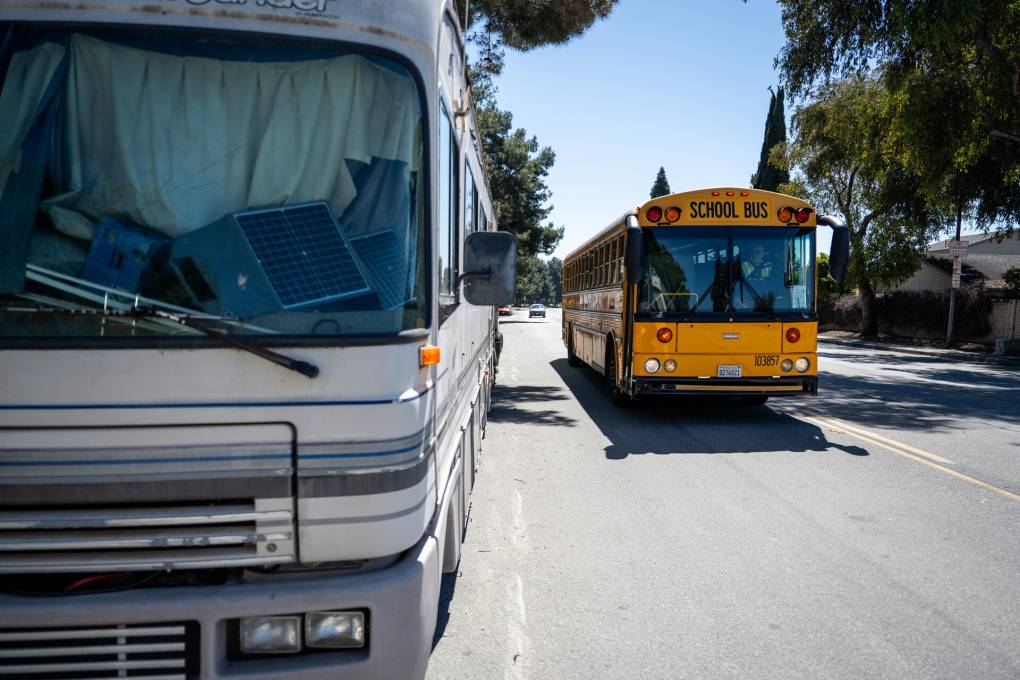
"caption": "A school bus passes an RV on Educational Park Drive near Independence High School in San José on April 9, 2024.",
"description": null,
"title": "240409-SJEncampmentBan-020-BL_qut",
"credit": "Beth LaBerge/KQED",
"status": "inherit",
"altTag": "A yellow school bus on the road near an RV.",
"isLoading": false,
"fetchFailed": false
},
"news_11978509": {
"type": "attachments",
"id": "news_11978509",
"meta": {
"index": "attachments_1716263798",
"site": "news",
"id": "11978509",
"found": true
},
"parent": 0,
"imgSizes": {
"twentyfourteen-full-width": {
"file": "https://cdn.kqed.org/wp-content/uploads/sites/10/2024/03/240306-HOMELESS-TRAILERS-MD-04-KQED-1038x576.jpg",
"width": 1038,
"mimeType": "image/jpeg",
"height": 576
},
"thumbnail": {
"file": "https://cdn.kqed.org/wp-content/uploads/sites/10/2024/03/240306-HOMELESS-TRAILERS-MD-04-KQED-160x107.jpg",
"width": 160,
"mimeType": "image/jpeg",
"height": 107
},
"post-thumbnail": {
"file": "https://cdn.kqed.org/wp-content/uploads/sites/10/2024/03/240306-HOMELESS-TRAILERS-MD-04-KQED-672x372.jpg",
"width": 672,
"mimeType": "image/jpeg",
"height": 372
},
"kqedFullSize": {
"file": "https://cdn.kqed.org/wp-content/uploads/sites/10/2024/03/240306-HOMELESS-TRAILERS-MD-04-KQED.jpg",
"width": 2000,
"height": 1333
},
"large": {
"file": "https://cdn.kqed.org/wp-content/uploads/sites/10/2024/03/240306-HOMELESS-TRAILERS-MD-04-KQED-1020x680.jpg",
"width": 1020,
"mimeType": "image/jpeg",
"height": 680
},
"1536x1536": {
"file": "https://cdn.kqed.org/wp-content/uploads/sites/10/2024/03/240306-HOMELESS-TRAILERS-MD-04-KQED-1536x1024.jpg",
"width": 1536,
"mimeType": "image/jpeg",
"height": 1024
},
"full-width": {
"file": "https://cdn.kqed.org/wp-content/uploads/sites/10/2024/03/240306-HOMELESS-TRAILERS-MD-04-KQED-1920x1280.jpg",
"width": 1920,
"mimeType": "image/jpeg",
"height": 1280
},
"medium": {
"file": "https://cdn.kqed.org/wp-content/uploads/sites/10/2024/03/240306-HOMELESS-TRAILERS-MD-04-KQED-800x533.jpg",
"width": 800,
"mimeType": "image/jpeg",
"height": 533
}
},
"publishDate": 1709772935,
"modified": 1710879467,
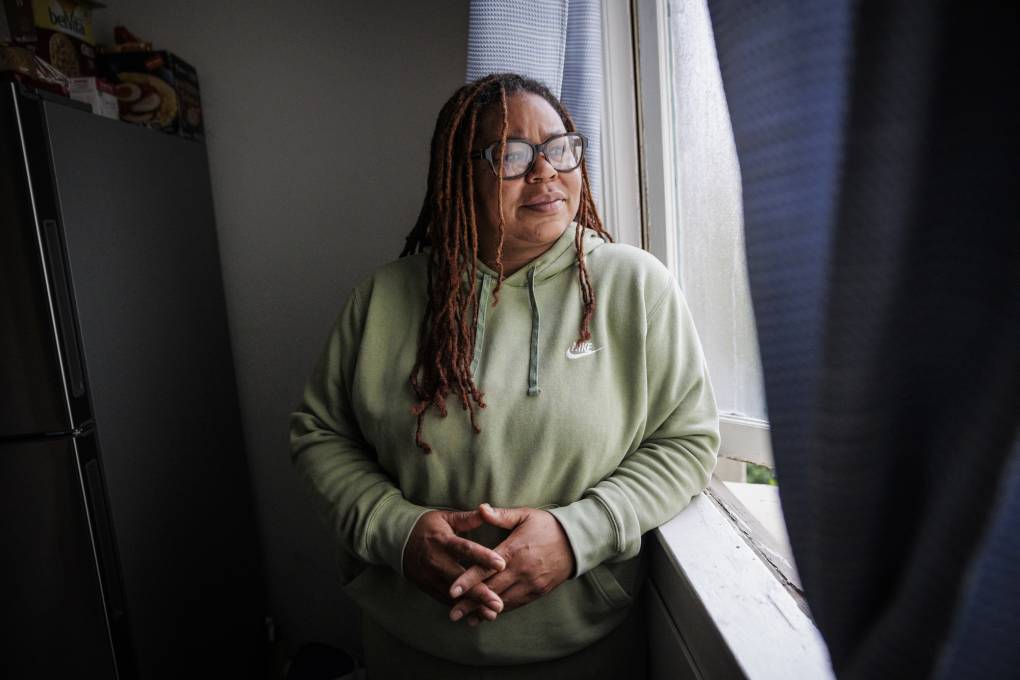
"caption": "Christina Zeigler in her apartment in San Francisco on March 6, 2024.",
"description": null,
"title": "Christina Zeigler in her apartment in San Francisco on Mar. 6, 2024.",
"credit": "Martin do Nascimento/KQED",
"status": "inherit",
"altTag": "A middle-aged African American woman with long braided hair and glasses looks out from a window.",
"isLoading": false,
"fetchFailed": false
},
"news_11978872": {
"type": "attachments",
"id": "news_11978872",
"meta": {
"index": "attachments_1716263798",
"site": "news",
"id": "11978872",
"found": true
},
"parent": 11978863,
"imgSizes": {
"twentyfourteen-full-width": {
"file": "https://cdn.kqed.org/wp-content/uploads/sites/10/2024/03/022824_Self-Governed-City_FG_10-1038x576.jpg",
"width": 1038,
"mimeType": "image/jpeg",
"height": 576
},
"thumbnail": {
"file": "https://cdn.kqed.org/wp-content/uploads/sites/10/2024/03/022824_Self-Governed-City_FG_10-160x107.jpg",
"width": 160,
"mimeType": "image/jpeg",
"height": 107
},
"post-thumbnail": {
"file": "https://cdn.kqed.org/wp-content/uploads/sites/10/2024/03/022824_Self-Governed-City_FG_10-672x372.jpg",
"width": 672,
"mimeType": "image/jpeg",
"height": 372
},
"kqedFullSize": {
"file": "https://cdn.kqed.org/wp-content/uploads/sites/10/2024/03/022824_Self-Governed-City_FG_10.jpg",
"width": 2000,
"height": 1333
},
"large": {
"file": "https://cdn.kqed.org/wp-content/uploads/sites/10/2024/03/022824_Self-Governed-City_FG_10-1020x680.jpg",
"width": 1020,
"mimeType": "image/jpeg",
"height": 680
},
"1536x1536": {
"file": "https://cdn.kqed.org/wp-content/uploads/sites/10/2024/03/022824_Self-Governed-City_FG_10-1536x1024.jpg",
"width": 1536,
"mimeType": "image/jpeg",
"height": 1024
},
"full-width": {
"file": "https://cdn.kqed.org/wp-content/uploads/sites/10/2024/03/022824_Self-Governed-City_FG_10-1920x1280.jpg",
"width": 1920,
"mimeType": "image/jpeg",
"height": 1280
},
"medium": {
"file": "https://cdn.kqed.org/wp-content/uploads/sites/10/2024/03/022824_Self-Governed-City_FG_10-800x533.jpg",
"width": 800,
"mimeType": "image/jpeg",
"height": 533
}
},
"publishDate": 1710178308,
"modified": 1710179570,
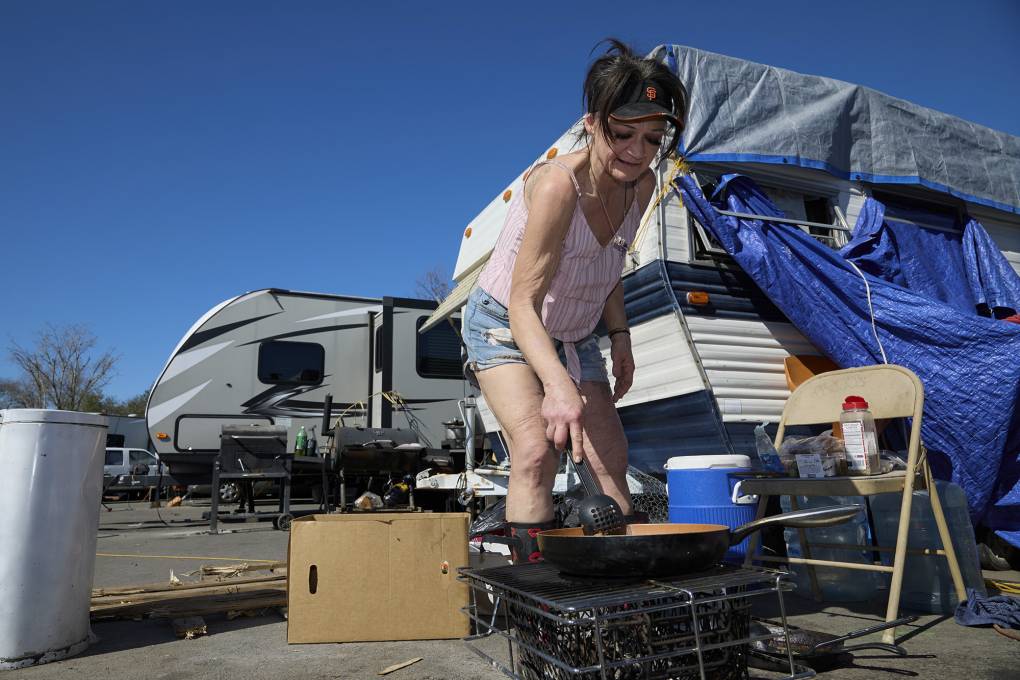
"caption": "Jeanne Gillis cooks ground turkey over a wood fire next to her trailer at Camp Resolution, a “self governed” homeless camp on city-owned land in Sacramento, Feb. 28, 2024. Residents have to rely on bottled water, generators and wood fires because no utilities are provided at the camp.",
"description": null,
"title": "022824_Self-Governed-City_FG_10",
"credit": "Fred Greaves/CalMatters",
"status": "inherit",
"altTag": "A woman wearing a visor, light sleeveless top and jean shorts holds a utensil to cook food on a grill outside.",
"isLoading": false,
"fetchFailed": false
},
"news_11970311": {
"type": "attachments",
"id": "news_11970311",
"meta": {
"index": "attachments_1716263798",
"site": "news",
"id": "11970311",
"found": true
},
"parent": 11970299,
"imgSizes": {
"twentyfourteen-full-width": {
"file": "https://cdn.kqed.org/wp-content/uploads/sites/10/2023/12/231017-LakeMercedRVs-020-BL-qut-1038x576.jpg",
"width": 1038,
"mimeType": "image/jpeg",
"height": 576
},
"thumbnail": {
"file": "https://cdn.kqed.org/wp-content/uploads/sites/10/2023/12/231017-LakeMercedRVs-020-BL-qut-160x107.jpg",
"width": 160,
"mimeType": "image/jpeg",
"height": 107
},
"post-thumbnail": {
"file": "https://cdn.kqed.org/wp-content/uploads/sites/10/2023/12/231017-LakeMercedRVs-020-BL-qut-672x372.jpg",
"width": 672,
"mimeType": "image/jpeg",
"height": 372
},
"kqedFullSize": {
"file": "https://cdn.kqed.org/wp-content/uploads/sites/10/2023/12/231017-LakeMercedRVs-020-BL-qut.jpg",
"width": 1920,
"height": 1280
},
"large": {
"file": "https://cdn.kqed.org/wp-content/uploads/sites/10/2023/12/231017-LakeMercedRVs-020-BL-qut-1020x680.jpg",
"width": 1020,
"mimeType": "image/jpeg",
"height": 680
},
"1536x1536": {
"file": "https://cdn.kqed.org/wp-content/uploads/sites/10/2023/12/231017-LakeMercedRVs-020-BL-qut-1536x1024.jpg",
"width": 1536,
"mimeType": "image/jpeg",
"height": 1024
},
"medium": {
"file": "https://cdn.kqed.org/wp-content/uploads/sites/10/2023/12/231017-LakeMercedRVs-020-BL-qut-800x533.jpg",
"width": 800,
"mimeType": "image/jpeg",
"height": 533
}
},
"publishDate": 1702929693,
"modified": 1702930220,
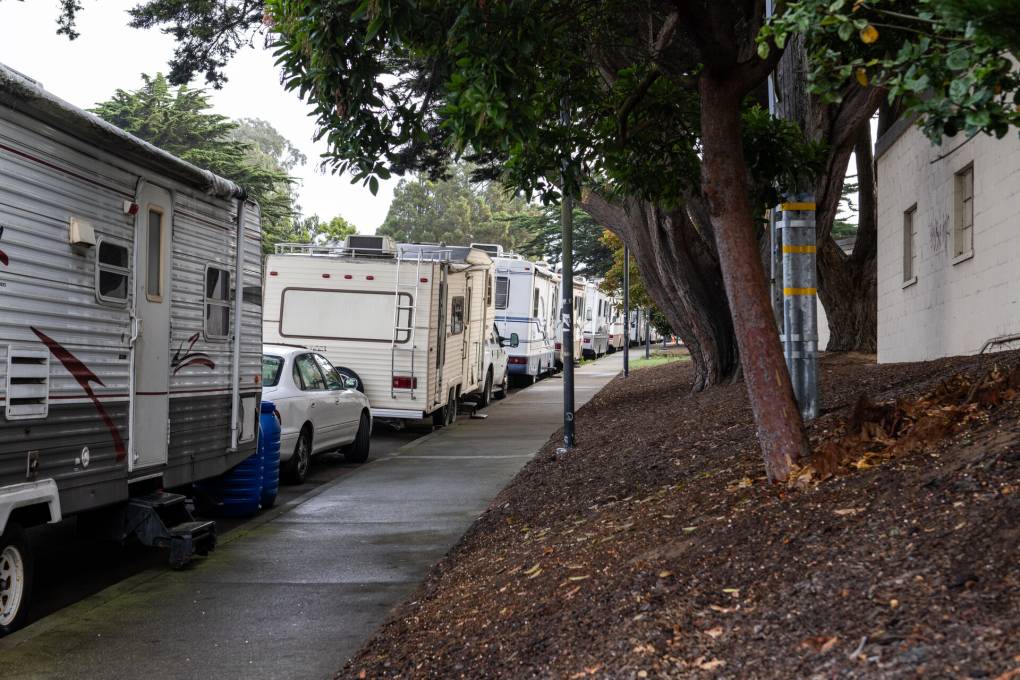
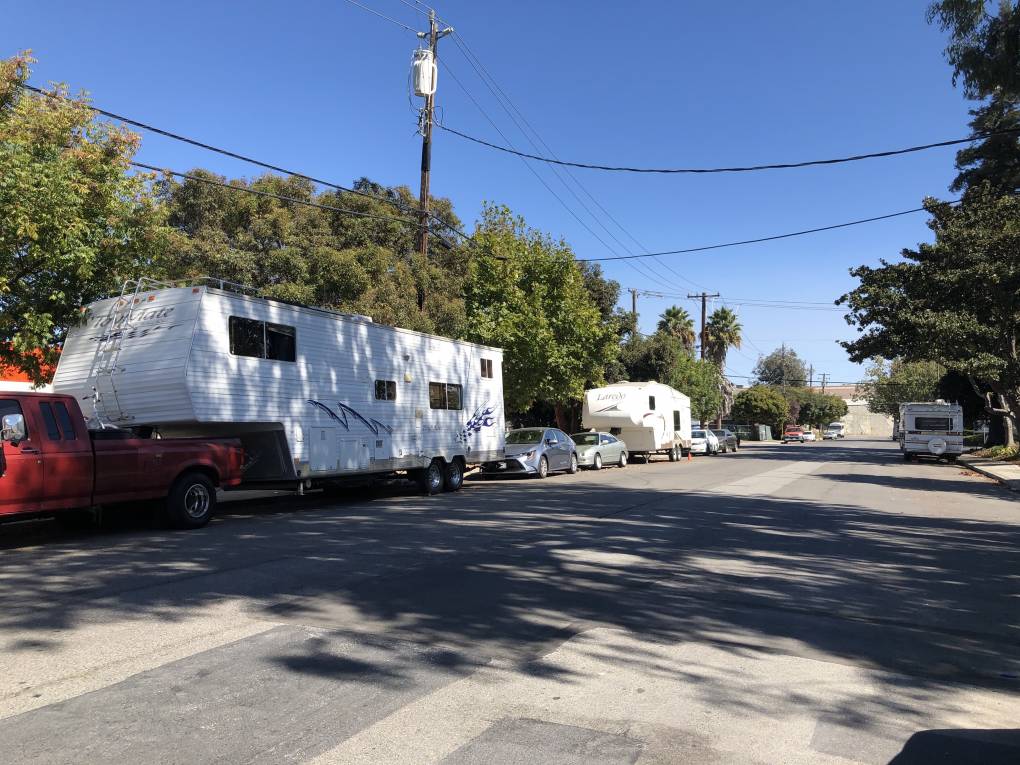
"caption": "RVs line Winston Drive in San Francisco on Oct. 17, 2023, near SF State University.",
"description": null,
"title": "231017-LakeMercedRVs-020-BL-qut",
"credit": "Beth LaBerge/KQED",
"status": "inherit",
"altTag": "A line of RVs and cars parked on a street.",
"isLoading": false,
"fetchFailed": false
},
"news_11965070": {
"type": "attachments",
"id": "news_11965070",
"meta": {
"index": "attachments_1716263798",
"site": "news",
"id": "11965070",
"found": true
},
"parent": 0,
"imgSizes": {
"twentyfourteen-full-width": {
"file": "https://ww2.kqed.org/app/uploads/sites/10/2023/10/231017-LakeMercedRVs-006-BL-KQED-1038x576.jpg",
"width": 1038,
"mimeType": "image/jpeg",
"height": 576
},
"thumbnail": {
"file": "https://ww2.kqed.org/app/uploads/sites/10/2023/10/231017-LakeMercedRVs-006-BL-KQED-160x107.jpg",
"width": 160,
"mimeType": "image/jpeg",
"height": 107
},
"post-thumbnail": {
"file": "https://ww2.kqed.org/app/uploads/sites/10/2023/10/231017-LakeMercedRVs-006-BL-KQED-672x372.jpg",
"width": 672,
"mimeType": "image/jpeg",
"height": 372
},
"kqedFullSize": {
"file": "https://ww2.kqed.org/app/uploads/sites/10/2023/10/231017-LakeMercedRVs-006-BL-KQED.jpg",
"width": 2000,
"height": 1333
},
"large": {
"file": "https://ww2.kqed.org/app/uploads/sites/10/2023/10/231017-LakeMercedRVs-006-BL-KQED-1020x680.jpg",
"width": 1020,
"mimeType": "image/jpeg",
"height": 680
},
"1536x1536": {
"file": "https://ww2.kqed.org/app/uploads/sites/10/2023/10/231017-LakeMercedRVs-006-BL-KQED-1536x1024.jpg",
"width": 1536,
"mimeType": "image/jpeg",
"height": 1024
},
"full-width": {
"file": "https://ww2.kqed.org/app/uploads/sites/10/2023/10/231017-LakeMercedRVs-006-BL-KQED-1920x1280.jpg",
"width": 1920,
"mimeType": "image/jpeg",
"height": 1280
},
"medium": {
"file": "https://ww2.kqed.org/app/uploads/sites/10/2023/10/231017-LakeMercedRVs-006-BL-KQED-800x533.jpg",
"width": 800,
"mimeType": "image/jpeg",
"height": 533
}
},
"publishDate": 1697758871,
"modified": 1698104035,
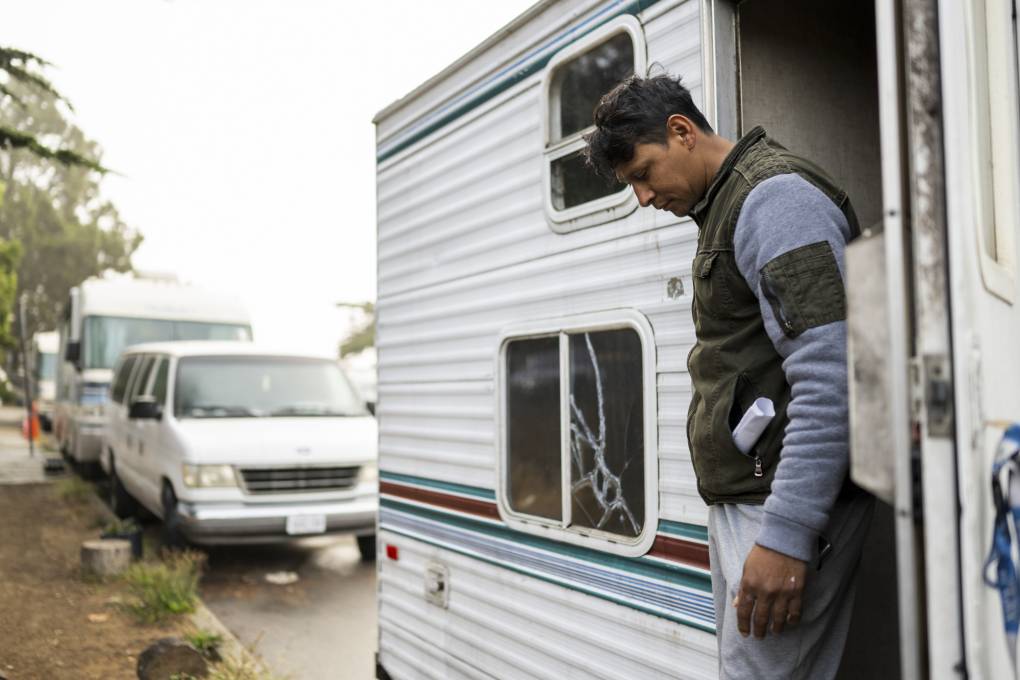
"caption": "Christian de Jesus Guevara Obando stands in the doorway of the RV where he resides on Winston Drive in San Francisco on Oct. 17, 2023. In December, the city plans to start imposing parking restrictions on this street where dozens of families park their RVs.",
"description": null,
"title": "231017-LakeMercedRVs-006-BL-KQED",
"credit": "Beth LaBerge/KQED",
"status": "inherit",
"altTag": "A person exits and RV parked on the side of a road.",
"isLoading": false,
"fetchFailed": false
},
"news_11947621": {
"type": "attachments",
"id": "news_11947621",
"meta": {
"index": "attachments_1716263798",
"site": "news",
"id": "11947621",
"found": true
},
"parent": 11947567,
"imgSizes": {
"twentyfourteen-full-width": {
"file": "https://ww2.kqed.org/app/uploads/sites/10/2023/04/GettyImages-1200613193-1024x576.jpg",
"width": 1024,
"mimeType": "image/jpeg",
"height": 576
},
"thumbnail": {
"file": "https://ww2.kqed.org/app/uploads/sites/10/2023/04/GettyImages-1200613193-160x109.jpg",
"width": 160,
"mimeType": "image/jpeg",
"height": 109
},
"post-thumbnail": {
"file": "https://ww2.kqed.org/app/uploads/sites/10/2023/04/GettyImages-1200613193-672x372.jpg",
"width": 672,
"mimeType": "image/jpeg",
"height": 372
},
"kqedFullSize": {
"file": "https://ww2.kqed.org/app/uploads/sites/10/2023/04/GettyImages-1200613193.jpg",
"width": 1024,
"height": 698
},
"large": {
"file": "https://ww2.kqed.org/app/uploads/sites/10/2023/04/GettyImages-1200613193-1020x695.jpg",
"width": 1020,
"mimeType": "image/jpeg",
"height": 695
},
"medium": {
"file": "https://ww2.kqed.org/app/uploads/sites/10/2023/04/GettyImages-1200613193-800x545.jpg",
"width": 800,
"mimeType": "image/jpeg",
"height": 545
}
},
"publishDate": 1682452342,
"modified": 1682532759,
"caption": "Gov. Gavin Newsom stands next to FEMA trailers after speaking at a press conference on homelessness in Oakland on Jan. 16, 2020. The city received 15 unused FEMA trailers to use as temporary housing for unhoused people.",
"description": null,
"title": "Governor Gavin Newsom Homeless",
"credit": "Jane Tyska/Digital First Media/East Bay Times via Getty Images",
"status": "inherit",
"altTag": "A white man wearing a business suit keeps his hands together facing a man behind a television camera with trailers in the background.",
"isLoading": false,
"fetchFailed": false
},
"news_11927281": {
"type": "attachments",
"id": "news_11927281",
"meta": {
"index": "attachments_1716263798",
"site": "news",
"id": "11927281",
"found": true
},
"parent": 11927278,
"imgSizes": {
"twentyfourteen-full-width": {
"file": "https://ww2.kqed.org/app/uploads/sites/10/2022/09/RS57928_014_KQED_MountainViewRVs_08172022-qut-1038x576.jpg",
"width": 1038,
"mimeType": "image/jpeg",
"height": 576
},
"thumbnail": {
"file": "https://ww2.kqed.org/app/uploads/sites/10/2022/09/RS57928_014_KQED_MountainViewRVs_08172022-qut-160x107.jpg",
"width": 160,
"mimeType": "image/jpeg",
"height": 107
},
"post-thumbnail": {
"file": "https://ww2.kqed.org/app/uploads/sites/10/2022/09/RS57928_014_KQED_MountainViewRVs_08172022-qut-672x372.jpg",
"width": 672,
"mimeType": "image/jpeg",
"height": 372
},
"kqedFullSize": {
"file": "https://ww2.kqed.org/app/uploads/sites/10/2022/09/RS57928_014_KQED_MountainViewRVs_08172022-qut.jpg",
"width": 1920,
"height": 1280
},
"large": {
"file": "https://ww2.kqed.org/app/uploads/sites/10/2022/09/RS57928_014_KQED_MountainViewRVs_08172022-qut-1020x680.jpg",
"width": 1020,
"mimeType": "image/jpeg",
"height": 680
},
"1536x1536": {
"file": "https://ww2.kqed.org/app/uploads/sites/10/2022/09/RS57928_014_KQED_MountainViewRVs_08172022-qut-1536x1024.jpg",
"width": 1536,
"mimeType": "image/jpeg",
"height": 1024
},
"medium": {
"file": "https://ww2.kqed.org/app/uploads/sites/10/2022/09/RS57928_014_KQED_MountainViewRVs_08172022-qut-800x533.jpg",
"width": 800,
"mimeType": "image/jpeg",
"height": 533
}
},
"publishDate": 1664558587,
"modified": 1664565930,
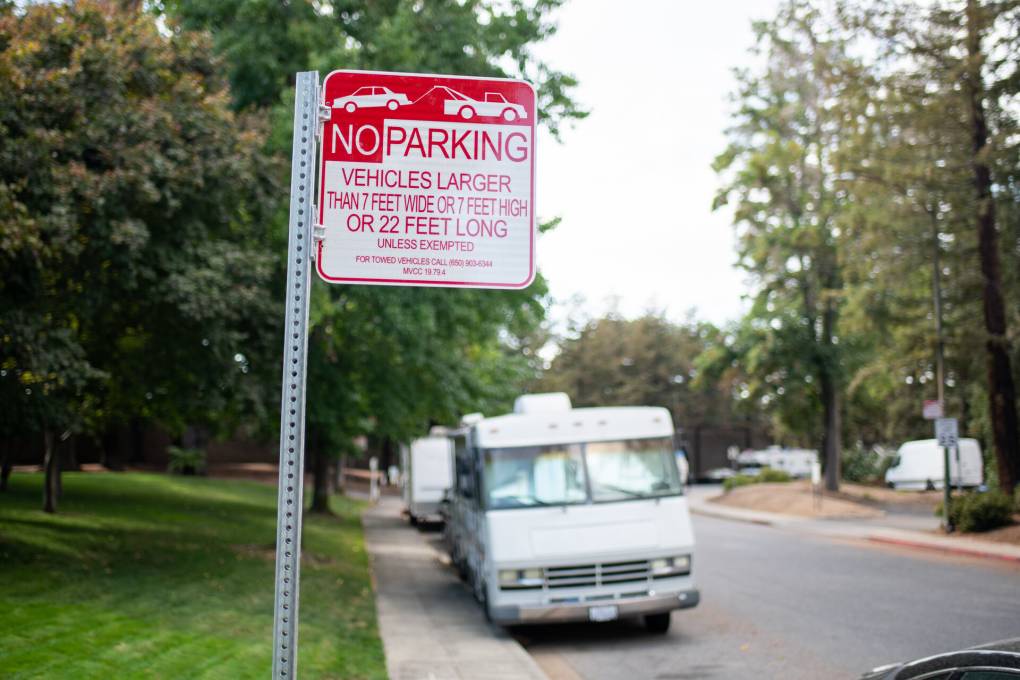
"caption": "A 'No Parking' sign aimed at RVs is posted near RVs parked along Continental Circle in Mountain View on Aug. 17, 2022. A new ordinance goes into effect October 1 further prohibiting where RVs can park in the city.",
"description": null,
"title": "RS57928_014_KQED_MountainViewRVs_08172022-qut",
"credit": "Beth LaBerge/KQED",
"status": "inherit",
"altTag": "a red and white 'no parking' sign is seen on a street where an RV is parked",
"isLoading": false,
"fetchFailed": false
},
"news_11925207": {
"type": "attachments",
"id": "news_11925207",
"meta": {
"index": "attachments_1716263798",
"site": "news",
"id": "11925207",
"found": true
},
"parent": 11925199,
"imgSizes": {
"twentyfourteen-full-width": {
"file": "https://ww2.kqed.org/app/uploads/sites/10/2022/09/RS57916_007_KQED_MountainViewRVs_08172022-qut-1038x576.jpg",
"width": 1038,
"mimeType": "image/jpeg",
"height": 576
},
"thumbnail": {
"file": "https://ww2.kqed.org/app/uploads/sites/10/2022/09/RS57916_007_KQED_MountainViewRVs_08172022-qut-160x107.jpg",
"width": 160,
"mimeType": "image/jpeg",
"height": 107
},
"post-thumbnail": {
"file": "https://ww2.kqed.org/app/uploads/sites/10/2022/09/RS57916_007_KQED_MountainViewRVs_08172022-qut-672x372.jpg",
"width": 672,
"mimeType": "image/jpeg",
"height": 372
},
"kqedFullSize": {
"file": "https://ww2.kqed.org/app/uploads/sites/10/2022/09/RS57916_007_KQED_MountainViewRVs_08172022-qut.jpg",
"width": 1920,
"height": 1280
},
"large": {
"file": "https://ww2.kqed.org/app/uploads/sites/10/2022/09/RS57916_007_KQED_MountainViewRVs_08172022-qut-1020x680.jpg",
"width": 1020,
"mimeType": "image/jpeg",
"height": 680
},
"1536x1536": {
"file": "https://ww2.kqed.org/app/uploads/sites/10/2022/09/RS57916_007_KQED_MountainViewRVs_08172022-qut-1536x1024.jpg",
"width": 1536,
"mimeType": "image/jpeg",
"height": 1024
},
"medium": {
"file": "https://ww2.kqed.org/app/uploads/sites/10/2022/09/RS57916_007_KQED_MountainViewRVs_08172022-qut-800x533.jpg",
"width": 800,
"mimeType": "image/jpeg",
"height": 533
}
},
"publishDate": 1662761388,
"modified": 1662770100,
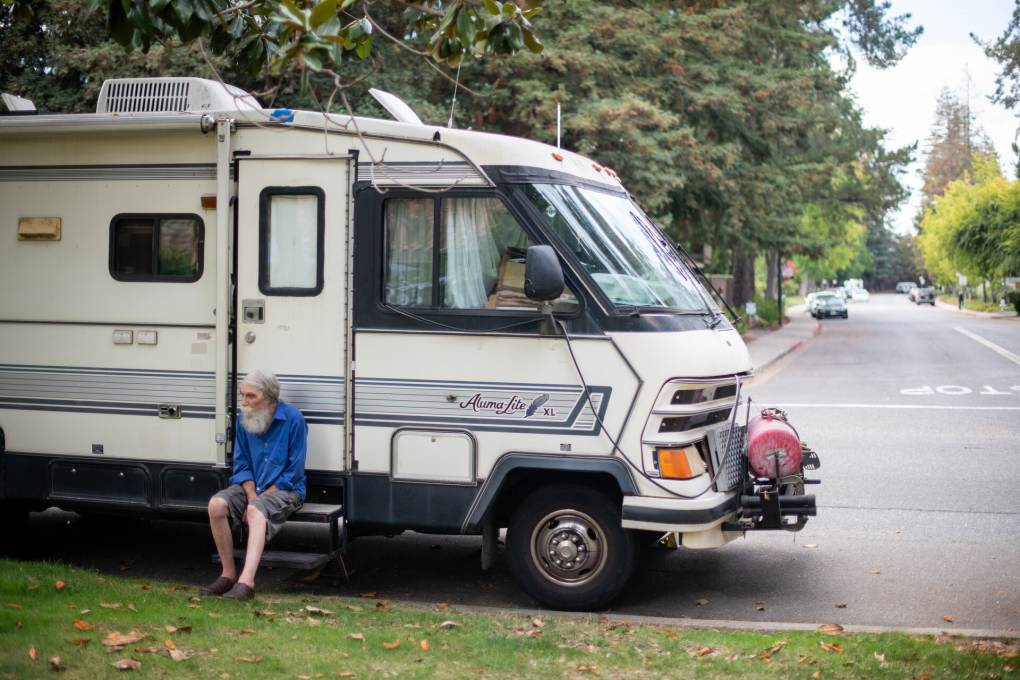
"caption": "Harry Epstein, 72, sits on the steps of his RV parked in Mountain View on Aug. 17, 2022. He has lived on these streets for the past 15 years and has come to call them home, like many other RV residents in the city.",
"description": null,
"title": "RS57916_007_KQED_MountainViewRVs_08172022-qut",
"credit": "Beth LaBerge/KQED",
"status": "inherit",
"altTag": "elderly man in blue shirt with large white beard sits on step outside an RV truck parked at the side of a street",
"isLoading": false,
"fetchFailed": false
},
"news_11843033": {
"type": "attachments",
"id": "news_11843033",
"meta": {
"index": "attachments_1716263798",
"site": "news",
"id": "11843033",
"found": true
},
"parent": 11842966,
"imgSizes": {
"apple_news_ca_landscape_5_5": {
"file": "https://ww2.kqed.org/app/uploads/sites/10/2020/10/mountain-view--1044x783.jpg",
"width": 1044,
"mimeType": "image/jpeg",
"height": 783
},
"apple_news_ca_square_4_0": {
"file": "https://ww2.kqed.org/app/uploads/sites/10/2020/10/mountain-view--470x470.jpg",
"width": 470,
"mimeType": "image/jpeg",
"height": 470
},
"twentyfourteen-full-width": {
"file": "https://ww2.kqed.org/app/uploads/sites/10/2020/10/mountain-view--1038x576.jpg",
"width": 1038,
"mimeType": "image/jpeg",
"height": 576
},
"thumbnail": {
"file": "https://ww2.kqed.org/app/uploads/sites/10/2020/10/mountain-view--160x120.jpg",
"width": 160,
"mimeType": "image/jpeg",
"height": 120
},
"post-thumbnail": {
"file": "https://ww2.kqed.org/app/uploads/sites/10/2020/10/mountain-view--672x372.jpg",
"width": 672,
"mimeType": "image/jpeg",
"height": 372
},
"kqedFullSize": {
"file": "https://ww2.kqed.org/app/uploads/sites/10/2020/10/mountain-view--scaled.jpg",
"width": 2560,
"height": 1920
},
"2048x2048": {
"file": "https://ww2.kqed.org/app/uploads/sites/10/2020/10/mountain-view--2048x1536.jpg",
"width": 2048,
"mimeType": "image/jpeg",
"height": 1536
},
"apple_news_ca_landscape_4_7": {
"file": "https://ww2.kqed.org/app/uploads/sites/10/2020/10/mountain-view--632x474.jpg",
"width": 632,
"mimeType": "image/jpeg",
"height": 474
},
"large": {
"file": "https://ww2.kqed.org/app/uploads/sites/10/2020/10/mountain-view--1020x765.jpg",
"width": 1020,
"mimeType": "image/jpeg",
"height": 765
},
"apple_news_ca_landscape_4_0": {
"file": "https://ww2.kqed.org/app/uploads/sites/10/2020/10/mountain-view--536x402.jpg",
"width": 536,
"mimeType": "image/jpeg",
"height": 402
},
"apple_news_ca_portrait_12_9": {
"file": "https://ww2.kqed.org/app/uploads/sites/10/2020/10/mountain-view--1122x1496.jpg",
"width": 1122,
"mimeType": "image/jpeg",
"height": 1496
},
"medium": {
"file": "https://ww2.kqed.org/app/uploads/sites/10/2020/10/mountain-view--800x600.jpg",
"width": 800,
"mimeType": "image/jpeg",
"height": 600
},
"apple_news_ca_portrait_4_0": {
"file": "https://ww2.kqed.org/app/uploads/sites/10/2020/10/mountain-view--354x472.jpg",
"width": 354,
"mimeType": "image/jpeg",
"height": 472
},
"apple_news_ca_portrait_9_7": {
"file": "https://ww2.kqed.org/app/uploads/sites/10/2020/10/mountain-view--840x1120.jpg",
"width": 840,
"mimeType": "image/jpeg",
"height": 1120
},
"apple_news_ca_landscape_12_9": {
"file": "https://ww2.kqed.org/app/uploads/sites/10/2020/10/mountain-view--1832x1374.jpg",
"width": 1832,
"mimeType": "image/jpeg",
"height": 1374
},
"apple_news_ca_square_9_7": {
"file": "https://ww2.kqed.org/app/uploads/sites/10/2020/10/mountain-view--1104x1104.jpg",
"width": 1104,
"mimeType": "image/jpeg",
"height": 1104
},
"1536x1536": {
"file": "https://ww2.kqed.org/app/uploads/sites/10/2020/10/mountain-view--1536x1152.jpg",
"width": 1536,
"mimeType": "image/jpeg",
"height": 1152
},
"apple_news_ca_portrait_4_7": {
"file": "https://ww2.kqed.org/app/uploads/sites/10/2020/10/mountain-view--414x552.jpg",
"width": 414,
"mimeType": "image/jpeg",
"height": 552
},
"apple_news_ca_square_12_9": {
"file": "https://ww2.kqed.org/app/uploads/sites/10/2020/10/mountain-view--1472x1472.jpg",
"width": 1472,
"mimeType": "image/jpeg",
"height": 1472
},
"apple_news_ca_portrait_5_5": {
"file": "https://ww2.kqed.org/app/uploads/sites/10/2020/10/mountain-view--687x916.jpg",
"width": 687,
"mimeType": "image/jpeg",
"height": 916
},
"full-width": {
"file": "https://ww2.kqed.org/app/uploads/sites/10/2020/10/mountain-view--1920x1440.jpg",
"width": 1920,
"mimeType": "image/jpeg",
"height": 1440
},
"apple_news_ca_square_4_7": {
"file": "https://ww2.kqed.org/app/uploads/sites/10/2020/10/mountain-view--550x550.jpg",
"width": 550,
"mimeType": "image/jpeg",
"height": 550
},
"apple_news_ca_landscape_9_7": {
"file": "https://ww2.kqed.org/app/uploads/sites/10/2020/10/mountain-view--1376x1032.jpg",
"width": 1376,
"mimeType": "image/jpeg",
"height": 1032
},
"apple_news_ca_square_5_5": {
"file": "https://ww2.kqed.org/app/uploads/sites/10/2020/10/mountain-view--912x912.jpg",
"width": 912,
"mimeType": "image/jpeg",
"height": 912
}
},
"publishDate": 1603234230,
"modified": 1603412926,
"caption": "RVs and oversized vehicles line Terra Bella Avenue in Mountain View. Measure C on the city's November ballot would restrict these vehicles from parking on streets 40 feet or narrower in width.",
"description": "RVs and oversized vehicles line Terra Bella Avenue in Mountain View. Measure C on the city's November ballot would restrict these vehicles from parking on streets 40 feet or narrower in width.",
"title": "RVs and oversized vehicles line the streets along Terra Bella Avenue in Mountain View. Measure C on the city's November ballot would restrict oversized vehicles from parking on narrow streets, 40 feet or less in width.",
"credit": "Adhiti Bandlamudi/KQED",
"status": "inherit",
"isLoading": false,
"fetchFailed": false
},
"news_11756493": {
"type": "attachments",
"id": "news_11756493",
"meta": {
"index": "attachments_1716263798",
"site": "news",
"id": "11756493",
"found": true
},
"parent": 11756464,
"imgSizes": {
"apple_news_ca_square_4_0": {
"file": "https://ww2.kqed.org/app/uploads/sites/10/2019/06/06212019_RV-Living-Silicon-Valley-Palo-Alto-Fresno-Campervans-Boots-qut-470x470.jpg",
"width": 470,
"mimeType": "image/jpeg",
"height": 470
},
"twentyfourteen-full-width": {
"file": "https://ww2.kqed.org/app/uploads/sites/10/2019/06/06212019_RV-Living-Silicon-Valley-Palo-Alto-Fresno-Campervans-Boots-qut-742x576.jpg",
"width": 742,
"mimeType": "image/jpeg",
"height": 576
},
"thumbnail": {
"file": "https://ww2.kqed.org/app/uploads/sites/10/2019/06/06212019_RV-Living-Silicon-Valley-Palo-Alto-Fresno-Campervans-Boots-qut-160x137.jpg",
"width": 160,
"mimeType": "image/jpeg",
"height": 137
},
"post-thumbnail": {
"file": "https://ww2.kqed.org/app/uploads/sites/10/2019/06/06212019_RV-Living-Silicon-Valley-Palo-Alto-Fresno-Campervans-Boots-qut-672x372.jpg",
"width": 672,
"mimeType": "image/jpeg",
"height": 372
},
"kqedFullSize": {
"file": "https://ww2.kqed.org/app/uploads/sites/10/2019/06/06212019_RV-Living-Silicon-Valley-Palo-Alto-Fresno-Campervans-Boots-qut.jpg",
"width": 742,
"height": 635
},
"apple_news_ca_landscape_4_7": {
"file": "https://ww2.kqed.org/app/uploads/sites/10/2019/06/06212019_RV-Living-Silicon-Valley-Palo-Alto-Fresno-Campervans-Boots-qut-632x474.jpg",
"width": 632,
"mimeType": "image/jpeg",
"height": 474
},
"apple_news_ca_portrait_4_7": {
"file": "https://ww2.kqed.org/app/uploads/sites/10/2019/06/06212019_RV-Living-Silicon-Valley-Palo-Alto-Fresno-Campervans-Boots-qut-414x552.jpg",
"width": 414,
"mimeType": "image/jpeg",
"height": 552
},
"apple_news_ca_portrait_5_5": {
"file": "https://ww2.kqed.org/app/uploads/sites/10/2019/06/06212019_RV-Living-Silicon-Valley-Palo-Alto-Fresno-Campervans-Boots-qut-687x635.jpg",
"width": 687,
"mimeType": "image/jpeg",
"height": 635
},
"apple_news_ca_square_4_7": {
"file": "https://ww2.kqed.org/app/uploads/sites/10/2019/06/06212019_RV-Living-Silicon-Valley-Palo-Alto-Fresno-Campervans-Boots-qut-550x550.jpg",
"width": 550,
"mimeType": "image/jpeg",
"height": 550
},
"apple_news_ca_landscape_4_0": {
"file": "https://ww2.kqed.org/app/uploads/sites/10/2019/06/06212019_RV-Living-Silicon-Valley-Palo-Alto-Fresno-Campervans-Boots-qut-536x402.jpg",
"width": 536,
"mimeType": "image/jpeg",
"height": 402
},
"apple_news_ca_portrait_4_0": {
"file": "https://ww2.kqed.org/app/uploads/sites/10/2019/06/06212019_RV-Living-Silicon-Valley-Palo-Alto-Fresno-Campervans-Boots-qut-354x472.jpg",
"width": 354,
"mimeType": "image/jpeg",
"height": 472
}
},
"publishDate": 1561155996,
"modified": 1561156023,
"caption": "Jade Koga was among the first residents asked to join the city-owned site near the Oakland Coliseum. She moved her RV from Edes Avenue, where she said she often feared for her life and property.",
"description": "Jade Koga was among the first residents asked to join the city-owned site near the Oakland Coliseum. She moved her RV from Edes Avenue, where she said she often feared for her life and property.",
"title": "06212019_RV Living Silicon Valley Palo Alto Fresno Campervans Boots-qut",
"credit": "Sara Hossaini/KQED",
"status": "inherit",
"isLoading": false,
"fetchFailed": false
},
"news_11751192": {
"type": "attachments",
"id": "news_11751192",
"meta": {
"index": "attachments_1716263798",
"site": "news",
"id": "11751192",
"found": true
},
"parent": 11751183,
"imgSizes": {
"apple_news_ca_landscape_5_5": {
"file": "https://ww2.kqed.org/app/uploads/sites/10/2019/05/RV-Living-Silicon-Valley-Palo-Alto-Fresno-Campervans-qut-1044x783.jpg",
"width": 1044,
"mimeType": "image/jpeg",
"height": 783
},
"apple_news_ca_square_4_0": {
"file": "https://ww2.kqed.org/app/uploads/sites/10/2019/05/RV-Living-Silicon-Valley-Palo-Alto-Fresno-Campervans-qut-470x470.jpg",
"width": 470,
"mimeType": "image/jpeg",
"height": 470
},
"twentyfourteen-full-width": {
"file": "https://ww2.kqed.org/app/uploads/sites/10/2019/05/RV-Living-Silicon-Valley-Palo-Alto-Fresno-Campervans-qut-1038x576.jpg",
"width": 1038,
"mimeType": "image/jpeg",
"height": 576
},
"thumbnail": {
"file": "https://ww2.kqed.org/app/uploads/sites/10/2019/05/RV-Living-Silicon-Valley-Palo-Alto-Fresno-Campervans-qut-160x120.jpg",
"width": 160,
"mimeType": "image/jpeg",
"height": 120
},
"post-thumbnail": {
"file": "https://ww2.kqed.org/app/uploads/sites/10/2019/05/RV-Living-Silicon-Valley-Palo-Alto-Fresno-Campervans-qut-672x372.jpg",
"width": 672,
"mimeType": "image/jpeg",
"height": 372
},
"kqedFullSize": {
"file": "https://ww2.kqed.org/app/uploads/sites/10/2019/05/RV-Living-Silicon-Valley-Palo-Alto-Fresno-Campervans-qut.jpg",
"width": 1920,
"height": 1440
},
"apple_news_ca_landscape_4_7": {
"file": "https://ww2.kqed.org/app/uploads/sites/10/2019/05/RV-Living-Silicon-Valley-Palo-Alto-Fresno-Campervans-qut-632x474.jpg",
"width": 632,
"mimeType": "image/jpeg",
"height": 474
},
"large": {
"file": "https://ww2.kqed.org/app/uploads/sites/10/2019/05/RV-Living-Silicon-Valley-Palo-Alto-Fresno-Campervans-qut-1020x765.jpg",
"width": 1020,
"mimeType": "image/jpeg",
"height": 765
},
"complete_open_graph": {
"file": "https://ww2.kqed.org/app/uploads/sites/10/2019/05/RV-Living-Silicon-Valley-Palo-Alto-Fresno-Campervans-qut-1200x900.jpg",
"width": 1200,
"mimeType": "image/jpeg",
"height": 900
},
"apple_news_ca_landscape_4_0": {
"file": "https://ww2.kqed.org/app/uploads/sites/10/2019/05/RV-Living-Silicon-Valley-Palo-Alto-Fresno-Campervans-qut-536x402.jpg",
"width": 536,
"mimeType": "image/jpeg",
"height": 402
},
"apple_news_ca_portrait_12_9": {
"file": "https://ww2.kqed.org/app/uploads/sites/10/2019/05/RV-Living-Silicon-Valley-Palo-Alto-Fresno-Campervans-qut-1122x1440.jpg",
"width": 1122,
"mimeType": "image/jpeg",
"height": 1440
},
"medium": {
"file": "https://ww2.kqed.org/app/uploads/sites/10/2019/05/RV-Living-Silicon-Valley-Palo-Alto-Fresno-Campervans-qut-800x600.jpg",
"width": 800,
"mimeType": "image/jpeg",
"height": 600
},
"apple_news_ca_portrait_4_0": {
"file": "https://ww2.kqed.org/app/uploads/sites/10/2019/05/RV-Living-Silicon-Valley-Palo-Alto-Fresno-Campervans-qut-354x472.jpg",
"width": 354,
"mimeType": "image/jpeg",
"height": 472
},
"apple_news_ca_portrait_9_7": {
"file": "https://ww2.kqed.org/app/uploads/sites/10/2019/05/RV-Living-Silicon-Valley-Palo-Alto-Fresno-Campervans-qut-840x1120.jpg",
"width": 840,
"mimeType": "image/jpeg",
"height": 1120
},
"apple_news_ca_landscape_12_9": {
"file": "https://ww2.kqed.org/app/uploads/sites/10/2019/05/RV-Living-Silicon-Valley-Palo-Alto-Fresno-Campervans-qut-1832x1374.jpg",
"width": 1832,
"mimeType": "image/jpeg",
"height": 1374
},
"apple_news_ca_square_9_7": {
"file": "https://ww2.kqed.org/app/uploads/sites/10/2019/05/RV-Living-Silicon-Valley-Palo-Alto-Fresno-Campervans-qut-1104x1104.jpg",
"width": 1104,
"mimeType": "image/jpeg",
"height": 1104
},
"apple_news_ca_portrait_4_7": {
"file": "https://ww2.kqed.org/app/uploads/sites/10/2019/05/RV-Living-Silicon-Valley-Palo-Alto-Fresno-Campervans-qut-414x552.jpg",
"width": 414,
"mimeType": "image/jpeg",
"height": 552
},
"apple_news_ca_square_12_9": {
"file": "https://ww2.kqed.org/app/uploads/sites/10/2019/05/RV-Living-Silicon-Valley-Palo-Alto-Fresno-Campervans-qut-1472x1440.jpg",
"width": 1472,
"mimeType": "image/jpeg",
"height": 1440
},
"apple_news_ca_portrait_5_5": {
"file": "https://ww2.kqed.org/app/uploads/sites/10/2019/05/RV-Living-Silicon-Valley-Palo-Alto-Fresno-Campervans-qut-687x916.jpg",
"width": 687,
"mimeType": "image/jpeg",
"height": 916
},
"full-width": {
"file": "https://ww2.kqed.org/app/uploads/sites/10/2019/05/RV-Living-Silicon-Valley-Palo-Alto-Fresno-Campervans-qut-1920x1440.jpg",
"width": 1920,
"mimeType": "image/jpeg",
"height": 1440
},
"apple_news_ca_square_4_7": {
"file": "https://ww2.kqed.org/app/uploads/sites/10/2019/05/RV-Living-Silicon-Valley-Palo-Alto-Fresno-Campervans-qut-550x550.jpg",
"width": 550,
"mimeType": "image/jpeg",
"height": 550
},
"apple_news_ca_landscape_9_7": {
"file": "https://ww2.kqed.org/app/uploads/sites/10/2019/05/RV-Living-Silicon-Valley-Palo-Alto-Fresno-Campervans-qut-1376x1032.jpg",
"width": 1376,
"mimeType": "image/jpeg",
"height": 1032
},
"apple_news_ca_square_5_5": {
"file": "https://ww2.kqed.org/app/uploads/sites/10/2019/05/RV-Living-Silicon-Valley-Palo-Alto-Fresno-Campervans-qut-912x912.jpg",
"width": 912,
"mimeType": "image/jpeg",
"height": 912
}
},
"publishDate": 1559254309,
"modified": 1559254388,
"caption": "Arturo Torres sits in his RV in Palo Alto. His family and home are in Fresno, but he lives and works during the week in Palo Alto, where the pay is better.",
"description": "Arturo Torres sits in his RV in Palo Alto. His family and home are in Fresno, but he lives and works during the week in Palo Alto, where the pay is better.",
"title": "RV LIVING",
"credit": "Penny Nelson/KQED",
"status": "inherit",
"isLoading": false,
"fetchFailed": false
},
"news_11735834": {
"type": "attachments",
"id": "news_11735834",
"meta": {
"index": "attachments_1716263798",
"site": "news",
"id": "11735834",
"found": true
},
"parent": 11735832,
"imgSizes": {
"apple_news_ca_square_4_0": {
"file": "https://ww2.kqed.org/app/uploads/sites/10/2019/03/03272019_Berkeley-City_Council-RV-vote-qut-470x470.jpg",
"width": 470,
"mimeType": "image/jpeg",
"height": 470
},
"thumbnail": {
"file": "https://ww2.kqed.org/app/uploads/sites/10/2019/03/03272019_Berkeley-City_Council-RV-vote-qut-160x120.jpg",
"width": 160,
"mimeType": "image/jpeg",
"height": 120
},
"post-thumbnail": {
"file": "https://ww2.kqed.org/app/uploads/sites/10/2019/03/03272019_Berkeley-City_Council-RV-vote-qut-672x372.jpg",
"width": 672,
"mimeType": "image/jpeg",
"height": 372
},
"kqedFullSize": {
"file": "https://ww2.kqed.org/app/uploads/sites/10/2019/03/03272019_Berkeley-City_Council-RV-vote-qut.jpg",
"width": 760,
"height": 570
},
"apple_news_ca_landscape_4_7": {
"file": "https://ww2.kqed.org/app/uploads/sites/10/2019/03/03272019_Berkeley-City_Council-RV-vote-qut-632x474.jpg",
"width": 632,
"mimeType": "image/jpeg",
"height": 474
},
"guest-author-50": {
"file": "https://ww2.kqed.org/app/uploads/sites/10/2019/03/03272019_Berkeley-City_Council-RV-vote-qut-50x50.jpg",
"width": 50,
"mimeType": "image/jpeg",
"height": 50
},
"guest-author-96": {
"file": "https://ww2.kqed.org/app/uploads/sites/10/2019/03/03272019_Berkeley-City_Council-RV-vote-qut-96x96.jpg",
"width": 96,
"mimeType": "image/jpeg",
"height": 96
},
"apple_news_ca_landscape_4_0": {
"file": "https://ww2.kqed.org/app/uploads/sites/10/2019/03/03272019_Berkeley-City_Council-RV-vote-qut-536x402.jpg",
"width": 536,
"mimeType": "image/jpeg",
"height": 402
},
"guest-author-64": {
"file": "https://ww2.kqed.org/app/uploads/sites/10/2019/03/03272019_Berkeley-City_Council-RV-vote-qut-64x64.jpg",
"width": 64,
"mimeType": "image/jpeg",
"height": 64
},
"guest-author-32": {
"file": "https://ww2.kqed.org/app/uploads/sites/10/2019/03/03272019_Berkeley-City_Council-RV-vote-qut-32x32.jpg",
"width": 32,
"mimeType": "image/jpeg",
"height": 32
},
"apple_news_ca_portrait_4_0": {
"file": "https://ww2.kqed.org/app/uploads/sites/10/2019/03/03272019_Berkeley-City_Council-RV-vote-qut-354x472.jpg",
"width": 354,
"mimeType": "image/jpeg",
"height": 472
},
"apple_news_ca_portrait_4_7": {
"file": "https://ww2.kqed.org/app/uploads/sites/10/2019/03/03272019_Berkeley-City_Council-RV-vote-qut-414x552.jpg",
"width": 414,
"mimeType": "image/jpeg",
"height": 552
},
"apple_news_ca_portrait_5_5": {
"file": "https://ww2.kqed.org/app/uploads/sites/10/2019/03/03272019_Berkeley-City_Council-RV-vote-qut-687x570.jpg",
"width": 687,
"mimeType": "image/jpeg",
"height": 570
},
"apple_news_ca_square_4_7": {
"file": "https://ww2.kqed.org/app/uploads/sites/10/2019/03/03272019_Berkeley-City_Council-RV-vote-qut-550x550.jpg",
"width": 550,
"mimeType": "image/jpeg",
"height": 550
},
"guest-author-128": {
"file": "https://ww2.kqed.org/app/uploads/sites/10/2019/03/03272019_Berkeley-City_Council-RV-vote-qut-128x128.jpg",
"width": 128,
"mimeType": "image/jpeg",
"height": 128
}
},
"publishDate": 1553712821,
"modified": 1553712901,
"caption": "Dozens of local residents, many of whom said they live in their vehicles, asked officials not to make overnight RV parking illegal in Berkeley.",
"description": "Dozens of local residents, many of whom said they live in their vehicles, asked officials not to make overnight RV parking illegal in Berkeley.",
"title": "03272019_Berkeley-City_Council-RV-vote-qut",
"credit": "Emilie Raguso/Berkeleyside",
"status": "inherit",
"isLoading": false,
"fetchFailed": false
}
},
"audioPlayerReducer": {
"postId": "stream_live",
"isPaused": true,
"isPlaying": false,
"pfsActive": false,
"pledgeModalIsOpen": true,
"playerDrawerIsOpen": false,
"liveAudioPlayStartedAt": 0,
"liveAudioPlayContext": ""
},
"authorsReducer": {
"byline_news_11978863": {
"type": "authors",
"id": "byline_news_11978863",
"meta": {
"override": true
},
"slug": "byline_news_11978863",
"name": "Marisa Kendall",
"isLoading": false
},
"byline_news_11735832": {
"type": "authors",
"id": "byline_news_11735832",
"meta": {
"override": true
},
"slug": "byline_news_11735832",
"name": "\u003cstrong>Emilie Raguso\u003c/strong>",
"isLoading": false
},
"shossaini": {
"type": "authors",
"id": "3214",
"meta": {
"index": "authors_1716337520",
"id": "3214",
"found": true
},
"name": "Sara Hossaini",
"firstName": "Sara",
"lastName": "Hossaini",
"slug": "shossaini",
"email": "shossaini@kqed.org",
"display_author_email": true,
"staff_mastheads": [
"news"
],
"title": "KQED Reporter",
"bio": "Sara Hossaini came to general assignment reporting at KQED in 2013 after two winters reporting at Wyoming Public Radio. She holds a bachelor's degree in broadcast journalism from the University of Nebraska-Lincoln. Her radio romance began after a bitter breakup with documentary film (Ok, maybe it's still complicated). Her first simultaneous jobs in San Francisco were as Associate Producer on a PBS film series through the Center for Asian American Media and as a butler. She likes to trot, plot and make things with her hands.",
"avatar": "https://secure.gravatar.com/avatar/060e9f56b9554e17942e89f413242774?s=600&d=blank&r=g",
"twitter": "mshossaini",
"facebook": null,
"instagram": null,
"linkedin": null,
"sites": [
{
"site": "news",
"roles": [
"author"
]
},
{
"site": "stateofhealth",
"roles": [
"author"
]
}
],
"headData": {
"title": "Sara Hossaini | KQED",
"description": "KQED Reporter",
"ogImgSrc": "https://secure.gravatar.com/avatar/060e9f56b9554e17942e89f413242774?s=600&d=blank&r=g",
"twImgSrc": "https://secure.gravatar.com/avatar/060e9f56b9554e17942e89f413242774?s=600&d=blank&r=g"
},
"isLoading": false,
"link": "/author/shossaini"
},
"pnelson": {
"type": "authors",
"id": "11293",
"meta": {
"index": "authors_1716337520",
"id": "11293",
"found": true
},
"name": "Penny Nelson",
"firstName": "Penny",
"lastName": "Nelson",
"slug": "pnelson",
"email": "PNelson@KQED.org",
"display_author_email": false,
"staff_mastheads": [],
"title": "KQED Contributor",
"bio": "Penny Nelson was based in the Bay Area and worked at KQED in many capacities since 1996. Prior to working in San Francisco, she worked at WHYY. At KQED, Penny was an anchor, host, producer and editor.",
"avatar": "https://secure.gravatar.com/avatar/986e19a6d0bd017e82bf77481175c4ad?s=600&d=blank&r=g",
"twitter": null,
"facebook": null,
"instagram": null,
"linkedin": null,
"sites": [
{
"site": "arts",
"roles": [
"author"
]
},
{
"site": "news",
"roles": [
"subscriber"
]
}
],
"headData": {
"title": "Penny Nelson | KQED",
"description": "KQED Contributor",
"ogImgSrc": "https://secure.gravatar.com/avatar/986e19a6d0bd017e82bf77481175c4ad?s=600&d=blank&r=g",
"twImgSrc": "https://secure.gravatar.com/avatar/986e19a6d0bd017e82bf77481175c4ad?s=600&d=blank&r=g"
},
"isLoading": false,
"link": "/author/pnelson"
},
"abandlamudi": {
"type": "authors",
"id": "11672",
"meta": {
"index": "authors_1716337520",
"id": "11672",
"found": true
},
"name": "Adhiti Bandlamudi",
"firstName": "Adhiti",
"lastName": "Bandlamudi",
"slug": "abandlamudi",
"email": "abandlamudi@kqed.org",
"display_author_email": false,
"staff_mastheads": [
"news"
],
"title": "KQED Housing Reporter",
"bio": "Adhiti Bandlamudi reports for KQED's Housing desk. She focuses on how housing gets built across the Bay Area. Before joining KQED in 2020, she reported for WUNC in Durham, North Carolina, WABE in Atlanta, Georgia and Capital Public Radio in Sacramento. In 2017, she was awarded a Kroc Fellowship at NPR where she reported on everything from sprinkles to the Golden State Killer's arrest. When she's not reporting, she's baking new recipes in her kitchen or watching movies with friends and family. She's originally from Georgia and has strong opinions about Great British Bake Off.",
"avatar": "https://secure.gravatar.com/avatar/868129c8b257bb99a3500e2c86a65400?s=600&d=mm&r=g",
"twitter": "oddity_adhiti",
"facebook": null,
"instagram": null,
"linkedin": null,
"sites": [
{
"site": "arts",
"roles": [
"author"
]
},
{
"site": "news",
"roles": [
"editor"
]
},
{
"site": "liveblog",
"roles": [
"author"
]
}
],
"headData": {
"title": "Adhiti Bandlamudi | KQED",
"description": "KQED Housing Reporter",
"ogImgSrc": "https://secure.gravatar.com/avatar/868129c8b257bb99a3500e2c86a65400?s=600&d=mm&r=g",
"twImgSrc": "https://secure.gravatar.com/avatar/868129c8b257bb99a3500e2c86a65400?s=600&d=mm&r=g"
},
"isLoading": false,
"link": "/author/abandlamudi"
},
"ccabreralomeli": {
"type": "authors",
"id": "11708",
"meta": {
"index": "authors_1716337520",
"id": "11708",
"found": true
},
"name": "Carlos Cabrera-Lomelí",
"firstName": "Carlos",
"lastName": "Cabrera-Lomelí",
"slug": "ccabreralomeli",
"email": "ccabreralomeli@KQED.org",
"display_author_email": true,
"staff_mastheads": [
"news"
],
"title": "Community Reporter",
"bio": "Carlos Cabrera-Lomelí is a community reporter with KQED's digital engagement team. He also reports and co-produces for KQED's bilingual news hub KQED en Español. He grew up in San Francisco's Mission District and has previously worked with Univision, 48 Hills and REFORMA in Mexico City.",
"avatar": "https://secure.gravatar.com/avatar/c309be9665e484f887b818c89e273ecc673004f426f36b24d00a4d813a2e0518?s=600&d=blank&r=g",
"twitter": "@LomeliCabrera",
"bluesky": null,
"facebook": null,
"instagram": null,
"linkedin": null,
"sites": [
{
"site": "arts",
"roles": [
"editor"
]
},
{
"site": "news",
"roles": [
"editor"
]
},
{
"site": "about",
"roles": [
"editor"
]
},
{
"site": "science",
"roles": [
"editor"
]
},
{
"site": "perspectives",
"roles": [
"editor"
]
},
{
"site": "elections",
"roles": [
"editor"
]
},
{
"site": "liveblog",
"roles": [
"contributor"
]
}
],
"headData": {
"title": "Carlos Cabrera-Lomelí | KQED",
"description": "Community Reporter",
"ogImgSrc": "https://secure.gravatar.com/avatar/c309be9665e484f887b818c89e273ecc673004f426f36b24d00a4d813a2e0518?s=600&d=blank&r=g",
"twImgSrc": "https://secure.gravatar.com/avatar/c309be9665e484f887b818c89e273ecc673004f426f36b24d00a4d813a2e0518?s=600&d=blank&r=g"
},
"isLoading": false,
"link": "/author/ccabreralomeli"
},
"sjohnson": {
"type": "authors",
"id": "11840",
"meta": {
"index": "authors_1716337520",
"id": "11840",
"found": true
},
"name": "Sydney Johnson",
"firstName": "Sydney",
"lastName": "Johnson",
"slug": "sjohnson",
"email": "sjohnson@kqed.org",
"display_author_email": false,
"staff_mastheads": [
"news"
],
"title": "KQED Reporter",
"bio": "Sydney Johnson is a general assignment reporter at KQED. She previously reported on public health and city government at the San Francisco Examiner, and before that, she covered statewide education policy for EdSource. Her reporting has won multiple local, state and national awards. Sydney is a graduate of the University of California, Berkeley and lives in San Francisco.",
"avatar": "https://secure.gravatar.com/avatar/97855f2719b72ad6190b7c535fe642c8?s=600&d=blank&r=g",
"twitter": "sydneyfjohnson",
"facebook": null,
"instagram": null,
"linkedin": null,
"sites": [
{
"site": "news",
"roles": [
"editor"
]
}
],
"headData": {
"title": "Sydney Johnson | KQED",
"description": "KQED Reporter",
"ogImgSrc": "https://secure.gravatar.com/avatar/97855f2719b72ad6190b7c535fe642c8?s=600&d=blank&r=g",
"twImgSrc": "https://secure.gravatar.com/avatar/97855f2719b72ad6190b7c535fe642c8?s=600&d=blank&r=g"
},
"isLoading": false,
"link": "/author/sjohnson"
},
"jgeha": {
"type": "authors",
"id": "11906",
"meta": {
"index": "authors_1716337520",
"id": "11906",
"found": true
},
"name": "Joseph Geha",
"firstName": "Joseph",
"lastName": "Geha",
"slug": "jgeha",
"email": "jgeha@kqed.org",
"display_author_email": false,
"staff_mastheads": [
"news",
"science"
],
"title": "KQED Contributor",
"bio": null,
"avatar": "https://secure.gravatar.com/avatar/ea84d2b6dd93d6369d453edf19dd583f117cd1759d2d9c9c92f9de77017354fe?s=600&d=blank&r=g",
"twitter": null,
"bluesky": null,
"facebook": null,
"instagram": null,
"linkedin": null,
"sites": [
{
"site": "news",
"roles": [
"editor"
]
},
{
"site": "liveblog",
"roles": [
"author"
]
}
],
"headData": {
"title": "Joseph Geha | KQED",
"description": "KQED Contributor",
"ogImgSrc": "https://secure.gravatar.com/avatar/ea84d2b6dd93d6369d453edf19dd583f117cd1759d2d9c9c92f9de77017354fe?s=600&d=blank&r=g",
"twImgSrc": "https://secure.gravatar.com/avatar/ea84d2b6dd93d6369d453edf19dd583f117cd1759d2d9c9c92f9de77017354fe?s=600&d=blank&r=g"
},
"isLoading": false,
"link": "/author/jgeha"
}
},
"pagesReducer": {
"news_tag_rvs": {
"type": "terms",
"id": "news_24635",
"meta": {
"index": "terms_1716263798",
"site": "news",
"id": "24635",
"score": 10.404303
},
"featImg": null,
"name": "RVs",
"description": null,
"taxonomy": "tag",
"headData": {
"twImgId": null,
"twTitle": null,
"ogTitle": null,
"ogImgId": null,
"twDescription": null,
"description": null,
"title": "RVs Archives | KQED News",
"ogDescription": null
},
"ttid": 24652,
"slug": "rvs",
"isLoading": false,
"title": "RVs",
"pageMeta": {
"site": "news",
"WpPageTemplate": "page-topic-editorial",
"currentPage": 2
},
"blocks": [
{
"blockName": "kqed/post-list",
"attrs": {
"layout": "cardArticle2",
"query": "posts/news?tag=rvs",
"seeMore": false,
"paginated": true,
"page": 2
}
},
{
"blockName": "kqed/ad"
}
]
}
},
"pfsSessionReducer": {},
"postsReducer": {
"stream_live": {
"type": "live",
"id": "stream_live",
"audioUrl": "https://streams.kqed.org/kqedradio",
"title": "Live Stream",
"excerpt": "Live Stream information currently unavailable.",
"link": "/radio",
"featImg": "",
"label": {
"name": "KQED Live",
"link": "/"
}
},
"stream_kqedNewscast": {
"type": "posts",
"id": "stream_kqedNewscast",
"audioUrl": "https://www.kqed.org/.stream/anon/radio/RDnews/newscast.mp3?_=1",
"title": "KQED Newscast",
"featImg": "",
"label": {
"name": "88.5 FM",
"link": "/"
}
},
"news_11982379": {
"type": "posts",
"id": "news_11982379",
"meta": {
"index": "posts_1716263798",
"site": "news",
"id": "11982379",
"score": null,
"sort": [
1712709574000
]
},
"guestAuthors": [],
"slug": "san-jose-leaders-ban-homeless-encampments-near-schools",
"title": "San José Leaders Ban Homeless Encampments Near Schools",
"publishDate": 1712709574,
"format": "standard",
"headTitle": "San José Leaders Ban Homeless Encampments Near Schools | KQED",
"labelTerm": {
"site": "news"
},
"content": "\u003cp>San José leaders approved new rules on Tuesday barring people experiencing homelessness from living near schools and greenlit new limits on where people in RVs can park.[pullquote size=\"medium\" align=\"right\" citation=\"Jennifer Loving, CEO of Destination: Home\"]‘We shouldn’t make it harder for those that have been pushed into our streets to survive.’[/pullquote]\u003c/p>\n\u003cp>While city officials say the changes are motivated by an immediate need to address the feeling of safety for students, homeless advocates say the move by the San José City Council lays the groundwork for more widespread restrictions against people living in tents, RVs and cars in the future.\u003c/p>\n\u003cp>“You are criminalizing the unhoused people because they don’t have a home,” Gail Osmer, a homeless advocate in San José, told the council on Tuesday. “Maybe they shouldn’t be near schools, OK? But there is no place for them to go.”\u003c/p>\n\u003cfigure id=\"attachment_11982492\" class=\"wp-caption alignnone\" style=\"max-width: 800px\">\u003cimg loading=\"lazy\" decoding=\"async\" class=\"size-medium wp-image-11982492\" src=\"https://cdn.kqed.org/wp-content/uploads/sites/10/2024/04/240409-SJEncampmentBan-019-BL_qut-800x533.jpg\" alt=\"Pink and blue paint on an RV with a sign that says 'Welcome'\" width=\"800\" height=\"533\" srcset=\"https://cdn.kqed.org/wp-content/uploads/sites/10/2024/04/240409-SJEncampmentBan-019-BL_qut-800x533.jpg 800w, https://cdn.kqed.org/wp-content/uploads/sites/10/2024/04/240409-SJEncampmentBan-019-BL_qut-1020x680.jpg 1020w, https://cdn.kqed.org/wp-content/uploads/sites/10/2024/04/240409-SJEncampmentBan-019-BL_qut-160x107.jpg 160w, https://cdn.kqed.org/wp-content/uploads/sites/10/2024/04/240409-SJEncampmentBan-019-BL_qut-1536x1024.jpg 1536w, https://cdn.kqed.org/wp-content/uploads/sites/10/2024/04/240409-SJEncampmentBan-019-BL_qut.jpg 1920w\" sizes=\"(max-width: 800px) 100vw, 800px\">\u003cfigcaption class=\"wp-caption-text\">An RV is decorated with a ‘Welcome’ sign in East San José on April 9, 2024. \u003ccite>(Beth LaBerge/KQED)\u003c/cite>\u003c/figcaption>\u003c/figure>\n\u003cp>The council voted unanimously in favor of the restrictions, though for them to become official, a second reading of the rules needs to be approved at the April 23 council meeting. Officials said they would take effect 30 days after that.\u003c/p>\n\u003cp>Under the new local laws, the city will ban all homeless encampments within 150 feet of K-12 schools citywide by establishing “School Clearance Zones.” Officials said the rules formalize and slightly expand on a similar policy the city already has in place. City staff reports said anyone violating the rule would not be subject to any “criminal enforcement” but would be given a $0 administrative citation.[aside tag=\"housing\" label=\"More Housing Coverage\"]\u003c/p>\n\u003cp>The council’s action also gives the police and other city workers broad power to tow or remove large vehicles, such as RVs, when they are parked in areas the council designates as prohibited. But first, city officials must complete a traffic study to determine if the vehicles cause safety hazards in a given area and would need to post “no overnight parking” or “no large vehicle parking” signs before any enforcement could take place.\u003c/p>\n\u003cp>Officials said the city would start with a pilot program to enforce RV restrictions around three schools: KIPP San José Collegiate, which is on the campus of Independence High School; Shirakawa Elementary School; and Challenger School in Berryessa.\u003c/p>\n\u003cp>The rules could be expanded and enforced in more areas if the council decides and if the budget for enforcement and planning can be allocated, officials said.\u003c/p>\n\u003cfigure id=\"attachment_11982454\" class=\"wp-caption alignnone\" style=\"max-width: 800px\">\u003cimg loading=\"lazy\" decoding=\"async\" class=\"size-medium wp-image-11982454\" src=\"https://cdn.kqed.org/wp-content/uploads/sites/10/2024/04/240409-SJEncampmentBan-013-BL_qut-800x533.jpg\" alt=\"A woman sweeps the sidewalk near an RV while a dog stands nearby.\" width=\"800\" height=\"533\" srcset=\"https://cdn.kqed.org/wp-content/uploads/sites/10/2024/04/240409-SJEncampmentBan-013-BL_qut-800x533.jpg 800w, https://cdn.kqed.org/wp-content/uploads/sites/10/2024/04/240409-SJEncampmentBan-013-BL_qut-1020x680.jpg 1020w, https://cdn.kqed.org/wp-content/uploads/sites/10/2024/04/240409-SJEncampmentBan-013-BL_qut-160x107.jpg 160w, https://cdn.kqed.org/wp-content/uploads/sites/10/2024/04/240409-SJEncampmentBan-013-BL_qut-1536x1024.jpg 1536w, https://cdn.kqed.org/wp-content/uploads/sites/10/2024/04/240409-SJEncampmentBan-013-BL_qut.jpg 1920w\" sizes=\"(max-width: 800px) 100vw, 800px\">\u003cfigcaption class=\"wp-caption-text\">Ana Lilia Guerrero, 37, takes her dog, Duke, outside the RV where she lives in East San José near Independence High School on April 9, 2024. \u003ccite>(Beth LaBerge/KQED)\u003c/cite>\u003c/figcaption>\u003c/figure>\n\u003cp>Ana Lilia Guerrero, 37, lives in an RV near Independence High School in East San José. She has been living in the RV for a year and a half after she lost a job cleaning homes and her apartment rent increased.\u003c/p>\n\u003cp>Living in an RV makes everyday necessities like cooking, cleaning and bathing harder to manage, Guerrero said in Spanish through an interpreter, and the new rules won’t make anything easier.\u003c/p>\n\u003cp>“We’re gonna have to scatter out, another difficulty for us to find a place to go,” Guerrero told KQED. She’s grown frustrated with city and county officials who have long talked publicly about the need to help people experiencing homelessness.\u003c/p>\n\u003cp>“All they do is promise us things, and they don’t come through with it,” she said.[pullquote size=\"medium\" align=\"right\" citation=\"Ana Lilia Guerrero, lives in an RV after she lost her job and her apartment rent increased\"]‘We’re gonna have to scatter out, another difficulty for us to find a place to go.’[/pullquote]\u003c/p>\n\u003cp>Tuesday’s approval is several months in the making after Mayor Matt Mahan and District 5 City Councilmember Peter Ortiz highlighted concerns in August from students at public charter high school, KIPP San José Collegiate.\u003c/p>\n\u003cp>The students reportedly told officials they sometimes feel unsafe coming to and from school, find needles on campus, and have been verbally harassed by people living on the street near their campus.\u003c/p>\n\u003cp>“While we are working to build basic dignified shelters, safe parking sites and more affordable housing, (students) should not have to deal with those conditions right next to their school every day,” Mahan said to reporters on Tuesday.\u003c/p>\n\u003cp>Mahan said more \u003ca href=\"https://www.kqed.org/news/11979482/san-jose-mayor-matt-mahan-calls-for-urgent-action-on-homelessness-in-city-budget-plan\">statewide and regional coordination is needed\u003c/a> to create enough interim and permanent housing solutions for people in need.\u003c/p>\n\u003cp>Homelessness \u003ca href=\"https://www.kqed.org/news/11982237/california-audit-questions-state-homelessness-spending-san-jose\">increased in San José between 2015 to 2022, from just over 4,000 to 6,650\u003c/a>. The population dipped slightly in 2023 to 6,340 — which Mahan attributes to the city’s investment in interim housing.\u003c/p>\n\u003cp>\u003c!-- iframe plugin v.4.3 wordpress.org/plugins/iframe/ -->\u003cbr>\n\u003ciframe loading=\"lazy\" title=\"Sheltered and Unsheltered Homelessness in San Jose\" aria-label=\"Stacked Bars\" id=\"datawrapper-chart-Dw8zM\" src=\"https://datawrapper.dwcdn.net/Dw8zM/1/\" scrolling=\"no\" frameborder=\"0\" style=\"width: 0; min-width: 100% !important; border: none;\" height=\"385\" width=\"100%\" class=\"iframe-class\">\u003c/iframe>\u003cbr>\n[datawrapper]\u003c/p>\n\u003cp>The city opened one safe parking site last year at the Santa Teresa VTA light rail station with space for about 45 cars and plans to open a larger site at 1300 Berryessa Road later this year, which could accommodate about 85 vehicles.\u003c/p>\n\u003cp>Jennifer Loving, the CEO of Destination: Home, a key public-private partnership working to end homelessness in Santa Clara County, said people experiencing homelessness are still desperately struggling in this region.\u003c/p>\n\u003cp>“Homelessness is a crisis for everybody in a community, but punitive approaches to managing homelessness are not effective if we’re not also making sure that we’re creating more and more places for people to go,” Loving said. “We shouldn’t make it harder for those that have been pushed into our streets to survive.”\u003c/p>\n\u003cfigure id=\"attachment_11982494\" class=\"wp-caption alignnone\" style=\"max-width: 800px\">\u003cimg loading=\"lazy\" decoding=\"async\" class=\"size-medium wp-image-11982494\" src=\"https://cdn.kqed.org/wp-content/uploads/sites/10/2024/04/240409-SJEncampmentBan-032-BL_qut-800x533.jpg\" alt=\"Purple agapantha flowers in the forefront and a row of RVs lined up next to the street in the background.\" width=\"800\" height=\"533\" srcset=\"https://cdn.kqed.org/wp-content/uploads/sites/10/2024/04/240409-SJEncampmentBan-032-BL_qut-800x533.jpg 800w, https://cdn.kqed.org/wp-content/uploads/sites/10/2024/04/240409-SJEncampmentBan-032-BL_qut-1020x680.jpg 1020w, https://cdn.kqed.org/wp-content/uploads/sites/10/2024/04/240409-SJEncampmentBan-032-BL_qut-160x107.jpg 160w, https://cdn.kqed.org/wp-content/uploads/sites/10/2024/04/240409-SJEncampmentBan-032-BL_qut-1536x1024.jpg 1536w, https://cdn.kqed.org/wp-content/uploads/sites/10/2024/04/240409-SJEncampmentBan-032-BL_qut.jpg 1920w\" sizes=\"(max-width: 800px) 100vw, 800px\">\u003cfigcaption class=\"wp-caption-text\">A row of RVs are parked on Educational Park Drive in San José on April 9, 2024. \u003ccite>(Beth LaBerge/KQED)\u003c/cite>\u003c/figcaption>\u003c/figure>\n\u003cp>[ad fullwidth]\u003c/p>\n\u003cp>\u003c/p>\n",
"blocks": [],
"excerpt": "The new rules also restrict where people living in RVs can park and sleep overnight.",
"status": "publish",
"parent": 0,
"modified": 1729027259,
"stats": {
"hasAudio": false,
"hasVideo": false,
"hasChartOrMap": true,
"iframeSrcs": [
"https://datawrapper.dwcdn.net/Dw8zM/1/"
],
"hasGoogleForm": false,
"hasGallery": false,
"hasHearkenModule": false,
"hasPolis": false,
"paragraphCount": 23,
"wordCount": 992
},
"headData": {
"title": "San José Leaders Ban Homeless Encampments Near Schools | KQED",
"description": "The new rules also restrict where people living in RVs can park and sleep overnight.",
"ogTitle": "",
"ogDescription": "",
"ogImgId": "",
"twTitle": "",
"twDescription": "",
"twImgId": "",
"schema": {
"@context": "https://schema.org",
"@type": "NewsArticle",
"headline": "San José Leaders Ban Homeless Encampments Near Schools",
"datePublished": "2024-04-09T17:39:34-07:00",
"dateModified": "2024-10-15T14:20:59-07:00",
"image": "https://cdn.kqed.org/wp-content/uploads/2020/02/KQED-OG-Image@1x.png",
"isAccessibleForFree": "True",
"publisher": {
"@type": "NewsMediaOrganization",
"@id": "https://www.kqed.org/#organization",
"name": "KQED",
"logo": "https://cdn.kqed.org/wp-content/uploads/2020/02/KQED-OG-Image@1x.png",
"url": "https://www.kqed.org",
"sameAs": [
"https://www.facebook.com/KQED",
"https://twitter.com/KQED",
"https://www.instagram.com/kqed/",
"https://www.tiktok.com/@kqedofficial",
"https://www.linkedin.com/company/kqed",
"https://www.youtube.com/channel/UCeC0IOo7i1P_61zVUWbJ4nw"
]
}
}
},
"sticky": false,
"excludeFromSiteSearch": "Include",
"articleAge": "0",
"path": "/news/11982379/san-jose-leaders-ban-homeless-encampments-near-schools",
"audioTrackLength": null,
"parsedContent": [
{
"type": "contentString",
"content": "\u003cdiv class=\"post-body\">\u003cp>\u003cp>San José leaders approved new rules on Tuesday barring people experiencing homelessness from living near schools and greenlit new limits on where people in RVs can park.\u003c/p>\u003c/div>",
"attributes": {
"named": {},
"numeric": []
}
},
{
"type": "component",
"content": "‘We shouldn’t make it harder for those that have been pushed into our streets to survive.’",
"name": "pullquote",
"attributes": {
"named": {
"size": "medium",
"align": "right",
"citation": "Jennifer Loving, CEO of Destination: Home",
"label": ""
},
"numeric": []
}
},
{
"type": "contentString",
"content": "\u003cdiv class=\"post-body\">\u003cp>\u003c/p>\n\u003cp>While city officials say the changes are motivated by an immediate need to address the feeling of safety for students, homeless advocates say the move by the San José City Council lays the groundwork for more widespread restrictions against people living in tents, RVs and cars in the future.\u003c/p>\n\u003cp>“You are criminalizing the unhoused people because they don’t have a home,” Gail Osmer, a homeless advocate in San José, told the council on Tuesday. “Maybe they shouldn’t be near schools, OK? But there is no place for them to go.”\u003c/p>\n\u003cfigure id=\"attachment_11982492\" class=\"wp-caption alignnone\" style=\"max-width: 800px\">\u003cimg loading=\"lazy\" decoding=\"async\" class=\"size-medium wp-image-11982492\" src=\"https://cdn.kqed.org/wp-content/uploads/sites/10/2024/04/240409-SJEncampmentBan-019-BL_qut-800x533.jpg\" alt=\"Pink and blue paint on an RV with a sign that says 'Welcome'\" width=\"800\" height=\"533\" srcset=\"https://cdn.kqed.org/wp-content/uploads/sites/10/2024/04/240409-SJEncampmentBan-019-BL_qut-800x533.jpg 800w, https://cdn.kqed.org/wp-content/uploads/sites/10/2024/04/240409-SJEncampmentBan-019-BL_qut-1020x680.jpg 1020w, https://cdn.kqed.org/wp-content/uploads/sites/10/2024/04/240409-SJEncampmentBan-019-BL_qut-160x107.jpg 160w, https://cdn.kqed.org/wp-content/uploads/sites/10/2024/04/240409-SJEncampmentBan-019-BL_qut-1536x1024.jpg 1536w, https://cdn.kqed.org/wp-content/uploads/sites/10/2024/04/240409-SJEncampmentBan-019-BL_qut.jpg 1920w\" sizes=\"(max-width: 800px) 100vw, 800px\">\u003cfigcaption class=\"wp-caption-text\">An RV is decorated with a ‘Welcome’ sign in East San José on April 9, 2024. \u003ccite>(Beth LaBerge/KQED)\u003c/cite>\u003c/figcaption>\u003c/figure>\n\u003cp>The council voted unanimously in favor of the restrictions, though for them to become official, a second reading of the rules needs to be approved at the April 23 council meeting. Officials said they would take effect 30 days after that.\u003c/p>\n\u003cp>Under the new local laws, the city will ban all homeless encampments within 150 feet of K-12 schools citywide by establishing “School Clearance Zones.” Officials said the rules formalize and slightly expand on a similar policy the city already has in place. City staff reports said anyone violating the rule would not be subject to any “criminal enforcement” but would be given a $0 administrative citation.\u003c/p>\u003c/div>",
"attributes": {
"named": {},
"numeric": []
}
},
{
"type": "component",
"content": "",
"name": "aside",
"attributes": {
"named": {
"tag": "housing",
"label": "More Housing Coverage "
},
"numeric": []
}
},
{
"type": "contentString",
"content": "\u003cdiv class=\"post-body\">\u003cp>\u003c/p>\n\u003cp>The council’s action also gives the police and other city workers broad power to tow or remove large vehicles, such as RVs, when they are parked in areas the council designates as prohibited. But first, city officials must complete a traffic study to determine if the vehicles cause safety hazards in a given area and would need to post “no overnight parking” or “no large vehicle parking” signs before any enforcement could take place.\u003c/p>\n\u003cp>Officials said the city would start with a pilot program to enforce RV restrictions around three schools: KIPP San José Collegiate, which is on the campus of Independence High School; Shirakawa Elementary School; and Challenger School in Berryessa.\u003c/p>\n\u003cp>The rules could be expanded and enforced in more areas if the council decides and if the budget for enforcement and planning can be allocated, officials said.\u003c/p>\n\u003cfigure id=\"attachment_11982454\" class=\"wp-caption alignnone\" style=\"max-width: 800px\">\u003cimg loading=\"lazy\" decoding=\"async\" class=\"size-medium wp-image-11982454\" src=\"https://cdn.kqed.org/wp-content/uploads/sites/10/2024/04/240409-SJEncampmentBan-013-BL_qut-800x533.jpg\" alt=\"A woman sweeps the sidewalk near an RV while a dog stands nearby.\" width=\"800\" height=\"533\" srcset=\"https://cdn.kqed.org/wp-content/uploads/sites/10/2024/04/240409-SJEncampmentBan-013-BL_qut-800x533.jpg 800w, https://cdn.kqed.org/wp-content/uploads/sites/10/2024/04/240409-SJEncampmentBan-013-BL_qut-1020x680.jpg 1020w, https://cdn.kqed.org/wp-content/uploads/sites/10/2024/04/240409-SJEncampmentBan-013-BL_qut-160x107.jpg 160w, https://cdn.kqed.org/wp-content/uploads/sites/10/2024/04/240409-SJEncampmentBan-013-BL_qut-1536x1024.jpg 1536w, https://cdn.kqed.org/wp-content/uploads/sites/10/2024/04/240409-SJEncampmentBan-013-BL_qut.jpg 1920w\" sizes=\"(max-width: 800px) 100vw, 800px\">\u003cfigcaption class=\"wp-caption-text\">Ana Lilia Guerrero, 37, takes her dog, Duke, outside the RV where she lives in East San José near Independence High School on April 9, 2024. \u003ccite>(Beth LaBerge/KQED)\u003c/cite>\u003c/figcaption>\u003c/figure>\n\u003cp>Ana Lilia Guerrero, 37, lives in an RV near Independence High School in East San José. She has been living in the RV for a year and a half after she lost a job cleaning homes and her apartment rent increased.\u003c/p>\n\u003cp>Living in an RV makes everyday necessities like cooking, cleaning and bathing harder to manage, Guerrero said in Spanish through an interpreter, and the new rules won’t make anything easier.\u003c/p>\n\u003cp>“We’re gonna have to scatter out, another difficulty for us to find a place to go,” Guerrero told KQED. She’s grown frustrated with city and county officials who have long talked publicly about the need to help people experiencing homelessness.\u003c/p>\n\u003cp>“All they do is promise us things, and they don’t come through with it,” she said.\u003c/p>\u003c/div>",
"attributes": {
"named": {},
"numeric": []
}
},
{
"type": "component",
"content": "‘We’re gonna have to scatter out, another difficulty for us to find a place to go.’",
"name": "pullquote",
"attributes": {
"named": {
"size": "medium",
"align": "right",
"citation": "Ana Lilia Guerrero, lives in an RV after she lost her job and her apartment rent increased",
"label": ""
},
"numeric": []
}
},
{
"type": "contentString",
"content": "\u003cdiv class=\"post-body\">\u003cp>\u003c/p>\n\u003cp>Tuesday’s approval is several months in the making after Mayor Matt Mahan and District 5 City Councilmember Peter Ortiz highlighted concerns in August from students at public charter high school, KIPP San José Collegiate.\u003c/p>\n\u003cp>The students reportedly told officials they sometimes feel unsafe coming to and from school, find needles on campus, and have been verbally harassed by people living on the street near their campus.\u003c/p>\n\u003cp>“While we are working to build basic dignified shelters, safe parking sites and more affordable housing, (students) should not have to deal with those conditions right next to their school every day,” Mahan said to reporters on Tuesday.\u003c/p>\n\u003cp>Mahan said more \u003ca href=\"https://www.kqed.org/news/11979482/san-jose-mayor-matt-mahan-calls-for-urgent-action-on-homelessness-in-city-budget-plan\">statewide and regional coordination is needed\u003c/a> to create enough interim and permanent housing solutions for people in need.\u003c/p>\n\u003cp>Homelessness \u003ca href=\"https://www.kqed.org/news/11982237/california-audit-questions-state-homelessness-spending-san-jose\">increased in San José between 2015 to 2022, from just over 4,000 to 6,650\u003c/a>. The population dipped slightly in 2023 to 6,340 — which Mahan attributes to the city’s investment in interim housing.\u003c/p>\n\u003cp>\u003c!-- iframe plugin v.4.3 wordpress.org/plugins/iframe/ -->\u003cbr>\n\u003ciframe loading=\"lazy\" title=\"Sheltered and Unsheltered Homelessness in San Jose\" aria-label=\"Stacked Bars\" id=\"datawrapper-chart-Dw8zM\" src=\"https://datawrapper.dwcdn.net/Dw8zM/1/\" scrolling=\"no\" frameborder=\"0\" style=\"width: 0; min-width: 100% !important; border: none;\" height=\"385\" width=\"100%\" class=\"iframe-class\">\u003c/iframe>\u003cbr>\n\u003c/p>\u003c/div>",
"attributes": {
"named": {},
"numeric": []
}
},
{
"type": "component",
"content": "",
"name": "datawrapper",
"attributes": {
"named": {
"label": ""
},
"numeric": []
}
},
{
"type": "contentString",
"content": "\u003cdiv class=\"post-body\">\u003cp>\u003c/p>\n\u003cp>The city opened one safe parking site last year at the Santa Teresa VTA light rail station with space for about 45 cars and plans to open a larger site at 1300 Berryessa Road later this year, which could accommodate about 85 vehicles.\u003c/p>\n\u003cp>Jennifer Loving, the CEO of Destination: Home, a key public-private partnership working to end homelessness in Santa Clara County, said people experiencing homelessness are still desperately struggling in this region.\u003c/p>\n\u003cp>“Homelessness is a crisis for everybody in a community, but punitive approaches to managing homelessness are not effective if we’re not also making sure that we’re creating more and more places for people to go,” Loving said. “We shouldn’t make it harder for those that have been pushed into our streets to survive.”\u003c/p>\n\u003cfigure id=\"attachment_11982494\" class=\"wp-caption alignnone\" style=\"max-width: 800px\">\u003cimg loading=\"lazy\" decoding=\"async\" class=\"size-medium wp-image-11982494\" src=\"https://cdn.kqed.org/wp-content/uploads/sites/10/2024/04/240409-SJEncampmentBan-032-BL_qut-800x533.jpg\" alt=\"Purple agapantha flowers in the forefront and a row of RVs lined up next to the street in the background.\" width=\"800\" height=\"533\" srcset=\"https://cdn.kqed.org/wp-content/uploads/sites/10/2024/04/240409-SJEncampmentBan-032-BL_qut-800x533.jpg 800w, https://cdn.kqed.org/wp-content/uploads/sites/10/2024/04/240409-SJEncampmentBan-032-BL_qut-1020x680.jpg 1020w, https://cdn.kqed.org/wp-content/uploads/sites/10/2024/04/240409-SJEncampmentBan-032-BL_qut-160x107.jpg 160w, https://cdn.kqed.org/wp-content/uploads/sites/10/2024/04/240409-SJEncampmentBan-032-BL_qut-1536x1024.jpg 1536w, https://cdn.kqed.org/wp-content/uploads/sites/10/2024/04/240409-SJEncampmentBan-032-BL_qut.jpg 1920w\" sizes=\"(max-width: 800px) 100vw, 800px\">\u003cfigcaption class=\"wp-caption-text\">A row of RVs are parked on Educational Park Drive in San José on April 9, 2024. \u003ccite>(Beth LaBerge/KQED)\u003c/cite>\u003c/figcaption>\u003c/figure>\n\u003cp>\u003c/p>\u003c/div>",
"attributes": {
"named": {},
"numeric": []
}
},
{
"type": "component",
"content": "",
"name": "ad",
"attributes": {
"named": {
"label": "fullwidth"
},
"numeric": [
"fullwidth"
]
}
},
{
"type": "contentString",
"content": "\u003cdiv class=\"post-body\">\u003cp>\u003c/p>\n\u003cp>\u003c/p>\n\u003c/div>\u003c/p>",
"attributes": {
"named": {},
"numeric": []
}
}
],
"link": "/news/11982379/san-jose-leaders-ban-homeless-encampments-near-schools",
"authors": [
"11906"
],
"categories": [
"news_31795",
"news_6266",
"news_6188",
"news_28250",
"news_8",
"news_248"
],
"tags": [
"news_27626",
"news_4020",
"news_1775",
"news_21358",
"news_24635",
"news_18541",
"news_21285",
"news_1631",
"news_29607"
],
"featImg": "news_11982448",
"label": "news"
},
"news_11979919": {
"type": "posts",
"id": "news_11979919",
"meta": {
"index": "posts_1716263798",
"site": "news",
"id": "11979919",
"score": null,
"sort": [
1710871796000
]
},
"parent": 0,
"labelTerm": {
"site": "news"
},
"blocks": [],
"publishDate": 1710871796,
"format": "standard",
"title": "San Francisco May Offload Its Pandemic Emergency Housing Trailers to Oakland",
"headTitle": "San Francisco May Offload Its Pandemic Emergency Housing Trailers to Oakland | KQED",
"content": "\u003cp>After winding down a trailer site at Pier 94 used for emergency housing during the pandemic, San Francisco is now looking to offload a portion of its RVs to Oakland.\u003c/p>\n\u003cp>On Tuesday, the Oakland City Council will consider accepting up to \u003ca href=\"https://oakland.legistar.com/LegislationDetail.aspx?ID=6565671&GUID=4B00A68B-8528-428A-AC7C-94BFD14FFD92\">60 of the 120 trailers\u003c/a>, which could be donated to nonprofits that provide shelter to people experiencing homelessness.\u003c/p>\n\u003cp>The potential handoff comes nearly four years after Gov. Gavin Newsom sent nearly 1,300 trailers across the state to help California counties house people experiencing homelessness during the COVID-19 pandemic.\u003c/p>\n\u003cp>That program \u003ca href=\"https://www.kqed.org/news/11947567/what-happened-to-the-1300-rvs-gov-newsom-sent-to-address-homelessness-back-in-2020\">saw mixed outcomes across the state\u003c/a> — with some cities embracing the solution and others letting the trailers gather dust. But in San Francisco, the trailer site at Pier 94 ultimately became the city’s longest-running COVID-response emergency housing program.\u003c/p>\n\u003cfigure id=\"attachment_11979690\" class=\"wp-caption alignnone\" style=\"max-width: 2000px\">\u003cimg loading=\"lazy\" decoding=\"async\" class=\"size-full wp-image-11979690\" src=\"https://cdn.kqed.org/wp-content/uploads/sites/10/2024/03/240315-PIER-94-RV-SITE-MD-03-KQED-2.jpg\" alt=\"A line of trailers sits inside a park with wire fencing in the foreground.\" width=\"2000\" height=\"1333\" srcset=\"https://cdn.kqed.org/wp-content/uploads/sites/10/2024/03/240315-PIER-94-RV-SITE-MD-03-KQED-2.jpg 2000w, https://cdn.kqed.org/wp-content/uploads/sites/10/2024/03/240315-PIER-94-RV-SITE-MD-03-KQED-2-800x533.jpg 800w, https://cdn.kqed.org/wp-content/uploads/sites/10/2024/03/240315-PIER-94-RV-SITE-MD-03-KQED-2-1020x680.jpg 1020w, https://cdn.kqed.org/wp-content/uploads/sites/10/2024/03/240315-PIER-94-RV-SITE-MD-03-KQED-2-160x107.jpg 160w, https://cdn.kqed.org/wp-content/uploads/sites/10/2024/03/240315-PIER-94-RV-SITE-MD-03-KQED-2-1536x1024.jpg 1536w, https://cdn.kqed.org/wp-content/uploads/sites/10/2024/03/240315-PIER-94-RV-SITE-MD-03-KQED-2-1920x1280.jpg 1920w\" sizes=\"(max-width: 2000px) 100vw, 2000px\">\u003cfigcaption class=\"wp-caption-text\">The Pier 94 RV site in San Francisco on March 15, 2024. \u003ccite>(Martin do Nascimento/KQED)\u003c/cite>\u003c/figcaption>\u003c/figure>\n\u003cp>Located at an industrial site in the city’s Bayview-Hunters Point neighborhood, the trailers were always intended to be a temporary measure. Advocates for people experiencing homelessness pushed to keep it open so residents could find housing placements before exiting. Altogether, the program ran from April 2020 until January 2024.\u003c/p>\n\u003cp>Deborah Bouck, a spokesperson for the Department of Homelessness and Supportive Housing (HSH), said city leaders had hoped to keep the program running at another location but, after months of searching, couldn’t find a suitable replacement site.\u003c/p>\n\u003cp>[pullquote align=\"right\" size=\"medium\" citation=\"Thomas Taylor, supervisor, Felton Institute\"]‘This program was great for the community and helped a lot of people get off the streets. It showed them that there are people actually there for them.’[/pullquote]The Port of San Francisco owns Pier 94 and has plans to eventually use the site for offshore wind production. In the near future, it will be available for lease, according to Eric Young, director of communications for the Port of San Francisco.\u003c/p>\n\u003cp>Now that all RV residents have moved out, the city must figure out what to do with the trailers Oakland doesn’t claim.\u003c/p>\n\u003cp>“This program was great for the community and helped a lot of people get off the streets,” said Thomas Taylor, who left his job as a banker early in the pandemic to become a supervisor at the Felton Institute, which oversaw the trailer program. “It showed them that there are people actually there for them.”\u003c/p>\n\u003ch2>Life at Pier 94\u003c/h2>\n\u003cp>San Francisco-born Christina Zeigler said the space gave her a chance to figuratively — and quite literally — get back on her feet. In 2018, her landlord sold the duplex in the city of Richmond, where she had lived for eight years. After losing the home she loved, Zeigler struggled to find a new spot she could afford.\u003c/p>\n\u003cp>She crashed with friends and family, but then another setback further entrenched her struggle to find housing. In October 2021, she tore her meniscus while working as a janitor in San Francisco’s Federal Building.\u003c/p>\n\u003cfigure id=\"attachment_11978510\" class=\"wp-caption alignnone\" style=\"max-width: 2000px\">\u003cimg loading=\"lazy\" decoding=\"async\" class=\"size-full wp-image-11978510\" src=\"https://cdn.kqed.org/wp-content/uploads/sites/10/2024/03/240306-HOMELESS-TRAILERS-MD-07-KQED.jpg\" alt=\"An African American woman is seen from the neck down holding a photo with four African Americans.\" width=\"2000\" height=\"1333\" srcset=\"https://cdn.kqed.org/wp-content/uploads/sites/10/2024/03/240306-HOMELESS-TRAILERS-MD-07-KQED.jpg 2000w, https://cdn.kqed.org/wp-content/uploads/sites/10/2024/03/240306-HOMELESS-TRAILERS-MD-07-KQED-800x533.jpg 800w, https://cdn.kqed.org/wp-content/uploads/sites/10/2024/03/240306-HOMELESS-TRAILERS-MD-07-KQED-1020x680.jpg 1020w, https://cdn.kqed.org/wp-content/uploads/sites/10/2024/03/240306-HOMELESS-TRAILERS-MD-07-KQED-160x107.jpg 160w, https://cdn.kqed.org/wp-content/uploads/sites/10/2024/03/240306-HOMELESS-TRAILERS-MD-07-KQED-1536x1024.jpg 1536w, https://cdn.kqed.org/wp-content/uploads/sites/10/2024/03/240306-HOMELESS-TRAILERS-MD-07-KQED-1920x1280.jpg 1920w\" sizes=\"(max-width: 2000px) 100vw, 2000px\">\u003cfigcaption class=\"wp-caption-text\">Christina Zeigler holds a photo of herself (top right) and her Felton Institute caseworker (top center) in her apartment in San Francisco on March 6, 2024. \u003ccite>(Martin do Nascimento/KQED)\u003c/cite>\u003c/figcaption>\u003c/figure>\n\u003cp>“That was just devastating to me, that was really tough,” Zeigler said.\u003c/p>\n\u003cp>She moved into a trailer at Pier 94 in December 2022 and said she used her time there to rest, collect herself and move forward.\u003c/p>\n\u003cp>“I needed to be somewhere to focus on my healing and nursing my injury,” she told KQED.\u003c/p>\n\u003cp>There, Zeigler had access to three meals a day, got help with financial planning and put in applications for permanent housing. Residents could also participate in communal activities, like talent shows and holiday parties. Zeigler regularly spent time in the program’s women’s group.\u003c/p>\n\u003cp>“I met some really great people there,” Zeigler said. “I interacted with the program so much that sometimes even other clients thought I was staff.”\u003c/p>\n\u003cp>[pullquote align=\"right\" size=\"medium\" citation=\"Christina Zeigler\"]‘I was putting in (applications) for housing left and right once I was there. This place came available, and I loved it. As soon as I signed my lease, I was packing up that little bitty trailer, and I took off running.’[/pullquote]Zeigler was one of 301 people who lived in the trailers throughout the life of the program. After stopping new intakes in April 2023, the last remaining resident moved out and into permanent housing in January 2024. Zeigler moved out in June 2023 and now lives in an apartment in the Tenderloin. She keeps the place meticulously organized — with shoes lined up at the entrance and pieces of art and 49ers memorabilia intentionally placed throughout the space.\u003c/p>\n\u003cp>“I was putting in (applications) for housing left and right once I was there,” Zeigler said. “This place came available, and I loved it. As soon as I signed my lease, I was packing up that little bitty trailer, and I took off running.”\u003c/p>\n\u003cp>The majority of the Pier 94 residents identify as Black or African American, including Zeigler, and the program prioritized spaces for people living within the Bayview-Hunters Point neighborhood. Most were between 45 and 64 years of age.\u003c/p>\n\u003cp>Nearly three-quarters — or 72% — of the 114 residents who were living at the site by the time it started winding down moved on to permanent housing, according to the Department of Homelessness and Supportive Housing. Of those, about half moved into San Francisco’s permanent supportive housing, and the other half received subsidies for private-market rentals.\u003c/p>\n\u003cfigure id=\"attachment_11979689\" class=\"wp-caption alignnone\" style=\"max-width: 2000px\">\u003cimg loading=\"lazy\" decoding=\"async\" class=\"size-full wp-image-11979689\" src=\"https://cdn.kqed.org/wp-content/uploads/sites/10/2024/03/240315-PIER-94-RV-SITE-MD-01-KQED-2.jpg\" alt=\"A row of trailers seen from the ground.\" width=\"2000\" height=\"1333\" srcset=\"https://cdn.kqed.org/wp-content/uploads/sites/10/2024/03/240315-PIER-94-RV-SITE-MD-01-KQED-2.jpg 2000w, https://cdn.kqed.org/wp-content/uploads/sites/10/2024/03/240315-PIER-94-RV-SITE-MD-01-KQED-2-800x533.jpg 800w, https://cdn.kqed.org/wp-content/uploads/sites/10/2024/03/240315-PIER-94-RV-SITE-MD-01-KQED-2-1020x680.jpg 1020w, https://cdn.kqed.org/wp-content/uploads/sites/10/2024/03/240315-PIER-94-RV-SITE-MD-01-KQED-2-160x107.jpg 160w, https://cdn.kqed.org/wp-content/uploads/sites/10/2024/03/240315-PIER-94-RV-SITE-MD-01-KQED-2-1536x1024.jpg 1536w, https://cdn.kqed.org/wp-content/uploads/sites/10/2024/03/240315-PIER-94-RV-SITE-MD-01-KQED-2-1920x1280.jpg 1920w\" sizes=\"(max-width: 2000px) 100vw, 2000px\">\u003cfigcaption class=\"wp-caption-text\">The Pier 94 RV site in San Francisco on March 15, 2024. \u003ccite>(Martin do Nascimento/KQED)\u003c/cite>\u003c/figcaption>\u003c/figure>\n\u003cp>Taylor said the remaining 28% moved on for various reasons. Some moved back in with family, others moved into homeless shelters, and the rest are completely unknown.\u003c/p>\n\u003ch2>An imperfect solution or missed opportunity?\u003c/h2>\n\u003cp>The city spent $6.4 million annually to run the shelter site at Pier 94. Of that, the bulk — $6.1 million — went to the Felton Institute and on-site services. About $300,000 was dedicated to trailer maintenance, according to HSH.\u003c/p>\n\u003cp>[aside label=\"Related Stories\" postID=\"news_11970299,news_11965352,news_11947567\"]But concerns over the 3-acre site’s location — \u003ca href=\"https://www.sfchronicle.com/sf/article/s-f-cement-plant-pier-94-18411201.php\">adjacent to a toxic debris-crushing site\u003c/a> — led even supporters to agree the site was not ideal for the long term.\u003c/p>\n\u003cp>“The site was always intended to be a temporary emergency COVID intervention measure,” Bouck said.\u003c/p>\n\u003cp>Along with issues at the site itself, Bouck said that the trailers were expensive to maintain.\u003c/p>\n\u003cp>“There are more cost-effective and space-efficient ways to build low-barrier non-congregate shelter programs — such as tiny cabins,” Bouck said.\u003c/p>\n\u003cp>Other cities had less success with the trailers. San José, for example, returned them after only a few months, citing costly repairs and a lack of necessary water and electricity hookups.\u003c/p>\n\u003cp>“We used the trailers for a couple months, but we found the expense and operational challenges of maintaining such a large fleet of trailers were not a good fit for our city,” Jeff Scott, a spokesperson for San José’s housing department, previously told KQED. “We transitioned our residents into other accommodations and returned the trailers to the state.”\u003c/p>\n\u003cfigure id=\"attachment_11978507\" class=\"wp-caption alignnone\" style=\"max-width: 2000px\">\u003cimg loading=\"lazy\" decoding=\"async\" class=\"size-full wp-image-11978507\" src=\"https://cdn.kqed.org/wp-content/uploads/sites/10/2024/03/240301-HOMELESS-TRAILERS-MD-03-KQED.jpg\" alt=\"An African American man with a gray blazer and white shirt and a blue beanie stands in front of a house looking away from camera.\" width=\"2000\" height=\"1333\" srcset=\"https://cdn.kqed.org/wp-content/uploads/sites/10/2024/03/240301-HOMELESS-TRAILERS-MD-03-KQED.jpg 2000w, https://cdn.kqed.org/wp-content/uploads/sites/10/2024/03/240301-HOMELESS-TRAILERS-MD-03-KQED-800x533.jpg 800w, https://cdn.kqed.org/wp-content/uploads/sites/10/2024/03/240301-HOMELESS-TRAILERS-MD-03-KQED-1020x680.jpg 1020w, https://cdn.kqed.org/wp-content/uploads/sites/10/2024/03/240301-HOMELESS-TRAILERS-MD-03-KQED-160x107.jpg 160w, https://cdn.kqed.org/wp-content/uploads/sites/10/2024/03/240301-HOMELESS-TRAILERS-MD-03-KQED-1536x1024.jpg 1536w, https://cdn.kqed.org/wp-content/uploads/sites/10/2024/03/240301-HOMELESS-TRAILERS-MD-03-KQED-1920x1280.jpg 1920w\" sizes=\"(max-width: 2000px) 100vw, 2000px\">\u003cfigcaption class=\"wp-caption-text\">Thomas Taylor at a Felton Institute office in San Francisco on March 1, 2024. \u003ccite>(Martin do Nascimento/KQED)\u003c/cite>\u003c/figcaption>\u003c/figure>\n\u003cp>However, the RVs provided a significant opportunity for San Francisco, which faces a dramatic shortage of housing and shelter beds for people who need them. The city estimated in 2022 that more than 7,000 people are experiencing homelessness, but it has just over 3,000 shelter beds. On March 14, there were 107 people on the city’s online shelter reservation waitlist.\u003c/p>\n\u003cp>Losing the 120 trailers at Pier 94 will further that crunch. Taylor hopes that the program can eventually come back.\u003c/p>\n\u003cp>“You see a difference in clients when you are actively there for them, having conversations and supporting their well-being,” he said. “We’ll hopefully rebuild this program.”\u003c/p>\n\u003cp>[ad fullwidth]\u003c/p>\n\u003cp>[ad floatright]\u003c/p>\n",
"stats": {
"hasVideo": false,
"hasChartOrMap": false,
"hasAudio": false,
"hasPolis": false,
"wordCount": 1381,
"hasGoogleForm": false,
"hasGallery": false,
"hasHearkenModule": false,
"iframeSrcs": [],
"paragraphCount": 33
},
"modified": 1710882228,
"excerpt": "Without a site to reuse its state-provided trailers, which were set up at Pier 94 during the pandemic, San Francisco may donate a portion to Oakland and other cities around the Bay Area.",
"headData": {
"twImgId": "",
"twTitle": "",
"ogTitle": "",
"ogImgId": "",
"twDescription": "",
"description": "Without a site to reuse its state-provided trailers, which were set up at Pier 94 during the pandemic, San Francisco may donate a portion to Oakland and other cities around the Bay Area.",
"title": "San Francisco May Offload Its Pandemic Emergency Housing Trailers to Oakland | KQED",
"ogDescription": "",
"schema": {
"@context": "https://schema.org",
"@type": "NewsArticle",
"headline": "San Francisco May Offload Its Pandemic Emergency Housing Trailers to Oakland",
"datePublished": "2024-03-19T11:09:56-07:00",
"dateModified": "2024-03-19T14:03:48-07:00",
"image": "https://cdn.kqed.org/wp-content/uploads/2020/02/KQED-OG-Image@1x.png",
"isAccessibleForFree": "True",
"publisher": {
"@type": "NewsMediaOrganization",
"@id": "https://www.kqed.org/#organization",
"name": "KQED",
"logo": "https://cdn.kqed.org/wp-content/uploads/2020/02/KQED-OG-Image@1x.png",
"url": "https://www.kqed.org",
"sameAs": [
"https://www.facebook.com/KQED",
"https://twitter.com/KQED",
"https://www.instagram.com/kqed/",
"https://www.tiktok.com/@kqedofficial",
"https://www.linkedin.com/company/kqed",
"https://www.youtube.com/channel/UCeC0IOo7i1P_61zVUWbJ4nw"
]
}
}
},
"guestAuthors": [],
"slug": "san-francisco-may-offload-trailers-to-oakland-used-for-pandemic-emergency-housing",
"status": "publish",
"audioUrl": "https://traffic.omny.fm/d/clips/0af137ef-751e-4b19-a055-aaef00d2d578/ffca7e9f-6831-4[…]/170bcf73-a866-465f-a8b1-b1380107b8ac/audio.mp3?download=true",
"excludeFromSiteSearch": "Include",
"sticky": false,
"articleAge": "0",
"path": "/news/11979919/san-francisco-may-offload-trailers-to-oakland-used-for-pandemic-emergency-housing",
"audioTrackLength": null,
"parsedContent": [
{
"type": "contentString",
"content": "\u003cdiv class=\"post-body\">\u003cp>\u003cp>After winding down a trailer site at Pier 94 used for emergency housing during the pandemic, San Francisco is now looking to offload a portion of its RVs to Oakland.\u003c/p>\n\u003cp>On Tuesday, the Oakland City Council will consider accepting up to \u003ca href=\"https://oakland.legistar.com/LegislationDetail.aspx?ID=6565671&GUID=4B00A68B-8528-428A-AC7C-94BFD14FFD92\">60 of the 120 trailers\u003c/a>, which could be donated to nonprofits that provide shelter to people experiencing homelessness.\u003c/p>\n\u003cp>The potential handoff comes nearly four years after Gov. Gavin Newsom sent nearly 1,300 trailers across the state to help California counties house people experiencing homelessness during the COVID-19 pandemic.\u003c/p>\n\u003cp>That program \u003ca href=\"https://www.kqed.org/news/11947567/what-happened-to-the-1300-rvs-gov-newsom-sent-to-address-homelessness-back-in-2020\">saw mixed outcomes across the state\u003c/a> — with some cities embracing the solution and others letting the trailers gather dust. But in San Francisco, the trailer site at Pier 94 ultimately became the city’s longest-running COVID-response emergency housing program.\u003c/p>\n\u003cfigure id=\"attachment_11979690\" class=\"wp-caption alignnone\" style=\"max-width: 2000px\">\u003cimg loading=\"lazy\" decoding=\"async\" class=\"size-full wp-image-11979690\" src=\"https://cdn.kqed.org/wp-content/uploads/sites/10/2024/03/240315-PIER-94-RV-SITE-MD-03-KQED-2.jpg\" alt=\"A line of trailers sits inside a park with wire fencing in the foreground.\" width=\"2000\" height=\"1333\" srcset=\"https://cdn.kqed.org/wp-content/uploads/sites/10/2024/03/240315-PIER-94-RV-SITE-MD-03-KQED-2.jpg 2000w, https://cdn.kqed.org/wp-content/uploads/sites/10/2024/03/240315-PIER-94-RV-SITE-MD-03-KQED-2-800x533.jpg 800w, https://cdn.kqed.org/wp-content/uploads/sites/10/2024/03/240315-PIER-94-RV-SITE-MD-03-KQED-2-1020x680.jpg 1020w, https://cdn.kqed.org/wp-content/uploads/sites/10/2024/03/240315-PIER-94-RV-SITE-MD-03-KQED-2-160x107.jpg 160w, https://cdn.kqed.org/wp-content/uploads/sites/10/2024/03/240315-PIER-94-RV-SITE-MD-03-KQED-2-1536x1024.jpg 1536w, https://cdn.kqed.org/wp-content/uploads/sites/10/2024/03/240315-PIER-94-RV-SITE-MD-03-KQED-2-1920x1280.jpg 1920w\" sizes=\"(max-width: 2000px) 100vw, 2000px\">\u003cfigcaption class=\"wp-caption-text\">The Pier 94 RV site in San Francisco on March 15, 2024. \u003ccite>(Martin do Nascimento/KQED)\u003c/cite>\u003c/figcaption>\u003c/figure>\n\u003cp>Located at an industrial site in the city’s Bayview-Hunters Point neighborhood, the trailers were always intended to be a temporary measure. Advocates for people experiencing homelessness pushed to keep it open so residents could find housing placements before exiting. Altogether, the program ran from April 2020 until January 2024.\u003c/p>\n\u003cp>Deborah Bouck, a spokesperson for the Department of Homelessness and Supportive Housing (HSH), said city leaders had hoped to keep the program running at another location but, after months of searching, couldn’t find a suitable replacement site.\u003c/p>\n\u003cp>\u003c/p>\u003c/div>",
"attributes": {
"named": {},
"numeric": []
}
},
{
"type": "component",
"content": "‘This program was great for the community and helped a lot of people get off the streets. It showed them that there are people actually there for them.’",
"name": "pullquote",
"attributes": {
"named": {
"align": "right",
"size": "medium",
"citation": "Thomas Taylor, supervisor, Felton Institute",
"label": ""
},
"numeric": []
}
},
{
"type": "contentString",
"content": "\u003cdiv class=\"post-body\">\u003cp>The Port of San Francisco owns Pier 94 and has plans to eventually use the site for offshore wind production. In the near future, it will be available for lease, according to Eric Young, director of communications for the Port of San Francisco.\u003c/p>\n\u003cp>Now that all RV residents have moved out, the city must figure out what to do with the trailers Oakland doesn’t claim.\u003c/p>\n\u003cp>“This program was great for the community and helped a lot of people get off the streets,” said Thomas Taylor, who left his job as a banker early in the pandemic to become a supervisor at the Felton Institute, which oversaw the trailer program. “It showed them that there are people actually there for them.”\u003c/p>\n\u003ch2>Life at Pier 94\u003c/h2>\n\u003cp>San Francisco-born Christina Zeigler said the space gave her a chance to figuratively — and quite literally — get back on her feet. In 2018, her landlord sold the duplex in the city of Richmond, where she had lived for eight years. After losing the home she loved, Zeigler struggled to find a new spot she could afford.\u003c/p>\n\u003cp>She crashed with friends and family, but then another setback further entrenched her struggle to find housing. In October 2021, she tore her meniscus while working as a janitor in San Francisco’s Federal Building.\u003c/p>\n\u003cfigure id=\"attachment_11978510\" class=\"wp-caption alignnone\" style=\"max-width: 2000px\">\u003cimg loading=\"lazy\" decoding=\"async\" class=\"size-full wp-image-11978510\" src=\"https://cdn.kqed.org/wp-content/uploads/sites/10/2024/03/240306-HOMELESS-TRAILERS-MD-07-KQED.jpg\" alt=\"An African American woman is seen from the neck down holding a photo with four African Americans.\" width=\"2000\" height=\"1333\" srcset=\"https://cdn.kqed.org/wp-content/uploads/sites/10/2024/03/240306-HOMELESS-TRAILERS-MD-07-KQED.jpg 2000w, https://cdn.kqed.org/wp-content/uploads/sites/10/2024/03/240306-HOMELESS-TRAILERS-MD-07-KQED-800x533.jpg 800w, https://cdn.kqed.org/wp-content/uploads/sites/10/2024/03/240306-HOMELESS-TRAILERS-MD-07-KQED-1020x680.jpg 1020w, https://cdn.kqed.org/wp-content/uploads/sites/10/2024/03/240306-HOMELESS-TRAILERS-MD-07-KQED-160x107.jpg 160w, https://cdn.kqed.org/wp-content/uploads/sites/10/2024/03/240306-HOMELESS-TRAILERS-MD-07-KQED-1536x1024.jpg 1536w, https://cdn.kqed.org/wp-content/uploads/sites/10/2024/03/240306-HOMELESS-TRAILERS-MD-07-KQED-1920x1280.jpg 1920w\" sizes=\"(max-width: 2000px) 100vw, 2000px\">\u003cfigcaption class=\"wp-caption-text\">Christina Zeigler holds a photo of herself (top right) and her Felton Institute caseworker (top center) in her apartment in San Francisco on March 6, 2024. \u003ccite>(Martin do Nascimento/KQED)\u003c/cite>\u003c/figcaption>\u003c/figure>\n\u003cp>“That was just devastating to me, that was really tough,” Zeigler said.\u003c/p>\n\u003cp>She moved into a trailer at Pier 94 in December 2022 and said she used her time there to rest, collect herself and move forward.\u003c/p>\n\u003cp>“I needed to be somewhere to focus on my healing and nursing my injury,” she told KQED.\u003c/p>\n\u003cp>There, Zeigler had access to three meals a day, got help with financial planning and put in applications for permanent housing. Residents could also participate in communal activities, like talent shows and holiday parties. Zeigler regularly spent time in the program’s women’s group.\u003c/p>\n\u003cp>“I met some really great people there,” Zeigler said. “I interacted with the program so much that sometimes even other clients thought I was staff.”\u003c/p>\n\u003cp>\u003c/p>\u003c/div>",
"attributes": {
"named": {},
"numeric": []
}
},
{
"type": "component",
"content": "‘I was putting in (applications) for housing left and right once I was there. This place came available, and I loved it. As soon as I signed my lease, I was packing up that little bitty trailer, and I took off running.’",
"name": "pullquote",
"attributes": {
"named": {
"align": "right",
"size": "medium",
"citation": "Christina Zeigler",
"label": ""
},
"numeric": []
}
},
{
"type": "contentString",
"content": "\u003cdiv class=\"post-body\">\u003cp>Zeigler was one of 301 people who lived in the trailers throughout the life of the program. After stopping new intakes in April 2023, the last remaining resident moved out and into permanent housing in January 2024. Zeigler moved out in June 2023 and now lives in an apartment in the Tenderloin. She keeps the place meticulously organized — with shoes lined up at the entrance and pieces of art and 49ers memorabilia intentionally placed throughout the space.\u003c/p>\n\u003cp>“I was putting in (applications) for housing left and right once I was there,” Zeigler said. “This place came available, and I loved it. As soon as I signed my lease, I was packing up that little bitty trailer, and I took off running.”\u003c/p>\n\u003cp>The majority of the Pier 94 residents identify as Black or African American, including Zeigler, and the program prioritized spaces for people living within the Bayview-Hunters Point neighborhood. Most were between 45 and 64 years of age.\u003c/p>\n\u003cp>Nearly three-quarters — or 72% — of the 114 residents who were living at the site by the time it started winding down moved on to permanent housing, according to the Department of Homelessness and Supportive Housing. Of those, about half moved into San Francisco’s permanent supportive housing, and the other half received subsidies for private-market rentals.\u003c/p>\n\u003cfigure id=\"attachment_11979689\" class=\"wp-caption alignnone\" style=\"max-width: 2000px\">\u003cimg loading=\"lazy\" decoding=\"async\" class=\"size-full wp-image-11979689\" src=\"https://cdn.kqed.org/wp-content/uploads/sites/10/2024/03/240315-PIER-94-RV-SITE-MD-01-KQED-2.jpg\" alt=\"A row of trailers seen from the ground.\" width=\"2000\" height=\"1333\" srcset=\"https://cdn.kqed.org/wp-content/uploads/sites/10/2024/03/240315-PIER-94-RV-SITE-MD-01-KQED-2.jpg 2000w, https://cdn.kqed.org/wp-content/uploads/sites/10/2024/03/240315-PIER-94-RV-SITE-MD-01-KQED-2-800x533.jpg 800w, https://cdn.kqed.org/wp-content/uploads/sites/10/2024/03/240315-PIER-94-RV-SITE-MD-01-KQED-2-1020x680.jpg 1020w, https://cdn.kqed.org/wp-content/uploads/sites/10/2024/03/240315-PIER-94-RV-SITE-MD-01-KQED-2-160x107.jpg 160w, https://cdn.kqed.org/wp-content/uploads/sites/10/2024/03/240315-PIER-94-RV-SITE-MD-01-KQED-2-1536x1024.jpg 1536w, https://cdn.kqed.org/wp-content/uploads/sites/10/2024/03/240315-PIER-94-RV-SITE-MD-01-KQED-2-1920x1280.jpg 1920w\" sizes=\"(max-width: 2000px) 100vw, 2000px\">\u003cfigcaption class=\"wp-caption-text\">The Pier 94 RV site in San Francisco on March 15, 2024. \u003ccite>(Martin do Nascimento/KQED)\u003c/cite>\u003c/figcaption>\u003c/figure>\n\u003cp>Taylor said the remaining 28% moved on for various reasons. Some moved back in with family, others moved into homeless shelters, and the rest are completely unknown.\u003c/p>\n\u003ch2>An imperfect solution or missed opportunity?\u003c/h2>\n\u003cp>The city spent $6.4 million annually to run the shelter site at Pier 94. Of that, the bulk — $6.1 million — went to the Felton Institute and on-site services. About $300,000 was dedicated to trailer maintenance, according to HSH.\u003c/p>\n\u003cp>\u003c/p>\u003c/div>",
"attributes": {
"named": {},
"numeric": []
}
},
{
"type": "component",
"content": "",
"name": "aside",
"attributes": {
"named": {
"label": "Related Stories ",
"postid": "news_11970299,news_11965352,news_11947567"
},
"numeric": []
}
},
{
"type": "contentString",
"content": "\u003cdiv class=\"post-body\">\u003cp>But concerns over the 3-acre site’s location — \u003ca href=\"https://www.sfchronicle.com/sf/article/s-f-cement-plant-pier-94-18411201.php\">adjacent to a toxic debris-crushing site\u003c/a> — led even supporters to agree the site was not ideal for the long term.\u003c/p>\n\u003cp>“The site was always intended to be a temporary emergency COVID intervention measure,” Bouck said.\u003c/p>\n\u003cp>Along with issues at the site itself, Bouck said that the trailers were expensive to maintain.\u003c/p>\n\u003cp>“There are more cost-effective and space-efficient ways to build low-barrier non-congregate shelter programs — such as tiny cabins,” Bouck said.\u003c/p>\n\u003cp>Other cities had less success with the trailers. San José, for example, returned them after only a few months, citing costly repairs and a lack of necessary water and electricity hookups.\u003c/p>\n\u003cp>“We used the trailers for a couple months, but we found the expense and operational challenges of maintaining such a large fleet of trailers were not a good fit for our city,” Jeff Scott, a spokesperson for San José’s housing department, previously told KQED. “We transitioned our residents into other accommodations and returned the trailers to the state.”\u003c/p>\n\u003cfigure id=\"attachment_11978507\" class=\"wp-caption alignnone\" style=\"max-width: 2000px\">\u003cimg loading=\"lazy\" decoding=\"async\" class=\"size-full wp-image-11978507\" src=\"https://cdn.kqed.org/wp-content/uploads/sites/10/2024/03/240301-HOMELESS-TRAILERS-MD-03-KQED.jpg\" alt=\"An African American man with a gray blazer and white shirt and a blue beanie stands in front of a house looking away from camera.\" width=\"2000\" height=\"1333\" srcset=\"https://cdn.kqed.org/wp-content/uploads/sites/10/2024/03/240301-HOMELESS-TRAILERS-MD-03-KQED.jpg 2000w, https://cdn.kqed.org/wp-content/uploads/sites/10/2024/03/240301-HOMELESS-TRAILERS-MD-03-KQED-800x533.jpg 800w, https://cdn.kqed.org/wp-content/uploads/sites/10/2024/03/240301-HOMELESS-TRAILERS-MD-03-KQED-1020x680.jpg 1020w, https://cdn.kqed.org/wp-content/uploads/sites/10/2024/03/240301-HOMELESS-TRAILERS-MD-03-KQED-160x107.jpg 160w, https://cdn.kqed.org/wp-content/uploads/sites/10/2024/03/240301-HOMELESS-TRAILERS-MD-03-KQED-1536x1024.jpg 1536w, https://cdn.kqed.org/wp-content/uploads/sites/10/2024/03/240301-HOMELESS-TRAILERS-MD-03-KQED-1920x1280.jpg 1920w\" sizes=\"(max-width: 2000px) 100vw, 2000px\">\u003cfigcaption class=\"wp-caption-text\">Thomas Taylor at a Felton Institute office in San Francisco on March 1, 2024. \u003ccite>(Martin do Nascimento/KQED)\u003c/cite>\u003c/figcaption>\u003c/figure>\n\u003cp>However, the RVs provided a significant opportunity for San Francisco, which faces a dramatic shortage of housing and shelter beds for people who need them. The city estimated in 2022 that more than 7,000 people are experiencing homelessness, but it has just over 3,000 shelter beds. On March 14, there were 107 people on the city’s online shelter reservation waitlist.\u003c/p>\n\u003cp>Losing the 120 trailers at Pier 94 will further that crunch. Taylor hopes that the program can eventually come back.\u003c/p>\n\u003cp>“You see a difference in clients when you are actively there for them, having conversations and supporting their well-being,” he said. “We’ll hopefully rebuild this program.”\u003c/p>\n\u003cp>\u003c/p>\u003c/div>",
"attributes": {
"named": {},
"numeric": []
}
},
{
"type": "component",
"content": "",
"name": "ad",
"attributes": {
"named": {
"label": "fullwidth"
},
"numeric": [
"fullwidth"
]
}
},
{
"type": "contentString",
"content": "\u003cdiv class=\"post-body\">\u003cp>\u003c/p>\n\u003cp>\u003c/p>\u003c/div>",
"attributes": {
"named": {},
"numeric": []
}
},
{
"type": "component",
"content": "",
"name": "ad",
"attributes": {
"named": {
"label": "floatright"
},
"numeric": [
"floatright"
]
}
},
{
"type": "contentString",
"content": "\u003cdiv class=\"post-body\">\u003cp>\u003c/p>\n\u003c/div>\u003c/p>",
"attributes": {
"named": {},
"numeric": []
}
}
],
"link": "/news/11979919/san-francisco-may-offload-trailers-to-oakland-used-for-pandemic-emergency-housing",
"authors": [
"11840"
],
"categories": [
"news_6266",
"news_8"
],
"tags": [
"news_27626",
"news_4020",
"news_18",
"news_24635",
"news_38",
"news_32671"
],
"featImg": "news_11978509",
"label": "news"
},
"news_11978863": {
"type": "posts",
"id": "news_11978863",
"meta": {
"index": "posts_1716263798",
"site": "news",
"id": "11978863",
"score": null,
"sort": [
1710183656000
]
},
"guestAuthors": [],
"slug": "sacramento-gave-a-homeless-camp-a-lease-as-an-experiment-heres-what-happened",
"title": "City-Sanctioned Homeless Camp in Sacramento Now Under Threat of Prosecution. What Went Wrong",
"publishDate": 1710183656,
"format": "standard",
"headTitle": "City-Sanctioned Homeless Camp in Sacramento Now Under Threat of Prosecution. What Went Wrong | KQED",
"labelTerm": {
"term": 18481,
"site": "news"
},
"content": "\u003cp>When Sacramento changed its plan to demolish a homeless encampment on a vacant lot on Colfax Street, instead offering the unhoused occupants a lease, activists and camp residents celebrated it as a win.\u003c/p>\n\u003cp>The first-of-its-kind deal, which allows the camp to remain in place and govern itself without city interference, was held up as a model Sacramento could replicate at future sites. Other cities, including San Jose, have said they’re considering similar models, putting the success or failure of this encampment under the microscope.\u003c/p>\n\u003cp>A year later, Sacramento has not managed to reproduce the concept and has no plans to. Residents of the camp, who lack electricity or running water, complain they feel forgotten. And the county district attorney, claiming the site threatens public safety, has demanded the city clear the camp or risk prosecution.[pullquote size=\"medium\" align=\"right\" citation=\"Eric Tars, senior policy director, National Homelessness Law Center\"]‘When individuals in these encampments have a sense of ownership, then it can really lead to the camp being a place that they take pride in and that they are trying to keep in as good condition as possible.’[/pullquote]\u003c/p>\n\u003cp>Those troubles highlight the logistical and ethical dilemmas that come with setting aside outdoor spaces for unhoused residents to go when there \u003ca href=\"https://calmatters.org/housing/homelessness/2023/09/california-homeless-camps/\">aren’t enough beds indoors\u003c/a>. And it comes at a time when officials across the state increasingly are turning to this last-ditch solution as they face \u003ca href=\"https://calmatters.org/housing/2023/04/california-homeless-city-laws/\">mounting pressure to clear encampments\u003c/a> away from sidewalks, parks, schools and other high-traffic public areas.\u003c/p>\n\u003cp>“The fact that people have a place where they can legally exist and not be threatened with arrest, not be run off and have to lose their belongings, where they can go to the bathroom with dignity, where there’s trash pickup so they don’t have to live in a place where there’s trash all over, where service providers can find them regularly and they aren’t going to lose contact with people as they work their way to housing — those are all good things,” said Eric Tars, senior policy director of the National Homelessness Law Center. “But it would be even better if they were doing them indoors.”\u003c/p>\n\u003ch2>They got a lease, and they make their own rules\u003c/h2>\n\u003cp>Camp Resolution, as the Sacramento camp is known, was started in 2022 by Sharon and Joyce Jones — a married couple in their 50s who found themselves unhoused for the first time late in life. More than four-dozen people now live there, some in new-looking Bullet trailers provided by the city, and others in cars, tents and more dilapidated trailers and RVs.\u003c/p>\n\u003cfigure id=\"attachment_11978871\" class=\"wp-caption aligncenter\" style=\"max-width: 2000px\">\u003ca href=\"https://cdn.kqed.org/wp-content/uploads/sites/10/2024/03/022824_Self-Governed-City_FG_01.jpg\">\u003cimg loading=\"lazy\" decoding=\"async\" class=\"size-full wp-image-11978871\" src=\"https://cdn.kqed.org/wp-content/uploads/sites/10/2024/03/022824_Self-Governed-City_FG_01.jpg\" alt=\"Two women wearing hats and jeans uses a water bottle to water plants in a garden outside.\" width=\"2000\" height=\"1333\" srcset=\"https://cdn.kqed.org/wp-content/uploads/sites/10/2024/03/022824_Self-Governed-City_FG_01.jpg 2000w, https://cdn.kqed.org/wp-content/uploads/sites/10/2024/03/022824_Self-Governed-City_FG_01-800x533.jpg 800w, https://cdn.kqed.org/wp-content/uploads/sites/10/2024/03/022824_Self-Governed-City_FG_01-1020x680.jpg 1020w, https://cdn.kqed.org/wp-content/uploads/sites/10/2024/03/022824_Self-Governed-City_FG_01-160x107.jpg 160w, https://cdn.kqed.org/wp-content/uploads/sites/10/2024/03/022824_Self-Governed-City_FG_01-1536x1024.jpg 1536w, https://cdn.kqed.org/wp-content/uploads/sites/10/2024/03/022824_Self-Governed-City_FG_01-1920x1280.jpg 1920w\" sizes=\"auto, (max-width: 2000px) 100vw, 2000px\">\u003c/a>\u003cfigcaption class=\"wp-caption-text\">Joyce (l) and Sharon Jones poke holes in a water bottle to water their garden next to their trailer at Camp Resolution, a “self-governed” homeless camp on city-owned land in Sacramento, February 28, 2024. The camp has no running water so residents have to rely on bottled water for all of their needs. \u003ccite>(Fred Greaves/CalMatters)\u003c/cite>\u003c/figcaption>\u003c/figure>\n\u003cp>Some residents have taken pains to make it more homey: Two potted plants hang from the hitch of one trailer, chickens roam the lot, and Sharon and Joyce are putting in a garden, using pallets to make raised planter beds.\u003c/p>\n\u003cp>[ad fullwidth]\u003c/p>\n\u003cp>“We try to make it as comfortable as possible, but sometimes it’s impossible,” Joyce said.\u003c/p>\n\u003cp>[aside postID=\"news_11972519,news_11977464,news_11947567\" label=\"Related Stories\"]Shortly after Joyce and her community occupied the city-owned, formerly vacant lot in 2022, city workers determined the camp was unsafe and needed to be demolished — as often happens in Sacramento and throughout California. But that’s where the story takes an unusual turn. Residents of the camp and their supporters showed up in force to a city council meeting and persuaded council members to delay the sweep. About six months later, the city signed a \u003ca href=\"https://calmatters.org/wp-content/uploads/2024/03/camp_resolution_lease.pdf\">lease allowing the camp to remain\u003c/a> in place.\u003c/p>\n\u003cp>The lease, which advocacy group Safe Ground Sacramento signed on behalf of the Camp Resolution residents, was an experiment. Generally, similar programs are run by nonprofits contracted by a city. They often impose curfews, no-guest policies, sobriety requirements and other rules on residents. In exchange, they offer social services such as counseling or help finding permanent housing, and amenities such as showers and bathrooms.\u003c/p>\n\u003cp>“They don’t think people experiencing homelessness are capable of governing themselves,” Tars said.\u003c/p>\n\u003cp>Camp Resolution is different. Safe Ground Sacramento, which leases the property from the city for free, takes a hands-off approach that lets residents run the camp and write their own rules. The city gave the residents a handful of residential trailers, set up portable toilets and a hand-washing station, and provided dumpsters and ongoing trash pickup. But that’s it.\u003c/p>\n\u003cp>Many activist groups laud that model as a best practice, saying it’s important to let the residents run or at least help run their own camp.\u003c/p>\n\u003cp>“When individuals in these encampments have a sense of ownership, then it can really lead to the camp being a place that they take pride in and that they are trying to keep in as good condition as possible,” Tars said. “It gives a sense of responsibility to others in that community.”\u003c/p>\n\u003cp>It also means minimal overhead for the city: The trailers provided to Camp Resolution residents came from the Federal Emergency Management Agency at no cost to the city of Sacramento, and adding the camp to the city’s existing contract for trash pickup didn’t add any additional expense.\u003c/p>\n\u003cp>But in the case of Camp Resolution, it also means residents are left to fend for themselves. The city doesn’t provide electricity or running water. Community members donate food, some residents have generators, and a nonprofit used to bring a trailer with showers every other Sunday — but they recently stopped.\u003c/p>\n\u003cp>“It’s not going very well,” Joyce said. “I think that (the city) should do a little bit more.”\u003c/p>\n\u003cfigure id=\"attachment_11978874\" class=\"wp-caption aligncenter\" style=\"max-width: 2000px\">\u003ca href=\"https://cdn.kqed.org/wp-content/uploads/sites/10/2024/03/022824_Self-Governed-City_FG_14.jpg\">\u003cimg loading=\"lazy\" decoding=\"async\" class=\"size-full wp-image-11978874\" src=\"https://cdn.kqed.org/wp-content/uploads/sites/10/2024/03/022824_Self-Governed-City_FG_14.jpg\" alt=\"A woman wearing a visor, a light sleeveless top, and jean shorts crouches down to wash dishes outside by a row of RVs and debris.\" width=\"2000\" height=\"1333\" srcset=\"https://cdn.kqed.org/wp-content/uploads/sites/10/2024/03/022824_Self-Governed-City_FG_14.jpg 2000w, https://cdn.kqed.org/wp-content/uploads/sites/10/2024/03/022824_Self-Governed-City_FG_14-800x533.jpg 800w, https://cdn.kqed.org/wp-content/uploads/sites/10/2024/03/022824_Self-Governed-City_FG_14-1020x680.jpg 1020w, https://cdn.kqed.org/wp-content/uploads/sites/10/2024/03/022824_Self-Governed-City_FG_14-160x107.jpg 160w, https://cdn.kqed.org/wp-content/uploads/sites/10/2024/03/022824_Self-Governed-City_FG_14-1536x1024.jpg 1536w, https://cdn.kqed.org/wp-content/uploads/sites/10/2024/03/022824_Self-Governed-City_FG_14-1920x1280.jpg 1920w\" sizes=\"auto, (max-width: 2000px) 100vw, 2000px\">\u003c/a>\u003cfigcaption class=\"wp-caption-text\">Jeanne Gillis uses tubs to wash dishes next to her trailer at Camp Resolution, a “self-governed” homeless camp on city-owned land in Sacramento, on Feb. 28, 2024. \u003ccite>(Fred Greaves/CalMatters)\u003c/cite>\u003c/figcaption>\u003c/figure>\n\u003cp>The Camp Resolution lease says the city would provide up to 33 trailers. Residents ended up receiving just 16. But 51 people live at the camp, meaning some people sleep in tents, in their cars, or in dilapidated trailers and RVs that leak in the rain and have sprouted mold.\u003c/p>\n\u003cp>The city wouldn’t comment on the trailers — or anything else — citing a pending threat of prosecution from the county District Attorney’s Office. City officials recently sent 40 trailers to a \u003ca href=\"https://sacramentocityexpress.com/2024/01/05/city-to-open-new-shelter-and-service-campus-for-people-experiencing-homelessness/\">new safe sleeping site they opened on Roseville Road\u003c/a>, which also has plumbed toilets and showers.\u003c/p>\n\u003cp>Several of the Camp Resolution residents are elderly, and some have serious medical issues that make living without reliable power and water difficult. One woman, who recently turned 60, is on dialysis and gets around on an electric mobility scooter that she leaves parked outside her trailer.\u003c/p>\n\u003cp>Most of the residents are women, some of whom wouldn’t feel safe on the streets by themselves. Jeanne Gillis, 53, was cooking ground turkey over an open flame outside her trailer on a recent Wednesday. Gillis, who used to work as a medical patients’ advocate, lost her housing two years ago when she got sick with lupus and could no longer work. She’d never been unhoused before and didn’t know what to do — so Sharon and Joyce took her under their wing. Now she’s part of their tight-knit community.\u003c/p>\n\u003cfigure id=\"attachment_11978873\" class=\"wp-caption aligncenter\" style=\"max-width: 2000px\">\u003ca href=\"https://cdn.kqed.org/wp-content/uploads/sites/10/2024/03/022824_Self-Governed-City_FG_11.jpg\">\u003cimg loading=\"lazy\" decoding=\"async\" class=\"size-full wp-image-11978873\" src=\"https://cdn.kqed.org/wp-content/uploads/sites/10/2024/03/022824_Self-Governed-City_FG_11.jpg\" alt=\"A woman wearing a visor, a light sleeveless top, and jean shorts holds a utensil to cook food on a grill outside with an RV and water bottles around.\" width=\"2000\" height=\"1333\" srcset=\"https://cdn.kqed.org/wp-content/uploads/sites/10/2024/03/022824_Self-Governed-City_FG_11.jpg 2000w, https://cdn.kqed.org/wp-content/uploads/sites/10/2024/03/022824_Self-Governed-City_FG_11-800x533.jpg 800w, https://cdn.kqed.org/wp-content/uploads/sites/10/2024/03/022824_Self-Governed-City_FG_11-1020x680.jpg 1020w, https://cdn.kqed.org/wp-content/uploads/sites/10/2024/03/022824_Self-Governed-City_FG_11-160x107.jpg 160w, https://cdn.kqed.org/wp-content/uploads/sites/10/2024/03/022824_Self-Governed-City_FG_11-1536x1024.jpg 1536w, https://cdn.kqed.org/wp-content/uploads/sites/10/2024/03/022824_Self-Governed-City_FG_11-1920x1280.jpg 1920w\" sizes=\"auto, (max-width: 2000px) 100vw, 2000px\">\u003c/a>\u003cfigcaption class=\"wp-caption-text\">Jeanne Gillis cooks ground turkey over a wood fire next to her trailer at Camp Resolution, a “self-governed” homeless camp on city-owned land in Sacramento, on Feb. 28, 2024. Residents have to rely on bottled water, generators and wood fires because no utilities are provided at the camp. \u003ccite>(Fred Greaves/CalMatters)\u003c/cite>\u003c/figcaption>\u003c/figure>\n\u003cp>“Thank God for everybody. Because it’s hard,” she said, tearing up. “I don’t think I’d be here if it wasn’t for everybody.”\u003c/p>\n\u003ch2>Camp Resolution faces legal threat\u003c/h2>\n\u003cp>Camp Resolution also faces an outside threat — \u003ca href=\"https://www.kcra.com/article/sacramento-county-da-letter-threatens-criminal-charges-over-camp-resolution-site/45853185\">Sacramento County District Attorney Thien Ho has demanded\u003c/a> that the city close the camp. His office \u003ca href=\"https://calmatters.org/wp-content/uploads/2024/03/sacramento_county_district_attorney_s_office_letter.pdf\">sent a letter\u003c/a> to the city and Safe Ground Sacramento in November, labeling the site a public health hazard. The site is contaminated by toxic chemicals left over from when it was used as a vehicle maintenance yard and held underground storage tanks for diesel and gasoline, he said. It’s not safe to camp on the contaminated soil, according to his letter. But only half of the site is paved, while the other half is bare dirt — and people live on both sides.\u003c/p>\n\u003cp>Ho’s office did not set a specific deadline for the city to clear the encampment, leaving it unclear exactly what, if anything, would come of his threat.\u003c/p>\n\u003cp>When asked about Ho’s next steps, Sonia Martinez Satchell, a spokesperson for the District Attorney’s Office, indicated prosecution is still on the table.\u003c/p>\n\u003cp>“To date, the City has failed to move the unhoused off this toxic waste site,” she said in an emailed statement. “We will not waiver from our commitment to protect public safety for all. As outlined in our letter, all available actions and recourse remain available.”\u003c/p>\n\u003cp>But camp residents and the advocates working with them say they’ve heard nothing but silence from the District Attorney’s Office since the November letter. That means the fate of those living at Camp Resolution is still up in the air.\u003c/p>\n\u003cp>Tim Swanson, spokesman for the City Manager’s Office, said the city can’t comment on any aspect of Camp Resolution because of the pending threat of prosecution.\u003c/p>\n\u003cp>Sharon and Joyce aren’t concerned — they claim the camp isn’t on the portion of the site that’s contaminated. Ho’s letter is just an excuse to try to kick them off the property, they said.\u003c/p>\n\u003ch2>Sanctioned homeless encampments in California\u003c/h2>\n\u003cp>Faced with a massive shortage of affordable homes, desperate city officials across California are considering opening places where unhoused people can legally set up tents. The move could give them more power to clear encampments from around parks, schools, downtown zones and other high-profile areas. That’s because unless cities have somewhere for displaced unhoused residents to go, the 2018 appellate case \u003ca href=\"https://law.justia.com/cases/federal/appellate-courts/ca9/15-35845/15-35845-2018-09-04.html\">Martin v. Boise\u003c/a> limits the extent to which they can clear encampments. That could change soon, as the \u003ca href=\"https://calmatters.org/housing/homelessness/2024/01/homeless-camp-scotus/\">Supreme Court has agreed\u003c/a> to take up the case and will hear arguments next month. But for now, cities’ hands remain largely tied if they lack enough shelter beds.\u003c/p>\n\u003cp>\u003ca href=\"https://www.kpbs.org/news/local/2023/07/31/san-diegos-unsafe-camping-ordinance-enforcement-begins\">San Diego recently passed an ordinance\u003c/a> banning encampments in much of the city. As the city ramped up enforcement, it \u003ca href=\"https://www.sandiego.gov/homelessness-strategies-and-solutions/services/safe-sleeping-program\">opened two sanctioned campsites\u003c/a> that together can hold more than 500 tents.\u003c/p>\n\u003cp>After the city \u003ca href=\"https://www.mercurynews.com/2021/05/19/why-san-jose-leaders-say-sanctioned-tent-sites-for-unhoused-residents-wont-work-here/\">rejected the idea\u003c/a> three years ago, \u003ca href=\"https://www.mercurynews.com/2023/12/12/san-jose-considering-sanctioned-encampments-as-interim-options-face-long-wait-lines-timelines/\">San Jose Mayor Matt Mahan recently said \u003c/a>he’s considering opening similar sites.\u003c/p>\n\u003cp>Safe sleeping sites take many different forms — and have a range of price tags. In August, after the city stalled in its attempts to open safe sleeping sites, Sacramento City Manager Howard Chan single-handedly tried to identify locations for the projects. He initially said Camp Resolution could be a model for future sites — because it cost the city so little to run, it would allow the city to open more sites than if they used more expensive models.\u003c/p>\n\u003cp>Instead, the city in January launched \u003ca href=\"https://sacramentocityexpress.com/2024/01/05/city-to-open-new-shelter-and-service-campus-for-people-experiencing-homelessness/\">its next safe sleeping site, on Roseville Road\u003c/a>, with more services, more oversight and a greater cost — $3.2 million per year. The site has 60 rudimentary tiny homes and 40 trailers and is governed by a nonprofit contracted through the city.\u003c/p>\n\u003cp>But, due to an anticipated budget shortfall for the coming fiscal year, the city has no plans to launch additional safe sleeping sites, Swanson said. At a committee meeting last month, city staff predicted that by next year, \u003ca href=\"https://sacramento.granicus.com/MetaViewer.php?view_id=38&clip_id=5832&meta_id=767774\">the city’s budget for homeless services would be short $11 million\u003c/a>. By the 2025-26 fiscal year, they expected to be short nearly $39 million.\u003c/p>\n\u003ch3 id=\"h-life-at-camp-resolution\" class=\"wp-block-heading\">Life at Camp Resolution\u003c/h3>\n\u003cp>There are about 800 people on the waitlist to get into Camp Resolution, according to Sharon and Joyce. Only six people from the camp have moved out and into permanent housing, they said. Just on the other side of the gate that separates Camp Resolution from the rest of the world, a group of people live in a cluster of cars parked haphazardly on the side of the road. Across the street, someone has erected a makeshift shack. RVs that serve as stand-in homes line the road.\u003c/p>\n\u003cp>Inside the gate, Sharon and Joyce tend to have the ultimate say in what goes, though there’s also a council that meets on Thursday evenings to discuss camp issues. Things don’t always go smoothly.\u003c/p>\n\u003cfigure id=\"attachment_11978875\" class=\"wp-caption aligncenter\" style=\"max-width: 2000px\">\u003ca href=\"https://cdn.kqed.org/wp-content/uploads/sites/10/2024/03/022824_Self-Governed-City_FG_27.jpg\">\u003cimg loading=\"lazy\" decoding=\"async\" class=\"size-full wp-image-11978875\" src=\"https://cdn.kqed.org/wp-content/uploads/sites/10/2024/03/022824_Self-Governed-City_FG_27.jpg\" alt=\"An aerial view of several RVs.\" width=\"2000\" height=\"1333\" srcset=\"https://cdn.kqed.org/wp-content/uploads/sites/10/2024/03/022824_Self-Governed-City_FG_27.jpg 2000w, https://cdn.kqed.org/wp-content/uploads/sites/10/2024/03/022824_Self-Governed-City_FG_27-800x533.jpg 800w, https://cdn.kqed.org/wp-content/uploads/sites/10/2024/03/022824_Self-Governed-City_FG_27-1020x680.jpg 1020w, https://cdn.kqed.org/wp-content/uploads/sites/10/2024/03/022824_Self-Governed-City_FG_27-160x107.jpg 160w, https://cdn.kqed.org/wp-content/uploads/sites/10/2024/03/022824_Self-Governed-City_FG_27-1536x1024.jpg 1536w, https://cdn.kqed.org/wp-content/uploads/sites/10/2024/03/022824_Self-Governed-City_FG_27-1920x1280.jpg 1920w\" sizes=\"auto, (max-width: 2000px) 100vw, 2000px\">\u003c/a>\u003cfigcaption class=\"wp-caption-text\">An aerial view looking west of Camp Resolution, a “self-governed” homeless camp on city-owned land in Sacramento, on Feb. 28, 2024. To the left of the camp is Arden Way and at the bottom of the frame is Colfax St. \u003ccite>(Fred Greaves/CalMatters)\u003c/cite>\u003c/figcaption>\u003c/figure>\n\u003cp>Last year a neighbor’s dogs attacked Sharon and sent her to the hospital with multiple bite injuries. That led to new rules at the camp about pets. But Sharon and Joyce say it’s hard to actually enforce the rules they impose.\u003c/p>\n\u003cp>“We need more structure,” Sharon said.\u003c/p>\n\u003cp>As they showed off the different parts of their community, Sharon and Joyce expressed disapproval of a trash pile in the middle of the camp.\u003c/p>\n\u003cp>“That can go in the trash can,” Joyce said. It didn’t take long. A few minutes later, residents could be seen picking up the garbage and carrying it to a nearby dumpster.\u003c/p>\n\u003cp>[ad floatright]\u003c/p>\n\u003cp>\u003cem>CalMatters Capitol reporter \u003ca href=\"https://calmatters.org/author/jeanne-kuang/\">Jeanne Kuang\u003c/a> contributed to this story.\u003c/em>\u003c/p>\n\n",
"blocks": [],
"excerpt": "Camp Resolution, a completely self-governed, city-sanctioned homeless encampment, was supposed to be a model Sacramento could copy for future sites. That didn’t happen, and now it’s under threat of prosecution.",
"status": "publish",
"parent": 0,
"modified": 1740516501,
"stats": {
"hasAudio": false,
"hasVideo": false,
"hasChartOrMap": false,
"iframeSrcs": [],
"hasGoogleForm": false,
"hasGallery": false,
"hasHearkenModule": false,
"hasPolis": false,
"paragraphCount": 44,
"wordCount": 2409
},
"headData": {
"title": "City-Sanctioned Homeless Camp in Sacramento Now Under Threat of Prosecution. What Went Wrong | KQED",
"description": "Camp Resolution, a completely self-governed, city-sanctioned homeless encampment, was supposed to be a model Sacramento could copy for future sites. That didn’t happen, and now it’s under threat of prosecution.",
"ogTitle": "",
"ogDescription": "",
"ogImgId": "",
"twTitle": "",
"twDescription": "",
"twImgId": "",
"schema": {
"@context": "https://schema.org",
"@type": "NewsArticle",
"headline": "City-Sanctioned Homeless Camp in Sacramento Now Under Threat of Prosecution. What Went Wrong",
"datePublished": "2024-03-11T12:00:56-07:00",
"dateModified": "2025-02-25T12:48:21-08:00",
"image": "https://cdn.kqed.org/wp-content/uploads/2020/02/KQED-OG-Image@1x.png",
"isAccessibleForFree": "True",
"publisher": {
"@type": "NewsMediaOrganization",
"@id": "https://www.kqed.org/#organization",
"name": "KQED",
"logo": "https://cdn.kqed.org/wp-content/uploads/2020/02/KQED-OG-Image@1x.png",
"url": "https://www.kqed.org",
"sameAs": [
"https://www.facebook.com/KQED",
"https://twitter.com/KQED",
"https://www.instagram.com/kqed/",
"https://www.tiktok.com/@kqedofficial",
"https://www.linkedin.com/company/kqed",
"https://www.youtube.com/channel/UCeC0IOo7i1P_61zVUWbJ4nw"
]
}
}
},
"sticky": false,
"nprByline": "Marisa Kendall",
"excludeFromSiteSearch": "Include",
"showOnAuthorArchivePages": "No",
"articleAge": "0",
"path": "/news/11978863/sacramento-gave-a-homeless-camp-a-lease-as-an-experiment-heres-what-happened",
"audioTrackLength": null,
"parsedContent": [
{
"type": "contentString",
"content": "\u003cdiv class=\"post-body\">\u003cp>\u003cp>When Sacramento changed its plan to demolish a homeless encampment on a vacant lot on Colfax Street, instead offering the unhoused occupants a lease, activists and camp residents celebrated it as a win.\u003c/p>\n\u003cp>The first-of-its-kind deal, which allows the camp to remain in place and govern itself without city interference, was held up as a model Sacramento could replicate at future sites. Other cities, including San Jose, have said they’re considering similar models, putting the success or failure of this encampment under the microscope.\u003c/p>\n\u003cp>A year later, Sacramento has not managed to reproduce the concept and has no plans to. Residents of the camp, who lack electricity or running water, complain they feel forgotten. And the county district attorney, claiming the site threatens public safety, has demanded the city clear the camp or risk prosecution.\u003c/p>\u003c/div>",
"attributes": {
"named": {},
"numeric": []
}
},
{
"type": "component",
"content": "‘When individuals in these encampments have a sense of ownership, then it can really lead to the camp being a place that they take pride in and that they are trying to keep in as good condition as possible.’",
"name": "pullquote",
"attributes": {
"named": {
"size": "medium",
"align": "right",
"citation": "Eric Tars, senior policy director, National Homelessness Law Center",
"label": ""
},
"numeric": []
}
},
{
"type": "contentString",
"content": "\u003cdiv class=\"post-body\">\u003cp>\u003c/p>\n\u003cp>Those troubles highlight the logistical and ethical dilemmas that come with setting aside outdoor spaces for unhoused residents to go when there \u003ca href=\"https://calmatters.org/housing/homelessness/2023/09/california-homeless-camps/\">aren’t enough beds indoors\u003c/a>. And it comes at a time when officials across the state increasingly are turning to this last-ditch solution as they face \u003ca href=\"https://calmatters.org/housing/2023/04/california-homeless-city-laws/\">mounting pressure to clear encampments\u003c/a> away from sidewalks, parks, schools and other high-traffic public areas.\u003c/p>\n\u003cp>“The fact that people have a place where they can legally exist and not be threatened with arrest, not be run off and have to lose their belongings, where they can go to the bathroom with dignity, where there’s trash pickup so they don’t have to live in a place where there’s trash all over, where service providers can find them regularly and they aren’t going to lose contact with people as they work their way to housing — those are all good things,” said Eric Tars, senior policy director of the National Homelessness Law Center. “But it would be even better if they were doing them indoors.”\u003c/p>\n\u003ch2>They got a lease, and they make their own rules\u003c/h2>\n\u003cp>Camp Resolution, as the Sacramento camp is known, was started in 2022 by Sharon and Joyce Jones — a married couple in their 50s who found themselves unhoused for the first time late in life. More than four-dozen people now live there, some in new-looking Bullet trailers provided by the city, and others in cars, tents and more dilapidated trailers and RVs.\u003c/p>\n\u003cfigure id=\"attachment_11978871\" class=\"wp-caption aligncenter\" style=\"max-width: 2000px\">\u003ca href=\"https://cdn.kqed.org/wp-content/uploads/sites/10/2024/03/022824_Self-Governed-City_FG_01.jpg\">\u003cimg loading=\"lazy\" decoding=\"async\" class=\"size-full wp-image-11978871\" src=\"https://cdn.kqed.org/wp-content/uploads/sites/10/2024/03/022824_Self-Governed-City_FG_01.jpg\" alt=\"Two women wearing hats and jeans uses a water bottle to water plants in a garden outside.\" width=\"2000\" height=\"1333\" srcset=\"https://cdn.kqed.org/wp-content/uploads/sites/10/2024/03/022824_Self-Governed-City_FG_01.jpg 2000w, https://cdn.kqed.org/wp-content/uploads/sites/10/2024/03/022824_Self-Governed-City_FG_01-800x533.jpg 800w, https://cdn.kqed.org/wp-content/uploads/sites/10/2024/03/022824_Self-Governed-City_FG_01-1020x680.jpg 1020w, https://cdn.kqed.org/wp-content/uploads/sites/10/2024/03/022824_Self-Governed-City_FG_01-160x107.jpg 160w, https://cdn.kqed.org/wp-content/uploads/sites/10/2024/03/022824_Self-Governed-City_FG_01-1536x1024.jpg 1536w, https://cdn.kqed.org/wp-content/uploads/sites/10/2024/03/022824_Self-Governed-City_FG_01-1920x1280.jpg 1920w\" sizes=\"auto, (max-width: 2000px) 100vw, 2000px\">\u003c/a>\u003cfigcaption class=\"wp-caption-text\">Joyce (l) and Sharon Jones poke holes in a water bottle to water their garden next to their trailer at Camp Resolution, a “self-governed” homeless camp on city-owned land in Sacramento, February 28, 2024. The camp has no running water so residents have to rely on bottled water for all of their needs. \u003ccite>(Fred Greaves/CalMatters)\u003c/cite>\u003c/figcaption>\u003c/figure>\n\u003cp>Some residents have taken pains to make it more homey: Two potted plants hang from the hitch of one trailer, chickens roam the lot, and Sharon and Joyce are putting in a garden, using pallets to make raised planter beds.\u003c/p>\n\u003cp>\u003c/p>\u003c/div>",
"attributes": {
"named": {},
"numeric": []
}
},
{
"type": "component",
"content": "",
"name": "ad",
"attributes": {
"named": {
"label": "fullwidth"
},
"numeric": [
"fullwidth"
]
}
},
{
"type": "contentString",
"content": "\u003cdiv class=\"post-body\">\u003cp>\u003c/p>\n\u003cp>“We try to make it as comfortable as possible, but sometimes it’s impossible,” Joyce said.\u003c/p>\n\u003cp>\u003c/p>\u003c/div>",
"attributes": {
"named": {},
"numeric": []
}
},
{
"type": "component",
"content": "",
"name": "aside",
"attributes": {
"named": {
"postid": "news_11972519,news_11977464,news_11947567",
"label": "Related Stories "
},
"numeric": []
}
},
{
"type": "contentString",
"content": "\u003cdiv class=\"post-body\">\u003cp>Shortly after Joyce and her community occupied the city-owned, formerly vacant lot in 2022, city workers determined the camp was unsafe and needed to be demolished — as often happens in Sacramento and throughout California. But that’s where the story takes an unusual turn. Residents of the camp and their supporters showed up in force to a city council meeting and persuaded council members to delay the sweep. About six months later, the city signed a \u003ca href=\"https://calmatters.org/wp-content/uploads/2024/03/camp_resolution_lease.pdf\">lease allowing the camp to remain\u003c/a> in place.\u003c/p>\n\u003cp>The lease, which advocacy group Safe Ground Sacramento signed on behalf of the Camp Resolution residents, was an experiment. Generally, similar programs are run by nonprofits contracted by a city. They often impose curfews, no-guest policies, sobriety requirements and other rules on residents. In exchange, they offer social services such as counseling or help finding permanent housing, and amenities such as showers and bathrooms.\u003c/p>\n\u003cp>“They don’t think people experiencing homelessness are capable of governing themselves,” Tars said.\u003c/p>\n\u003cp>Camp Resolution is different. Safe Ground Sacramento, which leases the property from the city for free, takes a hands-off approach that lets residents run the camp and write their own rules. The city gave the residents a handful of residential trailers, set up portable toilets and a hand-washing station, and provided dumpsters and ongoing trash pickup. But that’s it.\u003c/p>\n\u003cp>Many activist groups laud that model as a best practice, saying it’s important to let the residents run or at least help run their own camp.\u003c/p>\n\u003cp>“When individuals in these encampments have a sense of ownership, then it can really lead to the camp being a place that they take pride in and that they are trying to keep in as good condition as possible,” Tars said. “It gives a sense of responsibility to others in that community.”\u003c/p>\n\u003cp>It also means minimal overhead for the city: The trailers provided to Camp Resolution residents came from the Federal Emergency Management Agency at no cost to the city of Sacramento, and adding the camp to the city’s existing contract for trash pickup didn’t add any additional expense.\u003c/p>\n\u003cp>But in the case of Camp Resolution, it also means residents are left to fend for themselves. The city doesn’t provide electricity or running water. Community members donate food, some residents have generators, and a nonprofit used to bring a trailer with showers every other Sunday — but they recently stopped.\u003c/p>\n\u003cp>“It’s not going very well,” Joyce said. “I think that (the city) should do a little bit more.”\u003c/p>\n\u003cfigure id=\"attachment_11978874\" class=\"wp-caption aligncenter\" style=\"max-width: 2000px\">\u003ca href=\"https://cdn.kqed.org/wp-content/uploads/sites/10/2024/03/022824_Self-Governed-City_FG_14.jpg\">\u003cimg loading=\"lazy\" decoding=\"async\" class=\"size-full wp-image-11978874\" src=\"https://cdn.kqed.org/wp-content/uploads/sites/10/2024/03/022824_Self-Governed-City_FG_14.jpg\" alt=\"A woman wearing a visor, a light sleeveless top, and jean shorts crouches down to wash dishes outside by a row of RVs and debris.\" width=\"2000\" height=\"1333\" srcset=\"https://cdn.kqed.org/wp-content/uploads/sites/10/2024/03/022824_Self-Governed-City_FG_14.jpg 2000w, https://cdn.kqed.org/wp-content/uploads/sites/10/2024/03/022824_Self-Governed-City_FG_14-800x533.jpg 800w, https://cdn.kqed.org/wp-content/uploads/sites/10/2024/03/022824_Self-Governed-City_FG_14-1020x680.jpg 1020w, https://cdn.kqed.org/wp-content/uploads/sites/10/2024/03/022824_Self-Governed-City_FG_14-160x107.jpg 160w, https://cdn.kqed.org/wp-content/uploads/sites/10/2024/03/022824_Self-Governed-City_FG_14-1536x1024.jpg 1536w, https://cdn.kqed.org/wp-content/uploads/sites/10/2024/03/022824_Self-Governed-City_FG_14-1920x1280.jpg 1920w\" sizes=\"auto, (max-width: 2000px) 100vw, 2000px\">\u003c/a>\u003cfigcaption class=\"wp-caption-text\">Jeanne Gillis uses tubs to wash dishes next to her trailer at Camp Resolution, a “self-governed” homeless camp on city-owned land in Sacramento, on Feb. 28, 2024. \u003ccite>(Fred Greaves/CalMatters)\u003c/cite>\u003c/figcaption>\u003c/figure>\n\u003cp>The Camp Resolution lease says the city would provide up to 33 trailers. Residents ended up receiving just 16. But 51 people live at the camp, meaning some people sleep in tents, in their cars, or in dilapidated trailers and RVs that leak in the rain and have sprouted mold.\u003c/p>\n\u003cp>The city wouldn’t comment on the trailers — or anything else — citing a pending threat of prosecution from the county District Attorney’s Office. City officials recently sent 40 trailers to a \u003ca href=\"https://sacramentocityexpress.com/2024/01/05/city-to-open-new-shelter-and-service-campus-for-people-experiencing-homelessness/\">new safe sleeping site they opened on Roseville Road\u003c/a>, which also has plumbed toilets and showers.\u003c/p>\n\u003cp>Several of the Camp Resolution residents are elderly, and some have serious medical issues that make living without reliable power and water difficult. One woman, who recently turned 60, is on dialysis and gets around on an electric mobility scooter that she leaves parked outside her trailer.\u003c/p>\n\u003cp>Most of the residents are women, some of whom wouldn’t feel safe on the streets by themselves. Jeanne Gillis, 53, was cooking ground turkey over an open flame outside her trailer on a recent Wednesday. Gillis, who used to work as a medical patients’ advocate, lost her housing two years ago when she got sick with lupus and could no longer work. She’d never been unhoused before and didn’t know what to do — so Sharon and Joyce took her under their wing. Now she’s part of their tight-knit community.\u003c/p>\n\u003cfigure id=\"attachment_11978873\" class=\"wp-caption aligncenter\" style=\"max-width: 2000px\">\u003ca href=\"https://cdn.kqed.org/wp-content/uploads/sites/10/2024/03/022824_Self-Governed-City_FG_11.jpg\">\u003cimg loading=\"lazy\" decoding=\"async\" class=\"size-full wp-image-11978873\" src=\"https://cdn.kqed.org/wp-content/uploads/sites/10/2024/03/022824_Self-Governed-City_FG_11.jpg\" alt=\"A woman wearing a visor, a light sleeveless top, and jean shorts holds a utensil to cook food on a grill outside with an RV and water bottles around.\" width=\"2000\" height=\"1333\" srcset=\"https://cdn.kqed.org/wp-content/uploads/sites/10/2024/03/022824_Self-Governed-City_FG_11.jpg 2000w, https://cdn.kqed.org/wp-content/uploads/sites/10/2024/03/022824_Self-Governed-City_FG_11-800x533.jpg 800w, https://cdn.kqed.org/wp-content/uploads/sites/10/2024/03/022824_Self-Governed-City_FG_11-1020x680.jpg 1020w, https://cdn.kqed.org/wp-content/uploads/sites/10/2024/03/022824_Self-Governed-City_FG_11-160x107.jpg 160w, https://cdn.kqed.org/wp-content/uploads/sites/10/2024/03/022824_Self-Governed-City_FG_11-1536x1024.jpg 1536w, https://cdn.kqed.org/wp-content/uploads/sites/10/2024/03/022824_Self-Governed-City_FG_11-1920x1280.jpg 1920w\" sizes=\"auto, (max-width: 2000px) 100vw, 2000px\">\u003c/a>\u003cfigcaption class=\"wp-caption-text\">Jeanne Gillis cooks ground turkey over a wood fire next to her trailer at Camp Resolution, a “self-governed” homeless camp on city-owned land in Sacramento, on Feb. 28, 2024. Residents have to rely on bottled water, generators and wood fires because no utilities are provided at the camp. \u003ccite>(Fred Greaves/CalMatters)\u003c/cite>\u003c/figcaption>\u003c/figure>\n\u003cp>“Thank God for everybody. Because it’s hard,” she said, tearing up. “I don’t think I’d be here if it wasn’t for everybody.”\u003c/p>\n\u003ch2>Camp Resolution faces legal threat\u003c/h2>\n\u003cp>Camp Resolution also faces an outside threat — \u003ca href=\"https://www.kcra.com/article/sacramento-county-da-letter-threatens-criminal-charges-over-camp-resolution-site/45853185\">Sacramento County District Attorney Thien Ho has demanded\u003c/a> that the city close the camp. His office \u003ca href=\"https://calmatters.org/wp-content/uploads/2024/03/sacramento_county_district_attorney_s_office_letter.pdf\">sent a letter\u003c/a> to the city and Safe Ground Sacramento in November, labeling the site a public health hazard. The site is contaminated by toxic chemicals left over from when it was used as a vehicle maintenance yard and held underground storage tanks for diesel and gasoline, he said. It’s not safe to camp on the contaminated soil, according to his letter. But only half of the site is paved, while the other half is bare dirt — and people live on both sides.\u003c/p>\n\u003cp>Ho’s office did not set a specific deadline for the city to clear the encampment, leaving it unclear exactly what, if anything, would come of his threat.\u003c/p>\n\u003cp>When asked about Ho’s next steps, Sonia Martinez Satchell, a spokesperson for the District Attorney’s Office, indicated prosecution is still on the table.\u003c/p>\n\u003cp>“To date, the City has failed to move the unhoused off this toxic waste site,” she said in an emailed statement. “We will not waiver from our commitment to protect public safety for all. As outlined in our letter, all available actions and recourse remain available.”\u003c/p>\n\u003cp>But camp residents and the advocates working with them say they’ve heard nothing but silence from the District Attorney’s Office since the November letter. That means the fate of those living at Camp Resolution is still up in the air.\u003c/p>\n\u003cp>Tim Swanson, spokesman for the City Manager’s Office, said the city can’t comment on any aspect of Camp Resolution because of the pending threat of prosecution.\u003c/p>\n\u003cp>Sharon and Joyce aren’t concerned — they claim the camp isn’t on the portion of the site that’s contaminated. Ho’s letter is just an excuse to try to kick them off the property, they said.\u003c/p>\n\u003ch2>Sanctioned homeless encampments in California\u003c/h2>\n\u003cp>Faced with a massive shortage of affordable homes, desperate city officials across California are considering opening places where unhoused people can legally set up tents. The move could give them more power to clear encampments from around parks, schools, downtown zones and other high-profile areas. That’s because unless cities have somewhere for displaced unhoused residents to go, the 2018 appellate case \u003ca href=\"https://law.justia.com/cases/federal/appellate-courts/ca9/15-35845/15-35845-2018-09-04.html\">Martin v. Boise\u003c/a> limits the extent to which they can clear encampments. That could change soon, as the \u003ca href=\"https://calmatters.org/housing/homelessness/2024/01/homeless-camp-scotus/\">Supreme Court has agreed\u003c/a> to take up the case and will hear arguments next month. But for now, cities’ hands remain largely tied if they lack enough shelter beds.\u003c/p>\n\u003cp>\u003ca href=\"https://www.kpbs.org/news/local/2023/07/31/san-diegos-unsafe-camping-ordinance-enforcement-begins\">San Diego recently passed an ordinance\u003c/a> banning encampments in much of the city. As the city ramped up enforcement, it \u003ca href=\"https://www.sandiego.gov/homelessness-strategies-and-solutions/services/safe-sleeping-program\">opened two sanctioned campsites\u003c/a> that together can hold more than 500 tents.\u003c/p>\n\u003cp>After the city \u003ca href=\"https://www.mercurynews.com/2021/05/19/why-san-jose-leaders-say-sanctioned-tent-sites-for-unhoused-residents-wont-work-here/\">rejected the idea\u003c/a> three years ago, \u003ca href=\"https://www.mercurynews.com/2023/12/12/san-jose-considering-sanctioned-encampments-as-interim-options-face-long-wait-lines-timelines/\">San Jose Mayor Matt Mahan recently said \u003c/a>he’s considering opening similar sites.\u003c/p>\n\u003cp>Safe sleeping sites take many different forms — and have a range of price tags. In August, after the city stalled in its attempts to open safe sleeping sites, Sacramento City Manager Howard Chan single-handedly tried to identify locations for the projects. He initially said Camp Resolution could be a model for future sites — because it cost the city so little to run, it would allow the city to open more sites than if they used more expensive models.\u003c/p>\n\u003cp>Instead, the city in January launched \u003ca href=\"https://sacramentocityexpress.com/2024/01/05/city-to-open-new-shelter-and-service-campus-for-people-experiencing-homelessness/\">its next safe sleeping site, on Roseville Road\u003c/a>, with more services, more oversight and a greater cost — $3.2 million per year. The site has 60 rudimentary tiny homes and 40 trailers and is governed by a nonprofit contracted through the city.\u003c/p>\n\u003cp>But, due to an anticipated budget shortfall for the coming fiscal year, the city has no plans to launch additional safe sleeping sites, Swanson said. At a committee meeting last month, city staff predicted that by next year, \u003ca href=\"https://sacramento.granicus.com/MetaViewer.php?view_id=38&clip_id=5832&meta_id=767774\">the city’s budget for homeless services would be short $11 million\u003c/a>. By the 2025-26 fiscal year, they expected to be short nearly $39 million.\u003c/p>\n\u003ch3 id=\"h-life-at-camp-resolution\" class=\"wp-block-heading\">Life at Camp Resolution\u003c/h3>\n\u003cp>There are about 800 people on the waitlist to get into Camp Resolution, according to Sharon and Joyce. Only six people from the camp have moved out and into permanent housing, they said. Just on the other side of the gate that separates Camp Resolution from the rest of the world, a group of people live in a cluster of cars parked haphazardly on the side of the road. Across the street, someone has erected a makeshift shack. RVs that serve as stand-in homes line the road.\u003c/p>\n\u003cp>Inside the gate, Sharon and Joyce tend to have the ultimate say in what goes, though there’s also a council that meets on Thursday evenings to discuss camp issues. Things don’t always go smoothly.\u003c/p>\n\u003cfigure id=\"attachment_11978875\" class=\"wp-caption aligncenter\" style=\"max-width: 2000px\">\u003ca href=\"https://cdn.kqed.org/wp-content/uploads/sites/10/2024/03/022824_Self-Governed-City_FG_27.jpg\">\u003cimg loading=\"lazy\" decoding=\"async\" class=\"size-full wp-image-11978875\" src=\"https://cdn.kqed.org/wp-content/uploads/sites/10/2024/03/022824_Self-Governed-City_FG_27.jpg\" alt=\"An aerial view of several RVs.\" width=\"2000\" height=\"1333\" srcset=\"https://cdn.kqed.org/wp-content/uploads/sites/10/2024/03/022824_Self-Governed-City_FG_27.jpg 2000w, https://cdn.kqed.org/wp-content/uploads/sites/10/2024/03/022824_Self-Governed-City_FG_27-800x533.jpg 800w, https://cdn.kqed.org/wp-content/uploads/sites/10/2024/03/022824_Self-Governed-City_FG_27-1020x680.jpg 1020w, https://cdn.kqed.org/wp-content/uploads/sites/10/2024/03/022824_Self-Governed-City_FG_27-160x107.jpg 160w, https://cdn.kqed.org/wp-content/uploads/sites/10/2024/03/022824_Self-Governed-City_FG_27-1536x1024.jpg 1536w, https://cdn.kqed.org/wp-content/uploads/sites/10/2024/03/022824_Self-Governed-City_FG_27-1920x1280.jpg 1920w\" sizes=\"auto, (max-width: 2000px) 100vw, 2000px\">\u003c/a>\u003cfigcaption class=\"wp-caption-text\">An aerial view looking west of Camp Resolution, a “self-governed” homeless camp on city-owned land in Sacramento, on Feb. 28, 2024. To the left of the camp is Arden Way and at the bottom of the frame is Colfax St. \u003ccite>(Fred Greaves/CalMatters)\u003c/cite>\u003c/figcaption>\u003c/figure>\n\u003cp>Last year a neighbor’s dogs attacked Sharon and sent her to the hospital with multiple bite injuries. That led to new rules at the camp about pets. But Sharon and Joyce say it’s hard to actually enforce the rules they impose.\u003c/p>\n\u003cp>“We need more structure,” Sharon said.\u003c/p>\n\u003cp>As they showed off the different parts of their community, Sharon and Joyce expressed disapproval of a trash pile in the middle of the camp.\u003c/p>\n\u003cp>“That can go in the trash can,” Joyce said. It didn’t take long. A few minutes later, residents could be seen picking up the garbage and carrying it to a nearby dumpster.\u003c/p>\n\u003cp>\u003c/p>\u003c/div>",
"attributes": {
"named": {},
"numeric": []
}
},
{
"type": "component",
"content": "",
"name": "ad",
"attributes": {
"named": {
"label": "floatright"
},
"numeric": [
"floatright"
]
}
},
{
"type": "contentString",
"content": "\u003cdiv class=\"post-body\">\u003cp>\u003c/p>\n\u003cp>\u003cem>CalMatters Capitol reporter \u003ca href=\"https://calmatters.org/author/jeanne-kuang/\">Jeanne Kuang\u003c/a> contributed to this story.\u003c/em>\u003c/p>\n\n\u003c/div>\u003c/p>",
"attributes": {
"named": {},
"numeric": []
}
}
],
"link": "/news/11978863/sacramento-gave-a-homeless-camp-a-lease-as-an-experiment-heres-what-happened",
"authors": [
"byline_news_11978863"
],
"categories": [
"news_18540",
"news_6266",
"news_8"
],
"tags": [
"news_4020",
"news_24635",
"news_29607"
],
"affiliates": [
"news_18481"
],
"featImg": "news_11978872",
"label": "news_18481"
},
"news_11970299": {
"type": "posts",
"id": "news_11970299",
"meta": {
"index": "posts_1716263798",
"site": "news",
"id": "11970299",
"score": null,
"sort": [
1702933214000
]
},
"guestAuthors": [],
"slug": "city-delays-parking-restrictions-near-sf-state-offering-brief-reprieve-to-rv-community",
"title": "City Delays Parking Restrictions Near SF State, Offering Brief Reprieve to RV Community",
"publishDate": 1702933214,
"format": "standard",
"headTitle": "City Delays Parking Restrictions Near SF State, Offering Brief Reprieve to RV Community | KQED",
"labelTerm": {
"site": "news"
},
"content": "\u003cp>Dozens of families living in RVs and cars in a quiet westside San Francisco neighborhood got a momentary reprieve this week after the city delayed its plans to implement parking restrictions in the area until some point in 2024.\u003c/p>\n\u003cp>The San Francisco Municipal Transportation Agency had initially intended to implement the new four-hour parking rules on Tuesday, which will eventually drive out many of the more than 100 people currently living in their vehicles on Winston Drive and Buckingham Way, behind Stonestown Galleria. The agency has not yet determined when the new restrictions will go into effect.[pullquote align =\"right\" size=\"medium\" citation=\"Joshua Hernandez, RV resident\"]‘We aren’t asking for a fancy place, just a place where we can park our trucks, stay safe and go to work.’[/pullquote]“We are concerned that the ticketing and towing would destabilize the families, push them further into homelessness and into street homelessness and just disrupt their lives and ability to work and create a life for themselves and their families,” said Eleana Binder, policy manager for GLIDEsf, a local nonprofit that has been advocating for housing alternatives and other resources for families living in RVs in the vicinity.\u003c/p>\n\u003cp>When the new rules go into effect, parking between Lake Merced Boulevard and Buckingham Way will be limited to four hours on weekdays between 8 a.m. and 6 p.m.\u003c/p>\n\u003cp>The changes were approved in \u003ca href=\"https://www.sfmta.com/calendar/board-directors-meeting-september-19-2023\">September by the SFMTA board \u003c/a>to open up more parking for staff and students at nearby San Francisco State University and make way for a \u003ca href=\"https://www.sfmta.com/projects/lake-merced-quick-build-project\">traffic improvement project\u003c/a>.\u003c/p>\n\u003cp>When the new rules go into effect, any vehicles in violation will receive a $92 ticket, according to the agency, which noted that it offers payment plans for tickets, community service alternatives, and \u003ca href=\"https://www.sfmta.com/discounts-people-experiencing-homelessness\">discounts for people experiencing homelessness\u003c/a>.\u003c/p>\n\u003cp>[ad fullwidth]\u003c/p>\n\u003cp>“I hope that the timeline will continue to be pushed back until there can be solutions for everyone, whether it’s housing or safe parking, then housing,” Binder said. “I really hope that we can get there.”\u003c/p>\n\u003cp>Joshua Hernandez, 21, who has lived with his girlfriend in their RV in the area since they were priced out of nearby Daly City earlier this year, said it would be almost impossible to move his vehicle every four hours because he works full-time as a plumber and she is in school[aside postID=\"news_11965352\" hero='https://ww2.kqed.org/app/uploads/sites/10/2023/10/231017-LakeMercedRVs-006-BL-KQED-1020x680.jpg']“Being a plumber is a good career, but it’s a hard one. With an RV, we are investing this money on something you know will be better for your future, like college,” Hernandez said. “We aren’t asking for a fancy place, just a place where we can park our trucks, stay safe and go to work.”\u003c/p>\n\u003cp>The city’s Department of Homelessness and Supportive Housing has been trying for multiple years to secure housing placements and vouchers for people living in their vehicles in the area. Still, demand has continued to far outstrip the city’s limited supply of subsidized housing options. And many people here said they’d prefer to continue living in their own RVs than moving temporarily to overcrowded shelters.\u003c/p>\n\u003cp>From spring to early November of this year, 24 households living in their vehicles in this area had been moved into housing, according to HSH data, and 30 were in the housing placement process. At least 18 are still in the process of securing a subsidy and housing provider, according to Emily Cohen, a spokesperson for the agency.\u003c/p>\n\u003cp>Until recently, the city was also looking for two nearby lots to convert into safe parking sites for RVs, similar to several other sites it opened during the pandemic — including one in the Bayview neighborhood.\u003c/p>\n\u003cp>But neither of the sites has yet been secured, said Supervisor Myrna Melgar, whose district includes the nearby Lake Merced and SF State communities.\u003c/p>\n\u003cp>“We are still desperately looking but are not near any kind of lease arrangement,” Jennifer Fieber, Melgar’s legislative aide, said in an email to KQED.\u003c/p>\n\u003cfigure id=\"attachment_11970318\" class=\"wp-caption alignnone\" style=\"max-width: 1920px\">\u003ca href=\"https://cdn.kqed.org/wp-content/uploads/sites/10/2023/12/231017-LakeMercedRVs-012-BL-qut.jpg\">\u003cimg loading=\"lazy\" decoding=\"async\" class=\"size-full wp-image-11970318\" src=\"https://cdn.kqed.org/wp-content/uploads/sites/10/2023/12/231017-LakeMercedRVs-012-BL-qut.jpg\" alt=\"A woman and a man stand outside of their RVs. Both are laughing.\" width=\"1920\" height=\"1280\" srcset=\"https://cdn.kqed.org/wp-content/uploads/sites/10/2023/12/231017-LakeMercedRVs-012-BL-qut.jpg 1920w, https://cdn.kqed.org/wp-content/uploads/sites/10/2023/12/231017-LakeMercedRVs-012-BL-qut-800x533.jpg 800w, https://cdn.kqed.org/wp-content/uploads/sites/10/2023/12/231017-LakeMercedRVs-012-BL-qut-1020x680.jpg 1020w, https://cdn.kqed.org/wp-content/uploads/sites/10/2023/12/231017-LakeMercedRVs-012-BL-qut-160x107.jpg 160w, https://cdn.kqed.org/wp-content/uploads/sites/10/2023/12/231017-LakeMercedRVs-012-BL-qut-1536x1024.jpg 1536w\" sizes=\"auto, (max-width: 1920px) 100vw, 1920px\">\u003c/a>\u003cfigcaption class=\"wp-caption-text\">Jessica Coello laughs with neighbor Juan Carlos outside their RVs on Winston Drive in San Francisco on Oct. 17, 2023. \u003ccite>(Beth LaBerge/KQED)\u003c/cite>\u003c/figcaption>\u003c/figure>\n\u003cp>“Since I took office, my goal has been to find a solution for the sad situation of the many families living in their vehicles near Lake Merced,” Melgar said in a separate email. “Every family deserves a safe, stable housing solution.”\u003c/p>\n\u003cp>Nearby Lot 25, on the SF State campus, had been considered a potential site but is no longer an option because the campus plans to use it for its own housing project, a spokesperson for the university said.\u003c/p>\n\u003cp>“Despite assessing dozens of sites over the past two years, we have been unable to identify a suitable property for this service,” added Cohen from HSH. But she said the city is still actively looking for potential sites nearby.\u003c/p>\n\u003cp>\u003c/p>\n\u003cp>“We are not giving up on the goal of opening a westside safe parking program and are actively assessing two possible sites for suitability,” she said.\u003c/p>\n\n",
"blocks": [],
"excerpt": "The city has not determined when it will begin enforcing the new four-hour parking rules that it had initially planned to implement this week, a move that will eventually force out many people currently living in their vehicles behind Stonestown Galleria. ",
"status": "publish",
"parent": 0,
"modified": 1740520883,
"stats": {
"hasAudio": false,
"hasVideo": false,
"hasChartOrMap": false,
"iframeSrcs": [],
"hasGoogleForm": false,
"hasGallery": false,
"hasHearkenModule": false,
"hasPolis": false,
"paragraphCount": 18,
"wordCount": 880
},
"headData": {
"title": "City Delays Parking Restrictions Near SF State, Offering Brief Reprieve to RV Community | KQED",
"description": "The city has not determined when it will begin enforcing the new four-hour parking rules that it had initially planned to implement this week, a move that will eventually force out many people currently living in their vehicles behind Stonestown Galleria. ",
"ogTitle": "",
"ogDescription": "",
"ogImgId": "",
"twTitle": "",
"twDescription": "",
"twImgId": "",
"schema": {
"@context": "https://schema.org",
"@type": "NewsArticle",
"headline": "City Delays Parking Restrictions Near SF State, Offering Brief Reprieve to RV Community",
"datePublished": "2023-12-18T13:00:14-08:00",
"dateModified": "2025-02-25T14:01:23-08:00",
"image": "https://cdn.kqed.org/wp-content/uploads/2020/02/KQED-OG-Image@1x.png",
"isAccessibleForFree": "True",
"publisher": {
"@type": "NewsMediaOrganization",
"@id": "https://www.kqed.org/#organization",
"name": "KQED",
"logo": "https://cdn.kqed.org/wp-content/uploads/2020/02/KQED-OG-Image@1x.png",
"url": "https://www.kqed.org",
"sameAs": [
"https://www.facebook.com/KQED",
"https://twitter.com/KQED",
"https://www.instagram.com/kqed/",
"https://www.tiktok.com/@kqedofficial",
"https://www.linkedin.com/company/kqed",
"https://www.youtube.com/channel/UCeC0IOo7i1P_61zVUWbJ4nw"
]
}
}
},
"sticky": false,
"excludeFromSiteSearch": "Include",
"articleAge": "0",
"path": "/news/11970299/city-delays-parking-restrictions-near-sf-state-offering-brief-reprieve-to-rv-community",
"audioTrackLength": null,
"parsedContent": [
{
"type": "contentString",
"content": "\u003cdiv class=\"post-body\">\u003cp>\u003cp>Dozens of families living in RVs and cars in a quiet westside San Francisco neighborhood got a momentary reprieve this week after the city delayed its plans to implement parking restrictions in the area until some point in 2024.\u003c/p>\n\u003cp>The San Francisco Municipal Transportation Agency had initially intended to implement the new four-hour parking rules on Tuesday, which will eventually drive out many of the more than 100 people currently living in their vehicles on Winston Drive and Buckingham Way, behind Stonestown Galleria. The agency has not yet determined when the new restrictions will go into effect.\u003c/p>\u003c/div>",
"attributes": {
"named": {},
"numeric": []
}
},
{
"type": "component",
"content": "‘We aren’t asking for a fancy place, just a place where we can park our trucks, stay safe and go to work.’",
"name": "pullquote",
"attributes": {
"named": {
"align": "right",
"size": "medium",
"citation": "Joshua Hernandez, RV resident",
"label": ""
},
"numeric": []
}
},
{
"type": "contentString",
"content": "\u003cdiv class=\"post-body\">\u003cp>“We are concerned that the ticketing and towing would destabilize the families, push them further into homelessness and into street homelessness and just disrupt their lives and ability to work and create a life for themselves and their families,” said Eleana Binder, policy manager for GLIDEsf, a local nonprofit that has been advocating for housing alternatives and other resources for families living in RVs in the vicinity.\u003c/p>\n\u003cp>When the new rules go into effect, parking between Lake Merced Boulevard and Buckingham Way will be limited to four hours on weekdays between 8 a.m. and 6 p.m.\u003c/p>\n\u003cp>The changes were approved in \u003ca href=\"https://www.sfmta.com/calendar/board-directors-meeting-september-19-2023\">September by the SFMTA board \u003c/a>to open up more parking for staff and students at nearby San Francisco State University and make way for a \u003ca href=\"https://www.sfmta.com/projects/lake-merced-quick-build-project\">traffic improvement project\u003c/a>.\u003c/p>\n\u003cp>When the new rules go into effect, any vehicles in violation will receive a $92 ticket, according to the agency, which noted that it offers payment plans for tickets, community service alternatives, and \u003ca href=\"https://www.sfmta.com/discounts-people-experiencing-homelessness\">discounts for people experiencing homelessness\u003c/a>.\u003c/p>\n\u003cp>\u003c/p>\u003c/div>",
"attributes": {
"named": {},
"numeric": []
}
},
{
"type": "component",
"content": "",
"name": "ad",
"attributes": {
"named": {
"label": "fullwidth"
},
"numeric": [
"fullwidth"
]
}
},
{
"type": "contentString",
"content": "\u003cdiv class=\"post-body\">\u003cp>\u003c/p>\n\u003cp>“I hope that the timeline will continue to be pushed back until there can be solutions for everyone, whether it’s housing or safe parking, then housing,” Binder said. “I really hope that we can get there.”\u003c/p>\n\u003cp>Joshua Hernandez, 21, who has lived with his girlfriend in their RV in the area since they were priced out of nearby Daly City earlier this year, said it would be almost impossible to move his vehicle every four hours because he works full-time as a plumber and she is in school\u003c/p>\u003c/div>",
"attributes": {
"named": {},
"numeric": []
}
},
{
"type": "component",
"content": "",
"name": "aside",
"attributes": {
"named": {
"postid": "news_11965352",
"hero": "https://ww2.kqed.org/app/uploads/sites/10/2023/10/231017-LakeMercedRVs-006-BL-KQED-1020x680.jpg",
"label": ""
},
"numeric": []
}
},
{
"type": "contentString",
"content": "\u003cdiv class=\"post-body\">\u003cp>“Being a plumber is a good career, but it’s a hard one. With an RV, we are investing this money on something you know will be better for your future, like college,” Hernandez said. “We aren’t asking for a fancy place, just a place where we can park our trucks, stay safe and go to work.”\u003c/p>\n\u003cp>The city’s Department of Homelessness and Supportive Housing has been trying for multiple years to secure housing placements and vouchers for people living in their vehicles in the area. Still, demand has continued to far outstrip the city’s limited supply of subsidized housing options. And many people here said they’d prefer to continue living in their own RVs than moving temporarily to overcrowded shelters.\u003c/p>\n\u003cp>From spring to early November of this year, 24 households living in their vehicles in this area had been moved into housing, according to HSH data, and 30 were in the housing placement process. At least 18 are still in the process of securing a subsidy and housing provider, according to Emily Cohen, a spokesperson for the agency.\u003c/p>\n\u003cp>Until recently, the city was also looking for two nearby lots to convert into safe parking sites for RVs, similar to several other sites it opened during the pandemic — including one in the Bayview neighborhood.\u003c/p>\n\u003cp>But neither of the sites has yet been secured, said Supervisor Myrna Melgar, whose district includes the nearby Lake Merced and SF State communities.\u003c/p>\n\u003cp>“We are still desperately looking but are not near any kind of lease arrangement,” Jennifer Fieber, Melgar’s legislative aide, said in an email to KQED.\u003c/p>\n\u003cfigure id=\"attachment_11970318\" class=\"wp-caption alignnone\" style=\"max-width: 1920px\">\u003ca href=\"https://cdn.kqed.org/wp-content/uploads/sites/10/2023/12/231017-LakeMercedRVs-012-BL-qut.jpg\">\u003cimg loading=\"lazy\" decoding=\"async\" class=\"size-full wp-image-11970318\" src=\"https://cdn.kqed.org/wp-content/uploads/sites/10/2023/12/231017-LakeMercedRVs-012-BL-qut.jpg\" alt=\"A woman and a man stand outside of their RVs. Both are laughing.\" width=\"1920\" height=\"1280\" srcset=\"https://cdn.kqed.org/wp-content/uploads/sites/10/2023/12/231017-LakeMercedRVs-012-BL-qut.jpg 1920w, https://cdn.kqed.org/wp-content/uploads/sites/10/2023/12/231017-LakeMercedRVs-012-BL-qut-800x533.jpg 800w, https://cdn.kqed.org/wp-content/uploads/sites/10/2023/12/231017-LakeMercedRVs-012-BL-qut-1020x680.jpg 1020w, https://cdn.kqed.org/wp-content/uploads/sites/10/2023/12/231017-LakeMercedRVs-012-BL-qut-160x107.jpg 160w, https://cdn.kqed.org/wp-content/uploads/sites/10/2023/12/231017-LakeMercedRVs-012-BL-qut-1536x1024.jpg 1536w\" sizes=\"auto, (max-width: 1920px) 100vw, 1920px\">\u003c/a>\u003cfigcaption class=\"wp-caption-text\">Jessica Coello laughs with neighbor Juan Carlos outside their RVs on Winston Drive in San Francisco on Oct. 17, 2023. \u003ccite>(Beth LaBerge/KQED)\u003c/cite>\u003c/figcaption>\u003c/figure>\n\u003cp>“Since I took office, my goal has been to find a solution for the sad situation of the many families living in their vehicles near Lake Merced,” Melgar said in a separate email. “Every family deserves a safe, stable housing solution.”\u003c/p>\n\u003cp>Nearby Lot 25, on the SF State campus, had been considered a potential site but is no longer an option because the campus plans to use it for its own housing project, a spokesperson for the university said.\u003c/p>\n\u003cp>“Despite assessing dozens of sites over the past two years, we have been unable to identify a suitable property for this service,” added Cohen from HSH. But she said the city is still actively looking for potential sites nearby.\u003c/p>\n\u003cp>\u003c/p>\n\u003cp>“We are not giving up on the goal of opening a westside safe parking program and are actively assessing two possible sites for suitability,” she said.\u003c/p>\n\n\u003c/div>\u003c/p>",
"attributes": {
"named": {},
"numeric": []
}
}
],
"link": "/news/11970299/city-delays-parking-restrictions-near-sf-state-offering-brief-reprieve-to-rv-community",
"authors": [
"11840"
],
"categories": [
"news_6266",
"news_8"
],
"tags": [
"news_27626",
"news_4020",
"news_1775",
"news_28313",
"news_24635",
"news_29607"
],
"featImg": "news_11970311",
"label": "news"
},
"news_11965352": {
"type": "posts",
"id": "news_11965352",
"meta": {
"index": "posts_1716263798",
"site": "news",
"id": "11965352",
"score": null,
"sort": [
1698145312000
]
},
"guestAuthors": [],
"slug": "san-francisco-rv-community-fears-new-parking-rules-could-push-them-closer-to-homelessness",
"title": "San Francisco RV Community Fears New Parking Rules Could Push Them Closer to Homelessness",
"publishDate": 1698145312,
"format": "standard",
"headTitle": "San Francisco RV Community Fears New Parking Rules Could Push Them Closer to Homelessness | KQED",
"labelTerm": {
"site": "news"
},
"content": "\u003cp>\u003cem>Updated 11:05 a.m. Tuesday\u003c/em>\u003c/p>\n\u003cp>Kiko Suarez struggled to afford living in the Bay Area until he got a decent deal on an RV. Since making it his home in January, the carpenter has slowly found his footing again, working construction jobs in San Jose.\u003c/p>\n\u003cp>But, after months of parking his vehicle on Winston Drive behind Stonestown Mall in southwest San Francisco, Suarez could soon be forced out of the area and the community he’s helped build.\u003c/p>\n\u003cp>The city plans to impose new four-hour parking restrictions on the street where he and dozens of other families park their RVs starting Dec. 19.\u003c/p>\n\u003cp>“I’m not going to be able to deal with that, not with my schedule,” Suarez told KQED. “I don’t know where I will go or where I will park it.”\u003c/p>\n\u003cp>[ad fullwidth]\u003c/p>\n\u003cp>There are currently few parking restrictions on the strip of Winston Drive, where Suarez and the other families park, except for weekly street cleanings.\u003c/p>\n\u003cp>Starting Dec. 19, however, the San Francisco Municipal Transportation Agency will enforce four-hour parking between Lake Merced Boulevard and Buckingham Way from 8 a.m. to 6 p.m. Monday to Friday.\u003c/p>\n\u003cp>People who don’t move their cars will be issued a $92 ticket.\u003c/p>\n\u003cfigure id=\"attachment_11965071\" class=\"wp-caption aligncenter\" style=\"max-width: 2000px\">\u003cimg loading=\"lazy\" decoding=\"async\" class=\"size-full wp-image-11965071\" src=\"https://ww2.kqed.org/app/uploads/sites/10/2023/10/231017-LakeMercedRVs-009-BL-KQED.jpg\" alt=\"Hands leaf through a binder filled with tickets.\" width=\"2000\" height=\"1333\" srcset=\"https://cdn.kqed.org/wp-content/uploads/sites/10/2023/10/231017-LakeMercedRVs-009-BL-KQED.jpg 2000w, https://cdn.kqed.org/wp-content/uploads/sites/10/2023/10/231017-LakeMercedRVs-009-BL-KQED-800x533.jpg 800w, https://cdn.kqed.org/wp-content/uploads/sites/10/2023/10/231017-LakeMercedRVs-009-BL-KQED-1020x680.jpg 1020w, https://cdn.kqed.org/wp-content/uploads/sites/10/2023/10/231017-LakeMercedRVs-009-BL-KQED-160x107.jpg 160w, https://cdn.kqed.org/wp-content/uploads/sites/10/2023/10/231017-LakeMercedRVs-009-BL-KQED-1536x1024.jpg 1536w, https://cdn.kqed.org/wp-content/uploads/sites/10/2023/10/231017-LakeMercedRVs-009-BL-KQED-1920x1280.jpg 1920w\" sizes=\"(max-width: 2000px) 100vw, 2000px\">\u003cfigcaption class=\"wp-caption-text\">Resident Kiko Suarez displays all of the SFMTA parking tickets he’s received while living in his RV on Winston Drive. \u003ccite>(Beth LaBerge/KQED)\u003c/cite>\u003c/figcaption>\u003c/figure>\n\u003cp>Earlier this year, SFMTA proposed the daytime parking limits at the request of Supervisor Myrna Melgar, according to the transit agency, “to make Winston Drive safer for pedestrians and cyclists who currently navigate the sidewalks and bike lane to travel between Lowell High School, SF State, Lake Merced, and the Stonestown shopping center,” SFMTA spokesperson Erica Kato told KQED in an email.\u003c/p>\n\u003cp>The changes, approved at a \u003ca href=\"https://www.sfmta.com/calendar/board-directors-meeting-september-19-2023\">Sept. 19 SFMTA Board meeting\u003c/a>, are also intended to open up parking for nearby San Francisco State University staff, students and visitors and to make way for a \u003ca href=\"https://www.sfmta.com/projects/lake-merced-quick-build-project\">traffic improvement project\u003c/a>.\u003c/p>\n\u003cp>But several people living in the RVs say they will have nowhere to go and have been pushing the city to create a space where they could safely park, similar to the vehicle triage center that was set up in the Bayview during the pandemic.\u003c/p>\n\u003cp>[pullquote size=\"medium\" align=\"right\" citation=\"Jessica Coello, Winston Drive RV resident\"]‘We aren’t going to have a safe place to go, and we’ll get a lot of tickets. If we get a lot of tickets, they’ll tow the RVs, and we won’t have anywhere to live.’[/pullquote]The city is considering at least two contenders for a safe parking location for RVs. But there are no plans to open such a site before the parking restrictions go into effect.\u003c/p>\n\u003cp>“Despite assessing dozens of sites over the past two years, we have been unable to identify a suitable property for this service,” Emily Cohen, deputy director for communications and legislative affairs at the city’s Department of Homelessness and Supportive Housing, said in an email to KQED. “We are not giving up on the goal of opening a westside safe parking program.”\u003c/p>\n\u003cp>Supervisor Melgar declined to comment on this story.\u003c/p>\n\u003cp>In the meantime, HSH has been meeting with the RV residents to connect people with housing.\u003c/p>\n\u003cp>HSH said it is actively in contact with about 70 households living in vehicles on Winston. Of those, 20 are families with children that have been offered short-term and long-term housing vouchers, according to Cohen.\u003c/p>\n\u003cp>Around 20 people living in vehicles in that area have already moved into their new short- or long-term housing offer. Dozens more are enrolled in the city’s shelter system, waiting for referrals to go through.\u003c/p>\n\u003cp>“We are actively working with these households to move them into long-term housing,” Cohen said.\u003c/p>\n\u003cp>But there are still many people living in the area who don’t have any housing lined up or a place to move their RV come December.\u003c/p>\n\u003cp>[aside label='More Housing Coverage' tag='housing']Finding temporary shelter in the interim won’t be easy. As of Oct. 23, there were \u003ca href=\"https://hsh.sfgov.org/services/how-to-get-services/accessing-temporary-shelter/adult-temporary-shelter/shelter-reservation-waitlist/\">377 people on the waiting list for emergency shelter in San Francisco\u003c/a>.\u003c/p>\n\u003cp>With the clock now ticking, advocates for unhoused people say the city must find a solution quickly so no residents are ticketed, towed, or forced to abandon their vehicles and live on the street.\u003c/p>\n\u003cp>“The families on Winston Drive and Buckingham Way deserve dignity and safety, including a safe parking site and access to permanent housing,” Eleana Binder, policy manager for the homeless services nonprofit Glide, said in a written statement. “Implementing the parking restrictions without options will push them deeper into instability and homelessness.”\u003c/p>\n\u003cp>People like Suarez say it will be impossible to move their vehicle every four hours while at work, so they’ll have to find a new place to park to avoid the $92 parking tickets. For him, a single parking ticket is nearly half of this daily $220 paycheck.\u003c/p>\n\u003cp>SFMTA also noted it has payment plans for tickets, community service alternatives and \u003ca href=\"https://www.sfmta.com/discounts-people-experiencing-homelessness\">discounts for people experiencing homelessness\u003c/a>.\u003c/p>\n\u003cfigure id=\"attachment_11965072\" class=\"wp-caption aligncenter\" style=\"max-width: 2000px\">\u003cimg loading=\"lazy\" decoding=\"async\" class=\"size-full wp-image-11965072\" src=\"https://ww2.kqed.org/app/uploads/sites/10/2023/10/231017-LakeMercedRVs-015-BL-KQED.jpg\" alt=\"A person with long hair in a bun puts something under the wheel of an RV.\" width=\"2000\" height=\"1333\" srcset=\"https://cdn.kqed.org/wp-content/uploads/sites/10/2023/10/231017-LakeMercedRVs-015-BL-KQED.jpg 2000w, https://cdn.kqed.org/wp-content/uploads/sites/10/2023/10/231017-LakeMercedRVs-015-BL-KQED-800x533.jpg 800w, https://cdn.kqed.org/wp-content/uploads/sites/10/2023/10/231017-LakeMercedRVs-015-BL-KQED-1020x680.jpg 1020w, https://cdn.kqed.org/wp-content/uploads/sites/10/2023/10/231017-LakeMercedRVs-015-BL-KQED-160x107.jpg 160w, https://cdn.kqed.org/wp-content/uploads/sites/10/2023/10/231017-LakeMercedRVs-015-BL-KQED-1536x1024.jpg 1536w, https://cdn.kqed.org/wp-content/uploads/sites/10/2023/10/231017-LakeMercedRVs-015-BL-KQED-1920x1280.jpg 1920w\" sizes=\"(max-width: 2000px) 100vw, 2000px\">\u003cfigcaption class=\"wp-caption-text\">Jessica Coello puts a wedge under the front tire of her RV after moving it for street sweeping on Winston Drive in San Francisco on Oct. 17, 2023. \u003ccite>(Beth LaBerge/KQED)\u003c/cite>\u003c/figcaption>\u003c/figure>\n\u003cp>Others said they have no other option but to try to stay and move their vehicle when they can.\u003c/p>\n\u003cp>Jessica Coello has lived on Winston Drive for about a year with her two kids, ages 15 and 17, who go to high school in the city. Like many of her neighbors, she started living on Winston during the pandemic after she lost work. It was cheaper than paying rent and has allowed her to save up some money for her kids’ college education.\u003c/p>\n\u003cp>“We aren’t going to have a safe place to go, and we’ll get a lot of tickets,” she told KQED about her fears looking ahead. “If we get a lot of tickets, they’ll tow the RVs, and we won’t have anywhere to live.”\u003c/p>\n\u003cp>Coello, who works in childcare and housekeeping, has struggled to find regular work after the pandemic. But she wants to stay close to her children’s school so they can graduate on time. She feels lost without options.\u003c/p>\n\u003cp>“They don’t accept RVs anywhere. Either they are too close to the houses, and people there don’t want RVs near, or we are on the streets, and they can’t stay there,” she told KQED. “If you put restrictions, we’ll be homeless. It will be an even worse situation for us.”\u003c/p>\n\u003cfigure id=\"attachment_11965419\" class=\"wp-caption aligncenter\" style=\"max-width: 2000px\">\u003cimg loading=\"lazy\" decoding=\"async\" src=\"https://ww2.kqed.org/app/uploads/sites/10/2023/10/231024-LakeMercedRVPresser-003-BL-KQED.jpg\" alt=\"A group of people stand together holding signs in an outdoor setting.\" width=\"2000\" height=\"1333\" class=\"size-full wp-image-11965419\" srcset=\"https://cdn.kqed.org/wp-content/uploads/sites/10/2023/10/231024-LakeMercedRVPresser-003-BL-KQED.jpg 2000w, https://cdn.kqed.org/wp-content/uploads/sites/10/2023/10/231024-LakeMercedRVPresser-003-BL-KQED-800x533.jpg 800w, https://cdn.kqed.org/wp-content/uploads/sites/10/2023/10/231024-LakeMercedRVPresser-003-BL-KQED-1020x680.jpg 1020w, https://cdn.kqed.org/wp-content/uploads/sites/10/2023/10/231024-LakeMercedRVPresser-003-BL-KQED-160x107.jpg 160w, https://cdn.kqed.org/wp-content/uploads/sites/10/2023/10/231024-LakeMercedRVPresser-003-BL-KQED-1536x1024.jpg 1536w, https://cdn.kqed.org/wp-content/uploads/sites/10/2023/10/231024-LakeMercedRVPresser-003-BL-KQED-1920x1280.jpg 1920w\" sizes=\"(max-width: 2000px) 100vw, 2000px\">\u003cfigcaption class=\"wp-caption-text\">Residents chant during a rally calling on San Francisco to provide safe parking sites and housing for families living in RVs near San Francisco State University at risk of eviction on Winston Drive on Oct. 24, 2023. \u003ccite>(Beth LaBerge/KQED)\u003c/cite>\u003c/figcaption>\u003c/figure>\n\u003cp>Joshua Hernandez, 21, moved to an RV on Winston Drive with his girlfriend just three months ago, after it got too expensive to continue renting their apartment in Daly City. He’s working as a plumber and his girlfriend is taking classes at Skyline Community College. \u003c/p>\n\u003cp>“Even if we worked long days everyday, it wasn’t enough to pay our bills and still go to college. So we moved here. And it feels way better now, we can save for our future,” he told KQED outside a rally on Tuesday morning where families living in RVs were demanding the city find a safe parking site before the new rules kick in. \u003c/p>\n\u003cp>For many of the families parked next to him, Suarez said, the new parking limits will “pretty much force everyone out.”\u003c/p>\n\u003cp>But Suarez hopes he’s wrong.\u003c/p>\n\u003cp>[ad floatright]\u003c/p>\n\u003cp>“I know people are fed up with homelessness, but what else are we supposed to do?” Suarez said. “The government needs to listen and do what’s appropriate. That’s all I hope for.”\u003c/p>\n\n",
"blocks": [],
"excerpt": "New parking limits aim to clear a street of RVs near San Francisco State University and Lowell High School. But families living in vehicles there fear they have nowhere to go.",
"status": "publish",
"parent": 0,
"modified": 1721129984,
"stats": {
"hasAudio": false,
"hasVideo": false,
"hasChartOrMap": false,
"iframeSrcs": [],
"hasGoogleForm": false,
"hasGallery": false,
"hasHearkenModule": false,
"hasPolis": false,
"paragraphCount": 36,
"wordCount": 1380
},
"headData": {
"title": "San Francisco RV Community Fears New Parking Rules Could Push Them Closer to Homelessness | KQED",
"description": "New parking limits aim to clear a street of RVs near San Francisco State University and Lowell High School. But families living in vehicles there fear they have nowhere to go.",
"ogTitle": "",
"ogDescription": "",
"ogImgId": "",
"twTitle": "",
"twDescription": "",
"twImgId": "",
"schema": {
"@context": "https://schema.org",
"@type": "NewsArticle",
"headline": "San Francisco RV Community Fears New Parking Rules Could Push Them Closer to Homelessness",
"datePublished": "2023-10-24T04:01:52-07:00",
"dateModified": "2024-07-16T04:39:44-07:00",
"image": "https://cdn.kqed.org/wp-content/uploads/2020/02/KQED-OG-Image@1x.png",
"isAccessibleForFree": "True",
"publisher": {
"@type": "NewsMediaOrganization",
"@id": "https://www.kqed.org/#organization",
"name": "KQED",
"logo": "https://cdn.kqed.org/wp-content/uploads/2020/02/KQED-OG-Image@1x.png",
"url": "https://www.kqed.org",
"sameAs": [
"https://www.facebook.com/KQED",
"https://twitter.com/KQED",
"https://www.instagram.com/kqed/",
"https://www.tiktok.com/@kqedofficial",
"https://www.linkedin.com/company/kqed",
"https://www.youtube.com/channel/UCeC0IOo7i1P_61zVUWbJ4nw"
]
}
}
},
"sticky": false,
"excludeFromSiteSearch": "Include",
"articleAge": "0",
"path": "/news/11965352/san-francisco-rv-community-fears-new-parking-rules-could-push-them-closer-to-homelessness",
"audioTrackLength": null,
"parsedContent": [
{
"type": "contentString",
"content": "\u003cdiv class=\"post-body\">\u003cp>\u003cp>\u003cem>Updated 11:05 a.m. Tuesday\u003c/em>\u003c/p>\n\u003cp>Kiko Suarez struggled to afford living in the Bay Area until he got a decent deal on an RV. Since making it his home in January, the carpenter has slowly found his footing again, working construction jobs in San Jose.\u003c/p>\n\u003cp>But, after months of parking his vehicle on Winston Drive behind Stonestown Mall in southwest San Francisco, Suarez could soon be forced out of the area and the community he’s helped build.\u003c/p>\n\u003cp>The city plans to impose new four-hour parking restrictions on the street where he and dozens of other families park their RVs starting Dec. 19.\u003c/p>\n\u003cp>“I’m not going to be able to deal with that, not with my schedule,” Suarez told KQED. “I don’t know where I will go or where I will park it.”\u003c/p>\n\u003cp>\u003c/p>\u003c/div>",
"attributes": {
"named": {},
"numeric": []
}
},
{
"type": "component",
"content": "",
"name": "ad",
"attributes": {
"named": {
"label": "fullwidth"
},
"numeric": [
"fullwidth"
]
}
},
{
"type": "contentString",
"content": "\u003cdiv class=\"post-body\">\u003cp>\u003c/p>\n\u003cp>There are currently few parking restrictions on the strip of Winston Drive, where Suarez and the other families park, except for weekly street cleanings.\u003c/p>\n\u003cp>Starting Dec. 19, however, the San Francisco Municipal Transportation Agency will enforce four-hour parking between Lake Merced Boulevard and Buckingham Way from 8 a.m. to 6 p.m. Monday to Friday.\u003c/p>\n\u003cp>People who don’t move their cars will be issued a $92 ticket.\u003c/p>\n\u003cfigure id=\"attachment_11965071\" class=\"wp-caption aligncenter\" style=\"max-width: 2000px\">\u003cimg loading=\"lazy\" decoding=\"async\" class=\"size-full wp-image-11965071\" src=\"https://ww2.kqed.org/app/uploads/sites/10/2023/10/231017-LakeMercedRVs-009-BL-KQED.jpg\" alt=\"Hands leaf through a binder filled with tickets.\" width=\"2000\" height=\"1333\" srcset=\"https://cdn.kqed.org/wp-content/uploads/sites/10/2023/10/231017-LakeMercedRVs-009-BL-KQED.jpg 2000w, https://cdn.kqed.org/wp-content/uploads/sites/10/2023/10/231017-LakeMercedRVs-009-BL-KQED-800x533.jpg 800w, https://cdn.kqed.org/wp-content/uploads/sites/10/2023/10/231017-LakeMercedRVs-009-BL-KQED-1020x680.jpg 1020w, https://cdn.kqed.org/wp-content/uploads/sites/10/2023/10/231017-LakeMercedRVs-009-BL-KQED-160x107.jpg 160w, https://cdn.kqed.org/wp-content/uploads/sites/10/2023/10/231017-LakeMercedRVs-009-BL-KQED-1536x1024.jpg 1536w, https://cdn.kqed.org/wp-content/uploads/sites/10/2023/10/231017-LakeMercedRVs-009-BL-KQED-1920x1280.jpg 1920w\" sizes=\"(max-width: 2000px) 100vw, 2000px\">\u003cfigcaption class=\"wp-caption-text\">Resident Kiko Suarez displays all of the SFMTA parking tickets he’s received while living in his RV on Winston Drive. \u003ccite>(Beth LaBerge/KQED)\u003c/cite>\u003c/figcaption>\u003c/figure>\n\u003cp>Earlier this year, SFMTA proposed the daytime parking limits at the request of Supervisor Myrna Melgar, according to the transit agency, “to make Winston Drive safer for pedestrians and cyclists who currently navigate the sidewalks and bike lane to travel between Lowell High School, SF State, Lake Merced, and the Stonestown shopping center,” SFMTA spokesperson Erica Kato told KQED in an email.\u003c/p>\n\u003cp>The changes, approved at a \u003ca href=\"https://www.sfmta.com/calendar/board-directors-meeting-september-19-2023\">Sept. 19 SFMTA Board meeting\u003c/a>, are also intended to open up parking for nearby San Francisco State University staff, students and visitors and to make way for a \u003ca href=\"https://www.sfmta.com/projects/lake-merced-quick-build-project\">traffic improvement project\u003c/a>.\u003c/p>\n\u003cp>But several people living in the RVs say they will have nowhere to go and have been pushing the city to create a space where they could safely park, similar to the vehicle triage center that was set up in the Bayview during the pandemic.\u003c/p>\n\u003cp>\u003c/p>\u003c/div>",
"attributes": {
"named": {},
"numeric": []
}
},
{
"type": "component",
"content": "‘We aren’t going to have a safe place to go, and we’ll get a lot of tickets. If we get a lot of tickets, they’ll tow the RVs, and we won’t have anywhere to live.’",
"name": "pullquote",
"attributes": {
"named": {
"size": "medium",
"align": "right",
"citation": "Jessica Coello, Winston Drive RV resident",
"label": ""
},
"numeric": []
}
},
{
"type": "contentString",
"content": "\u003cdiv class=\"post-body\">\u003cp>The city is considering at least two contenders for a safe parking location for RVs. But there are no plans to open such a site before the parking restrictions go into effect.\u003c/p>\n\u003cp>“Despite assessing dozens of sites over the past two years, we have been unable to identify a suitable property for this service,” Emily Cohen, deputy director for communications and legislative affairs at the city’s Department of Homelessness and Supportive Housing, said in an email to KQED. “We are not giving up on the goal of opening a westside safe parking program.”\u003c/p>\n\u003cp>Supervisor Melgar declined to comment on this story.\u003c/p>\n\u003cp>In the meantime, HSH has been meeting with the RV residents to connect people with housing.\u003c/p>\n\u003cp>HSH said it is actively in contact with about 70 households living in vehicles on Winston. Of those, 20 are families with children that have been offered short-term and long-term housing vouchers, according to Cohen.\u003c/p>\n\u003cp>Around 20 people living in vehicles in that area have already moved into their new short- or long-term housing offer. Dozens more are enrolled in the city’s shelter system, waiting for referrals to go through.\u003c/p>\n\u003cp>“We are actively working with these households to move them into long-term housing,” Cohen said.\u003c/p>\n\u003cp>But there are still many people living in the area who don’t have any housing lined up or a place to move their RV come December.\u003c/p>\n\u003cp>\u003c/p>\u003c/div>",
"attributes": {
"named": {},
"numeric": []
}
},
{
"type": "component",
"content": "",
"name": "aside",
"attributes": {
"named": {
"label": "More Housing Coverage ",
"tag": "housing"
},
"numeric": []
}
},
{
"type": "contentString",
"content": "\u003cdiv class=\"post-body\">\u003cp>Finding temporary shelter in the interim won’t be easy. As of Oct. 23, there were \u003ca href=\"https://hsh.sfgov.org/services/how-to-get-services/accessing-temporary-shelter/adult-temporary-shelter/shelter-reservation-waitlist/\">377 people on the waiting list for emergency shelter in San Francisco\u003c/a>.\u003c/p>\n\u003cp>With the clock now ticking, advocates for unhoused people say the city must find a solution quickly so no residents are ticketed, towed, or forced to abandon their vehicles and live on the street.\u003c/p>\n\u003cp>“The families on Winston Drive and Buckingham Way deserve dignity and safety, including a safe parking site and access to permanent housing,” Eleana Binder, policy manager for the homeless services nonprofit Glide, said in a written statement. “Implementing the parking restrictions without options will push them deeper into instability and homelessness.”\u003c/p>\n\u003cp>People like Suarez say it will be impossible to move their vehicle every four hours while at work, so they’ll have to find a new place to park to avoid the $92 parking tickets. For him, a single parking ticket is nearly half of this daily $220 paycheck.\u003c/p>\n\u003cp>SFMTA also noted it has payment plans for tickets, community service alternatives and \u003ca href=\"https://www.sfmta.com/discounts-people-experiencing-homelessness\">discounts for people experiencing homelessness\u003c/a>.\u003c/p>\n\u003cfigure id=\"attachment_11965072\" class=\"wp-caption aligncenter\" style=\"max-width: 2000px\">\u003cimg loading=\"lazy\" decoding=\"async\" class=\"size-full wp-image-11965072\" src=\"https://ww2.kqed.org/app/uploads/sites/10/2023/10/231017-LakeMercedRVs-015-BL-KQED.jpg\" alt=\"A person with long hair in a bun puts something under the wheel of an RV.\" width=\"2000\" height=\"1333\" srcset=\"https://cdn.kqed.org/wp-content/uploads/sites/10/2023/10/231017-LakeMercedRVs-015-BL-KQED.jpg 2000w, https://cdn.kqed.org/wp-content/uploads/sites/10/2023/10/231017-LakeMercedRVs-015-BL-KQED-800x533.jpg 800w, https://cdn.kqed.org/wp-content/uploads/sites/10/2023/10/231017-LakeMercedRVs-015-BL-KQED-1020x680.jpg 1020w, https://cdn.kqed.org/wp-content/uploads/sites/10/2023/10/231017-LakeMercedRVs-015-BL-KQED-160x107.jpg 160w, https://cdn.kqed.org/wp-content/uploads/sites/10/2023/10/231017-LakeMercedRVs-015-BL-KQED-1536x1024.jpg 1536w, https://cdn.kqed.org/wp-content/uploads/sites/10/2023/10/231017-LakeMercedRVs-015-BL-KQED-1920x1280.jpg 1920w\" sizes=\"(max-width: 2000px) 100vw, 2000px\">\u003cfigcaption class=\"wp-caption-text\">Jessica Coello puts a wedge under the front tire of her RV after moving it for street sweeping on Winston Drive in San Francisco on Oct. 17, 2023. \u003ccite>(Beth LaBerge/KQED)\u003c/cite>\u003c/figcaption>\u003c/figure>\n\u003cp>Others said they have no other option but to try to stay and move their vehicle when they can.\u003c/p>\n\u003cp>Jessica Coello has lived on Winston Drive for about a year with her two kids, ages 15 and 17, who go to high school in the city. Like many of her neighbors, she started living on Winston during the pandemic after she lost work. It was cheaper than paying rent and has allowed her to save up some money for her kids’ college education.\u003c/p>\n\u003cp>“We aren’t going to have a safe place to go, and we’ll get a lot of tickets,” she told KQED about her fears looking ahead. “If we get a lot of tickets, they’ll tow the RVs, and we won’t have anywhere to live.”\u003c/p>\n\u003cp>Coello, who works in childcare and housekeeping, has struggled to find regular work after the pandemic. But she wants to stay close to her children’s school so they can graduate on time. She feels lost without options.\u003c/p>\n\u003cp>“They don’t accept RVs anywhere. Either they are too close to the houses, and people there don’t want RVs near, or we are on the streets, and they can’t stay there,” she told KQED. “If you put restrictions, we’ll be homeless. It will be an even worse situation for us.”\u003c/p>\n\u003cfigure id=\"attachment_11965419\" class=\"wp-caption aligncenter\" style=\"max-width: 2000px\">\u003cimg loading=\"lazy\" decoding=\"async\" src=\"https://ww2.kqed.org/app/uploads/sites/10/2023/10/231024-LakeMercedRVPresser-003-BL-KQED.jpg\" alt=\"A group of people stand together holding signs in an outdoor setting.\" width=\"2000\" height=\"1333\" class=\"size-full wp-image-11965419\" srcset=\"https://cdn.kqed.org/wp-content/uploads/sites/10/2023/10/231024-LakeMercedRVPresser-003-BL-KQED.jpg 2000w, https://cdn.kqed.org/wp-content/uploads/sites/10/2023/10/231024-LakeMercedRVPresser-003-BL-KQED-800x533.jpg 800w, https://cdn.kqed.org/wp-content/uploads/sites/10/2023/10/231024-LakeMercedRVPresser-003-BL-KQED-1020x680.jpg 1020w, https://cdn.kqed.org/wp-content/uploads/sites/10/2023/10/231024-LakeMercedRVPresser-003-BL-KQED-160x107.jpg 160w, https://cdn.kqed.org/wp-content/uploads/sites/10/2023/10/231024-LakeMercedRVPresser-003-BL-KQED-1536x1024.jpg 1536w, https://cdn.kqed.org/wp-content/uploads/sites/10/2023/10/231024-LakeMercedRVPresser-003-BL-KQED-1920x1280.jpg 1920w\" sizes=\"(max-width: 2000px) 100vw, 2000px\">\u003cfigcaption class=\"wp-caption-text\">Residents chant during a rally calling on San Francisco to provide safe parking sites and housing for families living in RVs near San Francisco State University at risk of eviction on Winston Drive on Oct. 24, 2023. \u003ccite>(Beth LaBerge/KQED)\u003c/cite>\u003c/figcaption>\u003c/figure>\n\u003cp>Joshua Hernandez, 21, moved to an RV on Winston Drive with his girlfriend just three months ago, after it got too expensive to continue renting their apartment in Daly City. He’s working as a plumber and his girlfriend is taking classes at Skyline Community College. \u003c/p>\n\u003cp>“Even if we worked long days everyday, it wasn’t enough to pay our bills and still go to college. So we moved here. And it feels way better now, we can save for our future,” he told KQED outside a rally on Tuesday morning where families living in RVs were demanding the city find a safe parking site before the new rules kick in. \u003c/p>\n\u003cp>For many of the families parked next to him, Suarez said, the new parking limits will “pretty much force everyone out.”\u003c/p>\n\u003cp>But Suarez hopes he’s wrong.\u003c/p>\n\u003cp>\u003c/p>\u003c/div>",
"attributes": {
"named": {},
"numeric": []
}
},
{
"type": "component",
"content": "",
"name": "ad",
"attributes": {
"named": {
"label": "floatright"
},
"numeric": [
"floatright"
]
}
},
{
"type": "contentString",
"content": "\u003cdiv class=\"post-body\">\u003cp>\u003c/p>\n\u003cp>“I know people are fed up with homelessness, but what else are we supposed to do?” Suarez said. “The government needs to listen and do what’s appropriate. That’s all I hope for.”\u003c/p>\n\n\u003c/div>\u003c/p>",
"attributes": {
"named": {},
"numeric": []
}
}
],
"link": "/news/11965352/san-francisco-rv-community-fears-new-parking-rules-could-push-them-closer-to-homelessness",
"authors": [
"11840"
],
"categories": [
"news_6266",
"news_8"
],
"tags": [
"news_3921",
"news_27626",
"news_4020",
"news_1775",
"news_17968",
"news_24635",
"news_38"
],
"featImg": "news_11965070",
"label": "news"
},
"news_11947567": {
"type": "posts",
"id": "news_11947567",
"meta": {
"index": "posts_1716263798",
"site": "news",
"id": "11947567",
"score": null,
"sort": [
1682459321000
]
},
"guestAuthors": [],
"slug": "what-happened-to-the-1300-rvs-gov-newsom-sent-to-address-homelessness-back-in-2020",
"title": "What Happened to the 1,300 RVs Gov. Newsom Sent to Address Homelessness Back in 2020?",
"publishDate": 1682459321,
"format": "standard",
"headTitle": "What Happened to the 1,300 RVs Gov. Newsom Sent to Address Homelessness Back in 2020? | KQED",
"labelTerm": {
"site": "news"
},
"content": "\u003cp>In the early days of the COVID-19 pandemic, Gov. Gavin Newsom made a splashy announcement: The state had procured around 1,300 trailers to house people experiencing homelessness who were especially vulnerable to the virus.\u003c/p>\n\u003cp>But in the more than three years since the trailers were delivered throughout the state, the results have been mixed. In some areas, the trailers continue to fill a crucial need, like in Napa County, where they are used to quarantine sick farmworkers, and in San Francisco, where they’ve become part of the city’s network of non-congregate homeless shelters. But in some other counties that requested them, like Monterey, the trailers are now gathering dust.\u003c/p>\n\u003cp>[pullquote size=\"medium\" align=\"right\" citation=\"Farrah McDaid Ting, director of public affairs, California State Association of Counties\"]‘The tiny home plan is welcome, and it’s going to be amazing, but it’s a drop in the ocean.’[/pullquote]State housing advocates and fiscal watchdogs say the patchwork success of the trailer program raises questions about whether Newsom’s most recently announced homelessness plan — to erect 1,200 tiny homes across the state — could have a similarly uneven, largely inadequate impact.\u003c/p>\n\u003cp>“The tiny home plan is welcome, and it’s going to be amazing, but it’s a drop in the ocean,” said Farrah McDaid Ting, director of public affairs for the California State Association of Counties. “And like the COVID trailers, they may get lost because there is no accountability or expectation of outcomes.”\u003c/p>\n\u003ch2>An emergency response to COVID\u003c/h2>\n\u003cp>In January 2020, the Newsom administration began delivering temporary housing trailers to California cities, including more than a dozen to a parking lot in East Oakland. When the COVID emergency orders went into effect in March, that effort ramped up so both counties and cities could request the trailers.\u003c/p>\n\u003cp>Through the program, the state purchased a total of 1,305 trailers — of which about 105 were used and 1,200 were new — and started leasing hotels in California’s largest population centers to provide isolated lodging to unhoused people. The trailers slept anywhere from two to 10 people. Some had microwaves, bunk beds, sofas, TV mounts and full bathrooms, while others were smaller with fewer amenities.[aside postID=\"news_11945422,news_11927278,news_11796428\" label=\"Related Stories\"]Each trailer cost anywhere from roughly $12,000 to $30,000, totaling nearly $29 million including delivery fees, according to data from the California Department of General Services, which procured them.\u003c/p>\n\u003cp>But once the trailers arrived, it was up to each city or county to figure out how to fund and manage them. Some did; others didn’t.\u003c/p>\n\u003cp>San Francisco set up its 116 trailers — 91 gifted by the state and 21 paid for by the city — at Pier 94 near the Bayview neighborhood. The city paid for electricity, bathrooms and showers for residents, daily meals, transportation services and on-site health services.\u003c/p>\n\u003cp>“We were able to get power and resources out to the site relatively quickly and open it up to people who were the most vulnerable to COVID living on the streets of the Bayview,” said Emily Cohen, spokesperson for the city’s Department of Homelessness and Supportive Housing. “It’s not just a trailer.”\u003c/p>\n\u003cp>A total of 303 people have so far participated in San Francisco’s program. Of those, 37 have moved to permanent housing, according to Cohen. All but two of the trailers are still in use, and 118 people are still living at the site.\u003c/p>\n\u003cp>But at a site just across the bay, near Oakland International Airport, the trailer program had a much rockier start.\u003c/p>\n\u003cp>“They were in pretty sad shape and rehabbing them was extremely expensive,” said Derek Soo, an advocate for people experiencing homelessness, who in spring 2020 helped move some residents from nearby encampments into the trailers at the site on Hegenberger Road, which became known as Operation HomeBase. “They were falling apart after the first year.”\u003c/p>\n\u003cp>Soo, who was unhoused himself, reported some of the dangerous conditions at the trailer site in its early days, including a lack of stable electricity. The city of Oakland eventually installed a transformer, which cost about $250,000, according to Soo.\u003c/p>\n\u003cp>[ad fullwidth]\u003c/p>\n\u003cp>Site infrastructure improvements, like physical accessibility and trailer maintenance, and ongoing services, like meals and sanitation, are expensive but necessary to effectively operate temporary housing, he said.\u003c/p>\n\u003cp>Kym Wilson lived in a trailer at HomeBase from May 2020 to November 2021 with her husband and their two cats and a dog, until the couple was finally approved for an emergency housing voucher. The voucher allowed them to move from the trailer into an apartment in San Leandro, where they continue to live today.\u003c/p>\n\u003cp>“The trailer was smaller than our tent and we didn’t like that, but we knew we had an opportunity for housing, so we stayed,” said Wilson, who grew up in the East Bay, but was forced into homelessness after being evicted from her apartment in 2017. “Overall, the [trailer] experience was good. It was like a big trailer park right next to the Coliseum.”\u003c/p>\n\u003cp>[pullquote size=\"medium\" align=\"right\" citation=\"Jeff Scott, spokesperson, San José Housing Department\"]‘We used the trailers for a couple months, but we found the expense and operational challenges of maintaining such a large fleet of trailers were not a good fit for our city.’[/pullquote]But some other cities that received trailers in 2020 couldn’t follow through on providing the services necessary to make the temporary alternative housing programs successful. And some cities that requested the trailers didn’t receive any at all, according to a \u003ca href=\"https://public.tableau.com/views/COVID-19HomelessImpactDashboard/HomelessImpact?:embed=y&:showVizHome=no\">state data dashboard\u003c/a>.\u003c/p>\n\u003cp>In San José, for instance, only 90 of the 104 trailers sent were deemed habitable upon arrival, the \u003ca href=\"https://www.mercurynews.com/2020/06/16/san-jose-spent-1-3-million-on-trailers-for-homeless-a-month-later-the-site-was-shut-down/\">Mercury News reported\u003c/a> at the start of the program, as some were missing sinks and had damaged vents.\u003c/p>\n\u003cp>The city spent nearly $1.3 million to repair damaged trailers and set up services and infrastructure, like water and electricity. But several months later, San José officials decided to return all 105 of its trailers and ditch the idea altogether.\u003c/p>\n\u003cp>“We used the trailers for a couple months, but we found the expense and operational challenges of maintaining such a large fleet of trailers were not a good fit for our city,” said Jeff Scott, spokesperson for the city’s housing department. “We transitioned our residents into other accommodations and returned the trailers to the state.”\u003c/p>\n\u003cp>In Monterey County, 15 trailers were set up at a county-owned park with RV hookups for water and electricity already available. But in the fall of 2022, as the COVID emergency became less dire, the trailers were decommissioned, according to Karen Smith, spokesperson with the Monterey County Public Health Department.\u003c/p>\n\u003cp>And even though the county continues to grapple with an acute housing shortage, the trailers are now sitting unused, in storage, she said.\u003c/p>\n\u003ch2>Empty trailers in a housing crisis\u003c/h2>\n\u003cfigure id=\"attachment_11947622\" class=\"wp-caption aligncenter\" style=\"max-width: 800px\">\u003ca href=\"https://ww2.kqed.org/app/uploads/sites/10/2023/04/GettyImages-1220237023.jpg\">\u003cimg loading=\"lazy\" decoding=\"async\" class=\"size-medium wp-image-11947622\" src=\"https://ww2.kqed.org/app/uploads/sites/10/2023/04/GettyImages-1220237023-800x509.jpg\" alt=\"A lineup of trailers outside.\" width=\"800\" height=\"509\" srcset=\"https://cdn.kqed.org/wp-content/uploads/sites/10/2023/04/GettyImages-1220237023-800x509.jpg 800w, https://cdn.kqed.org/wp-content/uploads/sites/10/2023/04/GettyImages-1220237023-1020x649.jpg 1020w, https://cdn.kqed.org/wp-content/uploads/sites/10/2023/04/GettyImages-1220237023-160x102.jpg 160w, https://cdn.kqed.org/wp-content/uploads/sites/10/2023/04/GettyImages-1220237023.jpg 1024w\" sizes=\"(max-width: 800px) 100vw, 800px\">\u003c/a>\u003cfigcaption class=\"wp-caption-text\">Trailers that were brought to Oakland to be used by unhoused people remain empty on Day 30 of the coronavirus shelter-in-place order in Oakland on Wednesday, April 15, 2020. Some of the trailers had been there since a joint press conference was held with Gov. Gavin Newsom and former Mayor Libby Schaaf on Jan. 16, 2020. \u003ccite>(Jane Tyska/Digital First Media/East Bay Times via Getty Images)\u003c/cite>\u003c/figcaption>\u003c/figure>\n\u003cp>To avoid that same fate with tiny homes and other emergency housing initiatives, housing advocates say local municipalities need to receive more guidance and sustained funding from the state.\u003c/p>\n\u003cp>Jennifer Friedenbach, executive director of the Coalition on Homelessness in San Francisco, said Newsom’s tiny home plan feels very similar to the trailer program. “Newsom is doing these one-time investments, then asking municipalities to take it on,” she said. “The local government still has to pay for all the infrastructure costs, like pouring cement, staffing, food costs and other services. That was expensive at Pier 94 [in San Francisco].”\u003c/p>\n\u003cp>The wide disparity in outcomes for these short-term solutions has much to do with a lack of coordination and accountability when they are rolled out, notes McDaid Ting, of the California State Association of Counties.\u003c/p>\n\u003cp>“It’s so hodgepodge,” she said of the way broad homelessness initiatives, like the trailer program, have been implemented in California.\u003c/p>\n\u003cp>McDaid Ting’s group is calling on the governor to create a master plan to address homelessness that clarifies which state, county and local agencies are responsible for managing different parts of the state’s response — from running shelters and building ample housing and safety-net programs to expanding data collection.\u003c/p>\n\u003cp>Newsom has so far allocated around $2.5 billion in this year’s budget to address homelessness, and has directed more than $20 billion toward the issue since taking office in 2018 — far more than any of his predecessors — according to the state Legislative Analyst’s Office.\u003c/p>\n\u003cp>But many advocates say that still falls far short of what is needed to provide long-term solutions to \u003ca class=\"c-link\" href=\"http://chrome-extension//efaidnbmnnnibpcajpcglclefindmkaj/https://www.huduser.gov/portal/sites/default/files/pdf/2022-AHAR-Part-1.pdf\" target=\"_blank\" rel=\"noopener noreferrer\" data-stringify-link=\"http://chrome-extension//efaidnbmnnnibpcajpcglclefindmkaj/https://www.huduser.gov/portal/sites/default/files/pdf/2022-AHAR-Part-1.pdf\" data-sk=\"tooltip_parent\">the state’s more than 171,000 unhoused people (PDF)\u003c/a>.\u003c/p>\n\u003cp>“The state’s homelessness crisis is so severe that the governor has called in the National Guard, and several city leaders have declared emergencies in their jurisdictions,” Cal Cities executive director and CEO Carolyn Coleman said in a statement in response to a recent survey showing that 90% of California cities don’t know how they’ll pay for homelessness services in the years ahead. “Lasting progress will be out of reach without an ongoing source of state investment in local communities.”\u003c/p>\n\u003ch2>Tiny homes, big promises\u003c/h2>\n\u003cp>For Newsom’s newest housing initiative, the state is planning to deliver 350 tiny homes to Sacramento, 500 to Los Angeles, 200 to San José and 150 to San Diego. The cities will own the homes and be on the hook for funding ongoing services.\u003c/p>\n\u003cp>In various studies, a majority of unhoused people say they prefer tiny homes and trailers to congregate shelters because they offer more privacy and security, helping residents to reestablish a greater degree of stability and confidence.\u003c/p>\n\u003cp>“Everyone wants their own place, the opportunity to move forward from the sidewalk to the trailer or tiny homes and into their own apartment or house. That’s the end result, that’s what we are looking for,” said Wilson, a former resident of Oakland’s Operation HomeBase program. “We came from homes. We haven’t always been homeless.”\u003c/p>\n\u003cp>[ad floatright]\u003c/p>\n",
"blocks": [],
"excerpt": "Once trailers arrived, it was up to local municipalities to figure out how to run them. Some did. Others didn’t.",
"status": "publish",
"parent": 0,
"modified": 1721145751,
"stats": {
"hasAudio": false,
"hasVideo": false,
"hasChartOrMap": false,
"iframeSrcs": [],
"hasGoogleForm": false,
"hasGallery": false,
"hasHearkenModule": false,
"hasPolis": false,
"paragraphCount": 35,
"wordCount": 1813
},
"headData": {
"title": "What Happened to the 1,300 RVs Gov. Newsom Sent to Address Homelessness Back in 2020? | KQED",
"description": "Once trailers arrived, it was up to local municipalities to figure out how to run them. Some did. Others didn’t.",
"ogTitle": "",
"ogDescription": "",
"ogImgId": "",
"twTitle": "",
"twDescription": "",
"twImgId": "",
"schema": {
"@context": "https://schema.org",
"@type": "NewsArticle",
"headline": "What Happened to the 1,300 RVs Gov. Newsom Sent to Address Homelessness Back in 2020?",
"datePublished": "2023-04-25T14:48:41-07:00",
"dateModified": "2024-07-16T09:02:31-07:00",
"image": "https://cdn.kqed.org/wp-content/uploads/2020/02/KQED-OG-Image@1x.png",
"isAccessibleForFree": "True",
"publisher": {
"@type": "NewsMediaOrganization",
"@id": "https://www.kqed.org/#organization",
"name": "KQED",
"logo": "https://cdn.kqed.org/wp-content/uploads/2020/02/KQED-OG-Image@1x.png",
"url": "https://www.kqed.org",
"sameAs": [
"https://www.facebook.com/KQED",
"https://twitter.com/KQED",
"https://www.instagram.com/kqed/",
"https://www.tiktok.com/@kqedofficial",
"https://www.linkedin.com/company/kqed",
"https://www.youtube.com/channel/UCeC0IOo7i1P_61zVUWbJ4nw"
]
}
}
},
"sticky": false,
"excludeFromSiteSearch": "Include",
"articleAge": "0",
"path": "/news/11947567/what-happened-to-the-1300-rvs-gov-newsom-sent-to-address-homelessness-back-in-2020",
"audioTrackLength": null,
"parsedContent": [
{
"type": "contentString",
"content": "\u003cdiv class=\"post-body\">\u003cp>\u003cp>In the early days of the COVID-19 pandemic, Gov. Gavin Newsom made a splashy announcement: The state had procured around 1,300 trailers to house people experiencing homelessness who were especially vulnerable to the virus.\u003c/p>\n\u003cp>But in the more than three years since the trailers were delivered throughout the state, the results have been mixed. In some areas, the trailers continue to fill a crucial need, like in Napa County, where they are used to quarantine sick farmworkers, and in San Francisco, where they’ve become part of the city’s network of non-congregate homeless shelters. But in some other counties that requested them, like Monterey, the trailers are now gathering dust.\u003c/p>\n\u003cp>\u003c/p>\u003c/div>",
"attributes": {
"named": {},
"numeric": []
}
},
{
"type": "component",
"content": "‘The tiny home plan is welcome, and it’s going to be amazing, but it’s a drop in the ocean.’",
"name": "pullquote",
"attributes": {
"named": {
"size": "medium",
"align": "right",
"citation": "Farrah McDaid Ting, director of public affairs, California State Association of Counties",
"label": ""
},
"numeric": []
}
},
{
"type": "contentString",
"content": "\u003cdiv class=\"post-body\">\u003cp>State housing advocates and fiscal watchdogs say the patchwork success of the trailer program raises questions about whether Newsom’s most recently announced homelessness plan — to erect 1,200 tiny homes across the state — could have a similarly uneven, largely inadequate impact.\u003c/p>\n\u003cp>“The tiny home plan is welcome, and it’s going to be amazing, but it’s a drop in the ocean,” said Farrah McDaid Ting, director of public affairs for the California State Association of Counties. “And like the COVID trailers, they may get lost because there is no accountability or expectation of outcomes.”\u003c/p>\n\u003ch2>An emergency response to COVID\u003c/h2>\n\u003cp>In January 2020, the Newsom administration began delivering temporary housing trailers to California cities, including more than a dozen to a parking lot in East Oakland. When the COVID emergency orders went into effect in March, that effort ramped up so both counties and cities could request the trailers.\u003c/p>\n\u003cp>Through the program, the state purchased a total of 1,305 trailers — of which about 105 were used and 1,200 were new — and started leasing hotels in California’s largest population centers to provide isolated lodging to unhoused people. The trailers slept anywhere from two to 10 people. Some had microwaves, bunk beds, sofas, TV mounts and full bathrooms, while others were smaller with fewer amenities.\u003c/p>\u003c/div>",
"attributes": {
"named": {},
"numeric": []
}
},
{
"type": "component",
"content": "",
"name": "aside",
"attributes": {
"named": {
"postid": "news_11945422,news_11927278,news_11796428",
"label": "Related Stories "
},
"numeric": []
}
},
{
"type": "contentString",
"content": "\u003cdiv class=\"post-body\">\u003cp>Each trailer cost anywhere from roughly $12,000 to $30,000, totaling nearly $29 million including delivery fees, according to data from the California Department of General Services, which procured them.\u003c/p>\n\u003cp>But once the trailers arrived, it was up to each city or county to figure out how to fund and manage them. Some did; others didn’t.\u003c/p>\n\u003cp>San Francisco set up its 116 trailers — 91 gifted by the state and 21 paid for by the city — at Pier 94 near the Bayview neighborhood. The city paid for electricity, bathrooms and showers for residents, daily meals, transportation services and on-site health services.\u003c/p>\n\u003cp>“We were able to get power and resources out to the site relatively quickly and open it up to people who were the most vulnerable to COVID living on the streets of the Bayview,” said Emily Cohen, spokesperson for the city’s Department of Homelessness and Supportive Housing. “It’s not just a trailer.”\u003c/p>\n\u003cp>A total of 303 people have so far participated in San Francisco’s program. Of those, 37 have moved to permanent housing, according to Cohen. All but two of the trailers are still in use, and 118 people are still living at the site.\u003c/p>\n\u003cp>But at a site just across the bay, near Oakland International Airport, the trailer program had a much rockier start.\u003c/p>\n\u003cp>“They were in pretty sad shape and rehabbing them was extremely expensive,” said Derek Soo, an advocate for people experiencing homelessness, who in spring 2020 helped move some residents from nearby encampments into the trailers at the site on Hegenberger Road, which became known as Operation HomeBase. “They were falling apart after the first year.”\u003c/p>\n\u003cp>Soo, who was unhoused himself, reported some of the dangerous conditions at the trailer site in its early days, including a lack of stable electricity. The city of Oakland eventually installed a transformer, which cost about $250,000, according to Soo.\u003c/p>\n\u003cp>\u003c/p>\u003c/div>",
"attributes": {
"named": {},
"numeric": []
}
},
{
"type": "component",
"content": "",
"name": "ad",
"attributes": {
"named": {
"label": "fullwidth"
},
"numeric": [
"fullwidth"
]
}
},
{
"type": "contentString",
"content": "\u003cdiv class=\"post-body\">\u003cp>\u003c/p>\n\u003cp>Site infrastructure improvements, like physical accessibility and trailer maintenance, and ongoing services, like meals and sanitation, are expensive but necessary to effectively operate temporary housing, he said.\u003c/p>\n\u003cp>Kym Wilson lived in a trailer at HomeBase from May 2020 to November 2021 with her husband and their two cats and a dog, until the couple was finally approved for an emergency housing voucher. The voucher allowed them to move from the trailer into an apartment in San Leandro, where they continue to live today.\u003c/p>\n\u003cp>“The trailer was smaller than our tent and we didn’t like that, but we knew we had an opportunity for housing, so we stayed,” said Wilson, who grew up in the East Bay, but was forced into homelessness after being evicted from her apartment in 2017. “Overall, the [trailer] experience was good. It was like a big trailer park right next to the Coliseum.”\u003c/p>\n\u003cp>\u003c/p>\u003c/div>",
"attributes": {
"named": {},
"numeric": []
}
},
{
"type": "component",
"content": "‘We used the trailers for a couple months, but we found the expense and operational challenges of maintaining such a large fleet of trailers were not a good fit for our city.’",
"name": "pullquote",
"attributes": {
"named": {
"size": "medium",
"align": "right",
"citation": "Jeff Scott, spokesperson, San José Housing Department",
"label": ""
},
"numeric": []
}
},
{
"type": "contentString",
"content": "\u003cdiv class=\"post-body\">\u003cp>But some other cities that received trailers in 2020 couldn’t follow through on providing the services necessary to make the temporary alternative housing programs successful. And some cities that requested the trailers didn’t receive any at all, according to a \u003ca href=\"https://public.tableau.com/views/COVID-19HomelessImpactDashboard/HomelessImpact?:embed=y&:showVizHome=no\">state data dashboard\u003c/a>.\u003c/p>\n\u003cp>In San José, for instance, only 90 of the 104 trailers sent were deemed habitable upon arrival, the \u003ca href=\"https://www.mercurynews.com/2020/06/16/san-jose-spent-1-3-million-on-trailers-for-homeless-a-month-later-the-site-was-shut-down/\">Mercury News reported\u003c/a> at the start of the program, as some were missing sinks and had damaged vents.\u003c/p>\n\u003cp>The city spent nearly $1.3 million to repair damaged trailers and set up services and infrastructure, like water and electricity. But several months later, San José officials decided to return all 105 of its trailers and ditch the idea altogether.\u003c/p>\n\u003cp>“We used the trailers for a couple months, but we found the expense and operational challenges of maintaining such a large fleet of trailers were not a good fit for our city,” said Jeff Scott, spokesperson for the city’s housing department. “We transitioned our residents into other accommodations and returned the trailers to the state.”\u003c/p>\n\u003cp>In Monterey County, 15 trailers were set up at a county-owned park with RV hookups for water and electricity already available. But in the fall of 2022, as the COVID emergency became less dire, the trailers were decommissioned, according to Karen Smith, spokesperson with the Monterey County Public Health Department.\u003c/p>\n\u003cp>And even though the county continues to grapple with an acute housing shortage, the trailers are now sitting unused, in storage, she said.\u003c/p>\n\u003ch2>Empty trailers in a housing crisis\u003c/h2>\n\u003cfigure id=\"attachment_11947622\" class=\"wp-caption aligncenter\" style=\"max-width: 800px\">\u003ca href=\"https://ww2.kqed.org/app/uploads/sites/10/2023/04/GettyImages-1220237023.jpg\">\u003cimg loading=\"lazy\" decoding=\"async\" class=\"size-medium wp-image-11947622\" src=\"https://ww2.kqed.org/app/uploads/sites/10/2023/04/GettyImages-1220237023-800x509.jpg\" alt=\"A lineup of trailers outside.\" width=\"800\" height=\"509\" srcset=\"https://cdn.kqed.org/wp-content/uploads/sites/10/2023/04/GettyImages-1220237023-800x509.jpg 800w, https://cdn.kqed.org/wp-content/uploads/sites/10/2023/04/GettyImages-1220237023-1020x649.jpg 1020w, https://cdn.kqed.org/wp-content/uploads/sites/10/2023/04/GettyImages-1220237023-160x102.jpg 160w, https://cdn.kqed.org/wp-content/uploads/sites/10/2023/04/GettyImages-1220237023.jpg 1024w\" sizes=\"(max-width: 800px) 100vw, 800px\">\u003c/a>\u003cfigcaption class=\"wp-caption-text\">Trailers that were brought to Oakland to be used by unhoused people remain empty on Day 30 of the coronavirus shelter-in-place order in Oakland on Wednesday, April 15, 2020. Some of the trailers had been there since a joint press conference was held with Gov. Gavin Newsom and former Mayor Libby Schaaf on Jan. 16, 2020. \u003ccite>(Jane Tyska/Digital First Media/East Bay Times via Getty Images)\u003c/cite>\u003c/figcaption>\u003c/figure>\n\u003cp>To avoid that same fate with tiny homes and other emergency housing initiatives, housing advocates say local municipalities need to receive more guidance and sustained funding from the state.\u003c/p>\n\u003cp>Jennifer Friedenbach, executive director of the Coalition on Homelessness in San Francisco, said Newsom’s tiny home plan feels very similar to the trailer program. “Newsom is doing these one-time investments, then asking municipalities to take it on,” she said. “The local government still has to pay for all the infrastructure costs, like pouring cement, staffing, food costs and other services. That was expensive at Pier 94 [in San Francisco].”\u003c/p>\n\u003cp>The wide disparity in outcomes for these short-term solutions has much to do with a lack of coordination and accountability when they are rolled out, notes McDaid Ting, of the California State Association of Counties.\u003c/p>\n\u003cp>“It’s so hodgepodge,” she said of the way broad homelessness initiatives, like the trailer program, have been implemented in California.\u003c/p>\n\u003cp>McDaid Ting’s group is calling on the governor to create a master plan to address homelessness that clarifies which state, county and local agencies are responsible for managing different parts of the state’s response — from running shelters and building ample housing and safety-net programs to expanding data collection.\u003c/p>\n\u003cp>Newsom has so far allocated around $2.5 billion in this year’s budget to address homelessness, and has directed more than $20 billion toward the issue since taking office in 2018 — far more than any of his predecessors — according to the state Legislative Analyst’s Office.\u003c/p>\n\u003cp>But many advocates say that still falls far short of what is needed to provide long-term solutions to \u003ca class=\"c-link\" href=\"http://chrome-extension//efaidnbmnnnibpcajpcglclefindmkaj/https://www.huduser.gov/portal/sites/default/files/pdf/2022-AHAR-Part-1.pdf\" target=\"_blank\" rel=\"noopener noreferrer\" data-stringify-link=\"http://chrome-extension//efaidnbmnnnibpcajpcglclefindmkaj/https://www.huduser.gov/portal/sites/default/files/pdf/2022-AHAR-Part-1.pdf\" data-sk=\"tooltip_parent\">the state’s more than 171,000 unhoused people (PDF)\u003c/a>.\u003c/p>\n\u003cp>“The state’s homelessness crisis is so severe that the governor has called in the National Guard, and several city leaders have declared emergencies in their jurisdictions,” Cal Cities executive director and CEO Carolyn Coleman said in a statement in response to a recent survey showing that 90% of California cities don’t know how they’ll pay for homelessness services in the years ahead. “Lasting progress will be out of reach without an ongoing source of state investment in local communities.”\u003c/p>\n\u003ch2>Tiny homes, big promises\u003c/h2>\n\u003cp>For Newsom’s newest housing initiative, the state is planning to deliver 350 tiny homes to Sacramento, 500 to Los Angeles, 200 to San José and 150 to San Diego. The cities will own the homes and be on the hook for funding ongoing services.\u003c/p>\n\u003cp>In various studies, a majority of unhoused people say they prefer tiny homes and trailers to congregate shelters because they offer more privacy and security, helping residents to reestablish a greater degree of stability and confidence.\u003c/p>\n\u003cp>“Everyone wants their own place, the opportunity to move forward from the sidewalk to the trailer or tiny homes and into their own apartment or house. That’s the end result, that’s what we are looking for,” said Wilson, a former resident of Oakland’s Operation HomeBase program. “We came from homes. We haven’t always been homeless.”\u003c/p>\n\u003cp>\u003c/p>\u003c/div>",
"attributes": {
"named": {},
"numeric": []
}
},
{
"type": "component",
"content": "",
"name": "ad",
"attributes": {
"named": {
"label": "floatright"
},
"numeric": [
"floatright"
]
}
},
{
"type": "contentString",
"content": "\u003cdiv class=\"post-body\">\u003cp>\u003c/p>\n\u003c/div>\u003c/p>",
"attributes": {
"named": {},
"numeric": []
}
}
],
"link": "/news/11947567/what-happened-to-the-1300-rvs-gov-newsom-sent-to-address-homelessness-back-in-2020",
"authors": [
"11840"
],
"categories": [
"news_31795",
"news_6266",
"news_8",
"news_13"
],
"tags": [
"news_27989",
"news_27626",
"news_16",
"news_4020",
"news_1775",
"news_24635",
"news_22864",
"news_32671"
],
"featImg": "news_11947621",
"label": "news"
},
"news_11927278": {
"type": "posts",
"id": "news_11927278",
"meta": {
"index": "posts_1716263798",
"site": "news",
"id": "11927278",
"score": null,
"sort": [
1664568183000
]
},
"guestAuthors": [],
"slug": "mountain-view-rv-residents-face-new-parking-restrictions-oct-1-heres-what-to-know",
"title": "Mountain View RV Residents Face New Parking Restrictions Oct. 1. Here's What to Know",
"publishDate": 1664568183,
"format": "standard",
"headTitle": "Mountain View RV Residents Face New Parking Restrictions Oct. 1. Here’s What to Know | KQED",
"labelTerm": {
"site": "news"
},
"content": "\u003cp>On Oct. 1, Mountain View will begin enforcing two parking restrictions: the Narrow Streets Ordinance and the Bike Lane Ordinance. Both measures restrict where oversized vehicles — including RVs and large trucks — can park in the city. This comes a week after the city released the details of \u003ca href=\"https://www.kqed.org/news/11925199/we-are-also-worthy-of-this-place-mountain-view-rv-residents-wait-in-limbo-amid-impending-street-parking-settlement\">a tentative settlement it reached with a group of RV residents\u003c/a> who had sued the city over the parking restrictions.\u003c/p>\n\u003cp>The settlement gives Mountain View authorities the green light to begin fining and towing vehicles that are in violation of the parking rules. Vehicles larger than 22 feet long or 7 feet high can no longer park on streets that are less than 40 feet wide — which represents roughly 90% of Mountain View streets.\u003c/p>\n\u003cp>[aside label=\"Related Stories\" postID=\"news_11925199,news_11848619,news_11889042\"]If an RV parks on one of these “narrow streets” or a street with a bike lane, officials can ticket the vehicle. Owners also can be ticketed again after 72 hours if they do not move or end up parking on another narrow street. Each ticket will come with a fine of $65.\u003c/p>\n\u003cp>If the owner does not move the vehicle after 72 hours, they can be ticketed again. After three citations, the city can immediately tow the vehicle. An RV also can be immediately towed if it’s blocking a driveway or parked in the path of traffic.\u003c/p>\n\u003ch2>What does the settlement mean for RV residents?\u003c/h2>\n\u003cp>According to the settlement, the city must provide at least three miles of “street segments” where people can park their vehicles. The city defines street segments as specific sections of a few streets distributed across the city. The settlement states that street segments “shall have some parking capacity for [oversized vehicles] on both sides of the street.”\u003c/p>\n\u003ch2>So where can RV residents park starting Oct. 1?\u003c/h2>\n\u003cp>Below is a list of the street segments in Mountain View where RVs can park. Keep in mind that streets where many RVs used to park, like Continental Circle and Crisanto Avenue, will be marked as either a narrow street or a bike lane street — meaning off-limits for RVs.\u003c/p>\n\u003cp>[ad fullwidth]\u003c/p>\n\u003cp>Additionally, once an RV owner finds a parking spot where RVs are allowed, they can only stay there for 72 hours max. On Oct. 1, Mountain View will also begin to enforce City Code Section 19.72, which prohibits all vehicles from parking for more than 72 hours anywhere in the city. This rule also requires that when a vehicle moves to find a new parking spot after its 72 hours are up, that new parking spot must be 1,000 feet (or roughly one-fifth of a mile) away from its previous parking spot.\u003c/p>\n\u003cp>If a vehicle doesn’t move to a new parking spot after 72 hours, the city says the owner can receive a warning or citation and/or get towed.\u003c/p>\n\u003ch2>Spaces where RVs and other oversized vehicles can park beginning Oct. 1\u003c/h2>\n\u003cp>KQED created this list based on a map provided by the city. However, always pay close attention to the parking signs you see on the streets because those determine how the city will enforce its rules.\u003c/p>\n\u003ch2>\u003cstrong>North Mountain View\u003c/strong>\u003c/h2>\n\u003cul>\n\u003cli>\u003cstrong>All of Casey Avenue\u003c/strong>\u003c/li>\n\u003cli>\u003cstrong>All of Broderick Way\u003c/strong>\u003c/li>\n\u003cli>\u003cstrong>All of Coast Avenue\u003c/strong>\u003c/li>\n\u003cli>\u003cstrong>All of Marine Way\u003c/strong>\u003c/li>\n\u003cli>\u003cstrong>All of Space Park Way\u003c/strong>\u003c/li>\n\u003cli>\u003cstrong>All of Pear Avenue\u003c/strong>\u003c/li>\n\u003cli>\u003cstrong>All of Armand Drive\u003c/strong>\u003c/li>\n\u003cli>\u003cstrong>Leghorn Street:\u003c/strong> Two blocks between San Antonio Road to Rengstorff Avenue\u003c/li>\n\u003cli>\u003cstrong>Independence Avenue:\u003c/strong> Two blocks from East Charleston Road to Wyandotte Street; southern half of the block between Old Middlefield Way and Wyandotte Street\u003c/li>\n\u003cli>\u003cstrong>Wyandotte Street:\u003c/strong> One block between San Antonio Road and Independence Avenue; eastern half of the block between Independence Avenue and Rengstorff Avenue\u003c/li>\n\u003cli>\u003cstrong>Old Middlefield Way:\u003c/strong> Blocks stretching between San Antonio Road and the eastern end of the street\u003c/li>\n\u003cli>\u003cstrong>Plymouth Street:\u003c/strong> Two blocks between Rengstorff Avenue and Amherst Way\u003c/li>\n\u003cli>\u003cstrong>Colony Street:\u003c/strong> Western portion of the block between Rengstorff Avenue and Sierra Vista Avenue (look for where the parking restriction signs are placed)\u003c/li>\n\u003cli>\u003cstrong>Terra Bella Avenue:\u003c/strong> Blocks stretching from West Middlefield Road to the start of San Leandro Street (in front of Recology Mountain View)\u003c/li>\n\u003cli>\u003cstrong>Linda Vista Avenue:\u003c/strong> Between West Middlefield Road and Moonbeam Drive; and the northern half of the block between Terra Bella Avenue and where Linda Vista Avenue dead-ends\u003c/li>\n\u003c/ul>\n\u003ch2>\u003cstrong>West Mountain View\u003c/strong>\u003c/h2>\n\u003cul>\n\u003cli>\u003cstrong>All of Ortega Avenue\u003c/strong>\u003c/li>\n\u003cli>\u003cstrong>Del Medio Avenue:\u003c/strong> Blocks stretching from California Street to the 100 block\u003c/li>\n\u003cli>\u003cstrong>Del Medio Court:\u003c/strong> Between Del Medio Avenue and the start of the Montelena Court cul-de-sac\u003c/li>\n\u003cli>\u003cstrong>Fayette Drive:\u003c/strong> Between Mayfield Avenue and San Antonio Road\u003c/li>\n\u003cli>\u003cstrong>Pacchetti Way:\u003c/strong> Between California Street and Freedom Lane\u003c/li>\n\u003c/ul>\n\u003ch2>\u003cstrong>East Mountain View\u003c/strong>\u003c/h2>\n\u003cul>\n\u003cli>\u003cstrong>All of Winston Place\u003c/strong> (between Leong Drive and Emily Drive)\u003c/li>\n\u003cli>\u003cstrong>All of National Avenue\u003c/strong>\u003c/li>\n\u003cli>\u003cstrong>All of Pioneer Way\u003c/strong>\u003c/li>\n\u003cli>\u003cstrong>Clyde Court\u003c/strong> (breaks off from Clyde Avenue)\u003c/li>\n\u003cli>\u003cstrong>Logue Avenue:\u003c/strong> Between Maude Avenue and the northern end of the street\u003c/li>\n\u003cli>\u003cstrong>Ravendale Drive:\u003c/strong> Space between where Ravendale Drive turns and North Bernardo Avenue\u003c/li>\n\u003cli>\u003cstrong>North Bernardo Avenue:\u003c/strong> Between East Middlefield Road and the Central Expressway\u003c/li>\n\u003cli>\u003cstrong>Devoto Street:\u003c/strong> Between Borello Way and Muir Drive\u003c/li>\n\u003cli>\u003cstrong>Muir Drive:\u003c/strong> Southern half of the block between Devoto Street and Moraga Drive\u003c/li>\n\u003cli>\u003cstrong>Easy Street:\u003c/strong> Between Creekside Park and ramp to get on Highway 85\u003c/li>\n\u003c/ul>\n\u003ch2>\u003cstrong>Downtown Mountain View\u003c/strong>\u003c/h2>\n\u003cul>\n\u003cli>\u003cstrong>All of Polaris Avenue\u003c/strong>\u003c/li>\n\u003cli>\u003cstrong>All of Gemini Avenue\u003c/strong>\u003c/li>\n\u003cli>\u003cstrong>Stierlin Road:\u003c/strong> Between North Shoreline Boulevard and Windmill Park Lane\u003c/li>\n\u003cli>\u003cstrong>Central Avenue:\u003c/strong> Blocks between Andsbury Avenue and Moffett Boulevard\u003c/li>\n\u003cli>\u003cstrong>Moffett Boulevard:\u003c/strong> Between Jackson Street and Cypress Point Drive\u003c/li>\n\u003cli>\u003cstrong>Wright Avenue:\u003c/strong> Between North Shoreline Boulevard and Granada Drive\u003c/li>\n\u003cli>\u003cstrong>Villa Street:\u003c/strong> Between Escuela Avenue and Higdon Avenue\u003c/li>\n\u003cli>\u003cstrong>California Street:\u003c/strong> Block between Castro Street and Hope Street\u003c/li>\n\u003cli>\u003cstrong>View Street:\u003c/strong> Blocks between Church Street and El Camino Real\u003c/li>\n\u003cli>\u003cstrong>Centre Street:\u003c/strong> Block between CA 237 and Yuba Drive\u003c/li>\n\u003cli>\u003cstrong>Yuba Drive:\u003c/strong> Between El Camino Real and Church Street\u003c/li>\n\u003c/ul>\n\u003ch2>\u003cstrong>South Mountain View\u003c/strong>\u003c/h2>\n\u003cul>\n\u003cli>\u003cstrong>Ernestine Lane:\u003c/strong> Between Dennis Lane and Mountain View Avenue\u003c/li>\n\u003cli>\u003cstrong>Mountain View Avenue:\u003c/strong> Between Ernestine Lane and Vista Grande Avenue\u003c/li>\n\u003cli>\u003cstrong>Miramonte Avenue:\u003c/strong> Between split with Park Drive and Rincon Street\u003c/li>\n\u003cli>\u003cstrong>Camille Court:\u003c/strong> Between Bonita Avenue and Petie Way\u003c/li>\n\u003cli>\u003cstrong>Ednamary Way:\u003c/strong> Between Clark Avenue and El Monte Avenue\u003c/li>\n\u003cli>\u003cstrong>Clark Avenue:\u003c/strong> Between Marich Way and Jardin Drive\u003c/li>\n\u003cli>\u003cstrong>Dale Avenue:\u003c/strong> Short segment in the middle of the block between Continental Circle and Heatherstone Way (look for where the parking restriction signs are placed)\u003c/li>\n\u003c/ul>\n\u003cfigure id=\"attachment_11927290\" class=\"wp-caption aligncenter\" style=\"max-width: 800px\">\u003ca href=\"https://ww2.kqed.org/app/uploads/sites/10/2022/09/ENGLISH-SPANISH_Final-Parking-Restrictions-Map-08242283-1-scaled.jpg\">\u003cimg loading=\"lazy\" decoding=\"async\" class=\"size-medium wp-image-11927290\" src=\"https://ww2.kqed.org/app/uploads/sites/10/2022/09/ENGLISH-SPANISH_Final-Parking-Restrictions-Map-08242283-1-800x1236.jpg\" alt=\"a map of parking spots in Mountain View\" width=\"800\" height=\"1236\" srcset=\"https://cdn.kqed.org/wp-content/uploads/sites/10/2022/09/ENGLISH-SPANISH_Final-Parking-Restrictions-Map-08242283-1-800x1236.jpg 800w, https://cdn.kqed.org/wp-content/uploads/sites/10/2022/09/ENGLISH-SPANISH_Final-Parking-Restrictions-Map-08242283-1-1020x1576.jpg 1020w, https://cdn.kqed.org/wp-content/uploads/sites/10/2022/09/ENGLISH-SPANISH_Final-Parking-Restrictions-Map-08242283-1-160x247.jpg 160w, https://cdn.kqed.org/wp-content/uploads/sites/10/2022/09/ENGLISH-SPANISH_Final-Parking-Restrictions-Map-08242283-1-994x1536.jpg 994w, https://cdn.kqed.org/wp-content/uploads/sites/10/2022/09/ENGLISH-SPANISH_Final-Parking-Restrictions-Map-08242283-1-1325x2048.jpg 1325w, https://cdn.kqed.org/wp-content/uploads/sites/10/2022/09/ENGLISH-SPANISH_Final-Parking-Restrictions-Map-08242283-1-1920x2967.jpg 1920w, https://cdn.kqed.org/wp-content/uploads/sites/10/2022/09/ENGLISH-SPANISH_Final-Parking-Restrictions-Map-08242283-1-scaled.jpg 1656w\" sizes=\"(max-width: 800px) 100vw, 800px\">\u003c/a>\u003cfigcaption class=\"wp-caption-text\">When issuing a ticket, police have to provide a copy of this map so RV residents know where they can and cannot park. The city of Mountain View started distributing these maps in early September. \u003ccite>(Courtesy of the City of Mountain View)\u003c/cite>\u003c/figcaption>\u003c/figure>\n\u003ch2>What will happen to RVs that remain parked on a ‘narrow’ street?\u003c/h2>\n\u003cp>Starting October 1, the Mountain View police can immediately ticket any RV or oversized vehicle they spot parked on a narrow street. If the vehicle stays in the same spot — or moves to another street deemed off-limits for RVs — officials need to wait 72 hours before they can issue another fine. If a vehicle has been ticketed three times and is spotted once again by the police, that vehicle will be towed immediately.\u003c/p>\n\u003cp>It’s important to keep in mind that the city doesn’t need to wait for the third citation to tow a vehicle. The settlement allows Mountain View to tow RVs with at least one ticket, as long as 72 hours have passed since the police issued the first fine. If a vehicle is towed, you can call (650) 903-6344 about retrieving it.\u003c/p>\n\u003cp>However, the settlement also allows police officers the option to grant RV owners more than 72 hours to move their vehicle before calling in the tow truck. This can only happen if the police officer believes there is “good cause.” A “good cause” extension could be granted if there is a mechanical issue that prevents the RV from moving or if the RV owner was not properly notified that their vehicle was violating parking rules. If this is the case, the vehicle owner would have to prove this to the police officer.\u003c/p>\n\u003ch2>How can RV residents prepare for the parking rules?\u003c/h2>\n\u003cp>KQED spoke to former Mountain View Mayor Lenny Siegel to better understand how people living in RVs can prepare for the parking restrictions. He’s an outspoken advocate for RV residents who has closely followed the developments of the Narrow Street Ordinance.\u003c/p>\n\u003cp>“I would advise people not to wait for the last minute to figure out where they would want to move,” he said. “A lot of these streets often have cars parked on them during the day and so they will have to figure out a time when they’re available.”\u003c/p>\n\u003cp>But most importantly, Siegel said, “you have to be prepared for backlash.” He points out that some of the streets where RVs will be allowed to park after October 1 are residential streets that are not used to RVs. Some areas may be more friendly to RVs than others.\u003c/p>\n\u003cp>Another thing to keep in mind is the 72-hour parking limit. Some RV residents said they are considering a strategy to trade parking spots with each other every 72 hours, and that way follow both the Narrow Street Ordinance and the parking limit.\u003c/p>\n\u003ch2>What other housing options are available?\u003c/h2>\n\u003cp>The city of Mountain View has distributed a flyer titled “Other Resources and Information,” listing the contact information of agencies and nonprofits in the South Bay that offer shelter and food.\u003c/p>\n\u003cfigure id=\"attachment_11927297\" class=\"wp-caption alignright\" style=\"max-width: 800px\">\u003ca href=\"https://ww2.kqed.org/app/uploads/sites/10/2022/09/20220817_170205-scaled.jpg\">\u003cimg loading=\"lazy\" decoding=\"async\" class=\"size-medium wp-image-11927297\" src=\"https://ww2.kqed.org/app/uploads/sites/10/2022/09/20220817_170205-800x1421.jpg\" alt=\"a flyer listing resources for residents of RVs\" width=\"800\" height=\"1421\" srcset=\"https://cdn.kqed.org/wp-content/uploads/sites/10/2022/09/20220817_170205-800x1421.jpg 800w, https://cdn.kqed.org/wp-content/uploads/sites/10/2022/09/20220817_170205-1020x1812.jpg 1020w, https://cdn.kqed.org/wp-content/uploads/sites/10/2022/09/20220817_170205-160x284.jpg 160w, https://cdn.kqed.org/wp-content/uploads/sites/10/2022/09/20220817_170205-865x1536.jpg 865w, https://cdn.kqed.org/wp-content/uploads/sites/10/2022/09/20220817_170205-1153x2048.jpg 1153w, https://cdn.kqed.org/wp-content/uploads/sites/10/2022/09/20220817_170205-1920x3410.jpg 1920w, https://cdn.kqed.org/wp-content/uploads/sites/10/2022/09/20220817_170205-scaled.jpg 1441w\" sizes=\"(max-width: 800px) 100vw, 800px\">\u003c/a>\u003cfigcaption class=\"wp-caption-text\">A flyer distributed by the city of Mountain View listing resources for RV residents. \u003ccite>(Carlos Cabrera-Lomelí/KQED)\u003c/cite>\u003c/figcaption>\u003c/figure>\n\u003cp>Only two programs listed offer some sort of housing: \u003ca href=\"https://www.movemv.org/\">MOVE Mountain View\u003c/a> and Santa Clara County’s Here4You hotline. MOVE MV provides free parking lots for people who are living in RVs or other vehicles. These lots include shared bathrooms, hand-washing facilities and security. Residents are required to work with a case manager to find permanent housing, which may not be in Mountain View.\u003c/p>\n\u003cp>There is a waitlist to enter MOVE. To get on the list, go \u003ca href=\"https://www.movemv.org/\">through the program’s website\u003c/a> or call (650) 861-0181. KQED was unable to obtain information on how long the waitlist currently is.\u003c/p>\n\u003cp>The other option is the Here4You hotline, which connects callers to the network of homeless shelters across Santa Clara County. These are congregate shelters, with private rooms and shared restrooms and social spaces, that offer 60-day stays and the assistance of social workers to find long-term housing. There are options available for families as well.\u003c/p>\n\u003cp>Many of these shelters have rules, like a curfew that requires guests to be back at a certain time. But if you work at night and can provide documentation from your employer that confirms your schedule, the shelter can be flexible with this requirement.\u003c/p>\n\u003cp>To reach the hotline, call (408) 385-2400. Callers will be asked to provide some personal information to complete an intake form and start the process to find a shelter.\u003c/p>\n\u003cp>[ad floatright]\u003c/p>\n\u003cp>Several of the RV residents who have spoken to KQED have said that these options are not feasible for them for various reasons, including long wait times to receive assistance or worries that they may lose their RV. KQED will continue researching alternate options for RV residents who may be affected by the parking restrictions and update this guide as we find them.\u003c/p>\n\n",
"blocks": [],
"excerpt": "With two new ordinances restricting where oversized vehicles can park in the city, here's an in-progress guide to resources for people who live in RVs.",
"status": "publish",
"parent": 0,
"modified": 1721120452,
"stats": {
"hasAudio": false,
"hasVideo": false,
"hasChartOrMap": false,
"iframeSrcs": [],
"hasGoogleForm": false,
"hasGallery": false,
"hasHearkenModule": false,
"hasPolis": false,
"paragraphCount": 25,
"wordCount": 1902
},
"headData": {
"title": "Mountain View RV Residents Face New Parking Restrictions Oct. 1. Here's What to Know | KQED",
"description": "With two new ordinances restricting where oversized vehicles can park in the city, here's an in-progress guide to resources for people who live in RVs.",
"ogTitle": "",
"ogDescription": "",
"ogImgId": "",
"twTitle": "",
"twDescription": "",
"twImgId": "",
"schema": {
"@context": "https://schema.org",
"@type": "NewsArticle",
"headline": "Mountain View RV Residents Face New Parking Restrictions Oct. 1. Here's What to Know",
"datePublished": "2022-09-30T13:03:03-07:00",
"dateModified": "2024-07-16T02:00:52-07:00",
"image": "https://cdn.kqed.org/wp-content/uploads/2020/02/KQED-OG-Image@1x.png",
"isAccessibleForFree": "True",
"publisher": {
"@type": "NewsMediaOrganization",
"@id": "https://www.kqed.org/#organization",
"name": "KQED",
"logo": "https://cdn.kqed.org/wp-content/uploads/2020/02/KQED-OG-Image@1x.png",
"url": "https://www.kqed.org",
"sameAs": [
"https://www.facebook.com/KQED",
"https://twitter.com/KQED",
"https://www.instagram.com/kqed/",
"https://www.tiktok.com/@kqedofficial",
"https://www.linkedin.com/company/kqed",
"https://www.youtube.com/channel/UCeC0IOo7i1P_61zVUWbJ4nw"
]
}
}
},
"audioUrl": "https://traffic.omny.fm/d/clips/0af137ef-751e-4b19-a055-aaef00d2d578/ffca7e9f-6831-4[…]/11eeb113-de12-4630-9689-af20011f7085/audio.mp3",
"sticky": false,
"excludeFromSiteSearch": "Include",
"path": "/news/11927278/mountain-view-rv-residents-face-new-parking-restrictions-oct-1-heres-what-to-know",
"audioTrackLength": null,
"parsedContent": [
{
"type": "contentString",
"content": "\u003cdiv class=\"post-body\">\u003cp>\u003cp>On Oct. 1, Mountain View will begin enforcing two parking restrictions: the Narrow Streets Ordinance and the Bike Lane Ordinance. Both measures restrict where oversized vehicles — including RVs and large trucks — can park in the city. This comes a week after the city released the details of \u003ca href=\"https://www.kqed.org/news/11925199/we-are-also-worthy-of-this-place-mountain-view-rv-residents-wait-in-limbo-amid-impending-street-parking-settlement\">a tentative settlement it reached with a group of RV residents\u003c/a> who had sued the city over the parking restrictions.\u003c/p>\n\u003cp>The settlement gives Mountain View authorities the green light to begin fining and towing vehicles that are in violation of the parking rules. Vehicles larger than 22 feet long or 7 feet high can no longer park on streets that are less than 40 feet wide — which represents roughly 90% of Mountain View streets.\u003c/p>\n\u003cp>\u003c/p>\u003c/div>",
"attributes": {
"named": {},
"numeric": []
}
},
{
"type": "component",
"content": "",
"name": "aside",
"attributes": {
"named": {
"label": "Related Stories ",
"postid": "news_11925199,news_11848619,news_11889042"
},
"numeric": []
}
},
{
"type": "contentString",
"content": "\u003cdiv class=\"post-body\">\u003cp>If an RV parks on one of these “narrow streets” or a street with a bike lane, officials can ticket the vehicle. Owners also can be ticketed again after 72 hours if they do not move or end up parking on another narrow street. Each ticket will come with a fine of $65.\u003c/p>\n\u003cp>If the owner does not move the vehicle after 72 hours, they can be ticketed again. After three citations, the city can immediately tow the vehicle. An RV also can be immediately towed if it’s blocking a driveway or parked in the path of traffic.\u003c/p>\n\u003ch2>What does the settlement mean for RV residents?\u003c/h2>\n\u003cp>According to the settlement, the city must provide at least three miles of “street segments” where people can park their vehicles. The city defines street segments as specific sections of a few streets distributed across the city. The settlement states that street segments “shall have some parking capacity for [oversized vehicles] on both sides of the street.”\u003c/p>\n\u003ch2>So where can RV residents park starting Oct. 1?\u003c/h2>\n\u003cp>Below is a list of the street segments in Mountain View where RVs can park. Keep in mind that streets where many RVs used to park, like Continental Circle and Crisanto Avenue, will be marked as either a narrow street or a bike lane street — meaning off-limits for RVs.\u003c/p>\n\u003cp>\u003c/p>\u003c/div>",
"attributes": {
"named": {},
"numeric": []
}
},
{
"type": "component",
"content": "",
"name": "ad",
"attributes": {
"named": {
"label": "fullwidth"
},
"numeric": [
"fullwidth"
]
}
},
{
"type": "contentString",
"content": "\u003cdiv class=\"post-body\">\u003cp>\u003c/p>\n\u003cp>Additionally, once an RV owner finds a parking spot where RVs are allowed, they can only stay there for 72 hours max. On Oct. 1, Mountain View will also begin to enforce City Code Section 19.72, which prohibits all vehicles from parking for more than 72 hours anywhere in the city. This rule also requires that when a vehicle moves to find a new parking spot after its 72 hours are up, that new parking spot must be 1,000 feet (or roughly one-fifth of a mile) away from its previous parking spot.\u003c/p>\n\u003cp>If a vehicle doesn’t move to a new parking spot after 72 hours, the city says the owner can receive a warning or citation and/or get towed.\u003c/p>\n\u003ch2>Spaces where RVs and other oversized vehicles can park beginning Oct. 1\u003c/h2>\n\u003cp>KQED created this list based on a map provided by the city. However, always pay close attention to the parking signs you see on the streets because those determine how the city will enforce its rules.\u003c/p>\n\u003ch2>\u003cstrong>North Mountain View\u003c/strong>\u003c/h2>\n\u003cul>\n\u003cli>\u003cstrong>All of Casey Avenue\u003c/strong>\u003c/li>\n\u003cli>\u003cstrong>All of Broderick Way\u003c/strong>\u003c/li>\n\u003cli>\u003cstrong>All of Coast Avenue\u003c/strong>\u003c/li>\n\u003cli>\u003cstrong>All of Marine Way\u003c/strong>\u003c/li>\n\u003cli>\u003cstrong>All of Space Park Way\u003c/strong>\u003c/li>\n\u003cli>\u003cstrong>All of Pear Avenue\u003c/strong>\u003c/li>\n\u003cli>\u003cstrong>All of Armand Drive\u003c/strong>\u003c/li>\n\u003cli>\u003cstrong>Leghorn Street:\u003c/strong> Two blocks between San Antonio Road to Rengstorff Avenue\u003c/li>\n\u003cli>\u003cstrong>Independence Avenue:\u003c/strong> Two blocks from East Charleston Road to Wyandotte Street; southern half of the block between Old Middlefield Way and Wyandotte Street\u003c/li>\n\u003cli>\u003cstrong>Wyandotte Street:\u003c/strong> One block between San Antonio Road and Independence Avenue; eastern half of the block between Independence Avenue and Rengstorff Avenue\u003c/li>\n\u003cli>\u003cstrong>Old Middlefield Way:\u003c/strong> Blocks stretching between San Antonio Road and the eastern end of the street\u003c/li>\n\u003cli>\u003cstrong>Plymouth Street:\u003c/strong> Two blocks between Rengstorff Avenue and Amherst Way\u003c/li>\n\u003cli>\u003cstrong>Colony Street:\u003c/strong> Western portion of the block between Rengstorff Avenue and Sierra Vista Avenue (look for where the parking restriction signs are placed)\u003c/li>\n\u003cli>\u003cstrong>Terra Bella Avenue:\u003c/strong> Blocks stretching from West Middlefield Road to the start of San Leandro Street (in front of Recology Mountain View)\u003c/li>\n\u003cli>\u003cstrong>Linda Vista Avenue:\u003c/strong> Between West Middlefield Road and Moonbeam Drive; and the northern half of the block between Terra Bella Avenue and where Linda Vista Avenue dead-ends\u003c/li>\n\u003c/ul>\n\u003ch2>\u003cstrong>West Mountain View\u003c/strong>\u003c/h2>\n\u003cul>\n\u003cli>\u003cstrong>All of Ortega Avenue\u003c/strong>\u003c/li>\n\u003cli>\u003cstrong>Del Medio Avenue:\u003c/strong> Blocks stretching from California Street to the 100 block\u003c/li>\n\u003cli>\u003cstrong>Del Medio Court:\u003c/strong> Between Del Medio Avenue and the start of the Montelena Court cul-de-sac\u003c/li>\n\u003cli>\u003cstrong>Fayette Drive:\u003c/strong> Between Mayfield Avenue and San Antonio Road\u003c/li>\n\u003cli>\u003cstrong>Pacchetti Way:\u003c/strong> Between California Street and Freedom Lane\u003c/li>\n\u003c/ul>\n\u003ch2>\u003cstrong>East Mountain View\u003c/strong>\u003c/h2>\n\u003cul>\n\u003cli>\u003cstrong>All of Winston Place\u003c/strong> (between Leong Drive and Emily Drive)\u003c/li>\n\u003cli>\u003cstrong>All of National Avenue\u003c/strong>\u003c/li>\n\u003cli>\u003cstrong>All of Pioneer Way\u003c/strong>\u003c/li>\n\u003cli>\u003cstrong>Clyde Court\u003c/strong> (breaks off from Clyde Avenue)\u003c/li>\n\u003cli>\u003cstrong>Logue Avenue:\u003c/strong> Between Maude Avenue and the northern end of the street\u003c/li>\n\u003cli>\u003cstrong>Ravendale Drive:\u003c/strong> Space between where Ravendale Drive turns and North Bernardo Avenue\u003c/li>\n\u003cli>\u003cstrong>North Bernardo Avenue:\u003c/strong> Between East Middlefield Road and the Central Expressway\u003c/li>\n\u003cli>\u003cstrong>Devoto Street:\u003c/strong> Between Borello Way and Muir Drive\u003c/li>\n\u003cli>\u003cstrong>Muir Drive:\u003c/strong> Southern half of the block between Devoto Street and Moraga Drive\u003c/li>\n\u003cli>\u003cstrong>Easy Street:\u003c/strong> Between Creekside Park and ramp to get on Highway 85\u003c/li>\n\u003c/ul>\n\u003ch2>\u003cstrong>Downtown Mountain View\u003c/strong>\u003c/h2>\n\u003cul>\n\u003cli>\u003cstrong>All of Polaris Avenue\u003c/strong>\u003c/li>\n\u003cli>\u003cstrong>All of Gemini Avenue\u003c/strong>\u003c/li>\n\u003cli>\u003cstrong>Stierlin Road:\u003c/strong> Between North Shoreline Boulevard and Windmill Park Lane\u003c/li>\n\u003cli>\u003cstrong>Central Avenue:\u003c/strong> Blocks between Andsbury Avenue and Moffett Boulevard\u003c/li>\n\u003cli>\u003cstrong>Moffett Boulevard:\u003c/strong> Between Jackson Street and Cypress Point Drive\u003c/li>\n\u003cli>\u003cstrong>Wright Avenue:\u003c/strong> Between North Shoreline Boulevard and Granada Drive\u003c/li>\n\u003cli>\u003cstrong>Villa Street:\u003c/strong> Between Escuela Avenue and Higdon Avenue\u003c/li>\n\u003cli>\u003cstrong>California Street:\u003c/strong> Block between Castro Street and Hope Street\u003c/li>\n\u003cli>\u003cstrong>View Street:\u003c/strong> Blocks between Church Street and El Camino Real\u003c/li>\n\u003cli>\u003cstrong>Centre Street:\u003c/strong> Block between CA 237 and Yuba Drive\u003c/li>\n\u003cli>\u003cstrong>Yuba Drive:\u003c/strong> Between El Camino Real and Church Street\u003c/li>\n\u003c/ul>\n\u003ch2>\u003cstrong>South Mountain View\u003c/strong>\u003c/h2>\n\u003cul>\n\u003cli>\u003cstrong>Ernestine Lane:\u003c/strong> Between Dennis Lane and Mountain View Avenue\u003c/li>\n\u003cli>\u003cstrong>Mountain View Avenue:\u003c/strong> Between Ernestine Lane and Vista Grande Avenue\u003c/li>\n\u003cli>\u003cstrong>Miramonte Avenue:\u003c/strong> Between split with Park Drive and Rincon Street\u003c/li>\n\u003cli>\u003cstrong>Camille Court:\u003c/strong> Between Bonita Avenue and Petie Way\u003c/li>\n\u003cli>\u003cstrong>Ednamary Way:\u003c/strong> Between Clark Avenue and El Monte Avenue\u003c/li>\n\u003cli>\u003cstrong>Clark Avenue:\u003c/strong> Between Marich Way and Jardin Drive\u003c/li>\n\u003cli>\u003cstrong>Dale Avenue:\u003c/strong> Short segment in the middle of the block between Continental Circle and Heatherstone Way (look for where the parking restriction signs are placed)\u003c/li>\n\u003c/ul>\n\u003cfigure id=\"attachment_11927290\" class=\"wp-caption aligncenter\" style=\"max-width: 800px\">\u003ca href=\"https://ww2.kqed.org/app/uploads/sites/10/2022/09/ENGLISH-SPANISH_Final-Parking-Restrictions-Map-08242283-1-scaled.jpg\">\u003cimg loading=\"lazy\" decoding=\"async\" class=\"size-medium wp-image-11927290\" src=\"https://ww2.kqed.org/app/uploads/sites/10/2022/09/ENGLISH-SPANISH_Final-Parking-Restrictions-Map-08242283-1-800x1236.jpg\" alt=\"a map of parking spots in Mountain View\" width=\"800\" height=\"1236\" srcset=\"https://cdn.kqed.org/wp-content/uploads/sites/10/2022/09/ENGLISH-SPANISH_Final-Parking-Restrictions-Map-08242283-1-800x1236.jpg 800w, https://cdn.kqed.org/wp-content/uploads/sites/10/2022/09/ENGLISH-SPANISH_Final-Parking-Restrictions-Map-08242283-1-1020x1576.jpg 1020w, https://cdn.kqed.org/wp-content/uploads/sites/10/2022/09/ENGLISH-SPANISH_Final-Parking-Restrictions-Map-08242283-1-160x247.jpg 160w, https://cdn.kqed.org/wp-content/uploads/sites/10/2022/09/ENGLISH-SPANISH_Final-Parking-Restrictions-Map-08242283-1-994x1536.jpg 994w, https://cdn.kqed.org/wp-content/uploads/sites/10/2022/09/ENGLISH-SPANISH_Final-Parking-Restrictions-Map-08242283-1-1325x2048.jpg 1325w, https://cdn.kqed.org/wp-content/uploads/sites/10/2022/09/ENGLISH-SPANISH_Final-Parking-Restrictions-Map-08242283-1-1920x2967.jpg 1920w, https://cdn.kqed.org/wp-content/uploads/sites/10/2022/09/ENGLISH-SPANISH_Final-Parking-Restrictions-Map-08242283-1-scaled.jpg 1656w\" sizes=\"(max-width: 800px) 100vw, 800px\">\u003c/a>\u003cfigcaption class=\"wp-caption-text\">When issuing a ticket, police have to provide a copy of this map so RV residents know where they can and cannot park. The city of Mountain View started distributing these maps in early September. \u003ccite>(Courtesy of the City of Mountain View)\u003c/cite>\u003c/figcaption>\u003c/figure>\n\u003ch2>What will happen to RVs that remain parked on a ‘narrow’ street?\u003c/h2>\n\u003cp>Starting October 1, the Mountain View police can immediately ticket any RV or oversized vehicle they spot parked on a narrow street. If the vehicle stays in the same spot — or moves to another street deemed off-limits for RVs — officials need to wait 72 hours before they can issue another fine. If a vehicle has been ticketed three times and is spotted once again by the police, that vehicle will be towed immediately.\u003c/p>\n\u003cp>It’s important to keep in mind that the city doesn’t need to wait for the third citation to tow a vehicle. The settlement allows Mountain View to tow RVs with at least one ticket, as long as 72 hours have passed since the police issued the first fine. If a vehicle is towed, you can call (650) 903-6344 about retrieving it.\u003c/p>\n\u003cp>However, the settlement also allows police officers the option to grant RV owners more than 72 hours to move their vehicle before calling in the tow truck. This can only happen if the police officer believes there is “good cause.” A “good cause” extension could be granted if there is a mechanical issue that prevents the RV from moving or if the RV owner was not properly notified that their vehicle was violating parking rules. If this is the case, the vehicle owner would have to prove this to the police officer.\u003c/p>\n\u003ch2>How can RV residents prepare for the parking rules?\u003c/h2>\n\u003cp>KQED spoke to former Mountain View Mayor Lenny Siegel to better understand how people living in RVs can prepare for the parking restrictions. He’s an outspoken advocate for RV residents who has closely followed the developments of the Narrow Street Ordinance.\u003c/p>\n\u003cp>“I would advise people not to wait for the last minute to figure out where they would want to move,” he said. “A lot of these streets often have cars parked on them during the day and so they will have to figure out a time when they’re available.”\u003c/p>\n\u003cp>But most importantly, Siegel said, “you have to be prepared for backlash.” He points out that some of the streets where RVs will be allowed to park after October 1 are residential streets that are not used to RVs. Some areas may be more friendly to RVs than others.\u003c/p>\n\u003cp>Another thing to keep in mind is the 72-hour parking limit. Some RV residents said they are considering a strategy to trade parking spots with each other every 72 hours, and that way follow both the Narrow Street Ordinance and the parking limit.\u003c/p>\n\u003ch2>What other housing options are available?\u003c/h2>\n\u003cp>The city of Mountain View has distributed a flyer titled “Other Resources and Information,” listing the contact information of agencies and nonprofits in the South Bay that offer shelter and food.\u003c/p>\n\u003cfigure id=\"attachment_11927297\" class=\"wp-caption alignright\" style=\"max-width: 800px\">\u003ca href=\"https://ww2.kqed.org/app/uploads/sites/10/2022/09/20220817_170205-scaled.jpg\">\u003cimg loading=\"lazy\" decoding=\"async\" class=\"size-medium wp-image-11927297\" src=\"https://ww2.kqed.org/app/uploads/sites/10/2022/09/20220817_170205-800x1421.jpg\" alt=\"a flyer listing resources for residents of RVs\" width=\"800\" height=\"1421\" srcset=\"https://cdn.kqed.org/wp-content/uploads/sites/10/2022/09/20220817_170205-800x1421.jpg 800w, https://cdn.kqed.org/wp-content/uploads/sites/10/2022/09/20220817_170205-1020x1812.jpg 1020w, https://cdn.kqed.org/wp-content/uploads/sites/10/2022/09/20220817_170205-160x284.jpg 160w, https://cdn.kqed.org/wp-content/uploads/sites/10/2022/09/20220817_170205-865x1536.jpg 865w, https://cdn.kqed.org/wp-content/uploads/sites/10/2022/09/20220817_170205-1153x2048.jpg 1153w, https://cdn.kqed.org/wp-content/uploads/sites/10/2022/09/20220817_170205-1920x3410.jpg 1920w, https://cdn.kqed.org/wp-content/uploads/sites/10/2022/09/20220817_170205-scaled.jpg 1441w\" sizes=\"(max-width: 800px) 100vw, 800px\">\u003c/a>\u003cfigcaption class=\"wp-caption-text\">A flyer distributed by the city of Mountain View listing resources for RV residents. \u003ccite>(Carlos Cabrera-Lomelí/KQED)\u003c/cite>\u003c/figcaption>\u003c/figure>\n\u003cp>Only two programs listed offer some sort of housing: \u003ca href=\"https://www.movemv.org/\">MOVE Mountain View\u003c/a> and Santa Clara County’s Here4You hotline. MOVE MV provides free parking lots for people who are living in RVs or other vehicles. These lots include shared bathrooms, hand-washing facilities and security. Residents are required to work with a case manager to find permanent housing, which may not be in Mountain View.\u003c/p>\n\u003cp>There is a waitlist to enter MOVE. To get on the list, go \u003ca href=\"https://www.movemv.org/\">through the program’s website\u003c/a> or call (650) 861-0181. KQED was unable to obtain information on how long the waitlist currently is.\u003c/p>\n\u003cp>The other option is the Here4You hotline, which connects callers to the network of homeless shelters across Santa Clara County. These are congregate shelters, with private rooms and shared restrooms and social spaces, that offer 60-day stays and the assistance of social workers to find long-term housing. There are options available for families as well.\u003c/p>\n\u003cp>Many of these shelters have rules, like a curfew that requires guests to be back at a certain time. But if you work at night and can provide documentation from your employer that confirms your schedule, the shelter can be flexible with this requirement.\u003c/p>\n\u003cp>To reach the hotline, call (408) 385-2400. Callers will be asked to provide some personal information to complete an intake form and start the process to find a shelter.\u003c/p>\n\u003cp>\u003c/p>\u003c/div>",
"attributes": {
"named": {},
"numeric": []
}
},
{
"type": "component",
"content": "",
"name": "ad",
"attributes": {
"named": {
"label": "floatright"
},
"numeric": [
"floatright"
]
}
},
{
"type": "contentString",
"content": "\u003cdiv class=\"post-body\">\u003cp>\u003c/p>\n\u003cp>Several of the RV residents who have spoken to KQED have said that these options are not feasible for them for various reasons, including long wait times to receive assistance or worries that they may lose their RV. KQED will continue researching alternate options for RV residents who may be affected by the parking restrictions and update this guide as we find them.\u003c/p>\n\n\u003c/div>\u003c/p>",
"attributes": {
"named": {},
"numeric": []
}
}
],
"link": "/news/11927278/mountain-view-rv-residents-face-new-parking-restrictions-oct-1-heres-what-to-know",
"authors": [
"11708"
],
"categories": [
"news_1758",
"news_6266",
"news_28250",
"news_8"
],
"tags": [
"news_3921",
"news_24805",
"news_4020",
"news_1775",
"news_638",
"news_24635"
],
"featImg": "news_11927281",
"label": "news"
},
"news_11925199": {
"type": "posts",
"id": "news_11925199",
"meta": {
"index": "posts_1716263798",
"site": "news",
"id": "11925199",
"score": null,
"sort": [
1664228601000
]
},
"guestAuthors": [],
"slug": "we-are-also-worthy-of-this-place-mountain-view-rv-residents-wait-in-limbo-amid-impending-street-parking-settlement",
"title": "'We Are Also Worthy of This Place': Mountain View Settles Lawsuit Over RV Parking",
"publishDate": 1664228601,
"format": "standard",
"headTitle": "‘We Are Also Worthy of This Place’: Mountain View Settles Lawsuit Over RV Parking | KQED",
"labelTerm": {
"site": "news"
},
"content": "\u003cp>[dropcap]T[/dropcap]he city of Mountain View and the Law Foundation of Silicon Valley have reached a tentative settlement in a lawsuit over parking laws for RVs and oversized vehicles. Starting on October 1, hundreds of RV residents will have to move their vehicles, or risk being ticketed and towed.\u003c/p>\n\u003cp>The settlement was part of a lawsuit filed in response to Measure C, which voters \u003ca href=\"https://www.kqed.org/news/11848619/mountain-view-voters-passed-measure-c-now-what-happens-to-rv-dwellers\">overwhelmingly approved in 2020\u003c/a>. Dubbed the \u003ca href=\"https://www.mountainview.gov/depts/pw/transport/narrow_streets.asp#:~:text=Narrow%20Streets%20Ordinance,-SEC.&text=a.No%20person%20shall%20park,resolution%20of%20the%20city%20council.&text=6.,-Wheelchair%2Daccessible%20vans\">Narrow Streets Ordinance\u003c/a>, it gave the city the green light to tow vehicles perpetually parked on narrow streets (40 feet wide or less), with advocates of the measure arguing the vehicles posed a safety hazard, blocked bike lanes and kept traffic from flowing smoothly.\u003c/p>\n\u003cp>But enforcement has been on hold since then, after the law foundation and other advocacy groups sued the city. The lawsuit claimed the ordinance was inhumane and unconstitutional and would disproportionately affect already marginalized groups, including disabled people, non-native English speakers and people of color.\u003c/p>\n\u003cp>“They effectively banned RVs from the majority of the city, so we saw it as a way of criminalizing homelessness as opposed to addressing the housing crisis,” said Erin Neff, a staff attorney with the law foundation. “The settlement is reflective of a more collaborative approach to helping unhoused people that prevents displacement and doesn’t merely punish people for being unhoused.”\u003c/p>\n\u003cp>[pullquote size=\"medium\" align=\"right\" citation=\"Francisca Ramirez Vasquez, Mountain View RV resident\"]‘I’ve never lived like this, but I’m not ashamed of it. I will hold my head high because we are not stealing, we are living in a decent place. We are also worthy of this place.’[/pullquote]According to the settlement, the city must provide at least three miles of street segments where people can park their vehicle. If a person is parked on a “narrow” street, police will ticket them, provide them with a map of where they can park and give them 72 hours to move their vehicle before towing it.\u003c/p>\n\u003cfigure id=\"attachment_11926755\" class=\"wp-caption aligncenter\" style=\"max-width: 792px\">\u003ca href=\"https://www.mountainview.gov/civicax/filebank/blobdload.aspx?BlobID=38351\">\u003cimg loading=\"lazy\" decoding=\"async\" class=\"wp-image-11926755 size-full\" src=\"https://ww2.kqed.org/app/uploads/sites/10/2022/09/ENGLISH-SPANISH_Final-Parking-Restrictions-Map-08242283-2.jpg\" alt=\"A map showing streets in the city of Mountain View.\" width=\"792\" height=\"1224\" srcset=\"https://cdn.kqed.org/wp-content/uploads/sites/10/2022/09/ENGLISH-SPANISH_Final-Parking-Restrictions-Map-08242283-2.jpg 792w, https://cdn.kqed.org/wp-content/uploads/sites/10/2022/09/ENGLISH-SPANISH_Final-Parking-Restrictions-Map-08242283-2-160x247.jpg 160w\" sizes=\"auto, (max-width: 792px) 100vw, 792px\">\u003c/a>\u003cfigcaption class=\"wp-caption-text\">Along with a ticket, police have to provide a copy of the map so RV residents know where they can and cannot park. The city of Mountain View started distributing these maps in early September. \u003ccite>(Courtesy of the city of Mountain View)\u003c/cite>\u003c/figcaption>\u003c/figure>\n\u003cp>As the Bay Area has gotten more expensive, and housing hasn’t kept up with demand, people have looked to RVs as their plan B — affordable housing that allows them to stay in the Bay Area, close to schools, jobs and even lifesaving medical care.\u003c/p>\n\u003cp>While the lawsuit dragged on, these Mountain View RV residents created their own communities. Children ride their bikes down the streets and play in nearby parks, while parents talk to each other outside. Many of the residents are elderly, and rely on each other for companionship and support.\u003c/p>\n\u003cp>Now as enforcement nears, RV residents are grappling with where they will live next and what that means for the networks they have built.\u003c/p>\n\u003cfigure id=\"attachment_11925215\" class=\"wp-caption aligncenter\" style=\"max-width: 1920px\">\u003cimg loading=\"lazy\" decoding=\"async\" class=\"size-full wp-image-11925215\" src=\"https://ww2.kqed.org/app/uploads/sites/10/2022/09/RS57948_034_KQED_MountainViewRVs_08172022-qut.jpg\" alt=\"smiling woman wearing bright red dress with hands clasped in front, and trees in the background\" width=\"1920\" height=\"1280\" srcset=\"https://cdn.kqed.org/wp-content/uploads/sites/10/2022/09/RS57948_034_KQED_MountainViewRVs_08172022-qut.jpg 1920w, https://cdn.kqed.org/wp-content/uploads/sites/10/2022/09/RS57948_034_KQED_MountainViewRVs_08172022-qut-800x533.jpg 800w, https://cdn.kqed.org/wp-content/uploads/sites/10/2022/09/RS57948_034_KQED_MountainViewRVs_08172022-qut-1020x680.jpg 1020w, https://cdn.kqed.org/wp-content/uploads/sites/10/2022/09/RS57948_034_KQED_MountainViewRVs_08172022-qut-160x107.jpg 160w, https://cdn.kqed.org/wp-content/uploads/sites/10/2022/09/RS57948_034_KQED_MountainViewRVs_08172022-qut-1536x1024.jpg 1536w\" sizes=\"auto, (max-width: 1920px) 100vw, 1920px\">\u003cfigcaption class=\"wp-caption-text\">Francisca Ramirez Vasquez moved into her RV before the pandemic started, when rent got too expensive for her and her husband to stay in an apartment. Her RV allows her to live close to her husband’s workplace and a local park where she often walks. \u003ccite>(Beth LaBerge/KQED)\u003c/cite>\u003c/figcaption>\u003c/figure>\n\u003cp>Francisca Ramirez Vasquez lives in an RV parked on Crisanto Avenue, along with about 30 others. It sits alongside Mountain View’s Caltrain station, and as the train loudly whooshes past, she sweeps the area next to her vehicle.\u003c/p>\n\u003cp>“We try to make sure we have our yard clean. We sweep and collect our garbage so we don’t look bad,” she said in Spanish.\u003c/p>\n\u003cfigure id=\"attachment_11925220\" class=\"wp-caption aligncenter\" style=\"max-width: 1920px\">\u003cimg loading=\"lazy\" decoding=\"async\" class=\"size-full wp-image-11925220\" src=\"https://ww2.kqed.org/app/uploads/sites/10/2022/09/RS57936_020_KQED_MountainViewRVs_08172022-qut.jpg\" alt=\"woman in bright red dress holds bundle of leaves under a tree as she prepares to place it in a trash bag, with an RV in the background\" width=\"1920\" height=\"1280\" srcset=\"https://cdn.kqed.org/wp-content/uploads/sites/10/2022/09/RS57936_020_KQED_MountainViewRVs_08172022-qut.jpg 1920w, https://cdn.kqed.org/wp-content/uploads/sites/10/2022/09/RS57936_020_KQED_MountainViewRVs_08172022-qut-800x533.jpg 800w, https://cdn.kqed.org/wp-content/uploads/sites/10/2022/09/RS57936_020_KQED_MountainViewRVs_08172022-qut-1020x680.jpg 1020w, https://cdn.kqed.org/wp-content/uploads/sites/10/2022/09/RS57936_020_KQED_MountainViewRVs_08172022-qut-160x107.jpg 160w, https://cdn.kqed.org/wp-content/uploads/sites/10/2022/09/RS57936_020_KQED_MountainViewRVs_08172022-qut-1536x1024.jpg 1536w\" sizes=\"auto, (max-width: 1920px) 100vw, 1920px\">\u003cfigcaption class=\"wp-caption-text\">Francisca Ramirez Vasquez likes to keep the area around her RV clean, so that neighbors can walk by and kids can play outside without having to step over leaves and trash. She says she is ‘worthy’ of Mountain View, even if she can’t afford an apartment here. \u003ccite>(Beth LaBerge/KQED)\u003c/cite>\u003c/figcaption>\u003c/figure>\n\u003cp>Ramirez Vasquez, who declined to share her age, used to live in an apartment with her husband in Mountain View, close to Shoreline Park. But in 2019, the rent got too expensive and they couldn’t find housing anywhere else, so they used their savings to buy their RV.\u003c/p>\n\u003cp>For a while, her granddaughter lived with them, and went to the school nearby, but she moved away with her mother, and now it’s just Ramirez Vasquez and her husband. She enjoys looking after other children who live next door while their parents are at work. It’s just one of the things that she and her neighbors do to help each other out. When a new RV moves onto their block, they all work together to make space and welcome them.\u003c/p>\n\u003cp>“The mere truth is that I’ve never lived like this, but I’m not ashamed of it,” she said. “I will hold my head high because we are not stealing, we are living in a decent place. We are also worthy of this place.”\u003c/p>\n\u003cfigure id=\"attachment_11925223\" class=\"wp-caption aligncenter\" style=\"max-width: 1920px\">\u003cimg loading=\"lazy\" decoding=\"async\" class=\"size-full wp-image-11925223\" src=\"https://ww2.kqed.org/app/uploads/sites/10/2022/09/RS57942_026_KQED_MountainViewRVs_08172022-qut.jpg\" alt=\"woman wearing red dress washes dishes at a sink inside an RV as light streams in through the window\" width=\"1920\" height=\"1280\" srcset=\"https://cdn.kqed.org/wp-content/uploads/sites/10/2022/09/RS57942_026_KQED_MountainViewRVs_08172022-qut.jpg 1920w, https://cdn.kqed.org/wp-content/uploads/sites/10/2022/09/RS57942_026_KQED_MountainViewRVs_08172022-qut-800x533.jpg 800w, https://cdn.kqed.org/wp-content/uploads/sites/10/2022/09/RS57942_026_KQED_MountainViewRVs_08172022-qut-1020x680.jpg 1020w, https://cdn.kqed.org/wp-content/uploads/sites/10/2022/09/RS57942_026_KQED_MountainViewRVs_08172022-qut-160x107.jpg 160w, https://cdn.kqed.org/wp-content/uploads/sites/10/2022/09/RS57942_026_KQED_MountainViewRVs_08172022-qut-1536x1024.jpg 1536w\" sizes=\"auto, (max-width: 1920px) 100vw, 1920px\">\u003cfigcaption class=\"wp-caption-text\">Francisca Ramirez Vasquez washes dishes in the RV where she resides in Mountain View. She said she’s part of a community on Crisanto Avenue, having become friends with neighboring RV residents and looking after children while their parents are at work. She is not ready to leave this community behind. \u003ccite>(Beth LaBerge/KQED)\u003c/cite>\u003c/figcaption>\u003c/figure>\n\u003cp>On her walks through Rengstorff Park, located next to Crisanto Avenue, she has heard people say mean things about people living in RVs. A few months ago, she overheard some outreach workers talking to an unhoused woman staying in the park.\u003c/p>\n\u003cp>“They said, ‘Why don’t you live in the RVs?’ and she replied, ‘Never. I’m not crazy. They don’t shower.’ I wanted to go off on her, but I decided to stay quiet. But it does make you angry to hear that,” she said.\u003c/p>\n\u003cp>The city has been encouraging people living in the RVs to pursue other housing programs, like shelters and safe parking sites, city-sanctioned parking lots that also offer services. Ramirez Vasquez has looked into some of them but found they don’t work for her and her husband.\u003c/p>\n\u003cp>There are some shelters, but she heard they have curfews. Her husband works the late shift at a McDonald’s nearby and doesn’t come home until 11 p.m. or midnight. She has also tried to apply for apartments, but many require a credit check and other paperwork. “If you don’t have that, they won’t accept your application, will they?” she asked.\u003c/p>\n\u003cp>According to the city’s Narrow Streets Ordinance map, Crisanto Avenue is considered a “narrow” street, so Ramirez Vasquez will have to move. But this street has become her home, her neighborhood. It’s difficult for her to leave it behind.\u003c/p>\n\u003cfigure id=\"attachment_11925226\" class=\"wp-caption aligncenter\" style=\"max-width: 1920px\">\u003cimg loading=\"lazy\" decoding=\"async\" class=\"size-full wp-image-11925226\" src=\"https://ww2.kqed.org/app/uploads/sites/10/2022/09/RS57951_040_KQED_MountainViewRVs_08172022-qut.jpg\" alt=\"smiling man wearing blue shorts sits in a folding chair outside the side door of his RV\" width=\"1920\" height=\"1280\" srcset=\"https://cdn.kqed.org/wp-content/uploads/sites/10/2022/09/RS57951_040_KQED_MountainViewRVs_08172022-qut.jpg 1920w, https://cdn.kqed.org/wp-content/uploads/sites/10/2022/09/RS57951_040_KQED_MountainViewRVs_08172022-qut-800x533.jpg 800w, https://cdn.kqed.org/wp-content/uploads/sites/10/2022/09/RS57951_040_KQED_MountainViewRVs_08172022-qut-1020x680.jpg 1020w, https://cdn.kqed.org/wp-content/uploads/sites/10/2022/09/RS57951_040_KQED_MountainViewRVs_08172022-qut-160x107.jpg 160w, https://cdn.kqed.org/wp-content/uploads/sites/10/2022/09/RS57951_040_KQED_MountainViewRVs_08172022-qut-1536x1024.jpg 1536w\" sizes=\"auto, (max-width: 1920px) 100vw, 1920px\">\u003cfigcaption class=\"wp-caption-text\">Hector ‘Max’ Hernandez traveled all over the world while serving in the Marines before coming to California and working as a chef at a Palo Alto Italian restaurant. When he lost his job during the pandemic and had to move out of his apartment, he decided to buy an RV for a more stable living situation. He said that when life gave him lemons, he made limoncello. \u003ccite>(Beth LaBerge/KQED)\u003c/cite>\u003c/figcaption>\u003c/figure>\n\u003cp>Hector “Max” Hernandez, 70, worked as a chef at a fancy Italian restaurant in Palo Alto for 18 years. Before the pandemic started, he was living in a one-bedroom apartment in Mountain View, but his landlord slowly raised his rent from $1,500 to $2,000 per month. Eventually, his landlord asked for $2,500. His restaurant shut down in the pandemic and he lost his job. He was forced to move out and buy an RV, which he now parks close to Ramirez Vasquez on Crisanto Avenue.\u003c/p>\n\u003cp>“It’s not a palace, but it’s a place that I call my home,” he said in Spanish. “There’s a saying in Italian, that when life gives you lemons, make limoncello. I’m not homeless. I have a place to sleep.”\u003c/p>\n\u003cp>Hernandez is originally from the seaside town of Mazatlán, Mexico, and owns a three-bedroom house there, but moved to the United States to serve as a Marine and earn enough money to support his family. Today, he is divorced and has family all over the country; his daughter is all grown up and has a job in Japan. He had planned to work for a few more years while the lawsuit played out, but has become tired of the uncertainty around whether he’ll be able to stay on Crisanto Avenue.\u003c/p>\n\u003cp>“I keep thinking, well, Max, you have a choice,” he said. “Either you can keep doing this or go back [to Mexico] and live happily ever after, I hope.”\u003c/p>\n\u003cp>He plans to move back to Mexico in December and finally retire. “I’m going to eat big prawns and seafood and fish and drink Pacifico beer,” he said. “That’s my plan.”\u003c/p>\n\u003cfigure id=\"attachment_11925230\" class=\"wp-caption aligncenter\" style=\"max-width: 1920px\">\u003cimg loading=\"lazy\" decoding=\"async\" class=\"size-full wp-image-11925230\" src=\"https://ww2.kqed.org/app/uploads/sites/10/2022/09/RS57929_016_KQED_MountainViewRVs_08172022-qut.jpg\" alt=\"photo looking into distance down long street, with one side of street fully lined with RVs\" width=\"1920\" height=\"1280\" srcset=\"https://cdn.kqed.org/wp-content/uploads/sites/10/2022/09/RS57929_016_KQED_MountainViewRVs_08172022-qut.jpg 1920w, https://cdn.kqed.org/wp-content/uploads/sites/10/2022/09/RS57929_016_KQED_MountainViewRVs_08172022-qut-800x533.jpg 800w, https://cdn.kqed.org/wp-content/uploads/sites/10/2022/09/RS57929_016_KQED_MountainViewRVs_08172022-qut-1020x680.jpg 1020w, https://cdn.kqed.org/wp-content/uploads/sites/10/2022/09/RS57929_016_KQED_MountainViewRVs_08172022-qut-160x107.jpg 160w, https://cdn.kqed.org/wp-content/uploads/sites/10/2022/09/RS57929_016_KQED_MountainViewRVs_08172022-qut-1536x1024.jpg 1536w\" sizes=\"auto, (max-width: 1920px) 100vw, 1920px\">\u003cfigcaption class=\"wp-caption-text\">Continental Circle is one of the most densely packed Mountain View streets for RV residents, many of whom choose to park here because it’s close to the Palo Alto Medical Foundation’s offices. Most of the RV residents KQED spoke with on this street are elderly and require easy access to medical care. \u003ccite>(Beth LaBerge/KQED)\u003c/cite>\u003c/figcaption>\u003c/figure>\n\u003cp>Continental Circle, a 15-minute drive from Crisanto Avenue, is also densely packed with more than 30 RVs and is now officially considered a “narrow street”. On one side there are apartment buildings, and on the other is the Palo Alto Medical Foundation (PAMF), which houses doctors’ offices. That’s what has kept Harry Epstein, 72, parked here for the past 15 years.\u003c/p>\n\u003cp>Epstein started getting chronically sick in his 30s and was unable to keep a consistent job. He has a number of health issues, but his chronic fatigue affects him the most.\u003c/p>\n\u003cp>[pullquote size=\"medium\" align=\"right\" citation=\"Harry Epstein, Mountain View RV resident\"]‘I never want to get rid of this [RV] because whatever happens in life — you don’t have a home, you don’t have a job — well, I do have a home, so I never want to get rid of this.’[/pullquote]“I kept getting jobs and losing them,” he said. “I’d have an apartment and then I’d lose the job and I’d be out on the streets, I’d have nothing. That’s when I started thinking about something like a motor home or living in a car.”\u003c/p>\n\u003cp>He is one of many who live here, because it’s all they can afford close to medical care.\u003c/p>\n\u003cp>“It’s been very good for me to be close to PAMF, you know, because I have to go over there for a lot of things, you know. That’s been very, very helpful to be this close,” Epstein said.\u003c/p>\n\u003cp>But living here hasn’t been easy.\u003c/p>\n\u003cfigure id=\"attachment_11925234\" class=\"wp-caption aligncenter\" style=\"max-width: 1920px\">\u003cimg loading=\"lazy\" decoding=\"async\" class=\"size-full wp-image-11925234\" src=\"https://ww2.kqed.org/app/uploads/sites/10/2022/09/RS57915_006_KQED_MountainViewRVs_08172022-qut.jpg\" alt=\"Close up photo of elderly man wearing blue shirt with large gray beard with exterior wall of RV behind him\" width=\"1920\" height=\"1280\" srcset=\"https://cdn.kqed.org/wp-content/uploads/sites/10/2022/09/RS57915_006_KQED_MountainViewRVs_08172022-qut.jpg 1920w, https://cdn.kqed.org/wp-content/uploads/sites/10/2022/09/RS57915_006_KQED_MountainViewRVs_08172022-qut-800x533.jpg 800w, https://cdn.kqed.org/wp-content/uploads/sites/10/2022/09/RS57915_006_KQED_MountainViewRVs_08172022-qut-1020x680.jpg 1020w, https://cdn.kqed.org/wp-content/uploads/sites/10/2022/09/RS57915_006_KQED_MountainViewRVs_08172022-qut-160x107.jpg 160w, https://cdn.kqed.org/wp-content/uploads/sites/10/2022/09/RS57915_006_KQED_MountainViewRVs_08172022-qut-1536x1024.jpg 1536w\" sizes=\"auto, (max-width: 1920px) 100vw, 1920px\">\u003cfigcaption class=\"wp-caption-text\">Harry Epstein has had a hate note taped to his windshield and has been harassed by people who walk on the sidewalk outside his RV. He worries for his safety and feels he isn’t protected by the police. \u003ccite>(Beth LaBerge/KQED)\u003c/cite>\u003c/figcaption>\u003c/figure>\n\u003cp>For the past two years, as more and more Bay Area residents have gotten pushed to the streets, Epstein had to deal with some unfriendly RV dwellers who parked next to him. They left trash and started dumpster fires.\u003c/p>\n\u003cp>“There were all sorts of characters coming over there, and it just got to be too evil of a place for me to be hanging around,” he said.\u003c/p>\n\u003cp>He eventually moved to another street nearby, lined with multimillion-dollar homes. A few months ago, he found a hate letter taped to his window.\u003c/p>\n\u003cp>“It’s intimidating because you don’t know what’s going on here,” he said.\u003c/p>\n\u003cfigure id=\"attachment_11925237\" class=\"wp-caption aligncenter\" style=\"max-width: 1920px\">\u003cimg loading=\"lazy\" decoding=\"async\" class=\"size-full wp-image-11925237\" src=\"https://ww2.kqed.org/app/uploads/sites/10/2022/09/RS57921_013_KQED_MountainViewRVs_08172022-qut.jpg\" alt=\"Elderly man wearing blue shirt strokes his long gray beard, standing outside his RV\" width=\"1920\" height=\"1280\" srcset=\"https://cdn.kqed.org/wp-content/uploads/sites/10/2022/09/RS57921_013_KQED_MountainViewRVs_08172022-qut.jpg 1920w, https://cdn.kqed.org/wp-content/uploads/sites/10/2022/09/RS57921_013_KQED_MountainViewRVs_08172022-qut-800x533.jpg 800w, https://cdn.kqed.org/wp-content/uploads/sites/10/2022/09/RS57921_013_KQED_MountainViewRVs_08172022-qut-1020x680.jpg 1020w, https://cdn.kqed.org/wp-content/uploads/sites/10/2022/09/RS57921_013_KQED_MountainViewRVs_08172022-qut-160x107.jpg 160w, https://cdn.kqed.org/wp-content/uploads/sites/10/2022/09/RS57921_013_KQED_MountainViewRVs_08172022-qut-1536x1024.jpg 1536w\" sizes=\"auto, (max-width: 1920px) 100vw, 1920px\">\u003cfigcaption class=\"wp-caption-text\">Harry Epstein has heard about other alternative housing programs the city offers, including the Safe Parking Program and LifeMoves temporary housing. But he’s afraid the programs will require him to get rid of his RV, an idea that makes him hesitant to try them out. \u003ccite>(Beth LaBerge/KQED)\u003c/cite>\u003c/figcaption>\u003c/figure>\n\u003cp>Esptein has tried to call the police a few times, when he was worried about his safety, but doesn’t feel protected. During a KQED interview, a police officer visited Epstein to check in on him. When KQED showed the officer the hate note that had been taped to Epstein’s windshield, the officer said her main goal was to provide RV residents with services.\u003c/p>\n\u003cp>She didn’t offer any solutions to his problem. Epstein believes this is because he doesn’t live in a traditional home.\u003c/p>\n\u003cp>“They don’t do anything that they would normally do if I were a regular resident calling to complain,” he said.\u003c/p>\n\u003cp>[aside postID=news_11889042,news_11876745,news_11848619 label='Related Coverage']Police officers and other city officials have come by and encouraged him to find housing at a shelter or apply for a parking spot with their Safe Parking Program. But he has been resistant, because he has the impression that he’d have to eventually give up his RV.\u003c/p>\n\u003cp>“I never want to get rid of this [RV] because whatever happens in life — you don’t have a home, you don’t have a job — well, I do have a home, so I never want to get rid of this,” he said.\u003c/p>\n\u003cp>Epstein doesn’t have a backup plan and no intention of applying for the city’s alternative housing programs. His street, Dale Avenue, is one of the few streets included in the three miles of permitted parking for RV residents. He won’t have to move his RV, but his neighbors on Continental Circle, many of whom have disabilities and medical issues, will have to park somewhere else or leave Mountain View entirely.\u003c/p>\n\u003cp>[ad fullwidth]\u003c/p>\n\u003cp>[ad floatright]\u003c/p>\n",
"blocks": [],
"excerpt": "A tentative settlement has been reached in a lawsuit over parking laws for RVs and oversized vehicles in Mountain View. Starting on October 1, hundreds of RV residents will have to move their vehicles, or risk being ticketed and towed.",
"status": "publish",
"parent": 0,
"modified": 1740516732,
"stats": {
"hasAudio": false,
"hasVideo": false,
"hasChartOrMap": false,
"iframeSrcs": [],
"hasGoogleForm": false,
"hasGallery": false,
"hasHearkenModule": false,
"hasPolis": false,
"paragraphCount": 41,
"wordCount": 2418
},
"headData": {
"title": "'We Are Also Worthy of This Place': Mountain View Settles Lawsuit Over RV Parking | KQED",
"description": "A tentative settlement has been reached in a lawsuit over parking laws for RVs and oversized vehicles in Mountain View. Starting on October 1, hundreds of RV residents will have to move their vehicles, or risk being ticketed and towed.",
"ogTitle": "",
"ogDescription": "",
"ogImgId": "",
"twTitle": "",
"twDescription": "",
"twImgId": "",
"schema": {
"@context": "https://schema.org",
"@type": "NewsArticle",
"headline": "'We Are Also Worthy of This Place': Mountain View Settles Lawsuit Over RV Parking",
"datePublished": "2022-09-26T14:43:21-07:00",
"dateModified": "2025-02-25T12:52:12-08:00",
"image": "https://cdn.kqed.org/wp-content/uploads/2020/02/KQED-OG-Image@1x.png",
"isAccessibleForFree": "True",
"publisher": {
"@type": "NewsMediaOrganization",
"@id": "https://www.kqed.org/#organization",
"name": "KQED",
"logo": "https://cdn.kqed.org/wp-content/uploads/2020/02/KQED-OG-Image@1x.png",
"url": "https://www.kqed.org",
"sameAs": [
"https://www.facebook.com/KQED",
"https://twitter.com/KQED",
"https://www.instagram.com/kqed/",
"https://www.tiktok.com/@kqedofficial",
"https://www.linkedin.com/company/kqed",
"https://www.youtube.com/channel/UCeC0IOo7i1P_61zVUWbJ4nw"
]
}
}
},
"sticky": false,
"excludeFromSiteSearch": "Include",
"path": "/news/11925199/we-are-also-worthy-of-this-place-mountain-view-rv-residents-wait-in-limbo-amid-impending-street-parking-settlement",
"audioTrackLength": null,
"parsedContent": [
{
"type": "contentString",
"content": "\u003cdiv class=\"post-body\">\u003cp>\u003cp>\u003c/p>\u003cp>\u003cspan class=\"utils-parseShortcode-shortcodes-__dropcapShortcode__dropcap\">T\u003c/span>\u003c/p>\u003cp>he city of Mountain View and the Law Foundation of Silicon Valley have reached a tentative settlement in a lawsuit over parking laws for RVs and oversized vehicles. Starting on October 1, hundreds of RV residents will have to move their vehicles, or risk being ticketed and towed.\u003c/p>\n\u003cp>The settlement was part of a lawsuit filed in response to Measure C, which voters \u003ca href=\"https://www.kqed.org/news/11848619/mountain-view-voters-passed-measure-c-now-what-happens-to-rv-dwellers\">overwhelmingly approved in 2020\u003c/a>. Dubbed the \u003ca href=\"https://www.mountainview.gov/depts/pw/transport/narrow_streets.asp#:~:text=Narrow%20Streets%20Ordinance,-SEC.&text=a.No%20person%20shall%20park,resolution%20of%20the%20city%20council.&text=6.,-Wheelchair%2Daccessible%20vans\">Narrow Streets Ordinance\u003c/a>, it gave the city the green light to tow vehicles perpetually parked on narrow streets (40 feet wide or less), with advocates of the measure arguing the vehicles posed a safety hazard, blocked bike lanes and kept traffic from flowing smoothly.\u003c/p>\n\u003cp>But enforcement has been on hold since then, after the law foundation and other advocacy groups sued the city. The lawsuit claimed the ordinance was inhumane and unconstitutional and would disproportionately affect already marginalized groups, including disabled people, non-native English speakers and people of color.\u003c/p>\n\u003cp>“They effectively banned RVs from the majority of the city, so we saw it as a way of criminalizing homelessness as opposed to addressing the housing crisis,” said Erin Neff, a staff attorney with the law foundation. “The settlement is reflective of a more collaborative approach to helping unhoused people that prevents displacement and doesn’t merely punish people for being unhoused.”\u003c/p>\n\u003cp>\u003c/p>\u003c/div>",
"attributes": {
"named": {},
"numeric": []
}
},
{
"type": "component",
"content": "‘I’ve never lived like this, but I’m not ashamed of it. I will hold my head high because we are not stealing, we are living in a decent place. We are also worthy of this place.’",
"name": "pullquote",
"attributes": {
"named": {
"size": "medium",
"align": "right",
"citation": "Francisca Ramirez Vasquez, Mountain View RV resident",
"label": ""
},
"numeric": []
}
},
{
"type": "contentString",
"content": "\u003cdiv class=\"post-body\">\u003cp>According to the settlement, the city must provide at least three miles of street segments where people can park their vehicle. If a person is parked on a “narrow” street, police will ticket them, provide them with a map of where they can park and give them 72 hours to move their vehicle before towing it.\u003c/p>\n\u003cfigure id=\"attachment_11926755\" class=\"wp-caption aligncenter\" style=\"max-width: 792px\">\u003ca href=\"https://www.mountainview.gov/civicax/filebank/blobdload.aspx?BlobID=38351\">\u003cimg loading=\"lazy\" decoding=\"async\" class=\"wp-image-11926755 size-full\" src=\"https://ww2.kqed.org/app/uploads/sites/10/2022/09/ENGLISH-SPANISH_Final-Parking-Restrictions-Map-08242283-2.jpg\" alt=\"A map showing streets in the city of Mountain View.\" width=\"792\" height=\"1224\" srcset=\"https://cdn.kqed.org/wp-content/uploads/sites/10/2022/09/ENGLISH-SPANISH_Final-Parking-Restrictions-Map-08242283-2.jpg 792w, https://cdn.kqed.org/wp-content/uploads/sites/10/2022/09/ENGLISH-SPANISH_Final-Parking-Restrictions-Map-08242283-2-160x247.jpg 160w\" sizes=\"auto, (max-width: 792px) 100vw, 792px\">\u003c/a>\u003cfigcaption class=\"wp-caption-text\">Along with a ticket, police have to provide a copy of the map so RV residents know where they can and cannot park. The city of Mountain View started distributing these maps in early September. \u003ccite>(Courtesy of the city of Mountain View)\u003c/cite>\u003c/figcaption>\u003c/figure>\n\u003cp>As the Bay Area has gotten more expensive, and housing hasn’t kept up with demand, people have looked to RVs as their plan B — affordable housing that allows them to stay in the Bay Area, close to schools, jobs and even lifesaving medical care.\u003c/p>\n\u003cp>While the lawsuit dragged on, these Mountain View RV residents created their own communities. Children ride their bikes down the streets and play in nearby parks, while parents talk to each other outside. Many of the residents are elderly, and rely on each other for companionship and support.\u003c/p>\n\u003cp>Now as enforcement nears, RV residents are grappling with where they will live next and what that means for the networks they have built.\u003c/p>\n\u003cfigure id=\"attachment_11925215\" class=\"wp-caption aligncenter\" style=\"max-width: 1920px\">\u003cimg loading=\"lazy\" decoding=\"async\" class=\"size-full wp-image-11925215\" src=\"https://ww2.kqed.org/app/uploads/sites/10/2022/09/RS57948_034_KQED_MountainViewRVs_08172022-qut.jpg\" alt=\"smiling woman wearing bright red dress with hands clasped in front, and trees in the background\" width=\"1920\" height=\"1280\" srcset=\"https://cdn.kqed.org/wp-content/uploads/sites/10/2022/09/RS57948_034_KQED_MountainViewRVs_08172022-qut.jpg 1920w, https://cdn.kqed.org/wp-content/uploads/sites/10/2022/09/RS57948_034_KQED_MountainViewRVs_08172022-qut-800x533.jpg 800w, https://cdn.kqed.org/wp-content/uploads/sites/10/2022/09/RS57948_034_KQED_MountainViewRVs_08172022-qut-1020x680.jpg 1020w, https://cdn.kqed.org/wp-content/uploads/sites/10/2022/09/RS57948_034_KQED_MountainViewRVs_08172022-qut-160x107.jpg 160w, https://cdn.kqed.org/wp-content/uploads/sites/10/2022/09/RS57948_034_KQED_MountainViewRVs_08172022-qut-1536x1024.jpg 1536w\" sizes=\"auto, (max-width: 1920px) 100vw, 1920px\">\u003cfigcaption class=\"wp-caption-text\">Francisca Ramirez Vasquez moved into her RV before the pandemic started, when rent got too expensive for her and her husband to stay in an apartment. Her RV allows her to live close to her husband’s workplace and a local park where she often walks. \u003ccite>(Beth LaBerge/KQED)\u003c/cite>\u003c/figcaption>\u003c/figure>\n\u003cp>Francisca Ramirez Vasquez lives in an RV parked on Crisanto Avenue, along with about 30 others. It sits alongside Mountain View’s Caltrain station, and as the train loudly whooshes past, she sweeps the area next to her vehicle.\u003c/p>\n\u003cp>“We try to make sure we have our yard clean. We sweep and collect our garbage so we don’t look bad,” she said in Spanish.\u003c/p>\n\u003cfigure id=\"attachment_11925220\" class=\"wp-caption aligncenter\" style=\"max-width: 1920px\">\u003cimg loading=\"lazy\" decoding=\"async\" class=\"size-full wp-image-11925220\" src=\"https://ww2.kqed.org/app/uploads/sites/10/2022/09/RS57936_020_KQED_MountainViewRVs_08172022-qut.jpg\" alt=\"woman in bright red dress holds bundle of leaves under a tree as she prepares to place it in a trash bag, with an RV in the background\" width=\"1920\" height=\"1280\" srcset=\"https://cdn.kqed.org/wp-content/uploads/sites/10/2022/09/RS57936_020_KQED_MountainViewRVs_08172022-qut.jpg 1920w, https://cdn.kqed.org/wp-content/uploads/sites/10/2022/09/RS57936_020_KQED_MountainViewRVs_08172022-qut-800x533.jpg 800w, https://cdn.kqed.org/wp-content/uploads/sites/10/2022/09/RS57936_020_KQED_MountainViewRVs_08172022-qut-1020x680.jpg 1020w, https://cdn.kqed.org/wp-content/uploads/sites/10/2022/09/RS57936_020_KQED_MountainViewRVs_08172022-qut-160x107.jpg 160w, https://cdn.kqed.org/wp-content/uploads/sites/10/2022/09/RS57936_020_KQED_MountainViewRVs_08172022-qut-1536x1024.jpg 1536w\" sizes=\"auto, (max-width: 1920px) 100vw, 1920px\">\u003cfigcaption class=\"wp-caption-text\">Francisca Ramirez Vasquez likes to keep the area around her RV clean, so that neighbors can walk by and kids can play outside without having to step over leaves and trash. She says she is ‘worthy’ of Mountain View, even if she can’t afford an apartment here. \u003ccite>(Beth LaBerge/KQED)\u003c/cite>\u003c/figcaption>\u003c/figure>\n\u003cp>Ramirez Vasquez, who declined to share her age, used to live in an apartment with her husband in Mountain View, close to Shoreline Park. But in 2019, the rent got too expensive and they couldn’t find housing anywhere else, so they used their savings to buy their RV.\u003c/p>\n\u003cp>For a while, her granddaughter lived with them, and went to the school nearby, but she moved away with her mother, and now it’s just Ramirez Vasquez and her husband. She enjoys looking after other children who live next door while their parents are at work. It’s just one of the things that she and her neighbors do to help each other out. When a new RV moves onto their block, they all work together to make space and welcome them.\u003c/p>\n\u003cp>“The mere truth is that I’ve never lived like this, but I’m not ashamed of it,” she said. “I will hold my head high because we are not stealing, we are living in a decent place. We are also worthy of this place.”\u003c/p>\n\u003cfigure id=\"attachment_11925223\" class=\"wp-caption aligncenter\" style=\"max-width: 1920px\">\u003cimg loading=\"lazy\" decoding=\"async\" class=\"size-full wp-image-11925223\" src=\"https://ww2.kqed.org/app/uploads/sites/10/2022/09/RS57942_026_KQED_MountainViewRVs_08172022-qut.jpg\" alt=\"woman wearing red dress washes dishes at a sink inside an RV as light streams in through the window\" width=\"1920\" height=\"1280\" srcset=\"https://cdn.kqed.org/wp-content/uploads/sites/10/2022/09/RS57942_026_KQED_MountainViewRVs_08172022-qut.jpg 1920w, https://cdn.kqed.org/wp-content/uploads/sites/10/2022/09/RS57942_026_KQED_MountainViewRVs_08172022-qut-800x533.jpg 800w, https://cdn.kqed.org/wp-content/uploads/sites/10/2022/09/RS57942_026_KQED_MountainViewRVs_08172022-qut-1020x680.jpg 1020w, https://cdn.kqed.org/wp-content/uploads/sites/10/2022/09/RS57942_026_KQED_MountainViewRVs_08172022-qut-160x107.jpg 160w, https://cdn.kqed.org/wp-content/uploads/sites/10/2022/09/RS57942_026_KQED_MountainViewRVs_08172022-qut-1536x1024.jpg 1536w\" sizes=\"auto, (max-width: 1920px) 100vw, 1920px\">\u003cfigcaption class=\"wp-caption-text\">Francisca Ramirez Vasquez washes dishes in the RV where she resides in Mountain View. She said she’s part of a community on Crisanto Avenue, having become friends with neighboring RV residents and looking after children while their parents are at work. She is not ready to leave this community behind. \u003ccite>(Beth LaBerge/KQED)\u003c/cite>\u003c/figcaption>\u003c/figure>\n\u003cp>On her walks through Rengstorff Park, located next to Crisanto Avenue, she has heard people say mean things about people living in RVs. A few months ago, she overheard some outreach workers talking to an unhoused woman staying in the park.\u003c/p>\n\u003cp>“They said, ‘Why don’t you live in the RVs?’ and she replied, ‘Never. I’m not crazy. They don’t shower.’ I wanted to go off on her, but I decided to stay quiet. But it does make you angry to hear that,” she said.\u003c/p>\n\u003cp>The city has been encouraging people living in the RVs to pursue other housing programs, like shelters and safe parking sites, city-sanctioned parking lots that also offer services. Ramirez Vasquez has looked into some of them but found they don’t work for her and her husband.\u003c/p>\n\u003cp>There are some shelters, but she heard they have curfews. Her husband works the late shift at a McDonald’s nearby and doesn’t come home until 11 p.m. or midnight. She has also tried to apply for apartments, but many require a credit check and other paperwork. “If you don’t have that, they won’t accept your application, will they?” she asked.\u003c/p>\n\u003cp>According to the city’s Narrow Streets Ordinance map, Crisanto Avenue is considered a “narrow” street, so Ramirez Vasquez will have to move. But this street has become her home, her neighborhood. It’s difficult for her to leave it behind.\u003c/p>\n\u003cfigure id=\"attachment_11925226\" class=\"wp-caption aligncenter\" style=\"max-width: 1920px\">\u003cimg loading=\"lazy\" decoding=\"async\" class=\"size-full wp-image-11925226\" src=\"https://ww2.kqed.org/app/uploads/sites/10/2022/09/RS57951_040_KQED_MountainViewRVs_08172022-qut.jpg\" alt=\"smiling man wearing blue shorts sits in a folding chair outside the side door of his RV\" width=\"1920\" height=\"1280\" srcset=\"https://cdn.kqed.org/wp-content/uploads/sites/10/2022/09/RS57951_040_KQED_MountainViewRVs_08172022-qut.jpg 1920w, https://cdn.kqed.org/wp-content/uploads/sites/10/2022/09/RS57951_040_KQED_MountainViewRVs_08172022-qut-800x533.jpg 800w, https://cdn.kqed.org/wp-content/uploads/sites/10/2022/09/RS57951_040_KQED_MountainViewRVs_08172022-qut-1020x680.jpg 1020w, https://cdn.kqed.org/wp-content/uploads/sites/10/2022/09/RS57951_040_KQED_MountainViewRVs_08172022-qut-160x107.jpg 160w, https://cdn.kqed.org/wp-content/uploads/sites/10/2022/09/RS57951_040_KQED_MountainViewRVs_08172022-qut-1536x1024.jpg 1536w\" sizes=\"auto, (max-width: 1920px) 100vw, 1920px\">\u003cfigcaption class=\"wp-caption-text\">Hector ‘Max’ Hernandez traveled all over the world while serving in the Marines before coming to California and working as a chef at a Palo Alto Italian restaurant. When he lost his job during the pandemic and had to move out of his apartment, he decided to buy an RV for a more stable living situation. He said that when life gave him lemons, he made limoncello. \u003ccite>(Beth LaBerge/KQED)\u003c/cite>\u003c/figcaption>\u003c/figure>\n\u003cp>Hector “Max” Hernandez, 70, worked as a chef at a fancy Italian restaurant in Palo Alto for 18 years. Before the pandemic started, he was living in a one-bedroom apartment in Mountain View, but his landlord slowly raised his rent from $1,500 to $2,000 per month. Eventually, his landlord asked for $2,500. His restaurant shut down in the pandemic and he lost his job. He was forced to move out and buy an RV, which he now parks close to Ramirez Vasquez on Crisanto Avenue.\u003c/p>\n\u003cp>“It’s not a palace, but it’s a place that I call my home,” he said in Spanish. “There’s a saying in Italian, that when life gives you lemons, make limoncello. I’m not homeless. I have a place to sleep.”\u003c/p>\n\u003cp>Hernandez is originally from the seaside town of Mazatlán, Mexico, and owns a three-bedroom house there, but moved to the United States to serve as a Marine and earn enough money to support his family. Today, he is divorced and has family all over the country; his daughter is all grown up and has a job in Japan. He had planned to work for a few more years while the lawsuit played out, but has become tired of the uncertainty around whether he’ll be able to stay on Crisanto Avenue.\u003c/p>\n\u003cp>“I keep thinking, well, Max, you have a choice,” he said. “Either you can keep doing this or go back [to Mexico] and live happily ever after, I hope.”\u003c/p>\n\u003cp>He plans to move back to Mexico in December and finally retire. “I’m going to eat big prawns and seafood and fish and drink Pacifico beer,” he said. “That’s my plan.”\u003c/p>\n\u003cfigure id=\"attachment_11925230\" class=\"wp-caption aligncenter\" style=\"max-width: 1920px\">\u003cimg loading=\"lazy\" decoding=\"async\" class=\"size-full wp-image-11925230\" src=\"https://ww2.kqed.org/app/uploads/sites/10/2022/09/RS57929_016_KQED_MountainViewRVs_08172022-qut.jpg\" alt=\"photo looking into distance down long street, with one side of street fully lined with RVs\" width=\"1920\" height=\"1280\" srcset=\"https://cdn.kqed.org/wp-content/uploads/sites/10/2022/09/RS57929_016_KQED_MountainViewRVs_08172022-qut.jpg 1920w, https://cdn.kqed.org/wp-content/uploads/sites/10/2022/09/RS57929_016_KQED_MountainViewRVs_08172022-qut-800x533.jpg 800w, https://cdn.kqed.org/wp-content/uploads/sites/10/2022/09/RS57929_016_KQED_MountainViewRVs_08172022-qut-1020x680.jpg 1020w, https://cdn.kqed.org/wp-content/uploads/sites/10/2022/09/RS57929_016_KQED_MountainViewRVs_08172022-qut-160x107.jpg 160w, https://cdn.kqed.org/wp-content/uploads/sites/10/2022/09/RS57929_016_KQED_MountainViewRVs_08172022-qut-1536x1024.jpg 1536w\" sizes=\"auto, (max-width: 1920px) 100vw, 1920px\">\u003cfigcaption class=\"wp-caption-text\">Continental Circle is one of the most densely packed Mountain View streets for RV residents, many of whom choose to park here because it’s close to the Palo Alto Medical Foundation’s offices. Most of the RV residents KQED spoke with on this street are elderly and require easy access to medical care. \u003ccite>(Beth LaBerge/KQED)\u003c/cite>\u003c/figcaption>\u003c/figure>\n\u003cp>Continental Circle, a 15-minute drive from Crisanto Avenue, is also densely packed with more than 30 RVs and is now officially considered a “narrow street”. On one side there are apartment buildings, and on the other is the Palo Alto Medical Foundation (PAMF), which houses doctors’ offices. That’s what has kept Harry Epstein, 72, parked here for the past 15 years.\u003c/p>\n\u003cp>Epstein started getting chronically sick in his 30s and was unable to keep a consistent job. He has a number of health issues, but his chronic fatigue affects him the most.\u003c/p>\n\u003cp>\u003c/p>\u003c/div>",
"attributes": {
"named": {},
"numeric": []
}
},
{
"type": "component",
"content": "‘I never want to get rid of this [RV] because whatever happens in life — you don’t have a home, you don’t have a job — well, I do have a home, so I never want to get rid of this.’",
"name": "pullquote",
"attributes": {
"named": {
"size": "medium",
"align": "right",
"citation": "Harry Epstein, Mountain View RV resident",
"label": ""
},
"numeric": []
}
},
{
"type": "contentString",
"content": "\u003cdiv class=\"post-body\">\u003cp>“I kept getting jobs and losing them,” he said. “I’d have an apartment and then I’d lose the job and I’d be out on the streets, I’d have nothing. That’s when I started thinking about something like a motor home or living in a car.”\u003c/p>\n\u003cp>He is one of many who live here, because it’s all they can afford close to medical care.\u003c/p>\n\u003cp>“It’s been very good for me to be close to PAMF, you know, because I have to go over there for a lot of things, you know. That’s been very, very helpful to be this close,” Epstein said.\u003c/p>\n\u003cp>But living here hasn’t been easy.\u003c/p>\n\u003cfigure id=\"attachment_11925234\" class=\"wp-caption aligncenter\" style=\"max-width: 1920px\">\u003cimg loading=\"lazy\" decoding=\"async\" class=\"size-full wp-image-11925234\" src=\"https://ww2.kqed.org/app/uploads/sites/10/2022/09/RS57915_006_KQED_MountainViewRVs_08172022-qut.jpg\" alt=\"Close up photo of elderly man wearing blue shirt with large gray beard with exterior wall of RV behind him\" width=\"1920\" height=\"1280\" srcset=\"https://cdn.kqed.org/wp-content/uploads/sites/10/2022/09/RS57915_006_KQED_MountainViewRVs_08172022-qut.jpg 1920w, https://cdn.kqed.org/wp-content/uploads/sites/10/2022/09/RS57915_006_KQED_MountainViewRVs_08172022-qut-800x533.jpg 800w, https://cdn.kqed.org/wp-content/uploads/sites/10/2022/09/RS57915_006_KQED_MountainViewRVs_08172022-qut-1020x680.jpg 1020w, https://cdn.kqed.org/wp-content/uploads/sites/10/2022/09/RS57915_006_KQED_MountainViewRVs_08172022-qut-160x107.jpg 160w, https://cdn.kqed.org/wp-content/uploads/sites/10/2022/09/RS57915_006_KQED_MountainViewRVs_08172022-qut-1536x1024.jpg 1536w\" sizes=\"auto, (max-width: 1920px) 100vw, 1920px\">\u003cfigcaption class=\"wp-caption-text\">Harry Epstein has had a hate note taped to his windshield and has been harassed by people who walk on the sidewalk outside his RV. He worries for his safety and feels he isn’t protected by the police. \u003ccite>(Beth LaBerge/KQED)\u003c/cite>\u003c/figcaption>\u003c/figure>\n\u003cp>For the past two years, as more and more Bay Area residents have gotten pushed to the streets, Epstein had to deal with some unfriendly RV dwellers who parked next to him. They left trash and started dumpster fires.\u003c/p>\n\u003cp>“There were all sorts of characters coming over there, and it just got to be too evil of a place for me to be hanging around,” he said.\u003c/p>\n\u003cp>He eventually moved to another street nearby, lined with multimillion-dollar homes. A few months ago, he found a hate letter taped to his window.\u003c/p>\n\u003cp>“It’s intimidating because you don’t know what’s going on here,” he said.\u003c/p>\n\u003cfigure id=\"attachment_11925237\" class=\"wp-caption aligncenter\" style=\"max-width: 1920px\">\u003cimg loading=\"lazy\" decoding=\"async\" class=\"size-full wp-image-11925237\" src=\"https://ww2.kqed.org/app/uploads/sites/10/2022/09/RS57921_013_KQED_MountainViewRVs_08172022-qut.jpg\" alt=\"Elderly man wearing blue shirt strokes his long gray beard, standing outside his RV\" width=\"1920\" height=\"1280\" srcset=\"https://cdn.kqed.org/wp-content/uploads/sites/10/2022/09/RS57921_013_KQED_MountainViewRVs_08172022-qut.jpg 1920w, https://cdn.kqed.org/wp-content/uploads/sites/10/2022/09/RS57921_013_KQED_MountainViewRVs_08172022-qut-800x533.jpg 800w, https://cdn.kqed.org/wp-content/uploads/sites/10/2022/09/RS57921_013_KQED_MountainViewRVs_08172022-qut-1020x680.jpg 1020w, https://cdn.kqed.org/wp-content/uploads/sites/10/2022/09/RS57921_013_KQED_MountainViewRVs_08172022-qut-160x107.jpg 160w, https://cdn.kqed.org/wp-content/uploads/sites/10/2022/09/RS57921_013_KQED_MountainViewRVs_08172022-qut-1536x1024.jpg 1536w\" sizes=\"auto, (max-width: 1920px) 100vw, 1920px\">\u003cfigcaption class=\"wp-caption-text\">Harry Epstein has heard about other alternative housing programs the city offers, including the Safe Parking Program and LifeMoves temporary housing. But he’s afraid the programs will require him to get rid of his RV, an idea that makes him hesitant to try them out. \u003ccite>(Beth LaBerge/KQED)\u003c/cite>\u003c/figcaption>\u003c/figure>\n\u003cp>Esptein has tried to call the police a few times, when he was worried about his safety, but doesn’t feel protected. During a KQED interview, a police officer visited Epstein to check in on him. When KQED showed the officer the hate note that had been taped to Epstein’s windshield, the officer said her main goal was to provide RV residents with services.\u003c/p>\n\u003cp>She didn’t offer any solutions to his problem. Epstein believes this is because he doesn’t live in a traditional home.\u003c/p>\n\u003cp>“They don’t do anything that they would normally do if I were a regular resident calling to complain,” he said.\u003c/p>\n\u003cp>\u003c/p>\u003c/div>",
"attributes": {
"named": {},
"numeric": []
}
},
{
"type": "component",
"content": "",
"name": "aside",
"attributes": {
"named": {
"postid": "news_11889042,news_11876745,news_11848619",
"label": "Related Coverage "
},
"numeric": []
}
},
{
"type": "contentString",
"content": "\u003cdiv class=\"post-body\">\u003cp>Police officers and other city officials have come by and encouraged him to find housing at a shelter or apply for a parking spot with their Safe Parking Program. But he has been resistant, because he has the impression that he’d have to eventually give up his RV.\u003c/p>\n\u003cp>“I never want to get rid of this [RV] because whatever happens in life — you don’t have a home, you don’t have a job — well, I do have a home, so I never want to get rid of this,” he said.\u003c/p>\n\u003cp>Epstein doesn’t have a backup plan and no intention of applying for the city’s alternative housing programs. His street, Dale Avenue, is one of the few streets included in the three miles of permitted parking for RV residents. He won’t have to move his RV, but his neighbors on Continental Circle, many of whom have disabilities and medical issues, will have to park somewhere else or leave Mountain View entirely.\u003c/p>\n\u003cp>\u003c/p>\u003c/div>",
"attributes": {
"named": {},
"numeric": []
}
},
{
"type": "component",
"content": "",
"name": "ad",
"attributes": {
"named": {
"label": "fullwidth"
},
"numeric": [
"fullwidth"
]
}
},
{
"type": "contentString",
"content": "\u003cdiv class=\"post-body\">\u003cp>\u003c/p>\n\u003cp>\u003c/p>\u003c/div>",
"attributes": {
"named": {},
"numeric": []
}
},
{
"type": "component",
"content": "",
"name": "ad",
"attributes": {
"named": {
"label": "floatright"
},
"numeric": [
"floatright"
]
}
},
{
"type": "contentString",
"content": "\u003cdiv class=\"post-body\">\u003cp>\u003c/p>\n\u003c/div>\u003c/p>",
"attributes": {
"named": {},
"numeric": []
}
}
],
"link": "/news/11925199/we-are-also-worthy-of-this-place-mountain-view-rv-residents-wait-in-limbo-amid-impending-street-parking-settlement",
"authors": [
"11672",
"11708"
],
"categories": [
"news_1758",
"news_6266",
"news_8"
],
"tags": [
"news_3921",
"news_24805",
"news_18538",
"news_27626",
"news_1775",
"news_23314",
"news_638",
"news_24635",
"news_29607"
],
"featImg": "news_11925207",
"label": "news"
},
"news_11842966": {
"type": "posts",
"id": "news_11842966",
"meta": {
"index": "posts_1716263798",
"site": "news",
"id": "11842966",
"score": null,
"sort": [
1603461651000
]
},
"guestAuthors": [],
"slug": "mountain-view-measure-c-would-push-rv-dwellers-off-city-streets",
"title": "Mountain View Measure C Would Push RV Dwellers Off City Streets",
"publishDate": 1603461651,
"format": "standard",
"headTitle": "Mountain View Measure C Would Push RV Dwellers Off City Streets | KQED",
"labelTerm": {
"site": "news"
},
"content": "\u003cp>Misty Masvalo has been living in a retrofitted van for the past few years. She’s added solar panels, a propane stovetop and a sink operated by a foot pump. She’s working on installing a compostable toilet, too.\u003c/p>\n\u003cp>“I feel like [the van] is a little beach shack on wheels,” Masvalo said. “I have to make it a little comfortable.”\u003c/p>\n\u003cp>Masvalo wants to find permanent housing, but can’t see how that’s going to happen, unless the price of housing drops substantially — or her wages rise substantially.\u003c/p>\n\u003cp>Her wages as a part-time yoga instructor and preschool teacher have never been enough to make it easy to keep a roof over her head.\u003c/p>\n\u003cp>“Teachers in general don’t make great money, but early childhood educators are especially affected by low wages,” Masvalo said.\u003c/p>\n\u003cp>[ad fullwidth]\u003c/p>\n\u003cp>After moving several times between different apartments in the region, Masvalo decided to cash out her savings and buy the van.\u003c/p>\n\u003cp>Now, she’s watching a local measure on Mountain View’s November ballot. Measure C would ban oversized vehicles, or any vehicle “\u003ca href=\"https://www.mountainview.gov/civicax/filebank/blobdload.aspx?BlobID=32778\">which exceeds 22 feet in length or 7 feet in width or 7 feet in height,\u003c/a>” from parking on streets that are 40 feet or narrower, unless the vehicle is parked for short duration activities like loading and unloading.\u003c/p>\n\u003cp>As more and more people like Masvalo park along major thoroughfares and back roads, the Mountain View City Council has come under pressure from homeowners who complain that oversized vehicles block bike lanes and line of sight for drivers.\u003c/p>\n\u003cp>After years of talking about a “safe parking” program, the city finally \u003ca href=\"https://www.kqed.org/news/11782096/after-mountain-view-approves-rv-ban-housing-advocates-vow-to-fight-it-at-ballot-box\" target=\"_blank\" rel=\"noopener noreferrer\">created one in 2019\u003c/a>. People can park their RVs or oversized vans in sections of dedicated parking lots, as long as they agree to sign up for social services and support to find permanent housing.\u003c/p>\n\u003cp>Mountain View resident Prody Hazarika supports Measure C, because he thinks people should use the safe parking program instead of parking on the street.\u003c/p>\n\u003cp>“We have to encourage the right path,” he said on \u003ca href=\"https://www.kqed.org/forum/2010101880303/election-2020-mountain-view-moves-to-keep-a-ban-on-rvs\">KQED Forum\u003c/a>. “That can only be accomplished where you have parking lots where you can get better in life.”\u003c/p>\n\u003cp>Hazarika believes that Measure C gives homeowners a voice.\u003c/p>\n\u003cp>“[Homeowners] have a right to demand safe streets and good community living,” he said.\u003c/p>\n\u003cp>His sentiments are echoed by Mountain View Mayor Margaret Abe-Koga. She also doesn’t believe RVs are a permanent solution to housing and said Measure C would encourage people to find more stable housing or to use the city-funded safe parking program.\u003c/p>\n\u003cp>“What I’m really proud of is the safe lots that we’ve opened,” she said. “They are successful and I’m open to adding more spaces if we can.”\u003c/p>\n\u003cp>\u003ca href=\"https://www.mountainview.gov/depts/comdev/preservation/safe_parking_program.asp\">Mountain View’s Safe Parking program\u003c/a> is the largest of its kind in Santa Clara County, with 75 spots located across the city. But according to a Safe Parking report from September, the city’s homeless population has grown over the years, from 276 in 2015 to about 606 in 2019. \u003ca href=\"https://movemv.org/\">Move Mountain View\u003c/a>, a nonprofit which helps run the safe parking program, says safe parking lots are often filled, leaving many on the waitlist.\u003c/p>\n\u003cp>[aside tag=\"election-2020\" label=\"Election 2020 Coverage\"]\u003c/p>\n\u003cp>Despite evidence that most homeless individuals are local, many of Measure C’s supporters hold a widely held belief that those living in vehicles come from elsewhere.\u003c/p>\n\u003cp>“Mountain View has become known for the services that we provide, so other cities are telling folks to come here,” said former mayor Lisa Matichak during a recent forum on housing hosted by the \u003ca href=\"https://mvmha.com/\">Mountain View Mobile Home Alliance\u003c/a>. Matichak is one of four former Mountain View mayors currently running for a city council seat this November.\u003c/p>\n\u003cp>Move Mountain View said participants of the program are asked whether they live in Mountain View before they can qualify for a parking spot.\u003c/p>\n\u003cp>“We need reciprocity,” said former mayor Lenny Siegel, who is also running for a city council seat. A long-time affordable housing advocate, he opposes Measure C because he feels it pushes people out before providing an alternative housing option.\u003c/p>\n\u003cp>“We can’t throw people out until there’s a place to go,” he said.\u003c/p>\n\u003cp>Masvalo’s van is eight feet tall, which means she’d be affected by Measure C if it passes. She feels her job is important to the Mountain View community and wants be able to live in the city where she works.\u003c/p>\n\u003cp>\u003c/p>\n\u003cp>“Who is going to take care of your children so that you can work your eight plus hours a day and make your wonderful annual salary?” she asked. “We’re just doing our best to make ends meet.”\u003c/p>\n\n",
"blocks": [],
"excerpt": "Mountain View’s steep housing prices have pushed many to live in oversized vehicles. If passed, Measure C would prohibit these vehicles from parking on streets 40 feet or narrower in width. ",
"status": "publish",
"parent": 0,
"modified": 1740517212,
"stats": {
"hasAudio": false,
"hasVideo": false,
"hasChartOrMap": false,
"iframeSrcs": [],
"hasGoogleForm": false,
"hasGallery": false,
"hasHearkenModule": false,
"hasPolis": false,
"paragraphCount": 26,
"wordCount": 833
},
"headData": {
"title": "Mountain View Measure C Would Push RV Dwellers Off City Streets | KQED",
"description": "Mountain View’s steep housing prices have pushed many to live in oversized vehicles. If passed, Measure C would prohibit these vehicles from parking on streets 40 feet or narrower in width. ",
"ogTitle": "",
"ogDescription": "",
"ogImgId": "",
"twTitle": "",
"twDescription": "",
"twImgId": "",
"schema": {
"@context": "https://schema.org",
"@type": "NewsArticle",
"headline": "Mountain View Measure C Would Push RV Dwellers Off City Streets",
"datePublished": "2020-10-23T07:00:51-07:00",
"dateModified": "2025-02-25T13:00:12-08:00",
"image": "https://cdn.kqed.org/wp-content/uploads/2020/02/KQED-OG-Image@1x.png",
"isAccessibleForFree": "True",
"publisher": {
"@type": "NewsMediaOrganization",
"@id": "https://www.kqed.org/#organization",
"name": "KQED",
"logo": "https://cdn.kqed.org/wp-content/uploads/2020/02/KQED-OG-Image@1x.png",
"url": "https://www.kqed.org",
"sameAs": [
"https://www.facebook.com/KQED",
"https://twitter.com/KQED",
"https://www.instagram.com/kqed/",
"https://www.tiktok.com/@kqedofficial",
"https://www.linkedin.com/company/kqed",
"https://www.youtube.com/channel/UCeC0IOo7i1P_61zVUWbJ4nw"
]
}
}
},
"audioUrl": "https://traffic.omny.fm/d/clips/0af137ef-751e-4b19-a055-aaef00d2d578/ffca7e9f-6831-41c5-bcaf-aaef00f5a073/e035111b-a231-4a6f-a82f-ac4c01304902/audio.mp3",
"sticky": false,
"path": "/news/11842966/mountain-view-measure-c-would-push-rv-dwellers-off-city-streets",
"audioTrackLength": null,
"parsedContent": [
{
"type": "contentString",
"content": "\u003cdiv class=\"post-body\">\u003cp>\u003cp>Misty Masvalo has been living in a retrofitted van for the past few years. She’s added solar panels, a propane stovetop and a sink operated by a foot pump. She’s working on installing a compostable toilet, too.\u003c/p>\n\u003cp>“I feel like [the van] is a little beach shack on wheels,” Masvalo said. “I have to make it a little comfortable.”\u003c/p>\n\u003cp>Masvalo wants to find permanent housing, but can’t see how that’s going to happen, unless the price of housing drops substantially — or her wages rise substantially.\u003c/p>\n\u003cp>Her wages as a part-time yoga instructor and preschool teacher have never been enough to make it easy to keep a roof over her head.\u003c/p>\n\u003cp>“Teachers in general don’t make great money, but early childhood educators are especially affected by low wages,” Masvalo said.\u003c/p>\n\u003cp>\u003c/p>\u003c/div>",
"attributes": {
"named": {},
"numeric": []
}
},
{
"type": "component",
"content": "",
"name": "ad",
"attributes": {
"named": {
"label": "fullwidth"
},
"numeric": [
"fullwidth"
]
}
},
{
"type": "contentString",
"content": "\u003cdiv class=\"post-body\">\u003cp>\u003c/p>\n\u003cp>After moving several times between different apartments in the region, Masvalo decided to cash out her savings and buy the van.\u003c/p>\n\u003cp>Now, she’s watching a local measure on Mountain View’s November ballot. Measure C would ban oversized vehicles, or any vehicle “\u003ca href=\"https://www.mountainview.gov/civicax/filebank/blobdload.aspx?BlobID=32778\">which exceeds 22 feet in length or 7 feet in width or 7 feet in height,\u003c/a>” from parking on streets that are 40 feet or narrower, unless the vehicle is parked for short duration activities like loading and unloading.\u003c/p>\n\u003cp>As more and more people like Masvalo park along major thoroughfares and back roads, the Mountain View City Council has come under pressure from homeowners who complain that oversized vehicles block bike lanes and line of sight for drivers.\u003c/p>\n\u003cp>After years of talking about a “safe parking” program, the city finally \u003ca href=\"https://www.kqed.org/news/11782096/after-mountain-view-approves-rv-ban-housing-advocates-vow-to-fight-it-at-ballot-box\" target=\"_blank\" rel=\"noopener noreferrer\">created one in 2019\u003c/a>. People can park their RVs or oversized vans in sections of dedicated parking lots, as long as they agree to sign up for social services and support to find permanent housing.\u003c/p>\n\u003cp>Mountain View resident Prody Hazarika supports Measure C, because he thinks people should use the safe parking program instead of parking on the street.\u003c/p>\n\u003cp>“We have to encourage the right path,” he said on \u003ca href=\"https://www.kqed.org/forum/2010101880303/election-2020-mountain-view-moves-to-keep-a-ban-on-rvs\">KQED Forum\u003c/a>. “That can only be accomplished where you have parking lots where you can get better in life.”\u003c/p>\n\u003cp>Hazarika believes that Measure C gives homeowners a voice.\u003c/p>\n\u003cp>“[Homeowners] have a right to demand safe streets and good community living,” he said.\u003c/p>\n\u003cp>His sentiments are echoed by Mountain View Mayor Margaret Abe-Koga. She also doesn’t believe RVs are a permanent solution to housing and said Measure C would encourage people to find more stable housing or to use the city-funded safe parking program.\u003c/p>\n\u003cp>“What I’m really proud of is the safe lots that we’ve opened,” she said. “They are successful and I’m open to adding more spaces if we can.”\u003c/p>\n\u003cp>\u003ca href=\"https://www.mountainview.gov/depts/comdev/preservation/safe_parking_program.asp\">Mountain View’s Safe Parking program\u003c/a> is the largest of its kind in Santa Clara County, with 75 spots located across the city. But according to a Safe Parking report from September, the city’s homeless population has grown over the years, from 276 in 2015 to about 606 in 2019. \u003ca href=\"https://movemv.org/\">Move Mountain View\u003c/a>, a nonprofit which helps run the safe parking program, says safe parking lots are often filled, leaving many on the waitlist.\u003c/p>\n\u003cp>\u003c/p>\u003c/div>",
"attributes": {
"named": {},
"numeric": []
}
},
{
"type": "component",
"content": "",
"name": "aside",
"attributes": {
"named": {
"tag": "election-2020",
"label": "Election 2020 Coverage "
},
"numeric": []
}
},
{
"type": "contentString",
"content": "\u003cdiv class=\"post-body\">\u003cp>\u003c/p>\n\u003cp>Despite evidence that most homeless individuals are local, many of Measure C’s supporters hold a widely held belief that those living in vehicles come from elsewhere.\u003c/p>\n\u003cp>“Mountain View has become known for the services that we provide, so other cities are telling folks to come here,” said former mayor Lisa Matichak during a recent forum on housing hosted by the \u003ca href=\"https://mvmha.com/\">Mountain View Mobile Home Alliance\u003c/a>. Matichak is one of four former Mountain View mayors currently running for a city council seat this November.\u003c/p>\n\u003cp>Move Mountain View said participants of the program are asked whether they live in Mountain View before they can qualify for a parking spot.\u003c/p>\n\u003cp>“We need reciprocity,” said former mayor Lenny Siegel, who is also running for a city council seat. A long-time affordable housing advocate, he opposes Measure C because he feels it pushes people out before providing an alternative housing option.\u003c/p>\n\u003cp>“We can’t throw people out until there’s a place to go,” he said.\u003c/p>\n\u003cp>Masvalo’s van is eight feet tall, which means she’d be affected by Measure C if it passes. She feels her job is important to the Mountain View community and wants be able to live in the city where she works.\u003c/p>\n\u003cp>\u003c/p>\n\u003cp>“Who is going to take care of your children so that you can work your eight plus hours a day and make your wonderful annual salary?” she asked. “We’re just doing our best to make ends meet.”\u003c/p>\n\n\u003c/div>\u003c/p>",
"attributes": {
"named": {},
"numeric": []
}
}
],
"link": "/news/11842966/mountain-view-measure-c-would-push-rv-dwellers-off-city-streets",
"authors": [
"11672"
],
"categories": [
"news_1758",
"news_6266",
"news_8",
"news_13",
"news_248"
],
"tags": [
"news_27510",
"news_28756",
"news_4020",
"news_1775",
"news_638",
"news_24635",
"news_1631"
],
"featImg": "news_11843033",
"label": "news"
},
"news_11756464": {
"type": "posts",
"id": "news_11756464",
"meta": {
"index": "posts_1716263798",
"site": "news",
"id": "11756464",
"score": null,
"sort": [
1561161679000
]
},
"guestAuthors": [],
"slug": "first-parking-site-for-people-living-in-rvs-opens-in-oakland-in-bid-to-ease-housing-crisis",
"title": "First Parking Site for People Living in RVs Opens in Oakland in Bid to Ease Housing Crisis",
"publishDate": 1561161679,
"format": "standard",
"headTitle": "First Parking Site for People Living in RVs Opens in Oakland in Bid to Ease Housing Crisis | KQED",
"labelTerm": {
"site": "news"
},
"content": "\u003cp>Oakland officials opened the first parking site Friday for people living in their RVs, as part of their bid to ease the housing crisis impacting communities throughout the Bay Area.\u003c/p>\n\u003cp>[pullquote size='medium' align='right' citation='Jade Koga, resident at the city's first RV parking site']‘God I couldn’t wait. I think it’s great because it gives us somewhere safe to park.’[/pullquote]City officials say the RV parking program, a six-month pilot, will support between 30 and 50 vehicles. The site, a city-owned lot located next to the Oakland Coliseum, features wash stations, garbage service and a weekly shower van, plus 24-hour security. Residents must be over 18 years old with RVs in driving condition.\u003c/p>\n\u003cp>“We don’t want to wait until we have all the answers to start taking action,” said Mayor Libby Schaaf. “Every day, we must do something to address the absolute frustration and absolute humanitarian need on these streets.”\u003c/p>\n\u003cp>Officials are inviting people with RVs living in an area (Edes and 85th avenues) that has been deeply impacted by the vehicles.\u003c/p>\n\u003cp>“It’s been really a challenge for that Brookfield community,” said Joe DeVries, assistant to the city administrator, who is managing the project. “And so that’s the community that we’re hoping to serve and alleviate first.”\u003c/p>\n\u003cp>Jade Koga was among the first residents asked to join. She moved her RV from Edes Avenue, where she said she often feared for her life and property.\u003c/p>\n\u003cp>“Yeah, they knocked on my door and I was the second person here. God, I couldn’t wait,” she said. “I think it’s great because it gives us somewhere safe to park. From here, I hope to get a job and get back on my feet.”\u003c/p>\n\u003cp>Schaaf said one more RV parking site was under development and another was being considered pending funding.\u003c/p>\n\u003cp>The number of homeless people in Alameda County \u003ca href=\"https://www.apnews.com/41b8393c7a434695985cde2a9852e786\" target=\"_blank\" rel=\"noopener\">grew 43%\u003c/a> over two years, from 2017 to 2019.\u003c/p>\n\u003cp>[aside tag='affordable-housing' label='KQED coverage of affordable housing']RVs line the streets of other cities, especially in Silicon Valley, but communities have taken different approaches to handling them. Mountain View’s City Council \u003ca href=\"https://www.mv-voice.com/news/2019/06/12/council-moves-ahead-with-milder-rv-ban?fbclid=IwAR1EuS1DFtroJCtlQ1vT73ECCjalqCWmXkMyoJuApS-FoqSy_FLdiuPCIog\" target=\"_blank\" rel=\"noopener\">last week backed off a proposed ban\u003c/a>, opting to enact several restrictions, including a ban on large motor homes and trailers throughout the city from 2 a.m. to 6 a.m., beginning Jan. 1, 2020. The city of \u003ca href=\"https://www.kqed.org/news/11735832/berkeley-affirms-ban-on-overnight-rv-parking-once-permit-system-is-in-place\">Berkeley\u003c/a> has banned overnight parking for RVs.\u003c/p>\n\u003cp>In Palo Alto, where campervans and RVs are parked on El Camino Real next to Stanford University, a city rule mandates that people move vehicles on public roads every three days — and at least a half-mile away.\u003c/p>\n\u003cp>[ad fullwidth]\u003c/p>\n\u003cp>\u003c/p>\n",
"blocks": [],
"excerpt": "The six-month pilot program will support between 30 and 50 vehicles on a lot next to the Oakland Coliseum.",
"status": "publish",
"parent": 0,
"modified": 1729028836,
"stats": {
"hasAudio": false,
"hasVideo": false,
"hasChartOrMap": false,
"iframeSrcs": [],
"hasGoogleForm": false,
"hasGallery": false,
"hasHearkenModule": false,
"hasPolis": false,
"paragraphCount": 13,
"wordCount": 476
},
"headData": {
"title": "First Parking Site for People Living in RVs Opens in Oakland in Bid to Ease Housing Crisis | KQED",
"description": "The six-month pilot program will support between 30 and 50 vehicles on a lot next to the Oakland Coliseum.",
"ogTitle": "",
"ogDescription": "",
"ogImgId": "",
"twTitle": "",
"twDescription": "",
"twImgId": "",
"schema": {
"@context": "https://schema.org",
"@type": "NewsArticle",
"headline": "First Parking Site for People Living in RVs Opens in Oakland in Bid to Ease Housing Crisis",
"datePublished": "2019-06-21T17:01:19-07:00",
"dateModified": "2024-10-15T14:47:16-07:00",
"image": "https://cdn.kqed.org/wp-content/uploads/2020/02/KQED-OG-Image@1x.png",
"isAccessibleForFree": "True",
"publisher": {
"@type": "NewsMediaOrganization",
"@id": "https://www.kqed.org/#organization",
"name": "KQED",
"logo": "https://cdn.kqed.org/wp-content/uploads/2020/02/KQED-OG-Image@1x.png",
"url": "https://www.kqed.org",
"sameAs": [
"https://www.facebook.com/KQED",
"https://twitter.com/KQED",
"https://www.instagram.com/kqed/",
"https://www.tiktok.com/@kqedofficial",
"https://www.linkedin.com/company/kqed",
"https://www.youtube.com/channel/UCeC0IOo7i1P_61zVUWbJ4nw"
]
}
}
},
"sticky": false,
"path": "/news/11756464/first-parking-site-for-people-living-in-rvs-opens-in-oakland-in-bid-to-ease-housing-crisis",
"audioTrackLength": null,
"parsedContent": [
{
"type": "contentString",
"content": "\u003cdiv class=\"post-body\">\u003cp>\u003cp>Oakland officials opened the first parking site Friday for people living in their RVs, as part of their bid to ease the housing crisis impacting communities throughout the Bay Area.\u003c/p>\n\u003cp>\u003c/p>\u003c/div>",
"attributes": {
"named": {},
"numeric": []
}
},
{
"type": "component",
"content": "‘God I couldn’t wait. I think it’s great because it gives us somewhere safe to park.’",
"name": "pullquote",
"attributes": {
"named": {
"size": "medium",
"align": "right",
"label": "citation='Jade Koga, resident at the city's first RV parking site'"
},
"numeric": [
"citation='Jade",
"Koga,",
"resident",
"at",
"the",
"city's",
"first",
"RV",
"parking",
"site'"
]
}
},
{
"type": "contentString",
"content": "\u003cdiv class=\"post-body\">\u003cp>City officials say the RV parking program, a six-month pilot, will support between 30 and 50 vehicles. The site, a city-owned lot located next to the Oakland Coliseum, features wash stations, garbage service and a weekly shower van, plus 24-hour security. Residents must be over 18 years old with RVs in driving condition.\u003c/p>\n\u003cp>“We don’t want to wait until we have all the answers to start taking action,” said Mayor Libby Schaaf. “Every day, we must do something to address the absolute frustration and absolute humanitarian need on these streets.”\u003c/p>\n\u003cp>Officials are inviting people with RVs living in an area (Edes and 85th avenues) that has been deeply impacted by the vehicles.\u003c/p>\n\u003cp>“It’s been really a challenge for that Brookfield community,” said Joe DeVries, assistant to the city administrator, who is managing the project. “And so that’s the community that we’re hoping to serve and alleviate first.”\u003c/p>\n\u003cp>Jade Koga was among the first residents asked to join. She moved her RV from Edes Avenue, where she said she often feared for her life and property.\u003c/p>\n\u003cp>“Yeah, they knocked on my door and I was the second person here. God, I couldn’t wait,” she said. “I think it’s great because it gives us somewhere safe to park. From here, I hope to get a job and get back on my feet.”\u003c/p>\n\u003cp>Schaaf said one more RV parking site was under development and another was being considered pending funding.\u003c/p>\n\u003cp>The number of homeless people in Alameda County \u003ca href=\"https://www.apnews.com/41b8393c7a434695985cde2a9852e786\" target=\"_blank\" rel=\"noopener\">grew 43%\u003c/a> over two years, from 2017 to 2019.\u003c/p>\n\u003cp>\u003c/p>\u003c/div>",
"attributes": {
"named": {},
"numeric": []
}
},
{
"type": "component",
"content": "",
"name": "aside",
"attributes": {
"named": {
"tag": "affordable-housing",
"label": "KQED coverage of affordable housing "
},
"numeric": []
}
},
{
"type": "contentString",
"content": "\u003cdiv class=\"post-body\">\u003cp>RVs line the streets of other cities, especially in Silicon Valley, but communities have taken different approaches to handling them. Mountain View’s City Council \u003ca href=\"https://www.mv-voice.com/news/2019/06/12/council-moves-ahead-with-milder-rv-ban?fbclid=IwAR1EuS1DFtroJCtlQ1vT73ECCjalqCWmXkMyoJuApS-FoqSy_FLdiuPCIog\" target=\"_blank\" rel=\"noopener\">last week backed off a proposed ban\u003c/a>, opting to enact several restrictions, including a ban on large motor homes and trailers throughout the city from 2 a.m. to 6 a.m., beginning Jan. 1, 2020. The city of \u003ca href=\"https://www.kqed.org/news/11735832/berkeley-affirms-ban-on-overnight-rv-parking-once-permit-system-is-in-place\">Berkeley\u003c/a> has banned overnight parking for RVs.\u003c/p>\n\u003cp>In Palo Alto, where campervans and RVs are parked on El Camino Real next to Stanford University, a city rule mandates that people move vehicles on public roads every three days — and at least a half-mile away.\u003c/p>\n\u003cp>\u003c/p>\u003c/div>",
"attributes": {
"named": {},
"numeric": []
}
},
{
"type": "component",
"content": "",
"name": "ad",
"attributes": {
"named": {
"label": "fullwidth"
},
"numeric": [
"fullwidth"
]
}
},
{
"type": "contentString",
"content": "\u003cdiv class=\"post-body\">\u003cp>\u003c/p>\n\u003cp>\u003c/p>\n\u003c/div>\u003c/p>",
"attributes": {
"named": {},
"numeric": []
}
}
],
"link": "/news/11756464/first-parking-site-for-people-living-in-rvs-opens-in-oakland-in-bid-to-ease-housing-crisis",
"authors": [
"3214"
],
"categories": [
"news_6266",
"news_8",
"news_248"
],
"tags": [
"news_3921",
"news_93",
"news_638",
"news_803",
"news_24635",
"news_1631"
],
"featImg": "news_11756493",
"label": "news"
},
"news_11751183": {
"type": "posts",
"id": "news_11751183",
"meta": {
"index": "posts_1716263798",
"site": "news",
"id": "11751183",
"score": null,
"sort": [
1559342780000
]
},
"guestAuthors": [],
"slug": "what-its-like-to-live-in-an-rv-and-work-in-silicon-valley-but-call-fresno-home",
"title": "What It's Like to Live in an RV and Work in Silicon Valley, But Call Fresno Home",
"publishDate": 1559342780,
"format": "audio",
"headTitle": "What It’s Like to Live in an RV and Work in Silicon Valley, But Call Fresno Home | KQED",
"labelTerm": {
"term": 72,
"site": "news"
},
"content": "\u003cp>\u003cem>KQED’s Penny Nelson recently dove into the story of one RV dweller who commutes from Fresno to Silicon Valley for work, setting up residence each week on the streets of Palo Alto (you can listen to all three stories by clicking the play button above).\u003c/em>\u003c/p>\n\u003cp>Throughout the Bay Area, you can find RVs and campervans regularly parked along the road in many communities, as sky-high housing costs push some people into creative living situations.\u003c/p>\n\u003cp>Over the past couple of years, this phenomenon has taken off. In the course of my own daily living on the Bay Area’s Peninsula, I’ve watched the number of those living in RVs ebb and flow.\u003c/p>\n\u003cp>In Mountain View, where some Google staff live right off the campus in campervans, the Silicon Valley city has banned RVs from parking overnight on public streets (the ban has yet to take effect), \u003ca href=\"https://www.bloomberg.com/news/features/2019-05-21/silicon-valley-s-shame-living-in-a-van-in-google-s-backyard\" target=\"_blank\" rel=\"noopener\">Bloomberg reported\u003c/a>, as has the city of \u003ca href=\"https://www.kqed.org/news/11735832/berkeley-affirms-ban-on-overnight-rv-parking-once-permit-system-is-in-place\">Berkeley\u003c/a>.\u003c/p>\n\u003cp>[ad fullwidth]\u003c/p>\n\u003cp>In Palo Alto, where campervans and RVs line El Camino Real next to Stanford University, a city rule mandates that people move vehicles on public roads every three days — and at least a half-mile away.\u003c/p>\n\u003cp>Sometimes my curiosity gets the best of me, and I start knocking on doors. That’s what happened when I spotted a campervan near the KQED building in San Francisco’s Mission District. The door creaked open and a middle-aged man’s face peaked out. I asked if we could chat about living in his campervan in the city.\u003c/p>\n\u003cp>[aside tag='affordable-housing' label='KQED coverage of affordable housing']Happy to oblige, he shared his story of being a cook in a nearby restaurant, using the bicycle locked to a tree near the RV to get to and from work, and carrying his work clothes in a backpack. He said he was doing fine in his home on wheels. He said other restaurant workers he knew were doing the same thing: living in motor homes while working in the service industry’s relatively low-wage jobs that put the region’s high rents out of reach.\u003c/p>\n\u003cp>That was the spark for me to check in with those living in a line of vehicles consistently parked curbside on El Camino in Palo Alto, where many RVs are parked right next to Stanford University. I started knocking on those doors, assuming the residents of the RVs were graduate students or university staff unable to afford expensive Palo Alto rents.\u003c/p>\n\u003cp>And that’s how I met Arturo Torres.\u003c/p>\n\u003cp>He opened his door for me with a broad smile, and invited me into his RV. Sitting on his couch, he said he was happy to talk about his situation. It soon became clear that Torres, who has a townhome in Fresno where his wife and kids live (and whom he sees on the weekends), does not see himself as a car dweller or homeless. He sees himself as a commuter, who comes to work in the Bay Area as a painter because the pay is better.\u003c/p>\n\u003cp>\u003cem>Listen to his story via the big red play button at the top.\u003c/em>\u003c/p>\n\u003cfigure id=\"attachment_11751193\" class=\"wp-caption alignnone\" style=\"max-width: 800px\">\u003cimg loading=\"lazy\" decoding=\"async\" class=\"size-medium wp-image-11751193\" src=\"https://ww2.kqed.org/news/wp-content/uploads/sites/10/2019/05/RV-Living-Silicon-Valley-Palo-Alto-Fresno-Campervans-Boots-qut-800x732.jpg\" alt=\"Arturo Torres sits in his RV in Palo Alto. His family and home are in Fresno, but he lives and works during the week in Palo Alto, where the pay is better.\" width=\"800\" height=\"732\" srcset=\"https://cdn.kqed.org/wp-content/uploads/sites/10/2019/05/RV-Living-Silicon-Valley-Palo-Alto-Fresno-Campervans-Boots-qut-800x732.jpg 800w, https://cdn.kqed.org/wp-content/uploads/sites/10/2019/05/RV-Living-Silicon-Valley-Palo-Alto-Fresno-Campervans-Boots-qut-160x146.jpg 160w, https://cdn.kqed.org/wp-content/uploads/sites/10/2019/05/RV-Living-Silicon-Valley-Palo-Alto-Fresno-Campervans-Boots-qut-1020x933.jpg 1020w, https://cdn.kqed.org/wp-content/uploads/sites/10/2019/05/RV-Living-Silicon-Valley-Palo-Alto-Fresno-Campervans-Boots-qut.jpg 1181w\" sizes=\"(max-width: 800px) 100vw, 800px\">\u003cfigcaption class=\"wp-caption-text\">Arturo Torres’ boots sit by the door in his RV in Palo Alto. Torres’ family and home are in Fresno, but he lives and works during the week in Palo Alto, where the pay is better. \u003ccite>(Penny Nelson/KQED)\u003c/cite>\u003c/figcaption>\u003c/figure>\n\u003cp>\u003c/p>\n",
"blocks": [],
"excerpt": "Arturo Torres, who has a townhome in Fresno where his wife and kids live, does not see himself as a car dweller or homeless but as a commuter.",
"status": "publish",
"parent": 0,
"modified": 1729028852,
"stats": {
"hasAudio": false,
"hasVideo": false,
"hasChartOrMap": false,
"iframeSrcs": [],
"hasGoogleForm": false,
"hasGallery": false,
"hasHearkenModule": false,
"hasPolis": false,
"paragraphCount": 13,
"wordCount": 571
},
"headData": {
"title": "What It's Like to Live in an RV and Work in Silicon Valley, But Call Fresno Home | KQED",
"description": "Arturo Torres, who has a townhome in Fresno where his wife and kids live, does not see himself as a car dweller or homeless but as a commuter.",
"ogTitle": "",
"ogDescription": "",
"ogImgId": "",
"twTitle": "",
"twDescription": "",
"twImgId": "",
"schema": {
"@context": "https://schema.org",
"@type": "NewsArticle",
"headline": "What It's Like to Live in an RV and Work in Silicon Valley, But Call Fresno Home",
"datePublished": "2019-05-31T15:46:20-07:00",
"dateModified": "2024-10-15T14:47:32-07:00",
"image": "https://cdn.kqed.org/wp-content/uploads/2020/02/KQED-OG-Image@1x.png",
"isAccessibleForFree": "True",
"publisher": {
"@type": "NewsMediaOrganization",
"@id": "https://www.kqed.org/#organization",
"name": "KQED",
"logo": "https://cdn.kqed.org/wp-content/uploads/2020/02/KQED-OG-Image@1x.png",
"url": "https://www.kqed.org",
"sameAs": [
"https://www.facebook.com/KQED",
"https://twitter.com/KQED",
"https://www.instagram.com/kqed/",
"https://www.tiktok.com/@kqedofficial",
"https://www.linkedin.com/company/kqed",
"https://www.youtube.com/channel/UCeC0IOo7i1P_61zVUWbJ4nw"
]
}
}
},
"audioUrl": "https://www.kqed.org/.stream/anon/radio/tcrmag/2019/05/RVLivingNelsonFinal.mp3",
"sticky": false,
"audioTrackLength": 405,
"path": "/news/11751183/what-its-like-to-live-in-an-rv-and-work-in-silicon-valley-but-call-fresno-home",
"parsedContent": [
{
"type": "contentString",
"content": "\u003cdiv class=\"post-body\">\u003cp>\u003cp>\u003cem>KQED’s Penny Nelson recently dove into the story of one RV dweller who commutes from Fresno to Silicon Valley for work, setting up residence each week on the streets of Palo Alto (you can listen to all three stories by clicking the play button above).\u003c/em>\u003c/p>\n\u003cp>Throughout the Bay Area, you can find RVs and campervans regularly parked along the road in many communities, as sky-high housing costs push some people into creative living situations.\u003c/p>\n\u003cp>Over the past couple of years, this phenomenon has taken off. In the course of my own daily living on the Bay Area’s Peninsula, I’ve watched the number of those living in RVs ebb and flow.\u003c/p>\n\u003cp>In Mountain View, where some Google staff live right off the campus in campervans, the Silicon Valley city has banned RVs from parking overnight on public streets (the ban has yet to take effect), \u003ca href=\"https://www.bloomberg.com/news/features/2019-05-21/silicon-valley-s-shame-living-in-a-van-in-google-s-backyard\" target=\"_blank\" rel=\"noopener\">Bloomberg reported\u003c/a>, as has the city of \u003ca href=\"https://www.kqed.org/news/11735832/berkeley-affirms-ban-on-overnight-rv-parking-once-permit-system-is-in-place\">Berkeley\u003c/a>.\u003c/p>\n\u003cp>\u003c/p>\u003c/div>",
"attributes": {
"named": {},
"numeric": []
}
},
{
"type": "component",
"content": "",
"name": "ad",
"attributes": {
"named": {
"label": "fullwidth"
},
"numeric": [
"fullwidth"
]
}
},
{
"type": "contentString",
"content": "\u003cdiv class=\"post-body\">\u003cp>\u003c/p>\n\u003cp>In Palo Alto, where campervans and RVs line El Camino Real next to Stanford University, a city rule mandates that people move vehicles on public roads every three days — and at least a half-mile away.\u003c/p>\n\u003cp>Sometimes my curiosity gets the best of me, and I start knocking on doors. That’s what happened when I spotted a campervan near the KQED building in San Francisco’s Mission District. The door creaked open and a middle-aged man’s face peaked out. I asked if we could chat about living in his campervan in the city.\u003c/p>\n\u003cp>\u003c/p>\u003c/div>",
"attributes": {
"named": {},
"numeric": []
}
},
{
"type": "component",
"content": "",
"name": "aside",
"attributes": {
"named": {
"tag": "affordable-housing",
"label": "KQED coverage of affordable housing "
},
"numeric": []
}
},
{
"type": "contentString",
"content": "\u003cdiv class=\"post-body\">\u003cp>Happy to oblige, he shared his story of being a cook in a nearby restaurant, using the bicycle locked to a tree near the RV to get to and from work, and carrying his work clothes in a backpack. He said he was doing fine in his home on wheels. He said other restaurant workers he knew were doing the same thing: living in motor homes while working in the service industry’s relatively low-wage jobs that put the region’s high rents out of reach.\u003c/p>\n\u003cp>That was the spark for me to check in with those living in a line of vehicles consistently parked curbside on El Camino in Palo Alto, where many RVs are parked right next to Stanford University. I started knocking on those doors, assuming the residents of the RVs were graduate students or university staff unable to afford expensive Palo Alto rents.\u003c/p>\n\u003cp>And that’s how I met Arturo Torres.\u003c/p>\n\u003cp>He opened his door for me with a broad smile, and invited me into his RV. Sitting on his couch, he said he was happy to talk about his situation. It soon became clear that Torres, who has a townhome in Fresno where his wife and kids live (and whom he sees on the weekends), does not see himself as a car dweller or homeless. He sees himself as a commuter, who comes to work in the Bay Area as a painter because the pay is better.\u003c/p>\n\u003cp>\u003cem>Listen to his story via the big red play button at the top.\u003c/em>\u003c/p>\n\u003cfigure id=\"attachment_11751193\" class=\"wp-caption alignnone\" style=\"max-width: 800px\">\u003cimg loading=\"lazy\" decoding=\"async\" class=\"size-medium wp-image-11751193\" src=\"https://ww2.kqed.org/news/wp-content/uploads/sites/10/2019/05/RV-Living-Silicon-Valley-Palo-Alto-Fresno-Campervans-Boots-qut-800x732.jpg\" alt=\"Arturo Torres sits in his RV in Palo Alto. His family and home are in Fresno, but he lives and works during the week in Palo Alto, where the pay is better.\" width=\"800\" height=\"732\" srcset=\"https://cdn.kqed.org/wp-content/uploads/sites/10/2019/05/RV-Living-Silicon-Valley-Palo-Alto-Fresno-Campervans-Boots-qut-800x732.jpg 800w, https://cdn.kqed.org/wp-content/uploads/sites/10/2019/05/RV-Living-Silicon-Valley-Palo-Alto-Fresno-Campervans-Boots-qut-160x146.jpg 160w, https://cdn.kqed.org/wp-content/uploads/sites/10/2019/05/RV-Living-Silicon-Valley-Palo-Alto-Fresno-Campervans-Boots-qut-1020x933.jpg 1020w, https://cdn.kqed.org/wp-content/uploads/sites/10/2019/05/RV-Living-Silicon-Valley-Palo-Alto-Fresno-Campervans-Boots-qut.jpg 1181w\" sizes=\"(max-width: 800px) 100vw, 800px\">\u003cfigcaption class=\"wp-caption-text\">Arturo Torres’ boots sit by the door in his RV in Palo Alto. Torres’ family and home are in Fresno, but he lives and works during the week in Palo Alto, where the pay is better. \u003ccite>(Penny Nelson/KQED)\u003c/cite>\u003c/figcaption>\u003c/figure>\n\u003cp>\u003c/p>\n\u003c/div>\u003c/p>",
"attributes": {
"named": {},
"numeric": []
}
}
],
"link": "/news/11751183/what-its-like-to-live-in-an-rv-and-work-in-silicon-valley-but-call-fresno-home",
"authors": [
"11293"
],
"programs": [
"news_72"
],
"categories": [
"news_1758",
"news_6266",
"news_8",
"news_33520",
"news_248"
],
"tags": [
"news_3921",
"news_37",
"news_93",
"news_638",
"news_803",
"news_24635",
"news_1631"
],
"featImg": "news_11751192",
"label": "news_72"
},
"news_11735832": {
"type": "posts",
"id": "news_11735832",
"meta": {
"index": "posts_1716263798",
"site": "news",
"id": "11735832",
"score": null,
"sort": [
1553714791000
]
},
"guestAuthors": [],
"slug": "berkeley-affirms-ban-on-overnight-rv-parking-once-permit-system-is-in-place",
"title": "Berkeley Affirms Ban on Overnight RV Parking — Once Permit System Is in Place",
"publishDate": 1553714791,
"format": "standard",
"headTitle": "Berkeley Affirms Ban on Overnight RV Parking — Once Permit System Is in Place | KQED",
"labelTerm": {},
"content": "\u003cp>A Berkeley City Council majority voted late Tuesday night, after more than three hours of emotional public comment, to outlaw overnight RV parking in Berkeley, but only after creating an RV permit system and committing to aid “priority populations” in their search for permanent housing.\u003c/p>\n\u003cp>[aside tag='affordable-housing' label='KQED coverage of affordable housing']\u003c/p>\n\u003cp>The permit would allow some vehicle dwellers to park in Berkeley for up to three months, with the possibility of an extension, and prioritize several groups, including families with young children, Berkeley workers, students who attend Berkeley schools, and people with a prior address in Berkeley over the last 10 years, said Councilwoman Sophie Hahn, who suggested that amendment to the Feb. 28 proposal to \u003ca href=\"https://www.berkeleyside.com/2019/03/26/rv-dwellers-pressure-berkeley-city-council-to-reverse-parking-ban\" target=\"_blank\" rel=\"noopener\">prohibit RV* parking\u003c/a> in Berkeley from 2-5 a.m.\u003c/p>\n\u003cp>The change won’t happen immediately, though. The council majority also voted to suspend any enforcement of the parking ban — except for health and safety violations — until the new permit system is in place. That could take up to six months, officials said. The vote came just before midnight Tuesday amid chants of “shame” and “race traitor” from some members of the public who stayed late to hear the outcome of the discussion after much of the room emptied out.\u003c/p>\n\u003cp>Berkeley police say they have counted around 200 RVs throughout the city. West Berkeley, in particular, has seen a concentration of vehicle dwellers, the city has said, some of whom have been associated with an array of issues, from the improper disposal of hypodermic needles and human waste to crime and behavior problems.\u003c/p>\n\u003cp>[ad fullwidth]\u003c/p>\n\u003cp>Council members Kate Harrison, Cheryl Davila and Rigel Robinson voted against the ban, while the rest of the City Council — Mayor Jesse Arreguín, Sophie Hahn, Ben Bartlett, Rashi Kesarwani, Susan Wengraf and Lori Droste — voted for it. Tuesday’s vote was the second reading required of all city ordinances before they go into effect.\u003c/p>\n\u003cp>The bulk of the raucous crowd that assembled for Tuesday’s meeting called the parking ban inhumane and insisted that RV dwellers contribute to the Berkeley community in many positive ways. Many shared their stories of how they ended up on the streets and said no one should consider themselves immune from that fate. They said their vehicles have kept them from pushing Berkeley’s homeless population even higher and asked the city to support them, not add to their struggles to survive.\u003c/p>\n\u003cp>[pullquote size='small' align='right' citation='Council member Rigel Robinson, who voted against the ban']‘I don’t believe Berkeley should be in the business of evicting people whose lives are here.’[/pullquote]\u003c/p>\n\u003cp>One young father told the council he moved his family from a house in Vallejo to an RV in Berkeley so his small children could get a Berkeley education. As he held her up to the microphone, his daughter (pictured at the top of this story) told the council she lives in an RV and wants to stay in the city.\u003c/p>\n\u003cp>Residents and members of the business community who took an alternate position said that, while they didn’t want to criminalize anyone, the city must enforce its rules. They said Berkeley has become a magnet for vehicle dwellers from elsewhere because enforcement has been so lax. Some said the impact on the parking supply alone has posed significant challenges for longtime West Berkeley businesses and their customers.\u003c/p>\n\u003cp>At one point, the council drew ire from some members of the crowd when the mayor tried to handle other business briefly before the council discussed and voted on the RV item, which was No. 21 on the agenda. Here is a video of that portion of the meeting:\u003c/p>\n\u003cfigure id=\"attachment_11735844\" class=\"wp-caption alignnone\" style=\"max-width: 760px\">\u003cimg loading=\"lazy\" decoding=\"async\" class=\"size-full wp-image-11735844\" src=\"https://ww2.kqed.org/news/wp-content/uploads/sites/10/2019/03/03272019_Berkeley-council-RVs1-qut.jpg\" alt=\"Berkeley Affirms Ban on Overnight RV Parking — Once Permit System Is in Place\" width=\"760\" height=\"570\" srcset=\"https://cdn.kqed.org/wp-content/uploads/sites/10/2019/03/03272019_Berkeley-council-RVs1-qut.jpg 760w, https://cdn.kqed.org/wp-content/uploads/sites/10/2019/03/03272019_Berkeley-council-RVs1-qut-160x120.jpg 160w, https://cdn.kqed.org/wp-content/uploads/sites/10/2019/03/03272019_Berkeley-council-RVs1-qut-632x474.jpg 632w, https://cdn.kqed.org/wp-content/uploads/sites/10/2019/03/03272019_Berkeley-council-RVs1-qut-536x402.jpg 536w\" sizes=\"(max-width: 760px) 100vw, 760px\">\u003cfigcaption class=\"wp-caption-text\">Just a few of the speakers who lined up for public comment Tuesday. Most asked the council to reject the overnight parking ban or delay the vote. \u003ccite>(Emilie Raguso/Berkeleyside)\u003c/cite>\u003c/figcaption>\u003c/figure>\n\u003cp>After the lengthy public comment period, council remarks Tuesday were relatively brief, in large part due to the lateness of the hour and the council’s extended discussion in late February. Most “second reading” votes take place on the consent calendar without further discussion.\u003c/p>\n\u003cp>In her comments, Councilwoman Hahn called on “Apple, Google and the top 1,000 grossing companies in the Bay Area” to “step up” to help cities like Berkeley. She said the Bay Area’s overheated job market, created “with no regard for housing,” has been a huge factor in the worsening housing crisis, driving up rents and home values and pushing them increasingly out of reach.\u003c/p>\n\u003cp>“You have a huge role in creating this crisis,” she said, in what she called a “public appeal” to those companies. “I know you didn’t mean to, but you did. You are profiting from the workers you brought here. Wildly. Apple’s 2018 revenues exceed the combined budgets of all city government entities in the entire Bay Area. By a lot.”\u003c/p>\n\u003cp>Hahn then read her office phone number into the record and urged those companies to call her or any member of the City Council to “talk about how you can help us help our homeless and precariously housed. We need you to realize that you are not global. You are local, and you are responsible to our communities.”\u003c/p>\n\u003cp>Mayor Arreguín said the new law would involve intensive public outreach, along with work by the city to identify other places in the area for “safe haven parking” and the possibility of financial help for vehicle repairs. Wednesday night, he said, the Berkeley Unified School District is set to discuss the concept of letting BUSD families who live in RVs park on school property.\u003c/p>\n\u003cp>https://twitter.com/berkeleyside/status/1110785792681467906\u003c/p>\n\u003cp>Harrison urged her colleagues to put off Tuesday’s vote until next week, when the council is scheduled to discuss an item she wrote with Davila to propose the creation of a “vehicle dweller program” in Berkeley. But her motion was unsuccessful.\u003c/p>\n\u003cp>Davila said, in her remarks from the dais, that she was upset with how the night had gone and remains unconvinced local businesses have lost money as a result of Berkeley’s street life: “We need to stop all this BS and hating on each other,” she said.\u003c/p>\n\u003cp>Davila and others said they want to look more deeply at the possibility of vehicle parking at the marina, and what state law may actually allow. City officials and staff have said previously that \u003ca href=\"https://www.berkeleyside.com/2018/07/02/rv-campers-get-one-more-week-at-marina-after-contentious-council-meeting\" target=\"_blank\" rel=\"noopener\">state law prohibits an encampment there\u003c/a>.\u003c/p>\n\u003cp>Several council members agreed that perhaps the biggest source of tension between vehicle dwellers and those who want them to move has been the concentration of RVs in West Berkeley, where certain blocks have a high density of occupied vehicles.\u003c/p>\n\u003cp>Achieving more geographic dispersal alone would likely alleviate many of the criticisms people have raised, Councilman Robinson said.\u003c/p>\n\u003cp>He thanked his colleagues Arreguín, Hahn and Kesarwani for their updated proposal and its explicit commitment to outreach, help with repairs and “safe haven parking,” calling it “a far more empathetic solution” than the Feb. 28 proposal. But he said he still couldn’t vote for the new law.\u003c/p>\n\u003cp>“A lot of the reasons I voted no on the first reading still stand,” he said. “I don’t believe Berkeley should be in the business of evicting people whose lives are here.”\u003c/p>\n\u003cp>[ad floatright]\u003c/p>\n\u003cp>\u003cem>*According to the ordinance language, the new law would apply to “a single vehicle or combination of vehicles having more than two axles, a single vehicle or combination of vehicles 20 feet or more in length, or a single vehicle or combination of vehicles six feet six inches or more in width, and shall include, but shall not be limited to dump trucks, moving vans, tractors, pole or pipe dollies, recreational vehicles (RVs), campers.”\u003c/em>\u003c/p>\n\n",
"blocks": [],
"excerpt": "The Berkeley City Council voted late Tuesday to outlaw overnight RV parking in the city, but only after creating an RV permit system and committing to aid “priority populations” in their search for permanent housing.",
"status": "publish",
"parent": 0,
"modified": 1721120467,
"stats": {
"hasAudio": false,
"hasVideo": false,
"hasChartOrMap": false,
"iframeSrcs": [],
"hasGoogleForm": false,
"hasGallery": false,
"hasHearkenModule": false,
"hasPolis": false,
"paragraphCount": 26,
"wordCount": 1352
},
"headData": {
"title": "Berkeley Affirms Ban on Overnight RV Parking — Once Permit System Is in Place | KQED",
"description": "The Berkeley City Council voted late Tuesday to outlaw overnight RV parking in the city, but only after creating an RV permit system and committing to aid “priority populations” in their search for permanent housing.",
"ogTitle": "",
"ogDescription": "",
"ogImgId": "",
"twTitle": "",
"twDescription": "",
"twImgId": "",
"schema": {
"@context": "https://schema.org",
"@type": "NewsArticle",
"headline": "Berkeley Affirms Ban on Overnight RV Parking — Once Permit System Is in Place",
"datePublished": "2019-03-27T12:26:31-07:00",
"dateModified": "2024-07-16T02:01:07-07:00",
"image": "https://cdn.kqed.org/wp-content/uploads/2020/02/KQED-OG-Image@1x.png",
"isAccessibleForFree": "True",
"publisher": {
"@type": "NewsMediaOrganization",
"@id": "https://www.kqed.org/#organization",
"name": "KQED",
"logo": "https://cdn.kqed.org/wp-content/uploads/2020/02/KQED-OG-Image@1x.png",
"url": "https://www.kqed.org",
"sameAs": [
"https://www.facebook.com/KQED",
"https://twitter.com/KQED",
"https://www.instagram.com/kqed/",
"https://www.tiktok.com/@kqedofficial",
"https://www.linkedin.com/company/kqed",
"https://www.youtube.com/channel/UCeC0IOo7i1P_61zVUWbJ4nw"
]
}
}
},
"source": "Berkeleyside",
"sourceUrl": "https://www.berkeleyside.com",
"audioUrl": "https://www.kqed.org/.stream/anon/radio/tcr/2019/03/BerkeleyRVsTCRAM.mp3",
"sticky": false,
"nprByline": "\u003cstrong>Emilie Raguso\u003c/strong>",
"audioTrackLength": 74,
"path": "/news/11735832/berkeley-affirms-ban-on-overnight-rv-parking-once-permit-system-is-in-place",
"audioDuration": 74000,
"parsedContent": [
{
"type": "contentString",
"content": "\u003cdiv class=\"post-body\">\u003cp>\u003cp>A Berkeley City Council majority voted late Tuesday night, after more than three hours of emotional public comment, to outlaw overnight RV parking in Berkeley, but only after creating an RV permit system and committing to aid “priority populations” in their search for permanent housing.\u003c/p>\n\u003cp>\u003c/p>\u003c/div>",
"attributes": {
"named": {},
"numeric": []
}
},
{
"type": "component",
"content": "",
"name": "aside",
"attributes": {
"named": {
"tag": "affordable-housing",
"label": "KQED coverage of affordable housing "
},
"numeric": []
}
},
{
"type": "contentString",
"content": "\u003cdiv class=\"post-body\">\u003cp>\u003c/p>\n\u003cp>The permit would allow some vehicle dwellers to park in Berkeley for up to three months, with the possibility of an extension, and prioritize several groups, including families with young children, Berkeley workers, students who attend Berkeley schools, and people with a prior address in Berkeley over the last 10 years, said Councilwoman Sophie Hahn, who suggested that amendment to the Feb. 28 proposal to \u003ca href=\"https://www.berkeleyside.com/2019/03/26/rv-dwellers-pressure-berkeley-city-council-to-reverse-parking-ban\" target=\"_blank\" rel=\"noopener\">prohibit RV* parking\u003c/a> in Berkeley from 2-5 a.m.\u003c/p>\n\u003cp>The change won’t happen immediately, though. The council majority also voted to suspend any enforcement of the parking ban — except for health and safety violations — until the new permit system is in place. That could take up to six months, officials said. The vote came just before midnight Tuesday amid chants of “shame” and “race traitor” from some members of the public who stayed late to hear the outcome of the discussion after much of the room emptied out.\u003c/p>\n\u003cp>Berkeley police say they have counted around 200 RVs throughout the city. West Berkeley, in particular, has seen a concentration of vehicle dwellers, the city has said, some of whom have been associated with an array of issues, from the improper disposal of hypodermic needles and human waste to crime and behavior problems.\u003c/p>\n\u003cp>\u003c/p>\u003c/div>",
"attributes": {
"named": {},
"numeric": []
}
},
{
"type": "component",
"content": "",
"name": "ad",
"attributes": {
"named": {
"label": "fullwidth"
},
"numeric": [
"fullwidth"
]
}
},
{
"type": "contentString",
"content": "\u003cdiv class=\"post-body\">\u003cp>\u003c/p>\n\u003cp>Council members Kate Harrison, Cheryl Davila and Rigel Robinson voted against the ban, while the rest of the City Council — Mayor Jesse Arreguín, Sophie Hahn, Ben Bartlett, Rashi Kesarwani, Susan Wengraf and Lori Droste — voted for it. Tuesday’s vote was the second reading required of all city ordinances before they go into effect.\u003c/p>\n\u003cp>The bulk of the raucous crowd that assembled for Tuesday’s meeting called the parking ban inhumane and insisted that RV dwellers contribute to the Berkeley community in many positive ways. Many shared their stories of how they ended up on the streets and said no one should consider themselves immune from that fate. They said their vehicles have kept them from pushing Berkeley’s homeless population even higher and asked the city to support them, not add to their struggles to survive.\u003c/p>\n\u003cp>\u003c/p>\u003c/div>",
"attributes": {
"named": {},
"numeric": []
}
},
{
"type": "component",
"content": "‘I don’t believe Berkeley should be in the business of evicting people whose lives are here.’",
"name": "pullquote",
"attributes": {
"named": {
"size": "small",
"align": "right",
"citation": "Council member Rigel Robinson, who voted against the ban",
"label": ""
},
"numeric": []
}
},
{
"type": "contentString",
"content": "\u003cdiv class=\"post-body\">\u003cp>\u003c/p>\n\u003cp>One young father told the council he moved his family from a house in Vallejo to an RV in Berkeley so his small children could get a Berkeley education. As he held her up to the microphone, his daughter (pictured at the top of this story) told the council she lives in an RV and wants to stay in the city.\u003c/p>\n\u003cp>Residents and members of the business community who took an alternate position said that, while they didn’t want to criminalize anyone, the city must enforce its rules. They said Berkeley has become a magnet for vehicle dwellers from elsewhere because enforcement has been so lax. Some said the impact on the parking supply alone has posed significant challenges for longtime West Berkeley businesses and their customers.\u003c/p>\n\u003cp>At one point, the council drew ire from some members of the crowd when the mayor tried to handle other business briefly before the council discussed and voted on the RV item, which was No. 21 on the agenda. Here is a video of that portion of the meeting:\u003c/p>\n\u003cfigure id=\"attachment_11735844\" class=\"wp-caption alignnone\" style=\"max-width: 760px\">\u003cimg loading=\"lazy\" decoding=\"async\" class=\"size-full wp-image-11735844\" src=\"https://ww2.kqed.org/news/wp-content/uploads/sites/10/2019/03/03272019_Berkeley-council-RVs1-qut.jpg\" alt=\"Berkeley Affirms Ban on Overnight RV Parking — Once Permit System Is in Place\" width=\"760\" height=\"570\" srcset=\"https://cdn.kqed.org/wp-content/uploads/sites/10/2019/03/03272019_Berkeley-council-RVs1-qut.jpg 760w, https://cdn.kqed.org/wp-content/uploads/sites/10/2019/03/03272019_Berkeley-council-RVs1-qut-160x120.jpg 160w, https://cdn.kqed.org/wp-content/uploads/sites/10/2019/03/03272019_Berkeley-council-RVs1-qut-632x474.jpg 632w, https://cdn.kqed.org/wp-content/uploads/sites/10/2019/03/03272019_Berkeley-council-RVs1-qut-536x402.jpg 536w\" sizes=\"(max-width: 760px) 100vw, 760px\">\u003cfigcaption class=\"wp-caption-text\">Just a few of the speakers who lined up for public comment Tuesday. Most asked the council to reject the overnight parking ban or delay the vote. \u003ccite>(Emilie Raguso/Berkeleyside)\u003c/cite>\u003c/figcaption>\u003c/figure>\n\u003cp>After the lengthy public comment period, council remarks Tuesday were relatively brief, in large part due to the lateness of the hour and the council’s extended discussion in late February. Most “second reading” votes take place on the consent calendar without further discussion.\u003c/p>\n\u003cp>In her comments, Councilwoman Hahn called on “Apple, Google and the top 1,000 grossing companies in the Bay Area” to “step up” to help cities like Berkeley. She said the Bay Area’s overheated job market, created “with no regard for housing,” has been a huge factor in the worsening housing crisis, driving up rents and home values and pushing them increasingly out of reach.\u003c/p>\n\u003cp>“You have a huge role in creating this crisis,” she said, in what she called a “public appeal” to those companies. “I know you didn’t mean to, but you did. You are profiting from the workers you brought here. Wildly. Apple’s 2018 revenues exceed the combined budgets of all city government entities in the entire Bay Area. By a lot.”\u003c/p>\n\u003cp>Hahn then read her office phone number into the record and urged those companies to call her or any member of the City Council to “talk about how you can help us help our homeless and precariously housed. We need you to realize that you are not global. You are local, and you are responsible to our communities.”\u003c/p>\n\u003cp>Mayor Arreguín said the new law would involve intensive public outreach, along with work by the city to identify other places in the area for “safe haven parking” and the possibility of financial help for vehicle repairs. Wednesday night, he said, the Berkeley Unified School District is set to discuss the concept of letting BUSD families who live in RVs park on school property.\u003c/p>\u003c/p>\u003c/div>",
"attributes": {
"named": {},
"numeric": []
}
},
{
"type": "component",
"content": "",
"name": "singleTwitterStatus",
"attributes": {
"named": {
"id": "1110785792681467906"
},
"numeric": []
}
},
{
"type": "contentString",
"content": "\u003cdiv class=\"post-body\">\u003cp>\n\u003cp>Harrison urged her colleagues to put off Tuesday’s vote until next week, when the council is scheduled to discuss an item she wrote with Davila to propose the creation of a “vehicle dweller program” in Berkeley. But her motion was unsuccessful.\u003c/p>\n\u003cp>Davila said, in her remarks from the dais, that she was upset with how the night had gone and remains unconvinced local businesses have lost money as a result of Berkeley’s street life: “We need to stop all this BS and hating on each other,” she said.\u003c/p>\n\u003cp>Davila and others said they want to look more deeply at the possibility of vehicle parking at the marina, and what state law may actually allow. City officials and staff have said previously that \u003ca href=\"https://www.berkeleyside.com/2018/07/02/rv-campers-get-one-more-week-at-marina-after-contentious-council-meeting\" target=\"_blank\" rel=\"noopener\">state law prohibits an encampment there\u003c/a>.\u003c/p>\n\u003cp>Several council members agreed that perhaps the biggest source of tension between vehicle dwellers and those who want them to move has been the concentration of RVs in West Berkeley, where certain blocks have a high density of occupied vehicles.\u003c/p>\n\u003cp>Achieving more geographic dispersal alone would likely alleviate many of the criticisms people have raised, Councilman Robinson said.\u003c/p>\n\u003cp>He thanked his colleagues Arreguín, Hahn and Kesarwani for their updated proposal and its explicit commitment to outreach, help with repairs and “safe haven parking,” calling it “a far more empathetic solution” than the Feb. 28 proposal. But he said he still couldn’t vote for the new law.\u003c/p>\n\u003cp>“A lot of the reasons I voted no on the first reading still stand,” he said. “I don’t believe Berkeley should be in the business of evicting people whose lives are here.”\u003c/p>\n\u003cp>\u003c/p>\u003c/div>",
"attributes": {
"named": {},
"numeric": []
}
},
{
"type": "component",
"content": "",
"name": "ad",
"attributes": {
"named": {
"label": "floatright"
},
"numeric": [
"floatright"
]
}
},
{
"type": "contentString",
"content": "\u003cdiv class=\"post-body\">\u003cp>\u003c/p>\n\u003cp>\u003cem>*According to the ordinance language, the new law would apply to “a single vehicle or combination of vehicles having more than two axles, a single vehicle or combination of vehicles 20 feet or more in length, or a single vehicle or combination of vehicles six feet six inches or more in width, and shall include, but shall not be limited to dump trucks, moving vans, tractors, pole or pipe dollies, recreational vehicles (RVs), campers.”\u003c/em>\u003c/p>\n\n\u003c/div>\u003c/p>",
"attributes": {
"named": {},
"numeric": []
}
}
],
"link": "/news/11735832/berkeley-affirms-ban-on-overnight-rv-parking-once-permit-system-is-in-place",
"authors": [
"byline_news_11735832"
],
"categories": [
"news_6266",
"news_8",
"news_13"
],
"tags": [
"news_25313",
"news_4020",
"news_1775",
"news_24635"
],
"featImg": "news_11735834",
"label": "source_news_11735832"
}
},
"podcastsReducer": {
"isFetching": false,
"fetchFailed": false,
"hasFetched": false,
"podcasts": {}
},
"radioProgramsReducer": {
"isFetching": false,
"fetchFailed": false,
"hasFetched": false,
"radioPrograms": {}
},
"radioSearchSegmentsReducer": {},
"programsReducer": {
"all-things-considered": {
"id": "all-things-considered",
"title": "All Things Considered",
"info": "Every weekday, \u003cem>All Things Considered\u003c/em> hosts Robert Siegel, Audie Cornish, Ari Shapiro, and Kelly McEvers present the program's trademark mix of news, interviews, commentaries, reviews, and offbeat features. Michel Martin hosts on the weekends.",
"airtime": "MON-FRI 1pm-2pm, 4:30pm-6:30pm\u003cbr />SAT-SUN 5pm-6pm",
"imageSrc": "https://cdn.kqed.org/wp-content/uploads/2024/04/All-Things-Considered-Podcast-Tile-360x360-1.jpg",
"officialWebsiteLink": "https://www.npr.org/programs/all-things-considered/",
"meta": {
"site": "news",
"source": "npr"
},
"link": "/radio/program/all-things-considered"
},
"american-suburb-podcast": {
"id": "american-suburb-podcast",
"title": "American Suburb: The Podcast",
"tagline": "The flip side of gentrification, told through one town",
"info": "Gentrification is changing cities across America, forcing people from neighborhoods they have long called home. Call them the displaced. Now those priced out of the Bay Area are looking for a better life in an unlikely place. American Suburb follows this migration to one California town along the Delta, 45 miles from San Francisco. But is this once sleepy suburb ready for them?",
"imageSrc": "https://cdn.kqed.org/wp-content/uploads/2024/04/American-Suburb-Podcast-Tile-703x703-1.jpg",
"officialWebsiteLink": "/news/series/american-suburb-podcast",
"meta": {
"site": "news",
"source": "kqed",
"order": 19
},
"link": "/news/series/american-suburb-podcast/",
"subscribe": {
"npr": "https://rpb3r.app.goo.gl/RBrW",
"apple": "https://itunes.apple.com/WebObjects/MZStore.woa/wa/viewPodcast?mt=2&id=1287748328",
"tuneIn": "https://tunein.com/radio/American-Suburb-p1086805/",
"rss": "https://ww2.kqed.org/news/series/american-suburb-podcast/feed/podcast",
"google": "https://podcasts.google.com/feed/aHR0cHM6Ly9mZWVkcy5tZWdhcGhvbmUuZm0vS1FJTkMzMDExODgxNjA5"
}
},
"baycurious": {
"id": "baycurious",
"title": "Bay Curious",
"tagline": "Exploring the Bay Area, one question at a time",
"info": "KQED’s new podcast, Bay Curious, gets to the bottom of the mysteries — both profound and peculiar — that give the Bay Area its unique identity. And we’ll do it with your help! You ask the questions. You decide what Bay Curious investigates. And you join us on the journey to find the answers.",
"imageSrc": "https://cdn.kqed.org/wp-content/uploads/2024/04/Bay-Curious-Podcast-Tile-703x703-1.jpg",
"imageAlt": "KQED Bay Curious",
"officialWebsiteLink": "/news/series/baycurious",
"meta": {
"site": "news",
"source": "kqed",
"order": 3
},
"link": "/podcasts/baycurious",
"subscribe": {
"apple": "https://podcasts.apple.com/us/podcast/bay-curious/id1172473406",
"npr": "https://www.npr.org/podcasts/500557090/bay-curious",
"rss": "https://ww2.kqed.org/news/category/bay-curious-podcast/feed/podcast",
"amazon": "https://music.amazon.com/podcasts/9a90d476-aa04-455d-9a4c-0871ed6216d4/bay-curious",
"stitcher": "https://www.stitcher.com/podcast/kqed/bay-curious",
"spotify": "https://open.spotify.com/show/6O76IdmhixfijmhTZLIJ8k"
}
},
"bbc-world-service": {
"id": "bbc-world-service",
"title": "BBC World Service",
"info": "The day's top stories from BBC News compiled twice daily in the week, once at weekends.",
"airtime": "MON-FRI 9pm-10pm, TUE-FRI 1am-2am",
"imageSrc": "https://cdn.kqed.org/wp-content/uploads/2024/04/BBC-World-Service-Podcast-Tile-360x360-1.jpg",
"officialWebsiteLink": "https://www.bbc.co.uk/sounds/play/live:bbc_world_service",
"meta": {
"site": "news",
"source": "BBC World Service"
},
"link": "/radio/program/bbc-world-service",
"subscribe": {
"apple": "https://itunes.apple.com/us/podcast/global-news-podcast/id135067274?mt=2",
"tuneIn": "https://tunein.com/radio/BBC-World-Service-p455581/",
"rss": "https://podcasts.files.bbci.co.uk/p02nq0gn.rss"
}
},
"californiareport": {
"id": "californiareport",
"title": "The California Report",
"tagline": "California, day by day",
"info": "KQED’s statewide radio news program providing daily coverage of issues, trends and public policy decisions.",
"imageSrc": "https://cdn.kqed.org/wp-content/uploads/2024/04/The-California-Report-Podcast-Tile-703x703-1.jpg",
"imageAlt": "KQED The California Report",
"officialWebsiteLink": "/californiareport",
"meta": {
"site": "news",
"source": "kqed",
"order": 8
},
"link": "/californiareport",
"subscribe": {
"apple": "https://podcasts.apple.com/us/podcast/kqeds-the-california-report/id79681292",
"amazon": "https://music.amazon.com/podcasts/26099305-72af-4542-9dde-ac1807fe36d5/kqed-s-the-california-report",
"npr": "https://www.npr.org/podcasts/432285393/the-california-report",
"stitcher": "https://www.stitcher.com/podcast/kqedfm-kqeds-the-california-report-podcast-8838",
"rss": "https://ww2.kqed.org/news/tag/tcram/feed/podcast"
}
},
"californiareportmagazine": {
"id": "californiareportmagazine",
"title": "The California Report Magazine",
"tagline": "Your state, your stories",
"info": "Every week, The California Report Magazine takes you on a road trip for the ears: to visit the places and meet the people who make California unique. The in-depth storytelling podcast from the California Report.",
"airtime": "FRI 4:30pm-5pm, 6:30pm-7pm, 11pm-11:30pm",
"imageSrc": "https://cdn.kqed.org/wp-content/uploads/2024/04/The-California-Report-Magazine-Podcast-Tile-703x703-1.jpg",
"imageAlt": "KQED The California Report Magazine",
"officialWebsiteLink": "/californiareportmagazine",
"meta": {
"site": "news",
"source": "kqed",
"order": 10
},
"link": "/californiareportmagazine",
"subscribe": {
"apple": "https://podcasts.apple.com/us/podcast/the-california-report-magazine/id1314750545",
"google": "https://podcasts.google.com/feed/aHR0cHM6Ly9mZWVkcy5tZWdhcGhvbmUuZm0vS1FJTkM3NjkwNjk1OTAz",
"npr": "https://www.npr.org/podcasts/564733126/the-california-report-magazine",
"stitcher": "https://www.stitcher.com/podcast/kqed/the-california-report-magazine",
"rss": "https://ww2.kqed.org/news/tag/tcrmag/feed/podcast"
}
},
"city-arts": {
"id": "city-arts",
"title": "City Arts & Lectures",
"info": "A one-hour radio program to hear celebrated writers, artists and thinkers address contemporary ideas and values, often discussing the creative process. Please note: tapes or transcripts are not available",
"imageSrc": "https://ww2.kqed.org/radio/wp-content/uploads/sites/50/2018/05/cityartsandlecture-300x300.jpg",
"officialWebsiteLink": "https://www.cityarts.net/",
"airtime": "SUN 1pm-2pm, TUE 10pm, WED 1am",
"meta": {
"site": "news",
"source": "City Arts & Lectures"
},
"link": "https://www.cityarts.net",
"subscribe": {
"tuneIn": "https://tunein.com/radio/City-Arts-and-Lectures-p692/",
"rss": "https://www.cityarts.net/feed/"
}
},
"closealltabs": {
"id": "closealltabs",
"title": "Close All Tabs",
"tagline": "Your irreverent guide to the trends redefining our world",
"info": "Close All Tabs breaks down how digital culture shapes our world through thoughtful insights and irreverent humor.",
"imageSrc": "https://cdn.kqed.org/wp-content/uploads/2025/02/CAT_2_Tile-scaled.jpg",
"imageAlt": "KQED Close All Tabs",
"officialWebsiteLink": "/podcasts/closealltabs",
"meta": {
"site": "news",
"source": "kqed",
"order": 1
},
"link": "/podcasts/closealltabs",
"subscribe": {
"apple": "https://podcasts.apple.com/us/podcast/close-all-tabs/id214663465",
"rss": "https://feeds.megaphone.fm/KQINC6993880386",
"amazon": "https://music.amazon.com/podcasts/92d9d4ac-67a3-4eed-b10a-fb45d45b1ef2/close-all-tabs",
"spotify": "https://open.spotify.com/show/6LAJFHnGK1pYXYzv6SIol6?si=deb0cae19813417c"
}
},
"code-switch-life-kit": {
"id": "code-switch-life-kit",
"title": "Code Switch / Life Kit",
"info": "\u003cem>Code Switch\u003c/em>, which listeners will hear in the first part of the hour, has fearless and much-needed conversations about race. Hosted by journalists of color, the show tackles the subject of race head-on, exploring how it impacts every part of society — from politics and pop culture to history, sports and more.\u003cbr />\u003cbr />\u003cem>Life Kit\u003c/em>, which will be in the second part of the hour, guides you through spaces and feelings no one prepares you for — from finances to mental health, from workplace microaggressions to imposter syndrome, from relationships to parenting. The show features experts with real world experience and shares their knowledge. Because everyone needs a little help being human.\u003cbr />\u003cbr />\u003ca href=\"https://www.npr.org/podcasts/510312/codeswitch\">\u003cem>Code Switch\u003c/em> offical site and podcast\u003c/a>\u003cbr />\u003ca href=\"https://www.npr.org/lifekit\">\u003cem>Life Kit\u003c/em> offical site and podcast\u003c/a>\u003cbr />",
"airtime": "SUN 9pm-10pm",
"imageSrc": "https://cdn.kqed.org/wp-content/uploads/2024/04/Code-Switch-Life-Kit-Podcast-Tile-360x360-1.jpg",
"meta": {
"site": "radio",
"source": "npr"
},
"link": "/radio/program/code-switch-life-kit",
"subscribe": {
"apple": "https://podcasts.apple.com/podcast/1112190608?mt=2&at=11l79Y&ct=nprdirectory",
"google": "https://podcasts.google.com/feed/aHR0cHM6Ly93d3cubnByLm9yZy9yc3MvcG9kY2FzdC5waHA_aWQ9NTEwMzEy",
"spotify": "https://open.spotify.com/show/3bExJ9JQpkwNhoHvaIIuyV",
"rss": "https://feeds.npr.org/510312/podcast.xml"
}
},
"commonwealth-club": {
"id": "commonwealth-club",
"title": "Commonwealth Club of California Podcast",
"info": "The Commonwealth Club of California is the nation's oldest and largest public affairs forum. As a non-partisan forum, The Club brings to the public airwaves diverse viewpoints on important topics. The Club's weekly radio broadcast - the oldest in the U.S., dating back to 1924 - is carried across the nation on public radio stations and is now podcasting. Our website archive features audio of our recent programs, as well as selected speeches from our long and distinguished history. This podcast feed is usually updated twice a week and is always un-edited.",
"airtime": "THU 10pm, FRI 1am",
"imageSrc": "https://cdn.kqed.org/wp-content/uploads/2024/04/Commonwealth-Club-Podcast-Tile-360x360-1.jpg",
"officialWebsiteLink": "https://www.commonwealthclub.org/podcasts",
"meta": {
"site": "news",
"source": "Commonwealth Club of California"
},
"link": "/radio/program/commonwealth-club",
"subscribe": {
"apple": "https://itunes.apple.com/us/podcast/commonwealth-club-of-california-podcast/id976334034?mt=2",
"google": "https://podcasts.google.com/feed/aHR0cDovL3d3dy5jb21tb253ZWFsdGhjbHViLm9yZy9hdWRpby9wb2RjYXN0L3dlZWtseS54bWw",
"tuneIn": "https://tunein.com/radio/Commonwealth-Club-of-California-p1060/"
}
},
"forum": {
"id": "forum",
"title": "Forum",
"tagline": "The conversation starts here",
"info": "KQED’s live call-in program discussing local, state, national and international issues, as well as in-depth interviews.",
"airtime": "MON-FRI 9am-11am, 10pm-11pm",
"imageSrc": "https://cdn.kqed.org/wp-content/uploads/2024/04/Forum-Podcast-Tile-703x703-1.jpg",
"imageAlt": "KQED Forum with Mina Kim and Alexis Madrigal",
"officialWebsiteLink": "/forum",
"meta": {
"site": "news",
"source": "kqed",
"order": 9
},
"link": "/forum",
"subscribe": {
"apple": "https://podcasts.apple.com/us/podcast/kqeds-forum/id73329719",
"google": "https://podcasts.google.com/feed/aHR0cHM6Ly9mZWVkcy5tZWdhcGhvbmUuZm0vS1FJTkM5NTU3MzgxNjMz",
"npr": "https://www.npr.org/podcasts/432307980/forum",
"stitcher": "https://www.stitcher.com/podcast/kqedfm-kqeds-forum-podcast",
"rss": "https://feeds.megaphone.fm/KQINC9557381633"
}
},
"freakonomics-radio": {
"id": "freakonomics-radio",
"title": "Freakonomics Radio",
"info": "Freakonomics Radio is a one-hour award-winning podcast and public-radio project hosted by Stephen Dubner, with co-author Steve Levitt as a regular guest. It is produced in partnership with WNYC.",
"imageSrc": "https://ww2.kqed.org/news/wp-content/uploads/sites/10/2018/05/freakonomicsRadio.png",
"officialWebsiteLink": "http://freakonomics.com/",
"airtime": "SUN 1am-2am, SAT 3pm-4pm",
"meta": {
"site": "radio",
"source": "WNYC"
},
"link": "/radio/program/freakonomics-radio",
"subscribe": {
"npr": "https://rpb3r.app.goo.gl/4s8b",
"apple": "https://itunes.apple.com/us/podcast/freakonomics-radio/id354668519",
"tuneIn": "https://tunein.com/podcasts/WNYC-Podcasts/Freakonomics-Radio-p272293/",
"rss": "https://feeds.feedburner.com/freakonomicsradio"
}
},
"fresh-air": {
"id": "fresh-air",
"title": "Fresh Air",
"info": "Hosted by Terry Gross, \u003cem>Fresh Air from WHYY\u003c/em> is the Peabody Award-winning weekday magazine of contemporary arts and issues. One of public radio's most popular programs, Fresh Air features intimate conversations with today's biggest luminaries.",
"airtime": "MON-FRI 7pm-8pm",
"imageSrc": "https://cdn.kqed.org/wp-content/uploads/2024/04/Fresh-Air-Podcast-Tile-360x360-1.jpg",
"officialWebsiteLink": "https://www.npr.org/programs/fresh-air/",
"meta": {
"site": "radio",
"source": "npr"
},
"link": "/radio/program/fresh-air",
"subscribe": {
"npr": "https://rpb3r.app.goo.gl/4s8b",
"apple": "https://itunes.apple.com/WebObjects/MZStore.woa/wa/viewPodcast?s=143441&mt=2&id=214089682&at=11l79Y&ct=nprdirectory",
"tuneIn": "https://tunein.com/radio/Fresh-Air-p17/",
"rss": "https://feeds.npr.org/381444908/podcast.xml"
}
},
"here-and-now": {
"id": "here-and-now",
"title": "Here & Now",
"info": "A live production of NPR and WBUR Boston, in collaboration with stations across the country, Here & Now reflects the fluid world of news as it's happening in the middle of the day, with timely, in-depth news, interviews and conversation. Hosted by Robin Young, Jeremy Hobson and Tonya Mosley.",
"airtime": "MON-THU 11am-12pm",
"imageSrc": "https://cdn.kqed.org/wp-content/uploads/2024/04/Here-And-Now-Podcast-Tile-360x360-1.jpg",
"officialWebsiteLink": "http://www.wbur.org/hereandnow",
"meta": {
"site": "news",
"source": "npr"
},
"link": "/radio/program/here-and-now",
"subsdcribe": {
"apple": "https://itunes.apple.com/WebObjects/MZStore.woa/wa/viewPodcast?mt=2&id=426698661",
"tuneIn": "https://tunein.com/radio/Here--Now-p211/",
"rss": "https://feeds.npr.org/510051/podcast.xml"
}
},
"hidden-brain": {
"id": "hidden-brain",
"title": "Hidden Brain",
"info": "Shankar Vedantam uses science and storytelling to reveal the unconscious patterns that drive human behavior, shape our choices and direct our relationships.",
"imageSrc": "https://ww2.kqed.org/radio/wp-content/uploads/sites/50/2018/05/hiddenbrain.jpg",
"officialWebsiteLink": "https://www.npr.org/series/423302056/hidden-brain",
"airtime": "SUN 7pm-8pm",
"meta": {
"site": "news",
"source": "NPR"
},
"link": "/radio/program/hidden-brain",
"subscribe": {
"apple": "https://itunes.apple.com/us/podcast/hidden-brain/id1028908750?mt=2",
"tuneIn": "https://tunein.com/podcasts/Science-Podcasts/Hidden-Brain-p787503/",
"rss": "https://feeds.npr.org/510308/podcast.xml"
}
},
"how-i-built-this": {
"id": "how-i-built-this",
"title": "How I Built This with Guy Raz",
"info": "Guy Raz dives into the stories behind some of the world's best known companies. How I Built This weaves a narrative journey about innovators, entrepreneurs and idealists—and the movements they built.",
"imageSrc": "https://ww2.kqed.org/news/wp-content/uploads/sites/10/2018/05/howIBuiltThis.png",
"officialWebsiteLink": "https://www.npr.org/podcasts/510313/how-i-built-this",
"airtime": "SUN 7:30pm-8pm",
"meta": {
"site": "news",
"source": "npr"
},
"link": "/radio/program/how-i-built-this",
"subscribe": {
"npr": "https://rpb3r.app.goo.gl/3zxy",
"apple": "https://itunes.apple.com/us/podcast/how-i-built-this-with-guy-raz/id1150510297?mt=2",
"tuneIn": "https://tunein.com/podcasts/Arts--Culture-Podcasts/How-I-Built-This-p910896/",
"rss": "https://feeds.npr.org/510313/podcast.xml"
}
},
"hyphenacion": {
"id": "hyphenacion",
"title": "Hyphenación",
"tagline": "Where conversation and cultura meet",
"info": "What kind of no sabo word is Hyphenación? For us, it’s about living within a hyphenation. Like being a third-gen Mexican-American from the Texas border now living that Bay Area Chicano life. Like Xorje! Each week we bring together a couple of hyphenated Latinos to talk all about personal life choices: family, careers, relationships, belonging … everything is on the table. ",
"imageSrc": "https://cdn.kqed.org/wp-content/uploads/2025/03/Hyphenacion_FinalAssets_PodcastTile.png",
"imageAlt": "KQED Hyphenación",
"officialWebsiteLink": "/podcasts/hyphenacion",
"meta": {
"site": "news",
"source": "kqed",
"order": 15
},
"link": "/podcasts/hyphenacion",
"subscribe": {
"apple": "https://podcasts.apple.com/us/podcast/hyphenaci%C3%B3n/id1191591838",
"spotify": "https://open.spotify.com/show/2p3Fifq96nw9BPcmFdIq0o?si=39209f7b25774f38",
"youtube": "https://www.youtube.com/c/kqedarts",
"amazon": "https://music.amazon.com/podcasts/6c3dd23c-93fb-4aab-97ba-1725fa6315f1/hyphenaci%C3%B3n",
"rss": "https://feeds.megaphone.fm/KQINC2275451163"
}
},
"jerrybrown": {
"id": "jerrybrown",
"title": "The Political Mind of Jerry Brown",
"tagline": "Lessons from a lifetime in politics",
"info": "The Political Mind of Jerry Brown brings listeners the wisdom of the former Governor, Mayor, and presidential candidate. Scott Shafer interviewed Brown for more than 40 hours, covering the former governor's life and half-century in the political game – and Brown has some lessons he'd like to share. ",
"imageSrc": "https://cdn.kqed.org/wp-content/uploads/2024/04/The-Political-Mind-of-Jerry-Brown-Podcast-Tile-703x703-1.jpg",
"imageAlt": "KQED The Political Mind of Jerry Brown",
"officialWebsiteLink": "/podcasts/jerrybrown",
"meta": {
"site": "news",
"source": "kqed",
"order": 18
},
"link": "/podcasts/jerrybrown",
"subscribe": {
"npr": "https://www.npr.org/podcasts/790253322/the-political-mind-of-jerry-brown",
"apple": "https://itunes.apple.com/us/podcast/id1492194549",
"rss": "https://ww2.kqed.org/news/series/jerrybrown/feed/podcast/",
"tuneIn": "http://tun.in/pjGcK",
"stitcher": "https://www.stitcher.com/podcast/kqed/the-political-mind-of-jerry-brown",
"spotify": "https://open.spotify.com/show/54C1dmuyFyKMFttY6X2j6r?si=K8SgRCoISNK6ZbjpXrX5-w",
"amazon": "https://music.amazon.com/podcasts/44420f75-3b0e-4301-ab3b-16da6b09e543/the-political-mind-of-jerry-brown"
}
},
"latino-usa": {
"id": "latino-usa",
"title": "Latino USA",
"airtime": "MON 1am-2am, SUN 6pm-7pm",
"info": "Latino USA, the radio journal of news and culture, is the only national, English-language radio program produced from a Latino perspective.",
"imageSrc": "https://ww2.kqed.org/radio/wp-content/uploads/sites/50/2018/04/latinoUsa.jpg",
"officialWebsiteLink": "http://latinousa.org/",
"meta": {
"site": "news",
"source": "npr"
},
"link": "/radio/program/latino-usa",
"subscribe": {
"npr": "https://rpb3r.app.goo.gl/xtTd",
"apple": "https://itunes.apple.com/WebObjects/MZStore.woa/wa/viewPodcast?s=143441&mt=2&id=79681317&at=11l79Y&ct=nprdirectory",
"tuneIn": "https://tunein.com/radio/Latino-USA-p621/",
"rss": "https://feeds.npr.org/510016/podcast.xml"
}
},
"marketplace": {
"id": "marketplace",
"title": "Marketplace",
"info": "Our flagship program, helmed by Kai Ryssdal, examines what the day in money delivered, through stories, conversations, newsworthy numbers and more. Updated Monday through Friday at about 3:30 p.m. PT.",
"airtime": "MON-FRI 4pm-4:30pm, MON-WED 6:30pm-7pm",
"imageSrc": "https://cdn.kqed.org/wp-content/uploads/2024/04/Marketplace-Podcast-Tile-360x360-1.jpg",
"officialWebsiteLink": "https://www.marketplace.org/",
"meta": {
"site": "news",
"source": "American Public Media"
},
"link": "/radio/program/marketplace",
"subscribe": {
"apple": "https://itunes.apple.com/WebObjects/MZStore.woa/wa/viewPodcast?s=143441&mt=2&id=201853034&at=11l79Y&ct=nprdirectory",
"tuneIn": "https://tunein.com/radio/APM-Marketplace-p88/",
"rss": "https://feeds.publicradio.org/public_feeds/marketplace-pm/rss/rss"
}
},
"masters-of-scale": {
"id": "masters-of-scale",
"title": "Masters of Scale",
"info": "Masters of Scale is an original podcast in which LinkedIn co-founder and Greylock Partner Reid Hoffman sets out to describe and prove theories that explain how great entrepreneurs take their companies from zero to a gazillion in ingenious fashion.",
"airtime": "Every other Wednesday June 12 through October 16 at 8pm (repeats Thursdays at 2am)",
"imageSrc": "https://cdn.kqed.org/wp-content/uploads/2024/04/Masters-of-Scale-Podcast-Tile-360x360-1.jpg",
"officialWebsiteLink": "https://mastersofscale.com/",
"meta": {
"site": "radio",
"source": "WaitWhat"
},
"link": "/radio/program/masters-of-scale",
"subscribe": {
"apple": "http://mastersofscale.app.link/",
"rss": "https://rss.art19.com/masters-of-scale"
}
},
"mindshift": {
"id": "mindshift",
"title": "MindShift",
"tagline": "A podcast about the future of learning and how we raise our kids",
"info": "The MindShift podcast explores the innovations in education that are shaping how kids learn. Hosts Ki Sung and Katrina Schwartz introduce listeners to educators, researchers, parents and students who are developing effective ways to improve how kids learn. We cover topics like how fed-up administrators are developing surprising tactics to deal with classroom disruptions; how listening to podcasts are helping kids develop reading skills; the consequences of overparenting; and why interdisciplinary learning can engage students on all ends of the traditional achievement spectrum. This podcast is part of the MindShift education site, a division of KQED News. KQED is an NPR/PBS member station based in San Francisco. You can also visit the MindShift website for episodes and supplemental blog posts or tweet us \u003ca href=\"https://twitter.com/MindShiftKQED\">@MindShiftKQED\u003c/a> or visit us at \u003ca href=\"/mindshift\">MindShift.KQED.org\u003c/a>",
"imageSrc": "https://cdn.kqed.org/wp-content/uploads/2024/04/Mindshift-Podcast-Tile-703x703-1.jpg",
"imageAlt": "KQED MindShift: How We Will Learn",
"officialWebsiteLink": "/mindshift/",
"meta": {
"site": "news",
"source": "kqed",
"order": 12
},
"link": "/podcasts/mindshift",
"subscribe": {
"apple": "https://podcasts.apple.com/us/podcast/mindshift-podcast/id1078765985",
"google": "https://podcasts.google.com/feed/aHR0cHM6Ly9mZWVkcy5tZWdhcGhvbmUuZm0vS1FJTkM1NzY0NjAwNDI5",
"npr": "https://www.npr.org/podcasts/464615685/mind-shift-podcast",
"stitcher": "https://www.stitcher.com/podcast/kqed/stories-teachers-share",
"spotify": "https://open.spotify.com/show/0MxSpNYZKNprFLCl7eEtyx"
}
},
"morning-edition": {
"id": "morning-edition",
"title": "Morning Edition",
"info": "\u003cem>Morning Edition\u003c/em> takes listeners around the country and the world with multi-faceted stories and commentaries every weekday. Hosts Steve Inskeep, David Greene and Rachel Martin bring you the latest breaking news and features to prepare you for the day.",
"airtime": "MON-FRI 3am-9am",
"imageSrc": "https://cdn.kqed.org/wp-content/uploads/2024/04/Morning-Edition-Podcast-Tile-360x360-1.jpg",
"officialWebsiteLink": "https://www.npr.org/programs/morning-edition/",
"meta": {
"site": "news",
"source": "npr"
},
"link": "/radio/program/morning-edition"
},
"onourwatch": {
"id": "onourwatch",
"title": "On Our Watch",
"tagline": "Deeply-reported investigative journalism",
"info": "For decades, the process for how police police themselves has been inconsistent – if not opaque. In some states, like California, these proceedings were completely hidden. After a new police transparency law unsealed scores of internal affairs files, our reporters set out to examine these cases and the shadow world of police discipline. On Our Watch brings listeners into the rooms where officers are questioned and witnesses are interrogated to find out who this system is really protecting. Is it the officers, or the public they've sworn to serve?",
"imageSrc": "https://cdn.kqed.org/wp-content/uploads/2024/04/On-Our-Watch-Podcast-Tile-703x703-1.jpg",
"imageAlt": "On Our Watch from NPR and KQED",
"officialWebsiteLink": "/podcasts/onourwatch",
"meta": {
"site": "news",
"source": "kqed",
"order": 11
},
"link": "/podcasts/onourwatch",
"subscribe": {
"apple": "https://podcasts.apple.com/podcast/id1567098962",
"google": "https://podcasts.google.com/feed/aHR0cHM6Ly9mZWVkcy5ucHIub3JnLzUxMDM2MC9wb2RjYXN0LnhtbD9zYz1nb29nbGVwb2RjYXN0cw",
"npr": "https://rpb3r.app.goo.gl/onourwatch",
"spotify": "https://open.spotify.com/show/0OLWoyizopu6tY1XiuX70x",
"tuneIn": "https://tunein.com/radio/On-Our-Watch-p1436229/",
"stitcher": "https://www.stitcher.com/show/on-our-watch",
"rss": "https://feeds.npr.org/510360/podcast.xml"
}
},
"on-the-media": {
"id": "on-the-media",
"title": "On The Media",
"info": "Our weekly podcast explores how the media 'sausage' is made, casts an incisive eye on fluctuations in the marketplace of ideas, and examines threats to the freedom of information and expression in America and abroad. For one hour a week, the show tries to lift the veil from the process of \"making media,\" especially news media, because it's through that lens that we see the world and the world sees us",
"airtime": "SUN 2pm-3pm, MON 12am-1am",
"imageSrc": "https://ww2.kqed.org/radio/wp-content/uploads/sites/50/2018/04/onTheMedia.png",
"officialWebsiteLink": "https://www.wnycstudios.org/shows/otm",
"meta": {
"site": "news",
"source": "wnyc"
},
"link": "/radio/program/on-the-media",
"subscribe": {
"apple": "https://itunes.apple.com/us/podcast/on-the-media/id73330715?mt=2",
"tuneIn": "https://tunein.com/radio/On-the-Media-p69/",
"rss": "http://feeds.wnyc.org/onthemedia"
}
},
"pbs-newshour": {
"id": "pbs-newshour",
"title": "PBS NewsHour",
"info": "Analysis, background reports and updates from the PBS NewsHour putting today's news in context.",
"airtime": "MON-FRI 3pm-4pm",
"imageSrc": "https://cdn.kqed.org/wp-content/uploads/2024/04/PBS-News-Hour-Podcast-Tile-360x360-1.jpg",
"officialWebsiteLink": "https://www.pbs.org/newshour/",
"meta": {
"site": "news",
"source": "pbs"
},
"link": "/radio/program/pbs-newshour",
"subscribe": {
"apple": "https://itunes.apple.com/us/podcast/pbs-newshour-full-show/id394432287?mt=2",
"tuneIn": "https://tunein.com/radio/PBS-NewsHour---Full-Show-p425698/",
"rss": "https://www.pbs.org/newshour/feeds/rss/podcasts/show"
}
},
"perspectives": {
"id": "perspectives",
"title": "Perspectives",
"tagline": "KQED's series of daily listener commentaries since 1991",
"info": "KQED's series of daily listener commentaries since 1991.",
"imageSrc": "https://cdn.kqed.org/wp-content/uploads/2025/01/Perspectives_Tile_Final.jpg",
"imageAlt": "KQED Perspectives",
"officialWebsiteLink": "/perspectives/",
"meta": {
"site": "radio",
"source": "kqed",
"order": 14
},
"link": "/perspectives",
"subscribe": {
"apple": "https://podcasts.apple.com/us/podcast/id73801135",
"npr": "https://www.npr.org/podcasts/432309616/perspectives",
"rss": "https://ww2.kqed.org/perspectives/category/perspectives/feed/",
"google": "https://podcasts.google.com/feed/aHR0cHM6Ly93dzIua3FlZC5vcmcvcGVyc3BlY3RpdmVzL2NhdGVnb3J5L3BlcnNwZWN0aXZlcy9mZWVkLw"
}
},
"planet-money": {
"id": "planet-money",
"title": "Planet Money",
"info": "The economy explained. Imagine you could call up a friend and say, Meet me at the bar and tell me what's going on with the economy. Now imagine that's actually a fun evening.",
"airtime": "SUN 3pm-4pm",
"imageSrc": "https://ww2.kqed.org/radio/wp-content/uploads/sites/50/2018/04/planetmoney.jpg",
"officialWebsiteLink": "https://www.npr.org/sections/money/",
"meta": {
"site": "news",
"source": "npr"
},
"link": "/radio/program/planet-money",
"subscribe": {
"npr": "https://rpb3r.app.goo.gl/M4f5",
"apple": "https://itunes.apple.com/us/podcast/planet-money/id290783428?mt=2",
"tuneIn": "https://tunein.com/podcasts/Business--Economics-Podcasts/Planet-Money-p164680/",
"rss": "https://feeds.npr.org/510289/podcast.xml"
}
},
"politicalbreakdown": {
"id": "politicalbreakdown",
"title": "Political Breakdown",
"tagline": "Politics from a personal perspective",
"info": "Political Breakdown is a new series that explores the political intersection of California and the nation. Each week hosts Scott Shafer and Marisa Lagos are joined with a new special guest to unpack politics -- with personality — and offer an insider’s glimpse at how politics happens.",
"airtime": "THU 6:30pm-7pm",
"imageSrc": "https://cdn.kqed.org/wp-content/uploads/2024/04/Political-Breakdown-2024-Podcast-Tile-703x703-1.jpg",
"imageAlt": "KQED Political Breakdown",
"officialWebsiteLink": "/podcasts/politicalbreakdown",
"meta": {
"site": "radio",
"source": "kqed",
"order": 5
},
"link": "/podcasts/politicalbreakdown",
"subscribe": {
"apple": "https://podcasts.apple.com/us/podcast/political-breakdown/id1327641087",
"amazon": "https://music.amazon.com/podcasts/e0c2d153-ad36-4c8d-901d-f1da6a724824/political-breakdown",
"npr": "https://www.npr.org/podcasts/572155894/political-breakdown",
"stitcher": "https://www.stitcher.com/podcast/kqed/political-breakdown",
"spotify": "https://open.spotify.com/show/07RVyIjIdk2WDuVehvBMoN",
"rss": "https://ww2.kqed.org/news/tag/political-breakdown/feed/podcast"
}
},
"possible": {
"id": "possible",
"title": "Possible",
"info": "Possible is hosted by entrepreneur Reid Hoffman and writer Aria Finger. Together in Possible, Hoffman and Finger lead enlightening discussions about building a brighter collective future. The show features interviews with visionary guests like Trevor Noah, Sam Altman and Janette Sadik-Khan. Possible paints an optimistic portrait of the world we can create through science, policy, business, art and our shared humanity. It asks: What if everything goes right for once? How can we get there? Each episode also includes a short fiction story generated by advanced AI GPT-4, serving as a thought-provoking springboard to speculate how humanity could leverage technology for good.",
"airtime": "SUN 2pm",
"imageSrc": "https://cdn.kqed.org/wp-content/uploads/2024/04/Possible-Podcast-Tile-360x360-1.jpg",
"officialWebsiteLink": "https://www.possible.fm/",
"meta": {
"site": "news",
"source": "Possible"
},
"link": "/radio/program/possible",
"subscribe": {
"apple": "https://podcasts.apple.com/us/podcast/possible/id1677184070",
"spotify": "https://open.spotify.com/show/730YpdUSNlMyPQwNnyjp4k"
}
},
"pri-the-world": {
"id": "pri-the-world",
"title": "PRI's The World: Latest Edition",
"info": "Each weekday, host Marco Werman and his team of producers bring you the world's most interesting stories in an hour of radio that reminds us just how small our planet really is.",
"airtime": "MON-FRI 2pm-3pm",
"imageSrc": "https://cdn.kqed.org/wp-content/uploads/2024/04/The-World-Podcast-Tile-360x360-1.jpg",
"officialWebsiteLink": "https://www.pri.org/programs/the-world",
"meta": {
"site": "news",
"source": "PRI"
},
"link": "/radio/program/pri-the-world",
"subscribe": {
"apple": "https://itunes.apple.com/us/podcast/pris-the-world-latest-edition/id278196007?mt=2",
"tuneIn": "https://tunein.com/podcasts/News--Politics-Podcasts/PRIs-The-World-p24/",
"rss": "http://feeds.feedburner.com/pri/theworld"
}
},
"radiolab": {
"id": "radiolab",
"title": "Radiolab",
"info": "A two-time Peabody Award-winner, Radiolab is an investigation told through sounds and stories, and centered around one big idea. In the Radiolab world, information sounds like music and science and culture collide. Hosted by Jad Abumrad and Robert Krulwich, the show is designed for listeners who demand skepticism, but appreciate wonder. WNYC Studios is the producer of other leading podcasts including Freakonomics Radio, Death, Sex & Money, On the Media and many more.",
"airtime": "SUN 12am-1am, SAT 2pm-3pm",
"imageSrc": "https://ww2.kqed.org/radio/wp-content/uploads/sites/50/2018/04/radiolab1400.png",
"officialWebsiteLink": "https://www.wnycstudios.org/shows/radiolab/",
"meta": {
"site": "science",
"source": "WNYC"
},
"link": "/radio/program/radiolab",
"subscribe": {
"apple": "https://itunes.apple.com/us/podcast/radiolab/id152249110?mt=2",
"tuneIn": "https://tunein.com/radio/RadioLab-p68032/",
"rss": "https://feeds.wnyc.org/radiolab"
}
},
"reveal": {
"id": "reveal",
"title": "Reveal",
"info": "Created by The Center for Investigative Reporting and PRX, Reveal is public radios first one-hour weekly radio show and podcast dedicated to investigative reporting. Credible, fact based and without a partisan agenda, Reveal combines the power and artistry of driveway moment storytelling with data-rich reporting on critically important issues. The result is stories that inform and inspire, arming our listeners with information to right injustices, hold the powerful accountable and improve lives.Reveal is hosted by Al Letson and showcases the award-winning work of CIR and newsrooms large and small across the nation. In a radio and podcast market crowded with choices, Reveal focuses on important and often surprising stories that illuminate the world for our listeners.",
"airtime": "SAT 4pm-5pm",
"imageSrc": "https://ww2.kqed.org/radio/wp-content/uploads/sites/50/2018/04/reveal300px.png",
"officialWebsiteLink": "https://www.revealnews.org/episodes/",
"meta": {
"site": "news",
"source": "npr"
},
"link": "/radio/program/reveal",
"subscribe": {
"apple": "https://itunes.apple.com/us/podcast/reveal/id886009669",
"tuneIn": "https://tunein.com/radio/Reveal-p679597/",
"rss": "http://feeds.revealradio.org/revealpodcast"
}
},
"rightnowish": {
"id": "rightnowish",
"title": "Rightnowish",
"tagline": "Art is where you find it",
"info": "Rightnowish digs into life in the Bay Area right now… ish. Journalist Pendarvis Harshaw takes us to galleries painted on the sides of liquor stores in West Oakland. We'll dance in warehouses in the Bayview, make smoothies with kids in South Berkeley, and listen to classical music in a 1984 Cutlass Supreme in Richmond. Every week, Pen talks to movers and shakers about how the Bay Area shapes what they create, and how they shape the place we call home.",
"imageSrc": "https://cdn.kqed.org/wp-content/uploads/2024/04/Rightnowish-Podcast-Tile-500x500-1.jpg",
"imageAlt": "KQED Rightnowish with Pendarvis Harshaw",
"officialWebsiteLink": "/podcasts/rightnowish",
"meta": {
"site": "arts",
"source": "kqed",
"order": 16
},
"link": "/podcasts/rightnowish",
"subscribe": {
"npr": "https://www.npr.org/podcasts/721590300/rightnowish",
"rss": "https://ww2.kqed.org/arts/programs/rightnowish/feed/podcast",
"apple": "https://podcasts.apple.com/us/podcast/rightnowish/id1482187648",
"stitcher": "https://www.stitcher.com/podcast/kqed/rightnowish",
"google": "https://podcasts.google.com/feed/aHR0cHM6Ly9mZWVkcy5tZWdhcGhvbmUuZm0vS1FJTkMxMjU5MTY3NDc4",
"spotify": "https://open.spotify.com/show/7kEJuafTzTVan7B78ttz1I"
}
},
"science-friday": {
"id": "science-friday",
"title": "Science Friday",
"info": "Science Friday is a weekly science talk show, broadcast live over public radio stations nationwide. Each week, the show focuses on science topics that are in the news and tries to bring an educated, balanced discussion to bear on the scientific issues at hand. Panels of expert guests join host Ira Flatow, a veteran science journalist, to discuss science and to take questions from listeners during the call-in portion of the program.",
"airtime": "FRI 11am-1pm",
"imageSrc": "https://cdn.kqed.org/wp-content/uploads/2024/04/Science-Friday-Podcast-Tile-360x360-1.jpg",
"officialWebsiteLink": "https://www.wnycstudios.org/shows/science-friday",
"meta": {
"site": "news",
"source": "npr"
},
"link": "/radio/program/science-friday",
"subscribe": {
"apple": "https://itunes.apple.com/WebObjects/MZStore.woa/wa/viewPodcast?s=143441&mt=2&id=73329284&at=11l79Y&ct=nprdirectory",
"tuneIn": "https://tunein.com/radio/Science-Friday-p394/",
"rss": "http://feeds.wnyc.org/science-friday"
}
},
"snap-judgment": {
"id": "snap-judgment",
"title": "Snap Judgment",
"tagline": "Real stories with killer beats",
"info": "The Snap Judgment radio show and podcast mixes real stories with killer beats to produce cinematic, dramatic radio. Snap's musical brand of storytelling dares listeners to see the world through the eyes of another. This is storytelling... with a BEAT!! Snap first aired on public radio stations nationwide in July 2010. Today, Snap Judgment airs on over 450 public radio stations and is brought to the airwaves by KQED & PRX.",
"airtime": "SAT 1pm-2pm, 9pm-10pm",
"imageSrc": "https://cdn.kqed.org/wp-content/uploads/2024/05/Snap-Judgment-Podcast-Tile-703x703-1.jpg",
"imageAlt": "KQED Snap Judgment",
"officialWebsiteLink": "https://snapjudgment.org",
"meta": {
"site": "arts",
"source": "kqed",
"order": 4
},
"link": "https://snapjudgment.org",
"subscribe": {
"apple": "https://podcasts.apple.com/us/podcast/snap-judgment/id283657561",
"npr": "https://www.npr.org/podcasts/449018144/snap-judgment",
"stitcher": "https://www.pandora.com/podcast/snap-judgment/PC:241?source=stitcher-sunset",
"spotify": "https://open.spotify.com/show/3Cct7ZWmxHNAtLgBTqjC5v",
"rss": "https://snap.feed.snapjudgment.org/"
}
},
"soldout": {
"id": "soldout",
"title": "SOLD OUT: Rethinking Housing in America",
"tagline": "A new future for housing",
"info": "Sold Out: Rethinking Housing in America",
"imageSrc": "https://cdn.kqed.org/wp-content/uploads/2024/04/Sold-Out-Podcast-Tile-703x703-1.jpg",
"imageAlt": "KQED Sold Out: Rethinking Housing in America",
"officialWebsiteLink": "/podcasts/soldout",
"meta": {
"site": "news",
"source": "kqed",
"order": 13
},
"link": "/podcasts/soldout",
"subscribe": {
"npr": "https://www.npr.org/podcasts/911586047/s-o-l-d-o-u-t-a-new-future-for-housing",
"apple": "https://podcasts.apple.com/us/podcast/introducing-sold-out-rethinking-housing-in-america/id1531354937",
"rss": "https://feeds.megaphone.fm/soldout",
"spotify": "https://open.spotify.com/show/38dTBSk2ISFoPiyYNoKn1X",
"stitcher": "https://www.stitcher.com/podcast/kqed/sold-out-rethinking-housing-in-america",
"tunein": "https://tunein.com/radio/SOLD-OUT-Rethinking-Housing-in-America-p1365871/"
}
},
"spooked": {
"id": "spooked",
"title": "Spooked",
"tagline": "True-life supernatural stories",
"info": "",
"imageSrc": "https://cdn.kqed.org/wp-content/uploads/2024/10/Spooked-Podcast-Tile-703x703-1.jpg",
"imageAlt": "KQED Spooked",
"officialWebsiteLink": "https://spookedpodcast.org/",
"meta": {
"site": "news",
"source": "kqed",
"order": 7
},
"link": "https://spookedpodcast.org/",
"subscribe": {
"apple": "https://podcasts.apple.com/us/podcast/spooked/id1279361017",
"npr": "https://www.npr.org/podcasts/549547848/snap-judgment-presents-spooked",
"spotify": "https://open.spotify.com/show/76571Rfl3m7PLJQZKQIGCT",
"rss": "https://feeds.simplecast.com/TBotaapn"
}
},
"tech-nation": {
"id": "tech-nation",
"title": "Tech Nation Radio Podcast",
"info": "Tech Nation is a weekly public radio program, hosted by Dr. Moira Gunn. Founded in 1993, it has grown from a simple interview show to a multi-faceted production, featuring conversations with noted technology and science leaders, and a weekly science and technology-related commentary.",
"airtime": "FRI 10pm",
"imageSrc": "https://cdn.kqed.org/wp-content/uploads/2024/04/Tech-Nation-Radio-Podcast-Tile-360x360-1.jpg",
"officialWebsiteLink": "http://technation.podomatic.com/",
"meta": {
"site": "science",
"source": "Tech Nation Media"
},
"link": "/radio/program/tech-nation",
"subscribe": {
"rss": "https://technation.podomatic.com/rss2.xml"
}
},
"ted-radio-hour": {
"id": "ted-radio-hour",
"title": "TED Radio Hour",
"info": "The TED Radio Hour is a journey through fascinating ideas, astonishing inventions, fresh approaches to old problems, and new ways to think and create.",
"airtime": "SUN 3pm-4pm, SAT 10pm-11pm",
"imageSrc": "https://ww2.kqed.org/radio/wp-content/uploads/sites/50/2018/04/tedRadioHour.jpg",
"officialWebsiteLink": "https://www.npr.org/programs/ted-radio-hour/?showDate=2018-06-22",
"meta": {
"site": "news",
"source": "npr"
},
"link": "/radio/program/ted-radio-hour",
"subscribe": {
"npr": "https://rpb3r.app.goo.gl/8vsS",
"apple": "https://itunes.apple.com/WebObjects/MZStore.woa/wa/viewPodcast?s=143441&mt=2&id=523121474&at=11l79Y&ct=nprdirectory",
"tuneIn": "https://tunein.com/radio/TED-Radio-Hour-p418021/",
"rss": "https://feeds.npr.org/510298/podcast.xml"
}
},
"thebay": {
"id": "thebay",
"title": "The Bay",
"tagline": "Local news to keep you rooted",
"info": "Host Devin Katayama walks you through the biggest story of the day with reporters and newsmakers.",
"imageSrc": "https://cdn.kqed.org/wp-content/uploads/2024/04/The-Bay-Podcast-Tile-703x703-1.jpg",
"imageAlt": "KQED The Bay",
"officialWebsiteLink": "/podcasts/thebay",
"meta": {
"site": "radio",
"source": "kqed",
"order": 2
},
"link": "/podcasts/thebay",
"subscribe": {
"apple": "https://podcasts.apple.com/us/podcast/the-bay/id1350043452",
"amazon": "https://music.amazon.com/podcasts/d800ea4c-7a2c-42f2-b861-edaf78a5db0b/the-bay",
"npr": "https://www.npr.org/podcasts/586725995/the-bay",
"stitcher": "https://www.stitcher.com/podcast/kqed/the-bay",
"spotify": "https://open.spotify.com/show/4BIKBKIujizLHlIlBNaAqQ",
"rss": "https://feeds.megaphone.fm/KQINC8259786327"
}
},
"thelatest": {
"id": "thelatest",
"title": "The Latest",
"tagline": "Trusted local news in real time",
"info": "",
"imageSrc": "https://cdn.kqed.org/wp-content/uploads/2025/05/The-Latest-2025-Podcast-Tile-703x703-1.jpg",
"imageAlt": "KQED The Latest",
"officialWebsiteLink": "/thelatest",
"meta": {
"site": "news",
"source": "kqed",
"order": 6
},
"link": "/thelatest",
"subscribe": {
"apple": "https://podcasts.apple.com/us/podcast/the-latest-from-kqed/id1197721799",
"npr": "https://www.npr.org/podcasts/1257949365/the-latest-from-k-q-e-d",
"spotify": "https://open.spotify.com/show/5KIIXMgM9GTi5AepwOYvIZ?si=bd3053fec7244dba",
"rss": "https://feeds.megaphone.fm/KQINC9137121918"
}
},
"theleap": {
"id": "theleap",
"title": "The Leap",
"tagline": "What if you closed your eyes, and jumped?",
"info": "Stories about people making dramatic, risky changes, told by award-winning public radio reporter Judy Campbell.",
"imageSrc": "https://cdn.kqed.org/wp-content/uploads/2024/04/The-Leap-Podcast-Tile-703x703-1.jpg",
"imageAlt": "KQED The Leap",
"officialWebsiteLink": "/podcasts/theleap",
"meta": {
"site": "news",
"source": "kqed",
"order": 17
},
"link": "/podcasts/theleap",
"subscribe": {
"apple": "https://podcasts.apple.com/us/podcast/the-leap/id1046668171",
"npr": "https://www.npr.org/podcasts/447248267/the-leap",
"stitcher": "https://www.stitcher.com/podcast/kqed/the-leap",
"spotify": "https://open.spotify.com/show/3sSlVHHzU0ytLwuGs1SD1U",
"rss": "https://ww2.kqed.org/news/programs/the-leap/feed/podcast"
}
},
"the-moth-radio-hour": {
"id": "the-moth-radio-hour",
"title": "The Moth Radio Hour",
"info": "Since its launch in 1997, The Moth has presented thousands of true stories, told live and without notes, to standing-room-only crowds worldwide. Moth storytellers stand alone, under a spotlight, with only a microphone and a roomful of strangers. The storyteller and the audience embark on a high-wire act of shared experience which is both terrifying and exhilarating. Since 2008, The Moth podcast has featured many of our favorite stories told live on Moth stages around the country. For information on all of our programs and live events, visit themoth.org.",
"airtime": "SAT 8pm-9pm and SUN 11am-12pm",
"imageSrc": "https://ww2.kqed.org/radio/wp-content/uploads/sites/50/2018/04/theMoth.jpg",
"officialWebsiteLink": "https://themoth.org/",
"meta": {
"site": "arts",
"source": "prx"
},
"link": "/radio/program/the-moth-radio-hour",
"subscribe": {
"apple": "https://itunes.apple.com/us/podcast/the-moth-podcast/id275699983?mt=2",
"tuneIn": "https://tunein.com/radio/The-Moth-p273888/",
"rss": "http://feeds.themoth.org/themothpodcast"
}
},
"the-new-yorker-radio-hour": {
"id": "the-new-yorker-radio-hour",
"title": "The New Yorker Radio Hour",
"info": "The New Yorker Radio Hour is a weekly program presented by the magazine's editor, David Remnick, and produced by WNYC Studios and The New Yorker. Each episode features a diverse mix of interviews, profiles, storytelling, and an occasional burst of humor inspired by the magazine, and shaped by its writers, artists, and editors. This isn't a radio version of a magazine, but something all its own, reflecting the rich possibilities of audio storytelling and conversation. Theme music for the show was composed and performed by Merrill Garbus of tUnE-YArDs.",
"airtime": "SAT 10am-11am",
"imageSrc": "https://cdn.kqed.org/wp-content/uploads/2024/04/The-New-Yorker-Podcast-Tile-360x360-1.jpg",
"officialWebsiteLink": "https://www.wnycstudios.org/shows/tnyradiohour",
"meta": {
"site": "arts",
"source": "WNYC"
},
"link": "/radio/program/the-new-yorker-radio-hour",
"subscribe": {
"apple": "https://itunes.apple.com/us/podcast/id1050430296",
"tuneIn": "https://tunein.com/podcasts/WNYC-Podcasts/New-Yorker-Radio-Hour-p803804/",
"rss": "https://feeds.feedburner.com/newyorkerradiohour"
}
},
"the-sam-sanders-show": {
"id": "the-sam-sanders-show",
"title": "The Sam Sanders Show",
"info": "One of public radio's most dynamic voices, Sam Sanders helped launch The NPR Politics Podcast and hosted NPR's hit show It's Been A Minute. Now, the award-winning host returns with something brand new, The Sam Sanders Show. Every week, Sam Sanders and friends dig into the culture that shapes our lives: what's driving the biggest trends, how artists really think, and even the memes you can't stop scrolling past. Sam is beloved for his way of unpacking the world and bringing you up close to fresh currents and engaging conversations. The Sam Sanders Show is smart, funny and always a good time.",
"airtime": "FRI 12-1pm AND SAT 11am-12pm",
"imageSrc": "https://cdn.kqed.org/wp-content/uploads/2025/11/The-Sam-Sanders-Show-Podcast-Tile-400x400-1.jpg",
"officialWebsiteLink": "https://www.kcrw.com/shows/the-sam-sanders-show/latest",
"meta": {
"site": "arts",
"source": "KCRW"
},
"link": "https://www.kcrw.com/shows/the-sam-sanders-show/latest",
"subscribe": {
"rss": "https://feed.cdnstream1.com/zjb/feed/download/ac/28/59/ac28594c-e1d0-4231-8728-61865cdc80e8.xml"
}
},
"the-splendid-table": {
"id": "the-splendid-table",
"title": "The Splendid Table",
"info": "\u003cem>The Splendid Table\u003c/em> hosts our nation's conversations about cooking, sustainability and food culture.",
"imageSrc": "https://cdn.kqed.org/wp-content/uploads/2024/04/The-Splendid-Table-Podcast-Tile-360x360-1.jpg",
"officialWebsiteLink": "https://www.splendidtable.org/",
"airtime": "SUN 10-11 pm",
"meta": {
"site": "radio",
"source": "npr"
},
"link": "/radio/program/the-splendid-table"
},
"this-american-life": {
"id": "this-american-life",
"title": "This American Life",
"info": "This American Life is a weekly public radio show, heard by 2.2 million people on more than 500 stations. Another 2.5 million people download the weekly podcast. It is hosted by Ira Glass, produced in collaboration with Chicago Public Media, delivered to stations by PRX The Public Radio Exchange, and has won all of the major broadcasting awards.",
"airtime": "SAT 12pm-1pm, 7pm-8pm",
"imageSrc": "https://ww2.kqed.org/radio/wp-content/uploads/sites/50/2018/04/thisAmericanLife.png",
"officialWebsiteLink": "https://www.thisamericanlife.org/",
"meta": {
"site": "news",
"source": "wbez"
},
"link": "/radio/program/this-american-life",
"subscribe": {
"apple": "https://itunes.apple.com/WebObjects/MZStore.woa/wa/viewPodcast?s=143441&mt=2&id=201671138&at=11l79Y&ct=nprdirectory",
"rss": "https://www.thisamericanlife.org/podcast/rss.xml"
}
},
"tinydeskradio": {
"id": "tinydeskradio",
"title": "Tiny Desk Radio",
"info": "We're bringing the best of Tiny Desk to the airwaves, only on public radio.",
"airtime": "SUN 8pm and SAT 9pm",
"imageSrc": "https://cdn.kqed.org/wp-content/uploads/2025/04/300x300-For-Member-Station-Logo-Tiny-Desk-Radio-@2x.png",
"officialWebsiteLink": "https://www.npr.org/series/g-s1-52030/tiny-desk-radio",
"meta": {
"site": "news",
"source": "npr"
},
"link": "/radio/program/tinydeskradio",
"subscribe": {
"rss": "https://feeds.npr.org/g-s1-52030/rss.xml"
}
},
"wait-wait-dont-tell-me": {
"id": "wait-wait-dont-tell-me",
"title": "Wait Wait... Don't Tell Me!",
"info": "Peter Sagal and Bill Kurtis host the weekly NPR News quiz show alongside some of the best and brightest news and entertainment personalities.",
"airtime": "SUN 10am-11am, SAT 11am-12pm, SAT 6pm-7pm",
"imageSrc": "https://cdn.kqed.org/wp-content/uploads/2024/04/Wait-Wait-Podcast-Tile-300x300-1.jpg",
"officialWebsiteLink": "https://www.npr.org/programs/wait-wait-dont-tell-me/",
"meta": {
"site": "news",
"source": "npr"
},
"link": "/radio/program/wait-wait-dont-tell-me",
"subscribe": {
"npr": "https://rpb3r.app.goo.gl/Xogv",
"apple": "https://itunes.apple.com/WebObjects/MZStore.woa/wa/viewPodcast?s=143441&mt=2&id=121493804&at=11l79Y&ct=nprdirectory",
"tuneIn": "https://tunein.com/radio/Wait-Wait-Dont-Tell-Me-p46/",
"rss": "https://feeds.npr.org/344098539/podcast.xml"
}
},
"weekend-edition-saturday": {
"id": "weekend-edition-saturday",
"title": "Weekend Edition Saturday",
"info": "Weekend Edition Saturday wraps up the week's news and offers a mix of analysis and features on a wide range of topics, including arts, sports, entertainment, and human interest stories. The two-hour program is hosted by NPR's Peabody Award-winning Scott Simon.",
"airtime": "SAT 5am-10am",
"imageSrc": "https://cdn.kqed.org/wp-content/uploads/2024/04/Weekend-Edition-Podcast-Tile-360x360-1.jpg",
"officialWebsiteLink": "https://www.npr.org/programs/weekend-edition-saturday/",
"meta": {
"site": "news",
"source": "npr"
},
"link": "/radio/program/weekend-edition-saturday"
},
"weekend-edition-sunday": {
"id": "weekend-edition-sunday",
"title": "Weekend Edition Sunday",
"info": "Weekend Edition Sunday features interviews with newsmakers, artists, scientists, politicians, musicians, writers, theologians and historians. The program has covered news events from Nelson Mandela's 1990 release from a South African prison to the capture of Saddam Hussein.",
"airtime": "SUN 5am-10am",
"imageSrc": "https://cdn.kqed.org/wp-content/uploads/2024/04/Weekend-Edition-Podcast-Tile-360x360-1.jpg",
"officialWebsiteLink": "https://www.npr.org/programs/weekend-edition-sunday/",
"meta": {
"site": "news",
"source": "npr"
},
"link": "/radio/program/weekend-edition-sunday"
}
},
"racesReducer": {},
"racesGenElectionReducer": {},
"racesGenElection2026Reducer": {},
"racesGenElection2026PresidentialReducer": {},
"radioSchedulesReducer": {},
"listsReducer": {
"posts/news?tag=rvs": {
"isFetching": false,
"latestQuery": {
"from": 12,
"size": 12
},
"vitalsOnly": false,
"totalRequested": 12,
"isLoading": false,
"isLoadingMore": true,
"total": {
"value": 25,
"relation": "eq"
},
"items": [
"news_11982379",
"news_11979919",
"news_11978863",
"news_11970299",
"news_11965352",
"news_11947567",
"news_11927278",
"news_11925199",
"news_11842966",
"news_11756464",
"news_11751183",
"news_11735832"
],
"complete": true
}
},
"recallGuideReducer": {
"intros": {},
"policy": {},
"candidates": {}
},
"savedArticleReducer": {
"articles": [],
"status": {}
},
"newslettersReducer": {
"isFetching": false,
"fetchFailed": false,
"hasFetched": false,
"newsletters": {},
"isSubscribing": false,
"isUnsubscribing": false,
"subscribedNewsletters": {}
},
"termsReducer": {
"about": {
"name": "About",
"type": "terms",
"id": "about",
"slug": "about",
"link": "/about",
"taxonomy": "site"
},
"arts": {
"name": "Arts & Culture",
"grouping": [
"arts",
"pop",
"trulyca"
],
"description": "KQED Arts provides daily in-depth coverage of the Bay Area's music, art, film, performing arts, literature and arts news, as well as cultural commentary and criticism.",
"type": "terms",
"id": "arts",
"slug": "arts",
"link": "/arts",
"taxonomy": "site"
},
"artschool": {
"name": "Art School",
"parent": "arts",
"type": "terms",
"id": "artschool",
"slug": "artschool",
"link": "/artschool",
"taxonomy": "site"
},
"bayareabites": {
"name": "KQED food",
"grouping": [
"food",
"bayareabites",
"checkplease"
],
"parent": "food",
"type": "terms",
"id": "bayareabites",
"slug": "bayareabites",
"link": "/food",
"taxonomy": "site"
},
"bayareahiphop": {
"name": "Bay Area Hiphop",
"type": "terms",
"id": "bayareahiphop",
"slug": "bayareahiphop",
"link": "/bayareahiphop",
"taxonomy": "site"
},
"campaign21": {
"name": "Campaign 21",
"type": "terms",
"id": "campaign21",
"slug": "campaign21",
"link": "/campaign21",
"taxonomy": "site"
},
"careers": {
"name": "Careers",
"type": "terms",
"id": "careers",
"slug": "careers",
"link": "/careers",
"taxonomy": "site"
},
"checkplease": {
"name": "KQED food",
"grouping": [
"food",
"bayareabites",
"checkplease"
],
"parent": "food",
"type": "terms",
"id": "checkplease",
"slug": "checkplease",
"link": "/food",
"taxonomy": "site"
},
"education": {
"name": "Education",
"grouping": [
"education"
],
"type": "terms",
"id": "education",
"slug": "education",
"link": "/education",
"taxonomy": "site"
},
"elections": {
"name": "Elections",
"type": "terms",
"id": "elections",
"slug": "elections",
"link": "/elections",
"taxonomy": "site"
},
"events": {
"name": "Events",
"type": "terms",
"id": "events",
"slug": "events",
"link": "/events",
"taxonomy": "site"
},
"event": {
"name": "Event",
"alias": "events",
"type": "terms",
"id": "event",
"slug": "event",
"link": "/event",
"taxonomy": "site"
},
"filmschoolshorts": {
"name": "Film School Shorts",
"type": "terms",
"id": "filmschoolshorts",
"slug": "filmschoolshorts",
"link": "/filmschoolshorts",
"taxonomy": "site"
},
"food": {
"name": "KQED food",
"grouping": [
"food",
"bayareabites",
"checkplease"
],
"type": "terms",
"id": "food",
"slug": "food",
"link": "/food",
"taxonomy": "site"
},
"forum": {
"name": "Forum",
"relatedContentQuery": "posts/forum?",
"parent": "news",
"type": "terms",
"id": "forum",
"slug": "forum",
"link": "/forum",
"taxonomy": "site"
},
"futureofyou": {
"name": "Future of You",
"grouping": [
"science",
"futureofyou"
],
"parent": "science",
"type": "terms",
"id": "futureofyou",
"slug": "futureofyou",
"link": "/futureofyou",
"taxonomy": "site"
},
"jpepinheart": {
"name": "KQED food",
"relatedContentQuery": "posts/food,bayareabites,checkplease",
"parent": "food",
"type": "terms",
"id": "jpepinheart",
"slug": "jpepinheart",
"link": "/food",
"taxonomy": "site"
},
"liveblog": {
"name": "Live Blog",
"type": "terms",
"id": "liveblog",
"slug": "liveblog",
"link": "/liveblog",
"taxonomy": "site"
},
"livetv": {
"name": "Live TV",
"parent": "tv",
"type": "terms",
"id": "livetv",
"slug": "livetv",
"link": "/livetv",
"taxonomy": "site"
},
"lowdown": {
"name": "The Lowdown",
"relatedContentQuery": "posts/lowdown?",
"parent": "news",
"type": "terms",
"id": "lowdown",
"slug": "lowdown",
"link": "/lowdown",
"taxonomy": "site"
},
"mindshift": {
"name": "Mindshift",
"parent": "news",
"description": "MindShift explores the future of education by highlighting the innovative – and sometimes counterintuitive – ways educators and parents are helping all children succeed.",
"type": "terms",
"id": "mindshift",
"slug": "mindshift",
"link": "/mindshift",
"taxonomy": "site"
},
"news": {
"name": "News",
"grouping": [
"news",
"forum"
],
"type": "terms",
"id": "news",
"slug": "news",
"link": "/news",
"taxonomy": "site"
},
"newsletters": {
"name": "newsletters",
"type": "terms",
"id": "newsletters",
"slug": "newsletters",
"link": "/newsletters",
"taxonomy": "site"
},
"perspectives": {
"name": "Perspectives",
"parent": "radio",
"type": "terms",
"id": "perspectives",
"slug": "perspectives",
"link": "/perspectives",
"taxonomy": "site"
},
"podcasts": {
"name": "Podcasts",
"type": "terms",
"id": "podcasts",
"slug": "podcasts",
"link": "/podcasts",
"taxonomy": "site"
},
"pop": {
"name": "Pop",
"parent": "arts",
"type": "terms",
"id": "pop",
"slug": "pop",
"link": "/pop",
"taxonomy": "site"
},
"pressroom": {
"name": "Pressroom",
"type": "terms",
"id": "pressroom",
"slug": "pressroom",
"link": "/pressroom",
"taxonomy": "site"
},
"quest": {
"name": "Quest",
"parent": "science",
"type": "terms",
"id": "quest",
"slug": "quest",
"link": "/quest",
"taxonomy": "site"
},
"radio": {
"name": "Radio",
"grouping": [
"forum",
"perspectives"
],
"description": "Listen to KQED Public Radio – home of Forum and The California Report – on 88.5 FM in San Francisco, 89.3 FM in Sacramento, 88.3 FM in Santa Rosa and 88.1 FM in Martinez.",
"type": "terms",
"id": "radio",
"slug": "radio",
"link": "/radio",
"taxonomy": "site"
},
"root": {
"name": "KQED",
"image": "https://ww2.kqed.org/app/uploads/2020/02/KQED-OG-Image@1x.png",
"imageWidth": 1200,
"imageHeight": 630,
"headData": {
"title": "KQED | News, Radio, Podcasts, TV | Public Media for Northern California",
"description": "KQED provides public radio, television, and independent reporting on issues that matter to the Bay Area. We’re the NPR and PBS member station for Northern California."
},
"type": "terms",
"id": "root",
"slug": "root",
"link": "/root",
"taxonomy": "site"
},
"science": {
"name": "Science",
"grouping": [
"science",
"futureofyou"
],
"description": "KQED Science brings you award-winning science and environment coverage from the Bay Area and beyond.",
"type": "terms",
"id": "science",
"slug": "science",
"link": "/science",
"taxonomy": "site"
},
"stateofhealth": {
"name": "State of Health",
"parent": "science",
"type": "terms",
"id": "stateofhealth",
"slug": "stateofhealth",
"link": "/stateofhealth",
"taxonomy": "site"
},
"support": {
"name": "Support",
"type": "terms",
"id": "support",
"slug": "support",
"link": "/support",
"taxonomy": "site"
},
"thedolist": {
"name": "The Do List",
"parent": "arts",
"type": "terms",
"id": "thedolist",
"slug": "thedolist",
"link": "/thedolist",
"taxonomy": "site"
},
"trulyca": {
"name": "Truly CA",
"grouping": [
"arts",
"pop",
"trulyca"
],
"parent": "arts",
"type": "terms",
"id": "trulyca",
"slug": "trulyca",
"link": "/trulyca",
"taxonomy": "site"
},
"tv": {
"name": "TV",
"type": "terms",
"id": "tv",
"slug": "tv",
"link": "/tv",
"taxonomy": "site"
},
"voterguide": {
"name": "Voter Guide",
"parent": "elections",
"alias": "elections",
"type": "terms",
"id": "voterguide",
"slug": "voterguide",
"link": "/voterguide",
"taxonomy": "site"
},
"guiaelectoral": {
"name": "Guia Electoral",
"parent": "elections",
"alias": "elections",
"type": "terms",
"id": "guiaelectoral",
"slug": "guiaelectoral",
"link": "/guiaelectoral",
"taxonomy": "site"
},
"news_tag_rvs": {
"isLoading": true
},
"news_24635": {
"type": "terms",
"id": "news_24635",
"meta": {
"index": "terms_1716263798",
"site": "news",
"id": "24635",
"found": true
},
"relationships": {},
"featImg": null,
"name": "RVs",
"description": null,
"taxonomy": "tag",
"headData": {
"twImgId": null,
"twTitle": null,
"ogTitle": null,
"ogImgId": null,
"twDescription": null,
"description": null,
"title": "RVs Archives | KQED News",
"ogDescription": null
},
"ttid": 24652,
"slug": "rvs",
"isLoading": false,
"link": "/news/tag/rvs"
},
"source_news_11735832": {
"type": "terms",
"id": "source_news_11735832",
"meta": {
"override": true
},
"name": "Berkeleyside",
"link": "https://www.berkeleyside.com",
"isLoading": false
},
"news_31795": {
"type": "terms",
"id": "news_31795",
"meta": {
"index": "terms_1716263798",
"site": "news",
"id": "31795",
"found": true
},
"relationships": {},
"featImg": null,
"name": "California",
"description": null,
"taxonomy": "category",
"headData": {
"twImgId": null,
"twTitle": null,
"ogTitle": null,
"ogImgId": null,
"twDescription": null,
"description": null,
"title": "California Archives | KQED News",
"ogDescription": null
},
"ttid": 31812,
"slug": "california",
"isLoading": false,
"link": "/news/category/california"
},
"news_6266": {
"type": "terms",
"id": "news_6266",
"meta": {
"index": "terms_1716263798",
"site": "news",
"id": "6266",
"found": true
},
"relationships": {},
"featImg": null,
"name": "Housing",
"description": null,
"taxonomy": "category",
"headData": {
"twImgId": null,
"twTitle": null,
"ogTitle": null,
"ogImgId": null,
"twDescription": null,
"description": null,
"title": "Housing Archives | KQED News",
"ogDescription": null
},
"ttid": 6290,
"slug": "housing",
"isLoading": false,
"link": "/news/category/housing"
},
"news_6188": {
"type": "terms",
"id": "news_6188",
"meta": {
"index": "terms_1716263798",
"site": "news",
"id": "6188",
"found": true
},
"relationships": {},
"featImg": null,
"name": "Law and Justice",
"description": null,
"taxonomy": "category",
"headData": {
"twImgId": null,
"twTitle": null,
"ogTitle": null,
"ogImgId": null,
"twDescription": null,
"description": null,
"title": "Law and Justice Archives | KQED News",
"ogDescription": null
},
"ttid": 6212,
"slug": "law-and-justice",
"isLoading": false,
"link": "/news/category/law-and-justice"
},
"news_28250": {
"type": "terms",
"id": "news_28250",
"meta": {
"index": "terms_1716263798",
"site": "news",
"id": "28250",
"found": true
},
"relationships": {},
"featImg": null,
"name": "Local",
"description": null,
"taxonomy": "category",
"headData": {
"twImgId": null,
"twTitle": null,
"ogTitle": null,
"ogImgId": null,
"twDescription": null,
"description": null,
"title": "Local Archives | KQED News",
"ogDescription": null
},
"ttid": 28267,
"slug": "local",
"isLoading": false,
"link": "/news/category/local"
},
"news_8": {
"type": "terms",
"id": "news_8",
"meta": {
"index": "terms_1716263798",
"site": "news",
"id": "8",
"found": true
},
"relationships": {},
"featImg": null,
"name": "News",
"description": null,
"taxonomy": "category",
"headData": {
"twImgId": null,
"twTitle": null,
"ogTitle": null,
"ogImgId": null,
"twDescription": null,
"description": null,
"title": "News Archives | KQED News",
"ogDescription": null
},
"ttid": 8,
"slug": "news",
"isLoading": false,
"link": "/news/category/news"
},
"news_248": {
"type": "terms",
"id": "news_248",
"meta": {
"index": "terms_1716263798",
"site": "news",
"id": "248",
"found": true
},
"relationships": {},
"featImg": null,
"name": "Technology",
"description": null,
"taxonomy": "category",
"headData": {
"twImgId": null,
"twTitle": null,
"ogTitle": null,
"ogImgId": null,
"twDescription": null,
"description": null,
"title": "Technology Archives | KQED News",
"ogDescription": null
},
"ttid": 256,
"slug": "technology",
"isLoading": false,
"link": "/news/category/technology"
},
"news_27626": {
"type": "terms",
"id": "news_27626",
"meta": {
"index": "terms_1716263798",
"site": "news",
"id": "27626",
"found": true
},
"relationships": {},
"featImg": null,
"name": "featured-news",
"description": null,
"taxonomy": "tag",
"headData": {
"twImgId": null,
"twTitle": null,
"ogTitle": null,
"ogImgId": null,
"twDescription": null,
"description": null,
"title": "featured-news Archives | KQED News",
"ogDescription": null
},
"ttid": 27643,
"slug": "featured-news",
"isLoading": false,
"link": "/news/tag/featured-news"
},
"news_4020": {
"type": "terms",
"id": "news_4020",
"meta": {
"index": "terms_1716263798",
"site": "news",
"id": "4020",
"found": true
},
"relationships": {},
"name": "Homelessness",
"slug": "homelessness",
"taxonomy": "tag",
"description": null,
"featImg": null,
"headData": {
"title": "Homelessness | KQED News",
"description": null,
"ogTitle": null,
"ogDescription": null,
"ogImgId": null,
"twTitle": null,
"twDescription": null,
"twImgId": null,
"metaRobotsNoIndex": "index"
},
"ttid": 4039,
"isLoading": false,
"link": "/news/tag/homelessness"
},
"news_1775": {
"type": "terms",
"id": "news_1775",
"meta": {
"index": "terms_1716263798",
"site": "news",
"id": "1775",
"found": true
},
"relationships": {},
"featImg": null,
"name": "housing",
"description": null,
"taxonomy": "tag",
"headData": {
"twImgId": null,
"twTitle": null,
"ogTitle": null,
"ogImgId": null,
"twDescription": null,
"description": null,
"title": "housing Archives | KQED News",
"ogDescription": null
},
"ttid": 1790,
"slug": "housing",
"isLoading": false,
"link": "/news/tag/housing"
},
"news_21358": {
"type": "terms",
"id": "news_21358",
"meta": {
"index": "terms_1716263798",
"site": "news",
"id": "21358",
"found": true
},
"relationships": {},
"featImg": null,
"name": "housing crisis",
"description": null,
"taxonomy": "tag",
"headData": {
"twImgId": null,
"twTitle": null,
"ogTitle": null,
"ogImgId": null,
"twDescription": null,
"description": null,
"title": "housing crisis Archives | KQED News",
"ogDescription": null
},
"ttid": 21375,
"slug": "housing-crisis",
"isLoading": false,
"link": "/news/tag/housing-crisis"
},
"news_18541": {
"type": "terms",
"id": "news_18541",
"meta": {
"index": "terms_1716263798",
"site": "news",
"id": "18541",
"found": true
},
"relationships": {},
"featImg": null,
"name": "San Jose",
"description": null,
"taxonomy": "tag",
"headData": {
"twImgId": null,
"twTitle": null,
"ogTitle": null,
"ogImgId": null,
"twDescription": null,
"description": null,
"title": "San Jose Archives | KQED News",
"ogDescription": null
},
"ttid": 91,
"slug": "san-jose",
"isLoading": false,
"link": "/news/tag/san-jose"
},
"news_21285": {
"type": "terms",
"id": "news_21285",
"meta": {
"index": "terms_1716263798",
"site": "news",
"id": "21285",
"found": true
},
"relationships": {},
"featImg": null,
"name": "South Bay",
"description": null,
"taxonomy": "tag",
"headData": {
"twImgId": null,
"twTitle": null,
"ogTitle": null,
"ogImgId": null,
"twDescription": null,
"description": null,
"title": "South Bay Archives | KQED News",
"ogDescription": null
},
"ttid": 21302,
"slug": "south-bay",
"isLoading": false,
"link": "/news/tag/south-bay"
},
"news_1631": {
"type": "terms",
"id": "news_1631",
"meta": {
"index": "terms_1716263798",
"site": "news",
"id": "1631",
"found": true
},
"relationships": {},
"name": "Technology",
"slug": "technology",
"taxonomy": "tag",
"description": null,
"featImg": null,
"headData": {
"title": "Technology | KQED News",
"description": null,
"ogTitle": null,
"ogDescription": null,
"ogImgId": null,
"twTitle": null,
"twDescription": null,
"twImgId": null
},
"ttid": 1643,
"isLoading": false,
"link": "/news/tag/technology"
},
"news_29607": {
"type": "terms",
"id": "news_29607",
"meta": {
"index": "terms_1716263798",
"site": "news",
"id": "29607",
"found": true
},
"relationships": {},
"featImg": null,
"name": "unhoused",
"description": null,
"taxonomy": "tag",
"headData": {
"twImgId": null,
"twTitle": null,
"ogTitle": null,
"ogImgId": null,
"twDescription": null,
"description": null,
"title": "unhoused Archives | KQED News",
"ogDescription": null
},
"ttid": 29624,
"slug": "unhoused",
"isLoading": false,
"link": "/news/tag/unhoused"
},
"news_33738": {
"type": "terms",
"id": "news_33738",
"meta": {
"index": "terms_1716263798",
"site": "news",
"id": "33738",
"found": true
},
"relationships": {},
"featImg": null,
"name": "California",
"description": null,
"taxonomy": "interest",
"headData": {
"twImgId": null,
"twTitle": null,
"ogTitle": null,
"ogImgId": null,
"twDescription": null,
"description": null,
"title": "California Archives | KQED News",
"ogDescription": null
},
"ttid": 33755,
"slug": "california",
"isLoading": false,
"link": "/news/interest/california"
},
"news_33739": {
"type": "terms",
"id": "news_33739",
"meta": {
"index": "terms_1716263798",
"site": "news",
"id": "33739",
"found": true
},
"relationships": {},
"featImg": null,
"name": "Housing",
"description": null,
"taxonomy": "interest",
"headData": {
"twImgId": null,
"twTitle": null,
"ogTitle": null,
"ogImgId": null,
"twDescription": null,
"description": null,
"title": "Housing Archives | KQED News",
"ogDescription": null
},
"ttid": 33756,
"slug": "housing",
"isLoading": false,
"link": "/news/interest/housing"
},
"news_38": {
"type": "terms",
"id": "news_38",
"meta": {
"index": "terms_1716263798",
"site": "news",
"id": "38",
"found": true
},
"relationships": {},
"featImg": null,
"name": "San Francisco",
"description": null,
"taxonomy": "tag",
"headData": {
"twImgId": null,
"twTitle": null,
"ogTitle": null,
"ogImgId": null,
"twDescription": null,
"description": null,
"title": "San Francisco Archives | KQED News",
"ogDescription": null
},
"ttid": 58,
"slug": "san-francisco",
"isLoading": false,
"link": "/news/tag/san-francisco"
},
"news_32671": {
"type": "terms",
"id": "news_32671",
"meta": {
"index": "terms_1716263798",
"site": "news",
"id": "32671",
"found": true
},
"relationships": {},
"name": "trailers",
"slug": "trailers",
"taxonomy": "tag",
"description": null,
"featImg": null,
"headData": {
"title": "trailers | KQED News",
"description": null,
"ogTitle": null,
"ogDescription": null,
"ogImgId": null,
"twTitle": null,
"twDescription": null,
"twImgId": null,
"metaRobotsNoIndex": "noindex"
},
"ttid": 32688,
"isLoading": false,
"link": "/news/tag/trailers"
},
"news_33741": {
"type": "terms",
"id": "news_33741",
"meta": {
"index": "terms_1716263798",
"site": "news",
"id": "33741",
"found": true
},
"relationships": {},
"featImg": null,
"name": "East Bay",
"description": null,
"taxonomy": "interest",
"headData": {
"twImgId": null,
"twTitle": null,
"ogTitle": null,
"ogImgId": null,
"twDescription": null,
"description": null,
"title": "East Bay Archives | KQED News",
"ogDescription": null
},
"ttid": 33758,
"slug": "east-bay",
"isLoading": false,
"link": "/news/interest/east-bay"
},
"news_33733": {
"type": "terms",
"id": "news_33733",
"meta": {
"index": "terms_1716263798",
"site": "news",
"id": "33733",
"found": true
},
"relationships": {},
"featImg": null,
"name": "News",
"description": null,
"taxonomy": "interest",
"headData": {
"twImgId": null,
"twTitle": null,
"ogTitle": null,
"ogImgId": null,
"twDescription": null,
"description": null,
"title": "News Archives | KQED News",
"ogDescription": null
},
"ttid": 33750,
"slug": "news",
"isLoading": false,
"link": "/news/interest/news"
},
"news_33730": {
"type": "terms",
"id": "news_33730",
"meta": {
"index": "terms_1716263798",
"site": "news",
"id": "33730",
"found": true
},
"relationships": {},
"featImg": null,
"name": "Oakland",
"description": null,
"taxonomy": "interest",
"headData": {
"twImgId": null,
"twTitle": null,
"ogTitle": null,
"ogImgId": null,
"twDescription": null,
"description": null,
"title": "Oakland Archives | KQED News",
"ogDescription": null
},
"ttid": 33747,
"slug": "oakland",
"isLoading": false,
"link": "/news/interest/oakland"
},
"news_33729": {
"type": "terms",
"id": "news_33729",
"meta": {
"index": "terms_1716263798",
"site": "news",
"id": "33729",
"found": true
},
"relationships": {},
"featImg": null,
"name": "San Francisco",
"description": null,
"taxonomy": "interest",
"headData": {
"twImgId": null,
"twTitle": null,
"ogTitle": null,
"ogImgId": null,
"twDescription": null,
"description": null,
"title": "San Francisco Archives | KQED News",
"ogDescription": null
},
"ttid": 33746,
"slug": "san-francisco",
"isLoading": false,
"link": "/news/interest/san-francisco"
},
"news_18540": {
"type": "terms",
"id": "news_18540",
"meta": {
"index": "terms_1716263798",
"site": "news",
"id": "18540",
"found": true
},
"relationships": {},
"featImg": null,
"name": "Education",
"description": null,
"taxonomy": "category",
"headData": {
"twImgId": null,
"twTitle": null,
"ogTitle": null,
"ogImgId": null,
"twDescription": null,
"description": null,
"title": "Education Archives | KQED News",
"ogDescription": null
},
"ttid": 2595,
"slug": "education",
"isLoading": false,
"link": "/news/category/education"
},
"news_18481": {
"type": "terms",
"id": "news_18481",
"meta": {
"index": "terms_1716263798",
"site": "news",
"id": "18481",
"found": true
},
"relationships": {},
"featImg": null,
"name": "CALmatters",
"description": null,
"taxonomy": "affiliate",
"headData": {
"twImgId": null,
"twTitle": null,
"ogTitle": null,
"ogImgId": null,
"twDescription": null,
"description": null,
"title": "CALmatters Archives | KQED Arts",
"ogDescription": null
},
"ttid": 18515,
"slug": "calmatters",
"isLoading": false,
"link": "/news/affiliate/calmatters"
},
"news_33746": {
"type": "terms",
"id": "news_33746",
"meta": {
"index": "terms_1716263798",
"site": "news",
"id": "33746",
"found": true
},
"relationships": {},
"featImg": null,
"name": "Education",
"description": null,
"taxonomy": "interest",
"headData": {
"twImgId": null,
"twTitle": null,
"ogTitle": null,
"ogImgId": null,
"twDescription": null,
"description": null,
"title": "Education Archives | KQED News",
"ogDescription": null
},
"ttid": 33763,
"slug": "education",
"isLoading": false,
"link": "/news/interest/education"
},
"news_28313": {
"type": "terms",
"id": "news_28313",
"meta": {
"index": "terms_1716263798",
"site": "news",
"id": "28313",
"found": true
},
"relationships": {},
"name": "Lake Merced",
"slug": "lake-merced",
"taxonomy": "tag",
"description": null,
"featImg": null,
"headData": {
"title": "Lake Merced | KQED News",
"description": null,
"ogTitle": null,
"ogDescription": null,
"ogImgId": null,
"twTitle": null,
"twDescription": null,
"twImgId": null,
"metaRobotsNoIndex": "noindex"
},
"ttid": 28330,
"isLoading": false,
"link": "/news/tag/lake-merced"
},
"news_3921": {
"type": "terms",
"id": "news_3921",
"meta": {
"index": "terms_1716263798",
"site": "news",
"id": "3921",
"found": true
},
"relationships": {},
"featImg": null,
"name": "affordable housing",
"description": null,
"taxonomy": "tag",
"headData": {
"twImgId": null,
"twTitle": null,
"ogTitle": null,
"ogImgId": null,
"twDescription": null,
"description": null,
"title": "affordable housing Archives | KQED News",
"ogDescription": null
},
"ttid": 3940,
"slug": "affordable-housing",
"isLoading": false,
"link": "/news/tag/affordable-housing"
},
"news_17968": {
"type": "terms",
"id": "news_17968",
"meta": {
"index": "terms_1716263798",
"site": "news",
"id": "17968",
"found": true
},
"relationships": {},
"name": "Politics",
"slug": "politics",
"taxonomy": "tag",
"description": null,
"featImg": null,
"headData": {
"title": "Politics | KQED News",
"description": null,
"ogTitle": null,
"ogDescription": null,
"ogImgId": null,
"twTitle": null,
"twDescription": null,
"twImgId": null
},
"ttid": 18002,
"isLoading": false,
"link": "/news/tag/politics"
},
"news_13": {
"type": "terms",
"id": "news_13",
"meta": {
"index": "terms_1716263798",
"site": "news",
"id": "13",
"found": true
},
"relationships": {},
"name": "Politics",
"slug": "politics",
"taxonomy": "category",
"description": null,
"featImg": null,
"headData": {
"title": "Politics | KQED News",
"description": null,
"ogTitle": null,
"ogDescription": null,
"ogImgId": null,
"twTitle": null,
"twDescription": null,
"twImgId": null
},
"ttid": 13,
"isLoading": false,
"link": "/news/category/politics"
},
"news_27989": {
"type": "terms",
"id": "news_27989",
"meta": {
"index": "terms_1716263798",
"site": "news",
"id": "27989",
"found": true
},
"relationships": {},
"featImg": null,
"name": "covid",
"description": null,
"taxonomy": "tag",
"headData": {
"twImgId": null,
"twTitle": null,
"ogTitle": null,
"ogImgId": null,
"twDescription": null,
"description": null,
"title": "covid Archives | KQED News",
"ogDescription": null
},
"ttid": 28006,
"slug": "covid",
"isLoading": false,
"link": "/news/tag/covid"
},
"news_16": {
"type": "terms",
"id": "news_16",
"meta": {
"index": "terms_1716263798",
"site": "news",
"id": "16",
"found": true
},
"relationships": {},
"featImg": null,
"name": "Gavin Newsom",
"description": null,
"taxonomy": "tag",
"headData": {
"twImgId": null,
"twTitle": null,
"ogTitle": null,
"ogImgId": null,
"twDescription": null,
"description": null,
"title": "Gavin Newsom Archives | KQED News",
"ogDescription": null
},
"ttid": 16,
"slug": "gavin-newsom",
"isLoading": false,
"link": "/news/tag/gavin-newsom"
},
"news_22864": {
"type": "terms",
"id": "news_22864",
"meta": {
"index": "terms_1716263798",
"site": "news",
"id": "22864",
"found": true
},
"relationships": {},
"featImg": null,
"name": "Tiny Homes",
"description": null,
"taxonomy": "tag",
"headData": {
"twImgId": null,
"twTitle": null,
"ogTitle": null,
"ogImgId": null,
"twDescription": null,
"description": null,
"title": "Tiny Homes Archives | KQED News",
"ogDescription": null
},
"ttid": 22881,
"slug": "tiny-homes",
"isLoading": false,
"link": "/news/tag/tiny-homes"
},
"news_1758": {
"type": "terms",
"id": "news_1758",
"meta": {
"index": "terms_1716263798",
"site": "news",
"id": "1758",
"found": true
},
"relationships": {},
"featImg": null,
"name": "Economy",
"description": null,
"taxonomy": "category",
"headData": {
"twImgId": null,
"twTitle": null,
"ogTitle": null,
"ogImgId": null,
"twDescription": null,
"description": "Full coverage of the economy",
"title": "Economy Archives | KQED News",
"ogDescription": null
},
"ttid": 2648,
"slug": "economy",
"isLoading": false,
"link": "/news/category/economy"
},
"news_24805": {
"type": "terms",
"id": "news_24805",
"meta": {
"index": "terms_1716263798",
"site": "news",
"id": "24805",
"found": true
},
"relationships": {},
"featImg": null,
"name": "affordable housing crisis",
"description": null,
"taxonomy": "tag",
"headData": {
"twImgId": null,
"twTitle": null,
"ogTitle": null,
"ogImgId": null,
"twDescription": null,
"description": null,
"title": "affordable housing crisis Archives | KQED News",
"ogDescription": null
},
"ttid": 24822,
"slug": "affordable-housing-crisis",
"isLoading": false,
"link": "/news/tag/affordable-housing-crisis"
},
"news_638": {
"type": "terms",
"id": "news_638",
"meta": {
"index": "terms_1716263798",
"site": "news",
"id": "638",
"found": true
},
"relationships": {},
"featImg": null,
"name": "Mountain View",
"description": null,
"taxonomy": "tag",
"headData": {
"twImgId": null,
"twTitle": null,
"ogTitle": null,
"ogImgId": null,
"twDescription": null,
"description": null,
"title": "Mountain View Archives | KQED News",
"ogDescription": null
},
"ttid": 647,
"slug": "mountain-view",
"isLoading": false,
"link": "/news/tag/mountain-view"
},
"news_18538": {
"type": "terms",
"id": "news_18538",
"meta": {
"index": "terms_1716263798",
"site": "news",
"id": "18538",
"found": true
},
"relationships": {},
"featImg": null,
"name": "California",
"description": null,
"taxonomy": "tag",
"headData": {
"twImgId": null,
"twTitle": null,
"ogTitle": null,
"ogImgId": null,
"twDescription": null,
"description": null,
"title": "California Archives | KQED News",
"ogDescription": null
},
"ttid": 31,
"slug": "california",
"isLoading": false,
"link": "/news/tag/california"
},
"news_23314": {
"type": "terms",
"id": "news_23314",
"meta": {
"index": "terms_1716263798",
"site": "news",
"id": "23314",
"found": true
},
"relationships": {},
"featImg": null,
"name": "Measure C",
"description": null,
"taxonomy": "tag",
"headData": {
"twImgId": null,
"twTitle": null,
"ogTitle": null,
"ogImgId": null,
"twDescription": null,
"description": null,
"title": "Measure C Archives | KQED News",
"ogDescription": null
},
"ttid": 23331,
"slug": "measure-c",
"isLoading": false,
"link": "/news/tag/measure-c"
},
"news_27510": {
"type": "terms",
"id": "news_27510",
"meta": {
"index": "terms_1716263798",
"site": "news",
"id": "27510",
"found": true
},
"relationships": {},
"featImg": null,
"name": "Adhiti Bandlamudi",
"description": null,
"taxonomy": "tag",
"headData": {
"twImgId": null,
"twTitle": null,
"ogTitle": null,
"ogImgId": null,
"twDescription": null,
"description": null,
"title": "Adhiti Bandlamudi Archives | KQED News",
"ogDescription": null
},
"ttid": 27527,
"slug": "adhiti-bandlamudi",
"isLoading": false,
"link": "/news/tag/adhiti-bandlamudi"
},
"news_28756": {
"type": "terms",
"id": "news_28756",
"meta": {
"index": "terms_1716263798",
"site": "news",
"id": "28756",
"found": true
},
"relationships": {},
"name": "Election 2020",
"slug": "election-2020",
"taxonomy": "tag",
"description": null,
"featImg": null,
"headData": {
"title": "Election 2020 | KQED News",
"description": null,
"ogTitle": null,
"ogDescription": null,
"ogImgId": null,
"twTitle": null,
"twDescription": null,
"twImgId": null
},
"ttid": 28773,
"isLoading": false,
"link": "/news/tag/election-2020"
},
"news_93": {
"type": "terms",
"id": "news_93",
"meta": {
"index": "terms_1716263798",
"site": "news",
"id": "93",
"found": true
},
"relationships": {},
"featImg": null,
"name": "Google",
"description": null,
"taxonomy": "tag",
"headData": {
"twImgId": null,
"twTitle": null,
"ogTitle": null,
"ogImgId": null,
"twDescription": null,
"description": null,
"title": "Google Archives | KQED News",
"ogDescription": null
},
"ttid": 96,
"slug": "google",
"isLoading": false,
"link": "/news/tag/google"
},
"news_803": {
"type": "terms",
"id": "news_803",
"meta": {
"index": "terms_1716263798",
"site": "news",
"id": "803",
"found": true
},
"relationships": {},
"featImg": null,
"name": "Palo Alto",
"description": null,
"taxonomy": "tag",
"headData": {
"twImgId": null,
"twTitle": null,
"ogTitle": null,
"ogImgId": null,
"twDescription": null,
"description": null,
"title": "Palo Alto Archives | KQED News",
"ogDescription": null
},
"ttid": 813,
"slug": "palo-alto",
"isLoading": false,
"link": "/news/tag/palo-alto"
},
"news_72": {
"type": "terms",
"id": "news_72",
"meta": {
"index": "terms_1716263798",
"site": "news",
"id": "72",
"found": true
},
"relationships": {},
"featImg": "https://ww2.kqed.org/app/uploads/sites/10/2014/10/TCR-2-Logo-Web-Banners-03.png",
"name": "The California Report",
"description": null,
"taxonomy": "program",
"headData": {
"twImgId": null,
"twTitle": null,
"ogTitle": null,
"ogImgId": null,
"twDescription": null,
"description": null,
"title": "The California Report Archives | KQED News",
"ogDescription": null
},
"ttid": 6969,
"slug": "the-california-report",
"isLoading": false,
"link": "/news/program/the-california-report"
},
"news_33520": {
"type": "terms",
"id": "news_33520",
"meta": {
"index": "terms_1716263798",
"site": "news",
"id": "33520",
"found": true
},
"relationships": {},
"featImg": null,
"name": "Podcast",
"description": null,
"taxonomy": "category",
"headData": {
"twImgId": null,
"twTitle": null,
"ogTitle": null,
"ogImgId": null,
"twDescription": null,
"description": null,
"title": "Podcast Archives | KQED News",
"ogDescription": null
},
"ttid": 33537,
"slug": "podcast",
"isLoading": false,
"link": "/news/category/podcast"
},
"news_37": {
"type": "terms",
"id": "news_37",
"meta": {
"index": "terms_1716263798",
"site": "news",
"id": "37",
"found": true
},
"relationships": {},
"featImg": null,
"name": "Fresno",
"description": null,
"taxonomy": "tag",
"headData": {
"twImgId": null,
"twTitle": null,
"ogTitle": null,
"ogImgId": null,
"twDescription": null,
"description": null,
"title": "Fresno Archives | KQED News",
"ogDescription": null
},
"ttid": 37,
"slug": "fresno",
"isLoading": false,
"link": "/news/tag/fresno"
},
"news_25313": {
"type": "terms",
"id": "news_25313",
"meta": {
"index": "terms_1716263798",
"site": "news",
"id": "25313",
"found": true
},
"relationships": {},
"name": "Berkeleyside",
"slug": "berkeleyside",
"taxonomy": "tag",
"description": null,
"featImg": null,
"headData": {
"title": "Berkeleyside | KQED News",
"description": null,
"ogTitle": null,
"ogDescription": null,
"ogImgId": null,
"twTitle": null,
"twDescription": null,
"twImgId": null,
"metaRobotsNoIndex": "noindex"
},
"ttid": 25330,
"isLoading": false,
"link": "/news/tag/berkeleyside"
}
},
"userPermissionsReducer": {
"wpLoggedIn": false
},
"eventsReducer": {},
"fssReducer": {},
"tvDailyScheduleReducer": {},
"tvWeeklyScheduleReducer": {},
"tvPrimetimeScheduleReducer": {},
"tvMonthlyScheduleReducer": {},
"userAccountReducer": {
"user": {
"email": null,
"emailStatus": "EMAIL_UNVALIDATED",
"loggedStatus": "LOGGED_OUT",
"loggingChecked": false,
"articles": [],
"firstName": null,
"lastName": null,
"phoneNumber": null,
"fetchingMembership": false,
"membershipError": false,
"memberships": [
{
"id": null,
"startDate": null,
"firstName": null,
"lastName": null,
"familyNumber": null,
"memberNumber": null,
"memberSince": null,
"expirationDate": null,
"pfsEligible": false,
"isSustaining": false,
"membershipLevel": "Prospect",
"membershipStatus": "Non Member",
"lastGiftDate": null,
"renewalDate": null,
"lastDonationAmount": null
}
]
},
"authModal": {
"isOpen": false,
"view": "LANDING_VIEW"
},
"error": null
},
"youthMediaReducer": {},
"checkPleaseReducer": {
"filterData": {
"region": {
"key": "Restaurant Region",
"filters": [
"Any Region"
]
},
"cuisine": {
"key": "Restaurant Cuisine",
"filters": [
"Any Cuisine"
]
}
},
"restaurantDataById": {},
"restaurantIdsSorted": [],
"error": null
},
"userAgentReducer": {
"userAgent": "Mozilla/5.0 AppleWebKit/537.36 (KHTML, like Gecko; compatible; ClaudeBot/1.0; +claudebot@anthropic.com)",
"isBot": true
},
"requestOutcomesReducer": {
"notFound": []
}
}