window.__IS_SSR__=true
window.__INITIAL_STATE__={
"attachmentsReducer": {
"audio_0": {
"type": "attachments",
"id": "audio_0",
"imgSizes": {
"kqedFullSize": {
"file": "https://ww2.kqed.org/news/wp-content/themes/KQED-unified/img/audio_bgs/background0.jpg"
}
}
},
"audio_1": {
"type": "attachments",
"id": "audio_1",
"imgSizes": {
"kqedFullSize": {
"file": "https://ww2.kqed.org/news/wp-content/themes/KQED-unified/img/audio_bgs/background1.jpg"
}
}
},
"audio_2": {
"type": "attachments",
"id": "audio_2",
"imgSizes": {
"kqedFullSize": {
"file": "https://ww2.kqed.org/news/wp-content/themes/KQED-unified/img/audio_bgs/background2.jpg"
}
}
},
"audio_3": {
"type": "attachments",
"id": "audio_3",
"imgSizes": {
"kqedFullSize": {
"file": "https://ww2.kqed.org/news/wp-content/themes/KQED-unified/img/audio_bgs/background3.jpg"
}
}
},
"audio_4": {
"type": "attachments",
"id": "audio_4",
"imgSizes": {
"kqedFullSize": {
"file": "https://ww2.kqed.org/news/wp-content/themes/KQED-unified/img/audio_bgs/background4.jpg"
}
}
},
"placeholder": {
"type": "attachments",
"id": "placeholder",
"imgSizes": {
"thumbnail": {
"file": "https://cdn.kqed.org/wp-content/uploads/2024/12/KQED-Default-Image-816638274-2000x1333-1-160x107.jpg",
"width": 160,
"height": 107,
"mimeType": "image/jpeg"
},
"medium": {
"file": "https://cdn.kqed.org/wp-content/uploads/2024/12/KQED-Default-Image-816638274-2000x1333-1-800x533.jpg",
"width": 800,
"height": 533,
"mimeType": "image/jpeg"
},
"medium_large": {
"file": "https://cdn.kqed.org/wp-content/uploads/2024/12/KQED-Default-Image-816638274-2000x1333-1-768x512.jpg",
"width": 768,
"height": 512,
"mimeType": "image/jpeg"
},
"large": {
"file": "https://cdn.kqed.org/wp-content/uploads/2024/12/KQED-Default-Image-816638274-2000x1333-1-1020x680.jpg",
"width": 1020,
"height": 680,
"mimeType": "image/jpeg"
},
"1536x1536": {
"file": "https://cdn.kqed.org/wp-content/uploads/2024/12/KQED-Default-Image-816638274-2000x1333-1-1536x1024.jpg",
"width": 1536,
"height": 1024,
"mimeType": "image/jpeg"
},
"fd-lrg": {
"file": "https://cdn.kqed.org/wp-content/uploads/2024/12/KQED-Default-Image-816638274-2000x1333-1-1536x1024.jpg",
"width": 1536,
"height": 1024,
"mimeType": "image/jpeg"
},
"fd-med": {
"file": "https://cdn.kqed.org/wp-content/uploads/2024/12/KQED-Default-Image-816638274-2000x1333-1-1020x680.jpg",
"width": 1020,
"height": 680,
"mimeType": "image/jpeg"
},
"fd-sm": {
"file": "https://cdn.kqed.org/wp-content/uploads/2024/12/KQED-Default-Image-816638274-2000x1333-1-800x533.jpg",
"width": 800,
"height": 533,
"mimeType": "image/jpeg"
},
"post-thumbnail": {
"file": "https://cdn.kqed.org/wp-content/uploads/2024/12/KQED-Default-Image-816638274-2000x1333-1-672x372.jpg",
"width": 672,
"height": 372,
"mimeType": "image/jpeg"
},
"twentyfourteen-full-width": {
"file": "https://cdn.kqed.org/wp-content/uploads/2024/12/KQED-Default-Image-816638274-2000x1333-1-1038x576.jpg",
"width": 1038,
"height": 576,
"mimeType": "image/jpeg"
},
"xxsmall": {
"file": "https://cdn.kqed.org/wp-content/uploads/2024/12/KQED-Default-Image-816638274-2000x1333-1-160x107.jpg",
"width": 160,
"height": 107,
"mimeType": "image/jpeg"
},
"xsmall": {
"file": "https://cdn.kqed.org/wp-content/uploads/2024/12/KQED-Default-Image-816638274-2000x1333-1-672x372.jpg",
"width": 672,
"height": 372,
"mimeType": "image/jpeg"
},
"small": {
"file": "https://cdn.kqed.org/wp-content/uploads/2024/12/KQED-Default-Image-816638274-2000x1333-1-672x372.jpg",
"width": 672,
"height": 372,
"mimeType": "image/jpeg"
},
"xlarge": {
"file": "https://cdn.kqed.org/wp-content/uploads/2024/12/KQED-Default-Image-816638274-2000x1333-1-1020x680.jpg",
"width": 1020,
"height": 680,
"mimeType": "image/jpeg"
},
"full-width": {
"file": "https://cdn.kqed.org/wp-content/uploads/2024/12/KQED-Default-Image-816638274-2000x1333-1-1920x1280.jpg",
"width": 1920,
"height": 1280,
"mimeType": "image/jpeg"
},
"guest-author-32": {
"file": "https://cdn.kqed.org/wp-content/uploads/2025/01/KQED-Default-Image-816638274-1333x1333-1-160x160.jpg",
"width": 32,
"height": 32,
"mimeType": "image/jpeg"
},
"guest-author-50": {
"file": "https://cdn.kqed.org/wp-content/uploads/2025/01/KQED-Default-Image-816638274-1333x1333-1-160x160.jpg",
"width": 50,
"height": 50,
"mimeType": "image/jpeg"
},
"guest-author-64": {
"file": "https://cdn.kqed.org/wp-content/uploads/2025/01/KQED-Default-Image-816638274-1333x1333-1-160x160.jpg",
"width": 64,
"height": 64,
"mimeType": "image/jpeg"
},
"guest-author-96": {
"file": "https://cdn.kqed.org/wp-content/uploads/2025/01/KQED-Default-Image-816638274-1333x1333-1-160x160.jpg",
"width": 96,
"height": 96,
"mimeType": "image/jpeg"
},
"guest-author-128": {
"file": "https://cdn.kqed.org/wp-content/uploads/2025/01/KQED-Default-Image-816638274-1333x1333-1-160x160.jpg",
"width": 128,
"height": 128,
"mimeType": "image/jpeg"
},
"detail": {
"file": "https://cdn.kqed.org/wp-content/uploads/2025/01/KQED-Default-Image-816638274-1333x1333-1-160x160.jpg",
"width": 160,
"height": 160,
"mimeType": "image/jpeg"
},
"kqedFullSize": {
"file": "https://cdn.kqed.org/wp-content/uploads/2024/12/KQED-Default-Image-816638274-2000x1333-1.jpg",
"width": 2000,
"height": 1333
}
}
},
"news_10729014": {
"type": "attachments",
"id": "news_10729014",
"meta": {
"index": "attachments_1716263798",
"site": "news",
"id": "10729014",
"found": true
},
"parent": 10728880,
"imgSizes": {
"twentyfourteen-full-width": {
"file": "https://ww2.kqed.org/app/uploads/sites/10/2015/10/RS17148_blog-map-1x-qut-1006x576.jpg",
"width": 1006,
"mimeType": "image/jpeg",
"height": 576
},
"jmtc-small-thumb": {
"file": "https://ww2.kqed.org/app/uploads/sites/10/2015/10/RS17148_blog-map-1x-qut-280x150.jpg",
"width": 280,
"mimeType": "image/jpeg",
"height": 150
},
"thumbnail": {
"file": "https://ww2.kqed.org/app/uploads/sites/10/2015/10/RS17148_blog-map-1x-qut-400x288.jpg",
"width": 400,
"mimeType": "image/jpeg",
"height": 288
},
"fd-sm": {
"file": "https://ww2.kqed.org/app/uploads/sites/10/2015/10/RS17148_blog-map-1x-qut-960x692.jpg",
"width": 960,
"mimeType": "image/jpeg",
"height": 692
},
"post-thumbnail": {
"file": "https://ww2.kqed.org/app/uploads/sites/10/2015/10/RS17148_blog-map-1x-qut-672x372.jpg",
"width": 672,
"mimeType": "image/jpeg",
"height": 372
},
"kqedFullSize": {
"file": "https://ww2.kqed.org/app/uploads/sites/10/2015/10/RS17148_blog-map-1x-qut.jpg",
"width": 1006,
"height": 725
},
"guest-author-96": {
"file": "https://ww2.kqed.org/app/uploads/sites/10/2015/10/RS17148_blog-map-1x-qut-96x96.jpg",
"width": 96,
"mimeType": "image/jpeg",
"height": 96
},
"medium": {
"file": "https://ww2.kqed.org/app/uploads/sites/10/2015/10/RS17148_blog-map-1x-qut-800x577.jpg",
"width": 800,
"mimeType": "image/jpeg",
"height": 577
},
"guest-author-64": {
"file": "https://ww2.kqed.org/app/uploads/sites/10/2015/10/RS17148_blog-map-1x-qut-64x64.jpg",
"width": 64,
"mimeType": "image/jpeg",
"height": 64
},
"detail": {
"file": "https://ww2.kqed.org/app/uploads/sites/10/2015/10/RS17148_blog-map-1x-qut-75x75.jpg",
"width": 75,
"mimeType": "image/jpeg",
"height": 75
},
"guest-author-32": {
"file": "https://ww2.kqed.org/app/uploads/sites/10/2015/10/RS17148_blog-map-1x-qut-32x32.jpg",
"width": 32,
"mimeType": "image/jpeg",
"height": 32
},
"guest-author-128": {
"file": "https://ww2.kqed.org/app/uploads/sites/10/2015/10/RS17148_blog-map-1x-qut-128x128.jpg",
"width": 128,
"mimeType": "image/jpeg",
"height": 128
}
},
"publishDate": 1445551021,
"modified": 1445551048,
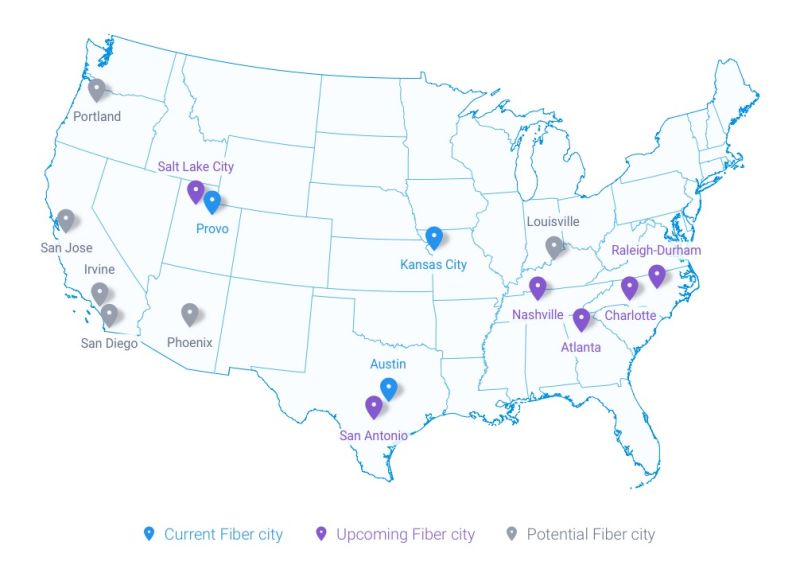
"caption": "Locations where Google Fiber is installed now and might be installed soon.",
"description": "Locations where Google Fiber is installed now and might be installed soon.",
"title": "RS17148_blog-map-1x-qut",
"credit": "Courtesy of Google",
"status": "inherit",
"isLoading": false,
"fetchFailed": false
},
"news_10638229": {
"type": "attachments",
"id": "news_10638229",
"meta": {
"index": "attachments_1716263798",
"site": "news",
"id": "10638229",
"found": true
},
"parent": 10638167,
"imgSizes": {
"twentyfourteen-full-width": {
"file": "https://ww2.kqed.org/app/uploads/sites/10/2015/08/GoogleWorkers201207121920-1038x576.jpg",
"width": 1038,
"mimeType": "image/jpeg",
"height": 576
},
"thumbnail": {
"file": "https://ww2.kqed.org/app/uploads/sites/10/2015/08/GoogleWorkers201207121920-400x225.jpg",
"width": 400,
"mimeType": "image/jpeg",
"height": 225
},
"fd-sm": {
"file": "https://ww2.kqed.org/app/uploads/sites/10/2015/08/GoogleWorkers201207121920-960x540.jpg",
"width": 960,
"mimeType": "image/jpeg",
"height": 540
},
"post-thumbnail": {
"file": "https://ww2.kqed.org/app/uploads/sites/10/2015/08/GoogleWorkers201207121920-672x372.jpg",
"width": 672,
"mimeType": "image/jpeg",
"height": 372
},
"kqedFullSize": {
"file": "https://ww2.kqed.org/app/uploads/sites/10/2015/08/GoogleWorkers201207121920.jpg",
"width": 1920,
"height": 1080
},
"large": {
"file": "https://ww2.kqed.org/app/uploads/sites/10/2015/08/GoogleWorkers201207121920-1440x810.jpg",
"width": 1440,
"mimeType": "image/jpeg",
"height": 810
},
"guest-author-96": {
"file": "https://ww2.kqed.org/app/uploads/sites/10/2015/08/GoogleWorkers201207121920-96x96.jpg",
"width": 96,
"mimeType": "image/jpeg",
"height": 96
},
"medium": {
"file": "https://ww2.kqed.org/app/uploads/sites/10/2015/08/GoogleWorkers201207121920-800x450.jpg",
"width": 800,
"mimeType": "image/jpeg",
"height": 450
},
"guest-author-64": {
"file": "https://ww2.kqed.org/app/uploads/sites/10/2015/08/GoogleWorkers201207121920-64x64.jpg",
"width": 64,
"mimeType": "image/jpeg",
"height": 64
},
"guest-author-32": {
"file": "https://ww2.kqed.org/app/uploads/sites/10/2015/08/GoogleWorkers201207121920-32x32.jpg",
"width": 32,
"mimeType": "image/jpeg",
"height": 32
},
"jmtc-small-thumb": {
"file": "https://ww2.kqed.org/app/uploads/sites/10/2015/08/GoogleWorkers201207121920-280x150.jpg",
"width": 280,
"mimeType": "image/jpeg",
"height": 150
},
"fd-lrg": {
"file": "https://ww2.kqed.org/app/uploads/sites/10/2015/08/GoogleWorkers201207121920-1920x1080.jpg",
"width": 1920,
"mimeType": "image/jpeg",
"height": 1080
},
"fd-med": {
"file": "https://ww2.kqed.org/app/uploads/sites/10/2015/08/GoogleWorkers201207121920-1180x664.jpg",
"width": 1180,
"mimeType": "image/jpeg",
"height": 664
},
"detail": {
"file": "https://ww2.kqed.org/app/uploads/sites/10/2015/08/GoogleWorkers201207121920-75x75.jpg",
"width": 75,
"mimeType": "image/jpeg",
"height": 75
},
"guest-author-128": {
"file": "https://ww2.kqed.org/app/uploads/sites/10/2015/08/GoogleWorkers201207121920-128x128.jpg",
"width": 128,
"mimeType": "image/jpeg",
"height": 128
}
},
"publishDate": 1439250556,
"modified": 1439250686,
"caption": "Google has announced the creation of its new parent company, Alphabet.",
"description": null,
"title": "GoogleWorkers201207121920",
"credit": "(David Paul Morris/Getty Images)",
"status": "inherit",
"isLoading": false,
"fetchFailed": false
},
"news_10629118": {
"type": "attachments",
"id": "news_10629118",
"meta": {
"index": "attachments_1716263798",
"site": "news",
"id": "10629118",
"found": true
},
"parent": 10629117,
"imgSizes": {
"twentyfourteen-full-width": {
"file": "https://ww2.kqed.org/app/uploads/sites/10/2015/08/RS16256_IMG_1720-qut-1038x576.jpg",
"width": 1038,
"mimeType": "image/jpeg",
"height": 576
},
"thumbnail": {
"file": "https://ww2.kqed.org/app/uploads/sites/10/2015/08/RS16256_IMG_1720-qut-400x400.jpg",
"width": 400,
"mimeType": "image/jpeg",
"height": 400
},
"fd-sm": {
"file": "https://ww2.kqed.org/app/uploads/sites/10/2015/08/RS16256_IMG_1720-qut-960x960.jpg",
"width": 960,
"mimeType": "image/jpeg",
"height": 960
},
"post-thumbnail": {
"file": "https://ww2.kqed.org/app/uploads/sites/10/2015/08/RS16256_IMG_1720-qut-672x372.jpg",
"width": 672,
"mimeType": "image/jpeg",
"height": 372
},
"kqedFullSize": {
"file": "https://ww2.kqed.org/app/uploads/sites/10/2015/08/RS16256_IMG_1720-qut.jpg",
"width": 1920,
"height": 1920
},
"large": {
"file": "https://ww2.kqed.org/app/uploads/sites/10/2015/08/RS16256_IMG_1720-qut-1440x1440.jpg",
"width": 1440,
"mimeType": "image/jpeg",
"height": 1440
},
"guest-author-96": {
"file": "https://ww2.kqed.org/app/uploads/sites/10/2015/08/RS16256_IMG_1720-qut-96x96.jpg",
"width": 96,
"mimeType": "image/jpeg",
"height": 96
},
"medium": {
"file": "https://ww2.kqed.org/app/uploads/sites/10/2015/08/RS16256_IMG_1720-qut-800x800.jpg",
"width": 800,
"mimeType": "image/jpeg",
"height": 800
},
"guest-author-64": {
"file": "https://ww2.kqed.org/app/uploads/sites/10/2015/08/RS16256_IMG_1720-qut-64x64.jpg",
"width": 64,
"mimeType": "image/jpeg",
"height": 64
},
"guest-author-32": {
"file": "https://ww2.kqed.org/app/uploads/sites/10/2015/08/RS16256_IMG_1720-qut-32x32.jpg",
"width": 32,
"mimeType": "image/jpeg",
"height": 32
},
"jmtc-small-thumb": {
"file": "https://ww2.kqed.org/app/uploads/sites/10/2015/08/RS16256_IMG_1720-qut-280x150.jpg",
"width": 280,
"mimeType": "image/jpeg",
"height": 150
},
"fd-lrg": {
"file": "https://ww2.kqed.org/app/uploads/sites/10/2015/08/RS16256_IMG_1720-qut-1920x1920.jpg",
"width": 1920,
"mimeType": "image/jpeg",
"height": 1920
},
"fd-med": {
"file": "https://ww2.kqed.org/app/uploads/sites/10/2015/08/RS16256_IMG_1720-qut-1180x1180.jpg",
"width": 1180,
"mimeType": "image/jpeg",
"height": 1180
},
"detail": {
"file": "https://ww2.kqed.org/app/uploads/sites/10/2015/08/RS16256_IMG_1720-qut-75x75.jpg",
"width": 75,
"mimeType": "image/jpeg",
"height": 75
},
"guest-author-128": {
"file": "https://ww2.kqed.org/app/uploads/sites/10/2015/08/RS16256_IMG_1720-qut-128x128.jpg",
"width": 128,
"mimeType": "image/jpeg",
"height": 128
}
},
"publishDate": 1438663310,
"modified": 1438725753,
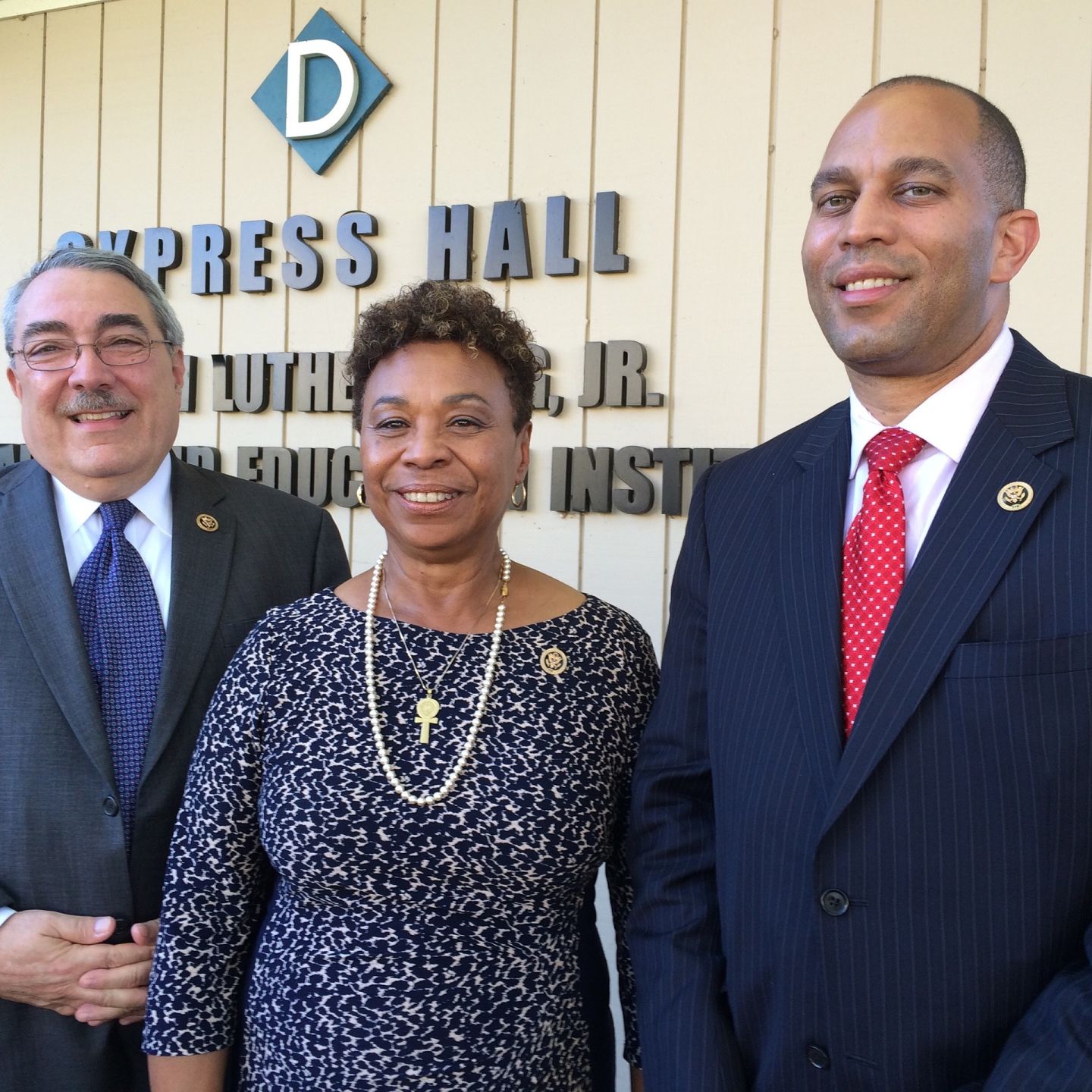
"caption": "Members of the Congressional Black Caucus include, left to right, Reps. G.K. Butterfield, Barbara Lee and Hakeem Jeffries. They want to diversify the tech workforce.",
"description": "Members of the Congressional Black Caucus include, left to right, Rep. G.K. Butterfield, Rep., Barbara Lee, and Rep. Hakeem Jeffries. They want to diversify the tech workforce.",
"title": "RS16256_IMG_1720-qut",
"credit": "Beth Willon/KQED",
"status": "inherit",
"isLoading": false,
"fetchFailed": false
},
"news_10605051": {
"type": "attachments",
"id": "news_10605051",
"meta": {
"index": "attachments_1716263798",
"site": "news",
"id": "10605051",
"found": true
},
"parent": 10604683,
"imgSizes": {
"twentyfourteen-full-width": {
"file": "https://ww2.kqed.org/app/uploads/sites/10/2015/07/RS16046_Bochstudio1cropped2-qut-1038x576.jpg",
"width": 1038,
"mimeType": "image/jpeg",
"height": 576
},
"thumbnail": {
"file": "https://ww2.kqed.org/app/uploads/sites/10/2015/07/RS16046_Bochstudio1cropped2-qut-400x313.jpg",
"width": 400,
"mimeType": "image/jpeg",
"height": 313
},
"fd-sm": {
"file": "https://ww2.kqed.org/app/uploads/sites/10/2015/07/RS16046_Bochstudio1cropped2-qut-960x750.jpg",
"width": 960,
"mimeType": "image/jpeg",
"height": 750
},
"post-thumbnail": {
"file": "https://ww2.kqed.org/app/uploads/sites/10/2015/07/RS16046_Bochstudio1cropped2-qut-672x372.jpg",
"width": 672,
"mimeType": "image/jpeg",
"height": 372
},
"kqedFullSize": {
"file": "https://ww2.kqed.org/app/uploads/sites/10/2015/07/RS16046_Bochstudio1cropped2-qut.jpg",
"width": 1920,
"height": 1500
},
"large": {
"file": "https://ww2.kqed.org/app/uploads/sites/10/2015/07/RS16046_Bochstudio1cropped2-qut-1440x1125.jpg",
"width": 1440,
"mimeType": "image/jpeg",
"height": 1125
},
"guest-author-96": {
"file": "https://ww2.kqed.org/app/uploads/sites/10/2015/07/RS16046_Bochstudio1cropped2-qut-96x96.jpg",
"width": 96,
"mimeType": "image/jpeg",
"height": 96
},
"medium": {
"file": "https://ww2.kqed.org/app/uploads/sites/10/2015/07/RS16046_Bochstudio1cropped2-qut-800x625.jpg",
"width": 800,
"mimeType": "image/jpeg",
"height": 625
},
"guest-author-64": {
"file": "https://ww2.kqed.org/app/uploads/sites/10/2015/07/RS16046_Bochstudio1cropped2-qut-64x64.jpg",
"width": 64,
"mimeType": "image/jpeg",
"height": 64
},
"guest-author-32": {
"file": "https://ww2.kqed.org/app/uploads/sites/10/2015/07/RS16046_Bochstudio1cropped2-qut-32x32.jpg",
"width": 32,
"mimeType": "image/jpeg",
"height": 32
},
"jmtc-small-thumb": {
"file": "https://ww2.kqed.org/app/uploads/sites/10/2015/07/RS16046_Bochstudio1cropped2-qut-280x150.jpg",
"width": 280,
"mimeType": "image/jpeg",
"height": 150
},
"fd-lrg": {
"file": "https://ww2.kqed.org/app/uploads/sites/10/2015/07/RS16046_Bochstudio1cropped2-qut-1400x1094.jpg",
"width": 1400,
"mimeType": "image/jpeg",
"height": 1094
},
"fd-med": {
"file": "https://ww2.kqed.org/app/uploads/sites/10/2015/07/RS16046_Bochstudio1cropped2-qut-1180x922.jpg",
"width": 1180,
"mimeType": "image/jpeg",
"height": 922
},
"detail": {
"file": "https://ww2.kqed.org/app/uploads/sites/10/2015/07/RS16046_Bochstudio1cropped2-qut-75x75.jpg",
"width": 75,
"mimeType": "image/jpeg",
"height": 75
},
"guest-author-128": {
"file": "https://ww2.kqed.org/app/uploads/sites/10/2015/07/RS16046_Bochstudio1cropped2-qut-128x128.jpg",
"width": 128,
"mimeType": "image/jpeg",
"height": 128
}
},
"publishDate": 1437179519,
"modified": 1437180517,
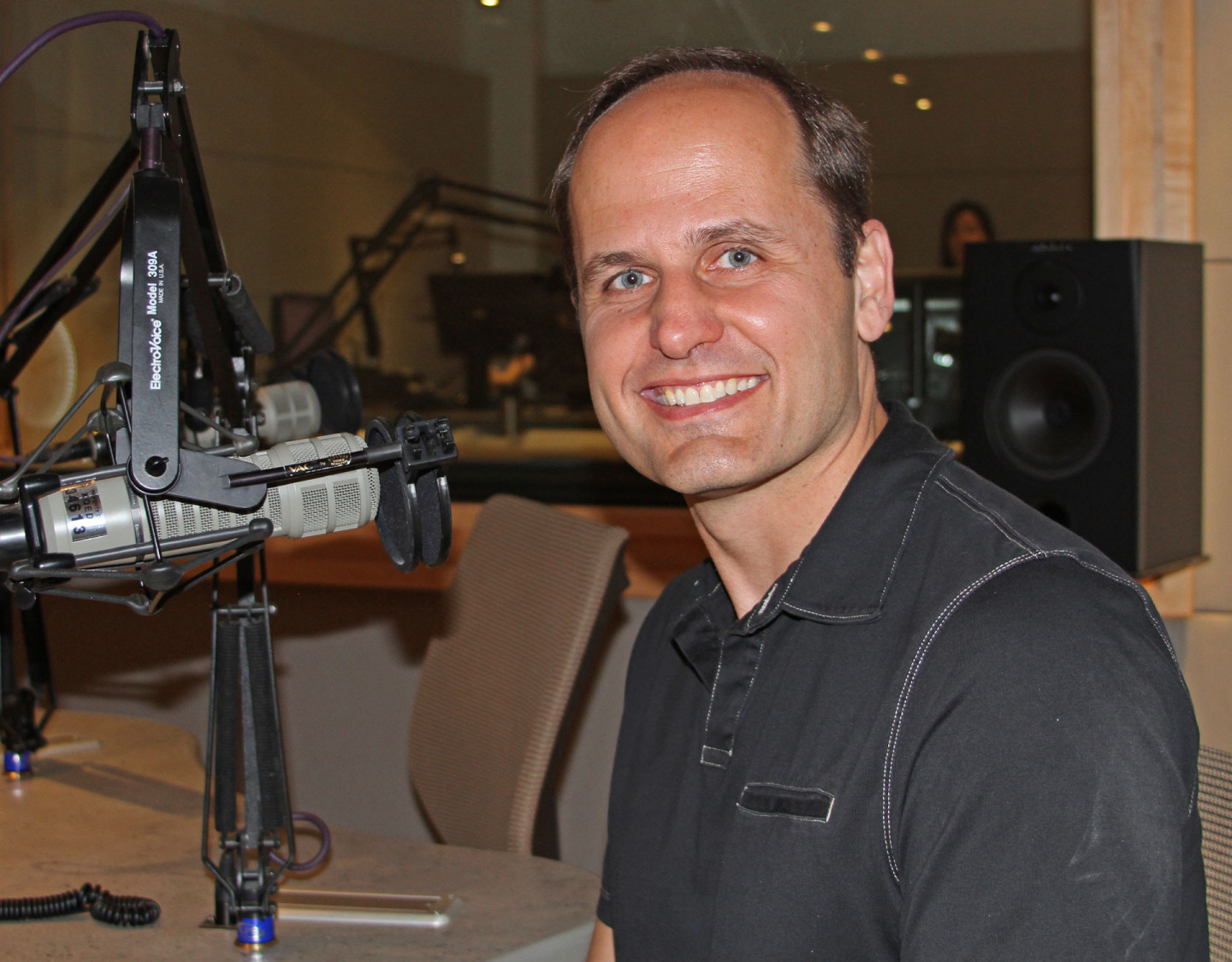
"caption": "Laszlo Bock, Google's head of 'people operations,' answered questions about the company's hiring practices during a July 17 appearance on Forum. ",
"description": "Laszlo Bock, Google's head of 'people operations,' answered questions about the company's hiring practices during a July 17 appearance on Forum. ",
"title": "RS16046_Bochstudio1cropped2-qut",
"credit": "Amanda Stupi/KQED",
"status": "inherit",
"isLoading": false,
"fetchFailed": false
},
"news_10595279": {
"type": "attachments",
"id": "news_10595279",
"meta": {
"index": "attachments_1716263798",
"site": "news",
"id": "10595279",
"found": true
},
"parent": 10595278,
"imgSizes": {
"twentyfourteen-full-width": {
"file": "https://ww2.kqed.org/app/uploads/sites/10/2015/07/GoogleWorkers201207121920-1038x576.jpg",
"width": 1038,
"mimeType": "image/jpeg",
"height": 576
},
"thumbnail": {
"file": "https://ww2.kqed.org/app/uploads/sites/10/2015/07/GoogleWorkers201207121920-400x225.jpg",
"width": 400,
"mimeType": "image/jpeg",
"height": 225
},
"fd-sm": {
"file": "https://ww2.kqed.org/app/uploads/sites/10/2015/07/GoogleWorkers201207121920-960x540.jpg",
"width": 960,
"mimeType": "image/jpeg",
"height": 540
},
"post-thumbnail": {
"file": "https://ww2.kqed.org/app/uploads/sites/10/2015/07/GoogleWorkers201207121920-672x372.jpg",
"width": 672,
"mimeType": "image/jpeg",
"height": 372
},
"kqedFullSize": {
"file": "https://ww2.kqed.org/app/uploads/sites/10/2015/07/GoogleWorkers201207121920.jpg",
"width": 1920,
"height": 1080
},
"large": {
"file": "https://ww2.kqed.org/app/uploads/sites/10/2015/07/GoogleWorkers201207121920-1440x810.jpg",
"width": 1440,
"mimeType": "image/jpeg",
"height": 810
},
"guest-author-96": {
"file": "https://ww2.kqed.org/app/uploads/sites/10/2015/07/GoogleWorkers201207121920-96x96.jpg",
"width": 96,
"mimeType": "image/jpeg",
"height": 96
},
"medium": {
"file": "https://ww2.kqed.org/app/uploads/sites/10/2015/07/GoogleWorkers201207121920-800x450.jpg",
"width": 800,
"mimeType": "image/jpeg",
"height": 450
},
"guest-author-64": {
"file": "https://ww2.kqed.org/app/uploads/sites/10/2015/07/GoogleWorkers201207121920-64x64.jpg",
"width": 64,
"mimeType": "image/jpeg",
"height": 64
},
"guest-author-32": {
"file": "https://ww2.kqed.org/app/uploads/sites/10/2015/07/GoogleWorkers201207121920-32x32.jpg",
"width": 32,
"mimeType": "image/jpeg",
"height": 32
},
"jmtc-small-thumb": {
"file": "https://ww2.kqed.org/app/uploads/sites/10/2015/07/GoogleWorkers201207121920-280x150.jpg",
"width": 280,
"mimeType": "image/jpeg",
"height": 150
},
"fd-med": {
"file": "https://ww2.kqed.org/app/uploads/sites/10/2015/07/GoogleWorkers201207121920-1180x664.jpg",
"width": 1180,
"mimeType": "image/jpeg",
"height": 664
},
"detail": {
"file": "https://ww2.kqed.org/app/uploads/sites/10/2015/07/GoogleWorkers201207121920-75x75.jpg",
"width": 75,
"mimeType": "image/jpeg",
"height": 75
},
"guest-author-128": {
"file": "https://ww2.kqed.org/app/uploads/sites/10/2015/07/GoogleWorkers201207121920-128x128.jpg",
"width": 128,
"mimeType": "image/jpeg",
"height": 128
}
},
"publishDate": 1436515918,
"modified": 1436567084,
"caption": "Privacy advocates are trying to compel Google to honor individuals' requests for removal of content they'd prefer to hide.",
"description": "Google workers",
"title": "GoogleWorkers201207121920",
"credit": "David Paul Morris/Getty Images",
"status": "inherit",
"isLoading": false,
"fetchFailed": false
},
"news_10521823": {
"type": "attachments",
"id": "news_10521823",
"meta": {
"index": "attachments_1716263798",
"site": "news",
"id": "10521823",
"found": true
},
"parent": 10521822,
"imgSizes": {
"twentyfourteen-full-width": {
"file": "https://ww2.kqed.org/app/uploads/sites/10/2015/05/486281999-1038x576.jpg",
"width": 1038,
"mimeType": "image/jpeg",
"height": 576
},
"thumbnail": {
"file": "https://ww2.kqed.org/app/uploads/sites/10/2015/05/486281999-400x276.jpg",
"width": 400,
"mimeType": "image/jpeg",
"height": 276
},
"fd-sm": {
"file": "https://ww2.kqed.org/app/uploads/sites/10/2015/05/486281999-960x662.jpg",
"width": 960,
"mimeType": "image/jpeg",
"height": 662
},
"post-thumbnail": {
"file": "https://ww2.kqed.org/app/uploads/sites/10/2015/05/486281999-672x372.jpg",
"width": 672,
"mimeType": "image/jpeg",
"height": 372
},
"kqedFullSize": {
"file": "https://ww2.kqed.org/app/uploads/sites/10/2015/05/486281999-e1431364156192.jpg",
"width": 1920,
"height": 1324
},
"large": {
"file": "https://ww2.kqed.org/app/uploads/sites/10/2015/05/486281999-1440x993.jpg",
"width": 1440,
"mimeType": "image/jpeg",
"height": 993
},
"guest-author-96": {
"file": "https://ww2.kqed.org/app/uploads/sites/10/2015/05/486281999-96x96.jpg",
"width": 96,
"mimeType": "image/jpeg",
"height": 96
},
"medium": {
"file": "https://ww2.kqed.org/app/uploads/sites/10/2015/05/486281999-800x552.jpg",
"width": 800,
"mimeType": "image/jpeg",
"height": 552
},
"guest-author-64": {
"file": "https://ww2.kqed.org/app/uploads/sites/10/2015/05/486281999-64x64.jpg",
"width": 64,
"mimeType": "image/jpeg",
"height": 64
},
"guest-author-32": {
"file": "https://ww2.kqed.org/app/uploads/sites/10/2015/05/486281999-32x32.jpg",
"width": 32,
"mimeType": "image/jpeg",
"height": 32
},
"fd-med": {
"file": "https://ww2.kqed.org/app/uploads/sites/10/2015/05/486281999-1180x814.jpg",
"width": 1180,
"mimeType": "image/jpeg",
"height": 814
},
"detail": {
"file": "https://ww2.kqed.org/app/uploads/sites/10/2015/05/486281999-75x75.jpg",
"width": 75,
"mimeType": "image/jpeg",
"height": 75
},
"guest-author-128": {
"file": "https://ww2.kqed.org/app/uploads/sites/10/2015/05/486281999-128x128.jpg",
"width": 128,
"mimeType": "image/jpeg",
"height": 128
}
},
"publishDate": 1431364064,
"modified": 1431364143,
"caption": "One of Google's self-driving Lexus SUVs is pictured in Washington, D.C., in April 2014. ",
"description": "WASHINGTON, DC - APRIL 23: Googles Lexus RX 450H Self Driving Car is seen parked on Pennsylvania Ave. on April 23, 2014 in Washington, DC. Google has logged over 300,000 miles testing its self driving cars around the country. (Photo by Mark Wilson/Getty Images)",
"title": "Self-Driving Car-Google",
"credit": "Mark Wilson/Getty Images",
"status": "inherit",
"isLoading": false,
"fetchFailed": false
},
"news_10423192": {
"type": "attachments",
"id": "news_10423192",
"meta": {
"index": "attachments_1716263798",
"site": "news",
"id": "10423192",
"found": true
},
"parent": 10423065,
"imgSizes": {
"thumbnail": {
"file": "https://ww2.kqed.org/app/uploads/sites/10/2015/02/jb_modern_parks_1_e-400x316.jpg",
"width": 400,
"mimeType": "image/jpeg",
"height": 316
},
"post-thumbnail": {
"file": "https://ww2.kqed.org/app/uploads/sites/10/2015/02/jb_modern_parks_1_e-672x372.jpg",
"width": 672,
"mimeType": "image/jpeg",
"height": 372
},
"kqedFullSize": {
"file": "https://ww2.kqed.org/app/uploads/sites/10/2015/02/jb_modern_parks_1_e.jpg",
"width": 700,
"height": 553
},
"guest-author-96": {
"file": "https://ww2.kqed.org/app/uploads/sites/10/2015/02/jb_modern_parks_1_e-96x96.jpg",
"width": 96,
"mimeType": "image/jpeg",
"height": 96
},
"guest-author-64": {
"file": "https://ww2.kqed.org/app/uploads/sites/10/2015/02/jb_modern_parks_1_e-64x64.jpg",
"width": 64,
"mimeType": "image/jpeg",
"height": 64
},
"detail": {
"file": "https://ww2.kqed.org/app/uploads/sites/10/2015/02/jb_modern_parks_1_e-75x75.jpg",
"width": 75,
"mimeType": "image/jpeg",
"height": 75
},
"guest-author-32": {
"file": "https://ww2.kqed.org/app/uploads/sites/10/2015/02/jb_modern_parks_1_e-32x32.jpg",
"width": 32,
"mimeType": "image/jpeg",
"height": 32
},
"guest-author-128": {
"file": "https://ww2.kqed.org/app/uploads/sites/10/2015/02/jb_modern_parks_1_e-128x128.jpg",
"width": 128,
"mimeType": "image/jpeg",
"height": 128
}
},
"publishDate": 1422947944,
"modified": 1423001569,
"caption": "Rosa Parks is fingerprinted following her arrest for refusing to yield her seat to a white passenger on a Montgomery, Alabama, bus. \u003ca href=\"http://www.washingtonpost.com/local/artifacts-show-a-rosa-parks-steeped-in-freedom-struggle-from-childhood/2015/02/02/90ee01f4-a7de-11e4-a7c2-03d37af98440_story.html?hpid=z3\" target=\"_blank\">(See story)\u003c/a>",
"description": null,
"title": "Rosa Parks",
"credit": "Library of Congress",
"status": "inherit",
"isLoading": false,
"fetchFailed": false
},
"news_10399311": {
"type": "attachments",
"id": "news_10399311",
"meta": {
"index": "attachments_1716263798",
"site": "news",
"id": "10399311",
"found": true
},
"parent": 10395830,
"imgSizes": {
"twentyfourteen-full-width": {
"file": "https://ww2.kqed.org/app/uploads/sites/10/2015/01/RS13909_20150105_boomtown_rwc_jt-8-qut-1038x576.jpg",
"width": 1038,
"mimeType": "image/jpeg",
"height": 576
},
"thumbnail": {
"file": "https://ww2.kqed.org/app/uploads/sites/10/2015/01/RS13909_20150105_boomtown_rwc_jt-8-qut-400x266.jpg",
"width": 400,
"mimeType": "image/jpeg",
"height": 266
},
"post-thumbnail": {
"file": "https://ww2.kqed.org/app/uploads/sites/10/2015/01/RS13909_20150105_boomtown_rwc_jt-8-qut-672x372.jpg",
"width": 672,
"mimeType": "image/jpeg",
"height": 372
},
"kqedFullSize": {
"file": "https://ww2.kqed.org/app/uploads/sites/10/2015/01/RS13909_20150105_boomtown_rwc_jt-8-qut.jpg",
"width": 1440,
"height": 961
},
"guest-author-96": {
"file": "https://ww2.kqed.org/app/uploads/sites/10/2015/01/RS13909_20150105_boomtown_rwc_jt-8-qut-96x96.jpg",
"width": 96,
"mimeType": "image/jpeg",
"height": 96
},
"medium": {
"file": "https://ww2.kqed.org/app/uploads/sites/10/2015/01/RS13909_20150105_boomtown_rwc_jt-8-qut-800x533.jpg",
"width": 800,
"mimeType": "image/jpeg",
"height": 533
},
"guest-author-64": {
"file": "https://ww2.kqed.org/app/uploads/sites/10/2015/01/RS13909_20150105_boomtown_rwc_jt-8-qut-64x64.jpg",
"width": 64,
"mimeType": "image/jpeg",
"height": 64
},
"detail": {
"file": "https://ww2.kqed.org/app/uploads/sites/10/2015/01/RS13909_20150105_boomtown_rwc_jt-8-qut-75x75.jpg",
"width": 75,
"mimeType": "image/jpeg",
"height": 75
},
"guest-author-32": {
"file": "https://ww2.kqed.org/app/uploads/sites/10/2015/01/RS13909_20150105_boomtown_rwc_jt-8-qut-32x32.jpg",
"width": 32,
"mimeType": "image/jpeg",
"height": 32
},
"guest-author-128": {
"file": "https://ww2.kqed.org/app/uploads/sites/10/2015/01/RS13909_20150105_boomtown_rwc_jt-8-qut-128x128.jpg",
"width": 128,
"mimeType": "image/jpeg",
"height": 128
}
},
"publishDate": 1420553973,
"modified": 1420554070,
"caption": "The latest tech boom is remaking downtown Redwood City. (James Tenusan/KQED)",
"description": "The latest tech boom is remaking downtown Redwood City. (James Tenusan/KQED)",
"title": "RS13909_20150105_boomtown_rwc_jt-8-qut",
"credit": null,
"status": "inherit",
"isLoading": false,
"fetchFailed": false
},
"news_133673": {
"type": "attachments",
"id": "news_133673",
"meta": {
"index": "attachments_1716263798",
"site": "news",
"id": "133673",
"found": true
},
"parent": 133657,
"imgSizes": {
"kqedFullSize": {
"file": "https://ww2.kqed.org/app/uploads/sites/10/2014/04/RS378_Google_082411-lpr.jpg",
"width": 1580,
"height": 996
}
},
"publishDate": 1398291571,
"modified": 1435192093,
"caption": "Google headquarters in Mountain View. ",
"description": "Google headquarters in Mountain View. (Justin Sullivan/Getty Images)",
"title": "Google headquarters",
"credit": "Justin Sullivan/Getty Images",
"status": "inherit",
"isLoading": false,
"fetchFailed": false
},
"news_10340913": {
"type": "attachments",
"id": "news_10340913",
"meta": {
"index": "attachments_1716263798",
"site": "news",
"id": "10340913",
"found": true
},
"parent": 10140912,
"imgSizes": {
"thumbnail": {
"file": "https://ww2.kqed.org/app/uploads/sites/10/2014/09/GoogleAfricaOffice-400x225.jpg",
"width": 400,
"mimeType": "image/jpeg",
"height": 225
},
"kqedFullSize": {
"file": "https://ww2.kqed.org/app/uploads/sites/10/2014/09/GoogleAfricaOffice.jpg",
"width": 640,
"height": 360
},
"guest-author-96": {
"file": "https://ww2.kqed.org/app/uploads/sites/10/2014/09/GoogleAfricaOffice-96x96.jpg",
"width": 96,
"mimeType": "image/jpeg",
"height": 96
},
"guest-author-64": {
"file": "https://ww2.kqed.org/app/uploads/sites/10/2014/09/GoogleAfricaOffice-64x64.jpg",
"width": 64,
"mimeType": "image/jpeg",
"height": 64
},
"detail": {
"file": "https://ww2.kqed.org/app/uploads/sites/10/2014/09/GoogleAfricaOffice-75x75.jpg",
"width": 75,
"mimeType": "image/jpeg",
"height": 75
},
"guest-author-32": {
"file": "https://ww2.kqed.org/app/uploads/sites/10/2014/09/GoogleAfricaOffice-32x32.jpg",
"width": 32,
"mimeType": "image/jpeg",
"height": 32
},
"guest-author-128": {
"file": "https://ww2.kqed.org/app/uploads/sites/10/2014/09/GoogleAfricaOffice-128x128.jpg",
"width": 128,
"mimeType": "image/jpeg",
"height": 128
}
},
"publishDate": 1410392956,
"modified": 1410392956,
"caption": "Tidjane Deme, 40, is the founder of Google's office in Dakar. While Google Maps doesn't work in the city, Deme says all of Africa will soon be connected. (Aarti Shahani/KQED)",
"description": null,
"title": "GoogleAfricaOffice",
"credit": null,
"status": "inherit",
"isLoading": false,
"fetchFailed": false
},
"news_129848": {
"type": "attachments",
"id": "news_129848",
"meta": {
"index": "attachments_1716263798",
"site": "news",
"id": "129848",
"found": true
},
"parent": 129840,
"imgSizes": {
"kqedFullSize": {
"file": "https://ww2.kqed.org/app/uploads/sites/10/2014/03/152882416-640x425.jpg",
"width": 640,
"height": 425
}
},
"publishDate": 1395186799,
"modified": 1395186799,
"caption": "Filipino Muslims in September 2012, part of worldwide protest against an anti-Muslim film produced in the United States. (Noel Celis/AFP-Getty Images)",
"description": "Filipino Muslims in September 2012, part of worldwide protest against an anti-Muslim film produced in the United States. (Noel Celis/AFP-Getty Images)",
"title": "152882416-640x425",
"credit": null,
"status": "inherit",
"isLoading": false,
"fetchFailed": false
}
},
"audioPlayerReducer": {
"postId": "stream_live",
"isPaused": true,
"isPlaying": false,
"pfsActive": false,
"pledgeModalIsOpen": true,
"playerDrawerIsOpen": false,
"liveAudioPlayStartedAt": 0,
"liveAudioPlayContext": ""
},
"authorsReducer": {
"98603": {
"type": "authors",
"id": "98603",
"meta": {
"override": true
},
"slug": "98603",
"name": "Aarti Shahani",
"firstName": "Aarti",
"lastName": "Shahani",
"bio": "",
"email": "ashahani@kqed.org",
"isLoading": false
},
"byline_news_10638167": {
"type": "authors",
"id": "byline_news_10638167",
"meta": {
"override": true
},
"slug": "byline_news_10638167",
"name": "\u003cstrong>Brandon Bailey\u003cbr />Associated Press\u003c/strong>",
"isLoading": false
},
"byline_news_10521822": {
"type": "authors",
"id": "byline_news_10521822",
"meta": {
"override": true
},
"slug": "byline_news_10521822",
"name": "\u003cstrong>\u003ca href=\"http://twitter.com/lalanewsman\" target=\"_blank\">Justin Pritchard\u003c/a>\u003cbr />Associated Press\u003c/strong>",
"isLoading": false
},
"astupi": {
"type": "authors",
"id": "70",
"meta": {
"index": "authors_1716337520",
"id": "70",
"found": true
},
"name": "Amanda Stupi",
"firstName": "Amanda",
"lastName": "Stupi",
"slug": "astupi",
"email": "astupi@kqed.org",
"display_author_email": false,
"staff_mastheads": [],
"title": "Senior Engagement Producer",
"bio": "Amanda joined KQED Science’s engagement team as a Senior Audience Engagement Strategist in the spring of 2019. She has helped craft messaging around wildfires, the coronavirus pandemic, climate change and many other stories. She has also brought KQED Science to new platforms such as Reddit’s Ask Me Anything series. Prior to joining KQED Science, Amanda spent seven years as an engagement producer with Forum, KQED’s daily live call-in show. She got her start in radio at KALW's weekly call in show, City Visions, before going on to an internship and stint at NPR's Talk of the Nation.\r\n\r\nPrior to journalism, Amanda taught English at Lowell High School. She's a native of Petaluma and currently lives under the \"South San Francisco the Industrial City\" sign in South City. She believes that engagement is vital to news’s future and that good journalism listens as much as it asks questions.",
"avatar": "https://secure.gravatar.com/avatar/e981c503e5c162da701dcaccfbf87e35?s=600&d=blank&r=g",
"twitter": null,
"facebook": null,
"instagram": null,
"linkedin": null,
"sites": [
{
"site": "arts",
"roles": [
"Contributor"
]
},
{
"site": "news",
"roles": [
"editor"
]
},
{
"site": "pop",
"roles": [
"contributor"
]
},
{
"site": "stateofhealth",
"roles": [
"editor"
]
},
{
"site": "science",
"roles": []
},
{
"site": "perspectives",
"roles": [
"editor"
]
}
],
"headData": {
"title": "Amanda Stupi | KQED",
"description": "Senior Engagement Producer",
"ogImgSrc": "https://secure.gravatar.com/avatar/e981c503e5c162da701dcaccfbf87e35?s=600&d=blank&r=g",
"twImgSrc": "https://secure.gravatar.com/avatar/e981c503e5c162da701dcaccfbf87e35?s=600&d=blank&r=g"
},
"isLoading": false,
"link": "/author/astupi"
},
"danbrekke": {
"type": "authors",
"id": "222",
"meta": {
"index": "authors_1716337520",
"id": "222",
"found": true
},
"name": "Dan Brekke",
"firstName": "Dan",
"lastName": "Brekke",
"slug": "danbrekke",
"email": "dbrekke@kqed.org",
"display_author_email": true,
"staff_mastheads": [
"news",
"science"
],
"title": "KQED Editor and Reporter",
"bio": "Dan Brekke is a reporter and editor for KQED News, responsible for coverage of topics ranging from California water issues to the Bay Area's transportation challenges. In a newsroom career that began in Chicago in 1972, Dan has worked for \u003cem>The San Francisco Examiner,\u003c/em> Wired and TechTV and has been published in The New York Times, The New York Times Magazine, Business 2.0, Salon and elsewhere.\r\n\r\nSince joining KQED in 2007, Dan has reported, edited and produced both radio and online features and breaking news pieces. He has shared as both editor and reporter in four Society of Professional Journalists Norcal Excellence in Journalism awards and one Edward R. Murrow regional award. He was chosen for a spring 2017 residency at the Mesa Refuge to advance his research on California salmon.\r\n\r\nEmail Dan at: \u003ca href=\"mailto:dbrekke@kqed.org\">dbrekke@kqed.org\u003c/a>\r\n\r\n\u003cstrong>Twitter:\u003c/strong> \u003ca href=\"https://twitter.com/danbrekke\" rel=\"noopener noreferrer\">twitter.com/danbrekke\u003c/a>\r\n\u003cstrong>Facebook:\u003c/strong> \u003ca href=\"https://www.facebook.com/danbrekke\" rel=\"noopener noreferrer\">www.facebook.com/danbrekke\u003c/a>\r\n\u003cstrong>LinkedIn:\u003c/strong> \u003ca href=\"https://www.linkedin.com/in/danbrekke\" rel=\"noopener noreferrer\">www.linkedin.com/in/danbrekke\u003c/a>",
"avatar": "https://secure.gravatar.com/avatar/8f1f0d2a978fb3b23426c922c7e2af558fa36905b49c4ce76a97dc3c72d27226?s=600&d=mm&r=g",
"twitter": "danbrekke",
"bluesky": null,
"facebook": null,
"instagram": "https://www.instagram.com/dan.brekke/",
"linkedin": "https://www.linkedin.com/in/danbrekke/",
"sites": [
{
"site": "news",
"roles": [
"administrator",
"create_posts"
]
},
{
"site": "stateofhealth",
"roles": [
"editor"
]
},
{
"site": "science",
"roles": [
"editor"
]
},
{
"site": "quest",
"roles": [
"contributor"
]
},
{
"site": "food",
"roles": [
"contributor"
]
},
{
"site": "forum",
"roles": [
"contributor"
]
},
{
"site": "elections",
"roles": [
"editor"
]
},
{
"site": "liveblog",
"roles": [
"editor"
]
}
],
"headData": {
"title": "Dan Brekke | KQED",
"description": "KQED Editor and Reporter",
"ogImgSrc": "https://secure.gravatar.com/avatar/8f1f0d2a978fb3b23426c922c7e2af558fa36905b49c4ce76a97dc3c72d27226?s=600&d=mm&r=g",
"twImgSrc": "https://secure.gravatar.com/avatar/8f1f0d2a978fb3b23426c922c7e2af558fa36905b49c4ce76a97dc3c72d27226?s=600&d=mm&r=g"
},
"isLoading": false,
"link": "/author/danbrekke"
},
"kqed": {
"type": "authors",
"id": "236",
"meta": {
"index": "authors_1716337520",
"id": "236",
"found": true
},
"name": "KQED News Staff",
"firstName": "KQED News Staff",
"lastName": null,
"slug": "kqed",
"email": "faq@kqed.org",
"display_author_email": false,
"staff_mastheads": [],
"title": null,
"bio": null,
"avatar": "https://secure.gravatar.com/avatar/ef0e801a68c4c54afa9180db14084167?s=600&d=blank&r=g",
"twitter": null,
"facebook": null,
"instagram": null,
"linkedin": null,
"sites": [
{
"site": "arts",
"roles": [
"contributor"
]
},
{
"site": "news",
"roles": [
"editor"
]
},
{
"site": "futureofyou",
"roles": [
"author"
]
}
],
"headData": {
"title": "KQED News Staff | KQED",
"description": null,
"ogImgSrc": "https://secure.gravatar.com/avatar/ef0e801a68c4c54afa9180db14084167?s=600&d=blank&r=g",
"twImgSrc": "https://secure.gravatar.com/avatar/ef0e801a68c4c54afa9180db14084167?s=600&d=blank&r=g"
},
"isLoading": false,
"link": "/author/kqed"
},
"kqednewsstaffandwires": {
"type": "authors",
"id": "237",
"meta": {
"index": "authors_1716337520",
"id": "237",
"found": true
},
"name": "KQED News Staff and Wires",
"firstName": "KQED News Staff and Wires",
"lastName": null,
"slug": "kqednewsstaffandwires",
"email": "onlinenewsstaff@kqed.org",
"display_author_email": false,
"staff_mastheads": [],
"title": null,
"bio": null,
"avatar": "https://secure.gravatar.com/avatar/72295af8ebbfbd19a4948f5271285664?s=600&d=blank&r=g",
"twitter": null,
"facebook": null,
"instagram": null,
"linkedin": null,
"sites": [
{
"site": "arts",
"roles": [
"contributor"
]
},
{
"site": "news",
"roles": [
"contributor"
]
},
{
"site": "lowdown",
"roles": [
"author"
]
},
{
"site": "stateofhealth",
"roles": [
"contributor"
]
},
{
"site": "food",
"roles": [
"author"
]
}
],
"headData": {
"title": "KQED News Staff and Wires | KQED",
"description": null,
"ogImgSrc": "https://secure.gravatar.com/avatar/72295af8ebbfbd19a4948f5271285664?s=600&d=blank&r=g",
"twImgSrc": "https://secure.gravatar.com/avatar/72295af8ebbfbd19a4948f5271285664?s=600&d=blank&r=g"
},
"isLoading": false,
"link": "/author/kqednewsstaffandwires"
},
"rachael-myrow": {
"type": "authors",
"id": "251",
"meta": {
"index": "authors_1716337520",
"id": "251",
"found": true
},
"name": "Rachael Myrow",
"firstName": "Rachael",
"lastName": "Myrow",
"slug": "rachael-myrow",
"email": "rmyrow@kqed.org",
"display_author_email": true,
"staff_mastheads": [
"news"
],
"title": "Senior Editor of KQED's Silicon Valley News Desk",
"bio": "• I write and edit stories about how Silicon Valley power and policies shape everyday life in California. I’m also passionate about making Bay Area history and culture more accessible to a broad public. • I’ve been a journalist for most of my life, starting in high school with The Franklin Press in Los Angeles, where I grew up. While earning my first degree in English at UC Berkeley, I got my start in public radio at KALX-FM. After completing a second degree in journalism at Cal, I landed my first professional job at Marketplace, then moved on to KPCC (now LAist), and then KQED, where I hosted The California Report for more than seven years. • My reporting has appeared on NPR, The World, WBUR’s \u003ci>Here & Now\u003c/i>, and the BBC. I also guest host for KQED’s \u003ci>Forum\u003c/i>, as well as the Commonwealth Club in San Francisco. • I speak periodically on media, democracy and technology issues, and do voiceover work for documentaries and educational video projects. • Outside of the studio, you'll find me hiking Bay Area trails and whipping up Insta-ready meals in my kitchen. • I do not accept gifts, money, or favors from anyone connected to my reporting, I don't pay people for information, and I do not support or donate to political causes. • I strive to treat the people I report on with fairness, honesty, and respect. I also recognize there are often multiple sides to a story and work to verify information through multiple sources and documentation. If I get something wrong, I correct it.",
"avatar": "https://secure.gravatar.com/avatar/3ed8a3c5f26025e4a805ba634cda8cd764906b97438a6d9ce216b044e340da4e?s=600&d=blank&r=g",
"twitter": "rachaelmyrow",
"bluesky": null,
"facebook": null,
"instagram": null,
"linkedin": "https://www.linkedin.com/in/rachaelmyrow/",
"sites": [
{
"site": "arts",
"roles": [
"administrator"
]
},
{
"site": "news",
"roles": [
"edit_others_posts",
"editor"
]
},
{
"site": "futureofyou",
"roles": [
"editor"
]
},
{
"site": "bayareabites",
"roles": [
"editor"
]
},
{
"site": "stateofhealth",
"roles": [
"editor"
]
},
{
"site": "science",
"roles": [
"editor"
]
},
{
"site": "food",
"roles": [
"editor"
]
},
{
"site": "forum",
"roles": [
"editor"
]
},
{
"site": "liveblog",
"roles": [
"author"
]
}
],
"headData": {
"title": "Rachael Myrow | KQED",
"description": "Senior Editor of KQED's Silicon Valley News Desk",
"ogImgSrc": "https://secure.gravatar.com/avatar/3ed8a3c5f26025e4a805ba634cda8cd764906b97438a6d9ce216b044e340da4e?s=600&d=blank&r=g",
"twImgSrc": "https://secure.gravatar.com/avatar/3ed8a3c5f26025e4a805ba634cda8cd764906b97438a6d9ce216b044e340da4e?s=600&d=blank&r=g"
},
"isLoading": false,
"link": "/author/rachael-myrow"
},
"bwillon": {
"type": "authors",
"id": "3207",
"meta": {
"index": "authors_1716337520",
"id": "3207",
"found": true
},
"name": "Beth Willon",
"firstName": "Beth",
"lastName": "Willon",
"slug": "bwillon",
"email": "bwillon@kqed.org",
"display_author_email": false,
"staff_mastheads": [],
"title": "KQED Contributor",
"bio": "Beth Willon is a former senior reporter for KQED's Silicon Valley News Desk in San Jose. (@KQEDNews )\r\n\r\n@BethWillon",
"avatar": "https://secure.gravatar.com/avatar/3533b741c785d6a97e8b283e7f65606d?s=600&d=blank&r=g",
"twitter": null,
"facebook": null,
"instagram": null,
"linkedin": null,
"sites": [
{
"site": "news",
"roles": [
"subscriber"
]
}
],
"headData": {
"title": "Beth Willon | KQED",
"description": "KQED Contributor",
"ogImgSrc": "https://secure.gravatar.com/avatar/3533b741c785d6a97e8b283e7f65606d?s=600&d=blank&r=g",
"twImgSrc": "https://secure.gravatar.com/avatar/3533b741c785d6a97e8b283e7f65606d?s=600&d=blank&r=g"
},
"isLoading": false,
"link": "/author/bwillon"
},
"rbowe": {
"type": "authors",
"id": "3231",
"meta": {
"index": "authors_1716337520",
"id": "3231",
"found": true
},
"name": "Rebecca Bowe",
"firstName": "Rebecca",
"lastName": "Bowe",
"slug": "rbowe",
"email": "rbowe@kqed.org",
"display_author_email": false,
"staff_mastheads": [],
"title": null,
"bio": "Rebecca Bowe is a journalist based in San Francisco. She's covered Bay Area news since 2009, and previously served as News Editor of the San Francisco Bay Guardian. Follow her on Twitter @ByRebeccaBowe.",
"avatar": "https://secure.gravatar.com/avatar/50e1da0639521639108e89c123a76c9c?s=600&d=blank&r=g",
"twitter": null,
"facebook": null,
"instagram": null,
"linkedin": null,
"sites": [
{
"site": "news",
"roles": [
"subscriber"
]
},
{
"site": "science",
"roles": [
"editor"
]
}
],
"headData": {
"title": "Rebecca Bowe | KQED",
"description": null,
"ogImgSrc": "https://secure.gravatar.com/avatar/50e1da0639521639108e89c123a76c9c?s=600&d=blank&r=g",
"twImgSrc": "https://secure.gravatar.com/avatar/50e1da0639521639108e89c123a76c9c?s=600&d=blank&r=g"
},
"isLoading": false,
"link": "/author/rbowe"
}
},
"pagesReducer": {
"news_tag_google": {
"type": "terms",
"id": "news_93",
"meta": {
"index": "terms_1716263798",
"site": "news",
"id": "93",
"score": 8.458717
},
"featImg": null,
"name": "Google",
"description": null,
"taxonomy": "tag",
"headData": {
"twImgId": null,
"twTitle": null,
"ogTitle": null,
"ogImgId": null,
"twDescription": null,
"description": null,
"title": "Google Archives | KQED News",
"ogDescription": null
},
"ttid": 96,
"slug": "google",
"isLoading": false,
"title": "Google",
"pageMeta": {
"site": "news",
"WpPageTemplate": "page-topic-editorial",
"currentPage": 16
},
"blocks": [
{
"blockName": "kqed/post-list",
"attrs": {
"layout": "cardArticle2",
"query": "posts/news?tag=google",
"seeMore": false,
"paginated": true,
"page": 16
}
},
{
"blockName": "kqed/ad"
}
]
}
},
"pfsSessionReducer": {},
"postsReducer": {
"stream_live": {
"type": "live",
"id": "stream_live",
"audioUrl": "https://streams.kqed.org/kqedradio",
"title": "Live Stream",
"excerpt": "Live Stream information currently unavailable.",
"link": "/radio",
"featImg": "",
"label": {
"name": "KQED Live",
"link": "/"
}
},
"stream_kqedNewscast": {
"type": "posts",
"id": "stream_kqedNewscast",
"audioUrl": "https://www.kqed.org/.stream/anon/radio/RDnews/newscast.mp3?_=1",
"title": "KQED Newscast",
"featImg": "",
"label": {
"name": "88.5 FM",
"link": "/"
}
},
"news_10728880": {
"type": "posts",
"id": "news_10728880",
"meta": {
"index": "posts_1716263798",
"site": "news",
"id": "10728880",
"score": null,
"sort": [
1445614065000
]
},
"parent": 0,
"labelTerm": {
"site": "news",
"term": 72
},
"blocks": [],
"publishDate": 1445614065,
"format": "standard",
"disqusTitle": "Superfast Google Fiber Network Finally Arriving in California",
"title": "Superfast Google Fiber Network Finally Arriving in California",
"headTitle": "The California Report | KQED News",
"content": "\u003cp>Google Fiber is fast, way faster than the Internet and TV service than most of us have access to now. As Google explains it in an online \u003ca href=\"https://drive.google.com/file/d/0BzFtF8hfXfXDR1NaT21NZnJTMHM/view\" target=\"_blank\">FAQ on Fiber\u003c/a>: \"When most Americans connect to the Internet, their signal travels along a local infrastructure built mostly of copper cables. This technology has been around for over 100 years, and it wasn’t built for what we’re trying to use it for today.\"\u003c/p>\n\u003cp>Fiber-optic cables made of glass, in contrast, use lasers to transmit information at rates close to the speed of light. The company says: \"Google Fiber is capable of delivering speeds up to 1 gigabit per second -- that’s up to 1,000 megabits per second.\"\u003c/p>\n\u003cp>Compare that with the average Internet speed in the United States today, which is 11.9 Mbps, according to a \u003ca href=\"https://www.stateoftheinternet.com/resources-connectivity-2015-q1-state-of-the-internet-report.html\" target=\"_blank\">recent report\u003c/a> from cloud service provider Akamai. How fast is the fastest average national connection speed? 23.6Mbps, in South Korea.\u003c/p>\n\u003cp>[soundcloud url=\"https://api.soundcloud.com/tracks/229760518\" params=\"color=ff5500&auto_play=false&hide_related=false&show_comments=true&show_user=true&show_reposts=false\" width=\"100%\" height=\"166\" iframe=\"true\" /]\u003c/p>\n\u003cp>Other companies have begun building out gigabit fiber networks for homes and businesses, but the work has been slow and sporadic. And the superfast service, where it existed, tended to be very expensive -- sometimes hundreds of dollars a month.\u003c/p>\n\u003cp>[ad fullwidth]\u003c/p>\n\u003cp>Google first announced plans to get into the broadband business back in 2010. While many cities vied to be the first, Google went went where it figured installation would be most friction-free in terms of bureaucracy. Kansas City was first, then Austin, Texas and Provo, Utah. Then came six more cities: Salt Lake City, San Antonio, Atlanta, Charlotte, Raleigh-Durham and Nashville.\u003c/p>\n\u003cp>Now a number of California cities are keen to get in on the third wave of installations. Maggie Reardon of CNET has been \u003ca href=\"http://www.cnet.com/news/google-exec-sees-google-fiber-as-a-moneymaker/\" target=\"_blank\">covering Google Fiber\u003c/a> since it launched. She says cities in Middle America use Fiber to attract tech companies. For cities already home to a lot of tech, like those in Silicon Valley, Google Fiber promises to help them stay competitive.\u003c/p>\n\u003cp>\"This is the future,\" Reardon says. \"And if you want to be a center of innovation, and certainly Silicon Valley is known for that, it just makes sense that they would want this kind of infrastructure in the ground.\"\u003c/p>\n\u003cp>Reardon says Google saw a U.S. marketplace in which legacy telecoms and cable firms were moving with no sense of urgency.\u003c/p>\n\u003cp>Dominant players like AT&T and Comcast \"were going to incrementally bump up Internet speeds, and really do as little as they could with the infrastructure they had,\" she says.\u003c/p>\n\u003cp>But now, \u003ca href=\"http://corporate.comcast.com/news-information/news-feed/2-gig-internet-california\" target=\"_blank\">Comcast\u003c/a> and \u003ca href=\"http://www.att.com/att/gigapowercities/\" target=\"_blank\">AT&T\u003c/a> can see the writing on the wall. They've both begun to roll out their own faster services in California, where the list of cities keen to get Google Fiber is growing. In addition to San Jose, Google is also in \"exploratory talks\" with Palo Alto, Sunnyvale, Santa Clara, Mountain View, San Diego and \u003ca href=\"http://www.ocregister.com/articles/fiber-681915-google-city.html\" target=\"_blank\">Irvine\u003c/a>.\u003c/p>\n\u003cfigure id=\"attachment_10729080\" class=\"wp-caption aligncenter\" style=\"max-width: 800px\">\u003ca href=\"http://ww2.kqed.org/news/wp-content/uploads/sites/10/2015/10/RS17149_SLC_van-qut.jpg\">\u003cimg class=\"size-medium wp-image-10729080\" src=\"http://ww2.kqed.org/news/wp-content/uploads/sites/10/2015/10/RS17149_SLC_van-qut-800x420.jpg\" alt=\"A Google Fiber installation van overlooking Salt Lake City.\" width=\"800\" height=\"420\" srcset=\"https://ww2.kqed.org/app/uploads/sites/10/2015/10/RS17149_SLC_van-qut-800x420.jpg 800w, https://ww2.kqed.org/app/uploads/sites/10/2015/10/RS17149_SLC_van-qut-400x210.jpg 400w, https://ww2.kqed.org/app/uploads/sites/10/2015/10/RS17149_SLC_van-qut-1180x620.jpg 1180w, https://ww2.kqed.org/app/uploads/sites/10/2015/10/RS17149_SLC_van-qut-960x504.jpg 960w, https://ww2.kqed.org/app/uploads/sites/10/2015/10/RS17149_SLC_van-qut.jpg 1200w\" sizes=\"(max-width: 800px) 100vw, 800px\">\u003c/a>\u003cfigcaption class=\"wp-caption-text\">A Google Fiber installation van overlooking Salt Lake City. \u003ccite>(Courtesy of Google.)\u003c/cite>\u003c/figcaption>\u003c/figure>\n\u003cp>\u003cstrong>Google Fiber is Coming to San Jose, Yes?\u003cbr>\n\u003c/strong>\u003c/p>\n\u003cp>A recent article in the \u003ca href=\"http://www.mercurynews.com/bay-area-news/ci_28996963/google-fiber-gears-up-expand-san-jose\" target=\"_blank\">Mercury News\u003c/a> suggested Google has all but officially announced it's installing fiber in San Jose, noting Google has applied for permits to build two \"fiber huts\" to house its fiber cables. But Google is playing coy. When asked to go public with the relationship, spokeswoman Kelly Mason wrote:\u003c/p>\n\u003cp>\u003cem>“Obtaining fiber hut permits is an important step in our exploration process, and brings us closer to a decision on bringing Google Fiber to San Jose. We continue to make great progress working alongside city leaders, and hope to share an update soon.”\u003cbr>\n\u003c/em>\u003c/p>\n\u003cp>It's not clear, given what information the company has released, what promise of profit there is for Google with this initiative, but that may not be the point, says Reardon.\u003c/p>\n\u003cp>\"Google's business is all about eyeballs on the Internet,\" she says. \"The faster the network connections are, and the more applications that are developed for the Internet, the more they can sell advertising and monetize those eyeballs.\"\u003c/p>\n\u003cp>\u003c/p>\n\u003cp>She adds: \"The promise of these faster networks is not really about applications that we think about today, but things that haven't been thought of yet.\"\u003c/p>\n\n",
"disqusIdentifier": "10728880 http://ww2.kqed.org/news/?p=10728880",
"disqusUrl": "https://ww2.kqed.org/news/2015/10/23/superfast-google-fiber-network-finally-arriving-in-california/",
"stats": {
"hasVideo": false,
"hasChartOrMap": false,
"hasAudio": false,
"hasPolis": false,
"wordCount": 732,
"hasGoogleForm": false,
"hasGallery": false,
"hasHearkenModule": false,
"iframeSrcs": [],
"paragraphCount": 19
},
"modified": 1445638652,
"excerpt": "Which California city will be first to get Google Fiber? Several, including some in the Bay Area, are in the running. ",
"headData": {
"twImgId": "",
"twTitle": "",
"ogTitle": "",
"ogImgId": "",
"twDescription": "",
"description": "Which California city will be first to get Google Fiber? Several, including some in the Bay Area, are in the running. ",
"title": "Superfast Google Fiber Network Finally Arriving in California | KQED",
"ogDescription": "",
"schema": {
"@context": "https://schema.org",
"@type": "NewsArticle",
"headline": "Superfast Google Fiber Network Finally Arriving in California",
"datePublished": "2015-10-23T08:27:45-07:00",
"dateModified": "2015-10-23T15:17:32-07:00",
"image": "https://cdn.kqed.org/wp-content/uploads/2020/02/KQED-OG-Image@1x.png",
"isAccessibleForFree": "True",
"publisher": {
"@type": "NewsMediaOrganization",
"@id": "https://www.kqed.org/#organization",
"name": "KQED",
"logo": "https://cdn.kqed.org/wp-content/uploads/2020/02/KQED-OG-Image@1x.png",
"url": "https://www.kqed.org",
"sameAs": [
"https://www.facebook.com/KQED",
"https://twitter.com/KQED",
"https://www.instagram.com/kqed/",
"https://www.tiktok.com/@kqedofficial",
"https://www.linkedin.com/company/kqed",
"https://www.youtube.com/channel/UCeC0IOo7i1P_61zVUWbJ4nw"
]
}
}
},
"guestAuthors": [],
"slug": "superfast-google-fiber-network-finally-arriving-in-california",
"status": "publish",
"path": "/news/10728880/superfast-google-fiber-network-finally-arriving-in-california",
"audioTrackLength": null,
"parsedContent": [
{
"type": "contentString",
"content": "\u003cdiv class=\"post-body\">\u003cp>\u003cp>Google Fiber is fast, way faster than the Internet and TV service than most of us have access to now. As Google explains it in an online \u003ca href=\"https://drive.google.com/file/d/0BzFtF8hfXfXDR1NaT21NZnJTMHM/view\" target=\"_blank\">FAQ on Fiber\u003c/a>: \"When most Americans connect to the Internet, their signal travels along a local infrastructure built mostly of copper cables. This technology has been around for over 100 years, and it wasn’t built for what we’re trying to use it for today.\"\u003c/p>\n\u003cp>Fiber-optic cables made of glass, in contrast, use lasers to transmit information at rates close to the speed of light. The company says: \"Google Fiber is capable of delivering speeds up to 1 gigabit per second -- that’s up to 1,000 megabits per second.\"\u003c/p>\n\u003cp>Compare that with the average Internet speed in the United States today, which is 11.9 Mbps, according to a \u003ca href=\"https://www.stateoftheinternet.com/resources-connectivity-2015-q1-state-of-the-internet-report.html\" target=\"_blank\">recent report\u003c/a> from cloud service provider Akamai. How fast is the fastest average national connection speed? 23.6Mbps, in South Korea.\u003c/p>\n\u003cp>\u003c/p>\u003cp>\u003cdiv class='utils-parseShortcode-shortcodes-__shortcodes__shortcodeWrapper'>\n \u003ciframe width='100%' height='166'\n scrolling='no' frameborder='no'\n src='https://w.soundcloud.com/player/?url=https://api.soundcloud.com/tracks/229760518&visual=true&color=ff5500&auto_play=false&hide_related=false&show_comments=true&show_user=true&show_reposts=false'\n title='https://api.soundcloud.com/tracks/229760518'>\n \u003c/iframe>\n \u003c/div>\u003c/p>\u003cp>\u003c/p>\n\u003cp>Other companies have begun building out gigabit fiber networks for homes and businesses, but the work has been slow and sporadic. And the superfast service, where it existed, tended to be very expensive -- sometimes hundreds of dollars a month.\u003c/p>\n\u003cp>\u003c/p>\u003c/div>",
"attributes": {
"named": {},
"numeric": []
}
},
{
"type": "component",
"content": "",
"name": "ad",
"attributes": {
"named": {
"label": "fullwidth"
},
"numeric": [
"fullwidth"
]
}
},
{
"type": "contentString",
"content": "\u003cdiv class=\"post-body\">\u003cp>\u003c/p>\n\u003cp>Google first announced plans to get into the broadband business back in 2010. While many cities vied to be the first, Google went went where it figured installation would be most friction-free in terms of bureaucracy. Kansas City was first, then Austin, Texas and Provo, Utah. Then came six more cities: Salt Lake City, San Antonio, Atlanta, Charlotte, Raleigh-Durham and Nashville.\u003c/p>\n\u003cp>Now a number of California cities are keen to get in on the third wave of installations. Maggie Reardon of CNET has been \u003ca href=\"http://www.cnet.com/news/google-exec-sees-google-fiber-as-a-moneymaker/\" target=\"_blank\">covering Google Fiber\u003c/a> since it launched. She says cities in Middle America use Fiber to attract tech companies. For cities already home to a lot of tech, like those in Silicon Valley, Google Fiber promises to help them stay competitive.\u003c/p>\n\u003cp>\"This is the future,\" Reardon says. \"And if you want to be a center of innovation, and certainly Silicon Valley is known for that, it just makes sense that they would want this kind of infrastructure in the ground.\"\u003c/p>\n\u003cp>Reardon says Google saw a U.S. marketplace in which legacy telecoms and cable firms were moving with no sense of urgency.\u003c/p>\n\u003cp>Dominant players like AT&T and Comcast \"were going to incrementally bump up Internet speeds, and really do as little as they could with the infrastructure they had,\" she says.\u003c/p>\n\u003cp>But now, \u003ca href=\"http://corporate.comcast.com/news-information/news-feed/2-gig-internet-california\" target=\"_blank\">Comcast\u003c/a> and \u003ca href=\"http://www.att.com/att/gigapowercities/\" target=\"_blank\">AT&T\u003c/a> can see the writing on the wall. They've both begun to roll out their own faster services in California, where the list of cities keen to get Google Fiber is growing. In addition to San Jose, Google is also in \"exploratory talks\" with Palo Alto, Sunnyvale, Santa Clara, Mountain View, San Diego and \u003ca href=\"http://www.ocregister.com/articles/fiber-681915-google-city.html\" target=\"_blank\">Irvine\u003c/a>.\u003c/p>\n\u003cfigure id=\"attachment_10729080\" class=\"wp-caption aligncenter\" style=\"max-width: 800px\">\u003ca href=\"http://ww2.kqed.org/news/wp-content/uploads/sites/10/2015/10/RS17149_SLC_van-qut.jpg\">\u003cimg class=\"size-medium wp-image-10729080\" src=\"http://ww2.kqed.org/news/wp-content/uploads/sites/10/2015/10/RS17149_SLC_van-qut-800x420.jpg\" alt=\"A Google Fiber installation van overlooking Salt Lake City.\" width=\"800\" height=\"420\" srcset=\"https://ww2.kqed.org/app/uploads/sites/10/2015/10/RS17149_SLC_van-qut-800x420.jpg 800w, https://ww2.kqed.org/app/uploads/sites/10/2015/10/RS17149_SLC_van-qut-400x210.jpg 400w, https://ww2.kqed.org/app/uploads/sites/10/2015/10/RS17149_SLC_van-qut-1180x620.jpg 1180w, https://ww2.kqed.org/app/uploads/sites/10/2015/10/RS17149_SLC_van-qut-960x504.jpg 960w, https://ww2.kqed.org/app/uploads/sites/10/2015/10/RS17149_SLC_van-qut.jpg 1200w\" sizes=\"(max-width: 800px) 100vw, 800px\">\u003c/a>\u003cfigcaption class=\"wp-caption-text\">A Google Fiber installation van overlooking Salt Lake City. \u003ccite>(Courtesy of Google.)\u003c/cite>\u003c/figcaption>\u003c/figure>\n\u003cp>\u003cstrong>Google Fiber is Coming to San Jose, Yes?\u003cbr>\n\u003c/strong>\u003c/p>\n\u003cp>A recent article in the \u003ca href=\"http://www.mercurynews.com/bay-area-news/ci_28996963/google-fiber-gears-up-expand-san-jose\" target=\"_blank\">Mercury News\u003c/a> suggested Google has all but officially announced it's installing fiber in San Jose, noting Google has applied for permits to build two \"fiber huts\" to house its fiber cables. But Google is playing coy. When asked to go public with the relationship, spokeswoman Kelly Mason wrote:\u003c/p>\n\u003cp>\u003cem>“Obtaining fiber hut permits is an important step in our exploration process, and brings us closer to a decision on bringing Google Fiber to San Jose. We continue to make great progress working alongside city leaders, and hope to share an update soon.”\u003cbr>\n\u003c/em>\u003c/p>\n\u003cp>It's not clear, given what information the company has released, what promise of profit there is for Google with this initiative, but that may not be the point, says Reardon.\u003c/p>\n\u003cp>\"Google's business is all about eyeballs on the Internet,\" she says. \"The faster the network connections are, and the more applications that are developed for the Internet, the more they can sell advertising and monetize those eyeballs.\"\u003c/p>\n\u003cp>\u003c/p>\n\u003cp>She adds: \"The promise of these faster networks is not really about applications that we think about today, but things that haven't been thought of yet.\"\u003c/p>\n\n\u003c/div>\u003c/p>",
"attributes": {
"named": {},
"numeric": []
}
}
],
"link": "/news/10728880/superfast-google-fiber-network-finally-arriving-in-california",
"authors": [
"251"
],
"programs": [
"news_6944",
"news_72"
],
"categories": [
"news_248"
],
"tags": [
"news_93",
"news_3137",
"news_17286"
],
"featImg": "news_10729014",
"label": "news_72"
},
"news_10638167": {
"type": "posts",
"id": "news_10638167",
"meta": {
"index": "posts_1716263798",
"site": "news",
"id": "10638167",
"score": null,
"sort": [
1439250948000
]
},
"guestAuthors": [],
"slug": "meet-googles-new-parent-company-alphabet",
"title": "Meet Google's New Parent Company, 'Alphabet'",
"publishDate": 1439250948,
"format": "standard",
"headTitle": "Meet Google’s New Parent Company, ‘Alphabet’ | KQED",
"labelTerm": {
"term": 6944,
"site": "news"
},
"content": "\u003cp>Google, which has been expanding far beyond its original business of Internet search advertising, is changing its operating structure by creating a new holding company called Alphabet.\u003c/p>\n\u003cp>The company says its new structure will give more independence to many of its wide-ranging and ambitious projects.\u003c/p>\n\u003cp>Under the plan announced Monday, Alphabet will be comprised of the core Google business — including Internet search, mapping and YouTube — along with newer businesses that will be managed separately, such as Google Fiber, Nest and the investment arm Google Ventures.\u003c/p>\n\u003cp>Google CEO Larry Page will become CEO of the new entity, with his co-founder Sergey Brin serving as president. Longtime Google executive Sundar Pichai, who has taken on increasingly important roles at the company in recent years, will be CEO of the core Google business.\u003c/p>\n\u003cp>The change may give investors a clearer picture of how much Google is spending on some of its newer ventures, like its effort to build a self-driving car, develop a glucose-sensing contact lens or install high-speed Internet fiber networks in a number of U.S. cities, said Colin Gillis, an investment analyst at BGC Partners.\u003c/p>\n\u003cp>[ad fullwidth]\u003c/p>\n\u003cp>But it may not signal much change in the current management structure, since Pichai has already been overseeing many of Google’s core operations, Gillis said.\u003c/p>\n\u003cp>Google Inc. said its new chief financial officer, Ruth Porat, will hold the same title for both Google and Alphabet. Once the reorganization is complete, the company says its two existing classes of publicly traded stock will continue to trade on the Nasdaq exchange under the ticker symbols “GOOG” and “GOOGL.”\u003c/p>\n\u003cp>The Mountain View, California, company’s stock was up about 5 percent in after-hours trading following the announcement Monday afternoon.\u003c/p>\n\u003cp>\u003c/p>\n\u003cp>Here’s\u003ca href=\"http://googleblog.blogspot.com/2015/08/google-alphabet.html?ncid=newsltushpmg00000003\"> the full announcement\u003c/a>, posted by Larry Page today on Google’s Official Blog. Page shared a bit about how Google came up with the name:\u003c/p>\n\u003cblockquote>\u003cp>For [cofounder] Sergey [Brin] and me this is a very exciting new chapter in the life of Google — the birth of Alphabet. We liked the name Alphabet because it means a collection of letters that represent language, one of humanity’s most important innovations, and is the core of how we index with Google search! We also like that it means alpha-bet (Alpha is investment return above benchmark), which we strive for! I should add that we are not intending for this to be a big consumer brand with related products–the whole point is that Alphabet companies should have independence and develop their own brands.”\u003c/p>\u003c/blockquote>\n\n",
"blocks": [],
"excerpt": "Google announces the creation of a new parent company. ",
"status": "publish",
"parent": 0,
"modified": 1729029696,
"stats": {
"hasAudio": false,
"hasVideo": false,
"hasChartOrMap": false,
"iframeSrcs": [],
"hasGoogleForm": false,
"hasGallery": false,
"hasHearkenModule": false,
"hasPolis": false,
"paragraphCount": 12,
"wordCount": 439
},
"headData": {
"title": "Meet Google's New Parent Company, 'Alphabet' | KQED",
"description": "Google announces the creation of a new parent company. ",
"ogTitle": "",
"ogDescription": "",
"ogImgId": "",
"twTitle": "",
"twDescription": "",
"twImgId": "",
"schema": {
"@context": "https://schema.org",
"@type": "NewsArticle",
"headline": "Meet Google's New Parent Company, 'Alphabet'",
"datePublished": "2015-08-10T16:55:48-07:00",
"dateModified": "2024-10-15T15:01:36-07:00",
"image": "https://cdn.kqed.org/wp-content/uploads/2020/02/KQED-OG-Image@1x.png",
"isAccessibleForFree": "True",
"publisher": {
"@type": "NewsMediaOrganization",
"@id": "https://www.kqed.org/#organization",
"name": "KQED",
"logo": "https://cdn.kqed.org/wp-content/uploads/2020/02/KQED-OG-Image@1x.png",
"url": "https://www.kqed.org",
"sameAs": [
"https://www.facebook.com/KQED",
"https://twitter.com/KQED",
"https://www.instagram.com/kqed/",
"https://www.tiktok.com/@kqedofficial",
"https://www.linkedin.com/company/kqed",
"https://www.youtube.com/channel/UCeC0IOo7i1P_61zVUWbJ4nw"
]
}
}
},
"sticky": false,
"nprByline": "\u003cstrong>Brandon Bailey\u003cbr />Associated Press\u003c/strong>",
"path": "/news/10638167/meet-googles-new-parent-company-alphabet",
"audioTrackLength": null,
"parsedContent": [
{
"type": "contentString",
"content": "\u003cdiv class=\"post-body\">\u003cp>\u003cp>Google, which has been expanding far beyond its original business of Internet search advertising, is changing its operating structure by creating a new holding company called Alphabet.\u003c/p>\n\u003cp>The company says its new structure will give more independence to many of its wide-ranging and ambitious projects.\u003c/p>\n\u003cp>Under the plan announced Monday, Alphabet will be comprised of the core Google business — including Internet search, mapping and YouTube — along with newer businesses that will be managed separately, such as Google Fiber, Nest and the investment arm Google Ventures.\u003c/p>\n\u003cp>Google CEO Larry Page will become CEO of the new entity, with his co-founder Sergey Brin serving as president. Longtime Google executive Sundar Pichai, who has taken on increasingly important roles at the company in recent years, will be CEO of the core Google business.\u003c/p>\n\u003cp>The change may give investors a clearer picture of how much Google is spending on some of its newer ventures, like its effort to build a self-driving car, develop a glucose-sensing contact lens or install high-speed Internet fiber networks in a number of U.S. cities, said Colin Gillis, an investment analyst at BGC Partners.\u003c/p>\n\u003cp>\u003c/p>\u003c/div>",
"attributes": {
"named": {},
"numeric": []
}
},
{
"type": "component",
"content": "",
"name": "ad",
"attributes": {
"named": {
"label": "fullwidth"
},
"numeric": [
"fullwidth"
]
}
},
{
"type": "contentString",
"content": "\u003cdiv class=\"post-body\">\u003cp>\u003c/p>\n\u003cp>But it may not signal much change in the current management structure, since Pichai has already been overseeing many of Google’s core operations, Gillis said.\u003c/p>\n\u003cp>Google Inc. said its new chief financial officer, Ruth Porat, will hold the same title for both Google and Alphabet. Once the reorganization is complete, the company says its two existing classes of publicly traded stock will continue to trade on the Nasdaq exchange under the ticker symbols “GOOG” and “GOOGL.”\u003c/p>\n\u003cp>The Mountain View, California, company’s stock was up about 5 percent in after-hours trading following the announcement Monday afternoon.\u003c/p>\n\u003cp>\u003c/p>\n\u003cp>Here’s\u003ca href=\"http://googleblog.blogspot.com/2015/08/google-alphabet.html?ncid=newsltushpmg00000003\"> the full announcement\u003c/a>, posted by Larry Page today on Google’s Official Blog. Page shared a bit about how Google came up with the name:\u003c/p>\n\u003cblockquote>\u003cp>For [cofounder] Sergey [Brin] and me this is a very exciting new chapter in the life of Google — the birth of Alphabet. We liked the name Alphabet because it means a collection of letters that represent language, one of humanity’s most important innovations, and is the core of how we index with Google search! We also like that it means alpha-bet (Alpha is investment return above benchmark), which we strive for! I should add that we are not intending for this to be a big consumer brand with related products–the whole point is that Alphabet companies should have independence and develop their own brands.”\u003c/p>\u003c/blockquote>\n\n\u003c/div>\u003c/p>",
"attributes": {
"named": {},
"numeric": []
}
}
],
"link": "/news/10638167/meet-googles-new-parent-company-alphabet",
"authors": [
"byline_news_10638167"
],
"programs": [
"news_6944"
],
"categories": [
"news_8",
"news_248"
],
"tags": [
"news_93",
"news_1631"
],
"featImg": "news_10638229",
"label": "news_6944"
},
"news_10629117": {
"type": "posts",
"id": "news_10629117",
"meta": {
"index": "posts_1716263798",
"site": "news",
"id": "10629117",
"score": null,
"sort": [
1438714689000
]
},
"guestAuthors": [],
"slug": "congressional-black-caucus-challenges-silicon-valley-leaders-on-diversity",
"title": "Congressional Black Caucus Challenges Silicon Valley Leaders on Diversity",
"publishDate": 1438714689,
"format": "standard",
"headTitle": "Congressional Black Caucus Challenges Silicon Valley Leaders on Diversity | KQED",
"labelTerm": {
"term": 6944,
"site": "news"
},
"content": "\u003cp>Members of the \u003ca href=\"https://cbc-butterfield.house.gov/media-center/press-releases/cbc-delegation-takes-tech-2020-initiative-to-silicon-valley\">Congressional Black Caucus\u003c/a> swept into Silicon Valley Monday, visiting big tech companies — on the cutting edge of innovation but on the back end of workforce diversity — and spelled out a plan to hire more African-Americans by 2020.\u003c/p>\n\u003cp>“Their Equal Opportunity Employment reports are embarrassing. It should be embarrassing to all of them,” said North Carolina Rep. G.K. Butterfield, chair of the caucus. “They have acknowledged they have shortcomings and want to partner with us to improve the results. But all of them have a long way to go with diversity.”\u003c/p>\n\u003cp>Butterfield, along with Oakland Rep. Barbara Lee and New York Rep. Hakeem Jeffries, visited Google, Apple, Intel and SAP Monday. Today they are touring Pandora in Oakland. They met with Apple’s CEO Tim Cook in Cupertino and Brian Krzanich, CEO of Intel, in Santa Clara.\u003c/p>\n\u003cp>The caucus has established the Tech 2020 initiative, a five-year plan to address the lack of African-Americans in tech. Only 7 percent of Apple’s workforce is African-American. At Google, the figure is just 2 percent.\u003c/p>\n\u003cp>“With the 2020 initiative, we’re asking these companies to partner with us to make sure they develop plans for inclusion as it relates to African-American suppliers and vendors, as it relates to the workforce, as it relates to venture capital,” said Lee.\u003c/p>\n\u003cp>[ad fullwidth]\u003c/p>\n\u003cp>The earlier days of tech companies not needing Washington, D.C., are over, and today most have armies of lobbyists in the nation’s capital.\u003c/p>\n\u003cp>“Many of these companies have issues before the Congress of the United States, and the relationship needs to be one of partnerships,” said Jeffries. “We’re open to hearing the issues that they need to get resolved in order to put their businesses in the best possible position to be successful, but we want to make sure that everyone in this country has the opportunity to robustly pursue the American Dream.”\u003c/p>\n\u003cp>Butterfield added that technology companies are also federal contractors.\u003c/p>\n\u003cp>“And as such they have a responsibility first of all to be accountable to the federal government and also to be diverse in their workforce. We’re going to continue to challenge these companies until they get parity,” said Butterfield.\u003c/p>\n\u003cp>Yolanda Mangolini, Google’s director of diversity and inclusion, issued a statement saying: “We look forward to continuing conversations we’ve had in Washington with the Congressional Black Caucus and we welcome their visit. We share their commitment to enhancing the diversity of our organization and the tech industry more broadly.”\u003c/p>\n\u003cp>By email an Apple spokeswoman said, “We believe diversity is critical to making the best products in the world. It’s the reason we’re focused on changing the pipeline for the future workforce with programs like \u003ca href=\"https://www.whitehouse.gov/issues/education/k-12/connected\">ConnectEd\u003c/a> and also working to find the most diverse talent with programs like \u003ca href=\"https://www.ncwit.org/\">National Center for Women & Information Technology\u003c/a> and \u003ca href=\"http://tmcf.org/\">Thurgood Marshall College Fund\u003c/a>. We look forward to continuing our work with the Congressional Black Caucus towards our shared goal of equal access to opportunities in technology.”\u003c/p>\n\u003cp>Intel spokeswoman Lisa Malloy sent an email saying, “Intel executives, including CEO Brian Krzanich, were honored to host members of the Congressional Black Caucus (CBC) at our headquarters in Santa Clara for a candid discussion about diversity in tech, a tour and an Internet of Things technology demonstration.”\u003c/p>\n\u003cp>In January, Krzanich set a bold hiring and retention goal to achieve full representation of women and underrepresented minorities at Intel by 2020. This effort is aligned with the CBC’s new initiative aimed at increasing African-American representation and inclusion in the technology industry.\u003c/p>\n\u003cp>“We continue to roll our programs that build on Intel’s \u003ca href=\"http://newsroom.intel.com/docs/DOC-6308\">Diversity in Technology Initiative\u003c/a>,” Malloy said. “Last month, Intel announced the $125 million \u003ca href=\"http://www.intelcapital.com/advantage/diversity-fund.html\">Intel Capital Diversity Fund\u003c/a>, investing in technology startups run by women and underrepresented minorities.”\u003c/p>\n\u003cp>And today, in conjunction with the White House Demo Day focused on inclusion, Intel announced it will invest $5 million over the next five years to deepen its engineering pipeline partnership with the Georgia Institute of Technology and deploy research-driven solutions to inspire and retain women and underrepresented minorities to start and complete computer science and engineering degrees.\u003c/p>\n\u003cp>Dr. Clarence B. Jones, a diversity scholar and visiting professor at UCSF, said he has less hope about what Silicon Valley companies will do but would like to be proven wrong.\u003c/p>\n\u003cp>“It has to do with this systemic problem of not providing proper education at the beginning of the pipeline, not the end of the pipeline,” said Jones. “The fundamental issue is the African-American communities today in California and nationwide are in economic crisis. And there is an educational crisis.”\u003c/p>\n\u003cp>Jones believes the companies need to have a joint venture with some schools, which will enable meaningful education starting with the pre-kindergarten level.\u003c/p>\n\u003cp>Lee agreed, saying Tech 2020 wants an investment commitment.\u003c/p>\n\u003cp>“Some companies are investing in historically black colleges and universities and minority-serving institutions,” said Lee. “But we believe the investment needs to be more robust and we need to do more.”\u003c/p>\n\u003cp>Butterfield said some companies are starting to institute a rule requiring that at least one minority candidate for open positions is considered. It is similar to the “Rooney Rule” the National Football League used to increase diversity of the teams’ coaching staffs.\u003c/p>\n\u003cp>“But as one or two companies pointed out, it’s just not getting an African-American before the screening committee,” he said. “It’s about the screening committee making sure they have the right sensitivity to minorities in their workforce.”\u003c/p>\n\u003cp>All of the caucus members said they are encouraged after the Silicon Valley visit and impressed by the companies’ commitment.\u003c/p>\n\u003cp>\u003c/p>\n\u003cp>“Now that we have a baseline established with the numbers becoming more public and transparent, we can work toward a resolution to get to the finish line,” said Jeffries.\u003c/p>\n\n",
"blocks": [],
"excerpt": "'Their Equal Opportunity Employment reports are embarrassing. It should be embarrassing to all of them,'",
"status": "publish",
"parent": 0,
"modified": 1740179172,
"stats": {
"hasAudio": false,
"hasVideo": false,
"hasChartOrMap": false,
"iframeSrcs": [],
"hasGoogleForm": false,
"hasGallery": false,
"hasHearkenModule": false,
"hasPolis": false,
"paragraphCount": 26,
"wordCount": 1034
},
"headData": {
"title": "Congressional Black Caucus Challenges Silicon Valley Leaders on Diversity | KQED",
"description": "'Their Equal Opportunity Employment reports are embarrassing. It should be embarrassing to all of them,'",
"ogTitle": "",
"ogDescription": "",
"ogImgId": "",
"twTitle": "",
"twDescription": "",
"twImgId": "",
"schema": {
"@context": "https://schema.org",
"@type": "NewsArticle",
"headline": "Congressional Black Caucus Challenges Silicon Valley Leaders on Diversity",
"datePublished": "2015-08-04T11:58:09-07:00",
"dateModified": "2025-02-21T15:06:12-08:00",
"image": "https://cdn.kqed.org/wp-content/uploads/2020/02/KQED-OG-Image@1x.png",
"isAccessibleForFree": "True",
"publisher": {
"@type": "NewsMediaOrganization",
"@id": "https://www.kqed.org/#organization",
"name": "KQED",
"logo": "https://cdn.kqed.org/wp-content/uploads/2020/02/KQED-OG-Image@1x.png",
"url": "https://www.kqed.org",
"sameAs": [
"https://www.facebook.com/KQED",
"https://twitter.com/KQED",
"https://www.instagram.com/kqed/",
"https://www.tiktok.com/@kqedofficial",
"https://www.linkedin.com/company/kqed",
"https://www.youtube.com/channel/UCeC0IOo7i1P_61zVUWbJ4nw"
]
}
}
},
"sticky": false,
"path": "/news/10629117/congressional-black-caucus-challenges-silicon-valley-leaders-on-diversity",
"audioTrackLength": null,
"parsedContent": [
{
"type": "contentString",
"content": "\u003cdiv class=\"post-body\">\u003cp>\u003cp>Members of the \u003ca href=\"https://cbc-butterfield.house.gov/media-center/press-releases/cbc-delegation-takes-tech-2020-initiative-to-silicon-valley\">Congressional Black Caucus\u003c/a> swept into Silicon Valley Monday, visiting big tech companies — on the cutting edge of innovation but on the back end of workforce diversity — and spelled out a plan to hire more African-Americans by 2020.\u003c/p>\n\u003cp>“Their Equal Opportunity Employment reports are embarrassing. It should be embarrassing to all of them,” said North Carolina Rep. G.K. Butterfield, chair of the caucus. “They have acknowledged they have shortcomings and want to partner with us to improve the results. But all of them have a long way to go with diversity.”\u003c/p>\n\u003cp>Butterfield, along with Oakland Rep. Barbara Lee and New York Rep. Hakeem Jeffries, visited Google, Apple, Intel and SAP Monday. Today they are touring Pandora in Oakland. They met with Apple’s CEO Tim Cook in Cupertino and Brian Krzanich, CEO of Intel, in Santa Clara.\u003c/p>\n\u003cp>The caucus has established the Tech 2020 initiative, a five-year plan to address the lack of African-Americans in tech. Only 7 percent of Apple’s workforce is African-American. At Google, the figure is just 2 percent.\u003c/p>\n\u003cp>“With the 2020 initiative, we’re asking these companies to partner with us to make sure they develop plans for inclusion as it relates to African-American suppliers and vendors, as it relates to the workforce, as it relates to venture capital,” said Lee.\u003c/p>\n\u003cp>\u003c/p>\u003c/div>",
"attributes": {
"named": {},
"numeric": []
}
},
{
"type": "component",
"content": "",
"name": "ad",
"attributes": {
"named": {
"label": "fullwidth"
},
"numeric": [
"fullwidth"
]
}
},
{
"type": "contentString",
"content": "\u003cdiv class=\"post-body\">\u003cp>\u003c/p>\n\u003cp>The earlier days of tech companies not needing Washington, D.C., are over, and today most have armies of lobbyists in the nation’s capital.\u003c/p>\n\u003cp>“Many of these companies have issues before the Congress of the United States, and the relationship needs to be one of partnerships,” said Jeffries. “We’re open to hearing the issues that they need to get resolved in order to put their businesses in the best possible position to be successful, but we want to make sure that everyone in this country has the opportunity to robustly pursue the American Dream.”\u003c/p>\n\u003cp>Butterfield added that technology companies are also federal contractors.\u003c/p>\n\u003cp>“And as such they have a responsibility first of all to be accountable to the federal government and also to be diverse in their workforce. We’re going to continue to challenge these companies until they get parity,” said Butterfield.\u003c/p>\n\u003cp>Yolanda Mangolini, Google’s director of diversity and inclusion, issued a statement saying: “We look forward to continuing conversations we’ve had in Washington with the Congressional Black Caucus and we welcome their visit. We share their commitment to enhancing the diversity of our organization and the tech industry more broadly.”\u003c/p>\n\u003cp>By email an Apple spokeswoman said, “We believe diversity is critical to making the best products in the world. It’s the reason we’re focused on changing the pipeline for the future workforce with programs like \u003ca href=\"https://www.whitehouse.gov/issues/education/k-12/connected\">ConnectEd\u003c/a> and also working to find the most diverse talent with programs like \u003ca href=\"https://www.ncwit.org/\">National Center for Women & Information Technology\u003c/a> and \u003ca href=\"http://tmcf.org/\">Thurgood Marshall College Fund\u003c/a>. We look forward to continuing our work with the Congressional Black Caucus towards our shared goal of equal access to opportunities in technology.”\u003c/p>\n\u003cp>Intel spokeswoman Lisa Malloy sent an email saying, “Intel executives, including CEO Brian Krzanich, were honored to host members of the Congressional Black Caucus (CBC) at our headquarters in Santa Clara for a candid discussion about diversity in tech, a tour and an Internet of Things technology demonstration.”\u003c/p>\n\u003cp>In January, Krzanich set a bold hiring and retention goal to achieve full representation of women and underrepresented minorities at Intel by 2020. This effort is aligned with the CBC’s new initiative aimed at increasing African-American representation and inclusion in the technology industry.\u003c/p>\n\u003cp>“We continue to roll our programs that build on Intel’s \u003ca href=\"http://newsroom.intel.com/docs/DOC-6308\">Diversity in Technology Initiative\u003c/a>,” Malloy said. “Last month, Intel announced the $125 million \u003ca href=\"http://www.intelcapital.com/advantage/diversity-fund.html\">Intel Capital Diversity Fund\u003c/a>, investing in technology startups run by women and underrepresented minorities.”\u003c/p>\n\u003cp>And today, in conjunction with the White House Demo Day focused on inclusion, Intel announced it will invest $5 million over the next five years to deepen its engineering pipeline partnership with the Georgia Institute of Technology and deploy research-driven solutions to inspire and retain women and underrepresented minorities to start and complete computer science and engineering degrees.\u003c/p>\n\u003cp>Dr. Clarence B. Jones, a diversity scholar and visiting professor at UCSF, said he has less hope about what Silicon Valley companies will do but would like to be proven wrong.\u003c/p>\n\u003cp>“It has to do with this systemic problem of not providing proper education at the beginning of the pipeline, not the end of the pipeline,” said Jones. “The fundamental issue is the African-American communities today in California and nationwide are in economic crisis. And there is an educational crisis.”\u003c/p>\n\u003cp>Jones believes the companies need to have a joint venture with some schools, which will enable meaningful education starting with the pre-kindergarten level.\u003c/p>\n\u003cp>Lee agreed, saying Tech 2020 wants an investment commitment.\u003c/p>\n\u003cp>“Some companies are investing in historically black colleges and universities and minority-serving institutions,” said Lee. “But we believe the investment needs to be more robust and we need to do more.”\u003c/p>\n\u003cp>Butterfield said some companies are starting to institute a rule requiring that at least one minority candidate for open positions is considered. It is similar to the “Rooney Rule” the National Football League used to increase diversity of the teams’ coaching staffs.\u003c/p>\n\u003cp>“But as one or two companies pointed out, it’s just not getting an African-American before the screening committee,” he said. “It’s about the screening committee making sure they have the right sensitivity to minorities in their workforce.”\u003c/p>\n\u003cp>All of the caucus members said they are encouraged after the Silicon Valley visit and impressed by the companies’ commitment.\u003c/p>\n\u003cp>\u003c/p>\n\u003cp>“Now that we have a baseline established with the numbers becoming more public and transparent, we can work toward a resolution to get to the finish line,” said Jeffries.\u003c/p>\n\n\u003c/div>\u003c/p>",
"attributes": {
"named": {},
"numeric": []
}
}
],
"link": "/news/10629117/congressional-black-caucus-challenges-silicon-valley-leaders-on-diversity",
"authors": [
"3207"
],
"programs": [
"news_6944"
],
"categories": [
"news_8"
],
"tags": [
"news_6385",
"news_17687",
"news_93",
"news_18341",
"news_1631"
],
"featImg": "news_10629118",
"label": "news_6944"
},
"news_10604683": {
"type": "posts",
"id": "news_10604683",
"meta": {
"index": "posts_1716263798",
"site": "news",
"id": "10604683",
"score": null,
"sort": [
1437180546000
]
},
"guestAuthors": [],
"slug": "google-exec-addresses-diversity-unions-and-benefits-for-service-workers",
"title": "Google Exec Addresses Diversity, Unions and Benefits for Service Workers",
"publishDate": 1437180546,
"format": "standard",
"headTitle": "Google Exec Addresses Diversity, Unions and Benefits for Service Workers | KQED",
"labelTerm": {
"term": 6944,
"site": "news"
},
"content": "\u003cp>“Yeah, the numbers are bad,” said Laszlo Bock. “The company is roughly 2 percent African-American, and that’s way lower than you see both in the labor force we draw from and the population generally.”\u003c/p>\n\u003cp>That was how a key Google executive began his response to a question about whether the company recruits at historically black colleges.\u003c/p>\n\u003cp>Bock is head of what’s called “people operations” at Google, or what the rest of us refer to as human resources. He appeared on \u003ca href=\"http://www.kqed.org/a/forum/R201507171000\">KQED’s \u003cem>Forum\u003c/em>\u003c/a> to discuss his book, “Work Rules! Insights from Inside Google That Will Transform How You Live and Lead.”\u003c/p>\n\u003cp>While Google is known for its employee perks and Bock’s book contains a lot about what the company has learned about retaining and managing employees, \u003cem>Forum\u003c/em> listeners wanted to talk about something else that Silicon Valley is known for: a lack of diversity.\u003c/p>\n\u003cp>Google made \u003ca href=\"http://www.pbs.org/newshour/updates/google-discloses-workforce-diversity-data-good/\" target=\"_blank\">headlines\u003c/a> in May 2014 when it published its \u003ca href=\"http://www.google.com/diversity/index.html\" target=\"_blank\">demographic information\u003c/a>. In short, the company is 70 percent male and 60 percent white, \u003ca href=\"http://www.google.com/diversity/index.html\" target=\"_blank\">according to the company’s website\u003c/a>.\u003c/p>\n\u003cp>[ad fullwidth]\u003c/p>\n\u003cp>Bock said part of the reason that Google decided to release the information was “to put pressure on ourselves. Now we are publicly accountable.\u003c/p>\n\u003cp>“We grew our African-American and Hispanic populations by about 40 percent. But the base we’re growing from is so much smaller, that’s just not enough.”\u003c/p>\n\u003cp>One of the things that Google is doing to address its low number of African-Americans is not merely recruit at historically black colleges, Bock said, but also to have employees work with computer science departments at the schools \u003ca href=\"http://bigstory.ap.org/article/4312d33e1cb8454a9885f230d35f0eb1/google-embeds-engineers-professors\" target=\"_blank\">to refine the curriculum, teach courses and mentor students\u003c/a>.\u003c/p>\n\u003cp>“We went from zero interns ever hired from Howard [University] for computer science to 11 the next year,” said Bock. “We’ve since expanded to five other schools … and hired over 30 people from those colleges.”\u003c/p>\n\u003cp>\u003cstrong>Benefits for Contract Workers\u003c/strong>\u003c/p>\n\u003cp>Tech companies have also been \u003ca href=\"http://ww2.kqed.org/news/2015/07/14/growing-labor-movement-shakes-up-silicon-valley\">criticized\u003c/a> for what many say is a chasm between how the companies’ actual employees are treated — high salaries, catered lunches and private shuttles — and how the workers who provide services to those employees are treated. They’re the people who cook those lunches and drive those shuttles.\u003c/p>\n\u003cp>Bock said that Google requires its vendors on Bay Area campuses to pay $15 an hour and has asked them to “provide benefits similar to what we’re doing on the Google side.”\u003c/p>\n\u003cp>Specifically, Google asked that health insurance shouldn’t require a waiting period of a year, that employees not pay more than 20 percent of the cost, and that family members and dependents receive benefit coverage right away.\u003c/p>\n\u003cp>“This will kick in with the open enrollment that starts in the fall,” said Bock. “It’s going to be active starting next year, but we agreed on this a long time ago.”\u003c/p>\n\u003cp>\u003cstrong>Unions at Google?\u003c/strong>\u003c/p>\n\u003cp>In February, shuttle drivers for Yahoo, Apple, Genentech, eBay and Zynga voted to join the Teamsters union. The drivers at Google did not and received a pay raise the next month. Some have interpreted this as incentive for the drivers not to unionize. \u003ca href=\"http://www.kqed.org/a/forum/R201507171000\" target=\"_blank\">During the \u003cem>Forum\u003c/em> show\u003c/a>, a caller named Doug, who identified himself as being with the Teamsters union, asked:\u003c/p>\n\u003cp>“Right now we have some shuttle bus drivers who drive for Google who want to organize with our union and are afraid of retaliation. So what is your position on these employees organizing unions without, you know, interference from their employers who do business with you?”\u003c/p>\n\u003cp>Bock’s response:\u003c/p>\n\u003cp>“Well, what I’ll say is that you know we have folks who are unionized, we have folks who are non-union, across the company. Folks have a legal right to organize without fear of retaliation. And that’s a critical and important thing and we respect that. I mean, there would not and will not be retaliation.”\u003c/p>\n\u003cp>During the hour, Bock also spoke about Google’s efforts to hire more veterans and to include more colleges, including community colleges, in its hiring efforts.\u003c/p>\n\u003cp>You can listen to the complete interview here:\u003c/p>\n\u003cp>\u003c/p>\n\u003cp>[soundcloud url=”https://api.soundcloud.com/tracks/215177159″ params=”color=ff5500&auto_play=false&hide_related=false&show_comments=true&show_user=true&show_reposts=false” width=”100%” height=”166″ iframe=”true” /].\u003c/p>\n\n",
"blocks": [],
"excerpt": "'Folks have a legal right to organize without fear of retaliation,' says tech company's PR head.",
"status": "publish",
"parent": 0,
"modified": 1740180820,
"stats": {
"hasAudio": false,
"hasVideo": false,
"hasChartOrMap": false,
"iframeSrcs": [],
"hasGoogleForm": false,
"hasGallery": false,
"hasHearkenModule": false,
"hasPolis": false,
"paragraphCount": 24,
"wordCount": 769
},
"headData": {
"title": "Google Exec Addresses Diversity, Unions and Benefits for Service Workers | KQED",
"description": "'Folks have a legal right to organize without fear of retaliation,' says tech company's PR head.",
"ogTitle": "",
"ogDescription": "",
"ogImgId": "",
"twTitle": "",
"twDescription": "",
"twImgId": "",
"schema": {
"@context": "https://schema.org",
"@type": "NewsArticle",
"headline": "Google Exec Addresses Diversity, Unions and Benefits for Service Workers",
"datePublished": "2015-07-17T17:49:06-07:00",
"dateModified": "2025-02-21T15:33:40-08:00",
"image": "https://cdn.kqed.org/wp-content/uploads/2020/02/KQED-OG-Image@1x.png",
"isAccessibleForFree": "True",
"publisher": {
"@type": "NewsMediaOrganization",
"@id": "https://www.kqed.org/#organization",
"name": "KQED",
"logo": "https://cdn.kqed.org/wp-content/uploads/2020/02/KQED-OG-Image@1x.png",
"url": "https://www.kqed.org",
"sameAs": [
"https://www.facebook.com/KQED",
"https://twitter.com/KQED",
"https://www.instagram.com/kqed/",
"https://www.tiktok.com/@kqedofficial",
"https://www.linkedin.com/company/kqed",
"https://www.youtube.com/channel/UCeC0IOo7i1P_61zVUWbJ4nw"
]
}
}
},
"sticky": false,
"path": "/news/10604683/google-exec-addresses-diversity-unions-and-benefits-for-service-workers",
"audioTrackLength": null,
"parsedContent": [
{
"type": "contentString",
"content": "\u003cdiv class=\"post-body\">\u003cp>\u003cp>“Yeah, the numbers are bad,” said Laszlo Bock. “The company is roughly 2 percent African-American, and that’s way lower than you see both in the labor force we draw from and the population generally.”\u003c/p>\n\u003cp>That was how a key Google executive began his response to a question about whether the company recruits at historically black colleges.\u003c/p>\n\u003cp>Bock is head of what’s called “people operations” at Google, or what the rest of us refer to as human resources. He appeared on \u003ca href=\"http://www.kqed.org/a/forum/R201507171000\">KQED’s \u003cem>Forum\u003c/em>\u003c/a> to discuss his book, “Work Rules! Insights from Inside Google That Will Transform How You Live and Lead.”\u003c/p>\n\u003cp>While Google is known for its employee perks and Bock’s book contains a lot about what the company has learned about retaining and managing employees, \u003cem>Forum\u003c/em> listeners wanted to talk about something else that Silicon Valley is known for: a lack of diversity.\u003c/p>\n\u003cp>Google made \u003ca href=\"http://www.pbs.org/newshour/updates/google-discloses-workforce-diversity-data-good/\" target=\"_blank\">headlines\u003c/a> in May 2014 when it published its \u003ca href=\"http://www.google.com/diversity/index.html\" target=\"_blank\">demographic information\u003c/a>. In short, the company is 70 percent male and 60 percent white, \u003ca href=\"http://www.google.com/diversity/index.html\" target=\"_blank\">according to the company’s website\u003c/a>.\u003c/p>\n\u003cp>\u003c/p>\u003c/div>",
"attributes": {
"named": {},
"numeric": []
}
},
{
"type": "component",
"content": "",
"name": "ad",
"attributes": {
"named": {
"label": "fullwidth"
},
"numeric": [
"fullwidth"
]
}
},
{
"type": "contentString",
"content": "\u003cdiv class=\"post-body\">\u003cp>\u003c/p>\n\u003cp>Bock said part of the reason that Google decided to release the information was “to put pressure on ourselves. Now we are publicly accountable.\u003c/p>\n\u003cp>“We grew our African-American and Hispanic populations by about 40 percent. But the base we’re growing from is so much smaller, that’s just not enough.”\u003c/p>\n\u003cp>One of the things that Google is doing to address its low number of African-Americans is not merely recruit at historically black colleges, Bock said, but also to have employees work with computer science departments at the schools \u003ca href=\"http://bigstory.ap.org/article/4312d33e1cb8454a9885f230d35f0eb1/google-embeds-engineers-professors\" target=\"_blank\">to refine the curriculum, teach courses and mentor students\u003c/a>.\u003c/p>\n\u003cp>“We went from zero interns ever hired from Howard [University] for computer science to 11 the next year,” said Bock. “We’ve since expanded to five other schools … and hired over 30 people from those colleges.”\u003c/p>\n\u003cp>\u003cstrong>Benefits for Contract Workers\u003c/strong>\u003c/p>\n\u003cp>Tech companies have also been \u003ca href=\"http://ww2.kqed.org/news/2015/07/14/growing-labor-movement-shakes-up-silicon-valley\">criticized\u003c/a> for what many say is a chasm between how the companies’ actual employees are treated — high salaries, catered lunches and private shuttles — and how the workers who provide services to those employees are treated. They’re the people who cook those lunches and drive those shuttles.\u003c/p>\n\u003cp>Bock said that Google requires its vendors on Bay Area campuses to pay $15 an hour and has asked them to “provide benefits similar to what we’re doing on the Google side.”\u003c/p>\n\u003cp>Specifically, Google asked that health insurance shouldn’t require a waiting period of a year, that employees not pay more than 20 percent of the cost, and that family members and dependents receive benefit coverage right away.\u003c/p>\n\u003cp>“This will kick in with the open enrollment that starts in the fall,” said Bock. “It’s going to be active starting next year, but we agreed on this a long time ago.”\u003c/p>\n\u003cp>\u003cstrong>Unions at Google?\u003c/strong>\u003c/p>\n\u003cp>In February, shuttle drivers for Yahoo, Apple, Genentech, eBay and Zynga voted to join the Teamsters union. The drivers at Google did not and received a pay raise the next month. Some have interpreted this as incentive for the drivers not to unionize. \u003ca href=\"http://www.kqed.org/a/forum/R201507171000\" target=\"_blank\">During the \u003cem>Forum\u003c/em> show\u003c/a>, a caller named Doug, who identified himself as being with the Teamsters union, asked:\u003c/p>\n\u003cp>“Right now we have some shuttle bus drivers who drive for Google who want to organize with our union and are afraid of retaliation. So what is your position on these employees organizing unions without, you know, interference from their employers who do business with you?”\u003c/p>\n\u003cp>Bock’s response:\u003c/p>\n\u003cp>“Well, what I’ll say is that you know we have folks who are unionized, we have folks who are non-union, across the company. Folks have a legal right to organize without fear of retaliation. And that’s a critical and important thing and we respect that. I mean, there would not and will not be retaliation.”\u003c/p>\n\u003cp>During the hour, Bock also spoke about Google’s efforts to hire more veterans and to include more colleges, including community colleges, in its hiring efforts.\u003c/p>\n\u003cp>You can listen to the complete interview here:\u003c/p>\n\u003cp>\u003c/p>\n\u003cp>\u003c/p>\u003cp>\u003cdiv class='utils-parseShortcode-shortcodes-__shortcodes__shortcodeWrapper'>\n \u003ciframe width='”100%”' height='”166″'\n scrolling='no' frameborder='no'\n src='https://w.soundcloud.com/player/?url=”https://api.soundcloud.com/tracks/215177159″&visual=true&”color=ff5500&auto_play=false&hide_related=false&show_comments=true&show_user=true&show_reposts=false”'\n title='”https://api.soundcloud.com/tracks/215177159″'>\n \u003c/iframe>\n \u003c/div>\u003c/p>\u003cp>.\u003c/p>\n\n\u003c/div>\u003c/p>",
"attributes": {
"named": {},
"numeric": []
}
}
],
"link": "/news/10604683/google-exec-addresses-diversity-unions-and-benefits-for-service-workers",
"authors": [
"70"
],
"programs": [
"news_18537",
"news_6944"
],
"categories": [
"news_8",
"news_248"
],
"tags": [
"news_93",
"news_19904",
"news_1631",
"news_794"
],
"featImg": "news_10605051",
"label": "news_6944"
},
"news_10595278": {
"type": "posts",
"id": "news_10595278",
"meta": {
"index": "posts_1716263798",
"site": "news",
"id": "10595278",
"score": null,
"sort": [
1436548827000
]
},
"guestAuthors": [],
"slug": "can-privacy-advocates-force-google-to-bring-right-to-be-forgotten-to-u-s",
"title": "Can Privacy Advocates Force Google to Bring ‘Right to Be Forgotten’ to U.S.?",
"publishDate": 1436548827,
"format": "standard",
"headTitle": "Can Privacy Advocates Force Google to Bring ‘Right to Be Forgotten’ to U.S.? | KQED",
"labelTerm": {
"term": 6944,
"site": "news"
},
"content": "\u003cp>Google’s refusal to honor U.S. citizens’ requests to remove content they’d rather have hidden is “unfair and deceptive” since the company professes to be concerned about privacy, an advocacy organization charged in a formal complaint filed July 7 with the Federal Trade Commission.\u003c/p>\n\u003cp>According to Consumer Watchdog, the so-called right to be forgotten is already a “basic privacy tool” afforded to citizens of the European Union. Google created a system for reviewing requests to remove content from search results after a 2014 European Court of Justice ruling determined that individuals have a right to ask for content associated with their names to be removed if it’s “inadequate, irrelevant … or excessive.”\u003c/p>\n\u003cp>John Simpson, privacy project director at Consumer Watchdog, argued in \u003ca href=\"http://www.consumerwatchdog.org/resources/ltrftcrtbf070715.pdf\">the FTC complaint\u003c/a> that Google’s refusal to implement a similar program in the U.S. should be considered a violation of the Federal Trade Commission Act.\u003c/p>\n\u003cp>“The Internet giant aggressively and repeatedly holds itself out to users as being deeply committed to privacy,” Simpson wrote. “Without a doubt requesting the removal of a search engine link from one’s name to irrelevant data under the right to be forgotten (or right to relevancy) is an important privacy option. Describing yourself as championing users’ privacy and not offering a key privacy tool — indeed one offered all across Europe — is deceptive behavior.”\u003c/p>\n\u003cp>Consumer Watchdog offered a series of examples for why such a policy ought to be followed in the U.S. One cited a case from 2006 in which a young woman from Southern California was decapitated in an auto collision after driving her father’s sports car. Authorities didn’t allow the family to see her disfigured body after the accident, but California Highway Patrol officers leaked graphic photos of the accident scene to friends for pure shock value. The pictures began circulating on the Internet, prompting members of her family to eliminate all online activity from their lives. In 2012, they received about $2.37 million \u003ca href=\"http://articles.latimes.com/2012/jan/31/local/la-me-chp-photos-20120131\">in a settlement\u003c/a> with CHP.\u003c/p>\n\u003cp>[ad fullwidth]\u003c/p>\n\u003cp>In a recent interview with KQED Public Radio, Jill Bronfman, director of the Privacy and Technology Project at the Institute for Innovation Law at UC Hastings, explained how Google’s system for processing individuals’ requests has worked in practice.\u003c/p>\n\u003cp>[soundcloud url=”https://api.soundcloud.com/tracks/213729398″]\u003c/p>\n\u003cp>“They have kind of become a pseudo-government agency in the EU, where Google is actually functioning as an arbiter of public policy, deciding what should be online and what shouldn’t be online,” Bronfman said. “EU citizens are submitting requests and Google is deciding what to keep up and what to keep down. They’ve looked at over a million URLs so far.”\u003c/p>\n\u003cp>According to Consumer Watchdog, Google denied removal requests for nearly 59 percent of the links.\u003c/p>\n\u003cp>Expanding the system of review to the U.S. “would involve a significant expenditure of time and resources,” Bronfman noted.\u003c/p>\n\u003cp>The right to be forgotten has been polarizing in Europe. The BBC, for instance, \u003ca href=\"http://www.wired.co.uk/news/archive/2015-06/25/bbc-right-to-be-forgotten\">published a list of stories that had been purged\u003c/a> from Google, demonstrating how the policy could impact news content. The debate would likely be just as intense if the practice were implemented in the United States.\u003c/p>\n\u003cp>Critics have also derided the right to be forgotten as a tool that would make it easier for the wealthy and well-connected to hide their activities from public view or that invites censorship.\u003c/p>\n\u003cp>Google itself has made it clear it disagrees with the policy. While the search giant didn’t respond to a request for comment by press time, \u003ca href=\"http://googlepublicpolicy.blogspot.com/2014/07/searching-for-right-balance.html\">a blog post published on its website in 2014\u003c/a> spells out Google’s take on the matter:\u003c/p>\n\u003cblockquote>\u003cp>“The European Court found that people have the right to ask for information to be removed from search results that include their names if it is ‘inadequate, irrelevant or no longer relevant, or excessive.’ In deciding what to remove, search engines must also have regard to the public interest. These are, of course, very vague and subjective tests. The court also decided that search engines don’t qualify for a ‘journalistic exception.’ This means that The Guardian could have an article on its website about an individual that’s perfectly legal, but we might not legally be able to show links to it in our results when you search for that person’s name. It’s a bit like saying the book can stay in the library, it just cannot be included in the library’s card catalogue. It’s for these reasons that we disagree with the ruling. That said, we obviously respect the court’s authority and are doing our very best to comply.”\u003c/p>\u003c/blockquote>\n\u003cp>\u003c/p>\n\u003cp>Responding to a request for comment, the Northern California chapter of the American Civil Liberties Union directed KQED to a detailed white paper prepared by Chris Conley, the organization’s technology and civil liberties policy attorney. Here’s how Conley sorts out the right to be forgotten — or as he called it, the right to be deleted.\u003c/p>\n\u003cblockquote>\u003cp>“The right to privacy, a right many consider fundamental to our society, may be rendered impotent if our private actions can be reconstructed from countless permanent records. We propose that the best way to address this concern is to create a right to delete that gives individuals the ability to control their own history and thus escape it. This right comes from the idea that records are not just about a person; in our modern world, they are functionally part of our digital persona, and thus should be under our control whether we create them or not. … We have already seen some progress as companies have launched products and altered terms of service to give users the right and ability to delete their own records. Although establishing this right remains challenging, we believe it can be done.”\u003c/p>\u003c/blockquote>\n\n",
"blocks": [],
"excerpt": "They want Google to honor requests from U.S. citizens to hide content from search results.",
"status": "publish",
"parent": 0,
"modified": 1740179188,
"stats": {
"hasAudio": false,
"hasVideo": false,
"hasChartOrMap": false,
"iframeSrcs": [],
"hasGoogleForm": false,
"hasGallery": false,
"hasHearkenModule": false,
"hasPolis": false,
"paragraphCount": 18,
"wordCount": 1030
},
"headData": {
"title": "Can Privacy Advocates Force Google to Bring ‘Right to Be Forgotten’ to U.S.? | KQED",
"description": "They want Google to honor requests from U.S. citizens to hide content from search results.",
"ogTitle": "",
"ogDescription": "",
"ogImgId": "",
"twTitle": "",
"twDescription": "",
"twImgId": "",
"schema": {
"@context": "https://schema.org",
"@type": "NewsArticle",
"headline": "Can Privacy Advocates Force Google to Bring ‘Right to Be Forgotten’ to U.S.?",
"datePublished": "2015-07-10T10:20:27-07:00",
"dateModified": "2025-02-21T15:06:28-08:00",
"image": "https://cdn.kqed.org/wp-content/uploads/2020/02/KQED-OG-Image@1x.png",
"isAccessibleForFree": "True",
"publisher": {
"@type": "NewsMediaOrganization",
"@id": "https://www.kqed.org/#organization",
"name": "KQED",
"logo": "https://cdn.kqed.org/wp-content/uploads/2020/02/KQED-OG-Image@1x.png",
"url": "https://www.kqed.org",
"sameAs": [
"https://www.facebook.com/KQED",
"https://twitter.com/KQED",
"https://www.instagram.com/kqed/",
"https://www.tiktok.com/@kqedofficial",
"https://www.linkedin.com/company/kqed",
"https://www.youtube.com/channel/UCeC0IOo7i1P_61zVUWbJ4nw"
]
}
}
},
"sticky": false,
"path": "/news/10595278/can-privacy-advocates-force-google-to-bring-right-to-be-forgotten-to-u-s",
"audioTrackLength": null,
"parsedContent": [
{
"type": "contentString",
"content": "\u003cdiv class=\"post-body\">\u003cp>\u003cp>Google’s refusal to honor U.S. citizens’ requests to remove content they’d rather have hidden is “unfair and deceptive” since the company professes to be concerned about privacy, an advocacy organization charged in a formal complaint filed July 7 with the Federal Trade Commission.\u003c/p>\n\u003cp>According to Consumer Watchdog, the so-called right to be forgotten is already a “basic privacy tool” afforded to citizens of the European Union. Google created a system for reviewing requests to remove content from search results after a 2014 European Court of Justice ruling determined that individuals have a right to ask for content associated with their names to be removed if it’s “inadequate, irrelevant … or excessive.”\u003c/p>\n\u003cp>John Simpson, privacy project director at Consumer Watchdog, argued in \u003ca href=\"http://www.consumerwatchdog.org/resources/ltrftcrtbf070715.pdf\">the FTC complaint\u003c/a> that Google’s refusal to implement a similar program in the U.S. should be considered a violation of the Federal Trade Commission Act.\u003c/p>\n\u003cp>“The Internet giant aggressively and repeatedly holds itself out to users as being deeply committed to privacy,” Simpson wrote. “Without a doubt requesting the removal of a search engine link from one’s name to irrelevant data under the right to be forgotten (or right to relevancy) is an important privacy option. Describing yourself as championing users’ privacy and not offering a key privacy tool — indeed one offered all across Europe — is deceptive behavior.”\u003c/p>\n\u003cp>Consumer Watchdog offered a series of examples for why such a policy ought to be followed in the U.S. One cited a case from 2006 in which a young woman from Southern California was decapitated in an auto collision after driving her father’s sports car. Authorities didn’t allow the family to see her disfigured body after the accident, but California Highway Patrol officers leaked graphic photos of the accident scene to friends for pure shock value. The pictures began circulating on the Internet, prompting members of her family to eliminate all online activity from their lives. In 2012, they received about $2.37 million \u003ca href=\"http://articles.latimes.com/2012/jan/31/local/la-me-chp-photos-20120131\">in a settlement\u003c/a> with CHP.\u003c/p>\n\u003cp>\u003c/p>\u003c/div>",
"attributes": {
"named": {},
"numeric": []
}
},
{
"type": "component",
"content": "",
"name": "ad",
"attributes": {
"named": {
"label": "fullwidth"
},
"numeric": [
"fullwidth"
]
}
},
{
"type": "contentString",
"content": "\u003cdiv class=\"post-body\">\u003cp>\u003c/p>\n\u003cp>In a recent interview with KQED Public Radio, Jill Bronfman, director of the Privacy and Technology Project at the Institute for Innovation Law at UC Hastings, explained how Google’s system for processing individuals’ requests has worked in practice.\u003c/p>\n\u003cp>\u003c/p>\u003cp>\u003cdiv class='utils-parseShortcode-shortcodes-__shortcodes__shortcodeWrapper'>\n \u003ciframe width='undefined' height='undefined'\n scrolling='no' frameborder='no'\n src='https://w.soundcloud.com/player/?url=”https://api.soundcloud.com/tracks/213729398″&visual=true&undefined'\n title='”https://api.soundcloud.com/tracks/213729398″'>\n \u003c/iframe>\n \u003c/div>\u003c/p>\u003cp>\u003c/p>\n\u003cp>“They have kind of become a pseudo-government agency in the EU, where Google is actually functioning as an arbiter of public policy, deciding what should be online and what shouldn’t be online,” Bronfman said. “EU citizens are submitting requests and Google is deciding what to keep up and what to keep down. They’ve looked at over a million URLs so far.”\u003c/p>\n\u003cp>According to Consumer Watchdog, Google denied removal requests for nearly 59 percent of the links.\u003c/p>\n\u003cp>Expanding the system of review to the U.S. “would involve a significant expenditure of time and resources,” Bronfman noted.\u003c/p>\n\u003cp>The right to be forgotten has been polarizing in Europe. The BBC, for instance, \u003ca href=\"http://www.wired.co.uk/news/archive/2015-06/25/bbc-right-to-be-forgotten\">published a list of stories that had been purged\u003c/a> from Google, demonstrating how the policy could impact news content. The debate would likely be just as intense if the practice were implemented in the United States.\u003c/p>\n\u003cp>Critics have also derided the right to be forgotten as a tool that would make it easier for the wealthy and well-connected to hide their activities from public view or that invites censorship.\u003c/p>\n\u003cp>Google itself has made it clear it disagrees with the policy. While the search giant didn’t respond to a request for comment by press time, \u003ca href=\"http://googlepublicpolicy.blogspot.com/2014/07/searching-for-right-balance.html\">a blog post published on its website in 2014\u003c/a> spells out Google’s take on the matter:\u003c/p>\n\u003cblockquote>\u003cp>“The European Court found that people have the right to ask for information to be removed from search results that include their names if it is ‘inadequate, irrelevant or no longer relevant, or excessive.’ In deciding what to remove, search engines must also have regard to the public interest. These are, of course, very vague and subjective tests. The court also decided that search engines don’t qualify for a ‘journalistic exception.’ This means that The Guardian could have an article on its website about an individual that’s perfectly legal, but we might not legally be able to show links to it in our results when you search for that person’s name. It’s a bit like saying the book can stay in the library, it just cannot be included in the library’s card catalogue. It’s for these reasons that we disagree with the ruling. That said, we obviously respect the court’s authority and are doing our very best to comply.”\u003c/p>\u003c/blockquote>\n\u003cp>\u003c/p>\n\u003cp>Responding to a request for comment, the Northern California chapter of the American Civil Liberties Union directed KQED to a detailed white paper prepared by Chris Conley, the organization’s technology and civil liberties policy attorney. Here’s how Conley sorts out the right to be forgotten — or as he called it, the right to be deleted.\u003c/p>\n\u003cblockquote>\u003cp>“The right to privacy, a right many consider fundamental to our society, may be rendered impotent if our private actions can be reconstructed from countless permanent records. We propose that the best way to address this concern is to create a right to delete that gives individuals the ability to control their own history and thus escape it. This right comes from the idea that records are not just about a person; in our modern world, they are functionally part of our digital persona, and thus should be under our control whether we create them or not. … We have already seen some progress as companies have launched products and altered terms of service to give users the right and ability to delete their own records. Although establishing this right remains challenging, we believe it can be done.”\u003c/p>\u003c/blockquote>\n\n\u003c/div>\u003c/p>",
"attributes": {
"named": {},
"numeric": []
}
}
],
"link": "/news/10595278/can-privacy-advocates-force-google-to-bring-right-to-be-forgotten-to-u-s",
"authors": [
"3231"
],
"programs": [
"news_6944"
],
"categories": [
"news_8",
"news_248"
],
"tags": [
"news_350",
"news_93",
"news_1859",
"news_1631"
],
"featImg": "news_10595279",
"label": "news_6944"
},
"news_10521822": {
"type": "posts",
"id": "news_10521822",
"meta": {
"index": "posts_1716263798",
"site": "news",
"id": "10521822",
"score": null,
"sort": [
1431364476000
]
},
"parent": 0,
"labelTerm": {
"site": "news",
"term": 6944
},
"blocks": [],
"publishDate": 1431364476,
"format": "standard",
"disqusTitle": "California's Self-Driving Future Starts Off With a Few Fender-Benders",
"title": "California's Self-Driving Future Starts Off With a Few Fender-Benders",
"headTitle": "News Fix | KQED News",
"content": "\u003cp>\u003cstrong>Update 2:45 p.m.:\u003c/strong>\u003c/p>\n\u003cp>Google Inc. revealed Monday that its self-driving cars have been in 11 minor traffic accidents since it began experimenting with the technology six years ago.\u003c/p>\n\u003cp>The company released the number after The Associated Press reported that Google had notified California of three collisions involving its self-driving cars since September, when reporting all accidents became a legal requirement as part of the permits for the tests on public roads.\u003c/p>\n\u003cp>The director of Google's self-driving car project wrote in a Web post that all 11 accidents were minor -- \"light damage, no injuries\" -- and happened over 1.7 million miles of testing, including nearly 1 million miles in self-driving mode.\u003c/p>\n\u003cp>\"Not once was the self-driving car the cause of the accident,'' wrote Google's Chris Urmson.\u003c/p>\n\u003cp>[ad fullwidth]\u003c/p>\n\u003cp>\u003cem>Original story:\u003c/em>\u003c/p>\n\u003cp>LOS ANGELES — Four of the nearly 50 self-driving cars now rolling around California have gotten into accidents since September, when the state began issuing permits for companies to test them on public roads.\u003c/p>\n\u003cp>Two accidents happened while the cars were in control; in the other two, the person who still must be behind the wheel was driving, a person familiar with the accident reports told The Associated Press.\u003c/p>\n\u003cp>Three involved Lexus SUVs that Google Inc. outfitted with sensors and computing power in its aggressive effort to develop \"autonomous driving,\" a goal the tech giant shares with traditional automakers. Parts supplier Delphi Automotive had the other accident with one of its two test vehicles.\u003c/p>\n\u003cp>Google and Delphi said their cars were not at fault in any accidents, which the companies said were minor.\u003c/p>\n\u003cp>Since September, any accident must be reported to the state Department of Motor Vehicles. The agency said there have been four, but would not comment about fault or anything else, citing California law that collision reports are confidential.\u003c/p>\n\u003cp>The person familiar with the accident reports said the cars were in self-driving mode in two of the four accidents, all of which involved speeds of less than 10 mph. The person spoke on condition of anonymity because they were not authorized to discuss the reports publicly.\u003c/p>\n\u003cp>Five other companies have testing permits. In response to questions from the AP, all said they had no accidents. In all, 48 cars are licensed to test on public roads.\u003c/p>\n\u003cp>The fact that neither the companies nor the state have revealed the accidents troubles some who say the public should have information to monitor the rollout of technology that its own developers acknowledge is imperfect.\u003c/p>\n\u003cp>John Simpson, a longtime critic of Google as privacy project director of the nonprofit Consumer Watchdog, pointed out that the company's ultimate goal is a car without a steering wheel or pedals. That would mean a person has no power to intervene if a car lost control, making it \"even more important that the details of any accidents be made public — so people know what the heck's going on.\"\u003c/p>\n\u003cp>A chief selling point for self-driving cars is safety. Their cameras, radar and laser sensors give them a far more detailed understanding of their surroundings than humans have. Their reaction times also should be faster. Cars could be programmed to adjust if they sense a crash coming — move a few feet, tighten the seat belts, honk the horn or flash the lights in hope of alerting a distracted driver.\u003c/p>\n\u003cp>A higher priority so far is teaching them to avoid causing a serious accident that could set public and political acceptance of the technology back years, said Raj Rajkumar, a pioneer of the technology with Carnegie Mellon University.\u003c/p>\n\u003cp>In the October accident involving Delphi, the front of its 2014 Audi SQ5 was moderately damaged when, as it waited to make a left turn, another car broadsided it, according to an accident report the company shared with AP. The car was not in self-driving mode, Delphi spokeswoman Kristen Kinley said.\u003c/p>\n\u003cp>Google, which has 23 Lexus SUVs, would not discuss its three accidents in detail.\u003c/p>\n\u003cp>The accidents are not Google's first: In a briefing with reporters a year ago, the leader of Google's self-driving car program acknowledged three others between when the company first sent cars onto public roads six years ago — without the state's official permission — and May 2014.\u003c/p>\n\u003cp>In a written statement, Google said that since September, cars driving on streets near its headquarters in Mountain View had \"a handful of minor fender-benders, light damage, no injuries, so far caused by human error and inattention.\"\u003c/p>\n\u003cp>Google said that while safety is paramount, some accidents can be expected, given that its cars have gone \"the equivalent of over 15 years of typical human driving\" since fall. That would be approximately 140,000 miles. Google said its cars have gone over 700,000 miles in self-driving mode since they first hit the road in 2009.\u003c/p>\n\u003cp>The national rate for reported \"property-damage-only crashes\" is about 0.3 per 100,000 miles driven, according to data from the National Highway Traffic Safety Administration.\u003c/p>\n\u003cp>In that context, Google's three in about 140,000 miles may seem high. As the company pointed out, however, perhaps 5 million minor accidents are not reported to authorities each year, so it is hard to gauge how typical Google's experience is.\u003c/p>\n\u003cp>Three other states have passed laws welcoming self-driving cars onto their roads. Regulators in Nevada, Michigan and Florida said they were not aware of any accidents.\u003c/p>\n\u003cp>As self-driving cars proliferate, other issues will arise that human drivers have dealt with for decades, notably who's liable for an accident. Each test car is required to have $5 million insurance.\u003c/p>\n\u003cp>Interest in accidents will remain high, especially if the self-driving car is at fault, said Bryant Walker Smith, a law professor at the University of South Carolina who has written extensively on the technology.\u003c/p>\n\u003cp>\"For a lot of reasons,\" Smith said, \"more might be expected of these test vehicles and of the companies that are deploying them and the drivers that are supervising them than we might expect of a 17-year-old driver in a 10-year-old car.\"\u003c/p>\n\u003cp>\u003c/p>\n\u003cp>\u003cem>Contact Justin Pritchard at \u003ca href=\"http://twitter.com/lalanewsman\" target=\"_blank\">http://twitter.com/lalanewsman\u003c/a>.\u003c/em>\u003c/p>\n\n",
"disqusIdentifier": "10521822 http://ww2.kqed.org/news/?p=10521822",
"disqusUrl": "https://ww2.kqed.org/news/2015/05/11/californias-self-driving-future-starts-off-with-a-few-fender-benders/",
"stats": {
"hasVideo": false,
"hasChartOrMap": false,
"hasAudio": false,
"hasPolis": false,
"wordCount": 1040,
"hasGoogleForm": false,
"hasGallery": false,
"hasHearkenModule": false,
"iframeSrcs": [],
"paragraphCount": 31
},
"modified": 1431383370,
"excerpt": "AP review finds driverless vehicles have been involved in handful of minor accidents since September. ",
"headData": {
"twImgId": "",
"twTitle": "",
"ogTitle": "",
"ogImgId": "",
"twDescription": "",
"description": "AP review finds driverless vehicles have been involved in handful of minor accidents since September. ",
"title": "California's Self-Driving Future Starts Off With a Few Fender-Benders | KQED",
"ogDescription": "",
"schema": {
"@context": "https://schema.org",
"@type": "NewsArticle",
"headline": "California's Self-Driving Future Starts Off With a Few Fender-Benders",
"datePublished": "2015-05-11T10:14:36-07:00",
"dateModified": "2015-05-11T15:29:30-07:00",
"image": "https://cdn.kqed.org/wp-content/uploads/2020/02/KQED-OG-Image@1x.png",
"isAccessibleForFree": "True",
"publisher": {
"@type": "NewsMediaOrganization",
"@id": "https://www.kqed.org/#organization",
"name": "KQED",
"logo": "https://cdn.kqed.org/wp-content/uploads/2020/02/KQED-OG-Image@1x.png",
"url": "https://www.kqed.org",
"sameAs": [
"https://www.facebook.com/KQED",
"https://twitter.com/KQED",
"https://www.instagram.com/kqed/",
"https://www.tiktok.com/@kqedofficial",
"https://www.linkedin.com/company/kqed",
"https://www.youtube.com/channel/UCeC0IOo7i1P_61zVUWbJ4nw"
]
}
}
},
"guestAuthors": [],
"slug": "californias-self-driving-future-starts-off-with-a-few-fender-benders",
"status": "publish",
"nprByline": "\u003cstrong>\u003ca href=\"http://twitter.com/lalanewsman\" target=\"_blank\">Justin Pritchard\u003c/a>\u003cbr />Associated Press\u003c/strong>",
"path": "/news/10521822/californias-self-driving-future-starts-off-with-a-few-fender-benders",
"audioTrackLength": null,
"parsedContent": [
{
"type": "contentString",
"content": "\u003cdiv class=\"post-body\">\u003cp>\u003cp>\u003cstrong>Update 2:45 p.m.:\u003c/strong>\u003c/p>\n\u003cp>Google Inc. revealed Monday that its self-driving cars have been in 11 minor traffic accidents since it began experimenting with the technology six years ago.\u003c/p>\n\u003cp>The company released the number after The Associated Press reported that Google had notified California of three collisions involving its self-driving cars since September, when reporting all accidents became a legal requirement as part of the permits for the tests on public roads.\u003c/p>\n\u003cp>The director of Google's self-driving car project wrote in a Web post that all 11 accidents were minor -- \"light damage, no injuries\" -- and happened over 1.7 million miles of testing, including nearly 1 million miles in self-driving mode.\u003c/p>\n\u003cp>\"Not once was the self-driving car the cause of the accident,'' wrote Google's Chris Urmson.\u003c/p>\n\u003cp>\u003c/p>\u003c/div>",
"attributes": {
"named": {},
"numeric": []
}
},
{
"type": "component",
"content": "",
"name": "ad",
"attributes": {
"named": {
"label": "fullwidth"
},
"numeric": [
"fullwidth"
]
}
},
{
"type": "contentString",
"content": "\u003cdiv class=\"post-body\">\u003cp>\u003c/p>\n\u003cp>\u003cem>Original story:\u003c/em>\u003c/p>\n\u003cp>LOS ANGELES — Four of the nearly 50 self-driving cars now rolling around California have gotten into accidents since September, when the state began issuing permits for companies to test them on public roads.\u003c/p>\n\u003cp>Two accidents happened while the cars were in control; in the other two, the person who still must be behind the wheel was driving, a person familiar with the accident reports told The Associated Press.\u003c/p>\n\u003cp>Three involved Lexus SUVs that Google Inc. outfitted with sensors and computing power in its aggressive effort to develop \"autonomous driving,\" a goal the tech giant shares with traditional automakers. Parts supplier Delphi Automotive had the other accident with one of its two test vehicles.\u003c/p>\n\u003cp>Google and Delphi said their cars were not at fault in any accidents, which the companies said were minor.\u003c/p>\n\u003cp>Since September, any accident must be reported to the state Department of Motor Vehicles. The agency said there have been four, but would not comment about fault or anything else, citing California law that collision reports are confidential.\u003c/p>\n\u003cp>The person familiar with the accident reports said the cars were in self-driving mode in two of the four accidents, all of which involved speeds of less than 10 mph. The person spoke on condition of anonymity because they were not authorized to discuss the reports publicly.\u003c/p>\n\u003cp>Five other companies have testing permits. In response to questions from the AP, all said they had no accidents. In all, 48 cars are licensed to test on public roads.\u003c/p>\n\u003cp>The fact that neither the companies nor the state have revealed the accidents troubles some who say the public should have information to monitor the rollout of technology that its own developers acknowledge is imperfect.\u003c/p>\n\u003cp>John Simpson, a longtime critic of Google as privacy project director of the nonprofit Consumer Watchdog, pointed out that the company's ultimate goal is a car without a steering wheel or pedals. That would mean a person has no power to intervene if a car lost control, making it \"even more important that the details of any accidents be made public — so people know what the heck's going on.\"\u003c/p>\n\u003cp>A chief selling point for self-driving cars is safety. Their cameras, radar and laser sensors give them a far more detailed understanding of their surroundings than humans have. Their reaction times also should be faster. Cars could be programmed to adjust if they sense a crash coming — move a few feet, tighten the seat belts, honk the horn or flash the lights in hope of alerting a distracted driver.\u003c/p>\n\u003cp>A higher priority so far is teaching them to avoid causing a serious accident that could set public and political acceptance of the technology back years, said Raj Rajkumar, a pioneer of the technology with Carnegie Mellon University.\u003c/p>\n\u003cp>In the October accident involving Delphi, the front of its 2014 Audi SQ5 was moderately damaged when, as it waited to make a left turn, another car broadsided it, according to an accident report the company shared with AP. The car was not in self-driving mode, Delphi spokeswoman Kristen Kinley said.\u003c/p>\n\u003cp>Google, which has 23 Lexus SUVs, would not discuss its three accidents in detail.\u003c/p>\n\u003cp>The accidents are not Google's first: In a briefing with reporters a year ago, the leader of Google's self-driving car program acknowledged three others between when the company first sent cars onto public roads six years ago — without the state's official permission — and May 2014.\u003c/p>\n\u003cp>In a written statement, Google said that since September, cars driving on streets near its headquarters in Mountain View had \"a handful of minor fender-benders, light damage, no injuries, so far caused by human error and inattention.\"\u003c/p>\n\u003cp>Google said that while safety is paramount, some accidents can be expected, given that its cars have gone \"the equivalent of over 15 years of typical human driving\" since fall. That would be approximately 140,000 miles. Google said its cars have gone over 700,000 miles in self-driving mode since they first hit the road in 2009.\u003c/p>\n\u003cp>The national rate for reported \"property-damage-only crashes\" is about 0.3 per 100,000 miles driven, according to data from the National Highway Traffic Safety Administration.\u003c/p>\n\u003cp>In that context, Google's three in about 140,000 miles may seem high. As the company pointed out, however, perhaps 5 million minor accidents are not reported to authorities each year, so it is hard to gauge how typical Google's experience is.\u003c/p>\n\u003cp>Three other states have passed laws welcoming self-driving cars onto their roads. Regulators in Nevada, Michigan and Florida said they were not aware of any accidents.\u003c/p>\n\u003cp>As self-driving cars proliferate, other issues will arise that human drivers have dealt with for decades, notably who's liable for an accident. Each test car is required to have $5 million insurance.\u003c/p>\n\u003cp>Interest in accidents will remain high, especially if the self-driving car is at fault, said Bryant Walker Smith, a law professor at the University of South Carolina who has written extensively on the technology.\u003c/p>\n\u003cp>\"For a lot of reasons,\" Smith said, \"more might be expected of these test vehicles and of the companies that are deploying them and the drivers that are supervising them than we might expect of a 17-year-old driver in a 10-year-old car.\"\u003c/p>\n\u003cp>\u003c/p>\n\u003cp>\u003cem>Contact Justin Pritchard at \u003ca href=\"http://twitter.com/lalanewsman\" target=\"_blank\">http://twitter.com/lalanewsman\u003c/a>.\u003c/em>\u003c/p>\n\n\u003c/div>\u003c/p>",
"attributes": {
"named": {},
"numeric": []
}
}
],
"link": "/news/10521822/californias-self-driving-future-starts-off-with-a-few-fender-benders",
"authors": [
"byline_news_10521822"
],
"programs": [
"news_6944"
],
"categories": [
"news_248",
"news_1397"
],
"tags": [
"news_93",
"news_18078"
],
"featImg": "news_10521823",
"label": "news_6944"
},
"news_10423065": {
"type": "posts",
"id": "news_10423065",
"meta": {
"index": "posts_1716263798",
"site": "news",
"id": "10423065",
"score": null,
"sort": [
1422975610000
]
},
"parent": 0,
"labelTerm": {
"site": "news",
"term": 6944
},
"blocks": [],
"publishDate": 1422975610,
"format": "standard",
"disqusTitle": "9 Stories You Should Know About Today: Tuesday, Feb. 3",
"title": "9 Stories You Should Know About Today: Tuesday, Feb. 3",
"headTitle": "News Fix | KQED News",
"content": "\u003cp>\u003ca href=\"http://ww2.kqed.org/news/2015/02/02/rain-rain-did-someone-say-rain\" target=\"_blank\">\u003cstrong>Waiting for rain\u003c/strong>\u003c/a>: The National Weather Service says heavy rain may start in Sonoma County during the day Thursday, then spread across the rest of the region Friday. Rain, occasionally heavy, is expected to last most of the weekend. Until then, enjoy a dry and mostly sunny Tuesday and Wednesday. \u003ca href=\"http://forecast.weather.gov/wwamap/wwatxtget.php?cwa=mtr&wwa=special%20weather%20statement\" target=\"_blank\">Details\u003c/a>.\u003c/p>\n\u003cul>\n\u003cli>\u003cstrong>Unveiled in Silicon Valley: Federal government's 30-year plan for America's roads\u003c/strong> \u003cem>(San Jose Mercury)\u003c/em>:\u003cbr>\n\u003cblockquote>\u003cp>Riding to the Googleplex in a driverless car, U.S. Secretary of Transportation Anthony Foxx visited Google to unveil a 30-year vision for what American transportation might look like in the coming decades. Automated cars, such as the models Google is inventing. Drone-delivered packages. A flourishing of the ride-hailing services that Uber and Lyft pioneered. And, if changes are not made soon, a dystopian headache of traffic clogging outdated roads and worsening the wealth divide. \u003ca href=\"http://www.mercurynews.com/business/ci_27445216/u-s-transportation-chief-visits-google-unveil-30\" target=\"_blank\">Full story\u003c/a>\u003c/p>\u003c/blockquote>\n\u003c/li>\n\u003cli>\u003cstrong>Obama's new transportation budget: The good, the bad and the ugly\u003c/strong> \u003cem>(Streetsblog USA)\u003c/em>:\u003cbr>\n\u003cblockquote>\u003cp>With federal transportation funding set to run out by May 31, Congress is gearing up again to reset national transportation policy. Or, if that doesn’t work out, to limp along indefinitely under the status quo. President Obama unveiled his opening bid in the process on Monday. The $478-billion, six-year plan includes many administration proposals unveiled last year. Congress didn’t buy those ideas then, and with Republicans now controlling both houses, chances remain slim for reforming highway-centric federal transportation policy. \u003ca href=\"http://usa.streetsblog.org/2015/02/02/obamas-new-transportation-budget-the-good-the-bad-and-the-ugly/\" target=\"_blank\">Full story\u003c/a>\u003c/p>\u003c/blockquote>\n\u003c/li>\n\u003cli>\u003cstrong>Google betrays Uber, and now it's war\u003c/strong> \u003cem>(Valleywag)\u003c/em>:\u003cbr>\n\u003cblockquote>\u003cp>Remember how Eric Schmidt spent years sitting on the Apple board, quietly learning everything about the iPhone — and then, presto, Google suddenly came out with Android and it looked a whole lot like the iPhone operating system and Steve Jobs went nuts on Schmidt for being such a sneaky, backstabbing son of a bitch? Well, Google just snuck up on another victim. This time it's Uber. \u003ca href=\"http://valleywag.gawker.com/google-betrays-uber-and-now-its-war-1683355569\" target=\"_blank\">Full story\u003c/a>\u003c/p>\u003c/blockquote>\n\u003c/li>\n\u003cli>\u003cstrong>Uber announces deal to develop its own self-driving vehicles\u003c/strong> \u003cem>(TechCrunch)\u003c/em>:\u003cbr>\n\u003cblockquote>\u003cp>Driver-on-demand service Uber is building a robotics research lab in Pittsburgh to “kickstart autonomous taxi fleet development,” sources close to the decision have confirmed to TechCrunch. They say the company has hired talent from Carnegie Mellon University’s Robotics Institute, including lead engineering and commercialization experts. \u003ca href=\"http://techcrunch.com/2015/02/02/uber-opening-robotics-research-facility-in-pittsburgh-to-build-self-driving-cars/\" target=\"_blank\">Full story\u003c/a>\u003c/p>\u003c/blockquote>\n\u003c/li>\n\u003cli>\u003cstrong>Artifacts show a Rosa Parks steeped in freedom struggle from childhood\u003c/strong> \u003cem>(Washington Post)\u003c/em>:\u003cbr>\n\u003cblockquote>\u003cp>When Rosa Parks was a little girl in rural Alabama, she would stay up at night, keeping watch with her grandfather as he stood guard with a shotgun against marauding members of the Ku Klux Klan. ... “I wanted to see him kill a Ku-Kluxer,” the renowned civil rights leader wrote in a brief biographical sketch years later. “He declared that the first to invade our home would surely die.” \u003ca href=\"http://www.washingtonpost.com/local/artifacts-show-a-rosa-parks-steeped-in-freedom-struggle-from-childhood/2015/02/02/90ee01f4-a7de-11e4-a7c2-03d37af98440_story.html?hpid=z3\" target=\"_blank\">Full story\u003c/a>\u003c/p>\u003c/blockquote>\n\u003c/li>\n\u003cli>\u003cstrong>Seismic music at UC Berkeley's Campanile, performed by the Earth\u003c/strong> \u003cem>(KQED Arts)\u003c/em>:\u003cbr>\n\u003cblockquote>\u003cp>When the bells of Sather Tower on the UC Berkeley campus ring out on the evening of Tuesday, Feb. 3, the sound will amplify the low rumble of the earth that most of us in the Bay Area prefer to forget. In a project called “Natural Frequencies,” conceived by composer Edmund Campion, artist and roboticist Ken Goldberg and artist Greg Niemeyer—all UC Berkeley faculty—the bells are programmed to play a score composed in real time by the seismic shifts taking place along the Hayward Fault, directly below the Campanile. Accompanying the bells is a light show, also programmed to respond to the fault’s movements. \u003ca href=\"http://ww2.kqed.org/arts/2015/02/02/a-seismic-composition-at-uc-berkeleys-campanile-performed-by-the-earth/\" target=\"_blank\">Full story\u003c/a>\u003c/p>\u003c/blockquote>\n\u003c/li>\n\u003cli>\u003cstrong>Foreign-investor visa program to pay for new West Oakland grocery\u003c/strong> \u003cem>(Oakland Tribune)\u003c/em>:\u003cbr>\n\u003cblockquote>\u003cp>After years of trekking to Emeryville or Alameda for groceries, West Oakland residents soon will have the best supermarket a collection of green-card-hungry foreign investors can buy. Businessman Tom Henderson is raising eyebrows even among boosters of the hardscrabble district by announcing plans to open a full-service grocery store that he says will make \"Safeway look like a 7-Eleven.\" \u003ca href=\"http://www.mercurynews.com/business/ci_27433062/proposed-west-oakland-supermarket-would-take-bite-out\">Full story\u003c/a>\u003c/p>\u003c/blockquote>\n\u003c/li>\n\u003cli>\u003cstrong>Roald Dahl's letter on the measles death of his daughter\u003c/strong> \u003cem>(Mic)\u003c/em>:\u003cbr>\n\u003cblockquote>\u003cp>Dahl, the author of \u003cem>Matilda\u003c/em>, \u003cem>Charlie and the Chocolate Factory\u003c/em> and \u003cem>The BFG\u003c/em>, among many other novels, lost his eldest daughter, Olivia, to measles in 1962. In 1988, he wrote a letter to British health authorities about his loss. His message: \"There is today something that parents can do to make sure that this sort of tragedy does not happen to a child of theirs. They can insist that their child is immunized against measles. ... Today a good and safe vaccine is available to every family, and all you have to do is to ask your doctor to administer it.\" \u003ca href=\"http://mic.com/articles/109646/27-years-later-roald-dahl-s-heartbreaking-letter-on-vaccines-matters-more-than-ever?utm_source=policymicTWTR&utm_medium=main&utm_campaign=social\" target=\"_blank\">Full story\u003c/a>\u003c/p>\u003c/blockquote>\n\u003c/li>\n\u003cli>\u003cstrong>Tech job of the week: Executive assistant and nanny for CEO's baby\u003c/strong> \u003cem>(Valleywag)\u003c/em>:\u003cbr>\n\u003cblockquote>\u003cp>\u003ca href=\"http://www.skymosity.com/\" target=\"_blank\">Skymosity\u003c/a>, a \"weather-based marketing and analytics\" firm in San Rafael, is looking for someone who will be an executive assistant three days a week and on the other two days work as a nanny for the CEO's \"adorable\" 9-month-old kid. \u003ca href=\"http://valleywag.gawker.com/tech-job-of-the-week-executive-assistant-and-nanny-for-1683259223\" target=\"_blank\">Full story\u003c/a>\u003c/p>\u003c/blockquote>\n\u003c/li>\n\u003c/ul>\n\u003cp>[ad fullwidth]\u003c/p>\u003cp>\u003c/p>\n",
"disqusIdentifier": "10423065 http://ww2.kqed.org/news/?p=10423065",
"disqusUrl": "https://ww2.kqed.org/news/2015/02/03/9-stories-you-should-know-about-today-tuesday-feb-3/",
"stats": {
"hasVideo": false,
"hasChartOrMap": false,
"hasAudio": false,
"hasPolis": false,
"wordCount": 865,
"hasGoogleForm": false,
"hasGallery": false,
"hasHearkenModule": false,
"iframeSrcs": [],
"paragraphCount": 12
},
"modified": 1423002072,
"excerpt": "The future of U.S. transportation. Google tangling with Uber. Roald Dahl on measles. Rosa Parks exhibit.",
"headData": {
"twImgId": "",
"twTitle": "",
"ogTitle": "",
"ogImgId": "",
"twDescription": "",
"description": "The future of U.S. transportation. Google tangling with Uber. Roald Dahl on measles. Rosa Parks exhibit.",
"title": "9 Stories You Should Know About Today: Tuesday, Feb. 3 | KQED",
"ogDescription": "",
"schema": {
"@context": "https://schema.org",
"@type": "NewsArticle",
"headline": "9 Stories You Should Know About Today: Tuesday, Feb. 3",
"datePublished": "2015-02-03T07:00:10-08:00",
"dateModified": "2015-02-03T14:21:12-08:00",
"image": "https://cdn.kqed.org/wp-content/uploads/2020/02/KQED-OG-Image@1x.png",
"isAccessibleForFree": "True",
"publisher": {
"@type": "NewsMediaOrganization",
"@id": "https://www.kqed.org/#organization",
"name": "KQED",
"logo": "https://cdn.kqed.org/wp-content/uploads/2020/02/KQED-OG-Image@1x.png",
"url": "https://www.kqed.org",
"sameAs": [
"https://www.facebook.com/KQED",
"https://twitter.com/KQED",
"https://www.instagram.com/kqed/",
"https://www.tiktok.com/@kqedofficial",
"https://www.linkedin.com/company/kqed",
"https://www.youtube.com/channel/UCeC0IOo7i1P_61zVUWbJ4nw"
]
}
}
},
"guestAuthors": [],
"slug": "9-stories-you-should-know-about-today-tuesday-feb-3",
"status": "publish",
"path": "/news/10423065/9-stories-you-should-know-about-today-tuesday-feb-3",
"audioTrackLength": null,
"parsedContent": [
{
"type": "contentString",
"content": "\u003cdiv class=\"post-body\">\u003cp>\u003cp>\u003ca href=\"http://ww2.kqed.org/news/2015/02/02/rain-rain-did-someone-say-rain\" target=\"_blank\">\u003cstrong>Waiting for rain\u003c/strong>\u003c/a>: The National Weather Service says heavy rain may start in Sonoma County during the day Thursday, then spread across the rest of the region Friday. Rain, occasionally heavy, is expected to last most of the weekend. Until then, enjoy a dry and mostly sunny Tuesday and Wednesday. \u003ca href=\"http://forecast.weather.gov/wwamap/wwatxtget.php?cwa=mtr&wwa=special%20weather%20statement\" target=\"_blank\">Details\u003c/a>.\u003c/p>\n\u003cul>\n\u003cli>\u003cstrong>Unveiled in Silicon Valley: Federal government's 30-year plan for America's roads\u003c/strong> \u003cem>(San Jose Mercury)\u003c/em>:\u003cbr>\n\u003cblockquote>\u003cp>Riding to the Googleplex in a driverless car, U.S. Secretary of Transportation Anthony Foxx visited Google to unveil a 30-year vision for what American transportation might look like in the coming decades. Automated cars, such as the models Google is inventing. Drone-delivered packages. A flourishing of the ride-hailing services that Uber and Lyft pioneered. And, if changes are not made soon, a dystopian headache of traffic clogging outdated roads and worsening the wealth divide. \u003ca href=\"http://www.mercurynews.com/business/ci_27445216/u-s-transportation-chief-visits-google-unveil-30\" target=\"_blank\">Full story\u003c/a>\u003c/p>\u003c/blockquote>\n\u003c/li>\n\u003cli>\u003cstrong>Obama's new transportation budget: The good, the bad and the ugly\u003c/strong> \u003cem>(Streetsblog USA)\u003c/em>:\u003cbr>\n\u003cblockquote>\u003cp>With federal transportation funding set to run out by May 31, Congress is gearing up again to reset national transportation policy. Or, if that doesn’t work out, to limp along indefinitely under the status quo. President Obama unveiled his opening bid in the process on Monday. The $478-billion, six-year plan includes many administration proposals unveiled last year. Congress didn’t buy those ideas then, and with Republicans now controlling both houses, chances remain slim for reforming highway-centric federal transportation policy. \u003ca href=\"http://usa.streetsblog.org/2015/02/02/obamas-new-transportation-budget-the-good-the-bad-and-the-ugly/\" target=\"_blank\">Full story\u003c/a>\u003c/p>\u003c/blockquote>\n\u003c/li>\n\u003cli>\u003cstrong>Google betrays Uber, and now it's war\u003c/strong> \u003cem>(Valleywag)\u003c/em>:\u003cbr>\n\u003cblockquote>\u003cp>Remember how Eric Schmidt spent years sitting on the Apple board, quietly learning everything about the iPhone — and then, presto, Google suddenly came out with Android and it looked a whole lot like the iPhone operating system and Steve Jobs went nuts on Schmidt for being such a sneaky, backstabbing son of a bitch? Well, Google just snuck up on another victim. This time it's Uber. \u003ca href=\"http://valleywag.gawker.com/google-betrays-uber-and-now-its-war-1683355569\" target=\"_blank\">Full story\u003c/a>\u003c/p>\u003c/blockquote>\n\u003c/li>\n\u003cli>\u003cstrong>Uber announces deal to develop its own self-driving vehicles\u003c/strong> \u003cem>(TechCrunch)\u003c/em>:\u003cbr>\n\u003cblockquote>\u003cp>Driver-on-demand service Uber is building a robotics research lab in Pittsburgh to “kickstart autonomous taxi fleet development,” sources close to the decision have confirmed to TechCrunch. They say the company has hired talent from Carnegie Mellon University’s Robotics Institute, including lead engineering and commercialization experts. \u003ca href=\"http://techcrunch.com/2015/02/02/uber-opening-robotics-research-facility-in-pittsburgh-to-build-self-driving-cars/\" target=\"_blank\">Full story\u003c/a>\u003c/p>\u003c/blockquote>\n\u003c/li>\n\u003cli>\u003cstrong>Artifacts show a Rosa Parks steeped in freedom struggle from childhood\u003c/strong> \u003cem>(Washington Post)\u003c/em>:\u003cbr>\n\u003cblockquote>\u003cp>When Rosa Parks was a little girl in rural Alabama, she would stay up at night, keeping watch with her grandfather as he stood guard with a shotgun against marauding members of the Ku Klux Klan. ... “I wanted to see him kill a Ku-Kluxer,” the renowned civil rights leader wrote in a brief biographical sketch years later. “He declared that the first to invade our home would surely die.” \u003ca href=\"http://www.washingtonpost.com/local/artifacts-show-a-rosa-parks-steeped-in-freedom-struggle-from-childhood/2015/02/02/90ee01f4-a7de-11e4-a7c2-03d37af98440_story.html?hpid=z3\" target=\"_blank\">Full story\u003c/a>\u003c/p>\u003c/blockquote>\n\u003c/li>\n\u003cli>\u003cstrong>Seismic music at UC Berkeley's Campanile, performed by the Earth\u003c/strong> \u003cem>(KQED Arts)\u003c/em>:\u003cbr>\n\u003cblockquote>\u003cp>When the bells of Sather Tower on the UC Berkeley campus ring out on the evening of Tuesday, Feb. 3, the sound will amplify the low rumble of the earth that most of us in the Bay Area prefer to forget. In a project called “Natural Frequencies,” conceived by composer Edmund Campion, artist and roboticist Ken Goldberg and artist Greg Niemeyer—all UC Berkeley faculty—the bells are programmed to play a score composed in real time by the seismic shifts taking place along the Hayward Fault, directly below the Campanile. Accompanying the bells is a light show, also programmed to respond to the fault’s movements. \u003ca href=\"http://ww2.kqed.org/arts/2015/02/02/a-seismic-composition-at-uc-berkeleys-campanile-performed-by-the-earth/\" target=\"_blank\">Full story\u003c/a>\u003c/p>\u003c/blockquote>\n\u003c/li>\n\u003cli>\u003cstrong>Foreign-investor visa program to pay for new West Oakland grocery\u003c/strong> \u003cem>(Oakland Tribune)\u003c/em>:\u003cbr>\n\u003cblockquote>\u003cp>After years of trekking to Emeryville or Alameda for groceries, West Oakland residents soon will have the best supermarket a collection of green-card-hungry foreign investors can buy. Businessman Tom Henderson is raising eyebrows even among boosters of the hardscrabble district by announcing plans to open a full-service grocery store that he says will make \"Safeway look like a 7-Eleven.\" \u003ca href=\"http://www.mercurynews.com/business/ci_27433062/proposed-west-oakland-supermarket-would-take-bite-out\">Full story\u003c/a>\u003c/p>\u003c/blockquote>\n\u003c/li>\n\u003cli>\u003cstrong>Roald Dahl's letter on the measles death of his daughter\u003c/strong> \u003cem>(Mic)\u003c/em>:\u003cbr>\n\u003cblockquote>\u003cp>Dahl, the author of \u003cem>Matilda\u003c/em>, \u003cem>Charlie and the Chocolate Factory\u003c/em> and \u003cem>The BFG\u003c/em>, among many other novels, lost his eldest daughter, Olivia, to measles in 1962. In 1988, he wrote a letter to British health authorities about his loss. His message: \"There is today something that parents can do to make sure that this sort of tragedy does not happen to a child of theirs. They can insist that their child is immunized against measles. ... Today a good and safe vaccine is available to every family, and all you have to do is to ask your doctor to administer it.\" \u003ca href=\"http://mic.com/articles/109646/27-years-later-roald-dahl-s-heartbreaking-letter-on-vaccines-matters-more-than-ever?utm_source=policymicTWTR&utm_medium=main&utm_campaign=social\" target=\"_blank\">Full story\u003c/a>\u003c/p>\u003c/blockquote>\n\u003c/li>\n\u003cli>\u003cstrong>Tech job of the week: Executive assistant and nanny for CEO's baby\u003c/strong> \u003cem>(Valleywag)\u003c/em>:\u003cbr>\n\u003cblockquote>\u003cp>\u003ca href=\"http://www.skymosity.com/\" target=\"_blank\">Skymosity\u003c/a>, a \"weather-based marketing and analytics\" firm in San Rafael, is looking for someone who will be an executive assistant three days a week and on the other two days work as a nanny for the CEO's \"adorable\" 9-month-old kid. \u003ca href=\"http://valleywag.gawker.com/tech-job-of-the-week-executive-assistant-and-nanny-for-1683259223\" target=\"_blank\">Full story\u003c/a>\u003c/p>\u003c/blockquote>\n\u003c/li>\n\u003c/ul>\n\u003cp>\u003c/p>\u003c/div>",
"attributes": {
"named": {},
"numeric": []
}
},
{
"type": "component",
"content": "",
"name": "ad",
"attributes": {
"named": {
"label": "fullwidth"
},
"numeric": [
"fullwidth"
]
}
},
{
"type": "contentString",
"content": "\u003cdiv class=\"post-body\">\u003cp>\u003c/p>\u003cp>\u003c/p>\n\u003c/div>\u003c/p>",
"attributes": {
"named": {},
"numeric": []
}
}
],
"link": "/news/10423065/9-stories-you-should-know-about-today-tuesday-feb-3",
"authors": [
"222"
],
"programs": [
"news_6944"
],
"categories": [
"news_8"
],
"tags": [
"news_93",
"news_4523"
],
"featImg": "news_10423192",
"label": "news_6944"
},
"news_10395830": {
"type": "posts",
"id": "news_10395830",
"meta": {
"index": "posts_1716263798",
"site": "news",
"id": "10395830",
"score": null,
"sort": [
1422664238000
]
},
"guestAuthors": [],
"slug": "big-tech-changes-character-of-downtown-redwood-city",
"title": "Big Tech Changing Character of Downtown Redwood City",
"publishDate": 1422664238,
"format": "standard",
"headTitle": "Big Tech Changing Character of Downtown Redwood City | KQED",
"labelTerm": {
"term": 72,
"site": "news"
},
"content": "\u003cp>Redwood City has long been home to tech companies such as \u003ca href=\"http://www.oracle.com/us/corporate/index.html\" target=\"_blank\" rel=\"noopener noreferrer\">Oracle\u003c/a> and \u003ca href=\"http://www.ea.com/about\" target=\"_blank\" rel=\"noopener noreferrer\">Electronic Arts\u003c/a>, but until recently it wasn’t really considered part of Silicon Valley. That’s changed.\u003c/p>\n\u003cp>If you’ve been to downtown Redwood City recently, there’s no escaping the construction. Construction cranes crowd the sky as office buildings and condo complexes rise up to meet tech company demand. As Big Tech grows its employment base, Redwood City is proving an attractive place to expand because it sits right at the midpoint of the Peninsula, between San Francisco and San Jose.\u003c/p>\n\u003cp>[soundcloud url=”https://api.soundcloud.com/tracks/184932205″ params=”color=ff5500&auto_play=false&hide_related=false&show_comments=true&show_user=true&show_reposts=false” width=”100%” height=”166″ iframe=”true” /]\u003c/p>\n\u003cp>Without a doubt, the biggest new commercial tenant downtown is \u003ca href=\"https://www.box.com/about-us/\" target=\"_blank\" rel=\"noopener noreferrer\">Box Inc.\u003c/a>, the cloud storage giant. The site Box is leasing for its new headquarters is \u003ca href=\"http://www.businesswire.com/news/home/20140916006332/en/Box-Leases-100-Kilroy-Realty%E2%80%99s-Redwood-City#.VKL4rP8Ass%20http://redwoodcity-ca.granicus.com/MediaPlayer.php?view_id=3&clip_id=1783\" target=\"_blank\" rel=\"noopener noreferrer\">334,000 square feet\u003c/a>. That’s bigger than three average Wal-Mart stores.\u003c/p>\n\u003cfigure id=\"attachment_10399278\" class=\"wp-caption aligncenter\" style=\"max-width: 800px\">\u003ca href=\"http://ww2.kqed.org/news/wp-content/uploads/sites/10/2015/01/RS13908_20150105_boomtown_rwc_jt-7-qut.jpg\">\u003cimg loading=\"lazy\" decoding=\"async\" class=\"size-medium wp-image-10399278\" src=\"http://ww2.kqed.org/news/wp-content/uploads/sites/10/2015/01/RS13908_20150105_boomtown_rwc_jt-7-qut-800x533.jpg\" alt=\"At 334,000 square feet, Box Inc.’s new headquarters (in the background) is the biggest commercial office addition yet to downtown Redwood City, in the vicinity of City Hall. (James Tenusan/KQED)\" width=\"800\" height=\"533\" srcset=\"https://cdn.kqed.org/wp-content/uploads/sites/10/2015/01/RS13908_20150105_boomtown_rwc_jt-7-qut-800x533.jpg 800w, https://cdn.kqed.org/wp-content/uploads/sites/10/2015/01/RS13908_20150105_boomtown_rwc_jt-7-qut-400x266.jpg 400w, https://cdn.kqed.org/wp-content/uploads/sites/10/2015/01/RS13908_20150105_boomtown_rwc_jt-7-qut.jpg 1440w\" sizes=\"auto, (max-width: 800px) 100vw, 800px\">\u003c/a>\u003cfigcaption class=\"wp-caption-text\">At 334,000 square feet, Box Inc.’s new red-brick headquarters (back left) is the biggest commercial addition yet to downtown Redwood City. (James Tenusan/KQED)\u003c/figcaption>\u003c/figure>\n\u003cp>Why here? Well, to start, there’s a \u003ca href=\"http://www.caltrain.com/stations/redwoodcitystation.html\" target=\"_blank\" rel=\"noopener noreferrer\">Caltrain\u003c/a> stop just steps away. That means tech talent is an easy draw, whether they’re coming from San Francisco to the north or any number of cities to the south.\u003c/p>\n\u003cp>[ad fullwidth]\u003c/p>\n\u003cp>[contextly_sidebar id=”FxneX50LRxZTF4LMF4Mu3ZaqNztK5jG4″]\u003c/p>\n\u003cp>Up and down the Peninsula, tech companies are looking for this combination of a large commercial footprint and easy transit. And it doesn’t hurt that Redwood City has also begun offering the kinds of cultural amenities tech workers have come to expect.\u003c/p>\n\u003cp>\u003ca href=\"http://www.beanhunter.com/united-states/california/redwood-city/redwood-city\" target=\"_blank\" rel=\"noopener noreferrer\">Bliss Coffee\u003c/a> opened a few months ago, serving high-end roasts such as Verve and Four Barrel within eyeshot of the Caltrain station and the new Box site. Tyler Hooper admires the view as he sips on a mocha.\u003c/p>\n\u003cp>Hooper’s a VP for the commercial real estate company \u003ca href=\"http://www.kiddermathews.com/professionals/hooper-tyler.php\" target=\"_blank\" rel=\"noopener noreferrer\">Kidder Mathews\u003c/a>, and he specializes in representing tech companies. “The companies that are looking at Redwood City,” Hooper says, “are also looking at all the other downtowns, pretty much from Sunnyvale probably to San Francisco, along Caltrain.”\u003c/p>\n\u003cfigure id=\"attachment_10397524\" class=\"wp-caption aligncenter\" style=\"max-width: 800px\">\u003ca href=\"http://ww2.kqed.org/news/wp-content/uploads/sites/10/2015/01/RS13892_RWC-Caltrain-Station-qut.jpg\">\u003cimg loading=\"lazy\" decoding=\"async\" class=\"wp-image-10397524 size-medium\" src=\"http://ww2.kqed.org/news/wp-content/uploads/sites/10/2015/01/RS13892_RWC-Caltrain-Station-qut-800x600.jpg\" alt='From the Redwood City Caltrain station, you can see the iconic sign that says \"Redwood City: Climate Best by Government.\"' width=\"800\" height=\"600\" srcset=\"https://cdn.kqed.org/wp-content/uploads/sites/10/2015/01/RS13892_RWC-Caltrain-Station-qut-800x600.jpg 800w, https://cdn.kqed.org/wp-content/uploads/sites/10/2015/01/RS13892_RWC-Caltrain-Station-qut-400x300.jpg 400w, https://cdn.kqed.org/wp-content/uploads/sites/10/2015/01/RS13892_RWC-Caltrain-Station-qut.jpg 1440w\" sizes=\"auto, (max-width: 800px) 100vw, 800px\">\u003c/a>\u003cfigcaption class=\"wp-caption-text\">The Redwood City Caltrain station boasts the city’s motto on an iconic sign, “Redwood City: Climate Best by Government Test.” And yes, there was a test — an early 20th century climatological survey by the U.S. and Germany. (Rachael Myrow/KQED)\u003c/figcaption>\u003c/figure>\n\u003cp>But not every town with a Caltrain station is sprouting construction cranes the way Redwood City is. Besides Box, Google just \u003ca href=\"http://www.bizjournals.com/sanjose/news/2014/10/03/google-to-buy-big-chunk-of-pacific-shores-iconic.html\" target=\"_blank\" rel=\"noopener noreferrer\">bought close to a million square feet\u003c/a> by the waterfront. That’s going to send local commercial real estate prices up. Even so, Hooper says land values in Redwood City are still far cheaper than in more developed mid-Peninsula markets like Palo Alto, Mountain View and Menlo Park.\u003c/p>\n\u003cp>“They’ve kind of reached capacity in those markets,” Hooper says, “so they’ve spilled over into the adjacent markets.”\u003c/p>\n\u003cp>Another reason to choose Redwood City: its downtown \u003ca href=\"http://www.redwoodcity.org/phed/planning/precise/FINAL-DTPP/NewDTPPDownload.htm\" target=\"_blank\" rel=\"noopener noreferrer\">development plan\u003c/a>. Nearly every city has one, but Redwood City did something unusual for the Bay Area. It created an umbrella environmental review, so companies like Box could sidestep the usual lengthy approval process. Mayor Jeff Gee says this plan was 20 years in the making, with lots of community meetings along the way.\u003c/p>\n\u003cp>“I understand that it’s difficult right now because of all the construction, but that will pass,” he says. “And what will evolve and emerge is a new neighborhood [that] will be an addition to our city. Not everyone will probably see the benefits right away. We can’t just stand still and let time pass. We need to evolve and change.”\u003c/p>\n\u003cp>Critics challenge the particular shape of this evolution — and its scale: originally, 2,500 new residential units, 100,000 square feet of new retail and 500,000 square feet of new office space. While that seems like a lot of room to grow, the Box deal alone ate up more than half the allowance for office space, and other companies waiting in line to get their projects approved were disappointed.\u003c/p>\n\u003cp>So the City Council recently\u003ca href=\"http://www.smdailyjournal.com/articles/lnews/2014-12-11/downtown-redwood-city-plan-tweaked-in-favor-of-office-space/1776425134820.html\" target=\"_blank\" rel=\"noopener noreferrer\"> raised its office space expansion limit\u003c/a> downtown from 500,000 to 670,000 square feet. To offset that, the council also reduced the limits for residential and retail space. That kept the totals roughly the same, but it also adjusted the balance to tilt even more heavily in favor of office space.\u003c/p>\n\u003cfigure id=\"attachment_10399313\" class=\"wp-caption aligncenter\" style=\"max-width: 800px\">\u003ca href=\"http://ww2.kqed.org/news/wp-content/uploads/sites/10/2015/01/RS13911_IMG_5066.JPG-qut.jpg\">\u003cimg loading=\"lazy\" decoding=\"async\" class=\"size-medium wp-image-10399313\" src=\"http://ww2.kqed.org/news/wp-content/uploads/sites/10/2015/01/RS13911_IMG_5066.JPG-qut-800x600.jpg\" alt=\"Some of the change downtown is widely welcomed by locals. Case in point: the Courthouse Square, what Major Jeff Gee likes to call "Redwood City's living room." (Rachael Myrow/KQED)\" width=\"800\" height=\"600\" srcset=\"https://cdn.kqed.org/wp-content/uploads/sites/10/2015/01/RS13911_IMG_5066.JPG-qut-800x600.jpg 800w, https://cdn.kqed.org/wp-content/uploads/sites/10/2015/01/RS13911_IMG_5066.JPG-qut-400x300.jpg 400w, https://cdn.kqed.org/wp-content/uploads/sites/10/2015/01/RS13911_IMG_5066.JPG-qut.jpg 1440w\" sizes=\"auto, (max-width: 800px) 100vw, 800px\">\u003c/a>\u003cfigcaption class=\"wp-caption-text\">Many residents are enthusiastic about some of the changes downtown. Case in point: the Courthouse Square, what Major Jeff Gee likes to call “Redwood City’s living room.” (Rachael Myrow/KQED)\u003c/figcaption>\u003c/figure>\n\u003cp>“Did we get it right?” Gee asks. “I don’t know that yet. If we didn’t, we’ll make adjustments.” As if anticipating blowback, \u003ca href=\"http://www.jeffgee.org/\" target=\"_blank\" rel=\"noopener noreferrer\">Gee\u003c/a> promises that this expansion is just about done. After Box, he says, there are three other deals in the pipeline, and that’s it.\u003c/p>\n\u003cp>The redevelopment of downtown started with revamping entertainment venues, and those changes have inspired a lot of praise from locals: the outdoor concerts at Courthouse Square, for instance, and the renovated \u003ca href=\"https://www.foxrwc.com/about/\" target=\"_blank\" rel=\"noopener noreferrer\">Fox Theatre\u003c/a>. The new restaurants are packed on the weekends. But the scale and crush of the new office buildings and condo complexes has people grumbling about the \u003ca href=\"http://www.newyorker.com/business/currency/how-to-manhattanize-a-city\" target=\"_blank\" rel=\"noopener noreferrer\">Manhattanization\u003c/a> of Redwood City.\u003c/p>\n\u003cp>The skyline is filled with taller buildings. The streets are crammed with traffic. It may not necessarily cost more to shop and dine downtown, but many of the glossy new buildings make some old-timers feel the welcome mat is not rolled out for them so much as it is for well-heeled newcomers.\u003c/p>\n\u003cp>At a recent meeting of the Planning Commission at City Hall, a number of people decried the lack of parks and public art — attributes that offset density.\u003c/p>\n\u003cp>“I don’t want to say that all this is really bad, because it’s not all bad,” says former mayor Brent Britschgi. “I mean, we’re seeing change. We’re seeing the future. Most of the developments are fair. But we have to have other things that come along with them. And I think we’re not seeing those things.”\u003c/p>\n\u003cp>The city’s plan does have rules meant to soften the impacts of development. So Box, for example, must have underground parking, retail on the ground floor and landscaping around the building. But Britschgi’s concern about parks remains unaddressed. The city is getting money from downtown developers to buy park land, but it’s using that money to expand parks elsewhere in the city, where the land isn’t selling for $400 to $500 a square foot.\u003c/p>\n\u003cfigure class=\"wp-caption alignright\" style=\"max-width: 800px\">\u003ca href=\"http://ww2.kqed.org/news/wp-content/uploads/sites/10/2015/01/RS13886_20150101_boomtown_rwc_jt_002-qut.jpg\">\u003cimg loading=\"lazy\" decoding=\"async\" src=\"http://ww2.kqed.org/news/wp-content/uploads/sites/10/2015/01/RS13886_20150101_boomtown_rwc_jt_002-qut-800x533.jpg\" alt=\"Julie Pardini runs a Facebook group called Redwood City Residents Say: 'What?'. "You know, it feels like something swooped into our city, and we have lost all control." (James Tensuan/KQED)\" width=\"800\" height=\"533\">\u003c/a>\u003cfigcaption class=\"wp-caption-text\">Julie Pardini runs a Facebook group called Redwood City Residents Say: ‘What?’. “You know, it feels like something swooped into our city, and we have lost all control.” (James Tensuan/KQED)\u003c/figcaption>\u003c/figure>\n\u003cp>“You know, it feels like something swooped into our city, and we have lost all control,” says Julie Pardini, who runs a Facebook group called \u003ca href=\"https://www.facebook.com/groups/709200909129615/\" target=\"_blank\" rel=\"noopener noreferrer\">Redwood City Residents Say: ‘What?’\u003c/a>\u003c/p>\n\u003cp>She’s retired now, but Pardini used to work in construction and real estate. As Redwood City prices rise to San Francisco levels, Pardini worries about the lack of affordable housing.\u003c/p>\n\u003cp>“When we have [affordable housing], we don’t need to talk about it. But you begin to talk about something when it’s gone,” she says.\u003c/p>\n\u003cp>There’s something else Pardini misses about Redwood City as it was just three years ago.\u003c/p>\n\u003cp>“I think people are missing the feeling of space around things and between things and above things,” she says. “Everything has a feeling of being cramped — moving traffic, parked cars, buildings stacked one right next to the other.”\u003c/p>\n\u003cp>That said, downtown Redwood City used to be so sleepy, locals nicknamed the town “Deadwood City.” Nobody would call it that now.\u003c/p>\n\u003cp>A few weeks ago, people crowded into four venues for the \u003ca href=\"http://foxrwc.showare.com/eventperformances.asp?evt=29\" target=\"_blank\" rel=\"noopener noreferrer\">2nd Annual Silicon Valley Ball\u003c/a> — the kind of fancy event that’s new for Redwood City’s downtown. It was a party to dress up for, and Jennifer Williams dressed up, wearing a faux fur wrap into which she hot-glued LED lights. When she’s not lighting up downtown, Williams does sales training for Genentech in South San Francisco. She’s lived in Redwood City for about 30 years.\u003c/p>\n\u003cp>“Well, it’s so funny,” Williams muses. “When Redwood City started to become developed, one of my neighbors said, ‘I’m so against that development, because it will be crowded.’ And I thought, ‘Right, because people are going to want to go there! You know?’ And I remember the day when there was nothing down here. So, I’m just so excited with everything that’s happening.”\u003c/p>\n\u003cfigure id=\"attachment_10397523\" class=\"wp-caption alignleft\" style=\"max-width: 400px\">\u003ca href=\"http://ww2.kqed.org/news/wp-content/uploads/sites/10/2015/01/RS13891_IMG_0777-qut.jpg\">\u003cimg loading=\"lazy\" decoding=\"async\" class=\"wp-image-10397523 size-thumbnail\" src=\"http://ww2.kqed.org/news/wp-content/uploads/sites/10/2015/01/RS13891_IMG_0777-qut-e1420387560438-400x533.jpg\" alt='Jennifer Williams of Redwood City is thrilled with the vibrancy of the new downtown. \"I’m just so excited with everything that’s happening.” (Rachael Myrow/KQED)' width=\"400\" height=\"533\" srcset=\"https://cdn.kqed.org/wp-content/uploads/sites/10/2015/01/RS13891_IMG_0777-qut-e1420387560438-400x533.jpg 400w, https://cdn.kqed.org/wp-content/uploads/sites/10/2015/01/RS13891_IMG_0777-qut-e1420387560438-800x1066.jpg 800w, https://cdn.kqed.org/wp-content/uploads/sites/10/2015/01/RS13891_IMG_0777-qut-e1420387560438.jpg 1080w\" sizes=\"auto, (max-width: 400px) 100vw, 400px\">\u003c/a>\u003cfigcaption class=\"wp-caption-text\">Jennifer Williams of Redwood City is thrilled with the vibrancy of the new downtown. (Rachael Myrow/KQED)\u003c/figcaption>\u003c/figure>\n\u003cp>There’s something else most development boosters here tonight will tell you. The tech boom is much bigger than Redwood City. The markets for housing and jobs are regional — even international.\u003c/p>\n\u003cp>Assistant City Manager Bill Ekern says Redwood City can’t fully control its destiny.\u003c/p>\n\u003cp>“You won’t know how all the pieces fit together till you get enough of the pieces in place,” he says. “That’s where we are now, is, we’re building the first of the pieces. We’ll get to the next phase and we’ll say, ‘OK.’ Cause the economy’s going to slow enough that we all get to take a breath. We’ll go, ‘OK, we’ll built this. Now what happens? We like this. We don’t like that. Now we can fix it going forward.’ ”\u003c/p>\n\u003cp>This boom will end, Ekern says, and Redwood City will have the chance to assess whether it took the best advantage of tech money while it was available.\u003c/p>\n\u003cp>[ad floatright]\u003c/p>\n\u003cp>\u003cem>Curious about the boom/bust cycle that is reshaping the Bay Area? Check out our Boomtown series: \u003ca href=\"http://www.kqed.org/boomtown\" target=\"_blank\" rel=\"noopener noreferrer\">http://www.kqed.org/boomtown\u003c/a>.\u003c/em>\u003c/p>\n\n",
"blocks": [],
"excerpt": "Some are thrilled by the construction boom. Others rue the loss of the city's small-town feel. ",
"status": "publish",
"parent": 0,
"modified": 1740180265,
"stats": {
"hasAudio": false,
"hasVideo": false,
"hasChartOrMap": false,
"iframeSrcs": [],
"hasGoogleForm": false,
"hasGallery": false,
"hasHearkenModule": false,
"hasPolis": false,
"paragraphCount": 36,
"wordCount": 1792
},
"headData": {
"title": "Big Tech Changing Character of Downtown Redwood City | KQED",
"description": "Some are thrilled by the construction boom. Others rue the loss of the city's small-town feel. ",
"ogTitle": "",
"ogDescription": "",
"ogImgId": "",
"twTitle": "",
"twDescription": "",
"twImgId": "",
"schema": {
"@context": "https://schema.org",
"@type": "NewsArticle",
"headline": "Big Tech Changing Character of Downtown Redwood City",
"datePublished": "2015-01-30T16:30:38-08:00",
"dateModified": "2025-02-21T15:24:25-08:00",
"image": "https://cdn.kqed.org/wp-content/uploads/2020/02/KQED-OG-Image@1x.png",
"isAccessibleForFree": "True",
"publisher": {
"@type": "NewsMediaOrganization",
"@id": "https://www.kqed.org/#organization",
"name": "KQED",
"logo": "https://cdn.kqed.org/wp-content/uploads/2020/02/KQED-OG-Image@1x.png",
"url": "https://www.kqed.org",
"sameAs": [
"https://www.facebook.com/KQED",
"https://twitter.com/KQED",
"https://www.instagram.com/kqed/",
"https://www.tiktok.com/@kqedofficial",
"https://www.linkedin.com/company/kqed",
"https://www.youtube.com/channel/UCeC0IOo7i1P_61zVUWbJ4nw"
]
}
}
},
"sticky": false,
"customPermalink": "2015/01/07/big-tech-changes-character-of-downtown-redwood-city/",
"path": "/news/10395830/big-tech-changes-character-of-downtown-redwood-city",
"audioTrackLength": null,
"parsedContent": [
{
"type": "contentString",
"content": "\u003cdiv class=\"post-body\">\u003cp>\u003cp>Redwood City has long been home to tech companies such as \u003ca href=\"http://www.oracle.com/us/corporate/index.html\" target=\"_blank\" rel=\"noopener noreferrer\">Oracle\u003c/a> and \u003ca href=\"http://www.ea.com/about\" target=\"_blank\" rel=\"noopener noreferrer\">Electronic Arts\u003c/a>, but until recently it wasn’t really considered part of Silicon Valley. That’s changed.\u003c/p>\n\u003cp>If you’ve been to downtown Redwood City recently, there’s no escaping the construction. Construction cranes crowd the sky as office buildings and condo complexes rise up to meet tech company demand. As Big Tech grows its employment base, Redwood City is proving an attractive place to expand because it sits right at the midpoint of the Peninsula, between San Francisco and San Jose.\u003c/p>\n\u003cp>\u003c/p>\u003cp>\u003cdiv class='utils-parseShortcode-shortcodes-__shortcodes__shortcodeWrapper'>\n \u003ciframe width='”100%”' height='”166″'\n scrolling='no' frameborder='no'\n src='https://w.soundcloud.com/player/?url=”https://api.soundcloud.com/tracks/184932205″&visual=true&”color=ff5500&auto_play=false&hide_related=false&show_comments=true&show_user=true&show_reposts=false”'\n title='”https://api.soundcloud.com/tracks/184932205″'>\n \u003c/iframe>\n \u003c/div>\u003c/p>\u003cp>\u003c/p>\n\u003cp>Without a doubt, the biggest new commercial tenant downtown is \u003ca href=\"https://www.box.com/about-us/\" target=\"_blank\" rel=\"noopener noreferrer\">Box Inc.\u003c/a>, the cloud storage giant. The site Box is leasing for its new headquarters is \u003ca href=\"http://www.businesswire.com/news/home/20140916006332/en/Box-Leases-100-Kilroy-Realty%E2%80%99s-Redwood-City#.VKL4rP8Ass%20http://redwoodcity-ca.granicus.com/MediaPlayer.php?view_id=3&clip_id=1783\" target=\"_blank\" rel=\"noopener noreferrer\">334,000 square feet\u003c/a>. That’s bigger than three average Wal-Mart stores.\u003c/p>\n\u003cfigure id=\"attachment_10399278\" class=\"wp-caption aligncenter\" style=\"max-width: 800px\">\u003ca href=\"http://ww2.kqed.org/news/wp-content/uploads/sites/10/2015/01/RS13908_20150105_boomtown_rwc_jt-7-qut.jpg\">\u003cimg loading=\"lazy\" decoding=\"async\" class=\"size-medium wp-image-10399278\" src=\"http://ww2.kqed.org/news/wp-content/uploads/sites/10/2015/01/RS13908_20150105_boomtown_rwc_jt-7-qut-800x533.jpg\" alt=\"At 334,000 square feet, Box Inc.’s new headquarters (in the background) is the biggest commercial office addition yet to downtown Redwood City, in the vicinity of City Hall. (James Tenusan/KQED)\" width=\"800\" height=\"533\" srcset=\"https://cdn.kqed.org/wp-content/uploads/sites/10/2015/01/RS13908_20150105_boomtown_rwc_jt-7-qut-800x533.jpg 800w, https://cdn.kqed.org/wp-content/uploads/sites/10/2015/01/RS13908_20150105_boomtown_rwc_jt-7-qut-400x266.jpg 400w, https://cdn.kqed.org/wp-content/uploads/sites/10/2015/01/RS13908_20150105_boomtown_rwc_jt-7-qut.jpg 1440w\" sizes=\"auto, (max-width: 800px) 100vw, 800px\">\u003c/a>\u003cfigcaption class=\"wp-caption-text\">At 334,000 square feet, Box Inc.’s new red-brick headquarters (back left) is the biggest commercial addition yet to downtown Redwood City. (James Tenusan/KQED)\u003c/figcaption>\u003c/figure>\n\u003cp>Why here? Well, to start, there’s a \u003ca href=\"http://www.caltrain.com/stations/redwoodcitystation.html\" target=\"_blank\" rel=\"noopener noreferrer\">Caltrain\u003c/a> stop just steps away. That means tech talent is an easy draw, whether they’re coming from San Francisco to the north or any number of cities to the south.\u003c/p>\n\u003cp>\u003c/p>\u003c/div>",
"attributes": {
"named": {},
"numeric": []
}
},
{
"type": "component",
"content": "",
"name": "ad",
"attributes": {
"named": {
"label": "fullwidth"
},
"numeric": [
"fullwidth"
]
}
},
{
"type": "contentString",
"content": "\u003cdiv class=\"post-body\">\u003cp>\u003c/p>\n\u003cp>\u003c/p>\u003cp>\u003c/p>\u003cp>\u003c/p>\n\u003cp>Up and down the Peninsula, tech companies are looking for this combination of a large commercial footprint and easy transit. And it doesn’t hurt that Redwood City has also begun offering the kinds of cultural amenities tech workers have come to expect.\u003c/p>\n\u003cp>\u003ca href=\"http://www.beanhunter.com/united-states/california/redwood-city/redwood-city\" target=\"_blank\" rel=\"noopener noreferrer\">Bliss Coffee\u003c/a> opened a few months ago, serving high-end roasts such as Verve and Four Barrel within eyeshot of the Caltrain station and the new Box site. Tyler Hooper admires the view as he sips on a mocha.\u003c/p>\n\u003cp>Hooper’s a VP for the commercial real estate company \u003ca href=\"http://www.kiddermathews.com/professionals/hooper-tyler.php\" target=\"_blank\" rel=\"noopener noreferrer\">Kidder Mathews\u003c/a>, and he specializes in representing tech companies. “The companies that are looking at Redwood City,” Hooper says, “are also looking at all the other downtowns, pretty much from Sunnyvale probably to San Francisco, along Caltrain.”\u003c/p>\n\u003cfigure id=\"attachment_10397524\" class=\"wp-caption aligncenter\" style=\"max-width: 800px\">\u003ca href=\"http://ww2.kqed.org/news/wp-content/uploads/sites/10/2015/01/RS13892_RWC-Caltrain-Station-qut.jpg\">\u003cimg loading=\"lazy\" decoding=\"async\" class=\"wp-image-10397524 size-medium\" src=\"http://ww2.kqed.org/news/wp-content/uploads/sites/10/2015/01/RS13892_RWC-Caltrain-Station-qut-800x600.jpg\" alt='From the Redwood City Caltrain station, you can see the iconic sign that says \"Redwood City: Climate Best by Government.\"' width=\"800\" height=\"600\" srcset=\"https://cdn.kqed.org/wp-content/uploads/sites/10/2015/01/RS13892_RWC-Caltrain-Station-qut-800x600.jpg 800w, https://cdn.kqed.org/wp-content/uploads/sites/10/2015/01/RS13892_RWC-Caltrain-Station-qut-400x300.jpg 400w, https://cdn.kqed.org/wp-content/uploads/sites/10/2015/01/RS13892_RWC-Caltrain-Station-qut.jpg 1440w\" sizes=\"auto, (max-width: 800px) 100vw, 800px\">\u003c/a>\u003cfigcaption class=\"wp-caption-text\">The Redwood City Caltrain station boasts the city’s motto on an iconic sign, “Redwood City: Climate Best by Government Test.” And yes, there was a test — an early 20th century climatological survey by the U.S. and Germany. (Rachael Myrow/KQED)\u003c/figcaption>\u003c/figure>\n\u003cp>But not every town with a Caltrain station is sprouting construction cranes the way Redwood City is. Besides Box, Google just \u003ca href=\"http://www.bizjournals.com/sanjose/news/2014/10/03/google-to-buy-big-chunk-of-pacific-shores-iconic.html\" target=\"_blank\" rel=\"noopener noreferrer\">bought close to a million square feet\u003c/a> by the waterfront. That’s going to send local commercial real estate prices up. Even so, Hooper says land values in Redwood City are still far cheaper than in more developed mid-Peninsula markets like Palo Alto, Mountain View and Menlo Park.\u003c/p>\n\u003cp>“They’ve kind of reached capacity in those markets,” Hooper says, “so they’ve spilled over into the adjacent markets.”\u003c/p>\n\u003cp>Another reason to choose Redwood City: its downtown \u003ca href=\"http://www.redwoodcity.org/phed/planning/precise/FINAL-DTPP/NewDTPPDownload.htm\" target=\"_blank\" rel=\"noopener noreferrer\">development plan\u003c/a>. Nearly every city has one, but Redwood City did something unusual for the Bay Area. It created an umbrella environmental review, so companies like Box could sidestep the usual lengthy approval process. Mayor Jeff Gee says this plan was 20 years in the making, with lots of community meetings along the way.\u003c/p>\n\u003cp>“I understand that it’s difficult right now because of all the construction, but that will pass,” he says. “And what will evolve and emerge is a new neighborhood [that] will be an addition to our city. Not everyone will probably see the benefits right away. We can’t just stand still and let time pass. We need to evolve and change.”\u003c/p>\n\u003cp>Critics challenge the particular shape of this evolution — and its scale: originally, 2,500 new residential units, 100,000 square feet of new retail and 500,000 square feet of new office space. While that seems like a lot of room to grow, the Box deal alone ate up more than half the allowance for office space, and other companies waiting in line to get their projects approved were disappointed.\u003c/p>\n\u003cp>So the City Council recently\u003ca href=\"http://www.smdailyjournal.com/articles/lnews/2014-12-11/downtown-redwood-city-plan-tweaked-in-favor-of-office-space/1776425134820.html\" target=\"_blank\" rel=\"noopener noreferrer\"> raised its office space expansion limit\u003c/a> downtown from 500,000 to 670,000 square feet. To offset that, the council also reduced the limits for residential and retail space. That kept the totals roughly the same, but it also adjusted the balance to tilt even more heavily in favor of office space.\u003c/p>\n\u003cfigure id=\"attachment_10399313\" class=\"wp-caption aligncenter\" style=\"max-width: 800px\">\u003ca href=\"http://ww2.kqed.org/news/wp-content/uploads/sites/10/2015/01/RS13911_IMG_5066.JPG-qut.jpg\">\u003cimg loading=\"lazy\" decoding=\"async\" class=\"size-medium wp-image-10399313\" src=\"http://ww2.kqed.org/news/wp-content/uploads/sites/10/2015/01/RS13911_IMG_5066.JPG-qut-800x600.jpg\" alt=\"Some of the change downtown is widely welcomed by locals. Case in point: the Courthouse Square, what Major Jeff Gee likes to call "Redwood City's living room." (Rachael Myrow/KQED)\" width=\"800\" height=\"600\" srcset=\"https://cdn.kqed.org/wp-content/uploads/sites/10/2015/01/RS13911_IMG_5066.JPG-qut-800x600.jpg 800w, https://cdn.kqed.org/wp-content/uploads/sites/10/2015/01/RS13911_IMG_5066.JPG-qut-400x300.jpg 400w, https://cdn.kqed.org/wp-content/uploads/sites/10/2015/01/RS13911_IMG_5066.JPG-qut.jpg 1440w\" sizes=\"auto, (max-width: 800px) 100vw, 800px\">\u003c/a>\u003cfigcaption class=\"wp-caption-text\">Many residents are enthusiastic about some of the changes downtown. Case in point: the Courthouse Square, what Major Jeff Gee likes to call “Redwood City’s living room.” (Rachael Myrow/KQED)\u003c/figcaption>\u003c/figure>\n\u003cp>“Did we get it right?” Gee asks. “I don’t know that yet. If we didn’t, we’ll make adjustments.” As if anticipating blowback, \u003ca href=\"http://www.jeffgee.org/\" target=\"_blank\" rel=\"noopener noreferrer\">Gee\u003c/a> promises that this expansion is just about done. After Box, he says, there are three other deals in the pipeline, and that’s it.\u003c/p>\n\u003cp>The redevelopment of downtown started with revamping entertainment venues, and those changes have inspired a lot of praise from locals: the outdoor concerts at Courthouse Square, for instance, and the renovated \u003ca href=\"https://www.foxrwc.com/about/\" target=\"_blank\" rel=\"noopener noreferrer\">Fox Theatre\u003c/a>. The new restaurants are packed on the weekends. But the scale and crush of the new office buildings and condo complexes has people grumbling about the \u003ca href=\"http://www.newyorker.com/business/currency/how-to-manhattanize-a-city\" target=\"_blank\" rel=\"noopener noreferrer\">Manhattanization\u003c/a> of Redwood City.\u003c/p>\n\u003cp>The skyline is filled with taller buildings. The streets are crammed with traffic. It may not necessarily cost more to shop and dine downtown, but many of the glossy new buildings make some old-timers feel the welcome mat is not rolled out for them so much as it is for well-heeled newcomers.\u003c/p>\n\u003cp>At a recent meeting of the Planning Commission at City Hall, a number of people decried the lack of parks and public art — attributes that offset density.\u003c/p>\n\u003cp>“I don’t want to say that all this is really bad, because it’s not all bad,” says former mayor Brent Britschgi. “I mean, we’re seeing change. We’re seeing the future. Most of the developments are fair. But we have to have other things that come along with them. And I think we’re not seeing those things.”\u003c/p>\n\u003cp>The city’s plan does have rules meant to soften the impacts of development. So Box, for example, must have underground parking, retail on the ground floor and landscaping around the building. But Britschgi’s concern about parks remains unaddressed. The city is getting money from downtown developers to buy park land, but it’s using that money to expand parks elsewhere in the city, where the land isn’t selling for $400 to $500 a square foot.\u003c/p>\n\u003cfigure class=\"wp-caption alignright\" style=\"max-width: 800px\">\u003ca href=\"http://ww2.kqed.org/news/wp-content/uploads/sites/10/2015/01/RS13886_20150101_boomtown_rwc_jt_002-qut.jpg\">\u003cimg loading=\"lazy\" decoding=\"async\" src=\"http://ww2.kqed.org/news/wp-content/uploads/sites/10/2015/01/RS13886_20150101_boomtown_rwc_jt_002-qut-800x533.jpg\" alt=\"Julie Pardini runs a Facebook group called Redwood City Residents Say: 'What?'. "You know, it feels like something swooped into our city, and we have lost all control." (James Tensuan/KQED)\" width=\"800\" height=\"533\">\u003c/a>\u003cfigcaption class=\"wp-caption-text\">Julie Pardini runs a Facebook group called Redwood City Residents Say: ‘What?’. “You know, it feels like something swooped into our city, and we have lost all control.” (James Tensuan/KQED)\u003c/figcaption>\u003c/figure>\n\u003cp>“You know, it feels like something swooped into our city, and we have lost all control,” says Julie Pardini, who runs a Facebook group called \u003ca href=\"https://www.facebook.com/groups/709200909129615/\" target=\"_blank\" rel=\"noopener noreferrer\">Redwood City Residents Say: ‘What?’\u003c/a>\u003c/p>\n\u003cp>She’s retired now, but Pardini used to work in construction and real estate. As Redwood City prices rise to San Francisco levels, Pardini worries about the lack of affordable housing.\u003c/p>\n\u003cp>“When we have [affordable housing], we don’t need to talk about it. But you begin to talk about something when it’s gone,” she says.\u003c/p>\n\u003cp>There’s something else Pardini misses about Redwood City as it was just three years ago.\u003c/p>\n\u003cp>“I think people are missing the feeling of space around things and between things and above things,” she says. “Everything has a feeling of being cramped — moving traffic, parked cars, buildings stacked one right next to the other.”\u003c/p>\n\u003cp>That said, downtown Redwood City used to be so sleepy, locals nicknamed the town “Deadwood City.” Nobody would call it that now.\u003c/p>\n\u003cp>A few weeks ago, people crowded into four venues for the \u003ca href=\"http://foxrwc.showare.com/eventperformances.asp?evt=29\" target=\"_blank\" rel=\"noopener noreferrer\">2nd Annual Silicon Valley Ball\u003c/a> — the kind of fancy event that’s new for Redwood City’s downtown. It was a party to dress up for, and Jennifer Williams dressed up, wearing a faux fur wrap into which she hot-glued LED lights. When she’s not lighting up downtown, Williams does sales training for Genentech in South San Francisco. She’s lived in Redwood City for about 30 years.\u003c/p>\n\u003cp>“Well, it’s so funny,” Williams muses. “When Redwood City started to become developed, one of my neighbors said, ‘I’m so against that development, because it will be crowded.’ And I thought, ‘Right, because people are going to want to go there! You know?’ And I remember the day when there was nothing down here. So, I’m just so excited with everything that’s happening.”\u003c/p>\n\u003cfigure id=\"attachment_10397523\" class=\"wp-caption alignleft\" style=\"max-width: 400px\">\u003ca href=\"http://ww2.kqed.org/news/wp-content/uploads/sites/10/2015/01/RS13891_IMG_0777-qut.jpg\">\u003cimg loading=\"lazy\" decoding=\"async\" class=\"wp-image-10397523 size-thumbnail\" src=\"http://ww2.kqed.org/news/wp-content/uploads/sites/10/2015/01/RS13891_IMG_0777-qut-e1420387560438-400x533.jpg\" alt='Jennifer Williams of Redwood City is thrilled with the vibrancy of the new downtown. \"I’m just so excited with everything that’s happening.” (Rachael Myrow/KQED)' width=\"400\" height=\"533\" srcset=\"https://cdn.kqed.org/wp-content/uploads/sites/10/2015/01/RS13891_IMG_0777-qut-e1420387560438-400x533.jpg 400w, https://cdn.kqed.org/wp-content/uploads/sites/10/2015/01/RS13891_IMG_0777-qut-e1420387560438-800x1066.jpg 800w, https://cdn.kqed.org/wp-content/uploads/sites/10/2015/01/RS13891_IMG_0777-qut-e1420387560438.jpg 1080w\" sizes=\"auto, (max-width: 400px) 100vw, 400px\">\u003c/a>\u003cfigcaption class=\"wp-caption-text\">Jennifer Williams of Redwood City is thrilled with the vibrancy of the new downtown. (Rachael Myrow/KQED)\u003c/figcaption>\u003c/figure>\n\u003cp>There’s something else most development boosters here tonight will tell you. The tech boom is much bigger than Redwood City. The markets for housing and jobs are regional — even international.\u003c/p>\n\u003cp>Assistant City Manager Bill Ekern says Redwood City can’t fully control its destiny.\u003c/p>\n\u003cp>“You won’t know how all the pieces fit together till you get enough of the pieces in place,” he says. “That’s where we are now, is, we’re building the first of the pieces. We’ll get to the next phase and we’ll say, ‘OK.’ Cause the economy’s going to slow enough that we all get to take a breath. We’ll go, ‘OK, we’ll built this. Now what happens? We like this. We don’t like that. Now we can fix it going forward.’ ”\u003c/p>\n\u003cp>This boom will end, Ekern says, and Redwood City will have the chance to assess whether it took the best advantage of tech money while it was available.\u003c/p>\n\u003cp>\u003c/p>\u003c/div>",
"attributes": {
"named": {},
"numeric": []
}
},
{
"type": "component",
"content": "",
"name": "ad",
"attributes": {
"named": {
"label": "floatright"
},
"numeric": [
"floatright"
]
}
},
{
"type": "contentString",
"content": "\u003cdiv class=\"post-body\">\u003cp>\u003c/p>\n\u003cp>\u003cem>Curious about the boom/bust cycle that is reshaping the Bay Area? Check out our Boomtown series: \u003ca href=\"http://www.kqed.org/boomtown\" target=\"_blank\" rel=\"noopener noreferrer\">http://www.kqed.org/boomtown\u003c/a>.\u003c/em>\u003c/p>\n\n\u003c/div>\u003c/p>",
"attributes": {
"named": {},
"numeric": []
}
}
],
"link": "/news/10395830/big-tech-changes-character-of-downtown-redwood-city",
"authors": [
"251"
],
"programs": [
"news_6944",
"news_72"
],
"series": [
"news_17411"
],
"categories": [
"news_1758",
"news_6266",
"news_8",
"news_33520",
"news_13",
"news_248"
],
"tags": [
"news_93",
"news_285",
"news_2011",
"news_17867",
"news_1631"
],
"featImg": "news_10399311",
"label": "news_72"
},
"news_137430": {
"type": "posts",
"id": "news_137430",
"meta": {
"index": "posts_1716263798",
"site": "news",
"id": "137430",
"score": null,
"sort": [
1401380921000
]
},
"guestAuthors": [],
"slug": "google-not-where-we-want-to-be-on-diversity",
"title": "Google: 'Not Where We Want to Be' on Diversity",
"publishDate": 1401380921,
"format": "aside",
"headTitle": "Google: ‘Not Where We Want to Be’ on Diversity | KQED",
"labelTerm": {
"term": 6944,
"site": "news"
},
"content": "\u003cfigure id=\"attachment_133673\" class=\"wp-caption alignright\" style=\"max-width: 320px\">\u003ca href=\"http://ww2.kqed.org/news/wp-content/uploads/sites/10/2014/04/RS378_Google_082411-lpr.jpg\">\u003cimg loading=\"lazy\" decoding=\"async\" class=\"size-medium wp-image-133673\" src=\"http://ww2.kqed.org/news/wp-content/uploads/sites/10/2014/04/RS378_Google_082411-lpr-640x403.jpg\" alt=\"Google headquarters in Mountain View. (Justin Sullivan/Getty Images)\" width=\"320\" height=\"202\">\u003c/a>\u003cfigcaption class=\"wp-caption-text\">Google headquarters in Mountain View. (Justin Sullivan/Getty Images) \u003ccite>(Justin Sullivan/Getty Images)\u003c/cite>\u003c/figcaption>\u003c/figure>\n\u003cp>\u003cstrong>Update, 12:30 p.m.: \u003c/strong>Google is winning plaudits for disclosing data on the diversity, or lack of diversity, in its U.S. workforce. As Martha Mendoza of the Associated Press reports (see the story below), no less a diversity campaigner than the Rev. Jesse Jackson praised the online search and advertising juggernaut for taking “the bold step” of making public the racial and gender breakdown of its staff.\u003c/p>\n\u003cp>\u003ca href=\"http://www.google.com/diversity/at-google.html#tab=overall\" target=\"_blank\" rel=\"noopener\">The report, released Wednesday,\u003c/a> shows that Google’s overall workforce in the United States is 70 percent male and 30 percent female. The racial/ethnic breakdown: 61 percent white, 30 percent Asian, 4 percent two or more races, 3 percent Hispanic, 2 percent black.\u003c/p>\n\u003cp>If you look just a little further into the numbers, though, the gender divide in what the company defines as its \u003ca href=\"http://www.google.com/diversity/at-google.html#tab=tech\" target=\"_blank\" rel=\"noopener\">tech workforce\u003c/a> is even more pronounced: 83 percent men and 17 percent women. The tech worker group is 60 percent white, 34 percent Asian, 2 percent Hispanic, 1 percent black, and 3 percent two or more races. Among \u003ca href=\"http://www.google.com/diversity/at-google.html#tab=non-tech\" target=\"_blank\" rel=\"noopener\">“nontech” employees\u003c/a>, the gender number is a nearly even split, 52 percent men and 48 percent women.\u003c/p>\n\u003cp>The statistics are derived from \u003ca href=\"http://static.googleusercontent.com/media/www.google.com/en/us/diversity/2013-EEO-1-consolidated-report.pdf\" target=\"_blank\" rel=\"noopener\">Google’s latest EEO-1 report\u003c/a> to the federal Equal Employment Opportunity Commission.\u003c/p>\n\u003cp>Mother Jones — “\u003ca href=\"http://www.motherjones.com/media/2014/05/google-diversity-labor-gender-race-gap-workers-silicon-valley\" target=\"_blank\" rel=\"noopener\">Silicon Valley Firms Are Even Whiter and More Male Than You Thought\u003c/a>” — has some cold data to dash on the warm welcome Google has gotten for making its numbers public.\u003c/p>\n\u003cp>[ad fullwidth]\u003c/p>\n\u003cp>MJ’s Josh Harkinson filed a Freedom of Information Act request for diversity data from 10 leading Silicon Valley firms: Apple, Google, Oracle, Cisco Systems, Intel, Gilead Sciences, eBay, Facebook, Hewlett-Packard and VMware. The numbers suggest that’s what’s true at Google is true throughout the Valley. They show whites make up 63 percent of the overall workforce at the 10 companies, Asians 25 percent, Hispanics 6 percent and blacks 4 percent. Males predominate, making up 70 percent of company personnel. Whites hold 83 percent of executive positions, the same percentage of males in top jobs.\u003c/p>\n\u003cp>Harkinson also includes a critique of the claim that the composition of the Silicon Valley workforce is just an example of merit at work:\u003c/p>\n\u003cblockquote>\u003cp>Prominent techies like to say that the Valley is a pure meritocracy, but the glaring disparities make that a dubious claim. “In polite company, I would say it’s a fallacy,” says Laura Weidman Powers, the executive director of Code2040, a San Francisco-based nonprofit that promotes racial diversity in tech hiring. “In impolite company, I would say it’s bullshit.”\u003c/p>\u003c/blockquote>\n\u003cp>\u003cstrong>Original post: \u003c/strong>\u003c/p>\n\u003cp>\u003cstrong>By \u003ca href=\"https://twitter.com/mendozamartha\" target=\"_blank\" rel=\"noopener\">Martha Mendoza\u003c/a>\u003cbr>\nAssociated Press\u003c/strong>\u003c/p>\n\u003cp>SAN JOSE — In a groundbreaking disclosure, \u003ca href=\"http://www.google.com/diversity/at-google.html\" target=\"_blank\" rel=\"noopener\">Google has revealed\u003c/a> how very white and male its workforce is — just 2 percent of its Google employees are black, 3 percent are Hispanic, and 30 percent are women. About a third of the company’s workforce is Asian.\u003c/p>\n\u003cp>The search giant said the transparency about its workforce is an important step toward change.\u003c/p>\n\u003cp>“Simply put, Google is not where we want to be when it comes to diversity,” Google Inc. senior vice president Laszlo Bock wrote in a blog.\u003c/p>\n\u003cp>The numbers were \u003ca href=\"http://static.googleusercontent.com/media/www.google.com/en/us/diversity/2013-EEO-1-consolidated-report.pdf\" target=\"_blank\" rel=\"noopener\">compiled as part of a report\u003c/a> that major U.S. employers must file with the Equal Employment Opportunity Commission. Companies are not required to make the information public.\u003c/p>\n\u003cp>The gender divide is based on the roughly 44,000 people Google employed throughout the world at the start of this year. The company didn’t factor about 4,000 workers at its Motorola Mobility division, which is being sold to China’s Lenovo Group for $2.9 billion. The racial data is limited to Google’s roughly 26,600 workers in the U.S as of August 2013.\u003c/p>\n\u003cp>Facebook chief operating officer Sheryl Sandberg recently said the social networking company is headed toward disclosure as well, but it was important to share the data internally first.\u003c/p>\n\u003cp>Apple, Twitter and Microsoft did not respond immediately to queries about possible plans to disclose data.\u003c/p>\n\u003cp>Hewlett-Packard spokesman Michael Thacker said the firm, with 331,800 worldwide employees, has been publishing this data going back to 2001 as part of a Global Citizenship Report. In its most recent report, the company reported almost 7 percent of its U.S. workforce was black, 6 percent Hispanic and 33 percent were women.\u003c/p>\n\u003caside class=\"pullquote alignleft\">‘We’re the first to admit that Google is miles from where we want to be. … Being totally clear about the extent of the problem is a really important part of the solution.’\u003ccite>— Laszlo Bock,\u003cbr>\nGoogle senior vice president\u003c/cite>\u003c/aside>\n\u003cp>Bock said Google has been working to diversify, not just its offices but in the broader tech sector. Since 2010, the firm has given more than $40 million to organizations working to bring computer science education to women and girls, he said.\u003c/p>\n\u003cp>The company also is working with historically black colleges and universities to elevate course work and attendance in computer science, he said.\u003c/p>\n\u003cp>“But we’re the first to admit that Google is miles from where we want to be, and that being totally clear about the extent of the problem is a really important part of the solution,” he said.\u003c/p>\n\u003cp>Gender and ethnic disparities are reflected throughout the tech industry. About 7 percent of tech workers are black or Latino in Silicon Valley and nationally. Blacks and Hispanics make up 13.1 and 16.9 percent of the U.S. population, respectively, according to the most recent Census data.\u003c/p>\n\u003cp>In the coming months, Google said, it will work with the \u003ca href=\"http://kaporcenter.org/\" target=\"_blank\" rel=\"noopener\">Kapor Center for Social Impact\u003c/a>, a group that uses information technology to close gender and ethnic gaps in the Silicon Valley workforce. The center will be organizing a Google-backed conference in California focusing on issues of technology and diversity.\u003c/p>\n\u003cp>Co-founder Freada Kapor Klein, who started the \u003ca href=\"http://www.lpfi.org/\" target=\"_blank\" rel=\"noopener\">Level Playing Field Institute\u003c/a> 13 years ago to teach and mentor black and Latino students in science and math, said Google is showing leadership “which has been sorely needed for a long time.”\u003c/p>\n\u003cp>“Google is the company known for the moonshot, and applying that part of Google DNA to this problem is a breath of fresh air,” she said.\u003c/p>\n\u003cp>Earlier this year, the Rev. Jesse Jackson launched a campaign to diversify Silicon Valley, asking to meet with leaders of several iconic technology companies about bringing black and Hispanics into their workforce and leadership.\u003c/p>\n\u003cp>Since then, he’s been leading delegations to annual shareholders’ meetings at firms including Google, Facebook, eBay Inc. and Hewlett-Packard.\u003c/p>\n\u003cp>On Wednesday Jackson said Google is to be commended.\u003c/p>\n\u003cp>“It’s a bold step in the right direction. We urge other companies to follow Google’s lead,” he said. “Silicon Valley and the tech industry have demonstrated an ability to solve the most challenging and complex problems in the world. Inclusion is a complex problem — if we put our collective minds together, we can solve that too.”\u003c/p>\n\u003cp>Iris Gardner, a manager at nonprofit \u003ca href=\"http://code2040.org/\" target=\"_blank\" rel=\"noopener\">Code2040\u003c/a>, which places high-performing black and Latino software engineering students in internships with top tech companies, said Google’s disclosure could mark a pivotal moment in the push to diversify Silicon Valley.\u003c/p>\n\u003cp>[ad floatright]\u003c/p>\n\u003cp>“It is a big deal for them to be transparent about something that most companies haven’t in the past been willing to share,” she said.\u003c/p>\n\n",
"blocks": [],
"excerpt": "Search giant wins praise for disclosure, which shows the company is overwhelmingly white and male",
"status": "publish",
"parent": 0,
"modified": 1729029859,
"stats": {
"hasAudio": false,
"hasVideo": false,
"hasChartOrMap": false,
"iframeSrcs": [],
"hasGoogleForm": false,
"hasGallery": false,
"hasHearkenModule": false,
"hasPolis": false,
"paragraphCount": 33,
"wordCount": 1278
},
"headData": {
"title": "Google: 'Not Where We Want to Be' on Diversity | KQED",
"description": "Search giant wins praise for disclosure, which shows the company is overwhelmingly white and male",
"ogTitle": "",
"ogDescription": "",
"ogImgId": "",
"twTitle": "",
"twDescription": "",
"twImgId": "",
"schema": {
"@context": "https://schema.org",
"@type": "NewsArticle",
"headline": "Google: 'Not Where We Want to Be' on Diversity",
"datePublished": "2014-05-29T09:28:41-07:00",
"dateModified": "2024-10-15T15:04:19-07:00",
"image": "https://cdn.kqed.org/wp-content/uploads/2020/02/KQED-OG-Image@1x.png",
"isAccessibleForFree": "True",
"publisher": {
"@type": "NewsMediaOrganization",
"@id": "https://www.kqed.org/#organization",
"name": "KQED",
"logo": "https://cdn.kqed.org/wp-content/uploads/2020/02/KQED-OG-Image@1x.png",
"url": "https://www.kqed.org",
"sameAs": [
"https://www.facebook.com/KQED",
"https://twitter.com/KQED",
"https://www.instagram.com/kqed/",
"https://www.tiktok.com/@kqedofficial",
"https://www.linkedin.com/company/kqed",
"https://www.youtube.com/channel/UCeC0IOo7i1P_61zVUWbJ4nw"
]
}
}
},
"sticky": false,
"customPermalink": "2014/05/29/google-diversity-report-shows-workforce-overwhelmingly-white-male/",
"path": "/news/137430/google-not-where-we-want-to-be-on-diversity",
"audioTrackLength": null,
"parsedContent": [
{
"type": "contentString",
"content": "\u003cdiv class=\"post-body\">\u003cp>\u003cfigure id=\"attachment_133673\" class=\"wp-caption alignright\" style=\"max-width: 320px\">\u003ca href=\"http://ww2.kqed.org/news/wp-content/uploads/sites/10/2014/04/RS378_Google_082411-lpr.jpg\">\u003cimg loading=\"lazy\" decoding=\"async\" class=\"size-medium wp-image-133673\" src=\"http://ww2.kqed.org/news/wp-content/uploads/sites/10/2014/04/RS378_Google_082411-lpr-640x403.jpg\" alt=\"Google headquarters in Mountain View. (Justin Sullivan/Getty Images)\" width=\"320\" height=\"202\">\u003c/a>\u003cfigcaption class=\"wp-caption-text\">Google headquarters in Mountain View. (Justin Sullivan/Getty Images) \u003ccite>(Justin Sullivan/Getty Images)\u003c/cite>\u003c/figcaption>\u003c/figure>\n\u003cp>\u003cstrong>Update, 12:30 p.m.: \u003c/strong>Google is winning plaudits for disclosing data on the diversity, or lack of diversity, in its U.S. workforce. As Martha Mendoza of the Associated Press reports (see the story below), no less a diversity campaigner than the Rev. Jesse Jackson praised the online search and advertising juggernaut for taking “the bold step” of making public the racial and gender breakdown of its staff.\u003c/p>\n\u003cp>\u003ca href=\"http://www.google.com/diversity/at-google.html#tab=overall\" target=\"_blank\" rel=\"noopener\">The report, released Wednesday,\u003c/a> shows that Google’s overall workforce in the United States is 70 percent male and 30 percent female. The racial/ethnic breakdown: 61 percent white, 30 percent Asian, 4 percent two or more races, 3 percent Hispanic, 2 percent black.\u003c/p>\n\u003cp>If you look just a little further into the numbers, though, the gender divide in what the company defines as its \u003ca href=\"http://www.google.com/diversity/at-google.html#tab=tech\" target=\"_blank\" rel=\"noopener\">tech workforce\u003c/a> is even more pronounced: 83 percent men and 17 percent women. The tech worker group is 60 percent white, 34 percent Asian, 2 percent Hispanic, 1 percent black, and 3 percent two or more races. Among \u003ca href=\"http://www.google.com/diversity/at-google.html#tab=non-tech\" target=\"_blank\" rel=\"noopener\">“nontech” employees\u003c/a>, the gender number is a nearly even split, 52 percent men and 48 percent women.\u003c/p>\n\u003cp>The statistics are derived from \u003ca href=\"http://static.googleusercontent.com/media/www.google.com/en/us/diversity/2013-EEO-1-consolidated-report.pdf\" target=\"_blank\" rel=\"noopener\">Google’s latest EEO-1 report\u003c/a> to the federal Equal Employment Opportunity Commission.\u003c/p>\n\u003cp>Mother Jones — “\u003ca href=\"http://www.motherjones.com/media/2014/05/google-diversity-labor-gender-race-gap-workers-silicon-valley\" target=\"_blank\" rel=\"noopener\">Silicon Valley Firms Are Even Whiter and More Male Than You Thought\u003c/a>” — has some cold data to dash on the warm welcome Google has gotten for making its numbers public.\u003c/p>\n\u003cp>\u003c/p>\u003c/div>",
"attributes": {
"named": {},
"numeric": []
}
},
{
"type": "component",
"content": "",
"name": "ad",
"attributes": {
"named": {
"label": "fullwidth"
},
"numeric": [
"fullwidth"
]
}
},
{
"type": "contentString",
"content": "\u003cdiv class=\"post-body\">\u003cp>\u003c/p>\n\u003cp>MJ’s Josh Harkinson filed a Freedom of Information Act request for diversity data from 10 leading Silicon Valley firms: Apple, Google, Oracle, Cisco Systems, Intel, Gilead Sciences, eBay, Facebook, Hewlett-Packard and VMware. The numbers suggest that’s what’s true at Google is true throughout the Valley. They show whites make up 63 percent of the overall workforce at the 10 companies, Asians 25 percent, Hispanics 6 percent and blacks 4 percent. Males predominate, making up 70 percent of company personnel. Whites hold 83 percent of executive positions, the same percentage of males in top jobs.\u003c/p>\n\u003cp>Harkinson also includes a critique of the claim that the composition of the Silicon Valley workforce is just an example of merit at work:\u003c/p>\n\u003cblockquote>\u003cp>Prominent techies like to say that the Valley is a pure meritocracy, but the glaring disparities make that a dubious claim. “In polite company, I would say it’s a fallacy,” says Laura Weidman Powers, the executive director of Code2040, a San Francisco-based nonprofit that promotes racial diversity in tech hiring. “In impolite company, I would say it’s bullshit.”\u003c/p>\u003c/blockquote>\n\u003cp>\u003cstrong>Original post: \u003c/strong>\u003c/p>\n\u003cp>\u003cstrong>By \u003ca href=\"https://twitter.com/mendozamartha\" target=\"_blank\" rel=\"noopener\">Martha Mendoza\u003c/a>\u003cbr>\nAssociated Press\u003c/strong>\u003c/p>\n\u003cp>SAN JOSE — In a groundbreaking disclosure, \u003ca href=\"http://www.google.com/diversity/at-google.html\" target=\"_blank\" rel=\"noopener\">Google has revealed\u003c/a> how very white and male its workforce is — just 2 percent of its Google employees are black, 3 percent are Hispanic, and 30 percent are women. About a third of the company’s workforce is Asian.\u003c/p>\n\u003cp>The search giant said the transparency about its workforce is an important step toward change.\u003c/p>\n\u003cp>“Simply put, Google is not where we want to be when it comes to diversity,” Google Inc. senior vice president Laszlo Bock wrote in a blog.\u003c/p>\n\u003cp>The numbers were \u003ca href=\"http://static.googleusercontent.com/media/www.google.com/en/us/diversity/2013-EEO-1-consolidated-report.pdf\" target=\"_blank\" rel=\"noopener\">compiled as part of a report\u003c/a> that major U.S. employers must file with the Equal Employment Opportunity Commission. Companies are not required to make the information public.\u003c/p>\n\u003cp>The gender divide is based on the roughly 44,000 people Google employed throughout the world at the start of this year. The company didn’t factor about 4,000 workers at its Motorola Mobility division, which is being sold to China’s Lenovo Group for $2.9 billion. The racial data is limited to Google’s roughly 26,600 workers in the U.S as of August 2013.\u003c/p>\n\u003cp>Facebook chief operating officer Sheryl Sandberg recently said the social networking company is headed toward disclosure as well, but it was important to share the data internally first.\u003c/p>\n\u003cp>Apple, Twitter and Microsoft did not respond immediately to queries about possible plans to disclose data.\u003c/p>\n\u003cp>Hewlett-Packard spokesman Michael Thacker said the firm, with 331,800 worldwide employees, has been publishing this data going back to 2001 as part of a Global Citizenship Report. In its most recent report, the company reported almost 7 percent of its U.S. workforce was black, 6 percent Hispanic and 33 percent were women.\u003c/p>\n\u003caside class=\"pullquote alignleft\">‘We’re the first to admit that Google is miles from where we want to be. … Being totally clear about the extent of the problem is a really important part of the solution.’\u003ccite>— Laszlo Bock,\u003cbr>\nGoogle senior vice president\u003c/cite>\u003c/aside>\n\u003cp>Bock said Google has been working to diversify, not just its offices but in the broader tech sector. Since 2010, the firm has given more than $40 million to organizations working to bring computer science education to women and girls, he said.\u003c/p>\n\u003cp>The company also is working with historically black colleges and universities to elevate course work and attendance in computer science, he said.\u003c/p>\n\u003cp>“But we’re the first to admit that Google is miles from where we want to be, and that being totally clear about the extent of the problem is a really important part of the solution,” he said.\u003c/p>\n\u003cp>Gender and ethnic disparities are reflected throughout the tech industry. About 7 percent of tech workers are black or Latino in Silicon Valley and nationally. Blacks and Hispanics make up 13.1 and 16.9 percent of the U.S. population, respectively, according to the most recent Census data.\u003c/p>\n\u003cp>In the coming months, Google said, it will work with the \u003ca href=\"http://kaporcenter.org/\" target=\"_blank\" rel=\"noopener\">Kapor Center for Social Impact\u003c/a>, a group that uses information technology to close gender and ethnic gaps in the Silicon Valley workforce. The center will be organizing a Google-backed conference in California focusing on issues of technology and diversity.\u003c/p>\n\u003cp>Co-founder Freada Kapor Klein, who started the \u003ca href=\"http://www.lpfi.org/\" target=\"_blank\" rel=\"noopener\">Level Playing Field Institute\u003c/a> 13 years ago to teach and mentor black and Latino students in science and math, said Google is showing leadership “which has been sorely needed for a long time.”\u003c/p>\n\u003cp>“Google is the company known for the moonshot, and applying that part of Google DNA to this problem is a breath of fresh air,” she said.\u003c/p>\n\u003cp>Earlier this year, the Rev. Jesse Jackson launched a campaign to diversify Silicon Valley, asking to meet with leaders of several iconic technology companies about bringing black and Hispanics into their workforce and leadership.\u003c/p>\n\u003cp>Since then, he’s been leading delegations to annual shareholders’ meetings at firms including Google, Facebook, eBay Inc. and Hewlett-Packard.\u003c/p>\n\u003cp>On Wednesday Jackson said Google is to be commended.\u003c/p>\n\u003cp>“It’s a bold step in the right direction. We urge other companies to follow Google’s lead,” he said. “Silicon Valley and the tech industry have demonstrated an ability to solve the most challenging and complex problems in the world. Inclusion is a complex problem — if we put our collective minds together, we can solve that too.”\u003c/p>\n\u003cp>Iris Gardner, a manager at nonprofit \u003ca href=\"http://code2040.org/\" target=\"_blank\" rel=\"noopener\">Code2040\u003c/a>, which places high-performing black and Latino software engineering students in internships with top tech companies, said Google’s disclosure could mark a pivotal moment in the push to diversify Silicon Valley.\u003c/p>\n\u003cp>\u003c/p>\u003c/div>",
"attributes": {
"named": {},
"numeric": []
}
},
{
"type": "component",
"content": "",
"name": "ad",
"attributes": {
"named": {
"label": "floatright"
},
"numeric": [
"floatright"
]
}
},
{
"type": "contentString",
"content": "\u003cdiv class=\"post-body\">\u003cp>\u003c/p>\n\u003cp>“It is a big deal for them to be transparent about something that most companies haven’t in the past been willing to share,” she said.\u003c/p>\n\n\u003c/div>\u003c/p>",
"attributes": {
"named": {},
"numeric": []
}
}
],
"link": "/news/137430/google-not-where-we-want-to-be-on-diversity",
"authors": [
"222"
],
"programs": [
"news_6944"
],
"categories": [
"news_248"
],
"tags": [
"news_93",
"news_1631"
],
"featImg": "news_133673",
"label": "news_6944"
},
"news_10340912": {
"type": "posts",
"id": "news_10340912",
"meta": {
"index": "posts_1716263798",
"site": "news",
"id": "10340912",
"score": null,
"sort": [
1399622434000
]
},
"guestAuthors": [
{
"ID": "98603",
"displayName": "Aarti Shahani",
"firstName": "Aarti",
"lastName": "Shahani",
"userLogin": "aarti-shahani",
"userEmail": "ashahani@kqed.org",
"linkedAccount": "aartishahani",
"website": "",
"description": "",
"userNicename": "aarti-shahani",
"type": "guest-author",
"nickname": ""
}
],
"slug": "silicon-valley-looks-to-cash-in-on-africas-mobile-growth",
"title": "Silicon Valley Looks to Cash In on Africa's Mobile Growth",
"publishDate": 1399622434,
"format": "standard",
"headTitle": "Silicon Valley Looks to Cash In on Africa’s Mobile Growth | KQED",
"labelTerm": {
"term": 72,
"site": "news"
},
"content": "\u003cp>http://www.kqed.org/.stream/anon/radio/tcrmag/2014/05/2014-05-09d-tcrmag.mp3\u003c/p>\n\u003cp>We here in California love our smartphones. And it turns out that Africa does, too.\u003c/p>\n\u003cp>That continent has witnessed a mobile explosion in the last few years — in fact, \u003ca href=\"http://www.itu.int/en/ITU-D/Statistics/Documents/facts/ICTFactsFigures2014-e.pdf\" target=\"_blank\" rel=\"noopener\">the fastest mobile growth\u003c/a> in the entire world. As more and more Africans get connected, Silicon Valley is taking notice. The high-tech titans are edging in, trying to figure out how to get in on the game over there. Senegal, a country that well represents Africa’s growing middle class, is a key test site for high tech.\u003c/p>\n\u003cp>\u003cstrong>Digital Appetite\u003c/strong>\u003c/p>\n\u003cp>It’s a bright, sunny morning in downtown Dakar. And I flag down three friendly-looking teenage girls.\u003c/p>\n\u003cp>[ad fullwidth]\u003c/p>\n\u003cp>They’re hovering around a smartphone — not a flip phone. And I ask Rezina Gerba what kinds of things she likes to do with it. She gives me the universal look for “duh” and explains, “Like everybody else, I send text messages with it. I make calls. I listen to music.”\u003c/p>\n\u003cp>I ask the girls to play me a song. They take out “\u003ca href=\"https://www.youtube.com/watch?v=p1JPKLa-Ofc&feature=kp\" target=\"_blank\" rel=\"noopener\">Drunk in Love\u003c/a>” by Beyonce. It’s the exact same song I’ve been playing — on repeat — since I left San Francisco.\u003c/p>\n\u003cp>In that moment it hits me: While the cabs of Dakar are more beat-up than the ones back home, the cabbies are texting-while-driving. While the wireless signal is way more shoddy, the kids are downloading songs whenever they’re connected. Our appetite for digital life is basically the same.\u003c/p>\n\u003cp>\u003cstrong>Cell Phone Alley\u003c/strong>\u003c/p>\n\u003cp>I turn the corner into a dingy, cluttered alley. It’s the gray market for mobile phones.\u003c/p>\n\u003cp>At the entrance peddlers are selling diamond-studded iPhone cases, right by a classy statue of a busty woman on a bike.\u003c/p>\n\u003cfigure id=\"attachment_10140914\" class=\"wp-caption alignright\" style=\"max-width: 400px\">\u003ca href=\"http://ww2.kqed.org/news/wp-content/uploads/sites/10/2014/09/DemeCellPhoneAlley.jpg\">\u003cimg loading=\"lazy\" decoding=\"async\" src=\"http://ww2.kqed.org/news/wp-content/uploads/sites/10/2014/09/DemeCellPhoneAlley-400x514.jpg\" alt=\"Tidjane Deme, the head of Google's office in Dakar, buys the latest Samsung Galaxy in this gray market because it's not yet being imported through official channels. (Aarti Shahani/KQED)\" width=\"400\" height=\"514\" class=\"size-thumbnail wp-image-10140914\">\u003c/a>\u003cfigcaption class=\"wp-caption-text\">Tidjane Deme, the head of Google’s office in Dakar, buys the latest Samsung Galaxy in this gray market because it’s not yet being imported through official channels. (Aarti Shahani/KQED)\u003c/figcaption>\u003c/figure>\n\u003cp>This looks nothing like the Apple Store. But the narrow stalls, squished side by side, are stocked with the latest phones. They’re not all coming in through official channels. Vendors here fly to Europe, pack suitcases and bring them back. There’s also a lot of Chinese knockoffs that go for 70 bucks US — about what a teacher here makes every week.\u003c/p>\n\u003cp>Vendor Aziz Abdou Salam Sy has had his stall for years. He tries to hustle me. We all know technology loses value as soon as you buy it. But smartphones are so hot, he says, they make a great investment — just like gold!\u003c/p>\n\u003cp>“If you have extra cash and you don’t want to burn through it, you can buy a phone and store your money that way,” Sy says. “Then if you need cash, you can always sell it again.”\u003c/p>\n\u003cp>\u003cstrong>Silicon Valley on a Humanitarian Mission?\u003c/strong>\u003c/p>\n\u003cp>The mobile explosion in sub-Saharan Africa came as a surprise. In the 1990s, Western aid groups talked about communal computing — village cyber cafes where businessmen could work by day and village children could Web-surf by night.\u003c/p>\n\u003cp>Now nearly \u003ca href=\"http://www.gsmamobileeconomyafrica.com/Sub-Saharan%20Africa_ME_Report_English_2013.pdf\" target=\"_blank\" rel=\"noopener\">one in three\u003c/a> people has a mobile phone, and smartphones are a lot cheaper than desktops.\u003c/p>\n\u003cp>Ethan Zuckerman, director of the \u003ca href=\"https://civic.mit.edu/\" target=\"_blank\" rel=\"noopener\">MIT Center for Civic Media\u003c/a>, says, “If you’re an aspirant to the middle class, one of the first things you’re going to do is move from a dumb phone to smartphone.”\u003c/p>\n\u003cp>Silicon Valley has noticed.\u003c/p>\n\u003cp>Mark Zuckerberg isn’t just the CEO of \u003ca href=\"https://www.facebook.com/\" target=\"_blank\" rel=\"noopener\">Facebook.com\u003c/a>. He’s also the founder of \u003ca href=\"http://internet.org/\" target=\"_blank\" rel=\"noopener\">Internet.org\u003c/a> — a nonprofit he started last year to spread the Internet around the world. He describes the mission as a humanitarian one.\u003c/p>\n\u003cp>“I mean here we use things like Facebook to share news and catch up with our friends,” he recently \u003ca href=\"https://www.youtube.com/watch?v=F8N3wGjiPYg\" target=\"_blank\" rel=\"noopener\">told CNN\u003c/a>. “But there, they’re going to use it to decide what kind of government they want, get access to health care for the first time ever.”\u003c/p>\n\u003cp>Not every tech titan buys his philanthropic intent. Bill Gates, the Microsoft founder who funds African health and education initiatives, has said of the Internet campaign: “\u003ca href=\"http://www.ft.com/cms/s/2/dacd1f84-41bf-11e3-b064-00144feabdc0.html#axzz2jXaraByW\" target=\"_blank\" rel=\"noopener\">As a priority? It’s a joke\u003c/a>.”\u003c/p>\n\u003cp>\u003ca href=\"http://profiles.ucsf.edu/eric.goosby\" target=\"_blank\" rel=\"noopener\">Dr. Eric Goosby\u003c/a>, a public health expert at UCSF, is less critical.\u003c/p>\n\u003cp>“I’m happy that they’re rising up and saying how are they relevant to this burden of disease on the planet,” he says. “”But I’m prepared to say they’re not going to get anywhere without aligning it with knowledgeable people.”\u003c/p>\n\u003cp>Goosby has been on hundreds of missions to Africa. He welcomes all hands on deck. And even if the motivation is commercial too, that’s OK. But, he says, the digital superhighway doesn’t bypass the need for real roads, real schools and real experts on the ground. “The connectivity doesn’t replace the interaction with a person at a moment of crisis.”\u003c/p>\n\u003cp>\u003cstrong>Google Guy: Let’s Leapfrog\u003c/strong>\u003c/p>\n\u003cp>The question now is not if Africans will use mobile more, but how.\u003c/p>\n\u003cp>Google has a tiny outpost in Senegal. Tidjane Deme is the head of it. After studying abroad and running a failed startup, he returned to his native Dakar.\u003c/p>\n\u003cp>In the early days of this office, he’d call his colleagues in Mountain View and they’d kind of hang up on him. ‘”Hmmm you say you’re from Dakar. We have an office there? Let me check,” Deme recalls.\u003c/p>\n\u003cfigure id=\"attachment_10140916\" class=\"wp-caption alignright\" style=\"max-width: 400px\">\u003ca href=\"http://ww2.kqed.org/news/wp-content/uploads/sites/10/2014/05/SyCellAlley.jpg\">\u003cimg loading=\"lazy\" decoding=\"async\" src=\"http://ww2.kqed.org/news/wp-content/uploads/sites/10/2014/05/SyCellAlley-400x538.jpg\" alt=\"Longtime vendor Aziz Abdou Salam Sy says Africa's growing middle class loves their phones; and he has creative sales pitches. (Aarti Shahani/KQED)\" width=\"400\" height=\"538\" class=\"size-thumbnail wp-image-10140916\">\u003c/a>\u003cfigcaption class=\"wp-caption-text\">Longtime vendor Aziz Abdou Salam Sy says Africa’s growing middle class loves their phones; and he has creative sales pitches. (Aarti Shahani/KQED)\u003c/figcaption>\u003c/figure>\n\u003cp>In Silicon Valley, tech companies have gated campuses. Here, IBM and HP are in the same downtown office building. The scene is so small, they’re literally next-door neighbors.\u003c/p>\n\u003cp>Deme shuts the door, sits on a giant beanbag chair, and lays out his theory about mobile growth. In sub-Saharan Africa, \u003ca href=\"http://www.unicef.org/french/adolescence/files/ADAP_Learning_Series-5_Africas_Young_Urbanites.pdf\" target=\"_blank\" rel=\"noopener\">most young people live in cities\u003c/a> now.\u003c/p>\n\u003cp>“They are really cosmopolitan. They’re watching premiere league soccer games or the last Beyonce clip,” he says, “but they’re also watching comedy, film TV series made by a local creator. So they really consume an interesting mix of local and international content. And Internet should not just be about half of their life. It should be about all of their life.”\u003c/p>\n\u003cp>That means they need way more local content — especially video content. When Deme compares the written word — typed or SMS texted — versus the video form, “I know without doubt that video form will win.”\u003c/p>\n\u003cp>Given illiteracy in Africa, visual makes more sense. And also, much like the rest of the world, Africans like to see themselves online.\u003c/p>\n\u003cp>This will require much better \u003ca href=\"https://www.itu.int/en/ITU-D/Regulatory-Market/Documents/IIC_Africa_Final-en.pdf\" target=\"_blank\" rel=\"noopener\">broadband connection\u003c/a>, not just 2G and 3G signals. So the mobile operators have to step up.\u003c/p>\n\u003cp>“We are more likely to leapfrog in the digital age if we go straight for high-quality Internet bandwidth rather than if we go and build crappy Internet as we have crappy roads,” he says.\u003c/p>\n\u003cp>Google data show there’s pent-up demand. So Deme says, each company investing in mobile stands to cash in big time.\u003c/p>\n\u003cp>His theory has a provocative edge. I ask him if it’s unethical to push an Internet connectivity strategy in which people who do not have clean drinking water are paying for digital life.\u003c/p>\n\u003cp>He says without pause, “We should definitely not be telling people you’re too poor to get the benefits of Internet. I think that would be ethically wrong.”\u003c/p>\n\u003cp>\u003cstrong>Local YouTube Celebrities\u003c/strong>\u003c/p>\n\u003cp>A growing number of local artists agree with him.\u003c/p>\n\u003cp>Take the stars of \u003ca href=\"https://www.youtube.com/watch?v=UuLaem52jXY\" target=\"_blank\" rel=\"noopener\">Journal Rapp\u003c/a> — an edgy news show that’s kind of like the “Daily Show,” except they rap the news. They’re capitalizing on the mobile economy.\u003c/p>\n\u003cp>For years and years, host Xuman Mactarfal says, he’d see corrupt politicians squandering tax money. “They’re buying luxury cars. And without even hiding. All of that was on TV. It was put on TV”\u003c/p>\n\u003cp>When he and his partner tried to get on TV, producers shut the door. The show’s rhyming format was kind of weird. And the government wouldn’t appreciate the content. So the rappers aired their pilot on YouTube. And on that very same day, “by 7p.m. TV called and said, ‘Yeah guys, we got your contract.’”\u003c/p>\n\u003cp>[ad floatright]\u003c/p>\n\u003cp>So now they’re on TV and online. And when Google makes money from ads, they get their cut — much like Beyonce.\u003c/p>\n\n",
"blocks": [],
"excerpt": "Africa has witnessed a mobile explosion in the last few years, the fastest mobile growth in the entire world.",
"status": "publish",
"parent": 0,
"modified": 1729029875,
"stats": {
"hasAudio": true,
"hasVideo": false,
"hasChartOrMap": false,
"iframeSrcs": [],
"hasGoogleForm": false,
"hasGallery": false,
"hasHearkenModule": false,
"hasPolis": false,
"paragraphCount": 46,
"wordCount": 1513
},
"headData": {
"title": "Silicon Valley Looks to Cash In on Africa's Mobile Growth | KQED",
"description": "Africa has witnessed a mobile explosion in the last few years, the fastest mobile growth in the entire world.",
"ogTitle": "",
"ogDescription": "",
"ogImgId": "",
"twTitle": "",
"twDescription": "",
"twImgId": "",
"schema": {
"@context": "https://schema.org",
"@type": "NewsArticle",
"headline": "Silicon Valley Looks to Cash In on Africa's Mobile Growth",
"datePublished": "2014-05-09T01:00:34-07:00",
"dateModified": "2024-10-15T15:04:35-07:00",
"image": "https://cdn.kqed.org/wp-content/uploads/2020/02/KQED-OG-Image@1x.png",
"isAccessibleForFree": "True",
"publisher": {
"@type": "NewsMediaOrganization",
"@id": "https://www.kqed.org/#organization",
"name": "KQED",
"logo": "https://cdn.kqed.org/wp-content/uploads/2020/02/KQED-OG-Image@1x.png",
"url": "https://www.kqed.org",
"sameAs": [
"https://www.facebook.com/KQED",
"https://twitter.com/KQED",
"https://www.instagram.com/kqed/",
"https://www.tiktok.com/@kqedofficial",
"https://www.linkedin.com/company/kqed",
"https://www.youtube.com/channel/UCeC0IOo7i1P_61zVUWbJ4nw"
]
}
}
},
"sticky": false,
"path": "/news/10340912/silicon-valley-looks-to-cash-in-on-africas-mobile-growth",
"audioUrl": "http://www.kqed.org/.stream/anon/radio/tcrmag/2014/05/2014-05-09d-tcrmag.mp3",
"audioDuration": null,
"audioTrackLength": null,
"parsedContent": [
{
"type": "contentString",
"content": "\u003cdiv class=\"post-body\">\u003cp>\u003cp>http://www.kqed.org/.stream/anon/radio/tcrmag/2014/05/2014-05-09d-tcrmag.mp3\u003c/p>\n\u003cp>We here in California love our smartphones. And it turns out that Africa does, too.\u003c/p>\n\u003cp>That continent has witnessed a mobile explosion in the last few years — in fact, \u003ca href=\"http://www.itu.int/en/ITU-D/Statistics/Documents/facts/ICTFactsFigures2014-e.pdf\" target=\"_blank\" rel=\"noopener\">the fastest mobile growth\u003c/a> in the entire world. As more and more Africans get connected, Silicon Valley is taking notice. The high-tech titans are edging in, trying to figure out how to get in on the game over there. Senegal, a country that well represents Africa’s growing middle class, is a key test site for high tech.\u003c/p>\n\u003cp>\u003cstrong>Digital Appetite\u003c/strong>\u003c/p>\n\u003cp>It’s a bright, sunny morning in downtown Dakar. And I flag down three friendly-looking teenage girls.\u003c/p>\n\u003cp>\u003c/p>\u003c/div>",
"attributes": {
"named": {},
"numeric": []
}
},
{
"type": "component",
"content": "",
"name": "ad",
"attributes": {
"named": {
"label": "fullwidth"
},
"numeric": [
"fullwidth"
]
}
},
{
"type": "contentString",
"content": "\u003cdiv class=\"post-body\">\u003cp>\u003c/p>\n\u003cp>They’re hovering around a smartphone — not a flip phone. And I ask Rezina Gerba what kinds of things she likes to do with it. She gives me the universal look for “duh” and explains, “Like everybody else, I send text messages with it. I make calls. I listen to music.”\u003c/p>\n\u003cp>I ask the girls to play me a song. They take out “\u003ca href=\"https://www.youtube.com/watch?v=p1JPKLa-Ofc&feature=kp\" target=\"_blank\" rel=\"noopener\">Drunk in Love\u003c/a>” by Beyonce. It’s the exact same song I’ve been playing — on repeat — since I left San Francisco.\u003c/p>\n\u003cp>In that moment it hits me: While the cabs of Dakar are more beat-up than the ones back home, the cabbies are texting-while-driving. While the wireless signal is way more shoddy, the kids are downloading songs whenever they’re connected. Our appetite for digital life is basically the same.\u003c/p>\n\u003cp>\u003cstrong>Cell Phone Alley\u003c/strong>\u003c/p>\n\u003cp>I turn the corner into a dingy, cluttered alley. It’s the gray market for mobile phones.\u003c/p>\n\u003cp>At the entrance peddlers are selling diamond-studded iPhone cases, right by a classy statue of a busty woman on a bike.\u003c/p>\n\u003cfigure id=\"attachment_10140914\" class=\"wp-caption alignright\" style=\"max-width: 400px\">\u003ca href=\"http://ww2.kqed.org/news/wp-content/uploads/sites/10/2014/09/DemeCellPhoneAlley.jpg\">\u003cimg loading=\"lazy\" decoding=\"async\" src=\"http://ww2.kqed.org/news/wp-content/uploads/sites/10/2014/09/DemeCellPhoneAlley-400x514.jpg\" alt=\"Tidjane Deme, the head of Google's office in Dakar, buys the latest Samsung Galaxy in this gray market because it's not yet being imported through official channels. (Aarti Shahani/KQED)\" width=\"400\" height=\"514\" class=\"size-thumbnail wp-image-10140914\">\u003c/a>\u003cfigcaption class=\"wp-caption-text\">Tidjane Deme, the head of Google’s office in Dakar, buys the latest Samsung Galaxy in this gray market because it’s not yet being imported through official channels. (Aarti Shahani/KQED)\u003c/figcaption>\u003c/figure>\n\u003cp>This looks nothing like the Apple Store. But the narrow stalls, squished side by side, are stocked with the latest phones. They’re not all coming in through official channels. Vendors here fly to Europe, pack suitcases and bring them back. There’s also a lot of Chinese knockoffs that go for 70 bucks US — about what a teacher here makes every week.\u003c/p>\n\u003cp>Vendor Aziz Abdou Salam Sy has had his stall for years. He tries to hustle me. We all know technology loses value as soon as you buy it. But smartphones are so hot, he says, they make a great investment — just like gold!\u003c/p>\n\u003cp>“If you have extra cash and you don’t want to burn through it, you can buy a phone and store your money that way,” Sy says. “Then if you need cash, you can always sell it again.”\u003c/p>\n\u003cp>\u003cstrong>Silicon Valley on a Humanitarian Mission?\u003c/strong>\u003c/p>\n\u003cp>The mobile explosion in sub-Saharan Africa came as a surprise. In the 1990s, Western aid groups talked about communal computing — village cyber cafes where businessmen could work by day and village children could Web-surf by night.\u003c/p>\n\u003cp>Now nearly \u003ca href=\"http://www.gsmamobileeconomyafrica.com/Sub-Saharan%20Africa_ME_Report_English_2013.pdf\" target=\"_blank\" rel=\"noopener\">one in three\u003c/a> people has a mobile phone, and smartphones are a lot cheaper than desktops.\u003c/p>\n\u003cp>Ethan Zuckerman, director of the \u003ca href=\"https://civic.mit.edu/\" target=\"_blank\" rel=\"noopener\">MIT Center for Civic Media\u003c/a>, says, “If you’re an aspirant to the middle class, one of the first things you’re going to do is move from a dumb phone to smartphone.”\u003c/p>\n\u003cp>Silicon Valley has noticed.\u003c/p>\n\u003cp>Mark Zuckerberg isn’t just the CEO of \u003ca href=\"https://www.facebook.com/\" target=\"_blank\" rel=\"noopener\">Facebook.com\u003c/a>. He’s also the founder of \u003ca href=\"http://internet.org/\" target=\"_blank\" rel=\"noopener\">Internet.org\u003c/a> — a nonprofit he started last year to spread the Internet around the world. He describes the mission as a humanitarian one.\u003c/p>\n\u003cp>“I mean here we use things like Facebook to share news and catch up with our friends,” he recently \u003ca href=\"https://www.youtube.com/watch?v=F8N3wGjiPYg\" target=\"_blank\" rel=\"noopener\">told CNN\u003c/a>. “But there, they’re going to use it to decide what kind of government they want, get access to health care for the first time ever.”\u003c/p>\n\u003cp>Not every tech titan buys his philanthropic intent. Bill Gates, the Microsoft founder who funds African health and education initiatives, has said of the Internet campaign: “\u003ca href=\"http://www.ft.com/cms/s/2/dacd1f84-41bf-11e3-b064-00144feabdc0.html#axzz2jXaraByW\" target=\"_blank\" rel=\"noopener\">As a priority? It’s a joke\u003c/a>.”\u003c/p>\n\u003cp>\u003ca href=\"http://profiles.ucsf.edu/eric.goosby\" target=\"_blank\" rel=\"noopener\">Dr. Eric Goosby\u003c/a>, a public health expert at UCSF, is less critical.\u003c/p>\n\u003cp>“I’m happy that they’re rising up and saying how are they relevant to this burden of disease on the planet,” he says. “”But I’m prepared to say they’re not going to get anywhere without aligning it with knowledgeable people.”\u003c/p>\n\u003cp>Goosby has been on hundreds of missions to Africa. He welcomes all hands on deck. And even if the motivation is commercial too, that’s OK. But, he says, the digital superhighway doesn’t bypass the need for real roads, real schools and real experts on the ground. “The connectivity doesn’t replace the interaction with a person at a moment of crisis.”\u003c/p>\n\u003cp>\u003cstrong>Google Guy: Let’s Leapfrog\u003c/strong>\u003c/p>\n\u003cp>The question now is not if Africans will use mobile more, but how.\u003c/p>\n\u003cp>Google has a tiny outpost in Senegal. Tidjane Deme is the head of it. After studying abroad and running a failed startup, he returned to his native Dakar.\u003c/p>\n\u003cp>In the early days of this office, he’d call his colleagues in Mountain View and they’d kind of hang up on him. ‘”Hmmm you say you’re from Dakar. We have an office there? Let me check,” Deme recalls.\u003c/p>\n\u003cfigure id=\"attachment_10140916\" class=\"wp-caption alignright\" style=\"max-width: 400px\">\u003ca href=\"http://ww2.kqed.org/news/wp-content/uploads/sites/10/2014/05/SyCellAlley.jpg\">\u003cimg loading=\"lazy\" decoding=\"async\" src=\"http://ww2.kqed.org/news/wp-content/uploads/sites/10/2014/05/SyCellAlley-400x538.jpg\" alt=\"Longtime vendor Aziz Abdou Salam Sy says Africa's growing middle class loves their phones; and he has creative sales pitches. (Aarti Shahani/KQED)\" width=\"400\" height=\"538\" class=\"size-thumbnail wp-image-10140916\">\u003c/a>\u003cfigcaption class=\"wp-caption-text\">Longtime vendor Aziz Abdou Salam Sy says Africa’s growing middle class loves their phones; and he has creative sales pitches. (Aarti Shahani/KQED)\u003c/figcaption>\u003c/figure>\n\u003cp>In Silicon Valley, tech companies have gated campuses. Here, IBM and HP are in the same downtown office building. The scene is so small, they’re literally next-door neighbors.\u003c/p>\n\u003cp>Deme shuts the door, sits on a giant beanbag chair, and lays out his theory about mobile growth. In sub-Saharan Africa, \u003ca href=\"http://www.unicef.org/french/adolescence/files/ADAP_Learning_Series-5_Africas_Young_Urbanites.pdf\" target=\"_blank\" rel=\"noopener\">most young people live in cities\u003c/a> now.\u003c/p>\n\u003cp>“They are really cosmopolitan. They’re watching premiere league soccer games or the last Beyonce clip,” he says, “but they’re also watching comedy, film TV series made by a local creator. So they really consume an interesting mix of local and international content. And Internet should not just be about half of their life. It should be about all of their life.”\u003c/p>\n\u003cp>That means they need way more local content — especially video content. When Deme compares the written word — typed or SMS texted — versus the video form, “I know without doubt that video form will win.”\u003c/p>\n\u003cp>Given illiteracy in Africa, visual makes more sense. And also, much like the rest of the world, Africans like to see themselves online.\u003c/p>\n\u003cp>This will require much better \u003ca href=\"https://www.itu.int/en/ITU-D/Regulatory-Market/Documents/IIC_Africa_Final-en.pdf\" target=\"_blank\" rel=\"noopener\">broadband connection\u003c/a>, not just 2G and 3G signals. So the mobile operators have to step up.\u003c/p>\n\u003cp>“We are more likely to leapfrog in the digital age if we go straight for high-quality Internet bandwidth rather than if we go and build crappy Internet as we have crappy roads,” he says.\u003c/p>\n\u003cp>Google data show there’s pent-up demand. So Deme says, each company investing in mobile stands to cash in big time.\u003c/p>\n\u003cp>His theory has a provocative edge. I ask him if it’s unethical to push an Internet connectivity strategy in which people who do not have clean drinking water are paying for digital life.\u003c/p>\n\u003cp>He says without pause, “We should definitely not be telling people you’re too poor to get the benefits of Internet. I think that would be ethically wrong.”\u003c/p>\n\u003cp>\u003cstrong>Local YouTube Celebrities\u003c/strong>\u003c/p>\n\u003cp>A growing number of local artists agree with him.\u003c/p>\n\u003cp>Take the stars of \u003ca href=\"https://www.youtube.com/watch?v=UuLaem52jXY\" target=\"_blank\" rel=\"noopener\">Journal Rapp\u003c/a> — an edgy news show that’s kind of like the “Daily Show,” except they rap the news. They’re capitalizing on the mobile economy.\u003c/p>\n\u003cp>For years and years, host Xuman Mactarfal says, he’d see corrupt politicians squandering tax money. “They’re buying luxury cars. And without even hiding. All of that was on TV. It was put on TV”\u003c/p>\n\u003cp>When he and his partner tried to get on TV, producers shut the door. The show’s rhyming format was kind of weird. And the government wouldn’t appreciate the content. So the rappers aired their pilot on YouTube. And on that very same day, “by 7p.m. TV called and said, ‘Yeah guys, we got your contract.’”\u003c/p>\n\u003cp>\u003c/p>\u003c/div>",
"attributes": {
"named": {},
"numeric": []
}
},
{
"type": "component",
"content": "",
"name": "ad",
"attributes": {
"named": {
"label": "floatright"
},
"numeric": [
"floatright"
]
}
},
{
"type": "contentString",
"content": "\u003cdiv class=\"post-body\">\u003cp>\u003c/p>\n\u003cp>So now they’re on TV and online. And when Google makes money from ads, they get their cut — much like Beyonce.\u003c/p>\n\n\u003c/div>\u003c/p>",
"attributes": {
"named": {},
"numeric": []
}
}
],
"link": "/news/10340912/silicon-valley-looks-to-cash-in-on-africas-mobile-growth",
"authors": [
"98603"
],
"programs": [
"news_72"
],
"categories": [
"news_1758",
"news_33520",
"news_248"
],
"tags": [
"news_249",
"news_93",
"news_4950",
"news_1631"
],
"featImg": "news_10340913",
"label": "news_72"
},
"news_133657": {
"type": "posts",
"id": "news_133657",
"meta": {
"index": "posts_1716263798",
"site": "news",
"id": "133657",
"score": null,
"sort": [
1398351640000
]
},
"parent": 0,
"labelTerm": {
"site": "news",
"term": 6944
},
"blocks": [],
"publishDate": 1398351640,
"format": "aside",
"disqusTitle": "Google's 'Street View' Becomes a Wayback Machine",
"title": "Google's 'Street View' Becomes a Wayback Machine",
"headTitle": "News Fix | KQED News",
"content": "\u003cfigure id=\"attachment_133673\" class=\"wp-caption aligncenter\" style=\"max-width: 640px\">\u003ca href=\"http://ww2.kqed.org/news/wp-content/uploads/sites/10/2014/04/RS378_Google_082411-lpr.jpg\">\u003cimg class=\"size-medium wp-image-133673\" src=\"http://ww2.kqed.org/news/wp-content/uploads/sites/10/2014/04/RS378_Google_082411-lpr-640x403.jpg\" alt=\"Google headquarters in Mountain View. (Justin Sullivan/Getty Images)\" width=\"640\" height=\"403\">\u003c/a>\u003cfigcaption class=\"wp-caption-text\">Google headquarters in Mountain View. (Justin Sullivan/Getty Images) \u003ccite>(Justin Sullivan/Getty Images)\u003c/cite>\u003c/figcaption>\u003c/figure>\n\u003cp>\u003cstrong>\u003cspan style=\"color: #000000\">By Michael Liedtke, Associated Press Technology Writer\u003c/span>\u003c/strong>\u003c/p>\n\u003cp>\u003cstrong>\u003c/strong>\u003cspan style=\"color: #000000\">Trips down memory lane are now available on Google's digital maps.\u003c/span>\u003c/p>\n\u003cdiv>\n\u003cp>\u003cspan style=\"color: #000000\">The new twist on time travel debuted Wednesday as part of the \"Street View\" feature in Google's maps, a navigational tool that attracts more than 1 billion visitors each month.\u003c/span>\u003c/p>\n\u003cp>\u003cspan style=\"color: #000000\">Street View snapshots will now include an option to see what neighborhoods and landmarks looked like at different periods in the last seven years, as Google Inc. has been dispatching camera-toting cars to take street-level pictures for its maps.\u003c/span>\u003c/p>\n\u003cp>\u003cspan style=\"color: #000000\">Google Inc. intends to keep adding pictures to the digital time capsules as its photo-taking cars continue to cruise the same streets gathering updates.\u003c/span>\u003c/p>\n\u003cp>\u003cspan style=\"color: #000000\">\"As time goes by, many of these images are going to become vintage,\" predicted Vinay Shet, a Google Product manager who oversaw the company's glimpse into the past. \"We want our maps to be comprehensive as we build a digital mirror of the world.\"\u003c/span>\u003c/p>\n\u003cp>\u003cspan style=\"color: #000000\">Like everything else on Google's map, the time-tripping option is free. Google makes money off its maps from advertising, so the Mountain View company is constantly coming up with new attractions to keep people coming back.\u003c/span>\u003c/p>\n\u003cp>\u003cspan style=\"color: #000000\">Even though the photos date back only to 2007, some of them illustrate dramatic changes. Some photos show how neighborhoods in cities like Tohoku, Japan, looked before and after a 9.0-magnitude earthquake struck in March 2011. Others show the gradual recovery of New Orleans neighborhoods in the years following the devastation of Hurricane Katrina. Scrolling over to Washington, D.C., will provide a look at the restoration of the historic Howard Theatre in the nation's capital.\u003c/span>\u003c/p>\n\u003cp>\u003cspan style=\"color: #000000\">In New York, the Street View map presents a string of photos illustrating the changing skyline as the Freedom Tower at the World Trade Center was built. Even looking at the evolution of Times Square during the past seven years can evoke nostalgic feelings while gazing at a giant billboard advertising a flip-style cellphone in 2007.\u003c/span>\u003c/p>\n\u003cp>\u003cspan style=\"color: #000000\">The visual retrospectives aren't available throughout Google's maps, although Shet says there should be at least one look back in time for just about every neighborhood that can be viewed through the Street View format.\u003c/span>\u003c/p>\n\u003cp>\u003cspan style=\"color: #000000\">Google's new feature is displaying more photos of major city centers over time than suburban streets because the company's camera-bearing cars return to densely populated areas more frequently.\u003c/span>\u003c/p>\n\u003cp>\u003cspan style=\"color: #000000\">Adding the photos from the past will roughly double the total imagery in Street View once the rollout is completed in the next two days. Google declined to say how many pictures are already in Street View, which spans 55 countries. The look-back feature will be available in all but three of those countries: Germany and Switzerland, where government regulations restrict Google's use of the past images, and South Africa, where technical problems have slowed the feature's rollout.\u003c/span>\u003c/p>\n\u003cp>\u003cspan style=\"color: #000000\">When a retrospective is available in Street View, a small clock appears in the left corner of the current picture of a location. Clicking on the clock produces a visual portal into different time periods.\u003c/span>\u003c/p>\n\u003cp>\u003cspan style=\"color: #000000\">The trips can be emotional. For instance, Street View's scenes often include people who happened to be in the frame when Google's cars took the picture. Over time, some of these people will die and Google expects those pictures will have special meaning for survivors and other descendants.\u003c/span>\u003c/p>\n\u003cp>\u003cspan style=\"color: #000000\">Some Street View pictures posted through the years have also upset people who were captured in activities or visiting places that they wanted to keep private. Google now blurs the images of people who contact the company asking to be shielded from Street View. Masking will be available on the older photos too, Shet said, even if it's just because a person didn't like the way he or she looked a few years ago.\u003c/span>\u003c/p>\n\u003c/div>\n\u003cp>[ad fullwidth]\u003c/p>\u003cp>\u003c/p>\n",
"disqusIdentifier": "133657 http://ww2.kqed.org/news/?p=133657",
"disqusUrl": "https://ww2.kqed.org/news/2014/04/24/googles-street-view-becomes-a-wayback-machine/",
"stats": {
"hasVideo": false,
"hasChartOrMap": false,
"hasAudio": false,
"hasPolis": false,
"wordCount": 713,
"hasGoogleForm": false,
"hasGallery": false,
"hasHearkenModule": false,
"iframeSrcs": [],
"paragraphCount": 17
},
"modified": 1398353105,
"excerpt": "New map feature allows time travel to see what neighborhoods and landmarks looked like seven years ago.",
"headData": {
"twImgId": "",
"twTitle": "",
"ogTitle": "",
"ogImgId": "",
"twDescription": "",
"description": "New map feature allows time travel to see what neighborhoods and landmarks looked like seven years ago.",
"title": "Google's 'Street View' Becomes a Wayback Machine | KQED",
"ogDescription": "",
"schema": {
"@context": "https://schema.org",
"@type": "NewsArticle",
"headline": "Google's 'Street View' Becomes a Wayback Machine",
"datePublished": "2014-04-24T08:00:40-07:00",
"dateModified": "2014-04-24T08:25:05-07:00",
"image": "https://cdn.kqed.org/wp-content/uploads/2020/02/KQED-OG-Image@1x.png",
"isAccessibleForFree": "True",
"publisher": {
"@type": "NewsMediaOrganization",
"@id": "https://www.kqed.org/#organization",
"name": "KQED",
"logo": "https://cdn.kqed.org/wp-content/uploads/2020/02/KQED-OG-Image@1x.png",
"url": "https://www.kqed.org",
"sameAs": [
"https://www.facebook.com/KQED",
"https://twitter.com/KQED",
"https://www.instagram.com/kqed/",
"https://www.tiktok.com/@kqedofficial",
"https://www.linkedin.com/company/kqed",
"https://www.youtube.com/channel/UCeC0IOo7i1P_61zVUWbJ4nw"
]
}
}
},
"guestAuthors": [],
"slug": "googles-street-view-becomes-a-wayback-machine",
"status": "publish",
"customPermalink": "2014/04/23/",
"path": "/news/133657/googles-street-view-becomes-a-wayback-machine",
"audioTrackLength": null,
"parsedContent": [
{
"type": "contentString",
"content": "\u003cdiv class=\"post-body\">\u003cp>\u003cfigure id=\"attachment_133673\" class=\"wp-caption aligncenter\" style=\"max-width: 640px\">\u003ca href=\"http://ww2.kqed.org/news/wp-content/uploads/sites/10/2014/04/RS378_Google_082411-lpr.jpg\">\u003cimg class=\"size-medium wp-image-133673\" src=\"http://ww2.kqed.org/news/wp-content/uploads/sites/10/2014/04/RS378_Google_082411-lpr-640x403.jpg\" alt=\"Google headquarters in Mountain View. (Justin Sullivan/Getty Images)\" width=\"640\" height=\"403\">\u003c/a>\u003cfigcaption class=\"wp-caption-text\">Google headquarters in Mountain View. (Justin Sullivan/Getty Images) \u003ccite>(Justin Sullivan/Getty Images)\u003c/cite>\u003c/figcaption>\u003c/figure>\n\u003cp>\u003cstrong>\u003cspan style=\"color: #000000\">By Michael Liedtke, Associated Press Technology Writer\u003c/span>\u003c/strong>\u003c/p>\n\u003cp>\u003cstrong>\u003c/strong>\u003cspan style=\"color: #000000\">Trips down memory lane are now available on Google's digital maps.\u003c/span>\u003c/p>\n\u003cdiv>\n\u003cp>\u003cspan style=\"color: #000000\">The new twist on time travel debuted Wednesday as part of the \"Street View\" feature in Google's maps, a navigational tool that attracts more than 1 billion visitors each month.\u003c/span>\u003c/p>\n\u003cp>\u003cspan style=\"color: #000000\">Street View snapshots will now include an option to see what neighborhoods and landmarks looked like at different periods in the last seven years, as Google Inc. has been dispatching camera-toting cars to take street-level pictures for its maps.\u003c/span>\u003c/p>\n\u003cp>\u003cspan style=\"color: #000000\">Google Inc. intends to keep adding pictures to the digital time capsules as its photo-taking cars continue to cruise the same streets gathering updates.\u003c/span>\u003c/p>\n\u003cp>\u003cspan style=\"color: #000000\">\"As time goes by, many of these images are going to become vintage,\" predicted Vinay Shet, a Google Product manager who oversaw the company's glimpse into the past. \"We want our maps to be comprehensive as we build a digital mirror of the world.\"\u003c/span>\u003c/p>\n\u003cp>\u003cspan style=\"color: #000000\">Like everything else on Google's map, the time-tripping option is free. Google makes money off its maps from advertising, so the Mountain View company is constantly coming up with new attractions to keep people coming back.\u003c/span>\u003c/p>\n\u003cp>\u003cspan style=\"color: #000000\">Even though the photos date back only to 2007, some of them illustrate dramatic changes. Some photos show how neighborhoods in cities like Tohoku, Japan, looked before and after a 9.0-magnitude earthquake struck in March 2011. Others show the gradual recovery of New Orleans neighborhoods in the years following the devastation of Hurricane Katrina. Scrolling over to Washington, D.C., will provide a look at the restoration of the historic Howard Theatre in the nation's capital.\u003c/span>\u003c/p>\n\u003cp>\u003cspan style=\"color: #000000\">In New York, the Street View map presents a string of photos illustrating the changing skyline as the Freedom Tower at the World Trade Center was built. Even looking at the evolution of Times Square during the past seven years can evoke nostalgic feelings while gazing at a giant billboard advertising a flip-style cellphone in 2007.\u003c/span>\u003c/p>\n\u003cp>\u003cspan style=\"color: #000000\">The visual retrospectives aren't available throughout Google's maps, although Shet says there should be at least one look back in time for just about every neighborhood that can be viewed through the Street View format.\u003c/span>\u003c/p>\n\u003cp>\u003cspan style=\"color: #000000\">Google's new feature is displaying more photos of major city centers over time than suburban streets because the company's camera-bearing cars return to densely populated areas more frequently.\u003c/span>\u003c/p>\n\u003cp>\u003cspan style=\"color: #000000\">Adding the photos from the past will roughly double the total imagery in Street View once the rollout is completed in the next two days. Google declined to say how many pictures are already in Street View, which spans 55 countries. The look-back feature will be available in all but three of those countries: Germany and Switzerland, where government regulations restrict Google's use of the past images, and South Africa, where technical problems have slowed the feature's rollout.\u003c/span>\u003c/p>\n\u003cp>\u003cspan style=\"color: #000000\">When a retrospective is available in Street View, a small clock appears in the left corner of the current picture of a location. Clicking on the clock produces a visual portal into different time periods.\u003c/span>\u003c/p>\n\u003cp>\u003cspan style=\"color: #000000\">The trips can be emotional. For instance, Street View's scenes often include people who happened to be in the frame when Google's cars took the picture. Over time, some of these people will die and Google expects those pictures will have special meaning for survivors and other descendants.\u003c/span>\u003c/p>\n\u003cp>\u003cspan style=\"color: #000000\">Some Street View pictures posted through the years have also upset people who were captured in activities or visiting places that they wanted to keep private. Google now blurs the images of people who contact the company asking to be shielded from Street View. Masking will be available on the older photos too, Shet said, even if it's just because a person didn't like the way he or she looked a few years ago.\u003c/span>\u003c/p>\n\u003c/div>\n\u003cp>\u003c/p>\u003c/div>",
"attributes": {
"named": {},
"numeric": []
}
},
{
"type": "component",
"content": "",
"name": "ad",
"attributes": {
"named": {
"label": "fullwidth"
},
"numeric": [
"fullwidth"
]
}
},
{
"type": "contentString",
"content": "\u003cdiv class=\"post-body\">\u003cp>\u003c/p>\u003cp>\u003c/p>\n\u003c/div>\u003c/p>",
"attributes": {
"named": {},
"numeric": []
}
}
],
"link": "/news/133657/googles-street-view-becomes-a-wayback-machine",
"authors": [
"237"
],
"programs": [
"news_6944"
],
"categories": [
"news_248"
],
"tags": [
"news_93",
"news_4818"
],
"featImg": "news_133673",
"label": "news_6944"
},
"news_129840": {
"type": "posts",
"id": "news_129840",
"meta": {
"index": "posts_1716263798",
"site": "news",
"id": "129840",
"score": null,
"sort": [
1397837015000
]
},
"parent": 0,
"labelTerm": {
"site": "news",
"term": 6944
},
"blocks": [],
"publishDate": 1397837015,
"format": "aside",
"disqusTitle": "Legal Experts, Media and Tech Leaders Support Google in Anti-Muslim Film Case",
"title": "Legal Experts, Media and Tech Leaders Support Google in Anti-Muslim Film Case",
"headTitle": "News Fix | KQED News",
"content": "\u003cp>\u003cstrong>By Nora Elmeligy\u003c/strong>\u003c/p>\n\u003cfigure id=\"attachment_129848\" class=\"wp-caption alignnone\" style=\"max-width: 640px\">\u003ca href=\"http://ww2.kqed.org/news/2014/03/18/129840/152882416-640x425/\" rel=\"attachment wp-att-129848\">\u003cimg class=\"size-full wp-image-129848\" src=\"http://ww2.kqed.org/news/wp-content/uploads/sites/10/2014/03/152882416-640x425.jpg\" alt=\"Filipino Muslims in September 2012, part of worldwide protest against an anti-Muslim film produced in the United States. (Noel Celis/AFP-Getty Images)\" width=\"640\" height=\"425\">\u003c/a>\u003cfigcaption class=\"wp-caption-text\">Filipino Muslims in September 2012, part of worldwide protest against an anti-Muslim film produced in the United States. (Noel Celis/AFP-Getty Images)\u003c/figcaption>\u003c/figure>\n\u003cp>Earlier this week, a large number of interested parties submitted nine\u003ca href=\"http://www.ca9.uscourts.gov/content/view.php?pk_id=0000000725\"> amicus briefs\u003c/a> in support of Google’s petition for a rehearing of a ruling by a 9th U.S. Circuit Court of Appeals panel, which ordered the company to take down the controversial video, “Innocence of Muslims,” from YouTube.\u003c/p>\n\u003cp>Those submitting the briefs included 34 Internet and copyright law professors, 17 tech companies -- including Facebook and Twitter -- and 18 media companies, including NPR.\u003c/p>\n\u003cp>The briefs all argued that the ruling ordering Google to take down the video violates the fundamental right of online sites to host content that they did not create.\u003c/p>\n\u003cp>In one of the briefs, a large group of legal experts \u003ca href=\"http://cdn.ca9.uscourts.gov/datastore/general/2014/04/15/12-57302%20Amicus%20by%20Internet%20Law%20Professors.pdf\">argued\u003c/a> that the ruling violates a section of copyright law that “provides the legal foundation for many of the most popular websites that enable users to communicate with each other or the world at large.”\u003c/p>\n\u003cp>[ad fullwidth]\u003c/p>\n\u003cp>In essence, they argued that if this decision is not reversed, those who are featured in any video would have far too much power over both the content creators and the content hosts going forward.\u003c/p>\n\u003cp>Social media companies, including Facebook, \u003ca href=\"http://cdn.ca9.uscourts.gov/datastore/general/2014/04/15/12-57302%20Amicus%20by%20Adobe%20et%20al.pdf\">stated \u003c/a>that even though they compete with each other and with Google, they unanimously urged the court to rehear the appeal.\u003c/p>\n\u003cp>Speaking to its own interests, \u003ca href=\"http://cdn.ca9.uscourts.gov/datastore/general/2014/04/14/12-57302%20Amicus%20by%20Netflix.pdf\">Netflix \u003c/a>stated that despite the “odious” nature of the video, “the panel majority risks wreaking havoc with established copyright and business rules on which all third party distributors, including Netflix, depend.”\u003c/p>\n\u003cp>Floor64, the company that puts out Techdirt, acknowledged the harm that this video might have done to an American actress, Cindy Lee Garcia, whose image appeared in the video in a way she did not permit, but wrote in its \u003ca href=\"http://cdn.ca9.uscourts.gov/datastore/general/2014/04/14/12-57302%20Amicus%20by%20Floor64.pdf\">brief \u003c/a>that honoring Garcia’s copyright “won't make (the video) cease to exist or the matter any less important.”\u003c/p>\n\u003cp>\u003cstrong>Background\u003c/strong>\u003c/p>\n\u003cp>The video, which was posted to YouTube in July 2012, was produced by a convicted felon who has gone by at least six pseudonyms, and depicted the Muslim prophet Muhammad in a highly negative light. Actress Garcia had a five-second appearance in the video, and said she agreed to act in it under the premise that it was a \"desert adventure\" movie trailer.\u003c/p>\n\u003cp>In fact, according to a \u003ca href=\"http://digitalcommons.law.scu.edu/cgi/viewcontent.cgi?article=1662&context=historical\">brief\u003c/a> filed by her lawyer, Garcia said that the producer, Mark Basseley Youssef, had dubbed over her words to make it seem like she called the prophet a pedophile. She was not aware of the changes made to her performance until she received calls from reporters about the controversy ignited by the video.\u003c/p>\n\u003cp>She also said she lost her job and has received death threats due to her role in the video.\u003c/p>\n\u003cp>As word of the video spread around the world in the summer and fall of 2012, demonstrations and \u003ca href=\"http://en.wikipedia.org/wiki/Reactions_to_Innocence_of_Muslims\">violent protests\u003c/a> broke out in Egypt and spread to other Arab and Muslim nations and to some Western countries. The protests led to hundreds of injuries and more than 50 deaths.\u003c/p>\n\u003cp>On Sept. 11 that year, a group of local Islamist militants launched a brutal attack on the U.S. diplomatic compound in Benghazi, Libya, killing four Americans, including U.S. Ambassador \u003ca href=\"http://en.wikipedia.org/wiki/J._Christopher_Stevens\">J. Christopher Stevens\u003c/a>. “Innocence of Muslims” was cited in national political debates as a possible factor in the Benghazi attack.\u003c/p>\n\u003cp>After unsuccessful attempts to have Google remove the video from YouTube, Garcia and her lawyer, Cris Armenta, applied for a copyright to her performance. Reuters reported the response of the U.S. Copyright Office:\u003c/p>\n\u003cp>\"For copyright registration purposes, a motion picture is a single integrated work. Assuming Ms. Garcia's contribution was limited to her acting performance, we cannot register her performance apart from the motion picture.\"\u003c/p>\n\u003cp>She sued Google, claiming a copyright to her brief appearance, and hoping to win on the grounds that said copyright was violated when her performance was used in a way she didn't intend.\u003c/p>\n\u003caside class=\"pullquote alignleft\">Internet and copyright law experts nationwide have responded very critically to the decision, voicing the hope that it will be reversed.\u003c/aside>\n\u003cp>Contrary to a district court’s earlier ruling and\u003cem> \u003c/em>the Copyright Office’s decision, two of the three judges on the appellate panel ruled on Garcia’s side, granting her claim on the basis that the producer, Youssef, had violated any license he had with Garcia’s performance when he lied about the nature of the video, leading to real threats against her life.\u003c/p>\n\u003cp>\u003cstrong>Content of Video 'Beside the Point'\u003c/strong>\u003c/p>\n\u003cp>But according to Eric Goldman, director of the High Tech Law Institute at Santa Clara University, and a co-author of one of the \u003ca href=\"http://cdn.ca9.uscourts.gov/datastore/general/2014/04/15/12-57302%20Amicus%20by%20Internet%20Law%20Professors.pdf\">amicus briefs\u003c/a> filed this week, the content of the video is actually beside the point. He said the crux of the ruling is copyright law, and the February ruling establishes a troubling precedent affecting almost all filmmakers and video content creators.\u003c/p>\n\u003cp>Goldman outlines the following scenario: An actor agrees to appear in a film, but later decides he doesn't like how his performance turned out, or that his vision differs from the producer's.\u003c/p>\n\u003cp>Under this ruling, an actor could theoretically override the production (i.e., a film) by requiring his performance (no matter how brief) be removed, potentially rendering the production entirely impossible.\u003c/p>\n\u003cp>This same power could theoretically lie in the hands of anyone depicted in a user-generated video on YouTube. And the extra work required by producers to eliminate these types of conflicts could ultimately result in higher costs for media consumers.\u003c/p>\n\u003cp>Internet and copyright law experts nationwide, including Goldman, have responded very critically to the decision, voicing the hope that it will be reversed.\u003c/p>\n\u003cp>Goldman said that copyright law should never have been brought into this case at all. Garcia’s concerns would typically have been taken up with the video’s producer, Youssef. Since Youssef was an absentee in the case, Google was forced to step in on his behalf -- another flaw with the case, as Google was not affiliated with production of the video.\u003c/p>\n\u003cp>[ad floatright]\u003c/p>\n\u003cp>Currently, the 11 judges of the 9th Circuit are reviewing Google’s request and have until May 7 to announce whether they will hear the case again.\u003c/p>\n\n",
"disqusIdentifier": "129840 http://ww2.kqed.org/news/?p=129840",
"disqusUrl": "https://ww2.kqed.org/news/2014/04/18/tech-giants-media-companies-legal-experts-support-google-in-anti-muslim-film-case/",
"stats": {
"hasVideo": false,
"hasChartOrMap": false,
"hasAudio": false,
"hasPolis": false,
"wordCount": 1079,
"hasGoogleForm": false,
"hasGallery": false,
"hasHearkenModule": false,
"iframeSrcs": [],
"paragraphCount": 29
},
"modified": 1397840110,
"excerpt": "Coalition argues federal ruling undermines right of online sites to host content they did not create.",
"headData": {
"twImgId": "",
"twTitle": "",
"ogTitle": "",
"ogImgId": "",
"twDescription": "",
"description": "Coalition argues federal ruling undermines right of online sites to host content they did not create.",
"title": "Legal Experts, Media and Tech Leaders Support Google in Anti-Muslim Film Case | KQED",
"ogDescription": "",
"schema": {
"@context": "https://schema.org",
"@type": "NewsArticle",
"headline": "Legal Experts, Media and Tech Leaders Support Google in Anti-Muslim Film Case",
"datePublished": "2014-04-18T09:03:35-07:00",
"dateModified": "2014-04-18T09:55:10-07:00",
"image": "https://cdn.kqed.org/wp-content/uploads/2020/02/KQED-OG-Image@1x.png",
"isAccessibleForFree": "True",
"publisher": {
"@type": "NewsMediaOrganization",
"@id": "https://www.kqed.org/#organization",
"name": "KQED",
"logo": "https://cdn.kqed.org/wp-content/uploads/2020/02/KQED-OG-Image@1x.png",
"url": "https://www.kqed.org",
"sameAs": [
"https://www.facebook.com/KQED",
"https://twitter.com/KQED",
"https://www.instagram.com/kqed/",
"https://www.tiktok.com/@kqedofficial",
"https://www.linkedin.com/company/kqed",
"https://www.youtube.com/channel/UCeC0IOo7i1P_61zVUWbJ4nw"
]
}
}
},
"guestAuthors": [],
"slug": "tech-giants-media-companies-legal-experts-support-google-in-anti-muslim-film-case",
"status": "publish",
"customPermalink": "2014/03/18/129840/anti-muslim-film-google-youtube/",
"path": "/news/129840/tech-giants-media-companies-legal-experts-support-google-in-anti-muslim-film-case",
"audioTrackLength": null,
"parsedContent": [
{
"type": "contentString",
"content": "\u003cdiv class=\"post-body\">\u003cp>\u003cp>\u003cstrong>By Nora Elmeligy\u003c/strong>\u003c/p>\n\u003cfigure id=\"attachment_129848\" class=\"wp-caption alignnone\" style=\"max-width: 640px\">\u003ca href=\"http://ww2.kqed.org/news/2014/03/18/129840/152882416-640x425/\" rel=\"attachment wp-att-129848\">\u003cimg class=\"size-full wp-image-129848\" src=\"http://ww2.kqed.org/news/wp-content/uploads/sites/10/2014/03/152882416-640x425.jpg\" alt=\"Filipino Muslims in September 2012, part of worldwide protest against an anti-Muslim film produced in the United States. (Noel Celis/AFP-Getty Images)\" width=\"640\" height=\"425\">\u003c/a>\u003cfigcaption class=\"wp-caption-text\">Filipino Muslims in September 2012, part of worldwide protest against an anti-Muslim film produced in the United States. (Noel Celis/AFP-Getty Images)\u003c/figcaption>\u003c/figure>\n\u003cp>Earlier this week, a large number of interested parties submitted nine\u003ca href=\"http://www.ca9.uscourts.gov/content/view.php?pk_id=0000000725\"> amicus briefs\u003c/a> in support of Google’s petition for a rehearing of a ruling by a 9th U.S. Circuit Court of Appeals panel, which ordered the company to take down the controversial video, “Innocence of Muslims,” from YouTube.\u003c/p>\n\u003cp>Those submitting the briefs included 34 Internet and copyright law professors, 17 tech companies -- including Facebook and Twitter -- and 18 media companies, including NPR.\u003c/p>\n\u003cp>The briefs all argued that the ruling ordering Google to take down the video violates the fundamental right of online sites to host content that they did not create.\u003c/p>\n\u003cp>In one of the briefs, a large group of legal experts \u003ca href=\"http://cdn.ca9.uscourts.gov/datastore/general/2014/04/15/12-57302%20Amicus%20by%20Internet%20Law%20Professors.pdf\">argued\u003c/a> that the ruling violates a section of copyright law that “provides the legal foundation for many of the most popular websites that enable users to communicate with each other or the world at large.”\u003c/p>\n\u003cp>\u003c/p>\u003c/div>",
"attributes": {
"named": {},
"numeric": []
}
},
{
"type": "component",
"content": "",
"name": "ad",
"attributes": {
"named": {
"label": "fullwidth"
},
"numeric": [
"fullwidth"
]
}
},
{
"type": "contentString",
"content": "\u003cdiv class=\"post-body\">\u003cp>\u003c/p>\n\u003cp>In essence, they argued that if this decision is not reversed, those who are featured in any video would have far too much power over both the content creators and the content hosts going forward.\u003c/p>\n\u003cp>Social media companies, including Facebook, \u003ca href=\"http://cdn.ca9.uscourts.gov/datastore/general/2014/04/15/12-57302%20Amicus%20by%20Adobe%20et%20al.pdf\">stated \u003c/a>that even though they compete with each other and with Google, they unanimously urged the court to rehear the appeal.\u003c/p>\n\u003cp>Speaking to its own interests, \u003ca href=\"http://cdn.ca9.uscourts.gov/datastore/general/2014/04/14/12-57302%20Amicus%20by%20Netflix.pdf\">Netflix \u003c/a>stated that despite the “odious” nature of the video, “the panel majority risks wreaking havoc with established copyright and business rules on which all third party distributors, including Netflix, depend.”\u003c/p>\n\u003cp>Floor64, the company that puts out Techdirt, acknowledged the harm that this video might have done to an American actress, Cindy Lee Garcia, whose image appeared in the video in a way she did not permit, but wrote in its \u003ca href=\"http://cdn.ca9.uscourts.gov/datastore/general/2014/04/14/12-57302%20Amicus%20by%20Floor64.pdf\">brief \u003c/a>that honoring Garcia’s copyright “won't make (the video) cease to exist or the matter any less important.”\u003c/p>\n\u003cp>\u003cstrong>Background\u003c/strong>\u003c/p>\n\u003cp>The video, which was posted to YouTube in July 2012, was produced by a convicted felon who has gone by at least six pseudonyms, and depicted the Muslim prophet Muhammad in a highly negative light. Actress Garcia had a five-second appearance in the video, and said she agreed to act in it under the premise that it was a \"desert adventure\" movie trailer.\u003c/p>\n\u003cp>In fact, according to a \u003ca href=\"http://digitalcommons.law.scu.edu/cgi/viewcontent.cgi?article=1662&context=historical\">brief\u003c/a> filed by her lawyer, Garcia said that the producer, Mark Basseley Youssef, had dubbed over her words to make it seem like she called the prophet a pedophile. She was not aware of the changes made to her performance until she received calls from reporters about the controversy ignited by the video.\u003c/p>\n\u003cp>She also said she lost her job and has received death threats due to her role in the video.\u003c/p>\n\u003cp>As word of the video spread around the world in the summer and fall of 2012, demonstrations and \u003ca href=\"http://en.wikipedia.org/wiki/Reactions_to_Innocence_of_Muslims\">violent protests\u003c/a> broke out in Egypt and spread to other Arab and Muslim nations and to some Western countries. The protests led to hundreds of injuries and more than 50 deaths.\u003c/p>\n\u003cp>On Sept. 11 that year, a group of local Islamist militants launched a brutal attack on the U.S. diplomatic compound in Benghazi, Libya, killing four Americans, including U.S. Ambassador \u003ca href=\"http://en.wikipedia.org/wiki/J._Christopher_Stevens\">J. Christopher Stevens\u003c/a>. “Innocence of Muslims” was cited in national political debates as a possible factor in the Benghazi attack.\u003c/p>\n\u003cp>After unsuccessful attempts to have Google remove the video from YouTube, Garcia and her lawyer, Cris Armenta, applied for a copyright to her performance. Reuters reported the response of the U.S. Copyright Office:\u003c/p>\n\u003cp>\"For copyright registration purposes, a motion picture is a single integrated work. Assuming Ms. Garcia's contribution was limited to her acting performance, we cannot register her performance apart from the motion picture.\"\u003c/p>\n\u003cp>She sued Google, claiming a copyright to her brief appearance, and hoping to win on the grounds that said copyright was violated when her performance was used in a way she didn't intend.\u003c/p>\n\u003caside class=\"pullquote alignleft\">Internet and copyright law experts nationwide have responded very critically to the decision, voicing the hope that it will be reversed.\u003c/aside>\n\u003cp>Contrary to a district court’s earlier ruling and\u003cem> \u003c/em>the Copyright Office’s decision, two of the three judges on the appellate panel ruled on Garcia’s side, granting her claim on the basis that the producer, Youssef, had violated any license he had with Garcia’s performance when he lied about the nature of the video, leading to real threats against her life.\u003c/p>\n\u003cp>\u003cstrong>Content of Video 'Beside the Point'\u003c/strong>\u003c/p>\n\u003cp>But according to Eric Goldman, director of the High Tech Law Institute at Santa Clara University, and a co-author of one of the \u003ca href=\"http://cdn.ca9.uscourts.gov/datastore/general/2014/04/15/12-57302%20Amicus%20by%20Internet%20Law%20Professors.pdf\">amicus briefs\u003c/a> filed this week, the content of the video is actually beside the point. He said the crux of the ruling is copyright law, and the February ruling establishes a troubling precedent affecting almost all filmmakers and video content creators.\u003c/p>\n\u003cp>Goldman outlines the following scenario: An actor agrees to appear in a film, but later decides he doesn't like how his performance turned out, or that his vision differs from the producer's.\u003c/p>\n\u003cp>Under this ruling, an actor could theoretically override the production (i.e., a film) by requiring his performance (no matter how brief) be removed, potentially rendering the production entirely impossible.\u003c/p>\n\u003cp>This same power could theoretically lie in the hands of anyone depicted in a user-generated video on YouTube. And the extra work required by producers to eliminate these types of conflicts could ultimately result in higher costs for media consumers.\u003c/p>\n\u003cp>Internet and copyright law experts nationwide, including Goldman, have responded very critically to the decision, voicing the hope that it will be reversed.\u003c/p>\n\u003cp>Goldman said that copyright law should never have been brought into this case at all. Garcia’s concerns would typically have been taken up with the video’s producer, Youssef. Since Youssef was an absentee in the case, Google was forced to step in on his behalf -- another flaw with the case, as Google was not affiliated with production of the video.\u003c/p>\n\u003cp>\u003c/p>\u003c/div>",
"attributes": {
"named": {},
"numeric": []
}
},
{
"type": "component",
"content": "",
"name": "ad",
"attributes": {
"named": {
"label": "floatright"
},
"numeric": [
"floatright"
]
}
},
{
"type": "contentString",
"content": "\u003cdiv class=\"post-body\">\u003cp>\u003c/p>\n\u003cp>Currently, the 11 judges of the 9th Circuit are reviewing Google’s request and have until May 7 to announce whether they will hear the case again.\u003c/p>\n\n\u003c/div>\u003c/p>",
"attributes": {
"named": {},
"numeric": []
}
}
],
"link": "/news/129840/tech-giants-media-companies-legal-experts-support-google-in-anti-muslim-film-case",
"authors": [
"236"
],
"programs": [
"news_6944"
],
"categories": [
"news_6188",
"news_248"
],
"tags": [
"news_93"
],
"featImg": "news_129848",
"label": "news_6944"
}
},
"podcastsReducer": {
"isFetching": false,
"fetchFailed": false,
"hasFetched": false,
"podcasts": {}
},
"radioProgramsReducer": {
"isFetching": false,
"fetchFailed": false,
"hasFetched": false,
"radioPrograms": {}
},
"radioSearchSegmentsReducer": {},
"programsReducer": {
"all-things-considered": {
"id": "all-things-considered",
"title": "All Things Considered",
"info": "Every weekday, \u003cem>All Things Considered\u003c/em> hosts Robert Siegel, Audie Cornish, Ari Shapiro, and Kelly McEvers present the program's trademark mix of news, interviews, commentaries, reviews, and offbeat features. Michel Martin hosts on the weekends.",
"airtime": "MON-FRI 1pm-2pm, 4:30pm-6:30pm\u003cbr />SAT-SUN 5pm-6pm",
"imageSrc": "https://cdn.kqed.org/wp-content/uploads/2024/04/All-Things-Considered-Podcast-Tile-360x360-1.jpg",
"officialWebsiteLink": "https://www.npr.org/programs/all-things-considered/",
"meta": {
"site": "news",
"source": "npr"
},
"link": "/radio/program/all-things-considered"
},
"american-suburb-podcast": {
"id": "american-suburb-podcast",
"title": "American Suburb: The Podcast",
"tagline": "The flip side of gentrification, told through one town",
"info": "Gentrification is changing cities across America, forcing people from neighborhoods they have long called home. Call them the displaced. Now those priced out of the Bay Area are looking for a better life in an unlikely place. American Suburb follows this migration to one California town along the Delta, 45 miles from San Francisco. But is this once sleepy suburb ready for them?",
"imageSrc": "https://cdn.kqed.org/wp-content/uploads/2024/04/American-Suburb-Podcast-Tile-703x703-1.jpg",
"officialWebsiteLink": "/news/series/american-suburb-podcast",
"meta": {
"site": "news",
"source": "kqed",
"order": 19
},
"link": "/news/series/american-suburb-podcast/",
"subscribe": {
"npr": "https://rpb3r.app.goo.gl/RBrW",
"apple": "https://itunes.apple.com/WebObjects/MZStore.woa/wa/viewPodcast?mt=2&id=1287748328",
"tuneIn": "https://tunein.com/radio/American-Suburb-p1086805/",
"rss": "https://ww2.kqed.org/news/series/american-suburb-podcast/feed/podcast",
"google": "https://podcasts.google.com/feed/aHR0cHM6Ly9mZWVkcy5tZWdhcGhvbmUuZm0vS1FJTkMzMDExODgxNjA5"
}
},
"baycurious": {
"id": "baycurious",
"title": "Bay Curious",
"tagline": "Exploring the Bay Area, one question at a time",
"info": "KQED’s new podcast, Bay Curious, gets to the bottom of the mysteries — both profound and peculiar — that give the Bay Area its unique identity. And we’ll do it with your help! You ask the questions. You decide what Bay Curious investigates. And you join us on the journey to find the answers.",
"imageSrc": "https://cdn.kqed.org/wp-content/uploads/2024/04/Bay-Curious-Podcast-Tile-703x703-1.jpg",
"imageAlt": "KQED Bay Curious",
"officialWebsiteLink": "/news/series/baycurious",
"meta": {
"site": "news",
"source": "kqed",
"order": 3
},
"link": "/podcasts/baycurious",
"subscribe": {
"apple": "https://podcasts.apple.com/us/podcast/bay-curious/id1172473406",
"npr": "https://www.npr.org/podcasts/500557090/bay-curious",
"rss": "https://ww2.kqed.org/news/category/bay-curious-podcast/feed/podcast",
"amazon": "https://music.amazon.com/podcasts/9a90d476-aa04-455d-9a4c-0871ed6216d4/bay-curious",
"stitcher": "https://www.stitcher.com/podcast/kqed/bay-curious",
"spotify": "https://open.spotify.com/show/6O76IdmhixfijmhTZLIJ8k"
}
},
"bbc-world-service": {
"id": "bbc-world-service",
"title": "BBC World Service",
"info": "The day's top stories from BBC News compiled twice daily in the week, once at weekends.",
"airtime": "MON-FRI 9pm-10pm, TUE-FRI 1am-2am",
"imageSrc": "https://cdn.kqed.org/wp-content/uploads/2024/04/BBC-World-Service-Podcast-Tile-360x360-1.jpg",
"officialWebsiteLink": "https://www.bbc.co.uk/sounds/play/live:bbc_world_service",
"meta": {
"site": "news",
"source": "BBC World Service"
},
"link": "/radio/program/bbc-world-service",
"subscribe": {
"apple": "https://itunes.apple.com/us/podcast/global-news-podcast/id135067274?mt=2",
"tuneIn": "https://tunein.com/radio/BBC-World-Service-p455581/",
"rss": "https://podcasts.files.bbci.co.uk/p02nq0gn.rss"
}
},
"californiareport": {
"id": "californiareport",
"title": "The California Report",
"tagline": "California, day by day",
"info": "KQED’s statewide radio news program providing daily coverage of issues, trends and public policy decisions.",
"imageSrc": "https://cdn.kqed.org/wp-content/uploads/2024/04/The-California-Report-Podcast-Tile-703x703-1.jpg",
"imageAlt": "KQED The California Report",
"officialWebsiteLink": "/californiareport",
"meta": {
"site": "news",
"source": "kqed",
"order": 8
},
"link": "/californiareport",
"subscribe": {
"apple": "https://podcasts.apple.com/us/podcast/kqeds-the-california-report/id79681292",
"amazon": "https://music.amazon.com/podcasts/26099305-72af-4542-9dde-ac1807fe36d5/kqed-s-the-california-report",
"npr": "https://www.npr.org/podcasts/432285393/the-california-report",
"stitcher": "https://www.stitcher.com/podcast/kqedfm-kqeds-the-california-report-podcast-8838",
"rss": "https://ww2.kqed.org/news/tag/tcram/feed/podcast"
}
},
"californiareportmagazine": {
"id": "californiareportmagazine",
"title": "The California Report Magazine",
"tagline": "Your state, your stories",
"info": "Every week, The California Report Magazine takes you on a road trip for the ears: to visit the places and meet the people who make California unique. The in-depth storytelling podcast from the California Report.",
"airtime": "FRI 4:30pm-5pm, 6:30pm-7pm, 11pm-11:30pm",
"imageSrc": "https://cdn.kqed.org/wp-content/uploads/2024/04/The-California-Report-Magazine-Podcast-Tile-703x703-1.jpg",
"imageAlt": "KQED The California Report Magazine",
"officialWebsiteLink": "/californiareportmagazine",
"meta": {
"site": "news",
"source": "kqed",
"order": 10
},
"link": "/californiareportmagazine",
"subscribe": {
"apple": "https://podcasts.apple.com/us/podcast/the-california-report-magazine/id1314750545",
"google": "https://podcasts.google.com/feed/aHR0cHM6Ly9mZWVkcy5tZWdhcGhvbmUuZm0vS1FJTkM3NjkwNjk1OTAz",
"npr": "https://www.npr.org/podcasts/564733126/the-california-report-magazine",
"stitcher": "https://www.stitcher.com/podcast/kqed/the-california-report-magazine",
"rss": "https://ww2.kqed.org/news/tag/tcrmag/feed/podcast"
}
},
"city-arts": {
"id": "city-arts",
"title": "City Arts & Lectures",
"info": "A one-hour radio program to hear celebrated writers, artists and thinkers address contemporary ideas and values, often discussing the creative process. Please note: tapes or transcripts are not available",
"imageSrc": "https://ww2.kqed.org/radio/wp-content/uploads/sites/50/2018/05/cityartsandlecture-300x300.jpg",
"officialWebsiteLink": "https://www.cityarts.net/",
"airtime": "SUN 1pm-2pm, TUE 10pm, WED 1am",
"meta": {
"site": "news",
"source": "City Arts & Lectures"
},
"link": "https://www.cityarts.net",
"subscribe": {
"tuneIn": "https://tunein.com/radio/City-Arts-and-Lectures-p692/",
"rss": "https://www.cityarts.net/feed/"
}
},
"closealltabs": {
"id": "closealltabs",
"title": "Close All Tabs",
"tagline": "Your irreverent guide to the trends redefining our world",
"info": "Close All Tabs breaks down how digital culture shapes our world through thoughtful insights and irreverent humor.",
"imageSrc": "https://cdn.kqed.org/wp-content/uploads/2025/02/CAT_2_Tile-scaled.jpg",
"imageAlt": "KQED Close All Tabs",
"officialWebsiteLink": "/podcasts/closealltabs",
"meta": {
"site": "news",
"source": "kqed",
"order": 1
},
"link": "/podcasts/closealltabs",
"subscribe": {
"apple": "https://podcasts.apple.com/us/podcast/close-all-tabs/id214663465",
"rss": "https://feeds.megaphone.fm/KQINC6993880386",
"amazon": "https://music.amazon.com/podcasts/92d9d4ac-67a3-4eed-b10a-fb45d45b1ef2/close-all-tabs",
"spotify": "https://open.spotify.com/show/6LAJFHnGK1pYXYzv6SIol6?si=deb0cae19813417c"
}
},
"code-switch-life-kit": {
"id": "code-switch-life-kit",
"title": "Code Switch / Life Kit",
"info": "\u003cem>Code Switch\u003c/em>, which listeners will hear in the first part of the hour, has fearless and much-needed conversations about race. Hosted by journalists of color, the show tackles the subject of race head-on, exploring how it impacts every part of society — from politics and pop culture to history, sports and more.\u003cbr />\u003cbr />\u003cem>Life Kit\u003c/em>, which will be in the second part of the hour, guides you through spaces and feelings no one prepares you for — from finances to mental health, from workplace microaggressions to imposter syndrome, from relationships to parenting. The show features experts with real world experience and shares their knowledge. Because everyone needs a little help being human.\u003cbr />\u003cbr />\u003ca href=\"https://www.npr.org/podcasts/510312/codeswitch\">\u003cem>Code Switch\u003c/em> offical site and podcast\u003c/a>\u003cbr />\u003ca href=\"https://www.npr.org/lifekit\">\u003cem>Life Kit\u003c/em> offical site and podcast\u003c/a>\u003cbr />",
"airtime": "SUN 9pm-10pm",
"imageSrc": "https://cdn.kqed.org/wp-content/uploads/2024/04/Code-Switch-Life-Kit-Podcast-Tile-360x360-1.jpg",
"meta": {
"site": "radio",
"source": "npr"
},
"link": "/radio/program/code-switch-life-kit",
"subscribe": {
"apple": "https://podcasts.apple.com/podcast/1112190608?mt=2&at=11l79Y&ct=nprdirectory",
"google": "https://podcasts.google.com/feed/aHR0cHM6Ly93d3cubnByLm9yZy9yc3MvcG9kY2FzdC5waHA_aWQ9NTEwMzEy",
"spotify": "https://open.spotify.com/show/3bExJ9JQpkwNhoHvaIIuyV",
"rss": "https://feeds.npr.org/510312/podcast.xml"
}
},
"commonwealth-club": {
"id": "commonwealth-club",
"title": "Commonwealth Club of California Podcast",
"info": "The Commonwealth Club of California is the nation's oldest and largest public affairs forum. As a non-partisan forum, The Club brings to the public airwaves diverse viewpoints on important topics. The Club's weekly radio broadcast - the oldest in the U.S., dating back to 1924 - is carried across the nation on public radio stations and is now podcasting. Our website archive features audio of our recent programs, as well as selected speeches from our long and distinguished history. This podcast feed is usually updated twice a week and is always un-edited.",
"airtime": "THU 10pm, FRI 1am",
"imageSrc": "https://cdn.kqed.org/wp-content/uploads/2024/04/Commonwealth-Club-Podcast-Tile-360x360-1.jpg",
"officialWebsiteLink": "https://www.commonwealthclub.org/podcasts",
"meta": {
"site": "news",
"source": "Commonwealth Club of California"
},
"link": "/radio/program/commonwealth-club",
"subscribe": {
"apple": "https://itunes.apple.com/us/podcast/commonwealth-club-of-california-podcast/id976334034?mt=2",
"google": "https://podcasts.google.com/feed/aHR0cDovL3d3dy5jb21tb253ZWFsdGhjbHViLm9yZy9hdWRpby9wb2RjYXN0L3dlZWtseS54bWw",
"tuneIn": "https://tunein.com/radio/Commonwealth-Club-of-California-p1060/"
}
},
"forum": {
"id": "forum",
"title": "Forum",
"tagline": "The conversation starts here",
"info": "KQED’s live call-in program discussing local, state, national and international issues, as well as in-depth interviews.",
"airtime": "MON-FRI 9am-11am, 10pm-11pm",
"imageSrc": "https://cdn.kqed.org/wp-content/uploads/2024/04/Forum-Podcast-Tile-703x703-1.jpg",
"imageAlt": "KQED Forum with Mina Kim and Alexis Madrigal",
"officialWebsiteLink": "/forum",
"meta": {
"site": "news",
"source": "kqed",
"order": 9
},
"link": "/forum",
"subscribe": {
"apple": "https://podcasts.apple.com/us/podcast/kqeds-forum/id73329719",
"google": "https://podcasts.google.com/feed/aHR0cHM6Ly9mZWVkcy5tZWdhcGhvbmUuZm0vS1FJTkM5NTU3MzgxNjMz",
"npr": "https://www.npr.org/podcasts/432307980/forum",
"stitcher": "https://www.stitcher.com/podcast/kqedfm-kqeds-forum-podcast",
"rss": "https://feeds.megaphone.fm/KQINC9557381633"
}
},
"freakonomics-radio": {
"id": "freakonomics-radio",
"title": "Freakonomics Radio",
"info": "Freakonomics Radio is a one-hour award-winning podcast and public-radio project hosted by Stephen Dubner, with co-author Steve Levitt as a regular guest. It is produced in partnership with WNYC.",
"imageSrc": "https://ww2.kqed.org/news/wp-content/uploads/sites/10/2018/05/freakonomicsRadio.png",
"officialWebsiteLink": "http://freakonomics.com/",
"airtime": "SUN 1am-2am, SAT 3pm-4pm",
"meta": {
"site": "radio",
"source": "WNYC"
},
"link": "/radio/program/freakonomics-radio",
"subscribe": {
"npr": "https://rpb3r.app.goo.gl/4s8b",
"apple": "https://itunes.apple.com/us/podcast/freakonomics-radio/id354668519",
"tuneIn": "https://tunein.com/podcasts/WNYC-Podcasts/Freakonomics-Radio-p272293/",
"rss": "https://feeds.feedburner.com/freakonomicsradio"
}
},
"fresh-air": {
"id": "fresh-air",
"title": "Fresh Air",
"info": "Hosted by Terry Gross, \u003cem>Fresh Air from WHYY\u003c/em> is the Peabody Award-winning weekday magazine of contemporary arts and issues. One of public radio's most popular programs, Fresh Air features intimate conversations with today's biggest luminaries.",
"airtime": "MON-FRI 7pm-8pm",
"imageSrc": "https://cdn.kqed.org/wp-content/uploads/2024/04/Fresh-Air-Podcast-Tile-360x360-1.jpg",
"officialWebsiteLink": "https://www.npr.org/programs/fresh-air/",
"meta": {
"site": "radio",
"source": "npr"
},
"link": "/radio/program/fresh-air",
"subscribe": {
"npr": "https://rpb3r.app.goo.gl/4s8b",
"apple": "https://itunes.apple.com/WebObjects/MZStore.woa/wa/viewPodcast?s=143441&mt=2&id=214089682&at=11l79Y&ct=nprdirectory",
"tuneIn": "https://tunein.com/radio/Fresh-Air-p17/",
"rss": "https://feeds.npr.org/381444908/podcast.xml"
}
},
"here-and-now": {
"id": "here-and-now",
"title": "Here & Now",
"info": "A live production of NPR and WBUR Boston, in collaboration with stations across the country, Here & Now reflects the fluid world of news as it's happening in the middle of the day, with timely, in-depth news, interviews and conversation. Hosted by Robin Young, Jeremy Hobson and Tonya Mosley.",
"airtime": "MON-THU 11am-12pm",
"imageSrc": "https://cdn.kqed.org/wp-content/uploads/2024/04/Here-And-Now-Podcast-Tile-360x360-1.jpg",
"officialWebsiteLink": "http://www.wbur.org/hereandnow",
"meta": {
"site": "news",
"source": "npr"
},
"link": "/radio/program/here-and-now",
"subsdcribe": {
"apple": "https://itunes.apple.com/WebObjects/MZStore.woa/wa/viewPodcast?mt=2&id=426698661",
"tuneIn": "https://tunein.com/radio/Here--Now-p211/",
"rss": "https://feeds.npr.org/510051/podcast.xml"
}
},
"hidden-brain": {
"id": "hidden-brain",
"title": "Hidden Brain",
"info": "Shankar Vedantam uses science and storytelling to reveal the unconscious patterns that drive human behavior, shape our choices and direct our relationships.",
"imageSrc": "https://ww2.kqed.org/radio/wp-content/uploads/sites/50/2018/05/hiddenbrain.jpg",
"officialWebsiteLink": "https://www.npr.org/series/423302056/hidden-brain",
"airtime": "SUN 7pm-8pm",
"meta": {
"site": "news",
"source": "NPR"
},
"link": "/radio/program/hidden-brain",
"subscribe": {
"apple": "https://itunes.apple.com/us/podcast/hidden-brain/id1028908750?mt=2",
"tuneIn": "https://tunein.com/podcasts/Science-Podcasts/Hidden-Brain-p787503/",
"rss": "https://feeds.npr.org/510308/podcast.xml"
}
},
"how-i-built-this": {
"id": "how-i-built-this",
"title": "How I Built This with Guy Raz",
"info": "Guy Raz dives into the stories behind some of the world's best known companies. How I Built This weaves a narrative journey about innovators, entrepreneurs and idealists—and the movements they built.",
"imageSrc": "https://ww2.kqed.org/news/wp-content/uploads/sites/10/2018/05/howIBuiltThis.png",
"officialWebsiteLink": "https://www.npr.org/podcasts/510313/how-i-built-this",
"airtime": "SUN 7:30pm-8pm",
"meta": {
"site": "news",
"source": "npr"
},
"link": "/radio/program/how-i-built-this",
"subscribe": {
"npr": "https://rpb3r.app.goo.gl/3zxy",
"apple": "https://itunes.apple.com/us/podcast/how-i-built-this-with-guy-raz/id1150510297?mt=2",
"tuneIn": "https://tunein.com/podcasts/Arts--Culture-Podcasts/How-I-Built-This-p910896/",
"rss": "https://feeds.npr.org/510313/podcast.xml"
}
},
"hyphenacion": {
"id": "hyphenacion",
"title": "Hyphenación",
"tagline": "Where conversation and cultura meet",
"info": "What kind of no sabo word is Hyphenación? For us, it’s about living within a hyphenation. Like being a third-gen Mexican-American from the Texas border now living that Bay Area Chicano life. Like Xorje! Each week we bring together a couple of hyphenated Latinos to talk all about personal life choices: family, careers, relationships, belonging … everything is on the table. ",
"imageSrc": "https://cdn.kqed.org/wp-content/uploads/2025/03/Hyphenacion_FinalAssets_PodcastTile.png",
"imageAlt": "KQED Hyphenación",
"officialWebsiteLink": "/podcasts/hyphenacion",
"meta": {
"site": "news",
"source": "kqed",
"order": 15
},
"link": "/podcasts/hyphenacion",
"subscribe": {
"apple": "https://podcasts.apple.com/us/podcast/hyphenaci%C3%B3n/id1191591838",
"spotify": "https://open.spotify.com/show/2p3Fifq96nw9BPcmFdIq0o?si=39209f7b25774f38",
"youtube": "https://www.youtube.com/c/kqedarts",
"amazon": "https://music.amazon.com/podcasts/6c3dd23c-93fb-4aab-97ba-1725fa6315f1/hyphenaci%C3%B3n",
"rss": "https://feeds.megaphone.fm/KQINC2275451163"
}
},
"jerrybrown": {
"id": "jerrybrown",
"title": "The Political Mind of Jerry Brown",
"tagline": "Lessons from a lifetime in politics",
"info": "The Political Mind of Jerry Brown brings listeners the wisdom of the former Governor, Mayor, and presidential candidate. Scott Shafer interviewed Brown for more than 40 hours, covering the former governor's life and half-century in the political game – and Brown has some lessons he'd like to share. ",
"imageSrc": "https://cdn.kqed.org/wp-content/uploads/2024/04/The-Political-Mind-of-Jerry-Brown-Podcast-Tile-703x703-1.jpg",
"imageAlt": "KQED The Political Mind of Jerry Brown",
"officialWebsiteLink": "/podcasts/jerrybrown",
"meta": {
"site": "news",
"source": "kqed",
"order": 18
},
"link": "/podcasts/jerrybrown",
"subscribe": {
"npr": "https://www.npr.org/podcasts/790253322/the-political-mind-of-jerry-brown",
"apple": "https://itunes.apple.com/us/podcast/id1492194549",
"rss": "https://ww2.kqed.org/news/series/jerrybrown/feed/podcast/",
"tuneIn": "http://tun.in/pjGcK",
"stitcher": "https://www.stitcher.com/podcast/kqed/the-political-mind-of-jerry-brown",
"spotify": "https://open.spotify.com/show/54C1dmuyFyKMFttY6X2j6r?si=K8SgRCoISNK6ZbjpXrX5-w",
"amazon": "https://music.amazon.com/podcasts/44420f75-3b0e-4301-ab3b-16da6b09e543/the-political-mind-of-jerry-brown"
}
},
"latino-usa": {
"id": "latino-usa",
"title": "Latino USA",
"airtime": "MON 1am-2am, SUN 6pm-7pm",
"info": "Latino USA, the radio journal of news and culture, is the only national, English-language radio program produced from a Latino perspective.",
"imageSrc": "https://ww2.kqed.org/radio/wp-content/uploads/sites/50/2018/04/latinoUsa.jpg",
"officialWebsiteLink": "http://latinousa.org/",
"meta": {
"site": "news",
"source": "npr"
},
"link": "/radio/program/latino-usa",
"subscribe": {
"npr": "https://rpb3r.app.goo.gl/xtTd",
"apple": "https://itunes.apple.com/WebObjects/MZStore.woa/wa/viewPodcast?s=143441&mt=2&id=79681317&at=11l79Y&ct=nprdirectory",
"tuneIn": "https://tunein.com/radio/Latino-USA-p621/",
"rss": "https://feeds.npr.org/510016/podcast.xml"
}
},
"marketplace": {
"id": "marketplace",
"title": "Marketplace",
"info": "Our flagship program, helmed by Kai Ryssdal, examines what the day in money delivered, through stories, conversations, newsworthy numbers and more. Updated Monday through Friday at about 3:30 p.m. PT.",
"airtime": "MON-FRI 4pm-4:30pm, MON-WED 6:30pm-7pm",
"imageSrc": "https://cdn.kqed.org/wp-content/uploads/2024/04/Marketplace-Podcast-Tile-360x360-1.jpg",
"officialWebsiteLink": "https://www.marketplace.org/",
"meta": {
"site": "news",
"source": "American Public Media"
},
"link": "/radio/program/marketplace",
"subscribe": {
"apple": "https://itunes.apple.com/WebObjects/MZStore.woa/wa/viewPodcast?s=143441&mt=2&id=201853034&at=11l79Y&ct=nprdirectory",
"tuneIn": "https://tunein.com/radio/APM-Marketplace-p88/",
"rss": "https://feeds.publicradio.org/public_feeds/marketplace-pm/rss/rss"
}
},
"masters-of-scale": {
"id": "masters-of-scale",
"title": "Masters of Scale",
"info": "Masters of Scale is an original podcast in which LinkedIn co-founder and Greylock Partner Reid Hoffman sets out to describe and prove theories that explain how great entrepreneurs take their companies from zero to a gazillion in ingenious fashion.",
"airtime": "Every other Wednesday June 12 through October 16 at 8pm (repeats Thursdays at 2am)",
"imageSrc": "https://cdn.kqed.org/wp-content/uploads/2024/04/Masters-of-Scale-Podcast-Tile-360x360-1.jpg",
"officialWebsiteLink": "https://mastersofscale.com/",
"meta": {
"site": "radio",
"source": "WaitWhat"
},
"link": "/radio/program/masters-of-scale",
"subscribe": {
"apple": "http://mastersofscale.app.link/",
"rss": "https://rss.art19.com/masters-of-scale"
}
},
"mindshift": {
"id": "mindshift",
"title": "MindShift",
"tagline": "A podcast about the future of learning and how we raise our kids",
"info": "The MindShift podcast explores the innovations in education that are shaping how kids learn. Hosts Ki Sung and Katrina Schwartz introduce listeners to educators, researchers, parents and students who are developing effective ways to improve how kids learn. We cover topics like how fed-up administrators are developing surprising tactics to deal with classroom disruptions; how listening to podcasts are helping kids develop reading skills; the consequences of overparenting; and why interdisciplinary learning can engage students on all ends of the traditional achievement spectrum. This podcast is part of the MindShift education site, a division of KQED News. KQED is an NPR/PBS member station based in San Francisco. You can also visit the MindShift website for episodes and supplemental blog posts or tweet us \u003ca href=\"https://twitter.com/MindShiftKQED\">@MindShiftKQED\u003c/a> or visit us at \u003ca href=\"/mindshift\">MindShift.KQED.org\u003c/a>",
"imageSrc": "https://cdn.kqed.org/wp-content/uploads/2024/04/Mindshift-Podcast-Tile-703x703-1.jpg",
"imageAlt": "KQED MindShift: How We Will Learn",
"officialWebsiteLink": "/mindshift/",
"meta": {
"site": "news",
"source": "kqed",
"order": 12
},
"link": "/podcasts/mindshift",
"subscribe": {
"apple": "https://podcasts.apple.com/us/podcast/mindshift-podcast/id1078765985",
"google": "https://podcasts.google.com/feed/aHR0cHM6Ly9mZWVkcy5tZWdhcGhvbmUuZm0vS1FJTkM1NzY0NjAwNDI5",
"npr": "https://www.npr.org/podcasts/464615685/mind-shift-podcast",
"stitcher": "https://www.stitcher.com/podcast/kqed/stories-teachers-share",
"spotify": "https://open.spotify.com/show/0MxSpNYZKNprFLCl7eEtyx"
}
},
"morning-edition": {
"id": "morning-edition",
"title": "Morning Edition",
"info": "\u003cem>Morning Edition\u003c/em> takes listeners around the country and the world with multi-faceted stories and commentaries every weekday. Hosts Steve Inskeep, David Greene and Rachel Martin bring you the latest breaking news and features to prepare you for the day.",
"airtime": "MON-FRI 3am-9am",
"imageSrc": "https://cdn.kqed.org/wp-content/uploads/2024/04/Morning-Edition-Podcast-Tile-360x360-1.jpg",
"officialWebsiteLink": "https://www.npr.org/programs/morning-edition/",
"meta": {
"site": "news",
"source": "npr"
},
"link": "/radio/program/morning-edition"
},
"onourwatch": {
"id": "onourwatch",
"title": "On Our Watch",
"tagline": "Deeply-reported investigative journalism",
"info": "For decades, the process for how police police themselves has been inconsistent – if not opaque. In some states, like California, these proceedings were completely hidden. After a new police transparency law unsealed scores of internal affairs files, our reporters set out to examine these cases and the shadow world of police discipline. On Our Watch brings listeners into the rooms where officers are questioned and witnesses are interrogated to find out who this system is really protecting. Is it the officers, or the public they've sworn to serve?",
"imageSrc": "https://cdn.kqed.org/wp-content/uploads/2024/04/On-Our-Watch-Podcast-Tile-703x703-1.jpg",
"imageAlt": "On Our Watch from NPR and KQED",
"officialWebsiteLink": "/podcasts/onourwatch",
"meta": {
"site": "news",
"source": "kqed",
"order": 11
},
"link": "/podcasts/onourwatch",
"subscribe": {
"apple": "https://podcasts.apple.com/podcast/id1567098962",
"google": "https://podcasts.google.com/feed/aHR0cHM6Ly9mZWVkcy5ucHIub3JnLzUxMDM2MC9wb2RjYXN0LnhtbD9zYz1nb29nbGVwb2RjYXN0cw",
"npr": "https://rpb3r.app.goo.gl/onourwatch",
"spotify": "https://open.spotify.com/show/0OLWoyizopu6tY1XiuX70x",
"tuneIn": "https://tunein.com/radio/On-Our-Watch-p1436229/",
"stitcher": "https://www.stitcher.com/show/on-our-watch",
"rss": "https://feeds.npr.org/510360/podcast.xml"
}
},
"on-the-media": {
"id": "on-the-media",
"title": "On The Media",
"info": "Our weekly podcast explores how the media 'sausage' is made, casts an incisive eye on fluctuations in the marketplace of ideas, and examines threats to the freedom of information and expression in America and abroad. For one hour a week, the show tries to lift the veil from the process of \"making media,\" especially news media, because it's through that lens that we see the world and the world sees us",
"airtime": "SUN 2pm-3pm, MON 12am-1am",
"imageSrc": "https://ww2.kqed.org/radio/wp-content/uploads/sites/50/2018/04/onTheMedia.png",
"officialWebsiteLink": "https://www.wnycstudios.org/shows/otm",
"meta": {
"site": "news",
"source": "wnyc"
},
"link": "/radio/program/on-the-media",
"subscribe": {
"apple": "https://itunes.apple.com/us/podcast/on-the-media/id73330715?mt=2",
"tuneIn": "https://tunein.com/radio/On-the-Media-p69/",
"rss": "http://feeds.wnyc.org/onthemedia"
}
},
"pbs-newshour": {
"id": "pbs-newshour",
"title": "PBS NewsHour",
"info": "Analysis, background reports and updates from the PBS NewsHour putting today's news in context.",
"airtime": "MON-FRI 3pm-4pm",
"imageSrc": "https://cdn.kqed.org/wp-content/uploads/2024/04/PBS-News-Hour-Podcast-Tile-360x360-1.jpg",
"officialWebsiteLink": "https://www.pbs.org/newshour/",
"meta": {
"site": "news",
"source": "pbs"
},
"link": "/radio/program/pbs-newshour",
"subscribe": {
"apple": "https://itunes.apple.com/us/podcast/pbs-newshour-full-show/id394432287?mt=2",
"tuneIn": "https://tunein.com/radio/PBS-NewsHour---Full-Show-p425698/",
"rss": "https://www.pbs.org/newshour/feeds/rss/podcasts/show"
}
},
"perspectives": {
"id": "perspectives",
"title": "Perspectives",
"tagline": "KQED's series of daily listener commentaries since 1991",
"info": "KQED's series of daily listener commentaries since 1991.",
"imageSrc": "https://cdn.kqed.org/wp-content/uploads/2025/01/Perspectives_Tile_Final.jpg",
"imageAlt": "KQED Perspectives",
"officialWebsiteLink": "/perspectives/",
"meta": {
"site": "radio",
"source": "kqed",
"order": 14
},
"link": "/perspectives",
"subscribe": {
"apple": "https://podcasts.apple.com/us/podcast/id73801135",
"npr": "https://www.npr.org/podcasts/432309616/perspectives",
"rss": "https://ww2.kqed.org/perspectives/category/perspectives/feed/",
"google": "https://podcasts.google.com/feed/aHR0cHM6Ly93dzIua3FlZC5vcmcvcGVyc3BlY3RpdmVzL2NhdGVnb3J5L3BlcnNwZWN0aXZlcy9mZWVkLw"
}
},
"planet-money": {
"id": "planet-money",
"title": "Planet Money",
"info": "The economy explained. Imagine you could call up a friend and say, Meet me at the bar and tell me what's going on with the economy. Now imagine that's actually a fun evening.",
"airtime": "SUN 3pm-4pm",
"imageSrc": "https://ww2.kqed.org/radio/wp-content/uploads/sites/50/2018/04/planetmoney.jpg",
"officialWebsiteLink": "https://www.npr.org/sections/money/",
"meta": {
"site": "news",
"source": "npr"
},
"link": "/radio/program/planet-money",
"subscribe": {
"npr": "https://rpb3r.app.goo.gl/M4f5",
"apple": "https://itunes.apple.com/us/podcast/planet-money/id290783428?mt=2",
"tuneIn": "https://tunein.com/podcasts/Business--Economics-Podcasts/Planet-Money-p164680/",
"rss": "https://feeds.npr.org/510289/podcast.xml"
}
},
"politicalbreakdown": {
"id": "politicalbreakdown",
"title": "Political Breakdown",
"tagline": "Politics from a personal perspective",
"info": "Political Breakdown is a new series that explores the political intersection of California and the nation. Each week hosts Scott Shafer and Marisa Lagos are joined with a new special guest to unpack politics -- with personality — and offer an insider’s glimpse at how politics happens.",
"airtime": "THU 6:30pm-7pm",
"imageSrc": "https://cdn.kqed.org/wp-content/uploads/2024/04/Political-Breakdown-2024-Podcast-Tile-703x703-1.jpg",
"imageAlt": "KQED Political Breakdown",
"officialWebsiteLink": "/podcasts/politicalbreakdown",
"meta": {
"site": "radio",
"source": "kqed",
"order": 5
},
"link": "/podcasts/politicalbreakdown",
"subscribe": {
"apple": "https://podcasts.apple.com/us/podcast/political-breakdown/id1327641087",
"amazon": "https://music.amazon.com/podcasts/e0c2d153-ad36-4c8d-901d-f1da6a724824/political-breakdown",
"npr": "https://www.npr.org/podcasts/572155894/political-breakdown",
"stitcher": "https://www.stitcher.com/podcast/kqed/political-breakdown",
"spotify": "https://open.spotify.com/show/07RVyIjIdk2WDuVehvBMoN",
"rss": "https://ww2.kqed.org/news/tag/political-breakdown/feed/podcast"
}
},
"possible": {
"id": "possible",
"title": "Possible",
"info": "Possible is hosted by entrepreneur Reid Hoffman and writer Aria Finger. Together in Possible, Hoffman and Finger lead enlightening discussions about building a brighter collective future. The show features interviews with visionary guests like Trevor Noah, Sam Altman and Janette Sadik-Khan. Possible paints an optimistic portrait of the world we can create through science, policy, business, art and our shared humanity. It asks: What if everything goes right for once? How can we get there? Each episode also includes a short fiction story generated by advanced AI GPT-4, serving as a thought-provoking springboard to speculate how humanity could leverage technology for good.",
"airtime": "SUN 2pm",
"imageSrc": "https://cdn.kqed.org/wp-content/uploads/2024/04/Possible-Podcast-Tile-360x360-1.jpg",
"officialWebsiteLink": "https://www.possible.fm/",
"meta": {
"site": "news",
"source": "Possible"
},
"link": "/radio/program/possible",
"subscribe": {
"apple": "https://podcasts.apple.com/us/podcast/possible/id1677184070",
"spotify": "https://open.spotify.com/show/730YpdUSNlMyPQwNnyjp4k"
}
},
"pri-the-world": {
"id": "pri-the-world",
"title": "PRI's The World: Latest Edition",
"info": "Each weekday, host Marco Werman and his team of producers bring you the world's most interesting stories in an hour of radio that reminds us just how small our planet really is.",
"airtime": "MON-FRI 2pm-3pm",
"imageSrc": "https://cdn.kqed.org/wp-content/uploads/2024/04/The-World-Podcast-Tile-360x360-1.jpg",
"officialWebsiteLink": "https://www.pri.org/programs/the-world",
"meta": {
"site": "news",
"source": "PRI"
},
"link": "/radio/program/pri-the-world",
"subscribe": {
"apple": "https://itunes.apple.com/us/podcast/pris-the-world-latest-edition/id278196007?mt=2",
"tuneIn": "https://tunein.com/podcasts/News--Politics-Podcasts/PRIs-The-World-p24/",
"rss": "http://feeds.feedburner.com/pri/theworld"
}
},
"radiolab": {
"id": "radiolab",
"title": "Radiolab",
"info": "A two-time Peabody Award-winner, Radiolab is an investigation told through sounds and stories, and centered around one big idea. In the Radiolab world, information sounds like music and science and culture collide. Hosted by Jad Abumrad and Robert Krulwich, the show is designed for listeners who demand skepticism, but appreciate wonder. WNYC Studios is the producer of other leading podcasts including Freakonomics Radio, Death, Sex & Money, On the Media and many more.",
"airtime": "SUN 12am-1am, SAT 2pm-3pm",
"imageSrc": "https://ww2.kqed.org/radio/wp-content/uploads/sites/50/2018/04/radiolab1400.png",
"officialWebsiteLink": "https://www.wnycstudios.org/shows/radiolab/",
"meta": {
"site": "science",
"source": "WNYC"
},
"link": "/radio/program/radiolab",
"subscribe": {
"apple": "https://itunes.apple.com/us/podcast/radiolab/id152249110?mt=2",
"tuneIn": "https://tunein.com/radio/RadioLab-p68032/",
"rss": "https://feeds.wnyc.org/radiolab"
}
},
"reveal": {
"id": "reveal",
"title": "Reveal",
"info": "Created by The Center for Investigative Reporting and PRX, Reveal is public radios first one-hour weekly radio show and podcast dedicated to investigative reporting. Credible, fact based and without a partisan agenda, Reveal combines the power and artistry of driveway moment storytelling with data-rich reporting on critically important issues. The result is stories that inform and inspire, arming our listeners with information to right injustices, hold the powerful accountable and improve lives.Reveal is hosted by Al Letson and showcases the award-winning work of CIR and newsrooms large and small across the nation. In a radio and podcast market crowded with choices, Reveal focuses on important and often surprising stories that illuminate the world for our listeners.",
"airtime": "SAT 4pm-5pm",
"imageSrc": "https://ww2.kqed.org/radio/wp-content/uploads/sites/50/2018/04/reveal300px.png",
"officialWebsiteLink": "https://www.revealnews.org/episodes/",
"meta": {
"site": "news",
"source": "npr"
},
"link": "/radio/program/reveal",
"subscribe": {
"apple": "https://itunes.apple.com/us/podcast/reveal/id886009669",
"tuneIn": "https://tunein.com/radio/Reveal-p679597/",
"rss": "http://feeds.revealradio.org/revealpodcast"
}
},
"rightnowish": {
"id": "rightnowish",
"title": "Rightnowish",
"tagline": "Art is where you find it",
"info": "Rightnowish digs into life in the Bay Area right now… ish. Journalist Pendarvis Harshaw takes us to galleries painted on the sides of liquor stores in West Oakland. We'll dance in warehouses in the Bayview, make smoothies with kids in South Berkeley, and listen to classical music in a 1984 Cutlass Supreme in Richmond. Every week, Pen talks to movers and shakers about how the Bay Area shapes what they create, and how they shape the place we call home.",
"imageSrc": "https://cdn.kqed.org/wp-content/uploads/2024/04/Rightnowish-Podcast-Tile-500x500-1.jpg",
"imageAlt": "KQED Rightnowish with Pendarvis Harshaw",
"officialWebsiteLink": "/podcasts/rightnowish",
"meta": {
"site": "arts",
"source": "kqed",
"order": 16
},
"link": "/podcasts/rightnowish",
"subscribe": {
"npr": "https://www.npr.org/podcasts/721590300/rightnowish",
"rss": "https://ww2.kqed.org/arts/programs/rightnowish/feed/podcast",
"apple": "https://podcasts.apple.com/us/podcast/rightnowish/id1482187648",
"stitcher": "https://www.stitcher.com/podcast/kqed/rightnowish",
"google": "https://podcasts.google.com/feed/aHR0cHM6Ly9mZWVkcy5tZWdhcGhvbmUuZm0vS1FJTkMxMjU5MTY3NDc4",
"spotify": "https://open.spotify.com/show/7kEJuafTzTVan7B78ttz1I"
}
},
"science-friday": {
"id": "science-friday",
"title": "Science Friday",
"info": "Science Friday is a weekly science talk show, broadcast live over public radio stations nationwide. Each week, the show focuses on science topics that are in the news and tries to bring an educated, balanced discussion to bear on the scientific issues at hand. Panels of expert guests join host Ira Flatow, a veteran science journalist, to discuss science and to take questions from listeners during the call-in portion of the program.",
"airtime": "FRI 11am-1pm",
"imageSrc": "https://cdn.kqed.org/wp-content/uploads/2024/04/Science-Friday-Podcast-Tile-360x360-1.jpg",
"officialWebsiteLink": "https://www.wnycstudios.org/shows/science-friday",
"meta": {
"site": "news",
"source": "npr"
},
"link": "/radio/program/science-friday",
"subscribe": {
"apple": "https://itunes.apple.com/WebObjects/MZStore.woa/wa/viewPodcast?s=143441&mt=2&id=73329284&at=11l79Y&ct=nprdirectory",
"tuneIn": "https://tunein.com/radio/Science-Friday-p394/",
"rss": "http://feeds.wnyc.org/science-friday"
}
},
"snap-judgment": {
"id": "snap-judgment",
"title": "Snap Judgment",
"tagline": "Real stories with killer beats",
"info": "The Snap Judgment radio show and podcast mixes real stories with killer beats to produce cinematic, dramatic radio. Snap's musical brand of storytelling dares listeners to see the world through the eyes of another. This is storytelling... with a BEAT!! Snap first aired on public radio stations nationwide in July 2010. Today, Snap Judgment airs on over 450 public radio stations and is brought to the airwaves by KQED & PRX.",
"airtime": "SAT 1pm-2pm, 9pm-10pm",
"imageSrc": "https://cdn.kqed.org/wp-content/uploads/2024/05/Snap-Judgment-Podcast-Tile-703x703-1.jpg",
"imageAlt": "KQED Snap Judgment",
"officialWebsiteLink": "https://snapjudgment.org",
"meta": {
"site": "arts",
"source": "kqed",
"order": 4
},
"link": "https://snapjudgment.org",
"subscribe": {
"apple": "https://podcasts.apple.com/us/podcast/snap-judgment/id283657561",
"npr": "https://www.npr.org/podcasts/449018144/snap-judgment",
"stitcher": "https://www.pandora.com/podcast/snap-judgment/PC:241?source=stitcher-sunset",
"spotify": "https://open.spotify.com/show/3Cct7ZWmxHNAtLgBTqjC5v",
"rss": "https://snap.feed.snapjudgment.org/"
}
},
"soldout": {
"id": "soldout",
"title": "SOLD OUT: Rethinking Housing in America",
"tagline": "A new future for housing",
"info": "Sold Out: Rethinking Housing in America",
"imageSrc": "https://cdn.kqed.org/wp-content/uploads/2024/04/Sold-Out-Podcast-Tile-703x703-1.jpg",
"imageAlt": "KQED Sold Out: Rethinking Housing in America",
"officialWebsiteLink": "/podcasts/soldout",
"meta": {
"site": "news",
"source": "kqed",
"order": 13
},
"link": "/podcasts/soldout",
"subscribe": {
"npr": "https://www.npr.org/podcasts/911586047/s-o-l-d-o-u-t-a-new-future-for-housing",
"apple": "https://podcasts.apple.com/us/podcast/introducing-sold-out-rethinking-housing-in-america/id1531354937",
"rss": "https://feeds.megaphone.fm/soldout",
"spotify": "https://open.spotify.com/show/38dTBSk2ISFoPiyYNoKn1X",
"stitcher": "https://www.stitcher.com/podcast/kqed/sold-out-rethinking-housing-in-america",
"tunein": "https://tunein.com/radio/SOLD-OUT-Rethinking-Housing-in-America-p1365871/"
}
},
"spooked": {
"id": "spooked",
"title": "Spooked",
"tagline": "True-life supernatural stories",
"info": "",
"imageSrc": "https://cdn.kqed.org/wp-content/uploads/2024/10/Spooked-Podcast-Tile-703x703-1.jpg",
"imageAlt": "KQED Spooked",
"officialWebsiteLink": "https://spookedpodcast.org/",
"meta": {
"site": "news",
"source": "kqed",
"order": 7
},
"link": "https://spookedpodcast.org/",
"subscribe": {
"apple": "https://podcasts.apple.com/us/podcast/spooked/id1279361017",
"npr": "https://www.npr.org/podcasts/549547848/snap-judgment-presents-spooked",
"spotify": "https://open.spotify.com/show/76571Rfl3m7PLJQZKQIGCT",
"rss": "https://feeds.simplecast.com/TBotaapn"
}
},
"tech-nation": {
"id": "tech-nation",
"title": "Tech Nation Radio Podcast",
"info": "Tech Nation is a weekly public radio program, hosted by Dr. Moira Gunn. Founded in 1993, it has grown from a simple interview show to a multi-faceted production, featuring conversations with noted technology and science leaders, and a weekly science and technology-related commentary.",
"airtime": "FRI 10pm",
"imageSrc": "https://cdn.kqed.org/wp-content/uploads/2024/04/Tech-Nation-Radio-Podcast-Tile-360x360-1.jpg",
"officialWebsiteLink": "http://technation.podomatic.com/",
"meta": {
"site": "science",
"source": "Tech Nation Media"
},
"link": "/radio/program/tech-nation",
"subscribe": {
"rss": "https://technation.podomatic.com/rss2.xml"
}
},
"ted-radio-hour": {
"id": "ted-radio-hour",
"title": "TED Radio Hour",
"info": "The TED Radio Hour is a journey through fascinating ideas, astonishing inventions, fresh approaches to old problems, and new ways to think and create.",
"airtime": "SUN 3pm-4pm, SAT 10pm-11pm",
"imageSrc": "https://ww2.kqed.org/radio/wp-content/uploads/sites/50/2018/04/tedRadioHour.jpg",
"officialWebsiteLink": "https://www.npr.org/programs/ted-radio-hour/?showDate=2018-06-22",
"meta": {
"site": "news",
"source": "npr"
},
"link": "/radio/program/ted-radio-hour",
"subscribe": {
"npr": "https://rpb3r.app.goo.gl/8vsS",
"apple": "https://itunes.apple.com/WebObjects/MZStore.woa/wa/viewPodcast?s=143441&mt=2&id=523121474&at=11l79Y&ct=nprdirectory",
"tuneIn": "https://tunein.com/radio/TED-Radio-Hour-p418021/",
"rss": "https://feeds.npr.org/510298/podcast.xml"
}
},
"thebay": {
"id": "thebay",
"title": "The Bay",
"tagline": "Local news to keep you rooted",
"info": "Host Devin Katayama walks you through the biggest story of the day with reporters and newsmakers.",
"imageSrc": "https://cdn.kqed.org/wp-content/uploads/2024/04/The-Bay-Podcast-Tile-703x703-1.jpg",
"imageAlt": "KQED The Bay",
"officialWebsiteLink": "/podcasts/thebay",
"meta": {
"site": "radio",
"source": "kqed",
"order": 2
},
"link": "/podcasts/thebay",
"subscribe": {
"apple": "https://podcasts.apple.com/us/podcast/the-bay/id1350043452",
"amazon": "https://music.amazon.com/podcasts/d800ea4c-7a2c-42f2-b861-edaf78a5db0b/the-bay",
"npr": "https://www.npr.org/podcasts/586725995/the-bay",
"stitcher": "https://www.stitcher.com/podcast/kqed/the-bay",
"spotify": "https://open.spotify.com/show/4BIKBKIujizLHlIlBNaAqQ",
"rss": "https://feeds.megaphone.fm/KQINC8259786327"
}
},
"thelatest": {
"id": "thelatest",
"title": "The Latest",
"tagline": "Trusted local news in real time",
"info": "",
"imageSrc": "https://cdn.kqed.org/wp-content/uploads/2025/05/The-Latest-2025-Podcast-Tile-703x703-1.jpg",
"imageAlt": "KQED The Latest",
"officialWebsiteLink": "/thelatest",
"meta": {
"site": "news",
"source": "kqed",
"order": 6
},
"link": "/thelatest",
"subscribe": {
"apple": "https://podcasts.apple.com/us/podcast/the-latest-from-kqed/id1197721799",
"npr": "https://www.npr.org/podcasts/1257949365/the-latest-from-k-q-e-d",
"spotify": "https://open.spotify.com/show/5KIIXMgM9GTi5AepwOYvIZ?si=bd3053fec7244dba",
"rss": "https://feeds.megaphone.fm/KQINC9137121918"
}
},
"theleap": {
"id": "theleap",
"title": "The Leap",
"tagline": "What if you closed your eyes, and jumped?",
"info": "Stories about people making dramatic, risky changes, told by award-winning public radio reporter Judy Campbell.",
"imageSrc": "https://cdn.kqed.org/wp-content/uploads/2024/04/The-Leap-Podcast-Tile-703x703-1.jpg",
"imageAlt": "KQED The Leap",
"officialWebsiteLink": "/podcasts/theleap",
"meta": {
"site": "news",
"source": "kqed",
"order": 17
},
"link": "/podcasts/theleap",
"subscribe": {
"apple": "https://podcasts.apple.com/us/podcast/the-leap/id1046668171",
"npr": "https://www.npr.org/podcasts/447248267/the-leap",
"stitcher": "https://www.stitcher.com/podcast/kqed/the-leap",
"spotify": "https://open.spotify.com/show/3sSlVHHzU0ytLwuGs1SD1U",
"rss": "https://ww2.kqed.org/news/programs/the-leap/feed/podcast"
}
},
"the-moth-radio-hour": {
"id": "the-moth-radio-hour",
"title": "The Moth Radio Hour",
"info": "Since its launch in 1997, The Moth has presented thousands of true stories, told live and without notes, to standing-room-only crowds worldwide. Moth storytellers stand alone, under a spotlight, with only a microphone and a roomful of strangers. The storyteller and the audience embark on a high-wire act of shared experience which is both terrifying and exhilarating. Since 2008, The Moth podcast has featured many of our favorite stories told live on Moth stages around the country. For information on all of our programs and live events, visit themoth.org.",
"airtime": "SAT 8pm-9pm and SUN 11am-12pm",
"imageSrc": "https://ww2.kqed.org/radio/wp-content/uploads/sites/50/2018/04/theMoth.jpg",
"officialWebsiteLink": "https://themoth.org/",
"meta": {
"site": "arts",
"source": "prx"
},
"link": "/radio/program/the-moth-radio-hour",
"subscribe": {
"apple": "https://itunes.apple.com/us/podcast/the-moth-podcast/id275699983?mt=2",
"tuneIn": "https://tunein.com/radio/The-Moth-p273888/",
"rss": "http://feeds.themoth.org/themothpodcast"
}
},
"the-new-yorker-radio-hour": {
"id": "the-new-yorker-radio-hour",
"title": "The New Yorker Radio Hour",
"info": "The New Yorker Radio Hour is a weekly program presented by the magazine's editor, David Remnick, and produced by WNYC Studios and The New Yorker. Each episode features a diverse mix of interviews, profiles, storytelling, and an occasional burst of humor inspired by the magazine, and shaped by its writers, artists, and editors. This isn't a radio version of a magazine, but something all its own, reflecting the rich possibilities of audio storytelling and conversation. Theme music for the show was composed and performed by Merrill Garbus of tUnE-YArDs.",
"airtime": "SAT 10am-11am",
"imageSrc": "https://cdn.kqed.org/wp-content/uploads/2024/04/The-New-Yorker-Podcast-Tile-360x360-1.jpg",
"officialWebsiteLink": "https://www.wnycstudios.org/shows/tnyradiohour",
"meta": {
"site": "arts",
"source": "WNYC"
},
"link": "/radio/program/the-new-yorker-radio-hour",
"subscribe": {
"apple": "https://itunes.apple.com/us/podcast/id1050430296",
"tuneIn": "https://tunein.com/podcasts/WNYC-Podcasts/New-Yorker-Radio-Hour-p803804/",
"rss": "https://feeds.feedburner.com/newyorkerradiohour"
}
},
"the-sam-sanders-show": {
"id": "the-sam-sanders-show",
"title": "The Sam Sanders Show",
"info": "One of public radio's most dynamic voices, Sam Sanders helped launch The NPR Politics Podcast and hosted NPR's hit show It's Been A Minute. Now, the award-winning host returns with something brand new, The Sam Sanders Show. Every week, Sam Sanders and friends dig into the culture that shapes our lives: what's driving the biggest trends, how artists really think, and even the memes you can't stop scrolling past. Sam is beloved for his way of unpacking the world and bringing you up close to fresh currents and engaging conversations. The Sam Sanders Show is smart, funny and always a good time.",
"airtime": "FRI 12-1pm AND SAT 11am-12pm",
"imageSrc": "https://cdn.kqed.org/wp-content/uploads/2025/11/The-Sam-Sanders-Show-Podcast-Tile-400x400-1.jpg",
"officialWebsiteLink": "https://www.kcrw.com/shows/the-sam-sanders-show/latest",
"meta": {
"site": "arts",
"source": "KCRW"
},
"link": "https://www.kcrw.com/shows/the-sam-sanders-show/latest",
"subscribe": {
"rss": "https://feed.cdnstream1.com/zjb/feed/download/ac/28/59/ac28594c-e1d0-4231-8728-61865cdc80e8.xml"
}
},
"the-splendid-table": {
"id": "the-splendid-table",
"title": "The Splendid Table",
"info": "\u003cem>The Splendid Table\u003c/em> hosts our nation's conversations about cooking, sustainability and food culture.",
"imageSrc": "https://cdn.kqed.org/wp-content/uploads/2024/04/The-Splendid-Table-Podcast-Tile-360x360-1.jpg",
"officialWebsiteLink": "https://www.splendidtable.org/",
"airtime": "SUN 10-11 pm",
"meta": {
"site": "radio",
"source": "npr"
},
"link": "/radio/program/the-splendid-table"
},
"this-american-life": {
"id": "this-american-life",
"title": "This American Life",
"info": "This American Life is a weekly public radio show, heard by 2.2 million people on more than 500 stations. Another 2.5 million people download the weekly podcast. It is hosted by Ira Glass, produced in collaboration with Chicago Public Media, delivered to stations by PRX The Public Radio Exchange, and has won all of the major broadcasting awards.",
"airtime": "SAT 12pm-1pm, 7pm-8pm",
"imageSrc": "https://ww2.kqed.org/radio/wp-content/uploads/sites/50/2018/04/thisAmericanLife.png",
"officialWebsiteLink": "https://www.thisamericanlife.org/",
"meta": {
"site": "news",
"source": "wbez"
},
"link": "/radio/program/this-american-life",
"subscribe": {
"apple": "https://itunes.apple.com/WebObjects/MZStore.woa/wa/viewPodcast?s=143441&mt=2&id=201671138&at=11l79Y&ct=nprdirectory",
"rss": "https://www.thisamericanlife.org/podcast/rss.xml"
}
},
"tinydeskradio": {
"id": "tinydeskradio",
"title": "Tiny Desk Radio",
"info": "We're bringing the best of Tiny Desk to the airwaves, only on public radio.",
"airtime": "SUN 8pm and SAT 9pm",
"imageSrc": "https://cdn.kqed.org/wp-content/uploads/2025/04/300x300-For-Member-Station-Logo-Tiny-Desk-Radio-@2x.png",
"officialWebsiteLink": "https://www.npr.org/series/g-s1-52030/tiny-desk-radio",
"meta": {
"site": "news",
"source": "npr"
},
"link": "/radio/program/tinydeskradio",
"subscribe": {
"rss": "https://feeds.npr.org/g-s1-52030/rss.xml"
}
},
"wait-wait-dont-tell-me": {
"id": "wait-wait-dont-tell-me",
"title": "Wait Wait... Don't Tell Me!",
"info": "Peter Sagal and Bill Kurtis host the weekly NPR News quiz show alongside some of the best and brightest news and entertainment personalities.",
"airtime": "SUN 10am-11am, SAT 11am-12pm, SAT 6pm-7pm",
"imageSrc": "https://cdn.kqed.org/wp-content/uploads/2024/04/Wait-Wait-Podcast-Tile-300x300-1.jpg",
"officialWebsiteLink": "https://www.npr.org/programs/wait-wait-dont-tell-me/",
"meta": {
"site": "news",
"source": "npr"
},
"link": "/radio/program/wait-wait-dont-tell-me",
"subscribe": {
"npr": "https://rpb3r.app.goo.gl/Xogv",
"apple": "https://itunes.apple.com/WebObjects/MZStore.woa/wa/viewPodcast?s=143441&mt=2&id=121493804&at=11l79Y&ct=nprdirectory",
"tuneIn": "https://tunein.com/radio/Wait-Wait-Dont-Tell-Me-p46/",
"rss": "https://feeds.npr.org/344098539/podcast.xml"
}
},
"weekend-edition-saturday": {
"id": "weekend-edition-saturday",
"title": "Weekend Edition Saturday",
"info": "Weekend Edition Saturday wraps up the week's news and offers a mix of analysis and features on a wide range of topics, including arts, sports, entertainment, and human interest stories. The two-hour program is hosted by NPR's Peabody Award-winning Scott Simon.",
"airtime": "SAT 5am-10am",
"imageSrc": "https://cdn.kqed.org/wp-content/uploads/2024/04/Weekend-Edition-Podcast-Tile-360x360-1.jpg",
"officialWebsiteLink": "https://www.npr.org/programs/weekend-edition-saturday/",
"meta": {
"site": "news",
"source": "npr"
},
"link": "/radio/program/weekend-edition-saturday"
},
"weekend-edition-sunday": {
"id": "weekend-edition-sunday",
"title": "Weekend Edition Sunday",
"info": "Weekend Edition Sunday features interviews with newsmakers, artists, scientists, politicians, musicians, writers, theologians and historians. The program has covered news events from Nelson Mandela's 1990 release from a South African prison to the capture of Saddam Hussein.",
"airtime": "SUN 5am-10am",
"imageSrc": "https://cdn.kqed.org/wp-content/uploads/2024/04/Weekend-Edition-Podcast-Tile-360x360-1.jpg",
"officialWebsiteLink": "https://www.npr.org/programs/weekend-edition-sunday/",
"meta": {
"site": "news",
"source": "npr"
},
"link": "/radio/program/weekend-edition-sunday"
}
},
"racesReducer": {},
"racesGenElectionReducer": {},
"racesGenElection2026Reducer": {},
"racesGenElection2026PresidentialReducer": {},
"radioSchedulesReducer": {},
"listsReducer": {
"posts/news?tag=google": {
"isFetching": false,
"latestQuery": {
"from": 180,
"size": 12
},
"vitalsOnly": false,
"totalRequested": 12,
"isLoading": false,
"isLoadingMore": true,
"total": {
"value": 283,
"relation": "eq"
},
"items": [
"news_10728880",
"news_10638167",
"news_10629117",
"news_10604683",
"news_10595278",
"news_10521822",
"news_10423065",
"news_10395830",
"news_137430",
"news_10340912",
"news_133657",
"news_129840"
],
"complete": true
}
},
"recallGuideReducer": {
"intros": {},
"policy": {},
"candidates": {}
},
"savedArticleReducer": {
"articles": [],
"status": {}
},
"newslettersReducer": {
"isFetching": false,
"fetchFailed": false,
"hasFetched": false,
"newsletters": {},
"isSubscribing": false,
"isUnsubscribing": false,
"subscribedNewsletters": {}
},
"termsReducer": {
"about": {
"name": "About",
"type": "terms",
"id": "about",
"slug": "about",
"link": "/about",
"taxonomy": "site"
},
"arts": {
"name": "Arts & Culture",
"grouping": [
"arts",
"pop",
"trulyca"
],
"description": "KQED Arts provides daily in-depth coverage of the Bay Area's music, art, film, performing arts, literature and arts news, as well as cultural commentary and criticism.",
"type": "terms",
"id": "arts",
"slug": "arts",
"link": "/arts",
"taxonomy": "site"
},
"artschool": {
"name": "Art School",
"parent": "arts",
"type": "terms",
"id": "artschool",
"slug": "artschool",
"link": "/artschool",
"taxonomy": "site"
},
"bayareabites": {
"name": "KQED food",
"grouping": [
"food",
"bayareabites",
"checkplease"
],
"parent": "food",
"type": "terms",
"id": "bayareabites",
"slug": "bayareabites",
"link": "/food",
"taxonomy": "site"
},
"bayareahiphop": {
"name": "Bay Area Hiphop",
"type": "terms",
"id": "bayareahiphop",
"slug": "bayareahiphop",
"link": "/bayareahiphop",
"taxonomy": "site"
},
"campaign21": {
"name": "Campaign 21",
"type": "terms",
"id": "campaign21",
"slug": "campaign21",
"link": "/campaign21",
"taxonomy": "site"
},
"careers": {
"name": "Careers",
"type": "terms",
"id": "careers",
"slug": "careers",
"link": "/careers",
"taxonomy": "site"
},
"checkplease": {
"name": "KQED food",
"grouping": [
"food",
"bayareabites",
"checkplease"
],
"parent": "food",
"type": "terms",
"id": "checkplease",
"slug": "checkplease",
"link": "/food",
"taxonomy": "site"
},
"education": {
"name": "Education",
"grouping": [
"education"
],
"type": "terms",
"id": "education",
"slug": "education",
"link": "/education",
"taxonomy": "site"
},
"elections": {
"name": "Elections",
"type": "terms",
"id": "elections",
"slug": "elections",
"link": "/elections",
"taxonomy": "site"
},
"events": {
"name": "Events",
"type": "terms",
"id": "events",
"slug": "events",
"link": "/events",
"taxonomy": "site"
},
"event": {
"name": "Event",
"alias": "events",
"type": "terms",
"id": "event",
"slug": "event",
"link": "/event",
"taxonomy": "site"
},
"filmschoolshorts": {
"name": "Film School Shorts",
"type": "terms",
"id": "filmschoolshorts",
"slug": "filmschoolshorts",
"link": "/filmschoolshorts",
"taxonomy": "site"
},
"food": {
"name": "KQED food",
"grouping": [
"food",
"bayareabites",
"checkplease"
],
"type": "terms",
"id": "food",
"slug": "food",
"link": "/food",
"taxonomy": "site"
},
"forum": {
"name": "Forum",
"relatedContentQuery": "posts/forum?",
"parent": "news",
"type": "terms",
"id": "forum",
"slug": "forum",
"link": "/forum",
"taxonomy": "site"
},
"futureofyou": {
"name": "Future of You",
"grouping": [
"science",
"futureofyou"
],
"parent": "science",
"type": "terms",
"id": "futureofyou",
"slug": "futureofyou",
"link": "/futureofyou",
"taxonomy": "site"
},
"jpepinheart": {
"name": "KQED food",
"relatedContentQuery": "posts/food,bayareabites,checkplease",
"parent": "food",
"type": "terms",
"id": "jpepinheart",
"slug": "jpepinheart",
"link": "/food",
"taxonomy": "site"
},
"liveblog": {
"name": "Live Blog",
"type": "terms",
"id": "liveblog",
"slug": "liveblog",
"link": "/liveblog",
"taxonomy": "site"
},
"livetv": {
"name": "Live TV",
"parent": "tv",
"type": "terms",
"id": "livetv",
"slug": "livetv",
"link": "/livetv",
"taxonomy": "site"
},
"lowdown": {
"name": "The Lowdown",
"relatedContentQuery": "posts/lowdown?",
"parent": "news",
"type": "terms",
"id": "lowdown",
"slug": "lowdown",
"link": "/lowdown",
"taxonomy": "site"
},
"mindshift": {
"name": "Mindshift",
"parent": "news",
"description": "MindShift explores the future of education by highlighting the innovative – and sometimes counterintuitive – ways educators and parents are helping all children succeed.",
"type": "terms",
"id": "mindshift",
"slug": "mindshift",
"link": "/mindshift",
"taxonomy": "site"
},
"news": {
"name": "News",
"grouping": [
"news",
"forum"
],
"type": "terms",
"id": "news",
"slug": "news",
"link": "/news",
"taxonomy": "site"
},
"newsletters": {
"name": "newsletters",
"type": "terms",
"id": "newsletters",
"slug": "newsletters",
"link": "/newsletters",
"taxonomy": "site"
},
"perspectives": {
"name": "Perspectives",
"parent": "radio",
"type": "terms",
"id": "perspectives",
"slug": "perspectives",
"link": "/perspectives",
"taxonomy": "site"
},
"podcasts": {
"name": "Podcasts",
"type": "terms",
"id": "podcasts",
"slug": "podcasts",
"link": "/podcasts",
"taxonomy": "site"
},
"pop": {
"name": "Pop",
"parent": "arts",
"type": "terms",
"id": "pop",
"slug": "pop",
"link": "/pop",
"taxonomy": "site"
},
"pressroom": {
"name": "Pressroom",
"type": "terms",
"id": "pressroom",
"slug": "pressroom",
"link": "/pressroom",
"taxonomy": "site"
},
"quest": {
"name": "Quest",
"parent": "science",
"type": "terms",
"id": "quest",
"slug": "quest",
"link": "/quest",
"taxonomy": "site"
},
"radio": {
"name": "Radio",
"grouping": [
"forum",
"perspectives"
],
"description": "Listen to KQED Public Radio – home of Forum and The California Report – on 88.5 FM in San Francisco, 89.3 FM in Sacramento, 88.3 FM in Santa Rosa and 88.1 FM in Martinez.",
"type": "terms",
"id": "radio",
"slug": "radio",
"link": "/radio",
"taxonomy": "site"
},
"root": {
"name": "KQED",
"image": "https://ww2.kqed.org/app/uploads/2020/02/KQED-OG-Image@1x.png",
"imageWidth": 1200,
"imageHeight": 630,
"headData": {
"title": "KQED | News, Radio, Podcasts, TV | Public Media for Northern California",
"description": "KQED provides public radio, television, and independent reporting on issues that matter to the Bay Area. We’re the NPR and PBS member station for Northern California."
},
"type": "terms",
"id": "root",
"slug": "root",
"link": "/root",
"taxonomy": "site"
},
"science": {
"name": "Science",
"grouping": [
"science",
"futureofyou"
],
"description": "KQED Science brings you award-winning science and environment coverage from the Bay Area and beyond.",
"type": "terms",
"id": "science",
"slug": "science",
"link": "/science",
"taxonomy": "site"
},
"stateofhealth": {
"name": "State of Health",
"parent": "science",
"type": "terms",
"id": "stateofhealth",
"slug": "stateofhealth",
"link": "/stateofhealth",
"taxonomy": "site"
},
"support": {
"name": "Support",
"type": "terms",
"id": "support",
"slug": "support",
"link": "/support",
"taxonomy": "site"
},
"thedolist": {
"name": "The Do List",
"parent": "arts",
"type": "terms",
"id": "thedolist",
"slug": "thedolist",
"link": "/thedolist",
"taxonomy": "site"
},
"trulyca": {
"name": "Truly CA",
"grouping": [
"arts",
"pop",
"trulyca"
],
"parent": "arts",
"type": "terms",
"id": "trulyca",
"slug": "trulyca",
"link": "/trulyca",
"taxonomy": "site"
},
"tv": {
"name": "TV",
"type": "terms",
"id": "tv",
"slug": "tv",
"link": "/tv",
"taxonomy": "site"
},
"voterguide": {
"name": "Voter Guide",
"parent": "elections",
"alias": "elections",
"type": "terms",
"id": "voterguide",
"slug": "voterguide",
"link": "/voterguide",
"taxonomy": "site"
},
"guiaelectoral": {
"name": "Guia Electoral",
"parent": "elections",
"alias": "elections",
"type": "terms",
"id": "guiaelectoral",
"slug": "guiaelectoral",
"link": "/guiaelectoral",
"taxonomy": "site"
},
"news_tag_google": {
"isLoading": true
},
"news_93": {
"type": "terms",
"id": "news_93",
"meta": {
"index": "terms_1716263798",
"site": "news",
"id": "93",
"found": true
},
"relationships": {},
"featImg": null,
"name": "Google",
"description": null,
"taxonomy": "tag",
"headData": {
"twImgId": null,
"twTitle": null,
"ogTitle": null,
"ogImgId": null,
"twDescription": null,
"description": null,
"title": "Google Archives | KQED News",
"ogDescription": null
},
"ttid": 96,
"slug": "google",
"isLoading": false,
"link": "/news/tag/google"
},
"news_6944": {
"type": "terms",
"id": "news_6944",
"meta": {
"index": "terms_1716263798",
"site": "news",
"id": "6944",
"found": true
},
"relationships": {},
"featImg": "https://ww2.kqed.org/app/uploads/sites/10/2014/10/News-Fix-Logo-Web-Banners-04.png",
"name": "News Fix",
"description": null,
"taxonomy": "program",
"headData": {
"twImgId": null,
"twTitle": null,
"ogTitle": null,
"ogImgId": null,
"twDescription": null,
"description": "The News Fix is a daily news podcast from KQED that breaks down the latest headlines and provides in-depth analysis of the stories that matter to the Bay Area.",
"title": "News Fix - Daily Dose of Bay Area News | KQED",
"ogDescription": null
},
"ttid": 6968,
"slug": "news-fix",
"isLoading": false,
"link": "/news/program/news-fix"
},
"news_72": {
"type": "terms",
"id": "news_72",
"meta": {
"index": "terms_1716263798",
"site": "news",
"id": "72",
"found": true
},
"relationships": {},
"featImg": "https://ww2.kqed.org/app/uploads/sites/10/2014/10/TCR-2-Logo-Web-Banners-03.png",
"name": "The California Report",
"description": null,
"taxonomy": "program",
"headData": {
"twImgId": null,
"twTitle": null,
"ogTitle": null,
"ogImgId": null,
"twDescription": null,
"description": null,
"title": "The California Report Archives | KQED News",
"ogDescription": null
},
"ttid": 6969,
"slug": "the-california-report",
"isLoading": false,
"link": "/news/program/the-california-report"
},
"news_248": {
"type": "terms",
"id": "news_248",
"meta": {
"index": "terms_1716263798",
"site": "news",
"id": "248",
"found": true
},
"relationships": {},
"featImg": null,
"name": "Technology",
"description": null,
"taxonomy": "category",
"headData": {
"twImgId": null,
"twTitle": null,
"ogTitle": null,
"ogImgId": null,
"twDescription": null,
"description": null,
"title": "Technology Archives | KQED News",
"ogDescription": null
},
"ttid": 256,
"slug": "technology",
"isLoading": false,
"link": "/news/category/technology"
},
"news_3137": {
"type": "terms",
"id": "news_3137",
"meta": {
"index": "terms_1716263798",
"site": "news",
"id": "3137",
"found": true
},
"relationships": {},
"featImg": null,
"name": "internet",
"description": null,
"taxonomy": "tag",
"headData": {
"twImgId": null,
"twTitle": null,
"ogTitle": null,
"ogImgId": null,
"twDescription": null,
"description": null,
"title": "internet Archives | KQED News",
"ogDescription": null
},
"ttid": 3155,
"slug": "internet",
"isLoading": false,
"link": "/news/tag/internet"
},
"news_17286": {
"type": "terms",
"id": "news_17286",
"meta": {
"index": "terms_1716263798",
"site": "news",
"id": "17286",
"found": true
},
"relationships": {},
"featImg": null,
"name": "tcr",
"description": null,
"taxonomy": "tag",
"headData": {
"twImgId": null,
"twTitle": null,
"ogTitle": null,
"ogImgId": null,
"twDescription": null,
"description": null,
"title": "tcr Archives | KQED News",
"ogDescription": null
},
"ttid": 17318,
"slug": "tcr",
"isLoading": false,
"link": "/news/tag/tcr"
},
"news_8": {
"type": "terms",
"id": "news_8",
"meta": {
"index": "terms_1716263798",
"site": "news",
"id": "8",
"found": true
},
"relationships": {},
"featImg": null,
"name": "News",
"description": null,
"taxonomy": "category",
"headData": {
"twImgId": null,
"twTitle": null,
"ogTitle": null,
"ogImgId": null,
"twDescription": null,
"description": null,
"title": "News Archives | KQED News",
"ogDescription": null
},
"ttid": 8,
"slug": "news",
"isLoading": false,
"link": "/news/category/news"
},
"news_1631": {
"type": "terms",
"id": "news_1631",
"meta": {
"index": "terms_1716263798",
"site": "news",
"id": "1631",
"found": true
},
"relationships": {},
"name": "Technology",
"slug": "technology",
"taxonomy": "tag",
"description": null,
"featImg": null,
"headData": {
"title": "Technology | KQED News",
"description": null,
"ogTitle": null,
"ogDescription": null,
"ogImgId": null,
"twTitle": null,
"twDescription": null,
"twImgId": null
},
"ttid": 1643,
"isLoading": false,
"link": "/news/tag/technology"
},
"news_6385": {
"type": "terms",
"id": "news_6385",
"meta": {
"index": "terms_1716263798",
"site": "news",
"id": "6385",
"found": true
},
"relationships": {},
"featImg": null,
"name": "African Americans",
"description": null,
"taxonomy": "tag",
"headData": {
"twImgId": null,
"twTitle": null,
"ogTitle": null,
"ogImgId": null,
"twDescription": null,
"description": null,
"title": "African Americans Archives | KQED News",
"ogDescription": null
},
"ttid": 6409,
"slug": "african-americans",
"isLoading": false,
"link": "/news/tag/african-americans"
},
"news_17687": {
"type": "terms",
"id": "news_17687",
"meta": {
"index": "terms_1716263798",
"site": "news",
"id": "17687",
"found": true
},
"relationships": {},
"featImg": null,
"name": "diversity",
"description": null,
"taxonomy": "tag",
"headData": {
"twImgId": null,
"twTitle": null,
"ogTitle": null,
"ogImgId": null,
"twDescription": null,
"description": null,
"title": "diversity Archives | KQED News",
"ogDescription": null
},
"ttid": 17721,
"slug": "diversity",
"isLoading": false,
"link": "/news/tag/diversity"
},
"news_18341": {
"type": "terms",
"id": "news_18341",
"meta": {
"index": "terms_1716263798",
"site": "news",
"id": "18341",
"found": true
},
"relationships": {},
"featImg": null,
"name": "Intel",
"description": null,
"taxonomy": "tag",
"headData": {
"twImgId": null,
"twTitle": null,
"ogTitle": null,
"ogImgId": null,
"twDescription": null,
"description": null,
"title": "Intel Archives | KQED News",
"ogDescription": null
},
"ttid": 18375,
"slug": "intel",
"isLoading": false,
"link": "/news/tag/intel"
},
"news_18537": {
"type": "terms",
"id": "news_18537",
"meta": {
"index": "terms_1716263798",
"site": "news",
"id": "18537",
"found": true
},
"relationships": {},
"featImg": "https://ww2.kqed.org/app/uploads/sites/10/2014/10/Forum-Logo-Web-Banners-06.png",
"name": "Forum",
"description": null,
"taxonomy": "program",
"headData": {
"twImgId": null,
"twTitle": null,
"ogTitle": null,
"ogImgId": null,
"twDescription": null,
"description": null,
"title": "Forum Archives | KQED News",
"ogDescription": null
},
"ttid": 7076,
"slug": "forum",
"isLoading": false,
"link": "/news/program/forum"
},
"news_19904": {
"type": "terms",
"id": "news_19904",
"meta": {
"index": "terms_1716263798",
"site": "news",
"id": "19904",
"found": true
},
"relationships": {},
"name": "Labor",
"slug": "labor",
"taxonomy": "tag",
"description": null,
"featImg": null,
"headData": {
"title": "Labor | KQED News",
"description": null,
"ogTitle": null,
"ogDescription": null,
"ogImgId": null,
"twTitle": null,
"twDescription": null,
"twImgId": null
},
"ttid": 19921,
"isLoading": false,
"link": "/news/tag/labor"
},
"news_794": {
"type": "terms",
"id": "news_794",
"meta": {
"index": "terms_1716263798",
"site": "news",
"id": "794",
"found": true
},
"relationships": {},
"name": "Unions",
"slug": "unions",
"taxonomy": "tag",
"description": null,
"featImg": null,
"headData": {
"title": "Unions | KQED News",
"description": null,
"ogTitle": null,
"ogDescription": null,
"ogImgId": null,
"twTitle": null,
"twDescription": null,
"twImgId": null
},
"ttid": 804,
"isLoading": false,
"link": "/news/tag/unions"
},
"news_350": {
"type": "terms",
"id": "news_350",
"meta": {
"index": "terms_1716263798",
"site": "news",
"id": "350",
"found": true
},
"relationships": {},
"featImg": null,
"name": "ACLU",
"description": null,
"taxonomy": "tag",
"headData": {
"twImgId": null,
"twTitle": null,
"ogTitle": null,
"ogImgId": null,
"twDescription": null,
"description": null,
"title": "ACLU Archives | KQED News",
"ogDescription": null
},
"ttid": 358,
"slug": "aclu",
"isLoading": false,
"link": "/news/tag/aclu"
},
"news_1859": {
"type": "terms",
"id": "news_1859",
"meta": {
"index": "terms_1716263798",
"site": "news",
"id": "1859",
"found": true
},
"relationships": {},
"featImg": null,
"name": "privacy",
"description": null,
"taxonomy": "tag",
"headData": {
"twImgId": null,
"twTitle": null,
"ogTitle": null,
"ogImgId": null,
"twDescription": null,
"description": null,
"title": "privacy Archives | KQED News",
"ogDescription": null
},
"ttid": 1874,
"slug": "privacy",
"isLoading": false,
"link": "/news/tag/privacy"
},
"news_1397": {
"type": "terms",
"id": "news_1397",
"meta": {
"index": "terms_1716263798",
"site": "news",
"id": "1397",
"found": true
},
"relationships": {},
"featImg": null,
"name": "Transportation",
"description": null,
"taxonomy": "category",
"headData": {
"twImgId": null,
"twTitle": null,
"ogTitle": null,
"ogImgId": null,
"twDescription": null,
"description": null,
"title": "Transportation Archives | KQED News",
"ogDescription": null
},
"ttid": 1409,
"slug": "transportation",
"isLoading": false,
"link": "/news/category/transportation"
},
"news_18078": {
"type": "terms",
"id": "news_18078",
"meta": {
"index": "terms_1716263798",
"site": "news",
"id": "18078",
"found": true
},
"relationships": {},
"featImg": null,
"name": "self-driving cars",
"description": null,
"taxonomy": "tag",
"headData": {
"twImgId": null,
"twTitle": null,
"ogTitle": null,
"ogImgId": null,
"twDescription": null,
"description": null,
"title": "self-driving cars Archives | KQED News",
"ogDescription": null
},
"ttid": 18112,
"slug": "self-driving-cars",
"isLoading": false,
"link": "/news/tag/self-driving-cars"
},
"news_4523": {
"type": "terms",
"id": "news_4523",
"meta": {
"index": "terms_1716263798",
"site": "news",
"id": "4523",
"found": true
},
"relationships": {},
"featImg": null,
"name": "Uber",
"description": null,
"taxonomy": "tag",
"headData": {
"twImgId": null,
"twTitle": null,
"ogTitle": null,
"ogImgId": null,
"twDescription": null,
"description": null,
"title": "Uber Archives | KQED News",
"ogDescription": null
},
"ttid": 4542,
"slug": "uber",
"isLoading": false,
"link": "/news/tag/uber"
},
"news_17411": {
"type": "terms",
"id": "news_17411",
"meta": {
"index": "terms_1716263798",
"site": "news",
"id": "17411",
"found": true
},
"relationships": {},
"featImg": "https://ww2.kqed.org/app/uploads/sites/10/2014/12/boomtown-logo-series.jpg",
"name": "Boomtown",
"description": "Boom-bust. Starting with the Gold Rush in 1849, the Bay Area has experienced dramatic up-and-down cycles that generate tremendous new wealth for some and trouble for others. Exhibit A is the current tech boom.\r\n\r\nKQED’s “Boomtown” series seeks to identify not only what is happening in real time in this boom but drawing out the causes and possible solutions to the conflicts and pressures between the old and the new.",
"taxonomy": "series",
"headData": {
"twImgId": null,
"twTitle": null,
"ogTitle": null,
"ogImgId": null,
"twDescription": null,
"description": "Boom-bust. Starting with the Gold Rush in 1849, the Bay Area has experienced dramatic up-and-down cycles that generate tremendous new wealth for some and trouble for others. Exhibit A is the current tech boom. KQED’s “Boomtown” series seeks to identify not only what is happening in real time in this boom but drawing out the causes and possible solutions to the conflicts and pressures between the old and the new.",
"title": "Boomtown Archives | KQED News",
"ogDescription": null
},
"ttid": 17444,
"slug": "boomtown",
"isLoading": false,
"link": "/news/series/boomtown"
},
"news_1758": {
"type": "terms",
"id": "news_1758",
"meta": {
"index": "terms_1716263798",
"site": "news",
"id": "1758",
"found": true
},
"relationships": {},
"featImg": null,
"name": "Economy",
"description": null,
"taxonomy": "category",
"headData": {
"twImgId": null,
"twTitle": null,
"ogTitle": null,
"ogImgId": null,
"twDescription": null,
"description": "Full coverage of the economy",
"title": "Economy Archives | KQED News",
"ogDescription": null
},
"ttid": 2648,
"slug": "economy",
"isLoading": false,
"link": "/news/category/economy"
},
"news_6266": {
"type": "terms",
"id": "news_6266",
"meta": {
"index": "terms_1716263798",
"site": "news",
"id": "6266",
"found": true
},
"relationships": {},
"featImg": null,
"name": "Housing",
"description": null,
"taxonomy": "category",
"headData": {
"twImgId": null,
"twTitle": null,
"ogTitle": null,
"ogImgId": null,
"twDescription": null,
"description": null,
"title": "Housing Archives | KQED News",
"ogDescription": null
},
"ttid": 6290,
"slug": "housing",
"isLoading": false,
"link": "/news/category/housing"
},
"news_33520": {
"type": "terms",
"id": "news_33520",
"meta": {
"index": "terms_1716263798",
"site": "news",
"id": "33520",
"found": true
},
"relationships": {},
"featImg": null,
"name": "Podcast",
"description": null,
"taxonomy": "category",
"headData": {
"twImgId": null,
"twTitle": null,
"ogTitle": null,
"ogImgId": null,
"twDescription": null,
"description": null,
"title": "Podcast Archives | KQED News",
"ogDescription": null
},
"ttid": 33537,
"slug": "podcast",
"isLoading": false,
"link": "/news/category/podcast"
},
"news_13": {
"type": "terms",
"id": "news_13",
"meta": {
"index": "terms_1716263798",
"site": "news",
"id": "13",
"found": true
},
"relationships": {},
"name": "Politics",
"slug": "politics",
"taxonomy": "category",
"description": null,
"featImg": null,
"headData": {
"title": "Politics | KQED News",
"description": null,
"ogTitle": null,
"ogDescription": null,
"ogImgId": null,
"twTitle": null,
"twDescription": null,
"twImgId": null
},
"ttid": 13,
"isLoading": false,
"link": "/news/category/politics"
},
"news_285": {
"type": "terms",
"id": "news_285",
"meta": {
"index": "terms_1716263798",
"site": "news",
"id": "285",
"found": true
},
"relationships": {},
"featImg": null,
"name": "Oracle",
"description": null,
"taxonomy": "tag",
"headData": {
"twImgId": null,
"twTitle": null,
"ogTitle": null,
"ogImgId": null,
"twDescription": null,
"description": null,
"title": "Oracle Archives | KQED News",
"ogDescription": null
},
"ttid": 293,
"slug": "oracle",
"isLoading": false,
"link": "/news/tag/oracle"
},
"news_2011": {
"type": "terms",
"id": "news_2011",
"meta": {
"index": "terms_1716263798",
"site": "news",
"id": "2011",
"found": true
},
"relationships": {},
"featImg": null,
"name": "Rachael Myrow",
"description": null,
"taxonomy": "tag",
"headData": {
"twImgId": null,
"twTitle": null,
"ogTitle": null,
"ogImgId": null,
"twDescription": null,
"description": null,
"title": "Rachael Myrow Archives | KQED News",
"ogDescription": null
},
"ttid": 2026,
"slug": "rachael-myrow-2",
"isLoading": false,
"link": "/news/tag/rachael-myrow-2"
},
"news_17867": {
"type": "terms",
"id": "news_17867",
"meta": {
"index": "terms_1716263798",
"site": "news",
"id": "17867",
"found": true
},
"relationships": {},
"featImg": null,
"name": "Redwood City",
"description": null,
"taxonomy": "tag",
"headData": {
"twImgId": null,
"twTitle": null,
"ogTitle": null,
"ogImgId": null,
"twDescription": null,
"description": null,
"title": "Redwood City Archives | KQED News",
"ogDescription": null
},
"ttid": 17901,
"slug": "redwood-city",
"isLoading": false,
"link": "/news/tag/redwood-city"
},
"news_249": {
"type": "terms",
"id": "news_249",
"meta": {
"index": "terms_1716263798",
"site": "news",
"id": "249",
"found": true
},
"relationships": {},
"featImg": null,
"name": "Facebook",
"description": null,
"taxonomy": "tag",
"headData": {
"twImgId": null,
"twTitle": null,
"ogTitle": null,
"ogImgId": null,
"twDescription": null,
"description": null,
"title": "Facebook Archives | KQED News",
"ogDescription": null
},
"ttid": 257,
"slug": "facebook",
"isLoading": false,
"link": "/news/tag/facebook"
},
"news_4950": {
"type": "terms",
"id": "news_4950",
"meta": {
"index": "terms_1716263798",
"site": "news",
"id": "4950",
"found": true
},
"relationships": {},
"featImg": null,
"name": "smartphones",
"description": null,
"taxonomy": "tag",
"headData": {
"twImgId": null,
"twTitle": null,
"ogTitle": null,
"ogImgId": null,
"twDescription": null,
"description": null,
"title": "smartphones Archives | KQED News",
"ogDescription": null
},
"ttid": 4969,
"slug": "smartphones",
"isLoading": false,
"link": "/news/tag/smartphones"
},
"news_4818": {
"type": "terms",
"id": "news_4818",
"meta": {
"index": "terms_1716263798",
"site": "news",
"id": "4818",
"found": true
},
"relationships": {},
"featImg": null,
"name": "Street View",
"description": null,
"taxonomy": "tag",
"headData": {
"twImgId": null,
"twTitle": null,
"ogTitle": null,
"ogImgId": null,
"twDescription": null,
"description": null,
"title": "Street View Archives | KQED News",
"ogDescription": null
},
"ttid": 4837,
"slug": "street-view",
"isLoading": false,
"link": "/news/tag/street-view"
},
"news_6188": {
"type": "terms",
"id": "news_6188",
"meta": {
"index": "terms_1716263798",
"site": "news",
"id": "6188",
"found": true
},
"relationships": {},
"featImg": null,
"name": "Law and Justice",
"description": null,
"taxonomy": "category",
"headData": {
"twImgId": null,
"twTitle": null,
"ogTitle": null,
"ogImgId": null,
"twDescription": null,
"description": null,
"title": "Law and Justice Archives | KQED News",
"ogDescription": null
},
"ttid": 6212,
"slug": "law-and-justice",
"isLoading": false,
"link": "/news/category/law-and-justice"
}
},
"userPermissionsReducer": {
"wpLoggedIn": false
},
"eventsReducer": {},
"fssReducer": {},
"tvDailyScheduleReducer": {},
"tvWeeklyScheduleReducer": {},
"tvPrimetimeScheduleReducer": {},
"tvMonthlyScheduleReducer": {},
"userAccountReducer": {
"user": {
"email": null,
"emailStatus": "EMAIL_UNVALIDATED",
"loggedStatus": "LOGGED_OUT",
"loggingChecked": false,
"articles": [],
"firstName": null,
"lastName": null,
"phoneNumber": null,
"fetchingMembership": false,
"membershipError": false,
"memberships": [
{
"id": null,
"startDate": null,
"firstName": null,
"lastName": null,
"familyNumber": null,
"memberNumber": null,
"memberSince": null,
"expirationDate": null,
"pfsEligible": false,
"isSustaining": false,
"membershipLevel": "Prospect",
"membershipStatus": "Non Member",
"lastGiftDate": null,
"renewalDate": null,
"lastDonationAmount": null
}
]
},
"authModal": {
"isOpen": false,
"view": "LANDING_VIEW"
},
"error": null
},
"youthMediaReducer": {},
"checkPleaseReducer": {
"filterData": {
"region": {
"key": "Restaurant Region",
"filters": [
"Any Region"
]
},
"cuisine": {
"key": "Restaurant Cuisine",
"filters": [
"Any Cuisine"
]
}
},
"restaurantDataById": {},
"restaurantIdsSorted": [],
"error": null
},
"userAgentReducer": {
"userAgent": "Mozilla/5.0 AppleWebKit/537.36 (KHTML, like Gecko; compatible; ClaudeBot/1.0; +claudebot@anthropic.com)",
"isBot": true
},
"requestOutcomesReducer": {
"notFound": []
}
}