window.__IS_SSR__=true
window.__INITIAL_STATE__={
"attachmentsReducer": {
"audio_0": {
"type": "attachments",
"id": "audio_0",
"imgSizes": {
"kqedFullSize": {
"file": "https://ww2.kqed.org/news/wp-content/themes/KQED-unified/img/audio_bgs/background0.jpg"
}
}
},
"audio_1": {
"type": "attachments",
"id": "audio_1",
"imgSizes": {
"kqedFullSize": {
"file": "https://ww2.kqed.org/news/wp-content/themes/KQED-unified/img/audio_bgs/background1.jpg"
}
}
},
"audio_2": {
"type": "attachments",
"id": "audio_2",
"imgSizes": {
"kqedFullSize": {
"file": "https://ww2.kqed.org/news/wp-content/themes/KQED-unified/img/audio_bgs/background2.jpg"
}
}
},
"audio_3": {
"type": "attachments",
"id": "audio_3",
"imgSizes": {
"kqedFullSize": {
"file": "https://ww2.kqed.org/news/wp-content/themes/KQED-unified/img/audio_bgs/background3.jpg"
}
}
},
"audio_4": {
"type": "attachments",
"id": "audio_4",
"imgSizes": {
"kqedFullSize": {
"file": "https://ww2.kqed.org/news/wp-content/themes/KQED-unified/img/audio_bgs/background4.jpg"
}
}
},
"placeholder": {
"type": "attachments",
"id": "placeholder",
"imgSizes": {
"thumbnail": {
"file": "https://cdn.kqed.org/wp-content/uploads/2024/12/KQED-Default-Image-816638274-2000x1333-1-160x107.jpg",
"width": 160,
"height": 107,
"mimeType": "image/jpeg"
},
"medium": {
"file": "https://cdn.kqed.org/wp-content/uploads/2024/12/KQED-Default-Image-816638274-2000x1333-1-800x533.jpg",
"width": 800,
"height": 533,
"mimeType": "image/jpeg"
},
"medium_large": {
"file": "https://cdn.kqed.org/wp-content/uploads/2024/12/KQED-Default-Image-816638274-2000x1333-1-768x512.jpg",
"width": 768,
"height": 512,
"mimeType": "image/jpeg"
},
"large": {
"file": "https://cdn.kqed.org/wp-content/uploads/2024/12/KQED-Default-Image-816638274-2000x1333-1-1020x680.jpg",
"width": 1020,
"height": 680,
"mimeType": "image/jpeg"
},
"1536x1536": {
"file": "https://cdn.kqed.org/wp-content/uploads/2024/12/KQED-Default-Image-816638274-2000x1333-1-1536x1024.jpg",
"width": 1536,
"height": 1024,
"mimeType": "image/jpeg"
},
"fd-lrg": {
"file": "https://cdn.kqed.org/wp-content/uploads/2024/12/KQED-Default-Image-816638274-2000x1333-1-1536x1024.jpg",
"width": 1536,
"height": 1024,
"mimeType": "image/jpeg"
},
"fd-med": {
"file": "https://cdn.kqed.org/wp-content/uploads/2024/12/KQED-Default-Image-816638274-2000x1333-1-1020x680.jpg",
"width": 1020,
"height": 680,
"mimeType": "image/jpeg"
},
"fd-sm": {
"file": "https://cdn.kqed.org/wp-content/uploads/2024/12/KQED-Default-Image-816638274-2000x1333-1-800x533.jpg",
"width": 800,
"height": 533,
"mimeType": "image/jpeg"
},
"post-thumbnail": {
"file": "https://cdn.kqed.org/wp-content/uploads/2024/12/KQED-Default-Image-816638274-2000x1333-1-672x372.jpg",
"width": 672,
"height": 372,
"mimeType": "image/jpeg"
},
"twentyfourteen-full-width": {
"file": "https://cdn.kqed.org/wp-content/uploads/2024/12/KQED-Default-Image-816638274-2000x1333-1-1038x576.jpg",
"width": 1038,
"height": 576,
"mimeType": "image/jpeg"
},
"xxsmall": {
"file": "https://cdn.kqed.org/wp-content/uploads/2024/12/KQED-Default-Image-816638274-2000x1333-1-160x107.jpg",
"width": 160,
"height": 107,
"mimeType": "image/jpeg"
},
"xsmall": {
"file": "https://cdn.kqed.org/wp-content/uploads/2024/12/KQED-Default-Image-816638274-2000x1333-1-672x372.jpg",
"width": 672,
"height": 372,
"mimeType": "image/jpeg"
},
"small": {
"file": "https://cdn.kqed.org/wp-content/uploads/2024/12/KQED-Default-Image-816638274-2000x1333-1-672x372.jpg",
"width": 672,
"height": 372,
"mimeType": "image/jpeg"
},
"xlarge": {
"file": "https://cdn.kqed.org/wp-content/uploads/2024/12/KQED-Default-Image-816638274-2000x1333-1-1020x680.jpg",
"width": 1020,
"height": 680,
"mimeType": "image/jpeg"
},
"full-width": {
"file": "https://cdn.kqed.org/wp-content/uploads/2024/12/KQED-Default-Image-816638274-2000x1333-1-1920x1280.jpg",
"width": 1920,
"height": 1280,
"mimeType": "image/jpeg"
},
"guest-author-32": {
"file": "https://cdn.kqed.org/wp-content/uploads/2025/01/KQED-Default-Image-816638274-1333x1333-1-160x160.jpg",
"width": 32,
"height": 32,
"mimeType": "image/jpeg"
},
"guest-author-50": {
"file": "https://cdn.kqed.org/wp-content/uploads/2025/01/KQED-Default-Image-816638274-1333x1333-1-160x160.jpg",
"width": 50,
"height": 50,
"mimeType": "image/jpeg"
},
"guest-author-64": {
"file": "https://cdn.kqed.org/wp-content/uploads/2025/01/KQED-Default-Image-816638274-1333x1333-1-160x160.jpg",
"width": 64,
"height": 64,
"mimeType": "image/jpeg"
},
"guest-author-96": {
"file": "https://cdn.kqed.org/wp-content/uploads/2025/01/KQED-Default-Image-816638274-1333x1333-1-160x160.jpg",
"width": 96,
"height": 96,
"mimeType": "image/jpeg"
},
"guest-author-128": {
"file": "https://cdn.kqed.org/wp-content/uploads/2025/01/KQED-Default-Image-816638274-1333x1333-1-160x160.jpg",
"width": 128,
"height": 128,
"mimeType": "image/jpeg"
},
"detail": {
"file": "https://cdn.kqed.org/wp-content/uploads/2025/01/KQED-Default-Image-816638274-1333x1333-1-160x160.jpg",
"width": 160,
"height": 160,
"mimeType": "image/jpeg"
},
"kqedFullSize": {
"file": "https://cdn.kqed.org/wp-content/uploads/2024/12/KQED-Default-Image-816638274-2000x1333-1.jpg",
"width": 2000,
"height": 1333
}
}
},
"news_11689097": {
"type": "attachments",
"id": "news_11689097",
"meta": {
"index": "attachments_1716263798",
"site": "news",
"id": "11689097",
"found": true
},
"parent": 11689095,
"imgSizes": {
"small": {
"file": "https://ww2.kqed.org/app/uploads/sites/10/2018/08/GettyImages-1024541238-520x346.jpg",
"width": 520,
"mimeType": "image/jpeg",
"height": 346
},
"twentyfourteen-full-width": {
"file": "https://ww2.kqed.org/app/uploads/sites/10/2018/08/GettyImages-1024541238-1038x576.jpg",
"width": 1038,
"mimeType": "image/jpeg",
"height": 576
},
"thumbnail": {
"file": "https://ww2.kqed.org/app/uploads/sites/10/2018/08/GettyImages-1024541238-160x107.jpg",
"width": 160,
"mimeType": "image/jpeg",
"height": 107
},
"fd-sm": {
"file": "https://ww2.kqed.org/app/uploads/sites/10/2018/08/GettyImages-1024541238-960x640.jpg",
"width": 960,
"mimeType": "image/jpeg",
"height": 640
},
"post-thumbnail": {
"file": "https://ww2.kqed.org/app/uploads/sites/10/2018/08/GettyImages-1024541238-672x372.jpg",
"width": 672,
"mimeType": "image/jpeg",
"height": 372
},
"xsmall": {
"file": "https://ww2.kqed.org/app/uploads/sites/10/2018/08/GettyImages-1024541238-375x250.jpg",
"width": 375,
"mimeType": "image/jpeg",
"height": 250
},
"kqedFullSize": {
"file": "https://ww2.kqed.org/app/uploads/sites/10/2018/08/GettyImages-1024541238-e1535475332706.jpg",
"width": 1920,
"height": 1279
},
"large": {
"file": "https://ww2.kqed.org/app/uploads/sites/10/2018/08/GettyImages-1024541238-1020x680.jpg",
"width": 1020,
"mimeType": "image/jpeg",
"height": 680
},
"xlarge": {
"file": "https://ww2.kqed.org/app/uploads/sites/10/2018/08/GettyImages-1024541238-1180x786.jpg",
"width": 1180,
"mimeType": "image/jpeg",
"height": 786
},
"complete_open_graph": {
"file": "https://ww2.kqed.org/app/uploads/sites/10/2018/08/GettyImages-1024541238-1200x800.jpg",
"width": 1200,
"mimeType": "image/jpeg",
"height": 800
},
"guest-author-50": {
"file": "https://ww2.kqed.org/app/uploads/sites/10/2018/08/GettyImages-1024541238-50x50.jpg",
"width": 50,
"mimeType": "image/jpeg",
"height": 50
},
"guest-author-96": {
"file": "https://ww2.kqed.org/app/uploads/sites/10/2018/08/GettyImages-1024541238-96x96.jpg",
"width": 96,
"mimeType": "image/jpeg",
"height": 96
},
"medium": {
"file": "https://ww2.kqed.org/app/uploads/sites/10/2018/08/GettyImages-1024541238-800x533.jpg",
"width": 800,
"mimeType": "image/jpeg",
"height": 533
},
"guest-author-64": {
"file": "https://ww2.kqed.org/app/uploads/sites/10/2018/08/GettyImages-1024541238-64x64.jpg",
"width": 64,
"mimeType": "image/jpeg",
"height": 64
},
"guest-author-32": {
"file": "https://ww2.kqed.org/app/uploads/sites/10/2018/08/GettyImages-1024541238-32x32.jpg",
"width": 32,
"mimeType": "image/jpeg",
"height": 32
},
"fd-lrg": {
"file": "https://ww2.kqed.org/app/uploads/sites/10/2018/08/GettyImages-1024541238-1920x1279.jpg",
"width": 1920,
"mimeType": "image/jpeg",
"height": 1279
},
"fd-med": {
"file": "https://ww2.kqed.org/app/uploads/sites/10/2018/08/GettyImages-1024541238-1180x786.jpg",
"width": 1180,
"mimeType": "image/jpeg",
"height": 786
},
"full-width": {
"file": "https://ww2.kqed.org/app/uploads/sites/10/2018/08/GettyImages-1024541238-1920x1279.jpg",
"width": 1920,
"mimeType": "image/jpeg",
"height": 1279
},
"detail": {
"file": "https://ww2.kqed.org/app/uploads/sites/10/2018/08/GettyImages-1024541238-150x150.jpg",
"width": 150,
"mimeType": "image/jpeg",
"height": 150
},
"guest-author-128": {
"file": "https://ww2.kqed.org/app/uploads/sites/10/2018/08/GettyImages-1024541238-128x128.jpg",
"width": 128,
"mimeType": "image/jpeg",
"height": 128
},
"xxsmall": {
"file": "https://ww2.kqed.org/app/uploads/sites/10/2018/08/GettyImages-1024541238-240x160.jpg",
"width": 240,
"mimeType": "image/jpeg",
"height": 160
}
},
"publishDate": 1535475240,
"modified": 1535493598,
"caption": "President Trump talks via speaker phone with Mexican President Enrique Peña Nieto in the Oval Office of the White House on Aug. 27, 2018, in Washington, D.C.",
"description": null,
"title": "President Trump Announces Revised NAFTA Deal With Mexico",
"credit": "Win McNamee/Getty Images",
"status": "inherit",
"isLoading": false,
"fetchFailed": false
},
"news_11687405": {
"type": "attachments",
"id": "news_11687405",
"meta": {
"index": "attachments_1716263798",
"site": "news",
"id": "11687405",
"found": true
},
"parent": 11687403,
"imgSizes": {
"small": {
"file": "https://ww2.kqed.org/app/uploads/sites/10/2018/08/RS26155_GettyImages-621183270-qut-520x342.jpg",
"width": 520,
"mimeType": "image/jpeg",
"height": 342
},
"twentyfourteen-full-width": {
"file": "https://ww2.kqed.org/app/uploads/sites/10/2018/08/RS26155_GettyImages-621183270-qut-1038x576.jpg",
"width": 1038,
"mimeType": "image/jpeg",
"height": 576
},
"thumbnail": {
"file": "https://ww2.kqed.org/app/uploads/sites/10/2018/08/RS26155_GettyImages-621183270-qut-160x105.jpg",
"width": 160,
"mimeType": "image/jpeg",
"height": 105
},
"fd-sm": {
"file": "https://ww2.kqed.org/app/uploads/sites/10/2018/08/RS26155_GettyImages-621183270-qut-960x632.jpg",
"width": 960,
"mimeType": "image/jpeg",
"height": 632
},
"post-thumbnail": {
"file": "https://ww2.kqed.org/app/uploads/sites/10/2018/08/RS26155_GettyImages-621183270-qut-672x372.jpg",
"width": 672,
"mimeType": "image/jpeg",
"height": 372
},
"xsmall": {
"file": "https://ww2.kqed.org/app/uploads/sites/10/2018/08/RS26155_GettyImages-621183270-qut-375x247.jpg",
"width": 375,
"mimeType": "image/jpeg",
"height": 247
},
"kqedFullSize": {
"file": "https://ww2.kqed.org/app/uploads/sites/10/2018/08/RS26155_GettyImages-621183270-qut.jpg",
"width": 1920,
"height": 1263
},
"large": {
"file": "https://ww2.kqed.org/app/uploads/sites/10/2018/08/RS26155_GettyImages-621183270-qut-1020x671.jpg",
"width": 1020,
"mimeType": "image/jpeg",
"height": 671
},
"xlarge": {
"file": "https://ww2.kqed.org/app/uploads/sites/10/2018/08/RS26155_GettyImages-621183270-qut-1180x776.jpg",
"width": 1180,
"mimeType": "image/jpeg",
"height": 776
},
"complete_open_graph": {
"file": "https://ww2.kqed.org/app/uploads/sites/10/2018/08/RS26155_GettyImages-621183270-qut-1200x789.jpg",
"width": 1200,
"mimeType": "image/jpeg",
"height": 789
},
"guest-author-50": {
"file": "https://ww2.kqed.org/app/uploads/sites/10/2018/08/RS26155_GettyImages-621183270-qut-50x50.jpg",
"width": 50,
"mimeType": "image/jpeg",
"height": 50
},
"guest-author-96": {
"file": "https://ww2.kqed.org/app/uploads/sites/10/2018/08/RS26155_GettyImages-621183270-qut-96x96.jpg",
"width": 96,
"mimeType": "image/jpeg",
"height": 96
},
"medium": {
"file": "https://ww2.kqed.org/app/uploads/sites/10/2018/08/RS26155_GettyImages-621183270-qut-800x526.jpg",
"width": 800,
"mimeType": "image/jpeg",
"height": 526
},
"guest-author-64": {
"file": "https://ww2.kqed.org/app/uploads/sites/10/2018/08/RS26155_GettyImages-621183270-qut-64x64.jpg",
"width": 64,
"mimeType": "image/jpeg",
"height": 64
},
"guest-author-32": {
"file": "https://ww2.kqed.org/app/uploads/sites/10/2018/08/RS26155_GettyImages-621183270-qut-32x32.jpg",
"width": 32,
"mimeType": "image/jpeg",
"height": 32
},
"fd-lrg": {
"file": "https://ww2.kqed.org/app/uploads/sites/10/2018/08/RS26155_GettyImages-621183270-qut-1920x1263.jpg",
"width": 1920,
"mimeType": "image/jpeg",
"height": 1263
},
"fd-med": {
"file": "https://ww2.kqed.org/app/uploads/sites/10/2018/08/RS26155_GettyImages-621183270-qut-1180x776.jpg",
"width": 1180,
"mimeType": "image/jpeg",
"height": 776
},
"full-width": {
"file": "https://ww2.kqed.org/app/uploads/sites/10/2018/08/RS26155_GettyImages-621183270-qut-1920x1263.jpg",
"width": 1920,
"mimeType": "image/jpeg",
"height": 1263
},
"detail": {
"file": "https://ww2.kqed.org/app/uploads/sites/10/2018/08/RS26155_GettyImages-621183270-qut-150x150.jpg",
"width": 150,
"mimeType": "image/jpeg",
"height": 150
},
"guest-author-128": {
"file": "https://ww2.kqed.org/app/uploads/sites/10/2018/08/RS26155_GettyImages-621183270-qut-128x128.jpg",
"width": 128,
"mimeType": "image/jpeg",
"height": 128
},
"xxsmall": {
"file": "https://ww2.kqed.org/app/uploads/sites/10/2018/08/RS26155_GettyImages-621183270-qut-240x158.jpg",
"width": 240,
"mimeType": "image/jpeg",
"height": 158
}
},
"publishDate": 1534532414,
"modified": 1534532535,
"caption": "The Google sign and logo at the Googleplex in Menlo Park.",
"description": "The Google sign and logo at the Googleplex in Menlo Park.",
"title": "US-TECHNOLOGY-GOOGLE",
"credit": "JOSH EDELSON/AFP/Getty Images",
"status": "inherit",
"isLoading": false,
"fetchFailed": false
},
"news_11681160": {
"type": "attachments",
"id": "news_11681160",
"meta": {
"index": "attachments_1716263798",
"site": "news",
"id": "11681160",
"found": true
},
"parent": 11681159,
"imgSizes": {
"small": {
"file": "https://ww2.kqed.org/app/uploads/sites/10/2018/07/vestager_wide-5991ae2f33307352abbd3eee86591c1a52e9955e-520x293.jpg",
"width": 520,
"mimeType": "image/jpeg",
"height": 293
},
"twentyfourteen-full-width": {
"file": "https://ww2.kqed.org/app/uploads/sites/10/2018/07/vestager_wide-5991ae2f33307352abbd3eee86591c1a52e9955e-1038x576.jpg",
"width": 1038,
"mimeType": "image/jpeg",
"height": 576
},
"thumbnail": {
"file": "https://ww2.kqed.org/app/uploads/sites/10/2018/07/vestager_wide-5991ae2f33307352abbd3eee86591c1a52e9955e-160x90.jpg",
"width": 160,
"mimeType": "image/jpeg",
"height": 90
},
"fd-sm": {
"file": "https://ww2.kqed.org/app/uploads/sites/10/2018/07/vestager_wide-5991ae2f33307352abbd3eee86591c1a52e9955e-960x541.jpg",
"width": 960,
"mimeType": "image/jpeg",
"height": 541
},
"post-thumbnail": {
"file": "https://ww2.kqed.org/app/uploads/sites/10/2018/07/vestager_wide-5991ae2f33307352abbd3eee86591c1a52e9955e-672x372.jpg",
"width": 672,
"mimeType": "image/jpeg",
"height": 372
},
"xsmall": {
"file": "https://ww2.kqed.org/app/uploads/sites/10/2018/07/vestager_wide-5991ae2f33307352abbd3eee86591c1a52e9955e-375x211.jpg",
"width": 375,
"mimeType": "image/jpeg",
"height": 211
},
"kqedFullSize": {
"file": "https://ww2.kqed.org/app/uploads/sites/10/2018/07/vestager_wide-5991ae2f33307352abbd3eee86591c1a52e9955e-e1531930156338.jpg",
"width": 1920,
"height": 1081
},
"large": {
"file": "https://ww2.kqed.org/app/uploads/sites/10/2018/07/vestager_wide-5991ae2f33307352abbd3eee86591c1a52e9955e-1020x574.jpg",
"width": 1020,
"mimeType": "image/jpeg",
"height": 574
},
"xlarge": {
"file": "https://ww2.kqed.org/app/uploads/sites/10/2018/07/vestager_wide-5991ae2f33307352abbd3eee86591c1a52e9955e-1180x665.jpg",
"width": 1180,
"mimeType": "image/jpeg",
"height": 665
},
"complete_open_graph": {
"file": "https://ww2.kqed.org/app/uploads/sites/10/2018/07/vestager_wide-5991ae2f33307352abbd3eee86591c1a52e9955e-1200x676.jpg",
"width": 1200,
"mimeType": "image/jpeg",
"height": 676
},
"guest-author-50": {
"file": "https://ww2.kqed.org/app/uploads/sites/10/2018/07/vestager_wide-5991ae2f33307352abbd3eee86591c1a52e9955e-50x50.jpg",
"width": 50,
"mimeType": "image/jpeg",
"height": 50
},
"guest-author-96": {
"file": "https://ww2.kqed.org/app/uploads/sites/10/2018/07/vestager_wide-5991ae2f33307352abbd3eee86591c1a52e9955e-96x96.jpg",
"width": 96,
"mimeType": "image/jpeg",
"height": 96
},
"medium": {
"file": "https://ww2.kqed.org/app/uploads/sites/10/2018/07/vestager_wide-5991ae2f33307352abbd3eee86591c1a52e9955e-800x451.jpg",
"width": 800,
"mimeType": "image/jpeg",
"height": 451
},
"guest-author-64": {
"file": "https://ww2.kqed.org/app/uploads/sites/10/2018/07/vestager_wide-5991ae2f33307352abbd3eee86591c1a52e9955e-64x64.jpg",
"width": 64,
"mimeType": "image/jpeg",
"height": 64
},
"guest-author-32": {
"file": "https://ww2.kqed.org/app/uploads/sites/10/2018/07/vestager_wide-5991ae2f33307352abbd3eee86591c1a52e9955e-32x32.jpg",
"width": 32,
"mimeType": "image/jpeg",
"height": 32
},
"fd-lrg": {
"file": "https://ww2.kqed.org/app/uploads/sites/10/2018/07/vestager_wide-5991ae2f33307352abbd3eee86591c1a52e9955e-1920x1081.jpg",
"width": 1920,
"mimeType": "image/jpeg",
"height": 1081
},
"fd-med": {
"file": "https://ww2.kqed.org/app/uploads/sites/10/2018/07/vestager_wide-5991ae2f33307352abbd3eee86591c1a52e9955e-1180x665.jpg",
"width": 1180,
"mimeType": "image/jpeg",
"height": 665
},
"full-width": {
"file": "https://ww2.kqed.org/app/uploads/sites/10/2018/07/vestager_wide-5991ae2f33307352abbd3eee86591c1a52e9955e-1920x1081.jpg",
"width": 1920,
"mimeType": "image/jpeg",
"height": 1081
},
"detail": {
"file": "https://ww2.kqed.org/app/uploads/sites/10/2018/07/vestager_wide-5991ae2f33307352abbd3eee86591c1a52e9955e-150x150.jpg",
"width": 150,
"mimeType": "image/jpeg",
"height": 150
},
"guest-author-128": {
"file": "https://ww2.kqed.org/app/uploads/sites/10/2018/07/vestager_wide-5991ae2f33307352abbd3eee86591c1a52e9955e-128x128.jpg",
"width": 128,
"mimeType": "image/jpeg",
"height": 128
},
"xxsmall": {
"file": "https://ww2.kqed.org/app/uploads/sites/10/2018/07/vestager_wide-5991ae2f33307352abbd3eee86591c1a52e9955e-240x135.jpg",
"width": 240,
"mimeType": "image/jpeg",
"height": 135
}
},
"publishDate": 1531927436,
"modified": 1531956284,
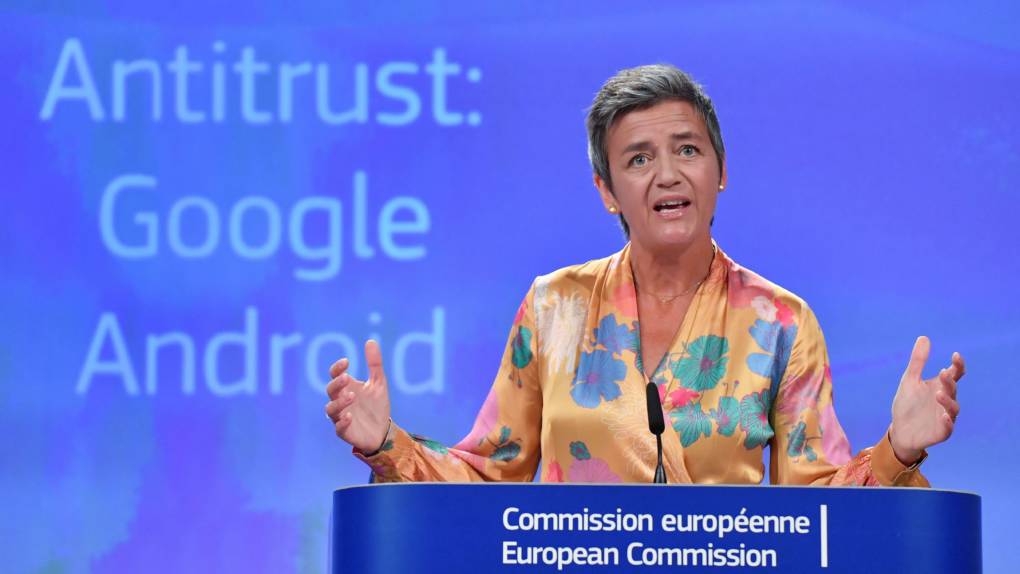
"caption": "European Union Competition Commissioner Margrethe Vestager held a joint news conference at EU headquarters in Brussels on Wednesday after slapping a record $5 billion antitrust penalty on U.S. tech giant Google.",
"description": "European Union Competition Commissioner Margrethe Vestager held a joint news conference at EU headquarters in Brussels on Wednesday after slapping a record $5 billion antitrust penalty on the U.S. tech giant.",
"title": "European Union Competition Commissioner Margrethe Vestager held a joint news conference at EU headquarters in Brussels on Wednesday after slapping a record $5 billion antitrust penalty on the U.S. tech giant.",
"credit": "John Thys/AFP/Getty Images",
"status": "inherit",
"isLoading": false,
"fetchFailed": false
},
"news_11681123": {
"type": "attachments",
"id": "news_11681123",
"meta": {
"index": "attachments_1716263798",
"site": "news",
"id": "11681123",
"found": true
},
"parent": 11680985,
"imgSizes": {
"small": {
"file": "https://ww2.kqed.org/app/uploads/sites/10/2018/07/TechHearing2-520x300.jpg",
"width": 520,
"mimeType": "image/jpeg",
"height": 300
},
"twentyfourteen-full-width": {
"file": "https://ww2.kqed.org/app/uploads/sites/10/2018/07/TechHearing2-1038x576.jpg",
"width": 1038,
"mimeType": "image/jpeg",
"height": 576
},
"thumbnail": {
"file": "https://ww2.kqed.org/app/uploads/sites/10/2018/07/TechHearing2-160x92.jpg",
"width": 160,
"mimeType": "image/jpeg",
"height": 92
},
"fd-sm": {
"file": "https://ww2.kqed.org/app/uploads/sites/10/2018/07/TechHearing2-960x554.jpg",
"width": 960,
"mimeType": "image/jpeg",
"height": 554
},
"post-thumbnail": {
"file": "https://ww2.kqed.org/app/uploads/sites/10/2018/07/TechHearing2-672x372.jpg",
"width": 672,
"mimeType": "image/jpeg",
"height": 372
},
"xsmall": {
"file": "https://ww2.kqed.org/app/uploads/sites/10/2018/07/TechHearing2-375x216.jpg",
"width": 375,
"mimeType": "image/jpeg",
"height": 216
},
"kqedFullSize": {
"file": "https://ww2.kqed.org/app/uploads/sites/10/2018/07/TechHearing2.jpg",
"width": 1920,
"height": 1107
},
"large": {
"file": "https://ww2.kqed.org/app/uploads/sites/10/2018/07/TechHearing2-1020x588.jpg",
"width": 1020,
"mimeType": "image/jpeg",
"height": 588
},
"xlarge": {
"file": "https://ww2.kqed.org/app/uploads/sites/10/2018/07/TechHearing2-1180x680.jpg",
"width": 1180,
"mimeType": "image/jpeg",
"height": 680
},
"complete_open_graph": {
"file": "https://ww2.kqed.org/app/uploads/sites/10/2018/07/TechHearing2-1200x692.jpg",
"width": 1200,
"mimeType": "image/jpeg",
"height": 692
},
"guest-author-50": {
"file": "https://ww2.kqed.org/app/uploads/sites/10/2018/07/TechHearing2-50x50.jpg",
"width": 50,
"mimeType": "image/jpeg",
"height": 50
},
"guest-author-96": {
"file": "https://ww2.kqed.org/app/uploads/sites/10/2018/07/TechHearing2-96x96.jpg",
"width": 96,
"mimeType": "image/jpeg",
"height": 96
},
"medium": {
"file": "https://ww2.kqed.org/app/uploads/sites/10/2018/07/TechHearing2-800x461.jpg",
"width": 800,
"mimeType": "image/jpeg",
"height": 461
},
"guest-author-64": {
"file": "https://ww2.kqed.org/app/uploads/sites/10/2018/07/TechHearing2-64x64.jpg",
"width": 64,
"mimeType": "image/jpeg",
"height": 64
},
"guest-author-32": {
"file": "https://ww2.kqed.org/app/uploads/sites/10/2018/07/TechHearing2-32x32.jpg",
"width": 32,
"mimeType": "image/jpeg",
"height": 32
},
"fd-lrg": {
"file": "https://ww2.kqed.org/app/uploads/sites/10/2018/07/TechHearing2-1920x1107.jpg",
"width": 1920,
"mimeType": "image/jpeg",
"height": 1107
},
"fd-med": {
"file": "https://ww2.kqed.org/app/uploads/sites/10/2018/07/TechHearing2-1180x680.jpg",
"width": 1180,
"mimeType": "image/jpeg",
"height": 680
},
"full-width": {
"file": "https://ww2.kqed.org/app/uploads/sites/10/2018/07/TechHearing2-1920x1107.jpg",
"width": 1920,
"mimeType": "image/jpeg",
"height": 1107
},
"detail": {
"file": "https://ww2.kqed.org/app/uploads/sites/10/2018/07/TechHearing2-150x150.jpg",
"width": 150,
"mimeType": "image/jpeg",
"height": 150
},
"guest-author-128": {
"file": "https://ww2.kqed.org/app/uploads/sites/10/2018/07/TechHearing2-128x128.jpg",
"width": 128,
"mimeType": "image/jpeg",
"height": 128
},
"xxsmall": {
"file": "https://ww2.kqed.org/app/uploads/sites/10/2018/07/TechHearing2-240x138.jpg",
"width": 240,
"mimeType": "image/jpeg",
"height": 138
}
},
"publishDate": 1531876856,
"modified": 1531876915,
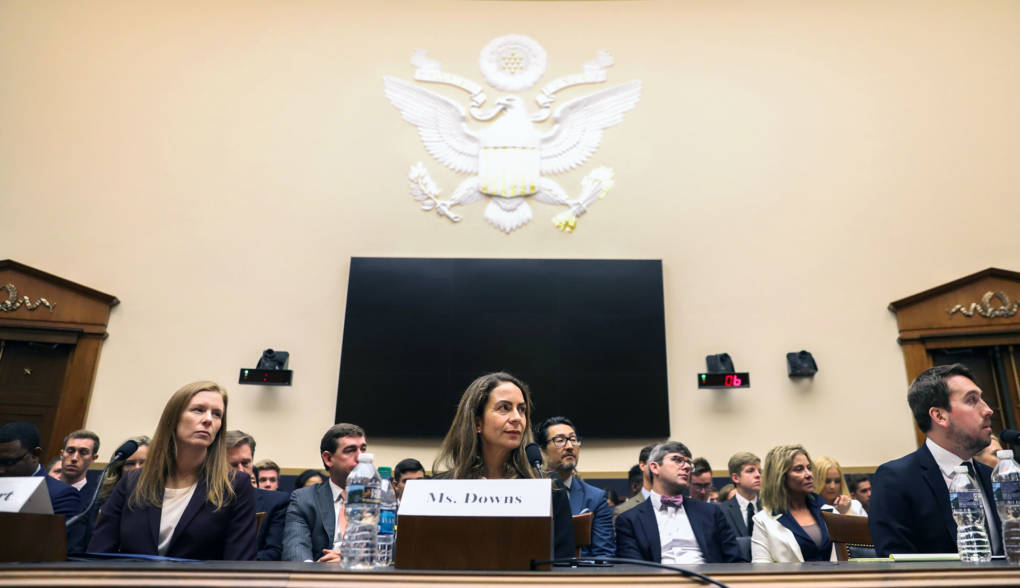
"caption": "Monika Bickert, the head of global policy management at Facebook, Juniper Downs, global head of public policy and government relations at YouTube, and Nick Pickles, the senior strategist at Twitter, testify to the House Judiciary Committee on July 17, 2018.",
"description": "Monika Bickert, the head of global policy management at Facebook, Juniper Downs, global head of public policy and government relations at YouTube, and Nick Pickles, the senior strategist at Twitter, testify to the House Judiciary Committee on July 17, 2018.",
"title": "TechHearing2",
"credit": "Alex Wroblewski/Getty Images",
"status": "inherit",
"isLoading": false,
"fetchFailed": false
},
"news_11616963": {
"type": "attachments",
"id": "news_11616963",
"meta": {
"index": "attachments_1716263798",
"site": "news",
"id": "11616963",
"found": true
},
"parent": 11616959,
"imgSizes": {
"small": {
"file": "https://ww2.kqed.org/app/uploads/sites/10/2017/09/GoogleBuilding-520x340.jpg",
"width": 520,
"mimeType": "image/jpeg",
"height": 340
},
"twentyfourteen-full-width": {
"file": "https://ww2.kqed.org/app/uploads/sites/10/2017/09/GoogleBuilding-1038x576.jpg",
"width": 1038,
"mimeType": "image/jpeg",
"height": 576
},
"thumbnail": {
"file": "https://ww2.kqed.org/app/uploads/sites/10/2017/09/GoogleBuilding-160x105.jpg",
"width": 160,
"mimeType": "image/jpeg",
"height": 105
},
"fd-sm": {
"file": "https://ww2.kqed.org/app/uploads/sites/10/2017/09/GoogleBuilding-960x628.jpg",
"width": 960,
"mimeType": "image/jpeg",
"height": 628
},
"post-thumbnail": {
"file": "https://ww2.kqed.org/app/uploads/sites/10/2017/09/GoogleBuilding-672x372.jpg",
"width": 672,
"mimeType": "image/jpeg",
"height": 372
},
"xsmall": {
"file": "https://ww2.kqed.org/app/uploads/sites/10/2017/09/GoogleBuilding-375x245.jpg",
"width": 375,
"mimeType": "image/jpeg",
"height": 245
},
"kqedFullSize": {
"file": "https://ww2.kqed.org/app/uploads/sites/10/2017/09/GoogleBuilding.jpg",
"width": 1920,
"height": 1256
},
"large": {
"file": "https://ww2.kqed.org/app/uploads/sites/10/2017/09/GoogleBuilding-1020x667.jpg",
"width": 1020,
"mimeType": "image/jpeg",
"height": 667
},
"xlarge": {
"file": "https://ww2.kqed.org/app/uploads/sites/10/2017/09/GoogleBuilding-1180x772.jpg",
"width": 1180,
"mimeType": "image/jpeg",
"height": 772
},
"guest-author-50": {
"file": "https://ww2.kqed.org/app/uploads/sites/10/2017/09/GoogleBuilding-50x50.jpg",
"width": 50,
"mimeType": "image/jpeg",
"height": 50
},
"guest-author-96": {
"file": "https://ww2.kqed.org/app/uploads/sites/10/2017/09/GoogleBuilding-96x96.jpg",
"width": 96,
"mimeType": "image/jpeg",
"height": 96
},
"medium": {
"file": "https://ww2.kqed.org/app/uploads/sites/10/2017/09/GoogleBuilding-800x523.jpg",
"width": 800,
"mimeType": "image/jpeg",
"height": 523
},
"guest-author-64": {
"file": "https://ww2.kqed.org/app/uploads/sites/10/2017/09/GoogleBuilding-64x64.jpg",
"width": 64,
"mimeType": "image/jpeg",
"height": 64
},
"guest-author-32": {
"file": "https://ww2.kqed.org/app/uploads/sites/10/2017/09/GoogleBuilding-32x32.jpg",
"width": 32,
"mimeType": "image/jpeg",
"height": 32
},
"fd-lrg": {
"file": "https://ww2.kqed.org/app/uploads/sites/10/2017/09/GoogleBuilding-1920x1256.jpg",
"width": 1920,
"mimeType": "image/jpeg",
"height": 1256
},
"fd-med": {
"file": "https://ww2.kqed.org/app/uploads/sites/10/2017/09/GoogleBuilding-1180x772.jpg",
"width": 1180,
"mimeType": "image/jpeg",
"height": 772
},
"full-width": {
"file": "https://ww2.kqed.org/app/uploads/sites/10/2017/09/GoogleBuilding-1920x1256.jpg",
"width": 1920,
"mimeType": "image/jpeg",
"height": 1256
},
"detail": {
"file": "https://ww2.kqed.org/app/uploads/sites/10/2017/09/GoogleBuilding-150x150.jpg",
"width": 150,
"mimeType": "image/jpeg",
"height": 150
},
"guest-author-128": {
"file": "https://ww2.kqed.org/app/uploads/sites/10/2017/09/GoogleBuilding-128x128.jpg",
"width": 128,
"mimeType": "image/jpeg",
"height": 128
},
"xxsmall": {
"file": "https://ww2.kqed.org/app/uploads/sites/10/2017/09/GoogleBuilding-240x157.jpg",
"width": 240,
"mimeType": "image/jpeg",
"height": 157
}
},
"publishDate": 1505423594,
"modified": 1505423727,
"caption": "Google headquarters in Mountain View.",
"description": "Google headquarters in Mountain View.",
"title": "GoogleBuilding",
"credit": "Justin Sullivan/Getty Images",
"status": "inherit",
"isLoading": false,
"fetchFailed": false
},
"news_11668497": {
"type": "attachments",
"id": "news_11668497",
"meta": {
"index": "attachments_1716263798",
"site": "news",
"id": "11668497",
"found": true
},
"parent": 11667825,
"imgSizes": {
"small": {
"file": "https://ww2.kqed.org/app/uploads/sites/10/2018/05/IMG_1130-520x390.jpg",
"width": 520,
"mimeType": "image/jpeg",
"height": 390
},
"twentyfourteen-full-width": {
"file": "https://ww2.kqed.org/app/uploads/sites/10/2018/05/IMG_1130-1038x576.jpg",
"width": 1038,
"mimeType": "image/jpeg",
"height": 576
},
"thumbnail": {
"file": "https://ww2.kqed.org/app/uploads/sites/10/2018/05/IMG_1130-160x120.jpg",
"width": 160,
"mimeType": "image/jpeg",
"height": 120
},
"fd-sm": {
"file": "https://ww2.kqed.org/app/uploads/sites/10/2018/05/IMG_1130-960x720.jpg",
"width": 960,
"mimeType": "image/jpeg",
"height": 720
},
"post-thumbnail": {
"file": "https://ww2.kqed.org/app/uploads/sites/10/2018/05/IMG_1130-672x372.jpg",
"width": 672,
"mimeType": "image/jpeg",
"height": 372
},
"xsmall": {
"file": "https://ww2.kqed.org/app/uploads/sites/10/2018/05/IMG_1130-375x281.jpg",
"width": 375,
"mimeType": "image/jpeg",
"height": 281
},
"kqedFullSize": {
"file": "https://ww2.kqed.org/app/uploads/sites/10/2018/05/IMG_1130-e1526424668198.jpg",
"width": 1920,
"height": 1440
},
"large": {
"file": "https://ww2.kqed.org/app/uploads/sites/10/2018/05/IMG_1130-1020x765.jpg",
"width": 1020,
"mimeType": "image/jpeg",
"height": 765
},
"xlarge": {
"file": "https://ww2.kqed.org/app/uploads/sites/10/2018/05/IMG_1130-1180x885.jpg",
"width": 1180,
"mimeType": "image/jpeg",
"height": 885
},
"complete_open_graph": {
"file": "https://ww2.kqed.org/app/uploads/sites/10/2018/05/IMG_1130-1200x900.jpg",
"width": 1200,
"mimeType": "image/jpeg",
"height": 900
},
"guest-author-50": {
"file": "https://ww2.kqed.org/app/uploads/sites/10/2018/05/IMG_1130-50x50.jpg",
"width": 50,
"mimeType": "image/jpeg",
"height": 50
},
"guest-author-96": {
"file": "https://ww2.kqed.org/app/uploads/sites/10/2018/05/IMG_1130-96x96.jpg",
"width": 96,
"mimeType": "image/jpeg",
"height": 96
},
"medium": {
"file": "https://ww2.kqed.org/app/uploads/sites/10/2018/05/IMG_1130-800x600.jpg",
"width": 800,
"mimeType": "image/jpeg",
"height": 600
},
"guest-author-64": {
"file": "https://ww2.kqed.org/app/uploads/sites/10/2018/05/IMG_1130-64x64.jpg",
"width": 64,
"mimeType": "image/jpeg",
"height": 64
},
"guest-author-32": {
"file": "https://ww2.kqed.org/app/uploads/sites/10/2018/05/IMG_1130-32x32.jpg",
"width": 32,
"mimeType": "image/jpeg",
"height": 32
},
"fd-lrg": {
"file": "https://ww2.kqed.org/app/uploads/sites/10/2018/05/IMG_1130-1920x1440.jpg",
"width": 1920,
"mimeType": "image/jpeg",
"height": 1440
},
"fd-med": {
"file": "https://ww2.kqed.org/app/uploads/sites/10/2018/05/IMG_1130-1180x885.jpg",
"width": 1180,
"mimeType": "image/jpeg",
"height": 885
},
"full-width": {
"file": "https://ww2.kqed.org/app/uploads/sites/10/2018/05/IMG_1130-1920x1440.jpg",
"width": 1920,
"mimeType": "image/jpeg",
"height": 1440
},
"detail": {
"file": "https://ww2.kqed.org/app/uploads/sites/10/2018/05/IMG_1130-150x150.jpg",
"width": 150,
"mimeType": "image/jpeg",
"height": 150
},
"guest-author-128": {
"file": "https://ww2.kqed.org/app/uploads/sites/10/2018/05/IMG_1130-128x128.jpg",
"width": 128,
"mimeType": "image/jpeg",
"height": 128
},
"xxsmall": {
"file": "https://ww2.kqed.org/app/uploads/sites/10/2018/05/IMG_1130-240x180.jpg",
"width": 240,
"mimeType": "image/jpeg",
"height": 180
}
},
"publishDate": 1526423700,
"modified": 1526430065,
"caption": "Google CEO Sundar Pichai speaks at the 2018 Google I/O Conference.",
"description": null,
"title": "IMG_1130",
"credit": "Tonya Mosley/KQED",
"status": "inherit",
"isLoading": false,
"fetchFailed": false
},
"news_11660868": {
"type": "attachments",
"id": "news_11660868",
"meta": {
"index": "attachments_1716263798",
"site": "news",
"id": "11660868",
"found": true
},
"parent": 11660761,
"imgSizes": {
"small": {
"file": "https://ww2.kqed.org/app/uploads/sites/10/2018/04/GettyImages-162821381-520x346.jpg",
"width": 520,
"mimeType": "image/jpeg",
"height": 346
},
"twentyfourteen-full-width": {
"file": "https://ww2.kqed.org/app/uploads/sites/10/2018/04/GettyImages-162821381-1038x576.jpg",
"width": 1038,
"mimeType": "image/jpeg",
"height": 576
},
"thumbnail": {
"file": "https://ww2.kqed.org/app/uploads/sites/10/2018/04/GettyImages-162821381-160x106.jpg",
"width": 160,
"mimeType": "image/jpeg",
"height": 106
},
"fd-sm": {
"file": "https://ww2.kqed.org/app/uploads/sites/10/2018/04/GettyImages-162821381-960x639.jpg",
"width": 960,
"mimeType": "image/jpeg",
"height": 639
},
"post-thumbnail": {
"file": "https://ww2.kqed.org/app/uploads/sites/10/2018/04/GettyImages-162821381-672x372.jpg",
"width": 672,
"mimeType": "image/jpeg",
"height": 372
},
"xsmall": {
"file": "https://ww2.kqed.org/app/uploads/sites/10/2018/04/GettyImages-162821381-375x250.jpg",
"width": 375,
"mimeType": "image/jpeg",
"height": 250
},
"kqedFullSize": {
"file": "https://ww2.kqed.org/app/uploads/sites/10/2018/04/GettyImages-162821381-e1523307516592.jpg",
"width": 1920,
"height": 1278
},
"large": {
"file": "https://ww2.kqed.org/app/uploads/sites/10/2018/04/GettyImages-162821381-1020x679.jpg",
"width": 1020,
"mimeType": "image/jpeg",
"height": 679
},
"xlarge": {
"file": "https://ww2.kqed.org/app/uploads/sites/10/2018/04/GettyImages-162821381-1180x785.jpg",
"width": 1180,
"mimeType": "image/jpeg",
"height": 785
},
"guest-author-50": {
"file": "https://ww2.kqed.org/app/uploads/sites/10/2018/04/GettyImages-162821381-50x50.jpg",
"width": 50,
"mimeType": "image/jpeg",
"height": 50
},
"guest-author-96": {
"file": "https://ww2.kqed.org/app/uploads/sites/10/2018/04/GettyImages-162821381-96x96.jpg",
"width": 96,
"mimeType": "image/jpeg",
"height": 96
},
"medium": {
"file": "https://ww2.kqed.org/app/uploads/sites/10/2018/04/GettyImages-162821381-800x532.jpg",
"width": 800,
"mimeType": "image/jpeg",
"height": 532
},
"guest-author-64": {
"file": "https://ww2.kqed.org/app/uploads/sites/10/2018/04/GettyImages-162821381-64x64.jpg",
"width": 64,
"mimeType": "image/jpeg",
"height": 64
},
"guest-author-32": {
"file": "https://ww2.kqed.org/app/uploads/sites/10/2018/04/GettyImages-162821381-32x32.jpg",
"width": 32,
"mimeType": "image/jpeg",
"height": 32
},
"fd-lrg": {
"file": "https://ww2.kqed.org/app/uploads/sites/10/2018/04/GettyImages-162821381-1920x1278.jpg",
"width": 1920,
"mimeType": "image/jpeg",
"height": 1278
},
"fd-med": {
"file": "https://ww2.kqed.org/app/uploads/sites/10/2018/04/GettyImages-162821381-1180x785.jpg",
"width": 1180,
"mimeType": "image/jpeg",
"height": 785
},
"full-width": {
"file": "https://ww2.kqed.org/app/uploads/sites/10/2018/04/GettyImages-162821381-1920x1278.jpg",
"width": 1920,
"mimeType": "image/jpeg",
"height": 1278
},
"detail": {
"file": "https://ww2.kqed.org/app/uploads/sites/10/2018/04/GettyImages-162821381-150x150.jpg",
"width": 150,
"mimeType": "image/jpeg",
"height": 150
},
"guest-author-128": {
"file": "https://ww2.kqed.org/app/uploads/sites/10/2018/04/GettyImages-162821381-128x128.jpg",
"width": 128,
"mimeType": "image/jpeg",
"height": 128
},
"xxsmall": {
"file": "https://ww2.kqed.org/app/uploads/sites/10/2018/04/GettyImages-162821381-240x160.jpg",
"width": 240,
"mimeType": "image/jpeg",
"height": 160
}
},
"publishDate": 1523307423,
"modified": 1586351191,
"caption": null,
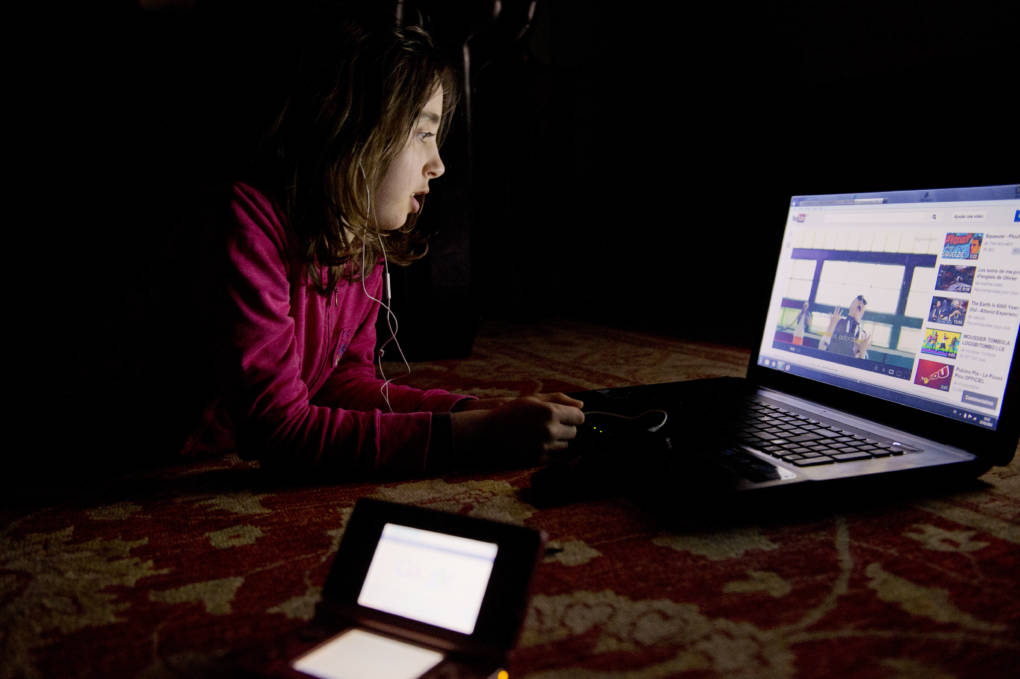
"description": "A girl watches a video on YouTube on a computer on February 27, 2013 in Chisseaux near Tours, central France. Google has come under fire from child advocates for allegedly violating children's online privacy and allowing ads to target them.",
"title": "FRANCE-MEDIA-INTERNET-FEATURE",
"credit": "Alain Jocard/AFP/Getty Images",
"status": "inherit",
"isLoading": false,
"fetchFailed": false
},
"news_11659713": {
"type": "attachments",
"id": "news_11659713",
"meta": {
"index": "attachments_1716263798",
"site": "news",
"id": "11659713",
"found": true
},
"parent": 11659805,
"imgSizes": {
"small": {
"file": "https://ww2.kqed.org/app/uploads/sites/10/2018/04/GettyImages-941556472-520x345.jpg",
"width": 520,
"mimeType": "image/jpeg",
"height": 345
},
"twentyfourteen-full-width": {
"file": "https://ww2.kqed.org/app/uploads/sites/10/2018/04/GettyImages-941556472-1038x576.jpg",
"width": 1038,
"mimeType": "image/jpeg",
"height": 576
},
"thumbnail": {
"file": "https://ww2.kqed.org/app/uploads/sites/10/2018/04/GettyImages-941556472-160x106.jpg",
"width": 160,
"mimeType": "image/jpeg",
"height": 106
},
"fd-sm": {
"file": "https://ww2.kqed.org/app/uploads/sites/10/2018/04/GettyImages-941556472-960x636.jpg",
"width": 960,
"mimeType": "image/jpeg",
"height": 636
},
"post-thumbnail": {
"file": "https://ww2.kqed.org/app/uploads/sites/10/2018/04/GettyImages-941556472-672x372.jpg",
"width": 672,
"mimeType": "image/jpeg",
"height": 372
},
"xsmall": {
"file": "https://ww2.kqed.org/app/uploads/sites/10/2018/04/GettyImages-941556472-375x249.jpg",
"width": 375,
"mimeType": "image/jpeg",
"height": 249
},
"kqedFullSize": {
"file": "https://ww2.kqed.org/app/uploads/sites/10/2018/04/GettyImages-941556472-e1522793572195.jpg",
"width": 1920,
"height": 1273
},
"large": {
"file": "https://ww2.kqed.org/app/uploads/sites/10/2018/04/GettyImages-941556472-1020x676.jpg",
"width": 1020,
"mimeType": "image/jpeg",
"height": 676
},
"xlarge": {
"file": "https://ww2.kqed.org/app/uploads/sites/10/2018/04/GettyImages-941556472-1180x782.jpg",
"width": 1180,
"mimeType": "image/jpeg",
"height": 782
},
"guest-author-50": {
"file": "https://ww2.kqed.org/app/uploads/sites/10/2018/04/GettyImages-941556472-50x50.jpg",
"width": 50,
"mimeType": "image/jpeg",
"height": 50
},
"guest-author-96": {
"file": "https://ww2.kqed.org/app/uploads/sites/10/2018/04/GettyImages-941556472-96x96.jpg",
"width": 96,
"mimeType": "image/jpeg",
"height": 96
},
"medium": {
"file": "https://ww2.kqed.org/app/uploads/sites/10/2018/04/GettyImages-941556472-800x530.jpg",
"width": 800,
"mimeType": "image/jpeg",
"height": 530
},
"guest-author-64": {
"file": "https://ww2.kqed.org/app/uploads/sites/10/2018/04/GettyImages-941556472-64x64.jpg",
"width": 64,
"mimeType": "image/jpeg",
"height": 64
},
"guest-author-32": {
"file": "https://ww2.kqed.org/app/uploads/sites/10/2018/04/GettyImages-941556472-32x32.jpg",
"width": 32,
"mimeType": "image/jpeg",
"height": 32
},
"fd-lrg": {
"file": "https://ww2.kqed.org/app/uploads/sites/10/2018/04/GettyImages-941556472-1920x1273.jpg",
"width": 1920,
"mimeType": "image/jpeg",
"height": 1273
},
"fd-med": {
"file": "https://ww2.kqed.org/app/uploads/sites/10/2018/04/GettyImages-941556472-1180x782.jpg",
"width": 1180,
"mimeType": "image/jpeg",
"height": 782
},
"full-width": {
"file": "https://ww2.kqed.org/app/uploads/sites/10/2018/04/GettyImages-941556472-1920x1273.jpg",
"width": 1920,
"mimeType": "image/jpeg",
"height": 1273
},
"detail": {
"file": "https://ww2.kqed.org/app/uploads/sites/10/2018/04/GettyImages-941556472-150x150.jpg",
"width": 150,
"mimeType": "image/jpeg",
"height": 150
},
"guest-author-128": {
"file": "https://ww2.kqed.org/app/uploads/sites/10/2018/04/GettyImages-941556472-128x128.jpg",
"width": 128,
"mimeType": "image/jpeg",
"height": 128
},
"xxsmall": {
"file": "https://ww2.kqed.org/app/uploads/sites/10/2018/04/GettyImages-941556472-240x159.jpg",
"width": 240,
"mimeType": "image/jpeg",
"height": 159
}
},
"publishDate": 1522793327,
"modified": 1522860913,
"caption": "Police in tactical gear walk outside of the YouTube headquarters on April 3, 2018, in San Bruno. A woman opened fire at the facility, wounding three people before taking her own life, according to authorities.",
"description": null,
"title": "Shooting At YouTube Headquarters In San Bruno, California",
"credit": "Justin Sullivan/Getty Images",
"status": "inherit",
"isLoading": false,
"fetchFailed": false
},
"news_11657091": {
"type": "attachments",
"id": "news_11657091",
"meta": {
"index": "attachments_1716263798",
"site": "news",
"id": "11657091",
"found": true
},
"parent": 11657090,
"imgSizes": {
"small": {
"file": "https://ww2.kqed.org/app/uploads/sites/10/2018/03/gettyimages-475157855-890852ec7848300ee093bd93b49383703d5034e3-520x390.jpg",
"width": 520,
"mimeType": "image/jpeg",
"height": 390
},
"twentyfourteen-full-width": {
"file": "https://ww2.kqed.org/app/uploads/sites/10/2018/03/gettyimages-475157855-890852ec7848300ee093bd93b49383703d5034e3-1038x576.jpg",
"width": 1038,
"mimeType": "image/jpeg",
"height": 576
},
"thumbnail": {
"file": "https://ww2.kqed.org/app/uploads/sites/10/2018/03/gettyimages-475157855-890852ec7848300ee093bd93b49383703d5034e3-160x120.jpg",
"width": 160,
"mimeType": "image/jpeg",
"height": 120
},
"fd-sm": {
"file": "https://ww2.kqed.org/app/uploads/sites/10/2018/03/gettyimages-475157855-890852ec7848300ee093bd93b49383703d5034e3-960x720.jpg",
"width": 960,
"mimeType": "image/jpeg",
"height": 720
},
"post-thumbnail": {
"file": "https://ww2.kqed.org/app/uploads/sites/10/2018/03/gettyimages-475157855-890852ec7848300ee093bd93b49383703d5034e3-672x372.jpg",
"width": 672,
"mimeType": "image/jpeg",
"height": 372
},
"xsmall": {
"file": "https://ww2.kqed.org/app/uploads/sites/10/2018/03/gettyimages-475157855-890852ec7848300ee093bd93b49383703d5034e3-375x281.jpg",
"width": 375,
"mimeType": "image/jpeg",
"height": 281
},
"kqedFullSize": {
"file": "https://ww2.kqed.org/app/uploads/sites/10/2018/03/gettyimages-475157855-890852ec7848300ee093bd93b49383703d5034e3-e1521659667142.jpg",
"width": 1920,
"height": 1439
},
"large": {
"file": "https://ww2.kqed.org/app/uploads/sites/10/2018/03/gettyimages-475157855-890852ec7848300ee093bd93b49383703d5034e3-1020x765.jpg",
"width": 1020,
"mimeType": "image/jpeg",
"height": 765
},
"xlarge": {
"file": "https://ww2.kqed.org/app/uploads/sites/10/2018/03/gettyimages-475157855-890852ec7848300ee093bd93b49383703d5034e3-1180x885.jpg",
"width": 1180,
"mimeType": "image/jpeg",
"height": 885
},
"guest-author-50": {
"file": "https://ww2.kqed.org/app/uploads/sites/10/2018/03/gettyimages-475157855-890852ec7848300ee093bd93b49383703d5034e3-50x50.jpg",
"width": 50,
"mimeType": "image/jpeg",
"height": 50
},
"guest-author-96": {
"file": "https://ww2.kqed.org/app/uploads/sites/10/2018/03/gettyimages-475157855-890852ec7848300ee093bd93b49383703d5034e3-96x96.jpg",
"width": 96,
"mimeType": "image/jpeg",
"height": 96
},
"medium": {
"file": "https://ww2.kqed.org/app/uploads/sites/10/2018/03/gettyimages-475157855-890852ec7848300ee093bd93b49383703d5034e3-800x600.jpg",
"width": 800,
"mimeType": "image/jpeg",
"height": 600
},
"guest-author-64": {
"file": "https://ww2.kqed.org/app/uploads/sites/10/2018/03/gettyimages-475157855-890852ec7848300ee093bd93b49383703d5034e3-64x64.jpg",
"width": 64,
"mimeType": "image/jpeg",
"height": 64
},
"guest-author-32": {
"file": "https://ww2.kqed.org/app/uploads/sites/10/2018/03/gettyimages-475157855-890852ec7848300ee093bd93b49383703d5034e3-32x32.jpg",
"width": 32,
"mimeType": "image/jpeg",
"height": 32
},
"fd-lrg": {
"file": "https://ww2.kqed.org/app/uploads/sites/10/2018/03/gettyimages-475157855-890852ec7848300ee093bd93b49383703d5034e3-1920x1439.jpg",
"width": 1920,
"mimeType": "image/jpeg",
"height": 1439
},
"fd-med": {
"file": "https://ww2.kqed.org/app/uploads/sites/10/2018/03/gettyimages-475157855-890852ec7848300ee093bd93b49383703d5034e3-1180x885.jpg",
"width": 1180,
"mimeType": "image/jpeg",
"height": 885
},
"full-width": {
"file": "https://ww2.kqed.org/app/uploads/sites/10/2018/03/gettyimages-475157855-890852ec7848300ee093bd93b49383703d5034e3-1920x1439.jpg",
"width": 1920,
"mimeType": "image/jpeg",
"height": 1439
},
"detail": {
"file": "https://ww2.kqed.org/app/uploads/sites/10/2018/03/gettyimages-475157855-890852ec7848300ee093bd93b49383703d5034e3-150x150.jpg",
"width": 150,
"mimeType": "image/jpeg",
"height": 150
},
"guest-author-128": {
"file": "https://ww2.kqed.org/app/uploads/sites/10/2018/03/gettyimages-475157855-890852ec7848300ee093bd93b49383703d5034e3-128x128.jpg",
"width": 128,
"mimeType": "image/jpeg",
"height": 128
},
"xxsmall": {
"file": "https://ww2.kqed.org/app/uploads/sites/10/2018/03/gettyimages-475157855-890852ec7848300ee093bd93b49383703d5034e3-240x180.jpg",
"width": 240,
"mimeType": "image/jpeg",
"height": 180
}
},
"publishDate": 1521659335,
"modified": 1521659671,
"caption": "A 1996 law sits at the heart of a major question about the modern Internet: How much responsibility should fall to online platforms for how their users act and get treated?",
"description": "A 1996 law sits at the heart of a major question about the modern Internet: How much responsibility should fall to online platforms for how their users act and get treated?",
"title": "A 1996 law sits at the heart of a major question about the modern Internet: How much responsibility should fall to online platforms for how their users act and get treated?",
"credit": "Oivind Hovland/Getty Images/Ikon Images",
"status": "inherit",
"isLoading": false,
"fetchFailed": false
},
"news_11655758": {
"type": "attachments",
"id": "news_11655758",
"meta": {
"index": "attachments_1716263798",
"site": "news",
"id": "11655758",
"found": true
},
"parent": 11655757,
"imgSizes": {
"small": {
"file": "https://ww2.kqed.org/app/uploads/sites/10/2018/03/ap_17275395718496-fe7c45b4a8cde187afc83b3d9d5c28d7fbb4f913-520x390.jpg",
"width": 520,
"mimeType": "image/jpeg",
"height": 390
},
"twentyfourteen-full-width": {
"file": "https://ww2.kqed.org/app/uploads/sites/10/2018/03/ap_17275395718496-fe7c45b4a8cde187afc83b3d9d5c28d7fbb4f913-1038x576.jpg",
"width": 1038,
"mimeType": "image/jpeg",
"height": 576
},
"thumbnail": {
"file": "https://ww2.kqed.org/app/uploads/sites/10/2018/03/ap_17275395718496-fe7c45b4a8cde187afc83b3d9d5c28d7fbb4f913-160x120.jpg",
"width": 160,
"mimeType": "image/jpeg",
"height": 120
},
"fd-sm": {
"file": "https://ww2.kqed.org/app/uploads/sites/10/2018/03/ap_17275395718496-fe7c45b4a8cde187afc83b3d9d5c28d7fbb4f913-960x720.jpg",
"width": 960,
"mimeType": "image/jpeg",
"height": 720
},
"post-thumbnail": {
"file": "https://ww2.kqed.org/app/uploads/sites/10/2018/03/ap_17275395718496-fe7c45b4a8cde187afc83b3d9d5c28d7fbb4f913-672x372.jpg",
"width": 672,
"mimeType": "image/jpeg",
"height": 372
},
"xsmall": {
"file": "https://ww2.kqed.org/app/uploads/sites/10/2018/03/ap_17275395718496-fe7c45b4a8cde187afc83b3d9d5c28d7fbb4f913-375x281.jpg",
"width": 375,
"mimeType": "image/jpeg",
"height": 281
},
"kqedFullSize": {
"file": "https://ww2.kqed.org/app/uploads/sites/10/2018/03/ap_17275395718496-fe7c45b4a8cde187afc83b3d9d5c28d7fbb4f913-e1521063883240.jpg",
"width": 1920,
"height": 1440
},
"large": {
"file": "https://ww2.kqed.org/app/uploads/sites/10/2018/03/ap_17275395718496-fe7c45b4a8cde187afc83b3d9d5c28d7fbb4f913-1020x765.jpg",
"width": 1020,
"mimeType": "image/jpeg",
"height": 765
},
"xlarge": {
"file": "https://ww2.kqed.org/app/uploads/sites/10/2018/03/ap_17275395718496-fe7c45b4a8cde187afc83b3d9d5c28d7fbb4f913-1180x885.jpg",
"width": 1180,
"mimeType": "image/jpeg",
"height": 885
},
"guest-author-50": {
"file": "https://ww2.kqed.org/app/uploads/sites/10/2018/03/ap_17275395718496-fe7c45b4a8cde187afc83b3d9d5c28d7fbb4f913-50x50.jpg",
"width": 50,
"mimeType": "image/jpeg",
"height": 50
},
"guest-author-96": {
"file": "https://ww2.kqed.org/app/uploads/sites/10/2018/03/ap_17275395718496-fe7c45b4a8cde187afc83b3d9d5c28d7fbb4f913-96x96.jpg",
"width": 96,
"mimeType": "image/jpeg",
"height": 96
},
"medium": {
"file": "https://ww2.kqed.org/app/uploads/sites/10/2018/03/ap_17275395718496-fe7c45b4a8cde187afc83b3d9d5c28d7fbb4f913-800x600.jpg",
"width": 800,
"mimeType": "image/jpeg",
"height": 600
},
"guest-author-64": {
"file": "https://ww2.kqed.org/app/uploads/sites/10/2018/03/ap_17275395718496-fe7c45b4a8cde187afc83b3d9d5c28d7fbb4f913-64x64.jpg",
"width": 64,
"mimeType": "image/jpeg",
"height": 64
},
"guest-author-32": {
"file": "https://ww2.kqed.org/app/uploads/sites/10/2018/03/ap_17275395718496-fe7c45b4a8cde187afc83b3d9d5c28d7fbb4f913-32x32.jpg",
"width": 32,
"mimeType": "image/jpeg",
"height": 32
},
"fd-lrg": {
"file": "https://ww2.kqed.org/app/uploads/sites/10/2018/03/ap_17275395718496-fe7c45b4a8cde187afc83b3d9d5c28d7fbb4f913-1920x1440.jpg",
"width": 1920,
"mimeType": "image/jpeg",
"height": 1440
},
"fd-med": {
"file": "https://ww2.kqed.org/app/uploads/sites/10/2018/03/ap_17275395718496-fe7c45b4a8cde187afc83b3d9d5c28d7fbb4f913-1180x885.jpg",
"width": 1180,
"mimeType": "image/jpeg",
"height": 885
},
"full-width": {
"file": "https://ww2.kqed.org/app/uploads/sites/10/2018/03/ap_17275395718496-fe7c45b4a8cde187afc83b3d9d5c28d7fbb4f913-1920x1440.jpg",
"width": 1920,
"mimeType": "image/jpeg",
"height": 1440
},
"detail": {
"file": "https://ww2.kqed.org/app/uploads/sites/10/2018/03/ap_17275395718496-fe7c45b4a8cde187afc83b3d9d5c28d7fbb4f913-150x150.jpg",
"width": 150,
"mimeType": "image/jpeg",
"height": 150
},
"guest-author-128": {
"file": "https://ww2.kqed.org/app/uploads/sites/10/2018/03/ap_17275395718496-fe7c45b4a8cde187afc83b3d9d5c28d7fbb4f913-128x128.jpg",
"width": 128,
"mimeType": "image/jpeg",
"height": 128
},
"xxsmall": {
"file": "https://ww2.kqed.org/app/uploads/sites/10/2018/03/ap_17275395718496-fe7c45b4a8cde187afc83b3d9d5c28d7fbb4f913-240x180.jpg",
"width": 240,
"mimeType": "image/jpeg",
"height": 180
}
},
"publishDate": 1521063782,
"modified": 1521063871,
"caption": "Google's headquarters in Mountain View. The company announced new restrictions Wednesday on advertisements for financial products.",
"description": "Google's headquarters in Mountain View. The company announced new restrictions Wednesday on advertisements for financial products.",
"title": "Google's headquarters in Mountain View, Calif. The company announced new restrictions Wednesday on advertisements for financial products.",
"credit": "Marcio Jose Sanchez/AP",
"status": "inherit",
"isLoading": false,
"fetchFailed": false
},
"news_11650103": {
"type": "attachments",
"id": "news_11650103",
"meta": {
"index": "attachments_1716263798",
"site": "news",
"id": "11650103",
"found": true
},
"parent": 11650102,
"imgSizes": {
"small": {
"file": "https://ww2.kqed.org/app/uploads/sites/10/2018/02/gettyimages-909608760-42566af2189d10aa08d8e631f7babb994c9fea15-520x390.jpg",
"width": 520,
"mimeType": "image/jpeg",
"height": 390
},
"twentyfourteen-full-width": {
"file": "https://ww2.kqed.org/app/uploads/sites/10/2018/02/gettyimages-909608760-42566af2189d10aa08d8e631f7babb994c9fea15-1038x576.jpg",
"width": 1038,
"mimeType": "image/jpeg",
"height": 576
},
"thumbnail": {
"file": "https://ww2.kqed.org/app/uploads/sites/10/2018/02/gettyimages-909608760-42566af2189d10aa08d8e631f7babb994c9fea15-160x120.jpg",
"width": 160,
"mimeType": "image/jpeg",
"height": 120
},
"fd-sm": {
"file": "https://ww2.kqed.org/app/uploads/sites/10/2018/02/gettyimages-909608760-42566af2189d10aa08d8e631f7babb994c9fea15-960x720.jpg",
"width": 960,
"mimeType": "image/jpeg",
"height": 720
},
"post-thumbnail": {
"file": "https://ww2.kqed.org/app/uploads/sites/10/2018/02/gettyimages-909608760-42566af2189d10aa08d8e631f7babb994c9fea15-672x372.jpg",
"width": 672,
"mimeType": "image/jpeg",
"height": 372
},
"xsmall": {
"file": "https://ww2.kqed.org/app/uploads/sites/10/2018/02/gettyimages-909608760-42566af2189d10aa08d8e631f7babb994c9fea15-375x281.jpg",
"width": 375,
"mimeType": "image/jpeg",
"height": 281
},
"kqedFullSize": {
"file": "https://ww2.kqed.org/app/uploads/sites/10/2018/02/gettyimages-909608760-42566af2189d10aa08d8e631f7babb994c9fea15-e1518649503335.jpg",
"width": 1920,
"height": 1440
},
"large": {
"file": "https://ww2.kqed.org/app/uploads/sites/10/2018/02/gettyimages-909608760-42566af2189d10aa08d8e631f7babb994c9fea15-1020x765.jpg",
"width": 1020,
"mimeType": "image/jpeg",
"height": 765
},
"xlarge": {
"file": "https://ww2.kqed.org/app/uploads/sites/10/2018/02/gettyimages-909608760-42566af2189d10aa08d8e631f7babb994c9fea15-1180x885.jpg",
"width": 1180,
"mimeType": "image/jpeg",
"height": 885
},
"guest-author-50": {
"file": "https://ww2.kqed.org/app/uploads/sites/10/2018/02/gettyimages-909608760-42566af2189d10aa08d8e631f7babb994c9fea15-50x50.jpg",
"width": 50,
"mimeType": "image/jpeg",
"height": 50
},
"guest-author-96": {
"file": "https://ww2.kqed.org/app/uploads/sites/10/2018/02/gettyimages-909608760-42566af2189d10aa08d8e631f7babb994c9fea15-96x96.jpg",
"width": 96,
"mimeType": "image/jpeg",
"height": 96
},
"medium": {
"file": "https://ww2.kqed.org/app/uploads/sites/10/2018/02/gettyimages-909608760-42566af2189d10aa08d8e631f7babb994c9fea15-800x600.jpg",
"width": 800,
"mimeType": "image/jpeg",
"height": 600
},
"guest-author-64": {
"file": "https://ww2.kqed.org/app/uploads/sites/10/2018/02/gettyimages-909608760-42566af2189d10aa08d8e631f7babb994c9fea15-64x64.jpg",
"width": 64,
"mimeType": "image/jpeg",
"height": 64
},
"guest-author-32": {
"file": "https://ww2.kqed.org/app/uploads/sites/10/2018/02/gettyimages-909608760-42566af2189d10aa08d8e631f7babb994c9fea15-32x32.jpg",
"width": 32,
"mimeType": "image/jpeg",
"height": 32
},
"fd-lrg": {
"file": "https://ww2.kqed.org/app/uploads/sites/10/2018/02/gettyimages-909608760-42566af2189d10aa08d8e631f7babb994c9fea15-1920x1440.jpg",
"width": 1920,
"mimeType": "image/jpeg",
"height": 1440
},
"fd-med": {
"file": "https://ww2.kqed.org/app/uploads/sites/10/2018/02/gettyimages-909608760-42566af2189d10aa08d8e631f7babb994c9fea15-1180x885.jpg",
"width": 1180,
"mimeType": "image/jpeg",
"height": 885
},
"full-width": {
"file": "https://ww2.kqed.org/app/uploads/sites/10/2018/02/gettyimages-909608760-42566af2189d10aa08d8e631f7babb994c9fea15-1920x1440.jpg",
"width": 1920,
"mimeType": "image/jpeg",
"height": 1440
},
"detail": {
"file": "https://ww2.kqed.org/app/uploads/sites/10/2018/02/gettyimages-909608760-42566af2189d10aa08d8e631f7babb994c9fea15-150x150.jpg",
"width": 150,
"mimeType": "image/jpeg",
"height": 150
},
"guest-author-128": {
"file": "https://ww2.kqed.org/app/uploads/sites/10/2018/02/gettyimages-909608760-42566af2189d10aa08d8e631f7babb994c9fea15-128x128.jpg",
"width": 128,
"mimeType": "image/jpeg",
"height": 128
},
"xxsmall": {
"file": "https://ww2.kqed.org/app/uploads/sites/10/2018/02/gettyimages-909608760-42566af2189d10aa08d8e631f7babb994c9fea15-240x180.jpg",
"width": 240,
"mimeType": "image/jpeg",
"height": 180
}
},
"publishDate": 1518649415,
"modified": 1518649490,
"caption": "Russian opposition leader Alexei Navalny, shown here in Strasbourg last month, recently published an investigation about metals magnate Oleg Deripaska.",
"description": "Russian opposition leader Alexei Navalny, shown here in Strasbourg last month, recently published an investigation about metals magnate Oleg Deripaska",
"title": "Russian opposition leader Alexei Navalny, shown here in Strasbourg last month, recently published an investigation about metals magnate Oleg Deripaska.",
"credit": "Frederick Florin/AFP/Getty Images",
"status": "inherit",
"isLoading": false,
"fetchFailed": false
},
"news_11649033": {
"type": "attachments",
"id": "news_11649033",
"meta": {
"index": "attachments_1716263798",
"site": "news",
"id": "11649033",
"found": true
},
"parent": 11649032,
"imgSizes": {
"small": {
"file": "https://ww2.kqed.org/app/uploads/sites/10/2018/02/waymo_020918_final-520x520.jpg",
"width": 520,
"mimeType": "image/jpeg",
"height": 520
},
"twentyfourteen-full-width": {
"file": "https://ww2.kqed.org/app/uploads/sites/10/2018/02/waymo_020918_final-1038x576.jpg",
"width": 1038,
"mimeType": "image/jpeg",
"height": 576
},
"thumbnail": {
"file": "https://ww2.kqed.org/app/uploads/sites/10/2018/02/waymo_020918_final-160x160.jpg",
"width": 160,
"mimeType": "image/jpeg",
"height": 160
},
"fd-sm": {
"file": "https://ww2.kqed.org/app/uploads/sites/10/2018/02/waymo_020918_final-960x960.jpg",
"width": 960,
"mimeType": "image/jpeg",
"height": 960
},
"post-thumbnail": {
"file": "https://ww2.kqed.org/app/uploads/sites/10/2018/02/waymo_020918_final-672x372.jpg",
"width": 672,
"mimeType": "image/jpeg",
"height": 372
},
"xsmall": {
"file": "https://ww2.kqed.org/app/uploads/sites/10/2018/02/waymo_020918_final-375x375.jpg",
"width": 375,
"mimeType": "image/jpeg",
"height": 375
},
"kqedFullSize": {
"file": "https://ww2.kqed.org/app/uploads/sites/10/2018/02/waymo_020918_final.jpg",
"width": 1920,
"height": 1920
},
"large": {
"file": "https://ww2.kqed.org/app/uploads/sites/10/2018/02/waymo_020918_final-1020x1020.jpg",
"width": 1020,
"mimeType": "image/jpeg",
"height": 1020
},
"xlarge": {
"file": "https://ww2.kqed.org/app/uploads/sites/10/2018/02/waymo_020918_final-1180x1180.jpg",
"width": 1180,
"mimeType": "image/jpeg",
"height": 1180
},
"guest-author-50": {
"file": "https://ww2.kqed.org/app/uploads/sites/10/2018/02/waymo_020918_final-50x50.jpg",
"width": 50,
"mimeType": "image/jpeg",
"height": 50
},
"guest-author-96": {
"file": "https://ww2.kqed.org/app/uploads/sites/10/2018/02/waymo_020918_final-96x96.jpg",
"width": 96,
"mimeType": "image/jpeg",
"height": 96
},
"medium": {
"file": "https://ww2.kqed.org/app/uploads/sites/10/2018/02/waymo_020918_final-800x800.jpg",
"width": 800,
"mimeType": "image/jpeg",
"height": 800
},
"guest-author-64": {
"file": "https://ww2.kqed.org/app/uploads/sites/10/2018/02/waymo_020918_final-64x64.jpg",
"width": 64,
"mimeType": "image/jpeg",
"height": 64
},
"guest-author-32": {
"file": "https://ww2.kqed.org/app/uploads/sites/10/2018/02/waymo_020918_final-32x32.jpg",
"width": 32,
"mimeType": "image/jpeg",
"height": 32
},
"fd-lrg": {
"file": "https://ww2.kqed.org/app/uploads/sites/10/2018/02/waymo_020918_final-1920x1920.jpg",
"width": 1920,
"mimeType": "image/jpeg",
"height": 1920
},
"fd-med": {
"file": "https://ww2.kqed.org/app/uploads/sites/10/2018/02/waymo_020918_final-1180x1180.jpg",
"width": 1180,
"mimeType": "image/jpeg",
"height": 1180
},
"full-width": {
"file": "https://ww2.kqed.org/app/uploads/sites/10/2018/02/waymo_020918_final-1920x1920.jpg",
"width": 1920,
"mimeType": "image/jpeg",
"height": 1920
},
"detail": {
"file": "https://ww2.kqed.org/app/uploads/sites/10/2018/02/waymo_020918_final-150x150.jpg",
"width": 150,
"mimeType": "image/jpeg",
"height": 150
},
"guest-author-128": {
"file": "https://ww2.kqed.org/app/uploads/sites/10/2018/02/waymo_020918_final-128x128.jpg",
"width": 128,
"mimeType": "image/jpeg",
"height": 128
},
"xxsmall": {
"file": "https://ww2.kqed.org/app/uploads/sites/10/2018/02/waymo_020918_final-240x240.jpg",
"width": 240,
"mimeType": "image/jpeg",
"height": 240
}
},
"publishDate": 1518203526,
"modified": 1518203550,
"caption": null,
"description": null,
"title": "waymo_020918_final",
"credit": null,
"status": "inherit",
"isLoading": false,
"fetchFailed": false
}
},
"audioPlayerReducer": {
"postId": "stream_live",
"isPaused": true,
"isPlaying": false,
"pfsActive": false,
"pledgeModalIsOpen": true,
"playerDrawerIsOpen": false,
"liveAudioPlayStartedAt": 0,
"liveAudioPlayContext": ""
},
"authorsReducer": {
"byline_news_11689095": {
"type": "authors",
"id": "byline_news_11689095",
"meta": {
"override": true
},
"slug": "byline_news_11689095",
"name": "\u003cstrong>Darlene Superville and Barbara Ortutay\u003cbr />Associated Press\u003c/strong>",
"isLoading": false
},
"byline_news_11687403": {
"type": "authors",
"id": "byline_news_11687403",
"meta": {
"override": true
},
"slug": "byline_news_11687403",
"name": "\u003cstrong>Ryan Nakashima\u003c/strong>\u003c/br>Associated Press Technology Writer",
"isLoading": false
},
"byline_news_11681159": {
"type": "authors",
"id": "byline_news_11681159",
"meta": {
"override": true
},
"slug": "byline_news_11681159",
"name": "\u003cstrong>\u003ca href=\"https://www.npr.org/people/348744968/camila-domonoske\">Camila Domonoske\u003c/a>\u003c/br>\u003ca href=https://www.npr.org/>NPR\u003c/a>\u003c/strong>",
"isLoading": false
},
"byline_news_11660761": {
"type": "authors",
"id": "byline_news_11660761",
"meta": {
"override": true
},
"slug": "byline_news_11660761",
"name": "Matt O'Brian\u003cbr/>Associated Press\u003c/br>",
"isLoading": false
},
"byline_news_11657090": {
"type": "authors",
"id": "byline_news_11657090",
"meta": {
"override": true
},
"slug": "byline_news_11657090",
"name": "\u003cstrong>Alina Selyukh\u003c/strong>",
"isLoading": false
},
"byline_news_11655757": {
"type": "authors",
"id": "byline_news_11655757",
"meta": {
"override": true
},
"slug": "byline_news_11655757",
"name": "Ian Wren",
"isLoading": false
},
"byline_news_11650102": {
"type": "authors",
"id": "byline_news_11650102",
"meta": {
"override": true
},
"slug": "byline_news_11650102",
"name": "Merrit Kennedy",
"isLoading": false
},
"kqednewsstaffandwires": {
"type": "authors",
"id": "237",
"meta": {
"index": "authors_1716337520",
"id": "237",
"found": true
},
"name": "KQED News Staff and Wires",
"firstName": "KQED News Staff and Wires",
"lastName": null,
"slug": "kqednewsstaffandwires",
"email": "onlinenewsstaff@kqed.org",
"display_author_email": false,
"staff_mastheads": [],
"title": null,
"bio": null,
"avatar": "https://secure.gravatar.com/avatar/72295af8ebbfbd19a4948f5271285664?s=600&d=blank&r=g",
"twitter": null,
"facebook": null,
"instagram": null,
"linkedin": null,
"sites": [
{
"site": "arts",
"roles": [
"contributor"
]
},
{
"site": "news",
"roles": [
"contributor"
]
},
{
"site": "lowdown",
"roles": [
"author"
]
},
{
"site": "stateofhealth",
"roles": [
"contributor"
]
},
{
"site": "food",
"roles": [
"author"
]
}
],
"headData": {
"title": "KQED News Staff and Wires | KQED",
"description": null,
"ogImgSrc": "https://secure.gravatar.com/avatar/72295af8ebbfbd19a4948f5271285664?s=600&d=blank&r=g",
"twImgSrc": "https://secure.gravatar.com/avatar/72295af8ebbfbd19a4948f5271285664?s=600&d=blank&r=g"
},
"isLoading": false,
"link": "/author/kqednewsstaffandwires"
},
"samharnett": {
"type": "authors",
"id": "253",
"meta": {
"index": "authors_1716337520",
"id": "253",
"found": true
},
"name": "Sam Harnett",
"firstName": "Sam",
"lastName": "Harnett",
"slug": "samharnett",
"email": "samharnett@gmail.com",
"display_author_email": false,
"staff_mastheads": [],
"title": "KQED Contributor",
"bio": "Sam Harnett covered tech and work at KQED. He is the co-creator of \u003cem>\u003ca href=\"http://www.theworldaccordingtosound.org\">The World According to Sound\u003c/a>,\u003c/em> a 90-second podcast that features different sounds and the stories behind them.\r\n\r\nBefore coming to KQED, Sam worked as an independent reporter who contributed regularly to \u003cem>The California Report, Marketplace,\u003c/em> \u003cem>The World \u003c/em>and NPR.",
"avatar": "https://secure.gravatar.com/avatar/2538b972ac02f2b9546c7a6c59a0f3d0?s=600&d=blank&r=g",
"twitter": "Samwharnett",
"facebook": null,
"instagram": null,
"linkedin": null,
"sites": [
{
"site": "news",
"roles": [
"edit_others_posts",
"subscriber"
]
},
{
"site": "stateofhealth",
"roles": [
"author"
]
},
{
"site": "science",
"roles": [
"editor"
]
},
{
"site": "quest",
"roles": [
"subscriber"
]
}
],
"headData": {
"title": "Sam Harnett | KQED",
"description": "KQED Contributor",
"ogImgSrc": "https://secure.gravatar.com/avatar/2538b972ac02f2b9546c7a6c59a0f3d0?s=600&d=blank&r=g",
"twImgSrc": "https://secure.gravatar.com/avatar/2538b972ac02f2b9546c7a6c59a0f3d0?s=600&d=blank&r=g"
},
"isLoading": false,
"link": "/author/samharnett"
},
"markfiore": {
"type": "authors",
"id": "3236",
"meta": {
"index": "authors_1716337520",
"id": "3236",
"found": true
},
"name": "Mark Fiore",
"firstName": "Mark",
"lastName": "Fiore",
"slug": "markfiore",
"email": "mark@markfiore.com",
"display_author_email": false,
"staff_mastheads": [
"news"
],
"title": "KQED News Cartoonist",
"bio": "\u003ca href=\"http://www.MarkFiore.com\">MarkFiore.com\u003c/a> | \u003ca href=\"https://twitter.com/markfiore\">Follow on Twitter\u003c/a> | \u003ca href=\"https://www.facebook.com/pages/Mark-Fiore-Animated-Political-Cartoons/94451707396?ref=bookmarks\">Facebook\u003c/a> | \u003ca href=\"mailto:mark@markfiore.com\">email\u003c/a>\r\n\r\nPulitzer Prize-winner, Mark Fiore, who the Wall Street Journal has called “the undisputed guru of the form,” creates animated political cartoons in San Francisco, where his work has been featured regularly on the San Francisco Chronicle’s web site, SFGate.com. His work has appeared on Newsweek.com, Slate.com, CBSNews.com, MotherJones.com, DailyKos.com and NPR’s web site. Fiore’s political animation has appeared on CNN, Frontline, Bill Moyers Journal, Salon.com and cable and broadcast outlets across the globe.\r\n\r\nBeginning his professional life by drawing traditional political cartoons for newspapers, Fiore’s work appeared in publications ranging from the Washington Post to the Los Angeles Times. In the late 1990s, he began to experiment with animating political cartoons and, after a short stint at the San Jose Mercury News as their staff cartoonist, Fiore devoted all his energies to animation.\r\nGrowing up in California, Fiore also spent a good portion of his life in the backwoods of Idaho. It was this combination that shaped him politically. Mark majored in political science at Colorado College, where, in a perfect send-off for a cartoonist, he received his diploma in 1991 as commencement speaker Dick Cheney smiled approvingly.\r\nMark Fiore was awarded the Pulitzer Prize for political cartooning in 2010, a Robert F. Kennedy Journalism Award in 2004 and has twice received an Online Journalism Award for commentary from the Online News Association (2002, 2008). Fiore has received two awards for his work in new media from the National Cartoonists Society (2001, 2002), and in 2006 received The James Madison Freedom of Information Award from The Society of Professional Journalists.",
"avatar": "https://secure.gravatar.com/avatar/fc4e2a612b15b67bad0c6f0e1db4ca9b?s=600&d=blank&r=g",
"twitter": "MarkFiore",
"facebook": null,
"instagram": "https://www.instagram.com/markfiore/?hl=en",
"linkedin": null,
"sites": [
{
"site": "arts",
"roles": [
"contributor"
]
},
{
"site": "news",
"roles": [
"editor"
]
},
{
"site": "futureofyou",
"roles": [
"editor"
]
},
{
"site": "science",
"roles": [
"editor"
]
}
],
"headData": {
"title": "Mark Fiore | KQED",
"description": "KQED News Cartoonist",
"ogImgSrc": "https://secure.gravatar.com/avatar/fc4e2a612b15b67bad0c6f0e1db4ca9b?s=600&d=blank&r=g",
"twImgSrc": "https://secure.gravatar.com/avatar/fc4e2a612b15b67bad0c6f0e1db4ca9b?s=600&d=blank&r=g"
},
"isLoading": false,
"link": "/author/markfiore"
},
"tmosley": {
"type": "authors",
"id": "11373",
"meta": {
"index": "authors_1716337520",
"id": "11373",
"found": true
},
"name": "Tonya Mosley",
"firstName": "Tonya",
"lastName": "Mosley",
"slug": "tmosley",
"email": "tmosley@kqed.org",
"display_author_email": false,
"staff_mastheads": [],
"title": "KQED Contributor",
"bio": "Tonya Mosley is a former Silicon Valley bureau chief for KQED. She served as the senior editor, leading a team of journalists covering the impacts of technology companies on the South Bay and society. Tonya is also a former host and reporter for KQED.\r\n\r\nPrior to KQED, Tonya served as a television reporter & anchor for several media outlets, including Al Jazeera America.\r\n\r\nIn 2015, Tonya was awarded a John S. Knight Journalism Fellowship at Stanford University where she co-created a workshop for journalists on the impacts of implicit bias, and co-wrote a Belgian/American experimental study on the effects of protest coverage.\r\n\r\nTonya has won several national awards for her work, most recently an Emmy Award in 2016 for her televised piece \"Beyond Ferguson,\" and a national Edward R. Murrow award for her public radio series \"Black in Seattle.\"\r\n\r\nYou can reach Tonya at: tmosley@kqed.org.",
"avatar": "https://secure.gravatar.com/avatar/0b2ea2bbfed6bafaacd21e9398c68e5e?s=600&d=blank&r=g",
"twitter": "tonyamosley",
"facebook": null,
"instagram": null,
"linkedin": null,
"sites": [
{
"site": "arts",
"roles": [
"editor"
]
},
{
"site": "news",
"roles": [
"subscriber"
]
},
{
"site": "about",
"roles": [
"author"
]
},
{
"site": "forum",
"roles": [
"author"
]
}
],
"headData": {
"title": "Tonya Mosley | KQED",
"description": "KQED Contributor",
"ogImgSrc": "https://secure.gravatar.com/avatar/0b2ea2bbfed6bafaacd21e9398c68e5e?s=600&d=blank&r=g",
"twImgSrc": "https://secure.gravatar.com/avatar/0b2ea2bbfed6bafaacd21e9398c68e5e?s=600&d=blank&r=g"
},
"isLoading": false,
"link": "/author/tmosley"
}
},
"pagesReducer": {
"news_tag_google": {
"type": "terms",
"id": "news_93",
"meta": {
"index": "terms_1716263798",
"site": "news",
"id": "93",
"score": 8.458737
},
"featImg": null,
"name": "Google",
"description": null,
"taxonomy": "tag",
"headData": {
"twImgId": null,
"twTitle": null,
"ogTitle": null,
"ogImgId": null,
"twDescription": null,
"description": null,
"title": "Google Archives | KQED News",
"ogDescription": null
},
"ttid": 96,
"slug": "google",
"isLoading": false,
"title": "Google",
"pageMeta": {
"site": "news",
"WpPageTemplate": "page-topic-editorial",
"currentPage": 12
},
"blocks": [
{
"blockName": "kqed/post-list",
"attrs": {
"layout": "cardArticle2",
"query": "posts/news?tag=google",
"seeMore": false,
"paginated": true,
"page": 12
}
},
{
"blockName": "kqed/ad"
}
]
}
},
"pfsSessionReducer": {},
"postsReducer": {
"stream_live": {
"type": "live",
"id": "stream_live",
"audioUrl": "https://streams.kqed.org/kqedradio",
"title": "Live Stream",
"excerpt": "Live Stream information currently unavailable.",
"link": "/radio",
"featImg": "",
"label": {
"name": "KQED Live",
"link": "/"
}
},
"stream_kqedNewscast": {
"type": "posts",
"id": "stream_kqedNewscast",
"audioUrl": "https://www.kqed.org/.stream/anon/radio/RDnews/newscast.mp3?_=1",
"title": "KQED Newscast",
"featImg": "",
"label": {
"name": "88.5 FM",
"link": "/"
}
},
"news_11689095": {
"type": "posts",
"id": "news_11689095",
"meta": {
"index": "posts_1716263798",
"site": "news",
"id": "11689095",
"score": null,
"sort": [
1535476523000
]
},
"parent": 0,
"labelTerm": {},
"blocks": [],
"publishDate": 1535476523,
"format": "standard",
"disqusTitle": "Trump Takes on Google, Alleges Bias in Searches",
"title": "Trump Takes on Google, Alleges Bias in Searches",
"headTitle": "The California Report | KQED News",
"content": "\u003cp>WASHINGTON — President Trump lashed out at U.S. tech companies Tuesday, accusing Google and others of suppressing conservative voices and \"hiding information\" and good news. He cited no evidence for the claim, which echoes both his own attacks on the press and a conservative talking point.\u003c/p>\n\u003cp>Google, operator of the world's most popular search engine, responded by saying: \"We never rank search results to manipulate political sentiment.\"\u003c/p>\n\u003cp>Trump tweeted before dawn: \"This is a very serious situation-will be addressed!\" Hours later, Larry Kudlow, the president's top economic adviser, said the White House is \"taking a look\" at whether Google searches should be subject to some government regulation.\u003c/p>\n\u003cp>Trump has made similar complaints before, but he carried it a step farther Tuesday.\u003c/p>\n\u003cp>\"Google search results for 'Trump News' shows only the viewing/reporting of Fake New Media. In other words, they have it RIGGED, for me & others, so that almost all stories & news is BAD. Fake CNN is prominent. Republican/Conservative & Fair Media is shut out. Illegal?\"\u003c/p>\n\u003cp>[ad fullwidth]\u003c/p>\n\u003cp>He added, without offering evidence, that \"96% of results on \"Trump News\" are from National Left-Wing Media, very dangerous.\"\u003c/p>\n\u003cp>https://twitter.com/realDonaldTrump/status/1034456281120206848\u003c/p>\n\u003cp>A query Tuesday morning several hours after the president tweeted found stories from CNN, ABC News, Fox News and the MarketWatch business site, among others. A similar search later in the day for \"Trump\" had Fox News, the president's favored cable network, among the top results.\u003c/p>\n\u003cp>Trump tweeted that Google and others \"are controlling what we can & cannot see.\"\u003c/p>\n\u003cp>In response, Google said its goal is to make sure users of its search engine get the most relevant answers to their queries quickly.\u003c/p>\n\u003cp>\"Search is not used to set a political agenda and we don't bias our results toward any political ideology,\" the Mountain View-based company said. \"Every year, we issue hundreds of improvements to our algorithms to ensure they surface high-quality content in response to users' queries.\u003c/p>\n\u003cp>\"We continually work to improve Google Search and we never rank search results to manipulate political sentiment.\"\u003c/p>\n\u003cp>Google searches aim to surface the most relevant pages in response to a user's query, even before he or she finishes typing. The answers that appear first are the ones Google's formulas, with some help from human content reviewers, deem to be the most authoritative, informative and relevant. Many factors help decide the initial results, including how much time people spend on a page, how many other pages link to it, how well it's designed and more.\u003c/p>\n\u003cp>A search for \"why is the sky blue?\" for example, yields initial results from NASA, universities and \"Scientific American.\"\u003c/p>\n\u003cp>Similarly, entering \"Trump\" and clicking the \"news\" tab will produce results from mainstream media outlets that large swaths of the population tend to trust -- even though Trump has derided some of these outlets as \"fake news.\"\u003c/p>\n\u003cp>Trump and some supporters have long accused Silicon Valley companies of being biased against them. But, while some company executives may lean liberal, they have long asserted that their products are without political bias, and indeed no such bias has been proved.\u003c/p>\n\u003cp>Trump didn't say what he based his tweets on. But in a blog post over the weekend, conservative activist Paula Bolyard had said she found \"blatant prioritization of left-leaning and anti-Trump media outlets\" in search results.\u003c/p>\n\u003cp>Bolyard based her judgments on which media outlets were left- or right-leaning on a list by Sharyl Attkisson, host of Sinclair Television's \"Full Measure\" and author of \"The Smear: How Shady Political Operatives and Fake News Control What You See, What You Think, and How You Vote.\" Sinclair is a significant outlet for conservative views.\u003c/p>\n\u003cp>Trump began complaining about the issue earlier this month as social media companies moved to ban right-wing \"Infowars\" conspiracy theorist Alex Jones from their platforms. The president also argues regularly — and falsely — that the news media avoid writing positive stories about him and his administration.\u003c/p>\n\u003cp>Apple, YouTube and Spotify have permanently removed some of Jones' content, Facebook has suspended him for 30 days and removed some of his pages, and Twitter gave Jones a weeklong timeout and was mulling deeper changes to try to limit the spread of fake news, misinformation and hate speech.\u003c/p>\n\u003cp>Trump has not named Jones, who is being sued for saying the 2012 shooting massacre at Sandy Hook Elementary School was staged, in any tweets on the issue. Jones has since said he believes the shooting did occur and has argued that the lawsuit should be dismissed because he was acting as a journalist.\u003c/p>\n\u003cp>Trump has praised Jones' \"amazing\" reputation.\u003c/p>\n\u003cp>The issue is also of concern on Capitol Hill, where the House Energy and Commerce Committee, chaired by Rep. Greg Walden, R-Ore., recently announced that Twitter CEO Jack Dorsey will testify before the panel on Sept. 5 about the platform's algorithms and content monitoring.\u003c/p>\n\u003cp>\u003cem>Ortutay reported from New York.\u003c/em>\u003c/p>\n\u003cp>\u003c/p>\n\u003cp>\u003cem>Follow Darlene Superville and Barbara Ortutay on Twitter: \u003ca href=\"https://twitter.com/dsupervilleap\" target=\"_blank\" rel=\"noopener\">http://www.twitter.com/dsupervilleap\u003c/a> and \u003ca href=\"https://twitter.com/barbaraortutay\" target=\"_blank\" rel=\"noopener\">http://www.twitter.com/barbaraortutay\u003c/a>\u003c/em>\u003c/p>\n\n",
"disqusIdentifier": "11689095 https://ww2.kqed.org/news/?p=11689095",
"disqusUrl": "https://ww2.kqed.org/news/2018/08/28/trump-takes-on-google-alleges-bias-in-searches/",
"stats": {
"hasVideo": false,
"hasChartOrMap": false,
"hasAudio": false,
"hasPolis": false,
"wordCount": 851,
"hasGoogleForm": false,
"hasGallery": false,
"hasHearkenModule": false,
"iframeSrcs": [],
"paragraphCount": 26
},
"modified": 1535494018,
"excerpt": "President accused tech company and others of 'suppressing' conservative voices and 'hiding information' and good news.",
"headData": {
"twImgId": "",
"twTitle": "",
"ogTitle": "",
"ogImgId": "",
"twDescription": "",
"description": "President accused tech company and others of 'suppressing' conservative voices and 'hiding information' and good news.",
"title": "Trump Takes on Google, Alleges Bias in Searches | KQED",
"ogDescription": "",
"schema": {
"@context": "https://schema.org",
"@type": "NewsArticle",
"headline": "Trump Takes on Google, Alleges Bias in Searches",
"datePublished": "2018-08-28T10:15:23-07:00",
"dateModified": "2018-08-28T15:06:58-07:00",
"image": "https://cdn.kqed.org/wp-content/uploads/2020/02/KQED-OG-Image@1x.png",
"isAccessibleForFree": "True",
"publisher": {
"@type": "NewsMediaOrganization",
"@id": "https://www.kqed.org/#organization",
"name": "KQED",
"logo": "https://cdn.kqed.org/wp-content/uploads/2020/02/KQED-OG-Image@1x.png",
"url": "https://www.kqed.org",
"sameAs": [
"https://www.facebook.com/KQED",
"https://twitter.com/KQED",
"https://www.instagram.com/kqed/",
"https://www.tiktok.com/@kqedofficial",
"https://www.linkedin.com/company/kqed",
"https://www.youtube.com/channel/UCeC0IOo7i1P_61zVUWbJ4nw"
]
}
}
},
"guestAuthors": [],
"slug": "trump-takes-on-google-alleges-bias-in-searches",
"status": "publish",
"nprByline": "\u003cstrong>Darlene Superville and Barbara Ortutay\u003cbr />Associated Press\u003c/strong>",
"source": "Associated Press",
"path": "/news/11689095/trump-takes-on-google-alleges-bias-in-searches",
"audioTrackLength": null,
"parsedContent": [
{
"type": "contentString",
"content": "\u003cdiv class=\"post-body\">\u003cp>\u003cp>WASHINGTON — President Trump lashed out at U.S. tech companies Tuesday, accusing Google and others of suppressing conservative voices and \"hiding information\" and good news. He cited no evidence for the claim, which echoes both his own attacks on the press and a conservative talking point.\u003c/p>\n\u003cp>Google, operator of the world's most popular search engine, responded by saying: \"We never rank search results to manipulate political sentiment.\"\u003c/p>\n\u003cp>Trump tweeted before dawn: \"This is a very serious situation-will be addressed!\" Hours later, Larry Kudlow, the president's top economic adviser, said the White House is \"taking a look\" at whether Google searches should be subject to some government regulation.\u003c/p>\n\u003cp>Trump has made similar complaints before, but he carried it a step farther Tuesday.\u003c/p>\n\u003cp>\"Google search results for 'Trump News' shows only the viewing/reporting of Fake New Media. In other words, they have it RIGGED, for me & others, so that almost all stories & news is BAD. Fake CNN is prominent. Republican/Conservative & Fair Media is shut out. Illegal?\"\u003c/p>\n\u003cp>\u003c/p>\u003c/div>",
"attributes": {
"named": {},
"numeric": []
}
},
{
"type": "component",
"content": "",
"name": "ad",
"attributes": {
"named": {
"label": "fullwidth"
},
"numeric": [
"fullwidth"
]
}
},
{
"type": "contentString",
"content": "\u003cdiv class=\"post-body\">\u003cp>\u003c/p>\n\u003cp>He added, without offering evidence, that \"96% of results on \"Trump News\" are from National Left-Wing Media, very dangerous.\"\u003c/p>\u003c/p>\u003c/div>",
"attributes": {
"named": {},
"numeric": []
}
},
{
"type": "component",
"content": "",
"name": "singleTwitterStatus",
"attributes": {
"named": {
"id": "1034456281120206848"
},
"numeric": []
}
},
{
"type": "contentString",
"content": "\u003cdiv class=\"post-body\">\u003cp>\n\u003cp>A query Tuesday morning several hours after the president tweeted found stories from CNN, ABC News, Fox News and the MarketWatch business site, among others. A similar search later in the day for \"Trump\" had Fox News, the president's favored cable network, among the top results.\u003c/p>\n\u003cp>Trump tweeted that Google and others \"are controlling what we can & cannot see.\"\u003c/p>\n\u003cp>In response, Google said its goal is to make sure users of its search engine get the most relevant answers to their queries quickly.\u003c/p>\n\u003cp>\"Search is not used to set a political agenda and we don't bias our results toward any political ideology,\" the Mountain View-based company said. \"Every year, we issue hundreds of improvements to our algorithms to ensure they surface high-quality content in response to users' queries.\u003c/p>\n\u003cp>\"We continually work to improve Google Search and we never rank search results to manipulate political sentiment.\"\u003c/p>\n\u003cp>Google searches aim to surface the most relevant pages in response to a user's query, even before he or she finishes typing. The answers that appear first are the ones Google's formulas, with some help from human content reviewers, deem to be the most authoritative, informative and relevant. Many factors help decide the initial results, including how much time people spend on a page, how many other pages link to it, how well it's designed and more.\u003c/p>\n\u003cp>A search for \"why is the sky blue?\" for example, yields initial results from NASA, universities and \"Scientific American.\"\u003c/p>\n\u003cp>Similarly, entering \"Trump\" and clicking the \"news\" tab will produce results from mainstream media outlets that large swaths of the population tend to trust -- even though Trump has derided some of these outlets as \"fake news.\"\u003c/p>\n\u003cp>Trump and some supporters have long accused Silicon Valley companies of being biased against them. But, while some company executives may lean liberal, they have long asserted that their products are without political bias, and indeed no such bias has been proved.\u003c/p>\n\u003cp>Trump didn't say what he based his tweets on. But in a blog post over the weekend, conservative activist Paula Bolyard had said she found \"blatant prioritization of left-leaning and anti-Trump media outlets\" in search results.\u003c/p>\n\u003cp>Bolyard based her judgments on which media outlets were left- or right-leaning on a list by Sharyl Attkisson, host of Sinclair Television's \"Full Measure\" and author of \"The Smear: How Shady Political Operatives and Fake News Control What You See, What You Think, and How You Vote.\" Sinclair is a significant outlet for conservative views.\u003c/p>\n\u003cp>Trump began complaining about the issue earlier this month as social media companies moved to ban right-wing \"Infowars\" conspiracy theorist Alex Jones from their platforms. The president also argues regularly — and falsely — that the news media avoid writing positive stories about him and his administration.\u003c/p>\n\u003cp>Apple, YouTube and Spotify have permanently removed some of Jones' content, Facebook has suspended him for 30 days and removed some of his pages, and Twitter gave Jones a weeklong timeout and was mulling deeper changes to try to limit the spread of fake news, misinformation and hate speech.\u003c/p>\n\u003cp>Trump has not named Jones, who is being sued for saying the 2012 shooting massacre at Sandy Hook Elementary School was staged, in any tweets on the issue. Jones has since said he believes the shooting did occur and has argued that the lawsuit should be dismissed because he was acting as a journalist.\u003c/p>\n\u003cp>Trump has praised Jones' \"amazing\" reputation.\u003c/p>\n\u003cp>The issue is also of concern on Capitol Hill, where the House Energy and Commerce Committee, chaired by Rep. Greg Walden, R-Ore., recently announced that Twitter CEO Jack Dorsey will testify before the panel on Sept. 5 about the platform's algorithms and content monitoring.\u003c/p>\n\u003cp>\u003cem>Ortutay reported from New York.\u003c/em>\u003c/p>\n\u003cp>\u003c/p>\n\u003cp>\u003cem>Follow Darlene Superville and Barbara Ortutay on Twitter: \u003ca href=\"https://twitter.com/dsupervilleap\" target=\"_blank\" rel=\"noopener\">http://www.twitter.com/dsupervilleap\u003c/a> and \u003ca href=\"https://twitter.com/barbaraortutay\" target=\"_blank\" rel=\"noopener\">http://www.twitter.com/barbaraortutay\u003c/a>\u003c/em>\u003c/p>\n\n\u003c/div>\u003c/p>",
"attributes": {
"named": {},
"numeric": []
}
}
],
"link": "/news/11689095/trump-takes-on-google-alleges-bias-in-searches",
"authors": [
"byline_news_11689095"
],
"programs": [
"news_72"
],
"categories": [
"news_8",
"news_13",
"news_248"
],
"tags": [
"news_1323",
"news_19542",
"news_93",
"news_1089"
],
"featImg": "news_11689097",
"label": "source_news_11689095"
},
"news_11687403": {
"type": "posts",
"id": "news_11687403",
"meta": {
"index": "posts_1716263798",
"site": "news",
"id": "11687403",
"score": null,
"sort": [
1534532781000
]
},
"parent": 0,
"labelTerm": {},
"blocks": [],
"publishDate": 1534532781,
"format": "image",
"disqusTitle": "More Than 1,000 Google Workers Protest Censored China Search",
"title": "More Than 1,000 Google Workers Protest Censored China Search",
"headTitle": "The California Report | KQED News",
"content": "\u003cp>More than a thousand Google employees have signed a letter protesting the company's secretive plan to build a search engine that would comply with Chinese censorship.\u003c/p>\n\u003cp>The letter calls on executives to review ethics and transparency at the company.\u003c/p>\n\u003cp>The letter's contents were confirmed by a Google employee who helped organize it but who requested anonymity because of the sensitive nature of the debate.\u003c/p>\n\u003cp>The letter says employees lack the information required \"to make ethically informed decisions about our work\" and complains that most employees only found out about the project — nicknamed Dragonfly — through media reports.\u003c/p>\n\u003cp>The letter is similar to one thousands of employees had signed in protest of Project Maven, a U.S. military contract that Google decided in June not to renew.\u003c/p>\n\u003cp>[ad fullwidth]\u003c/p>\u003cp>\u003c/p>\n",
"disqusIdentifier": "11687403 https://ww2.kqed.org/news/?p=11687403",
"disqusUrl": "https://ww2.kqed.org/news/2018/08/17/more-than-1000-google-workers-protest-censored-china-search/",
"stats": {
"hasVideo": false,
"hasChartOrMap": false,
"hasAudio": false,
"hasPolis": false,
"wordCount": 131,
"hasGoogleForm": false,
"hasGallery": false,
"hasHearkenModule": false,
"iframeSrcs": [],
"paragraphCount": 7
},
"modified": 1534532781,
"excerpt": "More than a thousand Google employees have signed a letter protesting the company's plan to build a search engine that would comply with Chinese censorship.",
"headData": {
"twImgId": "",
"twTitle": "",
"ogTitle": "",
"ogImgId": "",
"twDescription": "",
"description": "More than a thousand Google employees have signed a letter protesting the company's plan to build a search engine that would comply with Chinese censorship.",
"title": "More Than 1,000 Google Workers Protest Censored China Search | KQED",
"ogDescription": "",
"schema": {
"@context": "https://schema.org",
"@type": "NewsArticle",
"headline": "More Than 1,000 Google Workers Protest Censored China Search",
"datePublished": "2018-08-17T12:06:21-07:00",
"dateModified": "2018-08-17T12:06:21-07:00",
"image": "https://cdn.kqed.org/wp-content/uploads/2020/02/KQED-OG-Image@1x.png",
"isAccessibleForFree": "True",
"publisher": {
"@type": "NewsMediaOrganization",
"@id": "https://www.kqed.org/#organization",
"name": "KQED",
"logo": "https://cdn.kqed.org/wp-content/uploads/2020/02/KQED-OG-Image@1x.png",
"url": "https://www.kqed.org",
"sameAs": [
"https://www.facebook.com/KQED",
"https://twitter.com/KQED",
"https://www.instagram.com/kqed/",
"https://www.tiktok.com/@kqedofficial",
"https://www.linkedin.com/company/kqed",
"https://www.youtube.com/channel/UCeC0IOo7i1P_61zVUWbJ4nw"
]
}
}
},
"guestAuthors": [],
"slug": "more-than-1000-google-workers-protest-censored-china-search",
"status": "publish",
"nprByline": "\u003cstrong>Ryan Nakashima\u003c/strong>\u003c/br>Associated Press Technology Writer",
"source": "Associated Press",
"path": "/news/11687403/more-than-1000-google-workers-protest-censored-china-search",
"audioTrackLength": null,
"parsedContent": [
{
"type": "contentString",
"content": "\u003cdiv class=\"post-body\">\u003cp>\u003cp>More than a thousand Google employees have signed a letter protesting the company's secretive plan to build a search engine that would comply with Chinese censorship.\u003c/p>\n\u003cp>The letter calls on executives to review ethics and transparency at the company.\u003c/p>\n\u003cp>The letter's contents were confirmed by a Google employee who helped organize it but who requested anonymity because of the sensitive nature of the debate.\u003c/p>\n\u003cp>The letter says employees lack the information required \"to make ethically informed decisions about our work\" and complains that most employees only found out about the project — nicknamed Dragonfly — through media reports.\u003c/p>\n\u003cp>The letter is similar to one thousands of employees had signed in protest of Project Maven, a U.S. military contract that Google decided in June not to renew.\u003c/p>\n\u003cp>\u003c/p>\u003c/div>",
"attributes": {
"named": {},
"numeric": []
}
},
{
"type": "component",
"content": "",
"name": "ad",
"attributes": {
"named": {
"label": "fullwidth"
},
"numeric": [
"fullwidth"
]
}
},
{
"type": "contentString",
"content": "\u003cdiv class=\"post-body\">\u003cp>\u003c/p>\u003cp>\u003c/p>\n\u003c/div>\u003c/p>",
"attributes": {
"named": {},
"numeric": []
}
}
],
"link": "/news/11687403/more-than-1000-google-workers-protest-censored-china-search",
"authors": [
"byline_news_11687403"
],
"programs": [
"news_72"
],
"categories": [
"news_8",
"news_248"
],
"tags": [
"news_20759",
"news_18378",
"news_93"
],
"featImg": "news_11687405",
"label": "source_news_11687403"
},
"news_11681159": {
"type": "posts",
"id": "news_11681159",
"meta": {
"index": "posts_1716263798",
"site": "news",
"id": "11681159",
"score": null,
"sort": [
1531930772000
]
},
"guestAuthors": [],
"slug": "eu-hits-google-with-5-billion-fine-for-pushing-apps-on-android-users",
"title": "EU Hits Google With $5 Billion Fine for Pushing Apps on Android Users",
"publishDate": 1531930772,
"format": "audio",
"headTitle": "EU Hits Google With $5 Billion Fine for Pushing Apps on Android Users | KQED",
"labelTerm": {},
"content": "\u003cp>\u003cstrong>Updated at 6:15 a.m. PT\u003c/strong>\u003c/p>\n\u003cp>The European Commission has \u003ca href=\"http://europa.eu/rapid/press-release_IP-18-4581_en.htm\" target=\"_blank\" rel=\"noopener\">fined Google $5 billion\u003c/a> for violating the European Union’s antitrust rules — specifically, by forcing manufacturers of Android phones to install the Google search app and the Chrome Web browser.\u003c/p>\n\u003cp>“Google has used Android as a vehicle to cement the dominance of its search engine,” Commissioner Margrethe Vestager said in a statement. “These practices have denied rivals the chance to innovate and compete on the merits.”\u003c/p>\n\u003cp>The tech giant plans to appeal the decision, a Google spokesperson tells NPR.\u003c/p>\n\u003cp>“Android has created more choice for everyone, not less,” the company says. “A vibrant ecosystem, rapid innovation and lower prices are classic hallmarks of robust competition.”\u003c/p>\n\u003cp>[ad fullwidth]\u003c/p>\n\u003cp>Last year, the European Commission \u003ca href=\"https://www.npr.org/sections/thetwo-way/2017/06/27/534524024/google-hit-with-2-7-billion-fine-by-european-antitrust-monitor\" target=\"_blank\" rel=\"noopener\">fined Google $2.72 billion\u003c/a> for antitrust violations. That time, it found Google was using its search service to improperly promote its shopping service.\u003c/p>\n\u003cp>The new fine — 4.34 billion euros, or just over $5 billion — sets a world record for such antitrust penalties, \u003ca href=\"https://www.bloomberg.com/news/articles/2018-07-17/google-said-to-have-11th-hour-call-with-eu-ahead-of-android-fine\" target=\"_blank\" rel=\"noopener\">Bloomberg reports\u003c/a>. And if Google doesn’t change its business practices, the cost could grow even higher, with penalty payments added after 90 days.\u003c/p>\n\u003cp>The European Commission says the large fine is appropriate because of the “duration and gravity” of the antitrust violations.\u003c/p>\n\u003cp>The executive body says that about 80 percent of smart devices in Europe run on Android. It’s not illegal to dominate a market, the European Commission says — but companies aren’t supposed to “abuse their powerful market position by restricting competition.”\u003c/p>\n\u003cp>Google licenses its Android operating system to third-party phone manufacturers. The issue, the EU says, is that Google requires Android device-makers to pre-install the Google search and browser apps on “practically all” devices sold in Europe; in the past, the company used financial incentives to further encourage pre-installation. That makes it hard for other search apps to compete, the EU says.\u003c/p>\n\u003cp>Another problem has to do with rival operating systems. Source code for the Android system is shared online, allowing third parties to modify it and create “forks,” or versions of Android not approved by Google. (Amazon’s Fire devices, for example, run a “fork” of Android.)\u003c/p>\n\u003cp>Google has prohibited companies that make Android devices from making and selling any \u003cem>other\u003c/em> devices that run Android forks. That gives Google too much power over competition between different operating systems, the EU says.\u003c/p>\n\u003cp>Google forcefully objects to the ruling, calling it a rejection of Android’s entire business model.\u003c/p>\n\u003cp>In a \u003ca href=\"https://www.blog.google/around-the-globe/google-europe/android-has-created-more-choice-not-less/\" target=\"_blank\" rel=\"noopener\">blog post\u003c/a>, CEO Sundar Pichai said the decision “ignores the fact that Android phones compete with iOS phones.” (The European Commission decided that Apple products don’t adequately “constrain Google’s market power,” in part because iPhones are more expensive, and because iPhones use Google search by default anyway.)\u003c/p>\n\u003cp>Phones typically come preloaded with dozens of apps, not just Google apps, and it’s easy to remove them and add new apps instead, Pichai writes. He also says that the rules imposed by Google are meant to “ensure technical compatibility,” and that they’re optional.\u003c/p>\n\u003cp>“No phone maker is even obliged to sign up to these rules — they can use or modify Android in any way they want, just as Amazon has done with its Fire tablets and TV sticks,” Pichai writes.\u003c/p>\n\u003cp>Because Google makes the Android platform available for free, the company makes money off the phones only if Google apps are installed and used, Pichai says.\u003c/p>\n\u003cp>The case is reminiscent of a 2009 agreement between Microsoft and the EU. The EU said that Microsoft was violating antitrust rules by selling computers with Internet Explorer as the default browser, and Microsoft agreed to offer users \u003ca href=\"https://www.theguardian.com/business/2009/dec/16/eu-competition-microsoft-browser-agreement\" target=\"_blank\" rel=\"noopener\">a choice of browsers instead\u003c/a>.\u003c/p>\n\u003cp>Bloomberg opinion columnist Alex Webb \u003ca href=\"https://www.bloomberg.com/view/articles/2018-07-18/google-escapes-microsoft-levels-of-antitrust-pain\" target=\"_blank\" rel=\"noopener\">points out\u003c/a> a key difference between the two cases. This time around, there’s no requirement to promote competitors’ apps.\u003c/p>\n\u003cp>\u003c/p>\n\u003cp>Copyright 2018 NPR. To see more, visit http://www.npr.org/.\u003c/p>\n\n",
"blocks": [],
"excerpt": "The European Commission found that the tech giant broke EU antitrust rules by requiring manufacturers to pre-install the Google and Chrome apps. Google plans to appeal the record fine.",
"status": "publish",
"parent": 0,
"modified": 1721153850,
"stats": {
"hasAudio": false,
"hasVideo": false,
"hasChartOrMap": false,
"iframeSrcs": [],
"hasGoogleForm": false,
"hasGallery": false,
"hasHearkenModule": false,
"hasPolis": false,
"paragraphCount": 22,
"wordCount": 695
},
"headData": {
"title": "EU Hits Google With $5 Billion Fine for Pushing Apps on Android Users | KQED",
"description": "The European Commission found that the tech giant broke EU antitrust rules by requiring manufacturers to pre-install the Google and Chrome apps. Google plans to appeal the record fine.",
"ogTitle": "",
"ogDescription": "",
"ogImgId": "",
"twTitle": "",
"twDescription": "",
"twImgId": "",
"schema": {
"@context": "https://schema.org",
"@type": "NewsArticle",
"headline": "EU Hits Google With $5 Billion Fine for Pushing Apps on Android Users",
"datePublished": "2018-07-18T09:19:32-07:00",
"dateModified": "2024-07-16T11:17:30-07:00",
"image": "https://cdn.kqed.org/wp-content/uploads/2020/02/KQED-OG-Image@1x.png",
"isAccessibleForFree": "True",
"publisher": {
"@type": "NewsMediaOrganization",
"@id": "https://www.kqed.org/#organization",
"name": "KQED",
"logo": "https://cdn.kqed.org/wp-content/uploads/2020/02/KQED-OG-Image@1x.png",
"url": "https://www.kqed.org",
"sameAs": [
"https://www.facebook.com/KQED",
"https://twitter.com/KQED",
"https://www.instagram.com/kqed/",
"https://www.tiktok.com/@kqedofficial",
"https://www.linkedin.com/company/kqed",
"https://www.youtube.com/channel/UCeC0IOo7i1P_61zVUWbJ4nw"
]
}
}
},
"source": "NPR",
"sourceUrl": "https://www.npr.org/",
"audioUrl": "https://www.kqed.org/.stream/anon/radio/tcr/2018/07/NelsonHesslerGoogleFineTCRAM180718.mp3",
"sticky": false,
"nprImageCredit": "John Thys",
"nprByline": "\u003cstrong>\u003ca href=\"https://www.npr.org/people/348744968/camila-domonoske\">Camila Domonoske\u003c/a>\u003c/br>\u003ca href=https://www.npr.org/>NPR\u003c/a>\u003c/strong>",
"nprImageAgency": "AFP/Getty Images",
"nprStoryId": "630030673",
"nprApiLink": "http://api.npr.org/query?id=630030673&apiKey=MDAxOTAwOTE4MDEyMTkxMDAzNjczZDljZA004",
"nprHtmlLink": "https://www.npr.org/2018/07/18/630030673/eu-hits-google-with-5-billion-fine-for-pushing-apps-on-android-users?ft=nprml&f=630030673",
"nprRetrievedStory": "1",
"nprPubDate": "Wed, 18 Jul 2018 10:53:00 -0400",
"nprStoryDate": "Wed, 18 Jul 2018 08:02:00 -0400",
"nprLastModifiedDate": "Wed, 18 Jul 2018 10:53:57 -0400",
"path": "/news/11681159/eu-hits-google-with-5-billion-fine-for-pushing-apps-on-android-users",
"audioTrackLength": null,
"parsedContent": [
{
"type": "contentString",
"content": "\u003cdiv class=\"post-body\">\u003cp>\u003cp>\u003cstrong>Updated at 6:15 a.m. PT\u003c/strong>\u003c/p>\n\u003cp>The European Commission has \u003ca href=\"http://europa.eu/rapid/press-release_IP-18-4581_en.htm\" target=\"_blank\" rel=\"noopener\">fined Google $5 billion\u003c/a> for violating the European Union’s antitrust rules — specifically, by forcing manufacturers of Android phones to install the Google search app and the Chrome Web browser.\u003c/p>\n\u003cp>“Google has used Android as a vehicle to cement the dominance of its search engine,” Commissioner Margrethe Vestager said in a statement. “These practices have denied rivals the chance to innovate and compete on the merits.”\u003c/p>\n\u003cp>The tech giant plans to appeal the decision, a Google spokesperson tells NPR.\u003c/p>\n\u003cp>“Android has created more choice for everyone, not less,” the company says. “A vibrant ecosystem, rapid innovation and lower prices are classic hallmarks of robust competition.”\u003c/p>\n\u003cp>\u003c/p>\u003c/div>",
"attributes": {
"named": {},
"numeric": []
}
},
{
"type": "component",
"content": "",
"name": "ad",
"attributes": {
"named": {
"label": "fullwidth"
},
"numeric": [
"fullwidth"
]
}
},
{
"type": "contentString",
"content": "\u003cdiv class=\"post-body\">\u003cp>\u003c/p>\n\u003cp>Last year, the European Commission \u003ca href=\"https://www.npr.org/sections/thetwo-way/2017/06/27/534524024/google-hit-with-2-7-billion-fine-by-european-antitrust-monitor\" target=\"_blank\" rel=\"noopener\">fined Google $2.72 billion\u003c/a> for antitrust violations. That time, it found Google was using its search service to improperly promote its shopping service.\u003c/p>\n\u003cp>The new fine — 4.34 billion euros, or just over $5 billion — sets a world record for such antitrust penalties, \u003ca href=\"https://www.bloomberg.com/news/articles/2018-07-17/google-said-to-have-11th-hour-call-with-eu-ahead-of-android-fine\" target=\"_blank\" rel=\"noopener\">Bloomberg reports\u003c/a>. And if Google doesn’t change its business practices, the cost could grow even higher, with penalty payments added after 90 days.\u003c/p>\n\u003cp>The European Commission says the large fine is appropriate because of the “duration and gravity” of the antitrust violations.\u003c/p>\n\u003cp>The executive body says that about 80 percent of smart devices in Europe run on Android. It’s not illegal to dominate a market, the European Commission says — but companies aren’t supposed to “abuse their powerful market position by restricting competition.”\u003c/p>\n\u003cp>Google licenses its Android operating system to third-party phone manufacturers. The issue, the EU says, is that Google requires Android device-makers to pre-install the Google search and browser apps on “practically all” devices sold in Europe; in the past, the company used financial incentives to further encourage pre-installation. That makes it hard for other search apps to compete, the EU says.\u003c/p>\n\u003cp>Another problem has to do with rival operating systems. Source code for the Android system is shared online, allowing third parties to modify it and create “forks,” or versions of Android not approved by Google. (Amazon’s Fire devices, for example, run a “fork” of Android.)\u003c/p>\n\u003cp>Google has prohibited companies that make Android devices from making and selling any \u003cem>other\u003c/em> devices that run Android forks. That gives Google too much power over competition between different operating systems, the EU says.\u003c/p>\n\u003cp>Google forcefully objects to the ruling, calling it a rejection of Android’s entire business model.\u003c/p>\n\u003cp>In a \u003ca href=\"https://www.blog.google/around-the-globe/google-europe/android-has-created-more-choice-not-less/\" target=\"_blank\" rel=\"noopener\">blog post\u003c/a>, CEO Sundar Pichai said the decision “ignores the fact that Android phones compete with iOS phones.” (The European Commission decided that Apple products don’t adequately “constrain Google’s market power,” in part because iPhones are more expensive, and because iPhones use Google search by default anyway.)\u003c/p>\n\u003cp>Phones typically come preloaded with dozens of apps, not just Google apps, and it’s easy to remove them and add new apps instead, Pichai writes. He also says that the rules imposed by Google are meant to “ensure technical compatibility,” and that they’re optional.\u003c/p>\n\u003cp>“No phone maker is even obliged to sign up to these rules — they can use or modify Android in any way they want, just as Amazon has done with its Fire tablets and TV sticks,” Pichai writes.\u003c/p>\n\u003cp>Because Google makes the Android platform available for free, the company makes money off the phones only if Google apps are installed and used, Pichai says.\u003c/p>\n\u003cp>The case is reminiscent of a 2009 agreement between Microsoft and the EU. The EU said that Microsoft was violating antitrust rules by selling computers with Internet Explorer as the default browser, and Microsoft agreed to offer users \u003ca href=\"https://www.theguardian.com/business/2009/dec/16/eu-competition-microsoft-browser-agreement\" target=\"_blank\" rel=\"noopener\">a choice of browsers instead\u003c/a>.\u003c/p>\n\u003cp>Bloomberg opinion columnist Alex Webb \u003ca href=\"https://www.bloomberg.com/view/articles/2018-07-18/google-escapes-microsoft-levels-of-antitrust-pain\" target=\"_blank\" rel=\"noopener\">points out\u003c/a> a key difference between the two cases. This time around, there’s no requirement to promote competitors’ apps.\u003c/p>\n\u003cp>\u003c/p>\n\u003cp>Copyright 2018 NPR. To see more, visit http://www.npr.org/.\u003c/p>\n\n\u003c/div>\u003c/p>",
"attributes": {
"named": {},
"numeric": []
}
}
],
"link": "/news/11681159/eu-hits-google-with-5-billion-fine-for-pushing-apps-on-android-users",
"authors": [
"byline_news_11681159"
],
"programs": [
"news_72"
],
"categories": [
"news_8",
"news_13",
"news_248"
],
"tags": [
"news_23736",
"news_93",
"news_1631"
],
"featImg": "news_11681160",
"label": "source_news_11681159"
},
"news_11680985": {
"type": "posts",
"id": "news_11680985",
"meta": {
"index": "posts_1716263798",
"site": "news",
"id": "11680985",
"score": null,
"sort": [
1531877421000
]
},
"guestAuthors": [],
"slug": "social-media-tech-giants-defend-approaches-to-policing-content",
"title": "Social Media Tech Giants Defend Approaches to Policing Content",
"publishDate": 1531877421,
"format": "audio",
"headTitle": "Social Media Tech Giants Defend Approaches to Policing Content | KQED",
"labelTerm": {
"term": 72,
"site": "news"
},
"content": "\u003cp>A House Judiciary Committee hearing on social media content moderation quickly turned into partisan bickering Tuesday morning in Washington, D.C.\u003c/p>\n\u003cp>Democrats blasted Republicans for holding a second hearing on whether conservative voices are being silenced on social media sites.\u003c/p>\n\u003cp>“Clearly the majority would prefer to focus on made-up threats, fabricated, phony and conflated threats, that are facing America,” said Maryland Democratic Rep. Jamie Raskin at the start of the hearing.\u003c/p>\n\u003cp>Representatives from Facebook, Twitter and Google apologized about some decisions to filter content. \u003c/p>\n\u003cp>However, in response to Facebook’s decision to allow InfoWars, a conspiracy theory site, to remain on Facebook, head of global policy management Monika Bickert doubled down on the decision to delete InfoWars posts while choosing to keep the source page up in the name of free expression.\u003c/p>\n\u003cp>[ad fullwidth]\u003c/p>\n\u003cp>“If they posted sufficient content that violated our threshold, that page would come down,” said Bickert. “That threshold varies, depending on the severity of different types of violations.” \u003c/p>\n\u003cp>Bickert apologized to right-wing personalities Diamond and Silk for deeming them “dangerous.” Bickert also acknowledged Facebook may have made other mistakes, like deleting content from groups like Black Lives Matter.\u003c/p>\n\u003cp>The bigger issue, said San Jose congresswoman Zoe Lofgren, is that algorithms are playing into what users want to see. \u003c/p>\n\u003cp>“The net result is that Americans have been isolated into bubbles. The next effect is that we’ve ended up in echo chambers. That has allowed the American public to be exploited by our enemies,” said Lofgren.\u003c/p>\n\u003cp>Critics have argued the hearings are a waste of time. Eric Goldman, law professor at Santa Clara University, said that decisions by social media companies on whether to filter content are fundamentally a First Amendment protected activity.\u003c/p>\n\u003cp>“There’s substantial limits on the House Judiciary Committee or any other regulator to tell the social media companies what they should be filtering or can’t be filtering,” said Goldman. “That’s not really the purview of the legislature.”\u003c/p>\n\u003cp>Goldman points to \u003ca href=\"https://www.eff.org/issues/cda230\">Section 230 of the Communications Decency Act\u003c/a>, which protects tech companies from content posted on their platforms.\u003c/p>\n\u003cp>Facebook, Twitter and Google declined an invite to the first hearing in April. This time around, Bickert, Juniper Downs, head of public policy and government relations for Google-owned YouTube, and Nick Pickles, Twitter’s senior strategist on public policy, attended.\u003c/p>\n\u003cp>Pickles’ testimony echoed Bickert’s remarks, telling the committee that Twitter doesn’t censor political views but that the social media site has made mistakes — for instance, blocking a Senate campaign announcement ad for Tennessee Republican Rep. Marsha Blackburn. \u003c/p>\n\u003cp>“Every day we have to make tough calls. We do not always get them right,” said Pickles. “When we make a mistake, we acknowledge them, and we strive to learn from them.”\u003c/p>\n\u003cp>Berin Szoka, president of policy think tank TechFreedom, testified at the first hearing and said he hopes that this time around legislators gain an understanding of the complexities of policing content, so that ultimately the conversation can steer in the direction of solutions.\u003c/p>\n\u003cp>\u003c/p>\n\u003cp>“It’s about educating the members as to how their content moderation works and how hard it is to hit moving targets. How much they have to constantly adjust what they do to stay ahead of people who are trying to manipulate and game their systems.”\u003c/p>\n\n",
"blocks": [],
"excerpt": "A House Judiciary Committee hearing on social media content moderation quickly turned into partisan bickering on Tuesday in Washington, D.C.",
"status": "publish",
"parent": 0,
"modified": 1729029172,
"stats": {
"hasAudio": false,
"hasVideo": false,
"hasChartOrMap": false,
"iframeSrcs": [],
"hasGoogleForm": false,
"hasGallery": false,
"hasHearkenModule": false,
"hasPolis": false,
"paragraphCount": 19,
"wordCount": 582
},
"headData": {
"title": "Social Media Tech Giants Defend Approaches to Policing Content | KQED",
"description": "A House Judiciary Committee hearing on social media content moderation quickly turned into partisan bickering on Tuesday in Washington, D.C.",
"ogTitle": "",
"ogDescription": "",
"ogImgId": "",
"twTitle": "",
"twDescription": "",
"twImgId": "",
"schema": {
"@context": "https://schema.org",
"@type": "NewsArticle",
"headline": "Social Media Tech Giants Defend Approaches to Policing Content",
"datePublished": "2018-07-17T18:30:21-07:00",
"dateModified": "2024-10-15T14:52:52-07:00",
"image": "https://cdn.kqed.org/wp-content/uploads/2020/02/KQED-OG-Image@1x.png",
"isAccessibleForFree": "True",
"publisher": {
"@type": "NewsMediaOrganization",
"@id": "https://www.kqed.org/#organization",
"name": "KQED",
"logo": "https://cdn.kqed.org/wp-content/uploads/2020/02/KQED-OG-Image@1x.png",
"url": "https://www.kqed.org",
"sameAs": [
"https://www.facebook.com/KQED",
"https://twitter.com/KQED",
"https://www.instagram.com/kqed/",
"https://www.tiktok.com/@kqedofficial",
"https://www.linkedin.com/company/kqed",
"https://www.youtube.com/channel/UCeC0IOo7i1P_61zVUWbJ4nw"
]
}
}
},
"audioUrl": "https://www.kqed.org/.stream/anon/radio/RDnews/2018/07/MosleySocialMediaPolicingHearing.mp3",
"sticky": false,
"path": "/news/11680985/social-media-tech-giants-defend-approaches-to-policing-content",
"audioTrackLength": null,
"parsedContent": [
{
"type": "contentString",
"content": "\u003cdiv class=\"post-body\">\u003cp>\u003cp>A House Judiciary Committee hearing on social media content moderation quickly turned into partisan bickering Tuesday morning in Washington, D.C.\u003c/p>\n\u003cp>Democrats blasted Republicans for holding a second hearing on whether conservative voices are being silenced on social media sites.\u003c/p>\n\u003cp>“Clearly the majority would prefer to focus on made-up threats, fabricated, phony and conflated threats, that are facing America,” said Maryland Democratic Rep. Jamie Raskin at the start of the hearing.\u003c/p>\n\u003cp>Representatives from Facebook, Twitter and Google apologized about some decisions to filter content. \u003c/p>\n\u003cp>However, in response to Facebook’s decision to allow InfoWars, a conspiracy theory site, to remain on Facebook, head of global policy management Monika Bickert doubled down on the decision to delete InfoWars posts while choosing to keep the source page up in the name of free expression.\u003c/p>\n\u003cp>\u003c/p>\u003c/div>",
"attributes": {
"named": {},
"numeric": []
}
},
{
"type": "component",
"content": "",
"name": "ad",
"attributes": {
"named": {
"label": "fullwidth"
},
"numeric": [
"fullwidth"
]
}
},
{
"type": "contentString",
"content": "\u003cdiv class=\"post-body\">\u003cp>\u003c/p>\n\u003cp>“If they posted sufficient content that violated our threshold, that page would come down,” said Bickert. “That threshold varies, depending on the severity of different types of violations.” \u003c/p>\n\u003cp>Bickert apologized to right-wing personalities Diamond and Silk for deeming them “dangerous.” Bickert also acknowledged Facebook may have made other mistakes, like deleting content from groups like Black Lives Matter.\u003c/p>\n\u003cp>The bigger issue, said San Jose congresswoman Zoe Lofgren, is that algorithms are playing into what users want to see. \u003c/p>\n\u003cp>“The net result is that Americans have been isolated into bubbles. The next effect is that we’ve ended up in echo chambers. That has allowed the American public to be exploited by our enemies,” said Lofgren.\u003c/p>\n\u003cp>Critics have argued the hearings are a waste of time. Eric Goldman, law professor at Santa Clara University, said that decisions by social media companies on whether to filter content are fundamentally a First Amendment protected activity.\u003c/p>\n\u003cp>“There’s substantial limits on the House Judiciary Committee or any other regulator to tell the social media companies what they should be filtering or can’t be filtering,” said Goldman. “That’s not really the purview of the legislature.”\u003c/p>\n\u003cp>Goldman points to \u003ca href=\"https://www.eff.org/issues/cda230\">Section 230 of the Communications Decency Act\u003c/a>, which protects tech companies from content posted on their platforms.\u003c/p>\n\u003cp>Facebook, Twitter and Google declined an invite to the first hearing in April. This time around, Bickert, Juniper Downs, head of public policy and government relations for Google-owned YouTube, and Nick Pickles, Twitter’s senior strategist on public policy, attended.\u003c/p>\n\u003cp>Pickles’ testimony echoed Bickert’s remarks, telling the committee that Twitter doesn’t censor political views but that the social media site has made mistakes — for instance, blocking a Senate campaign announcement ad for Tennessee Republican Rep. Marsha Blackburn. \u003c/p>\n\u003cp>“Every day we have to make tough calls. We do not always get them right,” said Pickles. “When we make a mistake, we acknowledge them, and we strive to learn from them.”\u003c/p>\n\u003cp>Berin Szoka, president of policy think tank TechFreedom, testified at the first hearing and said he hopes that this time around legislators gain an understanding of the complexities of policing content, so that ultimately the conversation can steer in the direction of solutions.\u003c/p>\n\u003cp>\u003c/p>\n\u003cp>“It’s about educating the members as to how their content moderation works and how hard it is to hit moving targets. How much they have to constantly adjust what they do to stay ahead of people who are trying to manipulate and game their systems.”\u003c/p>\n\n\u003c/div>\u003c/p>",
"attributes": {
"named": {},
"numeric": []
}
}
],
"link": "/news/11680985/social-media-tech-giants-defend-approaches-to-policing-content",
"authors": [
"11373"
],
"programs": [
"news_72"
],
"categories": [
"news_6188",
"news_8",
"news_33520",
"news_13",
"news_248"
],
"tags": [
"news_249",
"news_93",
"news_23369",
"news_23372",
"news_1631",
"news_22396",
"news_346"
],
"featImg": "news_11681123",
"label": "news_72"
},
"news_11668872": {
"type": "posts",
"id": "news_11668872",
"meta": {
"index": "posts_1716263798",
"site": "news",
"id": "11668872",
"score": null,
"sort": [
1526592074000
]
},
"guestAuthors": [],
"slug": "google-employees-quit-in-protest-over-military-artificial-intelligence-program",
"title": "Google Employees Quit in Protest Over Military Artificial Intelligence Program",
"publishDate": 1526592074,
"format": "audio",
"headTitle": "Google Employees Quit in Protest Over Military Artificial Intelligence Program | KQED",
"labelTerm": {
"term": 72,
"site": "news"
},
"content": "\u003cp>Google is working with the U.S. military to deploy artificial intelligence that helps drones automatically distinguish between people and objects. The initiative is called “Project Maven,” and some of Google’s employees are not happy about it. Over 3,000 have signed a petition protesting the partnership, and about a dozen employees have resigned,\u003ca href=\"https://gizmodo.com/google-employees-resign-in-protest-against-pentagon-con-1825729300\" target=\"_blank\" rel=\"noopener\"> according to reporting by Gizmodo, which broke the story about worker backlash\u003c/a>.\u003c/p>\n\u003cp>Decades ago it was the U.S. military that spurred innovations like the personal computer and the internet. Today, the capabilities of digital technology, especially artificial intelligence, machine learning and data analysis, are being driven by private companies serving our consumption habits — companies like Amazon and Google.\u003c/p>\n\u003cp>Peter Asaro is a philosopher of science and technology at the New School in New York City. He’s one of about 100 academics \u003ca href=\"https://www.icrac.net/open-letter-in-support-of-google-employees-and-tech-workers/\" target=\"_blank\" rel=\"noopener\">who signed a letter\u003c/a> protesting Google’s partnership with the Department of Defense.\u003c/p>\n\u003cp>Asaro said collaboration between the U.S. military and big tech companies like Google will speed up development of autonomous weaponry — weapons that can automatically find, target and kill.\u003c/p>\n\u003cp>“The timeline of how quickly we could see those systems would be moved up dramatically if Google throws its weight into building the key components of autonomous weapons,” Asaro said. “Those are still very difficult, very challenging problems.”\u003c/p>\n\u003cp>[ad fullwidth]\u003c/p>\n\u003cp>Google has the key to tackling these problems. Data.\u003c/p>\n\u003cp>For years, we have been giving Google our data in return for free online services like search and email. That data has allowed the company to make great advances in artificial intelligence, data analysis and machine learning. All of the tools built on our mountains of data make Google uniquely positioned to improve something like image recognition for military drones.\u003c/p>\n\u003cp>Google did not respond to a request for comment. Through its products, like email and mapping systems, the company has garnered a huge amount of public trust. Some critics say the public’s decision to adopt or use Google’s products might have been different if they had foreseen that the government would potentially have access to our information.\u003c/p>\n\u003cp>\u003c/p>\n\u003cp>Some Google employees are arguing that they do not want the tech company to help develop weapons of war. In an open letter to the CEO, employees questioned how working on killing machines squared with Google’s brand. They even referenced the search company’s old motto. Until recently it was “Don’t Be Evil.” Now, it’s “Do The Right Thing.”\u003c/p>\n\n",
"blocks": [],
"excerpt": "About a dozen workers have resigned and more than 3,000 signed a petition over the company's partnership with the Department of Defense.",
"status": "publish",
"parent": 0,
"modified": 1729029227,
"stats": {
"hasAudio": false,
"hasVideo": false,
"hasChartOrMap": false,
"iframeSrcs": [],
"hasGoogleForm": false,
"hasGallery": false,
"hasHearkenModule": false,
"hasPolis": false,
"paragraphCount": 11,
"wordCount": 434
},
"headData": {
"title": "Google Employees Quit in Protest Over Military Artificial Intelligence Program | KQED",
"description": "About a dozen workers have resigned and more than 3,000 signed a petition over the company's partnership with the Department of Defense.",
"ogTitle": "",
"ogDescription": "",
"ogImgId": "",
"twTitle": "",
"twDescription": "",
"twImgId": "",
"schema": {
"@context": "https://schema.org",
"@type": "NewsArticle",
"headline": "Google Employees Quit in Protest Over Military Artificial Intelligence Program",
"datePublished": "2018-05-17T14:21:14-07:00",
"dateModified": "2024-10-15T14:53:47-07:00",
"image": "https://cdn.kqed.org/wp-content/uploads/2020/02/KQED-OG-Image@1x.png",
"isAccessibleForFree": "True",
"publisher": {
"@type": "NewsMediaOrganization",
"@id": "https://www.kqed.org/#organization",
"name": "KQED",
"logo": "https://cdn.kqed.org/wp-content/uploads/2020/02/KQED-OG-Image@1x.png",
"url": "https://www.kqed.org",
"sameAs": [
"https://www.facebook.com/KQED",
"https://twitter.com/KQED",
"https://www.instagram.com/kqed/",
"https://www.tiktok.com/@kqedofficial",
"https://www.linkedin.com/company/kqed",
"https://www.youtube.com/channel/UCeC0IOo7i1P_61zVUWbJ4nw"
]
}
}
},
"audioUrl": "https://www.kqed.org/.stream/anon/radio/tcr/2018/05/HarnettGoogleAIDrones.mp3",
"sticky": false,
"audioTrackLength": 144,
"path": "/news/11668872/google-employees-quit-in-protest-over-military-artificial-intelligence-program",
"parsedContent": [
{
"type": "contentString",
"content": "\u003cdiv class=\"post-body\">\u003cp>\u003cp>Google is working with the U.S. military to deploy artificial intelligence that helps drones automatically distinguish between people and objects. The initiative is called “Project Maven,” and some of Google’s employees are not happy about it. Over 3,000 have signed a petition protesting the partnership, and about a dozen employees have resigned,\u003ca href=\"https://gizmodo.com/google-employees-resign-in-protest-against-pentagon-con-1825729300\" target=\"_blank\" rel=\"noopener\"> according to reporting by Gizmodo, which broke the story about worker backlash\u003c/a>.\u003c/p>\n\u003cp>Decades ago it was the U.S. military that spurred innovations like the personal computer and the internet. Today, the capabilities of digital technology, especially artificial intelligence, machine learning and data analysis, are being driven by private companies serving our consumption habits — companies like Amazon and Google.\u003c/p>\n\u003cp>Peter Asaro is a philosopher of science and technology at the New School in New York City. He’s one of about 100 academics \u003ca href=\"https://www.icrac.net/open-letter-in-support-of-google-employees-and-tech-workers/\" target=\"_blank\" rel=\"noopener\">who signed a letter\u003c/a> protesting Google’s partnership with the Department of Defense.\u003c/p>\n\u003cp>Asaro said collaboration between the U.S. military and big tech companies like Google will speed up development of autonomous weaponry — weapons that can automatically find, target and kill.\u003c/p>\n\u003cp>“The timeline of how quickly we could see those systems would be moved up dramatically if Google throws its weight into building the key components of autonomous weapons,” Asaro said. “Those are still very difficult, very challenging problems.”\u003c/p>\n\u003cp>\u003c/p>\u003c/div>",
"attributes": {
"named": {},
"numeric": []
}
},
{
"type": "component",
"content": "",
"name": "ad",
"attributes": {
"named": {
"label": "fullwidth"
},
"numeric": [
"fullwidth"
]
}
},
{
"type": "contentString",
"content": "\u003cdiv class=\"post-body\">\u003cp>\u003c/p>\n\u003cp>Google has the key to tackling these problems. Data.\u003c/p>\n\u003cp>For years, we have been giving Google our data in return for free online services like search and email. That data has allowed the company to make great advances in artificial intelligence, data analysis and machine learning. All of the tools built on our mountains of data make Google uniquely positioned to improve something like image recognition for military drones.\u003c/p>\n\u003cp>Google did not respond to a request for comment. Through its products, like email and mapping systems, the company has garnered a huge amount of public trust. Some critics say the public’s decision to adopt or use Google’s products might have been different if they had foreseen that the government would potentially have access to our information.\u003c/p>\n\u003cp>\u003c/p>\n\u003cp>Some Google employees are arguing that they do not want the tech company to help develop weapons of war. In an open letter to the CEO, employees questioned how working on killing machines squared with Google’s brand. They even referenced the search company’s old motto. Until recently it was “Don’t Be Evil.” Now, it’s “Do The Right Thing.”\u003c/p>\n\n\u003c/div>\u003c/p>",
"attributes": {
"named": {},
"numeric": []
}
}
],
"link": "/news/11668872/google-employees-quit-in-protest-over-military-artificial-intelligence-program",
"authors": [
"253"
],
"programs": [
"news_72"
],
"categories": [
"news_8",
"news_33520",
"news_248"
],
"tags": [
"news_93",
"news_23372",
"news_1631",
"news_17041"
],
"featImg": "news_11616963",
"label": "news_72"
},
"news_11667825": {
"type": "posts",
"id": "news_11667825",
"meta": {
"index": "posts_1716263798",
"site": "news",
"id": "11667825",
"score": null,
"sort": [
1526479257000
]
},
"guestAuthors": [],
"slug": "google-knows-what-we-do-online-and-may-soon-know-everything-else-about-us-too",
"title": "Google Knows What We Do Online and May Soon Know Everything Else About Us, Too",
"publishDate": 1526479257,
"format": "standard",
"headTitle": "Google Knows What We Do Online and May Soon Know Everything Else About Us, Too | KQED",
"labelTerm": {
"term": 72,
"site": "news"
},
"content": "\u003cp>https://www.kqed.org/.stream/anon/radio/RDnews/2018/05/HarnettGoogleDevelopers.mp3\u003c/p>\n\u003cp>Google just wrapped up its yearly developers conference in Mountain View, and the company’s recent investments in artificial intelligence and machine learning were on full display. The biggest news of the conference revolved around the demonstration of\u003ca href=\"https://ai.googleblog.com/2018/05/duplex-ai-system-for-natural-conversation.html\" target=\"_blank\" rel=\"noopener\"> Duplex\u003c/a>, the AI behind the voice of Google Assistant.\u003c/p>\n\u003cp>Google played two conversations at the conference. In the first conversation, the Google Assistant booked a haircut appointment for its “client.” There were audible gasps from attendees of the conference — it was nearly impossible to tell that the Google Assistant was a robot and not a human. After showcasing its newest developments in AI, Google CEO Sundar Pichai said it will be a while before this product is available to the general public. The company will need to evaluate how it signifies to the humans on the other side of the conversation that they are indeed talking to a robot. Ethical implications and concerns abound.\u003c/p>\n\u003cp>The business opportunity of this AI is clear, though. Improvements in the artificial intelligence behind Google Assistant would make robots even more capable of completing tasks, which could be appealing to customers and boost sales. This would be a boon for Google, which is trying to position itself to be a major player in the next iteration of the online world: the Internet of Things.\u003c/p>\n\u003cp>Google has succeeded in maintaining a dominant position as the internet has moved from computers to mobile devices. Now we are shifting into what people are calling the Internet of Things — IoT — if you want to use the jargon.\u003c/p>\n\u003cp>[ad fullwidth]\u003c/p>\n\u003cp>The Internet of Things is a fancy way of talking about how the internet is embedded in more and more consumer products — in stuff like televisions, lights, TVs and cars. These “smart” devices can be communicated with and manipulated through the web by users. They are also outfitted with sensors and, in some cases, cameras that can capture and transmit all sorts of data about their users. Us.\u003c/p>\n\u003cp>This makes the IoT very enticing for Google. All of these smart objects are untapped fountains of personal information, and personal information is the financial lifeblood of Google. It drives the company’s online advertising business model.\u003c/p>\n\u003cfigure id=\"attachment_11668501\" class=\"wp-caption aligncenter\" style=\"max-width: 800px\">\u003cimg loading=\"lazy\" decoding=\"async\" class=\"size-medium wp-image-11668501\" src=\"https://ww2.kqed.org/news/wp-content/uploads/sites/10/2018/05/IMG_1154-800x600.jpg\" alt=\"\" width=\"800\" height=\"600\" srcset=\"https://cdn.kqed.org/wp-content/uploads/sites/10/2018/05/IMG_1154-800x600.jpg 800w, https://cdn.kqed.org/wp-content/uploads/sites/10/2018/05/IMG_1154-160x120.jpg 160w, https://cdn.kqed.org/wp-content/uploads/sites/10/2018/05/IMG_1154-1020x765.jpg 1020w, https://cdn.kqed.org/wp-content/uploads/sites/10/2018/05/IMG_1154-1200x900.jpg 1200w, https://cdn.kqed.org/wp-content/uploads/sites/10/2018/05/IMG_1154-1920x1440.jpg 1920w, https://cdn.kqed.org/wp-content/uploads/sites/10/2018/05/IMG_1154-1180x885.jpg 1180w, https://cdn.kqed.org/wp-content/uploads/sites/10/2018/05/IMG_1154-960x720.jpg 960w, https://cdn.kqed.org/wp-content/uploads/sites/10/2018/05/IMG_1154-240x180.jpg 240w, https://cdn.kqed.org/wp-content/uploads/sites/10/2018/05/IMG_1154-375x281.jpg 375w, https://cdn.kqed.org/wp-content/uploads/sites/10/2018/05/IMG_1154-520x390.jpg 520w, https://cdn.kqed.org/wp-content/uploads/sites/10/2018/05/IMG_1154.jpg 2016w\" sizes=\"(max-width: 800px) 100vw, 800px\">\u003cfigcaption class=\"wp-caption-text\">2018 Google I/O Developer Conference \u003ccite>(Tonya Mosley)\u003c/cite>\u003c/figcaption>\u003c/figure>\n\u003cp>Who knows what kind of intimate information the objects around us will be able to gather in the years to come: What we eat, when we sleep, what we do at home. The potential is massive. The IoT is not just a new frontier of the internet — it’s a new frontier of data collection.\u003c/p>\n\u003cp>We already use Google to send email, search the web, navigate, watch videos, compose documents, store files. The list goes on and on. From all these free web services, Google has already scraped arguably the largest and most valuable treasure trove of online user data owned by a company. \u003ca href=\"https://www.kqed.org/news/11661387/heres-how-much-you-are-worth-to-facebook-in-dollars-and-cents\" target=\"_blank\" rel=\"noopener\">Facebook is its only major competitor\u003c/a>.\u003c/p>\n\u003cp>Now Google is trying to get into our homes and cars, to collect a whole other set of personal data to combine with the online info it already has its hands on. It’s trying to build an autonomous car. It acquired and then subsumed\u003ca href=\"http://www.businessinsider.com/nest-to-be-folded-into-google-hardware-division-2018-2\" target=\"_blank\" rel=\"noopener\"> Nest\u003c/a>, which has been expanded from a smart thermostat” to a smart home product. It is also competing in the smart speaker market. This is all on the hardware side. But Google is also making a strong push into the IoT on the software side.\u003c/p>\n\u003cp>San Jose State University engineering professor Ahmed Banafa attended Google’s annual developers conference. Banafa said just from looking at what Google is demo-ing, you can tell the company is trying to cement itself as a big player in the Internet of Things.\u003c/p>\n\u003cp>This, Banafa said, is part of why Google is investing so heavily in artificial intelligence, particularly the AI behind speech recognition and replication. The company with the best speech AI will have an edge in the market for smart speakers, which is currently a key product in the IoT.\u003c/p>\n\u003cp>Right now, smart speakers are the main portals to the growing world of connected things around us. The voice-activated speaker acts as a hub — a device we talk to that can talk to our other devices. Control that device, and you’ve got the robot at the center of the robot action.\u003c/p>\n\u003cp>Apple, Amazon and Google are in a three-way race over speech AI. Apple has Siri, Amazon has Alexa, and Google has Google Assistant. Amazon still dominates the smart speaker market, controlling some 70 percent. But Google is gaining. It has made large advances in the quality of the artificial intelligence behind Google Assistant.\u003c/p>\n\u003cp>Google has another play to insert itself into the IoT software. At the developers conference it rolled out a new operating system for smart objects to run on. The OS is called Android Things, and if it succeeds in catching on, it means Google would have a back door into the IoT. Google would not have to build the smart fridges and toasters, but could still have a hand in them because they would be running on Google software.\u003c/p>\n\u003cp>Abhishek Nagaraj is a professor at UC Berkeley’s Haas School of Business, and he thinks this is a bigger play for Google. “What is going to be more important for them is not so much to control the hardware,” he said, “but to control the operating system or the software that runs on these things.”\u003c/p>\n\u003cp>If Google succeeds in getting manufacturers to use its software, the company has a chance of collecting data from our smart fridges, lights, TVs and everything else that ends up getting connected to the web. That data can then be combined with all that Google already knows about what we do online. Together, it could make an unrivaled picture of who we are, what we do and how we behave.\u003c/p>\n\u003cp>Jennifer King is the director of consumer privacy at the Center for Internet and Society at Stanford Law School. “You’re starting to look at a world where their reach basically gets into almost every corner of your daily existence,” King said.\u003c/p>\n\u003cp>She said \u003ca href=\"https://www.kqed.org/news/11657315/heres-the-data-facebook-has-on-users-and-how-the-company-gathers-it\" target=\"_blank\" rel=\"noopener\">Facebook is Google’s only major competitor\u003c/a> in this race to gather personal information and monetize it through advertising. Inserting itself into the objects around us could be a way for Google to get a leg up on its rival. It would open up an entirely new vein of personal data. This would be a boon for a company that makes most of its money from advertisers who would love access to our inner workings.\u003c/p>\n\u003cp>Recently,\u003ca href=\"https://www.kqed.org/news/11666227/in-wake-of-privacy-scandal-facebook-doubles-down-on-language-of-community\" target=\"_blank\" rel=\"noopener\"> Facebook has borne the brunt of concern\u003c/a> over the privacy, handling and misuse of personal information. \u003ca href=\"https://www.theguardian.com/news/2018/mar/17/cambridge-analytica-facebook-influence-us-election\" target=\"_blank\" rel=\"noopener\">With the Cambridge Analytica scandal\u003c/a>, the public got a taste of the potential power of data. It could potentially be used to manipulate us. Subtly alter our desires. Influence our election choices. And for years we have been willing to give away our data and the data of all of our “friends” just to take an online quiz that promised to tell us what Harry Potter character we most resemble.\u003c/p>\n\u003cp>Google has succeeded in keeping its user-data-collection business model out of the privacy-misuse spotlight this go-round. That feat could become trickier as the company moves deeper into our homes and intimate spaces.\u003c/p>\n\u003cp>“The more ability they get to draw inferences about every aspect of your life, that’s where things I think get to become more uncomfortable,” King said.\u003c/p>\n\u003cp>[ad floatright]\u003c/p>\n\u003cp>What if this data falls into the hands of someone you don’t want to have it? How could it be used to influence your behavior, to shape who you are? What does it mean to be a human in a world where more and more of life is measured and quantified and recorded? Where you can’t tell a human from a robot?\u003c/p>\n\n",
"blocks": [],
"excerpt": "Google is developing artificial intelligence that could make it a key player in the Internet of Things.",
"status": "publish",
"parent": 0,
"modified": 1729029233,
"stats": {
"hasAudio": true,
"hasVideo": false,
"hasChartOrMap": false,
"iframeSrcs": [],
"hasGoogleForm": false,
"hasGallery": false,
"hasHearkenModule": false,
"hasPolis": false,
"paragraphCount": 24,
"wordCount": 1359
},
"headData": {
"title": "Google Knows What We Do Online and May Soon Know Everything Else About Us, Too | KQED",
"description": "Google is developing artificial intelligence that could make it a key player in the Internet of Things.",
"ogTitle": "",
"ogDescription": "",
"ogImgId": "",
"twTitle": "",
"twDescription": "",
"twImgId": "",
"schema": {
"@context": "https://schema.org",
"@type": "NewsArticle",
"headline": "Google Knows What We Do Online and May Soon Know Everything Else About Us, Too",
"datePublished": "2018-05-16T07:00:57-07:00",
"dateModified": "2024-10-15T14:53:53-07:00",
"image": "https://cdn.kqed.org/wp-content/uploads/2020/02/KQED-OG-Image@1x.png",
"isAccessibleForFree": "True",
"publisher": {
"@type": "NewsMediaOrganization",
"@id": "https://www.kqed.org/#organization",
"name": "KQED",
"logo": "https://cdn.kqed.org/wp-content/uploads/2020/02/KQED-OG-Image@1x.png",
"url": "https://www.kqed.org",
"sameAs": [
"https://www.facebook.com/KQED",
"https://twitter.com/KQED",
"https://www.instagram.com/kqed/",
"https://www.tiktok.com/@kqedofficial",
"https://www.linkedin.com/company/kqed",
"https://www.youtube.com/channel/UCeC0IOo7i1P_61zVUWbJ4nw"
]
}
}
},
"sticky": false,
"path": "/news/11667825/google-knows-what-we-do-online-and-may-soon-know-everything-else-about-us-too",
"audioUrl": "https://www.kqed.org/.stream/anon/radio/RDnews/2018/05/HarnettGoogleDevelopers.mp3",
"audioDuration": null,
"audioTrackLength": null,
"parsedContent": [
{
"type": "contentString",
"content": "\u003cdiv class=\"post-body\">\u003cp>\u003c/p>\u003c/div>",
"attributes": {
"named": {},
"numeric": []
}
},
{
"type": "component",
"content": "",
"name": "audioLink",
"attributes": {
"named": {
"src": "https://www.kqed.org/.stream/anon/radio/RDnews/2018/05/HarnettGoogleDevelopers.mp3"
},
"numeric": []
}
},
{
"type": "contentString",
"content": "\u003cdiv class=\"post-body\">\u003cp>\u003cp>Google just wrapped up its yearly developers conference in Mountain View, and the company’s recent investments in artificial intelligence and machine learning were on full display. The biggest news of the conference revolved around the demonstration of\u003ca href=\"https://ai.googleblog.com/2018/05/duplex-ai-system-for-natural-conversation.html\" target=\"_blank\" rel=\"noopener\"> Duplex\u003c/a>, the AI behind the voice of Google Assistant.\u003c/p>\n\u003cp>Google played two conversations at the conference. In the first conversation, the Google Assistant booked a haircut appointment for its “client.” There were audible gasps from attendees of the conference — it was nearly impossible to tell that the Google Assistant was a robot and not a human. After showcasing its newest developments in AI, Google CEO Sundar Pichai said it will be a while before this product is available to the general public. The company will need to evaluate how it signifies to the humans on the other side of the conversation that they are indeed talking to a robot. Ethical implications and concerns abound.\u003c/p>\n\u003cp>The business opportunity of this AI is clear, though. Improvements in the artificial intelligence behind Google Assistant would make robots even more capable of completing tasks, which could be appealing to customers and boost sales. This would be a boon for Google, which is trying to position itself to be a major player in the next iteration of the online world: the Internet of Things.\u003c/p>\n\u003cp>Google has succeeded in maintaining a dominant position as the internet has moved from computers to mobile devices. Now we are shifting into what people are calling the Internet of Things — IoT — if you want to use the jargon.\u003c/p>\n\u003cp>\u003c/p>\u003c/div>",
"attributes": {
"named": {},
"numeric": []
}
},
{
"type": "component",
"content": "",
"name": "ad",
"attributes": {
"named": {
"label": "fullwidth"
},
"numeric": [
"fullwidth"
]
}
},
{
"type": "contentString",
"content": "\u003cdiv class=\"post-body\">\u003cp>\u003c/p>\n\u003cp>The Internet of Things is a fancy way of talking about how the internet is embedded in more and more consumer products — in stuff like televisions, lights, TVs and cars. These “smart” devices can be communicated with and manipulated through the web by users. They are also outfitted with sensors and, in some cases, cameras that can capture and transmit all sorts of data about their users. Us.\u003c/p>\n\u003cp>This makes the IoT very enticing for Google. All of these smart objects are untapped fountains of personal information, and personal information is the financial lifeblood of Google. It drives the company’s online advertising business model.\u003c/p>\n\u003cfigure id=\"attachment_11668501\" class=\"wp-caption aligncenter\" style=\"max-width: 800px\">\u003cimg loading=\"lazy\" decoding=\"async\" class=\"size-medium wp-image-11668501\" src=\"https://ww2.kqed.org/news/wp-content/uploads/sites/10/2018/05/IMG_1154-800x600.jpg\" alt=\"\" width=\"800\" height=\"600\" srcset=\"https://cdn.kqed.org/wp-content/uploads/sites/10/2018/05/IMG_1154-800x600.jpg 800w, https://cdn.kqed.org/wp-content/uploads/sites/10/2018/05/IMG_1154-160x120.jpg 160w, https://cdn.kqed.org/wp-content/uploads/sites/10/2018/05/IMG_1154-1020x765.jpg 1020w, https://cdn.kqed.org/wp-content/uploads/sites/10/2018/05/IMG_1154-1200x900.jpg 1200w, https://cdn.kqed.org/wp-content/uploads/sites/10/2018/05/IMG_1154-1920x1440.jpg 1920w, https://cdn.kqed.org/wp-content/uploads/sites/10/2018/05/IMG_1154-1180x885.jpg 1180w, https://cdn.kqed.org/wp-content/uploads/sites/10/2018/05/IMG_1154-960x720.jpg 960w, https://cdn.kqed.org/wp-content/uploads/sites/10/2018/05/IMG_1154-240x180.jpg 240w, https://cdn.kqed.org/wp-content/uploads/sites/10/2018/05/IMG_1154-375x281.jpg 375w, https://cdn.kqed.org/wp-content/uploads/sites/10/2018/05/IMG_1154-520x390.jpg 520w, https://cdn.kqed.org/wp-content/uploads/sites/10/2018/05/IMG_1154.jpg 2016w\" sizes=\"(max-width: 800px) 100vw, 800px\">\u003cfigcaption class=\"wp-caption-text\">2018 Google I/O Developer Conference \u003ccite>(Tonya Mosley)\u003c/cite>\u003c/figcaption>\u003c/figure>\n\u003cp>Who knows what kind of intimate information the objects around us will be able to gather in the years to come: What we eat, when we sleep, what we do at home. The potential is massive. The IoT is not just a new frontier of the internet — it’s a new frontier of data collection.\u003c/p>\n\u003cp>We already use Google to send email, search the web, navigate, watch videos, compose documents, store files. The list goes on and on. From all these free web services, Google has already scraped arguably the largest and most valuable treasure trove of online user data owned by a company. \u003ca href=\"https://www.kqed.org/news/11661387/heres-how-much-you-are-worth-to-facebook-in-dollars-and-cents\" target=\"_blank\" rel=\"noopener\">Facebook is its only major competitor\u003c/a>.\u003c/p>\n\u003cp>Now Google is trying to get into our homes and cars, to collect a whole other set of personal data to combine with the online info it already has its hands on. It’s trying to build an autonomous car. It acquired and then subsumed\u003ca href=\"http://www.businessinsider.com/nest-to-be-folded-into-google-hardware-division-2018-2\" target=\"_blank\" rel=\"noopener\"> Nest\u003c/a>, which has been expanded from a smart thermostat” to a smart home product. It is also competing in the smart speaker market. This is all on the hardware side. But Google is also making a strong push into the IoT on the software side.\u003c/p>\n\u003cp>San Jose State University engineering professor Ahmed Banafa attended Google’s annual developers conference. Banafa said just from looking at what Google is demo-ing, you can tell the company is trying to cement itself as a big player in the Internet of Things.\u003c/p>\n\u003cp>This, Banafa said, is part of why Google is investing so heavily in artificial intelligence, particularly the AI behind speech recognition and replication. The company with the best speech AI will have an edge in the market for smart speakers, which is currently a key product in the IoT.\u003c/p>\n\u003cp>Right now, smart speakers are the main portals to the growing world of connected things around us. The voice-activated speaker acts as a hub — a device we talk to that can talk to our other devices. Control that device, and you’ve got the robot at the center of the robot action.\u003c/p>\n\u003cp>Apple, Amazon and Google are in a three-way race over speech AI. Apple has Siri, Amazon has Alexa, and Google has Google Assistant. Amazon still dominates the smart speaker market, controlling some 70 percent. But Google is gaining. It has made large advances in the quality of the artificial intelligence behind Google Assistant.\u003c/p>\n\u003cp>Google has another play to insert itself into the IoT software. At the developers conference it rolled out a new operating system for smart objects to run on. The OS is called Android Things, and if it succeeds in catching on, it means Google would have a back door into the IoT. Google would not have to build the smart fridges and toasters, but could still have a hand in them because they would be running on Google software.\u003c/p>\n\u003cp>Abhishek Nagaraj is a professor at UC Berkeley’s Haas School of Business, and he thinks this is a bigger play for Google. “What is going to be more important for them is not so much to control the hardware,” he said, “but to control the operating system or the software that runs on these things.”\u003c/p>\n\u003cp>If Google succeeds in getting manufacturers to use its software, the company has a chance of collecting data from our smart fridges, lights, TVs and everything else that ends up getting connected to the web. That data can then be combined with all that Google already knows about what we do online. Together, it could make an unrivaled picture of who we are, what we do and how we behave.\u003c/p>\n\u003cp>Jennifer King is the director of consumer privacy at the Center for Internet and Society at Stanford Law School. “You’re starting to look at a world where their reach basically gets into almost every corner of your daily existence,” King said.\u003c/p>\n\u003cp>She said \u003ca href=\"https://www.kqed.org/news/11657315/heres-the-data-facebook-has-on-users-and-how-the-company-gathers-it\" target=\"_blank\" rel=\"noopener\">Facebook is Google’s only major competitor\u003c/a> in this race to gather personal information and monetize it through advertising. Inserting itself into the objects around us could be a way for Google to get a leg up on its rival. It would open up an entirely new vein of personal data. This would be a boon for a company that makes most of its money from advertisers who would love access to our inner workings.\u003c/p>\n\u003cp>Recently,\u003ca href=\"https://www.kqed.org/news/11666227/in-wake-of-privacy-scandal-facebook-doubles-down-on-language-of-community\" target=\"_blank\" rel=\"noopener\"> Facebook has borne the brunt of concern\u003c/a> over the privacy, handling and misuse of personal information. \u003ca href=\"https://www.theguardian.com/news/2018/mar/17/cambridge-analytica-facebook-influence-us-election\" target=\"_blank\" rel=\"noopener\">With the Cambridge Analytica scandal\u003c/a>, the public got a taste of the potential power of data. It could potentially be used to manipulate us. Subtly alter our desires. Influence our election choices. And for years we have been willing to give away our data and the data of all of our “friends” just to take an online quiz that promised to tell us what Harry Potter character we most resemble.\u003c/p>\n\u003cp>Google has succeeded in keeping its user-data-collection business model out of the privacy-misuse spotlight this go-round. That feat could become trickier as the company moves deeper into our homes and intimate spaces.\u003c/p>\n\u003cp>“The more ability they get to draw inferences about every aspect of your life, that’s where things I think get to become more uncomfortable,” King said.\u003c/p>\n\u003cp>\u003c/p>\u003c/div>",
"attributes": {
"named": {},
"numeric": []
}
},
{
"type": "component",
"content": "",
"name": "ad",
"attributes": {
"named": {
"label": "floatright"
},
"numeric": [
"floatright"
]
}
},
{
"type": "contentString",
"content": "\u003cdiv class=\"post-body\">\u003cp>\u003c/p>\n\u003cp>What if this data falls into the hands of someone you don’t want to have it? How could it be used to influence your behavior, to shape who you are? What does it mean to be a human in a world where more and more of life is measured and quantified and recorded? Where you can’t tell a human from a robot?\u003c/p>\n\n\u003c/div>\u003c/p>",
"attributes": {
"named": {},
"numeric": []
}
}
],
"link": "/news/11667825/google-knows-what-we-do-online-and-may-soon-know-everything-else-about-us-too",
"authors": [
"253"
],
"programs": [
"news_72"
],
"categories": [
"news_8",
"news_33520",
"news_248"
],
"tags": [
"news_93",
"news_22800",
"news_23370",
"news_1631"
],
"featImg": "news_11668497",
"label": "news_72"
},
"news_11660761": {
"type": "posts",
"id": "news_11660761",
"meta": {
"index": "posts_1716263798",
"site": "news",
"id": "11660761",
"score": null,
"sort": [
1523308198000
]
},
"parent": 0,
"labelTerm": {
"site": "news",
"term": 72
},
"blocks": [],
"publishDate": 1523308198,
"format": "standard",
"disqusTitle": "Child Advocates and Consumer Groups Ask FTC to Investigate YouTube",
"title": "Child Advocates and Consumer Groups Ask FTC to Investigate YouTube",
"headTitle": "The California Report | KQED News",
"content": "\u003cp>Read carefully through the fine print of YouTube's terms of service and you might notice that you've affirmed you are old enough to watch it.\u003c/p>\n\u003cp>\"If you are under 13 years of age, then please do not use the service,\" the terms say. \"There are lots of other great web sites for you.\"\u003c/p>\n\u003cp>It's a warning that goes unheeded by millions of children around the world who visit YouTube to watch cartoons, nursery rhymes, science experiments or videos of toys being unboxed.\u003c/p>\n\u003cp>In a formal complaint being filed Monday, child advocates and consumer groups are asking the Federal Trade Commission to investigate and impose potentially billions of dollars of penalties on Google, the owner of YouTube, for allegedly violating children's online privacy and allowing ads to target them.\u003c/p>\n\u003cp>\"Google profits handsomely from selling advertising to kid-directed programs that it packages,\" said Jeff Chester, director of the Center for Digital Democracy, one of the groups that drafted the complaint. \"It makes deals with producers and distributors of kids' online programs worldwide. Google has built a global and very lucrative business based on kids' deep connections to YouTube.\"\u003c/p>\n\u003cp>[ad fullwidth]\u003c/p>\n\u003cp>YouTube's business model relies on tracking IP addresses, search history, device identifiers, location and other personal data about its users so that it can gauge their interests and tailor advertising to them. But that model isn't supposed to work for U.S. children, who are protected by the Children's Online Privacy Protection Act (COPPA).\u003c/p>\n\u003cp>That's a 20-year-old law that prohibits internet companies from knowingly collecting personal data from kids under 13 without their parents' consent.\u003c/p>\n\u003cp>The coalition accuses YouTube of violating COPPA and deliberately profiting off luring children into what Chester calls an \"ad-filled digital playground\" where commercials for toys, theme parks or sneakers can surface alongside kid-oriented videos.\u003c/p>\n\u003cp>YouTube said in an emailed statement that it \"will read the complaint thoroughly and evaluate if there are things we can do to improve. Because YouTube is not for children, we've invested significantly in the creation of the YouTube Kids app to offer an alternative specifically designed for children.\"\u003c/p>\n\u003cp>That toddler-oriented YouTube Kids app, launched in 2015, offers more parental controls but is not widely used — and uses the same videos and channels that kids can also find on the regular YouTube service.\u003c/p>\n\u003cp>Although it's not known if the FTC will take action, the complaint comes at a time of increased public scrutiny over the tech industry's mining of personal data and after the FTC opened an investigation last month into Facebook's privacy practices.\u003c/p>\n\u003caside class=\"alignright\">\n\u003ch3>Read More About Privacy Concerns Among Tech Giants\u003c/h3>\n\u003cp> \u003c/p>\n\u003cul>\n\u003cli>\u003ca href=\"https://www.kqed.org/news/11657953/ftc-confirms-facebook-investigation-on-privacy\" target=\"_blank\" rel=\"noopener\">U.S. Senate, FTC, State AGs Want to Know More About Data Privacy at Facebook\u003c/a>\u003c/li>\n\u003cli>\u003ca href=\"https://www.kqed.org/news/11660746/as-views-of-tech-turn-negative-remorse-comes-to-silicon-valley\" target=\"_blank\" rel=\"noopener\">As Views of Tech Turn Negative, Remorse Comes to Silicon Valley\u003c/a>\u003c/li>\n\u003cli>\u003ca href=\"https://www.kqed.org/news/11650102/tech-giants-under-pressure-over-russian-opposition-leaders-posts\" target=\"_blank\" rel=\"noopener\">Tech Giants Under Pressure Over Russian Opposition Leader's Posts\u003c/a>\u003c/li>\n\u003c/ul>\n\u003c/aside>\n\u003cp>\"It seems like (the FTC) may be more reinvigorated and ready to take these issues seriously,\" said Josh Golin, director of the Campaign for a Commercial-Free Childhood, which drafted the complaint along with the Center for Digital Democracy and a Georgetown University law clinic. Several other groups have signed on, including Common Sense Media, which runs a popular website for families, and the advocacy division of Consumer Reports.\u003c/p>\n\u003cp>\"I think the day of reckoning has arrived,\" said U.S. Sen. Edward Markey, a Massachusetts Democrat who co-authored COPPA in the 1990s and says he wants the FTC to look into the YouTube complaint. \"Americans want to know the answers as to whether or not the privacy of their children is being compromised in the online world.\"\u003c/p>\n\u003cp>FTC spokeswoman Juliana Gruenwald Henderson said in an email that the agency hasn't yet received the letter but looks forward to reviewing it. The complaint was originally scheduled to be filed last week but was delayed after the shooting on Tuesday at YouTube's California headquarters.\u003c/p>\n\u003cp>\"We take enforcement of COPPA very seriously and have brought more than two dozen COPPA cases since the COPPA rule was enacted,\" she said. The FTC's investigations aren't usually public, but it has previously settled child privacy cases with Yelp, mobile advertising network inMobi and electronic toy-maker VTech.\u003c/p>\n\u003cp>None of those platforms are as popular for kids as YouTube, which has toddler-themed channels with names like ChuChuTV nursery rhymes, which as of last week counted more than 16 million subscribers and 13.4 billion views. It also has more personality-driven programs that cater to preteens.\u003c/p>\n\u003cp>A former FTC attorney who now advises companies on COPPA compliance said a case against YouTube would not be straightforward because it's a general-audience service, making it hard to tell if parents are curating content for their kids to watch or letting them use it on their own. Kandi Parsons said the FTC hasn't yet set its targets on kid-directed channels within broader media websites, though that doesn't mean it won't.\u003c/p>\n\u003cp>\"If the FTC thought that a service was directed to children and it was delivering online targeted advertising without consent, that could be a violation,\" Parsons said. She said the FTC could send Google a civil subpoena seeking more information, and also use other techniques to find out how the service is tracking its users.\u003c/p>\n\u003cp>Advocates say Google knows what it is doing. They point to its \"Google Preferred\" program that allows advertisers on YouTube to pay a premium to get their ads on the most popular videos. The program includes a \"Parenting & Family Lineup\" that has featured channels such as ChuChu TV, Fox's BabyTV and Seven Super Girls, whose topics include \"fluffy unicorn slime.\"\u003c/p>\n\u003cp>YouTube does \"age-gate\" to block children who identify themselves as under 13 from starting an account that allows users to post videos, but an account isn't needed to watch videos on the platform.\u003c/p>\n\u003cp>\"It's laughable if Google execs claim that they think the parent is in charge of the online viewing behaviors of tens of millions of children,\" Chester said. \"Children are watching this content by themselves. Google is trying to look the other way.\"\u003c/p>\n\u003cp>Chester, who helped create COPPA in the 1990s, said he's confident that the FTC will take a serious look after years of letting Google off the hook for pretending that kids weren't using YouTube.\u003c/p>\n\u003cp>[ad floatright]\u003c/p>\n\u003cp>\"They created a successful model monetizing kids' data on YouTube and really did not want to think about the consequences,\" he said. \"Google is one of those companies that has failed to address its ethical dilemmas in a serious way.\"\u003c/p>\n\n",
"disqusIdentifier": "11660761 https://ww2.kqed.org/news/?p=11660761",
"disqusUrl": "https://ww2.kqed.org/news/2018/04/09/child-advocates-ask-federal-trade-commission-to-investigate-youtube/",
"stats": {
"hasVideo": false,
"hasChartOrMap": false,
"hasAudio": false,
"hasPolis": false,
"wordCount": 1110,
"hasGoogleForm": false,
"hasGallery": false,
"hasHearkenModule": false,
"iframeSrcs": [],
"paragraphCount": 25
},
"modified": 1523314463,
"excerpt": "Complaint alleges that Google subsidiary violated children's online privacy and allowed ads to target them.",
"headData": {
"twImgId": "",
"twTitle": "",
"ogTitle": "",
"ogImgId": "",
"twDescription": "",
"description": "Complaint alleges that Google subsidiary violated children's online privacy and allowed ads to target them.",
"title": "Child Advocates and Consumer Groups Ask FTC to Investigate YouTube | KQED",
"ogDescription": "",
"schema": {
"@context": "https://schema.org",
"@type": "NewsArticle",
"headline": "Child Advocates and Consumer Groups Ask FTC to Investigate YouTube",
"datePublished": "2018-04-09T14:09:58-07:00",
"dateModified": "2018-04-09T15:54:23-07:00",
"image": "https://cdn.kqed.org/wp-content/uploads/2020/02/KQED-OG-Image@1x.png",
"isAccessibleForFree": "True",
"publisher": {
"@type": "NewsMediaOrganization",
"@id": "https://www.kqed.org/#organization",
"name": "KQED",
"logo": "https://cdn.kqed.org/wp-content/uploads/2020/02/KQED-OG-Image@1x.png",
"url": "https://www.kqed.org",
"sameAs": [
"https://www.facebook.com/KQED",
"https://twitter.com/KQED",
"https://www.instagram.com/kqed/",
"https://www.tiktok.com/@kqedofficial",
"https://www.linkedin.com/company/kqed",
"https://www.youtube.com/channel/UCeC0IOo7i1P_61zVUWbJ4nw"
]
}
}
},
"guestAuthors": [],
"slug": "child-advocates-ask-federal-trade-commission-to-investigate-youtube",
"status": "publish",
"nprByline": "Matt O'Brian\u003cbr/>Associated Press\u003c/br>",
"path": "/news/11660761/child-advocates-ask-federal-trade-commission-to-investigate-youtube",
"audioTrackLength": null,
"parsedContent": [
{
"type": "contentString",
"content": "\u003cdiv class=\"post-body\">\u003cp>\u003cp>Read carefully through the fine print of YouTube's terms of service and you might notice that you've affirmed you are old enough to watch it.\u003c/p>\n\u003cp>\"If you are under 13 years of age, then please do not use the service,\" the terms say. \"There are lots of other great web sites for you.\"\u003c/p>\n\u003cp>It's a warning that goes unheeded by millions of children around the world who visit YouTube to watch cartoons, nursery rhymes, science experiments or videos of toys being unboxed.\u003c/p>\n\u003cp>In a formal complaint being filed Monday, child advocates and consumer groups are asking the Federal Trade Commission to investigate and impose potentially billions of dollars of penalties on Google, the owner of YouTube, for allegedly violating children's online privacy and allowing ads to target them.\u003c/p>\n\u003cp>\"Google profits handsomely from selling advertising to kid-directed programs that it packages,\" said Jeff Chester, director of the Center for Digital Democracy, one of the groups that drafted the complaint. \"It makes deals with producers and distributors of kids' online programs worldwide. Google has built a global and very lucrative business based on kids' deep connections to YouTube.\"\u003c/p>\n\u003cp>\u003c/p>\u003c/div>",
"attributes": {
"named": {},
"numeric": []
}
},
{
"type": "component",
"content": "",
"name": "ad",
"attributes": {
"named": {
"label": "fullwidth"
},
"numeric": [
"fullwidth"
]
}
},
{
"type": "contentString",
"content": "\u003cdiv class=\"post-body\">\u003cp>\u003c/p>\n\u003cp>YouTube's business model relies on tracking IP addresses, search history, device identifiers, location and other personal data about its users so that it can gauge their interests and tailor advertising to them. But that model isn't supposed to work for U.S. children, who are protected by the Children's Online Privacy Protection Act (COPPA).\u003c/p>\n\u003cp>That's a 20-year-old law that prohibits internet companies from knowingly collecting personal data from kids under 13 without their parents' consent.\u003c/p>\n\u003cp>The coalition accuses YouTube of violating COPPA and deliberately profiting off luring children into what Chester calls an \"ad-filled digital playground\" where commercials for toys, theme parks or sneakers can surface alongside kid-oriented videos.\u003c/p>\n\u003cp>YouTube said in an emailed statement that it \"will read the complaint thoroughly and evaluate if there are things we can do to improve. Because YouTube is not for children, we've invested significantly in the creation of the YouTube Kids app to offer an alternative specifically designed for children.\"\u003c/p>\n\u003cp>That toddler-oriented YouTube Kids app, launched in 2015, offers more parental controls but is not widely used — and uses the same videos and channels that kids can also find on the regular YouTube service.\u003c/p>\n\u003cp>Although it's not known if the FTC will take action, the complaint comes at a time of increased public scrutiny over the tech industry's mining of personal data and after the FTC opened an investigation last month into Facebook's privacy practices.\u003c/p>\n\u003caside class=\"alignright\">\n\u003ch3>Read More About Privacy Concerns Among Tech Giants\u003c/h3>\n\u003cp> \u003c/p>\n\u003cul>\n\u003cli>\u003ca href=\"https://www.kqed.org/news/11657953/ftc-confirms-facebook-investigation-on-privacy\" target=\"_blank\" rel=\"noopener\">U.S. Senate, FTC, State AGs Want to Know More About Data Privacy at Facebook\u003c/a>\u003c/li>\n\u003cli>\u003ca href=\"https://www.kqed.org/news/11660746/as-views-of-tech-turn-negative-remorse-comes-to-silicon-valley\" target=\"_blank\" rel=\"noopener\">As Views of Tech Turn Negative, Remorse Comes to Silicon Valley\u003c/a>\u003c/li>\n\u003cli>\u003ca href=\"https://www.kqed.org/news/11650102/tech-giants-under-pressure-over-russian-opposition-leaders-posts\" target=\"_blank\" rel=\"noopener\">Tech Giants Under Pressure Over Russian Opposition Leader's Posts\u003c/a>\u003c/li>\n\u003c/ul>\n\u003c/aside>\n\u003cp>\"It seems like (the FTC) may be more reinvigorated and ready to take these issues seriously,\" said Josh Golin, director of the Campaign for a Commercial-Free Childhood, which drafted the complaint along with the Center for Digital Democracy and a Georgetown University law clinic. Several other groups have signed on, including Common Sense Media, which runs a popular website for families, and the advocacy division of Consumer Reports.\u003c/p>\n\u003cp>\"I think the day of reckoning has arrived,\" said U.S. Sen. Edward Markey, a Massachusetts Democrat who co-authored COPPA in the 1990s and says he wants the FTC to look into the YouTube complaint. \"Americans want to know the answers as to whether or not the privacy of their children is being compromised in the online world.\"\u003c/p>\n\u003cp>FTC spokeswoman Juliana Gruenwald Henderson said in an email that the agency hasn't yet received the letter but looks forward to reviewing it. The complaint was originally scheduled to be filed last week but was delayed after the shooting on Tuesday at YouTube's California headquarters.\u003c/p>\n\u003cp>\"We take enforcement of COPPA very seriously and have brought more than two dozen COPPA cases since the COPPA rule was enacted,\" she said. The FTC's investigations aren't usually public, but it has previously settled child privacy cases with Yelp, mobile advertising network inMobi and electronic toy-maker VTech.\u003c/p>\n\u003cp>None of those platforms are as popular for kids as YouTube, which has toddler-themed channels with names like ChuChuTV nursery rhymes, which as of last week counted more than 16 million subscribers and 13.4 billion views. It also has more personality-driven programs that cater to preteens.\u003c/p>\n\u003cp>A former FTC attorney who now advises companies on COPPA compliance said a case against YouTube would not be straightforward because it's a general-audience service, making it hard to tell if parents are curating content for their kids to watch or letting them use it on their own. Kandi Parsons said the FTC hasn't yet set its targets on kid-directed channels within broader media websites, though that doesn't mean it won't.\u003c/p>\n\u003cp>\"If the FTC thought that a service was directed to children and it was delivering online targeted advertising without consent, that could be a violation,\" Parsons said. She said the FTC could send Google a civil subpoena seeking more information, and also use other techniques to find out how the service is tracking its users.\u003c/p>\n\u003cp>Advocates say Google knows what it is doing. They point to its \"Google Preferred\" program that allows advertisers on YouTube to pay a premium to get their ads on the most popular videos. The program includes a \"Parenting & Family Lineup\" that has featured channels such as ChuChu TV, Fox's BabyTV and Seven Super Girls, whose topics include \"fluffy unicorn slime.\"\u003c/p>\n\u003cp>YouTube does \"age-gate\" to block children who identify themselves as under 13 from starting an account that allows users to post videos, but an account isn't needed to watch videos on the platform.\u003c/p>\n\u003cp>\"It's laughable if Google execs claim that they think the parent is in charge of the online viewing behaviors of tens of millions of children,\" Chester said. \"Children are watching this content by themselves. Google is trying to look the other way.\"\u003c/p>\n\u003cp>Chester, who helped create COPPA in the 1990s, said he's confident that the FTC will take a serious look after years of letting Google off the hook for pretending that kids weren't using YouTube.\u003c/p>\n\u003cp>\u003c/p>\u003c/div>",
"attributes": {
"named": {},
"numeric": []
}
},
{
"type": "component",
"content": "",
"name": "ad",
"attributes": {
"named": {
"label": "floatright"
},
"numeric": [
"floatright"
]
}
},
{
"type": "contentString",
"content": "\u003cdiv class=\"post-body\">\u003cp>\u003c/p>\n\u003cp>\"They created a successful model monetizing kids' data on YouTube and really did not want to think about the consequences,\" he said. \"Google is one of those companies that has failed to address its ethical dilemmas in a serious way.\"\u003c/p>\n\n\u003c/div>\u003c/p>",
"attributes": {
"named": {},
"numeric": []
}
}
],
"link": "/news/11660761/child-advocates-ask-federal-trade-commission-to-investigate-youtube",
"authors": [
"byline_news_11660761"
],
"programs": [
"news_72"
],
"categories": [
"news_6188",
"news_8",
"news_248"
],
"tags": [
"news_2103",
"news_93",
"news_2414",
"news_22585"
],
"featImg": "news_11660868",
"label": "news_72"
},
"news_11659651": {
"type": "posts",
"id": "news_11659651",
"meta": {
"index": "posts_1716263798",
"site": "news",
"id": "11659651",
"score": null,
"sort": [
1522801850000
]
},
"parent": 0,
"labelTerm": {
"site": "news",
"term": 72
},
"blocks": [],
"publishDate": 1522801850,
"format": "audio",
"disqusTitle": "Shooting Suspect at YouTube HQ Dead; 3 Gunshot Victims Hospitalized",
"title": "Shooting Suspect at YouTube HQ Dead; 3 Gunshot Victims Hospitalized",
"headTitle": "The California Report | KQED News",
"content": "\u003cp>\u003cem>Updated Wednesday at 9:05 a.m.\u003c/em>\u003c/p>\n\u003cp>Two of the shooting victims at YouTube headquarters in San Bruno were released from San Francisco General Hospital Tuesday night. A 36-year-old male remains in serious condition.\u003c/p>\n\u003cp>\u003cstrong>\u003cem>Original Post\u003c/em>\u003c/strong>\u003c/p>\n\u003cp>A woman believed to be the shooter at YouTube headquarters in San Bruno has died from an apparent self-inflicted gunshot wound, and three others have been wounded, San Bruno Police Chief Ed Barberini said Tuesday.\u003c/p>\n\u003cp>San Francisco General Hospital says it has received three patients: A 36-year-old man is in critical condition, a 32-year-old woman is in serious condition, and a 27-year-old woman is in fair condition, according to SFGH spokesman Brent Andrew.\u003c/p>\n\u003cp>[ad fullwidth]\u003c/p>\n\u003cp>A fourth victim, also hospitalized, suffered a lower leg injury while fleeing the building, Barberini said.\u003c/p>\n\u003cp>Initial reports of gunfire at the YouTube building came in at 12:46 p.m. Tuesday afternoon. Early on, police in San Bruno said there was an active shooter but could not provide more information. Multiple 911 calls reported gunfire, and police and fire officials responded, according to City Manager Connie Jackson. According to Barberini, San Bruno police officers arrived at the scene two minutes after initial calls, at 12:48 p.m.\u003c/p>\n\u003cp>San Bruno police had called for people to stay away from the area surrounding Cherry Avenue and Bayhill Drive.\u003c/p>\n\u003cp>https://twitter.com/SanBrunoPolice/status/981267250735808519\u003c/p>\n\u003cp>In the hours immediately after the shooting, Chief Barberini said that authorities were clearing and searching buildings for other possible shooters \"in a \"slow methodical manner,\" but he said there was no additional information to suggest anyone else was involved.\u003c/p>\n\u003cp>By 5 p.m, the active situation had transitioned \"into a static, investigative effort,\" Barberini said, but so far \"we know very, very little\" about the shooter.\u003c/p>\n\u003cfigure id=\"attachment_11659712\" class=\"wp-caption alignright\" style=\"max-width: 640px\">\u003cimg class=\"size-large wp-image-11659712\" src=\"https://ww2.kqed.org/news/wp-content/uploads/sites/10/2018/04/GettyImages-941556450-1020x696.jpg\" alt=\"\" width=\"640\" height=\"437\">\u003cfigcaption class=\"wp-caption-text\">Police in tactical gear walk outside of the YouTube headquarters on April 3, 2018 in San Bruno, California. A woman opened fire at the facility, wounding four people before taking her own life, according to authorities. (Justin Sullivan/Getty Images) \u003ccite>(Justin Sullivan/Getty Images)\u003c/cite>\u003c/figcaption>\u003c/figure>\n\u003cp>Barberini confirmed that the weapon used in the shooting was a handgun.\u003c/p>\n\u003cp>Television news footage showed people leaving the building in a line, holding their arms in the air for police to inspect as they were coming out. Officers patted down people grouped outside, and police vehicles surrounded the area.\u003c/p>\n\u003cp>Google, which owns the world's biggest online video website, posted on Twitter that the company was coordinating with authorities. The company said its security team had been working with authorities to evacuate buildings on campus following the shooting.\u003c/p>\n\u003cp>https://twitter.com/Google_Comms/status/981267668350115840\u003c/p>\n\u003cp>Later Tuesday, Google CEO Sundar Pichai issued the following statement \"to Googlers worldwide\":\u003c/p>\n\u003cp>https://twitter.com/Google_Comms/status/981314129725079553\u003c/p>\n\u003cp>The San Francisco Field Division of the Bureau of Alcohol, Tobacco, Firearms and Explosives also responded to the shooting at YouTube's suburban campus.\u003c/p>\n\u003cp>https://twitter.com/ATFHQ/status/981271137782063107\u003c/p>\n\u003cp>Zach Vorhies, a senior YouTube software engineer, described events after a fire alarm was sounded.\u003c/p>\n\u003cp>“I was programming when the fire alarm was pulled,\" Vorhees said. \"I went outside with my electric skateboard and I started skating down because I thought it was a fire. I heard some yelling and I saw somebody down on his back with a red spot on his stomach and somebody was yelling, ‘Come get me.’ Then I saw a police officer entering through the gate with an assault rifle, and then I turned around and I ran away. And then I escaped through the parking structure and came out, and here I am.”\u003c/p>\n\u003cp>https://twitter.com/KQEDnews/status/981279236844544000\u003c/p>\n\u003cp>YouTube employee Vadim Lavrusik posted on Twitter that he heard gunshots and saw people running. He said he was barricaded in a room with his co-workers before being safely evacuated.\u003c/p>\n\u003cp>https://twitter.com/Lavrusik/status/981259304408788993\u003c/p>\n\u003cp>Will Hudson said his friend who works for YouTube texted him about the shooter.\u003c/p>\n\u003cp>\"I think there might be a shooter in my building,\" read one text. \"The fire alarm went off so we started to evacuate and then people (started) running saying there was a shooter.\"\u003c/p>\n\u003cp>Hudson said his friend has made it safely back to San Francisco and is in contact with his family. Hudson said he has become accustomed to hearing about such violence but has never been so close to it before.\u003c/p>\n\u003cp>\"It just feels strange. It feels like it could really be anyone. That's really the strangeness of it,\" he said.\u003c/p>\n\u003cp>The White House says President Trump has been briefed on the shooting and that officials are monitoring it.\u003c/p>\n\u003cp>https://twitter.com/realDonaldTrump/status/981287536520847360\u003c/p>\n\u003cfigure id=\"attachment_11659780\" class=\"wp-caption aligncenter\" style=\"max-width: 640px\">\u003cimg class=\"wp-image-11659780 size-large\" src=\"https://ww2.kqed.org/news/wp-content/uploads/sites/10/2018/04/GettyImages-941588676-1020x680.jpg\" alt=\"\" width=\"640\" height=\"427\" srcset=\"https://ww2.kqed.org/app/uploads/sites/10/2018/04/GettyImages-941588676-1020x680.jpg 1020w, https://ww2.kqed.org/app/uploads/sites/10/2018/04/GettyImages-941588676-160x107.jpg 160w, https://ww2.kqed.org/app/uploads/sites/10/2018/04/GettyImages-941588676-800x533.jpg 800w, https://ww2.kqed.org/app/uploads/sites/10/2018/04/GettyImages-941588676-1920x1280.jpg 1920w, https://ww2.kqed.org/app/uploads/sites/10/2018/04/GettyImages-941588676-1180x787.jpg 1180w, https://ww2.kqed.org/app/uploads/sites/10/2018/04/GettyImages-941588676-960x640.jpg 960w, https://ww2.kqed.org/app/uploads/sites/10/2018/04/GettyImages-941588676-240x160.jpg 240w, https://ww2.kqed.org/app/uploads/sites/10/2018/04/GettyImages-941588676-375x250.jpg 375w, https://ww2.kqed.org/app/uploads/sites/10/2018/04/GettyImages-941588676-520x347.jpg 520w\" sizes=\"(max-width: 640px) 100vw, 640px\">\u003cfigcaption class=\"wp-caption-text\">Police walk outside of the YouTube headquarters in San Bruno after a shooting that left one person dead and several wounded. (Justin Sullivan/Getty) \u003ccite>(Justin Sullivan/Getty Images)\u003c/cite>\u003c/figcaption>\u003c/figure>\n\u003cp>\u003cem>This story has been corrected to remove a reference that patients were taken to Stanford Hospital because the hospital now says it gave incorrect information about receiving patients from the shooting.\u003c/em>\u003c/p>\n\u003cp>\u003c/p>\n\u003cp>\u003cem>KQED's Don Clyde, Monica Samoyoa, Adam Grossberg and the Associated Press contributed to this report.\u003c/em>\u003c/p>\n\n",
"disqusIdentifier": "11659651 https://ww2.kqed.org/news/?p=11659651",
"disqusUrl": "https://ww2.kqed.org/news/2018/04/03/active-shooter-reported-at-youtube-headquarters-in-san-bruno/",
"stats": {
"hasVideo": false,
"hasChartOrMap": false,
"hasAudio": false,
"hasPolis": false,
"wordCount": 853,
"hasGoogleForm": false,
"hasGallery": false,
"hasHearkenModule": false,
"iframeSrcs": [],
"paragraphCount": 27
},
"modified": 1522873679,
"excerpt": "Police and federal officials responded to reports of a shooting Tuesday at YouTube headquarters in San Bruno.",
"headData": {
"twImgId": "",
"twTitle": "",
"ogTitle": "",
"ogImgId": "",
"twDescription": "",
"description": "Police and federal officials responded to reports of a shooting Tuesday at YouTube headquarters in San Bruno.",
"title": "Shooting Suspect at YouTube HQ Dead; 3 Gunshot Victims Hospitalized | KQED",
"ogDescription": "",
"schema": {
"@context": "https://schema.org",
"@type": "NewsArticle",
"headline": "Shooting Suspect at YouTube HQ Dead; 3 Gunshot Victims Hospitalized",
"datePublished": "2018-04-03T17:30:50-07:00",
"dateModified": "2018-04-04T13:27:59-07:00",
"image": "https://cdn.kqed.org/wp-content/uploads/2020/02/KQED-OG-Image@1x.png",
"isAccessibleForFree": "True",
"publisher": {
"@type": "NewsMediaOrganization",
"@id": "https://www.kqed.org/#organization",
"name": "KQED",
"logo": "https://cdn.kqed.org/wp-content/uploads/2020/02/KQED-OG-Image@1x.png",
"url": "https://www.kqed.org",
"sameAs": [
"https://www.facebook.com/KQED",
"https://twitter.com/KQED",
"https://www.instagram.com/kqed/",
"https://www.tiktok.com/@kqedofficial",
"https://www.linkedin.com/company/kqed",
"https://www.youtube.com/channel/UCeC0IOo7i1P_61zVUWbJ4nw"
]
}
}
},
"guestAuthors": [],
"slug": "active-shooter-reported-at-youtube-headquarters-in-san-bruno",
"status": "publish",
"audioUrl": "https://www.kqed.org/.stream/anon/radio/RDnews/2018/04/2wayMosleyYouTubeShootingLatest.mp3",
"path": "/news/11659651/active-shooter-reported-at-youtube-headquarters-in-san-bruno",
"audioDuration": 223000,
"audioTrackLength": null,
"parsedContent": [
{
"type": "contentString",
"content": "\u003cdiv class=\"post-body\">\u003cp>\u003cp>\u003cem>Updated Wednesday at 9:05 a.m.\u003c/em>\u003c/p>\n\u003cp>Two of the shooting victims at YouTube headquarters in San Bruno were released from San Francisco General Hospital Tuesday night. A 36-year-old male remains in serious condition.\u003c/p>\n\u003cp>\u003cstrong>\u003cem>Original Post\u003c/em>\u003c/strong>\u003c/p>\n\u003cp>A woman believed to be the shooter at YouTube headquarters in San Bruno has died from an apparent self-inflicted gunshot wound, and three others have been wounded, San Bruno Police Chief Ed Barberini said Tuesday.\u003c/p>\n\u003cp>San Francisco General Hospital says it has received three patients: A 36-year-old man is in critical condition, a 32-year-old woman is in serious condition, and a 27-year-old woman is in fair condition, according to SFGH spokesman Brent Andrew.\u003c/p>\n\u003cp>\u003c/p>\u003c/div>",
"attributes": {
"named": {},
"numeric": []
}
},
{
"type": "component",
"content": "",
"name": "ad",
"attributes": {
"named": {
"label": "fullwidth"
},
"numeric": [
"fullwidth"
]
}
},
{
"type": "contentString",
"content": "\u003cdiv class=\"post-body\">\u003cp>\u003c/p>\n\u003cp>A fourth victim, also hospitalized, suffered a lower leg injury while fleeing the building, Barberini said.\u003c/p>\n\u003cp>Initial reports of gunfire at the YouTube building came in at 12:46 p.m. Tuesday afternoon. Early on, police in San Bruno said there was an active shooter but could not provide more information. Multiple 911 calls reported gunfire, and police and fire officials responded, according to City Manager Connie Jackson. According to Barberini, San Bruno police officers arrived at the scene two minutes after initial calls, at 12:48 p.m.\u003c/p>\n\u003cp>San Bruno police had called for people to stay away from the area surrounding Cherry Avenue and Bayhill Drive.\u003c/p>\u003c/p>\u003c/div>",
"attributes": {
"named": {},
"numeric": []
}
},
{
"type": "component",
"content": "",
"name": "singleTwitterStatus",
"attributes": {
"named": {
"id": "981267250735808519"
},
"numeric": []
}
},
{
"type": "contentString",
"content": "\u003cdiv class=\"post-body\">\u003cp>\n\u003cp>In the hours immediately after the shooting, Chief Barberini said that authorities were clearing and searching buildings for other possible shooters \"in a \"slow methodical manner,\" but he said there was no additional information to suggest anyone else was involved.\u003c/p>\n\u003cp>By 5 p.m, the active situation had transitioned \"into a static, investigative effort,\" Barberini said, but so far \"we know very, very little\" about the shooter.\u003c/p>\n\u003cfigure id=\"attachment_11659712\" class=\"wp-caption alignright\" style=\"max-width: 640px\">\u003cimg class=\"size-large wp-image-11659712\" src=\"https://ww2.kqed.org/news/wp-content/uploads/sites/10/2018/04/GettyImages-941556450-1020x696.jpg\" alt=\"\" width=\"640\" height=\"437\">\u003cfigcaption class=\"wp-caption-text\">Police in tactical gear walk outside of the YouTube headquarters on April 3, 2018 in San Bruno, California. A woman opened fire at the facility, wounding four people before taking her own life, according to authorities. (Justin Sullivan/Getty Images) \u003ccite>(Justin Sullivan/Getty Images)\u003c/cite>\u003c/figcaption>\u003c/figure>\n\u003cp>Barberini confirmed that the weapon used in the shooting was a handgun.\u003c/p>\n\u003cp>Television news footage showed people leaving the building in a line, holding their arms in the air for police to inspect as they were coming out. Officers patted down people grouped outside, and police vehicles surrounded the area.\u003c/p>\n\u003cp>Google, which owns the world's biggest online video website, posted on Twitter that the company was coordinating with authorities. The company said its security team had been working with authorities to evacuate buildings on campus following the shooting.\u003c/p>\u003c/p>\u003c/div>",
"attributes": {
"named": {},
"numeric": []
}
},
{
"type": "component",
"content": "",
"name": "singleTwitterStatus",
"attributes": {
"named": {
"id": "981267668350115840"
},
"numeric": []
}
},
{
"type": "contentString",
"content": "\u003cdiv class=\"post-body\">\u003cp>\n\u003cp>Later Tuesday, Google CEO Sundar Pichai issued the following statement \"to Googlers worldwide\":\u003c/p>\u003c/p>\u003c/div>",
"attributes": {
"named": {},
"numeric": []
}
},
{
"type": "component",
"content": "",
"name": "singleTwitterStatus",
"attributes": {
"named": {
"id": "981314129725079553"
},
"numeric": []
}
},
{
"type": "contentString",
"content": "\u003cdiv class=\"post-body\">\u003cp>\n\u003cp>The San Francisco Field Division of the Bureau of Alcohol, Tobacco, Firearms and Explosives also responded to the shooting at YouTube's suburban campus.\u003c/p>\u003c/p>\u003c/div>",
"attributes": {
"named": {},
"numeric": []
}
},
{
"type": "component",
"content": "",
"name": "singleTwitterStatus",
"attributes": {
"named": {
"id": "981271137782063107"
},
"numeric": []
}
},
{
"type": "contentString",
"content": "\u003cdiv class=\"post-body\">\u003cp>\n\u003cp>Zach Vorhies, a senior YouTube software engineer, described events after a fire alarm was sounded.\u003c/p>\n\u003cp>“I was programming when the fire alarm was pulled,\" Vorhees said. \"I went outside with my electric skateboard and I started skating down because I thought it was a fire. I heard some yelling and I saw somebody down on his back with a red spot on his stomach and somebody was yelling, ‘Come get me.’ Then I saw a police officer entering through the gate with an assault rifle, and then I turned around and I ran away. And then I escaped through the parking structure and came out, and here I am.”\u003c/p>\u003c/p>\u003c/div>",
"attributes": {
"named": {},
"numeric": []
}
},
{
"type": "component",
"content": "",
"name": "singleTwitterStatus",
"attributes": {
"named": {
"id": "981279236844544000"
},
"numeric": []
}
},
{
"type": "contentString",
"content": "\u003cdiv class=\"post-body\">\u003cp>\n\u003cp>YouTube employee Vadim Lavrusik posted on Twitter that he heard gunshots and saw people running. He said he was barricaded in a room with his co-workers before being safely evacuated.\u003c/p>\u003c/p>\u003c/div>",
"attributes": {
"named": {},
"numeric": []
}
},
{
"type": "component",
"content": "",
"name": "singleTwitterStatus",
"attributes": {
"named": {
"id": "981259304408788993"
},
"numeric": []
}
},
{
"type": "contentString",
"content": "\u003cdiv class=\"post-body\">\u003cp>\n\u003cp>Will Hudson said his friend who works for YouTube texted him about the shooter.\u003c/p>\n\u003cp>\"I think there might be a shooter in my building,\" read one text. \"The fire alarm went off so we started to evacuate and then people (started) running saying there was a shooter.\"\u003c/p>\n\u003cp>Hudson said his friend has made it safely back to San Francisco and is in contact with his family. Hudson said he has become accustomed to hearing about such violence but has never been so close to it before.\u003c/p>\n\u003cp>\"It just feels strange. It feels like it could really be anyone. That's really the strangeness of it,\" he said.\u003c/p>\n\u003cp>The White House says President Trump has been briefed on the shooting and that officials are monitoring it.\u003c/p>\u003c/p>\u003c/div>",
"attributes": {
"named": {},
"numeric": []
}
},
{
"type": "component",
"content": "",
"name": "singleTwitterStatus",
"attributes": {
"named": {
"id": "981287536520847360"
},
"numeric": []
}
},
{
"type": "contentString",
"content": "\u003cdiv class=\"post-body\">\u003cp>\n\u003cfigure id=\"attachment_11659780\" class=\"wp-caption aligncenter\" style=\"max-width: 640px\">\u003cimg class=\"wp-image-11659780 size-large\" src=\"https://ww2.kqed.org/news/wp-content/uploads/sites/10/2018/04/GettyImages-941588676-1020x680.jpg\" alt=\"\" width=\"640\" height=\"427\" srcset=\"https://ww2.kqed.org/app/uploads/sites/10/2018/04/GettyImages-941588676-1020x680.jpg 1020w, https://ww2.kqed.org/app/uploads/sites/10/2018/04/GettyImages-941588676-160x107.jpg 160w, https://ww2.kqed.org/app/uploads/sites/10/2018/04/GettyImages-941588676-800x533.jpg 800w, https://ww2.kqed.org/app/uploads/sites/10/2018/04/GettyImages-941588676-1920x1280.jpg 1920w, https://ww2.kqed.org/app/uploads/sites/10/2018/04/GettyImages-941588676-1180x787.jpg 1180w, https://ww2.kqed.org/app/uploads/sites/10/2018/04/GettyImages-941588676-960x640.jpg 960w, https://ww2.kqed.org/app/uploads/sites/10/2018/04/GettyImages-941588676-240x160.jpg 240w, https://ww2.kqed.org/app/uploads/sites/10/2018/04/GettyImages-941588676-375x250.jpg 375w, https://ww2.kqed.org/app/uploads/sites/10/2018/04/GettyImages-941588676-520x347.jpg 520w\" sizes=\"(max-width: 640px) 100vw, 640px\">\u003cfigcaption class=\"wp-caption-text\">Police walk outside of the YouTube headquarters in San Bruno after a shooting that left one person dead and several wounded. (Justin Sullivan/Getty) \u003ccite>(Justin Sullivan/Getty Images)\u003c/cite>\u003c/figcaption>\u003c/figure>\n\u003cp>\u003cem>This story has been corrected to remove a reference that patients were taken to Stanford Hospital because the hospital now says it gave incorrect information about receiving patients from the shooting.\u003c/em>\u003c/p>\n\u003cp>\u003c/p>\n\u003cp>\u003cem>KQED's Don Clyde, Monica Samoyoa, Adam Grossberg and the Associated Press contributed to this report.\u003c/em>\u003c/p>\n\n\u003c/div>\u003c/p>",
"attributes": {
"named": {},
"numeric": []
}
}
],
"link": "/news/11659651/active-shooter-reported-at-youtube-headquarters-in-san-bruno",
"authors": [
"237"
],
"programs": [
"news_72"
],
"categories": [
"news_6188",
"news_8",
"news_248"
],
"tags": [
"news_19542",
"news_93",
"news_18939",
"news_930",
"news_17041",
"news_22585",
"news_22898"
],
"featImg": "news_11659713",
"label": "news_72"
},
"news_11657090": {
"type": "posts",
"id": "news_11657090",
"meta": {
"index": "posts_1716263798",
"site": "news",
"id": "11657090",
"score": null,
"sort": [
1521660793000
]
},
"guestAuthors": [],
"slug": "section-230-a-key-legal-shield-for-facebook-google-is-about-to-change",
"title": "Section 230: A Key Legal Shield for Facebook, Google Is About to Change",
"publishDate": 1521660793,
"format": "audio",
"headTitle": "Section 230: A Key Legal Shield for Facebook, Google Is About to Change | KQED",
"labelTerm": {},
"content": "\u003cp>It’s 1995, and Chris Cox is on a plane reading a newspaper. One article about a recent court decision catches his eye. This moment, in a way, ends up changing his life — and, to this day, it continues to change ours.\u003c/p>\n\u003cp>The case that caught the congressman’s attention involved some posts on a bulletin board — the early-Internet precursor to today’s social media. The ruling led to a new law, co-authored by Cox and often called simply “Section 230.”\u003c/p>\n\u003cp>This 1996 statute became known as “\u003ca href=\"https://www.theverge.com/2017/8/1/16072680/cda-230-stop-enabling-sex-traffickers-act-liability-shield-senate-backpage\" target=\"_blank\" rel=\"noopener\">a core pillar of Internet freedom\u003c/a>” and “\u003ca href=\"https://www.theatlantic.com/business/archive/2013/09/the-law-that-gave-us-the-modern-internet-and-the-campaign-to-kill-it/279588/\" target=\"_blank\" rel=\"noopener\">the law that gave us modern Internet\u003c/a>” — a critical component of free speech online. But the journey of Section 230 runs through some of the darkest corners of the web. Most egregiously, the law has been used to defend Backpage.com, a website featuring ads for sex with children forced into prostitution.\u003c/p>\n\u003cp>Today, this law still sits at the heart of a major question about the modern Internet: \u003cem>How much responsibility do online platforms have for how their users behave or get treated? \u003c/em>\u003c/p>\n\u003cp>In the first major change to Section 230 in years, Congress is voting this week to make Internet companies take a little more responsibility than they have for content on their sites.\u003c/p>\n\u003cp>[ad fullwidth]\u003c/p>\n\u003cp>\u003cstrong>Library or newspaper?\u003c/strong>\u003c/p>\n\u003cp>The court decision that started it all had to do with some online posts about a company called Stratton Oakmont. On one finance-themed bulletin board, someone had accused the investment firm of fraud.\u003c/p>\n\u003cp>Years later, Stratton Oakmont’s crimes would be turned into a Hollywood film, “The Wolf of Wall Street.” But in 1994, the firm called the accusations libel and wanted to sue. But because it was the Internet, the posts were anonymous. So instead, the firm sued Prodigy, the online service that hosted the bulletin board.\u003c/p>\n\u003cp>Prodigy argued it couldn’t be responsible for a user’s post — like a library, it could not liable for what’s inside its books. Or, in now-familiar terms: It’s a platform, not a publisher.\u003c/p>\n\u003cp>The court disagreed, but for an unexpected reason: Prodigy moderated posts, cleaning up foul language. And because of that, the court treated Prodigy like a newspaper liable for its articles.\u003c/p>\n\u003cp>As Cox read about this ruling, he thought this was “exactly the wrong result”: How was this amazing new thing — the Internet — going to blossom, if companies got punished for \u003cem>trying \u003c/em>to keep things clean? “This struck me as a way to make the Internet a cesspool,” he says.\u003c/p>\n\u003cp>At this moment, Cox was flying from his home in California to return to Congress. Back at work, Cox, a Republican, teamed up with his friend, Oregon Democrat Ron Wyden, to rectify the court precedent.\u003c/p>\n\u003cp>Together, they produced Section 230 — perhaps the only 20-year-old statute to be claimed by Internet companies and advocates as technologically prescient.\u003c/p>\n\u003cfigure id=\"attachment_11657102\" class=\"wp-caption aligncenter\" style=\"max-width: 800px\">\u003cimg loading=\"lazy\" decoding=\"async\" class=\"size-medium wp-image-11657102\" src=\"https://ww2.kqed.org/news/wp-content/uploads/sites/10/2018/03/gettyimages-74894454-ff2dbd2102b9d83f3365f569745d84ed536b9ef1-s800-c85-800x600.jpg\" alt=\"Sen. Ron Wyden, D-Ore., (left) and Rep. Christopher Cox, R-Calif., speak about the Communications Decency Act at a news conference in 1997.\" width=\"800\" height=\"600\" srcset=\"https://cdn.kqed.org/wp-content/uploads/sites/10/2018/03/gettyimages-74894454-ff2dbd2102b9d83f3365f569745d84ed536b9ef1-s800-c85.jpg 800w, https://cdn.kqed.org/wp-content/uploads/sites/10/2018/03/gettyimages-74894454-ff2dbd2102b9d83f3365f569745d84ed536b9ef1-s800-c85-160x120.jpg 160w, https://cdn.kqed.org/wp-content/uploads/sites/10/2018/03/gettyimages-74894454-ff2dbd2102b9d83f3365f569745d84ed536b9ef1-s800-c85-240x180.jpg 240w, https://cdn.kqed.org/wp-content/uploads/sites/10/2018/03/gettyimages-74894454-ff2dbd2102b9d83f3365f569745d84ed536b9ef1-s800-c85-375x281.jpg 375w, https://cdn.kqed.org/wp-content/uploads/sites/10/2018/03/gettyimages-74894454-ff2dbd2102b9d83f3365f569745d84ed536b9ef1-s800-c85-520x390.jpg 520w\" sizes=\"(max-width: 800px) 100vw, 800px\">\u003cfigcaption class=\"wp-caption-text\">Sen. Ron Wyden, D-Ore., (left) and Rep. Christopher Cox, R-Calif., speak about the Communications Decency Act at a news conference in 1997. \u003ccite>(Douglas Graham/Congressional Quarterly/Getty Images)\u003c/cite>\u003c/figcaption>\u003c/figure>\n\u003cp>\u003cstrong>“The original purpose”\u003c/strong>\u003c/p>\n\u003cp>Section 230 lives inside the Communications Decency Act of 1996, and it gives websites broad legal immunity: With \u003ca href=\"https://www.law.cornell.edu/uscode/text/47/230\" target=\"_blank\" rel=\"noopener\">some exceptions\u003c/a>, online platforms can’t be sued for something posted by a user — and that remains true even if they act a little like publishers, by moderating posts or setting specific standards.\u003c/p>\n\u003cp>“Section 230 is as important as the First Amendment to protecting free speech online, certainly here in the U.S.,” says Emma Llanso, a free expression advocate at the Center for Democracy and Technology.\u003c/p>\n\u003cp>The argument goes that without Section 230, we would never have platforms like YouTube, Facebook, Twitter, Yelp or Reddit — sites that allow ordinary people to post opinions or write reviews.\u003c/p>\n\u003cp>It’s “the one line of federal code that has created more economic value in this country than any other,” says Michael Beckerman, who runs the Internet Association, which represents many of Silicon Valley’s largest companies.\u003c/p>\n\u003cp>But Section 230 is also tied to some of the worst stuff on the Internet, protecting sites when they host revenge porn, extremely gruesome videos or violent death threats. The broad leeway given to Internet companies represents “power without responsibility,” Georgetown University law professor Rebecca Tushnet wrote in an \u003ca href=\"https://scholarship.law.georgetown.edu/cgi/viewcontent.cgi?referer=https://www.google.com/&httpsredir=1&article=1078&context=fwps_papers\" target=\"_blank\" rel=\"noopener\">oft-cited paper\u003c/a>.\u003c/p>\n\u003cp>Cox says, “The original purpose of this law was to help clean up the Internet, not to facilitate people doing bad things on the Internet.”\u003c/p>\n\u003cp>\u003cstrong>“A Teflon shield”\u003c/strong>\u003c/p>\n\u003cp>The original purpose hasn’t always prevailed in court. And one specific example has prompted Congress to vote to amend Section 230 — the first cutback to websites’ protections in years.\u003c/p>\n\u003cp>It’s the case of Backpage.com, a site ostensibly for classifieds, but one well known for its adult-services ads. Among them — if you know what to look for — are sex ads featuring children forced into prostitution.\u003c/p>\n\u003cp>“All of those terms were indicative of an underage child — Lolita, fresh, new to town,” says Mary Mazzio, a filmmaker whose documentary \u003ca href=\"https://www.youtube.com/watch?v=Bq-PdMr7pTY\" target=\"_blank\" rel=\"noopener\">I Am Jane Doe\u003c/a> tells the story of several young girls sold for sex on Backpage.\u003c/p>\n\u003cp>Over the years, victims and their families brought case after case against Backpage — and lost. The website kept convincing judges across the country that Section 230 shielded it from liability for the posts of its users. Major digital-rights groups, including the Center for Democracy and Technology, argued that holding Backpage liable could have chilling effects for social media and other websites.\u003c/p>\n\u003cp>This bewildered Mazzio: “How is it possibly legal that a website that makes millions and millions of dollars has no accountability for this crime?” she says. “Section 230 has turned into a Teflon shield, not to protect free speech but to protect business revenue.”\u003c/p>\n\u003cp>The Supreme Court \u003ca href=\"https://www.reuters.com/article/us-usa-court-backpage/u-s-supreme-court-will-not-examine-tech-industry-legal-shield-idUSKBN14T1OR\" target=\"_blank\" rel=\"noopener\">last year declined\u003c/a> to hear victims’ appeal in the case of Backpage and Section 230.\u003c/p>\n\u003cfigure id=\"attachment_11657103\" class=\"wp-caption aligncenter\" style=\"max-width: 800px\">\u003cimg loading=\"lazy\" decoding=\"async\" class=\"size-medium wp-image-11657103\" src=\"https://ww2.kqed.org/news/wp-content/uploads/sites/10/2018/03/ap_17010723014058_custom-c331d1a425fbd4ea23a10bdbe84b51e9c2f3689a-s800-c85-800x532.jpg\" alt=\"Kubiiki P. wipes tears as she testifies at a 2017 Senate hearing, speaking about her young daughter being sold for sex on Backpage.com.\" width=\"800\" height=\"532\" srcset=\"https://cdn.kqed.org/wp-content/uploads/sites/10/2018/03/ap_17010723014058_custom-c331d1a425fbd4ea23a10bdbe84b51e9c2f3689a-s800-c85.jpg 800w, https://cdn.kqed.org/wp-content/uploads/sites/10/2018/03/ap_17010723014058_custom-c331d1a425fbd4ea23a10bdbe84b51e9c2f3689a-s800-c85-160x106.jpg 160w, https://cdn.kqed.org/wp-content/uploads/sites/10/2018/03/ap_17010723014058_custom-c331d1a425fbd4ea23a10bdbe84b51e9c2f3689a-s800-c85-240x160.jpg 240w, https://cdn.kqed.org/wp-content/uploads/sites/10/2018/03/ap_17010723014058_custom-c331d1a425fbd4ea23a10bdbe84b51e9c2f3689a-s800-c85-375x249.jpg 375w, https://cdn.kqed.org/wp-content/uploads/sites/10/2018/03/ap_17010723014058_custom-c331d1a425fbd4ea23a10bdbe84b51e9c2f3689a-s800-c85-520x346.jpg 520w\" sizes=\"(max-width: 800px) 100vw, 800px\">\u003cfigcaption class=\"wp-caption-text\">Kubiiki P. wipes tears as she testifies at a 2017 Senate hearing, speaking about her young daughter being sold for sex on Backpage.com. \u003ccite>(Cliff Owen/AP)\u003c/cite>\u003c/figcaption>\u003c/figure>\n\u003cp>\u003cstrong>“The judge-made law”\u003c/strong>\u003c/p>\n\u003cp>Eventually, \u003ca href=\"https://www.congress.gov/114/crpt/srpt214/CRPT-114srpt214.pdf\" target=\"_blank\" rel=\"noopener\">mounting evidence \u003c/a>showed that Backpage was \u003ca href=\"https://www.washingtonpost.com/local/public-safety/backpage-has-always-claimed-it-doesnt-control-sex-related-ads-new-documents-show-otherwise/2017/07/10/b3158ef6-553c-11e7-b38e-35fd8e0c288f_story.html?utm_term=.4bc40802346a\" target=\"_blank\" rel=\"noopener\">actively involved\u003c/a> in the sex ads. That means the site \u003cem>is\u003c/em> a publisher liable for its content. Backpage and its founders are now facing a federal grand jury in Arizona.\u003c/p>\n\u003cp>To Sen. Ron Wyden, co-author of the law, the Department of Justice missed the mark for not going after Backpage earlier, since Section 230 does not preclude federal criminal investigations.\u003c/p>\n\u003cp>Beyond Backpage, similar concerns continue to play out with sites that solicit revenge porn, publicly acknowledge potential risks to users or ignore harassment complaints.\u003c/p>\n\u003cp>“I’m afraid … the judge-made law has drifted away from the original purpose of the statute,” says Cox, who is now president of Morgan Lewis Consulting. He says he was shocked to learn how many Section 230 rulings have cited other rulings instead of the actual statute, stretching the law.\u003c/p>\n\u003cp>Cox argues that websites that are “involved in soliciting” unlawful materials or “connected to unlawful activity” should not be immune under Section 230. Congress should revisit the law, he says, and “make the statute longer and make it crystal clear.”\u003c/p>\n\u003cfigure id=\"attachment_11657110\" class=\"wp-caption aligncenter\" style=\"max-width: 800px\">\u003cimg loading=\"lazy\" decoding=\"async\" class=\"size-medium wp-image-11657110\" src=\"https://ww2.kqed.org/news/wp-content/uploads/sites/10/2018/03/ap_17024824143064_custom-d653a51b6064adee259e3179278a99f7730fb5e9-s800-c85-800x509.jpg\" alt=\"Backpage.com executives — CEO Carl Ferrer (from left), former owner James Larkin, Chief Operating Officer Andrew Padilla, former owner Michael Lacey -- are sworn in to testify before a Senate Homeland Security and Governmental Affairs subcommittee on investigations, Jan. 10, 2017.\" width=\"800\" height=\"509\" srcset=\"https://cdn.kqed.org/wp-content/uploads/sites/10/2018/03/ap_17024824143064_custom-d653a51b6064adee259e3179278a99f7730fb5e9-s800-c85.jpg 800w, https://cdn.kqed.org/wp-content/uploads/sites/10/2018/03/ap_17024824143064_custom-d653a51b6064adee259e3179278a99f7730fb5e9-s800-c85-160x102.jpg 160w, https://cdn.kqed.org/wp-content/uploads/sites/10/2018/03/ap_17024824143064_custom-d653a51b6064adee259e3179278a99f7730fb5e9-s800-c85-240x153.jpg 240w, https://cdn.kqed.org/wp-content/uploads/sites/10/2018/03/ap_17024824143064_custom-d653a51b6064adee259e3179278a99f7730fb5e9-s800-c85-375x239.jpg 375w, https://cdn.kqed.org/wp-content/uploads/sites/10/2018/03/ap_17024824143064_custom-d653a51b6064adee259e3179278a99f7730fb5e9-s800-c85-520x331.jpg 520w\" sizes=\"(max-width: 800px) 100vw, 800px\">\u003cfigcaption class=\"wp-caption-text\">Backpage.com executives — CEO Carl Ferrer (from left), former owner James Larkin, Chief Operating Officer Andrew Padilla, former owner Michael Lacey — are sworn in to testify before a Senate Homeland Security and Governmental Affairs subcommittee on investigations, Jan. 10, 2017. \u003ccite>(Cliff Owen/AP)\u003c/cite>\u003c/figcaption>\u003c/figure>\n\u003cp>\u003cstrong>Responsibility\u003c/strong>\u003c/p>\n\u003cp>Cox draws this distinction of websites like Backpage — \u003cem>involved \u003c/em>or \u003cem>connected \u003c/em>with their content — and sites that are “pure intermediaries.” He wouldn’t say whether that term applied to Facebook or Google.\u003c/p>\n\u003cp>Interestingly, the Internet giants themselves — as well as Wyden — talk about the law as being rooted in responsibility.\u003c/p>\n\u003cp>“The real key to Section 230,” Wyden says, “was making sure that companies in return for that protection — that they wouldn’t be sued indiscriminately — were being responsible in terms of policing their platforms.”\u003c/p>\n\u003cp>Beckerman of the Internet Association describes Section 230 as “not a blanket amnesty” but a call for responsible policing of platforms. The Internet companies say that on sex trafficking, they actively help investigate cases — and that generally, without Section 230, websites would resort to more censorship or decide to know as little as possible about what happens on their platforms.\u003c/p>\n\u003cp>But Danielle Citron, a University of Maryland law professor who authored the book “Hate Crimes in Cyberspace,” argues that responsibility is exactly what is missing from the law.\u003c/p>\n\u003cp>“Yes, let’s think about the consequences for speech,” she says, pointing to the flip side of the freewheeling Internet. “There are countless individuals who are chased offline as a result of cyber mobs and harassment.”\u003c/p>\n\u003cfigure id=\"attachment_11657112\" class=\"wp-caption aligncenter\" style=\"max-width: 800px\">\u003cimg loading=\"lazy\" decoding=\"async\" class=\"size-medium wp-image-11657112\" src=\"https://ww2.kqed.org/news/wp-content/uploads/sites/10/2018/03/ap_39348704874_custom-bc950dc456c6b4533b841bd5324e9216dc45c73c-s800-c85-800x531.jpg\" alt=\"People rally in 2014 at the Washington state Supreme Court, which heard a case filed by three victims of sex trafficking against Backpage.com, saying the website helped promote the exploitation of children.\" width=\"800\" height=\"531\" srcset=\"https://cdn.kqed.org/wp-content/uploads/sites/10/2018/03/ap_39348704874_custom-bc950dc456c6b4533b841bd5324e9216dc45c73c-s800-c85.jpg 800w, https://cdn.kqed.org/wp-content/uploads/sites/10/2018/03/ap_39348704874_custom-bc950dc456c6b4533b841bd5324e9216dc45c73c-s800-c85-160x106.jpg 160w, https://cdn.kqed.org/wp-content/uploads/sites/10/2018/03/ap_39348704874_custom-bc950dc456c6b4533b841bd5324e9216dc45c73c-s800-c85-240x159.jpg 240w, https://cdn.kqed.org/wp-content/uploads/sites/10/2018/03/ap_39348704874_custom-bc950dc456c6b4533b841bd5324e9216dc45c73c-s800-c85-375x249.jpg 375w, https://cdn.kqed.org/wp-content/uploads/sites/10/2018/03/ap_39348704874_custom-bc950dc456c6b4533b841bd5324e9216dc45c73c-s800-c85-520x345.jpg 520w\" sizes=\"(max-width: 800px) 100vw, 800px\">\u003cfigcaption class=\"wp-caption-text\">People rally in 2014 at the Washington state Supreme Court, which heard a case filed by three victims of sex trafficking against Backpage.com, saying the website helped promote the exploitation of children. \u003ccite>(Rachel La Corte/AP)\u003c/cite>\u003c/figcaption>\u003c/figure>\n\u003cp>\u003cstrong>A rift among companies\u003c/strong>\u003c/p>\n\u003cp>Politically, the story of Section 230 has recently taken a surprising turn.\u003c/p>\n\u003cp>The Backpage saga has galvanized lawmakers to act on bills amending Section 230 with the goal of stemming online sex trafficking. The legislation — already passed by the House and co-sponsored by a majority of the Senate — allows more state and civil lawsuits against websites related to online sex trafficking, for “knowingly assisting, supporting or facilitating” crimes.\u003c/p>\n\u003cp>The Senate is expected to pass the bill as early as Wednesday, sending it to President Trump for his signature. The White House has supported the legislation.\u003c/p>\n\u003cp>And for the first time, after years of staunch defiance, the Internet Association came out in support of legislation to change Section 230, shocking smaller Internet companies and digital-rights groups by breaking ranks.\u003c/p>\n\u003cp>The industry giants are narrowly threading the needle. After the bill passed the House, the Internet Association said the industry not only is “committed to ending trafficking online” but also “will defend against attempts to weaken these crucial protections” of Section 230.\u003c/p>\n\u003cp>“We all share the same goal,” the association’s Beckerman told NPR, “and that’s to ensure that victims are able to have justice they need, but also enable our companies to stop this practice.”\u003c/p>\n\u003cp>Engine, a group advocating on behalf of smaller Internet companies, argues that Silicon Valley behemoths like Google, Facebook and Twitter can handle more lawsuits and the legal uncertainty that would smother a startup.\u003c/p>\n\u003cp>\u003cstrong>Not the last challenge\u003c/strong>\u003c/p>\n\u003cp>Wyden points out that these are the very same platforms facing massive scrutiny for being manipulated by Russian operatives during the 2016 election, making it a politically touchy moment for the companies to fight over sex-trafficking legislation.\u003c/p>\n\u003cp>“The big companies have a lot of egg on their face over the election, and nobody wants to be seen as being soft on sex trafficking,” he says.\u003c/p>\n\u003cp>Wyden and Cox have opposed the legislation to amend Section 230, along with groups including Engine and the Center for Democracy and Technology. Opponents of the bill say it could lead to crimes moving deeper into the dark web and to websites resorting to more censorship or ignorance of what happens on their platforms to avoid liability.\u003c/p>\n\u003cp>Sen. Rob Portman, R-Ohio, author of the Senate bill, says the tech community “overreacted” to amending Section 230 “to the point that they weren’t willing to look at the obvious problem, which is that it’s been abused to sell people online.”\u003c/p>\n\u003cp>Wyden says all this should be a wake-up call for Silicon Valley:\u003c/p>\n\u003cp>“If the technology companies do not wake up to their responsibilities — and use the power 230 gives them — to better protect the public against sex trafficking and countries that try to hack our political system, you bet that companies can expect (this legislation) will not be the last challenge for them.”\u003c/p>\n\u003cp>\u003cem>NPR researcher Will Chase and Business Desk intern Ian Wren contributed to this report. \u003c/em>\u003c/p>\n\u003cp>[ad floatright]\u003c/p>\n\u003cp>Copyright 2018 NPR. To see more, visit http://www.npr.org/.\u003c/p>\n\n",
"blocks": [],
"excerpt": "The 1996 law is praised by the tech industry as the core pillar of Internet freedom. But its path also runs through some of the darkest corners of the Web, such as online sex trafficking of children.",
"status": "publish",
"parent": 0,
"modified": 1721115002,
"stats": {
"hasAudio": false,
"hasVideo": false,
"hasChartOrMap": false,
"iframeSrcs": [],
"hasGoogleForm": false,
"hasGallery": false,
"hasHearkenModule": false,
"hasPolis": false,
"paragraphCount": 59,
"wordCount": 2106
},
"headData": {
"title": "Section 230: A Key Legal Shield for Facebook, Google Is About to Change | KQED",
"description": "The 1996 law is praised by the tech industry as the core pillar of Internet freedom. But its path also runs through some of the darkest corners of the Web, such as online sex trafficking of children.",
"ogTitle": "",
"ogDescription": "",
"ogImgId": "",
"twTitle": "",
"twDescription": "",
"twImgId": "",
"schema": {
"@context": "https://schema.org",
"@type": "NewsArticle",
"headline": "Section 230: A Key Legal Shield for Facebook, Google Is About to Change",
"datePublished": "2018-03-21T12:33:13-07:00",
"dateModified": "2024-07-16T00:30:02-07:00",
"image": "https://cdn.kqed.org/wp-content/uploads/2020/02/KQED-OG-Image@1x.png",
"isAccessibleForFree": "True",
"publisher": {
"@type": "NewsMediaOrganization",
"@id": "https://www.kqed.org/#organization",
"name": "KQED",
"logo": "https://cdn.kqed.org/wp-content/uploads/2020/02/KQED-OG-Image@1x.png",
"url": "https://www.kqed.org",
"sameAs": [
"https://www.facebook.com/KQED",
"https://twitter.com/KQED",
"https://www.instagram.com/kqed/",
"https://www.tiktok.com/@kqedofficial",
"https://www.linkedin.com/company/kqed",
"https://www.youtube.com/channel/UCeC0IOo7i1P_61zVUWbJ4nw"
]
}
}
},
"source": "NPR",
"sourceUrl": "https://www.npr.org",
"audioUrl": "https://www.kqed.org/.stream/anon/radio/RDnews/2018/03/20180321mesection230akeylegalshieldforfacebookgoogleisabouttochange.mp3",
"sticky": false,
"nprImageCredit": "Oivind Hovland",
"nprByline": "\u003cstrong>Alina Selyukh\u003c/strong>",
"nprImageAgency": "Getty Images/Ikon Images",
"nprStoryId": "591622450",
"nprApiLink": "http://api.npr.org/query?id=591622450&apiKey=MDAxOTAwOTE4MDEyMTkxMDAzNjczZDljZA004",
"nprHtmlLink": "https://www.npr.org/sections/alltechconsidered/2018/03/21/591622450/section-230-a-key-legal-shield-for-facebook-google-is-about-to-change?ft=nprml&f=591622450",
"nprRetrievedStory": "1",
"nprPubDate": "Wed, 21 Mar 2018 11:39:00 -0400",
"nprStoryDate": "Wed, 21 Mar 2018 05:11:00 -0400",
"nprLastModifiedDate": "Wed, 21 Mar 2018 11:39:40 -0400",
"nprAudio": "https://ondemand.npr.org/anon.npr-mp3/npr/me/2018/03/20180321_me_section_230_a_key_legal_shield_for_facebook_google_is_about_to_change.mp3?orgId=1&topicId=1006&d=422&p=3&story=591622450&ft=nprml&f=591622450",
"nprAudioM3u": "http://api.npr.org/m3u/1595481756-8fdbdd.m3u?orgId=1&topicId=1006&d=422&p=3&story=591622450&ft=nprml&f=591622450",
"path": "/news/11657090/section-230-a-key-legal-shield-for-facebook-google-is-about-to-change",
"audioTrackLength": null,
"parsedContent": [
{
"type": "contentString",
"content": "\u003cdiv class=\"post-body\">\u003cp>\u003cp>It’s 1995, and Chris Cox is on a plane reading a newspaper. One article about a recent court decision catches his eye. This moment, in a way, ends up changing his life — and, to this day, it continues to change ours.\u003c/p>\n\u003cp>The case that caught the congressman’s attention involved some posts on a bulletin board — the early-Internet precursor to today’s social media. The ruling led to a new law, co-authored by Cox and often called simply “Section 230.”\u003c/p>\n\u003cp>This 1996 statute became known as “\u003ca href=\"https://www.theverge.com/2017/8/1/16072680/cda-230-stop-enabling-sex-traffickers-act-liability-shield-senate-backpage\" target=\"_blank\" rel=\"noopener\">a core pillar of Internet freedom\u003c/a>” and “\u003ca href=\"https://www.theatlantic.com/business/archive/2013/09/the-law-that-gave-us-the-modern-internet-and-the-campaign-to-kill-it/279588/\" target=\"_blank\" rel=\"noopener\">the law that gave us modern Internet\u003c/a>” — a critical component of free speech online. But the journey of Section 230 runs through some of the darkest corners of the web. Most egregiously, the law has been used to defend Backpage.com, a website featuring ads for sex with children forced into prostitution.\u003c/p>\n\u003cp>Today, this law still sits at the heart of a major question about the modern Internet: \u003cem>How much responsibility do online platforms have for how their users behave or get treated? \u003c/em>\u003c/p>\n\u003cp>In the first major change to Section 230 in years, Congress is voting this week to make Internet companies take a little more responsibility than they have for content on their sites.\u003c/p>\n\u003cp>\u003c/p>\u003c/div>",
"attributes": {
"named": {},
"numeric": []
}
},
{
"type": "component",
"content": "",
"name": "ad",
"attributes": {
"named": {
"label": "fullwidth"
},
"numeric": [
"fullwidth"
]
}
},
{
"type": "contentString",
"content": "\u003cdiv class=\"post-body\">\u003cp>\u003c/p>\n\u003cp>\u003cstrong>Library or newspaper?\u003c/strong>\u003c/p>\n\u003cp>The court decision that started it all had to do with some online posts about a company called Stratton Oakmont. On one finance-themed bulletin board, someone had accused the investment firm of fraud.\u003c/p>\n\u003cp>Years later, Stratton Oakmont’s crimes would be turned into a Hollywood film, “The Wolf of Wall Street.” But in 1994, the firm called the accusations libel and wanted to sue. But because it was the Internet, the posts were anonymous. So instead, the firm sued Prodigy, the online service that hosted the bulletin board.\u003c/p>\n\u003cp>Prodigy argued it couldn’t be responsible for a user’s post — like a library, it could not liable for what’s inside its books. Or, in now-familiar terms: It’s a platform, not a publisher.\u003c/p>\n\u003cp>The court disagreed, but for an unexpected reason: Prodigy moderated posts, cleaning up foul language. And because of that, the court treated Prodigy like a newspaper liable for its articles.\u003c/p>\n\u003cp>As Cox read about this ruling, he thought this was “exactly the wrong result”: How was this amazing new thing — the Internet — going to blossom, if companies got punished for \u003cem>trying \u003c/em>to keep things clean? “This struck me as a way to make the Internet a cesspool,” he says.\u003c/p>\n\u003cp>At this moment, Cox was flying from his home in California to return to Congress. Back at work, Cox, a Republican, teamed up with his friend, Oregon Democrat Ron Wyden, to rectify the court precedent.\u003c/p>\n\u003cp>Together, they produced Section 230 — perhaps the only 20-year-old statute to be claimed by Internet companies and advocates as technologically prescient.\u003c/p>\n\u003cfigure id=\"attachment_11657102\" class=\"wp-caption aligncenter\" style=\"max-width: 800px\">\u003cimg loading=\"lazy\" decoding=\"async\" class=\"size-medium wp-image-11657102\" src=\"https://ww2.kqed.org/news/wp-content/uploads/sites/10/2018/03/gettyimages-74894454-ff2dbd2102b9d83f3365f569745d84ed536b9ef1-s800-c85-800x600.jpg\" alt=\"Sen. Ron Wyden, D-Ore., (left) and Rep. Christopher Cox, R-Calif., speak about the Communications Decency Act at a news conference in 1997.\" width=\"800\" height=\"600\" srcset=\"https://cdn.kqed.org/wp-content/uploads/sites/10/2018/03/gettyimages-74894454-ff2dbd2102b9d83f3365f569745d84ed536b9ef1-s800-c85.jpg 800w, https://cdn.kqed.org/wp-content/uploads/sites/10/2018/03/gettyimages-74894454-ff2dbd2102b9d83f3365f569745d84ed536b9ef1-s800-c85-160x120.jpg 160w, https://cdn.kqed.org/wp-content/uploads/sites/10/2018/03/gettyimages-74894454-ff2dbd2102b9d83f3365f569745d84ed536b9ef1-s800-c85-240x180.jpg 240w, https://cdn.kqed.org/wp-content/uploads/sites/10/2018/03/gettyimages-74894454-ff2dbd2102b9d83f3365f569745d84ed536b9ef1-s800-c85-375x281.jpg 375w, https://cdn.kqed.org/wp-content/uploads/sites/10/2018/03/gettyimages-74894454-ff2dbd2102b9d83f3365f569745d84ed536b9ef1-s800-c85-520x390.jpg 520w\" sizes=\"(max-width: 800px) 100vw, 800px\">\u003cfigcaption class=\"wp-caption-text\">Sen. Ron Wyden, D-Ore., (left) and Rep. Christopher Cox, R-Calif., speak about the Communications Decency Act at a news conference in 1997. \u003ccite>(Douglas Graham/Congressional Quarterly/Getty Images)\u003c/cite>\u003c/figcaption>\u003c/figure>\n\u003cp>\u003cstrong>“The original purpose”\u003c/strong>\u003c/p>\n\u003cp>Section 230 lives inside the Communications Decency Act of 1996, and it gives websites broad legal immunity: With \u003ca href=\"https://www.law.cornell.edu/uscode/text/47/230\" target=\"_blank\" rel=\"noopener\">some exceptions\u003c/a>, online platforms can’t be sued for something posted by a user — and that remains true even if they act a little like publishers, by moderating posts or setting specific standards.\u003c/p>\n\u003cp>“Section 230 is as important as the First Amendment to protecting free speech online, certainly here in the U.S.,” says Emma Llanso, a free expression advocate at the Center for Democracy and Technology.\u003c/p>\n\u003cp>The argument goes that without Section 230, we would never have platforms like YouTube, Facebook, Twitter, Yelp or Reddit — sites that allow ordinary people to post opinions or write reviews.\u003c/p>\n\u003cp>It’s “the one line of federal code that has created more economic value in this country than any other,” says Michael Beckerman, who runs the Internet Association, which represents many of Silicon Valley’s largest companies.\u003c/p>\n\u003cp>But Section 230 is also tied to some of the worst stuff on the Internet, protecting sites when they host revenge porn, extremely gruesome videos or violent death threats. The broad leeway given to Internet companies represents “power without responsibility,” Georgetown University law professor Rebecca Tushnet wrote in an \u003ca href=\"https://scholarship.law.georgetown.edu/cgi/viewcontent.cgi?referer=https://www.google.com/&httpsredir=1&article=1078&context=fwps_papers\" target=\"_blank\" rel=\"noopener\">oft-cited paper\u003c/a>.\u003c/p>\n\u003cp>Cox says, “The original purpose of this law was to help clean up the Internet, not to facilitate people doing bad things on the Internet.”\u003c/p>\n\u003cp>\u003cstrong>“A Teflon shield”\u003c/strong>\u003c/p>\n\u003cp>The original purpose hasn’t always prevailed in court. And one specific example has prompted Congress to vote to amend Section 230 — the first cutback to websites’ protections in years.\u003c/p>\n\u003cp>It’s the case of Backpage.com, a site ostensibly for classifieds, but one well known for its adult-services ads. Among them — if you know what to look for — are sex ads featuring children forced into prostitution.\u003c/p>\n\u003cp>“All of those terms were indicative of an underage child — Lolita, fresh, new to town,” says Mary Mazzio, a filmmaker whose documentary \u003ca href=\"https://www.youtube.com/watch?v=Bq-PdMr7pTY\" target=\"_blank\" rel=\"noopener\">I Am Jane Doe\u003c/a> tells the story of several young girls sold for sex on Backpage.\u003c/p>\n\u003cp>Over the years, victims and their families brought case after case against Backpage — and lost. The website kept convincing judges across the country that Section 230 shielded it from liability for the posts of its users. Major digital-rights groups, including the Center for Democracy and Technology, argued that holding Backpage liable could have chilling effects for social media and other websites.\u003c/p>\n\u003cp>This bewildered Mazzio: “How is it possibly legal that a website that makes millions and millions of dollars has no accountability for this crime?” she says. “Section 230 has turned into a Teflon shield, not to protect free speech but to protect business revenue.”\u003c/p>\n\u003cp>The Supreme Court \u003ca href=\"https://www.reuters.com/article/us-usa-court-backpage/u-s-supreme-court-will-not-examine-tech-industry-legal-shield-idUSKBN14T1OR\" target=\"_blank\" rel=\"noopener\">last year declined\u003c/a> to hear victims’ appeal in the case of Backpage and Section 230.\u003c/p>\n\u003cfigure id=\"attachment_11657103\" class=\"wp-caption aligncenter\" style=\"max-width: 800px\">\u003cimg loading=\"lazy\" decoding=\"async\" class=\"size-medium wp-image-11657103\" src=\"https://ww2.kqed.org/news/wp-content/uploads/sites/10/2018/03/ap_17010723014058_custom-c331d1a425fbd4ea23a10bdbe84b51e9c2f3689a-s800-c85-800x532.jpg\" alt=\"Kubiiki P. wipes tears as she testifies at a 2017 Senate hearing, speaking about her young daughter being sold for sex on Backpage.com.\" width=\"800\" height=\"532\" srcset=\"https://cdn.kqed.org/wp-content/uploads/sites/10/2018/03/ap_17010723014058_custom-c331d1a425fbd4ea23a10bdbe84b51e9c2f3689a-s800-c85.jpg 800w, https://cdn.kqed.org/wp-content/uploads/sites/10/2018/03/ap_17010723014058_custom-c331d1a425fbd4ea23a10bdbe84b51e9c2f3689a-s800-c85-160x106.jpg 160w, https://cdn.kqed.org/wp-content/uploads/sites/10/2018/03/ap_17010723014058_custom-c331d1a425fbd4ea23a10bdbe84b51e9c2f3689a-s800-c85-240x160.jpg 240w, https://cdn.kqed.org/wp-content/uploads/sites/10/2018/03/ap_17010723014058_custom-c331d1a425fbd4ea23a10bdbe84b51e9c2f3689a-s800-c85-375x249.jpg 375w, https://cdn.kqed.org/wp-content/uploads/sites/10/2018/03/ap_17010723014058_custom-c331d1a425fbd4ea23a10bdbe84b51e9c2f3689a-s800-c85-520x346.jpg 520w\" sizes=\"(max-width: 800px) 100vw, 800px\">\u003cfigcaption class=\"wp-caption-text\">Kubiiki P. wipes tears as she testifies at a 2017 Senate hearing, speaking about her young daughter being sold for sex on Backpage.com. \u003ccite>(Cliff Owen/AP)\u003c/cite>\u003c/figcaption>\u003c/figure>\n\u003cp>\u003cstrong>“The judge-made law”\u003c/strong>\u003c/p>\n\u003cp>Eventually, \u003ca href=\"https://www.congress.gov/114/crpt/srpt214/CRPT-114srpt214.pdf\" target=\"_blank\" rel=\"noopener\">mounting evidence \u003c/a>showed that Backpage was \u003ca href=\"https://www.washingtonpost.com/local/public-safety/backpage-has-always-claimed-it-doesnt-control-sex-related-ads-new-documents-show-otherwise/2017/07/10/b3158ef6-553c-11e7-b38e-35fd8e0c288f_story.html?utm_term=.4bc40802346a\" target=\"_blank\" rel=\"noopener\">actively involved\u003c/a> in the sex ads. That means the site \u003cem>is\u003c/em> a publisher liable for its content. Backpage and its founders are now facing a federal grand jury in Arizona.\u003c/p>\n\u003cp>To Sen. Ron Wyden, co-author of the law, the Department of Justice missed the mark for not going after Backpage earlier, since Section 230 does not preclude federal criminal investigations.\u003c/p>\n\u003cp>Beyond Backpage, similar concerns continue to play out with sites that solicit revenge porn, publicly acknowledge potential risks to users or ignore harassment complaints.\u003c/p>\n\u003cp>“I’m afraid … the judge-made law has drifted away from the original purpose of the statute,” says Cox, who is now president of Morgan Lewis Consulting. He says he was shocked to learn how many Section 230 rulings have cited other rulings instead of the actual statute, stretching the law.\u003c/p>\n\u003cp>Cox argues that websites that are “involved in soliciting” unlawful materials or “connected to unlawful activity” should not be immune under Section 230. Congress should revisit the law, he says, and “make the statute longer and make it crystal clear.”\u003c/p>\n\u003cfigure id=\"attachment_11657110\" class=\"wp-caption aligncenter\" style=\"max-width: 800px\">\u003cimg loading=\"lazy\" decoding=\"async\" class=\"size-medium wp-image-11657110\" src=\"https://ww2.kqed.org/news/wp-content/uploads/sites/10/2018/03/ap_17024824143064_custom-d653a51b6064adee259e3179278a99f7730fb5e9-s800-c85-800x509.jpg\" alt=\"Backpage.com executives — CEO Carl Ferrer (from left), former owner James Larkin, Chief Operating Officer Andrew Padilla, former owner Michael Lacey -- are sworn in to testify before a Senate Homeland Security and Governmental Affairs subcommittee on investigations, Jan. 10, 2017.\" width=\"800\" height=\"509\" srcset=\"https://cdn.kqed.org/wp-content/uploads/sites/10/2018/03/ap_17024824143064_custom-d653a51b6064adee259e3179278a99f7730fb5e9-s800-c85.jpg 800w, https://cdn.kqed.org/wp-content/uploads/sites/10/2018/03/ap_17024824143064_custom-d653a51b6064adee259e3179278a99f7730fb5e9-s800-c85-160x102.jpg 160w, https://cdn.kqed.org/wp-content/uploads/sites/10/2018/03/ap_17024824143064_custom-d653a51b6064adee259e3179278a99f7730fb5e9-s800-c85-240x153.jpg 240w, https://cdn.kqed.org/wp-content/uploads/sites/10/2018/03/ap_17024824143064_custom-d653a51b6064adee259e3179278a99f7730fb5e9-s800-c85-375x239.jpg 375w, https://cdn.kqed.org/wp-content/uploads/sites/10/2018/03/ap_17024824143064_custom-d653a51b6064adee259e3179278a99f7730fb5e9-s800-c85-520x331.jpg 520w\" sizes=\"(max-width: 800px) 100vw, 800px\">\u003cfigcaption class=\"wp-caption-text\">Backpage.com executives — CEO Carl Ferrer (from left), former owner James Larkin, Chief Operating Officer Andrew Padilla, former owner Michael Lacey — are sworn in to testify before a Senate Homeland Security and Governmental Affairs subcommittee on investigations, Jan. 10, 2017. \u003ccite>(Cliff Owen/AP)\u003c/cite>\u003c/figcaption>\u003c/figure>\n\u003cp>\u003cstrong>Responsibility\u003c/strong>\u003c/p>\n\u003cp>Cox draws this distinction of websites like Backpage — \u003cem>involved \u003c/em>or \u003cem>connected \u003c/em>with their content — and sites that are “pure intermediaries.” He wouldn’t say whether that term applied to Facebook or Google.\u003c/p>\n\u003cp>Interestingly, the Internet giants themselves — as well as Wyden — talk about the law as being rooted in responsibility.\u003c/p>\n\u003cp>“The real key to Section 230,” Wyden says, “was making sure that companies in return for that protection — that they wouldn’t be sued indiscriminately — were being responsible in terms of policing their platforms.”\u003c/p>\n\u003cp>Beckerman of the Internet Association describes Section 230 as “not a blanket amnesty” but a call for responsible policing of platforms. The Internet companies say that on sex trafficking, they actively help investigate cases — and that generally, without Section 230, websites would resort to more censorship or decide to know as little as possible about what happens on their platforms.\u003c/p>\n\u003cp>But Danielle Citron, a University of Maryland law professor who authored the book “Hate Crimes in Cyberspace,” argues that responsibility is exactly what is missing from the law.\u003c/p>\n\u003cp>“Yes, let’s think about the consequences for speech,” she says, pointing to the flip side of the freewheeling Internet. “There are countless individuals who are chased offline as a result of cyber mobs and harassment.”\u003c/p>\n\u003cfigure id=\"attachment_11657112\" class=\"wp-caption aligncenter\" style=\"max-width: 800px\">\u003cimg loading=\"lazy\" decoding=\"async\" class=\"size-medium wp-image-11657112\" src=\"https://ww2.kqed.org/news/wp-content/uploads/sites/10/2018/03/ap_39348704874_custom-bc950dc456c6b4533b841bd5324e9216dc45c73c-s800-c85-800x531.jpg\" alt=\"People rally in 2014 at the Washington state Supreme Court, which heard a case filed by three victims of sex trafficking against Backpage.com, saying the website helped promote the exploitation of children.\" width=\"800\" height=\"531\" srcset=\"https://cdn.kqed.org/wp-content/uploads/sites/10/2018/03/ap_39348704874_custom-bc950dc456c6b4533b841bd5324e9216dc45c73c-s800-c85.jpg 800w, https://cdn.kqed.org/wp-content/uploads/sites/10/2018/03/ap_39348704874_custom-bc950dc456c6b4533b841bd5324e9216dc45c73c-s800-c85-160x106.jpg 160w, https://cdn.kqed.org/wp-content/uploads/sites/10/2018/03/ap_39348704874_custom-bc950dc456c6b4533b841bd5324e9216dc45c73c-s800-c85-240x159.jpg 240w, https://cdn.kqed.org/wp-content/uploads/sites/10/2018/03/ap_39348704874_custom-bc950dc456c6b4533b841bd5324e9216dc45c73c-s800-c85-375x249.jpg 375w, https://cdn.kqed.org/wp-content/uploads/sites/10/2018/03/ap_39348704874_custom-bc950dc456c6b4533b841bd5324e9216dc45c73c-s800-c85-520x345.jpg 520w\" sizes=\"(max-width: 800px) 100vw, 800px\">\u003cfigcaption class=\"wp-caption-text\">People rally in 2014 at the Washington state Supreme Court, which heard a case filed by three victims of sex trafficking against Backpage.com, saying the website helped promote the exploitation of children. \u003ccite>(Rachel La Corte/AP)\u003c/cite>\u003c/figcaption>\u003c/figure>\n\u003cp>\u003cstrong>A rift among companies\u003c/strong>\u003c/p>\n\u003cp>Politically, the story of Section 230 has recently taken a surprising turn.\u003c/p>\n\u003cp>The Backpage saga has galvanized lawmakers to act on bills amending Section 230 with the goal of stemming online sex trafficking. The legislation — already passed by the House and co-sponsored by a majority of the Senate — allows more state and civil lawsuits against websites related to online sex trafficking, for “knowingly assisting, supporting or facilitating” crimes.\u003c/p>\n\u003cp>The Senate is expected to pass the bill as early as Wednesday, sending it to President Trump for his signature. The White House has supported the legislation.\u003c/p>\n\u003cp>And for the first time, after years of staunch defiance, the Internet Association came out in support of legislation to change Section 230, shocking smaller Internet companies and digital-rights groups by breaking ranks.\u003c/p>\n\u003cp>The industry giants are narrowly threading the needle. After the bill passed the House, the Internet Association said the industry not only is “committed to ending trafficking online” but also “will defend against attempts to weaken these crucial protections” of Section 230.\u003c/p>\n\u003cp>“We all share the same goal,” the association’s Beckerman told NPR, “and that’s to ensure that victims are able to have justice they need, but also enable our companies to stop this practice.”\u003c/p>\n\u003cp>Engine, a group advocating on behalf of smaller Internet companies, argues that Silicon Valley behemoths like Google, Facebook and Twitter can handle more lawsuits and the legal uncertainty that would smother a startup.\u003c/p>\n\u003cp>\u003cstrong>Not the last challenge\u003c/strong>\u003c/p>\n\u003cp>Wyden points out that these are the very same platforms facing massive scrutiny for being manipulated by Russian operatives during the 2016 election, making it a politically touchy moment for the companies to fight over sex-trafficking legislation.\u003c/p>\n\u003cp>“The big companies have a lot of egg on their face over the election, and nobody wants to be seen as being soft on sex trafficking,” he says.\u003c/p>\n\u003cp>Wyden and Cox have opposed the legislation to amend Section 230, along with groups including Engine and the Center for Democracy and Technology. Opponents of the bill say it could lead to crimes moving deeper into the dark web and to websites resorting to more censorship or ignorance of what happens on their platforms to avoid liability.\u003c/p>\n\u003cp>Sen. Rob Portman, R-Ohio, author of the Senate bill, says the tech community “overreacted” to amending Section 230 “to the point that they weren’t willing to look at the obvious problem, which is that it’s been abused to sell people online.”\u003c/p>\n\u003cp>Wyden says all this should be a wake-up call for Silicon Valley:\u003c/p>\n\u003cp>“If the technology companies do not wake up to their responsibilities — and use the power 230 gives them — to better protect the public against sex trafficking and countries that try to hack our political system, you bet that companies can expect (this legislation) will not be the last challenge for them.”\u003c/p>\n\u003cp>\u003cem>NPR researcher Will Chase and Business Desk intern Ian Wren contributed to this report. \u003c/em>\u003c/p>\n\u003cp>\u003c/p>\u003c/div>",
"attributes": {
"named": {},
"numeric": []
}
},
{
"type": "component",
"content": "",
"name": "ad",
"attributes": {
"named": {
"label": "floatright"
},
"numeric": [
"floatright"
]
}
},
{
"type": "contentString",
"content": "\u003cdiv class=\"post-body\">\u003cp>\u003c/p>\n\u003cp>Copyright 2018 NPR. To see more, visit http://www.npr.org/.\u003c/p>\n\n\u003c/div>\u003c/p>",
"attributes": {
"named": {},
"numeric": []
}
}
],
"link": "/news/11657090/section-230-a-key-legal-shield-for-facebook-google-is-about-to-change",
"authors": [
"byline_news_11657090"
],
"programs": [
"news_6944",
"news_72"
],
"categories": [
"news_6188",
"news_8",
"news_248"
],
"tags": [
"news_249",
"news_93",
"news_3137",
"news_5568",
"news_17968"
],
"featImg": "news_11657091",
"label": "source_news_11657090"
},
"news_11655757": {
"type": "posts",
"id": "news_11655757",
"meta": {
"index": "posts_1716263798",
"site": "news",
"id": "11655757",
"score": null,
"sort": [
1521064045000
]
},
"guestAuthors": [],
"slug": "google-follows-facebook-in-banning-cryptocurrency-ads",
"title": "Google Follows Facebook in Banning Cryptocurrency Ads",
"publishDate": 1521064045,
"format": "standard",
"headTitle": "Google Follows Facebook in Banning Cryptocurrency Ads | KQED",
"labelTerm": {},
"content": "\u003cp>Google will ban advertisements for certain financial products, including cryptocurrencies, the Internet giant announced Wednesday. The move comes amid increased scrutiny of the fast-growing market for digital currencies like bitcoin.\u003c/p>\n\u003cp>In a \u003ca href=\"https://www.blog.google/topics/ads/advertising-ecosystem-works-everyone/\">blog post\u003c/a> on the company’s website, Google’s Director of Sustainable Ads Scott Spencer cited the “unregulated” and “speculative” nature of many of the financial products being advertised. Spencer mentioned cryptocurrency advertisements as an example of “new threats” to the Google user experience, along with ads for addiction treatment centers and online gambling services.\u003c/p>\n\u003cp>Google’s \u003ca href=\"https://support.google.com/adwordspolicy/answer/7648803?hl=en&ref_topic=29265\">new policy\u003c/a> will take effect in June. It mirrors a \u003ca href=\"https://www.facebook.com/business/news/new-ads-policy-improving-integrity-and-security-of-financial-product-and-services-ads\">similar announcement \u003c/a>from Facebook and reflects a broader push by the advertising giants to rebuild user trust in their platforms. Last year, Google struggled to address advertisers’ concerns that ads were being run alongside objectionable content.\u003c/p>\n\u003cp>“Google’s decision to ban cryptocurrency ads is an implicit acknowledgement that they cannot identify legitimate projects in this space at scale,” says Paul Makowski, chief technology officer of malware-detection startup PolySwarm. Makowski says PolySwarm’s users have been “inundated” with fraudulent advertisements.\u003c/p>\n\u003cp>The change comes amid a growing backlash against cryptocurrency products, particularly initial coin offerings. ICOs are used to raise money by companies offering investors a “first bite” at an upcoming cryptocurrency.\u003c/p>\n\u003cp>[ad fullwidth]\u003c/p>\n\u003cp>In 2017 alone, there were over 900 ICOs. These raised \u003ca href=\"http://www.ey.com/Publication/vwLUAssets/ey-research-initial-coin-offerings-icos/%24File/ey-research-initial-coin-offerings-icos.pdf\">billions of dollars\u003c/a> for their promoters but also \u003ca href=\"https://www.sec.gov/ICO\">caught the attention\u003c/a> of the Securities and Exchange Commission. According to the SEC, many ICOs are actually securities offerings.\u003c/p>\n\u003cp>That means they need to register with the agency and comply with traditional securities regulations. The SEC’s concerns appear well founded, given that \u003ca href=\"http://fortune.com/2018/02/25/cryptocurrency-ico-collapse/\">nearly half of 2017’s ICOs\u003c/a> have already failed. And just last month, reports surfaced of a \u003ca href=\"https://www.npr.org/sections/thetwo-way/2018/03/01/590076973/sec-investigates-cryptocurrency-offerings\">widespread investigation\u003c/a> into the promoters behind several recent ICOs.\u003c/p>\n\u003cp>Reactions from cryptocurrency-related companies have been mixed. Adam Bergman is the founder of a company that allows investors to use their retirement funds to purchase cryptocurrency. He says he was “somewhat surprised” by the Google announcement, but he believes Google and Facebook “will ultimately modify their ban on lawful crypto related products and services as cryptos become more regulated.”\u003c/p>\n\u003cp>PolySwarm’s Makowski says the policies make sense, but he’s concerned they may hurt companies operating legitimately. He says his company routinely reports fraudulent ads to Google, but the search company has struggled to respond quickly.\u003c/p>\n\u003cp>\u003c/p>\n\u003cp>Instead of screening individual ads, says Makowski, Google has opted for a blanket ban on anything related to cryptocurrencies. “There’s a balance to be struck and they’ve chosen the option that errs on the side of protecting the public,” he says. \u003c/p>\n\u003cdiv class=\"fullattribution\">Copyright 2018 NPR. To see more, visit http://www.npr.org/.\u003cimg decoding=\"async\" src=\"https://www.google-analytics.com/__utm.gif?utmac=UA-5828686-4&utmdt=Google+Follows+Facebook+In+Banning+Cryptocurrency+Ads&utme=8(APIKey)9(MDAxOTAwOTE4MDEyMTkxMDAzNjczZDljZA004)\">\u003c/div>\n\n",
"blocks": [],
"excerpt": "The search giant also announced new restrictions on advertisements for other financial products. The ban on cryptocurrency-related ads follows a similar move by advertising competitor Facebook.",
"status": "publish",
"parent": 0,
"modified": 1721114842,
"stats": {
"hasAudio": false,
"hasVideo": false,
"hasChartOrMap": false,
"iframeSrcs": [],
"hasGoogleForm": false,
"hasGallery": false,
"hasHearkenModule": false,
"hasPolis": false,
"paragraphCount": 12,
"wordCount": 481
},
"headData": {
"title": "Google Follows Facebook in Banning Cryptocurrency Ads | KQED",
"description": "The search giant also announced new restrictions on advertisements for other financial products. The ban on cryptocurrency-related ads follows a similar move by advertising competitor Facebook.",
"ogTitle": "",
"ogDescription": "",
"ogImgId": "",
"twTitle": "",
"twDescription": "",
"twImgId": "",
"schema": {
"@context": "https://schema.org",
"@type": "NewsArticle",
"headline": "Google Follows Facebook in Banning Cryptocurrency Ads",
"datePublished": "2018-03-14T14:47:25-07:00",
"dateModified": "2024-07-16T00:27:22-07:00",
"image": "https://cdn.kqed.org/wp-content/uploads/2020/02/KQED-OG-Image@1x.png",
"isAccessibleForFree": "True",
"publisher": {
"@type": "NewsMediaOrganization",
"@id": "https://www.kqed.org/#organization",
"name": "KQED",
"logo": "https://cdn.kqed.org/wp-content/uploads/2020/02/KQED-OG-Image@1x.png",
"url": "https://www.kqed.org",
"sameAs": [
"https://www.facebook.com/KQED",
"https://twitter.com/KQED",
"https://www.instagram.com/kqed/",
"https://www.tiktok.com/@kqedofficial",
"https://www.linkedin.com/company/kqed",
"https://www.youtube.com/channel/UCeC0IOo7i1P_61zVUWbJ4nw"
]
}
}
},
"source": "NPR",
"sourceUrl": "https://www.npr.org/",
"sticky": false,
"nprImageCredit": "Marcio Jose Sanchez",
"nprByline": "Ian Wren",
"nprImageAgency": "AP",
"nprStoryId": "593553255",
"nprApiLink": "http://api.npr.org/query?id=593553255&apiKey=MDAxOTAwOTE4MDEyMTkxMDAzNjczZDljZA004",
"nprHtmlLink": "https://www.npr.org/sections/thetwo-way/2018/03/14/593553255/google-follows-facebook-in-banning-cryptocurrency-ads?ft=nprml&f=593553255",
"nprRetrievedStory": "1",
"nprPubDate": "Wed, 14 Mar 2018 15:24:00 -0400",
"nprStoryDate": "Wed, 14 Mar 2018 15:24:32 -0400",
"nprLastModifiedDate": "Wed, 14 Mar 2018 15:24:32 -0400",
"path": "/news/11655757/google-follows-facebook-in-banning-cryptocurrency-ads",
"audioTrackLength": null,
"parsedContent": [
{
"type": "contentString",
"content": "\u003cdiv class=\"post-body\">\u003cp>\u003cp>Google will ban advertisements for certain financial products, including cryptocurrencies, the Internet giant announced Wednesday. The move comes amid increased scrutiny of the fast-growing market for digital currencies like bitcoin.\u003c/p>\n\u003cp>In a \u003ca href=\"https://www.blog.google/topics/ads/advertising-ecosystem-works-everyone/\">blog post\u003c/a> on the company’s website, Google’s Director of Sustainable Ads Scott Spencer cited the “unregulated” and “speculative” nature of many of the financial products being advertised. Spencer mentioned cryptocurrency advertisements as an example of “new threats” to the Google user experience, along with ads for addiction treatment centers and online gambling services.\u003c/p>\n\u003cp>Google’s \u003ca href=\"https://support.google.com/adwordspolicy/answer/7648803?hl=en&ref_topic=29265\">new policy\u003c/a> will take effect in June. It mirrors a \u003ca href=\"https://www.facebook.com/business/news/new-ads-policy-improving-integrity-and-security-of-financial-product-and-services-ads\">similar announcement \u003c/a>from Facebook and reflects a broader push by the advertising giants to rebuild user trust in their platforms. Last year, Google struggled to address advertisers’ concerns that ads were being run alongside objectionable content.\u003c/p>\n\u003cp>“Google’s decision to ban cryptocurrency ads is an implicit acknowledgement that they cannot identify legitimate projects in this space at scale,” says Paul Makowski, chief technology officer of malware-detection startup PolySwarm. Makowski says PolySwarm’s users have been “inundated” with fraudulent advertisements.\u003c/p>\n\u003cp>The change comes amid a growing backlash against cryptocurrency products, particularly initial coin offerings. ICOs are used to raise money by companies offering investors a “first bite” at an upcoming cryptocurrency.\u003c/p>\n\u003cp>\u003c/p>\u003c/div>",
"attributes": {
"named": {},
"numeric": []
}
},
{
"type": "component",
"content": "",
"name": "ad",
"attributes": {
"named": {
"label": "fullwidth"
},
"numeric": [
"fullwidth"
]
}
},
{
"type": "contentString",
"content": "\u003cdiv class=\"post-body\">\u003cp>\u003c/p>\n\u003cp>In 2017 alone, there were over 900 ICOs. These raised \u003ca href=\"http://www.ey.com/Publication/vwLUAssets/ey-research-initial-coin-offerings-icos/%24File/ey-research-initial-coin-offerings-icos.pdf\">billions of dollars\u003c/a> for their promoters but also \u003ca href=\"https://www.sec.gov/ICO\">caught the attention\u003c/a> of the Securities and Exchange Commission. According to the SEC, many ICOs are actually securities offerings.\u003c/p>\n\u003cp>That means they need to register with the agency and comply with traditional securities regulations. The SEC’s concerns appear well founded, given that \u003ca href=\"http://fortune.com/2018/02/25/cryptocurrency-ico-collapse/\">nearly half of 2017’s ICOs\u003c/a> have already failed. And just last month, reports surfaced of a \u003ca href=\"https://www.npr.org/sections/thetwo-way/2018/03/01/590076973/sec-investigates-cryptocurrency-offerings\">widespread investigation\u003c/a> into the promoters behind several recent ICOs.\u003c/p>\n\u003cp>Reactions from cryptocurrency-related companies have been mixed. Adam Bergman is the founder of a company that allows investors to use their retirement funds to purchase cryptocurrency. He says he was “somewhat surprised” by the Google announcement, but he believes Google and Facebook “will ultimately modify their ban on lawful crypto related products and services as cryptos become more regulated.”\u003c/p>\n\u003cp>PolySwarm’s Makowski says the policies make sense, but he’s concerned they may hurt companies operating legitimately. He says his company routinely reports fraudulent ads to Google, but the search company has struggled to respond quickly.\u003c/p>\n\u003cp>\u003c/p>\n\u003cp>Instead of screening individual ads, says Makowski, Google has opted for a blanket ban on anything related to cryptocurrencies. “There’s a balance to be struck and they’ve chosen the option that errs on the side of protecting the public,” he says. \u003c/p>\n\u003cdiv class=\"fullattribution\">Copyright 2018 NPR. To see more, visit http://www.npr.org/.\u003cimg decoding=\"async\" src=\"https://www.google-analytics.com/__utm.gif?utmac=UA-5828686-4&utmdt=Google+Follows+Facebook+In+Banning+Cryptocurrency+Ads&utme=8(APIKey)9(MDAxOTAwOTE4MDEyMTkxMDAzNjczZDljZA004)\">\u003c/div>\n\n\u003c/div>\u003c/p>",
"attributes": {
"named": {},
"numeric": []
}
}
],
"link": "/news/11655757/google-follows-facebook-in-banning-cryptocurrency-ads",
"authors": [
"byline_news_11655757"
],
"programs": [
"news_6944",
"news_72"
],
"categories": [
"news_1758",
"news_8",
"news_248"
],
"tags": [
"news_22757",
"news_249",
"news_2619",
"news_93",
"news_17286"
],
"affiliates": [
"news_253"
],
"featImg": "news_11655758",
"label": "source_news_11655757"
},
"news_11650102": {
"type": "posts",
"id": "news_11650102",
"meta": {
"index": "posts_1716263798",
"site": "news",
"id": "11650102",
"score": null,
"sort": [
1518649792000
]
},
"parent": 0,
"labelTerm": {},
"blocks": [],
"publishDate": 1518649792,
"format": "standard",
"disqusTitle": "Tech Giants Under Pressure Over Russian Opposition Leader's Posts",
"title": "Tech Giants Under Pressure Over Russian Opposition Leader's Posts",
"headTitle": "The California Report | KQED News",
"content": "\u003cp>YouTube and Instagram are being asked to take down videos and photos at the center of a controversy involving a prominent Russian billionaire and a senior Russian government official.\u003c/p>\n\u003cp>This follows a high-profile investigation \u003ca href=\"https://www.youtube.com/watch?v=RQZr2NgKPiU#action=share\">into the men's relationship\u003c/a> by Russian opposition leader Alexei Navalny.\u003c/p>\n\u003cp>On Saturday, the Russian federal communications oversight agency Roskomnadzor \"ordered YouTube to remove seven videos and ordered Instagram to take down 14 posts, all cited in the investigation,\" \u003ca href=\"https://www.nytimes.com/2018/02/12/world/europe/russia-youtube-instagram-navalny.html\">according to The New York Times\u003c/a>. \"The companies were given three business days to block access to the content, or face investigation.\"\u003c/p>\n\u003cp>That time has almost run out. Three days will have elapsed Wednesday evening, Russian local time, according \u003ca href=\"https://twitter.com/navalny/status/963695906624360448\">to Navalny\u003c/a>.\u003c/p>\n\u003cp>Navalny and his Anti-Corruption Foundation routinely publish investigations targeting corruption in companies and government in Russia.\u003c/p>\n\u003cp>[ad fullwidth]\u003c/p>\n\u003cp>[contextly_sidebar id=\"lV4230JjmiqXTUbnWMCp9EE0CF26v181\"]\u003c/p>\n\u003cp>His latest offering is centered on Instagram posts and a book written by a woman who goes by Nastya Rybka, who talks about how she seeks to work as an escort for oligarchs. According to Navalny's video, Rybka's posts and book show that metals magnate Oleg Deripaska treated Deputy Prime Minister Sergei Prikhodko to a lavish weekend aboard his yacht in the days leading up to the 2016 U.S. election.\u003c/p>\n\u003cp>Navalny makes these claims about the August 2016 boat trip by triangulating Rybka's social media posts and book with geolocation and publicly available maritime and aviation records.\u003c/p>\n\u003cp>Deripaska has an \"unusually public persona\" for a Russian businessman, as \u003ca href=\"https://www.npr.org/2017/06/05/531588442/russian-businessman-with-ties-to-ex-trump-campaign-official-comes-under-scrutiny\">NPR's Brian Naylor has reported\u003c/a>. He's a Putin ally and also once had close ties to former Trump campaign manager Paul Manafort, though one of Deripaska's companies \u003ca href=\"https://www.npr.org/2018/01/11/577323314/paul-manafort-sued-by-russian-oligarchs-company-over-business-deal\">recently filed a lawsuit\u003c/a> against Manafort over a business deal.\u003c/p>\n\u003cp>A member of Navalny's team \u003ca href=\"https://twitter.com/oksana_baulina/status/963132270927339522\">posted a screen shot of a message\u003c/a> the team allegedly received from YouTube and Google, demanding that he take down one of the videos where he discusses the allegedly corrupt dealings.\u003c/p>\n\u003cp>The message, purportedly from YouTube's legal team, says that it received a claim from Roskomnadzor that the video violates a Russian law and has been blacklisted. \"If you do not remove the content, Google may be required to block it,\" the message states.\u003c/p>\n\u003cp>[contextly_sidebar id=\"wNHZuC5bxmWXhBM0LFcd1KvB5hIH23K7\"]\u003c/p>\n\u003cp>YouTube and Instagram did not immediately respond to NPR's requests for comment. \u003ca href=\"https://www.thetimes.co.uk/edition/world/don-t-cave-in-to-kremlin-navalny-tells-tech-giants-rn8jhwmhv\">Navalny is asking\u003c/a> that they do not accede to the government's demands.\u003c/p>\n\u003cp>Roskomnadzor blacklisted the posts after Deripaska filed a lawsuit, prompting a court injunction demanding their removal, \u003ca href=\"https://themoscowtimes.com/news/google-warns-navalny-over-sex-graft-investigation-60484\">according to The Moscow Times\u003c/a>.\u003c/p>\n\u003cp>\u003cem>The New York Times\u003c/em> notes:\u003c/p>\n\u003cblockquote>\u003cp>\"The tactic may signal a more aggressive approach by the Russian government in its bid to rein in social media and video-sharing websites popular in the country. Since not all internet service providers in Russia are able to cut access to individual web pages, they may be forced to block YouTube and Instagram if the companies fail to comply with the Roskomnadzor order.\"\u003c/p>\u003c/blockquote>\n\u003cp>Navalny has suggested that he is being targeted due to his calls to boycott the 2018 presidential election, which he calls rigged for Putin. He wasn't allowed to run.\u003c/p>\n\u003cp>\u003c/p>\n\u003cp>\"I'm definitely not alone, and I'm not some kind of dissident,\" he said \u003ca href=\"https://www.npr.org/sections/parallels/2018/02/08/584369719/banned-from-election-putin-foe-navalny-pursues-politics-by-other-means\">in a recent interview\u003c/a> with NPR's Lucian Kim. \"If you take any of my anti-corruption investigations or any points from my political platform, I'm sure the majority of Russian citizens would support me — and that's why I wasn't allowed to run.\"\u003c/p>\n\u003cdiv class=\"fullattribution\">Copyright 2018 NPR. To see more, visit http://www.npr.org/.\u003cimg src=\"https://www.google-analytics.com/__utm.gif?utmac=UA-5828686-4&utmdt=Tech+Giants+Under+Pressure+Over+Russian+Opposition+Leader%27s+Posts&utme=8(APIKey)9(MDAxOTAwOTE4MDEyMTkxMDAzNjczZDljZA004)\">\u003c/div>\n\n",
"disqusIdentifier": "11650102 https://ww2.kqed.org/news/?p=11650102",
"disqusUrl": "https://ww2.kqed.org/news/2018/02/14/tech-giants-under-pressure-over-russian-opposition-leaders-posts/",
"stats": {
"hasVideo": false,
"hasChartOrMap": false,
"hasAudio": false,
"hasPolis": false,
"wordCount": 592,
"hasGoogleForm": false,
"hasGallery": false,
"hasHearkenModule": false,
"iframeSrcs": [],
"paragraphCount": 20
},
"modified": 1518651511,
"excerpt": "YouTube and Instagram are reportedly facing the prospect of sanction in Russia if they do not remove posts implicating a Russian billionaire and a senior Russian government official.",
"headData": {
"twImgId": "",
"twTitle": "",
"ogTitle": "",
"ogImgId": "",
"twDescription": "",
"description": "YouTube and Instagram are reportedly facing the prospect of sanction in Russia if they do not remove posts implicating a Russian billionaire and a senior Russian government official.",
"title": "Tech Giants Under Pressure Over Russian Opposition Leader's Posts | KQED",
"ogDescription": "",
"schema": {
"@context": "https://schema.org",
"@type": "NewsArticle",
"headline": "Tech Giants Under Pressure Over Russian Opposition Leader's Posts",
"datePublished": "2018-02-14T15:09:52-08:00",
"dateModified": "2018-02-14T15:38:31-08:00",
"image": "https://cdn.kqed.org/wp-content/uploads/2020/02/KQED-OG-Image@1x.png",
"isAccessibleForFree": "True",
"publisher": {
"@type": "NewsMediaOrganization",
"@id": "https://www.kqed.org/#organization",
"name": "KQED",
"logo": "https://cdn.kqed.org/wp-content/uploads/2020/02/KQED-OG-Image@1x.png",
"url": "https://www.kqed.org",
"sameAs": [
"https://www.facebook.com/KQED",
"https://twitter.com/KQED",
"https://www.instagram.com/kqed/",
"https://www.tiktok.com/@kqedofficial",
"https://www.linkedin.com/company/kqed",
"https://www.youtube.com/channel/UCeC0IOo7i1P_61zVUWbJ4nw"
]
}
}
},
"guestAuthors": [],
"slug": "tech-giants-under-pressure-over-russian-opposition-leaders-posts",
"status": "publish",
"sourceUrl": "https://www.npr.org/",
"nprApiLink": "http://api.npr.org/query?id=585684554&apiKey=MDAxOTAwOTE4MDEyMTkxMDAzNjczZDljZA004",
"nprByline": "Merrit Kennedy",
"nprStoryDate": "Wed, 14 Feb 2018 10:19:00 -0500",
"nprLastModifiedDate": "Wed, 14 Feb 2018 10:29:36 -0500",
"nprHtmlLink": "https://www.npr.org/sections/thetwo-way/2018/02/14/585684554/tech-giants-under-pressure-over-russian-opposition-leaders-posts?ft=nprml&f=585684554",
"nprImageAgency": "AFP/Getty Images",
"nprImageCredit": "Frederick Florin",
"source": "NPR",
"nprStoryId": "585684554",
"nprRetrievedStory": "1",
"nprPubDate": "Wed, 14 Feb 2018 10:29:00 -0500",
"path": "/news/11650102/tech-giants-under-pressure-over-russian-opposition-leaders-posts",
"audioTrackLength": null,
"parsedContent": [
{
"type": "contentString",
"content": "\u003cdiv class=\"post-body\">\u003cp>\u003cp>YouTube and Instagram are being asked to take down videos and photos at the center of a controversy involving a prominent Russian billionaire and a senior Russian government official.\u003c/p>\n\u003cp>This follows a high-profile investigation \u003ca href=\"https://www.youtube.com/watch?v=RQZr2NgKPiU#action=share\">into the men's relationship\u003c/a> by Russian opposition leader Alexei Navalny.\u003c/p>\n\u003cp>On Saturday, the Russian federal communications oversight agency Roskomnadzor \"ordered YouTube to remove seven videos and ordered Instagram to take down 14 posts, all cited in the investigation,\" \u003ca href=\"https://www.nytimes.com/2018/02/12/world/europe/russia-youtube-instagram-navalny.html\">according to The New York Times\u003c/a>. \"The companies were given three business days to block access to the content, or face investigation.\"\u003c/p>\n\u003cp>That time has almost run out. Three days will have elapsed Wednesday evening, Russian local time, according \u003ca href=\"https://twitter.com/navalny/status/963695906624360448\">to Navalny\u003c/a>.\u003c/p>\n\u003cp>Navalny and his Anti-Corruption Foundation routinely publish investigations targeting corruption in companies and government in Russia.\u003c/p>\n\u003cp>\u003c/p>\u003c/div>",
"attributes": {
"named": {},
"numeric": []
}
},
{
"type": "component",
"content": "",
"name": "ad",
"attributes": {
"named": {
"label": "fullwidth"
},
"numeric": [
"fullwidth"
]
}
},
{
"type": "contentString",
"content": "\u003cdiv class=\"post-body\">\u003cp>\u003c/p>\n\u003cp>\u003c/p>\u003cp>\u003c/p>\u003cp>\u003c/p>\n\u003cp>His latest offering is centered on Instagram posts and a book written by a woman who goes by Nastya Rybka, who talks about how she seeks to work as an escort for oligarchs. According to Navalny's video, Rybka's posts and book show that metals magnate Oleg Deripaska treated Deputy Prime Minister Sergei Prikhodko to a lavish weekend aboard his yacht in the days leading up to the 2016 U.S. election.\u003c/p>\n\u003cp>Navalny makes these claims about the August 2016 boat trip by triangulating Rybka's social media posts and book with geolocation and publicly available maritime and aviation records.\u003c/p>\n\u003cp>Deripaska has an \"unusually public persona\" for a Russian businessman, as \u003ca href=\"https://www.npr.org/2017/06/05/531588442/russian-businessman-with-ties-to-ex-trump-campaign-official-comes-under-scrutiny\">NPR's Brian Naylor has reported\u003c/a>. He's a Putin ally and also once had close ties to former Trump campaign manager Paul Manafort, though one of Deripaska's companies \u003ca href=\"https://www.npr.org/2018/01/11/577323314/paul-manafort-sued-by-russian-oligarchs-company-over-business-deal\">recently filed a lawsuit\u003c/a> against Manafort over a business deal.\u003c/p>\n\u003cp>A member of Navalny's team \u003ca href=\"https://twitter.com/oksana_baulina/status/963132270927339522\">posted a screen shot of a message\u003c/a> the team allegedly received from YouTube and Google, demanding that he take down one of the videos where he discusses the allegedly corrupt dealings.\u003c/p>\n\u003cp>The message, purportedly from YouTube's legal team, says that it received a claim from Roskomnadzor that the video violates a Russian law and has been blacklisted. \"If you do not remove the content, Google may be required to block it,\" the message states.\u003c/p>\n\u003cp>\u003c/p>\u003cp>\u003c/p>\u003cp>\u003c/p>\n\u003cp>YouTube and Instagram did not immediately respond to NPR's requests for comment. \u003ca href=\"https://www.thetimes.co.uk/edition/world/don-t-cave-in-to-kremlin-navalny-tells-tech-giants-rn8jhwmhv\">Navalny is asking\u003c/a> that they do not accede to the government's demands.\u003c/p>\n\u003cp>Roskomnadzor blacklisted the posts after Deripaska filed a lawsuit, prompting a court injunction demanding their removal, \u003ca href=\"https://themoscowtimes.com/news/google-warns-navalny-over-sex-graft-investigation-60484\">according to The Moscow Times\u003c/a>.\u003c/p>\n\u003cp>\u003cem>The New York Times\u003c/em> notes:\u003c/p>\n\u003cblockquote>\u003cp>\"The tactic may signal a more aggressive approach by the Russian government in its bid to rein in social media and video-sharing websites popular in the country. Since not all internet service providers in Russia are able to cut access to individual web pages, they may be forced to block YouTube and Instagram if the companies fail to comply with the Roskomnadzor order.\"\u003c/p>\u003c/blockquote>\n\u003cp>Navalny has suggested that he is being targeted due to his calls to boycott the 2018 presidential election, which he calls rigged for Putin. He wasn't allowed to run.\u003c/p>\n\u003cp>\u003c/p>\n\u003cp>\"I'm definitely not alone, and I'm not some kind of dissident,\" he said \u003ca href=\"https://www.npr.org/sections/parallels/2018/02/08/584369719/banned-from-election-putin-foe-navalny-pursues-politics-by-other-means\">in a recent interview\u003c/a> with NPR's Lucian Kim. \"If you take any of my anti-corruption investigations or any points from my political platform, I'm sure the majority of Russian citizens would support me — and that's why I wasn't allowed to run.\"\u003c/p>\n\u003cdiv class=\"fullattribution\">Copyright 2018 NPR. To see more, visit http://www.npr.org/.\u003cimg src=\"https://www.google-analytics.com/__utm.gif?utmac=UA-5828686-4&utmdt=Tech+Giants+Under+Pressure+Over+Russian+Opposition+Leader%27s+Posts&utme=8(APIKey)9(MDAxOTAwOTE4MDEyMTkxMDAzNjczZDljZA004)\">\u003c/div>\n\n\u003c/div>\u003c/p>",
"attributes": {
"named": {},
"numeric": []
}
}
],
"link": "/news/11650102/tech-giants-under-pressure-over-russian-opposition-leaders-posts",
"authors": [
"byline_news_11650102"
],
"programs": [
"news_6944",
"news_72"
],
"categories": [
"news_6188",
"news_8",
"news_13",
"news_248"
],
"tags": [
"news_93",
"news_20279",
"news_22585"
],
"affiliates": [
"news_253"
],
"featImg": "news_11650103",
"label": "source_news_11650102"
},
"news_11649032": {
"type": "posts",
"id": "news_11649032",
"meta": {
"index": "posts_1716263798",
"site": "news",
"id": "11649032",
"score": null,
"sort": [
1518205849000
]
},
"parent": 0,
"labelTerm": {
"site": "news",
"term": 18515
},
"blocks": [],
"publishDate": 1518205849,
"format": "standard",
"disqusTitle": "Self-Driving All the Way to the Bank",
"title": "Self-Driving All the Way to the Bank",
"headTitle": "Mark Fiore: Drawn to the Bay | KQED News",
"content": "\u003cp>Uber has agreed to pay Google's self-driving car company Waymo $245 million in equity to \u003ca href=\"http://bit.ly/fioresettle\">settle their trade secrets case\u003c/a>.\u003c/p>\n\u003cp>Waymo argued that Uber's self-driving car efforts were largely based on files stolen from Google's self-driving car project.\u003c/p>\n\u003cp>Uber CEO Dara Khosrowshahi said, \"“While I cannot erase the past, I can commit, on behalf of every Uber employee, that we will learn from it, and it will inform our actions going forward.”\u003c/p>\n\u003cp>[ad fullwidth]\u003c/p>\u003cp>\u003c/p>\n",
"disqusIdentifier": "11649032 https://ww2.kqed.org/news/?p=11649032",
"disqusUrl": "https://ww2.kqed.org/news/2018/02/09/self-driving-all-the-way-to-the-bank/",
"stats": {
"hasVideo": false,
"hasChartOrMap": false,
"hasAudio": false,
"hasPolis": false,
"wordCount": 83,
"hasGoogleForm": false,
"hasGallery": false,
"hasHearkenModule": false,
"iframeSrcs": [],
"paragraphCount": 5
},
"modified": 1518205849,
"excerpt": "Uber has agreed to pay Google's self-driving car company Waymo $245 million in equity to settle a trade secrets case.",
"headData": {
"twImgId": "",
"twTitle": "",
"ogTitle": "",
"ogImgId": "",
"twDescription": "",
"description": "Uber has agreed to pay Google's self-driving car company Waymo $245 million in equity to settle a trade secrets case.",
"title": "Self-Driving All the Way to the Bank | KQED",
"ogDescription": "",
"schema": {
"@context": "https://schema.org",
"@type": "NewsArticle",
"headline": "Self-Driving All the Way to the Bank",
"datePublished": "2018-02-09T11:50:49-08:00",
"dateModified": "2018-02-09T11:50:49-08:00",
"image": "https://cdn.kqed.org/wp-content/uploads/2020/02/KQED-OG-Image@1x.png",
"isAccessibleForFree": "True",
"publisher": {
"@type": "NewsMediaOrganization",
"@id": "https://www.kqed.org/#organization",
"name": "KQED",
"logo": "https://cdn.kqed.org/wp-content/uploads/2020/02/KQED-OG-Image@1x.png",
"url": "https://www.kqed.org",
"sameAs": [
"https://www.facebook.com/KQED",
"https://twitter.com/KQED",
"https://www.instagram.com/kqed/",
"https://www.tiktok.com/@kqedofficial",
"https://www.linkedin.com/company/kqed",
"https://www.youtube.com/channel/UCeC0IOo7i1P_61zVUWbJ4nw"
]
}
}
},
"guestAuthors": [],
"slug": "self-driving-all-the-way-to-the-bank",
"status": "publish",
"path": "/news/11649032/self-driving-all-the-way-to-the-bank",
"audioTrackLength": null,
"parsedContent": [
{
"type": "contentString",
"content": "\u003cdiv class=\"post-body\">\u003cp>\u003cp>Uber has agreed to pay Google's self-driving car company Waymo $245 million in equity to \u003ca href=\"http://bit.ly/fioresettle\">settle their trade secrets case\u003c/a>.\u003c/p>\n\u003cp>Waymo argued that Uber's self-driving car efforts were largely based on files stolen from Google's self-driving car project.\u003c/p>\n\u003cp>Uber CEO Dara Khosrowshahi said, \"“While I cannot erase the past, I can commit, on behalf of every Uber employee, that we will learn from it, and it will inform our actions going forward.”\u003c/p>\n\u003cp>\u003c/p>\u003c/div>",
"attributes": {
"named": {},
"numeric": []
}
},
{
"type": "component",
"content": "",
"name": "ad",
"attributes": {
"named": {
"label": "fullwidth"
},
"numeric": [
"fullwidth"
]
}
},
{
"type": "contentString",
"content": "\u003cdiv class=\"post-body\">\u003cp>\u003c/p>\u003cp>\u003c/p>\n\u003c/div>\u003c/p>",
"attributes": {
"named": {},
"numeric": []
}
}
],
"link": "/news/11649032/self-driving-all-the-way-to-the-bank",
"authors": [
"3236"
],
"series": [
"news_18515"
],
"categories": [
"news_6188",
"news_8",
"news_248",
"news_1397"
],
"tags": [
"news_20150",
"news_93",
"news_20949",
"news_18078",
"news_4523",
"news_20576"
],
"featImg": "news_11649033",
"label": "news_18515"
}
},
"podcastsReducer": {
"isFetching": false,
"fetchFailed": false,
"hasFetched": false,
"podcasts": {}
},
"radioProgramsReducer": {
"isFetching": false,
"fetchFailed": false,
"hasFetched": false,
"radioPrograms": {}
},
"radioSearchSegmentsReducer": {},
"programsReducer": {
"all-things-considered": {
"id": "all-things-considered",
"title": "All Things Considered",
"info": "Every weekday, \u003cem>All Things Considered\u003c/em> hosts Robert Siegel, Audie Cornish, Ari Shapiro, and Kelly McEvers present the program's trademark mix of news, interviews, commentaries, reviews, and offbeat features. Michel Martin hosts on the weekends.",
"airtime": "MON-FRI 1pm-2pm, 4:30pm-6:30pm\u003cbr />SAT-SUN 5pm-6pm",
"imageSrc": "https://cdn.kqed.org/wp-content/uploads/2024/04/All-Things-Considered-Podcast-Tile-360x360-1.jpg",
"officialWebsiteLink": "https://www.npr.org/programs/all-things-considered/",
"meta": {
"site": "news",
"source": "npr"
},
"link": "/radio/program/all-things-considered"
},
"american-suburb-podcast": {
"id": "american-suburb-podcast",
"title": "American Suburb: The Podcast",
"tagline": "The flip side of gentrification, told through one town",
"info": "Gentrification is changing cities across America, forcing people from neighborhoods they have long called home. Call them the displaced. Now those priced out of the Bay Area are looking for a better life in an unlikely place. American Suburb follows this migration to one California town along the Delta, 45 miles from San Francisco. But is this once sleepy suburb ready for them?",
"imageSrc": "https://cdn.kqed.org/wp-content/uploads/2024/04/American-Suburb-Podcast-Tile-703x703-1.jpg",
"officialWebsiteLink": "/news/series/american-suburb-podcast",
"meta": {
"site": "news",
"source": "kqed",
"order": 19
},
"link": "/news/series/american-suburb-podcast/",
"subscribe": {
"npr": "https://rpb3r.app.goo.gl/RBrW",
"apple": "https://itunes.apple.com/WebObjects/MZStore.woa/wa/viewPodcast?mt=2&id=1287748328",
"tuneIn": "https://tunein.com/radio/American-Suburb-p1086805/",
"rss": "https://ww2.kqed.org/news/series/american-suburb-podcast/feed/podcast",
"google": "https://podcasts.google.com/feed/aHR0cHM6Ly9mZWVkcy5tZWdhcGhvbmUuZm0vS1FJTkMzMDExODgxNjA5"
}
},
"baycurious": {
"id": "baycurious",
"title": "Bay Curious",
"tagline": "Exploring the Bay Area, one question at a time",
"info": "KQED’s new podcast, Bay Curious, gets to the bottom of the mysteries — both profound and peculiar — that give the Bay Area its unique identity. And we’ll do it with your help! You ask the questions. You decide what Bay Curious investigates. And you join us on the journey to find the answers.",
"imageSrc": "https://cdn.kqed.org/wp-content/uploads/2024/04/Bay-Curious-Podcast-Tile-703x703-1.jpg",
"imageAlt": "KQED Bay Curious",
"officialWebsiteLink": "/news/series/baycurious",
"meta": {
"site": "news",
"source": "kqed",
"order": 3
},
"link": "/podcasts/baycurious",
"subscribe": {
"apple": "https://podcasts.apple.com/us/podcast/bay-curious/id1172473406",
"npr": "https://www.npr.org/podcasts/500557090/bay-curious",
"rss": "https://ww2.kqed.org/news/category/bay-curious-podcast/feed/podcast",
"amazon": "https://music.amazon.com/podcasts/9a90d476-aa04-455d-9a4c-0871ed6216d4/bay-curious",
"stitcher": "https://www.stitcher.com/podcast/kqed/bay-curious",
"spotify": "https://open.spotify.com/show/6O76IdmhixfijmhTZLIJ8k"
}
},
"bbc-world-service": {
"id": "bbc-world-service",
"title": "BBC World Service",
"info": "The day's top stories from BBC News compiled twice daily in the week, once at weekends.",
"airtime": "MON-FRI 9pm-10pm, TUE-FRI 1am-2am",
"imageSrc": "https://cdn.kqed.org/wp-content/uploads/2024/04/BBC-World-Service-Podcast-Tile-360x360-1.jpg",
"officialWebsiteLink": "https://www.bbc.co.uk/sounds/play/live:bbc_world_service",
"meta": {
"site": "news",
"source": "BBC World Service"
},
"link": "/radio/program/bbc-world-service",
"subscribe": {
"apple": "https://itunes.apple.com/us/podcast/global-news-podcast/id135067274?mt=2",
"tuneIn": "https://tunein.com/radio/BBC-World-Service-p455581/",
"rss": "https://podcasts.files.bbci.co.uk/p02nq0gn.rss"
}
},
"californiareport": {
"id": "californiareport",
"title": "The California Report",
"tagline": "California, day by day",
"info": "KQED’s statewide radio news program providing daily coverage of issues, trends and public policy decisions.",
"imageSrc": "https://cdn.kqed.org/wp-content/uploads/2024/04/The-California-Report-Podcast-Tile-703x703-1.jpg",
"imageAlt": "KQED The California Report",
"officialWebsiteLink": "/californiareport",
"meta": {
"site": "news",
"source": "kqed",
"order": 8
},
"link": "/californiareport",
"subscribe": {
"apple": "https://podcasts.apple.com/us/podcast/kqeds-the-california-report/id79681292",
"amazon": "https://music.amazon.com/podcasts/26099305-72af-4542-9dde-ac1807fe36d5/kqed-s-the-california-report",
"npr": "https://www.npr.org/podcasts/432285393/the-california-report",
"stitcher": "https://www.stitcher.com/podcast/kqedfm-kqeds-the-california-report-podcast-8838",
"rss": "https://ww2.kqed.org/news/tag/tcram/feed/podcast"
}
},
"californiareportmagazine": {
"id": "californiareportmagazine",
"title": "The California Report Magazine",
"tagline": "Your state, your stories",
"info": "Every week, The California Report Magazine takes you on a road trip for the ears: to visit the places and meet the people who make California unique. The in-depth storytelling podcast from the California Report.",
"airtime": "FRI 4:30pm-5pm, 6:30pm-7pm, 11pm-11:30pm",
"imageSrc": "https://cdn.kqed.org/wp-content/uploads/2024/04/The-California-Report-Magazine-Podcast-Tile-703x703-1.jpg",
"imageAlt": "KQED The California Report Magazine",
"officialWebsiteLink": "/californiareportmagazine",
"meta": {
"site": "news",
"source": "kqed",
"order": 10
},
"link": "/californiareportmagazine",
"subscribe": {
"apple": "https://podcasts.apple.com/us/podcast/the-california-report-magazine/id1314750545",
"google": "https://podcasts.google.com/feed/aHR0cHM6Ly9mZWVkcy5tZWdhcGhvbmUuZm0vS1FJTkM3NjkwNjk1OTAz",
"npr": "https://www.npr.org/podcasts/564733126/the-california-report-magazine",
"stitcher": "https://www.stitcher.com/podcast/kqed/the-california-report-magazine",
"rss": "https://ww2.kqed.org/news/tag/tcrmag/feed/podcast"
}
},
"city-arts": {
"id": "city-arts",
"title": "City Arts & Lectures",
"info": "A one-hour radio program to hear celebrated writers, artists and thinkers address contemporary ideas and values, often discussing the creative process. Please note: tapes or transcripts are not available",
"imageSrc": "https://ww2.kqed.org/radio/wp-content/uploads/sites/50/2018/05/cityartsandlecture-300x300.jpg",
"officialWebsiteLink": "https://www.cityarts.net/",
"airtime": "SUN 1pm-2pm, TUE 10pm, WED 1am",
"meta": {
"site": "news",
"source": "City Arts & Lectures"
},
"link": "https://www.cityarts.net",
"subscribe": {
"tuneIn": "https://tunein.com/radio/City-Arts-and-Lectures-p692/",
"rss": "https://www.cityarts.net/feed/"
}
},
"closealltabs": {
"id": "closealltabs",
"title": "Close All Tabs",
"tagline": "Your irreverent guide to the trends redefining our world",
"info": "Close All Tabs breaks down how digital culture shapes our world through thoughtful insights and irreverent humor.",
"imageSrc": "https://cdn.kqed.org/wp-content/uploads/2025/02/CAT_2_Tile-scaled.jpg",
"imageAlt": "KQED Close All Tabs",
"officialWebsiteLink": "/podcasts/closealltabs",
"meta": {
"site": "news",
"source": "kqed",
"order": 1
},
"link": "/podcasts/closealltabs",
"subscribe": {
"apple": "https://podcasts.apple.com/us/podcast/close-all-tabs/id214663465",
"rss": "https://feeds.megaphone.fm/KQINC6993880386",
"amazon": "https://music.amazon.com/podcasts/92d9d4ac-67a3-4eed-b10a-fb45d45b1ef2/close-all-tabs",
"spotify": "https://open.spotify.com/show/6LAJFHnGK1pYXYzv6SIol6?si=deb0cae19813417c"
}
},
"code-switch-life-kit": {
"id": "code-switch-life-kit",
"title": "Code Switch / Life Kit",
"info": "\u003cem>Code Switch\u003c/em>, which listeners will hear in the first part of the hour, has fearless and much-needed conversations about race. Hosted by journalists of color, the show tackles the subject of race head-on, exploring how it impacts every part of society — from politics and pop culture to history, sports and more.\u003cbr />\u003cbr />\u003cem>Life Kit\u003c/em>, which will be in the second part of the hour, guides you through spaces and feelings no one prepares you for — from finances to mental health, from workplace microaggressions to imposter syndrome, from relationships to parenting. The show features experts with real world experience and shares their knowledge. Because everyone needs a little help being human.\u003cbr />\u003cbr />\u003ca href=\"https://www.npr.org/podcasts/510312/codeswitch\">\u003cem>Code Switch\u003c/em> offical site and podcast\u003c/a>\u003cbr />\u003ca href=\"https://www.npr.org/lifekit\">\u003cem>Life Kit\u003c/em> offical site and podcast\u003c/a>\u003cbr />",
"airtime": "SUN 9pm-10pm",
"imageSrc": "https://cdn.kqed.org/wp-content/uploads/2024/04/Code-Switch-Life-Kit-Podcast-Tile-360x360-1.jpg",
"meta": {
"site": "radio",
"source": "npr"
},
"link": "/radio/program/code-switch-life-kit",
"subscribe": {
"apple": "https://podcasts.apple.com/podcast/1112190608?mt=2&at=11l79Y&ct=nprdirectory",
"google": "https://podcasts.google.com/feed/aHR0cHM6Ly93d3cubnByLm9yZy9yc3MvcG9kY2FzdC5waHA_aWQ9NTEwMzEy",
"spotify": "https://open.spotify.com/show/3bExJ9JQpkwNhoHvaIIuyV",
"rss": "https://feeds.npr.org/510312/podcast.xml"
}
},
"commonwealth-club": {
"id": "commonwealth-club",
"title": "Commonwealth Club of California Podcast",
"info": "The Commonwealth Club of California is the nation's oldest and largest public affairs forum. As a non-partisan forum, The Club brings to the public airwaves diverse viewpoints on important topics. The Club's weekly radio broadcast - the oldest in the U.S., dating back to 1924 - is carried across the nation on public radio stations and is now podcasting. Our website archive features audio of our recent programs, as well as selected speeches from our long and distinguished history. This podcast feed is usually updated twice a week and is always un-edited.",
"airtime": "THU 10pm, FRI 1am",
"imageSrc": "https://cdn.kqed.org/wp-content/uploads/2024/04/Commonwealth-Club-Podcast-Tile-360x360-1.jpg",
"officialWebsiteLink": "https://www.commonwealthclub.org/podcasts",
"meta": {
"site": "news",
"source": "Commonwealth Club of California"
},
"link": "/radio/program/commonwealth-club",
"subscribe": {
"apple": "https://itunes.apple.com/us/podcast/commonwealth-club-of-california-podcast/id976334034?mt=2",
"google": "https://podcasts.google.com/feed/aHR0cDovL3d3dy5jb21tb253ZWFsdGhjbHViLm9yZy9hdWRpby9wb2RjYXN0L3dlZWtseS54bWw",
"tuneIn": "https://tunein.com/radio/Commonwealth-Club-of-California-p1060/"
}
},
"forum": {
"id": "forum",
"title": "Forum",
"tagline": "The conversation starts here",
"info": "KQED’s live call-in program discussing local, state, national and international issues, as well as in-depth interviews.",
"airtime": "MON-FRI 9am-11am, 10pm-11pm",
"imageSrc": "https://cdn.kqed.org/wp-content/uploads/2024/04/Forum-Podcast-Tile-703x703-1.jpg",
"imageAlt": "KQED Forum with Mina Kim and Alexis Madrigal",
"officialWebsiteLink": "/forum",
"meta": {
"site": "news",
"source": "kqed",
"order": 9
},
"link": "/forum",
"subscribe": {
"apple": "https://podcasts.apple.com/us/podcast/kqeds-forum/id73329719",
"google": "https://podcasts.google.com/feed/aHR0cHM6Ly9mZWVkcy5tZWdhcGhvbmUuZm0vS1FJTkM5NTU3MzgxNjMz",
"npr": "https://www.npr.org/podcasts/432307980/forum",
"stitcher": "https://www.stitcher.com/podcast/kqedfm-kqeds-forum-podcast",
"rss": "https://feeds.megaphone.fm/KQINC9557381633"
}
},
"freakonomics-radio": {
"id": "freakonomics-radio",
"title": "Freakonomics Radio",
"info": "Freakonomics Radio is a one-hour award-winning podcast and public-radio project hosted by Stephen Dubner, with co-author Steve Levitt as a regular guest. It is produced in partnership with WNYC.",
"imageSrc": "https://ww2.kqed.org/news/wp-content/uploads/sites/10/2018/05/freakonomicsRadio.png",
"officialWebsiteLink": "http://freakonomics.com/",
"airtime": "SUN 1am-2am, SAT 3pm-4pm",
"meta": {
"site": "radio",
"source": "WNYC"
},
"link": "/radio/program/freakonomics-radio",
"subscribe": {
"npr": "https://rpb3r.app.goo.gl/4s8b",
"apple": "https://itunes.apple.com/us/podcast/freakonomics-radio/id354668519",
"tuneIn": "https://tunein.com/podcasts/WNYC-Podcasts/Freakonomics-Radio-p272293/",
"rss": "https://feeds.feedburner.com/freakonomicsradio"
}
},
"fresh-air": {
"id": "fresh-air",
"title": "Fresh Air",
"info": "Hosted by Terry Gross, \u003cem>Fresh Air from WHYY\u003c/em> is the Peabody Award-winning weekday magazine of contemporary arts and issues. One of public radio's most popular programs, Fresh Air features intimate conversations with today's biggest luminaries.",
"airtime": "MON-FRI 7pm-8pm",
"imageSrc": "https://cdn.kqed.org/wp-content/uploads/2024/04/Fresh-Air-Podcast-Tile-360x360-1.jpg",
"officialWebsiteLink": "https://www.npr.org/programs/fresh-air/",
"meta": {
"site": "radio",
"source": "npr"
},
"link": "/radio/program/fresh-air",
"subscribe": {
"npr": "https://rpb3r.app.goo.gl/4s8b",
"apple": "https://itunes.apple.com/WebObjects/MZStore.woa/wa/viewPodcast?s=143441&mt=2&id=214089682&at=11l79Y&ct=nprdirectory",
"tuneIn": "https://tunein.com/radio/Fresh-Air-p17/",
"rss": "https://feeds.npr.org/381444908/podcast.xml"
}
},
"here-and-now": {
"id": "here-and-now",
"title": "Here & Now",
"info": "A live production of NPR and WBUR Boston, in collaboration with stations across the country, Here & Now reflects the fluid world of news as it's happening in the middle of the day, with timely, in-depth news, interviews and conversation. Hosted by Robin Young, Jeremy Hobson and Tonya Mosley.",
"airtime": "MON-THU 11am-12pm",
"imageSrc": "https://cdn.kqed.org/wp-content/uploads/2024/04/Here-And-Now-Podcast-Tile-360x360-1.jpg",
"officialWebsiteLink": "http://www.wbur.org/hereandnow",
"meta": {
"site": "news",
"source": "npr"
},
"link": "/radio/program/here-and-now",
"subsdcribe": {
"apple": "https://itunes.apple.com/WebObjects/MZStore.woa/wa/viewPodcast?mt=2&id=426698661",
"tuneIn": "https://tunein.com/radio/Here--Now-p211/",
"rss": "https://feeds.npr.org/510051/podcast.xml"
}
},
"hidden-brain": {
"id": "hidden-brain",
"title": "Hidden Brain",
"info": "Shankar Vedantam uses science and storytelling to reveal the unconscious patterns that drive human behavior, shape our choices and direct our relationships.",
"imageSrc": "https://ww2.kqed.org/radio/wp-content/uploads/sites/50/2018/05/hiddenbrain.jpg",
"officialWebsiteLink": "https://www.npr.org/series/423302056/hidden-brain",
"airtime": "SUN 7pm-8pm",
"meta": {
"site": "news",
"source": "NPR"
},
"link": "/radio/program/hidden-brain",
"subscribe": {
"apple": "https://itunes.apple.com/us/podcast/hidden-brain/id1028908750?mt=2",
"tuneIn": "https://tunein.com/podcasts/Science-Podcasts/Hidden-Brain-p787503/",
"rss": "https://feeds.npr.org/510308/podcast.xml"
}
},
"how-i-built-this": {
"id": "how-i-built-this",
"title": "How I Built This with Guy Raz",
"info": "Guy Raz dives into the stories behind some of the world's best known companies. How I Built This weaves a narrative journey about innovators, entrepreneurs and idealists—and the movements they built.",
"imageSrc": "https://ww2.kqed.org/news/wp-content/uploads/sites/10/2018/05/howIBuiltThis.png",
"officialWebsiteLink": "https://www.npr.org/podcasts/510313/how-i-built-this",
"airtime": "SUN 7:30pm-8pm",
"meta": {
"site": "news",
"source": "npr"
},
"link": "/radio/program/how-i-built-this",
"subscribe": {
"npr": "https://rpb3r.app.goo.gl/3zxy",
"apple": "https://itunes.apple.com/us/podcast/how-i-built-this-with-guy-raz/id1150510297?mt=2",
"tuneIn": "https://tunein.com/podcasts/Arts--Culture-Podcasts/How-I-Built-This-p910896/",
"rss": "https://feeds.npr.org/510313/podcast.xml"
}
},
"hyphenacion": {
"id": "hyphenacion",
"title": "Hyphenación",
"tagline": "Where conversation and cultura meet",
"info": "What kind of no sabo word is Hyphenación? For us, it’s about living within a hyphenation. Like being a third-gen Mexican-American from the Texas border now living that Bay Area Chicano life. Like Xorje! Each week we bring together a couple of hyphenated Latinos to talk all about personal life choices: family, careers, relationships, belonging … everything is on the table. ",
"imageSrc": "https://cdn.kqed.org/wp-content/uploads/2025/03/Hyphenacion_FinalAssets_PodcastTile.png",
"imageAlt": "KQED Hyphenación",
"officialWebsiteLink": "/podcasts/hyphenacion",
"meta": {
"site": "news",
"source": "kqed",
"order": 15
},
"link": "/podcasts/hyphenacion",
"subscribe": {
"apple": "https://podcasts.apple.com/us/podcast/hyphenaci%C3%B3n/id1191591838",
"spotify": "https://open.spotify.com/show/2p3Fifq96nw9BPcmFdIq0o?si=39209f7b25774f38",
"youtube": "https://www.youtube.com/c/kqedarts",
"amazon": "https://music.amazon.com/podcasts/6c3dd23c-93fb-4aab-97ba-1725fa6315f1/hyphenaci%C3%B3n",
"rss": "https://feeds.megaphone.fm/KQINC2275451163"
}
},
"jerrybrown": {
"id": "jerrybrown",
"title": "The Political Mind of Jerry Brown",
"tagline": "Lessons from a lifetime in politics",
"info": "The Political Mind of Jerry Brown brings listeners the wisdom of the former Governor, Mayor, and presidential candidate. Scott Shafer interviewed Brown for more than 40 hours, covering the former governor's life and half-century in the political game – and Brown has some lessons he'd like to share. ",
"imageSrc": "https://cdn.kqed.org/wp-content/uploads/2024/04/The-Political-Mind-of-Jerry-Brown-Podcast-Tile-703x703-1.jpg",
"imageAlt": "KQED The Political Mind of Jerry Brown",
"officialWebsiteLink": "/podcasts/jerrybrown",
"meta": {
"site": "news",
"source": "kqed",
"order": 18
},
"link": "/podcasts/jerrybrown",
"subscribe": {
"npr": "https://www.npr.org/podcasts/790253322/the-political-mind-of-jerry-brown",
"apple": "https://itunes.apple.com/us/podcast/id1492194549",
"rss": "https://ww2.kqed.org/news/series/jerrybrown/feed/podcast/",
"tuneIn": "http://tun.in/pjGcK",
"stitcher": "https://www.stitcher.com/podcast/kqed/the-political-mind-of-jerry-brown",
"spotify": "https://open.spotify.com/show/54C1dmuyFyKMFttY6X2j6r?si=K8SgRCoISNK6ZbjpXrX5-w",
"amazon": "https://music.amazon.com/podcasts/44420f75-3b0e-4301-ab3b-16da6b09e543/the-political-mind-of-jerry-brown"
}
},
"latino-usa": {
"id": "latino-usa",
"title": "Latino USA",
"airtime": "MON 1am-2am, SUN 6pm-7pm",
"info": "Latino USA, the radio journal of news and culture, is the only national, English-language radio program produced from a Latino perspective.",
"imageSrc": "https://ww2.kqed.org/radio/wp-content/uploads/sites/50/2018/04/latinoUsa.jpg",
"officialWebsiteLink": "http://latinousa.org/",
"meta": {
"site": "news",
"source": "npr"
},
"link": "/radio/program/latino-usa",
"subscribe": {
"npr": "https://rpb3r.app.goo.gl/xtTd",
"apple": "https://itunes.apple.com/WebObjects/MZStore.woa/wa/viewPodcast?s=143441&mt=2&id=79681317&at=11l79Y&ct=nprdirectory",
"tuneIn": "https://tunein.com/radio/Latino-USA-p621/",
"rss": "https://feeds.npr.org/510016/podcast.xml"
}
},
"marketplace": {
"id": "marketplace",
"title": "Marketplace",
"info": "Our flagship program, helmed by Kai Ryssdal, examines what the day in money delivered, through stories, conversations, newsworthy numbers and more. Updated Monday through Friday at about 3:30 p.m. PT.",
"airtime": "MON-FRI 4pm-4:30pm, MON-WED 6:30pm-7pm",
"imageSrc": "https://cdn.kqed.org/wp-content/uploads/2024/04/Marketplace-Podcast-Tile-360x360-1.jpg",
"officialWebsiteLink": "https://www.marketplace.org/",
"meta": {
"site": "news",
"source": "American Public Media"
},
"link": "/radio/program/marketplace",
"subscribe": {
"apple": "https://itunes.apple.com/WebObjects/MZStore.woa/wa/viewPodcast?s=143441&mt=2&id=201853034&at=11l79Y&ct=nprdirectory",
"tuneIn": "https://tunein.com/radio/APM-Marketplace-p88/",
"rss": "https://feeds.publicradio.org/public_feeds/marketplace-pm/rss/rss"
}
},
"masters-of-scale": {
"id": "masters-of-scale",
"title": "Masters of Scale",
"info": "Masters of Scale is an original podcast in which LinkedIn co-founder and Greylock Partner Reid Hoffman sets out to describe and prove theories that explain how great entrepreneurs take their companies from zero to a gazillion in ingenious fashion.",
"airtime": "Every other Wednesday June 12 through October 16 at 8pm (repeats Thursdays at 2am)",
"imageSrc": "https://cdn.kqed.org/wp-content/uploads/2024/04/Masters-of-Scale-Podcast-Tile-360x360-1.jpg",
"officialWebsiteLink": "https://mastersofscale.com/",
"meta": {
"site": "radio",
"source": "WaitWhat"
},
"link": "/radio/program/masters-of-scale",
"subscribe": {
"apple": "http://mastersofscale.app.link/",
"rss": "https://rss.art19.com/masters-of-scale"
}
},
"mindshift": {
"id": "mindshift",
"title": "MindShift",
"tagline": "A podcast about the future of learning and how we raise our kids",
"info": "The MindShift podcast explores the innovations in education that are shaping how kids learn. Hosts Ki Sung and Katrina Schwartz introduce listeners to educators, researchers, parents and students who are developing effective ways to improve how kids learn. We cover topics like how fed-up administrators are developing surprising tactics to deal with classroom disruptions; how listening to podcasts are helping kids develop reading skills; the consequences of overparenting; and why interdisciplinary learning can engage students on all ends of the traditional achievement spectrum. This podcast is part of the MindShift education site, a division of KQED News. KQED is an NPR/PBS member station based in San Francisco. You can also visit the MindShift website for episodes and supplemental blog posts or tweet us \u003ca href=\"https://twitter.com/MindShiftKQED\">@MindShiftKQED\u003c/a> or visit us at \u003ca href=\"/mindshift\">MindShift.KQED.org\u003c/a>",
"imageSrc": "https://cdn.kqed.org/wp-content/uploads/2024/04/Mindshift-Podcast-Tile-703x703-1.jpg",
"imageAlt": "KQED MindShift: How We Will Learn",
"officialWebsiteLink": "/mindshift/",
"meta": {
"site": "news",
"source": "kqed",
"order": 12
},
"link": "/podcasts/mindshift",
"subscribe": {
"apple": "https://podcasts.apple.com/us/podcast/mindshift-podcast/id1078765985",
"google": "https://podcasts.google.com/feed/aHR0cHM6Ly9mZWVkcy5tZWdhcGhvbmUuZm0vS1FJTkM1NzY0NjAwNDI5",
"npr": "https://www.npr.org/podcasts/464615685/mind-shift-podcast",
"stitcher": "https://www.stitcher.com/podcast/kqed/stories-teachers-share",
"spotify": "https://open.spotify.com/show/0MxSpNYZKNprFLCl7eEtyx"
}
},
"morning-edition": {
"id": "morning-edition",
"title": "Morning Edition",
"info": "\u003cem>Morning Edition\u003c/em> takes listeners around the country and the world with multi-faceted stories and commentaries every weekday. Hosts Steve Inskeep, David Greene and Rachel Martin bring you the latest breaking news and features to prepare you for the day.",
"airtime": "MON-FRI 3am-9am",
"imageSrc": "https://cdn.kqed.org/wp-content/uploads/2024/04/Morning-Edition-Podcast-Tile-360x360-1.jpg",
"officialWebsiteLink": "https://www.npr.org/programs/morning-edition/",
"meta": {
"site": "news",
"source": "npr"
},
"link": "/radio/program/morning-edition"
},
"onourwatch": {
"id": "onourwatch",
"title": "On Our Watch",
"tagline": "Deeply-reported investigative journalism",
"info": "For decades, the process for how police police themselves has been inconsistent – if not opaque. In some states, like California, these proceedings were completely hidden. After a new police transparency law unsealed scores of internal affairs files, our reporters set out to examine these cases and the shadow world of police discipline. On Our Watch brings listeners into the rooms where officers are questioned and witnesses are interrogated to find out who this system is really protecting. Is it the officers, or the public they've sworn to serve?",
"imageSrc": "https://cdn.kqed.org/wp-content/uploads/2024/04/On-Our-Watch-Podcast-Tile-703x703-1.jpg",
"imageAlt": "On Our Watch from NPR and KQED",
"officialWebsiteLink": "/podcasts/onourwatch",
"meta": {
"site": "news",
"source": "kqed",
"order": 11
},
"link": "/podcasts/onourwatch",
"subscribe": {
"apple": "https://podcasts.apple.com/podcast/id1567098962",
"google": "https://podcasts.google.com/feed/aHR0cHM6Ly9mZWVkcy5ucHIub3JnLzUxMDM2MC9wb2RjYXN0LnhtbD9zYz1nb29nbGVwb2RjYXN0cw",
"npr": "https://rpb3r.app.goo.gl/onourwatch",
"spotify": "https://open.spotify.com/show/0OLWoyizopu6tY1XiuX70x",
"tuneIn": "https://tunein.com/radio/On-Our-Watch-p1436229/",
"stitcher": "https://www.stitcher.com/show/on-our-watch",
"rss": "https://feeds.npr.org/510360/podcast.xml"
}
},
"on-the-media": {
"id": "on-the-media",
"title": "On The Media",
"info": "Our weekly podcast explores how the media 'sausage' is made, casts an incisive eye on fluctuations in the marketplace of ideas, and examines threats to the freedom of information and expression in America and abroad. For one hour a week, the show tries to lift the veil from the process of \"making media,\" especially news media, because it's through that lens that we see the world and the world sees us",
"airtime": "SUN 2pm-3pm, MON 12am-1am",
"imageSrc": "https://ww2.kqed.org/radio/wp-content/uploads/sites/50/2018/04/onTheMedia.png",
"officialWebsiteLink": "https://www.wnycstudios.org/shows/otm",
"meta": {
"site": "news",
"source": "wnyc"
},
"link": "/radio/program/on-the-media",
"subscribe": {
"apple": "https://itunes.apple.com/us/podcast/on-the-media/id73330715?mt=2",
"tuneIn": "https://tunein.com/radio/On-the-Media-p69/",
"rss": "http://feeds.wnyc.org/onthemedia"
}
},
"pbs-newshour": {
"id": "pbs-newshour",
"title": "PBS NewsHour",
"info": "Analysis, background reports and updates from the PBS NewsHour putting today's news in context.",
"airtime": "MON-FRI 3pm-4pm",
"imageSrc": "https://cdn.kqed.org/wp-content/uploads/2024/04/PBS-News-Hour-Podcast-Tile-360x360-1.jpg",
"officialWebsiteLink": "https://www.pbs.org/newshour/",
"meta": {
"site": "news",
"source": "pbs"
},
"link": "/radio/program/pbs-newshour",
"subscribe": {
"apple": "https://itunes.apple.com/us/podcast/pbs-newshour-full-show/id394432287?mt=2",
"tuneIn": "https://tunein.com/radio/PBS-NewsHour---Full-Show-p425698/",
"rss": "https://www.pbs.org/newshour/feeds/rss/podcasts/show"
}
},
"perspectives": {
"id": "perspectives",
"title": "Perspectives",
"tagline": "KQED's series of daily listener commentaries since 1991",
"info": "KQED's series of daily listener commentaries since 1991.",
"imageSrc": "https://cdn.kqed.org/wp-content/uploads/2025/01/Perspectives_Tile_Final.jpg",
"imageAlt": "KQED Perspectives",
"officialWebsiteLink": "/perspectives/",
"meta": {
"site": "radio",
"source": "kqed",
"order": 14
},
"link": "/perspectives",
"subscribe": {
"apple": "https://podcasts.apple.com/us/podcast/id73801135",
"npr": "https://www.npr.org/podcasts/432309616/perspectives",
"rss": "https://ww2.kqed.org/perspectives/category/perspectives/feed/",
"google": "https://podcasts.google.com/feed/aHR0cHM6Ly93dzIua3FlZC5vcmcvcGVyc3BlY3RpdmVzL2NhdGVnb3J5L3BlcnNwZWN0aXZlcy9mZWVkLw"
}
},
"planet-money": {
"id": "planet-money",
"title": "Planet Money",
"info": "The economy explained. Imagine you could call up a friend and say, Meet me at the bar and tell me what's going on with the economy. Now imagine that's actually a fun evening.",
"airtime": "SUN 3pm-4pm",
"imageSrc": "https://ww2.kqed.org/radio/wp-content/uploads/sites/50/2018/04/planetmoney.jpg",
"officialWebsiteLink": "https://www.npr.org/sections/money/",
"meta": {
"site": "news",
"source": "npr"
},
"link": "/radio/program/planet-money",
"subscribe": {
"npr": "https://rpb3r.app.goo.gl/M4f5",
"apple": "https://itunes.apple.com/us/podcast/planet-money/id290783428?mt=2",
"tuneIn": "https://tunein.com/podcasts/Business--Economics-Podcasts/Planet-Money-p164680/",
"rss": "https://feeds.npr.org/510289/podcast.xml"
}
},
"politicalbreakdown": {
"id": "politicalbreakdown",
"title": "Political Breakdown",
"tagline": "Politics from a personal perspective",
"info": "Political Breakdown is a new series that explores the political intersection of California and the nation. Each week hosts Scott Shafer and Marisa Lagos are joined with a new special guest to unpack politics -- with personality — and offer an insider’s glimpse at how politics happens.",
"airtime": "THU 6:30pm-7pm",
"imageSrc": "https://cdn.kqed.org/wp-content/uploads/2024/04/Political-Breakdown-2024-Podcast-Tile-703x703-1.jpg",
"imageAlt": "KQED Political Breakdown",
"officialWebsiteLink": "/podcasts/politicalbreakdown",
"meta": {
"site": "radio",
"source": "kqed",
"order": 5
},
"link": "/podcasts/politicalbreakdown",
"subscribe": {
"apple": "https://podcasts.apple.com/us/podcast/political-breakdown/id1327641087",
"amazon": "https://music.amazon.com/podcasts/e0c2d153-ad36-4c8d-901d-f1da6a724824/political-breakdown",
"npr": "https://www.npr.org/podcasts/572155894/political-breakdown",
"stitcher": "https://www.stitcher.com/podcast/kqed/political-breakdown",
"spotify": "https://open.spotify.com/show/07RVyIjIdk2WDuVehvBMoN",
"rss": "https://ww2.kqed.org/news/tag/political-breakdown/feed/podcast"
}
},
"possible": {
"id": "possible",
"title": "Possible",
"info": "Possible is hosted by entrepreneur Reid Hoffman and writer Aria Finger. Together in Possible, Hoffman and Finger lead enlightening discussions about building a brighter collective future. The show features interviews with visionary guests like Trevor Noah, Sam Altman and Janette Sadik-Khan. Possible paints an optimistic portrait of the world we can create through science, policy, business, art and our shared humanity. It asks: What if everything goes right for once? How can we get there? Each episode also includes a short fiction story generated by advanced AI GPT-4, serving as a thought-provoking springboard to speculate how humanity could leverage technology for good.",
"airtime": "SUN 2pm",
"imageSrc": "https://cdn.kqed.org/wp-content/uploads/2024/04/Possible-Podcast-Tile-360x360-1.jpg",
"officialWebsiteLink": "https://www.possible.fm/",
"meta": {
"site": "news",
"source": "Possible"
},
"link": "/radio/program/possible",
"subscribe": {
"apple": "https://podcasts.apple.com/us/podcast/possible/id1677184070",
"spotify": "https://open.spotify.com/show/730YpdUSNlMyPQwNnyjp4k"
}
},
"pri-the-world": {
"id": "pri-the-world",
"title": "PRI's The World: Latest Edition",
"info": "Each weekday, host Marco Werman and his team of producers bring you the world's most interesting stories in an hour of radio that reminds us just how small our planet really is.",
"airtime": "MON-FRI 2pm-3pm",
"imageSrc": "https://cdn.kqed.org/wp-content/uploads/2024/04/The-World-Podcast-Tile-360x360-1.jpg",
"officialWebsiteLink": "https://www.pri.org/programs/the-world",
"meta": {
"site": "news",
"source": "PRI"
},
"link": "/radio/program/pri-the-world",
"subscribe": {
"apple": "https://itunes.apple.com/us/podcast/pris-the-world-latest-edition/id278196007?mt=2",
"tuneIn": "https://tunein.com/podcasts/News--Politics-Podcasts/PRIs-The-World-p24/",
"rss": "http://feeds.feedburner.com/pri/theworld"
}
},
"radiolab": {
"id": "radiolab",
"title": "Radiolab",
"info": "A two-time Peabody Award-winner, Radiolab is an investigation told through sounds and stories, and centered around one big idea. In the Radiolab world, information sounds like music and science and culture collide. Hosted by Jad Abumrad and Robert Krulwich, the show is designed for listeners who demand skepticism, but appreciate wonder. WNYC Studios is the producer of other leading podcasts including Freakonomics Radio, Death, Sex & Money, On the Media and many more.",
"airtime": "SUN 12am-1am, SAT 2pm-3pm",
"imageSrc": "https://ww2.kqed.org/radio/wp-content/uploads/sites/50/2018/04/radiolab1400.png",
"officialWebsiteLink": "https://www.wnycstudios.org/shows/radiolab/",
"meta": {
"site": "science",
"source": "WNYC"
},
"link": "/radio/program/radiolab",
"subscribe": {
"apple": "https://itunes.apple.com/us/podcast/radiolab/id152249110?mt=2",
"tuneIn": "https://tunein.com/radio/RadioLab-p68032/",
"rss": "https://feeds.wnyc.org/radiolab"
}
},
"reveal": {
"id": "reveal",
"title": "Reveal",
"info": "Created by The Center for Investigative Reporting and PRX, Reveal is public radios first one-hour weekly radio show and podcast dedicated to investigative reporting. Credible, fact based and without a partisan agenda, Reveal combines the power and artistry of driveway moment storytelling with data-rich reporting on critically important issues. The result is stories that inform and inspire, arming our listeners with information to right injustices, hold the powerful accountable and improve lives.Reveal is hosted by Al Letson and showcases the award-winning work of CIR and newsrooms large and small across the nation. In a radio and podcast market crowded with choices, Reveal focuses on important and often surprising stories that illuminate the world for our listeners.",
"airtime": "SAT 4pm-5pm",
"imageSrc": "https://ww2.kqed.org/radio/wp-content/uploads/sites/50/2018/04/reveal300px.png",
"officialWebsiteLink": "https://www.revealnews.org/episodes/",
"meta": {
"site": "news",
"source": "npr"
},
"link": "/radio/program/reveal",
"subscribe": {
"apple": "https://itunes.apple.com/us/podcast/reveal/id886009669",
"tuneIn": "https://tunein.com/radio/Reveal-p679597/",
"rss": "http://feeds.revealradio.org/revealpodcast"
}
},
"rightnowish": {
"id": "rightnowish",
"title": "Rightnowish",
"tagline": "Art is where you find it",
"info": "Rightnowish digs into life in the Bay Area right now… ish. Journalist Pendarvis Harshaw takes us to galleries painted on the sides of liquor stores in West Oakland. We'll dance in warehouses in the Bayview, make smoothies with kids in South Berkeley, and listen to classical music in a 1984 Cutlass Supreme in Richmond. Every week, Pen talks to movers and shakers about how the Bay Area shapes what they create, and how they shape the place we call home.",
"imageSrc": "https://cdn.kqed.org/wp-content/uploads/2024/04/Rightnowish-Podcast-Tile-500x500-1.jpg",
"imageAlt": "KQED Rightnowish with Pendarvis Harshaw",
"officialWebsiteLink": "/podcasts/rightnowish",
"meta": {
"site": "arts",
"source": "kqed",
"order": 16
},
"link": "/podcasts/rightnowish",
"subscribe": {
"npr": "https://www.npr.org/podcasts/721590300/rightnowish",
"rss": "https://ww2.kqed.org/arts/programs/rightnowish/feed/podcast",
"apple": "https://podcasts.apple.com/us/podcast/rightnowish/id1482187648",
"stitcher": "https://www.stitcher.com/podcast/kqed/rightnowish",
"google": "https://podcasts.google.com/feed/aHR0cHM6Ly9mZWVkcy5tZWdhcGhvbmUuZm0vS1FJTkMxMjU5MTY3NDc4",
"spotify": "https://open.spotify.com/show/7kEJuafTzTVan7B78ttz1I"
}
},
"science-friday": {
"id": "science-friday",
"title": "Science Friday",
"info": "Science Friday is a weekly science talk show, broadcast live over public radio stations nationwide. Each week, the show focuses on science topics that are in the news and tries to bring an educated, balanced discussion to bear on the scientific issues at hand. Panels of expert guests join host Ira Flatow, a veteran science journalist, to discuss science and to take questions from listeners during the call-in portion of the program.",
"airtime": "FRI 11am-1pm",
"imageSrc": "https://cdn.kqed.org/wp-content/uploads/2024/04/Science-Friday-Podcast-Tile-360x360-1.jpg",
"officialWebsiteLink": "https://www.wnycstudios.org/shows/science-friday",
"meta": {
"site": "news",
"source": "npr"
},
"link": "/radio/program/science-friday",
"subscribe": {
"apple": "https://itunes.apple.com/WebObjects/MZStore.woa/wa/viewPodcast?s=143441&mt=2&id=73329284&at=11l79Y&ct=nprdirectory",
"tuneIn": "https://tunein.com/radio/Science-Friday-p394/",
"rss": "http://feeds.wnyc.org/science-friday"
}
},
"snap-judgment": {
"id": "snap-judgment",
"title": "Snap Judgment",
"tagline": "Real stories with killer beats",
"info": "The Snap Judgment radio show and podcast mixes real stories with killer beats to produce cinematic, dramatic radio. Snap's musical brand of storytelling dares listeners to see the world through the eyes of another. This is storytelling... with a BEAT!! Snap first aired on public radio stations nationwide in July 2010. Today, Snap Judgment airs on over 450 public radio stations and is brought to the airwaves by KQED & PRX.",
"airtime": "SAT 1pm-2pm, 9pm-10pm",
"imageSrc": "https://cdn.kqed.org/wp-content/uploads/2024/05/Snap-Judgment-Podcast-Tile-703x703-1.jpg",
"imageAlt": "KQED Snap Judgment",
"officialWebsiteLink": "https://snapjudgment.org",
"meta": {
"site": "arts",
"source": "kqed",
"order": 4
},
"link": "https://snapjudgment.org",
"subscribe": {
"apple": "https://podcasts.apple.com/us/podcast/snap-judgment/id283657561",
"npr": "https://www.npr.org/podcasts/449018144/snap-judgment",
"stitcher": "https://www.pandora.com/podcast/snap-judgment/PC:241?source=stitcher-sunset",
"spotify": "https://open.spotify.com/show/3Cct7ZWmxHNAtLgBTqjC5v",
"rss": "https://snap.feed.snapjudgment.org/"
}
},
"soldout": {
"id": "soldout",
"title": "SOLD OUT: Rethinking Housing in America",
"tagline": "A new future for housing",
"info": "Sold Out: Rethinking Housing in America",
"imageSrc": "https://cdn.kqed.org/wp-content/uploads/2024/04/Sold-Out-Podcast-Tile-703x703-1.jpg",
"imageAlt": "KQED Sold Out: Rethinking Housing in America",
"officialWebsiteLink": "/podcasts/soldout",
"meta": {
"site": "news",
"source": "kqed",
"order": 13
},
"link": "/podcasts/soldout",
"subscribe": {
"npr": "https://www.npr.org/podcasts/911586047/s-o-l-d-o-u-t-a-new-future-for-housing",
"apple": "https://podcasts.apple.com/us/podcast/introducing-sold-out-rethinking-housing-in-america/id1531354937",
"rss": "https://feeds.megaphone.fm/soldout",
"spotify": "https://open.spotify.com/show/38dTBSk2ISFoPiyYNoKn1X",
"stitcher": "https://www.stitcher.com/podcast/kqed/sold-out-rethinking-housing-in-america",
"tunein": "https://tunein.com/radio/SOLD-OUT-Rethinking-Housing-in-America-p1365871/"
}
},
"spooked": {
"id": "spooked",
"title": "Spooked",
"tagline": "True-life supernatural stories",
"info": "",
"imageSrc": "https://cdn.kqed.org/wp-content/uploads/2024/10/Spooked-Podcast-Tile-703x703-1.jpg",
"imageAlt": "KQED Spooked",
"officialWebsiteLink": "https://spookedpodcast.org/",
"meta": {
"site": "news",
"source": "kqed",
"order": 7
},
"link": "https://spookedpodcast.org/",
"subscribe": {
"apple": "https://podcasts.apple.com/us/podcast/spooked/id1279361017",
"npr": "https://www.npr.org/podcasts/549547848/snap-judgment-presents-spooked",
"spotify": "https://open.spotify.com/show/76571Rfl3m7PLJQZKQIGCT",
"rss": "https://feeds.simplecast.com/TBotaapn"
}
},
"tech-nation": {
"id": "tech-nation",
"title": "Tech Nation Radio Podcast",
"info": "Tech Nation is a weekly public radio program, hosted by Dr. Moira Gunn. Founded in 1993, it has grown from a simple interview show to a multi-faceted production, featuring conversations with noted technology and science leaders, and a weekly science and technology-related commentary.",
"airtime": "FRI 10pm",
"imageSrc": "https://cdn.kqed.org/wp-content/uploads/2024/04/Tech-Nation-Radio-Podcast-Tile-360x360-1.jpg",
"officialWebsiteLink": "http://technation.podomatic.com/",
"meta": {
"site": "science",
"source": "Tech Nation Media"
},
"link": "/radio/program/tech-nation",
"subscribe": {
"rss": "https://technation.podomatic.com/rss2.xml"
}
},
"ted-radio-hour": {
"id": "ted-radio-hour",
"title": "TED Radio Hour",
"info": "The TED Radio Hour is a journey through fascinating ideas, astonishing inventions, fresh approaches to old problems, and new ways to think and create.",
"airtime": "SUN 3pm-4pm, SAT 10pm-11pm",
"imageSrc": "https://ww2.kqed.org/radio/wp-content/uploads/sites/50/2018/04/tedRadioHour.jpg",
"officialWebsiteLink": "https://www.npr.org/programs/ted-radio-hour/?showDate=2018-06-22",
"meta": {
"site": "news",
"source": "npr"
},
"link": "/radio/program/ted-radio-hour",
"subscribe": {
"npr": "https://rpb3r.app.goo.gl/8vsS",
"apple": "https://itunes.apple.com/WebObjects/MZStore.woa/wa/viewPodcast?s=143441&mt=2&id=523121474&at=11l79Y&ct=nprdirectory",
"tuneIn": "https://tunein.com/radio/TED-Radio-Hour-p418021/",
"rss": "https://feeds.npr.org/510298/podcast.xml"
}
},
"thebay": {
"id": "thebay",
"title": "The Bay",
"tagline": "Local news to keep you rooted",
"info": "Host Devin Katayama walks you through the biggest story of the day with reporters and newsmakers.",
"imageSrc": "https://cdn.kqed.org/wp-content/uploads/2024/04/The-Bay-Podcast-Tile-703x703-1.jpg",
"imageAlt": "KQED The Bay",
"officialWebsiteLink": "/podcasts/thebay",
"meta": {
"site": "radio",
"source": "kqed",
"order": 2
},
"link": "/podcasts/thebay",
"subscribe": {
"apple": "https://podcasts.apple.com/us/podcast/the-bay/id1350043452",
"amazon": "https://music.amazon.com/podcasts/d800ea4c-7a2c-42f2-b861-edaf78a5db0b/the-bay",
"npr": "https://www.npr.org/podcasts/586725995/the-bay",
"stitcher": "https://www.stitcher.com/podcast/kqed/the-bay",
"spotify": "https://open.spotify.com/show/4BIKBKIujizLHlIlBNaAqQ",
"rss": "https://feeds.megaphone.fm/KQINC8259786327"
}
},
"thelatest": {
"id": "thelatest",
"title": "The Latest",
"tagline": "Trusted local news in real time",
"info": "",
"imageSrc": "https://cdn.kqed.org/wp-content/uploads/2025/05/The-Latest-2025-Podcast-Tile-703x703-1.jpg",
"imageAlt": "KQED The Latest",
"officialWebsiteLink": "/thelatest",
"meta": {
"site": "news",
"source": "kqed",
"order": 6
},
"link": "/thelatest",
"subscribe": {
"apple": "https://podcasts.apple.com/us/podcast/the-latest-from-kqed/id1197721799",
"npr": "https://www.npr.org/podcasts/1257949365/the-latest-from-k-q-e-d",
"spotify": "https://open.spotify.com/show/5KIIXMgM9GTi5AepwOYvIZ?si=bd3053fec7244dba",
"rss": "https://feeds.megaphone.fm/KQINC9137121918"
}
},
"theleap": {
"id": "theleap",
"title": "The Leap",
"tagline": "What if you closed your eyes, and jumped?",
"info": "Stories about people making dramatic, risky changes, told by award-winning public radio reporter Judy Campbell.",
"imageSrc": "https://cdn.kqed.org/wp-content/uploads/2024/04/The-Leap-Podcast-Tile-703x703-1.jpg",
"imageAlt": "KQED The Leap",
"officialWebsiteLink": "/podcasts/theleap",
"meta": {
"site": "news",
"source": "kqed",
"order": 17
},
"link": "/podcasts/theleap",
"subscribe": {
"apple": "https://podcasts.apple.com/us/podcast/the-leap/id1046668171",
"npr": "https://www.npr.org/podcasts/447248267/the-leap",
"stitcher": "https://www.stitcher.com/podcast/kqed/the-leap",
"spotify": "https://open.spotify.com/show/3sSlVHHzU0ytLwuGs1SD1U",
"rss": "https://ww2.kqed.org/news/programs/the-leap/feed/podcast"
}
},
"the-moth-radio-hour": {
"id": "the-moth-radio-hour",
"title": "The Moth Radio Hour",
"info": "Since its launch in 1997, The Moth has presented thousands of true stories, told live and without notes, to standing-room-only crowds worldwide. Moth storytellers stand alone, under a spotlight, with only a microphone and a roomful of strangers. The storyteller and the audience embark on a high-wire act of shared experience which is both terrifying and exhilarating. Since 2008, The Moth podcast has featured many of our favorite stories told live on Moth stages around the country. For information on all of our programs and live events, visit themoth.org.",
"airtime": "SAT 8pm-9pm and SUN 11am-12pm",
"imageSrc": "https://ww2.kqed.org/radio/wp-content/uploads/sites/50/2018/04/theMoth.jpg",
"officialWebsiteLink": "https://themoth.org/",
"meta": {
"site": "arts",
"source": "prx"
},
"link": "/radio/program/the-moth-radio-hour",
"subscribe": {
"apple": "https://itunes.apple.com/us/podcast/the-moth-podcast/id275699983?mt=2",
"tuneIn": "https://tunein.com/radio/The-Moth-p273888/",
"rss": "http://feeds.themoth.org/themothpodcast"
}
},
"the-new-yorker-radio-hour": {
"id": "the-new-yorker-radio-hour",
"title": "The New Yorker Radio Hour",
"info": "The New Yorker Radio Hour is a weekly program presented by the magazine's editor, David Remnick, and produced by WNYC Studios and The New Yorker. Each episode features a diverse mix of interviews, profiles, storytelling, and an occasional burst of humor inspired by the magazine, and shaped by its writers, artists, and editors. This isn't a radio version of a magazine, but something all its own, reflecting the rich possibilities of audio storytelling and conversation. Theme music for the show was composed and performed by Merrill Garbus of tUnE-YArDs.",
"airtime": "SAT 10am-11am",
"imageSrc": "https://cdn.kqed.org/wp-content/uploads/2024/04/The-New-Yorker-Podcast-Tile-360x360-1.jpg",
"officialWebsiteLink": "https://www.wnycstudios.org/shows/tnyradiohour",
"meta": {
"site": "arts",
"source": "WNYC"
},
"link": "/radio/program/the-new-yorker-radio-hour",
"subscribe": {
"apple": "https://itunes.apple.com/us/podcast/id1050430296",
"tuneIn": "https://tunein.com/podcasts/WNYC-Podcasts/New-Yorker-Radio-Hour-p803804/",
"rss": "https://feeds.feedburner.com/newyorkerradiohour"
}
},
"the-sam-sanders-show": {
"id": "the-sam-sanders-show",
"title": "The Sam Sanders Show",
"info": "One of public radio's most dynamic voices, Sam Sanders helped launch The NPR Politics Podcast and hosted NPR's hit show It's Been A Minute. Now, the award-winning host returns with something brand new, The Sam Sanders Show. Every week, Sam Sanders and friends dig into the culture that shapes our lives: what's driving the biggest trends, how artists really think, and even the memes you can't stop scrolling past. Sam is beloved for his way of unpacking the world and bringing you up close to fresh currents and engaging conversations. The Sam Sanders Show is smart, funny and always a good time.",
"airtime": "FRI 12-1pm AND SAT 11am-12pm",
"imageSrc": "https://cdn.kqed.org/wp-content/uploads/2025/11/The-Sam-Sanders-Show-Podcast-Tile-400x400-1.jpg",
"officialWebsiteLink": "https://www.kcrw.com/shows/the-sam-sanders-show/latest",
"meta": {
"site": "arts",
"source": "KCRW"
},
"link": "https://www.kcrw.com/shows/the-sam-sanders-show/latest",
"subscribe": {
"rss": "https://feed.cdnstream1.com/zjb/feed/download/ac/28/59/ac28594c-e1d0-4231-8728-61865cdc80e8.xml"
}
},
"the-splendid-table": {
"id": "the-splendid-table",
"title": "The Splendid Table",
"info": "\u003cem>The Splendid Table\u003c/em> hosts our nation's conversations about cooking, sustainability and food culture.",
"imageSrc": "https://cdn.kqed.org/wp-content/uploads/2024/04/The-Splendid-Table-Podcast-Tile-360x360-1.jpg",
"officialWebsiteLink": "https://www.splendidtable.org/",
"airtime": "SUN 10-11 pm",
"meta": {
"site": "radio",
"source": "npr"
},
"link": "/radio/program/the-splendid-table"
},
"this-american-life": {
"id": "this-american-life",
"title": "This American Life",
"info": "This American Life is a weekly public radio show, heard by 2.2 million people on more than 500 stations. Another 2.5 million people download the weekly podcast. It is hosted by Ira Glass, produced in collaboration with Chicago Public Media, delivered to stations by PRX The Public Radio Exchange, and has won all of the major broadcasting awards.",
"airtime": "SAT 12pm-1pm, 7pm-8pm",
"imageSrc": "https://ww2.kqed.org/radio/wp-content/uploads/sites/50/2018/04/thisAmericanLife.png",
"officialWebsiteLink": "https://www.thisamericanlife.org/",
"meta": {
"site": "news",
"source": "wbez"
},
"link": "/radio/program/this-american-life",
"subscribe": {
"apple": "https://itunes.apple.com/WebObjects/MZStore.woa/wa/viewPodcast?s=143441&mt=2&id=201671138&at=11l79Y&ct=nprdirectory",
"rss": "https://www.thisamericanlife.org/podcast/rss.xml"
}
},
"tinydeskradio": {
"id": "tinydeskradio",
"title": "Tiny Desk Radio",
"info": "We're bringing the best of Tiny Desk to the airwaves, only on public radio.",
"airtime": "SUN 8pm and SAT 9pm",
"imageSrc": "https://cdn.kqed.org/wp-content/uploads/2025/04/300x300-For-Member-Station-Logo-Tiny-Desk-Radio-@2x.png",
"officialWebsiteLink": "https://www.npr.org/series/g-s1-52030/tiny-desk-radio",
"meta": {
"site": "news",
"source": "npr"
},
"link": "/radio/program/tinydeskradio",
"subscribe": {
"rss": "https://feeds.npr.org/g-s1-52030/rss.xml"
}
},
"wait-wait-dont-tell-me": {
"id": "wait-wait-dont-tell-me",
"title": "Wait Wait... Don't Tell Me!",
"info": "Peter Sagal and Bill Kurtis host the weekly NPR News quiz show alongside some of the best and brightest news and entertainment personalities.",
"airtime": "SUN 10am-11am, SAT 11am-12pm, SAT 6pm-7pm",
"imageSrc": "https://cdn.kqed.org/wp-content/uploads/2024/04/Wait-Wait-Podcast-Tile-300x300-1.jpg",
"officialWebsiteLink": "https://www.npr.org/programs/wait-wait-dont-tell-me/",
"meta": {
"site": "news",
"source": "npr"
},
"link": "/radio/program/wait-wait-dont-tell-me",
"subscribe": {
"npr": "https://rpb3r.app.goo.gl/Xogv",
"apple": "https://itunes.apple.com/WebObjects/MZStore.woa/wa/viewPodcast?s=143441&mt=2&id=121493804&at=11l79Y&ct=nprdirectory",
"tuneIn": "https://tunein.com/radio/Wait-Wait-Dont-Tell-Me-p46/",
"rss": "https://feeds.npr.org/344098539/podcast.xml"
}
},
"weekend-edition-saturday": {
"id": "weekend-edition-saturday",
"title": "Weekend Edition Saturday",
"info": "Weekend Edition Saturday wraps up the week's news and offers a mix of analysis and features on a wide range of topics, including arts, sports, entertainment, and human interest stories. The two-hour program is hosted by NPR's Peabody Award-winning Scott Simon.",
"airtime": "SAT 5am-10am",
"imageSrc": "https://cdn.kqed.org/wp-content/uploads/2024/04/Weekend-Edition-Podcast-Tile-360x360-1.jpg",
"officialWebsiteLink": "https://www.npr.org/programs/weekend-edition-saturday/",
"meta": {
"site": "news",
"source": "npr"
},
"link": "/radio/program/weekend-edition-saturday"
},
"weekend-edition-sunday": {
"id": "weekend-edition-sunday",
"title": "Weekend Edition Sunday",
"info": "Weekend Edition Sunday features interviews with newsmakers, artists, scientists, politicians, musicians, writers, theologians and historians. The program has covered news events from Nelson Mandela's 1990 release from a South African prison to the capture of Saddam Hussein.",
"airtime": "SUN 5am-10am",
"imageSrc": "https://cdn.kqed.org/wp-content/uploads/2024/04/Weekend-Edition-Podcast-Tile-360x360-1.jpg",
"officialWebsiteLink": "https://www.npr.org/programs/weekend-edition-sunday/",
"meta": {
"site": "news",
"source": "npr"
},
"link": "/radio/program/weekend-edition-sunday"
}
},
"racesReducer": {},
"racesGenElectionReducer": {},
"racesGenElection2026Reducer": {},
"racesGenElection2026PresidentialReducer": {},
"radioSchedulesReducer": {},
"listsReducer": {
"posts/news?tag=google": {
"isFetching": false,
"latestQuery": {
"from": 132,
"size": 12
},
"vitalsOnly": false,
"totalRequested": 12,
"isLoading": false,
"isLoadingMore": true,
"total": {
"value": 283,
"relation": "eq"
},
"items": [
"news_11689095",
"news_11687403",
"news_11681159",
"news_11680985",
"news_11668872",
"news_11667825",
"news_11660761",
"news_11659651",
"news_11657090",
"news_11655757",
"news_11650102",
"news_11649032"
],
"complete": true
}
},
"recallGuideReducer": {
"intros": {},
"policy": {},
"candidates": {}
},
"savedArticleReducer": {
"articles": [],
"status": {}
},
"newslettersReducer": {
"isFetching": false,
"fetchFailed": false,
"hasFetched": false,
"newsletters": {},
"isSubscribing": false,
"isUnsubscribing": false,
"subscribedNewsletters": {}
},
"termsReducer": {
"about": {
"name": "About",
"type": "terms",
"id": "about",
"slug": "about",
"link": "/about",
"taxonomy": "site"
},
"arts": {
"name": "Arts & Culture",
"grouping": [
"arts",
"pop",
"trulyca"
],
"description": "KQED Arts provides daily in-depth coverage of the Bay Area's music, art, film, performing arts, literature and arts news, as well as cultural commentary and criticism.",
"type": "terms",
"id": "arts",
"slug": "arts",
"link": "/arts",
"taxonomy": "site"
},
"artschool": {
"name": "Art School",
"parent": "arts",
"type": "terms",
"id": "artschool",
"slug": "artschool",
"link": "/artschool",
"taxonomy": "site"
},
"bayareabites": {
"name": "KQED food",
"grouping": [
"food",
"bayareabites",
"checkplease"
],
"parent": "food",
"type": "terms",
"id": "bayareabites",
"slug": "bayareabites",
"link": "/food",
"taxonomy": "site"
},
"bayareahiphop": {
"name": "Bay Area Hiphop",
"type": "terms",
"id": "bayareahiphop",
"slug": "bayareahiphop",
"link": "/bayareahiphop",
"taxonomy": "site"
},
"campaign21": {
"name": "Campaign 21",
"type": "terms",
"id": "campaign21",
"slug": "campaign21",
"link": "/campaign21",
"taxonomy": "site"
},
"careers": {
"name": "Careers",
"type": "terms",
"id": "careers",
"slug": "careers",
"link": "/careers",
"taxonomy": "site"
},
"checkplease": {
"name": "KQED food",
"grouping": [
"food",
"bayareabites",
"checkplease"
],
"parent": "food",
"type": "terms",
"id": "checkplease",
"slug": "checkplease",
"link": "/food",
"taxonomy": "site"
},
"education": {
"name": "Education",
"grouping": [
"education"
],
"type": "terms",
"id": "education",
"slug": "education",
"link": "/education",
"taxonomy": "site"
},
"elections": {
"name": "Elections",
"type": "terms",
"id": "elections",
"slug": "elections",
"link": "/elections",
"taxonomy": "site"
},
"events": {
"name": "Events",
"type": "terms",
"id": "events",
"slug": "events",
"link": "/events",
"taxonomy": "site"
},
"event": {
"name": "Event",
"alias": "events",
"type": "terms",
"id": "event",
"slug": "event",
"link": "/event",
"taxonomy": "site"
},
"filmschoolshorts": {
"name": "Film School Shorts",
"type": "terms",
"id": "filmschoolshorts",
"slug": "filmschoolshorts",
"link": "/filmschoolshorts",
"taxonomy": "site"
},
"food": {
"name": "KQED food",
"grouping": [
"food",
"bayareabites",
"checkplease"
],
"type": "terms",
"id": "food",
"slug": "food",
"link": "/food",
"taxonomy": "site"
},
"forum": {
"name": "Forum",
"relatedContentQuery": "posts/forum?",
"parent": "news",
"type": "terms",
"id": "forum",
"slug": "forum",
"link": "/forum",
"taxonomy": "site"
},
"futureofyou": {
"name": "Future of You",
"grouping": [
"science",
"futureofyou"
],
"parent": "science",
"type": "terms",
"id": "futureofyou",
"slug": "futureofyou",
"link": "/futureofyou",
"taxonomy": "site"
},
"jpepinheart": {
"name": "KQED food",
"relatedContentQuery": "posts/food,bayareabites,checkplease",
"parent": "food",
"type": "terms",
"id": "jpepinheart",
"slug": "jpepinheart",
"link": "/food",
"taxonomy": "site"
},
"liveblog": {
"name": "Live Blog",
"type": "terms",
"id": "liveblog",
"slug": "liveblog",
"link": "/liveblog",
"taxonomy": "site"
},
"livetv": {
"name": "Live TV",
"parent": "tv",
"type": "terms",
"id": "livetv",
"slug": "livetv",
"link": "/livetv",
"taxonomy": "site"
},
"lowdown": {
"name": "The Lowdown",
"relatedContentQuery": "posts/lowdown?",
"parent": "news",
"type": "terms",
"id": "lowdown",
"slug": "lowdown",
"link": "/lowdown",
"taxonomy": "site"
},
"mindshift": {
"name": "Mindshift",
"parent": "news",
"description": "MindShift explores the future of education by highlighting the innovative – and sometimes counterintuitive – ways educators and parents are helping all children succeed.",
"type": "terms",
"id": "mindshift",
"slug": "mindshift",
"link": "/mindshift",
"taxonomy": "site"
},
"news": {
"name": "News",
"grouping": [
"news",
"forum"
],
"type": "terms",
"id": "news",
"slug": "news",
"link": "/news",
"taxonomy": "site"
},
"newsletters": {
"name": "newsletters",
"type": "terms",
"id": "newsletters",
"slug": "newsletters",
"link": "/newsletters",
"taxonomy": "site"
},
"perspectives": {
"name": "Perspectives",
"parent": "radio",
"type": "terms",
"id": "perspectives",
"slug": "perspectives",
"link": "/perspectives",
"taxonomy": "site"
},
"podcasts": {
"name": "Podcasts",
"type": "terms",
"id": "podcasts",
"slug": "podcasts",
"link": "/podcasts",
"taxonomy": "site"
},
"pop": {
"name": "Pop",
"parent": "arts",
"type": "terms",
"id": "pop",
"slug": "pop",
"link": "/pop",
"taxonomy": "site"
},
"pressroom": {
"name": "Pressroom",
"type": "terms",
"id": "pressroom",
"slug": "pressroom",
"link": "/pressroom",
"taxonomy": "site"
},
"quest": {
"name": "Quest",
"parent": "science",
"type": "terms",
"id": "quest",
"slug": "quest",
"link": "/quest",
"taxonomy": "site"
},
"radio": {
"name": "Radio",
"grouping": [
"forum",
"perspectives"
],
"description": "Listen to KQED Public Radio – home of Forum and The California Report – on 88.5 FM in San Francisco, 89.3 FM in Sacramento, 88.3 FM in Santa Rosa and 88.1 FM in Martinez.",
"type": "terms",
"id": "radio",
"slug": "radio",
"link": "/radio",
"taxonomy": "site"
},
"root": {
"name": "KQED",
"image": "https://ww2.kqed.org/app/uploads/2020/02/KQED-OG-Image@1x.png",
"imageWidth": 1200,
"imageHeight": 630,
"headData": {
"title": "KQED | News, Radio, Podcasts, TV | Public Media for Northern California",
"description": "KQED provides public radio, television, and independent reporting on issues that matter to the Bay Area. We’re the NPR and PBS member station for Northern California."
},
"type": "terms",
"id": "root",
"slug": "root",
"link": "/root",
"taxonomy": "site"
},
"science": {
"name": "Science",
"grouping": [
"science",
"futureofyou"
],
"description": "KQED Science brings you award-winning science and environment coverage from the Bay Area and beyond.",
"type": "terms",
"id": "science",
"slug": "science",
"link": "/science",
"taxonomy": "site"
},
"stateofhealth": {
"name": "State of Health",
"parent": "science",
"type": "terms",
"id": "stateofhealth",
"slug": "stateofhealth",
"link": "/stateofhealth",
"taxonomy": "site"
},
"support": {
"name": "Support",
"type": "terms",
"id": "support",
"slug": "support",
"link": "/support",
"taxonomy": "site"
},
"thedolist": {
"name": "The Do List",
"parent": "arts",
"type": "terms",
"id": "thedolist",
"slug": "thedolist",
"link": "/thedolist",
"taxonomy": "site"
},
"trulyca": {
"name": "Truly CA",
"grouping": [
"arts",
"pop",
"trulyca"
],
"parent": "arts",
"type": "terms",
"id": "trulyca",
"slug": "trulyca",
"link": "/trulyca",
"taxonomy": "site"
},
"tv": {
"name": "TV",
"type": "terms",
"id": "tv",
"slug": "tv",
"link": "/tv",
"taxonomy": "site"
},
"voterguide": {
"name": "Voter Guide",
"parent": "elections",
"alias": "elections",
"type": "terms",
"id": "voterguide",
"slug": "voterguide",
"link": "/voterguide",
"taxonomy": "site"
},
"guiaelectoral": {
"name": "Guia Electoral",
"parent": "elections",
"alias": "elections",
"type": "terms",
"id": "guiaelectoral",
"slug": "guiaelectoral",
"link": "/guiaelectoral",
"taxonomy": "site"
},
"news_tag_google": {
"isLoading": true
},
"news_93": {
"type": "terms",
"id": "news_93",
"meta": {
"index": "terms_1716263798",
"site": "news",
"id": "93",
"found": true
},
"relationships": {},
"featImg": null,
"name": "Google",
"description": null,
"taxonomy": "tag",
"headData": {
"twImgId": null,
"twTitle": null,
"ogTitle": null,
"ogImgId": null,
"twDescription": null,
"description": null,
"title": "Google Archives | KQED News",
"ogDescription": null
},
"ttid": 96,
"slug": "google",
"isLoading": false,
"link": "/news/tag/google"
},
"source_news_11689095": {
"type": "terms",
"id": "source_news_11689095",
"meta": {
"override": true
},
"name": "Associated Press",
"isLoading": false
},
"source_news_11687403": {
"type": "terms",
"id": "source_news_11687403",
"meta": {
"override": true
},
"name": "Associated Press",
"isLoading": false
},
"source_news_11681159": {
"type": "terms",
"id": "source_news_11681159",
"meta": {
"override": true
},
"name": "NPR",
"link": "https://www.npr.org/",
"isLoading": false
},
"source_news_11657090": {
"type": "terms",
"id": "source_news_11657090",
"meta": {
"override": true
},
"name": "NPR",
"link": "https://www.npr.org",
"isLoading": false
},
"source_news_11655757": {
"type": "terms",
"id": "source_news_11655757",
"meta": {
"override": true
},
"name": "NPR",
"link": "https://www.npr.org/",
"isLoading": false
},
"source_news_11650102": {
"type": "terms",
"id": "source_news_11650102",
"meta": {
"override": true
},
"name": "NPR",
"link": "https://www.npr.org/",
"isLoading": false
},
"news_72": {
"type": "terms",
"id": "news_72",
"meta": {
"index": "terms_1716263798",
"site": "news",
"id": "72",
"found": true
},
"relationships": {},
"featImg": "https://ww2.kqed.org/app/uploads/sites/10/2014/10/TCR-2-Logo-Web-Banners-03.png",
"name": "The California Report",
"description": null,
"taxonomy": "program",
"headData": {
"twImgId": null,
"twTitle": null,
"ogTitle": null,
"ogImgId": null,
"twDescription": null,
"description": null,
"title": "The California Report Archives | KQED News",
"ogDescription": null
},
"ttid": 6969,
"slug": "the-california-report",
"isLoading": false,
"link": "/news/program/the-california-report"
},
"news_8": {
"type": "terms",
"id": "news_8",
"meta": {
"index": "terms_1716263798",
"site": "news",
"id": "8",
"found": true
},
"relationships": {},
"featImg": null,
"name": "News",
"description": null,
"taxonomy": "category",
"headData": {
"twImgId": null,
"twTitle": null,
"ogTitle": null,
"ogImgId": null,
"twDescription": null,
"description": null,
"title": "News Archives | KQED News",
"ogDescription": null
},
"ttid": 8,
"slug": "news",
"isLoading": false,
"link": "/news/category/news"
},
"news_13": {
"type": "terms",
"id": "news_13",
"meta": {
"index": "terms_1716263798",
"site": "news",
"id": "13",
"found": true
},
"relationships": {},
"name": "Politics",
"slug": "politics",
"taxonomy": "category",
"description": null,
"featImg": null,
"headData": {
"title": "Politics | KQED News",
"description": null,
"ogTitle": null,
"ogDescription": null,
"ogImgId": null,
"twTitle": null,
"twDescription": null,
"twImgId": null
},
"ttid": 13,
"isLoading": false,
"link": "/news/category/politics"
},
"news_248": {
"type": "terms",
"id": "news_248",
"meta": {
"index": "terms_1716263798",
"site": "news",
"id": "248",
"found": true
},
"relationships": {},
"featImg": null,
"name": "Technology",
"description": null,
"taxonomy": "category",
"headData": {
"twImgId": null,
"twTitle": null,
"ogTitle": null,
"ogImgId": null,
"twDescription": null,
"description": null,
"title": "Technology Archives | KQED News",
"ogDescription": null
},
"ttid": 256,
"slug": "technology",
"isLoading": false,
"link": "/news/category/technology"
},
"news_1323": {
"type": "terms",
"id": "news_1323",
"meta": {
"index": "terms_1716263798",
"site": "news",
"id": "1323",
"found": true
},
"relationships": {},
"featImg": null,
"name": "Donald Trump",
"description": null,
"taxonomy": "tag",
"headData": {
"twImgId": null,
"twTitle": null,
"ogTitle": null,
"ogImgId": null,
"twDescription": null,
"description": null,
"title": "Donald Trump Archives | KQED News",
"ogDescription": null
},
"ttid": 1335,
"slug": "donald-trump",
"isLoading": false,
"link": "/news/tag/donald-trump"
},
"news_19542": {
"type": "terms",
"id": "news_19542",
"meta": {
"index": "terms_1716263798",
"site": "news",
"id": "19542",
"found": true
},
"relationships": {},
"featImg": null,
"name": "featured",
"description": null,
"taxonomy": "tag",
"headData": {
"twImgId": null,
"twTitle": null,
"ogTitle": null,
"ogImgId": null,
"twDescription": null,
"description": null,
"title": "featured Archives | KQED News",
"ogDescription": null
},
"ttid": 19559,
"slug": "featured",
"isLoading": false,
"link": "/news/tag/featured"
},
"news_1089": {
"type": "terms",
"id": "news_1089",
"meta": {
"index": "terms_1716263798",
"site": "news",
"id": "1089",
"found": true
},
"relationships": {},
"featImg": null,
"name": "social media",
"description": null,
"taxonomy": "tag",
"headData": {
"twImgId": null,
"twTitle": null,
"ogTitle": null,
"ogImgId": null,
"twDescription": null,
"description": null,
"title": "social media Archives | KQED News",
"ogDescription": null
},
"ttid": 1100,
"slug": "social-media",
"isLoading": false,
"link": "/news/tag/social-media"
},
"news_20759": {
"type": "terms",
"id": "news_20759",
"meta": {
"index": "terms_1716263798",
"site": "news",
"id": "20759",
"found": true
},
"relationships": {},
"featImg": null,
"name": "censorship",
"description": null,
"taxonomy": "tag",
"headData": {
"twImgId": null,
"twTitle": null,
"ogTitle": null,
"ogImgId": null,
"twDescription": null,
"description": null,
"title": "censorship Archives | KQED News",
"ogDescription": null
},
"ttid": 20776,
"slug": "censorship",
"isLoading": false,
"link": "/news/tag/censorship"
},
"news_18378": {
"type": "terms",
"id": "news_18378",
"meta": {
"index": "terms_1716263798",
"site": "news",
"id": "18378",
"found": true
},
"relationships": {},
"featImg": null,
"name": "China",
"description": null,
"taxonomy": "tag",
"headData": {
"twImgId": null,
"twTitle": null,
"ogTitle": null,
"ogImgId": null,
"twDescription": null,
"description": null,
"title": "China Archives | KQED News",
"ogDescription": null
},
"ttid": 18412,
"slug": "china",
"isLoading": false,
"link": "/news/tag/china"
},
"news_23736": {
"type": "terms",
"id": "news_23736",
"meta": {
"index": "terms_1716263798",
"site": "news",
"id": "23736",
"found": true
},
"relationships": {},
"featImg": null,
"name": "antitrust",
"description": null,
"taxonomy": "tag",
"headData": {
"twImgId": null,
"twTitle": null,
"ogTitle": null,
"ogImgId": null,
"twDescription": null,
"description": null,
"title": "antitrust Archives | KQED News",
"ogDescription": null
},
"ttid": 23753,
"slug": "antitrust",
"isLoading": false,
"link": "/news/tag/antitrust"
},
"news_1631": {
"type": "terms",
"id": "news_1631",
"meta": {
"index": "terms_1716263798",
"site": "news",
"id": "1631",
"found": true
},
"relationships": {},
"name": "Technology",
"slug": "technology",
"taxonomy": "tag",
"description": null,
"featImg": null,
"headData": {
"title": "Technology | KQED News",
"description": null,
"ogTitle": null,
"ogDescription": null,
"ogImgId": null,
"twTitle": null,
"twDescription": null,
"twImgId": null
},
"ttid": 1643,
"isLoading": false,
"link": "/news/tag/technology"
},
"news_6188": {
"type": "terms",
"id": "news_6188",
"meta": {
"index": "terms_1716263798",
"site": "news",
"id": "6188",
"found": true
},
"relationships": {},
"featImg": null,
"name": "Law and Justice",
"description": null,
"taxonomy": "category",
"headData": {
"twImgId": null,
"twTitle": null,
"ogTitle": null,
"ogImgId": null,
"twDescription": null,
"description": null,
"title": "Law and Justice Archives | KQED News",
"ogDescription": null
},
"ttid": 6212,
"slug": "law-and-justice",
"isLoading": false,
"link": "/news/category/law-and-justice"
},
"news_33520": {
"type": "terms",
"id": "news_33520",
"meta": {
"index": "terms_1716263798",
"site": "news",
"id": "33520",
"found": true
},
"relationships": {},
"featImg": null,
"name": "Podcast",
"description": null,
"taxonomy": "category",
"headData": {
"twImgId": null,
"twTitle": null,
"ogTitle": null,
"ogImgId": null,
"twDescription": null,
"description": null,
"title": "Podcast Archives | KQED News",
"ogDescription": null
},
"ttid": 33537,
"slug": "podcast",
"isLoading": false,
"link": "/news/category/podcast"
},
"news_249": {
"type": "terms",
"id": "news_249",
"meta": {
"index": "terms_1716263798",
"site": "news",
"id": "249",
"found": true
},
"relationships": {},
"featImg": null,
"name": "Facebook",
"description": null,
"taxonomy": "tag",
"headData": {
"twImgId": null,
"twTitle": null,
"ogTitle": null,
"ogImgId": null,
"twDescription": null,
"description": null,
"title": "Facebook Archives | KQED News",
"ogDescription": null
},
"ttid": 257,
"slug": "facebook",
"isLoading": false,
"link": "/news/tag/facebook"
},
"news_23369": {
"type": "terms",
"id": "news_23369",
"meta": {
"index": "terms_1716263798",
"site": "news",
"id": "23369",
"found": true
},
"relationships": {},
"featImg": null,
"name": "SV feature",
"description": null,
"taxonomy": "tag",
"headData": {
"twImgId": null,
"twTitle": null,
"ogTitle": null,
"ogImgId": null,
"twDescription": null,
"description": null,
"title": "SV feature Archives | KQED News",
"ogDescription": null
},
"ttid": 23386,
"slug": "sv-feature",
"isLoading": false,
"link": "/news/tag/sv-feature"
},
"news_23372": {
"type": "terms",
"id": "news_23372",
"meta": {
"index": "terms_1716263798",
"site": "news",
"id": "23372",
"found": true
},
"relationships": {},
"featImg": null,
"name": "SVaccountability",
"description": null,
"taxonomy": "tag",
"headData": {
"twImgId": null,
"twTitle": null,
"ogTitle": null,
"ogImgId": null,
"twDescription": null,
"description": null,
"title": "SVaccountability Archives | KQED News",
"ogDescription": null
},
"ttid": 23389,
"slug": "svaccountability",
"isLoading": false,
"link": "/news/tag/svaccountability"
},
"news_22396": {
"type": "terms",
"id": "news_22396",
"meta": {
"index": "terms_1716263798",
"site": "news",
"id": "22396",
"found": true
},
"relationships": {},
"featImg": null,
"name": "Tonya Mosley",
"description": null,
"taxonomy": "tag",
"headData": {
"twImgId": null,
"twTitle": null,
"ogTitle": null,
"ogImgId": null,
"twDescription": null,
"description": null,
"title": "Tonya Mosley Archives | KQED News",
"ogDescription": null
},
"ttid": 22413,
"slug": "tonya-mosley",
"isLoading": false,
"link": "/news/tag/tonya-mosley"
},
"news_346": {
"type": "terms",
"id": "news_346",
"meta": {
"index": "terms_1716263798",
"site": "news",
"id": "346",
"found": true
},
"relationships": {},
"featImg": null,
"name": "Twitter",
"description": null,
"taxonomy": "tag",
"headData": {
"twImgId": null,
"twTitle": null,
"ogTitle": null,
"ogImgId": null,
"twDescription": null,
"description": null,
"title": "Twitter Archives | KQED News",
"ogDescription": null
},
"ttid": 354,
"slug": "twitter",
"isLoading": false,
"link": "/news/tag/twitter"
},
"news_17041": {
"type": "terms",
"id": "news_17041",
"meta": {
"index": "terms_1716263798",
"site": "news",
"id": "17041",
"found": true
},
"relationships": {},
"featImg": null,
"name": "the-california-report-featured",
"description": null,
"taxonomy": "tag",
"headData": {
"twImgId": null,
"twTitle": null,
"ogTitle": null,
"ogImgId": null,
"twDescription": null,
"description": null,
"title": "the-california-report-featured Archives | KQED News",
"ogDescription": null
},
"ttid": 17067,
"slug": "the-california-report-featured",
"isLoading": false,
"link": "/news/tag/the-california-report-featured"
},
"news_22800": {
"type": "terms",
"id": "news_22800",
"meta": {
"index": "terms_1716263798",
"site": "news",
"id": "22800",
"found": true
},
"relationships": {},
"featImg": null,
"name": "Sam Harnett",
"description": null,
"taxonomy": "tag",
"headData": {
"twImgId": null,
"twTitle": null,
"ogTitle": null,
"ogImgId": null,
"twDescription": null,
"description": null,
"title": "Sam Harnett Archives | KQED News",
"ogDescription": null
},
"ttid": 22817,
"slug": "sam-harnett",
"isLoading": false,
"link": "/news/tag/sam-harnett"
},
"news_23370": {
"type": "terms",
"id": "news_23370",
"meta": {
"index": "terms_1716263798",
"site": "news",
"id": "23370",
"found": true
},
"relationships": {},
"featImg": null,
"name": "SVidentity",
"description": null,
"taxonomy": "tag",
"headData": {
"twImgId": null,
"twTitle": null,
"ogTitle": null,
"ogImgId": null,
"twDescription": null,
"description": null,
"title": "SVidentity Archives | KQED News",
"ogDescription": null
},
"ttid": 23387,
"slug": "svidentity",
"isLoading": false,
"link": "/news/tag/svidentity"
},
"news_2103": {
"type": "terms",
"id": "news_2103",
"meta": {
"index": "terms_1716263798",
"site": "news",
"id": "2103",
"found": true
},
"relationships": {},
"featImg": null,
"name": "Federal Trade Commission",
"description": null,
"taxonomy": "tag",
"headData": {
"twImgId": null,
"twTitle": null,
"ogTitle": null,
"ogImgId": null,
"twDescription": null,
"description": null,
"title": "Federal Trade Commission Archives | KQED News",
"ogDescription": null
},
"ttid": 2118,
"slug": "federal-trade-commission",
"isLoading": false,
"link": "/news/tag/federal-trade-commission"
},
"news_2414": {
"type": "terms",
"id": "news_2414",
"meta": {
"index": "terms_1716263798",
"site": "news",
"id": "2414",
"found": true
},
"relationships": {},
"featImg": null,
"name": "Internet Privacy",
"description": null,
"taxonomy": "tag",
"headData": {
"twImgId": null,
"twTitle": null,
"ogTitle": null,
"ogImgId": null,
"twDescription": null,
"description": null,
"title": "Internet Privacy Archives | KQED News",
"ogDescription": null
},
"ttid": 2429,
"slug": "internet-privacy",
"isLoading": false,
"link": "/news/tag/internet-privacy"
},
"news_22585": {
"type": "terms",
"id": "news_22585",
"meta": {
"index": "terms_1716263798",
"site": "news",
"id": "22585",
"found": true
},
"relationships": {},
"featImg": null,
"name": "YouTube",
"description": null,
"taxonomy": "tag",
"headData": {
"twImgId": null,
"twTitle": null,
"ogTitle": null,
"ogImgId": null,
"twDescription": null,
"description": null,
"title": "YouTube Archives | KQED News",
"ogDescription": null
},
"ttid": 22602,
"slug": "youtube",
"isLoading": false,
"link": "/news/tag/youtube"
},
"news_18939": {
"type": "terms",
"id": "news_18939",
"meta": {
"index": "terms_1716263798",
"site": "news",
"id": "18939",
"found": true
},
"relationships": {},
"featImg": null,
"name": "mass shootings",
"description": null,
"taxonomy": "tag",
"headData": {
"twImgId": null,
"twTitle": null,
"ogTitle": null,
"ogImgId": null,
"twDescription": null,
"description": null,
"title": "mass shootings Archives | KQED News",
"ogDescription": null
},
"ttid": 18956,
"slug": "mass-shootings",
"isLoading": false,
"link": "/news/tag/mass-shootings"
},
"news_930": {
"type": "terms",
"id": "news_930",
"meta": {
"index": "terms_1716263798",
"site": "news",
"id": "930",
"found": true
},
"relationships": {},
"featImg": null,
"name": "san bruno",
"description": null,
"taxonomy": "tag",
"headData": {
"twImgId": null,
"twTitle": null,
"ogTitle": null,
"ogImgId": null,
"twDescription": null,
"description": null,
"title": "san bruno Archives | KQED News",
"ogDescription": null
},
"ttid": 940,
"slug": "san-bruno",
"isLoading": false,
"link": "/news/tag/san-bruno"
},
"news_22898": {
"type": "terms",
"id": "news_22898",
"meta": {
"index": "terms_1716263798",
"site": "news",
"id": "22898",
"found": true
},
"relationships": {},
"featImg": null,
"name": "YouTube shooting",
"description": null,
"taxonomy": "tag",
"headData": {
"twImgId": null,
"twTitle": null,
"ogTitle": null,
"ogImgId": null,
"twDescription": null,
"description": null,
"title": "YouTube shooting Archives | KQED News",
"ogDescription": null
},
"ttid": 22915,
"slug": "youtube-shooting",
"isLoading": false,
"link": "/news/tag/youtube-shooting"
},
"news_6944": {
"type": "terms",
"id": "news_6944",
"meta": {
"index": "terms_1716263798",
"site": "news",
"id": "6944",
"found": true
},
"relationships": {},
"featImg": "https://ww2.kqed.org/app/uploads/sites/10/2014/10/News-Fix-Logo-Web-Banners-04.png",
"name": "News Fix",
"description": null,
"taxonomy": "program",
"headData": {
"twImgId": null,
"twTitle": null,
"ogTitle": null,
"ogImgId": null,
"twDescription": null,
"description": "The News Fix is a daily news podcast from KQED that breaks down the latest headlines and provides in-depth analysis of the stories that matter to the Bay Area.",
"title": "News Fix - Daily Dose of Bay Area News | KQED",
"ogDescription": null
},
"ttid": 6968,
"slug": "news-fix",
"isLoading": false,
"link": "/news/program/news-fix"
},
"news_3137": {
"type": "terms",
"id": "news_3137",
"meta": {
"index": "terms_1716263798",
"site": "news",
"id": "3137",
"found": true
},
"relationships": {},
"featImg": null,
"name": "internet",
"description": null,
"taxonomy": "tag",
"headData": {
"twImgId": null,
"twTitle": null,
"ogTitle": null,
"ogImgId": null,
"twDescription": null,
"description": null,
"title": "internet Archives | KQED News",
"ogDescription": null
},
"ttid": 3155,
"slug": "internet",
"isLoading": false,
"link": "/news/tag/internet"
},
"news_5568": {
"type": "terms",
"id": "news_5568",
"meta": {
"index": "terms_1716263798",
"site": "news",
"id": "5568",
"found": true
},
"relationships": {},
"featImg": null,
"name": "isanyoneup",
"description": null,
"taxonomy": "tag",
"headData": {
"twImgId": null,
"twTitle": null,
"ogTitle": null,
"ogImgId": null,
"twDescription": null,
"description": null,
"title": "isanyoneup Archives | KQED News",
"ogDescription": null
},
"ttid": 5592,
"slug": "isanyoneup",
"isLoading": false,
"link": "/news/tag/isanyoneup"
},
"news_17968": {
"type": "terms",
"id": "news_17968",
"meta": {
"index": "terms_1716263798",
"site": "news",
"id": "17968",
"found": true
},
"relationships": {},
"name": "Politics",
"slug": "politics",
"taxonomy": "tag",
"description": null,
"featImg": null,
"headData": {
"title": "Politics | KQED News",
"description": null,
"ogTitle": null,
"ogDescription": null,
"ogImgId": null,
"twTitle": null,
"twDescription": null,
"twImgId": null
},
"ttid": 18002,
"isLoading": false,
"link": "/news/tag/politics"
},
"news_1758": {
"type": "terms",
"id": "news_1758",
"meta": {
"index": "terms_1716263798",
"site": "news",
"id": "1758",
"found": true
},
"relationships": {},
"featImg": null,
"name": "Economy",
"description": null,
"taxonomy": "category",
"headData": {
"twImgId": null,
"twTitle": null,
"ogTitle": null,
"ogImgId": null,
"twDescription": null,
"description": "Full coverage of the economy",
"title": "Economy Archives | KQED News",
"ogDescription": null
},
"ttid": 2648,
"slug": "economy",
"isLoading": false,
"link": "/news/category/economy"
},
"news_22757": {
"type": "terms",
"id": "news_22757",
"meta": {
"index": "terms_1716263798",
"site": "news",
"id": "22757",
"found": true
},
"relationships": {},
"featImg": null,
"name": "cryptocurrency",
"description": null,
"taxonomy": "tag",
"headData": {
"twImgId": null,
"twTitle": null,
"ogTitle": null,
"ogImgId": null,
"twDescription": null,
"description": null,
"title": "cryptocurrency Archives | KQED News",
"ogDescription": null
},
"ttid": 22774,
"slug": "cryptocurrency",
"isLoading": false,
"link": "/news/tag/cryptocurrency"
},
"news_2619": {
"type": "terms",
"id": "news_2619",
"meta": {
"index": "terms_1716263798",
"site": "news",
"id": "2619",
"found": true
},
"relationships": {},
"featImg": null,
"name": "finance",
"description": null,
"taxonomy": "tag",
"headData": {
"twImgId": null,
"twTitle": null,
"ogTitle": null,
"ogImgId": null,
"twDescription": null,
"description": null,
"title": "finance Archives | KQED News",
"ogDescription": null
},
"ttid": 2635,
"slug": "finance",
"isLoading": false,
"link": "/news/tag/finance"
},
"news_17286": {
"type": "terms",
"id": "news_17286",
"meta": {
"index": "terms_1716263798",
"site": "news",
"id": "17286",
"found": true
},
"relationships": {},
"featImg": null,
"name": "tcr",
"description": null,
"taxonomy": "tag",
"headData": {
"twImgId": null,
"twTitle": null,
"ogTitle": null,
"ogImgId": null,
"twDescription": null,
"description": null,
"title": "tcr Archives | KQED News",
"ogDescription": null
},
"ttid": 17318,
"slug": "tcr",
"isLoading": false,
"link": "/news/tag/tcr"
},
"news_253": {
"type": "terms",
"id": "news_253",
"meta": {
"index": "terms_1716263798",
"site": "news",
"id": "253",
"found": true
},
"relationships": {},
"featImg": null,
"name": "NPR",
"description": null,
"taxonomy": "affiliate",
"headData": {
"twImgId": null,
"twTitle": null,
"ogTitle": null,
"ogImgId": null,
"twDescription": null,
"description": "KQED is the NPR station for the Bay Area, providing award-winning news, programming, and community engagement.",
"title": "NPR Archives - Get the Latest News and Reports from California | KQED",
"ogDescription": null
},
"ttid": 7083,
"slug": "npr",
"isLoading": false,
"link": "/news/affiliate/npr"
},
"news_20279": {
"type": "terms",
"id": "news_20279",
"meta": {
"index": "terms_1716263798",
"site": "news",
"id": "20279",
"found": true
},
"relationships": {},
"featImg": null,
"name": "Russia",
"description": null,
"taxonomy": "tag",
"headData": {
"twImgId": null,
"twTitle": null,
"ogTitle": null,
"ogImgId": null,
"twDescription": null,
"description": null,
"title": "Russia Archives | KQED News",
"ogDescription": null
},
"ttid": 20296,
"slug": "russia",
"isLoading": false,
"link": "/news/tag/russia"
},
"news_18515": {
"type": "terms",
"id": "news_18515",
"meta": {
"index": "terms_1716263798",
"site": "news",
"id": "18515",
"found": true
},
"relationships": {},
"featImg": "https://ww2.kqed.org/app/uploads/sites/10/2015/09/DrawnBayHeader.jpg",
"name": "Mark Fiore: Drawn to the Bay",
"description": "\"Mark Fiore: Drawn to the Bay\" is a look at the Bay Area through the eyes of a longtime local cartoonist. Sometimes current, sometimes quirky, always interesting and engaging, you can find Drawn to the Bay here and on KQED’s Facebook, Twitter and Instagram feeds Monday through Friday. Mark Fiore is a Pulitzer Prize-winning political animator and cartoonist who hatched in California before the Intertubes were even invented.\r\n",
"taxonomy": "series",
"headData": {
"twImgId": null,
"twTitle": null,
"ogTitle": null,
"ogImgId": null,
"twDescription": null,
"description": "\"Mark Fiore: Drawn to the Bay\" is a look at the Bay Area through the eyes of a longtime local cartoonist. Sometimes current, sometimes quirky, always interesting and engaging, you can find Drawn to the Bay here and on KQED’s Facebook, Twitter and Instagram feeds Monday through Friday. Mark Fiore is a Pulitzer Prize-winning political animator and cartoonist who hatched in California before the Intertubes were even invented.",
"title": "Mark Fiore: Drawn to the Bay Archives | KQED News",
"ogDescription": null
},
"ttid": 18549,
"slug": "mark-fiore-drawn-to-the-bay",
"isLoading": false,
"link": "/news/series/mark-fiore-drawn-to-the-bay"
},
"news_1397": {
"type": "terms",
"id": "news_1397",
"meta": {
"index": "terms_1716263798",
"site": "news",
"id": "1397",
"found": true
},
"relationships": {},
"featImg": null,
"name": "Transportation",
"description": null,
"taxonomy": "category",
"headData": {
"twImgId": null,
"twTitle": null,
"ogTitle": null,
"ogImgId": null,
"twDescription": null,
"description": null,
"title": "Transportation Archives | KQED News",
"ogDescription": null
},
"ttid": 1409,
"slug": "transportation",
"isLoading": false,
"link": "/news/category/transportation"
},
"news_20150": {
"type": "terms",
"id": "news_20150",
"meta": {
"index": "terms_1716263798",
"site": "news",
"id": "20150",
"found": true
},
"relationships": {},
"featImg": null,
"name": "exclude",
"description": null,
"taxonomy": "tag",
"headData": {
"twImgId": null,
"twTitle": null,
"ogTitle": null,
"ogImgId": null,
"twDescription": null,
"description": null,
"title": "exclude Archives | KQED News",
"ogDescription": null
},
"ttid": 20167,
"slug": "exclude",
"isLoading": false,
"link": "/news/tag/exclude"
},
"news_20949": {
"type": "terms",
"id": "news_20949",
"meta": {
"index": "terms_1716263798",
"site": "news",
"id": "20949",
"found": true
},
"relationships": {},
"featImg": null,
"name": "mark-fiore-drawn-to-the-bay-featured",
"description": null,
"taxonomy": "tag",
"headData": {
"twImgId": null,
"twTitle": null,
"ogTitle": null,
"ogImgId": null,
"twDescription": null,
"description": null,
"title": "mark-fiore-drawn-to-the-bay-featured Archives | KQED News",
"ogDescription": null
},
"ttid": 20966,
"slug": "mark-fiore-drawn-to-the-bay-featured",
"isLoading": false,
"link": "/news/tag/mark-fiore-drawn-to-the-bay-featured"
},
"news_18078": {
"type": "terms",
"id": "news_18078",
"meta": {
"index": "terms_1716263798",
"site": "news",
"id": "18078",
"found": true
},
"relationships": {},
"featImg": null,
"name": "self-driving cars",
"description": null,
"taxonomy": "tag",
"headData": {
"twImgId": null,
"twTitle": null,
"ogTitle": null,
"ogImgId": null,
"twDescription": null,
"description": null,
"title": "self-driving cars Archives | KQED News",
"ogDescription": null
},
"ttid": 18112,
"slug": "self-driving-cars",
"isLoading": false,
"link": "/news/tag/self-driving-cars"
},
"news_4523": {
"type": "terms",
"id": "news_4523",
"meta": {
"index": "terms_1716263798",
"site": "news",
"id": "4523",
"found": true
},
"relationships": {},
"featImg": null,
"name": "Uber",
"description": null,
"taxonomy": "tag",
"headData": {
"twImgId": null,
"twTitle": null,
"ogTitle": null,
"ogImgId": null,
"twDescription": null,
"description": null,
"title": "Uber Archives | KQED News",
"ogDescription": null
},
"ttid": 4542,
"slug": "uber",
"isLoading": false,
"link": "/news/tag/uber"
},
"news_20576": {
"type": "terms",
"id": "news_20576",
"meta": {
"index": "terms_1716263798",
"site": "news",
"id": "20576",
"found": true
},
"relationships": {},
"featImg": null,
"name": "Waymo",
"description": null,
"taxonomy": "tag",
"headData": {
"twImgId": null,
"twTitle": null,
"ogTitle": null,
"ogImgId": null,
"twDescription": null,
"description": null,
"title": "Waymo Archives | KQED News",
"ogDescription": null
},
"ttid": 20593,
"slug": "waymo",
"isLoading": false,
"link": "/news/tag/waymo"
}
},
"userPermissionsReducer": {
"wpLoggedIn": false
},
"eventsReducer": {},
"fssReducer": {},
"tvDailyScheduleReducer": {},
"tvWeeklyScheduleReducer": {},
"tvPrimetimeScheduleReducer": {},
"tvMonthlyScheduleReducer": {},
"userAccountReducer": {
"user": {
"email": null,
"emailStatus": "EMAIL_UNVALIDATED",
"loggedStatus": "LOGGED_OUT",
"loggingChecked": false,
"articles": [],
"firstName": null,
"lastName": null,
"phoneNumber": null,
"fetchingMembership": false,
"membershipError": false,
"memberships": [
{
"id": null,
"startDate": null,
"firstName": null,
"lastName": null,
"familyNumber": null,
"memberNumber": null,
"memberSince": null,
"expirationDate": null,
"pfsEligible": false,
"isSustaining": false,
"membershipLevel": "Prospect",
"membershipStatus": "Non Member",
"lastGiftDate": null,
"renewalDate": null,
"lastDonationAmount": null
}
]
},
"authModal": {
"isOpen": false,
"view": "LANDING_VIEW"
},
"error": null
},
"youthMediaReducer": {},
"checkPleaseReducer": {
"filterData": {
"region": {
"key": "Restaurant Region",
"filters": [
"Any Region"
]
},
"cuisine": {
"key": "Restaurant Cuisine",
"filters": [
"Any Cuisine"
]
}
},
"restaurantDataById": {},
"restaurantIdsSorted": [],
"error": null
},
"userAgentReducer": {
"userAgent": "Mozilla/5.0 AppleWebKit/537.36 (KHTML, like Gecko; compatible; ClaudeBot/1.0; +claudebot@anthropic.com)",
"isBot": true
},
"requestOutcomesReducer": {
"notFound": []
}
}