window.__IS_SSR__=true
window.__INITIAL_STATE__={
"attachmentsReducer": {
"audio_0": {
"type": "attachments",
"id": "audio_0",
"imgSizes": {
"kqedFullSize": {
"file": "https://ww2.kqed.org/news/wp-content/themes/KQED-unified/img/audio_bgs/background0.jpg"
}
}
},
"audio_1": {
"type": "attachments",
"id": "audio_1",
"imgSizes": {
"kqedFullSize": {
"file": "https://ww2.kqed.org/news/wp-content/themes/KQED-unified/img/audio_bgs/background1.jpg"
}
}
},
"audio_2": {
"type": "attachments",
"id": "audio_2",
"imgSizes": {
"kqedFullSize": {
"file": "https://ww2.kqed.org/news/wp-content/themes/KQED-unified/img/audio_bgs/background2.jpg"
}
}
},
"audio_3": {
"type": "attachments",
"id": "audio_3",
"imgSizes": {
"kqedFullSize": {
"file": "https://ww2.kqed.org/news/wp-content/themes/KQED-unified/img/audio_bgs/background3.jpg"
}
}
},
"audio_4": {
"type": "attachments",
"id": "audio_4",
"imgSizes": {
"kqedFullSize": {
"file": "https://ww2.kqed.org/news/wp-content/themes/KQED-unified/img/audio_bgs/background4.jpg"
}
}
},
"placeholder": {
"type": "attachments",
"id": "placeholder",
"imgSizes": {
"thumbnail": {
"file": "https://cdn.kqed.org/wp-content/uploads/2024/12/KQED-Default-Image-816638274-2000x1333-1-160x107.jpg",
"width": 160,
"height": 107,
"mimeType": "image/jpeg"
},
"medium": {
"file": "https://cdn.kqed.org/wp-content/uploads/2024/12/KQED-Default-Image-816638274-2000x1333-1-800x533.jpg",
"width": 800,
"height": 533,
"mimeType": "image/jpeg"
},
"medium_large": {
"file": "https://cdn.kqed.org/wp-content/uploads/2024/12/KQED-Default-Image-816638274-2000x1333-1-768x512.jpg",
"width": 768,
"height": 512,
"mimeType": "image/jpeg"
},
"large": {
"file": "https://cdn.kqed.org/wp-content/uploads/2024/12/KQED-Default-Image-816638274-2000x1333-1-1020x680.jpg",
"width": 1020,
"height": 680,
"mimeType": "image/jpeg"
},
"1536x1536": {
"file": "https://cdn.kqed.org/wp-content/uploads/2024/12/KQED-Default-Image-816638274-2000x1333-1-1536x1024.jpg",
"width": 1536,
"height": 1024,
"mimeType": "image/jpeg"
},
"fd-lrg": {
"file": "https://cdn.kqed.org/wp-content/uploads/2024/12/KQED-Default-Image-816638274-2000x1333-1-1536x1024.jpg",
"width": 1536,
"height": 1024,
"mimeType": "image/jpeg"
},
"fd-med": {
"file": "https://cdn.kqed.org/wp-content/uploads/2024/12/KQED-Default-Image-816638274-2000x1333-1-1020x680.jpg",
"width": 1020,
"height": 680,
"mimeType": "image/jpeg"
},
"fd-sm": {
"file": "https://cdn.kqed.org/wp-content/uploads/2024/12/KQED-Default-Image-816638274-2000x1333-1-800x533.jpg",
"width": 800,
"height": 533,
"mimeType": "image/jpeg"
},
"post-thumbnail": {
"file": "https://cdn.kqed.org/wp-content/uploads/2024/12/KQED-Default-Image-816638274-2000x1333-1-672x372.jpg",
"width": 672,
"height": 372,
"mimeType": "image/jpeg"
},
"twentyfourteen-full-width": {
"file": "https://cdn.kqed.org/wp-content/uploads/2024/12/KQED-Default-Image-816638274-2000x1333-1-1038x576.jpg",
"width": 1038,
"height": 576,
"mimeType": "image/jpeg"
},
"xxsmall": {
"file": "https://cdn.kqed.org/wp-content/uploads/2024/12/KQED-Default-Image-816638274-2000x1333-1-160x107.jpg",
"width": 160,
"height": 107,
"mimeType": "image/jpeg"
},
"xsmall": {
"file": "https://cdn.kqed.org/wp-content/uploads/2024/12/KQED-Default-Image-816638274-2000x1333-1-672x372.jpg",
"width": 672,
"height": 372,
"mimeType": "image/jpeg"
},
"small": {
"file": "https://cdn.kqed.org/wp-content/uploads/2024/12/KQED-Default-Image-816638274-2000x1333-1-672x372.jpg",
"width": 672,
"height": 372,
"mimeType": "image/jpeg"
},
"xlarge": {
"file": "https://cdn.kqed.org/wp-content/uploads/2024/12/KQED-Default-Image-816638274-2000x1333-1-1020x680.jpg",
"width": 1020,
"height": 680,
"mimeType": "image/jpeg"
},
"full-width": {
"file": "https://cdn.kqed.org/wp-content/uploads/2024/12/KQED-Default-Image-816638274-2000x1333-1-1920x1280.jpg",
"width": 1920,
"height": 1280,
"mimeType": "image/jpeg"
},
"guest-author-32": {
"file": "https://cdn.kqed.org/wp-content/uploads/2025/01/KQED-Default-Image-816638274-1333x1333-1-160x160.jpg",
"width": 32,
"height": 32,
"mimeType": "image/jpeg"
},
"guest-author-50": {
"file": "https://cdn.kqed.org/wp-content/uploads/2025/01/KQED-Default-Image-816638274-1333x1333-1-160x160.jpg",
"width": 50,
"height": 50,
"mimeType": "image/jpeg"
},
"guest-author-64": {
"file": "https://cdn.kqed.org/wp-content/uploads/2025/01/KQED-Default-Image-816638274-1333x1333-1-160x160.jpg",
"width": 64,
"height": 64,
"mimeType": "image/jpeg"
},
"guest-author-96": {
"file": "https://cdn.kqed.org/wp-content/uploads/2025/01/KQED-Default-Image-816638274-1333x1333-1-160x160.jpg",
"width": 96,
"height": 96,
"mimeType": "image/jpeg"
},
"guest-author-128": {
"file": "https://cdn.kqed.org/wp-content/uploads/2025/01/KQED-Default-Image-816638274-1333x1333-1-160x160.jpg",
"width": 128,
"height": 128,
"mimeType": "image/jpeg"
},
"detail": {
"file": "https://cdn.kqed.org/wp-content/uploads/2025/01/KQED-Default-Image-816638274-1333x1333-1-160x160.jpg",
"width": 160,
"height": 160,
"mimeType": "image/jpeg"
},
"kqedFullSize": {
"file": "https://cdn.kqed.org/wp-content/uploads/2024/12/KQED-Default-Image-816638274-2000x1333-1.jpg",
"width": 2000,
"height": 1333
}
}
},
"news_11980111": {
"type": "attachments",
"id": "news_11980111",
"meta": {
"index": "attachments_1716263798",
"site": "news",
"id": "11980111",
"found": true
},
"parent": 11980108,
"imgSizes": {
"twentyfourteen-full-width": {
"file": "https://cdn.kqed.org/wp-content/uploads/sites/10/2024/03/GettyImages-105224399-1038x576.jpg",
"width": 1038,
"mimeType": "image/jpeg",
"height": 576
},
"thumbnail": {
"file": "https://cdn.kqed.org/wp-content/uploads/sites/10/2024/03/GettyImages-105224399-160x102.jpg",
"width": 160,
"mimeType": "image/jpeg",
"height": 102
},
"post-thumbnail": {
"file": "https://cdn.kqed.org/wp-content/uploads/sites/10/2024/03/GettyImages-105224399-672x372.jpg",
"width": 672,
"mimeType": "image/jpeg",
"height": 372
},
"kqedFullSize": {
"file": "https://cdn.kqed.org/wp-content/uploads/sites/10/2024/03/GettyImages-105224399-scaled.jpg",
"width": 2560,
"height": 1633
},
"2048x2048": {
"file": "https://cdn.kqed.org/wp-content/uploads/sites/10/2024/03/GettyImages-105224399-2048x1306.jpg",
"width": 2048,
"mimeType": "image/jpeg",
"height": 1306
},
"large": {
"file": "https://cdn.kqed.org/wp-content/uploads/sites/10/2024/03/GettyImages-105224399-1020x651.jpg",
"width": 1020,
"mimeType": "image/jpeg",
"height": 651
},
"1536x1536": {
"file": "https://cdn.kqed.org/wp-content/uploads/sites/10/2024/03/GettyImages-105224399-1536x980.jpg",
"width": 1536,
"mimeType": "image/jpeg",
"height": 980
},
"full-width": {
"file": "https://cdn.kqed.org/wp-content/uploads/sites/10/2024/03/GettyImages-105224399-1920x1225.jpg",
"width": 1920,
"mimeType": "image/jpeg",
"height": 1225
},
"medium": {
"file": "https://cdn.kqed.org/wp-content/uploads/sites/10/2024/03/GettyImages-105224399-800x510.jpg",
"width": 800,
"mimeType": "image/jpeg",
"height": 510
}
},
"publishDate": 1710961915,
"modified": 1710961915,
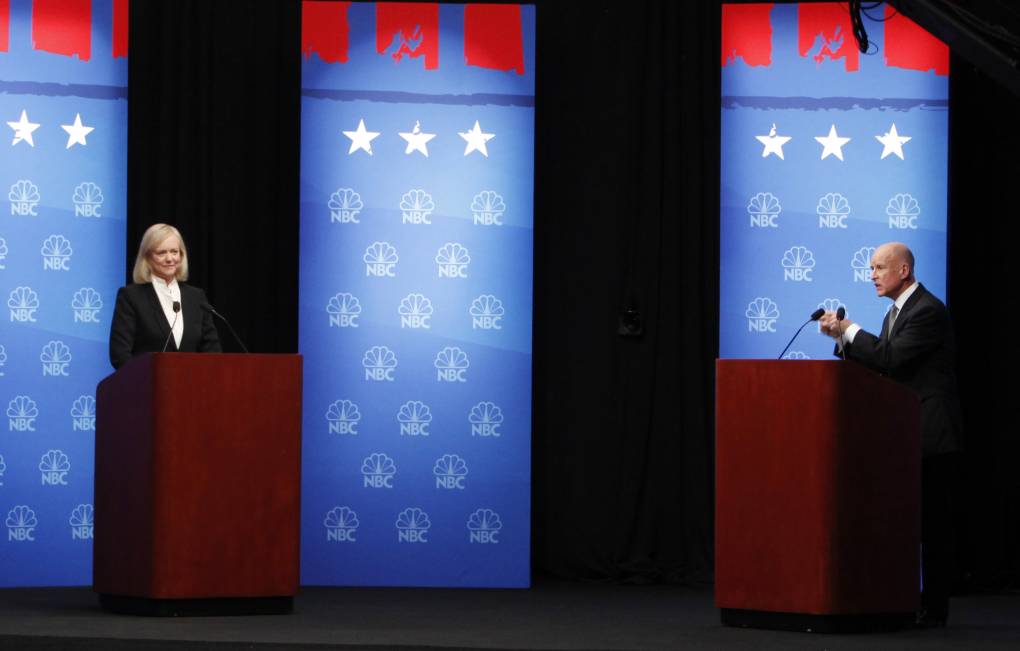
"caption": "SAN RAFAEL, CA - OCTOBER 12: Republican gubernatorial candidate and former eBay CEO Meg Whitman (L) and Democratic gubernatorial candidate and California State Attorney General Jerry Brown participate in a debate October 12, 2010 at Dominican University of California in San Rafael, California. Brown and Whitman faced off in their final debate before election day on November 2, 2010. (Photo by Rich Pedroncelli-Pool/Getty Images)",
"description": null,
"title": "California Gubernatorial Candidates Take Part In Last Debate Before Election",
"credit": null,
"status": "inherit",
"altTag": null,
"isLoading": false,
"fetchFailed": false
},
"news_11922004": {
"type": "attachments",
"id": "news_11922004",
"meta": {
"index": "attachments_1716263798",
"site": "news",
"id": "11922004",
"found": true
},
"parent": 11921973,
"imgSizes": {
"twentyfourteen-full-width": {
"file": "https://ww2.kqed.org/app/uploads/sites/10/2022/08/RS12589_iStock_000005814659_Large-qut-1038x576.jpg",
"width": 1038,
"mimeType": "image/jpeg",
"height": 576
},
"thumbnail": {
"file": "https://ww2.kqed.org/app/uploads/sites/10/2022/08/RS12589_iStock_000005814659_Large-qut-160x106.jpg",
"width": 160,
"mimeType": "image/jpeg",
"height": 106
},
"post-thumbnail": {
"file": "https://ww2.kqed.org/app/uploads/sites/10/2022/08/RS12589_iStock_000005814659_Large-qut-672x372.jpg",
"width": 672,
"mimeType": "image/jpeg",
"height": 372
},
"kqedFullSize": {
"file": "https://ww2.kqed.org/app/uploads/sites/10/2022/08/RS12589_iStock_000005814659_Large-qut.jpg",
"width": 1400,
"height": 930
},
"large": {
"file": "https://ww2.kqed.org/app/uploads/sites/10/2022/08/RS12589_iStock_000005814659_Large-qut-1020x678.jpg",
"width": 1020,
"mimeType": "image/jpeg",
"height": 678
},
"medium": {
"file": "https://ww2.kqed.org/app/uploads/sites/10/2022/08/RS12589_iStock_000005814659_Large-qut-800x531.jpg",
"width": 800,
"mimeType": "image/jpeg",
"height": 531
}
},
"publishDate": 1659990729,
"modified": 1660002116,
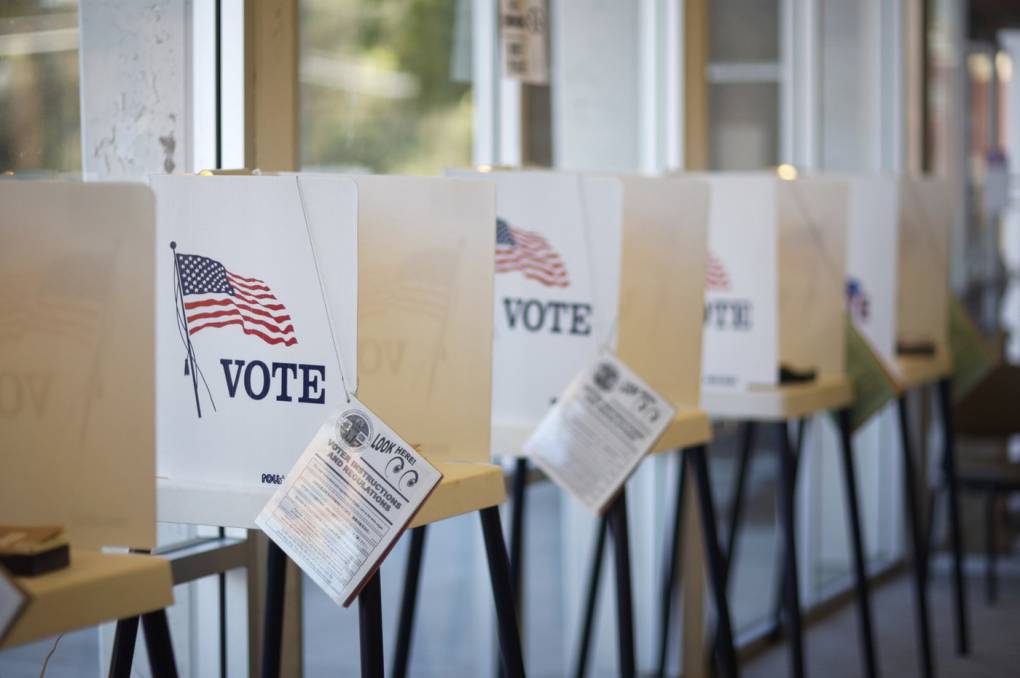
"caption": "Voting booths at Hermosa Beach City Hall during the California primary election. Recent efforts by Bay Area high school students to lower the voting age for school board elections have been popular with voters, but implementing them has proven a lengthy and difficult process.",
"description": null,
"title": "RS12589_iStock_000005814659_Large-qut",
"credit": "Daniel Sofer/hermosawave.net",
"status": "inherit",
"altTag": "a row of empty voting booths with the word \"vote\" and an illustration of the American flag",
"isLoading": false,
"fetchFailed": false
},
"news_11980029": {
"type": "attachments",
"id": "news_11980029",
"meta": {
"index": "attachments_1716263798",
"site": "news",
"id": "11980029",
"found": true
},
"parent": 11980004,
"imgSizes": {
"twentyfourteen-full-width": {
"file": "https://cdn.kqed.org/wp-content/uploads/sites/10/2024/03/GettyImages-2076695644-1038x576.jpg",
"width": 1038,
"mimeType": "image/jpeg",
"height": 576
},
"thumbnail": {
"file": "https://cdn.kqed.org/wp-content/uploads/sites/10/2024/03/GettyImages-2076695644-160x107.jpg",
"width": 160,
"mimeType": "image/jpeg",
"height": 107
},
"post-thumbnail": {
"file": "https://cdn.kqed.org/wp-content/uploads/sites/10/2024/03/GettyImages-2076695644-672x372.jpg",
"width": 672,
"mimeType": "image/jpeg",
"height": 372
},
"kqedFullSize": {
"file": "https://cdn.kqed.org/wp-content/uploads/sites/10/2024/03/GettyImages-2076695644-scaled.jpg",
"width": 2560,
"height": 1707
},
"2048x2048": {
"file": "https://cdn.kqed.org/wp-content/uploads/sites/10/2024/03/GettyImages-2076695644-2048x1365.jpg",
"width": 2048,
"mimeType": "image/jpeg",
"height": 1365
},
"large": {
"file": "https://cdn.kqed.org/wp-content/uploads/sites/10/2024/03/GettyImages-2076695644-1020x680.jpg",
"width": 1020,
"mimeType": "image/jpeg",
"height": 680
},
"1536x1536": {
"file": "https://cdn.kqed.org/wp-content/uploads/sites/10/2024/03/GettyImages-2076695644-1536x1024.jpg",
"width": 1536,
"mimeType": "image/jpeg",
"height": 1024
},
"full-width": {
"file": "https://cdn.kqed.org/wp-content/uploads/sites/10/2024/03/GettyImages-2076695644-1920x1280.jpg",
"width": 1920,
"mimeType": "image/jpeg",
"height": 1280
},
"medium": {
"file": "https://cdn.kqed.org/wp-content/uploads/sites/10/2024/03/GettyImages-2076695644-800x533.jpg",
"width": 800,
"mimeType": "image/jpeg",
"height": 533
}
},
"publishDate": 1710887026,
"modified": 1710887026,
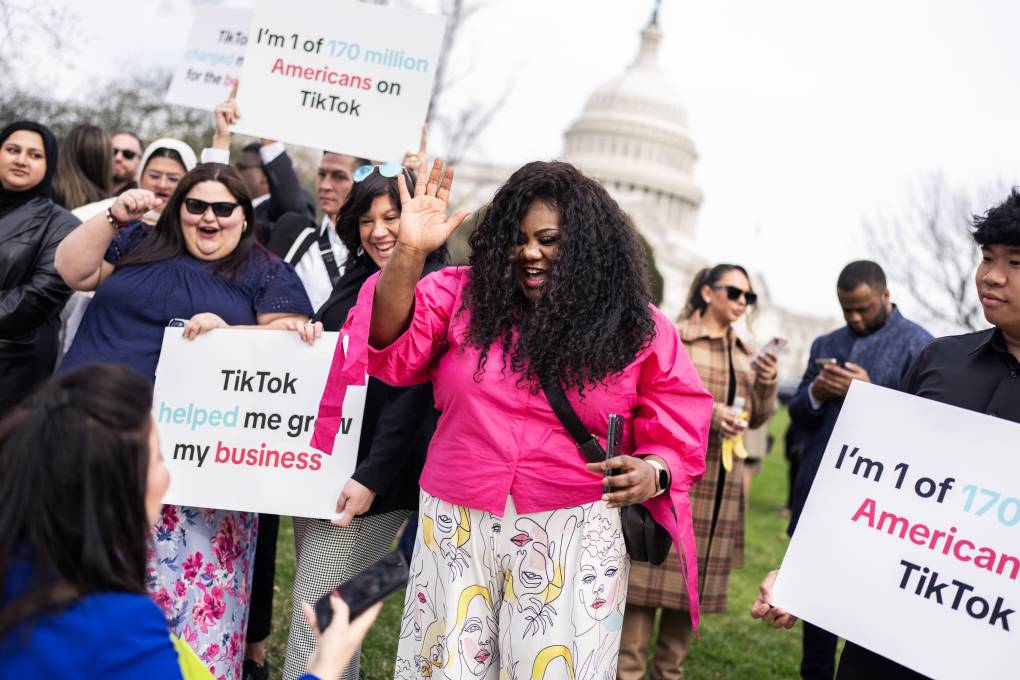
"caption": "UNITED STATES - MARCH 13: Summer Lucille, a TikTok content creator, is seen outside the U.S. Capitol before the House passed the Protecting Americans from Foreign Adversary Controlled Applications Act, that could ban TikTok in the U.S., on Wednesday, March 13, 2024. (Tom Williams/CQ-Roll Call, Inc via Getty Images)",
"description": null,
"title": "TikTok Vote Mar 13",
"credit": null,
"status": "inherit",
"altTag": null,
"isLoading": false,
"fetchFailed": false
},
"news_11979844": {
"type": "attachments",
"id": "news_11979844",
"meta": {
"index": "attachments_1716263798",
"site": "news",
"id": "11979844",
"found": true
},
"parent": 11979838,
"imgSizes": {
"twentyfourteen-full-width": {
"file": "https://cdn.kqed.org/wp-content/uploads/sites/10/2024/03/GettyImages-1971232263-1-1038x576.jpg",
"width": 1038,
"mimeType": "image/jpeg",
"height": 576
},
"thumbnail": {
"file": "https://cdn.kqed.org/wp-content/uploads/sites/10/2024/03/GettyImages-1971232263-1-160x107.jpg",
"width": 160,
"mimeType": "image/jpeg",
"height": 107
},
"post-thumbnail": {
"file": "https://cdn.kqed.org/wp-content/uploads/sites/10/2024/03/GettyImages-1971232263-1-672x372.jpg",
"width": 672,
"mimeType": "image/jpeg",
"height": 372
},
"kqedFullSize": {
"file": "https://cdn.kqed.org/wp-content/uploads/sites/10/2024/03/GettyImages-1971232263-1-scaled.jpg",
"width": 2560,
"height": 1707
},
"2048x2048": {
"file": "https://cdn.kqed.org/wp-content/uploads/sites/10/2024/03/GettyImages-1971232263-1-2048x1365.jpg",
"width": 2048,
"mimeType": "image/jpeg",
"height": 1365
},
"large": {
"file": "https://cdn.kqed.org/wp-content/uploads/sites/10/2024/03/GettyImages-1971232263-1-1020x680.jpg",
"width": 1020,
"mimeType": "image/jpeg",
"height": 680
},
"1536x1536": {
"file": "https://cdn.kqed.org/wp-content/uploads/sites/10/2024/03/GettyImages-1971232263-1-1536x1024.jpg",
"width": 1536,
"mimeType": "image/jpeg",
"height": 1024
},
"full-width": {
"file": "https://cdn.kqed.org/wp-content/uploads/sites/10/2024/03/GettyImages-1971232263-1-1920x1280.jpg",
"width": 1920,
"mimeType": "image/jpeg",
"height": 1280
},
"medium": {
"file": "https://cdn.kqed.org/wp-content/uploads/sites/10/2024/03/GettyImages-1971232263-1-800x533.jpg",
"width": 800,
"mimeType": "image/jpeg",
"height": 533
}
},
"publishDate": 1710794032,
"modified": 1710794082,
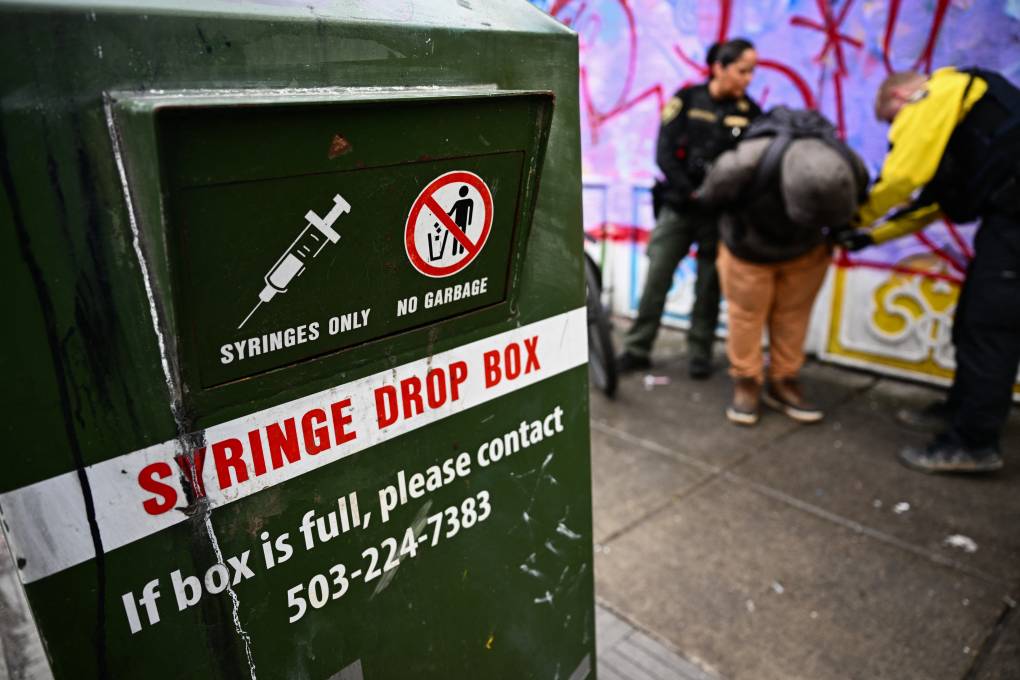
"caption": "A syringe drop box stands on the street as a Portland Police officer conducts an investigation into drug dealing and issues a citation for drug possession during a patrol in downtown Portland, Oregon on January 25, 2024. In February 2021, possession and use of all drugs -- including cocaine, heroin, ecstasy and fentanyl -- was decriminalised in the western state. Sale and production remains punishable. (Photo by Patrick T. Fallon / AFP) (Photo by PATRICK T. FALLON/AFP via Getty Images)",
"description": null,
"title": "US-HEALTH-DRUGS-OREGON",
"credit": null,
"status": "inherit",
"altTag": null,
"isLoading": false,
"fetchFailed": false
},
"news_11979824": {
"type": "attachments",
"id": "news_11979824",
"meta": {
"index": "attachments_1716263798",
"site": "news",
"id": "11979824",
"found": true
},
"parent": 11979822,
"imgSizes": {
"twentyfourteen-full-width": {
"file": "https://cdn.kqed.org/wp-content/uploads/sites/10/2024/03/020124_Prop_1_Protest_FG_CM_20964-1038x576.jpg",
"width": 1038,
"mimeType": "image/jpeg",
"height": 576
},
"thumbnail": {
"file": "https://cdn.kqed.org/wp-content/uploads/sites/10/2024/03/020124_Prop_1_Protest_FG_CM_20964-160x107.jpg",
"width": 160,
"mimeType": "image/jpeg",
"height": 107
},
"post-thumbnail": {
"file": "https://cdn.kqed.org/wp-content/uploads/sites/10/2024/03/020124_Prop_1_Protest_FG_CM_20964-672x372.jpg",
"width": 672,
"mimeType": "image/jpeg",
"height": 372
},
"kqedFullSize": {
"file": "https://cdn.kqed.org/wp-content/uploads/sites/10/2024/03/020124_Prop_1_Protest_FG_CM_20964.jpg",
"width": 2000,
"height": 1333
},
"large": {
"file": "https://cdn.kqed.org/wp-content/uploads/sites/10/2024/03/020124_Prop_1_Protest_FG_CM_20964-1020x680.jpg",
"width": 1020,
"mimeType": "image/jpeg",
"height": 680
},
"1536x1536": {
"file": "https://cdn.kqed.org/wp-content/uploads/sites/10/2024/03/020124_Prop_1_Protest_FG_CM_20964-1536x1024.jpg",
"width": 1536,
"mimeType": "image/jpeg",
"height": 1024
},
"full-width": {
"file": "https://cdn.kqed.org/wp-content/uploads/sites/10/2024/03/020124_Prop_1_Protest_FG_CM_20964-1920x1280.jpg",
"width": 1920,
"mimeType": "image/jpeg",
"height": 1280
},
"medium": {
"file": "https://cdn.kqed.org/wp-content/uploads/sites/10/2024/03/020124_Prop_1_Protest_FG_CM_20964-800x533.jpg",
"width": 800,
"mimeType": "image/jpeg",
"height": 533
}
},
"publishDate": 1710789980,
"modified": 1710790021,
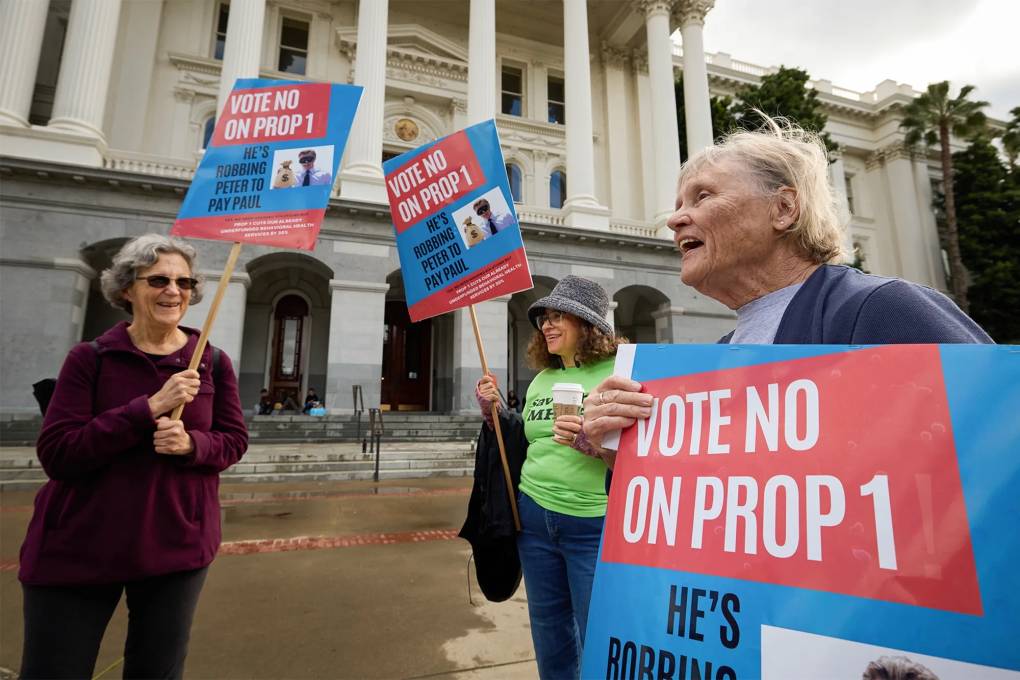
"caption": "From left, protestors Carol Patterson, Natalie Conrad and Debi Davis try to engage with people during a “Vote No on Prop. 1” event at the state Capitol on Feb. 1, 2024. ",
"description": null,
"title": "020124_Prop_1_Protest_FG_CM_20964",
"credit": " Fred Greaves for CalMatters",
"status": "inherit",
"altTag": "three woman stand outside a capitol building holding signs that say 'Vote No on Prop 1\"",
"isLoading": false,
"fetchFailed": false
},
"news_11978708": {
"type": "attachments",
"id": "news_11978708",
"meta": {
"index": "attachments_1716263798",
"site": "news",
"id": "11978708",
"found": true
},
"parent": 11978707,
"imgSizes": {
"twentyfourteen-full-width": {
"file": "https://cdn.kqed.org/wp-content/uploads/sites/10/2024/03/240305-ELECTIONFILESF-117-BL-KQED-1038x576.jpg",
"width": 1038,
"mimeType": "image/jpeg",
"height": 576
},
"thumbnail": {
"file": "https://cdn.kqed.org/wp-content/uploads/sites/10/2024/03/240305-ELECTIONFILESF-117-BL-KQED-160x107.jpg",
"width": 160,
"mimeType": "image/jpeg",
"height": 107
},
"post-thumbnail": {
"file": "https://cdn.kqed.org/wp-content/uploads/sites/10/2024/03/240305-ELECTIONFILESF-117-BL-KQED-672x372.jpg",
"width": 672,
"mimeType": "image/jpeg",
"height": 372
},
"kqedFullSize": {
"file": "https://cdn.kqed.org/wp-content/uploads/sites/10/2024/03/240305-ELECTIONFILESF-117-BL-KQED.jpg",
"width": 2000,
"height": 1333
},
"large": {
"file": "https://cdn.kqed.org/wp-content/uploads/sites/10/2024/03/240305-ELECTIONFILESF-117-BL-KQED-1020x680.jpg",
"width": 1020,
"mimeType": "image/jpeg",
"height": 680
},
"1536x1536": {
"file": "https://cdn.kqed.org/wp-content/uploads/sites/10/2024/03/240305-ELECTIONFILESF-117-BL-KQED-1536x1024.jpg",
"width": 1536,
"mimeType": "image/jpeg",
"height": 1024
},
"full-width": {
"file": "https://cdn.kqed.org/wp-content/uploads/sites/10/2024/03/240305-ELECTIONFILESF-117-BL-KQED-1920x1280.jpg",
"width": 1920,
"mimeType": "image/jpeg",
"height": 1280
},
"medium": {
"file": "https://cdn.kqed.org/wp-content/uploads/sites/10/2024/03/240305-ELECTIONFILESF-117-BL-KQED-800x533.jpg",
"width": 800,
"mimeType": "image/jpeg",
"height": 533
}
},
"publishDate": 1709930831,
"modified": 1710612233,
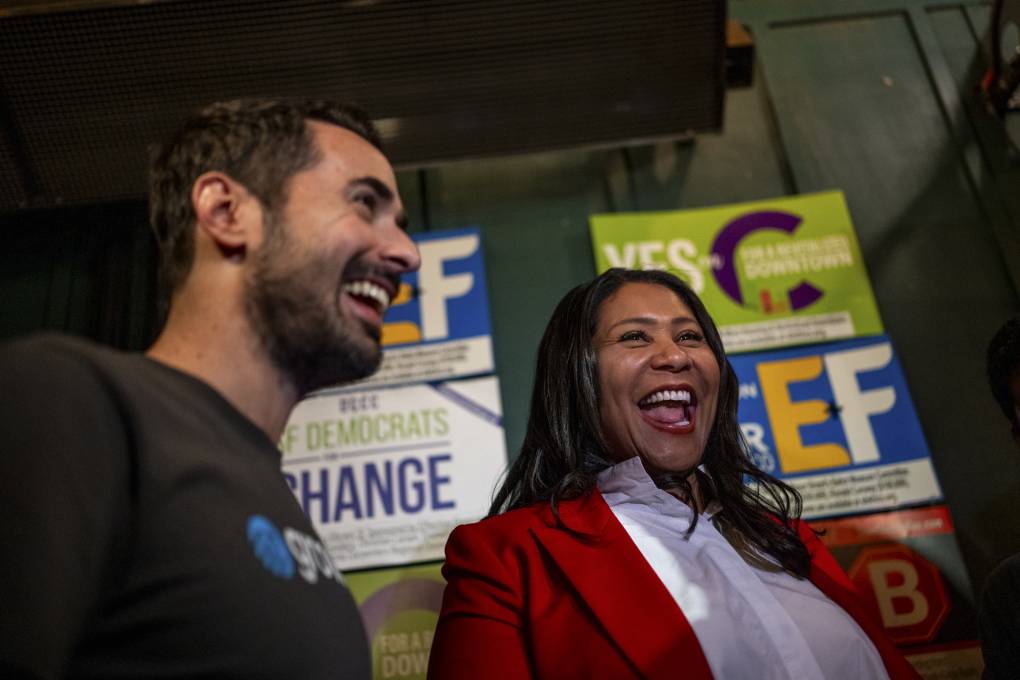
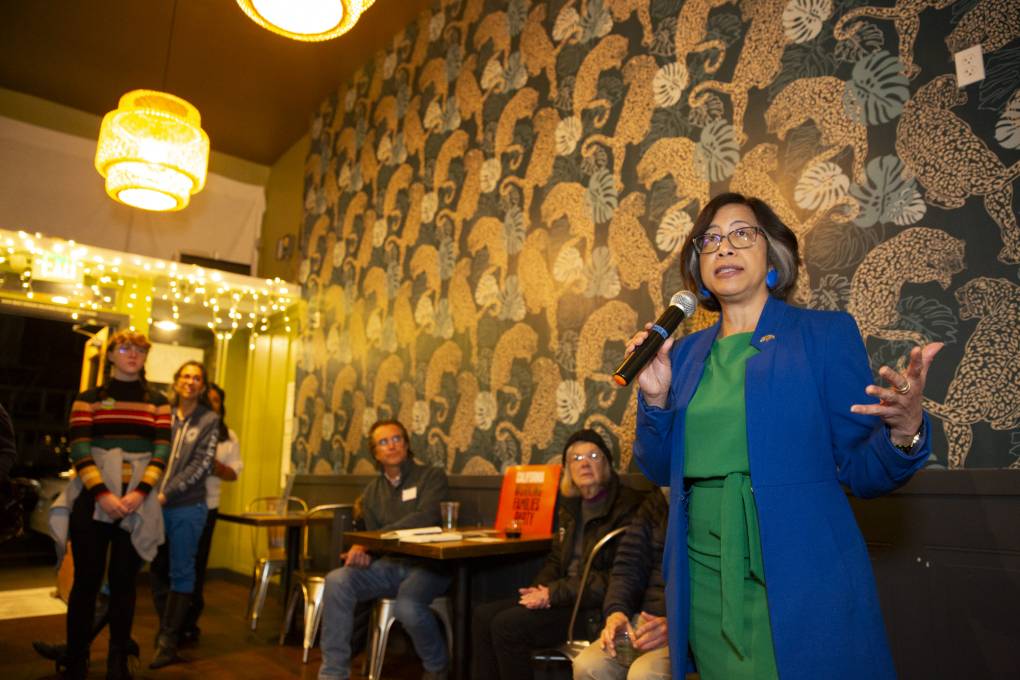
"caption": "San Francisco Mayor London Breed speaks at a SF Dems for Change Super Tuesday election night party at Anina in San Francisco, on March 5, 2024. ",
"description": null,
"title": "240305-ELECTIONFILESF-117-BL-KQED",
"credit": null,
"status": "inherit",
"altTag": null,
"isLoading": false,
"fetchFailed": false
},
"news_11979470": {
"type": "attachments",
"id": "news_11979470",
"meta": {
"index": "attachments_1716263798",
"site": "news",
"id": "11979470",
"found": true
},
"title": "240314-SPEAKER RIVAS PB-MD-10-KQED",
"publishDate": 1710447244,
"status": "inherit",
"parent": 12023129,
"modified": 1737569571,
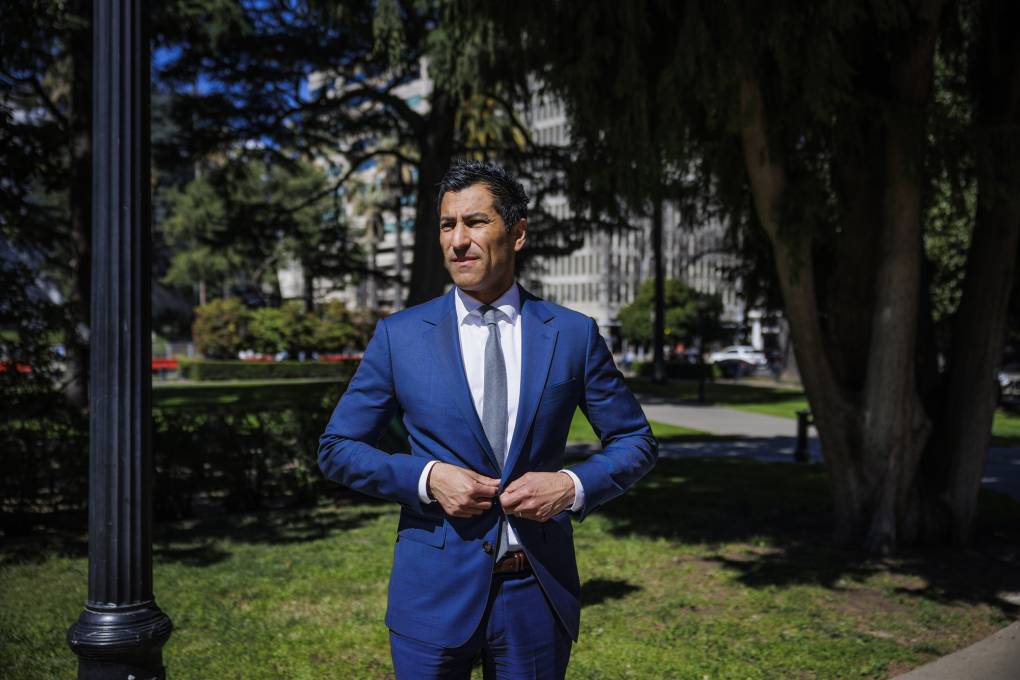
"caption": "Speaker of the California State Assembly Robert Rivas on the State Capitol grounds in Sacramento on March 14, 2024.",
"credit": "Martin do Nascimento/KQED",
"altTag": null,
"description": null,
"imgSizes": {
"medium": {
"file": "https://cdn.kqed.org/wp-content/uploads/sites/10/2024/03/240314-SPEAKER-RIVAS-PB-MD-10-KQED-800x533.jpg",
"width": 800,
"height": 533,
"mimeType": "image/jpeg"
},
"large": {
"file": "https://cdn.kqed.org/wp-content/uploads/sites/10/2024/03/240314-SPEAKER-RIVAS-PB-MD-10-KQED-1020x680.jpg",
"width": 1020,
"height": 680,
"mimeType": "image/jpeg"
},
"thumbnail": {
"file": "https://cdn.kqed.org/wp-content/uploads/sites/10/2024/03/240314-SPEAKER-RIVAS-PB-MD-10-KQED-160x107.jpg",
"width": 160,
"height": 107,
"mimeType": "image/jpeg"
},
"1536x1536": {
"file": "https://cdn.kqed.org/wp-content/uploads/sites/10/2024/03/240314-SPEAKER-RIVAS-PB-MD-10-KQED-1536x1024.jpg",
"width": 1536,
"height": 1024,
"mimeType": "image/jpeg"
},
"post-thumbnail": {
"file": "https://cdn.kqed.org/wp-content/uploads/sites/10/2024/03/240314-SPEAKER-RIVAS-PB-MD-10-KQED-672x372.jpg",
"width": 672,
"height": 372,
"mimeType": "image/jpeg"
},
"twentyfourteen-full-width": {
"file": "https://cdn.kqed.org/wp-content/uploads/sites/10/2024/03/240314-SPEAKER-RIVAS-PB-MD-10-KQED-1038x576.jpg",
"width": 1038,
"height": 576,
"mimeType": "image/jpeg"
},
"full-width": {
"file": "https://cdn.kqed.org/wp-content/uploads/sites/10/2024/03/240314-SPEAKER-RIVAS-PB-MD-10-KQED-1920x1280.jpg",
"width": 1920,
"height": 1280,
"mimeType": "image/jpeg"
},
"kqedFullSize": {
"file": "https://cdn.kqed.org/wp-content/uploads/sites/10/2024/03/240314-SPEAKER-RIVAS-PB-MD-10-KQED.jpg",
"width": 2000,
"height": 1333
}
},
"isLoading": false,
"fetchFailed": false
},
"news_11979372": {
"type": "attachments",
"id": "news_11979372",
"meta": {
"index": "attachments_1716263798",
"site": "news",
"id": "11979372",
"found": true
},
"parent": 11979297,
"imgSizes": {
"twentyfourteen-full-width": {
"file": "https://cdn.kqed.org/wp-content/uploads/sites/10/2024/03/1st-speaker_ACR-59-Stuttering-Awareness-PC-515-05-04-23-1038x576.jpg",
"width": 1038,
"mimeType": "image/jpeg",
"height": 576
},
"thumbnail": {
"file": "https://cdn.kqed.org/wp-content/uploads/sites/10/2024/03/1st-speaker_ACR-59-Stuttering-Awareness-PC-515-05-04-23-160x107.jpg",
"width": 160,
"mimeType": "image/jpeg",
"height": 107
},
"post-thumbnail": {
"file": "https://cdn.kqed.org/wp-content/uploads/sites/10/2024/03/1st-speaker_ACR-59-Stuttering-Awareness-PC-515-05-04-23-672x372.jpg",
"width": 672,
"mimeType": "image/jpeg",
"height": 372
},
"kqedFullSize": {
"file": "https://cdn.kqed.org/wp-content/uploads/sites/10/2024/03/1st-speaker_ACR-59-Stuttering-Awareness-PC-515-05-04-23-scaled.jpg",
"width": 2560,
"height": 1707
},
"2048x2048": {
"file": "https://cdn.kqed.org/wp-content/uploads/sites/10/2024/03/1st-speaker_ACR-59-Stuttering-Awareness-PC-515-05-04-23-2048x1365.jpg",
"width": 2048,
"mimeType": "image/jpeg",
"height": 1365
},
"large": {
"file": "https://cdn.kqed.org/wp-content/uploads/sites/10/2024/03/1st-speaker_ACR-59-Stuttering-Awareness-PC-515-05-04-23-1020x680.jpg",
"width": 1020,
"mimeType": "image/jpeg",
"height": 680
},
"1536x1536": {
"file": "https://cdn.kqed.org/wp-content/uploads/sites/10/2024/03/1st-speaker_ACR-59-Stuttering-Awareness-PC-515-05-04-23-1536x1024.jpg",
"width": 1536,
"mimeType": "image/jpeg",
"height": 1024
},
"full-width": {
"file": "https://cdn.kqed.org/wp-content/uploads/sites/10/2024/03/1st-speaker_ACR-59-Stuttering-Awareness-PC-515-05-04-23-1920x1280.jpg",
"width": 1920,
"mimeType": "image/jpeg",
"height": 1280
},
"medium": {
"file": "https://cdn.kqed.org/wp-content/uploads/sites/10/2024/03/1st-speaker_ACR-59-Stuttering-Awareness-PC-515-05-04-23-800x533.jpg",
"width": 800,
"mimeType": "image/jpeg",
"height": 533
}
},
"publishDate": 1710372432,
"modified": 1710377204,
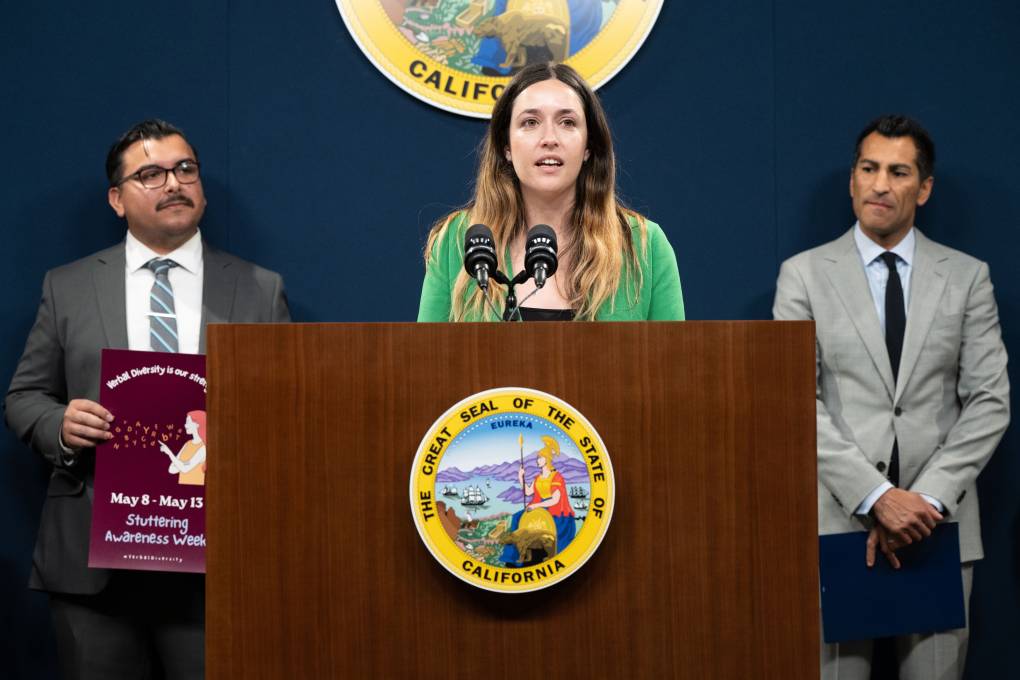
"caption": "Maya Chupkov, a stuttering advocate and host of the podcast Proud Stutter, speaking at a press conference alongside California Assembly Speaker Robert Rivas.",
"description": "Maya Chupkov, a stuttering advocate and host of the podcast Proud Stutter, speaking at a press conference alongside California Assembly Speaker Robert Rivas. (Courtesy of Maya Chupkov)",
"title": null,
"credit": "Courtesy of Maya Chupkov",
"status": "inherit",
"altTag": null,
"isLoading": false,
"fetchFailed": false
},
"news_11979139": {
"type": "attachments",
"id": "news_11979139",
"meta": {
"index": "attachments_1716263798",
"site": "news",
"id": "11979139",
"found": true
},
"title": "240305-ELECTION-FILE-EB-KSM-20-KQED",
"publishDate": 1710280213,
"status": "inherit",
"parent": 11979137,
"modified": 1733351369,
"caption": "Nikki Fortunato Bas speaks at her election party at Understory Oakland on Mar. 5, 2024. Bas squeaked out a narrow victory to claim a seat on the Alameda County Board of Supervisors in District 5.",
"credit": "Kathryn Styer Martínez/KQED",
"altTag": null,
"description": null,
"imgSizes": {
"medium": {
"file": "https://cdn.kqed.org/wp-content/uploads/sites/10/2024/03/240305-ELECTION-FILE-EB-KSM-20-KQED-1-800x533.jpg",
"width": 800,
"height": 533,
"mimeType": "image/jpeg"
},
"large": {
"file": "https://cdn.kqed.org/wp-content/uploads/sites/10/2024/03/240305-ELECTION-FILE-EB-KSM-20-KQED-1-1020x680.jpg",
"width": 1020,
"height": 680,
"mimeType": "image/jpeg"
},
"thumbnail": {
"file": "https://cdn.kqed.org/wp-content/uploads/sites/10/2024/03/240305-ELECTION-FILE-EB-KSM-20-KQED-1-160x107.jpg",
"width": 160,
"height": 107,
"mimeType": "image/jpeg"
},
"1536x1536": {
"file": "https://cdn.kqed.org/wp-content/uploads/sites/10/2024/03/240305-ELECTION-FILE-EB-KSM-20-KQED-1-1536x1024.jpg",
"width": 1536,
"height": 1024,
"mimeType": "image/jpeg"
},
"post-thumbnail": {
"file": "https://cdn.kqed.org/wp-content/uploads/sites/10/2024/03/240305-ELECTION-FILE-EB-KSM-20-KQED-1-672x372.jpg",
"width": 672,
"height": 372,
"mimeType": "image/jpeg"
},
"twentyfourteen-full-width": {
"file": "https://cdn.kqed.org/wp-content/uploads/sites/10/2024/03/240305-ELECTION-FILE-EB-KSM-20-KQED-1-1038x576.jpg",
"width": 1038,
"height": 576,
"mimeType": "image/jpeg"
},
"full-width": {
"file": "https://cdn.kqed.org/wp-content/uploads/sites/10/2024/03/240305-ELECTION-FILE-EB-KSM-20-KQED-1-1920x1280.jpg",
"width": 1920,
"height": 1280,
"mimeType": "image/jpeg"
},
"kqedFullSize": {
"file": "https://cdn.kqed.org/wp-content/uploads/sites/10/2024/03/240305-ELECTION-FILE-EB-KSM-20-KQED-1.jpg",
"width": 2000,
"height": 1333
}
},
"isLoading": false,
"fetchFailed": false
},
"news_11965019": {
"type": "attachments",
"id": "news_11965019",
"meta": {
"index": "attachments_1716263798",
"site": "news",
"id": "11965019",
"found": true
},
"parent": 0,
"imgSizes": {
"twentyfourteen-full-width": {
"file": "https://ww2.kqed.org/app/uploads/sites/10/2023/10/231019-LAPHONZA-BUTLER-Getty-CS-KQED-1038x576.jpg",
"width": 1038,
"mimeType": "image/jpeg",
"height": 576
},
"thumbnail": {
"file": "https://ww2.kqed.org/app/uploads/sites/10/2023/10/231019-LAPHONZA-BUTLER-Getty-CS-KQED-160x107.jpg",
"width": 160,
"mimeType": "image/jpeg",
"height": 107
},
"post-thumbnail": {
"file": "https://ww2.kqed.org/app/uploads/sites/10/2023/10/231019-LAPHONZA-BUTLER-Getty-CS-KQED-672x372.jpg",
"width": 672,
"mimeType": "image/jpeg",
"height": 372
},
"kqedFullSize": {
"file": "https://ww2.kqed.org/app/uploads/sites/10/2023/10/231019-LAPHONZA-BUTLER-Getty-CS-KQED.jpg",
"width": 2000,
"height": 1333
},
"large": {
"file": "https://ww2.kqed.org/app/uploads/sites/10/2023/10/231019-LAPHONZA-BUTLER-Getty-CS-KQED-1020x680.jpg",
"width": 1020,
"mimeType": "image/jpeg",
"height": 680
},
"1536x1536": {
"file": "https://ww2.kqed.org/app/uploads/sites/10/2023/10/231019-LAPHONZA-BUTLER-Getty-CS-KQED-1536x1024.jpg",
"width": 1536,
"mimeType": "image/jpeg",
"height": 1024
},
"full-width": {
"file": "https://ww2.kqed.org/app/uploads/sites/10/2023/10/231019-LAPHONZA-BUTLER-Getty-CS-KQED-1920x1280.jpg",
"width": 1920,
"mimeType": "image/jpeg",
"height": 1280
},
"medium": {
"file": "https://ww2.kqed.org/app/uploads/sites/10/2023/10/231019-LAPHONZA-BUTLER-Getty-CS-KQED-800x533.jpg",
"width": 800,
"mimeType": "image/jpeg",
"height": 533
}
},
"publishDate": 1697749345,
"modified": 1697754024,
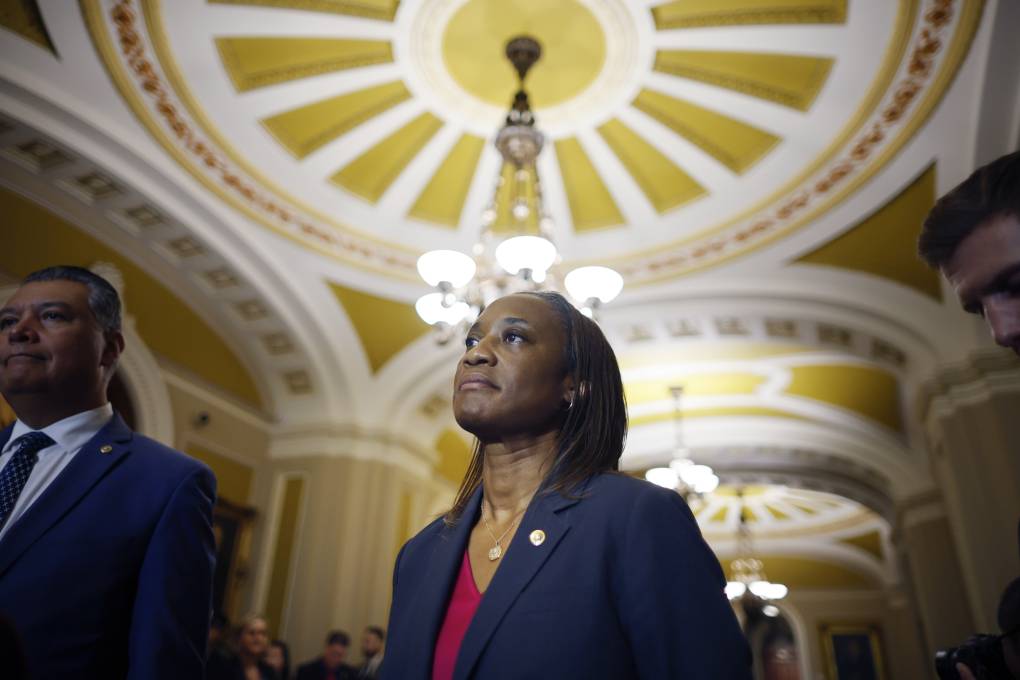
"caption": "Sen. Laphonza Butler (D-Calif.) attends a news conference at the US Capitol in Washington, DC, on Oct. 4, 2023.",
"description": null,
"title": "Senators Meet For Their Policy Luncheons On Capitol Hill",
"credit": "Chip Somodevilla/Getty Images",
"status": "inherit",
"altTag": "A person with long hair and wearing a blue sport coat stands in a room under an ornate ceiling.",
"isLoading": false,
"fetchFailed": false
},
"news_11978951": {
"type": "attachments",
"id": "news_11978951",
"meta": {
"index": "attachments_1716263798",
"site": "news",
"id": "11978951",
"found": true
},
"parent": 11978941,
"imgSizes": {
"twentyfourteen-full-width": {
"file": "https://cdn.kqed.org/wp-content/uploads/sites/10/2024/03/GettyImages-1352323849-1038x576.jpg",
"width": 1038,
"mimeType": "image/jpeg",
"height": 576
},
"thumbnail": {
"file": "https://cdn.kqed.org/wp-content/uploads/sites/10/2024/03/GettyImages-1352323849-160x107.jpg",
"width": 160,
"mimeType": "image/jpeg",
"height": 107
},
"post-thumbnail": {
"file": "https://cdn.kqed.org/wp-content/uploads/sites/10/2024/03/GettyImages-1352323849-672x372.jpg",
"width": 672,
"mimeType": "image/jpeg",
"height": 372
},
"kqedFullSize": {
"file": "https://cdn.kqed.org/wp-content/uploads/sites/10/2024/03/GettyImages-1352323849-scaled.jpg",
"width": 2560,
"height": 1707
},
"2048x2048": {
"file": "https://cdn.kqed.org/wp-content/uploads/sites/10/2024/03/GettyImages-1352323849-2048x1365.jpg",
"width": 2048,
"mimeType": "image/jpeg",
"height": 1365
},
"large": {
"file": "https://cdn.kqed.org/wp-content/uploads/sites/10/2024/03/GettyImages-1352323849-1020x680.jpg",
"width": 1020,
"mimeType": "image/jpeg",
"height": 680
},
"1536x1536": {
"file": "https://cdn.kqed.org/wp-content/uploads/sites/10/2024/03/GettyImages-1352323849-1536x1024.jpg",
"width": 1536,
"mimeType": "image/jpeg",
"height": 1024
},
"full-width": {
"file": "https://cdn.kqed.org/wp-content/uploads/sites/10/2024/03/GettyImages-1352323849-1920x1280.jpg",
"width": 1920,
"mimeType": "image/jpeg",
"height": 1280
},
"medium": {
"file": "https://cdn.kqed.org/wp-content/uploads/sites/10/2024/03/GettyImages-1352323849-800x533.jpg",
"width": 800,
"mimeType": "image/jpeg",
"height": 533
}
},
"publishDate": 1710193222,
"modified": 1710264917,
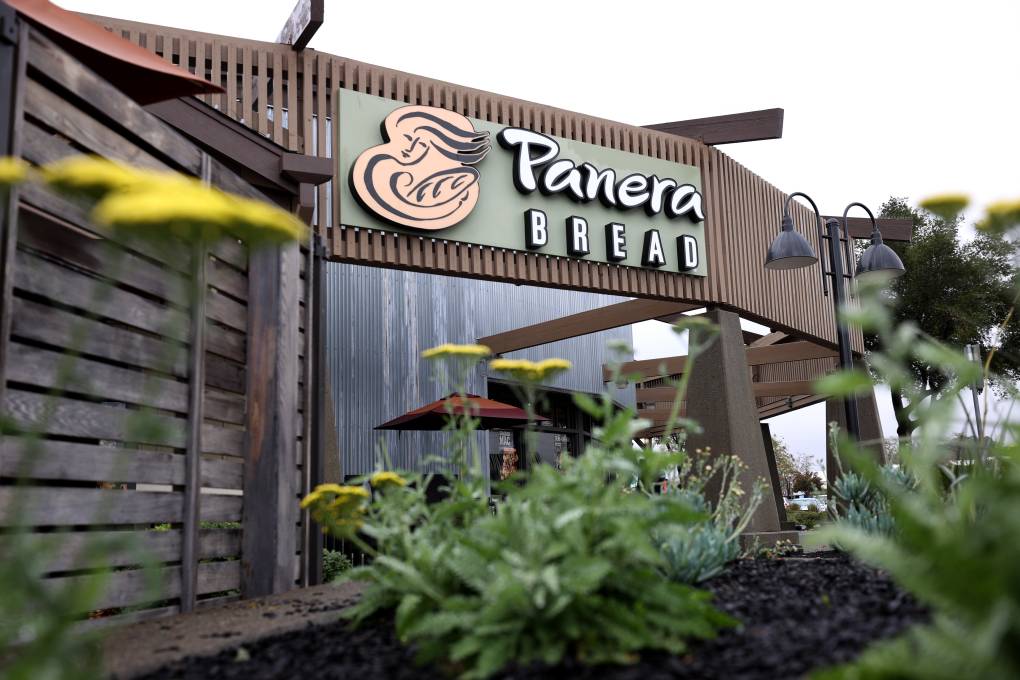
"caption": "A sign is posted on the exterior of a Panera Bread restaurant on Nov. 9, 2021 in Novato, Marin County. After going private in 2017 when JAB Holding bought the company for $7.5 billion, Panera bread will go public once again through an initial public offering.",
"description": null,
"title": "Panera Bread To Go Public",
"credit": "Justin Sullivan/Getty Images",
"status": "inherit",
"altTag": null,
"isLoading": false,
"fetchFailed": false
},
"news_11978456": {
"type": "attachments",
"id": "news_11978456",
"meta": {
"index": "attachments_1716263798",
"site": "news",
"id": "11978456",
"found": true
},
"parent": 11978451,
"imgSizes": {
"twentyfourteen-full-width": {
"file": "https://cdn.kqed.org/wp-content/uploads/sites/10/2024/03/AP24065760278294-1038x576.jpg",
"width": 1038,
"mimeType": "image/jpeg",
"height": 576
},
"thumbnail": {
"file": "https://cdn.kqed.org/wp-content/uploads/sites/10/2024/03/AP24065760278294-160x107.jpg",
"width": 160,
"mimeType": "image/jpeg",
"height": 107
},
"post-thumbnail": {
"file": "https://cdn.kqed.org/wp-content/uploads/sites/10/2024/03/AP24065760278294-672x372.jpg",
"width": 672,
"mimeType": "image/jpeg",
"height": 372
},
"kqedFullSize": {
"file": "https://cdn.kqed.org/wp-content/uploads/sites/10/2024/03/AP24065760278294-scaled.jpg",
"width": 2560,
"height": 1707
},
"2048x2048": {
"file": "https://cdn.kqed.org/wp-content/uploads/sites/10/2024/03/AP24065760278294-2048x1365.jpg",
"width": 2048,
"mimeType": "image/jpeg",
"height": 1365
},
"large": {
"file": "https://cdn.kqed.org/wp-content/uploads/sites/10/2024/03/AP24065760278294-1020x680.jpg",
"width": 1020,
"mimeType": "image/jpeg",
"height": 680
},
"1536x1536": {
"file": "https://cdn.kqed.org/wp-content/uploads/sites/10/2024/03/AP24065760278294-1536x1024.jpg",
"width": 1536,
"mimeType": "image/jpeg",
"height": 1024
},
"full-width": {
"file": "https://cdn.kqed.org/wp-content/uploads/sites/10/2024/03/AP24065760278294-1920x1280.jpg",
"width": 1920,
"mimeType": "image/jpeg",
"height": 1280
},
"medium": {
"file": "https://cdn.kqed.org/wp-content/uploads/sites/10/2024/03/AP24065760278294-800x533.jpg",
"width": 800,
"mimeType": "image/jpeg",
"height": 533
}
},
"publishDate": 1709762109,
"modified": 1709764623,
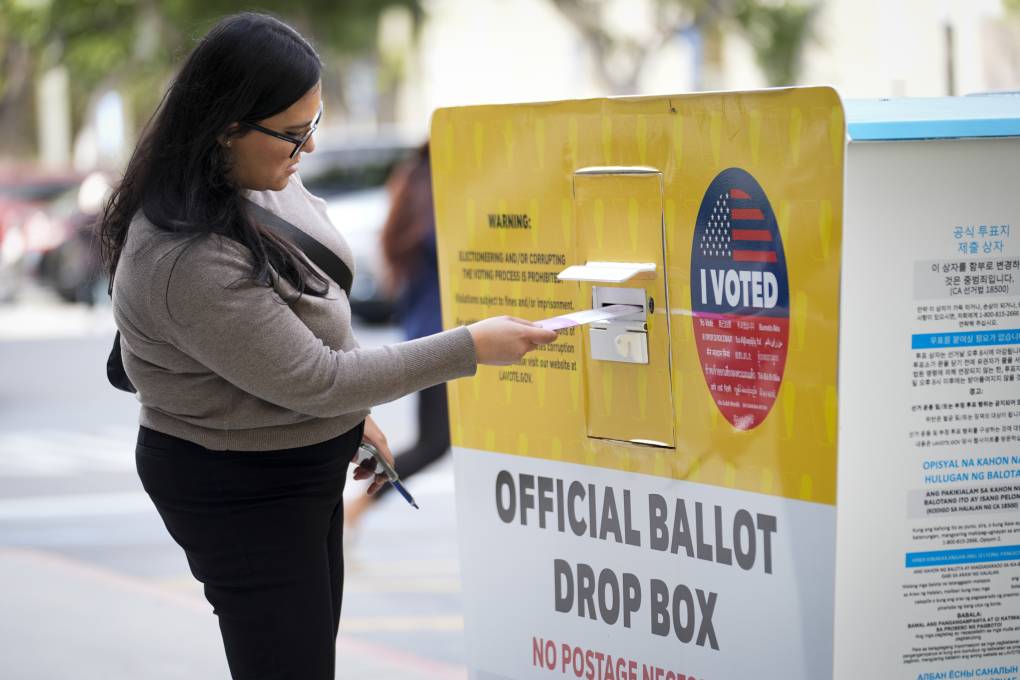
"caption": "A ballot is dropped off on Election Day at the Registrar of Voters office in Norwalk, Los Angeles County, on Tuesday, March 5, 2024.",
"description": null,
"title": "Election 2024 California",
"credit": "Marcio Jose Sanchez/AP Photo",
"status": "inherit",
"altTag": "A woman with dark brown hair drops a ballot into a ballot box.",
"isLoading": false,
"fetchFailed": false
}
},
"audioPlayerReducer": {
"postId": "stream_live",
"isPaused": true,
"isPlaying": false,
"pfsActive": false,
"pledgeModalIsOpen": true,
"playerDrawerIsOpen": false,
"liveAudioPlayStartedAt": 0,
"liveAudioPlayContext": ""
},
"authorsReducer": {
"byline_news_11980081": {
"type": "authors",
"id": "byline_news_11980081",
"meta": {
"override": true
},
"slug": "byline_news_11980081",
"name": "Miles Parks",
"isLoading": false
},
"byline_news_11979822": {
"type": "authors",
"id": "byline_news_11979822",
"meta": {
"override": true
},
"slug": "byline_news_11979822",
"name": "\u003ca href=\"https://calmatters.org/politics/2024/03/proposition-1-opponents-campaign/\">CalMatters Staff\u003c/a>",
"isLoading": false
},
"scottshafer": {
"type": "authors",
"id": "255",
"meta": {
"index": "authors_1716337520",
"id": "255",
"found": true
},
"name": "Scott Shafer",
"firstName": "Scott",
"lastName": "Shafer",
"slug": "scottshafer",
"email": "sshafer@kqed.org",
"display_author_email": false,
"staff_mastheads": [
"news"
],
"title": "KQED Contributor",
"bio": "Scott Shafer is a senior editor with the KQED Politics and Government desk. He is co-host of Political Breakdown, the award-winning radio show and podcast with a personal take on the world of politics. Scott came to KQED in 1998 to host the statewide\u003cem> California Report\u003c/em>. Prior to that he had extended stints in politics and government\u003cem>.\u003c/em> He uses that inside experience at KQED in his, reporting, hosting and analysis for the politics desk. Scott collaborated \u003cem>Political Breakdown a\u003c/em>nd on \u003cem>The Political Mind of Jerry Brown, \u003c/em>an eight-part series about the life and extraordinary political career of the former governor. For fun, he plays water polo with the San Francisco Tsunami.",
"avatar": "https://secure.gravatar.com/avatar/a62ebae45b79d7aed1a39a0e3bf68104?s=600&d=blank&r=g",
"twitter": "scottshafer",
"bluesky": null,
"facebook": null,
"instagram": null,
"linkedin": null,
"sites": [
{
"site": "news",
"roles": [
"editor"
]
},
{
"site": "stateofhealth",
"roles": [
"author"
]
},
{
"site": "science",
"roles": [
"author"
]
},
{
"site": "forum",
"roles": [
"subscriber"
]
},
{
"site": "liveblog",
"roles": [
"author"
]
}
],
"headData": {
"title": "Scott Shafer | KQED",
"description": "KQED Contributor",
"ogImgSrc": "https://secure.gravatar.com/avatar/a62ebae45b79d7aed1a39a0e3bf68104?s=600&d=blank&r=g",
"twImgSrc": "https://secure.gravatar.com/avatar/a62ebae45b79d7aed1a39a0e3bf68104?s=600&d=blank&r=g"
},
"isLoading": false,
"link": "/author/scottshafer"
},
"mlagos": {
"type": "authors",
"id": "3239",
"meta": {
"index": "authors_1716337520",
"id": "3239",
"found": true
},
"name": "Marisa Lagos",
"firstName": "Marisa",
"lastName": "Lagos",
"slug": "mlagos",
"email": "mlagos@kqed.org",
"display_author_email": false,
"staff_mastheads": [
"news"
],
"title": "KQED Contributor",
"bio": "Marisa Lagos is a correspondent for KQED’s California Politics and Government Desk and co-hosts the award-winning show and podcast, Political Breakdown. At KQED, Lagos also conducts reporting, analysis and investigations into state, local and national politics for radio, TV, online and onstage. In 2022, she and co-host, Scott Shafer, moderated the only gubernatorial debate in California. In 2020, the \u003ci>Washington Post\u003c/i> named her one of the top political journalists in California; she was nominated for a Peabody and won several other awards for her work investigating the 2017 California wildfires. She has worked at the \u003ci>San Francisco Chronicle\u003c/i>, \u003ci>San Francisco Examiner\u003c/i> and \u003ci>Los Angeles Times\u003c/i>. A UC Santa Barbara graduate, she lives in San Francisco with her two sons and husband.",
"avatar": "https://secure.gravatar.com/avatar/a261a0d3696fc066871ef96b85b5e7d2?s=600&d=blank&r=g",
"twitter": "@mlagos",
"facebook": null,
"instagram": null,
"linkedin": null,
"sites": [
{
"site": "arts",
"roles": [
"author"
]
},
{
"site": "news",
"roles": [
"editor"
]
},
{
"site": "science",
"roles": [
"editor"
]
},
{
"site": "forum",
"roles": [
"author"
]
},
{
"site": "liveblog",
"roles": [
"author"
]
}
],
"headData": {
"title": "Marisa Lagos | KQED",
"description": "KQED Contributor",
"ogImgSrc": "https://secure.gravatar.com/avatar/a261a0d3696fc066871ef96b85b5e7d2?s=600&d=blank&r=g",
"twImgSrc": "https://secure.gravatar.com/avatar/a261a0d3696fc066871ef96b85b5e7d2?s=600&d=blank&r=g"
},
"isLoading": false,
"link": "/author/mlagos"
},
"amontecillo": {
"type": "authors",
"id": "11649",
"meta": {
"index": "authors_1716337520",
"id": "11649",
"found": true
},
"name": "Alan Montecillo",
"firstName": "Alan",
"lastName": "Montecillo",
"slug": "amontecillo",
"email": "amontecillo@kqed.org",
"display_author_email": false,
"staff_mastheads": [
"news"
],
"title": "KQED Contributor",
"bio": "Alan Montecillo is the senior editor of \u003cem>\u003ca href=\"http://kqed.org/thebay\">The Bay\u003c/a>, \u003c/em> KQED's local news podcast. Before moving to the Bay Area, he worked as a senior talk show producer for WILL in Champaign-Urbana, Illinois and at Oregon Public Broadcasting in Portland, Oregon. He has won journalism awards from the Society of Professional Journalists Northern California, the Public Media Journalists Association, The Signal Awards, and has also received a regional Edward R. Murrow award. Alan is a Filipino American from Hong Kong and a graduate of Reed College.",
"avatar": "https://secure.gravatar.com/avatar/268f53a2066899ea9efdd8a5900218b17c822d9862cbc9326cccec53ef41d349?s=600&d=blank&r=g",
"twitter": "alanmontecillo",
"bluesky": null,
"facebook": null,
"instagram": null,
"linkedin": null,
"sites": [
{
"site": "",
"roles": [
"editor"
]
},
{
"site": "news",
"roles": [
"editor",
"manage_categories"
]
}
],
"headData": {
"title": "Alan Montecillo | KQED",
"description": "KQED Contributor",
"ogImgSrc": "https://secure.gravatar.com/avatar/268f53a2066899ea9efdd8a5900218b17c822d9862cbc9326cccec53ef41d349?s=600&d=blank&r=g",
"twImgSrc": "https://secure.gravatar.com/avatar/268f53a2066899ea9efdd8a5900218b17c822d9862cbc9326cccec53ef41d349?s=600&d=blank&r=g"
},
"isLoading": false,
"link": "/author/amontecillo"
},
"jrodriguez": {
"type": "authors",
"id": "11690",
"meta": {
"index": "authors_1716337520",
"id": "11690",
"found": true
},
"name": "Joe Fitzgerald Rodriguez",
"firstName": "Joe",
"lastName": "Fitzgerald Rodriguez",
"slug": "jrodriguez",
"email": "jrodriguez@kqed.org",
"display_author_email": true,
"staff_mastheads": [
"news"
],
"title": "Reporter and Producer",
"bio": "Joe Fitzgerald Rodriguez is a reporter and digital producer for KQED covering politics. Joe most recently wrote for the \u003cem>San Francisco Examiner\u003c/em> as a political columnist covering The City. He was raised in San Francisco and has spent his reporting career in his beloved, foggy, city by the bay. Joe was 12-years-old when he conducted his first interview in journalism, grilling former San Francisco Mayor Willie Brown for the Marina Middle School newspaper, \u003cem>The Penguin Press, \u003c/em>and he continues to report on the San Francisco Bay Area to this day.",
"avatar": "https://secure.gravatar.com/avatar/2247beb0564c1e9c62228d5649d2edac?s=600&d=blank&r=g",
"twitter": "FitztheReporter",
"facebook": null,
"instagram": "https://www.instagram.com/fitzthereporter/",
"linkedin": null,
"sites": [
{
"site": "",
"roles": [
"editor"
]
},
{
"site": "arts",
"roles": [
"editor"
]
},
{
"site": "news",
"roles": [
"editor"
]
},
{
"site": "science",
"roles": [
"editor"
]
},
{
"site": "elections",
"roles": [
"editor"
]
},
{
"site": "liveblog",
"roles": [
"editor"
]
}
],
"headData": {
"title": "Joe Fitzgerald Rodriguez | KQED",
"description": "Reporter and Producer",
"ogImgSrc": "https://secure.gravatar.com/avatar/2247beb0564c1e9c62228d5649d2edac?s=600&d=blank&r=g",
"twImgSrc": "https://secure.gravatar.com/avatar/2247beb0564c1e9c62228d5649d2edac?s=600&d=blank&r=g"
},
"isLoading": false,
"link": "/author/jrodriguez"
},
"afinney": {
"type": "authors",
"id": "11772",
"meta": {
"index": "authors_1716337520",
"id": "11772",
"found": true
},
"name": "Annelise Finney",
"firstName": "Annelise",
"lastName": "Finney",
"slug": "afinney",
"email": "afinney@kqed.org",
"display_author_email": true,
"staff_mastheads": [
"news"
],
"title": "Reporter",
"bio": "Annelise reports on reparations in California and East Bay politics. She co-produced the Sunday Music Drop, a limited-term radio series featuring Bay Area musicians that aired between Sept 2022 and Oct 2024. She joined KQED in 2021 as a general assignment reporter and is an alumna of KALW's Audio Academy. She was born and raised in the East Bay. She is currently away from KQED completing a year-long reporting project in Berlin, Germany as a Alexander Von Humboldt German Chancellor Fellow.",
"avatar": "https://secure.gravatar.com/avatar/5fded66cae47704cdfc5021cde0f3aa4?s=600&d=blank&r=g",
"twitter": null,
"facebook": null,
"instagram": null,
"linkedin": null,
"sites": [
{
"site": "news",
"roles": [
"editor"
]
},
{
"site": "liveblog",
"roles": [
"author"
]
}
],
"headData": {
"title": "Annelise Finney | KQED",
"description": "Reporter",
"ogImgSrc": "https://secure.gravatar.com/avatar/5fded66cae47704cdfc5021cde0f3aa4?s=600&d=blank&r=g",
"twImgSrc": "https://secure.gravatar.com/avatar/5fded66cae47704cdfc5021cde0f3aa4?s=600&d=blank&r=g"
},
"isLoading": false,
"link": "/author/afinney"
},
"mesquinca": {
"type": "authors",
"id": "11802",
"meta": {
"index": "authors_1716337520",
"id": "11802",
"found": true
},
"name": "Maria Esquinca",
"firstName": "Maria",
"lastName": "Esquinca",
"slug": "mesquinca",
"email": "mesquinca@kqed.org",
"display_author_email": false,
"staff_mastheads": [],
"title": "Producer, The Bay",
"bio": "María Esquinca is a producer of The Bay. Before that, she was a New York Women’s Foundation IGNITE Fellow at Latino USA. She worked at Radio Bilingue where she covered the San Joaquin Valley. Maria has interned at WLRN, News 21, The New York Times Student Journalism Institute and at Crain’s Detroit Business as a Dow Jones News Fund Business Reporting Intern. She is an MFA graduate from the University of Miami. In 2017, she graduated from the Walter Cronkite School of Journalism and Mass Communication with a Master of Mass Communication. A fronteriza, she was born in Ciudad Juárez, Chihuahua, Mexico and grew up in El Paso, Texas.",
"avatar": "https://secure.gravatar.com/avatar/77cedba18aae91da775038ba06dcd8d0?s=600&d=blank&r=g",
"twitter": "@m_esquinca",
"facebook": null,
"instagram": null,
"linkedin": null,
"sites": [
{
"site": "news",
"roles": []
}
],
"headData": {
"title": "Maria Esquinca | KQED",
"description": "Producer, The Bay",
"ogImgSrc": "https://secure.gravatar.com/avatar/77cedba18aae91da775038ba06dcd8d0?s=600&d=blank&r=g",
"twImgSrc": "https://secure.gravatar.com/avatar/77cedba18aae91da775038ba06dcd8d0?s=600&d=blank&r=g"
},
"isLoading": false,
"link": "/author/mesquinca"
},
"nkhan": {
"type": "authors",
"id": "11867",
"meta": {
"index": "authors_1716337520",
"id": "11867",
"found": true
},
"name": "Nisa Khan",
"firstName": "Nisa",
"lastName": "Khan",
"slug": "nkhan",
"email": "nkhan@kqed.org",
"display_author_email": false,
"staff_mastheads": [],
"title": "KQED Contributor",
"bio": "Nisa Khan is a reporter for KQED's Audience News Desk. She was formerly a data reporter at Michigan Radio. She earned a Bachelor of Science in Information from the University of Michigan and a Master of Arts in Communication from Stanford University.",
"avatar": "https://secure.gravatar.com/avatar/8720459eef081ff64582b3506b124d58523e80e120704a0cbd9892533c914991?s=600&d=blank&r=g",
"twitter": "mnisakhan",
"bluesky": null,
"facebook": null,
"instagram": null,
"linkedin": null,
"sites": [
{
"site": "arts",
"roles": [
"editor"
]
},
{
"site": "news",
"roles": [
"editor"
]
},
{
"site": "science",
"roles": [
"editor",
"author"
]
},
{
"site": "forum",
"roles": [
"editor"
]
},
{
"site": "liveblog",
"roles": [
"contributor"
]
}
],
"headData": {
"title": "Nisa Khan | KQED",
"description": "KQED Contributor",
"ogImgSrc": "https://secure.gravatar.com/avatar/8720459eef081ff64582b3506b124d58523e80e120704a0cbd9892533c914991?s=600&d=blank&r=g",
"twImgSrc": "https://secure.gravatar.com/avatar/8720459eef081ff64582b3506b124d58523e80e120704a0cbd9892533c914991?s=600&d=blank&r=g"
},
"isLoading": false,
"link": "/author/nkhan"
},
"eprickettmorgan": {
"type": "authors",
"id": "11898",
"meta": {
"index": "authors_1716337520",
"id": "11898",
"found": true
},
"name": "Ellie Prickett-Morgan",
"firstName": "Ellie",
"lastName": "Prickett-Morgan",
"slug": "eprickettmorgan",
"email": "eprickettmorgan@kqed.org",
"display_author_email": false,
"staff_mastheads": [],
"title": "KQED Contributor",
"bio": null,
"avatar": "https://secure.gravatar.com/avatar/fb236cba85704b1a64dc213889cd2886?s=600&d=blank&r=g",
"twitter": null,
"facebook": null,
"instagram": null,
"linkedin": null,
"sites": [
{
"site": "news",
"roles": []
}
],
"headData": {
"title": "Ellie Prickett-Morgan | KQED",
"description": "KQED Contributor",
"ogImgSrc": "https://secure.gravatar.com/avatar/fb236cba85704b1a64dc213889cd2886?s=600&d=blank&r=g",
"twImgSrc": "https://secure.gravatar.com/avatar/fb236cba85704b1a64dc213889cd2886?s=600&d=blank&r=g"
},
"isLoading": false,
"link": "/author/eprickettmorgan"
}
},
"pagesReducer": {
"news_tag_election-2024": {
"type": "terms",
"id": "news_32839",
"meta": {
"index": "terms_1716263798",
"site": "news",
"id": "32839",
"score": 8.937076
},
"featImg": null,
"name": "Election 2024",
"description": null,
"taxonomy": "tag",
"headData": {
"twImgId": null,
"twTitle": null,
"ogTitle": null,
"ogImgId": null,
"twDescription": null,
"description": null,
"title": "Election 2024 Archives | KQED News",
"ogDescription": null
},
"ttid": 32856,
"slug": "election-2024",
"isLoading": false,
"title": "Election 2024",
"pageMeta": {
"site": "news",
"WpPageTemplate": "page-topic-editorial",
"currentPage": 31
},
"blocks": [
{
"blockName": "kqed/post-list",
"attrs": {
"layout": "cardArticle2",
"query": "posts/news?tag=election-2024",
"seeMore": false,
"paginated": true,
"page": 31
}
},
{
"blockName": "kqed/ad"
}
]
}
},
"pfsSessionReducer": {},
"postsReducer": {
"stream_live": {
"type": "live",
"id": "stream_live",
"audioUrl": "https://streams.kqed.org/kqedradio",
"title": "Live Stream",
"excerpt": "Live Stream information currently unavailable.",
"link": "/radio",
"featImg": "",
"label": {
"name": "KQED Live",
"link": "/"
}
},
"stream_kqedNewscast": {
"type": "posts",
"id": "stream_kqedNewscast",
"audioUrl": "https://www.kqed.org/.stream/anon/radio/RDnews/newscast.mp3?_=1",
"title": "KQED Newscast",
"featImg": "",
"label": {
"name": "88.5 FM",
"link": "/"
}
},
"news_11980108": {
"type": "posts",
"id": "news_11980108",
"meta": {
"index": "posts_1716263798",
"site": "news",
"id": "11980108",
"score": null,
"sort": [
1710981054000
]
},
"guestAuthors": [],
"slug": "oppo-research-digging-up-dirt-on-your-political-opponents",
"title": "Oppo Research: Digging Up Dirt on Your Political Opponents",
"publishDate": 1710981054,
"format": "audio",
"headTitle": "Oppo Research: Digging Up Dirt on Your Political Opponents | KQED",
"labelTerm": {},
"content": "\u003cp>Behind the negative attack ads on candidates that we see on TV and social media is what’s known as opposition research — basically, digging up dirt on your opponent.\u003c/p>\n\u003cp>Scott talks to campaign consultant Eric Jaye about how opposition research has changed in recent years and whether it still matters to voters.\u003c/p>\n\u003cp>[ad fullwidth]\u003c/p>\u003cp>\u003c/p>\n",
"blocks": [],
"excerpt": null,
"status": "publish",
"parent": 0,
"modified": 1723236161,
"stats": {
"hasAudio": false,
"hasVideo": false,
"hasChartOrMap": false,
"iframeSrcs": [],
"hasGoogleForm": false,
"hasGallery": false,
"hasHearkenModule": false,
"hasPolis": false,
"paragraphCount": 4,
"wordCount": 56
},
"headData": {
"title": "Oppo Research: Digging Up Dirt on Your Political Opponents | KQED",
"description": "Behind the negative attack ads on candidates that we see on TV and social media is what’s known as opposition research — basically, digging up dirt on your opponent. Scott talks to campaign consultant Eric Jaye about how opposition research has changed in recent years and whether it still matters to voters.",
"ogTitle": "",
"ogDescription": "",
"ogImgId": "",
"twTitle": "",
"twDescription": "",
"twImgId": "",
"schema": {
"@context": "https://schema.org",
"@type": "NewsArticle",
"headline": "Oppo Research: Digging Up Dirt on Your Political Opponents",
"datePublished": "2024-03-20T17:30:54-07:00",
"dateModified": "2024-08-09T13:42:41-07:00",
"image": "https://cdn.kqed.org/wp-content/uploads/2020/02/KQED-OG-Image@1x.png",
"isAccessibleForFree": "True",
"publisher": {
"@type": "NewsMediaOrganization",
"@id": "https://www.kqed.org/#organization",
"name": "KQED",
"logo": "https://cdn.kqed.org/wp-content/uploads/2020/02/KQED-OG-Image@1x.png",
"url": "https://www.kqed.org",
"sameAs": [
"https://www.facebook.com/KQED",
"https://twitter.com/KQED",
"https://www.instagram.com/kqed/",
"https://www.tiktok.com/@kqedofficial",
"https://www.linkedin.com/company/kqed",
"https://www.youtube.com/channel/UCeC0IOo7i1P_61zVUWbJ4nw"
]
}
}
},
"source": "Political Breakdown",
"audioUrl": "https://www.podtrac.com/pts/redirect.mp3/chrt.fm/track/G6C7C3/traffic.megaphone.fm/KQINC7327828245.mp3?updated=1710969150",
"sticky": false,
"excludeFromSiteSearch": "Include",
"articleAge": "0",
"path": "/news/11980108/oppo-research-digging-up-dirt-on-your-political-opponents",
"audioTrackLength": null,
"parsedContent": [
{
"type": "contentString",
"content": "\u003cdiv class=\"post-body\">\u003cp>\u003cp>Behind the negative attack ads on candidates that we see on TV and social media is what’s known as opposition research — basically, digging up dirt on your opponent.\u003c/p>\n\u003cp>Scott talks to campaign consultant Eric Jaye about how opposition research has changed in recent years and whether it still matters to voters.\u003c/p>\n\u003cp>\u003c/p>\u003c/div>",
"attributes": {
"named": {},
"numeric": []
}
},
{
"type": "component",
"content": "",
"name": "ad",
"attributes": {
"named": {
"label": "fullwidth"
},
"numeric": [
"fullwidth"
]
}
},
{
"type": "contentString",
"content": "\u003cdiv class=\"post-body\">\u003cp>\u003c/p>\u003cp>\u003c/p>\n\u003c/div>\u003c/p>",
"attributes": {
"named": {},
"numeric": []
}
}
],
"link": "/news/11980108/oppo-research-digging-up-dirt-on-your-political-opponents",
"authors": [
"255"
],
"programs": [
"news_33544"
],
"categories": [
"news_8"
],
"tags": [
"news_32839",
"news_22235",
"news_17968"
],
"featImg": "news_11980111",
"label": "source_news_11980108"
},
"news_11980081": {
"type": "posts",
"id": "news_11980081",
"meta": {
"index": "posts_1716263798",
"site": "news",
"id": "11980081",
"score": null,
"sort": [
1710961231000
]
},
"guestAuthors": [],
"slug": "new-data-shows-its-gotten-easier-to-vote-in-the-us-since-2000",
"title": "New Data Shows It's Gotten Easier to Vote in the US Since 2000",
"publishDate": 1710961231,
"format": "standard",
"headTitle": "New Data Shows It’s Gotten Easier to Vote in the US Since 2000 | KQED",
"labelTerm": {
"term": 253,
"site": "news"
},
"content": "\u003cp>For all the concern in recent years that U.S. democracy is on the brink, in danger or under threat, a report out Tuesday offers a glimmer of good news for American voters worried that casting a ballot will be difficult in 2024.\u003c/p>\n\u003cp>Put simply, the new data shows that voting in America has gotten easier over the past two decades. More voters can cast a ballot before Election Day, with the majority of U.S. states now offering some form of early in-person voting and mail voting to all voters.\u003c/p>\n\u003cp>“Although we often talk in a partisan context about voter fraud and voter suppression and whether voters have access to the ballot, the reality is, over the past 25 years, we’ve greatly increased the convenience of voting for almost all Americans,” said David Becker, the founder and executive director of the Center for Election Innovation & Research (CEIR), which authored the \u003ca href=\"https://electioninnovation.org/research/expansion-voting-before-election-day/\">new report\u003c/a>.\u003c/p>\n\u003cp>[pullquote size=\"medium\" align=\"right\" citation=\"David Becker, founder and executive director, CEIR\"]‘In almost every single state, voters can choose to vote when they want to.’[/pullquote]The research was inspired by an NPR request for historical data around voting access, and NPR is the first news organization to report the findings.\u003c/p>\n\u003cp>The data shows that, despite \u003ca href=\"https://www.wabe.org/georgia-republicans-seek-to-stop-automatic-voter-registration-in-state/\">real efforts\u003c/a> by \u003ca href=\"https://www.iowapublicradio.org/ipr-news/2021-03-08/iowa-governor-signs-law-cutting-time-allowed-for-voting\">some Republican-led legislatures\u003c/a> to \u003ca href=\"https://www.statenews.org/government-politics/2023-08-29/ohio-elections-officials-concerned-expired-id-may-thwart-voters\">restrict access\u003c/a> at the margins, the trend in the U.S. since 2000 has been toward making it easier to vote: Nearly 97% of voting-age American citizens now live in states that offer the option to vote before Election Day.\u003c/p>\n\u003cp>[ad fullwidth]\u003c/p>\n\u003cp>\u003c!-- iframe plugin v.4.3 wordpress.org/plugins/iframe/ -->\u003cbr>\n\u003ciframe loading=\"lazy\" src=\"https://apps.npr.org/dailygraphics/graphics/voting-access-20240222/animated-maps.html?initialWidth=953&childId=responsive-embed-voting-access-20240222-animated-maps&parentTitle=Voting%20in%20America%20has%20gotten%20easier%20over%20the%20past%202%20decades%20%3A%20NPR&parentUrl=https%3A%2F%2Fwww.npr.org%2F2024%2F03%2F19%2F1238646047%2Fvoting-options-early-mail-ballots\" width=\"1000\" height=\"700\" scrolling=\"yes\" class=\"iframe-class\" frameborder=\"0\">\u003c/iframe>\u003c/p>\n\u003cp>“The lies about early voting, the lies about voting machines and efforts in some state legislatures to roll back some of the election integrity and convenience measures that have evolved over the last several decades, those efforts almost all failed,” Becker said. “In almost every single state, voters can choose to vote when they want to.”\u003c/p>\n\u003cp>[aside postID=\"news_11973915,news_11974391,news_11977752\" label=\"Related Stories\"]Forty-six states and Washington, D.C., offer some form of early in-person voting, the report tallied, and 37 of those jurisdictions also offer mail voting to all voters without requiring an excuse.\u003c/p>\n\u003cp>The analysis focused on broad categories around how people can vote but did not consider more specific voting policies that have sparked partisan debate in recent years, like mailing ballots to all registered voters, how mail ballots can be returned and ID requirements.\u003c/p>\n\u003cp>Chris Mann, CEIR’s research director, said he thought many people might be surprised at the bigger picture reflecting access because those other voting policies have taken so much of the political focus in recent years.\u003c/p>\n\u003cp>The data shows some political trends. Of the 14 states that don’t offer mail voting to all voters, for instance, 12 have Republican-led legislatures.\u003c/p>\n\u003cp>But maybe the more striking trends are geographic. Every single state in the western U.S. has offered some form of early and mail voting to all voters since 2004, according to the data. And those states span the political spectrum, from conservative Idaho to liberal California.\u003c/p>\n\u003cp>“It’s really hard to talk about partisanship around this issue because historically, there just hasn’t been much,” Mann said. “We’ve seen voting by mail and early in-person voting supported by Republican legislatures, Democratic legislatures, Republican governors, Democratic governors. We see voters in both parties use both methods.”\u003c/p>\n\u003cp>In other parts of the country, like the Northeast and Mid-Atlantic, it took reforms driven by the COVID-19 pandemic to move toward more ballot access.\u003c/p>\n\u003cp>In 2020, New York, Connecticut and Massachusetts all made changes to make voting more easily accessible, which have since partially or fully become permanent. Delaware is currently embroiled in a \u003ca href=\"https://whyy.org/articles/delaware-supreme-court-court-strikes-down-permanent-absentee-voting-law-democrats-response/\">legal fight\u003c/a> over whether it can implement early and mail voting changes this election cycle as well.\u003c/p>\n\u003cp>The South, with its history of slavery and Jim Crow laws, has long \u003ca href=\"https://scholarship.law.nd.edu/cgi/viewcontent.cgi?article=2861&context=ndlr\">lagged behind\u003c/a> when it comes to voting access. The CEIR data shows that, although some \u003ca href=\"https://www.npr.org/2021/03/09/974605448/kentucky-election-reform-effort-gets-bipartisan-backing\">states\u003c/a> have slowly started expanding options for voters, it is generally the most difficult region for voters to cast a ballot.\u003c/p>\n\u003cp>\u003c!-- iframe plugin v.4.3 wordpress.org/plugins/iframe/ -->\u003cbr>\n\u003ciframe loading=\"lazy\" src=\"https://apps.npr.org/dailygraphics/graphics/voting-access-20240222/table.html?initialWidth=953&childId=responsive-embed-voting-access-20240222-table&parentTitle=Voting%20in%20America%20has%20gotten%20easier%20over%20the%20past%202%20decades%20%3A%20NPR&parentUrl=https%3A%2F%2Fwww.npr.org%2F2024%2F03%2F19%2F1238646047%2Fvoting-options-early-mail-ballots\" width=\"800\" height=\"800\" scrolling=\"yes\" class=\"iframe-class\" frameborder=\"0\">\u003c/iframe>\u003c/p>\n\u003cp>As options nationwide have become more widely available, voters have also responded by taking advantage.\u003c/p>\n\u003cp>In the 2000 election, 86% of voters voted at a polling place on Election Day, according to U.S. Census Bureau data.\u003c/p>\n\u003cp>In 2020, during the pandemic, that number dropped to less than 31% of voters. It went back up in 2022 to roughly half of the electorate but was still in line with the two-decade trend toward more ballots being cast early.\u003c/p>\n\u003cp>\u003c!-- iframe plugin v.4.3 wordpress.org/plugins/iframe/ -->\u003cbr>\n\u003ciframe loading=\"lazy\" src=\"https://apps.npr.org/datawrapper/7hGON/9/?initialWidth=650&childId=responsive-embed-7hGON&parentTitle=Voting%20in%20America%20has%20gotten%20easier%20over%20the%20past%202%20decades%20%3A%20NPR&parentUrl=https%3A%2F%2Fwww.npr.org%2F2024%2F03%2F19%2F1238646047%2Fvoting-options-early-mail-ballots\" width=\"800\" height=\"800\" scrolling=\"yes\" class=\"iframe-class\" frameborder=\"0\">\u003c/iframe>\u003c/p>\n\u003cp>In 2024, it’s a bit unclear if that trend will continue. Former President Donald Trump and his supporters have worked to demonize mail voting and, at times, \u003ca href=\"https://apnews.com/article/2022-midterm-elections-health-government-and-politics-election-2020-55f4744b484919cd20d4d5e8d72e444e\">implored Republican voters\u003c/a> to vote on Election Day or as close to it as possible to avoid unproven claims of tampering.\u003c/p>\n\u003cp>But in reality, Becker says, more voting options actually make elections more secure and less susceptible to malicious activity or even human error.\u003c/p>\n\u003cp>“If there were a problem, if there were a cyber event, if there were a malfunction, if there were bad weather, if there were traffic, if there were was a power outage, you could think of all kinds of circumstances. … The more you spread voting out over a series of days and over multiple modes, the less likely it’s going to impact voters,” he said.\u003c/p>\n\u003cp>Still, even in states where voters have numerous options on how to vote, in every federal election, tens of millions of eligible voters in the U.S. don’t cast ballots. Even in 2020, the highest-turnout election in modern history, \u003ca href=\"https://www.census.gov/newsroom/press-releases/2021/2020-presidential-election-voting-and-registration-tables-now-available.html\">roughly a third\u003c/a> of eligible Americans didn’t vote.\u003c/p>\n\u003cp>Shirley Weber, the secretary of state of California, says more and more that it’s a reflection of people not feeling empowered or motivated by the system and not by how hard it is to cast a ballot. \u003ca href=\"https://electionlawblog.org/?p=140939\">Election experts\u003c/a> have generally agreed that in 2024, efforts to delegitimize election results are more worrisome than efforts to actually stop people from voting.\u003c/p>\n\u003cp>“We’ve done everything, I think, humanly possible to make it possible for people to vote,” Weber said. “[In California], you will get a ballot mailed to your home. It does not require a stamp. If you lose it and call us, we’ll send you another one. If you go to a vote center, you will be able to get a new ballot and vote right there if you want to.”\u003c/p>\n\u003cp>Still, the state places near the bottom of the \u003ca href=\"https://www.sos.nh.gov/sites/g/files/ehbemt561/files/documents/2022-04/voter-turnout-charts-4-19-21.pdf\">U.S. rankings\u003c/a> regarding turnout rate.\u003c/p>\n\u003cp>[ad floatright]\u003c/p>\n\u003cp>“What we have to do now is help people understand that voting is important, whether their candidate wins or loses,” she said. “[You’re] voting for yourself basically to have the dignity of having your issues being considered, and whether you win or lose, people listen to your voice, and they hear you.”\u003c/p>\n\u003cdiv class=\"fullattribution\">\u003cem>Copyright 2024 NPR. To see more, visit https://www.npr.org.\u003cimg decoding=\"async\" src=\"https://www.google-analytics.com/__utm.gif?utmac=UA-5828686-4&utmdt=New+data+shows+it%27s+gotten+easier+to+vote+in+the+U.S.+since+2000&utme=8(APIKey)9(MDAxOTAwOTE4MDEyMTkxMDAzNjczZDljZA004)\">\u003c/em>\u003c/div>\n\n",
"blocks": [],
"excerpt": "Nearly 97% of voting-age U.S. citizens now live in a state with some form of early voting, according to a new report.",
"status": "publish",
"parent": 0,
"modified": 1728429490,
"stats": {
"hasAudio": false,
"hasVideo": false,
"hasChartOrMap": true,
"iframeSrcs": [
"https://apps.npr.org/dailygraphics/graphics/voting-access-20240222/animated-maps.html",
"https://apps.npr.org/dailygraphics/graphics/voting-access-20240222/table.html",
"https://apps.npr.org/datawrapper/7hGON/9/"
],
"hasGoogleForm": false,
"hasGallery": false,
"hasHearkenModule": false,
"hasPolis": false,
"paragraphCount": 31,
"wordCount": 1208
},
"headData": {
"title": "New Data Shows It's Gotten Easier to Vote in the US Since 2000 | KQED",
"description": "Nearly 97% of voting-age U.S. citizens now live in a state with some form of early voting, according to a new report.",
"ogTitle": "",
"ogDescription": "",
"ogImgId": "",
"twTitle": "",
"twDescription": "",
"twImgId": "",
"schema": {
"@context": "https://schema.org",
"@type": "NewsArticle",
"headline": "New Data Shows It's Gotten Easier to Vote in the US Since 2000",
"datePublished": "2024-03-20T12:00:31-07:00",
"dateModified": "2024-10-08T16:18:10-07:00",
"image": "https://cdn.kqed.org/wp-content/uploads/2020/02/KQED-OG-Image@1x.png",
"isAccessibleForFree": "True",
"publisher": {
"@type": "NewsMediaOrganization",
"@id": "https://www.kqed.org/#organization",
"name": "KQED",
"logo": "https://cdn.kqed.org/wp-content/uploads/2020/02/KQED-OG-Image@1x.png",
"url": "https://www.kqed.org",
"sameAs": [
"https://www.facebook.com/KQED",
"https://twitter.com/KQED",
"https://www.instagram.com/kqed/",
"https://www.tiktok.com/@kqedofficial",
"https://www.linkedin.com/company/kqed",
"https://www.youtube.com/channel/UCeC0IOo7i1P_61zVUWbJ4nw"
]
}
}
},
"sticky": false,
"nprByline": "Miles Parks",
"nprImageAgency": "Hilary Fung/NPR",
"nprStoryId": "1238646047",
"nprApiLink": "http://api.npr.org/query?id=1238646047&apiKey=MDAxOTAwOTE4MDEyMTkxMDAzNjczZDljZA004",
"nprHtmlLink": "https://www.npr.org/2024/03/19/1238646047/voting-options-early-mail-ballots?ft=nprml&f=1238646047",
"nprRetrievedStory": "1",
"nprPubDate": "Tue, 19 Mar 2024 18:45:00 -0400",
"nprStoryDate": "Tue, 19 Mar 2024 05:00:50 -0400",
"nprLastModifiedDate": "Tue, 19 Mar 2024 05:00:50 -0400",
"nprAudio": "https://play.podtrac.com/npr-191676894/ondemand.npr.org/anon.npr-mp3/npr/atc/2024/03/20240319_atc_new_data_shows_its_gotten_easier_to_vote_in_the_us_since_2000.mp3?orgId=1&topicId=139482413&d=234&p=2&story=1238646047&ft=nprml&f=1238646047",
"nprAudioM3u": "http://api.npr.org/m3u/11239528857-fe5d0a.m3u?orgId=1&topicId=139482413&d=234&p=2&story=1238646047&ft=nprml&f=1238646047",
"excludeFromSiteSearch": "Include",
"showOnAuthorArchivePages": "No",
"articleAge": "0",
"path": "/news/11980081/new-data-shows-its-gotten-easier-to-vote-in-the-us-since-2000",
"audioUrl": "https://play.podtrac.com/npr-191676894/ondemand.npr.org/anon.npr-mp3/npr/atc/2024/03/20240319_atc_new_data_shows_its_gotten_easier_to_vote_in_the_us_since_2000.mp3?orgId=1&topicId=139482413&d=234&p=2&story=1238646047&ft=nprml&f=1238646047",
"audioTrackLength": null,
"parsedContent": [
{
"type": "contentString",
"content": "\u003cdiv class=\"post-body\">\u003cp>\u003cp>For all the concern in recent years that U.S. democracy is on the brink, in danger or under threat, a report out Tuesday offers a glimmer of good news for American voters worried that casting a ballot will be difficult in 2024.\u003c/p>\n\u003cp>Put simply, the new data shows that voting in America has gotten easier over the past two decades. More voters can cast a ballot before Election Day, with the majority of U.S. states now offering some form of early in-person voting and mail voting to all voters.\u003c/p>\n\u003cp>“Although we often talk in a partisan context about voter fraud and voter suppression and whether voters have access to the ballot, the reality is, over the past 25 years, we’ve greatly increased the convenience of voting for almost all Americans,” said David Becker, the founder and executive director of the Center for Election Innovation & Research (CEIR), which authored the \u003ca href=\"https://electioninnovation.org/research/expansion-voting-before-election-day/\">new report\u003c/a>.\u003c/p>\n\u003cp>\u003c/p>\u003c/div>",
"attributes": {
"named": {},
"numeric": []
}
},
{
"type": "component",
"content": "‘In almost every single state, voters can choose to vote when they want to.’",
"name": "pullquote",
"attributes": {
"named": {
"size": "medium",
"align": "right",
"citation": "David Becker, founder and executive director, CEIR",
"label": ""
},
"numeric": []
}
},
{
"type": "contentString",
"content": "\u003cdiv class=\"post-body\">\u003cp>The research was inspired by an NPR request for historical data around voting access, and NPR is the first news organization to report the findings.\u003c/p>\n\u003cp>The data shows that, despite \u003ca href=\"https://www.wabe.org/georgia-republicans-seek-to-stop-automatic-voter-registration-in-state/\">real efforts\u003c/a> by \u003ca href=\"https://www.iowapublicradio.org/ipr-news/2021-03-08/iowa-governor-signs-law-cutting-time-allowed-for-voting\">some Republican-led legislatures\u003c/a> to \u003ca href=\"https://www.statenews.org/government-politics/2023-08-29/ohio-elections-officials-concerned-expired-id-may-thwart-voters\">restrict access\u003c/a> at the margins, the trend in the U.S. since 2000 has been toward making it easier to vote: Nearly 97% of voting-age American citizens now live in states that offer the option to vote before Election Day.\u003c/p>\n\u003cp>\u003c/p>\u003c/div>",
"attributes": {
"named": {},
"numeric": []
}
},
{
"type": "component",
"content": "",
"name": "ad",
"attributes": {
"named": {
"label": "fullwidth"
},
"numeric": [
"fullwidth"
]
}
},
{
"type": "contentString",
"content": "\u003cdiv class=\"post-body\">\u003cp>\u003c/p>\n\u003cp>\u003c!-- iframe plugin v.4.3 wordpress.org/plugins/iframe/ -->\u003cbr>\n\u003ciframe loading=\"lazy\" src=\"https://apps.npr.org/dailygraphics/graphics/voting-access-20240222/animated-maps.html?initialWidth=953&childId=responsive-embed-voting-access-20240222-animated-maps&parentTitle=Voting%20in%20America%20has%20gotten%20easier%20over%20the%20past%202%20decades%20%3A%20NPR&parentUrl=https%3A%2F%2Fwww.npr.org%2F2024%2F03%2F19%2F1238646047%2Fvoting-options-early-mail-ballots\" width=\"1000\" height=\"700\" scrolling=\"yes\" class=\"iframe-class\" frameborder=\"0\">\u003c/iframe>\u003c/p>\n\u003cp>“The lies about early voting, the lies about voting machines and efforts in some state legislatures to roll back some of the election integrity and convenience measures that have evolved over the last several decades, those efforts almost all failed,” Becker said. “In almost every single state, voters can choose to vote when they want to.”\u003c/p>\n\u003cp>\u003c/p>\u003c/div>",
"attributes": {
"named": {},
"numeric": []
}
},
{
"type": "component",
"content": "",
"name": "aside",
"attributes": {
"named": {
"postid": "news_11973915,news_11974391,news_11977752",
"label": "Related Stories "
},
"numeric": []
}
},
{
"type": "contentString",
"content": "\u003cdiv class=\"post-body\">\u003cp>Forty-six states and Washington, D.C., offer some form of early in-person voting, the report tallied, and 37 of those jurisdictions also offer mail voting to all voters without requiring an excuse.\u003c/p>\n\u003cp>The analysis focused on broad categories around how people can vote but did not consider more specific voting policies that have sparked partisan debate in recent years, like mailing ballots to all registered voters, how mail ballots can be returned and ID requirements.\u003c/p>\n\u003cp>Chris Mann, CEIR’s research director, said he thought many people might be surprised at the bigger picture reflecting access because those other voting policies have taken so much of the political focus in recent years.\u003c/p>\n\u003cp>The data shows some political trends. Of the 14 states that don’t offer mail voting to all voters, for instance, 12 have Republican-led legislatures.\u003c/p>\n\u003cp>But maybe the more striking trends are geographic. Every single state in the western U.S. has offered some form of early and mail voting to all voters since 2004, according to the data. And those states span the political spectrum, from conservative Idaho to liberal California.\u003c/p>\n\u003cp>“It’s really hard to talk about partisanship around this issue because historically, there just hasn’t been much,” Mann said. “We’ve seen voting by mail and early in-person voting supported by Republican legislatures, Democratic legislatures, Republican governors, Democratic governors. We see voters in both parties use both methods.”\u003c/p>\n\u003cp>In other parts of the country, like the Northeast and Mid-Atlantic, it took reforms driven by the COVID-19 pandemic to move toward more ballot access.\u003c/p>\n\u003cp>In 2020, New York, Connecticut and Massachusetts all made changes to make voting more easily accessible, which have since partially or fully become permanent. Delaware is currently embroiled in a \u003ca href=\"https://whyy.org/articles/delaware-supreme-court-court-strikes-down-permanent-absentee-voting-law-democrats-response/\">legal fight\u003c/a> over whether it can implement early and mail voting changes this election cycle as well.\u003c/p>\n\u003cp>The South, with its history of slavery and Jim Crow laws, has long \u003ca href=\"https://scholarship.law.nd.edu/cgi/viewcontent.cgi?article=2861&context=ndlr\">lagged behind\u003c/a> when it comes to voting access. The CEIR data shows that, although some \u003ca href=\"https://www.npr.org/2021/03/09/974605448/kentucky-election-reform-effort-gets-bipartisan-backing\">states\u003c/a> have slowly started expanding options for voters, it is generally the most difficult region for voters to cast a ballot.\u003c/p>\n\u003cp>\u003c!-- iframe plugin v.4.3 wordpress.org/plugins/iframe/ -->\u003cbr>\n\u003ciframe loading=\"lazy\" src=\"https://apps.npr.org/dailygraphics/graphics/voting-access-20240222/table.html?initialWidth=953&childId=responsive-embed-voting-access-20240222-table&parentTitle=Voting%20in%20America%20has%20gotten%20easier%20over%20the%20past%202%20decades%20%3A%20NPR&parentUrl=https%3A%2F%2Fwww.npr.org%2F2024%2F03%2F19%2F1238646047%2Fvoting-options-early-mail-ballots\" width=\"800\" height=\"800\" scrolling=\"yes\" class=\"iframe-class\" frameborder=\"0\">\u003c/iframe>\u003c/p>\n\u003cp>As options nationwide have become more widely available, voters have also responded by taking advantage.\u003c/p>\n\u003cp>In the 2000 election, 86% of voters voted at a polling place on Election Day, according to U.S. Census Bureau data.\u003c/p>\n\u003cp>In 2020, during the pandemic, that number dropped to less than 31% of voters. It went back up in 2022 to roughly half of the electorate but was still in line with the two-decade trend toward more ballots being cast early.\u003c/p>\n\u003cp>\u003c!-- iframe plugin v.4.3 wordpress.org/plugins/iframe/ -->\u003cbr>\n\u003ciframe loading=\"lazy\" src=\"https://apps.npr.org/datawrapper/7hGON/9/?initialWidth=650&childId=responsive-embed-7hGON&parentTitle=Voting%20in%20America%20has%20gotten%20easier%20over%20the%20past%202%20decades%20%3A%20NPR&parentUrl=https%3A%2F%2Fwww.npr.org%2F2024%2F03%2F19%2F1238646047%2Fvoting-options-early-mail-ballots\" width=\"800\" height=\"800\" scrolling=\"yes\" class=\"iframe-class\" frameborder=\"0\">\u003c/iframe>\u003c/p>\n\u003cp>In 2024, it’s a bit unclear if that trend will continue. Former President Donald Trump and his supporters have worked to demonize mail voting and, at times, \u003ca href=\"https://apnews.com/article/2022-midterm-elections-health-government-and-politics-election-2020-55f4744b484919cd20d4d5e8d72e444e\">implored Republican voters\u003c/a> to vote on Election Day or as close to it as possible to avoid unproven claims of tampering.\u003c/p>\n\u003cp>But in reality, Becker says, more voting options actually make elections more secure and less susceptible to malicious activity or even human error.\u003c/p>\n\u003cp>“If there were a problem, if there were a cyber event, if there were a malfunction, if there were bad weather, if there were traffic, if there were was a power outage, you could think of all kinds of circumstances. … The more you spread voting out over a series of days and over multiple modes, the less likely it’s going to impact voters,” he said.\u003c/p>\n\u003cp>Still, even in states where voters have numerous options on how to vote, in every federal election, tens of millions of eligible voters in the U.S. don’t cast ballots. Even in 2020, the highest-turnout election in modern history, \u003ca href=\"https://www.census.gov/newsroom/press-releases/2021/2020-presidential-election-voting-and-registration-tables-now-available.html\">roughly a third\u003c/a> of eligible Americans didn’t vote.\u003c/p>\n\u003cp>Shirley Weber, the secretary of state of California, says more and more that it’s a reflection of people not feeling empowered or motivated by the system and not by how hard it is to cast a ballot. \u003ca href=\"https://electionlawblog.org/?p=140939\">Election experts\u003c/a> have generally agreed that in 2024, efforts to delegitimize election results are more worrisome than efforts to actually stop people from voting.\u003c/p>\n\u003cp>“We’ve done everything, I think, humanly possible to make it possible for people to vote,” Weber said. “[In California], you will get a ballot mailed to your home. It does not require a stamp. If you lose it and call us, we’ll send you another one. If you go to a vote center, you will be able to get a new ballot and vote right there if you want to.”\u003c/p>\n\u003cp>Still, the state places near the bottom of the \u003ca href=\"https://www.sos.nh.gov/sites/g/files/ehbemt561/files/documents/2022-04/voter-turnout-charts-4-19-21.pdf\">U.S. rankings\u003c/a> regarding turnout rate.\u003c/p>\n\u003cp>\u003c/p>\u003c/div>",
"attributes": {
"named": {},
"numeric": []
}
},
{
"type": "component",
"content": "",
"name": "ad",
"attributes": {
"named": {
"label": "floatright"
},
"numeric": [
"floatright"
]
}
},
{
"type": "contentString",
"content": "\u003cdiv class=\"post-body\">\u003cp>\u003c/p>\n\u003cp>“What we have to do now is help people understand that voting is important, whether their candidate wins or loses,” she said. “[You’re] voting for yourself basically to have the dignity of having your issues being considered, and whether you win or lose, people listen to your voice, and they hear you.”\u003c/p>\n\u003cdiv class=\"fullattribution\">\u003cem>Copyright 2024 NPR. To see more, visit https://www.npr.org.\u003cimg decoding=\"async\" src=\"https://www.google-analytics.com/__utm.gif?utmac=UA-5828686-4&utmdt=New+data+shows+it%27s+gotten+easier+to+vote+in+the+U.S.+since+2000&utme=8(APIKey)9(MDAxOTAwOTE4MDEyMTkxMDAzNjczZDljZA004)\">\u003c/em>\u003c/div>\n\n\u003c/div>\u003c/p>",
"attributes": {
"named": {},
"numeric": []
}
}
],
"link": "/news/11980081/new-data-shows-its-gotten-easier-to-vote-in-the-us-since-2000",
"authors": [
"byline_news_11980081"
],
"categories": [
"news_8",
"news_13"
],
"tags": [
"news_32839",
"news_17968",
"news_2027"
],
"affiliates": [
"news_253"
],
"featImg": "news_11922004",
"label": "news_253"
},
"news_11980004": {
"type": "posts",
"id": "news_11980004",
"meta": {
"index": "posts_1716263798",
"site": "news",
"id": "11980004",
"score": null,
"sort": [
1710894618000
]
},
"guestAuthors": [],
"slug": "the-unpredictable-politics-of-banning-tik-tok",
"title": "The Unpredictable Politics of Banning TikTok",
"publishDate": 1710894618,
"format": "audio",
"headTitle": "The Unpredictable Politics of Banning TikTok | KQED",
"labelTerm": {},
"content": "\u003cp>After House lawmakers passed bipartisan legislation to force China to sell TikTok or face a ban in the U.S., the Senate seems to be putting the bill on a slower track. What would a ban mean for the economy and how could it affect tech companies in Silicon Valley?\u003c/p>\n\u003cp>Scott is joined by Wall Street Journal reporter Stu Woo to talk about the coming legal battle between national security interests and First Amendment rights for users of TikTok.\u003c/p>\n\u003cp>[ad fullwidth]\u003c/p>\u003cp>\u003c/p>\n",
"blocks": [],
"excerpt": null,
"status": "publish",
"parent": 0,
"modified": 1723236166,
"stats": {
"hasAudio": false,
"hasVideo": false,
"hasChartOrMap": false,
"iframeSrcs": [],
"hasGoogleForm": false,
"hasGallery": false,
"hasHearkenModule": false,
"hasPolis": false,
"paragraphCount": 4,
"wordCount": 81
},
"headData": {
"title": "The Unpredictable Politics of Banning TikTok | KQED",
"description": "After House lawmakers passed bipartisan legislation to force China to sell TikTok or face a ban in the U.S., the Senate seems to be putting the bill on a slower track. What would a ban mean for the economy and how could it affect tech companies in Silicon Valley? Scott is joined by Wall Street Journal reporter Stu Woo to talk about the coming legal battle between national security interests and First Amendment rights for users of TikTok.",
"ogTitle": "",
"ogDescription": "",
"ogImgId": "",
"twTitle": "",
"twDescription": "",
"twImgId": "",
"schema": {
"@context": "https://schema.org",
"@type": "NewsArticle",
"headline": "The Unpredictable Politics of Banning TikTok",
"datePublished": "2024-03-19T17:30:18-07:00",
"dateModified": "2024-08-09T13:42:46-07:00",
"image": "https://cdn.kqed.org/wp-content/uploads/2020/02/KQED-OG-Image@1x.png",
"isAccessibleForFree": "True",
"publisher": {
"@type": "NewsMediaOrganization",
"@id": "https://www.kqed.org/#organization",
"name": "KQED",
"logo": "https://cdn.kqed.org/wp-content/uploads/2020/02/KQED-OG-Image@1x.png",
"url": "https://www.kqed.org",
"sameAs": [
"https://www.facebook.com/KQED",
"https://twitter.com/KQED",
"https://www.instagram.com/kqed/",
"https://www.tiktok.com/@kqedofficial",
"https://www.linkedin.com/company/kqed",
"https://www.youtube.com/channel/UCeC0IOo7i1P_61zVUWbJ4nw"
]
}
}
},
"source": "Political Breakdown",
"audioUrl": "https://www.podtrac.com/pts/redirect.mp3/chrt.fm/track/G6C7C3/traffic.megaphone.fm/KQINC6182028865.mp3?updated=1710888157",
"sticky": false,
"excludeFromSiteSearch": "Include",
"articleAge": "0",
"path": "/news/11980004/the-unpredictable-politics-of-banning-tik-tok",
"audioTrackLength": null,
"parsedContent": [
{
"type": "contentString",
"content": "\u003cdiv class=\"post-body\">\u003cp>\u003cp>After House lawmakers passed bipartisan legislation to force China to sell TikTok or face a ban in the U.S., the Senate seems to be putting the bill on a slower track. What would a ban mean for the economy and how could it affect tech companies in Silicon Valley?\u003c/p>\n\u003cp>Scott is joined by Wall Street Journal reporter Stu Woo to talk about the coming legal battle between national security interests and First Amendment rights for users of TikTok.\u003c/p>\n\u003cp>\u003c/p>\u003c/div>",
"attributes": {
"named": {},
"numeric": []
}
},
{
"type": "component",
"content": "",
"name": "ad",
"attributes": {
"named": {
"label": "fullwidth"
},
"numeric": [
"fullwidth"
]
}
},
{
"type": "contentString",
"content": "\u003cdiv class=\"post-body\">\u003cp>\u003c/p>\u003cp>\u003c/p>\n\u003c/div>\u003c/p>",
"attributes": {
"named": {},
"numeric": []
}
}
],
"link": "/news/11980004/the-unpredictable-politics-of-banning-tik-tok",
"authors": [
"255"
],
"programs": [
"news_33544"
],
"categories": [
"news_8"
],
"tags": [
"news_32839",
"news_22235",
"news_17968"
],
"featImg": "news_11980029",
"label": "source_news_11980004"
},
"news_11979838": {
"type": "posts",
"id": "news_11979838",
"meta": {
"index": "posts_1716263798",
"site": "news",
"id": "11979838",
"score": null,
"sort": [
1710808230000
]
},
"guestAuthors": [],
"slug": "oregon-decriminalized-drug-possession-now-its-reversing-course",
"title": "Oregon Decriminalized Drug Possession. Now It’s Reversing Course",
"publishDate": 1710808230,
"format": "audio",
"headTitle": "Oregon Decriminalized Drug Possession. Now It’s Reversing Course | KQED",
"labelTerm": {},
"content": "\u003cp>\u003cspan style=\"font-weight: 400\">In 2020, Oregon voters passed a first-in-the-nation law to decriminalize the possession of small amounts of drugs, including heroin and fentanyl. \u003c/span>\u003cspan style=\"font-weight: 400\">The idea behind Measure 110 was that the criminal justice system was not the place to steer people away from drugs and deal with a user’s addiction. \u003c/span>\u003cspan style=\"font-weight: 400\">But now, Measure 110 is widely blamed for the spike in overdose deaths in Oregon and a worsening homeless crisis. Earlier this month, the legislature sent a bill to the governor to recriminalize drug possession. \u003c/span>\u003c/p>\n\u003cp>Scott is joined by Oregon Public Broadcasting reporter Conrad Wilson to talk about Oregon’s U-turn on decriminalizing drugs and what it might say about California’s efforts to fight fentanyl use and overdose deaths.\u003c/p>\n\u003cp>[ad fullwidth]\u003c/p>\u003cp>\u003c/p>\n",
"blocks": [],
"excerpt": null,
"status": "publish",
"parent": 0,
"modified": 1723236171,
"stats": {
"hasAudio": false,
"hasVideo": false,
"hasChartOrMap": false,
"iframeSrcs": [],
"hasGoogleForm": false,
"hasGallery": false,
"hasHearkenModule": false,
"hasPolis": false,
"paragraphCount": 4,
"wordCount": 130
},
"headData": {
"title": "Oregon Decriminalized Drug Possession. Now It’s Reversing Course | KQED",
"description": "In 2020, Oregon voters passed a first-in-the-nation law to decriminalize the possession of small amounts of drugs, including heroin and fentanyl. The idea behind Measure 110 was that the criminal justice system was not the place to steer people away from drugs and deal with a user's addiction. But now, Measure 110 is widely blamed for the spike in overdose deaths in Oregon and a worsening homeless crisis. Earlier this month, the legislature sent a bill to the governor to recriminalize drug possession. Scott is joined by Oregon Public Broadcasting reporter Conrad Wilson to talk about Oregon's U-turn on decriminalizing drugs",
"ogTitle": "",
"ogDescription": "",
"ogImgId": "",
"twTitle": "",
"twDescription": "",
"twImgId": "",
"schema": {
"@context": "https://schema.org",
"@type": "NewsArticle",
"headline": "Oregon Decriminalized Drug Possession. Now It’s Reversing Course",
"datePublished": "2024-03-18T17:30:30-07:00",
"dateModified": "2024-08-09T13:42:51-07:00",
"image": "https://cdn.kqed.org/wp-content/uploads/2020/02/KQED-OG-Image@1x.png",
"isAccessibleForFree": "True",
"publisher": {
"@type": "NewsMediaOrganization",
"@id": "https://www.kqed.org/#organization",
"name": "KQED",
"logo": "https://cdn.kqed.org/wp-content/uploads/2020/02/KQED-OG-Image@1x.png",
"url": "https://www.kqed.org",
"sameAs": [
"https://www.facebook.com/KQED",
"https://twitter.com/KQED",
"https://www.instagram.com/kqed/",
"https://www.tiktok.com/@kqedofficial",
"https://www.linkedin.com/company/kqed",
"https://www.youtube.com/channel/UCeC0IOo7i1P_61zVUWbJ4nw"
]
}
}
},
"source": "Political Breakdown",
"audioUrl": "https://www.podtrac.com/pts/redirect.mp3/chrt.fm/track/G6C7C3/traffic.megaphone.fm/KQINC7985106850.mp3?updated=1710802099",
"sticky": false,
"excludeFromSiteSearch": "Include",
"articleAge": "0",
"path": "/news/11979838/oregon-decriminalized-drug-possession-now-its-reversing-course",
"audioTrackLength": null,
"parsedContent": [
{
"type": "contentString",
"content": "\u003cdiv class=\"post-body\">\u003cp>\u003cp>\u003cspan style=\"font-weight: 400\">In 2020, Oregon voters passed a first-in-the-nation law to decriminalize the possession of small amounts of drugs, including heroin and fentanyl. \u003c/span>\u003cspan style=\"font-weight: 400\">The idea behind Measure 110 was that the criminal justice system was not the place to steer people away from drugs and deal with a user’s addiction. \u003c/span>\u003cspan style=\"font-weight: 400\">But now, Measure 110 is widely blamed for the spike in overdose deaths in Oregon and a worsening homeless crisis. Earlier this month, the legislature sent a bill to the governor to recriminalize drug possession. \u003c/span>\u003c/p>\n\u003cp>Scott is joined by Oregon Public Broadcasting reporter Conrad Wilson to talk about Oregon’s U-turn on decriminalizing drugs and what it might say about California’s efforts to fight fentanyl use and overdose deaths.\u003c/p>\n\u003cp>\u003c/p>\u003c/div>",
"attributes": {
"named": {},
"numeric": []
}
},
{
"type": "component",
"content": "",
"name": "ad",
"attributes": {
"named": {
"label": "fullwidth"
},
"numeric": [
"fullwidth"
]
}
},
{
"type": "contentString",
"content": "\u003cdiv class=\"post-body\">\u003cp>\u003c/p>\u003cp>\u003c/p>\n\u003c/div>\u003c/p>",
"attributes": {
"named": {},
"numeric": []
}
}
],
"link": "/news/11979838/oregon-decriminalized-drug-possession-now-its-reversing-course",
"authors": [
"255"
],
"programs": [
"news_33544"
],
"categories": [
"news_8"
],
"tags": [
"news_756",
"news_32839",
"news_16",
"news_22235",
"news_17968"
],
"featImg": "news_11979844",
"label": "source_news_11979838"
},
"news_11979822": {
"type": "posts",
"id": "news_11979822",
"meta": {
"index": "posts_1716263798",
"site": "news",
"id": "11979822",
"score": null,
"sort": [
1710790309000
]
},
"parent": 0,
"labelTerm": {},
"blocks": [],
"publishDate": 1710790309,
"format": "standard",
"title": "Why Proposition 1 Opponents Are Taking Back Their Election Concession",
"headTitle": "Why Proposition 1 Opponents Are Taking Back Their Election Concession | KQED",
"content": "\u003cp>On March 12 — a week after primary day — opponents of Proposition 1 \u003ca href=\"https://www.kqed.org/news/11979193/proposition-1-will-likely-succeed-opponents-say\">waved the white flag\u003c/a>, conceding that Gov. Gavin Newsom’s mental health ballot measure would likely pass.\u003c/p>\n\u003cp>The anti-Proposition 1 campaign, on Monday, instead \u003ca href=\"https://www.prop1no.com/press_release_3_18_24\">withdrew its concession and revived its efforts\u003c/a>. What changed?\u003c/p>\n\u003cp>For one thing, the vote count tightened: As of late Saturday, Proposition 1 was leading by about 20,000 votes, with 7.5 million ballots counted and some 287,000 left to be tallied, according to the Secretary of State.\u003c/p>\n\u003cp>[aside label='More on Prop. 1' link1='https://www.kqed.org/elections/results/california/proposition-1, Election 2024 Results' link2='https://www.kqed.org/news/11975170/bay-curious-breaks-down-prop-1,Bay Curious Breaks Down Proposition 1' link3='https://www.kqed.org/news/11978919/prop-1-update-gavin-newsoms-mental-health-plan-maintains-slim-lead,Prop. 1 Update: Maintains Slim Lead']And for another, Newsom’s political action committee put out an appeal for volunteers to reach out to Democrats who had their ballots rejected — for mismatched signatures or other reasons — to fix them and get them counted. The training was on Sunday.\u003c/p>\n\u003cp>“Gov. Newsom needs you…. The votes are being counted and it is CLOSE. Like, just a couple thousand votes close,” the appeal said.\u003c/p>\n\u003cp>Proposition 1 opponents called that strategy “sleazy” and “an attempt to manipulate the final vote count by harvesting the votes of only some partisans in certain areas.”\u003c/p>\n\u003cp>But the foes said they’re now launching a similar effort and \u003ca href=\"https://www.prop1no.com/\">refocusing their website\u003c/a> to help voters confirm their ballots were counted and to assist voters whose ballots were rejected.\u003c/p>\n\u003cp>“We believe all ballots should be counted,” Paul Simmons, a director of Californians Against Proposition 1, said in a statement. “We know that many Democrats voted against Prop. 1, so the governor’s effort is no slam dunk. If you’re a Republican or independent, we want you to know that your ballot might make the difference in this election. But the governor won’t help you. We will.”\u003c/p>\n\u003cp>“We don’t know if reviving rejected ballots will change the outcome of this election,” Simmons added, “but if the governor thinks it might, we for damn sure aren’t going to let him have the field to himself.”\u003c/p>\n\u003cp>However, the Proposition 1 results would have to get even closer for a recount.\u003c/p>\n\u003cp>There are \u003ca href=\"https://www.sos.ca.gov/elections/statewide-recounts/statewide-recounts-faq\">no automatic recounts for statewide ballot measures\u003c/a>. But a campaign can request one in specific counties — if the campaign is willing to pay for it. That could be a hurdle for the cash-strapped Proposition 1 opponents if the measure narrowly passes.\u003c/p>\n\u003cp>There’s another provision in state law that could also come into play: The governor can order a state-funded hand recount of all votes statewide if the official results show a difference between “yes” and “no” votes on a ballot measure of 1,000 votes or less, or 0.00015 percentage points or less. As of the latest vote count, the second percentage point threshold would be 1,055 votes for Proposition 1.\u003c/p>\n\u003cp>So if Proposition 1 fails that narrowly, it wouldn’t be a surprise if Newsom uses this provision. Such a recount request would have to come within 36 days of the primary or mid-April.\u003c/p>\n\u003cp>[ad fullwidth]\u003c/p>\n\u003cp>\u003c/p>\n",
"stats": {
"hasVideo": false,
"hasChartOrMap": false,
"hasAudio": false,
"hasPolis": false,
"wordCount": 581,
"hasGoogleForm": false,
"hasGallery": false,
"hasHearkenModule": false,
"iframeSrcs": [],
"paragraphCount": 15
},
"modified": 1710791472,
"excerpt": "Opponents of Proposition 1 have withdrawn their concession, as Gov. Gavin Newsom’s mental health ballot measure barely leads. The foes are launching a campaign, similar to one from Newsom’s political action committee, to find and fix rejected ballots.",
"headData": {
"twImgId": "",
"twTitle": "",
"ogTitle": "",
"ogImgId": "",
"twDescription": "",
"description": "Opponents of Proposition 1 have withdrawn their concession, as Gov. Gavin Newsom’s mental health ballot measure barely leads. The foes are launching a campaign, similar to one from Newsom’s political action committee, to find and fix rejected ballots.",
"title": "Why Proposition 1 Opponents Are Taking Back Their Election Concession | KQED",
"ogDescription": "",
"schema": {
"@context": "https://schema.org",
"@type": "NewsArticle",
"headline": "Why Proposition 1 Opponents Are Taking Back Their Election Concession",
"datePublished": "2024-03-18T12:31:49-07:00",
"dateModified": "2024-03-18T12:51:12-07:00",
"image": "https://cdn.kqed.org/wp-content/uploads/2020/02/KQED-OG-Image@1x.png",
"isAccessibleForFree": "True",
"publisher": {
"@type": "NewsMediaOrganization",
"@id": "https://www.kqed.org/#organization",
"name": "KQED",
"logo": "https://cdn.kqed.org/wp-content/uploads/2020/02/KQED-OG-Image@1x.png",
"url": "https://www.kqed.org",
"sameAs": [
"https://www.facebook.com/KQED",
"https://twitter.com/KQED",
"https://www.instagram.com/kqed/",
"https://www.tiktok.com/@kqedofficial",
"https://www.linkedin.com/company/kqed",
"https://www.youtube.com/channel/UCeC0IOo7i1P_61zVUWbJ4nw"
]
}
}
},
"guestAuthors": [],
"slug": "why-prop-1-opponents-are-taking-back-their-election-concession",
"status": "publish",
"sourceUrl": "https://calmatters.org/politics/2024/03/proposition-1-opponents-campaign/",
"nprByline": "\u003ca href=\"https://calmatters.org/politics/2024/03/proposition-1-opponents-campaign/\">CalMatters Staff\u003c/a>",
"excludeFromSiteSearch": "Include",
"sticky": false,
"source": "CalMatters",
"showOnAuthorArchivePages": "No",
"articleAge": "0",
"path": "/news/11979822/why-prop-1-opponents-are-taking-back-their-election-concession",
"audioTrackLength": null,
"parsedContent": [
{
"type": "contentString",
"content": "\u003cdiv class=\"post-body\">\u003cp>\u003cp>On March 12 — a week after primary day — opponents of Proposition 1 \u003ca href=\"https://www.kqed.org/news/11979193/proposition-1-will-likely-succeed-opponents-say\">waved the white flag\u003c/a>, conceding that Gov. Gavin Newsom’s mental health ballot measure would likely pass.\u003c/p>\n\u003cp>The anti-Proposition 1 campaign, on Monday, instead \u003ca href=\"https://www.prop1no.com/press_release_3_18_24\">withdrew its concession and revived its efforts\u003c/a>. What changed?\u003c/p>\n\u003cp>For one thing, the vote count tightened: As of late Saturday, Proposition 1 was leading by about 20,000 votes, with 7.5 million ballots counted and some 287,000 left to be tallied, according to the Secretary of State.\u003c/p>\n\u003cp>\u003c/p>\u003c/div>",
"attributes": {
"named": {},
"numeric": []
}
},
{
"type": "component",
"content": "",
"name": "aside",
"attributes": {
"named": {
"label": "More on Prop. 1 ",
"link1": "https://www.kqed.org/elections/results/california/proposition-1, Election 2024 Results",
"link2": "https://www.kqed.org/news/11975170/bay-curious-breaks-down-prop-1,Bay Curious Breaks Down Proposition 1",
"link3": "https://www.kqed.org/news/11978919/prop-1-update-gavin-newsoms-mental-health-plan-maintains-slim-lead,Prop. 1 Update: Maintains Slim Lead"
},
"numeric": []
}
},
{
"type": "contentString",
"content": "\u003cdiv class=\"post-body\">\u003cp>And for another, Newsom’s political action committee put out an appeal for volunteers to reach out to Democrats who had their ballots rejected — for mismatched signatures or other reasons — to fix them and get them counted. The training was on Sunday.\u003c/p>\n\u003cp>“Gov. Newsom needs you…. The votes are being counted and it is CLOSE. Like, just a couple thousand votes close,” the appeal said.\u003c/p>\n\u003cp>Proposition 1 opponents called that strategy “sleazy” and “an attempt to manipulate the final vote count by harvesting the votes of only some partisans in certain areas.”\u003c/p>\n\u003cp>But the foes said they’re now launching a similar effort and \u003ca href=\"https://www.prop1no.com/\">refocusing their website\u003c/a> to help voters confirm their ballots were counted and to assist voters whose ballots were rejected.\u003c/p>\n\u003cp>“We believe all ballots should be counted,” Paul Simmons, a director of Californians Against Proposition 1, said in a statement. “We know that many Democrats voted against Prop. 1, so the governor’s effort is no slam dunk. If you’re a Republican or independent, we want you to know that your ballot might make the difference in this election. But the governor won’t help you. We will.”\u003c/p>\n\u003cp>“We don’t know if reviving rejected ballots will change the outcome of this election,” Simmons added, “but if the governor thinks it might, we for damn sure aren’t going to let him have the field to himself.”\u003c/p>\n\u003cp>However, the Proposition 1 results would have to get even closer for a recount.\u003c/p>\n\u003cp>There are \u003ca href=\"https://www.sos.ca.gov/elections/statewide-recounts/statewide-recounts-faq\">no automatic recounts for statewide ballot measures\u003c/a>. But a campaign can request one in specific counties — if the campaign is willing to pay for it. That could be a hurdle for the cash-strapped Proposition 1 opponents if the measure narrowly passes.\u003c/p>\n\u003cp>There’s another provision in state law that could also come into play: The governor can order a state-funded hand recount of all votes statewide if the official results show a difference between “yes” and “no” votes on a ballot measure of 1,000 votes or less, or 0.00015 percentage points or less. As of the latest vote count, the second percentage point threshold would be 1,055 votes for Proposition 1.\u003c/p>\n\u003cp>So if Proposition 1 fails that narrowly, it wouldn’t be a surprise if Newsom uses this provision. Such a recount request would have to come within 36 days of the primary or mid-April.\u003c/p>\n\u003cp>\u003c/p>\u003c/div>",
"attributes": {
"named": {},
"numeric": []
}
},
{
"type": "component",
"content": "",
"name": "ad",
"attributes": {
"named": {
"label": "fullwidth"
},
"numeric": [
"fullwidth"
]
}
},
{
"type": "contentString",
"content": "\u003cdiv class=\"post-body\">\u003cp>\u003c/p>\n\u003cp>\u003c/p>\n\u003c/div>\u003c/p>",
"attributes": {
"named": {},
"numeric": []
}
}
],
"link": "/news/11979822/why-prop-1-opponents-are-taking-back-their-election-concession",
"authors": [
"byline_news_11979822"
],
"categories": [
"news_8",
"news_13"
],
"tags": [
"news_32839",
"news_16",
"news_17101"
],
"affiliates": [
"news_18481"
],
"featImg": "news_11979824",
"label": "source_news_11979822"
},
"news_11979576": {
"type": "posts",
"id": "news_11979576",
"meta": {
"index": "posts_1716263798",
"site": "news",
"id": "11979576",
"score": null,
"sort": [
1710549059000
]
},
"guestAuthors": [],
"slug": "sf-voters-give-police-more-power-how-will-that-affect-public-safety",
"title": "SF Voters Give Police More Power — How Will That Affect Public Safety?",
"publishDate": 1710549059,
"format": "audio",
"headTitle": "SF Voters Give Police More Power — How Will That Affect Public Safety? | KQED",
"labelTerm": {},
"content": "\u003cp>The March primary signaled a shift toward the middle of the political spectrum, as San Francisco voters approved Mayor London Breed’s measures to empower the S.F. police and screen public assistance recipients for drugs.\u003c/p>\n\u003cp>Scott is joined by Marisa and KQED’s Joe Fitzgerald Rodriguez to talk about what this means for public safety and the San Francisco mayor’s race, where Breed faces a growing field of challengers.\u003c/p>\n\u003cp>[ad fullwidth]\u003c/p>\u003cp>\u003c/p>\n",
"blocks": [],
"excerpt": null,
"status": "publish",
"parent": 0,
"modified": 1723236177,
"stats": {
"hasAudio": false,
"hasVideo": false,
"hasChartOrMap": false,
"iframeSrcs": [],
"hasGoogleForm": false,
"hasGallery": false,
"hasHearkenModule": false,
"hasPolis": false,
"paragraphCount": 4,
"wordCount": 76
},
"headData": {
"title": "SF Voters Give Police More Power — How Will That Affect Public Safety? | KQED",
"description": "The March primary signaled a shift toward the middle of the political spectrum, as San Francisco voters approved Mayor London Breed’s measures to empower the S.F. police and screen public assistance recipients for drugs. Scott is joined by Marisa and KQED's Joe Fitzgerald Rodriguez to talk about what this means for public safety and the San Francisco mayor's race, where Breed faces a growing field of challengers.",
"ogTitle": "",
"ogDescription": "",
"ogImgId": "",
"twTitle": "",
"twDescription": "",
"twImgId": "",
"schema": {
"@context": "https://schema.org",
"@type": "NewsArticle",
"headline": "SF Voters Give Police More Power — How Will That Affect Public Safety?",
"datePublished": "2024-03-15T17:30:59-07:00",
"dateModified": "2024-08-09T13:42:57-07:00",
"image": "https://cdn.kqed.org/wp-content/uploads/2020/02/KQED-OG-Image@1x.png",
"isAccessibleForFree": "True",
"publisher": {
"@type": "NewsMediaOrganization",
"@id": "https://www.kqed.org/#organization",
"name": "KQED",
"logo": "https://cdn.kqed.org/wp-content/uploads/2020/02/KQED-OG-Image@1x.png",
"url": "https://www.kqed.org",
"sameAs": [
"https://www.facebook.com/KQED",
"https://twitter.com/KQED",
"https://www.instagram.com/kqed/",
"https://www.tiktok.com/@kqedofficial",
"https://www.linkedin.com/company/kqed",
"https://www.youtube.com/channel/UCeC0IOo7i1P_61zVUWbJ4nw"
]
}
}
},
"source": "Political Breakdown",
"audioUrl": "https://www.podtrac.com/pts/redirect.mp3/chrt.fm/track/G6C7C3/traffic.megaphone.fm/KQINC5100061639.mp3?updated=1710532567",
"sticky": false,
"excludeFromSiteSearch": "Include",
"articleAge": "0",
"path": "/news/11979576/sf-voters-give-police-more-power-how-will-that-affect-public-safety",
"audioTrackLength": null,
"parsedContent": [
{
"type": "contentString",
"content": "\u003cdiv class=\"post-body\">\u003cp>\u003cp>The March primary signaled a shift toward the middle of the political spectrum, as San Francisco voters approved Mayor London Breed’s measures to empower the S.F. police and screen public assistance recipients for drugs.\u003c/p>\n\u003cp>Scott is joined by Marisa and KQED’s Joe Fitzgerald Rodriguez to talk about what this means for public safety and the San Francisco mayor’s race, where Breed faces a growing field of challengers.\u003c/p>\n\u003cp>\u003c/p>\u003c/div>",
"attributes": {
"named": {},
"numeric": []
}
},
{
"type": "component",
"content": "",
"name": "ad",
"attributes": {
"named": {
"label": "fullwidth"
},
"numeric": [
"fullwidth"
]
}
},
{
"type": "contentString",
"content": "\u003cdiv class=\"post-body\">\u003cp>\u003c/p>\u003cp>\u003c/p>\n\u003c/div>\u003c/p>",
"attributes": {
"named": {},
"numeric": []
}
}
],
"link": "/news/11979576/sf-voters-give-police-more-power-how-will-that-affect-public-safety",
"authors": [
"255",
"3239",
"11690"
],
"programs": [
"news_33544"
],
"categories": [
"news_8"
],
"tags": [
"news_32839",
"news_6931",
"news_22235",
"news_17968"
],
"featImg": "news_11978708",
"label": "source_news_11979576"
},
"news_11979435": {
"type": "posts",
"id": "news_11979435",
"meta": {
"index": "posts_1716263798",
"site": "news",
"id": "11979435",
"score": null,
"sort": [
1710466222000
]
},
"guestAuthors": [],
"slug": "how-assembly-speaker-rivas-rural-farmworker-background-affects-his-leadership-style",
"title": "How Assembly Speaker Rivas’ Rural Farmworker Background Affects His Leadership Style",
"publishDate": 1710466222,
"format": "audio",
"headTitle": "How Assembly Speaker Rivas’ Rural Farmworker Background Affects His Leadership Style | KQED",
"labelTerm": {},
"content": "\u003cp>Assembly Speaker Robert Rivas is coming up on one year as leader of the lower house. Rivas joins Marisa and Scott to talk about what he’s learned and his priorities as the state faces a budget deficit.\u003c/p>\n\u003cp>[ad fullwidth]\u003c/p>\u003cp>\u003c/p>\n",
"blocks": [],
"excerpt": null,
"status": "publish",
"parent": 0,
"modified": 1723236181,
"stats": {
"hasAudio": false,
"hasVideo": false,
"hasChartOrMap": false,
"iframeSrcs": [],
"hasGoogleForm": false,
"hasGallery": false,
"hasHearkenModule": false,
"hasPolis": false,
"paragraphCount": 3,
"wordCount": 41
},
"headData": {
"title": "How Assembly Speaker Rivas’ Rural Farmworker Background Affects His Leadership Style | KQED",
"description": "Assembly Speaker Robert Rivas is coming up on one year as leader of the lower house. Rivas joins Marisa and Scott to talk about what he's learned and his priorities as the state faces a budget deficit.",
"ogTitle": "",
"ogDescription": "",
"ogImgId": "",
"twTitle": "",
"twDescription": "",
"twImgId": "",
"schema": {
"@context": "https://schema.org",
"@type": "NewsArticle",
"headline": "How Assembly Speaker Rivas’ Rural Farmworker Background Affects His Leadership Style",
"datePublished": "2024-03-14T18:30:22-07:00",
"dateModified": "2024-08-09T13:43:01-07:00",
"image": "https://cdn.kqed.org/wp-content/uploads/2020/02/KQED-OG-Image@1x.png",
"isAccessibleForFree": "True",
"publisher": {
"@type": "NewsMediaOrganization",
"@id": "https://www.kqed.org/#organization",
"name": "KQED",
"logo": "https://cdn.kqed.org/wp-content/uploads/2020/02/KQED-OG-Image@1x.png",
"url": "https://www.kqed.org",
"sameAs": [
"https://www.facebook.com/KQED",
"https://twitter.com/KQED",
"https://www.instagram.com/kqed/",
"https://www.tiktok.com/@kqedofficial",
"https://www.linkedin.com/company/kqed",
"https://www.youtube.com/channel/UCeC0IOo7i1P_61zVUWbJ4nw"
]
}
}
},
"source": "Political Breakdown",
"audioUrl": "https://www.podtrac.com/pts/redirect.mp3/chrt.fm/track/G6C7C3/traffic.megaphone.fm/KQINC2277607685.mp3?updated=1710455405",
"sticky": false,
"excludeFromSiteSearch": "Include",
"articleAge": "0",
"path": "/news/11979435/how-assembly-speaker-rivas-rural-farmworker-background-affects-his-leadership-style",
"audioTrackLength": null,
"parsedContent": [
{
"type": "contentString",
"content": "\u003cdiv class=\"post-body\">\u003cp>\u003cp>Assembly Speaker Robert Rivas is coming up on one year as leader of the lower house. Rivas joins Marisa and Scott to talk about what he’s learned and his priorities as the state faces a budget deficit.\u003c/p>\n\u003cp>\u003c/p>\u003c/div>",
"attributes": {
"named": {},
"numeric": []
}
},
{
"type": "component",
"content": "",
"name": "ad",
"attributes": {
"named": {
"label": "fullwidth"
},
"numeric": [
"fullwidth"
]
}
},
{
"type": "contentString",
"content": "\u003cdiv class=\"post-body\">\u003cp>\u003c/p>\u003cp>\u003c/p>\n\u003c/div>\u003c/p>",
"attributes": {
"named": {},
"numeric": []
}
}
],
"link": "/news/11979435/how-assembly-speaker-rivas-rural-farmworker-background-affects-his-leadership-style",
"authors": [
"3239",
"255"
],
"programs": [
"news_33544"
],
"categories": [
"news_8"
],
"tags": [
"news_32839",
"news_22235",
"news_17968"
],
"featImg": "news_11979470",
"label": "source_news_11979435"
},
"news_11979297": {
"type": "posts",
"id": "news_11979297",
"meta": {
"index": "posts_1716263798",
"site": "news",
"id": "11979297",
"score": null,
"sort": [
1710376247000
]
},
"guestAuthors": [],
"slug": "trump-mocks-bidens-stutter-prompting-advocates-into-action",
"title": "Trump Mocks Biden's Stutter, Prompting Advocates Into Action",
"publishDate": 1710376247,
"format": "audio",
"headTitle": "Trump Mocks Biden’s Stutter, Prompting Advocates Into Action | KQED",
"labelTerm": {},
"content": "\u003cp>President Joe Biden has been open about dealing with a stutter that sometimes trips him up during public speaking. But when former President Donald Trump mocked Biden’s stutter at a rally in Georgia this week, a San Francisco-based stuttering advocate launched a public relations campaign urging people with stutters to come forward\u003c/p>\n\u003cp>Marisa and Scott are joined by Maya Chupkov, a stuttering activist and host of the podcast Proud Stutter.\u003c/p>\n\u003cp> \u003c/p>\n\u003cp>[ad fullwidth]\u003c/p>\u003cp>\u003c/p>\n",
"blocks": [],
"excerpt": null,
"status": "publish",
"parent": 0,
"modified": 1723236187,
"stats": {
"hasAudio": false,
"hasVideo": false,
"hasChartOrMap": false,
"iframeSrcs": [],
"hasGoogleForm": false,
"hasGallery": false,
"hasHearkenModule": false,
"hasPolis": false,
"paragraphCount": 4,
"wordCount": 76
},
"headData": {
"title": "Trump Mocks Biden's Stutter, Prompting Advocates Into Action | KQED",
"description": "President Joe Biden has been open about dealing with a stutter that sometimes trips him up during public speaking. But when former President Donald Trump mocked Biden’s stutter at a rally in Georgia this week, a San Francisco-based stuttering advocate launched a public relations campaign urging people with stutters to come forward Marisa and Scott are joined by Maya Chupkov, a stuttering activist and host of the podcast Proud Stutter. ",
"ogTitle": "",
"ogDescription": "",
"ogImgId": "",
"twTitle": "",
"twDescription": "",
"twImgId": "",
"schema": {
"@context": "https://schema.org",
"@type": "NewsArticle",
"headline": "Trump Mocks Biden's Stutter, Prompting Advocates Into Action",
"datePublished": "2024-03-13T17:30:47-07:00",
"dateModified": "2024-08-09T13:43:07-07:00",
"image": "https://cdn.kqed.org/wp-content/uploads/2020/02/KQED-OG-Image@1x.png",
"isAccessibleForFree": "True",
"publisher": {
"@type": "NewsMediaOrganization",
"@id": "https://www.kqed.org/#organization",
"name": "KQED",
"logo": "https://cdn.kqed.org/wp-content/uploads/2020/02/KQED-OG-Image@1x.png",
"url": "https://www.kqed.org",
"sameAs": [
"https://www.facebook.com/KQED",
"https://twitter.com/KQED",
"https://www.instagram.com/kqed/",
"https://www.tiktok.com/@kqedofficial",
"https://www.linkedin.com/company/kqed",
"https://www.youtube.com/channel/UCeC0IOo7i1P_61zVUWbJ4nw"
]
}
}
},
"source": "Political Breakdown",
"audioUrl": "https://www.podtrac.com/pts/redirect.mp3/chrt.fm/track/G6C7C3/traffic.megaphone.fm/KQINC5464200241.mp3?updated=1710370866",
"sticky": false,
"excludeFromSiteSearch": "Include",
"articleAge": "0",
"path": "/news/11979297/trump-mocks-bidens-stutter-prompting-advocates-into-action",
"audioTrackLength": null,
"parsedContent": [
{
"type": "contentString",
"content": "\u003cdiv class=\"post-body\">\u003cp>\u003cp>President Joe Biden has been open about dealing with a stutter that sometimes trips him up during public speaking. But when former President Donald Trump mocked Biden’s stutter at a rally in Georgia this week, a San Francisco-based stuttering advocate launched a public relations campaign urging people with stutters to come forward\u003c/p>\n\u003cp>Marisa and Scott are joined by Maya Chupkov, a stuttering activist and host of the podcast Proud Stutter.\u003c/p>\n\u003cp> \u003c/p>\n\u003cp>\u003c/p>\u003c/div>",
"attributes": {
"named": {},
"numeric": []
}
},
{
"type": "component",
"content": "",
"name": "ad",
"attributes": {
"named": {
"label": "fullwidth"
},
"numeric": [
"fullwidth"
]
}
},
{
"type": "contentString",
"content": "\u003cdiv class=\"post-body\">\u003cp>\u003c/p>\u003cp>\u003c/p>\n\u003c/div>\u003c/p>",
"attributes": {
"named": {},
"numeric": []
}
}
],
"link": "/news/11979297/trump-mocks-bidens-stutter-prompting-advocates-into-action",
"authors": [
"3239",
"255"
],
"programs": [
"news_33544"
],
"categories": [
"news_8"
],
"tags": [
"news_32839",
"news_22235",
"news_17968",
"news_31089"
],
"featImg": "news_11979372",
"label": "source_news_11979297"
},
"news_11979137": {
"type": "posts",
"id": "news_11979137",
"meta": {
"index": "posts_1716263798",
"site": "news",
"id": "11979137",
"score": null,
"sort": [
1710324025000
]
},
"parent": 0,
"labelTerm": {},
"blocks": [],
"publishDate": 1710324025,
"format": "audio",
"title": "Alameda County's Board of Supervisors Races, an Expensive State Senate Election, and Possible Changes to Recall Rules",
"headTitle": "Alameda County’s Board of Supervisors Races, an Expensive State Senate Election, and Possible Changes to Recall Rules | KQED",
"content": "\u003cdiv class=\"c-message_kit__blocks c-message_kit__blocks--rich_text\">\n\u003cdiv class=\"c-message__message_blocks c-message__message_blocks--rich_text\" data-qa=\"message-text\">\n\u003cdiv class=\"p-block_kit_renderer\" data-qa=\"block-kit-renderer\">\n\u003cdiv class=\"p-block_kit_renderer__block_wrapper p-block_kit_renderer__block_wrapper--first\">\n\u003cdiv class=\"p-rich_text_block\" dir=\"auto\">\n\u003cdiv class=\"p-rich_text_section\">\n\u003cp class=\"p1\">\u003ca href=\"#episode-transcript\">\u003ci>View the full episode transcript.\u003c/i>\u003c/a>\u003c/p>\n\u003c/div>\n\u003c/div>\n\u003c/div>\n\u003c/div>\n\u003c/div>\n\u003c/div>\n\u003cp>\u003cspan style=\"font-weight: 400\">Alameda County is notoriously slow at counting votes, but we do have some results to discuss. Today, KQED’s Annelise Finney dives into the Board of Supervisors elections, a very expensive state Senate race, and a measure that aims to change the county’s recall rules.\u003c/span>\u003c/p>\n\u003cdiv class=\"card card--enclosed grey\">\n\u003cp id=\"embed-code\" class=\"inconsolata\">\n\u003c!-- iframe plugin v.4.3 wordpress.org/plugins/iframe/ -->\u003cbr>\n\u003ciframe loading=\"lazy\" frameborder=\"0\" height=\"200\" scrolling=\"no\" src=\"https://playlist.megaphone.fm/?e=KQINC2180005379&light=true\" width=\"100%\" class=\"iframe-class\">\u003c/iframe>\n\u003c/p>\n\u003ch2 id=\"episode-transcript\">Episode Transcript\u003c/h2>\n\u003cp>\u003ci>This is a computer-generated transcript. While our team has reviewed it, there may be errors.\u003c/i>\u003c/p>\n\u003cp>\u003cstrong>Alan Montecillo: \u003c/strong>Hi, I’m Alan Montecillo in for Ericka Cruz Guevarra. And welcome to the Bay. Local news to keep you rooted. Alameda County is one of the most populated and most progressive counties in California, and as results continue to come in. There isn’t one clean story you could tell about the entire region.\u003c/p>\n\u003cp>\u003cstrong>Annelise Finney: \u003c/strong>You know, I think this shift that we’re seeing in San Francisco towards more moderate measures that are being passed, we’re not really seeing that in Alameda County quite yet.\u003c/p>\n\u003cp>\u003cstrong>Alan Montecillo: \u003c/strong>But there’s still a lot to talk about, including the county Board of Supervisors, an expensive state Senate race, and some potential changes to recall election rules. Today, we’re going to round up some of Alameda County’s local results from the March primary.\u003c/p>\n\u003cp>\u003cstrong>Annelise Finney: \u003c/strong>So traditionally, Alameda County has been pretty slow among Bay area counties to churn out election results.\u003c/p>\n\u003cp>\u003cstrong>Alan Montecillo: \u003c/strong>Annelise Finney is a reporter for KQED.\u003c/p>\n\u003cp>\u003cstrong>Annelise Finney: \u003c/strong>There’s a few things that contribute to that, but one is that the Alameda County Registrar of Voters has two jobs. He actually runs the IT department for the county and the elections, which is a lot of work. Back in 2022, there was a pretty big snafu where there was a miscount of votes in an Oakland city election, and that led voters and Alameda County to have some more skepticism of the registrar.\u003c/p>\n\u003cp>\u003cstrong>Annelise Finney: \u003c/strong>Since then, the county created an elections commission to try and have more public oversight of the office, to fix some of the things that might be contributing to the slowness. But that Elections Commission has had a lot of trouble getting off the ground. So there’s a lot still to be fixed with that.\u003c/p>\n\u003cp>\u003cstrong>Annelise Finney: \u003c/strong>The races I was watching this year were two open seats on the Alameda County Board of Supervisors, a state Senate seat representing district seven. So that covers parts of the East Bay. And then finally, I was watching a measure in Alameda County called measure B, which has to do with how the county runs recalls.\u003c/p>\n\u003cp>\u003cstrong>Alan Montecillo: \u003c/strong>All right. So let’s go through them. Let’s start with the Alameda County Board of Supervisors. There were two competitive races in districts four and five. Let’s start with district four. First. Can you just tell me a little bit about it, where it is and what it’s like politically?\u003c/p>\n\u003cp>\u003cstrong>Annelise Finney: \u003c/strong>Sure. So district four in the Alameda County Board of Supervisors is a district that stretches from sort of deep East Oakland into the southeast portion of the county that goes all the way to Pleasanton. It also includes a lot of unincorporated areas like Mount Eden and Castro Valley. And in those areas, there’s no city government, so they depend on the county for infrastructure and law enforcement. Alameda County is a very progressive place, but this area tends to swing a little bit more suburban and in that way also a little bit more conservative.\u003c/p>\n\u003cp>\u003cstrong>Alan Montecillo: \u003c/strong>Tell me a bit about that race, who ran and what were some of the big issues.\u003c/p>\n\u003cp>\u003cstrong>Annelise Finney: \u003c/strong>That race had a long time incumbent. So an interesting thing to know about the Alameda County Board of Supervisors is that there’s no term limits. I think that’s part of the reason why people often don’t really know who’s on the board of supervisors is because we don’t have races that are open races that frequently, and when it’s not an open race, an incumbent usually has a pretty big advantage.\u003c/p>\n\u003cp>\u003cstrong>Annelise Finney: \u003c/strong>So in this race, there was an incumbent, Nate Miley. He’s the president of the Board of Supervisors, and he’s been on the board for about 20 years. Before that, he served on the Oakland City Council. So he’s an old hat and local politics in the East Bay. And he’s known as like a little bit more of a moderate. He does a lot of focus on providing care to seniors in the community. Traditionally been a little bit more pro landlord in debates around housing. And he was challenged in this race by a woman named Jennifer Stein. Jennifer Stein was a sort of political newcomer.\u003c/p>\n\u003cp>\u003cstrong>Annelise Finney: \u003c/strong>She helps oversee the county’s mental health work. She herself is a psych nurse, so she provides mental health care to people who are in need. And she ran on a platform, essentially arguing that it’s time for change in the county, that we need term limits, we need new, fresh people and new, fresh ideas. She ran more progressive and she really pushed him on things like tenant protection, sheriff oversight and mental health care, which was really what she was drawing on from her own background.\u003c/p>\n\u003cp>\u003cstrong>Alan Montecillo: \u003c/strong>So a political newcomer up against a long time established public official, what can we say about the results right now?\u003c/p>\n\u003cp>\u003cstrong>Annelise Finney: \u003c/strong>So in this district for race, because there’s only two candidates, whoever wins here wins the race and Miley has a pretty handy lead. It’s safe to say that he’s going to return to his district four seat on the day after the election. I spoke with Nate Miley on the phone.\u003c/p>\n\u003cp>\u003cstrong>Nate Miley: \u003c/strong>Well, I always worry. I always, you know, I never take an opponent for granted. You know, you take your opponent for granted and you can get beat.\u003c/p>\n\u003cp>\u003cstrong>Annelise Finney: \u003c/strong>He said that previously he had been planning to retire, and part of the reason he decided to run again was because he was worried about longevity on the board and the sort of institutional knowledge that somebody who’s been there as long as he has has about how to run a county administration.\u003c/p>\n\u003cp>\u003cstrong>Nate Miley: \u003c/strong>Board of supervisors is pretty much going to be a new Board of supervisors. So I just felt obligated that I can’t leave the board now. I can’t know leave the county government now. I can’t leave my constituents in the public without, the level of knowledge and expertise that I bring to the table.\u003c/p>\n\u003cp>\u003cstrong>Annelise Finney: \u003c/strong>Two members of the board passed away. Before that, another person had been elected. So other than Millie, nobody on the board has more than four years of experience. So Miley was kind of the keeper of institutional knowledge, and if he wasn’t there, he was worried that the board would be less effective.\u003c/p>\n\u003cp>\u003cstrong>Alan Montecillo: \u003c/strong>All right, so district four, a more moderate district, at least compared to the rest of the county. What about district five.\u003c/p>\n\u003cp>\u003cstrong>Annelise Finney: \u003c/strong>And district five? And Alameda County is what you might consider the sort of progressive heart of the East Bay. The district stretches from Alameda down south to Oakland, so it includes Berkeley, Emeryville, Piedmont, as well as Oakland and Albany. This race was an open field, so Keith Carson, who previously had held this seat for around three decades, had decided to retire sort of close to the deadline that candidates had to enter into this race.\u003c/p>\n\u003cp>\u003cstrong>Annelise Finney: \u003c/strong>When he said he was going to retire, there was this flurry of action, and a lot of East Bay officials suddenly threw their names in the ring. And there were a lot of people in this race who are elected officials in other parts of the county. Now, as we look at these early results, two of them have risen to the top. One in first place currently is Nikki Fortunato Bass.\u003c/p>\n\u003cp>\u003cstrong>Annelise Finney: \u003c/strong>She is the president of Oakland City Council, and behind her in second place is John Bowers. He is a councilman on Emeryville City Council. Close behind Bowers is Ben Bartlett. He’s a Berkeley city councilman. That race could still move around a little bit. Some of those margins are pretty close, but the top two there will go to a runoff in November.\u003c/p>\n\u003cp>\u003cstrong>Alan Montecillo: \u003c/strong>Nikki Fortunato Bas currently in first. I think she’s pretty well known to anyone who’s active in Oakland City politics, but what issues that she talk about on the campaign.\u003c/p>\n\u003cp>\u003cstrong>Annelise Finney: \u003c/strong>So I visited with Nikki Fortunato Bas at her election watch party on election night.\u003c/p>\n\u003cp>\u003cstrong>Nikki Fortunato Bas: \u003c/strong>I feel terrific.\u003c/p>\n\u003cp>\u003cstrong>Annelise Finney: \u003c/strong>Bas was saying that she made this decision quite quickly, but for her, it also felt like a clear one that she, as a city councilman, has seen the ways that county partnership with cities can really make a difference in what cities are able to offer to their communities.\u003c/p>\n\u003cp>\u003cstrong>Nikki Fortunato Bas: \u003c/strong>So I ultimately decided to run because I want Oakland in each of our cities and unincorporated areas to feel like they have that partner, to really work on those tough issues and deliver those coordinated services.\u003c/p>\n\u003cp>\u003cstrong>Alan Montecillo: \u003c/strong>So all this said, analyze what could the make up of the Board of Supervisors be if Nate Miley appears to be reelected, when do we have Nikki Fortunato Bas running in first?\u003c/p>\n\u003cp>\u003cstrong>Annelise Finney: \u003c/strong>You know, one big difference this will make is that for the first time, there will be a majority of women of color on the Board of Supervisors. And when I talk to Fortunato Bas about this, she said that for her, that means that the board will center care and its work.\u003c/p>\n\u003cp>\u003cstrong>Nikki Fortunato Bas: \u003c/strong>It’s about housing, people providing health care, really helping those who are the most vulnerable because that helps to lift up conditions for everyone.\u003c/p>\n\u003cp>\u003cstrong>Annelise Finney: \u003c/strong>So I’ve heard from some other political pundits who watch the East Bay seen that, you know, this doesn’t actually shake up the sort of pro landlord majority that exists on the Board of Supervisors, but it certainly does give that majority a run for its money. I mean, Fortunato Bas is known as a progressive. She centers tenants rights in her work. She centers police oversight. So these are things that are going to have a strong advocate. If Fortunato Bas ultimately a sense to that seat.\u003c/p>\n\u003cp>\u003cstrong>Alan Montecillo: \u003c/strong>Coming up, we’ll talk about a competitive and expensive state Senate race. Stay with us.\u003c/p>\n\u003cp>\u003cstrong>Alan Montecillo: \u003c/strong>All right. So let’s move on to talk about a state Senate race, district seven. Also a competitive, crowded race to replace termed out Democrat Nancy Skinner. Before we get to the candidates, though, tell me a little bit about district seven.\u003c/p>\n\u003cp>\u003cstrong>Annelise Finney: \u003c/strong>Yeah. So district seven stretches from southern Contra Costa County, so from Hercules all the way south to Oakland. The district is one of the most progressive in California. Nancy Skinner really made a name for herself championing the environment and police reform, and she was well-loved because of that. So I think a lot of people in this district will expect something similar from whoever fills her seat.\u003c/p>\n\u003cp>\u003cstrong>Annelise Finney: \u003c/strong>One aspect of a race becoming more competitive is that often races like that draw a lot of money, and this race had more outside spending than any other in the state, which sort of goes to show that even people with a lot of money who maybe don’t live in the area, see this seat and this race as a really important one.\u003c/p>\n\u003cp>\u003cstrong>Alan Montecillo: \u003c/strong>Yeah. Well, let’s talk about the candidates, who is sort of ascending to the top right now as votes continue to get counted.\u003c/p>\n\u003cp>\u003cstrong>Annelise Finney: \u003c/strong>The people in the top four right now include Berkeley Mayor Jesse Arreguin, former Richmond city councilwoman and now member of the AC Transit board of directors Giovanna Beckles. Dan Kalb, who is an environmentalist turned Oakland city councilman. Also Katherine Lee Barker. So Lee Barker of those three is a pretty new name in this scene. She’s the president of the California Labor Federation. And prior to this election, I don’t think a lot of people knew who she was.\u003c/p>\n\u003cp>\u003cstrong>Annelise Finney: \u003c/strong>So she had an uphill battle here, getting voters familiar with her name and the things that she represents. Oregon has a pretty handy lead. He has about 30% of the vote. And behind him in second place right now is Jovana Beckles, but she’s only ahead of Dan Kalb in third place by about 200 votes. So that could change a fair amount. And then labor also isn’t that far behind Beckles and Kalb.\u003c/p>\n\u003cp>\u003cstrong>Alan Montecillo: \u003c/strong>These top four you mentioned are also all Democrats. What differences can we tease out between the four of them?\u003c/p>\n\u003cp>\u003cstrong>Annelise Finney: \u003c/strong>These politicians all have pretty similar policy positions, and they differ in rather subtle ways. One thing you can look at to kind of differentiate between them is housing, and the way they view how the state should respond to the housing crisis. Jesse Aragon, as mayor of Berkeley, has overseen the city’s largest housing boom in decades. He supports building housing for people at all income levels, and his campaign was very supported by people who work in the housing industries.\u003c/p>\n\u003cp>\u003cstrong>Annelise Finney: \u003c/strong>Dan Kalb has also been pro housing, but he also strongly stands for tenant rights. He helped oversee Oakland’s eviction moratorium during the pandemic, which was one of the strongest in the Bay area. And Oakland has struggled a little bit more with building housing. When you compare it to a place like Berkeley. Beckles, on the other hand, and Lybarger, they really want to see construction of affordable housing over market rate housing.\u003c/p>\n\u003cp>\u003cstrong>Annelise Finney: \u003c/strong>And all four said they support government development of public housing. So government owned housing that they rent out at affordable rates. But for Beckles and Lybarger, that was really the centerpiece of their housing proposals.\u003c/p>\n\u003cp>\u003cstrong>Alan Montecillo: \u003c/strong>Let’s talk about the money, because that is a huge part of this race. What did that look like in this state Senate election?\u003c/p>\n\u003cp>\u003cstrong>Annelise Finney: \u003c/strong>This race saw about $6 million of outside spending, and it mostly focused on two candidates. Jesse Aragon was the beneficiary of a lot of that money. He got about $1.4 million and Lee burger got about 2.6 million. The majority of the money that was spent in support of Katherine Lee Berger came from the UC Berkeley cooks, custodians and nursing assistants for Katherine Committee.\u003c/p>\n\u003cp>\u003cstrong>Annelise Finney: \u003c/strong>So that’s a committee of people who are part of a union that represents UC Berkeley employees. But she also had a lot of funding against her, which is knowing that Aragon wasn’t up against. She had about $1.8 million being spent in attack ads and mailers that were describing her as an anti housing extremist, which obviously was a term that she disputed. The money that was spent on behalf of Arreguin came mostly from builders, as I mentioned before, from pro housing groups and then also a lot of it from Uber.\u003c/p>\n\u003cp>\u003cstrong>Annelise Finney: \u003c/strong>Uber spent a bunch of money against Lyberger. So a big portion of that 1.8 against her came from them. And I think one way you can sort of analyze this is to say that, you know, we know Uber from its past political spending really doesn’t want people in office who are going to push against its business model. So somebody like Katherine Lee Berger, who is widely supported by unions, I think you can assume that Uber would see a candidate like that as a potential threat to its business model.\u003c/p>\n\u003cp>\u003cstrong>Jesse Arreguin: \u003c/strong>It’s kind of surprising, given that I wrote that the tax in Berkeley to tax Uber and Lyft.\u003c/p>\n\u003cp>\u003cstrong>Annelise Finney: \u003c/strong>I talked to Jesse out again about this spending by Uber on his behalf, and he sort of disavowed it.\u003c/p>\n\u003cp>\u003cstrong>Jesse Arreguin: \u003c/strong>I did condemn those attack ads and some of his indepen expenditures. I think we should run on our on our record and our message and our vision for for the state.\u003c/p>\n\u003cp>\u003cstrong>Annelise Finney: \u003c/strong>You know, we don’t exactly know what happened behind the scenes here, but. One can surmise that perhaps Uber saw Aragon as the best competitor and the most likely to win against Libre. So it’s not necessarily that they endorse him, but just that they don’t endorse her.\u003c/p>\n\u003cp>\u003cstrong>Alan Montecillo: \u003c/strong>You mentioned earlier $6 million in total for a state Senate race. I mean, that’s just a lot of money for anybody. I suspect it’s a lot of money for a state Senate seat. Does it look like the November runoff will be Jesse ad again versus somebody?\u003c/p>\n\u003cp>\u003cstrong>Annelise Finney: \u003c/strong>That is kind of where we are at. Me and our colleague here at KQED, Dan Brekke, you were doing some calculating based on the Secretary of State’s vote count so far. And our guess was that there are about 70,000 votes left to count. So that margin between Jovana Beckles and Dan Kalb of about 200 votes, that could easily change as the vote count continues.\u003c/p>\n\u003cp>\u003cstrong>Annelise Finney: \u003c/strong>But if there is a runoff in November between Beckles and Jesse yet again, it would be an interesting one. I mean, Beckles is slightly to the left of Oregon. She would probably go after some of this money and corporate spending that we’ve just been talking about, and it would make for very likely a pretty lively November runoff.\u003c/p>\n\u003cp>\u003cstrong>Alan Montecillo: \u003c/strong>And now, Annelise we come to measure B.\u003c/p>\n\u003cp>\u003cstrong>Annelise Finney: \u003c/strong>My favorite topic.\u003c/p>\n\u003cp>\u003cstrong>Alan Montecillo: \u003c/strong>Which is about recall election rules. So what is it? And do you know if it passed.\u003c/p>\n\u003cp>\u003cstrong>Annelise Finney: \u003c/strong>So measure B is looking like it will pass. It has about 60% of the vote so far. And what measure B will do is get rid of the counties recall rules and replace them with the state’s recall rules. And practically what that means is it would raise the number of signatures required to put a recall on the ballot. It would also extend some timelines about when the registrar can schedule recall elections if they qualify for a ballot.\u003c/p>\n\u003cp>\u003cstrong>Alan Montecillo: \u003c/strong>So why did this change to recall rules get put on the ballot this past election?\u003c/p>\n\u003cp>\u003cstrong>Annelise Finney: \u003c/strong>There are a number of different recall efforts underway in the county. The registrar saw this coming, as did lawyers who advised the county, and they decided to take a look at the recall rules the county has on the books. Alameda County has never had a recall election. There have been a few attempts, but nothing that actually made it to the ballot. So these rules that the county had on the books had basically never been tested, and they were written in the 1920s.\u003c/p>\n\u003cp>\u003cstrong>Annelise Finney: \u003c/strong>So when the lawyers take a look at these rules, what they found is that a lot of them are infeasible. They were designed for a county that was about a quarter of the size it is today. That’s kind of why it has these tight timelines that require the registrar to tabulate votes in a pretty quick amount of time. It also has some provisions that have been found illegal in other counties. So if the county tried to impose them, they could be sued by people who point out that these rules have been found illegal.\u003c/p>\n\u003cp>\u003cstrong>Alan Montecillo: \u003c/strong>Well, and it seems like this inevitably is caught up in the politics of current recall campaigns. Right. There’s the campaign against District Attorney Pamela Price. There’s one against Oakland Mayor Shang Tao. How did that play a role in measure B?\u003c/p>\n\u003cp>\u003cstrong>Annelise Finney: \u003c/strong>You know, there was a lot of debate on the Board of Supervisors about whether or not to put this measure on the ballot right now, and that’s because of the ongoing recalls. A lot of members on the Board of Supervisors felt having people vote on this now might kind of come off as election interference, because it’s not exactly clear how a rule change will affect these ongoing recalls. That’s something that the Board of Supervisors is going to have to figure out if measure B passes.\u003c/p>\n\u003cp>\u003cstrong>Alan Montecillo: \u003c/strong>So yes or no. Does measure B passing mean that the rules for the upcoming recall campaigns? Are the rules for those recalls going to change?\u003c/p>\n\u003cp>\u003cstrong>Annelise Finney: \u003c/strong>You know, I really wish I could give you a yes or no. I think everybody wants there to be a yes or no for this. But the county has not been clear about that. The county has said that, you know, this rule change would not affect the count of signatures that have already been submitted to the registrar by the effort to recall D.A. Pamela Price.\u003c/p>\n\u003cp>\u003cstrong>Annelise Finney: \u003c/strong>But depending on when measure B is certified and when a recall election might be certified, the county may decide to use state rules when they schedule the recall election. They may not. It’s still something the county is deciding, but it’s certainly caused a lot of confusion in both campaigns and the campaign for the recall and against it. Both campaigns have also said that they’re willing to sue if the rules change.\u003c/p>\n\u003cp>\u003cstrong>Alan Montecillo: \u003c/strong>Oh, what a mess. All right, wrapping up here. And so we’ve talked about elections in three different three different areas. Is there a through line here? It feels like to me at least that these results there isn’t maybe a clean, tidy narrative to pull out of this.\u003c/p>\n\u003cp>\u003cstrong>Annelise Finney: \u003c/strong>Yeah. You know, I’ve been talking to my colleagues who’ve been covering elections in other parts of the Bay area. And and one thing that seems sort of interesting about Alameda County is Alameda County is proving to be pretty consistent. The areas that are traditionally more conservative voted in the more moderate incumbent.\u003c/p>\n\u003cp>\u003cstrong>Annelise Finney: \u003c/strong>The areas that are more progressive are leaning towards more progressive candidates like Nikki Fortunato Bas or even Jesse out again, who, you know, in that race perhaps might appear more moderate, but really in and of himself is a very progressive candidate. So, you know, I think this shift that we’re seeing in San Francisco towards more moderate measures that are being passed, we’re not really seeing that in Alameda County quite yet.\u003c/p>\n\u003cp>\u003cstrong>Alan Montecillo: \u003c/strong>So do you have any, you know, takeaways from the results we’ve talked about here, especially going into November?\u003c/p>\n\u003cp>\u003cstrong>Annelise Finney: \u003c/strong>You know, I think as I look at this election, one thing that I’m seeing that’s really standing out to me is the low voter turnout. That is a problem. I think the county wants residents to participate in the election process. And if that’s not happening, to some extent, that’s a failure of the county to make this accessible, to make sure people know that this is happening and to make sure voters feel educated about the issues on the ballot, so that when they go into the ballot box, they feel empowered and not confused.\u003c/p>\n\u003cp>\u003cstrong>Annelise Finney: \u003c/strong>So I think that there’s space for growth here in Alameda County has been inching towards that with this election commission. But I think a major takeaway is that there’s a lot to be done in Alameda County to ensure voters come out, and also to ensure that the votes are turned out quickly. For a lot of voters, it’s very confusing when we have, you know, initial results that are reported out the night or the day after. And then sometimes those changed dramatically because the vote count can take so long. And Alameda County.\u003c/p>\n\u003cp>\u003cstrong>Alan Montecillo: \u003c/strong>Well. Annelise. Thank you.\u003c/p>\n\u003cp>\u003cstrong>Annelise Finney: \u003c/strong>Thanks, Alan.\u003c/p>\n\u003cp>\u003cstrong>Alan Montecillo: \u003c/strong>That was KQED reporter Annelise Finney. There are, of course, so many other election results that we haven’t had time to get to. Everything from Lateefah Simon finishing first in the race for Barbara Lee’s old House seat to a sales tax in Sonoma County to fund fire protection. If you want to keep checking out those results, visit kqed.org/election.\u003c/p>\n\u003cp>\u003cstrong>Alan Montecillo: \u003c/strong>This conversation was cut down and edited by our intern, Ellie Prickett-Morgan. Maria Esquinca is our producer. She scored it and added the tape. Music courtesy of Audio Network. The Bay is a production of member supported KQED in San Francisco. I’m Alan Montecillo in for Ericka Cruz Guevarra. Thanks for listening. Talk to you next time.\u003c/p>\n\u003c/div>\n\u003cp>[ad fullwidth]\u003c/p>\u003cp>[ad floatright]\u003c/p>\n",
"stats": {
"hasVideo": false,
"hasChartOrMap": false,
"hasAudio": true,
"hasPolis": false,
"wordCount": 4294,
"hasGoogleForm": false,
"hasGallery": false,
"hasHearkenModule": false,
"iframeSrcs": [],
"paragraphCount": 81
},
"modified": 1710358109,
"excerpt": "In this episode of The Bay, we run down local Alameda County election results in three areas: the Board of Supervisors, a State Senate Race, and a measure to change recall rules.",
"headData": {
"twImgId": "",
"twTitle": "",
"ogTitle": "",
"ogImgId": "",
"twDescription": "",
"description": "In this episode of The Bay, we run down local Alameda County election results in three areas: the Board of Supervisors, a State Senate Race, and a measure to change recall rules.",
"title": "Alameda County's Board of Supervisors Races, an Expensive State Senate Election, and Possible Changes to Recall Rules | KQED",
"ogDescription": "",
"schema": {
"@context": "https://schema.org",
"@type": "NewsArticle",
"headline": "Alameda County's Board of Supervisors Races, an Expensive State Senate Election, and Possible Changes to Recall Rules",
"datePublished": "2024-03-13T03:00:25-07:00",
"dateModified": "2024-03-13T12:28:29-07:00",
"image": "https://cdn.kqed.org/wp-content/uploads/2020/02/KQED-OG-Image@1x.png",
"isAccessibleForFree": "True",
"publisher": {
"@type": "NewsMediaOrganization",
"@id": "https://www.kqed.org/#organization",
"name": "KQED",
"logo": "https://cdn.kqed.org/wp-content/uploads/2020/02/KQED-OG-Image@1x.png",
"url": "https://www.kqed.org",
"sameAs": [
"https://www.facebook.com/KQED",
"https://twitter.com/KQED",
"https://www.instagram.com/kqed/",
"https://www.tiktok.com/@kqedofficial",
"https://www.linkedin.com/company/kqed",
"https://www.youtube.com/channel/UCeC0IOo7i1P_61zVUWbJ4nw"
]
}
}
},
"guestAuthors": [],
"slug": "alameda-countys-board-of-supervisors-races-an-expensive-state-senate-election-and-possible-changes-to-recall-rules",
"status": "publish",
"sourceUrl": "https://www.kqed.org/podcasts/thebay",
"audioUrl": "https://www.podtrac.com/pts/redirect.mp3/chrt.fm/track/G6C7C3/traffic.megaphone.fm/KQINC2180005379.mp3?updated=1710280808",
"excludeFromSiteSearch": "Include",
"sticky": false,
"source": "The Bay",
"articleAge": "0",
"path": "/news/11979137/alameda-countys-board-of-supervisors-races-an-expensive-state-senate-election-and-possible-changes-to-recall-rules",
"audioTrackLength": null,
"parsedContent": [
{
"type": "contentString",
"content": "\u003cdiv class=\"post-body\">\u003cp>\u003cdiv class=\"c-message_kit__blocks c-message_kit__blocks--rich_text\">\n\u003cdiv class=\"c-message__message_blocks c-message__message_blocks--rich_text\" data-qa=\"message-text\">\n\u003cdiv class=\"p-block_kit_renderer\" data-qa=\"block-kit-renderer\">\n\u003cdiv class=\"p-block_kit_renderer__block_wrapper p-block_kit_renderer__block_wrapper--first\">\n\u003cdiv class=\"p-rich_text_block\" dir=\"auto\">\n\u003cdiv class=\"p-rich_text_section\">\n\u003cp class=\"p1\">\u003ca href=\"#episode-transcript\">\u003ci>View the full episode transcript.\u003c/i>\u003c/a>\u003c/p>\n\u003c/div>\n\u003c/div>\n\u003c/div>\n\u003c/div>\n\u003c/div>\n\u003c/div>\n\u003cp>\u003cspan style=\"font-weight: 400\">Alameda County is notoriously slow at counting votes, but we do have some results to discuss. Today, KQED’s Annelise Finney dives into the Board of Supervisors elections, a very expensive state Senate race, and a measure that aims to change the county’s recall rules.\u003c/span>\u003c/p>\n\u003cdiv class=\"card card--enclosed grey\">\n\u003cp id=\"embed-code\" class=\"inconsolata\">\n\u003c!-- iframe plugin v.4.3 wordpress.org/plugins/iframe/ -->\u003cbr>\n\u003ciframe loading=\"lazy\" frameborder=\"0\" height=\"200\" scrolling=\"no\" src=\"https://playlist.megaphone.fm/?e=KQINC2180005379&light=true\" width=\"100%\" class=\"iframe-class\">\u003c/iframe>\u003c/div>",
"attributes": {
"named": {},
"numeric": []
}
},
{
"type": "contentString",
"content": "\u003cdiv class=\"post-content post-body\">\u003ch2 id=\"episode-transcript\">Episode Transcript\u003c/h2>\n\u003cp>\u003ci>This is a computer-generated transcript. While our team has reviewed it, there may be errors.\u003c/i>\u003c/p>\n\u003cp>\u003cstrong>Alan Montecillo: \u003c/strong>Hi, I’m Alan Montecillo in for Ericka Cruz Guevarra. And welcome to the Bay. Local news to keep you rooted. Alameda County is one of the most populated and most progressive counties in California, and as results continue to come in. There isn’t one clean story you could tell about the entire region.\u003c/p>\n\u003cp>\u003cstrong>Annelise Finney: \u003c/strong>You know, I think this shift that we’re seeing in San Francisco towards more moderate measures that are being passed, we’re not really seeing that in Alameda County quite yet.\u003c/p>\n\u003cp>\u003cstrong>Alan Montecillo: \u003c/strong>But there’s still a lot to talk about, including the county Board of Supervisors, an expensive state Senate race, and some potential changes to recall election rules. Today, we’re going to round up some of Alameda County’s local results from the March primary.\u003c/p>\n\u003cp>\u003cstrong>Annelise Finney: \u003c/strong>So traditionally, Alameda County has been pretty slow among Bay area counties to churn out election results.\u003c/p>\n\u003cp>\u003cstrong>Alan Montecillo: \u003c/strong>Annelise Finney is a reporter for KQED.\u003c/p>\n\u003cp>\u003cstrong>Annelise Finney: \u003c/strong>There’s a few things that contribute to that, but one is that the Alameda County Registrar of Voters has two jobs. He actually runs the IT department for the county and the elections, which is a lot of work. Back in 2022, there was a pretty big snafu where there was a miscount of votes in an Oakland city election, and that led voters and Alameda County to have some more skepticism of the registrar.\u003c/p>\n\u003cp>\u003cstrong>Annelise Finney: \u003c/strong>Since then, the county created an elections commission to try and have more public oversight of the office, to fix some of the things that might be contributing to the slowness. But that Elections Commission has had a lot of trouble getting off the ground. So there’s a lot still to be fixed with that.\u003c/p>\n\u003cp>\u003cstrong>Annelise Finney: \u003c/strong>The races I was watching this year were two open seats on the Alameda County Board of Supervisors, a state Senate seat representing district seven. So that covers parts of the East Bay. And then finally, I was watching a measure in Alameda County called measure B, which has to do with how the county runs recalls.\u003c/p>\n\u003cp>\u003cstrong>Alan Montecillo: \u003c/strong>All right. So let’s go through them. Let’s start with the Alameda County Board of Supervisors. There were two competitive races in districts four and five. Let’s start with district four. First. Can you just tell me a little bit about it, where it is and what it’s like politically?\u003c/p>\n\u003cp>\u003cstrong>Annelise Finney: \u003c/strong>Sure. So district four in the Alameda County Board of Supervisors is a district that stretches from sort of deep East Oakland into the southeast portion of the county that goes all the way to Pleasanton. It also includes a lot of unincorporated areas like Mount Eden and Castro Valley. And in those areas, there’s no city government, so they depend on the county for infrastructure and law enforcement. Alameda County is a very progressive place, but this area tends to swing a little bit more suburban and in that way also a little bit more conservative.\u003c/p>\n\u003cp>\u003cstrong>Alan Montecillo: \u003c/strong>Tell me a bit about that race, who ran and what were some of the big issues.\u003c/p>\n\u003cp>\u003cstrong>Annelise Finney: \u003c/strong>That race had a long time incumbent. So an interesting thing to know about the Alameda County Board of Supervisors is that there’s no term limits. I think that’s part of the reason why people often don’t really know who’s on the board of supervisors is because we don’t have races that are open races that frequently, and when it’s not an open race, an incumbent usually has a pretty big advantage.\u003c/p>\n\u003cp>\u003cstrong>Annelise Finney: \u003c/strong>So in this race, there was an incumbent, Nate Miley. He’s the president of the Board of Supervisors, and he’s been on the board for about 20 years. Before that, he served on the Oakland City Council. So he’s an old hat and local politics in the East Bay. And he’s known as like a little bit more of a moderate. He does a lot of focus on providing care to seniors in the community. Traditionally been a little bit more pro landlord in debates around housing. And he was challenged in this race by a woman named Jennifer Stein. Jennifer Stein was a sort of political newcomer.\u003c/p>\n\u003cp>\u003cstrong>Annelise Finney: \u003c/strong>She helps oversee the county’s mental health work. She herself is a psych nurse, so she provides mental health care to people who are in need. And she ran on a platform, essentially arguing that it’s time for change in the county, that we need term limits, we need new, fresh people and new, fresh ideas. She ran more progressive and she really pushed him on things like tenant protection, sheriff oversight and mental health care, which was really what she was drawing on from her own background.\u003c/p>\n\u003cp>\u003cstrong>Alan Montecillo: \u003c/strong>So a political newcomer up against a long time established public official, what can we say about the results right now?\u003c/p>\n\u003cp>\u003cstrong>Annelise Finney: \u003c/strong>So in this district for race, because there’s only two candidates, whoever wins here wins the race and Miley has a pretty handy lead. It’s safe to say that he’s going to return to his district four seat on the day after the election. I spoke with Nate Miley on the phone.\u003c/p>\n\u003cp>\u003cstrong>Nate Miley: \u003c/strong>Well, I always worry. I always, you know, I never take an opponent for granted. You know, you take your opponent for granted and you can get beat.\u003c/p>\n\u003cp>\u003cstrong>Annelise Finney: \u003c/strong>He said that previously he had been planning to retire, and part of the reason he decided to run again was because he was worried about longevity on the board and the sort of institutional knowledge that somebody who’s been there as long as he has has about how to run a county administration.\u003c/p>\n\u003cp>\u003cstrong>Nate Miley: \u003c/strong>Board of supervisors is pretty much going to be a new Board of supervisors. So I just felt obligated that I can’t leave the board now. I can’t know leave the county government now. I can’t leave my constituents in the public without, the level of knowledge and expertise that I bring to the table.\u003c/p>\n\u003cp>\u003cstrong>Annelise Finney: \u003c/strong>Two members of the board passed away. Before that, another person had been elected. So other than Millie, nobody on the board has more than four years of experience. So Miley was kind of the keeper of institutional knowledge, and if he wasn’t there, he was worried that the board would be less effective.\u003c/p>\n\u003cp>\u003cstrong>Alan Montecillo: \u003c/strong>All right, so district four, a more moderate district, at least compared to the rest of the county. What about district five.\u003c/p>\n\u003cp>\u003cstrong>Annelise Finney: \u003c/strong>And district five? And Alameda County is what you might consider the sort of progressive heart of the East Bay. The district stretches from Alameda down south to Oakland, so it includes Berkeley, Emeryville, Piedmont, as well as Oakland and Albany. This race was an open field, so Keith Carson, who previously had held this seat for around three decades, had decided to retire sort of close to the deadline that candidates had to enter into this race.\u003c/p>\n\u003cp>\u003cstrong>Annelise Finney: \u003c/strong>When he said he was going to retire, there was this flurry of action, and a lot of East Bay officials suddenly threw their names in the ring. And there were a lot of people in this race who are elected officials in other parts of the county. Now, as we look at these early results, two of them have risen to the top. One in first place currently is Nikki Fortunato Bass.\u003c/p>\n\u003cp>\u003cstrong>Annelise Finney: \u003c/strong>She is the president of Oakland City Council, and behind her in second place is John Bowers. He is a councilman on Emeryville City Council. Close behind Bowers is Ben Bartlett. He’s a Berkeley city councilman. That race could still move around a little bit. Some of those margins are pretty close, but the top two there will go to a runoff in November.\u003c/p>\n\u003cp>\u003cstrong>Alan Montecillo: \u003c/strong>Nikki Fortunato Bas currently in first. I think she’s pretty well known to anyone who’s active in Oakland City politics, but what issues that she talk about on the campaign.\u003c/p>\n\u003cp>\u003cstrong>Annelise Finney: \u003c/strong>So I visited with Nikki Fortunato Bas at her election watch party on election night.\u003c/p>\n\u003cp>\u003cstrong>Nikki Fortunato Bas: \u003c/strong>I feel terrific.\u003c/p>\n\u003cp>\u003cstrong>Annelise Finney: \u003c/strong>Bas was saying that she made this decision quite quickly, but for her, it also felt like a clear one that she, as a city councilman, has seen the ways that county partnership with cities can really make a difference in what cities are able to offer to their communities.\u003c/p>\n\u003cp>\u003cstrong>Nikki Fortunato Bas: \u003c/strong>So I ultimately decided to run because I want Oakland in each of our cities and unincorporated areas to feel like they have that partner, to really work on those tough issues and deliver those coordinated services.\u003c/p>\n\u003cp>\u003cstrong>Alan Montecillo: \u003c/strong>So all this said, analyze what could the make up of the Board of Supervisors be if Nate Miley appears to be reelected, when do we have Nikki Fortunato Bas running in first?\u003c/p>\n\u003cp>\u003cstrong>Annelise Finney: \u003c/strong>You know, one big difference this will make is that for the first time, there will be a majority of women of color on the Board of Supervisors. And when I talk to Fortunato Bas about this, she said that for her, that means that the board will center care and its work.\u003c/p>\n\u003cp>\u003cstrong>Nikki Fortunato Bas: \u003c/strong>It’s about housing, people providing health care, really helping those who are the most vulnerable because that helps to lift up conditions for everyone.\u003c/p>\n\u003cp>\u003cstrong>Annelise Finney: \u003c/strong>So I’ve heard from some other political pundits who watch the East Bay seen that, you know, this doesn’t actually shake up the sort of pro landlord majority that exists on the Board of Supervisors, but it certainly does give that majority a run for its money. I mean, Fortunato Bas is known as a progressive. She centers tenants rights in her work. She centers police oversight. So these are things that are going to have a strong advocate. If Fortunato Bas ultimately a sense to that seat.\u003c/p>\n\u003cp>\u003cstrong>Alan Montecillo: \u003c/strong>Coming up, we’ll talk about a competitive and expensive state Senate race. Stay with us.\u003c/p>\n\u003cp>\u003cstrong>Alan Montecillo: \u003c/strong>All right. So let’s move on to talk about a state Senate race, district seven. Also a competitive, crowded race to replace termed out Democrat Nancy Skinner. Before we get to the candidates, though, tell me a little bit about district seven.\u003c/p>\n\u003cp>\u003cstrong>Annelise Finney: \u003c/strong>Yeah. So district seven stretches from southern Contra Costa County, so from Hercules all the way south to Oakland. The district is one of the most progressive in California. Nancy Skinner really made a name for herself championing the environment and police reform, and she was well-loved because of that. So I think a lot of people in this district will expect something similar from whoever fills her seat.\u003c/p>\n\u003cp>\u003cstrong>Annelise Finney: \u003c/strong>One aspect of a race becoming more competitive is that often races like that draw a lot of money, and this race had more outside spending than any other in the state, which sort of goes to show that even people with a lot of money who maybe don’t live in the area, see this seat and this race as a really important one.\u003c/p>\n\u003cp>\u003cstrong>Alan Montecillo: \u003c/strong>Yeah. Well, let’s talk about the candidates, who is sort of ascending to the top right now as votes continue to get counted.\u003c/p>\n\u003cp>\u003cstrong>Annelise Finney: \u003c/strong>The people in the top four right now include Berkeley Mayor Jesse Arreguin, former Richmond city councilwoman and now member of the AC Transit board of directors Giovanna Beckles. Dan Kalb, who is an environmentalist turned Oakland city councilman. Also Katherine Lee Barker. So Lee Barker of those three is a pretty new name in this scene. She’s the president of the California Labor Federation. And prior to this election, I don’t think a lot of people knew who she was.\u003c/p>\n\u003cp>\u003cstrong>Annelise Finney: \u003c/strong>So she had an uphill battle here, getting voters familiar with her name and the things that she represents. Oregon has a pretty handy lead. He has about 30% of the vote. And behind him in second place right now is Jovana Beckles, but she’s only ahead of Dan Kalb in third place by about 200 votes. So that could change a fair amount. And then labor also isn’t that far behind Beckles and Kalb.\u003c/p>\n\u003cp>\u003cstrong>Alan Montecillo: \u003c/strong>These top four you mentioned are also all Democrats. What differences can we tease out between the four of them?\u003c/p>\n\u003cp>\u003cstrong>Annelise Finney: \u003c/strong>These politicians all have pretty similar policy positions, and they differ in rather subtle ways. One thing you can look at to kind of differentiate between them is housing, and the way they view how the state should respond to the housing crisis. Jesse Aragon, as mayor of Berkeley, has overseen the city’s largest housing boom in decades. He supports building housing for people at all income levels, and his campaign was very supported by people who work in the housing industries.\u003c/p>\n\u003cp>\u003cstrong>Annelise Finney: \u003c/strong>Dan Kalb has also been pro housing, but he also strongly stands for tenant rights. He helped oversee Oakland’s eviction moratorium during the pandemic, which was one of the strongest in the Bay area. And Oakland has struggled a little bit more with building housing. When you compare it to a place like Berkeley. Beckles, on the other hand, and Lybarger, they really want to see construction of affordable housing over market rate housing.\u003c/p>\n\u003cp>\u003cstrong>Annelise Finney: \u003c/strong>And all four said they support government development of public housing. So government owned housing that they rent out at affordable rates. But for Beckles and Lybarger, that was really the centerpiece of their housing proposals.\u003c/p>\n\u003cp>\u003cstrong>Alan Montecillo: \u003c/strong>Let’s talk about the money, because that is a huge part of this race. What did that look like in this state Senate election?\u003c/p>\n\u003cp>\u003cstrong>Annelise Finney: \u003c/strong>This race saw about $6 million of outside spending, and it mostly focused on two candidates. Jesse Aragon was the beneficiary of a lot of that money. He got about $1.4 million and Lee burger got about 2.6 million. The majority of the money that was spent in support of Katherine Lee Berger came from the UC Berkeley cooks, custodians and nursing assistants for Katherine Committee.\u003c/p>\n\u003cp>\u003cstrong>Annelise Finney: \u003c/strong>So that’s a committee of people who are part of a union that represents UC Berkeley employees. But she also had a lot of funding against her, which is knowing that Aragon wasn’t up against. She had about $1.8 million being spent in attack ads and mailers that were describing her as an anti housing extremist, which obviously was a term that she disputed. The money that was spent on behalf of Arreguin came mostly from builders, as I mentioned before, from pro housing groups and then also a lot of it from Uber.\u003c/p>\n\u003cp>\u003cstrong>Annelise Finney: \u003c/strong>Uber spent a bunch of money against Lyberger. So a big portion of that 1.8 against her came from them. And I think one way you can sort of analyze this is to say that, you know, we know Uber from its past political spending really doesn’t want people in office who are going to push against its business model. So somebody like Katherine Lee Berger, who is widely supported by unions, I think you can assume that Uber would see a candidate like that as a potential threat to its business model.\u003c/p>\n\u003cp>\u003cstrong>Jesse Arreguin: \u003c/strong>It’s kind of surprising, given that I wrote that the tax in Berkeley to tax Uber and Lyft.\u003c/p>\n\u003cp>\u003cstrong>Annelise Finney: \u003c/strong>I talked to Jesse out again about this spending by Uber on his behalf, and he sort of disavowed it.\u003c/p>\n\u003cp>\u003cstrong>Jesse Arreguin: \u003c/strong>I did condemn those attack ads and some of his indepen expenditures. I think we should run on our on our record and our message and our vision for for the state.\u003c/p>\n\u003cp>\u003cstrong>Annelise Finney: \u003c/strong>You know, we don’t exactly know what happened behind the scenes here, but. One can surmise that perhaps Uber saw Aragon as the best competitor and the most likely to win against Libre. So it’s not necessarily that they endorse him, but just that they don’t endorse her.\u003c/p>\n\u003cp>\u003cstrong>Alan Montecillo: \u003c/strong>You mentioned earlier $6 million in total for a state Senate race. I mean, that’s just a lot of money for anybody. I suspect it’s a lot of money for a state Senate seat. Does it look like the November runoff will be Jesse ad again versus somebody?\u003c/p>\n\u003cp>\u003cstrong>Annelise Finney: \u003c/strong>That is kind of where we are at. Me and our colleague here at KQED, Dan Brekke, you were doing some calculating based on the Secretary of State’s vote count so far. And our guess was that there are about 70,000 votes left to count. So that margin between Jovana Beckles and Dan Kalb of about 200 votes, that could easily change as the vote count continues.\u003c/p>\n\u003cp>\u003cstrong>Annelise Finney: \u003c/strong>But if there is a runoff in November between Beckles and Jesse yet again, it would be an interesting one. I mean, Beckles is slightly to the left of Oregon. She would probably go after some of this money and corporate spending that we’ve just been talking about, and it would make for very likely a pretty lively November runoff.\u003c/p>\n\u003cp>\u003cstrong>Alan Montecillo: \u003c/strong>And now, Annelise we come to measure B.\u003c/p>\n\u003cp>\u003cstrong>Annelise Finney: \u003c/strong>My favorite topic.\u003c/p>\n\u003cp>\u003cstrong>Alan Montecillo: \u003c/strong>Which is about recall election rules. So what is it? And do you know if it passed.\u003c/p>\n\u003cp>\u003cstrong>Annelise Finney: \u003c/strong>So measure B is looking like it will pass. It has about 60% of the vote so far. And what measure B will do is get rid of the counties recall rules and replace them with the state’s recall rules. And practically what that means is it would raise the number of signatures required to put a recall on the ballot. It would also extend some timelines about when the registrar can schedule recall elections if they qualify for a ballot.\u003c/p>\n\u003cp>\u003cstrong>Alan Montecillo: \u003c/strong>So why did this change to recall rules get put on the ballot this past election?\u003c/p>\n\u003cp>\u003cstrong>Annelise Finney: \u003c/strong>There are a number of different recall efforts underway in the county. The registrar saw this coming, as did lawyers who advised the county, and they decided to take a look at the recall rules the county has on the books. Alameda County has never had a recall election. There have been a few attempts, but nothing that actually made it to the ballot. So these rules that the county had on the books had basically never been tested, and they were written in the 1920s.\u003c/p>\n\u003cp>\u003cstrong>Annelise Finney: \u003c/strong>So when the lawyers take a look at these rules, what they found is that a lot of them are infeasible. They were designed for a county that was about a quarter of the size it is today. That’s kind of why it has these tight timelines that require the registrar to tabulate votes in a pretty quick amount of time. It also has some provisions that have been found illegal in other counties. So if the county tried to impose them, they could be sued by people who point out that these rules have been found illegal.\u003c/p>\n\u003cp>\u003cstrong>Alan Montecillo: \u003c/strong>Well, and it seems like this inevitably is caught up in the politics of current recall campaigns. Right. There’s the campaign against District Attorney Pamela Price. There’s one against Oakland Mayor Shang Tao. How did that play a role in measure B?\u003c/p>\n\u003cp>\u003cstrong>Annelise Finney: \u003c/strong>You know, there was a lot of debate on the Board of Supervisors about whether or not to put this measure on the ballot right now, and that’s because of the ongoing recalls. A lot of members on the Board of Supervisors felt having people vote on this now might kind of come off as election interference, because it’s not exactly clear how a rule change will affect these ongoing recalls. That’s something that the Board of Supervisors is going to have to figure out if measure B passes.\u003c/p>\n\u003cp>\u003cstrong>Alan Montecillo: \u003c/strong>So yes or no. Does measure B passing mean that the rules for the upcoming recall campaigns? Are the rules for those recalls going to change?\u003c/p>\n\u003cp>\u003cstrong>Annelise Finney: \u003c/strong>You know, I really wish I could give you a yes or no. I think everybody wants there to be a yes or no for this. But the county has not been clear about that. The county has said that, you know, this rule change would not affect the count of signatures that have already been submitted to the registrar by the effort to recall D.A. Pamela Price.\u003c/p>\n\u003cp>\u003cstrong>Annelise Finney: \u003c/strong>But depending on when measure B is certified and when a recall election might be certified, the county may decide to use state rules when they schedule the recall election. They may not. It’s still something the county is deciding, but it’s certainly caused a lot of confusion in both campaigns and the campaign for the recall and against it. Both campaigns have also said that they’re willing to sue if the rules change.\u003c/p>\n\u003cp>\u003cstrong>Alan Montecillo: \u003c/strong>Oh, what a mess. All right, wrapping up here. And so we’ve talked about elections in three different three different areas. Is there a through line here? It feels like to me at least that these results there isn’t maybe a clean, tidy narrative to pull out of this.\u003c/p>\n\u003cp>\u003cstrong>Annelise Finney: \u003c/strong>Yeah. You know, I’ve been talking to my colleagues who’ve been covering elections in other parts of the Bay area. And and one thing that seems sort of interesting about Alameda County is Alameda County is proving to be pretty consistent. The areas that are traditionally more conservative voted in the more moderate incumbent.\u003c/p>\n\u003cp>\u003cstrong>Annelise Finney: \u003c/strong>The areas that are more progressive are leaning towards more progressive candidates like Nikki Fortunato Bas or even Jesse out again, who, you know, in that race perhaps might appear more moderate, but really in and of himself is a very progressive candidate. So, you know, I think this shift that we’re seeing in San Francisco towards more moderate measures that are being passed, we’re not really seeing that in Alameda County quite yet.\u003c/p>\n\u003cp>\u003cstrong>Alan Montecillo: \u003c/strong>So do you have any, you know, takeaways from the results we’ve talked about here, especially going into November?\u003c/p>\n\u003cp>\u003cstrong>Annelise Finney: \u003c/strong>You know, I think as I look at this election, one thing that I’m seeing that’s really standing out to me is the low voter turnout. That is a problem. I think the county wants residents to participate in the election process. And if that’s not happening, to some extent, that’s a failure of the county to make this accessible, to make sure people know that this is happening and to make sure voters feel educated about the issues on the ballot, so that when they go into the ballot box, they feel empowered and not confused.\u003c/p>\n\u003cp>\u003cstrong>Annelise Finney: \u003c/strong>So I think that there’s space for growth here in Alameda County has been inching towards that with this election commission. But I think a major takeaway is that there’s a lot to be done in Alameda County to ensure voters come out, and also to ensure that the votes are turned out quickly. For a lot of voters, it’s very confusing when we have, you know, initial results that are reported out the night or the day after. And then sometimes those changed dramatically because the vote count can take so long. And Alameda County.\u003c/p>\n\u003cp>\u003cstrong>Alan Montecillo: \u003c/strong>Well. Annelise. Thank you.\u003c/p>\n\u003cp>\u003cstrong>Annelise Finney: \u003c/strong>Thanks, Alan.\u003c/p>\n\u003cp>\u003cstrong>Alan Montecillo: \u003c/strong>That was KQED reporter Annelise Finney. There are, of course, so many other election results that we haven’t had time to get to. Everything from Lateefah Simon finishing first in the race for Barbara Lee’s old House seat to a sales tax in Sonoma County to fund fire protection. If you want to keep checking out those results, visit kqed.org/election.\u003c/p>\n\u003cp>\u003cstrong>Alan Montecillo: \u003c/strong>This conversation was cut down and edited by our intern, Ellie Prickett-Morgan. Maria Esquinca is our producer. She scored it and added the tape. Music courtesy of Audio Network. The Bay is a production of member supported KQED in San Francisco. I’m Alan Montecillo in for Ericka Cruz Guevarra. Thanks for listening. Talk to you next time.\u003c/p>\n\u003c/div>\n\u003cp>\u003c/p>\u003cp>\u003c/p>\n\u003c/div>"
}
],
"link": "/news/11979137/alameda-countys-board-of-supervisors-races-an-expensive-state-senate-election-and-possible-changes-to-recall-rules",
"authors": [
"11649",
"11772",
"11802",
"11898"
],
"categories": [
"news_8"
],
"tags": [
"news_32839",
"news_33812",
"news_17968",
"news_22598"
],
"featImg": "news_11979139",
"label": "source_news_11979137"
},
"news_11979070": {
"type": "posts",
"id": "news_11979070",
"meta": {
"index": "posts_1716263798",
"site": "news",
"id": "11979070",
"score": null,
"sort": [
1710289811000
]
},
"guestAuthors": [],
"slug": "why-women-are-making-big-gains-in-the-state-legislature",
"title": "Why Women Are Making Big Gains in the State Legislature",
"publishDate": 1710289811,
"format": "audio",
"headTitle": "Why Women Are Making Big Gains in the State Legislature | KQED",
"labelTerm": {},
"content": "\u003cp>\u003cspan style=\"font-weight: 400\">2024 has been a very mixed year for women in state politics. California is poised to have two male U.S. Senators for the first time since 1992, and men are replacing several women in the state’s congressional delegation. However, women still made gains in Sacramento. Scott and Marisa talk about the record numbers of women representing their districts in the California State Legislature with Susannah Delano, executive director of Close the Gap, which helps elect women to office. \u003c/span>\u003c/p>\n\u003cp>[ad fullwidth]\u003c/p>\u003cp>\u003c/p>\n",
"blocks": [],
"excerpt": null,
"status": "publish",
"parent": 0,
"modified": 1723236194,
"stats": {
"hasAudio": false,
"hasVideo": false,
"hasChartOrMap": false,
"iframeSrcs": [],
"hasGoogleForm": false,
"hasGallery": false,
"hasHearkenModule": false,
"hasPolis": false,
"paragraphCount": 3,
"wordCount": 84
},
"headData": {
"title": "Why Women Are Making Big Gains in the State Legislature | KQED",
"description": "2024 has been a very mixed year for women in state politics. California is poised to have two male U.S. Senators for the first time since 1992, and men are replacing several women in the state’s congressional delegation. However, women still made gains in Sacramento. Scott and Marisa talk about the record numbers of women representing their districts in the California State Legislature with Susannah Delano, executive director of Close the Gap, which helps elect women to office. ",
"ogTitle": "",
"ogDescription": "",
"ogImgId": "",
"twTitle": "",
"twDescription": "",
"twImgId": "",
"schema": {
"@context": "https://schema.org",
"@type": "NewsArticle",
"headline": "Why Women Are Making Big Gains in the State Legislature",
"datePublished": "2024-03-12T17:30:11-07:00",
"dateModified": "2024-08-09T13:43:14-07:00",
"image": "https://cdn.kqed.org/wp-content/uploads/2020/02/KQED-OG-Image@1x.png",
"isAccessibleForFree": "True",
"publisher": {
"@type": "NewsMediaOrganization",
"@id": "https://www.kqed.org/#organization",
"name": "KQED",
"logo": "https://cdn.kqed.org/wp-content/uploads/2020/02/KQED-OG-Image@1x.png",
"url": "https://www.kqed.org",
"sameAs": [
"https://www.facebook.com/KQED",
"https://twitter.com/KQED",
"https://www.instagram.com/kqed/",
"https://www.tiktok.com/@kqedofficial",
"https://www.linkedin.com/company/kqed",
"https://www.youtube.com/channel/UCeC0IOo7i1P_61zVUWbJ4nw"
]
}
}
},
"source": "Political Breakdown",
"audioUrl": "https://www.podtrac.com/pts/redirect.mp3/chrt.fm/track/G6C7C3/traffic.megaphone.fm/KQINC3176471104.mp3?updated=1710286005",
"sticky": false,
"excludeFromSiteSearch": "Include",
"articleAge": "0",
"path": "/news/11979070/why-women-are-making-big-gains-in-the-state-legislature",
"audioTrackLength": null,
"parsedContent": [
{
"type": "contentString",
"content": "\u003cdiv class=\"post-body\">\u003cp>\u003cp>\u003cspan style=\"font-weight: 400\">2024 has been a very mixed year for women in state politics. California is poised to have two male U.S. Senators for the first time since 1992, and men are replacing several women in the state’s congressional delegation. However, women still made gains in Sacramento. Scott and Marisa talk about the record numbers of women representing their districts in the California State Legislature with Susannah Delano, executive director of Close the Gap, which helps elect women to office. \u003c/span>\u003c/p>\n\u003cp>\u003c/p>\u003c/div>",
"attributes": {
"named": {},
"numeric": []
}
},
{
"type": "component",
"content": "",
"name": "ad",
"attributes": {
"named": {
"label": "fullwidth"
},
"numeric": [
"fullwidth"
]
}
},
{
"type": "contentString",
"content": "\u003cdiv class=\"post-body\">\u003cp>\u003c/p>\u003cp>\u003c/p>\n\u003c/div>\u003c/p>",
"attributes": {
"named": {},
"numeric": []
}
}
],
"link": "/news/11979070/why-women-are-making-big-gains-in-the-state-legislature",
"authors": [
"255",
"3239"
],
"programs": [
"news_33544"
],
"categories": [
"news_8"
],
"tags": [
"news_32839",
"news_22235",
"news_17968"
],
"featImg": "news_11965019",
"label": "source_news_11979070"
},
"news_11978941": {
"type": "posts",
"id": "news_11978941",
"meta": {
"index": "posts_1716263798",
"site": "news",
"id": "11978941",
"score": null,
"sort": [
1710203446000
]
},
"guestAuthors": [],
"slug": "is-panera-gate-a-real-scandal-or-politics-as-usual",
"title": "Is 'Panera-Gate' a Real Scandal or Politics As Usual?",
"publishDate": 1710203446,
"format": "audio",
"headTitle": "Is ‘Panera-Gate’ a Real Scandal or Politics As Usual? | KQED",
"labelTerm": {},
"content": "\u003cp>The process of creating laws is under new scrutiny after\u003cspan style=\"font-weight: 400\"> a political ally of Gov. Gavin Newsom — the owner of the Panera Bread chain — appeared to benefit from an exemption in a new state law taking effect next month that will raise the hourly wages of fast food workers to $20 an hour. \u003c/span>\u003c/p>\n\u003cp>\u003cspan style=\"font-weight: 400\">Finding out exactly how the exemption got into the legislation was complicated after it was revealed that a major labor union required negotiators working on the bill to sign a Non-Disclosure Agreement. Now a Republican lawmaker is trying to ban NDAs in lawmaking. \u003c/span>\u003c/p>\n\u003cp>\u003cspan style=\"font-weight: 400\">Scott talks with Chris Micheli, a registered lobbyist and former general counsel for the California Manufacturers Association, about the use of NDAs in drafting state legislation.\u003c/span>\u003c/p>\n\u003cp>[ad fullwidth]\u003c/p>\u003cp>\u003c/p>\n",
"blocks": [],
"excerpt": null,
"status": "publish",
"parent": 0,
"modified": 1723236201,
"stats": {
"hasAudio": false,
"hasVideo": false,
"hasChartOrMap": false,
"iframeSrcs": [],
"hasGoogleForm": false,
"hasGallery": false,
"hasHearkenModule": false,
"hasPolis": false,
"paragraphCount": 5,
"wordCount": 129
},
"headData": {
"title": "Is 'Panera-Gate' a Real Scandal or Politics As Usual? | KQED",
"description": "The process of creating laws is under new scrutiny after a political ally of Gov. Gavin Newsom — the owner of the Panera Bread chain — appeared to benefit from an exemption in a new state law taking effect next month that will raise the hourly wages of fast food workers to $20 an hour. Finding out exactly how the exemption got into the legislation was complicated after it was revealed that a major labor union required negotiators working on the bill to sign a Non-Disclosure Agreement. Now a Republican lawmaker is trying to ban NDAs in lawmaking. Scott talks",
"ogTitle": "",
"ogDescription": "",
"ogImgId": "",
"twTitle": "",
"twDescription": "",
"twImgId": "",
"schema": {
"@context": "https://schema.org",
"@type": "NewsArticle",
"headline": "Is 'Panera-Gate' a Real Scandal or Politics As Usual?",
"datePublished": "2024-03-11T17:30:46-07:00",
"dateModified": "2024-08-09T13:43:21-07:00",
"image": "https://cdn.kqed.org/wp-content/uploads/2020/02/KQED-OG-Image@1x.png",
"isAccessibleForFree": "True",
"publisher": {
"@type": "NewsMediaOrganization",
"@id": "https://www.kqed.org/#organization",
"name": "KQED",
"logo": "https://cdn.kqed.org/wp-content/uploads/2020/02/KQED-OG-Image@1x.png",
"url": "https://www.kqed.org",
"sameAs": [
"https://www.facebook.com/KQED",
"https://twitter.com/KQED",
"https://www.instagram.com/kqed/",
"https://www.tiktok.com/@kqedofficial",
"https://www.linkedin.com/company/kqed",
"https://www.youtube.com/channel/UCeC0IOo7i1P_61zVUWbJ4nw"
]
}
}
},
"source": "Political Breakdown",
"audioUrl": "https://www.podtrac.com/pts/redirect.mp3/chrt.fm/track/G6C7C3/traffic.megaphone.fm/KQINC1258799135.mp3?updated=1710195779",
"sticky": false,
"excludeFromSiteSearch": "Include",
"articleAge": "0",
"path": "/news/11978941/is-panera-gate-a-real-scandal-or-politics-as-usual",
"audioTrackLength": null,
"parsedContent": [
{
"type": "contentString",
"content": "\u003cdiv class=\"post-body\">\u003cp>\u003cp>The process of creating laws is under new scrutiny after\u003cspan style=\"font-weight: 400\"> a political ally of Gov. Gavin Newsom — the owner of the Panera Bread chain — appeared to benefit from an exemption in a new state law taking effect next month that will raise the hourly wages of fast food workers to $20 an hour. \u003c/span>\u003c/p>\n\u003cp>\u003cspan style=\"font-weight: 400\">Finding out exactly how the exemption got into the legislation was complicated after it was revealed that a major labor union required negotiators working on the bill to sign a Non-Disclosure Agreement. Now a Republican lawmaker is trying to ban NDAs in lawmaking. \u003c/span>\u003c/p>\n\u003cp>\u003cspan style=\"font-weight: 400\">Scott talks with Chris Micheli, a registered lobbyist and former general counsel for the California Manufacturers Association, about the use of NDAs in drafting state legislation.\u003c/span>\u003c/p>\n\u003cp>\u003c/p>\u003c/div>",
"attributes": {
"named": {},
"numeric": []
}
},
{
"type": "component",
"content": "",
"name": "ad",
"attributes": {
"named": {
"label": "fullwidth"
},
"numeric": [
"fullwidth"
]
}
},
{
"type": "contentString",
"content": "\u003cdiv class=\"post-body\">\u003cp>\u003c/p>\u003cp>\u003c/p>\n\u003c/div>\u003c/p>",
"attributes": {
"named": {},
"numeric": []
}
}
],
"link": "/news/11978941/is-panera-gate-a-real-scandal-or-politics-as-usual",
"authors": [
"255"
],
"programs": [
"news_33544"
],
"categories": [
"news_8"
],
"tags": [
"news_32839",
"news_22235",
"news_17968"
],
"featImg": "news_11978951",
"label": "source_news_11978941"
},
"news_11978751": {
"type": "posts",
"id": "news_11978751",
"meta": {
"index": "posts_1716263798",
"site": "news",
"id": "11978751",
"score": null,
"sort": [
1709992857000
]
},
"guestAuthors": [],
"slug": "why-was-voter-turnout-so-low-for-californias-presidential-primary",
"title": "Initial Count Suggests Low Turnout for California’s Presidential Primary",
"publishDate": 1709992857,
"format": "standard",
"headTitle": "Initial Count Suggests Low Turnout for California’s Presidential Primary | KQED",
"labelTerm": {
"site": "news"
},
"content": "\u003cp>Twenty-one percent of California’s registered voters turned out to vote for Tuesday’s presidential primary, based on the number of ballots counted so far, according to \u003ca href=\"https://electionresults.sos.ca.gov/returns/maps/voter-turnout\">the latest data from the state\u003c/a>.\u003c/p>\n\u003cp>Meaning as of Friday afternoon, among 22 million registered voters around the state, around 4.5 million submitted a ballot. However, there are still \u003ca href=\"https://electionresults.sos.ca.gov/unprocessed-ballots-status\">millions of ballots\u003c/a> that still need to be counted through the mail.\u003c/p>\n\u003cp>That would make this election the lowest registered voter turnout in presidential primaries since 2004.\u003c/p>\n\u003cp>The highest turnout was 58% in 2008 — the first year Barack Obama was on the ballot for the Democratic party.\u003c/p>\n\u003cp>\u003c!-- iframe plugin v.4.3 wordpress.org/plugins/iframe/ -->\u003cbr>\n\u003ciframe loading=\"lazy\" title=\"California Voter Turnout in Presidential Primaries\" aria-label=\"Table\" id=\"datawrapper-chart-HRduV\" src=\"https://datawrapper.dwcdn.net/HRduV/19/\" scrolling=\"no\" frameborder=\"0\" style=\"border: none;\" width=\"800\" height=\"400\" data-external=\"1\" class=\"iframe-class\">\u003c/iframe>\u003c/p>\n\u003cp>While all nine Bay Area counties saw a drop in voter turnout, Alameda County saw \u003ca href=\"https://electionresults.sos.ca.gov/returns/status\">the lowest turnout at 10.5%\u003c/a> — a \u003ca href=\"https://www.acgov.org/rovresults/240/indexA.htm\">decline of 41 percentage points from 2020’s presidential primary\u003c/a>.\u003c/p>\n\u003cp>Solano County saw the highest turnout among the nine counties at 30%.\u003c/p>\n\u003cp>California takes \u003ca href=\"https://electionresults.sos.ca.gov/returns/status\">a little over a month\u003c/a> to certify the election, according to Alan Minsky, the head of the national group Progressive Democrats of America. (Although how the state “can take a month to report its votes is beyond me,” Minksy said, referring to California’s status as the home of Silicon Valley.)\u003c/p>\n\u003cp>\u003c!-- iframe plugin v.4.3 wordpress.org/plugins/iframe/ -->\u003cbr>\n\u003ciframe loading=\"lazy\" title=\"Bay Area County Voter Turnout in Presidential Primaries\" aria-label=\"Table\" id=\"datawrapper-chart-bVi2r\" src=\"https://datawrapper.dwcdn.net/bVi2r/3/\" scrolling=\"no\" frameborder=\"0\" style=\"border: none;\" width=\"800\" height=\"1750\" data-external=\"1\" class=\"iframe-class\">\u003c/iframe>\u003c/p>\n\u003ch2>What’s behind the low turnout?\u003c/h2>\n\u003cp>Paul Mitchell, vice president of \u003ca href=\"https://politicaldata.com/\">Political Data\u003c/a>, a bipartisan organization that analyzes voter data, said he predicted that \u003ca href=\"https://capitolweekly.net/ca120-primary-could-have-historically-low-turnout/\">turnout in this election would be low\u003c/a>. “The data showed that the electorate was old, white and more conservative,” he said.\u003c/p>\n\u003cp>“When we look at elections, there’s always two components to turnout,” Mitchell said. “The first is mechanical: How do you register to vote? How do you stay registered? How do you get a ballot? How do you return your ballot?”\u003c/p>\n\u003cp>[aside postID=news_11978556 hero='https://ww2.kqed.org/app/uploads/sites/10/2022/11/RS59244_Early_Voting_003-qut-1020x681.jpg']The other component, he said, “is kind of the enthusiasm … ‘Am I seeing this in my popular culture?’”\u003c/p>\n\u003cp>That enthusiasm — a feeling Mitchell describes as “‘This may be the most important election in my lifetime'” — was lacking this year, he said. For him, that’s attributable to the fact there was not a competitive presidential primary for either Democrats or Republicans.\u003c/p>\n\u003cp>Mitchell compared this year’s lackluster turnout to the previous low of 31% in the 2012 June presidential primary – when Obama was running for reelection against Republican candidate Mitt Romney.\u003c/p>\n\u003cp>“There was no Democratic primary, and the Republican primary had ended because Romney had already won the primary before our June primary,” he said.\u003c/p>\n\u003ch2>Looking ahead to November\u003c/h2>\n\u003cp>Mitchell said that a low turnout for a primary does not necessarily mean a low turnout in November.\u003c/p>\n\u003cp>“The 2012 general (had) high turnout, and we would expect that by November, everybody is going to be waking up thinking, ‘This is either the worst or most important election in my lifetime.’ But either way, they’re going to probably end up turning out and voting.”\u003c/p>\n\u003cp>While there is dissatisfaction among Democratic voters with President Joe Biden, Minsky said, Trump is a big motivator for them to vote.\u003c/p>\n\u003cp>“In 2020, (Biden) got more votes than \u003ca href=\"https://www.npr.org/2020/11/25/937248659/president-elect-biden-hits-80-million-votes-in-year-of-record-turnout\">any candidate in history by a mile\u003c/a>. And I don’t think any analyst in the world thought that was because people were so inspired by Joe Biden as the candidate,” he said. “It was motivated by a desire to defeat Trump.”\u003c/p>\n\u003cp>[ad fullwidth]\u003c/p>\n\u003cp>\u003c/p>\n",
"blocks": [],
"excerpt": "Among the state's 22 million registered voters, only 4.5 million ballots have so far been counted, putting this election on track to be one of the lowest presidential primary turnouts in decades.",
"status": "publish",
"parent": 0,
"modified": 1722881379,
"stats": {
"hasAudio": false,
"hasVideo": false,
"hasChartOrMap": true,
"iframeSrcs": [
"https://datawrapper.dwcdn.net/HRduV/19/",
"https://datawrapper.dwcdn.net/bVi2r/3/"
],
"hasGoogleForm": false,
"hasGallery": false,
"hasHearkenModule": false,
"hasPolis": false,
"paragraphCount": 21,
"wordCount": 606
},
"headData": {
"title": "Initial Count Suggests Low Turnout for California’s Presidential Primary | KQED",
"description": "Among the state's 22 million registered voters, only 4.5 million ballots have so far been counted, putting this election on track to be one of the lowest presidential primary turnouts in decades.",
"ogTitle": "",
"ogDescription": "",
"ogImgId": "",
"twTitle": "",
"twDescription": "",
"twImgId": "",
"schema": {
"@context": "https://schema.org",
"@type": "NewsArticle",
"headline": "Initial Count Suggests Low Turnout for California’s Presidential Primary",
"datePublished": "2024-03-09T06:00:57-08:00",
"dateModified": "2024-08-05T11:09:39-07:00",
"image": "https://cdn.kqed.org/wp-content/uploads/2020/02/KQED-OG-Image@1x.png",
"isAccessibleForFree": "True",
"publisher": {
"@type": "NewsMediaOrganization",
"@id": "https://www.kqed.org/#organization",
"name": "KQED",
"logo": "https://cdn.kqed.org/wp-content/uploads/2020/02/KQED-OG-Image@1x.png",
"url": "https://www.kqed.org",
"sameAs": [
"https://www.facebook.com/KQED",
"https://twitter.com/KQED",
"https://www.instagram.com/kqed/",
"https://www.tiktok.com/@kqedofficial",
"https://www.linkedin.com/company/kqed",
"https://www.youtube.com/channel/UCeC0IOo7i1P_61zVUWbJ4nw"
]
}
}
},
"sticky": false,
"excludeFromSiteSearch": "Include",
"articleAge": "0",
"path": "/news/11978751/why-was-voter-turnout-so-low-for-californias-presidential-primary",
"audioTrackLength": null,
"parsedContent": [
{
"type": "contentString",
"content": "\u003cdiv class=\"post-body\">\u003cp>\u003cp>Twenty-one percent of California’s registered voters turned out to vote for Tuesday’s presidential primary, based on the number of ballots counted so far, according to \u003ca href=\"https://electionresults.sos.ca.gov/returns/maps/voter-turnout\">the latest data from the state\u003c/a>.\u003c/p>\n\u003cp>Meaning as of Friday afternoon, among 22 million registered voters around the state, around 4.5 million submitted a ballot. However, there are still \u003ca href=\"https://electionresults.sos.ca.gov/unprocessed-ballots-status\">millions of ballots\u003c/a> that still need to be counted through the mail.\u003c/p>\n\u003cp>That would make this election the lowest registered voter turnout in presidential primaries since 2004.\u003c/p>\n\u003cp>The highest turnout was 58% in 2008 — the first year Barack Obama was on the ballot for the Democratic party.\u003c/p>\n\u003cp>\u003c!-- iframe plugin v.4.3 wordpress.org/plugins/iframe/ -->\u003cbr>\n\u003ciframe loading=\"lazy\" title=\"California Voter Turnout in Presidential Primaries\" aria-label=\"Table\" id=\"datawrapper-chart-HRduV\" src=\"https://datawrapper.dwcdn.net/HRduV/19/\" scrolling=\"no\" frameborder=\"0\" style=\"border: none;\" width=\"800\" height=\"400\" data-external=\"1\" class=\"iframe-class\">\u003c/iframe>\u003c/p>\n\u003cp>While all nine Bay Area counties saw a drop in voter turnout, Alameda County saw \u003ca href=\"https://electionresults.sos.ca.gov/returns/status\">the lowest turnout at 10.5%\u003c/a> — a \u003ca href=\"https://www.acgov.org/rovresults/240/indexA.htm\">decline of 41 percentage points from 2020’s presidential primary\u003c/a>.\u003c/p>\n\u003cp>Solano County saw the highest turnout among the nine counties at 30%.\u003c/p>\n\u003cp>California takes \u003ca href=\"https://electionresults.sos.ca.gov/returns/status\">a little over a month\u003c/a> to certify the election, according to Alan Minsky, the head of the national group Progressive Democrats of America. (Although how the state “can take a month to report its votes is beyond me,” Minksy said, referring to California’s status as the home of Silicon Valley.)\u003c/p>\n\u003cp>\u003c!-- iframe plugin v.4.3 wordpress.org/plugins/iframe/ -->\u003cbr>\n\u003ciframe loading=\"lazy\" title=\"Bay Area County Voter Turnout in Presidential Primaries\" aria-label=\"Table\" id=\"datawrapper-chart-bVi2r\" src=\"https://datawrapper.dwcdn.net/bVi2r/3/\" scrolling=\"no\" frameborder=\"0\" style=\"border: none;\" width=\"800\" height=\"1750\" data-external=\"1\" class=\"iframe-class\">\u003c/iframe>\u003c/p>\n\u003ch2>What’s behind the low turnout?\u003c/h2>\n\u003cp>Paul Mitchell, vice president of \u003ca href=\"https://politicaldata.com/\">Political Data\u003c/a>, a bipartisan organization that analyzes voter data, said he predicted that \u003ca href=\"https://capitolweekly.net/ca120-primary-could-have-historically-low-turnout/\">turnout in this election would be low\u003c/a>. “The data showed that the electorate was old, white and more conservative,” he said.\u003c/p>\n\u003cp>“When we look at elections, there’s always two components to turnout,” Mitchell said. “The first is mechanical: How do you register to vote? How do you stay registered? How do you get a ballot? How do you return your ballot?”\u003c/p>\n\u003cp>\u003c/p>\u003c/div>",
"attributes": {
"named": {},
"numeric": []
}
},
{
"type": "component",
"content": "",
"name": "aside",
"attributes": {
"named": {
"postid": "news_11978556",
"hero": "https://ww2.kqed.org/app/uploads/sites/10/2022/11/RS59244_Early_Voting_003-qut-1020x681.jpg",
"label": ""
},
"numeric": []
}
},
{
"type": "contentString",
"content": "\u003cdiv class=\"post-body\">\u003cp>The other component, he said, “is kind of the enthusiasm … ‘Am I seeing this in my popular culture?’”\u003c/p>\n\u003cp>That enthusiasm — a feeling Mitchell describes as “‘This may be the most important election in my lifetime'” — was lacking this year, he said. For him, that’s attributable to the fact there was not a competitive presidential primary for either Democrats or Republicans.\u003c/p>\n\u003cp>Mitchell compared this year’s lackluster turnout to the previous low of 31% in the 2012 June presidential primary – when Obama was running for reelection against Republican candidate Mitt Romney.\u003c/p>\n\u003cp>“There was no Democratic primary, and the Republican primary had ended because Romney had already won the primary before our June primary,” he said.\u003c/p>\n\u003ch2>Looking ahead to November\u003c/h2>\n\u003cp>Mitchell said that a low turnout for a primary does not necessarily mean a low turnout in November.\u003c/p>\n\u003cp>“The 2012 general (had) high turnout, and we would expect that by November, everybody is going to be waking up thinking, ‘This is either the worst or most important election in my lifetime.’ But either way, they’re going to probably end up turning out and voting.”\u003c/p>\n\u003cp>While there is dissatisfaction among Democratic voters with President Joe Biden, Minsky said, Trump is a big motivator for them to vote.\u003c/p>\n\u003cp>“In 2020, (Biden) got more votes than \u003ca href=\"https://www.npr.org/2020/11/25/937248659/president-elect-biden-hits-80-million-votes-in-year-of-record-turnout\">any candidate in history by a mile\u003c/a>. And I don’t think any analyst in the world thought that was because people were so inspired by Joe Biden as the candidate,” he said. “It was motivated by a desire to defeat Trump.”\u003c/p>\n\u003cp>\u003c/p>\u003c/div>",
"attributes": {
"named": {},
"numeric": []
}
},
{
"type": "component",
"content": "",
"name": "ad",
"attributes": {
"named": {
"label": "fullwidth"
},
"numeric": [
"fullwidth"
]
}
},
{
"type": "contentString",
"content": "\u003cdiv class=\"post-body\">\u003cp>\u003c/p>\n\u003cp>\u003c/p>\n\u003c/div>\u003c/p>",
"attributes": {
"named": {},
"numeric": []
}
}
],
"link": "/news/11978751/why-was-voter-turnout-so-low-for-californias-presidential-primary",
"authors": [
"11867"
],
"categories": [
"news_8"
],
"tags": [
"news_33874",
"news_6317",
"news_32839",
"news_27626"
],
"featImg": "news_11978456",
"label": "news"
}
},
"podcastsReducer": {
"isFetching": false,
"fetchFailed": false,
"hasFetched": false,
"podcasts": {}
},
"radioProgramsReducer": {
"isFetching": false,
"fetchFailed": false,
"hasFetched": false,
"radioPrograms": {}
},
"radioSearchSegmentsReducer": {},
"programsReducer": {
"all-things-considered": {
"id": "all-things-considered",
"title": "All Things Considered",
"info": "Every weekday, \u003cem>All Things Considered\u003c/em> hosts Robert Siegel, Audie Cornish, Ari Shapiro, and Kelly McEvers present the program's trademark mix of news, interviews, commentaries, reviews, and offbeat features. Michel Martin hosts on the weekends.",
"airtime": "MON-FRI 1pm-2pm, 4:30pm-6:30pm\u003cbr />SAT-SUN 5pm-6pm",
"imageSrc": "https://cdn.kqed.org/wp-content/uploads/2024/04/All-Things-Considered-Podcast-Tile-360x360-1.jpg",
"officialWebsiteLink": "https://www.npr.org/programs/all-things-considered/",
"meta": {
"site": "news",
"source": "npr"
},
"link": "/radio/program/all-things-considered"
},
"american-suburb-podcast": {
"id": "american-suburb-podcast",
"title": "American Suburb: The Podcast",
"tagline": "The flip side of gentrification, told through one town",
"info": "Gentrification is changing cities across America, forcing people from neighborhoods they have long called home. Call them the displaced. Now those priced out of the Bay Area are looking for a better life in an unlikely place. American Suburb follows this migration to one California town along the Delta, 45 miles from San Francisco. But is this once sleepy suburb ready for them?",
"imageSrc": "https://cdn.kqed.org/wp-content/uploads/2024/04/American-Suburb-Podcast-Tile-703x703-1.jpg",
"officialWebsiteLink": "/news/series/american-suburb-podcast",
"meta": {
"site": "news",
"source": "kqed",
"order": 19
},
"link": "/news/series/american-suburb-podcast/",
"subscribe": {
"npr": "https://rpb3r.app.goo.gl/RBrW",
"apple": "https://itunes.apple.com/WebObjects/MZStore.woa/wa/viewPodcast?mt=2&id=1287748328",
"tuneIn": "https://tunein.com/radio/American-Suburb-p1086805/",
"rss": "https://ww2.kqed.org/news/series/american-suburb-podcast/feed/podcast",
"google": "https://podcasts.google.com/feed/aHR0cHM6Ly9mZWVkcy5tZWdhcGhvbmUuZm0vS1FJTkMzMDExODgxNjA5"
}
},
"baycurious": {
"id": "baycurious",
"title": "Bay Curious",
"tagline": "Exploring the Bay Area, one question at a time",
"info": "KQED’s new podcast, Bay Curious, gets to the bottom of the mysteries — both profound and peculiar — that give the Bay Area its unique identity. And we’ll do it with your help! You ask the questions. You decide what Bay Curious investigates. And you join us on the journey to find the answers.",
"imageSrc": "https://cdn.kqed.org/wp-content/uploads/2024/04/Bay-Curious-Podcast-Tile-703x703-1.jpg",
"imageAlt": "KQED Bay Curious",
"officialWebsiteLink": "/news/series/baycurious",
"meta": {
"site": "news",
"source": "kqed",
"order": 3
},
"link": "/podcasts/baycurious",
"subscribe": {
"apple": "https://podcasts.apple.com/us/podcast/bay-curious/id1172473406",
"npr": "https://www.npr.org/podcasts/500557090/bay-curious",
"rss": "https://ww2.kqed.org/news/category/bay-curious-podcast/feed/podcast",
"amazon": "https://music.amazon.com/podcasts/9a90d476-aa04-455d-9a4c-0871ed6216d4/bay-curious",
"stitcher": "https://www.stitcher.com/podcast/kqed/bay-curious",
"spotify": "https://open.spotify.com/show/6O76IdmhixfijmhTZLIJ8k"
}
},
"bbc-world-service": {
"id": "bbc-world-service",
"title": "BBC World Service",
"info": "The day's top stories from BBC News compiled twice daily in the week, once at weekends.",
"airtime": "MON-FRI 9pm-10pm, TUE-FRI 1am-2am",
"imageSrc": "https://cdn.kqed.org/wp-content/uploads/2024/04/BBC-World-Service-Podcast-Tile-360x360-1.jpg",
"officialWebsiteLink": "https://www.bbc.co.uk/sounds/play/live:bbc_world_service",
"meta": {
"site": "news",
"source": "BBC World Service"
},
"link": "/radio/program/bbc-world-service",
"subscribe": {
"apple": "https://itunes.apple.com/us/podcast/global-news-podcast/id135067274?mt=2",
"tuneIn": "https://tunein.com/radio/BBC-World-Service-p455581/",
"rss": "https://podcasts.files.bbci.co.uk/p02nq0gn.rss"
}
},
"californiareport": {
"id": "californiareport",
"title": "The California Report",
"tagline": "California, day by day",
"info": "KQED’s statewide radio news program providing daily coverage of issues, trends and public policy decisions.",
"imageSrc": "https://cdn.kqed.org/wp-content/uploads/2024/04/The-California-Report-Podcast-Tile-703x703-1.jpg",
"imageAlt": "KQED The California Report",
"officialWebsiteLink": "/californiareport",
"meta": {
"site": "news",
"source": "kqed",
"order": 8
},
"link": "/californiareport",
"subscribe": {
"apple": "https://podcasts.apple.com/us/podcast/kqeds-the-california-report/id79681292",
"amazon": "https://music.amazon.com/podcasts/26099305-72af-4542-9dde-ac1807fe36d5/kqed-s-the-california-report",
"npr": "https://www.npr.org/podcasts/432285393/the-california-report",
"stitcher": "https://www.stitcher.com/podcast/kqedfm-kqeds-the-california-report-podcast-8838",
"rss": "https://ww2.kqed.org/news/tag/tcram/feed/podcast"
}
},
"californiareportmagazine": {
"id": "californiareportmagazine",
"title": "The California Report Magazine",
"tagline": "Your state, your stories",
"info": "Every week, The California Report Magazine takes you on a road trip for the ears: to visit the places and meet the people who make California unique. The in-depth storytelling podcast from the California Report.",
"airtime": "FRI 4:30pm-5pm, 6:30pm-7pm, 11pm-11:30pm",
"imageSrc": "https://cdn.kqed.org/wp-content/uploads/2024/04/The-California-Report-Magazine-Podcast-Tile-703x703-1.jpg",
"imageAlt": "KQED The California Report Magazine",
"officialWebsiteLink": "/californiareportmagazine",
"meta": {
"site": "news",
"source": "kqed",
"order": 10
},
"link": "/californiareportmagazine",
"subscribe": {
"apple": "https://podcasts.apple.com/us/podcast/the-california-report-magazine/id1314750545",
"google": "https://podcasts.google.com/feed/aHR0cHM6Ly9mZWVkcy5tZWdhcGhvbmUuZm0vS1FJTkM3NjkwNjk1OTAz",
"npr": "https://www.npr.org/podcasts/564733126/the-california-report-magazine",
"stitcher": "https://www.stitcher.com/podcast/kqed/the-california-report-magazine",
"rss": "https://ww2.kqed.org/news/tag/tcrmag/feed/podcast"
}
},
"city-arts": {
"id": "city-arts",
"title": "City Arts & Lectures",
"info": "A one-hour radio program to hear celebrated writers, artists and thinkers address contemporary ideas and values, often discussing the creative process. Please note: tapes or transcripts are not available",
"imageSrc": "https://ww2.kqed.org/radio/wp-content/uploads/sites/50/2018/05/cityartsandlecture-300x300.jpg",
"officialWebsiteLink": "https://www.cityarts.net/",
"airtime": "SUN 1pm-2pm, TUE 10pm, WED 1am",
"meta": {
"site": "news",
"source": "City Arts & Lectures"
},
"link": "https://www.cityarts.net",
"subscribe": {
"tuneIn": "https://tunein.com/radio/City-Arts-and-Lectures-p692/",
"rss": "https://www.cityarts.net/feed/"
}
},
"closealltabs": {
"id": "closealltabs",
"title": "Close All Tabs",
"tagline": "Your irreverent guide to the trends redefining our world",
"info": "Close All Tabs breaks down how digital culture shapes our world through thoughtful insights and irreverent humor.",
"imageSrc": "https://cdn.kqed.org/wp-content/uploads/2025/02/CAT_2_Tile-scaled.jpg",
"imageAlt": "KQED Close All Tabs",
"officialWebsiteLink": "/podcasts/closealltabs",
"meta": {
"site": "news",
"source": "kqed",
"order": 1
},
"link": "/podcasts/closealltabs",
"subscribe": {
"apple": "https://podcasts.apple.com/us/podcast/close-all-tabs/id214663465",
"rss": "https://feeds.megaphone.fm/KQINC6993880386",
"amazon": "https://music.amazon.com/podcasts/92d9d4ac-67a3-4eed-b10a-fb45d45b1ef2/close-all-tabs",
"spotify": "https://open.spotify.com/show/6LAJFHnGK1pYXYzv6SIol6?si=deb0cae19813417c"
}
},
"code-switch-life-kit": {
"id": "code-switch-life-kit",
"title": "Code Switch / Life Kit",
"info": "\u003cem>Code Switch\u003c/em>, which listeners will hear in the first part of the hour, has fearless and much-needed conversations about race. Hosted by journalists of color, the show tackles the subject of race head-on, exploring how it impacts every part of society — from politics and pop culture to history, sports and more.\u003cbr />\u003cbr />\u003cem>Life Kit\u003c/em>, which will be in the second part of the hour, guides you through spaces and feelings no one prepares you for — from finances to mental health, from workplace microaggressions to imposter syndrome, from relationships to parenting. The show features experts with real world experience and shares their knowledge. Because everyone needs a little help being human.\u003cbr />\u003cbr />\u003ca href=\"https://www.npr.org/podcasts/510312/codeswitch\">\u003cem>Code Switch\u003c/em> offical site and podcast\u003c/a>\u003cbr />\u003ca href=\"https://www.npr.org/lifekit\">\u003cem>Life Kit\u003c/em> offical site and podcast\u003c/a>\u003cbr />",
"airtime": "SUN 9pm-10pm",
"imageSrc": "https://cdn.kqed.org/wp-content/uploads/2024/04/Code-Switch-Life-Kit-Podcast-Tile-360x360-1.jpg",
"meta": {
"site": "radio",
"source": "npr"
},
"link": "/radio/program/code-switch-life-kit",
"subscribe": {
"apple": "https://podcasts.apple.com/podcast/1112190608?mt=2&at=11l79Y&ct=nprdirectory",
"google": "https://podcasts.google.com/feed/aHR0cHM6Ly93d3cubnByLm9yZy9yc3MvcG9kY2FzdC5waHA_aWQ9NTEwMzEy",
"spotify": "https://open.spotify.com/show/3bExJ9JQpkwNhoHvaIIuyV",
"rss": "https://feeds.npr.org/510312/podcast.xml"
}
},
"commonwealth-club": {
"id": "commonwealth-club",
"title": "Commonwealth Club of California Podcast",
"info": "The Commonwealth Club of California is the nation's oldest and largest public affairs forum. As a non-partisan forum, The Club brings to the public airwaves diverse viewpoints on important topics. The Club's weekly radio broadcast - the oldest in the U.S., dating back to 1924 - is carried across the nation on public radio stations and is now podcasting. Our website archive features audio of our recent programs, as well as selected speeches from our long and distinguished history. This podcast feed is usually updated twice a week and is always un-edited.",
"airtime": "THU 10pm, FRI 1am",
"imageSrc": "https://cdn.kqed.org/wp-content/uploads/2024/04/Commonwealth-Club-Podcast-Tile-360x360-1.jpg",
"officialWebsiteLink": "https://www.commonwealthclub.org/podcasts",
"meta": {
"site": "news",
"source": "Commonwealth Club of California"
},
"link": "/radio/program/commonwealth-club",
"subscribe": {
"apple": "https://itunes.apple.com/us/podcast/commonwealth-club-of-california-podcast/id976334034?mt=2",
"google": "https://podcasts.google.com/feed/aHR0cDovL3d3dy5jb21tb253ZWFsdGhjbHViLm9yZy9hdWRpby9wb2RjYXN0L3dlZWtseS54bWw",
"tuneIn": "https://tunein.com/radio/Commonwealth-Club-of-California-p1060/"
}
},
"forum": {
"id": "forum",
"title": "Forum",
"tagline": "The conversation starts here",
"info": "KQED’s live call-in program discussing local, state, national and international issues, as well as in-depth interviews.",
"airtime": "MON-FRI 9am-11am, 10pm-11pm",
"imageSrc": "https://cdn.kqed.org/wp-content/uploads/2024/04/Forum-Podcast-Tile-703x703-1.jpg",
"imageAlt": "KQED Forum with Mina Kim and Alexis Madrigal",
"officialWebsiteLink": "/forum",
"meta": {
"site": "news",
"source": "kqed",
"order": 9
},
"link": "/forum",
"subscribe": {
"apple": "https://podcasts.apple.com/us/podcast/kqeds-forum/id73329719",
"google": "https://podcasts.google.com/feed/aHR0cHM6Ly9mZWVkcy5tZWdhcGhvbmUuZm0vS1FJTkM5NTU3MzgxNjMz",
"npr": "https://www.npr.org/podcasts/432307980/forum",
"stitcher": "https://www.stitcher.com/podcast/kqedfm-kqeds-forum-podcast",
"rss": "https://feeds.megaphone.fm/KQINC9557381633"
}
},
"freakonomics-radio": {
"id": "freakonomics-radio",
"title": "Freakonomics Radio",
"info": "Freakonomics Radio is a one-hour award-winning podcast and public-radio project hosted by Stephen Dubner, with co-author Steve Levitt as a regular guest. It is produced in partnership with WNYC.",
"imageSrc": "https://ww2.kqed.org/news/wp-content/uploads/sites/10/2018/05/freakonomicsRadio.png",
"officialWebsiteLink": "http://freakonomics.com/",
"airtime": "SUN 1am-2am, SAT 3pm-4pm",
"meta": {
"site": "radio",
"source": "WNYC"
},
"link": "/radio/program/freakonomics-radio",
"subscribe": {
"npr": "https://rpb3r.app.goo.gl/4s8b",
"apple": "https://itunes.apple.com/us/podcast/freakonomics-radio/id354668519",
"tuneIn": "https://tunein.com/podcasts/WNYC-Podcasts/Freakonomics-Radio-p272293/",
"rss": "https://feeds.feedburner.com/freakonomicsradio"
}
},
"fresh-air": {
"id": "fresh-air",
"title": "Fresh Air",
"info": "Hosted by Terry Gross, \u003cem>Fresh Air from WHYY\u003c/em> is the Peabody Award-winning weekday magazine of contemporary arts and issues. One of public radio's most popular programs, Fresh Air features intimate conversations with today's biggest luminaries.",
"airtime": "MON-FRI 7pm-8pm",
"imageSrc": "https://cdn.kqed.org/wp-content/uploads/2024/04/Fresh-Air-Podcast-Tile-360x360-1.jpg",
"officialWebsiteLink": "https://www.npr.org/programs/fresh-air/",
"meta": {
"site": "radio",
"source": "npr"
},
"link": "/radio/program/fresh-air",
"subscribe": {
"npr": "https://rpb3r.app.goo.gl/4s8b",
"apple": "https://itunes.apple.com/WebObjects/MZStore.woa/wa/viewPodcast?s=143441&mt=2&id=214089682&at=11l79Y&ct=nprdirectory",
"tuneIn": "https://tunein.com/radio/Fresh-Air-p17/",
"rss": "https://feeds.npr.org/381444908/podcast.xml"
}
},
"here-and-now": {
"id": "here-and-now",
"title": "Here & Now",
"info": "A live production of NPR and WBUR Boston, in collaboration with stations across the country, Here & Now reflects the fluid world of news as it's happening in the middle of the day, with timely, in-depth news, interviews and conversation. Hosted by Robin Young, Jeremy Hobson and Tonya Mosley.",
"airtime": "MON-THU 11am-12pm",
"imageSrc": "https://cdn.kqed.org/wp-content/uploads/2024/04/Here-And-Now-Podcast-Tile-360x360-1.jpg",
"officialWebsiteLink": "http://www.wbur.org/hereandnow",
"meta": {
"site": "news",
"source": "npr"
},
"link": "/radio/program/here-and-now",
"subsdcribe": {
"apple": "https://itunes.apple.com/WebObjects/MZStore.woa/wa/viewPodcast?mt=2&id=426698661",
"tuneIn": "https://tunein.com/radio/Here--Now-p211/",
"rss": "https://feeds.npr.org/510051/podcast.xml"
}
},
"hidden-brain": {
"id": "hidden-brain",
"title": "Hidden Brain",
"info": "Shankar Vedantam uses science and storytelling to reveal the unconscious patterns that drive human behavior, shape our choices and direct our relationships.",
"imageSrc": "https://ww2.kqed.org/radio/wp-content/uploads/sites/50/2018/05/hiddenbrain.jpg",
"officialWebsiteLink": "https://www.npr.org/series/423302056/hidden-brain",
"airtime": "SUN 7pm-8pm",
"meta": {
"site": "news",
"source": "NPR"
},
"link": "/radio/program/hidden-brain",
"subscribe": {
"apple": "https://itunes.apple.com/us/podcast/hidden-brain/id1028908750?mt=2",
"tuneIn": "https://tunein.com/podcasts/Science-Podcasts/Hidden-Brain-p787503/",
"rss": "https://feeds.npr.org/510308/podcast.xml"
}
},
"how-i-built-this": {
"id": "how-i-built-this",
"title": "How I Built This with Guy Raz",
"info": "Guy Raz dives into the stories behind some of the world's best known companies. How I Built This weaves a narrative journey about innovators, entrepreneurs and idealists—and the movements they built.",
"imageSrc": "https://ww2.kqed.org/news/wp-content/uploads/sites/10/2018/05/howIBuiltThis.png",
"officialWebsiteLink": "https://www.npr.org/podcasts/510313/how-i-built-this",
"airtime": "SUN 7:30pm-8pm",
"meta": {
"site": "news",
"source": "npr"
},
"link": "/radio/program/how-i-built-this",
"subscribe": {
"npr": "https://rpb3r.app.goo.gl/3zxy",
"apple": "https://itunes.apple.com/us/podcast/how-i-built-this-with-guy-raz/id1150510297?mt=2",
"tuneIn": "https://tunein.com/podcasts/Arts--Culture-Podcasts/How-I-Built-This-p910896/",
"rss": "https://feeds.npr.org/510313/podcast.xml"
}
},
"hyphenacion": {
"id": "hyphenacion",
"title": "Hyphenación",
"tagline": "Where conversation and cultura meet",
"info": "What kind of no sabo word is Hyphenación? For us, it’s about living within a hyphenation. Like being a third-gen Mexican-American from the Texas border now living that Bay Area Chicano life. Like Xorje! Each week we bring together a couple of hyphenated Latinos to talk all about personal life choices: family, careers, relationships, belonging … everything is on the table. ",
"imageSrc": "https://cdn.kqed.org/wp-content/uploads/2025/03/Hyphenacion_FinalAssets_PodcastTile.png",
"imageAlt": "KQED Hyphenación",
"officialWebsiteLink": "/podcasts/hyphenacion",
"meta": {
"site": "news",
"source": "kqed",
"order": 15
},
"link": "/podcasts/hyphenacion",
"subscribe": {
"apple": "https://podcasts.apple.com/us/podcast/hyphenaci%C3%B3n/id1191591838",
"spotify": "https://open.spotify.com/show/2p3Fifq96nw9BPcmFdIq0o?si=39209f7b25774f38",
"youtube": "https://www.youtube.com/c/kqedarts",
"amazon": "https://music.amazon.com/podcasts/6c3dd23c-93fb-4aab-97ba-1725fa6315f1/hyphenaci%C3%B3n",
"rss": "https://feeds.megaphone.fm/KQINC2275451163"
}
},
"jerrybrown": {
"id": "jerrybrown",
"title": "The Political Mind of Jerry Brown",
"tagline": "Lessons from a lifetime in politics",
"info": "The Political Mind of Jerry Brown brings listeners the wisdom of the former Governor, Mayor, and presidential candidate. Scott Shafer interviewed Brown for more than 40 hours, covering the former governor's life and half-century in the political game – and Brown has some lessons he'd like to share. ",
"imageSrc": "https://cdn.kqed.org/wp-content/uploads/2024/04/The-Political-Mind-of-Jerry-Brown-Podcast-Tile-703x703-1.jpg",
"imageAlt": "KQED The Political Mind of Jerry Brown",
"officialWebsiteLink": "/podcasts/jerrybrown",
"meta": {
"site": "news",
"source": "kqed",
"order": 18
},
"link": "/podcasts/jerrybrown",
"subscribe": {
"npr": "https://www.npr.org/podcasts/790253322/the-political-mind-of-jerry-brown",
"apple": "https://itunes.apple.com/us/podcast/id1492194549",
"rss": "https://ww2.kqed.org/news/series/jerrybrown/feed/podcast/",
"tuneIn": "http://tun.in/pjGcK",
"stitcher": "https://www.stitcher.com/podcast/kqed/the-political-mind-of-jerry-brown",
"spotify": "https://open.spotify.com/show/54C1dmuyFyKMFttY6X2j6r?si=K8SgRCoISNK6ZbjpXrX5-w",
"amazon": "https://music.amazon.com/podcasts/44420f75-3b0e-4301-ab3b-16da6b09e543/the-political-mind-of-jerry-brown"
}
},
"latino-usa": {
"id": "latino-usa",
"title": "Latino USA",
"airtime": "MON 1am-2am, SUN 6pm-7pm",
"info": "Latino USA, the radio journal of news and culture, is the only national, English-language radio program produced from a Latino perspective.",
"imageSrc": "https://ww2.kqed.org/radio/wp-content/uploads/sites/50/2018/04/latinoUsa.jpg",
"officialWebsiteLink": "http://latinousa.org/",
"meta": {
"site": "news",
"source": "npr"
},
"link": "/radio/program/latino-usa",
"subscribe": {
"npr": "https://rpb3r.app.goo.gl/xtTd",
"apple": "https://itunes.apple.com/WebObjects/MZStore.woa/wa/viewPodcast?s=143441&mt=2&id=79681317&at=11l79Y&ct=nprdirectory",
"tuneIn": "https://tunein.com/radio/Latino-USA-p621/",
"rss": "https://feeds.npr.org/510016/podcast.xml"
}
},
"marketplace": {
"id": "marketplace",
"title": "Marketplace",
"info": "Our flagship program, helmed by Kai Ryssdal, examines what the day in money delivered, through stories, conversations, newsworthy numbers and more. Updated Monday through Friday at about 3:30 p.m. PT.",
"airtime": "MON-FRI 4pm-4:30pm, MON-WED 6:30pm-7pm",
"imageSrc": "https://cdn.kqed.org/wp-content/uploads/2024/04/Marketplace-Podcast-Tile-360x360-1.jpg",
"officialWebsiteLink": "https://www.marketplace.org/",
"meta": {
"site": "news",
"source": "American Public Media"
},
"link": "/radio/program/marketplace",
"subscribe": {
"apple": "https://itunes.apple.com/WebObjects/MZStore.woa/wa/viewPodcast?s=143441&mt=2&id=201853034&at=11l79Y&ct=nprdirectory",
"tuneIn": "https://tunein.com/radio/APM-Marketplace-p88/",
"rss": "https://feeds.publicradio.org/public_feeds/marketplace-pm/rss/rss"
}
},
"masters-of-scale": {
"id": "masters-of-scale",
"title": "Masters of Scale",
"info": "Masters of Scale is an original podcast in which LinkedIn co-founder and Greylock Partner Reid Hoffman sets out to describe and prove theories that explain how great entrepreneurs take their companies from zero to a gazillion in ingenious fashion.",
"airtime": "Every other Wednesday June 12 through October 16 at 8pm (repeats Thursdays at 2am)",
"imageSrc": "https://cdn.kqed.org/wp-content/uploads/2024/04/Masters-of-Scale-Podcast-Tile-360x360-1.jpg",
"officialWebsiteLink": "https://mastersofscale.com/",
"meta": {
"site": "radio",
"source": "WaitWhat"
},
"link": "/radio/program/masters-of-scale",
"subscribe": {
"apple": "http://mastersofscale.app.link/",
"rss": "https://rss.art19.com/masters-of-scale"
}
},
"mindshift": {
"id": "mindshift",
"title": "MindShift",
"tagline": "A podcast about the future of learning and how we raise our kids",
"info": "The MindShift podcast explores the innovations in education that are shaping how kids learn. Hosts Ki Sung and Katrina Schwartz introduce listeners to educators, researchers, parents and students who are developing effective ways to improve how kids learn. We cover topics like how fed-up administrators are developing surprising tactics to deal with classroom disruptions; how listening to podcasts are helping kids develop reading skills; the consequences of overparenting; and why interdisciplinary learning can engage students on all ends of the traditional achievement spectrum. This podcast is part of the MindShift education site, a division of KQED News. KQED is an NPR/PBS member station based in San Francisco. You can also visit the MindShift website for episodes and supplemental blog posts or tweet us \u003ca href=\"https://twitter.com/MindShiftKQED\">@MindShiftKQED\u003c/a> or visit us at \u003ca href=\"/mindshift\">MindShift.KQED.org\u003c/a>",
"imageSrc": "https://cdn.kqed.org/wp-content/uploads/2024/04/Mindshift-Podcast-Tile-703x703-1.jpg",
"imageAlt": "KQED MindShift: How We Will Learn",
"officialWebsiteLink": "/mindshift/",
"meta": {
"site": "news",
"source": "kqed",
"order": 12
},
"link": "/podcasts/mindshift",
"subscribe": {
"apple": "https://podcasts.apple.com/us/podcast/mindshift-podcast/id1078765985",
"google": "https://podcasts.google.com/feed/aHR0cHM6Ly9mZWVkcy5tZWdhcGhvbmUuZm0vS1FJTkM1NzY0NjAwNDI5",
"npr": "https://www.npr.org/podcasts/464615685/mind-shift-podcast",
"stitcher": "https://www.stitcher.com/podcast/kqed/stories-teachers-share",
"spotify": "https://open.spotify.com/show/0MxSpNYZKNprFLCl7eEtyx"
}
},
"morning-edition": {
"id": "morning-edition",
"title": "Morning Edition",
"info": "\u003cem>Morning Edition\u003c/em> takes listeners around the country and the world with multi-faceted stories and commentaries every weekday. Hosts Steve Inskeep, David Greene and Rachel Martin bring you the latest breaking news and features to prepare you for the day.",
"airtime": "MON-FRI 3am-9am",
"imageSrc": "https://cdn.kqed.org/wp-content/uploads/2024/04/Morning-Edition-Podcast-Tile-360x360-1.jpg",
"officialWebsiteLink": "https://www.npr.org/programs/morning-edition/",
"meta": {
"site": "news",
"source": "npr"
},
"link": "/radio/program/morning-edition"
},
"onourwatch": {
"id": "onourwatch",
"title": "On Our Watch",
"tagline": "Deeply-reported investigative journalism",
"info": "For decades, the process for how police police themselves has been inconsistent – if not opaque. In some states, like California, these proceedings were completely hidden. After a new police transparency law unsealed scores of internal affairs files, our reporters set out to examine these cases and the shadow world of police discipline. On Our Watch brings listeners into the rooms where officers are questioned and witnesses are interrogated to find out who this system is really protecting. Is it the officers, or the public they've sworn to serve?",
"imageSrc": "https://cdn.kqed.org/wp-content/uploads/2024/04/On-Our-Watch-Podcast-Tile-703x703-1.jpg",
"imageAlt": "On Our Watch from NPR and KQED",
"officialWebsiteLink": "/podcasts/onourwatch",
"meta": {
"site": "news",
"source": "kqed",
"order": 11
},
"link": "/podcasts/onourwatch",
"subscribe": {
"apple": "https://podcasts.apple.com/podcast/id1567098962",
"google": "https://podcasts.google.com/feed/aHR0cHM6Ly9mZWVkcy5ucHIub3JnLzUxMDM2MC9wb2RjYXN0LnhtbD9zYz1nb29nbGVwb2RjYXN0cw",
"npr": "https://rpb3r.app.goo.gl/onourwatch",
"spotify": "https://open.spotify.com/show/0OLWoyizopu6tY1XiuX70x",
"tuneIn": "https://tunein.com/radio/On-Our-Watch-p1436229/",
"stitcher": "https://www.stitcher.com/show/on-our-watch",
"rss": "https://feeds.npr.org/510360/podcast.xml"
}
},
"on-the-media": {
"id": "on-the-media",
"title": "On The Media",
"info": "Our weekly podcast explores how the media 'sausage' is made, casts an incisive eye on fluctuations in the marketplace of ideas, and examines threats to the freedom of information and expression in America and abroad. For one hour a week, the show tries to lift the veil from the process of \"making media,\" especially news media, because it's through that lens that we see the world and the world sees us",
"airtime": "SUN 2pm-3pm, MON 12am-1am",
"imageSrc": "https://ww2.kqed.org/radio/wp-content/uploads/sites/50/2018/04/onTheMedia.png",
"officialWebsiteLink": "https://www.wnycstudios.org/shows/otm",
"meta": {
"site": "news",
"source": "wnyc"
},
"link": "/radio/program/on-the-media",
"subscribe": {
"apple": "https://itunes.apple.com/us/podcast/on-the-media/id73330715?mt=2",
"tuneIn": "https://tunein.com/radio/On-the-Media-p69/",
"rss": "http://feeds.wnyc.org/onthemedia"
}
},
"pbs-newshour": {
"id": "pbs-newshour",
"title": "PBS NewsHour",
"info": "Analysis, background reports and updates from the PBS NewsHour putting today's news in context.",
"airtime": "MON-FRI 3pm-4pm",
"imageSrc": "https://cdn.kqed.org/wp-content/uploads/2024/04/PBS-News-Hour-Podcast-Tile-360x360-1.jpg",
"officialWebsiteLink": "https://www.pbs.org/newshour/",
"meta": {
"site": "news",
"source": "pbs"
},
"link": "/radio/program/pbs-newshour",
"subscribe": {
"apple": "https://itunes.apple.com/us/podcast/pbs-newshour-full-show/id394432287?mt=2",
"tuneIn": "https://tunein.com/radio/PBS-NewsHour---Full-Show-p425698/",
"rss": "https://www.pbs.org/newshour/feeds/rss/podcasts/show"
}
},
"perspectives": {
"id": "perspectives",
"title": "Perspectives",
"tagline": "KQED's series of daily listener commentaries since 1991",
"info": "KQED's series of daily listener commentaries since 1991.",
"imageSrc": "https://cdn.kqed.org/wp-content/uploads/2025/01/Perspectives_Tile_Final.jpg",
"imageAlt": "KQED Perspectives",
"officialWebsiteLink": "/perspectives/",
"meta": {
"site": "radio",
"source": "kqed",
"order": 14
},
"link": "/perspectives",
"subscribe": {
"apple": "https://podcasts.apple.com/us/podcast/id73801135",
"npr": "https://www.npr.org/podcasts/432309616/perspectives",
"rss": "https://ww2.kqed.org/perspectives/category/perspectives/feed/",
"google": "https://podcasts.google.com/feed/aHR0cHM6Ly93dzIua3FlZC5vcmcvcGVyc3BlY3RpdmVzL2NhdGVnb3J5L3BlcnNwZWN0aXZlcy9mZWVkLw"
}
},
"planet-money": {
"id": "planet-money",
"title": "Planet Money",
"info": "The economy explained. Imagine you could call up a friend and say, Meet me at the bar and tell me what's going on with the economy. Now imagine that's actually a fun evening.",
"airtime": "SUN 3pm-4pm",
"imageSrc": "https://ww2.kqed.org/radio/wp-content/uploads/sites/50/2018/04/planetmoney.jpg",
"officialWebsiteLink": "https://www.npr.org/sections/money/",
"meta": {
"site": "news",
"source": "npr"
},
"link": "/radio/program/planet-money",
"subscribe": {
"npr": "https://rpb3r.app.goo.gl/M4f5",
"apple": "https://itunes.apple.com/us/podcast/planet-money/id290783428?mt=2",
"tuneIn": "https://tunein.com/podcasts/Business--Economics-Podcasts/Planet-Money-p164680/",
"rss": "https://feeds.npr.org/510289/podcast.xml"
}
},
"politicalbreakdown": {
"id": "politicalbreakdown",
"title": "Political Breakdown",
"tagline": "Politics from a personal perspective",
"info": "Political Breakdown is a new series that explores the political intersection of California and the nation. Each week hosts Scott Shafer and Marisa Lagos are joined with a new special guest to unpack politics -- with personality — and offer an insider’s glimpse at how politics happens.",
"airtime": "THU 6:30pm-7pm",
"imageSrc": "https://cdn.kqed.org/wp-content/uploads/2024/04/Political-Breakdown-2024-Podcast-Tile-703x703-1.jpg",
"imageAlt": "KQED Political Breakdown",
"officialWebsiteLink": "/podcasts/politicalbreakdown",
"meta": {
"site": "radio",
"source": "kqed",
"order": 5
},
"link": "/podcasts/politicalbreakdown",
"subscribe": {
"apple": "https://podcasts.apple.com/us/podcast/political-breakdown/id1327641087",
"amazon": "https://music.amazon.com/podcasts/e0c2d153-ad36-4c8d-901d-f1da6a724824/political-breakdown",
"npr": "https://www.npr.org/podcasts/572155894/political-breakdown",
"stitcher": "https://www.stitcher.com/podcast/kqed/political-breakdown",
"spotify": "https://open.spotify.com/show/07RVyIjIdk2WDuVehvBMoN",
"rss": "https://ww2.kqed.org/news/tag/political-breakdown/feed/podcast"
}
},
"possible": {
"id": "possible",
"title": "Possible",
"info": "Possible is hosted by entrepreneur Reid Hoffman and writer Aria Finger. Together in Possible, Hoffman and Finger lead enlightening discussions about building a brighter collective future. The show features interviews with visionary guests like Trevor Noah, Sam Altman and Janette Sadik-Khan. Possible paints an optimistic portrait of the world we can create through science, policy, business, art and our shared humanity. It asks: What if everything goes right for once? How can we get there? Each episode also includes a short fiction story generated by advanced AI GPT-4, serving as a thought-provoking springboard to speculate how humanity could leverage technology for good.",
"airtime": "SUN 2pm",
"imageSrc": "https://cdn.kqed.org/wp-content/uploads/2024/04/Possible-Podcast-Tile-360x360-1.jpg",
"officialWebsiteLink": "https://www.possible.fm/",
"meta": {
"site": "news",
"source": "Possible"
},
"link": "/radio/program/possible",
"subscribe": {
"apple": "https://podcasts.apple.com/us/podcast/possible/id1677184070",
"spotify": "https://open.spotify.com/show/730YpdUSNlMyPQwNnyjp4k"
}
},
"pri-the-world": {
"id": "pri-the-world",
"title": "PRI's The World: Latest Edition",
"info": "Each weekday, host Marco Werman and his team of producers bring you the world's most interesting stories in an hour of radio that reminds us just how small our planet really is.",
"airtime": "MON-FRI 2pm-3pm",
"imageSrc": "https://cdn.kqed.org/wp-content/uploads/2024/04/The-World-Podcast-Tile-360x360-1.jpg",
"officialWebsiteLink": "https://www.pri.org/programs/the-world",
"meta": {
"site": "news",
"source": "PRI"
},
"link": "/radio/program/pri-the-world",
"subscribe": {
"apple": "https://itunes.apple.com/us/podcast/pris-the-world-latest-edition/id278196007?mt=2",
"tuneIn": "https://tunein.com/podcasts/News--Politics-Podcasts/PRIs-The-World-p24/",
"rss": "http://feeds.feedburner.com/pri/theworld"
}
},
"radiolab": {
"id": "radiolab",
"title": "Radiolab",
"info": "A two-time Peabody Award-winner, Radiolab is an investigation told through sounds and stories, and centered around one big idea. In the Radiolab world, information sounds like music and science and culture collide. Hosted by Jad Abumrad and Robert Krulwich, the show is designed for listeners who demand skepticism, but appreciate wonder. WNYC Studios is the producer of other leading podcasts including Freakonomics Radio, Death, Sex & Money, On the Media and many more.",
"airtime": "SUN 12am-1am, SAT 2pm-3pm",
"imageSrc": "https://ww2.kqed.org/radio/wp-content/uploads/sites/50/2018/04/radiolab1400.png",
"officialWebsiteLink": "https://www.wnycstudios.org/shows/radiolab/",
"meta": {
"site": "science",
"source": "WNYC"
},
"link": "/radio/program/radiolab",
"subscribe": {
"apple": "https://itunes.apple.com/us/podcast/radiolab/id152249110?mt=2",
"tuneIn": "https://tunein.com/radio/RadioLab-p68032/",
"rss": "https://feeds.wnyc.org/radiolab"
}
},
"reveal": {
"id": "reveal",
"title": "Reveal",
"info": "Created by The Center for Investigative Reporting and PRX, Reveal is public radios first one-hour weekly radio show and podcast dedicated to investigative reporting. Credible, fact based and without a partisan agenda, Reveal combines the power and artistry of driveway moment storytelling with data-rich reporting on critically important issues. The result is stories that inform and inspire, arming our listeners with information to right injustices, hold the powerful accountable and improve lives.Reveal is hosted by Al Letson and showcases the award-winning work of CIR and newsrooms large and small across the nation. In a radio and podcast market crowded with choices, Reveal focuses on important and often surprising stories that illuminate the world for our listeners.",
"airtime": "SAT 4pm-5pm",
"imageSrc": "https://ww2.kqed.org/radio/wp-content/uploads/sites/50/2018/04/reveal300px.png",
"officialWebsiteLink": "https://www.revealnews.org/episodes/",
"meta": {
"site": "news",
"source": "npr"
},
"link": "/radio/program/reveal",
"subscribe": {
"apple": "https://itunes.apple.com/us/podcast/reveal/id886009669",
"tuneIn": "https://tunein.com/radio/Reveal-p679597/",
"rss": "http://feeds.revealradio.org/revealpodcast"
}
},
"rightnowish": {
"id": "rightnowish",
"title": "Rightnowish",
"tagline": "Art is where you find it",
"info": "Rightnowish digs into life in the Bay Area right now… ish. Journalist Pendarvis Harshaw takes us to galleries painted on the sides of liquor stores in West Oakland. We'll dance in warehouses in the Bayview, make smoothies with kids in South Berkeley, and listen to classical music in a 1984 Cutlass Supreme in Richmond. Every week, Pen talks to movers and shakers about how the Bay Area shapes what they create, and how they shape the place we call home.",
"imageSrc": "https://cdn.kqed.org/wp-content/uploads/2024/04/Rightnowish-Podcast-Tile-500x500-1.jpg",
"imageAlt": "KQED Rightnowish with Pendarvis Harshaw",
"officialWebsiteLink": "/podcasts/rightnowish",
"meta": {
"site": "arts",
"source": "kqed",
"order": 16
},
"link": "/podcasts/rightnowish",
"subscribe": {
"npr": "https://www.npr.org/podcasts/721590300/rightnowish",
"rss": "https://ww2.kqed.org/arts/programs/rightnowish/feed/podcast",
"apple": "https://podcasts.apple.com/us/podcast/rightnowish/id1482187648",
"stitcher": "https://www.stitcher.com/podcast/kqed/rightnowish",
"google": "https://podcasts.google.com/feed/aHR0cHM6Ly9mZWVkcy5tZWdhcGhvbmUuZm0vS1FJTkMxMjU5MTY3NDc4",
"spotify": "https://open.spotify.com/show/7kEJuafTzTVan7B78ttz1I"
}
},
"science-friday": {
"id": "science-friday",
"title": "Science Friday",
"info": "Science Friday is a weekly science talk show, broadcast live over public radio stations nationwide. Each week, the show focuses on science topics that are in the news and tries to bring an educated, balanced discussion to bear on the scientific issues at hand. Panels of expert guests join host Ira Flatow, a veteran science journalist, to discuss science and to take questions from listeners during the call-in portion of the program.",
"airtime": "FRI 11am-1pm",
"imageSrc": "https://cdn.kqed.org/wp-content/uploads/2024/04/Science-Friday-Podcast-Tile-360x360-1.jpg",
"officialWebsiteLink": "https://www.wnycstudios.org/shows/science-friday",
"meta": {
"site": "news",
"source": "npr"
},
"link": "/radio/program/science-friday",
"subscribe": {
"apple": "https://itunes.apple.com/WebObjects/MZStore.woa/wa/viewPodcast?s=143441&mt=2&id=73329284&at=11l79Y&ct=nprdirectory",
"tuneIn": "https://tunein.com/radio/Science-Friday-p394/",
"rss": "http://feeds.wnyc.org/science-friday"
}
},
"snap-judgment": {
"id": "snap-judgment",
"title": "Snap Judgment",
"tagline": "Real stories with killer beats",
"info": "The Snap Judgment radio show and podcast mixes real stories with killer beats to produce cinematic, dramatic radio. Snap's musical brand of storytelling dares listeners to see the world through the eyes of another. This is storytelling... with a BEAT!! Snap first aired on public radio stations nationwide in July 2010. Today, Snap Judgment airs on over 450 public radio stations and is brought to the airwaves by KQED & PRX.",
"airtime": "SAT 1pm-2pm, 9pm-10pm",
"imageSrc": "https://cdn.kqed.org/wp-content/uploads/2024/05/Snap-Judgment-Podcast-Tile-703x703-1.jpg",
"imageAlt": "KQED Snap Judgment",
"officialWebsiteLink": "https://snapjudgment.org",
"meta": {
"site": "arts",
"source": "kqed",
"order": 4
},
"link": "https://snapjudgment.org",
"subscribe": {
"apple": "https://podcasts.apple.com/us/podcast/snap-judgment/id283657561",
"npr": "https://www.npr.org/podcasts/449018144/snap-judgment",
"stitcher": "https://www.pandora.com/podcast/snap-judgment/PC:241?source=stitcher-sunset",
"spotify": "https://open.spotify.com/show/3Cct7ZWmxHNAtLgBTqjC5v",
"rss": "https://snap.feed.snapjudgment.org/"
}
},
"soldout": {
"id": "soldout",
"title": "SOLD OUT: Rethinking Housing in America",
"tagline": "A new future for housing",
"info": "Sold Out: Rethinking Housing in America",
"imageSrc": "https://cdn.kqed.org/wp-content/uploads/2024/04/Sold-Out-Podcast-Tile-703x703-1.jpg",
"imageAlt": "KQED Sold Out: Rethinking Housing in America",
"officialWebsiteLink": "/podcasts/soldout",
"meta": {
"site": "news",
"source": "kqed",
"order": 13
},
"link": "/podcasts/soldout",
"subscribe": {
"npr": "https://www.npr.org/podcasts/911586047/s-o-l-d-o-u-t-a-new-future-for-housing",
"apple": "https://podcasts.apple.com/us/podcast/introducing-sold-out-rethinking-housing-in-america/id1531354937",
"rss": "https://feeds.megaphone.fm/soldout",
"spotify": "https://open.spotify.com/show/38dTBSk2ISFoPiyYNoKn1X",
"stitcher": "https://www.stitcher.com/podcast/kqed/sold-out-rethinking-housing-in-america",
"tunein": "https://tunein.com/radio/SOLD-OUT-Rethinking-Housing-in-America-p1365871/"
}
},
"spooked": {
"id": "spooked",
"title": "Spooked",
"tagline": "True-life supernatural stories",
"info": "",
"imageSrc": "https://cdn.kqed.org/wp-content/uploads/2024/10/Spooked-Podcast-Tile-703x703-1.jpg",
"imageAlt": "KQED Spooked",
"officialWebsiteLink": "https://spookedpodcast.org/",
"meta": {
"site": "news",
"source": "kqed",
"order": 7
},
"link": "https://spookedpodcast.org/",
"subscribe": {
"apple": "https://podcasts.apple.com/us/podcast/spooked/id1279361017",
"npr": "https://www.npr.org/podcasts/549547848/snap-judgment-presents-spooked",
"spotify": "https://open.spotify.com/show/76571Rfl3m7PLJQZKQIGCT",
"rss": "https://feeds.simplecast.com/TBotaapn"
}
},
"tech-nation": {
"id": "tech-nation",
"title": "Tech Nation Radio Podcast",
"info": "Tech Nation is a weekly public radio program, hosted by Dr. Moira Gunn. Founded in 1993, it has grown from a simple interview show to a multi-faceted production, featuring conversations with noted technology and science leaders, and a weekly science and technology-related commentary.",
"airtime": "FRI 10pm",
"imageSrc": "https://cdn.kqed.org/wp-content/uploads/2024/04/Tech-Nation-Radio-Podcast-Tile-360x360-1.jpg",
"officialWebsiteLink": "http://technation.podomatic.com/",
"meta": {
"site": "science",
"source": "Tech Nation Media"
},
"link": "/radio/program/tech-nation",
"subscribe": {
"rss": "https://technation.podomatic.com/rss2.xml"
}
},
"ted-radio-hour": {
"id": "ted-radio-hour",
"title": "TED Radio Hour",
"info": "The TED Radio Hour is a journey through fascinating ideas, astonishing inventions, fresh approaches to old problems, and new ways to think and create.",
"airtime": "SUN 3pm-4pm, SAT 10pm-11pm",
"imageSrc": "https://ww2.kqed.org/radio/wp-content/uploads/sites/50/2018/04/tedRadioHour.jpg",
"officialWebsiteLink": "https://www.npr.org/programs/ted-radio-hour/?showDate=2018-06-22",
"meta": {
"site": "news",
"source": "npr"
},
"link": "/radio/program/ted-radio-hour",
"subscribe": {
"npr": "https://rpb3r.app.goo.gl/8vsS",
"apple": "https://itunes.apple.com/WebObjects/MZStore.woa/wa/viewPodcast?s=143441&mt=2&id=523121474&at=11l79Y&ct=nprdirectory",
"tuneIn": "https://tunein.com/radio/TED-Radio-Hour-p418021/",
"rss": "https://feeds.npr.org/510298/podcast.xml"
}
},
"thebay": {
"id": "thebay",
"title": "The Bay",
"tagline": "Local news to keep you rooted",
"info": "Host Devin Katayama walks you through the biggest story of the day with reporters and newsmakers.",
"imageSrc": "https://cdn.kqed.org/wp-content/uploads/2024/04/The-Bay-Podcast-Tile-703x703-1.jpg",
"imageAlt": "KQED The Bay",
"officialWebsiteLink": "/podcasts/thebay",
"meta": {
"site": "radio",
"source": "kqed",
"order": 2
},
"link": "/podcasts/thebay",
"subscribe": {
"apple": "https://podcasts.apple.com/us/podcast/the-bay/id1350043452",
"amazon": "https://music.amazon.com/podcasts/d800ea4c-7a2c-42f2-b861-edaf78a5db0b/the-bay",
"npr": "https://www.npr.org/podcasts/586725995/the-bay",
"stitcher": "https://www.stitcher.com/podcast/kqed/the-bay",
"spotify": "https://open.spotify.com/show/4BIKBKIujizLHlIlBNaAqQ",
"rss": "https://feeds.megaphone.fm/KQINC8259786327"
}
},
"thelatest": {
"id": "thelatest",
"title": "The Latest",
"tagline": "Trusted local news in real time",
"info": "",
"imageSrc": "https://cdn.kqed.org/wp-content/uploads/2025/05/The-Latest-2025-Podcast-Tile-703x703-1.jpg",
"imageAlt": "KQED The Latest",
"officialWebsiteLink": "/thelatest",
"meta": {
"site": "news",
"source": "kqed",
"order": 6
},
"link": "/thelatest",
"subscribe": {
"apple": "https://podcasts.apple.com/us/podcast/the-latest-from-kqed/id1197721799",
"npr": "https://www.npr.org/podcasts/1257949365/the-latest-from-k-q-e-d",
"spotify": "https://open.spotify.com/show/5KIIXMgM9GTi5AepwOYvIZ?si=bd3053fec7244dba",
"rss": "https://feeds.megaphone.fm/KQINC9137121918"
}
},
"theleap": {
"id": "theleap",
"title": "The Leap",
"tagline": "What if you closed your eyes, and jumped?",
"info": "Stories about people making dramatic, risky changes, told by award-winning public radio reporter Judy Campbell.",
"imageSrc": "https://cdn.kqed.org/wp-content/uploads/2024/04/The-Leap-Podcast-Tile-703x703-1.jpg",
"imageAlt": "KQED The Leap",
"officialWebsiteLink": "/podcasts/theleap",
"meta": {
"site": "news",
"source": "kqed",
"order": 17
},
"link": "/podcasts/theleap",
"subscribe": {
"apple": "https://podcasts.apple.com/us/podcast/the-leap/id1046668171",
"npr": "https://www.npr.org/podcasts/447248267/the-leap",
"stitcher": "https://www.stitcher.com/podcast/kqed/the-leap",
"spotify": "https://open.spotify.com/show/3sSlVHHzU0ytLwuGs1SD1U",
"rss": "https://ww2.kqed.org/news/programs/the-leap/feed/podcast"
}
},
"the-moth-radio-hour": {
"id": "the-moth-radio-hour",
"title": "The Moth Radio Hour",
"info": "Since its launch in 1997, The Moth has presented thousands of true stories, told live and without notes, to standing-room-only crowds worldwide. Moth storytellers stand alone, under a spotlight, with only a microphone and a roomful of strangers. The storyteller and the audience embark on a high-wire act of shared experience which is both terrifying and exhilarating. Since 2008, The Moth podcast has featured many of our favorite stories told live on Moth stages around the country. For information on all of our programs and live events, visit themoth.org.",
"airtime": "SAT 8pm-9pm and SUN 11am-12pm",
"imageSrc": "https://ww2.kqed.org/radio/wp-content/uploads/sites/50/2018/04/theMoth.jpg",
"officialWebsiteLink": "https://themoth.org/",
"meta": {
"site": "arts",
"source": "prx"
},
"link": "/radio/program/the-moth-radio-hour",
"subscribe": {
"apple": "https://itunes.apple.com/us/podcast/the-moth-podcast/id275699983?mt=2",
"tuneIn": "https://tunein.com/radio/The-Moth-p273888/",
"rss": "http://feeds.themoth.org/themothpodcast"
}
},
"the-new-yorker-radio-hour": {
"id": "the-new-yorker-radio-hour",
"title": "The New Yorker Radio Hour",
"info": "The New Yorker Radio Hour is a weekly program presented by the magazine's editor, David Remnick, and produced by WNYC Studios and The New Yorker. Each episode features a diverse mix of interviews, profiles, storytelling, and an occasional burst of humor inspired by the magazine, and shaped by its writers, artists, and editors. This isn't a radio version of a magazine, but something all its own, reflecting the rich possibilities of audio storytelling and conversation. Theme music for the show was composed and performed by Merrill Garbus of tUnE-YArDs.",
"airtime": "SAT 10am-11am",
"imageSrc": "https://cdn.kqed.org/wp-content/uploads/2024/04/The-New-Yorker-Podcast-Tile-360x360-1.jpg",
"officialWebsiteLink": "https://www.wnycstudios.org/shows/tnyradiohour",
"meta": {
"site": "arts",
"source": "WNYC"
},
"link": "/radio/program/the-new-yorker-radio-hour",
"subscribe": {
"apple": "https://itunes.apple.com/us/podcast/id1050430296",
"tuneIn": "https://tunein.com/podcasts/WNYC-Podcasts/New-Yorker-Radio-Hour-p803804/",
"rss": "https://feeds.feedburner.com/newyorkerradiohour"
}
},
"the-sam-sanders-show": {
"id": "the-sam-sanders-show",
"title": "The Sam Sanders Show",
"info": "One of public radio's most dynamic voices, Sam Sanders helped launch The NPR Politics Podcast and hosted NPR's hit show It's Been A Minute. Now, the award-winning host returns with something brand new, The Sam Sanders Show. Every week, Sam Sanders and friends dig into the culture that shapes our lives: what's driving the biggest trends, how artists really think, and even the memes you can't stop scrolling past. Sam is beloved for his way of unpacking the world and bringing you up close to fresh currents and engaging conversations. The Sam Sanders Show is smart, funny and always a good time.",
"airtime": "FRI 12-1pm AND SAT 11am-12pm",
"imageSrc": "https://cdn.kqed.org/wp-content/uploads/2025/11/The-Sam-Sanders-Show-Podcast-Tile-400x400-1.jpg",
"officialWebsiteLink": "https://www.kcrw.com/shows/the-sam-sanders-show/latest",
"meta": {
"site": "arts",
"source": "KCRW"
},
"link": "https://www.kcrw.com/shows/the-sam-sanders-show/latest",
"subscribe": {
"rss": "https://feed.cdnstream1.com/zjb/feed/download/ac/28/59/ac28594c-e1d0-4231-8728-61865cdc80e8.xml"
}
},
"the-splendid-table": {
"id": "the-splendid-table",
"title": "The Splendid Table",
"info": "\u003cem>The Splendid Table\u003c/em> hosts our nation's conversations about cooking, sustainability and food culture.",
"imageSrc": "https://cdn.kqed.org/wp-content/uploads/2024/04/The-Splendid-Table-Podcast-Tile-360x360-1.jpg",
"officialWebsiteLink": "https://www.splendidtable.org/",
"airtime": "SUN 10-11 pm",
"meta": {
"site": "radio",
"source": "npr"
},
"link": "/radio/program/the-splendid-table"
},
"this-american-life": {
"id": "this-american-life",
"title": "This American Life",
"info": "This American Life is a weekly public radio show, heard by 2.2 million people on more than 500 stations. Another 2.5 million people download the weekly podcast. It is hosted by Ira Glass, produced in collaboration with Chicago Public Media, delivered to stations by PRX The Public Radio Exchange, and has won all of the major broadcasting awards.",
"airtime": "SAT 12pm-1pm, 7pm-8pm",
"imageSrc": "https://ww2.kqed.org/radio/wp-content/uploads/sites/50/2018/04/thisAmericanLife.png",
"officialWebsiteLink": "https://www.thisamericanlife.org/",
"meta": {
"site": "news",
"source": "wbez"
},
"link": "/radio/program/this-american-life",
"subscribe": {
"apple": "https://itunes.apple.com/WebObjects/MZStore.woa/wa/viewPodcast?s=143441&mt=2&id=201671138&at=11l79Y&ct=nprdirectory",
"rss": "https://www.thisamericanlife.org/podcast/rss.xml"
}
},
"tinydeskradio": {
"id": "tinydeskradio",
"title": "Tiny Desk Radio",
"info": "We're bringing the best of Tiny Desk to the airwaves, only on public radio.",
"airtime": "SUN 8pm and SAT 9pm",
"imageSrc": "https://cdn.kqed.org/wp-content/uploads/2025/04/300x300-For-Member-Station-Logo-Tiny-Desk-Radio-@2x.png",
"officialWebsiteLink": "https://www.npr.org/series/g-s1-52030/tiny-desk-radio",
"meta": {
"site": "news",
"source": "npr"
},
"link": "/radio/program/tinydeskradio",
"subscribe": {
"rss": "https://feeds.npr.org/g-s1-52030/rss.xml"
}
},
"wait-wait-dont-tell-me": {
"id": "wait-wait-dont-tell-me",
"title": "Wait Wait... Don't Tell Me!",
"info": "Peter Sagal and Bill Kurtis host the weekly NPR News quiz show alongside some of the best and brightest news and entertainment personalities.",
"airtime": "SUN 10am-11am, SAT 11am-12pm, SAT 6pm-7pm",
"imageSrc": "https://cdn.kqed.org/wp-content/uploads/2024/04/Wait-Wait-Podcast-Tile-300x300-1.jpg",
"officialWebsiteLink": "https://www.npr.org/programs/wait-wait-dont-tell-me/",
"meta": {
"site": "news",
"source": "npr"
},
"link": "/radio/program/wait-wait-dont-tell-me",
"subscribe": {
"npr": "https://rpb3r.app.goo.gl/Xogv",
"apple": "https://itunes.apple.com/WebObjects/MZStore.woa/wa/viewPodcast?s=143441&mt=2&id=121493804&at=11l79Y&ct=nprdirectory",
"tuneIn": "https://tunein.com/radio/Wait-Wait-Dont-Tell-Me-p46/",
"rss": "https://feeds.npr.org/344098539/podcast.xml"
}
},
"weekend-edition-saturday": {
"id": "weekend-edition-saturday",
"title": "Weekend Edition Saturday",
"info": "Weekend Edition Saturday wraps up the week's news and offers a mix of analysis and features on a wide range of topics, including arts, sports, entertainment, and human interest stories. The two-hour program is hosted by NPR's Peabody Award-winning Scott Simon.",
"airtime": "SAT 5am-10am",
"imageSrc": "https://cdn.kqed.org/wp-content/uploads/2024/04/Weekend-Edition-Podcast-Tile-360x360-1.jpg",
"officialWebsiteLink": "https://www.npr.org/programs/weekend-edition-saturday/",
"meta": {
"site": "news",
"source": "npr"
},
"link": "/radio/program/weekend-edition-saturday"
},
"weekend-edition-sunday": {
"id": "weekend-edition-sunday",
"title": "Weekend Edition Sunday",
"info": "Weekend Edition Sunday features interviews with newsmakers, artists, scientists, politicians, musicians, writers, theologians and historians. The program has covered news events from Nelson Mandela's 1990 release from a South African prison to the capture of Saddam Hussein.",
"airtime": "SUN 5am-10am",
"imageSrc": "https://cdn.kqed.org/wp-content/uploads/2024/04/Weekend-Edition-Podcast-Tile-360x360-1.jpg",
"officialWebsiteLink": "https://www.npr.org/programs/weekend-edition-sunday/",
"meta": {
"site": "news",
"source": "npr"
},
"link": "/radio/program/weekend-edition-sunday"
}
},
"racesReducer": {},
"racesGenElectionReducer": {},
"racesGenElection2026Reducer": {},
"radioSchedulesReducer": {},
"listsReducer": {
"posts/news?tag=election-2024": {
"isFetching": false,
"latestQuery": {
"from": 360,
"size": 12
},
"vitalsOnly": false,
"totalRequested": 12,
"isLoading": false,
"isLoadingMore": true,
"total": {
"value": 442,
"relation": "eq"
},
"items": [
"news_11980108",
"news_11980081",
"news_11980004",
"news_11979838",
"news_11979822",
"news_11979576",
"news_11979435",
"news_11979297",
"news_11979137",
"news_11979070",
"news_11978941",
"news_11978751"
],
"complete": true
}
},
"recallGuideReducer": {
"intros": {},
"policy": {},
"candidates": {}
},
"savedArticleReducer": {
"articles": [],
"status": {}
},
"newslettersReducer": {
"isFetching": false,
"fetchFailed": false,
"hasFetched": false,
"newsletters": {},
"isSubscribing": false,
"isUnsubscribing": false,
"subscribedNewsletters": {}
},
"termsReducer": {
"about": {
"name": "About",
"type": "terms",
"id": "about",
"slug": "about",
"link": "/about",
"taxonomy": "site"
},
"arts": {
"name": "Arts & Culture",
"grouping": [
"arts",
"pop",
"trulyca"
],
"description": "KQED Arts provides daily in-depth coverage of the Bay Area's music, art, film, performing arts, literature and arts news, as well as cultural commentary and criticism.",
"type": "terms",
"id": "arts",
"slug": "arts",
"link": "/arts",
"taxonomy": "site"
},
"artschool": {
"name": "Art School",
"parent": "arts",
"type": "terms",
"id": "artschool",
"slug": "artschool",
"link": "/artschool",
"taxonomy": "site"
},
"bayareabites": {
"name": "KQED food",
"grouping": [
"food",
"bayareabites",
"checkplease"
],
"parent": "food",
"type": "terms",
"id": "bayareabites",
"slug": "bayareabites",
"link": "/food",
"taxonomy": "site"
},
"bayareahiphop": {
"name": "Bay Area Hiphop",
"type": "terms",
"id": "bayareahiphop",
"slug": "bayareahiphop",
"link": "/bayareahiphop",
"taxonomy": "site"
},
"campaign21": {
"name": "Campaign 21",
"type": "terms",
"id": "campaign21",
"slug": "campaign21",
"link": "/campaign21",
"taxonomy": "site"
},
"careers": {
"name": "Careers",
"type": "terms",
"id": "careers",
"slug": "careers",
"link": "/careers",
"taxonomy": "site"
},
"checkplease": {
"name": "KQED food",
"grouping": [
"food",
"bayareabites",
"checkplease"
],
"parent": "food",
"type": "terms",
"id": "checkplease",
"slug": "checkplease",
"link": "/food",
"taxonomy": "site"
},
"education": {
"name": "Education",
"grouping": [
"education"
],
"type": "terms",
"id": "education",
"slug": "education",
"link": "/education",
"taxonomy": "site"
},
"elections": {
"name": "Elections",
"type": "terms",
"id": "elections",
"slug": "elections",
"link": "/elections",
"taxonomy": "site"
},
"events": {
"name": "Events",
"type": "terms",
"id": "events",
"slug": "events",
"link": "/events",
"taxonomy": "site"
},
"event": {
"name": "Event",
"alias": "events",
"type": "terms",
"id": "event",
"slug": "event",
"link": "/event",
"taxonomy": "site"
},
"filmschoolshorts": {
"name": "Film School Shorts",
"type": "terms",
"id": "filmschoolshorts",
"slug": "filmschoolshorts",
"link": "/filmschoolshorts",
"taxonomy": "site"
},
"food": {
"name": "KQED food",
"grouping": [
"food",
"bayareabites",
"checkplease"
],
"type": "terms",
"id": "food",
"slug": "food",
"link": "/food",
"taxonomy": "site"
},
"forum": {
"name": "Forum",
"relatedContentQuery": "posts/forum?",
"parent": "news",
"type": "terms",
"id": "forum",
"slug": "forum",
"link": "/forum",
"taxonomy": "site"
},
"futureofyou": {
"name": "Future of You",
"grouping": [
"science",
"futureofyou"
],
"parent": "science",
"type": "terms",
"id": "futureofyou",
"slug": "futureofyou",
"link": "/futureofyou",
"taxonomy": "site"
},
"jpepinheart": {
"name": "KQED food",
"relatedContentQuery": "posts/food,bayareabites,checkplease",
"parent": "food",
"type": "terms",
"id": "jpepinheart",
"slug": "jpepinheart",
"link": "/food",
"taxonomy": "site"
},
"liveblog": {
"name": "Live Blog",
"type": "terms",
"id": "liveblog",
"slug": "liveblog",
"link": "/liveblog",
"taxonomy": "site"
},
"livetv": {
"name": "Live TV",
"parent": "tv",
"type": "terms",
"id": "livetv",
"slug": "livetv",
"link": "/livetv",
"taxonomy": "site"
},
"lowdown": {
"name": "The Lowdown",
"relatedContentQuery": "posts/lowdown?",
"parent": "news",
"type": "terms",
"id": "lowdown",
"slug": "lowdown",
"link": "/lowdown",
"taxonomy": "site"
},
"mindshift": {
"name": "Mindshift",
"parent": "news",
"description": "MindShift explores the future of education by highlighting the innovative – and sometimes counterintuitive – ways educators and parents are helping all children succeed.",
"type": "terms",
"id": "mindshift",
"slug": "mindshift",
"link": "/mindshift",
"taxonomy": "site"
},
"news": {
"name": "News",
"grouping": [
"news",
"forum"
],
"type": "terms",
"id": "news",
"slug": "news",
"link": "/news",
"taxonomy": "site"
},
"newsletters": {
"name": "newsletters",
"type": "terms",
"id": "newsletters",
"slug": "newsletters",
"link": "/newsletters",
"taxonomy": "site"
},
"perspectives": {
"name": "Perspectives",
"parent": "radio",
"type": "terms",
"id": "perspectives",
"slug": "perspectives",
"link": "/perspectives",
"taxonomy": "site"
},
"podcasts": {
"name": "Podcasts",
"type": "terms",
"id": "podcasts",
"slug": "podcasts",
"link": "/podcasts",
"taxonomy": "site"
},
"pop": {
"name": "Pop",
"parent": "arts",
"type": "terms",
"id": "pop",
"slug": "pop",
"link": "/pop",
"taxonomy": "site"
},
"pressroom": {
"name": "Pressroom",
"type": "terms",
"id": "pressroom",
"slug": "pressroom",
"link": "/pressroom",
"taxonomy": "site"
},
"quest": {
"name": "Quest",
"parent": "science",
"type": "terms",
"id": "quest",
"slug": "quest",
"link": "/quest",
"taxonomy": "site"
},
"radio": {
"name": "Radio",
"grouping": [
"forum",
"perspectives"
],
"description": "Listen to KQED Public Radio – home of Forum and The California Report – on 88.5 FM in San Francisco, 89.3 FM in Sacramento, 88.3 FM in Santa Rosa and 88.1 FM in Martinez.",
"type": "terms",
"id": "radio",
"slug": "radio",
"link": "/radio",
"taxonomy": "site"
},
"root": {
"name": "KQED",
"image": "https://ww2.kqed.org/app/uploads/2020/02/KQED-OG-Image@1x.png",
"imageWidth": 1200,
"imageHeight": 630,
"headData": {
"title": "KQED | News, Radio, Podcasts, TV | Public Media for Northern California",
"description": "KQED provides public radio, television, and independent reporting on issues that matter to the Bay Area. We’re the NPR and PBS member station for Northern California."
},
"type": "terms",
"id": "root",
"slug": "root",
"link": "/root",
"taxonomy": "site"
},
"science": {
"name": "Science",
"grouping": [
"science",
"futureofyou"
],
"description": "KQED Science brings you award-winning science and environment coverage from the Bay Area and beyond.",
"type": "terms",
"id": "science",
"slug": "science",
"link": "/science",
"taxonomy": "site"
},
"stateofhealth": {
"name": "State of Health",
"parent": "science",
"type": "terms",
"id": "stateofhealth",
"slug": "stateofhealth",
"link": "/stateofhealth",
"taxonomy": "site"
},
"support": {
"name": "Support",
"type": "terms",
"id": "support",
"slug": "support",
"link": "/support",
"taxonomy": "site"
},
"thedolist": {
"name": "The Do List",
"parent": "arts",
"type": "terms",
"id": "thedolist",
"slug": "thedolist",
"link": "/thedolist",
"taxonomy": "site"
},
"trulyca": {
"name": "Truly CA",
"grouping": [
"arts",
"pop",
"trulyca"
],
"parent": "arts",
"type": "terms",
"id": "trulyca",
"slug": "trulyca",
"link": "/trulyca",
"taxonomy": "site"
},
"tv": {
"name": "TV",
"type": "terms",
"id": "tv",
"slug": "tv",
"link": "/tv",
"taxonomy": "site"
},
"voterguide": {
"name": "Voter Guide",
"parent": "elections",
"alias": "elections",
"type": "terms",
"id": "voterguide",
"slug": "voterguide",
"link": "/voterguide",
"taxonomy": "site"
},
"guiaelectoral": {
"name": "Guia Electoral",
"parent": "elections",
"alias": "elections",
"type": "terms",
"id": "guiaelectoral",
"slug": "guiaelectoral",
"link": "/guiaelectoral",
"taxonomy": "site"
},
"news_tag_election-2024": {
"isLoading": true
},
"news_32839": {
"type": "terms",
"id": "news_32839",
"meta": {
"index": "terms_1716263798",
"site": "news",
"id": "32839",
"found": true
},
"relationships": {},
"featImg": null,
"name": "Election 2024",
"description": null,
"taxonomy": "tag",
"headData": {
"twImgId": null,
"twTitle": null,
"ogTitle": null,
"ogImgId": null,
"twDescription": null,
"description": null,
"title": "Election 2024 Archives | KQED News",
"ogDescription": null
},
"ttid": 32856,
"slug": "election-2024",
"isLoading": false,
"link": "/news/tag/election-2024"
},
"source_news_11980108": {
"type": "terms",
"id": "source_news_11980108",
"meta": {
"override": true
},
"name": "Political Breakdown",
"isLoading": false
},
"source_news_11980004": {
"type": "terms",
"id": "source_news_11980004",
"meta": {
"override": true
},
"name": "Political Breakdown",
"isLoading": false
},
"source_news_11979838": {
"type": "terms",
"id": "source_news_11979838",
"meta": {
"override": true
},
"name": "Political Breakdown",
"isLoading": false
},
"source_news_11979822": {
"type": "terms",
"id": "source_news_11979822",
"meta": {
"override": true
},
"name": "CalMatters",
"link": "https://calmatters.org/politics/2024/03/proposition-1-opponents-campaign/",
"isLoading": false
},
"source_news_11979576": {
"type": "terms",
"id": "source_news_11979576",
"meta": {
"override": true
},
"name": "Political Breakdown",
"isLoading": false
},
"source_news_11979435": {
"type": "terms",
"id": "source_news_11979435",
"meta": {
"override": true
},
"name": "Political Breakdown",
"isLoading": false
},
"source_news_11979297": {
"type": "terms",
"id": "source_news_11979297",
"meta": {
"override": true
},
"name": "Political Breakdown",
"isLoading": false
},
"source_news_11979137": {
"type": "terms",
"id": "source_news_11979137",
"meta": {
"override": true
},
"name": "The Bay",
"link": "https://www.kqed.org/podcasts/thebay",
"isLoading": false
},
"source_news_11979070": {
"type": "terms",
"id": "source_news_11979070",
"meta": {
"override": true
},
"name": "Political Breakdown",
"isLoading": false
},
"source_news_11978941": {
"type": "terms",
"id": "source_news_11978941",
"meta": {
"override": true
},
"name": "Political Breakdown",
"isLoading": false
},
"news_33544": {
"type": "terms",
"id": "news_33544",
"meta": {
"index": "terms_1716263798",
"site": "news",
"id": "33544",
"found": true
},
"relationships": {},
"featImg": null,
"name": "Political Breakdown",
"description": null,
"taxonomy": "program",
"headData": {
"twImgId": null,
"twTitle": null,
"ogTitle": null,
"ogImgId": null,
"twDescription": null,
"description": null,
"title": "Political Breakdown Archives | KQED News",
"ogDescription": null
},
"ttid": 33561,
"slug": "political-breakdown",
"isLoading": false,
"link": "/news/program/political-breakdown"
},
"news_8": {
"type": "terms",
"id": "news_8",
"meta": {
"index": "terms_1716263798",
"site": "news",
"id": "8",
"found": true
},
"relationships": {},
"featImg": null,
"name": "News",
"description": null,
"taxonomy": "category",
"headData": {
"twImgId": null,
"twTitle": null,
"ogTitle": null,
"ogImgId": null,
"twDescription": null,
"description": null,
"title": "News Archives | KQED News",
"ogDescription": null
},
"ttid": 8,
"slug": "news",
"isLoading": false,
"link": "/news/category/news"
},
"news_22235": {
"type": "terms",
"id": "news_22235",
"meta": {
"index": "terms_1716263798",
"site": "news",
"id": "22235",
"found": true
},
"relationships": {},
"featImg": null,
"name": "Political Breakdown",
"description": "\u003cimg class=\"alignnone size-medium wp-image-11638190\" src=\"https://ww2.kqed.org/news/wp-content/uploads/sites/10/2018/01/PB-for-FB-links.png\" alt=\"\" />\r\n\r\nJoin hosts\u003cstrong> Scott Shafer\u003c/strong> and \u003cstrong>Marisa Lagos\u003c/strong> as they unpack the week in politics with a California perspective. Featuring interviews with reporters and other insiders involved in the craft of politics—including elected officials, candidates, pollsters, campaign managers, fundraisers, and other political players—\u003ci>Political Breakdown \u003c/i>pulls back the curtain to offer an insider’s glimpse at how politics works today.\r\n\r\n\u003ca href=\"https://itunes.apple.com/us/podcast/political-breakdown/id1327641087?mt=2\">\u003cimg src=\"https://ww2.kqed.org/news/wp-content/uploads/sites/10/2018/01/Listen_on_Apple_Podcasts_sRGB_US-e1515635079510.png\" />\u003c/a>",
"taxonomy": "tag",
"headData": {
"twImgId": null,
"twTitle": null,
"ogTitle": null,
"ogImgId": null,
"twDescription": null,
"description": "Join hosts Scott Shafer and Marisa Lagos as they unpack the week in politics with a California perspective. Featuring interviews with reporters and other insiders involved in the craft of politics—including elected officials, candidates, pollsters, campaign managers, fundraisers, and other political players—Political Breakdown pulls back the curtain to offer an insider’s glimpse at how politics works today.",
"title": "Political Breakdown Archives | KQED News",
"ogDescription": null
},
"ttid": 22252,
"slug": "political-breakdown",
"isLoading": false,
"link": "/news/tag/political-breakdown"
},
"news_17968": {
"type": "terms",
"id": "news_17968",
"meta": {
"index": "terms_1716263798",
"site": "news",
"id": "17968",
"found": true
},
"relationships": {},
"name": "Politics",
"slug": "politics",
"taxonomy": "tag",
"description": null,
"featImg": null,
"headData": {
"title": "Politics | KQED News",
"description": null,
"ogTitle": null,
"ogDescription": null,
"ogImgId": null,
"twTitle": null,
"twDescription": null,
"twImgId": null
},
"ttid": 18002,
"isLoading": false,
"link": "/news/tag/politics"
},
"news_13": {
"type": "terms",
"id": "news_13",
"meta": {
"index": "terms_1716263798",
"site": "news",
"id": "13",
"found": true
},
"relationships": {},
"name": "Politics",
"slug": "politics",
"taxonomy": "category",
"description": null,
"featImg": null,
"headData": {
"title": "Politics | KQED News",
"description": null,
"ogTitle": null,
"ogDescription": null,
"ogImgId": null,
"twTitle": null,
"twDescription": null,
"twImgId": null
},
"ttid": 13,
"isLoading": false,
"link": "/news/category/politics"
},
"news_2027": {
"type": "terms",
"id": "news_2027",
"meta": {
"index": "terms_1716263798",
"site": "news",
"id": "2027",
"found": true
},
"relationships": {},
"featImg": null,
"name": "voting",
"description": null,
"taxonomy": "tag",
"headData": {
"twImgId": null,
"twTitle": null,
"ogTitle": null,
"ogImgId": null,
"twDescription": null,
"description": null,
"title": "voting Archives | KQED News",
"ogDescription": null
},
"ttid": 2042,
"slug": "voting",
"isLoading": false,
"link": "/news/tag/voting"
},
"news_253": {
"type": "terms",
"id": "news_253",
"meta": {
"index": "terms_1716263798",
"site": "news",
"id": "253",
"found": true
},
"relationships": {},
"featImg": null,
"name": "NPR",
"description": null,
"taxonomy": "affiliate",
"headData": {
"twImgId": null,
"twTitle": null,
"ogTitle": null,
"ogImgId": null,
"twDescription": null,
"description": "KQED is the NPR station for the Bay Area, providing award-winning news, programming, and community engagement.",
"title": "NPR Archives - Get the Latest News and Reports from California | KQED",
"ogDescription": null
},
"ttid": 7083,
"slug": "npr",
"isLoading": false,
"link": "/news/affiliate/npr"
},
"news_33734": {
"type": "terms",
"id": "news_33734",
"meta": {
"index": "terms_1716263798",
"site": "news",
"id": "33734",
"found": true
},
"relationships": {},
"featImg": null,
"name": "Local Politics",
"description": null,
"taxonomy": "interest",
"headData": {
"twImgId": null,
"twTitle": null,
"ogTitle": null,
"ogImgId": null,
"twDescription": null,
"description": null,
"title": "Local Politics Archives | KQED News",
"ogDescription": null
},
"ttid": 33751,
"slug": "local-politics",
"isLoading": false,
"link": "/news/interest/local-politics"
},
"news_33733": {
"type": "terms",
"id": "news_33733",
"meta": {
"index": "terms_1716263798",
"site": "news",
"id": "33733",
"found": true
},
"relationships": {},
"featImg": null,
"name": "News",
"description": null,
"taxonomy": "interest",
"headData": {
"twImgId": null,
"twTitle": null,
"ogTitle": null,
"ogImgId": null,
"twDescription": null,
"description": null,
"title": "News Archives | KQED News",
"ogDescription": null
},
"ttid": 33750,
"slug": "news",
"isLoading": false,
"link": "/news/interest/news"
},
"news_756": {
"type": "terms",
"id": "news_756",
"meta": {
"index": "terms_1716263798",
"site": "news",
"id": "756",
"found": true
},
"relationships": {},
"featImg": null,
"name": "California State of the State",
"description": null,
"taxonomy": "tag",
"headData": {
"twImgId": null,
"twTitle": null,
"ogTitle": null,
"ogImgId": null,
"twDescription": null,
"description": null,
"title": "California State of the State Archives | KQED News",
"ogDescription": null
},
"ttid": 765,
"slug": "california-state-of-the-state",
"isLoading": false,
"link": "/news/tag/california-state-of-the-state"
},
"news_16": {
"type": "terms",
"id": "news_16",
"meta": {
"index": "terms_1716263798",
"site": "news",
"id": "16",
"found": true
},
"relationships": {},
"featImg": null,
"name": "Gavin Newsom",
"description": null,
"taxonomy": "tag",
"headData": {
"twImgId": null,
"twTitle": null,
"ogTitle": null,
"ogImgId": null,
"twDescription": null,
"description": null,
"title": "Gavin Newsom Archives | KQED News",
"ogDescription": null
},
"ttid": 16,
"slug": "gavin-newsom",
"isLoading": false,
"link": "/news/tag/gavin-newsom"
},
"news_17101": {
"type": "terms",
"id": "news_17101",
"meta": {
"index": "terms_1716263798",
"site": "news",
"id": "17101",
"found": true
},
"relationships": {},
"featImg": null,
"name": "Proposition 1",
"description": null,
"taxonomy": "tag",
"headData": {
"twImgId": null,
"twTitle": null,
"ogTitle": null,
"ogImgId": null,
"twDescription": null,
"description": null,
"title": "Proposition 1 Archives | KQED News",
"ogDescription": null
},
"ttid": 17130,
"slug": "proposition-1",
"isLoading": false,
"link": "/news/tag/proposition-1"
},
"news_18481": {
"type": "terms",
"id": "news_18481",
"meta": {
"index": "terms_1716263798",
"site": "news",
"id": "18481",
"found": true
},
"relationships": {},
"featImg": null,
"name": "CALmatters",
"description": null,
"taxonomy": "affiliate",
"headData": {
"twImgId": null,
"twTitle": null,
"ogTitle": null,
"ogImgId": null,
"twDescription": null,
"description": null,
"title": "CALmatters Archives | KQED Arts",
"ogDescription": null
},
"ttid": 18515,
"slug": "calmatters",
"isLoading": false,
"link": "/news/affiliate/calmatters"
},
"news_6931": {
"type": "terms",
"id": "news_6931",
"meta": {
"index": "terms_1716263798",
"site": "news",
"id": "6931",
"found": true
},
"relationships": {},
"featImg": null,
"name": "London Breed",
"description": null,
"taxonomy": "tag",
"headData": {
"twImgId": null,
"twTitle": null,
"ogTitle": null,
"ogImgId": null,
"twDescription": null,
"description": null,
"title": "London Breed Archives | KQED News",
"ogDescription": null
},
"ttid": 6955,
"slug": "london-breed",
"isLoading": false,
"link": "/news/tag/london-breed"
},
"news_31089": {
"type": "terms",
"id": "news_31089",
"meta": {
"index": "terms_1716263798",
"site": "news",
"id": "31089",
"found": true
},
"relationships": {},
"name": "stuttering",
"slug": "stuttering",
"taxonomy": "tag",
"description": null,
"featImg": null,
"headData": {
"title": "stuttering | KQED News",
"description": null,
"ogTitle": null,
"ogDescription": null,
"ogImgId": null,
"twTitle": null,
"twDescription": null,
"twImgId": null,
"metaRobotsNoIndex": "noindex"
},
"ttid": 31106,
"isLoading": false,
"link": "/news/tag/stuttering"
},
"news_33812": {
"type": "terms",
"id": "news_33812",
"meta": {
"index": "terms_1716263798",
"site": "news",
"id": "33812",
"found": true
},
"relationships": {},
"featImg": null,
"name": "Interests",
"description": null,
"taxonomy": "tag",
"headData": {
"twImgId": null,
"twTitle": null,
"ogTitle": null,
"ogImgId": null,
"twDescription": null,
"description": null,
"title": "Interests Archives | KQED News",
"ogDescription": null
},
"ttid": 33829,
"slug": "interests",
"isLoading": false,
"link": "/news/tag/interests"
},
"news_22598": {
"type": "terms",
"id": "news_22598",
"meta": {
"index": "terms_1716263798",
"site": "news",
"id": "22598",
"found": true
},
"relationships": {},
"featImg": null,
"name": "The Bay",
"description": "\u003cimg class=\"alignnone size-medium wp-image-11638190\" src=\"https://ww2.kqed.org/news/wp-content/uploads/sites/10/2018/02/TheBay_1200x6301.png\" alt=\"\" />\r\n\u003cbr/>\r\n\r\nEvery good story starts local. So that’s where we start. \u003ci>The Bay\u003c/i> is storytelling for daily news. KQED host Devin Katayama talks with reporters to help us make sense of what’s happening in the Bay Area. One story. One conversation. One idea.\r\n\r\n\u003cstrong>Subscribe to The Bay:\u003c/strong>\r\n\r\n\u003ca href=\"https://itunes.apple.com/us/podcast/the-bay/id1350043452?mt=2\">\u003cimg src=\"https://ww2.kqed.org/news/wp-content/uploads/sites/10/2018/01/Listen_on_Apple_Podcasts_sRGB_US-e1515635079510.png\" />\u003c/a>",
"taxonomy": "tag",
"headData": {
"twImgId": null,
"twTitle": null,
"ogTitle": null,
"ogImgId": null,
"twDescription": null,
"description": "Every good story starts local. So that’s where we start. The Bay is storytelling for daily news. KQED host Devin Katayama talks with reporters to help us make sense of what’s happening in the Bay Area. One story. One conversation. One idea. Subscribe to The Bay:",
"title": "The Bay Archives | KQED News",
"ogDescription": null
},
"ttid": 22615,
"slug": "the-bay",
"isLoading": false,
"link": "/news/tag/the-bay"
},
"news_33874": {
"type": "terms",
"id": "news_33874",
"meta": {
"index": "terms_1716263798",
"site": "news",
"id": "33874",
"found": true
},
"relationships": {},
"name": "2024 primary",
"slug": "2024-primary",
"taxonomy": "tag",
"description": null,
"featImg": null,
"headData": {
"title": "2024 primary | KQED News",
"description": null,
"ogTitle": null,
"ogDescription": null,
"ogImgId": null,
"twTitle": null,
"twDescription": null,
"twImgId": null,
"metaRobotsNoIndex": "noindex"
},
"ttid": 33891,
"isLoading": false,
"link": "/news/tag/2024-primary"
},
"news_6317": {
"type": "terms",
"id": "news_6317",
"meta": {
"index": "terms_1716263798",
"site": "news",
"id": "6317",
"found": true
},
"relationships": {},
"featImg": null,
"name": "California primary",
"description": null,
"taxonomy": "tag",
"headData": {
"twImgId": null,
"twTitle": null,
"ogTitle": null,
"ogImgId": null,
"twDescription": null,
"description": null,
"title": "California primary Archives | KQED News",
"ogDescription": null
},
"ttid": 6341,
"slug": "california-primary",
"isLoading": false,
"link": "/news/tag/california-primary"
},
"news_27626": {
"type": "terms",
"id": "news_27626",
"meta": {
"index": "terms_1716263798",
"site": "news",
"id": "27626",
"found": true
},
"relationships": {},
"featImg": null,
"name": "featured-news",
"description": null,
"taxonomy": "tag",
"headData": {
"twImgId": null,
"twTitle": null,
"ogTitle": null,
"ogImgId": null,
"twDescription": null,
"description": null,
"title": "featured-news Archives | KQED News",
"ogDescription": null
},
"ttid": 27643,
"slug": "featured-news",
"isLoading": false,
"link": "/news/tag/featured-news"
}
},
"userPermissionsReducer": {
"wpLoggedIn": false
},
"eventsReducer": {},
"fssReducer": {},
"tvDailyScheduleReducer": {},
"tvWeeklyScheduleReducer": {},
"tvPrimetimeScheduleReducer": {},
"tvMonthlyScheduleReducer": {},
"userAccountReducer": {
"user": {
"email": null,
"emailStatus": "EMAIL_UNVALIDATED",
"loggedStatus": "LOGGED_OUT",
"loggingChecked": false,
"articles": [],
"firstName": null,
"lastName": null,
"phoneNumber": null,
"fetchingMembership": false,
"membershipError": false,
"memberships": [
{
"id": null,
"startDate": null,
"firstName": null,
"lastName": null,
"familyNumber": null,
"memberNumber": null,
"memberSince": null,
"expirationDate": null,
"pfsEligible": false,
"isSustaining": false,
"membershipLevel": "Prospect",
"membershipStatus": "Non Member",
"lastGiftDate": null,
"renewalDate": null,
"lastDonationAmount": null
}
]
},
"authModal": {
"isOpen": false,
"view": "LANDING_VIEW"
},
"error": null
},
"youthMediaReducer": {},
"checkPleaseReducer": {
"filterData": {
"region": {
"key": "Restaurant Region",
"filters": [
"Any Region"
]
},
"cuisine": {
"key": "Restaurant Cuisine",
"filters": [
"Any Cuisine"
]
}
},
"restaurantDataById": {},
"restaurantIdsSorted": [],
"error": null
},
"userAgentReducer": {
"userAgent": "Mozilla/5.0 AppleWebKit/537.36 (KHTML, like Gecko; compatible; ClaudeBot/1.0; +claudebot@anthropic.com)",
"isBot": true
},
"requestOutcomesReducer": {
"notFound": []
}
}