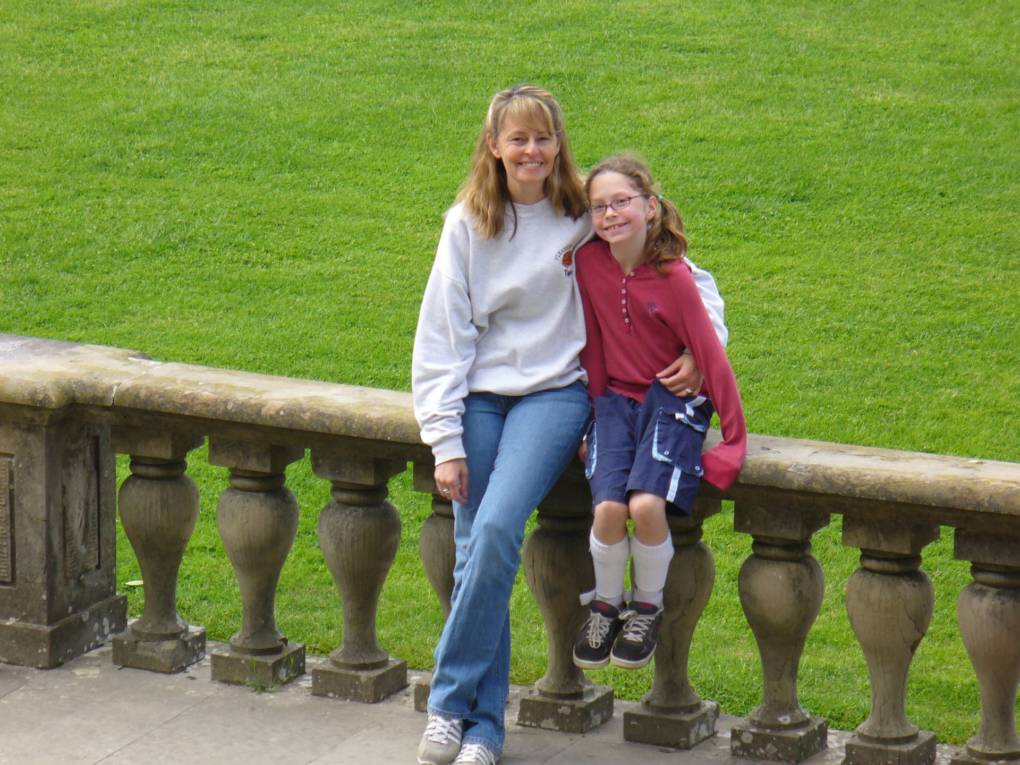
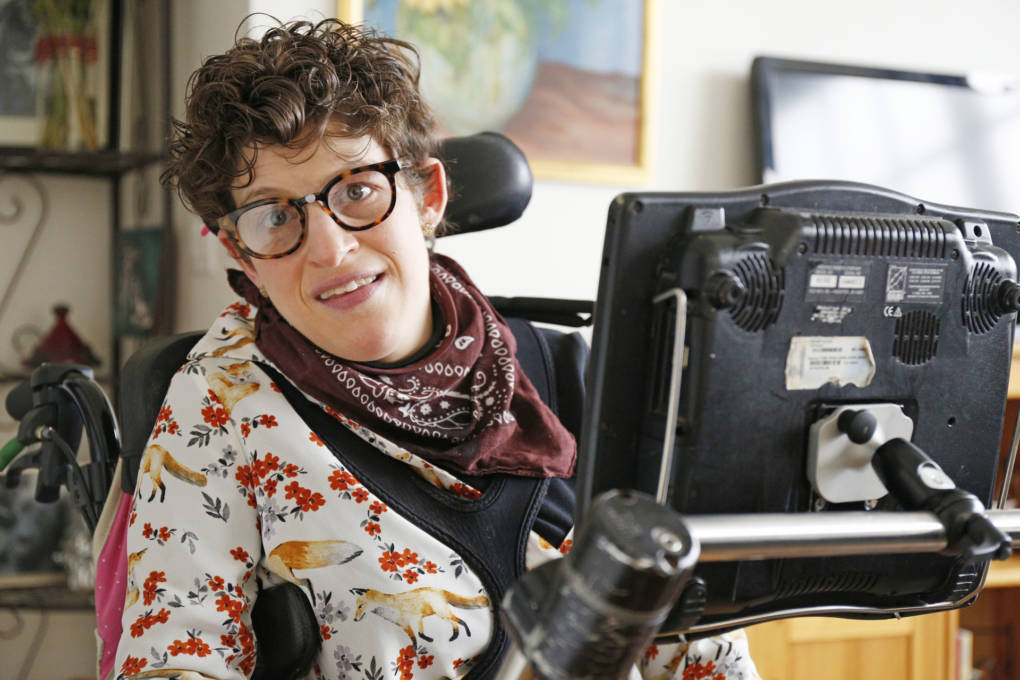
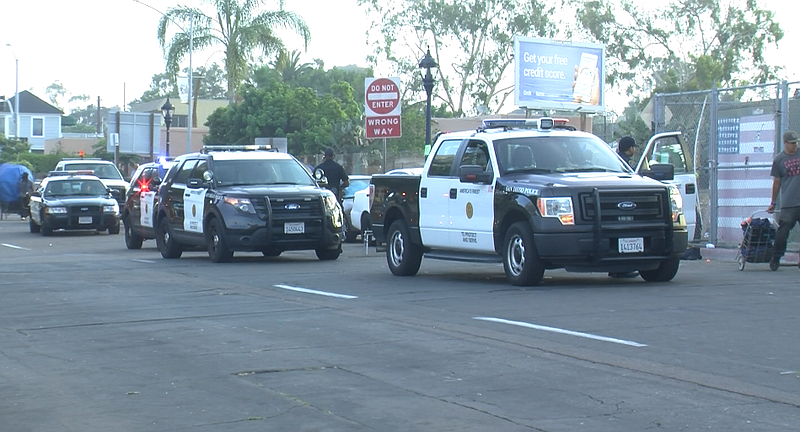
window.__IS_SSR__=true
window.__INITIAL_STATE__={
"attachmentsReducer": {
"audio_0": {
"type": "attachments",
"id": "audio_0",
"imgSizes": {
"kqedFullSize": {
"file": "https://ww2.kqed.org/news/wp-content/themes/KQED-unified/img/audio_bgs/background0.jpg"
}
}
},
"audio_1": {
"type": "attachments",
"id": "audio_1",
"imgSizes": {
"kqedFullSize": {
"file": "https://ww2.kqed.org/news/wp-content/themes/KQED-unified/img/audio_bgs/background1.jpg"
}
}
},
"audio_2": {
"type": "attachments",
"id": "audio_2",
"imgSizes": {
"kqedFullSize": {
"file": "https://ww2.kqed.org/news/wp-content/themes/KQED-unified/img/audio_bgs/background2.jpg"
}
}
},
"audio_3": {
"type": "attachments",
"id": "audio_3",
"imgSizes": {
"kqedFullSize": {
"file": "https://ww2.kqed.org/news/wp-content/themes/KQED-unified/img/audio_bgs/background3.jpg"
}
}
},
"audio_4": {
"type": "attachments",
"id": "audio_4",
"imgSizes": {
"kqedFullSize": {
"file": "https://ww2.kqed.org/news/wp-content/themes/KQED-unified/img/audio_bgs/background4.jpg"
}
}
},
"placeholder": {
"type": "attachments",
"id": "placeholder",
"imgSizes": {
"thumbnail": {
"file": "https://cdn.kqed.org/wp-content/uploads/2024/12/KQED-Default-Image-816638274-2000x1333-1-160x107.jpg",
"width": 160,
"height": 107,
"mimeType": "image/jpeg"
},
"medium": {
"file": "https://cdn.kqed.org/wp-content/uploads/2024/12/KQED-Default-Image-816638274-2000x1333-1-800x533.jpg",
"width": 800,
"height": 533,
"mimeType": "image/jpeg"
},
"medium_large": {
"file": "https://cdn.kqed.org/wp-content/uploads/2024/12/KQED-Default-Image-816638274-2000x1333-1-768x512.jpg",
"width": 768,
"height": 512,
"mimeType": "image/jpeg"
},
"large": {
"file": "https://cdn.kqed.org/wp-content/uploads/2024/12/KQED-Default-Image-816638274-2000x1333-1-1020x680.jpg",
"width": 1020,
"height": 680,
"mimeType": "image/jpeg"
},
"1536x1536": {
"file": "https://cdn.kqed.org/wp-content/uploads/2024/12/KQED-Default-Image-816638274-2000x1333-1-1536x1024.jpg",
"width": 1536,
"height": 1024,
"mimeType": "image/jpeg"
},
"fd-lrg": {
"file": "https://cdn.kqed.org/wp-content/uploads/2024/12/KQED-Default-Image-816638274-2000x1333-1-1536x1024.jpg",
"width": 1536,
"height": 1024,
"mimeType": "image/jpeg"
},
"fd-med": {
"file": "https://cdn.kqed.org/wp-content/uploads/2024/12/KQED-Default-Image-816638274-2000x1333-1-1020x680.jpg",
"width": 1020,
"height": 680,
"mimeType": "image/jpeg"
},
"fd-sm": {
"file": "https://cdn.kqed.org/wp-content/uploads/2024/12/KQED-Default-Image-816638274-2000x1333-1-800x533.jpg",
"width": 800,
"height": 533,
"mimeType": "image/jpeg"
},
"post-thumbnail": {
"file": "https://cdn.kqed.org/wp-content/uploads/2024/12/KQED-Default-Image-816638274-2000x1333-1-672x372.jpg",
"width": 672,
"height": 372,
"mimeType": "image/jpeg"
},
"twentyfourteen-full-width": {
"file": "https://cdn.kqed.org/wp-content/uploads/2024/12/KQED-Default-Image-816638274-2000x1333-1-1038x576.jpg",
"width": 1038,
"height": 576,
"mimeType": "image/jpeg"
},
"xxsmall": {
"file": "https://cdn.kqed.org/wp-content/uploads/2024/12/KQED-Default-Image-816638274-2000x1333-1-160x107.jpg",
"width": 160,
"height": 107,
"mimeType": "image/jpeg"
},
"xsmall": {
"file": "https://cdn.kqed.org/wp-content/uploads/2024/12/KQED-Default-Image-816638274-2000x1333-1-672x372.jpg",
"width": 672,
"height": 372,
"mimeType": "image/jpeg"
},
"small": {
"file": "https://cdn.kqed.org/wp-content/uploads/2024/12/KQED-Default-Image-816638274-2000x1333-1-672x372.jpg",
"width": 672,
"height": 372,
"mimeType": "image/jpeg"
},
"xlarge": {
"file": "https://cdn.kqed.org/wp-content/uploads/2024/12/KQED-Default-Image-816638274-2000x1333-1-1020x680.jpg",
"width": 1020,
"height": 680,
"mimeType": "image/jpeg"
},
"full-width": {
"file": "https://cdn.kqed.org/wp-content/uploads/2024/12/KQED-Default-Image-816638274-2000x1333-1-1920x1280.jpg",
"width": 1920,
"height": 1280,
"mimeType": "image/jpeg"
},
"guest-author-32": {
"file": "https://cdn.kqed.org/wp-content/uploads/2025/01/KQED-Default-Image-816638274-1333x1333-1-160x160.jpg",
"width": 32,
"height": 32,
"mimeType": "image/jpeg"
},
"guest-author-50": {
"file": "https://cdn.kqed.org/wp-content/uploads/2025/01/KQED-Default-Image-816638274-1333x1333-1-160x160.jpg",
"width": 50,
"height": 50,
"mimeType": "image/jpeg"
},
"guest-author-64": {
"file": "https://cdn.kqed.org/wp-content/uploads/2025/01/KQED-Default-Image-816638274-1333x1333-1-160x160.jpg",
"width": 64,
"height": 64,
"mimeType": "image/jpeg"
},
"guest-author-96": {
"file": "https://cdn.kqed.org/wp-content/uploads/2025/01/KQED-Default-Image-816638274-1333x1333-1-160x160.jpg",
"width": 96,
"height": 96,
"mimeType": "image/jpeg"
},
"guest-author-128": {
"file": "https://cdn.kqed.org/wp-content/uploads/2025/01/KQED-Default-Image-816638274-1333x1333-1-160x160.jpg",
"width": 128,
"height": 128,
"mimeType": "image/jpeg"
},
"detail": {
"file": "https://cdn.kqed.org/wp-content/uploads/2025/01/KQED-Default-Image-816638274-1333x1333-1-160x160.jpg",
"width": 160,
"height": 160,
"mimeType": "image/jpeg"
},
"kqedFullSize": {
"file": "https://cdn.kqed.org/wp-content/uploads/2024/12/KQED-Default-Image-816638274-2000x1333-1.jpg",
"width": 2000,
"height": 1333
}
}
},
"news_11741196": {
"type": "attachments",
"id": "news_11741196",
"meta": {
"index": "attachments_1716263798",
"site": "news",
"id": "11741196",
"found": true
},
"parent": 11741461,
"imgSizes": {
"twentyfourteen-full-width": {
"file": "https://ww2.kqed.org/app/uploads/sites/10/2019/04/RS36616_Katcher-pic-2-qut-1-1038x576.jpg",
"width": 1038,
"mimeType": "image/jpeg",
"height": 576
},
"thumbnail": {
"file": "https://ww2.kqed.org/app/uploads/sites/10/2019/04/RS36616_Katcher-pic-2-qut-1-160x120.jpg",
"width": 160,
"mimeType": "image/jpeg",
"height": 120
},
"post-thumbnail": {
"file": "https://ww2.kqed.org/app/uploads/sites/10/2019/04/RS36616_Katcher-pic-2-qut-1-672x372.jpg",
"width": 672,
"mimeType": "image/jpeg",
"height": 372
},
"kqedFullSize": {
"file": "https://ww2.kqed.org/app/uploads/sites/10/2019/04/RS36616_Katcher-pic-2-qut-1.jpg",
"width": 1920,
"height": 1440
},
"large": {
"file": "https://ww2.kqed.org/app/uploads/sites/10/2019/04/RS36616_Katcher-pic-2-qut-1-1020x765.jpg",
"width": 1020,
"mimeType": "image/jpeg",
"height": 765
},
"complete_open_graph": {
"file": "https://ww2.kqed.org/app/uploads/sites/10/2019/04/RS36616_Katcher-pic-2-qut-1-1200x900.jpg",
"width": 1200,
"mimeType": "image/jpeg",
"height": 900
},
"full-width": {
"file": "https://ww2.kqed.org/app/uploads/sites/10/2019/04/RS36616_Katcher-pic-2-qut-1-1920x1440.jpg",
"width": 1920,
"mimeType": "image/jpeg",
"height": 1440
},
"medium": {
"file": "https://ww2.kqed.org/app/uploads/sites/10/2019/04/RS36616_Katcher-pic-2-qut-1-800x600.jpg",
"width": 800,
"mimeType": "image/jpeg",
"height": 600
}
},
"publishDate": 1555609362,
"modified": 1555948599,
"caption": "At age 9, Delaney Van Riper felt bionic in leg braces, pictured here with her mother, Becky.",
"description": "At age 9, Delaney Van Riper felt bionic in leg braces, pictured here with her mother, Becky.",
"title": "RS36616_Katcher-pic-2-qut",
"credit": "Courtesy of Delaney Van Riper",
"status": "inherit",
"isLoading": false,
"fetchFailed": false
},
"news_11741221": {
"type": "attachments",
"id": "news_11741221",
"meta": {
"index": "attachments_1716263798",
"site": "news",
"id": "11741221",
"found": true
},
"parent": 0,
"imgSizes": {
"twentyfourteen-full-width": {
"file": "https://ww2.kqed.org/app/uploads/sites/10/2019/04/RS36610__M6A0242-qut-1038x576.jpg",
"width": 1038,
"mimeType": "image/jpeg",
"height": 576
},
"thumbnail": {
"file": "https://ww2.kqed.org/app/uploads/sites/10/2019/04/RS36610__M6A0242-qut-160x107.jpg",
"width": 160,
"mimeType": "image/jpeg",
"height": 107
},
"post-thumbnail": {
"file": "https://ww2.kqed.org/app/uploads/sites/10/2019/04/RS36610__M6A0242-qut-672x372.jpg",
"width": 672,
"mimeType": "image/jpeg",
"height": 372
},
"kqedFullSize": {
"file": "https://ww2.kqed.org/app/uploads/sites/10/2019/04/RS36610__M6A0242-qut.jpg",
"width": 1920,
"height": 1280
},
"large": {
"file": "https://ww2.kqed.org/app/uploads/sites/10/2019/04/RS36610__M6A0242-qut-1020x680.jpg",
"width": 1020,
"mimeType": "image/jpeg",
"height": 680
},
"complete_open_graph": {
"file": "https://ww2.kqed.org/app/uploads/sites/10/2019/04/RS36610__M6A0242-qut-1200x800.jpg",
"width": 1200,
"mimeType": "image/jpeg",
"height": 800
},
"full-width": {
"file": "https://ww2.kqed.org/app/uploads/sites/10/2019/04/RS36610__M6A0242-qut-1920x1280.jpg",
"width": 1920,
"mimeType": "image/jpeg",
"height": 1280
},
"medium": {
"file": "https://ww2.kqed.org/app/uploads/sites/10/2019/04/RS36610__M6A0242-qut-800x533.jpg",
"width": 800,
"mimeType": "image/jpeg",
"height": 533
}
},
"publishDate": 1555610309,
"modified": 1555610350,
"caption": "Ana Berlowitz with her communication device at her home in San Francisco on April 15, 2019.",
"description": null,
"title": "RS36610__M6A0242-qut",
"credit": "Stephanie Lister/KQED",
"status": "inherit",
"isLoading": false,
"fetchFailed": false
},
"news_11740594": {
"type": "attachments",
"id": "news_11740594",
"meta": {
"index": "attachments_1716263798",
"site": "news",
"id": "11740594",
"found": true
},
"parent": 11740591,
"imgSizes": {
"apple_news_ca_landscape_5_5": {
"file": "https://ww2.kqed.org/app/uploads/sites/10/2019/04/IMG_4021-e1555453466591-1044x783.jpg",
"width": 1044,
"mimeType": "image/jpeg",
"height": 783
},
"apple_news_ca_square_4_0": {
"file": "https://ww2.kqed.org/app/uploads/sites/10/2019/04/IMG_4021-e1555453466591-470x470.jpg",
"width": 470,
"mimeType": "image/jpeg",
"height": 470
},
"twentyfourteen-full-width": {
"file": "https://ww2.kqed.org/app/uploads/sites/10/2019/04/IMG_4021-e1555453466591-1038x576.jpg",
"width": 1038,
"mimeType": "image/jpeg",
"height": 576
},
"thumbnail": {
"file": "https://ww2.kqed.org/app/uploads/sites/10/2019/04/IMG_4021-e1555453466591-160x120.jpg",
"width": 160,
"mimeType": "image/jpeg",
"height": 120
},
"post-thumbnail": {
"file": "https://ww2.kqed.org/app/uploads/sites/10/2019/04/IMG_4021-e1555453466591-672x372.jpg",
"width": 672,
"mimeType": "image/jpeg",
"height": 372
},
"kqedFullSize": {
"file": "https://ww2.kqed.org/app/uploads/sites/10/2019/04/IMG_4021-e1555453466591.jpg",
"width": 2048,
"height": 1536
},
"apple_news_ca_landscape_4_7": {
"file": "https://ww2.kqed.org/app/uploads/sites/10/2019/04/IMG_4021-e1555453466591-632x474.jpg",
"width": 632,
"mimeType": "image/jpeg",
"height": 474
},
"large": {
"file": "https://ww2.kqed.org/app/uploads/sites/10/2019/04/IMG_4021-e1555453466591-1020x765.jpg",
"width": 1020,
"mimeType": "image/jpeg",
"height": 765
},
"complete_open_graph": {
"file": "https://ww2.kqed.org/app/uploads/sites/10/2019/04/IMG_4021-e1555453466591-1200x900.jpg",
"width": 1200,
"mimeType": "image/jpeg",
"height": 900
},
"apple_news_ca_landscape_4_0": {
"file": "https://ww2.kqed.org/app/uploads/sites/10/2019/04/IMG_4021-e1555453466591-536x402.jpg",
"width": 536,
"mimeType": "image/jpeg",
"height": 402
},
"apple_news_ca_portrait_12_9": {
"file": "https://ww2.kqed.org/app/uploads/sites/10/2019/04/IMG_4021-e1555453466591-1122x1496.jpg",
"width": 1122,
"mimeType": "image/jpeg",
"height": 1496
},
"medium": {
"file": "https://ww2.kqed.org/app/uploads/sites/10/2019/04/IMG_4021-e1555453466591-800x600.jpg",
"width": 800,
"mimeType": "image/jpeg",
"height": 600
},
"apple_news_ca_portrait_4_0": {
"file": "https://ww2.kqed.org/app/uploads/sites/10/2019/04/IMG_4021-e1555453466591-354x472.jpg",
"width": 354,
"mimeType": "image/jpeg",
"height": 472
},
"apple_news_ca_portrait_9_7": {
"file": "https://ww2.kqed.org/app/uploads/sites/10/2019/04/IMG_4021-e1555453466591-840x1120.jpg",
"width": 840,
"mimeType": "image/jpeg",
"height": 1120
},
"apple_news_ca_landscape_12_9": {
"file": "https://ww2.kqed.org/app/uploads/sites/10/2019/04/IMG_4021-e1555453466591-1832x1374.jpg",
"width": 1832,
"mimeType": "image/jpeg",
"height": 1374
},
"apple_news_ca_square_9_7": {
"file": "https://ww2.kqed.org/app/uploads/sites/10/2019/04/IMG_4021-e1555453466591-1104x1104.jpg",
"width": 1104,
"mimeType": "image/jpeg",
"height": 1104
},
"apple_news_ca_portrait_4_7": {
"file": "https://ww2.kqed.org/app/uploads/sites/10/2019/04/IMG_4021-e1555453466591-414x552.jpg",
"width": 414,
"mimeType": "image/jpeg",
"height": 552
},
"apple_news_ca_square_12_9": {
"file": "https://ww2.kqed.org/app/uploads/sites/10/2019/04/IMG_4021-e1555453466591-1472x1472.jpg",
"width": 1472,
"mimeType": "image/jpeg",
"height": 1472
},
"apple_news_ca_portrait_5_5": {
"file": "https://ww2.kqed.org/app/uploads/sites/10/2019/04/IMG_4021-e1555453466591-687x916.jpg",
"width": 687,
"mimeType": "image/jpeg",
"height": 916
},
"full-width": {
"file": "https://ww2.kqed.org/app/uploads/sites/10/2019/04/IMG_4021-e1555453466591-1920x1440.jpg",
"width": 1920,
"mimeType": "image/jpeg",
"height": 1440
},
"apple_news_ca_square_4_7": {
"file": "https://ww2.kqed.org/app/uploads/sites/10/2019/04/IMG_4021-e1555453466591-550x550.jpg",
"width": 550,
"mimeType": "image/jpeg",
"height": 550
},
"apple_news_ca_landscape_9_7": {
"file": "https://ww2.kqed.org/app/uploads/sites/10/2019/04/IMG_4021-e1555453466591-1376x1032.jpg",
"width": 1376,
"mimeType": "image/jpeg",
"height": 1032
},
"apple_news_ca_square_5_5": {
"file": "https://ww2.kqed.org/app/uploads/sites/10/2019/04/IMG_4021-e1555453466591-912x912.jpg",
"width": 912,
"mimeType": "image/jpeg",
"height": 912
}
},
"publishDate": 1555453411,
"modified": 1555529126,
"caption": "David Collins (center) skis through the Achieve Tahoe program.",
"description": null,
"title": "IMG_4021",
"credit": "Sam Harnett/KQED",
"status": "inherit",
"isLoading": false,
"fetchFailed": false
},
"news_11740719": {
"type": "attachments",
"id": "news_11740719",
"meta": {
"index": "attachments_1716263798",
"site": "news",
"id": "11740719",
"found": true
},
"parent": 0,
"imgSizes": {
"apple_news_ca_landscape_5_5": {
"file": "https://ww2.kqed.org/app/uploads/sites/10/2019/04/RS36215__M6A0284-4-qut-1044x783.jpg",
"width": 1044,
"mimeType": "image/jpeg",
"height": 783
},
"apple_news_ca_square_4_0": {
"file": "https://ww2.kqed.org/app/uploads/sites/10/2019/04/RS36215__M6A0284-4-qut-470x470.jpg",
"width": 470,
"mimeType": "image/jpeg",
"height": 470
},
"twentyfourteen-full-width": {
"file": "https://ww2.kqed.org/app/uploads/sites/10/2019/04/RS36215__M6A0284-4-qut-1038x576.jpg",
"width": 1038,
"mimeType": "image/jpeg",
"height": 576
},
"thumbnail": {
"file": "https://ww2.kqed.org/app/uploads/sites/10/2019/04/RS36215__M6A0284-4-qut-160x107.jpg",
"width": 160,
"mimeType": "image/jpeg",
"height": 107
},
"post-thumbnail": {
"file": "https://ww2.kqed.org/app/uploads/sites/10/2019/04/RS36215__M6A0284-4-qut-672x372.jpg",
"width": 672,
"mimeType": "image/jpeg",
"height": 372
},
"kqedFullSize": {
"file": "https://ww2.kqed.org/app/uploads/sites/10/2019/04/RS36215__M6A0284-4-qut.jpg",
"width": 1920,
"height": 1280
},
"apple_news_ca_landscape_4_7": {
"file": "https://ww2.kqed.org/app/uploads/sites/10/2019/04/RS36215__M6A0284-4-qut-632x474.jpg",
"width": 632,
"mimeType": "image/jpeg",
"height": 474
},
"large": {
"file": "https://ww2.kqed.org/app/uploads/sites/10/2019/04/RS36215__M6A0284-4-qut-1020x680.jpg",
"width": 1020,
"mimeType": "image/jpeg",
"height": 680
},
"complete_open_graph": {
"file": "https://ww2.kqed.org/app/uploads/sites/10/2019/04/RS36215__M6A0284-4-qut-1200x800.jpg",
"width": 1200,
"mimeType": "image/jpeg",
"height": 800
},
"apple_news_ca_landscape_4_0": {
"file": "https://ww2.kqed.org/app/uploads/sites/10/2019/04/RS36215__M6A0284-4-qut-536x402.jpg",
"width": 536,
"mimeType": "image/jpeg",
"height": 402
},
"apple_news_ca_portrait_12_9": {
"file": "https://ww2.kqed.org/app/uploads/sites/10/2019/04/RS36215__M6A0284-4-qut-1122x1280.jpg",
"width": 1122,
"mimeType": "image/jpeg",
"height": 1280
},
"medium": {
"file": "https://ww2.kqed.org/app/uploads/sites/10/2019/04/RS36215__M6A0284-4-qut-800x533.jpg",
"width": 800,
"mimeType": "image/jpeg",
"height": 533
},
"apple_news_ca_portrait_4_0": {
"file": "https://ww2.kqed.org/app/uploads/sites/10/2019/04/RS36215__M6A0284-4-qut-354x472.jpg",
"width": 354,
"mimeType": "image/jpeg",
"height": 472
},
"apple_news_ca_portrait_9_7": {
"file": "https://ww2.kqed.org/app/uploads/sites/10/2019/04/RS36215__M6A0284-4-qut-840x1120.jpg",
"width": 840,
"mimeType": "image/jpeg",
"height": 1120
},
"apple_news_ca_landscape_12_9": {
"file": "https://ww2.kqed.org/app/uploads/sites/10/2019/04/RS36215__M6A0284-4-qut-1832x1280.jpg",
"width": 1832,
"mimeType": "image/jpeg",
"height": 1280
},
"apple_news_ca_square_9_7": {
"file": "https://ww2.kqed.org/app/uploads/sites/10/2019/04/RS36215__M6A0284-4-qut-1104x1104.jpg",
"width": 1104,
"mimeType": "image/jpeg",
"height": 1104
},
"apple_news_ca_portrait_4_7": {
"file": "https://ww2.kqed.org/app/uploads/sites/10/2019/04/RS36215__M6A0284-4-qut-414x552.jpg",
"width": 414,
"mimeType": "image/jpeg",
"height": 552
},
"apple_news_ca_square_12_9": {
"file": "https://ww2.kqed.org/app/uploads/sites/10/2019/04/RS36215__M6A0284-4-qut-1472x1280.jpg",
"width": 1472,
"mimeType": "image/jpeg",
"height": 1280
},
"apple_news_ca_portrait_5_5": {
"file": "https://ww2.kqed.org/app/uploads/sites/10/2019/04/RS36215__M6A0284-4-qut-687x916.jpg",
"width": 687,
"mimeType": "image/jpeg",
"height": 916
},
"full-width": {
"file": "https://ww2.kqed.org/app/uploads/sites/10/2019/04/RS36215__M6A0284-4-qut-1920x1280.jpg",
"width": 1920,
"mimeType": "image/jpeg",
"height": 1280
},
"apple_news_ca_square_4_7": {
"file": "https://ww2.kqed.org/app/uploads/sites/10/2019/04/RS36215__M6A0284-4-qut-550x550.jpg",
"width": 550,
"mimeType": "image/jpeg",
"height": 550
},
"apple_news_ca_landscape_9_7": {
"file": "https://ww2.kqed.org/app/uploads/sites/10/2019/04/RS36215__M6A0284-4-qut-1376x1032.jpg",
"width": 1376,
"mimeType": "image/jpeg",
"height": 1032
},
"apple_news_ca_square_5_5": {
"file": "https://ww2.kqed.org/app/uploads/sites/10/2019/04/RS36215__M6A0284-4-qut-912x912.jpg",
"width": 912,
"mimeType": "image/jpeg",
"height": 912
}
},
"publishDate": 1555515529,
"modified": 1555708551,
"caption": "Olive Howden, 16, is the only deaf student at her high school. Howden wears bilateral cochlear implants to help her hear.",
"description": "16-year-old Olive Howden is the only deaf student at her high school. Howden wears bilateral cochlear implants to help her hear.",
"title": "RS36215__M6A0284-4-qut",
"credit": "Sruti Mamidanna/KQED",
"status": "inherit",
"isLoading": false,
"fetchFailed": false
},
"news_11723842": {
"type": "attachments",
"id": "news_11723842",
"meta": {
"index": "attachments_1716263798",
"site": "news",
"id": "11723842",
"found": true
},
"parent": 11723830,
"imgSizes": {
"thumbnail": {
"file": "https://ww2.kqed.org/app/uploads/sites/10/2019/02/POLICE_t800-160x86.png",
"width": 160,
"mimeType": "image/png",
"height": 86
},
"post-thumbnail": {
"file": "https://ww2.kqed.org/app/uploads/sites/10/2019/02/POLICE_t800-672x372.png",
"width": 672,
"mimeType": "image/png",
"height": 372
},
"kqedFullSize": {
"file": "https://ww2.kqed.org/app/uploads/sites/10/2019/02/POLICE_t800.png",
"width": 800,
"height": 432
},
"guest-author-50": {
"file": "https://ww2.kqed.org/app/uploads/sites/10/2019/02/POLICE_t800-50x50.png",
"width": 50,
"mimeType": "image/png",
"height": 50
},
"guest-author-96": {
"file": "https://ww2.kqed.org/app/uploads/sites/10/2019/02/POLICE_t800-96x96.png",
"width": 96,
"mimeType": "image/png",
"height": 96
},
"medium": {
"file": "https://ww2.kqed.org/app/uploads/sites/10/2019/02/POLICE_t800-800x432.png",
"width": 800,
"mimeType": "image/png",
"height": 432
},
"guest-author-64": {
"file": "https://ww2.kqed.org/app/uploads/sites/10/2019/02/POLICE_t800-64x64.png",
"width": 64,
"mimeType": "image/png",
"height": 64
},
"detail": {
"file": "https://ww2.kqed.org/app/uploads/sites/10/2019/02/POLICE_t800-150x150.png",
"width": 150,
"mimeType": "image/png",
"height": 150
},
"guest-author-32": {
"file": "https://ww2.kqed.org/app/uploads/sites/10/2019/02/POLICE_t800-32x32.png",
"width": 32,
"mimeType": "image/png",
"height": 32
},
"guest-author-128": {
"file": "https://ww2.kqed.org/app/uploads/sites/10/2019/02/POLICE_t800-128x128.png",
"width": 128,
"mimeType": "image/png",
"height": 128
}
},
"publishDate": 1549482563,
"modified": 1549486376,
"caption": "San Diego police cars with flashing lights roll up on 17th Street to clear the homeless and their tents from the sidewalks in the East Village, June 27, 2016.",
"description": null,
"title": "POLICE_t800",
"credit": "Susan Murphy/KPBS",
"status": "inherit",
"isLoading": false,
"fetchFailed": false
},
"news_11626275": {
"type": "attachments",
"id": "news_11626275",
"meta": {
"index": "attachments_1716263798",
"site": "news",
"id": "11626275",
"found": true
},
"parent": 11626245,
"imgSizes": {
"small": {
"file": "https://ww2.kqed.org/app/uploads/sites/10/2017/10/RS27726_Hale_ProdStill_H_3-qut-520x371.jpg",
"width": 520,
"mimeType": "image/jpeg",
"height": 371
},
"twentyfourteen-full-width": {
"file": "https://ww2.kqed.org/app/uploads/sites/10/2017/10/RS27726_Hale_ProdStill_H_3-qut-1038x576.jpg",
"width": 1038,
"mimeType": "image/jpeg",
"height": 576
},
"thumbnail": {
"file": "https://ww2.kqed.org/app/uploads/sites/10/2017/10/RS27726_Hale_ProdStill_H_3-qut-160x114.jpg",
"width": 160,
"mimeType": "image/jpeg",
"height": 114
},
"fd-sm": {
"file": "https://ww2.kqed.org/app/uploads/sites/10/2017/10/RS27726_Hale_ProdStill_H_3-qut-960x686.jpg",
"width": 960,
"mimeType": "image/jpeg",
"height": 686
},
"post-thumbnail": {
"file": "https://ww2.kqed.org/app/uploads/sites/10/2017/10/RS27726_Hale_ProdStill_H_3-qut-672x372.jpg",
"width": 672,
"mimeType": "image/jpeg",
"height": 372
},
"xsmall": {
"file": "https://ww2.kqed.org/app/uploads/sites/10/2017/10/RS27726_Hale_ProdStill_H_3-qut-375x268.jpg",
"width": 375,
"mimeType": "image/jpeg",
"height": 268
},
"kqedFullSize": {
"file": "https://ww2.kqed.org/app/uploads/sites/10/2017/10/RS27726_Hale_ProdStill_H_3-qut.jpg",
"width": 1920,
"height": 1371
},
"large": {
"file": "https://ww2.kqed.org/app/uploads/sites/10/2017/10/RS27726_Hale_ProdStill_H_3-qut-1020x728.jpg",
"width": 1020,
"mimeType": "image/jpeg",
"height": 728
},
"xlarge": {
"file": "https://ww2.kqed.org/app/uploads/sites/10/2017/10/RS27726_Hale_ProdStill_H_3-qut-1180x843.jpg",
"width": 1180,
"mimeType": "image/jpeg",
"height": 843
},
"guest-author-50": {
"file": "https://ww2.kqed.org/app/uploads/sites/10/2017/10/RS27726_Hale_ProdStill_H_3-qut-50x50.jpg",
"width": 50,
"mimeType": "image/jpeg",
"height": 50
},
"guest-author-96": {
"file": "https://ww2.kqed.org/app/uploads/sites/10/2017/10/RS27726_Hale_ProdStill_H_3-qut-96x96.jpg",
"width": 96,
"mimeType": "image/jpeg",
"height": 96
},
"medium": {
"file": "https://ww2.kqed.org/app/uploads/sites/10/2017/10/RS27726_Hale_ProdStill_H_3-qut-800x571.jpg",
"width": 800,
"mimeType": "image/jpeg",
"height": 571
},
"guest-author-64": {
"file": "https://ww2.kqed.org/app/uploads/sites/10/2017/10/RS27726_Hale_ProdStill_H_3-qut-64x64.jpg",
"width": 64,
"mimeType": "image/jpeg",
"height": 64
},
"guest-author-32": {
"file": "https://ww2.kqed.org/app/uploads/sites/10/2017/10/RS27726_Hale_ProdStill_H_3-qut-32x32.jpg",
"width": 32,
"mimeType": "image/jpeg",
"height": 32
},
"fd-lrg": {
"file": "https://ww2.kqed.org/app/uploads/sites/10/2017/10/RS27726_Hale_ProdStill_H_3-qut-1920x1371.jpg",
"width": 1920,
"mimeType": "image/jpeg",
"height": 1371
},
"fd-med": {
"file": "https://ww2.kqed.org/app/uploads/sites/10/2017/10/RS27726_Hale_ProdStill_H_3-qut-1180x843.jpg",
"width": 1180,
"mimeType": "image/jpeg",
"height": 843
},
"full-width": {
"file": "https://ww2.kqed.org/app/uploads/sites/10/2017/10/RS27726_Hale_ProdStill_H_3-qut-1920x1371.jpg",
"width": 1920,
"mimeType": "image/jpeg",
"height": 1371
},
"detail": {
"file": "https://ww2.kqed.org/app/uploads/sites/10/2017/10/RS27726_Hale_ProdStill_H_3-qut-150x150.jpg",
"width": 150,
"mimeType": "image/jpeg",
"height": 150
},
"guest-author-128": {
"file": "https://ww2.kqed.org/app/uploads/sites/10/2017/10/RS27726_Hale_ProdStill_H_3-qut-128x128.jpg",
"width": 128,
"mimeType": "image/jpeg",
"height": 128
},
"xxsmall": {
"file": "https://ww2.kqed.org/app/uploads/sites/10/2017/10/RS27726_Hale_ProdStill_H_3-qut-240x171.jpg",
"width": 240,
"mimeType": "image/jpeg",
"height": 171
}
},
"publishDate": 1509051437,
"modified": 1509146869,
"caption": "Hale Zukas was a founder of the disability rights movement at UC Berkeley, and was involved in building a national civil rights movement for people with disabilities. ",
"description": "A lot of UC Berkeley students may have noticed Hale Zukas in his wheelchair, but they may not realize he's one of the country's early disability rights activists.",
"title": "RS27726_Hale_ProdStill_H_3-qut",
"credit": "Photo Courtesy of Brad Bailey",
"status": "inherit",
"isLoading": false,
"fetchFailed": false
}
},
"audioPlayerReducer": {
"postId": "stream_live",
"isPaused": true,
"isPlaying": false,
"pfsActive": false,
"pledgeModalIsOpen": true,
"playerDrawerIsOpen": false,
"liveAudioPlayStartedAt": 0,
"liveAudioPlayContext": ""
},
"authorsReducer": {
"byline_news_11789524": {
"type": "authors",
"id": "byline_news_11789524",
"meta": {
"override": true
},
"slug": "byline_news_11789524",
"name": "Terry Gross",
"isLoading": false
},
"byline_news_11741461": {
"type": "authors",
"id": "byline_news_11741461",
"meta": {
"override": true
},
"slug": "byline_news_11741461",
"name": "Margaret Katcher",
"isLoading": false
},
"byline_news_11740707": {
"type": "authors",
"id": "byline_news_11740707",
"meta": {
"override": true
},
"slug": "byline_news_11740707",
"name": "Olive Howden",
"isLoading": false
},
"byline_news_11723830": {
"type": "authors",
"id": "byline_news_11723830",
"meta": {
"override": true
},
"slug": "byline_news_11723830",
"name": "\u003cstrong>\u003ca href=\"https://www.kpbs.org/staff/andrew-bowen/\">Andrew Bowen\u003c/a>\u003c/strong>",
"isLoading": false
},
"vmauleon": {
"type": "authors",
"id": "98",
"meta": {
"index": "authors_1716337520",
"id": "98",
"found": true
},
"name": "Victoria Mauleón",
"firstName": "Victoria",
"lastName": "Victoria Mauleón",
"slug": "vmauleon",
"email": "vmauleon@KQED.org",
"display_author_email": false,
"staff_mastheads": [
"news"
],
"title": "KQED Contributor",
"bio": "Victoria Mauleón is \u003cem>The California Report'\u003c/em>s senior editor, overseeing the production and editorial direction of the weekly, statewide news magazine program. She is the show's primary content editor, working with KQED reporters, member station reporters and freelancers.\r\n\r\nVictoria has taught advanced radio and podcasting at the University of California at Berkeley’s Graduate School of Journalism. Before her work in radio, Victoria worked as a television producer, and her work aired on PBS, MSNBC, HBO, VH1, and AMC. Her work has earned her a Northern California Emmy Award, a John Swett Award, an Excellence in Journalism Award from the Society of Professional Journalists, two San Francisco Peninsula Press Club awards and a Casey Medal for Meritorious Journalism.",
"avatar": "https://secure.gravatar.com/avatar/5b7264c4575a5883de085c44e6133687d62ae5221cd881880b52c044d1a74543?s=600&d=blank&r=g",
"twitter": null,
"bluesky": null,
"facebook": null,
"instagram": null,
"linkedin": null,
"sites": [
{
"site": "arts",
"roles": [
"administrator"
]
},
{
"site": "news",
"roles": [
"editor"
]
},
{
"site": "stateofhealth",
"roles": [
"editor"
]
}
],
"headData": {
"title": "Victoria Mauleón | KQED",
"description": "KQED Contributor",
"ogImgSrc": "https://secure.gravatar.com/avatar/5b7264c4575a5883de085c44e6133687d62ae5221cd881880b52c044d1a74543?s=600&d=blank&r=g",
"twImgSrc": "https://secure.gravatar.com/avatar/5b7264c4575a5883de085c44e6133687d62ae5221cd881880b52c044d1a74543?s=600&d=blank&r=g"
},
"isLoading": false,
"link": "/author/vmauleon"
},
"samharnett": {
"type": "authors",
"id": "253",
"meta": {
"index": "authors_1716337520",
"id": "253",
"found": true
},
"name": "Sam Harnett",
"firstName": "Sam",
"lastName": "Harnett",
"slug": "samharnett",
"email": "samharnett@gmail.com",
"display_author_email": false,
"staff_mastheads": [],
"title": "KQED Contributor",
"bio": "Sam Harnett covered tech and work at KQED. He is the co-creator of \u003cem>\u003ca href=\"http://www.theworldaccordingtosound.org\">The World According to Sound\u003c/a>,\u003c/em> a 90-second podcast that features different sounds and the stories behind them.\r\n\r\nBefore coming to KQED, Sam worked as an independent reporter who contributed regularly to \u003cem>The California Report, Marketplace,\u003c/em> \u003cem>The World \u003c/em>and NPR.",
"avatar": "https://secure.gravatar.com/avatar/2538b972ac02f2b9546c7a6c59a0f3d0?s=600&d=blank&r=g",
"twitter": "Samwharnett",
"facebook": null,
"instagram": null,
"linkedin": null,
"sites": [
{
"site": "news",
"roles": [
"edit_others_posts",
"subscriber"
]
},
{
"site": "stateofhealth",
"roles": [
"author"
]
},
{
"site": "science",
"roles": [
"editor"
]
},
{
"site": "quest",
"roles": [
"subscriber"
]
}
],
"headData": {
"title": "Sam Harnett | KQED",
"description": "KQED Contributor",
"ogImgSrc": "https://secure.gravatar.com/avatar/2538b972ac02f2b9546c7a6c59a0f3d0?s=600&d=blank&r=g",
"twImgSrc": "https://secure.gravatar.com/avatar/2538b972ac02f2b9546c7a6c59a0f3d0?s=600&d=blank&r=g"
},
"isLoading": false,
"link": "/author/samharnett"
},
"sasha-khokha": {
"type": "authors",
"id": "254",
"meta": {
"index": "authors_1716337520",
"id": "254",
"found": true
},
"name": "Sasha Khokha",
"firstName": "Sasha",
"lastName": "Khokha",
"slug": "sasha-khokha",
"email": "skhokha@kqed.org",
"display_author_email": true,
"staff_mastheads": [
"news"
],
"title": "Host, The California Report Magazine",
"bio": "Sasha Khokha is the host of \u003cem>The California Report's \u003c/em> weekly magazine program, which takes listeners on sound-rich excursions to meet the people that make the Golden State unique -- through audio documentaries and long-form stories. As \u003cem>The California Report's\u003c/em> Central Valley Bureau Chief based in Fresno for nearly a dozen years, Sasha brought the lives and concerns of rural Californians to listeners around the state. Her reporting helped expose the hidden price immigrant women janitors and farmworkers may pay to keep their jobs: sexual assault at work. It inspired two new California laws to protect them from sexual harassment. She was a key member of the reporting team for the Frontline film \u003cem>Rape on the Night Shift, \u003c/em>which was nominated for two national Emmys. Sasha has also won a national Edward R. Murrow and a national PRNDI award for investigative reporting, as well as multiple prizes from the Society for Professional Journalists. Sasha is a proud alum of the UC Berkeley Graduate School of Journalism and Brown University and a member of the South Asian Journalists Association.",
"avatar": "https://secure.gravatar.com/avatar/e4b5e1541aaeea2aa356aa1fb2a68950?s=600&d=blank&r=g",
"twitter": "KQEDSashaKhokha",
"facebook": null,
"instagram": null,
"linkedin": null,
"sites": [
{
"site": "news",
"roles": [
"editor"
]
},
{
"site": "stateofhealth",
"roles": [
"author"
]
},
{
"site": "science",
"roles": [
"author"
]
},
{
"site": "quest",
"roles": [
"subscriber"
]
}
],
"headData": {
"title": "Sasha Khokha | KQED",
"description": "Host, The California Report Magazine",
"ogImgSrc": "https://secure.gravatar.com/avatar/e4b5e1541aaeea2aa356aa1fb2a68950?s=600&d=blank&r=g",
"twImgSrc": "https://secure.gravatar.com/avatar/e4b5e1541aaeea2aa356aa1fb2a68950?s=600&d=blank&r=g"
},
"isLoading": false,
"link": "/author/sasha-khokha"
}
},
"pagesReducer": {
"news_tag_disability": {
"type": "terms",
"id": "news_21845",
"meta": {
"index": "terms_1716263798",
"site": "news",
"id": "21845",
"score": 8.669539
},
"featImg": null,
"name": "disability",
"description": null,
"taxonomy": "tag",
"headData": {
"twImgId": null,
"twTitle": null,
"ogTitle": null,
"ogImgId": null,
"twDescription": null,
"description": null,
"title": "disability Archives | KQED News",
"ogDescription": null
},
"ttid": 21862,
"slug": "disability",
"isLoading": false,
"title": "disability",
"pageMeta": {
"site": "news",
"WpPageTemplate": "page-topic-editorial",
"currentPage": 2
},
"blocks": [
{
"blockName": "kqed/post-list",
"attrs": {
"layout": "cardArticle2",
"query": "posts/news?tag=disability",
"seeMore": false,
"paginated": true,
"page": 2
}
},
{
"blockName": "kqed/ad"
}
]
}
},
"pfsSessionReducer": {},
"postsReducer": {
"stream_live": {
"type": "live",
"id": "stream_live",
"audioUrl": "https://streams.kqed.org/kqedradio",
"title": "Live Stream",
"excerpt": "Live Stream information currently unavailable.",
"link": "/radio",
"featImg": "",
"label": {
"name": "KQED Live",
"link": "/"
}
},
"stream_kqedNewscast": {
"type": "posts",
"id": "stream_kqedNewscast",
"audioUrl": "https://www.kqed.org/.stream/anon/radio/RDnews/newscast.mp3?_=1",
"title": "KQED Newscast",
"featImg": "",
"label": {
"name": "88.5 FM",
"link": "/"
}
},
"news_11789524": {
"type": "posts",
"id": "news_11789524",
"meta": {
"index": "posts_1716263798",
"site": "news",
"id": "11789524",
"score": null,
"sort": [
1575489178000
]
},
"guestAuthors": [],
"slug": "after-a-freak-accident-ucsf-doctor-finds-insight-into-living-life-and-facing-death",
"title": "After a Freak Accident, UCSF Doctor Finds Insight Into 'Living Life and Facing Death'",
"publishDate": 1575489178,
"format": "standard",
"headTitle": "After a Freak Accident, UCSF Doctor Finds Insight Into ‘Living Life and Facing Death’ | KQED",
"labelTerm": {},
"content": "\u003cp>When BJ Miller was a sophomore at Princeton University, he climbed atop a commuter train that had been parked for the night. What began as a lark took a tragic turn when 11,000 volts of electricity suddenly surged through his body.\u003c/p>\n\u003cp>“There was a big explosion, a big flash of light, and I was thrown … quite some distance,” Miller says. “My body was literally smoking.”\u003c/p>\n\u003cp>Miller survived that 1990 accident but lost both legs below the knee and half of one arm. Coming close to death and dealing with pain and disability inspired him to go into medicine and the field of \u003ca href=\"https://www.npr.org/tags/499181710/disability-rights\">disability rights\u003c/a>.\u003c/p>\n\u003cp>As a \u003ca href=\"https://www.npr.org/tags/134950354/palliative-care/archive?date=12-31-2013\">palliative care\u003c/a> physician at UCSF’s Cancer Center, \u003ca href=\"https://www.sfchronicle.com/news/article/BJ-Miller-pain-doctor-at-the-Zen-Hospice-Project-2369267.php\">Miller draws on his own experiences\u003c/a> to help people with their physical, emotional and spiritual pain at the end of their lives. His new book, with co-author Shoshana Berger, is \u003cem>A Beginner’s Guide to the End: Practical Advice for Living Life and Facing Death.\u003c/em>\u003c/p>\n\u003cp>Miller says it’s hard for him to regret the accident that changed his life.\u003c/p>\n\u003cp>“So much has flowed from it,” he says. “If I’m honest, there’s a little bit of pride. … [What] I’m a little proud of is the decision to work with this experience over time, to dig into it, to mine it, to find a creative energy in it.”\u003c/p>\n\u003chr>\n\u003cp>[ad fullwidth]\u003c/p>\n\u003ch3>\u003cstrong>Interview highlights\u003c/strong>\u003c/h3>\n\u003cp>\u003cstrong>On how growing up with his mother, who had polio, influenced him\u003c/strong>\u003c/p>\n\u003cp>To grow up around disability from a young age, to have that carved into your worldview was, you can imagine, hugely helpful for me as a 19-year-old kid with ostensibly everything going for him. … To know in your bones that you’re on borrowed time with being “able-bodied” — I knew that. I didn’t have to learn that, and that was a huge advantage. …\u003c/p>\n\u003cp>In my early childhood, she used crutches and a brace and was extremely physically capable. And then, over time, from the early ’80s on, it’s just been a very slow decline to the point now where she really requires an electric wheelchair, has a little bit of ability to stand, but not for very long, etc. …\u003c/p>\n\u003cp>People think you’re Jesus because you’ve gone through something special. They treat you like you’ve got special knowledge, or they treat you a little bit like Frankenstein. Of course, those two responses are related. Neither of them is accurate. But that’s the kind of vibe you can get — a lot of us who have disabilities know very well. And I had seen that. I knew how to read that, thanks to my mother.\u003c/p>\n\u003cp>\u003cstrong>On deciding to pursue palliative medicine \u003c/strong>\u003c/p>\n\u003cp>I started doing a little work [in] arts advocacy and disability rights. But basically … thanks to the disability rights movement, I realized that disability is not something to be ashamed of. It’s not something to overcome, to put behind you — it’s something to work with. It doesn’t go away. I can’t overcome this; it’s my daily experience. So instead the compulsion was to work with it — in a professional way that I could make a living. And medicine lit up, theoretically, as a way where I could use these experiences and pay them forward in some way or draw from them — not overcome them and put them behind me.\u003c/p>\n\u003cp>[aside label=\"Related Coverage\" postID=news_11784435,futureofyou_443966,stateofhealth_364223]\u003c/p>\n\u003cp>\u003cstrong>On palliative care and the treatment of suffering \u003c/strong>\u003c/p>\n\u003cp>That’s why I think hospice and palliative medicine is so interesting. You don’t just treat pain. You treat suffering. Suffering is a multiheaded beast. … Basically palliative care is the treatment of suffering, versus the rest of medicine as the treatment of disease. …\u003c/p>\n\u003cp>So what is suffering? Well, suffering, there’s a lot of different ways to define it. \u003ca href=\"https://www.bmj.com/content/suppl/2005/07/18/331.7509.DC1\">Cicely Saunders\u003c/a>, the grandmother of hospice work, she called it “total pain.” That [it has] a physical component, a psychological and emotional component, a spiritual component. It’s a multiheaded entity. One might say it affects how you see yourself. It affects your identity. I’ve come to understand suffering as a wedge — a gap that opens up in you. The gap between the world you have and the world you want. So, it gets at your desire, it gets at your longing, it gets at what you’re lacking.\u003c/p>\n\u003cp>\u003cstrong>On finding the balance between life and death, and joy and sorrow\u003c/strong>\u003c/p>\n\u003cp>Coming out of the back side of the experience of my own injuries, my own brush with death, etc., I came out of there eventually holding life much more loosely. So it didn’t teach me to cling to life with my fingernails, that that was the way through. It taught me some adult trick of simultaneously holding on to opposing emotions. …\u003c/p>\n\u003cp>Grief does this. But anyone who’s dealt with pain — chronic pain — when the clouds part even for a moment and you have the absence of pain, it’s a stunning feeling. I remember feeling that I really wanted to stay close to that interface between joy and sorrow, between pain and pleasure, between life and death. It felt like such a rich, rich place that I had been forced into. I had to hang out there for a while, but I became a little enamored of it, because from there I could just as easily get to sorrow as I could get to joy. And that to me has felt like a kind of a dexterity or an agility, something very good. … So death is close by, pain is close by — so is the rest of life. So is the good stuff. That zone, it helps me imagine what my patients are going through, being close to death.\u003c/p>\n\u003cp>\u003cstrong>On how he helps his patients with both their fear of dying and their fear of being dead \u003c/strong>\u003c/p>\n\u003cp>Fear helps point to the things that you care about, the things you love, the things you’re afraid to lose. Fear is a big important subject and really requires and demands looking at. The sooner we do, the better, because oftentimes it’s not so darn scary. … It’s helpful when patients will confess some fear to me. … People say, “Actually I’m afraid of the pain I imagine is going to happen during the dying process.” So the fear of dying, the fear of the dying process. That’s an important distinction, because any hospice and palliative medicine team can do a lot to quell the pain and the sorrow that happens during the dying process. We have medications. We have ways of being with each other. We have ways of positioning your body. There’s all sorts of things to do, so suffering is not necessarily part of the dying process. And there’s a lot of reassurance. … We understand that process pretty well, and there’s a lot we can do. So that’s an important distinction. That’s pretty concrete. That’s knowable.\u003c/p>\n\u003cp>Now, some of my patients will say, “That’s one thing. But I’m actually afraid of being dead. I’m afraid of being in the ground. I’m afraid of what comes next or whatever else.” Then my response, of course, is, “Well, gosh, I don’t know what that’s like either. But let’s think about it. Let’s talk about it.” And when we push on that one, I think most of us can get to a place where we realize that we’re not just our bodies — and our bodies, once they’re dead, aren’t likely to be feeling anything.\u003c/p>\n\u003cp>But when you push on that one, you can open up [about] what is known as [the] modern acronym of FOMO — fear of missing out. That’s very often at the heart of people’s fear of being dead — like all that they’re going to miss. And this idea that the world is going to continue on without them, all the things they’re not going to get to see, etc. But if you go there, then what has that done? That has pointed us very squarely to all the things we love and care about. And then that becomes a nice compass for our way forward, how we’re going to live until we die. The fear there, the things we are afraid to miss, are the things we really should uptick in terms of our attention now.\u003c/p>\n\u003cp>\u003cem>Sam Briger and Joel Wolfram produced and edited this interview for broadcast. Bridget Bentz, Molly Seavy-Nesper and Deborah Franklin adapted it for the Web.\u003c/em>\u003c/p>\n\u003cdiv class=\"fullattribution\">Copyright 2019 Fresh Air. To see more, visit \u003ca href=\"http://www.npr.org/programs/fresh-air/\">Fresh Air\u003c/a>.\u003cimg decoding=\"async\" src=\"https://www.google-analytics.com/__utm.gif?utmac=UA-5828686-4&utmdt=After+A+Freak+Accident%2C+A+Doctor+Finds+Insight+Into+%27Living+Life+And+Facing+Death%27&utme=8(APIKey)9(MDAxOTAwOTE4MDEyMTkxMDAzNjczZDljZA004)\">\u003c/div>\n\u003cp>[ad floatright]\u003c/p>\n",
"blocks": [],
"excerpt": "In 1990, BJ Miller was hit with 11,000 volts of electricity. That accident took most of his limbs, but the event and his recovery inspired him to pursue a career as a palliative care physician.",
"status": "publish",
"parent": 0,
"modified": 1726007470,
"stats": {
"hasAudio": false,
"hasVideo": false,
"hasChartOrMap": false,
"iframeSrcs": [],
"hasGoogleForm": false,
"hasGallery": false,
"hasHearkenModule": false,
"hasPolis": false,
"paragraphCount": 26,
"wordCount": 1549
},
"headData": {
"title": "After a Freak Accident, UCSF Doctor Finds Insight Into 'Living Life and Facing Death' | KQED",
"description": "In 1990, BJ Miller was hit with 11,000 volts of electricity. That accident took most of his limbs, but the event and his recovery inspired him to pursue a career as a palliative care physician.",
"ogTitle": "",
"ogDescription": "",
"ogImgId": "",
"twTitle": "",
"twDescription": "",
"twImgId": "",
"schema": {
"@context": "https://schema.org",
"@type": "NewsArticle",
"headline": "After a Freak Accident, UCSF Doctor Finds Insight Into 'Living Life and Facing Death'",
"datePublished": "2019-12-04T11:52:58-08:00",
"dateModified": "2024-09-10T15:31:10-07:00",
"image": "https://cdn.kqed.org/wp-content/uploads/2020/02/KQED-OG-Image@1x.png",
"isAccessibleForFree": "True",
"publisher": {
"@type": "NewsMediaOrganization",
"@id": "https://www.kqed.org/#organization",
"name": "KQED",
"logo": "https://cdn.kqed.org/wp-content/uploads/2020/02/KQED-OG-Image@1x.png",
"url": "https://www.kqed.org",
"sameAs": [
"https://www.facebook.com/KQED",
"https://twitter.com/KQED",
"https://www.instagram.com/kqed/",
"https://www.tiktok.com/@kqedofficial",
"https://www.linkedin.com/company/kqed",
"https://www.youtube.com/channel/UCeC0IOo7i1P_61zVUWbJ4nw"
]
}
}
},
"source": "NPR",
"sourceUrl": "https://www.npr.org/",
"sticky": false,
"nprByline": "Terry Gross",
"nprImageAgency": "Simon & Schuster",
"nprStoryId": "784401787",
"nprApiLink": "http://api.npr.org/query?id=784401787&apiKey=MDAxOTAwOTE4MDEyMTkxMDAzNjczZDljZA004",
"nprHtmlLink": "https://www.npr.org/sections/health-shots/2019/12/03/784401787/after-a-freak-accident-a-doctor-finds-insight-into-living-life-and-facing-death?ft=nprml&f=784401787",
"nprRetrievedStory": "1",
"nprPubDate": "Wed, 04 Dec 2019 14:05:00 -0500",
"nprStoryDate": "Tue, 03 Dec 2019 15:12:00 -0500",
"nprLastModifiedDate": "Wed, 04 Dec 2019 10:04:02 -0500",
"nprAudio": "https://ondemand.npr.org/anon.npr-mp3/npr/fa/2019/12/20191203_fa_01.mp3?orgId=427869011&topicId=1128&d=2176&p=13&story=784401787&ft=nprml&f=784401787",
"nprAudioM3u": "http://api.npr.org/m3u/1784490088-7412ed.m3u?orgId=427869011&topicId=1128&d=2176&p=13&story=784401787&ft=nprml&f=784401787",
"audioTrackLength": 2177,
"path": "/news/11789524/after-a-freak-accident-ucsf-doctor-finds-insight-into-living-life-and-facing-death",
"audioUrl": "https://ondemand.npr.org/anon.npr-mp3/npr/fa/2019/12/20191203_fa_01.mp3?orgId=427869011&topicId=1128&d=2176&p=13&story=784401787&ft=nprml&f=784401787",
"parsedContent": [
{
"type": "contentString",
"content": "\u003cdiv class=\"post-body\">\u003cp>\u003cp>When BJ Miller was a sophomore at Princeton University, he climbed atop a commuter train that had been parked for the night. What began as a lark took a tragic turn when 11,000 volts of electricity suddenly surged through his body.\u003c/p>\n\u003cp>“There was a big explosion, a big flash of light, and I was thrown … quite some distance,” Miller says. “My body was literally smoking.”\u003c/p>\n\u003cp>Miller survived that 1990 accident but lost both legs below the knee and half of one arm. Coming close to death and dealing with pain and disability inspired him to go into medicine and the field of \u003ca href=\"https://www.npr.org/tags/499181710/disability-rights\">disability rights\u003c/a>.\u003c/p>\n\u003cp>As a \u003ca href=\"https://www.npr.org/tags/134950354/palliative-care/archive?date=12-31-2013\">palliative care\u003c/a> physician at UCSF’s Cancer Center, \u003ca href=\"https://www.sfchronicle.com/news/article/BJ-Miller-pain-doctor-at-the-Zen-Hospice-Project-2369267.php\">Miller draws on his own experiences\u003c/a> to help people with their physical, emotional and spiritual pain at the end of their lives. His new book, with co-author Shoshana Berger, is \u003cem>A Beginner’s Guide to the End: Practical Advice for Living Life and Facing Death.\u003c/em>\u003c/p>\n\u003cp>Miller says it’s hard for him to regret the accident that changed his life.\u003c/p>\n\u003cp>“So much has flowed from it,” he says. “If I’m honest, there’s a little bit of pride. … [What] I’m a little proud of is the decision to work with this experience over time, to dig into it, to mine it, to find a creative energy in it.”\u003c/p>\n\u003chr>\n\u003cp>\u003c/p>\u003c/div>",
"attributes": {
"named": {},
"numeric": []
}
},
{
"type": "component",
"content": "",
"name": "ad",
"attributes": {
"named": {
"label": "fullwidth"
},
"numeric": [
"fullwidth"
]
}
},
{
"type": "contentString",
"content": "\u003cdiv class=\"post-body\">\u003cp>\u003c/p>\n\u003ch3>\u003cstrong>Interview highlights\u003c/strong>\u003c/h3>\n\u003cp>\u003cstrong>On how growing up with his mother, who had polio, influenced him\u003c/strong>\u003c/p>\n\u003cp>To grow up around disability from a young age, to have that carved into your worldview was, you can imagine, hugely helpful for me as a 19-year-old kid with ostensibly everything going for him. … To know in your bones that you’re on borrowed time with being “able-bodied” — I knew that. I didn’t have to learn that, and that was a huge advantage. …\u003c/p>\n\u003cp>In my early childhood, she used crutches and a brace and was extremely physically capable. And then, over time, from the early ’80s on, it’s just been a very slow decline to the point now where she really requires an electric wheelchair, has a little bit of ability to stand, but not for very long, etc. …\u003c/p>\n\u003cp>People think you’re Jesus because you’ve gone through something special. They treat you like you’ve got special knowledge, or they treat you a little bit like Frankenstein. Of course, those two responses are related. Neither of them is accurate. But that’s the kind of vibe you can get — a lot of us who have disabilities know very well. And I had seen that. I knew how to read that, thanks to my mother.\u003c/p>\n\u003cp>\u003cstrong>On deciding to pursue palliative medicine \u003c/strong>\u003c/p>\n\u003cp>I started doing a little work [in] arts advocacy and disability rights. But basically … thanks to the disability rights movement, I realized that disability is not something to be ashamed of. It’s not something to overcome, to put behind you — it’s something to work with. It doesn’t go away. I can’t overcome this; it’s my daily experience. So instead the compulsion was to work with it — in a professional way that I could make a living. And medicine lit up, theoretically, as a way where I could use these experiences and pay them forward in some way or draw from them — not overcome them and put them behind me.\u003c/p>\n\u003cp>\u003c/p>\u003c/div>",
"attributes": {
"named": {},
"numeric": []
}
},
{
"type": "component",
"content": "",
"name": "aside",
"attributes": {
"named": {
"label": "Related Coverage ",
"postid": "news_11784435,futureofyou_443966,stateofhealth_364223"
},
"numeric": []
}
},
{
"type": "contentString",
"content": "\u003cdiv class=\"post-body\">\u003cp>\u003c/p>\n\u003cp>\u003cstrong>On palliative care and the treatment of suffering \u003c/strong>\u003c/p>\n\u003cp>That’s why I think hospice and palliative medicine is so interesting. You don’t just treat pain. You treat suffering. Suffering is a multiheaded beast. … Basically palliative care is the treatment of suffering, versus the rest of medicine as the treatment of disease. …\u003c/p>\n\u003cp>So what is suffering? Well, suffering, there’s a lot of different ways to define it. \u003ca href=\"https://www.bmj.com/content/suppl/2005/07/18/331.7509.DC1\">Cicely Saunders\u003c/a>, the grandmother of hospice work, she called it “total pain.” That [it has] a physical component, a psychological and emotional component, a spiritual component. It’s a multiheaded entity. One might say it affects how you see yourself. It affects your identity. I’ve come to understand suffering as a wedge — a gap that opens up in you. The gap between the world you have and the world you want. So, it gets at your desire, it gets at your longing, it gets at what you’re lacking.\u003c/p>\n\u003cp>\u003cstrong>On finding the balance between life and death, and joy and sorrow\u003c/strong>\u003c/p>\n\u003cp>Coming out of the back side of the experience of my own injuries, my own brush with death, etc., I came out of there eventually holding life much more loosely. So it didn’t teach me to cling to life with my fingernails, that that was the way through. It taught me some adult trick of simultaneously holding on to opposing emotions. …\u003c/p>\n\u003cp>Grief does this. But anyone who’s dealt with pain — chronic pain — when the clouds part even for a moment and you have the absence of pain, it’s a stunning feeling. I remember feeling that I really wanted to stay close to that interface between joy and sorrow, between pain and pleasure, between life and death. It felt like such a rich, rich place that I had been forced into. I had to hang out there for a while, but I became a little enamored of it, because from there I could just as easily get to sorrow as I could get to joy. And that to me has felt like a kind of a dexterity or an agility, something very good. … So death is close by, pain is close by — so is the rest of life. So is the good stuff. That zone, it helps me imagine what my patients are going through, being close to death.\u003c/p>\n\u003cp>\u003cstrong>On how he helps his patients with both their fear of dying and their fear of being dead \u003c/strong>\u003c/p>\n\u003cp>Fear helps point to the things that you care about, the things you love, the things you’re afraid to lose. Fear is a big important subject and really requires and demands looking at. The sooner we do, the better, because oftentimes it’s not so darn scary. … It’s helpful when patients will confess some fear to me. … People say, “Actually I’m afraid of the pain I imagine is going to happen during the dying process.” So the fear of dying, the fear of the dying process. That’s an important distinction, because any hospice and palliative medicine team can do a lot to quell the pain and the sorrow that happens during the dying process. We have medications. We have ways of being with each other. We have ways of positioning your body. There’s all sorts of things to do, so suffering is not necessarily part of the dying process. And there’s a lot of reassurance. … We understand that process pretty well, and there’s a lot we can do. So that’s an important distinction. That’s pretty concrete. That’s knowable.\u003c/p>\n\u003cp>Now, some of my patients will say, “That’s one thing. But I’m actually afraid of being dead. I’m afraid of being in the ground. I’m afraid of what comes next or whatever else.” Then my response, of course, is, “Well, gosh, I don’t know what that’s like either. But let’s think about it. Let’s talk about it.” And when we push on that one, I think most of us can get to a place where we realize that we’re not just our bodies — and our bodies, once they’re dead, aren’t likely to be feeling anything.\u003c/p>\n\u003cp>But when you push on that one, you can open up [about] what is known as [the] modern acronym of FOMO — fear of missing out. That’s very often at the heart of people’s fear of being dead — like all that they’re going to miss. And this idea that the world is going to continue on without them, all the things they’re not going to get to see, etc. But if you go there, then what has that done? That has pointed us very squarely to all the things we love and care about. And then that becomes a nice compass for our way forward, how we’re going to live until we die. The fear there, the things we are afraid to miss, are the things we really should uptick in terms of our attention now.\u003c/p>\n\u003cp>\u003cem>Sam Briger and Joel Wolfram produced and edited this interview for broadcast. Bridget Bentz, Molly Seavy-Nesper and Deborah Franklin adapted it for the Web.\u003c/em>\u003c/p>\n\u003cdiv class=\"fullattribution\">Copyright 2019 Fresh Air. To see more, visit \u003ca href=\"http://www.npr.org/programs/fresh-air/\">Fresh Air\u003c/a>.\u003cimg decoding=\"async\" src=\"https://www.google-analytics.com/__utm.gif?utmac=UA-5828686-4&utmdt=After+A+Freak+Accident%2C+A+Doctor+Finds+Insight+Into+%27Living+Life+And+Facing+Death%27&utme=8(APIKey)9(MDAxOTAwOTE4MDEyMTkxMDAzNjczZDljZA004)\">\u003c/div>\n\u003cp>\u003c/p>\u003c/div>",
"attributes": {
"named": {},
"numeric": []
}
},
{
"type": "component",
"content": "",
"name": "ad",
"attributes": {
"named": {
"label": "floatright"
},
"numeric": [
"floatright"
]
}
},
{
"type": "contentString",
"content": "\u003cdiv class=\"post-body\">\u003cp>\u003c/p>\n\u003c/div>\u003c/p>",
"attributes": {
"named": {},
"numeric": []
}
}
],
"link": "/news/11789524/after-a-freak-accident-ucsf-doctor-finds-insight-into-living-life-and-facing-death",
"authors": [
"byline_news_11789524"
],
"categories": [
"news_457",
"news_8"
],
"tags": [
"news_21845",
"news_18202",
"news_18543",
"news_18509",
"news_922"
],
"featImg": "news_11789530",
"label": "source_news_11789524"
},
"news_11741461": {
"type": "posts",
"id": "news_11741461",
"meta": {
"index": "posts_1716263798",
"site": "news",
"id": "11741461",
"score": null,
"sort": [
1555950871000
]
},
"parent": 0,
"labelTerm": {
"site": "news",
"term": 72
},
"blocks": [],
"publishDate": 1555950871,
"format": "audio",
"disqusTitle": "What Does It Mean to Spell Check Your Genetic Code?",
"title": "What Does It Mean to Spell Check Your Genetic Code?",
"headTitle": "The California Report | KQED News",
"content": "\u003cp>Delaney Van Riper’s genes contain an error. Were we to look at her genetic code in a Microsoft Word document, it would be really hard to find the written misspelling. On a single page of that genetic code, just one letter is wrong, but that letter translates into a degenerative nerve condition. The nerves that run to Delaney’s hands and feet are damaged, affecting how she walks and moves and writes and lives. Now Delaney and her parents are among the first to grapple directly with the question: What does it mean to be able to spell check your genetic code?\u003c/p>\n\u003cp>From the moment Delaney was born, her father AJ says, she was a force of energy and motion. He called her a “bowling ball.” She flew around the house, running, pushing, dancing and laughing. That’s why it almost went unnoticed that as a young child, Delaney walked mostly on her tiptoes.\u003c/p>\n\u003cfigure id=\"attachment_11741195\" class=\"wp-caption alignright\" style=\"max-width: 512px\">\u003cimg class=\"size-full wp-image-11741195\" src=\"https://ww2.kqed.org/news/wp-content/uploads/sites/10/2019/04/RS36615_Katcher-pic-1-qut-1.jpg\" alt=\"\" width=\"512\" height=\"768\" srcset=\"https://ww2.kqed.org/app/uploads/sites/10/2019/04/RS36615_Katcher-pic-1-qut-1.jpg 512w, https://ww2.kqed.org/app/uploads/sites/10/2019/04/RS36615_Katcher-pic-1-qut-1-160x240.jpg 160w\" sizes=\"(max-width: 512px) 100vw, 512px\">\u003cfigcaption class=\"wp-caption-text\">Delaney Van Riper, age 4, after a day of rough playing. \u003ccite>(Courtesy of Delaney Van Riper)\u003c/cite>\u003c/figcaption>\u003c/figure>\n\u003cp>“One day, the parent side of me switched into the genetic counselor side of me. I was like, ‘Do I have a daughter who toe-walks?’ ” AJ remembers.\u003c/p>\n\u003cp>AJ Van Riper is a genetic counselor, a health care professional with specialized training in medical genetics, who acts as a sort of therapist and adviser for people with genetic disorders. Which is how he knew that when children walk exclusively on their tiptoes, it can be a sign of an underlying genetic disorder.\u003c/p>\n\u003cp>After extensive testing, Delaney, then 7 years old, was diagnosed with CMT, which stands for Charcot-Marie-Tooth and is characterized by progressive muscle degeneration and weakness. It’s a genetic disorder that impacts the nerve signals going to Delaney’s arms and legs. Delaney has muscle atrophy and tightened ligaments, which makes her hands and feet look slightly curved and thin, and makes her prone to tripping and falling.\u003c/p>\n\u003cp>CMT is one of the most common inherited neurological disorders, and over 1,000 genetic misspellings can cause the disorder. But only about 12 people in the world have the exact misspelling that Delaney has, a mutation called “P182L.”\u003c/p>\n\u003cp>When Delaney was a kid, she wore leg braces. She says she felt bionic.\u003c/p>\n\u003cp>“When you’re young, you want to be cool, different from everybody else,” Delaney says. “I was different from everybody else, but eventually it became not in a good way.”\u003c/p>\n\u003cp>As she grew, Delaney started to trip and fall more often. When she hit puberty, her hands started to weaken. She became more aware of these snagging limitations on her body. She could no longer hold a pencil. The teenagers around her noticed. A parade of negative thoughts took over, she says, led by “Why me?”\u003c/p>\n\u003cp>Neither of Delaney’s parents has CMT. Rather than being hereditary, as is common, her disorder was a unique mutation in her DNA. Delaney recognized during those difficult teenage years that she had nobody to blame for her disorder, but that just forced her anger inward. She isolated herself and became depressed, even veered into self-harm.\u003c/p>\n\u003cfigure id=\"attachment_11741197\" class=\"wp-caption aligncenter\" style=\"max-width: 1920px\">\u003cimg class=\"size-full wp-image-11741197\" src=\"https://ww2.kqed.org/news/wp-content/uploads/sites/10/2019/04/RS36617_Katcher-pic-3-qut.jpg\" alt=\"\" width=\"1920\" height=\"1371\" srcset=\"https://ww2.kqed.org/app/uploads/sites/10/2019/04/RS36617_Katcher-pic-3-qut.jpg 1920w, https://ww2.kqed.org/app/uploads/sites/10/2019/04/RS36617_Katcher-pic-3-qut-160x114.jpg 160w, https://ww2.kqed.org/app/uploads/sites/10/2019/04/RS36617_Katcher-pic-3-qut-800x571.jpg 800w, https://ww2.kqed.org/app/uploads/sites/10/2019/04/RS36617_Katcher-pic-3-qut-1020x728.jpg 1020w, https://ww2.kqed.org/app/uploads/sites/10/2019/04/RS36617_Katcher-pic-3-qut-1200x857.jpg 1200w\" sizes=\"(max-width: 1920px) 100vw, 1920px\">\u003cfigcaption class=\"wp-caption-text\">Delaney’s father AJ, second from left, is a genetic counselor. Delaney is second from right, age 16. \u003ccite>(Courtesy of Delaney Van Riper)\u003c/cite>\u003c/figcaption>\u003c/figure>\n\u003cp>Through personal writing, Delaney began to come to terms with the genetic hand she was dealt. At age 16, she wrote about her depression and her disorder in a magazine called CMTeen:\u003c/p>\n\u003cblockquote>\u003cp>I’ve not yet won my war... I am repairing myself. I can feel when the bad days are coming and I prepare. I survive my struggles because I have done so for 10 years. Each day for 10 years, I woke up and got out of bed. Why not try for 10 more? I know I can do this.\u003c/p>\u003c/blockquote>\n\u003cp>Delaney found solace in the fact that her disorder is, as she calls it, “a fluke,” that neither she nor her parents had any fault in the matter. She had to let go of her desire to be anything but herself. Delaney tells me now, “I had to accept that this is going to be my life for as long as I know.”\u003c/p>\n\u003cp>Delaney is now 20 years old, a sophomore at UC Santa Cruz, studying literature. When Delaney was 17, she was surprised by an email from a Bay Area scientist, Dr. Bruce Conklin. He was looking to find patients for a study, people with CMT, especially the incredibly rare kind of CMT that Delaney has. Conklin hoped to one day remove the genetic mutation from patients’ bodies.\u003c/p>\n\u003cp>“It was presented as a possible research study that, if everything goes well, it could be a cure, but also to be realistic at the same time,” Delaney says. Her feelings about herself and her CMT shifted again. “The worst that could happen is I just kind of stay the same.”\u003c/p>\n\u003cp>Conklin is a professor at UCSF and senior investigator at San Francisco’s Gladstone Institutes, which is partnered with CRISPR pioneer Jennifer Doudna and The Innovative Genomics Institute. Delaney is now one of a handful of patients who are part of Conklin’s study.\u003c/p>\n\u003cfigure id=\"attachment_11741198\" class=\"wp-caption aligncenter\" style=\"max-width: 1920px\">\u003cimg class=\"size-full wp-image-11741198\" src=\"https://ww2.kqed.org/news/wp-content/uploads/sites/10/2019/04/RS36618_Katcher-pic-4-qut.jpg\" alt=\"\" width=\"1920\" height=\"1282\" srcset=\"https://ww2.kqed.org/app/uploads/sites/10/2019/04/RS36618_Katcher-pic-4-qut.jpg 1920w, https://ww2.kqed.org/app/uploads/sites/10/2019/04/RS36618_Katcher-pic-4-qut-160x107.jpg 160w, https://ww2.kqed.org/app/uploads/sites/10/2019/04/RS36618_Katcher-pic-4-qut-800x534.jpg 800w, https://ww2.kqed.org/app/uploads/sites/10/2019/04/RS36618_Katcher-pic-4-qut-1020x681.jpg 1020w, https://ww2.kqed.org/app/uploads/sites/10/2019/04/RS36618_Katcher-pic-4-qut-1200x801.jpg 1200w\" sizes=\"(max-width: 1920px) 100vw, 1920px\">\u003cfigcaption class=\"wp-caption-text\">Dr. Bruce Conklin in his lab at Gladstone Institutes. \u003ccite>(Courtesy of Gladstone Institutes)\u003c/cite>\u003c/figcaption>\u003c/figure>\n\u003cp>Conklin calls his practice “gene surgery” both because it’s an anatomical removal of something, just on a genome scale, and because he considers surgery to be a process toward eradicating a disease.\u003c/p>\n\u003cp>“When people did the first heart transplant, they didn't think about how to monetize the 10th heart transplant,” Conklin says. “They thought about how to make the next patient live a little bit longer, the next patient live a bit longer.”\u003c/p>\n\u003cp>He says that his practice is like the beginning stages of transplant surgery, working out the steps in what might someday become common practice.\u003c/p>\n\u003cp>Not all gene surgery is created equal, in terms of how scientists measure its potential risks. Conklin’s lab focuses its efforts on somatic gene editing, as opposed to germline editing. Germline editing was controversially employed in 2018 by Chinese scientist He Jiankui, who edited the genome in human embryos and implanted them in a woman who gave birth to twins.\u003c/p>\n\u003caside class=\"pullquote alignleft\">'[Gene editing] is not easy to do safely and ethically, but it's remarkably easy to do'\u003ccite>Dr. Bruce Conklin, professor at UCSF\u003c/cite>\u003c/aside>\n\u003cp>Germline editing involves editing a human embryo, which affects every single cell in the developing embryo’s body, and these edits will be passed to future generations. Somatic editing, on the other hand, affects only the type of cell that is edited, only in one person’s body, and the changes cannot be inherited by future generations.\u003c/p>\n\u003cp>In March, a committee of the World Health Organization assembled after the controversy to review the state of human genome editing projects.\u003c/p>\n\u003cp>“The committee agrees that it is irresponsible at this time for anyone to proceed with clinical applications of human germline genome editing,” a committee co-chairwoman, Dr. Margaret Hamburg, said in a press briefing.\u003c/p>\n\u003cp>The committee also resolved that all human gene-editing projects should be listed in a mandatory global registry.\u003c/p>\n\u003cp>The field is progressing more quickly than most scientists could have predicted, Conklin says.\u003c/p>\n\u003cp>“[Gene editing] is not easy to do safely and ethically, but it's remarkably easy to do,\" he says. “The thing that really shocked people about the unethical experiment in China was that the added costs, in addition to the in vitro fertilization, which already was going on, was only about $500.”\u003c/p>\n\u003cp>There are roughly 6,000 disorders that involve a mutation on just one gene. Conklin is starting with rare diseases like CMT. Biotech companies are focused on more common disorders whose gene editing therapies can be monetized more easily.\u003c/p>\n\u003cfigure id=\"attachment_11741199\" class=\"wp-caption alignright\" style=\"max-width: 1538px\">\u003cimg class=\"size-full wp-image-11741199\" src=\"https://ww2.kqed.org/news/wp-content/uploads/sites/10/2019/04/RS36619_Katcher-pic-5-qut-1.jpg\" alt=\"\" width=\"1538\" height=\"2048\" srcset=\"https://ww2.kqed.org/app/uploads/sites/10/2019/04/RS36619_Katcher-pic-5-qut-1.jpg 1538w, https://ww2.kqed.org/app/uploads/sites/10/2019/04/RS36619_Katcher-pic-5-qut-1-160x213.jpg 160w, https://ww2.kqed.org/app/uploads/sites/10/2019/04/RS36619_Katcher-pic-5-qut-1-800x1065.jpg 800w, https://ww2.kqed.org/app/uploads/sites/10/2019/04/RS36619_Katcher-pic-5-qut-1-1020x1358.jpg 1020w, https://ww2.kqed.org/app/uploads/sites/10/2019/04/RS36619_Katcher-pic-5-qut-1-901x1200.jpg 901w, https://ww2.kqed.org/app/uploads/sites/10/2019/04/RS36619_Katcher-pic-5-qut-1-1920x2556.jpg 1920w\" sizes=\"(max-width: 1538px) 100vw, 1538px\">\u003cfigcaption class=\"wp-caption-text\">During her senior year of high school, Delaney Van Riper visited her donated cells at Gladstone Institutes. \u003ccite>(Courtesy of Delaney Van Riper)\u003c/cite>\u003c/figcaption>\u003c/figure>\n\u003cp>“It leaves the vast majority, probably 98% of the diseases essentially to us to work on. I think that that's fine,” Conklin says. “We just have to seize the moment.”\u003c/p>\n\u003cp>But just because a disease is rare doesn’t mean it’s not worth editing. Actually, Conklin sees the study of rare disorders like CMT to be a critical part of moving gene editing forward. He’s starting with CMT in part because editing this particular genetic disorder is straightforward.\u003c/p>\n\u003cp>Our chromosomes carry two copies of every gene, and only one copy of Delaney's gene has a typo. Editing that typo just involves cutting away part of the genome, not replacing it, which is a much more complicated process.\u003c/p>\n\u003cp>“With Delaney, we know exactly the genome to edit,” Dr. Conklin says. “We know that we can edit it. We know roughly how to deliver it.”\u003c/p>\n\u003cp>There’s an ethical conflict that Delaney believes is worth exploring now, one that is inherent in any gene-editing process. Who decides what needs to be edited, and what psychological harm might it do to frame genetic disorders as mistakes to be fixed?\u003c/p>\n\u003cp>Indeed, the entire framework of gene editing is infused with the sense that editing is \"fixing.\" It’s finding an error in the genetic code and correcting that error. Fixing is part of her family’s hope for an “easier” life for her. Both of her parents say that they wish they could go back in time and remove the disorder from her genes.\u003c/p>\n\u003caside class=\"pullquote alignleft\">'I would definitely edit my genes. I've learned my lessons, I think. I know who I am as a person, and I just don't want my life to be as difficult as it has to be.'\u003ccite>Delaney Van Riper, who has CMT, a neurological disorder.\u003c/cite>\u003c/aside>\n\u003cp>“If I had the power to go back on a time machine and touch your shoulder and lift CMT out of you, I would do it in a heartbeat,” AJ tells Delaney during an interview in their Sacramento home.\u003c/p>\n\u003cp>Delaney responds that CMT is a deeply important part of who she is, including the depression and self-harm it caused. She attributes her strength to the error in her genes.\u003c/p>\n\u003cp>“You're not really fixing us,” Delaney says. “I know it's the easiest way for people to understand, but there's nothing really to fix.”\u003c/p>\n\u003cp>Still, as proud and secure as Delaney has become with her disorder, she now wants to edit it out.\u003c/p>\n\u003cp>“I would definitely edit my genes,” she says. “I've learned my lessons, I think. I know who I am as a person, and I just don't want my life to be as difficult as it has to be.”\u003c/p>\n\u003cp>It’s complicated, Delaney realizes. But most important to her is that gene editing be framed as a choice for people with disabilities, rather than assuming everyone would want their genes edited.\u003c/p>\n\u003cp>“It's not all negative. It's not all sad. And just because I have it doesn't mean I can be less happy in life. It just means my life is more difficult,” Delaney tells me. Then she adds, “But difficulty doesn't always equal sadness.”\u003c/p>\n\u003cp>[ad fullwidth]\u003c/p>\n\u003cp>[ad floatright]\u003c/p>\n",
"disqusIdentifier": "11741461 https://ww2.kqed.org/news/?p=11741461",
"disqusUrl": "https://ww2.kqed.org/news/2019/04/22/what-does-it-mean-to-spell-check-your-genetic-code/",
"stats": {
"hasVideo": false,
"hasChartOrMap": false,
"hasAudio": false,
"hasPolis": false,
"wordCount": 1932,
"hasGoogleForm": false,
"hasGallery": false,
"hasHearkenModule": false,
"iframeSrcs": [],
"paragraphCount": 42
},
"modified": 1555950871,
"excerpt": "Delaney Van Riper has a rare genetic disorder called CMT that impacts the nerve signals going to her arms and legs. She has muscle atrophy and tightened ligaments, which makes her prone to tripping and falling. Doctors are using the gene-editing technology known as CRISPR to snip out the mutation in her DNA.",
"headData": {
"twImgId": "",
"twTitle": "",
"ogTitle": "",
"ogImgId": "",
"twDescription": "",
"description": "Delaney Van Riper has a rare genetic disorder called CMT that impacts the nerve signals going to her arms and legs. She has muscle atrophy and tightened ligaments, which makes her prone to tripping and falling. Doctors are using the gene-editing technology known as CRISPR to snip out the mutation in her DNA.",
"title": "What Does It Mean to Spell Check Your Genetic Code? | KQED",
"ogDescription": "",
"schema": {
"@context": "https://schema.org",
"@type": "NewsArticle",
"headline": "What Does It Mean to Spell Check Your Genetic Code?",
"datePublished": "2019-04-22T09:34:31-07:00",
"dateModified": "2019-04-22T09:34:31-07:00",
"image": "https://cdn.kqed.org/wp-content/uploads/2020/02/KQED-OG-Image@1x.png",
"isAccessibleForFree": "True",
"publisher": {
"@type": "NewsMediaOrganization",
"@id": "https://www.kqed.org/#organization",
"name": "KQED",
"logo": "https://cdn.kqed.org/wp-content/uploads/2020/02/KQED-OG-Image@1x.png",
"url": "https://www.kqed.org",
"sameAs": [
"https://www.facebook.com/KQED",
"https://twitter.com/KQED",
"https://www.instagram.com/kqed/",
"https://www.tiktok.com/@kqedofficial",
"https://www.linkedin.com/company/kqed",
"https://www.youtube.com/channel/UCeC0IOo7i1P_61zVUWbJ4nw"
]
}
}
},
"guestAuthors": [],
"slug": "what-does-it-mean-to-spell-check-your-genetic-code",
"status": "publish",
"audioUrl": "https://www.kqed.org/.stream/anon/radio/tcrmag/2019/04/TCRMAG20190419C.mp3",
"nprByline": "Margaret Katcher",
"audioTrackLength": 386,
"path": "/news/11741461/what-does-it-mean-to-spell-check-your-genetic-code",
"audioDuration": 386000,
"parsedContent": [
{
"type": "contentString",
"content": "\u003cdiv class=\"post-body\">\u003cp>\u003cp>Delaney Van Riper’s genes contain an error. Were we to look at her genetic code in a Microsoft Word document, it would be really hard to find the written misspelling. On a single page of that genetic code, just one letter is wrong, but that letter translates into a degenerative nerve condition. The nerves that run to Delaney’s hands and feet are damaged, affecting how she walks and moves and writes and lives. Now Delaney and her parents are among the first to grapple directly with the question: What does it mean to be able to spell check your genetic code?\u003c/p>\n\u003cp>From the moment Delaney was born, her father AJ says, she was a force of energy and motion. He called her a “bowling ball.” She flew around the house, running, pushing, dancing and laughing. That’s why it almost went unnoticed that as a young child, Delaney walked mostly on her tiptoes.\u003c/p>\n\u003cfigure id=\"attachment_11741195\" class=\"wp-caption alignright\" style=\"max-width: 512px\">\u003cimg class=\"size-full wp-image-11741195\" src=\"https://ww2.kqed.org/news/wp-content/uploads/sites/10/2019/04/RS36615_Katcher-pic-1-qut-1.jpg\" alt=\"\" width=\"512\" height=\"768\" srcset=\"https://ww2.kqed.org/app/uploads/sites/10/2019/04/RS36615_Katcher-pic-1-qut-1.jpg 512w, https://ww2.kqed.org/app/uploads/sites/10/2019/04/RS36615_Katcher-pic-1-qut-1-160x240.jpg 160w\" sizes=\"(max-width: 512px) 100vw, 512px\">\u003cfigcaption class=\"wp-caption-text\">Delaney Van Riper, age 4, after a day of rough playing. \u003ccite>(Courtesy of Delaney Van Riper)\u003c/cite>\u003c/figcaption>\u003c/figure>\n\u003cp>“One day, the parent side of me switched into the genetic counselor side of me. I was like, ‘Do I have a daughter who toe-walks?’ ” AJ remembers.\u003c/p>\n\u003cp>AJ Van Riper is a genetic counselor, a health care professional with specialized training in medical genetics, who acts as a sort of therapist and adviser for people with genetic disorders. Which is how he knew that when children walk exclusively on their tiptoes, it can be a sign of an underlying genetic disorder.\u003c/p>\n\u003cp>After extensive testing, Delaney, then 7 years old, was diagnosed with CMT, which stands for Charcot-Marie-Tooth and is characterized by progressive muscle degeneration and weakness. It’s a genetic disorder that impacts the nerve signals going to Delaney’s arms and legs. Delaney has muscle atrophy and tightened ligaments, which makes her hands and feet look slightly curved and thin, and makes her prone to tripping and falling.\u003c/p>\n\u003cp>CMT is one of the most common inherited neurological disorders, and over 1,000 genetic misspellings can cause the disorder. But only about 12 people in the world have the exact misspelling that Delaney has, a mutation called “P182L.”\u003c/p>\n\u003cp>When Delaney was a kid, she wore leg braces. She says she felt bionic.\u003c/p>\n\u003cp>“When you’re young, you want to be cool, different from everybody else,” Delaney says. “I was different from everybody else, but eventually it became not in a good way.”\u003c/p>\n\u003cp>As she grew, Delaney started to trip and fall more often. When she hit puberty, her hands started to weaken. She became more aware of these snagging limitations on her body. She could no longer hold a pencil. The teenagers around her noticed. A parade of negative thoughts took over, she says, led by “Why me?”\u003c/p>\n\u003cp>Neither of Delaney’s parents has CMT. Rather than being hereditary, as is common, her disorder was a unique mutation in her DNA. Delaney recognized during those difficult teenage years that she had nobody to blame for her disorder, but that just forced her anger inward. She isolated herself and became depressed, even veered into self-harm.\u003c/p>\n\u003cfigure id=\"attachment_11741197\" class=\"wp-caption aligncenter\" style=\"max-width: 1920px\">\u003cimg class=\"size-full wp-image-11741197\" src=\"https://ww2.kqed.org/news/wp-content/uploads/sites/10/2019/04/RS36617_Katcher-pic-3-qut.jpg\" alt=\"\" width=\"1920\" height=\"1371\" srcset=\"https://ww2.kqed.org/app/uploads/sites/10/2019/04/RS36617_Katcher-pic-3-qut.jpg 1920w, https://ww2.kqed.org/app/uploads/sites/10/2019/04/RS36617_Katcher-pic-3-qut-160x114.jpg 160w, https://ww2.kqed.org/app/uploads/sites/10/2019/04/RS36617_Katcher-pic-3-qut-800x571.jpg 800w, https://ww2.kqed.org/app/uploads/sites/10/2019/04/RS36617_Katcher-pic-3-qut-1020x728.jpg 1020w, https://ww2.kqed.org/app/uploads/sites/10/2019/04/RS36617_Katcher-pic-3-qut-1200x857.jpg 1200w\" sizes=\"(max-width: 1920px) 100vw, 1920px\">\u003cfigcaption class=\"wp-caption-text\">Delaney’s father AJ, second from left, is a genetic counselor. Delaney is second from right, age 16. \u003ccite>(Courtesy of Delaney Van Riper)\u003c/cite>\u003c/figcaption>\u003c/figure>\n\u003cp>Through personal writing, Delaney began to come to terms with the genetic hand she was dealt. At age 16, she wrote about her depression and her disorder in a magazine called CMTeen:\u003c/p>\n\u003cblockquote>\u003cp>I’ve not yet won my war... I am repairing myself. I can feel when the bad days are coming and I prepare. I survive my struggles because I have done so for 10 years. Each day for 10 years, I woke up and got out of bed. Why not try for 10 more? I know I can do this.\u003c/p>\u003c/blockquote>\n\u003cp>Delaney found solace in the fact that her disorder is, as she calls it, “a fluke,” that neither she nor her parents had any fault in the matter. She had to let go of her desire to be anything but herself. Delaney tells me now, “I had to accept that this is going to be my life for as long as I know.”\u003c/p>\n\u003cp>Delaney is now 20 years old, a sophomore at UC Santa Cruz, studying literature. When Delaney was 17, she was surprised by an email from a Bay Area scientist, Dr. Bruce Conklin. He was looking to find patients for a study, people with CMT, especially the incredibly rare kind of CMT that Delaney has. Conklin hoped to one day remove the genetic mutation from patients’ bodies.\u003c/p>\n\u003cp>“It was presented as a possible research study that, if everything goes well, it could be a cure, but also to be realistic at the same time,” Delaney says. Her feelings about herself and her CMT shifted again. “The worst that could happen is I just kind of stay the same.”\u003c/p>\n\u003cp>Conklin is a professor at UCSF and senior investigator at San Francisco’s Gladstone Institutes, which is partnered with CRISPR pioneer Jennifer Doudna and The Innovative Genomics Institute. Delaney is now one of a handful of patients who are part of Conklin’s study.\u003c/p>\n\u003cfigure id=\"attachment_11741198\" class=\"wp-caption aligncenter\" style=\"max-width: 1920px\">\u003cimg class=\"size-full wp-image-11741198\" src=\"https://ww2.kqed.org/news/wp-content/uploads/sites/10/2019/04/RS36618_Katcher-pic-4-qut.jpg\" alt=\"\" width=\"1920\" height=\"1282\" srcset=\"https://ww2.kqed.org/app/uploads/sites/10/2019/04/RS36618_Katcher-pic-4-qut.jpg 1920w, https://ww2.kqed.org/app/uploads/sites/10/2019/04/RS36618_Katcher-pic-4-qut-160x107.jpg 160w, https://ww2.kqed.org/app/uploads/sites/10/2019/04/RS36618_Katcher-pic-4-qut-800x534.jpg 800w, https://ww2.kqed.org/app/uploads/sites/10/2019/04/RS36618_Katcher-pic-4-qut-1020x681.jpg 1020w, https://ww2.kqed.org/app/uploads/sites/10/2019/04/RS36618_Katcher-pic-4-qut-1200x801.jpg 1200w\" sizes=\"(max-width: 1920px) 100vw, 1920px\">\u003cfigcaption class=\"wp-caption-text\">Dr. Bruce Conklin in his lab at Gladstone Institutes. \u003ccite>(Courtesy of Gladstone Institutes)\u003c/cite>\u003c/figcaption>\u003c/figure>\n\u003cp>Conklin calls his practice “gene surgery” both because it’s an anatomical removal of something, just on a genome scale, and because he considers surgery to be a process toward eradicating a disease.\u003c/p>\n\u003cp>“When people did the first heart transplant, they didn't think about how to monetize the 10th heart transplant,” Conklin says. “They thought about how to make the next patient live a little bit longer, the next patient live a bit longer.”\u003c/p>\n\u003cp>He says that his practice is like the beginning stages of transplant surgery, working out the steps in what might someday become common practice.\u003c/p>\n\u003cp>Not all gene surgery is created equal, in terms of how scientists measure its potential risks. Conklin’s lab focuses its efforts on somatic gene editing, as opposed to germline editing. Germline editing was controversially employed in 2018 by Chinese scientist He Jiankui, who edited the genome in human embryos and implanted them in a woman who gave birth to twins.\u003c/p>\n\u003caside class=\"pullquote alignleft\">'[Gene editing] is not easy to do safely and ethically, but it's remarkably easy to do'\u003ccite>Dr. Bruce Conklin, professor at UCSF\u003c/cite>\u003c/aside>\n\u003cp>Germline editing involves editing a human embryo, which affects every single cell in the developing embryo’s body, and these edits will be passed to future generations. Somatic editing, on the other hand, affects only the type of cell that is edited, only in one person’s body, and the changes cannot be inherited by future generations.\u003c/p>\n\u003cp>In March, a committee of the World Health Organization assembled after the controversy to review the state of human genome editing projects.\u003c/p>\n\u003cp>“The committee agrees that it is irresponsible at this time for anyone to proceed with clinical applications of human germline genome editing,” a committee co-chairwoman, Dr. Margaret Hamburg, said in a press briefing.\u003c/p>\n\u003cp>The committee also resolved that all human gene-editing projects should be listed in a mandatory global registry.\u003c/p>\n\u003cp>The field is progressing more quickly than most scientists could have predicted, Conklin says.\u003c/p>\n\u003cp>“[Gene editing] is not easy to do safely and ethically, but it's remarkably easy to do,\" he says. “The thing that really shocked people about the unethical experiment in China was that the added costs, in addition to the in vitro fertilization, which already was going on, was only about $500.”\u003c/p>\n\u003cp>There are roughly 6,000 disorders that involve a mutation on just one gene. Conklin is starting with rare diseases like CMT. Biotech companies are focused on more common disorders whose gene editing therapies can be monetized more easily.\u003c/p>\n\u003cfigure id=\"attachment_11741199\" class=\"wp-caption alignright\" style=\"max-width: 1538px\">\u003cimg class=\"size-full wp-image-11741199\" src=\"https://ww2.kqed.org/news/wp-content/uploads/sites/10/2019/04/RS36619_Katcher-pic-5-qut-1.jpg\" alt=\"\" width=\"1538\" height=\"2048\" srcset=\"https://ww2.kqed.org/app/uploads/sites/10/2019/04/RS36619_Katcher-pic-5-qut-1.jpg 1538w, https://ww2.kqed.org/app/uploads/sites/10/2019/04/RS36619_Katcher-pic-5-qut-1-160x213.jpg 160w, https://ww2.kqed.org/app/uploads/sites/10/2019/04/RS36619_Katcher-pic-5-qut-1-800x1065.jpg 800w, https://ww2.kqed.org/app/uploads/sites/10/2019/04/RS36619_Katcher-pic-5-qut-1-1020x1358.jpg 1020w, https://ww2.kqed.org/app/uploads/sites/10/2019/04/RS36619_Katcher-pic-5-qut-1-901x1200.jpg 901w, https://ww2.kqed.org/app/uploads/sites/10/2019/04/RS36619_Katcher-pic-5-qut-1-1920x2556.jpg 1920w\" sizes=\"(max-width: 1538px) 100vw, 1538px\">\u003cfigcaption class=\"wp-caption-text\">During her senior year of high school, Delaney Van Riper visited her donated cells at Gladstone Institutes. \u003ccite>(Courtesy of Delaney Van Riper)\u003c/cite>\u003c/figcaption>\u003c/figure>\n\u003cp>“It leaves the vast majority, probably 98% of the diseases essentially to us to work on. I think that that's fine,” Conklin says. “We just have to seize the moment.”\u003c/p>\n\u003cp>But just because a disease is rare doesn’t mean it’s not worth editing. Actually, Conklin sees the study of rare disorders like CMT to be a critical part of moving gene editing forward. He’s starting with CMT in part because editing this particular genetic disorder is straightforward.\u003c/p>\n\u003cp>Our chromosomes carry two copies of every gene, and only one copy of Delaney's gene has a typo. Editing that typo just involves cutting away part of the genome, not replacing it, which is a much more complicated process.\u003c/p>\n\u003cp>“With Delaney, we know exactly the genome to edit,” Dr. Conklin says. “We know that we can edit it. We know roughly how to deliver it.”\u003c/p>\n\u003cp>There’s an ethical conflict that Delaney believes is worth exploring now, one that is inherent in any gene-editing process. Who decides what needs to be edited, and what psychological harm might it do to frame genetic disorders as mistakes to be fixed?\u003c/p>\n\u003cp>Indeed, the entire framework of gene editing is infused with the sense that editing is \"fixing.\" It’s finding an error in the genetic code and correcting that error. Fixing is part of her family’s hope for an “easier” life for her. Both of her parents say that they wish they could go back in time and remove the disorder from her genes.\u003c/p>\n\u003caside class=\"pullquote alignleft\">'I would definitely edit my genes. I've learned my lessons, I think. I know who I am as a person, and I just don't want my life to be as difficult as it has to be.'\u003ccite>Delaney Van Riper, who has CMT, a neurological disorder.\u003c/cite>\u003c/aside>\n\u003cp>“If I had the power to go back on a time machine and touch your shoulder and lift CMT out of you, I would do it in a heartbeat,” AJ tells Delaney during an interview in their Sacramento home.\u003c/p>\n\u003cp>Delaney responds that CMT is a deeply important part of who she is, including the depression and self-harm it caused. She attributes her strength to the error in her genes.\u003c/p>\n\u003cp>“You're not really fixing us,” Delaney says. “I know it's the easiest way for people to understand, but there's nothing really to fix.”\u003c/p>\n\u003cp>Still, as proud and secure as Delaney has become with her disorder, she now wants to edit it out.\u003c/p>\n\u003cp>“I would definitely edit my genes,” she says. “I've learned my lessons, I think. I know who I am as a person, and I just don't want my life to be as difficult as it has to be.”\u003c/p>\n\u003cp>It’s complicated, Delaney realizes. But most important to her is that gene editing be framed as a choice for people with disabilities, rather than assuming everyone would want their genes edited.\u003c/p>\n\u003cp>“It's not all negative. It's not all sad. And just because I have it doesn't mean I can be less happy in life. It just means my life is more difficult,” Delaney tells me. Then she adds, “But difficulty doesn't always equal sadness.”\u003c/p>\n\u003cp>\u003c/p>\u003c/div>",
"attributes": {
"named": {},
"numeric": []
}
},
{
"type": "component",
"content": "",
"name": "ad",
"attributes": {
"named": {
"label": "fullwidth"
},
"numeric": [
"fullwidth"
]
}
},
{
"type": "contentString",
"content": "\u003cdiv class=\"post-body\">\u003cp>\u003c/p>\n\u003cp>\u003c/p>\u003c/div>",
"attributes": {
"named": {},
"numeric": []
}
},
{
"type": "component",
"content": "",
"name": "ad",
"attributes": {
"named": {
"label": "floatright"
},
"numeric": [
"floatright"
]
}
},
{
"type": "contentString",
"content": "\u003cdiv class=\"post-body\">\u003cp>\u003c/p>\n\u003c/div>\u003c/p>",
"attributes": {
"named": {},
"numeric": []
}
}
],
"link": "/news/11741461/what-does-it-mean-to-spell-check-your-genetic-code",
"authors": [
"byline_news_11741461"
],
"programs": [
"news_72"
],
"categories": [
"news_457",
"news_8",
"news_356"
],
"tags": [
"news_17841",
"news_21845"
],
"featImg": "news_11741196",
"label": "news_72"
},
"news_11740891": {
"type": "posts",
"id": "news_11740891",
"meta": {
"index": "posts_1716263798",
"site": "news",
"id": "11740891",
"score": null,
"sort": [
1555717493000
]
},
"parent": 0,
"labelTerm": {
"site": "news",
"term": 72
},
"blocks": [],
"publishDate": 1555717493,
"format": "audio",
"disqusTitle": "My Sister Can’t Speak, But She Makes Herself Heard",
"title": "My Sister Can’t Speak, But She Makes Herself Heard",
"headTitle": "The California Report | KQED News",
"content": "\u003cp>I was there the night my sister, Ana, was born at San Francisco’s Mount Zion Hospital. I was 9, and I watched as she came out blue, the umbilical cord snarled around her neck. Those unknown minutes her brain was deprived of oxygen had a lasting impact. She was eventually diagnosed with athetoid cerebral palsy.\u003c/p>\n\u003cp>She’s 37 now. Caregivers help feed and dress her, and she talks through a device attached to her wheelchair.\u003c/p>\n\u003cp>https://youtu.be/Roby39SpIEE\u003c/p>\n\u003cp>As a baby, she endured terrible seizures. But she could read by the time she was 3. Her life has been marked by stunning accomplishments: traveling to Europe to present at conferences, giving talks at schools around the Bay Area, meeting renowned theoretical physicist Stephen Hawking.\u003c/p>\n\u003cfigure id=\"attachment_11740897\" class=\"wp-caption alignleft\" style=\"max-width: 500px\">\u003cimg class=\"size-full wp-image-11740897\" src=\"https://ww2.kqed.org/news/wp-content/uploads/sites/10/2019/04/RS36587_Ana-meets-hawking_0130-qut.jpg\" alt=\"\" width=\"500\" height=\"335\" srcset=\"https://ww2.kqed.org/app/uploads/sites/10/2019/04/RS36587_Ana-meets-hawking_0130-qut.jpg 500w, https://ww2.kqed.org/app/uploads/sites/10/2019/04/RS36587_Ana-meets-hawking_0130-qut-160x107.jpg 160w\" sizes=\"(max-width: 500px) 100vw, 500px\">\u003cfigcaption class=\"wp-caption-text\">Ana met Stephen Hawking when he gave a lecture at UC Berkeley in 2007. \u003ccite>(Courtesy of Ana Berlowitz)\u003c/cite>\u003c/figcaption>\u003c/figure>\n\u003cp>But Ana also faces life-threatening challenges. The simple act of eating can be terrifying. All of her food has to be blended, and she sometimes chokes when she eats. She’s dealt with staph infections that have landed her in the hospital, over and over again.\u003c/p>\n\u003cp>But somehow Ana has weathered all of this with patience, even humor.\u003c/p>\n\u003cp>When we were kids, I always worried about something terrible happening to her. I felt powerless to protect her.\u003c/p>\n\u003cp>Right now Ana Berlowitz is writing a book about her life, an incredible feat given the exhausting effort it takes to spell out even single words on her communication device.\u003c/p>\n\u003cfigure id=\"attachment_11741261\" class=\"wp-caption alignright\" style=\"max-width: 316px\">\u003cimg class=\"wp-image-11741261\" src=\"https://ww2.kqed.org/news/wp-content/uploads/sites/10/2019/04/RS36622_Vic-and-Ana-1983-cropped-qut.jpg\" alt=\"\" width=\"316\" height=\"330\" srcset=\"https://ww2.kqed.org/app/uploads/sites/10/2019/04/RS36622_Vic-and-Ana-1983-cropped-qut.jpg 1904w, https://ww2.kqed.org/app/uploads/sites/10/2019/04/RS36622_Vic-and-Ana-1983-cropped-qut-160x167.jpg 160w, https://ww2.kqed.org/app/uploads/sites/10/2019/04/RS36622_Vic-and-Ana-1983-cropped-qut-800x836.jpg 800w, https://ww2.kqed.org/app/uploads/sites/10/2019/04/RS36622_Vic-and-Ana-1983-cropped-qut-1020x1066.jpg 1020w, https://ww2.kqed.org/app/uploads/sites/10/2019/04/RS36622_Vic-and-Ana-1983-cropped-qut-1148x1200.jpg 1148w\" sizes=\"(max-width: 316px) 100vw, 316px\">\u003cfigcaption class=\"wp-caption-text\">Ana Berlowitz and her sister, Victoria Mauleón, in 1983. \u003ccite>(Courtesy of Victoria Mauleón)\u003c/cite>\u003c/figcaption>\u003c/figure>\n\u003cp>“Throughout my life, people expected very little of me,” she says in the introduction to her book. “I had to work to make myself heard, and even then, not everyone got what I was about.”\u003c/p>\n\u003cp>And as I’ve been reading the drafts of her book, I’ve been horrified to learn about the ways she’s been hurt by people who’ve broken her trust, taken advantage of her and not let her advocate for herself. I asked her if I could sit down with her to talk about what it means to try to make yourself heard.\u003c/p>\n\u003cp>Ana recently moved from Oakland to San Francisco, in part so she could be closer to me and other family members. I try to see her once a week, and on this visit, I bring my audio recording kit.\u003c/p>\n\u003cp>When we first see each other, her huge blue eyes flicker with joy, and she flails her arms. That’s because the kind of cerebral palsy she has makes it hard for her to control her movements, especially when she's excited.\u003c/p>\n\u003cfigure id=\"attachment_11741223\" class=\"wp-caption aligncenter\" style=\"max-width: 1920px\">\u003cimg class=\"size-full wp-image-11741223\" src=\"https://ww2.kqed.org/news/wp-content/uploads/sites/10/2019/04/RS36606__M6A0137-qut.jpg\" alt=\"\" width=\"1920\" height=\"1280\" srcset=\"https://ww2.kqed.org/app/uploads/sites/10/2019/04/RS36606__M6A0137-qut.jpg 1920w, https://ww2.kqed.org/app/uploads/sites/10/2019/04/RS36606__M6A0137-qut-160x107.jpg 160w, https://ww2.kqed.org/app/uploads/sites/10/2019/04/RS36606__M6A0137-qut-800x533.jpg 800w, https://ww2.kqed.org/app/uploads/sites/10/2019/04/RS36606__M6A0137-qut-1020x680.jpg 1020w, https://ww2.kqed.org/app/uploads/sites/10/2019/04/RS36606__M6A0137-qut-1200x800.jpg 1200w\" sizes=\"(max-width: 1920px) 100vw, 1920px\">\u003cfigcaption class=\"wp-caption-text\">Ana Berlowitz is writing a memoir called \"Cerebral Scenes: My Life and Other Natural Disasters.\" She types the words on her communication device and her mother, Judith, enters them into a Google Doc. \u003ccite>(Stephanie Lister/KQED)\u003c/cite>\u003c/figcaption>\u003c/figure>\n\u003cp>Once Ana calms down, she looks intensely at her communication device. She can’t use her hands to type. Instead, there’s a reflective dot attached to her glasses, and it controls a tracker in the device. Moving her head slowly, she types something out.\u003c/p>\n\u003cp>After about 30 seconds, the device spits out one word: \"Hi!\" The voice sounds a bit like a younger Siri, but more electronic, stiffer and a little crackly. And the device is not always reliable. A lot of times — because it's not working or one of the people taking care of her forgot to charge it — she is silenced, unable to communicate.\u003c/p>\n\u003cp>I can recall countless times, on airplanes, in restaurants or even at home, when her communication devices would fail her. Our mother would break out the hand-drawn, laminated sheets of paper she created for Ana when she was first learning how to read. One of us would point to pictures or words, Ana arching her body back in assent when we got to the right one, painstakingly spelling out her needs and desires, letter by letter.\u003c/p>\n\u003cfigure id=\"attachment_11741232\" class=\"wp-caption aligncenter\" style=\"max-width: 1920px\">\u003cimg class=\"size-full wp-image-11741232\" src=\"https://ww2.kqed.org/news/wp-content/uploads/sites/10/2019/04/RS36598__M6A0017-qut.jpg\" alt=\"\" width=\"1920\" height=\"1280\" srcset=\"https://ww2.kqed.org/app/uploads/sites/10/2019/04/RS36598__M6A0017-qut.jpg 1920w, https://ww2.kqed.org/app/uploads/sites/10/2019/04/RS36598__M6A0017-qut-160x107.jpg 160w, https://ww2.kqed.org/app/uploads/sites/10/2019/04/RS36598__M6A0017-qut-800x533.jpg 800w, https://ww2.kqed.org/app/uploads/sites/10/2019/04/RS36598__M6A0017-qut-1020x680.jpg 1020w, https://ww2.kqed.org/app/uploads/sites/10/2019/04/RS36598__M6A0017-qut-1200x800.jpg 1200w\" sizes=\"(max-width: 1920px) 100vw, 1920px\">\u003cfigcaption class=\"wp-caption-text\">Unable to use her voice to speak, Ana Berlowitz began reading when she was 3. Her mother, Judith Berlowitz, created several hand-drawn boards so Ana could communicate by pointing to words or images. \u003ccite>(Stephanie Lister/KQED)\u003c/cite>\u003c/figcaption>\u003c/figure>\n\u003cp>I ask Ana what it feels like to rely on other people and machines to express herself. She moves her head again, activating a beep from her communication device as she types the word “Weird.”\u003c/p>\n\u003cp>I press her to say more. “Like a robot,” she says.\u003c/p>\n\u003cp>“And what does that feel like?” I ask.\u003c/p>\n\u003cp>“Frustrating.”\u003c/p>\n\u003cfigure id=\"attachment_11741263\" class=\"wp-caption alignright\" style=\"max-width: 324px\">\u003cimg class=\" wp-image-11741263\" src=\"https://ww2.kqed.org/news/wp-content/uploads/sites/10/2019/04/RS36623_Vic-Ana-Mom.jpg\" alt=\"\" width=\"324\" height=\"337\" srcset=\"https://ww2.kqed.org/app/uploads/sites/10/2019/04/RS36623_Vic-Ana-Mom.jpg 1600w, https://ww2.kqed.org/app/uploads/sites/10/2019/04/RS36623_Vic-Ana-Mom-160x166.jpg 160w, https://ww2.kqed.org/app/uploads/sites/10/2019/04/RS36623_Vic-Ana-Mom-800x832.jpg 800w, https://ww2.kqed.org/app/uploads/sites/10/2019/04/RS36623_Vic-Ana-Mom-1020x1060.jpg 1020w, https://ww2.kqed.org/app/uploads/sites/10/2019/04/RS36623_Vic-Ana-Mom-1155x1200.jpg 1155w\" sizes=\"(max-width: 324px) 100vw, 324px\">\u003cfigcaption class=\"wp-caption-text\">Ana Berlowitz, her sister Victoria Mauleón, and their mother Judith Berlowitz, in 1982. \u003ccite>(Courtesy of Victoria Mauleón)\u003c/cite>\u003c/figcaption>\u003c/figure>\n\u003cp>She devotes a lot of her book to talking about the caregivers and attendants she’s had over the years. I ask her why.\u003c/p>\n\u003cp>“It's. So. So. Important,” she responds. I ask her what it feels like to have people take care of her in such intimate ways: helping feed her, taking her to the bathroom.\u003c/p>\n\u003cp>“I. Feel. Like. A. Baby,” she types. And then she clicks another button with her tracker so the words come out in a sentence. “I feel like a baby.”\u003c/p>\n\u003cp>Ana has had some wonderful attendants over the years. They’ve cared for her with respect and kindness. They share meals, adventures. They are there for her when we, her family, can’t be. But in the book she's writing, she describes the ways in which some of the people charged with taking care of her have hurt her, whether by accident or neglect:\u003c/p>\n\u003cblockquote>\u003cp>I refuse to let anybody control me. Whenever someone tries to look over my shoulder at my communication device “just for fun,” without asking my permission, I feel abused. When people have ignored me when I’ve told them I needed to go to the bathroom, I feel abused. I have gotten urinary tract infections from holding it in too long, and have soiled myself from being ignored. Some of my attendants have ripped away my communication device because they did not want to hear me. ... I can’t stand it when people ignore me or neglect me. That is as cruel as physical abuse.\u003c/p>\u003c/blockquote>\n\u003cp>Hearing that guts me, makes me angry and sad. “It really is abuse, what you experienced,” I tell her. “But I'm really glad to hear that you refuse to let anybody control you or hurt you in this way. How will you do that?”\u003c/p>\n\u003cp>“Train,” she says, meaning training her attendants to do a better job in caring for her.\u003c/p>\n\u003cfigure id=\"attachment_11741224\" class=\"wp-caption aligncenter\" style=\"max-width: 1920px\">\u003cimg class=\"size-full wp-image-11741224\" src=\"https://ww2.kqed.org/news/wp-content/uploads/sites/10/2019/04/RS36609__M6A0214-qut.jpg\" alt=\"\" width=\"1920\" height=\"1280\" srcset=\"https://ww2.kqed.org/app/uploads/sites/10/2019/04/RS36609__M6A0214-qut.jpg 1920w, https://ww2.kqed.org/app/uploads/sites/10/2019/04/RS36609__M6A0214-qut-160x107.jpg 160w, https://ww2.kqed.org/app/uploads/sites/10/2019/04/RS36609__M6A0214-qut-800x533.jpg 800w, https://ww2.kqed.org/app/uploads/sites/10/2019/04/RS36609__M6A0214-qut-1020x680.jpg 1020w, https://ww2.kqed.org/app/uploads/sites/10/2019/04/RS36609__M6A0214-qut-1200x800.jpg 1200w\" sizes=\"(max-width: 1920px) 100vw, 1920px\">\u003cfigcaption class=\"wp-caption-text\">Because Ana's condition makes chewing food difficult, all of her meals have to be blended. \u003ccite>(Stephanie Lister/KQED)\u003c/cite>\u003c/figcaption>\u003c/figure>\n\u003cp>Ana also writes about a boyfriend she had for nine years. He also has cerebral palsy and uses a wheelchair. In her book, she describes how he would use her caregivers for his own personal care and never pay them:\u003c/p>\n\u003cblockquote>\u003cp>When we went anywhere I always ended up paying. He made me sleep naked after I bought all those cute negligees. I guess I was trying to please him. God only knows why I let this happen. As a disabled woman it is hard to find love and I just wanted a boyfriend.\u003c/p>\u003c/blockquote>\n\u003cp>Although he wielded a lot of power over her, she eventually broke up with him. I ask her how her experience with him impacted the way she sees relationships.\u003c/p>\n\u003cp>“You need to be careful of who you date,” she says.\u003c/p>\n\u003cp>I ask her what she wants people to know about what it's like to live with her disability.\u003c/p>\n\u003cp>Struggling to keep her head still, she aims the reflective dot on her glasses at the tracker in her communication device. The letters “A. M. A. Z.” sound, and then the word “Amazing.” I ask her why it’s amazing to have cerebral palsy, and she stares at her device and continues typing.\u003c/p>\n\u003cp>“So. Many. Opportunities.” She goes on to name some of the things she’s able to do: swimming, taking dance classes, all of the public speaking engagements she’s had at conferences and schools.\u003c/p>\n\u003cfigure id=\"attachment_11741222\" class=\"wp-caption aligncenter\" style=\"max-width: 1920px\">\u003cimg class=\"size-full wp-image-11741222\" src=\"https://ww2.kqed.org/news/wp-content/uploads/sites/10/2019/04/RS36604__M6A0102-qut.jpg\" alt=\"\" width=\"1920\" height=\"1280\" srcset=\"https://ww2.kqed.org/app/uploads/sites/10/2019/04/RS36604__M6A0102-qut.jpg 1920w, https://ww2.kqed.org/app/uploads/sites/10/2019/04/RS36604__M6A0102-qut-160x107.jpg 160w, https://ww2.kqed.org/app/uploads/sites/10/2019/04/RS36604__M6A0102-qut-800x533.jpg 800w, https://ww2.kqed.org/app/uploads/sites/10/2019/04/RS36604__M6A0102-qut-1020x680.jpg 1020w, https://ww2.kqed.org/app/uploads/sites/10/2019/04/RS36604__M6A0102-qut-1200x800.jpg 1200w\" sizes=\"(max-width: 1920px) 100vw, 1920px\">\u003cfigcaption class=\"wp-caption-text\">Ana Berlowitz being interviewed by her sister, The California Report's senior editor, Victoria Mauleón, with their mother Judith Berlowitz in the background. \u003ccite>(Stephanie Lister/KQED)\u003c/cite>\u003c/figcaption>\u003c/figure>\n\u003cp>Listing all those opportunities is so ... Ana.\u003c/p>\n\u003cp>I realize I have so much to learn about my sister and about what it means to be disabled. And that I need to check my own assumptions, judgments and pity. Ana says that’s one of the reasons why she’s writing her book. In one chapter she describes a high school class she took about popular culture:\u003c/p>\n\u003cblockquote>\u003cp>“I gave a presentation on disability as a culture. That idea stuck in my head. The disability community is my culture. People need to understand my culture just as I need to understand theirs.”\u003c/p>\u003c/blockquote>\n\u003cp>“People. Fought. Really. Hard,” she types out on her communication device, and then clicks, “People fought really hard.”\u003c/p>\n\u003cp>“For the rights of people with disabilities?” I ask.\u003c/p>\n\u003cp>“Yes,” she clicks, and the robotic words — her words, coming through the device — exclaim, “Never give up.”\u003c/p>\n\u003cp>\"I write this book for the young generation,\" Ana says in her memoir, \"hoping you can be heard and understood, no matter what voice you use.\"\u003c/p>\n\u003cp>[ad fullwidth]\u003c/p>\n\u003cp>[ad floatright]\u003c/p>\n",
"disqusIdentifier": "11740891 https://ww2.kqed.org/news/?p=11740891",
"disqusUrl": "https://ww2.kqed.org/news/2019/04/19/my-sister-cant-speak-but-she-makes-herself-heard/",
"stats": {
"hasVideo": false,
"hasChartOrMap": false,
"hasAudio": false,
"hasPolis": false,
"wordCount": 1634,
"hasGoogleForm": false,
"hasGallery": false,
"hasHearkenModule": false,
"iframeSrcs": [],
"paragraphCount": 41
},
"modified": 1555718904,
"excerpt": "“Throughout my life, people expected very little of me,\" Ana Berlowitz writes in her memoir. \"I had to work to make myself heard, and even then, not everyone got what I was about.”",
"headData": {
"twImgId": "",
"twTitle": "",
"ogTitle": "",
"ogImgId": "",
"twDescription": "",
"description": "“Throughout my life, people expected very little of me," Ana Berlowitz writes in her memoir. "I had to work to make myself heard, and even then, not everyone got what I was about.”",
"title": "My Sister Can’t Speak, But She Makes Herself Heard | KQED",
"ogDescription": "",
"schema": {
"@context": "https://schema.org",
"@type": "NewsArticle",
"headline": "My Sister Can’t Speak, But She Makes Herself Heard",
"datePublished": "2019-04-19T16:44:53-07:00",
"dateModified": "2019-04-19T17:08:24-07:00",
"image": "https://cdn.kqed.org/wp-content/uploads/2020/02/KQED-OG-Image@1x.png",
"isAccessibleForFree": "True",
"publisher": {
"@type": "NewsMediaOrganization",
"@id": "https://www.kqed.org/#organization",
"name": "KQED",
"logo": "https://cdn.kqed.org/wp-content/uploads/2020/02/KQED-OG-Image@1x.png",
"url": "https://www.kqed.org",
"sameAs": [
"https://www.facebook.com/KQED",
"https://twitter.com/KQED",
"https://www.instagram.com/kqed/",
"https://www.tiktok.com/@kqedofficial",
"https://www.linkedin.com/company/kqed",
"https://www.youtube.com/channel/UCeC0IOo7i1P_61zVUWbJ4nw"
]
}
}
},
"guestAuthors": [],
"slug": "my-sister-cant-speak-but-she-makes-herself-heard",
"status": "publish",
"audioUrl": "https://www.kqed.org/.stream/anon/radio/tcrmag/2019/04/TCRMAG20190419B.mp3",
"audioTrackLength": 619,
"path": "/news/11740891/my-sister-cant-speak-but-she-makes-herself-heard",
"audioDuration": 619000,
"parsedContent": [
{
"type": "contentString",
"content": "\u003cdiv class=\"post-body\">\u003cp>\u003cp>I was there the night my sister, Ana, was born at San Francisco’s Mount Zion Hospital. I was 9, and I watched as she came out blue, the umbilical cord snarled around her neck. Those unknown minutes her brain was deprived of oxygen had a lasting impact. She was eventually diagnosed with athetoid cerebral palsy.\u003c/p>\n\u003cp>She’s 37 now. Caregivers help feed and dress her, and she talks through a device attached to her wheelchair.\u003c/p>\u003c/p>\u003cp>\u003cspan class='utils-parseShortcode-shortcodes-__youtubeShortcode__embedYoutube'>\n \u003cspan class='utils-parseShortcode-shortcodes-__youtubeShortcode__embedYoutubeInside'>\n \u003ciframe\n loading='lazy'\n class='utils-parseShortcode-shortcodes-__youtubeShortcode__youtubePlayer'\n type='text/html'\n src='//www.youtube.com/embed/Roby39SpIEE'\n title='//www.youtube.com/embed/Roby39SpIEE'\n allowfullscreen='true'\n style='border:0;'>\u003c/iframe>\n \u003c/span>\n \u003c/span>\u003c/p>\u003cp>\u003cp>As a baby, she endured terrible seizures. But she could read by the time she was 3. Her life has been marked by stunning accomplishments: traveling to Europe to present at conferences, giving talks at schools around the Bay Area, meeting renowned theoretical physicist Stephen Hawking.\u003c/p>\n\u003cfigure id=\"attachment_11740897\" class=\"wp-caption alignleft\" style=\"max-width: 500px\">\u003cimg class=\"size-full wp-image-11740897\" src=\"https://ww2.kqed.org/news/wp-content/uploads/sites/10/2019/04/RS36587_Ana-meets-hawking_0130-qut.jpg\" alt=\"\" width=\"500\" height=\"335\" srcset=\"https://ww2.kqed.org/app/uploads/sites/10/2019/04/RS36587_Ana-meets-hawking_0130-qut.jpg 500w, https://ww2.kqed.org/app/uploads/sites/10/2019/04/RS36587_Ana-meets-hawking_0130-qut-160x107.jpg 160w\" sizes=\"(max-width: 500px) 100vw, 500px\">\u003cfigcaption class=\"wp-caption-text\">Ana met Stephen Hawking when he gave a lecture at UC Berkeley in 2007. \u003ccite>(Courtesy of Ana Berlowitz)\u003c/cite>\u003c/figcaption>\u003c/figure>\n\u003cp>But Ana also faces life-threatening challenges. The simple act of eating can be terrifying. All of her food has to be blended, and she sometimes chokes when she eats. She’s dealt with staph infections that have landed her in the hospital, over and over again.\u003c/p>\n\u003cp>But somehow Ana has weathered all of this with patience, even humor.\u003c/p>\n\u003cp>When we were kids, I always worried about something terrible happening to her. I felt powerless to protect her.\u003c/p>\n\u003cp>Right now Ana Berlowitz is writing a book about her life, an incredible feat given the exhausting effort it takes to spell out even single words on her communication device.\u003c/p>\n\u003cfigure id=\"attachment_11741261\" class=\"wp-caption alignright\" style=\"max-width: 316px\">\u003cimg class=\"wp-image-11741261\" src=\"https://ww2.kqed.org/news/wp-content/uploads/sites/10/2019/04/RS36622_Vic-and-Ana-1983-cropped-qut.jpg\" alt=\"\" width=\"316\" height=\"330\" srcset=\"https://ww2.kqed.org/app/uploads/sites/10/2019/04/RS36622_Vic-and-Ana-1983-cropped-qut.jpg 1904w, https://ww2.kqed.org/app/uploads/sites/10/2019/04/RS36622_Vic-and-Ana-1983-cropped-qut-160x167.jpg 160w, https://ww2.kqed.org/app/uploads/sites/10/2019/04/RS36622_Vic-and-Ana-1983-cropped-qut-800x836.jpg 800w, https://ww2.kqed.org/app/uploads/sites/10/2019/04/RS36622_Vic-and-Ana-1983-cropped-qut-1020x1066.jpg 1020w, https://ww2.kqed.org/app/uploads/sites/10/2019/04/RS36622_Vic-and-Ana-1983-cropped-qut-1148x1200.jpg 1148w\" sizes=\"(max-width: 316px) 100vw, 316px\">\u003cfigcaption class=\"wp-caption-text\">Ana Berlowitz and her sister, Victoria Mauleón, in 1983. \u003ccite>(Courtesy of Victoria Mauleón)\u003c/cite>\u003c/figcaption>\u003c/figure>\n\u003cp>“Throughout my life, people expected very little of me,” she says in the introduction to her book. “I had to work to make myself heard, and even then, not everyone got what I was about.”\u003c/p>\n\u003cp>And as I’ve been reading the drafts of her book, I’ve been horrified to learn about the ways she’s been hurt by people who’ve broken her trust, taken advantage of her and not let her advocate for herself. I asked her if I could sit down with her to talk about what it means to try to make yourself heard.\u003c/p>\n\u003cp>Ana recently moved from Oakland to San Francisco, in part so she could be closer to me and other family members. I try to see her once a week, and on this visit, I bring my audio recording kit.\u003c/p>\n\u003cp>When we first see each other, her huge blue eyes flicker with joy, and she flails her arms. That’s because the kind of cerebral palsy she has makes it hard for her to control her movements, especially when she's excited.\u003c/p>\n\u003cfigure id=\"attachment_11741223\" class=\"wp-caption aligncenter\" style=\"max-width: 1920px\">\u003cimg class=\"size-full wp-image-11741223\" src=\"https://ww2.kqed.org/news/wp-content/uploads/sites/10/2019/04/RS36606__M6A0137-qut.jpg\" alt=\"\" width=\"1920\" height=\"1280\" srcset=\"https://ww2.kqed.org/app/uploads/sites/10/2019/04/RS36606__M6A0137-qut.jpg 1920w, https://ww2.kqed.org/app/uploads/sites/10/2019/04/RS36606__M6A0137-qut-160x107.jpg 160w, https://ww2.kqed.org/app/uploads/sites/10/2019/04/RS36606__M6A0137-qut-800x533.jpg 800w, https://ww2.kqed.org/app/uploads/sites/10/2019/04/RS36606__M6A0137-qut-1020x680.jpg 1020w, https://ww2.kqed.org/app/uploads/sites/10/2019/04/RS36606__M6A0137-qut-1200x800.jpg 1200w\" sizes=\"(max-width: 1920px) 100vw, 1920px\">\u003cfigcaption class=\"wp-caption-text\">Ana Berlowitz is writing a memoir called \"Cerebral Scenes: My Life and Other Natural Disasters.\" She types the words on her communication device and her mother, Judith, enters them into a Google Doc. \u003ccite>(Stephanie Lister/KQED)\u003c/cite>\u003c/figcaption>\u003c/figure>\n\u003cp>Once Ana calms down, she looks intensely at her communication device. She can’t use her hands to type. Instead, there’s a reflective dot attached to her glasses, and it controls a tracker in the device. Moving her head slowly, she types something out.\u003c/p>\n\u003cp>After about 30 seconds, the device spits out one word: \"Hi!\" The voice sounds a bit like a younger Siri, but more electronic, stiffer and a little crackly. And the device is not always reliable. A lot of times — because it's not working or one of the people taking care of her forgot to charge it — she is silenced, unable to communicate.\u003c/p>\n\u003cp>I can recall countless times, on airplanes, in restaurants or even at home, when her communication devices would fail her. Our mother would break out the hand-drawn, laminated sheets of paper she created for Ana when she was first learning how to read. One of us would point to pictures or words, Ana arching her body back in assent when we got to the right one, painstakingly spelling out her needs and desires, letter by letter.\u003c/p>\n\u003cfigure id=\"attachment_11741232\" class=\"wp-caption aligncenter\" style=\"max-width: 1920px\">\u003cimg class=\"size-full wp-image-11741232\" src=\"https://ww2.kqed.org/news/wp-content/uploads/sites/10/2019/04/RS36598__M6A0017-qut.jpg\" alt=\"\" width=\"1920\" height=\"1280\" srcset=\"https://ww2.kqed.org/app/uploads/sites/10/2019/04/RS36598__M6A0017-qut.jpg 1920w, https://ww2.kqed.org/app/uploads/sites/10/2019/04/RS36598__M6A0017-qut-160x107.jpg 160w, https://ww2.kqed.org/app/uploads/sites/10/2019/04/RS36598__M6A0017-qut-800x533.jpg 800w, https://ww2.kqed.org/app/uploads/sites/10/2019/04/RS36598__M6A0017-qut-1020x680.jpg 1020w, https://ww2.kqed.org/app/uploads/sites/10/2019/04/RS36598__M6A0017-qut-1200x800.jpg 1200w\" sizes=\"(max-width: 1920px) 100vw, 1920px\">\u003cfigcaption class=\"wp-caption-text\">Unable to use her voice to speak, Ana Berlowitz began reading when she was 3. Her mother, Judith Berlowitz, created several hand-drawn boards so Ana could communicate by pointing to words or images. \u003ccite>(Stephanie Lister/KQED)\u003c/cite>\u003c/figcaption>\u003c/figure>\n\u003cp>I ask Ana what it feels like to rely on other people and machines to express herself. She moves her head again, activating a beep from her communication device as she types the word “Weird.”\u003c/p>\n\u003cp>I press her to say more. “Like a robot,” she says.\u003c/p>\n\u003cp>“And what does that feel like?” I ask.\u003c/p>\n\u003cp>“Frustrating.”\u003c/p>\n\u003cfigure id=\"attachment_11741263\" class=\"wp-caption alignright\" style=\"max-width: 324px\">\u003cimg class=\" wp-image-11741263\" src=\"https://ww2.kqed.org/news/wp-content/uploads/sites/10/2019/04/RS36623_Vic-Ana-Mom.jpg\" alt=\"\" width=\"324\" height=\"337\" srcset=\"https://ww2.kqed.org/app/uploads/sites/10/2019/04/RS36623_Vic-Ana-Mom.jpg 1600w, https://ww2.kqed.org/app/uploads/sites/10/2019/04/RS36623_Vic-Ana-Mom-160x166.jpg 160w, https://ww2.kqed.org/app/uploads/sites/10/2019/04/RS36623_Vic-Ana-Mom-800x832.jpg 800w, https://ww2.kqed.org/app/uploads/sites/10/2019/04/RS36623_Vic-Ana-Mom-1020x1060.jpg 1020w, https://ww2.kqed.org/app/uploads/sites/10/2019/04/RS36623_Vic-Ana-Mom-1155x1200.jpg 1155w\" sizes=\"(max-width: 324px) 100vw, 324px\">\u003cfigcaption class=\"wp-caption-text\">Ana Berlowitz, her sister Victoria Mauleón, and their mother Judith Berlowitz, in 1982. \u003ccite>(Courtesy of Victoria Mauleón)\u003c/cite>\u003c/figcaption>\u003c/figure>\n\u003cp>She devotes a lot of her book to talking about the caregivers and attendants she’s had over the years. I ask her why.\u003c/p>\n\u003cp>“It's. So. So. Important,” she responds. I ask her what it feels like to have people take care of her in such intimate ways: helping feed her, taking her to the bathroom.\u003c/p>\n\u003cp>“I. Feel. Like. A. Baby,” she types. And then she clicks another button with her tracker so the words come out in a sentence. “I feel like a baby.”\u003c/p>\n\u003cp>Ana has had some wonderful attendants over the years. They’ve cared for her with respect and kindness. They share meals, adventures. They are there for her when we, her family, can’t be. But in the book she's writing, she describes the ways in which some of the people charged with taking care of her have hurt her, whether by accident or neglect:\u003c/p>\n\u003cblockquote>\u003cp>I refuse to let anybody control me. Whenever someone tries to look over my shoulder at my communication device “just for fun,” without asking my permission, I feel abused. When people have ignored me when I’ve told them I needed to go to the bathroom, I feel abused. I have gotten urinary tract infections from holding it in too long, and have soiled myself from being ignored. Some of my attendants have ripped away my communication device because they did not want to hear me. ... I can’t stand it when people ignore me or neglect me. That is as cruel as physical abuse.\u003c/p>\u003c/blockquote>\n\u003cp>Hearing that guts me, makes me angry and sad. “It really is abuse, what you experienced,” I tell her. “But I'm really glad to hear that you refuse to let anybody control you or hurt you in this way. How will you do that?”\u003c/p>\n\u003cp>“Train,” she says, meaning training her attendants to do a better job in caring for her.\u003c/p>\n\u003cfigure id=\"attachment_11741224\" class=\"wp-caption aligncenter\" style=\"max-width: 1920px\">\u003cimg class=\"size-full wp-image-11741224\" src=\"https://ww2.kqed.org/news/wp-content/uploads/sites/10/2019/04/RS36609__M6A0214-qut.jpg\" alt=\"\" width=\"1920\" height=\"1280\" srcset=\"https://ww2.kqed.org/app/uploads/sites/10/2019/04/RS36609__M6A0214-qut.jpg 1920w, https://ww2.kqed.org/app/uploads/sites/10/2019/04/RS36609__M6A0214-qut-160x107.jpg 160w, https://ww2.kqed.org/app/uploads/sites/10/2019/04/RS36609__M6A0214-qut-800x533.jpg 800w, https://ww2.kqed.org/app/uploads/sites/10/2019/04/RS36609__M6A0214-qut-1020x680.jpg 1020w, https://ww2.kqed.org/app/uploads/sites/10/2019/04/RS36609__M6A0214-qut-1200x800.jpg 1200w\" sizes=\"(max-width: 1920px) 100vw, 1920px\">\u003cfigcaption class=\"wp-caption-text\">Because Ana's condition makes chewing food difficult, all of her meals have to be blended. \u003ccite>(Stephanie Lister/KQED)\u003c/cite>\u003c/figcaption>\u003c/figure>\n\u003cp>Ana also writes about a boyfriend she had for nine years. He also has cerebral palsy and uses a wheelchair. In her book, she describes how he would use her caregivers for his own personal care and never pay them:\u003c/p>\n\u003cblockquote>\u003cp>When we went anywhere I always ended up paying. He made me sleep naked after I bought all those cute negligees. I guess I was trying to please him. God only knows why I let this happen. As a disabled woman it is hard to find love and I just wanted a boyfriend.\u003c/p>\u003c/blockquote>\n\u003cp>Although he wielded a lot of power over her, she eventually broke up with him. I ask her how her experience with him impacted the way she sees relationships.\u003c/p>\n\u003cp>“You need to be careful of who you date,” she says.\u003c/p>\n\u003cp>I ask her what she wants people to know about what it's like to live with her disability.\u003c/p>\n\u003cp>Struggling to keep her head still, she aims the reflective dot on her glasses at the tracker in her communication device. The letters “A. M. A. Z.” sound, and then the word “Amazing.” I ask her why it’s amazing to have cerebral palsy, and she stares at her device and continues typing.\u003c/p>\n\u003cp>“So. Many. Opportunities.” She goes on to name some of the things she’s able to do: swimming, taking dance classes, all of the public speaking engagements she’s had at conferences and schools.\u003c/p>\n\u003cfigure id=\"attachment_11741222\" class=\"wp-caption aligncenter\" style=\"max-width: 1920px\">\u003cimg class=\"size-full wp-image-11741222\" src=\"https://ww2.kqed.org/news/wp-content/uploads/sites/10/2019/04/RS36604__M6A0102-qut.jpg\" alt=\"\" width=\"1920\" height=\"1280\" srcset=\"https://ww2.kqed.org/app/uploads/sites/10/2019/04/RS36604__M6A0102-qut.jpg 1920w, https://ww2.kqed.org/app/uploads/sites/10/2019/04/RS36604__M6A0102-qut-160x107.jpg 160w, https://ww2.kqed.org/app/uploads/sites/10/2019/04/RS36604__M6A0102-qut-800x533.jpg 800w, https://ww2.kqed.org/app/uploads/sites/10/2019/04/RS36604__M6A0102-qut-1020x680.jpg 1020w, https://ww2.kqed.org/app/uploads/sites/10/2019/04/RS36604__M6A0102-qut-1200x800.jpg 1200w\" sizes=\"(max-width: 1920px) 100vw, 1920px\">\u003cfigcaption class=\"wp-caption-text\">Ana Berlowitz being interviewed by her sister, The California Report's senior editor, Victoria Mauleón, with their mother Judith Berlowitz in the background. \u003ccite>(Stephanie Lister/KQED)\u003c/cite>\u003c/figcaption>\u003c/figure>\n\u003cp>Listing all those opportunities is so ... Ana.\u003c/p>\n\u003cp>I realize I have so much to learn about my sister and about what it means to be disabled. And that I need to check my own assumptions, judgments and pity. Ana says that’s one of the reasons why she’s writing her book. In one chapter she describes a high school class she took about popular culture:\u003c/p>\n\u003cblockquote>\u003cp>“I gave a presentation on disability as a culture. That idea stuck in my head. The disability community is my culture. People need to understand my culture just as I need to understand theirs.”\u003c/p>\u003c/blockquote>\n\u003cp>“People. Fought. Really. Hard,” she types out on her communication device, and then clicks, “People fought really hard.”\u003c/p>\n\u003cp>“For the rights of people with disabilities?” I ask.\u003c/p>\n\u003cp>“Yes,” she clicks, and the robotic words — her words, coming through the device — exclaim, “Never give up.”\u003c/p>\n\u003cp>\"I write this book for the young generation,\" Ana says in her memoir, \"hoping you can be heard and understood, no matter what voice you use.\"\u003c/p>\n\u003cp>\u003c/p>\u003c/div>",
"attributes": {
"named": {},
"numeric": []
}
},
{
"type": "component",
"content": "",
"name": "ad",
"attributes": {
"named": {
"label": "fullwidth"
},
"numeric": [
"fullwidth"
]
}
},
{
"type": "contentString",
"content": "\u003cdiv class=\"post-body\">\u003cp>\u003c/p>\n\u003cp>\u003c/p>\u003c/div>",
"attributes": {
"named": {},
"numeric": []
}
},
{
"type": "component",
"content": "",
"name": "ad",
"attributes": {
"named": {
"label": "floatright"
},
"numeric": [
"floatright"
]
}
},
{
"type": "contentString",
"content": "\u003cdiv class=\"post-body\">\u003cp>\u003c/p>\n\u003c/div>\u003c/p>",
"attributes": {
"named": {},
"numeric": []
}
}
],
"link": "/news/11740891/my-sister-cant-speak-but-she-makes-herself-heard",
"authors": [
"98"
],
"programs": [
"news_72"
],
"categories": [
"news_457",
"news_8",
"news_248"
],
"tags": [
"news_3144",
"news_21845",
"news_25262",
"news_19542",
"news_17041",
"news_150"
],
"featImg": "news_11741221",
"label": "news_72"
},
"news_11740591": {
"type": "posts",
"id": "news_11740591",
"meta": {
"index": "posts_1716263798",
"site": "news",
"id": "11740591",
"score": null,
"sort": [
1555713031000
]
},
"guestAuthors": [],
"slug": "skiing-for-all-at-tahoe-resort-disability-is-no-barrier-to-the-slopes",
"title": "California Sounds: At Tahoe Resort, Disability Is No Barrier to the Slopes",
"publishDate": 1555713031,
"format": "audio",
"headTitle": "California Sounds: At Tahoe Resort, Disability Is No Barrier to the Slopes | KQED",
"labelTerm": {
"term": 72,
"site": "news"
},
"content": "\u003cp>Julius Schrem loved to ski when he was younger, although he wasn’t much into turning. He would bomb down the hills as fast as possible. He lost his leg in 1986 while deployed with the U.S. military in El Salvador. He was always an active guy, and losing his leg was devastating. Schrem thought he’d never ski again.\u003c/p>\n\u003cp>“I never thought I’d do anything again,” he said, “I was totally bummed out.”\u003c/p>\n\u003cp>But for the last few years, Schrem has been hitting the slopes with the help of the \u003ca href=\"https://achievetahoe.org/\">Achieve Tahoe\u003c/a> program at Alpine Meadows ski resort. It helps skiers with a range of disabilities: Some have cerebral palsy or Down syndrome, and others have lost a limb. With all the snow this year, the program has welcomed new and seasoned skiers from all over the state.\u003c/p>\n\u003cp>On a recent day, Schrem headed out to ski with the help of Ryan Petherbridge, one of the guides in the program. Petherbridge helped Schrem adjust his leg prosthetic. It’s specifically designed for skiing, but it had a little too much air pressure the last time they went out.\u003c/p>\n\u003cp>“Well, the first day was pretty bad with Ryan,” Schrem said, “I kept falling all the time. Leg kept on coming off.”\u003c/p>\n\u003cp>[ad fullwidth]\u003c/p>\n\u003cp>Some of the skiers with Achieve Tahoe use monoskis, similar to a human ski boot. You strap into a bucket seat with one large ski attached to the bottom, and you hold onto two little outrigger skis that you use to steer.\u003c/p>\n\u003cp>Michelle Marie Smith was never much of a skier before she lost her leg, but now she really enjoys the monoski. She said she even prefers it to when she skied standing up. Smith explained she’s lower to the ground when she falls, and because she’s strapped in, her equipment doesn’t go flying everywhere.\u003c/p>\n\u003cp>Smith recently lost her leg, and the transition has been hard. She said coming to ski is something to look forward to.\u003c/p>\n\u003cp>“It keeps me from laying in my bed, sad,” she said, “These things just help your mental state beyond what you can imagine.”\u003c/p>\n\u003cp>With Achieve Tahoe, Smith has been able to move her body under her own will and at high speeds, something that has been rare for her to come by since she lost her leg. It’s freeing, she said.\u003c/p>\n\u003cp>Also on the slopes with the Achieve Tahoe program were skiers who are blind. The Achieve guides skied in front of them and called out directions, telling them when to turn and alerting them to upcoming obstacles.\u003c/p>\n\u003cfigure id=\"attachment_11740595\" class=\"wp-caption alignleft\" style=\"max-width: 453px\">\u003cimg loading=\"lazy\" decoding=\"async\" class=\" wp-image-11740595\" src=\"https://ww2.kqed.org/news/wp-content/uploads/sites/10/2019/04/IMG_4025-800x600.jpg\" alt=\"\" width=\"453\" height=\"340\" srcset=\"https://cdn.kqed.org/wp-content/uploads/sites/10/2019/04/IMG_4025-800x600.jpg 800w, https://cdn.kqed.org/wp-content/uploads/sites/10/2019/04/IMG_4025-160x120.jpg 160w, https://cdn.kqed.org/wp-content/uploads/sites/10/2019/04/IMG_4025-1020x765.jpg 1020w, https://cdn.kqed.org/wp-content/uploads/sites/10/2019/04/IMG_4025-1200x900.jpg 1200w, https://cdn.kqed.org/wp-content/uploads/sites/10/2019/04/IMG_4025-1920x1440.jpg 1920w, https://cdn.kqed.org/wp-content/uploads/sites/10/2019/04/IMG_4025-1832x1374.jpg 1832w, https://cdn.kqed.org/wp-content/uploads/sites/10/2019/04/IMG_4025-1376x1032.jpg 1376w, https://cdn.kqed.org/wp-content/uploads/sites/10/2019/04/IMG_4025-1044x783.jpg 1044w, https://cdn.kqed.org/wp-content/uploads/sites/10/2019/04/IMG_4025-632x474.jpg 632w, https://cdn.kqed.org/wp-content/uploads/sites/10/2019/04/IMG_4025-536x402.jpg 536w, https://cdn.kqed.org/wp-content/uploads/sites/10/2019/04/IMG_4025.jpg 2048w\" sizes=\"(max-width: 453px) 100vw, 453px\">\u003cfigcaption class=\"wp-caption-text\">Guides for the blind and visually impaired ski ahead and behind, and call out when to turn. \u003ccite>(Sam Harnett/KQED)\u003c/cite>\u003c/figcaption>\u003c/figure>\n\u003cp>David Collins has been without his sight for over two decades, and he just got back into skiing.\u003c/p>\n\u003cp>“The scary part is when you’re first learning how to ski, and you don’t have control,” Collins said, “Then you’re like, ‘Am I gonna hit that tree or am I gonna turn? I don’t see the trees.’ ”\u003c/p>\n\u003cp>But now Collins felt comfortable following the voice of his guides, mirroring their turns as they fly down the mountain together.\u003c/p>\n\u003cp>“It looks beautiful when it happens,” Collins said. “It’s like synchronized skiing.”\u003c/p>\n\u003cp>\u003c/p>\n\u003cp>Collins has conquered most of the intermediate trails at Alpine Meadows. Next he wants to take on the biathlon, which involves skiing and shooting a rifle at targets. Achieve Tahoe does not have a guide for that, yet.\u003c/p>\n\n",
"blocks": [],
"excerpt": "Imagine you’re skiing down the craggy slopes in Lake Tahoe, navigating turns and dodging trees. And doing it all without being able to see. Just using your ears and following a voice in front of you.",
"status": "publish",
"parent": 0,
"modified": 1721154619,
"stats": {
"hasAudio": false,
"hasVideo": false,
"hasChartOrMap": false,
"iframeSrcs": [],
"hasGoogleForm": false,
"hasGallery": false,
"hasHearkenModule": false,
"hasPolis": false,
"paragraphCount": 18,
"wordCount": 622
},
"headData": {
"title": "California Sounds: At Tahoe Resort, Disability Is No Barrier to the Slopes | KQED",
"description": "Imagine you’re skiing down the craggy slopes in Lake Tahoe, navigating turns and dodging trees. And doing it all without being able to see. Just using your ears and following a voice in front of you.",
"ogTitle": "",
"ogDescription": "",
"ogImgId": "",
"twTitle": "",
"twDescription": "",
"twImgId": "",
"schema": {
"@context": "https://schema.org",
"@type": "NewsArticle",
"headline": "California Sounds: At Tahoe Resort, Disability Is No Barrier to the Slopes",
"datePublished": "2019-04-19T15:30:31-07:00",
"dateModified": "2024-07-16T11:30:19-07:00",
"image": "https://cdn.kqed.org/wp-content/uploads/2020/02/KQED-OG-Image@1x.png",
"isAccessibleForFree": "True",
"publisher": {
"@type": "NewsMediaOrganization",
"@id": "https://www.kqed.org/#organization",
"name": "KQED",
"logo": "https://cdn.kqed.org/wp-content/uploads/2020/02/KQED-OG-Image@1x.png",
"url": "https://www.kqed.org",
"sameAs": [
"https://www.facebook.com/KQED",
"https://twitter.com/KQED",
"https://www.instagram.com/kqed/",
"https://www.tiktok.com/@kqedofficial",
"https://www.linkedin.com/company/kqed",
"https://www.youtube.com/channel/UCeC0IOo7i1P_61zVUWbJ4nw"
]
}
}
},
"audioUrl": "https://www.kqed.org/.stream/anon/radio/tcrmag/2019/04/TCRMAG20190419D.mp3",
"sticky": false,
"audioTrackLength": 214,
"path": "/news/11740591/skiing-for-all-at-tahoe-resort-disability-is-no-barrier-to-the-slopes",
"audioDuration": 214000,
"parsedContent": [
{
"type": "contentString",
"content": "\u003cdiv class=\"post-body\">\u003cp>\u003cp>Julius Schrem loved to ski when he was younger, although he wasn’t much into turning. He would bomb down the hills as fast as possible. He lost his leg in 1986 while deployed with the U.S. military in El Salvador. He was always an active guy, and losing his leg was devastating. Schrem thought he’d never ski again.\u003c/p>\n\u003cp>“I never thought I’d do anything again,” he said, “I was totally bummed out.”\u003c/p>\n\u003cp>But for the last few years, Schrem has been hitting the slopes with the help of the \u003ca href=\"https://achievetahoe.org/\">Achieve Tahoe\u003c/a> program at Alpine Meadows ski resort. It helps skiers with a range of disabilities: Some have cerebral palsy or Down syndrome, and others have lost a limb. With all the snow this year, the program has welcomed new and seasoned skiers from all over the state.\u003c/p>\n\u003cp>On a recent day, Schrem headed out to ski with the help of Ryan Petherbridge, one of the guides in the program. Petherbridge helped Schrem adjust his leg prosthetic. It’s specifically designed for skiing, but it had a little too much air pressure the last time they went out.\u003c/p>\n\u003cp>“Well, the first day was pretty bad with Ryan,” Schrem said, “I kept falling all the time. Leg kept on coming off.”\u003c/p>\n\u003cp>\u003c/p>\u003c/div>",
"attributes": {
"named": {},
"numeric": []
}
},
{
"type": "component",
"content": "",
"name": "ad",
"attributes": {
"named": {
"label": "fullwidth"
},
"numeric": [
"fullwidth"
]
}
},
{
"type": "contentString",
"content": "\u003cdiv class=\"post-body\">\u003cp>\u003c/p>\n\u003cp>Some of the skiers with Achieve Tahoe use monoskis, similar to a human ski boot. You strap into a bucket seat with one large ski attached to the bottom, and you hold onto two little outrigger skis that you use to steer.\u003c/p>\n\u003cp>Michelle Marie Smith was never much of a skier before she lost her leg, but now she really enjoys the monoski. She said she even prefers it to when she skied standing up. Smith explained she’s lower to the ground when she falls, and because she’s strapped in, her equipment doesn’t go flying everywhere.\u003c/p>\n\u003cp>Smith recently lost her leg, and the transition has been hard. She said coming to ski is something to look forward to.\u003c/p>\n\u003cp>“It keeps me from laying in my bed, sad,” she said, “These things just help your mental state beyond what you can imagine.”\u003c/p>\n\u003cp>With Achieve Tahoe, Smith has been able to move her body under her own will and at high speeds, something that has been rare for her to come by since she lost her leg. It’s freeing, she said.\u003c/p>\n\u003cp>Also on the slopes with the Achieve Tahoe program were skiers who are blind. The Achieve guides skied in front of them and called out directions, telling them when to turn and alerting them to upcoming obstacles.\u003c/p>\n\u003cfigure id=\"attachment_11740595\" class=\"wp-caption alignleft\" style=\"max-width: 453px\">\u003cimg loading=\"lazy\" decoding=\"async\" class=\" wp-image-11740595\" src=\"https://ww2.kqed.org/news/wp-content/uploads/sites/10/2019/04/IMG_4025-800x600.jpg\" alt=\"\" width=\"453\" height=\"340\" srcset=\"https://cdn.kqed.org/wp-content/uploads/sites/10/2019/04/IMG_4025-800x600.jpg 800w, https://cdn.kqed.org/wp-content/uploads/sites/10/2019/04/IMG_4025-160x120.jpg 160w, https://cdn.kqed.org/wp-content/uploads/sites/10/2019/04/IMG_4025-1020x765.jpg 1020w, https://cdn.kqed.org/wp-content/uploads/sites/10/2019/04/IMG_4025-1200x900.jpg 1200w, https://cdn.kqed.org/wp-content/uploads/sites/10/2019/04/IMG_4025-1920x1440.jpg 1920w, https://cdn.kqed.org/wp-content/uploads/sites/10/2019/04/IMG_4025-1832x1374.jpg 1832w, https://cdn.kqed.org/wp-content/uploads/sites/10/2019/04/IMG_4025-1376x1032.jpg 1376w, https://cdn.kqed.org/wp-content/uploads/sites/10/2019/04/IMG_4025-1044x783.jpg 1044w, https://cdn.kqed.org/wp-content/uploads/sites/10/2019/04/IMG_4025-632x474.jpg 632w, https://cdn.kqed.org/wp-content/uploads/sites/10/2019/04/IMG_4025-536x402.jpg 536w, https://cdn.kqed.org/wp-content/uploads/sites/10/2019/04/IMG_4025.jpg 2048w\" sizes=\"(max-width: 453px) 100vw, 453px\">\u003cfigcaption class=\"wp-caption-text\">Guides for the blind and visually impaired ski ahead and behind, and call out when to turn. \u003ccite>(Sam Harnett/KQED)\u003c/cite>\u003c/figcaption>\u003c/figure>\n\u003cp>David Collins has been without his sight for over two decades, and he just got back into skiing.\u003c/p>\n\u003cp>“The scary part is when you’re first learning how to ski, and you don’t have control,” Collins said, “Then you’re like, ‘Am I gonna hit that tree or am I gonna turn? I don’t see the trees.’ ”\u003c/p>\n\u003cp>But now Collins felt comfortable following the voice of his guides, mirroring their turns as they fly down the mountain together.\u003c/p>\n\u003cp>“It looks beautiful when it happens,” Collins said. “It’s like synchronized skiing.”\u003c/p>\n\u003cp>\u003c/p>\n\u003cp>Collins has conquered most of the intermediate trails at Alpine Meadows. Next he wants to take on the biathlon, which involves skiing and shooting a rifle at targets. Achieve Tahoe does not have a guide for that, yet.\u003c/p>\n\n\u003c/div>\u003c/p>",
"attributes": {
"named": {},
"numeric": []
}
}
],
"link": "/news/11740591/skiing-for-all-at-tahoe-resort-disability-is-no-barrier-to-the-slopes",
"authors": [
"253"
],
"programs": [
"news_72"
],
"categories": [
"news_8"
],
"tags": [
"news_25962",
"news_21845"
],
"featImg": "news_11740594",
"label": "news_72"
},
"news_11740707": {
"type": "posts",
"id": "news_11740707",
"meta": {
"index": "posts_1716263798",
"site": "news",
"id": "11740707",
"score": null,
"sort": [
1555709137000
]
},
"guestAuthors": [],
"slug": "part-of-the-conversation-how-one-deaf-16-year-old-navigates-high-school",
"title": "Part of the Conversation: How One Deaf 16-Year-Old Navigates High School",
"publishDate": 1555709137,
"format": "image",
"headTitle": "Part of the Conversation: How One Deaf 16-Year-Old Navigates High School | KQED",
"labelTerm": {
"term": 72,
"site": "news"
},
"content": "\u003cp>\u003cem>\u003ca href=\"https://itunes.apple.com/us/podcast/the-california-report-magazine/id1314750545?mt=2\" target=\"_blank\" rel=\"noopener\">Listen to this and more in-depth storytelling by subscribing to The California Report Magazine podcast.\u003c/a>\u003c/em>\u003c/p>\n\u003cp>\u003cem>When the morning announcements pipe through the walls of Santa Clara High School, students pause, look up for a minute, and listen to what the day has in store for them. But to 16-year-old sophomore Olive Howden, the morning announcements are a daily nuisance. That’s because she’s deaf and uses cochlear implants to help her hear. Olive tells us what it’s like to navigate a full day of high school while struggling to be part of the conversation.\u003c/em>\u003c/p>\n\u003cp>I’m heading to my first class of the day, journalism. There’s so much happening as I’m walking through the hallways.\u003c/p>\n\u003cp>Simply talking to more than one person at a time is a struggle for me. If you asked me what word I use most often, I would say, “What?” As in, “Can you repeat that?” Because I am constantly missing half of every conversation.\u003c/p>\n\u003cfigure id=\"attachment_11740714\" class=\"wp-caption alignnone\" style=\"max-width: 800px\">\u003cimg loading=\"lazy\" decoding=\"async\" class=\"wp-image-11740714 size-medium\" src=\"https://ww2.kqed.org/news/wp-content/uploads/sites/10/2019/04/RS36209__M6A0351-qut-800x533.jpg\" alt=\"\" width=\"800\" height=\"533\" srcset=\"https://cdn.kqed.org/wp-content/uploads/sites/10/2019/04/RS36209__M6A0351-qut-800x533.jpg 800w, https://cdn.kqed.org/wp-content/uploads/sites/10/2019/04/RS36209__M6A0351-qut-160x107.jpg 160w, https://cdn.kqed.org/wp-content/uploads/sites/10/2019/04/RS36209__M6A0351-qut-1020x680.jpg 1020w, https://cdn.kqed.org/wp-content/uploads/sites/10/2019/04/RS36209__M6A0351-qut-1200x800.jpg 1200w, https://cdn.kqed.org/wp-content/uploads/sites/10/2019/04/RS36209__M6A0351-qut.jpg 1920w\" sizes=\"(max-width: 800px) 100vw, 800px\">\u003cfigcaption class=\"wp-caption-text\">It’s difficult for Howden to hear in crowded, noisy spaces. She prefers to spend time in the quiet, where she can hear the people around her more clearly. \u003ccite>(Sruti Mamidanna/KQED)\u003c/cite>\u003c/figcaption>\u003c/figure>\n\u003cp>I was born deaf, but I can still hear. Just not the same way as the other 2,000 kids at my high school.\u003c/p>\n\u003cp>[ad fullwidth]\u003c/p>\n\u003cp>When I was 18 months old, surgeons implanted tiny computers in my cochlea, my inner ears. The cochlear implants work with processors to do my hearing for me. Basically, I have bionic ears. But apparently the things I hear sound “tinny,” like listening to something on the other end of a metal tunnel.\u003c/p>\n\u003cp>At lunch, it’s hard to find a quiet place to eat. My friends and I usually sit outside, in the quad. It’s still noisy out there, but it’s better than the cafeteria. My peers speak at what seems like the speed of light. Somehow, they pick up on things I didn’t even realize the person next to me was saying. But my friends are amazing people. They seem to know exactly when to repeat what I didn’t hear.\u003c/p>\n\u003cfigure id=\"attachment_11740722\" class=\"wp-caption alignnone\" style=\"max-width: 800px\">\u003cimg loading=\"lazy\" decoding=\"async\" class=\"size-medium wp-image-11740722\" src=\"https://ww2.kqed.org/news/wp-content/uploads/sites/10/2019/04/RS36218__M6A0557-3-qut-800x533.jpg\" alt=\"\" width=\"800\" height=\"533\" srcset=\"https://cdn.kqed.org/wp-content/uploads/sites/10/2019/04/RS36218__M6A0557-3-qut-800x533.jpg 800w, https://cdn.kqed.org/wp-content/uploads/sites/10/2019/04/RS36218__M6A0557-3-qut-160x107.jpg 160w, https://cdn.kqed.org/wp-content/uploads/sites/10/2019/04/RS36218__M6A0557-3-qut-1020x680.jpg 1020w, https://cdn.kqed.org/wp-content/uploads/sites/10/2019/04/RS36218__M6A0557-3-qut-1200x800.jpg 1200w, https://cdn.kqed.org/wp-content/uploads/sites/10/2019/04/RS36218__M6A0557-3-qut.jpg 1920w\" sizes=\"(max-width: 800px) 100vw, 800px\">\u003cfigcaption class=\"wp-caption-text\">Howden, a sophomore, takes AP European History at Santa Clara High School. \u003ccite>(Sruti Mamidanna/KQED)\u003c/cite>\u003c/figcaption>\u003c/figure>\n\u003cp>After lunch, I have AP European History. Some of my teachers—especially the quiet, mumbly ones—wear a microphone I carry around with me. No matter which way they’re facing I can still hear them, because the microphone streams directly to my processors. I couldn’t ignore them if I tried.\u003c/p>\n\u003cp>But I can’t have everyone around me use a microphone. Last year I went to see the school play, and about five minutes in, I realized that I wasn’t going to understand a thing. The actors didn’t have microphones. So this year I looked up the script online and read the entire thing beforehand.\u003c/p>\n\u003cp>Freshman year I decided to try something I’ve always wanted to do. I joined my school’s swim team.\u003c/p>\n\u003cp>The issue was that my processors aren’t waterproof. So I made sure to tell the coach, “Hey, I’m deaf,” and she said, “No problem.” But there was one small hiccup: I missed one of my very first races. The pool deck was loud and it was cold and rainy, and I didn’t have my processors on.\u003c/p>\n\u003cp>This wasn’t a super tragic moment for me, since I wasn’t that invested in the race. But it did remind me that I need to make one thing clear: Cochlear implants are not the same as real hearing.\u003c/p>\n\u003cfigure id=\"attachment_11740718\" class=\"wp-caption alignnone\" style=\"max-width: 800px\">\u003cimg loading=\"lazy\" decoding=\"async\" class=\"wp-image-11740718 size-medium\" src=\"https://ww2.kqed.org/news/wp-content/uploads/sites/10/2019/04/RS36214__M6A0689-qut-800x533.jpg\" alt=\"\" width=\"800\" height=\"533\" srcset=\"https://cdn.kqed.org/wp-content/uploads/sites/10/2019/04/RS36214__M6A0689-qut-800x533.jpg 800w, https://cdn.kqed.org/wp-content/uploads/sites/10/2019/04/RS36214__M6A0689-qut-160x107.jpg 160w, https://cdn.kqed.org/wp-content/uploads/sites/10/2019/04/RS36214__M6A0689-qut-1020x680.jpg 1020w, https://cdn.kqed.org/wp-content/uploads/sites/10/2019/04/RS36214__M6A0689-qut-1200x800.jpg 1200w, https://cdn.kqed.org/wp-content/uploads/sites/10/2019/04/RS36214__M6A0689-qut.jpg 1920w\" sizes=\"(max-width: 800px) 100vw, 800px\">\u003cfigcaption class=\"wp-caption-text\">Howden no longer swims on Santa Clara High School’s swim team. Now, she’s an avid runner on her school’s track team. \u003ccite>(Sruti Mamidanna/KQED)\u003c/cite>\u003c/figcaption>\u003c/figure>\n\u003cp>After a busy day at school, and what feels like an endless amount of “Whats?” and “I can’t hear yous,” I come home and I turn my processors off.\u003c/p>\n\u003cp>In the silence, sound seems imaginary — it’s not real. The absence of sound leaves a void. It’s so quiet, I can hear it screaming. Without my processors, I can’t hear myself breathing or the keyboard clicking as I type. When I speak, I can feel the vibrations in my throat, but I can’t hear my voice. It’s gone.\u003c/p>\n\u003cp>Deafness is part of what defines me. I am compensating for my lack of hearing in every interaction of every day. When I’m too tired to focus and feel like I’m missing everything, I want to cry. But, as lonely as it seems, most of the time I forget I’m deaf.\u003c/p>\n\u003cp>During the day I’m surrounded by noise. At home, I can let the silence drown out the sound. Because silence is a comfort. It’s the other half of my world.\u003c/p>\n\u003cp>\u003c/p>\n\u003cp>\u003cem>Asal Ehsanipour produced this story. For more stories about high school student journalists, tune into our Youth Takeover show on May 3. \u003c/em>\u003c/p>\n\n",
"blocks": [],
"excerpt": "'During the day I’m surrounded by noise. At home, I can let the silence drown out the sound. Because silence is a comfort. It’s the other half of my world.'",
"status": "publish",
"parent": 0,
"modified": 1721120837,
"stats": {
"hasAudio": false,
"hasVideo": false,
"hasChartOrMap": false,
"iframeSrcs": [],
"hasGoogleForm": false,
"hasGallery": false,
"hasHearkenModule": false,
"hasPolis": false,
"paragraphCount": 19,
"wordCount": 886
},
"headData": {
"title": "Part of the Conversation: How One Deaf 16-Year-Old Navigates High School | KQED",
"description": "'During the day I’m surrounded by noise. At home, I can let the silence drown out the sound. Because silence is a comfort. It’s the other half of my world.'",
"ogTitle": "",
"ogDescription": "",
"ogImgId": "",
"twTitle": "",
"twDescription": "",
"twImgId": "",
"schema": {
"@context": "https://schema.org",
"@type": "NewsArticle",
"headline": "Part of the Conversation: How One Deaf 16-Year-Old Navigates High School",
"datePublished": "2019-04-19T14:25:37-07:00",
"dateModified": "2024-07-16T02:07:17-07:00",
"image": "https://cdn.kqed.org/wp-content/uploads/2020/02/KQED-OG-Image@1x.png",
"isAccessibleForFree": "True",
"publisher": {
"@type": "NewsMediaOrganization",
"@id": "https://www.kqed.org/#organization",
"name": "KQED",
"logo": "https://cdn.kqed.org/wp-content/uploads/2020/02/KQED-OG-Image@1x.png",
"url": "https://www.kqed.org",
"sameAs": [
"https://www.facebook.com/KQED",
"https://twitter.com/KQED",
"https://www.instagram.com/kqed/",
"https://www.tiktok.com/@kqedofficial",
"https://www.linkedin.com/company/kqed",
"https://www.youtube.com/channel/UCeC0IOo7i1P_61zVUWbJ4nw"
]
}
}
},
"audioUrl": "https://www.kqed.org/.stream/anon/radio/tcrmag/2019/04/TCRMAG20190419A.mp3",
"sticky": false,
"nprByline": "Olive Howden",
"audioTrackLength": 320,
"path": "/news/11740707/part-of-the-conversation-how-one-deaf-16-year-old-navigates-high-school",
"audioDuration": 320000,
"parsedContent": [
{
"type": "contentString",
"content": "\u003cdiv class=\"post-body\">\u003cp>\u003cp>\u003cem>\u003ca href=\"https://itunes.apple.com/us/podcast/the-california-report-magazine/id1314750545?mt=2\" target=\"_blank\" rel=\"noopener\">Listen to this and more in-depth storytelling by subscribing to The California Report Magazine podcast.\u003c/a>\u003c/em>\u003c/p>\n\u003cp>\u003cem>When the morning announcements pipe through the walls of Santa Clara High School, students pause, look up for a minute, and listen to what the day has in store for them. But to 16-year-old sophomore Olive Howden, the morning announcements are a daily nuisance. That’s because she’s deaf and uses cochlear implants to help her hear. Olive tells us what it’s like to navigate a full day of high school while struggling to be part of the conversation.\u003c/em>\u003c/p>\n\u003cp>I’m heading to my first class of the day, journalism. There’s so much happening as I’m walking through the hallways.\u003c/p>\n\u003cp>Simply talking to more than one person at a time is a struggle for me. If you asked me what word I use most often, I would say, “What?” As in, “Can you repeat that?” Because I am constantly missing half of every conversation.\u003c/p>\n\u003cfigure id=\"attachment_11740714\" class=\"wp-caption alignnone\" style=\"max-width: 800px\">\u003cimg loading=\"lazy\" decoding=\"async\" class=\"wp-image-11740714 size-medium\" src=\"https://ww2.kqed.org/news/wp-content/uploads/sites/10/2019/04/RS36209__M6A0351-qut-800x533.jpg\" alt=\"\" width=\"800\" height=\"533\" srcset=\"https://cdn.kqed.org/wp-content/uploads/sites/10/2019/04/RS36209__M6A0351-qut-800x533.jpg 800w, https://cdn.kqed.org/wp-content/uploads/sites/10/2019/04/RS36209__M6A0351-qut-160x107.jpg 160w, https://cdn.kqed.org/wp-content/uploads/sites/10/2019/04/RS36209__M6A0351-qut-1020x680.jpg 1020w, https://cdn.kqed.org/wp-content/uploads/sites/10/2019/04/RS36209__M6A0351-qut-1200x800.jpg 1200w, https://cdn.kqed.org/wp-content/uploads/sites/10/2019/04/RS36209__M6A0351-qut.jpg 1920w\" sizes=\"(max-width: 800px) 100vw, 800px\">\u003cfigcaption class=\"wp-caption-text\">It’s difficult for Howden to hear in crowded, noisy spaces. She prefers to spend time in the quiet, where she can hear the people around her more clearly. \u003ccite>(Sruti Mamidanna/KQED)\u003c/cite>\u003c/figcaption>\u003c/figure>\n\u003cp>I was born deaf, but I can still hear. Just not the same way as the other 2,000 kids at my high school.\u003c/p>\n\u003cp>\u003c/p>\u003c/div>",
"attributes": {
"named": {},
"numeric": []
}
},
{
"type": "component",
"content": "",
"name": "ad",
"attributes": {
"named": {
"label": "fullwidth"
},
"numeric": [
"fullwidth"
]
}
},
{
"type": "contentString",
"content": "\u003cdiv class=\"post-body\">\u003cp>\u003c/p>\n\u003cp>When I was 18 months old, surgeons implanted tiny computers in my cochlea, my inner ears. The cochlear implants work with processors to do my hearing for me. Basically, I have bionic ears. But apparently the things I hear sound “tinny,” like listening to something on the other end of a metal tunnel.\u003c/p>\n\u003cp>At lunch, it’s hard to find a quiet place to eat. My friends and I usually sit outside, in the quad. It’s still noisy out there, but it’s better than the cafeteria. My peers speak at what seems like the speed of light. Somehow, they pick up on things I didn’t even realize the person next to me was saying. But my friends are amazing people. They seem to know exactly when to repeat what I didn’t hear.\u003c/p>\n\u003cfigure id=\"attachment_11740722\" class=\"wp-caption alignnone\" style=\"max-width: 800px\">\u003cimg loading=\"lazy\" decoding=\"async\" class=\"size-medium wp-image-11740722\" src=\"https://ww2.kqed.org/news/wp-content/uploads/sites/10/2019/04/RS36218__M6A0557-3-qut-800x533.jpg\" alt=\"\" width=\"800\" height=\"533\" srcset=\"https://cdn.kqed.org/wp-content/uploads/sites/10/2019/04/RS36218__M6A0557-3-qut-800x533.jpg 800w, https://cdn.kqed.org/wp-content/uploads/sites/10/2019/04/RS36218__M6A0557-3-qut-160x107.jpg 160w, https://cdn.kqed.org/wp-content/uploads/sites/10/2019/04/RS36218__M6A0557-3-qut-1020x680.jpg 1020w, https://cdn.kqed.org/wp-content/uploads/sites/10/2019/04/RS36218__M6A0557-3-qut-1200x800.jpg 1200w, https://cdn.kqed.org/wp-content/uploads/sites/10/2019/04/RS36218__M6A0557-3-qut.jpg 1920w\" sizes=\"(max-width: 800px) 100vw, 800px\">\u003cfigcaption class=\"wp-caption-text\">Howden, a sophomore, takes AP European History at Santa Clara High School. \u003ccite>(Sruti Mamidanna/KQED)\u003c/cite>\u003c/figcaption>\u003c/figure>\n\u003cp>After lunch, I have AP European History. Some of my teachers—especially the quiet, mumbly ones—wear a microphone I carry around with me. No matter which way they’re facing I can still hear them, because the microphone streams directly to my processors. I couldn’t ignore them if I tried.\u003c/p>\n\u003cp>But I can’t have everyone around me use a microphone. Last year I went to see the school play, and about five minutes in, I realized that I wasn’t going to understand a thing. The actors didn’t have microphones. So this year I looked up the script online and read the entire thing beforehand.\u003c/p>\n\u003cp>Freshman year I decided to try something I’ve always wanted to do. I joined my school’s swim team.\u003c/p>\n\u003cp>The issue was that my processors aren’t waterproof. So I made sure to tell the coach, “Hey, I’m deaf,” and she said, “No problem.” But there was one small hiccup: I missed one of my very first races. The pool deck was loud and it was cold and rainy, and I didn’t have my processors on.\u003c/p>\n\u003cp>This wasn’t a super tragic moment for me, since I wasn’t that invested in the race. But it did remind me that I need to make one thing clear: Cochlear implants are not the same as real hearing.\u003c/p>\n\u003cfigure id=\"attachment_11740718\" class=\"wp-caption alignnone\" style=\"max-width: 800px\">\u003cimg loading=\"lazy\" decoding=\"async\" class=\"wp-image-11740718 size-medium\" src=\"https://ww2.kqed.org/news/wp-content/uploads/sites/10/2019/04/RS36214__M6A0689-qut-800x533.jpg\" alt=\"\" width=\"800\" height=\"533\" srcset=\"https://cdn.kqed.org/wp-content/uploads/sites/10/2019/04/RS36214__M6A0689-qut-800x533.jpg 800w, https://cdn.kqed.org/wp-content/uploads/sites/10/2019/04/RS36214__M6A0689-qut-160x107.jpg 160w, https://cdn.kqed.org/wp-content/uploads/sites/10/2019/04/RS36214__M6A0689-qut-1020x680.jpg 1020w, https://cdn.kqed.org/wp-content/uploads/sites/10/2019/04/RS36214__M6A0689-qut-1200x800.jpg 1200w, https://cdn.kqed.org/wp-content/uploads/sites/10/2019/04/RS36214__M6A0689-qut.jpg 1920w\" sizes=\"(max-width: 800px) 100vw, 800px\">\u003cfigcaption class=\"wp-caption-text\">Howden no longer swims on Santa Clara High School’s swim team. Now, she’s an avid runner on her school’s track team. \u003ccite>(Sruti Mamidanna/KQED)\u003c/cite>\u003c/figcaption>\u003c/figure>\n\u003cp>After a busy day at school, and what feels like an endless amount of “Whats?” and “I can’t hear yous,” I come home and I turn my processors off.\u003c/p>\n\u003cp>In the silence, sound seems imaginary — it’s not real. The absence of sound leaves a void. It’s so quiet, I can hear it screaming. Without my processors, I can’t hear myself breathing or the keyboard clicking as I type. When I speak, I can feel the vibrations in my throat, but I can’t hear my voice. It’s gone.\u003c/p>\n\u003cp>Deafness is part of what defines me. I am compensating for my lack of hearing in every interaction of every day. When I’m too tired to focus and feel like I’m missing everything, I want to cry. But, as lonely as it seems, most of the time I forget I’m deaf.\u003c/p>\n\u003cp>During the day I’m surrounded by noise. At home, I can let the silence drown out the sound. Because silence is a comfort. It’s the other half of my world.\u003c/p>\n\u003cp>\u003c/p>\n\u003cp>\u003cem>Asal Ehsanipour produced this story. For more stories about high school student journalists, tune into our Youth Takeover show on May 3. \u003c/em>\u003c/p>\n\n\u003c/div>\u003c/p>",
"attributes": {
"named": {},
"numeric": []
}
}
],
"link": "/news/11740707/part-of-the-conversation-how-one-deaf-16-year-old-navigates-high-school",
"authors": [
"byline_news_11740707"
],
"programs": [
"news_72"
],
"categories": [
"news_18540",
"news_457",
"news_8"
],
"tags": [
"news_21845",
"news_20013"
],
"featImg": "news_11740719",
"label": "news_72"
},
"news_11723830": {
"type": "posts",
"id": "news_11723830",
"meta": {
"index": "posts_1716263798",
"site": "news",
"id": "11723830",
"score": null,
"sort": [
1549488403000
]
},
"guestAuthors": [],
"slug": "san-diego-repeals-ban-on-people-living-in-cars",
"title": "San Diego Repeals Ban on People Living in Cars",
"publishDate": 1549488403,
"format": "audio",
"headTitle": "San Diego Repeals Ban on People Living in Cars | KQED",
"labelTerm": {},
"content": "\u003cp>The San Diego City Council on Tuesday repealed a nearly 26-year-old ban on people living in cars, after a group of disabled people \u003ca href=\"https://www.courthousenews.com/wp-content/uploads/2017/11/SD-RV-Tickets-COMPLAINT.pdf\" target=\"_blank\" rel=\"noopener\">sued\u003c/a> the city, arguing the law was discriminatory.\u003c/p>\n\u003cp>The city has been barred from enforcing the “vehicle habitation ordinance” since a federal judge imposed an \u003ca href=\"https://www.courthousenews.com/wp-content/uploads/2018/08/San-Diego-RV-Parking-INJUNCTION.pdf\" target=\"_blank\" rel=\"noopener\">injunction\u003c/a> in the case last year. The judge said the law was vague and arbitrarily enforced.\u003c/p>\n\u003cp>Councilman Mark Kersey said while sleeping in cars is not an ideal situation for people experiencing homelessness, it is often better than the alternative.\u003c/p>\n\u003caside class=\"alignright\">\n\u003ch3>\u003ca href=\"https://www.kqed.org/news/11716780/for-many-students-in-salinas-homelessness-is-becoming-the-norm\">For Many Students in Salinas, Homelessness Has Become the Norm\u003c/a>\u003c/h3>\n\u003cfigure>\u003ca href=\"https://www.kqed.org/news/11716780/for-many-students-in-salinas-homelessness-is-becoming-the-norm\">\u003cimg decoding=\"async\" src=\"https://ww2.kqed.org/news/wp-content/uploads/sites/10/2019/01/IMG_0699.jpg\" alt=\"\">\u003c/a>\u003c/figure>\n\u003c/aside>\n\u003cp>“It’s certainly not a permanent solution to the crisis that we’re facing by any means,” Kersey said. “But 100 percent of the time I’d rather have someone sleeping in the car than on the sidewalk.”\u003c/p>\n\u003cp>The plaintiffs in the lawsuit argued they were disproportionately affected by the vehicle ordinance because homeless shelters are sometimes unequipped to accommodate their disabilities.\u003c/p>\n\u003cp>The ordinance’s repeal settles only part of the lawsuit, which is also challenging the city’s ban on parking oversized or recreational vehicles on city streets between 2 a.m. and 6 a.m. Ann Menasche, an attorney with \u003ca href=\"https://www.disabilityrightsca.org\" target=\"_blank\" rel=\"noopener\">Disability Rights California\u003c/a> representing the plaintiffs, told council members the city was criminalizing homelessness.\u003c/p>\n\u003cp>[ad fullwidth]\u003c/p>\n\u003cp>“We’re punishing human beings because they have disabilities because they are poor,” she said. “And more and more, we’re punishing people who are working full time in this city but can’t afford our skyrocketing rents.”\u003c/p>\n\u003cp>City officials may try to rewrite the ban on living in cars so it can withstand legal challenges, but council members gave no indication Tuesday of whether they would support such a move.\u003c/p>\n\u003cp>\u003c/p>\n",
"blocks": [],
"excerpt": "A group of disabled people sued the city, arguing they were disproportionately affected by the 26-year-old ban.",
"status": "publish",
"parent": 0,
"modified": 1740517570,
"stats": {
"hasAudio": false,
"hasVideo": false,
"hasChartOrMap": false,
"iframeSrcs": [],
"hasGoogleForm": false,
"hasGallery": false,
"hasHearkenModule": false,
"hasPolis": false,
"paragraphCount": 10,
"wordCount": 307
},
"headData": {
"title": "San Diego Repeals Ban on People Living in Cars | KQED",
"description": "A group of disabled people sued the city, arguing they were disproportionately affected by the 26-year-old ban.",
"ogTitle": "",
"ogDescription": "",
"ogImgId": "",
"twTitle": "",
"twDescription": "",
"twImgId": "",
"schema": {
"@context": "https://schema.org",
"@type": "NewsArticle",
"headline": "San Diego Repeals Ban on People Living in Cars",
"datePublished": "2019-02-06T13:26:43-08:00",
"dateModified": "2025-02-25T13:06:10-08:00",
"image": "https://cdn.kqed.org/wp-content/uploads/2020/02/KQED-OG-Image@1x.png",
"isAccessibleForFree": "True",
"publisher": {
"@type": "NewsMediaOrganization",
"@id": "https://www.kqed.org/#organization",
"name": "KQED",
"logo": "https://cdn.kqed.org/wp-content/uploads/2020/02/KQED-OG-Image@1x.png",
"url": "https://www.kqed.org",
"sameAs": [
"https://www.facebook.com/KQED",
"https://twitter.com/KQED",
"https://www.instagram.com/kqed/",
"https://www.tiktok.com/@kqedofficial",
"https://www.linkedin.com/company/kqed",
"https://www.youtube.com/channel/UCeC0IOo7i1P_61zVUWbJ4nw"
]
}
}
},
"source": "KPBS",
"sourceUrl": "https://www.kpbs.org",
"audioUrl": "https://www.kqed.org/.stream/anon/radio/tcr/2019/02/BowenCarLiving.mp3",
"sticky": false,
"nprByline": "\u003cstrong>\u003ca href=\"https://www.kpbs.org/staff/andrew-bowen/\">Andrew Bowen\u003c/a>\u003c/strong>",
"audioTrackLength": 82,
"path": "/news/11723830/san-diego-repeals-ban-on-people-living-in-cars",
"parsedContent": [
{
"type": "contentString",
"content": "\u003cdiv class=\"post-body\">\u003cp>\u003cp>The San Diego City Council on Tuesday repealed a nearly 26-year-old ban on people living in cars, after a group of disabled people \u003ca href=\"https://www.courthousenews.com/wp-content/uploads/2017/11/SD-RV-Tickets-COMPLAINT.pdf\" target=\"_blank\" rel=\"noopener\">sued\u003c/a> the city, arguing the law was discriminatory.\u003c/p>\n\u003cp>The city has been barred from enforcing the “vehicle habitation ordinance” since a federal judge imposed an \u003ca href=\"https://www.courthousenews.com/wp-content/uploads/2018/08/San-Diego-RV-Parking-INJUNCTION.pdf\" target=\"_blank\" rel=\"noopener\">injunction\u003c/a> in the case last year. The judge said the law was vague and arbitrarily enforced.\u003c/p>\n\u003cp>Councilman Mark Kersey said while sleeping in cars is not an ideal situation for people experiencing homelessness, it is often better than the alternative.\u003c/p>\n\u003caside class=\"alignright\">\n\u003ch3>\u003ca href=\"https://www.kqed.org/news/11716780/for-many-students-in-salinas-homelessness-is-becoming-the-norm\">For Many Students in Salinas, Homelessness Has Become the Norm\u003c/a>\u003c/h3>\n\u003cfigure>\u003ca href=\"https://www.kqed.org/news/11716780/for-many-students-in-salinas-homelessness-is-becoming-the-norm\">\u003cimg decoding=\"async\" src=\"https://ww2.kqed.org/news/wp-content/uploads/sites/10/2019/01/IMG_0699.jpg\" alt=\"\">\u003c/a>\u003c/figure>\n\u003c/aside>\n\u003cp>“It’s certainly not a permanent solution to the crisis that we’re facing by any means,” Kersey said. “But 100 percent of the time I’d rather have someone sleeping in the car than on the sidewalk.”\u003c/p>\n\u003cp>The plaintiffs in the lawsuit argued they were disproportionately affected by the vehicle ordinance because homeless shelters are sometimes unequipped to accommodate their disabilities.\u003c/p>\n\u003cp>The ordinance’s repeal settles only part of the lawsuit, which is also challenging the city’s ban on parking oversized or recreational vehicles on city streets between 2 a.m. and 6 a.m. Ann Menasche, an attorney with \u003ca href=\"https://www.disabilityrightsca.org\" target=\"_blank\" rel=\"noopener\">Disability Rights California\u003c/a> representing the plaintiffs, told council members the city was criminalizing homelessness.\u003c/p>\n\u003cp>\u003c/p>\u003c/div>",
"attributes": {
"named": {},
"numeric": []
}
},
{
"type": "component",
"content": "",
"name": "ad",
"attributes": {
"named": {
"label": "fullwidth"
},
"numeric": [
"fullwidth"
]
}
},
{
"type": "contentString",
"content": "\u003cdiv class=\"post-body\">\u003cp>\u003c/p>\n\u003cp>“We’re punishing human beings because they have disabilities because they are poor,” she said. “And more and more, we’re punishing people who are working full time in this city but can’t afford our skyrocketing rents.”\u003c/p>\n\u003cp>City officials may try to rewrite the ban on living in cars so it can withstand legal challenges, but council members gave no indication Tuesday of whether they would support such a move.\u003c/p>\n\u003cp>\u003c/p>\n\u003c/div>\u003c/p>",
"attributes": {
"named": {},
"numeric": []
}
}
],
"link": "/news/11723830/san-diego-repeals-ban-on-people-living-in-cars",
"authors": [
"byline_news_11723830"
],
"programs": [
"news_72"
],
"categories": [
"news_6266",
"news_6188",
"news_8",
"news_33520"
],
"tags": [
"news_21845",
"news_29228",
"news_4020",
"news_4486"
],
"affiliates": [
"news_7054"
],
"featImg": "news_11723842",
"label": "source_news_11723830"
},
"news_11650441": {
"type": "posts",
"id": "news_11650441",
"meta": {
"index": "posts_1716263798",
"site": "news",
"id": "11650441",
"score": null,
"sort": [
1518898532000
]
},
"guestAuthors": [],
"slug": "new-book-explores-the-power-of-radical-self-love",
"title": "New Book Explores the Power of Radical Self-Love",
"publishDate": 1518898532,
"format": "audio",
"headTitle": "New Book Explores the Power of Radical Self-Love | KQED",
"labelTerm": {
"term": 72,
"site": "news"
},
"content": "\u003cp>\u003cem>Unapologetic and proud. Those are just a few words that come to mind when you hear spoken word artist and activist Sonya Renee Taylor perform, especially when she explores themes like self-image, body shame, and radical self-love. She spoke with the California Report Magazine’s host, Sasha Khokha, about her new book, The Body is Not an Apology: The Power of Radical Self-Love.\u003c/em>\u003c/p>\n\u003cp>\u003cem>The interview has been edited for brevity and clarity.\u003c/em>\u003c/p>\n\u003cp>\u003cstrong>On an epiphany she had after taking a picture of herself that she was reluctant to post on social media:\u003c/strong>\u003c/p>\n\u003cp>“I’m wearing a black corset. It was me in my skivvies. There was this internal dialogue happening inside of me. Part of me felt beautiful in the selfie I had taken. And then there was the internal chatter about what the external world would say.”\u003c/p>\n\u003cfigure id=\"attachment_11650449\" class=\"wp-caption alignnone\" style=\"max-width: 800px\">\u003cimg loading=\"lazy\" decoding=\"async\" class=\"size-medium wp-image-11650449\" src=\"https://ww2.kqed.org/news/wp-content/uploads/sites/10/2018/02/RS29474_16601771_10210513814254520_4738633528674944884_o-qut-800x600.jpg\" alt=\"\" width=\"800\" height=\"600\" srcset=\"https://cdn.kqed.org/wp-content/uploads/sites/10/2018/02/RS29474_16601771_10210513814254520_4738633528674944884_o-qut-800x600.jpg 800w, https://cdn.kqed.org/wp-content/uploads/sites/10/2018/02/RS29474_16601771_10210513814254520_4738633528674944884_o-qut-160x120.jpg 160w, https://cdn.kqed.org/wp-content/uploads/sites/10/2018/02/RS29474_16601771_10210513814254520_4738633528674944884_o-qut-1020x765.jpg 1020w, https://cdn.kqed.org/wp-content/uploads/sites/10/2018/02/RS29474_16601771_10210513814254520_4738633528674944884_o-qut.jpg 1920w, https://cdn.kqed.org/wp-content/uploads/sites/10/2018/02/RS29474_16601771_10210513814254520_4738633528674944884_o-qut-1180x885.jpg 1180w, https://cdn.kqed.org/wp-content/uploads/sites/10/2018/02/RS29474_16601771_10210513814254520_4738633528674944884_o-qut-960x720.jpg 960w, https://cdn.kqed.org/wp-content/uploads/sites/10/2018/02/RS29474_16601771_10210513814254520_4738633528674944884_o-qut-240x180.jpg 240w, https://cdn.kqed.org/wp-content/uploads/sites/10/2018/02/RS29474_16601771_10210513814254520_4738633528674944884_o-qut-375x281.jpg 375w, https://cdn.kqed.org/wp-content/uploads/sites/10/2018/02/RS29474_16601771_10210513814254520_4738633528674944884_o-qut-520x390.jpg 520w\" sizes=\"(max-width: 800px) 100vw, 800px\">\u003cfigcaption class=\"wp-caption-text\">Sonya Renee Taylor’s “The Body is Not an Apology” movement began with a selfie she took in 2011. At first, she was too afraid to post it on social media. \u003ccite>(Courtesy of Sonya Renee Taylor)\u003c/cite>\u003c/figcaption>\u003c/figure>\n\u003cp>“So [six months later], I posted the photo, and I wrote, ‘in this photo, I’m 230 pounds. I have a really bad tattoo and stretch marks, and I feel beautiful in my body. Post a photo where you feel beautiful in your body.’ The next morning, 30 people had tagged me in photos. And I thought, maybe we need a place where we can celebrate ourselves. Maybe we need a place where we are allowed to feel unapologetically powerful and beautiful in our bodies.”\u003c/p>\n\u003cp>[ad fullwidth]\u003c/p>\n\u003cp>\u003cstrong>On body shame, which often starts in childhood:\u003c/strong>\u003c/p>\n\u003cp>“I was teased unmercifully as a little girl because I developed traction alopecia in third grade. It’s permanent hair damage and hair balding from stress on the hair follicles, from my mother braiding my hair very, very tightly. That made me a target. I was already living in a world that told me my short, kinky hair as a dark skinned black girl was not OK. And the little bit of not OK hair I had was also missing in some places. That shame really baked in the notion that I was inherently flawed. I wore weaves and wigs from the time I was in seventh grade until about six years ago. One day I realized, ‘I wake up every day and tell people to love themselves unapologetically, and I won’t leave my bedroom without a wig.’ I was like, ‘what’s the scariest thing I can do to get over this giant hair shame?’ Challenge the belief that I can’t be beautiful because of my hair.”\u003c/p>\n\u003cp>\u003cstrong>On her poem, The Body is Not an Apology, which later became the name of her organization and her book:\u003c/strong>\u003c/p>\n\u003cp>https://www.youtube.com/watch?v=B7lKPdh_y-8\u003c/p>\n\u003cp>“I was a slam poet with a team of folks in Knoxville, TN, competing for the Southern Fried poetry slam. I was having a conversation with one of my teammates who was afraid that she might have an unexpected pregnancy. She also has cerebral palsy. I’m kind of nosy, I get in people’s business. So I asked her what made her decide to have unprotected sex with this person that she wasn’t into in a serious way. She was transformatively vulnerable with me in sharing that her disability made it difficult for her to be sexual. She didn’t feel entitled to ask this person to use a condom. What came out of me was, ‘your body is not an apology. It’s not something you offer to someone to say sorry for my disability.’ She heard it, but I also heard it as a message I was giving myself.”\u003c/p>\n\u003cp>\u003cstrong>On the importance of radical self-love as a tool to change the world:\u003c/strong>\u003c/p>\n\u003cfigure id=\"attachment_11650447\" class=\"wp-caption alignnone\" style=\"max-width: 800px\">\u003cimg loading=\"lazy\" decoding=\"async\" class=\"size-medium wp-image-11650447\" src=\"https://ww2.kqed.org/news/wp-content/uploads/sites/10/2018/02/RS29475_20180215_103628-qut-800x862.jpg\" alt=\"\" width=\"800\" height=\"862\" srcset=\"https://cdn.kqed.org/wp-content/uploads/sites/10/2018/02/RS29475_20180215_103628-qut-800x862.jpg 800w, https://cdn.kqed.org/wp-content/uploads/sites/10/2018/02/RS29475_20180215_103628-qut-160x172.jpg 160w, https://cdn.kqed.org/wp-content/uploads/sites/10/2018/02/RS29475_20180215_103628-qut-1020x1099.jpg 1020w, https://cdn.kqed.org/wp-content/uploads/sites/10/2018/02/RS29475_20180215_103628-qut.jpg 1920w, https://cdn.kqed.org/wp-content/uploads/sites/10/2018/02/RS29475_20180215_103628-qut-1180x1271.jpg 1180w, https://cdn.kqed.org/wp-content/uploads/sites/10/2018/02/RS29475_20180215_103628-qut-960x1034.jpg 960w, https://cdn.kqed.org/wp-content/uploads/sites/10/2018/02/RS29475_20180215_103628-qut-240x259.jpg 240w, https://cdn.kqed.org/wp-content/uploads/sites/10/2018/02/RS29475_20180215_103628-qut-375x404.jpg 375w, https://cdn.kqed.org/wp-content/uploads/sites/10/2018/02/RS29475_20180215_103628-qut-520x560.jpg 520w\" sizes=\"(max-width: 800px) 100vw, 800px\">\u003cfigcaption class=\"wp-caption-text\">Author, activist, and spoken word artist Sonya Renee Taylor at her book launch party. \u003ccite>(Kristen Frantz)\u003c/cite>\u003c/figcaption>\u003c/figure>\n\u003cp>“I believe that the world we want to see, a world that is just, equitable, and compassionate, requires us to develop a just, equitable, and compassionate relationship with ourselves first. We can’t build externally what we can’t build internally. I hope this book connects the dots between radical self-love and the systems of oppression that we see in the world. The ways in which violence and inequity against a multitude of bodies exists. And how our individual transformation can change the world, by practicing loving ourselves.”\u003c/p>\n\u003cp>“Let’s start with a shared reality. We all have a body, and if we learn how to make peace with our bodies, and everybody else’s body, we actually have a shot at dismantling some of those systems.”\u003c/p>\n\u003cp>\u003cstrong>On taking the first step toward radical self-love of your own body:\u003c/strong>\u003c/p>\n\u003cp>“I want people to ask themselves some questions to begin the journey. We think we came up with these ideas about all the ways our bodies are wrong. ‘I hate my thighs because I hate my thighs,’ or ‘I want to bleach my skin because I want to bleach my skin.’ We haven’t interrogated who gave us the message. I was in a conversation with a friend, a tiny petite woman, who said, ‘I just hate this pooch. I just wish my stomach was flat.’ Who told you your stomach should be flat? Where did that message come from? Who’s benefiting from all the ways in which I think I’m deficient? People profit off my self-hate. Let’s start investigating the things I’ve been told about my body.”\u003c/p>\n\u003cp>\u003cstrong>On the #Me Too Movement:\u003c/strong>\u003c/p>\n\u003cp>[ad floatright]\u003c/p>\n\u003cp>“We can’t talk about #MeToo without talking about the ways in which society says women’s bodies should be treated. The messages we give men about what to expect from a woman’s body, and her time, and her energy. We have to start interrogating all of the messages that we’ve received about bodies. Our interactions with our own bodies, and with other people’s bodies. There’s some really rich learning we get to do when we start asking those questions.\u003c/p>\n\n",
"blocks": [],
"excerpt": "The spoken word artist and author says social change can start with the act of loving your own body. ",
"status": "publish",
"parent": 0,
"modified": 1726009144,
"stats": {
"hasAudio": false,
"hasVideo": true,
"hasChartOrMap": false,
"iframeSrcs": [],
"hasGoogleForm": false,
"hasGallery": false,
"hasHearkenModule": false,
"hasPolis": false,
"paragraphCount": 18,
"wordCount": 1077
},
"headData": {
"title": "New Book Explores the Power of Radical Self-Love | KQED",
"description": "The spoken word artist and author says social change can start with the act of loving your own body. ",
"ogTitle": "",
"ogDescription": "",
"ogImgId": "",
"twTitle": "",
"twDescription": "",
"twImgId": "",
"schema": {
"@context": "https://schema.org",
"@type": "NewsArticle",
"headline": "New Book Explores the Power of Radical Self-Love",
"datePublished": "2018-02-17T12:15:32-08:00",
"dateModified": "2024-09-10T15:59:04-07:00",
"image": "https://cdn.kqed.org/wp-content/uploads/2020/02/KQED-OG-Image@1x.png",
"isAccessibleForFree": "True",
"publisher": {
"@type": "NewsMediaOrganization",
"@id": "https://www.kqed.org/#organization",
"name": "KQED",
"logo": "https://cdn.kqed.org/wp-content/uploads/2020/02/KQED-OG-Image@1x.png",
"url": "https://www.kqed.org",
"sameAs": [
"https://www.facebook.com/KQED",
"https://twitter.com/KQED",
"https://www.instagram.com/kqed/",
"https://www.tiktok.com/@kqedofficial",
"https://www.linkedin.com/company/kqed",
"https://www.youtube.com/channel/UCeC0IOo7i1P_61zVUWbJ4nw"
]
}
}
},
"audioUrl": "https://www.kqed.org/.stream/anon/radio/tcrmag/2018/02/KhokhaBodyNotApology.mp3",
"sticky": false,
"path": "/news/11650441/new-book-explores-the-power-of-radical-self-love",
"audioDuration": 345000,
"audioTrackLength": null,
"parsedContent": [
{
"type": "contentString",
"content": "\u003cdiv class=\"post-body\">\u003cp>\u003cp>\u003cem>Unapologetic and proud. Those are just a few words that come to mind when you hear spoken word artist and activist Sonya Renee Taylor perform, especially when she explores themes like self-image, body shame, and radical self-love. She spoke with the California Report Magazine’s host, Sasha Khokha, about her new book, The Body is Not an Apology: The Power of Radical Self-Love.\u003c/em>\u003c/p>\n\u003cp>\u003cem>The interview has been edited for brevity and clarity.\u003c/em>\u003c/p>\n\u003cp>\u003cstrong>On an epiphany she had after taking a picture of herself that she was reluctant to post on social media:\u003c/strong>\u003c/p>\n\u003cp>“I’m wearing a black corset. It was me in my skivvies. There was this internal dialogue happening inside of me. Part of me felt beautiful in the selfie I had taken. And then there was the internal chatter about what the external world would say.”\u003c/p>\n\u003cfigure id=\"attachment_11650449\" class=\"wp-caption alignnone\" style=\"max-width: 800px\">\u003cimg loading=\"lazy\" decoding=\"async\" class=\"size-medium wp-image-11650449\" src=\"https://ww2.kqed.org/news/wp-content/uploads/sites/10/2018/02/RS29474_16601771_10210513814254520_4738633528674944884_o-qut-800x600.jpg\" alt=\"\" width=\"800\" height=\"600\" srcset=\"https://cdn.kqed.org/wp-content/uploads/sites/10/2018/02/RS29474_16601771_10210513814254520_4738633528674944884_o-qut-800x600.jpg 800w, https://cdn.kqed.org/wp-content/uploads/sites/10/2018/02/RS29474_16601771_10210513814254520_4738633528674944884_o-qut-160x120.jpg 160w, https://cdn.kqed.org/wp-content/uploads/sites/10/2018/02/RS29474_16601771_10210513814254520_4738633528674944884_o-qut-1020x765.jpg 1020w, https://cdn.kqed.org/wp-content/uploads/sites/10/2018/02/RS29474_16601771_10210513814254520_4738633528674944884_o-qut.jpg 1920w, https://cdn.kqed.org/wp-content/uploads/sites/10/2018/02/RS29474_16601771_10210513814254520_4738633528674944884_o-qut-1180x885.jpg 1180w, https://cdn.kqed.org/wp-content/uploads/sites/10/2018/02/RS29474_16601771_10210513814254520_4738633528674944884_o-qut-960x720.jpg 960w, https://cdn.kqed.org/wp-content/uploads/sites/10/2018/02/RS29474_16601771_10210513814254520_4738633528674944884_o-qut-240x180.jpg 240w, https://cdn.kqed.org/wp-content/uploads/sites/10/2018/02/RS29474_16601771_10210513814254520_4738633528674944884_o-qut-375x281.jpg 375w, https://cdn.kqed.org/wp-content/uploads/sites/10/2018/02/RS29474_16601771_10210513814254520_4738633528674944884_o-qut-520x390.jpg 520w\" sizes=\"(max-width: 800px) 100vw, 800px\">\u003cfigcaption class=\"wp-caption-text\">Sonya Renee Taylor’s “The Body is Not an Apology” movement began with a selfie she took in 2011. At first, she was too afraid to post it on social media. \u003ccite>(Courtesy of Sonya Renee Taylor)\u003c/cite>\u003c/figcaption>\u003c/figure>\n\u003cp>“So [six months later], I posted the photo, and I wrote, ‘in this photo, I’m 230 pounds. I have a really bad tattoo and stretch marks, and I feel beautiful in my body. Post a photo where you feel beautiful in your body.’ The next morning, 30 people had tagged me in photos. And I thought, maybe we need a place where we can celebrate ourselves. Maybe we need a place where we are allowed to feel unapologetically powerful and beautiful in our bodies.”\u003c/p>\n\u003cp>\u003c/p>\u003c/div>",
"attributes": {
"named": {},
"numeric": []
}
},
{
"type": "component",
"content": "",
"name": "ad",
"attributes": {
"named": {
"label": "fullwidth"
},
"numeric": [
"fullwidth"
]
}
},
{
"type": "contentString",
"content": "\u003cdiv class=\"post-body\">\u003cp>\u003c/p>\n\u003cp>\u003cstrong>On body shame, which often starts in childhood:\u003c/strong>\u003c/p>\n\u003cp>“I was teased unmercifully as a little girl because I developed traction alopecia in third grade. It’s permanent hair damage and hair balding from stress on the hair follicles, from my mother braiding my hair very, very tightly. That made me a target. I was already living in a world that told me my short, kinky hair as a dark skinned black girl was not OK. And the little bit of not OK hair I had was also missing in some places. That shame really baked in the notion that I was inherently flawed. I wore weaves and wigs from the time I was in seventh grade until about six years ago. One day I realized, ‘I wake up every day and tell people to love themselves unapologetically, and I won’t leave my bedroom without a wig.’ I was like, ‘what’s the scariest thing I can do to get over this giant hair shame?’ Challenge the belief that I can’t be beautiful because of my hair.”\u003c/p>\n\u003cp>\u003cstrong>On her poem, The Body is Not an Apology, which later became the name of her organization and her book:\u003c/strong>\u003c/p>\u003c/p>\u003cp>\u003cspan class='utils-parseShortcode-shortcodes-__youtubeShortcode__embedYoutube'>\n \u003cspan class='utils-parseShortcode-shortcodes-__youtubeShortcode__embedYoutubeInside'>\n \u003ciframe\n loading='lazy'\n class='utils-parseShortcode-shortcodes-__youtubeShortcode__youtubePlayer'\n type='text/html'\n src='//www.youtube.com/embed/B7lKPdh_y-8'\n title='//www.youtube.com/embed/B7lKPdh_y-8'\n allowfullscreen='true'\n style='border:0;'>\u003c/iframe>\n \u003c/span>\n \u003c/span>\u003c/p>\u003cp>\u003cp>“I was a slam poet with a team of folks in Knoxville, TN, competing for the Southern Fried poetry slam. I was having a conversation with one of my teammates who was afraid that she might have an unexpected pregnancy. She also has cerebral palsy. I’m kind of nosy, I get in people’s business. So I asked her what made her decide to have unprotected sex with this person that she wasn’t into in a serious way. She was transformatively vulnerable with me in sharing that her disability made it difficult for her to be sexual. She didn’t feel entitled to ask this person to use a condom. What came out of me was, ‘your body is not an apology. It’s not something you offer to someone to say sorry for my disability.’ She heard it, but I also heard it as a message I was giving myself.”\u003c/p>\n\u003cp>\u003cstrong>On the importance of radical self-love as a tool to change the world:\u003c/strong>\u003c/p>\n\u003cfigure id=\"attachment_11650447\" class=\"wp-caption alignnone\" style=\"max-width: 800px\">\u003cimg loading=\"lazy\" decoding=\"async\" class=\"size-medium wp-image-11650447\" src=\"https://ww2.kqed.org/news/wp-content/uploads/sites/10/2018/02/RS29475_20180215_103628-qut-800x862.jpg\" alt=\"\" width=\"800\" height=\"862\" srcset=\"https://cdn.kqed.org/wp-content/uploads/sites/10/2018/02/RS29475_20180215_103628-qut-800x862.jpg 800w, https://cdn.kqed.org/wp-content/uploads/sites/10/2018/02/RS29475_20180215_103628-qut-160x172.jpg 160w, https://cdn.kqed.org/wp-content/uploads/sites/10/2018/02/RS29475_20180215_103628-qut-1020x1099.jpg 1020w, https://cdn.kqed.org/wp-content/uploads/sites/10/2018/02/RS29475_20180215_103628-qut.jpg 1920w, https://cdn.kqed.org/wp-content/uploads/sites/10/2018/02/RS29475_20180215_103628-qut-1180x1271.jpg 1180w, https://cdn.kqed.org/wp-content/uploads/sites/10/2018/02/RS29475_20180215_103628-qut-960x1034.jpg 960w, https://cdn.kqed.org/wp-content/uploads/sites/10/2018/02/RS29475_20180215_103628-qut-240x259.jpg 240w, https://cdn.kqed.org/wp-content/uploads/sites/10/2018/02/RS29475_20180215_103628-qut-375x404.jpg 375w, https://cdn.kqed.org/wp-content/uploads/sites/10/2018/02/RS29475_20180215_103628-qut-520x560.jpg 520w\" sizes=\"(max-width: 800px) 100vw, 800px\">\u003cfigcaption class=\"wp-caption-text\">Author, activist, and spoken word artist Sonya Renee Taylor at her book launch party. \u003ccite>(Kristen Frantz)\u003c/cite>\u003c/figcaption>\u003c/figure>\n\u003cp>“I believe that the world we want to see, a world that is just, equitable, and compassionate, requires us to develop a just, equitable, and compassionate relationship with ourselves first. We can’t build externally what we can’t build internally. I hope this book connects the dots between radical self-love and the systems of oppression that we see in the world. The ways in which violence and inequity against a multitude of bodies exists. And how our individual transformation can change the world, by practicing loving ourselves.”\u003c/p>\n\u003cp>“Let’s start with a shared reality. We all have a body, and if we learn how to make peace with our bodies, and everybody else’s body, we actually have a shot at dismantling some of those systems.”\u003c/p>\n\u003cp>\u003cstrong>On taking the first step toward radical self-love of your own body:\u003c/strong>\u003c/p>\n\u003cp>“I want people to ask themselves some questions to begin the journey. We think we came up with these ideas about all the ways our bodies are wrong. ‘I hate my thighs because I hate my thighs,’ or ‘I want to bleach my skin because I want to bleach my skin.’ We haven’t interrogated who gave us the message. I was in a conversation with a friend, a tiny petite woman, who said, ‘I just hate this pooch. I just wish my stomach was flat.’ Who told you your stomach should be flat? Where did that message come from? Who’s benefiting from all the ways in which I think I’m deficient? People profit off my self-hate. Let’s start investigating the things I’ve been told about my body.”\u003c/p>\n\u003cp>\u003cstrong>On the #Me Too Movement:\u003c/strong>\u003c/p>\n\u003cp>\u003c/p>\u003c/div>",
"attributes": {
"named": {},
"numeric": []
}
},
{
"type": "component",
"content": "",
"name": "ad",
"attributes": {
"named": {
"label": "floatright"
},
"numeric": [
"floatright"
]
}
},
{
"type": "contentString",
"content": "\u003cdiv class=\"post-body\">\u003cp>\u003c/p>\n\u003cp>“We can’t talk about #MeToo without talking about the ways in which society says women’s bodies should be treated. The messages we give men about what to expect from a woman’s body, and her time, and her energy. We have to start interrogating all of the messages that we’ve received about bodies. Our interactions with our own bodies, and with other people’s bodies. There’s some really rich learning we get to do when we start asking those questions.\u003c/p>\n\n\u003c/div>\u003c/p>",
"attributes": {
"named": {},
"numeric": []
}
}
],
"link": "/news/11650441/new-book-explores-the-power-of-radical-self-love",
"authors": [
"254"
],
"programs": [
"news_72"
],
"categories": [
"news_223",
"news_457"
],
"tags": [
"news_21845",
"news_18543",
"news_17286"
],
"label": "news_72"
},
"news_11626245": {
"type": "posts",
"id": "news_11626245",
"meta": {
"index": "posts_1716263798",
"site": "news",
"id": "11626245",
"score": null,
"sort": [
1509219275000
]
},
"parent": 0,
"labelTerm": {
"site": "news",
"term": 72
},
"blocks": [],
"publishDate": 1509219275,
"format": "standard",
"disqusTitle": "Meet the Berkeley Man Who Helped Lead the Disability Rights Movement",
"title": "Meet the Berkeley Man Who Helped Lead the Disability Rights Movement",
"headTitle": "The California Report | KQED News",
"content": "\u003cp>\u003ci>“Hale” is a new short documentary film about \u003ca href=\"http://bancroft.berkeley.edu/collections/drilm/collection/items/zukas.html\">Hale Zukas\u003c/a>, who helped make Berkeley the birthplace of the disability rights movement. He was diagnosed with cerebral palsy as a child. He went on to study Russian and math at UC Berkeley in the 1970s and he helped found Berkeley’s groundbreaking \u003ca href=\"http://www.thecil.org/\">Center for Independent Living\u003c/a>, which has become a nationwide model.\u003c/i>\u003c/p>\n\u003cp>\u003ci>Filmmaker Brad Bailey made the documentary as his thesis project at UC Berkeley’s Graduate School of Journalism. He just picked up a Student Academy Award for the project, joining some big names like Spike Lee and Robert Zemeckis. He spoke with Sasha Khokha, host of The California Report Magazine. What follows are some excerpts from their radio interview. \u003c/i>\u003c/p>\n\u003cp>[audio src=\"https://www.kqed.org/.stream/anon/radio/tcrmag/2017/10/Hale2Way.mp3\" Image=\"https://ww2.kqed.org/news/wp-content/uploads/sites/10/2017/10/Hale-Crop.jpg\" Title=\"Meet the Berkeley Man Who Helped Lead the Disability Rights Movement\" program=\"The California Report\"]\u003c/p>\n\u003cp>\u003cb>On choosing to tell the story of Hale Zukas: \u003c/b>\u003c/p>\n\u003cp>I was heading to school to return some equipment one day, and I saw this interesting man in a wheelchair in the courtyard of the journalism school. When I saw him, I could tell that he had overcome a lot of obstacles, despite whatever perceived limitations people may think he has. There was something very witty and very intelligent about him. He’s got a wicked sense of humor, that came out immediately. And then I found out later that he was one of the country’s premier disability rights activists.\u003c/p>\n\u003cp>[ad fullwidth]\u003c/p>\n\u003cp>\u003cb>How disability touched Bailey's own life, and influenced his decision to make the film:\u003c/b>\u003c/p>\n\u003cp>When I was 15, my dad had an accident. He got hit by a Mack Truck driving down the expressway. That changed my childhood forever. When that happened, disability affected me and my family firsthand. Disability touches everybody. Nobody is immune from that. No matter your race, your gender, your sexuality, disability is universal. It affects everyone. Hale’s work affected everything from ramp to curb cuts, to the way we build buildings today.\u003c/p>\n\u003cfigure id=\"attachment_11626613\" class=\"wp-caption aligncenter\" style=\"max-width: 800px\">\u003ca href=\"https://ww2.kqed.org/news/wp-content/uploads/sites/10/2017/10/RS27724_HALE_prod_BB_H_5x7_300dpi-qut-1.jpg\">\u003cimg class=\"size-medium wp-image-11626613\" src=\"https://ww2.kqed.org/news/wp-content/uploads/sites/10/2017/10/RS27724_HALE_prod_BB_H_5x7_300dpi-qut-1-800x571.jpg\" alt='Hale Zukas (left) speaks with director Brad Bailey for his award-winning documentary \"Hale.\"' width=\"800\" height=\"571\" srcset=\"https://ww2.kqed.org/app/uploads/sites/10/2017/10/RS27724_HALE_prod_BB_H_5x7_300dpi-qut-1-800x571.jpg 800w, https://ww2.kqed.org/app/uploads/sites/10/2017/10/RS27724_HALE_prod_BB_H_5x7_300dpi-qut-1-160x114.jpg 160w, https://ww2.kqed.org/app/uploads/sites/10/2017/10/RS27724_HALE_prod_BB_H_5x7_300dpi-qut-1-1020x728.jpg 1020w, https://ww2.kqed.org/app/uploads/sites/10/2017/10/RS27724_HALE_prod_BB_H_5x7_300dpi-qut-1.jpg 1920w, https://ww2.kqed.org/app/uploads/sites/10/2017/10/RS27724_HALE_prod_BB_H_5x7_300dpi-qut-1-1180x843.jpg 1180w, https://ww2.kqed.org/app/uploads/sites/10/2017/10/RS27724_HALE_prod_BB_H_5x7_300dpi-qut-1-960x686.jpg 960w, https://ww2.kqed.org/app/uploads/sites/10/2017/10/RS27724_HALE_prod_BB_H_5x7_300dpi-qut-1-240x171.jpg 240w, https://ww2.kqed.org/app/uploads/sites/10/2017/10/RS27724_HALE_prod_BB_H_5x7_300dpi-qut-1-375x268.jpg 375w, https://ww2.kqed.org/app/uploads/sites/10/2017/10/RS27724_HALE_prod_BB_H_5x7_300dpi-qut-1-520x371.jpg 520w\" sizes=\"(max-width: 800px) 100vw, 800px\">\u003c/a>\u003cfigcaption class=\"wp-caption-text\">Hale Zukas (left) speaks with director Brad Bailey for his award-winning documentary \"Hale.\" \u003ccite>(Photo courtesy of Brad Bailey)\u003c/cite>\u003c/figcaption>\u003c/figure>\n\u003cp>\u003cb>On the challenges of making this film when the main subject can’t speak, but uses a pointer, attached to a helmet, to indicate words on a board: \u003c/b>\u003c/p>\n\u003cp>That was our particular challenge with this film. How do you communicate the brilliance, and wittiness, and insight of a man who can’t verbally communicate? I had to go through my own transformation through my filming with Hale. I learned patience. I learned to sit down and to be able to listen to every single letter he was pointing to and understand what he was communicating to me. I wanted to show in a 20-minute film what I went through in six months. I wanted to obliterate whatever preconceptions people have about people with disabilities. If you get up in the morning and you have life in you, you can achieve whatever challenge that you face.\u003c/p>\n\u003cfigure id=\"attachment_11626614\" class=\"wp-caption aligncenter\" style=\"max-width: 800px\">\u003cimg class=\"size-medium wp-image-11626614\" src=\"https://ww2.kqed.org/news/wp-content/uploads/sites/10/2017/10/RS27727_Hale_ProdStill_H_2-qut-1-800x571.jpg\" alt=\"Filmmaker Brad Bailey affixed a camera to Hale Zukas’ wheelchair, to show his perspective as he zooms around the Bay Area.\" width=\"800\" height=\"571\" srcset=\"https://ww2.kqed.org/app/uploads/sites/10/2017/10/RS27727_Hale_ProdStill_H_2-qut-1-800x571.jpg 800w, https://ww2.kqed.org/app/uploads/sites/10/2017/10/RS27727_Hale_ProdStill_H_2-qut-1-160x114.jpg 160w, https://ww2.kqed.org/app/uploads/sites/10/2017/10/RS27727_Hale_ProdStill_H_2-qut-1-1020x728.jpg 1020w, https://ww2.kqed.org/app/uploads/sites/10/2017/10/RS27727_Hale_ProdStill_H_2-qut-1.jpg 1920w, https://ww2.kqed.org/app/uploads/sites/10/2017/10/RS27727_Hale_ProdStill_H_2-qut-1-1180x843.jpg 1180w, https://ww2.kqed.org/app/uploads/sites/10/2017/10/RS27727_Hale_ProdStill_H_2-qut-1-960x686.jpg 960w, https://ww2.kqed.org/app/uploads/sites/10/2017/10/RS27727_Hale_ProdStill_H_2-qut-1-240x171.jpg 240w, https://ww2.kqed.org/app/uploads/sites/10/2017/10/RS27727_Hale_ProdStill_H_2-qut-1-375x268.jpg 375w, https://ww2.kqed.org/app/uploads/sites/10/2017/10/RS27727_Hale_ProdStill_H_2-qut-1-520x371.jpg 520w\" sizes=\"(max-width: 800px) 100vw, 800px\">\u003cfigcaption class=\"wp-caption-text\">Filmmaker Brad Bailey affixed a camera to Hale Zukas’ wheelchair, to show his perspective as he zooms around the Bay Area. \u003ccite>(Photo courtesy of Brad Bailey)\u003c/cite>\u003c/figcaption>\u003c/figure>\n\u003cp>\u003cstrong>On why Hale agreed to affix a camera to his wheelchair and have a filmmaker follow him through his day:\u003c/strong>\u003c/p>\n\u003cp>Hale is brilliant, and he can also read people. He knew I was going through my own challenge with my own family with disabilities. He recognized there was something I was trying to understand, and understand in him. Hale is a civil rights hero, but his story hasn’t really been out there. His goal was to build an infrastructure where he could move around independently. And now he’s benefiting from the fruits of that labor. I think he allowed me to do this story because he knows it would continue that advocacy and continue to show what people with disabilities are capable of doing.\u003c/p>\n\u003cp>\u003cb>On California and the Bay Area’s pivotal role in the disability rights movement:\u003c/b>\u003c/p>\n\u003cp>Hale was always there, every single day. He dealt with the nuts and bolts of advocacy and policy. If you look through the extensive oral history archive at UC Berkeley’s Bancroft Library about the disability rights movement, you see that people like Judy Heumann and Ed Roberts were the mouthpieces, but Hale was the workhorse. He started writing \u003ca href=\"http://oac.cdlib.org/findaid/ark:/13030/tf796nb2t9/\">advocacy and policy papers \u003c/a>from the early 1970s. He was instrumental in the first bill which allowed people to hire and fire their own attendants.\u003c/p>\n\u003cfigure id=\"attachment_11626615\" class=\"wp-caption aligncenter\" style=\"max-width: 800px\">\u003cimg class=\"size-medium wp-image-11626615\" src=\"https://ww2.kqed.org/news/wp-content/uploads/sites/10/2017/10/RS27722_Hale_4shot_archival_5x7_300dpi-qut-1-800x571.jpg\" alt=\"Disability rights activists in the Bay Area in the 1970s, lobbying for federal protections. Hale Zekas is on the left.\" width=\"800\" height=\"571\" srcset=\"https://ww2.kqed.org/app/uploads/sites/10/2017/10/RS27722_Hale_4shot_archival_5x7_300dpi-qut-1-800x571.jpg 800w, https://ww2.kqed.org/app/uploads/sites/10/2017/10/RS27722_Hale_4shot_archival_5x7_300dpi-qut-1-160x114.jpg 160w, https://ww2.kqed.org/app/uploads/sites/10/2017/10/RS27722_Hale_4shot_archival_5x7_300dpi-qut-1-1020x728.jpg 1020w, https://ww2.kqed.org/app/uploads/sites/10/2017/10/RS27722_Hale_4shot_archival_5x7_300dpi-qut-1.jpg 1920w, https://ww2.kqed.org/app/uploads/sites/10/2017/10/RS27722_Hale_4shot_archival_5x7_300dpi-qut-1-1180x843.jpg 1180w, https://ww2.kqed.org/app/uploads/sites/10/2017/10/RS27722_Hale_4shot_archival_5x7_300dpi-qut-1-960x686.jpg 960w, https://ww2.kqed.org/app/uploads/sites/10/2017/10/RS27722_Hale_4shot_archival_5x7_300dpi-qut-1-240x171.jpg 240w, https://ww2.kqed.org/app/uploads/sites/10/2017/10/RS27722_Hale_4shot_archival_5x7_300dpi-qut-1-375x268.jpg 375w, https://ww2.kqed.org/app/uploads/sites/10/2017/10/RS27722_Hale_4shot_archival_5x7_300dpi-qut-1-520x371.jpg 520w\" sizes=\"(max-width: 800px) 100vw, 800px\">\u003cfigcaption class=\"wp-caption-text\">Disability rights activists in the Bay Area in the 1970s, lobbying for federal protections. Hale Zukas is on the left. \u003ccite>(Film still courtesy of Brad Bailey.)\u003c/cite>\u003c/figcaption>\u003c/figure>\n\u003cp>If you look at the San Francisco BART system, for example, Hale was the one they consulted with to design things to be accessible. The buttons on all the elevators were really designed by Hale. He had direct input into things like the height, the location of the button. The Bay Area was used as a model worldwide for transit accessibility.\u003c/p>\n\u003cp>\u003cb>On a scene in the film when the BART elevator is out, and Hale has to get back on a train to go to a station with a working elevator. \u003c/b>\u003c/p>\n\u003cp>\u003c/p>\n\u003cp>It’s important to show this happens every single day, all over the country. When an elevator is out for you and me that can walk and go up the stairs, it's no big deal. But for other people, it is. Hale was 40 minutes late to the transit accessibility board meeting on that day when the elevator went out. He was able to relate that experience specifically to the people that make those decisions. He was able to go straight to their ear to effect change.\u003c/p>\n\n",
"disqusIdentifier": "11626245 https://ww2.kqed.org/news/?p=11626245",
"disqusUrl": "https://ww2.kqed.org/news/2017/10/28/meet-the-berkeley-man-who-helped-lead-the-disability-rights-movement/",
"stats": {
"hasVideo": false,
"hasChartOrMap": false,
"hasAudio": true,
"hasPolis": false,
"wordCount": 998,
"hasGoogleForm": false,
"hasGallery": false,
"hasHearkenModule": false,
"iframeSrcs": [],
"paragraphCount": 17
},
"modified": 1509664303,
"excerpt": "For decades, Hale Zukas has been a silent hero in California's disability rights movement.",
"headData": {
"twImgId": "",
"twTitle": "",
"ogTitle": "",
"ogImgId": "",
"twDescription": "",
"description": "For decades, Hale Zukas has been a silent hero in California's disability rights movement.",
"title": "Meet the Berkeley Man Who Helped Lead the Disability Rights Movement | KQED",
"ogDescription": "",
"schema": {
"@context": "https://schema.org",
"@type": "NewsArticle",
"headline": "Meet the Berkeley Man Who Helped Lead the Disability Rights Movement",
"datePublished": "2017-10-28T12:34:35-07:00",
"dateModified": "2017-11-02T16:11:43-07:00",
"image": "https://cdn.kqed.org/wp-content/uploads/2020/02/KQED-OG-Image@1x.png",
"isAccessibleForFree": "True",
"publisher": {
"@type": "NewsMediaOrganization",
"@id": "https://www.kqed.org/#organization",
"name": "KQED",
"logo": "https://cdn.kqed.org/wp-content/uploads/2020/02/KQED-OG-Image@1x.png",
"url": "https://www.kqed.org",
"sameAs": [
"https://www.facebook.com/KQED",
"https://twitter.com/KQED",
"https://www.instagram.com/kqed/",
"https://www.tiktok.com/@kqedofficial",
"https://www.linkedin.com/company/kqed",
"https://www.youtube.com/channel/UCeC0IOo7i1P_61zVUWbJ4nw"
]
}
}
},
"guestAuthors": [],
"slug": "meet-the-berkeley-man-who-helped-lead-the-disability-rights-movement",
"status": "publish",
"path": "/news/11626245/meet-the-berkeley-man-who-helped-lead-the-disability-rights-movement",
"audioTrackLength": null,
"parsedContent": [
{
"type": "contentString",
"content": "\u003cdiv class=\"post-body\">\u003cp>\u003cp>\u003ci>“Hale” is a new short documentary film about \u003ca href=\"http://bancroft.berkeley.edu/collections/drilm/collection/items/zukas.html\">Hale Zukas\u003c/a>, who helped make Berkeley the birthplace of the disability rights movement. He was diagnosed with cerebral palsy as a child. He went on to study Russian and math at UC Berkeley in the 1970s and he helped found Berkeley’s groundbreaking \u003ca href=\"http://www.thecil.org/\">Center for Independent Living\u003c/a>, which has become a nationwide model.\u003c/i>\u003c/p>\n\u003cp>\u003ci>Filmmaker Brad Bailey made the documentary as his thesis project at UC Berkeley’s Graduate School of Journalism. He just picked up a Student Academy Award for the project, joining some big names like Spike Lee and Robert Zemeckis. He spoke with Sasha Khokha, host of The California Report Magazine. What follows are some excerpts from their radio interview. \u003c/i>\u003c/p>\n\u003cp>\u003c/p>\u003c/div>",
"attributes": {
"named": {},
"numeric": []
}
},
{
"type": "component",
"content": "",
"name": "audio",
"attributes": {
"named": {
"src": "https://www.kqed.org/.stream/anon/radio/tcrmag/2017/10/Hale2Way.mp3",
"image": "https://ww2.kqed.org/news/wp-content/uploads/sites/10/2017/10/Hale-Crop.jpg",
"title": "Meet the Berkeley Man Who Helped Lead the Disability Rights Movement",
"program": "The California Report",
"label": ""
},
"numeric": []
}
},
{
"type": "contentString",
"content": "\u003cdiv class=\"post-body\">\u003cp>\u003c/p>\n\u003cp>\u003cb>On choosing to tell the story of Hale Zukas: \u003c/b>\u003c/p>\n\u003cp>I was heading to school to return some equipment one day, and I saw this interesting man in a wheelchair in the courtyard of the journalism school. When I saw him, I could tell that he had overcome a lot of obstacles, despite whatever perceived limitations people may think he has. There was something very witty and very intelligent about him. He’s got a wicked sense of humor, that came out immediately. And then I found out later that he was one of the country’s premier disability rights activists.\u003c/p>\n\u003cp>\u003c/p>\u003c/div>",
"attributes": {
"named": {},
"numeric": []
}
},
{
"type": "component",
"content": "",
"name": "ad",
"attributes": {
"named": {
"label": "fullwidth"
},
"numeric": [
"fullwidth"
]
}
},
{
"type": "contentString",
"content": "\u003cdiv class=\"post-body\">\u003cp>\u003c/p>\n\u003cp>\u003cb>How disability touched Bailey's own life, and influenced his decision to make the film:\u003c/b>\u003c/p>\n\u003cp>When I was 15, my dad had an accident. He got hit by a Mack Truck driving down the expressway. That changed my childhood forever. When that happened, disability affected me and my family firsthand. Disability touches everybody. Nobody is immune from that. No matter your race, your gender, your sexuality, disability is universal. It affects everyone. Hale’s work affected everything from ramp to curb cuts, to the way we build buildings today.\u003c/p>\n\u003cfigure id=\"attachment_11626613\" class=\"wp-caption aligncenter\" style=\"max-width: 800px\">\u003ca href=\"https://ww2.kqed.org/news/wp-content/uploads/sites/10/2017/10/RS27724_HALE_prod_BB_H_5x7_300dpi-qut-1.jpg\">\u003cimg class=\"size-medium wp-image-11626613\" src=\"https://ww2.kqed.org/news/wp-content/uploads/sites/10/2017/10/RS27724_HALE_prod_BB_H_5x7_300dpi-qut-1-800x571.jpg\" alt='Hale Zukas (left) speaks with director Brad Bailey for his award-winning documentary \"Hale.\"' width=\"800\" height=\"571\" srcset=\"https://ww2.kqed.org/app/uploads/sites/10/2017/10/RS27724_HALE_prod_BB_H_5x7_300dpi-qut-1-800x571.jpg 800w, https://ww2.kqed.org/app/uploads/sites/10/2017/10/RS27724_HALE_prod_BB_H_5x7_300dpi-qut-1-160x114.jpg 160w, https://ww2.kqed.org/app/uploads/sites/10/2017/10/RS27724_HALE_prod_BB_H_5x7_300dpi-qut-1-1020x728.jpg 1020w, https://ww2.kqed.org/app/uploads/sites/10/2017/10/RS27724_HALE_prod_BB_H_5x7_300dpi-qut-1.jpg 1920w, https://ww2.kqed.org/app/uploads/sites/10/2017/10/RS27724_HALE_prod_BB_H_5x7_300dpi-qut-1-1180x843.jpg 1180w, https://ww2.kqed.org/app/uploads/sites/10/2017/10/RS27724_HALE_prod_BB_H_5x7_300dpi-qut-1-960x686.jpg 960w, https://ww2.kqed.org/app/uploads/sites/10/2017/10/RS27724_HALE_prod_BB_H_5x7_300dpi-qut-1-240x171.jpg 240w, https://ww2.kqed.org/app/uploads/sites/10/2017/10/RS27724_HALE_prod_BB_H_5x7_300dpi-qut-1-375x268.jpg 375w, https://ww2.kqed.org/app/uploads/sites/10/2017/10/RS27724_HALE_prod_BB_H_5x7_300dpi-qut-1-520x371.jpg 520w\" sizes=\"(max-width: 800px) 100vw, 800px\">\u003c/a>\u003cfigcaption class=\"wp-caption-text\">Hale Zukas (left) speaks with director Brad Bailey for his award-winning documentary \"Hale.\" \u003ccite>(Photo courtesy of Brad Bailey)\u003c/cite>\u003c/figcaption>\u003c/figure>\n\u003cp>\u003cb>On the challenges of making this film when the main subject can’t speak, but uses a pointer, attached to a helmet, to indicate words on a board: \u003c/b>\u003c/p>\n\u003cp>That was our particular challenge with this film. How do you communicate the brilliance, and wittiness, and insight of a man who can’t verbally communicate? I had to go through my own transformation through my filming with Hale. I learned patience. I learned to sit down and to be able to listen to every single letter he was pointing to and understand what he was communicating to me. I wanted to show in a 20-minute film what I went through in six months. I wanted to obliterate whatever preconceptions people have about people with disabilities. If you get up in the morning and you have life in you, you can achieve whatever challenge that you face.\u003c/p>\n\u003cfigure id=\"attachment_11626614\" class=\"wp-caption aligncenter\" style=\"max-width: 800px\">\u003cimg class=\"size-medium wp-image-11626614\" src=\"https://ww2.kqed.org/news/wp-content/uploads/sites/10/2017/10/RS27727_Hale_ProdStill_H_2-qut-1-800x571.jpg\" alt=\"Filmmaker Brad Bailey affixed a camera to Hale Zukas’ wheelchair, to show his perspective as he zooms around the Bay Area.\" width=\"800\" height=\"571\" srcset=\"https://ww2.kqed.org/app/uploads/sites/10/2017/10/RS27727_Hale_ProdStill_H_2-qut-1-800x571.jpg 800w, https://ww2.kqed.org/app/uploads/sites/10/2017/10/RS27727_Hale_ProdStill_H_2-qut-1-160x114.jpg 160w, https://ww2.kqed.org/app/uploads/sites/10/2017/10/RS27727_Hale_ProdStill_H_2-qut-1-1020x728.jpg 1020w, https://ww2.kqed.org/app/uploads/sites/10/2017/10/RS27727_Hale_ProdStill_H_2-qut-1.jpg 1920w, https://ww2.kqed.org/app/uploads/sites/10/2017/10/RS27727_Hale_ProdStill_H_2-qut-1-1180x843.jpg 1180w, https://ww2.kqed.org/app/uploads/sites/10/2017/10/RS27727_Hale_ProdStill_H_2-qut-1-960x686.jpg 960w, https://ww2.kqed.org/app/uploads/sites/10/2017/10/RS27727_Hale_ProdStill_H_2-qut-1-240x171.jpg 240w, https://ww2.kqed.org/app/uploads/sites/10/2017/10/RS27727_Hale_ProdStill_H_2-qut-1-375x268.jpg 375w, https://ww2.kqed.org/app/uploads/sites/10/2017/10/RS27727_Hale_ProdStill_H_2-qut-1-520x371.jpg 520w\" sizes=\"(max-width: 800px) 100vw, 800px\">\u003cfigcaption class=\"wp-caption-text\">Filmmaker Brad Bailey affixed a camera to Hale Zukas’ wheelchair, to show his perspective as he zooms around the Bay Area. \u003ccite>(Photo courtesy of Brad Bailey)\u003c/cite>\u003c/figcaption>\u003c/figure>\n\u003cp>\u003cstrong>On why Hale agreed to affix a camera to his wheelchair and have a filmmaker follow him through his day:\u003c/strong>\u003c/p>\n\u003cp>Hale is brilliant, and he can also read people. He knew I was going through my own challenge with my own family with disabilities. He recognized there was something I was trying to understand, and understand in him. Hale is a civil rights hero, but his story hasn’t really been out there. His goal was to build an infrastructure where he could move around independently. And now he’s benefiting from the fruits of that labor. I think he allowed me to do this story because he knows it would continue that advocacy and continue to show what people with disabilities are capable of doing.\u003c/p>\n\u003cp>\u003cb>On California and the Bay Area’s pivotal role in the disability rights movement:\u003c/b>\u003c/p>\n\u003cp>Hale was always there, every single day. He dealt with the nuts and bolts of advocacy and policy. If you look through the extensive oral history archive at UC Berkeley’s Bancroft Library about the disability rights movement, you see that people like Judy Heumann and Ed Roberts were the mouthpieces, but Hale was the workhorse. He started writing \u003ca href=\"http://oac.cdlib.org/findaid/ark:/13030/tf796nb2t9/\">advocacy and policy papers \u003c/a>from the early 1970s. He was instrumental in the first bill which allowed people to hire and fire their own attendants.\u003c/p>\n\u003cfigure id=\"attachment_11626615\" class=\"wp-caption aligncenter\" style=\"max-width: 800px\">\u003cimg class=\"size-medium wp-image-11626615\" src=\"https://ww2.kqed.org/news/wp-content/uploads/sites/10/2017/10/RS27722_Hale_4shot_archival_5x7_300dpi-qut-1-800x571.jpg\" alt=\"Disability rights activists in the Bay Area in the 1970s, lobbying for federal protections. Hale Zekas is on the left.\" width=\"800\" height=\"571\" srcset=\"https://ww2.kqed.org/app/uploads/sites/10/2017/10/RS27722_Hale_4shot_archival_5x7_300dpi-qut-1-800x571.jpg 800w, https://ww2.kqed.org/app/uploads/sites/10/2017/10/RS27722_Hale_4shot_archival_5x7_300dpi-qut-1-160x114.jpg 160w, https://ww2.kqed.org/app/uploads/sites/10/2017/10/RS27722_Hale_4shot_archival_5x7_300dpi-qut-1-1020x728.jpg 1020w, https://ww2.kqed.org/app/uploads/sites/10/2017/10/RS27722_Hale_4shot_archival_5x7_300dpi-qut-1.jpg 1920w, https://ww2.kqed.org/app/uploads/sites/10/2017/10/RS27722_Hale_4shot_archival_5x7_300dpi-qut-1-1180x843.jpg 1180w, https://ww2.kqed.org/app/uploads/sites/10/2017/10/RS27722_Hale_4shot_archival_5x7_300dpi-qut-1-960x686.jpg 960w, https://ww2.kqed.org/app/uploads/sites/10/2017/10/RS27722_Hale_4shot_archival_5x7_300dpi-qut-1-240x171.jpg 240w, https://ww2.kqed.org/app/uploads/sites/10/2017/10/RS27722_Hale_4shot_archival_5x7_300dpi-qut-1-375x268.jpg 375w, https://ww2.kqed.org/app/uploads/sites/10/2017/10/RS27722_Hale_4shot_archival_5x7_300dpi-qut-1-520x371.jpg 520w\" sizes=\"(max-width: 800px) 100vw, 800px\">\u003cfigcaption class=\"wp-caption-text\">Disability rights activists in the Bay Area in the 1970s, lobbying for federal protections. Hale Zukas is on the left. \u003ccite>(Film still courtesy of Brad Bailey.)\u003c/cite>\u003c/figcaption>\u003c/figure>\n\u003cp>If you look at the San Francisco BART system, for example, Hale was the one they consulted with to design things to be accessible. The buttons on all the elevators were really designed by Hale. He had direct input into things like the height, the location of the button. The Bay Area was used as a model worldwide for transit accessibility.\u003c/p>\n\u003cp>\u003cb>On a scene in the film when the BART elevator is out, and Hale has to get back on a train to go to a station with a working elevator. \u003c/b>\u003c/p>\n\u003cp>\u003c/p>\n\u003cp>It’s important to show this happens every single day, all over the country. When an elevator is out for you and me that can walk and go up the stairs, it's no big deal. But for other people, it is. Hale was 40 minutes late to the transit accessibility board meeting on that day when the elevator went out. He was able to relate that experience specifically to the people that make those decisions. He was able to go straight to their ear to effect change.\u003c/p>\n\n\u003c/div>\u003c/p>",
"attributes": {
"named": {},
"numeric": []
}
}
],
"link": "/news/11626245/meet-the-berkeley-man-who-helped-lead-the-disability-rights-movement",
"authors": [
"254"
],
"programs": [
"news_6944",
"news_72"
],
"categories": [
"news_223",
"news_8"
],
"tags": [
"news_21077",
"news_129",
"news_21845",
"news_17286"
],
"featImg": "news_11626275",
"label": "news_72"
}
},
"podcastsReducer": {
"isFetching": false,
"fetchFailed": false,
"hasFetched": false,
"podcasts": {}
},
"radioProgramsReducer": {
"isFetching": false,
"fetchFailed": false,
"hasFetched": false,
"radioPrograms": {}
},
"radioSearchSegmentsReducer": {},
"programsReducer": {
"all-things-considered": {
"id": "all-things-considered",
"title": "All Things Considered",
"info": "Every weekday, \u003cem>All Things Considered\u003c/em> hosts Robert Siegel, Audie Cornish, Ari Shapiro, and Kelly McEvers present the program's trademark mix of news, interviews, commentaries, reviews, and offbeat features. Michel Martin hosts on the weekends.",
"airtime": "MON-FRI 1pm-2pm, 4:30pm-6:30pm\u003cbr />SAT-SUN 5pm-6pm",
"imageSrc": "https://cdn.kqed.org/wp-content/uploads/2024/04/All-Things-Considered-Podcast-Tile-360x360-1.jpg",
"officialWebsiteLink": "https://www.npr.org/programs/all-things-considered/",
"meta": {
"site": "news",
"source": "npr"
},
"link": "/radio/program/all-things-considered"
},
"american-suburb-podcast": {
"id": "american-suburb-podcast",
"title": "American Suburb: The Podcast",
"tagline": "The flip side of gentrification, told through one town",
"info": "Gentrification is changing cities across America, forcing people from neighborhoods they have long called home. Call them the displaced. Now those priced out of the Bay Area are looking for a better life in an unlikely place. American Suburb follows this migration to one California town along the Delta, 45 miles from San Francisco. But is this once sleepy suburb ready for them?",
"imageSrc": "https://cdn.kqed.org/wp-content/uploads/2024/04/American-Suburb-Podcast-Tile-703x703-1.jpg",
"officialWebsiteLink": "/news/series/american-suburb-podcast",
"meta": {
"site": "news",
"source": "kqed",
"order": 19
},
"link": "/news/series/american-suburb-podcast/",
"subscribe": {
"npr": "https://rpb3r.app.goo.gl/RBrW",
"apple": "https://itunes.apple.com/WebObjects/MZStore.woa/wa/viewPodcast?mt=2&id=1287748328",
"tuneIn": "https://tunein.com/radio/American-Suburb-p1086805/",
"rss": "https://ww2.kqed.org/news/series/american-suburb-podcast/feed/podcast",
"google": "https://podcasts.google.com/feed/aHR0cHM6Ly9mZWVkcy5tZWdhcGhvbmUuZm0vS1FJTkMzMDExODgxNjA5"
}
},
"baycurious": {
"id": "baycurious",
"title": "Bay Curious",
"tagline": "Exploring the Bay Area, one question at a time",
"info": "KQED’s new podcast, Bay Curious, gets to the bottom of the mysteries — both profound and peculiar — that give the Bay Area its unique identity. And we’ll do it with your help! You ask the questions. You decide what Bay Curious investigates. And you join us on the journey to find the answers.",
"imageSrc": "https://cdn.kqed.org/wp-content/uploads/2024/04/Bay-Curious-Podcast-Tile-703x703-1.jpg",
"imageAlt": "KQED Bay Curious",
"officialWebsiteLink": "/news/series/baycurious",
"meta": {
"site": "news",
"source": "kqed",
"order": 3
},
"link": "/podcasts/baycurious",
"subscribe": {
"apple": "https://podcasts.apple.com/us/podcast/bay-curious/id1172473406",
"npr": "https://www.npr.org/podcasts/500557090/bay-curious",
"rss": "https://ww2.kqed.org/news/category/bay-curious-podcast/feed/podcast",
"amazon": "https://music.amazon.com/podcasts/9a90d476-aa04-455d-9a4c-0871ed6216d4/bay-curious",
"stitcher": "https://www.stitcher.com/podcast/kqed/bay-curious",
"spotify": "https://open.spotify.com/show/6O76IdmhixfijmhTZLIJ8k"
}
},
"bbc-world-service": {
"id": "bbc-world-service",
"title": "BBC World Service",
"info": "The day's top stories from BBC News compiled twice daily in the week, once at weekends.",
"airtime": "MON-FRI 9pm-10pm, TUE-FRI 1am-2am",
"imageSrc": "https://cdn.kqed.org/wp-content/uploads/2024/04/BBC-World-Service-Podcast-Tile-360x360-1.jpg",
"officialWebsiteLink": "https://www.bbc.co.uk/sounds/play/live:bbc_world_service",
"meta": {
"site": "news",
"source": "BBC World Service"
},
"link": "/radio/program/bbc-world-service",
"subscribe": {
"apple": "https://itunes.apple.com/us/podcast/global-news-podcast/id135067274?mt=2",
"tuneIn": "https://tunein.com/radio/BBC-World-Service-p455581/",
"rss": "https://podcasts.files.bbci.co.uk/p02nq0gn.rss"
}
},
"californiareport": {
"id": "californiareport",
"title": "The California Report",
"tagline": "California, day by day",
"info": "KQED’s statewide radio news program providing daily coverage of issues, trends and public policy decisions.",
"imageSrc": "https://cdn.kqed.org/wp-content/uploads/2024/04/The-California-Report-Podcast-Tile-703x703-1.jpg",
"imageAlt": "KQED The California Report",
"officialWebsiteLink": "/californiareport",
"meta": {
"site": "news",
"source": "kqed",
"order": 8
},
"link": "/californiareport",
"subscribe": {
"apple": "https://podcasts.apple.com/us/podcast/kqeds-the-california-report/id79681292",
"amazon": "https://music.amazon.com/podcasts/26099305-72af-4542-9dde-ac1807fe36d5/kqed-s-the-california-report",
"npr": "https://www.npr.org/podcasts/432285393/the-california-report",
"stitcher": "https://www.stitcher.com/podcast/kqedfm-kqeds-the-california-report-podcast-8838",
"rss": "https://ww2.kqed.org/news/tag/tcram/feed/podcast"
}
},
"californiareportmagazine": {
"id": "californiareportmagazine",
"title": "The California Report Magazine",
"tagline": "Your state, your stories",
"info": "Every week, The California Report Magazine takes you on a road trip for the ears: to visit the places and meet the people who make California unique. The in-depth storytelling podcast from the California Report.",
"airtime": "FRI 4:30pm-5pm, 6:30pm-7pm, 11pm-11:30pm",
"imageSrc": "https://cdn.kqed.org/wp-content/uploads/2024/04/The-California-Report-Magazine-Podcast-Tile-703x703-1.jpg",
"imageAlt": "KQED The California Report Magazine",
"officialWebsiteLink": "/californiareportmagazine",
"meta": {
"site": "news",
"source": "kqed",
"order": 10
},
"link": "/californiareportmagazine",
"subscribe": {
"apple": "https://podcasts.apple.com/us/podcast/the-california-report-magazine/id1314750545",
"google": "https://podcasts.google.com/feed/aHR0cHM6Ly9mZWVkcy5tZWdhcGhvbmUuZm0vS1FJTkM3NjkwNjk1OTAz",
"npr": "https://www.npr.org/podcasts/564733126/the-california-report-magazine",
"stitcher": "https://www.stitcher.com/podcast/kqed/the-california-report-magazine",
"rss": "https://ww2.kqed.org/news/tag/tcrmag/feed/podcast"
}
},
"city-arts": {
"id": "city-arts",
"title": "City Arts & Lectures",
"info": "A one-hour radio program to hear celebrated writers, artists and thinkers address contemporary ideas and values, often discussing the creative process. Please note: tapes or transcripts are not available",
"imageSrc": "https://ww2.kqed.org/radio/wp-content/uploads/sites/50/2018/05/cityartsandlecture-300x300.jpg",
"officialWebsiteLink": "https://www.cityarts.net/",
"airtime": "SUN 1pm-2pm, TUE 10pm, WED 1am",
"meta": {
"site": "news",
"source": "City Arts & Lectures"
},
"link": "https://www.cityarts.net",
"subscribe": {
"tuneIn": "https://tunein.com/radio/City-Arts-and-Lectures-p692/",
"rss": "https://www.cityarts.net/feed/"
}
},
"closealltabs": {
"id": "closealltabs",
"title": "Close All Tabs",
"tagline": "Your irreverent guide to the trends redefining our world",
"info": "Close All Tabs breaks down how digital culture shapes our world through thoughtful insights and irreverent humor.",
"imageSrc": "https://cdn.kqed.org/wp-content/uploads/2025/02/CAT_2_Tile-scaled.jpg",
"imageAlt": "KQED Close All Tabs",
"officialWebsiteLink": "/podcasts/closealltabs",
"meta": {
"site": "news",
"source": "kqed",
"order": 1
},
"link": "/podcasts/closealltabs",
"subscribe": {
"apple": "https://podcasts.apple.com/us/podcast/close-all-tabs/id214663465",
"rss": "https://feeds.megaphone.fm/KQINC6993880386",
"amazon": "https://music.amazon.com/podcasts/92d9d4ac-67a3-4eed-b10a-fb45d45b1ef2/close-all-tabs",
"spotify": "https://open.spotify.com/show/6LAJFHnGK1pYXYzv6SIol6?si=deb0cae19813417c"
}
},
"code-switch-life-kit": {
"id": "code-switch-life-kit",
"title": "Code Switch / Life Kit",
"info": "\u003cem>Code Switch\u003c/em>, which listeners will hear in the first part of the hour, has fearless and much-needed conversations about race. Hosted by journalists of color, the show tackles the subject of race head-on, exploring how it impacts every part of society — from politics and pop culture to history, sports and more.\u003cbr />\u003cbr />\u003cem>Life Kit\u003c/em>, which will be in the second part of the hour, guides you through spaces and feelings no one prepares you for — from finances to mental health, from workplace microaggressions to imposter syndrome, from relationships to parenting. The show features experts with real world experience and shares their knowledge. Because everyone needs a little help being human.\u003cbr />\u003cbr />\u003ca href=\"https://www.npr.org/podcasts/510312/codeswitch\">\u003cem>Code Switch\u003c/em> offical site and podcast\u003c/a>\u003cbr />\u003ca href=\"https://www.npr.org/lifekit\">\u003cem>Life Kit\u003c/em> offical site and podcast\u003c/a>\u003cbr />",
"airtime": "SUN 9pm-10pm",
"imageSrc": "https://cdn.kqed.org/wp-content/uploads/2024/04/Code-Switch-Life-Kit-Podcast-Tile-360x360-1.jpg",
"meta": {
"site": "radio",
"source": "npr"
},
"link": "/radio/program/code-switch-life-kit",
"subscribe": {
"apple": "https://podcasts.apple.com/podcast/1112190608?mt=2&at=11l79Y&ct=nprdirectory",
"google": "https://podcasts.google.com/feed/aHR0cHM6Ly93d3cubnByLm9yZy9yc3MvcG9kY2FzdC5waHA_aWQ9NTEwMzEy",
"spotify": "https://open.spotify.com/show/3bExJ9JQpkwNhoHvaIIuyV",
"rss": "https://feeds.npr.org/510312/podcast.xml"
}
},
"commonwealth-club": {
"id": "commonwealth-club",
"title": "Commonwealth Club of California Podcast",
"info": "The Commonwealth Club of California is the nation's oldest and largest public affairs forum. As a non-partisan forum, The Club brings to the public airwaves diverse viewpoints on important topics. The Club's weekly radio broadcast - the oldest in the U.S., dating back to 1924 - is carried across the nation on public radio stations and is now podcasting. Our website archive features audio of our recent programs, as well as selected speeches from our long and distinguished history. This podcast feed is usually updated twice a week and is always un-edited.",
"airtime": "THU 10pm, FRI 1am",
"imageSrc": "https://cdn.kqed.org/wp-content/uploads/2024/04/Commonwealth-Club-Podcast-Tile-360x360-1.jpg",
"officialWebsiteLink": "https://www.commonwealthclub.org/podcasts",
"meta": {
"site": "news",
"source": "Commonwealth Club of California"
},
"link": "/radio/program/commonwealth-club",
"subscribe": {
"apple": "https://itunes.apple.com/us/podcast/commonwealth-club-of-california-podcast/id976334034?mt=2",
"google": "https://podcasts.google.com/feed/aHR0cDovL3d3dy5jb21tb253ZWFsdGhjbHViLm9yZy9hdWRpby9wb2RjYXN0L3dlZWtseS54bWw",
"tuneIn": "https://tunein.com/radio/Commonwealth-Club-of-California-p1060/"
}
},
"forum": {
"id": "forum",
"title": "Forum",
"tagline": "The conversation starts here",
"info": "KQED’s live call-in program discussing local, state, national and international issues, as well as in-depth interviews.",
"airtime": "MON-FRI 9am-11am, 10pm-11pm",
"imageSrc": "https://cdn.kqed.org/wp-content/uploads/2024/04/Forum-Podcast-Tile-703x703-1.jpg",
"imageAlt": "KQED Forum with Mina Kim and Alexis Madrigal",
"officialWebsiteLink": "/forum",
"meta": {
"site": "news",
"source": "kqed",
"order": 9
},
"link": "/forum",
"subscribe": {
"apple": "https://podcasts.apple.com/us/podcast/kqeds-forum/id73329719",
"google": "https://podcasts.google.com/feed/aHR0cHM6Ly9mZWVkcy5tZWdhcGhvbmUuZm0vS1FJTkM5NTU3MzgxNjMz",
"npr": "https://www.npr.org/podcasts/432307980/forum",
"stitcher": "https://www.stitcher.com/podcast/kqedfm-kqeds-forum-podcast",
"rss": "https://feeds.megaphone.fm/KQINC9557381633"
}
},
"freakonomics-radio": {
"id": "freakonomics-radio",
"title": "Freakonomics Radio",
"info": "Freakonomics Radio is a one-hour award-winning podcast and public-radio project hosted by Stephen Dubner, with co-author Steve Levitt as a regular guest. It is produced in partnership with WNYC.",
"imageSrc": "https://ww2.kqed.org/news/wp-content/uploads/sites/10/2018/05/freakonomicsRadio.png",
"officialWebsiteLink": "http://freakonomics.com/",
"airtime": "SUN 1am-2am, SAT 3pm-4pm",
"meta": {
"site": "radio",
"source": "WNYC"
},
"link": "/radio/program/freakonomics-radio",
"subscribe": {
"npr": "https://rpb3r.app.goo.gl/4s8b",
"apple": "https://itunes.apple.com/us/podcast/freakonomics-radio/id354668519",
"tuneIn": "https://tunein.com/podcasts/WNYC-Podcasts/Freakonomics-Radio-p272293/",
"rss": "https://feeds.feedburner.com/freakonomicsradio"
}
},
"fresh-air": {
"id": "fresh-air",
"title": "Fresh Air",
"info": "Hosted by Terry Gross, \u003cem>Fresh Air from WHYY\u003c/em> is the Peabody Award-winning weekday magazine of contemporary arts and issues. One of public radio's most popular programs, Fresh Air features intimate conversations with today's biggest luminaries.",
"airtime": "MON-FRI 7pm-8pm",
"imageSrc": "https://cdn.kqed.org/wp-content/uploads/2024/04/Fresh-Air-Podcast-Tile-360x360-1.jpg",
"officialWebsiteLink": "https://www.npr.org/programs/fresh-air/",
"meta": {
"site": "radio",
"source": "npr"
},
"link": "/radio/program/fresh-air",
"subscribe": {
"npr": "https://rpb3r.app.goo.gl/4s8b",
"apple": "https://itunes.apple.com/WebObjects/MZStore.woa/wa/viewPodcast?s=143441&mt=2&id=214089682&at=11l79Y&ct=nprdirectory",
"tuneIn": "https://tunein.com/radio/Fresh-Air-p17/",
"rss": "https://feeds.npr.org/381444908/podcast.xml"
}
},
"here-and-now": {
"id": "here-and-now",
"title": "Here & Now",
"info": "A live production of NPR and WBUR Boston, in collaboration with stations across the country, Here & Now reflects the fluid world of news as it's happening in the middle of the day, with timely, in-depth news, interviews and conversation. Hosted by Robin Young, Jeremy Hobson and Tonya Mosley.",
"airtime": "MON-THU 11am-12pm",
"imageSrc": "https://cdn.kqed.org/wp-content/uploads/2024/04/Here-And-Now-Podcast-Tile-360x360-1.jpg",
"officialWebsiteLink": "http://www.wbur.org/hereandnow",
"meta": {
"site": "news",
"source": "npr"
},
"link": "/radio/program/here-and-now",
"subsdcribe": {
"apple": "https://itunes.apple.com/WebObjects/MZStore.woa/wa/viewPodcast?mt=2&id=426698661",
"tuneIn": "https://tunein.com/radio/Here--Now-p211/",
"rss": "https://feeds.npr.org/510051/podcast.xml"
}
},
"hidden-brain": {
"id": "hidden-brain",
"title": "Hidden Brain",
"info": "Shankar Vedantam uses science and storytelling to reveal the unconscious patterns that drive human behavior, shape our choices and direct our relationships.",
"imageSrc": "https://ww2.kqed.org/radio/wp-content/uploads/sites/50/2018/05/hiddenbrain.jpg",
"officialWebsiteLink": "https://www.npr.org/series/423302056/hidden-brain",
"airtime": "SUN 7pm-8pm",
"meta": {
"site": "news",
"source": "NPR"
},
"link": "/radio/program/hidden-brain",
"subscribe": {
"apple": "https://itunes.apple.com/us/podcast/hidden-brain/id1028908750?mt=2",
"tuneIn": "https://tunein.com/podcasts/Science-Podcasts/Hidden-Brain-p787503/",
"rss": "https://feeds.npr.org/510308/podcast.xml"
}
},
"how-i-built-this": {
"id": "how-i-built-this",
"title": "How I Built This with Guy Raz",
"info": "Guy Raz dives into the stories behind some of the world's best known companies. How I Built This weaves a narrative journey about innovators, entrepreneurs and idealists—and the movements they built.",
"imageSrc": "https://ww2.kqed.org/news/wp-content/uploads/sites/10/2018/05/howIBuiltThis.png",
"officialWebsiteLink": "https://www.npr.org/podcasts/510313/how-i-built-this",
"airtime": "SUN 7:30pm-8pm",
"meta": {
"site": "news",
"source": "npr"
},
"link": "/radio/program/how-i-built-this",
"subscribe": {
"npr": "https://rpb3r.app.goo.gl/3zxy",
"apple": "https://itunes.apple.com/us/podcast/how-i-built-this-with-guy-raz/id1150510297?mt=2",
"tuneIn": "https://tunein.com/podcasts/Arts--Culture-Podcasts/How-I-Built-This-p910896/",
"rss": "https://feeds.npr.org/510313/podcast.xml"
}
},
"hyphenacion": {
"id": "hyphenacion",
"title": "Hyphenación",
"tagline": "Where conversation and cultura meet",
"info": "What kind of no sabo word is Hyphenación? For us, it’s about living within a hyphenation. Like being a third-gen Mexican-American from the Texas border now living that Bay Area Chicano life. Like Xorje! Each week we bring together a couple of hyphenated Latinos to talk all about personal life choices: family, careers, relationships, belonging … everything is on the table. ",
"imageSrc": "https://cdn.kqed.org/wp-content/uploads/2025/03/Hyphenacion_FinalAssets_PodcastTile.png",
"imageAlt": "KQED Hyphenación",
"officialWebsiteLink": "/podcasts/hyphenacion",
"meta": {
"site": "news",
"source": "kqed",
"order": 15
},
"link": "/podcasts/hyphenacion",
"subscribe": {
"apple": "https://podcasts.apple.com/us/podcast/hyphenaci%C3%B3n/id1191591838",
"spotify": "https://open.spotify.com/show/2p3Fifq96nw9BPcmFdIq0o?si=39209f7b25774f38",
"youtube": "https://www.youtube.com/c/kqedarts",
"amazon": "https://music.amazon.com/podcasts/6c3dd23c-93fb-4aab-97ba-1725fa6315f1/hyphenaci%C3%B3n",
"rss": "https://feeds.megaphone.fm/KQINC2275451163"
}
},
"jerrybrown": {
"id": "jerrybrown",
"title": "The Political Mind of Jerry Brown",
"tagline": "Lessons from a lifetime in politics",
"info": "The Political Mind of Jerry Brown brings listeners the wisdom of the former Governor, Mayor, and presidential candidate. Scott Shafer interviewed Brown for more than 40 hours, covering the former governor's life and half-century in the political game – and Brown has some lessons he'd like to share. ",
"imageSrc": "https://cdn.kqed.org/wp-content/uploads/2024/04/The-Political-Mind-of-Jerry-Brown-Podcast-Tile-703x703-1.jpg",
"imageAlt": "KQED The Political Mind of Jerry Brown",
"officialWebsiteLink": "/podcasts/jerrybrown",
"meta": {
"site": "news",
"source": "kqed",
"order": 18
},
"link": "/podcasts/jerrybrown",
"subscribe": {
"npr": "https://www.npr.org/podcasts/790253322/the-political-mind-of-jerry-brown",
"apple": "https://itunes.apple.com/us/podcast/id1492194549",
"rss": "https://ww2.kqed.org/news/series/jerrybrown/feed/podcast/",
"tuneIn": "http://tun.in/pjGcK",
"stitcher": "https://www.stitcher.com/podcast/kqed/the-political-mind-of-jerry-brown",
"spotify": "https://open.spotify.com/show/54C1dmuyFyKMFttY6X2j6r?si=K8SgRCoISNK6ZbjpXrX5-w",
"amazon": "https://music.amazon.com/podcasts/44420f75-3b0e-4301-ab3b-16da6b09e543/the-political-mind-of-jerry-brown"
}
},
"latino-usa": {
"id": "latino-usa",
"title": "Latino USA",
"airtime": "MON 1am-2am, SUN 6pm-7pm",
"info": "Latino USA, the radio journal of news and culture, is the only national, English-language radio program produced from a Latino perspective.",
"imageSrc": "https://ww2.kqed.org/radio/wp-content/uploads/sites/50/2018/04/latinoUsa.jpg",
"officialWebsiteLink": "http://latinousa.org/",
"meta": {
"site": "news",
"source": "npr"
},
"link": "/radio/program/latino-usa",
"subscribe": {
"npr": "https://rpb3r.app.goo.gl/xtTd",
"apple": "https://itunes.apple.com/WebObjects/MZStore.woa/wa/viewPodcast?s=143441&mt=2&id=79681317&at=11l79Y&ct=nprdirectory",
"tuneIn": "https://tunein.com/radio/Latino-USA-p621/",
"rss": "https://feeds.npr.org/510016/podcast.xml"
}
},
"marketplace": {
"id": "marketplace",
"title": "Marketplace",
"info": "Our flagship program, helmed by Kai Ryssdal, examines what the day in money delivered, through stories, conversations, newsworthy numbers and more. Updated Monday through Friday at about 3:30 p.m. PT.",
"airtime": "MON-FRI 4pm-4:30pm, MON-WED 6:30pm-7pm",
"imageSrc": "https://cdn.kqed.org/wp-content/uploads/2024/04/Marketplace-Podcast-Tile-360x360-1.jpg",
"officialWebsiteLink": "https://www.marketplace.org/",
"meta": {
"site": "news",
"source": "American Public Media"
},
"link": "/radio/program/marketplace",
"subscribe": {
"apple": "https://itunes.apple.com/WebObjects/MZStore.woa/wa/viewPodcast?s=143441&mt=2&id=201853034&at=11l79Y&ct=nprdirectory",
"tuneIn": "https://tunein.com/radio/APM-Marketplace-p88/",
"rss": "https://feeds.publicradio.org/public_feeds/marketplace-pm/rss/rss"
}
},
"masters-of-scale": {
"id": "masters-of-scale",
"title": "Masters of Scale",
"info": "Masters of Scale is an original podcast in which LinkedIn co-founder and Greylock Partner Reid Hoffman sets out to describe and prove theories that explain how great entrepreneurs take their companies from zero to a gazillion in ingenious fashion.",
"airtime": "Every other Wednesday June 12 through October 16 at 8pm (repeats Thursdays at 2am)",
"imageSrc": "https://cdn.kqed.org/wp-content/uploads/2024/04/Masters-of-Scale-Podcast-Tile-360x360-1.jpg",
"officialWebsiteLink": "https://mastersofscale.com/",
"meta": {
"site": "radio",
"source": "WaitWhat"
},
"link": "/radio/program/masters-of-scale",
"subscribe": {
"apple": "http://mastersofscale.app.link/",
"rss": "https://rss.art19.com/masters-of-scale"
}
},
"mindshift": {
"id": "mindshift",
"title": "MindShift",
"tagline": "A podcast about the future of learning and how we raise our kids",
"info": "The MindShift podcast explores the innovations in education that are shaping how kids learn. Hosts Ki Sung and Katrina Schwartz introduce listeners to educators, researchers, parents and students who are developing effective ways to improve how kids learn. We cover topics like how fed-up administrators are developing surprising tactics to deal with classroom disruptions; how listening to podcasts are helping kids develop reading skills; the consequences of overparenting; and why interdisciplinary learning can engage students on all ends of the traditional achievement spectrum. This podcast is part of the MindShift education site, a division of KQED News. KQED is an NPR/PBS member station based in San Francisco. You can also visit the MindShift website for episodes and supplemental blog posts or tweet us \u003ca href=\"https://twitter.com/MindShiftKQED\">@MindShiftKQED\u003c/a> or visit us at \u003ca href=\"/mindshift\">MindShift.KQED.org\u003c/a>",
"imageSrc": "https://cdn.kqed.org/wp-content/uploads/2024/04/Mindshift-Podcast-Tile-703x703-1.jpg",
"imageAlt": "KQED MindShift: How We Will Learn",
"officialWebsiteLink": "/mindshift/",
"meta": {
"site": "news",
"source": "kqed",
"order": 12
},
"link": "/podcasts/mindshift",
"subscribe": {
"apple": "https://podcasts.apple.com/us/podcast/mindshift-podcast/id1078765985",
"google": "https://podcasts.google.com/feed/aHR0cHM6Ly9mZWVkcy5tZWdhcGhvbmUuZm0vS1FJTkM1NzY0NjAwNDI5",
"npr": "https://www.npr.org/podcasts/464615685/mind-shift-podcast",
"stitcher": "https://www.stitcher.com/podcast/kqed/stories-teachers-share",
"spotify": "https://open.spotify.com/show/0MxSpNYZKNprFLCl7eEtyx"
}
},
"morning-edition": {
"id": "morning-edition",
"title": "Morning Edition",
"info": "\u003cem>Morning Edition\u003c/em> takes listeners around the country and the world with multi-faceted stories and commentaries every weekday. Hosts Steve Inskeep, David Greene and Rachel Martin bring you the latest breaking news and features to prepare you for the day.",
"airtime": "MON-FRI 3am-9am",
"imageSrc": "https://cdn.kqed.org/wp-content/uploads/2024/04/Morning-Edition-Podcast-Tile-360x360-1.jpg",
"officialWebsiteLink": "https://www.npr.org/programs/morning-edition/",
"meta": {
"site": "news",
"source": "npr"
},
"link": "/radio/program/morning-edition"
},
"onourwatch": {
"id": "onourwatch",
"title": "On Our Watch",
"tagline": "Deeply-reported investigative journalism",
"info": "For decades, the process for how police police themselves has been inconsistent – if not opaque. In some states, like California, these proceedings were completely hidden. After a new police transparency law unsealed scores of internal affairs files, our reporters set out to examine these cases and the shadow world of police discipline. On Our Watch brings listeners into the rooms where officers are questioned and witnesses are interrogated to find out who this system is really protecting. Is it the officers, or the public they've sworn to serve?",
"imageSrc": "https://cdn.kqed.org/wp-content/uploads/2024/04/On-Our-Watch-Podcast-Tile-703x703-1.jpg",
"imageAlt": "On Our Watch from NPR and KQED",
"officialWebsiteLink": "/podcasts/onourwatch",
"meta": {
"site": "news",
"source": "kqed",
"order": 11
},
"link": "/podcasts/onourwatch",
"subscribe": {
"apple": "https://podcasts.apple.com/podcast/id1567098962",
"google": "https://podcasts.google.com/feed/aHR0cHM6Ly9mZWVkcy5ucHIub3JnLzUxMDM2MC9wb2RjYXN0LnhtbD9zYz1nb29nbGVwb2RjYXN0cw",
"npr": "https://rpb3r.app.goo.gl/onourwatch",
"spotify": "https://open.spotify.com/show/0OLWoyizopu6tY1XiuX70x",
"tuneIn": "https://tunein.com/radio/On-Our-Watch-p1436229/",
"stitcher": "https://www.stitcher.com/show/on-our-watch",
"rss": "https://feeds.npr.org/510360/podcast.xml"
}
},
"on-the-media": {
"id": "on-the-media",
"title": "On The Media",
"info": "Our weekly podcast explores how the media 'sausage' is made, casts an incisive eye on fluctuations in the marketplace of ideas, and examines threats to the freedom of information and expression in America and abroad. For one hour a week, the show tries to lift the veil from the process of \"making media,\" especially news media, because it's through that lens that we see the world and the world sees us",
"airtime": "SUN 2pm-3pm, MON 12am-1am",
"imageSrc": "https://ww2.kqed.org/radio/wp-content/uploads/sites/50/2018/04/onTheMedia.png",
"officialWebsiteLink": "https://www.wnycstudios.org/shows/otm",
"meta": {
"site": "news",
"source": "wnyc"
},
"link": "/radio/program/on-the-media",
"subscribe": {
"apple": "https://itunes.apple.com/us/podcast/on-the-media/id73330715?mt=2",
"tuneIn": "https://tunein.com/radio/On-the-Media-p69/",
"rss": "http://feeds.wnyc.org/onthemedia"
}
},
"pbs-newshour": {
"id": "pbs-newshour",
"title": "PBS NewsHour",
"info": "Analysis, background reports and updates from the PBS NewsHour putting today's news in context.",
"airtime": "MON-FRI 3pm-4pm",
"imageSrc": "https://cdn.kqed.org/wp-content/uploads/2024/04/PBS-News-Hour-Podcast-Tile-360x360-1.jpg",
"officialWebsiteLink": "https://www.pbs.org/newshour/",
"meta": {
"site": "news",
"source": "pbs"
},
"link": "/radio/program/pbs-newshour",
"subscribe": {
"apple": "https://itunes.apple.com/us/podcast/pbs-newshour-full-show/id394432287?mt=2",
"tuneIn": "https://tunein.com/radio/PBS-NewsHour---Full-Show-p425698/",
"rss": "https://www.pbs.org/newshour/feeds/rss/podcasts/show"
}
},
"perspectives": {
"id": "perspectives",
"title": "Perspectives",
"tagline": "KQED's series of daily listener commentaries since 1991",
"info": "KQED's series of daily listener commentaries since 1991.",
"imageSrc": "https://cdn.kqed.org/wp-content/uploads/2025/01/Perspectives_Tile_Final.jpg",
"imageAlt": "KQED Perspectives",
"officialWebsiteLink": "/perspectives/",
"meta": {
"site": "radio",
"source": "kqed",
"order": 14
},
"link": "/perspectives",
"subscribe": {
"apple": "https://podcasts.apple.com/us/podcast/id73801135",
"npr": "https://www.npr.org/podcasts/432309616/perspectives",
"rss": "https://ww2.kqed.org/perspectives/category/perspectives/feed/",
"google": "https://podcasts.google.com/feed/aHR0cHM6Ly93dzIua3FlZC5vcmcvcGVyc3BlY3RpdmVzL2NhdGVnb3J5L3BlcnNwZWN0aXZlcy9mZWVkLw"
}
},
"planet-money": {
"id": "planet-money",
"title": "Planet Money",
"info": "The economy explained. Imagine you could call up a friend and say, Meet me at the bar and tell me what's going on with the economy. Now imagine that's actually a fun evening.",
"airtime": "SUN 3pm-4pm",
"imageSrc": "https://ww2.kqed.org/radio/wp-content/uploads/sites/50/2018/04/planetmoney.jpg",
"officialWebsiteLink": "https://www.npr.org/sections/money/",
"meta": {
"site": "news",
"source": "npr"
},
"link": "/radio/program/planet-money",
"subscribe": {
"npr": "https://rpb3r.app.goo.gl/M4f5",
"apple": "https://itunes.apple.com/us/podcast/planet-money/id290783428?mt=2",
"tuneIn": "https://tunein.com/podcasts/Business--Economics-Podcasts/Planet-Money-p164680/",
"rss": "https://feeds.npr.org/510289/podcast.xml"
}
},
"politicalbreakdown": {
"id": "politicalbreakdown",
"title": "Political Breakdown",
"tagline": "Politics from a personal perspective",
"info": "Political Breakdown is a new series that explores the political intersection of California and the nation. Each week hosts Scott Shafer and Marisa Lagos are joined with a new special guest to unpack politics -- with personality — and offer an insider’s glimpse at how politics happens.",
"airtime": "THU 6:30pm-7pm",
"imageSrc": "https://cdn.kqed.org/wp-content/uploads/2024/04/Political-Breakdown-2024-Podcast-Tile-703x703-1.jpg",
"imageAlt": "KQED Political Breakdown",
"officialWebsiteLink": "/podcasts/politicalbreakdown",
"meta": {
"site": "radio",
"source": "kqed",
"order": 5
},
"link": "/podcasts/politicalbreakdown",
"subscribe": {
"apple": "https://podcasts.apple.com/us/podcast/political-breakdown/id1327641087",
"amazon": "https://music.amazon.com/podcasts/e0c2d153-ad36-4c8d-901d-f1da6a724824/political-breakdown",
"npr": "https://www.npr.org/podcasts/572155894/political-breakdown",
"stitcher": "https://www.stitcher.com/podcast/kqed/political-breakdown",
"spotify": "https://open.spotify.com/show/07RVyIjIdk2WDuVehvBMoN",
"rss": "https://ww2.kqed.org/news/tag/political-breakdown/feed/podcast"
}
},
"possible": {
"id": "possible",
"title": "Possible",
"info": "Possible is hosted by entrepreneur Reid Hoffman and writer Aria Finger. Together in Possible, Hoffman and Finger lead enlightening discussions about building a brighter collective future. The show features interviews with visionary guests like Trevor Noah, Sam Altman and Janette Sadik-Khan. Possible paints an optimistic portrait of the world we can create through science, policy, business, art and our shared humanity. It asks: What if everything goes right for once? How can we get there? Each episode also includes a short fiction story generated by advanced AI GPT-4, serving as a thought-provoking springboard to speculate how humanity could leverage technology for good.",
"airtime": "SUN 2pm",
"imageSrc": "https://cdn.kqed.org/wp-content/uploads/2024/04/Possible-Podcast-Tile-360x360-1.jpg",
"officialWebsiteLink": "https://www.possible.fm/",
"meta": {
"site": "news",
"source": "Possible"
},
"link": "/radio/program/possible",
"subscribe": {
"apple": "https://podcasts.apple.com/us/podcast/possible/id1677184070",
"spotify": "https://open.spotify.com/show/730YpdUSNlMyPQwNnyjp4k"
}
},
"pri-the-world": {
"id": "pri-the-world",
"title": "PRI's The World: Latest Edition",
"info": "Each weekday, host Marco Werman and his team of producers bring you the world's most interesting stories in an hour of radio that reminds us just how small our planet really is.",
"airtime": "MON-FRI 2pm-3pm",
"imageSrc": "https://cdn.kqed.org/wp-content/uploads/2024/04/The-World-Podcast-Tile-360x360-1.jpg",
"officialWebsiteLink": "https://www.pri.org/programs/the-world",
"meta": {
"site": "news",
"source": "PRI"
},
"link": "/radio/program/pri-the-world",
"subscribe": {
"apple": "https://itunes.apple.com/us/podcast/pris-the-world-latest-edition/id278196007?mt=2",
"tuneIn": "https://tunein.com/podcasts/News--Politics-Podcasts/PRIs-The-World-p24/",
"rss": "http://feeds.feedburner.com/pri/theworld"
}
},
"radiolab": {
"id": "radiolab",
"title": "Radiolab",
"info": "A two-time Peabody Award-winner, Radiolab is an investigation told through sounds and stories, and centered around one big idea. In the Radiolab world, information sounds like music and science and culture collide. Hosted by Jad Abumrad and Robert Krulwich, the show is designed for listeners who demand skepticism, but appreciate wonder. WNYC Studios is the producer of other leading podcasts including Freakonomics Radio, Death, Sex & Money, On the Media and many more.",
"airtime": "SUN 12am-1am, SAT 2pm-3pm",
"imageSrc": "https://ww2.kqed.org/radio/wp-content/uploads/sites/50/2018/04/radiolab1400.png",
"officialWebsiteLink": "https://www.wnycstudios.org/shows/radiolab/",
"meta": {
"site": "science",
"source": "WNYC"
},
"link": "/radio/program/radiolab",
"subscribe": {
"apple": "https://itunes.apple.com/us/podcast/radiolab/id152249110?mt=2",
"tuneIn": "https://tunein.com/radio/RadioLab-p68032/",
"rss": "https://feeds.wnyc.org/radiolab"
}
},
"reveal": {
"id": "reveal",
"title": "Reveal",
"info": "Created by The Center for Investigative Reporting and PRX, Reveal is public radios first one-hour weekly radio show and podcast dedicated to investigative reporting. Credible, fact based and without a partisan agenda, Reveal combines the power and artistry of driveway moment storytelling with data-rich reporting on critically important issues. The result is stories that inform and inspire, arming our listeners with information to right injustices, hold the powerful accountable and improve lives.Reveal is hosted by Al Letson and showcases the award-winning work of CIR and newsrooms large and small across the nation. In a radio and podcast market crowded with choices, Reveal focuses on important and often surprising stories that illuminate the world for our listeners.",
"airtime": "SAT 4pm-5pm",
"imageSrc": "https://ww2.kqed.org/radio/wp-content/uploads/sites/50/2018/04/reveal300px.png",
"officialWebsiteLink": "https://www.revealnews.org/episodes/",
"meta": {
"site": "news",
"source": "npr"
},
"link": "/radio/program/reveal",
"subscribe": {
"apple": "https://itunes.apple.com/us/podcast/reveal/id886009669",
"tuneIn": "https://tunein.com/radio/Reveal-p679597/",
"rss": "http://feeds.revealradio.org/revealpodcast"
}
},
"rightnowish": {
"id": "rightnowish",
"title": "Rightnowish",
"tagline": "Art is where you find it",
"info": "Rightnowish digs into life in the Bay Area right now… ish. Journalist Pendarvis Harshaw takes us to galleries painted on the sides of liquor stores in West Oakland. We'll dance in warehouses in the Bayview, make smoothies with kids in South Berkeley, and listen to classical music in a 1984 Cutlass Supreme in Richmond. Every week, Pen talks to movers and shakers about how the Bay Area shapes what they create, and how they shape the place we call home.",
"imageSrc": "https://cdn.kqed.org/wp-content/uploads/2024/04/Rightnowish-Podcast-Tile-500x500-1.jpg",
"imageAlt": "KQED Rightnowish with Pendarvis Harshaw",
"officialWebsiteLink": "/podcasts/rightnowish",
"meta": {
"site": "arts",
"source": "kqed",
"order": 16
},
"link": "/podcasts/rightnowish",
"subscribe": {
"npr": "https://www.npr.org/podcasts/721590300/rightnowish",
"rss": "https://ww2.kqed.org/arts/programs/rightnowish/feed/podcast",
"apple": "https://podcasts.apple.com/us/podcast/rightnowish/id1482187648",
"stitcher": "https://www.stitcher.com/podcast/kqed/rightnowish",
"google": "https://podcasts.google.com/feed/aHR0cHM6Ly9mZWVkcy5tZWdhcGhvbmUuZm0vS1FJTkMxMjU5MTY3NDc4",
"spotify": "https://open.spotify.com/show/7kEJuafTzTVan7B78ttz1I"
}
},
"science-friday": {
"id": "science-friday",
"title": "Science Friday",
"info": "Science Friday is a weekly science talk show, broadcast live over public radio stations nationwide. Each week, the show focuses on science topics that are in the news and tries to bring an educated, balanced discussion to bear on the scientific issues at hand. Panels of expert guests join host Ira Flatow, a veteran science journalist, to discuss science and to take questions from listeners during the call-in portion of the program.",
"airtime": "FRI 11am-1pm",
"imageSrc": "https://cdn.kqed.org/wp-content/uploads/2024/04/Science-Friday-Podcast-Tile-360x360-1.jpg",
"officialWebsiteLink": "https://www.wnycstudios.org/shows/science-friday",
"meta": {
"site": "news",
"source": "npr"
},
"link": "/radio/program/science-friday",
"subscribe": {
"apple": "https://itunes.apple.com/WebObjects/MZStore.woa/wa/viewPodcast?s=143441&mt=2&id=73329284&at=11l79Y&ct=nprdirectory",
"tuneIn": "https://tunein.com/radio/Science-Friday-p394/",
"rss": "http://feeds.wnyc.org/science-friday"
}
},
"snap-judgment": {
"id": "snap-judgment",
"title": "Snap Judgment",
"tagline": "Real stories with killer beats",
"info": "The Snap Judgment radio show and podcast mixes real stories with killer beats to produce cinematic, dramatic radio. Snap's musical brand of storytelling dares listeners to see the world through the eyes of another. This is storytelling... with a BEAT!! Snap first aired on public radio stations nationwide in July 2010. Today, Snap Judgment airs on over 450 public radio stations and is brought to the airwaves by KQED & PRX.",
"airtime": "SAT 1pm-2pm, 9pm-10pm",
"imageSrc": "https://cdn.kqed.org/wp-content/uploads/2024/05/Snap-Judgment-Podcast-Tile-703x703-1.jpg",
"imageAlt": "KQED Snap Judgment",
"officialWebsiteLink": "https://snapjudgment.org",
"meta": {
"site": "arts",
"source": "kqed",
"order": 4
},
"link": "https://snapjudgment.org",
"subscribe": {
"apple": "https://podcasts.apple.com/us/podcast/snap-judgment/id283657561",
"npr": "https://www.npr.org/podcasts/449018144/snap-judgment",
"stitcher": "https://www.pandora.com/podcast/snap-judgment/PC:241?source=stitcher-sunset",
"spotify": "https://open.spotify.com/show/3Cct7ZWmxHNAtLgBTqjC5v",
"rss": "https://snap.feed.snapjudgment.org/"
}
},
"soldout": {
"id": "soldout",
"title": "SOLD OUT: Rethinking Housing in America",
"tagline": "A new future for housing",
"info": "Sold Out: Rethinking Housing in America",
"imageSrc": "https://cdn.kqed.org/wp-content/uploads/2024/04/Sold-Out-Podcast-Tile-703x703-1.jpg",
"imageAlt": "KQED Sold Out: Rethinking Housing in America",
"officialWebsiteLink": "/podcasts/soldout",
"meta": {
"site": "news",
"source": "kqed",
"order": 13
},
"link": "/podcasts/soldout",
"subscribe": {
"npr": "https://www.npr.org/podcasts/911586047/s-o-l-d-o-u-t-a-new-future-for-housing",
"apple": "https://podcasts.apple.com/us/podcast/introducing-sold-out-rethinking-housing-in-america/id1531354937",
"rss": "https://feeds.megaphone.fm/soldout",
"spotify": "https://open.spotify.com/show/38dTBSk2ISFoPiyYNoKn1X",
"stitcher": "https://www.stitcher.com/podcast/kqed/sold-out-rethinking-housing-in-america",
"tunein": "https://tunein.com/radio/SOLD-OUT-Rethinking-Housing-in-America-p1365871/"
}
},
"spooked": {
"id": "spooked",
"title": "Spooked",
"tagline": "True-life supernatural stories",
"info": "",
"imageSrc": "https://cdn.kqed.org/wp-content/uploads/2024/10/Spooked-Podcast-Tile-703x703-1.jpg",
"imageAlt": "KQED Spooked",
"officialWebsiteLink": "https://spookedpodcast.org/",
"meta": {
"site": "news",
"source": "kqed",
"order": 7
},
"link": "https://spookedpodcast.org/",
"subscribe": {
"apple": "https://podcasts.apple.com/us/podcast/spooked/id1279361017",
"npr": "https://www.npr.org/podcasts/549547848/snap-judgment-presents-spooked",
"spotify": "https://open.spotify.com/show/76571Rfl3m7PLJQZKQIGCT",
"rss": "https://feeds.simplecast.com/TBotaapn"
}
},
"tech-nation": {
"id": "tech-nation",
"title": "Tech Nation Radio Podcast",
"info": "Tech Nation is a weekly public radio program, hosted by Dr. Moira Gunn. Founded in 1993, it has grown from a simple interview show to a multi-faceted production, featuring conversations with noted technology and science leaders, and a weekly science and technology-related commentary.",
"airtime": "FRI 10pm",
"imageSrc": "https://cdn.kqed.org/wp-content/uploads/2024/04/Tech-Nation-Radio-Podcast-Tile-360x360-1.jpg",
"officialWebsiteLink": "http://technation.podomatic.com/",
"meta": {
"site": "science",
"source": "Tech Nation Media"
},
"link": "/radio/program/tech-nation",
"subscribe": {
"rss": "https://technation.podomatic.com/rss2.xml"
}
},
"ted-radio-hour": {
"id": "ted-radio-hour",
"title": "TED Radio Hour",
"info": "The TED Radio Hour is a journey through fascinating ideas, astonishing inventions, fresh approaches to old problems, and new ways to think and create.",
"airtime": "SUN 3pm-4pm, SAT 10pm-11pm",
"imageSrc": "https://ww2.kqed.org/radio/wp-content/uploads/sites/50/2018/04/tedRadioHour.jpg",
"officialWebsiteLink": "https://www.npr.org/programs/ted-radio-hour/?showDate=2018-06-22",
"meta": {
"site": "news",
"source": "npr"
},
"link": "/radio/program/ted-radio-hour",
"subscribe": {
"npr": "https://rpb3r.app.goo.gl/8vsS",
"apple": "https://itunes.apple.com/WebObjects/MZStore.woa/wa/viewPodcast?s=143441&mt=2&id=523121474&at=11l79Y&ct=nprdirectory",
"tuneIn": "https://tunein.com/radio/TED-Radio-Hour-p418021/",
"rss": "https://feeds.npr.org/510298/podcast.xml"
}
},
"thebay": {
"id": "thebay",
"title": "The Bay",
"tagline": "Local news to keep you rooted",
"info": "Host Devin Katayama walks you through the biggest story of the day with reporters and newsmakers.",
"imageSrc": "https://cdn.kqed.org/wp-content/uploads/2024/04/The-Bay-Podcast-Tile-703x703-1.jpg",
"imageAlt": "KQED The Bay",
"officialWebsiteLink": "/podcasts/thebay",
"meta": {
"site": "radio",
"source": "kqed",
"order": 2
},
"link": "/podcasts/thebay",
"subscribe": {
"apple": "https://podcasts.apple.com/us/podcast/the-bay/id1350043452",
"amazon": "https://music.amazon.com/podcasts/d800ea4c-7a2c-42f2-b861-edaf78a5db0b/the-bay",
"npr": "https://www.npr.org/podcasts/586725995/the-bay",
"stitcher": "https://www.stitcher.com/podcast/kqed/the-bay",
"spotify": "https://open.spotify.com/show/4BIKBKIujizLHlIlBNaAqQ",
"rss": "https://feeds.megaphone.fm/KQINC8259786327"
}
},
"thelatest": {
"id": "thelatest",
"title": "The Latest",
"tagline": "Trusted local news in real time",
"info": "",
"imageSrc": "https://cdn.kqed.org/wp-content/uploads/2025/05/The-Latest-2025-Podcast-Tile-703x703-1.jpg",
"imageAlt": "KQED The Latest",
"officialWebsiteLink": "/thelatest",
"meta": {
"site": "news",
"source": "kqed",
"order": 6
},
"link": "/thelatest",
"subscribe": {
"apple": "https://podcasts.apple.com/us/podcast/the-latest-from-kqed/id1197721799",
"npr": "https://www.npr.org/podcasts/1257949365/the-latest-from-k-q-e-d",
"spotify": "https://open.spotify.com/show/5KIIXMgM9GTi5AepwOYvIZ?si=bd3053fec7244dba",
"rss": "https://feeds.megaphone.fm/KQINC9137121918"
}
},
"theleap": {
"id": "theleap",
"title": "The Leap",
"tagline": "What if you closed your eyes, and jumped?",
"info": "Stories about people making dramatic, risky changes, told by award-winning public radio reporter Judy Campbell.",
"imageSrc": "https://cdn.kqed.org/wp-content/uploads/2024/04/The-Leap-Podcast-Tile-703x703-1.jpg",
"imageAlt": "KQED The Leap",
"officialWebsiteLink": "/podcasts/theleap",
"meta": {
"site": "news",
"source": "kqed",
"order": 17
},
"link": "/podcasts/theleap",
"subscribe": {
"apple": "https://podcasts.apple.com/us/podcast/the-leap/id1046668171",
"npr": "https://www.npr.org/podcasts/447248267/the-leap",
"stitcher": "https://www.stitcher.com/podcast/kqed/the-leap",
"spotify": "https://open.spotify.com/show/3sSlVHHzU0ytLwuGs1SD1U",
"rss": "https://ww2.kqed.org/news/programs/the-leap/feed/podcast"
}
},
"the-moth-radio-hour": {
"id": "the-moth-radio-hour",
"title": "The Moth Radio Hour",
"info": "Since its launch in 1997, The Moth has presented thousands of true stories, told live and without notes, to standing-room-only crowds worldwide. Moth storytellers stand alone, under a spotlight, with only a microphone and a roomful of strangers. The storyteller and the audience embark on a high-wire act of shared experience which is both terrifying and exhilarating. Since 2008, The Moth podcast has featured many of our favorite stories told live on Moth stages around the country. For information on all of our programs and live events, visit themoth.org.",
"airtime": "SAT 8pm-9pm and SUN 11am-12pm",
"imageSrc": "https://ww2.kqed.org/radio/wp-content/uploads/sites/50/2018/04/theMoth.jpg",
"officialWebsiteLink": "https://themoth.org/",
"meta": {
"site": "arts",
"source": "prx"
},
"link": "/radio/program/the-moth-radio-hour",
"subscribe": {
"apple": "https://itunes.apple.com/us/podcast/the-moth-podcast/id275699983?mt=2",
"tuneIn": "https://tunein.com/radio/The-Moth-p273888/",
"rss": "http://feeds.themoth.org/themothpodcast"
}
},
"the-new-yorker-radio-hour": {
"id": "the-new-yorker-radio-hour",
"title": "The New Yorker Radio Hour",
"info": "The New Yorker Radio Hour is a weekly program presented by the magazine's editor, David Remnick, and produced by WNYC Studios and The New Yorker. Each episode features a diverse mix of interviews, profiles, storytelling, and an occasional burst of humor inspired by the magazine, and shaped by its writers, artists, and editors. This isn't a radio version of a magazine, but something all its own, reflecting the rich possibilities of audio storytelling and conversation. Theme music for the show was composed and performed by Merrill Garbus of tUnE-YArDs.",
"airtime": "SAT 10am-11am",
"imageSrc": "https://cdn.kqed.org/wp-content/uploads/2024/04/The-New-Yorker-Podcast-Tile-360x360-1.jpg",
"officialWebsiteLink": "https://www.wnycstudios.org/shows/tnyradiohour",
"meta": {
"site": "arts",
"source": "WNYC"
},
"link": "/radio/program/the-new-yorker-radio-hour",
"subscribe": {
"apple": "https://itunes.apple.com/us/podcast/id1050430296",
"tuneIn": "https://tunein.com/podcasts/WNYC-Podcasts/New-Yorker-Radio-Hour-p803804/",
"rss": "https://feeds.feedburner.com/newyorkerradiohour"
}
},
"the-sam-sanders-show": {
"id": "the-sam-sanders-show",
"title": "The Sam Sanders Show",
"info": "One of public radio's most dynamic voices, Sam Sanders helped launch The NPR Politics Podcast and hosted NPR's hit show It's Been A Minute. Now, the award-winning host returns with something brand new, The Sam Sanders Show. Every week, Sam Sanders and friends dig into the culture that shapes our lives: what's driving the biggest trends, how artists really think, and even the memes you can't stop scrolling past. Sam is beloved for his way of unpacking the world and bringing you up close to fresh currents and engaging conversations. The Sam Sanders Show is smart, funny and always a good time.",
"airtime": "FRI 12-1pm AND SAT 11am-12pm",
"imageSrc": "https://cdn.kqed.org/wp-content/uploads/2025/11/The-Sam-Sanders-Show-Podcast-Tile-400x400-1.jpg",
"officialWebsiteLink": "https://www.kcrw.com/shows/the-sam-sanders-show/latest",
"meta": {
"site": "arts",
"source": "KCRW"
},
"link": "https://www.kcrw.com/shows/the-sam-sanders-show/latest",
"subscribe": {
"rss": "https://feed.cdnstream1.com/zjb/feed/download/ac/28/59/ac28594c-e1d0-4231-8728-61865cdc80e8.xml"
}
},
"the-splendid-table": {
"id": "the-splendid-table",
"title": "The Splendid Table",
"info": "\u003cem>The Splendid Table\u003c/em> hosts our nation's conversations about cooking, sustainability and food culture.",
"imageSrc": "https://cdn.kqed.org/wp-content/uploads/2024/04/The-Splendid-Table-Podcast-Tile-360x360-1.jpg",
"officialWebsiteLink": "https://www.splendidtable.org/",
"airtime": "SUN 10-11 pm",
"meta": {
"site": "radio",
"source": "npr"
},
"link": "/radio/program/the-splendid-table"
},
"this-american-life": {
"id": "this-american-life",
"title": "This American Life",
"info": "This American Life is a weekly public radio show, heard by 2.2 million people on more than 500 stations. Another 2.5 million people download the weekly podcast. It is hosted by Ira Glass, produced in collaboration with Chicago Public Media, delivered to stations by PRX The Public Radio Exchange, and has won all of the major broadcasting awards.",
"airtime": "SAT 12pm-1pm, 7pm-8pm",
"imageSrc": "https://ww2.kqed.org/radio/wp-content/uploads/sites/50/2018/04/thisAmericanLife.png",
"officialWebsiteLink": "https://www.thisamericanlife.org/",
"meta": {
"site": "news",
"source": "wbez"
},
"link": "/radio/program/this-american-life",
"subscribe": {
"apple": "https://itunes.apple.com/WebObjects/MZStore.woa/wa/viewPodcast?s=143441&mt=2&id=201671138&at=11l79Y&ct=nprdirectory",
"rss": "https://www.thisamericanlife.org/podcast/rss.xml"
}
},
"tinydeskradio": {
"id": "tinydeskradio",
"title": "Tiny Desk Radio",
"info": "We're bringing the best of Tiny Desk to the airwaves, only on public radio.",
"airtime": "SUN 8pm and SAT 9pm",
"imageSrc": "https://cdn.kqed.org/wp-content/uploads/2025/04/300x300-For-Member-Station-Logo-Tiny-Desk-Radio-@2x.png",
"officialWebsiteLink": "https://www.npr.org/series/g-s1-52030/tiny-desk-radio",
"meta": {
"site": "news",
"source": "npr"
},
"link": "/radio/program/tinydeskradio",
"subscribe": {
"rss": "https://feeds.npr.org/g-s1-52030/rss.xml"
}
},
"wait-wait-dont-tell-me": {
"id": "wait-wait-dont-tell-me",
"title": "Wait Wait... Don't Tell Me!",
"info": "Peter Sagal and Bill Kurtis host the weekly NPR News quiz show alongside some of the best and brightest news and entertainment personalities.",
"airtime": "SUN 10am-11am, SAT 11am-12pm, SAT 6pm-7pm",
"imageSrc": "https://cdn.kqed.org/wp-content/uploads/2024/04/Wait-Wait-Podcast-Tile-300x300-1.jpg",
"officialWebsiteLink": "https://www.npr.org/programs/wait-wait-dont-tell-me/",
"meta": {
"site": "news",
"source": "npr"
},
"link": "/radio/program/wait-wait-dont-tell-me",
"subscribe": {
"npr": "https://rpb3r.app.goo.gl/Xogv",
"apple": "https://itunes.apple.com/WebObjects/MZStore.woa/wa/viewPodcast?s=143441&mt=2&id=121493804&at=11l79Y&ct=nprdirectory",
"tuneIn": "https://tunein.com/radio/Wait-Wait-Dont-Tell-Me-p46/",
"rss": "https://feeds.npr.org/344098539/podcast.xml"
}
},
"weekend-edition-saturday": {
"id": "weekend-edition-saturday",
"title": "Weekend Edition Saturday",
"info": "Weekend Edition Saturday wraps up the week's news and offers a mix of analysis and features on a wide range of topics, including arts, sports, entertainment, and human interest stories. The two-hour program is hosted by NPR's Peabody Award-winning Scott Simon.",
"airtime": "SAT 5am-10am",
"imageSrc": "https://cdn.kqed.org/wp-content/uploads/2024/04/Weekend-Edition-Podcast-Tile-360x360-1.jpg",
"officialWebsiteLink": "https://www.npr.org/programs/weekend-edition-saturday/",
"meta": {
"site": "news",
"source": "npr"
},
"link": "/radio/program/weekend-edition-saturday"
},
"weekend-edition-sunday": {
"id": "weekend-edition-sunday",
"title": "Weekend Edition Sunday",
"info": "Weekend Edition Sunday features interviews with newsmakers, artists, scientists, politicians, musicians, writers, theologians and historians. The program has covered news events from Nelson Mandela's 1990 release from a South African prison to the capture of Saddam Hussein.",
"airtime": "SUN 5am-10am",
"imageSrc": "https://cdn.kqed.org/wp-content/uploads/2024/04/Weekend-Edition-Podcast-Tile-360x360-1.jpg",
"officialWebsiteLink": "https://www.npr.org/programs/weekend-edition-sunday/",
"meta": {
"site": "news",
"source": "npr"
},
"link": "/radio/program/weekend-edition-sunday"
}
},
"racesReducer": {},
"racesGenElectionReducer": {},
"racesGenElection2026Reducer": {},
"racesGenElection2026PresidentialReducer": {},
"radioSchedulesReducer": {},
"listsReducer": {
"posts/news?tag=disability": {
"isFetching": false,
"latestQuery": {
"from": 12,
"size": 12
},
"vitalsOnly": false,
"totalRequested": 8,
"isLoading": false,
"isLoadingMore": true,
"total": {
"value": 20,
"relation": "eq"
},
"items": [
"news_11789524",
"news_11741461",
"news_11740891",
"news_11740591",
"news_11740707",
"news_11723830",
"news_11650441",
"news_11626245"
],
"complete": true
}
},
"recallGuideReducer": {
"intros": {},
"policy": {},
"candidates": {}
},
"savedArticleReducer": {
"articles": [],
"status": {}
},
"newslettersReducer": {
"isFetching": false,
"fetchFailed": false,
"hasFetched": false,
"newsletters": {},
"isSubscribing": false,
"isUnsubscribing": false,
"subscribedNewsletters": {}
},
"termsReducer": {
"about": {
"name": "About",
"type": "terms",
"id": "about",
"slug": "about",
"link": "/about",
"taxonomy": "site"
},
"arts": {
"name": "Arts & Culture",
"grouping": [
"arts",
"pop",
"trulyca"
],
"description": "KQED Arts provides daily in-depth coverage of the Bay Area's music, art, film, performing arts, literature and arts news, as well as cultural commentary and criticism.",
"type": "terms",
"id": "arts",
"slug": "arts",
"link": "/arts",
"taxonomy": "site"
},
"artschool": {
"name": "Art School",
"parent": "arts",
"type": "terms",
"id": "artschool",
"slug": "artschool",
"link": "/artschool",
"taxonomy": "site"
},
"bayareabites": {
"name": "KQED food",
"grouping": [
"food",
"bayareabites",
"checkplease"
],
"parent": "food",
"type": "terms",
"id": "bayareabites",
"slug": "bayareabites",
"link": "/food",
"taxonomy": "site"
},
"bayareahiphop": {
"name": "Bay Area Hiphop",
"type": "terms",
"id": "bayareahiphop",
"slug": "bayareahiphop",
"link": "/bayareahiphop",
"taxonomy": "site"
},
"campaign21": {
"name": "Campaign 21",
"type": "terms",
"id": "campaign21",
"slug": "campaign21",
"link": "/campaign21",
"taxonomy": "site"
},
"careers": {
"name": "Careers",
"type": "terms",
"id": "careers",
"slug": "careers",
"link": "/careers",
"taxonomy": "site"
},
"checkplease": {
"name": "KQED food",
"grouping": [
"food",
"bayareabites",
"checkplease"
],
"parent": "food",
"type": "terms",
"id": "checkplease",
"slug": "checkplease",
"link": "/food",
"taxonomy": "site"
},
"education": {
"name": "Education",
"grouping": [
"education"
],
"type": "terms",
"id": "education",
"slug": "education",
"link": "/education",
"taxonomy": "site"
},
"elections": {
"name": "Elections",
"type": "terms",
"id": "elections",
"slug": "elections",
"link": "/elections",
"taxonomy": "site"
},
"events": {
"name": "Events",
"type": "terms",
"id": "events",
"slug": "events",
"link": "/events",
"taxonomy": "site"
},
"event": {
"name": "Event",
"alias": "events",
"type": "terms",
"id": "event",
"slug": "event",
"link": "/event",
"taxonomy": "site"
},
"filmschoolshorts": {
"name": "Film School Shorts",
"type": "terms",
"id": "filmschoolshorts",
"slug": "filmschoolshorts",
"link": "/filmschoolshorts",
"taxonomy": "site"
},
"food": {
"name": "KQED food",
"grouping": [
"food",
"bayareabites",
"checkplease"
],
"type": "terms",
"id": "food",
"slug": "food",
"link": "/food",
"taxonomy": "site"
},
"forum": {
"name": "Forum",
"relatedContentQuery": "posts/forum?",
"parent": "news",
"type": "terms",
"id": "forum",
"slug": "forum",
"link": "/forum",
"taxonomy": "site"
},
"futureofyou": {
"name": "Future of You",
"grouping": [
"science",
"futureofyou"
],
"parent": "science",
"type": "terms",
"id": "futureofyou",
"slug": "futureofyou",
"link": "/futureofyou",
"taxonomy": "site"
},
"jpepinheart": {
"name": "KQED food",
"relatedContentQuery": "posts/food,bayareabites,checkplease",
"parent": "food",
"type": "terms",
"id": "jpepinheart",
"slug": "jpepinheart",
"link": "/food",
"taxonomy": "site"
},
"liveblog": {
"name": "Live Blog",
"type": "terms",
"id": "liveblog",
"slug": "liveblog",
"link": "/liveblog",
"taxonomy": "site"
},
"livetv": {
"name": "Live TV",
"parent": "tv",
"type": "terms",
"id": "livetv",
"slug": "livetv",
"link": "/livetv",
"taxonomy": "site"
},
"lowdown": {
"name": "The Lowdown",
"relatedContentQuery": "posts/lowdown?",
"parent": "news",
"type": "terms",
"id": "lowdown",
"slug": "lowdown",
"link": "/lowdown",
"taxonomy": "site"
},
"mindshift": {
"name": "Mindshift",
"parent": "news",
"description": "MindShift explores the future of education by highlighting the innovative – and sometimes counterintuitive – ways educators and parents are helping all children succeed.",
"type": "terms",
"id": "mindshift",
"slug": "mindshift",
"link": "/mindshift",
"taxonomy": "site"
},
"news": {
"name": "News",
"grouping": [
"news",
"forum"
],
"type": "terms",
"id": "news",
"slug": "news",
"link": "/news",
"taxonomy": "site"
},
"newsletters": {
"name": "newsletters",
"type": "terms",
"id": "newsletters",
"slug": "newsletters",
"link": "/newsletters",
"taxonomy": "site"
},
"perspectives": {
"name": "Perspectives",
"parent": "radio",
"type": "terms",
"id": "perspectives",
"slug": "perspectives",
"link": "/perspectives",
"taxonomy": "site"
},
"podcasts": {
"name": "Podcasts",
"type": "terms",
"id": "podcasts",
"slug": "podcasts",
"link": "/podcasts",
"taxonomy": "site"
},
"pop": {
"name": "Pop",
"parent": "arts",
"type": "terms",
"id": "pop",
"slug": "pop",
"link": "/pop",
"taxonomy": "site"
},
"pressroom": {
"name": "Pressroom",
"type": "terms",
"id": "pressroom",
"slug": "pressroom",
"link": "/pressroom",
"taxonomy": "site"
},
"quest": {
"name": "Quest",
"parent": "science",
"type": "terms",
"id": "quest",
"slug": "quest",
"link": "/quest",
"taxonomy": "site"
},
"radio": {
"name": "Radio",
"grouping": [
"forum",
"perspectives"
],
"description": "Listen to KQED Public Radio – home of Forum and The California Report – on 88.5 FM in San Francisco, 89.3 FM in Sacramento, 88.3 FM in Santa Rosa and 88.1 FM in Martinez.",
"type": "terms",
"id": "radio",
"slug": "radio",
"link": "/radio",
"taxonomy": "site"
},
"root": {
"name": "KQED",
"image": "https://ww2.kqed.org/app/uploads/2020/02/KQED-OG-Image@1x.png",
"imageWidth": 1200,
"imageHeight": 630,
"headData": {
"title": "KQED | News, Radio, Podcasts, TV | Public Media for Northern California",
"description": "KQED provides public radio, television, and independent reporting on issues that matter to the Bay Area. We’re the NPR and PBS member station for Northern California."
},
"type": "terms",
"id": "root",
"slug": "root",
"link": "/root",
"taxonomy": "site"
},
"science": {
"name": "Science",
"grouping": [
"science",
"futureofyou"
],
"description": "KQED Science brings you award-winning science and environment coverage from the Bay Area and beyond.",
"type": "terms",
"id": "science",
"slug": "science",
"link": "/science",
"taxonomy": "site"
},
"stateofhealth": {
"name": "State of Health",
"parent": "science",
"type": "terms",
"id": "stateofhealth",
"slug": "stateofhealth",
"link": "/stateofhealth",
"taxonomy": "site"
},
"support": {
"name": "Support",
"type": "terms",
"id": "support",
"slug": "support",
"link": "/support",
"taxonomy": "site"
},
"thedolist": {
"name": "The Do List",
"parent": "arts",
"type": "terms",
"id": "thedolist",
"slug": "thedolist",
"link": "/thedolist",
"taxonomy": "site"
},
"trulyca": {
"name": "Truly CA",
"grouping": [
"arts",
"pop",
"trulyca"
],
"parent": "arts",
"type": "terms",
"id": "trulyca",
"slug": "trulyca",
"link": "/trulyca",
"taxonomy": "site"
},
"tv": {
"name": "TV",
"type": "terms",
"id": "tv",
"slug": "tv",
"link": "/tv",
"taxonomy": "site"
},
"voterguide": {
"name": "Voter Guide",
"parent": "elections",
"alias": "elections",
"type": "terms",
"id": "voterguide",
"slug": "voterguide",
"link": "/voterguide",
"taxonomy": "site"
},
"guiaelectoral": {
"name": "Guia Electoral",
"parent": "elections",
"alias": "elections",
"type": "terms",
"id": "guiaelectoral",
"slug": "guiaelectoral",
"link": "/guiaelectoral",
"taxonomy": "site"
},
"news_tag_disability": {
"isLoading": true
},
"news_21845": {
"type": "terms",
"id": "news_21845",
"meta": {
"index": "terms_1716263798",
"site": "news",
"id": "21845",
"found": true
},
"relationships": {},
"featImg": null,
"name": "disability",
"description": null,
"taxonomy": "tag",
"headData": {
"twImgId": null,
"twTitle": null,
"ogTitle": null,
"ogImgId": null,
"twDescription": null,
"description": null,
"title": "disability Archives | KQED News",
"ogDescription": null
},
"ttid": 21862,
"slug": "disability",
"isLoading": false,
"link": "/news/tag/disability"
},
"source_news_11789524": {
"type": "terms",
"id": "source_news_11789524",
"meta": {
"override": true
},
"name": "NPR",
"link": "https://www.npr.org/",
"isLoading": false
},
"source_news_11723830": {
"type": "terms",
"id": "source_news_11723830",
"meta": {
"override": true
},
"name": "KPBS",
"link": "https://www.kpbs.org",
"isLoading": false
},
"news_457": {
"type": "terms",
"id": "news_457",
"meta": {
"index": "terms_1716263798",
"site": "news",
"id": "457",
"found": true
},
"relationships": {},
"featImg": null,
"name": "Health",
"description": null,
"taxonomy": "category",
"headData": {
"twImgId": null,
"twTitle": null,
"ogTitle": null,
"ogImgId": null,
"twDescription": null,
"description": null,
"title": "Health Archives | KQED News",
"ogDescription": null
},
"ttid": 16998,
"slug": "health",
"isLoading": false,
"link": "/news/category/health"
},
"news_8": {
"type": "terms",
"id": "news_8",
"meta": {
"index": "terms_1716263798",
"site": "news",
"id": "8",
"found": true
},
"relationships": {},
"featImg": null,
"name": "News",
"description": null,
"taxonomy": "category",
"headData": {
"twImgId": null,
"twTitle": null,
"ogTitle": null,
"ogImgId": null,
"twDescription": null,
"description": null,
"title": "News Archives | KQED News",
"ogDescription": null
},
"ttid": 8,
"slug": "news",
"isLoading": false,
"link": "/news/category/news"
},
"news_18202": {
"type": "terms",
"id": "news_18202",
"meta": {
"index": "terms_1716263798",
"site": "news",
"id": "18202",
"found": true
},
"relationships": {},
"featImg": null,
"name": "End of Life",
"description": null,
"taxonomy": "tag",
"headData": {
"twImgId": null,
"twTitle": null,
"ogTitle": null,
"ogImgId": null,
"twDescription": null,
"description": null,
"title": "End of Life Archives | KQED News",
"ogDescription": null
},
"ttid": 18236,
"slug": "end-of-life",
"isLoading": false,
"link": "/news/tag/end-of-life"
},
"news_18543": {
"type": "terms",
"id": "news_18543",
"meta": {
"index": "terms_1716263798",
"site": "news",
"id": "18543",
"found": true
},
"relationships": {},
"featImg": null,
"name": "Health",
"description": null,
"taxonomy": "tag",
"headData": {
"twImgId": null,
"twTitle": null,
"ogTitle": null,
"ogImgId": null,
"twDescription": null,
"description": null,
"title": "Health Archives | KQED News",
"ogDescription": null
},
"ttid": 466,
"slug": "health",
"isLoading": false,
"link": "/news/tag/health"
},
"news_18509": {
"type": "terms",
"id": "news_18509",
"meta": {
"index": "terms_1716263798",
"site": "news",
"id": "18509",
"found": true
},
"relationships": {},
"featImg": null,
"name": "Hospice",
"description": null,
"taxonomy": "tag",
"headData": {
"twImgId": null,
"twTitle": null,
"ogTitle": null,
"ogImgId": null,
"twDescription": null,
"description": null,
"title": "Hospice Archives | KQED News",
"ogDescription": null
},
"ttid": 18543,
"slug": "hospice",
"isLoading": false,
"link": "/news/tag/hospice"
},
"news_922": {
"type": "terms",
"id": "news_922",
"meta": {
"index": "terms_1716263798",
"site": "news",
"id": "922",
"found": true
},
"relationships": {},
"featImg": null,
"name": "ucsf",
"description": null,
"taxonomy": "tag",
"headData": {
"twImgId": null,
"twTitle": null,
"ogTitle": null,
"ogImgId": null,
"twDescription": null,
"description": null,
"title": "ucsf Archives | KQED News",
"ogDescription": null
},
"ttid": 932,
"slug": "ucsf",
"isLoading": false,
"link": "/news/tag/ucsf"
},
"news_72": {
"type": "terms",
"id": "news_72",
"meta": {
"index": "terms_1716263798",
"site": "news",
"id": "72",
"found": true
},
"relationships": {},
"featImg": "https://ww2.kqed.org/app/uploads/sites/10/2014/10/TCR-2-Logo-Web-Banners-03.png",
"name": "The California Report",
"description": null,
"taxonomy": "program",
"headData": {
"twImgId": null,
"twTitle": null,
"ogTitle": null,
"ogImgId": null,
"twDescription": null,
"description": null,
"title": "The California Report Archives | KQED News",
"ogDescription": null
},
"ttid": 6969,
"slug": "the-california-report",
"isLoading": false,
"link": "/news/program/the-california-report"
},
"news_356": {
"type": "terms",
"id": "news_356",
"meta": {
"index": "terms_1716263798",
"site": "news",
"id": "356",
"found": true
},
"relationships": {},
"featImg": null,
"name": "Science",
"description": null,
"taxonomy": "category",
"headData": {
"twImgId": null,
"twTitle": null,
"ogTitle": null,
"ogImgId": null,
"twDescription": null,
"description": null,
"title": "Science Archives | KQED News",
"ogDescription": null
},
"ttid": 364,
"slug": "science",
"isLoading": false,
"link": "/news/category/science"
},
"news_17841": {
"type": "terms",
"id": "news_17841",
"meta": {
"index": "terms_1716263798",
"site": "news",
"id": "17841",
"found": true
},
"relationships": {},
"featImg": null,
"name": "CRISPR",
"description": null,
"taxonomy": "tag",
"headData": {
"twImgId": null,
"twTitle": null,
"ogTitle": null,
"ogImgId": null,
"twDescription": null,
"description": null,
"title": "CRISPR Archives | KQED News",
"ogDescription": null
},
"ttid": 17875,
"slug": "crispr",
"isLoading": false,
"link": "/news/tag/crispr"
},
"news_248": {
"type": "terms",
"id": "news_248",
"meta": {
"index": "terms_1716263798",
"site": "news",
"id": "248",
"found": true
},
"relationships": {},
"featImg": null,
"name": "Technology",
"description": null,
"taxonomy": "category",
"headData": {
"twImgId": null,
"twTitle": null,
"ogTitle": null,
"ogImgId": null,
"twDescription": null,
"description": null,
"title": "Technology Archives | KQED News",
"ogDescription": null
},
"ttid": 256,
"slug": "technology",
"isLoading": false,
"link": "/news/category/technology"
},
"news_3144": {
"type": "terms",
"id": "news_3144",
"meta": {
"index": "terms_1716263798",
"site": "news",
"id": "3144",
"found": true
},
"relationships": {},
"name": "abuse",
"slug": "abuse",
"taxonomy": "tag",
"description": null,
"featImg": null,
"headData": {
"title": "abuse | KQED News",
"description": null,
"ogTitle": null,
"ogDescription": null,
"ogImgId": null,
"twTitle": null,
"twDescription": null,
"twImgId": null,
"metaRobotsNoIndex": "noindex"
},
"ttid": 3162,
"isLoading": false,
"link": "/news/tag/abuse"
},
"news_25262": {
"type": "terms",
"id": "news_25262",
"meta": {
"index": "terms_1716263798",
"site": "news",
"id": "25262",
"found": true
},
"relationships": {},
"featImg": null,
"name": "disability rights",
"description": null,
"taxonomy": "tag",
"headData": {
"twImgId": null,
"twTitle": null,
"ogTitle": null,
"ogImgId": null,
"twDescription": null,
"description": null,
"title": "disability rights Archives | KQED News",
"ogDescription": null
},
"ttid": 25279,
"slug": "disability-rights",
"isLoading": false,
"link": "/news/tag/disability-rights"
},
"news_19542": {
"type": "terms",
"id": "news_19542",
"meta": {
"index": "terms_1716263798",
"site": "news",
"id": "19542",
"found": true
},
"relationships": {},
"featImg": null,
"name": "featured",
"description": null,
"taxonomy": "tag",
"headData": {
"twImgId": null,
"twTitle": null,
"ogTitle": null,
"ogImgId": null,
"twDescription": null,
"description": null,
"title": "featured Archives | KQED News",
"ogDescription": null
},
"ttid": 19559,
"slug": "featured",
"isLoading": false,
"link": "/news/tag/featured"
},
"news_17041": {
"type": "terms",
"id": "news_17041",
"meta": {
"index": "terms_1716263798",
"site": "news",
"id": "17041",
"found": true
},
"relationships": {},
"featImg": null,
"name": "the-california-report-featured",
"description": null,
"taxonomy": "tag",
"headData": {
"twImgId": null,
"twTitle": null,
"ogTitle": null,
"ogImgId": null,
"twDescription": null,
"description": null,
"title": "the-california-report-featured Archives | KQED News",
"ogDescription": null
},
"ttid": 17067,
"slug": "the-california-report-featured",
"isLoading": false,
"link": "/news/tag/the-california-report-featured"
},
"news_150": {
"type": "terms",
"id": "news_150",
"meta": {
"index": "terms_1716263798",
"site": "news",
"id": "150",
"found": true
},
"relationships": {},
"featImg": null,
"name": "video",
"description": null,
"taxonomy": "tag",
"headData": {
"twImgId": null,
"twTitle": null,
"ogTitle": null,
"ogImgId": null,
"twDescription": null,
"description": null,
"title": "video Archives | KQED News",
"ogDescription": null
},
"ttid": 157,
"slug": "video",
"isLoading": false,
"link": "/news/tag/video"
},
"news_25962": {
"type": "terms",
"id": "news_25962",
"meta": {
"index": "terms_1716263798",
"site": "news",
"id": "25962",
"found": true
},
"relationships": {},
"featImg": null,
"name": "California Sounds",
"description": null,
"taxonomy": "tag",
"headData": {
"twImgId": null,
"twTitle": null,
"ogTitle": null,
"ogImgId": null,
"twDescription": null,
"description": null,
"title": "California Sounds Archives | KQED News",
"ogDescription": null
},
"ttid": 25979,
"slug": "california-sounds",
"isLoading": false,
"link": "/news/tag/california-sounds"
},
"news_18540": {
"type": "terms",
"id": "news_18540",
"meta": {
"index": "terms_1716263798",
"site": "news",
"id": "18540",
"found": true
},
"relationships": {},
"featImg": null,
"name": "Education",
"description": null,
"taxonomy": "category",
"headData": {
"twImgId": null,
"twTitle": null,
"ogTitle": null,
"ogImgId": null,
"twDescription": null,
"description": null,
"title": "Education Archives | KQED News",
"ogDescription": null
},
"ttid": 2595,
"slug": "education",
"isLoading": false,
"link": "/news/category/education"
},
"news_20013": {
"type": "terms",
"id": "news_20013",
"meta": {
"index": "terms_1716263798",
"site": "news",
"id": "20013",
"found": true
},
"relationships": {},
"featImg": null,
"name": "education",
"description": null,
"taxonomy": "tag",
"headData": {
"twImgId": null,
"twTitle": null,
"ogTitle": null,
"ogImgId": null,
"twDescription": null,
"description": null,
"title": "education Archives | KQED News",
"ogDescription": null
},
"ttid": 20030,
"slug": "education",
"isLoading": false,
"link": "/news/tag/education"
},
"news_6266": {
"type": "terms",
"id": "news_6266",
"meta": {
"index": "terms_1716263798",
"site": "news",
"id": "6266",
"found": true
},
"relationships": {},
"featImg": null,
"name": "Housing",
"description": null,
"taxonomy": "category",
"headData": {
"twImgId": null,
"twTitle": null,
"ogTitle": null,
"ogImgId": null,
"twDescription": null,
"description": null,
"title": "Housing Archives | KQED News",
"ogDescription": null
},
"ttid": 6290,
"slug": "housing",
"isLoading": false,
"link": "/news/category/housing"
},
"news_6188": {
"type": "terms",
"id": "news_6188",
"meta": {
"index": "terms_1716263798",
"site": "news",
"id": "6188",
"found": true
},
"relationships": {},
"featImg": null,
"name": "Law and Justice",
"description": null,
"taxonomy": "category",
"headData": {
"twImgId": null,
"twTitle": null,
"ogTitle": null,
"ogImgId": null,
"twDescription": null,
"description": null,
"title": "Law and Justice Archives | KQED News",
"ogDescription": null
},
"ttid": 6212,
"slug": "law-and-justice",
"isLoading": false,
"link": "/news/category/law-and-justice"
},
"news_33520": {
"type": "terms",
"id": "news_33520",
"meta": {
"index": "terms_1716263798",
"site": "news",
"id": "33520",
"found": true
},
"relationships": {},
"featImg": null,
"name": "Podcast",
"description": null,
"taxonomy": "category",
"headData": {
"twImgId": null,
"twTitle": null,
"ogTitle": null,
"ogImgId": null,
"twDescription": null,
"description": null,
"title": "Podcast Archives | KQED News",
"ogDescription": null
},
"ttid": 33537,
"slug": "podcast",
"isLoading": false,
"link": "/news/category/podcast"
},
"news_29228": {
"type": "terms",
"id": "news_29228",
"meta": {
"index": "terms_1716263798",
"site": "news",
"id": "29228",
"found": true
},
"relationships": {},
"featImg": null,
"name": "disability community",
"description": null,
"taxonomy": "tag",
"headData": {
"twImgId": null,
"twTitle": null,
"ogTitle": null,
"ogImgId": null,
"twDescription": null,
"description": null,
"title": "disability community Archives | KQED News",
"ogDescription": null
},
"ttid": 29245,
"slug": "disability-community",
"isLoading": false,
"link": "/news/tag/disability-community"
},
"news_4020": {
"type": "terms",
"id": "news_4020",
"meta": {
"index": "terms_1716263798",
"site": "news",
"id": "4020",
"found": true
},
"relationships": {},
"name": "Homelessness",
"slug": "homelessness",
"taxonomy": "tag",
"description": null,
"featImg": null,
"headData": {
"title": "Homelessness | KQED News",
"description": null,
"ogTitle": null,
"ogDescription": null,
"ogImgId": null,
"twTitle": null,
"twDescription": null,
"twImgId": null,
"metaRobotsNoIndex": "index"
},
"ttid": 4039,
"isLoading": false,
"link": "/news/tag/homelessness"
},
"news_4486": {
"type": "terms",
"id": "news_4486",
"meta": {
"index": "terms_1716263798",
"site": "news",
"id": "4486",
"found": true
},
"relationships": {},
"featImg": null,
"name": "San Diego",
"description": null,
"taxonomy": "tag",
"headData": {
"twImgId": null,
"twTitle": null,
"ogTitle": null,
"ogImgId": null,
"twDescription": null,
"description": null,
"title": "San Diego Archives | KQED News",
"ogDescription": null
},
"ttid": 4505,
"slug": "san-diego",
"isLoading": false,
"link": "/news/tag/san-diego"
},
"news_7054": {
"type": "terms",
"id": "news_7054",
"meta": {
"index": "terms_1716263798",
"site": "news",
"id": "7054",
"found": true
},
"relationships": {},
"featImg": null,
"name": "KPBS",
"description": null,
"taxonomy": "affiliate",
"headData": {
"twImgId": null,
"twTitle": null,
"ogTitle": null,
"ogImgId": null,
"twDescription": null,
"description": null,
"title": "KPBS Archives | KQED Arts",
"ogDescription": null
},
"ttid": 7081,
"slug": "kpbs",
"isLoading": false,
"link": "/news/affiliate/kpbs"
},
"news_223": {
"type": "terms",
"id": "news_223",
"meta": {
"index": "terms_1716263798",
"site": "news",
"id": "223",
"found": true
},
"relationships": {},
"featImg": null,
"name": "Arts and Culture",
"description": null,
"taxonomy": "category",
"headData": {
"twImgId": null,
"twTitle": null,
"ogTitle": null,
"ogImgId": null,
"twDescription": null,
"description": null,
"title": "Arts and Culture Archives | KQED News",
"ogDescription": null
},
"ttid": 231,
"slug": "arts-and-culture",
"isLoading": false,
"link": "/news/category/arts-and-culture"
},
"news_17286": {
"type": "terms",
"id": "news_17286",
"meta": {
"index": "terms_1716263798",
"site": "news",
"id": "17286",
"found": true
},
"relationships": {},
"featImg": null,
"name": "tcr",
"description": null,
"taxonomy": "tag",
"headData": {
"twImgId": null,
"twTitle": null,
"ogTitle": null,
"ogImgId": null,
"twDescription": null,
"description": null,
"title": "tcr Archives | KQED News",
"ogDescription": null
},
"ttid": 17318,
"slug": "tcr",
"isLoading": false,
"link": "/news/tag/tcr"
},
"news_6944": {
"type": "terms",
"id": "news_6944",
"meta": {
"index": "terms_1716263798",
"site": "news",
"id": "6944",
"found": true
},
"relationships": {},
"featImg": "https://ww2.kqed.org/app/uploads/sites/10/2014/10/News-Fix-Logo-Web-Banners-04.png",
"name": "News Fix",
"description": null,
"taxonomy": "program",
"headData": {
"twImgId": null,
"twTitle": null,
"ogTitle": null,
"ogImgId": null,
"twDescription": null,
"description": "The News Fix is a daily news podcast from KQED that breaks down the latest headlines and provides in-depth analysis of the stories that matter to the Bay Area.",
"title": "News Fix - Daily Dose of Bay Area News | KQED",
"ogDescription": null
},
"ttid": 6968,
"slug": "news-fix",
"isLoading": false,
"link": "/news/program/news-fix"
},
"news_21077": {
"type": "terms",
"id": "news_21077",
"meta": {
"index": "terms_1716263798",
"site": "news",
"id": "21077",
"found": true
},
"relationships": {},
"featImg": null,
"name": "activism",
"description": null,
"taxonomy": "tag",
"headData": {
"twImgId": null,
"twTitle": null,
"ogTitle": null,
"ogImgId": null,
"twDescription": null,
"description": null,
"title": "activism Archives | KQED News",
"ogDescription": null
},
"ttid": 21094,
"slug": "activism",
"isLoading": false,
"link": "/news/tag/activism"
},
"news_129": {
"type": "terms",
"id": "news_129",
"meta": {
"index": "terms_1716263798",
"site": "news",
"id": "129",
"found": true
},
"relationships": {},
"featImg": null,
"name": "Berkeley",
"description": null,
"taxonomy": "tag",
"headData": {
"twImgId": null,
"twTitle": null,
"ogTitle": null,
"ogImgId": null,
"twDescription": null,
"description": null,
"title": "Berkeley Archives | KQED News",
"ogDescription": null
},
"ttid": 133,
"slug": "berkeley",
"isLoading": false,
"link": "/news/tag/berkeley"
}
},
"userPermissionsReducer": {
"wpLoggedIn": false
},
"eventsReducer": {},
"fssReducer": {},
"tvDailyScheduleReducer": {},
"tvWeeklyScheduleReducer": {},
"tvPrimetimeScheduleReducer": {},
"tvMonthlyScheduleReducer": {},
"userAccountReducer": {
"user": {
"email": null,
"emailStatus": "EMAIL_UNVALIDATED",
"loggedStatus": "LOGGED_OUT",
"loggingChecked": false,
"articles": [],
"firstName": null,
"lastName": null,
"phoneNumber": null,
"fetchingMembership": false,
"membershipError": false,
"memberships": [
{
"id": null,
"startDate": null,
"firstName": null,
"lastName": null,
"familyNumber": null,
"memberNumber": null,
"memberSince": null,
"expirationDate": null,
"pfsEligible": false,
"isSustaining": false,
"membershipLevel": "Prospect",
"membershipStatus": "Non Member",
"lastGiftDate": null,
"renewalDate": null,
"lastDonationAmount": null
}
]
},
"authModal": {
"isOpen": false,
"view": "LANDING_VIEW"
},
"error": null
},
"youthMediaReducer": {},
"checkPleaseReducer": {
"filterData": {
"region": {
"key": "Restaurant Region",
"filters": [
"Any Region"
]
},
"cuisine": {
"key": "Restaurant Cuisine",
"filters": [
"Any Cuisine"
]
}
},
"restaurantDataById": {},
"restaurantIdsSorted": [],
"error": null
},
"userAgentReducer": {
"userAgent": "Mozilla/5.0 AppleWebKit/537.36 (KHTML, like Gecko; compatible; ClaudeBot/1.0; +claudebot@anthropic.com)",
"isBot": true
},
"requestOutcomesReducer": {
"notFound": []
}
}